MOUNTAIN VIEW HEALTHCARE CENTER
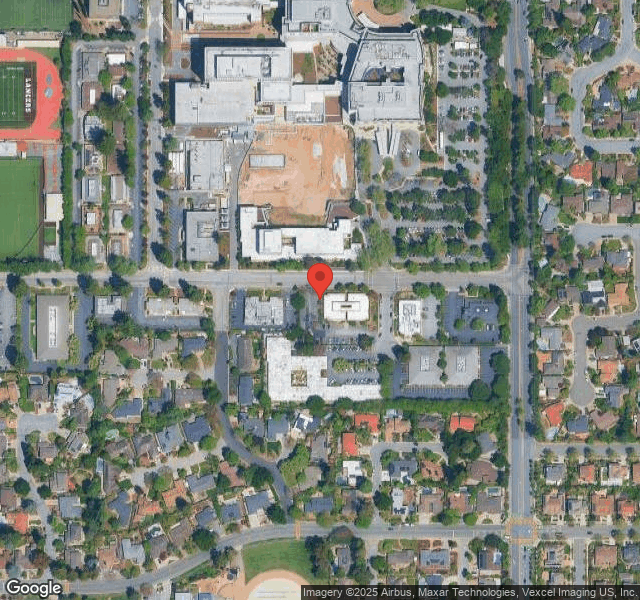

2530 SOLACE PLACE, MOUNTAIN VIEW, CA 94040 (650) 961-6161
For profit - Limited Liability company 129 Beds SPYGLASS HEALTHCARE Data: November 2025 1 Immediate Jeopardy citation
Trust Grade
38/100
#416 of 1155 in CA
Last Inspection: November 2023

Within standard 12-15 month inspection cycle. Federal law requires annual inspections.

Overview

Mountain View Healthcare Center has received a Trust Grade of F, indicating significant concerns about the facility's overall quality and safety. It ranks #416 out of 1,155 nursing homes in California, placing it in the top half of the state, and #28 out of 50 in Santa Clara County, meaning there are a few better local options available. The facility is improving, with the number of issues decreasing from 12 in 2024 to just 3 in 2025, but it still has a concerning history, including a critical incident where sewage backed up in the kitchen, posing health risks. Staffing is a strength with a rating of 4 out of 5 stars and a turnover rate of 33%, which is below the state average, indicating stability among caregivers. However, the facility has accumulated $54,912 in fines, higher than 79% of California facilities, reflecting ongoing compliance problems. Notably, one serious incident involved improperly monitoring IV fluids, which led to a resident's health deterioration. Despite these weaknesses, the facility boasts good RN coverage, exceeding 82% of state facilities, which is crucial for catching potential issues early.

Trust Score
F
38/100
In California
#416/1155
Top 36%
Safety Record
High Risk
Review needed
Inspections
Getting Better
12 → 3 violations
Staff Stability
○ Average
33% turnover. Near California's 48% average. Typical for the industry.
Penalties
✓ Good
$54,912 in fines. Lower than most California facilities. Relatively clean record.
Skilled Nurses
✓ Good
Each resident gets 43 minutes of Registered Nurse (RN) attention daily — more than average for California. RNs are trained to catch health problems early.
Violations
⚠ Watch
42 deficiencies on record. Higher than average. Multiple issues found across inspections.
★★★★☆
4.0
Overall Rating
★★★★☆
4.0
Staff Levels
★★★★★
5.0
Care Quality
★★★☆☆
3.0
Inspection Score
Stable
2024: 12 issues
2025: 3 issues

The Good

  • 4-Star Staffing Rating · Above-average nurse staffing levels
  • 5-Star Quality Measures · Strong clinical quality outcomes
  • Full Sprinkler Coverage · Fire safety systems throughout facility
  • No fines on record
  • Staff turnover below average (33%)

    15 points below California average of 48%

Facility shows strength in staffing levels, quality measures, fire safety.

The Bad

Staff Turnover: 33%

13pts below California avg (46%)

Typical for the industry

Federal Fines: $54,912

Above median ($33,413)

Moderate penalties - review what triggered them

Chain: SPYGLASS HEALTHCARE

Part of a multi-facility chain

Ask about local staffing decisions and management

The Ugly 42 deficiencies on record

1 life-threatening 2 actual harm
Jul 2025 1 deficiency
CONCERN (D) 📢 Someone Reported This

A family member, employee, or ombudsman was alarmed enough to file a formal complaint

Potential for Harm - no one hurt, but risky conditions existed

Deficiency F0628 (Tag F0628)

Could have caused harm · This affected 1 resident

**NOTE- TERMS IN BRACKETS HAVE BEEN EDITED TO PROTECT CONFIDENTIALITY** Based on interview and record review, the facility failed to follow their procedure in completing the inventory list of personal...

Read full inspector narrative →
**NOTE- TERMS IN BRACKETS HAVE BEEN EDITED TO PROTECT CONFIDENTIALITY** Based on interview and record review, the facility failed to follow their procedure in completing the inventory list of personal effects form (a document used to record a resident's possessions, typically in a specific context like moving into a facility which serves as a record of belongings, often including details like descriptions, values, and dates of acquisition or loss) when the form was not signed by facility staff and resident upon discharge for one of three residents (Resident 1). This failure may lead to issues if the discharged resident claims of any missing items and no proof that this was all accounted for during discharge.Findings:Review of Resident 1's medical record indicated he was admitted to facility on 6/18/25 with diagnoses that included osteomyelitis (inflammation of bone or bone marrow, usually due to infection), depression (a mood disorder that causes a persistent feeling of sadness and loss of interest), diabetes mellitus (a disorder characterized by difficulty in blood sugar control and poor wound healing), and generalized muscle weakness. He was discharged to assisted living facility (ALF, a residential setting designed to provide housing and supportive services to individuals who need help with daily tasks but do not require the intensive medical care of a nursing home) on 6/26/25.During a review of Resident 1's personal effects inventory list form on 7/8/25 at 9:46 a.m., revealed the signage space on the acknowledgement of receipt on the right bottom part was blank and was not signed by facility staff and Resident 1 upon discharge on [DATE]. There was also no notation by facility staff that Resident 1 refused to sign it.During a review of Resident 1's medical record dated 6/26/25 indicated, Personal belongings discharged with patient.During an interview with the Registered Nurse A (RN A) on 7/8/25 at 10:55 a.m., she confirmed that Resident 1's inventory list form's signage space on the right bottom part was blank and not signed by facility staff and Resident 1 upon discharge on [DATE]. RN A acknowledged it should have been signed by Resident 1 and facility staff as per their facility's procedure.During an interview with the Assistant Director of Nursing (ADON) on 7/8/25 at 11:36 a.m., she stated that the facility staff and Resident 1 should have signed the personal effects inventory list form acknowledgement of receipt upon discharge of Resident 1 on 6/26/25.Review of the facility's policy and procedures titled Inventory of Personal Effects indicated . Resident/Responsible Party and staff member are to sign and date the inventory on admission and again on discharge, acknowledging receipt of items.
May 2025 2 deficiencies
CONCERN (E) 📢 Someone Reported This

A family member, employee, or ombudsman was alarmed enough to file a formal complaint

Potential for Harm - no one hurt, but risky conditions existed

Deficiency F0658 (Tag F0658)

Could have caused harm · This affected multiple residents

**NOTE- TERMS IN BRACKETS HAVE BEEN EDITED TO PROTECT CONFIDENTIALITY** Based on interview and record review, the facility failed to ensure service provided to meet professional standards for two of t...

Read full inspector narrative →
**NOTE- TERMS IN BRACKETS HAVE BEEN EDITED TO PROTECT CONFIDENTIALITY** Based on interview and record review, the facility failed to ensure service provided to meet professional standards for two of three residents (1 and 2) when their fall risk assessments were not done quarterly. This failure resulted in the residents' fall risk and fall prevention not updated to the residents' conditions to prevent the residents from falling. Findings: Review of Resident 1's admission Record indicated he was admitted to the facility on [DATE] with respiratory disorders and difficulty in walking diagnoses. Review of Resident 1's clinical record indicated he did not have any quarterly fall risk assessment. Review of Resident 1's Change in Condition Evaluation, dated 2/17/25, indicated Resident 1 slid down from the commode in his restroom and layed on the floor. Review of Resident 2's admission Record indicated she was admitted to the facility on [DATE] with dementia (loss of memory, language, problem-solving and other thinking abilities that are severe enough to interfere with daily life) diagnosis. Review of Resident 2's clinical record indicated she did not have quarterly fall risk assessment done in 5/2024. Review of Resident 2's Change in Condition Evaluation, dated 8/7/24, indicated Resident 2 was found sitting on the floor next to the edge of her bed. Resident 2 stated that she tried to ambulate self to bedside commode, felt weak, and sat down to the floor. During an interview with the director of nursing (DON) on 5/14/25, at 4 p.m., she reviewed Resident 1's and Resident 2's clinical records and confirmed that Resident 1 did not have any quarterly fall risk assessment, and Resident 2 did not have quarterly fall risk assessment done in 5/2024. The DON stated the residents' fall risk assessment should be done every quarter. Review of the facility's policy, Fall Prevention Program, dated 3/1/23, indicated . 5. g. Complete a fall risk assessment every 90 days and as indicated when the resident's condition changes.
CONCERN (E) 📢 Someone Reported This

A family member, employee, or ombudsman was alarmed enough to file a formal complaint

Potential for Harm - no one hurt, but risky conditions existed

Quality of Care (Tag F0684)

Could have caused harm · This affected multiple residents

**NOTE- TERMS IN BRACKETS HAVE BEEN EDITED TO PROTECT CONFIDENTIALITY** Based on interview and record review, the facility failed to ensure the residents received the necessary care and services 1. Fo...

Read full inspector narrative →
**NOTE- TERMS IN BRACKETS HAVE BEEN EDITED TO PROTECT CONFIDENTIALITY** Based on interview and record review, the facility failed to ensure the residents received the necessary care and services 1. For one of three residents (3) when Resident 3's order from the acute care was not followed; and 2. For three of three residents (3, 4, and 5) when the licensed nurses did not administer Resident 3, 4, and 5's blood pressure medications as ordered by the physician. These failures could negatively impact the residents' health and well-being. Findings: 1. Review of Resident 3's admission Record indicated he was admitted to the facility on [DATE] with benign prostatic hyperplasia (enlarged gland in the male reproductive system) and obstructive and reflux uropathy (a blockage in the urinary tract, preventing normal urine flow, and urine flows backward from the bladder instead of exiting the body) diagnoses. Review of Resident 3's clinical record indicated he had a Foley catheter (a soft and flexible tube inserted into the bladder to drain urine). Review of Resident 3's acute care Interagency Discharge Summary and Orders, dated 2/6/25, indicated that Resident 3 had a urology referral (a formal direction from a primary care physician or other healthcare provider for specialized care related to the urinary system), and his void trial (a clinical procedure involves removing the urinary catheter and monitoring the patient's bladder emptying capabilities) would be under supervision of urology (a part of health care that deals with diseases of the urinary tract) on 2/10/25. However, review of Resident 3's Nurses Progress Note, dated 2/12/25, at 7 a.m., indicated Resident 3's void trial was performed at the facility without supervision of urology. His Foley catheter was removed. Review of Resident 3's Progress Note, dated 2/12/25, at 3:27 p.m., indicated Resident 3's post-void residual (PVR, the amount of urine remaining in the bladder after a person has urinated) was 780 milliliters (ml, a metric unit of volume). The licensed nurse attempted to empty Resident 3's bladder with straight catheter (a flexible tube used to drain urine from the bladder on a temporary basis) three times but was unsuccessful. Resident 3 had discomfort with the procedure performed of emptying the bladder via straight catheter and was sent out to acute care for Foley catheter placement. During an interview with the director of nursing (DON) on 5/14/25, at 4:35 p.m., she reviewed Resident 3's 2/6/25 acute care Interagency Discharge Summary and Orders and stated that Resident 3's void trial should be performed under supervision of urology. Review of the facility's policy, Medication Orders, dated 7/1/23, indicated . 5. c. Written Transfer Orders (sent with a resident by a hospital or other health care facility) - Implement a transfer order without further validation, if it is signed and dated by the resident's current attending physician, unless the order is unclear or incomplete, or the date signed is different from the date of admission. If the order is unsigned, or signed by another physician, or the date is other than the date of admission, the receiving nurse should verify the order with the current attending physician before medications are administered. The nurse should document verification on the admission order record, by entering the time, date, and signature. 2a. Review of Resident 3's admission Record indicated he was admitted to the facility on [DATE] with hypertension (HTN, high blood pressure) diagnosis. Review of Resident 3's physician order, dated 3/6/25, indicated he had an order for hydralazine (used to treat HTN) 25 milligrams (mg, a metric unit of mass) every 8 hours as needed for systolic blood pressure (SBP, it measures the pressure the blood is pushing against the artery walls when the heart beats) greater than 160. Review of Resident 3's medication administration record (MAR), dated 3/2025, indicated the licensed nurse administered hydralazine 25 mg to Resident 3 on 3/11/25 when his SBP was 151, and the licensed nurse did not administer hydralazine 25 mg to Resident 3 on 3/7/25, 3/14/25, and 3/15/25 when his SBP was 172, 175, and 165. 2b. Review of Resident 4's admission Record indicated she was admitted to the facility on [DATE] with HTN diagnosis. Review of Resident 4's physician order, dated 4/23/25, indicated she had an order for hydralazine 25 mg every 6 hours as needed for SBP greater than 160. Review of Resident 4's 5/2025 MAR indicated the licensed nurse did not administer hydralazine 25 mg to Resident 4 on 5/6/25 when her SBP was 162. 2c. Review of Resident 5's admission Record indicated she was admitted to the facility on [DATE]. Review of Resident 5's physician order, dated 3/4/25, indicated she had an order for losartan potassium (used to treat HTN) 25 mg every day for HTN, hold for SBP less than 110. Review of Resident 5's 4/2025 MAR indicated the licensed nurse administered losartan potassium 25 mg to Resident 5 on 4/19/25 when her SBP was 105. During an interview with the director of nursing (DON) on 5/14/25, at 4:20 p.m., she reviewed Resident 3's 3/2025 MAR, Resident 4's 5/2025 MAR, and Resident 5's 4/2025 MAR and confirmed that the licensed nurse administered hydralazine 25 mg to Resident 3 on 3/11/25 when his SBP was 151, and the licensed nurse did not administer hydralazine 25 mg to Resident 3 on 3/7/25, 3/14/25, and 3/15/25 when his SBP was 172, 175, and 165; the licensed nurse did not administer hydralazine 25 mg to Resident 4 on 5/6/25 when her SBP was 162; and the licensed nurse administered losartan potassium 25 mg to Resident 5 on 4/19/25 when her SBP was 105. Review of the facility's job description, Registered Nurse (RN), dated 5/2022, indicated . Resident Care Functions: . Administer medications according to practitioner orders .
Sept 2024 1 deficiency
CONCERN (E) 📢 Someone Reported This

A family member, employee, or ombudsman was alarmed enough to file a formal complaint

Potential for Harm - no one hurt, but risky conditions existed

Deficiency F0583 (Tag F0583)

Could have caused harm · This affected multiple residents

**NOTE- TERMS IN BRACKETS HAVE BEEN EDITED TO PROTECT CONFIDENTIALITY** Based on interview and record review, the facility failed to secure the confidential medical records for two of three residents ...

Read full inspector narrative →
**NOTE- TERMS IN BRACKETS HAVE BEEN EDITED TO PROTECT CONFIDENTIALITY** Based on interview and record review, the facility failed to secure the confidential medical records for two of three residents (1 and 2) when the facility released Resident 1's and Resident 2's medical records to persons who were not the legal representatives of these two identified residents. This failure violated the residents' rights to privacy and confidentiality. Findings: Review of Resident 1's admission Record indicated she was admitted to the facility on [DATE] with dementia (loss of memory, language, problem-solving and other thinking abilities that are severe enough to interfere with daily life) diagnosis. Review of Resident 1's Health Care Power of Attorney (HCPOA, a legal document that allows someone to designate another person to make medical decisions on their behalf if they are unable to do so), dated 8/20/15, indicated Resident 1's husband was her health care agent. Review of Resident 1's Authorization for the Release of Protected Health Information (PHI, any health information that can identify an individual and is related to their past, present, or future health), dated 3/8/24, indicated it was signed by Resident 1's son, an emergency contact, and Not Applicable was filled in the Individual/Organization Authorized to Release PHI section. During an interview with the medical records director (MRD), on 8/28/24 at 2 p.m., she confirmed that she received Resident 1's Authorization for the Release of PHI from Resident 1's son, and she released Resident 1's medical records to him in 3/2024. Review of Resident 2's admission Record indicated he was admitted to the facility on [DATE]; Resident 2 was his self-responsible party (RP, an individual who assists the resident in placement or assumes varying degrees of responsibility for the well-being of the resident), and one of his daughters was the substitute decision maker. Review of Resident 2's Authorization for Use or Disclosure of Medical Information, dated 4/23/24, indicated another daughter of Resident 2, an emergency contact, was the person who requested and received Resident 2's medical records. During an interview with the director of nursing (DON), on 9/3/24 at 4 p.m., he reviewed Resident 1's Authorization for the Release of PHI and Resident 2's Authorization for Use or Disclosure of Medical Information and confirmed that Resident 1's and Resident 2's medical records were released to emergency contact persons. The DON stated the resident's medical records should be released to the resident or the resident's legal representative and not to unauthorized legal representative Review of the facility's policy, Release of Medical Records, dated 6/1/23, indicated . 2. Upon request to access or obtain copies of the medical records, the facility should review the authorization to ascertain access rights of that person. Authority to access or release records is only granted by the resident or the resident's legal representative.
Aug 2024 3 deficiencies
CONCERN (D) 📢 Someone Reported This

A family member, employee, or ombudsman was alarmed enough to file a formal complaint

Potential for Harm - no one hurt, but risky conditions existed

Assessment Accuracy (Tag F0641)

Could have caused harm · This affected 1 resident

**NOTE- TERMS IN BRACKETS HAVE BEEN EDITED TO PROTECT CONFIDENTIALITY** Based on interview and record review, the facility failed to accurately assess and complete the Minimum Data Set (MDS, an assess...

Read full inspector narrative →
**NOTE- TERMS IN BRACKETS HAVE BEEN EDITED TO PROTECT CONFIDENTIALITY** Based on interview and record review, the facility failed to accurately assess and complete the Minimum Data Set (MDS, an assessment tool) for one of two sampled residents (Resident 1). This failure had the potential to compromise the facility's ability to develop and implement resident-centered care plans and interventions. Findings: Review of Resident 1's medical record indicated she was admitted on [DATE] and had diagnoses including cerebral infarction (a stroke that occurs when blood flow to the brain is blocked, causing brain cells to die off), type 2 diabetes (high blood sugar), hypertension (high blood pressure), and morbid (severe) obesity (overweight). Resident 1's minimum data set (MDS, an assessment tool) dated 3/08/24 was reviewed. Section GG0120 of the MDS asked to check all that were normally used in the last 7 days, and both items B. walker and C. wheelchair were checked. During an interview and record review on 8/26/24 at 10:40 a.m. with the minimum data set coordinator (MDSC) A, she confirmed the above record review and stated that she saw a walker when she visited Resident 1's room. MDSC A further stated that she did not observe Resident 1 using the walker. During an interview on 8/26/24 at 10:55 a.m. with MDSC A, she said she reviewed therapy documentation and could not find any documentation indicating Resident 1 used a walker. MDSC A acknowledged that a walker should not have been checked on Resident 1's MDS dated [DATE] because Resident 1 did not use a walker during the specified time frame. MDSC A confirmed that Resident 1's MDS dated [DATE] was not accurate. During an interview on 8/26/24 at 11:51 a.m. with the director of rehabilitation (DOR), she stated that Resident 1 was not able to use a walker due to her weakness. During a review of Long-Term Care Facility Resident Assessment Instrument (RAI) 3.0 User's Manual Version 1.18.11 October 2023, the manual indicated, The RAI process has multiple regulatory requirements. Federal regulations at 42 CFR 483.20 (b)(1)(xviii), (g), and (h) require that (1) the assessment accurately reflects the resident's status.
CONCERN (D) 📢 Someone Reported This

A family member, employee, or ombudsman was alarmed enough to file a formal complaint

Potential for Harm - no one hurt, but risky conditions existed

Deficiency F0655 (Tag F0655)

Could have caused harm · This affected 1 resident

**NOTE- TERMS IN BRACKETS HAVE BEEN EDITED TO PROTECT CONFIDENTIALITY** Based on interview and record review, the facility failed to provide a summary of the baseline care plan for one of two sampled ...

Read full inspector narrative →
**NOTE- TERMS IN BRACKETS HAVE BEEN EDITED TO PROTECT CONFIDENTIALITY** Based on interview and record review, the facility failed to provide a summary of the baseline care plan for one of two sampled residents (Resident 1) to the resident and resident's representative. This failure had the potential to result in the facility being unable to promote continuity of care, meet the resident's immediate needs, and ensure the resident and representative were informed of the initial plan on the delivery of care and services. Findings: Review of Resident 1's medical record indicated she was admitted on [DATE] and had diagnoses including cerebral infarction (a stroke that occurs when blood flow to the brain is blocked, causing brain cells to die off), type 2 diabetes (high blood sugar), hypertension (high blood pressure), and morbid (severe) obesity (overweight). Review of Resident 1's facesheet (a document that summarizes a resident's information) indicated Resident 1's responsible party (RP, a person empowered to make decisions for the resident/person legally responsible and liable for a decision or an action) was 'daughter '. Review of Resident 1's minimum data set (MDS, an assessment tool) dated 3/08/24 indicated she had a brief interview of mental status (BIMS, a tool used to assess cognition) score of 12, meaning she had moderate cognitive impairment. Review of Resident 1's baseline care plan, effective date 3/03/24, indicated missing signatures on the following sections: 3. Resident signature, and 4. Representative signature. During a telephone interview on 8/08/24 at 3:35 p.m. with Resident 1's RP, she stated she was not informed about the facility's plan of care for Resident 1. The RP further stated she did not receive a written plan of care from the facility. During an interview and record review on 8/26/24 at 9:50 a.m. with the Director of Nursing (DON), the DON confirmed Resident 1's baseline care plan with an effective date of 3/03/24 did not include Resident 1's and her representative's signatures. The DON acknowledged that the facility should provide the resident and representative with a summary of the baseline care plan. The DON further stated there was no documented evidence that the summary of the baseline care plan was given to Resident 1 and her RP. During a review of the facility's policy and procedure (P&P) titled Baseline Care Plan, dated 9/01/23, the P&P indicated, A written summary of the baseline care plan shall be provided to the resident and representative in a language that the resident/representative can understand.
CONCERN (D) 📢 Someone Reported This

A family member, employee, or ombudsman was alarmed enough to file a formal complaint

Potential for Harm - no one hurt, but risky conditions existed

Comprehensive Care Plan (Tag F0656)

Could have caused harm · This affected 1 resident

**NOTE- TERMS IN BRACKETS HAVE BEEN EDITED TO PROTECT CONFIDENTIALITY** Based on interview and record review, the facility failed to develop and implement care plans for one of two sampled residents (...

Read full inspector narrative →
**NOTE- TERMS IN BRACKETS HAVE BEEN EDITED TO PROTECT CONFIDENTIALITY** Based on interview and record review, the facility failed to develop and implement care plans for one of two sampled residents (Resident 1) when a care plan for a diagnosis of obesity was not developed. This failure had the potential to not meeting the resident's medical, nursing, and mental and psychosocial needs that were identified in Resident 1's comprehensive assessment. Findings: Review of Resident 1's medical record indicated she was admitted on [DATE] and had diagnoses including cerebral infarction (a stroke that occurs when blood flow to the brain is blocked, causing brain cells to die off), type 2 diabetes (high blood sugar), hypertension (high blood pressure), and morbid (severe) obesity (overweight). Resident 1's minimum data set (MDS, an assessment tool) dated 3/08/24 was reviewed. Section I80000 asked to enter diagnosis, and C. morbid (severe) obesity was entered. Review of Resident 1's weekly weight meeting indicated, BMI (body mass index, a measurement of a person's leanness based on their height and weight): 59.7 (40 or over, meaning severe obesity). Review of Resident 1's care plans indicated there was no care plan developed to address her diagnosis of obesity. During an interview on 8/09/24 at 2:05 p.m. with assistant director of nursing (ADON) B, she stated that Resident 1 was a bariatric resident (resident who has a BMI that is equal to or greater than 30). During an interview and record review on 8/09/24 at 2:20 p.m. with ADON B, she reviewed Resident 1's medical record and stated that she could not find a care plan for Resident 1's obesity. ADON B acknowledged that a care plan for Resident 1's diagnosis of obesity should have been developed. During an interview and record review on 8/26/24 at 9:40 a.m. with the director of nursing (DON), she confirmed the above record review. The DON acknowledged that a care plan for Resident 1's diagnosis of obesity should have been developed with the interventions to address it. The DON stated that a care plan should be individualized and person-centered for each resident. During a review of the facility's policy and procedure (P&P) titled Care and Treatment of Bariatric Residents, dated 6/01/23, the P&P indicated, Bariatric residents have special needs. This facility will provide the necessary care and treatment that allows the bariatric resident to remain safe and to attain or maintain his/her highest practicable physical, mental, and psychosocial well-being. A person-centered care plan will be developed.
Aug 2024 1 deficiency
CONCERN (E) 📢 Someone Reported This

A family member, employee, or ombudsman was alarmed enough to file a formal complaint

Potential for Harm - no one hurt, but risky conditions existed

Infection Control (Tag F0880)

Could have caused harm · This affected multiple residents

Based on observation, interview, and policy review, the facility failed to implement infection control practices when certified nursing assistant A (CNA A) placed soiled linen on Resident 1's room flo...

Read full inspector narrative →
Based on observation, interview, and policy review, the facility failed to implement infection control practices when certified nursing assistant A (CNA A) placed soiled linen on Resident 1's room floor and janitor B (JAN B) walked in the hallway with gloves on. These failures had the potential to spread infection in the facility. Findings: During an observation on 8/16/24 at 1:35 p.m., CNA A was changing Resident 1 in her room, and she placed Resident 1's soiled linen on the room floor against Resident 1's chest drawer. During a concurrent interview, CNA A stated she should place the soiled linen in the plastic bag and not on the residents' room floor. During an observation on 8/16/24 at 2 p.m., JAN B walked in the hallway with gloves on his hands; when JAN B got to the front of Resident 2's room, he picked up the wiper at its long handle and wiped the wall in the hallway. During a concurrent interview, JAN B acknowledged that he should not wear gloves in the hallway. During an interview with the infection preventionist (IP) on 8/23/24 at 3:30 p.m., she stated the CNA should place the soiled linen in the plastic bag and not on the residents' room floor, and staff should not walk in the hallway with gloves on. Review of the facility's policy, Handling Soiled Linen, dated 6/14/23, indicated . 4. Used or soiled linen shall be collected at the bedside (or point of use, such as dining room) and placed in a linen bag or designated lined receptacle . Review of the facility's policy, Personal Protective Equipment (PPE), dated 6/1/24, indicated . 4. Indications/considerations for PPE use: a. Gloves: . iv. Gloves should not be worn when not in use (i.e. walking in corridor/hallway).
Jul 2024 1 deficiency
CONCERN (D) 📢 Someone Reported This

A family member, employee, or ombudsman was alarmed enough to file a formal complaint

Potential for Harm - no one hurt, but risky conditions existed

Accident Prevention (Tag F0689)

Could have caused harm · This affected 1 resident

**NOTE- TERMS IN BRACKETS HAVE BEEN EDITED TO PROTECT CONFIDENTIALITY** Based on interview and record review, the facility failed to provide care that allowed one of three residents (1) to remain safe...

Read full inspector narrative →
**NOTE- TERMS IN BRACKETS HAVE BEEN EDITED TO PROTECT CONFIDENTIALITY** Based on interview and record review, the facility failed to provide care that allowed one of three residents (1) to remain safe when Resident 1 was a bariatric resident and only one certified nursing assistant (CNA) working with her. This failure resulted in Resident 1 fell off her bed and to the floor. Findings: Review of Resident 1's admission Record indicated she was admitted to the facility on [DATE] with severe obesity diagnosis. Review of Resident 1's Minimum Data Set (MDS, a clinical assessment tool), dated 3/8/24, indicated her range of motion was impaired on one side for her upper and lower extremity, and she needed maximal assistance for rolling left and right in her bed. Review of Resident 1's Change of Condition Report, dated 3/4/24, at 7:51 a.m., indicated on 3/4/24, at 7:15 a.m., when one CNA was repositioning Resident 1 in bed during a change, Resident 1 rolled off the bed and onto the floor. During an interview with assistant director of nursing A (ADON A) on 7/8/24, at 3:40 p.m., she stated the CNA worked with Resident 1 by herself. The CNA turned Resident 1 to the side to cleanse the back of her body. Resident 1's leg slid off the bed, and Resident 1 fell to the floor. ADON A stated the CNA should not work with Resident 1 alone because Resident 1 was a bariatric resident. The facility always educated staff that two persons were needed when working with a bariatric resident. ADON A stated the CNA should have called another CNA to work with her on Resident 1. Review of the facility's policy, Care and Treatment of Bariatric Residents, dated 6/1/23, indicated Bariatric residents have special needs. This facility will provide the necessary care and treatment that allows the bariatric resident to remain safe . 5. Care will be provided with the number of staff needed to ensure safety of the resident and the staff. Based on interview and record review, the facility failed to provide care that allowed one of three residents (1) to remain safe when Resident 1 was a bariatric resident and only one certified nursing assistant (CNA) working with her. This failure resulted in Resident 1 fell off her bed and to the floor. Findings: Review of Resident 1's admission Record indicated she was admitted to the facility on [DATE] with severe obesity diagnosis. Review of Resident 1's Minimum Data Set (MDS, a clinical assessment tool), dated 3/8/24, indicated her range of motion was impaired on one side for her upper and lower extremity, and she needed maximal assistance for rolling left and right in her bed. Review of Resident 1's Change of Condition Report, dated 3/4/24, at 7:51 a.m., indicated on 3/4/24, at 7:15 a.m., when one CNA was repositioning Resident 1 in bed during a change, Resident 1 rolled off the bed and onto the floor. During an interview with assistant director of nursing A (ADON A) on 7/8/24, at 3:40 p.m., she stated the CNA worked with Resident 1 by herself. The CNA turned Resident 1 to the side to cleanse the back of her body. Resident 1's leg slid off the bed, and Resident 1 fell to the floor. ADON A stated the CNA should not work with Resident 1 alone because Resident 1 was a bariatric resident. The facility always educated staff that two persons were needed when working with a bariatric resident. ADON A stated the CNA should have called another CNA to work with her on Resident 1. Review of the facility's policy, Care and Treatment of Bariatric Residents, dated 6/1/23, indicated Bariatric residents have special needs. This facility will provide the necessary care and treatment that allows the bariatric resident to remain safe . 5. Care will be provided with the number of staff needed to ensure safety of the resident and the staff.
Jul 2024 2 deficiencies
CONCERN (D) 📢 Someone Reported This

A family member, employee, or ombudsman was alarmed enough to file a formal complaint

Potential for Harm - no one hurt, but risky conditions existed

Deficiency F0776 (Tag F0776)

Could have caused harm · This affected 1 resident

Based on interview and record review, the facility failed to provide radiological services were provided in a timely manner for one of three residents (Resident 1) when a stat (a common medical abbrev...

Read full inspector narrative →
Based on interview and record review, the facility failed to provide radiological services were provided in a timely manner for one of three residents (Resident 1) when a stat (a common medical abbreviation for urgent or rush, from the Latin word statim, meaning immediately) chest X-ray (procedure that uses electromagnetic energy to create pictures of the inside of the body) was not done for Resident 1. This failure had the potential to delay treatment for the resident. Findings: Review of Resident 1 ' s clinical record indicated she was admitted to the facility with diagnoses including hemiplegia and hemiparesis (complete paralysis, partial paralysis or muscle weakness on one side of the body) and obstructive sleep apnea (sleep disorder that can lead to brief pauses in breathing during sleep). Review of Resident 1 ' s IDT (interdisciplinary team, a group of health care professionals from diverse fields who work toward a common goal for residents) Note, dated 4/29/24 at 3:24 p.m. indicated, On 4/29/24 [Resident 1] noted to have a new productive cough. [Resident 1] also noted to have episode of de-saturation [low blood oxygen concentration] . NP [nurse practitioner] notified of [Resident 1 ' s] change in condition. NP Orders STAT CXR [chest X-ray] to r/o [rule out] pna [pneumonia, an infection that affects one or both lungs] . Review of Resident 1 ' s Order Summary Report, dated 6/28/24 indicated she had an order for a STAT CXR d/t (due to) cough and wheezing, dated 4/29/24 at 12:27 p.m. Review of Resident 1 ' s radiology results indicated Resident 1 had no results for a chest X-ray. Review of Resident 1 ' s Change in Condition Evaluation, dated 4/30/24 indicated Resident 1 was being transferred to the hospital due to increased oxygen needs. It indicated Resident 1 left the facility and was taken to the hospital on 4/30/24 at around 8:17 a.m. During an interview on 6/28/24 at 3:33 p.m., the Quality Assurance Director (QAD) stated Resident 1 was sent to the hospital before getting a chest X-ray done. The QAD confirmed that Resident 1 ' s chest X-ray order was a stat order placed on 4/29/24. She stated stat orders are typically done within four hours, so Resident 1 ' s X-ray should have been done on 4/29/24. Review of the facility ' s policy, Radiology and other Diagnostic Services Policy, dated 6/1/23 indicated, The facility must provide or obtain radiology and other diagnostic services when ordered by a physician . Orders for STAT diagnostics will be completed as soon as possible. Based on interview and record review, the facility failed to provide radiological services were provided in a timely manner for one of three residents (Resident 1) when a stat (a common medical abbreviation for urgent or rush, from the Latin word statim, meaning immediately) chest X-ray (procedure that uses electromagnetic energy to create pictures of the inside of the body) was not done for Resident 1. This failure had the potential to delay treatment for the resident. Findings: Review of Resident 1's clinical record indicated she was admitted to the facility with diagnoses including hemiplegia and hemiparesis (complete paralysis, partial paralysis or muscle weakness on one side of the body) and obstructive sleep apnea (sleep disorder that can lead to brief pauses in breathing during sleep). Review of Resident 1's IDT (interdisciplinary team, a group of health care professionals from diverse fields who work toward a common goal for residents) Note, dated 4/29/24 at 3:24 p.m. indicated, On 4/29/24 [Resident 1] noted to have a new productive cough. [Resident 1] also noted to have episode of de-saturation [low blood oxygen concentration] . NP [nurse practitioner] notified of [Resident 1's] change in condition. NP Orders STAT CXR [chest X-ray] to r/o [rule out] pna [pneumonia, an infection that affects one or both lungs] . Review of Resident 1's Order Summary Report, dated 6/28/24 indicated she had an order for a STAT CXR d/t (due to) cough and wheezing, dated 4/29/24 at 12:27 p.m. Review of Resident 1's radiology results indicated Resident 1 had no results for a chest X-ray. Review of Resident 1's Change in Condition Evaluation, dated 4/30/24 indicated Resident 1 was being transferred to the hospital due to increased oxygen needs. It indicated Resident 1 left the facility and was taken to the hospital on 4/30/24 at around 8:17 a.m. During an interview on 6/28/24 at 3:33 p.m., the Quality Assurance Director (QAD) stated Resident 1 was sent to the hospital before getting a chest X-ray done. The QAD confirmed that Resident 1's chest X-ray order was a stat order placed on 4/29/24. She stated stat orders are typically done within four hours, so Resident 1's X-ray should have been done on 4/29/24. Review of the facility's policy, Radiology and other Diagnostic Services Policy, dated 6/1/23 indicated, The facility must provide or obtain radiology and other diagnostic services when ordered by a physician . Orders for STAT diagnostics will be completed as soon as possible.
CONCERN (E) 📢 Someone Reported This

A family member, employee, or ombudsman was alarmed enough to file a formal complaint

Potential for Harm - no one hurt, but risky conditions existed

Respiratory Care (Tag F0695)

Could have caused harm · This affected multiple residents

Based on interview and record review, the facility failed to provide respiratory care consistent with professional standards of practice for three of four residents (Resident 1, 2, and 3) on oxygen th...

Read full inspector narrative →
Based on interview and record review, the facility failed to provide respiratory care consistent with professional standards of practice for three of four residents (Resident 1, 2, and 3) on oxygen therapy when: 1. There was no documentation that Resident 1 was educated on the risks and benefits of refusal to use the BiPAP (bilevel positive airway pressure, a device that pushes air into the airway and provides airflow at two different pressures: one when inhaling and a lower one when exhaling), Resident 1's BiPAP orders were not complete, Resident 1 was provided oxygen without documentation that indicated how many liters per minute (L/min) was administered, an as needed (PRN) breathing treatment was not administered as ordered, Resident 1's respiratory care plan was not individualized, and there was no documentation that indicated Resident 1's BiPAP was cleaned weekly per manufacturer's instructions. 2. Resident 2 was provided oxygen without documentation that indicated how many liters per minute (L/min) was administered. 3. Resident 3's BiPAP orders did not match the hospital discharge orders and there was no documentation that indicated Resident 3's BiPAP was cleaned weekly per manufacturer's instructions. Findings: 1. Review of Resident 1's clinical record indicated she was admitted to the facility with diagnoses including hemiplegia and hemiparesis (complete paralysis, partial paralysis or muscle weakness on one side of the body) and obstructive sleep apnea (sleep disorder that can lead to brief pauses in breathing during sleep). Review of Resident 1's SNF (Skilled Nursing Facility) Orders (discharge orders from the hospital), dated 3/3/24 indicated, Use bipap qhs [every night at bedtime] for sleep apnea Bipap settings 12/6 [EPAP (exhalation positive airway pressure)/IPAP (inhalation positive airway pressure) cmH2O (centimeter of water, unit of pressure)]: back up rate of 12 and 30% Fio2 [fraction of inspired oxygen, the concentration of oxygen in the gas mixture]. Review of Resident 1's Order Summary Report, dated 6/28/24 indicated she had an order for BiPAP: during hours of sleep per discharge orders: back up rate of 12 and 30% Fio2 (fraction of inspired oxygen, the concentration of oxygen in the gas mixture), dated 3/3/24. The order did not include the two airway pressures (EPAP/IPAP). Review of Resident 1's Treatment Administration Record (TAR, record of treatments given), dated April 2024 indicated the following for the BiPAP: during hours of sleep order: - Nurses documented that Resident 1 refused the BiPAP on 4/1/24 night shift, 4/3/24 night shift, 4/4/24 night shift, 4/5/24 night shift, 4/5/24 evening shift, 4/6/24 evening shift, 4/15/24 night shift, 4/19/24 evening shift, 4/20/24 evening shift, 4/21/24 evening shift and night shift, 4/25/24 evening shift, 4/26/24 evening shift, 4/27/24 evening and night shift, 4/28/24 evening and night shift, and 4/29/24 evening and night shift. - Nurses documented NA on 4/2/24 night shift, 4/6/24 night shift, 4/9/24 night shift, 4/13/24 night shift, 4/14/24 night shift, 4/15/24 evening shift, 4/16/24 evening shift, 4/17/24 evening shift, 4/18/24 evening shift and night shift, 4/20/24 night shift, 4/24/24 night shift, 4/25/24 night shift, 4/26/24 night shift, 4/27/24 night shift, and 4/28/24 night shift. - Nurses documented the BiPAP was Off on 4/2/24 evening shift, 4/8/24 evening shift, 4/9/24 evening shift, 4/10/24 evening shift, 4/13/24 evening shift, 4/21/24 night shift, 4/22/24 evening and night shift, 4/23/24 evening and night shift, and 4/24/24 evening shift. - There was no nurse signature for 4/1/24 evening shift, 4/11/24 night shift, and 4/17/24 evening shift. On the above dates, there was no documentation that indicated Resident 1 was educated on the risks and benefits of using the BiPAP, except on 4/25/24 evening shift and 4/29/24 night shift. Review of Resident 1's Order Summary Report, dated 6/28/24 indicated Resident 1 had an order, May administer O2 (oxygen) at 2L/min via nasal cannula (a device used to deliver supplemental oxygen or airflow) for diagnoses SOB (shortness of breath), chest pain, oxygen saturation less than 90% and notify MD. May titrate as needed to maintain O2 sat (oxygen saturation, SpO2, measurement of oxygen in the blood) above 90%, dated 3/3/24. Review of Resident 1's Weights and Vitals Summary for April 2024 indicated the resident received oxygen via nasal cannula on 4/11/24, 4/15/24, 4/26/24, 4/27/24, 4/28/24, 4/29/24, and 4/30/24. There was no documentation on 4/11/24, 4/15/24, 4/26/24, 4/27/24, and 4/28/24 that indicated the amount of oxygen in liters per minute Resident 1 received. Review of Resident 1's MAR for April 2024, PRN oxygen was not signed as administered to Resident 1. Review of Resident 1's IDT (interdisciplinary team, a group of health care professionals from diverse fields who work toward a common goal for residents) Note, dated 4/29/24 at 3:24 p.m. indicated, On 4/29/24 [Resident 1] noted to have a new productive cough. [Resident 1] also noted to have episode of de-saturation [low blood oxygen concentration] . NP [nurse practitioner] notified of [Resident 1's] change in condition. NP Orders STAT CXR [chest X-ray] to r/o [rule out] pna [pneumonia, an infection that affects one or both lungs], Duoneb (combination of two medications, albuterol and ipratropium, which open up the airways to help with breathing) Q6H [every six hours] prn d/t [due to] wheezing [high-pitched whistling sound heard when breathing] and crackles . Review of Resident 1's Order Summary Report, dated 6/28/24 indicated Resident 1 had an order Ipratroprium-Albuterol Solution 0.5-2.5 (3) mg (milligram, unit of measurement)/3ml (milliliters, unit of measurement) 3 ml inhale orally every 6 hours as needed for SOB (shortness of breath) or wheezing via nebulizer, dated 4/29/24. Review of Resident 1's MAR for April 2024, PRN Duoneb was not signed as administered to Resident 1. Review of Resident 1's altered respiratory status care plan indicated the interventions were BIPAP/CPAP (continuous positive airway pressure, a machine that uses air pressure to keep breathing airways open during sleep)/VPAP (variable positive airway pressure) SETTINGS: Titrated pressure: (SPECIFY)cmH2O via (SPECIFY: nasal pillow, nose mask or full-face mask) (SPECIFY FREQ) . OXYGEN Settings: O2 via (SPECIFY: nasal prongs/mask) @ (SPECIFY)L (SPECIFY FREQ) Humidified (SPECIFY). Resident 1's respiratory care plan interventions were not resident specific. Review of Resident 1's medical record indicated there was no documented evidence Resident 1's BiPAP was cleaned. During an interview on 6/28/24 at 11:59 a.m., registered nurse A (RN A) confirmed Resident 1's respiratory care plan interventions did not include the BiPAP settings or the oxygen settings. During an interview on 6/28/24 at 3:33 p.m., RN A confirmed that there was missing documentation in Resident 1's MAR. He stated nurses should be signing the PRN oxygen order when they gave Resident 1 PRN oxygen. RN A also stated the nurses should be documenting how many liters of oxygen per minute Resident 1 was given. During an interview on 7/2/24 at 8:34 a.m., registered nurse B (RN B) stated that toward the end of Resident 1's stay in the facility, Resident 1 was on oxygen at 5 L/min. RN B stated he was unsure where he could document the number of L/min. During an interview on 7/2/24 at 9:45 a.m., RN A confirmed the facility BiPAP orders for Resident 1 did not match the orders from the hospital. RN A confirmed the two BiPAP pressures were missing. During an interview on 7/2/24 at 1:20 p.m. the ADON stated the nurses should be cleaning the BiPAP machine but there is no standing order for cleaning. During an interview on 7/2/24 1:45 p.m., the Quality Assurance Director (QAD) stated there is no documentation that indicated Resident 1's BiPAP machine was cleaned. During an interview on 7/5/24 at 10:05 a.m., registered nurse C (RN C) stated she was not sure and did not remember whether there was a PRN order for Duoneb and whether she gave Duoneb to Resident 1. Review of the facility's policy, Noninvasive Ventilation (CPAP, BiPAP .) dated 5/1/23 indicated, 2. The facility will obtain an order for the use of a BiPAP device and settings from the practitioner . 5. The facility will follow the manufacturer's instruction for use of the machine . 8. Follow manufacturer's instruction for the frequency of cleaning/replacing filters and servicing the machine. Review of the facility's policy, Oxygen Administration, dated 5/1/23 indicated, Oxygen is administered under orders of a physician. Review of the facility's policy, Promoting/Maintaining Resident Self-Determination, dated 6/1/23 indicated, Each resident and/responsible party has the right to refuse treatment and care. Education should be provided on risks of such refusal and benefits of compliance. Review of the facility's policy, Comprehensive Care Plans, dated 3/1/23 indicated, It is the policy of this facility to develop and implement a comprehensive person-centered care plan for each resident . The comprehensive care plan will describe, at a minimum . Resident specific interventions that reflect the resident's needs and preferences. Review of the undated AirCurve 10 User Guide, provided by the facility indicated, Regularly clean your tubing assembly, water tub and mask to receive optimal therapy and to prevent the growth of germs that can adversely affect your health . You should clean the device weekly as described. 2. Review of Resident 2's clinical record indicated she was admitted to the facility with diagnoses including traumatic subarachnoid hemorrhage (bleeding in the fluid-filled space between layers that protect the brain. Review of Resident 2's Weights and Vitals Summary for May 2024 indicated the resident received oxygen via nasal cannula on 5/1/24, 5/2/24, and 5/3/24. There was no documentation on 5/1/24, 5/2/24, and 5/3/24 that indicated the amount of oxygen in liters per minute Resident 2 received. Review of Resident 2's MAR for May 2024, the PRN oxygen was not signed as administered to Resident 2. Review of Resident 2's Weights and Vitals Summary for June 2024 indicated the resident received oxygen via nasal cannula on 6/23/24 and 6/25/24. It also indicated Resident 2 received oxygen via mask on 6/24/24. There was no documentation on 6/23/24, 6/24/24, and 6/25/24 that indicated the amount of oxygen in liters per minute Resident 2 received. Review of Resident 2's MAR for June 2024, there was no nurse signature that indicated a nurse administered oxygen for Resident 2. During an interview on 7/2/24 at 1:20 p.m., the assistant director of nursing (ADON) confirmed Resident 2 was given PRN oxygen in May 2024 and June 2024. The ADON confirmed Resident 2's PRN oxygen order was not signed in the MAR for May 2024 and June 2024. She stated she expected nurses sign the PRN oxygen order when they gave Resident 2 PRN oxygen. She also stated the amount of oxygen in L/min should be included in progress notes. 3. Review of Resident 3's clinical record indicated he was admitted to the facility with diagnoses including osteoarthritis (a disease affecting the joints that can cause pain and stiffness) and obstructive sleep apnea. Review of Resident 3's SNF Orders (discharge orders from the hospital), dated 6/5/24 indicated the following: Mode Auto Bilevel EPAP minimum (cm H2O) 5 IPAP Maximum (cm H20) 25 . Maintain SpO2 of at least: 92% Review of Resident 3's Order Summary Report, dated 6/28/24 indicated he had an order BiPAP: Oxygen 2 L/min Pressure settings: IPAP: 5 cmH2O EPAP: 25 cmH2O Maintain SPO2 of at least 92%, dated 6/5/24. The pressure during exhalation (EPAP) should be lower than the pressure during inhalation (IPAP). There was no documentation that indicated Resident 3's BiPAP was cleaned. During an observation on 7/2/24 at 9:09 a.m. in Resident 3's room with RN A, Resident 3's BiPAP machine was observed. The machine was labeled DreamStation. During an interview on 7/2/24 at 9:45 a.m., RN A confirmed the facility BiPAP orders for Resident 3 did not match the orders from the hospital. RN A confirmed the numbers of EPAP and IPAP were switched. During an interview on 7/2/24 at 1:20 p.m. the ADON stated the nurses should be cleaning the BiPAP machine but there is no standing order for cleaning. During an interview on 7/2/24 1:45 p.m., the QAD (Quality Assurance Director) stated there is no documentation that indicated Resident 3's BiPAP machine was cleaned. Review of the facility's policy, Noninvasive Ventilation (CPAP, BiPAP .) dated 5/1/23 indicated, 2. The facility will obtain an order for the use of a BiPAP device and settings from the practitioner . 5. The facility will follow the manufacturer's instruction for use of the machine . 8. Follow manufacturer's instruction for the frequency of cleaning/replacing filters and servicing the machine. Review of the undated DreamStation BiPAP Pro Auto BiPAP User Manual indicated the device's exterior surface weekly. It also indicated the non-heated flexible tubing should be cleaned weekly by fully immersing the tube in the detergent solution. Based on interview and record review, the facility failed to provide respiratory care consistent with professional standards of practice for three of four residents (Resident 1, 2, and 3) on oxygen therapy when: 1. There was no documentation that Resident 1 was educated on the risks and benefits of refusal to use the BiPAP (bilevel positive airway pressure, a device that pushes air into the airway and provides airflow at two different pressures: one when inhaling and a lower one when exhaling), Resident 1's BiPAP orders were not complete, Resident 1 was provided oxygen without documentation that indicated how many liters per minute (L/min) was administered, an as needed (PRN) breathing treatment was not administered as ordered, Resident 1's respiratory care plan was not individualized, and there was no documentation that indicated Resident 1's BiPAP was cleaned weekly per manufacturer's instructions. 2. Resident 2 was provided oxygen without documentation that indicated how many liters per minute (L/min) was administered. 3. Resident 3's BiPAP orders did not match the hospital discharge orders and there was no documentation that indicated Resident 3's BiPAP was cleaned weekly per manufacturer's instructions. Findings: 1. Review of Resident 1's clinical record indicated she was admitted to the facility with diagnoses including hemiplegia and hemiparesis (complete paralysis, partial paralysis or muscle weakness on one side of the body) and obstructive sleep apnea (sleep disorder that can lead to brief pauses in breathing during sleep). Review of Resident 1's SNF (Skilled Nursing Facility) Orders (discharge orders from the hospital), dated 3/3/24 indicated, Use bipap qhs [every night at bedtime] for sleep apnea Bipap settings 12/6 [EPAP (exhalation positive airway pressure)/IPAP (inhalation positive airway pressure) cmH2O (centimeter of water, unit of pressure)]: back up rate of 12 and 30% Fio2 [fraction of inspired oxygen, the concentration of oxygen in the gas mixture]. Review of Resident 1's Order Summary Report, dated 6/28/24 indicated she had an order for BiPAP: during hours of sleep per discharge orders: back up rate of 12 and 30% Fio2 (fraction of inspired oxygen, the concentration of oxygen in the gas mixture), dated 3/3/24. The order did not include the two airway pressures (EPAP/IPAP). Review of Resident 1's Treatment Administration Record (TAR, record of treatments given), dated April 2024 indicated the following for the BiPAP: during hours of sleep order: - Nurses documented that Resident 1 refused the BiPAP on 4/1/24 night shift, 4/3/24 night shift, 4/4/24 night shift, 4/5/24 night shift, 4/5/24 evening shift, 4/6/24 evening shift, 4/15/24 night shift, 4/19/24 evening shift, 4/20/24 evening shift, 4/21/24 evening shift and night shift, 4/25/24 evening shift, 4/26/24 evening shift, 4/27/24 evening and night shift, 4/28/24 evening and night shift, and 4/29/24 evening and night shift. - Nurses documented NA on 4/2/24 night shift, 4/6/24 night shift, 4/9/24 night shift, 4/13/24 night shift, 4/14/24 night shift, 4/15/24 evening shift, 4/16/24 evening shift, 4/17/24 evening shift, 4/18/24 evening shift and night shift, 4/20/24 night shift, 4/24/24 night shift, 4/25/24 night shift, 4/26/24 night shift, 4/27/24 night shift, and 4/28/24 night shift. - Nurses documented the BiPAP was Off on 4/2/24 evening shift, 4/8/24 evening shift, 4/9/24 evening shift, 4/10/24 evening shift, 4/13/24 evening shift, 4/21/24 night shift, 4/22/24 evening and night shift, 4/23/24 evening and night shift, and 4/24/24 evening shift. - There was no nurse signature for 4/1/24 evening shift, 4/11/24 night shift, and 4/17/24 evening shift. On the above dates, there was no documentation that indicated Resident 1 was educated on the risks and benefits of using the BiPAP, except on 4/25/24 evening shift and 4/29/24 night shift. Review of Resident 1's Order Summary Report, dated 6/28/24 indicated Resident 1 had an order, May administer O2 (oxygen) at 2L/min via nasal cannula (a device used to deliver supplemental oxygen or airflow) for diagnoses SOB (shortness of breath), chest pain, oxygen saturation less than 90% and notify MD. May titrate as needed to maintain O2 sat (oxygen saturation, SpO2, measurement of oxygen in the blood) above 90%, dated 3/3/24. Review of Resident 1's Weights and Vitals Summary for April 2024 indicated the resident received oxygen via nasal cannula on 4/11/24, 4/15/24, 4/26/24, 4/27/24, 4/28/24, 4/29/24, and 4/30/24. There was no documentation on 4/11/24, 4/15/24, 4/26/24, 4/27/24, and 4/28/24 that indicated the amount of oxygen in liters per minute Resident 1 received. Review of Resident 1's MAR for April 2024, PRN oxygen was not signed as administered to Resident 1. Review of Resident 1's IDT (interdisciplinary team, a group of health care professionals from diverse fields who work toward a common goal for residents) Note, dated 4/29/24 at 3:24 p.m. indicated, On 4/29/24 [Resident 1] noted to have a new productive cough. [Resident 1] also noted to have episode of de-saturation [low blood oxygen concentration] . NP [nurse practitioner] notified of [Resident 1's] change in condition. NP Orders STAT CXR [chest X-ray] to r/o [rule out] pna [pneumonia, an infection that affects one or both lungs], Duoneb (combination of two medications, albuterol and ipratropium, which open up the airways to help with breathing) Q6H [every six hours] prn d/t [due to] wheezing [high-pitched whistling sound heard when breathing] and crackles . Review of Resident 1's Order Summary Report, dated 6/28/24 indicated Resident 1 had an order Ipratroprium-Albuterol Solution 0.5-2.5 (3) mg (milligram, unit of measurement)/3ml (milliliters, unit of measurement) 3 ml inhale orally every 6 hours as needed for SOB (shortness of breath) or wheezing via nebulizer, dated 4/29/24. Review of Resident 1's MAR for April 2024, PRN Duoneb was not signed as administered to Resident 1. Review of Resident 1's altered respiratory status care plan indicated the interventions were BIPAP/CPAP (continuous positive airway pressure, a machine that uses air pressure to keep breathing airways open during sleep)/VPAP (variable positive airway pressure) SETTINGS: Titrated pressure: (SPECIFY)cmH2O via (SPECIFY: nasal pillow, nose mask or full-face mask) (SPECIFY FREQ) . OXYGEN Settings: O2 via (SPECIFY: nasal prongs/mask) @ (SPECIFY)L (SPECIFY FREQ) Humidified (SPECIFY). Resident 1's respiratory care plan interventions were not resident specific. Review of Resident 1's medical record indicated there was no documented evidence Resident 1's BiPAP was cleaned. During an interview on 6/28/24 at 11:59 a.m., registered nurse A (RN A) confirmed Resident 1's respiratory care plan interventions did not include the BiPAP settings or the oxygen settings. During an interview on 6/28/24 at 3:33 p.m., RN A confirmed that there was missing documentation in Resident 1's MAR. He stated nurses should be signing the PRN oxygen order when they gave Resident 1 PRN oxygen. RN A also stated the nurses should be documenting how many liters of oxygen per minute Resident 1 was given. During an interview on 7/2/24 at 8:34 a.m., registered nurse B (RN B) stated that toward the end of Resident 1's stay in the facility, Resident 1 was on oxygen at 5 L/min. RN B stated he was unsure where he could document the number of L/min. During an interview on 7/2/24 at 9:45 a.m., RN A confirmed the facility BiPAP orders for Resident 1 did not match the orders from the hospital. RN A confirmed the two BiPAP pressures were missing. During an interview on 7/2/24 at 1:20 p.m. the ADON stated the nurses should be cleaning the BiPAP machine but there is no standing order for cleaning. During an interview on 7/2/24 1:45 p.m., the Quality Assurance Director (QAD) stated there is no documentation that indicated Resident 1's BiPAP machine was cleaned. During an interview on 7/5/24 at 10:05 a.m., registered nurse C (RN C) stated she was not sure and did not remember whether there was a PRN order for Duoneb and whether she gave Duoneb to Resident 1. Review of the facility's policy, Noninvasive Ventilation (CPAP, BiPAP .) dated 5/1/23 indicated, 2. The facility will obtain an order for the use of a BiPAP device and settings from the practitioner . 5. The facility will follow the manufacturer's instruction for use of the machine . 8. Follow manufacturer's instruction for the frequency of cleaning/replacing filters and servicing the machine. Review of the facility's policy, Oxygen Administration, dated 5/1/23 indicated, Oxygen is administered under orders of a physician. Review of the facility's policy, Promoting/Maintaining Resident Self-Determination, dated 6/1/23 indicated, Each resident and/responsible party has the right to refuse treatment and care. Education should be provided on risks of such refusal and benefits of compliance. Review of the facility's policy, Comprehensive Care Plans, dated 3/1/23 indicated, It is the policy of this facility to develop and implement a comprehensive person-centered care plan for each resident . The comprehensive care plan will describe, at a minimum . Resident specific interventions that reflect the resident's needs and preferences. Review of the undated AirCurve 10 User Guide, provided by the facility indicated, Regularly clean your tubing assembly, water tub and mask to receive optimal therapy and to prevent the growth of germs that can adversely affect your health . You should clean the device weekly as described. 2. Review of Resident 2's clinical record indicated she was admitted to the facility with diagnoses including traumatic subarachnoid hemorrhage (bleeding in the fluid-filled space between layers that protect the brain. Review of Resident 2's Weights and Vitals Summary for May 2024 indicated the resident received oxygen via nasal cannula on 5/1/24, 5/2/24, and 5/3/24. There was no documentation on 5/1/24, 5/2/24, and 5/3/24 that indicated the amount of oxygen in liters per minute Resident 2 received. Review of Resident 2's MAR for May 2024, the PRN oxygen was not signed as administered to Resident 2. Review of Resident 2's Weights and Vitals Summary for June 2024 indicated the resident received oxygen via nasal cannula on 6/23/24 and 6/25/24. It also indicated Resident 2 received oxygen via mask on 6/24/24. There was no documentation on 6/23/24, 6/24/24, and 6/25/24 that indicated the amount of oxygen in liters per minute Resident 2 received. Review of Resident 2's MAR for June 2024, there was no nurse signature that indicated a nurse administered oxygen for Resident 2. During an interview on 7/2/24 at 1:20 p.m., the assistant director of nursing (ADON) confirmed Resident 2 was given PRN oxygen in May 2024 and June 2024. The ADON confirmed Resident 2's PRN oxygen order was not signed in the MAR for May 2024 and June 2024. She stated she expected nurses sign the PRN oxygen order when they gave Resident 2 PRN oxygen. She also stated the amount of oxygen in L/min should be included in progress notes. 3. Review of Resident 3's clinical record indicated he was admitted to the facility with diagnoses including osteoarthritis (a disease affecting the joints that can cause pain and stiffness) and obstructive sleep apnea. Review of Resident 3's SNF Orders (discharge orders from the hospital), dated 6/5/24 indicated the following: Mode Auto Bilevel EPAP minimum (cm H2O) 5 IPAP Maximum (cm H20) 25 . Maintain SpO2 of at least: 92% Review of Resident 3's Order Summary Report, dated 6/28/24 indicated he had an order BiPAP: Oxygen 2 L/min Pressure settings: IPAP: 5 cmH2O EPAP: 25 cmH2O Maintain SPO2 of at least 92%, dated 6/5/24. The pressure during exhalation (EPAP) should be lower than the pressure during inhalation (IPAP). There was no documentation that indicated Resident 3's BiPAP was cleaned. During an observation on 7/2/24 at 9:09 a.m. in Resident 3's room with RN A, Resident 3's BiPAP machine was observed. The machine was labeled DreamStation. During an interview on 7/2/24 at 9:45 a.m., RN A confirmed the facility BiPAP orders for Resident 3 did not match the orders from the hospital. RN A confirmed the numbers of EPAP and IPAP were switched. During an interview on 7/2/24 at 1:20 p.m. the ADON stated the nurses should be cleaning the BiPAP machine but there is no standing order for cleaning. During an interview on 7/2/24 1:45 p.m., the QAD (Quality Assurance Director) stated there is no documentation that indicated Resident 3's BiPAP machine was cleaned. Review of the facility's policy, Noninvasive Ventilation (CPAP, BiPAP .) dated 5/1/23 indicated, 2. The facility will obtain an order for the use of a BiPAP device and settings from the practitioner . 5. The facility will follow the manufacturer's instruction for use of the machine . 8. Follow manufacturer's instruction for the frequency of cleaning/replacing filters and servicing the machine. Review of the undated DreamStation BiPAP Pro Auto BiPAP User Manual indicated the device's exterior surface weekly. It also indicated the non-heated flexible tubing should be cleaned weekly by fully immersing the tube in the detergent solution.
Jul 2024 2 deficiencies 1 Harm
SERIOUS (H) 📢 Someone Reported This

A family member, employee, or ombudsman was alarmed enough to file a formal complaint

Actual Harm - a resident was hurt due to facility failures

Transfer Requirements (Tag F0622)

A resident was harmed · This affected multiple residents

**NOTE- TERMS IN BRACKETS HAVE BEEN EDITED TO PROTECT CONFIDENTIALITY** Based on interview and record review, the facility (Facility A) failed to permit five of 21 sampled residents (Resident 1, Resid...

Read full inspector narrative →
**NOTE- TERMS IN BRACKETS HAVE BEEN EDITED TO PROTECT CONFIDENTIALITY** Based on interview and record review, the facility (Facility A) failed to permit five of 21 sampled residents (Resident 1, Resident 2, Resident 3, Resident 4, and Resident 5) to remain at the facility and not transfer to another facility without appropriate reason/s for discharge when: 1. Resident 1 was transferred to Facility B by a facility-initiated discharge (a transfer or discharge which the resident objects to or did not originate through a resident's verbal or written request) without an appropriate reason for discharge in accordance with CFR 483.15(c)(regulation with specific criteria for discharge/transfer of residents). 2. Resident 2 was transferred to Facility B by a facility- initiated discharge without an appropriate reason for discharge in accordance with CFR 483.15(c). 3. Resident 3 was transferred to Facility C without documented evidence indicating Resident 3 requested the discharge. 4. Resident 4 was transferred to Facility B without documented evidence indicating Resident 4's responsible party (health care decision maker) requested the discharge. 5. Resident 5 was transferred to Facility B by a facility-initiated discharge without an appropriate reason for discharge in accordance with CFR 483.15(c). These failures contributed to: a. Psychosocial harm to Resident 1 evidenced by, difficulty with transition to new facility (Facility B), difficulty of friends to visit new facility due to farther distance, and Resident 1 expressing a repetitive sadness and depressed mood from lack of visitors. b. A potential for psychosocial harm (depressed mood, or decreased engagement in activities) to Resident 2 and Resident 3, when their environments changed without a timely notice of discharge, and opportunity to refuse the transfer/discharge. c. A potential for psychosocial harm (depressed mood, or decreased engagement in activities) to Resident 4 using the reasonable person standard as evidenced by family being unable to visit as frequently as before the transfer due to facility being further away from Resident 4's responsible party's residence. Resident 4 had the potential to experience depression and or loneliness. d. A potential for psychosocial harm (depressed mood, or decreased engagement in activities) to Resident 5 using the reasonable person standard as evidenced by friend being unable to visit facility since transfer due to facility being farther away. Resident 5 has potential to experience depression and or loneliness. Findings: 1. During a review of Resident 1' Facesheet (demographic document, typically include the patient's name, address, date of birth , insurance information, and emergency contact information), undated, it indicated, Resident 1 was admitted to Facility A on 4/27/24, and Resident 1 was her own responsible party. Review of Resident 1's Social Service Assessment for admission dated 4/27/24, completed by social services director (SSD), the assessment indicated, Option 2 was selected for long term stay Discharge Planning Anticipated Length of Stay as: 2) Long Term. SW met with [Resident 1] and friend as POA [Power of attorney-a legal document that allows someone else to act on your behalf] at bedside.No behavior issues or mental health. Review of Resident 1's Notice of Proposed Transfer or Discharge dated 6/11/24 by SSD, the Notice indicated, the discharge type was selected as facility initiated, and the resident did not require care at facility. 1. Transfer or Discharge Type 2. Facility Initiated Transfer.4. Date of Transfer/Discharge 6/11/2024.Reason for Discharge in accordance with CFR 483.15 (c) (F622) 1. Resident's health has improved sufficiently that the resident no longer needs the services provided by the facility.Transfer or Discharge Address [Facility B Address- Another Skilled Nursing Facility]. During an interview on 6/25/24, at 10:36 a.m., with the SSD, the SSD stated, I selected the option in the discharge reason for Resident 1, that the residents health improved because no other option applied to her. The SSD confirmed Resident 1 would be receiving the same care at the other facility (Facility B) where she was transferred/or discharged to and still needed long term care. During an interview on 6/20/24, at 2:15 p.m., with Friend A (FA), FA stated, they are friends with Resident 1 for over 40 years now. FA stated, the SSD told her they needed to move Resident 1 to their sister facility (Facility B) because they needed her bed for other prospective patients. I think they [facility] got exasperated with [Resident 1] because she is not an easy person to deal with, they did not offer her long-term stay. FA also stated, [Resident 1] didn't want to leave, she wasn't happy about it. FA stated, they [facility A] told us they needed the bed space for other patients. FA stated, she had not visited Resident 1 at Facility B because its too far away, previously she would visit several times a week when Resident 1 was still in Facility A. During an interview on 6/20/24, at 4:30 p.m., with Friend B (FB), FB stated, he had been friends with Resident 1 for over 40 years. FB stated, the SSD told him, Resident 1 was transferred to another facility because they were running out of room and they needed the bed. FB stated, the SSD was the one who told this to him. FB stated, there is no way Resident 1 would have requested to go, she is so demented, she sees objects that are not there in the room. FB hasn't been able to visit Resident 1 because the new place (Facility B) was too far away. During an interview on 6/21/24, at 9:15 a.m., with Friend J (FJ), FJ stated, she had the POA for Resident 1, and neither her nor Resident 1 requested the transfer. FJ stated, the SSD told us they are just holding Resident 1 at the facility (Facility A) until there is space at Facility B. FJ stated, the SSD told her they are transferring her to Facility B because it is more of a long-term care place, and she can get physical therapy there. FJ stated, when I visited her (Resident 1) first week at [Facility B], she had a horrible week, she was confused, she seemed depressed, the facility had to call me almost every day to get her to take her medications, Resident 1 was so upset she had to move. FJ stated, (Resident 1) kept asking her Why did they make me leave the other place. During an interview on 6/24/24, at 1:17 p.m., with Physician D (PD), PD stated, he was Resident 1's Primary Physician in both Facility A & Facility B. PD stated, Resident 1 still required long term care, she is getting the same level of care at [Facility B]. PD also stated, he was not sure why Resident 1 was transferred, the only reason to transfer to another skilled nursing facility was if the family or the resident requested to be transferred. Review of Resident 1's admission Agreement, dated 3/12/24, it indicated, VI. Transfers and Discharges. The only reason we can transfer you to another facility or discharge you against your wishes are: 1) It is required to protect your well-being, because your needs cannot be met in our Facility;2) It is appropriate because your health has improved enough that you no longer need the services of our Facility; 3) Your presence in our Facility endangers the health and safety of other individuals; 4) You have not paid for your stay in our Facility or have not arranged to have payment made under Medicare, Medi-Cal, or private insurance; 5) Our Facility ceases to operate. 6) Material or fraudulent misrepresentation of your finances to us. No documented evidence reasons (1-6) were applicable to Resident 1's reason for transfer were found. During an interview on 6/26/24, at 11:22 a.m., with Resident 1 in her room at Facility B, Resident 1 stated, she was not sure why she was transferred to Facility B. Resident 1 stated, her other friends were not able to visit her yet because of the distance and it made her feel depressed. 2. During a review of Resident 2's Facesheet dated 6/19/24, the Facesheet indicated, Resident 2 was admitted to Facility A on 3/3/24, and was her own responsible party. During a review of Resident 2's admission Social Service Assessment completed by the SSD on 4/9/24, it indicated, Anticipated length of stay 2) Long term Care. During a review of Resident 2's Notice of Proposed Transfer or Discharge, completed by the SSD on 6/11/24, Notice indicated, Resident 2 was transferred by the facility because she no longer needed services, Transfer or Discharge Type: 1.Facility initiated Discharge.Date of discharge 6/11/24. 5. Transfer or Discharge Address [Facility B address-another skilled nursing facility]. Reason for Discharge in accordance with CFR 483.15 (c) 1. Resident's health has improved sufficiently that the resident no longer needs the services provided by this facility. During an interview on 6/20/24, at 3:46p.m., with Physician C (PC) PC stated, she was Resident 2's Primary Physician while at Facility A. PC stated, they did not initiate the transfer to another facility for Resident 2. PC stated, the facility notified PC the Resident is being transferred. PC stated I assume either the Resident or the family requested the transfer, that is usually the only reasons for transfer to another skilled nursing facility. During an interview on 6/25/24, at 10:36 a.m., with the SSD, the ]SSD stated, I selected the option in the discharge reason for [Resident 2], that the residents health improved because no other option applied to her, the SSD stated Resident 2 is receiving the same level of care at Facility B. During a review of Resident 2's admission Agreement, dated 3/3/24, it indicated, VI. Transfers and Discharges. The only reason we can transfer you to another facility or discharge you against your wishes are: 1) It is required to protect your well-being, because your needs cannot be met in our Facility;2) It is appropriate because your health has improved enough that you no longer need the services of our Facility; 3) Your presence in our Facility endangers the health and safety of other individuals; 4) You have not paid for your stay in our Facility or have not arranged to have payment made under Medicare, Medi-Cal, or private insurance; 5) Our Facility ceases to operate. 6) Material or fraudulent misrepresentation of your finances to us. No documented evidence reasons (1-6) were applicable to Resident 1's reason for transfer were found During an interview on 6/26/24, at 11:20 a.m., with Resident 2, Resident 2 did not respond to any questions, she stared blankly straight ahead without eye contact. During a review of Resident 2's BIMS (Brief Interview for Mental Status-an assessment tool used to identify cognitive status) score dated 6/11/24, indicated a score of 9, indicating moderate cognitive impairment. 3. During a review of Resident 3's Facesheet indicated, Resident 3 was admitted to Facility A on 5/23/24 and her own responsible party. During a review of Resident 3's admission Social Service assessment dated [DATE], it indicated, DC plan either return to B&C [board and care-a licensed residential home that provides non-medical care] or long term care. During a review of Resident 3's Notice of Proposed Transfer or Discharge completed by Social Services E (SS E) dated 6/15/24, it indicated, Resident 3 requested a transfer, and no longer needs services, 1. Transfer or Discharge Type 4. Resident/Resident Representative requested transfer. Date of Transfer/Discharge 6/16/24.6. Reason for Discharge in accordance with CFR 483.15(c)(F622) 1. The Resident's health has improved sufficiently that the resident no longer needs the services provided by the facility. During an interview on 6/20/24, at 4:30 p.m., with SS E, SS E stated, I think Resident 3's daughter requested Resident 3 to be transferred to [Facility C] to be closer to her. During an Interview on 6/21/24, at 10:16 a.m., with the Assistant Administrator (AA), Surveyor requested documentation indicating Resident 3 had requested for the transfer. The AA stated Resident 3 had a progress note that indicated Family L (FL) requested the transfer. During a review of Resident 3's Progress note dated 6/14/24, it indicated, [FL] would like referral to go to [Facility C] and if not accepted is agreeable to dc [discharge to] [Facility B], only if resident agreeable. No documentation was available to support Resident 3 agreed or requested to transfer to another facility being her own self-responsible for decision making. During an interview on 6/20/24, at 1:15 p.m., with FL, FL stated, I don't know why [Resident 3] was transferred, you'd have to ask her FL stated, she didn't request anything. During an interview on 6/24/24, at 1:17 p.m., with PD, PD stated, he was the Primary Physician for Resident 3 at former facility. PD stated, he assumed Resident 3 was transferred to be closer to family, since she went to Facility C . PD stated, It is primarily the Social Workers who are involved with transfers, so they would know the reason. During an interview on 6/26/24, at 9:10 a.m., with Resident 3 at Facility C, Resident 3 stated, The reason they transferred me to Facility C was They [Facility A] told me they didn't have a bed for me to stay. I asked them what about the bed I'm in now? They said they didn't have any long term beds available. I don't remember who spoke with me, but they did not give me the option to stay. Resident 3 stated, I would have loved to stay there [Facility A] for long term, they told me they wouldn't have accepted me if I was going to stay long term. Resident 3 stated, she had to either transfer to Facility B or Facility C. Resident 3 stated, I'm more sad. I wish I could have stayed and not moved. Resident 3 stated, she is still receiving the same level care, and is continuing physical therapy. During a review of Resident 3's admission Agreement, dated 5/23/24, Agreement indicated, VI. Transfers and Discharges. The only reason we can transfer you to another facility or discharge you against your wishes are: 1) It is required to protect your well-being, because your needs cannot be met in our Facility;2) It is appropriate because your health has improved enough that you no longer need the services of our Facility; 3) Your presence in our Facility endangers the health and safety of other individuals; 4) You have not paid for your stay in our Facility or have not arranged to have payment made under Medicare, Medi-Cal, or private insurance; 5) Our Facility ceases to operate. 6) Material or fraudulent misrepresentation of your finances to us. No documented evidence reasons (1-6) were applicable to Resident 1's reason for transfer were found 4. During a review of Resident 4's Facesheet dated 6/19/24, Facesheet indicated, Resident was admitted to Facility A on 6/4/22, with Family F (FF) listed as responsible party. During a review of Resident 4's Notice of Proposed Transfer or Discharge dated 5/29/24 completed by the SSD, indicated, Resident representative requested the transfer, 1. Transfer or Discharge Type 4. Resident/Resident Representative Requested Transfer.4. Date of Transfer 5/29/24. 5. Transfer or Discharge Address [Address of Facility B-Another Skilled Nursing Facility]. 6. Reason for Discharge in accordance with CFR 483.15(c) 1. The resident's health has improved sufficiently that the resident no longer needs the services provided by this facility During an interview on 6/25/24, at 10:36 a.m., with the SSD, the SSD stated, I selected the option in the discharge reason for Resident 4, that the residents health improved because no other option applied to him, he is receiving the same care at the other facility. During an Interview on 6/21/24, at 10:16 a.m., with AA, a request was made for documents to indicate Resident 4's responsible party requested for transfer. During a review of requested documentation from AA for Resident 4's request for transfer, dated 5/28/24, indicated, Left voicemail for [FF] of [Resident 4] in regards to transferring him to our sister facility [Facility B]. During an interview on 6/21/24, at 10:30 a.m., with Family G (FG), FG stated he is the power of attorney for Resident 4, makes his health care decisions. FG also stated, he should be listed as RP, it's not FF since he lives out of state and is too busy. FG stated, neither me or any family member requested to have Resident 4 discharged or transferred to another facility. FG stated, he was contacted after they (Facility A) transferred Resident 4 to Facility B, by the staff at Facility B. FG stated, he was not able to visit as frequently because the facility is even farther from where I live now, which made him (Resident 4) sad. During a review of Resident 4's POA document dated 1/9/24, it indicated FG has the POA for Resident 4, signed by both parties (Resident 4 and FG). 5. During a review of Resident 5's undated Facesheet, it indicated, Resident 5 was admitted to Facility A on 1/18/24. Resident 5's responsible party and POA was listed as Friend I (FI). During a review of Resident 5's Notice of Proposed Transfer or Discharge dated 6/17/24, Notice indicated, Resident Responsible party requested a transfer, and no reason for discharge was noted Notice of Proposed Transfer or Discharge 1. Transfer or Discharge Type 1. Facility Initiated Discharge.Date Resident/Responsible Party Notified of Discharge/Transfer 6/17/24. 4. Date of Transfer/Discharge 6/17/24. transfer or Discharge Address [Facility B address-another skilled nursing facility]. Reason for Discharge in accordance with CFR 483.15(c)(F622) [no option was selected]. During an interview on 7/1/24, at 11:57 a.m., with FI, FI stated, she's the POA for Resident 5. FI stated, she did not request Resident 5's transfer to another facility. FI stated, Resident 5 was transferred to Facility B because they [Facility A] stated to me, they needed to provide care at a smaller facility. FI stated, someone from Facility A called me to say they could transfer him to (Facility B), but now I cannot visit him because it takes me 2 hours to drive there, so he hasn't had any visitors. He loves it when I visit because it is the only familiar face to him. FI also stated, now she has to transfer him to another facility so she can finally visit him. During a review of Resident 5's Progress Notes dated 6/17/24, Notes indicated, spoke to resident and rp in regards for their request to dc. informed her at this time i can transfer resident to a smaller facility and work with my resources for a more permanent solution. may apply to alwp [assisted living waiver program]. she agreed to dc to [Facility B] and will findout [sic] more about his income for the alwp and get back to me. During an interview on 6/25/24, at 10:36 a.m., with the SSD, the SSD stated, she did not select a reason for transfer. The SSD stated, the RP requested a transfer to a smaller facility. The SSD was unable to provide sufficient evidence Resident 5's RP made the request to transfer Resident 5 to another facility (Facility B). Review of the Facility's Policy & Procedure (P&P) titled, Bed Hold Notice Upon Transfer, dated 2023, the P&P indicated, 3. The facility must permit each resident to remain in the facility and not transfer or discharge the resident from the facility unless: a. The transfer or discharge is necessary for the resident's welfare and the resident's needs cannot be met in the facility. b. The transfer or discharge is appropriate because the resident's health has improved sufficiently so the resident no longer needs the services provided by the facility; c. The safety of individuals in the facility is endangered due to the clinical or behavioral status of the resident; d. The health of individuals in the facility would otherwise be endangered; e. The resident has failed, after reasonable and appropriate notice, to pay for (or to have paid for under Medicare or Medicaid) a stay at the facility. Non-payment applies if the resident does not submit the necessary paper work for third party payment or after the third party, including if Medicare or Medicaid denies the claim and the resident refuses to pay for his or her stay. Policy Bed Hold Notice Upon Transfer For a resident who becomes eligible for Medicaid after admission to a facility, the facility may charge only allowable charges under Medicaid. f. The facility ceases to operate. Review of the Facility's Policy & Procedure (P&P) titled, Discharge Planning Process, undated, P&P Indicated, The facility will support each resident in the exercise of his or her right to participate in his or her care and treatment, including planning for discharge.
CONCERN (E) 📢 Someone Reported This

A family member, employee, or ombudsman was alarmed enough to file a formal complaint

Potential for Harm - no one hurt, but risky conditions existed

Transfer Notice (Tag F0623)

Could have caused harm · This affected multiple residents

**NOTE- TERMS IN BRACKETS HAVE BEEN EDITED TO PROTECT CONFIDENTIALITY** Based on interview and record review, the facility failed to notify the resident/resident's representative(s) and The Office of ...

Read full inspector narrative →
**NOTE- TERMS IN BRACKETS HAVE BEEN EDITED TO PROTECT CONFIDENTIALITY** Based on interview and record review, the facility failed to notify the resident/resident's representative(s) and The Office of the State Long-Term Care (LTC) Ombudsman of the transfer or discharge and the reasons for the move in writing and in a language and manner they understand 30 days prior to date resident is discharged for four of four sample residents (Resident 1, Resident 2, Resident, 3, & Resident 4). This failure resulted in Resident 1, Resident 2, Resident 3, Resident 4, and State LTC Ombudsman not being informed of the resident's transfer timely, removed the opportunity for the State LTC Ombudsman to advocate on the resident's behalf, deprived the residents to be informed of resident rights regarding transfer/discharge, and had the potential for all four resident's to be inappropriately discharged . Findings: During a review of Resident 1' Facesheet, dated 6/19/24, Facesheet indicated, Resident 1 was admitted to the facility on [DATE], and Resident 1 was her own responsible party (RP). During an interview on 6/19/24, at 10:30 a.m., with Social Services E (SSE), SSE stated, they assist with discharging residents at the facility. SSE stated, we notify the resident or responsible party (RP) at least 2-3 days before discharge. During a review of Resident 1's Notice of Proposed Transfer or Discharge dated 6/11/24, Notice indicated, 1. Transfer or Discharge Type 2. Facility Initiated Transfer [A transfer or discharge which the resident objects to or did not originate through a resident's verbal or written request] 2. Date Resident/Responsible Party Notified of Discharge/Transfer 6/10/24 3. Resident/Resident Representative notified via 2. Telephone. 3b Name of Responsible Party Notified [Friend B] 4. Date of Transfer/Discharge 6/11/2024.Transfer or Discharge Address [Facility B Address- Another Skilled Nursing Facility].Exceptions to the required thirty (30) day notice [not selected]. d. 1. This acknowledges that I received a copy of this Notice of Proposed Resident Transfer or Discharge/Signature of Resident or Resident Representative. [Friend B's name is typed out] 2. Date Resident or Resident Representative signed notice: 6/10/24. e. 1. Copy of Notice forwarded to the Office of the State Long-Term Care Ombudsman 6/10/24 00:00 2. Notice forwarded via: 1. Fax. Assessment completed by Social Services Director (SSD). The facility had no documented evidence Resident 1 was exempted from the 30 day notice based on assessment above. During an interview on 6/25/25, at 10:36 a.m., with, SSD, SSD stated, I did not fax the notice to the ombudsman regarding Resident 1's discharge on [DATE]. I called FB and notified him of the discharge the day before Resident 1's discharge via phone not in writing. During an interview on 6/19/24, at 3:09 p.m., with Consultant K (CK) CK stated, SSD told her that LTC Ombudsman asked the facility to only fax them once a month for all the discharges. During an interview on 6/21/24, at 8 am, with Ombudsman L (OL) OL stated they were the representative who covers the facility in the office of LTC Ombudsman. OL stated, neither she nor her predecessor requested the facility to send their discharges once a month. OL stated, I know the social workers there and they are aware on the requirements for discharge. They know they have to fax us all the discharges on time, so we can act quickly if we need to intervene, we cannot help as efficiently if we are notified after the fact the Resident is discharged . During a review of Facsimile Cover Sheet dated 6/17/24 indicated, notification of discharge for Resident 1 was sent to the LTC Ombudsman on 6/17/24, 6 days after discharge. During a review of Resident 2's facesheet dated 6/19/24, Facesheet indicated, Resident 2 was admitted to facility on 3/3/24, and is her own responsible party. During a review of Resident 2's Notice of Proposed Transfer or Discharge dated 6/11/24, Notice indicated, 1. Transfer or Discharge Type 2. Facility Initiated Transfer 2. Date Resident/Responsible Party Notified of Discharge/Transfer 6/10/24 3. Resident/Resident Representative notified via 2. Telephone. 3b Name of Responsible Party Notified [Resident 2] 4. Date of Transfer/Discharge 6/11/2024.Transfer or Discharge Address [Facility B Address- Another Skilled Nursing Facility]. Exceptions to the required thirty (30) day notice [not selected]. d. 1. This acknowledges that I received a copy of this Notice of Proposed Resident Transfer or Discharge/Signature of Resident or Resident Representative. [Friend B's name is typed out] 2. Date Resident or Resident Representative signed notice: 6/10/24. e. 1. Copy of Notice forwarded to the Office of the State Long-Term Care Ombudsman 6/11/24 00:00 2. Notice forwarded via: 1. Fax. No signature was noted on the notice that the Resident who is self RP was notified of transfer 30 days prior to discharge date or received a copy of the notice. The facility had no documented evidence Resident 2 was exempted from the 30 day notice based on assessment above. Assessment completed by Social Services Director (SSD). During an interview on 6/25/24, at 10:36 a.m., with SSD stated, I notified Resident 2 in person about the discharge not in writing. During an interview on 6/25/25, at 9:45 a.m., with Consultant K a request for the notification to LTC Ombudsman for Resident 1's discharge was made. During a review of Fax Message Transmission dated 6/25/24 indicated, the LTC Ombudsman were notified of Resident 2's Discharge at 12:35 p.m. The notice was sent 14 days after Resident 1 was discharged . During a review of Resident 3's facesheet dated 6/19/24, Facesheet indicated, Resident 3 was admitted to the facility on [DATE] and is her own responsible party. During a review of Resident 3's Notice of Proposed Transfer or Discharge dated 6/15/24, indicated, 1. Transfer or Discharge Type 4. Resident/Resident Representative requested transfer. Date of Transfer/Discharge 6/16/24.6. Reason for Discharge in accordance with CFR 483.15(c)(F622) 1. The Resident's health has improved sufficiently that the resident no longer needs the services provided by the facility. Exceptions to the required thirty (30) day notice [not selected]. d. 1. This acknowledges that I received a copy of this Notice of Proposed Resident Transfer or Discharge/Signature of Resident or Resident Representative [Resident 3's name is typed] Notified family and patient 6/14/24. No signature was indicated on the notice Resident 3 who is self RP received a copy of the notice. The facility had no documented evidence Resident 3 was exempted from the 30 day notice based on assessment above. Completed by Social Services E (SSE). During an interview on 6/25/24, at 11:40 a.m., with Social Services E (SSE), SSE, stated, I only notified Resident 3 about the discharge in person on 6/14/24. During a review of Facsimile Cover Sheet dated, 6/17/24 indicated, the LTC ombudsman were notified 6/17/24 at 9:21 a.m. Notification was sent 24 hours after Resident 3 was discharged . During a review of Resident 4's Facesheet dated 6/19/24, Facesheet indicated, Resident was admitted to Facility on 6/4/22, with Family F (FF) listed as responsible party. During a review of Resident 4's Notice of Proposed Transfer or Discharge dated 5/28/24, indicated, 1. Transfer or Discharge Type 4. Resident/Resident Representative requested transfer. Date of Transfer/Discharge 5/29/24.6. Reason for Discharge in accordance with CFR 483.15(c)(F622) 1. The Resident's health has improved sufficiently that the resident no longer needs the services provided by the facility. Exceptions to the required thirty (30) day notice [not selected]. d. 1. This acknowledges that I received a copy of this Notice of Proposed Resident Transfer or Discharge/Signature of Resident or Resident Representative [Family F's name] Notified family and patient 6/14/24. No signature was indicated on the notice Resident 4's RP received a copy of the notice. The facility had no documented evidence Resident 4 was exempted from the 30 day notice based on assessment above. Completed by SSD. During an interview on 6/25/24, at 10:36 a.m., with SSD stated, I notified Family F (FF) via phone about the discharge not in writing. I did not notify the ombudsman about this discharge. During a review of Resident 4's POA document dated 1/9/24, indicated FG has power of attorney for Resident 4, signed by both parties. During a review of Facsimile Cover Sheet dated 6/27/24 indicated, notification of discharge for Resident 4 was sent to the LTC Ombudsman on 6/27/24. Notification was sent 29 days after discharge. During a review of the Facility's Policy & Procedure (P&P) titled, Discharge Planning Process, undated, P&P Indicated, The facility will support each resident in the exercise of his or her right to participate in his or her care and treatment, including planning for discharge.
Jun 2024 1 deficiency
CONCERN (E) 📢 Someone Reported This

A family member, employee, or ombudsman was alarmed enough to file a formal complaint

Potential for Harm - no one hurt, but risky conditions existed

Deficiency F0836 (Tag F0836)

Could have caused harm · This affected multiple residents

**NOTE- TERMS IN BRACKETS HAVE BEEN EDITED TO PROTECT CONFIDENTIALITY** Based on observation, interview, and record review, the facility failed to comply with this state regulation by having more resi...

Read full inspector narrative →
**NOTE- TERMS IN BRACKETS HAVE BEEN EDITED TO PROTECT CONFIDENTIALITY** Based on observation, interview, and record review, the facility failed to comply with this state regulation by having more residents and/or beds set up for use than the number of which it was licensed (123 beds) without prior temporary permission and /or approval from CDPH (California Department of Public Health) when the approved program flex or waiver (emergency program flex approved by Centralized Program Flex Unit [CPFU] during COVID [Coronavirus disease] that allowed the facility to have more residents than its licensed bed capacity) expired on [DATE]. This failure had the potential to affect the quality of care that the facility provides to their residents. Findings: During a concurrent observation and interview on [DATE], at 9 a.m., with the Assistant Administrator (AADM), a room tour was conducted throughout the facility. The total bed count was 136 and the census was 130 on [DATE]. When asked how many beds the facility had been licensed to use, the AADM stated the facility was licensed for 123 beds. She further stated the facility had a waiver that granted the facility to have more residents than their licensed beds. During an interview on [DATE], at 9:51 a.m. with the Administrator (ADM), the ADM stated the facility had submitted an application to increase their licensed beds number to 135, which was still under review, and been waiting for a Change of Ownership (CHOW) visit from the Department (CDPH, California Department of Public Health). The ADM further stated the facility had the capacity and staffing for the current census. During a concurrent interview and record review on [DATE], at 10:20 a.m. with the ADM, the ADM stated the facility had an emergency program flex approved by Centralized Program Flex Unit [CPFU] during COVID [Coronavirus disease] that allowed the facility to have more residents than its licensed bed capacity. Upon review of the program flex titled APPROVAL OF PROGRAM FLEXIBILITY FOR FLEX-5477 dated [DATE], the program flex indicated, The alternative means of compliance with T22 DIV5 CH3 ART6-72607(a), T22 DIV5CH3 ART6-72607(c) include to use five (8) [the ADM indicated five was a typo, it should be eight beds] additional beds for SNF residents in rooms 34-two bed stations, in rooms [ROOM NUMBERS] each - three (3) bed stations. [ .] SNF [Skilled Nursing Facility] census shall not increase past 131 residents. [ .] This approval shall remain in effect from [DATE] until Jun 30, 2023. The ADM admitted there was no other approved program flex or waiver after it expired on [DATE], and the facility's census fluctuated; sometimes it was in 120s, and sometimes it was in 130s even after the program flex had expired. During a tour of the facility on [DATE], at 10:45 a.m. with the ADM, rooms [ROOM NUMBER] were observed. room [ROOM NUMBER] was in use as a 4-bed room, rooms [ROOM NUMBERS] were each in use as a 3-bed room. All rooms had a bathroom, TVs (televisions), and privacy curtains. During an interview on [DATE], at 11:58 a.m. with Certified Nursing Assistant (CNA) A, CNA A stated, after the change of ownership in [DATE], the facility started to have more residents. room [ROOM NUMBER] was an open space, was like a family room, had TV and couches, and was converted to residents' room after the new owner took over, maybe around early 2023; rooms [ROOM NUMBERS] used to be for dining and some activity purposes, and was mainly for station 3 residents to eat there or attend activities. During an interview on [DATE], at 12:30 p.m. with the ADM, the ADM confirmed room [ROOM NUMBER] served different purposes during COVID and was converted back to residents' room after COVID [unsure date]. The Activity department used rooms [ROOM NUMBERS] for a dementia (loss of memory, language, problem-solving and other thinking abilities that are severe enough to interfere with daily life) unit. The ADM further stated since [DATE], the facility's census had been above licensed bed capacity of 123 beds from time to time. Review of the facility's [DATE] Census and Direct Care Service Hours Per Patient Day (DHPPD) indicated, the facility's census exceeded 123 from [DATE] to [DATE], and from [DATE] to [DATE]. Review of the facility's license effective [DATE], indicated the facility was licensed for 123 skilled nursing beds. The HCAI (Department of Health Care Access and Information) document indicated, the facility submitted a project S240101-43-00 to Change of Beds Re-licensing of prior Beds on [DATE]. They returned this project for not having plans and other paperwork. The facility had clear license and certification documents of a 123-bed capacity. There was no documented evidence that an application for a bed change and/or capacity has been approved by the Department. The facility failed to comply with the federal regulation when the facility had more residents and/or beds set up for use than the number of which it is licensed for without a temporary permission and/or approval.
Mar 2024 1 deficiency
CONCERN (E) 📢 Someone Reported This

A family member, employee, or ombudsman was alarmed enough to file a formal complaint

Potential for Harm - no one hurt, but risky conditions existed

Deficiency F0658 (Tag F0658)

Could have caused harm · This affected multiple residents

**NOTE- TERMS IN BRACKETS HAVE BEEN EDITED TO PROTECT CONFIDENTIALITY** Based on interview and record review, the facility failed to follow professional standards for one of three residents (Resident ...

Read full inspector narrative →
**NOTE- TERMS IN BRACKETS HAVE BEEN EDITED TO PROTECT CONFIDENTIALITY** Based on interview and record review, the facility failed to follow professional standards for one of three residents (Resident 1) when: 1. Resident 1's physician order for fingerstick blood sugar monitoring (procedure to test blood sugar levels by pricking a fingertip to get a small amount of blood) was not followed; 2. Resident 1's bladder was not scanned timely after admission. These failures had the potential to result in health complications. Findings: 1. Review of Resident 1's face sheet indicated she was admitted from the hospital on [DATE] with diagnoses including type 2 diabetes (a condition which affects the way the body processes blood sugar) and retention of urine (condition which causes difficulty urinating and completely emptying the bladder). Review of the hospital's SNF (skilled nursing facility) Orders, dated 12/4/23, indicated, 12/4/23 0000 [12 a.m.] Continue Inpatient Glucose Monitoring Fingerstick Orders . 4 times daily before meals and at bedtime. Review of Resident 1's physician order, dated 12/4/23 indicated, Fingerstick Blood Sugar Monitoring before meals and at bedtime Notify MD if blood sugar is above 250 or below 70 mg/dl [milligrams per deciliter, unit of measurement] with a start date of 12/4/23 9 p.m. Review of Resident 1's December 2023 Medication Administration Record (MAR, record of medications given) indicated there was no documentation of the resident's blood sugar on the following days and times: 12/5/23 at 7 a.m., 12/5/23 at 12 p.m., 12/5/23 at 5 p.m., 12/5/23 at 9 p.m., 12/6/23 at 7 a.m., 12/6/23 at 12 p.m., and 12/7/23 at 7 a.m. During an interview on 2/21/24 at 2:31 p.m., the assistant director of nursing (ADON) confirmed the Resident 1's blood sugar was not documented seven times from 12/5/23 to 12/7/23. Review of the facility's policy, Blood Glucose Monitoring, 1/1/23 indicated the facility will perform blood glucose monitoring as per physician's orders. 2. Review of Resident 1's Interfacility Transfer Report, printed 12/4/23 indicated, Plan to DC [discharge] to SNF to bridge to ARU [acute rehabilitation unit] soon, attempt voiding trials, but may possibly need TID [three times a day] straight cath [catheterization, insert a small flexible tube through the urinary tract into the bladder to drain urine]/bladder scan [a procedure to determine the amount of urine in the bladder] at SNF until she can urinate independently. Review of Resident 1's admission note, dated 12/4/23 indicated the resident arrived at the facility on 12/4/23 at around 7 p.m. Review of Resident 1's physician order, dated 12/4/23 indicated, Do bladder scan and May straight catheterization approximately 3 times per day, with a start date of 12/5/23 day shift (AM shift, 7 a.m. to 3 p.m.). The order was not correctly transcribed to perform bladder scan after Resident 1's admission to the facility to include the evening shift (PM shift, 3 p.m to 11 p.m.,) and night shift (11 p.m. to 7 a.m.) since patient was admitted at 7 p.m. on 12/4/23. Review of Resident 1's December 2023 MAR indicated the first time Resident 1's bladder was scanned was on 12/5/23 during the PM shift. There was no documentation that a bladder scan was done on 12/5/23 during the AM shift. Review of Resident 1's progress note, dated 12/6/23 indicated Resident 1's family member called and asked if bladder scan was done in the AM on 12/5? I reported to her no because there was no documentation that it was done in the AM of 12/5. During an interview on 2/27/24 at 3 p.m., the ADON stated the bladder scan order should have been carried out during the first shift Resident 1 was admitted . She also stated Resident 1's bladder should have been scanned on 12/4/23 during the evening shift. Review of the facility's policy, Appropriate Use of Bladder Scanner, dated 6/1/23 indicated, A bladder scan will be completed as ordered by the physician.
Nov 2023 3 deficiencies
CONCERN (D)

Potential for Harm - no one hurt, but risky conditions existed

PASARR Coordination (Tag F0644)

Could have caused harm · This affected 1 resident

Based on interviews, record review, and policy review, the facility failed to ensure a Level I Preadmission Screening and Resident Review (PASARR) was accurate and updated to include major mental illn...

Read full inspector narrative →
Based on interviews, record review, and policy review, the facility failed to ensure a Level I Preadmission Screening and Resident Review (PASARR) was accurate and updated to include major mental illness upon admission for 1 (Resident #76) of 7 sampled residents reviewed for PASARRs. Findings included: Review of a facility policy titled, Resident Assessment-Coordination with PASARR Program, revised on 09/01/2023, indicated, Policy: This facility coordinates assessments with the preadmission screening and resident review (PASARR) program under Medicaid to ensure that individuals with a mental disorder, intellectual disability, or a related condition receives care and services in the most integrated setting appropriate to their needs. Policy Explanation and Compliance Guidelines: 1. All applicants to this facility will be screened for serious mental disorders or intellectual disabilities and related conditions in accordance with the State's Medicaid rules for screening. a. PASARR Level I- initial pre-screening that is completed prior to admission. The policy revealed 5. The Social Services Director shall be responsible for keeping track of each resident's PASARR screening status, and referring to the appropriate authority. A review of Resident #76's admission Record indicated the facility admitted the resident on 09/13/2022, with diagnoses that included psychotic disorder with delusions due to a known physiological condition and depression. A review Resident #76's Preadmission Screening and Resident Review Level I Screening, dated 09/13/2022, indicated Resident #76 did not have a diagnosed mental disorder such as depression, anxiety, panic, schizophrenia/schizoaffective disorder, psychotic, delusional, and/or mood disorder. A review of Resident #76's care plan initiated on 04/23/2023, revealed the resident used psychotropic medication related to psychosis. A review of Resident #76's annual Minimum Data Set (MDS), with an Assessment Reference Date (ARD) of 09/13/2023, revealed Resident #76 had an active diagnosis to include psychotic disorder. During an interview on 11/14/2023 at 1:09 PM, MDS Coordinator #3 said the clinical interdisciplinary team (IDT) was responsible to ensure the Level I PASARRs were accurate upon admission to include residents' mental illnesses and to update a PASARR if a resident developed a new diagnosis after admission. She indicated that if either one of these situations were identified, it was the IDT's responsibility to complete and resubmit a new Level I PASARR. She also said she was unaware that Resident #76 had a major mental illness upon admission to the facility. During an interview on 11/16/2023 at 10:22 AM, the Chief Nursing Officer (CNO) said her expectation was for staff to update residents' PASSARs to include major mental illness upon admission and any newly diagnosed major mental illnesses so that the residents received all psychiatric services. During an interview on 11/16/2023 at 10:47 AM, the Administrator said his expectation was for PASSARs be updated to include all major mental illnesses and any newly diagnosed major mental illnesses and resubmitted.
CONCERN (D)

Potential for Harm - no one hurt, but risky conditions existed

Comprehensive Care Plan (Tag F0656)

Could have caused harm · This affected 1 resident

Based on record review, interviews, and policy review, the facility failed to develop a comprehensive care plan for cognitive impairment for 1 (Resident #86) of 3 sampled residents reviewed for dement...

Read full inspector narrative →
Based on record review, interviews, and policy review, the facility failed to develop a comprehensive care plan for cognitive impairment for 1 (Resident #86) of 3 sampled residents reviewed for dementia care. Findings included: A review of the facility's policy titled, Comprehensive Care Plans, implemented 03/01/2023, revealed, It is the policy of this facility to develop and implement a comprehensive person-centered care plan for each resident, consistent with resident rights, that includes measurable objectives and timeframes to meet a resident's medical, nursing, and mental and psychosocial needs that are identified in the resident's comprehensive assessment. A review of Resident #86's admission Record revealed the facility admitted the resident on 08/31/2023 with diagnoses that included recurrent dislocation of the right hip and mild cognitive impairment of uncertain or unknown etiology. A review of Resident #86's admission Minimum Data Set (MDS), with an Assessment Reference Date (ARD) of 09/03/2023, revealed Resident #86 had a Brief Interview for Mental Status (BIMS) score of 4, which indicated the resident had severe cognitive impairment. The MDS revealed the care area assessment (CAA) for cognitive loss/dementia and a care plan would be developed. A review of Resident #86's physician history and physical Progress Notes dated 09/05/2023, revealed the resident had advanced Alzheimer's dementia and a mood disorder. The note revealed the resident also had diagnoses of severe dementia without behavioral disturbance, psychotic disturbance, mood disturbance, and anxiety. According to the Progress Note, the resident had advanced dementia with severe memory deficits. A review of Resident #86's comprehensive care plan, did not include a care plan related to the resident's cognitive loss/dementia. During an interview on 11/16/2023 at 9:13 AM, MDS Coordinator #4 stated any medications, or a diagnosis of dementia would trigger a care plan. During an interview on 11/16/2023 at 9:59 AM, the Chief Nursing Officer (CNO) stated the care plan should be person-centered and should ultimately accurately reflect the status of the resident. Per the CNO, the staff typically added any diagnoses related to the resident's current stay to the resident's care plan The CNO stated she would expect cognitive decline to be care planned. The CNO stated she was not familiar with Resident #86; however, there should be a care plan that addressed the resident's cognition level. During an interview on 11/16/2023 at 10:51 AM, the Administrator stated care plans should be resident centered. Per the Administrator, it was important that care plans were comprehensive, individualized, and considered the current situation of the resident. The Administrator stated care plans were very important and were a major factor in guiding residents' care.
CONCERN (F)

Potential for Harm - no one hurt, but risky conditions existed

Deficiency F0804 (Tag F0804)

Could have caused harm · This affected most or all residents

Based on observations, interviews, and review of facility recipes policy, the facility failed to serve food that was palatable and well-seasoned. Specifically, the facility failed to season foods serv...

Read full inspector narrative →
Based on observations, interviews, and review of facility recipes policy, the facility failed to serve food that was palatable and well-seasoned. Specifically, the facility failed to season foods served to residents as required by planned menus. This affected all residents who received food from the kitchen. Findings included: A review of the facility policy titled, Food Palatability Guidelines, implemented on 11/02/2022, indicated, 1. Food and drinks shall be palatable, attractive, and at a safe and appetizing temperature. Strategies to ensure resident satisfaction include: a. Providing meals that are varied in color and texture. b. Using spices or herbs to season food in accordance with recipes. c. Serving hot foods/drinks hot and cold foods/drinks cold. d. Addressing resident complaints about foods/drinks. In an interview on 11/13/2023 at 10:23 AM, Resident #96 stated the food was a bunch of slop. Resident #96 stated they kept peanut butter, jelly, and crackers in their room to eat. A review of Resident #96's significant change in status Minimum Data Set (MDS), with an Assessment Reference Date (ARD) of 08/23/2023, revealed the resident had a Brief Interview for Mental Status (BIMS) score of 13, which indicated the resident was cognitively intact. In an interview on 11/13/2023 at 2:33 PM, Resident #26 stated they did not eat the food at the facility because it was greasy and sometimes too salty. Resident #26 stated they drank an oral supplement instead of eating the meal. A review of Resident #26's quarterly MDS, with an ARD of 10/25/2023, revealed the resident had a BIMS score of 13, which indicated the resident was cognitively intact. A review of the recipes for the lunch meal on 11/14/2023, revealed the rice recipe required cooking the rice with margarine, salt, green bell pepper, onions, and red bell peppers. The recipe for carrots required cooking the carrots with ginger, margarine, and salt. A test tray was obtained for the lunch meal at 1:45 PM on 11/14/2023. The test tray contained carrots, chicken, and rice. The rice tasted very bland with no seasoning observed or tasted. No seasoning was observed or tasted on the carrots. The chicken was bland. During a follow-up interview on 11/14/2023 at 1:50 PM, Resident #26 stated they did not want to eat what the facility served. The resident stated they took a bite of everything, but it had no flavor. During a concurrent observation and interview on 11/14/2023 at 2:20 PM, the surveyor observed as Resident #96 ate a cup of instant noodle soup. Resident #96 stated the food from the facility was bad, so they got the cup of noodles from another resident for lunch. In an interview on 11/14/2023 at 2:23 PM, Resident #32 stated the lunch was terrible. Resident #32 stated the food tasted like cardboard. A review of Resident #32's quarterly MDS with an ARD of 08/30/2023, revealed the resident had a BIMS score of 15, which indicated the resident was cognitively intact. A review of the recipes for the lunch meal 11/15/2023, indicated the pasta recipe required olive oil, garlic, basil, oregano, salt, and parsley flakes. The broccoli cauliflower blend recipe required the food to be seasoned with margarine and salt and seasoned with dill or oregano. The recipe further instructed the cook to Taste the vegetables and add additional dill or oregano if needed for added flavor. A test tray was obtained for the lunch meal at 1:32 PM on 11/15/2023. The test tray consisted of chicken cacciatore, pasta, and broccoli cauliflower blend vegetables. The pasta and the broccoli cauliflower blend vegetables were both very bland. In an interview on 11/15/2023 at 1:40 PM, the Registered Dietitian (RD) stated she regularly tasted the meals but did not taste lunch that day. The RD stated they made the food without added salt or seasoning and provided condiments with the trays so residents could season the food themselves. In an interview on 11/16/2023 at 8:39 AM, the Dietary Supervisor stated she expected the cooks to follow the recipes and expected the food items to contain all ingredients required by the recipe. The Dietary Supervisor stated she could not recall whether any seasoning was added to the carrots on 11/14/2023. The Dietary Supervisor stated she expected the food to taste good. During a follow-up interview on 11/16/2023 at 8:48 AM, the RD stated she did not know the cooks were not following the recipes. The RD stated she expected the cooks to follow the recipes and for the food to taste good. In an interview on 11/16/2023 at 10:18 AM, the Chief Nursing Office (CNO) stated she had not eaten at the facility. The CNO stated she expected the food to be palatable, at the proper temperature, and to accommodate the residents' medical needs. The CNO stated food palatability was also important to maintain residents' nutritional status. In an interview on 11/16/2023 at 10:51 AM, the Administrator stated food should taste good and be appetizing. The Administrator stated the cooks should follow the recipes and diet orders.
Oct 2023 3 deficiencies
CONCERN (D) 📢 Someone Reported This

A family member, employee, or ombudsman was alarmed enough to file a formal complaint

Potential for Harm - no one hurt, but risky conditions existed

Notification of Changes (Tag F0580)

Could have caused harm · This affected 1 resident

**NOTE- TERMS IN BRACKETS HAVE BEEN EDITED TO PROTECT CONFIDENTIALITY** Based on interview and record review the facility failed to notify one of three sampled residents' (Resident 1) responsible part...

Read full inspector narrative →
**NOTE- TERMS IN BRACKETS HAVE BEEN EDITED TO PROTECT CONFIDENTIALITY** Based on interview and record review the facility failed to notify one of three sampled residents' (Resident 1) responsible party (RP, refers to an individual who is legally authorized to make decisions on behalf of a resident) when Resident 1 was moved to another room on 8/23/2023. This failure violated Resident 1's RP right to be informed prior to the room change on 8/23/2023. Findings: Review of Resident 1's face sheet (demographics, statistics that describe populations and their characteristics) indicated Resident 1 was admitted to the facility on [DATE] and was readmitted from the hospital on 8/18/23, with diagnoses that included, Alzheimer's disease (and irreversible, progressive brain disorder that slowly destroys memory and thinking skills and the ability to carry out the simplest tasks), Parkinson's disease (brain disorder that causes unintended or uncontrollable movements, such as shaking, stiffness, and difficulty with balance and coordination). The record also indicated the RP is the responsible party. Review of Resident 1's Minimum Data Set (MDS, a standardized assessment tool), dated 8/21/23, indicated Resident 1's Brief Interview for Mental Status (BIMS, a brief screener that aids in detecting cognitive impairment) score was 12 (a score of 12 suggests moderate cognitive impairment). Review of Resident 1's Notification of Room Change form, dated 8/22/23, indicated that Resident 1 was informed of the room change, the RP was not notified. During a concurrent interview and record review with the Assistant Director of Nursing (ADON) on 10/16/23, at 1:40 p.m., Resident 1's Notification of Room Change, dated 8/22/23 and Progress notes were reviewed and was not able to find documentation of Resident 1's RP being informed of Resident 1's room change. During a phone interview with the ward clerk A (WC A) on 10/16/23, at 4:00 p.m., the WC A confirmed that Resident 1 was informed about the room change, but the RP was not informed. The WC A acknowledged that the RP should have been notified. During an interview with the social service director B (SSD B) on 10/23/23, at 2:50 p.m., SSD B stated that in cases where the resident is not self-responsible, it is important that the RP is notified in advance of any room change. Review of facility's policy, titled, Change of Room or Roommate , indicated, .4. Prior to making a room or roommate assignment, all persons involved in the change or assignment, such as residents and their representatives, will be given advance notice of such a change as is possible.
CONCERN (D) 📢 Someone Reported This

A family member, employee, or ombudsman was alarmed enough to file a formal complaint

Potential for Harm - no one hurt, but risky conditions existed

Deficiency F0657 (Tag F0657)

Could have caused harm · This affected 1 resident

Based on interview and record review, the facility failed to ensure the interdisciplinary team (IDT, staff from different disciplines who work together to plan and provide care) care conference meetin...

Read full inspector narrative →
Based on interview and record review, the facility failed to ensure the interdisciplinary team (IDT, staff from different disciplines who work together to plan and provide care) care conference meeting was scheduled upon residents' return from the hospital for one of three sampled residents (Resident 1). As a result, Resident 1 and the RP were not able to participate in planning Resident 1's care upon returned from the hospital on 8/18/23. Findings: Review of Resident 1's face sheet (admission records) indicated that Resident 1 was readmitted from the hospital on 8/18/23. During an interview with the social service director C (SSD C) on 10/16/23, at 2:00 p.m., the SSD C stated that IDT care conference was not conducted with Resident 1 and the RP when Resident 1 returned from the hospital on 8/18/23. The SSD C stated that she reached out to the RP on 8/30/23 to initiate the scheduling of the IDT care conference. The SSD C stated that RP should have been contacted within 5 days of readmission to schedule an IDT care conference. The SSD C stated that care conference meetings are scheduled for each resident on admission, quarterly, annually, and upon readmission. The SSD C admitted that Resident 1's care conference was not held until 9/14/23, only after request was made by Resident 1's RP. Review of Resident 1's Nurses Progress Notes, dated 9/14/23, indicated, Attended care conference for Resident. RP has concerns regarding resident's care and addressed accordingly . Review of the facility's policy, titled, Care Conference – Resident Participation indicated, .10. The facility will discuss the plan of care with the resident and/or representative at regularly scheduled care plan conferences, and allow them to see the care plan, initially, at routine intervals, and after significant changes. The facility will make an effort to schedule the conference at the best time of the day for the resident/resident's representative. The facility will obtain a signature from the resident and/or resident representative after discussion or viewing of the care plan.
CONCERN (D) 📢 Someone Reported This

A family member, employee, or ombudsman was alarmed enough to file a formal complaint

Potential for Harm - no one hurt, but risky conditions existed

Deficiency F0658 (Tag F0658)

Could have caused harm · This affected 1 resident

Based on interview and record review, the facility failed to ensure that one of three sampled residents' (Resident 1) physician;s order for basic metabolic panel (BMP, a blood test that checks the bod...

Read full inspector narrative →
Based on interview and record review, the facility failed to ensure that one of three sampled residents' (Resident 1) physician;s order for basic metabolic panel (BMP, a blood test that checks the body's fluid balance and levels of electrolytes and sees how well the kidneys are working) blood tests were performed as ordered by the physician. This failure had the potential to affect the well-being anc clinicla condition of Resident 1. Findings: Review of Resident 1's Physician's Order, dated 6/1/23, indicated Check BMP weekly on Friday. During a concurrent interview and record review on 10/24/23, at 11:20 a.m., with quality assurance director (QAD), Resident 1's physician's order, laboratory results, and nurse progress notes were reviewed. The QAD stated that there was a BMP done on 6/2/23. However, upon further review, the QAD identified and confirmed that there were no records indicating that Resident 1's BMP blood tests were performed on 6/9/23, 6/16/23, 6/23/23, and 6/30/23. The QAD confirmed that BMP tests were not done for 4 weeks and was only conducted from 7/7/23 onwards. The QAD also confirmed there were no records indicating Resident 1 had refused the blood draws for the BMP on those dates they were missed/not done. The QAD stated there was no evidence to suggest that the physician's order for BMP was discontinued. Review of facility's policy, titled, Provision of Physician Ordered Services, dated 3/1/2023, indicated, The purpose of this policy is to provide reliable process for the proper and consistent provision of physician ordered services according to professional standards of quality .1. Facility will maintain a schedule of diagnostic tests (laboratory and radiology) in accordance with the physician's orders .
Aug 2023 1 deficiency
CONCERN (D) 📢 Someone Reported This

A family member, employee, or ombudsman was alarmed enough to file a formal complaint

Potential for Harm - no one hurt, but risky conditions existed

Notification of Changes (Tag F0580)

Could have caused harm · This affected 1 resident

**NOTE- TERMS IN BRACKETS HAVE BEEN EDITED TO PROTECT CONFIDENTIALITY** Based on interview and record review, the facility failed to notify the Responsible Party (RP, designated decision maker) for 1 ...

Read full inspector narrative →
**NOTE- TERMS IN BRACKETS HAVE BEEN EDITED TO PROTECT CONFIDENTIALITY** Based on interview and record review, the facility failed to notify the Responsible Party (RP, designated decision maker) for 1 of 2 sampled residents (Resident 1), when Resident 1 developed a new onset of hip pain after a fall that occurred on 4/2/2023. This failure prevented the RP from exercising her right to participate in Resident 1's plan of care. Findings: Review of Resident 1's medical record indicated she was admitted on [DATE] and had the diagnoses of Wedge compression fracture of unspecified lumbar vertebra (break in the vertebra (backbone) , Unspecified dementia (loss of the ability to think, remember, and reason that affect daily life and activities). During an interview with the RP on 4/26/2023, at 9:10 a.m., the RP confirmed receiving a call on 4/6/2023 regarding Resident 1's fall. However, she was informed that Resident 1 had bruised her hand and was not experiencing pain at that time. The RP was surprised to learn when Resident 1 returned home on 4/6/2023 that she was in severe pain and had difficulty turning in bed. Review of Resident 1's Interdisciplinary Team Note (IDT, a coordinated group of staff from different fields who work together toward a common goal), dated 4/4/2023, indicated, Unwitnessed fall on 4/2/2023, at approximately 2230 .Noted skin discoloration to left hand .and discoloration to left elbow. Resident denied pain at time of assessment. Review of Resident 1's Progress Notes, dated 4/4/2023, indicated, Resident noted with complain of pain and being unable to fully move in bed as compared to baseline .Received order for Pelvic and bilateral hip x-ray. Review of Resident 1's Care Plan, 4/2/2023, indicated, Status post fall on 4/2/2023. The interventions included: Notify MD and RP for any further change of condition (COC) During an interview with Certified Nursing Assistant A (CNA A) on 4/28/2023, at 11:15 a.m., CNA A stated that after Resident 1's fall on 4/2/2023, she noticed Resident 1 was alert, but appeared mostly confused with episodes of screaming and moaning during care. CNA A reported these observations to the charge nurse. During a concurrent interview and record review with Licensed Vocational Nurse B (LVN B), on 8/28/2023, at 11:45 a.m., Resident 1's progress notes was reviewed. LVN B acknowledged Resident 1 fell on 4/2/2023, and did not experience pain at the time of fall. However, two days after the fall, Resident 1 started complaining of hip pain. LVN B admitted the new onset of pain was considered a change of Resident 1's condition that required RP notification in a timely manner, and she admitted to not notifying the RP as required. During a concurrent interview and record review with the Director of Nursing (DON), on 8/28/2023, at 12:30 p.m., Resident 1's clinical records were reviewed. The DON acknowledged there was no evidence that Resident 1's RP was informed about her hip pain that developed two days after the fall. The DON stated this was a change of condition and emphasized that the RP should have been promptly notified. Review of facility's policy and procedure, Notification of Changes, dated 3/1/2023, indicated, .the facility promptly informs the resident, consults with the resident's physician; and notifies, consistent with his or her authority, the resident's representative when there is a change requiring notification. Circumstances requiring notification include: 1. Accidents: a. resulting in injury; b. Potential to require physician intervention; 2. Significant change in the resident's physical, mental or psychosocial condition such as deterioration in health, mental or psychosocial status. This may include a. life threatening conditions; b. clinical complications. Additional considerations: 2. Residents' incapable of making decisions: a. the representative would make any decisions that have to be made; b. The resident should still be told what is happening to him or her.
Mar 2023 1 deficiency
CONCERN (D) 📢 Someone Reported This

A family member, employee, or ombudsman was alarmed enough to file a formal complaint

Potential for Harm - no one hurt, but risky conditions existed

Transfer Requirements (Tag F0622)

Could have caused harm · This affected 1 resident

**NOTE- TERMS IN BRACKETS HAVE BEEN EDITED TO PROTECT CONFIDENTIALITY** Based on interview and record review, the facility failed to ensure residents are discharged appropriately for one of three samp...

Read full inspector narrative →
**NOTE- TERMS IN BRACKETS HAVE BEEN EDITED TO PROTECT CONFIDENTIALITY** Based on interview and record review, the facility failed to ensure residents are discharged appropriately for one of three sampled residents (Resident 1) when: 1. Licensed nurse did not notify the physician of the against medical advice (AMA) discharge upon discharge. 2. The discharge was not documented in the resident's medical record. These deficient practices had the potential for the resident to be discharged inappropriately. Findings: Review of Resident 1's clinical record indicated he was admitted on [DATE] with the diagnoses including spina bifida (split spine), paraplegia (an impairment in motor or sensory function of the lower extremities), anxiety disorder (a mental health disorder), and hypertension (high blood pressure). Review of Resident 1's Minimum Data Set (MDS, an assessment tool) dated 11/29/22, indicated he had a brief interview of mental status (BIMS, a structured cognitive test) score of 15 (cognitively intact). Review of Resident 1's admission record indicated he was discharged on 1/17/23. Further review of Resident 1's Leaving against medical advice indicated refused to sign AMA. Review of Resident 1's clinical record indicated there was no documentation of the discharge or evidence of the physician was notified regarding the AMA discharge upon discharge. During an interview and record review with director of nursing (DON) on 2/17/23 at 2 p.m., she stated Resident 1's discharge was an AMA discharge. The DON reviewed Resident 1's clinical record and confirmed there was no documentation of the discharge. The DON further confirmed there was no evidence of the physician was notified regarding the AMA discharge upon discharge. The DON stated nurses should have notified the physician of the AMA discharge and should have documented. Review of the facility's policy Discharging a patient without a physician's approval revised 10/2022, indicated Should a resident, or his or her representative, request an immediate discharge, the resident's attending physician is promptly notified and Should either party refuse to sign the release, such refusal must be documented in the resident's medical record. Review of the facility's policy Charting and Documentation revised 7/2017, indicated All services provided to the resident, any changes in the resident's medical, physical, functional or psychosocial condition, shall be documented in the resident's medical record.
Mar 2023 1 deficiency
CONCERN (D) 📢 Someone Reported This

A family member, employee, or ombudsman was alarmed enough to file a formal complaint

Potential for Harm - no one hurt, but risky conditions existed

Quality of Care (Tag F0684)

Could have caused harm · This affected 1 resident

**NOTE- TERMS IN BRACKETS HAVE BEEN EDITED TO PROTECT CONFIDENTIALITY** Based on interview and record review, the facility failed to provide services according to professional standards for one of thr...

Read full inspector narrative →
**NOTE- TERMS IN BRACKETS HAVE BEEN EDITED TO PROTECT CONFIDENTIALITY** Based on interview and record review, the facility failed to provide services according to professional standards for one of three sampled residents (Resident 1) when: 1. Licensed nurse did not administer medication as ordered by the physician. 2. Licensed nurse did not notify the physician regarding missed medication. These failures had the potential to negatively affect the resident's physical and psychosocial well-being. Findings: Review of Resident 1's clinical record indicated she was admitted on [DATE] and had the diagnoses including dementia (decline in mental capacity affecting daily function), pulmonary embolism (a condition in which one or more arteries in the lungs become blocked by a blood clot), and type 2 diabetes (high blood sugar). Resident 1's physician's order, dated 1/06/23, indicated she was to receive Xarelto 20 milligrams (mg, unit of dose measurement) daily. Review of Resident 1's medication administration record (MAR) indicated on 1/17/23, the dose of Xarelto that was scheduled for 8:00 a.m. was not administered. There was no documentation that the physician was notified regarding the missed medication. During an interview with licensed vocational nurse A (LVN A) on 2/17/23 at 12:45 p.m., he stated Resident 1's scheduled Xarelto was not administered on 1/17/23 because it was not available. LVN A confirmed there was no documentation that the physician was notified regarding the missed medication. During an interview and record review with director of nursing (DON) on 2/17/23 at 2 p.m., she confirmed Resident 1's scheduled Xarelto was not administered on 1/17/23 and there was no documentation that the physician was notified regarding the missed medication. DON explained if a medication was not administered because it was not available, the nurses should have notified the physician, and documented this in the clinical record. The facility's policy, Administering Medications revised 4/2019, indicated If a drug is withheld, unavailable, refused, or given at a time other than when scheduled, the individual administering the medication shall contact physician and all necessary parties.
Mar 2023 1 deficiency
CONCERN (D) 📢 Someone Reported This

A family member, employee, or ombudsman was alarmed enough to file a formal complaint

Potential for Harm - no one hurt, but risky conditions existed

Notification of Changes (Tag F0580)

Could have caused harm · This affected 1 resident

**NOTE- TERMS IN BRACKETS HAVE BEEN EDITED TO PROTECT CONFIDENTIALITY** Based on interview and record review there was no documented evidence the physician was notified regarding 1 of 2 sampled reside...

Read full inspector narrative →
**NOTE- TERMS IN BRACKETS HAVE BEEN EDITED TO PROTECT CONFIDENTIALITY** Based on interview and record review there was no documented evidence the physician was notified regarding 1 of 2 sampled residents (Resident 1) refusal of taking Atenolol (medicine for high blood pressure and angina) medication. Findings: Review of Resident 1's clinical record, indicated resident was admitted on [DATE] and was discharged on 11/27/2022. Diagnoses included, but were not limited to, Unspecified diastolic heart failure (when the heart can't relax normally between beats), Unspecified atrial fibrillation (an irregular and often very rapid heart rhythm that can lead to blood clots in the heart). Review of Resident 1's Medication Administration Record (MAR), dated 11/2022, indicated Atenolol 25 milligrams (mg, a unit of mass or weight) tablet. Take 2 tablets by mouth daily. Administration time at 9:00 AM column on 11/27/2022, indicated, N (not given), Nurses' initial, and 121/66 (Blood pressure) Review of Resident 1's Departmental Notes, dated 11/27/2022, indicated, Held medication Atenolol 25 2 tabs at 9AM. Daughter states, Atenolol 2 tabs was given at 5:30 AM from the NOC (night) nurse. During an interview and concurrent record review of the Departmental Notes with the Licensed Vocational Nurse (LVN) on 3/2/2023, at 2:10 p.m., LVN stated she did not administer the Atenolol in the morning per Resident 1's family member request. LVN further stated she did not confirm with the night nurse if the Atenolol was given or not. During an interview and concurrent record review of the MAR with the Assistant Director of Nursing (ADON), on 3/2/2023 at 4:10 p.m., ADON confirmed the Atenolol was not administered on 11/27/2022 at 9:00 a.m. as ordered and that there was no follow-up documentation if it was administered or not during the night shift. ADON further stated the physician should have been notified of the refusal and informed of the risks and benefits to Resident 1 and documented it in Resident 1's medical record. Review of the facility's policy, revised date 2/2021, 8. Documentation pertaining to a resident's request, discontinuation or refusal of treatment includes at least the following: e. That the resident was informed (to the extent of their ability to understand) of the purpose of the treatment and the potential outcome of not receiving the medication/or treatment. The date and time the practitioner was notified as well as the practitioner's response.
Jan 2023 1 deficiency
CONCERN (D) 📢 Someone Reported This

A family member, employee, or ombudsman was alarmed enough to file a formal complaint

Potential for Harm - no one hurt, but risky conditions existed

Deficiency F0557 (Tag F0557)

Could have caused harm · This affected 1 resident

**NOTE- TERMS IN BRACKETS HAVE BEEN EDITED TO PROTECT CONFIDENTIALITY** Based on interview and record review, the facility failed to follow the policy and procedure for residents' personal properties ...

Read full inspector narrative →
**NOTE- TERMS IN BRACKETS HAVE BEEN EDITED TO PROTECT CONFIDENTIALITY** Based on interview and record review, the facility failed to follow the policy and procedure for residents' personal properties for Resident 1 when Resident 1's personal walker was misplaced, and the facility did not investigate in a timely manner. Findings: Review of Resident 1's face sheet indicated Resident 1 was admitted on [DATE] and discharged from the facility on [DATE] when she died at a local acute care hospital. During interview with the Social Services Director (SSD), on [DATE] at 4:01 p.m., the SSD confirmed Resident 1 had her own personal walker. The SSD confirmed Resident 1's personal walker with a basket on the front containing Resident 1's personal items was missing when the family of Resident 1 came to get Resident 1's belongings. The SSD stated he told the family .we would look for it. The SSD stated .I didn't follow up. The SSD confirmed he should have followed up with family and stated he did not call the family. He added the facility should have offered reimbursement for the walker since they could not find it. He added it was a missing item and the facility should try to replace or reimburse the item if the facility cannot find the item. The SSD confirmed Resident 1's walker was not found, and he did not follow up with family to replace or reimburse the walker. Review of facility policy Personal Property, revised [DATE], indicated the facility will promptly investigate any complaints of misappropriation or mistreatment of resident property. Review of facility policy Lost and Found, revised [DATE], indicated items left by discharged residents much be reported to the SSD. The policy further indicated family complaints of missing items must be reported the SSD and are immediately investigated.
Dec 2022 1 deficiency
CONCERN (F) 📢 Someone Reported This

A family member, employee, or ombudsman was alarmed enough to file a formal complaint

Potential for Harm - no one hurt, but risky conditions existed

Infection Control (Tag F0880)

Could have caused harm · This affected most or all residents

Based on observation, interview and document review, the facility failed to implement infection prevention and control practices when: 1. Multiple staff members were not wearing face coverings while i...

Read full inspector narrative →
Based on observation, interview and document review, the facility failed to implement infection prevention and control practices when: 1. Multiple staff members were not wearing face coverings while in the facility; 2. Two staff members had no documentation of screening for signs and symptoms of Coronavirus 2019 (COVID-19, a contagious viral infection that can cause severe respiratory symptoms) before entering the facility; 3. Staff used Sani-Hands Instant Hand Sanitizing Wipes (product intended to sanitize hands) to disinfect furniture in the resident dining room; 4. Staff did not post the necessary signage for a room with droplet precautions (protective measures used to prevent the spread of infection through respiratory droplets); 5. A towel and gown were stored on top of a plastic drawer in the hallway outside an isolation room; and 6. The lid for one facility dumpster was not completely closed. These failures had the potential to result in transmission and spread of infection to the residents and staff in the facility . Findings: 1a. During an observation on 12/8/2022 at 9:26 a.m., central supply staff A (CSS A) was working inside the central supply room. Inside the room, there were several different types of resident care supplies, some of which would come into direct contact with the residents if used. These supplies included, but were not limited to suction tubing, oxygen tubing, medications, wound treatment supplies and personal hygiene supplies. CSS A was not wearing a face covering while working in the central supply room. She was not eating during the observation. During an observation and concurrent interview with the infection preventionist (IP) on 12/8/2022 at 9:40 a.m., laundry staff B (LS B) and laundry staff C (LS C) were folding laundry in close proximity to each other. LS B was not wearing a face covering. The IP confirmed this observation. The IP explained that some of the staff and residents in the facility were COVID-19 positive, and unless they were eating, all staff were supposed to be wearing N95 respirators (type of face covering that provides increased protection) while inside the facility. 1b. During an observation of the kitchen on 12/8/2022 at 9:49 a.m., kitchen staff D (KS D) was standing in front of an open refrigerator without wearing a face covering. She was not eating during this observation. KS D made eye contact with the survey team member, put her head behind the open refrigerator door, then emerged from behind the refrigerator door wearing an N95 respirator. During a concurrent interview with KS D, she confirmed kitchen staff were supposed to be wearing face coverings while in the facility. 1c. During an observation on 12/8/2022 at 12:03 p.m., the IP was standing in the facility hallway just outside the nurse's station. There were three other staff members standing in the same area. The IP pulled his N95 respirator down, completely uncovering his nose and mouth. With his nose and mouth still uncovered, the IP began to talk to the staff members in the hallway. When he was done talking, the IP put his N95 respirator back on. During a concurrent interview, the IP confirmed the above observation and acknowledged he was not supposed pull down his N95 respirator when he was talking to other staff. Review of the facility's policy titled, Coronavirus Disease (COVID-19) - Source Control, revised 9/2022 indicated, Source control measures are utilized as part of the infection prevention and control measures during the COVID-19 pandemic. Source control refers to the use of well-fitting cloth masks, facemasks or respirators that cover the mouth and nose and prevents the spread of respiratory secretions when individuals are breathing, talking, sneezing, or coughing. When SARS-CoV-2 [virus that causes COVID-19] community transmission levels are high, source control is used by all staff and visitors in the facility (and encouraged for residents) when they are in areas of the facility where they could encounter residents. 2. During an observation on 12/8/2022 at 8:45 a.m., there was an area in the front lobby designated for screening individuals who entered the facility for signs and symptoms of COVID-19. There was one binder with documentation of COVID-19 screening for visitors, and a separate binder with documentation of COVID-19 screening for staff. During an observation on 12/8/2022 at approximately 9:00 a.m., the administrator (ADM) was inside the facility sitting in his office. During an observation on 12/8/2022 at 9:26 a.m., CSS A was inside the facility in the central supply room. Review of the facility's Start of Shift Daily Employee Screening Log: COVID-19, dated 12/8/2022, indicated there was no documentation that the ADM and CSS A were screened for signs and symptoms of COVID-19 prior to entering the facility. During an interview and concurrent document review with the IP on 12/8/2022 at 10:00 a.m., the IP explained that prior to entering the facility, all staff must be screened for signs and symptoms of COVID-19 and fill out the designated screening form. The IP reviewed the facility's 12/8/2022 Start of Shift Daily Employee Screening Log: COVID-19 and confirmed there was no documentation that the ADM and CSS A were screened prior to entering the facility. Review of the facility's undated policy titled Coronavirus (COVID-19) Employee and Visitor Screening indicated, To reduce COVID-19 outbreak risk, the facility continues to implement infection prevention methods and interventions consistent with government directives and recommendations. Employee and visitor screening is one of these methods, which aids in the reduction of exposure risk to fellow employees, residents and community members. 3. During an observation on 12/8/2022 at 12:41 p.m., two residents had just finished eating lunch in the dining room. After the residents were taken out of the dining room, housekeeping staff E (HK E) started to disinfect the dining room furniture. There were two containers of wipes in the dining room. One was a container of Super Sani-Cloth Germicidal Disposable Wipes (product intended for disinfecting objects and environmental surfaces). The other was a container of Sani-Hands Instant Hand Sanitizing Wipes. HK E took several Sani-Hands Instant Hand Sanitizing Wipes and used them to wipe down the dining room chairs, table and entertainment center. She then used Super Sani-Cloth Germicidal Disposable Wipes to disinfect the adjacent bathroom. After coming out of the bathroom, HK E confirmed she was finished disinfecting the dining room. During an interview with HK E on 12/8/2022 at 1:15 p.m., she confirmed she used Sani-Hands Instant Hand Sanitizing Wipes to disinfect the dining room chairs, table and entertainment center. During an interview with the IP on 12/8/2022, he explained that environmental surfaces must be disinfected with an EPA (Environmental Protection Agency)-Registered disinfectant. The IP further explained the disinfectant must remain in contact with the surfaces for the duration of time indicated on the product's container. The IP reviewed the container of Sani-Hands Instant Hand Sanitizing Wipes and confirmed the product did not have an EPA registration number. He also confirmed the container did not specify how long the product must remain in contact with surfaces because, It is not for surfaces, only for hands. Review of the facility's policy titled Cleaning and Disinfection of Environmental Surfaces, revised 8/2019 indicated, Non-critical environmental surfaces include bed rails, some food utensils, bedside tables, furniture and floors. Non-critical surfaces will be disinfected with and EPA-registered intermediate or low-level hospital disinfectant according to the label's safety precautions and use directions. 4. During an observation on 12/8/2022 at 10:57 a.m., there was a sign on the door of Room Y that read, Droplet Precautions Ends on 12/16/22. There was no sign indicating what Droplet Precautions meant. There was no sign indicating what personal protective equipment (PPE, gown, gloves, mask, eye protection) was required to enter the room. During an interview with a family member on 12/8/2022 at 11:23 a.m., the family member stated they did not know what Droplet Precautions meant and they did not know what PPE was required to enter a room with these precautions. During an observation and concurrent interview with the IP on 12/8/2022 at 11:39 a.m., he stated for rooms with precautions, staff should post a sign with instructions to see the nurse before entering the room, so the nurse can give instructions regarding what PPE to wear. The IP looked at Room Y and confirmed the only sign posted was the one that read, Droplet Precautions Ends on 12/16/22. The IP acknowledged that if a someone came to visit the resident in Room Y, the visitor would not know they needed to see the nurse prior to entering the room. The IP further acknowledged if the visitor did not know what Droplet Precautions meant, they could potentially enter the room without wearing all the necessary PPE. Review of the facility's undated policy titled Isolation - Notices of Transmission-Based Precautions Policy Statement indicated, Notices will be used to alert personnel and visitors of transmission based precautions, while protecting the privacy of the resident. When transmission-based precautions are implemented, the Infection Preventionist (or designee) determines the appropriate notification to be placed on the room entrance door so that personnel and visitors are aware of the need for and type of precautions. 5. During an observation on 12/8/2022 from 10:50 a.m. to 11:10 a.m., there was a medium-sized white towel and a resident gown stored on top of a plastic drawer in the hallway outside Room Z. The towel and gown were neatly folded and did not appear to be soiled. There was a sign posted on the door of Room Z that read, Isolation. During an observation and concurrent interview with the IP on 12/8/2022 at 11:11 a.m., the IP confirmed the white towel and resident gown were stored on top of the plastic drawer outside Room Z. The IP confirmed the towel and gown should not have been stored there, as they could become contaminated. Review of the facility's policy titled Laundry and Bedding, Soiled, revised 9/2022 indicated, Clean linen is kept separate from contaminated linen. The use of separate rooms, closets, or other designated spaces with a closing door are used to reduce the risk of accidental contamination. 6. During an observation and concurrent interview with the IP on 12/8/2022 at 9:45 a.m., there were several large dumpsters located just outside the facility's kitchen. The lid on one of the dumpsters was not completely closed, and the contents of the dumpster were sticking out. The IP confirmed this observation and confirmed the dumpster lid should have been tightly closed. During an interview with janitor F (JF) on 12/9/2022 at 11:14 a.m., he stated dumpster lids needed to be tightly closed. JF explained if the dumpster lids were not tightly closed, this could attract pests. The United States Food & Drug Administration's 2017 Food Code indicated outside receptacles and waste handling units for refuse (non-hazardous solid waste) and recyclables shall be designed and constructed to have tight-fitting lids, doors, or covers. Outside receptacles must be constructed with tight-fitting lids or covers to prevent the scattering of the garbage or refuse by birds, the breeding of flies, or the entry of rodents.
May 2021 8 deficiencies 1 Harm
SERIOUS (G)

Actual Harm - a resident was hurt due to facility failures

Deficiency F0694 (Tag F0694)

A resident was harmed · This affected 1 resident

**NOTE- TERMS IN BRACKETS HAVE BEEN EDITED TO PROTECT CONFIDENTIALITY** Based on interview and record review, the facility failed to safely monitor the administration of 5% dextrose in water (D5W) int...

Read full inspector narrative →
**NOTE- TERMS IN BRACKETS HAVE BEEN EDITED TO PROTECT CONFIDENTIALITY** Based on interview and record review, the facility failed to safely monitor the administration of 5% dextrose in water (D5W) intravenous (IV, tube inserted into a vein) fluid for one of 12 sampled residents (Resident 49) when a physician order was not followed regarding daily basic metabolic panel (BMP, a blood test that measures your glucose (sugar) level, kidney function, electrolyte and fluid imbalance), failed to monitor the amount of D5W IV fluids administered to Resident 49, and failed to implement the fluid imbalance care plan intervention to monitor for signs of fluid imbalance such as mentation changes (loss of alertness), and edema (swelling caused by excess fluid trapped in the body's tissues).These failures resulted in Resident 49's fluid overload (too much fluid in the body) which may have caused, or contribute to, Resident 49's deterioration in health, and ultimate death. Findings: Review of Resident 49's undated face sheet indicated she was admitted on [DATE], with diagnoses including hypertension (increased blood pressure), muscle weakness, dysphagia (difficulty in swallowing), and dementia (memory problems). Review of Residents 49's minimum data set, (MDS, an assessment tool) dated 2/10/21, indicated she had a brief interview for mental status (BIMS, cognitive status) score of 99 (a score of 99 if the resident was unable to complete the interview) with short term and long term memory problem. Resident 49's functional status in bed mobility, transfer, dressing, eating, toileting, and personal hygiene required staff assistance. The MDS also indicated Resident 49 had no weight loss and no weight gain. Review of Resident 49's fluid imbalance care plan, dated 3/19/20, indicated she had a risk for fluid imbalance related to cognitive problems, extensive assistance with feeding, drinking fluids and the intervention was to monitor for signs of fluid imbalance such as mentation changes, and edema. There was no documented evidence in Resident 49's medical record the facility monitored for signs of fluid imbalance such as mentation changes, and edema. Review of Resident 49's nutritional assessment dated [DATE], indicated Resident 49's total fluid requirement was 1600 milliliters (ml, unit of measurement) per day. During an interview with the registered dietician (RD) on 5/6/21 at 3:36 p.m. she confirmed Resident 49's total fluid requirement was 1600 ml per day. Review of Resident 49's BMP collected on 2/21/21, indicated the sodium (NA, electrolyte and minerals in the body) level was 180 milliequivalent per liter (NA normal level 136-145). Review of Resident 49's nursing note, dated 2/22/21, indicated Resident 49's sodium level was critical (180 mEq per liter). The physician was notified regarding the critical sodium level. The physician ordered to check BMP daily, and administer D5W IV fluids at 75 cubic centimeter (cc, unit of measurement) per hour with no stop date (75 cc per hour= 1800 cc per day). Further review of Resident 49's medical records, indicated there was no documented evidence BMP was checked daily on 2/23/21, 2/24/21, and 2/25/21. Review of Resident 49's nursing note, indicated on 2/23/2021 at 6:00 a.m., Resident 49 had shortness of breath, so administered 4 liters per minute of oxygen, and continued to receive D5W IV fluids at 75 cc per hour. Review of Resident 49's physician order, dated 2/23/21, indicated to administer 2-5 liters of oxygen for shortness of breath, chest pain, wheezing as needed. The physician also ordered on 2/23/21 Furosemide 20 milligrams (mg, unit of measurement) per 2 ml vial to give IV push, then 10 mg IV push after 1 hour for diagnoses of fluid overload. Review of Resident 49's electronic medication administration record (eMAR), dated 2/23/21 at 10:00 a.m., indicated the director of nursing (DON) administered furosemide (used to treat edema and fluid overload) 10 mg via IV push and then gave another furosemide 10 mg via IV after 1 hour for the diagnosis of fluid overload. The eMAR also indicated on 2/23/21 at 9:00 a.m. before Furosemide 20 mg was administered Resident 49's blood pressure (pressure of blood within arteries) was 99/49 (normal blood pressure 120/80) milliliters of mercury (mmHg). Review of Resident 49's nursing notes, dated 2/24/21, indicated on 2/24/21 at 1:41 p.m., Resident 49 had shallow and labored breathing with 5 liters of oxygen, mottled skin, and D5 IV fluids was stopped. Review of Resident 49's nursing notes, dated 2/25/21 at 9:19 p.m., indicated at 8:25 p.m., Resident 49 was unresponsive, stopped breathing and the two RNs confirmed death. During an interview and record review with licensed vocational nurse C (LVN C) on 5/6/2021 at 10:55 a.m., she confirmed Resident 49's NA level was high at 180 mEq per liter. LVN C stated the physician ordered to check the BMP daily and administer D5W IV at 75 cc per hour with no stop date. LVN C also stated there was no monitoring listed on the medical records regarding the amount D5W IV fluids administered to Resident 49 on 2/22/21, 2/23/21, and 2/24/21. During an interview and clinical record review with registered nurse D (RN D) on 5/7/21 at 7:01 a.m., she confirmed Resident 49 had D5W IV listed on the medical records on 2/22/21, 2/23/21, and 2/24/21. She also stated the physician ordered BMP daily but BMP was not checked daily to monitor the electrolyte treatment given to Resident 49. RN D stated Resident 49 had a fluid imbalance care plan but there was no monitoring on the medical record related to fluid imbalance. RN D also stated Resident 49 had fluid overload or fluid imbalance related to D5W IV fluids and could cause weakness, deterioration, and death. During an interview with the medical doctor (MD) on 5/7/21 at 8:15 a.m., the MD confirmed she ordered BMP daily on 2/22/21 and D5W IV with no stop date. MD stated she ordered D5W IV to remove the sodium in the body and she was not sure if the BMP was checked daily in the facility. The MD also stated she ordered Furosemide 20 mg via IV to remove the fluids in the lungs, crackles, and shortness of breath. The MD stated Resident 49 should have been monitored for fluid imbalance and daily BMP level. The MD stated the licensed nurse should have monitored the daily BMP for Resident 49. During an interview with the director of nursing (DON) on 5/7/21 at 9:33 a.m., she stated the daily BMP should have been checked daily and the physician order should have been followed to prevent fluid imbalance for Resident 49. The DON also stated the care plan for fluid imbalance was not implemented related to monitoring for signs of fluid imbalance. During an interview with the pharmacy consultant (PC) on 5/7/21 at 2:22 p.m., he stated Resident 49 should have been monitored for IV fluid infused related to D5W IV. The PC also stated it could also cause electrolytes imbalance such as decrease in potassium, NA, and sugar in the body. The PC stated the daily BMP was important to check how the resident's body responds to D5W IV fluids which could cause fluid overload of the cardiovascular system or heart problems. Review of the facility's 2008 policy, Intravenous Fluid and Drug Administration General Practices, indicated the nurse should monitor the resident's therapeutic response, recognize indications of untoward reactions, and implement nursing intervention. Monitoring the residents should be ongoing. Review of the facility's undated policy, Peripheral IV Catheter Insertion, indicated to provide safe peripheral IV for the administration of fluids, or medications and the following information should be recorded in the resident's medical record, the amount of solution or medication to be infused, and the resident's response to treatment.
CONCERN (D)

Potential for Harm - no one hurt, but risky conditions existed

Deficiency F0658 (Tag F0658)

Could have caused harm · This affected 1 resident

Based on observation, interview, and record review, the facility failed to meet professional standards for four of 12 sampled residents (Residents 9, 41, 298, and 10) when: 1. Registered nurse F (RN F...

Read full inspector narrative →
Based on observation, interview, and record review, the facility failed to meet professional standards for four of 12 sampled residents (Residents 9, 41, 298, and 10) when: 1. Registered nurse F (RN F) administered Augmentin (antibiotic to treat infection) to Resident 9 when he was allergic to Augmentin. 2. A licensed nurse left the medication at the bedside table and documented as not administered for Resident 41; 3. A physician order for fluid restriction was not followed for Resident 298; 4. A licensed nurse did not clarify a physician order regarding water flush of gastrostomy tube (g tube; a tube inserted in the abdomen to bring nutrition directly to the stomach) before and after giving the medication to Resident 10. These failures could potentially affect the quality of care provided to residents. Findings: 1. On 5/7/21 at 1:01 p.m., Resident 9 was observed resting in bed and asleep. Resident 9 has a history of chronic obstructive pulmonary disease and was recently diagnosed with pneumonia (infection in the lungs) and a pleural effusion (buildup of fluid between the tissues that like the lungs and chest). Resident 9's face sheet indicates the resident was allergic to penicillin which is used to treat infection. Review of the Physician telephone order form, on 5/6/21 at 8 p.m., indicated Registered Nurse F (RN F) communicated with Resident 9's physician and completed a telephone order for Augmentin 875 milligrams (unit of measurement) twice daily for seven days. Review of nursing notes, on 5/4/21 at 10:35 p.m., indicated RN F removed one dose of Augmentin 875 mg from the emergency medication kit (e-kit, supply of various medications for residents if ordered and unable to fill by pharmacy at that time). Review of Resident 9's medication administration record, on 5/4/21 at 9 p.m., indicated Augmentin 875 mg was administered to Resident 9. Record review of Resident 9's EMR indicates the resident has an allergy to Penicillin. During an interview with the nursing supervisor, on 5/7/21 at 11:48 a.m., she acknowledged Resident 9 was administered a medication he had a known allergy to by RN F. She stated the expectation is the nurse would review any resident allergies prior to taking any orders from providers and prior to administering any medications. During an interview with the pharmacist supervisor for the e-kit, on 5/7/21 at 12:51 p.m., he stated prior to removing medication from the e-kit the nurse should check to make sure the resident does not have an allergy to the medication. During an interview with a facility pharmacy consultant (PC), on 5/7/21 at 1:09 p.m., the PC stated the licensed nurse should review resident information for allergies and the medication order while obtaining a telephone order from a prescriber. She stated the licensed nurse should review allergies prior to administering the medication. Review of the facility's policy and procedure, Adverse Consequences and Medication-Related Problems, dated 2001, revised December 2012, indicated staff can minimize adverse consequences by determining the resident has no known allergies to a medication prior to administering. Review of the facility's policy and procedure, Medication Administration, undated, indicated prior to to administration of medications the nurse should check the resident's known allergies. Review of the facility's 4/2019 policy, Administering Medications, indicated medications are administered in a safe, timely manner, and as prescribed. 4. During a medication pass (MEDPASS) observation on 5/3/21, at 12:13 p.m., for Resident 10, licensed vocational nurse K (LVN K), first checked the order, pulled out the medication, checked the gastrostomy tube (GT) site for placement by auscultation, and checked for residual. Since there was no residual, LVN K proceeded to check the order, crushed two tablets of the Sodium Chloride 1 gram, and mixed it with some water. LVN K then poured water from the pitcher, measured 120 milliliter (ml, a unit of measure), and stated the order is to flush the GT tube 60 ml before and after the medication, and so she measured 120 ml into the cup. LVN K proceeded to finish the medication administration by flushing the GT tube prior with 60 ml of water, administered the drug, and then flushed the GT tube with the remaining 60 ml. During a record review on 5/3/21, at 1:53 p.m., of Resident 10's current orders printed on 5/3/21, it indicated two (2) existing orders relating to flushing the GT tube before and after medication pass (med pass): 1) Start date 4/1/21, stated: Enteral order: Check residual before giving meds. Hold meds x 1 hour if greater than 100 ml (milliliters, a unit of measure). Flush feeding tube with 30 ml of water before and after medication administration, 5 ml in between medications. 2) Start Date 4/04/21 stated: Flush 60 ml before and after med pass. During an interview on 5/3/21, at 2:25 p.m., with LVN K, she reviewed the two (2) above orders; one with 30 ml and the other for 60 ml flush before and after med pass. LVN X stated, There are two existing orders, and stated she needed to clarify the orders. During an interview with the pharmacy consultant (PC) on 5/7/21, at 2:48 p.m., the PC was asked if the nurse should clarify orders if there are conflicting tube feeding flush orders, the PC stated, Yeah, they have to find out what the doctor wants specific for that patient. Review of the facility's undated policy titled, Medication Orders, indicated: The purpose pf this procedure is to establish uniform guidelines in the receiving and recording of medication orders, . A current list of orders must be maintained in the clinical record or each resident . Enteral Orders - When recording orders for enteral tube feedings, specify the type of feeding, amount, frequency of feeding and rationale if prn. The order should always specify the amount of flush following the feeding . Verification of Orders - All orders will be verified for accuracy during admission, monthly recaps for correct dosage, time frames, to determine if all orders have been brought forward that are to be continued. 2. During an initial tour on 5/3/21 at 9:43 a.m., a medication cup was observed with a cream colored pill at the bedside. During an interview and record review with the nursing supervisor (NS) at 5/3/21 at 9:47 a.m., she stated the medication was pantoprazole (a medication to inhibit gastric acid) 40 milligrams (mg, unit of measurement) once daily and should have been administered at 6:30 a.m. NS stated the licensed nurse should not have left the medication at the bedside and documented as not administered. During an interview with the director of nursing (DON) at 5/7/21 at 10:06 a.m., she stated the nurse should not have left the medication at the bedside. 3. During an observation and interview with Resident 298 on 5/4/21 at 12:17 p.m., Resident 298 was sitting on her bed and there was a water pitcher on the bedside table. She stated she drank water and she was not sure if she followed her fluid restriction. Review of Resident's 298 physician order dated 4/2/21, indicated Resident 298 was on fluid restriction for 2000 milliliters (ml, unit of measurement). During an interview with registered nurse E (RN E) on 5/4/21 at 3:55 p.m., she stated she was the charged nurse for Resident 298 and she was not aware the resident was on fluid restriction. During an interview and record review with RN B on 5/4/2021 at 4:22 p.m., she stated Resident 298 was on fluid restriction but the licensed nurses did not document how much fluid they administered to the resident during the medication pass. RN B also stated the physician order was not followed for 1000 ml by nursing. During an interview with the registered dietician (RD) on 5/4/21 at 4:50 p.m., she stated Resident 298 should have followed the physician order regarding the fluid restriction for 1000 ml for nursing and should not have a water pitcher at the bedside to monitor the fluid intake.
CONCERN (D)

Potential for Harm - no one hurt, but risky conditions existed

Respiratory Care (Tag F0695)

Could have caused harm · This affected 1 resident

**NOTE- TERMS IN BRACKETS HAVE BEEN EDITED TO PROTECT CONFIDENTIALITY** Based on observation, interview, and record review, the facility failed to ensure that respiratory care was provided in accordan...

Read full inspector narrative →
**NOTE- TERMS IN BRACKETS HAVE BEEN EDITED TO PROTECT CONFIDENTIALITY** Based on observation, interview, and record review, the facility failed to ensure that respiratory care was provided in accordance with the physician order and the standards of care for one of one resident on humidified oxygen (Resident 36). This failure had the potential to place the resident at risk for discomfort and further complications. Findings: Review of Resident 36's clinical record indicated she was admitted on [DATE] with COPD (Chronic Obstructive Pulmonary Disease), venous insufficiency (improper functioning of the veins), right knee prosthesis (artificial body part), and was readmitted on [DATE] following a COVID-19 infection (viral infection). Resident 36's minimum data set (MDS, an assessment tool), dated 4/14/21 indicated she had no cognitive impairment. There was a physician order, dated12/25/2020 to administer continuous oxygen at 4 LPM (liter per minute). During multiple observations on 5/3/21 at 8:12 a.m., 3:35 p.m., and on 5/4/21 at 8:23 a.m., Resident 36 was on oxygen at 3 LPM via nasal cannula. The nasal cannula was connected to an empty humidifying jar. There were no visible bubbles inside the humidifying jar. During an interview with Resident 36 on 5/4/21 at 8:23 a.m, she complained of occasional nasal dryness. She stated it had happened before when there was not enough water in the humidifying jar. During an interview with licensed vocational nurse N (LVN N) on 5/5/21 at 3:50 p.m. she stated that it was the licensed nurse's responsibility to ensure that the humidifying jar had some water above the marked level to avoid nasal dryness. LVN N also stated she had just filled it up that morning. LVN N stated Resident 36 was on oxygen at 2-3 LPM. During an interview with the nurse supervisor (NS) on 5/6/21 at 10:41 a.m., she stated that licensed nurses should follow the physician order for oxygen administration. During an interview with the director of nursing (DON) on 5/6/21 at 10:54 a.m., she stated that it was the nurses' responsibility to follow the physician's order and to ensure that the humidifying jar was not empty. Review of the facility's policy Oxygen Administration dated 10/2010, indicated to administer oxygen as prescribed by the physician. It further indicated that water in the humidifying jar should be high enough that there were water bubbles as oxygen flows through.
CONCERN (D)

Potential for Harm - no one hurt, but risky conditions existed

Deficiency F0757 (Tag F0757)

Could have caused harm · This affected 1 resident

**NOTE- TERMS IN BRACKETS HAVE BEEN EDITED TO PROTECT CONFIDENTIALITY** Based on observation, interview and record review, the facility failed to ensure for two of 12 sampled residents (Residents 10 a...

Read full inspector narrative →
**NOTE- TERMS IN BRACKETS HAVE BEEN EDITED TO PROTECT CONFIDENTIALITY** Based on observation, interview and record review, the facility failed to ensure for two of 12 sampled residents (Residents 10 and 298) were free from unneccesary medications when the residents were not monitored for possible side effects of anticoagulant medications. This failure had a potential for risk of bleeding and bruising. Findings: The clinical record of Resident 10 was reviewed. He was originally admitted on [DATE], readmitted on [DATE] with diagnoses including atrial fibrillation (AFib, irregular heartbeat that can lead to blood clots, stroke, heart failure and other heart-related complications). His physician orders printed on 5/3/21 included these medications: 1) Start Date 12/24/2020 - Aspirin 81 (anticoagulant medication) mg chewable tablet, take 1 tab via peg tube daily, Dx [for diagnosis]: A Fib and, 2) Start Date 4/18/21 - Xarelto (anticogulant medication)10 mg tablet, take 1 tablet via G Tube daily, Dx: DVT (Deep Vein Thrombosis, occurs when blood clots form, typically, in a deep vein in the leg) prophylaxis. During an interview on 5/6/21 at 10:12 a.m., with licensed vocational nurse C (LVN C), she reviewed the orders for Resident 10 on the electronic medical record (EMR) and confirmed Resident 10 was both on Aspirin (ordered since 12/24/2020) and Xarelto (now re-ordered on 5/4/21). When asked for orders to monitor for side effects of these medications, LVN C showed he now had an order for monitoring for bleeding which was started only on 5/5/21. However, LVN C could not show any monitoring for possible side effects of Aspirin and Xarelto since the time these medications were ordered. LVN C was asked if there was a care plan related to these anticoagulant medications (AC MEDS, reduce risk of heart attacks and help keep blood clots from forming). LVN C stated, I have to look it up. LVN C scrolled through 85 care plans on the electronic medical record (EMR) and stated, No, I cannot find a care plan related to anticoagulant medications and for DVT. During an interview with the pharmacy consultant M (PC M), on 5/7/21 at 2:48 p.m., she was asked what should be monitored if a resident is on Xarelto and Aspirin from the time they are ordered, PC M stated, monitor for bleeding and bruising. A record review of Physician's notes for encounter dates 3/12/21 and 4/9/21 indicated Resident 10 had a history of CVA (Cerebro Vascular Accident, stroke, occurs when there is a loss of blood flow to part of the brain) with left-sided weakness, continued on Aspirin 81 milligrams (mg, a unit of measure) and was on Lovenox (an anticoagulant medication) 40 mg subcutaneous daily and that he is bed-ridden. A record review of the medication administration record for April 21 indicated the Lovenox was started on 1/18/21 and discontinued on 4/18/21. The medical records department was requested several times to produce monitoring orders for bruising and bleeding as well as care plans related to anticoagulant medications since the time they were ordered but was unable to produce the documentation. Review of the facility's policy titled, Adverse Consequences and Medication-Related Problems revised December 2012, indicated: The facility evaluates medication usage in order to prevent and detect adverse consequences and medication - related problems such as adverse drug reactions (ADRs) and side effects; Residents receiving any medication that has a potential for an adverse consequence will be monitored to ensure that any such consequences are promptly identified and reported; An adverse drug reaction (ADR), a form of adverse consequences, defined as a secondary and usually undesirable effect of a drug and is different from the therapeutic effect of a drug and is different from the therapeutic ad helpful effects of the drug. An ADR is any noxious and unintended response to drug and occurs in doses for prophylaxis, diagnosis or therapy. 2. Review of Resident 298's clinical record indicated she was admitted on [DATE] with diagnoses of hypertension (increased blood pressure), fall, and muscle weakness. Review of Resident 298's physician order dated 4/9/21, indicated Rivaroxaban (anticoagulant medication used to prevent blood clot) 15 mg one tablet once daily for cardiovascular accident. Review of Resident 298's risk for bleeding related to Rivaroxaban and the intervention was to monitor for the signs and symptoms of bleeding such as bruises, bleeding, and dizziness. During an interview and record review with registered nurse B (RNB) on 5/5/21 at 4:18 p.m., she stated Resident 298's Rivaroxaban had no monitoring for bleeding or bruising. RN B stated Resident 298 should have been monitored for any signs of bleeding or bruising but she could not find it. During an interview and record review with director of nursing (DON) on 5/7/21 at 10:08 a.m., she stated the care plan for Rivaroxaban should have been implemented for monitoring for any signs of bleeding and bruising. Review of the facility's 12/2012 policy, Adverse Consequences and Medication-Related Problems, indicated the following relevant clinical guidelines and manufacturer's specifications for use, dose, administration, and the monitoring of the medication.
CONCERN (D)

Potential for Harm - no one hurt, but risky conditions existed

Deficiency F0761 (Tag F0761)

Could have caused harm · This affected 1 resident

Based on observation, interview and record review, the facility failed to follow their policy when the following were found in a Medication Cart for Station 1: 1) Several medications unlabeled, and p...

Read full inspector narrative →
Based on observation, interview and record review, the facility failed to follow their policy when the following were found in a Medication Cart for Station 1: 1) Several medications unlabeled, and prepoured in cups and 2) an open insulin bottle with no open date and discard date. These failures can put residents at risk for adverse drug reactions. Findings: During an observation on 5/3/21 at 10:26 a.m., two (2) overlapping cups containing eleven (11) pills of different colors were found in the top right drawer of the medication cart for station 1. The nursing supervisor (NS) who was present confirmed this observation. During a concurrent interview on 5/3/21 at 10:26 a.m. with the NS, the NS was asked if nurses should be pre-pouring medications? She stated, no they are not, it should not be there. She further stated she was not sure who did it because They share the cart on both sides. They should not be doing that. During the continued observation of the same medication cart for station 1 on 5/3/21 at 10:26 a.m., an opened bottle of Humulin N (a slower acting insulin to help control blood sugar levels) was found in the left top drawer with no open date and use by/discard date for Resident 25. The NS who was present confirmed this observation. The NS agreed there was no open date on the insulin bottle. During an interview with the pharmacy consultant (PC) on 5/7/21 at 2:48 p.m., he was informed of the insulin bottle found with no dates. He stated, It should have an open date. Review of the facility's policy Administering Medications revised April 2019, indicated Medications are administered in a safe and timely manner, and as prescribed 4. Medications are administered in accordance with prescriber orders, including any required time frame 7. Medications are administered within one (1) hour of their prescribed time, unless otherwise specified (for example, before and after meal orders) 12. The expiration/beyond use date on the medication label is checked prior to administering. When opening a multi-dose container, the date opened is recorded on the container.
CONCERN (E)

Potential for Harm - no one hurt, but risky conditions existed

Incontinence Care (Tag F0690)

Could have caused harm · This affected multiple residents

**NOTE- TERMS IN BRACKETS HAVE BEEN EDITED TO PROTECT CONFIDENTIALITY** Based on interview and record review, the facility failed to implement a bowel and bladder training program for four of 12 sampl...

Read full inspector narrative →
**NOTE- TERMS IN BRACKETS HAVE BEEN EDITED TO PROTECT CONFIDENTIALITY** Based on interview and record review, the facility failed to implement a bowel and bladder training program for four of 12 sampled residents (Residents 21, 14, 41, 7) and two non-sampled residents (44, and 298), when there was no evidence of documentation the program was implemented. This failure had the potential to cause residents' decline in bowel and bladder control. Findings: 1. Review of Resident 21's clinical record indicated she was admitted on [DATE], with diagnoses including need for assistance with personal care. Review of Resident 21's minimum data set (MDS, an assessment tool) dated 7/9/2020 indicated she was frequently incontinent of urine and always incontinent of bowel. Review of Resident 21's MDS dated [DATE] indicated she was frequently incontinent of urine and frequently incontinent of bowel. Review of Resident 21's Assessment for Bowel and Bladder Training dated 7/9/2020 indicated she had a score of 11 (a score of 7 to 14 represents a candidate for toileting program). Additional review of Resident 21's Assessment for Bowel and Bladder Training dated 10/7/2020 indicated she had a score of 12. During an interview on 5/5/21 at 4:35 p.m., with the MDSC (minimum data set coordinator), the MDSC reviewed Resident 21's clinical record and stated the facility did not have an established toileting program. During a concurrent interview and record review on 5/7/21 at 11:54 a.m., with the medical records director (MRD), the MRD reviewed Resident 21's electronic health record and confirmed there were no toileting programs offered to Resident 21 on 7/9/2020 and 10/7/2020. 2. Review of Resident 44's clinical record indicated she was admitted on [DATE], with diagnoses including unspecified urinary incontinence. Review of Resident 44's Assessment for Bowel and Bladder Training dated 4/6/21 indicated she had a score of 6 (a score of 0-6 represents a good candidate for individual training). During an interview on 5/6/21 at 9:22 a.m., with the MDSC, the MDSC confirmed Resident 44 was alert, can verbalize her needs, and was a good candidate for bowel and bladder program. 3. Review of Resident 14's clinical record indicated she had diagnoses including needs for assistance with personal care. Review of Resident 14's Assessment for Bowel and Bladder Training dated 2/4/21 indicated she had a score of 9. Review of Resident 14's care plan dated 11/6/2020 indicated to offer toileting every two hours. Review Resident 14's bladder retraining roster dated 2/4/21 did not reflect the two hours of toileting. During an interview on 5/6/21 at 9:07 a.m., with the MDSC, she stated Resident 14 was a good candidate for the toileting program. During an interview on 5/7/21 at 10:44 a.m., with the director of staff development (DSD), the DSD stated the toileting program should be done every two hours. 4. Review of Resident 41's clinical record indicated he was admitted on [DATE] with diagnoses including muscle weakness, dysphagia (difficulty in swallowing), and adult failure to thrive. Review of Resident 41's MDS dated [DATE], indicated he was frequently incontinent with his bladder and bowel. Review of Resident 41's assessment for bowel and bladder training dated 12/31/2020 and 3/25/21, indicated he had a score of 6 (a score of 0-6 represents the resident was a candidate for individual training). There was no evidence of documentation Resident 41 had an individual bowel and bladder training. During an interview with MDSC on 5/4/21 at 11:11 a.m., she confirmed Resident 41 was a good candidate for individual training and the nurses should have initiated the bowel and bladder program. 5. Review of Resident 7's clinical record indicated she was admitted on [DATE] with diagnoses including difficulty in walking and needed assistance with personal care. Review of Resident 7's MDS dated [DATE], indicated she was occasionally incontinent with bladder and frequently incontinent with bowel. Review of Resident 7's assessment for bowel and bladder training dated 1/14/21 and 4/20/21, indicated she had a score of 1 (a score of 0-6 represents the resident was a candidate for individual training). There was no evidence of documentation Resident 41 had a individual bowel and bladder training. During an interview with MDSC on 5/6/21 at 9:38 a.m., she stated Resident 7 should have been offered the bowel and bladder program but there was no evidence or documentation it was provided to the resident. 6. Review of Resident 298's clinical record indicated she was admitted on [DATE] with diagnoses of hypertension (increase blood pressure), fall, and muscle weakness. Review of Resident 298's MDS dated [DATE], indicated she was frequently incontinent with bladder and bowel. Review of Resident 298's assessment for bowel and bladder training dated 1/14/21 and 4/20/21, indicated she had a score of 7 (a score of 7-14 represents the resident was a candidate for toileting timed voiding). There was no evidence of documentation Resident 298 was offered every 2 hours for toileting. During an interview with MDSC on 5/6/21 at 9:43 a.m., Resident 298 was a candidate for toileting and it should have been offered every 2 hours During an interview with DSD on 5/7/202021 at 10:51 a.m., she stated the certified nursing assistant (CNA) should have offered the bowel and bladder program every 2 hours and documented it on the chart. Review of the facility's undated policy, Bowel and Bladder Program indicated, MDS should assess the bowel and bladder training and retraining needs of the residents. Review of the facility 202010 policy, Urinary Continence and Incontinence-Assessment and Management, indicated the facility staff would provide appropriate services and treatment to help the resident restore or improve bladder function to prevent urinary tract infections to the extent possible. Review of the facility's undated policy, Assessment for Bowel and Bladder, indicated the a low score does not necessarily preclude the resident from a attempt at bladder and bowel training. The assessor must still look at the resident and apply clinical judgment, if the resident is a candidate then appropriate protocol should have been followed.
CONCERN (E)

Potential for Harm - no one hurt, but risky conditions existed

Food Safety (Tag F0812)

Could have caused harm · This affected multiple residents

Based on observation, interview, and record review, the facility failed to ensure food was stored, prepared, and served under sanitary conditions when: 1. Scoop was left inside the flour container; 2....

Read full inspector narrative →
Based on observation, interview, and record review, the facility failed to ensure food was stored, prepared, and served under sanitary conditions when: 1. Scoop was left inside the flour container; 2. Sanitizer bucket was stored below the preparation sink together with chopping boards and uncovered fruits and vegetables; 3. Two chopping boards had deep cuts; 4. Rack to store sandwich bags had yellowish color; 5. Cake sprinkles did not have an open date; 6. Grayish particles were observed near the refrigerator's fan and vent; 7. There was a buildup of icicles in the freezer; 8. Chopping boards, tray of bananas and tray of onions were below the sink preparation table; 9. Three spatulas were chipped and; 10. Dietary aide did not demonstrate the proper procedure for testing the strength of sanitizer used for sanitizing food contact surfaces. These failures had the potential to cause foodborne illness (illness resulting from contaminated food) for 47 of 48 residents who received food from the kitchen. Findings: 1. During an initial kitchen tour observation on 5/3/21 at 7:54 a.m., with the dietary manager (DM), there was a scoop inside a flour container. During an interview on 5/3/21 at 7:55 a.m., the DM confirmed the above observation and stated the scoop should not be inside the flour container. Review of the facility's policy, Storage of Food and Supplies dated 2017, indicated scoops should not be left in the containers. 2. During an initial kitchen tour observation on 5/3/21 at 7:59 a.m., with the DM, a sanitizer bucket was observed below the preparation sink near a tray of bananas, onions and clean chopping boards. During a concurrent interview with the DM, the DM acknowledged the above observation and stated the sanitizer bucket should not be there. Review of the facility's policy, Storage of Food and Supplies dated 2018, indicated cleaning materials should be stored away from food. Additional review of the facility's policy, Food Preparation dated 2018, indicated do not use cleaning products in the food preparation in any way that could result in contamination of exposed food items. 3. During an initial kitchen tour observation on 5/3/21 at 8:00 a.m., with the DM, there were two chopping boards with deep cuts. During a concurrent interview with the DM, he acknowledged the above observation and stated the chopping boards should be replaced. Review of the facility's policy, Sanitation dated 2018 indicated, all utensils should be free from cracks and chipped areas. 2017 FDA (Federal Drug Admnistration) Food Code Section 4-501.12 states that cutting boards that become scratched and scored could be difficult to clean and sanitize. 4. During an initial kitchen tour observation on 5/3/21 at 8:03 a.m., with the DM, there was a small rack with yellowish color, and it ws used to store sandwich bags. During a concurrent interview with the DM, he stated the rack needs to be cleaned. Review of the facility's policy, Storage of Food and Supplies dated 2017, indicated storage racks should be cleaned regularly. 5. During a kitchen observation on 5/3/21 at 8:05 a.m., with the DM, there was an undated cake sprinkle. During a concurrent interview with the DM, he confirmed the above observation and stated the facility used the cake sprinkle for special occasions. During an interview on 5/4/21 at 4:03 p.m., with the DM, he acknowledged the cake sprinkle should be labeled with an open date. According to the United States Department of Agriculture (USDA) Food and Safety Inspection Service website (usda.gov) Food Product Dating indicated, food dating provides consumers when the product will be at its best quality. 6. During a kitchen observation on 5/3/21 at 8:14 a.m., with the DM, there were grayish particles near the air fan vent of refrigerator 7. During an interview with the DM on 5/4/21 at 4:13 p.m., the DM acknowledged the refrigerator should be cleaned. Review of the facility's policy, Refrigerator and Freezer dated 2018, indicated a clean refrigerator can improve the safety and quality of the foods. 7. During an observation on 5/3/21 at 8:16 a.m., with the registered dietitian (RD) and the DM, the freezer that contained resident foods had a build-up of icicles. During an interview with the RD on 5/3/21 at 8:18 a.m., the RD acknowledged the above observation and stated the icicle build-up was not ok. Review of the facility's undated policy, Refrigerator and Freezer indicated maintaining a clean freezer can improve the safety and quality of the food. 8. During an observation on 5/3/21 at 3:18 p.m., with the DM, clean chopping boards, a tray containing bananas and a tray containing onions were stored below the preparation sink. During a concurrent interview, the DM acknowledged the above observation and stated it was ok to store the chopping boards, the bananas and the onions below the preparation sink. According to the FDA Food Code 2017 as specified in paragraph 3-305.11(A)(1) and (2) titled Food Storage indicated food shall be protected from contamination by storing the food in a clean, dry location where it is not exposed to dust or other contamination. 9. During an observation in the kitchen with the DM on 5/4/21 at 3:49 p.m., there were three spatulas with chipped edges. During an interview on 5/4/21 at 4:25 p.m., with the RD, she acknowledged chipped utensils should be replaced. Review of the facility's policy, Sanitation dated 2018, indicated all utensils should be free from chipped areas. 2017 FDA Food Code Section 4-602.11 states that utensils should be clean to sight and touch. 10. During an observation on 5/4/21 at 3:50 p.m., the dietary aide (DA) demonstrated how to test the strength of the sink and surface cleaner sanitizer. The DA dipped the sanitizer test strip in the solution for five seconds and compared it to the test strip canister to determine the concentration. The DA did not wait 10 seconds before comparing the test strip. During a concurrent interview with the DA, she confirmed she did not wait 10 seconds before comparing the test strip. The DA further stated she did not need to wait 10 seconds because the color will not change. During an interview with the DM on 5/4/21 at 3:54 p.m., the DM stated [company name] trained the kitchen staff to compare the test strip right away and waiting 10 seconds was not needed. Review of the facility provided Sink and Surface Sanitizer Test Strips How-To Guide indicated dip the test strip for five seconds . compare colors after 10 seconds .
CONCERN (F)

Potential for Harm - no one hurt, but risky conditions existed

Infection Control (Tag F0880)

Could have caused harm · This affected most or all residents

**NOTE- TERMS IN BRACKETS HAVE BEEN EDITED TO PROTECT CONFIDENTIALITY** 8. During an observation and concurrent interview, on 5/6/21 at 8:10 a.m., in Resident 26's room with CNA G, CNA G was observed ...

Read full inspector narrative →
**NOTE- TERMS IN BRACKETS HAVE BEEN EDITED TO PROTECT CONFIDENTIALITY** 8. During an observation and concurrent interview, on 5/6/21 at 8:10 a.m., in Resident 26's room with CNA G, CNA G was observed emptying Resident 26's urinary catheter bag into a urinal. CNA G emptied the urinal into the toilet, flushed the toilet, dipped the urinal in the commode filling with toilet water, swirled the water around in the urinal, dumped the water, and returned the urinal to the bedside for future use. CNA G stated she always uses toilet water to clean the urinal. During an interview with the DSD/IP, on 5/6/21 at 9:43 a.m., she stated she trained staff to measure the output, dump in the toilet, flush the toilet, and to use incoming water to fill the urinal to clean the urinal. She stated this was the practice of the facility to use the toilet water to clean the urinal. During an interview with LVN M, on 5/6/21 at 8:58 a.m., she stated staff can clean the urinal after emptying by using sink water and soap and discarding in the toilet. During an interview with CNA L, on 5/6/21 at 10:14 a.m., he stated the process for cleaning the urinal includes, empty the urinal in the commode, fill with hot water from the sink and soap, swish, and pour in toilet. During an interview with the DSD/IP, on 5/7/21 at 8:04 a.m., she stated she provided an inservice to staff on this date in the morning regarding emptying a urinal and stated she instructed staff to empty urine into toilet, to flush, and to flush again and to use the water from the toilet to clean the urinal. It's our practice here that we've been doing and it's how I'm teaching them. Review of CDC's website, https://www.cdc.gov/hai/prevent/environment/water.html, Healthcare-Associated infections and Reduce Risks from Water, revised September 2019, indicated water from toilets can harbor microbial growth (bacteria that can cause infection) and pathogens (can cause disease) that can be harmful to staff and residents and exposure to infection risk should be minimized. 6. During an observation on 5/3/21 at 1:01 p.m., restorative nursing assistant (RNA) was in the dining room holding a clear plastic bag filled with white colored material. The RNA was called by another staff to help a resident in room X. The RNA went to room X and put on gloves. The RNA did not perform hand hygiene in between the tasks. During an interview on 5/3/21 at 1:05 p.m., with the RNA, she stated she should have performed hand hygiene. During an interview on 5/07/21 10:50 a.m., with the DSD)/IP, she stated staff should do hand hygiene in between tasks. Review of the facility's policy, Handwashing/Hand Hygiene dated April 2010, indicated to perform handwashing or hand hygiene before and after direct resident contact. Review of the CDC website https://www.cdc.gov/handhygiene/providers/index.html indicated, Perform hand hygiene after touching a patient or the patient's immediate environment. 7. During an observation on 5/4/21 at 9:08 a.m., CNA G was in the hallway near the kitchen holding a meal tray. CNA G was wearing KN95 (filtering facepiece respirator) with an exhalation valve (a small circular material in the mask that allows air to flow). During a concurrent interview with CNA G, she acknowledged the above observation and stated it was ok to wear a KN95 with an exhalation valve. During an interview on 5/4/21 at 9:20 a.m., with the DSD/IP, she stated she was not sure if the staff can use a KN95 with an exhalation valve. During a follow-up interview on 5/3/21 at 9:26 a.m., with the IP, she stated staff should only use the mask that the facility provided. Review of the Centers for Disease Control and Prevention (CDC) website https://www.cdc.gov/coronavirus/2019-ncov/prevent-getting-sick/about-face-coverings.html, Your Guide to Masks updated April 6, 2021 indicated masks that have exhalation valves or vents can allow virus particles to escape. Based on observation, interview, and record review, the facility failed to ensure proper infection control practices were followed when: 1. One staff did not sanitize her hands before donning PPE and entering a resident's room; 2. One staff did not wear the proper personal protection equipment (PPE) when entering multiple residents' rooms in the yellow zone; 3. Visitor screening logs had missing entries for recording temperatures; 4. One staff did not know the correct contact time for a disinfecting product; 5. Two staff did not correctly wear masks in the green zone; 6. A restorative nursing assistant (RNA) did not perform hand hygiene in between tasks; 7. Certified nursing assistant (CNA) G was wearing a facemask with an exhalation valve; 8. One staff used toilet water to rinse out the resident's urinal; 9. The facility hairdresser was not wearing a faceshield when pushing unmasked Resident 31 in the hallway. These deficient practices had the potential to spread infection in the facility. Findings: 1. During an observation of the facility's yellow zone (area designated for newly admitted residents and residents awaiting COVID-19 test results) on 5/4/21 at 8:30 a.m., the activity director (AD) did not perform hand hygiene prior to putting on a gown and gloves and entering a resident's room. During a concurrent interview, the AD stated she should have sanitized her hands prior to putting on her gown and gloves. During an interview with the director of staff development (DSD)/infection preventionist (IP, professional who ensures healthcare workers and residents are practicing infection prevention) on 5/4/21 at 9:00 a.m., she confirmed that hand hygiene should be performed prior to putting on any personal protective equipment (PPE, clothing or equipment worn in order to provide protection against hazardous substances or environments). Review of the Centers for Disease Control and Prevention (CDC) guidelines titled, Using Personal Protective Equipment (https://www.cdc.gov/coronavirus/2019-ncov/PPE) indicated to perform hand hygiene prior to putting on PPE. 2. During an observation of the facility's yellow zone on 5/3/21 at 1:07 p.m., certified nursing assistant H (CNA H) was inside room [ROOM NUMBER] and was not wearing a gown. CNA H then proceeded to room [ROOM NUMBER], entered the room and retrieved a lunch tray from inside the room. CNA H did not put on a gown prior to entering room [ROOM NUMBER]. Review of an undated sign titled, Sequence for putting on PPE, which was posted outside of room [ROOM NUMBER] and room [ROOM NUMBER], indicated to put on a gown before entering the room. During an interview with the DSD/IP on 5/3/21 at 1:35 p.m., she confirmed all personal protective equipment (gown, gloves, respirator, face shield) should be put on prior to entering a resident's room in the facility's yellow zone. 3. Review of the facility's Visitor Respiratory Screening Questionnaire (COVID-19) indicated a space on the form to record the visitor's temperature. Review of the visitor screening logs for the month of May indicated there were missing entries for visitors temperatures. On 5/1/21, 8 visitors did not have recorded temperatures. On 5/2/21, 8 visitors did not have recorded temperatures. On 5/4/21, one visitor did not have recorded temperature. On 5/5/21, two visitors did not have a recorded temperature. On 5/6/21, one visitor did not have a recorded temperature. During an interview with the facility receptionist (RECPT) on 05/06/21 at 11:00 a.m., she stated one of her roles is to screen visitors prior to entering the facility. She further stated the visitor screening tool includes documenting the visitor's temperature. She confirmed there were missing temperatures on the vistor's screening logs and stated I must have missed those. During an interview with the DSD/IP on 5/6/21 at 10:20 a.m., she confirmed that all visitors must be screened, including temperatures taken, prior to entering the facility. The IP also confirmed the screening information must be documented on the Visitor Screening Tool. The IP confirmed there were missing temperatures on the visitor's screening questionnaires. Review of an undated policy Visitor Guidelines indicated visitors must agree to answer all of the screening questions and have temperatures read. Further review indicated Core Principles of COVID-19 Infection Prevention to screen all who enter the center for signs and symptoms of COVID-19 (e.g. temperature checks) and denial of entry of those with signs and symptoms such as fever. 4. During an observation of the facility's yellow zone on 5/4/21 at 8:45 a.m., registered nurse I (RN I) wiped down the top and sides of a storage cabinet containing PPE supplies. During a concurrent interview with RN I, she stated the disinfectant wipes were used to disinfect the surfaces and handles of the storage cabinet. She stated the contact time (period of time that disinfectant stays wet on a surface in order for effective disinfecting) was ten minutes. Review of the product information for the disinfectant RN I was using indicated the disinfectant was an EPA (Environmental Protection Agency) registered product used against coronavirus 19 (COVID-19, a new strain of virus that can cause mild to severe respiratory illness) and the contact time was five minutes to disinfect. During an interview with the DSD/IP on 5/3/21 at 1:35 p.m., she stated all staff should know the contact times for disinfectants to ensure proper use of the product for disinfecting. Review of the CDC's guidelines titled Cleaning and Disinfecting your Facility (https://www.cdc.gov/coronavirus/2019-ncov/community/disinfecting), indicated CDC recommended the use of EPA registered household disinfectant to keep surface wet for a period of time following the product label to ensure safe and effective use of the disinfectant. 5. During an observation and concurrent interview, on 5/3/21 at 9:42 a.m., CNA J was in the green zone wearing a mask below his nose and only covering his mouth. CNA J confirmed this observation and stated the mask should cover both his nose and mouth. During an observation and concurrent interview, on 5/4/21 8:47 a.m., the registered dietician (RD) was observed with a mask hanging from her left ear while typing at a computer in an office on a resident hallway with the door open. The RD confirmed this observation and stated it was okay to remove her mask while in the office on a resident hallway. During an interview with the DSD)/IP, on 5/6/21 at 9:43 a.m., the DSD/IP stated the mask expectation for staff in resident areas is to have a mask on at all times with the mouth and nose covered. The DSD/IP stated staff should have a mask on if the office door is open and the office is on a resident hall. Review of the facility's Mountain View COVID-19 Mitigation Plan Manual, undated, indicated staff should wear an appropriate mask per California Department of Public Health (CDPH) guidance while in the building. Review of the CDC's webiste, https://www.cdc.gov/coronavirus/2019-ncov/hcp/infection-control-recommendations.html#useppe, Interim Infection and Prevention Control Recommendations for Healthcare Personnel During the Coronavirus Disease Pandemic, updated February 23, 2021, indicated health care workers should wear masks at all times while in the facility. 9. During an observation on 5/5/21 at 9:35 a.m., Resident 31 was inside her room sitting in her wheelchair with no mask. The facility hairdresser came and pushed Resident 31 to the hallway without wearing a faceshield. During an interview with the facility hairdresser on 5/5/21 at 9:40 a.m., she stated she was pushing the resident to the beauty shop and she forgot her faceshield. During an interview with licensed vocational nurse N (LVN N) on 5/5/21 at 9:42 a.m., she stated the facility hairdresser should wear a faceshield during resident care. Review of the facility's undated policy, Green Zone, indicated staff to wear faceshields for any patient care.
Feb 2020 7 deficiencies 1 IJ (1 facility-wide)
CRITICAL (L)

Immediate Jeopardy (IJ) - the most serious Medicare violation

Food Safety (Tag F0812)

Someone could have died · This affected most or all residents

⚠️ Facility-wide issue

**NOTE- TERMS IN BRACKETS HAVE BEEN EDITED TO PROTECT CONFIDENTIALITY** Based on observation, interview, and record review, the facility failed: A. to ensure the sanitation of the kitchen when sewage ...

Read full inspector narrative →
**NOTE- TERMS IN BRACKETS HAVE BEEN EDITED TO PROTECT CONFIDENTIALITY** Based on observation, interview, and record review, the facility failed: A. to ensure the sanitation of the kitchen when sewage water backed up onto the floor of the kitchen, and the facility did not take immediate steps to repair and sanitize the kitchen to ensure it was safe and sanitary. This failure had the potential to cause food-borne illness in a vulnerable population and had the potential to affect all residents (based on a census of 83). On 2/25/2020 at 9:35 a.m., the survey team called an Immediate Jeopardy (IJ, immediate danger or harm to residents or likelihood to harm residents if not corrected immediately) with the administrator (ADMIN) when sewage water backed up onto the floor in the kitchen from two floor drains and the kitchen staff did not take any necessary steps to respond and ensure a sanitary kitchen. On 2/25/2020 at 4:32 p.m., after the survey team received evidence of an acceptable removal plan/plan of action, related to the sewage backup in the kitchen, the survey team removed the immediate jeopardy with the ADMIN. B. to ensure food safety by: proper storage of food in the kitchen; a sanitary kitchen; equipment in use in the kitchen were not worn out; an ice machine in the memory unit and food preparation sinks in the kitchen had no air gap (a gap of air between the drain pipe of the equipment (sink/ice machine) and the floor to prevent backflow); proper storage of food and items under a sink in the activity/dining room; and proper monitoring of nursing refrigerators Findings: A. During an observation on 2/25/2020 at 8:20 a.m., in the facilities kitchen, while observing dishwashing at the 3 compartment sink, water was observed flowing on the floor between the dishwashing machine counter (where dirty dishes were placed prior to rinsing and running through the dishwashing machine) and the clean dish racks (tall metal racks on wheels containing clean dishes). Further observation indicated, the water was sewage water, overflowing from two floor drains, one under the dishwashing machine counter and one under the clean dishes rack. The sewage water was pooling under the floor mats; the space between the dishwashing machine counter and clean dish racks; under the dirty dishes counter; under the 3 compartment sink; under the clean dish racks; under the tall rack storing multiple loaves of bread; and towards the prep table holding 4 types of cereals in 5 gallon buckets as well as white rice; brown rice; cornmeal, and a small container of rice. The sewage water was cloudy and had a foul odor. The drains were caked with debris and had a black and white residue. During a further observation on 2/25/2020 at 8:25 a.m., kitchen staff, including the Dietary Manager (DM) and Dietary Staff (DS) I, were observed continuing to work in the kitchen, walking through the sewage water and doing their kitchen tasks without any interventions. Also, DS J was observed washing dishes at the 3 compartment sink and had not plugged the 3rd compartment as outlined in the 3 compartment sink operating instructions that was posted on the wall above the sink. Therefore, the water was going down the drain. During an observations on 2/24/2020 from 8:35 a.m. to 10:45 a.m., during the kitchens initial tour, indicated the concrete floor had numerous unsealed cracks and disintegrating/crumbling concrete where it was not sealed, throughout the kitchen. Further observations from the initial tour on 2/24/2020 from 8:35 a.m. to 10:45 a.m., and during the incident on 2/25/2020 at 8:30 a.m., indicated the wheels on the bottom of the clean dishes rack, located behind the 3 compartment sink, was caked with a black/brown residue and the bottom racks had an orange colored residue that wiped off with a paper towel. The clean dishes rack held two totes on the bottom rack, one filled with drinking cups and one filled with various lids. Another rack under the drain held numerous black plastic plate covers used to keep food warm and covered during transport. Other racks, counters, and refrigerators near the drains had a black/brown residue on the bottom castors of the equipment. The garbage disposal also was caked with a black substance. During an interview on 2/25/2020 at 8:22 a.m., with the DM, the DM stated the wastewater the surveyors observed was overflowing from the floor drain under the dishwashing machine counter. The DM also stated the overflow occurred occasionally. When asked when this last occurred, the DM stated last week. The DM further stated the only intervention after the water backup was to mop the floors. During an interview on 2/25/2020 at 8:30 a.m., with Maintenance Staff (MS) N, MS N stated the cause of the backflow of water was from overusing water at the 2 compartment sink and the dishwashing machine. He stated it occurred when they were used at the same time. He stated the drain would have to be snaked (snaked - a type of tool created and designed to clean the inside of a drain). During an interview on 2/25/2020 at 9:10 a.m., with the Environmental Services Director (ESD), the ESD stated sewage water backed up occasionally because the drains were combined and occurred when the dishwashing machine and sinks were used at the same time. The ESD stated she was aware the drains backed up last week. However, when maintenance went to inspect, the area was already cleaned and no more water was backing up from the sewage drain. Therefore, she did not do any interventions. When asked how the kitchen staff cleaned after the sewage water backup, the ESD stated the kitchen staff cleaned the floor and nothing else was done. During an interview on 2/25/2020 at 9:15 a.m., with the Registered Dietician (RD), the RD gave an update on the current situation with the sewage water backup. The RD stated the floor was mopped, so the problem was taken care of. The RD confirmed that was the only corrective action that took place. On 2/25/2020 at 9:35 a.m., the survey team called an IJ and informed the ADMIN to provide the survey team with an immediate measure that would be taken to ensure the safety of the residents. The ADMIN stated she was not informed of the backup of water from the drains in the kitchen that staff reported happened last week. During an interview on 2/25/2020 at 9:45 a.m., with DS H, DS H stated he was here last week when the drain clogged and sewage water backed up. DS H stated it occurred when the 3 compartment sink was used at the same time as the dishwashing machine and was the same amount of sewage water as today. DS H stated the kitchen staff dried, mopped, sanitized and moved the floor mats to clean. During an interview on 2/26/2020 at 1:40 p.m., the RD stated sanitation inspection rounds were done monthly in the kitchen. The RD stated, she and the DM alternated monthly to do the inspections. The RD stated no inspections were done for February yet. During an interview on 2/27/2020 at 1:44 p.m., the ADMIN stated the facility did not have a specific policy for the wastewater drain in the kitchen, so they made one. During a review of the description of work performed invoice from the plumbing company, dated 2/25/2020, indicated FOUND GREASE TRAP EXIT LINE BACKING UP INTO 2 FLOOR DRAINS IN KITCHEN AREA[.] RAN CABLE SEVERAL TIMES IN BOTH FLOOR DRAINS TO CLEAR BLOCKAGE [.] ALSO RAN GREASE TRAP EXIT LINE SEVERAL TIMES BACK & FORTH TO CLEAR FLOOR DRAINS & EXIT LINE[.] RAN LOT[S] OF WATER ALL CLEAR. During a review of the grease trap maintenance records from the company AARON'S INDUSTRIAL PLUMBING, for the past 4 months indicated the grease trap was usually pumped every 4 weeks, however between January and February it was 6 weeks between pumping. The following was documented when the grease trap was pumped: Solid Compartment: 11/12/19: Grease 15%; Food 2%; 12/13/19: Grease 15%; Food 2%; 1/15/2020: Grease 18%; Food 2%; and 2/26/2020: Grease 20%; Food 3%. During a review on 2/27/2020 at 1:30 p.m., of the facility's policy and procedure (P&P) untitled and undated, indicated The grease traps are cleaned and maintained on a regular basis for it to work effectively .[contractors name] is scheduled once a month (every four weeks) to make sure that the trap is well- maintained and unclogged the drains. During a review on 2/27/2020 at 1:30 p.m., of the facility's P&P, Cleaning Kitchen Drain undated, indicated Maintenance will remove the drain cover. Maintenance will use grease remover and disinfect the drain. Maintenance will use cleaning brush to clean out the drain. Maintenance will clean out the drain quarterly or as needed. On 2/25/2020 at 4:32 p.m., after the survey team reviewed the evidence of an acceptable removal plan/plan of action, related to the sewage water backup in the kitchen and sanitation procedures, the survey team removed the IJ with the ADMIN. The removal plan/plan of action was as follows: 1. City Water & Sewer Inspector, inspected the property and flushed out the main public pipe connected to the facility's property. 2. The facility engaged a private plumber to immediately flush out the facility's main sewer line. 3. Environmental health of Santa [NAME] County was contacted and arrived at 12 p.m. 4. Kitchen area where sewer water overflowed was cordoned off and sanitized. Kitchen employees were restricted access until cleared by county inspector. 5. Once kitchen is cleared by county inspector, the kitchen will be deep cleaned, following the PureForce 3 Step Process [wash, rinse, and sanitize] going from top to bottom, before any usage. 6. The facility will sanitize all inventory & equipment with P 12 S Liquid [sanitizing rinse]. 7. The facility will continue to monitor all drains in the kitchen every hour until 10:00 p.m., to ensure there is no further overflow. 8. In-serviced all kitchen staff regarding what to do in case of a sanitation sewer overflow. 9. Kitchen employee's shoes were disinfected and/or provided booties to wear. 10. The facility will discard food exposed in the kitchen during the time of the incident and will bring out emergency food supply to be served to the residents. 11. Only disposable equipment will be used to cook and serve the residents. 12. The facility will serve emergency food until the kitchen is clear and will prepare it in the sanitized area of the kitchen. 13. The ESD/Maintenance Director to give in-service to all her maintenance staff to monitor other sewer outlets in the building to ensure that the issue has not carried over to other outlets. Will monitor 3-6 outlets every hour until 10 p.m. After 12 hours, check outlets every day for 72 hours. 14. In-serviced all maintenance and housekeeping staff on duty regarding sanitation and sewer back flow. 15. In-service nursing staff to monitor signs and symptoms of food borne illness for 72 hours; care plan changes; monitor and report sewer overflow; and steps to take in case of food borne illness. 16. Infection control nurse to log and track any food borne illnesses. 17. Notified all facility medical directors regarding the incident. During a review of the FDA (Food and Drug Administration) Food Code 2017 ( .a model for safeguarding public health .It represents FDA's best advice for a uniform system of provisions that address the safety and protection of food offered at retail and in food service), indicated the following: 1. 4-202.16 Nonfood-Contact Surfaces. Hard-to-clean areas could result in the attraction and harborage of insects and rodents and allow the growth of foodborne pathogenic microorganisms. Well-designed equipment enhances the ability to keep nonfood-contact surfaces clean. 2. 4-602.13 Nonfood-Contact Surfaces. The presence of food debris or dirt on nonfood contact surfaces may provide a suitable environment for the growth of microorganisms which employees may inadvertently transfer to food. If these areas are not kept clean, they may also provide harborage for insects, rodents, and other pests. 3. 5-402.10 Establishment Drainage System. The drainage system must be designed and installed properly to prevent the backup of sewage and the possible contamination of foods or food-contact surfaces in the establishment. 4. 5-402.11 Backflow Prevention. Improper plumbing installation or maintenance may result in potential health hazards such as cross connections, back siphonage or backflow. These conditions may result in the contamination of food, utensils, equipment, or other food-contact surfaces. It may also adversely affect the operation of equipment such as warewashing machines. 5. 4-202.16 Nonfood-Contact Surfaces .shall be free of unnecessary ledges, projections, and crevices, and designed and constructed to allow easy cleaning and to facilitate maintenance. 6. 4-601.11 Equipment, Food-Contact Surfaces, Nonfood-Contact Surfaces, and Utensils . Nonfood -Contact Surfaces of Equipment, shall be kept free of an accumulation of dust, dirt, FOOD residue, and other debris. During a review of the facility's P&P titled, SANITATION, from RDs for Healthcare, Inc. 2018, indicated, All equipment shall be maintained as necessary and kept in working order and replaced as necessary. The policy did not specify how to sanitize the kitchen. B. Food was not stored properly as evidenced by: 1. Large box of thickener was not sealed. 2. Dented cans. 3. Lid of bin to potatoes dirty. 4. Pan of margarine exposed to dust from pipe above. 5. Opened food containers: 1 box of instant mashed potatoes, 2 boxes of uncooked, dried cereal. 6. Food not covered: thawing fish 7. Food not covered: uncooked rolls and cooked brownies. The kitchen was not sanitary as observed with: 1. Dirty vent and fan from cooler in dry food storage room. 2. Kitchen towels/rags used to sanitize kitchen food preparation surfaces - stained and discolored. 3. Tape dispenser dirty. 4. Upper kitchen cabinets, dirty, inside and out. Hinge on cabinet door broken. Paint peeling on shelves. 5. Drawer containing dirty, hand appliances. 6. Multiple dirty equipment in the kitchen: bottom of racks, refrigerator, freezer, garbage disposal. An upright 2 metal pipe coming up through the floor, with debris. 7. Juice dispenser area, dirty with sticky substance on shelves and cabinet doors where juice was stored, on nozzles of the juice dispenser and around the juice machine. 8. Metal cabinet in juice dispensing area, paint peeling on shelves. 9. Dirty industrial can opener. 10. Electrical junction boxes behind the toaster with dust and debris. 11. Electrical switch cover and switches dirty. 12. 2 Fire alarm boxes above the handwashing sink and flexible conduit with fuzzy gray substance all over the surface. 13. Foot stool and garbage can dirty. 14. Mechanical area between the oven and stove, dusty and dirty. Copper pipe above stove dirty. 15. Dirty drawer in tray line area. 16. Pans stacked wet. 17. Pans stacked that were still dirty. 18. Small metal serving cups stacked wet. 19. Proper sanitation procedure in the 3 compartment sink. The following defective or worn equipment were noted in the kitchen: 1. Rubber spatulas, broken and cracked. 2. Metal vegetable strainer discolored. 3. Plastic cutting boards, scratched and edge peeling. 4. Large knives in drawer with dirty handles. 5. 3 frying pans, warped, discolored and inner coating scratched and peeling. 6. Can opener - outer coating peeling of at the blade. 7. White storage bins, outer containers scratched and dirty. 8. Scale for ounce weights was not working. There were no air gap at the 2 food preparation sinks in the kitchen as well as the ice maching in the memory unit. There were undated/labeled food stored in cupboards and small appliances and bottled water stored under the sink in the dining room. Refrigerators in the nursing units were not monitored correctly. All of the above observations were confirmed by the facility's kitchen staff during the survey days.
CONCERN (D)

Potential for Harm - no one hurt, but risky conditions existed

Resident Rights (Tag F0550)

Could have caused harm · This affected 1 resident

During an observation on 2/24/2020 at 12:46 p.m., certified nurse assistant Q (CNA Q) was feeding Resident 25, standing up, while Resident 25 was laying on the bed. CNA Q was not on Resident 25's eye ...

Read full inspector narrative →
During an observation on 2/24/2020 at 12:46 p.m., certified nurse assistant Q (CNA Q) was feeding Resident 25, standing up, while Resident 25 was laying on the bed. CNA Q was not on Resident 25's eye level. During an interview on 2/24/2020 at 12:50 p.m., CNA Q confirmed she was standing up while feeding Resident 25. CNA Q stated she forgot to sit down while feeding Resident 25. During an interview on 2/24/2020 at 12:53 p.m., the director of staff development (DSD) stated it was not right to stand while feeding the resident. Staff should grab a chair, sit down, and maintain eye contact with the residents while helping with feeding. Based on observation, interview, and record review, the facility failed to ensure dignity was maintained for two of 19 sampled residents (3 and 25 ). For Resident 3, privacy was not provided during wound treatment. For Resident 25, staff was not on Resident 25's eye level while helping with feeding. These failures had the potential to negatively affect the residents' emotional and psychosocial well-being. Findings: Review of Resident 3's Electronic Treatment Administration Record (eTAR) dated 1/6/2020, indicated cleanse sacral stage 3 (full thickness skin loss) pressure injury with normal saline (NS) pat dry, apply triad cream to area of slough (dead skin tissue that may have a yellow or white appearance) and cover with mepilex (a type of dressing) daily. During a wound treatment observation together with licensed vocational nurse A (LVN A) and LVN B on 2/25/2020 at 7:40 a.m., Resident 3 was in bed, positioned to his right side, and with his buttocks exposed during the course of treatment. Both LVN A and B did not close the privacy curtain on the patio. During a follow-up interview with LVN B, she stated she did not notice the privacy curtain was not provided. During an interview with LVN A on 2/25/2020 at 11:09 a.m., she confirmed she forgot to close the privacy curtain. A review of the facility's policy, Pressure Ulcer Treatment, dated 10/2010, indicated steps in procedure .provide privacy.
CONCERN (D)

Potential for Harm - no one hurt, but risky conditions existed

Deficiency F0801 (Tag F0801)

Could have caused harm · This affected 1 resident

Based on observation, interview and facility document review, the facility failed to ensure the functions of the food and nutrition services were carried out when: A. The Registered Dietitian (RD) di...

Read full inspector narrative →
Based on observation, interview and facility document review, the facility failed to ensure the functions of the food and nutrition services were carried out when: A. The Registered Dietitian (RD) did not ensure an effective system to maintain food safety and sanitation was in place in the kitchen and in the nursing unit food pantries, including the training, competency and monitoring of staff practices (Cross Reference F801(b), F802, F803, F812, IJ); and B. The Dietary Manager (DM) did not ensure the kitchen was maintained in a safe and sanitary manner. Failure to ensure food and nutrition service systems were accurately and effectively delivered and maintained had the potential to result in compromising the nutritional status of residents through transmission of foodborne illness, ineffective interventions, and decreased quality of life for residents in a facility with census 83. Findings: A. The intent of the Federal regulation as it pertains to the RD, is the RD is responsible for the functions of food and nutrition services including developing and implementing person centered education for all facility staff, overseeing food preparation, service, and storage. The RD is allowed to delegate activities but is still responsible for overall oversight of the functions of food and nutrition services. If a full-time RD does not provide daily operational supervision of food and nutrition services, the RD is still responsible for the overall oversight and is to provide frequent consultation to the person designated as the director of food and nutrition services. During the course of the annual recertification survey from 2/24 to 2/27/2020, an Immediate Jeopardy (IJ) was called when floor drains backed up in the kitchen and appropriate action was not taken to ensure the kitchen was safe and sanitary (Cross-reference F812); additional multiple issues were identified in the kitchen when the kitchen was not clean (Cross-reference F812), storage areas for food and equipment were not in good condition (Cross-reference F812), utensils used with food were not in good condition (Cross-reference F812), and staff were not knowledgeable regarding the requirements and practices to ensure a sanitary food environment (Cross-reference F802). In addition, nursing staff were not knowledgeable regarding the safe storage of refrigerated resident food (Cross-reference F812). For food service, portion sizes were not followed (Cross-reference F803). Also, there was no documentation to show frequent oversight or frequent consultation by the RD to the Dietary Manager (DM) (Cross-reference F801; B). Review of the job description, Dietitian, signed by the RD and the Administrator on 2/18/13, showed the primary purpose of the RD's job was to plan, organize, develop and direct the overall operation of the Food Services Department in accordance with federal, state, local standards, guidelines, and regulations that govern the facility, to assure quality nutritional services are being provided on a daily basis and that the food services department is maintained in a clean, safe, and sanitary manner. Under job functions, the job description states, every effort has been made to identify the essential functions of this position. However, under no way, does the job description state or imply these are the only duties that will be required. Under the section Duties and Responsibilities the job description showed administration functions included: Assume the administrative authority, responsibility and accountability of directing the Food Services Department. By this function, added in hand writing, was only advise Food Ser. [Service] Director or in their absence; Develop, implement, and maintain written departmental policies. Ensure staff is aware of and follows established policies; Assist the food service staff in the development and use of departmental procedures governing food service activities, equipment, supplies, etc.; Interpret the department's policies and procedures to employees as necessary; Perform administrative duties such as completing necessary forms, reports, evaluations, etc., to assure control of equipment and supplies; Make written oral reports/recommendations to the Administrator as necessary/required concerning the operation of the Food Services Department; Develop, implement, and maintain an ongoing quality assurance program for the Food Services Department; and Assist in developing methods for determining quality and quantity of food served. Under Committee Functions, the job description states: Provide written and/or oral reports of the food service programs and activities as required; Assist in identifying and correcting problem areas in the Food Services Department, and/or the improvement of services ; Review and check competence of food service personnel and make necessary adjustments/corrections as required or that may become necessary; and be sure that food service personnel are performing required duties and that appropriate food service procedures are being rendered to meet the needs of the facility. Under Staff Development, the job description shows: Develop and participate in the planning, conducting, and scheduling of timely in-service training classes that provide instructions on how to do the job, to ensure a well-educated food services department. Under Safety and Sanitation, the job description showed: Ensure that food service work areas are maintained in a clean and sanitary manner; Ensure that all food storage rooms, preparation areas, etc., are maintained in a clean, safe, and sanitary manner; and ensure that all food service personnel follow established departmental policies and procedures, including appropriate dress codes. Under Equipment and Supply Functions, the job description indicated: Recommend to the Administrator the equipment and supply needs of the department; and make periodic rounds to inspect equipment and to assure that necessary equipment is available and working properly. Under the section Miscellaneous, the job description indicates the RD was to make weekly inspections of all food service functions to assure that quality control measures are continually maintained. Also under the section, Specific Requirements, the job description states Must maintain the care and use of supplies, equipment, etc., and maintain the appearance of food service areas; must perform regular inspections of food service areas for sanitation, order, safety, and proper performance of assigned duties. Upon additional review of the dietitian job description signed by the RD on 2/18/2013, several areas were indicated, written in handwriting, as N/A [not applicable]. Some of these areas included: Inspect food storage rooms, utility janitorial closets, etc. for upkeep and supply control. All documentation of kitchen inspections done by the RD were requested for a year look-back period. The documentation provided were Sanitation checklist conducted on 3 dates: 6/6/19, 2/17/19, and 12/17/19 and signed by the RD. One checklist, Food & Nutrition - Administrator's Monthly Inspection Checklist dated 10/18/19, was also provided but there was no name to show who completed the checklist. The Sanitation checklists signed by the RD, included the following questions: is the dietary floor swept and mopped after each meal; are pans put away clean and free of food materials and dry; is meat defrosting was handled properly for example defrosted in the refrigerator and not above other foods; was the end position dietary employee trained to be a checker of trays; Does tray card likes/dislikes match tray delivered to the resident; is all food stored in a neat and clean matter; Are the floors clear of spilled food; Are staples stored with tight fitting lids; Are shelves and cabinets clean and neat; are countertops free of spilled foods; Are dishware, glasses, pots, pans, etc. stored on clean , dry surfaces, inverted without nesting and free of dust and stored dry; is all equipment clean and in good repair; are work surfaces clean and free of pitting; are all spray nozzles free of food scraps or other obstruction. The items the RD identified on the Sanitation checklist in regard to the areas listed above were limited to: 1 dirty pan on 6/16/19, 1 dirty pan on 12/17/19, 1 missing soup on a resident tray on 6/16/19, syrup cups were stacked together wet on 6/16/19, found some debris around spray nozzle on 2/17/19. Review of the Food and Nutrition - Administrator's Monthly Inspection Checklist dated 10/18/19, indicated the kitchen did not look and feel clean and the floor was not in good repair. During an observation on 2/25/2020 at 8:20 a.m., in the facilities kitchen, while observing dishwashing at the 3 compartment sink, water was observed flowing on the floor between the dishwashing machine counter (where dirty dishes were placed prior to rinsing and running through the dishwashing machine) and the clean dish racks (tall metal racks on wheels containing clean dishes). Further observation indicated, the water was sewage water, overflowing from two floor drains, one under the dishwashing machine counter and one under the clean dishes rack. The sewage water was pooling under the floor mats; the space between the dishwashing machine counter and clean dish racks; under the dirty dishes counter; under the 3 compartment sink; under the clean dish racks; under the tall rack storing multiple loaves of bread; and towards the prep table holding 4 types of cereals in 5 gallon buckets as well as white rice; brown rice; cornmeal, and a small container of rice. The sewage water was cloudy and had a foul odor. The drains were caked with debris and had a black and white residue. During an interview on 2/25/2020 at 8:22 a.m. with the DM, the DM stated the wastewater the surveyors observed was overflowing from the floor drain under the dishwashing machine counter. The DM also stated the overflow occurred occasionally. When asked when this last occurred, the DM stated last week. The DM further stated the only intervention after the water backup was to mop the floors. During an interview on 2/25/2020 at 8:30 a.m. with Maintenance Staff (MS) N, MS N stated the cause of the backflow of water was from overusing water at the 2 compartment sink and the dishwashing machine. He stated it occurred when they were used at the same time. He stated the drain would have to be snaked (snaked, a type of tool created and designed to clean the inside of a drain). During an interview on 2/25/2020 at 9:10 a.m. with the Environmental Services Director (ESD), the ESD stated sewage water backed up occasionally because the drains were combined and occurred when the dishwashing machine and sinks were used at the same time. The ESD stated she was aware the drains backed up last week. However, when maintenance went to inspect, the area was already cleaned and no more water was backing up from the sewage drain. Therefore, she did not do any interventions. When asked how the kitchen staff cleaned after the sewage water backup, the ESD stated the kitchen staff cleaned the floor and nothing else was done. During an interview on 2/25/2020 at 9:15 a.m., with the Registered Dietician (RD), the RD gave an update on the current situation with the sewage water backup. The RD stated the floor was mopped, so the problem was taken care of. The RD confirmed that was the only corrective action that took place. On 2/25/2020 at 9:35 a.m., the survey team called an IJ and informed the ADMIN to provide the survey team with an immediate measure that would be taken to ensure the safety of the residents. The ADMIN stated she was not informed of the backup of water from the drains in the kitchen that staff reported happened last week. During an interview on 2/25/2020 at 9:45 a.m., with DS H, DS H stated he was here last week when the drain clogged and sewage water backed up. DS H stated it occurred when the 3 compartment sink was used at the same time as the dishwashing machine and was the same amount of sewage water as today. DS H stated the kitchen staff dried, mopped, sanitized and moved the floor mats to clean. In an interview with the RD on 2/26/20 at 1:39 p.m., she stated she was employed as a full-time RD for the facility. She stated she mainly did clinical work but did things for the kitchen such as approved menus, reviewed alternate food, and from time to time, did a sanitation checklist (a tool commonly used by RDs to evaluate the status of the kitchen and to provide guidance and consultation to the DM for issues found on the checklist.) The RD stated the sanitation checklists were done monthly and the DM did the checklist when she did not. She stated when she found issues in the kitchen when she did the sanitation checklist, she sent documentation to the DM and the Administrator. She stated the sanitation checklist for January of this year was completed by the DM. The RD stated the DM was responsible for in-servicing kitchen staff in areas such as the use of the 3-compartment sink. She emphasized the DM was responsible for training. She stated she did not check staff competency for tasks such as use of the 3-compartment sink, she just checked to ensure documentation logs were completed. She stated that items cleaned in the 3-compartment sink had to be submerged in sanitizer for 4-5 minutes and that she could not remember if that was an area that she checked when she did the sanitation checklist. She also stated she did not identify that staff were cleaning items incorrectly in the 3-compartment sink. Surveyors identified that staff did not clean items appropriately using the 3-compartment sink. Also, the instructions posted on the wall behind the 3-compartment sink showed to submerge items in a sanitizer solution for 1-2 minutes; Cross-reference F802 and F812.) The RD stated she did not identify dented can on her sanitation checklist. She stated she was only concerned if dents were on the seam. Surveyors identified multiple cans that had seam dents stored on a rack with non-dented cans. According to the facility policy, cans with dents on the seams are to be separated with non-dented cans (Cross-reference F812.) The RD stated she did not identify dusty fans or vents in the dry storeroom (Cross-reference F812). The RD stated she did not look in all drawers and cabinets when she did her sanitation checklist. She stated she saw all the utensils and equipment the surveyors identified as dirty or in poor condition. She also stated she was aware the staff used some of equipment and utensils identified (Cross-reference F812.) The RD stated she had no overall concern about dust in the kitchen and there was not a chronic issue with dust. In regard to the area between the stove and the oven that was identified as significantly dusty, the RD stated we can't get back there [to clean]. Not sure when it was last cleaned. During the survey there were multiple areas in the kitchen that were identified as dusty (Cross-reference F812.) The RD also stated staff were assigned to clean areas and equipment on the cleaning checklist and she did not check to ensure areas were cleaned on a regular basis. She said the DM was responsible to make sure areas were cleaned. It was noted the cleaning checklist was signed off by staff who did the cleaning, but there was no documentation to show it was checked by a supervisor (Cross-reference F801, B). When the surveyor asked if she identified equipment and utensils that were not in good condition and had to be replaced, she stated it was the DM's responsibility to replace items in the kitchen. She stated sometimes she reported broken equipment to the DM but there was no documentation. The RD stated checking the industrial can opener was part of her sanitation inspection. She stated it should be cleaned when it was dirty and once in a while she saw the can opener holder that was attached to the preparation table dirty. She stated the blade should be cleaned and sharpened and did not notice that a coating was coming off. During the initial tour, the surveyors identified the can opener holder attached to the preparation table had a thick layer of residue and the blade of the can opener had coating peeled off (Cross-reference F812). The RD stated she looked under counters and under refrigerators. During the initial tour the surveyors identified a significant amount of crumbs, dirt, and debris under refrigerators and counters (Cross-reference F812). When the RD was asked about the condition of the floor and the cracks, she stated over the 18 years she was at the facility, the floor was patched and epoxy was put on the floor to make it smooth. She stated she was not aware of any crevices in the floor and she did not have any concerns about the floor. She also stated she was not a flooring person so she could not answer if it would be a concern if there were smaller cracks that debris could get into. During the survey, a significant amount of cracks were identified on the kitchen floor. The cracks had crevices and were not smooth (Cross-reference F812.) The RD stated maybe she identified residue on cabinets, shelving and drawers. She stated she made sure they were cleaned and let someone know if there was residue on them. When she was asked if she identified the cabinets were in poor condition such as peeling paint, she stated maybe it was reported at one point but she did not know when. She also stated, it was just an old building. During the survey, it was identified the cabinets, shelving, and drawers were not cleaned and had peeled paint (Cross-reference F812.) The RD stated the racks that held clean dishes and utensils were old and she did not report the dish racks unless she saw a dirty item on the shelf. She stated she was not sure if there was a plan for replacing the racks. It was identified during the survey that the clean dish racks were dirty (Cross-reference F812.) The RD stated the bulk food bins were very clean most of the time. She confirmed they were scratched and stained on the outside, but were clean on the inside so there was not concern (Cross-reference F812.) The RD stated the juice machine was brand new and she knew the staff soaked the nozzles and they had the tendency to get pretty grungy inside from use. She stated the juice machine should be cleaned but never identified any issues with the area. During the survey, it was identified that the juice machine area had a significant amount of built-up sticky residue, the nozzles were covered in a brown residue, and the facility did not have manufacturer's directions for cleaning the juice machine (Cross-reference F812.) In regard to the trayline foodservice, the RD stated she monitored the trayline from 1 to 3 times a week and usually made sure drinks, food texture, and adaptive equipment (special utensils, such as special plates and cutlery that assist with the activity of eating) were correct and residents received their food preferences. She stated it was mainly the cook's responsibility to ensure portion sizes were correct and sometimes the DM's responsibility. She stated she tried not to get involved with the DM's day to day routine. During the survey it was identified that incorrect portion sizes were served according to the menu and resident tray cards (Cross-reference F803.) In regard to resident food storage in the nursing station refrigerators, the RD stated she did not deal with the refrigerators in the nursing stations. She said she did not do any training for nurses regarding safe food storage. It was identified during the survey, nursing staff documented refrigerator temperatures what was considered safe and they were not knowledgeable on recommended refrigerator temperatures for safe food storage. In an interview on 2/26/2020 at 3:50 p.m., the RD stated she did not know the appropriate methods for thawing meat and fish. She stated she had to look at the facility's policy because she did not want to give the wrong answer. It was identified during the survey, staff did not use and were not trained on appropriate procedures for thawing fish and meat (Cross-reference F802 and F812.) B. Review of the job description, Director of Food Services, and signed by the DM on 4/1/16, indicated the DM's qualifications showed he was a Certified Dietary Manager (CDM), which did not make him qualified to perform many duties listed in the job description such as making assessments on residents. The job description also stated he was to assist the RD in planning, organizing, developing and directing the overall operation of the Food Services Department in accordance with federal, state, local standards, guidelines, and regulations that govern the facility, to assure quality nutritional services are being provided on a daily basis and that the food services department is maintained in a clean, safe, and sanitary manner. Under the section, Safety and Sanitation, it stated the DM was responsible for ensuring all food storage rooms, preparation areas, etc. are maintained in a clean, safe, and sanitary manner. In an interview with the DM on 2/26/2020 at 10:40 a.m., he stated he and the RD made sure everything was cleaned according to the cleaning schedule. He stated he or the RD did not document they verified areas were cleaned by staff. Review of the, Cleaning Schedule, dated February 2020, showed items that were cleaned once a week included: the ovens, range top, refrigerators, drainage, steam table, microwaves, tables, drawers, doors and jams. Items that were cleaned monthly included: floors, ceiling, walls, light fixtures. The document indicated staff signed off on the areas cleaned. There was no documentation to show it was reviewed by the RD or DM. Multiple areas including drawers were identified as dirty during the survey, including areas that were not specified on the cleaning schedule (Cross-reference F812.)
CONCERN (D)

Potential for Harm - no one hurt, but risky conditions existed

Medical Records (Tag F0842)

Could have caused harm · This affected 1 resident

**NOTE- TERMS IN BRACKETS HAVE BEEN EDITED TO PROTECT CONFIDENTIALITY** 4c. During a review of Resident 20's clinical record, indicated Resident 20 was re-admitted on [DATE] with diagnosis including B...

Read full inspector narrative →
**NOTE- TERMS IN BRACKETS HAVE BEEN EDITED TO PROTECT CONFIDENTIALITY** 4c. During a review of Resident 20's clinical record, indicated Resident 20 was re-admitted on [DATE] with diagnosis including Bipolar II disorder (a mental illness). During a review of Resident 20's PASRR dated 10/17/2017, the PASRR did not indicated a diagnosis of bipolar II disorder. During an interview on 2/26/2020 at 11:07 a.m., with the director of nursing (DON), the DON stated Resident 20 had a diagnosis of bipolar II disorder since admission on 2017. The DON stated the PASRR dated 10/17/2017, did not indicated diagnosis of bipolar II disorder. During an interview on 2/26/2020 at 3:33 p.m., with the administrator (ADMIN), the ADMIN indicated Resident 20's PASRR dated 10/17/2017 was incorrectly coded. 4a. Review of Resident 58's clinical record indicated, he was admitted to the facility on [DATE] with diagnoses including schizophrenia (a mental illness) and dementia (memory loss). Review of Resident 58's PASRR dated 4/22/19 did not indicate a diagnosis of dementia. During a concurrent record review and interview on 2/25/2020 at 1:18 p.m., with Registered Nurse G (RN G), she reviewed Resident 58's clinical record including PASRR and confirmed Resident 58 had diagnosis of dementia but it was not indicated in the PASRR. 4b. Review of Resident 82's clinical record indicated, he was re-admitted to the facility on [DATE] with diagnosis including schizophrenia. Review of Resident 82's PASRR dated 5/1/19 did not indicate a diagnosis of schizophrenia. During a concurrent record review and interview on 2/25/2020 at 1:57 p.m., with RN G, she reviewed Resident 82's clinical record including PASRR and confirmed the PASRR was not done correctly. Based on observation, interview and record review the facility failed to ensure clinical records were complete and accurately documented for six of 19 sampled residents (3, 20,50, 58,76, and 82) when: 1. For Resident 3's Physician Orders for Code Status did not match the Life-Sustaining Treatment form (POLST, a portable medical order form that records a patient's treatment wishes so emergency personnel know what treatments the patient wants in the event of a medical emergency) section A for Cardiopulmonary Resuscitation (the action or process of reviving someone from unconsciousness or apparent death). 2. For Resident 50, the POLST section D (Advance Directive) was not completed. 3. For Resident 76, the dialysis communication record was not completed. 4. For Residents 58, 82 and 20 the pre-admission screening and resident review (PASRR, a federal requirement to help ensure individuals are not inappropriately place in nursing homes for long term care) was not accurately done. Findings: 1. Review of Resident 3's clinical record indicated he was admitted to the facility on [DATE] with a diagnoses including quadriplegia (paralysis [ a loss or impairment of voluntary movement in a body part] of all four limbs or of the entire body below the neck) Review of Resident 3's Physician Order signed and dated by the physician on 2/14/2020, indicated Resident 3 was a Full Code (requires full treatment) on 10/25/19. Review of Resident 3's POLST dated 12/30/19, indicated on Section A, Do Not Attempt to Resuscitation/DNR was marked x. During an interview and concurrent record review with licensed vocational nurse A (LVN A) on 2/25/2020 at 8:33 a.m., she confirmed Resident 3's Physician Order and POLST did not match. LVN A Stated Resident 3's Physician Order should indicate a DNR status since 12/30/19. 2. Review of Resident 50's clinical record indicated she was admitted to the facility on [DATE] with a diagnoses including pneumonia (a lung infection ). Review of Resident 50's POLST form indicated the AD section of the POLST was not completed. During an interview with social service F (SS F) on 2/24/2020 at 1:42 p.m., she indicated the admission nurse should inform her if the POLST was not completed on admission day. SS F confirmed she was not aware Resident 50's POLST on section D was not completed. 3. Review of Resident 76's clinical record indicated he was admitted to the facility with a diagnoses of end stage renal disease (ESRD) and his hemodialysis (Dialysis, a process of purifying the blood of a person whose kidneys are not working normally) schedule was Monday, Wednesday, and Friday. Review of Resident 76's physician order dated 6/23/19, indicated an AV Fistula (a type of access used for hemodialysis) to left upper arm. Review of Resident 76's Dialysis Communication Record (a pre and post dialysis assessment form completed by the facility and dialysis center during Resident 76's dialysis days) dated 2/24/2020, indicated post dialysis check was not completed by the facility. Further review of the form from the month of December 2019 and January until February 24,2020, indicated location of site, date, and time of arrival to the facility was not consistently done and completed. During an interview with the licensed vocational nurse E (LVN E) on 2/25/2020 at 1:58 p.m., she stated she forgot to complete the post dialysis check on 2/24/2020. LVN E also stated she was not aware she needed to put the location site on the form. During an interview and concurrent record review with the director of nursing (DON) on 2/26/2020 at 7:08 a.m., the DON confirmed nurses were not completing the form as indicated. A review of the facility's undated policy, Charting and Documentation, indicated all services provided to the resident, or any changes in the resident's medical or mental condition, should be documented in the resident's medical record.
CONCERN (D)

Potential for Harm - no one hurt, but risky conditions existed

Infection Control (Tag F0880)

Could have caused harm · This affected 1 resident

3. During an observation on 2/24/2020 at 10:17 a.m., Licensed Vocational Nurse (LVN) K, was observed using the blood pressure cuff attached to a vital signs machine (a reusable machine that is used to...

Read full inspector narrative →
3. During an observation on 2/24/2020 at 10:17 a.m., Licensed Vocational Nurse (LVN) K, was observed using the blood pressure cuff attached to a vital signs machine (a reusable machine that is used to measure a person's pulse and blood pressure) to take Resident 391's blood pressure without disinfecting the blood pressure cuff before use. LVN K stated she should have cleaned the blood pressure cuff first. During an interview on 2/25/2020 at 10:50 a.m., with the nursing supervisor, LVN K, stated the blood pressure cuff should be disinfected before and after being used on a resident. During a review of the facility's policy and procedure, Cleaning and Disinfection of Resident-Care Items and Equipment, dated August 2009, the policy indicated Reusable items are cleaned and disinfected or sterilized between residents. 4. During a concurrent observation and interview on 2/24/2020 at 1:33 p.m., with LVN A, a gold dental crown was observed to be stored inside a medication drawer, with multiple residents' medications, in MC L. LVN A confirmed the gold dental crown belonged to Resident 86 and stated the dental crown should not be in the drawer. 2. During an observation on 2/24/2020 at 12:32 p.m., Resident 72 was sitting in his wheelchair in unit 3's hallway, the HN took Resident 72's vital signs. The HN did not wipe the blood pressure (BP) apparatus and the thermometer before and after use. During an interview on 2/24/2020 at 12:36 p.m., with the HN, she confirmed she did not disinfect the BP apparatus and the thermometer before using it. The HN stated she only disinfects the apparatus after using them. The HN took the BP cuff in her bag and stated, I will clean it now. Based on observation, interview and record review, the facility failed to implement infection control practices for 3 residents (3, 72, and 391) and to provide a sanitary condition for one of two medication carts when: 1. For Resident 3, staff did not perform hand hygiene in between glove changes during a wound treatment procedure and urinary catheter (a hollow, partially flexible tube that collects urine from the bladder and leads to a drainage bag) care, 2. For Resident 72 , the hospice nurse (HN) did not disinfect medical apparatus, 3. For Resident 391, the licensed vocational nurse K (LVN K) did not sanitize the blood pressure cuff (a medical device placed on the arm to measure a person's blood pressure) before she used it on the resident, and 4. For Medication Cart (MC) L, a gold dental crown was stored in a drawer with medications. These failures had the potential to place the residents at risk for developing an infection and spread infection in the facility. 1. Review of Resident 3's Electronic Treatment Administration Record (eTAR) dated 1/6/2020, indicated cleanse sacral stage 3 (full thickness skin loss) pressure injury with normal saline (NS) pat dry, apply triad cream to area of slough (dead skin tissue that may have a yellow or white appearance) and cover with mepilex (a type of dressing) daily. During a wound treatment observation with licensed vocational nurse B (LVN B) on 2/25/2020 at 7:40 a.m., LVN B applied hand gloves and proceeded to reposition Resident 3. LVN B removed the hand gloves and applied new gloves without handwashing. LVN B applied the cream to Resident 3's buttocks, removed the gloves and applied new gloves without handwashing. LVN B continued to clean Resident 3's buttocks with wipes, removed the gloves and applied new gloves without handwashing. During a follow-up interview with LVN B, she stated she forgot to wash her hands in between glove changes. During an observation with certified nursing assistant C (CNA C) on 2/25/2020 at 1:12 p.m., CNA C was providing a urinary catheter care for Resident 3.CNA C was observed emptying the urinary bag with hand gloves and then removed the gloves. CNA C took an alcohol pad from his pocket and applied new gloves without handwashing. During a follow-up interview with CNA C, he confirmed he did not perform handwashing after removing the gloves. During an interview with LVN D/ Infection Preventionist on 2/25/2020 at 2:11 p.m., he stated the facility's policy indicated to perform handwashing in between glove changes. A review of the facility's policy, Infection Control Guidelines for All Nursing Procedures, dated 10/2010, indicated employees must wash their hands .after removing gloves.
CONCERN (E)

Potential for Harm - no one hurt, but risky conditions existed

Menu Adequacy (Tag F0803)

Could have caused harm · This affected multiple residents

Based on observation, interview, and facility document review, the facility failed to serve correct portions of food during trayline food service when: large portion, pureed diets were served an incor...

Read full inspector narrative →
Based on observation, interview, and facility document review, the facility failed to serve correct portions of food during trayline food service when: large portion, pureed diets were served an incorrect portion of the entrée; Controlled Carbohydrate diets (CCHO; a diet typically prescribed to a person with diabetes. This diet contains the same amount of carbohydrates in each meal to help control blood sugars) were served the incorrect portion of beans; two residents (Residents 10 and 75) were served incorrect portions and/or preferences of food according to their tray card. This failure had the potential for residents to not receive the nutrients indicated on the menu and/or tray card and result in nutrient related medical complications for 22 residents out of a facility census of 83 residents. Findings: Review of the menu, Cooks Spreadsheet Winter Menus Week 4 Monday, used for lunch on 2/24/2020, showed large portion diets received the same portion of the enchilada entrée compared to the regular portion diets. For pureed diets, the regular portion was a number 8 scoop (4-ounces). The spreadsheet also showed the regular portion CCHO diets received a number 16 scoop (2-ounce scoop) of black beans. An observation of trayline food service on 2/24/2020 at 11:52 a.m., showed a dietary staff called out diets written on tray cards for each resident. The cards contained information such as the resident diet, foods they liked and disliked, and allergies. Dietary Staff J (DS J) plated pureed food to serve to residents. When a regular portion, pureed diet was called out, she plated two, 2-ounce scoops (number 16; color coded blue) of pureed enchilada, one, 2/3 scoop (number 12, color coded green) of pureed beans, and one 2/3 scoop of pureed rice. When a pureed, large portion was called out, she plated twice the amount of a regular portion including: two, 4 ounce scoops of pureed enchilada, two, 2/3 ounce scoops of pureed beans, and two, 2/3 ounce scoops of pureed rice. DS J stated large portions received double of all the food items. In a concurrent interview with the Registered Dietitian (RD) on 2/24/2020 at 11:52 a.m., she looked at the menu spreadsheet and stated pureed large portion diets did not receive 2 portions of enchilada. She confirmed they should only get 4-ounces not 8-ounces of the entrée. She stated double portions received two portions of enchilada, but not large portions. The RD stated she did not go over scoop sizes with the staff during trayline to ensure they were serving the correct portions. As trayline continued on 2/24/2020 at 11:52 a.m., an observation and concurrent interviews with Cook/Dietary Staff R (DS R) and the RD, showed DS R served a 2/3-ounce scoop (number 12, color coded green) of beans for CCHO diets. After DS R served food to CCHO diets, the surveyor asked if the portion for beans was correct. DS R looked at the menu spreadsheet and confirmed CCHO diets were supposed to receive a 2-ounce scoop (number 16, color coded blue) of beans. The RD also confirmed CCHO diets should receive a 2-ounce scoop of beans according to the menu spreadsheet. She stated the residents should receive the portions indicated on the menu. As trayline continued on 2/24/2020 at 11:52 a.m., an observation and interview with the RD, showed according to Resident 75's tray card, the resident should receive a regular diet with a double portion of meat. Resident 75's tray with a plate of food was placed on the meal cart ready to be served. The plate contained 2 portions of the entrée, 2 portions of vegetables, and 2 portions of rice. When the surveyor asked the RD if the portions on Resident 75's plate were correct, the RD looked at the plate and confirmed the portions for the rice and vegetables were incorrect. She stated this resident [Resident 75] should get 2 portions of the entrée and one portion each of the vegetable and rice. As trayline continued on 2/24/2020 at 1:05 p.m., an observation indicated Resident 10's tray card indicated she was on a 1200 calorie diet. The tray card specified the resident received 3 ounces of meat, 1/3 cup of starch, and 2 vegetables. The tray card also specified the resident's dislikes written in red. One of the disliked foods was peas. Food was plated for Resident 10 and placed in the meal cart for delivery. On the plate, Resident 10 received 1 scoop of peas. The RD stated the food on the tray was correct because the resident should not get a starch due to the resident's 1200 calorie diet. The surveyor pointed out the tray card showed 1/3 cup starch and 2 veggies. Then the RD stated the portions on the plate were not correct. She asked the cook to place another portion of vegetables on the plate. The cook added a portion of cauliflower on the plate and was sent to the resident. It was noted that the resident received 2 portions of vegetables and not a starch, or if the peas were counted as the starch, then the resident did not receive two vegetables. It was also noted that peas were sent to the resident even though peas were on her dislike food list. Review of the policy and procedure, Portion Sizes, dated 2018, indicated various portion of food sizes served to residents will be available to better meet the needs of the residents. For large portions, servings will be served as printed on the cook's spreadsheet for every meal. Review of the policy and procedure, Food Preparation, dated 2018, showed portions served equaled the portion sizes listed on the menus.
CONCERN (F)

Potential for Harm - no one hurt, but risky conditions existed

Deficiency F0802 (Tag F0802)

Could have caused harm · This affected most or all residents

Based on observation, interview, and record review the facility failed to employ sufficient staff with the appropriate competencies and skill sets to carry out the functions of the food and nutrition ...

Read full inspector narrative →
Based on observation, interview, and record review the facility failed to employ sufficient staff with the appropriate competencies and skill sets to carry out the functions of the food and nutrition services when: 1. A dietary aide did not properly sanitize pots and pans; 2. A dietary aide did not properly clean the kitchen; and 3. A cook did not properly store fish. This failure had the potential to cause food-borne illness in a vulnerable population and had the potential to affect all residents (based on a census of 83) who received food from the kitchen. Findings: 1. During an observation on 2/25/2020, from 8:00 a.m. to 8:30 a.m., of the 3 compartment handwashing sink, dietary staff/aide (DS J) was washing pots and pans. The 1st sink was used to wash the pots and pans with soapy water. The 2nd compartment was used to rinse the pots and pans, and the 3rd compartment was used to sanitize the pots and pans. During the observation, the 3rd compartment sink was not plugged. Therefore, the pots and pans were not submerged in the sanitizer. During a review on 2/25/2020 at 8:30 a.m., of the 3 COMPARTMENT SINK OPERATING INSTRUCTIONS by Pure Force, that was hanging on the wall above the 3 compartment sink, the instructions for the 3rd sink included, SUBMERGE IN SANITIZER SINK FOR 1-2 MINUTES. During an interview on 2/25/2020 at 8:15 a.m., DS J was not able to explain the sanitation process due to a language barrier. During an interview on 2/25/2020 at 8:45 a.m., with the Dietary Manager (DM), the DM confirmed the pots and pans should be soaked in the sanitizer for 1 minute per the instructions. During a review of the facility's P&P, POT AND PAN WASHING, from RDs for Healthcare, Inc. 2018, indicated Pots and pans will be properly sanitized .Follow the Pure Force 3 Compartment Sink Operating Instructions. 2. During an observation on 2/24/2020, from 8:35 a.m. to 10:45 a.m., during the initial tour of the kitchen with the DM and RD, numerus items in the kitchen were dirty including: 1. Tape dispenser dirty. 2. Upper kitchen cabinets, dirty, inside and out. Hinge on cabinet door broken. Paint peeling on shelves. 3. Drawer containing dirty, hand appliances. 4. Multiple dirty equipment in the kitchen: bottom of racks, refrigerator, freezer, garbage disposal. An upright 2 metal pipe coming up through the floor, with debris. 5. Juice dispenser area, dirty with sticky substance on shelves and cabinet doors where juice was stored, on nozzles of the juice dispenser and around the juice machine. 6. Metal cabinet in juice dispensing area, paint peeling on shelves. 7. Dirty industrial can opener. 8. Electrical junction boxes behind the toaster with dust and debris. 9. Electrical switch cover and switches dirty. 10. 2 Fire alarm boxes above the handwashing sink and flexible conduit with fuzzy gray substance all over the surface. 11. Foot stool and garbage can dirty. 12. Mechanical area between the oven and stove, dusty and dirty. Copper pipe above stove dirty. 13. Dirty drawer in tray line area. During a review on 2/24/2020 at 9:36 a.m., of the facility's CLEANING SCHEDULE dated February 2020, indicated the weekly cleaning schedule included: 1. Top and bottom oven; 2. Ovens under range; 3. Range top; 4. Refrigerator's; 5. Drainage; 6. Steam Table; 7. Tables; 8. Drawer 9. Doors and jams. Further review of the facility's CLEANING SCHEDULE dated February 2020, indicated the monthly cleaning schedule included: 1. Floors 2. Ceiling 3. Walls 4. Light Fixtures The cleaning schedule did not include, racks; garbage disposal; juice area; or the wheels of appliances and racks. During an interview on 2/26/2020 at 10:39 a.m., with DS H, DS H stated he usually did the cleaning in the kitchen, but had not done the weekly cleaning yet. DS H stated he was responsible to clean the racks, top and bottom, including the legs. DS H stated he also cleaned the cupboards inside and out. DS H stated he also cleaned the juice area 1-2x a week with soap and water. The DS also stated he cleaned the dish racks behind the 3 compartment monthly and cleaned the door jams. During an interview on 2/26/2020, at 10:40 a.m , with the DM, the DM stated the registered dietician (RD) and himself were responsible to ensure the kitchen was clean. The DM stated he would have the DS re-clean if needed. During an interview on 2/26/2020 at 3:05 p.m., with the DM, the DM stated, he had a sanitation checklist. If he found issues he would make a list for the DS to clean. Also, he stated he would report any issues in the facility's stand-up meetings, but did not provide any written document to the administrator (ADMIN). Review of the facility's job description, Dietary Aide, dated 2003, indicated the following job duty, Assist in daily or scheduled cleaning duties, in accordance with established policies and procedures. 3. During an observation on 2/26/2020 at 3:10 p.m., racks with 5 trays of fish thawing uncovered in the dry storeroom was observed. During an interview on 2/26/2020 at 3:10 p.m., with the DM, when asked if it was okay to thaw fish uncovered, the DM stated, yes. The DM also stated the fish would be cooked [today] at 3:30 p.m. During an interview on 2/26/2020 at 3:40 p.m., with the cook/DS R, DS R stated she had put the trays of frozen fish in the storeroom around 2:00 p.m. today. DS R stated she wanted to thaw the fish so she could weigh it to make correct serving sizes. DS R also stated, she was told she could cook it frozen. DS R then stated, if it was not okay to thaw the fish in the food storage room then she would not do it. During an interview on 2/26/2020 at 3:50 p.m., with the RD, the RD stated she was not sure the appropriate thawing method for meat/fish. The RD stated she would have to look at the facility's policy. Review of the facility's job description, Cook, dated 2003, indicated the following job duty, Prepare food in accordance with sanitary regulations as well as our established policies and procedures. During a review of the facility's P&P, PROCEDURE FOR FREEZER STORAGE, from RDs for Healthcare, Inc., 2018, indicated Frozen food should be left in the refrigerator to thaw. During a record review of the facility's, In-service Training for the Dietary Department, provided by the facility for the past year, indicated the following dates for trainings were provided to the dietary staff: 10/5/19: 1. Preparing for state survey. 2. Dish machine is lot temp 120 degrees Fahrenheit. 3. Proper procedure of using 3 compartment sink. 4. Food Danger Zone 41-135 degree Fahrenheit. 5. Hand washing. 6. Single use gloves. 7. Dysphagia (difficulty swallowing) diets. 8. Portions and use of scoops. 10/22/19: 1. Labeling 2. Sanitizer 3. Personal Hygiene. 4. Hand washing. 5. Personal item. 6. Schedule. 7. Team Work. 1/10/2020. 1. Diet slip. 2. Food Sanitation. 3. Cleanliness 4. 3 types of Food Hazards. 5. Team Work. During an interview on 2/27/2020 at 4:00 p.m., with the DM, the DM stated he did not have the details of the information presented at the in-services.
Understanding Severity Codes (click to expand)
Life-Threatening (Immediate Jeopardy)
J - Isolated K - Pattern L - Widespread
Actual Harm
G - Isolated H - Pattern I - Widespread
Potential for Harm
D - Isolated E - Pattern F - Widespread
No Harm (Minor)
A - Isolated B - Pattern C - Widespread

Questions to Ask on Your Visit

  • "What changes have you made since the serious inspection findings?"
  • "Can I speak with families of current residents?"
  • "What's your RN coverage like on weekends and overnight?"

Our Honest Assessment

Strengths
  • • 33% turnover. Below California's 48% average. Good staff retention means consistent care.
Concerns
  • • Multiple safety concerns identified: 1 life-threatening violation(s), 2 harm violation(s), $54,912 in fines. Review inspection reports carefully.
  • • 42 deficiencies on record, including 1 critical (life-threatening) violation. These warrant careful review before choosing this facility.
  • • $54,912 in fines. Extremely high, among the most fined facilities in California. Major compliance failures.
  • • Grade F (38/100). Below average facility with significant concerns.
Bottom line: Trust Score of 38/100 indicates significant concerns. Thoroughly evaluate alternatives.

About This Facility

What is Mountain View Healthcare Center's CMS Rating?

CMS assigns MOUNTAIN VIEW HEALTHCARE CENTER an overall rating of 4 out of 5 stars, which is considered above average nationally. Within California, this rating places the facility higher than 99% of the state's 100 nursing homes. This rating reflects solid performance across the metrics CMS uses to evaluate nursing home quality.

How is Mountain View Healthcare Center Staffed?

CMS rates MOUNTAIN VIEW HEALTHCARE CENTER's staffing level at 4 out of 5 stars, which is above average compared to other nursing homes. Staff turnover is 33%, compared to the California average of 46%. This relatively stable workforce can support continuity of care.

What Have Inspectors Found at Mountain View Healthcare Center?

State health inspectors documented 42 deficiencies at MOUNTAIN VIEW HEALTHCARE CENTER during 2020 to 2025. These included: 1 Immediate Jeopardy (the most serious level, indicating potential for serious harm or death), 2 that caused actual resident harm, and 39 with potential for harm. Immediate Jeopardy findings are rare and represent the most serious regulatory concerns. They require immediate corrective action.
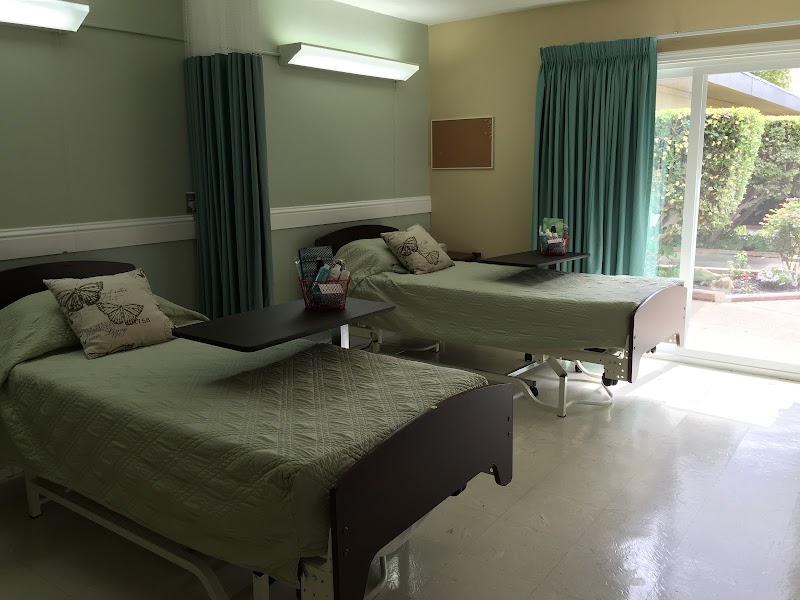
Who Owns and Operates Mountain View Healthcare Center?

MOUNTAIN VIEW HEALTHCARE CENTER is owned by a for-profit company. For-profit facilities operate as businesses with obligations to shareholders or private owners. The facility is operated by SPYGLASS HEALTHCARE, a chain that manages multiple nursing homes. With 129 certified beds and approximately 127 residents (about 98% occupancy), it is a mid-sized facility located in MOUNTAIN VIEW, California.

How Does Mountain View Healthcare Center Compare to Other California Nursing Homes?

Compared to the 100 nursing homes in California, MOUNTAIN VIEW HEALTHCARE CENTER's overall rating (4 stars) is above the state average of 3.2, staff turnover (33%) is significantly lower than the state average of 46%, and health inspection rating (3 stars) is at the national benchmark.

What Should Families Ask When Visiting Mountain View Healthcare Center?

Based on this facility's data, families visiting should ask: "What changes have been made since the serious inspection findings, and how are you preventing similar issues?" "Can I visit during a mealtime to observe dining assistance and food quality?" "How do you handle medical emergencies, and what is your hospital transfer rate?" "Can I speak with family members of current residents about their experience?" These questions are particularly relevant given the facility's Immediate Jeopardy citations.

Is Mountain View Healthcare Center Safe?

Based on CMS inspection data, MOUNTAIN VIEW HEALTHCARE CENTER has documented safety concerns. Inspectors have issued 1 Immediate Jeopardy citation (the most serious violation level indicating risk of serious injury or death). The facility has a 4-star overall rating and ranks #1 of 100 nursing homes in California. Families considering this facility should ask detailed questions about what corrective actions have been taken since these incidents.

Do Nurses at Mountain View Healthcare Center Stick Around?

MOUNTAIN VIEW HEALTHCARE CENTER has a staff turnover rate of 33%, which is about average for California nursing homes (state average: 46%). Moderate turnover is common in nursing homes, but families should still ask about staff tenure and how the facility maintains care continuity when employees leave.

Was Mountain View Healthcare Center Ever Fined?

MOUNTAIN VIEW HEALTHCARE CENTER has been fined $54,912 across 1 penalty action. This is above the California average of $33,628. Fines in this range indicate compliance issues significant enough for CMS to impose meaningful financial consequences. Common causes include delayed correction of deficiencies, repeat violations, or care failures affecting resident safety. Families should ask facility leadership what changes have been made since these penalties.

Is Mountain View Healthcare Center on Any Federal Watch List?

MOUNTAIN VIEW HEALTHCARE CENTER is not on any federal watch list. The most significant is the Special Focus Facility (SFF) program, which identifies the bottom 1% of nursing homes nationally based on persistent, serious quality problems. Not being on this list means the facility has avoided the pattern of deficiencies that triggers enhanced federal oversight. This is a positive indicator, though families should still review the facility's inspection history directly.