MURRIETA HEALTH AND REHABILITATION CENTER
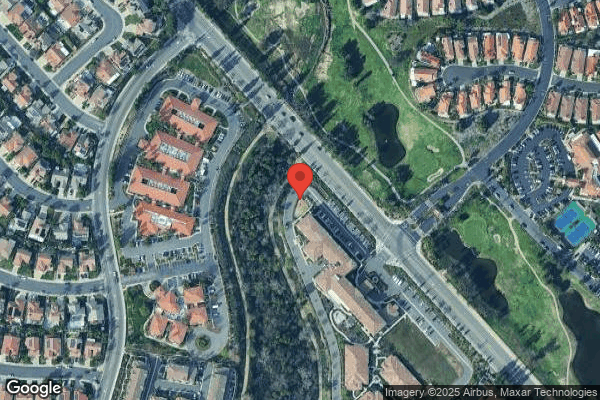
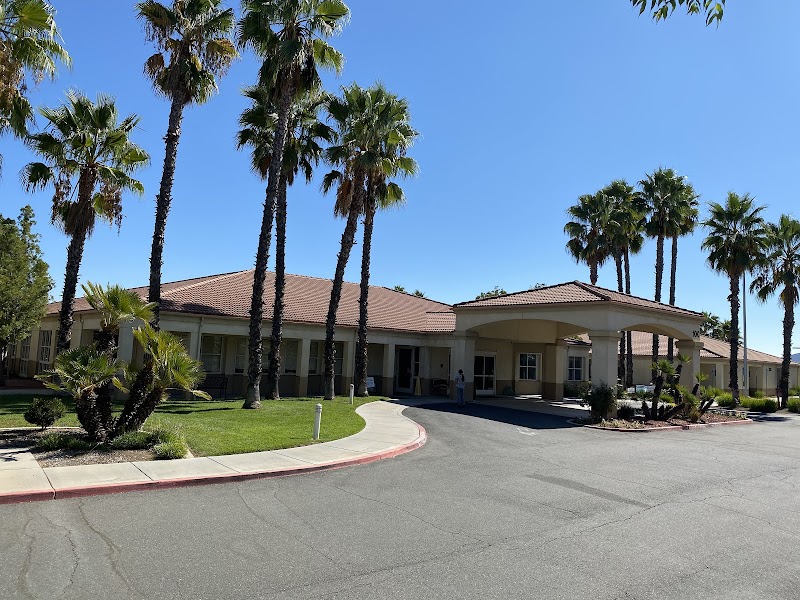
24100 MONROE AVENUE, MURRIETA, CA 92562 (951) 600-4640
For profit - Limited Liability company 145 Beds CAMBRIDGE HEALTHCARE SERVICES Data: November 2025
Trust Grade
50/100
#859 of 1155 in CA
Last Inspection: December 2024

Within standard 12-15 month inspection cycle. Federal law requires annual inspections.

Overview

Murrieta Health and Rehabilitation Center has a Trust Grade of C, which means it is average and in the middle of the pack among similar facilities. It ranks #859 out of 1,155 in California, placing it in the bottom half, and #39 out of 53 in Riverside County, indicating only a few local options are better. The facility is improving, having reduced issues from 24 in 2024 to just 3 in 2025. Staffing is rated 3 out of 5 stars, with a turnover rate of 46%, which is average compared to other facilities in California. While there have been no fines, which is a positive sign, the center has less RN coverage than 93% of California facilities, which is concerning because RNs can catch problems that CNAs might miss. Specific incidents included a failure to ensure proper food safety practices, such as not cleaning the ice machine and leaving expired food in resident refrigerators. Additionally, trash containers were not securely covered, increasing the risk of attracting pests, which could lead to potential health risks for residents. Overall, while there are some strengths, especially related to fines and recent improvements, families should consider the facility's food safety practices and RN coverage when making their decision.

Trust Score
C
50/100
In California
#859/1155
Bottom 26%
Safety Record
Low Risk
No red flags
Inspections
Getting Better
24 → 3 violations
Staff Stability
⚠ Watch
46% turnover. Above average. Higher turnover means staff may not know residents' routines.
Penalties
✓ Good
No fines on record. Clean compliance history, better than most California facilities.
Skilled Nurses
⚠ Watch
Each resident gets only 15 minutes of Registered Nurse (RN) attention daily — below average for California. Fewer RN minutes means fewer trained eyes watching for problems.
Violations
⚠ Watch
70 deficiencies on record. Higher than average. Multiple issues found across inspections.
★★☆☆☆
2.0
Overall Rating
★★★☆☆
3.0
Staff Levels
★★★★☆
4.0
Care Quality
★★☆☆☆
2.0
Inspection Score
Stable
2024: 24 issues
2025: 3 issues

The Good

  • 4-Star Quality Measures · Strong clinical quality outcomes
  • Full Sprinkler Coverage · Fire safety systems throughout facility
  • No fines on record

Facility shows strength in quality measures, fire safety.

The Bad

2-Star Overall Rating

Below California average (3.1)

Below average - review inspection findings carefully

Staff Turnover: 46%

Near California avg (46%)

Higher turnover may affect care consistency

Chain: CAMBRIDGE HEALTHCARE SERVICES

Part of a multi-facility chain

Ask about local staffing decisions and management

The Ugly 70 deficiencies on record

Jul 2025 2 deficiencies
CONCERN (D) 📢 Someone Reported This

A family member, employee, or ombudsman was alarmed enough to file a formal complaint

Potential for Harm - no one hurt, but risky conditions existed

Free from Abuse/Neglect (Tag F0600)

Could have caused harm · This affected 1 resident

**NOTE- TERMS IN BRACKETS HAVE BEEN EDITED TO PROTECT CONFIDENTIALITY** Based on interview and record review, the facility failed to ensure, for two of four residents (Residents A and B), were free fr...

Read full inspector narrative →
**NOTE- TERMS IN BRACKETS HAVE BEEN EDITED TO PROTECT CONFIDENTIALITY** Based on interview and record review, the facility failed to ensure, for two of four residents (Residents A and B), were free from abuse when: 1. For Resident A, Certified Nursing Assistant (CNA) 1 refuses to take care of the resident and stated I am not your slave, and 2. For Resident B, CNA 1 provided care to the resident in a rough manner. These failures had the potential for Residents A and B to experience physical and emotional distress from the abuse from CNA 1. Findings: On June 11, 2025, at 9:50 a.m., an unannounced visit was made to the facility, for the investigation of an allegation of abuse. On June 11, 2025, at 10:00 a.m., an interview was conducted with the Administrator (Admin). The Admin stated on the morning of May 26, 2025, he had received a call from Licensed Vocational Nurse (LVN) 1, regarding CNA 1 was being rough with Resident B, and an allegation of abuse was reported. The Admin stated CNA 1 was interviewed and said there was a change in assignments when he first came in, and when he went to change Resident B, the resident was being combative and was difficult to change. On June 11, 2025, at 10:30 a.m., during an interview with the Assistant Director of Nursing (ADON), the ADON stated CNA 1 reported to Resident B's room and saw the resident's leg extended off the bed and was repositioned. The ADON stated CNA noted Resident B was soiled and the resident began to yell. The ADON stated LVNs 1 and 2 came into the room and CNA 1 told the LVNs that the resident was soiled and needed to be changed. The ADON stated LVN 1 explained to CNA 1 that Resident B was stiff and should be changed in a gentle manner, and CNA 1 responded to them the resident was being combative, soiled and needed to be changed. The ADON stated LVN 1 reported that when both LVNs went to the resident's room after they heard screaming, they saw CNA 1 was providing care to Resident B in an aggressive manner by moving the resident side to side and removing sheet from under the resident while the resident was yelling he hurt me, he hurt me. On June 11, 2925, at 11:45 a.m., an interview was conducted with the Social Service Director (SSD). The SSD stated conducted interviews of other residents regarding the care being provided by CNA 1. The SSD stated Resident A (who was across Resident A's room) told her CNA 1 had an attitude problem. On June 11, 2025, at 12:30 p.m., a review of Resident B's medical record was conducted. Resident B was admitted to the facility on [DATE], with diagnoses which included Parkinson's disease (nerve cell damage in the brain that affects movement, includes tremors), dementia (a group of conditions with impairment of brain function, memory loss and judgement). A review of Resident B's History and Physical, dated May 24, 2025, indicated, .Patient is frail, confused, and slow. Dementia impacts is ability to make independent decisions .Requires moderate to maximum assistance for bed mobility . A review of Resident B's Progress Notes, dated May 26, 2025, at 9 a.m., indicated, .around 0720 (7:20 a.m.) resident was screaming in (room number) LVN (name of LVN) and I ran to see wat (sic) happened and saw cna (name of CNA) changing resident very aggressively pushed resident to the side pulled sheet out form (sic) under him using force stating he's all shitty know (sic) one changed him did not acknowledge resident at all resident continues to scream he hurt me. Approached cna to please be more gentle with patient yeall at me he was being combative resident was not being combative upon my observation .reported to RN (Registered Nurse name) on duty, she proceeded to call ADON (Assistant Director of Nursing) .spoke with Administrator explained to send cna (CNA) home suspended, get statement, notify family, notify MD (physician) .fax over soc 341 to ombudsman . A review of Resident B's care plan, dated May 26, 2025, indicated, .The resident has a history of behavior problem r/t (related to) combative behavior during ADL (Activities of Daily Living) care, screaming, refuses ADL .Interventions .Anticipate and meet his ADL needs .Educate staff on how to handle resident during ADL care . A review of the investigation notes with resident interviews, dated May 27, 2025, indicated, Resident A stated CNA 1 .did not want to get him up and had another CNA do it, [name-CNA 1] responded I'm not your slave . On June 11, 2025, at 1:30 p.m., an interview was conducted with Resident A. Resident A stated CNA 1 had a bad attitude on May 26, 2025, and that CNA 1 refused to provide Resident A care. Resident a stated CNA 1 was upset and stated to Resident A I'm not your slave and he was taken back by CNA 1's comment to him. Resident A stated CNA 1 was upset about something that morning (May 26, 2025). Resident A stated he does require a lot of care, because of his medications and diagnoses requiring a lot of assisance from staff. Resident A stated he heard a scream across the hall from his room, he saw the nurses run in the room, and then the police came. On June 11, 2025, at 3:25 p.m., an interview was conducted with LVN 2. LVN 2 stated on the morning of May 26, 2025, the following happened: - LVN 2 was at the nurse's station charting, when she heard yelling coming from Resident B's room; - Both LVNs went immediately to Resident B's room, and observed CNA 1 trying to pull Resident B over onto his right side with both of his legs bent, and Resident B was yelling you're hurting me ; - CNA 1 was trying to pull a sheet out from underneath Resident B and was pushing and pulling the resident back and forth to do so; - CNA 1 stated to both of the LVNs the resident was soiled, and needed to be changed; - LVN 2 went to comfort Resident B's roommate, who was visibly upset, while CNA 1 left the room to get linens; - LVN 1 comforted Resident B and had stopped yelling; - When both the LVNs came back to the nurse's station, they discussed what was observed inside the resident's room, CNA 1 handling Resident B in a rough manner, CNA 1 was hurting Resident B, and not addressing Resident B while changing him; - CNA 1 said Resident B was being combative, however LVN 2 did not observe Resident B acting combative. Both LVNs decided to report the incident of abuse to the Admin. LVN 2 stated she had not met or worked with CNA 1 until the morning of May 26, 2025. LVN 2 stated CNA 1 came in to the facility upset, and got more upset with his assignment, and told the charge nurse, he would not take care of Resident A. LVN 2 stated CNA 1 was yelling in the hallway he refused to take care of Resident A. On June 11, 2025, at 4:00 p.m., a review of Resident A's medical record was conducted. Resident A was admitted to the facility on [DATE], with diagnoses which included multiple sclerosis (a chronic, often disabling disease of the central nervous system that disrupts the flow of information within the brain, and between the brain and body), COPD (chronic obstructive pulmonary disease - a lung disease which blocks airflow and makes it difficult to breathe), and congestive heart failure (CHF- a condition where the heart does not pump blood as well as it should). On June 13, 2025, at 8:20 a.m., an interview was conducted with LVN 1. LVN 1 stated the following happened the morning of May 26, 2025: - The unit was short staffed by two CNAs, CNA 1 was upset he had an assignment he did not want to work; - CNA 1 did not want to work with Resident A, as he responded loudly, I'm not doing it, he treats me like a slave. LVN 1 stated Resident A heard CNA 1's comment and was shocked; - Resident A is very particular and preferred things done for him in a certain way, and it could take a long time for the staff when working with him. Resident A could be difficult but the resident was young and had a debilitating diagnosis; - LVNs 1 and 2 were at the nurse's station and heard screaming coming from Resident B's room, went immediately to the room and observed CNA 1 pushing and pulling on Resident B, and Resident B was yelling he hurt me. CNA 1 was attempting to clean up Resident B, who was on his right side, and CNA 1 had pulled the draw sheet out from under Resident B and stated, he is f--king shitty; and - Resident B's roommate was upset and LVN 2 went to comfort the resident. LVN 1 stated she calmed down Resident B and CNA 1 was able to change the resident and both LVNs left the room. CNA 1 was aggressive and forceful when handling Resident B and was not using proper body mechanics when turning Resident B. A review of CNA 1's written statement, dated May 26, 2025, indicated, .went to room [number] found the patient was very wet and shitty I let him know that I'm going to clean him and he said no I don't want to be clean .started to clean hi [sic] start screaming when the 2 LVNs get there but I did not do anything wrong with him except clean him up. Patient is confuse (sic) . A review of the facility's in-service on abuse, dated May 27, 2025, indicated, .Instances of abuse of all residents, irrespective (regardless of, not taking into account) of any mental or physical condition, can cause physical harm, pain, or mental anguish .all staff are mandated reporters and are required to report all instances of suspected abuse .overly stressed Healthcare Personnel are more likely to be abusive or neglectful. Stress can come with dealing with difficult or aggressive residents .staffing challenges .if staff feel themselves losing their patience, they should ask a co-worker to take over and take a break . A review of the facility's policy titled Identifying Types of Abuse, dated September 2022, indicated, .Abuse of any kind against residents is strictly prohibited .preventing abuse requires staff education, training, and support, and a facility-wide culture of compassion and caring .the willful infliction of injury .with resulting physical harm, pain, or mental anguish .verbal abuse .examples of injuries that could indicate physical abuse .dislocation .neglect includes .indifference to or disregard for resident care, comfort, or safety results in emotional distress .mental abuse is the use of verbal .conduct which causes (or has the potential to cause) the resident to experience humiliation, intimidation, fear, shame, agitation or degradation .verbal abuse includes the use of verbal .communication .to resident within hearing distance .mocking, insulting .depriving a resident of care .derogatory statements directed to the resident .the following situations are recognized as those that are likely to cause psychosocial harm which may take months or years to manifest .any staff to resident physical .mental/verbal abuse .when facility staff .withhold care from the resident . A review of the facility's policy titled Abuse, Neglect, Exploitation or Misappropriation -Report and Investigation, dated September 2022, indicated, .Any employee who has been accused of resident abuse is placed on leave with no resident contact until the investigation is completed .If the investigation reveals that the allegation(s) of abuse are founded, the employee(s) is terminated . A review of the facility's policy titled Investigation Injuries, dated December 2016, indicated, .a designee will assess all injuries and document clinical findings in the clinical record .If an incident/accident is suspected, a nurse or nurse supervisor will complete a facility-approved accident/incident form .documentation shall include information relevant to risk factors and conditions that could cause or predispose someone to similar signs and symptoms .who have had contact with the resident during the past 48 hours. The investigation will follow the protocols set forth in our facility's established abuse investigation guidelines . A review of the facility's policy titled Activities of Daily Living (ADL), Supporting, dated March 2018, indicated, .Appropriate care and services will be provided for residents .in accordance with the plan of care, including appropriate support and assistance with hygiene .elimination .if residents with cognitive impairment or dementia resist care, staff will attempt to identify the underlying cause of the problem and not just assume the resident is refusing or declining care. Approaching the resident in a different way or at a different time, or having another staff member speak with the resident may be appropriate .
CONCERN (D) 📢 Someone Reported This

A family member, employee, or ombudsman was alarmed enough to file a formal complaint

Potential for Harm - no one hurt, but risky conditions existed

Report Alleged Abuse (Tag F0609)

Could have caused harm · This affected 1 resident

**NOTE- TERMS IN BRACKETS HAVE BEEN EDITED TO PROTECT CONFIDENTIALITY** Based on interview and record review, the facility failed to ensure an allegation of abuse by a Certified Nursing Assistant (CNA...

Read full inspector narrative →
**NOTE- TERMS IN BRACKETS HAVE BEEN EDITED TO PROTECT CONFIDENTIALITY** Based on interview and record review, the facility failed to ensure an allegation of abuse by a Certified Nursing Assistant (CNA) was reported to the California Department of Public Health (CDPH - a State Agency [SA]) immediately or within two hours according to the facility policy and procedure, for one of four residents (Resident B). This failure had the potential to result in the delay in the investigation of the allegation of abuse and could further expose the vulnerable residents from further abuse. Findings: On June 11, 2025, at 9:50 a.m., an unannounced visit was conducted at the facility to investigate an allegation of abuse. On June 11, 2025, at 10 a.m., an interview was conducted with the Administrator (Admin). The Admin stated on the morning of May 26, 2025, he had received a call from Licensed Vocational Nurse (LVN) 1, regarding CNA 1 was being rough while providing care to Resident B. The Admin stated LVN 1 asked him how to fill out the abuse paperwork, he went over the procedure with LVN 1, including step by step guide to fill the form out and who to notify. The Admin stated when he came in the following morning on May 27. 2025, he noted LVN 1 did not notify CDPH about the allegation of abuse. On June 11, 2025, at 10:30 a.m., during an interview with the Assistant Director of Nursing (ADON), the ADON stated an abuse allegation was reported to them by LVN 1 that CNA 1 was aggressively providing care to Resident B on May 26, 2025. The ADON stated the abuse allegation should have been reported to CDPH within two hours from the time the facility was made aware of the abuse allegation. On June 11, 2025, at 11:30 a.m., a follow up interview was conducted with the Admin. The Admin stated he spoke with LVN 1 on May 26, 2025, around 8 a.m. The Admin stated LVN 1 told him she would take care of the reporting. The Admin stated the next morning, on May 27, 2025, he realized LVN 1 did not send the SOC 341 form out and LVN 1 did not contact CDPH to notify of the abuse allegation. The Admin stated he notified CDPH the abuse allegation on May 27, 2025. On June 11, 2025, at 12:30 p.m., a review of Resident B's medical record was conducted. Resident B was admitted to the facility on [DATE], with diagnoses which included Parkinson's disease (nerve cell damage in the brain that affects movement, includes tremors), dementia (a group of conditions with impairment of brain function, memory loss and judgement). A review of Resident B's History and Physical, dated May 24, 2025, indicated, .Patient is frail, confused, and slow. Dementia impacts is ability to make independent decisions .Requires moderate to maximum assistance for bed mobility . A review of Resident B's Progress Notes, dated 9 a.m., indicated, .around 0720 (7:20 a.m.) resident was screaming in (room number) LVN (name of LVN) and I ran to see wat (sic) happened and saw cna (name of CNA) changing resident very aggressively pushed resident to the side pulled sheet out form (sic) under him using force stating he's all shitty know (sic) one changed him did not acknowledge resident at all resident continues to scream he hurt me. Approached Ccna to please be more gentle with patient yeall at me he was being combative resident was not being combative upon my observation .reported to RN (Registered Nurse name) on duty, she proceeded to call ADON (Assistant Director of Nursing) .spoke with Administrator explained to send cna (CNA) home suspended, get statement, notify family, notify MD (physician) .fax over soc 341 to ombudsman . A review of the facility's document titled Investigation Check-list for Alleged Abuse, indicated, .Licensing Agency (CDPH) notification timelines .within 2 (two) hours, if resulted in serious bodily injury; within 24 hours, if not resulted in serious bodily injury . On June 13, 2025, at 8:20 a.m., during an interview with LVN 1, she stated they were two CNAs short and CNA 1 was upset about it. LVN 1 stated she and another LVN were at the nurse's station and heard screaming from coming from the resident's room. LVN 1 stated she observed CNA 1 was pushing and pulling on Resident B while the resident was yelling he hurt me. LVN 1 stated CNA 1 was attempting to clean Resident B and the resident was on his right side and CNA 1 pulled the draw sheet out from under the resident and stated he is f****** shitty. LVN 1 stated CNA 1 was aggressive and forceful when handling the resident and did not use proper body mechanics while cleaning up Resident B. LVN 1 stated the abuse binder was not complete so she was not able to complete all the documents and procedure needed to be done for the abuse allegation on May 26, 2025. A review of the State and Federal Mandated Reporting Guidelines in Long-Term Care Facilities, indicated, .Written report or SOC 341 refers to the state form for reporting elder and dependent adult abuse .'Serious bodily injury': an injury involving extreme physical pain . A review of the Elder Justice Act (EJA) (Skilled Nursing Facilities-Federal Law), indicated, .all instances of suspected crimes committed against residents or others receiving care in long-term health care facilities .must be reported, by the facility to at least local law enforcement agency and to the licensing and certification program of the California Department of public health .events that result in serious bodily injury shall be reported immediately, but no later than 2 (two) hours after forming the suspicion, and all other reports within 24-hours . A review of the facility's policy titled Abuse, Neglect, Exploitation or Misappropriation-Report and Investigation, dated September 2022, indicated, .All reports of abuse .are reported to local, state, and federal agencies .If resident abuse or injury of unknown source is suspected, the suspicion must be reported immediately, to the administrator and to other officials according to state law .the individual making the allegation immediately reports .suspicion to .the state/licensing/certification agency responsible for surveying/licensing the facility .within two hours of an allegation involving abuse or result in serious bodily injury; or within 24 hours of an allegation that does not involve abuse or result in serious bodily injury .the administrator is responsible for determining what actions .are needed for the protection of residents .All allegations are thoroughly investigated .the administrator ensures that the resident and the person(s) reporting the suspected violation are protected from retaliation or reprisal by the alleged perpetrator, or by anyone associated with the facility .Any employee who has been accused of resident abuse is placed on leave with no resident contact until the investigation is completed .If the investigation reveals that the allegation(s) of abuse are founded, the employee(s) is terminated .
Mar 2025 1 deficiency
CONCERN (D) 📢 Someone Reported This

A family member, employee, or ombudsman was alarmed enough to file a formal complaint

Potential for Harm - no one hurt, but risky conditions existed

Deficiency F0558 (Tag F0558)

Could have caused harm · This affected 1 resident

**NOTE- TERMS IN BRACKETS HAVE BEEN EDITED TO PROTECT CONFIDENTIALITY** Based on observation, interview, and record review, the facility failed to ensure call lights were answered timely, for three of...

Read full inspector narrative →
**NOTE- TERMS IN BRACKETS HAVE BEEN EDITED TO PROTECT CONFIDENTIALITY** Based on observation, interview, and record review, the facility failed to ensure call lights were answered timely, for three of five sampled residents, (Residents 1, 3, and 5). This failure had the potential to negatively affect Residents 1, 3, and 5's psychosocial well-being, and could affect the residents' overall health condition. Findings: On March 27, 2025, at 5:32 a.m., an unannounced visit was conducted at the facility to investigate a complaint regarding quality of care. 1. On March 27, 2025, at 6:50 a.m., Resident 3 was observed sitting at the side of the bed in a hospital gown and was watching television. In a concurrent interview with Resident 3, she stated the call lights were usually answered within 20 to 30 minutes from 6 p.m. to early morning. Resident 3 stated when the call lights were not answered at all, she would wheel herself out to the nursing station. On March 27, 2025, Resident 3's record was reviewed. Resident 3's admission Record, indicated Resident 3 was admitted to the facility on [DATE], with diagnoses which included muscle weakness. Resident 3's Minimum Data Set (MDS - a resident assessment tool), dated March 14, 2025, indicated Resident 3 had a BIMS (Brief Interview of Mental Status) score of 15 (cognitively intact), and required assistance in Activities of Daily Living (ADL - bathing, toileting, dressing, and personal hygiene). 2. On March 27, 2025, at 6:52 a.m., Resident 5, was observed lying in bed and watching television. In a concurrent interview with Resident 5, he stated 60 percent of the time he waited for the call light to be answere for 10 minutes or more. Resident 5 stated there was a time when the call light was never answered at all. Resident 5 stated on one occasion he was left in a soiled diaper when he could not transfer himself out of bed. Resident 5 further stated he was disappointed. On March 27, 2025, Resident 5's record was reviewed. Resident 5 ' s admission Record, indicated the resident was admitted to the facility on [DATE], with diagnoses which included gangrene (dead tissue), need for assistance with personal care, legal blindness, multiple sclerosis (disease of nervous system, and ulcer of right heel and midfoot. Resident 5's Minimum Data Set (MDS - a resident assessment tool), dated March 17, 2025, indicated Resident 5 had a BIMS score of 15 (cognitively intact), and required assistance in ADLs. 3. On March 27, 2025, at 10:50 a.m., an interview with Resident 1 was conducted. Resident 1 stated she felt there was enough staff help in the day shift but not at night. Resident 1 stated staff did not answer the call light timely. Resident 1 stated it would take over 30 minutes to an hour for the call light to be answered most of the time. Resident 1 stated sometimes the staff answer the call light and sometimes they did not. Resident 1 also stated she mostly uses the call light to get assistance to use the bathroom. Resident 1 further stated more than once she was left soiled because staff did not answer her call light. Resident 1 stated she felt awful, and she just wanted to be clean. Resident 1 ' s record was reviewed. Resident 1 ' s admission Record, indicated the resident was admitted to the facility on [DATE], with diagnoses which included seizure (disturbance of brain function) cyst of the pancreas (fluid filled sac on the pancreas), dysphagia (difficulty swallowing), muscle weakness, difficulty walking and need for assistance with personal care. Resident 1 ' s MDS, dated March 3, 2025, indicated Resident 1 had a BIMS score of 15 which indicated cognitively intact, and Resident 1 required substantial/maximal assistance for toileting. Resident 1 ' s care plan. dated March 19, 2025, indicated a Focus that Resident 1 was at risk for further decline in function status: bed mobility, transfers, locomotion, ambulation, dressing, toileting, hygiene, bathing, and eating, and intervention indicated, anticipate and assist with Activity of Daily Living (ADL) needs, and assist with toileting; keep clean and dry. On March 27, 2025, at 11:33 a.m. observed a licensed nurse sitting at the nurse ' s station 3. The call lights were observed ringing and lit on the board at the nurse station for two rooms. The call lights had been on for over 10 minutes without anyone answering them, and the licensed nurse had to be alerted that the call lights were on. On March 27, 2025, at 12:00 p.m., an interview with the Director Staff Development. (DSD) was conducted. The DSD stated her expectation was that staff answered call lights right away or within 3 to 5 minutes. The DSD stated some negative outcome could be personal needs of the residents would not be met, residents could wet their beds, or resident could develop wounds. The DSD also stated it was not her expectation that a resident wait over 10 minutes for the call light to be answered. The DSD stated any staff could answer the call light. The DSD further stated the call light made a sound, it can be heard, and the room number lit up on the board at the nurses station. On March 27, 2025, at 1:10 p.m., an interview with the Director of Nursing (DON) was conducted. The DON stated the call lights should be answered in a timely manner and if staff was busy, they could answer the call light, check on the resident and inform them they would follow up. The DON further stated it was everyone ' s responsibility to answer the call lights. The DON stated the call light had a sound and could be heard. A review of the facility ' s policy and procedure titled, Dignity, dated February 2021, indicated, .Each resident shall be cared for in a manner that promotes and enhances his or her sense of well-being .level of satisfaction with life .and feelings of self-worth and self-esteem .Demeaning practices and standards of care that compromise dignity are prohibited. Staff are expected to promote dignity and assist residents; for example: promptly responding to a resident ' s request for toileting assistance . A review of the facility ' s undated policy and procedure titled, Answering the Call Light, indicated, .The purpose of this procedure is to ensure timely responses to the resident ' s request and needs .Answer the resident call system immediately .If the resident needs assistance, indicate the approximate time it will take for you to respond . A review of the facility ' s policy and procedure titled, Resident Rights: dated February 2021, indicated, .Employees shall treat all residents with kindness, respect, and dignity .Federal and state laws guarantee certain basic rights to all residents of this facility .these rights include the resident ' s right to: a dignified existence .be treated with respect, kindness, and dignity .
Dec 2024 12 deficiencies
CONCERN (D)

Potential for Harm - no one hurt, but risky conditions existed

Resident Rights (Tag F0550)

Could have caused harm · This affected 1 resident

**NOTE- TERMS IN BRACKETS HAVE BEEN EDITED TO PROTECT CONFIDENTIALITY** Based on observation, interview, and record review, the facility failed to treat resident with dignity and respect, for one 130 ...

Read full inspector narrative →
**NOTE- TERMS IN BRACKETS HAVE BEEN EDITED TO PROTECT CONFIDENTIALITY** Based on observation, interview, and record review, the facility failed to treat resident with dignity and respect, for one 130 residents (Resident 385), when the resident's urinary bag was not covered with a dignity bag (used to cover a urine collection bag). This failure had the potential to affect Resident 385's psychosocial well being. Findings: On December 9, 2024, at 2:30 p.m., Resident 385's urinary bag was observed hanging at the side of the bed and was not covered with a dignity bag. In a concurrent interview with Resident 385, she stated the urinary bag was not covered when she walked outside of her room and the resident stated she felt embarrassed when people see her urinary bag. On December 9, 2024, at 3:26 p.m., Resident 385 was observed with Licensed Vocational Nurse (LVN) 2. In a concurrent interview, LVN 2 stated the staff did not cover the urinary bag with a dignity bag and was exposed to everyone. LVN 2 further stated, It should have been covered, I would feel embarrassed if that bag was mine and not covered. On December 11, 2024, at 3:20 p.m., during an interview with the Director of Nursing (DON), the DON stated residents should be treated with respect and dignity all the time. The DON further stated leaving the urinary bag uncovered could have psychosocial effects on the resident, and the urinary bag should have been covered with a dignity bag. On December 11, 2024, Resident 385's record was reviewed. Resident 385 was admitted to the facility on [DATE], with diagnoses which included obstructive and reflux uropathy (blockage in urinary tract). A review of Resident 385's Minimum Data Set (MDS - an assessment tool), dated November 29, 2024, indicated Resident 385 had a BIMS (Brief Interview for Mental Status - a tool used to screen and identify cognitive condition of residents) which indicated moderate cognitive impairment. A review of Resident 385's Order Summary, included a physician's order, dated November 22, 2024, indicated an order for indwelling catheter (tube that drains urine) due to neurogenic bladder (blockage in urinary tract), A review of the facility's policy and procedure titled, Residents Rights, dated February 2023, indicated, .Employees shall treat all residents with kindness, respect, and dignity .Federal and state laws guarantee certain basic rights to all residents of this facility. These rights include the resident's right to be treated with respect, kindness and dignity . A review of the facility's policy and procedure titled, Dignity, dated February 2021, indicated, .Each resident shall be cared for in a manner that promotes and enhances his or her sense of well-being, level of satisfaction with life, and feelings of self-worth and self-esteem .Residents are treated with dignity and respect at all times .Demeaning practices and standards of care that compromise dignity are prohibited. Staff are expected to promote dignity and assists resident for example .helping the resident to keep urinary catheter bags covered .
CONCERN (D)

Potential for Harm - no one hurt, but risky conditions existed

Deficiency F0578 (Tag F0578)

Could have caused harm · This affected 1 resident

**NOTE- TERMS IN BRACKETS HAVE BEEN EDITED TO PROTECT CONFIDENTIALITY** Based on interview and record review, the facility failed to ensure a copy of the Advance Directive (AD - a written instruction,...

Read full inspector narrative →
**NOTE- TERMS IN BRACKETS HAVE BEEN EDITED TO PROTECT CONFIDENTIALITY** Based on interview and record review, the facility failed to ensure a copy of the Advance Directive (AD - a written instruction, such as a living will, relating to the provision of treatment and services when the individual becomes unable to decide) was available in the medical record, for one of one residents reviewed for Advance Directives (Resident 68). This failure had the potential to result in Resident 68's wishes related to the provision of medical treatment and services to not be followed if Resident 68 became unable to make decisions for himself. Findings: On December 10, 2024, Resident 68's record was reviewed. Resident 68 was admitted to the facility on [DATE], with diagnoses which included end stage renal disease (permanent stage of kidney disease). A review of Resident 68's History and Physical dated December 11, 2024, indicated Resident 68 had the capacity to understand and make decisions. A review Resident 68's Social Service Review, dated November 2, 2024, indicated Resident 68 had an AD and a copy was requested from Resident 68 and his family member (FM). However, further review of Resident 68's record indicated there was no copy of the AD in the record. Further review of Resident 68's record, indicated there was no documented evidence a copy of the AD was obtained from the FM. There was no documented evidence the facility followed up with the FM regarding the AD. On December 11, 2024, at 8:47 a.m., Resident 68 was interviewed. Resident 68 stated he was not sure if an AD was formulated. Resident 68 stated his family member (FM) took care of his documents. On December 11, 2024, at 8:57 a.m., the Social Service Director (SSD) and the Social Services Assistant (SSA) were concurrently interviewed. When asked when the latest follow up was conducted with Resident 68's FM regarding the AD, the SSA stated she did not ask a copy of AD from the FM. The SSD stated there was no follow up from initial review to receive a copy of AD. The SSD further stated the team should have followed up regarding the AD sooner and the AD should have already been in Resident 68's chart. On December 11, 2024, at 4:48 p.m., the Director of Nursing (DON) was interviewed. The DON stated if a resident had an AD, she expected the AD to be readily available in the chart. The DON further stated she expected the social services should have followed up and uploaded the document in the chart. A review of the facility's policy and procedure titled, Advance Directives, dated September 2022, indicated, .The resident has the right to formulate an advance directive, including the right to accept or refuse medical or surgical treatment. Advance directives are honored in accordance with state law and facility policy .information about whether or not the resident has executed an advance directive is displayed prominently in the medical record in a section of the record that is retrievable by any staff .If the resident or the resident or the residents representative has executed one or more advance directive(s), or executes upon admission, copies of these documents are obtained and maintained in the same section of the residents medical record and are readily retrievable by any facility staff .The residents wishes are communicated to the residents direct care staff and physician by placing the advance directive documents in a prominent, accessible location in the medical record and discussing the residents wishes in care planning meeting .
CONCERN (D)

Potential for Harm - no one hurt, but risky conditions existed

Safe Environment (Tag F0584)

Could have caused harm · This affected 1 resident

**NOTE- TERMS IN BRACKETS HAVE BEEN EDITED TO PROTECT CONFIDENTIALITY** Based on observation, interview, and record review, the facility failed to provide a comfortable homelike environment, for one o...

Read full inspector narrative →
**NOTE- TERMS IN BRACKETS HAVE BEEN EDITED TO PROTECT CONFIDENTIALITY** Based on observation, interview, and record review, the facility failed to provide a comfortable homelike environment, for one of 28 residents reviewed (Resident 384), when multiple damaged window blinds were observed. This failure had the potential to disrupt the residents' daily living needs and environment. Findings: On December 9, 2024, at 9:45 a.m., during a concurrent observation and interview with Resident 38 in her room, multiple damaged blinds were observed. In a concurrent interview with Resident 384, she stated it was too bright when light would come on the window when she wakes up in the morning, and she could not get back to sleep. On December 10, 2024, at 9:20 a.m., Resident 384's window was observed to have about two layers of horizontal blinds broken. On December 10, 2024, at 9:27 a.m., a picture of Resident 384's broken blinds were shown to the Assistant Director of Nursing (ADON). The ADON stated Resident 384 had broken blinds and would not feel home-like environment for the residents. The ADON stated, it should be repaired. On December 11, 2024, at 10:20 a.m., Resident 384's window was observed to still have broken blinds. On December 11, 2024, at 11:40 a.m., during an interview with the Maintenance Supervisor (MS), the MS stated he was not aware about the damaged window blinds in Resident 384's room. The MS further stated, the blinds need to be replaced. On December 11, 2024, at 11:35 a.m., during an interview with the Administrator (ADM), the ADM stated he was not aware that the damaged window blinds needed to be repaired. The ADM further stated, the blinds should have been replaced or repaired to provide home like environment for the residents. On December 11, 2024, Resident 384's record was reviewed. Resident 384 was admitted to the facility on [DATE], with diagnoses which included congestive hear failure (a chronic condition that occurs when the heart can not pump enough blood to meet the body's needs). A review of the facility's policy and procedure titled, Homelike Environment, dated February 2021, indicated, .Residents are provided with a safe, clean, comfortable and homelike environment and encouraged to use their personal belongings to the extent as possible .The facility staff and management maximizes, to the extent possible, the characteristics of the facility that reflect a personalized, homelike setting. These characteristics include .comfortable (minimum glare) yet adequate (suitable to the task) lighting .Comfortable and adequate lighting is provided in all areas of the facility to promote safe, comfortable and homelike environment. The lighting design emphasizes .reduction in glare . A review of the facility's policy and procedure titled, Maintenance Service, dated December 2009, indicated, .Maintenance service shall be provided to all areas of the building, grounds, and equipment .The maintenance department is responsible for maintaining the buildings, grounds, and equipment in a safe and operable manner of all times .maintaining the building in a good repair and free from hazards .The maintenance director is responsible for developing and maintaining a schedule of maintenance service to assure that the building, grounds and equipment are maintained in a safe and operable manner .
CONCERN (D)

Potential for Harm - no one hurt, but risky conditions existed

Antibiotic Stewardship (Tag F0881)

Could have caused harm · This affected 1 resident

**NOTE- TERMS IN BRACKETS HAVE BEEN EDITED TO PROTECT CONFIDENTIALITY** Based on interview and record review, the facility failed to follow the facility's policy and procedure on antibiotic stewardshi...

Read full inspector narrative →
**NOTE- TERMS IN BRACKETS HAVE BEEN EDITED TO PROTECT CONFIDENTIALITY** Based on interview and record review, the facility failed to follow the facility's policy and procedure on antibiotic stewardship (a set of coordinated efforts aimed at promoting the appropriate use of antibiotics to optimize patient outcomes while minimizing the risk of antibiotic resistance and adverse effects), for one of five sampled residents reviewed (Resident 390) when there was a delay in obtaining the urinalysis specimen and was not evaluated for antibiotic time out (a healthcare practice where a review of antibiotic therapy occurs within a predetermined time frame after the initial prescription) within 72 hours. These deficient practices had the potential to result in the development of antibiotic-resistant organisms (organisms not affected by antibiotics). Findings: On December 11, 2024, Resident 390's record was reviewed. Resident 390 was admitted to the facility on [DATE], with diagnoses which included dysuria (difficulty in urination). A review of Resident 390's Progress Notes, dated December 3, 2024, at 12:59 p.m., .wbc 14.19 DX (diagnosis) leukocytosis (elevated white blood cells) . start antibiotic Keflex for 10 days and to repeat urinalysis with culture and sensitivity, may perform straight cathetherization and lab specimen was contaminated . A review of the facility document titled, Infection Surveillance Monthly Report, for the month of December 2024, indicated Resident 390 was prescribed for Keflex .elevated WBC (white blood count). Awaiting UA C/S . (urine cuture and sensitivity) . A review of Resident 390's Order Summary Report, included a physician's order which indicated: - December 3, 2024, at 4:36 p.m., .Urinalysis SENT Uncollected 12/3/2024 . - December 3, 2024, at 9:02 p.m., .Keflex Oral Capsule 500 MG (Cephalexin) (brand of antibiotic) Give 1 capsule by mouth every 8 hours for Leukocytosis for 10 days . - December 5, 2024, at 3:38 p.m., .Urinalysis SENT Uncollected 12/5/2024 . Further record review indicated, the urine specimen was not collected until December 8, 2024 (five days after onset of antibiotic use) There was no documented evidence of other symptoms of infection related to leukocytosis. A review of Resident 390's urinalysis result, dated December 8, 2024, indicated no presence of bacteria, and no growth of organism. A review of Resident 390's Progress Notes, dated December 9, 2024, at 12:16 a.m., .Urinalysis report collected 12/8/2024 (December 8, 2024) received and placed on MD folder as no critical findings . A review of Resident 390's Medication Administration Record (MAR), for December 2024, indicated, Keflex was administered on December 3, 2024 until December 11, 2024 (date of survey). On December 11, 2024, at 10:33 a.m., a concurrent interview and record review was conducted with the Infection Preventionist (IP). The IP stated she would check the dashboard to check which resident was ordered for antibiotic and would assess if resident meets the McGeers criteria (a set of specific definitions to identify true infections in long term nursing facilities). The IP stated if the criteria of an infection were not met, she would notify the physician. The IP stated the facility implemented a 3-day antibiotic time out where the resident was monitored for side effects while the resident continued to get the antibiotic. The IP stated Resident 390's used of Keflex should have been reevaluated and the physician should have been notified when there was no C/S performed for the resident's urinalysis. The IP further stated she should have initiated the antibiotic timeout and followed up regarding specimen collection. The IP stated resident could develop antibiotic resistance if not appropriately used for a certain microorganism. On December 11, 2024, at 3:40 p.m., an interview with the Director of Nursing (DON) was conducted. The DON stated she expected all licensed nurses to use the antibiotic stewardship using Mcgeers criteria for Long Term Care to determine the appropriate use of antibiotics. The DON further stated the IP should have been performed the antibiotic time out and notified the physician about the specimen delay in collecting the resident's urine specimen. The DON stated residents could develop antibiotic resistance due to misuse of antibiotic. A review of the facility's policy and procedure titled, Specimen Collection, dated April 2007, indicated, .Our facility will collect specimens in accordance with established nursing service procedures .All specimens .ordered for testing shall obtained in accordance with established nursing service procedures . A review of the facility's policy and procedure titled, Antibiotic Stewardship-Orders for Antibiotics, dated December 2016, indicated, .Antibiotics will be prescribed and administered to residents under the guidance of the facility's antibiotic stewardship program and in conjunction with the facility's general policy for medication utilization and prescribing .Appropriate indications for use of antibiotics include: pathogen susceptibility, based on culture and sensitivity .when antibiotics are prescribed .the primary care practitioner will assess the resident within 72 hours .when a culture and sensitivity (C&S) is ordered, it will be completed, and lab results and the current clinical situation will be communicated to the prescriber as soon as available to determine if antibiotic therapy should be started, continued, modified or discontinued . According to McGeer's Criteria for Long Term Care Surveillance Definitions for Infections, updated 2012, indicated, .Urinary Tract Infections (UTI's) .New Criteria for UTI without a Catheter: (Both criteria 1 and 2 must be present) .Criteria 1 .At least one of the following signs or symptoms criteria: a. Acute dysuria or acute pain .Criteria 2 .a. At least 10 x5 cfu/ml (colony-forming units per milliliter) of no more than 2 species of microorganisms in a voided urine sample .
CONCERN (D)

Potential for Harm - no one hurt, but risky conditions existed

Deficiency F0883 (Tag F0883)

Could have caused harm · This affected 1 resident

**NOTE- TERMS IN BRACKETS HAVE BEEN EDITED TO PROTECT CONFIDENTIALITY** Based on interview and record review, the facility failed to ensure the pneumococcal vaccine (vaccines against the bacterium Str...

Read full inspector narrative →
**NOTE- TERMS IN BRACKETS HAVE BEEN EDITED TO PROTECT CONFIDENTIALITY** Based on interview and record review, the facility failed to ensure the pneumococcal vaccine (vaccines against the bacterium Streptococcus pneumoniae [bacteria that can cause pneumonia]) was offered, for one of five residents reviewed for immunizations (Resident 31) . This failure had the potential for Resident 31 not fully be protected against pneumonia (infection of lungs). Findings: On December 11, 2024, Resident 31's medical records were reviewed. Resident 31 was admitted to the facility on [DATE], with diagnoses which included muscle weakness and Alzheimer's disease with late onset (memory loss). On December 11, 2024, at 10:30 a.m., during a concurrent interview and record review of Resident 31's immunization record, with the Infection Preventionist (IP), the IP stated Resident 31 received one dose of pneumococcal (PCV13- prevnar13) vaccine on June 15, 2015. The IP stated residents who received one dose of Pneumococcal (PCV13) should be offered a dose of pneumococcal (PCV20) after one year. The IP stated the facility follows current CDC (Centers for Disease Control and Prevention - responsible for protecting public health and safety) guidelines. The IP stated there was no documentation that Resident 31 was offered the dose of the pneumococcal vaccine after one year after the initial dose. The IP further stated Resident 31 should have been offered and administered vaccine to protect against pneumonia. On December 11, 2024, at 3:50 p.m., an interview was conducted with the Director of Nursing (DON). The DON stated she expected all licensed nurses to follow the facility's policy and procedure guidelines for pneumococcal immunization. The DON further stated the IP should have been offered and administered pneumococcal vaccine to protect the resident against pneumonia. A review of the facility's policy and procedure titled, Vaccination of Residents, dated October 2019, indicated, .All residents will be offered vaccines that aid in preventing infectious diseases unless the vaccine is medically contraindicated or the resident has already been vaccinated .All new residents shall be assessed for current vaccination status upon admission . A review of the facility's policy and procedure titled, Pneumococcal Vaccine, dated October 2023, indicated, .All residents are offered pneumococcal vaccines to aid in preventing pneumonia/pneumococcal infections .Prior to or upon admission, residents are assessed for eligibility to receive the pneumococcal vaccine series, and when indicated, are offered the vaccine series within thirty (30) days of admission .Assessments of pneumococcal vaccination status are conducted within five (5) working days of the resident's admission if not conducted prior to admission .
CONCERN (E)

Potential for Harm - no one hurt, but risky conditions existed

Deficiency F0554 (Tag F0554)

Could have caused harm · This affected multiple residents

**NOTE- TERMS IN BRACKETS HAVE BEEN EDITED TO PROTECT CONFIDENTIALITY** Based on observation, interview, and record review, the facility failed to ensure an assessment for safe self-administration of ...

Read full inspector narrative →
**NOTE- TERMS IN BRACKETS HAVE BEEN EDITED TO PROTECT CONFIDENTIALITY** Based on observation, interview, and record review, the facility failed to ensure an assessment for safe self-administration of medication was conducted, for three of 28 residents (Resident 382, 388, and 389) when: 1. One opened box of Allergy Calm (brand of tablet used to treat allergies) tablet medication was found on the over bed table of Resident 382; 2. One opened plastic bottle of 15 ml (milliliters - unit of measurement) Afrin (brand of nasal spray used to treat congestion) nasal spray was found on the over bed table of Resident 388; and 3. One opened 77 g (grams- unit of measurement) tube of Alevex (brand of lotion use for pain) lotion was found on the over bed table of Resident 389. These failures had the potential for Residents 382, 388, and 389 to receive multiple doses of medication without proper monitoring, which could lead to harmful effects. Findings: 1. On December 9, 2024, at 10:44 a.m., during a concurrent observation and interview with Resident 382 in her room, one box of AllergyCalm tablet medication was observed on top of her over bed table. In a concurrent interview with Resident 382, she stated she used the medication AllergyCalm for relief from allergies. Resident 382 further stated, I take it two times a day and if I need more. On December 9, 2024, at 11:15 a.m., during a concurrent observation and interview with Licensed Vocational Nurse (LVN) 3, he stated Resident 382's allergy pills should not be kept at the resident's bedside and should not be administered by the resident. LVN 3 further stated Resident 382 should have been assessed for self-administration of the allergy medication. On December 10, 2024, at 10:16 a.m., the Assistant Director of Nursing (ADON) was interviewed. The ADON stated there was no assessment for self-administration of medication for Resident 382. The ADON stated there was no physician order for Resident 382 to self-administer medications. The ADON further stated if Resident 382 continued to self-medicate, then it would lead to possible adverse effect of the medication. On December 11, 2024, Resident 382's record was reviewed. Resident 382 was admitted on [DATE], with diagnoses which included gastrointestinal hemorrhage (intestinal bleeding). A review of Resident 382's Minimum Data Set (MDS - a resident assessment tool), dated December 3, 2024, indicated Resident 382 had a BIMS (Brief Interview for Mental Status - a tool used to screen and identify cognition) score of 14 (cognitively intact). Further review of Resident 382's medical record indicated there was no documented evidence that a medication self-administration assessment was conducted. 2. On December 9, 2024, at 10:44 a.m., during a concurrent observation and interview with Resident 388 in her room, one opened plastic bottle of 15 ml nasal spray Afrin medication was observed on top of her over bed table. In a concurrent interview with Resident 388, Resident 388 stated she used the medication for relief from nasal congestion. Resident 388 further stated, I just spray and spray it every now and then. Further review of Resident 388's medical record indicated there was no documented evidence that a self-administration assessment was conducted. On December 9, 2024, at 10:11 a.m., during a concurrent observation and interview with LVN 3, LVN 3 stated the Afrin nasal spray should not be kept at the resident's over bed table and should not let Resident 388 administer the nasal spray to herself without supervision. LVN 3 further stated Resident 388 should have been assessed for self-administration of the medication. On December 10, 2024, at 10:12 a.m., the ADON was interviewed. The ADON stated there was no assessment for self-administration of medications and there was no physician order for Resident 388 to self-administer medications. The ADON further stated if Resident 388 continued to self-medicate, then it would irritate the nasal lining of the resident and the resident could experience adverse effects from the medication. On December 11, 2024, Resident 388's medical record was reviewed. Resident 388 was admitted on [DATE], with diagnoses which included asthma (difficulty in breathing). A review of Resident 388's History and Physical, dated December 1, 2024, indicated Resident 388 was mentally capable of understanding. A review of Resident 388's MDS, dated December 4, 2024, indicated Resident 388 had a BIMS score of 13 (cognitively intact). 3. On December 9, 2024, at 9:16 a.m., during a concurrent observation and interview with Resident 389 in her room, one opened 77-grams tube of pain relieving Alevex lotion was observed on top of her over bed table. Resident 389 stated she used the medication for relief from mild pain. Resident 389 further stated, I applied twice and more to my joints daily. On December 9, 2024, at 10:50 a.m., during a concurrent observation and interview with LVN 3, LVN 3 stated the Alevex pain relieving lotion should not be kept at the over bed table and should not apply herself without supervision. LVN 3 further stated Resident 389 should have been assessed for self-administration of pain-relieving lotion medication. On December 10, 2024, at 10:17 a.m., the ADON was interviewed. The ADON stated there was no assessment for self-administration of medications for pain relieving lotion and there was no physician order for Resident 389 to self-administer medications. The ADON further stated if Resident 389 will continue to self-medicate, then it would irritate the skin for applying more than required, and the resident could experience adverse effects of the medication. On December 11, 2024, at 3:16 a.m., during an interview with the Director of Nursing (DON), the DON stated she expected licensed nurses to follow the policy and procedure regarding self-administration assessment and administration of medications for all residents. The DON further stated if the policy and procedures were not followed, there was a potential for residents to not receive medications according to the physician's order, and to not be monitored for any adverse effects. On December 12, 2024, Resident 389's medical record was reviewed. Resident 389 was admitted on [DATE], with diagnoses which included spinal stenosis (pressure that cause pain to the spine). A review of Resident 389's History and Physical, dated December 11, 2024, indicated Resident 389 was mentally capable of understanding. Further review of Resident 389's medical record indicated there was no documented evidence that a self-administration assessment was conducted. A review of the facility's policy and procedure titled, Self-Administration of Medications, dated February 2021, indicated, .Residents have the right to self-administer medications if the interdisciplinary team has determined that it is clinically appropriate and safe for the resident to do so .As part of the evaluation comprehensive assessment, the interdisciplinary team (IDT) assesses each resident's cognitive and physical abilities to determine whether self-administering medications is safe and clinically appropriate for the resident .Any medications found at the bedside that are not authorized for self-administration are turned over to the nurse in charge for return to the family or responsible party . A review of the facility's policy and procedure titled, Administering Medications, dated April 2023, indicated, .Medications are administered in a safe and timely manner, and as prescribed .Only person licensed or permitted by this state to prepare, administer and document the administration of medications may do so .Medications are administered in accordance with prescriber orders .Residents may self-administer their own medications only if the attending physician, in conjunction with the interdisciplinary care planning team, has determined that they have the decision-making capacity to do safely .
CONCERN (E)

Potential for Harm - no one hurt, but risky conditions existed

Respiratory Care (Tag F0695)

Could have caused harm · This affected multiple residents

**NOTE- TERMS IN BRACKETS HAVE BEEN EDITED TO PROTECT CONFIDENTIALITY** Based on observation, interview and record review, the facility failed to ensure respiratory tubings were changed according to t...

Read full inspector narrative →
**NOTE- TERMS IN BRACKETS HAVE BEEN EDITED TO PROTECT CONFIDENTIALITY** Based on observation, interview and record review, the facility failed to ensure respiratory tubings were changed according to the facility's policy and procedure, when: 1. For Resident 17, the nebulizer tubing (tubing that turns liquid medication into a mist that can be inhaled) was dated June 23, 2024; 2. For Resident 19, the nebulizer tubing, oxygen tubing (nasal cannula [N/C] - a tube used to deliver oxygen through the nose), and the tubing from the humidifier bottle to the oxygen concentrator (plastic bottle that infuses the normal flow of oxygen with water droplets) were all dated November 21, 2024; and 3. For Resident 80 the oxygen tubing and humidifier bottle (moistens the air) were dated November 24, 2024. This failure had the potential to result in deterioration of the respiratory tubing and humidifier bottle which would allow infectious organisms to grow causing an infection to Residents 17, 19, and 80. Findings: 1. On December 9, 2024, at 10:40 a.m., Resident 17's nebulizer tubing was observed with a label, dated June 23, 2024. On December 9, 2024, at 10:57 a.m., an interview was conducted with Licensed Vocational Nurse (LVN) 4. LVN 4 stated the night shift changes the respiratory tubings every Saturday or Sunday night. LVN 4 further stated Resident 17's nebulizer tubing should have been changed a long time ago. On December 10, 2024, Resident 17's record was reviewed. Resident 17 was admitted to the facility on [DATE], with diagnoses of history of transient ischemic attack (a temporary state of reduced blood flow in a portion of the brain) and asthma (a condition that makes it difficult to breath). 2. On December 9, 2024, at 11:42 a.m., Resident 19's oxygen tubing, nebulizer tubing, and tubing to the humidifier bottle were all observed with a label, dated November 21, 2024. On December 9, 2024, at 11:48 a.m., an interview was conducted with LVN 5. LVN 5 stated night shift changes the tubing, but she needs to ask what are the intervals for the tubing to be changed. On December 9, 2024, at 11:54 a.m., a continued interview was conducted with LVN 5. LVN 5 stated all the respiratory tubings should be changed at least once a week. On December 10, 2024, Resident 19's record was reviewed. Resident 19 was admitted to the facility on [DATE], with diagnoses of chronic respiratory failure (the lungs can't exchange oxygen and carbon dioxide properly) and chronic obstructive pulmonary disease (lung condition caused by damage to the lungs). 3. On December 10, 2024, at 3:29 p.m., an observation of Resident 80 was conducted. Resident 80 was observed asleep in her room, with oxygen flowing via NC and an oxygen concentrator (takes in air from the room and filters out the nitrogen providing higher amounts of oxygen) with humidifier attached to it. Both oxygen tubing and humidifier bottle were labeled with the date of November 11, 2024. On December 11, 2024, at 10:10 a.m., an interview with the Director of Nursing (DON) was conducted. The DON stated the staff should monitor the medical equipment used by the residents. The DON stated the practice in the facility was to change oxygen tubing once a week. The DON stated the night shift nurse would change it every Sunday and if the incoming shift staff see the tubing undated or post dated, her expectation was the in-coming staff will change and label the equipment with the current date. The DON stated if the date was November 11, 2024, on the equipment label, this meant the tubing was not changed and it should be changed accordingly. The DON further stated the LVN should replace the oxygen tubing and humidifier regularly and as needed if they were soiled. The DON continued if not changed it could lead to respiratory illness or infection. The DON further stated the staff should follow infection control policy for changing tubings and equipment. On December 12, 2024, at 2:30 p.m., an interview with the Director of Staff Development (DSD) was conducted. The DSD stated oxygen tubing changes are to be done every seven (7) days by the licensed nurse on night shift. The DSD further stated this procedure is being checked off during new hire orientation and reviewed annually. On December 12, 2024, Resident 80's record was reviewed. Resident 80 was admitted to the facility on [DATE], with diagnoses which included chronic obstructive pulmonary disease (an ongoing lung condition caused by damage to the lungs). A review of the policy and procedure titled, Departmental (Respiratory Therapy)-Prevention of Infection, revised November 2011, was reviewed. The policy indicated, .change prefilled humidifier when the water level becomes low .change the oxygen cannula and tubing every seven (7) days, or as needed .infection control considerations related to medication nebulizers/continuous aerosol .discard the administration set up every seven (7) days .
CONCERN (E)

Potential for Harm - no one hurt, but risky conditions existed

Pharmacy Services (Tag F0755)

Could have caused harm · This affected multiple residents

Based on observation, interview, and record review, the facility failed to ensure provision of pharmacy services met the needs of the residents when: 1. Residents 88 and 101's discontinued and expired...

Read full inspector narrative →
Based on observation, interview, and record review, the facility failed to ensure provision of pharmacy services met the needs of the residents when: 1. Residents 88 and 101's discontinued and expired medication were identified stored inside a medication cart along with active/unexpired medications. This had the potential for residents to receive the wrong medication; and 2. Residents 90, 76, and 55's medical record had missing documentation for the administration of controlled substance (CS - those with high potential for abuse and addiction) medications. The CS medications were signed out on the Antibiotic or Controlled Drug Record Medication (count sheet, an inventory sheet that keeps record of the usage of controlled medications), but not documented on the Medication Administration Records (MAR) to indicate they were administered to the residents. This had the potential for misuse or abuse of the CS medications. Findings: 1. On December 9, 2024 at 10:44 a.m., during an inspection of Medication Cart 3 in Nursing Station 3A with Licensed Vocational Nurse (LVN) 6 the following were identified: a. One blister card for Resident 88 containing 26 tablets of meclizine (medication to treat dizziness), with expiration date of December 6, 2024; and b. One blister card for Resident 101 containing 12 tablets of trazodone (medication used to treat depression, anxiety, or insomnia) 50 milligrams (mg, unit of measurement), expiration date November 11, 2024. On December 9, 2024 at 11:04 a.m., during an interview with LVN 6, LVN 6 confirmed the Resident 88's meclizine and Resident 101's trazodone tablets were expired. LVN 6 stated expired medications should have been removed from the medication cart, discarded in the medication room, and should not be available for use. LVN 6 further stated, the expired medications should have been reordered if those medications were still active medication orders. A review of Resident 101's medical record indicated a physician's order, dated May 5, 2024, to start trazodone 50 mg oral tablets, give one tablet by mouth every 24 hours as needed for insomnia at bedtime only. On December 9, 2024, the following records were reviewed: - Resident 101's medical record indicated a physician's order, dated July 9, 2024, to discontinue the trazodone 50 mg order listed above for Resident 101; - Resident 88's medical record indicated a physician's order, dated June 5, 2024, current order for meclizine. On December 11, 2024 at 10:52 a.m., during an interview with the Director of Nursing (DON), the DON stated the expectation was for nursing staff to have removed any discontinued or expired medications from the medication cart and to have discarded it in the medication room. The DON stated discontinued or expired medications should not have been stored together with active medications inside the medication cart. A review of the facility's policy and procedure (P&P) titled, Discontinued Medications, dated November 2022, the P&P indicated, Staff shall destroy discontinued medications or return them to the dispensing pharmacy in accordance with facility policy .The nurse receiving the order to discontinue a medication is responsible for recording the information .and notifying the dispensing pharmacy of the discontinuation .Discontinued medication are destroyed or returned to the issuing pharmacy in accordance with facility policy and state regulations . A review of the facility's policy and procedure titled, Medication Labeling and Storage, dated February 2023, indicated, .If the facility has discontinued, outdated or deteriorated medications or biologicals, the dispensing pharmacy is contacted for instructions regarding returning or destroying these items . A review of the facility's policy and procedure titled, Discontinued Medications, dated November 2022, indicated, .Staff shall destroy discontinued medications or return them to the dispensing pharmacy in accordance with facility policy . 2. On December 10, 2024 at 9:41 a.m., during an interview with LVN 4, LVN 4 stated the facility's process for CS medication administration was as follows: - checking the resident's pain level and the doctor's order; - removing the CS medication from the bubble pack; - logging the CS medication out from the count sheet; and - documenting on the resident's MAR immediately after the resident was administered the CS medication. On December 10, 2024, at 9:54 a.m., during an inspection of the CS medication cart with LVN 4, the following were identified: a. A review of Resident 90's medical record included a physician's order, dated November 1, 2024, for oxycodone-acetaminophen (Percocet - a potent controlled medication for pain) 5/325 mg, 1 tablet by mouth every 4 (four) hours as needed for moderate to severe pain 4-10. A review of the Resident 90's Antibiotic or Controlled Drug Record, and MAR, for November and December 2024, for Percocet 5/325 mg, indicated the nursing staff signed out one tablet but did not document the administration on the MAR on the following dates and times: - November 28, 2024, at 12 p.m.; - December 1, 2024 at 13:59 (1:59 p.m.); - December 1, 2024 at 18:00 (6 p.m.); and - December 1, 2024 at 22:00 (10 p.m.) During a concurrent interview and record review with LVN 4, she acknowledged one Percocet 5/325 mg tablet for Resident 90 was unaccounted in November 2024 and three Percocet 5/325 mg tablets were unaccounted in December 2024. 2b. A review of Resident 76's medical record included a physician's order, dated October 30, 2024, for Percocet 10/325 mg, 1 tablet by mouth every 6 (six) hours as needed for severe pain 7-10. On December 10, 2024 at 11:09 a.m., during a concurrent interview and record review with LVN 6, a review of Resident 76's Count Sheet for Percocet 10/325 mg and MAR dated December 2024 indicated the nursing staff signed out one tablet on December 1, 2024 at 17:20 (5:20 p.m.) but did not document the administration on the MAR During this interview and record review, LVN 6 acknowledged one Percocet 10/325 mg tablet for Resident 76 was unaccounted in December 2024. 2c. A review of Resident 55's medical record included a physician's order, dated December 7, 2024, for Norco (hydrocodone-acetaminophen, a potent controlled medication for pain) 10/325 mg tablet, 1 tablet by mouth every 6 (six) hours as needed for severe pain 7/10. On December 10, 2024 at 11:15 a.m., during a concurrent interview and record review with LVN 6, a review of Resident 55's Count Sheet for Norco 10/325 mg and MAR dated December 2024 indicated the nursing staff signed out one tablet but did not document the administration on the MAR on the following dates and times: -December 1, 2024 at 17:30 (5:30 p.m.); -December 6, 2024 at 18:30 (6:30 p.m.); and -December 7, 2024 at 06:50 (6:50 a.m.). During a concurrent interview and record review, LVN 6 acknowledged three Norco 10/325 mg tablets for Resident 55 were unaccounted in December 2024. On December 11, 2024 at 11:20 a.m., during an interview with the DON, the DON stated the expectation during CS medication administration was for nursing staff to have documented on the count sheet and in the MAR at the same time to avoid discrepancies. The DON stated documentation was important for accountability, patient safety, and to prevent diversion. On December 11, 2024 at 11:23 a.m., during a concurrent interview and record review with the DON, she confirmed the discrepancies and acknowledged the missing documentations in the MAR for the dates and times as listed above for Residents 90, 76, and 55. The DON stated the medication administrations should have been documented on the resident's MAR. During a review of the facility's policy and procedure titled, Administering Medications, dated April 2023, indicated, .The individual administering the medication initials the resident's MAR on the appropriate line or EMAR after giving each medication and before administering the next ones .the individual administering the medication records in the resident's medical record .the date and time the medication was administered; the dosage; the route of administration .the signature and title of the person administering the drug . During a review of the facility's policy and procedure titled, Controlled Substances, dated November 2022, indicated, .an individual resident controlled substance record is made for each resident who will be receiving a controlled substance .This record contains: name of the resident; name and strength of the medication .number on hand .time of administration; method of administration .signature of nurse administering medication .
CONCERN (E)

Potential for Harm - no one hurt, but risky conditions existed

Medication Errors (Tag F0758)

Could have caused harm · This affected multiple residents

**NOTE- TERMS IN BRACKETS HAVE BEEN EDITED TO PROTECT CONFIDENTIALITY** Based on interview and record review, the facility failed to ensure, for two of five sampled residents (Residents 34 and 5) were...

Read full inspector narrative →
**NOTE- TERMS IN BRACKETS HAVE BEEN EDITED TO PROTECT CONFIDENTIALITY** Based on interview and record review, the facility failed to ensure, for two of five sampled residents (Residents 34 and 5) were free from unnecessary psychotropic (drugs that affects brain activities associated with mental processes and behavior) medications, including quetiapine (brand name Seroquel, an antipsychotic medication for bipolar disorder, depression, and schizophrenia) when: 1. Resident 34 was administered quetiapine without an appropriate indication and/or clinical justification, without an annual GDR (gradual dose reduction) attempt in 2024, and no resident-centered non-pharmacological (any treatment or method used to improve health that doesn't involve taking medication) behavioral interventions were implemented prior to initiation and during use of quetiapine; and 2. Resident 5 was administered quetiapine without resident-centered non-pharmacological behavioral interventions implemented prior to initiation and during the first two months of quetiapine use. These failures resulted in unnecessary medications for Residents 34 and 5, which increased the potential for medication interactions, adverse reactions, and unidentified risks associated with the use of psychotropic medications that included but not limited to sedation, respiratory depression, constipation, anxiety, agitation, and memory loss. Findings: 1. A review of Resident 34's clinical record indicated the resident was initially admitted to the facility on [DATE], and recently readmitted on [DATE] with diagnoses including unspecified psychosis (a collection of symptoms that involve abnormalities in a person's thoughts and perceptions) and dementia (a condition characterized by memory loss) without behavioral, psychotic, or mood disturbances. A review of Resident 34's Minimum Data Set (MDS - a care area assessment and screening tool), dated July 28, 2017 and October 10, 2024, indicated the resident had no exhibition of hallucinations/delusions and no physical/verbal behavioral symptoms directed toward others (hitting, kicking, grabbing, threatening others, screaming at others, cursing at others). A review of Resident 34's medical record indicated she had been receiving quetiapine in various doses since April 2021 and indicated a current physician's order dated October 24, 2023, for Quetiapine 25 milligram (mg, unit of measurement) by mouth at bedtime for psychosis M/B (manifested by) visual hallucination. There was no documented evidence in Resident 34's medical record that non-pharmacological interventions were implemented prior to initiating quetiapine. A review of Resident 34's Medication Administration Record (MAR), dated September 2024 to December 2024, the MAR indicated, Monitor behaviors(s) of visual hallucination q [every] shift for use of Quetiapine. every shift. On December 12, 2024 at 8:44 a.m., Resident 34 was observed sitting quietly reclined in a wheelchair in the hallway facing Nursing Station 2. Resident 34 was alert, calm, and pleasant. When asked how she was doing, Resident 34 said, My back hurts, and pointed to her lower back. On December 12, 2024 at 8:51 a.m., during an interview with Certified Nursing Assistant (CNA) 4, CNA 4 stated he had been involved with Resident 34's care for one and a half (1.5) years. CNA 4 stated the resident was cooperative with care and sometimes confused (approximately two or three times a week). CNA 4 stated Resident 34 was not combative or dangerous to herself or others. CNA 4 described an example of a behavior or visual hallucination he witnessed: Resident 34 told him she saw her granddaughter outside her room and asked CNA 4 to bring grandchild inside. CNA 4 further added, Resident 34 frequently expressed thoughts about her family, and he said she spoke to her family frequently. On December 12, 2024 at 9:10 a.m., during an interview with the Director of Nursing (DON), regarding Resident 34's behaviors, the DON stated she was not familiar with Resident 34. The DON stated Resident 34 was prescribed quetiapine due to the behavior of visual hallucinations. The DON stated there was no documentation of the nature of the hallucinations or if the behavior was dangerous or harmful. The DON said she would follow-up. During the same interview with the DON, when asked about the Boxed Warning (strongest form of warning required by the Food and Drug Administration [FDA] for prescription drug labeling) for using quetiapine in dementia patients, the DON reviewed the quetiapine manufacturer's Boxed Warning and read out loud verbatim: Increased mortality [death] in elderly patients with dementia-related psychosis. Elderly patients with dementia-related psychosis treated with antipsychotic drugs [medications that treat psychosis] are at an increased risk of death. Seroquel [quetiapine] is not approved for elderly patients with dementia-related psychosis. On December 12, 2024 at 9:35 a.m., during an interview with the Assistant Director of Nursing (ADON), the ADON stated he had participated in monthly behavioral IDT meetings since September 2024 (approximately three months). Regarding Resident 34's behaviors, the ADON said, There are a lot of residents, I don't know [Resident 34] that well. When asked when the last GDR for Resident 34's quetiapine was attempted, the ADON stated he would follow-up. On December 12, 2024 at 9:40 a.m., during a follow-up interview with the DON, the DON confirmed there was no documentation in Resident 34's medical record of non-pharmacological interventions implemented prior to the initiation or during the use of quetiapine and acknowledged there should have been. On December 12, 2024 at 10:04 a.m., during an interview with the Social Services Director (SSD), the SSD stated she had participated in the monthly behavior IDT meetings for the last one and a half (1.5) years. Regarding Resident 34's behaviors, the SSD stated she witnessed Resident 34 having general confusion and said the behavior was nothing out of the ordinary. On December 12, 2024 at 10:49 a.m., during a follow-up interview and record review with the DON, she stated Resident 34's IDT Behavior Management, note dated October 24, 2023 was reviewed. The IDT Behavior Management note indicated, .quetiapine 12.5 mg discontinued . The DON stated the resident was previously prescribed quetiapine 12.5 mg one time a day in the mornings and 25 mg at bedtime. The DON confirmed, Resident 34 had been continued on quetiapine 25 mg at bedtime since October 24, 2023 (over one year) without GDR attempt in 2024. On December 12, 2024 at 11:07 a.m., during a telephone interview with the facility's psychiatric Nurse Practitioner (NP), the NP stated Resident 34 was prescribed quetiapine by the facility's primary provider because [Resident 34] was not sleeping and seeing things. The NP stated antipsychotics should not be used long term if avoidable. The NP stated she was unaware Resident 34 had been prescribed quetiapine since October 2023 (over one year). The NP stated she thought quetiapine was started recently in October 2024. The NP stated, there were other treatment options that may help with sleep and said, [quetiapine] should be discontinued. On December 12, 2024 at 1:27 p.m., during a follow-up interview with the DON, the DON stated visual hallucination of grandchildren or family was not harmful and confirmed there was no documentation in Resident 34's medical record of harm resulted from hallucination of seeing grandchildren or family. The DON stated it was important to use antipsychotic medications as indicated to ensure residents were medicated properly and had clinical reason to have continued the medication. The DON confirmed there was no documentation in Resident 34's medical record of non-pharmacological intervention prior to and during administration of quetiapine. The DON stated it was important to try non-pharmacological interventions to avoid antipsychotics when possible due to potential side effects. The DON further added, There are other options for sleep issues. Additionally, the DON confirmed the last time Resident 34's quetiapine had a GDR was on October 24, 2023 (over one year ago) and said there should have been a GDR within the past year in 2024. On December 12, 2024 at 1:38 p.m., during a concurrent interview and record review with the DON, Resident 34's Consultant Pharmacist's [CP] Recommendation To Inter-Disciplinary Team (IDT) dated November 21, 2024, was reviewed. The document indicated, Resident continues from 10/24/23 on Quetiapine .Give 25 mg by mouth at bedtime for psychosis M/B visual hallucination, which was a dose reduction .After the first year a GDR must be attempted annually unless clinically contraindicated .Need to access if clinically appropriate to consider a further gradual dose reduction at this time. Should therapy continue at the current dose, must document rationale describing a dose reduction as clinically contraindicated in the related behavior management notes . Additionally it indicated, IDT evaluation and response: No changes. Stable. The DON stated, there was no documentation in Resident 34's medical record that a GDR was contraindicated or documentation of a clinical rationale for continuing quetiapine. 2. A review of Resident 5's clinical record indicated the resident was initially admitted to the facility on [DATE], and recently readmitted on [DATE] with diagnoses including heart failure (condition that occurs when the heart is unable to pump enough blood and oxygen to the body) and fracture of the left femur (thigh bone). A review of the MDS dated [DATE] and September 5, 2024, indicated the resident had no exhibition of hallucinations/delusions and no physical/verbal behavioral symptoms directed toward others (hitting, kicking, grabbing, threatening others, screaming at others, cursing at others). A review of Resident 5's Hospice Visit Note, dated August 6, 2024 indicated, Extreme behavior .refusing all meds [medications], kicking everyone out of the room, fighting with staff trying to change her briefs .screaming towards staff .Report given to [doctor] with an order for .Seroquel [quetiapine] 100mg at bedtime . A review of Resident 5's medical record indicated a physician's order, dated August 14, 2024, for quetiapine 100 mg by mouth at bedtime for psychosis M/B hitting staff while receiving care. There was no documented evidence in Resident 5's medical record that non-pharmacological interventions were implemented prior to initiating quetiapine. On December 11, 2024 at 4:20 p.m., during an observation and interview with Resident 5, the resident was observed watching her iPad and stated she had no concerns with the facility. Resident 5 did not show any signs or symptoms of being upset, did not have any outburst, remained calm and polite. On December 12, 2024 at 1:53 p.m., during a concurrent interview and record review with the DON, Resident 5's MARs for August 2024 through December 2024 were reviewed. The DON stated there was no documentation of non-pharmacological interventions implemented for Resident 5 before starting quetiapine. The DON further stated there was no documentation of non-pharmacological interventions implemented until October 14, 2024, after quetiapine was administered to Resident 5 for two months. On December 12, 2024 at 3:24 p.m., during a follow-up interview with the DON, the DON confirmed there was no documentation in Resident 5's medical record of non-pharmacological interventions implemented before quetiapine was started or between August 14, 2024 through October 13, 2024 after quetiapine was started. The DON stated it was important to try non-pharmacological interventions first see if something else could have helped the resident and avoid antipsychotic medications if possible. A review of the facility's policy and procedure titled, Psychotropic Medication Use/Informed Consent, dated March 2024, indicated, .Residents will not receive medications that are not clinically indicated to treat a specific condition .Residents who have not used psychotropics medications are not prescribed or given these medications unless the medication is determined to be necessary to treat a specific condition that is diagnosed and documented in the medical record .Consideration of the use of any psychotropic medication is based on comprehensive review of the resident. This includes evaluation of the resident's signs and symptoms in order to identify underlying causes .Non-pharmacological approaches are used (unless contraindicated) to minimize the need for the medications, permit the lowest possible dose, and allow for discontinuation of medications when possible .Residents on psychotropic medications receive gradual dose reductions (coupled with non-pharmacological interventions), unless clinically contraindicated, in an effort to discontinue these medications .Resident evaluations .when documenting whether to initiate, modify, or discontinue medication therapy, the IDT conducts an evaluation of the resident. The evaluation will attempt to clarify whether: other causes for symptoms (including symptoms that mimic a psychiatric disorder) have been ruled out; signs and symptoms are clinically significant enough to warrant medication therapy; a particular medication is clinically indicated to manager the symptoms or condition .
CONCERN (E)

Potential for Harm - no one hurt, but risky conditions existed

Deficiency F0761 (Tag F0761)

Could have caused harm · This affected multiple residents

**NOTE- TERMS IN BRACKETS HAVE BEEN EDITED TO PROTECT CONFIDENTIALITY** Based on observation, interview, and record review, the facility failed to ensure medication were properly stored and labeled wh...

Read full inspector narrative →
**NOTE- TERMS IN BRACKETS HAVE BEEN EDITED TO PROTECT CONFIDENTIALITY** Based on observation, interview, and record review, the facility failed to ensure medication were properly stored and labeled when: 1. One (1) expired medication was stored in the medication cart together with unexpired medications; 2. Opened medications were stored without an open date; 3. IV (intravenous - into the vein) Cart 3 contained several expired IV supplies; and 3. The treatment cart contained multiple expired wound care supplies. These failures had a potential for residents to receive medications or medical supplies with unsafe and reduced effectiveness from being used past their discard date; medication errors due to medications not being labeled or removed from active stock; and inadequately monitored medications, which could lead to unsafe and ineffective medications for the residents. Findings: 1. On December 9, 2024 at 10:44 a.m., an inspection of Medication Cart 3 in Nursing Station 3A was conducted with Licensed Vocational Nurse (LVN) 6, one medication blister card for Resident 88 containing 26 tablets of meclizine (medication used to nausea) 12.5 milligrams (mg, unit of measurement), had an expiration date of December 6, 2024; On December 9, 2024 at 11:04 a.m., during an interview with LVN 6, LVN 6 confirmed the meclizine 12.5 mg tablets was expired on December 6, 2024. LVN 6 stated expired medications should have been removed from the medication cart and discarded in the medication room. 2a. On December 9, 2024 at 10:44 a.m., an inspection of Medication Cart 3 in Nursing Station 3A was conducted with Licensed Vocational Nurse (LVN) 6 and the following were identified: - One medication inhaler Advair Diskus (medication for lung disease) 250/50 mcg (micrograms, unit of measurement) for Resident 88, was opened but did not have an open date; - One medication inhaler Symbicort (medication for lung disease) 80/4.5 mcg, for Resident 65, was opened but did not have an open date; and - One medication inhaler Anoro Ellipta (medication for lung disease) 62.5/25 mcg, for Resident 16 was opened but did not have an open date. On December 9, 2024, at 11:08 a.m., during an interview with LVN 6, she stated Residents 88, 65, and 16, were still admitted in the facility. LVN 6 stated there should be a date on the inhalers when it was opened to determine when it would expire. LVN 6 further stated, the inhalers without an opened date should be discarded and reordered from the pharmacy. 2b. On December 9, 2024 at 3:25 p.m., during An inspection of the medication room in Nursing Station 3 with the Assistant Director of Nursing (ADON), two opened refrigerated multi-dose vials (MDV) of Tuberculin PPD (test agent used in the diagnosis of tuberculosis) 5 TU (test unit) per 0.1 ml (milliliter; unit of measurement), did not have an open date. On December 9, 2024 at 3:27 p.m., during an interview with the ADON, the ADON stated the vials needed to be labeled with the opened date. The ADON said, The vials are good for 30 days when opened. The ADON stated it was important for opened vials to be dated to know when the vials would have expired. The ADON further stated if an expired medication was used then the resident might not have received the full effectiveness of the medication. 2c. On December 9, 2024 at 3:55 p.m., during an inspection of Medication Cart 9 in Nursing Station 4A with LVN 2, the following were identified: - One medication inhaler budesonide/formoterol (medication for lung disease) 80/4.5 mcg, was opened but did not have an open date; - One medication inhaler Spiriva Respimat (medication for lung disease), was opened but did not have an open date; and - One medication inhaler Trelegy Ellipta (medication for lung disease) 100/62.5/25 mcg, was opened but did not have an open date. On December 9, 2024 at 4:03 p.m., during an interview with LVN 2, LVN 2 confirmed the three inhalers listed above did not have an opened date. LVN 2 said the opened inhalers should have been labeled with an open date to know the expiration. LVN 2 stated the undated inhalers should have been replaced. On December 11, 2024 at 10:52 a.m., during an interview with the Director of Nursing (DON), the DON stated the expectation was for nursing staff to have removed any discontinued or expired medications from the medication cart and to have discarded it in the medication room. The DON stated discontinued or expired medications should not have been stored together with active medications inside the medication cart. On December 11, 2024 at 10:57 a.m., during an interview with the DON, the DON stated the expectation was for nursing staff to have dated any opened medications, including oral medication inhalers. The DON stated open dates were important because oral inhalers had different expiration dates when opened based on manufacturer. The DON said she expected staff to follow manufacturer instructions and if an oral inhaler was not dated, they would not know when the medication expired. On December 11, 2024 at 11:00 a.m., during an interview with the DON, the DON stated the expectation was for any opened or used medication vials to be labeled with the open date and to discard the used vial according to the manufacturer's instructions regarding expiration dates. The DON stated it was important to date the opened vial because if the vial was not dated, then nurses would not know when the vial expired. A review of the facility's policy and procedure titled, Administering Medications, dated April 2023, indicated, .The expiration/beyond use date on the medication label is checked prior to administering. When opening a multi-dose container, the date opened is recorded on the container . A review of the facility's policy and procedure titled, Medication Labeling and Storage, dated February 2023, indicated, .If the facility has discontinued, outdated or deteriorated medications or biologicals, the dispensing pharmacy is contacted for instructions regarding returning or destroying these items .Multi-dose vials that have been opened or accessed (e.g. needle punctured) are dated and discarded within 28 days unless the manufacturer specifies a shorter or longer date for the open vial . 3. On December 11, 2024, beginning at 9:30 a.m., an inspection of the Station 3 IV Cart 3 was conducted with the ADON. The following IV supplies were found expired, readily available for use: -Two IV Filter 1.2-micron extension sets (effectively traps particles, and larger fat droplets) were found with an expiration date of June 20, 2024; and - Eight IV Filter 1.2-micron extension sets were found with an expiration date of January 8, 2024. On December 11, 2024, at 9:54 a.m., in a concurrent interview, the ADON stated the expired items should have been removed from the cart, further, they should not be available for resident use. 4. On December 11, 2024, beginning at 9:17 a.m., an inspection of the Station 4 Treatment Cart was conducted with the Treatment Nurse (TN). The following wound care supplies were found expired, readily available for use: - One [NAME] (brand name) Sharp Debridement Tray (kit contains instruments and components used to remove dead, infected, or damaged tissue from a wound) with an expiration of date August 30, 2024. In a concurrent interview, the TN stated this was part of a batch in a box that was still in the Central Supply. After verifying the item in the Central Supply, the TN confirmed the item was expired and should no longer be in the treatment cart; - Five pieces Covident Curity (brand name) 4 (inches) x 4 All Purpose Sponges (used to absorb blood and other fluids as well as clean wounds) with an expiration date of July 1, 2024. The TN confirmed the items were expired and should no longer be in the treatment cart; - 19 pieces Covident Dermacea (brand name) 4 x 4 IV drain sponges with lot number 19H192162. The TN stated same these were the same batch as the Covident Curity sponges and were also expired. The TN further stated these should be taken out of the treatment cart; - One Surgitube (tubular gauze bandage designed to protect and secure primary dressings) in its box with a (name of pharmacy) label identifying the item as house supply, bearing an expiration date of January 15, 2023. The TN stated it was expired based on the pharmacy label, and should not be in the treatment cart; - 16 pieces Silvercell (brand name) Non-Adherent 4.5 x 4.5 antimicrobial alginate dressings (derived from brown algae and are used to treat wounds by absorbing fluid and keeping the wound moist) stuffed in one box, with an expiration date of September 30, 2024; - One piece Gentell (brand name) 5 x 5 Super Absorbent Dressing (consists of a breathable and waterproof non-woven backing, a super absorbent pad layer and a silicone contact layer) with an expiration date of October 10, 2024; and - Five pieces Puracol Plus AG (brand name) Microscaffold Collagen Wound Dressing with Silver (wound dressing with antibacterial silver and a unique three-dimensional dressing material that promotes natural healing), with an expiration date of November 2021. In a concurrent interview, the TN stated the wound care items were expired and should not have been in the cart. The TN further stated the treatment nurses were responsible for checking the wound care items in the treatment cart, and the expectation was that expired treatment supplies should not have been in the cart and should have been discarded. On December 12, 2024, at 1:04 p.m., a concurrent interview was conducted with the DON, ADON, and Nurse Consultant (NC). The DON stated she expected the treatment nurses to check their carts and remove expired supplies from the cart. The DON stated nurses should also inspect for the integrity and expiration of IV kits in the IV cart. The DON further stated the expired supplies should have been removed from the cart. The ADON stated expired supplies should not be in the cart and should not have been in the cart. The NC stated the facility did not have a policy specific to storage of treatment supplies, because the treatment supplies were considered to be under the category of medications and biologicals, so similarly, if there were outdated treatment supplies, these should have been discarded or destroyed. They had highlighted the verbiage in the policy titled Medication Labeling and Storage which they submitted the day before pertaining to the matter. A review of the facility's policy and procedure titled, Medication Labeling and Storage, dated February 2023, indicated, .The facility will store all medications and biologicals in locked compartments .If the facility has discontinued, outdated or deteriorated medications or biologicals (this phrase highlighted in bright yellow), the dispensing pharmacy is contacted for instructions regarding returning or destroying these items .
CONCERN (E)

Potential for Harm - no one hurt, but risky conditions existed

Food Safety (Tag F0812)

Could have caused harm · This affected multiple residents

Based on observation, interview, and record review, the facility failed to ensure safe, sanitary food preparation and storage practices were followed in the kitchen when: 1. Brown-black substance was...

Read full inspector narrative →
Based on observation, interview, and record review, the facility failed to ensure safe, sanitary food preparation and storage practices were followed in the kitchen when: 1. Brown-black substance was observed in several areas where the walls and ceiling seams meet in the walk-in refrigerator; 2. Ice formed on the inside doors and seals of the six-door reach-in freezer; 3. Several open packages of food items were observed in the reach-in freezer; and 4. Air vents on the ceiling had brown dust coating. These failures had the potential to cause food-borne illnesses in a highly susceptible resident population. Findings: On December 9, 2024, at 9:10 a.m., an observation of the facility kitchen and concurrent interview with the Registered Dietician (RD) and Dietary Assistant (DA) was conducted. On December 9, 2024, at 9:24 a.m., an observation of the walk-in refrigerator was conducted with the RD. In the back two corners and the front right corner of the walk-in refrigerator, brown-black substance were observed along the seams where metal wall meets the metal ceiling. In a concurrent interview, the RD stated the substance was the color of dirt, the dirt substance should not be in the refrigerator, and could cause cross-contamination of the food causing illness to the residents. On December 9, 2024, at 9:45 a.m., an observation of the six-door reach-in freezer with three (3) doors at the top and three (3) doors at the bottom and a concurrent interview with the RD and the cook was conducted. The cook opened the upper-most right door of the freezer and there was about 1-1 ½ inches of ice buildup inside by the freezer door. Ice was also observed along the side seals of the door. The cook opened the lower-most right door and a one inch of ice was observed between the seal of the door and the freezer partition. The cook stated the ice should not be there since it could cause damage to the food stored in the freezer. A box of unsealed hamburger patties was observed at the lower-most right compartment of the freezer. The cook removed the box and he stated there were some hamburger patties with freezer burn and all the hamburger patties should be thrown out. The cook further stated there was a chance the hamburger patties would not taste good and could cause illness in the residents. The RD agreed. In the same freezer, a half used box of frozen cookie dough was observed not stored in a sealed container. The cook was observed to remove the box of cookie dough and stated that the box of cookie dough should be thrown out as it was changing color, probably freezer burn. On December 9, 2024, at 9:55 a.m., during a concurrent observation of the dry goods store room and interview with the RD, two air vents on the ceiling were observed to have brown and white particles on the vent blades. In a concurrent interview the RD, she stated she agreed the brown dust coating in both vents should not be there and, if the substance dropped onto the food products, this could cause infection or illness if eaten or inhaled by residents. On December 9. 2024, at 3:05 p.m., an observation of the kitchen with Dietary Manager (DM) was conducted. The Administrator (ADM) joined the inspection of the walk-in refrigerator. The DM and the ADM was asked to look at where metal walls meet metal ceiling, in the back two corners of the ceilings and the ceiling corner to the right of the entry door, and describe what he saw. The ADM stated the caulking was peeling off from the joints of the wall and the ceiling. The DM stated the brown substance should not be there as it could peel off and contaminate refrigerated food, possibly cause cross-contamination and illness for the residents. On December 9, 2024, at 3:15 p.m., a concurrent observation and interview with the DM of the six-door reach-in freezer. The DM opened the upper-most right and lower-most right doors and commented the ice should not be in the seals and on the inside metal as it could not allow freezer to maintain a steady temperature, allowing some melting and cross-contamination and resident illness. The facility's policy and procedure titled, Food Receiving and Storage, undated. The policy indicated, .Foods will be .stored in a manner that complies with safe food handling .All foods stored in .freezer will be covered .wrappers on frozen food must stay intact . A review of Federal and Drug Administration (FDA) Food Code 2022, 4-602.13 Nonfood-Contact Surfaces, indicated, .The presence of .dirt on non-food contact surfaces may provide a suitable environment for the growth of microorganisms which employees may inadvertently transfer to food. If these areas are not kept clean, they may also provide harborage .other pests .
CONCERN (E)

Potential for Harm - no one hurt, but risky conditions existed

Infection Control (Tag F0880)

Could have caused harm · This affected multiple residents

**NOTE- TERMS IN BRACKETS HAVE BEEN EDITED TO PROTECT CONFIDENTIALITY** 2. On December 9, 2024, at 3:14 p.m., during a concurrent observation and interview with Resident 386 in her room, the oxygen na...

Read full inspector narrative →
**NOTE- TERMS IN BRACKETS HAVE BEEN EDITED TO PROTECT CONFIDENTIALITY** 2. On December 9, 2024, at 3:14 p.m., during a concurrent observation and interview with Resident 386 in her room, the oxygen nasal cannula was observed unbagged and was hanging on top of the oxygen concentrator. In a concurrent interview, Resident 386 stated she told the nurse that she would use the oxygen cannula later. Resident 386 further stated The nurse hangs it on top of the machine. On December 11, 2024, Resident 386's medical record was reviewed. Resident 386 was admitted to the facility on [DATE], with diagnoses which included chronic obstructive pulmonary disease (lung disease). A review of Resident 386's History and Physical, dated November 29, 2024, indicated Resident 386 was mentally capable of understanding. A review of Resident 386's Order Summary, dated November 28, 2024, indicated oxygen at two liters (unit of measurement) per minute via nasal cannula as needed. On December 9, 2024, at 3:17 p.m., during a concurrent observation and interview with LVN 9, LVN 9 stated the oxygen nasal cannula should be placed in a labeled bag and should not be left hanging on top of the oxygen concentrator. LVN 9 further stated if the oxygen nasal cannula was not bagged, it could lead to bacterial (germ) growth, and the resident could inhale the bacteria and cause respiratory illness. On December 11, 2024, at 10:48 a.m., the IP was interviewed. The IP stated staff should place the tubing in a bag and label it with the date and time. The IP further stated if the oxygen tubing was not placed in the proper storage bag, it could contaminate the tubing and lead to infections. On December 11, 2024, at 3:36 p.m., the DON was interviewed. The DON stated she expected the staff members to follow the facility's infection control policy. The DON further stated the oxygen nasal cannula should have been placed in a bag if not in used, to prevent infection. A review of the facility's policy and procedure titled, Departmental (Respiratory Therapy)- Preventions of Infection, dated November 2011, indicated, .The purpose of this procedure is to guide prevention of infection associated with respiratory therapy tasks and equipment, including ventilators, among residents and staff .Keep the oxygen cannulae and tubing used PRN (as needed) in a plastic bag when not in use . 3. On December 9, 2024, at 3:48 p.m., Resident 383's room was observed to have a sign by the door indicating instructions to wear appropriate PPE (gown and gloves) before entering the room. CNA 3 was observed entering Resident 383's room and providing care to the resident. In a concurrent interview with CNA 3, CNA 3 stated she did not wash her hands before and after providing care to Resident 383. In addition, she stated she forgot to wear a gown when she was helping Resident 383 to the bathroom, and when she was taking the resident's vital signs. CNA 3 further stated she did not disinfect the blood pressure apparatus before and after she used it on Resident 383. CNA 3 stated she should have worn PPE when she provided care to Resident 383, adding I should have washed my hands before and after care to resident. CNA 3 further stated she should have disinfected the blood pressure machine to prevent the spread of germs and protect the residents from infection. On December 12, 2024, Resident 383's medical record was reviewed. Resident 383 was admitted to the facility on [DATE], with diagnoses which included obstructive uropathy (urinary blockage). A review of Resident 383's History and Physical, dated November 19, 2024, indicated Resident 383 was mentally capable of understanding. A review of Resident 383's Order Summary, dated November 28, 2024, indicated, .Resident requires Enhanced Barrier Precautions (EBP) related to indwelling urinary catheter . A review of Resident 383's Care Plan, dated November 28, 2024, indicated, .Resident requires Enhanced Barrier Precaution (EBP) related to indwelling urinary catheter .Use gown and gloves during high contact resident care activities (hygiene, toileting, device care) .Perform hand hygiene upon room entry and exit . On December 11, 2024, at 10:50 a.m., the IP was interviewed. The IP stated CNA 3 should have practiced hand hygiene, proper wearing of PPE, and should have disinfected medical equipment before and after providing care to the resident. The IP further stated if staff did not follow infection control policies and practices, this could cause cross contamination and spread of infection. On December 11, 2024, at 3:20 p.m., an interview was conducted with the DON. The DON stated she expected all staff, nursing and non-nursing, to follow the standard of practice for infection control. The DON further stated if not followed, staff could transmit and spread infection to other staff and residents. A review of the facility's policy and procedure titled, Personal Protective Equipment- Using Gowns, dated September 2010, indicated, .To guide the use of gowns .To prevent the spread of infections .To prevent splashing or spilling blood or body fluids onto clothing or exposed skin .When use of a gown is indicated, all personnel must put on the gown before treating or touching the resident . A review of the facility's policy and procedure titled, Cleaning and Disinfection of Resident-Care Items and Equipment, dated September 2022, indicated, .Resident-care equipment, including reusable items and durable medical equipment will be cleaned and disinfected according to current CDC recommendations for disinfection .Reusable items are cleaned and disinfected or sterilized between residents .Reusable resident care equipment is decontaminated and/or sterilized between residents . A review of the facility's policy and procedure titled, Handwashing/Hand Hygiene, dated October 2023, indicated, .This facility considers hand hygiene the primary means to prevent the spread of healthcare-associated infections .All personnel are expected to adhere to hand hygiene policies and practices to help prevent the spread of infections to other personnel, residents, and visitors .Hand hygiene indicated .immediately before touching a resident .after touching resident .after touching the resident's environment . A review of the facility's policy and procedure titled, Enhanced Barrier Precautions, dated April 2024, indicated, .Enhanced barrier precautions (EBPs) are utilized to prevent the spread of multi-drug resistant organisms(MDROs) to residents .high-contact resident care activities requiring the use of gown and gloves for EBPs include .assisting with toileting .device care or use .EBPs are indicated .for residents with wounds and or indwelling medical devices .EBPs remain in place for the duration of the resident's stay or until resolution of the wound or discontinuation of the indwelling medical device that places them at increased risk . Based on observation, interview, and record review, the facility failed to ensure infection control practices were implemented when: 1a. The nursing staff failed to properly clean and disinfect shared blood pressure (BP- pressure of blood in blood vessels) cuff according to the disposable bleach wipe manufacturer's specified contact time (the time the resident equipment was to be in contact with the bleach disposable wipes to kill micro-organisms). In addition, the facility failed to properly clean and disinfect the shared stethoscope after use according to facility's policy, for Residents 282, 283 and 100; 1b. The nursing staff failed to properly clean and disinfect the resident's prefilled insulin (medication for diabetes) pen before use according to manufacturer's specifications. In addition, the facility failed to disinfect the shared glucometer (blood glucose meter to measure and display the amount of sugar [glucose] in your blood) after use according to the disposable bleach wipe manufacturer's specified contact time, for Resident 282; 2. The oxygen cannula tubing (a plastic device that delivers air through a tube) was observed hanging on top of the oxygen concentrator (medical device that produces filtered air); 3. Certified Nursing Assistant (CNA) did not perform hand hygiene, did not wear proper protective equipment (PPE- equipment use to protect against infection or illness), did not disinfect the blood pressure apparatus before and after providing care to Resident 383, who was on Enhance Barrier Precaution (EBP- an infection control intervention to reduce transmission of germs); 4. One vendor was observed not wearing appropriate PPE while handling Resident 184's low air loss mattress (type of specialty mattress that has small holes and inflatable air tubes to help prevent and treat pressure wounds), who was on EBP. In addition, the staff did not provide education to the vendor regarding the use of PPEs for EBP; 5. The IV (intravenous- into the vein) tubing for Resident 183 was unlabeled; and 6. One Wolf Pak (brand name) Premium Dressing Change Kit was observed in the 3rd drawer of Station 4's IV cart, opened and exposed to air. These failures increased the potential for the spread of infection to an already medically compromised resident population of 130 residents. Findings: 1a. On December 9, 2024, at 9:38 a.m., during a medication pass observation with Licensed Vocational Nurse (LVN) 7, LVN 7 was observed using a shared manual BP cuff and stethoscope to measure Resident 282's BP. LVN 7 was observed wiping the shared manual BP cuff with a bleach disposable wipe and did not disinfect the manual BP cuff according to the manufacturer specified contact time. Additionally, LVN 7 was observed wiping the shared stethoscope with an alcohol pad. On December 9, 2024, at 10:27 a.m., during another medication pass observation with LVN 7, LVN 7 was observed using the same shared manual BP cuff and stethoscope as above to measure Resident 283's BP. LVN 7 was observed wiping the same manual BP cuff with a bleach disposable wipe and did not disinfect the manual BP cuff according to the manufacturer specified contact time. Additionally, LVN 7 was observed wiping the same shared stethoscope with an alcohol pad. On December 9, 2024 at 11:25 a.m., during an interview with the Infection Prevention (IP) nurse, the IP stated nursing staff were expected to clean and disinfect all shared resident care equipment after use with bleach disposable wipes in accordance with the manufacturer's contact time. Additionally, the IP stated alcohol pads should not have been used to disinfect any resident care equipment. The IP stated the bleach disposable wipe contact time was three (3) minutes and said nurses were expected to wipe and wait for 3 minutes. The IP read verbatim and out loud from the manufacturer's labeled instructions on the bleach disposable wipe bottle, Disinfection .To clean and disinfect and deodorize hard, nonporous surfaces: Wipe surface to be disinfected. Use enough wipes for treated surface to remain visibly wet for the contact time listed on label . The IP stated nursing staff were not instructed to keep the shared resident care equipment wet to achieve the contact time according to the manufacturer's instructions. The IP acknowledged nursing staff should have been instructed to keep wet for three (3) minutes when they wiped shared resident care equipment. On December 10, 2024, at 8:38 a.m., during another medication pass observation with LVN 8, LVN 8 was observed using a shared manual BP cuff and stethoscope to measure Resident 100's BP. LVN 8 was observed wiping the shared manual BP cuff with a bleach disposable wipe and did not disinfect the manual BP cuff according to the manufacturer specified contact time. Additionally, LVN 8 was not observed to have wiped the shared stethoscope with a bleach disposable wipe after use. On December 10, 2024, at 9:10 a.m., during a follow-up concurrent interview and record review with the IP, the facility's In-Service Meeting Minutes, and Education Program Lesson Plan, dated November 26, 2024 were reviewed. The IP confirmed nursing staff training had not included instructions on how to achieve contact time by keeping the resident care equipment wet for the specified time according to the bleach disposable wipe manufacturer instructions. On December 10, 2024, at 3:08 p.m., during an interview with LVN 8, LVN 8 acknowledged she did not clean or disinfect the shared stethoscope with a bleach disposable wipe after she used it to measure Resident 100's BP. Additionally, LVN 8 acknowledged she did not keep the manual BP cuff wet during disinfection for a contact time of 3 minutes and stated, I did not know about that. 1b. On December 9, 2024, at 9:41 a.m., during a medication pass observation with LVN 7, LVN 7 was observed using a shared glucometer to measure Resident 282's concentration of blood glucose. LVN 7 was observed wiping the glucometer with a bleach disposable wipe and did not disinfect the glucometer according to the manufacturer specified contact time. During the same medication pass observation, LVN 7 was observed preparing eight medications for Resident 282. The medications included a prefilled insulin glargine (brand name: Lantus SoloStar pen, medication for diabetes) 100 units/milliliter (ml, unit of measurement) pen. LVN 7 removed the cap from the prefilled Lantus SoloStar pen and attached the new needle to the pen without wiping the rubber seal on the pen tip with alcohol first. On December 9, 2024, at 10:17 a.m., LVN 7 was observed administering 10 units from the prefilled Lantus SoloStar pen as a subcutaneous (under the skin) injection in Resident 282's left upper arm in the rear/back. A review of Resident 282's medical record indicated a physician's order, dated December 2, 2024, for Lantus SoloStar Subcutaneous Solution Pen-Injector 100 units/ml (Insulin Glargine), inject 10 units subcutaneously one time a day. On December 9, 2024, at 3:05 p.m., during an interview with LVN 7, he confirmed he did not wipe the rubber seal on the prefilled Lantus SoloStar pen tip with alcohol before he attached the needle and stated, I thought (wiping rubber seal) was just for vials. On December 10, 2024, at 9:25 a.m., during a follow-up concurrent interview and record review with the IP, the prefilled Lantus SoloStar pen manufacturer's instructions were reviewed. The IP read out loud and verbatim from the manufacturer's instructions, Wipe the pen tip (rubber seal) with an alcohol swab. The IP acknowledged nursing staff should have wiped the Lantus SoloStar pen tip with an alcohol swab before attaching the needle. On December 11, 2024, at 11:02 a.m., during an interview with the Director of Nursing (DON), the DON stated the expectation was for nursing staff to have followed the bleach wipe manufacturer's instructions regarding contact time. The DON stated nursing staff needed to let the device stay wet to achieve the proper kill of microorganisms. Additionally, the DON stated the expectation was for nurses to have used bleach wipes to disinfect all resident care devices/equipment. The DON said, alcohol pads were Only used for skin. When asked if the rubber seal on the Lantus insulin pen was the same as rubber seal of a medication vial, the DON said, Yes same concept. Should be cleaned before use. The DON stated the facility policy's did not mention cleaning rubber seal on medication vials or insulin pens and acknowledged it should have been mentioned. When asked regarding the importance of proper infection control, the DON stated infection control was important for prevention of spreading infections. The DON further added, cleaning the rubber seal of vials or insulin pens before use was important for prevention of contamination. A review of the facility's policy and procedure titled, Subcutaneous Injections, dated March 2011, indicated, .Follow the medication administration guidelines in the policy entitled Administering Medications . A review of the facility's policy and procedure titled, Cleaning and Disinfection of Resident-Care Items and Equipment, dated September 2022, indicated, .Resident-care equipment, including reusable items and durable medical equipment will be cleaned and disinfected according to the current CDC (Centers for Disease Control and Prevention- a nationally recognized disease control and prevention organization) recommendations for disinfection .Non-critical items are those that come in contact with intact skin but not mucous membrane .Reusable items are cleaned and disinfected or sterilized between residents. (e.g., stethoscopes, durable medical equipment) .Reusable resident care equipment is decontaminated and/or sterilized between residents according to manufacturers' instructions . A review of the facility's policy and procedure titled, Administering Medications, dated April 2023, indicated, .Staff follows established facility infection control procedures (e.g., .antiseptic technique .) for the administration of medications, as applicable . According to the CDC article titled, Disinfection and Sterilization Guideline for Disinfection and Sterilization in Healthcare Facilities, updated May 2019, .non-critical patient-care devices are disinfected when visibly soiled and on a regular basis .such as after use on each patient . 6. On December 11, 2024, at 10:00 a.m., an inspection of the Nurses station 4 IV cart was conducted with the ADON. The following IV supplies were found, readily available for use: - One Wolf Pak Premium Dressing Change Kit (a sterile [free from bacteria or living microorganisms/germs] dressing change kit for IV dressings), opened, with contents exposed to air. On December 11, 2024, at 10:07 a.m., in a concurrent interview with the ADON, the ADON stated the opened IV dressing change kit should not be in the drawer, readily available for resident use. On December 12, 2024, at 1:04 p.m., a concurrent interview was conducted with the DON, ADON, and NC. The DON stated nurses should also inspect the integrity of the IV kits in the IV cart, in addition to the expiration dates. The DON further stated non-intact supplies should have been removed from the cart. A review of the facility's policy and procedure titled, Dressings, Sterile, revised September 2013, indicated, .Using sterile technique .open sterile dressing , touching only exterior surface . A review of the facility's policy and procedure titled, Peripheral and Midline IV Dressing Changes, revised 2022, indicated, .Maintain sterile dressing .change the dressing immediately if the dressing is compromised .Visually inspect the entire infusion system . 4. On December 10, 2024, at 2:08 p.m., Resident 184 was observed awake, lying in bed, with an indwelling Foley catheter draining by gravity to a drainage bag covered with a dignity bag, hooked to the side of the bed towards the door. Posted beside the doorframe above the room number and residents' names was a poster indicating the use of EBP. On December, 10, 2024 beginning at 2:14 p.m., two staff were observed putting on gowns, gloves and surgical masks (PPEs) and bringing in a Hoyer lift (a mobility device that uses a sling to hold a person, then lifts and transfers them) into the resident's room. The staff proceeded to use the lift to suspend Resident 184 off and above the bed, then removed Resident 183's regular mattress off the bed, placing it outside the room in a vacant hallway. There was a non-facility representative/visitor waiting outside Resident 184's room. The staff was observed to call out to the representative, stating, We're ready for you. The visitor entered Resident 184's room without wearing any PPEs, proceeded to Resident 184's bed and began to set up the low air loss mattress, picked up the plastic packaging that was on the floor, exited the room, walked towards the hallway leading to the lobby, stopped by the hopper in the middle of the hallway, threw the plastic packaging in one of the hopper compartments, and proceeded to walk through the hallway towards the lobby. The visitor did not perform any handwashing or use of ABHR (alcohol based hand rub) throughout the process. The Registered Nurse (RN), who was in the hallway with the Surveyor while this transpired, stated the visitor must have been from one of the facility's vendors. When asked if there was a break in infection control, the RN said, Yes. The RN further stated, there was a recent in-service regarding infection control, so staff were expected to use PPEs for Resident 184 since he had a Foley catheter, visitors were also expected to use PPEs, and educating visitors regarding the use of PPEs was part of the staff's responsibility in implementing infection control practices. On December 11, 2024, Resident 184's record was reviewed. Resident 184 was admitted to the facility on [DATE], with diagnoses which included benign prostatic hyperplasia (enlarged prostate). A review of Resident 184's physician's order included an order for a Foley catheter to bedside drainage, as well as low air loss mattress for pressure injury prevention. A review of Resident 184's care plan titled, Resident requires Enhanced Barrier Precautions (EBP) related to indwelling urinary catheter, included the interventions, Use gown and gloves during high contact resident care activities( .device care) .Perform hand hygiene upon room entry and exit . On December 12, 2024, at 1:04 p.m., a concurrent interview was conducted with the DON, Assistant Director of Nursing (ADON), and Nurse Consultant (NC). The DON stated facility staff should have provided instructions to the vendor regarding the use of PPE prior to entering the room with EBP in place. A review of the facility's policy and procedure titled, Enhanced Barrier Precautions, dated April 2024, indicated, .Enhanced barrier precautions (EBPs) are utilized to prevent the spread of multi-drug resistant organisms (MDROs) to residents .Standard precautions apply to the care of all residents regardless of suspected or confirmed infection or colonization status .Residents, families and visitors are notified of the implementation of EBPs . 5. On December 10, 2024, at 2:11 p.m., Resident 183 was observed in bed, awake, able to verbalize needs. Hanging on an IV pole beside the bed was an empty 100 ml (milliliter- a unit of measurement) bag of Cefazolin (an IV antibiotic) with the IV tubing attached. The IV tubing was unlabeled. On December 10, 2024, at 2:14 p.m., Resident 183 was observed with LVN 7 inside the room. LVN 7 confirmed the IV tubing was unlabeled. LVN 7 stated IV tubings were changed every 24 hours per facility protocol, but was unable to say when the tubing was last changed since there was no label. LVN 7 further stated the IV tubing should have been labeled. On December 10, 2024, at 2:26 p.m., Resident 183 was observed with the RN inside the room. The RN confirmed Resident 183's IV tubing was unlabeled. The RN stated there should have been a green label bearing the staff initials, stat date, start time, end date, and end time so the nurses would know when to change the IV tubing. On December 11, 2024 , Resident 183's record was reviewed. Resident 183 was admitted to the facility on [DATE], with diagnoses which included arthritis (painful inflammation and stiffness of the joints) due to other bacteria left knee. A review of Resident 183's physician's orders included an order for cefazolin sodium, use two grams intravenously every eight hours for left knee septic (when the body's response to an infection causes organ dysfunction) arthritis. On December 12, 2024, at 1:04 p.m., a concurrent interview was conducted with the DON, ADON, and NC. The DON stated she expected IV tubings to be labeled properly, and the IV tubing for Resident 183 should have been labeled. The ADON stated Resident 183's IV tubing should have been labeled with the date, time, and initialed by the RN. A review of the facility's policy & procedure titled, Administration Set/Tubing Changes, dated February 2023, indicated, .The purpose of this procedure is to provide guidelines for aseptic administration set changes in order to prevent infections associated with contaminated IV therapy equipment .Label tubing with date, time, and initials. If facility requires, label may include the date and time that the tubing was initiated and when tubing should be discontinued or changed .Any tubing that is found not labeled must be changed and then labeled accordingly .Primary .administration sets .Change every 24 hours, or if suspected contamination of tubing .has occurred .
Aug 2024 1 deficiency
CONCERN (D) 📢 Someone Reported This

A family member, employee, or ombudsman was alarmed enough to file a formal complaint

Potential for Harm - no one hurt, but risky conditions existed

Medical Records (Tag F0842)

Could have caused harm · This affected 1 resident

**NOTE- TERMS IN BRACKETS HAVE BEEN EDITED TO PROTECT CONFIDENTIALITY** Based on interview and record review, the facility failed to accurately document in the Electronic Medication Administration Rec...

Read full inspector narrative →
**NOTE- TERMS IN BRACKETS HAVE BEEN EDITED TO PROTECT CONFIDENTIALITY** Based on interview and record review, the facility failed to accurately document in the Electronic Medication Administration Record (EMAR) scheduled time of medication administration, for one of three residents (Resident 1). This deficient practice can have the potential for inappropriate communication between the staff and an inaccurate picture of resident's care. Findings: On August 7, 2024, at 8:55 a.m., an unannounced visit was conducted at the facility to investigate a complaint for quality of care, accidents, physical environment, and a nursing services issue. On August 7, 2024, Resident 1's facility medical record was reviewed. Resident 1 was admitted to the facility on [DATE], with a diagnosis which included rhabdomyolysis (breakdown of muscle tissue that releases damaging protein into the blood), heart failure (heart does not pump blood well), hypertension ((force of blood against the artery wall is too high) and dementia (group of conditions which impairs memory loss and judgement). A review of Resident 1's physician orders indicated the following: - Clopidogrel bisulfate (blood thinner) 75 milligrams (mg-unit of measurement), give one tablet by mouth one time a day; order dated July 14, 2024. - Colace (stool softener) 100 mg give one tablet by mouth one time a day; order dated July 14, 2024, - Famotidine (medication to treat heartburn) 20 mg give one tablet one time a day; order dated July 15, 2024; and - Losartan Potassium (medication to treat high blood pressure) 50 mg give one tablet by mouth one time a day; order dated July 19, 2024. A review of the facility document titled Medication Admin (administration) Audit Report, a report indicating the medication's scheduled date and time for administration (giving the medication to the resident) and the documented time stamp of when the medication was actually given, indicated the following: - Clopidogrel 75 mg, scheduled time 9 a.m., administered time 3:55 p.m. - Colace 100 mg, scheduled time 9 a.m., administered time 3: 56 p.m. - Famotidine 20 mg, scheduled time 9 a.m., administered time 3:56 p.m.; and - Losartan 50 mg, scheduled time 9 a.m., administered time 3:56 p.m. On August 9, 2024, at 2: 42 p.m., during an interview with Licensed Vocational Nurse (LVN 2) who stated, was a new nurse, administered the medications at the scheduled time but did not document as administered right away. LVN 2 stated later went back to the EMAR and documented as administered. LVN 2 also stated medications should not be administered late. On August 12, 2024, at 10:03 a.m., during an interview with the Director of Nursing (DON), the DON stated Resident 1's medication scheduled to be administered at 9 a.m., was documented as administered at 3: 55 p.m. The DON stated the medications administered should be documented timely for resident safety. A review of the facility's policy and procedure titled, Administering Medications, dated April 2019, indicated, .Medications are administered in accordance with prescriber orders, including any required time frame .The individual administering the medication initials the resident's MAR on the appropriate line after giving each medication and before administering the next ones .
Aug 2024 1 deficiency
CONCERN (D) 📢 Someone Reported This

A family member, employee, or ombudsman was alarmed enough to file a formal complaint

Potential for Harm - no one hurt, but risky conditions existed

Pressure Ulcer Prevention (Tag F0686)

Could have caused harm · This affected 1 resident

**NOTE- TERMS IN BRACKETS HAVE BEEN EDITED TO PROTECT CONFIDENTIALITY** Based on interview and record review, the facility failed to ensure a thorough assessment of the wounds and notification to the ...

Read full inspector narrative →
**NOTE- TERMS IN BRACKETS HAVE BEEN EDITED TO PROTECT CONFIDENTIALITY** Based on interview and record review, the facility failed to ensure a thorough assessment of the wounds and notification to the physician after a change of condition was identified for one of three sampled residents (Resident 1). This failure has the potential to result in worsening of the pressure injuries (skin or soft tissue injuries that form due to prolonged pressure exerted over specific areas of the body), acquired by Resident 1, resulting in infection and a decline in health. Findings: On July 23, 2024, at 9:34 a.m., an unannounced visit was conducted at the facility to investigate a quality-of-care issue. A review of Resident 1's medical record indicated initial admission was on July 2, 2023, with diagnosis which included fracture of right femur (thigh bone), glaucoma (eye condition that can cause blindness), hypertension (force of the blood against the artery walls is too high), heart failure (heart does not pump blood well), Covid 19 (caused by a virus which can be contagious and spread quickly), dementia (impairs memory loss and judgement), urinary tract infection (infection of organs that makes urine), difficulty walking, need for assistance with personal care, long term use of anticoagulants (blood thinner). A review of Resident 1's Braden Scale for Predicting Pressure Score Risk assessment dated [DATE], indicated a Braden Score (consists of six subscales and the total scores range from 6-23. A lower Braden scores indicates higher level of risk for pressure ulcer development) of 13, indicating resident was at moderate risk for developing pressure injury. A review of Resident 1's Progress Notes dated August 7, 2023, by Licensed Vocational Nurse (LVN 1) indicated, .res (resident) had blood blister that opened on the left buttock . A review of Resident 1's Progress Notes dated August 8, 2023, by the Treatment Nurse (TN) indicated, .new skin breakdown/discoloration noted to right heel, started on 08/08/2023 in the morning . A review of the document titled Skin Assessment did not indicate a complete assessment was completed per facility policy after wounds on the left buttock and right heel were identified. On July 23, 2024, at 12:50 p.m., during an interview Certified Nursing Assistant stated any change in skin condition of a resident was reported right away to the wound nurse. On July 23, 2024, at 1:12 p.m., during an interview Licensed Vocational Nurse (LVN 2) stated any change in skin condition was notified to the treatment nurse who documented the change of condition. LVN 2 stated if a resident had a change of condition related to skin, the treatment nurse completed a full assessment. On July 23, 2024, at 1:38 p.m., during a concurrent interview and record review TN stated if a resident had a change in condition related to skin, a skin assessment was completed right away. TN stated when Resident 1 came into the facility, had no pressure injuries on admission. TN confirmed Resident 1 had a change of condition with a blood blister on the buttock on August 7, 2024, and discoloration to the right heel on August 8, 2024. TN also stated a photo and assessment of the blood blister on the buttock and discoloration to the right heel was not completed after a change of condition was noted. On July 23, 2024, at 2:26 p.m., during a concurrent interview and record review with the Director of Nursing (DON) stated per policy after TN identified the wounds on August 7th and 8th 2024, should have documented the wound description, location, if pressure injury or non-pressure injury, length, width, depth, presence of exudate (fluid that leaked out of blood vessels) or necrotic tissue (death of body tissue). DON confirmed there was no assessment completed by the TN after a change of condition was identified for the blood blister on the buttock and discoloration to the right heel. A review of the facility's policy and procedure titled, Pressure Ulcers/Skin Breakdown-Clinical Protocol revised April 2018, indicted, .the nurse shall describe and document/report .full assessment of pressure sore including location, stage, length, width and depth, presence of exudate or necrotic tissue, pain assessment, resident's mobility status, current treatments .current approaches should be reviewed for whether they remain pertinent to the resident/patient's medical conditions .
May 2024 1 deficiency
CONCERN (E) 📢 Someone Reported This

A family member, employee, or ombudsman was alarmed enough to file a formal complaint

Potential for Harm - no one hurt, but risky conditions existed

Infection Control (Tag F0880)

Could have caused harm · This affected multiple residents

**NOTE- TERMS IN BRACKETS HAVE BEEN EDITED TO PROTECT CONFIDENTIALITY** Based on observation, interview, and record review, the facility failed to ensure proper infection control measures were impleme...

Read full inspector narrative →
**NOTE- TERMS IN BRACKETS HAVE BEEN EDITED TO PROTECT CONFIDENTIALITY** Based on observation, interview, and record review, the facility failed to ensure proper infection control measures were implemented to prevent the spread of COVID-19 (coronavirus-an illness caused by a virus that can spread from person to person), when: 1. A Certified Nursing Assistant (CNA) did not wear face shield during care of resident who tested positive for COVID-19 and was under isolation/droplet precaution room (a room where patient is placed after being confirmed or suspected with infection with germs that can be spread to others by speaking, sneezing, or coughing). In addition, this CNA did not discard N95 (NIOSH approved respirator mask) mask after caring and/or exiting resident's room in isolation/droplet precaution room, and used the same N95 mask when caring to a non-COVID positive residents; 2. Multiple nursing staff was not able to verbalize proper use and disposal of PPEs (Personal Protective Equipments) when caring for residents in the isolation/droplet precautions room. These failures have the potential to result in the transmission of COVID-19 infection to the vulnerable population of residents in the facility. Findings: On May 16, 2024, at 9:45 a.m., an announced visit to the facility was conducted to investigate a facility reported incident of an outbreak of COVID-19 in the facility. On May 16, 2024, at 9:50 a.m., an interview with the Director of Nursing (DON) was conducted. The DON stated there were 13 residents who were confirmed positive for COVID-19 since May 13, 2024. The DON stated the COVID positive residents were placed on isolation/droplet precautions. The DON stated there were signs posted at the door for each isolation/droplet precaution rooms which indicated instructions to wear the appropriate PPEs to use. The DON stated all staff were in-serviced and trained on how to don (put on) and doff (take off) PPEs when entering/exiting or caring for residents in the isolation/droplet precaution rooms. The DON stated staff must wear N95 mask, face shield, gloves and gowns when entering or caring for residents in the isolation/dropet precaution rooms. She stated the staff must dispose all PPEs after exiting/caring for these residents. The DON further stated all PPEs were to be used one time after caring for COVID positive residents, including N95 mask and face shield, and should weat a new N95 and face shield before caring for residents in non-isolation room. On May 16, 2024, at 10:46 a.m., rooms [ROOM NUMBERS] (isolation rooms) in Station 2 was observed with a sign posted at the door indicating, Droplet Precautions .Make sure their eyes, nose and mouth are fully covered before entry .Remove face protection before room exit . PPE cart was observed supplied with gown and gloves. There was no supply of N95 mask or face shield observed in the PPE cart. On May 16, 2024, at 10:52 a.m., an observation and concurrent interview with CNA 1 was conducted. CNA 1 was observed in the doorway of room [ROOM NUMBER] (isolation room) wearing N95 mask, gown, and gloves. CNA 1 was observed with no face shield. CNA 1 was observed to have disposed his gown and gloves in the trashcan located in the resident's room. CNA 1 was observed to have exited the room and walked in the hallway still wearing the same N95 mask he was wearing when he exited room [ROOM NUMBER]. In a concurrent interview with CNA 1, he stated he just finished changing the bed linens and diaper for a resident in room [ROOM NUMBER]B. CNA 1 stated the resident in 219B was under isolation because she was tested positive for COVID-19. CNA 1 stated he was not wearing a face shield when he provided care for the resident in 219B. He further stated he was not aware that he needed to wear a face shield when caring for this resident and or other residents in the isolation room. CNA 1 also stated he did not discard his N95 mask after caring for the resident in 219B and was wearing the same N95 mask that he wore at the beginning of his shift. He stated he wore the same N95 mask when he provided care for other residents who were not in isolation rooms. CNA 1 stated he was not aware that he needed to change his N95 mask and put on a new one after caring for residents in the isolation rooms. On May 16, 2024, at 11:07 a.m., an interview was conducted with the Assistant Director of Nursing (ADON). The ADON stated the staff should wear all PPEs (N95 mask, gown, gloves, and face shield) when entering or caring for the residents on isolation precautions. The ADON stated all PPEs should be discarded after care and should wear all new PPEs including face shield and N95 in between task, especially working between COVID positive and non-COVID residents. On May 16, 2024, at 11:12 a.m., room [ROOM NUMBER] was noted with a sign posted at the door indicating, Droplet Precautions .Make sure their eyes, nose and mouth are fully covered before entry .Remove face protection before room exit . PPE cart was observed supplied with gloves and gowns but no N95 and face shield. On May 16, 2024, at 11:15 a.m., an interview with CNA 2 in Station 3 was conducted. He stated he was assigned to a resident in room [ROOM NUMBER]. CNA 2 stated the resident in room [ROOM NUMBER] was positive for COVID-19 and under isolation/droplet precautions. He stated he changed the adult brief for the resident in room [ROOM NUMBER] this morning. CNA 2 stated he made sure he wore the proper PPEs such as N95 mask, gown and gloves when he provided care for this resident. He stated he did not change or dispose the N95 mask that he was wearing after caring for the resident. He stated he was wearing the same N95 mask since the start of his shift. He stated he had provided care for other resident, not in isolation, wearing the same N95 mask. CNA 2 also stated he did not wear a face shield when he provided care for the resident on isolation precautions. CNA 2 stated that he was not aware he needed to wear face shield. On May 16, 2024, at 11:22 a.m., an interview with CNA 3 in Station 3 was conducted. CNA 3 stated she was not assigned to any resident who were in isolation rooms due to COVID. She was aware there was an outbreak of COVID in the facility. CNA 3 stated she was trained and in-serviced on what type of PPEs to use when providing care for resident in isolation/droplet precaution room. CNA 3 stated she should wear an N95 mask, gown, and gloves. CNA 3 stated she should dispose all PPEs, except her N95 mask, after caring for resident in the isolation room. CNA 3 stated she was not aware she needs to change her N95 mask and put on a new one after caring for a resident in the isolation/droplet precaution room. CNA 3 further stated that she was not aware she needed to wear a face shield during and after providing care for resident in the isolation room. On May 16, 2024, at 11:35 a.m., an interview with Licensed Vocational Nurse (LVN) 1 in Station 3 was conducted. LVN 1 stated resident in room [ROOM NUMBER] is COVID positive and under isolation/ droplet precaution. She stated she provided care for resident in room [ROOM NUMBER] on May 14th and 15th of 2024. She stated when entering and during care of resident in room [ROOM NUMBER], she wore her N95 mask, gown, and gloves. LVN 1 stated she should dispose all PPEs after exiting resident's room. LVN 1 stated she did not dispose her N95 mask after caring for resident in room [ROOM NUMBER] and or before she cared for another resident in a non-isolation room, as she wore the same N95 mask throughout shift. She stated she was not aware she needed to wear a new N95 mask in between task. She further stated she did not wear a face shield when she provided care for resident in room [ROOM NUMBER]. On May 16, 2024, at 3:08 p.m., an interview with the Infection Preventionist (IP) was conducted. The IP stated the staff must wear proper PPEs (N95 mask, face shield, gloves, and gown) when entering and/or providing care for resident in the isolation rooms. She stated the staff should discard all PPEs after exiting the isolation room, including the N95 mask and face shield. The IP stated the staff who was observed and interviewed should have followed the facility's policy in respect to the use of PPEs when caring for resident in isolation rooms. IP stated these practices had the potential to spread further infection in the facility. According to the web article published by CDC (Center of Disease Control and Prevention) titled Use Personal Protective Equipment (PPE) When Caring for Patients with Confirmed or Suspected COVID-19, dated May 3, 2020, indicated, .Before caring for patients with confirmed or suspected COVID-19, healthcare personnel (HCP) must: Receive comprehensive training on when and what PPE is necessary, how to don (put on) and doff (take off) PPE, limitations of PPE, and proper care, maintenance, and disposal of PPE .Preferred PPE use .Face Shield or goggles N95 or higher respirator .one pair of clean gloves .Isolation gown . A review of the facility's policy and procedure titled Isolation – Categories of Transmission-Based Precautions, dated September 2022, indicated, Transmission-based precautions are initiated when a resident develops signs and symptoms of a transmissible infection; arrives for admission with symptoms of an infection; or has a laboratory confirmed infection; and is tat risk of transmitting the infection to other residents .Standard precautions are used when caring for residents at all times regardless of their suspected or confirmed infection status .When resident is placed on transmission-based precautions, appropriate notified is placed on the room entrance door and on the front of the chart so that personnel and visitors are aware of the need for and type of precaution .The signage informs the staff of the type of CDC precaution(s), instructions for use of PPE, and/or instructions . According to the web article piblished by CDC titled Interim Infection Prevention and Control Recommendations for Healthcare Personnel During the Coronavirus Disease 2019 (COVID-19) Pandemic, dated March 18, 2024, indicated, This guidance is applicable to all U.S. setting where healthcare is delivered .including nursing homes .Source Control options for HCP include .A NIOSH Approved particulate respirator with N95 filters or higher .A barrier face covering If they are used during care of patients for which a NIOSH Approved respirator or mask is indicated for personal protective equipment (PPE) (e.g., NIOSH Approved particulate respirator with N95 filters or higher during care of a patient with SARS-CoV2 infection, facemask during .care of a patient on Droplet Precautions), they should be removed and discarded after the patient care encounter and a new one should be donned
May 2024 3 deficiencies
CONCERN (D) 📢 Someone Reported This

A family member, employee, or ombudsman was alarmed enough to file a formal complaint

Potential for Harm - no one hurt, but risky conditions existed

Notification of Changes (Tag F0580)

Could have caused harm · This affected 1 resident

**NOTE- TERMS IN BRACKETS HAVE BEEN EDITED TO PROTECT CONFIDENTIALITY** Based on interview and record review, the facility failed to ensure the physician was notified when one of the three sampled res...

Read full inspector narrative →
**NOTE- TERMS IN BRACKETS HAVE BEEN EDITED TO PROTECT CONFIDENTIALITY** Based on interview and record review, the facility failed to ensure the physician was notified when one of the three sampled residents (Resident 1), refused a medication ordered by the physician. Resident 1 refused lactulose ( medications used to treat constipation and used to treat or prevent certain conditions of the brain that are caused by liver failure) three times when it was ordered by the physician on February 27, 2024. This failure has the potential to result in the physician not being aware of the resident's condition which could affect the treatment plan for Resident 1. Findings: On April 18, 2024, at 9:51 a.m., an unannounced visit to the facility was conducted to investigate a quality care issue. A review of Resident 1's medical records indicated she was admitted on [DATE], and transferred to the hospital on March 1, 2024, with diagnoses which included effusion (an abnormal collection of fluid in hollow spaces or between tissues of the body) of the right knee, age-related osteoporosis (causes bones to become weak and brittle), chronic obstructive pulmonary disease (COPD - a chronic inflammatory lung disease that causes obstructed airflow from the lungs), and severe protein-calorie malnutrition (the state of inadequate intake of food as a source of protein, calories, and other essential nutrients). A review of Resident 1's Order Summary, dated February 27, 2024, indicated: - Lactulose Encephalopathy Oral Solution 10 GM/15ML Phone (Lactulose (Encephalopathy)) Give 30 ml by mouth two times a day for hold for loose stool A review of Resident 1's Medication Administration Record, dated February 2024, indicated: - .Lactulose Encephalopathy Oral Solution 1OGM/15ML (Lactulose (Encephalopathy) Give 30 ml by mouth two times a day for hold for loose stool -Order Date- 02/27/2024 1541 -D/C, [discontinue] Date- 02/27/2024 2241 . On February 27, 2024, at 5 p.m., the dose had a one, (Resident Refused) documented with the nurses' initials. A review of Resident 1's medical record had no documentation of a change of condition or that the doctor was notified that Resident 1 had refused the lactulose. On May 7, 2024, at 3:12 p.m., during a phone interview with the Director of Nursing (DON), she stated in review of the records for Resident 1, the resident refused lactulose three times. On May 8, 2024, at 10:57 a.m., during a telephone interview with the DON, the DON stated when a resident refused the medication there should have been documentation that the physician was notified. The DON stated that there was no assessment, change of condition, or progress notes in Resident 1's records. A review of the facility's policy and procedure titled Change in a Resident's Condition or Status revised February 2021, indicated .Our facility promptly notifies the resident, his or her attending physician, and the resident representative of changes in the resident's medical/mental condition and/or status (e.g., changes in level of care, billing/payments, resident rights, etc.) . 1. The nurse will notify the resident's attending physician or physician on call when there has been a(an): . f. refusal of treatment or medications two (2) or more consecutive times); . 8. The nurse will record in the resident's medical record information relative to changes in the resident's medical/mental condition or status .
CONCERN (D) 📢 Someone Reported This

A family member, employee, or ombudsman was alarmed enough to file a formal complaint

Potential for Harm - no one hurt, but risky conditions existed

Laboratory Services (Tag F0770)

Could have caused harm · This affected 1 resident

**NOTE- TERMS IN BRACKETS HAVE BEEN EDITED TO PROTECT CONFIDENTIALITY** Based on interview and record review, the facility failed to ensure laboratory (lab) tests were completed as ordered by the phys...

Read full inspector narrative →
**NOTE- TERMS IN BRACKETS HAVE BEEN EDITED TO PROTECT CONFIDENTIALITY** Based on interview and record review, the facility failed to ensure laboratory (lab) tests were completed as ordered by the physician, for one of three residents reviewed (Resident 1). The physician ordered for a stat (without delay) laboratory work up on March 1, 2024, were not completed. This failure had the potential to result in a delay of diagnosis and necessary treatment for Resident 1. Findings: On April 18, 2024, at 9:51 a.m., an unannounced visit to the facility was conducted to investigate quality care issues. A review of Resident 1 ' s medical records indicated she was admitted on [DATE], and transferred to the hospital on March 1, 2024, with diagnoses which included effusion (an abnormal collection of fluid in hollow spaces or between tissues of the body) of the right knee, age-related osteoporosis (causes bones to become weak and brittle) chronic obstructive pulmonary disease (COPD - a chronic inflammatory lung disease that causes obstructed airflow from the lungs), severe protein-calorie malnutrition (the state of inadequate intake of food as a source of protein, calories, and other essential nutrients),major depressive disorder (a mood disorder that causes a persistent feeling of sadness and loss of interest), fall, atrial fibrillation (irregular heartbeat), hypo-osmolality (a condition where the levels of electrolytes, proteins, and nutrients in the blood are lower than normal), and hyponatremia (occurs when the concentration of sodium in the blood is abnormally low). A review of Resident 1 ' s Order Summary, dated March 1, 2024, indicated .UA [urinalysis] with C/S [culture and sensitivity], CBC [complete blood count], CMP [comprehensive metabolic panel], CRP [C-reactive protein] stat . A review of Resident 1 ' s Progress Notes dated March 1, 2024, at 1:30 p.m., indicated called [name] lab for estimated time for STAT labs spoke with .stated approximately 4-6 hours A review of Resident 1 ' s SNF [Skilled Nursing Facility]/NF [Nursing Facility] to Hospital Transfer Form dated March 1, 2024, at 5:55 p.m., indicated .Date Transferred to hospital: 03/01/2024 18:00 [6:00 p.m.] . A review of Resident 1 ' s medical record indicated there were no results for the laboratory that was ordered. On April 18, 2024, at 1:38 p.m., an interview was conducted with the Registered Nurse (RN). The RN stated that stat laboratory orders should be drawn as soon as possible. The RN stated that a stat laboratory order should have been drawn within six hours of the order. On April 18, 2024, at 2:06 p.m., an interview was conducted with the Licensed Vocational Nurse (LVN). The LVN stated that a stat laboratory order should have been drawn within four to six hours. On April 22, 2024, at 4:18 p.m., a telephone interview was conducted with the facility ' s Director of Nursing (DON). The DON stated that Resident 1 had stat laboratory orders on March 1, 2024, at 11:31 a.m. The DON stated that there was a note in Resident 1 ' s chart that the lab was notified on March 1, 2024, at 1:30 p.m., to inquire when the labs would be drawn, and the note indicated it would be four to six hours. The DON stated Resident 1 was transferred to the hospital on March 1, 2024, at 6:00 p.m., and the labs were not drawn. A review of the facility ' s policy and procedure titled Lab and Diagnostic Test Results - Clinical Protocol revised July 2016, indicated .Assessment and Recognition . 1. The physician will identify and order diagnostic and lab testing based on the resident's diagnostic and monitoring needs. 2. The staff will process test requisitions and arrange for tests . A review of the facility ' s policy and procedure titled Laboratory Services undated, indicated .All STAT orders must be called into the laboratory dispatch and mentioned as STAT. Nurse must clearly mark STAT on the requisition for expedited processing . The facility must call the call center laboratory to request lab work after the routine lab hours . Additional charges will apply for all after hour pickups and draws .
CONCERN (D) 📢 Someone Reported This

A family member, employee, or ombudsman was alarmed enough to file a formal complaint

Potential for Harm - no one hurt, but risky conditions existed

Medical Records (Tag F0842)

Could have caused harm · This affected 1 resident

**NOTE- TERMS IN BRACKETS HAVE BEEN EDITED TO PROTECT CONFIDENTIALITY** Based on interview and record review, the facility failed to ensure medical records reflected the reasons why medications were o...

Read full inspector narrative →
**NOTE- TERMS IN BRACKETS HAVE BEEN EDITED TO PROTECT CONFIDENTIALITY** Based on interview and record review, the facility failed to ensure medical records reflected the reasons why medications were ordered by the physician for one of the three sampled residents (Resident 1). The medical record reflected two medications (lactulose and dicyclomine) were ordered by the physician on February 27, 2024. This failure has the potential for the medical records not to fully reflect an accurate status of Resident 1's treatment while at the facility. Findings: On April 18, 2024, at 9:51 a.m., an unannounced visit to the facility was conducted to investigate a quality care issue. A review of Resident 1 ' s medical records indicated she was admitted on [DATE], and transferred to the hospital on March 1, 2024, with diagnoses which included effusion (an abnormal collection of fluid in hollow spaces or between tissues of the body) of the right knee, age-related osteoporosis (causes bones to become weak and brittle), chronic obstructive pulmonary disease (COPD - a chronic inflammatory lung disease that causes obstructed airflow from the lungs), and severe protein-calorie malnutrition (the state of inadequate intake of food as a source of protein, calories, and other essential nutrients). A review of Resident 1 ' s Order Summary dated February 27, 2024, indicated: - Lactulose Encephalopathy Oral Solution 10 GM/15ML Phone (Lactulose (Encephalopathy)) Give 30 ml by mouth two times a day for hold for loose stool A review of Resident 1 ' s Medication Administration Record, dated February 2024, indicated: - .Lactulose Encephalopathy Oral Solution 1OGM/15ML (Lactulose (Encephalopathy) Give 30 ml by mouth two times a day for hold for loose stool -Order Date- 02/27/2024 1541 -D/C, [discontinue] Date- 02/27/2024 2241 . - Dicyclomine HCL oral tablet 20 mg .Give 1 tablet by mouth every 6 hours for Irritable bowel syndrome for 7 days. A review of records did not indicate why Lactoluse and Dicyclomine was ordered for Resident 1 on February 27, 2024. A review of Resident 1 ' s medical record had no documentation of a change of condition or that the doctor was notified that Resident 1 had refused the lactulose. On May 8, 2024, at 10:57 a.m., during a telephone interview with the DON, the DON stated there should be documentation on why a medication was started and a 72 hours evaluation if the medication was working. She stated she could not see any labs or issues on bowel movement to correlate with the medications ordered on February 27, 2024. A review of the facility ' s policy and procedure titled Change in a Resident's Condition or Status revised February 2021, indicated .Our facility promptly notifies the resident, his or her attending physician, and the resident representative of changes in the resident's medical/mental condition and/or status (e.g., changes in level of care, billing/payments, resident rights, etc.) . 1. The nurse will notify the resident's attending physician or physician on call when there has been a(an): . f. refusal of treatment or medications two (2) or more consecutive times); . 8. The nurse will record in the resident's medical record information relative to changes in the resident's medical/mental condition or status .
Apr 2024 1 deficiency
CONCERN (E) 📢 Someone Reported This

A family member, employee, or ombudsman was alarmed enough to file a formal complaint

Potential for Harm - no one hurt, but risky conditions existed

Quality of Care (Tag F0684)

Could have caused harm · This affected multiple residents

**NOTE- TERMS IN BRACKETS HAVE BEEN EDITED TO PROTECT CONFIDENTIALITY** Based on observation, interview, and record review the facility failed to ensure physician orders were followed for two (Residen...

Read full inspector narrative →
**NOTE- TERMS IN BRACKETS HAVE BEEN EDITED TO PROTECT CONFIDENTIALITY** Based on observation, interview, and record review the facility failed to ensure physician orders were followed for two (Resident A and Resident B) out of six residents. This failure delayed care for for Resident A and Resident B and had the potential to cause further complications with their existing comorbidities (two or more diseases or medical conditions in a patient). Findings: On March 20, 2024, at 10:15 a.m., an unannounced visit was made to the facility for an investigation of two complaints. A review of Resident A ' s medical record indicated Resident A was admitted to the facility on [DATE], with diagnoses which included a fractured (broken bone) left femur (large leg bone), hypertension (blood pressure higher than 130/80), hypothyroidism (a condition in which the thyroid gland does not produce enough thyroid hormone), and hyperlipidemia (high levels of fat particles in the blood). A physician order, dated October 15, 2023, indicated Resident A was to receive Foley Catheter (a type of tube, drainage port, and bag, the tube is inserted through the urethra [the opening in which urine leaves the body] into the bladder and held in place with a balloon) care every shift (7:00 a.m.-3:00 p.m., 3:00 p.m.-11:00 p.m., and 11:00p.m.-7:00 a.m.). A review of Resident A ' s Treatment Administration Record (TAR), dated October 2023, indicated no documentation of foley care for the 3:00 p.m.-11:00 p.m. shift on October 18th, October 25th, October 30th, and October 31, 2023; no documentation was found for the 11:00 p.m.-7:00 a.m. shift on October 17th, October 25th, and October 27, 2023. A review of Resident A ' s Change in Condition Evaluation, dated October 29, 2023, at 12:36 a.m., indicated Resident A had .sediment (urinary sediment which causes encrustation and blockage of the catheter) in foley catheter tubing and drainage bag .this started on 10/28/2023 .requesting urine culture (a test which checks urine for germs that cause infections) .Recommendations of primary (main) clinician(s):U/A (urinalysis-a test which analysis urine) with C&S (culture and sensitivity) Keflex (antibiotic) 500mg (milligram-a unit of measure) 1(one) tab (tablet) p.o. (by mouth) Q (every) 6 hours x 5 days D5 ½ NS (a solution given intravenous [through a vein] Dextrose [sugar] 5% and Sodium Chloride 0.45%) at 75cc (cubic centimeter-a unit of measure)/hr (hour) x 2 Liters (a unit of measure) . On April 4, 2024, at 12:00 p.m., an interview with the Director of Staff Development (DSD) was conducted. The DSD stated, a blank space on the treatment record, where initials should be, indicates the treatment was not done. [NAME] stated, if foley care is not performed as ordered, and there is an infection present, the resident may experienceincreased pain or further infections due to his compromised state, foley care should have been performed. A review of Resident B ' s medical record indicated, resident B was admitted to the facility on [DATE] with diagnoses which included heart failure (a condition in which the heart does not pump blood as well as it should), respiratory failure with hypoxia (an absence of enough oxygen in the tissues to sustain bodily functions), and Diabetes Mellitus Type 2 (a condition in which the body has trouble controlling blood sugar and using it for energy). A review of Resident B ' s Order Summary Report, dated March 21, 2024, indicated: -Humulin 70/30 (a long-acting insulin) subcutaneous (under the skin) 100 units (a type of measure)/ml (milliliter- a unit of measurement), inject 95 units every breakfast - Humulin 70/30 subcutaneous 100 units/ml, inject 95 units every lunch -Blood Glucose Level with sliding scale coverage before meals and at bedtime for diabetes mellitus. Bs at 11:30 -Advair diskus inhalation aerosol powder breath activator 250-50 MCG (microgram-a unit of measurement)/ACT (asthma control test) 1 (one) puff every 12 hours for SOB (shortness of breath). -Anora Ellipta inhalation aerosol powder breath activated 62.5-25 MCG/ACT 1 (one) spray inhale orally daily for SOB. -Furosemide 40mg (milligrams-type of measurement) one tablet two times a day for BLE (bilateral lower extremity-both legs) edema (swelling) -Spironolactone tablet 50 mg by mouth two times a day for BLE edema. -Assess (evaluate) edema every shift three times a day. On March 20, 2024, at 3:25 p.m., an interview was conducted with Resident B. Resident B stated there is no consistency in her insulin dosing, she does not always get insulin before her meals, and her other medications are sometimes late. Resident B stated there is a delay in her care at times and she has to advocate for herself, she is not a troublemaker and wants to keep the peace. A review of Resident B ' s Blood Glucose Monitoring, dated March 2024, indicated: -Humulin 70/30 SQ (subcutaneous) inject 95 units daily at breakfast at 9:00 a.m., no documentation insulin was given on March 12, 2024. -blood glucose level at 11:30 a.m. on March 12, 2024, no documentation noted. -Humulin 70/30 SQ inject 95 units daily at lunch at12:00 p.m., no documentation insulin was given on March 12, 2024. A review of Resident B ' s Medication Administration Record (MAR), dated March 2024, indicated: -Anoro Ellipta inhalation aerosol for SOB, at 9:00 a.m. on March 14, 2024, no documentation medication was given. -Advair Diskus for SOB, at 9:00 a.m. on March 14, 2024, no documentation. -Furosemide 40mg at 12:00 p.m. on March 12th and March 14, 2024, no documentation. -Spironolactone 50 mg at 12:00 p.m. on March 12th and March 14, 2024, no documentation. -Assess edema Q (every) shift at 9:00 a.m. and 12:00 p.m. on March 12th and March 14,2024, no documentation. On April 4, 2024, at 12:00 p.m., an interview and concurrent record review was conducted with the DSD. The DSD stated, if there is a blank space on the record where initials should be, that indicates the medications were not given. The DSD stated, if insulin is not given and blood glucose levels are not taken this can lead to complications with hyperglycemia (high sugar levels in the blood). The DSD stated, if a diuretic (Furosemide-promotes the production of urine) is not given as ordered and a resident is not checked for edema, the resident may experience fluid overload, increased hypertension (high blood pressure), and may need to be hospitalized . The DSD stated, if maintenance medication for asthma are not given as order, a resident can experience shortness of breath, and Resident B did experience shortness of breath in March. Review of the facility ' s policy titled Insulin Administration, dated September 2014, indicated .check blood glucose per physician order or facility protocol .notify the supervisor if the resident refuses the insulin . Review of the facility ' s policy titled Diabetes-Clinical Protocol, dated November 20202, indicated .Physician and staff will identify significant comorbidities that may influence to approach to diabetes for that patient, as well as complications or risk of complications that may be related to diabetes .assess the impact of diabetes on the individual ' s function and quality of life .the Physician will order appropriate interventions .insulin .treatments should be consistent with applicable guidelines . Physicians will order appropriate lab tests .finger sticks .monitor glucose levels .3 to 4 times a day if on intense insulin therapy .The Physician will order desired parameters for monitoring and reporting information related to blood sugar management .staff will incorporate such parameters into the Medication Administration Record and care plan . Review of the facility ' s policy titled Administering Medication through a Metered Dose Inhaler, dated October 2010, indicated .for the safe administration of inhaled medications .follow the medication administration guidelines .Assess the resident .Lung sounds; Respiratory rate and depth; cough .presence of dyspnea; and Vital signs . Review of the facility ' s policy titled Administering Medications, dated April 2019, indicated .Medications are administered in a safe and timely manner .Medications are administered in accordance with prescribed orders, including any required time frame .Medications are administered within one (1) hour of their prescribed times .residents not in their rooms or otherwise unavailable to receive medication on the pass, the MAR may be ' flagged ' .the nurse will return to the missed resident to administer the medication. If a drug is withheld, refused, or given at a time other than the scheduled time, the individual administering the medication shall initial and circle the MAR space provided for the drug and dose .As required or indicated for a medication, the individual administering the medication records in the resident ' s medical record .any results achieved and when those results were observed . Based on interview and record review the facility failed to ensure physician orders were followed for two (Resident A and Resident B) of six sampled residents. This failure delayed care for for Resident A and Resident B and had the potential to cause further complications with their existing comorbidities (two or more diseases or medical conditions in a patient). Findings: On March 20, 2024, at 10:15 a.m., an unannounced visit was made to the facility for an investigation of two complaints. A review of Resident A's medical record indicated Resident A was admitted to the facility on [DATE], with diagnoses which included a fractured (broken bone) left femur (large leg bone), hypertension (blood pressure higher than 130/80), hypothyroidism (a condition in which the thyroid gland does not produce enough thyroid hormone), and hyperlipidemia (high levels of fat particles in the blood). A physician order, dated October 15, 2023, indicated Resident A was to receive Foley Catheter (a type of tube, drainage port, and bag, the tube is inserted through the urethra [the opening in which urine leaves the body] into the bladder and held in place with a balloon) care every shift (7:00 a.m.-3:00 p.m., 3:00 p.m.-11:00 p.m., and 11:00p.m.-7:00 a.m.). A review of Resident A's Treatment Administration Record (TAR), dated October 2023, indicated no documentation of foley care for the 3:00 p.m.-11:00 p.m. shift on October 18th, October 25th, October 30th, and October 31, 2023; no documentation was found for the 11:00 p.m.-7:00 a.m. shift on October 17th, October 25th, and October 27, 2023. A review of Resident A's Change in Condition Evaluation, dated October 29, 2023, at 12:36 a.m., indicated Resident A had .sediment (urinary sediment which causes encrustation and blockage of the catheter) in foley catheter tubing and drainage bag .this started on 10/28/2023 .requesting urine culture (a test which checks urine for germs that cause infections) .Recommendations of primary (main) clinician(s):U/A (urinalysis-a test which analysis urine) with C&S (culture and sensitivity) Keflex (antibiotic) 500mg (milligram-a unit of measure) 1(one) tab (tablet) p.o. (by mouth) Q (every) 6 hours x 5 days D5 ½ NS (a solution given intravenous [through a vein] Dextrose [sugar] 5% and Sodium Chloride 0.45%) at 75cc (cubic centimeter-a unit of measure)/hr (hour) x 2 Liters (a unit of measure) . On April 4, 2024, at 12:00 p.m., an interview with the Director of Staff Development (DSD) was conducted. The DSD stated, a blank space on the treatment record, where initials should be, indicated the treatment was not done. The DSD stated, if foley care is not performed as ordered, and there is an infection present, the resident may experience increased pain or further infections due to his compromised state, foley care should have been performed. A review of Resident B's medical record indicated, Resident B was admitted to the facility on [DATE] with diagnoses which included heart failure (a condition in which the heart does not pump blood as well as it should), respiratory failure with hypoxia (an absence of enough oxygen in the tissues to sustain bodily functions), and Diabetes Mellitus Type 2 (a condition in which the body has trouble controlling blood sugar and using it for energy). A review of Resident B's Order Summary Report, dated March 21, 2024, indicated: -Humulin 70/30 (a long-acting insulin) subcutaneous (under the skin) 100 units (a type of measure)/ml (milliliter- a unit of measurement), inject 95 units every breakfast - Humulin 70/30 subcutaneous 100 units/ml, inject 95 units every lunch -Blood Glucose Level with sliding scale coverage before meals and at bedtime for diabetes mellitus. Bs at 11:30 -Advair diskus inhalation aerosol powder breath activator 250-50 MCG (microgram-a unit of measurement)/ACT (asthma control test) 1 (one) puff every 12 hours for SOB (shortness of breath). -Anora Ellipta inhalation aerosol powder breath activated 62.5-25 MCG/ACT 1 (one) spray inhale orally daily for SOB. -Furosemide 40mg (milligrams-type of measurement) one tablet two times a day for BLE (bilateral lower extremity-both legs) edema (swelling) -Spironolactone tablet 50 mg by mouth two times a day for BLE edema. -Assess (evaluate) edema every shift three times a day. On March 20, 2024, at 3:25 p.m., an interview was conducted with Resident B. Resident B stated there is no consistency in her insulin dosing, she does not always get insulin before her meals, and her other medications are sometimes late. Resident B stated there is a delay in her care at times and she has to advocate for herself, she is not a troublemaker and wants to keep the peace. A review of Resident B's Blood Glucose Monitoring, dated March 2024, indicated: -Humulin 70/30 SQ (subcutaneous) inject 95 units daily at breakfast at 9:00 a.m., no documentation insulin was given on March 12, 2024. -blood glucose level at 11:30 a.m. on March 12, 2024, no documentation noted. -Humulin 70/30 SQ inject 95 units daily at lunch at12:00 p.m., no documentation insulin was given on March 12, 2024. A review of Resident B's Medication Administration Record (MAR), dated March 2024, indicated: -Anoro Ellipta inhalation aerosol for SOB, at 9:00 a.m. on March 14, 2024, no documentation medication was given. -Advair Diskus for SOB, at 9:00 a.m. on March 14, 2024, no documentation. -Furosemide 40mg at 12:00 p.m. on March 12th and March 14, 2024, no documentation. -Spironolactone 50 mg at 12:00 p.m. on March 12th and March 14, 2024, no documentation. -Assess edema Q (every) shift at 9:00 a.m. and 12:00 p.m. on March 12th and March 14,2024, no documentation. On April 4, 2024, at 12:00 p.m., an interview and concurrent record review was conducted with the DSD. The DSD stated, if there is a blank space on the record where initials should be, indicated the medications were not given. The DSD stated, if insulin is not given and blood glucose levels are not taken this can lead to complications with hyperglycemia (high sugar levels in the blood). The DSD stated, if a diuretic (Furosemide-promotes the production of urine) is not given as ordered and a resident is not checked for edema, the resident may experience fluid overload, increased hypertension (high blood pressure), and may need to be hospitalized . The DSD stated, if maintenance medication for asthma are not given as order, a resident can experience shortness of breath, and Resident B did experience shortness of breath in March. Review of the facility's policy titled Insulin Administration , dated September 2014, indicated .check blood glucose per physician order or facility protocol .notify the supervisor if the resident refuses the insulin . Review of the facility's policy titled Diabetes-Clinical Protocol , dated November 20202, indicated .Physician and staff will identify significant comorbidities that may influence to approach to diabetes for that patient, as well as complications or risk of complications that may be related to diabetes .assess the impact of diabetes on the individual's function and quality of life .the Physician will order appropriate interventions .insulin .treatments should be consistent with applicable guidelines . Physicians will order appropriate lab tests .finger sticks .monitor glucose levels .3 to 4 times a day if on intense insulin therapy .The Physician will order desired parameters for monitoring and reporting information related to blood sugar management .staff will incorporate such parameters into the Medication Administration Record and care plan . Review of the facility's policy titled Administering Medication through a Metered Dose Inhaler , dated October 2010, indicated .for the safe administration of inhaled medications .follow the medication administration guidelines .Assess the resident .Lung sounds; Respiratory rate and depth; cough .presence of dyspnea; and Vital signs . Review of the facility's policy titled Administering Medications , dated April 2019, indicated .Medications are administered in a safe and timely manner .Medications are administered in accordance with prescribed orders, including any required time frame .Medications are administered within one (1) hour of their prescribed times .residents not in their rooms or otherwise unavailable to receive medication on the pass, the MAR may be ' flagged' .the nurse will return to the missed resident to administer the medication. If a drug is withheld, refused, or given at a time other than the scheduled time, the individual administering the medication shall initial and circle the MAR space provided for the drug and dose .As required or indicated for a medication, the individual administering the medication records in the resident's medical record .any results achieved and when those results were observed .
Mar 2024 1 deficiency
CONCERN (D) 📢 Someone Reported This

A family member, employee, or ombudsman was alarmed enough to file a formal complaint

Potential for Harm - no one hurt, but risky conditions existed

Transfer Requirements (Tag F0622)

Could have caused harm · This affected 1 resident

**NOTE- TERMS IN BRACKETS HAVE BEEN EDITED TO PROTECT CONFIDENTIALITY** Based on interview and record review, the facility failed to ensure a discharge plan was discussed with the resident and residen...

Read full inspector narrative →
**NOTE- TERMS IN BRACKETS HAVE BEEN EDITED TO PROTECT CONFIDENTIALITY** Based on interview and record review, the facility failed to ensure a discharge plan was discussed with the resident and resident representative prior to discharge from the facility, for one of three residents reviewed (Resident A). This failure had the potential for Resident A to be discharged /transferred unsafely and could lead to worsening of the resident's overall condition. Findings: On February 16, 2024, at 5:30 p.m., an unannounced visit to the facility was conducted for the investigation of a complaint. On February 16, 2024, a review of Resident A's medical record, indicated Resident A was admitted to the facility on [DATE], with diagnoses which included fracture of the left femur (broken hip), myocardial infarction (heart attack), Diabetes Mellitus (a condition in which the body has trouble controlling blood sugars). A review of Resident A's Minimum Data Set (MDS - an assessment tool), dated February 8, 2024, indicated the following: - Resident A had a BIMS (Brief Interview of Mental Status) score of 8 (severely impaired cognition); - Resident A required total assistance for toileting, personal hygiene, bathing, and dressing; and - Resident A require maximum assistance in sitting to lying, and sitting to standing. A review of Resident A's care plan, dated February 2, 2024, indicated, .Resident and/or family anticipate a short-term stay following completion of therapy. Resident will be d/c (discharge) to: Home w/ (with HH (home health) services and proper DME (durable medical equipment) recommended by rehab (rehabilitation) dept (department) .Ascertain the level of familial and community support needed and available to meet the emotional needs of the resident .Resident and/or family will be involved in discharge planning .Review the residents financial resources needed and available to facilitate discharge . A review of Resident A's Multidisciplinary Care Conference, dated February 5, 2024, indicated, .DCP (discharge plan): Return to home w/ HH services and proper DME . A review of Resident A's Progress Notes, dated February 13, 2024, at 1:59 p.m., indicated, .LCD (last cover day) 2/15/24 (February 15, 2024) .Given .NOMNC (Notice of Medicare Non-Coverage) .NOMNC signature refused by patient . There was no documented evidence the resident and resident representative were informed of discharge plans prior to the LCD on February 15, 2024. On February 20, 2024, at 1:30 p.m., an interview was conducted with the Director of Case Management (DOCM) and case manager (CM). The DOCM stated Resident A had received a review from his insurance company, case management was informed Resident A could be discharged to the community. Resident A's representative filed an appeal and won. The CM stated the facility begins discharge planning within 24-48 hours after admission and would involve both the resident and family/representative in the process. The CM stated she met with the resident after admission, the representative was not available to speak with the facility representative regarding discharge. She stated Resident A worked with Physical Therapy (PT) and Occupational Therapy (OT) department and was only able to feed himself. On March 27, 2024, at 10:45 a.m., an interview and concurrent record review was conducted with the CM. The CM stated the plan was to discharge Resident A back to his family's home and an alternative option was an assisted living facility or a board and care. The CM stated Resident A was not able to care for himself based on his functional abilities documented. The CM stated Resident A's insurance case manager said his care coverage was ending and he was ready to be discharged from the facility. The CM stated she did not think it was safe to send Resident A home after the first NOMNC was served neither the second one, and it was not an appropriate discharge. The CM stated there was no appropriate discharge plan created for Resident A and his health had not improved enough for a safe discharge. Review of the facility's policy titled, Transfer or Discharge, Facility-Initiated , dated October 2022, indicated .residents have to right to remain in the facility .not to be transferred or discharged unless .the transfer or discharge is appropriate because the resident's health has improved sufficiently so the resident no longer needs the services provided by the facility .In situations where a resident's Medicare coverage may be ending the facility will comply with the requirements .the notice is given as soon as practicable .a resident has not resided in the facility for 30 days .if a resident chooses to appeal a discharge, the facility will not discharge residents while the appeal is pending the facility will assist the resident in filing the appeal .a post-discharge plan is developed for each resident prior to .transfer or discharge .Information Conveyed to Receiving Provider .the following information is communicated to the receiving facility .Contact information of the practitioner responsible for the care of the resident .medications .resident discharge summary . Review of the facility's policy titled, Discharging the Resident, dated December 2016, indicated, .guidelines for the discharge process .the resident should be consulted about the discharge .ensure that a transfer summary is completed .assess and document resident's condition at discharge, including skin assessment . Review of the facility's policy titled Discharge Summary and Plan, dated October 2022, indicated, .when a resident's discharge is anticipated , a discharge summary and post-discharge plan is developed .Discharge summary includes .resident's status at the time of discharge .current diagnosis, medical history, course of illness .current laboratory, radiology, consultation, and diagnostic test results .physical and mental functional status; ability to perform activities of daily living, including: bathing, dressing .transferring and ambulating, toilet use, eating .need for staff assistance and assistive devices .sensory and physical impairments .nutritional intake .eating habits, preferences, dietary restrictions .dental condition .
Mar 2024 1 deficiency
CONCERN (E) 📢 Someone Reported This

A family member, employee, or ombudsman was alarmed enough to file a formal complaint

Potential for Harm - no one hurt, but risky conditions existed

Infection Control (Tag F0880)

Could have caused harm · This affected multiple residents

Based on observation, interview, and record review, the facility failed to conduct respirator fit testing for four of four sampled staff members (Certified Nursing Assistants [CNA] 1 and 2; Treatment ...

Read full inspector narrative →
Based on observation, interview, and record review, the facility failed to conduct respirator fit testing for four of four sampled staff members (Certified Nursing Assistants [CNA] 1 and 2; Treatment Nurse [TN]; and Licensed Vocational Nurse [LVN] 1) in accordance with the facility policy and procedure. This failure had the potential for employees and a vulnerable population to be exposed to COVID-19. Findings: On February 23, 2024, at 11:44 a.m., an interview was conducted with the Infection Preventionist, (IP). The IP stated that fit testing N-95 FFR is done annually. The IP stated that all staff are required to wear a N-95 FFR currently. On February 23, 2024, at 1:06 p.m., observed CNA 2 with a visible beard protruding between the sides of N-95 filtering facepiece respirator (FFR - filtering facepiece respirator - a disposable half-mask that covers the user's airway [nose and mouth] and offers protection from particulate materials) on bilateral cheeks, a N-95 filtering facepiece respirator. On February 23, 2024, at 1:06 p.m., an interview was conducted with CNA 2. CNA 2 stated he was hired four weeks ago. CNA 2 stated that the facility had not fit tested him, and that he had not been asked for documentation of the fit test. CNA 2 stated that he has always had a full beard. On February 23, 2024, at 1:25 p.m., observed CNA 1 with facial hair protruding between the N-95 FFR on each side of his face. On February 23, 2024, at 1:25 p.m., an interview was conducted with CNA 1. CNA 1 stated that he is wearing a N-95 FFR and denied that he was fit tested for the mask. On February 23, 2024, at 1:37 p.m., observed the TN wearing a N-95 FFR with only one strap engaged around his head, the other strap was in front of the mask. On February 23, 2024, at 1:37 p.m., an interview was conducted with the TN. The TN stated that he knew he was wearing the N-95 FFR incorrectly. The TN stated he had not been fit tested for a couple of years, maybe since 2021. On February 23, 2024, at 3:12 p.m., an interview was conducted with the Director of Nursing (DON). The DON stated that they should be fit testing employees at the time of orientation and annually thereafter. The DON stated that the previous IP had not been doing her job, including annual fit testing. On February 23, 2024, at 3:50 p.m., an interview was conducted with LVN 1 . LVN 1 stated she was recently employed on February 13, 2024. LVN 1 stated that she was assigned to the COVID-19 positive resident. LVN 1 stated that she had not been fit tested for the N-95 FFR at this facility. A record review of employee fit testing was reviewed. There was no documentation of annual fit testing for CNA 1, CNA 2, TN, and LVN 1. A review of the facility ' s policy and procedure titled, Coronavirus Disease (COVID-19) - Infection Prevention and Control Measures, revised May 2023, indicated .Personal Protective Equipment . 13. Staff who enter the room of a resident with suspected or confirmed SARS-Co V-2 infection will adhere to standard precautions and use a NIOSH-approved particulate respirator with N95 filters or higher, gown, gloves, and eye protection (i.e., goggles or a face shield that covers the front and sides of the face). 14. Respirators are used in the context of a comprehensive respiratory protection program which includes medical evaluations fit testing and training in accordance with the Occupational Safety and Health Administration's (OSHA) Respiratory Protection standard (29 CFR 1910.134) .
Feb 2024 2 deficiencies
CONCERN (D) 📢 Someone Reported This

A family member, employee, or ombudsman was alarmed enough to file a formal complaint

Potential for Harm - no one hurt, but risky conditions existed

Deficiency F0678 (Tag F0678)

Could have caused harm · This affected 1 resident

**NOTE- TERMS IN BRACKETS HAVE BEEN EDITED TO PROTECT CONFIDENTIALITY** Based on interview and record review, the facility failed to ensure the facility employees had a current active CPR (a lifesavin...

Read full inspector narrative →
**NOTE- TERMS IN BRACKETS HAVE BEEN EDITED TO PROTECT CONFIDENTIALITY** Based on interview and record review, the facility failed to ensure the facility employees had a current active CPR (a lifesaving procedure used to restart a person's heartbeat and breathing after one or both have stopped) when one of the four sampled facility employees had expired CPR certifications. This deficient practice had the potential for facility residents to receive emergency care that was not up to date leading to resident harm and/or death. Findings: On February 8, 2024, at 11:07 a.m., an unannounced visit was conducted at the facility to investigate a complaint for infection control, accidents and nursing services issue. A review of CNA 2's (Certified Nursing Assistant) employee file indicated CNA 2 was hired by the facility on [DATE].The copy of CNA 2's CPR certification located in the file indicated to renew by [DATE].There was no documented evidence that CNA 2 had a current, active CPR certification. On February 8, 2024, at 2:31 p.m., during a concurrent interview and record review with the DSD (Director of Staff Development), the DSD stated CNA 2's CPR certification is expired and should have been renewed by [DATE]. The DSD stated all employees should have their CPR current, if not could place a resident at risk for not being up to date with current practices. On February 8, 2024, at 3:50 p.m., during an interview with the Director of Nursing (DON), the DON stated facility employees not being up to date with their CPR renewals had the potential to affect residents. A review of facility policy and procedure tilted Credentialing of Nursing Service Personnel revised [DATE] indicated .Nursing personnel requiring a license/certification are not permitted to perform direct resident care services until all licensing/background checks have been completed .
CONCERN (E) 📢 Someone Reported This

A family member, employee, or ombudsman was alarmed enough to file a formal complaint

Potential for Harm - no one hurt, but risky conditions existed

Infection Control (Tag F0880)

Could have caused harm · This affected multiple residents

**NOTE- TERMS IN BRACKETS HAVE BEEN EDITED TO PROTECT CONFIDENTIALITY** Based on observation, interview, and record review, the facility failed to ensure appropriate infection control practices in pre...

Read full inspector narrative →
**NOTE- TERMS IN BRACKETS HAVE BEEN EDITED TO PROTECT CONFIDENTIALITY** Based on observation, interview, and record review, the facility failed to ensure appropriate infection control practices in preventing the transmission of the coronavirus infection (Covid-19-illness caused by a virus that can be transmitted from person to person) were implemented in accordance with the facility's policy and procedure and Center for Disease Control (CDC) guidelines. The facility also failed to maintain an infection control program designed to screen and prevent the development and transmission of disease and infection of staff and residents, when: (1) One of three sample residents' ( Resident 1) room did not have a signage for transmission-based precaution (TBP-infection-control precautions in health care) and personal protective equipment (PPE-equipment worn to minimize exposure to hazards that cause serious workplace injuries and illnesses) for staff and visitors. (2) Two of four sampled staff did not have documented screening of tuberculosis (TB-a potentially serious infectious disease that mainly affects the lungs, when infected person coughs or sneezes) on file. (3) One of three sampled residents (Resident 7) did not have documented screening for TB. These failures had the potential to result in the spread of infection, cross-contamination and spread of disease that could affect other residents in the facility, visitors, and staff. Findings: (1) On January 17, 2024, at 8:50 a.m., an unannounced visit was conducted at the facility to investigate a quality-of-care issue. On January 17, 2024, at 9:17 a.m., during facility tour observation, room [ROOM NUMBER] did not have a signage for isolation precaution and had no PPE outside the room. room [ROOM NUMBER] was one of the rooms identified as having Covid-19 positive residents on the facility census. On January 17, 2024, at 11:02 a.m., during an interview with Licensed Vocational Nurse (LVN) 1, LVN 1 stated the nurses would inform staff if a resident tested Covid positive, there is need for isolation precaution and the use of PPE. LVN 1 stated it was the responsibility of the infection preventionist (IP) nurse and all staff to make sure there was a signage for isolation precaution and supplies of PPE outside the resident rooms. During an observation on January 17, 2024, at 11:16 a.m., there was still no signage for isolation precaution and PPE outside room [ROOM NUMBER]. On January 17, 2024, at 11:26 a.m., during an interview with Certified Nursing Assistant (CNA) 1, CNA 1 stated if a resident tested positive for Covid-19, the staff were required to wear N95 mask (offers more protection than a medical mask), gown, gloves and face shield. CNA 1 stated PPE was required to prevent spread of infection. A review of Resident 1's admission record indicated Resident 1 was admitted to the facility on [DATE], with diagnoses which included rhabdomyolysis (breakdown of muscle tissue that releases a damaging protein into the blood), adult failure to thrive (syndrome of weight loss, decreased appetite and inactivity) and hyperlipidemia (imbalance of cholesterol). A review of Resident 1's Physician Orders dated January 16, 2024, indicated transmission-based droplet/contact isolation due to Covid-19 positive. On January 17, 2024, at 1:33 p.m., approximately after four hours from the first observation there was still no signage or PPE outside room [ROOM NUMBER]. On January 17, 2024, at 1:34 p.m., during an interview with LVN 2, LVN 2 stated Resident 1 was tested positive for Covid-19 and was on isolation precaution. LVN 2 stated there should be a signage for droplet precaution and PPE outside all resident rooms who tested positive for Covid-19. LVN 2 was observed placing the droplet precaution signage and PPE outside room [ROOM NUMBER]. LVN 2 stated it was the responsibility of the IP nurse and all nurses to make sure appropriate signage and PPE was placed outside resident rooms. LVN 2 stated it was the nurses' responsibility to educate staff, residents and visitors on TBP. LVN 2 also stated if TBP was not followed there was a risk of infection to self, others and could cross contaminate and affect other residents. On January 17, 2024, at 1:41 p.m., during an interview with the Registered Nurse Supervisor (RNS), the RNS stated it was everyone's responsibility to place TBP signage and PPE outside resident rooms. The RNS stated a signage and PPE should have been in place outside room [ROOM NUMBER]. A review of the facility's policy and procedure titled, Isolation-Notices of Transmission-Based Precautions revised August 2019, indicated .Policy Statement notices will be used to alert personnel and visitors of transmission-based precautions .Policy Interpretation and Implementation .the infection preventionist (or designee) determines the appropriate notification to be placed on the room entrance door .so that personnel and visitors are aware of the need for and type of precautions . (2) A review of CNA 2's (Certified Nursing Assistant) employee file indicated CNA 2 was hired by the facility on September 27, 2016.The copy of CNA 2's Tuberculosis Screening located in the file indicated date of initial screening as September 9, 2022.There was no documented evidence that CNA 2 had a 2023 TB screening done per facility policy. A review of LVN 2's (Licensed Vocational Nurse) employee file indicated LVN 2 was hired by the facility on March 28, 2023. The copy of LVN 2's Tuberculosis Screening located in the file did not indicate the date of initial screening. There was no documented evidence that LVN 2 had TB screening done per facility policy. On February 8, 2024, at 2:31 p.m., during a concurrent interview and record review with the DSD (Director of Staff Development), the DSD stated CNA 2 was due for TB screening. The DSD stated there was no TB test done for LVN 2 on hire. The DSD stated all employees should have their TB screening done on hire and annually per policy. The DSD stated if TB screening was not done, there was a risk of spreading infection to residents and staff. On February 8, 2024, at 3:50 p.m., during an interview with the Director of Nursing (DON) stated if facility employees were not screened for TB, could place residents at risk of infection. The DON stated per policy TB screening should be done upon hire and prior to going to the floor to care for the residents. The DON stated undetermined on resident chart meant, physician should be notified and need to order another TB screening or have an order for a chest X-ray (test creates pictures of the inside of your body). A review of facility policy and procedure tilted Tuberculosis, Employer Screening for revised date March 2021 indicated, .screening includes a baseline test .individual risk assessment and symptom evaluation .are screened annually for symptoms . (3) A review of Resident 7's immunization record indicated resident had a TB test done on January 16, 2024, and under results indicated as unable to determine. A review of Resident 7's medical record, did not indicate the physician was notified of the TB test results. On February 8, 2024, at 2:31 p.m., during a concurrent interview and record review with the DSD (Director of Staff Development) stated CNA 2 was due for TB screening. The DSD stated there was no TB test done for LVN 2 on hire. The DSD stated all employees should have their TB screening done on hire and annually per policy. The DSD stated if TB screening was not done, there was a risk of spreading infection to residents and staff. On February 8, 2024, at 3:50 p.m., during an interview with Director of Nursing (DON) stated if facility employees were not screened for TB, could place residents at risk of infection. DON stated per policy TB screening should be done upon hire and prior to going to the floor to care for the residents. DON stated undetermined on resident chart meant, physician should be notified and need to order another TB screening or have an order for a chest X-ray (test creates pictures of the inside of your body). A review of facility policy and procedure titled Tuberculosis, Screening Resident for revised date August 2019 indicated, .screening of new admissions or readmissions for tuberculosis infection and disease is in compliance with state regulations .the facility will conduct an annual risk assessment to determine risk of exposure .
Jan 2024 1 deficiency
CONCERN (D) 📢 Someone Reported This

A family member, employee, or ombudsman was alarmed enough to file a formal complaint

Potential for Harm - no one hurt, but risky conditions existed

Report Alleged Abuse (Tag F0609)

Could have caused harm · This affected 1 resident

**NOTE- TERMS IN BRACKETS HAVE BEEN EDITED TO PROTECT CONFIDENTIALITY** Based on interview and record review the facility failed to report an allegation of mistreatment, and abuse, involving Resident ...

Read full inspector narrative →
**NOTE- TERMS IN BRACKETS HAVE BEEN EDITED TO PROTECT CONFIDENTIALITY** Based on interview and record review the facility failed to report an allegation of mistreatment, and abuse, involving Resident 1, to the California Department of Public Health (CDPH), immediately but not later than 2 hours after the allegation was made. The facility was made aware of the allegation on November 3, 2023. This failure has the potential for the allegation not to be investigated which placed the other residents at risk for abuse. Findings: On December 1, 2023, at 8:35 a.m., an unannounced visit was made to the facility for the investigation of a complaint regarding resident abuse. On December 1, 2023, Resident 1's facility medical record was reviewed. Resident 1 was admitted to the facility on [DATE], with a diagnosis that included cellulitis (is infection of the skin causing swelling, pain and warm to the touch) of right upper limb, difficulty walking, need for assistance with personal care, hypertension (force of blood against the artery wall is too high), anxiety disorder (mental health disorder with feelings of worry or fear that are strong enough to interfere with one's daily activities) and recurrent depressive disorder (mental health disorder with persistently depressed mood or interest in activities). A review of Resident 1's medical record indicated no documentation of the allegation involving Resident 1 being reported to CDPH. A review of faxed document from (name of a medical group) dated November 3, 2023, with attention to the social services department of the facility indicated, member filed grievance .with the following allegations: the nurse on that place treated her horrible .member then stated that she wake up and there where's (sic) a lot of blood on her private parts. The document also indicated to provide a written response regarding this issue by November 9, 2023. On December 1, 2023, at 10:51 a.m., during an interview with a Registered Nurse Supervisor (RNS), she stated an abuse could be physical, sexual, or verbal. She stated any allegation of abuse should be reported to the state, police and the Ombudsman. On December 1, 2023, at 12:25 p.m., during an interview with Social Service Director (SSD). The SSD stated that the facility received a correspondence from the medical group case manager that a grievance was filed and that the letter mentioned that the resident got up and saw blood on her private area. The SSD stated she was not aware of reporting to the State Agency for an allegation of abuse for discharged patients. On December 1, 2023, at 12:36 p.m., a concurrent interview and record review was conducted with Director of Nursing (DON). The DON stated the patient was not in house and therefore did not report to the State Agency. The facility policy and procedure titled, Abuse Investigation and Reporting, revised July 2017was reviewed. The policy statement indicated All reports of resident abuse, neglect, exploitation, misappropriation of resident property, mistreatment and/or injuries of unknown source (abuse) shall be promptly reported to local, state and federal agencies .Findings of abuse investigations will also be reported. Review of the facility policy under Reporting, indicated, All alleged violations involving abuse, neglect, exploitation, or mistreatment, including injuries of an unknown source .will be reported by the facility administrator .to the following persons or agencies: the state licensing/certification agency .the Ombudsman .
Aug 2023 1 deficiency
CONCERN (D) 📢 Someone Reported This

A family member, employee, or ombudsman was alarmed enough to file a formal complaint

Potential for Harm - no one hurt, but risky conditions existed

Accident Prevention (Tag F0689)

Could have caused harm · This affected 1 resident

**NOTE- TERMS IN BRACKETS HAVE BEEN EDITED TO PROTECT CONFIDENTIALITY** Based on observation, interview, and record review, the facility failed to ensure one of three residents, (Resident 3) ' s envir...

Read full inspector narrative →
**NOTE- TERMS IN BRACKETS HAVE BEEN EDITED TO PROTECT CONFIDENTIALITY** Based on observation, interview, and record review, the facility failed to ensure one of three residents, (Resident 3) ' s environment was free from hazards to prevent falls, when Resident 3 ' s bed was high off the ground. This failure had the potential for Resident 3 to have an injury if she fell out of bed. Findings: On July 3, 2023, at 11:09 a.m., an unannounced visit to the facility was conducted to investigate a quality care issue. On July 3, 2023, at 12:04 p.m., observed Resident 3 in bed. Resident 3 ' s bed was pushed up against the wall, and her bed was high off the ground. On July 3, 2023, at 12:04 p.m., an interview was conducted with Resident 3. Resident 3 stated she had a fall while trying to get out of bed without assistance. On July 3, 2023, at 12:19 p.m., an interview was conducted with the Registered Nurse, (RN), at Resident 3 ' s bedside. The RN stated that Resident 3 ' s bed was high and should be lower to the ground. A review of Resident 3 ' s medical record indicated she was admitted to the facility on [DATE], with diagnoses of fractured femur, (broken hip bone), depressive disorder, (a mood disorder that causes a persistent feeling of sadness and loss of interest),and dementia, (a chronic or persistent disorder of the mental processes caused by brain disease or injury and marked by memory disorders, personality changes, and impaired reasoning),. Resident 3 ' s History and Physical dated June 9, 2023, indicated .History obtained from Patient (unreliable d/t, (due to), Dementia .History .repeated falls . A review of Resident 3 ' s Care Plan initiated June 11, 2023, indicated The resident has had an actual fall with minor injuries .Interventions .Bed in low position . A review of the facility ' s policy and procedure titled Falls—Clinical Protocol revised March 2018, indicated .The physician will help identify individuals with a history of falls and risk factors for falls .For an individual that has fallen, the staff and practitioner will begin to try to identify possible causes .of the fall .Treatment/Management .the staff and physician will identify pertinent interventions to try to prevent subsequent falls and to address the risks of clinically significant consequences of falls .
Jun 2023 1 deficiency
CONCERN (D) 📢 Someone Reported This

A family member, employee, or ombudsman was alarmed enough to file a formal complaint

Potential for Harm - no one hurt, but risky conditions existed

Report Alleged Abuse (Tag F0609)

Could have caused harm · This affected 1 resident

Based on interview and record, the facility failed to timely submit the final report of an investigation of an allegation of abuse, for one of three sampled residents, when Resident 1 reported Residen...

Read full inspector narrative →
Based on interview and record, the facility failed to timely submit the final report of an investigation of an allegation of abuse, for one of three sampled residents, when Resident 1 reported Resident 2 kicked him in the chest causing him to fall and broke his hip. This failure had the potential for the facility to not complete the investigation and implement actions to prevent further incidents from occurring. Findings: On April 27, 2023, at 1:37 p.m., an unannounced visit was conducted at the facility to conduct an investigation regarding an allegation of abuse. On April 27, 2023, at 1:37 p.m., the Administrator was interviewed. He stated the incident happened on April 13, 2023, at around 10:50 a.m., when Resident 2 kicked Resident 1 on the chest which caused Resident 1 to fall to the ground and subsequently transferred to acute hospital due to pain. He stated both residents were roommates, when Resident 2 felt threatened when Resident 1 went at the foot of the bed and had a verbal argument. On April 27, 2023, at 1:45 p.m., the Administrator (ADM) was interviewed. The ADM stated investigation was conducted but he was not able to complete and submit the five day report to California Department of Public Health (CDPH) within five days from the date of allegation of abuse. He stated he should have submitted the final report of the investigation to CDPH within five days from the date of allegation of abuse.
Apr 2023 2 deficiencies
CONCERN (D) 📢 Someone Reported This

A family member, employee, or ombudsman was alarmed enough to file a formal complaint

Potential for Harm - no one hurt, but risky conditions existed

Deficiency F0661 (Tag F0661)

Could have caused harm · This affected 1 resident

**NOTE- TERMS IN BRACKETS HAVE BEEN EDITED TO PROTECT CONFIDENTIALITY** Based on interview and record review, the facility failed to ensure the discharge summary provided to the resident was updated f...

Read full inspector narrative →
**NOTE- TERMS IN BRACKETS HAVE BEEN EDITED TO PROTECT CONFIDENTIALITY** Based on interview and record review, the facility failed to ensure the discharge summary provided to the resident was updated for one of four residents (Resident 1). This failure had the potential to cause confusion of the resident, the resident representative, and caregivers involved with resident's care and could increase the risk of an unsafe transition from the facility to home. Findings: On March 2, 2023, at 10:29 a.m., a telephone interview was conducted with Resident 1's Representative. Resident 1's Representative stated Resident 1 was discharged home without any discharge information. On March 7, 2023, at 10:40 a.m., an unannounced visit was conducted at the facility for a quality of care complaint. On March 7, 2023, Resident 1's record was reviewed. Resident 1 was admitted to the facility on [DATE], with diagnoses which included pneumonia (an infection in the lungs), urinary tract infection (UTI) and acute respiratory failure (respiratory failure that happens rapidly usually caused by a disease). Review of Resident 1's physician Order Summary Report indicated: - .Discharge home 2/18/23 . dated February 17, 2023; and - .Cancel Discharge today . dated February 18, 2023; and - .Discharge home 2/25/23 . dated February 23, 2023. Review of Resident 1's Discharge Summary/Comprehensive Assessment dated February 10, 2023, indicated, .RECAPUITULATION OF STAY .2-10-20-23 .2-18-2023 .SKIN CONDITION .(area left blank with no marked areas) .PROVIDED TO RESIDENT/RESPONSIBLE PARTY .YES .Date 2-18-2023 .(My signature below certifies that I have received and understand the instruction outlined above) ACCEPTED BY: (line for resident or representative signature was blank) .DATE 2-18-23 . Review of Resident 1's progress note, dated February 23, 2023, at 1:34 p.m., indicated, .noted RT (right) buttocks with MASD (moisture associated skin damage), site with slight redness .MD aware. New orders; Cleanse w/ (with) NS (normal saline), pat dry, apply calaizme QD (every day) . Review of Resident 1's progress note, dated February 25, 2023, at 3:16 p.m., indicated, .discharge Home . There was no documented evidence the Discharge Summary/Comprehensive Assessment was updated from February 18, 2023, until Resident 1's actual discharge on [DATE], (7 days later) and included the new skin condition of MASD. On March 7, 2023, at 3:55 p.m., an interview was conducted with the Director of Nursing (DON). The DON stated discharge instructions should be thorough and include all diagnoses and treatments. The DON stated after the nurse reviewed the discharge instructions with the family and resident, they should be signed by the resident and/or the representative to indicate they were aware of any resident care needs. She stated a copy of the instructions should be sent home with the resident. During a concurrent record review, the DON stated Resident 1's discharge summary was dated February 18, 2023. The DON stated Resident 1 discharged on February 25, 2023, and the discharge summary was not updated to include Resident 1's skin condition of MASD. The DON stated there was no signature to indicate Resident 1 and/or Resident 1's family received discharge instructions and a copy was sent with them upon discharge. The DON stated Resident 1's discharge summary should have been signed and updated to reflect Resident 1's status. On March 7, 2023, at 4:20 p.m., an interview and concurrent record review was conducted with Medical Records (MR). MR stated Resident 1's discharge summary was not signed by Resident 1 and/or Resident 1's representative. She stated there was no way to verify Resident 1 received the discharge summary. MR stated the discharge summary should have been updated and signed to confirm receipt and it was not. Review of the facility policy titled, Transfer or Discharge Documentation revised December 2016, indicated, .When a resident is transferred or discharged , details of the transfer or discharge will be documented in the medical record and appropriate information will be communicated to the receiving .provider .Should a resident be transferred or discharged .documentation will include .all special instructions or precautions for ongoing care .all necessary information, including a copy of the residents discharge summary, and any other documentation, as applicable, to ensure a safe and effective transition of care .
CONCERN (D) 📢 Someone Reported This

A family member, employee, or ombudsman was alarmed enough to file a formal complaint

Potential for Harm - no one hurt, but risky conditions existed

Deficiency F0694 (Tag F0694)

Could have caused harm · This affected 1 resident

**NOTE- TERMS IN BRACKETS HAVE BEEN EDITED TO PROTECT CONFIDENTIALITY** Based on interview and record review, the facility failed to follow the physician's order for Peripherally Inserted Central Cath...

Read full inspector narrative →
**NOTE- TERMS IN BRACKETS HAVE BEEN EDITED TO PROTECT CONFIDENTIALITY** Based on interview and record review, the facility failed to follow the physician's order for Peripherally Inserted Central Catheters (PICC-a thin soft tube that is inserted into a vein for intravenous [IV] medication) removal, for one out of four residents reviewed (Resident 1), when Resident 1 was discharged home with the PICC line still in place. This failure had the potential for Resident 1 to be at risk for complications including infection, blood clot and accidental removal. Findings: On March 2, 2023, at 10:29 a.m., a telephone interview was conducted with Resident 1's representative (RR). Resident 1's RR stated Resident 1 was discharged home with a port in his arm. Resident 1's RR stated Resident 1 was told by the facility to return to have the port removed but was unable due to transportation issues. Resident 1's RR stated the port was eventually removed by Home Health (HH) staff. Resident 1's RR stated the HH staff stated the port was a PICC line. On March 7, 2023, at 10:40 a.m., an unannounced visit was conducted at the facility for a complaint investigation. On March 7, 2023, Resident 1's record was reviewed. Resident 1 was admitted to the facility on [DATE], with diagnoses which included pneumonia (an infection in the lungs), urinary tract infection (UTI) and acute respiratory failure (respiratory failure that happens rapidly usually caused by a disease). Review of Resident 1's physician Order Summary Report indicated: - .Flush PICC line .every 12 hours for Line maintenance . dated February 12, 2023; - .DC (discontinue) IV line . dated February 20, 2023; and - .Discharge home 2/25/23 . dated February 23, 2023. Review of Resident 1's electronic medication administration record (eMAR) for February 2023, indicated Resident 1's PICC line was flushed every 12 hours, February 20-25, 2023. (for 5 days after the physician ordered Resident 1's PICC line to be discontinued) On March 7, 2023, at 11:40 a.m., an interview was conducted with the IV Registered Nurse (RN). The IV RN stated a PICC line needed to be monitored frequently for infection and placement. She stated the length of the catheter needed to be measured to assure the catheter was not dislodged. The IV RN stated residents could go home with a PICC line in place when receiving IV antibiotics. The IV RN stated when a resident no longer needed the IV antibiotics the PICC line should be removed. The IV RN stated leaving a PICC line in could cause infection and other complications if the line was not monitored properly. On March 7, 2023, at 1:35 p.m., an interview was conducted with Licensed Vocational Nurse (LVN) 1. LVN 1 stated the RN would receive the physician order for an IV/PICC line removal. She stated physician orders needed to be carried out as soon as possible without delay. During a concurrent record review, LVN 1 stated Resident 1 had a physician order for the PICC line to be removed on February 20, 2023. She stated the eMAR indicated Resident 1's PICC line was flushed every day until discharge. LVN 1 stated there was no documentation Resident 1's PICC line was removed as ordered. LVN 1 stated Resident 1's PICC line should have been removed as ordered. On March 7, 2023, at 1:54 p.m., an interview was conducted with LVN 2. LVN 2 stated all IV orders go through the RN on duty. She stated when a physician order was received it needed to be carried out. During a concurrent record review, LVN 2 stated Resident 1 had an order for the PICC line to be removed on February 20, 2023. She stated the eMAR indicated the line was intact and being flushed until discharge (5 days after the order was written for removal). LVN 2 stated there was no documentation the PICC line was removed. LVN 2 stated staff should have assessed Resident 1 prior to discharge and clarified with the physician if Resident 1 was to discharge with the PICC line in place before he left the facility. On March 7, 2023, at 2:50 p.m., an interview was conducted with the Case Manager (CM). The CM stated Resident 1 no longer was receiving IV antibiotics and did not need the PICC line. The CM stated after Resident 1 discharged home he received a call indicating Resident 1's PICC line was still intact, and not removed. The CM stated he notified the physician and got an order for the HH RN to remove the PICC line at Resident 1's home. The CM stated no one was aware the PICC line was not removed as ordered. He stated there was a risk of infection and bleeding when the PICC line was not removed as ordered and Resident 1 went home with it in place. He stated Resident 1's PICC line should have been discontinued and removed as ordered. On March 7, 2023, at 3:25 p.m., an interview was conducted with the Director of Nursing (DON). The DON stated orders should be carried out when received. The DON stated when a PICC line was ordered to be removed/discontinued there should be documentation in the progress notes. The DON stated residents should not be discharged with a PICC line intact unless they were receiving IV medication. During a concurrent record review, the DON stated Resident 1 had an order to remove the PICC line on February 20, 2023, and there was no documentation the PICC line was removed as ordered. She stated the PICC line was flushed until discharge per the eMAR. The DON stated staff should do a complete head to toe assessment prior to discharge and should have been aware Resident 1's PICC line was still in place. The DON stated staff should have notified the RN and the MD to clarify if Resident 1 was to be discharged with the PICC line before he was sent home. Review of the facility policy titled Central Venous Catheter Care and Dressing Changes revised March 2022, indicated, .The purpose of this procedure is to prevent complications associated with intravenous therapy, including catheter-related infections that are associated with contaminated, loosened, soiled, or wet dressings .Assess central venous access devices with each infusion and at least daily .Visually inspect .Documentation .interventions that were done .
Mar 2023 18 deficiencies
CONCERN (D)

Potential for Harm - no one hurt, but risky conditions existed

Resident Rights (Tag F0550)

Could have caused harm · This affected 1 resident

Based on observation, interview, and record review, the facility failed to ensure the resident was treated with dignity and respect, for one of one resident reviewed for dignity (Resident 1), when the...

Read full inspector narrative →
Based on observation, interview, and record review, the facility failed to ensure the resident was treated with dignity and respect, for one of one resident reviewed for dignity (Resident 1), when the resident waited to be fed and the Certified Nurse Assistant (CNA) 1 was observed standing while feeding the resident. This failure had the potential for Resident 1 to not attain his highest practicable physical and psychosocial wellbeing. Findings: On March 20, 2023, at 2:05 p.m., CNA 1 was observed to serve Resident 1's lunch tray and started to assist the resident for meal. On March 20, 2023, at 2:08 p.m., CNA 1 was observed to stopped assisting Resident 1 and helped in delivering the other residents' meal trays. On March 20, 2023, at 2:30 p m. Resident 1 was observed to have stopped eating and was just looking at his food, waiting for someone to assist him. Then CNA 1 came back to feed Resident 1. CNA 1 was observed to be standing while feeding Resident 1. In a concurrent interview with CNA 1, she stated Resident 1 required to be fed during meals. On March 20, 2023, at 2:45 p.m., during an interview with CNA 1, she stated she had three residents to be fed and she would to feed the residents after she is done delivering the meal trays. She stated Resident 1 was waiting for more than 20 minutes before she was able to feed the resident. She stated she should have fed the resident while sitting by his side. On March 23, 2023, at 11:55 a.m., during an interview with the Director of Staff Development (DSD), she stated the staff should be seated at eye level when feeding residents to provide them dignity and respect. A review of the facility's policy and procedure titled, Dignity, revised February 2021, indicated, .Each resident shall be cared for in a manner that promotes and enhances his or her sense of well-being, level of satisfaction with life, and feelings of self-worth and self-esteem .Residents are treated with dignity and respect at all times .Provided with dignified dining experience .
CONCERN (D)

Potential for Harm - no one hurt, but risky conditions existed

Quality of Care (Tag F0684)

Could have caused harm · This affected 1 resident

**NOTE- TERMS IN BRACKETS HAVE BEEN EDITED TO PROTECT CONFIDENTIALITY** Based on interview and record review, the facility failed to ensure midodrine (medication used to treat low blood pressure) was ...

Read full inspector narrative →
**NOTE- TERMS IN BRACKETS HAVE BEEN EDITED TO PROTECT CONFIDENTIALITY** Based on interview and record review, the facility failed to ensure midodrine (medication used to treat low blood pressure) was administered appropriately according to the physician's order, for one of 28 residents reviewed (Resident 234), . This failure had the potential for Resident 234 to receive unnecessary medication. Findings: On March 22, 2023, Resident 234's record was reviewed. Resident 234 was admitted to the facility on [DATE], with diagnoses which included hypotension (low blood pressure). A review of Resident 234's record titled, Order Summary Report, included a physician's order, dated March 15, 2023, which indicated, .Midodrine HCl (hydrochloride) Oral (taken by mouth) Tablet 5 (five) MG (milligram - a unit of measurement) Give 1 (one) tablet two times a day for hypotension hold for sbp (systolic blood pressure - the top number is the maximum pressure the heart exerts while beating) above 120 . A review of Resident 234's record titled, Medication Administration Record (MAR), for the month of March 2023, indicated, midodrine was administered to Resident 234 when the sbp was greater than 120 on the following dates and times: - March 16, 2023, at 9 a.m.; sbp 134; - March 19, 2023, at 9 a.m.; sbp 142; and - March 22, 2023, at 9 a.m.; sbp 136. On March 23, 2023, at 10:58 a.m., during an interview with LVN 3, she stated she administered midodrine on March 16, 19, and 22, 2023. She further stated she should have withheld the medications when Resident 234's sbp was greater than 120. On March 27, 2023, at 1:20 pm, the Director of Nursing (DON) was interviewed. The DON stated midodrine should not have been administered to Resident 234 when his sbp was greater than 120. A review of the facility's policy and procedure titled, Administering Medications, revised April 2019, indicated, .Medications are administered in accordance with prescriber's order .
CONCERN (D)

Potential for Harm - no one hurt, but risky conditions existed

Medication Errors (Tag F0758)

Could have caused harm · This affected 1 resident

**NOTE- TERMS IN BRACKETS HAVE BEEN EDITED TO PROTECT CONFIDENTIALITY** Based on interview and record review, the facility failed to ensure documentation of every effort made to try non-pharmacologica...

Read full inspector narrative →
**NOTE- TERMS IN BRACKETS HAVE BEEN EDITED TO PROTECT CONFIDENTIALITY** Based on interview and record review, the facility failed to ensure documentation of every effort made to try non-pharmacological intervention and had failed was provided prior to initiating an antipsychotic medication, for one of five residents reviewed for unnecessary medication (Resident 40). This had the potential for Resident 40 to receive unnecessary psychotropic medication. Findings: On March 23, 2023, Resident 40's medical record was reviewed. Resident 40 was admitted on [DATE], with diagnoses which included dementia (memory loss). The psychiatric consult note dated, April 13, 2021, indicated: .Patient is alert and oriented to self only. Patient thinks year is 2012. She doesn't know why she is at SNF (skilled nursing facility). Patient denies anxiety and depression. Denies AVH (audio verbal hallucination) .According to nurse patient is easily agitated and restless when staff puts patient in a chair or recycliner [sic.].When she is in bed, she is calm and peaceful . The Progress Note, dated April 16, 2021, at 2:10 p.m., indicated, .New orders obtained from (name of physician) was in the facility today and assessed resident, resident is still trying to get up the (sic) bed and the gerychair (sic) is at risk for falls, new order obtained start Seroquel 12.5mg PO (by mouth) BID (two times a day) d/t (due to) psychosis/agitation . The physician's order, dated April 16, 2021, which indicated, Seroquel Tablet (an antipsychotic medication to treat hallucinations and thought disorder) .Give 12.5 mg (milligram - unit of measurement) by mouth two times a day for psychosis/agitation (severe mental condition showing altered sense of reality). The psychiatric consult note, dated June 14, 2021, indicated, .Patient appears confused. Patient denies anxiety and depression. Denies AVH .According to nurse, patient was agitated and combative last week so her attending prescribed seroquel. Patient is calm and resting now but she is noncompliance and resistant with ADL (activities of daily living) care and transferring to recliner but consider changing seroquel to depakote for behavioral issues .consider putting pt (patient) on depakote (medication to treat mood swings) sprinkle DR (delayed release) 125 mg and wean her off seroquel next visit .consider discontinue Seroquel and change Ativan (medication to treat anxiety) to TID (three times daily) . The psychiatric consult note, dated August 13, 2021, indicated., .discontinue Seroquel and may put pt on depakote sprinkle dr 125 mg qhs (at bedtime) .stop: Seroquel . There was no documented evidence non-pharmacological interventions were implemented prior to initiating Seroquel on April 16, 2021. On March 23, 2023, at 3:15 p.m., a concurrent interview and record review was conducted with the Director of Nursing (DON). She stated there was no documentation of non-pharmacological interventions implemented for Resident 40 before starting the antipsychotic medication. The DON further stated there was no documentation of facility's care plan for agitation, fidgeting, and auditory hallucination for which Seroquel was started on April 16, 2021. The facility's policy and procedure titled, Psychotropic Medication Use, dated, July 2022, indicated, .Residents will not receive medications that are not clinically indicated to treat a specific condition .Non-pharmacological approaches are used (unless contraindicated) to minimize the need for medications, permit the lowest possible dose, and allow for discontinuation of medications when possible .
CONCERN (D)

Potential for Harm - no one hurt, but risky conditions existed

Unnecessary Medications (Tag F0759)

Could have caused harm · This affected 1 resident

Based on observation, interview, and record review, the facility failed to ensure medication error rate for medication pass observation did not exceed five percent (%). The medication error rate was 6...

Read full inspector narrative →
Based on observation, interview, and record review, the facility failed to ensure medication error rate for medication pass observation did not exceed five percent (%). The medication error rate was 6.9% . Findings: On March 22, 2023, at 8:15 a.m., during medication administration observation, Licensed Vocational Nurse (LVN) 5 was observed to prepare and administer the following: 1. One dose of chewable aspirin (medication used for pain) 81 milligram (mg - unit of measurement) for Resident 70. Resident 70's record was concurrently reviewed. Resident 70's record included a physician's order on June 27, 2020, for aspirin EC (enteric coated; special coating on the drug tablet to protect the stomach) tablet Delayed Release (drug absorption is delayed to protect the stomach) with the direction to give 81 mg by mouth one time a day related to cerebral infarction (stroke). Resident 70's electronic medication administration record (EMAR) indicated the same medication with the same direction was given to the resident daily in March 2023. On March 22, 2023, at 2:05 p.m., during an interview with LVN 5, she stated she gave a chewable tablet of aspirin 81 mg to Resident 70. 2. LVN 5 was observe to provide to Resident 70 an oral inhaler containing fluticasone (an inhaled steroid for difficulty breathing, cough, and wheezing) 100 mcg (microgram; unit of measurement) per actuation. The resident was observed to give herself two puffs (actuation), one after another immediately without a break in between two puffs. LVN 5 was observed instructing Resident 70 to sip the water after two puffs were inhaled by the resident. Resident 70's medical record indicated there was a physician order on September 27, 2022, for fluticasone propionate HFA (hydrofluoroalkane; a propellant safer for the environment) aerosol 100 mcg per actuation with the instruction to inhale two puffs by mouth two times a day for COPD (chronic obstructive pulmonary disease; damage to the lungs that causes shortness of breath, wheezing, or a chronic cough) and rinse mouth after use to prevent oral thrush (fungal infection in mouth). Resident 70's electronic medication administration record (EMAR) indicated the same medication with the same direction was given to the resident twice daily in March 2023. On March 22, 2023, 2:05 p.m., in an interview, LVN 5 acknowledged giving the resident the instruction to sip the water and stated she should have said rinse the mouth with water. LVN 5 further stated she should have provided Resident 70 the instruction to wait a couple of minutes between puffs. On March 23, 2023, at 10:35 a.m., the Director of Nursing (DON) stated the licensed nurse should have educated the resident about the proper technique and time between puffs. The DON also stated the nurse should have instructed the resident to gargle with water and spit it out after administering the inhaler. A review of the facility's policy and procedure titled, Administering Medications, last revised, April 2019, indicated, .Medications are administered in accordance with prescriber (sic) orders .The individual administering the medication checks the label three times to verify the right resident, right medication, right dosage, right time and right method (route) of administration before giving the medication . A review of the facility's policy and procedure titled, Oral Inhalation Administration, with the effective date, August 2014, indicated, .To allow for correct administration of oral inhalers to residents, and for instruction in proper technique for those residents able to administer the medication to themselves .Repeat doses as prescribed. Short-acting beta agonists should be administered before other medications to help open the airways for better medication distribution .Wait one (1) minute between puffs for multiple inhalations of the same medications .If receiving an inhaler containing steroid, have resident rinse his/her mouth and spit out the rinse water after final dose .
CONCERN (D)

Potential for Harm - no one hurt, but risky conditions existed

Deficiency F0761 (Tag F0761)

Could have caused harm · This affected 1 resident

**NOTE- TERMS IN BRACKETS HAVE BEEN EDITED TO PROTECT CONFIDENTIALITY** Based on observation, interview, and record review, the facility failed to ensure: 1. There was a written date on the vial of No...

Read full inspector narrative →
**NOTE- TERMS IN BRACKETS HAVE BEEN EDITED TO PROTECT CONFIDENTIALITY** Based on observation, interview, and record review, the facility failed to ensure: 1. There was a written date on the vial of Novolin R (fast acting regular insulin for control of blood sugar) to indicate when it was removed from the medication refrigerator and stored in the medication cart at room temperature; and 2. The medication bottle was properly labeled in accordance with the facility's policy and procedure. These had the potential for less effective, expired medication to be administered to the resident. Findings: On [DATE], at 4:05 p.m., during an inspection of the medication cart in Nursing Station 3 with LVN 8, a 10-ml injectable multi-dose vial (MDV) containing Novolin R (fast acting regular insulin for control of blood sugar) was observed stored at room temperature in the medication cart with no indication when it was placed in the medication cart. In a concurrent interview with LVN 8, she acknowledged the Novolin R vial was stored in the cart at room temperature. LVN 8 was not able to tell when the vial was placed in the cart. A review of the facility's policy and procedure titled, Vials and Ampules of Injectable Medications, with the effective date, [DATE], indicated, .The date opened and the initials of the first person to use the vial are recorded on multi-dose vials (on the vial label or an accessory label affixed for that purpose) .Medication in multi-dose vials may be used until the manufacturer's expiration date or 6 months after opening unless otherwise specified . A review of the manufacturer's prescribing information for Novolin R indicated, .Storage Conditions and Expiration Dates for Novolin R .Not In-Use (Unopened) Room Temperature .42 days up to 77 °F (Fahrenheit; unit of measurement) . 2. On [DATE], at 4:05 p.m., during an inspection of the medication cart in Nursing Station 3 with LVN 8, a manufacturer bottle containing Myrbetriq (medication for frequent urination) 50 mg tablets was observed stored in the medication cart without a pharmacy label. In a concurrent interview with LVN 6, she stated the medication was brought to the facility from home by the resident but was not used because the medication was supplied by the pharmacy. In a concurrent interview with LVNs 8 and 6, both of them agreed there was no pharmacy label on the bottle of Myrbetriq 50 mg. In a concurrent interview with the Director of Nursing (DON), she stated the medication bottle of Myrbetriq should not have been stored or used and would be thrown away because there was no label on the bottle. A review of the facility's policy and procedure titled, Medication Labels, with the effective date, [DATE], indicated, .Medications are labeled in accordance with facility requirements and state and federal laws. Only the dispensing pharmacy can modify or change prescription labels .Labels are permanently affixed to the outside of the prescription container .Each prescription medication label includes .Resident's name .Specific directions for use .Medication name .Strength of medication .Prescriber's name .Date dispensed .Quantity of medication .Expiration date of medication .Name, address, and telephone number of dispensing pharmacy .Prescription number .Accessory labels .Initials of dispensing pharmacist .Medication containers having .incomplete .makeshift labels are returned to the dispensing pharmacy for relabeling or destroyed in accordance with the medication destruction policy .
CONCERN (D)

Potential for Harm - no one hurt, but risky conditions existed

Deficiency F0883 (Tag F0883)

Could have caused harm · This affected 1 resident

**NOTE- TERMS IN BRACKETS HAVE BEEN EDITED TO PROTECT CONFIDENTIALITY** Based on interview and record review, the facility failed to ensure a resident was assessed for the need to offer influenza and ...

Read full inspector narrative →
**NOTE- TERMS IN BRACKETS HAVE BEEN EDITED TO PROTECT CONFIDENTIALITY** Based on interview and record review, the facility failed to ensure a resident was assessed for the need to offer influenza and pneumococcal vaccines upon admission, for one of five residents reviewed for influenza and pneumococcal immunizations (Resident 42). This failure had the potential for the resident to acquire influenza infection and pneumonia infection. Findings: On March 23, 2023, Resident 42's record was reviewed. Resident 42 was admitted to the facility on [DATE]. There was no documented evidence influenza and pneumococcal vaccines were offered to Resident 42 on admission. On March 22, 2023, at 1:51 p.m., during an interview with the Infection Preventionist (IP), she stated that when a resident was admitted , the admitting nurse would inquire about the resident's vaccination status or search the vaccination status on the state's vaccination information. If the resident is eligible for the influenza or pneumococcal vaccine, the vaccines would be offered and given to the resident as soon as possible. A review of the facility's policy and procedure titled, Vaccination of Residents, revised November 2012, indicated, .All residents will be offered vaccines that aid in preventing infectious diseases unless the vaccine is medically contraindicated or the resident has already been vaccinated .All new residents shall be assessed for current vaccination status upon admission . A review of the facility's policy and procedure titled, Influenza Vaccine, revised November 2012, indicated, .All residents .who have no medical contraindications to the vaccine will be offered the influenza vaccine annually to encourage and promote the benefits associated with vaccinations against influenza .Between October 1st and March 31st the influenza vaccine shall be offered to residents .within 5 (five) days of .admission to the facility . A review of the facility's policy and procedure titled, Pneumococcal Vaccine, revised October 2014, indicated, .All residents will be offered pneumococcal vaccines to aid in preventing pneumonia/pneumococcal (lung) infections .Prior to or upon admission, residents will be assessed for eligibility to receive the pneumociccal vaccine series, and when indicated, willbe offered the vaccine series .Assessments of pneumococcal vaccination status will be conducted within five (5) working days of the resident's admission if not conducted prior to admission .
CONCERN (D)

Potential for Harm - no one hurt, but risky conditions existed

Deficiency F0885 (Tag F0885)

Could have caused harm · This affected 1 resident

**NOTE- TERMS IN BRACKETS HAVE BEEN EDITED TO PROTECT CONFIDENTIALITY** Based on interview and record review, the facility failed, for one of five residents reviewed for immunizations (Resident 3), to...

Read full inspector narrative →
**NOTE- TERMS IN BRACKETS HAVE BEEN EDITED TO PROTECT CONFIDENTIALITY** Based on interview and record review, the facility failed, for one of five residents reviewed for immunizations (Resident 3), to notify Resident 3's representative (RR) when a new case of COVID-19 (Corona virus disease 2019- a respiratory disease caused by a virus that can be transmitted from person to person) was identified in the facility. This failure had the potential to negatively affect the physical, mental, emotional, and well-being of residents, their representatives and their families and could potentially impact resident's quality of life related to a possible exposure to COVID-19. Findings: On March 22, 2023, at 1:51 p.m. during an interview with the Infection Preventionist (IP), she stated the Administrator or designee would inform the RR or family member no later than 5 p.m. the following day when there was a new case of COVID-19 identified in the facility. The IP stated they had a recent case of a staff testing positive for COVID -19 on February 23, 2023. The IP stated all the residents currently in the facility at that time, including their RRs, were informed that a staff tested positive for COVID-19. On March 22, 2023, a review of Resident 3's record indicated, Resident 3 was admitted to the facility on [DATE], with diagnoses which included diabetes (high blood sugar). There was no documented evidence Resident 3's RR was informed the facility had a new case of COVID-19 on February 23, 2023. On March 23, 2023, at 4:16 p.m., in an interview with the Social Service Director (SSD) and the Assistant Social Service Director (ASSD), they stated they failed to communicate to Resident 3's RR regarding the new case of COVID-19. A review of the facility's undated policy and procedure titled, (Name of Facility) -Covid-19 Mitigation Plan Manual, indicated, .Communication to residents and families .will include the prevalence of cases in staff and residents in the facility .updates will be given to patients, their family members or representatives by 5 p.m. the next calendar day following the subsequent occurrence of a confirmed COVID-19 case .
CONCERN (D)

Potential for Harm - no one hurt, but risky conditions existed

Deficiency F0887 (Tag F0887)

Could have caused harm · This affected 1 resident

**NOTE- TERMS IN BRACKETS HAVE BEEN EDITED TO PROTECT CONFIDENTIALITY** Based on interview and record review, the facility failed to ensure the COVID-19 (Corona virus disease 2019- a respiratory disea...

Read full inspector narrative →
**NOTE- TERMS IN BRACKETS HAVE BEEN EDITED TO PROTECT CONFIDENTIALITY** Based on interview and record review, the facility failed to ensure the COVID-19 (Corona virus disease 2019- a respiratory disease caused by a virus that can be transmitted from person to person) vaccine was offered on admission, for one of five residents reviewed for COVID-19 immunization (Resident 42). This failure had the potential to result in Resident 42 not getting the full protection against the COVID-19 virus. Findings: On March 22, 2023, a review of Resident 42's record was conducted. Resident 42 was admitted to the facility on [DATE]. Resident 42's immunization record indicated she received the first dose of COVID-19 (Moderna) on February 10, 2021, and received the second dose on March 10, 2021. Resident 42 did not receive any COVID-19 booster dose. On March 22, 2023, at 1:51 p.m., during an interview with the Infection Preventionist (IP), she stated when a resident was admitted , the admitting nurse would inquire about the resident's vaccination status or search for the resident's vaccination status on the state vaccination record portal. If the resident was eligible for the COVID-19 vaccine or it's booster, the vaccine would be offered to the resident as soon as possible. On March 23, 2023, a review of Resident 42's record was conducted. There was no documented evidence the COVID-19 booster was offered to Resident 42 or Resident 42's representative. Further, no education was provided regarding the risks and benefits of the vaccine, and no consent or refusal form was signed. A review of the facility's policy and procedure titled, Coronavirus Disease (COVID-19)- Vaccination of Residents, dated June 2022, indicated, .Each resident is offered the COVID-19 vaccine unless the immunization is medically contraindicated or the resident has already been immunized .Before the COVID-19 is offered, the resident is provided with education regarding the benefits, risks, and potential side effects associated with the vaccine .Booster vaccine doses are provided in accordance with current CDC (Center for Disease Conttrol and Prevention) guidance . According to the web article titled, COVID-19 Vaccine (Interim COVID-19 Immunization Schedule for Persons 6 MOnths of Age and Older) , updated on December 8, 2022, .Booster dose .Dose 2 to 3 .Interval Between Doses .At least 8 weeks (2 months) .
CONCERN (E)

Potential for Harm - no one hurt, but risky conditions existed

Deficiency F0578 (Tag F0578)

Could have caused harm · This affected multiple residents

**NOTE- TERMS IN BRACKETS HAVE BEEN EDITED TO PROTECT CONFIDENTIALITY** Based on interview and record review, the facility failed to ensure a copy of the Advance Directive (AD - written statement of a...

Read full inspector narrative →
**NOTE- TERMS IN BRACKETS HAVE BEEN EDITED TO PROTECT CONFIDENTIALITY** Based on interview and record review, the facility failed to ensure a copy of the Advance Directive (AD - written statement of a person's wishes regarding medical treatment) was available in the resident's record, for three of 20 residents reviewed for AD (Residents 1, 91, & 235). This failure had the potential for Residents 1, 91, and 235's AD to not be readily retrievable by the staff and the physician, making them unaware of, and unable to honor, the residents' wishes regarding their medical treatment. Findings: 1. On March 21, 2023, a review of Resident 1's record indicated Resident 1 was admitted to the facility on [DATE]. The Physician Orders for Life-Sustaining Treatment (POLST - end-of-life planning tool), dated February 6, 2023, indicated Resident 1's AD was not available. On March 21, 2023, at 10:25 a.m., a concurrent interview and record review was conducted with Licensed Vocational Nurse (LVN) 3. She stated the POLST is the AD. 2. On March 21, 2023, a review of Resident 91's record indicated Resident 91 was admitted to the facility on [DATE]. The POLST, dated May 9, 2022, indicated Resident 91's AD was not available. 3. On March 21, 2023, a review of Resident 235's record indicated Resident 235 was admitted to the facility on [DATE]. The POLST, dated March 8, 2023, indicated Resident 235's AD was not available. There was no document evidence Resident 1, 91, and 235's AD were available in their records. On March 23, 2023, at 2:32 p.m., in an interview with the Social Service Director (SSD), she stated the facility's process for AD was to inquire from the resident or the resident representative if they have an AD. She stated the facility should request a copy of the AD if there is one for the residents. She stated Residents 1, 91, and 235, had ADs but the staff were not able to acquire copies of the ADs from the residents' representatives. A review of the facility's policy and procedure titled, Advance Directives, revised September 2022, indicated, .If the Resident has an Advance Directives .If the resident or resident's representative has executed one or more advance directive(s) .copies of these documents are obtained and maintained in the same section of the resident's medical record and are readily retrievable by any facility staff .
CONCERN (E)

Potential for Harm - no one hurt, but risky conditions existed

Deficiency F0658 (Tag F0658)

Could have caused harm · This affected multiple residents

**NOTE- TERMS IN BRACKETS HAVE BEEN EDITED TO PROTECT CONFIDENTIALITY** Based on observation, interview, and record review, the facility failed to ensure services provided meet professional standards ...

Read full inspector narrative →
**NOTE- TERMS IN BRACKETS HAVE BEEN EDITED TO PROTECT CONFIDENTIALITY** Based on observation, interview, and record review, the facility failed to ensure services provided meet professional standards of practice, for four of 140 residents reviewed (Residents 59, 74, 234 and 484), when: 1. For Resident 59, one opened and unlabeled tube of anti-fungal cream was observed on top of the resident's nightstand; 2. For Resident 74, one bottle of unlabeled Tums (medication used for heartburn) was observed on top of the resident's nightstand; 3. For Resident 484, one zip lock bag of unknown capsules and tablets was observed on top of the resident's nightstand; and 4. For Resident 234, staff left one medicine cup containing several medications at the resident's bedside table. These failures had the potential for Residents 59, 74, 484, and 234 to receive medications unsafely. Findings: 1. On March 20, 2023, at 12:21 p.m., Resident 59 was observed in bed. Resident 59 was non-verbal. One used and unlabeled tube of anti-fungal cream was observed on top of Resident 59's nightstand. On March 21, 2023, at 9:26 a.m., Resident 59 was seen lying in bed. Resident 59 was awake and non-verbal. The same tube of anti-fungal cream was observed on top of Resident 59's nightstand. On March 22, 2023, at 2:29 p.m., a concurrent interview and record review was conducted with Licensed Vocational Nurse (LVN) 1. She stated Resident 59 did not have any fungal or skin infection. She stated Resident 59 did not have any order for an anti-fungal cream. She stated there should be no medication left at the bedside for resident safety. On March 23, 2023, Resident 59's record was reviewed. Resident 59 was admitted to the facility on [DATE], with diagnoses which included encephalopathy (a disease in which the brain functioning is altered) and aphasia (loss of ability to understand or express speech, caused by brain damage). 2. On March 20,2023, at 9:30 a.m., Resident 74 was observed lying in bed, awake and alert. A bottle of unlabeled Tums was observed on top of Resident 74's nightstand. In a concurrent interview with Resident 74, he stated he was taking Tums when he needed it for indigestion. Resident 74 stated the nurses were aware he had the Tums at the bedside. On March 21, 2023, at 9:14 a.m., Resident 74 was observed sitting on the bed. Resident 74 stated he kept the bottle of Tums inside the drawer. Resident 74 showed the bottle of Tums where he kept it inside the drawer. On March 21, 2023, Resident 74's record was reviewed. Resident 74 was admitted to the facility on [DATE], with diagnoses which included diabetes mellitus (abnormal blood sugar) and hypertension (high blood pressure). Resident 74's medical record did not include a physican's order for Tums. On March 22, 2023, at 2:38 p.m., a concurrent interview and record review was conducted with LVN 1. She stated Resident 74 did not have a physician's order for Tums. She stated she was not aware Resident 74 had Tums at the bedside and was taking his own medication. LVN 1 stated there should be no medication left at the bedside for resident safety. 3. On March 20, 2023, at 9:58 a.m., Resident 484 was seen lying in bed. Resident 484 was alert and oriented. A quarter-size zip lock bag was observed on top of Resident 484's nightstand. The quarter-size zip lock bag contained several medications and was not labeled. Resident 484 stated she was taking the medications at home and identified them as potassium capsules (a mineral supplement), Vitamin D3 (a vitamin supplement) and magnesium (a mineral supplement). She stated the staff was not aware of the medications. On March 21, 2023, at 9:19 a.m., Resident 484 was observed lying in bed, awake. She stated she took three capsules of the potassium, which was her usual dose, two tablets of the magnesium and one tablet of the vitamin D3 on March 20, 2023. She stated her daughter took the quarter-size zip lock bag with unlabeled medications home. On March 22, 2023, at 2:46 p.m., a concurrent interview and record review was conducted with LVN 1. She stated the Registered Nurse Supervisor would educate the resident and the family on home medications upon admission. She stated medications brought from home should be reconciled and should notify the physician. She stated the facility would provide the medications after verifying with the physician, and the medications should be brought back home. She stated all medications required a physician's order. LVN 1 stated she was not aware Resident 484 had medications from home at the bedside. She stated Resident 484 had physician's orders for potassium gluconate and magnesium gluconate. She stated Resident 484 received the potassium gluconate and magnesium gluconate on March 20, 2023 from the facility On March 23, 2023, Resident 484's record was reviewed. Resident 484 was admitted to the facility on [DATE], with diagnoses which included rheumatoid arthritis (inflammation of the joints). 4. On March 20, 2023, at 10:34 a.m., during an initial tour of Resident 234's room, a medicine cup containing eight pills was found on the top of the bedside table. In a concurrent interview with Resident 234, he stated The nurse left these medications for me to take. On March 20, 2023, at 1:21 p.m., during an interview with Licensed Vocational Nurse (LVN) 2, she stated the medications were left on Resident 234's table for the resident to take. On March 22, 2023, a review of Resident 234's record, indicated Resident 234 was admitted to the facility on [DATE], with diagnoses which included cellulitis (inflammatory infection) of the left foot. On March 22, 2023, at 2:52 p.m., the Director of Nursing (DON) was interviewed. The DON stated a medication reconciliation should be conducted upon a resident's admission to the facility. She stated the physician should be informed of the resident's home medications and if ordered, the medications would be provided by the facility. She stated if a medication could not be provided by the facility, the resident's home medication could be used after the physician and the pharmacist reviewed and validated the medications. The DON further stated medications should not be left at the residents' bedside. She said the staff should not have left any medications at the resident's bedside. The facility's policy and procedure titled, Medications Brought to the Facility by the Resident/Family, revised April 2011, was reviewed. The policy indicated, .The facility shall ordinarily not permit residents and families to bring medications into the facility .Residents and families must report to the nursing staff any medications that they want to bring, or have brought to the facility .If a medication is not otherwise available and/or it is determined to be essential .the Director of Nursing Services and nursing staff, with the support of the Attending Physician and Consultant Pharmacist .ensure .The medications have been ordered by the resident's Attending Physician, and documented on the physician's order sheet .and have been verified by the licensed pharmacist . The facility's policy and procedure titled, Storage of Medications, revised April 2019, was reviewed. The policy indicated, .The facility shall store all drugs and biologicals in a safe, secure, and orderly manner .The nursing staff shall be responsible for maintaining medication storage .in a safe .manner .
CONCERN (E)

Potential for Harm - no one hurt, but risky conditions existed

Respiratory Care (Tag F0695)

Could have caused harm · This affected multiple residents

**NOTE- TERMS IN BRACKETS HAVE BEEN EDITED TO PROTECT CONFIDENTIALITY** 3. On March 21, 2023, at 10:08 a.m., Resident 26 was observed sitting in the wheelchair. Resident 26 was observed using oxygen a...

Read full inspector narrative →
**NOTE- TERMS IN BRACKETS HAVE BEEN EDITED TO PROTECT CONFIDENTIALITY** 3. On March 21, 2023, at 10:08 a.m., Resident 26 was observed sitting in the wheelchair. Resident 26 was observed using oxygen at two (2) liters per minute. A nebulizer was observed at Resident 26's bedside. The tubing attached to the nebulizer had a date of 3/12/23 (March 12, 2023), indicating when it was last changed. Resident 26 stated she used the nebulizer in the early morning of March 21, 2023. On March 22, 2023, at 1:54 p.m., Resident 26 was seen sitting in the wheelchair. The nebulizer tubing was observed clean and undated. In a concurrent interview with Resident 26, she stated somebody changed the nebulizer set-up last night. On March 22, 2023, at 2:09 p.m., a concurrent interview and record review with Licensed Vocational Nurse (LVN) 1 was conducted. She stated Resident 26 received nebulized treatments on March 20, 2023, at 1:16 a.m., and on March 21, 2023, at 9:21 a.m. LVN 1 stated the facility's practice was to change the oxygen tubing and the nebulizer tubing every Sunday night (March 19, 2023). She stated the nebulizer tubing should have been changed on March 19, 2023. She also stated the licensed nurse who administered the nebulizer treatment on March 20, 2023, at 1:16 a.m., should have changed the nebulizer tubing before administering the treatment. She further stated she should have inspected and changed the nebulizer tubing before she administered the nebulizer treatment. On March 22, 2023, at 2:48 p.m., the Director of Nursing (DON) was interviewed. She stated the facility's practice was to change the oxygen tubings and the nebulizer tubing every Sunday night. She also stated the licensed nurse should have inspected and changed the nebulizer tubing first before administering the treatment. Resident 26's record was reviewed. Resident 26 was admitted on [DATE], with diagnoses which included chronic obstructive pulmonary disease (COPD - a lung disease causing difficulty of breathing). The Order Summary Report, for March 2023, included a physician's order, which indicated, Albuterol Sulfate (medication used to prevent and treat difficulty of breathing) Nebulization .inhale orally .nebulizer every 4 hours as needed . The Medication Administration Record, for March 2023, indicated Resident 26 was administered albuterol sulfate nebulizer treatments on March 20, 2023, at 1:16 a.m., and on March 21, 2023, at 9:21 a.m. The facility's policy and procedure titled, Departmental (Respiratory Therapy) - Prevention of Infection, revised November 2011, indicated, .Considerations Related to Medication Nebulizers/Continuous Aerosol .Discard the administration set-up every seven (7) days . Based on observation, interview and record review, the facility failed to ensure respiratory care was provided, for three of three residents reviewed for respiratory (Resident 7, 51, and 26) when: 1. For Resident 7, one humidifier bottle (a medical device used to increase moisture and decrease dryness of oxygen use) was undated and one nasal cannula tubing (tubing placed through the nose and connected to an oxygen machine) was undated; 2. For Resident 51, one humidifier bottle was undated; and 3. For Resident 26, the nebulizer (machine used to administer medication through inhalation) tubing was undated. These failures could place residents who use oxygen and hand held nebulizers at risk for infection. Findings: 1. On March 21, 2023 at 12:57 p.m., Resident 7 was observed sitting on the bed using oxygen at 2 liters per minute (LPM - unit of measurement) via nasal cannula. The nasal cannula was observed connected to the humidifier bottle which was attached to the oxygen concentrator. The humidifier bottle and the nasal cannula were observed to be undated. On March 21, 2023 at 1 p.m., an interview was conducted with Certified Nursing Assistant (CNA) 2. CNA 2 stated the humidifier bottle and nasal cannula were not dated and were supposed to be changed and dated every Sunday (March 19, 2023). On March 21, 2023 at 1: 04 p.m., an interview with Licensed Vocational Nurse (LVN) 4 was conducted. LVN 4 stated the nasal cannula and the humidifier bottle did not have a date on them. They were supposed to be changed and dated every Sunday (March 19, 2023). 2. On March 20,2023 at 9:25 a.m., Resident 51 observed sitting on the bed. There was an oxygen concentrator beside the bed, with a humidifier bottle attached to it. The humidifier bottle was observed to be undated. On March 20, 2023 at 9:30 a.m., an interview with CNA 3 was conducted. CNA 3 stated the humidifier bottle was supposed to be dated. On March 20, 2023 at 9:46 a.m., an interview with LVN 3 was conducted. LVN 3 stated the humidifier bottle for Resident 51 should be dated and changed every Sunday.
CONCERN (E)

Potential for Harm - no one hurt, but risky conditions existed

Deficiency F0725 (Tag F0725)

Could have caused harm · This affected multiple residents

**NOTE- TERMS IN BRACKETS HAVE BEEN EDITED TO PROTECT CONFIDENTIALITY** Based on interview and record review, the facility failed to ensure sufficient staffing was provided for vulnerable residents in...

Read full inspector narrative →
**NOTE- TERMS IN BRACKETS HAVE BEEN EDITED TO PROTECT CONFIDENTIALITY** Based on interview and record review, the facility failed to ensure sufficient staffing was provided for vulnerable residents in the facility, when the Direct Care Service Hours Per Patient Day (DHPPD - the actual hours of work performed per patient day by a direct caregiver) on multiple dates from February 23 to March 21, 2023, was below the state-mandated minimum requirement of 2.4. This failure had the potential for residents' needs to not be met and could affect the quality of care provided to the residents. Findings: On March 20, 2023, at 9:58 a.m., an interview with Resident 484 and family member (FM) was conducted. The FM stated it took 30 to 40 minutes for the staff to answer the call light. On March 21, 2023, at 10:05 a.m., an interview with Resident 54 was conducted. Resident 54 stated, Staffing is not okay, I wait longer than twenty minutes for help. The facility is short staffed of Certified Nursing Assistant's (CNAs). On March 21, 2023, at 10:08 a.m., an interview with Resident 26 was conducted. Resident 26 stated the facility was short of help. She stated she had to wait longer for her call light to be answered. On March 21, 2023, at 10:15 a.m., an interview with Resident 45 was conducted. Resident 45 stated the facility was really short staffed. On March 21, 2023, at 10:36 a.m., an interview with Resident 27 was conducted. Resident 27 stated staffing was low with CNAs and she was told they could not staff anymore. On March 21, 2023, at 11:28 a.m., an interview with Resident 55 was conducted. Resident 55 stated, There is not enough staff to care for our needs, I have waited for pain medication up to one hour. On March 21, 2023, at 1:42 p.m., an interview with Resident 11 was conducted. Resident 11 stated she had to wait up to thirty minutes to receive pain medication. On March 21, 2023, at 2:34 p.m., an interview with Resident 57 was conducted. Resident 57 stated she had to wait for medications and assistance from the staff. On March 22, 2023, at 10:14 a.m., an interview with CNA 4 was conducted. CNA 4 stated a lot of times the facility would ask for CNAs to work double shifts due to staff call offs. CNA 4 further stated it was usually hard to get staff to work on the evening and night shifts. On March 22, 2023 at 10:36 a.m., an interview with Housekeeping (HK) 1 was conducted. HK 1 stated she noticed there were times when all the shifts were short staffed. On March 22, 2023 at 10:50 a.m., an interview with CNA 5 was conducted. CNA 5 stated he usually worked two day shifts and two night shifts. He further stated most nights, there were only two to three CNAs working, which meant they had 26 to 27 residents to care for. He stated it made it really hard to attend to all the residents. On March 22, 2023 at 11:07 a.m., an interview with CNA 6 was conducted. CNA 6 stated, We are short staffed in the morning, it makes it difficult because that is when a lot of the resident's tasks are done. On March 23, 2023, the facility's Direct Care Service Hours Per Patient Day (DHPPD) from February 23 to March 21, 2023 was reviewed. The facility's DHPPD indicated the facility was below the state requirement of below 3.5 hours (actual DHPPD) and 2.4 hours CNA DHPPD on the following dates: - February 25, 2023; 3.35 (actual DHPPD); 1.90 (CNA DHPPD); - February 26, 2023; 3.43 (actual DHPPD); 2.16 (CNA DHPPD); - March 4, 2023; 3.34 (actual DHPPD);1.91 (CNA DHPPD); and - March 11, 2023; 3.41 (actual DHPPD); 1.95 (CNA DHPPD). On March 23, 2023, at 3:47 p.m., an interview and concurrent record review was conducted with the Director of Staff Development (DSD). The DSD stated the facility did not meet the minimum state mandated skilled nursing facility staffing hours on the February 25, 26, March 4, and 11, 2023 (all weekend days). A review of a letter titled, Patient Needs Waiver, dated June 29, 2022, indicated, .This letter is in response to the request submitted by [NAME] Health and Rehabilitation Center for a patient waiver to Title 22 of the California Code of Regulations section 72329.2(a). Your request is approved and valid from July 1, 2022 to June 30, 2023, under the following conditions: the facility shall continue to provide a minimum of 3.5 direct care service hours per patient day. When the facility cannot provide 2.4 certified nurse assistant (CNA) direct care service hours per patient day, the facility shall use licensed vocational nurses and /or registered nurses. The facility shall employ and schedule additional staff as needed to ensure quality resident care based on the needs of individual residents and to ensure compliance with all applicable state and federal staffing requirements . A review of the facility's policy and procedure titled, Staffing, Sufficient and Competent Nursing, revised August 2022 indicated, .Our facility provides sufficient numbers of nursing staff with the appropriate skills and competency necessary to provide nursing and related care and services for all residents in accordance with resident care plans and the facility assessment. Licensed nurses and certified nursing assistants are available 24 hours a day, seven (7) days a week to provide competent resident services. Licensed nurses are required to supervise nurse aides/nursing assistants and are scheduled in such a way that permits adequate time to do so. Nurse aides/nursing assistants are individuals providing nursing or related services to residents in the facility, including those who provide services through an agency or under a contract with the facility. Staffing numbers and the skill requirements of direct care staff are determined by the needs of the residents, factors considered in determining appropriate staffing ratios and skills include an evaluation of the diseases, conditions, physical or cognitive limitations of the resident population and acuity, Minimum staffing requirements imposed by the state, are adhered to when determining staff ratios .
CONCERN (E)

Potential for Harm - no one hurt, but risky conditions existed

Pharmacy Services (Tag F0755)

Could have caused harm · This affected multiple residents

**NOTE- TERMS IN BRACKETS HAVE BEEN EDITED TO PROTECT CONFIDENTIALITY** Based on observation, interview, and record review, the facility failed to ensure provision of pharmacy services met the needs o...

Read full inspector narrative →
**NOTE- TERMS IN BRACKETS HAVE BEEN EDITED TO PROTECT CONFIDENTIALITY** Based on observation, interview, and record review, the facility failed to ensure provision of pharmacy services met the needs of the residents when: 1. There were missing documentation of administration of controlled substances (CS) in the resident's medical record, for two of the three residents reviewed (Resident 74 and 62). This had the potential for CS misuse or abuse; 2. Discontinued medications in the medication cart that were no longer used were stored along with active medications for resident use. This had the potential for residents to receive wrong medications; 3. The thermometer in the medication refrigerator displayed 25°F (degree Fahrenheit - unit of measurement). This had the potential for residents to receive ineffective medication therapy; 4. One multi-dose vial (MDV) containing Tuberculin PPD (test agent used in the diagnosis of tuberculosis) 5 TU (test unit) per 0.1 ml (milliliter; unit of measurement) with an open date of January 27, 2023. This had the potential for inaccurate test results; 5. Resident 40's heart rate was not measured prior to administering a blood pressure medication according to the physician order. This had the potential to cause weakness and fainting. Findings: 1. On March 21, 2023, at 1:35 p.m., during the medication cart inspection in Nursing Station 2 , blister cards containing controlled substances (CS) stored in the cart were audited to determine the accuracy of CS accountability with LVN 1. The following discrepancies in the documentation were noted: - Resident 74's blister card contained oxycodone/acetaminophen (narcotic medication for pain management) 10/325 mg (milligram - unit of measurement) tablets with the direction to take one tablet by mouth every 4 hours as needed for severe pain for pain level between 7 and 10 out of 10 pain rating scale. The documentation on the form, Antibiotic or Controlled Drug Record, indicated two doses on March 11, 2023 and three doses on March 17, 2023 were accessed from the blister card. The resident's electronic Medication Administration Record (EMAR), indicated no dose was administered on March 11, 2023, and only one dose was administered on March 17, 2023; - Resident 62's blister card contained hydrocodone/acetaminophen (narcotic medication for pain management) 5/325 mg tablets with the direction to take one tablet by mouth every 4 hours as needed for moderate to severe pain. The documentation on the form, Antibiotic or Controlled Drug Record, indicated one dose was administered on March 6, and 7, 2023. The resident's EMAR indicated no dose was administered on March 6 and 7, 2023. In a concurrent interview with LVN 1, she stated she was not able to see documentation of administration on the residents' EMARs. A review of the facility's policy and procedure titled, Administering Medications, last revised, April 2019, indicated, .Medications are administered in accordance with prescriber orders .The individual administering the medication initials the resident's MAR on the appropriate line after giving each medication and before administering the next ones .As required or indicated for a medication, the individual administering the medication records in the resident's medical record .the date and time the medication was administered . 2. On March 21, 2023, at 4:05 p.m., during the medication cart inspection in Nursing Station 3 was conducted with LVN 6. The following medication blister cards were stored but were no longer in use: - One blister card containing cyclobenzaprine (muscle relaxant) 10 mg tablets for a discharged resident; and - One blister card containing methocarbamol (muscle relaxant) 500 mg tablets for Resident 19 with the expiration date of February 1, 2023. In a concurrent interview with LVN 8 confirmed blister card containing cyclobenzaprine 10 mg tablets was for the discharged resident and the methocarbamol 500 mg order for Resident 19 was discontinued. A review of the facility's policy and procedure titled, Storage of Medications, with the effective date, April 2008, indicated, .Outdated, contaminated, or deteriorated medications .are immediately removed from stock, disposed of according to procedures for medication disposal . 3. On March 21, 2023, at 12:40 p.m., during an inspection of the medication room in Nursing Station 4 with the Director of Nursing (DON). The thermometer in the medication refrigerator displayed a temperature of 25°F. There were two 10-ml (milliliter; unit of measurement) insulin vials, seven 3-ml insulin pens, one Ajovy (medication used for migraine headache) 225 mg/15 ml, one 0.5-ml Vaxneuvance (vaccine to prevent pneumonia) syringe, and one refrigerated emergency kit containing three 10-ml insulin vials and two lorazepam (injectable medication to treat anxiety) 2 mg/ml. In a concurrent interview with the DON, she stated the temperature was below the required temperature based on the medication manufacturer's guidelines . The manufacturer's prescribing information for Vaxneuvance indicated, Store refrigerated at .36 °F to 46 °F .Do not freeze . The manufacturer's prescribing information for Ajovy indicated, Store refrigerated at 36 °F to 46 °F .Do not freeze . The manufacturer's prescribing information for insulins indicated, .should be stored in a refrigerator .36 °F to 46 °F .but not in the freezer . A review of the facility's policy and procedure titled, Storage of Medications, with the effective date, April 2008, indicated, .Medications and biologicals are stored safely, securely, and properly, following manufacturer's recommendations .Medications requiring refrigeration or temperature between 2°C (36°) and 8°C (46°F) are kept in a refrigerator with a thermometer to allow temperature monitoring .Medication storage conditions are monitored on a routine basis and corrective action taken if problems are identified . 4. On March 21, 2023, at 11:40 a.m., during the inspection of the medication room in Nursing Station 2 conducted with the DON, an opened 1-ml vial of Tuberculin PPD 5 TU per 0.1 ml with an open date of January 27, 2023, was observed stored in the medication refrigerator. In a concurrent interview with the DON, she stated the open tuberculin vial should be used for 28 days from the open date and the vial should have been discarded. A review of the facility's policy and procedure titled, Vials and Ampules of Injectable Medications, with the effective date, April 2008, indicated, .Vials and ampules of injectable medications ae used in accordance with the manufacturer's recommendations or the provider pharmacy's directions for storage, use, and disposal . The manufacturer's prescribing information for Tuberculin PPD indicated, .Vials in use more than 30 days should be discarded due to possible oxidation and degradation which may affect potency . 5. On March 23, 2023, Resident 40 medical record was reviewed. Resident 40 was admitted on [DATE], with diagnoses which included stroke and high blood pressure. The physician's order, dated October 20, 2022, indicated, Metoprolol Tartrate Tablet (medication to decrease blood pressure) Give 12.5 mg by mouth two times a day for HTN (hypertension; high blood pressure) .HOLD for SBP (systolic blood pressure [pressure in arteries when the heart beats]) BELOW 110 (measured in millimeter of mercury or mmHg) OR HR (heart rate) BELOW 60 . The resident's EMAR indicated the metoprolol was administered twice daily in March 2023 without documented heart rate. On March 23, 3023, at 11:11 a.m., in an interview with the DON, she stated there was no documentation the heart rate was taken on Resident 40's EMAR. She stated the heart rate should have been taken since it was important. A review of the facility's policy and procedure titled, Administering Medications, last revised, April 2019, indicated, .Medications are administered in accordance with prescriber orders, including any required time frame .The following information is checked/verified for each resident prior to administering medications .Vital signs, if necessary .
CONCERN (E)

Potential for Harm - no one hurt, but risky conditions existed

Deficiency F0802 (Tag F0802)

Could have caused harm · This affected multiple residents

Based on observation, interview and record review, the facility failed to ensure two Dietary Aides (DA) had the appropriate skill set to safely perform the daily operations of the Food and Nutrition S...

Read full inspector narrative →
Based on observation, interview and record review, the facility failed to ensure two Dietary Aides (DA) had the appropriate skill set to safely perform the daily operations of the Food and Nutrition Services Department when proper procedures for hand washing were not followed. This failure had the potential to place 137 out of 140 highly susceptible residents, who received food from the kitchen, at risk for food-borne illness. Findings: On March 20, 2023, at 9:27 a.m., an observation and concurrent interview of DA 1 was conducted. DA 1 confirmed he performed dishwashing using the dishwashing machine by himself. On March 20, 2023, at 9:40 a.m., DA 1 was observed touching the dirty dishes on the dirty side of dishwashing machine with his bare hands. DA 1 dipped his hands in the sanitizer inside the three-compartment dishwashing sink, then touched the clean dishes on the clean side of dishwashing machine with his bare hands. On March 20, 2023, at 10:33 a.m., DA 1 was observed to perform the same procedure done at 9:40 a.m. On March 21, 2023, at 9:45 a.m., an observation was conducted with DA 2. DA 2 touched the dirty dishes on the dirty side of dishwashing machine and pushed the dishes into the machine with gloved hands. Then DA 2 removed his gloves and dipped his hands in the sanitizer inside the three-compartment dishwashing sink, and touched the clean dishes on the clean side of the dishwashing machine with his bare hands. On March 21, 2023, at 11:18 a.m., an interview was conducted with DA 2. DA 2 stated he performed the dishwashing process by himself. He stated he should have performed handwashing between handling dirty and clean areas when doing dishwashing by one person. He stated he was not supposed to dip his hands in the sanitizer inside the three-compartment dishwashing sink. He stated handwashing should have been performed at the handwashing sink. On March 23, 2023, at 9:29 a.m., an interview was conducted with DA 1. DA 1 stated he used the sanitizer inside the three-compartment dishwashing sink to wash his hands before touching the clean dishes on the clean side of the dishwashing machine on March 20, 2023. He stated using the sanitizer inside the three-compartment sink was more convenient because it was closer than the handwashing sink. On March 23, 2023, at 9:33 a.m., an interview was conducted with the Dietary Manager (DM). The DM stated DA 1 and DA 2 should have performed hand washing between dirty and clean areas for dishwashing with the dishwashing machine by one person. She stated using sanitizer from the three-compartment dishwashing sink to take the place of hand washing in the handwashing sink was not acceptable. On March 23, 2023, at 11:08 a.m., a concurrent interview and facility document review was conducted with the DM. The facility document titled, In-Service Meeting Minutes, Topic: Hand Washing and Wearing of N95 Mask, completed on October 26, 2022, indicated only DA 2 had attended the in-service. The lesson plan for handwashing in-service indicated, handwashing should follow .working with unclean equipment .scraping dishes, utensils, performing scullery operations . In a concurrent interview with the DM, she stated DA 1 did not attend the handwashing in-service on October 26, 2022. She further stated the facility did not conduct any in-services regarding dishwashing for the food service staff after October 26, 2022. A review of facility document titled, Food and Nutrition: Competency Checklist-Food Service Worker, indicated DA 1 and DA 2, completed their competency assessments on January 27, 2023, and January 24, 2023, respectively. The assessments were conducted by the Kitchen Supervisor (KS). The documents indicated DA 1 and DA 2 met the competency requirements for infection control and handwashing procedures. A review of the facility's job description titled Dietary Aide, indicated, the dietary aide should adhere to sanitation and food safety guidelines for cleaning and dishwashing. A review of facility's policy and procedure titled, Preventing Foodborne Illness - Employee Hygiene and Sanitary Practices, dated October 2017, indicated, .Employees must wash their hands .after handling soiled equipment or utensils .as necessary to remove soil and contamination and to prevent cross contamination when changing tasks .Antimicrobial hand gel CANNOT be used in place of handwashing in food service areas . A review of facility policy and procedure, titled Food preparation and Service, dated October 2017, indicated handwashing sinks were separate from the dishwashing sinks. A review of facility policy and procedure, titled Dishwashing Machine Use, dated March 2010, indicated, .The following guidelines will be followed when dishwashing .wash hands before and after running dishwashing machine, and frequently during the process . According to FDA (Federal Food Code) 2022, Section 2-301.14 When to Wash, .Food Employees shall clean their hands .immediately before engaging in food preparation including working with .clean equipment and utensils .and .after handling soiled equipment or utensils . According to FDA 2022, Section2-301.15 Where to Wash, .Food employees shall clean their hands in handwashing sink .and may not clean their hands in a sink used for food preparation or warewashing (dishwashing) .
CONCERN (E)

Potential for Harm - no one hurt, but risky conditions existed

Menu Adequacy (Tag F0803)

Could have caused harm · This affected multiple residents

Based on observation, interview, and record review, the facility failed to ensure the menu was followed for the therapeutic diets during the lunch meal on March 20, 2023, and March 21, 2023, when: 1. ...

Read full inspector narrative →
Based on observation, interview, and record review, the facility failed to ensure the menu was followed for the therapeutic diets during the lunch meal on March 20, 2023, and March 21, 2023, when: 1. One resident (Resident 53) with Minced/Moist, RCS (restricted concentrated sweet), Low fat/Low Cholesterol, NAS (no added salt - no salt packet on meal tray) diet did not receive yellow cake. 2. One resident (Resident 74) with Regular RCS, NAS, double protein diet got one slice of barbeque pork instead of two slices. 3. Two residents (Residents 10 and 52) who had orders for one bottle of Boost Plus (a nutritional drink to help gain or maintain weight) with their meals, had substitutions of one carton of healthshake. 4. One resident (Resident 61) with puree, fortified, high protein diet, did not receive 8 (eight) oz (ounce - unit of measurement) of milk as indicated in diet manual. 5. Seven residents (Residents 7, 434, 58, 23, 15, 436, and 435) received bone-in pork chop instead of barbeque pork as indicated in the menu. These failures had the potential to compromise the medical and nutritional status of the twelve residents. Findings: 1. On March 20, 2023, starting at 12:10 p.m., a dining observation of the lunch meal service was conducted. Resident 53 was observed to have a diet order for Minced & Moist (mince food texture with moist liquid like gravy to help swallow or chewing difficulty person)/RCS/ Low fat/Low Cholesterol/NAS. Resident 53 did not receive yellow cake on his tray. A concurrent review of the undated facility document titled, Cambridge Murietta CYCLE 1 2023, Week 2 Monday, indicated residents receiving this therapeutic diet should receive yellow cake. On March 20, 2023, at 3:55 p.m., the Kitchen Supervisor (KS) was interviewed. He stated Resident 53 had a therapeutic diet and should have received yellow cake for dessert as indicated in the menu. On March 23, 2023, at 2:45 p.m., the Registered Dietitian (RD) was interviewed. The RD stated Resident 53 should have received yellow cake. She further stated the dietary staff should pay attention during meal service and follow the menu because the menu was to provide the nutritional needs of the residents requiring therapeutic diets. On March 23, 2023, Resident 53's medical record was reviewed and indicated a diet order of Minced/Moist/RCS/Low fat/Low Cholesterol/NAS diet. A review of the facility job description for Cook indicated, .Essential Duties and Responsibilities .Following menus and recipes . 2. On March 21, 2023, starting at 12:10 p.m., during the trayline observation of the lunch meal service, Resident 74 tray was observed to have a diet order of regular, RCS/NAS double protein diet. Resident 74's tray was observed to have one piece of barbeque pork instead of two pieces of pork as indicated in the diet spreadsheet. A review of the facility document titled, Diet Manual, dated January 2022, indicated, High Protein Diet .This diet is used when an additional amount of protein and/or calories are needed . 3. On March 21, 2023, starting at 12:10 p.m., during a trayline observation of the lunch meal service Residents 10 and 52 had orders for Boost plus with their meals, but had been substituted with one carton of healthshake each. On March 21, 2023, at 1:00 p.m., Dietary Aide (DA) 2 was interviewed. DA 2 stated there was no Boost Plus available and had been substituted with one carton of healthshake. On March 23, 2023, at 2:45 p.m., the Registered Dietitian (RD) was interviewed. The RD stated if there was no Boost Plus available, it may be substituted with two cartons of healthshake. A review of the facility policy titled, Substitutions, dated April 2007, indicated, .When in doubt about an appropriate substitution, the Food Services Manager will consult with the Dietician prior to making the substitution . 4. On March 21, 2023, starting at 12:10 p.m., during trayline observation, Resident 61 was observed to have a puree (smooth, creamy, pudding like texture)/fortified (containing extra nutrients)/high protein diet. Resident 61 did not receive 8 (eight) oz. milk as indicated in the diet manual. On March 23, 2023, at 2:45 p.m., the Registered Dietitian (RD) was interviewed. The RD stated Resident 61 should have received 8 oz. of milk as stated on the menu. She further stated the dietary staff should pay attention during meal service and follow the menu. A review of the facility document titled, Diet Manual, dated January 2022, indicated, .Fortified Diet .This diet is used when an additional amount of protein and/or calories are needed .This diet includes Fortification of two menu items per day with ingredients such as evaporated milk .Portion size .8 oz . 5. On March 21, 2023, starting at 12:10 p.m., during the trayline observation of the lunch meal service, Residents 7, 434, 58, 23, 15, 436 and 435, was observed to receive bone-in pork chop instead of barbeque pork as listed on the menu. On March 21, 2023, at 2:30 p.m., the Kitchen Supervisor (KS) was interviewed. The KS stated the bone-in pork chop was being served as a substitute for the barbeque pork because they had run out and had no more barbeque pork to serve. He stated he had not informed the Register Dietician (RD) of the substitution. On March 23, 2023, at 2:35 p.m., the RD was interviewed. The RD stated she was not aware the barbeque pork had been substituted with the bone-in pork chop. She further stated the KS should have informed her so that the substitution could be approved. A review of the facility's policy titled, Substitutions, dated April 2007, indicated, .The Food Services Manager will consult with the Dietician prior to making the substitution . A review of the undated facility job description for Cook indicated, .Essential Duties and Responsibilities .Following menus and recipes .
CONCERN (E)

Potential for Harm - no one hurt, but risky conditions existed

Deficiency F0806 (Tag F0806)

Could have caused harm · This affected multiple residents

Based on observation, interview and record review, the facility failed to accommodate the food preferences, for three out of 137 residents, when: 1. Resident 9 who was on puree (smooth, creamy pudding...

Read full inspector narrative →
Based on observation, interview and record review, the facility failed to accommodate the food preferences, for three out of 137 residents, when: 1. Resident 9 who was on puree (smooth, creamy pudding like texture)/fortified (containing added nutrients)/high protein/RCS (diabetic) diet with tray instructions of applesauce, pudding, mashed potato with meal, did not receive pudding; 2. Resident 86 who was on Regular Liberal Renal (low sodium, phosphorus, and protein) diet and preferred a Chef's salad with onion and no tomato, received a Chef's salad with tomato and no onion; and 3. Resident 20 who was on Regular RCS diet and preferred sugar-free pudding with meal, did not receive sugar-free pudding. These failures had a potential to result in decreased food intake and weight loss. Findings: 1. On March 20, 2023, starting at 12:10 p.m., an observation of the lunch meal service was conducted. Resident 9 had tray instructions which included applesauce, pudding, and mashed potato with meal. Resident 9 did not receive any pudding on her tray. On March 20, 2023, at 12:20 p.m., a Licensed Vocational Nurse (LVN) 7 was interviewed. LVN 7 stated Resident 9 had requested pudding with her meal and should have had pudding on her tray. 2. On March 21, 2023, starting at 12:20 p.m., an observation of the lunch meal service was conducted. Resident 86 had a food preference of Chef's salad with onion and no tomato. Resident 86's tray was observed to contain a Chef's salad with tomato and no onion. 3. On March 21, 2023, starting at 12:20 p.m., an observation of the lunch meal service was conducted. Resident 20 had a food preference of sugar-free pudding with meal. Resident 20's tray did not contain any sugar-free pudding. On March 23, 2023, at 2:15 p.m., the Registered Dietitian (RD) was interviewed. The RD stated food preferences should be given to the residents at their request. She stated it is a resident's right to receive the food that they prefer to eat. A review of the facility's policy titled, Resident Food Preferences, dated July 2017, was conducted. The policy indicated, .Individual food preferences will be assessed upon admission and communicated to the interdisciplinary team. Modifications to diet will only be ordered with the resident's or representative's consent .
CONCERN (F)

Potential for Harm - no one hurt, but risky conditions existed

Food Safety (Tag F0812)

Could have caused harm · This affected most or all residents

Based on observation, interview and record review, the facility failed to ensure food was prepared, stored, served, or distributed in accordance with professional standards of food service safety when...

Read full inspector narrative →
Based on observation, interview and record review, the facility failed to ensure food was prepared, stored, served, or distributed in accordance with professional standards of food service safety when: 1. The ice machine was not cleaned and sanitized properly per manufacturer's guidelines; 2. There were various sizes of metal sheet pans stacked wet and stored in the dry area; 3. Two Dietary Aides (DA) did not perform handwashing in-between tasks; 4. The dietetic services did not have a system for thawing frozen meats; 5. The microwave for resident's food in the nourishment room located in Nursing Station 3 was dirty; 6. Resident's food was not stored at safe temperatures in the nursing station refrigerators; 7. There were several expired food and beverage items found in the resident's food refrigerator in Nursing Station 3; 8. There were several undated food items found in the resident's food refrigerators in Nursing Stations 3 and 4; 9. One DA was not unable to verbalize the correct manual dishwashing procedure; and These failures had the potential to result in cross-contamination and food-borne illnesses (stomach illnesses acquired from ingesting contaminated food) in a medically vulnerable population of 137 residents, who consumed food from the kitchen and the nourishment rooms, out of a facility census of 140 residents. Findings: 1. On March 20, 2023, at 10:39 a.m., the Maintenance Director (MD) was observed to disassemble parts of the ice machine, exposing the base of the ice evaporator. The base of the evaporator was observed to have a significant amount of grainy, black and white colored substance covering it, which could be removed by wiping the area with a paper towel. In a concurrent interview with the MD, he stated the maintenance department was responsible for deep cleaning (the process of cleaning and sanitizing in ice maker and the ice storage bin interior and exterior of the ice machine) the ice machine every month. The MD stated he used a bleach solution to clean the ice machine twice per year, and sanitized the ice machine monthly. He stated he was not aware and had misunderstood that deep cleaning of the ice machine would require cleaning and sanitizing together. On March 23, 2023, at 2:45 p.m., The Registered Dietitian (RD) and the Dietary Manager (DM) were interviewed. The RD and DM stated the ice machine should have been cleaned and sanitized monthly. The RD stated bleach was not a cleaner but a sanitizer. A review of the manufacturer's manual titled, Ice Machine Cleaning and Sanitizing Instructions, was reviewed. The manual indicated, .Add recommended amount of approved nickel safe ice machine cleaner .allow the cleaner to circulate for approximately 15 minutes to remove mineral deposits .Prepare 1 ½ to 2 gallons of approved EPA/FDA (Environmental Protection Agency/Food and Drug Administration) sodium hypochloride (bleach) food equipment sanitizer .allow circulation for 10 minutes . 2. On March 20, 2023, at 9:17 a.m., during the initial tour of the kitchen, the following food service items were observed stored away and stacked wet on top of one another: - eight x one-sixth (1/6) sheet metal pans; - three x one-third (1/3) sheet metal pans; and - three x half (1/2) sheet metal pans. In a concurrent interview with the KS, he stated the items had been stacked and stored wet because they did not have enough racks to dry them. The KS stated all the items should have been air dried before being stacked. On March 23, 2023, at 2:45 p.m., the RD was interviewed. The RD stated cooking equipment and food service items should be air dried before being stacked and stored away. According to the 2022 Federal FDA Food Code, .After cleaning and SANITIZING, EQUIPMENT and UTENSILS: (A) Shall be air-dried . A review of the facility's policy and procedure titled, Dishwashing Machine Use, dated March 2010, was reviewed. The policy indicated, .The following guidelines will be followed when dishwashing .after running items through entire cycle, allow to air dry . 3. On March 20, 2023, at 9:27 a.m., an observation and concurrent interview of DA 1 was conducted. DA 1 stated he performed dishwashing using the dishwashing machine by himself. On March 20, 2023, DA 1 was observed at 9:40 a.m., and again at 10:33 a.m., touching the dirty dishes on the dirty side of dishwashing machine with his bare hands. DA 1 dipped his hands in the sanitizer inside the three-compartment dishwashing sink, then touched the clean dishes on the clean side of dishwashing machine with his bare hands. On March 21, 2023, at 9:45 a.m., an observation was conducted with DA 2. DA 2 touched the dirty dishes on the dirty side of dishwashing machine and pushed the dishes into the machine with gloved hands. Then DA 2 removed his gloves and dipped his hands in the sanitizer inside the three-compartment dishwashing sink, and touched the clean dishes on the clean side of the dishwashing machine with his bare hands. On March 21, 2023, at 11:18 a.m., an interview was conducted with DA 2. DA 2 stated he performed the dishwashing process by himself. He stated he should have performed handwashing between handling dirty and clean areas when doing dishwashing by one person. He stated he was not supposed to dip his hands in the sanitizer inside the three-compartment dishwashing sink. He stated handwashing should have been performed at the handwashing sink. On March 23, 2023, at 9:29 a.m., an interview was conducted with DA 1. DA 1 stated he used the sanitizer inside the three-compartment dishwashing sink to wash his hands before touching the clean dishes on the clean side of the dishwashing machine on March 20, 2023. He stated using the sanitizer inside the three-compartment sink was more convenient because it was closer than the handwashing sink. On March 23, 2023, at 9:33 a.m., an interview was conducted with the Dietary Manager (DM). The DM stated DA 1 and DA 2 should have performed hand washing between dirty and clean areas for dishwashing with the dishwashing machine by one person. She stated using sanitizer from the three-compartment dishwashing sink to take the place of hand washing in the handwashing sink was not acceptable. On March 23, 2023, at 11:08 a.m., a review of the facility document titled, In-Service Meeting Minutes, Topic: Hand Washing and Wearing of N95 Mask, completed on October 26, 2022, indicated only DA 2 had attended the in-service. The lesson plan for handwashing in-service indicated, handwashing should follow .working with unclean equipment .scraping dishes, utensils, performing scullery operations . During a concurrent interview with the DM, she stated DA 1 did not attend the in-service on handwashing on October 26, 2022. She stated the facility did not conduct any in-services regarding dishwashing for the food service staff after October 26, 2022. A review of facility document titled, Food and Nutrition: Competency Checklist-Food Service Worker, indicated DA 1 and DA 2, completed their competency assessments on January 27, 2023, and January 24, 2023, respectively. The assessments were conducted by the Kitchen Supervisor (KS). The documents indicated DA 1 and DA 2 met the competency requirements for infection control and handwashing procedures. A review of the facility job description titled Dietary Aide, indicated dietary aide should adhere to sanitation and food safety guidelines for cleaning and dishwashing. A review of facility's policy and procedure titled, Preventing Foodborne Illness - Employee Hygiene and Sanitary Practices, dated October 2017, indicated, Employees must wash their hands .after handling soiled equipment or utensils .as necessary to remove soil and contamination and to prevent cross contamination when changing tasks . A review of facility's policy and procedure titled, Food preparation and Service, dated October 2017, indicated handwashing sinks were separate from the dishwashing sinks. A review of facility's policy and procedure titled, Dishwashing Machine Use, dated March 2010, indicated, .The following guidelines will be followed when dishwashing .wash hands before and after running dishwashing machine, and frequently during the process . According to FDA (Federal Food Code) 2022, Section 2-301.14 When to Wash, .Food Employees shall clean their hands .immediately before engaging in food preparation including working with .clean equipment and utensils .and .after handling soiled equipment or utensils . According to FDA 2022, Section2-301.15 Where to Wash, .Food employees shall clean their hands in handwashing sink .and may not clean their hands in a sink used for food preparation or warewashing (dishwashing) . 4. On March 20, 2023, at 10:20 a.m., during an observation of the walk-in refrigerator, three buckets of liquid eggs, a box of pork, a box of bacon and a box of turkey were observed being thawed. The boxes of meats were stacked on top of each other with no drip trays observed below the thawing meat products. The buckets of liquid eggs did not contain dates indicating when they were removed from the freezer (pull date) or a use by date. On March 20, 2023, at 10:58 a.m., the RD was interviewed. The RD stated she was not aware staff thawed liquid eggs. She stated the buckets of eggs should have a pull out date and a use by date. The RD further stated, when food was being thawed a drip tray should have been placed underneath each individual item to prevent cross contamination. On March 21, 2013, at 9:10 a.m., a concurrent interview and observation of the walk-in refrigerator was conducted with the Kitchen Supervisor (KS). Three boxes of frozen lunch meat were found in the walk in refrigerator with no drip tray underneath them. The KS stated the lunch meat had been delivered in the evening of March 20, 2023, and had been placed in the freezer by mistake and thawed in the refrigerator. On March 23, 2023, at 10:45 p.m., the RD and the DM were interviewed. The RD and DM stated raw meats should have been removed from the packing boxes, individually separated by each item, and placed on a drip tray. The pull date and use by date should have been indicated on each item. A review of the facility policy titled, Food preparation and storage, dated October 2017, indicated, .Thawing Frozen Food .Thawing procedures include: Thawing in the refrigerator in a drip proof container . 5. On March 21, 2023, at 10:39 a.m., the resident's nourishment room, located at Nursing Station 3 was inspected. A microwave oven was found in the nourishment room and observed to have black and brown crusted substances on every surface. On March 21, 2023, at 10:39 a.m., the Director of Housekeeping (DHK) was interviewed. The DHK stated the microwave in the nourishment room was for the resident's food. She stated the microwave should have been cleaned and sanitized by housekeeping staff twice a day, and by the nurses if there were any spills of food or beverages. On March 23, 2023, at 2:45 p.m., the RD and the DM were interviewed. The RD and DM stated the microwaves in the nourishment rooms should have been cleaned daily. A review of the facility policy titled, Sanitization, dated October 2008, indicated, .All utensils, shelves and equipment shall be kept clean, maintained in good repair . 6. On March 21, 2023, at 10:39 a.m., the residents' refrigerator located in Nursing Station 2 was inspected. The facility document titled, Refrigerator Temperature and Cleaning Log for Med Room, dated March 2023, was posted on the door of the refrigerator. The document indicated, .It is the responsibility of the licensed nurse on the night shift to monitor the temperature of the refrigerators. AT NO TIME WILL THE TEMPERATURE GO BELOW 36 degrees Fahrenheit (F - a unit of measurement) OR ABOVE 46 Degrees F . The entries for March 3, 15, 18, and 19, 2023 had documented temperatures above 41 degrees F. On March 21, 2023, at 10:44 a.m., the residents' refrigerator, located at Nursing Station 3 was inspected. The facility document titled, Refrigerator Temperature and Cleaning Log for Med Room, dated March 2023 was posted on the door of the refrigerator. The document indicated, .It is the responsibility of the licensed nurse on the night shift to monitor the temperature of the refrigerators. AT NO TIME WILL THE TEMPERATURE GO BELOW 36 degrees F OR ABOVE 46 degrees F . The entries for March 3, 5 and 12, 2023, had documented temperatures above 41 degrees F. On March 21, 2023, at 10:49 a.m., in a concurrent interview and record review with Licensed Vocational Nurse (LVN) 6, she stated the night shift nurses were responsible for monitoring and recording the refrigerator temperatures. LVN 6 reviewed the temperature log and stated the temperature range should be between 36 and 46 degrees F. She further stated the log was for medications and she did not know what the range should be for food refrigeration storage. On March 22, 2023, at 9:10 a.m., the DM stated the kitchen staff logged the temperatures of the refrigerator in the nursing station twice a day and were within acceptable limits. She stated the temperature log for March 2023 were placed on the refrigerators. The DM showed the temperature logs on each refrigerator in the nursing station with documented temperatures of below 41 F from March 1 to 21, 2023. The temperature logs were observed to have the same signature for the 21 days of March 2023. The DM stated she did not know whose signature was those on the logs. On March 22, 2023, at 11:10 a.m., the KS was interviewed. He stated there were no temperature logs for January and February 2023. He stated it was his signature on the March 2023 temperature logs. On March 22, 2023, at 11:20 a.m., the Payroll staff (PS) was interviewed. She stated the KS was on vacation for a couple of weeks and just came back on March 20, 2023. On March 22, 2023, at 11:30 a.m., a follow up interview was conducted with the KS. He stated the entries on the temperature logs for the refrigerators in the nursing station for the month of March 2023 were inaccurate and he made it up. On March 23, 2023, at 2:45 p.m., the RD and the DM were interviewed. The RD and DM stated refrigerated food should be stored below 41 degrees F. A review of the facility policy titled, Food Receiving and Storage, dated July 2014, indicated, .Refrigerated foods must be stored below 41 degrees .All food items to be kept below 41 degrees must be placed in the refrigerator located at the nurses' station and labeled with a use by date . 7. On March 21, 2023, at 10:45 a.m., The residents' refrigerator located at Nursing Station 3 was inspected. One opened bottle of heavy whipping cream with an expiration date of March 1, 2023, and one opened tub of sour cream with an expiration date of March 17, 2023 were found inside the resident's refrigerator. On March 21, 2023, at 10:47 a.m., a concurrent interview and record review was conducted with the Director of Housekeeping (DHK). The DHK referred to the posting on the outside of the refrigerator which indicated, Cleaning Policy: Night shift will discard all expired, unlabeled (no name and date) food and beverages every Sunday . The DHK stated there should be no expired food in the refrigerator, the nursing staff should have removed it every Sunday. On March 23, 2023, at 2:45 p.m., The RD and the DM were interviewed. The RD and DM stated resident's food should be labeled, dated and discarded when expired. A review of the facility policy titled, Foods Brought by Family/Visitors, dated March 2022, indicated, .The nursing staff will discard perishable foods on or before the use by date .The nursing and/or food service staff will discard any foods .past due package expiration dates . 8. On March 21, 2023, at 10:39 a.m., the residents' refrigerator, located at Nursing Station 2 was inspected. Two cartons of healthshake (a nutritional supplement drink) were found stored in the refrigerator and did not have a use by date. On March 21, 2023, at 10:45 a.m., the residents' refrigerator, located at Nursing Station 3 was inspected. A reusable glass filled food container was found stored in the residents' refrigerator and did not have a use by date. On March 21, 2023, at 10:58 a.m., the residents' refrigerator, located at Nursing Station 4 was inspected. Three takeaway food boxes were found stored inside the refrigerator and did not have use by dates. On March 23, 2023, at 2:45 p.m., the RD and DM were interviewed. The RD and DM stated residents' food should be labeled, dated and discarded when expired. A review of an undated facility document posted outside the refrigerator indicated, .Items must be labeled with name and date before storing inside the refrigerator . A review of the facility's undated document titled, Cleaning, indicated, .Night shift will discard all expired, unlabeled (no name and date) food and beverages every Sunday, Housekeeping will clean and disinfect every Monday, any food items not labeled with name and date will be discarded and will not be replaced . A review of the facility policy titled, Food Receiving and Storage, dated July 2014, indicated, . All food items .in the refrigerator located at the nurses' station and labeled with a use by date . 9. On March 22, 2023, at 9:29 a.m., DA 2 was interviewed. DA 2 stated the three-compartment sink was used for washing, rinsing and sanitizing the dishes. DA 2 further stated and repeated, the water temperature used for washing and rinsing should be at room temperature. On March 23, 2023, at 10:45 p.m., the RD and the DM were interviewed. The RD and the DM stated, the staff should know the process and should follow the facility policy for cleaning and sanitizing the dishes in the three-compartment sink. A review of the facility policy titled, Manual dishware washing, indicated .1 Fill sink #1 .with clean hot water and add detergent .2 Fill sink #2 .with clean hot water .
CONCERN (F)

Potential for Harm - no one hurt, but risky conditions existed

Garbage Disposal (Tag F0814)

Could have caused harm · This affected most or all residents

Based on observation, interview, and record review, the facility failed to ensure the trash container lids were kept securely covered to prevent the potential attraction of pests and vermin (nuisance ...

Read full inspector narrative →
Based on observation, interview, and record review, the facility failed to ensure the trash container lids were kept securely covered to prevent the potential attraction of pests and vermin (nuisance animals that could spread diseases). This failure had the potential for attracting insects and vermin, which could result in food-borne illnesses in a highly susceptible population of 140 residents. Findings: On March 20, 2023, at 11:24 a.m., during an initial tour of the kitchen, a concurrent observation and interview with the Registered Dietitian (RD) was conducted. Three garbage bins were observed located outside the kitchen in an enclosed area. The RD identified one out of three garbage bins for the regular trash (refuse) was uncovered when one of the two lids intended to cover the trash bin was observed to be open. She stated both lids for the recycle bins were kept open. The RD stated all garbage bins should have been covered and the garbage bin lids should have been closed to prevent pests and vermin. The facility's policy and procedure titled, Food-Related Garbage and Refuse Disposal, dated October, 2017, was reviewed. The policy indicated, .All garbage and refuse containers are provided with tight-fitting lids or covers and must be kept covered when stored or not in continuous use .Garbage and refuse containing food wastes will be stored in a manner that is inaccessible to pests . According to the 2022 FDA (Food and Drug Administration) Food Code, in section 5-501.113, part A (2) and B, titled, Covering Receptacles, indicated, .Receptacles and waste handling units for refuse, recyclables, and returnables shall be kept covered .(2) After they are filled; and .With tight-fitting lids or doors if kept outside the food establishment .
Mar 2023 1 deficiency
CONCERN (D) 📢 Someone Reported This

A family member, employee, or ombudsman was alarmed enough to file a formal complaint

Potential for Harm - no one hurt, but risky conditions existed

Transfer Requirements (Tag F0622)

Could have caused harm · This affected 1 resident

**NOTE- TERMS IN BRACKETS HAVE BEEN EDITED TO PROTECT CONFIDENTIALITY** Based on interview and record review, the facility failed to ensure requirements for a safe discharge/transfer was implemented b...

Read full inspector narrative →
**NOTE- TERMS IN BRACKETS HAVE BEEN EDITED TO PROTECT CONFIDENTIALITY** Based on interview and record review, the facility failed to ensure requirements for a safe discharge/transfer was implemented by the facility, for one of four residents reviewed (Resident 1), when: 1. The facility did not provide the necessary information to the receiving facility regarding the care and services Resident 1 needed; and 2. There was no documentation Resident 1 and the resident's representative (RR) were prepared regarding the transfer of Resident 1 to another facility. These failures had the potential for Resident 1 to experience an unnecessary transfer, which could negatively affect the psychosocial well-being of Resident 1, and for the receiving facility not to be prepared to accommodate Resident 1. Findings: On January 13, 2023, at 10:35 a.m., an unannounced visit was conducted at the facility for a complaint investigation. On January 13, 2023, Resident 1's record was reviewed. Resident 1 was admitted to the facility on [DATE], with diagnoses which included fracture of the left femur (broken hip), history of falls, and dementia with behavioral disturbance (memory loss causing behavioral problems). Review of Resident 1's Physician Order Summary, including active, discontinued and completed orders, indicated there was no order for Resident 1 to transfer to another skilled nursing facility (SNF). Review of Resident 1's case management notes, indicated there was no documentation Resident 1 and/or Resident 1's RR were educated or prepared for possible transfer to another SNF. Review of Resident 1's social service note, dated October 5, 2022, at 1:26 p.m., indicated, .residents (sic) (family member) .needed to cancel IDT (Interdisciplinary Team - a group of healthcare professionals) meeting due to Dr. (physician) appt (appointment) .issuing a 30 day eviction notice for non payment (sic) . There was no documented evidence Resident 1 and/or Resident 1's representative were notified or prepared for Resident 1's transfer to another SNF. There was no documented evidence appropriate information regarding Resident 1's necessary care was provided to the accepting SNF. Review of the document titled, Before the State Of California Department of Health Care Services Office of Administrative Hearings and Appeals, dated November 18, 2022, indicated, .Facility's notice dated October 5, 2022, Resident will transfer to (name of SNF) .(name of SNF) is licensed to provide the same level of care . On January 13, 2023, at 3:35 p.m., an interview was conducted with the Administrator (ADM). The ADM stated Resident 1's RR filed several appeals regarding transfer and discharge and won those appeals. He stated Resident 1 was to be transferred to another SNF due to lack of payment. The ADM stated another SNF was receptive to accepting Resident 1 and a transfer was being planned. On January 13, 2023, at 4:10 p.m., an interview was conducted with the Case Manager (CM). The CM stated during a discharge or facility initiated transfer an IDT care conference was to be conducted with the resident and RR prior to transfer/discharge. The CM stated the resident and/or RR could appeal the transfer/discharge process and the resident would remain at the facility until the appeal process was completed. On February 8, 2023, at 3:30 p.m., an interview was conducted with the Director of Nursing (DON). The DON stated the social service designee was working with Resident 1's transfer to another SNF on October 5, 2022. The DON stated there was no IDT care conference with Resident 1's RR prior to the planned transfer to another SNF to discuss about the reason for transfer and where the resident would be transferred, including appeals process. The DON stated there was no documentation information regarding Resident 1's level of care was sent to the receiving SNF. On February 8, 2023, at 3:50 p.m., a follow-up interview was conducted with the ADM. The ADM stated he spoke with the receiving SNF about Resident 1 and the care needed for her behaviors. The ADM stated there was no documentation to support the communication with the other facility. He stated an IDT care conference should have been conducted with the RR regarding Resident 1's potential transfer. The ADM stated there should have been documentation of communication between the facility and the receiving facilities acceptance for Resident 1's transfer. On February 23, 2023, at 3 p.m. a telephone interview was conducted with the Social Service Assistant (SSA). The SSA stated when a resident received a 30 day eviction notice, the facility would work with the RR and the resident to make sure a safe discharge/transfer occurred. The SSA stated for a facility initiated transfer, the facility should gather and review the resident's records including; physician history and physical, behavioral notes, and resident's progress notes to ensure the receiving facility was appropriate for the level of care needed by the resident, and the resident and/or RR were agreeable to the transfer to the new facility. The SSA stated the facility should document records were sent, all communication with the receiving facility, and the resident and/or RR were in agreement to the transfer. During a concurrent record review with the SSA, she stated Resident 1 received notice for a 30 day eviction on October 5, 2022. The SSA stated there was no documentation communication with the accepting facility regarding Resident 1's level of care needs, including behavior management. She stated there was no documentation the resident's RR was notified of the proposed transfer to another facility. She stated the resident's RR should be agreeable to the proposed transfer to another facility or other options discussed. The SSA stated Resident 1's family did not want Resident 1 transferred out of the facility. Review of the facility's policy and procedure titled, Transfer or discharge, Preparing a Resident for, dated December 2016, indicated, .Residents will be prepared in advance for discharge .When a resident is scheduled for transfer or discharge, the business office will notify nursing services of the transfer or discharge so that appropriate procedures can be implemented .A post-discharge plan is developed for each resident prior to his or her transfer or discharge. This plan will be reviewed with the resident, and/or his or her family, at least twenty-four (24) hours before the resident's discharge or transfer from the facility . Review of the facility's policy and procedure titled, Transfer or Discharge Notice, dated December 2016, indicated, .Our facility shall provide a resident and/or the resident's representative (sponsor) with a thirty (30)-day written notice of an impending transfer or discharge .The resident and/or representative 9sponsor) will be notified in writing of the following information .The reason for the transfer or discharge .The effective date of the transfer or discharge .The location to which the resident is being transferred or discharged .The reasons for the transfer or discharge will be documented in the resident's medical record .In determining the transfer location for a resident, the decision to transfer to a particular location will be determined by the needs, choices and best interests of that resident . Review of the facility's policy and procedure titled, Discharge Summary and Plan, revised December 2016, indicated, .When the facility anticipates a resident's discharge to a private residence, another nursing care facility (i.e., skilled .) a discharge summary and a post discharge plan will be developed which will assist the resident to adjust to his or her new living environment .The post-discharge plan will be develop by the Care Planning/Interdisciplinary Team with the assistance of the resident and his or her family .Residents transferring to another skilled nursing facility .will be assisted in selecting a post-acute care provider that is relevant and applicable to the resident's goals of care and treatment preferences .A copy of the following will be provided to the resident and receiving facility and a copy will be filed in the resident's medical records .An evaluation of the resident's discharge needs .
Feb 2023 1 deficiency
CONCERN (D) 📢 Someone Reported This

A family member, employee, or ombudsman was alarmed enough to file a formal complaint

Potential for Harm - no one hurt, but risky conditions existed

Transfer Notice (Tag F0623)

Could have caused harm · This affected 1 resident

**NOTE- TERMS IN BRACKETS HAVE BEEN EDITED TO PROTECT CONFIDENTIALITY** Based on interview and record review, the facility failed to provide a notification of transfer to the Office of the State Long ...

Read full inspector narrative →
**NOTE- TERMS IN BRACKETS HAVE BEEN EDITED TO PROTECT CONFIDENTIALITY** Based on interview and record review, the facility failed to provide a notification of transfer to the Office of the State Long term Care Ombudsman (advocate for residents of nursing homes), when one of four sampled residents (Resident 2), was transferred to acute care hospital. This failure increased the potential for the Ombudsman to not be aware or immediately involved with facility practices and activities related to the resident's transfer or discharge. Findings: On December 14, 2022, at 1:50 p.m., an unannounced visit to the facility was conducted to investigate a quality care issue. A review of Resident 2's medical records indicated that Resident 2 was admitted to the facility on [DATE], with diagnoses of fracture of right and left femur, (hip fracture), depression, (a mood disorder that causes a persistent feeling of sadness and loss of interest), dementia, (a chronic or persistent disorder of the mental processes caused by brain disease or injury and marked by memory disorders, personality changes, and impaired reasoning), and psychosis, (a severe mental condition in which thought and emotions are so affected that contact is lost with external reality). A review of Resident 2's History and Physical dated March 13, 2022, indicated she had the capacity to understand and make decisions. A review of Resident 2's Change in Condition Evaluation dated November 23, 2022, at 2 p.m., indicated .Abrupt onset of painful urination with or without fever .Recommendation of Primary Clinician(s): send to ER for further evaluation or treatment . A review of Resident 2's Order Summary Report dated November 23, 2022, indicated .Bed hold x 7 days sent to the hospital for further evaluation and treatment starting 11/23/22 . On February 23, 2023, at 2:25 p.m., an interview was conducted with the Medical Record Director (MRD). The MRD stated that the nurses were supposed to fill out the Transfer or Discharge notice to the Ombudsman, and the medical records department would fax the completed form to the local long-term Ombudsman office. The MRD stated she was not sure if Resident 2's transfer notification was faxed to the Ombudsman office. On February 23, 2023, at 3:10 p.m., a telephone interview was conducted with the MRD. The MRD stated that there was no record of faxing the transfer notification to the Ombudsman for Resident 2. A review of the facility's policy and procedure titled Transfer or Discharge, Facility-Initiated dated October, 2022, indicated .Notice of Transfer or Discharge (Emergent or Therapeutic Leave) .When residents who are sent emergently to an acute care setting, these scenarios are considered facility-initiated transfers .Notice of Transfer is provided .to the long-term care (LTC) ombudsman when practicable (e.g., in a monthly list of residents that includes all notice content requirements) .
Jan 2023 1 deficiency
CONCERN (D) 📢 Someone Reported This

A family member, employee, or ombudsman was alarmed enough to file a formal complaint

Potential for Harm - no one hurt, but risky conditions existed

Deficiency F0573 (Tag F0573)

Could have caused harm · This affected 1 resident

**NOTE- TERMS IN BRACKETS HAVE BEEN EDITED TO PROTECT CONFIDENTIALITY** Based on interview, and record review, the facility failed to provide the resident or resident's representative, a purchased cop...

Read full inspector narrative →
**NOTE- TERMS IN BRACKETS HAVE BEEN EDITED TO PROTECT CONFIDENTIALITY** Based on interview, and record review, the facility failed to provide the resident or resident's representative, a purchased copy of the resident's medical records, within a timely manner, and with two working days of advanced notice, to one of three residents reviewed (Resident A). This failure resulted in the delay of the acquisition of Resident A's medical records, past the required time frame, as stipulated in the regulations. Findings: On November 14, 2022, at 9:06 a.m., an unannounced visit was conducted at the facility to investigate one complaint allegation . On November 14, 2022, Resident A's record was reviewed. Resident A was admitted to the facility on [DATE], with diagnoses that included nontraumatic intracranial hemorrhage (bleeding in the substance of the brain), expressive aphasia (difficulty in speaking), and muscle weakness. The history and physical, dated April 5, 2022, indicated Resident A does not have the capacity to understand and make decisions. Resident A's family member was the responsible party. The minimum data set (MDS- an assessment tool), dated October 17, 2022, was reviewed. Resident A has a BIMS Score (Brief Interview for Mental Status- an assessment tool for cognition [thinking process]) of 00 (severely impaired cognition). Resident A requires extensive assistance in most of his activities of daily living (ADLs). On November 14, 2022, at 9:40 a.m., a concurrent interview and record review was conducted with the Medical Records Director (MRD) and the Medical Records Assistant (MRA). A review of the records indicated the request for Resident A's medical record was received by the MRA on October 10, 2022. The MRA stated the request was forwarded to the MRD on October 14, 2022, who advised the MRA to inform the requestor to mail the request and to send a $15.00 check for the copies of Resident A's medical records. During the concurrent interview with the MRD and the MRA, the MRD stated she was out of the facility from October 24 - 28, 2022, and did not come back to the facility until October 31, 2022. The MRD stated the MRA covered for her during her absence. The MRA stated she received a phone call from the authorized representative's office for Resident A around October 28, 2022, inquiring about the medical records request. The MRA was told the authorization request and the $15.00 fee was sent to the facility's corporate office on October 24, 2022. On November 14, 2022, at 1:10 p.m., during a telephone interview with the authorized representative for Resident A, the authorized representative stated the request for Resident A's medical record was made on October 10, 2022, and did not receive the medical records until October 31, 2022. The resident representative stated multiple calls and emails to the MRA were made on October 17, 19, and 20, 2022, with no call back or email response from the MRA. The resident's authorized representative stated the copy of the authorization request and the $15.00 fee was sent to the facility's corporate office on October 24, 2022, per advice from the facility. On November 14, 2022, at 12:15 p.m., the MRD was interviewed. The MRD stated there was a miscommunication between the facility and their authorized representative, regarding the request to obtain a copy of Resident A's medical records. The MRD stated the medical records request should have been acted within a timely manner, based on the time frame required by the regulation. The facility policy and procedure titled, Disclosure/Release of Information/Authorization, dated August 19, 2021, was reviewed. The policy indicted, Protected Health Information (PHI) .will be safeguarded and protected against .unlawful or unauthorized .access or disclosure .The facility will keep all information in the resident's records confidential, except when release is to the resident, or resident representative where permitted by applicable law .(subpoena or regulatory reasons) .Respond to authorized person on receipt of a valid authorization to release protected health information .The facility is allowed a reasonable cost-based fee to cover the costs to prepare and transmit the information .
Nov 2019 18 deficiencies
CONCERN (D)

Potential for Harm - no one hurt, but risky conditions existed

Deficiency F0554 (Tag F0554)

Could have caused harm · This affected 1 resident

**NOTE- TERMS IN BRACKETS HAVE BEEN EDITED TO PROTECT CONFIDENTIALITY** Based on observation, interview, and record review, the facility failed to ensure the resident was safe to self-administer medic...

Read full inspector narrative →
**NOTE- TERMS IN BRACKETS HAVE BEEN EDITED TO PROTECT CONFIDENTIALITY** Based on observation, interview, and record review, the facility failed to ensure the resident was safe to self-administer medications, for one resident (Resident 283) reviewed for self-administration of medications. This failure had the potential for Resident 283 to self-administer medications unsafely. Findings: On November 18, 2019, at 3:29 p.m., an observation was conducted of Resident 283. Resident 283 was sitting in her wheelchair, alert, and conversant. One bottle of Kaopectate (medication to treat diarrhea, nausea, heartburn, indigestion, and upset stomach), one bottle of TUMS (calcium carbonate- antacid to relieve the symptoms of indigestion and heartburn), and one bottle of Max Freeze pain relief (topical medication for muscle pain), were observed on top of Resident 283's bedside table. During a concurrent interview, Resident 283 stated she took the Kaopectate and TUMS for abdominal pain. Resident 283 stated she applied the Max Freeze pain relief on her legs when needed. On November 20, 2019, Resident 283's record was reviewed. Resident 283 was admitted to the facility on [DATE], with diagnoses which included GERD (gastroesophageal reflux disease - fluids back up from the stomach into the esophagus) and rheumatoid arthritis (autoimmune disorder of the joint). A review of the facility document titled, Admission/readmission Nursing Data Tool -V2, dated November 12, 2019, indicated, .Self-Administration of Medication Evaluation .Wants to self-administer medications .No. On November 20, 2019, at 12:14 p.m., Registered Nurse (RN) 2 was interviewed at Resident 283's bedside, regarding self-administration of medications. RN 2 stated there should be no medications at the bedside. RN 2 stated Resident 283 should not be allowed to self-administer medications if the assessment indicated, No. A concurrent interview with Resident 283 was conducted. Resident 283 stated nobody told her not to self-medicate. The facility policy and procedure titled, SELF-ADMINISTRATION OF MEDICATIONS, dated April 2008, was reviewed. The policy indicated, .If the resident indicates no desires to self-administer medications, this is documented in the appropriate place in the resident's medical record, and the resident is deemed to have deferred his right to the facility. If the resident desires to self-administer medications, an assessment is conducted by the interdisciplinary team of the resident's cognitive, physical, and visual ability to carry out this responsibility, during the care planning process .All nurses and aides are required to report to the charge nurse on duty any medications found at the bedside not authorized for bedside storage and to give unauthorized medications to the charge nurse for return to the family or responsible party. Families or responsible parties are reminded of this procedure and related policy when necessary .
CONCERN (D)

Potential for Harm - no one hurt, but risky conditions existed

Deficiency F0558 (Tag F0558)

Could have caused harm · This affected 1 resident

**NOTE- TERMS IN BRACKETS HAVE BEEN EDITED TO PROTECT CONFIDENTIALITY** Based on observation, interview, and record review, the facility failed to ensure a call light was within reach, for one of two ...

Read full inspector narrative →
**NOTE- TERMS IN BRACKETS HAVE BEEN EDITED TO PROTECT CONFIDENTIALITY** Based on observation, interview, and record review, the facility failed to ensure a call light was within reach, for one of two residents (Resident 59) reviewed for accommodation of needs. This failure had the potential for Resident 59's requests and needs not to be met. Findings: On November 19, 2019, at 12:32 p.m., Resident 59's call light was observed not within the resident's reach. On November 19, 2019, at 12:37 p.m., Registered Nurse (RN) 2 was interviewed at Resident 59's bedside. RN 2 confirmed the call light was not within the resident's reach. RN 2 further stated the call light should be within the resident's reach. On November 19, 2019, Resident 59's record was reviewed. Resident 59 was admitted to the facility on [DATE], with diagnoses that included cancer of the esophagus (a passage way from the mouth to the stomach) and gastrostomy (a surgical creation of an artificial opening into the stomach, for placement of a feeding tube). On November 21, 2019, at 5:05 P.M., Certified Nursing Assistant (CNA) 3 was interviewed. CNA 3 stated Resident 59 used the call light when asking for assistance. The facility's undated policy titled, Answering the Call Light, was reviewed. The policy indicated, .General Guidelines .When the resident is in bed or confined to a chair be sure the call light is within easy reach of the resident .
CONCERN (D)

Potential for Harm - no one hurt, but risky conditions existed

Notification of Changes (Tag F0580)

Could have caused harm · This affected 1 resident

**NOTE- TERMS IN BRACKETS HAVE BEEN EDITED TO PROTECT CONFIDENTIALITY** Based on observation, interview, and record review, the facility failed to notify the physician according to the physician's ord...

Read full inspector narrative →
**NOTE- TERMS IN BRACKETS HAVE BEEN EDITED TO PROTECT CONFIDENTIALITY** Based on observation, interview, and record review, the facility failed to notify the physician according to the physician's order, for one resident reviewed for notification of changes (Resident 378), when Resident 378's blood sugar level was greater than 350. This failure increased the potential for Resident 378 to experience a physical decline due to the effects of elevated blood sugar such as fatigue, nausea, vomiting, shortness of breath, and stomach pain. Findings: On November 19, 2019, at 10:40 a.m., Resident 378 was observed in her room lying in bed. Resident 378's family member (FM) was visiting. Resident 378's FM stated he was concerned about Resident 378's blood sugar levels. Resident 378's FM stated Resident 378's blood sugar levels were high on November 16 and 17, 2019. On November 21, 2019, at 8:22 a.m., Resident 378's record was reviewed. Resident 378 was admitted to the facility on [DATE], with diagnoses including diabetes mellitus (disease causing elevated blood sugar levels), kidney failure (kidneys fail to clear toxins from the body), muscle weakness, glaucoma (eye disease), and pneumonia (lung infection). A document titled, BLOOD GLUCOSE (sugar) MONITORING, for the month of November 2019, was reviewed. The document indicated, Insulin (medication to treat elevated blood sugar levels) .Inject as per sliding scale (indicated amount of insulin to be administered according to the blood sugar level each time it was checked) .351+ (above) = NOTIFY MD (Medical Doctor) IF .BS (blood sugar) .> (greater than) 350 .Order Date .11/12/2019 (November 12, 2019) . The blood glucose monitoring indicated Resident 378's blood sugar level at 9 p.m., on November 16, 2019, was 360. There was no documentation indicating Resident 378's physician was notified the blood sugar level was greater than 350 on November 16, 2019, at 9 p.m. On November 21, 2019, at 2:45 p.m., a review of Resident 378's record and a concurrent interview with Licensed Vocational Nurse (LVN) 2 were conducted. LVN 2 reviewed Resident 378's blood glucose monitoring and the medication administration record. LVN 2 stated Resident 378's blood sugar was 360 on November 16, 2019, at 9 p.m. LVN 2 stated there was no documentation indicating Resident 378's physician was notified of Resident 378's blood sugar greater than 350 on November 16, 2019, at 9 p.m. LVN 2 stated Resident 378's physician should have been notified when Resident 378's blood sugar was greater than 350 on November 16, 2019, at 9 p.m. The facility was unable to provide a policy regarding following physician's orders.
CONCERN (D)

Potential for Harm - no one hurt, but risky conditions existed

Report Alleged Abuse (Tag F0609)

Could have caused harm · This affected 1 resident

**NOTE- TERMS IN BRACKETS HAVE BEEN EDITED TO PROTECT CONFIDENTIALITY** Based on observation, interview, and record review, the facility failed to ensure an allegation of abuse was reported to the Adm...

Read full inspector narrative →
**NOTE- TERMS IN BRACKETS HAVE BEEN EDITED TO PROTECT CONFIDENTIALITY** Based on observation, interview, and record review, the facility failed to ensure an allegation of abuse was reported to the Administrator (ADM), the State Survey Agency (California Department of Public Health - CDPH), and the local Long Term Care Ombudsman, for one resident (Resident 9), when Resident 9 made an allegation of abuse on January 7, 2019. This failure increased the risk for Resident 9 and other residents in the facility to be exposed to abuse. Findings: On November 19, 2019, at 11:46 a.m., Resident 9 was observed in her room lying in bed, awake and alert. On November 21, 2019, Resident 9's record was reviewed. Resident 9 was originally admitted to the facility on [DATE]. The Minimum Data Sets (MDS - an assessment tool), dated November 27, 2018, and January 27, 2019, were reviewed. Resident 9's Brief Interview for Mental Status (BIMS - used to assess cognitive status) indicated she was cognitively intact. The document titled, Progress Notes, was reviewed. The progress notes included an entry dated January 7, 2019, at 3:02 p.m., which indicated, Social Service visited with resident (Resident 9) this AM regarding incident reported by nursing. Resident (Resident 9) explained what happened between her and other (sic) resident. Resident (Resident 9) stated male resident inappropriately touched her without her permission . There was no documentation indicating the ADM, the State Survey Agency and the local Long Term Care Ombudsman were notified of Resident 9's allegation of abuse. On November 21, 2019, at 6 p.m., a review of Resident 9's record and a concurrent interview were conducted with the Administrator. The ADM stated Resident 9's record indicated Resident 9 made an allegation of abuse on January 7, 2019. The ADM stated he was the Abuse Coordinator and he was not notified of Resident 9's allegation of abuse on January 7, 2019. The ADM stated there was no documentation indicating the State Survey Agency and the local Long Term Care Ombudsman were notified of Resident 9's allegation of abuse on January 7, 2019. The ADM stated he should have been notified of Resident 9's allegation of abuse. The ADM stated the facility should have notified the local Long Term Care Ombudsman and the State Survey Agency of Resident 9's allegation of abuse on January 7, 2019, within two hours of the allegation. On November 21, 2019, at 6:30 p.m., a review of Resident 9's record and a concurrent interview were conducted with the Director of Nursing (DON). The DON reviewed Resident 9's record and stated the documentation indicated Resident 9 made an allegation of abuse on January 7, 2019. The DON stated he remembered being made aware when Resident 9 had stated another resident touched her breast inappropriately. The DON stated there was no documentation indicating the State Survey Agency and the local Long Term Care Ombudsman were notified of Resident 9's allegation of abuse on January 7, 2019. The DON stated the facility should have notified the State Survey Agency and the local Long Term Care Ombudsman of Resident 9's allegation of abuse on January 7, 2019, within two hours of the allegation. The undated facility policy and procedure titled, Abuse Investigation and Reporting, was reviewed. The policy indicated, .All alleged violations involving abuse .will be reported by the facility .to the following persons or agencies .The State licensing/certification agency responsible for surveying/licensing the facility .The local/State Ombudsman .immediately, but not later than .Two (2) hours if the alleged violation involves abuse .
CONCERN (D)

Potential for Harm - no one hurt, but risky conditions existed

Investigate Abuse (Tag F0610)

Could have caused harm · This affected 1 resident

**NOTE- TERMS IN BRACKETS HAVE BEEN EDITED TO PROTECT CONFIDENTIALITY** Based on observation, interview, and record review, the facility failed to ensure an allegation of abuse was investigated, for o...

Read full inspector narrative →
**NOTE- TERMS IN BRACKETS HAVE BEEN EDITED TO PROTECT CONFIDENTIALITY** Based on observation, interview, and record review, the facility failed to ensure an allegation of abuse was investigated, for one resident (Resident 9), when Resident 9 made an allegation of abuse on January 7, 2019. This failure increased the risk for Resident 9 and other residents in the facility to be exposed to abuse. Findings: On November 19, 2019, at 11:46 a.m., Resident 9 was observed in her room lying in bed, awake and alert. On November 21, 2019, Resident 9's record was reviewed. Resident 9 was originally admitted to the facility on [DATE]. The Minimum Data Sets (MDS - an assessment tool), dated November 27, 2018, and January 27, 2019, were reviewed. Resident 9's Brief Interview for Mental Status (BIMS - used to assess cognitive status) indicated she was cognitively intact. The document titled, Progress Notes, was reviewed. The progress notes included an entry dated January 7, 2019, at 3:02 p.m., which indicated, Social Service visited with resident (Resident 9) this AM regarding incident reported by nursing. Resident (Resident 9) explained what happened between her and other (sic) resident. Resident (Resident 9) stated male resident inappropriately touched her without her permission . On November 21, 2019, at 6 p.m., a review of Resident 9's record and a concurrent interview were conducted with the Administrator (ADM). The ADM stated Resident 9's record indicated Resident 9 made an allegation of abuse on January 7, 2019. The ADM stated he was the Abuse Coordinator and he was not notified of Resident 9's allegation of abuse on January 7, 2019. On November 21, 2019, at 6:30 p.m., a review of Resident 9's record and a concurrent interview were conducted with the Director of Nursing (DON). The DON reviewed Resident 9's record and stated the documentation indicated Resident 9 made an allegation of abuse on January 7, 2019. The DON stated he remembered being made aware of Resident 9's allegation of abuse. On November 21, 2019, at 6:55 p.m., an interview was conducted with the DON. The DON stated there was no documentation that the facility had conducted an investigation regarding Resident 9's allegation of abuse on January 7, 2019. On November 21, 2019, at 7:10 p.m., an interview was conducted with the ADM. The ADM stated the facility did not conduct an investigation regarding Resident 9's allegation of abuse on January 7, 2019. The ADM confirmed the facility should have conducted an investigation of Resident 9's allegation of abuse on January 7, 2019. The undated facility policy and procedure titled, Abuse Investigation and Reporting, was reviewed. The policy indicated, .All reports of resident abuse .shall be .thoroughly investigated by facility management .
CONCERN (D)

Potential for Harm - no one hurt, but risky conditions existed

Quality of Care (Tag F0684)

Could have caused harm · This affected 1 resident

**NOTE- TERMS IN BRACKETS HAVE BEEN EDITED TO PROTECT CONFIDENTIALITY** Based on observation, interview, and record review, the facility failed to ensure medication (Brovana - inhaled medication for b...

Read full inspector narrative →
**NOTE- TERMS IN BRACKETS HAVE BEEN EDITED TO PROTECT CONFIDENTIALITY** Based on observation, interview, and record review, the facility failed to ensure medication (Brovana - inhaled medication for breathing difficulty) was administered as ordered by the physician, for one of 26 residents reviewed (Resident 378). This failure had the potential to cause Resident 378 to experience increased difficulty in breathing. Findings: On November 18, 2019, at 11:31 a.m., Resident 378 was observed in her room lying in bed. Resident 378 was observed to be short of breath. When asked a question, Resident 378 did not answer verbally, but rather nodded her head. On November 19, 2019, at 4:22 p.m., Resident 378 was observed to be in her room lying in bed. Resident 378 was observed to be short of breath. On November 20, 2019, Resident 378's record was reviewed. The record indicated Resident 378 was admitted to the facility on [DATE], with diagnoses including acute respiratory failure (inability to breathe), chronic obstructive pulmonary disease (COPD), and pneumonia (lung infection). A physician's order dated November 12, 2018, indicated, Brovana .two times a day related to CHRONIC OBSTRUCTIVE PULMONARY DISEASE . A physician's order dated November 19, 2019, indicated, Brovana .two times a day related to CHRONIC OBSTRUCTIVE PULMONARY DISEASE .VIA MASK. The difference in this order from the previous order was the method of delivery of the medication, VIA MASK. The Medication Administration Record (MAR) for the month of November 2019, was reviewed. The MAR indicated a dose of Brovana was due at 5 p.m. on November 19, 2019. There was no documentation indicating the 5 p.m. dose of Brovana was administered on November 19, 2019. A care plan dated November 13, 2019, indicated, .At risk for SHORTNESS OF BREATH .Resident will have no shortness of breath .Medication as ordered . On November 21, 2019, at 10:39 a.m., a review of Resident 378's record and a concurrent interview were conducted with Licensed Vocational Nurse (LVN) 2. LVN 2 reviewed Resident 378's record, including the MAR. LVN 2 stated Resident 378 had a dose of Brovana due on November 19, 2019, at 5 p.m. LVN 2 stated there was no documentation indicating Resident 378 received the 5 p.m. dose of Brovana on November 19, 2019. On November 21, 2019, at 11:14 a.m., a review of Resident 378's MAR and a concurrent interview were conducted with the Director of Nursing (DON). The DON confirmed Resident 378's MAR indicated Resident 378 had a physician's order to receive Brovana two times a day. The DON confirmed Resident 378 was supposed to receive a dose of Brovana at 5 p.m. on November 19, 2019. The DON stated Resident 378 did not receive the 5 p.m. dose of Brovana on November 19, 2019. The facility policy and procedure titled, .MEDICATION ADMINISTRATION-GENERAL GUIDELINES, dated April 2008, was reviewed. The policy indicated, .Medications are administered in accordance with written orders of the attending physician .
CONCERN (D)

Potential for Harm - no one hurt, but risky conditions existed

Pressure Ulcer Prevention (Tag F0686)

Could have caused harm · This affected 1 resident

**NOTE- TERMS IN BRACKETS HAVE BEEN EDITED TO PROTECT CONFIDENTIALITY** Based on observation, interview, and record review, the facility failed to ensure the necessary care and services were provided ...

Read full inspector narrative →
**NOTE- TERMS IN BRACKETS HAVE BEEN EDITED TO PROTECT CONFIDENTIALITY** Based on observation, interview, and record review, the facility failed to ensure the necessary care and services were provided to promote the healing of a pressure ulcer, when the facility staff failed to turn and reposition one of four residents reviewed for pressure ulcer (Resident 59). This failure had the potential to delay the healing and/or worsen the resident's pressure ulcer. Findings: On November 20, 2019, at 9:11 a.m., Resident 59 was observed awake and lying on his back in bed. Resident 59 was observed on multiple occasions lying on his back in bed on November 20, 2019, at: - 10:08 a.m.; - 10:37 a.m.; - 11:09 a.m.; - 11:50 a.m.; - 12:40 p.m.; and - 12:58 p.m. A total of three hours and 47 minutes, Resident 59 remained lying on his back in bed. On November 20, 2019, at 12:58 p.m., Certified Nursing Assistant (CNA) 6 was interviewed. CNA 6 stated, Resident 59 should have been turned and repositioned every two hours. On November 20, 2019, at 12:59 p.m., Registered Nurse (RN) 2 was interviewed. The observations were discussed with RN 2, regarding Resident 59 lying on his back in bed from 9:11 a.m. to 12:58 p.m. RN 2 stated Resident 59 should have been turned and repositioned every two hours. On November 20, 2019, at 4:19 p.m., Resident 59's left buttock wounds were observed with RN 2. A Mepilex dressing (foam dressing designed to absorb and hold exudates, [fluids escaped from blood vessels] creating a moist wound healing environment) was observed covering the left buttock wounds. The dressing was removed by RN 2. Resident 59 had two open wounds, one measuring approximately 1 cm (centimeter) x 1 cm and one measuring approximately 2 cm x 2 cm. On November 20, 2019, Resident 59's record was reviewed. Resident 59 was readmitted to the facility on [DATE], with diagnoses that included cancer of the esophagus (a passage way for food from the mouth to the stomach) and gastrostomy (a surgical creation of an artificial opening into the stomach, for placement of a feeding tube). Resident 59's Minimum Data Set, (MDS- an assessment tool), dated October 10, 2019, was reviewed. The MDS indicated Resident 59 required extensive assistance with two or more persons to assist with bed mobility. Resident 59's care plan, dated October 4, 2019, titled, AT RISK FOR SKIN BREAKDOWN . indicated, .Interventions . PROVIDE ASSIST WITH TURNING AND REPOSITIONING . The facility's policy and procedure titled, Repositioning, dated April 2013, was reviewed. The policy indicated, .General Guidelines .Repositioning is a common, effective intervention for preventing skin breakdown, promoting circulation, and providing pressure relief .Repositioning is critical for a resident who is immobile or dependent upon staff for repositioning .
CONCERN (D)

Potential for Harm - no one hurt, but risky conditions existed

Accident Prevention (Tag F0689)

Could have caused harm · This affected 1 resident

**NOTE- TERMS IN BRACKETS HAVE BEEN EDITED TO PROTECT CONFIDENTIALITY** Based on observation, interview, and record review, the facility failed to ensure safety measures were in place, for one of five...

Read full inspector narrative →
**NOTE- TERMS IN BRACKETS HAVE BEEN EDITED TO PROTECT CONFIDENTIALITY** Based on observation, interview, and record review, the facility failed to ensure safety measures were in place, for one of five residents reviewed for falls (Resident 9), when the fall mat was not in place beside the resident's bed. This failure increased the potential for Resident 9 to sustain an injury related to a fall. Findings: On November 19, 2019, at 11:46 a.m., Resident 9 was observed in her room sitting up in her bed. Resident 9 was observed trying to get out of bed. Resident 9 moved her legs to the side of the bed and pushed herself towards the side of the bed. Concurrently, Certified Nurses Assistant (CNA) 7 was observed to enter the room and assisted Resident 9 to lay down in bed. In a concurrent interview with CNA 7, CNA 7 stated Resident 9's landing mat was behind the head of Resident 9's bed and should have been on the floor next to Resident 9's bed. On November 21, 2019, Resident 9's record was reviewed. Resident 9 was originally admitted to the facility on [DATE], with diagnoses that included encephalopathy (a disease in which the functioning of the brain is affected) and generalized muscle weakness. A physician's order dated August 16, 2019, indicated, .Provide landing mat beside patient's bed for safety precaution every shift . The care plan titled, AT RISK FOR FALL AND FALL RELATED INJURIES . was reviewed. The care plan indicated, .Interventions .Landing mat at bedside .
CONCERN (D)

Potential for Harm - no one hurt, but risky conditions existed

Deficiency F0697 (Tag F0697)

Could have caused harm · This affected 1 resident

**NOTE- TERMS IN BRACKETS HAVE BEEN EDITED TO PROTECT CONFIDENTIALITY** Based on observation, interview, and record review, the facility failed to ensure pain management was provided to the residents,...

Read full inspector narrative →
**NOTE- TERMS IN BRACKETS HAVE BEEN EDITED TO PROTECT CONFIDENTIALITY** Based on observation, interview, and record review, the facility failed to ensure pain management was provided to the residents, consistent with the professional standard of practice, for two of four residents (Residents 282 and 331) reviewed for pain. These failures had the potential for Resident 282 and 331's pain not to be managed. Findings: 1. On November 18, 2019, at 3:16 p.m., Resident 282 was observed sitting in a chair, alert, oriented, and conversant. In a concurrent interview with Resident 282, Resident 282 stated when he was admitted to the facility he was in severe pain and requested pain medication. Resident 282 stated it took more than an hour to receive the pain medication. A review of Resident 282's record was conducted on November 21, 2019. Resident 282 was admitted to the facility on [DATE], with diagnoses that included chronic pain syndrome. A facility document titled, Progress Notes .Medication Administration Note, dated November 15, 2019, at 4:45 p.m., indicated, oxyCODONE-Acetaminophen Tablet (Percocet - medication to treat pain) 10-325 mg (milligram) Give 1 tablet .as needed for severe pain 7-10 (pain scale level: 0 = no pain and 10 = severe pain) given 1 tab (tablet) for pain . On November 21, 2019, at 4:25 p.m., Registered Nurse (RN) 2 was interviewed. RN 2 confirmed Resident 282 had requested his pain medication when he was admitted on [DATE], at 2:46 p.m. RN 2 stated Resident 282 received his pain medication at 4:45 p.m. (2 hours later). 2. On November 20, 2019, at 10:15 a.m., medication administration observation was conducted with Licensed Vocational Nurse (LVN) 1. In a concurrent interview with LVN 1, LVN 1 stated she was not able to administer Resident 331's lidocaine 5% patch (topical medication to treat pain) scheduled at 9 a.m., because the medication was not available. LVN 1 stated she ordered the lidocaine 5% patch, in the evening, on November 19, 2019, but the medication did not arrive from the pharmacy. On November 20, 2019, at 10:25 a.m., Resident 331 was interviewed. Resident 331 stated his pain level was six out of ten (a pain rating scale - zero for no pain to ten for severe pain). He stated his pain was not managed well. A review of Resident 331's record was conducted on November 21, 2019. Resident 331 was admitted to the facility on [DATE], with diagnoses that included fracture of the spine (lower back), pelvis (hip), and left femur (left thigh). A physician's order, dated November 19, 2019, at 10:36 a.m., indicated, Lidocaine Patch 5% apply to lower back once a day for low back pain apply at 9 a.m., 12 hours on and remove at 9 p.m., 12 hours off. A facility document titled, Progress Notes .Medication Administration Note, dated November 20, 2019, at 11:54 a.m., indicated, Lidocaine Patch 5% Apply to Lower back topically one time a day for low back pain Pharmacy just delivered medication, It was applied to patients back due to severity of pain. The Lidocaine patch was applied to Resident 331's back more than two hours after the time it was due. On November 21, 2019, at 3:50 p.m., the Director of Nursing (DON) was interviewed. The DON stated the pharmacy should have delivered Resident 331's pain medication within four hours. The facility policy titled, .MEDICATION ADMINISTRATION-GENERAL GUIDELINES, dated April 2008, was reviewed. The policy indicated, .Medications are administered as prescribed .
CONCERN (D)

Potential for Harm - no one hurt, but risky conditions existed

Infection Control (Tag F0880)

Could have caused harm · This affected 1 resident

**NOTE- TERMS IN BRACKETS HAVE BEEN EDITED TO PROTECT CONFIDENTIALITY** Based on observation, interview, and record review, the facility failed to ensure infection control practices were observed, whe...

Read full inspector narrative →
**NOTE- TERMS IN BRACKETS HAVE BEEN EDITED TO PROTECT CONFIDENTIALITY** Based on observation, interview, and record review, the facility failed to ensure infection control practices were observed, when: 1. Licensed Vocational Nurse (LVN) 3 did not observe proper hand hygiene during wound care treatment on Resident 36; and 2. Certified Nursing Assistant (CNA) 5 did not observe proper handling of soiled linen from the resident's room who was on transmission-based precautions. This failure had the potential for cross-contamination and the spread of infection for the residents in the facility. Findings: 1. On November 18, 2019, at 11:31 a.m., Resident 36 was observed in bed, asleep, lying on her left side, with pillows behind her back, and the head of the bed up 30-degrees. On November 19, 2019, Resident 36's record was reviewed. Resident 36 was admitted to the facility on [DATE], with diagnoses that included a pressure ulcer (a wound caused by unrelieved pressure) of the sacral region (a large triangular bone at the buttocks area), stage 4 (a wound that has spread to the underlying bone or muscle) and status-post (after) gastrostomy tube (feeding tube inserted into the stomach through the abdomen). On November 20, 2019, at 10:33 a.m., a wound care observation for Resident 36 was conducted with LVN 3. LVN 3 did not perform hand hygiene prior to donning a pair of gloves at the start of the wound care procedure. LVN 3 proceeded to clean the wound bed over the sacrococcyx (tailbone) area. LVN 3 removed his soiled gloves and donned a new pair of gloves, without performing hand hygiene. LVN 3 proceeded to apply the medications over the wound. After the wound treatment, LVN 3 removed his gloves and did not perform hand hygiene. LVN 3 donned a new pair of gloves and started another wound care at the gastrostomy tube insertion site in Resident 36's abdomen. LVN 3 removed the soiled dressing, then changed to a new pair of gloves, but did not perform hand hygiene. LVN 3 proceeded to clean the gastrostomy tube insertion site, removed his gloves and donned a new pair of gloves, without performing hand hygiene. LVN 3 covered the site with a new dressing, removed his gloves, and did not perform hand hygiene at the end of the procedure. On November 20, 2019, at 10:43 a.m., LVN 3 was interviewed. LVN 3 acknowledged he did not perform hand hygiene between glove changes, between handling soiled dressings and application of new dressings, and when performing wound care from one site of the body to another. LVN 3 further stated he should have observed proper hand hygiene in between glove changes during the performance of wound care treatments. On November 21, 2019, at 6:30 p.m., the Director of Staff Development/Infection Control Preventionist (DSD/ICP) was interviewed. The DSD/ICP stated the treatment nurse should have performed proper hand hygiene in between glove changes, between handling soiled and clean dressings, and when performing wound care treatments from one site of the body to another. The facility's policy and procedure titled, Pressure Ulcer Treatment, revised February 2014, was reviewed. The policy indicated, .Steps in the Procedure .Wash and dry your hands thoroughly. Put on clean gloves .remove soiled dressing .Wash and dry your hands thoroughly. Put on clean gloves .Cleanse the wound with ordered cleanser .Apply the ordered dressing .Wash and dry your hands thoroughly . 2. On November 19, 2019, at 3:29 p.m., Certified Nursing Assistant (CNA) 5 was observed carrying soiled linen from a resident's room who was on transmission-based precautions (an infection prevention and control practice applied for patients who are known or suspected to be infected or colonized [non-symptomatic] with infectious agents). CNA 5 removed his gown and gloves, picked up the soiled linen from the floor and carried it down the hallway, and placed the soiled linen in the soiled laundry barrel. A concurrent interview was conducted with CNA 5. CNA 5 stated he placed the soiled laundry barrel in the hallway because he did not find a linen barrel inside the resident's room. On November 21, 2019, at 4:28 p.m., the Director of Staff Development/Infection Control Preventionist (DSD/ICP) was interviewed. The DSD/ICP stated the facility's process regarding infection control was to place the linen barrel in front of the resident's room doorway, then place the soiled linen into the laundry barrel without exiting the room. The facility policy and procedure titled, Infection Control Guidelines for All Nursing Procedures, revised April 2013, was reviewed. The policy did not include information on handling soiled linen from the room of residents who were on transmission-based precautions. The facility policy and procedure titled, Laundry and Bedding, Soiled, revised October 2009, was reviewed. The policy indicated .Place and transport contaminated laundry in bags or containers in accordance with established policies governing the handling and disposal of contaminated items .Anyone who handles soiled laundry must wear protective gloves and other appropriate equipment .
CONCERN (E)

Potential for Harm - no one hurt, but risky conditions existed

Resident Rights (Tag F0550)

Could have caused harm · This affected multiple residents

Based on observation, interview, and record review, the facility staff failed to knock and/or ask permission prior to entering the resident's room, for two of three residents reviewed for dignity (Res...

Read full inspector narrative →
Based on observation, interview, and record review, the facility staff failed to knock and/or ask permission prior to entering the resident's room, for two of three residents reviewed for dignity (Residents 281 and 331). This failure had the potential to result in the residents' privacy to be violated and affect the residents' emotional, psychosocial, and mental well-being. Findings: On November 20, 2019, at 9:46 a.m., during medication administration observation with Licensed Vocational Nurse (LVN) 1, LVN 1 was observed to enter Resident 281 and 331's room, without knocking and/or asking permission. Both residents were inside the room. In a concurrent interview with LVN 1, LVN 1 stated, I thought I knocked. On November 20, 2019, at 9:48 a.m., the Medical Record Assistant (MRA) was observed to enter Resident 281 and 331's room, without knocking and/or asking permission. In a concurrent interview with the MRA, the MRA stated, I forgot. On November 20, 2019, at 9:50 a.m., Certified Nursing Assistant (CNA) 1 was observed to enter Resident 281 and 331's room, without knocking and/or asking permission. In a concurrent interview with CNA 1, CNA 1 stated, I forgot. On November 20, 2019, at 9:51 a.m., CNA 2 was observed to enter Residents 281 and 331's room, without knocking and/or asking permission. In a concurrent interview with CNA 2, CNA 2 stated, I'm sorry I did not knock. On November 20, 2019, at 9:59 a.m., Certified Occupational Therapist Assistant (COTA) 1 was observed to enter Resident 281 and 331's room, without knocking and/or asking permission. On November 20, 2019, at 2:15 p.m., COTA 1 was interviewed regarding the observation of not knocking and/or asking permission to enter Resident 281 and 331's room at 9:59 a.m. COTA 1 stated he should have knocked or asked permission prior to entering the room. On November 20, 2019, at 11:26 a.m., an interview was conducted with Resident 281. Resident 281 stated staff were entering his room without knocking or asking permission to enter. The undated facility policy titled, Resident Rights Guidelines for All Nursing Procedures, was reviewed. The policy indicated, .General Guidelines .For any procedure that involves direct resident care, follow these steps .Knock and gain permission before entering the resident's room .
CONCERN (E)

Potential for Harm - no one hurt, but risky conditions existed

Pharmacy Services (Tag F0755)

Could have caused harm · This affected multiple residents

**NOTE- TERMS IN BRACKETS HAVE BEEN EDITED TO PROTECT CONFIDENTIALITY** Based on observation, interview, and record review, the facility failed to ensure pharmaceutical services that assured the accur...

Read full inspector narrative →
**NOTE- TERMS IN BRACKETS HAVE BEEN EDITED TO PROTECT CONFIDENTIALITY** Based on observation, interview, and record review, the facility failed to ensure pharmaceutical services that assured the accurate acquiring, receiving, dispensing, and administering of all drugs and biological's to meet the needs of each resident were provided for two residents (Residents 331 and 282) when: 1a. Resident 331 did not receive the lidocaine 5% patch medication (topical medication to treat pain) for more than 24 hours, after it was ordered by the physician; 1b. Resident 331 did not receive the venlafaxine medication (medication to treat depression) for four days, after it was ordered by the physician; and 2. Resident 282 did not receivethe Percocet medication (medication to treat pain), from the pharmacy, until two days after it was ordered by the physician. Findings: 1a. On November 20, 2019, at 9:14 a.m., the medication pass observation for Resident 331 was conducted with Licensed Vocational Nurse (LVN) 1. LVN 1 was not able to locate the lidocaine 5% patch medication for Resident 331. LVN 1 stated she was not able to give to Resident 331 the lidocaine 5% patch medication scheduled to be administered at 9 a.m., because it was not available. LVN 1 further stated the lidocaine 5% patch medication was ordered the night before (on November 19, 2019), but the facility had not received the medication from the pharmacy. A review of Resident 331's record was conducted on November 21, 2019. Resident 331 was admitted to the facility on [DATE], with diagnoses that included fracture of spine (lower back), pelvis (hip), and left femur (left thigh). A review of the physician's order, dated November 19, 2019, at 10:36 a.m., indicated, Lidocaine Patch 5% apply to lower back once a day for low back pain apply at 9 a.m., 12 hours on and remove at 9 p.m., 12 hours off. The facility's policy and procedure titled, PROVIDER PHARMACY REQUIREMENTS, dated August 31, 2018, was reviewed. The policy indicated, .Procedures .The provider pharmacy agrees to perform the following pharmaceutical services, including but not limited to .Providing routine and timely pharmacy service seven days per week and emergency pharmacy service 24 hours per day, seven days per week .Medications which should be promptly available .as well as drugs used to treat problems including severe pain .or other severe discomfort are available within 4 hours . 1b. On November 20, 2019, during the medication pass observation, beginning at 9:14 a.m., Licensed Vocational Nurse (LVN) 1 was observed searching for Resident 331's venlafaxine medication, but was unable to locate the medication. In a concurrent interview with LVN 1, LVN 1 stated the venlafaxine medication was ordered from the pharmacy on November 16, 2019, but the medications have not been delivered by the pharmacy. A review of Resident 331's record was conducted on November 21, 2019. Resident 331 was admitted to the facility on [DATE], with diagnoses that included major depressive disorder (severe depression). A review of the physician's order, dated November 16, 2019, at 4:23 p.m., indicated, Venlafaxine HCl (hydrochloride) ER (extended release) 24 hour 150 mg (milligram) give one tablet by mouth once a day for depression. A review of the eMAR (electronic Medication Administration Record) Progress Notes, dated November 17, 2019, at 9:30 a.m., indicated, Venlafaxine for Depression Awaiting pharmacy. On November 20, 2019, at 9:40 a.m., a concurrent interview and record review was conducted with LVN 1. The MAR (Medication Administration Record) dated November 17, 19, and 20, 2019, indicated, Others. LVN 1 stated others means it was not given. LVN 1 further stated it was because the venlafaxine medications were not available. On November 21, 2019, at 3:50 p.m., the Director of Nursing (DON) was interviewed. The DON stated the pharmacy should have delivered Resident 331's medications in a timely manner. The facility's policy and procedure titled, PROVIDER PHARMACY REQUIREMENTS, dated August 31, 2018, was reviewed. The policy indicated, .Procedures .The provider pharmacy agrees to perform the following pharmaceutical services, including but not limited to .Providing routine and timely pharmacy service seven days per week and emergency pharmacy service 24 hours per day, seven days per week .All other new medications orders are received and available for administration on the day they are ordered by the physician unless the medication would not normally be started until the next day . 2. On November 18, 2019, at 3:16 p.m., Resident 282 was observed sitting in a chair, alert, oriented, and conversant. In a concurrent interview with Resident 282, Resident 282 stated the facility had used the Percocet (pain medication) he had brought from home to treat his pain. A review of Resident 282's record was conducted on November 21, 2019. Resident 282 was admitted to the facility on [DATE], with diagnoses that included chronic pain syndrome. A document titled, Order Listing Report, indicated Resident 282 had a physician order dated November 15, 2019, which indicated, oxyCODONE-Acetaminophen (Percocet) .Give 1 tablet by mouth every 4 hours as needed for Severe Pain . A review of the pharmacy delivery sheet was conducted. The delivery sheet indicated Resident 282's Percocet was delivered on November 17, 2019, at 11:21 p.m. (More than two days after Resident 282 was admitted to the facility). On November 21, 2019, at 4:25 p.m., Registered Nurse (RN) 2 was interviewed. RN 2 stated the Percocet medication for Resident 282 was not delivered within four hours. RN 2 stated before they could use the facility's eKit (emergency medication supply), the licensed nurse had to get authorization from the pharmacy to approve its use. There was no documented evidence the facility contacted the pharmacy and/or received authorization to administer the Percocet medication from the facility's eKit. On November 20, 2019, at 10:20 a.m., the Director of Nursing (DON) was interviewed. The DON stated the facility ordered Resident 281's medication from the pharmacy upon admission to the facility on November 15, 2019. The DON stated the pharmacy should have delivered Resident 282's pain medications within four hours. The facility's policy and procedure titled, PROVIDER PHARMACY REQUIREMENTS, dated August 31, 2018, was reviewed. The policy indicated, .Procedures .The provider pharmacy agrees to perform the following pharmaceutical services, including but not limited to .Providing routine and timely pharmacy service seven days per week and emergency pharmacy service 24 hours per day, seven days per week .Medications which should be promptly available .as well as drugs used to treat problems including severe pain .or other severe discomfort are available within 4 hours .
CONCERN (E)

Potential for Harm - no one hurt, but risky conditions existed

Unnecessary Medications (Tag F0759)

Could have caused harm · This affected multiple residents

**NOTE- TERMS IN BRACKETS HAVE BEEN EDITED TO PROTECT CONFIDENTIALITY** 2. A medication pass observation was conducted on November 20, 2019, at 9:10 a.m., with Licensed Vocational Nurse (LVN) 2. LVN 2...

Read full inspector narrative →
**NOTE- TERMS IN BRACKETS HAVE BEEN EDITED TO PROTECT CONFIDENTIALITY** 2. A medication pass observation was conducted on November 20, 2019, at 9:10 a.m., with Licensed Vocational Nurse (LVN) 2. LVN 2 was observed to administer medications to Resident 29. LVN 2 was observed to administer two tablets of senna 8.6 (mg = milligrams) to Resident 29. On November 20, 2019, at 10:35 a.m., Resident 29's record was reviewed. Resident 29's record included a physician's order dated April 3, 2018, indicating, .Senna-Plus Tablet 8.6-50 MG (Sennosides [medication that stimulates a bowel movement]-Ducosate Sodium [a medication that softens the stool] two medications in one tablet used to prevent constipation) Give 2 (two) tablet (sic) by mouth two times a day for constipation . LVN 2 was observed administering two tablets of senna 8.6 mg tablets which did not include ducosate sodium 50 mg. On November 20, 2019, at 11:30 a.m., a review of Resident 29's record and a concurrent interview were conducted with LVN 2. LVN 2 reviewed Resident 29's record and a bottle of sennosides 8.6 mg tablets. LVN 2 stated the senna tablets she administered to Resident 29 did not contain ducosate sodium. LVN 2 stated Resident 29 should have received senna tablets which also contained ducosate sodium 50 mg each. The facility policy and procedure titled, .MEDICATION ADMINISTRATION-GENERAL GUIDELINES, dated April 2008, was reviewed. The policy indicated, .Medications are administered as prescribed . Based on observation, interview, and record review, the facility failed to ensure, two of five residents observed during the medication pass (Residents 29 and 331), received their medications according to the physician's orders. These failures resulted in a medication error rate of 10.71 percent (3 errors out of 28 opportunities). Findings: 1. On November 20, 2019, at 10:15 a.m., a medication administration observation was conducted with Licensed Vocational Nurse (LVN) 1. In a concurrent interview, LVN 1 stated she was not able to administer Resident 331's lidocaine 5% patch (topical medication to treat pain) scheduled at 9 a.m., because the medication was not available. LVN 1 stated she ordered the lidocaine 5% patch, in the evening, on November 19, 2019, but the medication did not arrive from the pharmacy. A review of Resident 331's record was conducted on November 21, 2019. Resident 331 was admitted to the facility on [DATE], with diagnoses that included fracture of spine (lower back), pelvis (hip), and left femur (left thigh). A review of the physician's order, dated November 19, 2019, at 10:36 a.m., indicated, Lidocaine Patch 5% apply to lower back once a day for low back pain apply at 9 a.m., 12 hours on and remove at 9 p.m., 12 hours off. (Cross refer to F697 #2, and F755 #1a) 2. On November 20, 2019, during the medication pass observation, beginning at 9:14 a.m., Licensed Vocational Nurse (LVN) 1 was observed searching for Resident 331's venlafaxine medication, but was unable to locate the medication. In a concurrent interview with LVN 1, LVN 1 stated the venlafaxine medication was ordered from the pharmacy on November 16, 2019, but the medications had not been delivered by pharmacy. A review of Resident 331's record was conducted on November 21, 2019. Resident 331 was admitted to the facility on [DATE], with diagnoses that included major depressive disorder (severe depression). A review of the physician's order, dated November 16, 2019, at 4:23 p.m., indicated, Venlafaxine HCl (hydrochloride) ER (extended release) 24 hour 150 mg (milligram) give one tablet by mouth once a day for depression. (Cross refer to F755 #1b)
CONCERN (E)

Potential for Harm - no one hurt, but risky conditions existed

Deficiency F0761 (Tag F0761)

Could have caused harm · This affected multiple residents

**NOTE- TERMS IN BRACKETS HAVE BEEN EDITED TO PROTECT CONFIDENTIALITY** Based on observation, interview, and record review, the facility failed to ensure medications were stored and labeled, according...

Read full inspector narrative →
**NOTE- TERMS IN BRACKETS HAVE BEEN EDITED TO PROTECT CONFIDENTIALITY** Based on observation, interview, and record review, the facility failed to ensure medications were stored and labeled, according to the facility's policy, pharmacy instructions, and regulatory requirements when: 1. For Resident 378, one opened bottle of Latanoprost (eye drops used to treat glaucoma, a disease of the eyes) was not labeled with an open date and was stored in the medication cart readily available for use; 2. For Resident 64, one bottle of potassium chloride (medication to increase potassium level) liquid expired on November 12, 2019, and was administered to Resident 64; 3. For Resident 113, one bottle of hydrochlorothiazide (medication to treat high blood pressure) medication expired on January 17, 2019, and one bottle of vitamin D3 (vitamin supplement) expired on October 24, 2018. These medications were stored in the medication cart readily available for use; and 4. For Resident 283, one bottle of Kaopectate (medication to treat diarrhea, nausea, heartburn, indigestion, and upset stomach), one bottle of TUMS (calcium carbonate- antacid to relieve the symptoms of indigestion and heartburn), and one bottle of Max Freeze pain relief (topical medication for muscle pain) were found unsecured on top of Resident 283's bedside table. These failures increased the possibility for Residents 378, 113, and 64, to receive expired medications with decreased efficacy, and for Resident 283 to receive medications unsafely. Findings: 1. On November 20, 2019, at 10:50 a.m., an observation of a medication cart at Nurses Station Two was conducted with Licensed Vocational Nurse (LVN) 2. One bottle of Latanoprost 0.005% eye drops labeled with Resident 378's name was observed to be opened. There was no open date indicated on the label. In a concurrent interview with LVN 2, LVN 2 stated the bottle of Latanoprost eye drops was open. LVN 2 stated she did not know when the bottle of Latanoprost eye drops was opened. LVN 2 stated the bottle was labeled with an instructions from the pharmacy that it was good to use for 28 days after opening. LVN 2 stated the bottle of Latanoprost eye drops should have been labeled with the date it was opened. The undated facility policy and procedure titled, MEDICATION STORAGE IN THE FACILITY, was reviewed. The policy did not address the need to label bottles with the date opened. 2. During the medication storage inspection conducted with Registered Nurse (RN) 1 on November 20, 2019, beginning at 11:18 a.m., one bottle of potassium chloride prescribed for Resident 64 was observed inside the medication cart with an expiration date of November 12, 2019. In a concurrent interview with RN 1, RN 1 confirmed the liquid medication potassium chloride was expired. RN 1 stated, It should not be inside the medication cart. Resident 64's record was reviewed. Resident 64 was admitted to the facility on [DATE], with diagnoses which included atrial fibrillation (irregular heart beat). A review of the physician order, dated June 12, 2019, indicated, Potassium Chloride Solution 20 MEQ (milliequivalent)/15ML (milliliter) (10%) Give 15 ml by mouth one time a day for hypokalemia (low potassium level). A review of the Medication Administration Record for Resident 64, indicated the potassium chloride was administered to Resident 64 on November 13, 14, 15, 16, 17, 18, 19, and 20, 2019, at 9 a.m. 3. During the medication storage inspection conducted with Registered Nurse (RN) 1 on November 20, 2019, beginning at 11:18 a.m., one bottle of hydrochlorothiazide for Resident 113, with an expiration date of January 17, 2019, and one bottle of Vitamin D3 for Resident 113 with an expiration date of October 24, 2018, were found stored in the medication cart readily available for use. In a concurrent interview with RN 1, RN 1 confirmed the bottle of hydrochlorothiazide and the bottle of vitamin D3 were expired. RN 1 stated, It should not be inside the medication cart. The facility's policy and procedure titled, MEDICATION STORAGE IN THE FACILITY, dated April 2008. The policy indicated, .Outdated .medications .are immediately removed from stock, disposed of according to procedures for medication disposal, and reordered from the pharmacy if a current order exist . 4. On November 18, 2019, at 3:29 p.m., one bottle of Kaopectate, one bottle of TUMS, and one bottle of Max Freeze pain relief medication, were observed on top of Resident 283's bedside table. During a concurrent interview, Resident 283 stated she took the Kaopectate and TUMS for abdominal pain and applied the Max Freeze pain relief on her legs when she needed the medications. Resident 283's record was reviewed. Resident 283 was admitted to the facility on [DATE], with diagnoses which included GERD (gastroesophageal reflux disease - fluids back up from the stomach into the esophagus) and rheumatoid arthritis (autoimmune disorder of the joint). On November 20, 2019, at 12:14 p.m., Registered Nurse (RN) 2 was interviewed. RN 2 stated there should have not been any medication on Resident 283's bedside table. According to Title 22, Subsection: 72377(a)(2), Pharmaceutical Service - Equipment and Supplies, There shall be adequate equipment and supplies necessary for the provision of pharmaceutical services within the facility including at least the following: Lockable drug cabinets, drawers, closets, or rooms.
CONCERN (E)

Potential for Harm - no one hurt, but risky conditions existed

Menu Adequacy (Tag F0803)

Could have caused harm · This affected multiple residents

Based on observation, interview, and record review, the facility failed to ensure meals were provided according to the menu/recipe and/or the prescribed diets when: 1. For Resident 378, a meal was not...

Read full inspector narrative →
Based on observation, interview, and record review, the facility failed to ensure meals were provided according to the menu/recipe and/or the prescribed diets when: 1. For Resident 378, a meal was not provided according to the menu and according to her prescribed diet on November 20, 2019, when corn bread was served instead of regular (wheat) bread. This failure increased the potential for Resident 378's nutritional needs not being met; 2. [NAME] 1 did not prepare the pureed seasoned greens in accordance with the recipe, potentially affecting the food nutritional value for five residents on pureed diet; and 3. [NAME] 1 and Dietary Staff 1 did not prepare the fried potatoes in accordance with the recipe, affecting the palatability of the food item for residents (potentially affecting the population of the facility of 133 residents) (cross reference with F804). Findings: 1. On November 19, 2019, at 10:40 a.m., Resident 378 was observed in her room lying in bed. Resident 378's family member (FM) was in the room visiting. Resident 378's FM stated Resident 378 was receiving too many carbs (carbohydrates) and she's diabetic. Resident 378's FM stated Resident 378's blood sugar levels were high on November 16 and 17, 2019, but he had spoken with the kitchen staff and thought it was better. November 20, 2019, Resident 378's record was reviewed. The physician's order dated, November 14, 2019, indicated, RCS (reduced concentrated sweets) diet . On November 20, 2019, at 1:20 p.m., Resident 378 was observed in her room lying in bed. Resident 378's lunch tray was on her overbed table in front of her. Resident 378's lunch tray was observed to have corn bread on it. Resident 378's family member was in the room visiting. Resident 378's FM asked if Resident 378 was served too many carbohydrates. Resident 378's diet slip was on her lunch tray. In a concurrent review of Resident 378's diet slip, it indicated, .Diet Order .RCS . On November 20, 2019, the facility document titled, WEEK 1 WEDNESDAY (November 20, 2019) .Therapeutic Spreadsheets, was reviewed. According to the therapeutic spreadsheet, the corn bread should have been substituted with bread and margarine for an RCS diet. On November 20, 2019, at 1:40 p.m., an interview was conducted with the Dietary Manager (DM). The DM reviewed the facility's Therapeutic Spreadsheets menu and stated Resident 378 was on an RCS diet and should have received regular bread with margarine in place of corn bread. 2. On November 20, 2019, at 11 a.m., [NAME] 1 was observed preparing the pureed seasoned greens. In a concurrent interview, [NAME] 1 stated he was preparing for ten servings of the pureed vegetables. The cook placed the following items in the food blender: - Twelve 4-ounce servings of spinach; - Two tablespoons of thickener; - Poured an estimated amount of liquid mixed with butter (not measured); and - Added three more tablespoons of liquid/butter mix. The facility recipe titled, Seas (Seasoned) Greens (undated), was reviewed. The recipe indicated: .10 Servings .Puree: Remove portions needed from regular recipe (one portion is 4 ounces). Drain and reserve cooking liquid. Place drained portions into food processor. Process until fine. For every 5 portions needed, add 3 TBSP (tablespoons) thickener and 1/4 cup liquid. Process until smooth . On November 20, 2019, at 11:19 a.m., the above observation and the recipe for seasoned greens were discussed with the Dietary Manager (DM). The DM stated, according to the recipe, the cook should have prepared: - Ten 4-ounce servings of spinach (instead of 12 servings); - Six tablespoons of thickener (instead of 2 tablespoons); and - 1/2 cup liquid (instead of approximating the amount of liquid). The DM stated the cook did not prepare the seasoned greens in accordance with the recipe. The facility's diet list provided on November 19, 2019, was reviewed. The list included five residents on pureed diet. 3. On November 20, 2019, from 11:47 a.m. to 12:30 p.m., during the lunch meal preparation, [NAME] 1 and Dietary Staff 1 were observed deep frying potatoes. After deep frying the potatoes, the oil was drained from potatoes, then placed in the serving pan on the steam table. Both [NAME] 1 and Dietary Staff 1 were not observed putting seasoning on the fried potatoes. The facility recipe titled, Skillet Fried Potatoes (undated), was reviewed. The recipe indicated: 119 Servings . .Ingredient .2 Tbs (tablespoons) + 1 1/8 tsp (teaspoons) of salt .Black pepper 2 Tbs + 1 1/8 tsp . .Add potatoes to hot oil .fry until tender and lightly browned .Add seasonings . On November 20, 2019, at 1:35 p.m., in an interview with Dietary Staff 1, she stated the fried potatoes should have been seasoned in accordance with the recipe. The facility's policy titled, Standardized Recipes (undated), was reviewed. The policy indicated, Standardized recipes shall be .used in the preparation of foods .
CONCERN (E)

Potential for Harm - no one hurt, but risky conditions existed

Deficiency F0804 (Tag F0804)

Could have caused harm · This affected multiple residents

Based on observation, interview, and record review, the facility failed to ensure lunch meal was served palatable and at an appetizing temperature. The hot pureed food items (seasoned beans and ham; s...

Read full inspector narrative →
Based on observation, interview, and record review, the facility failed to ensure lunch meal was served palatable and at an appetizing temperature. The hot pureed food items (seasoned beans and ham; spinach; and fried potatoes) were not served hot. In addition, the fried potatoes (for regular diets) lacked flavor. These failures had the potential for residents not to consume their meals (out of 133 vulnerable residents on an oral diet). Findings: On November 18 and 19, 2019, during individual confidential resident interviews, three residents complained of the food's temperature not being appetizing (not hot enough) and/or not being flavorful. The complaints included a resident being served last, who was on pureed diet. In addition, five residents complained about the taste of food during the Resident Council interview conducted on November 19, 2019. On November 20, 2019, at 11:30 a.m., the lunch meal preparation was observed. The kitchen had a six-slot steam table. In one of the slots, there was a 1/3 opening that was left uncovered where steam came out freely (not keeping the steam within the steam table). Subsequently at approximately 11:55 a.m., a 1/3 pan of roasted pork was placed into the open slot. On November 20, 2019, at 11:32 a.m., the following food items' temperature were as follows: -Pureed beans and ham - 178 ºF (degrees Fahrenheit); -Pureed (mashed) potatoes - 177 ºF; and -Pureed spinach - 175 ºF. At 11:47 a.m., kitchen staff started preparing the residents' meal trays (tray line). At 12:33 p.m., two test trays (one regular diet and one pureed diet) were requested and placed in the Nurse Station 3 meal cart. The meal cart went out from the kitchen and wheeled at the nursing unit at 12:35 p.m. At 12:44 p.m., facility staff distributed the meal trays from the Nurse Station 3 meal cart. At 12:57 p.m., the last tray in the Nurse Station 3 meal cart was served. The food temperature and flavor, from the test trays, were checked with the DM. The food temperatures were as follows: - Pureed beans and ham - 120.5 ºF; - Pureed (mashed) potatoes - 125 ºF; - Pureed spinach - 118 ºF; - Beans and ham (regular diet) - 152 ºF; -Fried potatoes (regular diet) - 145 ºF; and - Spinach (regular diet) - 138 ºF. Both regular and pureed diets were tasted with the DM. All three pureed items were not appetizingly warm, unlike the regular diet food items. In addition, the fried potatoes (regular diet) were not flavorful. In a concurrent interview with the DM, the DM stated the pureed food was not warm enough and the fried potatoes could have used some seasoning. (Cross reference with F803, #3 - Dietary staff did not add the seasoning in the fried potatoes in accordance with the recipe.) The facility policy titled, Food and Nutrition Services (undated), was reviewed. The policy indicated, .Food and nutrition services staff will inspect food trays to ensure .the food is palatable and attractive, and it is served at a safe and appetizing temperature .
CONCERN (E)

Potential for Harm - no one hurt, but risky conditions existed

Deficiency F0806 (Tag F0806)

Could have caused harm · This affected multiple residents

Based on observation, interview, and record review, the facility failed to: 1. Ensure the prepared residents' meal trays accommodated their food preferences and/or provided food items of equivalent nu...

Read full inspector narrative →
Based on observation, interview, and record review, the facility failed to: 1. Ensure the prepared residents' meal trays accommodated their food preferences and/or provided food items of equivalent nutritive value (for Residents 53 and 126) when: a. Resident 53 did not receive an equivalent carbohydrate exchange food item (exchange for bread [disliked food item by the resident]) during the lunch meal tray preparation. This failure had the potential to result in the resident to receive reduced caloric intake; and b. Resident 126's meal tray included fried potatoes when the resident disliked fried food. This failure resulted in the resident's food preference not being accommodated. 2. Ensure the residents' food preferences were honored for diabetic (individuals with abnormal blood sugar) residents when a food item was not offered in accordance with the planned menu. This failure had the potential to affect all residents who received oral diets to not receive their preferred food items consistent with the menu. Findings: 1. On November 18 and 19, 2019, during confidential resident interviews, three residents complained they were receiving food items not consistent with their prescribed diets and/or not in accordance with their food preferences. On November 20, 2019, starting at 11:47 a.m., the lunch meal tray line was observed. a. Resident 53's tray was randomly selected for review. The tray did not include a food item replacing the bread/margarine. In a review of the resident's diet slip on the meal tray, the document indicated: Regular RCS (reduced concentrated sweets) NAS (no added salt) diet .Dislikes: No bread . In a review of the lunch production menu (a facility document that enumerated the food items served for the different types of diets) (for November 20, 2019 lunch meal), food items for Resident 53's RCS diet included bread/margarine instead of cornbread/margarine. The facility did not replace the bread and margarine with a food item equivalent to the planned production menu. In a concurrent interview with the Dietary Manager (DM), she was not able to state what Resident 53 should have received to replace the bread/margarine. On November 20, 2019, at 4:06 p.m., the facility's Registered Dietician (RD) was interviewed. The RD stated Resident 53 should have received a food item replacing the bread and margarine. b. Resident 126's meal tray was randomly selected for review. The tray included fried potatoes. In a review of the resident's diet slip on the meal tray, the document indicated: Regular low fat/low cholesterol diet .Dislikes .deep fried foods . In a concurrent interview with the DM, the DM stated Resident 126's meal tray should not have included the fried potatoes and should have been replaced with a different food item. 2. During multiple confidential interviews with residents, the residents stated the following: - On November 18, 2019, at 3:28 p.m., a resident (Resident A) stated he was not being provided food items of his preference; - On November 19, 2019, at 10:40 a.m., a resident's family member (Resident B's family member) stated the resident received food items not for a diabetic resident; and - On November 19, 2019, at 2:56 p.m., a resident (Resident C) stated she did not get her food preferences. On November 18, 2019, at 11:54 a.m., a lunch meal observation was conducted in the main dining room. The lunch menu for November 18, 2019, was reviewed and included cranberry apple crisp as the dessert. On November 18, at 12:25 p.m., Certified Nursing Assistant (CNA) 4 was observed, in the main dining room, rolling a cart with a variety of dessert items that included: Jell-O, pudding, ice cream, sherbet, and cranberry apple crisp. The facility's production menu for November 18, 2019 (lunch meal), was reviewed. The document indicated, for Reduced Concentrated Sweets (RCS) diet (a liberalized diet for diabetic residents), the residents should receive 1/2 square serving of the cranberry apple crisp dessert. On November 18, 2019, at 12:30 p.m., a review of the production menu and concurrent interview were conducted with the DM and Dietary Aide (DA) 1. DA 1 stated she prepared the food items on the dessert cart served in the main dining room. DA 1 stated the bowls of cranberry apple crisp available on the dessert cart were one-square servings. DA 1 stated she did not make the 1/2-square servings of the cranberry apple crisp square available on the dessert cart. The DM stated the dessert cart should have included 1/2-square portions of the cranberry apple crisp, which was supposed to have been offered for diabetic residents. On November 18, 2019, at 12:35 p.m., CNA 4 was interviewed. CNA 4 stated she did not offer the cranberry apple crisp to diabetic residents. CNA 4 stated she was not aware diabetic residents were allowed to have the cranberry apple crisp for dessert. CNA 4 stated she did not have a way to know what desserts can and cannot be offered to residents. On November 21, 2019, at 8 p.m., the list of residents who ate in the main dining room and the facility diet roster were reviewed. The documents indicated two diabetic residents ate in the main dining room. The facility policy titled, Food and Nutrition Services (undated), was reviewed. The policy indicated, .Reasonable efforts will be made to accommodate resident choices and preferences .
CONCERN (F)

Potential for Harm - no one hurt, but risky conditions existed

Food Safety (Tag F0812)

Could have caused harm · This affected most or all residents

Based on observation, interview, and record review, the facility failed to maintain sanitary conditions in the kitchen when: 1a. Multiple four-ounce vanilla shakes were stored in the refrigerator not ...

Read full inspector narrative →
Based on observation, interview, and record review, the facility failed to maintain sanitary conditions in the kitchen when: 1a. Multiple four-ounce vanilla shakes were stored in the refrigerator not labeled with a thaw date. This had the potential for the vanilla shakes being stored beyond their store dates and consumed by residents; b. A container of powdered milk was not labeled appropriately - another date was written over an expired date (a later date compared to the initially written date). This failure had the potential to result in expired food items not being properly labeled and stored indicating its actual discard date; and 2. One dietary staff (Dietary Aide [DA] 2) was not able to demonstrate and articulate the correct testing of the chlorine sanitizing solution concentration used for the dishwasher. In addition, the Dietary Manager (DM) was not able to articulate the correct testing of the chlorine solution concentration. These failures had the potential to result in inaccurate testing of the dishwasher's chlorine sanitizing solution concentration. These combined failures had the potential to result in unsanitary food conditions and compromised food service safety affecting a vulnerable population of 133 residents. Findings: 1. On November 18, 2019, at 8:56 a.m., an initial kitchen tour was conducted with the DM. The following items were found: a. Approximately 20 cartons of four-ounce vanilla health shake were stored in the reach-in refrigerator not labeled with thaw dates; The health shake label indicated, Storage and Handling: Store frozen. Thaw under refrigeration (40 degrees Fahrenheit [ºF] or below. After thawing, keep refrigerated. Use within 14 days after thawing. On November 20, 2019, at 10:46 a.m., the DM stated the health shakes stored in the reach-in refrigerator, found on November 18, 2019, should have been labeled with thaw dates. b. A 7.5-quart plastic container contained approximately one quart of dried powdered milk (not in its original container). - The container was labeled with an open date of 9/30/19, with 10 written over the 9; and - The container was labeled with a use-by date of 10/30/19, with 11 written over the 10. In a concurrent interview with the DM, she stated the older dates on the dried powdered milk container should not have been written over. The facility did not have a policy indicating how long powdered milk should be stored and the process of labeling thawed health shakes. 2. On November 21, 2019, at 3:36 p.m., Dietary Aide (DA) 2 was observed testing the chlorine sanitizing solution used for the dishwasher. DA 2 dipped the chlorine test strip in the sanitizing solution for 10 seconds. Then, DA 2 compared the strip with the test strip color chart. The label of the chlorine test strip indicated, Dip and remove. Blot with paper towel. Compare to color chart immediately . In a concurrent interview with DA 2, he was not aware that he should have blotted the test strip with paper towel and should have immediately compared the color of the strip with the color chart. Subsequently, the DM was interviewed regarding the testing process. The DM was not aware the test strip should had been blotted with paper towel and immediately compared with the color chart. The facility policy titled, Dishwashing Machine Use (dated March 2010), was reviewed. The policy indicated, Food Service staff required to operate the dishwashing machine will be trained in all steps of dishwashing machine use by the supervisor or a designee proficient in all aspects of proper use and sanitation.
Understanding Severity Codes (click to expand)
Life-Threatening (Immediate Jeopardy)
J - Isolated K - Pattern L - Widespread
Actual Harm
G - Isolated H - Pattern I - Widespread
Potential for Harm
D - Isolated E - Pattern F - Widespread
No Harm (Minor)
A - Isolated B - Pattern C - Widespread

Questions to Ask on Your Visit

  • "Can I speak with families of current residents?"
  • "What's your RN coverage like on weekends and overnight?"

Our Honest Assessment

Strengths
  • • No major safety red flags. No abuse findings, life-threatening violations, or SFF status.
  • • No fines on record. Clean compliance history, better than most California facilities.
Concerns
  • • 70 deficiencies on record. Higher than average. Multiple issues found across inspections.
  • • Grade C (50/100). Below average facility with significant concerns.
Bottom line: Mixed indicators with Trust Score of 50/100. Visit in person and ask pointed questions.

About This Facility

What is Murrieta Center's CMS Rating?

CMS assigns MURRIETA HEALTH AND REHABILITATION CENTER an overall rating of 2 out of 5 stars, which is considered below average nationally. Within California, this rating places the facility higher than 0% of the state's 100 nursing homes. A rating at this level reflects concerns identified through health inspections, staffing assessments, or quality measures that families should carefully consider.
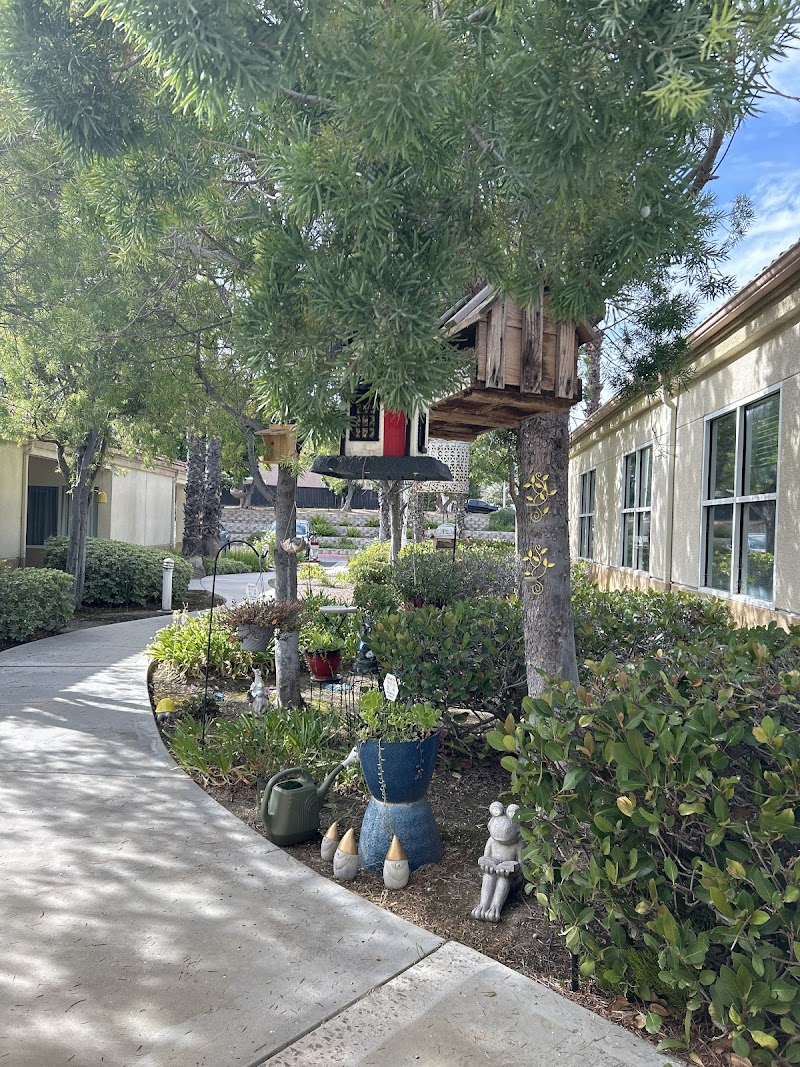
How is Murrieta Center Staffed?

CMS rates MURRIETA HEALTH AND REHABILITATION CENTER's staffing level at 3 out of 5 stars, which is average compared to other nursing homes. Staff turnover is 46%, compared to the California average of 46%. This relatively stable workforce can support continuity of care. RN turnover specifically is 58%, which is notably high. RNs provide skilled clinical oversight, so turnover in this role can affect medical care quality.

What Have Inspectors Found at Murrieta Center?

State health inspectors documented 70 deficiencies at MURRIETA HEALTH AND REHABILITATION CENTER during 2019 to 2025. These included: 70 with potential for harm. While no single deficiency reached the most serious levels, the total volume warrants attention from prospective families.
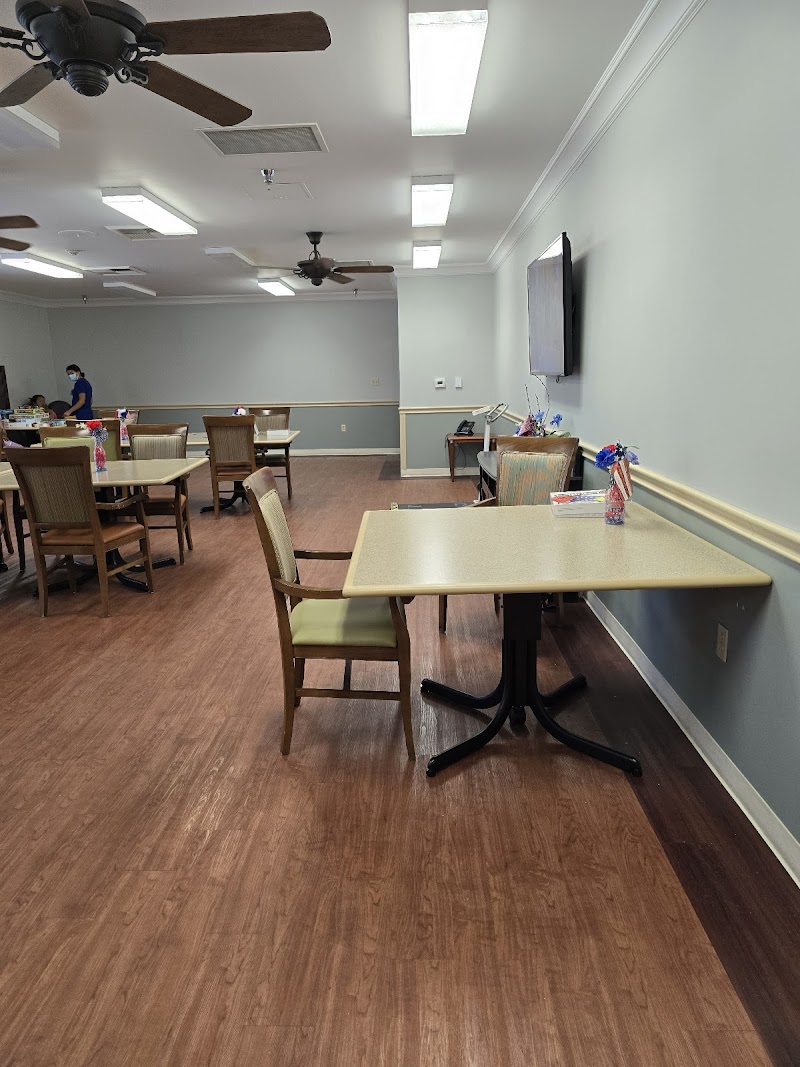
Who Owns and Operates Murrieta Center?

MURRIETA HEALTH AND REHABILITATION CENTER is owned by a for-profit company. For-profit facilities operate as businesses with obligations to shareholders or private owners. The facility is operated by CAMBRIDGE HEALTHCARE SERVICES, a chain that manages multiple nursing homes. With 145 certified beds and approximately 132 residents (about 91% occupancy), it is a mid-sized facility located in MURRIETA, California.
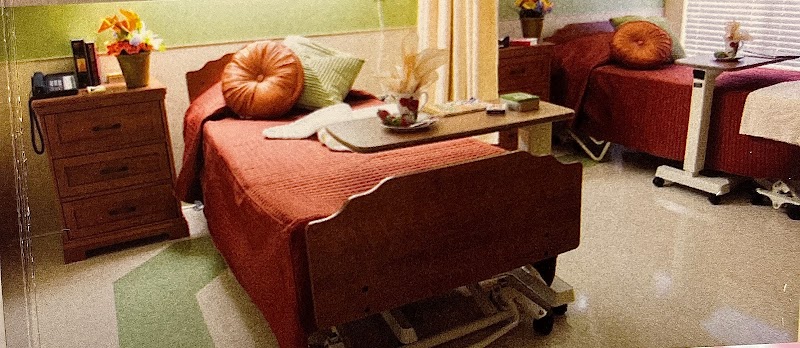
How Does Murrieta Center Compare to Other California Nursing Homes?

Compared to the 100 nursing homes in California, MURRIETA HEALTH AND REHABILITATION CENTER's overall rating (2 stars) is below the state average of 3.1, staff turnover (46%) is near the state average of 46%, and health inspection rating (2 stars) is below the national benchmark.

What Should Families Ask When Visiting Murrieta Center?

Based on this facility's data, families visiting should ask: "Can I visit during a mealtime to observe dining assistance and food quality?" "How do you handle medical emergencies, and what is your hospital transfer rate?" "Can I speak with family members of current residents about their experience?"

Is Murrieta Center Safe?

Based on CMS inspection data, MURRIETA HEALTH AND REHABILITATION CENTER has a clean safety record: no substantiated abuse findings (meaning no confirmed cases of resident harm), no Immediate Jeopardy citations (the most serious violation level indicating risk of serious injury or death), and is not on the Special Focus Facility watch list (a federal program monitoring the lowest-performing 1% of nursing homes). The facility has a 2-star overall rating and ranks #100 of 100 nursing homes in California. While no facility is perfect, families should still ask about staff-to-resident ratios and recent inspection results during their visit.

Do Nurses at Murrieta Center Stick Around?

MURRIETA HEALTH AND REHABILITATION CENTER has a staff turnover rate of 46%, which is about average for California nursing homes (state average: 46%). Moderate turnover is common in nursing homes, but families should still ask about staff tenure and how the facility maintains care continuity when employees leave.

Was Murrieta Center Ever Fined?

MURRIETA HEALTH AND REHABILITATION CENTER has no federal fines on record. CMS issues fines when nursing homes fail to meet care standards or don't correct problems found during inspections. The absence of fines suggests the facility has either maintained compliance or corrected any issues before penalties were assessed. This is a positive indicator, though families should still review recent inspection reports for the full picture.

Is Murrieta Center on Any Federal Watch List?

MURRIETA HEALTH AND REHABILITATION CENTER is not on any federal watch list. The most significant is the Special Focus Facility (SFF) program, which identifies the bottom 1% of nursing homes nationally based on persistent, serious quality problems. Not being on this list means the facility has avoided the pattern of deficiencies that triggers enhanced federal oversight. This is a positive indicator, though families should still review the facility's inspection history directly.