THE SPRINGS HEALTH AND REHABILITATION CENTER
25924 JACKSON AVE, MURRIETA, CA 92563 (951) 417-8200
For profit - Partnership 170 Beds Independent Data: November 2025
Trust Grade
60/100
#479 of 1155 in CA
Last Inspection: July 2024

Within standard 12-15 month inspection cycle. Federal law requires annual inspections.

Overview

The Springs Health and Rehabilitation Center has a Trust Grade of C+, which means it is considered decent and slightly above average. In California, it ranks #479 out of 1155 facilities, placing it in the top half, and #16 out of 53 in Riverside County, suggesting only one local option is better. The facility's trend is improving, with a reduction in issues from 6 in 2024 to 5 in 2025. Staffing is rated average, with a turnover rate of 40%, similar to the state average, which indicates staff stability but may not be optimal. However, there are concerning incidents; one resident experienced recurrent urinary tract infections due to inadequate care, ultimately leading to their hospitalization and death due to sepsis. Additionally, the facility failed to properly manage medication disposal, which could lead to medication errors. While the overall care quality is rated good, these specific issues highlight areas needing attention.

Trust Score
C+
60/100
In California
#479/1155
Top 41%
Safety Record
Moderate
Needs review
Inspections
Getting Better
6 → 5 violations
Staff Stability
○ Average
40% turnover. Near California's 48% average. Typical for the industry.
Penalties
⚠ Watch
$26,918 in fines. Higher than 99% of California facilities. Major compliance failures.
Skilled Nurses
⚠ Watch
Each resident gets only 25 minutes of Registered Nurse (RN) attention daily — below average for California. Fewer RN minutes means fewer trained eyes watching for problems.
Violations
⚠ Watch
32 deficiencies on record. Higher than average. Multiple issues found across inspections.
★★★★☆
4.0
Overall Rating
★★★☆☆
3.0
Staff Levels
★★★★☆
4.0
Care Quality
★★★★☆
4.0
Inspection Score
Stable
2024: 6 issues
2025: 5 issues

The Good

  • 4-Star Quality Measures · Strong clinical quality outcomes
  • Full Sprinkler Coverage · Fire safety systems throughout facility
  • No fines on record
  • Staff turnover below average (40%)

    8 points below California average of 48%

Facility shows strength in quality measures, fire safety.

The Bad

Staff Turnover: 40%

Near California avg (46%)

Typical for the industry

Federal Fines: $26,918

Below median ($33,413)

Moderate penalties - review what triggered them

The Ugly 32 deficiencies on record

1 actual harm
Jun 2025 1 deficiency
CONCERN (E) 📢 Someone Reported This

A family member, employee, or ombudsman was alarmed enough to file a formal complaint

Potential for Harm - no one hurt, but risky conditions existed

Deficiency F0628 (Tag F0628)

Could have caused harm · This affected multiple residents

**NOTE- TERMS IN BRACKETS HAVE BEEN EDITED TO PROTECT CONFIDENTIALITY** Based on interview and record review, the facility failed to ensure a copy of the notice of transfer/discharge was provided to t...

Read full inspector narrative →
**NOTE- TERMS IN BRACKETS HAVE BEEN EDITED TO PROTECT CONFIDENTIALITY** Based on interview and record review, the facility failed to ensure a copy of the notice of transfer/discharge was provided to the State Long-Term Care Ombudsman (assists with conflict resolution and protection of resident rights) prior to the planned discharge, for three of three sampled residents (Resident 1, 2, and 3). This failure had the potential to violate the resident's rights to appeal their discharge. Findings: On June 2, 2025, at 10:30 a.m., an unannounced visit was conducted at the facility to investigate a complaint on discharges. 1. A review of the admission Record, indicated Resident 1 was admitted to the facility on [DATE], with the diagnoses which included hemiplegia and hemiparesis following Cerebral Infarction (muscle weakness or paralysis to one side of the body), metabolic encephalopathy (brain disorder), and dementia (loss of memory, language, problem solving and thinking abilities). A review of Resident 1's Progress Notes, dated May 13, 2025, at 11:21 a.m., indicated, .spoke with (Resident 1's family member) requesting for resident to discharge home this coming friday . A review of Resident 1's Progress Notes, dated May 16, 2025, at 12:33 p.m., indicated, .DC (discharge) 5/16/25 (May 16, 2025) .to home .with all remaining medications . A review of Resident 1's Notice of Transfer/Discharge, dated May 13, 2025, indicated Resident 1 was provided notification of discharge on [DATE], and discharged from the facility on May 16, 2025. Further review of Resident 1's record indicated there was no documented evidence the Ombudsman's office was provided with the notice of transfer prior to discharge of Resident 1 on May 16, 2025. 2. A review of the admission Record, indicated Resident 2 was admitted to the facility on [DATE], with diagnosis of Acute osteomyelitis of left ankle and foot (an infection of the bone in that area caused by bacteria). A review of Resident 2's Progress Notes, dated May 14, 2025, at 7:09 p.m., indicated, .spoke with (name of family member) and resident discussed discharge ordered .informed writer that (family member) will pick up at 11 am (a.m.) on Friday (May 16, 2025) . A review of the Notice of Transfer/Discharge dated May14, 2025, indicated Resident 2 was provided notification of discharge on [DATE], and discharged from the facility on May 16, 2025. Further review of Resident 2's record indicated there was no documented evidence the Ombudsman's office was provided with the notice of transfer prior to discharge of Resident 2 on May 16, 2025. 3. A review of the admission Record, dated June 2, 2025, indicated Resident 3 was admitted to the facility on [DATE], with the diagnosis of dissection of the descending thoracic aorta (the main artery in the chest tears allowing blood to flow between the layers of the aorta wall). A review of the Notice of Medicare Non-Coverage dated May 2, 2025, indicated Resident 3 services will end on May 16, 2025. Resident 3 was notified services would end on May 13, 2025. On June 3, 2025, at 10:30 a.m., during an interview with the Social Worker (SW), she stated residents were often being notified three (3) days prior to discharge. The SW stated the notice of transfer would be emailed to the Ombudsman prior to discharge. On June 3, 2025, at 10:46 a.m., during an interview with the Case Manager (CM), he stated the notice of discharge/transfer was to be provided to the residents three to four days prior to discharge. The CM stated it was explained to the residents they could appeal the discharge. The CM stated the notice of transfer/discharge forms was to be emailed to the Ombudsman. On June 3, 2025, at 3:15 p.m., during an interview with the Assistant Administrator (AA), she stated there was no excuse the notice of transfer/discharge was not sent to the Ombudsman, it is usually emailed to her the emails came back. The AA stated the assigned Ombudsman was out of the office and they were unsure who was covering for the Ombudsman while out of office. The AA stated the notice of proposed transfer should have been provided to the Ombudsman office. A review of the facility's policy and procedure titled Notice Requirements Before Transfer or Discharges, dated March 2023, indicated, .the notice of transfer or discharge and Ombudsman notification .for facility initiated transfer or discharge of a resident, the facility shall notify the resident and the residents representative of the transfer or discharge and the reasons for the move in writing and in a language and manner they understand .the facility shall send a copy of the notice of transfer or discharge to the representative of the Office of the State Long Term Care (LTC) Ombudsman before or as close as possible to the actual time of a facility -initiated transfer or discharge .evidence that the notice was sent to the Ombudsman should be present in the medical record .the facility follows the process for ombudsman notification in accordance with their state . A review of the facility's policy and procedure titled Transfer and Discharge, dated January 2025, indicated, .the resident and or their representative shall receive an explanation of the right to appeal the transfer or discharge including the name, address mailing and email, and phone number of the representative of the Office of the State Long-Term Care ombudsman, and the name, mailing and email addresses and phone number of the state agency responsible for the protection and advocacy for residents .
Apr 2025 1 deficiency
CONCERN (D) 📢 Someone Reported This

A family member, employee, or ombudsman was alarmed enough to file a formal complaint

Potential for Harm - no one hurt, but risky conditions existed

Medication Errors (Tag F0758)

Could have caused harm · This affected 1 resident

**NOTE- TERMS IN BRACKETS HAVE BEEN EDITED TO PROTECT CONFIDENTIALITY** Based on interview and record review, the facility failed to ensure monitoring for one of three sampled residents (Resident 1), ...

Read full inspector narrative →
**NOTE- TERMS IN BRACKETS HAVE BEEN EDITED TO PROTECT CONFIDENTIALITY** Based on interview and record review, the facility failed to ensure monitoring for one of three sampled residents (Resident 1), of the following: 1. Behavior of anxiety (feeling of fear, dread, and uneasiness); 2. Psychotic behavior (refers to the observable actions, thoughts, and expression of a person experiencing psychosis [mental state or condition itself, describing a range of symptoms including those that manifest as psychotic behavior]); and 3. Side effects for use of psychotropic medications (drugs that affect the brain and nervous system, primarily used to treat mental health conditions). This failure had the potential for unnecessary medication use. Findings: On April 4, 2025, at 9:10 a.m., an unannounced visit was conducted at the facility. A review of Resident 1's admission Record, indicated Resident 1 was admitted to the facility on [DATE], under general in-patient hospice (a short-term, crisis-like level of care for hospice patients who need more intensive symptom management) care with diagnoses which included dementia (a loss of thinking, remembering, and reasoning skills), Parkinson's disease (a movement disorder of the nervous system that worsens over time) and uncontrolled behaviors, danger to self and others. A review of Resident 1's History and Physical Examination, dated March 19, 2025, indicated Resident 1 does not have the capacity to understand and make decisions. A review of Resident 1's Order Summary Report, dated April 4, 2025, indicated the following medications were ordered on March 19, 2025: a.Lorazepam Oral Concentrate 2 MG/ML (Lorazepam- psychotropic medication) Give 1 ml by mouth every 4 hours for Anxiety, restlessness, agitation, SOB (shortness of breath) .; b.Quetiapine Fumarate Oral Tablet 50 MG (Quetiapine Fumarate- psychotropic medication) Give 1 tablet by mouth in the morning for Psychosis M/B Unprovoked Physical Behavior for 15 Days .; c.Quetiapine Fumarate Oral Tablet 100 MG (Quetiapine Fumarate) Give 1 tablet by mouth in the afternoon for Psychosis MB Unprovoked Physical Behavior for 15 Days . There was no documented evidence that monitoring for the targeted behaviors of anxiety and psychosis and side effects from use of lorazepam and quetiapine fumarate was initiated before March 21, 2025 (two days after admission). On April 4, 2025, at 4:09 p.m., during a concurrent record review of Resident 1's medical record and an interview with Registered Nurse (RN) 1, RN 1 stated there was no monitoring of behaviors of anxiety and side effects. RN 1 stated behavior of anxiety and side effects from lorazepam use should have been monitored. On April 8, 2025, at 10:17 a.m., during a concurrent record review of Resident 1's medical record and an interview with the Assistant Director of Nursing (ADON), the ADON stated the monitoring for behavior and side effects of lorazepam and quetiapine fumarate should have been monitored on March 19, 2025. On April 8, 2025, at 1:05 p.m., during a telephone interview, Licensed Vocational Nurse (LVN) 1, LVN stated she did not recall Resident 1. LVN 1 stated she just started to be trained on the floor and to admissions, in March 2025 and Resident 1's physician's orders were the first one she had done. LVN 1 stated physician order for monitoring of side effects of psychotropic medication use and behaviors for anxiety and psychosis should have been obtained. On April 8, 2025, at 1:33 p.m., during an interview, the Director of Nursing (DON) stated she expected the nurses to obtain orders for monitoring behaviors and medication side effects when residents are on psychotropic medications. A review of the facility's policy and procedure titled DIGNITY AND RESPECT PSYCHOACTIVE MEDICATIONS, dated January 2025 indicated, .Facility staff will monitor for adverse side effects associated with the use of psychotropic medications .
Jan 2025 2 deficiencies
CONCERN (D) 📢 Someone Reported This

A family member, employee, or ombudsman was alarmed enough to file a formal complaint

Potential for Harm - no one hurt, but risky conditions existed

Notification of Changes (Tag F0580)

Could have caused harm · This affected 1 resident

**NOTE- TERMS IN BRACKETS HAVE BEEN EDITED TO PROTECT CONFIDENTIALITY** Based on interview and record review, the facility failed to notify Resident 3 ' s Responsible Person (RP- person designated as ...

Read full inspector narrative →
**NOTE- TERMS IN BRACKETS HAVE BEEN EDITED TO PROTECT CONFIDENTIALITY** Based on interview and record review, the facility failed to notify Resident 3 ' s Responsible Person (RP- person designated as being responsible for another person's medical and/or financial decisions) as well as other emergency contacts, of Resident 3 ' s change of condition (COC) and subsequent transfer to the general acute care hospital (GACH) on January 17, 2025. This resulted in the RP and emergency contacts being uninformed and unaware of Resident 3 ' s COC and transfer to the GACH. Findings: On January 29, 2025, at 9:37 a.m., Resident 3's RP was interviewed via telephone. The RP stated in the morning of January 17, 2025, family member (FM) 1 visited Resident 3 but did not stay long since Resident 3 had a cough. The RP stated in the afternoon of January 17, 2025, the facility called and notified her that Resident 3 ' s blood pressure (BP) was low and they were going to start intravenous (IV- into the vein) fluid hydration, and may possibly do an X-ray, after which the RP were to receive another update. The RP stated neither she nor her family members (FMs) received any notification from the facility thereafter. The RP stated the following morning (Saturday, January 18, 2025), FM 1 visited Resident 3 at the facility but did not find Resident 3 in the room. The RP stated FM 1 proceeded to the nurses ' station and asked where Resident 3 was, and was informed by the staff that Resident 3 was at the GACH, at a hospital where Resident 3 did not regularly receive prior care. The RP stated Resident 3 was transferred to the GACH due to low BP and low oxygen. The RP stated when they reached the GACH, Resident 3 was already admitted in the Intensive Care Unit, and was unable to communicate with them. The RP stated on Sunday, January 19, 2025, Resident 3 passed away. The RP stated she and the FMs felt they were robbed of precious time they could have spent with Resident 3, if they have been notified sooner of Resident 3 ' s change of condition and transfer to the GACH. A review of the facility ' s transfer and discharge list indicated Resident 3 was discharged from the facility on January 17, 2025. A review of Resident 3 ' s record indicated Resident 3 was admitted to the facility on [DATE], with diagnoses which included acute congestive heart failure (heart muscle is weakened and cannot pump blood efficiently enough to meet the body's needs), atrial fibrillation (irregular heart rate and rhythm), and chronic kidney disease. A review of the facility document titled, SBAR (Situation, Background, Appearance Recommendation- a clinical assessment and communication tool): Change of Condition, dated January 17, 2025, 6:49 p.m., completed by Licensed Vocational Nurse (LVN) 1, indicated Resident 3 was sent out for hypoxia (low oxygen in the blood) and hypotension (low blood pressure), and that the RP was notified at 6:30 p.m. A review of the telephone order dated January 17, 2025, at 6:58 p.m., indicated, .Send out to (name of GACH) D/T (due to) Hypoxia and Hypotension . A review of the Progress Notes included a Family Update Note by the Director of Nursing (DON), indicating a call to the RP to .address the concern regarding the lack of family notification when the resident was transferred to the hospital on 1/17/25 at approximately 6:30 PM. (Name of RP) expressed that the family was very upset about not being informed promptly. Acknowledged her concerns and sincerely apologized, stating that there was no excuse for the communication lapse. (Name of RP) also informed (the facility [sic]) that the resident had passed away over the weekend, and staff offered deepest condolences for their loss . On January 29, 2025, at 3:59 p.m., during interview, the DON stated after investigating the incident, they found out three LVNs worked on sending Resident 3 out, and Resident 3 ' s charge nurse was LVN 1. LVN 1 assumed the other two nurses notified the RP and documented it as done, however; the RP and the FM were not notified of Resident 3's transfer to the GACH. The DON stated LVN 1 should have notified the RP and/or the emergency contacts himself, to make sure they were aware of what was happening with Resident 3. A review of the facility ' s policy and procedure titled, Notification of Changes, revised March 2023, indicated, .The facility informs the resident, the resident ' s physician, and the resident ' s representative when there is an accident resulting in injury, changes involving life threatening conditions .or transfer or discharge the resident .Guidelines: .The facility notifies .the resident representative of .A significant change in the resident ' s physical, mental, or psychosocial status (that is, a deterioration in health, mental or psychosocial status in either life-threatening conditions or clinical complications) .A decision to transfer or discharge the resident from the facility .Designated resident representative or family, as appropriate, should be notified of significant changes in the resident's health status .
CONCERN (D) 📢 Someone Reported This

A family member, employee, or ombudsman was alarmed enough to file a formal complaint

Potential for Harm - no one hurt, but risky conditions existed

Medical Records (Tag F0842)

Could have caused harm · This affected 1 resident

**NOTE- TERMS IN BRACKETS HAVE BEEN EDITED TO PROTECT CONFIDENTIALITY** Based on interview and record review, the facility failed to accurately document the Responsible Person (RP) notification of one...

Read full inspector narrative →
**NOTE- TERMS IN BRACKETS HAVE BEEN EDITED TO PROTECT CONFIDENTIALITY** Based on interview and record review, the facility failed to accurately document the Responsible Person (RP) notification of one of three residents' (Resident 3) transfer to the general acute care hospital (GACH) on January 17, 2025. This failure resulted in inaccurate documentation of events in relation to Resident 3 ' s transfer process. Findings: On January 29, 2025, at 9:37 a.m., the RP was interviewed via telephone. The RP stated in the morning of January 17, 2025, family member (FM) 1 visited Resident 3 but did not stay long since Resident 3 had a cough. The RP stated in the afternoon of January 17, 2025, the facility called and notified her that Resident 3's blood pressure (BP) was low and that they were going to start intravenous (IV- into the vein) fluid hydration, and may possibly do an X-ray, after which they were to receive another update. The RP stated neither she nor her family members (FMs) received any notification from the facility thereafter. The RP stated the following morning (Saturday, January 18, 2025), FM 1 visited Resident 3 at the facility but did not find Resident 3 in the room. FM 1 proceeded to the nurses ' station and asked where Resident 3 was. After checking Resident 3 ' s record, the staff informed FM 1 that Resident 3 was at the GACH. The RP stated Resident 3 was transferred to the GACH due to low BP and low oxygen. The RP stated when they reached the GACH, Resident 3 was already admitted in the Intensive Care Unit, and was unable to communicate with them. The RP stated on Sunday, January 19, 2025, Resident 3 passed away. The RP stated she and the FMs felt they were robbed of precious time they could have spent with Resident 3, if they have been notified sooner of Resident 3 ' s change of condition and transfer to the GACH. A review of the facility ' s transfer and discharge list indicated Resident 3 was discharged from the facility on January 17, 2025. A review of Resident 3 ' s record indicated Resident 3 was admitted to the facility on [DATE], with diagnoses which included acute congestive heart failure (heart muscle is weakened and cannot pump blood efficiently enough to meet the body's needs), atrial fibrillation (irregular heart rate and rhythm), and chronic kidney disease. A review the facility document titled, SBAR (Situation, Background, Appearance Recommendation- a clinical assessment and communication tool): Change of Condition, dated January 17, 2025, 6:49 p.m., completed by Licensed Vocational Nurse (LVN) 1, indicated Resident 3 was sent out for hypoxia (low oxygen in the blood) and hypotension (low blood pressure), and that the RP was notified at 6:30 p.m. A review of the telephone order dated January 17, 2025, at 6:58 p.m., indicated, .Send out to (name of GACH) D/T (due to) Hypoxia and Hypotension . A review of the Progress Notes included a Family Update Note by the Director of Nursing (DON), indicating a call to the RP to .address the concern regarding the lack of family notification when the resident was transferred to the hospital on 1/17/25 at approximately 6:30 PM. (name of RP) expressed that the family was very upset about not being informed promptly. Acknowledged her concerns and sincerely apologized, stating that there was no excuse for the communication lapse. (name of RP) also informed that the resident had passed away over the weekend, and staff offered deepest condolences for their loss . On January 29, 2025, at 3:59 p.m., during interview, the DON stated after investigating the incident, they found out three LVNs worked on sending Resident 3 out, and Resident 3 ' s charge nurse was LVN 1. LVN 1 assumed the other two nurses notified the RP and documented it as done. However, the RP and the FM were not really informed of Resident 3's transfer to the GACH. The DON stated LVN 1 should have notified the RP and/or the emergency contacts himself, to make sure they were aware of the events.
Jan 2025 1 deficiency
CONCERN (D) 📢 Someone Reported This

A family member, employee, or ombudsman was alarmed enough to file a formal complaint

Potential for Harm - no one hurt, but risky conditions existed

Deficiency F0697 (Tag F0697)

Could have caused harm · This affected 1 resident

**NOTE- TERMS IN BRACKETS HAVE BEEN EDITED TO PROTECT CONFIDENTIALITY** Based on interview and record review, the facility failed to ensure pain medications were administered as ordered by the physici...

Read full inspector narrative →
**NOTE- TERMS IN BRACKETS HAVE BEEN EDITED TO PROTECT CONFIDENTIALITY** Based on interview and record review, the facility failed to ensure pain medications were administered as ordered by the physician, for one of three residents (Resident A). This failure had the potential for Resident A's pain not be managed and affect overall health condition. Findings: On January 2, 2025, at 11:30 a.m., an unannounced visit to the facility was conducted to investigate an allegation of abuse. On January 2, 2025, a review of Resident A's medical record was conducted. Resident A was admitted to the facility on [DATE], with diagnoses which included atherosclerotic (a buildup of fats, cholesterol, and other substances in and on the artery walls) heart disease and polyneuropathy (a condition where multiple peripheral nerves throughout the body become damaged or malfunction). A review of Resident A's care plan, dated June 26, 2023, indicated, .Resident is at risk for pain r/t (related to) risk factors .Interventions .Administer medications as ordered . A review of Resident A's Order Summary Report, included the following physician's order: - Monitor level of pain (0-10 scale): Document pain level as follows: 0 = none, 1-3 = mild pain, 4-6 = moderate pain, 7-10 = severe pain, every shift, date order May 24, 2023; - Tramadol (a drug used for pain) tablet 50 mg every 6 (six) hours as needed for pain management Moderate pain (4-6 pain scale), date order February 27, 2024; and - Morphine Sulfate .100 MG/5ML .Give 0.50 ml by mouth every 4 (four) hours as needed for Severe pain (7-10), date order July 31, 2024, discontinued December 6, 2024; - Morphine Sulfate (a drug used to treat pain) 100 mg (milligram - a unit of measure)/5 ml (milliliter-a unit of measure), give 1 (one) ml as needed for wound treatment, may medicate prior to wound treatment, date order December 19, 2024; A review of Resident A's Medication Administration Record (MAR), for Morphine Sulfate 0.50 ml every 4 hours as needed for severe pain, for December 1 to 6, 2024, indicated morphine sulfate was administered to Resident A on December 4, 2024, at 12:20 a.m., with a pain scale of 5 (moderate pain). A review of Resident A's Medication Administration Record (MAR), for December 2024, indicated the morphine sulfate 1 ml was administered to Resident A with a pain scale of 4-6 (moderate pain) on the following dates: - December 8, 2024, at 9:09 p.m.; pain level of 4; - December 9, 2024, at 1:38 a.m.; pain level of 6; - December 9, 2024, at 10:02 a.m.; pain level of 3; - December 9, 2024, at 2:02 p.m.; pain level of 5; - December 9, 2024, at 6:30 p.m.; pain level of 3; - December 10, 2024, at 3:11 a.m., pain level of 6; - December 14, 2024, at 3:29 a.m., pain level of 5; - December 15, 2024, at 10:13 p.m.; pain level of 4; - December 18, 2024, at 9:40 p.m.; pain level of 6; and - December 19,2024, at 5:31a.m.; pain level of 4. A review of Resident A's Medication Administration Record (MAR), for December 2024, indicated the tramadol (ordered for moderate pain) was administered to Resident A with a pain scale of mild or severe pain on the following dates: - December 1, 2024, at 11:58 a.m.; pain level of 3; - December 2, 2024, at 12:05 p.m.; pain level of 3; - December 6, 2024, at 12:41 p.m.; pain level of 8; - December 8, 2024, at 11:05 a.m.; pain level of 7; - December 11, 2024, at 9:53 a.m.; pain level of 9; and - December 13, 2024, at 10:50 a.m.; pain level of 8. A review of Resident A's Hospice Nurse Progress Note Routine Visit, dated December 18, 2024, indicated, .always c/o (complain of) pain BLE (bilateral lower extremities-both legs) .pain not controlled with current medication .patient is not compliant to medication regimen .Hospice aide to provide care according to assignment .confused; sad; tearful-pt (patient) refused wound care . On January 10, 2025, at 3:30 p.m., an interview and concurrent record review was conducted with the Director of Nursing (DON). The DON reviewed Resident A's MAR for December 2024, regarding Resident A's orders for morphine sulfate and tramadol. The DON stated the morphine sulfate should have been given for severe pain, and the tramadol was to be given for moderate pain. The DON stated morphine sulfate and tramadol were not administered as ordered by the physician. A review of the facility's policy and procedure titled Pain Assessment and Management, dated March 2023, indicated, .to help the staff identify pain in the resident and to develop interventions that are consistent with the resident's goals and needs .ensure that residents receive the treatment and care in accordance with professional standards of practice, the comprehensive care plan, and the resident's choices, related to pain management .Pain management is an interdisciplinary care process that includes .identifying and using specific strategies for different levels and sources of pain .conduct a comprehensive pain assessment upon admission to the facility .whenever there is a significant change in condition .assess the resident's pain and consequences of pain at least each shift .behavioral signs of pain .verbal expressions such as groaning, crying, screaming .resisting care, irritability, depression, decreased participation .guarding, rubbing or favoring a particular part of the body evidence of depression, anxiety .assess pain using a consistent approach and a standardized pain assessment instrument .pain management interventions shall reflect the sources, type and severity of pain .non-pharmacological interventions may be appropriate alone or in conjunction with medications .pharmacological interventions .may be prescribed to manage pain .implement the medication regimen as ordered .relevant criteria for measuring pain management .document the resident's reported level of pain with adequate detail as necessary and in accordance with the pain management program .
Aug 2024 1 deficiency
CONCERN (D) 📢 Someone Reported This

A family member, employee, or ombudsman was alarmed enough to file a formal complaint

Potential for Harm - no one hurt, but risky conditions existed

Quality of Care (Tag F0684)

Could have caused harm · This affected 1 resident

**NOTE- TERMS IN BRACKETS HAVE BEEN EDITED TO PROTECT CONFIDENTIALITY** Based on interview and record review, the facility failed to ensure the resident receive the necessary care and treatment to pre...

Read full inspector narrative →
**NOTE- TERMS IN BRACKETS HAVE BEEN EDITED TO PROTECT CONFIDENTIALITY** Based on interview and record review, the facility failed to ensure the resident receive the necessary care and treatment to prevent and treat allergic reactions, for one of four residents reviewed (Resident A) when: 1. Resident A's allergy to aspirin (medication to treat pain, fever, headache, and inflammation. It can also reduce the risk of heart attack) was not listed in the allergy list. Aspirin was administered to Resident A from June 3 to 17, 2024, and June 19 to 22, 2024 (total of 19 days); and 2. Resident A did not receive medication to treat signs and symptoms of allergic reaction. These failures resulted in Resident A to be transferred to the general acute hospital and acquired toxic epidermal necrolysis (a rare, life-threatening skin reaction, usually caused by a medication. It's a severe form of [NAME]-[NAME] syndrome [SJS- a rare, serious disorder of the skin and mucous membranes usually a reaction to medication that starts with flu-like symptoms, followed by a painful rash that spreads and blisters]). Findings: On July 18, 2024, at 9 a.m., an unannounced visit to the facility was conducted to investigate a complaint of quality of care. On July 18, 2024, at 11:05 a.m., an interview was conducted with Licensed Vocational Nurse (LVN) 1. LVN 1 stated he took care of Resident A when she developed a whole-body rash. LVN 1 stated he called the doctor, and orders were given to watch her closely and treat the rash with medicine. On July 18, 2024, at 12:25 p.m., an interview was conducted with Resident A's family member (FM). The FM stated Resident A developed allergies to the medications she was being given and she developed Stevens-Johnson Syndrome. The FM stated Resident A was being given medications she was allergic to and her skin was peeling off. The FM stated Resident A had been allergic to aspirin and penicillin (an antibiotic medicine for bacterial infections) for a long time. The FM stated when Resident A was hospitalized with difficulty breathing when the resident was young, when she took aspirin, Tussin (guaifenesin-medication for chest congestion), and penicillin (antibiotic to treat infections). The FM stated he asked the staff why Resident A was receiving aspirin when she was allergic to it. The family stated when Resident A came back from the hospital on June 17, 2024, he asked the facility, why Resident A's allergy to penicillin was not listed on her chart, it was added, and the aspirin was still missing from the allergy list. The family stated Resident A was already discharged to home and was having post-traumatic stress disorder (PTSD- having a difficult time recovering from a terrifying event) symptoms (anxiety, difficulty sleeping) from her allergic reaction experience. On July 18, 2024, a review of Resident A's medical record was conducted. Resident A's admission Record, indicated the resident was admitted to the facility on [DATE], with diagnoses which included a cerebral infarct (stroke-lack of blood flow in the brain) and asthma (a disease in which the airway narrows and swells, making it difficult to breathe). A review of Resident A's previous hospital records, dated May 30, 2024 (prior to admission to the facility), indicated, .Allergies .Aspirin .Guaifenesin .Acute stroke .Aspirin once safe .Clarifies that aspirin caused a rash in the past . A review of Resident A's Admit/Readmit Assessment, dated June 2, 2024, indicated, .Allergies .Aspirin, guaiFENesin . A review of Resident A's history and physical, dated June 3, 2024, indicated the resident was allergic to aspirin and guaifenesin. A review of Resident A's care plans indicated, .Allergic to guaifenesin, penicillin .Interventions: Flag chart, medication and treatment sheets with allergy information .Inform MD (Medical Director - physician) of all allergy information when receiving new orders .Inform pharmacy of allergy information .Monitor for signs and symptoms of allergic reaction such as rash, itching. Notify MD . A review of Resident A's Order Summary Report, indicated Resident A's allergies documented were guaifenesin, penicillin, and Cipro (ciprofloxacin - antibiotic to treat infections). The document included a physician's order, dated June 2, 2024, which indicated, Aspirin 81 Oral Tablet Delayed Release 81 MG (milligram - unit of measurement) Give 1 tablet .one time a day . A review of Resident A's Medications Administration Record (MAR), for June 2024, indicated allergies to guaifenesin. The MAR indicated aspirin was administered to Resident A from June 3 to 17, 2024, and June 19 to 22, 2024 (total of 19 days). Further review of Resident A's record (progress notes, MAR, physician's order, and admission record) did not include aspirin in the allergy list since admission to the facility. A review of Resident A's Progress Notes, indicated the following: - June 6, 2024, at 6:33 p.m., indicated, .The system has identified a possible drug allergy for the following order. Aspirin 81 oral tablet delayed release 81MG Give 1 tablet by mouth one time a day . - June 3, 2024, at 1:27 p.m., indicated, .The system has identified a possible drug allergy for the following order: Aspirin 81 Oral tablet delayed release 81MG (Aspirin) . A review of Resident A's Order Summary Report, included a physician's order, dated June 18, 2024, which indicated, .Rivaroxaban (Xarelto - blood thinner) Oral Tablet Give 1 tablet by mouth two times a day for PE (pulmonary embolism - blood clot in the lungs) for 21 days . A review of Resident A's Medication Administration Record, for June 2024, indicated Xarelto was administered to Resident A on June 19 to 23, 2024 (total of 10 doses). A review of Resident A's Order Summary Report, included a physician's order, dated June 21, 2024, which indicated, .Ciprofloxacin (antibiotic medication to treat UTI (Urinary Tract Infection) tablet 500mg, one tab two times a day, for UTI for five days . A review of Resident A's Medication Administration Record, for June 2024, indicated ciprofloxacin was administered to Resident A on June 21 to 22, 2024 (three doses). A review of Resident A's Progress Notes, dated June 22, 2024, at 1:26 p.m., indicated .per son and resident she feels like her lips are burning and her tongue is red, per son she had this before 20 yrs (years) ago when she takes aspirin, also noted with generalized body rash, warm to touch .per other son she had an allergic reaction with ATB (antibiotic) for UTI (urinary tract infection) long time ago but they do not remember the name of medication, MD made aware, per MD [name of MD] continue Cipro .son and resident requested to discontinue aspirin .assessed resident, noted with red tongue and generalized rash, MD made aware .no new skin problems noted at this time .no changes in condition noted at this time .Per Dr. [name], he thinks it's the ASA (aspirin) not the Cipro caused the allergic reaction .D/C (discontinue) ASA (Aspirin) start Plavix (medication to thin the blood). Continue Cipro . A review of Resident A's Assessment Summary, dated June 22, 2024, at 3:53 p.m., indicated, .Communication for Changes in Condition .generalized body rash .red tongue, burning feeling around lips . A review of Resident A's Order Summary Report, indicated the following physician's orders to address the generalized rashes: - .Monitor skin rashes for increased spread or signs of allergy reaction to antibiotics for 14 days, ordered June 22, 2024; and - .Hydrocortisone (medicine to treat skin conditions) Cream 2.5% (percent), apply to scattered rash topically (to skin) every day shift for rashes for 14 days, cleanse with NS (normal saline-used in the medical field to clean wounds), pat dry, leave open to air . A review of Resident A's Progress Notes, indicated the following: - June 23, 2024, at 12:13 p.m., indicated, .body rash is getting worse, her tongue still red and still feeling burning around lips .son is requesting to change order for ABT (antibiotic) for UTI .No new skin problems noted at this time . - June 23, 2024, at 10:52 p.m., indicated, .Communication for Changes in Condition .tachycardia (fast heart rate), hypoxia (not enough oxygen) .BP (blood pressure-the pressure of circulating blood against the heart) 150/75 (normal range less than 120/80) .P (pulse) 118 (normal range 60 - 100) .R (respiration) 35 (normal range 12 - 18) .O2 (oxygen) 85% .room air .RN (Registered Nurse) aware pt's (patient's) son [name] visited pt and was concerned about her condition, alerted charge nurse and CNA (certified Nursing Assistant) to room to assess pt (patient) .pt noted with tachycardia 118-119 bpm (beats per minute), tachypnea (fast breathing) 35 rpm (respirations per minute) .hypoxia 85% on RA (room air) .pt put on 5L (liters-a type of measurement)/min (minute) O2 (oxygen) via nasal cannula (tubing goes into the nose and delivers oxygen), O2 sat (saturation in blood level) increased to 95-96%. Son mostly concerned about O2 sat, RR (respiratory rate), and HR (heart rate) .Dr. [name] made aware .pt has poor PO (oral) intake for several days and ATB (antibiotic) changed from Cipro to Macrobid (antibiotic to treat infection) d/t (due to) allergic rxn (reaction), MD ordered 500cc (cubic centimeter-a unit of measurement) bolus (a single dose of fluid through a vein) NS (normal saline) then NS 75cc/hr (hour) x 2 days, CBC (complete blood count-a laboratory test of blood cells in the body)/CMP (comprehensive metabolic panel-a test of blood for fluid balance and electrolytes) in AM (morning), and CXR (chest x-ray) in AM. Noted and carried out .RN started IV (intravenous - through the vein) and gave bolus, effective and symptoms relieved . - June 24, 2024, at 10:24 a.m., indicated, .MD (physician) see and assessed resident received new order to transfer to [name of hospital] for further evaluation due to allergic reaction to ATB (antibiotic) . - June 24, 2024, at 10:50 a.m., indicated, .Dr. [name] does not want to send resident via 911, MD wants a regular transport, MD explained to family . A review of Resident A's LTC (Long Term Care) Routine SNF (Skilled Nursing Facility) Visit, dated June 24, 2024, indicated, .Resident A .was treated for urinary tract infection in the [name] hospital with rocephin (antibiotic medication to treat infection) but there were no clear orders for PO (by mouth) antibiotics .repeat UA (urinalysis-a urine test) and urine culture (a lab test to check for bacteria or other germs in a urine sample) were ordered .UA was positive for urine tested .started on cipro(Ciprofloxacin) (received dose on 6/21 [June 21] am and pm, 6/22 [June 22] am) .Nursing called yesterday for rash with cipro. Generalized rash, no itching, tongue was red and some burning/cracking around the lips. Cipro was stopped. Changed to Macrobid (an antibiotic to treat infection). Received one dose last night 6/22 (June 22). Macrobid discontinued today as Urine culture showing candida (fungal infection - infection caused by yeast or molds) .patient was on Aspirin since stroke. Aspirin was stopped over the weekend and changed to Plavix by on call physician .family mentioned she had red tongue with Aspirin in the past .rash started 21st morning. It was generalized redness and no itching. Within the last 12 hours the rash is blistering and peeling. It is very painful. She is now having difficulty swallowing due to pain. She was started on IV fluids yesterday .Adverse Drug Reaction .rash worsened very rapidly. Concern of mucus membrane (lining inside organs and body) involvement along with skin blistering and peeling .urine culture showing candida. She had not been treated for it yet .send patient to [name] Emergency Department . Further review of Resident A's record (progress notes, MAR, and physician's order) did not indicate a medication was prescribed and administered to treat the resident's allergic reaction. On July 19, 2024, at 8:45 a.m., an interview was conducted with the Director of Nurses (DON). The DON stated Resident A was admitted with allergies to aspirin and guaifenesin, the admission nurse's report indicated the two medications were allergies, only the guaifenesin was put into the electronic medical record for the resident. The DON stated she did not know why the allergy for aspirin was not included in the allergy list. The DON stated the allergy list should have been reviewed closer and aspirin should have been added. The DON stated Resident A was admitted to the facility on [DATE], and was prescribed aspirin 81mg daily. The DON stated Redsident A was prescribed Cipro for five days after she returned from the hospital on June 21, 2024. The DON stated the cipro and aspirin were discontinued on June 22, 2024, after Resident A developed a body rash. On July 19, 2024, at 11:30 a.m., an interview was conducted with the Registered Nurse (RN). The RN stated a resident's medication list, on admission to the facility, should always be compared to their allergy list. The RN stated it was important to verify with the resident, if you are able to, if the resident is allergic to certain medications, what is their past reaction to the medications, and determine if it is a medication side effect or a true allergy. The RN stated the physician would need to be contacted to verify the medication list and allergies, discuss the resident's reaction to medications in the past, and determined if it is a true allergy. The RN stated it was important to educate the resident and family on medication reactions and other medications in the same class of drugs, which may result in similar symptoms. The RN stated when a resident does have an allergic reaction, stop the medication, notify the doctor, order some type of antihistamine (medication used to treat allergies) or cream to treat symptoms (rash/hives). On July 24, 2024, at 3:30 p.m., an interview was conducted with the Medical Doctor (MD). The MD stated Resident A did have aspirin listed as an allergy, when she was admitted to the facility, and upon review of her records from the hospital, it was determined the discharging provider from the hospital had prescribed her aspirin, for Resident A's stroke. The MD stated it was decided the benefits outweighed the risks, and the aspirin was continued to be given. The MD stated allergies can be more of an intolerance, and not a true allergy, when she spoke with Resident A, she was told Resident A had tingling on the tongue, and that is considered an intolerance. The MD stated Resident A had a UTI and was placed on multiple antibiotics for treatment. The MD stated she was aware Resident A had developed a rash, had tingling to her lips, and a reddened tongue, another provider was covering for her that weekend. The MD stated she was aware of the change in medication recommendations, and when the resident developed symptoms of tachycardia (a fast heart rate) and hypoxia (not enough oxygen in the body), IV (intravenous- giving a medicine or other substance through a tube inserted into a vein) fluids and oxygen were ordered. The MD stated Resident A could have been prescribed an antihistamine (medication given for allergies) to help with the allergic reaction symptoms, the on-call provider wanted to send the resident to the emergency room, however the family felt she was dehydrated and wanted the resident to receive the fluids, at the facility. The MD stated she came to see Resident A, Resident A was having an allergic reaction and the rash had advanced rapidly, the rash began to blister and open up, and Resident A was sent to the hospital. The MD stated it was protocol for staff to call the physician about allergies versus the medication orders to clarify before having medications filled from the pharmacy, she does not remember if the staff at the facility had called her about Resident A's order for aspirin. The MD concluded Resident A did develop an allergic reaction to the medications given, she is not sure if it was the aspirin or the antibiotics, which caused Stevens-Johnson Syndrome to develop. On July 29, 2024, Resident A's hospital medical records were reviewed. Resident A's ED (emergency department) to Hospital Admission, dated June 25, 2024, indicated, .Reason for visit w/ (with) Dx (diagnoses) .chief complaint: Rash .TENS (toxic epidermal necrolysis-a severe skin reaction, a life-threatening condition, causes peeling and blistering over the body, including the mouth, eyes and genitals - it is the most severe form of [NAME]-[NAME] syndrome-caused by a reaction to medications) .drug reaction .Reason for admission to the Hospital .Pt (patient) was transferred from (name of hospital) for TENS from possibly Cipro or Xarelto .Patient previously was on ASA (aspirin) but due to history of red tongue with ASA, pt. switched to Plavix (blood thinner) on 6/23 (June 23) .On 6/21 (June 21) pt began to develop a rash around her mouth as well as intra oral lesions (lesions inside the mouth), which spread to trunk and extremities. Pt also experience with burning sensation to eyes and while urinating .Hospital Course by Problem .Toxic epidermal necrolysis .patient was transferred to (name of hospital) from (name of hospital) on 6/25/2024 (June 25, 2024) for whole-body rash suspected secondary to TEN .Dermatology (branch of medicine concerned with the diagnosis and treatment of skin disorders) suspecting patient is toxic epidermal necrolysis possibly precipitated (cause to happen suddenly, unexpectedly) by aspirin versus Augmentin (antibiotic to treat infection) .poor PO (oral) intake .due to oral pain from her toxic epidermal necrolysis .aspirin discontinued due to concerns of it precipitating her toxic epidermal necrolysis .acute skin lesions progressing to epiderml necrolysis is secondary to medications. After review of recent medications, possible culprits include antibiotics (Ceftriaxone, Cipro, Macrobid, or Amoxicillin [antibiotic used to treat infection]), ASA, XArelto .Avoided aspirin and Xarelto as they may have been culprits behind TEN/SJS . A review of Resident A's Discharge Summary, dated June 29, 2024, indicated, .Principal diagnosis: Toxic epidermal necrolysis (TEN) .please avoid aspirin, xarelto (a blood thinner), amoxicillin, ceftriaxone (medication to treat infection), macrobid, and ciprofloxacin as these may have contributed to development of your TEN .please discuss with neurology (study of the brain and nervous system) regarding alternative treatment besides aspirin .follow up with dermatology (study of the skin) for continued management of your wounds .follow up with urogynecology (study of the urinary system, bladder/kidneys, and female reproductive parts) regarding vulvovaginal (female genitals) involvement of your TEN . A review of Resident A's 'Discharge Summary, dated July 11,2024, indicated, .Hospital course by problem .Severe epidermal (layer of skin) necrolysis (destruction of dead tissue, blood cells) consistent with TEN .acute skin lesions progressing to epidermal necrolysis is secondary to medications .possible culprits include antibiotics (Ceftriaxone, Cipro, Macrobid, or Amoxicillin), ASA, Xarelto . A review of the facility's policy titled Provider Pharmacy Requirements, dated October 2012, indicated, .The provider pharmacy is responsible for rendering the required services in accordance with local, state, and federal laws and regulations .professional standard of practices .The provider pharmacy agrees to perform the following pharmaceutical (relating to medicinal drugs, or their preparation, use, or sale of drugs) services .maintain a medication profile on each resident that includes all medication dispensed and facility provided information such as resident's age, diagnoses, weight, condition, medication allergies, diet and other pertinent information .reviewing the resident's profile prior to dispensing any medication . A review of the facility's policy and procedure titled Adverse Drug Reactions, dated July 2015, indicated, .to monitor the resident's reaction to prescribed medications .this includes any allergic reaction or side effect to the medication as described in the manufacturer's information or current literature .If an adverse reaction is suspected, the first observed occurrence will be reported to the attending physician immediately .documentation of the observed reaction .monitoring of the resident during the episode will be done in accordance with physician's instruction, with all appropriate documentation done in the resident's medical record .Signs and symptoms of an allergic reaction may include .skin: irritation, redness, itching, swelling, blistering .rash .Lungs .tightness .shortness of breath .swelling or bumps on the face .lips, tongue .eyes: red, itchy, swollen, watery .pain, nausea .fatigue .upon determination of an adverse reaction, the name of the drug and the type of adverse reaction experienced will be documented on the physician's order sheet. The name of the drug will be documented on the Medication Administration Record (MAR) in the section titled 'allergies' . A review of the Lexicomp (medication reference) on July 30, 2024, for the medication aspirin, indicated adverse reactions included: Tachycardia (fast heart rate) .tachypnea (abnormally rapid breathing) .urticaria (hives) .anaphylaxis (life threatening allergic reaction) .Contraindication (a reason for a person not to receive a treatment or medication because it might be harmful) for aspirin include a known hypersensitivity (an abnormal physiological condition in which there is an undesirable and adverse immune response to an antigen [toxin]), a history of asthma, and urticaria .
Jul 2024 2 deficiencies
CONCERN (D)

Potential for Harm - no one hurt, but risky conditions existed

Assessment Accuracy (Tag F0641)

Could have caused harm · This affected 1 resident

**NOTE- TERMS IN BRACKETS HAVE BEEN EDITED TO PROTECT CONFIDENTIALITY** Based on interview, record review, and facility policy review, the facility failed to ensure Minimum Data Set (MDS) assessments ...

Read full inspector narrative →
**NOTE- TERMS IN BRACKETS HAVE BEEN EDITED TO PROTECT CONFIDENTIALITY** Based on interview, record review, and facility policy review, the facility failed to ensure Minimum Data Set (MDS) assessments accurately reflected the status of 1 (Resident #91) of 3 sampled residents reviewed for nutrition and 1 (Resident #101) of 1 sampled resident reviewed for dementia care. Specifically, the MDS assessments inaccurately indicated Resident #91's weight-loss was due to a physician-prescribed weight-loss regimen and did not reflect Resident #101's use of bed and wander/elopement alarms. Findings included: A facility policy titled, Resident Assessment, revised in 03/2023, revealed, 1. The facility conducts initially and periodically a comprehensive, accurate, standardized reproducible assessment of each resident's functional capacity. 1. An admission Record revealed the facility admitted Resident #91 on 10/21/2021. According to the admission Record, the resident had a medical history that included diagnoses of liver cancer and encounter for palliative care. Resident #91's Care Plan included a focus area, revised on 10/31/2023, that indicated the resident had an unavoidable risk for weight loss due to poor intake and pressure injuries. A quarterly MDS, with an Assessment Reference Date (ARD) of 03/04/2024, revealed Resident #91 weighed 92 pounds at the time of the assessment, had lost five percent (%) or more in the last month or 10% or more in the last six months, and was not on a physician-prescribed weight-loss regimen. A quarterly MDS, with an ARD of 05/29/2024, revealed Resident #91 weighed 81 pounds, had lost 5% or more in the last month or 10% or more in the last six months, and was on a physician-prescribed weight-loss regimen. Resident #91's Order Summary Report, listing active orders as of 07/03/2024, revealed no evidence of orders for a physician-prescribed weight-loss regimen. During an interview on 07/02/2024 at 8:08 AM, MDS Coordinator #2 stated Resident #91 was on hospice and lost weight due to poor intake. During an interview on 07/02/2024 at 8:14 AM, MDS Assistant #3 stated that a prescribed weight-loss regimen required a physician's order and confirmed Resident #91 did not have a physician's order for a prescribed weight-loss regimen. MDS Assistant #3 stated Resident #91's MDS, dated [DATE], should have been coded, Yes [for weight loss] - not on prescribed weight loss regimen. During an interview on 07/02/2024 at 8:23 AM, the Director of Nursing (DON) stated Resident #91's MDS assessment should have reflected that the resident had lost weight but should not have indicated the resident was not on a prescribed weight-loss regimen. The Administrator (ADM) was interviewed on 07/02/2024 at 9:32 AM. The ADM stated Resident #91 did not have a prescribed weight-loss regimen, and the resident's weight loss was unplanned. The ADM stated Resident #91's MDS should have been coded for weight loss but should not have indicated the resident was not on a prescribed weight-loss regimen. 2. An admission Record revealed the facility admitted Resident #101 on 07/26/2022. According to the admission Record, the resident had a medical history that included a diagnosis of dementia. Resident #101's Care Plan included a focus area, initiated on 12/16/2022, that indicated the resident was at risk for falls. An intervention initiated on 05/19/2023 indicated the resident utilized a pad alarm in their bed. Another focus area, initiated on 02/07/2023, indicated Resident #101 was at risk for injury due to wandering. An intervention initiated on 03/30/2023 indicated the resident utilized a wanderguard (a type of wandering/elopement alarm) on their wheelchair. Resident #101's Progress Notes included a Health Status Note, dated 07/17/2023 at 5:08 AM, that indicated the resident's wanderguard was in place. An annual Minimum Data Set (MDS), with an Assessment Reference Date (ARD) of 07/18/2023, revealed Resident #101 had a Brief Interview for Mental Status (BIMS) score of 3, which indicated the resident had severe cognitive impairment. The MDS indicated that Resident #101 wandered during four to six days of the seven-day assessment look-back period. The MDS did not reflect the resident's use of a bed alarm or wander/elopement alarm during the seven-day look-back period. Resident #101's Progress Notes included the following entries: - a Health Status Note, dated 03/29/2024 at 6:05 AM, that indicated Resident #101's bed alarm was in place and working properly; and - an IDT [interdisciplinary team] Progress Notes- Behavior Management note, dated 04/01/2024 at 2:25 PM, that indicated Resident #101 utilized a wanderguard. A quarterly MDS, with an ARD of 04/02/2024, revealed Resident #101 had a BIMS score of 3, which indicated the resident had severe cognitive impairment. The MDS did not reflect the resident's use of a bed alarm or wander/elopement alarm during the seven-day look-back period. During an interview on 07/03/2024 at 2:17 PM, the Director of Nursing (DON) stated MDS assessments needed to be accurate.
CONCERN (D)

Potential for Harm - no one hurt, but risky conditions existed

Infection Control (Tag F0880)

Could have caused harm · This affected 1 resident

Based on observation, interview, record review, and facility policy review, the facility failed to ensure staff properly donned personal protective equipment (PPE) prior to entering the room of 1 (Res...

Read full inspector narrative →
Based on observation, interview, record review, and facility policy review, the facility failed to ensure staff properly donned personal protective equipment (PPE) prior to entering the room of 1 (Resident #268) of 4 residents reviewed for transmission-based precautions. Findings included: A facility policy titled, Resident Isolation-Categories of Transmission-Based Precautions, revised on 09/01/2023, revealed, III. A. Contact precautions are implemented for residents known or suspected to be infected or colonized with microorganisms that are transmitted by direct contact with the resident or indirect contact with environmental surfaces or resident-care items in the resident's environment. i. Examples of infections requiring Contact Precautions include, but are not limited to: a. Gastrointestinal, respiratory, skin, or wound infections or colonization with multi-drug resistant organisms (e.g. [exempli gratia, for example], MRSA [Methicillin-Resistant Staphylococcus Aureus]. The policy further revealed, gloves (clean, nonsterile) are worn when entering the room, and gown is worn for interactions that may involve contact with the resident or potentially contaminated items in the resident's environment. An Admit/Readmit Assessment revealed the facility admitted Resident #268 on 07/01/2024. The assessment revealed Resident #268 was admitted from a hospital with a diagnosis of right foot osteomyelitis. Resident #268's Order Summary Report, listing active orders as of 07/02/2024, contained an order, started on 07/02/2024 for, Contact isolation for diagnosis of: MRSA, every shift for Right foot wound. An observation on 07/02/2024 at 7:41 AM revealed a sign on Resident #268's door that specified, Contact Precautions Everyone Must: Clean their hands, including before entering and when leaving the room. Providers and Staff must also: Put on gloves before room entry. Discard gloves before room exit. Put on gown before room entry. Discard gown before room exit. Certified Nursing Assistant (CNA) #1 entered Resident #268's room without donning any PPE. During an interview on 07/02/2024 at 8:10 AM, CNA #1 stated he had delivered Resident #268's breakfast tray. CNA #1 stated he was aware Resident #268 was on contact precautions, which required staff to put on gowns and gloves before entering the room. During an interview on 07/03/2024 at 2:30 PM, the Director of Nursing (DON) stated her expectation was that staff should wear the proper PPE before entering a resident's room. During an interview on 07/03/2024 at 2:49 PM, the Administrator stated staff should don PPE prior to entering the room of a resident on contact precautions.
Apr 2024 3 deficiencies
CONCERN (D) 📢 Someone Reported This

A family member, employee, or ombudsman was alarmed enough to file a formal complaint

Potential for Harm - no one hurt, but risky conditions existed

Free from Abuse/Neglect (Tag F0600)

Could have caused harm · This affected 1 resident

**NOTE- TERMS IN BRACKETS HAVE BEEN EDITED TO PROTECT CONFIDENTIALITY** Based on interview and record review, the facility failed to ensure for one three residents (Resident A) was free from verbal ab...

Read full inspector narrative →
**NOTE- TERMS IN BRACKETS HAVE BEEN EDITED TO PROTECT CONFIDENTIALITY** Based on interview and record review, the facility failed to ensure for one three residents (Resident A) was free from verbal abuse when a Certified Nursing Assistant (CNA) was witnessed to have used explicit words towards Resident A in the hallway. This failure resulted in a verbal abuse from CNA towards Resident A and had the potential to have a negative effect on the psychological, behavioral, or psychosocial outcomes to maintain or improve resident's overall well-being. Findings: On April 10, 2024, at 10 a.m., an unannounced visit to the facility to investigate an incident of verbal abuse was conducted. On April 10, 2024, at 10:10 a.m., an interview was conducted with the Assistant Administrator (AADM). The AADM stated CNA 1 reported she overheard CNA 2 told Resident A, Fuck you, you are a grown woman, why are you acting like this? in the hallway. The AADM stated the facility had completed their investigation and confirmed by multiple witnesses that CNA 1 indeed verbally abused Resident A on the alleged incident date. The AADM further stated CNA 1 was no longer working in the facility as he has been terminated. On April 10, 2024, at 11:06 a.m., Resident A was observed lying in bed, asleep. Resident A was observed calm, but easily awaken. No physical injuries noted on Resident A. On April 10, 2024, Resident A's record was reviewed. Resident A was admitted to the facility on [DATE], with diagnoses which included dementia (a disease that causes inability to remember, think, make decisions that interferes with doing everyday activities), anxiety disorder (a condition in which a person has excessive worry and feelings of fear, dread, and uneasiness), psychotic disorder (a collection of symptoms that affect the mind, where there has been some loss of contact with reality), and mood disorder. A review of Resident A's Minimum Data Set (MDS- an assessment tool), dated January 4, 2024, indicated Resident had a BIMS (Brief Interview of Mental Status) of 3 (severe cognitive impairment). A review of Resident A's Progress Notes for the following dates indicated: - March 28, 2024, at 4:30 a.m.; .Patient increasingly confused, agitated, aggressive toward staff, swinging at staff and continuously yelling hysterically help, in the hallways . - March 28, 2024, 3:18 p.m.; .At approx. (approximately) 12 pm DON/DSD (Director of Nursing/ Director of Staff Development) received report from staff member that she overheard another staff member tell the resident Fuck you, you're a grown woman, why are you behaving this way at approx 3-4 am . On April 11, 2024, at 12:40 p.m., an interview was conducted with CNA 1. CNA 1 stated while she was in the room with another resident, she overheard Resident A in the hallway, screaming and yelling, as her normal behavior on March 28, 2024, at around 4:30 a.m She further stated she overheard CNA 2 yelled back at Resident A and told her Shut the fuck up, you are a grown woman, why are you acting like that? On April 11, 2024, at 1:32 p.m. an interview was conducted with CNA 3. CNA 3 stated while he was in another room caring for another resident, he heard commotion between Resident A and CNA 2 in the hallway on March 28, between 4 a.m. to 4:30 a.m. CNA 3 stated he remembered hearing Resident A calling CNA 2 the devil. CNA 3 stated that as he was walking in the hallway, he saw Resident A next to CNA 2 near Resident A's room. At this time, CNA 3 stated he heard CNA 2 told Resident A, Shut the fuck up. On April 11, 2024, at 2:21 p.m., an interview was conducted with CNA 4. CNA 4 stated while she was at the nursing station, she overheard CNA 2 yelled at Resident A in the hallway and stated Shut the fuck up. on March 28, 2024, at around 4:30 a.m. On April 15, 2024, at 2:10 p.m., a follow up interview was conducted with the AADM. The AADM stated the incident of alleged verbal abuse on March 28, 2024, from CNA 2 towards Resident A indeed occurred and has been substantiated through their abuse investigation. The AADM stated all resident should be free from any verbal abuse from staff. A review of the facility's policy and procedure titled Abuse Prohibition and Prevention Program, dated November 2017, indicated, .The facility has policies and procedures for screening and training employees, protection of residents and for the prevention .of abuse .To provide staff guidelines to ensure protection for the health, welfare and rights of each resident residing in the facility; and to assure the facility is doing all that is within its control to prevent occurrences of abuse .PREVENTION .The facility strives to provide an environment which prohibits and prevents abuse .of resident .Supervision of staff to identify inappropriate behaviors, such as using derogatory language .The assessment, care planning, and monitoring of residents with needs and behaviors which might lead to conflict or neglect, such as resident with history of aggressive behaviors .
CONCERN (D) 📢 Someone Reported This

A family member, employee, or ombudsman was alarmed enough to file a formal complaint

Potential for Harm - no one hurt, but risky conditions existed

Report Alleged Abuse (Tag F0609)

Could have caused harm · This affected 1 resident

**NOTE- TERMS IN BRACKETS HAVE BEEN EDITED TO PROTECT CONFIDENTIALITY** Based on interview and record review, the facility failed to ensure for one three residents (Resident A), an incident of verbal ...

Read full inspector narrative →
**NOTE- TERMS IN BRACKETS HAVE BEEN EDITED TO PROTECT CONFIDENTIALITY** Based on interview and record review, the facility failed to ensure for one three residents (Resident A), an incident of verbal abuse from a Certified Nursing Assistant (CNA) towards Resident A was reported to California Department of Public Health (CDPH) within two hours. This failure resulted to a delay in the reporting and investigation of a verbal abuse and potentially placed Resident A and/or other residents at risk for further abuse. Findings: On April 10, 2024, at 10 a.m., an unannounced visit to the facility to investigate an incident of verbal abuse was conducted. On April 10, 2024, at 10:10 a.m., an interview was conducted with the Assistant Administrator (AADM). The AADM stated on March 28, 2023, at around 11:30 a.m., the Director of Staff Development (DSD) received report from CNA 1 of an alleged verbal abuse towards Resident A. The AADM stated CNA 1 reported that on March 28, 2024, between 4 a.m. to 5 a.m., she overheard CNA 2 told Resident A, Fuck you, you are a grown woman, why are you acting like this? in the hallway. The AADM stated after further investigation and confirmed by multiple staff who had worked with CNA 2 on the day of the alleged incident, CNA 2 indeed verbally abused Resident A in the hallway. The AADM stated CNA 2 was terminated. The AADM stated LVN 1 who was in charge of the unit and had knowledge of incident was also terminated due to failure to report an abuse towards Resident A. The AADM stated the alleged verbal abuse was not reported timely to the CDPH. The AADM stated any alleged abuse towards resident must be reported to CDPH within two hours from the time alleged abuse was known. On April 10, 2024, Resident A's record was reviewed. Resident A was admitted to the facility on [DATE], with diagnoses which included dementia (a disease that causes inability to remember, think, make decisions that interferes with doing everyday activities), anxiety disorder (a condition in which a person has excessive worry and feelings of fear, dread, and uneasiness), psychotic disorder (a collection of symptoms that affect the mind, where there has been some loss of contact with reality), and mood disorder. A review of Resident A's Minimum Data Set (MDS- an assessment tool) dated January 4, 2024, indicated Resident had a BIMS (Brief Interview of Mental Status) of 3 (severe cognitive impairment). A review of Resident A's Progress Notes for the following dates indicated: - March 28, 2024, at 4:30 a.m.; .Patient increasingly confused, agitated, aggressive toward staff, swinging at staff and continuously yelling hysterically help, in the hallways . - March 28, 2024, at 3:18 p.m.; .At approx. (approximately) 12 pm DON/DSD (Director of Nursing/ Director of Staff Development) received report from staff member that she overheard another staff member tell the resident Fuck you, you're a grown woman, why are you behaving this way at approx 3-4 am . On April 11, 2024, at 1:30 p.m. an interview was conducted with CNA 1. CNA 1 stated while she was in the room with another resident, she overheard Resident A in the hallway, screaming and yelling, as her normal behavior on March 28, 2024, at around 4:30 a.m. She further stated she overheard CNA 2 yelled back at Resident A and told her Shut the fuck up, you are a grown woman, why are you acting like that? CNA 1 further stated that she did not report the incident to the DSD until later that morning, at around 11:30 a.m. CNA 1 stated she was aware that all alleged abuse must be reported to the state within two hours. On April 11, 2024, at 1:32 p.m. an interview was conducted with CNA 3. CNA 3 stated while he was in another room caring for another resident, he heard commotion between Resident A and CNA 2 in the hallway on March 28, between 4 a.m. to 4:30 a.m CNA 3 remembers hearing Resident A calling CNA 2 the devil. CNA 2 stated that as he was walking in the hallway, he saw Resident A next to CNA 2 near Resident A's room. At this time, CNA 2 stated he heard CNA 2 told Resident A, Shut the fuck up. CNA 2 stated LVN 1 was there when it happened and overheard LVN 1 told CNA 2 that he could not talk to Resident A the way he did. CNA 4 stated he did not report it to anyone since he assumed LVN 1 would report it. On April 11, 2024, at 2:21 p.m., an interview was conducted with CNA 4. CNA 4 stated on March 28, 2024, at around 4:30 a.m., while she was at the Nursing Station, she overheard CNA 2 yelled at Resident A in the hallway and stated Shut the fuck up. CNA 4 stated that she did not report the incident to anyone since she thought everyone knew about it and someone would report it. A review of the facility's policy and procedure titled Abuse Prohibition and Prevention Program, dated November 2017, indicated, .The facility prohibits the use of verbal .abuse . Verbal abuse: The use of oral, written, or gestured language that willfully includes disparaging and derogatory terms to residents .Mandated Reporter: Any person who, in his or her professional capacity, or within the scope his or her employment, has observed or has knowledge of an incident that reasonably appears to be physical abuse, abandonment, isolation, financial abuse, or neglect .or reasonably suspects abuse shall report the known or suspected instance of abuse . Any individual observing an incident of resident abuse or suspecting resident abuse must immediately report such incident to the Administrator and/or Director of Nursing Services .The facility shall report all alleged violations and all substantiated incidents .To the state agency and to all other agencies as required .The facility shall ensure that all alleged violations involving abuse .are reported immediately, but not later than 2 hours after the allegation is made .
CONCERN (D) 📢 Someone Reported This

A family member, employee, or ombudsman was alarmed enough to file a formal complaint

Potential for Harm - no one hurt, but risky conditions existed

Investigate Abuse (Tag F0610)

Could have caused harm · This affected 1 resident

**NOTE- TERMS IN BRACKETS HAVE BEEN EDITED TO PROTECT CONFIDENTIALITY** Based on interview and record review, facility failed to ensure for one three residents (Resident A), was free from any further ...

Read full inspector narrative →
**NOTE- TERMS IN BRACKETS HAVE BEEN EDITED TO PROTECT CONFIDENTIALITY** Based on interview and record review, facility failed to ensure for one three residents (Resident A), was free from any further abuse, when Certified Nursing Assistant (CNA) was not removed from all patient care after being witnessed by other staff to have verbally abused Resident A in the hallway. This failure had the potential to placed Resident A and/or other residents at risk for further abuse. Findings: On April 10, 2024, at 10 a.m., an unannounced visit to the facility to investigate an incident of verbal abuse was conducted. On April 10, 2024, at 10:10 a.m., an interview was conducted with the Assistant Administrator (AADM). The AADM stated the Director of Staff Development (DSD) received report from CNA 1 of an alleged verbal abuse towards Resident A on March 28, 2023, at around 11:30 a.m. The AADM stated CNA 1 reported she overheard CNA 2 told Resident A, Fuck you, you are a grown woman, why are you acting like this? in the hallway on March 28, 2024, between 4 a.m. to 5 a.m. The AADM stated after further investigation and confirmed by multiple staff who had worked with CNA 2 on the day of the alleged incident, CNA 2 indeed verbally abused Resident A in the hallway. The AADM stated Licensed Vocational Nurse (LVN) 1 did not follow protocol of removing CNA 2 immediately from the facility from the time abuse was known. The AADM stated CNA 2 remained in the facility for about an hour after he verbally abused Resident A in the hallway. On April 10, 2024, Resident A's record was reviewed. Resident A was admitted to the facility on [DATE], with diagnoses which included dementia (a disease that causes inability to remember, think, make decisions that interferes with doing everyday activities), anxiety disorder (a condition in which a person has excessive worry and feelings of fear, dread, and uneasiness), psychotic disorder (a collection of symptoms that affect the mind, where there has been some loss of contact with reality), and mood disorder. A review of Resident A's Minimum Data Set (MDS- an assessment tool) dated January 4, 2024, indicated Resident had a BIMS (Brief Interview of Mental Status) of 3 (severe cognitive impairment). A review of Resident A's Progress Notes for the following dates indicated: -March 28, 2024, at 4:30 a.m. – .Patient increasingly confused, agitated, aggressive toward staff, swinging at staff and continuously yelling hysterically help, in the hallways . - March 28, 2024, 3:18 p.m. – .At approx. (approximately) 12 pm DON/DSD (Director of Nursing/ Director of Staff Development) received report from staff member that she overheard another staff member tell the resident Fuck you, you're a grown woman, why are you behaving this way at approx 3-4 am . On April 10, 2024, a review of the facility document titled Employee Timesheet, for CNA 2 indicated, CNA 2 did not clock out from work until 5:59 a.m. (approximately 2 hours later from the time CNA 2 was witnessed to have verbally abuse Resident A) on March 28, 2024. On April 11, 2024, at 1:30 p.m. an interview was conducted with CNA 1. CNA 1 stated on March 28, 2024, at around 4:30 a.m., while she was in the room with another resident, she overheard Resident A in the hallway, screaming and yelling, as her normal behavior. Then she overheard CNA 2 yelled back at Resident A and told her Shut the fuck up, you are a grown woman, why are you acting like that? On April 11, 2024, at 1:32 p.m. an interview was conducted with CNA 3. CNA 3 stated while he was in another room caring for another resident, he heard commotion between Resident A and CNA 2 in the hallway on March 28, between 4 a.m. to 4:30 a.m. CNA 3 stated he remembered hearing Resident A calling CNA 2 the devil. CNA 2 stated as he was walking in the hallway, he saw Resident A next to CNA 2 near Resident A's room. He further stated at this time, CNA 2 stated he heard CNA 2 told Resident A, Shut the fuck up. CNA 2 stated LVN 1 was there when it happened and overheard LVN 1 told CNA 2 he could not talk to Resident A the way he did. CNA 3 further stated LVN 1 did not remove CNA 2 immediately from the facility after he was observed to have verbally abuse Resident A in the hallway. On April 11, 2024, at 2:21 p.m., an interview was conducted with CNA 4. CNA 4 stated while she was at the nursing station, she overheard CNA 2 yelled at Resident A in the hallway and stated Shut the fuck up. on March 28, 2024, at around 4:30 a.m. A review of the facility's policy and procedure titled Abuse Prohibition and Prevention Program, dated November 2017, indicated, .The facility has policies and procedures for screening and training employees, protection of residents and for the prevention, identification, investigation, and reporting of abuse .To provide staff guidelines to ensure protection for the health, welfare and rights of each resident residing in the facility; and to assure the facility is doing all that is within its control to prevent occurrences of abuse .PREVENTION .The facility strives to provide an environment which prohibits and prevents abuse .of resident .Supervision of staff to identify inappropriate behaviors, such as using derogatory language .The assessment, care planning, and monitoring of residents with needs and behaviors which might lead to conflict or neglect, such as resident with history of aggressive behaviors .PROTECTION .The facility will provide protection of residents from harm during an investigation including, but not limited to .Suspension of facility personnel involved in the suspected or actual abuse allegation
Nov 2023 1 deficiency 1 Harm
SERIOUS (G) 📢 Someone Reported This

A family member, employee, or ombudsman was alarmed enough to file a formal complaint

Actual Harm - a resident was hurt due to facility failures

Incontinence Care (Tag F0690)

A resident was harmed · This affected 1 resident

**NOTE- TERMS IN BRACKETS HAVE BEEN EDITED TO PROTECT CONFIDENTIALITY** Based on interview and record review, the facility failed to provide appropriate care and treatment services to prevent recurren...

Read full inspector narrative →
**NOTE- TERMS IN BRACKETS HAVE BEEN EDITED TO PROTECT CONFIDENTIALITY** Based on interview and record review, the facility failed to provide appropriate care and treatment services to prevent recurrent urinary tract infection (UTI- an infection in any part of the urinary system which include the kidneys, ureters, bladder, and urethra) to a resident with an indwelling catheter (IC - a flexible tube passed into the bladder to allow urine to drain), for one of three residents reviewed (Resident A). This failure resulted in Resident A to have recurrent episodes of UTIs on April 15, May 18, June 2, August 4, and August 25, 2023. In addition, Resident A was transferred to the acute hospital on August 26, 2023, due to a change of condition secondary to UTI and Resident A expired after three days at the acute hospital due to sepsis (bacteria spread through blood). Findings: On October 5, 2023, at 10:05 a.m., an unannounced visit to the facility was conducted to investigate a complaint related to quality of care. On October 5, 2023, Resident A's record was reviewed. Resident A was admitted to the facility on [DATE], with diagnoses which included dementia (memory loss/cognitive impairment) and benign prostatic hyperplasia (enlarged prostate). A review of Resident A's History and Physical, dated January 13, 2023, indicated Resident A did not have an IC upon admission. A review of Resident A's Minimum Data Set (MDS – an assessment tool), dated January 19, 2023, indicated Resident A had periods of continence (able to control urge to urinate) and incontinence (unable to control urge to urinate) and did not have an indwelling catheter. A review of Resident A's Progress Notes, dated April 13, 2023, at 5:03 p.m., indicated, .Resident has swollen testes .more confused .abdominal distention bladder scan (a device used to measure volume of urine in the bladder) is at 434cc (cc/ml – milliliter; unit of measurement) .Per (name of physician), obtain urine sample, cbc (Complete Blood Count – laboratory test to measure blood counts), cmp (Complete Metabolic Panel – laboratory test to check electrolyte levels) .repeat bladder scan at 7-8 pm (7 p.m. to 8 p.m.) If more than 500cc retention, will need foley . A review of Resident A's Order Summary Report, included a physician's order, dated April 14, 2023, which indicated, .(name of doctor) wants resident to consult with Urologist (a doctor who specializes with diseases of the male and female urinary tract system) Asap (as soon as possible) for swollen testes, urinary retention (difficulty urinating and completely emptying the bladder), and thick, cloudy, and odorous urine . A review of Resident A's laboratory result, dated April 14, 2023, indicated urinalysis was not completed as urine specimen was not received, and needed to recollect. There was no documented evidence if another urine specimen was collected for urinalysis conducted on or after April 15, 2023. A review of Resident A's physician order, dated April 15, 2023, indicated, .Cipro (antibiotic medication used to treat bacterial infection) Oral Tablet 500 mg (milligram- unit of measurement) give by mouth every 24 hours for UTI infection until 4/18/2023 (April 18, 2023) . A review of Resident A's physician's order, dated April 17, 2023, indicated, .Indwelling catheter .to drainage bag due to diagnosis of retention . There was no documented evidence care plans were initiated related to the use of antibiotic on April 14, 2023, and the use of indwelling catheter due to urinary retention on April 17, 2023. A review of Resident A's physician's order, dated April 25, 2023, indicated a urology consult was scheduled on April 27, 2023, at 2:50 p.m. In further review of Resident A's clinical record, there was no documented evidence the urology appointment scheduled on April 27, 2023, was conducted as ordered by the physician. A review of Resident A's SBAR:Change of Condition, dated May 10, 2023, indicated Resident A was noted with increased lethargy (tiredness), cloudy and concentrated urine, and poor food intake. A review of Resident A's physician order, dated May 10, 2023, indicated request for laboratory including urinalysis with culture and sensitivity (UA w/ C & S) stat (immediately) due to change of condition of increased lethargy and abnormal changes in urine status. A review of Resident A's laboratory results, dated May 10, 2023, indicated a urinalysis was completed, with the following results: - Color: dark yellow; - Character: turbid - WBCs (White Blood Cell): >200 (normal: none) In further review of Resident A's clinical record, there was no documented evidence the UA w/ C & S laboratory result was referred to the physician for appropriate treatment for UTI. A review of Resident A's physician's order, dated May 12, 2023, indicated, .Urology consult appt (appointment): (name of doctor). Date of appointment 5/18/2023 (34 days after the order for stat urology consult order on April 14, 2023) . A review of Resident A's urology consult notes, dated May 18, 2023, indicated, .being seen for a chief complaint of Swollen Testicles .He is in poor physical condition and his clothes are quite stained. He is with a caregiver has no understanding of why the patient has a catheter how often the catheter is changed. The patient has an odor indicating clear infection with very turbid urine draining his catheter . The urologist recommended the following for Resident A: - Bactrim DS (antibiotic for UTI) twice daily for seven days; - Change IC every four weeks; and - Renal and bladder ultrasound. Refer to the facility physician and report any abnormalities to the urologist. A review of Resident A's physician's order, dated May 18, 2023, indicated, Bactrim DS Oral Tablet 800-160 mg .give 1 (one) tablet by mouth two times a day for UTI for 7 (seven) days . The physician's order for antibiotic was started on May 18, 2023 (8 days after the onset of Resident A's change of condition on May 10, 2023). In further review of Resident A's clinical record, there was no documented evidence a renal and bladder ultrasound were conducted as recommended by the urologist on May 18, 2023. A review of Resident A's care plan, dated May 22, 2023, indicated, .The Resident has an indwelling catheter .At risk of UTI Urinary Retention .Goals .The resident will have minimized risk for complications from indwelling catheter with interventions .Notify physician/responsible party, as needed, regarding urinary status changes .Observe resident for changes in mental or functional status .Observe urine odor, color, clarity and amount as needed . A review of Resident A's physician's order, dated June 2, 2023, indicated, .Macrobid (medication used to treat UTI) Oral Capsule 100 mg .Give by mouth two times a day for UTI for 10 days . A review of Resident A's physician's order, dated July 30, 2023, indicated, UA with culture .to r/o (rule out) UTI . A review of Resident A's laboratory result, dated July 31, 2023, indicated, .Urinalysis w/ C&S .Urine culture result: ESBL (Extended Spectrum Beta-Lactamase - bacteria usually resistance to many antibiotics) POSITIVE Escherichia coli (a type of bacteria that normally lives in your intestines) isolated. Colony count > 100,000 . A review of Resident A's physician's order, dated August 4, 2023, indicated, .Ertapenem Sodium (medication to treat bacterial infection) .use 1 gm (gram- unit of measurement) intravenously (medication via the veins) at bedtime for ESBL for seven days. A review of Resident A's Progress Notes, indicated the changes of condition on Resident A: - August 20, 2023, at 6:14 a.m., .resident pulled out his f/c (foley catheter) and noted with redness to his .penis and scrotum .re-inserted f/c .; - August 21, 2023, at 2:50 p.m., .Most of the time resident appeared to be restless and confused .; - August 23, 2023, at 2:24 a.m., .Resident received alert and noted to be restless in bed, trying to get out of bed .agitated and aggressive when trying to make him comfortable . ; - August 25, 2023, at 3:08 a.m., .Resident receiving bladder scans for F/C removal .MD (physician) was messaged for 450cc bladder retention, awaiting response .; - August 25, 12:13 p.m., .Patient has abdominal distention and scanned with 600ml of cloudy, foul smelling, deep concentrated urine. Foley catheter is reinsertion (sic) and PCP (physician) is notified of findings. Urine sample is collected .; and - August 25, 2023, at 3:11 p.m., .Resident with increased confusion, fatigue, cloudy urine with increased sediment. Foul smelling urine, low grade fever of 100.2, HR (heart rate) of 104, (BP) blood pressure of 112/68 .did not eaten breakfast or lunch .UA (urinalysis) order carried out STAT (immediately) .; A review of Resident A's urinalysis results, dated August 25, 2023, indicated, .Collected: 8/25/2023 (August 25, 2023) 1141 (11:41 a.m.) .Received: 8/25/2023 1915 (7:15 p.m.) .urine screen .color .yellow .character .turbid .WBCs .>200 (normal – none) .RBCs (red blood cells) .10-30 (normal – none) .bacteria .1+ (normal – none) . In further review of Resident A's clinical record, there was no documented evidence the urinalysis result was referred to the physician when it was received on August 25, 2023, at 7:15 p.m. A review of Resident A's Progress Notes, dated August 26, 2023, at 1:14 p.m., indicated, .Macrobid Oral Capsule 100 mg .give one capsule by mouth two times a day for UTI for 10 days . The physician order was documented as obtained 18 hours after the urinalysis result was reported to the facility on August 25, 2023, at 7:15 p.m. There was no documented evidence Macrobid was administered to Resident A after it was ordered by the physician on August 26, 2023. A review of Resident A's Progress Notes, dated August 26, 2023, at 10:36 p.m., indicated, .Resident not responsive, increase in HR (heart rate) .coughing without able to expectorate .vital signs were as follows BP (blood pressure) 148/78, P (pulse) 128 (normal rate 60 – 100), Resp (respiratory – breathing) rate 22 .Dr (doctor) called and recommended to transport to (name of hospital) . In further review of Resident A's clinal record, the resident had IC from April 17, 2023, to August 26, 2023. There was no documented evidence the facility implemented interventions for Resident A to return to prior urinary status of continence and for the resident not to use an IC if not necessary such as trial removal of IC. There was no documented evidence the facility conducted an IDT (Interdisciplinary Team – a group of healthcare professionals) meeting to address Resident A's recurrent episodes of UTI on April 14, May 10, June 2, August 4, and August 25, 2023. There was no documented evidence the urology recommendation for Resident A to have a renal and bladder ultrasound was conducted since May 18, 2023. There was no documented evidence a follow up urology consult was scheduled after May 18, 2023, to address Resident A's recurrent UTI secondary to IC use. There was no documented evidence the frequent use of antibiotics by Resident A to treat UTI was reviewed during the facility's Antibiotic Stewardship Program (ASP – a program developed to improve the treatment of infections while decreasing the chances of adverse effects with the use of antibiotics). There was no documented evidence a plan of care was developed to address recurrent episodes of UTI. A review of Resident A's hospital records titled, Expiration Summary, dated August 29, 2023, indicated, .Admitting Diagnosis: septic shock (life-threatening condition caused by a severe infection which requires immediate attention) .Discharge Diagnosis: Septic shock . Patient was brought into the emergency room in septic shock. He has history of .chronic foley catheter. He was started on IV antibiotics .On the morning of 8/29/2023, patient was unresponsive, pupil was fixed and dilated. No pulse. He was pronounced at 6:15 AM (sic) . On November 8, 2023, at 11 a.m., a concurrent interview and record review of Resident A's clinical record was conducted with the Director of Nursing (DON). She stated Resident A was admitted to the facility on [DATE], and was not on IC. She stated the physician ordered for Resident A to be seen by the urologist as soon as possible due to swollen testes, urinary retention with thick cloudy urine, on April 14, 2023. She stated Resident A was prescribed Cipro for UTI on April 15, 2023. She stated Resident A was not seen by the urologist until May 18, 2023, due to some issues with Resident A's paperwork. She stated IC was inserted initially for Resident A on April 17, 2023, due to urinary retention. She stated a urinalysis results indicated urine turbid with WBC greater than 200 on May 10, 2023. She stated there was no documentation the abnormal urinalysis result of May 10, 2023, was referred or reviewed by the physician. She stated the urinalysis result on May 10, 2023, should have been referred to the physician for appropriate treatment. She stated the urologist prescribed Bactrim for UTI to Resident A during his appointment on May 18, 2023. She stated the recommendation for renal and bladder ultrasound was not referred to the primary physician to be carried out. She stated Resident A had repeated UTIs on April 15, May 18, June 2, August 4 and August 26 of 2023 and was on IC. The DON was not able to provide documentation for the clinical justification for long term use of IC for Resident A. In addition, the DON was not able to provide documentation of any plan for removal of the IC for Resident A since he was started on IC on April 17, 2023. The DON stated there were no IDT done for Resident A to discuss repeated occurrence of UTIs and or Resident A's use of antibiotics was reviewed in the facility's antibiotic stewardship program. The DON stated the care plan for the use of the IC and risk for UTIs was started on May 22, 2023, and was not update or revised since then. She also stated care plan was not person-centered or individualized since Resident A had repeated UTIs. She stated care plan should have been initiated on April 17, 2023, and revised thereafter. The DON stated Resident A started to have a change of condition on August 20, 2023, with increased confusion, poor food intake, and pulled out his IC. The DON stated a STAT urinalysis was ordered by the physician on August 25, 2023, at 12:13 p.m., after the resident had increased confusion, fatigue, cloudy urine with sediments, and fever. She stated the Nurse Practitioner (NP) saw the resident on August 25, 2023, at 9:32 p.m., but did not have any orders despite Resident A's condition and abnormal vital signs. The DON stated she could not find documentation the STAT urinalysis result was referred to the physician or NP when it was received on August 25, 2023. She stated the physician ordered antibiotic on August 26, 2023, at 1:14 p.m. (more than 24 hours from the time of Resident A's change of condition). She stated the STAT urinalysis should have been referred to the physician or NP as soon as the result was received. The DON stated there should have been aggressive interventions to address possible cause of increased confusion and restlessness of Resident A starting on August 20, 2023, and provide interventions to address the fever and poor food intake, such as intravenous (IV) hydration and antipyretic (medication to treat fever) on August 25, 2023. On November 14, 2023, at 1:39 p.m., an interview was conducted with Nurse Practitioner (NP). He stated on the evening of August 25, 2023, he came and assessed Resident A. He stated Resident A was in stable condition with normal vital signs. He stated Resident A had a temperature of approximately 97.8. He was aware Resident A had cloudy urine with sediments. He said there was an order for stat UA prior to him coming into the facility on August 25, 2023. However, he stated the UA result did not come back until August 30, 2023 (four days after resident was discharged to the hospital). He stated he ordered for prophylactic antibiotic (Macrobid), while UA result was pending on August 25, 2023. He acknowledged the order for Macrobid was not carried out until the following day. He stated his expectation was to have Macrobid administered to Resident A within the same shift when he had ordered it on August 25, 2023. He was not able to explain the reason as to why Resident A did not get Macrobid until the following day. He also was not able to explain as to why the result for the stat UA was not received until August 30, 2023. He stated prior to August 25, 2023, there was no information provided to him regarding Resident A's prior conditions (increase confusion, restlessness, and poor food intake). He stated if these conditions were communicated clearly to him from the facility staff, it could have possibly change the course of treatment for Resident A. The facility's policy and procedure titled Catheter – Care of dated July 1, 2015, was reviewed. The policy indicated, .To prevent catheter-associated urinary tract infections while ensuring that residents are not given indwelling catheter unless is medically necessary .Residents who enter the facility without an indwelling catheter will not be catheterized, unless the resident's clinical condition demonstrates the catheterization is necessary .An indwelling catheter is not used unless there is a valid medical justification .Services are provided to restore or improve normal bladder function to the extent possible, after the removal of the catheter .A resident, with or without a catheter, receives the appropriate care and services to prevent infection to the extent possible .Update the resident's Care Plan as necessary . The facility's policy and procedure titled Change of Condition Notification, dated January 1, 2017, was reviewed. The policy indicated, .An acute change of condition (ACOC) is a sudden, clinically important deviation from a patient's baseline in physical, cognitive, behavioral, or functional domains. clinically important means a deviation that, without intervention, may result in complications or death .The Facility will promptly .consult with the resident's Attending Physician .when the resident endures a significant change in their condition . The facility's policy and procedure titled Laboratory, Diagnostic and Radiology Services, dated January 1, 2017, was reviewed. The policy indicated, .To ensure that laboratory, diagnostic and radiology services are provided to meet resident needs .the facility is responsible for the quality and timeliness of services provided by the laboratory, diagnostic or radiology provider .Any orders labeled STAT will be followed up on during same shift .the ordering practitioner will be notified of results that fall outside of clinical reference or expected normal ranges per the ordering practitioner's order .
Nov 2023 1 deficiency
CONCERN (E) 📢 Someone Reported This

A family member, employee, or ombudsman was alarmed enough to file a formal complaint

Potential for Harm - no one hurt, but risky conditions existed

Pharmacy Services (Tag F0755)

Could have caused harm · This affected multiple residents

Based on observation, interview, and record review, the facility failed to ensure home medications were destructed or disposed according to the facility's policy and procedure when: 1. Multiple Dilaud...

Read full inspector narrative →
Based on observation, interview, and record review, the facility failed to ensure home medications were destructed or disposed according to the facility's policy and procedure when: 1. Multiple Dilaudid (narcotic medication for pain) tablets were destructed together with non-narcotic medications; and 2. Multiple Zofran (medication to treat nausea) tablets and a tube of antifungal cream (medication to treat fungal skin infection) were destructed without verification of the physician orders for the medication. These failures had the potential administration error, inaccurate reconciliation, and drug diversion (illegal distribution or abuse of prescription drugs or their unintended purposes) of narcotic and non-narcotic medications. Findings: On October 20, 2023, at 9:50 a.m., an unannounced visit ws conducted at the facility to investigate a compliant on quality of care. On October 20, 2023, at 10:25 a.m., Licensed Vocational Nurse (LVN) 1 was interviewed. She stated home medications were to be given to the Registered Nurse Supervisor (RNS) for review. She stated narcotic medications needed to be disposed should be given to the Director of Nursing (DON) for medication destruction. On October 20, 2023, at 10:30 a.m., LVN 2 was interviewed. She stated narcotic medications from home should be documented and accounted for on the narcotic sheet, stored in the locked narcotics drawer until DON could retrieve it for disposal. On October 20, 2023, at 11:45 a.m., LVN 3 was interviewed. She stated if a resident would bring medications from home, the charge nurse should collect the medication, verify it according to the physician's orders, and store them in the locked medication room until the family would bring it home for safe keeping. She stated the RNS should account for the narcotic medications and document it in the narcotic count sheet and store in the locked narcotic drawer. On October 20, 2023, at 12:00 pm., the DON was interviewed. She stated Resident 1's family member had complained regarding inability to retrieve the resident's home medications. She stated upon her investigation, Resident 1's home medications (Dilaudid, Zofran, and antifungal cream) were destructed by the night shift RNS 1 and LVN 4. The DON further stated home medications should be reconciled against the physician's orders and eventually to be sent home with the family if not needed. She stated the licensed nurse was to remove non-controlled medications from the storage and destructed by the RN and LVN and complete the non-controlled disposal sheet when the resident's home medication were not ordered by the physician. She stated discontinued narcotics together with the narcotic count sheet, were to be placed into the narcotic drawer in the locked medication cart. The DON was to be notified of the unused or discontinued narcotics, after counting and verifying the accuracy of the narcotic cound sheet with the licensed nurse, then the narcotics were to be taken to the DON office and locked in a safe until the pharmacist was available for drug destruction. On October 20, 2023, a review of the facility document titled Drug Disposition Record Non-Controlled Medications, indicated 45 tablets of Dilaudid 2mg (milligram – unit of measurement) were signed by two licensed nurses as disposed or destructed on September 22, 2023. There was no documented evidence Resident 1's Dilaudid medications were accounted and documented on the narcotic count sheet. There was no documented evidence Resident 1's Zofran and antifungal cream were destructed by the licensed nurses. On October 31, 2023, at 3:30 p.m., RNS 1 was interviewed. She stated she disposed and destructed Resident 1's Zofran tablets and antifungal cream but did noy document it on the non-narcotic disposition form. A review of the facility's policy and procedure titled Medications Brought To The Facility By a Resident or Responsible Party, dated October 2012, indicated, .Medications brought into the facility by a resident or responsible party are used only upon written order by the resident's attending physician, after the contents are verified .A licensed nurse .receives medications delivered to the facility and documents delivery of the medication on the appropriate form .Verifies medications received and directions for use with the original medication order .Assures medications are incorporated into the resident's specific allocation/storage area .Medications not ordered by the resident's physician .are returned to the responsible party or designated agent. If unclaimed within [thirty] days, the medications are disposed of in accordance with facility medication destruction/disposal procedures . A review of the facility's policy and procedure titled Disposal of Medications and Medication-Related Supplies, dated June 2016, indicated, .Unused, unwanted and non-returnable medications should be removed from their storage area and secured until destroyed .Medication destruction occurs only in the presence of at least two licensed Nurses .The licensed healthcare professionals witnessing the destruction ensure that the following information is entered on the medication disposition form .Date of destruction .Resident's name .Name and strength of medication .Prescription number .Amount of medication destroyed . Signature of witnesses .The medication disposition form is kept in the facility according to facility policy . A review of the facility's policy and procedure titled Controlled Substance Disposal, revised January 2017, indicated, .All controlled substances remaining in the facility after a resident has been discharged , or the order is discontinued, are disposed of and rendered unusable .in the facility by the director of nursing or other designated Registered Nurse and the consultant pharmacist .Disposition is documented on the individual controlled substance accountability record .Form 11: CONTROLLED DRUG RECORD .
Oct 2023 1 deficiency
CONCERN (E) 📢 Someone Reported This

A family member, employee, or ombudsman was alarmed enough to file a formal complaint

Potential for Harm - no one hurt, but risky conditions existed

Infection Control (Tag F0880)

Could have caused harm · This affected multiple residents

Based on observation, interview, and record review, the facility failed to report a scabies (a parasitic infestation of the skin caused by an itch mite) outbreak to the California Department of Health...

Read full inspector narrative →
Based on observation, interview, and record review, the facility failed to report a scabies (a parasitic infestation of the skin caused by an itch mite) outbreak to the California Department of Health (CDPH), within 24 hours according to the facility's policy and procedure and CDPH scabies outbreak reporting timeframe guidelines. This failure had the potential to interfere with facility operations and agencies ability to respond to outbreak as needed. Findings: On August 17, 2023, at 2 p.m., a concurrent interview and record review with the Infection Preventionist (IP) was conducted. She stated one resident was positive for scabies on July 28, 2023. She stated 10 residents were tested for scabies on August 7, 2023 due to presence of rashes, and one resident was identified positive for scabies on August 11, 2023. She stated she reported the scabies outbreak to the state agency on August 16, 2023 (19 days after onset of outbreak). On August 17, 2023, at 5:10 p.m., during an interview with the Administrator (ADM) and the Director of Nursing (DON), they both stated the scabies outbreak was considered an unusual occurrence. They stated they did not report the scabies outbreak to the appropriate agencies timely in accordance with the CDPH scabies outbeak guidelines and the facility's policy and procedure of unusual occurrence. A review of the facility's policy and procedure titled Unusual Occurrence Reporting, dated Sepember 1, 2021, indicated, .To ensure that timely reports are made to designated agencies as required by state and federal law .the Facility will follow all applicable state and federal laws and regulations regarding the reporting of unusual occurrences .the Facility reports the following events by phone and in writing to appropriate state and federal agencies .Epidemic Outbreaks Unusual occurrences are to be reported to appropriate agency within 24 hours by telephone and then confirmed in writing . According to the article published by the California Department of Public Health titled Prevention and Control of Scabies in California Healthcare Settings, dated August 2020, indicated, .An outbreak of scabies can be defined as .two or more confirmed cases or 1 confirmed case and at least 2 suspect cases occurring among patients/residents, HCP (healthcare personnel), volunteers, or visitors during a 6-week period .Outbreaks should be reported to local health officer and to the California Department of Public Health, Licensing and Certification District Office .two or more confirmed cases or 1 confirmed case and at least 2 suspect cases occurring among patients/residents, HCP, visitors or volunteers during a 6-week period should be considered an outbreak for reporting purposes .
Aug 2023 1 deficiency
CONCERN (D) 📢 Someone Reported This

A family member, employee, or ombudsman was alarmed enough to file a formal complaint

Potential for Harm - no one hurt, but risky conditions existed

Quality of Care (Tag F0684)

Could have caused harm · This affected 1 resident

**NOTE- TERMS IN BRACKETS HAVE BEEN EDITED TO PROTECT CONFIDENTIALITY** Based on observation, interview, and record review, the facility failed to ensure skin condition was identified, addressed, and ...

Read full inspector narrative →
**NOTE- TERMS IN BRACKETS HAVE BEEN EDITED TO PROTECT CONFIDENTIALITY** Based on observation, interview, and record review, the facility failed to ensure skin condition was identified, addressed, and monitored timely, for one of two residents reviewed for skin condition (Resident A), when Resident A had a scab (a dry, rough protective crust that forms over a cut or wound during healing) on her front scalp (skin covering the head). This failure had the potential to result in a delay in the care and treatment for Resident A's scab on her front scalp, which could worsen the overall health skin condition for Resident A. Findings: On April 5, 2023, at 11:48 a.m., an unannounced visit to the facility was conducted to investigate a facility reported incident. On April 5, 2023, at 11:55 a.m., an interview was conducted with the Director of Nursing (DON). The DON stated on April 2, 2023, at around 2:43 p.m., Resident A's family member notified the Licensed Vocational Nurse (LVN) of a scab observed on the resident's front scalp. The DON stated the LVN was not able to provide any information to the family member as to how she developed the scab since there was no documentation of it in Resident A's record. She stated the family member who reported it stated the scab was not there when she last visited Resident A on March 30, 2023. The DON stated the scab noted on Resident A's front scalp was a linear scab that was red and approximately 1 inch in length. She further stated, since it was noted to be scab, therefore the wound was healing and had to be an open wound prior to April 2, 2023. The DON stated the facility was not able to identify the cause of the scab. She stated Resident A had eczema (a medical condition in which patches of skin become rough and inflamed, with blisters that cause itching and bleeding), and possibly scratched herself which could have caused the scab. On April 5, 2023, at 12:15 p.m., Resident A was observed to be lying in bed and asleep. Resident A was noted to have a red, linear scab approximately 1 ½ inches in length located on her front scalp. Resident was also noted to have thin hair on her front scalp area which made the scab easily visible upon observation. On April 5, 2023, at 12:20 p.m., an observation and concurrent interview was conducted with Resident B (Resident A ' s roommate). Resident B was observed lying in bed, awake and alert. Resident B was not able to provide information as to how Resident A developed the scab. Resident B also stated that she had not heard Resident A complained of any itchiness to her scalp and/or noticed her scratching the area. On April 5, 2023, at 12:40 p.m., an interview was conducted with LVN 1. She stated she was familiar with Resident A's care since she had her since she was admitted . She stated she provided care for Resident A on March 31, 2023, but did not notice any scab on her front scalp. On April 5, 2023, at 12:55 p.m. an interview was conducted with Certified Nursing Assistant (CNA) 1. She stated she provided care for Resident A on March 31, 2023, during the morning shift. She stated she changed the resident's brief three times and washed her face with a warm towel. She stated during this time she did not notice any scab on Resident A's front scalp. On April 5, 2023, at 2:27 p.m., an interview was conducted with the Treatment Nurse (TN) 1. He stated he provided Resident A's treatment to her coccyx (tailbone) wound on the morning of March 31, 2023, and did not notice any scab on her front scalp. He stated he was focused on her coccyx treatment and did not get a good look of Resident A's scalp area. He stated given the location and length of the scab noted on Resident A, it would be hard for the staff not to notice it. He further stated any new skin condition must be promptly reported, assessed, and referred to the physician for evaluation and treatment. On April 5, 2023, Resident A's record was reviewed. Resident A was admitted to the facility on [DATE], with chronic obstructive pulmonary disease (type of lung disease), diabetes mellitus type 2 (abnormal blood sugar in the blood), and muscle weakness. A review of Resident A's Physician Order, indicated the following: - .Hydrocortisone External Ointment 1% (medication to reduce swelling, itchiness and redness) .apply to scalp topically (applied to the skin or body) every day and evening shift for dermatitis for 7 days ., date ordered March 23, 2023; and - .Ketoconazole (anti fungal medicated solution) Shampoo 2% apply to scalp topically every day shift every Mon (Monday), Thu (Thursday) for scalp irritation for 30 days until finished shower days ., date ordered March 27, 2023. A review of Resident A's Minimum Data Set (MDS - an assessment tool), dated March 24, 2023, indicated Resident A had a Brief Interview of Mental Status (BIMS) score of 6 (cognitively impaired). The Wound Weekly Monitoring Assessment, dated March 19, 2023 (upon admission) did not indicate presence of a wound or scab on Resident A's scalp. The Care Plan, for Resident A was reviewed. There was no documented evidence a plan of care was initiated to address Resident A's front scab prior to April 2, 2023. There was no documented evidence the scab or wound on Resident A's front scalp was identified, addressed, and monitored prior to April 2, 2023. On August 15, 2023, at 1:31 p.m., a follow up interview was conducted with the DON. She stated the scab on Resident A's front scalp was not identified by her staff until it was reported on April 2, 2023, by the resident's family member. She stated the scab had to be an open wound prior to April 2, 2023. She was not able to provide an explanation as to why her staff was not able to identify the scab on Resident A's front scalp. She also stated resident had an open condition to receive hydrocortisone cream to be applied to her scalp for dermatitis and ketoconazole shampoo to be applied during shower days at night by the staff. She further stated, therefore, Resident A is at a higher risk for skin breakdown in which the staff should have paid more attention to resident's scalp area to identify any new skin condition. She stated the scab should have been identified, assessed, monitored, and referred to the physician for further evaluation and treatment by her staff prior to April 2, 2023. She stated since Resident A's scab on the front scalp was identified after it was reported, the care plan was not initiated timely which resulted in a delay in treatment and monitoring. The facility's policy and procedure titled, Showering a Resident,, dated July 1, 2015, was reviewed. The policy indicated, .Report any broken skin, bruises, rashes, cut, skin discoloration or reddened areas to the Charge Nurse. Update the resident's Care Plan as needed . The facility's policy and procedure titled, Wound Management, dated November 1, 2017, was reviewed. The policy indicated, .To provide a system for the treatment and management of residents with wound including .non pressure ulcers .A resident who has a wound will receive necessary treatment and services to promote healing, prevent infection .from developing .Skin tears, lacerations, cuts, and abrasion- wounds that usually result from impact (or related incidents) to extremely fragile skin .A Licensed Nurse will perform a skin assessment upon admission, readmission, weekly, and as needed for each resident .Upon identification of a wound the nurse will .documentation will be recorded within then (sic) medical record which may include nursing notes, treatment records or care plans. Attending physician will be notified to advise on appropriate treatment promptly .CNAs will complete body checks on resident's shower days and report unusual findings to the License Nurse .
May 2023 1 deficiency
CONCERN (E) 📢 Someone Reported This

A family member, employee, or ombudsman was alarmed enough to file a formal complaint

Potential for Harm - no one hurt, but risky conditions existed

Deficiency F0761 (Tag F0761)

Could have caused harm · This affected multiple residents

Based on interview and record review, the facility failed to ensure medication was stored and administered according to the facility's policy and procedure, when multiple staff stated medication was l...

Read full inspector narrative →
Based on interview and record review, the facility failed to ensure medication was stored and administered according to the facility's policy and procedure, when multiple staff stated medication was left unsecured on the resident's overbed table, and/or found on the floor. This failure increased the possibility for the vulnerable residents of the facility to receive medication unsafely and for medications to be accessible for unauthorized and unintended use. Findings: On March 27, 2023, the department received an anonymous complaint indicating prescription medication was left unattended on resident overbed tables, and the licensed nurses were not verifying the medication was taken. On April 7, 2023, at 10:30 a.m., an unannounced visit was conducted at the facility for the above complaint. On April 7, 2023, at 11:56 a.m., an interview was conducted with Certified Nursing Assistant (CNA) 1. CNA 1 stated maybe two times a month within the last six months she had witnessed medication left on the resident's overbed table. CNA 1 stated she would report to the charge nurse on duty. CNA stated there was no way to know what the medication was for, and the medication should not be left unattended. On April 7, 2023, at 12 p.m., an interview was conducted with CNA 2. CNA 2 stated she had seen medication left at on the resident's overbed table a few months ago. The CNA stated went into the resident's room before breakfast and saw a white pill on the overbed table. CNA 2 stated she notified the charge nurse who said the medication was left from the night shift (11 p.m.-7 a.m.) On April 7, 2023, at 12:05 p.m., an interview was conducted with CNA 3. CNA 3 stated she had seen medication left in the evenings on the resident overbed table the previous week. CNA 3 stated she told the charge nurse. CNA 3 stated medication should never be left unattended at the residents beside. On April 7, 2023, at 12:18 p.m., an interview was conducted with CNA 4. CNA 4 stated she had seen medication left unattended at the resident's bedside, one to two times in the past three months. CNA 4 stated she reported it right away to the charge nurse. CNA 4 stated medication should not be left unattended. On April 7, 2023, at 12:35 p.m., an interview was conducted with the housekeeper (HSK) 1. HSK 1 stated he had swept up medication/pills from the floor. HSK stated when medication was found on the floor he would notify the charge nurse. On April 7, 2023, at 12:40 p.m., an interview was conducted with HSK 2. HSK 2 stated she had swept up medication from the floor. HSK 2 stated when she saw the medication, she notified the charge nurse. On April 7, 2023, at 12:45 p.m., an interview was conducted with Licensed Vocational Nurse (LVN) 1. LVN 1 stated medication was never to be left at a resident's bedside or on the overbed table. LVN 1 stated medication should be observed being taken by the nurse and then documented. LVN 1 stated two weeks ago a hospice nurse informed her that she found a sleeping pill left at a resident's beside. LVN 1 stated the medication should not have been left and the nurse should have witnessed the resident taking the medication or removed it if the resident did not want to take it. LVN 1 stated leaving medication at the resident's bedside unattended could be dangerous and should never be done. LVN 1 stated certain medication needed to be taken on time and could cause side effects if not taken correctly. LVN 1 stated when medication was dropped onto the floor, the nurse should pick up the pills and dispose of them, verifying all were retrieved. LVN 1 stated if nurses were doing their job correctly medication would not be found unattended at the bedside or swept up from the floor. On April 7, 2023, at 12:55, p.m., an interview was conducted with LVN 2. LVN 2 stated medication should not be left unattended at a resident's bedside or overbed table. LVN 2 stated residents should be observed taking their medication and then documented. LVN 2 stated if staff were following the proper procedure for medication administration housekeeping should not find pills while sweeping the resident rooms. LVN 2 stated a CNA on the evening shift (3 p.m.- 11 p.m.) had notified her regarding medication left unattended. LVN 2 stated she notified the DON and removed the medication. On April 7, 2023, at 1:48 p.m., an interview was conducted with the Director of Nursing (DON). The DON stated medication should be administered and witnessed being taken by the nurses. The DON stated medication should never be left unattended at a resident's bedside. The DON stated if the resident was asleep or did not want the medication at that time the nurse was to remove the medication and come back later. The DON stated the standard of care was to witness medication administration and not leave medication unattended. Review of the facility policy titled, Medication-Administration revised September 2021, indicated, .To provide practice standards for safe administration of medications for residents in the facility .Administer the medication to the resident .The Licensed Nurse will remain with the resident until the medicine is swallowed .
May 2023 1 deficiency
CONCERN (D) 📢 Someone Reported This

A family member, employee, or ombudsman was alarmed enough to file a formal complaint

Potential for Harm - no one hurt, but risky conditions existed

Notification of Changes (Tag F0580)

Could have caused harm · This affected 1 resident

**NOTE- TERMS IN BRACKETS HAVE BEEN EDITED TO PROTECT CONFIDENTIALITY** Based on observation, interview, and record review, the facility failed to notify the physician for a change of condition, for o...

Read full inspector narrative →
**NOTE- TERMS IN BRACKETS HAVE BEEN EDITED TO PROTECT CONFIDENTIALITY** Based on observation, interview, and record review, the facility failed to notify the physician for a change of condition, for one of four residents reviewed (Resident 1) when Resident 1's blood pressure (BP) medications were held for three consecutive doses after multiple medication adjustments by the physician to control Resident 1's blood pressure. This failure had the potential for Resident 1's physician to not be aware Resident 1's blood pressure medication was held due to Resident 1's blood pressure being out of parameters and possibly needing further assessment. Findings: On March 23, 2023, at 10:50 a.m., an unannounced visit was conducted at the facility for a complaint investigation. On March 23, 2023, at 11:33 a.m., Resident 1 was observed lying in bed. During a concurrent interview, Resident 1 stated the physician had been adjusting her medication for her blood pressure, and she has had issues with her blood pressure going to low. Resident 1 stated she went to the general acute care hospital (GACH) because her blood pressure was not right. Resident 1 stated the medication has been straightened out and she was feeling better now. On March 23, 2023, Resident 1's record was reviewed. Resident 1 was admitted to the facility on [DATE], with diagnoses which included heart failure (heart does not pump blood adequately), chronic obstructive pulmonary disease (COPD- a lung condition that makes it hard to breath), hypertension (HTN-elevated blood pressure), and atrial fibrillation (afib-irregular heart rhythm). Review of Resident 1's Physician Order Summary indicated, .Diltiazem HCL ER (blood pressure medication) Capsule Extended Release 12 hour 120 MG (milligrams-dosage) Give 1 capsule by mouth in the morning for afib hold if sbp (systolic blood pressure- top number in a blood pressure reading) less than 100, dbp (diastolic blood pressure- the bottom number in a blood pressure reading) less than 60 or hr (heart rate) less than 60 . dated March 20, 2023.Metoprolol Tartrate (blood pressure medication) Tablet 100 MG Give 1 tablet by mouth two times a day for HTN hold if sbp less than 100, dbp less than 60, or hr less than 60 . dated March 20, 2023. Review of Resident 1's electronic medication administration record (eMAR) for March 2023, indicated: -March 21 .Diltiazem HCL ER .BP .106/66 .0900 (9 a.m.) .4 (code 4= out of parameters) . -March 21 .Metoprolol Tartrate .BP .100/67 .1700 (5 p.m.) .4 . -March 22 .Diltiazem HCL ER .BP .96/56 .0900 .4 . -March 22 .Metoprolol Tartrate .BP .96/56 .0900 .4 . -March 22 .Metoprolol Tartrate .BP .94/68 .1700 .4 . -March 23 .Diltiazem HCL ER .BP .98/62 .0900 .4 . -March 23 .Metoprolol Tartrate .BP .98/62 .0900 .4 . There was no documented evidence the physician was notified regarding Resident 1's blood pressure medications being held for multiple doses from March 21-23, 2023, after the new medication orders were written. Review of Resident 1's nursing progress note dated March 20, 2023, at 6:56 p.m., indicated, .Resident was seen by and examined .noted with new orders noted and carried out . On March 23, 2023, at 11:25 a.m., an interview was conducted with Licensed Vocational Nurse (LVN) 1. LVN 1 stated the physician should be notified after three consecutive doses or when there was a pattern for blood pressure medication that was held due the blood pressure being out of parameters. On March 23, 2023, at 3:45 p.m., an interview was conducted with the Case Manager (CM). The CM stated Resident 1 had been to the GACH hospital recently for blood pressure. She stated while at the GACH the physician adjusted her blood pressure medication. The CM stated the physician was working to get Resident 1's blood pressure medication dosage adjusted to control her blood pressure without causing it to drop. The CM stated the nurses should notify the physician after three missed doses of medication but stated for Resident 1 the physician should have been notified sooner since Resident 1 had blood pressure concerns and medication was being adjusted. During a concurrent record review, the CM stated Resident 1 had not received her blood pressure medication since March 21, 2023. The CM stated there was no documentation the physician was notified. The CM stated the physician should have been notified Resident 1 was not receiving the blood pressure medication as ordered. On March 23, 2023, at 4:01 p.m., an interview was conducted with Registered Nurse (RN) 1. RN 1 stated after the first missed dose of medication the physician should be notified and a change of condition should be started after the third missed dose. RN 1 stated Resident 1 had been having problems with her blood pressure fluctuating and the physician was adjusting her medication. During a concurrent record review, RN 1 stated Resident 1's blood pressure medication had not been given due to her blood pressure being out of parameters. RN 1 stated there was no note to indicate the physician was notified. RN 1 stated Resident 1's physician should have been notified Resident 1's blood pressure medication was being held. On March 23, 2023, at 4:30 p.m., an interview was conducted with the Director of Nursing (DON). The DON stated Resident 1 needed to be monitored closely for her blood pressure, due to the frequent fluctuations and medication adjustments. The DON stated the physician should have been notified Resident 1 had not received the blood pressure medication as ordered. Review of the facility document titled, Change of Condition Notification revised January 1, 2017, indicated, .To ensure residents, family, legal representatives, and physicians are informed of changes in the resident's condition in a timely manner .The Facility will promptly .consult with the resident's Attending Physician .when the resident endures a significant change in their condition .change in treatment .Notifying the Attending Physician .The Attending Physician will be notified timely with a resident's change in condition .
Aug 2021 11 deficiencies
CONCERN (D)

Potential for Harm - no one hurt, but risky conditions existed

Deficiency F0558 (Tag F0558)

Could have caused harm · This affected 1 resident

**NOTE- TERMS IN BRACKETS HAVE BEEN EDITED TO PROTECT CONFIDENTIALITY** Based on observation, interview, and record review, the facility failed to accommodate the need of one resident (Resident 91), w...

Read full inspector narrative →
**NOTE- TERMS IN BRACKETS HAVE BEEN EDITED TO PROTECT CONFIDENTIALITY** Based on observation, interview, and record review, the facility failed to accommodate the need of one resident (Resident 91), when the facility did not provide batteries for the hearing aids used by Resident 91. This failure resulted in Resident 91 to not be able to hear properly and communicate effectively. Findings: On August 16, 2021, at 12:43 p.m., Resident 91 was observed inside her room, sitting in the wheelchair and watching television. Resident 91 was alert and able to answer questions. During an interview, Resident 91 pointed to her right and left hearing aids and stated, I can't hear you, no battery. Resident 91's record was reviewed. Resident 91 was admitted to the facility on [DATE], with diagnoses which included hearing loss bilateral (both) ears. The BIMS (Brief Interview for Mental Status - an assessment for cognitive status) indicated a score of 15 out of 15 - cognitively intact. The Social Services Progress Notes dated August 2, 2021, were reviewed. The notes indicated, .Social Service informed that residents .hearing aids were broken .Hearing aids were in residents ears, however, resident stated she needed batteries . On August 16, 2021, at 1:15 p.m., Certified Nursing Assistant (CNA) 1 was interviewed. CNA 1 stated she placed the hearing aids in Resident 91's ears and she did not check if there were batteries. CNA 1 stated she did not know there were no batteries for Resident 91's hearing aids. On August 16, 2021, at 1:18 p.m., Assistant Director of Nursing (ADON) 1 was interviewed. ADON 1 stated CNA 1 should have ensured the hearing aids had batteries or were working before placing the hearing aids in Resident 91's ear. On August 20, 2021, at 9:25 a.m., the Social Service Assistant (SSA) was interviewed. The SSA stated on August 2, 2021, she called Resident 91's family to provide batteries for the hearing aids but did not hear back from the family. The SSA stated she did not know the facility provided batteries for the residents' hearing aids. The facility's policy and procedure titled, Hearing Aid Care, dated July 1, 2015, was reviewed. The policy indicated, .Check the battery before applying the hearing aid . The facility's policy and procedure titled, Resident Rights, dated June 1, 2021, was reviewed. The policy indicated, .All residents have a right to a dignified existence, self-determination, and communication with and access to persons and services inside and outside the facility .
CONCERN (D)

Potential for Harm - no one hurt, but risky conditions existed

Notification of Changes (Tag F0580)

Could have caused harm · This affected 1 resident

**NOTE- TERMS IN BRACKETS HAVE BEEN EDITED TO PROTECT CONFIDENTIALITY** Based on interview and record review, the facility failed to inform the Responsible Party (RP) when there was a change of condit...

Read full inspector narrative →
**NOTE- TERMS IN BRACKETS HAVE BEEN EDITED TO PROTECT CONFIDENTIALITY** Based on interview and record review, the facility failed to inform the Responsible Party (RP) when there was a change of condition (COC) in one of five residents (Resident 95) reviewed for skin condition. This failure resulted in Resident 95's RP not being notified of Resident 95's change of condition on the right and left buttocks on July 29, 2021. Findings: On August 18, 2021, Resident 95's record was reviewed. Resident 95 was admitted to the facility on [DATE], with diagnoses which included left breast metastatic cancer (cancer that spread to other parts of the body), status post left mastectomy (a surgical operation for breast removal)) pulmonary embolism ( a blood clot in the lungs), pneumonia (infection of the lungs) and chest wall abscess (an infection in the upper part of the chest) and chronic kidney disease (kidney failure). The nursing admission assessment dated [DATE], was reviewed. The assessment indicated the following: .Alert and oriented to person, place and situation .; .ADLs, (Activities of Daily Living) extensive assist (requires one to two persons assist) in mobility, toilet use .and .Skin Integrity, 2 JP (Jackson Pratt - a device use to drain bodily fluids from the surgical sites) drains on the left mastectomy site area . The admission body check form dated July 13, 2021, was reviewed. The body check form indicated there was no documentation of skin impairment on Resident 95's buttocks upon admission. The MDS (Minimum Data Set - an assessment tool) ) dated July 20, 2021, was reviewed. The MDS indicated the following: BIMS (Brief Interview for Mental Status - an assessment for cognitive status) score of 13, (cognitively intact) .; and ADL (Activities of Daily Living) assistance, included bed mobility, toilet use, personal hygiene, and bathing, indicated extensive assist, one to two persons assist . The nursing progress notes for Resident 95 were reviewed. The nursing notes indicated the following: On July 29, 2021, at 10:53 p.m., the licensed staff documented Resident 95 was noted with two skin tears in the inner left and right buttocks .; and On July 29, 2021, at 11:40 p.m., the licensed staff documented Resident 95 was noted with an open area to left and right buttock. The Change of Condition (COC) form dated July 29, 2021, was reviewed. The COC indicated the following: .Resident noted with wound (MASD- Moisture Associated Skin Damage) on left and right buttocks; Left buttock measures 3.0 x 2.0 x 0.2 cm (centimeter - a unit of measurement) 100% granulating (healing) tissue, minimal serosanguinous (a light red or pink) drainage, surrounding skin intact; and Right buttock measures 5.0 x 3.0 x 0.2 cm, 100% granulating tissues, minimal serosanguinous drainage. There was no documented evidence the licensed staff notified Resident 95's RP of the COC on Resident 95's right and left buttocks. The physician orders dated July 30, 2021, were reviewed. The orders indicated, Calmoseptine Ointment (medication used to treat skin irritation) . Apply to L (left) buttocks topically (to the skin) every shift for MASD for 14 days until finished . Calmoseptine Ointment .Apply to R (right) buttock topically every shift for MASD for 14 days until finished . There was no documented evidence indicating Resident 95's RP was notified of the treatment ordered by the physician on July 30, 2021. On August 18, 2021, at 9 a.m., the Treatment Nurse (TN) was interviewed. The TN stated he did not notify Resident 95's RP regarding the change in Resident 95's skin condition. On August 18, 2021, at 5:14 p.m., LVN 1 was interviewed. LVN 1 stated the licensed nursing staff told her the physician and RP had been notified regarding Resident 95's COC. LVN 1 further stated she should have called to notify Resident 95's physician and RP of resident's COC. On August 18, 2021, at 12:30 p.m., the Director of Nursing (DON) and the Administrator (ADM) were interviewed. The DON and the ADM acknowledged Resident 95's RP was not notified by the licensed staff of the change in Resident 95's skin condition. The facility's policy and procedure titled,Change of Condition Notification, dated January 1, 2017, was reviewed. The policy indicated, .To ensure residents, family, legal representatives, and physicians are informed of changes in the resident's condition in a timely manner .The facility will promptly inform the resident, consult with the resident's Attending Physician, and notify the resident's legal representative when the resident endures a significant change in their condition .
CONCERN (D)

Potential for Harm - no one hurt, but risky conditions existed

Transfer Notice (Tag F0623)

Could have caused harm · This affected 1 resident

**NOTE- TERMS IN BRACKETS HAVE BEEN EDITED TO PROTECT CONFIDENTIALITY** Based on interview and record review, the facility failed to notify the Responsible Party (RP) for one of three residents (Resid...

Read full inspector narrative →
**NOTE- TERMS IN BRACKETS HAVE BEEN EDITED TO PROTECT CONFIDENTIALITY** Based on interview and record review, the facility failed to notify the Responsible Party (RP) for one of three residents (Resident 95) reviewed for closed records, when Resident 95 was transferred to the hospital due to a change of condition. This failure resulted in Resident 95's RP not being notified of Resident 95's transfer to the acute hospital on August 3, 2021. Findings: On August 18, 2021, Resident 95's record was reviewed. Resident 95 was admitted to the facility on [DATE], with diagnoses which included left breast metastatic cancer (cancer that spread to other parts of the body), status post left mastectomy (a surgical operation for breast removal)) pulmonary embolism ( a blood clot in the lungs), pneumonia (infection of the lungs) and chest wall abscess (an infection in the upper part of the chest) and chronic kidney disease (kidney failure). The laboratory blood work for Resident 95's BUN (Blood urea nitrogen - medical test that measures the amount of urea nitrogen in the blood, high level means the kidneys are not working well or from not drinking enough fluids) and Creatinine (a test to measure how the kidneys are performing in filtering waste from the blood), were reviewed. The test results indicated: - On July 19, 2021, BUN = 16 mg/dl (milligram per deciliter - a unit of measurement), Reference range <= (less than or equal to) 18, Creatinine = 0.75 mg/dl, Reference range <=1.10; - On July 26, 2021, BUN = 22 mg/dl, Reference range <=18, Creatinine = 0.82 mg/dl Reference range <=1.10; and - On August 2, 2021, BUN = 86 mg/dl, Reference range <=18, Creatinine = 9.25 mg/dl, Reference range <=1.10. On August 18, 2021, at 12:30 p.m., the Director of Nursing (DON) was interviewed. The DON stated the facility did not receive Resident 95's BUN and Creatinine lab results until August 3, 2021, when Resident 95's physician called the facility. On August 19, 2021, at 9:30 a.m., LVN 2 was interviewed. LVN 2 stated on August 3, 2021, the Registered Nurse Supervisor (RNS) 1 informed her of Resident 95's abnormal BUN and Creatinine results and that Resident 95 needed to be transferred to the acute hospital. LVN 2 stated Resident 95's primary physician would notify the RP regarding the abnormal BUN and Creatinine and the transfer to the acute hospital. On August 19, 2021, at 3:11 p.m., Resident 95's primary physician was interviewed. Resident 95's primary physician stated Resident 95's BUN and Creatinine were high due to sepsis (blood infection). The primary physician stated on August 2, 2021, Resident 95's RP received the lab results on line through the insurance providers website, ahead of the facility's knowledge. The primary physician stated he was not alerted to Resident 95's critical lab values on August 2, 2021, by the (name of laboratory). The primary physician stated on August 3, 2021, after he reviewed the lab results of Resident 95, he called the facility and ordered Resident 95's transfer to the acute hospital. The primary physician stated he spoke to the licensed nursing staff and thought the RP was made aware. The primary physician stated he did not contact Resident 95's RP regarding Resident 95's transfer to the acute hospital. On August 19, at 3:56 p.m., the NOTICE OF TRANSFER/DISCHARGE FORM was reviewed with the DON and Assistant DON (ADON). In a concurrent interview, the DON acknowledged the licensed staff who signed the form should have called the RP regarding the immediate transfer and should have documented on the form as verbal notification. The DON acknowledged the section for Resident Representative notification was left blank. The DON and the ADON confirmed there was no documentation Resident 95's RP was notified regarding Resident 95's transfer to the acute hospital. The facility's policy and procedure titled, Transfer and Discharge, dated June 1, 2021, was reviewed. The policy indicated, .To ensure that residents are transferred and discharged from the Facility in compliance with the state and federal laws and to provide complete, safe, and appropriate discharge planning and necessary information to the continuing care provider .Should it become necessary to make an emergency transfer or discharge to a hospital .facility will .Notify the resident's representative .
CONCERN (D)

Potential for Harm - no one hurt, but risky conditions existed

Deficiency F0655 (Tag F0655)

Could have caused harm · This affected 1 resident

**NOTE- TERMS IN BRACKETS HAVE BEEN EDITED TO PROTECT CONFIDENTIALITY** Based on observation, interview, and record review, the facility failed to develop a baseline (an initial) care plan to address ...

Read full inspector narrative →
**NOTE- TERMS IN BRACKETS HAVE BEEN EDITED TO PROTECT CONFIDENTIALITY** Based on observation, interview, and record review, the facility failed to develop a baseline (an initial) care plan to address the care and treatment of an unused Quinton catheter - a central line catheter used temporarily for hemodialysis (a procedure where a dialysis machine and special filter are used to clean the blood) for one of five residents reviewed (Resident 66). This failure resulted in Resident 66 not receiving the necessary care and treatment of the unused Quinton catheter from July 2, 2021 to August 17, 2021. Findings: On August 17, 2021, at 3:05 p.m., Resident 66 was observed awake, alert and able to verbalize his needs. Resident 66 was observed with a Quinton catheter on his right upper chest area which was covered with an undated adhesive transparent dressing. In a concurrent interview with the Treatment Nurse (TN) he stated Resident 66 had not received hemodialysis treatment for a while. The TN stated the Registered Nurse (RN) was responsible for the care of the Quinton catheter. On August 18, 2021, Resident 66's record was reviewed. Resident 66 was admitted to the facility on [DATE], under (name of hospice agency) for routine level of care, with diagnoses which included end stage renal disease (ESRD - kidney failure). On August 18, 2021, at 10:35 a.m., a concurrent interview and record review was conducted with Registered Nurse Supervisor (RNS) 2. RNS 2 stated Resident 66 was admitted from another skilled nursing facility with a Quinton catheter on his right upper chest. RNS 2 stated she was not able to find the physician's order for the care and treatment of the Quinton catheter and the catheter site. RNS 2 stated licensed staff should have notified Resident 66's physician regarding orders for the care and treatment of the Quinton catheter site. On August 18, 2021, at 12:12 p.m., a concurrent record review and interview were conducted with RNS 2. RNS 2 stated there was no monitoring of Resident 66's hemodialysis catheter site since admission on [DATE]. There was no documented evidence in Resident 66's record the Quinton catheter site was monitored from July 2, 2021, to August 17, 2021. The hospice and the facility's care plan were reviewed with RNS 2. There was no documented evidence a baseline care plan for the care and treatment of the Quinton catheter site was developed. On August 19, 2021, at 11:23 a.m. Resident 66 was observed asleep. Resident 66's Quinton catheter site was observed with a new adhesive transparent dressing dated August 18, 2021. On August 20, 2021, at 11:30 a.m., the Director of Nursing (DON) was interviewed. The DON stated there was no baseline care plan developed for the care and treatment of Resident 66's Quinton catheter. The facility's policy and procedure titled, Care Planning, dated November 1, 2017, was reviewed. The policy indicated, .The Facility's Interdisciplinary Team (IDT - a group of staff working together for the benefit of the resident) will develop a Baseline and/or comprehensive (a person centered plan of care) Care Plan for each resident .The facility will develop a person-centered Baseline Care Plan for each resident within 48 hours of admission .
CONCERN (D)

Potential for Harm - no one hurt, but risky conditions existed

Deficiency F0675 (Tag F0675)

Could have caused harm · This affected 1 resident

**NOTE- TERMS IN BRACKETS HAVE BEEN EDITED TO PROTECT CONFIDENTIALITY** Based on observation, interview, and record review, the facility failed to ensure one resident (Resident 73) received care and s...

Read full inspector narrative →
**NOTE- TERMS IN BRACKETS HAVE BEEN EDITED TO PROTECT CONFIDENTIALITY** Based on observation, interview, and record review, the facility failed to ensure one resident (Resident 73) received care and services necessary to maintain the highest level of physical and psychosocial well-being when Resident 73 did not receive an oral care. This failure increased the potential for Resident 73 to develop tooth cavities, gum infections, and cause emotional distress. Findings: On August 16, 2021, at 11:17 a.m., an observation and concurrent interview were conducted with Resident 73. Resident 73 was observed sitting in a wheelchair, alert, oriented, and conversant. Resident 73's teeth were observed to be brownish in color with food residue in between his teeth. Resident 73 also had multiple missing teeth, and bad breath. Resident 73 stated the last time his teeth were brushed was two months ago. On August 16, 2021, at 1:40 p.m., Certified Nursing Assistant (CNA) 2 was interviewed. CNA 2 stated she did not provide oral care to Resident 73. On August 16, 2021, at 1:45 p.m., the Assistant Director of Nursing (ADON) 1 confirmed Resident 73 did not receive oral care. On August 17, 2021, Resident 73's record was reviewed. Resident 73 was admitted to the facility on [DATE], with diagnoses which included cerebral infarction (stroke) and hemiplegia (weakness of one side of the body) and hemiparesis (paralysis of one side of the body) on the left side. The BIMS (Brief Interview for Mental Status - an assessment for cognitive status) indicated a score of 12 (cognitively intact). On August 20, 2021, at 11:04 a.m., an observation and concurrent interview were conducted with Resident 73. Resident 73 was observed lying in bed, alert, and oriented. Resident 73's mouth was observed with food residue. Resident 73's teeth were brownish in color and there was also food residue on Resident 73's upper and lower teeth. Resident 73 was asked if the facility staff brushed his teeth. Resident 73 stated. No, they did not brush my teeth. On August 20, 2021, at 11:20 a.m., CNA 3 was interviewed. CNA 3 stated she did not provide oral care for Resident 73. On August 20, 2021, at 11:25 a.m., The Director of Staff Development (DSD) and the Infection Preventionist (IP) confirmed Resident 73 did not receive oral care. The DSD and IP stated Resident 73 should have been provided oral care at least twice daily. The facility policy and procedure titled, Grooming, dated July 1, 2015, was reviewed. The policy indicated, .Self-grooming activities include .brushing teeth .Residents who have teeth should brush tem (sic) them twice a day .
CONCERN (D)

Potential for Harm - no one hurt, but risky conditions existed

Respiratory Care (Tag F0695)

Could have caused harm · This affected 1 resident

**NOTE- TERMS IN BRACKETS HAVE BEEN EDITED TO PROTECT CONFIDENTIALITY** Based on observation, interview, and record review, the facility failed to follow physician's orders when the facility did not a...

Read full inspector narrative →
**NOTE- TERMS IN BRACKETS HAVE BEEN EDITED TO PROTECT CONFIDENTIALITY** Based on observation, interview, and record review, the facility failed to follow physician's orders when the facility did not administer oxygen as ordered for two of six residents (Resident 331 and 108) reviewed for oxygen therapy. These failures had the potential for Resident 331 and 108 to experience respiratory problems and a decline in their health condition due to ineffective oxygen therapy. Findings: 1. On multiple dates and times during the survey Resident 331 was observed awake, lying in bed, and conversant. Resident 331 was observed wearing a nasal cannula (plastic tubing with two prongs connected to the nose to deliver oxygen) connected to a concentrator (a machine converting room air to oxygen) at the bedside on the following dates and times: - August 16, 2021, at 1:50 p.m.; - August 17, 2021, at 10:17 a.m.; - August 18, 2021, at 12:20 p.m.; - August 19, 2021, at 3:30 p.m.; and - August 20, 2021, at 8:20 a.m. Resident 331's record was reviewed. Resident 331 was admitted to the facility on [DATE], with diagnoses which included chronic obstructive pulmonary disease (a lung disease that makes difficult to breath), and dependence on supplemental oxygen. The History and Physical Examination, dated August 4, 2021, was reviewed. The document indicated Resident 331 had the capacity to understand and make decisions. Resident 331's physician order, dated July 4, 2021, indicated, Oxygen @ (at) 2-4 LPM (liters per minute) via Adult Concentrator Mask (a plastic mask that covers the nose and mouth to deliver oxygen) continuously .for SOB (shortness of breath). On August 20, 2021, at 8:32 a.m., a concurrent observation and interview were conducted with Licensed Vocational Nurse (LVN) 3. LVN 3 stated Resident 331 was wearing a nasal cannula to receive oxygen. LVN 3 stated Resident 331 should have been wearing an adult concentrator mask to receive oxygen according to the physician order. On August 20, 2021, at 9:20 a.m., an interview was conducted with the Director of Nursing (DON). The DON stated the physician's order should have been followed. The care plan for oxygen therapy, dated August 4, 2021, was reviewed. The care plan indicated, .give oxygen therapy as ordered by the physician . 2. On multiple dates and times during the survey Resident 108 was observed awake, lying in bed, and conversant. Resident 108 was observed wearing a nasal cannula (plastic tubing with two prongs connected to the nose to deliver oxygen) to receive oxygen from the concentrator (a machine converting room air to oxygen) at the bedside at a rate of four liters per minute (LPM) on the following dates and times: - August 16, 2021, at 11:15 a.m.; - August 17, 2021, at 2:17 p.m.; - August 18, 2021, at 9:22 a.m.; and - August 19, 2021, at 8:57 a.m. Resident 108's record was reviewed. Resident 108 was admitted to the facility on [DATE], with diagnoses which included heart disease, and dependence on supplemental oxygen. The History and Physical Examination, dated July 21, 2021, was reviewed. The document indicated Resident 108 could make her needs known but could not make medical decisions. Resident 108's physician order for oxygen therapy, dated July 21, 2021, indicated, Oxygen @ (at) 2 LPM via nasal cannula continuously . On August 19, 2021 at 11:31 a.m., a concurrent observation and interview were conducted with Licensed Vocational Nurse (LVN) 4. LVN 4 was observed checking the oxygen flow rate on the concentrator. LVN 4 stated the flow rate was set at four liters per minute. LVN 4 reviewed Resident 108's medical record and stated the physician's order for oxygen was two liters per minute. On August 20, 2021, at 9:20 a.m., an interview was conducted with the Director of Nursing (DON). The DON stated the physician's order should have been followed. The care plan for oxygen therapy, dated August 19, 2021, was reviewed. The care plan indicated, .give medications as ordered by the physician. The facility policy and procedure titled, Oxygen Administration, dated July 2015, was reviewed. The policy indicated, . Procedure .check the physician's order .Turn on the oxygen at the prescribed rate .Oxygen flow rate and device being used .
CONCERN (D)

Potential for Harm - no one hurt, but risky conditions existed

Deficiency F0790 (Tag F0790)

Could have caused harm · This affected 1 resident

**NOTE- TERMS IN BRACKETS HAVE BEEN EDITED TO PROTECT CONFIDENTIALITY** Based on observation, interview, and record review, the facility failed to provide the necessary dental services for one of two ...

Read full inspector narrative →
**NOTE- TERMS IN BRACKETS HAVE BEEN EDITED TO PROTECT CONFIDENTIALITY** Based on observation, interview, and record review, the facility failed to provide the necessary dental services for one of two residents (Resident 68) reviewed for dental service, when there was no follow up dental service provided for Resident 68 to address broken dentures. This failure had the potential to decrease Resident 68's food intake which could result in a decline in the resident's nutritional condition, weight loss, and decreased self-esteem. Findings: On August 17, 2021, at 10:45 a.m., a concurrent observation and interview was conducted with Resident 68. Resident 68 was observed not wearing dentures. Resident 68 stated, I broke my dentures, its been a while, and I want to have a denture. Resident 68's record was reviewed. Resident 68 was admitted to the facility on [DATE], with diagnoses which included dysphagia (difficulty in swallowing), anxiety disorder (feeling of worry, nervousness, or unease), and major depressive disorder (mood disorder that causes a persistent feeling of sadness and loss of interest). The BIMS (Brief Interview for Mental Status - an assessment for cognitive status) indicated a score of 14 (cognitively intact). The History and Physical Examination, dated February 9, 2021, was reviewed. The document indicated Resident 68 had the capacity to understand and make decisions. The Physician Order Summary Report, dated August 20, 2021, was reviewed. There was no dental consult ordered for Resident 68. The Social Service Notes, dated January 6, 2021, was reviewed. The document indicated, Resident reports her top dentures broke . On August 20, 2021, 3:09 p.m., The Social Service Director (SSD) and Social Service Assistant (SSA) were interviewed. The SSD and SSA reviewed Resident's 68's medical record. The SSA stated there was no follow up regarding Resident 68's broken dentures after she called the resident's family. The SSD stated there was no dental consult ordered for Resident 68. The SSD stated Resident 68 had not been seen by the dentist since January 2021. The facility's policy and procedure titled, Dental Service, dated November 1, 2017, was reviewed. The policy indicated, .The Facility will assist residents with referrals for dental services, including coordinating, within 3 days or less from the time of damage or loss to dentures .Refer and/or assist residents to obtain dental services as indicated for routine and emergency dental care including making appointments for the resident .
CONCERN (E)

Potential for Harm - no one hurt, but risky conditions existed

Quality of Care (Tag F0684)

Could have caused harm · This affected multiple residents

**NOTE- TERMS IN BRACKETS HAVE BEEN EDITED TO PROTECT CONFIDENTIALITY** Based on observation, interview, and record review, the facility failed to provide necessary care and treatment when: 1. The fa...

Read full inspector narrative →
**NOTE- TERMS IN BRACKETS HAVE BEEN EDITED TO PROTECT CONFIDENTIALITY** Based on observation, interview, and record review, the facility failed to provide necessary care and treatment when: 1. The facility failed to assess changes in skin condition for three of eight residents (Residents 70, 73, and 88) reviewed for skin conditions. The facility failed to assess Residents 70 and 88's skin discolorations and Resident 73's open skin. These failures had the potential to result in delayed treatment, which could cause worsening of Residents 70, 73, and 88's, skin conditions; and 2. The facility failed for one of five residents (Resident 66) reviewed for dialysis (the process of removing waste or fluid from the blood with the use of a machine) to obtain a physician order for monitoring, care, and treatment of Resident 66's right upper chest Quinton catheter site (a central venous catheter inserted thru a large vein into the heart). This failure had the potential for Resident 66 to develop an infection and experience complications. Findings: 1. a) On August 17, 2021, at 11:52 a.m., Resident 70 was observed lying in bed, awake, and coherent. Resident 70 was observed with the following skin discolorations: - The right lower leg approximately 24 inches (a unit of measurement) in size. - The left inner thigh had two sites of skin discoloration: a. The upper area approximately one inch in size; and b. The lower area had fading skin discoloration approximately five inches in size. In a concurrent interview with the Treatment Nurse (TN) the TN stated that he was not aware of Resident 70's skin discolorations on the right lower leg and left inner thigh. Resident 70's record was reviewed. Resident 70 was admitted to the facility on [DATE], with diagnoses which included Alzheimer's Disease (memory loss) and dementia (memory loss). The document titled, Medication Administration Record (MAR), dated August 1 to 19, 2021, was reviewed. The MAR indicated, .Monitor for signs and symptoms of bleeding .unexplained bruising .by (+) YES or (-) NO .every shift . The MAR reflected (-) for each shift from August 1 through August 19, 2021. On August 17, 2021, at 11:45 a.m., Assistant Director of Nursing (ADON) 1 was interviewed. ADON 1 reviewed Resident 70's records and was not able to locate documentation regarding Resident 70's skin discolorations on the right lower extremity and left inner thigh. ADON 1 stated there was no change in condition documentation, physician notification, or responsible party notification of the change in Resident 70's skin condition. On August 18, 2021, at 9:11 a.m., Licensed Vocational Nurse (LVN) 5 was interviewed. LVN 5 stated there should have been an assessment of Resident 70's skin discolorations. LVN 5 stated the physician and responsible party should have been notified. b) On August 17, 2021, at 11:52 a.m., Resident 88 was observed in front of the nurses station, sitting in a wheelchair, awake, and confused. Resident 88 was observed to have the following: - Three skin discolorations on the right hand: a. Site 1 approximately two inches in size; b. Site 2 approximately three inches in size; and c. Site 3 approximately one half of an inch in size. - One large skin discoloration on the left hand approximately three and half inches in size; and - One large skin discoloration on the left arm approximately five inches in size. Resident 88's record was reviewed. Resident 88 was admitted to the facility on [DATE], with diagnoses which included dementia (memory loss). The BIMS (Brief Interview for Mental Status - an assessment for cognitive status) indicated a score of 0 (cognitively impaired). The document titled, Medication Administration Record (MAR), dated August 1 to 19, 2021, was reviewed. The MAR indicated, .Monitor for signs and symptoms of bleeding .unexplained bruising .by (+) YES or (-) NO .every shift . The MAR reflected (-) for each shift from August 1 through August 19, 2021. On August 17, 2021, at 2:40 p.m., Assistant Director of Nursing (ADON) 1 was interviewed. ADON 1 reviewed Resident's 88's record and was not able to locate an assessment and documentation regarding Residents 88's skin discoloration on the right hand and left upper extremity. ADON 1 stated there was no change in condition documentation, physician notification, or responsible party notification. On August 18, 2021, at 10:11 a.m., Licensed Vocational Nurse (LVN) 5 was interviewed. LVN 5 stated she was not aware of Resident 88's multiple skin discolorations. The facility was not able to provide a policy and procedure regarding skin discoloration for the residents. c) On August 16, 2021, at 11:52 a.m., Resident 73 was observed in front of the nurses station sitting in a wheelchair, awake, and coherent. Resident 70 had a soiled dressing on the right middle finger. Assistant Director of Nursing (ADON) 1 was observed removing the dressing. Resident 73's right middle finger was observed to have two open skin sites with redness and swelling. In a concurrent interview Resident 73 stated, It happened a week ago. Resident 73 was not able to recall the exact details of the incident. Resident 73's record was reviewed. Resident 73 was admitted to the facility on [DATE], with diagnoses which included cerebral infarction (stroke) and hemiplegia (weakness of one side of the body) and hemiparesis (paralysis of one side of the body) on the left side. The BIMS (Brief Interview for Mental Status - an assessment for cognitive status) indicated a score of 12 (cognitively intact). On August 17, 2021, at 11:33 a.m., ADON 1 was interviewed. ADON 1 searched Resident's 73's record and was not able to locate an assessment or documentation regarding Residents 73's open skin on the right middle finger. ADON 1 stated there was no change in condition documentation, physician notification or responsible party notification. On August 18, 2021, at 10:11 a.m., Licensed Vocational Nurse (LVN) 5 was interviewed. LVN 5 stated she did not receive a report or communication from the nurses regarding Residents 73's open skin on the right middle finger. The facility's policy and procedure titled, Wound Management, dated November 1, 2017, was reviewed. The policy indicated, To provide a system of treatment and management of residents with wounds .A resident who has a wound will receive necessary treatment and services to promote healing, prevent infection .A Licensed Nurse will perform a skin assessment upon admission, readmission, weekly, and as needed for each resident .The Attending Physician will be notified to advise on appropriate treatment promptly .CNA (Certified Nursing Assistant) will complete body checks on resident's shower days and report unusual findings to the Licensed Nurse . 2. On August 17, 2021, at 3:05 p.m., Resident 66 was observed awake, alert and able to verbalize his needs. Resident 66 was observed with a Quinton catheter (a central venous catheter inserted thru a large vein into the heart) on his right upper chest area, covered with an undated adhesive transparent dressing. In a concurrent interview with the Treatment Nurse (TN), the TN stated Resident 66 had not received hemodialysis treatment for a while. The TN stated he was not responsible for changing the dressing of the Quinton catheter site. The TN stated the Registered Nurse (RN) was responsible for the care of the Quinton catheter site. On August 18, 2021, at 10:35 a.m., a concurrent interview and record review were conducted with Registered Nurse Supervisor (RNS) 2. RNS 2 stated Resident 66 was admitted from another skilled nursing facility with the Quinton catheter on his right upper chest. RNS 2 reviewed Resident 66's record and was not able to find a physician's order for the care and treatment of the Quinton catheter site. RNS 2 stated Resident 66 had not received hemodialysis treatment since admission on [DATE]. RNS 2 stated Resident 66 was admitted under hospice (end of life) care. RNS 2 stated the licensed staff who admitted Resident 66 should have notified the hospice physician for orders for the care and treatment of the Quinton catheter site. On August 18, 2021, at 12:12 p.m., a concurrent record review and interview were conducted with RNS 2. RNS 2 stated there was no monitoring of the Quinton catheter and site since Resident 66's admission on [DATE]. There was no documented evidence Resident 66's Quinton catheter site was monitored since July 2, 2021. RNS 2 stated she had not changed the dressing on Resident 66's Quinton catheter site since Resident 66 was admitted on [DATE]. The facility document titled, Admit/Readmit Assessment . was reviewed. The document indicated, .Dialysis cath not in use . On August 18, 2021, Resident 66's record was reviewed. Resident 66 was admitted to the facility on [DATE], under (name of hospice agency) with diagnoses including end stage renal disease (ESRD - kidney failure). The hospice Registered Nurse (RN) initial assessment dated [DATE], at the start of care indicated the following; - Patient's diagnoses including End Stage Renal Disease (ESRD) .; - Not seeking dialysis or renal transplant, discontinuing dialysis .; - Patient with decline after discontinuing dialysis due to ineffectiveness .; - Patient was seeking curative treatment for end stage renal disease and was told on 06/20/21 by physician treatment was no longer effective for patient and hospice was recommended due to severity of medical condition . The physician's orders for the months of July and August 2021, were reviewed. The physician's orders did not include the care and treatment of the unused Quinton catheter site. The hospice Skilled Nursing visit notes on July 2, 2021, July 29, 2021, August 11, 2021, and August 16, 2021, were reviewed. There was no documented evidence the unused Quinton catheter site was identified and assessed. The facility's care plan and the hospice care plan were reviewed. A baseline care plan related to the care of the dialysis catheter on Resident 66's right chest area was not developed by the facility. On August 18, 2021, at 3:09 p.m., RNS 3 was interviewed. RNS 3 stated she had not changed the dressing of the Quinton catheter since Resident 66's admission on [DATE]. On August 19, 2021, at 11:23 a.m. Resident 66 was observed asleep. The right upper chest Quinton catheter site was observed with a new transparent adhesive dressing dated August 18, 2021. On August 20, 2021, at 11:30 a.m., the Director of Nursing (DON) was interviewed. The DON stated the facility's licensed nurse who admitted Resident 66 on July 2, 2021, should have obtained a physician's order for the care and treatment of the unused Quinton catheter site. The DON acknowledged there was no monitoring and care of the unused Quinton catheter site from July 2, 2021 to August 17, 2021. The facility's undated policy and procedure titled, Dialysis Care, indicated, .The Licensed Nurse will monitor the integrity of the catheter dressing every shift .The Licensed Nurse will inspect the catheter every shift for cracks, breaking or leakage and notify the physician immediately if signs are present .
CONCERN (E)

Potential for Harm - no one hurt, but risky conditions existed

Deficiency F0761 (Tag F0761)

Could have caused harm · This affected multiple residents

Based on observation, interview, and record review, the facility failed to ensure medications were stored, according to the facility's policy and regulatory requirements when: 1. For Resident 49, one ...

Read full inspector narrative →
Based on observation, interview, and record review, the facility failed to ensure medications were stored, according to the facility's policy and regulatory requirements when: 1. For Resident 49, one albuterol inhaler (medication to treat shortness of breath) was found unsecured on top of Resident 49's bedside table; 2. For Resident 5, one bottle of nystatin powder (medication to treat fungal infection) was found unsecured on top of Resident 5's bedside table; 3. For Resident 230, one small tub of Eucerin cream (medicated cream) was found unsecured on top of Resident 230's bedside table; 4. For Resident 88, one-unit dose of albuterol (medication to treat shortness of breath) was found unsecured on top of Resident 88's drawer; and 5. For Resident 66, two small packets of hydrocortisone cream (medication to treat a skin condition) were found unsecured on top of Resident 66's bedside table. These failures increased the possibility for Residents 5, 49, 66, 88, and 230, to receive medications unsafely. Findings: 1. On August 17, 2021, at 11:15 a.m., a concurrent observation and interview was conducted with Resident 49. One albuterol inhaler was observed on top of Resident 49's bedside table. Resident 49 stated she used the inhaler when she was experiencing shortness of breath. On August 17, 2021, at 11:18 a.m., ADON 1 was interviewed. ADON 1 confirmed the medication was stored on the bedside table. ADON 1 stated there should be no medication on Resident 49's bedside table. 2. On August 17, 2021, at 11:20 a.m., a concurrent observation and interview was conducted with Resident 5. One bottle of nystatin powder was found unsecured on top of Resident 5's bedside table. Resident 5 stated the Certified Nursing Assistant (CNA) applied the nystatin to her. On August 17, 2021, at 11:25 a.m., ADON 1 was interviewed. ADON 1 confirmed the medication was stored on the bedside table. ADON 1 stated there should be no medication on Resident 5's bedside table. On August 20, 2021, at 10:55 a.m., Certified Nursing Assistant (CNA) 4 was interviewed. CNA 4 denied applying any medication to Resident 5. 3. On August 17, 2021, at 12:13 p.m., one small tub of Eucerin cream was found unsecured on top of Resident 230's bedside table. On August 17, 2021, at 12:21 p.m., ADON 1 was interviewed. ADON 1 confirmed the cream was stored on the bedside table. ADON 1 stated there should be no medication on Resident 230's bedside table. 4. On August 20, 2021, at 10:44 a.m., a one-unit dose of albuterol medication was found unsecured on top of Resident 88's bedside drawer. On August 20, 2021, at 10:48 a.m., Assistant Director of Nursing (ADON) 1 was interviewed. The ADON 1 confirmed the medication was stored on the bedside drawer. ADON 1 stated there should not be medication on Resident 88's bedside drawer. 5. On August 20, 2021, at 5:40 p.m., two small packets of hydrocortisone cream were found unsecured on top of Resident 66's bedside table. On August 20, 2021, at 5:45 p.m., Registered Nurse Supervisor (RNS) 2 was interviewed. RNS 2 confirmed the cream was stored on the bedside table. RNS 2 stated there should be no medication on Resident 66's bedside table. The facility's policy and procedure titled, Medication - Administration, dated July 1, 2016, was reviewed. The policy indicated, To provide practice standards for safe administration of medications for residents in the Facility .Medications will not be left at the bedside .
CONCERN (E)

Potential for Harm - no one hurt, but risky conditions existed

Infection Control (Tag F0880)

Could have caused harm · This affected multiple residents

**NOTE- TERMS IN BRACKETS HAVE BEEN EDITED TO PROTECT CONFIDENTIALITY** Based on observation, interview, and record review, the facility failed to ensure infection control practices were observed, whe...

Read full inspector narrative →
**NOTE- TERMS IN BRACKETS HAVE BEEN EDITED TO PROTECT CONFIDENTIALITY** Based on observation, interview, and record review, the facility failed to ensure infection control practices were observed, when: 1. One staff member unvaccinated for COVID-19 (a highly contagious respiratory disease spread from person to person) did not wear a respirator mask when inside of the facility; 2. Inside the bathroom of resident room [ROOM NUMBER], one unlabeled bedpan was stored between the wall and the handrail; 3. Resident 88's suction tubing with a Yankauer tip (a type of device used to remove oral secretions) and nebulizer tubing with a chamber (a container to hold a liquid medication for breathing treatments) were observed stored together inside a plastic bag and were undated; 4. One staff entered the PUI unit (Person Under Investigation - a designated unit for residents under observation for suspected or exposed to COVID-19) without wearing a respirator mask (N95 - a mask to filter airborne particles); and 5. Multiple facility staff did not observe proper hand hygiene and wearing of PPE (personal protective equipment) when entering PUI (Person Under Investigation - suspected or exposed to COVID-19) resident rooms and while providing care and treatment to the residents. These failures increased the potential for cross-contamination and the spread of infection for the vulnerable residents in the facility. Findings: 1. On August 18, 2021, at 8:32 a.m., a concurrent observation and interview were conducted with Receptionist 1. Receptionist 1 was observed wearing a KN95 mask (KN95 - type of mask). The receptionist was observed interacting with multiple facility staff for COVID-19 symptom screening and testing. Receptionist 1 stated she should have been wearing an N95 (a respirator mask to filter airborne particles) at all times when inside the facility. On August 18, 2021. A review of the facility record titled, Employee COVID-19 Vaccination Log, indicated, .(name of employee) Receptionist .Vaccinated .No. On August 18, 2021, at 8:45 a.m., the Director of Nursing (DON) was interviewed. The DON stated all unvaccinated employees must wear an N95 mask while inside the facility. The DON stated Receptionist 1 should have been wearing an N95 mask at all times while inside the facility. 2. On August 18, 2021, at 10:16 a.m., in the bathroom of resident room [ROOM NUMBER] one unlabeled bedpan was observed stored between the wall and the handrail. On August 18, 2021, at 10:20 a.m. the Infection Preventionist (IP) was interviewed. The IP stated the bedpan should not have been stored there and it should have been labeled. The IP was observed to throw the bedpan in the trash bin. The IP was not able to state who the bedpan belonged too. On August 20, 2021, at 1:45 p.m., in the bathroom of resident room [ROOM NUMBER] another unlabeled bedpan was observed stored between the wall and the handrail. In a concurrent interview, the IP and the Director of Staff Development (DSD) stated the staff should have labeled the bedpan. 3. On August 18, 2021, at 10:48 a.m., Resident 88's suction tubing with a Yankauer tip and nebulizer tubing with a chamber were observed inside a plastic bag together. Both tubings were undated. The suction Yankauer was observed with dark brownish secretions. On August 18, 2021, at 10:52 a.m., Assistant Director of Nursing (ADON) 1 was interviewed. ADON 1 stated they should not have been stored in one bag, each tubing should have a separate bag. ADON 1 stated the suction tubing and nebulizer tubing should have been dated so the nurses would know when to replace or change the tubing. ADON 1 further stated the facility replaced tubing every seven days. 4. On August 17, 2021, at 3:14 p.m., a concurrent observation and interview were conducted with Certified Nursing Assistant (CNA) 4. CNA 4 was observed entering the PUI unit (Person Under Investigation - a designated unit for residents under observation for suspected or exposed to COVID-19) without wearing a respirator mask (N95). CNA 4 was observed wearing a surgical mask inside out. CNA 4 stated she was just returning her communication device. On August 17, 2021, at 3:16 p.m., The Director of Staff Development (DSD) was interviewed. The DSD stated CNA 4 should have been wearing an N95 mask when entering the PUI unit. The DSD stated CNA 4 should wear a surgical mask properly when outside of the PUI unit. 5. a) On August 16, 2021, at 11:39 a.m., during observation of the PUI unit (Person Under Investigation - a designated unit for residents under observation for suspected or exposed to COVID-19), the Physical Therapist Assistant (PTA) was observed to enter room [ROOM NUMBER] without performing hand hygiene and donning an isolation gown and gloves. The PTA came out of the room with the resident and started ambulating (walking) the resident. On August 16, 2021, at 11:40 a.m., Assistant Director of Nursing (ADON) 1 was interviewed. ADON 1 stated the PTA should have performed hand hygiene and should have worn an isolation gown and gloves when in contact with the resident from the PUI unit. On August 16, 2021, at 11:43 a.m., The PTA was interviewed. The PTA stated he was not aware that he needed to wear an isolation gown and gloves when providing treatment to a resident from the PUI unit. b) On August 16, 2021, at 11:54 a.m., a concurrent observation and interview were conducted with Certified Nursing Assistant (CNA) 2. CNA 2 was observed entering room [ROOM NUMBER] and room [ROOM NUMBER] of the PUI unit without performing hand hygiene and donning an isolation gown and gloves. CNA 2 stated she should have performed hand hygiene and worn an isolation gown and gloves when entering room [ROOM NUMBER] and room [ROOM NUMBER]. c) On August 16, 2021, at 12:10 p.m., a concurrent observation and interview were conducted with Certified Nursing Assistant (CNA) 4. CNA 4 was observed entering room [ROOM NUMBER] of the PUI unit without performing hand hygiene and with no isolation gown and gloves. CNA 4 was observed serving a lunch tray to a resident. CNA 4 repositioned the resident and touched the resident's bedside table. When asked if she should have been wearing PPE, CNA 4 stated, I forgot and I'm sorry. d) On August 17, 2021, at 2:29 p.m., a concurrent observation and interview were conducted with the Activity Assistant (AA). The AA was observed entering room [ROOM NUMBER] from room [ROOM NUMBER] of the PUI unit without performing hand hygiene and donning an isolation gown. The AA stated that she should have sanitized her hands and put on an isolation gown when entering a PUI room. On August 17, 2021, at 2:33 p.m., Assistant Director of Nursing (ADON) 2 was interviewed. ADON 2 stated the AA should have performed hand hygiene and worn an isolation gown and gloves when entering the PUI rooms. On August 18, 2021, at 2:05 p.m., The Infection Preventionist (IP) was interviewed. The IP stated all staff should have performed hand hygiene and worn an isolation gown and gloves when entering resident rooms inside the PUI unit. e) On August 16, 2021, at 12:29 p.m., Resident 180 was observed in the PUI unit. Resident 180 was awake, alert and able to verbalize his needs. Resident 180 was observed with right arm weakness and multiple skin discolorations on both upper arms. He had minimal movement on his right lower leg. Resident 180 stated he had a stroke and was able to eat his meals using his left hand without difficulty. On August 17, 2021, at 2:25 p.m., Resident 180 was observed in the PUI unit. The facility's staff was observed at Resident 180's bedside taking his blood pressure. The facility's staff was observed not wearing an isolation gown and gloves while performing care to Resident 180. The facility' staff did not perform hand hygiene before leaving Resident 180's room. A concurrent interview was conducted with Certified Nursing Assistant (CNA) 5. CNA 5 stated she was assigned to care for Resident 180. CNA 5 stated she was not aware Resident 180 was in the PUI unit. She stated she did not see the YELLOW ZONE sign. CNA 5 stated she should have performed hand hygiene before and after the care of Resident 180. CNA 5 further stated she should have used the isolation gown and gloves before entering Resident 180's room. On August 17, 2021, at 2:41 p.m., the Director of Staff Development (DSD) was interviewed. The DSD stated CNA 5 should have known the residents assigned to her were in the PUI unit. The DSD further stated CNA 5 should have performed hand hygiene and used the proper PPE before entering Resident 180's room. On August 18, 2021, Resident 180's record was reviewed. Resident 180 was admitted to the facility on [DATE], with diagnoses including cerebral infarction (also known as a stroke, refer to damage to tissues in the brain due to loss of oxygen), with hemiplegia (paralysis of one side). The facility's policy and procedure titled, Personal Protective Equipment, dated April 21, 2020, was reviewed. The policy indicated, .Personal protective equipment appropriate to specific tasks requirement is available at all times .Resident Isolation - Categories of Transmission Based Precautions (a type of isolation) when caring for residents with a communicable disease .Protective clothing provided to our Facility Staff includes .Gowns .Gloves .Masks . Eyewear . The facility's policy and procedure titled, Hand Hygiene, dated June 1, 2017, was reviewed. The policy indicated, .The Facility considers hand hygiene the primary means to prevent the spread of infections .Facility Staff, visitors, and volunteers must perform hand hygiene procedures in the following circumstances .Alcohol-based hand hygiene products can and should be used to decontaminate hands: immediately upon entering a resident occupied area .immediately upon exiting a resident occupied area .After removing personal protective equipment PPE and before moving to another resident . According to guidance by the U.S. Department of Health and Human Services Centers for Disease Control and Prevention (CDC) dated June 2020, titled, Use of Personal Protective Equipment (PPE) When Caring for Patients with Confirmed or Suspected COVID-19, .Donning (putting on the gear) .Perform hand hygiene using hand sanitizer .Put on isolation gown .Put on gloves .Doffing (taking off the gear) .Remove gloves .perform hand hygiene .
CONCERN (E)

Potential for Harm - no one hurt, but risky conditions existed

Deficiency F0886 (Tag F0886)

Could have caused harm · This affected multiple residents

Based on interview and record review, the facility failed to follow their infection control program to prevent the spread of COVID-19 (a highly contagious respiratory illness caused by a corona virus ...

Read full inspector narrative →
Based on interview and record review, the facility failed to follow their infection control program to prevent the spread of COVID-19 (a highly contagious respiratory illness caused by a corona virus that can be spread from person to person) when the facility did not conduct daily COVID-19 testing for facility staff according to their policy and procedure. This failure had the potential to result in the spread of COVID-19 infection among healthcare personnel and residents, which could result in an outbreak affecting the vulnerable facility residents. Findings: On August 17, 2021, at 2:50 p.m., the Director of Nursing (DON) was interviewed. The DON stated the facility conducted daily COVID-19 testing by antigen rapid test for all facility staff who were scheduled to work. The DON stated all staff were tested before starting work. On August 19, 2021, the daily COVID-19 staff testing records and staffing records were reviewed. The records indicated the following: 1. The facility Daily Nursing Staffing Sign-In Log, dated August 16, 2021, indicated there were 71 staff members recorded who worked. The Facility Antigen Rapid Test Log, dated August 16, 2021, indicated there were 34 facility staff members who were tested for COVID-19 using the antigen rapid test. There was no documented evidence the other 37 staff members who worked on August 16, 2021, were tested for COVID-19 using the antigen rapid test. 2. The facility Daily Nursing Staffing Sign-In Log, dated August 15, 2021, indicated there were 66 staff members recorded who worked. The Facility Antigen Rapid Test Log, dated August 15, 2021, indicated there were 34 facility staff members who were tested for COVID-19 using the antigen rapid test. There was no documented evidence the other 32 staff members who worked on August 15, 2021, were tested for COVID-19 using the antigen rapid test. 3. The facility Daily Nursing Staffing Sign-In Log, dated August 14, 2021, indicated there were 60 staff members recorded who worked. The Facility Antigen Rapid Test Log, dated August 14, 2021, indicated there were 36 facility staff members who were tested for COVID-19 using the antigen rapid test. There was no documented evidence the other 24 staff members who worked on August 14, 2021, were tested for COVID-19 using the antigen rapid test. 4. The facility Daily Nursing Staffing Sign-In Log, dated August 13, 2021, indicated there were 70 staff members recorded who worked. The Facility Antigen Rapid Test Log, dated August 13, 2021, indicated there were 57 facility staff members who were tested for COVID-19 using the antigen rapid test. There was no documented evidence the other 13 staff members who worked on August 13, 2021, were tested for COVID-19 using the antigen rapid test. 5. The facility Daily Nursing Staffing Sign-In Log, dated August 12, 2021, indicated there were 80 staff members recorded who worked. The Facility Antigen Rapid Test Log, dated August 12, 2021, indicated there were 52 facility staff members who were tested for COVID-19 using the antigen rapid test. There was no documented evidence the other 28 staff members who worked on August 12, 2021, were tested for COVID-19 using the antigen rapid test. 6. The facility Daily Nursing Staffing Sign-In Log, dated August 11, 2021, indicated there were 79 staff members recorded who worked. The Facility Antigen Rapid Test Log, dated August 11, 2021, indicated there were 70 facility staff members who were tested for COVID-19 using the antigen rapid test. There was no documented evidence the other nine staff members who worked on August 11, 2021, were tested for COVID-19 using the rapid antigen test. 7. The facility Daily Nursing Staffing Sign-In Log, dated August 10, 2021, indicated there were 70 staff members recorded who worked. The Facility Antigen Rapid Test Log, dated August 10, 2021, indicated there were 68 facility staff members who were tested for COVID-19 using the antigen rapid test. There was no documented evidence the other two staff members who worked on August 10, 2021, were tested for COVID-19 using the rapid antigen test. 8. The facility Daily Nursing Staffing Sign-In Log, dated August 9, 2021, indicated there were 75 staff members recorded who worked. The Facility Antigen Rapid Test Log, dated August 9, 2021, indicated there were 71 facility staff members who were tested for COVID-19 using the antigen rapid test. There was no documented evidence the other four staff members who worked on August 9, 2021, were tested for COVID-19 test using the rapid antigen test. On August 20, 2021, at 2:55 p.m., the DON and the Infection Preventionist (IP ) were interviewed. The DON stated the staff might have forgot to document the antigen rapid test results when they were tested, or they were not tested at all. The DON and the IP stated they were not able to validate if all the facility staff who worked on August 9 to August 16, 2021, were tested for COVID-19 using the antigen rapid test. On August 20, 2021, at 3:10 p.m., the Administrator (ADM) was interviewed. The ADM stated the COVID-19 antigen rapid test should have been documented when facility staff conducted the COVID-19 antigen rapid test. The ADM confirmed the facility's mitigation plan (a plan to reduce the transmission of COVID-19 within the facility) was not followed. The facility's COVID-19 Mitigation Plan, dated June 18, 2021, was reviewed. The plan indicated, .Testing .The Facility will continue to follow updated and newly issued guidance from the Centers for Disease Control (CDC - a leading national public health institute in the United States) and California Department of Public Health (CDPH - a State department responsible for public health in California). The facility is part of a Daily Antigen Testing pilot program sponsored by CDPH, and will continue to test staff daily .
Oct 2019 4 deficiencies
CONCERN (D)

Potential for Harm - no one hurt, but risky conditions existed

Deficiency F0757 (Tag F0757)

Could have caused harm · This affected 1 resident

**NOTE- TERMS IN BRACKETS HAVE BEEN EDITED TO PROTECT CONFIDENTIALITY** Based on interview and record review, the facility failed to ensure the resident's behavior for anxiety (mood disorder) was moni...

Read full inspector narrative →
**NOTE- TERMS IN BRACKETS HAVE BEEN EDITED TO PROTECT CONFIDENTIALITY** Based on interview and record review, the facility failed to ensure the resident's behavior for anxiety (mood disorder) was monitored after the resident was started on anti-anxiety medication (medication for anxiety), for one of 5 residents reviewed for unnecessary medications (Resident 101). This failure had the potential for Resident 101 to receive unnecessary anti-anxiety medication. Findings: On October 3, 2019, the record of Resident 101 was reviewed. Resident 101 was admitted to the facility on [DATE], with diagnoses which included anxiety disorder. Resident 101's Order Summary Report, for October 2019, included a physician order, dated September 21, 2019, which indicated, clonazePAM Tablet 0.5 MG (milligrams) Give 0.5 mg by mouth one time a day for anxiety m/b (manifested by) verbalization of feeling anxious in the evening for 14 Days. Resident 101's Medication Administration Records, for the months of September and October 2019, were reviewed. There was no documented evidence Resident 101 was monitored for episodes of verbalization of feeling anxious. On October 3, 2019, the record of Resident 101 was reviewed with the Director of Nursing (DON) and the Minimum Data Set Nurse (MDSN). During a concurrent interview with the DON, the DON stated there was no documentation Resident 101 was monitored for episodes of verbalization of feeling anxious (which was the behavior the medication clonazepam was being used for). The DON stated it was important to monitor Resident 101's behavior of verbalization of feeling anxious to determine if the resident needed the anti-anxiety medication clonazepam. During a concurrent interview with the MDSN, the MDSN stated there was no physician's order to monitor Resident 101's behavior of verbalization of feeling anxious. The MDSN stated there should be a physician's order to monitor Resident 101's behavior for verbalization of feeling anxious. The MDSN stated the physician's order was missed. On October 3, 2019, at 11:55 a.m., Licensed Vocational Nurse (LVN 1) was interviewed. LVN 1 stated the facility's process was to monitor a resident's behavior related to the use of psychotropic medications (used for mood or behavior management) and the behavior monitoring should be documented in the MAR. The facility policy and procedure titled, Psychotherapeutic Drug Management, dated November 1, 2017, was reviewed. The policy indicated, .To implement the most desirable and effective interventions to change, modify, decrease, or eliminate behaviors that are distressing to the resident, and/or are decreasing or negatively impacting the residents' quality of life .Nursing Responsibility .Will monitor the presence of target behaviors on a daily basis .Pharmacy Responsibility .will report any irregularities such as unnecessary drugs ( .inadequate monitoring .
CONCERN (E)

Potential for Harm - no one hurt, but risky conditions existed

Abuse Prevention Policies (Tag F0607)

Could have caused harm · This affected multiple residents

Based on interview and record review, the facility failed to ensure the policy and procedure for reporting allegations of abuse was implemented when the facility staff were following reporting guideli...

Read full inspector narrative →
Based on interview and record review, the facility failed to ensure the policy and procedure for reporting allegations of abuse was implemented when the facility staff were following reporting guidelines which were not according to the facility policy. This failure increased the potential for the facility to not report allegations of abuse to the appropriate agency/agencies timely and to put the residents at harm from abuse. Findings: On October 1, 2019, at 9:21 a.m., the Administrator (ADM) was interviewed regarding the facility policy and procedure on abuse reporting. The ADM stated the facility policy and procedure for abuse reporting was to report to the California Department of Public Health (CDPH) any allegation of abuse immediately but not later than two hours upon the facility's knowledge of the allegation of abuse. On October 2, 2019, at 12:18 p.m., the Minimum Data Set (MDS - a resident assessment tool) Nurse (MDSN) was interviewed at nursing station 2. The MDSN stated any allegation of abuse was to be reported to the facility abuse coordinator (who was the ADM), law enforcement, and the ombudsman immediately, but not later than two hours. The MDSN was then observed to remove a document from the wall by the computer monitor within nursing station 2. The MDSN stated the document she removed from the nursing station 2 wall was titled, MANDATED REPORTER. The MDSN stated the document contained the guidelines facility staff were to follow when reporting abuse allegations. The undated document was reviewed with the MDSN concurrently. The MDSN stated the document indicated the facility staff were to report allegations of abuse as follows: - For non-physical abuse (verbal, sexual, neglect, or misappropriation of property), report to the ombudsman or law enforcement by phone and in writing, immediately or within two hours; - For physical abuse, with or without serious bodily injury (injury involving extreme pain, risk for death, loss or impairment of bodily organ, or requiring medical intervention such as surgery, hospitalization, or physical rehabilitation), report to the ombudsman, law enforcement, and CDPH within two hours; and - For physical abuse without serious bodily injury and caused by a resident who was diagnosed with dementia (memory loss), report to the ombudsman or law enforcement immediately or within two hours. The MDSN stated the facility did not have to report an allegation of abuse to CDPH if the alleged abuse was non-physical or was a physical abuse caused by a resident with diagnosis of dementia. On October 2, 2019, at 2:53 p.m., the document titled, MANDATED REPORTER, was reviewed with the ADM and the Director of Nursing (DON). During a concurrent interview with the ADM and the DON, the ADM and the DON stated when reporting allegations of abuse, the facility staff were to follow the document titled, MANDATED REPORTER. The ADM stated the document was posted at every nursing station. The ADM stated any allegation of non-physical abuse was to be reported to the ombudsman or law enforcement within two hours. The ADM stated any allegation of physical abuse, with or without serious bodily injury, was to be reported to the ombudsman, law enforcement, and CDPH within two hours. The ADM further stated any allegation of physical abuse caused by a resident who was diagnosed with dementia was to be reported within two hours to the ombudsman or law enforcement. On October 3, 2019, at 9:54 a.m, a concurrent interview and review of the document titled, MANDATED REPORTER and the facility policy on reporting of abuse were conducted with the ADM. The ADM stated the facility policy was to report all allegations of abuse to the ombudsman, law enforcement, and CDPH within two hours. The ADM stated the facility staff were to follow the document titled, MANDATED REPORTER, which was modified on August 3, 2019, when reporting any allegation of abuse. The ADM stated the document did not indicate the facility staff were to report all allegations of abuse to CDPH within two hours, which included non-physical abuse and physical abused caused by a resident who was diagnosed with dementia. The ADM stated the document titled, MANDATED REPORTER, did not follow the facility policy on abuse reporting. The ADM stated the facility policy on abuse reporting should have been followed. The facility policy titled, Abuse Prevention and Prohibition Program, revised March 14, 2018, was reviewed. The policy indicated, .To ensure the Facility establishes, operationalizes, and maintains an Abuse Prevention and Prohibition Program designed to screen and train employees, protect resident, and to ensure a standardized methodology for the prevention, identification, investigation, and reporting of abuse, neglect, mistreatment, misappropriation of property .in accordance with federal and state requirements .The Facility posts information regarding procedures for reporting concerns or suspicion of abuse throughout the facility for Facility Staff, residents and visitors .Reporting/Response .The Facility will report allegations of abuse, neglect, exploitation, mistreatment .misappropriation of resident property .Immediately, but no later than 2 (two) hours - if the alleged violation involves abuse .
CONCERN (E)

Potential for Harm - no one hurt, but risky conditions existed

Deficiency F0943 (Tag F0943)

Could have caused harm · This affected multiple residents

Based on interview and record review, the facility failed to ensure facility employees were provided training on abuse reporting according to the facility policy, for 83 of 83 hired staff. This failu...

Read full inspector narrative →
Based on interview and record review, the facility failed to ensure facility employees were provided training on abuse reporting according to the facility policy, for 83 of 83 hired staff. This failure had the potential for the facility staff to not be aware of reporting allegations of abuse to the appropriate agency/agencies timely and for the residents to be exposed to further harm from abuse. Findings: On October 1, 2019, at 9:21 a.m., the Administrator (ADM) was interviewed regarding the facility policy and procedure on abuse reporting. The ADM stated the facility policy and procedure for abuse reporting was to report to the California Department of Public Health (CDPH) any allegation of abuse immediately, but not later than two hours, upon knowledge of the allegation of abuse. On October 2, 2019, at 2:53 p.m., the document titled, MANDATED REPORTER, was reviewed with the ADM and the Director of Nursing (DON). During a concurrent interview with the ADM and the DON, the ADM and the DON stated the facility staff were to follow the document titled, MANDATED REPORTER, when reporting allegations of abuse. The ADM stated the document was posted in every nursing station. The ADM stated any allegation of non-physical abuse was to be reported to the ombudsman or law enforcement within two hours. The ADM stated any allegation of physical abuse, with or without serious bodily injury, was to be reported to the ombudsman, law enforcement, and CDPH within two hours. The ADM further stated any allegation of physical abuse caused by a resident who was diagnosed with dementia was to be reported within two hours to the ombudsman or law enforcement. On October 3, 2019, at 9:05 a.m., five random files of faciity staff were reviewed with the Director of Staff Development (DSD). In a concurrent interview, the DSD stated the five facility staff received abuse training from the DSD, which included reporting of allegations of abuse. The DSD stated all staff were trained to report allegations of abuse using the guidelines indicated in the document titled, MANDATED REPORTER. The DSD stated the document was posted in every nursing station. The document titled, MANDATED REPORTER, was concurrently reviewed with the DSD. The DSD stated the facility staff should report allegations of abuse as follows: - For non-physical abuse (verbal, sexual, neglect, or misappropriation of property), report to the ombudsman or law enforcement by phone and in writing immediately, within two hours; - For physical abuse, with or without serious bodily injury (injury involving extreme pain, risk for death, loss or impairment of bodily organ, or requiring medical intervention such as surgery, hospitalization, or physical rehabilitation), report to the ombudsman, law enforcement, and CDPH, within two hours; and - For physical abuse without serious bodily injury caused by a resident which was diagnosed with dementia (memory loss), report to the ombudsman or law enforcement immediately, within two hours. The DSD stated the facility staff did not need to report allegations of physical abuse caused by a resident who was diagnosed with dementia or allegations of non-physical abuse to CDPH. The in-service training regarding the facility abuse prevention program were reviewed with the DSD. There were 83 hired staff who received in-service training from the DSD regarding the facility's abuse prevention program. Out of the 83 hired staff, 35 staff were currently working at the facility. On October 3, 2019, at 9:54 a.m, a concurrent interview and review of the document titled, MANDATED REPORTER, and the facility policy on abuse were conducted with the ADM. The ADM stated the facility staff were to follow the document titled, MANDATED REPORTER, which was modified on August 3, 2019, when reporting any allegation of abuse. The ADM stated the document did not indicate the facility staff were to report all allegations of abuse to CDPH within two hours, which included physical abuse caused by a resident who was diagnosed with dementia and of non-physical abuse. The ADM stated the facility staff were trained to report any allegation of abuse according to the document MANDATED REPORTER. The ADM stated the facility staff should have been trained to report all allegation of abuse according to the facility policy. The ADM stated the facility staff should have been trained to report all allegations of abuse to CDPH within two hours. The facility policy titled, Abuse Prevention and Prohibition Program, revised March 14, 2018, was reviewed. The policy indicated, .To ensure the Facility establishes, operationalizes, and maintains an Abuse Prevention and Prohibition Program designed to screen and train employees, protect resident, and to ensure a standardized methodology for the prevention, identification, investigation, and reporting of abuse, neglect, mistreatment, misappropriation of property .in accordance with federal and state requirements .Training .All employees .will be trained .on .Reporting .The Facility posts information regarding procedures for reporting concerns or suspicion of abuse throughout the facility for Facility Staff, residents and visitors .Reporting/Response .The Facility will report allegations of abuse, neglect, exploitation, mistreatment .misappropriation of resident property .Immediately, but no later than 2 (two) hours - if the alleged violation involves abuse .
MINOR (B)

Minor Issue - procedural, no safety impact

Deficiency F0911 (Tag F0911)

Minor procedural issue · This affected multiple residents

Based on observation, interview, and record review, the facility failed to ensure the resident rooms accommodated no more than two residents in a room when 16 of 80 rooms were planned to accommodate t...

Read full inspector narrative →
Based on observation, interview, and record review, the facility failed to ensure the resident rooms accommodated no more than two residents in a room when 16 of 80 rooms were planned to accommodate three residents in a room (rooms 301, 302, 304, 305, 310, 311, 312, 313, 314, 315, 316, 317, 318, 319, 320, and 321). This failure resulted in a violation of the regulation and had the potential to negatively affect the quality of life of the residents who will reside in the planned three bed occupancy rooms. Findings: On October 1, 2019, at 9:21 a.m., the Administrator (ADM) was interviewed regarding the rooms planned to accommodate three residents in a room. The ADM stated there were 16 rooms which were planned to accommodate three residents in a room. The facility's application for room waiver was concurrently reviewed with the ADM. The application for room waiver included the following rooms planned to accommodate three residents in the room: rooms 301, 302, 304, 305, 310, 311, 312, 313, 314, 315, 316, 317, 318, 319, 320, and 321. On October 2, 2019, at 12:01 p.m., the following rooms were observed to have three beds in the room: rooms 301, 302, 304, 305, 310, 311, 312, 313, 314, 315, 316, 317, 318, 319, 320, and 321. These 16 rooms were unoccupied. On October 3, 2019, at 11:01 a.m., the ADM submitted the letter of application for room waiver for rooms planned to accomodate three residents in a room (rooms 301, 302, 304, 305, 310, 311, 312, 313, 314, 315, 316, 317, 318, 319, 320, and 321). According to CFR 483.90 (e)(1), .For facilities that .are newly certified after November 28, 2016, bedrooms must accommodate no more than two residents . Approval of the room waiver will not be recommended.
Understanding Severity Codes (click to expand)
Life-Threatening (Immediate Jeopardy)
J - Isolated K - Pattern L - Widespread
Actual Harm
G - Isolated H - Pattern I - Widespread
Potential for Harm
D - Isolated E - Pattern F - Widespread
No Harm (Minor)
A - Isolated B - Pattern C - Widespread

Questions to Ask on Your Visit

  • "Can I speak with families of current residents?"
  • "What's your RN coverage like on weekends and overnight?"

Our Honest Assessment

Strengths
  • • 40% turnover. Below California's 48% average. Good staff retention means consistent care.
Concerns
  • • 32 deficiencies on record, including 1 serious (caused harm) violation. Ask about corrective actions taken.
  • • $26,918 in fines. Higher than 94% of California facilities, suggesting repeated compliance issues.
Bottom line: Mixed indicators with Trust Score of 60/100. Visit in person and ask pointed questions.

About This Facility

What is The Springs Center's CMS Rating?

CMS assigns THE SPRINGS HEALTH AND REHABILITATION CENTER an overall rating of 4 out of 5 stars, which is considered above average nationally. Within California, this rating places the facility higher than 99% of the state's 100 nursing homes. This rating reflects solid performance across the metrics CMS uses to evaluate nursing home quality.
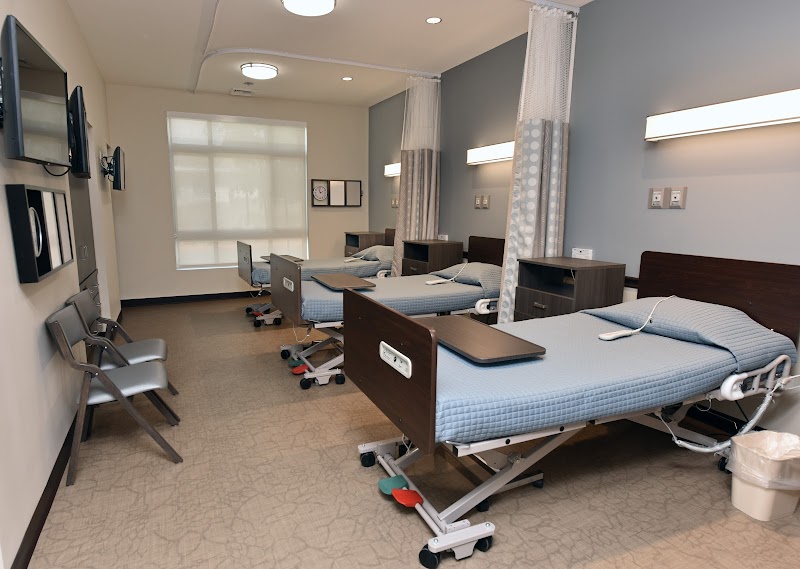
How is The Springs Center Staffed?

CMS rates THE SPRINGS HEALTH AND REHABILITATION CENTER's staffing level at 3 out of 5 stars, which is average compared to other nursing homes. Staff turnover is 40%, compared to the California average of 46%. This relatively stable workforce can support continuity of care.

What Have Inspectors Found at The Springs Center?

State health inspectors documented 32 deficiencies at THE SPRINGS HEALTH AND REHABILITATION CENTER during 2019 to 2025. These included: 1 that caused actual resident harm, 30 with potential for harm, and 1 minor or isolated issues. Deficiencies causing actual harm indicate documented cases where residents experienced negative health consequences.
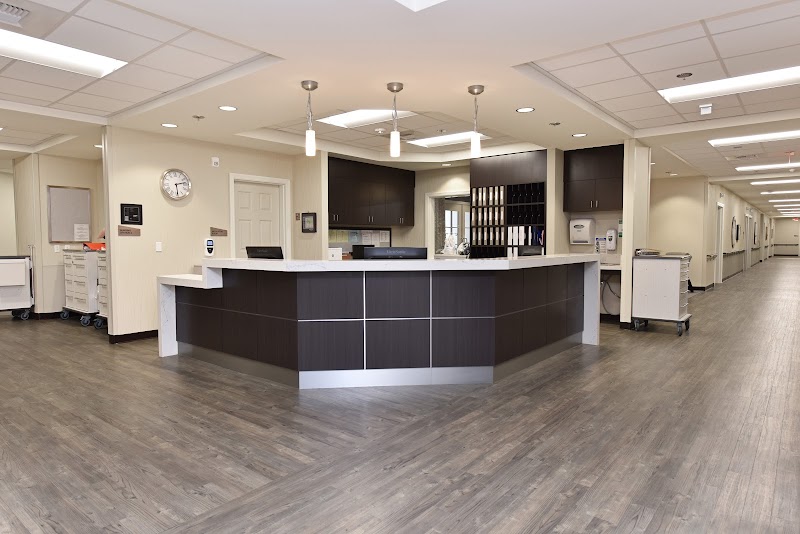
Who Owns and Operates The Springs Center?

THE SPRINGS HEALTH AND REHABILITATION CENTER is owned by a for-profit company. For-profit facilities operate as businesses with obligations to shareholders or private owners. The facility operates independently rather than as part of a larger chain. With 170 certified beds and approximately 160 residents (about 94% occupancy), it is a mid-sized facility located in MURRIETA, California.
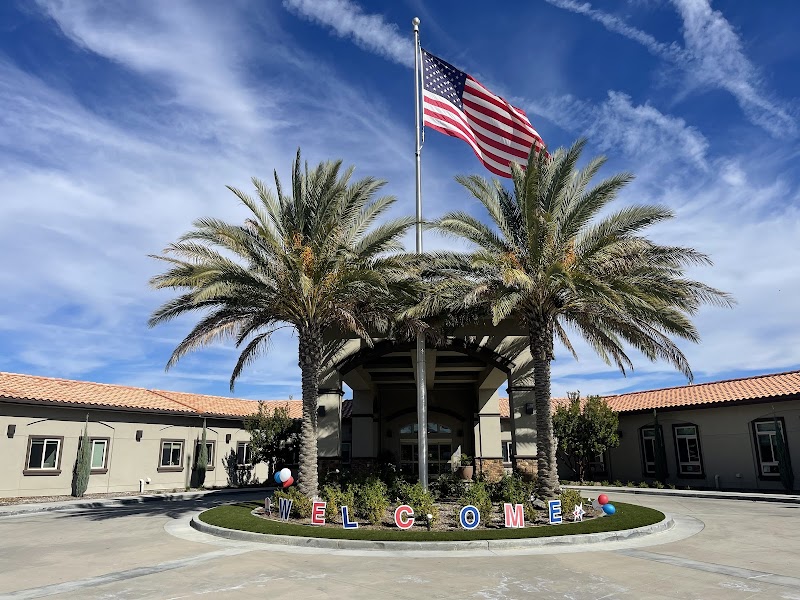
How Does The Springs Center Compare to Other California Nursing Homes?

Compared to the 100 nursing homes in California, THE SPRINGS HEALTH AND REHABILITATION CENTER's overall rating (4 stars) is above the state average of 3.2, staff turnover (40%) is near the state average of 46%, and health inspection rating (4 stars) is above the national benchmark.

What Should Families Ask When Visiting The Springs Center?

Based on this facility's data, families visiting should ask: "Can I visit during a mealtime to observe dining assistance and food quality?" "How do you handle medical emergencies, and what is your hospital transfer rate?" "Can I speak with family members of current residents about their experience?"

Is The Springs Center Safe?

Based on CMS inspection data, THE SPRINGS HEALTH AND REHABILITATION CENTER has a clean safety record: no substantiated abuse findings (meaning no confirmed cases of resident harm), no Immediate Jeopardy citations (the most serious violation level indicating risk of serious injury or death), and is not on the Special Focus Facility watch list (a federal program monitoring the lowest-performing 1% of nursing homes). The facility has a 4-star overall rating and ranks #1 of 100 nursing homes in California. While no facility is perfect, families should still ask about staff-to-resident ratios and recent inspection results during their visit.

Do Nurses at The Springs Center Stick Around?

THE SPRINGS HEALTH AND REHABILITATION CENTER has a staff turnover rate of 40%, which is about average for California nursing homes (state average: 46%). Moderate turnover is common in nursing homes, but families should still ask about staff tenure and how the facility maintains care continuity when employees leave.

Was The Springs Center Ever Fined?

THE SPRINGS HEALTH AND REHABILITATION CENTER has been fined $26,918 across 1 penalty action. This is below the California average of $33,348. While any fine indicates a compliance issue, fines under $50,000 are relatively common and typically reflect isolated problems that were subsequently corrected. Families should ask what specific issues led to these fines and confirm they've been resolved.

Is The Springs Center on Any Federal Watch List?

THE SPRINGS HEALTH AND REHABILITATION CENTER is not on any federal watch list. The most significant is the Special Focus Facility (SFF) program, which identifies the bottom 1% of nursing homes nationally based on persistent, serious quality problems. Not being on this list means the facility has avoided the pattern of deficiencies that triggers enhanced federal oversight. This is a positive indicator, though families should still review the facility's inspection history directly.