FRIENDSHIP MANOR NURSING & REHAB CENTER
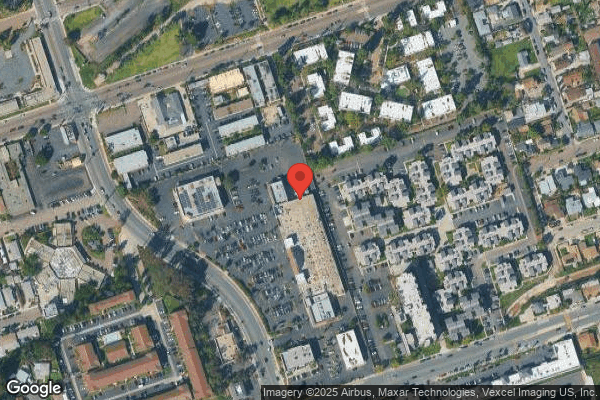
902 SOUTH EUCLID AVENUE, NATIONAL CITY, CA 91950 (619) 791-7700
For profit - Limited Liability company 104 Beds GENERATIONS HEALTHCARE Data: November 2025
Trust Grade
65/100
#78 of 1155 in CA
Last Inspection: August 2022

Over 2 years since last inspection. Current conditions may differ from available data.

Overview

Friendship Manor Nursing & Rehab Center has a Trust Grade of C+, indicating it is slightly above average, but not outstanding. With a state rank of #78 out of 1,155 facilities in California, they are in the top half, and at #9 out of 81 in San Diego County, only a few local options are better. The facility is improving, having reduced its issues from three in 2024 to two in 2025. Staffing is a strong point, rated 5 out of 5 stars, with a turnover rate of 39%, which is about average for California, and they have good RN coverage, surpassing 87% of state facilities. However, the facility has concerning fines totaling $368,649, which is higher than 99% of California homes, indicating potential compliance issues. Specific incidents include a failure to maintain sanitary food storage, which could lead to foodborne illnesses, and improper handling of a resident's urinary catheter, risking infection. Additionally, there were significant concerns regarding the timely delivery of prescribed pain medication for a resident, which could have caused unnecessary suffering. Overall, while the facility has strong staffing and is improving, families should be aware of these notable weaknesses.

Trust Score
C+
65/100
In California
#78/1155
Top 6%
Safety Record
High Risk
Review needed
Inspections
Getting Better
3 → 2 violations
Staff Stability
○ Average
39% turnover. Near California's 48% average. Typical for the industry.
Penalties
✓ Good
$368,649 in fines. Lower than most California facilities. Relatively clean record.
Skilled Nurses
✓ Good
Each resident gets 60 minutes of Registered Nurse (RN) attention daily — more than 97% of California nursing homes. RNs are the most trained staff who catch health problems before they become serious.
Violations
⚠ Watch
37 deficiencies on record. Higher than average. Multiple issues found across inspections.
★★★★★
5.0
Overall Rating
★★★★★
5.0
Staff Levels
★★★★★
5.0
Care Quality
★★★☆☆
3.0
Inspection Score
Stable
2024: 3 issues
2025: 2 issues

The Good

  • 5-Star Staffing Rating · Excellent nurse staffing levels
  • 5-Star Quality Measures · Strong clinical quality outcomes
  • Full Sprinkler Coverage · Fire safety systems throughout facility
  • No fines on record
  • Staff turnover below average (39%)

    9 points below California average of 48%

Facility shows strength in staffing levels, quality measures, fire safety.

The Bad

Staff Turnover: 39%

Near California avg (46%)

Typical for the industry

Federal Fines: $368,649

Well above median ($33,413)

Significant penalties indicating serious issues

Chain: GENERATIONS HEALTHCARE

Part of a multi-facility chain

Ask about local staffing decisions and management

The Ugly 37 deficiencies on record

Feb 2025 2 deficiencies
CONCERN (D) 📢 Someone Reported This

A family member, employee, or ombudsman was alarmed enough to file a formal complaint

Potential for Harm - no one hurt, but risky conditions existed

Drug Regimen Review (Tag F0756)

Could have caused harm · This affected 1 resident

**NOTE- TERMS IN BRACKETS HAVE BEEN EDITED TO PROTECT CONFIDENTIALITY** Based on interview and record review, the facility failed to ensure the pharmacy consultant identified irregularities during a m...

Read full inspector narrative →
**NOTE- TERMS IN BRACKETS HAVE BEEN EDITED TO PROTECT CONFIDENTIALITY** Based on interview and record review, the facility failed to ensure the pharmacy consultant identified irregularities during a medication regimen review for one of three residents (Resident 1) reviewed for medications. In addition, the facility failed to ensure a pharmacy recommendation for labs was acted upon for Resident 1. These failures placed resident 1 at risk for adverse consequences due to receiving an excessive dose of a medication, and lack of laboratory tests to monitor drug levels. Findings: According to the admission Record, Resident 1 was admitted to the facility on [DATE] with diagnoses which included kidney transplant and immunodeficiency (a weakened immune system) due to medications. A review of Resident 1 ' s After Visit Summary (a document from the hospital which provided instructions for Resident 1 and included a medication list) dated 9/19/24 indicated, tacrolimus (a medication given to organ transplant recipients designed to prevent organ rejection) 0.5MG capsule .Take 2 capsules (1mg) by mouth every morning AND 3 capsules (1.5mg) every evening . A record review of Resident 1 ' s Order Summary Report indicated, tacrolimus Oral Capsule 5mg Give 3 capsule by mouth in the morning for immunosuppression [lowering the body's ability to fight infection] . and Tacrolimus Oral Capsule 5mg .Give 3 capsule by mouth in the evening for immunosuppression . On 1/2/25 at 11:05 A.M., an interview was conducted with the Assistant Director of Nursing (ADON). The ADON stated when Resident 1 was admitted , all medication orders, including the dose, were verified with the primary care physician. After the orders were verified, an admission nurse used the Hospital After Visit Summary to transcribe Resident 1 ' s medications into the facility ' s Electronic Health Record (EHR). The ADON stated Resident 1 ' s tacrolimus order was mistakenly entered into the EHR for 5 mg instead of 0.5 mg. The ADON stated Once the orders are in [the EHR], the pharmacy lets us know if there are any issues . and a Medication Regimen Review (MRR—a review by a pharmacist of all medications a patient is currently using designed to prevent, identify, report and resolve medication-related problems, or other irregularities) is conducted by the pharmacy consultant. The ADON stated the error was not identified, and Resident 1 received the incorrect dose of tacrolimus throughout her stay at the facility. On 1/2/25 at 1:44 PM, a telephone interview was conducted with the Pharmacy Consultant (PC) 1. PC 1 stated he performed an Interim Medication Regimen Review (MRR) for Resident 1 on 9/20/24. PC 1 stated he did not identify the error in Resident 1 ' s tacrolimus dose. PC 1 stated during the Interim MRR, the After Visit Summary was not available in Resident 1 ' s chart. PC 1 stated the purpose of an Interim MRR was to ensure newly admitted residents ' medications were reviewed. PC 1 stated all future MRR ' s were performed monthly by another Pharmacy Consultant. PC 1 stated , .[The Interim MRR] is not intended to be an all-inclusive review .I ' m looking for things that would most likely to be harmful to [the resident] or to the practitioner . A review of Resident 1 ' s MRR dated 9/22/24 indicated, To comply with CMS regulations which require monitoring of drug-related lab work, please ask the MD if we can obtain an order for the following lab work for monitoring purposes .Tacrolimus . A review of resident ' s EHR did not indicate the laboratory tests were done to measure Resident 1's tacrolimus level per PC 2 ' s recommendations. On 1/13/25, a telephone interview was conducted with Pharmacy Consultant (PC) 2. PC 2 stated the recommendation to obtain a tacrolimus level was not done by the facility. PC 2 stated, .obtaining [tacolimus] levels would have identified an irregularity, yes. PC 2 stated a second recommendation to obtain Resident 1 ' s tacrolimus level was given to the facility on [DATE]. A review of Resident 1 ' s MRR dated 10/25/24 indicated, To comply with CMS regulations which require monitoring of drug-related lab work, please ask the MD if we can obtain an order for the following lab work for monitoring purposes: Lipids, Tacrolimus, HgA1c . A handwritten note under Follow-Through indicated, [Resident 1] D/C [discharged ] home. On 1/21/25 an interview was conducted with the Director of Nursing (DON). The DON stated, I would expect [the pharmacy] to find irregularities with any new admits [medications] .I would expect them to do a thorough review of medications . The DON stated it was important for pharmacy recommendations to be completed by the facility to prevent harm for patients if they receive medications. A review of the facility ' s policy titled Medication Regimen Reviews, revised May 2019, indicated, The MRR involves a thorough review of the resident ' s medical record to prevent, identify, report and resolve medication related problems, medication errors and other irregularities, for example: a. medications ordered in excessive doses .d. inadequate monitoring for adverse consequences .9. An irregularity .may also include the use of medication without adequate monitoring, in excessive doses, and or in the presence of adverse consequences .
CONCERN (D) 📢 Someone Reported This

A family member, employee, or ombudsman was alarmed enough to file a formal complaint

Potential for Harm - no one hurt, but risky conditions existed

Deficiency F0760 (Tag F0760)

Could have caused harm · This affected 1 resident

**NOTE- TERMS IN BRACKETS HAVE BEEN EDITED TO PROTECT CONFIDENTIALITY** Based on interview and record review, the facility failed to ensure one of three residents reviewed for medications (Resident 1)...

Read full inspector narrative →
**NOTE- TERMS IN BRACKETS HAVE BEEN EDITED TO PROTECT CONFIDENTIALITY** Based on interview and record review, the facility failed to ensure one of three residents reviewed for medications (Resident 1) was free from significant medication errors when the prescribed dose of tacrolimus (a medication given to organ transplant recipients designed to prevent organ rejection) was not given per physician ' s orders. This failure placed Resident 1 at risk for adverse effects and health decline. Findings: During a record review on 1/3/25, the admission Record indicated Resident 1 was admitted to the facility on [DATE] with diagnoses which included kidney transplant and immunodeficiency (the body ' s inability to fight against infection) due to drugs. The admission Record indicated Resident 1 was discharged home on [DATE]. During a record review on 1/3/25, the After Visit Summary (a document from the hospital which provided instructions for Resident 1 including a medication list) dated 9/19/24 indicated, tacrolimus 0.5MG capsule .Take 2 capsules (1mg) by mouth every morning AND 3 capsules (1.5mg) every evening [to equal 2.5 milligrams per day] . During a record review on 1/3/25, Resident 1 ' s Order Summary Report indicated, tacrolimus Oral Capsule 5mg Give 3 capsule by mouth in the morning for immunosuppression (lessen the body ' s ability to fight infection) . and Tacrolimus Oral Capsule 5mg .Give 3 capsule by mouth in the evening for immunosuppression [to equal 25 milligrams per day] . On 1/3/25 an interview was conducted with the Director of Staff Development (DSD). The DSD stated the medication tacrolimus was incorrectly entered into Resident 1 ' s chart as 5mg instead of 0.5mg when she was admitted . As a result, Resident 1 was given a total of 25mg per day, which is a higher amount of the medication than the physician ordered. On 1/3/25, a review of Resident 1 ' s Medication Administration Record indicated Resident 1 received 25mg daily for 29 out of 37 days during her admission. On 2/5/25 at 8:53 A.M., an interview was conducted with the Medical Director (MD). The MD stated it was important for Resident 1 to receive the correct dose of the medication. The MD stated a higher dose of the medication, .potentially could have led to adverse effects, such as infection . The MD stated it was his expectation for staff to administer the correct dose of the medication. A record review was conducted on 2/3/25. The facility ' s policy titled Administering Medications revised 4/19 indicated, Medications are administered in a safe and timely manner, as prescribed .
Jun 2024 1 deficiency
CONCERN (D) 📢 Someone Reported This

A family member, employee, or ombudsman was alarmed enough to file a formal complaint

Potential for Harm - no one hurt, but risky conditions existed

Deficiency F0726 (Tag F0726)

Could have caused harm · This affected 1 resident

**NOTE- TERMS IN BRACKETS HAVE BEEN EDITED TO PROTECT CONFIDENTIALITY** Based on interviews and record reviews, the facility failed to ensure one of four nursing staff reviewed had the required contin...

Read full inspector narrative →
**NOTE- TERMS IN BRACKETS HAVE BEEN EDITED TO PROTECT CONFIDENTIALITY** Based on interviews and record reviews, the facility failed to ensure one of four nursing staff reviewed had the required continuing education and state certifications for working with the facilty resident population. This failure placed up to 11 residents at risk for harm due to a lack of required education related to patient care. Findings: On [DATE] an unannounced visit was made to the facility in response to a Facility Reported Incident. On [DATE], at 10:24 A.M., a record review of a facility Performance Improvement Plan (PIP), dated [DATE], and interview was held with the Director of Nursing, (DON), and the Administrator (ADM). The PIP reflected a Certified Nursing Assistant (CNA 1) had an expired license as of [DATE], but had been working full time assisting residents and providing care. The ADM stated that there was a lapse in checking licenses; the current Director of Staff Development (DSD) was transferred from another position and was unaware of the cancelling of the COVID blanket waiver that allowed a CNA to work for a period of time without a license due to delays in issuing licenses. On [DATE] at 10:44 A.M., a record review of CNA 1's personnel file was held with the DSD. CNA 1's employment application, dated [DATE], reflects CNA license number 0120xxxx. CNA 1's CNA license was issued [DATE], and expired [DATE]. The last employee review, dated [DATE] reflected that CNA 1 needed to attend required trainings and complete the CNA renewal. Also, CNA 1 had a position change, effective [DATE], from CNA to Direct Care Partner (DCP). On [DATE] at 10:58 the Director of Nursing (DON) was interviewed regarding the differences between a CNA and a DCP. The DON stated the DCP does not involve patient care. DCP tasks would be to assist with interviews, do paperwork, fetch tissues, any non-care task; a DCP could not assist with dressing, feeding, brushing hair or teeth, or any other resident care. The DON also stated that CNA 1 was utilized as a CNA, providing care, until [DATE]. The DON stated there was an unawareness of the change in status for CNA 1 from CNA to DCP in [DATE]. On [DATE] at 12:15 P.M., an interview was held with the DSD. The DSD confirmed that CNA 1 still does not have a new license. The DSD stated she is now aware that CNA 1 should not have been on the schedule to work with a resident providing care. On [DATE] at 2:03 P.M. a second interview was held with the DON and the ADM. The ADM stated having unlicensed staff giving direct care could cause harm to residents; not enough training for the requirements needed to care for the residents. The DON stated for patient safety, personnel need to have knowledge to take care of the resident's medical needs. The document, Duties and Responsibilities of the In-Service Director/Educator (DSD), dated 2003, reflected Administrative Functions include: .Assist licensed nursing personnel (i.e. RNs, LVNs, and Nurse Aides) in obtaining in-service training to keep their license current in accordance with state law.
Jun 2024 1 deficiency
CONCERN (D) 📢 Someone Reported This

A family member, employee, or ombudsman was alarmed enough to file a formal complaint

Potential for Harm - no one hurt, but risky conditions existed

Abuse Prevention Policies (Tag F0607)

Could have caused harm · This affected 1 resident

Based on interview and record review, the facility failed to ensure staff completed annual Federal mandatory abuse training for one of one employee (licensed nurse 1 {LN 1}, reviewed for abuse. As a r...

Read full inspector narrative →
Based on interview and record review, the facility failed to ensure staff completed annual Federal mandatory abuse training for one of one employee (licensed nurse 1 {LN 1}, reviewed for abuse. As a result, all residents were at risk for possible staff to resident abuse (verbal, physical, financial, sexual, neglect and isolation). Findings: On 5/30/24 an unannounced visit was made to the facility in response to a complaint with an allegation of abuse. A record review was conducted on 5/30/24 at 11:54 A.M., of LN 1's employee file. LN 1 was hired in 5/21/18. LN 1's employee file did not contain evidence of annual mandatory abuse training. Proof of LN 1's last abuse training was requested from the Director of Staff Development (DSD). An interview was conducted with certified nursing assistant 1 (CNA 1) on 5/30/24 at 12:23 P.M. CNA 1 stated abuse training was mandatory and should be done at last once a year. CNA 1 stated abuse training was provided in-person by the DSD and a course was also available on-line. CNA 1 stated abuse training was important to keep the resident's safe and to remind staff what could be considered abuse. An interview and record review was conducted with the DSD on 5/30/24 at 12:33 P.M. Documentation was provided of LN 1 last attending an in-person abuse training on 12/29/22. The DSD stated LN 1 was hired on 5/21/18, then went on leave from 6/20/23 through 2/15/24. The DSD stated she could not find any documentation evidence LN 1 had any abuse training since returning to work February 2024. The DSD stated the facility offered abuse training both in-person and on-line every quarter. The last training was in January 2024. The DSD stated LN 1 should have been provided abuse training upon return in February 2024, but was not. An interview was conducted with the Director of Nursing (DON) on 5/30/24 at 12:41 P.M. The DON stated abuse training was provided to staff and was mandatory on an annual basis. The DON stated the facility often conducts abuse training to staff after any allegations of abuse. The DON stated the training was important for all staff, so they could recognize and handle different situations with residents, to avoid future allegations of abuse. The DON stated LN 1 did not have his annual abuse training and he should have, immediately upon return to work in February 2024. According to the facility's policy, titled In-Service Training, Resident Rights, dated August 2006, .1. All employees are required to attend out facility's resident rights and abuse prevention program in-service training sessions prior to having any resident contact. 2. Our facility's resident rights abuse prevention in-service programs consist of the following information: .b. A review of the facility's abuse prevention and reporting policies and procedures .
Jan 2024 1 deficiency
CONCERN (D) 📢 Someone Reported This

A family member, employee, or ombudsman was alarmed enough to file a formal complaint

Potential for Harm - no one hurt, but risky conditions existed

Comprehensive Care Plan (Tag F0656)

Could have caused harm · This affected 1 resident

**NOTE- TERMS IN BRACKETS HAVE BEEN EDITED TO PROTECT CONFIDENTIALITY** Based on interview and record review, the facility failed to ensure the licensed nurse (LN) re-checked the resident's blood pres...

Read full inspector narrative →
**NOTE- TERMS IN BRACKETS HAVE BEEN EDITED TO PROTECT CONFIDENTIALITY** Based on interview and record review, the facility failed to ensure the licensed nurse (LN) re-checked the resident's blood pressure (BP - a measure of the heart pumping blood around the body) after administering the medication as ordered by the physician for 1 of 4 sampled residents (1). This failure could delay Resident 1's care needs. Findings: Resident 1 was admitted to the facility on [DATE] with diagnoses that included hypertension (high blood pressure), per the admission Record. A review of Resident 1's medical record was conducted. Per the Physician's Order dated 9/29/23, the LN was to administer Clonidine Hydrochloride (a medication to lower the BP) three times a day as needed, give if the systolic BP is greater than 160, and re-check the BP after 15 minutes. Per the Resident 1's Weight and Vital Signs Summary: On 1/7/24 at 8 A.M., Resident 1's BP was 184/94 On 1/7/24 at 8:13 A.M., Resident 1's BP was 162/84 On 1/7/24 at 9:40 A.M., Resident 1's BP was 102/54 On 1/7/24 at 10:35 A.M., Resident 1's BP was 102/84 A review of Resident 1's Medication Administration Record, dated 1/7/24. LN 4 administered Lisinopril (a medication to lower the BP) 40 milligrams (mg) and Clonidine Hydrochloride 0.1 mg for a BP reading of 162/84. There was no documented evidence that Resident 1's BP was re-checked after 15 minutes. On 1/18/24 at 3:45 P.M., an interview was conducted with LN 4. LN 4 stated that the Certified Nursing Assistant (CNA) told her Resident 1's BP was 180, and she checked the BP with a manual BP machine, which was 160 plus [162/84]. LN 4 stated Resident 1 had routine BP medication and an as-needed order, and she administered the medicines together. LN 4 further said she continued her medication administration and saw Resident 1 when the family member was present and requested assistance around 10 A.M. On 1/24/24 at 3:15 P.M., an interview was conducted with the Director of Nursing (DON). The DON stated the physician's order was to give Clonidine when the BP was above 160 and to re-check in 15 minutes; the LN should have followed the physician's order, and there was no evidence that the LN did so. Per the facility's policy and procedure, titled Physician Orders, dated 1/17, Orders for medications and treatments will be consistent with principles of safe and effective order .
Feb 2023 1 deficiency
CONCERN (D) 📢 Someone Reported This

A family member, employee, or ombudsman was alarmed enough to file a formal complaint

Potential for Harm - no one hurt, but risky conditions existed

Abuse Prevention Policies (Tag F0607)

Could have caused harm · This affected 1 resident

**NOTE- TERMS IN BRACKETS HAVE BEEN EDITED TO PROTECT CONFIDENTIALITY** Based on interview and record review the facility failed to ensure the staff followed the facility ' s policy on abuse when the ...

Read full inspector narrative →
**NOTE- TERMS IN BRACKETS HAVE BEEN EDITED TO PROTECT CONFIDENTIALITY** Based on interview and record review the facility failed to ensure the staff followed the facility ' s policy on abuse when the alleged staff was assigned to the Resident (1) for the rest of the shift after an allegation of abuse. As a result, there was a potential Resident 1 was unprotected from further abuse. Findings: Resident 1 was admitted to the facility on [DATE] with diagnoses which included schizoaffective disorder. A record review of Licensed Nurse (LN) 1's progress note, dated 1/16/23 at 12 A.M., indicated Certified Nurse Assistant (CNA) 21 informed LN 1 and LN 2 Resident 1 had accused CNA 21 of sexual abuse and kicking. The note did not indicate the Administrator (ADM), or other authority were immediately notified of the alleged abuse. On 1/30/23 at 10:17 A.M., an interview was conducted with CNA 22. CNA 22 stated if there was an allegation of patient abuse, a report must be made immediately to the charge nurses and the ADM. On 1/30/23 at 10:54 A.M., an interview was conducted with LN 2. LN 2 stated she was working the night the Resident 11 made an allegation of abuse against CNA 21. LN 2 stated she did not inform the ADM of the allegation until later that morning. LN 2 stated when a resident made an allegation of abuse, a report should be made immediately to the ADM and the incident must be documented. On 1/30/23 at 11:40 A.M., an interview was conducted with the ADM. The ADM stated the staff should have reported the allegation of abuse to the ADM immediately. The ADM stated she was notified of the allegation of abuse later in the morning. The ADM stated the LN should have reported it to the charge nurse and assigned another CNA or LN to provide care to Resident 11 for the rest of the shift. On 1/30.23 at 12:53 P.M., an interview with LN 3 was conducted. LN 3 stated an allegation of abuse by a resident should be reported to the ADM right away. LN 3 stated the alleged staff should not have taken care of the resident anymore. On 1/30/23 at 1:30 P.M., an interview was conducted with the Director of Nursing (DON). The DON stated LN 1 was the nurse assigned to Resident 1 on the overnight shift. The DON stated, LN 1 did not report the allegation to anyone during his shift. On 1/30/23 at 1:53 P.M., an interview was conducted with the Director of Staff Development (DSD). The DSD stated LN 1 reported the abuse allegation in the morning. The DSD stated the CNA should not have been assigned to the resident for the rest of the shift and should have been suspended. On 1/30/23 at 4:31 P.M., an interview was conducted with LN 1. LN 1 stated he was informed the allegation occurred when CNA 21 was providing toileting assistance to Resident 1. LN 1 stated he did not witness the event. LN 1 stated CNA 21 continued to work with Resident 1 for the rest of the shift. LN 1 stated he notified the DSD at the end of the shift when the DSD arrived at the facility the morning of 1/16/23. LN 1 stated the facility policy was to report allegations of abuse as soon as possible or at least by the end of the shift. LN 1 stated, if it was required to be reported immediately to the administrator, it was my fault, that did not happen. On 1/31/23 at 8:32 A.M., an interview was conducted with CNA 21. CNA 21 stated the allegation of rape and hitting happened around 12 A.M. on 1/16/23 when she was cleaning Resident 1 after a bowel movement. CNA 21 stated she continued to work with Resident 1 for the remainder of the shift. A record review of the facility's policy titled Abuse, Neglect, Exploitation or Misappropriation - Reporting and Investigating, revised September 2022, indicated: 1. If resident abuse, neglect, exploitation, misappropriation of resident property or injury of unknown source is suspected, the suspicion must be reported immediately to the administrator and to other officials according to state law. 2.Immediately is defined as: 3. Within two hours of an allegation involving abuse or result in serious bodily injury; or
Nov 2022 1 deficiency
CONCERN (D) 📢 Someone Reported This

A family member, employee, or ombudsman was alarmed enough to file a formal complaint

Potential for Harm - no one hurt, but risky conditions existed

Report Alleged Abuse (Tag F0609)

Could have caused harm · This affected 1 resident

**NOTE- TERMS IN BRACKETS HAVE BEEN EDITED TO PROTECT CONFIDENTIALITY** Based on interview and record review, the facility failed to ensure the staff followed policy and procedure when the staff did n...

Read full inspector narrative →
**NOTE- TERMS IN BRACKETS HAVE BEEN EDITED TO PROTECT CONFIDENTIALITY** Based on interview and record review, the facility failed to ensure the staff followed policy and procedure when the staff did not report an allegation of verbal abuse for one of three sampled residents (Resident 3). As a result, Resident 3 was not protected from inappropriate language use from another resident. Findings: Resident 2 was admitted to the facility on [DATE] with diagnoses which included dementia (problem with memory). Resident 3 was admitted to the facility on [DATE] with diagnoses which included dementia. On 11/21/22 a review of records was conducted. Per Resident 2 ' s Behavior Note dated 11/15/22 at 11:40 PM, indicated Resident 2 made inappropriate language and comments to Resident 3 throughout the evening shift. On 11/21/22 at 4:43 P.M, an interview with Licensed Nurse (LN) 3 was conducted. LN 3 stated Resident 2 and 3 were roommates on 11/15/22, evening shift. LN 3 stated she heard Resident 2 said bad words to Resident 3 and to the staff. LN 3 stated since Resident 2 was not physically threatening to Resident 3, she did not think it needed to be reported. On 11/21/22 at 4:53 P.M., an interview with the Director of Nursing (DON) was conducted. The DON stated the staff should have reported the alleged incident between Resident 2 and Resident 3. The DON stated an investigation should have been conducted on the incident. On 11/21/22 at 5:09 P.M., an interview with LN 4 was conducted. LN 4 stated the language Resident 2 used were considered aggressive and said without respect to Resident 3 and was a form of verbal abuse. LN 4 stated this incident should have been reported to the Director of Nursing (DON), Administrator (ADM) and Social Services (SS). On 11/21/22 at 5:24 P.M., an interview with the ADM and DON was conducted. The ADM stated LN 3 should have reported it to her. The ADM stated Resident 2 and Resident 3 should have been separated immediately and monitored. On 11/22/22 at 11:57 A.M., an interview with CNA 4 was conducted. CNA 4 stated on 11/15/22, he and everyone heard Resident 2 was verbally aggressive and used inappropriate language to Resident 3. CNA 4 stated this incident should have been reported to the ADM who was the facility ' s abuse coordinator. On 11/22/22 at 1:50 P.M., an interview with the Director of Social Services (DSS) was conducted. The DSS stated any incident where a resident used inappropriate or threatening language to another resident should have been reported to the DON and ADM and appropriate agencies notified. Per the facilty ' s policy and procedure titled Abuse, Neglect, Exploitation or Misappropriation- Reporting and Investigating, revised 09/2022, .Policy Interpretation and Implementation .1. If resident abuse, .is suspected, the suspicion must be reported immediately to the administrator and to other officials according to state law.
Aug 2022 13 deficiencies
CONCERN (D)

Potential for Harm - no one hurt, but risky conditions existed

Deficiency F0658 (Tag F0658)

Could have caused harm · This affected 1 resident

**NOTE- TERMS IN BRACKETS HAVE BEEN EDITED TO PROTECT CONFIDENTIALITY** Based on interview and record review, the facility failed to ensure professional standards of practice were followed for one of ...

Read full inspector narrative →
**NOTE- TERMS IN BRACKETS HAVE BEEN EDITED TO PROTECT CONFIDENTIALITY** Based on interview and record review, the facility failed to ensure professional standards of practice were followed for one of 21 sampled residents (48) when the physician's orders were not clarified and transcribed correctly. This failure resulted in the physician's order not being followed. Findings: Resident 48 was admitted to the facility on [DATE] with diagnoses which included diabetes mellitus (too much sugar circulating in your blood stream), per the facility's admission Record. On 8/10/22 at 2:48 P.M., Resident 48's record review was conducted. Resident 48 was discharged to the general acute hospital on 6/15/22 due to chest pain and she was readmitted back to the facility on 6/17/22. The Medication Reconciliation / Physician Order Form from the acute hospital, was signed as a physician telephone order dated 6/17/22, indicated the list of medications that Resident 48 would continue to take, medications to stop, and new medications. On 8/10/22 at 3:07 P.M., an interview was conducted with Licensed Nurse (LN) 31. The LN 31 stated, Resident 48 was receiving Humalog Insulin (medication for blood sugar) according to her Insulin sliding scale (Medication dose based on the blood sugar level). On 8/11/22 at 10:26 A.M., a concurrent interview with LN 32 and review of Resident 48 record was conducted. LN 32 stated, the Medication Reconciliation/Physician Order Form received from the acute hospital on 6/17/22, was not transcribed correctly into Resident 48's record. LN 32 stated the order for Humalog Insulin sliding scale was missing the additional instruction which indicated If patient receives evening snack (2100), administer one-half (1/2) the calculated sliding scale dose. LN 32 reviewed Resident 48's Medication Administration Record (MAR) and stated that Resident 48 received full dose of Humalog Insulin sliding scale dose at bedtime (2100) since June 18,2022 until August 10,2022. On 8/11/22 at 10 A.M., an interview was conducted with CNA 36. CNA 36 stated, Resident 48 received snacks at night. On 8/11/22 at 10:51 A.M., an interview was conducted with Resident 48. Resident 48 stated she received snacks at night. On 8/11/22 at 11:30 A.M., an interview was conducted with the DON. The DON stated, Medication Reconciliation /Physician Order Form from the acute hospital must be transcribed by the LN correctly and clarified with the physician, if needed. A review of the facility's provided policy, dated November 2017, titled Physician Medication Orders, indicated . 4. orders must be transcribed immediately in the resident's chart by the person receiving the order .
CONCERN (D)

Potential for Harm - no one hurt, but risky conditions existed

Quality of Care (Tag F0684)

Could have caused harm · This affected 1 resident

**NOTE- TERMS IN BRACKETS HAVE BEEN EDITED TO PROTECT CONFIDENTIALITY** Based on observation, interview, and record review, the facility failed to ensure the manufacturer's setting for air loss mattre...

Read full inspector narrative →
**NOTE- TERMS IN BRACKETS HAVE BEEN EDITED TO PROTECT CONFIDENTIALITY** Based on observation, interview, and record review, the facility failed to ensure the manufacturer's setting for air loss mattress was followed for one of 21 sampled residents (Resident 339). This failure had the potential to affect Resident 339's skin integrity and comfort. Findings: Resident 339 was admitted to the facility on [DATE] with diagnoses which included acute osteomyelitis of right and left ankle foot (infection of the bone), diabetes mellitus (too much sugar circulating in your body), non- pressure chronic ulcer of right and left foot (sore caused by poor circulation) and cellulitis of right and left lower limb (infection of the skin), per the facility's admission Record. On 8/9/22 at 11:04 A.M., an observation and interview were conducted with Resident 339. Resident 339 was in his bed. Resident 339 was awake and responded verbally. He stated he was tired after his therapy. Resident 339 stated dressing on his right and left lower leg were changed daily. Resident 339 observed to have an air loss mattress in his bed. The air loss mattress setting was set on # 5 or equivalent to 210 pounds. Resident 339 stated his weight was about 300 pounds. On 8/10/22 at 9:17 A.M., an observation and interview were conducted with Resident 339. Resident 339 was in bed and stated that he had pain in his indwelling catheter site (soft, plastic or rubber tube that is inserted into the bladder to drain the urine) and uncomfortable in bed. Resident 339 refused his dressing changed and repositioned in bed. Resident 339 air loss mattress setting was #5 or equivalent to 210 pounds. On 8/10/22 at 10:06 A.M., an interview was conducted with Licensed Nurse (LN) 31. LN 31 stated the setting for Resident 339 air loss mattress was incorrect. The mattress setting should have been based on resident's weight. LN 31 stated that Resident 339 air loss mattress should have been set at # 7 which was equivalent to his weight. Joint record review was conducted with LN 31. LN 31 stated Resident 339 weight as of 8/6/22 was 300.2 lbs. On 8/10/22 at 10:12 P.M., an interview was conducted with LN 41. LN 41 stated, Resident 339 air loss mattress was set to #5. LN 41 stated, the number displayed on the panel should have been based on the weight and comfort of the resident. On 8/10/22 at 10:31 A.M., a joint record review and interview was conducted with the DON. The DON stated correct setting for the air loss mattress was very important to prevent skin breakdown and distribute the patient's body weight. A review of the user manual for air loss mattress, provided by the facility, page 22 indicated . The Comfort Control LED displays the patient comfort pressure levels from 0-9 and provides a guide to the caregiver to set approximate comfort pressure level depending on the patient weight .
CONCERN (D)

Potential for Harm - no one hurt, but risky conditions existed

Accident Prevention (Tag F0689)

Could have caused harm · This affected 1 resident

**NOTE- TERMS IN BRACKETS HAVE BEEN EDITED TO PROTECT CONFIDENTIALITY** Based on observation, interview and record review, the facility failed to ensure that fall prevention interventions were impleme...

Read full inspector narrative →
**NOTE- TERMS IN BRACKETS HAVE BEEN EDITED TO PROTECT CONFIDENTIALITY** Based on observation, interview and record review, the facility failed to ensure that fall prevention interventions were implemented for one Resident (64). In addition, the facility failed to ensure adequate supervision to residents when an exit door was propped open. This failure caused Resident 64 to experience a fall and the potential for residents to go outside the facility without staff supervision. Findings: 1. Resident 64 was admitted to the facility on [DATE] with diagnoses that included right sided stroke and hemiparesis (muscle weakness that affects one side of the body) and hemiplegia (partial paralysis on one side of the body), per the facility's admission Record. An observation of Resident 64 was conducted on 8/8/22 at 3:00 P.M. Resident 64 was reclining in bed watching TV. A review of Resident 64's fall risk assessment, dated, 7/5/22 indicated a score of 20 (high risk). A review of Resident 64's record was conducted on 8/9/22 at 9:15 A.M. The record indicated Resident 64 had a fall on 7/24/22. The change of condition (COC): indicated .patient had an assisted fall @ 9:30. During the transfer from bed to wheelchair (w/c), the left side of the w/c started to roll, causing the patient weights shifted on her right sided weakness, CNA eased her down to the floor . An interview was conducted on 8/10/22 at 9:32 A.M., with certified nurse assistant (CNA) 11. CNA 11 stated, Resident fell while I was transferring her; she is a 2-person transfer; I assisted her to the ground. I called for help (for the transfer) and I should have waited for help and done a 2-person transfer. The ADL (activities of daily living) care plan says 1-2 person transfer. An interview was conducted with the director of nursing (DON) on 8/10/22 at 9:57 A.M. The DON stated, The CNA could not support the resident's weight; the resident sometimes needs 2 person assist, care plan says 1-2. A joint interview was conducted with the DON and Administrator (admn) on 8/11/22 at 11:13 A.M. The admn and DON stated, The CNA should have called for help to prevent falls. A review of the facility's policy, dated 4/2018, titled, Fall/Accident Management, indicated, .the facility strives to provide each resident with adequate supervision and assistance to minimize the risks associated with falls . 2. On 8/8/22 at 12:50 P.M., an observation was conducted during the initial screening. The exit door leading to the smoking area was opened. The door was propped with a piece of wood. An unsampled resident (55) was seen wheeled outside the door by a visitor; no alarm was triggered and no staff present at the smoking area. A sign inside the door above the fire alarm indicated Close door at all times. On 8/8/22 at 1:02 P.M., an interview was conducted with CNA 37. CNA 37 stated the door should be closed at all times. CNA 37 stated, the door was propped open during the smoking time. The door will alarm only for those residents who have WanderGuard bracelet (a device that trigger alarm for residents trying to leave unattended) On 8/8/22 at 1:10 P.M., an interview was conducted with the admission Coordinator, who was assigned to supervised residents during the scheduled smoking time. The admission Coordinator stated, the exit door should be closed at all times to make sure residents were monitored and supervised during smoking times. On 8/9/22 at 4:03 P.M., an observation of the exit door propped open. An interview was conducted with CNA 38. CNA 38 stated, the exit door was opened with a piece of wood until 5:00 P.M. Residents were observed going in and out of the exit door. There was no staff at the smoking area. On 8/11/22 at 7:30 A.M., an interview was conducted with the Maintenance Director. The Maintenance Director stated, all exit door should be closed at all times and should not be propped open to ensure the safety of the residents. On 8/11/22 at 11:36 A.M., an interview with the DON was conducted. The DON stated, exit doors should be closed at all times. A review of the facility's policy, dated 7/1/20, titled Safety Supervision of Residents, indicated . Resident safety and supervision and assistance to prevent accidents are facility - wide priorities . Resident supervision is a core component of the system approach to safety . The facility did not provide a specific policy regarding doors.
CONCERN (D)

Potential for Harm - no one hurt, but risky conditions existed

Tube Feeding (Tag F0693)

Could have caused harm · This affected 1 resident

Based on observation, interview and record review, the facility failed to provide appropriate care and treatment to a Gastrostomy Tube (GT, a tube placed surgically directly into to the stomach to del...

Read full inspector narrative →
Based on observation, interview and record review, the facility failed to provide appropriate care and treatment to a Gastrostomy Tube (GT, a tube placed surgically directly into to the stomach to deliver liquid food) for one of one sampled resident (Resident 82) when the LN did not verify GT placement prior to administering medication. This failure increased the risk for Resident 82 to develop complications related to improper GT placement. Findings: During a medication pass observation on 8/8/22 at 9:28 A.M., at North Station, Hall 1, with LN 60. LN 60 prepared Resident 82's medications which included a valproic acid (medication for seizures and mental disorders). LN 60 used a stethoscope (medical instrument for detecting sounds) to hear Resident 82's bowel sound. LN 60 then administered Resident 82's medications through the GT and restarted the liquid food. During an interview on 8/8/22 at 4:25 P.M., with LN 60. LN 60 acknowledged she did not check Resident 82's gastric residual volume prior to administering valproic acid. LN 60 stated, We are supposed to check gastric residual volume [GT placement] before giving medication. During an interview on 8/8/22 at 4:32 P.M., with the DSD. The DSD stated, the nursing staff was expected to check gastric residual volume for residents with GT prior to administering medications. The DSD stated, We want to make sure resident not getting too much fluid. During an interview on 8/11/22 at 2:29 P.M., with the DON. The DON stated, Prior to administering medications, nurse should be checking placement for any G-tube medication by aspirating prior to medication administration to verify placement and verify medication correctly . patient could be at risk for vomiting or aspiration if they have too much fluid, so important to check fluid volume . During a review of ASPEN Safe Practices for Enteral Nutrition Therapy, a nationally recognized guideline for enteral nutrition indicated, A gastric residual volume of between 250 and 500 mL should lead to implementation of measures to reduce risk of aspiration
CONCERN (D)

Potential for Harm - no one hurt, but risky conditions existed

Respiratory Care (Tag F0695)

Could have caused harm · This affected 1 resident

**NOTE- TERMS IN BRACKETS HAVE BEEN EDITED TO PROTECT CONFIDENTIALITY** Based on observation, interview, and record review, the facility failed to obtain and follow physician's order for residents rec...

Read full inspector narrative →
**NOTE- TERMS IN BRACKETS HAVE BEEN EDITED TO PROTECT CONFIDENTIALITY** Based on observation, interview, and record review, the facility failed to obtain and follow physician's order for residents receiving oxygen therapy for two of four sampled residents (Resident 25,340). This deficient practice had the potential to result in complications from lack of or excessive oxygen therapy. Findings: 1. Resident 25 was admitted to the facility on [DATE] with diagnoses which included chronic obstructive pulmonary disease (cause airflow blockage and breathing-related problems), per the facility's admission Record. On 8/9/22 at 1:45 P.M, an observation with Resident 25 was conducted inside the resident's room. Resident 25 was in her bed and wore a nasal cannula (device used to deliver oxygen through the nose). The oxygen was set and delivered at 4.5 L(litter)/min. On 8/10/22 at 9:39 A.M., an observation was conducted with Resident 25. Resident 25 observed in her bed without an oxygen. On 8/10/22 at 2:44 P.M., a concurrent observation with Resident 25 and an interview with certified nurse assistant (CNA) 36 was conducted. Resident 25 was observed in bed without an oxygen. CNA 36 stated, Resident 25 required oxygen when her blood saturation level was low. On 8/10/22 at 3:13 P.M., an interview was conducted with the Licensed nurse (LN )31. The LN 31 stated, Resident 25 did not require oxygen therapy. Oxygen therapy would have been administered when Resident 25 oxygen saturation level was low. On 8/10/22 at 3:15 P.M., a concurrent record review and interview with LN 31 was conducted. Resident 25's physician order, dated 8/2/22, indicated Oxygen at 2 liters per minute every shift. LN 31 stated, Resident 25 should have received oxygen at 2L/min at all times. A review of Resident 25's undated care plan indicated, Resident 25 oxygen setting was at 2 liters per minute via nasal cannula every shift. 2. Resident 340 was admitted to the facility on [DATE] with diagnoses which included cancer of the prostate, per the facility's admission Record. On 8/9/22 at 1:54 P.M., an observation of Resident 340 was conducted in his room. Resident 340 had an oxygen set at 3L (litter)/ (per) minute through nasal cannula (device used to deliver oxygen through the nose). On 8/10/22 at 12:12 P.M., a concurrent observation with Resident 340 and an interview with CNA 36 was conducted. Resident 340 was in bed with the oxygen set at 3.5 L per minute through nasal cannula. CNA 36 stated resident 340 used oxygen at all times. On 8/10/22 at 12:27 P.M., concurrent record review and interview with the LN 31 was conducted. LN 31 stated there was no physician order found for oxygen therapy. LN 31 further stated, Oxygen therapy should have a physician's order. On 8/11/22 at 11:40 A.M., an interview was conducted with the Director of Nursing (DON). The DON stated, licensed staff should have obtained and followed physicians order related to oxygen therapy to make sure that residents received the proper oxygen treatment. A review of the facility policy titled, Oxygen Administration, dated, 7/1/2020, indicated, .1. Verify that there is a physician's order for this procedure. Review the physician's orders or facility protocol for oxygen administration .
CONCERN (D)

Potential for Harm - no one hurt, but risky conditions existed

Deficiency F0698 (Tag F0698)

Could have caused harm · This affected 1 resident

**NOTE- TERMS IN BRACKETS HAVE BEEN EDITED TO PROTECT CONFIDENTIALITY** Based on observation, interview and record review, the facility failed to ensure a fluid restriction order for a resident (390) ...

Read full inspector narrative →
**NOTE- TERMS IN BRACKETS HAVE BEEN EDITED TO PROTECT CONFIDENTIALITY** Based on observation, interview and record review, the facility failed to ensure a fluid restriction order for a resident (390) having dialysis was followed. This failure had the potential to cause fluid overload for the resident. Findings: Resident 390 was admitted to the facility on [DATE] with diagnoses that included end-stage renal disease (kidneys stop working) and dependence on renal dialysis (removes waste products and excess fluid from the blood) per the facility's admission Record. On 8/09/22 at 9:28 A.M., and observation was conducted for Resident 390. Resident 390 was in bed, alert, and eating breakfast (eggs,juice,milk). In addition, there were two plastic (16.9 ounces) water bottles on the overbed table. On 8/10/22 at 8:30 A.M., a review of Resident 390's medical record was conducted. A physician's order, dated 8/8/22, indicated, fluid restriction 1200 mL (milliliters)/day. On 8/10/22 at 8:56 A.M. a concurrent record review and interview was conducted with the charge nurse (CN). The CN stated, The water bottles should not be there, he is on fluid restriction of 1200 cc per day. Any additional water can cause fluid overload. On 8/11/22 at 11:16 A.M., a joint interview was conducted with the Administrator (admn) and the Director of Nursing (DON). The DON stated, The nursing staff should assess compliance with fluid restriction; it is important so residents can reach their goals. A review of the facility's policy dated,11/2017, titled, Dialysis Management, Purpose: to provide residents who require dialysis care, services consistent with professional standards of practice .
CONCERN (D)

Potential for Harm - no one hurt, but risky conditions existed

Pharmacy Services (Tag F0755)

Could have caused harm · This affected 1 resident

Based on interview, and record review, the facility failed to implement its pharmaceutical policies and procedures when nursing staff did not ensure accurate controlled substance (CS, medications that...

Read full inspector narrative →
Based on interview, and record review, the facility failed to implement its pharmaceutical policies and procedures when nursing staff did not ensure accurate controlled substance (CS, medications that can be easily abused and are under strict government control) accountability for two of two CS records reviewed (for Residents 40 and 88). This failure had the potential for diversion (used illegally) of controlled substance medications (a drug that can be abused or cause addiction). Findings: During an observation on 8/9/22 at 11:18 A.M., with LN 31 at the medication cart on South Station, Hall 3 was inspected. The medication cart was observed to have hydrocodone-acetaminophen (controlled pain medication) 5-325 milligrams (mg- unit of measurement) for Resident 40 and oxycodone-acetaminophen (controlled pain medication 5-325mg for Resident 88. During an interview on 8/9/22 at 3:40 P.M., with the DON. The DON was asked for the July 2022 narcotic records for hydrocodone-acetaminophen 5/325mg for Resident 40 and oxycodone-acetaminophen 5-325mg for Resident 88. The DON stated, that he was unable to locate the July 2022 narcotic (controlled drugs) records because they were unorganized. When asked what system the facility had in place to periodically reconcile controlled drug records, the DON stated, he was not aware that controlled drug records for schedule II drugs were supposed to be separated and did not separate the controlled drug records. The DON stated, No, we do not have a system to accurately keep track of CII [schedule II drugs] delivery forms. We have some delivery forms but no nurse signatures During a telephone interview on 8/11/22 at 11:20 A.M., with the Independent Consultant RPh (Registered Pharmacist). The IC - RPH stated that he was not familiar with control drug system keeping. During an interview on 8/11/22 at 2:29 P.M., with the DON. The DON stated, that the facility was expected to have appropriated track controlled medication to deter drug diversion. The DON stated, Without a proper system in place, facility at risk for drug diversion. During a review of the facility's policy and procedure titled, Controlled Substance Prescriptions, indicated, Receipt of Orders from Nurse Practitioners, Physician Assistants, Clinical Nurse Specialists, and Pharmacists . applicable formularies, protocols, or prescribing guidelines are kept on file in the facility and area followed closely.
CONCERN (D)

Potential for Harm - no one hurt, but risky conditions existed

Medication Errors (Tag F0758)

Could have caused harm · This affected 1 resident

**NOTE- TERMS IN BRACKETS HAVE BEEN EDITED TO PROTECT CONFIDENTIALITY** Based on interview, and record review, the facility failed to ensure one of four sampled residents (Resident 25) was free from a...

Read full inspector narrative →
**NOTE- TERMS IN BRACKETS HAVE BEEN EDITED TO PROTECT CONFIDENTIALITY** Based on interview, and record review, the facility failed to ensure one of four sampled residents (Resident 25) was free from an unnecessary psychotropic (drugs that affects brain activities associated with mental processes and behavior) medication when licensed nurses did not attempt non-pharmacological interventions prior to the use of Quetiapine (medication for mental illness), administered multiple medications (Quetiapine and Duloxetine-medication for depression) for the same indication, and administered Quetiapine without appropriate behavioral monitoring. These failures increased the potential for medication interactions, adverse reactions, and unidentified risks associated with the use of psychotropic medications that included but not limited to sedation, respiratory depression, constipation, anxiety, agitation, and memory loss. Findings: During a review of Resident 25's admission Record, dated 8/11/22, the admission Record indicated, Resident 25 was admitted to the facility on [DATE], and had diagnoses including dementia, Parkinson's disease, depression, and insomnia. During a review of Resident 25's Order Summary Report, dated 8/11/22, the Order Summary Report indicated a provider order for : 3/8/22 quetiapine 50 mg at bedtime for anti-psychotic/anti-manic 8/1/22 quetiapine 37/5 mg at bedtime for depression 3/8/22 duloxetine 40 mg in the morning for depression 8/1/22 duloxetine 40 mg in the morning for pain During a review of Resident 25's Medication Administration Record (MAR), dated 7/1/22-7/31/22 and 8/1/22-8/31/22, the MAR indicated, Anti-Psychotic monitor of episodes of depression AEB [as evidenced by]: inability to fall asleep drug: quetiapine every shift . antidepressant monitor of depression AEB: verbalization of sadness. Drug: duloxetine every shift. During a concurrent interview and record review on 8/10/22 at 11:26 A.M. with LN 32, Resident 25's medical records and MAR dated 7/1/22-7/31/22 and 8/1/22-8/31/22 were reviewed. LN 32 stated, she was unable to find resident specific behavioral interventions for depression prior to the initiation of quetiapine for Resident 25. LN 32 stated, that maybe there was a certain reason why Resident 25 was sad, and behavioral intervention could help Resident 25, without her needing medication. LN 32 stated, Because of side effects, adding medication that is not really needed and can affect her [Resident 25] kidney and change her behavior. During an interview on 8/10/22 at 2:35 P.M., Resident 25's Physician Order Summary dated 8/11/22, and MAR dated 71/22-7/31/22 and 8/1/22-8/31/22 were reviewed. LN 32 acknowledged Duloxetine and Quetiapine were both indicated for depression, Resident 25 was being administered both medications concurrently, and both medications were initiated at the same time. LN 32 stated, No, not appropriate for Resident [25] to be on two medications that treat same condition yes, we have both duloxetine and quetiapine for depression, it will enhance toxic effects . no, cannot tell if one drug is lowest effective dose but both started at once. When asked about the behavioral monitoring to evaluate the effectiveness of Resident 25's Quetiapine dose, LN 32 stated, They put Quetiapine for behaviors of inability to fall asleep. LN 32 acknowledged Quetiapine was not indicated for insomnia, and inability to fall asleep was not the behavior manifested by Resident 25 for depression. LN 32 acknowledged that Resident 25 had a diagnosis of dementia and Quetiapine had a black box warning (BBW- warning required by the government for certain medications that carry dangerous side effects). LN 32 stated, Yes, Quetiapine has BBW, increased mortality in elderly patient with dementia . yes this patient [Resident 25] has dementia]. During an interview on 8/11/22 at 10:15 A.M., with the ADON of Resident 25's Hospital Discharge Summary dated 3/8/22, and Facility Psychiatrist Evaluation dated 6/13/22 were reviewed. Resident 25's Hospital Discharge Summary indicated Resident 25 did not have a diagnosis for antipsychotic or anti-manic, and Resident 25 was discharged to the facility on 3/8/22. The ADON acknowledged Resident 25 did not have a diagnosis for antipsychotic or anti-manic and stated, No, antipsychotic or anti-manic is not an appropriate indication for Seroquel [brand name for Quetiapine] . no history of behavior, can be considered chemical restraint, can have negative outcomes and can affect normal daily life and participating in life. The ADON was unable to provide documentation of a diagnosis of psychosis or manic for Resident 25's Facility Psychiatrist Evaluation. During a telephone interview on 8/11/22 at 10:59 A.M., with MD 60, MD 60 stated Resident 25 was on Quetiapine because Resident 25 had agitation and delirium in the past and would discontinue the medication. During a telephone interview on 8/11/22 at 11:20 A.M., with the IC-RPh (Independent Consultant RPh), the IC-RPh stated, Quetiapine was not appropriate for Resident 25 if Resident 25 did not have a history of behavior problems. The IC-RPh acknowledged it was not appropriate to give two medications for the same indication, and stated, .usually start with one [medication] and go slow. During an interview on 8/11/22 at 2:29 P.M., with the DON, the DON stated, psychotropic meds should be used appropriately to treat patients who require medication as indicated because patients can experience side effects if used incorrectly non-pharmacological interventions as primary interventions before use of psychotropic medications . using two medications at once to treat same condition to treat patient could cause increased side effects . unable to determine if having one medication is effective versus having two medications at once. During a review of the facility's policy and procedure titled, Psychoactive Medications dated 10/17, indicated, The IDT [interdisciplinary team-group of healthcare professionals working together to ensure best care for resident] will check the physician orders for the medication to ensure the order contains the name of the medication, dose, route, times and behavior(s) for which the medication is being administered. The order may also include monitoring requirements for the behavior(s) and the diagnosis
CONCERN (D)

Potential for Harm - no one hurt, but risky conditions existed

Unnecessary Medications (Tag F0759)

Could have caused harm · This affected 1 resident

Based on observation, interview, and record review, the facility failed to ensure the facility medication error rate did not exceed five percent or greater when observation of 25 opportunities during ...

Read full inspector narrative →
Based on observation, interview, and record review, the facility failed to ensure the facility medication error rate did not exceed five percent or greater when observation of 25 opportunities during the medication pass resulted in two errors. The calculated medication error rate was 8 percent. These failures placed Residents 65 and 289 at risk for irritation, sensitivity, and infection at site of application and injection. Findings: 1. During a medication pass observation on 8/8/22 at 8:22 A.M., at North Station, Hall 1, with LN 60. LN 60 prepared Resident 65's medications which included a Lidocaine patch (medication used to alleviate pain). LN 60 applied the lidocaine patch to the lower left of Resident 65's back. Another patch was observed on the lower right of Resident 65's back. During a concurrent observation, interview, and record review on 8/8/22 at 3:29 P.M., with LN 60, Resident 65's Order Summary Report, dated 8/9/22, and Medication Administration Record (MAR), dated 8/1/22- 8/31/22, were reviewed. Resident 65 was observed to have two lidocaine patches on his lower back. LN 60 acknowledged the lidocaine patch on the lower right of Resident 65's back should have been removed. LN 60 stated, Lidocaine patch once a day according to schedule, on at 9am and remove at 9pm . the old patch was still there on right lower back and applied new one on left lower back . old patch should have been removed last night at 9pm. Resident [65] still getting medication that they should not get. Patch documented that it was removed 8/7/22 20:44 but not removed, new patch placed 8/8/22 8:18 AM. During a review of Resident 65's Order Summary Report, dated 8/9/22, the Order Summary Report, indicated a physician's order for Lidocaine patch 4% Apply to lower back topically one time a day and remove per schedule, order date 10/22/21. During a review of Resident 65's MAR, dated 8/1/22-8/31/22, the MAR, indicated lidocaine patch was applied to Resident 65's lower back on 8/7/22 at 10 A.M., removed on 8/7/22 at 8 P.M., and a new patch was applied to Resident 65's back on 8/8/22 at approximately 8 A.M. During an interview on 8/8/22 at 4:36 P.M., with the DSD, the DSD acknowledged the old lidocaine patch should have been removed according to manufacturer specification. The DSD stated, specific order for what time to put on and what time to take off . resident getting overly medicated if two patches at once, they can overdose and have adverse reactions from that. During a telephone interview on 8/11/22 at 11:20 A.M. with IC-RPh (Independent Consultant RPh), IC-RPh stated, it was not appropriate to have two lidocaine patches on Resident 65. IC-RPh stated, [lidocaine patches] should be 12 [hours] on, 12 [hours] off, should not be left on for 24 hours It could build up resistance and cause irritation on skin. During an interview on 8/11/22 at 2:29 P.M., with the DON, the DON stated, nursing staff were expected to follow physician orders and patch should be off as ordered, or patient would not be receiving correct medication amount. During a review of the outer package for Resident 65's lidocaine patch, the manufacturer's instructions for lidocaine patch indicated, Use one patch for up to 12 hours. 2. During a medication pass observation on 8/8/22 at 12:02 P.M., at South Station, Hall 4, with LN 41, LN 41 prepared Resident 289's medications which included insulin aspart (medication to decrease blood sugar). LN 41 was observed administering insulin aspart 7 units (unit of measurement) subcutaneously (injection under the skin) to Resident 289's left upper arm. During a concurrent interview and record review on 8/8/22 at 3:07 P.M., with LN 41, Resident 289's Order Summary Report'', dated 8/9/22, and MAR dated, 8/1/22-8/31/22, were reviewed. LN 41 acknowledged she administered Resident 289's insulin to the same site. Resident 289 was administered insulin aspart earlier in the morning 8/8/22 at 7:49 A.M. LN 41 stated, injections should be rotated on sites, can cause discoloration, no not good for resident [289]. During a review of Resident 289's Order Summary Report, dated 8/9/22, the Order Summary Report, indicated a physician's order for Insulin aspart 100 unit/milliliters (ml- unit of measure) inject 7 units subcutaneously before meals. During a review of Resident 289's MAR, dated 8/1/22-8/31/22, the MAR indicated Resident 289 was administered insulin 7 units on 8/8/22 at 7:44 A.M., to the left arm, and on 8/8/22 at 11:30 A.M. to the left arm. During an interview on 8/8/22 at 4:37 P.M., with the DSD, the DSD stated, Very important [rotating insulin injection sites] because want to make sure insulin is being absorbed effectively, if same site absorption, may be affected and can also cause bruising. During a telephone interview on 8/11/22 at 11:20 A.M. with IC-RPh, the IC-RPh acknowledged it was not appropriate for insulin injections to be administered to the same site. The IC-RPh stated, .should be rotated on different sites when administering insulin, to avoid build-up of fatty tissue when it's given at same location, and it can cause pain. During an interview on 8/11/22 at 2:29 P.M. with the DON, the DON stated, nursing staff was expected to rotate insulin administration site for absorption purposes and to decrease risk for skin issues and infections. During a review of a professional reference review Lexicomp, the manufacturer's instructions for insulin aspart indicated, Rotate injection sites within the same region to avoid lipodystrophy [lose fat from some parts of the body, while gaining it in others] or localized cutaneous amyloidosis [abnormal protein builds up in the skin].
CONCERN (D)

Potential for Harm - no one hurt, but risky conditions existed

Deficiency F0760 (Tag F0760)

Could have caused harm · This affected 1 resident

**NOTE- TERMS IN BRACKETS HAVE BEEN EDITED TO PROTECT CONFIDENTIALITY** Based on observation, interview, and record review, the facility failed to ensure a facility significant medication error when V...

Read full inspector narrative →
**NOTE- TERMS IN BRACKETS HAVE BEEN EDITED TO PROTECT CONFIDENTIALITY** Based on observation, interview, and record review, the facility failed to ensure a facility significant medication error when Valproic Acid (medication for seizures and mental disorders) was ordered and administered to Resident 82 for a seizure diagnosis. Resident 82 did not have a history or diagnosis of seizures. During a review of Resident 82's admission Record (AR, document with resident information), dated 8/9/22, the AR indicated Resident 82 was admitted to the facility on [DATE], with diagnosis including diabetes, dysphagia (difficulty swallowing), and dementia (memory loss) . During a review of Resident 82's Order Summary Report, dated 8/9/22, the Order Summary Report, indicated a physician's order for Valproic Acid 250 milligrams (mg- unit of measure) per 5 milliliters (ml- unit of measure) twice daily for seizures. During a medication pass observation on 8/8/22 at 9:28 A.M., at North Station, Hall 1 with LN 60. LN 60 prepared Resident 82's medications which included valproic acid. LN 60 was observed administering 10 ml of valproic acid 250 mg per 5 ml, to Resident 82 via gastrostomy tube (g tube- tube inserted through the stomach). During a concurrent interview and record review on 8/8/22 at 4:06 P.M., with LN 60 of Resident 82's Medication Administration Record (MAR) were reviewed. LN 60 was unable to provide documentation for the diagnosis of seizure and valproic labs for Resident 82. LN 60 stated, No, cannot tell if medication is in normal value if level not measured, if value is high and we still give it, patient will be overmedicated . I double checked and I do not see that Resident [82] has history of seizure. If they don't have diagnosis and you are giving medication, it's an error and it's not good for the patient; no valproic labs were ordered. During a review of Resident 82's MAR, dated 9/21, 10/21, 11/21, 12/21, 1/22, 2/22, 3/22, 4/22, 5/22, 6/22, 7/22, 8/22, the MAR indicated Resident 82 was administered 10 ml of valproic acid 250 mg per 5 ml twice a day from 9/23/21 to 8/9/22, with doses held in the months of 11/21, 3/22, 5/22, 6/22, 7/22. During an interview on 8/8/22 at 4:39 P.M. with the DSD, the DSD stated, that nursing staff was expected to clarify an order for resident with the physician if the resident did not have a diagnosis. During a concurrent interview and record review on 8/9/22 at 2:49 P.M., with LN 32 of Resident 82's MAR dated 8/9/22 was reviewed. LN 32 was unable to provide documentation for Resident 82's diagnosis of seizure. LN 32 stated, I'm not sure why they put diagnosis for seizure for valproic acid for [Resident 82] . Resident [82] had medication in hospital but it did not have an indication, the order should have been clarified with the doctor . no, the resident does not have a psych [psychiatric-mental illness] diagnosis from hospital . if resident getting medication they don't need, they can get side effects. During a telephone interview on 8/11/22 at 11:20 A.M., with IC-RPh, the IC-RPh stated, that he was not aware that Resident 82 did not have a diagnosis for seizures, and had request that valproic acid labs be drawn multiple times on 3/1/22 and 8/1/22. The IC-RPh stated, High doses can cause multiple side effect and there's a threshold that manufacturer recommends, without that it can cause toxicity and if they have seizures and not monitored, can cause seizure . it would be an unnecessary medication, it can expose [Resident 82] to long term side effects of the medication, resident should not be on medication that they should not be on. During an interview on 8/11/22 at 2:29 P.M., with the DON, the DON stated, that nursing staff was expected to clarify orders with physician for appropriate indication and be able to accurately evaluate the therapeutic use of medication. The DON stated, It is Important to have labs to be able to measure medication to be therapeutic or adverse reactions or risk for seizures if resident has accurate seizure diagnosis . there could be drug interactions to other medications or risk for seizures if resident has accurate seizure diagnosis. During a review of a professional reference review Lexicomp, the manufacturer's adverse reactions considerations for Valproic Acid include, drowsiness, lethargy, changes in level of consciousness, slowing of cognition, vomiting . During a review of the National Council Licensure Examination for Registered Nurses article Medication Administration, the Medication Administration article indicated, Preparing and administering medications and using the rights of medication administration. The Ten Rights of Medications Administration are the right, or correct: 1. Medication .
CONCERN (D)

Potential for Harm - no one hurt, but risky conditions existed

Deficiency F0761 (Tag F0761)

Could have caused harm · This affected 1 resident

Based on observation, interview, and record review, the facility failed to ensure medications had proper storage and labeling when: a. For Resident 390, two inhalers and for Resident 11, one inhaler ...

Read full inspector narrative →
Based on observation, interview, and record review, the facility failed to ensure medications had proper storage and labeling when: a. For Resident 390, two inhalers and for Resident 11, one inhaler that that required to be dated when opened, did not have patient identifiers or expiration date/date open stickers, and were found in a medication cart, and an inhaler was found to have been discontinued b. For Resident 58, an expired eye drop was found in a medication cart c. For Resident 79, a discontinued psychotropic (drugs that affects brain activities associated with mental processes and behavior) medication was found in a medication cart. These failures had the potential to be incorrectly administered and decrease medication potency that could compromise the therapeutic effectiveness of stored medications, medications for Residents 390, 11, 58, and 79. Findings: a. During a concurrent observation and interview on 8/9/22 at 10:07 A.M. at North Station, Hall 2 medication cart with LN 61, one medication inhaler Trelegy Ellipta (medication for lung disease) for Resident 11, and two medication inhalers (Wixela and Spiriva- medications for lung disease) for Resident 390 that required to be dated when opened was observed to not have patient identifiers, expiration dates/date open stickers, were found in the medication cart. LN 61 acknowledged the inhalers have been removed from the manufacturer packaging and used to administer medication to Residents 11 and 390, and was unable to determine when the inhalers were removed from the manufacturer packaging. LN 61 stated, I can't tell when they were opened . no patient identifier . if got misplaced, can't tell if it was for that resident, can't tell when it was opened, can't tell when it expired. LN 61 stated, it is important to have patient identifier so you can know if right medicine for the patient . if med [medication] expired, resident can have a reaction. During an interview on 8/10/22 at 10:35 A.M. with LN 1, LN 1 stated, Resident 11's Trelegy inhaler had been discontinued on 5/27/22. LN 1 stated, Discontinued medications should be discarded right away because if left in cart, it might be used and cause medication error . can cause adverse effect to patient. During a review of Resident 11's Order Summary Report, dated 8/10/22, the Order Summary Report, indicated a physician's order for Trelegy Ellipta Aerosol Powder 100-62.5-25 micrograms/inhalation, 1 puff inhale orally in the morning for Chronic Obstructive Pulmonary Disease (COPD-lung disease), discontinued 5/27/2022. During a review of Resident 390's Order Summary Report, dated 8/9/22, the Order Summary Report, indicated a physician's order for Wixela Aerosol Powder 250-50 micrograms/actuation, 1 inhalation orally twice daily for COPD, order date 7/16/22 and Spiriva Respimat Aerosol Solution 2.5 micrograms/actuation, 2 puffs inhale once daily for COPD, order date 7/16/22. During a review of Resident 390's Medication Administration Record (MAR), dated 7/1/22-7/31/22 and 8/1/22-8/31/22, the MAR, indicated Resident 390 was administered Wixela twice daily from 7/17/22 to 8/9/22 and Spiriva once daily from 7/17/22 to 8/9/22. b. During a concurrent observation and interview on 8/9/22 at 11:02 A.M. at South Station, Hall 3 with LN 31, an eye drop medication (latanoprost- medication for blood pressure in the eyes) for Resident 58 that was expired, was found in the medication cart. LN 31 acknowledged Resident 58's the bottle of latanoprost eye drops was opened on 6/29/22 and was expired. During an interview on 8/9/22 at 11:08 A.M., with MDA (Maintenance Director Assistant) and Resident 58, MDA translated Resident 58's response from Spanish to English. Resident 58 stated he received the latanoprost eye drops for his eyes the previous night. LN 31 stated, expired medications should have not been given to a resident. LN 31 was unable to provide documentation for a physician's order for latanoprost. LN 31 stated, no nursing cannot give medication without order, we have to follow the order, no order, no medication . it could harm resident if not order, especially eyes, it's very important. c. During a concurrent observation and interview on 8/9/22 at 11:18 A.M., at South Station, Hall 3 medication cart with LN 31, a psychotropic medication (Seroquel- medication for mental disorders) for Resident 79 that was discontinued, was found in the medication cart. During a concurrent interview and record review on 8/9/22 at 11:24 A.M., with LN 32, LN 32 stated, Resident 79's Seroquel medication was discontinued on 6/8/22. LN 32 stated, No, medication should not be in cart to prevent wrong medication administration . there is no order in there so it should not be kept in there. During a review of Resident 79's Order Summary Report, dated 8/10/22, the Order Summary Report, indicated a physician's order for Quetiapine 25 mg every 4 hours as needed for Psychosis, discontinued 6/8/22. During a telephone interview on 8/11/22 at 11:20 A.M., with the IC-RPh, The IC-RPh stated, inhalers do have beyond use date once they open packaging . if they are not dated, medication would not be effective later on, potency is not 100%, they would get full dose and would decrease medication effectiveness . if not label correctly, someone can get the wrong medication. Discontinued medications should be removed from medication cart so it would prevent nursing from accidentally administered, it would fall under unnecessary medication for the resident and they could get side effects from medications. During an interview on 8/11/22 at 2:29 P.M., with the DON, the DON, stated, Expectation for nursing staff is to appropriate label medication and place expiration date . if no label, there could be confusion in patient getting correct medication and if medication expired, it loses its efficacy so patient not getting therapeutic dose. Expectation not to give expired medication to patient . patient not to get correct dosage, negatively impact patient. During med-pass [medications administered to residents by nursing staff], expectation that med-nurse checks medication against the order and administer medication as ordered by physician. If medication is administered and there is no physician order, it can negative affect patient and cause a change in condition to patient. As soon as medications are discontinued, expectation for nurses destroy medication with patient identifier, there could be med error where nurse could accidentally give medication to patient if it is not removed from cart. During a review of the facility's policy and procedure titled, Medication Storage in the Facility, dated 8/19, indicated, Outdated, contaminated, or deteriorated medications and those in containers that are cracked, soiled, or without secure closures are immediately removed from stock, disposed of according to procedures for medication . During a review of the facility's policy and procedure titled, Labeling of Medication Containers, dated 4/07, indicated, Labels for individual drug containers shall include all necessary information, such as: The resident's name the expiration date when applicable .
CONCERN (E)

Potential for Harm - no one hurt, but risky conditions existed

Food Safety (Tag F0812)

Could have caused harm · This affected multiple residents

Based on observation and interview, the facility failed to ensure sanitary conditions were maintained when one can of condensed milk was dented, and two cans of white hominy (a type of corn from white...

Read full inspector narrative →
Based on observation and interview, the facility failed to ensure sanitary conditions were maintained when one can of condensed milk was dented, and two cans of white hominy (a type of corn from white corn kernels) had rusted lid and were not removed from the storage. These failures had the potential to cause widespread food borne illnesses among residents who consume food from the kitchen. Findings: On 8/8/22 at 11:05 A.M., an observation and interview were conducted with the Certified Dietary Manager (CDM) of the dry storage room. On the shelf, one can of condensed milk was dented. On the lower shelf, 2 cans of white hominy had rusted lids. The CDM stated she and the staff checked the storage room every day for outdated food items, dented cans, and rusty lids. The CDM further stated, those canned food items should have been removed from the shelf. Per the facility's policy, dated 2020, titled Storage of Food and Supplies, indicated .15. Foods in unlabeled rusty, leaking, broken containers or cans with side seam dents, rim dents or swell shall not be retained or used.
CONCERN (E)

Potential for Harm - no one hurt, but risky conditions existed

Infection Control (Tag F0880)

Could have caused harm · This affected multiple residents

**NOTE- TERMS IN BRACKETS HAVE BEEN EDITED TO PROTECT CONFIDENTIALITY** 5. Resident 78 was admitted on [DATE] with diagnoses which included paraplegia (complete paralysis of the lower half of the body...

Read full inspector narrative →
**NOTE- TERMS IN BRACKETS HAVE BEEN EDITED TO PROTECT CONFIDENTIALITY** 5. Resident 78 was admitted on [DATE] with diagnoses which included paraplegia (complete paralysis of the lower half of the body, including both legs) and neuromuscular dysfunction of bladder (lacks bladder control due to brain, spinal cord or nerve problems), per the facility's admission Record. During an observation on 8/10/22 at 9:00 A.M., in Resident 78's room, Resident 78 was in a reclined position in his bed, with an indwelling urinary catheter (a tube in the bladder to drain urine). Resident 78's catheter bag was on the floor. During an interview with CNA 1 on 8/10/22 at 9:45 A.M., CNA 1 stated, indwelling urinary catheter bags should be off the floor at all times to prevent infection. During an interview with LN 1 on 8/10/22 at 2:54 P.M., LN 1 stated, part of the catheter care was to make sure drainage bags were placed below the bladder of the resident and should not be touching the floor to prevent infection. During an interview with IPIC on 8/11/22 at 8:03 A.M., IPIC stated, it was very important for indwelling catheter drainage bags not be on the floor to prevent infections. During an interview with the Director of Nursing (DON) on 8/11/22 at 10:30 A.M., the DON stated, LNs should make sure indwelling drainage bags were off the floor at all times. DON further stated, indwelling catheter drainage bags touching the floor was an infection control issue and should have been avoided. Per the facility's policy titled Urinary Tract Infections ( Catheter- Associated), Guidelines for Preventing, revised September 2017, .6.Maintain .Do not place the drainage bag on the floor Based on observation, interview, and record review, the facility failed to observe infection control measures when: 1. Nursing staff failed to properly disinfect resident's glucometer for four randomly selected residents (Residents 241, 46, 67, 34) according to manufacturer's specifications. 2. Nursing staff failed to remove personal protective equipment gown after resident care prior to leaving resident room. 3. Tube feed formula was not discarded upon completion. 4. Tube feed tubing was not labeled. 5. An indwelling catheter bag was in contact with the floor. These deficient practices have the potential for the development and the spread of infection to all residents. Findings: 1. During a medication pass observation on 8/8/22 at 8:07 A.M., at North Station, Hall 1, LN 60, LN 60 was observed using a glucometer to check Resident 67's concentration of blood glucose. LN 60 was observed wiping the glucometer with bleach disposable wipes for approximately 12 seconds, then placing the glucometer on the medication cart. During a medication pass observation on 8/8/22 at 9:07 A.M., at North Station, Hall 1, with LN 60, LN 60 was observed using a glucometer to check Resident 34's concentration of blood glucose. LN 60 was observed wiping the glucometer with bleach disposable wipes for approximately 12 seconds, then placing the glucometer on the medication cart. During a medication pass observation on 8/8/22 at 11:44 A.M., at South Station, Hall 4, with LN 41, LN 41 was observed using a glucometer to check Resident 46's concentration of blood glucose. LN 41 was observed wiping the glucometer with alcohol wipes for approximately 7 seconds, then placing the glucometer on the medication cart. During a medication pass observation on 8/8/22 at 12:14 P.M., at South Station, Hall 4, with LN 41, LN 41 was observed using a glucometer to check Resident 241's concentration of blood glucose. LN 41 was observed wiping the glucometer with alcohol wipes for approximately 7 seconds, then placing the glucometer on the medication cart. During an interview on 8/8/22 at 3:18 P.M., with LN 41, LN 41 stated, Before you start, you have to clean with alcohol wipes and after you use it you have to clean . When asked about contact time (time for bleach wipes to effectively killing pathogens), LN 41 stated, contact time is to make sure all bacteria or pathogen is cleaned off glucometer. LN 41 acknowledged she did not use the appropriate wipes to disinfect the glucometer and did not allow for contact time after using the glucometer to check Resident 46 and 241's blood glucose. During an interview on 8/8/22 at 4:17 P.M., with LN 60, LN 60 stated, she had cleaned the glucometer before and after using it. LN 60 stated, she was unaware what the contact time and reviewed the manufacturer specification for the bleach wipes. LN 60 stated the contact time for the bleach wipes was two minutes and acknowledged she did not allow contact time for two minutes after using the glucometer to check Residents 67 and 34's blood glucose. During an interview on 8/8/22 at 4:32 P.M., with the DSD, the DSD stated, the expectation was for nursing staff to sanitize the glucometer after each use and to follow manufacturer's instructions for wet to dry time. The DSD stated, If not disinfected, not killing pathogens effectively . using glucometer for other patient so can transmit pathogen. During an interview on 8/11/22 at 2:29 P.M., with the DON, the DON stated, anytime glucometer is used, expectation for nursing staff to disinfect glucometer according to manufacturer and allow wet to dry time before using it on another patient . important for infection control, making infections don't spread across the facility. During a review of the manufacturer's instructions for dwell time for the bleach wipes provided by the facility, the manufacturer's instructions indicated, Unfold a clean wipe and thoroughly wet surface. Allow treated surface to remain wet for two (2) minutes. Let air dry. During a review of the facility's policy and procedure titled, Assure Platinum Glucose Monitor Cleaning/Disinfecting, indicated, The glucose meter should be cleaned and disinfected after use on each patient. Commercially available EPA-registered disinfectant or detergent of germicide wipe may be used to clean and disinfect the Assure Platinum Glucose Meter. Open disinfectant package. Follow product label instructions to disinfect the meter. 2. During a medication pass observation on 8/8/22 at 12:02 P.M., at South Station, Hall 4, LN 41 was observed wearing personal protective equipment gown out of Resident 289's room after patient care, to medication cart in the hallway. During a medication pass observation on 8/8/22 at 12:14 P.M., at South Station, Hall 4, LN 41 was observed wearing personal protective equipment gown out of Resident 241's room after patient care, to medication cart in the hallway. During an interview on 8/8/22 at 3:23 P.M., with LN 41, LN 41 acknowledged she did not remove her gown after performing patient care for Residents 289 and 241, prior to leaving the residents' room. LN 41 stated, Wear gown for contact precaution so we don't share bacteria or virus to other patients . Yes, supposed to take off gown before leave room . if don't remove gown, going back and forth to medication cart can cause contamination. During an interview on 8/9/22 at 9:39 A.M., with the DSD, the DSD stated, expectation for nursing was, Every time you exit room, you have to do doffing-removing of gown, and when you enter, have to do donning (put on gown) all over again . important because once you go in, its considered contaminated and you don't want to contaminate other residents. During an interview on 8/11/22 at 2:29 P.M., the DON, the DON stated, any time glucometer is used, expectation for nursing staff to disinfect glucometer according to manufacturer and follow wet to dry time before using it on another patient . important for infection control, making sure staff is staff, and making sure infections don't spread across the facility. During a review of the facility's policy and procedure titled, Personal Protective Equipment (PPE), indicated, Doffing (taking off) PPE: Remove gown or upper torso covering with sleeves. Disrobe in a manner that prevents touching of the outside of the garment. Dispose in trash receptable if disposable, or place in laundry receptacle if reusable. HCP[healthcare professional] may now exit resident room. 3. Resident 241 was admitted to the facility on [DATE] with diagnoses that included intracerebral hemorrhage (bleeding in the brain), per the facility's Record of Admission. On 8/8/22 at 9:19 A.M., an observation, interview and record review with LN 41 of 241's room was conducted. The following was noted hanging at Resident 241's bedside: 8/6/22 hung at 1800PM Water flush bag 200cc's 8/7/22 hung at 1800PM Water flush bag 300cc's 8/7/22 hung at 1800PM Tube feed 300cc's 8/8/22 hung at 0050AM Tube feed 200cc's LN 41 validated the above findings. LN 41 stated, she was not sure why the bags of tube feeds and water flushes were still hanging in Resident 241's room. A review of Resident 241's MAR (medication administration record) with LN 41 indicated, tube feedings of Fiber Source HN (a supplemental nutritional formula) at 130cc/hr from 6:00 P.M. to 6:00 A.M. via G-Tube (a tube inserted into the stomach for nutrition). LN 41 stated, the bags of tube feed and water flushes should not be hanging as the feedings and water flushes have been completed. LN 41 stated, she was not sure how long the bags of tube feed and water flushes were good for. LN 41 further stated, the tube feed and water flushes should have been thrown away after completion of the tube feeding infusion; to ensure they are not mistakenly given to the resident as they can make the resident sick. On 8/10/22 at 10:56 A.M., an interview with the IPIC (Infection Preventionist Infection Control) nurse was conducted. The IPIC nurse stated, she was not sure how long the bags of tube feeds or water flushes were good for. The IPIC further stated, the tube feeds and water flushes should have been discarded after completion of the tube feed to prevent the resident from potentially getting sick from old tube feed formula. On 8/10/22 at 1:56 P.M., an interview with the DON was conducted. The DON stated, it is the expectation for the staff to dispose tube feeds and flush bags as per the facility policy, and they are not. A review of the facility's policy titled, Ready to Hang Tube Feed Formula - Suggested Setup Procedure, not dated, indicated, .the maximum safe hangtime is 24 hours . 4. Resident 241 was admitted to the facility on [DATE] with diagnoses that included intracerebral hemorrhage (bleeding in the brain), per the facility's Record of Admission. On 8/8/22 at 9:19 A.M., an observation, interview and record review with LN 41 of 241's room was conducted. The following was noted hanging at the bedside: 8/6/22 hung at 1800PM Water flush bag 200cc's; Tubing with no label, date and time 8/7/22 hung at 1800 Water flush bag 300cc,s; Tubing with no label, date and time 8/7/22 hung at 1800PM Tube feed 300cc's; Tubing with no label, date and time 8/8/22 hung at 0050AM Tube feed 200cc's; Tubing with no label, date and time LN 41 validated the above findings. LN 41 stated, the tube feed and water flush tubing where not labeled with a date and time. LN 41 stated, she was not sure how long the tubing for the tube feed or water flush was good for. LN 41 stated, the tubing for the tube feed and water flush should have been labeled in order to know when it needed to be change. On 8/10/22 at 11:00 A.M., an interview with the IPIC nurse was conducted. The IPIC nurse stated, she was not sure how long the tubing for the tube feed or water flush was good for. The IPIC further stated, the tubing for the tube feed and water flush should have been labeled in order to maintain safe infection control practices. On 8/10/22 at 1:56 P.M., an interview with the DON was conducted. The DON stated, it was the expectation for the staff to follow the facility infection control policy in order to prevent the spread of infection to residents and staff. A review of the facility's policy titled, Best Practice Guidelines for Tube Feeding Appendix D: Preventing Contamination of Formula and Delivery System, dated 1997-2006, indicated, .4. Change tubing at least every 24 hours .
Mar 2019 9 deficiencies
CONCERN (D)

Potential for Harm - no one hurt, but risky conditions existed

Deficiency F0658 (Tag F0658)

Could have caused harm · This affected 1 resident

**NOTE- TERMS IN BRACKETS HAVE BEEN EDITED TO PROTECT CONFIDENTIALITY** Based on observation, interview, and record review, a physician's order to assess and document pain level each shift was not fol...

Read full inspector narrative →
**NOTE- TERMS IN BRACKETS HAVE BEEN EDITED TO PROTECT CONFIDENTIALITY** Based on observation, interview, and record review, a physician's order to assess and document pain level each shift was not followed for one of four residents reviewed for pain (204). This failure caused the potential for Resident 204 to suffer unnecessary pain. Findings: Resident 204 was admitted to the facility on [DATE] with diagnoses that included chronic pain, per the facility's Record of Admission. The clinical record for Resident 204 was reviewed on 3/11/19. The Physician's Order Form indicated an admission order of tramadol (Ultram), 50 mg, PO, PRN, every six hours for moderate pain. The Physician's Order Form indicated an admission order of Pain Assessment QS (each shift), 0-10 pain scale (a pain scale used by physician's to indicate pain level with 0 being no pain and 10 being the most possible pain). The MAR indicated on 3/7/19 and 3/8/19 pain was not assessed or documented on either the 7 A.M. - 3 P.M. shift or the 3 P.M. - 11 P.M. shift. The MDS, dated [DATE], section C, Cognitive Patterns, showed Resident 204 had a BIMS of 14 (12-15 scores indicate mentally intact). On 3/11/19 at 11:21 A.M., an interview was conducted with Resident 204. Resident 204 stated he was in pain. He stated, I don't think they are giving me the tramadol I'm supposed to get. I've been complaining of pain. On 3/12/19 at 9:20 A.M., the ADON was observed conducting an interview with Resident 204. The ADON asked Resident 204 where he hurt and he stated his right hip. The ADON pressed Resident 204's right hip and he groaned and jumped in pain. Resident 204 stated he was in 8/10 pain most of the time since he had been here and thought something was wrong with his artificial hip socket. The ADON confirmed Resident 204 appeared to be in pain. On 3/14/19 at 10:58 A.M., an interview was conducted with the DON. The DON confirmed pain was not assessed on four different shifts for Resident 204 since he had been in the facility. The DON stated Resident 204 may have had untreated pain during those shifts when pain was not assessed. The facility policy titled Pain Assessment and Management, revised April 2018, indicated, .Assess the resident's pain and consequences of pain at least each shift .upon completion of the pain assessment, the person conducting the assessment shall record the information obtained from the assessment in the resident's medical record .
CONCERN (D)

Potential for Harm - no one hurt, but risky conditions existed

Deficiency F0697 (Tag F0697)

Could have caused harm · This affected 1 resident

**NOTE- TERMS IN BRACKETS HAVE BEEN EDITED TO PROTECT CONFIDENTIALITY** Based on observation, interview, and record review, the facility failed to monitor and manage pain in one of four resident's rev...

Read full inspector narrative →
**NOTE- TERMS IN BRACKETS HAVE BEEN EDITED TO PROTECT CONFIDENTIALITY** Based on observation, interview, and record review, the facility failed to monitor and manage pain in one of four resident's reviewed for pain (204) in accordance with the comprehensive assessment and care plan. This failure had the potential to cause Resident 204 to endure unnecessary pain. Findings: Resident 204 was admitted to the facility on [DATE] with diagnoses that included chronic pain, per the facility's Record of Admission. The clinical record for Resident 204 was reviewed on 3/11/19. The Physician's Order Form indicated an admission order of tramadol (Ultram), 50 mg, PO, PRN, every six hours for moderate pain. The Physician's Order Form indicated an admission order of Pain Assessment QS (each shift), 0-10 pain scale (a pain scale used by physician's to indicate pain level with 0 being no pain and 10 being the most possible pain). The MAR indicated pain was not assessed on 3/7/19 or 3/8/19 on either the 7 A.M. - 3 P.M. shift or the 3 P.M. - 11 P.M. shift. The MAR indicated tramadol was administered on 3/7/19 and 3/9/19. The MAR did not indicate when tramadol was given on 3/7/19, or the pain level pre or post administration. The MAR indicated tramadol was administered on 3/9/19 at 1:40 P.M., but did not indicate Resident 204's pre or post pain level. The MDS, dated [DATE], section C, Cognitive Patterns, showed Resident 204 had a BIMS of 14 (12-15 indicated mentally intact). The Pain Assessment conducted for Resident 204 on admission to the facility on 3/6/19 indicated Resident 204 stated he had aching pain, and that mobility and movement increased the pain. Resident 204's Care Plan, titled Pain, dated 3/6/19, indicated Resident 204 was At risk for pain due to diagnosis .chronic pain . Interventions included .Assess pain level Q (each) shift .and chart it .Medication as ordered . The Physician Controlled Medication Order Form, undated, indicated tramadol 50 mg, by mouth one tab, PRN Q6H (every six hours) for moderate pain was ordered by the physician for Resident 204 to be delivered by the pharmacy. The quantity prescribed line was left blank. On 3/11/19 at 11:21 A.M., an interview was conducted with Resident 204. Resident 204 stated he was in pain. He stated, I don't think they are giving me the tramadol I'm supposed to get. I've been complaining of pain. On 3/11/19 at 4:40 P.M., a concurrent interview and record review was conducted with the ADON. The ADON stated the cubex records indicated tramadol was taken out of the cubex on 3/7/19 and 3/9/19. The ADON stated she did not know why the tramadol ordered by the physician for Resident 204 had not arrived at the facility, since it had been ordered on 3/6/19. On 3/12/19 at 7:15 A.M., a concurrent interview and observation was conducted with Resident 204. Resident 204 stated he did not receive any pain medication last night even though he was in pain. Resident 204 stated he was in 7/10 pain right now, touched his right hip and grimaced in pain. Resident 204 stated, I don't know why they're not giving me my tramadol. On 3/12/19 at 7:31 A.M., an interview was conducted with the DON. The DON stated the tramadol for Resident 204 came in from the pharmacy last night at 6 P.M. On 3/12/19 at 9:20 A.M., the ADON was observed conducting an interview with Resident 204. The ADON asked Resident 204 where he hurt and he stated his right hip. The ADON pressed her fingers into Resident 204's right hip and he groaned and jumped in pain. Resident 204 stated he was in 8/10 pain most of the time since he had been here and thought something was wrong with his artificial hip socket. The ADON confirmed Resident 204 appeared to be in pain. On 3/13/19 at 11:50 A.M., a telephone interview was conducted with Pharm A. Pharm A stated they had received the order from the facility on 3/6/19 for tramadol but the order didn't have the quantity of medication ordered so they could not fill it. Pharm A stated the facility had not reached out to them about this order. On 3/13/19 at 1:35 P.M., an interview was conducted with the DON. The DON confirmed the facility did not contact the pharmacy about the missing tramadol. The DON acknowledged there were issues with the pharmacy ordering procedures and the facility did not know the tramadol had not arrived. On 3/14/19 at 10:58 A.M., an interview was conducted with the DON. The DON acknowledged pain had not been assessed each shift, or correctly documented when pain medication was given, nor was pre and post pain documented for Resident 204. The DON stated Resident 204 may have had pain untreated during his stay at the facility. The facility policy titled Pain Assessment and Management, revised April 2018, indicated, .Implement the medication regimen as ordered, carefully documenting the results of the interventions .monitoring for the effectiveness of interventions .
CONCERN (D)

Potential for Harm - no one hurt, but risky conditions existed

Deficiency F0698 (Tag F0698)

Could have caused harm · This affected 1 resident

**NOTE- TERMS IN BRACKETS HAVE BEEN EDITED TO PROTECT CONFIDENTIALITY** Based on observation, interview, and record review, the facility failed to ensure fluid restriction was implemented for one of t...

Read full inspector narrative →
**NOTE- TERMS IN BRACKETS HAVE BEEN EDITED TO PROTECT CONFIDENTIALITY** Based on observation, interview, and record review, the facility failed to ensure fluid restriction was implemented for one of two residents (9) reviewed for dialysis. This failure had the potential to result in fluid overload for this resident. Findings: Resident 9 was admitted to the facility on [DATE] with diagnoses that included end-stage renal disease (kidneys no longer function effectively) and dependence on kidney dialysis (an artificial means of cleansing the blood), per the facility's Record of Admission. Findings: On 03/11/19 at 10:24 A.M., an observation was made in Resident 9's room. A full pitcher of water (1000 cc) and a big gulp (a beverage that is 30 ounces=900 cc) were on the bedside table. In addition, Resident 9's breakfast tray contained a carton of milk (240 cc's). A review of Resident 9's medical record indicated a physician's order, dated, 8/9/18, .1000 cc fluid restriction . A review of Resident 9's nursing care plan, dated 8/5/18, titled, Hemodialysis, indicated, .potential for complications of fluid overload . interventions . fluid restriction as ordered 1000 cc . An interview was conducted with RNS 11 on 3/13/19 at 11:22 A.M. RNS 11 stated, The water pitcher and big gulp shouldn't be there, it can lead to fluid overload. A concurrent interview and record review was conducted with RNS 11 on 3/13/19 at 11:24 A.M. RNS 11 reviewed the Intake and Output Fluid log (I & O - documentation of fluid intake) for Resident 9. The I & O log indicated the following: 11/27/18: total fluids 1240 cc 11/30/18: total fluids 1140 cc 12/1/18: total fluids 1240 cc 3/3/19: total fluids 2020 cc RNS 11 stated, There are several days over 1000 cc; it can cause fluid overload. On 3/14/19 at 8:59 A.M., an interview was conducted with the DON. The DON stated, The fluid restriction is important because this resident is on dialysis and it could result in fluid overload. A review of the facility's policy, dated 6/03, titled, Fluid Restriction, indicated, Policy: Patients requiring a controlled amount of fluid intake (fluid restriction) are provided the correct amount of daily fluid by designated staff as indicated in the fluid restriction medical order.
CONCERN (D)

Potential for Harm - no one hurt, but risky conditions existed

Medication Errors (Tag F0758)

Could have caused harm · This affected 1 resident

**NOTE- TERMS IN BRACKETS HAVE BEEN EDITED TO PROTECT CONFIDENTIALITY** 2a. On 3/14/19, Resident 21's medical record was reviewed. Resident 21 was admitted on [DATE] with diagnoses including unspecifi...

Read full inspector narrative →
**NOTE- TERMS IN BRACKETS HAVE BEEN EDITED TO PROTECT CONFIDENTIALITY** 2a. On 3/14/19, Resident 21's medical record was reviewed. Resident 21 was admitted on [DATE] with diagnoses including unspecified dementia (decrease in mental activity that affects daily life) without behavioral disturbance, unspecified psychosis (mental condition that makes it hard to tell what is reality and what is not reality) not due to a substance or known physiological condition, and pseudobulbar affect (inappropriate involuntary laughing and crying due to a nervous system disorder). The medications prescribed for Resident 21 included: On 9/19/14 a physician's order for Resident 21 indicated, Nuedexta (dextromethorphan and quinidine) 20-10mg capsule, take 1 capsule by mouth every twelve hours for pseudobulbar affect/depression, and monitor for side effects and episodes of depression every shift as evidenced by inappropriate crying without a reason. On 7/19/17 a physician's order for Resident 21 indicated, Nuplazid 34 mg capsule, take 1 capsule by mouth daily, monitor for side effects every shift, and for episodes of psychosis every shift as evidenced by hitting and kicking staff. A review of Resident 21's MAR indicated that Nuplazid was administered from 3/1/18 to 3/14/19. The monitoring portion of the MAR indicated no behavioral episodes were charted from 3/1/18 to 3/14/19. A review of Resident 21's care plan for Nuplazid, dated 7/13/17, indicated Has episodes of: Psychosis; Exhibit by: Hitting/Kicking staff; Related to .Dementia. According to Lexicomp, a nationally recognized drug reference, Nuplazid is an antipsychotic used for the treatment of hallucinations (seeing or hearing things that are not real) and delusions (false beliefs)associated with Parkinson (uncontrolled movement) disease psychosis. Nuplazid contains the following US Boxed Warning: Elderly patients with dementia-related psychosis treated with antipsychotics are at an increased risk of death .[Nuplazid] is not approved for the treatment of dementia-related psychosis unrelated to the hallucinations and delusions associated with Parkinson disease psychosis. A review of Resident 21's MAR indicated Nuedexta was administered to Resident 21 from 3/1/18 to 3/14/19. The monitoring portion of the MAR indicated no behavioral episodes were charted from 3/1/18 to 3/14/19. According to Lexicomp, a nationally recognized drug reference, Nuedexta is used for Pseudobulbar affect (PBA). In addition, .Special populations: Dementia: Has not shown to be safe or effective in other types of commonly occurring emotional labilities (eg, neurological disease or injury . Other warnings/precautions: Appropriate use: Periodically reassess the need for treatment, spontaneous improvement of PBA may occur On 3/14/19 at 1:10 P.M., during a concurrent observation and interview, LN 33 stated, she had not seen Resident 21 crying and could not picture Resident 21 hitting or kicking staff. LN 33 stated, she could not find any documentation for Resident 21 hitting and kicking staff in the chart. LN 33 also stated, she had not seen Resident 21 expressing sadness. LN 33 stated, Resident 21 seemed jolly and could assess if he was depressed by his facial expression. A form titled, Inform Consent for Alternate Behavioral Drug, signed by a LN on 9/19/14, indicated .non-drug interventions tried prior to medication . Encourage to verbalize feelings/concerns unsuccessful . Attempts to redirect . unsuccessful . Assess for pain . unsuccessful. A form titled, Inform Consent for . Antipsychotic, signed by a LN on 7/13/17, indicated .non-drug interventions tried prior to medication . Encourage to verbalize feelings/concerns unsuccessful . Attempts to redirect . unsuccessful . Assess for pain . unsuccessful. On 3/14/19 at 3:06 P.M., during a concurrent observation and interview, the DON stated, there was no record of non-drug intervention attempts prior to initiation of Nuedexta and Nuplazid in Resident 21's medical records. A review of the facility's consultant pharmacist monthly regimen review for Resident 21 titled, Note to Attending Physician/Prescriber, dated 7/3/18, indicated, Resident has been on the same dose of Nuplazid 34 mg . since 7/17. GDR is due if medically warranted . A GDR must be attempted on psychoactive medications, unless clinically contraindicated. Since I could not find documentation that a . GDR . is contraindicated, please check one of the following below to keep the facility in compliance with . unnecessary medications in the elderly A review of practitioner monthly visit for Resident 21, dated 7/26/18, indicated, Psychosis: Continue Nuplazid. Psych to follow . Monitor for medication effectiveness and side effects. A review of Resident 21's clinical record indicated, no behavioral episodes were charted for 11/18. A review of the facility's consultant pharmacist monthly regimen review for Resident 21 titled, Note to Attending Physician/Prescriber, dated 3/1/19, indicated, Resident has been on Nuedexta since 9/14. Per manufacturer recommendations, there should be periodical assessments needed during treatment. The facility's policy and procedure titled, Consultant Pharmacist Reports Medication Regimen Review, dated 12/16 indicated, Resident specific irregularities and/or clinical significant risks resulting from or associated with medications are documented and reported to the Director of Nursing, and/or prescriber as appropriate . Recommendations are acted upon and documented by the facility staff and or the prescriber . Physician accepts and acts upon suggestion or rejects and provides an explanation for disagreeing . If there is a potential for serious harm and the attending physician does not concur, or the attending physician refuses to document an explanation for disagreeing, the director of nursing or designee contacts the medical director On 3/14/19 at 5:31 P.M., during an interview, the ADON stated, the consultant pharmacist recommendation dated 7/3/18 and 3/1/19 were not in Resident 21's medical chart and had to be printed out. The ADON stated, the prescriber monthly visit notes were the only records in response to consultant pharmacist recommendations. The ADON acknowledged, the prescriber monthly visit notes did not provide a clinical justification for continued dosage and use of Nuplazid and Nuedexta. Resident 21's clinical record did not show there were any attempts to reduce the dose of Nuplazid and Nuedexta gradually since the initiation of the therapy from 3/2018 to 3/2019, and there was no documented clinical contraindication indicating any attempts to gradually reduce Resident 21's Nuplazid and Nuedexta would be inappropriate. 2b. On 3/14/19, Resident 90's medical record was reviewed. The resident was readmitted on [DATE], with diagnoses including type 2 diabetes (high blood sugar) with diabetic neuropathy (nerve pain associated with high blood sugar), per the facility's Record of Admission. The medications prescribed for Resident 90 included, Cymbalta 60 mg by mouth daily for nerve pain. A review of Resident 90's MAR indicated, Cymbalta was administered to Resident 90 from 2/19/19 to 3/14/19. On 3/14/19 at 11:40 A.M., during an interview, LN 34 stated, Resident 90 did not have a care plan because Cymbalta was used for nerve pain, not depression. On 3/14/19 at 1:40 P.M., during an interview, LN 34 stated, she assessed Resident 90 for pain and documented side effects on the skilled nursing progress notes. LN 34 stated, if there were no side effects, she would make notation on the skilled nursing progress notes. Upon review of Resident 90's skilled nursing progress notes, LN 34 acknowledged, there was no monitoring of side effects for Cymbalta documented in skilled nursing progress notes dated 2/19/19 to 3/13/19. LN 34 also acknowledged, there was no monitoring of side effects for Cymbalta in Resident 90's MAR. According to Lexicomp, a recognized drug information provider for health professionals indicated the following adverse effects related to the use of Cymbalta, .severe skin reactions . unexplained bone pain, point tenderness, swelling, or bruising . Discontinue therapy with the presentation of [severe liver diseases] The facility's policy and procedures titled, Administering Medications, dated 6/16, indicated, .If a resident experiences potential adverse consequences or is suspected of being associated with adverse consequences, the licensed nurse shall contact the resident's physician . Based on observation, interview, and record review, the facility failed to ensure three residents reviewed for psychotropic medications (21, 90 and 97) received: 1. Clinical approval for a PRN psychotropic medication (lorazepam - a medication affecting mental state) to be used beyond fourteen days, and 2. Each resident's drug regimen was free from unnecessary drugs. Resident 21 was prescribed and administered Nuplazid, an antipsychotic medication (treatment of psychosis - thought and emotions are so impaired that contact is lost with external reality), with inconsistent indication for use and lacked documented non-pharmacological intervention, and clinical justification to support the long term use. Resident 90 was ordered and administered Cymbalta, an antidepressant (medication to treat mood disorder), for nerve pain while no monitoring of side effects of the medication was performed or documented. These failures had the potential for medication interactions, adverse effects and risks associated with the use of these medications a higher dose and/or longer than needed. Findings: 1. Resident 97 was readmitted to the facility on [DATE] with diagnoses that included unspecified psychosis and schizoaffective disorder (a combination of visual and/or auditory hallucinations with mood swings), per the facility's Record of Admission. The clinical record for Resident 97 was reviewed on 3/13/19. The Physician's admission Orders, dated 2/20/19, indicated an order for lorazepam, 1 mg. Give 1 tab by mouth BID, PRN for anxiety. The MAR for Resident 97 indicated lorazepam was ordered and administered from 2/20/19 through 3/13/19, a period of 22 days. A Physician's Telephone Order form indicated an order was written on 3/6/19 to Continue Ativan (lorazepam), 1 mg, BID for anxiety for 14 more days. Another order on the same form indicated, Psych consult .for med review - possible GDR (gradual dose reduction) of Ativan. On 3/14/19 at 11:02 A.M., a concurrent interview and record review was conducted with the DON. The DON confirmed lorazepam for Resident 97 was a PRN order, and it should not have been administered for longer than 14 days without a clinical reevaluation. The DON stated the psychiatrist was scheduled to review the medication on the 20th of March, 29 days from when it was first ordered. The DON stated Resident 97 may not need the medication, and may become dependent on it unnecessarily. The facility policy titled Psychoactive Medications, dated 10/2017, did not provide guidance for the use of a PRN psychotropic medication beyond 14 days without clinical justification.
CONCERN (D)

Potential for Harm - no one hurt, but risky conditions existed

Unnecessary Medications (Tag F0759)

Could have caused harm · This affected 1 resident

Based on observation, interview and record review, the facility failed to ensure the medication error rate was below 5 percent. The medication error rate was 7.69 percent. Two medication errors were o...

Read full inspector narrative →
Based on observation, interview and record review, the facility failed to ensure the medication error rate was below 5 percent. The medication error rate was 7.69 percent. Two medication errors were observed, from a total of 26 opportunities, during the medication administration process for two randomly observed residents (44, 303). As a result, the facility could not ensure medications were correctly administered to the residents. Findings: 1. On 3/12/19 at 8:34 A.M., an observation of medication administration with LN 22 was conducted. LN 22 prepared Resident 44's medications from the North Hall 1 medication cart. LN 22 administered medications to Resident 44, including loratadine (a medication to treat allergies). On 3/13/19 at 3:56 P.M. a record review of Resident 44's physician orders were conducted. There was no physician order for loratadine. A physician order, dated 3/4/19, indicated cetirizine (allergy medication) to be given daily for allergies. On 3/13/19 at 3:58 P.M., a concurrent interview and record review with RNS 11 was conducted. RNS 11 stated, Resident 44's MAR indicated to administer cetirizine every day, not loratadine. On 3/13/19 at 4:03 P.M., an observation of the North Hall 1 medication cart with RNS 23, was conducted. RNS 23 was able to locate the bottle of loratadine in the medication cart, but could not find a bottle of cetirizine. RNS 23 stated, cetirizine was not stocked in the medication cart. On 3/14/19 at 5:24 P.M., an interview with the DON was conducted. The DON stated, LNs were expected to administer the correct medication to each resident. The DON further stated, if the wrong medication was given, LNs were expected to notify the physician and to monitor for any adverse effects and report them to the physician. 2. On 3/13/19 at 8:35 A.M., during a medication administration observation, LN 31 was observed preparing and administering medications to Resident 303 that included, Senna 5 mL. On 3/13/19 at 3:36 P.M., during a concurrent record review and interview, LN 31 stated, the physician's order was, Senna . give 10 mL LN 31 acknowledged, she had given Resident 303 the incorrect Senna dose. On 3/14/19 at 8:27 A.M., during an interview, the DON stated, LNs should have administered the correct dose. A review of the facility's policy and procedure, titled, Administering Medications, dated 6/16, indicated, . Medications must be administered in accordance with the orders . The licensed nurse must check to verify . right medication, right dosage . before giving the medication .
CONCERN (D)

Potential for Harm - no one hurt, but risky conditions existed

Deficiency F0761 (Tag F0761)

Could have caused harm · This affected 1 resident

Based on observation, interview, and record review, the facility failed to ensure one of two emergency kits (e-kit, emergency medications to be used in the case of an emergency) had a list of its cont...

Read full inspector narrative →
Based on observation, interview, and record review, the facility failed to ensure one of two emergency kits (e-kit, emergency medications to be used in the case of an emergency) had a list of its contents, with expiration dates, readily available. This failure had the potential for the delay in locating and delivering necessary medications to residents in the event of an emergency. Findings: On 3/13/19 at 10:14 A.M., a concurrent observation and interview, with the DON and the ADON, was conducted. The medication storage contained an e-kit, labeled, South e-kit. The South e-kit did not have a list of its contents visibly placed along its outside. The DON, and the ADON, were unable to locate a list of the contents stored within the South e-kit. On 3/14/19 at 2:43 P.M. an interview with the DON was conducted. The DON stated, the facility did not have a list of the South e-kit's contents and expiration dates, according to their policy. The DON further stated, they should have had a list of the South e-kit's contents with expiration dates available. A review of the facility's policy and procedure titled, Emergency Pharmacy Service and Emergency Kits, dated 12/1/16, indicated, . F. The emergency supply is maintained . along with a list of supply contents and expiration dates .
CONCERN (E)

Potential for Harm - no one hurt, but risky conditions existed

Pharmacy Services (Tag F0755)

Could have caused harm · This affected multiple residents

**NOTE- TERMS IN BRACKETS HAVE BEEN EDITED TO PROTECT CONFIDENTIALITY** Based on observation, interview, and record review, the facility failed to ensure: 1. Accurate and timely pharmaceutical service...

Read full inspector narrative →
**NOTE- TERMS IN BRACKETS HAVE BEEN EDITED TO PROTECT CONFIDENTIALITY** Based on observation, interview, and record review, the facility failed to ensure: 1. Accurate and timely pharmaceutical services for delivery of a physician ordered pain medication for one of four residents reviewed for pain (Resident 204), and, 2. A system of records that enabled accurate reconciliation and accountability of schedule medications was established, when 68 tablets of schedule II medications were not accounted for, for 3 randomly sampled residents (68, 27, and 70). The Drug Enforcement Agency (DEA) classifies medications with abuse potentials into schedules, from schedule II to schedule V. Schedule II has the highest potential for abuse, and schedule V has the lowest potential for abuse. These failures had the potential to cause Resident 204 to endure unnecessary pain, and the facility to not be aware if controlled drugs were being diverted (misused or abused). Findings: 1. Resident 204 was admitted to the facility on [DATE] with diagnoses that included chronic pain, per the facility's Record of Admission. The clinical record for Resident 204 was reviewed on 3/11/19. The Physician's Order Form indicated an admission order of tramadol (Ultram), 50 mg, PO, PRN, every six hours for moderate pain. The MAR indicated tramadol was administered on 3/7/19 and 3/9/19. The MAR did not indicate when tramadol was given on 3/7/19, or where it was obtained. The MAR indicated tramadol was administered on 3/9/19 and was obtained from the cubex (emergency medication supply). Resident 204's Care Plan, titled Pain, dated 3/6/19, indicated Resident 204 was At risk for pain due to diagnosis of .chronic pain . Interventions included .Assess pain level Q (each) shift using 0-10 scale (a pain scale used by physician's to indicate pain level with 0 being no pain and 10 being the most possible pain) before medicating and chart it .Medication as ordered . The Physician Controlled Medication Order Form, undated, indicated tramadol 50 mg, by mouth one tab, PRN Q6H (every six hours) for moderate pain was ordered by the physician for Resident 204 to be delivered by the pharmacy. The quantity prescribed line was left blank. On 3/11/19 at 11:21 A.M., an interview was conducted with Resident 204. Resident 204 stated he was in pain. He stated, I don't think they are giving me the tramadol I'm supposed to get. I've been complaining of pain. On 3/11/19 at 4:40 P.M., a concurrent interview and record review was conducted with the ADON. The ADON stated the cubex records indicated tramadol was taken out of cubex on 3/7/19 and 3/9/19. The ADON stated she did not know why the physician ordered tramadol for Resident 204 had not arrived at the facility, since it was ordered on 3/6/19. On 3/12/19 at 7:31 A.M., an interview was conducted with the DON. The DON stated the tramadol for Resident 204 came in from pharmacy last night at 6 P.M. On 3/13/19 at 11:50 A.M., a call was made to the pharmacy and an interview with Pharm A was conducted. Pharm A stated they had received the order from the facility on the 3/6/19 for tramadol but the order didn't have the quantity of medication ordered so they could not fill it. Pharm A stated the facility had not reached out to them about this order. On 3/13/19 at 1:35 P.M., an interview was conducted with the DON. The DON confirmed the facility did not contact the pharmacy about the missing tramadol. The DON acknowledged there were issues with the pharmacy ordering procedures and the facility did not know the tramadol had not arrived. The facility policy titled Pain Assessment and Management, revised April 2018, indicates, .Implement the medication regimen as ordered . 2a. Resident 86's clinical record was reviewed on 3/14/19. Resident 86's medication usage record for oxycodone/acetaminophen 5/325 mg (a schedule II medication) was reviewed. According to the dispensing records, 60 tablets were removed from the inventory. According to the administration records, 40 tablets were administered to Resident 86. Therefore, 20 tablets were not accounted for. 2b. Resident 27's clinical record was reviewed on 3/14/19. Resident 27's medication usage record for hydrocodone/acetaminophen 5/325 mg (a schedule II medication) was reviewed. According to the dispensing records, 23 tablets were removed from the inventory. According to the administration records for the same timeframe, 7 tablets were administered to Resident 27. Therefore, 16 tablets were not accounted for. 2c. Resident 70's clinical record was reviewed on 3/14/19. Resident 70's medication usage record for oxycodone 10 mg (a schedule II medication) was reviewed. According to the dispensing records, 52 tablets were removed from the inventory. According to the administration records for the same timeframe, 20 tablets were administered to Resident 70. Therefore, 32 tablets were not accounted for. The DON and ADON were interviewed on 03/14/19 at 2:02 P.M. They stated medication administration should have been documented in the clinical record. According to the facility's policy, Charting and Documentation, dated 4/18, . medications administered . must be documented in the resident's clinical records.
CONCERN (E)

Potential for Harm - no one hurt, but risky conditions existed

Food Safety (Tag F0812)

Could have caused harm · This affected multiple residents

Based on observation, interview and record review, the facility failed to ensure fresh produce was labeled with a use-by date. This failure had the potential to expose a vulnerable population to food-...

Read full inspector narrative →
Based on observation, interview and record review, the facility failed to ensure fresh produce was labeled with a use-by date. This failure had the potential to expose a vulnerable population to food-borne illness. Findings: On 3/11/19 at 8:21 A.M., an observation was conducted during the initial tour of the kitchen with the CDM 1 and CDM 2. Three boxes of fresh produce (tomatoes, potatoes, and apples) were stored in the refrigerator; there was no use-by date posted on any of the boxes. An interview was conducted on 3/11/19 at 8:23 A.M. with CDM 1. CDM 1 stated, Staff just look at it (the produce) and see if it looks ok. An interview was conducted on 3/13/19 at 10:50 A.M. with CDM 1. CDM 1 stated, Our policy says to go by the vendors recommendations; we don't have that (posted). An interview was conducted with the DON on 3/14/19 at 11:34 A.M. The DON stated, Staff should have the vendor's guidelines posted so they know how long the produce is good. A review of the facility's guidelines, dated 1/30/2012, titled, Food Product Shelf-Life Guideline, indicated, .Fresh Produce, check with your produce vendor for guidelines
CONCERN (E)

Potential for Harm - no one hurt, but risky conditions existed

Infection Control (Tag F0880)

Could have caused harm · This affected multiple residents

**NOTE- TERMS IN BRACKETS HAVE BEEN EDITED TO PROTECT CONFIDENTIALITY** 4. On 3/13/19 at 8:35 A.M., during a medication administration observation, LN 31 was observed handling medication bottles, crus...

Read full inspector narrative →
**NOTE- TERMS IN BRACKETS HAVE BEEN EDITED TO PROTECT CONFIDENTIALITY** 4. On 3/13/19 at 8:35 A.M., during a medication administration observation, LN 31 was observed handling medication bottles, crushing each medication, and handling the medication cart. LN 31 then entered Resident 303's room and proceeded to put on gloves without sanitizing her hands, administering each medication via GT. On 3/13/19 at 2:40 P.M., LN 32 was observed entering Resident 303's room. Upon entry, LN 32 proceeded to handle Resident 303's water bag without sanitizing her hands. After handling Resident 303's water bag, LN 32 left the room without sanitizing her hands. On 3/13/19 at 2:47 P.M., during an interview, LN 32 stated she should have sanitized her hands before and after entering Resident 303's room. On 3/14/19 at 8:27 A.M., during an interview, the DON stated anytime a nurse entered and exited a resident's room, they should have washed their hands or used an appropriate alcohol based product. The DON stated it was important to do this to prevent infection spreading from one patient to another and also the staff. A review of the facility's policy titled, Hand Washing-Hand Hygiene, dated 8/2017, indicated, . 2. Personnel shall follow the hand washing/hand hygiene procedures to help prevent the spread of infections to other personnel, residents, and visitors . 5. When indicated, employees must wash hands for at least twenty (20) seconds using antimicrobial or non-antimicrobial soap and water 2. Resident 70 was re-admitted to the facility on [DATE], per the facility's Record of Admission. On 3/11/19 at 4:21 P.M., an observation of Resident 70's room, was conducted. A red hexagon (a six-sided shape) sign indicated, Stop. Visitors: please see nurse before entering room. A plastic bin placed to the right of the doorway, contained gowns, gloves and masks. There were three beds in the room, indicating three residents lived in the room. On 3/11/19 at 4:31 P.M., an observation of CNA 21 was conducted. The call light turned on above Resident 70's room. CNA 21 entered Resident 70's room without donning PPE, and asked Resident 70 what he needed. Resident 70 stated he wanted his oxygen on. CNA 21 exited the room to ask the nurse which resident in Resident 70's room was in contact precautions. CNA 21 returned and was observed donning a mask and gloves. CNA 21 entered the room and assisted Resident 70 with his oxygen. On 3/11/19 at 4:31 P.M. an interview with CNA 21 was conducted. CNA 21 stated, Resident 70 was on contact precautions for an infection in the urine. CNA 21 stated, she should have worn a gown when assisting Resident 70. On 3/11/19 at 4:46 P.M., an observation and interview with CNA 22, was conducted. CNA 22 stated, a red hexagon sign meant isolation, and staff were required to wear gowns, masks and gloves, before entering. CNA 22 further stated, if a resident in contact precautions, needed help with his oxygen, she would wear a gown, gloves and a mask. CNA 22 stated, it was very important not to touch the patient without wearing the equipment, for infection control and safety of the residents. On 3/14/19 at 11:39 A.M., an interview with RNS 11 was conducted. RNS 11 stated, all nursing staff were expected to put on protective equipment before entering the room, when a red hexagon sign was on the door. RNS 11 stated, if a staff member was assisting the resident with their oxygen, or talking to the resident, staff must wear gowns, regardless. On 3/14/19 at 2:25 P.M., an interview with the DON was conducted. The DON stated, staff were expected to wear the appropriate PPE, when assisting residents with their oxygen. A review of the facility's policy and procedure titled, Contact Precautions, dated 2/18, indicated, . 2. Staff shall wear a gown and gloves for all interactions that may involve contact with the patient or the resident's environment. 3. PPE should be donned upon entering the room . when staff will have contact with the patient or potentially affected surfaces in the resident's room 3. Resident 44 was re-admitted to the facility on [DATE], per the facility's Record of Admission. On 3/12/19 at 8:34 A.M., an observation of LN 22 performing a medication pass for Resident 44, was conducted. LN 22 obtained Resident 44's BP using a portable wrist BP cuff. LN 22 placed the wrist BP cuff on the medication cart, and proceeded with preparing Resident 44's medications. LN 22 was not observed to sanitize the wrist BP cuff during the medication preparation. On 3/12/19 at 9:04 A.M. an interview with LN 22 was conducted. LN 22 stated, BP cuffs were usually cleaned right after resident use, with bleach wipes. LN 22 stated, she did not clean the BP cuff after use with Resident 44. On 3/14/19 at 2:30 P.M., an interview with the DON was conducted. The DON stated, LNs were expected to sanitize wrist BP cuffs before and after each use with a resident, upon exiting the resident's room. The DON stated the LN should have sanitized the wrist BP cuff. A review of the facility's policy and procedure titled, Cleaning and Disinfection of Resident Care items and Equipment, dated 1/12/17, indicated, . Non-critical resident-care items include . blood pressure cuffs . Reusable resident care equipment will be decontaminated and/or sterilized between residents. low-level disinfectants for non-critical items include . sodium hypochlorite (bleach) Based on observation, interview, and record review, the facility failed to implement the infection control program when: 1. A nurse practitioner did not implement hand hygiene during a dressing change. 2. A staff member did not don (put on articles of clothing) appropriate personal protective equipment before entering an isolation room. 3. A staff member did not sanitize (to clean and make free of disease causing elements) a blood pressure cuff after resident use. 4. A staff did not follow safe hand washing/hand hygiene practices while handling a gastronomy tube (GT- tube surgically inserted into stomach through abdominal wall to deliver food and medications) bag and during the administration of medication for one resident observed (303). These failures had the potential to transmit communicable diseases to other residents. Findings: 1. Resident 9 was admitted to the facility with diagnoses that included a pressure ulcer of the right heel, per the facility's Record of Admission. On 3/14/19 at 9:19 A.M., an observation was made of Resident 9's dressing change. The NP donned gloves but did not wash his hands first. The NP completed the dressing change, removed his gloves and used hand sanitizer (an alcohol based gel), with no hand washing. An interview was conducted with the NP on 3/14/19 at 9:30 A.M. The NP stated, I always use the alcohol, but I should wash my hands. An interview was conducted with the DON on 3/14/19 at 11:59 A.M. The DON stated, The NP should have washed his hands; it is an infection control problem. A review of the facility's policy titled, Hand Washing-Hand Hygiene, dated 8/2017, indicated, . 2. Personnel shall follow the hand washing/hand hygiene procedures to help prevent the spread of infections to other personnel, residents, and visitors . 5. When indicated, employees must wash hands for at least twenty (20) seconds using antimicrobial or non-antimicrobial soap and water
Apr 2018 8 deficiencies
CONCERN (D)

Potential for Harm - no one hurt, but risky conditions existed

Deficiency F0551 (Tag F0551)

Could have caused harm · This affected 1 resident

**NOTE- TERMS IN BRACKETS HAVE BEEN EDITED TO PROTECT CONFIDENTIALITY** Based on interview and record review, the facility failed to recognize a resident's conservator was the resident's responsible p...

Read full inspector narrative →
**NOTE- TERMS IN BRACKETS HAVE BEEN EDITED TO PROTECT CONFIDENTIALITY** Based on interview and record review, the facility failed to recognize a resident's conservator was the resident's responsible party for one of 21 sampled residents (35). This failure had the potential for a cognitively impaired resident to make decisions about his care. Findings: Resident 35 was admitted to the facility on [DATE], per the facility's Record of Admission. Per the admission History and Physical Examination on 2/15/18, Resident 35 was diagnosed with dementia (a decline in mental ability severe enough to interfere with daily decision making). According to the minimum data set (MDS) assessment (a comprehensive assessment of a resident's functional capabilities), dated 2/20/18, Resident 35 had a BIMS score (Brief Interview for Mental Status) of 9 (a score between 8-12 indicates moderate memory or thought process impairment). On 4/3/18 at 3:04 P.M., a joint interview and record review was conducted with the facility's SSD. The SSD stated if a resident was unable to make decisions for themselves, and it was unknown whether the resident had a person designated as their responsible party, then the facility would refer the resident to a psychiatrist. Then the psychiatrist would assess the resident's cognitive status and if necessary, initiate a referral for conservatorship for the resident. On 4/4/18, a record review was conducted. Resident 35 was appointed a conservator on 3/27/18 by the Superior Court of California, County of San Diego, effective until 3/17/19. On 4/4/18 at 3:25 P.M., an interview was conducted with LN 1. LN 1 stated Resident 35 was his own responsible party per the facility's Record of Admission. LN 1 stated if there had been changes in Resident 35's care, then Resident 35 should have been notified. LN 1 stated he was not aware Resident 35's physician documented Resident 35 had .fluctuating capacity to understand and make decisions.Reason: Dementia. LN 1 further stated Resident 35 had a conservator, who should have been notified of any changes in Resident 35's condition. On 4/4/18 at 3:43 P.M., a joint interview and record review was conducted with the CM. The CM stated Resident 35's conservator was the responsible party and should have been notified of any changes in Resident 35's condition. On 4/5/18 at 3 P.M., an interview was conducted with the DON. The DON stated the name of the conservator should have been written on Resident 35's Record of admission as the responsible party for the staff to contact. A review of the facility's policy and procedure titled Change of Condition, dated 7/16, indicated . (2) Notify the . and responsible party .
CONCERN (D)

Potential for Harm - no one hurt, but risky conditions existed

Comprehensive Care Plan (Tag F0656)

Could have caused harm · This affected 1 resident

**NOTE- TERMS IN BRACKETS HAVE BEEN EDITED TO PROTECT CONFIDENTIALITY** Based on observation, interview and record review, the facility failed to implement a care plan related to a resident's personal...

Read full inspector narrative →
**NOTE- TERMS IN BRACKETS HAVE BEEN EDITED TO PROTECT CONFIDENTIALITY** Based on observation, interview and record review, the facility failed to implement a care plan related to a resident's personal grooming for one of 21 sampled residents (35). This failure resulted in a resident feeling uncomfortable and appearing unkempt. Findings: Resident 35 was admitted to the facility on [DATE], per the facility's Record of Admission. Per the admission History and Physical Examination on 2/15/18, Resident 35 was diagnosed with dementia (a decline in mental ability severe enough to interfere with a person's ability to perform everyday activities). On 4/2/18, a record review was conducted. According to the MDS assessment (a comprehensive assessment of a resident's functional capabilities), dated 2/20/18, Resident 35 had a BIMS score (Brief Interview for Mental Status) of 9 (a score between 8-12 indicated moderate memory or thought process impairment). On 4/2/18, a record review was conducted. Per Resident 35's care plan, dated 2/13/18, Resident 35 required extensive assistance. On 4/2/18 at 12 P.M., an interview and observation was conducted with Resident 35. Resident 35's fingernails were approximately 1/4 inch long, and the right middle finger had a black substance underneath the fingernail. Resident 35 stated he did not remember when his fingernails were last trimmed. On 4/3/18 at 8:23 A.M., an interview was conducted with Resident 35. When asked if he wanted his fingernails trimmed, Resident 35 stated Amen. On 4/3/18 at 10:02 A.M., an interview was conducted with CNA 1. CNA 1 stated Resident 35 required extensive assistance with activities of daily living. CNA 1 stated he should have offered Resident 35 nail trimming. On 4/3/18 at 2:35 P.M., an interview and joint record review was conducted with LN 3. LN 3 stated Resident 35's CNAs should have provided care such as grooming and trimming fingernails. LN 3 stated dirty fingernails were unhygienic and personal grooming enhanced a resident's sense of well-being. LN 3 stated Resident 35's care plan related to self care deficit should have been implemented. Per the facility's policy and procedure, titled Care and Services - Care Plan, dated 6/16, indicated . 5. The Interdisciplinary Team (IDT) . implements the care plan.
CONCERN (D)

Potential for Harm - no one hurt, but risky conditions existed

ADL Care (Tag F0677)

Could have caused harm · This affected 1 resident

**NOTE- TERMS IN BRACKETS HAVE BEEN EDITED TO PROTECT CONFIDENTIALITY** Based on observation, interview and record review, the facility failed to provide care to a resident who required assistance wit...

Read full inspector narrative →
**NOTE- TERMS IN BRACKETS HAVE BEEN EDITED TO PROTECT CONFIDENTIALITY** Based on observation, interview and record review, the facility failed to provide care to a resident who required assistance with activities of daily living for one of 21 sampled residents (35). This failure resulted in a resident feeling uncomfortable and appearing unkempt. Findings: Resident 35 was admitted to the facility on [DATE] with diagnoses which included hemiplegia (weakness on one side of the body), per the facility's Record of Admission. Per the admission History and Physical Examination on 2/15/18, Resident 35 was diagnosed with dementia (a decline in mental ability severe enough to interfere with a person's ability to perform everyday activities). On 4/2/18, a record review was conducted. According to the MDS assessment (a comprehensive assessment of a resident's functional capabilities), dated 2/20/18, Resident 35 had a BIMS score (Brief Interview for Mental Status) of 9 (a score between 8-12 indicated moderate memory or thought process impairment). On 4/2/18 at 12 P.M., an interview and observation was conducted with Resident 35. Resident 35's beard was long, shaggy, and unkempt. Resident 35 stated he wanted his facial hair trimmed or shaved. Resident 35 stated he did not remember when he was last shaved. On 4/3/18 at 8:23 A.M., an interview was conducted with Resident 35. When asked if he wanted his beard shaved, Resident 35 stated, Yes please. On 4/3/18 at 10:02 A.M., an interview was conducted with CNA 1. CNA 1 stated Resident 35 required extensive assistance with activities of daily living. CNA 1 stated he should have offered Resident 35 a beard trim or shave. On 4/3/18 at 2:35 P.M., an interview was conducted with LN 3. LN 3 stated CNAs should have provided grooming and trimming to Resident 35's beard. On 4/4/18 at 4 P.M., a record review was conducted. Per Resident 35's care plan, dated 2/13/18, Resident 35 required extensive assistance. Per the facility's policy and procedure, titled Activities of Daily Living, dated 6/16, . Procedure: . 2. Facility staff will assist each resident with . grooming .
CONCERN (D)

Potential for Harm - no one hurt, but risky conditions existed

Accident Prevention (Tag F0689)

Could have caused harm · This affected 1 resident

**NOTE- TERMS IN BRACKETS HAVE BEEN EDITED TO PROTECT CONFIDENTIALITY** Based on observation, interview, and record review, the facility failed to ensure a resident's cigarettes and lighter were kept ...

Read full inspector narrative →
**NOTE- TERMS IN BRACKETS HAVE BEEN EDITED TO PROTECT CONFIDENTIALITY** Based on observation, interview, and record review, the facility failed to ensure a resident's cigarettes and lighter were kept at the nurse's station per facility policy for 1 of 21 sampled residents (280). As a result, there was a potential for a fire. Findings: Resident 280 was admitted to the facility on [DATE] with diagnoses which included nicotine dependence per the facility's Record of Admission. On 4/2/18 at 3:28 P.M., an interview was conducted with Resident 280. Resident 280 stated she kept her cigarettes and lighter in her room. On 4/2/18 at 4:15 P.M., an interview was conducted with LN 17. LN 17 stated the residents' cigarettes and lighters should be kept at the nurse's station. On 4/2/18 at 4:47 P.M., an interview was conducted with CNA 15. CNA 15 stated cigarettes and lighters should be kept at the nurse's station. On 4/3/18 at 9:07 A.M., a concurrent observation and interview was conducted. Resident 280 was outside, taking out a pack of cigarettes and a lighter from her pocket. Resident 280 stated she kept the pack of cigarettes and lighter in her room. On 4/3/18 at 4:10 P.M., a concurrent observation and interview was conducted with LN 15. LN 15 opened the drawer at the nurses station and stated there was only one resident's smoking materials in the drawer, which was not Resident 280's. On 4/4/18 at 10:20 A.M., an interview was conducted with CNA 16. CNA 16 stated Resident 280 was a smoker but was not sure if Resident 280 kept her cigarettes and lighter at the nurse's station. On 4/4/18 at 2:05 P.M., per the facility's posted sign of the smoking schedule, All smoking materials must be labeled and stored at the nurse's stations. On 4/4/18 at 3:48 P.M., an interview was conducted with the Director of Staff Development (DSD). The DSD stated she did not know where the cigarettes and lighters should be stored. On 4/5/18 at 10:42 A.M., an observation was conducted of Resident 280. Resident 280 was sitting on her bed in her room with her cigarettes and lighter. On 4/5/18 at 10:45 A.M., an interview was conducted with the DON. The DON stated the cigarettes and lighter must be kept at the nurse's station. The DON further stated if residents kept smoking materials in their room, it could cause a fire or an explosion if there was an oxygen tank in the room. Per the facility's policy, revised October 2017, titled Smoking Policy, indicated Procedure .3. Resident smoking material(s) will be labeled and kept at the nurses' station.
CONCERN (D)

Potential for Harm - no one hurt, but risky conditions existed

Deficiency F0761 (Tag F0761)

Could have caused harm · This affected 1 resident

Based on observation, interview, and record review, the facility failed to ensure three medications were stored correctly, and one medication storage cart compartment was unsanitary. This failure had ...

Read full inspector narrative →
Based on observation, interview, and record review, the facility failed to ensure three medications were stored correctly, and one medication storage cart compartment was unsanitary. This failure had the potential for medications to be administered incorrectly, and for a medication storage compartment to become contaminated. Findings: 1. On 4/4/18 at 11:18 A.M., an observation of South Station Hall 3 medication storage cart was conducted. Heparin (blood thinner) syringes and normal saline (salt and water) syringes were stored together in a clear plastic bag. On 4/4/18 at 11:20 A.M., an interview was conducted with the DON who stated the heparin and normal saline syringes should have been stored separately. The DON stated a heparin syringe could have been mistaken for a normal saline syringe. 2. On 4/4/18 at 11:39 A.M., an observation of the medication storage cart in Hallway 2 was conducted. The medication cart contained one unit dose of Ipratropium Albuterol (a medication to treat asthma) was stored without the foil container and was not dated. On 4/4/18 at 11:40 A.M., a joint record review and interview was conducted with LN 2. Per the manufacturers instructions, the medication must be protected from light in the foil container, once removed from the foil container, it must be used within two weeks. LN 2 stated we don't know how long it's been there. 3. On 4/4/18 at 11:39 A.M., an observation of the medication storage cart in Hallway 2 indicated one unidentified white tablet loose in a compartment of the medication cart. An interview was conducted with LN 2. LN 2 stated It shouldn't be in here. Per the facility's policy and procedure, titled Medication Storage, dated 6/17, Procedure: 1. Drugs and biologicals shall be stored in the packaging, containers or other dispensing systems in which they are received . 2. The nursing staff shall be responsible for maintaining medication storage . 4. The facility shall not use discontinued, outdated or deteriorated drugs or biologicals .
CONCERN (D)

Potential for Harm - no one hurt, but risky conditions existed

Deficiency F0790 (Tag F0790)

Could have caused harm · This affected 1 resident

**NOTE- TERMS IN BRACKETS HAVE BEEN EDITED TO PROTECT CONFIDENTIALITY** Based on observation, interview and record review, the facility failed to refer a resident for a dental assessment in a timely m...

Read full inspector narrative →
**NOTE- TERMS IN BRACKETS HAVE BEEN EDITED TO PROTECT CONFIDENTIALITY** Based on observation, interview and record review, the facility failed to refer a resident for a dental assessment in a timely manner for one of 21 sampled residents (35). This failure had the potential to limit the resident's ability to tolerate a diet of varied textures. Findings: Resident 35 was admitted to the facility on [DATE], per the facility's Record of Admission. On 4/2/18, a record review was conducted. Per the admission History and Physical Examination on 2/15/18, Resident 35 was diagnosed with dementia (a decline in mental ability severe enough to interfere with a person's ability to perform everyday activities). On 4/2/18, a record review was conducted. According to the MDS assessment (a comprehensive assessment of a resident's functional capabilities), dated 2/20/18, Resident 35 had a BIMS score (Brief Interview for Mental Status) of 9 (a score between 8-12 indicated moderate memory or thought process impairment). On 4/2/18 at 12 P.M., an interview and observation was conducted with Resident 35. Resident 35 was observed with no teeth in his mouth. Resident 35 stated his dentures were broken. On 4/3/18 at 3:04 P.M., an interview and record review was conducted with the SSD. The SSD stated on her initial assessment of the resident, the resident had no teeth or dentures. The SSD stated the resident refused a referral to a dentist. The SSD was unable to provide documented evidence of the conversation with Resident 35. The SSD acknowledged the lack of documentation failed to confirm the conversation with Resident 35 occurred. On 4/3/18 at 4:15 P.M., a joint interview was conducted with Resident 35 and the SSD. Resident 35 stated, I need my teeth done. On 4/5/18 at 3 P.M., an interview was conducted with the DON. The DON stated it was the SSD's responsibility to follow up with residents dental care needs. The DON stated it was the facility's responsibility to ensure residents were seen by a dentist. Per the facility's policy and procedure, titled Dental Services, dated 10/17, Policy Statement: The facility assists residents in obtaining needed dental services . the facility is aggressively working at replacing the dentures .Procedure: . 6. When necessary, or if requested by the resident or their interested party, the facility will: . c. Promptly, within 3 days, refers residents with lost or damaged dentures for dental services; .
CONCERN (D)

Potential for Harm - no one hurt, but risky conditions existed

Deficiency F0806 (Tag F0806)

Could have caused harm · This affected 1 resident

**NOTE- TERMS IN BRACKETS HAVE BEEN EDITED TO PROTECT CONFIDENTIALITY** Based on observation, interview and record review, the facility failed to provide documented evidence that alternative meals or ...

Read full inspector narrative →
**NOTE- TERMS IN BRACKETS HAVE BEEN EDITED TO PROTECT CONFIDENTIALITY** Based on observation, interview and record review, the facility failed to provide documented evidence that alternative meals or meal substitutes were consistently offered to a resident for one of 21 sampled residents (35). This failure resulted in a resident with dementia and weight loss being denied alternative choices or additional food to meet his daily and long term nutritional requirements. Findings: Resident 35 was admitted to the facility on [DATE], per the facility's Record of Admission. On 4/2/18, a record review was conducted. Per the admission History and Physical Examination on 2/15/18, Resident 35 was diagnosed with dementia (a decline in mental ability severe enough to interfere with a person's ability to perform everyday activities). On 4/2/18, a record review was conducted. According to the MDS assessment (a comprehensive assessment of a resident's functional capabilities), dated 2/20/18, Resident 35 had a BIMS score (Brief Interview for Mental Status) of 9 (a score between 8-12 indicated moderate memory or thought process impairment). On 4/2/18 at 12 P.M., an interview was conducted with Resident 35. Resident 35 stated I eat good. No problem. On 4/3/18 at 10:02 A.M., an interview was conducted with CNA 1. CNA 1 stated Resident 35 ate eighty percent of his meals most of the time. Alternative foods were offered if Resident 35 ate less than fifty percent or less of his food. These alternative foods include pudding, ice cream, pastries, toast, tuna sandwiches and juice. On 4/4/18 at 2:55 P.M., a joint interview and record review was conducted with LN 4. LN 4 stated the CNA documents in the Plan Of Care History Report whether alternative or substitute foods are offered. LN 4 stated there was a lack of documentation indicating whether alternative foods were offered to Resident 35. LN 4 stated alternative or substitute foods should be offered. On 4/4/18 at 3 P.M., a review of the Plan of Care History indicated on 2/16/18, Resident 35 consumed no breakfast and no lunch, with no alternatives offered. On 2/19/18, Resident 35 consumed 20% of lunch, with no alternatives offered. On 2/21/18, Resident 35 consumed 50% of breakfast, and 50% of lunch, with no alternatives offered. On 4/5/18 at 3 P.M., an interview was conducted with the DON. The DON stated there were always extra meal trays that come across from the kitchen. The staff should know there were extra trays available. The DON stated we should have educated the staff; there was extra food and alternative choices available for the residents.
CONCERN (E)

Potential for Harm - no one hurt, but risky conditions existed

Food Safety (Tag F0812)

Could have caused harm · This affected multiple residents

Based on observation, interview, and record review, the facility failed to ensure 2 of 2 dietary staff were able to competently test the chemical concentration of the sanitizing solution. In addition,...

Read full inspector narrative →
Based on observation, interview, and record review, the facility failed to ensure 2 of 2 dietary staff were able to competently test the chemical concentration of the sanitizing solution. In addition, dishes were not dried in a sanitary manner. As a result, there was the potential of placing the residents at risk for food borne illnesses. The facility census was 89. Findings: 1. On 4/3/18 at 9:45 A.M., a concurrent observation and interview was conducted with DS 1. DS 1 took a pH strip, dipped it into a red bucket containing sanitizing solution, and pulled it out after 6 seconds. DS 1 stated she waited for the color to change on the pH strip and then pulled it out. DS 1 further stated she should have counted the seconds. The instructions on the pH strip container indicated, Immerse for 10 seconds compare when wet. On 4/3/18 at 9:55 A.M., a concurrent observation and interview was conducted with DS 2. DS 2 took a pH strip, dipped it into a red bucket containing sanitizing solution, and pulled it out after 26 seconds. DS 2 stated she counted 10 seconds and counted, one, two, three . The instructions on the pH strip container indicated, Immerse for 10 seconds compare when wet. On 4/4/18 at 3:02 P.M., an interview was conducted with the CDM and FSM. The CDM stated the sanitizing solution in the red buckets were changed every two hours and logged. The CDM stated the pH strip should have been immersed only for 10 seconds. The CDM further stated it was not proper to wait until the color changed on the pH strip to remove it and staff should have used a clock. The CDM stated all dietary staff should have known how to properly test the sanitizing solution using the pH strip. The CDM further stated incorrect reading of the pH strip would make it difficult to determine whether the concentration of the sanitizing solution was correct. Per the facility's undated policy, titled Quaternary Ammonium Log Policy, indicated Read instructions on quat strips for how long to leave in solution . 2. On 4/2/18 at 8:52 A.M., during initial tour of the kitchen, two fans were blowing air on the clean dishes in the kitchen. Two fans had gray, fuzzy, foreign material stuck on the fan grills. One of the dirty fans was placed next to clean, rectangular dishes and was blowing air on multiple pan lids. The second fan was blowing on recently washed utensils. The CDM stated she did not know when the fans had last been cleaned. On 4/4/18 at 3:02 P.M., an interview was conducted with the CDM and FSM. The CDM stated there was visible dust on two fans, which were blowing on recently washed and sanitized dishes. The CDM stated the fans were dirty and needed to be cleaned. Per the facility's undated policy, titled Cleaning and Sanitation of Dining and Food Service Areas, indicated The food service staff will maintain the cleanliness and sanitation of the dining and food service areas .
Understanding Severity Codes (click to expand)
Life-Threatening (Immediate Jeopardy)
J - Isolated K - Pattern L - Widespread
Actual Harm
G - Isolated H - Pattern I - Widespread
Potential for Harm
D - Isolated E - Pattern F - Widespread
No Harm (Minor)
A - Isolated B - Pattern C - Widespread

Questions to Ask on Your Visit

  • "Can I speak with families of current residents?"
  • "What's your RN coverage like on weekends and overnight?"

Our Honest Assessment

Strengths
  • • 39% turnover. Below California's 48% average. Good staff retention means consistent care.
Concerns
  • • Multiple safety concerns identified: $368,649 in fines. Review inspection reports carefully.
  • • 37 deficiencies on record. Higher than average. Multiple issues found across inspections.
  • • $368,649 in fines. Extremely high, among the most fined facilities in California. Major compliance failures.
Bottom line: Mixed indicators with Trust Score of 65/100. Visit in person and ask pointed questions.

About This Facility

What is Friendship Manor Nursing & Rehab Center's CMS Rating?

CMS assigns FRIENDSHIP MANOR NURSING & REHAB CENTER an overall rating of 5 out of 5 stars, which is considered much above average nationally. Within California, this rating places the facility higher than 99% of the state's 100 nursing homes. This rating reflects solid performance across the metrics CMS uses to evaluate nursing home quality.

How is Friendship Manor Nursing & Rehab Center Staffed?

CMS rates FRIENDSHIP MANOR NURSING & REHAB CENTER's staffing level at 5 out of 5 stars, which is much above average compared to other nursing homes. Staff turnover is 39%, compared to the California average of 46%. This relatively stable workforce can support continuity of care.

What Have Inspectors Found at Friendship Manor Nursing & Rehab Center?

State health inspectors documented 37 deficiencies at FRIENDSHIP MANOR NURSING & REHAB CENTER during 2018 to 2025. These included: 37 with potential for harm.

Who Owns and Operates Friendship Manor Nursing & Rehab Center?

FRIENDSHIP MANOR NURSING & REHAB CENTER is owned by a for-profit company. For-profit facilities operate as businesses with obligations to shareholders or private owners. The facility is operated by GENERATIONS HEALTHCARE, a chain that manages multiple nursing homes. With 104 certified beds and approximately 58 residents (about 56% occupancy), it is a mid-sized facility located in NATIONAL CITY, California.

How Does Friendship Manor Nursing & Rehab Center Compare to Other California Nursing Homes?

Compared to the 100 nursing homes in California, FRIENDSHIP MANOR NURSING & REHAB CENTER's overall rating (5 stars) is above the state average of 3.2, staff turnover (39%) is near the state average of 46%, and health inspection rating (3 stars) is at the national benchmark.

What Should Families Ask When Visiting Friendship Manor Nursing & Rehab Center?

Based on this facility's data, families visiting should ask: "Can I visit during a mealtime to observe dining assistance and food quality?" "How do you handle medical emergencies, and what is your hospital transfer rate?" "Can I speak with family members of current residents about their experience?"

Is Friendship Manor Nursing & Rehab Center Safe?

Based on CMS inspection data, FRIENDSHIP MANOR NURSING & REHAB CENTER has a clean safety record: no substantiated abuse findings (meaning no confirmed cases of resident harm), no Immediate Jeopardy citations (the most serious violation level indicating risk of serious injury or death), and is not on the Special Focus Facility watch list (a federal program monitoring the lowest-performing 1% of nursing homes). The facility has a 5-star overall rating and ranks #1 of 100 nursing homes in California. While no facility is perfect, families should still ask about staff-to-resident ratios and recent inspection results during their visit.

Do Nurses at Friendship Manor Nursing & Rehab Center Stick Around?

FRIENDSHIP MANOR NURSING & REHAB CENTER has a staff turnover rate of 39%, which is about average for California nursing homes (state average: 46%). Moderate turnover is common in nursing homes, but families should still ask about staff tenure and how the facility maintains care continuity when employees leave.

Was Friendship Manor Nursing & Rehab Center Ever Fined?

FRIENDSHIP MANOR NURSING & REHAB CENTER has been fined $368,649 across 4 penalty actions. This is 10.0x the California average of $36,765. Fines at this level are uncommon and typically indicate a pattern of serious deficiencies, repeated violations, or failure to correct problems promptly. CMS reserves penalties of this magnitude for facilities that pose significant, documented risk to resident health or safety. Families should request specific documentation of what issues led to these fines and what systemic changes have been implemented.

Is Friendship Manor Nursing & Rehab Center on Any Federal Watch List?

FRIENDSHIP MANOR NURSING & REHAB CENTER is not on any federal watch list. The most significant is the Special Focus Facility (SFF) program, which identifies the bottom 1% of nursing homes nationally based on persistent, serious quality problems. Not being on this list means the facility has avoided the pattern of deficiencies that triggers enhanced federal oversight. This is a positive indicator, though families should still review the facility's inspection history directly.