WINDSOR GARDENS CONV CENTER OF SAN DIEGO
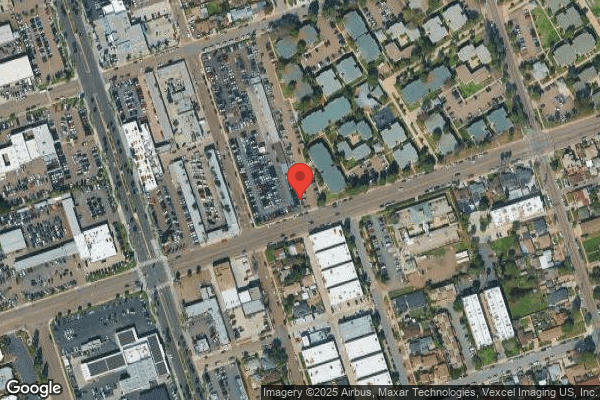
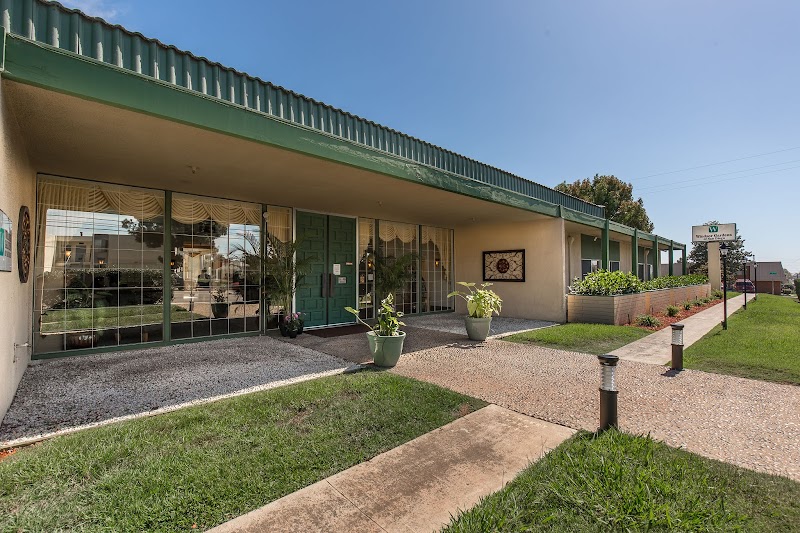
220 EAST 24TH STREET, NATIONAL CITY, CA 91950 (619) 474-6741
For profit - Corporation 98 Beds WINDSOR Data: November 2025
Trust Grade
58/100
#512 of 1155 in CA
Last Inspection: September 2022

Over 2 years since last inspection. Current conditions may differ from available data.

Overview

Windsor Gardens Conv Center of San Diego has a Trust Grade of C, which means it is average-middle of the pack among nursing homes. It ranks #512 out of 1,155 facilities in California, placing it in the top half, and #56 out of 81 in San Diego County, indicating that only a few local options are better. Unfortunately, the facility is showing a worsening trend, with issues increasing from 3 in 2024 to 6 in 2025. Staffing is a strength, earning a rating of 4 out of 5 stars with a turnover rate of 33%, which is lower than the California average. However, there have been concerning incidents, such as a resident sustaining a shoulder fracture due to improper transfer assistance and another resident experiencing multiple falls without adequate monitoring, which raises questions about their safety protocols. Overall, while there are some positive aspects, families should be aware of the facility's recent shortcomings and the need for improvement.

Trust Score
C
58/100
In California
#512/1155
Top 44%
Safety Record
Moderate
Needs review
Inspections
Getting Worse
3 → 6 violations
Staff Stability
○ Average
33% turnover. Near California's 48% average. Typical for the industry.
Penalties
✓ Good
$15,652 in fines. Lower than most California facilities. Relatively clean record.
Skilled Nurses
○ Average
Each resident gets 36 minutes of Registered Nurse (RN) attention daily — about average for California. RNs are the most trained staff who monitor for health changes.
Violations
⚠ Watch
41 deficiencies on record. Higher than average. Multiple issues found across inspections.
★★★★☆
4.0
Overall Rating
★★★★☆
4.0
Staff Levels
★★★★★
5.0
Care Quality
★★★☆☆
3.0
Inspection Score
Stable
2024: 3 issues
2025: 6 issues

The Good

  • 4-Star Staffing Rating · Above-average nurse staffing levels
  • 5-Star Quality Measures · Strong clinical quality outcomes
  • Full Sprinkler Coverage · Fire safety systems throughout facility
  • No fines on record
  • Staff turnover below average (33%)

    15 points below California average of 48%

Facility shows strength in staffing levels, quality measures, fire safety.

The Bad

Staff Turnover: 33%

13pts below California avg (46%)

Typical for the industry

Federal Fines: $15,652

Below median ($33,413)

Minor penalties assessed

Chain: WINDSOR

Part of a multi-facility chain

Ask about local staffing decisions and management

The Ugly 41 deficiencies on record

2 actual harm
Jul 2025 2 deficiencies
CONCERN (D) 📢 Someone Reported This

A family member, employee, or ombudsman was alarmed enough to file a formal complaint

Potential for Harm - no one hurt, but risky conditions existed

Quality of Care (Tag F0684)

Could have caused harm · This affected 1 resident

**NOTE- TERMS IN BRACKETS HAVE BEEN EDITED TO PROTECT CONFIDENTIALITY** Based on interview and record review, the facility failed to ensure a resident received treatment and care in accordance with pr...

Read full inspector narrative →
**NOTE- TERMS IN BRACKETS HAVE BEEN EDITED TO PROTECT CONFIDENTIALITY** Based on interview and record review, the facility failed to ensure a resident received treatment and care in accordance with professional standards of practice when Licensed Nurses (LNs) failed to consistently follow physician's order related to eye drop therapy for one of one sampled resident (Resident 1) reviewed for ophthalmic (eye) medication. This failure had the potential to place Resident 1 at risk of vision loss and blindness. Findings: Resident 1 was readmitted to the facility on [DATE] with diagnoses which included glaucoma (damage to the optic nerve often related to high pressure in the eye that can cause vision loss and blindness), per the facility's admission Record. A review of Resident 1's clinical record was conducted. Resident 1's physician's order dated 6/7/25, indicated Resident 1 was to receive two eye drop medications. One of the physician's orders were as follows: - Latanoprost (ophthalmic solution) to be given on both eyes for glaucoma. A review of Resident 1's medication administration record (MAR) was conducted. Resident 1's MAR for June 2025 indicated, the License Nurses (LNs) missed to administer Resident 1's eye drop medication and documentation for 6/19 through 6/22/25 and 6/24/25. On 7/8/25 at 3:51 P.M., a joint review of Resident 1's clinical record and a telephone interview was conducted with the Director of Nursing and the Administrator (ADM). The DON stated she clarified with the LNs who were assigned to Resident 1 on 6/19/25 through 6/24/25. The DON stated the nurses notes also indicated Resident 1 did not receive his eye drop medication due to pending delivery of the medication from the pharmacy. The DON stated the expectation was for the LNs to notify the DON and or the ADM so the pharmacy could have expedited the delivery of the medication to meet the care of the resident. The DON stated the LNs should have followed the physician's order and provided care to Resident 1. A policy was requested related to following physician's orders. The facility provided a policy titled, Telephone Orders, revised 2/2014. The policy did not indicate following physician's orders.
CONCERN (D) 📢 Someone Reported This

A family member, employee, or ombudsman was alarmed enough to file a formal complaint

Potential for Harm - no one hurt, but risky conditions existed

Deficiency F0725 (Tag F0725)

Could have caused harm · This affected 1 resident

Based on interview and record review, the facility failed to provide a sufficient number of staff to answer call lights and deliver personal care in a timely manner for three of four sampled residents...

Read full inspector narrative →
Based on interview and record review, the facility failed to provide a sufficient number of staff to answer call lights and deliver personal care in a timely manner for three of four sampled residents (1, 3 and 4), and six residents identified in the resident council meeting minutes. As a result, there was the potential for residents not to get their minimum daily care needs met. Findings: During a telephone interview with Resident 1's family member (FM) on 7/2/25 at 8:40 A.M., the FM stated Certified Nursing Assistants (CNAs) come after 30 minutes to an hour. The FM stated there were multiple occasions when she needed assistance to change Resident 1's incontinence brief, the staff informed FM the CNA assigned to Resident 1 was either on break or on one on one (1:1, sitters or constant observation) monitoring of another resident. FM 1 stated she ended up changing Resident 1's incontinence brief. During a concurrent observation and an interview of Resident 3 on 7/2/25 at 11:45 A.M., Resident 3 was observed alert and smiling, and asked another resident (Resident 4) to express his concerns. Resident 3 reported there were several instances where he had to wait 30 minutes to an hour for staff to change his incontinence brief. Resident 3 further stated, No good. During a concurrent observation and an interview of Resident 4 on 7/2/25 at 11:47 A.M., Resident 4 was alert, oriented and cooperative while sitting in her room in a wheelchair. Resident 3 approached Resident 4 to express his concerns and her concerns. Resident 4 reported after call light was pressed for assistance for brief change, lights, or to request something, she had to wait for 30 minutes to an hour for staff to respond on multiple occasions. Resident 4 further reported that when the resident asked the staff where the assigned CNA was, she was informed the assigned CNA was on 1:1 to another resident. Resident 4 stated That was good for that resident however who is going to take care for the rest of us? Resident 4 stated, Our issues is not well taken care of. The CNAs have a lot of issues, at the end of the day, we are suffering. They are already exhausted and upset, it affects us. Resident 4 stated the residents waited 30 minutes to an hour to get a brief change. Resident 4 stated, We will be soaking wet with poop and urine, we cannot do anything since we need assistance to be changed. Resident 4 stated there was already a discussion and nothing had happened. During a concurrent observation of Resident 1 and an interview of Resident 1's private caregiver (PC) on 7/2/25 at 12:22 P.M., Resident 1 was sitting in a wheelchair with his PC at the bedside. Resident 1's PC stated she assisted Resident 1 in his care needs. During an observation of Resident 1 in his room on 7/2/25 at 12:27 P.M., CNA 1 came to Resident 1's room and brought a lunch box to Resident 1. CNA 1 placed the lunch box in the bedside table and had the PC fed Resident 1. CNA 1 left Resident 1's room after handling the food utensils to the PC. During an interview with CNA 1 on 7/2/25 at 12:30 P.M., CNA 1 stated the CNAs do a rotation to do 1:1 to a resident. CNA 1 stated the 1:1 monitoring of one resident took some of the CNA's time. CNA 1 stated when the CNAs were scheduled to do 1:1 monitoring, one CNA will be responsible for taking care of his or her assigned residents and was responsible for taking care of the residents of the CNA who were on 1:1 rotation. CNA 1 stated there would be around 19-20 residents for a given period of time the CNA was away. CNA 1 stated the staff were aware of the residents' concerns and complaints related to call light response and timely brief change to the residents, But we can only do so much. During an interview with CNA 2 on 7/2/25 at 1:23 P.M., CNA 2 stated when they do 1:1 monitoring to a resident for 30 minutes to an hour, that time was taken away from their responsibilities with their other assigned residents. CNA 2 stated in order to finish things up, the CNAs would sometimes have to bring the resident on 1:1 monitoring while they change another resident. CNA 2 stated, What if the resident on 1:1 monitoring threw herself up and we are in the middle of changing another resident? It is not safe. CNA 2 stated the CNAs also have to provide showers to the residents. CNA 2 stated when the CNAs were done with the 1:1 rotation, their assigned residents were upset because they were soiled with their urine or feces. CNA 2 stated, We tried to finish but we cannot finish our job. During an interview with CNA 3 on 7/2/25 at 1:39 P.M., CNA 3 stated that the delayed staff response time to call lights was due to the shift being short-staffed and Licensed Nurses (LNs) did not help with the call lights. CNA 3 stated there was one time, she asked help from the LNs to mechanically lift a resident to a shower chair, CNA 3 stated the LNs answer was No. CNA 3 stated I have to give the resident a bed bath because no one help me to transfer her to shower chair. CNA 3 stated the CNAs were to provide showers to the residents since they had no shower person to do the task. CNA 3 stated there were times when CNAs were on 1:1 monitoring, the CNAs would have to take the resident with them while changing another resident's incontinence brief. CNA 3 stated the staff were aware of the residents' concerns and complaints regarding call light response and timely brief change but, We are always shorthanded. CNA 3 stated sometimes the residents were soiled with their feces and urine. During an interview with CNA 4 on 7/2/25 at 2:31 P.M., CNA 4 stated the 1:1 monitoring of one resident was a hustle because it takes away our time to watch our designated residents. Sometimes the residents want to go to the bathroom, but we are not there. CNA 4 stated that was 30 minutes to an hour away from the other residents. CNA 4 stated the CNAs were also to provide showers when there was no one assigned to do the task. CNA 4 stated most of his assigned residents wondered where he had been and had to wait 30 minutes to an hour. A review of the facility's resident council meeting minutes from April to June 2025 indicated the following: - May 2025, per the meeting minutes, five residents voiced their concerns that they waited an hour for their call lights to be answered. - June 2025, per the meeting minutes, one resident voiced a concern that staff just passed by when she needed some assistance to go to activities or needs to be attended. During a joint review of the facility's actual staffing information for June 2025 and an interview with the Director of Staff Development (DSD) on 7/2/25 at 2:59 P.M., the DSD stated there were days they were short-staffed, especially when there were call ins during the weekends. The DSD stated on 6/1/25, 6/15/25 and 6/22/25, the actual staffing was below what was expected to be able to provide at least a minimum of care to the residents. The DSD also stated CNAs were assigned to do 1:1 monitoring of a resident. The DSD stated it was a 30-minute rotation. The DSD stated each CNA had assigned nine to ten residents. The DSD stated if one CNA was to do the 1:1 rotation, one CNA would have to take care of approximately 18-20 residents at a given time. The DSD stated there were complaints from the residents and the CNAs but had gotten no response from the Interdisciplinary team (IDT). The DSD stated it should have been addressed for residents' safety. The DSD stated it was true there was no shower person to provide showers to the residents and the CNAs assigned to the residents were responsible to provide the residents showers. The DSD stated, I know we are protecting the one patient but neglecting the rest of residents. During a joint interview with the Administrator (ADM) and the Director of Nursing (DON) on 7/2/25 at 3:31 P.M., the ADM and the DON stated the 1:1 monitoring was working for the resident. The DON stated the management had not received any complaints related to residents' care. The ADM and the DON were not aware the CNAs were providing showers to their assigned residents, in addition to doing the 1:1 rotation. The ADM and the DON stated there was a shower lady and did not think the shower person was not able to provide showers at the time being. The DON stated moving forward, the expectation was to ensure the CNAs were present to take care of the residents for safety. A review of the facility's policy titled, Staffing, Sufficient and Competent Nursing, revised 4/25, indicated, Our facility provides sufficient numbers of nursing staff .to provide nursing and related care and services for all residents in accordance with resident care plans .8. Minimum staffing requirements imposed by the state, if applicable, are adhered to when determining staff ratios but are not necessarily considered a determination of sufficient and competent staffing .
May 2025 3 deficiencies
CONCERN (D) 📢 Someone Reported This

A family member, employee, or ombudsman was alarmed enough to file a formal complaint

Potential for Harm - no one hurt, but risky conditions existed

Safe Environment (Tag F0584)

Could have caused harm · This affected 1 resident

Based on observation and interview, the facility failed to ensure a clean, safe and comfortable homelike environment when insects were observed in a resident ' s room and the screen of the sliding doo...

Read full inspector narrative →
Based on observation and interview, the facility failed to ensure a clean, safe and comfortable homelike environment when insects were observed in a resident ' s room and the screen of the sliding door was in disrepair. These failures had the potential to negatively impact the residents' health and well-being. Findings: On 4/22/25, the Department received a complaint related to physical environment. On 4/29/25 at 9:56 A.M., an unannounced on-site visit was conducted. On 4/29/25 at 5:17 P.M., a joint observation of Resident 5 and Resident 6 ' s room, an interview of Resident 5 and Resident 6, and an interview were conducted with the Maintenance Supervisor (MS). Resident 5 stated she had placed an insect trap because she was afraid the insects would come to them. Resident 5 stated the screen door was slightly open and did not know if it was broken. Resident 5 stated she did not go to the patio. The MS checked the insect trap and noted big black insect. The MS stated the sliding door was opened. The MS stated, Sometimes the resident opens the sliding door. On 5/13/25 at 3:13 P.M., a concurrent review of Resident 1 ' s clinical record and an interview was conducted with the Director of Nursing (DON), the Administrator (ADM) and the Medical Records Director (MRD). The ADM stated, I expect the sliding door to be closed especially the summertime. If it is closed, to ensure there is no insect coming in. It is not acceptable and will have the maintenance guy to make rounds to make sure all the doors have sliding door to ensure the insects don ' t come in. A review of the facility ' s policy titled, Homelike Environment, revised 2/2021, indicated, Residents are provided with a safe, clean, comfortable and homelike environment .
CONCERN (D) 📢 Someone Reported This

A family member, employee, or ombudsman was alarmed enough to file a formal complaint

Potential for Harm - no one hurt, but risky conditions existed

Pressure Ulcer Prevention (Tag F0686)

Could have caused harm · This affected 1 resident

**NOTE- TERMS IN BRACKETS HAVE BEEN EDITED TO PROTECT CONFIDENTIALITY** Based on observation, interview and record review, the facility failed to identify in a timely manner the development of pressur...

Read full inspector narrative →
**NOTE- TERMS IN BRACKETS HAVE BEEN EDITED TO PROTECT CONFIDENTIALITY** Based on observation, interview and record review, the facility failed to identify in a timely manner the development of pressure injuries (skin damaged by lack of movement for staying in a position for too long) for one of three sampled residents reviewed for pressure injuries/ wounds. In addition, the facility did not consistently provide treatments for Resident 1 ' s existing surgical wounds in his right foot. As a result, Resident 1 developed a new pressure wound on his coccyx (tailbone). In addition, Resident 1 ' s surgical wounds in his right foot did not heal properly, developed an infection and eventually Resident 1 underwent an amputation (surgical removal of a limb) of his right leg. Findings: Resident 1 was admitted to the facility on [DATE] with diagnoses which included orthopedic aftercare following surgical amputation, diabetes (high blood sugar) and generalized muscle weakness, per the facility ' s admission Record. A review of Resident 1 ' s minimum data set (MDS, a federally mandated resident assessment tool), dated 2/25/25, indicated Resident 1 had a brief interview for mental status (BIMS, ability to recall) score of 14/15, which suggested Resident 1 ' s cognition was intact. Resident 1 ' s functional abilities of the MDS dated [DATE], indicated Resident 1 required supervision or touching assistance from a staff member when turning and repositioning in bed. Resident 1 ' s skin condition on 2/25/25 indicated he had no pressure wound in the coccyx. A review of Resident 1 ' s Braden scale for predicting pressure sore form dated 1/16/25, indicated Resident 1 was at moderate risk for developing pressure sore related to very limited mobility which meant Resident 1 was unable to turn himself independently. A review of Resident 1 ' s skin assessment on 1/16/25, and 2/21/25, indicated Resident 1 did not have pressure wound in the coccyx. A review of the Interdisciplinary team (IDT, a group of professional and direct care staff that have primary responsibility for the development of a plan for the care and treatment of a patient) dated 4/11/25 indicated that Resident 1 had an open wound in the buttocks measuring 3.5 centimeters long and 3.0 centimeters wide with uneven borders. The IDT note indicated Resident 1 ' s wound was stage 2 (the skin breaks open, wears away, or forms an ulcer, which is usually tender and painful). On 4/29/25 at 12:15 P.M., an observation and an interview were conducted of Resident 1 in his room. Resident 1 sat in a wheelchair right above the knee amputation with dressing on it. Resident 1 stated he could speak a little English. Resident 1 stated he developed an open wound in his tailbone which he did not have upon admission. Resident 1 stated, Sometimes it hurts. On 4/29/25 at 3:02 P.M., an interview was conducted with Certified Nursing Assistant (CNA) 1. CNA 1 stated Resident 1 needed help repositioning in bed and had not refused to be repositioned. CNA 1 stated Resident 1 did not have open wounds in his tailbone on his first admission. On 4/29/25 at 3:09 P.M., an interview was conducted with CNA 2. CNA 2 stated Resident 1 was frequently assigned to CNA 2. CNA 2 stated Resident 1 could not reposition himself in bed. CNA 2 stated Resident 1 needed some push from the staff to fully reposition himself in bed. CNA 2 stated Resident had not have refused to be repositioned. CNA 2 stated Resident 1 did not have wound in his tailbone before. On 4/29/25 at 4:38 P.M., an interview was conducted with CNA 3. CNA 3 stated Resident 1 did not refuse to be repositioned in bed. CNA 3 stated Resident 1 had no wounds in his coccyx before. CNA 3 stated she saw redness on Resident 1 ' s coccyx and reported it to the Licensed Nurse (LN). CNA 3 stated she did not remember whom she reported the change in Resident 1 ' s skin condition. CNA 3 stated, He looks better now compared to when prior to sending him to the hospital. On 4/29/25 at 11:18 A.M., an interview was conducted with LN 1. LN 1 stated he regularly provided care to Resident 1 and was familiar with Resident 1. LN 1 stated, Most of the time, we don ' t have a treatment nurse. LN 1 stated the medication (med) nurses were responsible for a lot of assigned tasks aside from providing treatments for the residents ' wounds. LN 1 stated, It was a challenge, we are overwhelmed. LN 1 stated Resident 1 developed pressure wound in his coccyx, and no one knew until it was already opened. LN 1 stated the presence of Resident 1 ' s pressure wound was not identified and reported until 4/11/25. LN 1 stated he did not know the stage of Resident 1 ' s coccyx wound. LN 1 stated the med nurses were not certified to do treatments and so were not allowed to stage Resident 1 ' s wounds. On 4/29/25 at 10:50 A.M., an interview was conducted with the Nurse Practitioner (NP). The NP stated Resident 1 initially came to the facility for treatment of his surgical wounds after an amputation of Resident 1 ' s right big toe. The NP stated Resident 1 ' s surgical wound in his right big toe wound had not healed and had right below the knee amputation (BKA) in February 2025. The NP stated Resident 1 ' s right BKA stump (a small part of something that remains when the rest of it has been removed or broken off) did not heal and so Resident 1 later had right above the knee amputation (AKA) in April 2025. The NP stated she was not following Resident 1 ' s coccyx wound. The NP stated the med nurse/ treatment nurse followed up Resident 1 ' s coccyx wound. The NP stated Resident 1 ' s coccyx wound developed while Resident 1 was in the facility. On 4/29/25 at 1:50 P.M., an interview was conducted with LN 2. LN 2 stated the med nurse did the treatment on the residents ' wounds since the facility had no treatment nurse. LN 2 stated the med nurses had no formal training on wound management. LN 2 stated I was informed to do the treatment, we are expected to do the treatment, I will do the treatment. LN 2 further stated, For today, I rarely have the opportunity, it is difficult to tackle. We do meds, admission, discharge, carry out the NP or the physician ' s orders. LN 2 stated, It is very unlikely that the resident will get 100% of treatment. LN 2 stated wound management of the residents ' wounds would be the med nurse ' s responsibility when the facility did not have a wound nurse. On 4/29/25 at 2:22 P.M., a review of Resident 1 ' s clinical record and an interview was conducted with LN 3. LN 3 stated the med nurses had no formal training for wound management. LN 3 stated there was no treatment nurse in the facility. LN 3 stated before Resident 1 left the facility to the acute hospital on 4/16/25, the med nurses were treating Resident 1 ' s right BKA stump. LN 3 stated Resident 1 ' s clinical record did not indicate Resident 1 had a coccyx wound and there was no indication the coccyx wound was treated. LN 3 stated she did not remember treating Resident 1 ' s coccyx wound in the past. LN 3 stated Resident 1 ' s change in condition LN notes on 4/11/25 indicated Resident 1 had developed a wound in his coccyx. LN 3 stated Resident 1 ' s clinical record did not indicate Resident 1 ' s wound in his coccyx did not undergo the stages of wound. LN 3 stated Resident 1 ' s coccyx wound was identified when the wound was already opened. On 5/13/25 at 3:13 P.M., a concurrent review of Resident 1 ' s clinical record and an interview was conducted with the Director of Nursing (DON), the Administrator (ADM) and the Medical Records Director (MRD). Resident 1 ' s physician orders indicated the following treatment orders: On 1/17/25: - Right foot post amputation treatment one time a day for 21 days. - Right knee open wound treatment one time a day for 21 days. On 2/24/25: - Wound vacuum negative pressure (device that uses suction to help wounds heal faster) treatment to right knee every 72 hours. On 3/2/25: - Right BKA surgical site treatment one time a day. - right lateral knee skin tear treatment. On 3/21/25: - Right knee wound treatment one time a day. Resident 1 ' s treatment administration record (TAR) indicated the following dates were missing: - 1/22 & 1/23/25 for the right foot post amputation and right knee open wound treatments. - 3/11 for wound vacuum treatment to right knee. - 3/7, 3/13, 3/16, 3/19, 3/28 for right BKA surgical site treatment. - 3/7 for right lateral knee skin tear treatment. - 3/28 for right knee wound treatment. The DON stated Resident 1 ' s wound in his coccyx was identified as located in Resident 1 ' s left buttock. The DON stated the wound was identified and reported on 4/11/25 when it was already stage 2. The DON stated the expectation was once the CNAs identified a skin change in the resident ' s skin that the CNAs needed to report the change to the LNs so the LN could have assessed the resident ' s skin timely to provide treatment and prevent development of pressure wounds. The DON stated the expectation for the LNs was to ensure treatments were provided to the resident ' s existing wounds to prevent infection and worsening of the condition of the wounds. A review of the facility ' s undated policy, titled Pressure Injury Risk Assessment, indicated, The purpose of this procedure is to provide guidelines for the structured assessment and identification of residents at risk of developing new pressure injuries or worsening of existing pressure injuries (PIs) .1. The purpose of a pressure injury risk assessment is to identify all risk factors and then to determine which can be modified and which cannot, or which can be immediately addressed, and which will take time to modify .6. Once the assessment is conducted and risk factors are identified and characterized, a resident centered care plan can be created to address the modifiable risks for pressure injuries .
CONCERN (D) 📢 Someone Reported This

A family member, employee, or ombudsman was alarmed enough to file a formal complaint

Potential for Harm - no one hurt, but risky conditions existed

Deficiency F0806 (Tag F0806)

Could have caused harm · This affected 1 resident

**NOTE- TERMS IN BRACKETS HAVE BEEN EDITED TO PROTECT CONFIDENTIALITY** Based on interview and record review, the facility failed to ensure one of four residents (Resident 3) received food that accomm...

Read full inspector narrative →
**NOTE- TERMS IN BRACKETS HAVE BEEN EDITED TO PROTECT CONFIDENTIALITY** Based on interview and record review, the facility failed to ensure one of four residents (Resident 3) received food that accommodated her food preferences. This failure had the potential for Resident 3's wishes to be ignored. In addition, this failure had the potential to result in decreased food intake and weight loss. Findings: On 4/22/25, the Department received a complaint related to Dietary Services. On 4/29/25 at 9:56 A.M., an unannounced on-site visit was conducted. Resident 3 was admitted to the facility on [DATE], with diagnoses which included surgical after care after a surgery according to the facility ' s admission Record. On 4/29/25 at 11:59 A.M., a joint review of Resident 3 ' s dietary record and an interview was conducted with the Certified Dietary Manager (CDM). The CDM stated she spoke to Resident 3 on 4/14/25 and found out Resident 3 preferred vegan diet and requested tofu. The CDM stated the facility did not have tofu. The CDM stated the kitchen provided Resident 3 with some green salad. The CDM stated she went to the grocery store to get some vegan food for Resident 3 but did not get tofu for Resident 3. The CDM stated Resident 3 did not get tofu for the rest of her stay at the facility. The CDM stated, I did not get the tofu. That is my fault, I should have gotten one for her because that is her preference. On 5/13/25 at 3:13 P.M., a concurrent review of Resident 1 ' s clinical record and an interview was conducted with the Director of Nursing (DON), the Administrator (ADM) and the Medical Records Director (MRD). The ADM stated, We have to meet the needs of the resident. We have to order tofu. A review of the facility ' s policy, titled Menus, revised 10/2017, indicated, Menus are developed and prepared to meet resident choices including religious, cultural and ethnic needs while following established national guidelines for nutritional adequacy .
Apr 2025 1 deficiency
CONCERN (D) 📢 Someone Reported This

A family member, employee, or ombudsman was alarmed enough to file a formal complaint

Potential for Harm - no one hurt, but risky conditions existed

Deficiency F0697 (Tag F0697)

Could have caused harm · This affected 1 resident

**NOTE- TERMS IN BRACKETS HAVE BEEN EDITED TO PROTECT CONFIDENTIALITY** Based on observation, interview and record review, the facility failed to ensure a pain medication (med/s) was available for one...

Read full inspector narrative →
**NOTE- TERMS IN BRACKETS HAVE BEEN EDITED TO PROTECT CONFIDENTIALITY** Based on observation, interview and record review, the facility failed to ensure a pain medication (med/s) was available for one of three sampled residents reviewed for pain management (Resident 1). This failure had the potential to cause the resident unnecessary pain, negatively affecting the resident's quality of life. Findings: Resident 1 was readmitted to the facility on [DATE] with diagnoses which included chronic ulcer (sore) of the left foot and gout (a type of inflammatory arthritis that causes pain and swelling in your joints), per the facility's admission Record. A record review was conducted of Resident 1. Resident 1's History and Physical (H & P), dated [DATE], indicated the attending physician (AP) documented Resident 1 had the capacity to make own decisions. A record review was conducted of Resident 1. Resident 1's minimum data set (MDS - a federally mandated resident assessment tool), dated [DATE], indicated Resident 1's brief interview for mental status (BIMS, ability to recall) score was 15/15 (a score of 13 to 15 suggests the patient is cognitively [process of acquiring knowledge and understanding] intact). A review of Resident 1's care plan for pain, dated [DATE], indicated, .Advise resident to request pain medication before pain becomes severe .Medicate resident as ordered for pain . On [DATE] at 2:51 P.M., an observation and an interview with Resident 1 was conducted in his room. Resident 1 was sitting by his bed, with right below the knee amputation (surgical removal of limb) and a gauze bandage was wrapped in his left foot. Resident 1 stated he runs out of pain medication. Resident 1 stated he asked for it and he was told the prescription for his pain medication had expired and needed a renewal of prescription from the physician. Resident 1 stated he was in pain and did not have a good night sleep for the last three to four days because of pain. Resident 1 stated, They should be ordering before I ran out, they should be doing that prior to last day. I have blisters and it hurts, they put me to that misery. On [DATE] at 4:18 P.M., an interview was conducted with Certified Nursing Assistant (CNA) 4. CNA 4 stated she worked with Resident 1 couple of days in a week. CNA 4 stated Resident 1 was nice, alert, oriented and knew what was going on. CNA 4 stated the only time Resident 1 called was when he needed his dressings change of his left foot and needed pain medication. On [DATE] at 4:38 P.M., a joint review of Resident 1's clinical record and an interview was conducted with Licensed Nurse (LN) 1. LN 1 stated she was familiar with Resident 1. LN 1 stated Resident 1 has a as needed pain meds and that Resident 1 was, usually has pain . LN 1 stated Resident 1 had pain medications ordered as needed, and Resident 1 gets it like every day. LN 1 stated during her (LN 1) shift on [DATE], Resident 1 complained of pain of his left foot. LN 1 stated there was no pain medication for Resident 1. LN 1 stated there was no documentation Resident 1 received pain medication on 4/10 through [DATE]. Per LN 1, Resident 1 complained he (Resident 1) was really in pain during the past few days he did not receive his pain medication. LN 1 stated she did not see any renewal or authorization form sent to the attending physician for pain med prescription renewal. On [DATE] at 3:10 P.M., a telephone interview was conducted with LN 2. LN 2 stated she worked with Resident 1 on [DATE]. LN 2 stated Resident 1 requested pain meds during her (LN 2) shift. LN 2 stated there was no pain meds for Resident 1 since the LNs in the morning shift used the emergency meds from the emergency cart. LN 2 stated, the following day, [DATE], Resident 1 requested pain meds during her (LN 2) shift. Per LN 2, there was no pain meds for Resident 1. Per LN 2 she (LN 2) explained to Resident 1 the reason he (Resident 1) did not get his pain meds. LN 2 stated, It was the weekend so even we followed it up, the doctor cannot sign it. LN 2 stated she knew about Resident 1's left foot. LN 2 stated the process was in the med pack, the pack had a color code meaning a level when to place a med order for the resident. LN 2 stated when that level hit, We have to call the doctor before the weekend hits to make sure the residents get their medications. On [DATE] at 3:27 P.M., a telephone interview was conducted with the Director of Nursing (DON). The DON stated the expectation was to make sure pain medications were available for the residents for pain management and prevent their sufferings. A review of the facility's policy titled, Pain Management, dated [DATE], indicated, Purpose: To maintain the highest possible level of comfort for residents by providing a system to .treat, and evaluate pain .
Dec 2024 1 deficiency
CONCERN (D) 📢 Someone Reported This

A family member, employee, or ombudsman was alarmed enough to file a formal complaint

Potential for Harm - no one hurt, but risky conditions existed

Transfer Requirements (Tag F0622)

Could have caused harm · This affected 1 resident

**NOTE- TERMS IN BRACKETS HAVE BEEN EDITED TO PROTECT CONFIDENTIALITY** Based on interview and facility documents review, the Licensed Nurse (LN) 1 failed to verify a provider's discharge plan related...

Read full inspector narrative →
**NOTE- TERMS IN BRACKETS HAVE BEEN EDITED TO PROTECT CONFIDENTIALITY** Based on interview and facility documents review, the Licensed Nurse (LN) 1 failed to verify a provider's discharge plan related to opioid (powerful pain-reducing medications, an example is hydrocodone/ acetaminophen) medication upon discharge for one of three sampled residents (Resident 1). The lack of communication between the provider and the facility's LNs had the potential for miscommunication with the transition of care to the receiving facility for Resident 1. Findings: On 12/18/24, the Department received a complaint related to resident's discharge. On 12/23/24, an unannounced visit to the facility was conducted. A review of Resident 1's admission Record, indicated Resident 1 was admitted to the facility on [DATE], with diagnoses which included lumbar fracture (broken vertebrae in the lower back). On 12/23/24, a review of Resident 1's discharge notes completed by Nurse Practitioner (NP, is a healthcare provider who teamed with the attending physician) was conducted. The NP notes dated 10/7/24, indicated, .Patient examined at bedside for discharge evaluation today to board and care (B & C, a residential care option catering to individuals requiring assistance with daily living activities) .Impression and Plan .Acute on chronic left hip OA (sic, osteoarthritis - a degenerative joint disease, in which the tissues in the joint break down over time) with associated pain: pain management in the form of Gabapentin (pain medication) and acetaminophen PRN (sic, pro re nata, which means as the need arises ) . On 12/23/24, a review of LN 1's discharge summary notes for Resident 1, dated 10/7/24, indicated, .instructions given to the patient .discharged home .with remaining med [sic, medication] . On 12/23/24, a review of Resident 1's medication list provided to the resident upon discharge included 12 tablets of hydrocodone/ acetaminophen. On 12/23/24 at 2:22 P.M., an interview was conducted with LN 1. LN 1 stated she did not remember Resident 1. On 12/23/24 at 2:38 P.M., a joint review of Resident 1's clinical record and an interview was conducted with LN 2. LN 2 stated once discharge was initiated for a resident, the Case Manager (CM) and or the Social Service (SS) was responsible for the start of the process of resident discharge. LN 2 stated for Resident 1, CM conducted the process of resident discharge. Per LN 2, the CM provided the LNs a form for the LNs to fill up which included the discharge plan, where the resident was going, follow up appointment with their primary care physician, any referrals, and the medications the residents were about to take at home or at the receiving facility. LN 2 stated Resident 1 was discharged to a board and care facility. LN 2 stated there was a different form where the LNs indicate the list of medications left then provided the resident a copy and gave the resident or the responsible party the rest of the medications for the residents to take at home or at the receiving facility. LN 2 stated the LNs should have verified to the attending physician whether a resident should continue taking opioid medication upon discharge. Per LN 2, Resident 1 received the 12 remaining tablets of hydrocodone/ acetaminophen for the resident to continue taking at home. On 12/23/24 at 3:17 P.M., a joint review of Resident 1's clinical record and an interview was conducted with LN 3. LN 3 stated she helped LN 1 with documentation during the time of Resident 1's discharge. LN 3 stated LN 1 was the nurse assigned and was responsible for Resident 1's discharge on [DATE]. LN 3 stated one of the responsibilities of the LN discharging the resident included med instructions to the resident. On 12/23/24 at 4:06 P.M., an interview was conducted with the NP. The NP stated she recalled Resident 1 upon reading Resident 1's history and physical. The NP stated she was at the facility when Resident 1 was discharge. Per NP, Resident 1 was discharged to a B & C facility, and the plan was for mobility assistance not for opioid therapy. Per NP, she remembered Resident 1 had chronic back pain and was managed by acetaminophen. The NP stated she recalled she discharged Resident 1 with acetaminophen and not an opioid medication. The NP stated, I don't believe she discharged with opioid, I discharged her with Tylenol (acetaminophen). On 12/23/24 at 4:48 P.M., a joint review of Resident 1's med list and an interview were conducted with the Director of Nursing (DON). The DON stated the expectation was for the LNs to verify the discharge plan for the resident, review, reconcile, verify the meds, and get an order from the provider that may send the remaining meds with the resident especially for opioid medications for safety purposes. A review of the facility's policy titled, Transfer or Discharge – Facility Initiated, revised October 2022, indicated, .Policy Interpretation and Implementation . 2 .b. discharge refers to the movement of a resident from a bed in one certified facility to a bed in another certified facility or other location in the community . Documentation of Facility-Initiated Transfer or Discharge .h. Disposition of medications . The policy did not indicate verification of opioid medications to the provider.
Aug 2024 2 deficiencies 1 Harm
SERIOUS (G) 📢 Someone Reported This

A family member, employee, or ombudsman was alarmed enough to file a formal complaint

Actual Harm - a resident was hurt due to facility failures

Accident Prevention (Tag F0689)

A resident was harmed · This affected 1 resident

**NOTE- TERMS IN BRACKETS HAVE BEEN EDITED TO PROTECT CONFIDENTIALITY** Based on observation, interview, and record review, the facility staff failed to safely transfer one of five residents reviewed ...

Read full inspector narrative →
**NOTE- TERMS IN BRACKETS HAVE BEEN EDITED TO PROTECT CONFIDENTIALITY** Based on observation, interview, and record review, the facility staff failed to safely transfer one of five residents reviewed for pain (Resident 51) from the bed to the wheelchair, using a gait belt. As a result, Resident 51 sustained a fracture to the left humerus (shoulder). In addition, Resident 51's fistula (a site used for dialysis[a treatment to remove waste products from the blood]) was unusable, requiring Resident 51 to be hospitalized for the placement of a new dialysis access site. Findings: Resident 51 was admitted to the facility on [DATE] with diagnoses including End Stage Renal Disease (a condition in which the kidneys cannot remove waste from the blood), dependence of renal dialysis (a treatment to remove waste products from the blood), according to the facility's admission Record. On 8/19/23 at 12:20 P.M., a concurrent observation and interview was conducted with Resident 51. Resident 51 was in her room, with her lunch tray in front of her. Resident 51 was grimacing and pointing to her left shoulder and stated, Pain. On 8/19/23 at 12:23 P.M., an interview was conducted with Certified Nursing Assistant (CNA)1. CNA 1 stated Resident 51 complained of left shoulder pain after being transferred from her bed to wheelchair that morning. Resident 51 was assisted by two night shift CNAs. CNA 1 stated Resident 51, .is always a two-person transfer with a gait belt . A review of Resident 51's Emergency Department Radiology (x-ray) result, dated 8/20/24 at 12:51 A.M. indicated Resident 51 had a fracture of the left humerus. On 8/20/24 at 8:20 A.M., Resident 51 was observed in her room and noted to have her left arm wrapped from her wrist to her shoulder with an elastic bandage and in a sling. A review of Resident 51's Progress Note, dated 8/20/24 at 1:30 P.M. indicated .Dialysis cancelled .resident has severe pain in left arm due to fracture .per MD send resident to hospital for central line placement for dialysis On 8/21/24 at 6:21 A.M., an interview was conducted with CNA 2. CNA 2 stated he had not been assigned to Resident 51 for a few months. CNA 2 stated months ago, Resident 51 did not need much assistance, and he was not familiar with her current needs for help with transfers. CNA 2 continued, on 8/19/24, he assisted another CNA (CNA 3) to transfer Resident 51 from the bed to the wheelchair. CNA 2 stated he placed his arm under Resident 51's left arm, while CNA 3 placed her arm under Resident 51's right arm. CNA 2 stated while lifting Resident 51 from the bed, she began to slip down. CNA 2 stated he grabbed Resident 51's hand and heard, A pop. CNA 2 stated a gait belt was not used to transfer Resident 51. When asked whether CNA 2 would do anything differently the next time he transferred a resident, CNA 2 stated he would hold on tighter. CNA 2 did not mention the use of a gait belt for safe transfer. A review of Resident 51's Care Plan for ability to perform transfers, dated 3/14/24, indicated the resident required total assistance (all care provided by staff) for transfers. On 8/21/24 at 9:06 A.M., an interview was conducted with Physical Therapist (PT) 1. PT 1 stated Resident 51 required two-person, total staff assist with transfers. PT 1 stated residents who required total assistance needed a gait belt during transfers. PT 1 stated during transfers, staff should have their hands on the gait belt, not under the resident's arms. PT 1 stated Resident 51 was at risk of injury if staff used Resident 51's arms during transfer, instead of using a gait belt. On 8/22/24 at 3:47 P.M., an interview was conducted with the Director of Nursing (DON). The DON stated staff should have used a gait belt while transferring Resident 51. The DON stated a safe transfer for Resident 51 meant two-person assist with a gait belt. The DON acknowledged by not using a gait belt, Resident 51 was not safely transferred from bed to chair. A review of facility policy titled Gait Belt, Use of, revised November 2012, indicated, .It is the policy that staff will help control and balance (by using a gait belt) residents who require assistance with ambulation and transfer . A review of the facility's policy titled Safe Lifting and Moving of Residents indicated, In order to protect the safety and well-being of staff and residents, and to promote quality care, this facility uses appropriate techniques and devices to lift and move residents . A review of the Facility Assessment Tool, dated 6/17/2024, indicated, Core Competencies include .transfers, using gait belt, using mechanic lifts .
CONCERN (D) 📢 Someone Reported This

A family member, employee, or ombudsman was alarmed enough to file a formal complaint

Potential for Harm - no one hurt, but risky conditions existed

Infection Control (Tag F0880)

Could have caused harm · This affected 1 resident

Based on observation, interview, and record review, the facility failed to follow isolation precautions when contact droplet isolation (a type of isolation requiring a gown, gloves, mask and eye prote...

Read full inspector narrative →
Based on observation, interview, and record review, the facility failed to follow isolation precautions when contact droplet isolation (a type of isolation requiring a gown, gloves, mask and eye protection prior to entering the room) was delayed for one resident (Resident 48) with Covid-19. This failure had the potential to place residents and staff at risk of exposure to Covid-19 and cause the spread of infection. Findings: On 8/19/24 at 8 A.M., during the entrance conference for the facility's annual recertification survey, the Administrator (Admin)stated Resident 48 was sent to the hospital on 8/18/24 and tested positive for Covid-19. The Admin stated Resident 48 was expected back to facility on 8/19/24. On 8/19/24 at 8:52 A.M., an observation and interview was conducted in Resident 48's bedroom. Resident 48 was observed in his room with two roommates. Resident 48 was not wearing a face mask. Resident 48 stated he had returned from the hospital a few minutes earlier with Covid. On 8/19/24 at 8:55 A.M., an observation was conducted in the hallway outside Resident 48's room. A sign indicated one of Resident 48's roommates was on Enhanced Barrier Precautions (EBP, a type of isolation required only when in close physical contact with specific residents). The other two residents in the room were not indicated to be on any type of isolation. On 8/19/24 at 9:35 A.M., the Manager of Staff Development (MSD) stated Resident 48 should have been on Contact Droplet Isolation, not EBP, because of Resident 48's Covid-19 diagnosis. The MSD stated EBP was not enough protection from Covid-19 because it did not require a specialized face mask or eye protection. The MSD stated residents in an EBP room were not confined to the room. On 8/19/24 at 12:45 P.M. and 3:30 P.M., observations were conducted in the hallway outside Resident 48's room. Resident 48's roommate was still on EBP, but no additional signage for isolation precautions had been placed. On 8/21/24 at 10:20 A.M., an interview was conducted with the Director of Infection Prevention (DIP). The DIP stated Resident 48 should have been placed on contact droplet isolation immediately upon return from the hospital. The DIP stated .Best practice would've been to set up the room (for contact droplet precautions) prior to Resident 48's return, then the room would be contact droplet when (Resident 48) arrived. The DIP stated the facility delayed placing Resident 48 on contact droplet precautions which placed other residents, staff, and visitors at risk for contracting Covid-19. A review of an undated facility policy titled Covid-19 Management indicated, .A well fitting face mask should be worn by any resident that is suspected of [having] Covid-19 .Covid-19 transmission based precautions will use the following PPE .N95 respirator, gloves, gown, and eye protection . A review of a facility policy revised September 2022 titled Isolation- Categories of Transmission-Based Precautions indicated, .When a resident is placed on .precautions, appropriate notification is placed on the room entrance door .so that personnel and visitors are aware of the need for and the type of precaution .
Jan 2023 1 deficiency
CONCERN (D) 📢 Someone Reported This

A family member, employee, or ombudsman was alarmed enough to file a formal complaint

Potential for Harm - no one hurt, but risky conditions existed

Deficiency F0698 (Tag F0698)

Could have caused harm · This affected 1 resident

**NOTE- TERMS IN BRACKETS HAVE BEEN EDITED TO PROTECT CONFIDENTIALITY** Based on interview and record review, the facility failed to remove a pressure dressing (a bandage dressing which provides press...

Read full inspector narrative →
**NOTE- TERMS IN BRACKETS HAVE BEEN EDITED TO PROTECT CONFIDENTIALITY** Based on interview and record review, the facility failed to remove a pressure dressing (a bandage dressing which provides pressure to the upper arm) for one of three residents reviewed for dialysis (a process to remove waste products from the bloodstream, Resident 1). This failure had the potential to place Resident 1 at risk for occlusion (blockage) of the dialysis site. Findings: Resident 1 was admitted to the facility on [DATE] with diagnoses to include end stage renal disease (kidney failure) and dependence on renal dialysis, per the facility admission Record. On 12/21/22 at 8 A.M., an interview was conducted with Dialysis Licensed Nurse (DLN) 1. DLN 1 stated Resident 1 received dialysis at her facility (a dialysis center) on Tuesdays, Thursdays and Saturdays. DLN 1 stated she had spoken to Licensed Nurses (LNs) twice regarding the importance of removing the pressure dressing from Resident 1 ' s arm 4-6 hours after she returned to the facility: on 12/1/22 with LN 1, and on 12/8/22 with LN 2. DLN 1 stated on 12/8/22, Resident 1 was brought in for dialysis, and for the third time, the pressure dressing was still on Resident 1 ' s upper arm. Per DLN 1, if the pressure dressing was still on Resident 1 on 12/8/22, a Thursday, it had been left in place from Tuesday 12/6/22 through Thursday 12/8/22. DLN 1 stated she wrote the instructions for removing the pressure dressing on the Dialysis Communication form because the facility, .keeps forgetting . DLN 1 stated leaving the pressure dressing in place could cause the dialysis site to occlude, which could cause an inability to dialyze the resident. Per DLN 1, this could cause further complications with Resident 1 ' s health. On 12/21/22 a record review was conducted. Per the physician ' s orders, dated 10/20/22, LNs were to monitor the dialysis access site for redness, swelling, drainage and pain every shift. Additionally, LNs were to monitor the dialysis access site for the presence of a thrill (a vibration felt with finger tips) and for a bruit (a sound heard through a stethoscope) every shift. On 12/1/22 the MD ordered for LNs to monitor and remove the pressure dressing from the dialysis site 4-6 hours after dialysis. The December 2022 Medication Administration Record (MAR) was reviewed. The following LNs signed off the MAR that they had: 1) assessed the dialysis access site for redness, swelling, drainage and pain, 2) monitored the dialysis access site for presence of a thrill and bruit, and 3) removed the pressure dressing 4-6 hours after returning to the facility from dialysis 12/6/22 day shift = LN 3 12/6/22 evening shift = LN 4 12/6/22 night shift to 12/7/22 LN 5 12/7/22 day shift LN 3 12/7/22 evening shift LN 6 12/7/22 night shift to 12/7/22 LN 5. Per a DLN Post Treatment note, dated 12/8/22, Resident 1s, .Pressure dressing from last tx (treatment) was not removed again (3rd time); communicated .multiple times regarding risks . On 12/21/22 at 2:45 P.M., an interview was conducted with LN 2. LN 2 stated she had spoken to DLN 1 and was aware the LNs had forgotten to remove the pressure dressing. LN 2 stated Resident 1s pressure dressing should be removed about four hours after return from dialysis. Per LN 2, the dressing would need to be removed to feel the thrill, and any LN assessing the dialysis site should notice if the pressure dressing was still on Resident 1 ' s arm. LN 2 stated LNs should not sign off the MAR without completing the treatment. LN 2 stated, That ' s a problem. It ' s not okay to sign off orders without checking the site. On 12/21/22 at 4 P.M., a concurrent interview and record review was conducted with LN 4. LN 4 stated she was assigned to Resident 1 on 12/6/22 and 12/7/22 on the evening shift, 3 P.M. to 11 P.M. Per LN 4, removing the pressure dressing was to be done 4-6 hours after returning from dialysis, most likely during the evening shift which she normally worked. LN 4 viewed the MAR for 12/6 and 12/7/22, and stated her initials indicated she had assessed the dialysis site to assess for problems. LN 4 stated initialing the MAR for dressing removal indicated she had taken the dressing off, but stated, I don ' t remember removing it on 12/6. LN 4 stated she could not assess the dialysis site with the pressure dressing in place. Per LN 4, leaving the pressure dressing on too long could cause complications for Resident 1. On 12/21/22 at 4:25 P.M., a concurrent interview and record review was conducted with LN 3. LN 3 stated she was aware there was a Dialysis Communication binder for each resident receiving dialysis but did not routinely check it. LN 3 reviewed the MAR and stated if she had signed off the MAR that indicated she had assessed the dialysis site and removed the dressing if the 4-6 hours had occurred during her shift (days, 7 A.M. to 3 P.M.). LN 3 did not respond to questions regarding assessment of the dialysis site with the pressure dressing blocking her view of the site. LN 3 stated, I should not sign off work in the MAR I did not do. LN 1, 5 and 6 were not available for interview. On 12/21/22 at 5 P.M., an interview was conducted with the interim Director of Nursing (IDON). The IDON stated, My expectation is nurses should document only what they did or saw, and don ' t document if they didn ' t do it. The pressure dressing can cause a problem with circulation, and potential infection. Per a facility policy, revised November 2012 and titled Dialysis, Coordination of Care & Assessment of Resident, .3b. Inspect .site for infection .twice daily or per physician ' s order. c. Check .site for bruit and thrill twice daily or per physician ' s order .Place your fingertip lightly over the access vein and feel for the thrill .12. Leave dressing in place .for 24 hours post dialysis (or physicians order) .20. The Dialysis Center and the facility shall communicate via telephone or use of Dialysis Communication papers .emergent changes in the resident ' s condition or other significant findings.
Sept 2022 6 deficiencies 1 Harm
SERIOUS (G)

Actual Harm - a resident was hurt due to facility failures

Accident Prevention (Tag F0689)

A resident was harmed · This affected 1 resident

**NOTE- TERMS IN BRACKETS HAVE BEEN EDITED TO PROTECT CONFIDENTIALITY** Based on observation, interview and record review, for one of one resident reviewed for falls (Resident 25), the facility failed...

Read full inspector narrative →
**NOTE- TERMS IN BRACKETS HAVE BEEN EDITED TO PROTECT CONFIDENTIALITY** Based on observation, interview and record review, for one of one resident reviewed for falls (Resident 25), the facility failed to ensure: 1. Adequate supervision and close monitoring were provided; and 2. Effectiveness of interventions were evaluated, and new interventions were implemented to address resident's behavior of getting up unassisted and prevent further falls. These failures resulted to Resident 25 to have five repeated falls in 2022 while at the facility. The resident's 5th incident of fall on September 20, 2022, resulted in Resident 25 sustaining left hip fracture (broken bones), and was transferred out to acute hospital for further evaluation and surgery. Findings: On September 20, 2022, at approximately 1:05 p.m., Resident 25 was observed standing near the foot of her bed and was trying to ambulate. Resident 25 was observed to have difficulty standing and keeping her balance. There were no staff observed near Resident 25's room nor the hallway to monitor Resident 25. On September 20, 2022, at 1:10 p.m., the Administrator (ADM) was informed of Resident 25 needing assistance. The ADM was observed to walk to Resident 25's room and found the resident on the floor. Resident 25 was observed on the floor laying on her left side with both arms and legs flexed. On September 20, 2022, Resident 25's record was reviewed. The admission Record, indicated Resident 25 was admitted to the facility on [DATE], with diagnoses which included disorders of bone density and structure (bone disease), unsteadiness on feet, Alzheimer's disease (mental health condition with memory loss), and dementia with behavioral disturbance (mental health condition with memory loss). A review of the untitled care plan, dated December 16, 2018, indicated, . (name of resident) has impaired cognitive function/dementia or impaired thought process r/t (related to) Alzheimer's (sic), Dementia, Difficulty making decisions .Interventions .Engage the resident in simple, structured activities that avoid overly demanding tasks . A review of Resident 25's record indicated a bowel toileting program was initiated since April 4, 2019, and indicated the resident to be assisted to the bathroom before and after meals and at bedtime. A review of the untitled care plan, initiated January 20, 2022, indicated, (Resident's name) is risk for falls r/t poor safety awareness .fall risk assessment 26 (high) .dementia .Alzheimer's disease . A review of the document titled, Progress Notes, dated January 20, 2022, at 4:20 p.m., indicated, .Around 4PM (4 p.m.) CNA (Certified Nursing Assistant) called the writer that (resident's name) found on the floor, face down and nose bleeding .According to her she's trying to gets-up (sic) by herself, tries to transfer herself to bed without calling for assistance, was out of balance and landed on the floor .Noted L (left) forehead bump, bruising and swollen, L (left) eye is red and nose stops bleeding with redness/bruising also. Resident verbalized pain on the affected area (L forehead bump) .Noticed vomits when incident happens. Noted resident confused, trying to get up most of the time, thinking she can be able to walk without assistance and saying wanna (want to) go home to Mexico .Called (physician's name) to send to ER (emergency room) for further eval . A review of the document titled, Progress Notes, dated January 20, 2022, at 4:10 p.m., indicated the following interventions were placed after the fall incident on January 20, 2022: - Landing mat (a soft mat placed at the side of the bed used when the resident falls out of bed); - Call light within reach; - Closely monitoring for safety and comfort; and - Keep resident clean and dry. A review of the document titled, admission Record, indicated Resident 25 was readmitted back to the facility from the acute hospital on January 23, 2022. A review of the document titled, Fall Risk Assessment, dated January 23, 2022, indicated, .History of Falls within last six months .Multiple Falls .Agitated Behavior in Last Seven Days .Behavior occurred daily or more .Gait Analysis .Unable to independently come to a standing position .Exhibits loss of balance while standing .Strays off the straight path of walking .Requires hands-on assistance to move from place to place . A review of the document titled, Progress Notes, dated February 2, 2022, at 10:09 p.m., indicated, .Resident had unwitnessed fall. Staff found resident sitting on the floor mat by bedside . A review of the document titled, FSI-Fall Scene Investigation Report, dated February 2, 2022, indicated lowering and locking the bed as new intervention recommended. A review of the Minimum Data Set (MDS- an assessment tool), dated July 12, 2022, indicated the following information on Resident 25: - BIMS (Brief Interview for Mental Status) score of 2 (severely impaired); - Required one-person extensive assistance with transfer; - With unsteady balance requiring staff assistance with moving from seated to standing position and transferring between bed and wheelchair; - Always incontinence (involuntary leakage) of the bladder and frequent incontinence of the bowel; and - On a toileting program to address bowel continence. A review of the document titled, Progress Notes, dated July 27, 2022, at 2 p.m., indicated, .At 0915 (9:15 a.m.) Resident found sitting on the floor with both flexed and right hand holding on the sink and left hand holding the toilet seat . A review of the document titled, FSI-Fall Scene Investigation Report, dated July 27, 2022, indicated Resident 25 was left alone in the bathroom and was trying to get up. A review of the untitled care plan, initiated on July 28, 2022, indicated, .IDT (Interdisciplinary Team - a group of healthcare professionals) Fall Review: Recommending staff remain with patient for direct supervision during toileting program to reduce risk for falls . A review of the document titled, Progress Notes, dated August 7, 2022, at 2:39 p.m., indicated .At 13:25 (1:25 p.m.) Resident found sitting on the floor, leaning backward against the wheelchair, both foot rest on axilla (underarm), both legs are extended with soiled adult brief . A review of the document titled, FSI-Fall Scene Investigation Report, dated August 8, 2022, indicated Resident 25 was trying to stand up prior to the fall and was last toileted at 9 a.m. (Resident 25 should have been toileted before and after lunch according to the toileting program initiated on April 4, 2019). The document also included interventions to implement toileting schedule, and ensure the resident was placed in high visibility area when out of bed. OT (occupational therapy) was also recommended to assess for fall preventions to maximize safety and decrease risk of falls. A review of the physician's order, dated August 9, 2022, indicated, .Patient will receive skilled OT services 3x/wk (three times a week) for 4 (four) weeks for self-care, there (therapeutic) ex (exercise), there act (activities), wheel chair management, group therapy, and patient/caregiver education in order to maximize safety and decrease risk for falls .related to UNSTEADINESS ON FEET .for 30 days. A review of the document titled, OT Evaluation & Plan of Treatment, dated August 9, 2022, indicated, .Clinical Impressions: Pt (patient) .with decreased safety awareness and cognitive deficits, decreased strength, balance and endurance that raise a concerns (sic) for safety with functional transfers, mobility and ADLs (Activities of Daily Living) . A review of the document titled, Occupational Therapy Discharge Summary, dated September 13, 2022, indicated Resident 25 received OT services from August 9 to September 13, 2022. The document included the following: - Short term goal for Resident 25 was to complete toilet/commode transfers with minimal assist and occasional verbal cues for safety awareness. Resident 25 required maximum assistance and 90% of verbal cuing upon discharge from OT services (goal not met); - Long term goal to decrease risk for falls as evidence by scoring of more than 6 (six); Resident 25 scored 1 (one) upon discharge from OT services (goal not met); and - Recommendation to continue with restorative nursing program. There were no further interventions initiated to address Resident 25's behavior of getting up unassisted after completing OT services on September 13, 2022. A review of the document titled, Progress Notes, dated September 20, 2022, at 3:56 p.m., indicated .Around 1310 (1:10 p.m.) CN (charge nurse) was notified by business personnel patient had an (sic) fall. CN then went to the room and found patient lying on the floor on her left side. Both feet legs flexed and both arms on her side .Patient complained of pain on L (left) hip and L (left) lower leg, unable to move .MD (physician) was notified with order to send to ER (emergency room) for eval (evaluation) . A review of the document titled, FSI-Fall Scene Investigation Report, dated September 20, 2022, indicated Resident 25 was trying to stand up prior to the fall. There were no new interventions recommended after this fall incident. A review of the document titled, Progress Notes, dated September 21, 2022, at 8:54 a.m., indicated F/U (follow up) call (name of hospital) .Resident is admitted for left hip fracture and going for surgery today at 11AM (11 a.m.) . There were no documented evidence specific interventions were implemented to provide close supervision and monitoring for Resident 25 to address the resident's behavior of getting up unassisted after each fall incident on January 20, February 2, July 27, August 7, and September 20, 2022. On September 22, 2022, at 11:51 a.m., Registered Nurse (RN) 3 was interviewed. She stated Resident 25 had the tendency to get up from her wheelchair unassisted. She stated Resident 25 was confused at most times and required redirections. On September 22, 2022, at 12 p.m., an interview with CNA 1 was conducted. She stated Resident 25 should be taken to the restroom before and after each meal (breakfast and lunch during morning shift). She further stated Resident 25 had tendency to get out of bed unassisted. On September 22, 2022, at 1:27 p.m., during an interview with CNA 2, he stated Resident 25 had to be closely monitored for episodes of getting out of bed without asking staff for help. He stated Resident 25 was often confused and have poor safety awareness. He stated he usually would bring Resident 25 to the nursing station or the receptionist area after the resident went to the bathroom before and after meals for close monitoring. On September 22, at 1:42 p.m., during an interview, CNA 3 stated she was the CNA assigned to Resident 25 on September 20, 2022. She stated she assisted Resident 25 to the bathroom at around 1 p.m. and put resident back to bed. She stated she left Resident 25 in the room and went to pick up meal trays. On September 22, 2022, at 3:40 p.m., the Occupational Therapy Program Manager (OTPM) was interviewed. She stated Resident 25 received OT services from August 9 to September 13, 2022. She stated they mostly worked on the resident's safety and muscle strengthening to improve balance and prevent fall. She stated Resident 25's response to OT treatment varied depending on her cognitive status. She stated OT services were discontinued as Resident 25 had reached the maximum potential based on her cognitive status. On September 22, 2022, at 6:45 p.m., an interview with the Director of Nursing (DON) was conducted. She stated Resident 25 had multiple falls prior to the last fall on September 20, 2022 (which resulted in a left hip fracture). The DON stated Resident 25 was confused and required redirections. She stated Resident 25 required close supervision and monitoring from staff due to her episodes of getting out of bed unassisted. She stated if the nursing staff were not able to monitor Resident 25, the resident would be brought either at the nursing station, receptionist area, or to the activities to be monitored closely by the staff. During the interview with the DON, she stated she was not sure why Resident 25 was in bed after being toileted during the last fall incident on September 20, 2022. She stated Resident 25 should have been brought to the activities or at the nursing station after toilet use. She stated Resident 25 should always be within eye sight from staff. The DON also stated Resident 25 continued to get out of bed due to her current cognitive status and sustained multiple falls despite interventions implemented for the resident. The DON stated she was not sure as to why Resident 25's behavior of getting out of bed was not evaluated or addressed after each fall incident. She was also not sure as to why effectiveness of the interventions were not evaluated after each fall incident for Resident 25. The DON stated the fall incidents in July and August of 2022 were due to Resident 25 getting out of bed to use the restroom. She stated OT referral was initiated after Resident 25 fell on August 7, 2022, to help the resident gain strength and balance while standing. She was not sure as to why OT therapy was not initiated or evaluated earlier for Resident 25 after the fall incident on July 27, 2022. The DON further stated starting OT services earlier than August 9, 2022, would have been beneficial for Resident 25. In addition, the DON further stated a fall alarm could have helped to prevent falls for Resident 25. She stated the facility currently discouraged the use of fall alarm on residents who were high risk for fall. The facility policy and procedure titled, Falls Management, dated November 2012, was reviewed. The policy indicated, .It is the policy of this facility that our physical environment remains as free of accident hazards as possible .Residents will be assessed for fall risk and interventions will be implemented to reduce the risk of falls .Resident who have sustained a fall, will be placed on the facility's heightened awareness program, which includes visual identifier, (i.e. Falling Star), designed to alert staff of a resident who has actively fallen in the presence of standard fall prevention interventions that have been outline on the care plan .Recent falls will be reviewed daily by the designated fall team, to evaluate cause, determine additional strategies as needed to prevent recurrence for each resident and further revise the care plan if needed .General incident and accident trending will be complied and reviewed no less often than quarterly by the Quality Assessment and Assurance Committee. The review will include identification of trends, educational needs, common casual factors, (i.e., toileting needs, staffing patterns, etc.), and will develop strategies for systemic correction and resolution .
CONCERN (D)

Potential for Harm - no one hurt, but risky conditions existed

Deficiency F0645 (Tag F0645)

Could have caused harm · This affected 1 resident

**NOTE- TERMS IN BRACKETS HAVE BEEN EDITED TO PROTECT CONFIDENTIALITY** Based on interview and record review, the facility failed to ensure the PASRR (Preadmission Screening and Resident Review - a fe...

Read full inspector narrative →
**NOTE- TERMS IN BRACKETS HAVE BEEN EDITED TO PROTECT CONFIDENTIALITY** Based on interview and record review, the facility failed to ensure the PASRR (Preadmission Screening and Resident Review - a federally required document to ensure residents are appropriately placed for services) was coded accurately for diagnosis of mental illness, for one of one resident reviewed for PASRR (Resident 40). This failure had the potential for Resident 40 to not receive the care and necessary services under the appropriate setting. Findings: On September 20, 2022, Resident 40's record was reviewed. Resident 40 was admitted to the facility on [DATE], with diagnoses which included dementia (decline in mental status), depressive disorder (mood disorder), and bipolar disorder (mood disorder). The PASRR, dated November 29, 2021, did not indicate Resident 40 had a diagnosis of mental health disorders. On September 26, 2022, at 12:04 p.m., an interview with the Director of Nursing (DON) was conducted. She stated Resident 40 was admitted with a mental health conditions which included depressive disorder and bipolar disorder. She stated the PASRR should have been coded correctly to reflect Resident 40 had a diagnoses of mental health disorders. The facility's policy and procedure, titled Preadmission SCREENING AND RESIDENT REVIEW (PASRR) Policy, dated August 2022, was reviewed. The policy indicated, .It is the policy of this facility to complete and submit a PASRR screening online for new admission to prevent individuals with Mental Illness (MI) .or other related conditions from being inappropriately placed in nursing homes for long term care .
CONCERN (D)

Potential for Harm - no one hurt, but risky conditions existed

Comprehensive Care Plan (Tag F0656)

Could have caused harm · This affected 1 resident

**NOTE- TERMS IN BRACKETS HAVE BEEN EDITED TO PROTECT CONFIDENTIALITY** Based on observation, interview, and record review, the facility failed to develop a comprehensive care plan for oxygen administ...

Read full inspector narrative →
**NOTE- TERMS IN BRACKETS HAVE BEEN EDITED TO PROTECT CONFIDENTIALITY** Based on observation, interview, and record review, the facility failed to develop a comprehensive care plan for oxygen administration, for one of one resident reviewed for oxygen use (Resident 6). This failure had the potential to negatively impact the resident's quality of care and had the potential for staff to not be aware of the resident's care needs and provide appropriate treatment. Finding: On September 19, 2022, at 11:50 a.m., Resident 6 was observed in bed, with oxygen (O2) via nasal cannula (NC - a tube used to deliver oxygen through the nose). Resident 6's oxygen administration was observed at three liters per minute (LPM). In a concurrent interview with Resident 6, she stated she uses O2 continuously due to shortness of breath. Resident 6's record was reviewed. Resident 6 was admitted to the facility on [DATE], with diagnoses which included acute respiratory failure (lung failure). The physician's order, dated August 10, 2021, indicated, .Continuous O2 via NC at 3LPM . On September 22, 2022, at 9:17 a.m., a concurrent interview and record review was conducted with Registered Nurse (RN) 1. RN 1 stated Resident 6 had a physician's order for oxygen. RN 1 stated there was no documentation a comprehensive care plan for oxygen use was initiated for Resident 6. RN 1 stated Resident 6 should have had a comprehensive care plan for oxygen administration. On September 22, 2022, at 9:26 a.m., the Director of Nursing (DON) was interviewed. The DON stated a comprehensive care plan for oxygen administration was not developed for Resident 6. The DON stated a comprehensive care plan for O2 administration should have been developed for Resident 6. The facility policy and procedure titled, Care Plan, Baseline and Comprehensive, revised November 2017, was reviewed. The policy indicated, .A comprehensive, person-centered care plan consistent with residents rights will include measurable objectives and time frames to meet a resident's medical, nursing, and mental and psychosocial needs .The comprehensive care plan must describe the following .Services that are to be furnished to attain or maintain the resident's highest practicable physical, mental, and psychosocial well-being . The facility policy and procedure titled, Oxygen, revised November 2012, was reviewed. The policy indicated, .It is the policy of this facility to provide oxygen support via appropriate delivery device, in a safe manner .to maintain adequate oxygenation to the respiratory compromised resident .The use of oxygen will be included on the care plan .
CONCERN (D)

Potential for Harm - no one hurt, but risky conditions existed

Deficiency F0761 (Tag F0761)

Could have caused harm · This affected 1 resident

**NOTE- TERMS IN BRACKETS HAVE BEEN EDITED TO PROTECT CONFIDENTIALITY** Based on observation, interview, and record review, the facility failed to ensure medications and medical supplies were labeled ...

Read full inspector narrative →
**NOTE- TERMS IN BRACKETS HAVE BEEN EDITED TO PROTECT CONFIDENTIALITY** Based on observation, interview, and record review, the facility failed to ensure medications and medical supplies were labeled and stored according to the facility policy and manufacturer's guidelines, when: 1. The pharmacy label on the medication bubble pack did not match the physician's order on the Medication Administration Record (MAR), for one of 11 residents reviewed during the medication administration observation (Resident 236). This failure had the potential to result in Resident 236 to not receive the correct frequency and dosage of the medication prescribed by the physician; 2. One opened vial of tuberculin testing solution (test for tuberculosis - lung infection) was not labeled with a date when it was opened, and readily available to administer. This failure had the potential to not be able to determine the effect and potency of the tuberculin testing solution; and 3. Expired medical supplies were stored and readily available for use. This failure had the potential for residents of the facility to receive expired medical supplies. Findings: 1. On [DATE], at 12:35 p.m., during the medication administration observation conducted with Registered Nurse (RN) 1 for Resident 236, one bubble pack with a refill date of [DATE], was observed with a label indicating, .gabapentin (medication for nerve pain) 300 mg (milligrams - unit of measurement) .take 1 (one) capsule by mouth 2 (two) times a day . In a concurrent interview with RN 1, he stated a new physician's order, dated [DATE], indicated to administer the gabapentin 300 mg one capsule by mouth three times a day. He stated a label should have been placed on the bubble pack indicating the change in directions for the administration of gabapentin 300 mg three times a day for Resident 236. On [DATE], Resident 236's record was reviewed. Resident 236 was admitted to the facility on [DATE], with diagnoses which included osteomyelitis of the left ankle and foot (swelling in the bone) and diabetic neuropathy (pain from nerve damage). The Order Summary Report, included a physician's order dated [DATE], which indicated, .Gabapentin Capsule 300 MG Give 1 (one) capsule by mouth three times a day . On [DATE], at 6:34 p.m., the Director of Nursing (DON) was interviewed. The DON stated the bubble pack for Resident 236's gabapentin medication should have a sticker indicating there was a change in the frequency to be administered. 2. On [DATE], at 5:15 p.m., during an inspection of the medical storage room conducted with RN 4, one opened vial of tuberculin testing solution was observed to have no date when it was opened. During an interview with RN 4, she stated the tuberculin solution should have a date written when the vial was opened. The RN stated the undated opened vial of tuberculin testing solution should be discarded. According to the undated manufacturer's guidelines for tuberculin testing solution, .Storage .A vial of TUBERSOL (brand of tuberculin testing solution) which has been entered and in use for 30 days should be discarded. 3. On [DATE], at 5:30 p. m., the following expired medial supplies were observed to be stored and readily available for use: - five boxes of gastrostomy (surgical opening through the stomach) feeding tubes, with expiration dates of [DATE]; - three boxes of gastrostomy feeding tubes, with expiration dates of [DATE]; and - two gravity drainage bags, with expiration dates of [DATE]. In a concurrent interview with RN 4, she stated the expired gastrostomy feeding tubes and gravity drainage bags should be discarded and not readily available for use. The facility's policy and procedure titled, Medication Administration - General Guidelines, dated [DATE], was reviewed. The policy indicated, .Prior to administration, the medication and dosage schedule on the resident's medication administration record (MAR) is compared with the medication label. If the label and MAR are different and the container is not flagged indicating a change in directions or if there is any other reason to question the dosage or directions, the physician's orders are checked for the correct dosage schedule . The facility's policy and procedure titled, Medication Ordering and Receiving from Pharmacy, dated [DATE], was reviewed. The policy indicated, .If the physician's directions for use change or the label is inaccurate, the nurse may place a change of order label on the container indicating there is a change in directions for use, taking care not to cover important label information .When such a label appears on the container, the medication nurse checks the resident's medication administration record (MAR) or the physician's order for current information .The dispensing pharmacy is informed prior to the next refill of the prescription so the new container will show an accurate label . The facility's policy and procedure titled, Medication Storage in the Facility dated [DATE], was reviewed. The policy indicated, .Outdated, contaminated, or deteriorated medications and those in containers that are cracked, soiled, or without secure closures are immediately removed from stock, disposed of according to procedures for medication disposal .Medication storage conditions are monitored on a routine basis and corrective action taken if problems are identified .
CONCERN (E)

Potential for Harm - no one hurt, but risky conditions existed

Deficiency F0578 (Tag F0578)

Could have caused harm · This affected multiple residents

**NOTE- TERMS IN BRACKETS HAVE BEEN EDITED TO PROTECT CONFIDENTIALITY** Based on interview and record review, the facility failed to ensure written information regarding formulating an Advance Directi...

Read full inspector narrative →
**NOTE- TERMS IN BRACKETS HAVE BEEN EDITED TO PROTECT CONFIDENTIALITY** Based on interview and record review, the facility failed to ensure written information regarding formulating an Advance Directive (AD - a written instruction such as a living will, relating to the provision of treatment and services when the individual is unable to make decisions) was provided to the residents and/or the resident's representative (RR), for nine of 10 residents reviewed for Advance Directive (Residents 15, 25, 40, 58, 61, 78, 82, 83, and 284). This failure had the potential for the residents to not be aware of their right to formulate an AD. Findings: On September 22, 2022, Residents 15, 25, 40, 58, 61, 78, 82, 83, and 284's records were reviewed: 1. Resident 15 was admitted to the facility on [DATE], with diagnoses which included orthopedic aftercare (type of care dealing with corrections of the bones and muscles). The Minimum Data Set (MDS - an assessment tool), dated September 9, 2022, indicated Resident 15 had a BIMS (Brief Interview for Mental Status) score of 13 (cognitively intact). The Physician Orders for Life-Sustaining Treatment (POLST - a written medical order from a physician, nurse practitioner, or physician assistant that helps give people with serious illnesses more control over their own care by specifying the types of medical treatment they want to receive during serious illness), dated September 12, 2022, did not indicate information regarding formulating an AD was discussed with the resident and/or RR. 2. Resident 25 was admitted to the facility on [DATE], with diagnoses which included diabetes mellitus (high blood sugar in the body). The POLST, dated December 18, 2018, did not indicate information regarding formulating an AD was discussed with the resident and/or RR. The MDS, dated July 25, 2022, indicated Resident 25 had a BIMS score of 5 (severely impaired). 3. Resident 40 was admitted to the facility on [DATE], with diagnoses which included diabetes mellitus. The POLST, dated January 20, 2021, did not indicate information regarding formulating an AD was discussed with the resident and/or RR. The MDS, dated August 5, 2022, indicated Resident 40 had a BIMS score of 2 (severely impaired). 4. Resident 58 was admitted to the facility on [DATE], with diagnoses which included cerebrovascular insufficiency (loss of blood flow to part of the brain). The MDS, dated July 26, 2022, indicated Resident 58 had a BIMS score of 15 (cognitively intact). The POLST, dated July 26, 2022, did not indicate information regarding formulating an AD was discussed with the resident and/or RR. 5. Resident 61 was admitted to the facility on [DATE], with diagnoses which included hemiplegia (paralysis of one side of the body) and hemiparesis (weakness of one side of the body). The POLST, dated May 5, 2022, did not indicate information regarding formulating an AD was discussed with the resident and/or RR. The MDS, dated July 8, 2022, indicated Resident 61 had a BIMS score of 9 (moderately impaired). 6. Resident 78 was admitted to the facility on [DATE], with diagnoses which included orthopedic aftercare following surgical amputation (surgical removal of a limb). The POLST, dated July 12, 2022, did not indicate information regarding formulating an AD was discussed with the resident and/or RR. The MDS, dated September 2, 2022, indicated Resident 78 had a BIMS score of 14 (cognitively intact). 7. Resident 82 was admitted to the facility on [DATE], with diagnoses which included fracture (broken bone) of the lumbar (lower back). The MDS, dated August 15, 2022, indicated Resident 82 had a BIMS score of 15 (cognitively intact). The POLST, dated August 22, 2022, did not indicate information regarding formulating an AD was discussed with the resident and/or RR. 8. Resident 83 was admitted to the facility on [DATE], with diagnoses which included anemia (low red blood cell in the body). The POLST, dated November 23, 2021, did not indicate information regarding formulating an AD was discussed with the resident and/or RR. The MDS, dated June 23, 2022, indicated Resident 83 had a BIMS score of 15 (cognitively intact). 9. Resident 284 was admitted to the facility on [DATE], with diagnoses which included skin infection. The POLST, dated September 15, 2022, did not indicate information regarding formulating an AD was discussed with the resident and/or RR. The MDS, dated September 20, 2022, indicated Resident 284 had a BIMS score of 14 (cognitively intact). There was no documented evidence information regarding formulating an AD was discussed or offered to resident or RR upon admission for Residents 15, 25, 40, 58, 61, 78, 82, 83, and 284. On September 22, 2022, at 6:30 p.m., an interview with the Social Service Director (SSD) was conducted. She stated AD information was offered to residents upon admission and quarterly thereafter. She stated the documentation about AD information being provided would be either in the resident's POLST and/or the progress notes. The SSD stated information regarding formulating an AD was never provided to the residents or RR if there was no documentation regarding the AD information either on the POLST or the progress notes. The facility's policy and procedure, titled Advance Directive, dated November 2017, was reviewed. The policy indicated, .This facility shall .Provide written information to the resident or resident representative at the time of admission regarding .Their right to accept or refuse medical treatment and the right to formulate an advance directive .Include documentation in the resident's health record at the time of admission that the resident has been provided with written information regarding advance directive and whether the resident has executed such a document .
CONCERN (E)

Potential for Harm - no one hurt, but risky conditions existed

Food Safety (Tag F0812)

Could have caused harm · This affected multiple residents

Based on observation, interview, and record review, the facility failed to ensure expired food items were not stored in the refrigerator, readily available for use. This failure had the potential to r...

Read full inspector narrative →
Based on observation, interview, and record review, the facility failed to ensure expired food items were not stored in the refrigerator, readily available for use. This failure had the potential to result in foodborne illness to an already vulnerable facility population. Findings: On September 19, 2022, at 11:10 a.m., an initial tour of the kitchen was conducted with the Certified Dietary Manager (CDM). The following food items were observed stored inside the refrigerator and freezer: - One plastic jar of Dijon mustard, approximately half full, was observed with an open date of November 23, 2021 and a used by date of June 2022. The opened jar of mustard had a Best By date of June 29, 2022 printed on the product label. In a concurrent interview, the CDM stated the mustard was expired and should not have been stored in the refrigerator, readily available for use. - An opened carton box of whole kernel corn was observed in the freezer with a date label of June 6, 2022. A bag of frozen corn kernels, weighing approximately three pounds, was observed inside the carton box readily available for use. In a concurrent interview, the CDM stated the date on the box represented the date when it was opened. She stated the corn was good for three months after the opening date. The CDM stated the box of corn should have been discarded on September 6, 2022, and it should not have been stored in the freezer, readily available for use. The facility policy and procedure titled, Storing Refrigerated Foods, revised January 2013, was reviewed. The policy and procedure indicated, .Purpose .Safely and sanitarily store refrigerated foods .store foods under refrigeration only for short periods of time. Refer to Storage Periods: Refrigerated Foods for maximum storage period standards . The facility policy and procedure titled, Storing Frozen Foods, revised January, 2013, was reviewed. The policy and procedure indicated, .store frozen foods only for periods of time that will not affect the quality of the product. Refer to Storage Periods: Frozen Foods foe (sic) maximum storage period standards . On September 19, 2022, at 11:40 a.m., an interview with the CDM was conducted. The CDM stated the list for storage periods for refrigerated foods and for frozen foods was not that specific as to include the open mustard jar or the frozen corn kernels.
Oct 2019 9 deficiencies
CONCERN (D)

Potential for Harm - no one hurt, but risky conditions existed

Safe Environment (Tag F0584)

Could have caused harm · This affected 1 resident

**NOTE- TERMS IN BRACKETS HAVE BEEN EDITED TO PROTECT CONFIDENTIALITY** Based on observation, interview, and record review, the facility failed to ensure a resident's (18) bedroom was clean, comfortab...

Read full inspector narrative →
**NOTE- TERMS IN BRACKETS HAVE BEEN EDITED TO PROTECT CONFIDENTIALITY** Based on observation, interview, and record review, the facility failed to ensure a resident's (18) bedroom was clean, comfortable, and homelike. This failure had the potential to negatively impact Resident 18's quality of life. Findings: Resident 18 was admitted to the facility on [DATE]. On 10/8/19 at 2:44 P.M., a joint observation and interview was conducted with Resident 18. Resident 18 was in her bedroom with her overbed table next to her bed. The overbed table was missing the top layer of veneer (a thin wood layer). The surface of the resident's overbed table was composed of a rough, particle board type material. Resident 18 stated she did not like her overbed table and thought it was ugly. Resident 18 stated the overbed table was so scratchy, she used it to file down her fingernails. Resident 18 further stated if she spilled water on her overbed table it got absorbed and the surface stayed wet. Resident 18's bed was next to the sliding glass door leading to the patio area. The curtains to the sliding glass door were visibly soiled with large stains resembling blood and an object resembling a dried blood clot. The stains were along the bottom edge of the curtains and extended upwards approximately half a meter in height. Resident 18 stated she did not think the curtains had been cleaned. Resident 18 stated her room did not feel homelike. On 10/8/19 at 2:49 P.M., a joint observation and interview was conducted with the DSD. The DSD observed Resident 18's overbed table and sliding glass door curtains. The DSD stated, I would not want my mother to be next to that dirty curtain and that kind of side table. The DSD stated the curtains and table were not in good repair and did not create a homelike environment for Resident 18. The DSD further stated the resident's overbed table was an infection control concern as its rough, absorbent surface could not be properly cleaned and disinfected. On 10/8/19 at 2:53 P.M., a joint observation and interview was conducted with the facility's administrator. The ADM observed Resident 18's overbed table and sliding glass door curtains. The ADM stated the resident's overbed table was unacceptable and needed to be replaced. The ADM stated the curtains did not look clean. The ADM acknowledged the current state of Resident 18's bedroom did not create a homelike environment. The facility's policy titled, Environmental Services Infection Prevention & Control, revised 1/10/19, did not provide guidance for maintaining a resident's overbed table, cleaning curtains, or providing residents with a homelike environment.
CONCERN (D)

Potential for Harm - no one hurt, but risky conditions existed

Deficiency F0657 (Tag F0657)

Could have caused harm · This affected 1 resident

**NOTE- TERMS IN BRACKETS HAVE BEEN EDITED TO PROTECT CONFIDENTIALITY** Based on interview and record review, the facility failed to conduct an IDT care conference after each MDS assessment for 2 of 1...

Read full inspector narrative →
**NOTE- TERMS IN BRACKETS HAVE BEEN EDITED TO PROTECT CONFIDENTIALITY** Based on interview and record review, the facility failed to conduct an IDT care conference after each MDS assessment for 2 of 18 sampled residents (48, 73). As a result, there was a potential for resident care issues to not be addressed. Findings: 1. Resident 48 was admitted to the facility on [DATE] with diagnoses that included heart failure and spinal stenosis, per the admission Record. The clinical record was reviewed on 10/9/19. There was an annual MDS assessment in the EMR, dated 8/20/19. However, there was no IDT care plan conference done after the 8/20/19, MDS assessment. The last IDT care plan conference for Resident 48 was 5/21/19, five months prior. During an interview on 10/10/19 at 12:15 P.M., the DON stated the MDS coordinator or the SSD scheduled the IDT care plan conference for the residents. When interviewed on 10/10/19 at 4:12 P.M., the SSD stated there was an IDT care plan conference scheduled for Resident 48, but he refused to attend. The SSD acknowledged she had not rescheduled and the IDT care plan conference for Resident 48 was not done after the previous annual MDS assessment dated [DATE]. 2. Resident 73 was admitted to the facility on [DATE] with diagnoses that included dementia and paranoid personality disorder, per the admission Record. The clinical record was reviewed on 10/9/19. There was a quarterly MDS assessment in the EMR, dated 9/14/19. However, there was no IDT care plan conference done after the 9/14/19 MDS assessment. The last IDT care plan conference for the resident was on 6/19/19, four months prior. During an interview on, 10/10/19 at 12:15 P.M., the DON stated the MDS coordinator or the SSD schedule the IDT care plan conference for the residents. When interviewed on 10/10/19 at 12:25 P.M., the SSD stated the resident's care plan conference had not been scheduled. The SSD acknowledged the IDT care plan conference for Resident 73 was not done after the previous quarterly MDS assessment, dated 9/14/19. The SSD further stated, I don't like it to be late. According to the facility's policy, titled Interdisciplinary Team (IDT) / Resident Care Plan Conference Review (RCC), dated 11/2017, The interdisciplinary team (IDT), in conjunction with the resident and/or resident representative, as appropriate, shall meet to develop a comprehensive person-centered care plan .After each MDS assessment except the discharge assessments.
CONCERN (D)

Potential for Harm - no one hurt, but risky conditions existed

Deficiency F0658 (Tag F0658)

Could have caused harm · This affected 1 resident

**NOTE- TERMS IN BRACKETS HAVE BEEN EDITED TO PROTECT CONFIDENTIALITY** Based on interview and record review, the facility failed to ensure a resident's (66) narcotic (a controlled drug with high abus...

Read full inspector narrative →
**NOTE- TERMS IN BRACKETS HAVE BEEN EDITED TO PROTECT CONFIDENTIALITY** Based on interview and record review, the facility failed to ensure a resident's (66) narcotic (a controlled drug with high abuse potential) pain medication order was clarified with the physician when the order was unclear and incomplete. This failure had the potential for Resident 66 to receive the pain medication when it was not appropriate. Findings: Resident 66 was admitted to the facility on [DATE], per the admission Record. On 10/9/19, a record review was conducted. Resident 66's physician's orders, dated 8/31/19, indicated, Oxycodone-acetaminophen tablet 10-325 mg by mouth every four hours as needed for pain. On 10/10/19 at 3:18 P.M., a joint interview and record review was conducted with LN 1. LN 1 reviewed Resident 66's physician's order for oxycodone-acetaminophen and stated the order did not have pain parameters. LN 1 stated pain parameters were a required part of a physician's order for pain medication. LN 1 stated to give for pain was not specific enough. LN 1 stated oxycodone-acetaminophen was supposed to be for moderate to severe pain, and it would be inappropriate to administer the medication for mild pain. LN 1 stated without pain parameters, it was possible Resident 66 could receive the medication inappropriately. LN 1 further stated the order was unclear and should have been clarified with the physician. On 10/10/19 at 4:45 P.M., a joint interview and record review was conducted with LN 2. LN 2 reviewed Resident 66's order for oxycodone-acetaminophen and stated the order was incomplete because there were no pain parameters specified in the order. LN 2 stated the order should have included what level of pain was appropriate to administer the medication. LN 2 stated the order should have been clarified with the physician. On 10/11/19 at 2:23 P.M., an interview was conducted with the DON. The DON stated Resident 66's order for oxycodone-acetaminophen should have included whether the physician wanted the medication to be given for moderate or severe pain. The DON stated the order had been incomplete and should have been clarified with the physician. The facility's policy, titled Pain Management, revised 11/28/17, did not provide guidance related to pain medication orders.
CONCERN (D)

Potential for Harm - no one hurt, but risky conditions existed

Quality of Care (Tag F0684)

Could have caused harm · This affected 1 resident

**NOTE- TERMS IN BRACKETS HAVE BEEN EDITED TO PROTECT CONFIDENTIALITY** Based on interview and record review the facility failed to ensure 1 of 18 sampled resident's (88) end of life wishes were docum...

Read full inspector narrative →
**NOTE- TERMS IN BRACKETS HAVE BEEN EDITED TO PROTECT CONFIDENTIALITY** Based on interview and record review the facility failed to ensure 1 of 18 sampled resident's (88) end of life wishes were documented consistently. As a result, there was the potential for an error in the event of an emergency. Findings: Resident 88's clinical record was reviewed on [DATE]. Resident 88 was admitted to the facility on [DATE], with diagnosis that included high blood pressure, insomnia, falls, and Alzheimer's disease, per the facility's admission Record. According to the current clinical EMR record, Resident 88's end of life preferences were to have CPR, full treatment, long-term artificial nutrition including a feeding tube. Resident 88 had a Physician's Order for Life Sustaining Treatment (POLST) form, signed by the physician on [DATE]. The POLST documented the residents end of life preferences to be: Do Not Resuscitate, comfort focused treatment, and no artificial means of nutrition. The DON was interviewed on [DATE] at 9:54 A.M. The DON stated Resident 88 had been on hospice for her Alzheimer's disease, but she was no longer on hospice, due to her family's wishes as her condition improved. The DON stated Resident 88's POLST should have been updated in the EMR.
CONCERN (D)

Potential for Harm - no one hurt, but risky conditions existed

Accident Prevention (Tag F0689)

Could have caused harm · This affected 1 resident

**NOTE- TERMS IN BRACKETS HAVE BEEN EDITED TO PROTECT CONFIDENTIALITY** Based on observation, interview, and record review, the facility failed to: 1. Thoroughly investigate each of Resident 76's fall...

Read full inspector narrative →
**NOTE- TERMS IN BRACKETS HAVE BEEN EDITED TO PROTECT CONFIDENTIALITY** Based on observation, interview, and record review, the facility failed to: 1. Thoroughly investigate each of Resident 76's falls; 2. Consistently conduct fall IDT meetings after Resident 76 fell, and; 3. Develop and implement resident specific interventions in an effort to prevent further falls for Resident 76. As a result, Resident 76 sustained five falls over a four month period, and on the fifth fall, fractured a hip. Resident 76 suffered pain and became more dependent on staff for ADLs. Findings: Resident 76 was admitted to the facility on [DATE] and readmitted on [DATE] with diagnoses to include left hip fracture, aftercare following joint replacement surgery, unsteadiness on feet, and other abnormalities of gait and mobility, per the facility's admission Record. On 10/8/19 at 3:22 P.M., an observation was conducted of Resident 76's room. Resident 76's name placard outside the door had the resident's first and last name. There was no visual indication by the resident's name that the resident was part of a fall program. On 10/9/19, Resident 76's clinical record was reviewed. The GACH Discharge summary, dated [DATE], indicated, .fall at nursing home (on 8/19/19) .Subsequent left hip fracture .secondary to mechanical fall. The document further indicated through x-ray results the fracture was Comminuted (bone that splinters, usually resulting from high-impact trauma) and displaced (not aligned). On 10/10/19 at 6:45 A.M., an interview was conducted with CNA 1. CNA 1 stated he knew Resident 76 well and was the resident's regular caregiver. CNA 1 stated he considered Resident 76 to be strong prior to his injury (on 8/19/19) and able to ambulate independently with a walker and to do so without staff supervision. CNA 1 stated when Resident 76 came back from the hospital (on 8/22/19) the resident had a lot of pain related to his injury. CNA 1 stated since Resident 76 broke his hip, the resident was unable to ambulate like he used to and needed more help. CNA 1 further stated he did not think Resident 76 was part of a fall program prior to his injury, and was unsure if he was part of a fall program currently. On 10/10/19 at 7:05 A.M., an interview was conducted with LN 3. LN 3 stated Resident 76 was permitted to ambulate independently with his walker because the resident wanted to. LN 3 stated she was not aware if Resident 76 had any falls prior to 8/19/19. LN 3 stated she did not think Resident 76 was part of the facility's falling star program prior to 8/19/19, but thought he might be part of the program now. On 10/10/19 at 10:08 A.M., an interview was conducted with CNA 2. CNA 2 stated he was Resident 76's regular caregiver. CNA 2 stated he was aware Resident 76 had several falls prior to the fall with injury on 8/19/19. CNA 2 stated he felt it was safe to allow Resident 76 to ambulate without supervision or assistance prior to 8/19/19, because when the resident fell, the resident did not get hurt. CNA 2 stated after Resident 76 fell, he was not aware of any change to the resident's plan of care. CNA 2 stated he had not been given any direction from nursing, or told of any interventions to try and prevent Resident 76 from sustaining further falls. CNA 2 further stated Resident 76 had not been required to ask for staff assistance when ambulating or getting up. On 10/10/19 at 10:53 A.M., a joint interview and record review was conducted with LN 4. LN 4 stated residents deemed high risk for falls were placed on the facility's fall program and this was communicated to all staff by a star placed next to the resident's name on the name placard outside the door to their room. LN 4 stated when a resident fell, the facility protocol was to physically assess the resident for injury, conduct neurochecks, investigate the cause of the fall in an IDT meeting, revise the plan of care by developing interventions based on the cause of the fall, implement those interventions to prevent further falls, and to reassess the resident's fall risk after each fall. LN 4 reviewed Resident 76's first fall on 5/3/19. LN 4 stated Resident 76 had non-slip footwear on and slipped. LN 4 stated she was unable to determine from the documentation what the cause of Resident 76's slip and fall was or how it happened. LN 4 stated Resident 76's plan of care was not revised after the fall and this should have been done. LN 4 further stated she was unable to find documentation that an IDT meeting was conducted for this fall. LN 4 reviewed Resident 76's Fall Risk Assessment, dated 5/3/19, History of Falls within the last six months, and this was marked as 0 (zero) no history. LN 4 stated the assessment was not accurate due to the resident having had a fall. A review of the Fall Scene Investigation Report, dated 5/3/19, indicated Resident 76 sustained a cut on the right elbow. LN 4 reviewed Resident 76's second fall on 6/5/19. LN 4 stated Resident 76 had non-slip footwear on and slipped. LN 4 stated she was unable to determine from the documentation how Resident 76 slipped and fell. LN 4 stated she could not understand how a resident kept slipping on the floor while wearing non-slip footwear. LN 4 stated that should have been thoroughly investigated. LN 4 reviewed Resident 76's Fall Scene Investigation Report dated 6/5/19, .Include all new interventions to prevent recurrence, encouraged resident to use his call light for any ADL assistance, x-ray of right jaw, low bed, wear appropriate footwear, rehab to screen . LN 4 reviewed resident 76's fall care plan, revised 6/6/19, and stated the interventions included the x-ray of the resident's jaw and some assessments and monitoring. LN 4 stated there were no individualized interventions to prevent further falls, and the remaining interventions from the Fall Scene Investigation Report were not included on the revised care plan. LN 4 stated the remaining interventions should have been included on the revised care plan. LN 4 further stated Resident 76's fall risk should have been reassessed after the fall and this was not done. LN 4 reviewed Resident 76's quarterly fall risk assessment, dated 6/26/19, History of Falls within last six months was marked as 0 (zero) no history. LN 4 stated this assessment was not accurate as the resident had sustained two falls. LN 4 stated the fall risk assessment should have been accurate as the assessment score helped determine if a resident would be part of the facility's fall program. LN 4 stated Resident 76 should have been part of the fall program and should have had a star by his name. LN 4 reviewed Resident 76's written plan of care and stated the resident was not identified as being on the facility's fall program. LN 4 reviewed Resident 76's third fall on 7/20/19. LN 4 stated there was no IDT meeting held to investigate the cause of the resident's fall. LN 4 stated Resident 76's fall care plan had not been revised after the fall, and the resident's fall risk had not been reassessed. LN 4 reviewed Resident 76's fourth fall on 7/27/19. LN 4 stated Resident 76 was found on the floor after losing balance. LN 4 stated the new interventions identified were for the resident to use the call light and to monitor the resident for orthostatic blood pressure (drops in blood pressure with position changes). LN 4 stated these interventions were not included when the resident's written fall care plan was revised. LN 4 stated Resident 76's fall risk was not reassessed after the fall. LN 4 reviewed Resident 76's fifth fall with injury on 8/19/19. LN 4 stated Resident 76 fell while ambulating to the bathroom and was sent to the GACH for severe hip pain. LN 4 further stated when Resident 76 had more than one fall, the cause of the falls should have been looked at and previous interventions should have been evaluated. LN 4 stated, We did nothing to prevent the fall with major injury (on 8/19/19). It's very sad. On 10/10/19 at 3:36 P.M., Resident 76 was interviewed via staff interpreter. Resident 76 stated he fell while trying to go to the bathroom and broke his hip. Resident 76 stated, It hurt really bad when it happened and for a while after the surgery. Resident 76 stated before he broke his hip, he could get up and walk, and now he could not. Resident 76 stated he now needed a lot more help from staff. Resident 76 stated prior to his fall and hip fracture, he had not been told by the facility that he was required to have help when ambulating, or required to use the call light. Resident 76's MDS (an assessment tool), Section G, dated 6/17/19, indicated the resident required one staff to provide limited assistance with bed mobility, transfers, and toilet use; and required one staff to supervise the resident when ambulating. Resident 76's MDS, Section G, dated 9/17/19, one month after the fall with injury, now indicated the resident required one staff to provide extensive assistance with bed mobility, transfers, ambulating, and toilet use. Nursing documentation was reviewed. Resident 76 complained of pain to the left hip rated 7 out of 10 (a self-rated pain scale with zero being no pain and 10 the worst pain) on 8/23/19. On 8/24/19 through 8/26/19 Resident 76's Skilled Evaluation indicated the resident had, .Indicators of pain: Vocal complaints of pain. Pain Description: left hip . Pain Score: 8. Reports that pain is constant. On 8/27/19 and 8/28/19, Resident 76's Skilled Evaluation indicated the resident had, .Indicators of pain: Vocal complaints of pain. Pain Description: left hip . Pain Score: 7. Reports that pain is constant. On 10/11/19 at 9:05 A.M., a joint interview and record review was conducted with the DON and ADM. The DON stated Resident 76 had multiple falls and IDT meetings were not consistently conducted after each fall. The DON stated there should have been an IDT meeting conducted after each fall. The DON stated Resident 76's written fall care plans were not consistently revised after each fall and this should have been done. The DON stated it was best nursing practice to reassess a resident for fall risk after each fall and this was not consistently done when Resident 76 fell. The DON further stated fall assessments should have been accurate when they were conducted. The DON stated each of Resident 76's falls should have been thoroughly investigated. The DON stated when Resident 76 had multiple falls this should have been brought to the attention of the IDT and fall interventions should have been evaluated for effectiveness. The DON and ADM acknowledged there should have been more done to try and prevent Resident 76's multiple falls and subsequent fall with hip fracture. Per the facility's policy, titled Falls Management, revised November 2012, .Residents will be assessed for fall risk and interventions will be implemented to reduce the risk of falls . Procedure for risk identification/prevention: 4. Residents, who have sustained a fall, will be placed on the facility's heightened awareness program, which includes a visual identifier, (i.e. Falling Star), to alert staff of a resident who has actively fallen . The identifiers will be placed on the nameplate outside the resident's room .8. Recent falls will be reviewed by a designated facility fall team, to evaluate cause, determine additional strategies as needed to prevent recurrence for each resident and further revise the care plan
CONCERN (D)

Potential for Harm - no one hurt, but risky conditions existed

Deficiency F0761 (Tag F0761)

Could have caused harm · This affected 1 resident

**NOTE- TERMS IN BRACKETS HAVE BEEN EDITED TO PROTECT CONFIDENTIALITY** Based on interview and record review, the facility failed to ensure the pharmacy label on a medication pack matched the physicia...

Read full inspector narrative →
**NOTE- TERMS IN BRACKETS HAVE BEEN EDITED TO PROTECT CONFIDENTIALITY** Based on interview and record review, the facility failed to ensure the pharmacy label on a medication pack matched the physician's order and MAR for 1 of 5 residents selected for unnecessary medication review (73). The facility also failed to ensure the physician's order for a medication indicated the total dosage to be given for 1 of 5 residents selected for unnecessary medication review (73). As a result, there was a potential for a medication error. Findings: 1. Resident 73 was admitted to the facility on [DATE] with diagnoses that included dementia and paranoid personality disorder (odd or eccentric ways of thinking, paranoia, an unrelenting mistrust and suspicion of others), per the admission Record. On 10/10/19, the clinical record was reviewed. On 6/10/19, the physician ordered olanzapine (an antipsychotic) 5 mg tablet, give 0.5 tablet by mouth one time a day for Bipolar disorder. The DON was interviewed on 10/10/19 at 12:15 P.M. The medication bubble pack for Resident 73's olanzapine was reviewed with the DON. The pharmacy label, dated 6/10/19, indicated, Olanzapine 2.5 mg tab, one tab every day at 1700. The tablets dispensed by pharmacy in the pack were 2.5 mg, not 5 mg per the physician's order. The DON acknowledged the pharmacy label was different than the physician's order and the MAR. The DON stated the label should match the order. If pharmacy dispenses a label that's different from the order, the DON stated, They should've called us with a label change. The DON also stated nursing staff should have noticed during medication pass and notified pharmacy. On 10/11/19 at 11:38 A.M., LN 5 was interviewed. LN 5 stated part of medication pass included checking both the pharmacy label and the MAR to ensure they matched. Resident 73's medication pack for olanzapine was then reviewed with LN 5. LN 5 acknowledged the pharmacy label did not match the MAR. LN 5 further stated pharmacy should have been notified if they dispense a different dosage form of a medication. LN 5 was unable to explain why this had not been done. The pharmacist (Pharm 1) stated during an interview on 10/11/19 at 9:50 A.M., that the pharmacy label had to match the physician's order. According to the facility's policy titled, Medication Administration-General Guidelines, dated April 2008, Prior to administration, the medication and dosage schedule on the resident's medication administration record (MAR) is compared with the medication label. If the label and MAR are different .the physician's orders are checked for the correct dosage schedule. 2. Resident 73 was admitted to the facility on [DATE] with diagnoses that included dementia and paranoid personality disorder, per the admission Record. On 10/10/19, the clinical record was reviewed. On 6/10/19, the physician ordered olanzapine (an antipsychotic) 5 mg tablet, give 0.5 tablet by mouth one time a day for Bipolar disorder. There was no total dosage for administration indicated in the physician's order. The DON was interviewed on 10/10/19 at 12:15 P.M. The DON stated there should be a total dosage indicated in the physician's order. On 10/11/19 at 9:50 A.M., the pharmacist (Pharm 1) stated during an interview the label should have the total dosage to be administered, especially when a medication was halved. According to the facility's policy titled, Medication Labels, dated April 2014, Each prescription medication label includes: .Strength of medication .Quantity of medication .
CONCERN (E)

Potential for Harm - no one hurt, but risky conditions existed

Menu Adequacy (Tag F0803)

Could have caused harm · This affected multiple residents

Based on observation, interview, and dietary document review, the facility failed to ensure the lunch menu was followed on 8/9/19. This failure had the potential for residents to have their nutritiona...

Read full inspector narrative →
Based on observation, interview, and dietary document review, the facility failed to ensure the lunch menu was followed on 8/9/19. This failure had the potential for residents to have their nutritional status compromised when they were served food items they were not expecting, or did not like. Findings: On 10/8/19 at 9:58 A.M., a confidential group interview was conducted. The confidential group stated the facility regularly served food with gravy on it. Six out of 12 confidential residents stated they did not like the gravy and felt it was served on everything. On 10/8/19, a record review of the facility's weekly menu was conducted. The lunch menu indicated on 10/9/19, Roasted chicken, roasted red skin potatoes, french cut green beans, wheat dinner roll, margarine, fruit gelatin with marshmallow, milk, beverage of choice. On 10/9/19 at 11:38 A.M., an observation of the lunch tray line and meal plating was conducted. The dietary staff plated all the roasted chicken with gravy, including those plates for residents on a regular diet (no dietary restrictions). On 10/9/19 at 12:40 P.M., a joint interview and record review was conducted with [NAME] 1. [NAME] 1 reviewed the menu and stated it did not indicate gravy was to be served on the roasted chicken. [NAME] 1 stated the facility practice was to automatically serve all meat with gravy so no residents would choke on it if it were too dry. [NAME] 1 reviewed the recipe for the roasted chicken and stated gravy was not included as part of the recipe. On 10/9/19 at 1:05 P.M., a lunch meal test tray was conducted for a regular diet. The roasted chicken was covered with gravy. On 10/9/19 at 3 P.M., an interview was conducted with the DDS. The DDS stated gravy had been served on the roasted chicken for all diets including residents on regular diets. The DDS stated the facility's menu did not include gravy as being served on or with the roasted chicken. On 10/10/19 at 2:47 P.M., a joint interview and record review was conducted with the RD. The RD reviewed the lunch menu for 10/9/19 and stated the menu did not indicate gravy was to be served with or on the roasted chicken. The RD stated the menu had not been followed when gravy was served with the roasted chicken. The RD stated the facility's menu should have been followed. The facility's policy titled, Food Preparation, revised January 2013, did not provide guidance related to following the menu.
CONCERN (E)

Potential for Harm - no one hurt, but risky conditions existed

Deficiency F0804 (Tag F0804)

Could have caused harm · This affected multiple residents

Based on observation and interview, the facility failed to ensure food was consistently served at an appetizing temperature for 6 out of 12 residents interviewed during a confidential group interview....

Read full inspector narrative →
Based on observation and interview, the facility failed to ensure food was consistently served at an appetizing temperature for 6 out of 12 residents interviewed during a confidential group interview. This failure to serve food at an appetizing temperature may result in decreased food intake resulting in weight loss, and could further compromise the nutritional status. Findings: On 10/8/19 at 9:58 A.M., a confidential group interview was conducted. Six out of 12 confidential group residents stated the food at the facility was so-so. The confidential residents stated food was served mainly warm. The confidential residents stated cold items were not very cold and hot items were not very hot. The confidential residents further stated they did not consider the temperature of their food to be appetizing. On 10/9/19 at 11:38 A.M., an observation of the lunch tray line and meal plating was conducted. Food temperatures were taken by dietary staff at the beginning of meal distribution and revealed that all hot food temperatures were greater that 165°F. The temperature of cold beverages were also taken and revealed cold beverages were lower that 41°F. On 10/9/19 at 1:05 P.M., a lunch test tray was conducted with the DDS using the facility's thermometer. Food temperatures were taken at 1:05 P.M., at the time the last resident began eating. The DDS tested the temperatures of the food, and they were as follows: Milk 52°F, apple juice 44°F, green beans 130°F, roasted potatoes 117°F, and roasted chicken and gravy 125°F. The surveyor tasted each food item and the temperature was luke warm. The DDS tasted each food item and stated the beverage and food temperatures were not ideal. The DDS further stated the food items were warm and not hot. The facility's policy titled, Serving Foods, revised January 2013, did not provide guidance as to appetizing food temperatures.
CONCERN (E)

Potential for Harm - no one hurt, but risky conditions existed

Food Safety (Tag F0812)

Could have caused harm · This affected multiple residents

Based on observation, interview, and record review, the facility failed to ensure food was stored and prepared in a safe/sanitary manner and in accordance with standards of practice when: 1. Resident ...

Read full inspector narrative →
Based on observation, interview, and record review, the facility failed to ensure food was stored and prepared in a safe/sanitary manner and in accordance with standards of practice when: 1. Resident ice cream and cake were not properly covered when stored. In addition, ready to use produce was slimy and moldy. 2. Food and beverages were not properly dated and labeled. 3. Meat was not defrosted according to acceptable standards of practice. 4. Dietary staff did not consistently use gloves in the tray line while plating food. Failure to ensure safe and effective food service operations may result in exposing resident food to cross contamination and bacterial growth which may result in foodborne illness. Foodborne illness may further compromise the medical and nutritional status of the residents. Findings: 1. On 10/8/19 at 7:40 A.M., the facility's kitchen was inspected with DA 1. In the reach-in freezer there was ice cream stored in a large container without a lid. DA 1 stated the ice cream should not have been stored in the freezer without being secured with a lid. On 10/8/19 at 7:46 A.M., the facility's reach-in refrigerator was inspected with [NAME] 2. [NAME] 2 stated food stored in the reach-in refrigerator was ready to be used to prepare meals for the residents. Three heads of cabbage were observed stored in a clear plastic container. The cabbage was slimy and had fuzzy black patches on it resembling mold. [NAME] 2 stated the cabbage should have been removed from circulation and disposed of. On 10/8/19 at 9:30 A.M., a joint interview and inspection of the kitchen was conducted with the DDS. A large cake was observed stored on a metal pan with a piece of wax paper laid on top of the cake. The fire extinguisher on the wall was touching the cake, and its handle was partially inside the cake. The DDS stated the cake was not properly wrapped and it should have been. On 10/10/19 at 2:47 P.M., an interview was conducted with the RD. The RD stated ice cream should not have been stored in the freezer opened without a secure lid. The RD stated the cake should have been completely wrapped to protect it from environmental contamination. The RD stated there should not have been produce stored in the refrigerator that was moldy and slimy. The RD stated it was her expectation that staff rotate the produce and check the quality of it daily. The facility's policy titled, Handling and Storing Fresh Produce, revised January 2013, did not provide guidance on rotating or inspecting produce. 2. On 10/8/19 at 7:40 A.M., the facility's kitchen was inspected with DA 1. In the reach-in refrigerator there was a plate of sandwiches. The sandwiches were not labeled or dated. DA 1 stated they should have been labeled and dated so staff would know what kind of sandwiches they were and for how long they were safe to serve to the residents. On 10/8/19 at 9:30 A.M., a joint interview and inspection of the kitchen was conducted with the DDS. The juice dispensing area had scattered and overturned boxes with one bag of brown colored juice laying on the shelf. The juice was not labeled or dated. The DDS stated he thought it was apple juice and it should have had an appropriate label to indicate what it was. The DDS stated the apple juice should also have been dated. The DDS further stated the dietary department had an issue with labeling and dating. The facility's policy titled, General Receiving of Delivery of Food and Supplies, revised January 2013, did not provide guidance for the labeling and dating of food. 3. On 10/8/19 at 9:30 A.M., a joint interview and inspection of the kitchen was conducted with the DDS. In the prep sink was a container with two packages of deli meat floating in water. There was no indication of how long the deli meat had been in the water. The DDS stated there was a package of deli ham and deli turkey defrosting in the water. The DDS stated the meat was not being defrosted appropriately. The DDS stated it was his expectation for meat to be defrosted under running water. On 10/10/19 at 2:47 P.M., an interview was conducted with the RD. The RD stated the deli meat should have been defrosted appropriately under running water. Per the facility's policy titled, Thawing of Meats, revised January 2013, .3. Submerge under running, potable water for a period not to exceed four hours . 4. On 10/8/19 at 7:40 A.M., the facility's kitchen was inspected. At 7:50 A.M., the breakfast tray line was observed. Three staff were plating food. Two of the three staff were not wearing gloves while plating food and handling utensils and dinnerware. DA 1 wiped down a food service cart with a cloth and then passed a stack of cereal bowls to DA 2. DA 1's fingertips were touching the inside of the cereal bowl. DA 1 did not wash her hands between tasks and did not wear gloves. On 10/9/19 at 3 P.M., an interview was conducted with the DDS. The DDS stated dietary staff were required to wear gloves when working with food and any surface that came into contact with food, like dinnerware and utensils. The DDS stated it was his expectation that all staff wore gloves while working the tray line and plating food. On 10/10/19 at 9:39 A.M., an interview was conducted with DA 2. DA 2 acknowledged she was not wearing gloves during breakfast tray line on 10/8/19. DA 1 stated she now knew she was required to wear gloves while she worked on the tray line and plating food. On 10/10/19 at 9:44 A.M., an interview was conducted with DA 1. DA 1 stated she was not aware she did not clean her hands after wiping down a food cart. DA 1 stated she was not aware she was supposed to wear gloves during tray line, while plating food, and when handling clean dinnerware. DA 1 stated she should have been wearing gloves while working tray line on 10/8/19. On 10/10/19 at 2:47 P.M., an interview was conducted with the RD. The RD stated dietary staff were required to wear gloves while working tray line and while plating food. The facility's policy's titled, Use of Disposable Gloves, revised January 2013, and Food Handling Practices, revised January 2013, did not provide guidance related to wearing gloves while working tray line.
Oct 2018 16 deficiencies
CONCERN (D)

Potential for Harm - no one hurt, but risky conditions existed

Deficiency F0552 (Tag F0552)

Could have caused harm · This affected 1 resident

**NOTE- TERMS IN BRACKETS HAVE BEEN EDITED TO PROTECT CONFIDENTIALITY** Based on observation, interview and record review, the facility failed to ensure one of 22 sampled residents (14) was informed o...

Read full inspector narrative →
**NOTE- TERMS IN BRACKETS HAVE BEEN EDITED TO PROTECT CONFIDENTIALITY** Based on observation, interview and record review, the facility failed to ensure one of 22 sampled residents (14) was informed of his medical condition and treatment. This failure had the potential to limit Resident 14's ability to understand his current vision status and participate in the decision making of his vision care. Findings: Resident 14 was admitted to the facility on [DATE], with diagnoses to include Diabetes Mellitus (inability to control blood sugar), per the facility's admission Record. The History and Physical, dated 3/22/18, indicated the Resident 14 had the capacity to understand and make decisions. On 10/2/18 at 8:02 A.M., a concurrent bedside observation and interview was conducted with Resident 14. Resident 14 stated he cannot see well, and his eyes had been checked in the past, but he doesn't know what the doctor said. Resident 14 also stated that he currently does not wear glasses. Resident 14 was observed with the television screen very close to face. On 10/2/18 at 8:35 A.M., an interview was conducted with CNA 3. CNA 3 stated Resident 14 had never complained about his vision to her, but she did notice how close the television screen was to his face. On 10/3/18, a record review of Resident 14's medical record was conducted. The physician order, dated 3/20/18, indicated Eye/Vision consult & tx (treatment) as indicated for vision issues. The physician order, dated 7/27/18, indicated Eye/Vision consult & tx (treatment) as indicated for vision issues. The Eye Doctor Consultation Report, dated 5/2/18, indicated that Resident 14 was to continue care with own DMD (Doctor of Medicine)/OD (Doctor of Optometry). The Ophthalmology Consultation report, dated 8/3/18, Diagnosis, mild cataracts, no diabetic ret.[retinopathy], continue monitoring for DM (Diabetes Mellitus) and HTN (Hypertension), recheck in 6 months. 10/4/18 at 12:24 P.M., an interview was conducted with the DON. The DON stated Resident 14's Optometry and Ophthalmology consultations dated 5/2/18 and 8/3/18 should have been communicated to the resident. The DON stated, This was important for the resident's well-being. Per the facility's admission document, titled Patient Rights, Your Rights and Protections as a Nursing Home Resident, undated, . Get Proper Medical Care: You have the following rights regarding your medical care: To be fully informed about your total health status ., To participate in the decisions that affects your care
CONCERN (D)

Potential for Harm - no one hurt, but risky conditions existed

Safe Environment (Tag F0584)

Could have caused harm · This affected 1 resident

Deficiency Text Not Available

Read full inspector narrative →
Deficiency Text Not Available
CONCERN (D)

Potential for Harm - no one hurt, but risky conditions existed

Assessment Accuracy (Tag F0641)

Could have caused harm · This affected 1 resident

**NOTE- TERMS IN BRACKETS HAVE BEEN EDITED TO PROTECT CONFIDENTIALITY** Based on interview and record review, the facility failed to ensure the comprehensive assessment Minimum Data Set (MDS-a screeni...

Read full inspector narrative →
**NOTE- TERMS IN BRACKETS HAVE BEEN EDITED TO PROTECT CONFIDENTIALITY** Based on interview and record review, the facility failed to ensure the comprehensive assessment Minimum Data Set (MDS-a screening tool used to identify each resident's problems and health conditions) accurately reflected the health needs for two of 22 sampled residents (17, 61). As a result, there was the potential for Resident 17 and 61 to receive inaccurate or inappropriate care. Findings: 1. Resident 61 was admitted to the facility on [DATE] under hospice care (specialized services for terminally ill persons), per the facility's admission Record. On 10/3/18 at 9:45 A.M., a concurrent interview and review of Resident 61's health record was conducted with LN 1. LN 1 stated the physician's admission orders included the order to admit Resident 61 under hospice care. LN 1 stated Resident 61's MDS assessment, Section O0100K, dated 8/15/18, was not coded to indicate Resident 61 received hospice services. LN 1 stated I missed that. LN 1 stated the MDS assessment was used to make sure Resident 61 received the care needed. On 10/3/18 at 10:15 A.M., an interview and record review was conducted with the ADON. The ADON stated Resident 61's MDS assessment should have been coded to indicate hospice care. The ADON stated she reviewed the MDS assessment prior to submission. The ADON stated she did not check the assessment line by line for accuracy. 2. Resident 17 was re-admitted to the facility on [DATE], with diagnoses to include history of falling, per the facility's admission Record. On 10/1/18, Resident 17's health record was reviewed. According to the progress note, Resident 17 experienced a fall on 6/20/18, which resulted in a fractured pelvis. On 10/04/18 at 10:49 A.M., Resident 17's health record was reviewed with LN 1. In a concurrent interview, LN 1 stated Resident 17's MDS assessment, Section J1700C, dated 9/24/18, was not coded to indicate Resident 17 had a fracture related to a fall six months prior to admission. LN 1 stated she miscoded the section, and should have selected yes. LN 1 stated the MDS assessment determined Resident 17's needs, and was used to develop the plan of care. On 10/4/18 at 12:35 P.M., an interview was conducted with the ADON. The ADON stated she did not verify the MDS assessment for accuracy. According to the facility's policy, Resident Assessment Instrument (RAI/MDS), revised 11/12, The Resident Assessment will be completed timely and accurately. 6. A comprehensive care plan will be developed . utilizing the information obtained during the RAI process.
CONCERN (D)

Potential for Harm - no one hurt, but risky conditions existed

Deficiency F0657 (Tag F0657)

Could have caused harm · This affected 1 resident

**NOTE- TERMS IN BRACKETS HAVE BEEN EDITED TO PROTECT CONFIDENTIALITY** Based on observation, interview, and record review, the facility failed to develop an activities care plan for one of 22 sampled...

Read full inspector narrative →
**NOTE- TERMS IN BRACKETS HAVE BEEN EDITED TO PROTECT CONFIDENTIALITY** Based on observation, interview, and record review, the facility failed to develop an activities care plan for one of 22 sampled residents (8). This failure had the potential to negatively impact Resident 8's physical, mental, and psychosocial well-being. Findings: Resident 8 was admitted to the facility on [DATE] under hospice care (end of life care), per the facility's admission Record. On 10/2/18 at 8 A.M., and 10 A.M., Resident 8 was observed lying in bed with his eyes closed and the TV (television) on. At 11 A.M., Resident 8 was observed sitting in the wheelchair in the front of the nurse's station. At 12 P.M., Resident 8 was observed lying in bed with his eyes closed, and the TV on. On 10/3/18 at 12:21 P.M. and 2:20 P.M., Resident 8 was observed lying in bed with his eyes closed, and the TV was on. The resident stayed mostly in bed inside his room sleeping. On 10/4/18 at 9:57 A.M., a concurrent interview and record review was conducted with the Activities Director (AD). The AD stated there was no activities care plan found in the record.The AD stated an activities care plan should have been developed seven days after the resident was admitted . On 10/4/18 at 10 A.M., an interview was conducted with CNA 5. CNA 5 stated Resident 8 spent most of the day in bed. On 10/4/18 at 11:58 A.M., an interview was conducted with the DON. The DON stated an activities care plan should have been developed because it summarizes what they were doing for the resident. According to the facility's policy, titled Care Planning, dated 8/11, . 2. Care Plans shall be developed, in an interdisciplinary fashion for short and long-term planning
CONCERN (D)

Potential for Harm - no one hurt, but risky conditions existed

Deficiency F0658 (Tag F0658)

Could have caused harm · This affected 1 resident

Deficiency Text Not Available

Read full inspector narrative →
Deficiency Text Not Available
CONCERN (D)

Potential for Harm - no one hurt, but risky conditions existed

Deficiency F0660 (Tag F0660)

Could have caused harm · This affected 1 resident

**NOTE- TERMS IN BRACKETS HAVE BEEN EDITED TO PROTECT CONFIDENTIALITY** Based on observation, interview, and record review, the facility failed to develop a discharge plan for one of 22 sampled reside...

Read full inspector narrative →
**NOTE- TERMS IN BRACKETS HAVE BEEN EDITED TO PROTECT CONFIDENTIALITY** Based on observation, interview, and record review, the facility failed to develop a discharge plan for one of 22 sampled residents (135). This failure had the potential for Resident 135's discharge goals, needs, and orderly discharge from the facility to be unmet. Findings: Resident 135 was admitted to the facility on [DATE] with diagnoses that included morbid obesity (excessive body fat), per the admission Record. The minimum data set (MDS- an assessment tool) dated 9/24/18, indicated Resident 135's brief interview for mental status (BIMS-screening tool used to assess cognition) was 14 out of 15, which indicated Resident 135 was cognitively intact. On 10/1/18 at 10:12 A.M., an interview was conducted with Resident 135. Resident 135 stated, since his admission, his plan for discharge had not been discussed. Resident 135 further stated, he requested a meeting with social services to discuss his discharge from the facility. Resident 135 stated the facility had not responded to his request. On 10/2/18 at 11:38 A.M., Resident 135's record was reviewed. There was no documentation found in the medical record related to discharge planning. On 10/3/18 at 7:52 A.M., a concurrent interview and record review was conducted with the SSD. The SSD stated there was no documentation of Resident 135's discharge plan or a discharge care plan in the medical record. The SSD stated she had not met with the resident to discuss discharge planning or to develop a discharge plan. According to the facility's policy, Discharge Plan/Post Discharge Plan of Care, dated 11/17, . 2. The resident and/or resident representative shall be provided with sufficient preparation and orientation to ensure safe and orderly transfer or discharge from the facility
CONCERN (D)

Potential for Harm - no one hurt, but risky conditions existed

Deficiency F0679 (Tag F0679)

Could have caused harm · This affected 1 resident

**NOTE- TERMS IN BRACKETS HAVE BEEN EDITED TO PROTECT CONFIDENTIALITY** Based on observation, interview and record review, the facility failed to provide two of 22 sampled residents (14, 28) with resi...

Read full inspector narrative →
**NOTE- TERMS IN BRACKETS HAVE BEEN EDITED TO PROTECT CONFIDENTIALITY** Based on observation, interview and record review, the facility failed to provide two of 22 sampled residents (14, 28) with resident centered activities. This failure had the potential to affect the residents' physical, mental and psychosocial well-being. Findings: 1. Resident 14 was admitted to the facility on [DATE], with diagnoses to include hemiplegia (paralysis of one side of the body), and hemiparesis (a slight paralysis or weakness on one side of the body), per the facility's admission Record. On 10/2/18 at 8:02 A.M., a concurrent bedside observation and interview was conducted with Resident 14. Resident 14 stated he does not participate in activities because he can't get out of bed. Resident 14 stated he would like to do more than watch TV all day. Resident 14 stated he would also like to listen to music. On 10/2/18 at 9:21 A.M., an interview was conducted with LN 5. LN 5 stated she had only seen Resident 14 watching TV and sometimes helped him call his family. On 10/3/18 at 2:55 P.M., an interview was conducted with CNA 6. CNA 6 stated she had only seen Resident 14 watching TV. On 10/3/18, Resident 14's medical record was reviewed. The physician order, dated 3/20/18, May participate in activities as tolerated and not in conflict with t/x (treatment) plan. The activities care plan, dated 3/20/18, indicated Resident 14 had a preference to participate in activities of choice three times per week. The MDS (Minimum Data Set-assessment tool), dated 3/27/18, showed . to have books, newspapers and magazines to read, listen to music, keep up with the news, go outside ., and participate in religious services . were very important to Resident 14. The MDS, dated [DATE], showed to have books, newspapers and magazines to read, listen to music, keep up with the news, go outside ., and participate in religious services . were very important or somewhat important to Resident 14. The documentation for activities, dated 7/18, 8/18, 9/18 and 10/18, showed no documented evidence to indicate Resident 14 was assisted or offered any other activities than to watch television/movies and speak to an Activities Department Representative once a day. 10/4/18 at 8:50 A.M., an interview and record review was conducted with AD. The AD stated Resident 14 had extensive conversations on a daily basis with the AD or the AA. The AD stated Resident 14 watched TV and movies. The AD stated the activities care plan indicated the resident will have one to one activities three times per week. 2. Resident 28 was admitted to the facility on [DATE], with diagnoses to include dysphagia (difficulty swallowing), and generalized muscle weakness, per the facility's admission Record. On 10/1/18 at 8:30 A.M., a concurrent bedside observation and interview was conducted with Resident 28. Resident 28 stated she did not participate in activities because she could not get out of bed. Resident 28 stated she would like to do more than sleep and watch TV. On 10/2/18 at 9:21 A.M., an interview was conducted with LN 5. LN 5 stated she had only seen Resident 28 watching TV, sleeping or visiting with her husband. On 10/3/18 at 2:55 P.M., an interview was conducted with CNA 6. CNA 6 stated she had only seen Resident 28 sleeping, watching some TV. On 10/3/18, Resident 28's medical record was reviewed. The physician order, dated 6/26/18, indicated, May participate in activities as tolerated and not in conflict with t/x (treatment) plan. The activities care plan, dated 7/26/18, Resident 28 had a preference to participate in activities of choice three times per week. The MDS, dated [DATE], showed to have books, newspapers and magazines to read, listen to music, keep up with the news, do things with groups of people, do your favorite activities, go outside ., and participate in religious services . were very important or somewhat important to Resident 28. 10/4/18 at 8:50 A.M., an interview and record review was conducted with the AD. The AD stated the activities care plan indicated the resident will have one to one activities three times per week. 10/4/18 at 12:14 P.M., an interview was conducted with the DON. The DON stated activities should have been resident centered. The DON further stated the expectation was for staff to talk to the resident and family to ensure activities were diversified and creative to meet the needs of the resident. The DON stated this was important to stimulate the resident and encourage interaction for the general well-being of the resident. Per the facility's policy titled, Activity Pursuit Level for Resident, revised 8/11, indicated, . Procedure 7. General Activity Preferences (adapted to resident's current abilities) . Determines which activities . the resident would prefer Choice should not be limited by . is currently available to the resident
CONCERN (D)

Potential for Harm - no one hurt, but risky conditions existed

Deficiency F0687 (Tag F0687)

Could have caused harm · This affected 1 resident

**NOTE- TERMS IN BRACKETS HAVE BEEN EDITED TO PROTECT CONFIDENTIALITY** Based on observation, interview, and record review, the facility failed to ensure consistent podiatry care and services were pro...

Read full inspector narrative →
**NOTE- TERMS IN BRACKETS HAVE BEEN EDITED TO PROTECT CONFIDENTIALITY** Based on observation, interview, and record review, the facility failed to ensure consistent podiatry care and services were provided for one of 22 sampled residents (14). As a result, Resident 14 developed an infected toenail. Findings: Resident 14 was admitted to the facility on [DATE], with diagnoses to include Diabetes Mellitus (inability to control blood sugar), per the facility's admission Record. On 10/2/18 at 8:02 A.M., a concurrent observation and interview was conducted with Resident 14. Resident 14's right great toe presented with an intact dressing with dried red staining. Resident 14 stated his right big toe hurt. On 10/2/18 at 3:40 P.M., an interview was conducted with LN 4. LN 4 stated Resident 14 had a wound on his right great toe, that required a daily dressing change. LN 4 stated the resident had been seen by podiatry (treatment of the feet) in the past, but was unsure of the date. On 10/3/18 at 7:30 A.M., an joint observation of Resident 14's right great toe dressing change was conducted with LN 4. The right great toe nail was dark black with red spots. The great toe was reddened and swollen. On 10/3/18 a review of Resident 14's medical record was conducted. On 3/20/18, the physician ordered podiatry services for treatment of hypertrophic (thickened painful nails) toenails and other foot problems every 61 days, and as needed. The Podiatric Evaluation & Treatment Report, dated 7/18/18, identified onychomcosis (a fungal infection of the nail), paronychia (fungal infection of the foot where the nail and skin meet at the side or the base of toenail), onychocryptosis (an ingrown toenail) and onychohypertrophy (abnormal growth and development of the nails). No further podiatric evaluations were documented. The Weekly Skin Check -V3 Report, dated 8/30/18, 9/6/18 and 9/13/18, showed no documented evidence that Resident 14's toenails had been assessed. The Nurses' Weekly Look Back Summary Report, dated 8/2/18, 8/9/1/, 8/16/18, 8/24/18, 8/30/18, 9/6/18 and 9/20/18, showed no documented evidence that Resident 14's toenails had been assessed. On 10/04/18 at 12:30 P.M., an interview was conducted with the DON. DON stated that nursing should have consistently evaluated the condition of Resident 14's foot care. The DON stated the importance of podiatry care was to decrease risk factors and implement preventative measures before the patient experienced a negative outcome.
CONCERN (D)

Potential for Harm - no one hurt, but risky conditions existed

Deficiency F0745 (Tag F0745)

Could have caused harm · This affected 1 resident

Deficiency Text Not Available

Read full inspector narrative →
Deficiency Text Not Available
CONCERN (D)

Potential for Harm - no one hurt, but risky conditions existed

Drug Regimen Review (Tag F0756)

Could have caused harm · This affected 1 resident

**NOTE- TERMS IN BRACKETS HAVE BEEN EDITED TO PROTECT CONFIDENTIALITY** Based on interview and record review, the facility failed to ensure the pharmacy consultant (PC) identified irregularities in a ...

Read full inspector narrative →
**NOTE- TERMS IN BRACKETS HAVE BEEN EDITED TO PROTECT CONFIDENTIALITY** Based on interview and record review, the facility failed to ensure the pharmacy consultant (PC) identified irregularities in a PRN (as needed) order for an hypnotic medication for one of 22 sampled residents (63). As a result, the prescribed Ambien 5 mg (milligram) was not evaluated after 14 days of continued use. This failure had the potential for Resident 63 to receive unnecessary medications. Findings: Resident 63 was admitted to the facility on [DATE], per the facility's admission Record. On 10/2/18 at 4:09 P.M., a record review was conducted. The Psychiatrist orders, dated 3/23/18, included, .Ambien 5 mg (milligram) QHS (every hour of sleep) PRN (as needed) x 14 days & Call me with the number of PRN's given over the 2 weeks. Review of the monthly medication regimen review (MRR) and the Psychoactive (alters brain function) Sedative/Hypnotic (medication used to reduce tension and anxiety) Utilization records dated, 4/18 and 5/18 did not indicate a recommendation from the PC for the use of Ambien 5mg PRN. Review of the eMAR dated 4/18 and 5/18 indicated the Ambien 5 mg PRN was continuously prescribed until discontinued on 5/7/18. On 10/4/18 at 11:22 A.M. and 11:58 A.M., an attempt to call and speak with the pharmacist was conducted. However, there was no response. There was no documentation of an evaluation for Resident 63's PRN order for Ambien. On 10/4/18 at 11:28 A.M., an interview was conducted with the DON and the ADON. The DON and the ADON acknowledged the prescribed Ambien 5 mg had not been reviewed by the pharmacist. In addition, the DON and the ADON stated LNs were responsible to call the psychiatrist after 14 days for the PRN use of Ambien 5 mg and had not call the psychiatrist.
CONCERN (D)

Potential for Harm - no one hurt, but risky conditions existed

Medication Errors (Tag F0758)

Could have caused harm · This affected 1 resident

**NOTE- TERMS IN BRACKETS HAVE BEEN EDITED TO PROTECT CONFIDENTIALITY** Based on interview and record review, the facility failed to follow a physician's order for the duration of the use of a PRN (as...

Read full inspector narrative →
**NOTE- TERMS IN BRACKETS HAVE BEEN EDITED TO PROTECT CONFIDENTIALITY** Based on interview and record review, the facility failed to follow a physician's order for the duration of the use of a PRN (as needed) hypnotic medication for one of 22 sampled residents (63), when the order was transcribed to be given for 90 days instead of 14 days. As a result, the order for Ambien 5 mg (milligram) PRN exceeded the physician's order for 14 days use. This failure had the potential for unnecessary use of an hypnotic medication. Findings: Resident 63 was admitted to the facility on [DATE], per the facility's admission Record. On 10/2/18 at 4:09 P.M., a record review was conducted. On 3/23/18, the psychiatrist ordered .Ambien 5 mg (milligram) QHS (every hour of sleep) PRN (as needed) x 14 days & Call me with the number of PRN's given over the 2 weeks. On 10/2/18, Resident 63's record was reviewed. The electronic Medication Administration Record (eMAR) indicated, the order for Ambien 5 mg was transcribed to be administered for 90 days. There was no documentation the psychiatrist had been notified on the 14th day (which was 4/6/18) for the number of times the Ambien was administered. The Ambien had continued to be administered through 5/7/18, without being evaluated by the psychiatrist as ordered. On 10/3/18 at 10 A.M., a concurrent interview and record review was conducted with the ADON and the DON. The ADON stated the LN was expected to notify the psychiatrist on 4/6/18 with the number of times Resident 63 had been given the Ambien. The ADON stated the psychiatrist's order had not been followed. On 10/4/18 at 11:22 A.M. and 11:58 A.M., two telephone calls were placed to the pharmacist with no returned call.
CONCERN (D)

Potential for Harm - no one hurt, but risky conditions existed

Food Safety (Tag F0812)

Could have caused harm · This affected 1 resident

Based on observation, interview, and record review, the facility failed to remove expired milk from the refrigerator. As a result, there was a potential for food borne illnesses. Findings: On 10/1/18 ...

Read full inspector narrative →
Based on observation, interview, and record review, the facility failed to remove expired milk from the refrigerator. As a result, there was a potential for food borne illnesses. Findings: On 10/1/18 at 8:18 A.M., during the initial kitchen tour, an observation of one of two reach in refrigerators was conducted with the FSM. Four 32 ounce plastic bottles of skim milk were dated 9/27/18. Three of the four bottles were sealed, and one bottle was 2/3 full. The FSM stated expired food including milk should not be used The FSM asked if the skim milk had been used for breakfast, the dietary assistants responded, yes, the milk was used for breakfast meal preparation. Per the facility's policy, titled Receiving Foods, undated, . 5. Check expiration and 'use by' dates. Reject product unless use will occur prior to expiration date
CONCERN (D)

Potential for Harm - no one hurt, but risky conditions existed

Infection Control (Tag F0880)

Could have caused harm · This affected 1 resident

**NOTE- TERMS IN BRACKETS HAVE BEEN EDITED TO PROTECT CONFIDENTIALITY** Based on observation, interview, and record review, the facility failed to follow infection control practices for two of 22 samp...

Read full inspector narrative →
**NOTE- TERMS IN BRACKETS HAVE BEEN EDITED TO PROTECT CONFIDENTIALITY** Based on observation, interview, and record review, the facility failed to follow infection control practices for two of 22 sampled residents (52, 29) and one randomly sampled resident (18) when: 1. A urinary drainage systems was on the floor (52); 2. A blood pressure cuff was not disinfected between resident use (18, 29); 3. A CNA did not perform hand hygiene after handling soiled linens; and, 4. A GT (Gastric Tube/stomach tube) syringe was not cleaned and stored to prevent contamination (52). As a result, there was the potential for cross-contamination and infection. Findings: 1. Resident 58 was admitted to the facility on [DATE] with diagnoses to include obstructive uropathy (urinary blockage), per the facility's admission Record. On 10/1/18 at 8:30 A.M., Resident 58's urinary catheter bag and tubing was observed on the floor. CNA 2 stated the bag and tubing should never be on the floor, the floor was dirty. CNA 2 raised the bed up to get the bag and tubing off the floor. On 10/2/18 at 9 A.M., Resident 58's urinary catheter bag and tubing were on the floor again. CNA 2 entered the room and stated, we need to get the bag off the floor. 2. On 10/1/18 at 9:30 A.M., LN 7 entered a resident's room, and measured Resident 18's blood pressure (BP). LN 7 returned the BP cuff to the vital sign cart. LN 7 prepared and administered medications to Resident 18. LN 7 reentered the room with the same blood pressure cuff, and measured the BP of Resident 62. LN 7 returned the blood pressure cuff to the vital sign cart without wiping or disinfecting the cuff. On 10/1/18 at 9:45 A.M., LN 7 stated she did not disinfect the blood pressure cuff between residents. LN 7 stated she had bleach wipes in the drawer of her medication cart but she did not use them. 3. On 10/2/18 at 8 A.M., CNA 2 collected the soiled linen from Resident 76's room, and held the soiled linen against his uniform. CNA 2 disposed of the linen in the hamper. CNA 2 proceeded to straighten the sheets and blankets of Resident 42's bed. On 10/2/18 at 8:15 A.M., CNA 2 stated he did not wash or sanitize his hands after he placed the soiled linen in the hamper, or before he began to straighten the bedding for the other resident (42). 4. On 10/2/18 at 8:46 A.M., a medication pass observation was conducted with LN 7. LN 7 prepared the medications Memantine HCL (treatment for Alzheimer's disease [memory problem] 10 mg (milligram) one tablet and Citalopram HBR 20 mg (medication for depression) one tablet. Both medications were crushed and placed in separate medicine cups, and mixed with a small amount of water. LN 7 removed Resident 52's GT syringe from the plastic bag and administered the medications via GT. LN 7 replaced the GT syringe in the plastic bag and placed it on top of the resident's overbed table. LN 7 did not wash the GT syringe or sanitize the overbed table after use. On 10/2/18 at 9:06 A.M., an interview was conducted with LN 7. LN 7 stated, after using the GT syringe, the syringe should be returned back to the same plastic bag and placed on top of the resident's overbed table. LN 7 stated since water flushing was done between medication, the GT syringe was considered clean. On 10/4/18 at 11:28 A.M., an interview was conducted with the ICN, the DON, and the ADON. The ICN stated the expectation was for the LNs to wash the GT syringe after the medication pass, and before storing in the plastic bag. The facility's policy, titled Enteral Tube Administering Medications, dated 11/12, did not address cleaning and storage of GT syringes. According to the facility's undated policy, Infection Prevention & Control Program, . BP Cuff, wipe down between use with disinfectant According to the facility's undated policy, Soiled Linen, Handling, . 5. Consider all soiled linen contaminated and handle as little as possible and with minimum agitation to prevent gross microbial contamination Hold linen away from your body and place carefully in linen barrel According to the facility's policy, Hand Hygiene and Hand Hygiene during Emergency Water shut-off, dated 3/09 . Employees are required to wash their hand thoroughly: Before beginning work day, between patients, between procedures on the same patient, after touching objects that may be soiled.
CONCERN (D)

Potential for Harm - no one hurt, but risky conditions existed

Antibiotic Stewardship (Tag F0881)

Could have caused harm · This affected 1 resident

Based on interview, and record review, the facility failed to follow an antibiotic stewardship program to monitor antibiotic use. As a result, there was the potential for overuse of antibiotics, and f...

Read full inspector narrative →
Based on interview, and record review, the facility failed to follow an antibiotic stewardship program to monitor antibiotic use. As a result, there was the potential for overuse of antibiotics, and for residents to receive an incorrect antibiotic. Findings: On 10/2/18 at 10:30 A.M., the antibiotic stewardship program and the Infection Prevention & Control Program Infection Control Log for September, 2018 was reviewed with the DON, the DSD and the ADM. During the month of September, 25 resident infections were documented. Ten residents were listed on the log for bladder infection. Only two residents with bladder infections had a culture (a test to find germs such as bacteria or a fungus) and sensitivity (a test to determine what medicine will work best to treat the illness or infection). The DSD stated she was unsure why the other eight residents had not been cultured. All 10 residents received antibiotics. There was no documentation in the residents' records whether the physician had been asked about a culture prior to the administration of the antibiotics. According to the undated facility's policy, Antimicrobial Stewardship Program, . The licensed nurse or Infection Control Preventionist (ICP) will verify or ensure that current labs related to the infection is present in the health records.
CONCERN (E)

Potential for Harm - no one hurt, but risky conditions existed

Deficiency F0761 (Tag F0761)

Could have caused harm · This affected multiple residents

2. On 10/2/18 at 4:02 P.M., Station 1's medication refrigerators were inspected with the DON and DSD. Four vials of TB solution were observed in a plastic bin taped to a wire holder in the door of the...

Read full inspector narrative →
2. On 10/2/18 at 4:02 P.M., Station 1's medication refrigerators were inspected with the DON and DSD. Four vials of TB solution were observed in a plastic bin taped to a wire holder in the door of the refrigerator. The DON and the DSD stated they were not aware how the TB solution was supposed to be stored. Per the CDC guidelines, Latent Tuberculosis Infection: A Guide for Primary Health Care Providers, dated 4/3/13, at www.CDC.Gov/TB/Publications, . Storage and Handling . Avoid fluctuation in temperature: do not store on the refrigerator door. Based on observation, interview, and record review, the facility failed to follow the recommended storage of tuberculin testing solution (TB) according to the CDC (Centers for Disease Control) guidelines. As a result, six vials of TB were stored in the door of the refrigerator. This failure had the potential to affect the potency of the vaccines. Findings: 1. On 10/2/18 at 2:08 P.M., Station 2's medication storage room was inspected with LN 6. Two vials of TB solution were observed stored in the door of the refrigerator. On 10/2/18 at 2:15 P.M., an interview was conducted with LN 6. LN 6 stated, he was not aware that the TB vials were stored in the door of the refrigerator. LN 6 stated the TB solutions should have been stored in the middle of the refrigerator compartment inside the refrigerator.
CONCERN (E)

Potential for Harm - no one hurt, but risky conditions existed

Deficiency F0883 (Tag F0883)

Could have caused harm · This affected multiple residents

**NOTE- TERMS IN BRACKETS HAVE BEEN EDITED TO PROTECT CONFIDENTIALITY** Based on interview and record review, the facility failed to implement the current standards of immunizations for pneumococcal c...

Read full inspector narrative →
**NOTE- TERMS IN BRACKETS HAVE BEEN EDITED TO PROTECT CONFIDENTIALITY** Based on interview and record review, the facility failed to implement the current standards of immunizations for pneumococcal conjugate 13 (Prevnar (PVC) 13) and pneumococcal polysaccharide vaccine 23 (Prevnar (PVC 23), after 9/6/17 for 5 of 22 sampled residents (20,48, 52,57,58). As a result, there was the potential residents may not have been protected against the pneumonia infection. Findings: The Centers for Disease Control and Prevention (CDC) recommendations for PVC 23 indicated, .Adults should get one, two, or three doses of this vaccine, depending on their age, health condition, and timing of the first dose. It is recommended for: All adults 65 or older, Adults 19 years or older with certain health conditions, Adults 19 years, or older who smoke cigarettes. On 10/4/18 at 11:34 A.M., the pneumonia immunization records were reviewed with the DSD. Resident 20 was admitted to the facility on [DATE] per the facility's admission Record. Resident 20 had documented PNA in 2012, but the type of pneumonia vaccine was not identified. Resident 48 was admitted to the facility on [DATE], per the facility's admission Record. The documentation in Resident 48's records was: Pneumovax dose 1: not eligible. Resident 52 was readmitted to the facility on [DATE], per the facility's admission Record. Per Resident 52's records, Resident had Pneumovax and not eligible. Resident 57 was admitted to the facility on [DATE], per the facility's admission Record. Per Resident 57's records, Prevnar was administered in 2015, but there was no distinction of PVC 13 or PVC 23. Resident 58 was admitted to the facility on [DATE], per the facility's admission Record. Per Resident 58's immunization log, had Pneumonia 2016, but there was no distinction of Pneumonvax, PVC 13 or PVC 23. The DSD stated, they did not record the type of pneumonia vaccine administered, and the only way to determine the type of vaccine administered, was to call and ask the pharmacy for information. The DSD also stated, all residents were at risk for pneumonia. The DSD also stated they had not started on the newer regulations from 2017. According to the facility's policy, Pneumococcal Disease, Preventing Transmission to Residents & Staff, dated 3/09 . 4. The facility will maintain a resident immunization record form, in addition to documenting the dose was given on the resident's medication record, which will be completed upon administration of vaccines.
Understanding Severity Codes (click to expand)
Life-Threatening (Immediate Jeopardy)
J - Isolated K - Pattern L - Widespread
Actual Harm
G - Isolated H - Pattern I - Widespread
Potential for Harm
D - Isolated E - Pattern F - Widespread
No Harm (Minor)
A - Isolated B - Pattern C - Widespread

Questions to Ask on Your Visit

  • "Can I speak with families of current residents?"
  • "What's your RN coverage like on weekends and overnight?"

Our Honest Assessment

Strengths
  • • 33% turnover. Below California's 48% average. Good staff retention means consistent care.
Concerns
  • • 41 deficiencies on record, including 2 serious (caused harm) violations. Ask about corrective actions taken.
  • • $15,652 in fines. Above average for California. Some compliance problems on record.
  • • Grade C (58/100). Below average facility with significant concerns.
Bottom line: Mixed indicators with Trust Score of 58/100. Visit in person and ask pointed questions.

About This Facility

What is Windsor Gardens Conv Center Of San Diego's CMS Rating?

CMS assigns WINDSOR GARDENS CONV CENTER OF SAN DIEGO an overall rating of 4 out of 5 stars, which is considered above average nationally. Within California, this rating places the facility higher than 99% of the state's 100 nursing homes. This rating reflects solid performance across the metrics CMS uses to evaluate nursing home quality.
How is Windsor Gardens Conv Center Of San Diego Staffed?

CMS rates WINDSOR GARDENS CONV CENTER OF SAN DIEGO's staffing level at 4 out of 5 stars, which is above average compared to other nursing homes. Staff turnover is 33%, compared to the California average of 46%. This relatively stable workforce can support continuity of care.

What Have Inspectors Found at Windsor Gardens Conv Center Of San Diego?

State health inspectors documented 41 deficiencies at WINDSOR GARDENS CONV CENTER OF SAN DIEGO during 2018 to 2025. These included: 2 that caused actual resident harm and 39 with potential for harm. Deficiencies causing actual harm indicate documented cases where residents experienced negative health consequences.
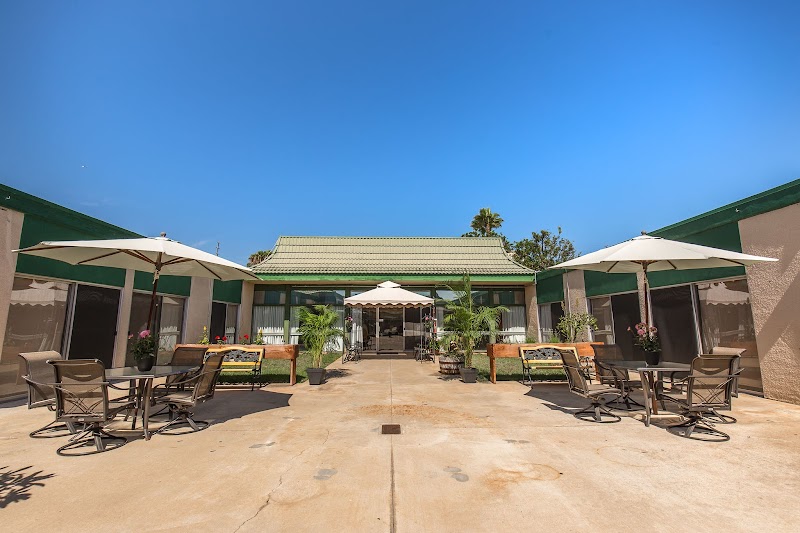
Who Owns and Operates Windsor Gardens Conv Center Of San Diego?

WINDSOR GARDENS CONV CENTER OF SAN DIEGO is owned by a for-profit company. For-profit facilities operate as businesses with obligations to shareholders or private owners. The facility is operated by WINDSOR, a chain that manages multiple nursing homes. With 98 certified beds and approximately 88 residents (about 90% occupancy), it is a smaller facility located in NATIONAL CITY, California.
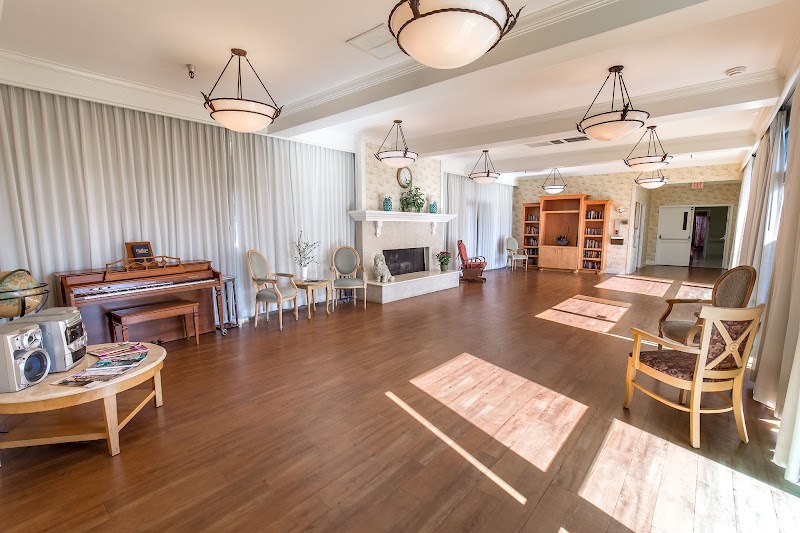
How Does Windsor Gardens Conv Center Of San Diego Compare to Other California Nursing Homes?

Compared to the 100 nursing homes in California, WINDSOR GARDENS CONV CENTER OF SAN DIEGO's overall rating (4 stars) is above the state average of 3.2, staff turnover (33%) is significantly lower than the state average of 46%, and health inspection rating (3 stars) is at the national benchmark.

What Should Families Ask When Visiting Windsor Gardens Conv Center Of San Diego?

Based on this facility's data, families visiting should ask: "Can I visit during a mealtime to observe dining assistance and food quality?" "How do you handle medical emergencies, and what is your hospital transfer rate?" "Can I speak with family members of current residents about their experience?"

Is Windsor Gardens Conv Center Of San Diego Safe?

Based on CMS inspection data, WINDSOR GARDENS CONV CENTER OF SAN DIEGO has a clean safety record: no substantiated abuse findings (meaning no confirmed cases of resident harm), no Immediate Jeopardy citations (the most serious violation level indicating risk of serious injury or death), and is not on the Special Focus Facility watch list (a federal program monitoring the lowest-performing 1% of nursing homes). The facility has a 4-star overall rating and ranks #1 of 100 nursing homes in California. While no facility is perfect, families should still ask about staff-to-resident ratios and recent inspection results during their visit.

Do Nurses at Windsor Gardens Conv Center Of San Diego Stick Around?

WINDSOR GARDENS CONV CENTER OF SAN DIEGO has a staff turnover rate of 33%, which is about average for California nursing homes (state average: 46%). Moderate turnover is common in nursing homes, but families should still ask about staff tenure and how the facility maintains care continuity when employees leave.

Was Windsor Gardens Conv Center Of San Diego Ever Fined?

WINDSOR GARDENS CONV CENTER OF SAN DIEGO has been fined $15,652 across 1 penalty action. This is below the California average of $33,235. While any fine indicates a compliance issue, fines under $50,000 are relatively common and typically reflect isolated problems that were subsequently corrected. Families should ask what specific issues led to these fines and confirm they've been resolved.

Is Windsor Gardens Conv Center Of San Diego on Any Federal Watch List?

WINDSOR GARDENS CONV CENTER OF SAN DIEGO is not on any federal watch list. The most significant is the Special Focus Facility (SFF) program, which identifies the bottom 1% of nursing homes nationally based on persistent, serious quality problems. Not being on this list means the facility has avoided the pattern of deficiencies that triggers enhanced federal oversight. This is a positive indicator, though families should still review the facility's inspection history directly.