Mary Health of the Sick Convalescent & Nursing Hos
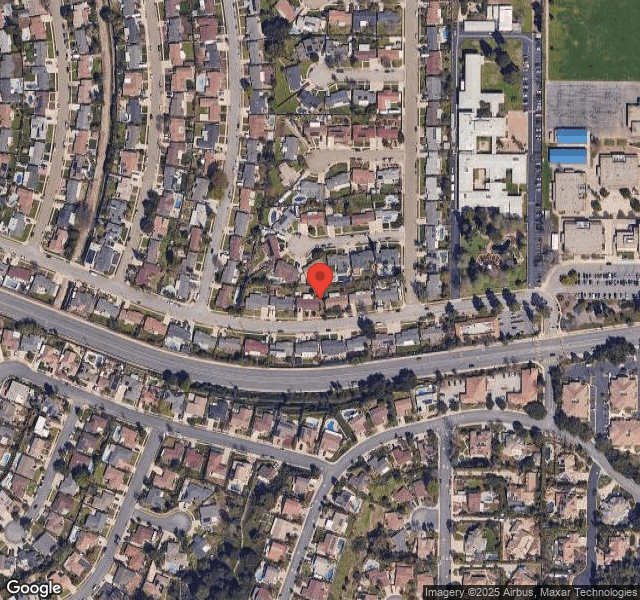
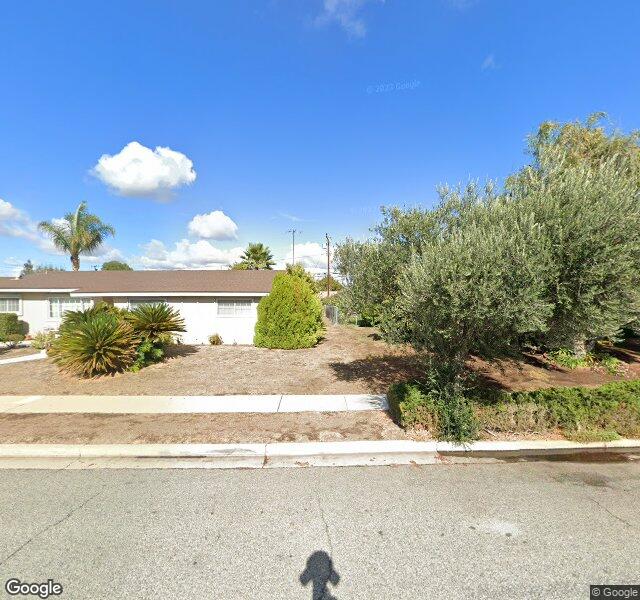
2929 Theresa Drive, Newbury Park, CA 91320 (805) 498-3644
Non profit - Corporation 61 Beds Independent Data: November 2025
Trust Grade
93/100
#140 of 1155 in CA
Last Inspection: February 2025

Within standard 12-15 month inspection cycle. Federal law requires annual inspections.

Overview

Mary Health of the Sick Convalescent & Nursing Home has received an impressive Trust Grade of A, indicating it is highly recommended and performs excellently compared to other facilities. It ranks #140 out of 1,155 nursing homes in California, placing it in the top half, and is #3 out of 19 in Ventura County, meaning only two local options are rated better. The facility is improving, with the number of issues decreasing from 8 in 2023 to just 1 in 2025, and it boasts excellent staffing, with a 5/5 rating and a low turnover rate of 26%, well below the California average. Notably, there have been no fines, and the facility provides more RN coverage than 88% of California facilities, which is a strong advantage for resident care. However, there have been concerns, including issues with food safety and sanitation, such as improperly stored food that could lead to contamination and a lack of a required water management program, which poses potential health risks for residents. Overall, while there are some weaknesses to address, the facility's strengths in staffing and care quality make it a strong option for families to consider.

Trust Score
A
93/100
In California
#140/1155
Top 12%
Safety Record
Low Risk
No red flags
Inspections
Getting Better
8 → 1 violations
Staff Stability
✓ Good
26% annual turnover. Excellent stability, 22 points below California's 48% average. Staff who stay learn residents' needs.
Penalties
✓ Good
No fines on record. Clean compliance history, better than most California facilities.
Skilled Nurses
✓ Good
Each resident gets 52 minutes of Registered Nurse (RN) attention daily — more than average for California. RNs are trained to catch health problems early.
Violations
⚠ Watch
12 deficiencies on record. Higher than average. Multiple issues found across inspections.
★★★★★
5.0
Overall Rating
★★★★★
5.0
Staff Levels
★★★★★
5.0
Care Quality
★★★★★
5.0
Inspection Score
Stable
2023: 8 issues
2025: 1 issues

The Good

  • 5-Star Staffing Rating · Excellent nurse staffing levels
  • 5-Star Quality Measures · Strong clinical quality outcomes
  • Low Staff Turnover (26%) · Staff stability means consistent care
  • Full Sprinkler Coverage · Fire safety systems throughout facility
  • No fines on record
  • Staff turnover is low (26%)

    22 points below California average of 48%

Facility shows strength in staffing levels, quality measures, staff retention, fire safety.

The Bad

No Significant Concerns Identified

This facility shows no red flags. Among California's 100 nursing homes, only 1% achieve this.

The Ugly 12 deficiencies on record

Feb 2025 1 deficiency
CONCERN (F)

Potential for Harm - no one hurt, but risky conditions existed

Food Safety (Tag F0812)

Could have caused harm · This affected most or all residents

**NOTE- TERMS IN BRACKETS HAVE BEEN EDITED TO PROTECT CONFIDENTIALITY** Based on observation, interview, and facility document and policy review, the facility failed to ensure foods were stored in acc...

Read full inspector narrative →
**NOTE- TERMS IN BRACKETS HAVE BEEN EDITED TO PROTECT CONFIDENTIALITY** Based on observation, interview, and facility document and policy review, the facility failed to ensure foods were stored in accordance with professional standards for food safety. Specifically, the facility failed to ensure warm milk placed into the refrigerator to cool was loosely covered to facilitate heat transfer; failed to ensure food items, including frozen carrots and frozen fish, were stored in closed containers and protected from exposure to the air; and failed to ensure a utensil storage rack was free of an accumulation of dust and debris. These failures had the potential to affect all residents receiving meals from the dietary department. Findings included: 1. A facility policy titled, Cooling and Reheating of Potentially Hazardous or Time/Temperature Control for Safety Food, dated 2023, indicated, Cooked Potentially Hazardous Food (PHF) or Time/Temperature Control for Safety (TCS) food shall be cooled and reheated in a method to ensure food safety. The policy specified, When PHF or TCS food will not be served right away, it must be cooled as quickly as possible and Food should be loosely covered, or uncovered if protected from overhead contamination, during the cooling period to facilitate heat transfer from the surface of the food. An observation of the walk-in cooler on 02/24/2025 at 9:37 AM revealed a pan of warm milk stored with plastic wrap that tightly covered the pan. During an interview on 02/24/2025 at 9:37 AM, [NAME] #1 stated that she placed the pan of warm milk in the walk-in refrigerator to cool on the morning of 02/24/2025. [NAME] #1 stated that she knew to leave the plastic open a little bit so that the milk could cool, but she forgot and covered the milk so that the milk would not spill. During an interview on 02/24/2025 at 9:39 AM, the Director of Food and Nutrition Services (DFNS) stated that dietary staff were trained to store warm foods so that they were vented; otherwise, the food item may not cool to appropriate temperatures quickly enough. During an interview on 02/26/2025 at 10:57 AM, the Director of Nursing (DON) stated she expected dietary staff to follow the policy on cooling foods to prevent the potential for resident illness. 2. A facility policy titled, Procedure for Freezer Storage, dated 2023, indicated, 5. Store foods in an air-tight, moisture resistant wrapper such as a plastic bag or freezer wrapper to prevent freezer burn. A concurrent interview and observation of the walk-in freezer on 02/24/2025 at 9:49 AM revealed one 20-pound box of crinkle cut carrot coins and one 10-pound box of pressed Alaskan [NAME] fish fillets were stored in open boxes with the contents exposed to air. The Director of Food and Nutrition Services (DFNS) stated that he expected dietary staff to store frozen foods in tightly sealed containers. During an interview on 02/26/2025 at 10:57 AM, the Director of Nursing (DON) stated that foods stored in the walk-in freezer should be stored per the facility policy in a closed container. 3. A facility policy titled, Shelves, Counters, and other Surfaces Including Sinks (handwashing, food preparation, etc. [et cetera, other similar things]), dated 2023, specified, 1. Remove any large debris with warm detergent solution following manufacturer's instructions and 2. Rinse with clear water using a clean sponge or cloth. Wipe dry with a clean cloth. A facility document titled, Daily/Weekly Cleaning Schedule, for the week of 02/24/2025 through 03/02/2025, revealed a list of cleaning tasks for staff to initial as the tasks were completed; however, the log did not include a cleaning task that specified to clean utensil storage racks. An observation on 02/25/2025 at 12:10 PM of the lunch meal tray line in progress revealed a utensil storage rack, which was adjacent to the tray line, stored multiple serving utensils. The storage rack was observed with an accumulation of dust and debris. During an interview on 02/25/2025 at 1:14 PM, the Director of Food and Nutrition Services (DFNS) stated that dietary staff followed the cleaning schedule that included daily and weekly tasks. After reviewing the cleaning schedule, the DFNS stated, We don't [do not] have the utensil racks on the schedule; I will have to add that. The DFNS then observed the utensil storage racks and stated he saw streaks and specks of debris and dust. The DFNS stated the utensil storage rack should have been cleaned better.
Feb 2023 8 deficiencies
CONCERN (D)

Potential for Harm - no one hurt, but risky conditions existed

Deficiency F0657 (Tag F0657)

Could have caused harm · This affected 1 resident

**NOTE- TERMS IN BRACKETS HAVE BEEN EDITED TO PROTECT CONFIDENTIALITY** Based on observation, interview, and record review, the facility failed to ensure care plan was updated and revised for one of 1...

Read full inspector narrative →
**NOTE- TERMS IN BRACKETS HAVE BEEN EDITED TO PROTECT CONFIDENTIALITY** Based on observation, interview, and record review, the facility failed to ensure care plan was updated and revised for one of 15 residents (Resident 37) reviewed for care plans when Resident 37's care plan for self-care deficit was not revised in a timely manner. This failure did not reflect Resident 37's current care status which had the potential to result in inconsistent care coordination and unmet care needs for Resident 37. Findings: During an observation with Resident 37, on February 6, 2023, at 11:20 AM, inside the room, Resident 37 was lying in bed, with a splint (an appliance used for supporting and protecting tissues) on the right arm and holding a rolled towel on the left hand. Resident 37 was awake, non-verbal, calm, and did not appear to be in any acute distress. A review of Resident 37's clinical record, the admission Record (contains demographic and medical information) indicated Resident 37 was admitted to the facility on [DATE], with diagnoses that included hemiplegia/hemiparesis (brain injury resulting in varying degree of weakness on one side of the body) following cerebral infarction (damage to the brain from interruption of its blood supply) affecting right dominant side, contracture (a condition of shortening and hardening of muscles, tendons, or other tissues, often leading to deformity and hardening of joints) of the right elbow and hand, and aphasia (language disorder that affects a person's ability to communicate). During an interview and concurrent record review of Resident 37's clinical record with Registered Nurse 1 (RN 1) on February 8, 2023, at 1:38 PM, RN 1 verified that an order dated March 22, 2022 was made for Restorative Nursing Assistant (RNA) to perform bilateral (both) upper extremity (BUE) Passive Range of Motion (PROM) 5 x week and then put on right elbow splint and right resting hand splint for 6-7 hrs. or as tolerated in order to maintain her Range of Motion (ROM) for prevention of worsening contractures. RN 1 also stated the nurse who received this order should have updated the care plan to reflect this intervention when the order was made. RN 1 further stated Minimum Data Set (MDS - resident assessment tool) nurse was expected to review and revise the care plan after every quarterly or annual assessments. During an interview and concurrent record review with the MDS Coordinator on February 8, 2023, at 1:56 PM, the MDS Coordinator stated care plans should reflect resident's problems, goals, and interventions. The MDS Coordinator also stated the care plan must be accurate, complete, updated and revised as needed. The MDS Coordinator reviewed Resident 37's Self-care Deficit (ADL - activities of daily living) care plan and stated the RNA for bilateral upper extremity Passive Range of Motion (PROM) and splinting was missed during the past quarterly reviews, and the care plan should have been revised and updated. The MDS Coordinator further added updating the care plan was important for everyone to be aware of the resident's plan of care. During an interview and concurrent record review with the Director of Nursing (DON) on February 9, 2023, at 2:15 PM, the DON stated care plans should be revised or updated whenever there was a change of condition, services, and new orders or interventions were made. The DON also stated nurses were expected to update the care plan when they get an order and for MDS to oversee, review and revise care plans. DON acknowledged the RNA for bilateral upper extremity PROM and splinting was not reflected in the care plan. The facility's policy and procedure, titled, Comprehensive Care Plan, revised 2013, indicated, Policy: A comprehensive care plan shall be developed for each resident that includes measurable objectives and timetables to meet the resident's medical, nursing and psychological needs. Procedure: 2. The comprehensive care plan has been designated to: a. Incorporate identified problem areas .d. Reflect treatment goals and objectives in measurable outcomes. e. Identified the professional services that are responsible for each element of care. g. Enhance the optimal functioning of the resident by focusing on a rehabilitative program .4. Care plans are revised as changes in the resident's condition dictate. Reviews are made at least quarterly.
CONCERN (D)

Potential for Harm - no one hurt, but risky conditions existed

Tube Feeding (Tag F0693)

Could have caused harm · This affected 1 resident

**NOTE- TERMS IN BRACKETS HAVE BEEN EDITED TO PROTECT CONFIDENTIALITY** Based on observation, interview, and record review, the facility failed to flush the gastrostomy tube (g-tube - a tube inserted ...

Read full inspector narrative →
**NOTE- TERMS IN BRACKETS HAVE BEEN EDITED TO PROTECT CONFIDENTIALITY** Based on observation, interview, and record review, the facility failed to flush the gastrostomy tube (g-tube - a tube inserted through the wall of the abdomen directly into the stomach that can be used to give food and medication to a person) before medication administration for one of one resident (Resident 21) with g-tube during medication administration observation. This deficient practice resulted in a clogged g-tube for Resident 21 during medication administration, and had the potential to delay and compromise Resident 21's nutritional needs. Findings: During an observation and concurrent interview with Licensed Vocation Nurse 1 (LVN 1), on February 8, 2023, at 8:28 AM, in the room, LVN 1 was observed administering medications for Resident 21 through g-tube by gravity. LVN 1 did not flush the g-tube with water before administering the medications. Resident 21's medications were not flowing down, and the g-tube was observed to be clogged while LVN 1 was giving the medications. LVN 1 stated Resident 21 did not have an order to flush the g-tube with water before medication administration. During an interview and concurrent record review with LVN 1, on February 8, 2023, at 8:44 AM, the Electronic Medication Administration Record indicated Resident 21 had an order to flush the g-tube with 15 ml (milliliter - a unit of measure that equals to one thousandth of a liter) of water before medication administration. LVN 1 verified the order, and stated the flushing of the g-tube was missed before medication administration. LVN 1 further stated, It is important to flush the g-tube before giving medications to avoid the clog. During an interview with the Director of Nursing (DON), on February 8, 2023, at 9:32 AM, the DON stated, When giving the medications via g-tube, I will check the order if needs flushing before administration. The DON further stated, It is important to flush the g-tube before giving the meds [medications] to facilitate the flow of medications and to avoid clog. During a review of Resident 21's admission Record (contains demographic and medical information), indicated that Resident 21 was admitted to the facility on [DATE], with diagnoses which included Unspecified Dementia (a mental disorder in which a person loses the ability to think, remember, learn, make decisions, and solve problems), Chronic Kidney Disease (a condition in which the kidneys are damaged and cannot filter blood as they should), and Encounter for Attention to Gastrostomy (a surgical opening through the skin of the abdomen to the stomach). During a review of Resident 21's Order Summary Report (a document with list of physician's orders), order date November 30, 2022, indicated, Enteral Feed (a way of delivering nutrition directly to the stomach) Order every shift Flush GT (Gastrostomy Tube) with 15 ml of water before and after medication administration. The facility's policy and procedure titled, Specific Medication Administration Procedures, effective date October 2017, indicated, IIB13: Enteral Tube Medication Administration .G. Flush the tube with at least 15 ml of water prior to medication administration.
CONCERN (D)

Potential for Harm - no one hurt, but risky conditions existed

Pharmacy Services (Tag F0755)

Could have caused harm · This affected 1 resident

Based on observation, interview, and record review, the facility failed to ensure accurate accounting of two controlled substances (medications which are used and distributed with control because of t...

Read full inspector narrative →
Based on observation, interview, and record review, the facility failed to ensure accurate accounting of two controlled substances (medications which are used and distributed with control because of the potential for abuse) for two residents (Residents 2 and 37) in one of two sampled medication carts (Station 1 Medication Cart A). This deficient practice had the potential for loss of accountability and increased the risk that medications may not be available for Residents 2 and 37, when needed, and increased the facility's risk for potential loss, diversion (transfer of a medication from legal to an illegal use), or accidental exposure to controlled substances. Findings: During an observation of Station 1 Medication Cart A, with Licensed Vocational Nurse 2 (LVN 2), on February 8, 2023, at 1:31 PM, the following discrepancies were found between the Controlled Drug Record (a log signed by the nurse with date, time, and amount of medication each time a controlled substance is given to a resident) and the medication container: 1. Resident 2's Controlled Drug Record for Morphine Sulfate (a drug used to treat moderate to severe pain) 100 mg (milligram - a unit of measurement that equals to a thousandth of a gram) / (per) 5 ml (milliliter - a unit of measurement that equals to a thousandth of a liter) indicated there were 18.75 ml left. However, the medication container measurement indicated it was above the line of 20 ml. 2. Resident 37's Controlled Drug Record for Morphine Sulfate 100mg/5mL indicated there were 4.5 ml left. However, the medication container measurement indicated it was above the line of 8 ml. During an interview with LVN 2, on February 8, 2023, at 1:31 PM, LVN 2 verified there were discrepancies between the Controlled Drug Record and amount of medications left in the container as it appears based on the line measurement. LVN 2 further stated, You can under drug or overdose the resident if not properly documenting the right amount. Probably somebody gave the incorrect dose. LVN 2 added, During narcotic drug reconciliation [the process of counting the physical controlled substances and document what is left], we should accurately document what's the actual amount of medications left in the bottle. I did not notice the discrepancy this morning when we checked. The error happened when you did not come to work for a month. During an observation and concurrent record review with Registered Nurse 1 (RN 1), on February 9, 2023, at 8:19 AM, in Station 1 office room across the nurse station, RN 1 presented the following documents: 1. Resident 2's Controlled Drug Record for Morphine Sulfate 100mg/5ml indicated there were 18.75 ml left. However, the medication container measurement indicated it was above the line of 20 ml. RN 1 verified the discrepancy. 2. Resident 37's Controlled Drug Record for Morphine Sulfate 100mg/5ml indicated there were 2.5 ml left. However, the medication container measurement indicated it was above the line of 4 ml. RN 1 verified the discrepancy. During a telephone interview with the Pharmacy Consultant (Ph-C), on February 9, 2023, at 9:01 AM, the Ph-C stated nurses were counting the narcotics every shift. The Ph-C further stated, I don't think there will be variance of 4 or 5 ml in the bottle once they receive medication from the pharmacy, maybe about 2 ml but not 4 to 5 ml. The Ph-C added, If there's a discrepancy in the amount of medication in the container and amount in the count sheet, I will ask the DON to investigate and find out what happened because it should match. The expectation is in the facility policy. During an observation, interview, and concurrent record review with the DON, RN 2, and LVN 2, on February 9, 2023, at 9:56 AM, in Station 1 Medication Room, LVN 2 measured Resident 37's Morphine Sulfate 100mg/5ml, using a tuberculin syringe (a syringe that can hold up to 1 ml of liquid). Controlled Drug Record indicated there were 1.5 ml left, however, the medication container measurement indicated it was 4 ml. LVN 2 was observed aspirating the medication from the container and then tapping the syringe to remove air bubbles. LVN 2 measured 2.5 ml of medication from the container. RN 2 measured it again by using same tuberculin syringe. RN 2 was observed aspirating medication from the container and then tapped the syringe with spillage to remove air bubbles. RN 2 measured 2.75 ml of medication from the container. The DON and RN 2 verified there was a discrepancy between the actual amount of medication in the container and what was documented in the Controlled Drug record. The DON stated there was a discrepancy. During an interview with the Administrator, on February 9, 2023, at 2:10 PM, the Administrator stated they would talk to their pharmacy and order for an alternative form of Morphine Sulfate to avoid issues with accountability. The Administrator added, That's a good catch, at least now we know there's a problem with the measurement that is not exact. We will call the pharmacy maybe we can request for a pre-filled syringe so it's accurate, and we make sure we're giving the right dose to our residents. During an interview with the DON, on February 10, 2023, at 9:33 AM, the DON stated, It's always not exact when we receive that medication from the pharmacy. The measurement in the bottle is not accurate. The DON further stated, It's always above the line but I never receive any report from the nurses that there was a discrepancy. During an interview with LVN 1, on February 10, 2023, at 9:59 AM, in Station 2 hallway, LVN 1 stated, I never had an experience to see like there was 4 or 5 ml over in the Morphine bottle. LVN 1 further stated, If ever it happens to me that there's a big discrepancy like 2 to 3 ml, I will report it to the DON. During an interview with the Administrator, on February 10, 2023, at 10:12 AM, the Administrator stated, They just go with the flow in signing the sheet. We need to do something that it should match. Our system has to be right. The Administrator added, We need to follow our policy that any discrepancies should be reported and investigated to fix the problem right away. I don't have any reports form the DON that there was an investigation in the past regarding discrepancies. During a review of Resident 2's The Administrator Record (contains demographic and medical information) indicated that Resident 2 was admitted to the facility, on March 4, 2020, with diagnoses which included Chronic Kidney Disease (a condition in which the kidneys are damaged and cannot filter blood as they should), Bilateral Primary Osteoarthritis of Hip (a condition of wear and tear of bone related to aging on both hips), and Other Chronic Pain (pain that carries on for a long time despite medication or treatment). During a review of Resident 2's Order Summary Report (document with list of physician's orders), order date February 10, 2022, indicated, Morphine Sulfate (Concentrate) Solution 20mg/ml Give 0.25 ml sublingually [applied under the tongue] every 2 hours as needed for moderate pain scale 4-6/10 (four to six out of ten) to severe pain scale 7-10/10 (seven to ten out of ten) (0.25ml=5mg) *Hold if respiratory rate is below 8 per minute. During a review of Resident 37's The Administrator Record, indicated that Resident 37 was admitted to the facility, on February 24, 2022, with diagnoses which included Pressure Induced Deep Tissue Damage of Head (a serious form of pressure ulcer [damage to an area of the skin caused by constant pressure on the area for a long time] that causes an inadequate supply of blood) and Encounter for Palliative Care ( specialized medical care for people living with serious illness). During a review of Resident 37's Order Summary Report, order date March 3, 2022, indicated the following: - Morphine Sulfate (Concentrate) Solution 20mg/ml Give 0.25 ml sublingually every 2 hours as needed for End of life care (0.25ml=5mg) for break thru pain hold for sedation. - Morphine Sulfate (Concentrate) Solution 20mg/ml Give 0.5 ml sublingually every 4 hours for End of life 0.5ml=10mg) hold for sedation. - Morphine Sulfate (Concentrate) Solution 20mg/ml Give 1 ml sublingually every day shift for End of life care 1ml=20mg 30 minutes before wound care. The State Operations Manual Appendix PP - Guidance to Surveyors for Long Term Care Facilities, revised 10/21/2022, indicated, F755 .D. Controlled Medications .The general standard of practice for documenting usage of liquid controlled medications is to record the starting volume from the label, record each dose administered, subtract the dose administered from the previously recorded volume, and record the remaining amount. Any observed discrepancy between the recorded amount and what appears to be remaining in the container should be reported according to facility policy. The facility's policy and procedure titled, Medication Storage in the Facility, effective date August 2014, indicated, Policy .E. Any discrepancy in controlled substance medication counts is reported to the director of nursing immediately. The director or designee investigates and makes every reasonable effort to reconcile all reported discrepancies. The director of nursing documents irreconcilable discrepancies in a report to the administrator.
CONCERN (D)

Potential for Harm - no one hurt, but risky conditions existed

Deficiency F0760 (Tag F0760)

Could have caused harm · This affected 1 resident

**NOTE- TERMS IN BRACKETS HAVE BEEN EDITED TO PROTECT CONFIDENTIALITY** Based on observation, interview, and record review, the facility failed to ensure one of six sampled residents (Resident 347) wa...

Read full inspector narrative →
**NOTE- TERMS IN BRACKETS HAVE BEEN EDITED TO PROTECT CONFIDENTIALITY** Based on observation, interview, and record review, the facility failed to ensure one of six sampled residents (Resident 347) was free from significant medication error when Resident 347's controlled medication (medication used and distributed with control because of the potential for abuse) was not administered according to physician's order. This deficient practice had the potential for Resident 347 not to receive the scheduled medication which could lead to the resident's decline in health, hospitalization, or death. Findings: During medication administration observation with Licensed Vocational Nurse 2 (LVN 2), on February 8, 2023, at 7:56 AM, in Station 1 hallway, LVN 2 was observed preparing medications, and administered all prepared medications to Resident 347. During an interview and concurrent record review with LVN 2, on February 8, 2023, at 8:17 AM, the Electronic Medication Administration Record for Resident 347 indicated an order of Lacosamide (medication used to treat seizures [uncontrolled body movements and changes in behavior that occur because of abnormal activity in the brain]) 100 mg (milligram - a unit of measure that equals to one thousandth of a gram) every 12 hours for Todd's Paralysis (a condition experienced by individuals with seizures in which is followed by a brief period of temporary paralysis [loss of ability to move some or all of your body]). The Lacosamide was omitted and was not observed to be given to Resident 347. LVN 2 stated the Lacosamide medication was given along with other medications to Resident 347. During an observation and concurrent interview with LVN 2, on February 8, 2023, at 8:22 AM, in Station 1 hallway, LVN 2 was observed checking all the medication bubble packs (a type of packet containing sealed compartments for medicines to be taken at particular time of the day) in Medication Cart A for Resident 347. The Lacosamide medication bubble pack was missing. LVN 2 stated she would check the medication room first. LVN 2 came back from the medication room and stated, The medication is in controlled meds [medication] drawer. LVN 2 was observed searching for the Lacosamide medication bubble pack in one of a locked drawer in medication cart. When LVN 2 found the Lacosamide medication bubble pack, LVN 2 stated, Sorry, I forgot to give this medication. It happens when you're gone for a month and just came back. LVN 2 further stated, It's important to check all the orders and give all medications to resident so you don't under drug them. During an interview with the Director of Nursing (DON), on February 8, 2023, at 9:32 AM, the DON stated, All medications should be given as ordered. During a review of Resident 347's admission Record (contains demographic and medical information), indicated that Resident 347 was admitted to the facility on [DATE], with diagnoses which included Cerebral Infarction (occurs as a result of lack of adequate blood supply to brain cells depriving oxygen and vital nutrient which cause parts of the brain to die off), Hemiplegia and Hemiparesis (paralysis of one side of the body), and Todd's Paralysis. During a review of Resident 347's Order Summary Report (document with list of physician's orders), order date February 3, 2023, indicated, Lacosamide Oral Tablet 100 mg (Lacosamide) Give 1 tablet by mouth two times a day related to Todd's Paralysis . During a review of facility policy and procedure titled, Medication Pass Tips, effective date August 2014, indicated, .32. Remember the Ten (10) Rights of Medication Pass: 1. Right Resident 2. Right Drug 3. Right Dose 4. Right Form 5. Right Route 6. Right Time .
CONCERN (D)

Potential for Harm - no one hurt, but risky conditions existed

Deficiency F0761 (Tag F0761)

Could have caused harm · This affected 1 resident

**NOTE- TERMS IN BRACKETS HAVE BEEN EDITED TO PROTECT CONFIDENTIALITY** Based on observation, interview, and record review, the facility failed to discard two expired over the counter medications in t...

Read full inspector narrative →
**NOTE- TERMS IN BRACKETS HAVE BEEN EDITED TO PROTECT CONFIDENTIALITY** Based on observation, interview, and record review, the facility failed to discard two expired over the counter medications in two out of two sampled medication carts. This deficient practice had the potential for loss of strength of the medication and for the residents to receive ineffective medication. Findings: 1. During an observation and concurrent interview with Licensed Vocational Nurse 1 (LVN 1), on February 8, 2023, at 10:31 AM, in Station 2 Medication Cart A, one bottle of Activated Charcoal (indicated for preliminary elimination of the toxin in moderate to severe cases of poisoning) 780 mg (milligram - unit of measure that equals to one of a thousandth gram) was found for Resident 4 with an expiration date of 01/2023. LVN 1 verified the medication was expired and stated expired medications should be discarded to prevent from giving it to the resident. During an interview with the Director of Nursing (DON), on February 8, 2023, at 11:27 AM, the DON stated that any expired medications should be discarded and not given to residents. During a review of Resident 4's admission Record (contains demographic and medical information) indicated that Resident 4 was admitted to the facility on [DATE], with diagnoses which included Unspecified Atrial Fibrillation (condition of an irregular and often very rapid heart rate that can lead to blood clots in the heart) and Chronic Combined Congestive Heart Failure [condition when heart ventricles (part of the heart that receives blood and pump it to the rest of the body) cannot produce enough pressure to push blood into circulation and cannot relax, expand, or fill with enough blood]. 2. During an observation and concurrent interview with LVN 2, on February 8, 2023, at 1:31 PM, in Station 1 Medication Cart A, one bottle of Magnesium SRT Supplement (commonly used for low magnesium [a nutrient that the body needs in regulating muscle, nerve function, blood sugar levels, and blood pressure] levels and for a certain type of irregular heartbeat) was found for Resident 26 with an expiration date of 01/2023. LVN 2 verified the medication was expired and stated expired medications should be disposed and not stored in the medication cart. During a telephone interview with the Pharmacy Consultant (Ph-C), on February 9, 2023, at 9:01 AM, the Ph-C stated nurses should check the expiration date of medications and remove expired medications from the medication cart and prevent from giving to residents. During a review of Resident 26's admission Record, indicated that Resident 26 was admitted to the facility on [DATE], with diagnoses which included Chronic Combined Congestive Heart Failure (a condition in which the heart does not pump blood as it should) and Hypertensive Heart Disease with Heart Failure (a condition when heart is not pumping enough blood due to high blood pressure). The facility policy and procedure titled, Medication Administration, dated November 2020, indicated, Policy. To administer medications in a safe and effective manner. Procedure .5. Check expiration date on package/container .
CONCERN (F)

Potential for Harm - no one hurt, but risky conditions existed

Food Safety (Tag F0812)

Could have caused harm · This affected most or all residents

Based on observation, interview and record review, the facility failed to maintain a sanitary kitchen and store food in accordance with professional standards for food service safety when: 1. There we...

Read full inspector narrative →
Based on observation, interview and record review, the facility failed to maintain a sanitary kitchen and store food in accordance with professional standards for food service safety when: 1. There were several black residue build-up on the floor in the dishwashing area. 2. Food items in the dry storage room had no received date labels and were beyond the best if used by date. 3. Food items in the dry storage room had no received date labels. These failures had the potential to contaminate residents' food and cause foodborne (illness caused by food contaminated with bacteria and viruses) illnesses to a population of 45 medically compromised residents who received food from the kitchen. Findings: 1. During an initial kitchen tour observation on February 6, 2023, at 8:51 AM, in the dish washing area, there were several black residue build-up on the floor under the dishwashing machine. During an observation of the dishwashing area and concurrent interview on February 6, 2023, at 10:03 AM, with the Director of Food and Nutrition Services (DFNS), the DFNS acknowledged the finding and stated the dishwashing area floor should be clean. The DFNS stated the specific area noted with the black residue build-up should be cleaned daily by the evening staff. The DFNS further stated the black residues should not be present. During an interview with the Registered Dietitian (RD) on February 9, 2023, at 10:23 AM, the RD stated the expectations on kitchen cleanliness and sanitation was high. The RD further stated it was expected from the staff to clean their respective areas and mop the floor daily. The facility's policy and procedure (P&P) titled, Sanitation and Infection Control, dated 2018, indicated, Subject: Sanitation and Infection Control. Policy: Sanitation and infection control measures will be followed to ensure resident/patients and staff receives safe food and water. Standards will meet requirements of federal, state and local regulations. Employees must follow specific procedures in all areas listed below to ensure the department operates under sanitary conditions on a daily basis. Areas: .12. Cleaning schedules .14. Dishwashing Procedures (Dish machine) . The facility's P&P titled, Sanitation and Infection Control, dated 2018, indicated, Subject: Pest Control. Policy: .Pest control is designed to maintain a sanitary environment, which prevents contamination, transmission or spread of disease, by insects or rodents. Procedures: 1. The kitchen will be kept clean . During a review of the Food and Drug Administration (FDA) Federal Food Code, dated 2022, indicated 4-602.13 Nonfood-Contact Surfaces. The presence of food debris or dirt on nonfood contact surfaces may provide a suitable environment for the growth of microorganisms which employees may inadvertently transfer to food. If these areas are not kept clean, they may also provide harborage for insects, rodents, and other pests . The FDA Federal Food Code further indicated, 4-202.16 Nonfood-Contact Surfaces. Hard-to-clean areas could result in the attraction and harborage of insects and rodents and allow the growth of foodborne pathogenic microorganisms. The FDA Federal Food Code, dated 2022, further indicated, 6-501.12 Cleaning, Frequency and Restrictions. (A) Physical Facilities shall be cleaned as often as necessary to keep them clean. 2. During an initial kitchen tour observation and concurrent interview on February 6, 2023, at 9:31 AM, in the dry storage room, with the DFNS, the DFNS confirmed the findings below. The DFNS stated food items had to be labeled with received date and removed from the dry storage room after the best if used by date. One open box of rice hot cereal with no received date label and an open date labeled 1/29/23 with a best if used by date of 3/23/2022. (10 months past the best if used by date). Two boxes of unopened rice hot cereal with no received date label and a best if used by date of 3/23/2022 (10 months past the best if used by date). A bottle of unopened Italian Dressing with no received date label and a best if used by date of 1/29/2023 (8 days past the best if used by date). During a subsequent interview on February 6, 2023, at 9:46 AM, in the dry storage room, with the DFNS, the DFNS stated all kitchen staff were responsible for checking the dates and labels on the food items. The DFNS stated he had oversight and was responsible for this process. DFNS further acknowledged the findings and stated the food items were missed to be removed. During an interview on February 9, 2023, at 10:23 AM, with the RD, the RD stated the best practice was to label food items with received date and to follow the first in first out policy. The RD stated the dry storage room was checked on January 9, 2023, but she missed the opened box of rice hot cereal, the two boxes of unopened rice hot cereal, and the bottle of unopened Italian Dressing. The RD further stated the standard of practice was to throw away food items beyond the best if used by date for food safety. During an interview on February 10, 2023, at 10:20 AM with the Kitchen [NAME] (KC), the KC stated food items in the dry storage area should be labeled with a received date. The KC also stated food items beyond the best if used by date should be tossed away and never used. During an interview and record review of the Dry Storage Chart on February 10, 2023, at 10:23 AM, in the kitchen, with the RD, the RD stated the rice hot cereals fell under the cooked (before preparation) cereals category with recommended storage time of six months both for opened and unopened product. The facility's P&P titled, Food Purchasing, Receiving, and Production, dated 2018, indicated, Subject: Receiving Food. Policy: Food will be received and inspected to ensure orders are correct and food is safe. Any food items not meeting standards will be rejected and sent back to the supplier. Procedures: .6. Expiration dates will be checked on pre-dated packages to ensure food/beverages are not expired. Items not pre-dated will be labeled with the date received to ensure First In First Out . The FDA Federal Food Code, dated 2022, indicated Annex 3. Public Health Reasons/Administrative Guidelines. Manufacturer's use-by dates .the manufacturer's use-by date is its recommendation for using the product while its quality is at its best. Although it is a guide for quality, it could be based on food safety reasons .If the product becomes inferior quality-wise due to time in storage, it is possible that safety concerns are not far behind. 3. During an initial kitchen tour observation and concurrent interview on February 6, 2023, at 9:43 AM, in the dry storage room, with the DFNS, the DFNS confirmed the findings below and stated these food items should have been labeled with received dates. Five boxes of Instant Mashed Potatoes had no received date label A cannister of Pure white sugar had no received date label During a subsequent interview on February 6, 2023, at 9:45 AM, in the dry storage area, with DFNS, the DFNS stated the invoice indicated the food items were received on January 31, 2023 and should have been labeled upon receipt. During an interview on February 9, 2023, at 10:23 AM, with the RD, the RD stated the best practice was to label food items with received date to follow the first in first out policy. The facility's P&P titled, Food Purchasing, Receiving, and Production, dated 2018, indicated, Subject: Receiving Food. Policy: Food will be received and inspected to ensure orders are correct and food is safe. Any food items not meeting standards will be rejected and sent back to the supplier. PROCEDURES: .6. Expiration dates will be checked on pre-dated packages to ensure food/beverages are not expired. Items not pre-dated will be labeled with the date received to ensure First In First Out .
CONCERN (F)

Potential for Harm - no one hurt, but risky conditions existed

Deficiency F0838 (Tag F0838)

Could have caused harm · This affected most or all residents

Based on interview and record review, the facility failed to create a facility assessment specific to the needs of the facility's population and location as part of the required facility assessment, w...

Read full inspector narrative →
Based on interview and record review, the facility failed to create a facility assessment specific to the needs of the facility's population and location as part of the required facility assessment, when the facility assessment did not include the required water management program. This deficient practice failed to establish an individualized facility assessment to meet the requirement for a water management program which had the potential to place the residents at risk for outbreak of an opportunistic waterborne (a disease or infection that people can catch from infected water) pathogen causing disease. Findings: During an interview and concurrent record review of the Facility Assessment with the Administrator on February 7, 2023, at 3:08 PM, the Facility Assessment did address a water management program. The Administrator stated the facility did not have a water management program in place to prevent the development and transmission of Legionnaires' disease (a severe, often lethal, form of pneumonia [lung inflammation caused by bacterial, in which the lung air sacs fill with pus], caused by the bacterium Legionella pneumophila (a bacteria that can be found in water systems such as air conditioners, showers, sinks, and water fountains) found in both potable and non-potable water systems [showers, sinks and water fountains]) and other opportunistic waterborne pathogens. The Administrator verified the facility's assessment failed to show a water management program and assessment was conducted for the facility. The Centers for Disease Control and Prevention (CDC) guideline, titled, Legionella - Water Management in Healthcare Facilities, last reviewed on March 25, 2021, indicated, CDC encourages healthcare facilities included in the scope of ASHRAE [American Society of Heating and Air-Conditioning Engineers] Standard 188 (Section 5.2) to develop and implement comprehensive water management programs. Water management programs can help reduce the risk for Legionella growth and transmission. A comprehensive water management program can have additional benefits in the control of other water-related healthcare-associated infections. Water management programs should therefore be monitored for their efficacy in reducing risk for a variety of pathogens.
CONCERN (F)

Potential for Harm - no one hurt, but risky conditions existed

Infection Control (Tag F0880)

Could have caused harm · This affected most or all residents

Based on interview and record review, the facility failed to have measures in place to prevent the growth of Legionella (a bacteria that can be found in water systems such as air conditioners, showers...

Read full inspector narrative →
Based on interview and record review, the facility failed to have measures in place to prevent the growth of Legionella (a bacteria that can be found in water systems such as air conditioners, showers, sinks, and water fountains) and other opportunistic waterborne (a disease or infection that people can catch from infected water) pathogens in building water systems. This failure resulted in the facility not having a water management program which potentially exposed the residents of the facility to Legionella and other harmful waterborne pathogens. Findings: During an interview and concurrent record review with the Administrator on February 7, 2023, at 3:08 p.m., the Facility Assessment did not address a water management program. The Administrator stated they did not conduct water testing to ensure Legionella and other harmful waterborne pathogens were not present in the facility's water system. The Administrator further stated the facility did not have a water management program in place to prevent the development and transmission of Legionnaires' disease (a severe, often lethal, form of pneumonia [lung inflammation caused by bacterial, in which the lung air sacs fill with pus], caused by the bacterium Legionella pneumophila found in both potable and non-potable water systems [showers, sinks and water fountains]) and other opportunistic waterborne pathogens. The Centers for Disease Control and Prevention (CDC) guideline, titled, Legionella - Water Management in Healthcare Facilities, last reviewed on March 25, 2021, indicated, CDC encourages healthcare facilities included in the scope of ASHRAE [American Society of Heating and Air-Conditioning Engineers] Standard 188 (Section 5.2) to develop and implement comprehensive water management programs. Water management programs can help reduce the risk for Legionella growth and transmission. A comprehensive water management program can have additional benefits in the control of other water-related healthcare-associated infections. Water management programs should therefore be monitored for their efficacy in reducing risk for a variety of pathogens.
Oct 2019 3 deficiencies
CONCERN (D)

Potential for Harm - no one hurt, but risky conditions existed

Comprehensive Care Plan (Tag F0656)

Could have caused harm · This affected 1 resident

2. Review of the clinical record for Resident 36's on 10/09/19 indicated diagnoses including decreased mobility, diabetic neuropathy (body pain due to diabetes) and to administer Tylenol 650 mg. every...

Read full inspector narrative →
2. Review of the clinical record for Resident 36's on 10/09/19 indicated diagnoses including decreased mobility, diabetic neuropathy (body pain due to diabetes) and to administer Tylenol 650 mg. every 4 hours as needed (PRN). The physician order dated 9/7/19 indicated an order for NPI prior to pain medication administration: 1= repositioning, 2= dim light, 3= cold applications, 4= relaxing techniques, 5= distraction, 6= music, 7= quiet environment every shift. Review of Resident 36 care plan initially initiated on 8/1/17 for pain did not reflect any update or revision to include the NPI as ordered on 9/7/19. The facility policy and procedures titled Comprehensive Care Plan indicated care plan shall be developed for each resident that includes measurable objectives and time tables to meet the resident medical, nursing and psychological needs. During an interview on 10/9/19 at 4:26 p.m., the DON indicated the non-pharmacological interventions was not care planned as ordered on 9/7/19 and the careplan was not updated. Based on record review and interview, the facility failed to ensure the careplan developed for two of 13 sampled residents. (Resident 42 and 36) were comprehensive based on the residents assessment and needs: 1. Resident 42's careplan for pain did not include the non-pharmacological interventions (NPI) in conjunction with pain management. 2. Resident 36's did not have a care plan in place for NPI associated with the administration of pain medications. These failures had the potential for Residents 42 and 36 pain needs to be not assessed appropriately to determine if the need to administer pain medication is warranted right away. Findings: The facility policy titled Comprehensive Care Plan dated 2013, indicated .The comprehensive care plan has been designated to reflect treatment goals and objectives in measurable outcomes . 1. Review of the clinical record for Resident 42 on 10/9/19, indicated an admission date of 6/19/15 with the diagnoses including peripheral vascular disease (thinning with occlusion of veins in the lower extremities), osteoarthritis (pain in bones and joints), venous insufficiency (insufficient blood flow in veins) and rupture of unspecified shoulder ( disintegration of shoulder bones). The physician orders included the following pain medications: 10/8/19 -Norco (controlled pain medication) 7.5/325 mg 0.5 tablet by mouth in the morning related to unspecified osteoarthritis pain. 10/8/19- Norco 7.5/325 mg 1 tablet by mouth two times a day, routine pain medication 1/16/19 -Hydrocodone-Acetaminophen 7.5/325 mg 1 tablet PO every 8 hours for osteoarthritis pain. 3/14/19 -Tylenol 325 mg 2 tablet PO every 8 hours as needed for mild pain. 4/15/18 - Gabapentin 100 mg by mouth at bedtime related to osteoarthritis ordered. 6/19/15 - Assess pain level every shift. 9/7/19- Non-pharmacological intervention (NPI) done prior to pain medication administration every shift: 1=Repositioning, 2= Dim light, 3= Cold Applications, 4=Relaxing techniques, 5=Distraction, 6=Music, 7=Quiet Environment. During the review of Resident 42's careplans and concurrent interview with the Director of Nursing (DON) on 10/9/19 at 11:14 a.m., no careplan on pain was located reflecting the physician's order for NPI prior to pain medication administration as ordered on 9/7/19. The DON confirmed the care plan for the non-pharmacological intervention was not developed timely and should have been initiated on the day it was ordered.
CONCERN (D)

Potential for Harm - no one hurt, but risky conditions existed

Deficiency F0761 (Tag F0761)

Could have caused harm · This affected 1 resident

**NOTE- TERMS IN BRACKETS HAVE BEEN EDITED TO PROTECT CONFIDENTIALITY** Based on observation, interview and record review, the facility failed to ensure a resident medication brought to the facility f...

Read full inspector narrative →
**NOTE- TERMS IN BRACKETS HAVE BEEN EDITED TO PROTECT CONFIDENTIALITY** Based on observation, interview and record review, the facility failed to ensure a resident medication brought to the facility from home and not verified by the facility's servicing pharmacy and pharmacist was not left in the medication storage 1 (MS 1). This failure had the potential for medication diversion. Findings: During an observation inside MS 1 on 10/10/19 at 9:18 a.m and concurrent interview with Registered Nurse Supervisor (RNS1), a wall mounted medicine cabinet was noted to contain a bottle of the medication Preservision (eye medicine) labeled with Resident 2's name. RNS 1 indicated the medication is from home brought by the family and Resident 2 is currently discharged and the medication should have been destroyed. Review of the closed record for Resident 2 indicated an admission date of 9/18/19. Resident 2 was discharged to a hospital on 9/26/19 , readmitted back to the facility on [DATE], and discharged out to the hospital on [DATE]. No record could be located if the medication was verified by the facility's servicing pharmacy or pharmacist. The facility's policy and procedure titled, Disposal of Medications and Medication-Related Supplies dated March 2019 indicated .Medications left in the facility after a resident's discharge are destroyed . The facility was not able to present a policy regarding storage of unverified medications inside the medication storage areas upon request.
CONCERN (E)

Potential for Harm - no one hurt, but risky conditions existed

Deficiency F0658 (Tag F0658)

Could have caused harm · This affected multiple residents

**NOTE- TERMS IN BRACKETS HAVE BEEN EDITED TO PROTECT CONFIDENTIALITY** 2. Review of the clinical record for Resident 8 indicated diagnoses including diabetes mellitus with diabetic neuropathy (nerve ...

Read full inspector narrative →
**NOTE- TERMS IN BRACKETS HAVE BEEN EDITED TO PROTECT CONFIDENTIALITY** 2. Review of the clinical record for Resident 8 indicated diagnoses including diabetes mellitus with diabetic neuropathy (nerve pain). The physician order included Tylenol 325 mg. give two tablets by mouth every 4 hours of mild pain ordered on 8/8/19 ,Tramadol 50 mg. by mouth every 4 hours as needed for moderate to severe pain ordered on 4/8/19, and NPIsprior to pain medication administration: 1= repositioning, 2= dim light, 3= cold applications, 4= relaxing techniques, 5= distraction, 6= music, 7= quiet environment, every shift ordered on 9/7/19. Review of Resident 8's MAR dated 10/1/19 to 10/31/19 indicated positioning was implemented on 10/1/19 and 10/3/19 in the day shift. No other NPIs were implemented. For the afternoon and night shift no NPIs were implemented from 10/19 to 10/9/19. Review of the clinical record for Resident 36 indicated diagnoses including generalized pain and diabetes 2 (inability of the body to produce and absorb insulin). The physician order included Tylenol 325 mg. two tablets by mouth every four hours as needed for generalized pain ordered on 7/31/18 and NPIs prior to pain medication administration: 1= repositioning, 2= dim light, 3= cold applications, 4= relaxing techniques, 5= distraction, 6= music, 7= quiet environment, every shift ordered on 9/7/19. Review of Resident 36 MAR dated 10/1/19 to 10/31/19 indicated no NPI interventions was done from 10/4/19 to 10/9/19 for the day shift, 10/1,10/3,10/6, and 10/8/19 for the afternoon shift, and 10/1- 10/8/19 for the night shift. Review of the clinical record for Resident 151 indicated diagnoses including spinal stenosis lumbosacral region (narrowing of the spinal cord area). The physician order dated 10/4/19 had orders for Tramadol HCL 50 mg. one tablet every 4 hours as needed for moderate pain , Tylenol 325 mg two tablets by mouth every four hours as needed for mild pain, and NPI prior to pain medication administration: 1= repositioning, 2= dim light, 3= cold applications, 4= relaxing techniques, 5= distraction, 6= music, 7= quiet environment, every shift. Review of Resident 151's MAR indicated no NPI on 10/5-10/6/19 on the day shift, and 10/7/19 on the afternoon shift . Review of the MAR and concurrent interview with the DON on 10/09/19 at 4:26 p.m., the DON indicated the NPIs were not done per doctor's order. Based on record review and interview, the facility failed to ensure four of 13 sampled residents (Resident 42, 8, 36, and 151) received non-pharmacological interventions (NPI) as ordered by the physician. This failure has the potential for the residents to receive unnecessary pain medication and mismanaged pain. Findings: Review of [NAME] and [NAME], 7th Edition, Mosby's Fundamentals of Nursing, page 419 in the section titled, Legal Implications in Nursing Practice indicates, Nurses are obligated to follow physician order unless they believe the orders are in error or would harm clients. 1. Review of the clinical record for Resident 42 on 10/9/19, indicated an admission date of 6/19/15 with the diagnoses including peripheral vascular disease (thinning with occlusion of veins in the lower extremities), osteoarthritis (pain in bones and joints), venous insufficiency (insufficient blood flow in veins) and rupture of unspecified shoulder (disintegration of shoulder bones). Resident 42 was on multiple pain medications as ordered by the physician including Norco (controlled medication) 7.5/325 mg 0.5 tablet by mouth in the morning related to unspecified osteoarthritis, Norco 7.5/325 mg 1 tablet by mouth two times a day,Hydrocodone-Acetaminophen (controlled medication)7.5/325 mg 1 tablet by mouth every 8 hours for osteoarthritis pain,Tylenol 325 mg 2 tablet PO every 8 hours as needed for mild pain, and Gabapentin 100 mg by mouth at bedtime related to osteoarthritis. On 9/7/19 another physician order was entered into the resident's clinical record to administer :Non-pharmacological intervention (NPI)done prior to pain medication administration every shift: 1=Repositioning, 2= Dim light, 3= Cold Applications, 4=Relaxing techniques, 5=Distraction, 6=Music, 7=Quiet Environment. Review of Resident 42's Medication Administration Record (MAR) dated September to October 2019 indicated the NPIs done prior to pain medication administered were not consistently marked as implemented. During an interview on 10/09/19 at 11:14 a.m., the director of nursing (DON) confirmed the non-pharmacological intervention order was not followed as indicated in the physician's order.
Understanding Severity Codes (click to expand)
Life-Threatening (Immediate Jeopardy)
J - Isolated K - Pattern L - Widespread
Actual Harm
G - Isolated H - Pattern I - Widespread
Potential for Harm
D - Isolated E - Pattern F - Widespread
No Harm (Minor)
A - Isolated B - Pattern C - Widespread

Questions to Ask on Your Visit

  • "Can I speak with families of current residents?"
  • "What's your RN coverage like on weekends and overnight?"

Our Honest Assessment

Strengths
  • • Grade A (93/100). Above average facility, better than most options in California.
  • • No major safety red flags. No abuse findings, life-threatening violations, or SFF status.
  • • No fines on record. Clean compliance history, better than most California facilities.
  • • 26% annual turnover. Excellent stability, 22 points below California's 48% average. Staff who stay learn residents' needs.
Concerns
  • • 12 deficiencies on record. Higher than average. Multiple issues found across inspections.
Bottom line: Generally positive indicators. Standard due diligence and a personal visit recommended.

About This Facility

What is Mary Health Of The Sick Convalescent & Nursing Hos's CMS Rating?

CMS assigns Mary Health of the Sick Convalescent & Nursing Hos an overall rating of 5 out of 5 stars, which is considered much above average nationally. Within California, this rating places the facility higher than 99% of the state's 100 nursing homes. This rating reflects solid performance across the metrics CMS uses to evaluate nursing home quality.

How is Mary Health Of The Sick Convalescent & Nursing Hos Staffed?

CMS rates Mary Health of the Sick Convalescent & Nursing Hos's staffing level at 5 out of 5 stars, which is much above average compared to other nursing homes. Staff turnover is 26%, compared to the California average of 46%. This relatively stable workforce can support continuity of care.

What Have Inspectors Found at Mary Health Of The Sick Convalescent & Nursing Hos?

State health inspectors documented 12 deficiencies at Mary Health of the Sick Convalescent & Nursing Hos during 2019 to 2025. These included: 12 with potential for harm.

Who Owns and Operates Mary Health Of The Sick Convalescent & Nursing Hos?

Mary Health of the Sick Convalescent & Nursing Hos is owned by a non-profit organization. Non-profit facilities reinvest revenue into operations rather than distributing to shareholders. The facility operates independently rather than as part of a larger chain. With 61 certified beds and approximately 56 residents (about 92% occupancy), it is a smaller facility located in Newbury Park, California.

How Does Mary Health Of The Sick Convalescent & Nursing Hos Compare to Other California Nursing Homes?

Compared to the 100 nursing homes in California, Mary Health of the Sick Convalescent & Nursing Hos's overall rating (5 stars) is above the state average of 3.2, staff turnover (26%) is significantly lower than the state average of 46%, and health inspection rating (5 stars) is much above the national benchmark.

What Should Families Ask When Visiting Mary Health Of The Sick Convalescent & Nursing Hos?

Based on this facility's data, families visiting should ask: "Can I visit during a mealtime to observe dining assistance and food quality?" "How do you handle medical emergencies, and what is your hospital transfer rate?" "Can I speak with family members of current residents about their experience?"

Is Mary Health Of The Sick Convalescent & Nursing Hos Safe?

Based on CMS inspection data, Mary Health of the Sick Convalescent & Nursing Hos has a clean safety record: no substantiated abuse findings (meaning no confirmed cases of resident harm), no Immediate Jeopardy citations (the most serious violation level indicating risk of serious injury or death), and is not on the Special Focus Facility watch list (a federal program monitoring the lowest-performing 1% of nursing homes). The facility has a 5-star overall rating and ranks #1 of 100 nursing homes in California. While no facility is perfect, families should still ask about staff-to-resident ratios and recent inspection results during their visit.

Do Nurses at Mary Health Of The Sick Convalescent & Nursing Hos Stick Around?

Staff at Mary Health of the Sick Convalescent & Nursing Hos tend to stick around. With a turnover rate of 26%, the facility is 20 percentage points below the California average of 46%. Low turnover is a positive sign. It means caregivers have time to learn each resident's needs, medications, and personal preferences. Consistent staff also notice subtle changes in a resident's condition more quickly.

Was Mary Health Of The Sick Convalescent & Nursing Hos Ever Fined?

Mary Health of the Sick Convalescent & Nursing Hos has no federal fines on record. CMS issues fines when nursing homes fail to meet care standards or don't correct problems found during inspections. The absence of fines suggests the facility has either maintained compliance or corrected any issues before penalties were assessed. This is a positive indicator, though families should still review recent inspection reports for the full picture.

Is Mary Health Of The Sick Convalescent & Nursing Hos on Any Federal Watch List?

Mary Health of the Sick Convalescent & Nursing Hos is not on any federal watch list. The most significant is the Special Focus Facility (SFF) program, which identifies the bottom 1% of nursing homes nationally based on persistent, serious quality problems. Not being on this list means the facility has avoided the pattern of deficiencies that triggers enhanced federal oversight. This is a positive indicator, though families should still review the facility's inspection history directly.