
Ventura Post Acute

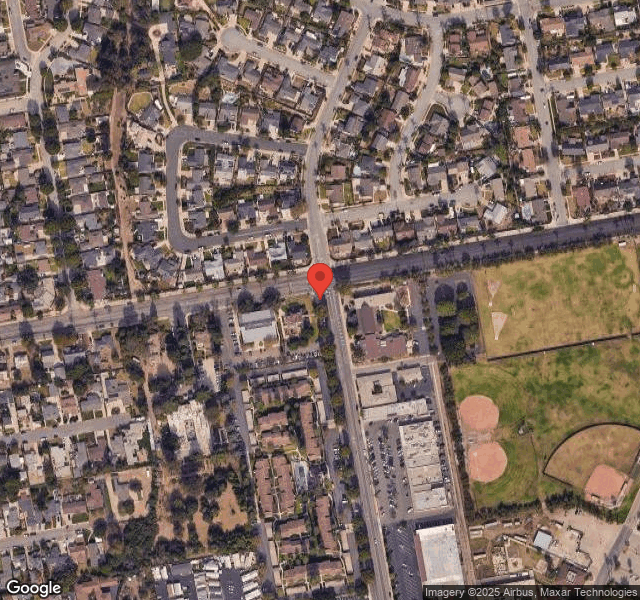
4020 Loma Vista Road, Ventura, CA 93003 (805) 642-4196
For profit - Individual 71 Beds THE MANDELBAUM FAMILY Data: November 2025
Trust Grade
83/100
#259 of 1155 in CA
Last Inspection: June 2025

Inspected within the last 6 months. Data reflects current conditions.

Overview

Ventura Post Acute has a Trust Grade of B+, which means it is above average and generally recommended for families considering care options. The facility ranks #259 out of 1155 in California, placing it in the top half of all facilities in the state, and #7 out of 19 in Ventura County, indicating that only six local options are better. However, the facility's trend is worsening, with the number of reported issues increasing from 1 in 2024 to 6 in 2025. Staffing is a relative strength here, with a 4/5 star rating and an 18% turnover rate, significantly lower than the California average, suggesting staff familiarity with residents. On the downside, the facility has been fined $7,547, which is considered average, and there are concerns regarding RN coverage being rated average. Specific incidents include a serious case where a CNA threw a phone at a resident, causing physical injury, and failures to maintain the ice machine sanitation and provide basic fingernail care for several residents, which could impact their hygiene and comfort. Overall, while there are strengths such as good staffing and high ratings in quality measures, families should be aware of the recent increase in issues and specific incidents of concern.

Trust Score
B+
83/100
In California
#259/1155
Top 22%
Safety Record
Moderate
Needs review
Inspections
Getting Worse
1 → 6 violations
Staff Stability
✓ Good
18% annual turnover. Excellent stability, 30 points below California's 48% average. Staff who stay learn residents' needs.
Penalties
✓ Good
$7,547 in fines. Lower than most California facilities. Relatively clean record.
Skilled Nurses
○ Average
Each resident gets 33 minutes of Registered Nurse (RN) attention daily — about average for California. RNs are the most trained staff who monitor for health changes.
Violations
⚠ Watch
19 deficiencies on record. Higher than average. Multiple issues found across inspections.
★★★★★
5.0
Overall Rating
★★★★☆
4.0
Staff Levels
★★★★★
5.0
Care Quality
★★★★☆
4.0
Inspection Score
Stable
2024: 1 issues
2025: 6 issues

The Good

  • 4-Star Staffing Rating · Above-average nurse staffing levels
  • 5-Star Quality Measures · Strong clinical quality outcomes
  • Low Staff Turnover (18%) · Staff stability means consistent care
  • Full Sprinkler Coverage · Fire safety systems throughout facility
  • No fines on record
  • Staff turnover is low (18%)

    30 points below California average of 48%

Facility shows strength in staffing levels, quality measures, staff retention, fire safety.

The Bad

Federal Fines: $7,547

Below median ($33,413)

Minor penalties assessed

Chain: THE MANDELBAUM FAMILY

Part of a multi-facility chain

Ask about local staffing decisions and management

The Ugly 19 deficiencies on record

1 actual harm
Jun 2025 5 deficiencies
CONCERN (D)

Potential for Harm - no one hurt, but risky conditions existed

Comprehensive Care Plan (Tag F0656)

Could have caused harm · This affected 1 resident

**NOTE- TERMS IN BRACKETS HAVE BEEN EDITED TO PROTECT CONFIDENTIALITY** Based on observation, interview, and record review, the facility failed to ensure care plan interventions were implemented for o...

Read full inspector narrative →
**NOTE- TERMS IN BRACKETS HAVE BEEN EDITED TO PROTECT CONFIDENTIALITY** Based on observation, interview, and record review, the facility failed to ensure care plan interventions were implemented for one of five sampled residents (Resident 6). This failure had the potential to result in Resident 6's needs not being met. Findings: During a review of Resident 6's admission Record (AR), dated 6/11/25, the AR indicated, Resident 6 was admitted [DATE] with diagnoses including but not limited to, Cerebral Infarction (a condition in which blood flow to part of the brain is blocked or reduced), and Aphasia (a language disorder affecting communication). During a concurrent observation and interview on 6/11/25 at 9 a.m. with Resident 6, the resident was observed in bed, awake and alert, making eye contact but not responding to questions. No communication board was present at the bedside. During an interview on 6/11/25 at 9:05 a.m. with a Certified Nursing Assistant (CNA), CNA stated she was not aware of communication tools such as picture aids and relied on gesture to communicate with Resident 6. During an interview on 6/11/25 at 10:45 a.m. with Licensed Nurse (LN 2), LN 2 stated that Resident 6 is non-verbal, and relied on gestures for communication. LN 2 acknowledged that communication binders with pictures are available in the facility but admitted they had not been used with Resident 6. During a review of Resident 6's Care Plan (CP), a care plan titled Long Term Aphasia the approach plan indicated, Encourage resident to communicate via gestures/non -verbal cues, communication board. During a review of the facility's policy and procedure (P&P) titled, Comprehensive Care Planning, dated 3/2019, the P&P indicated, The care plan must include measurable objectives and time frames and describe the services that are to be furnished to attain or maintain the resident's highest practicable level of well-being.
CONCERN (D)

Potential for Harm - no one hurt, but risky conditions existed

Deficiency F0698 (Tag F0698)

Could have caused harm · This affected 1 resident

**NOTE- TERMS IN BRACKETS HAVE BEEN EDITED TO PROTECT CONFIDENTIALITY** Based on observation, record review, and interview, the facility failed to ensure one of four sampled residents (Resident 14) re...

Read full inspector narrative →
**NOTE- TERMS IN BRACKETS HAVE BEEN EDITED TO PROTECT CONFIDENTIALITY** Based on observation, record review, and interview, the facility failed to ensure one of four sampled residents (Resident 14) received consistent professional care as a dialysis resident when the resident's dialysis access site was not assessed pre and post dialysis. In addition, licensed nurses documented in error. This failure had the potential for Resident 14 to have unassessed complications and resulted in an inaccurate medical record. Findings: During an observation on 6/9/25 at 8 a.m. in room [ROOM NUMBER], Resident 14 was preparing for dialysis. Resident 14 had a right chest catheter for dialysis access and a left lower arm AVF (Arteriovenous fistula - surgically made connection between an artery and a vein for dialysis). During a review of Resident 14's dialysis binder book (a binder containing records of pre and post dialysis forms documenting pre and post dialysis assessments) and eMAR (electronic Medical Record - an electronic medication administration record system that helps ensure medications and monitoring are administered reliably), the eMAR dated June 2025 indicated, Check shunt site: Right chest for Bruit (a whooshing or swishing sound heard through the stethoscope indicating blood flow in the AVF) and Thrill (a palpable vibration felt on the AVF to indicate blood flow). If Bruit changes in regularity and depth notify MD immediately every shift for monitoring. Resident 14's dialysis binder indicated between 4/3/25 through 6/6/25: No access site assessment of left AV shunt for thrill & bruit for pre-dialysis 18 times. No access site assessment of left AV shunt for thrill & bruit for post-dialysis 19 times. During a review of Resident 14's eMAR, the eMAR indicated, June 1 through June 9, 2025, licensed nurses documented Resident 14's right chest catheter as having bruit and thrill. Dialysis catheters do not have bruit and thrill. During a concurrent interview and record review on 6/10/25 with the director of nurses (DON), Resident 14's dialysis binder book and eMAR were reviewed. The DON concurred that the pre and post dialysis forms and monitoring order in the eMAR were incomplete, inaccurate and erroneous. During a review of the facility's policy and procedure (P&P) titled, Dialysis Care, dated 2/2018, the P&P indicated, Shunt sites are to be checked for patency every shift and Pre-Dialysis Checklist: b. Information regarding the type of access site and the condition of the access site and dressing. Post Dialysis Checklist: The Post Dialysis Checklist part of this form is to be completed by the facility upon return of the resident. Information to be documented includes b. Information regarding the type of access site and condition of the dressing and access site. According to the American Nurses Association (ANA). (2021). Standards of practice. Nursing: Scope and Standards of Practice (3rd ed.) (pp. 53 - 66). First principle of documentation: 1. Documentation Characteristics: Accessible, Accurate and relevant, Auditable, Clear, concise, comprehensive, and thoughtful. Accuracy in nursing assessments is the collection of reliable and precise data that reflects the patient's true health status.
CONCERN (E)

Potential for Harm - no one hurt, but risky conditions existed

ADL Care (Tag F0677)

Could have caused harm · This affected multiple residents

Based on observations, interviews, and record reviews, the facility failed to ensure fingernail care was provided for 3 of 16 sampled residents (Residents 9, 43, and 45). This failure had the potentia...

Read full inspector narrative →
Based on observations, interviews, and record reviews, the facility failed to ensure fingernail care was provided for 3 of 16 sampled residents (Residents 9, 43, and 45). This failure had the potential to negatively affect their self-esteem, comfort, and personal hygiene. Findings: During a concurrent observation and interview on 6/10/2025 at 9:15 a.m. with Resident 9, the resident was observed with visibly long fingernails. Resident 9 stated she is unable to cut her fingernails, and her nails have not been cut for a few weeks. During a concurrent observation and interview on 6/11/25 at 9:10 a.m. with Certified Nursing Assistant (CNA), CNA observed Resident 9's fingernails and stated they needed to be trimmed. During a concurrent observation and interview on 6/10/25 at 9:37 a.m. with Resident 43, the resident was observed with visibly long brown colored fingernails. Resident 43 stated her fingernails had not been cut for several weeks, and she would like them trimmed. During a concurrent observation and interview on 6/11/25 at 10:45 a.m. with Licensed Nurse 2 (LN 2), LN 2 checked Resident 43's fingernails and acknowledged they need to be clean and trimmed. She further stated that nail trimming is part of the CNAs' hygiene and grooming responsibilities. During an interview on 6/11/2025 at 10 a.m., with the Director of Staff Development (DSD), DSD stated that CNAs trim residents' fingernails as part of their grooming and basic care needs. DSD further stated that residents' nails should not be untrimmed. During a concurrent observation and interview on 6/9/25 at 3:17 p.m. with Resident 45, the resident was observed with long and yellow fingernails. Resident 45 stated his fingernails are long and thinks the staff trimmed his nails one week ago. During an observation and interview on 6/11/25 at 10:23 a.m. with CNA, CNA observed resident 45's fingernails and stated, They're kind of long, I would say a trim is needed. CNA stated there isn't a specific time frame for nail trims as it's up to the judgment of the CNA as needed. During an observation and interview on 6/11/25 at 10:28 a.m. with LN 2, LN 2 stated, The nails are too long, I'll request the CNA to trim them. LN also confirmed this resident doesn't refuse care and nail trimming should have been done as necessary. During a review of the facility's policy and procedure (P&P) titled, Quality of Care, Routine Monitoring and Scope of Services, dated 1/2017, the P&P indicated, If a resident is unable to carry out activities of daily living, they are to be provided services to maintain good nutrition, grooming and personal and oral hygiene.
CONCERN (E)

Potential for Harm - no one hurt, but risky conditions existed

Deficiency F0761 (Tag F0761)

Could have caused harm · This affected multiple residents

**NOTE- TERMS IN BRACKETS HAVE BEEN EDITED TO PROTECT CONFIDENTIALITY** Based on observation, interview, and record review, the facility failed to ensure one emergency drug supply kit (e-kit) was secu...

Read full inspector narrative →
**NOTE- TERMS IN BRACKETS HAVE BEEN EDITED TO PROTECT CONFIDENTIALITY** Based on observation, interview, and record review, the facility failed to ensure one emergency drug supply kit (e-kit) was secured when not in use. This failure had the potential to allow unauthorized personnel access to emergency drug supply. Findings: During an observation on 6/10/25 at 9:48 a.m. in Medication room [ROOM NUMBER], one e-kit was found to be unsealed with a delivered by pharmacy date of 6/8/25. Upon further observation, this e-kit contained but not limited to, antibiotics and blood pressure medications. During an interview on 6/10/25 at 9:49 a.m. with License Nurse (LN 1), LN 1 stated the e-kit should be secured with a zip tie and confirmed when received by pharmacy, the receiving nurse needed to verify the e-kit is locked before acceptance. During an interview on 6/10/25 at 9:52 a.m. with Director of Nursing (DON), DON stated this was inspected a few days ago by the Nursing Supervisor and it should have been secured with a zip tie. DON stated, It's expected the receiving nurse to check every pharmacy delivery upon receipt. During a review of the facility's policy and procedure (P&P) titled, Medication Ordering and Receiving from Pharmacy, dated April 2008, the P&P indicated, Upon arrival at the facility, the courier delivers the medication directly to a licensed nurse. Furthermore, The pharmacy should be notified within 24 hours regarding any discrepancies with respect to medication delivery.
CONCERN (F)

Potential for Harm - no one hurt, but risky conditions existed

Food Safety (Tag F0812)

Could have caused harm · This affected most or all residents

Based on interview and record review, the facility failed to ensure the ice machine was properly and routinely sanitized according to facility policy and procedures (P&P) and manufacturer's service ma...

Read full inspector narrative →
Based on interview and record review, the facility failed to ensure the ice machine was properly and routinely sanitized according to facility policy and procedures (P&P) and manufacturer's service manual. This failure had the potential to result in the growth of harmful microorganisms which can cause foodborne illness to its vulnerable residents. Findings: During a concurrent interview and record review on 6/9/25 at 10:40 a.m., with the Assistant Dietary Supervisor (ADS), ADS verbalized that the facility's Maintenance Supervisor (MS) was in charge of the ice machine maintenance. The facility form titled, Bi-Monthly Ice Machine Cleaning Log, dated 11/8/24 through 5/23/25, which was posted on the side of the ice machine, was reviewed. The log indicated, the ice machine was cleaned twice a month using a nickel-safe ice machine cleaner (a specially formulated food-grade product for removing scale deposits from ice makers having nickel-plated or tin-plated evaporators), rinsed with water, and the filters cleaned. There was no information mentioned in the log regarding sanitization procedures performed on the ice machine. During a review of the facility's P&P titled, Ice Machine Cleaning Procedures, dated 2023, the P&P indicated in part, POLICY: The ice machine needs to be cleaned and sanitized monthly . PROCEDURE: . 3) Clean inside the ice machine with a sanitizing agent per the manufacturer's instructions. Add instructions to your policies or use manufacturer's procedures to clean and sanitize the machine. During a concurrent interview and record review on 6/10/25 at 8:47 a.m. with MS, the Bi-Monthly Ice Machine Cleaning Log, dated 11/8/24 through 5/23/25, was reviewed. MS verbalized that he only cleaned the ice machine using the nickel-safe ice machine cleaner and was not aware that there was a separate sanitization procedure. MS was also not aware that the facility's, Ice Machine Cleaning Procedures P&P required the ice machine to be sanitized monthly. During a concurrent interview and record review on 6/10/25 at 9:25 a.m. with the facility Administrator (ADM) and Director of Nursing (DON), ADM was also not aware that the ice machine sanitization was separate from the cleaning procedure. ADM reviewed the MANITOWOC (ice machine brand) Service Manual . Section 4 - Maintenance, dated 5/2005, which indicated the ice machine cleaning (which required a specific cleaning solution) and sanitization (which required a specific sanitizing agent) were two separate procedures. ADM and DON acknowledged that MS should have been sanitizing the ice machine as well.
Mar 2025 1 deficiency
CONCERN (D) 📢 Someone Reported This

A family member, employee, or ombudsman was alarmed enough to file a formal complaint

Potential for Harm - no one hurt, but risky conditions existed

Deficiency F0658 (Tag F0658)

Could have caused harm · This affected 1 resident

**NOTE- TERMS IN BRACKETS HAVE BEEN EDITED TO PROTECT CONFIDENTIALITY** Based on record review and interview, the facility failed to ensure physician orders were followed and appropriately implemented...

Read full inspector narrative →
**NOTE- TERMS IN BRACKETS HAVE BEEN EDITED TO PROTECT CONFIDENTIALITY** Based on record review and interview, the facility failed to ensure physician orders were followed and appropriately implemented for one of three sampled residents (Resident 1) when: 1. Blood pressure (BP) parameters were not followed, as ordered, prior to Resident 1 receiving the medication Carvedilol (a medication used to lower BP). 2. The physician was not notified, as ordered, of Resident 1's elevated blood sugar levels on two occasions. These failures had the potential to result in the inappropriate delivery of care and services to the resident affecting health and safety. Findings: 1. During a review of Resident 1's admission Record (AR), dated 3/24/25, the AR indicated, Resident 1 was an [AGE] year-old male who was admitted to the facility on [DATE] with diagnoses including, interstitial pulmonary disease (a group of diseases that irritate, inflame or scar the lungs and supporting air sacs), drug or chemical induced diabetes mellitus with hyperglycemia (occurs as a side effect of certain medications that makes the blood sugar consistently high) and essential primary hypertension (HTN - high blood pressure). During a review of Resident 1's Order Summary Report (OSR), dated 3/24/25, the OSR indicated, the physician order, Carvedilol oral tablet 6.25 mg (milligram), give 6.25 mg by mouth two times a day for HTN, HOLD SBP < 110 (hold for systolic blood pressure less than 110), give with food, dated 8/15/24. During a review of Resident 1's Medication Administration Record (MAR), for 8/1 - 8/31/24, the MAR indicated administration documentation of, Carvedilol 6.25 mg .on 8/20/24 for the 9 a.m. dose, the medication was held due to vitals were outside the parameters for administration .on 8/22/24 for the 9 a.m. dose, the medication was given. During a review of Resident 1's Weights and Vitals Summary (WVS), dated 8/9 - 9/2/24, and Progress Notes (PN), dated 8/20 - 8/23/24, the WVS indicated that . On 8/20/24, there was no BP reading documented for Resident 1 at 9 a.m. to justify holding off the resident's Carvedilol dose . On 8/22/24 at 9:11 a.m., the WVS indicated the resident's BP reading was 97/52 and the resident received his 9 a.m. Carvedilol dose. Resident 1's PN failed to show documentation to justify these discrepancies. During a concurrent interview and record review on 3/24/25 at 5:25 p.m. with the Assistant Director of Nursing (ADON) and Director of Staff Development (DSD), Resident 1's clinical record was reviewed. ADON and DSD verified the administration and documentation discrepancies found in Resident 1's MAR (dated 8/1 - 8/31/24), WVS (dated 8/9 - 9/2/24) and PN (dated 8/20 - 8/23/24) pertaining to the resident's Carvedilol 6.25 mg 9 a.m. doses on 8/20/24 and 8/22/24 respectively. ADON acknowledged that staff should have paid more attention to details. 2. During a review of Resident 1's OSR, dated 3/24/25, the OSR indicated, the physician order, Humulin R injection solution (Insulin Regular Human - a medication used to lower blood sugar), inject as per sliding scale (a dosing scale used to determine how much insulin to give depending on the blood sugar level) . 371+ = 12 units (for blood sugar level 371 and above, give 12 units), CALL MD . subcutaneously (injected into the tissue layer between the skin and muscle) three times a day before each meal, dated 8/8/24. During a review of Resident 1's MAR, dated 8/1 - 8/31/24, the MAR indicated administration documentation of, Humulin R injection solution . 371+ = 12 units, call MD . On 8/22/24 at 1630, Resident 1 received 12 units for a blood sugar level of 513 . On 8/23/24 at 1130, Resident 1 received 12 units for a blood sugar level of 383. During a review of Resident 1's PN, dated 8/20 - 8/23/24, the PN failed to indicate documentation that Resident 1's physician was notified of the resident's elevated blood sugar levels on 8/22/24 and 8/23/24 respectively. During a concurrent interview and record review on 3/24/25 at 5:30 p.m. with ADON, Resident 1's MAR (dated 8/1 - 8/31/24) and PN (dated 8/20 - 8/23/24) were reviewed. ADON verified Resident 1's elevated blood sugar levels on 8/22/24 and 8/23/34 respectively and acknowledged that staff should have notified the physician of these elevated blood sugar levels, as ordered. During a review of the facility's policy and procedures (P&P) titled, Medication Administration, dated 5/2019, the P&P indicated in part, POLICY: It is the policy of the facility that medications for residents be administered in a safe and timely manner, and as prescribed . PROCEDURE . Medications must be administered in accordance with physician orders, including any required time frame . The licensed nurse should also check prior to administration . vital signs, if necessary.
Apr 2024 1 deficiency
CONCERN (D) 📢 Someone Reported This

A family member, employee, or ombudsman was alarmed enough to file a formal complaint

Potential for Harm - no one hurt, but risky conditions existed

Safe Environment (Tag F0921)

Could have caused harm · This affected 1 resident

Based on observation, interview, and record review, the facility failed to ensure the exterior metal framed sliding glass door across the hallway that led to outside of the facility opens and closes p...

Read full inspector narrative →
Based on observation, interview, and record review, the facility failed to ensure the exterior metal framed sliding glass door across the hallway that led to outside of the facility opens and closes properly. The sliding glass door partially opens and could not be securely closed . This failure has the potential for cold air from outside to go thru the unclosed glass sliding door, placing residents at risk to have a cold environment /temperature inside the facility. Findings: During a concurrent observation and interview inside Resident 2's room on 03/07/2024 at 10:44 a.m., the metal framed sliding glass door across the hallway from Resident 2's room that led to outside of the facility was noted to be part way opened. Resident 2 stated, It's not warm enough because they always leave it open, and the cold comes into my room, and when I complain to staff, they just tell me to shut my door. During further observation on 03/07/2024 at 10:54 a.m., in the back interior hallway across from Resident 2's room, a metal framed sliding glass door that led to outside the facility was not closed even. A gap was observed that began just below the door handle and increased in width going down to the bottom of the door measuring about three to eight of an inch. Outside air was felt blowing inside, towards the bottom of the sliding glass door into the hallway. At the bottom track for the door, a piece of metal was bent and broken. During a concurrent observation and interview on 03/07/2024 at 11:07 a.m., with the Housekeeper (HK) in the back hallway of the metal framed sliding glass door across from Resident 2's room, the HK opened and attempted to close the sliding glass door and was unable to close the sliding door evenly. HK confirmed and stated, It's not working, and indicated not knowing how long the door hadn't been closing properly. During a concurrent observation and interview on 03/07/2024 at 11:22 a.m., with the Head of Maintenance (HOM) of the back hallway across from Resident 2's room, HOM confirmed the a gap and indicated, the door was not closed evenly because of a piece of metal on the bottom that was broken and further stated, It's the original door track that is warped. During a concurrent observation and interview on 03/07/2024 at 11:29 a.m., with a Certified Nursing Assistant (CNA 2) in the back hallway at the sliding glass door, CNA 2 exited through the sliding glass door, the door remained ajar, and when CNA2 came back the sliding glass door did not closed. CNA2 indicated the sliding glass door has always been in that condition ( ajar and doesnt close well). During a concurrent observation and interview on 03/07/2024 at 11:33 a.m., with the HOM, of the back hallway of the sliding glass door, the HOM stated, I replaced the rollers. It was hard to close. The HOM used a digital thermometer to check the back hallway temperature which read 69 degrees Fahrenheit. The HOM stated, It should be at seventy-one. During an observation and interview on 03/07/2024 at 11:58 a.m., with the Administrator (ADMIN), the ADMIN acknowledged being informed by the HOM of the sliding glass door problem. The Admin confirmed outside air still goes through the sliding door gap even after the HOM replaced the rollers. During a review of the facility's policy and procedure (P&P) titled, General Maintenance, dated 1/2017, the P&P indicated, Maintenance will ensure that inspection and services are provided to repair and maintain all functional equipment.
Dec 2023 7 deficiencies
CONCERN (D)

Potential for Harm - no one hurt, but risky conditions existed

Deficiency F0557 (Tag F0557)

Could have caused harm · This affected 1 resident

Based on observation, interview and record review, the facility failed to ensure residents rights and dignity for one of 19 sampled residents (Resident 17) was upheld when staff did not document what ...

Read full inspector narrative →
Based on observation, interview and record review, the facility failed to ensure residents rights and dignity for one of 19 sampled residents (Resident 17) was upheld when staff did not document what personal belongings the resident have and did not informed the resident of it's whereabouts . This failure had the potential for the resident to not have access to his own belongings which can result to loss of rights and also may cause some mental anguish . Findings: During an interview on 12/05/23 at 10:17 A.M. with Resident 17, Resident 17 verbalized, I wanted to buy a cellphone so I can find out how much money I have. But I don't know where my money is. During an interview with a Licensed Vocational Nurse (LVN 1) on 12/0823 at 9:31 a.m., LVN1 stated, she saw Resident 17's personal belongings on the bedside table with lose cash and credit cards, and placed it all in a zip lock bag and kept the resident belongings in the medication cart lock box. LVN1 confirmed not checking the resident's belongings, nor creating a list /inventory . LVN1 stated , not letting the nurse supervisor and social service know the resident's belongings were locked in the medication cart lock box. Resident 17 was not informed his cash and credit cards were locked in the medication lock box. During a review of Resident 17's Inventory of Personal Effects (IPE) dated 2/8/23, revealed, there was no documented evidence of itemized list of belongings noted. During a review of Policy and Procedure (P&P) titled Clothing and Possession List dated 4/2017, the Clothing and Possession List indicated in part, a written patient personal property inventory is established upon admission and retained during the residents' stay in the facility . After the admission of a resident, the residents' clothing and possession list will be reviewed at the morning meeting to ensure that the list has been completed and signed. LVN 1 was not able to indicate why Resident 17's belongings were not listed down per policy and procedure .
CONCERN (D)

Potential for Harm - no one hurt, but risky conditions existed

Safe Environment (Tag F0584)

Could have caused harm · This affected 1 resident

Based on observation, interview, and record review, the facility failed to ensure sanitary conditions in the facility kitchen area was maintained when the back wall of the dishwashing machine and the ...

Read full inspector narrative →
Based on observation, interview, and record review, the facility failed to ensure sanitary conditions in the facility kitchen area was maintained when the back wall of the dishwashing machine and the main drain basin floor were found with build up , uncleaned substance /rust , chipped and worned out tiles. This failure has the potential to harbor the growth of bacteria (microscopic living organisms that effect skin, lungs, brain, blood and other parts of your body) which can be spread to all . Findings: During an observation on 12/05/23 09:03 A.M. at the kitchen, the back wall of the dishwasher has a dark orange colored substance / rust build up. Rust like material was also observed on the drainpipe and its supporting structures. Cracks and chipped tiles surrounding the main open drain or basin was noted and so with grout between tiles have worn off. During an interview on 12/05/23 at 09:05 a.m., with Assistant Dietary Supervisor (ADS), the ADS indicated there was an assigned staff member to mop and clean the floor, clean the dishwasher top and under the counter , but it seems not to be done . During a review of documents titled Dietary Cleaning Schedule (DCS) dated December 2023, indicated, AM Dishwasher, clean every after shift: AM Dishwasher: top and under counter, wipe stainless wall, mop floor, clean dishwashing machine. During a review of Policy and Procedure (P&P) titled Sanitation dated 2023, The Sanitation indicated in part, 4. The Food and Nutrition Services (FNS) Director is responsible for instructing FNS personnel in the use of equipment. Each employee shall know how to operate and clean all equipment in his specific work area. During a review of P&P titled General Cleaning of Food and Nutrition Services Department, dated 2023, the General Cleaning of Food and Nutrition Services indicated in part, Drains: Floor drains must be scheduled for routine cleaning to be maintained in a functional condition. 2. The Maintenance Department will assist with more thorough cleanings to ensure the viability of the plumbing fixtures.
CONCERN (D)

Potential for Harm - no one hurt, but risky conditions existed

Comprehensive Assessments (Tag F0636)

Could have caused harm · This affected 1 resident

Based on record review and interview, the facility failed to ensure the the Minimum Data Set (MDS - a tool used to assess all residents in Medicare or Medicaid certified nursing homes) quarterly asses...

Read full inspector narrative →
Based on record review and interview, the facility failed to ensure the the Minimum Data Set (MDS - a tool used to assess all residents in Medicare or Medicaid certified nursing homes) quarterly assessment was completed on time for 1 of 1 unsampled residents (Resident 18). This failure resulted in the non complaince of the assessment as set by the Centers of medicaid and medicare services (CMS). Findings: A review of Centers for Medicare & Medicaid Services (CMS) RAI Manual, Version 3.0, dated October 2023, the RAI indicated, Timeliness Criteria, Completion Timing: For a non-admission OBRA (Omnibus Budget Reconcillation Act - a law that protects peple from abuse in a nursing home) and PPS (Prospective Payment System a method of reimbursement for Medicare payment) assessment, the Minimum data Set (MDS - a tool used to assess all residents in Medicare or Medicaid certified nursing homes) Completion Date (Z0500B) must be no longer than 14 days after the Assessment Reference Date (ARD - last day for the observation period) (A2300). During a review of Resident 18's MDS Quartely Asessment, ARD dated 10/6/23, the section Z0500 was signed by the RN on 12/4/23. During a review of Nursing Home Final Validation Report (NHVR), dated 12/5/23, the NHVR indicated, Target date: 10/06/23. Warning - (Assessment Completion date) is more than 14 days after A2300 (assessment reference date). During an interview with MDS Coordinator (MDSC 1) on 12/8/23 at 2:01 p.m., MDSC 1 acknowledged the late quarterly assessment was not completed on time During a review of the facility's policy and procedure (P&P) titled, Resident Assessment Instrument (RAI - user's manual for MDS assessment) Process, the P&P indicated, The facility will utilize the Resident Assessment Instrument (RAI) process for the accurate assessment of each resident's functional capacity and health status.
CONCERN (D)

Potential for Harm - no one hurt, but risky conditions existed

Assessment Accuracy (Tag F0641)

Could have caused harm · This affected 1 resident

3.During a concurrent observation and interview on 12/5/23 at 9: 20 a.m. in Resident 2's room, there was two band aids (medical plaster) to resident's upper right leg. Resident 2 stated, she notified ...

Read full inspector narrative →
3.During a concurrent observation and interview on 12/5/23 at 9: 20 a.m. in Resident 2's room, there was two band aids (medical plaster) to resident's upper right leg. Resident 2 stated, she notified staff about 6 days ago about a wound to her upper right leg and had requested a band aid. Resident 2 further stated, she had to acquire a band aid from her family when facility failed to address the wound. During a record review of Resident 2's History and Physical (H/P) on 12/6/23 at 8: 12 a.m. dated 10/19/23 indicated, Resident 2 was capable of making decisions. A review of Resident 2's daily skilled nursing notes on 12/6/23 at 10:18 a.m., dated from 11/13/23 - 11/25/23 and weekly summaries dated from 10/17/23 - 12/1/23 indicated, Resident 2's skin was intact. During a concurrent record review and interview of Resident 2's skin assessments clinical records on 12/6/23 at 3:30 p.m. with licensed nurse (LN 1), LN 1 confirmed the record indicated, skin was intact. LN 1 also stated she would assess the skin for any changes status and would document a change of condition, to notify the physician and family and follow any receiving orders. During a concurrent observation and interview on 12/06/23 at 3:33 p.m., with LN 1 in Resident 2's room, LN 1 acknowledged there were band aids on Resident 2's right upper leg. LN 1 stated Resident 2 should have had a skin assessment that reflected the wounds, a change of condition and a call to the physician. During an interview on 12/6/23 at 3:40 p.m. with certified nursing assistant (CNA) 1, CNA 1 stated, Resident 2's had no wound and skin was intact. However, if residents had any wound, it is reported to the nurse right away. During an interview on 12/7/23 at 10:00 a.m. with Treatment Nurse (LN 3), LN 3 stated she was unaware Resident 2 had a wound, so there were no current treatments for the upper right leg with Band aid. During a concurrent interview and record review on 12/08/23 at 08:11 a.m., with the Director of Nursing (DON), confirmed, there were no skin assessment for Resident 2's right upper leg wound prior to 12/6/23 and treatment was initiated when surveyor discovered. During a review of the facility policy titled Skin Tears-Abrasions and Minor Skin Breaks, dated 06/2017, indicated the following information will be recorded in the resident record, site and description of the wound, date and time of discovery, date and time of occurrence and wound care given. Based on observation, interview and record review, the facility failed to ensure Minimum Data Set (MDS - a tool used to assess all residents in Medicare or Medicaid certified nursing homes) assessment reflected the accurate assessment for 3 of 19 sampled residents (Resident 560, Resident 50, and Resident 2) when: 1. Resident 560's language preference was not accurately reflected . 2. Resident 50's most recent fall was not reflected in the assessment. 3. Resident 2 's assessment did not reflect appropriate skin assessments, treatment, and wound care . This failure has the potential to not create an accurate resident condition which can affect the implementation or creation of a plan of care . Findings: 1. During an observation of Resident 560 on 12/05/23, at 10:00 a.m., Resident 560 was unable to understand or speak English, so was not able to communicate with surveyor. It was noted Resident 560 required a Spanish speaking staff and a certified Nursing Asistant (CNA 4) was called to assist with communicating his needs. During a review of Resident 560's care plan for communication, dated 11/15, the care plan indicated Resident 560 had impaired communication due to language barrier. During a review of Resident 560's MDS section A1110 preferred language, Assessment Reference Date (ARD - last day of observation period) 11/22, Resident 560's preferred language was coded English. During a concurrent interview and record review on 12/8/23, at 10:50 a.m. with the MDS Coordinator (MDSC 1), Resident 560's MDS admission Assessment section A1110 language was reviewed. MDSC 1 acknowledged the information was incorrrect. MDSC 1 acknowledged, The resident only speaks and understand Spanish. During a review of the facility's policy and procedure (P&P) titled, Resident Assessment Instrument (RAI - user's manual for MDS assessment) Process, the P&P indicated, The facility will utilize the . (RAI) process for the accurate assessment of each resident's functional capacity and health status. A review of Centers for Medicare & Medicaid Services (CMS) RAI Manual, Version 3.0, dated October 2023, sections A (Identification Information). The Section A1110A for language indicated, Ask for the resident's preferred language? 2. During a review of Resident 50's Situation, Background, Assessment, Recommendation (SBAR - a tool used to communicate resident's change of condition) Communication Form, dated 11/19/23, the SBAR indicated, Resident 50 had an assisted fall. A review of Resident 50's care plan, dated 11/19, indicated, Resident 50 had a fall. During a review of Resident 50's MDS section J, ARD, dated 11/19/23, the MDS J1800 indicated, 0 for no fall. During a concurrent interview and record review with the MDSC 1 on 12/8/23, at 11:00 a.m., Resident 50's MDS section J1800 was reviewed. MDSC 1 stated, Yes, yes, yes. That is incorrect, the fall should have been coded yes. I will modify that assessment. During a review of the facility's P&P titled, Resident Assessment Instrument (RAI) Process, the P&P indicated, The facility will utilize the (RAI) process for the accurate assessment of each resident's functional capacity and health status. During a review of CMS's RAI Manual, Version 3.0, dated October 2023, section J (Health Conditions). The MDS Section J1800 for fall history indicated, Code 0, no: if resident has not had any fall since the last assessment. Code 1, yes: If the resident has fallen since the last assessment. Continue to Number of Falls Since Admission/Entry or Reentry or Prior Assessment .in part , whichever is the most recent.
CONCERN (D)

Potential for Harm - no one hurt, but risky conditions existed

Deficiency F0657 (Tag F0657)

Could have caused harm · This affected 1 resident

**NOTE- TERMS IN BRACKETS HAVE BEEN EDITED TO PROTECT CONFIDENTIALITY** Based on interview, and record review, the facility failed to ensure : develop and update the comprehensive care plan, for 2 of ...

Read full inspector narrative →
**NOTE- TERMS IN BRACKETS HAVE BEEN EDITED TO PROTECT CONFIDENTIALITY** Based on interview, and record review, the facility failed to ensure : develop and update the comprehensive care plan, for 2 of 19 sampled residents (Resident 13 and Resident 17) when: 1. Resident 13's care plan did not reflect, a newly discovered medication allergy (Cefazolin- cephalosporin antibiotics - kills bacteria ) as stated in the Hospitalization admission Note (HAN) dated 1/6/23. This failure had the potential to place the resident at risk for an allergic reaction . 2. Resident 17 had no long term stay care plan when discharge plans were changed . This failure has the potential for resident's long term needs to be not met . Findings: 1. During a review of Resident 13's medical record on 12/7/23, the HAN dated 1/6/23, and hospital Discharge Summary (DS) dated 1/19/23 indicated while in the hospital, Resident 13 was treated with Cefazolin which caused the resident to experience a negative reaction. The DS indicated, Resident 13 is now allergic (newly found) to Cefazolin. Review of the facility's admission Record dated 2/4/23, had no documentation indicating Resident 13 is allergic to Cefazolin, the Order Summary Report dated 2/4/23, indicated ,Resident 13 was only allergic to Penicillin (an antibiotic). During a review of Resident 13's Care Plan dated 11/11/23, listed Resident 13's allergies to Penicillin. The care plan was not updated to reflect the resident is also allergic to Cefazolin in addition to Penicillin . During concurrent interview, and record review, on 12/7/23, at 3:30 p.m., with the Assistant Director of Nursing (ADON) and Infection Preventionist (IP), Resident 13's allergy care plan was reviewed. The ADON and IP verbalized Resident 13's careplan only reflected an allergy towards penicillin and Cefazolin was not mentioned and should have been . During concurrent record review, and interview, on 12/7/23, at 3:40 p.m., with Nursing Supervisor (NS), IP and ADON, the Discharge summary dated [DATE], was reviewed. The IP verbalized Resident 13's care plan was not updated to reflect the new allergy of Cefazolin. 2. During an interview on 12/05/23 at 10:17 A.M. with Resident 17, the resident verbalized that his physician mentioned he was ready to go home and wanted to find out his discharge plans. During a review of Resident Base Care Plan dated 02/08/23, the Social Service (SS) Documentation indicated in part Discharge Plan: To return home with caregiver and home services to be determined. During a review of Interdisciplinary Team (IDT) /Care Plan Conference Sumary dated 05/18/23, the IDT/Care Plan Conference Summary indicated in part: Discharge Planning: Long Term Care , different from the SS documentation of return to home . During an interview with the Social Service Director (SSD), on 12/08/23 at 3:15 P.M. the SSD indicated the care of Resident 17 was switched from skilled nursing (short term) to custodial care ( long term). The SSD further indicated when this was brought up with the resident ,the resident verbalized he has no issue. The IDT care plan 5/18/23 was not updated to long term when the resident agreed to be a custodial care . During an interview on 12/07/23 at 03:35 P.M. with the Director of Nursing (DON) the DON verbalized, the resident is now a long term care and the careplan was not updated . During a review of P&P titled Care Planning- Interdisciplinary Team dated 1/2017, the Care Planning-Interdisciplinary Team indicated in part: The care plan is based on the residents' needs and the residents' comprehensive assessment and is developed by a care/planning interdisciplinary team which may include . others as appropriate or necessary to meet the needs of the resident.
CONCERN (D)

Potential for Harm - no one hurt, but risky conditions existed

Deficiency F0806 (Tag F0806)

Could have caused harm · This affected 1 resident

Based on interview and record review, the facility failed to ensure 1 of 19 sampled residents (Resident 47) was not served food the resident was allergic to as indicated . This failure had the potenti...

Read full inspector narrative →
Based on interview and record review, the facility failed to ensure 1 of 19 sampled residents (Resident 47) was not served food the resident was allergic to as indicated . This failure had the potential for the resident to have an allergic reaction which be detrimental to the resident's overall condition. Findings: During a review of Resident 47's medical record indicated a history and physical ( H &P document ) with diagnosis including Post-Traumatic Stress Disorder (a condition that develops when a person has experienced or witnessed a scary, shocking, terrifying, or dangerous event), and Anxiety Disorder (a mental health disorder characterized by feelings of worry, or fear strong enough to interfere with one's daily activities). admission records dated March 2023 ,assessed the resident to be allergic to pineapple. The physician order dated 11/13/23 indicated, Resident 47 is allergic to pineapple and products including juice. During an interview with Resident 47 on 12/05/23 at 10:41 a.m., Resident 47 stated even though her allergy with pineapple is listed in the chart, about two weeks ago, she was served fruit cup that had pineapple syrup that made her feel her tongue swollen and felt her throat closing. Resident 47 then stated being given Benadryl (a pill to help relieve her allergy symptoms) by the nurse and stated it made her feel better. During a concurrent interview and record review with Licensed Nurse (LN 1) on 12/07/23 at 03:30 p.m., facility SBAR Communication Form (a structured communication framework that can help teams share information about the condition of a patient ) of Resident 47 dated 11/13/2023, revealed that Resident 47 complained that her throat felt itchy and her tongue felt swollen. A one dose of oral Benadryl was given and was monitored for allergy symptoms. And LN 1 confirmed, she was the nurse notified by the resident on 11/13/2023 that her tongue was swollen and itchy after having eaten fruit cup that contains pineapple. LN 1 stated that she notified the attending doctor who ordered Benadryl that helped relieve Resident 47's allergy symptoms. LN1 stated that a licensed nurse should verify the food before it is served. LN 1 acknowledged that she was unable to check the food given to Resident 47 prior to it being served. LN 1 stated Resident 47 had already eaten when she entered the room. During a concurrent record review and interview on 12/07/23 at 03:45 PM, with the Assistant Dietary Supervisor (ADS), a review of diet menu of Resident 47 dated 11/13/2023, indicated that tropical fruit mold (fruit cup) containing pineapple was the dinner dessert. ADS stated that the dietary staff should check the diet order and allergies when preparing meals for the resident during plating. ADS acknowledged that resident 47 was served fruit cup that contained pineapple. During a review of the facility's policy and procedure (P&P) titled, Food Allergies, (undated), indicated, Refer to Healthcare Menu Direct, LLC.'s Diet Manual for food allergy information. Allergies will be noted on the tray card, the resident diet profile, and posted in the kitchen and nursing station, if necessary.
CONCERN (D)

Potential for Harm - no one hurt, but risky conditions existed

Room Equipment (Tag F0908)

Could have caused harm · This affected 1 resident

Based on observation and interview, the facility failed to safely secure the gas pipe of the oven. This failure has the potential for broken pipes leading to gas leaks resulting to a fire . Findings...

Read full inspector narrative →
Based on observation and interview, the facility failed to safely secure the gas pipe of the oven. This failure has the potential for broken pipes leading to gas leaks resulting to a fire . Findings . During an observation on 12/6/23 on 7:35 a.m., at the kitchen, the gas pipe located at the back of the oven has an inverse T-shaped wooden structure measuring 2X4 inches that supports the gas pipe but was not properly secured. During an interview on 12/6/23 at 8:20 a.m., with the Mainternance Supervisor (MTS), MTS verbalized I have been working here for about 40 years, I could not remember exactly when I placed the wooden stand but that was used to support the gas pipe. I never placed a more permanent fixture. During a review of Policy and Procedure (P&P) titled Safety and Supervision of Residents dated 5/15, the Safety and Supervision of Residents indicated in part: Facility Oriented Approach to Safety: 2. Safety risks and environmental hazards are identified on an ongoing basis through a combination of employee training, employee monitoring, and reporting processes .3. When accident hazards are identified, the QA&A/Safety Committee shall evaluate and analyze the cause(s) of the hazard and develop strategies to mitigate or remove any hazard to the extent possible.
Feb 2023 1 deficiency 1 Harm
SERIOUS (G) 📢 Someone Reported This

A family member, employee, or ombudsman was alarmed enough to file a formal complaint

Actual Harm - a resident was hurt due to facility failures

Free from Abuse/Neglect (Tag F0600)

A resident was harmed · This affected 1 resident

**NOTE- TERMS IN BRACKETS HAVE BEEN EDITED TO PROTECT CONFIDENTIALITY** Based on observation, interview, and record review, the facility failed to protect one of two sampled residents (Resident 1) fro...

Read full inspector narrative →
**NOTE- TERMS IN BRACKETS HAVE BEEN EDITED TO PROTECT CONFIDENTIALITY** Based on observation, interview, and record review, the facility failed to protect one of two sampled residents (Resident 1) from physical abuse by a Certified Nursing Assistant (CNA 1) when CNA 1 threw a cordless telephone at Resident 1 and hit him in the mouth. This failure resulted in physical injury to the resident including a bloody mouth and swollen lips. Findings: During a review of Resident 1's Face Sheet, the Face Sheet indicated, Resident 1 is a [AGE] year old male admitted to the facility on [DATE] with a history of a stroke with left sided weakness/partial paralysis. During an interview on 11/22/22, at 1:30 p.m., with Resident 1, Resident 1 stated, on 11/21/22, CNA 1 brought a portable phone from the nursing station for the resident to use to call his wife. CNA 1 brought resident the phone and stayed in the room with the resident. After a couple of minutes, he was taking too long using the phone, CNA 1 came close to the resident to take the phone from him, but resident took the phone out of CNA 1's hand and threw it against the wall. CNA 1 came over and punched Resident 1 in the mouth and then left the room. During an interview on 11/22/22, at 2 p.m., with Licensed Nurse (LN 1), LN 1 stated, during med pass, approximately 9 a.m., heard Resident 1 scream for nurse. Upon arrival to Resident 1's room Resident 1 stated to LN 1, CNA 1 hit him in the mouth, and he wanted to call the police. LN 1 observed Resident 1 had blood in mouth and lips and lips started to swell. LN 1 immediately notified the director of nursing (DON). Treatment Nurse assessed and treated Resident 1, mouth was cleaned, ice applied to the swelling, and pain medication provided. During a concurrent interview and document review, on 11/22/22, at 2:10 p.m., with the DON, the facility investigation and CNA 1's signed statement were reviewed. The DON stated, CNA 1 was sent home right away following the allegation, around 9:30 a.m. The DON spoke with CNA 1 and a statement was taken. The signed statement was reviewed with the DON. The signed statement by CNA 1 indicated, Resident 1 threw the facility phone, he picked it up and threw it back towards Resident 1 where it hit the bedside table, bounced off the table, and it hit Resident 1 in the mouth. CNA 1 indicated it was an accident and he had no intention of hitting Resident 1 with the phone. The DON spoke with Resident 1 shortly after the allegation, and the resident indicated, CNA 1 punched him in the face. During an interview on 11/22/22, at 2:45 p.m., with CNA 2, CNA 2 indicated, CNA 1 approached her about switching assignments after there was a commotion in the room of Resident 1. CNA 1 wanted to switch assignments because he got into an argument with Resident 1. The assignment change did not happen once the facility administrator became aware of the commotion. During a concurrent interview and document review, on 11/22/22, at 3:10 p.m., with the social services assistant (SSA), the SSA's signed statement was reviewed. The SSA indicated, a visit was made to Resident 1 about the altercation with CNA 1. Review of the signed SSA statement indicated, Resident 1 got hurt by the employee. The SSA statement also indicated, she did not see any visible injury to Resident 1's mouth/lips as resident has a long mustache and beard. Resident 1 requested to see dentist due to CNA 1 hitting him in the mouth. During a concurrent interview and document review, on 11/22/22, at 3:45 p.m., with the facility administrator (ADM 1), The document titled, Summary of Investigation, and the signed statement from CNA 1 were reviewed. ADM 1 acknowledged being part of the investigation conducted by the DON and confirmed the signed statement by CNA 1 conveys what was communicated during the interview. ADM 1 indicated, there were no witnesses to the allegations as the curtains were drawn in Resident 1's room. Upon interview of CNA 1 by ADM 1 shortly after the incident, CNA 1 stated, he threw the phone in the direction of Resident 1 where it bounced off the bedside table, and it hit Resident 1 in the mouth. During an interview on 12/15/22, at 1:30 p.m., with the assistant director of nursing (ADON), the ADON indicated, LN 1 notified her Resident 1 wanted the police called because he was hit by CNA 1. The ADON interviewed Resident 1 and Resident 1 stated, CNA 1 punched him in the mouth. The ADON stated, she did not see any bleeding observed in Resident 1's mouth but observed a skin tear to the resident's upper lip and the resident was very upset. During an interview on 12/15/22, at 3:40 p.m., with the [NAME] Police Officer (VPO), the VPO indicated, the following results of the investigation at the facility involving Resident 1 and CNA 1. The VPO was on site at the facility within an hour of the call to the [NAME] Police Department. The VPO stated, Resident 1 stated, he needed to call his wife and he requested nursing staff to help him by allowing him to use the phone at nursing station. There was a brief verbal argument and Resident 1 threw the phone across the room. Resident 1 then stated, the nursing staff came over and punched him in the mouth. The VPO observed a visible injury to the resident's lip. During an interview on 1/12/23, at 3:30 p.m., with certified nursing assistant student (CNAS 1), CNAS 1 indicated, she was at the nursing station next to Resident 1's room. CNAS 1 was just outside the nursing station. CNAS 1 indicated she saw CNA 1 at the nursing station getting the portable phone for Resident 1 to use as Resident 1's personal cell phone was not working. CNAS 1 heard a sound coming from behind closed curtains of Resident 1's bed and saw a phone hitting the floor. CNAS 1 then heard a yell for help coming from Resident 1's room. When CNAS 1 entered Resident 1's room, CNA 1 was leaving the room. CNAS 1 asked CNA 1 what was going on, but CNA mumbled something that was not understandable. Resident 1, stated to CNAS 1 that CNA 1 punched him in the mouth. CNAS 1 saw blood coming out of the Resident 1's mouth and lips were covered in blood. During an interview on 01/12/23, at 4:08 p.m., with CNAS 2, CNAS 2 stated, while at the nursing station, she heard a commotion in the room of Resident 1 and immediately went in to see what was going on. Upon entering the room, the curtains around Resident 1's bed were closed and CNAS 2 saw CNA 1 leaving the room. CNAS 2 approached Resident 1 to offer assistance and the resident stated, CNA 1 punched him in the mouth. CNAS 2 observed blood from the resident's mouth and lips. Resident 1 stated, he threw the phone at CNA 1 before he was punched by CNA 1. CNAS 2 reported the incident to LN 1. During an interview on 01/12/23, at 5:05 p.m., with CNAS 3, CNAS 3 indicated, she entered the room of Resident 1 after seeing a phone land on the floor of the resident ' s room and hearing what she described as skin to skin contact. CNA 1 was leaving the room. Upon entering the resident's room, observed Resident 1's mouth and lips to be bloody and Resident 1 stated, CNA 1 punched him in the mouth and the resident appeared scared. During the review of a handwritten, untitled document, dated 11/21/2022 and signed by CNA 1, the document indicated, It was about 9:15 am when I came back from drinking coffee and I went to check on my patients in room [ROOM NUMBER]. I approached to (Resident 1's name) and I saw the phone from the nursing station on his table, I grabbed it and started dialing his wife, (Resident 1's name) maybe was angry and wanted to hit me, I leave the phone on his table, he grabbed it and threw it at me, then I threw it back, the phone bounced on the table and hit him in the mouth, but it was never my intention to hit him with the phone. (Resident 1's name) grabbed the phone and threw it at me again and shot up on the floor. I left the room to tell the nurse what happened, (Nurse's name) told me that he was not her patient, the nurse in charge was (Charge Nurse's name), I looked for him to tell him what happened
Nov 2022 1 deficiency
CONCERN (D) 📢 Someone Reported This

A family member, employee, or ombudsman was alarmed enough to file a formal complaint

Potential for Harm - no one hurt, but risky conditions existed

Deficiency F0658 (Tag F0658)

Could have caused harm · This affected 1 resident

Based on interviews and record review, the facility failed to ensure their nursing staff met professional standards of practice for one of three sampled residents (Resident 1), when: 1. Facility staff...

Read full inspector narrative →
Based on interviews and record review, the facility failed to ensure their nursing staff met professional standards of practice for one of three sampled residents (Resident 1), when: 1. Facility staff failed to transfer Resident 1 to the hospital timely after an unwitnessed fall. Resident 1 had a history of a craniotomy (surgical opening into the skull), a subdural hematoma (a type of bleed inside your head), and seizure disorder (a sudden, uncontrolled electrical disturbance in the brain), which placed Resident 1 for complications from the fall. 2. Facility failed to document a physical finding pertinent to Resident 1's diagnosis and unwitnessed fall. These failures did not adhere to acceptable standards of quality for a resident and has the potential for other residents not to be properly assessed, referred, documented, and transferred for further care. Findings: 1. During a review of Resident 1's admission Details/Precautions, the admission details indicated, Resident 1 was admitted with diagnoses including, Glioblastoma of the brain (an aggressive type of cancer that can occur in the brain), focal epilepsy, and encephalopathy (damage or disease that affects the brain). Under Safety Precautions, Implement Fall Precautions and Aspiration Precautions. During a record of Resident 1's admission Record, dated 10/15/22, the record indicated, Resident 1 had further diagnoses including, traumatic subdural hematoma, visual hallucinations, muscle weakness, difficulty in walking, and major depressive disorder. During a review of Resident 1's Progress Note, dated 10/15/22 at 8:23 p.m., the note indicated, New admission .from hospital. Unwitnessed fall on admission. No injuries noted on body inspection. Patient is alert and oriented x1 to self. Patient is confused and forgetful. No pain stated. Neurocheck in place. Family Member - FM 1 and MD notified. During a review of Resident 1's SBAR (Situation Background Assessment Recommendation) Communication form, dated 10/15/22, at 5:20 p.m., the SBAR indicated in part, Resident/Patient Evaluation: 2. Functional Status Evaluation: Falls with no observed changes; 8. Skin Evaluation, no changes observed, Appearance, Unwitnessed fall. On the bottom of the form, Call for 911 and Emergency medical transport were both checked. Resident 1 was not transferred nor was 911 called at that time. During a telephone interview on 10/21/22, at 4:13 p.m., with a Registered Nurse (RN 1), RN 1 verbalized, doesn't recall marking the box to call 911 and emergency medical transport. RN 1 did recall calling the on-call physician/receptionist but did not speak to the physician and left a message. RN 1 further verbalized, (Resident 1) was okay, there were no complaints of pain, no seizure, no distress, and (Resident 1)was not needing 1:1 care. I informed the supervisor and endorsed the resident to the incoming nurse. During a review of Resident 1's SBAR, dated 10/16/2022, at 2 p.m., the SBAR indicated in part: Situation: Transfer to ER-Seizure. Under Resident/Patient Evaluation: 8. Skin Evaluation: No changes observed; Under Review and Notify, (Family Member - FM 1) present in room, states R (right) side of head looks swollen more than usual. Having seizure-duration 30 seconds while daughter at bedside. During a review of Resident 1's Orders, dated 10/16/22 at 12 p.m., the orders indicated, Transfer PT (patient) to ER (Emergency Room)-per FM 1 request-notified Kaiser/MD. During a review of Resident 1's ED (Emergency Department) Note, dated 10/16/22, at 1:21 p.m., the ED Note indicated in part .FM 1 found (Resident 1) was more confused than baseline this morning .Had a seizure this morning that was witnessed by FM 1 .Additionally FM 1 feels like the right side of the scalp, at the site of the craniotomy scar appears to be convex (shapes that curve outward) whereas usually it appears concave (shapes that curve inward), FM 1 also noted a hematoma (bruise) to the mid-frontal scalp that was new . Under Physical Examination, Small hematoma to the mid frontal scalp. 2. During a review of Resident 1's SBAR Communication form, dated 10/15/22, at 5:20 p.m., the SBAR indicated in part, Resident/Patient Evaluation, 2. Functional Status Evaluation, Falls with no observed changes, 8. Skin Evaluation, no changes observed, Appearance, Unwitnessed fall. During a review of Resident 1's SBAR, dated 10/16/2022, at 2 p.m., the SBAR indicated in part: Situation: Transfer to ER-Seizure. Under Resident/Patient Evaluation: 8. Skin Evaluation: No changes observed; Under Review and Notify, (Family Member - FM 1) present in room, states R (right) side of head looks swollen more than usual. Having seizure-duration 30 seconds while daughter at bedside. During an interview on 10/21/2022, at 2:01, p.m., with a Licensed Vocational Nurse (LVN 1), LVN 1 stated, Resident had his incision from his surgery and there was no gaping or bleeding, there was no hematoma, bruising and no discharge on his ear or nose. During a review of Resident 1's ED (Emergency Department) Note, dated 10/16/22, at 1:21 p.m., the ED Note indicated in part, .FM 1 found (Resident 1) was more confused than baseline this morning .Had a seizure this morning that was witnessed by FM 1 .Additionally FM 1 feels like the right side of the scalp, at the site of the craniotomy scar appears to be convex (shapes that curve outward) whereas usually it appears concave (shapes that curve inward), FM 1 also noted a hematoma (bruise) to the mid-frontal scalp that was new . Under Physical Examination, Small hematoma to the mid frontal scalp.
Jun 2022 3 deficiencies
CONCERN (D)

Potential for Harm - no one hurt, but risky conditions existed

Deficiency F0578 (Tag F0578)

Could have caused harm · This affected 1 resident

**NOTE- TERMS IN BRACKETS HAVE BEEN EDITED TO PROTECT CONFIDENTIALITY** Based on record review and interview, the facility failed to formulate an advanced directive (a written instruction, such as a l...

Read full inspector narrative →
**NOTE- TERMS IN BRACKETS HAVE BEEN EDITED TO PROTECT CONFIDENTIALITY** Based on record review and interview, the facility failed to formulate an advanced directive (a written instruction, such as a living will or durable power of attorney for health care, relating to the provision of health care when the individual is incapacitated), for one of 16 sampled residents (Resident 1), and have this information be readily available in the resident's medical record. This failure had the potential for facility staff and emergency personnel to not be informed whether life-sustaining treatments be provided or not to the resident in the event of a medical emergency. Findings: During a review of Resident 1's, admission Record (AR), the AR indicated in part, Resident 1 was admitted to the facility on [DATE], with diagnoses including, Encephalopathy (any brain disease that alters brain function or structure), Klinefelter Syndrome (a genetic condition in which a male is born with an extra X chromosome [a threadlike structure in the cell that carries genetic information]), and Alzheimer's Disease (a progressive disease that destroys memory and other important mental functions). The AR did not indicate whether Resident 1 had appointed a legal representative, or an advanced directive was formulated. During a review of Resident 1's, paper medical record (PMR), the PMR contained a POLST (Physician Order for Life Sustaining Treatment - a portable medical order form that records a patient's treatment wishes to inform emergency personnel in the event of a medical emergency) and a facility form titled, Advanced Directive Acknowledgement (ADA), that had incomplete information. During a review of Resident 1's, electronic medical record (EMR), the EMR did not contain an advanced directive or resident representative information. During a concurrent interview and record review on 6/23/22, at 3:08 p.m., with a Registered Nurse/Infection Preventionist (RN/IP), Resident 1's advanced directive documentation in the PMR and EMR were reviewed. RN/IP verified Resident 1's POLST and ADA forms in the PMR were incomplete, and no advanced directive and/or resident representative information were entered in the EMR. RN/IP acknowledged that advanced directive and/or resident representative information should have been completely documented in Resident 1's medical record. During a concurrent interview and record review on 6/23/22, at 3:47 p.m., with RN/IP, the RN/IP presented a facility document, not filed in Resident 1's PMR, titled, Bioethics Committee Meeting, dated 8/13/18. The document indicated in part, the agreement among the committee members of Resident 1's evaluation as being incapable of making his own decisions. RN/IP stated the committee members included two Physicians, Administrator, Director of Nursing, Social Services, MDS (Minimum Data Set) Coordinator and two other members. RN/IP also stated, the said committee will make medical decisions for Resident 1 as allowed by State law. During a concurrent interview and record review, with RN/IP, on 6/23/22, at 3:55 p.m., RN/IP presented another facility document not filed in Resident 1's PMR, titled, Epple Committee Notification and Review, dated 7/29/21. RN/IP stated, the facility renamed its Bioethics Committee as such. The document, indicated in part, Notification to Resident: 1) Please take notice that your physician . has determined that you lack the capacity to make medical decisions for yourself and that you have no authorized decision-maker willing or able to do so. Based upon these determinations, medical decisions for you will be made by the facility's interdisciplinary team considering the recommendations made by your physician The document indicated further, List items requiring informed consent: . c) POLST, d) Advanced Directive RN/IP stated, confirmed the document should have been included with Resident 1's POLST and Advanced Directive. During a review of the facility's policy & procedure (P&P), titled, Bioethics (Epple) Committee, dated 8/21, the P&P indicated in part, . Examples of a situation involving complex bioethical decisions could include: . To act as the surrogate decision maker for residents who are incapable of making their own decisions and have no responsible party or interested person. During a concurrent interview and record review with the Director of Nursing (DON), on 6/24/22 at 9:34 a.m., the DON was informed that Resident 1 did not have advanced directive information in the PMR and EMR. DON verified and acknowledged the finding, but stated, Technically, if they're blank (referring to Resident 1's POLST and ADA forms), the resident is considered a full code. There was no P&P found to support her statement. During a review of the facility's P&P titled, Advance Directives, dated 4/17, the P&P indicated in part, Procedure: . The resident or their responsible party will be asked if the resident has completed an advanced directive, and to provide a copy of the document for the resident's clinical record.
CONCERN (D)

Potential for Harm - no one hurt, but risky conditions existed

ADL Care (Tag F0677)

Could have caused harm · This affected 1 resident

**NOTE- TERMS IN BRACKETS HAVE BEEN EDITED TO PROTECT CONFIDENTIALITY** Based on observation, interview, and record review, the facility failed to provide nail care for one of sixteen sampled resident...

Read full inspector narrative →
**NOTE- TERMS IN BRACKETS HAVE BEEN EDITED TO PROTECT CONFIDENTIALITY** Based on observation, interview, and record review, the facility failed to provide nail care for one of sixteen sampled residents (Resident 47) per regulation and facility policy and procedure (P&P) titled, Activities of Daily Living, Quality of Care, Routine Resident Monitoring, and Scope of Services. This facility failure has the potential for Resident 47 to have complications and difficulty walking. Findings: During an review of the facility's P&P titled, Activities of Daily Living ([ADLs] are those skills required to manage one's basic physical needs, including personal hygiene or grooming, dressing, toileting, transferring or ambulating, and eating), Quality of Care, Routine Resident Monitoring, and Scope of Services, dated 6/22, the P&P indicated: Policy: It is the policy of the facility that each resident receives, and the facility must provide the necessary care and services to attain or maintain the highest practicable physical, mental, and psychosocial well-being consistent with the resident's comprehensive assessment and plan of care. This will include that nursing staff conduct routine resident monitoring to ensure resident safety and well-being. Staff will ensure that Activities of Daily Living are monitored, assisted with, and provided for those residents who are unable to perform Activities of Daily Living. Procedure: Ensure that the following ADL functions are monitored, supervised, assisted with and or provided to the Resident population that the facility is servicing to included but not limited to: e. Grooming The facility will provide foot care and treatment in accordance with professional standards, if necessary and assist the resident in making appointments and arranging transportation. During a review of Resident 47's, admission Record, the record indicated, Resident 47 was admitted on [DATE] with diagnoses including, non-traumatic intracranial hemorrhage (bleeding within the brain tissue - a life-threatening type of stroke when something blocks blood supply to part of the brain or when a blood vessel in the brain bursts), Hemiplegia (paralysis on one side of body), muscle weakness, and cognitive communication deficit (an impairment in organization/ thought organization, sequencing, attention, memory, planning, problem-solving, and safety awareness.) During a review of Resident 47's, Minimum Data Set, ([MDS] a standardized, comprehensive assessment of an adult's functional, medical, psychosocial, and cognitive status) dated 5/28/22, the MDS indicated, Resident 47 required extensive assistance with personal hygiene and bathing. During a concurrent observation and interview on 6/22/22, at 10:34 a.m., in Resident 47's room, with a certified nurse assistant (CNA 3), a licensed nurse (LN 6), and Resident 47, Resident 47 stated, I have been asking for weeks to get my toenails clipped . Resident 47's toenails were observed to be dirty, jagged, and so long they curved over the back of the toes. CNA 3 and LN 6 confirmed Resident 47's toenails are really long. CNA 3 stated, When residents need their toenails clipped, they tell us, and we tell Social Service. During an interview and record review on 06/24/22, at 3:30 p.m., with a social service assistant (SSA), the SSA indicated, Resident 47 is on the list of residents to be seen and faxed to the podiatrist office on 2/2/22. SSA stated, I am responsible for keeping track of the residents on the list. If residents are not seen, I keep track to make sure they are seen the next time. SSA confirmed follow up not done to ensure Resident 47 was seen by a podiatrist per facility P&P, Activities of Daily Living, Quality of Care, Routine Resident Monitoring, and Scope of Services, and should have been.
CONCERN (D)

Potential for Harm - no one hurt, but risky conditions existed

Deficiency F0825 (Tag F0825)

Could have caused harm · This affected 1 resident

Based on observation, interview, and record review, the facility failed to ensure one of sixteen sampled residents (Resident 18) received restorative nursing assistance (RNA - person-centered nursing ...

Read full inspector narrative →
Based on observation, interview, and record review, the facility failed to ensure one of sixteen sampled residents (Resident 18) received restorative nursing assistance (RNA - person-centered nursing care designed to improve or maintain the functional ability of residents, so they can achieve their highest level of well-being possible) services per physician order and facility policy and procedure (P&P), Rehabilitative Nursing Care, dated April 2013. This facility failure resulted in Resident 18 not being out of bed, and has the potential for: 1. loneliness and isolation; 2. worsening stage IV pressure ulcer injury; and 3. Resident 18 not achieving or maintaining optimal level of care. Findings: During a review of the facility's P&P titled, Rehabilitative Nursing Care, dated April 2013, the P&P indicated, Policy Statement, Rehabilitative nursing care is provided for each resident admitted . Policy Interpretation and Implementation: 2. Nursing personnel are trained in rehabilitative nursing care. Our facility has an active program of rehabilitative nursing which is developed and coordinated through the resident's care plan. 3. The facility's rehabilitative nursing care program is designed to assist each resident to achieve and maintain an optimal level of self-care and independence. 4. Rehabilitative nursing care is performed daily for those residents who require such service. Such program includes, but is not limited to: c. Making every effort to keep residents active and out of bed for reasonable periods of time . During a review of Resident 18's admission Record, dated June 24, 2022, the record indicated, Resident 18 had diagnoses including, anxiety disorder (a mental health disorder characterized by feelings of worry, anxiety, or fear that are strong enough to interfere with one's daily activities), Major Depressive Disorder (a mental health disorder characterized by persistently depressed mood or loss of interest in activities, causing significant impairment in daily life), Multiple Sclerosis (a chronic, progressive disease involving damage to the sheaths of nerve cells in the brain and spinal cord, whose symptoms may include numbness, impairment of speech and of muscular coordination, blurred vision, and severe fatigue), Osteoarthritis (degeneration of joint cartilage and the underlying bone, most common from middle age onward, and causes pain and stiffness, especially in the hip, knee, and thumb joints), and traumatic brain injury (an injury that affects how the brain works). During a review of Resident 18's, Order Summary Report, dated June 22, 2022, the report indicated, RNA order- transfer pt. (patient) to w/c (wheelchair) with Hoyer machine (a mobility device used to assist moving immobile residents) 2x (two times) a week for 1 hr. (hour). During a review of Resident 18's, Wound Assessment, dated 6/14/22, the wound assessment indicated, stage four pressure ulcer to Sacro coccyx (a wound on the tailbone with skin and tissue loss and exposed muscle, ligament, cartilage, or bone). During a review of Resident 18's Weekly Pressure Injury Record, dated 6/14/22, the record indicated, stage four pressure ulcer to Sacro Coccyx .Preventative measures/Progress .repositioning (place in a different position; adjust or alter the position of). During a concurrent observation and interview, on 6/22/22, at 9:45 a.m., in Resident 18 room, Resident 18 was observed in bed. Resident 18 stated, I am not able to get up in a.m. to activities because they say (staff) we don't have enough people to get me up because I need the lift. They have an art class and bingo in the a.m. I would like to attend. Resident 18 also stated, I can't feel from the waste down. During a concurrent observation and interview, on 06/23/22, at 10:20 a.m., in Resident 18's room with a certified nurse assistant (CNA1), Resident 18 was observed in bed, awake. CNA1 stated, Resident 18 should be getting up out of bed per physician orders and RNA orders and is not. During a concurrent interview and record review, on 06/24/22, at 9:53 a.m., with a restorative nurse assistant (RNA 1), Resident 18's, RNA Flowsheets(binder containing RNA documentation of RNA treatment given to residents), dated 5/1/22 and 6/1/22 were reviewed and Resident 18's, Order Summary Report. RNA 1 confirmed, there was no documentation Resident 18 had been up in a wheelchair via a Hoyer lift per, Order Summary Report, dated June 22, 2022. During a concurrent interview and record review, on 06/24/22, at 10:39 a.m., with a licensed nurse (LN/IP) and the director of rehabilitation (DOR), the LN/IP and the DOR confirmed, Resident 18 has not been up in wheelchair per, Order Summary Report, and facility P&P, Rehabilitative Nursing Care, and should be.
Understanding Severity Codes (click to expand)
Life-Threatening (Immediate Jeopardy)
J - Isolated K - Pattern L - Widespread
Actual Harm
G - Isolated H - Pattern I - Widespread
Potential for Harm
D - Isolated E - Pattern F - Widespread
No Harm (Minor)
A - Isolated B - Pattern C - Widespread

Questions to Ask on Your Visit

  • "Can I speak with families of current residents?"
  • "What's your RN coverage like on weekends and overnight?"

Our Honest Assessment

Strengths
  • • Grade B+ (83/100). Above average facility, better than most options in California.
  • • 18% annual turnover. Excellent stability, 30 points below California's 48% average. Staff who stay learn residents' needs.
Concerns
  • • 19 deficiencies on record, including 1 serious (caused harm) violation. Ask about corrective actions taken.
Bottom line: Generally positive indicators. Standard due diligence and a personal visit recommended.

About This Facility

What is Ventura Post Acute's CMS Rating?

CMS assigns Ventura Post Acute an overall rating of 5 out of 5 stars, which is considered much above average nationally. Within California, this rating places the facility higher than 99% of the state's 100 nursing homes. This rating reflects solid performance across the metrics CMS uses to evaluate nursing home quality.

How is Ventura Post Acute Staffed?

CMS rates Ventura Post Acute's staffing level at 4 out of 5 stars, which is above average compared to other nursing homes. Staff turnover is 18%, compared to the California average of 46%. This relatively stable workforce can support continuity of care.

What Have Inspectors Found at Ventura Post Acute?

State health inspectors documented 19 deficiencies at Ventura Post Acute during 2022 to 2025. These included: 1 that caused actual resident harm and 18 with potential for harm. Deficiencies causing actual harm indicate documented cases where residents experienced negative health consequences.

Who Owns and Operates Ventura Post Acute?

Ventura Post Acute is owned by a for-profit company. For-profit facilities operate as businesses with obligations to shareholders or private owners. The facility is operated by THE MANDELBAUM FAMILY, a chain that manages multiple nursing homes. With 71 certified beds and approximately 65 residents (about 92% occupancy), it is a smaller facility located in Ventura, California.

How Does Ventura Post Acute Compare to Other California Nursing Homes?

Compared to the 100 nursing homes in California, Ventura Post Acute's overall rating (5 stars) is above the state average of 3.2, staff turnover (18%) is significantly lower than the state average of 46%, and health inspection rating (4 stars) is above the national benchmark.

What Should Families Ask When Visiting Ventura Post Acute?

Based on this facility's data, families visiting should ask: "Can I visit during a mealtime to observe dining assistance and food quality?" "How do you handle medical emergencies, and what is your hospital transfer rate?" "Can I speak with family members of current residents about their experience?"

Is Ventura Post Acute Safe?

Based on CMS inspection data, Ventura Post Acute has a clean safety record: no substantiated abuse findings (meaning no confirmed cases of resident harm), no Immediate Jeopardy citations (the most serious violation level indicating risk of serious injury or death), and is not on the Special Focus Facility watch list (a federal program monitoring the lowest-performing 1% of nursing homes). The facility has a 5-star overall rating and ranks #1 of 100 nursing homes in California. While no facility is perfect, families should still ask about staff-to-resident ratios and recent inspection results during their visit.

Do Nurses at Ventura Post Acute Stick Around?

Staff at Ventura Post Acute tend to stick around. With a turnover rate of 18%, the facility is 28 percentage points below the California average of 46%. Low turnover is a positive sign. It means caregivers have time to learn each resident's needs, medications, and personal preferences. Consistent staff also notice subtle changes in a resident's condition more quickly.

Was Ventura Post Acute Ever Fined?

Ventura Post Acute has been fined $7,547 across 1 penalty action. This is below the California average of $33,154. While any fine indicates a compliance issue, fines under $50,000 are relatively common and typically reflect isolated problems that were subsequently corrected. Families should ask what specific issues led to these fines and confirm they've been resolved.

Is Ventura Post Acute on Any Federal Watch List?

Ventura Post Acute is not on any federal watch list. The most significant is the Special Focus Facility (SFF) program, which identifies the bottom 1% of nursing homes nationally based on persistent, serious quality problems. Not being on this list means the facility has avoided the pattern of deficiencies that triggers enhanced federal oversight. This is a positive indicator, though families should still review the facility's inspection history directly.