SAN LUIS CARE CENTER
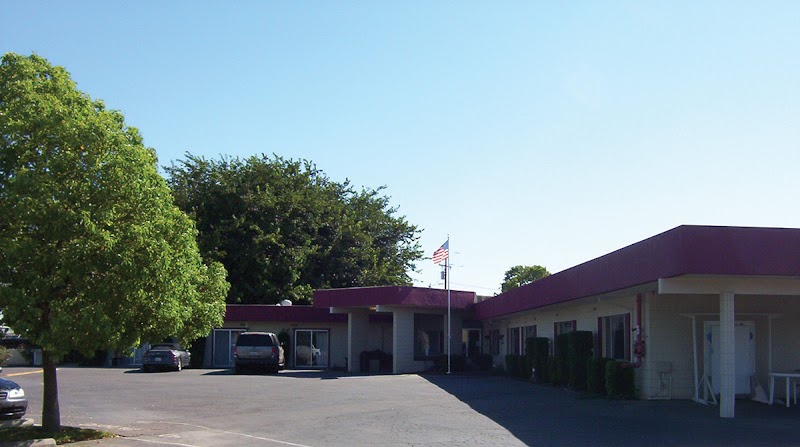
709 N STREET, NEWMAN, CA 95360 (209) 862-2862
For profit - Limited Liability company 71 Beds AVALON HEALTH CARE Data: November 2025
Trust Grade
35/100
#677 of 1155 in CA
Last Inspection: August 2024

Within standard 12-15 month inspection cycle. Federal law requires annual inspections.

Overview

San Luis Care Center has received a Trust Grade of F, indicating significant concerns about its care and operations. It ranks #677 out of 1155 facilities in California, placing it in the bottom half of all nursing homes in the state, and #10 out of 17 in Stanislaus County, meaning only a few local options are worse. The facility is showing improvement, with issues decreasing from 11 in 2024 to just 1 in 2025. Staffing is rated as average, with a turnover rate of 37%, which is below the state average, suggesting that staff tends to stay longer. However, the facility has incurred $46,118 in fines, which is concerning and higher than 85% of California facilities, indicating potential compliance problems. Specific incidents of concern include a resident experiencing a fall due to inadequate supervision during personal care, resulting in a serious head injury. Additionally, there were two serious incidents where a resident with known inappropriate behaviors was left unsupervised, leading to violations of another resident's dignity. While the nursing home has some strengths, such as improving trends and decent staffing, these critical incidents raise significant red flags for families considering this facility.

Trust Score
F
35/100
In California
#677/1155
Bottom 42%
Safety Record
High Risk
Review needed
Inspections
Getting Better
11 → 1 violations
Staff Stability
○ Average
37% turnover. Near California's 48% average. Typical for the industry.
Penalties
✓ Good
$46,118 in fines. Lower than most California facilities. Relatively clean record.
Skilled Nurses
⚠ Watch
Each resident gets only 26 minutes of Registered Nurse (RN) attention daily — below average for California. Fewer RN minutes means fewer trained eyes watching for problems.
Violations
⚠ Watch
27 deficiencies on record. Higher than average. Multiple issues found across inspections.
★★★☆☆
3.0
Overall Rating
★★★☆☆
3.0
Staff Levels
★★★☆☆
3.0
Care Quality
★★★☆☆
3.0
Inspection Score
Stable
2024: 11 issues
2025: 1 issues

The Good

  • Full Sprinkler Coverage · Fire safety systems throughout facility
  • No fines on record
  • Staff turnover below average (37%)

    11 points below California average of 48%

Facility shows strength in fire safety.

The Bad

3-Star Overall Rating

Near California average (3.1)

Meets federal standards, typical of most facilities

Staff Turnover: 37%

Near California avg (46%)

Typical for the industry

Federal Fines: $46,118

Above median ($33,413)

Moderate penalties - review what triggered them

Chain: AVALON HEALTH CARE

Part of a multi-facility chain

Ask about local staffing decisions and management

The Ugly 27 deficiencies on record

4 actual harm
Sept 2025 1 deficiency 1 Harm
SERIOUS (G) 📢 Someone Reported This

A family member, employee, or ombudsman was alarmed enough to file a formal complaint

Actual Harm - a resident was hurt due to facility failures

Accident Prevention (Tag F0689)

A resident was harmed · This affected 1 resident

**NOTE- TERMS IN BRACKETS HAVE BEEN EDITED TO PROTECT CONFIDENTIALITY** Based on interviews and record review, the facility nursing staff failed to use the proper turning technique and ensure one of t...

Read full inspector narrative →
**NOTE- TERMS IN BRACKETS HAVE BEEN EDITED TO PROTECT CONFIDENTIALITY** Based on interviews and record review, the facility nursing staff failed to use the proper turning technique and ensure one of three sampled residents (Resident 1), received adequate supervision and assistance during pericare (cleaning a patient's genital and anal areas) to prevent falls when Resident 1 who was deemed fully dependent for toileting hygiene, experienced a fall on 9/7/25. The certified nursing assistant did not ensure implementation of effective intervention as the use of a draw sheet (sheet placed underneath a patient to assist with repositioning and transferring in a healthcare setting) or proper technique and positioning without draw sheet for Resident 1 in accordance with facility competency, training consistent with Resident 1's care's need. This failure resulted in Resident 1 sustaining an avoidable fall during pericare leading to a scalp laceration (cut or tear in the scalp, the outer layer of the head), traumatic brain injury (TBI - an injury to the brain caused by an external force) with Intracranial Hemorrhage (ICH- bleeding within the brain cavity), left rib fracture (broken rib), left pneumothorax (collapsed lung), and a manubrial fracture (break in the upper part of sternum, breast bone) requiring urgent transfer to an acute care hospital and admission to the Intensive Care Unit (ICU - unit in hospitals that provides round-the-clock monitoring and treatment for people with serious illnesses or injuries).During a review of Resident 1's 60-Day Physician recertification of Terminal illness, document signed by physician on 6/21/25, the document indicated Resident 1 was a [AGE] year-old female with primary hospice (comprehensive care program for terminally ill patients, focusing on comfort, quality of life, and symptom management rather than cure) diagnosis of Parkinson's (progressive disorder that affects movement, balance and coordination disease with comorbidities (medical condition that is simultaneously present with another disease or other conditions in a patient), conditions of hypothyroidism (a condition in which the thyroid gland does not produce enough thyroid hormones, hormones essential for regulating metabolism, growth, and other bodily functions), hyperlipidemia (high level of fat in blood), depression (mental health condition characterized by persistent feelings of sadness, loss of interest, and other symptoms that can significantly impact daily life), dysphagia (difficulty swallowing food or liquids), Coronary Artery Disease (CAD - condition where the arteries that supply the heart with blood become narrowed or blocked, usually due to the buildup of fat) and pacemaker (implanted electronic device that sends electrical impulses to the heart to help it beat at a steady and appropriate rate). During a review of Resident 1's hospice note (HN) titled, [Skilled Nursing (SN)] For Routine Visit Summary, dated 8/28/25, the HN indicated, . [Resident 1] requires [one to one (1:1- one caretaker to one patient care model)] assist with meals . dependent in bathing, dressing, toileting, transferring, repositioning, and feeding. Patient bedridden [inability to get out of bed due to illness]. Requires changing and repositioning every two hours. Patient incontinent [unable to control your bladder or bowels, leading to leakage of urine or feces] of urine and feces. Contracture [permanent tightening and shortening of muscles leading to restricted movement in a joint] to right hand, and to [Bilateral (both) lower extremity] .Facility responsible for the 24-hour custodial care [assistance with daily activities like bathing, dressing, and eating, provided to individuals who cannot perform these tasks themselves] for the patient and will notify [company name] Hospice of changes in patient condition. During a review of the facility's document titled, COMPETENCY CHECK-MOVING A RESIDENT IN BED, dated January 2025, the document indicated, . Performance Criteria . MOVING RESIDENT TO SIDE OF BED . Stands on same side of bed to where resident will be moved . With a draw sheet: Rolls draw sheet up and grasps draw sheet with palms up. Puts one hand at resident's shoulders and the other at resident's hips. Applies on knee against side of bed, leans back, and pulls draw sheet and resident on the count of three. Without a draw sheet: Slides hands under head and shoulders and moves toward self. Slides hands under midsection and moves toward self. Slides hands under hips and legs and moves toward self .During a review of the document titled, [Emergency Medical Services (EMS)] Patient Care Report (3.5)x, dated 9/7/25, the document indicated, . Response Mode to Scene: Emergent (immediate response) . Lights and Sirens . Unit Arrived On Scene . 9/7/25 at 21:58 . unit left the Scene: 9/7/25 at 22:13 . Patient arrived at destination . 9/7/25 at 22:50 . arrived . patient laying supine on the linoleum floor with two pillows under her head, both saturated with blood. Per facility staff [unknown], [ Certified Nursing Assistant (CNA- a healthcare professional who provides basic patient care, such as assisting with daily activities, vital signs, and hygiene, under the supervision of a licensed nurse)] 's had patient in a standing position next to the bed when she slipped, fell, and hit her head causing a deep/ open head laceration [cut] approximately 2 [inches- unit of measurement] in length. Staff denies any LOC [loss of consciousness] but states patient immediately began vomiting and had 3 episodes of vomiting prior to EMS arrival. Manual C-spine [way to protect the person's neck and spine from moving] was held as wound was dressed with a pressure bandage and c-collar [support brace for neck and spinal cord] was placed . [Resident 1] was transported to [emergency room] .During a review of the Resident 1's History and Physical (H&P), dated 9/8/25 from Hospital A, the H&P indicated, Resident 1 was admitted on [DATE] after presenting to emergency department on transfer from care facility by EMS following a fall. The H&P indicated, .Assessment of New and Established Problems: [AGE] year-old female status post ground level fall with Scalp laceration, TBI, mild, with ICH, Left rib fracture, Left pneumothorax, Manubrial fracture . Plan and Recommendations: . Admit to ICU .During a record review on 9/12/25 at 1:42 p.m. with the Director of nursing (DON) and the Administrator of the facility (ADM), Resident 1's Medical Record (MR), with the admission date of 6/24/24 was reviewed. The review of progress note titled, Interdisciplinary Team [IDT - group of professionals including nurses, social workers, physical therapists, and others who collaborate to develop, implement, and evaluate a patient's comprehensive plan of care] note, dated 9/8/25, the IDT note indicated, . IDT for witnessed fall that occurs on 9/7/2025 around 10:00 PM. Discussed with IDT on 9/8/2025 at 9:00 AM. [CNA 1] informed Charge Nurse [CN 1]that resident had fallen in her room. Per [CNA 1], as she was performing a brief change for the resident had a bowel movement, she turned the resident on her right side, her feet dangled slightly off the bed, she stated to the resident do not move, as she pulled out the soiled brief from the resident and place it on the trash bag by her side, when she turned to resume care to the resident, she had fallen off the bed into the floor. [CNA 1] called another CNA [unknown] across the hallway to call and informed the [CN 1]. During a concurrent interview and record review on 9/12/25 at 1:55 p.m. with the DON, Resident 1's MR, dated 6/24/24 was reviewed. The DON stated she was present at the IDT meeting and the facility investigation indicated that CNA 1 was not being careful. The DON stated Resident 1 was in room [ROOM NUMBER] A, and the fall occurred on 9/7/24 at 10:00 p.m. The DON stated Resident 1's Brief Interview for Mental Status (BIMS - mandatory cognitive (the ability of the brain to think and reason) screening for residents, scored from 0-15, score of 13-15 indicating cognitively intact, score 8-12 moderate cognitive impairment, score 0-7 severe cognitive impairment ) was 0 and which indicated the resident was severely cognitive impaired. The DON stated Resident 1 was not restless, was not combative, was very light weight and was contracted [causes the joint to become stiff and fixed in a bent or flexed position, severely limiting a person's range of motion] in her extremities. The DON stated Resident 1 was fully dependent of care during toileting and repositioning. The DON stated CNA 1 cleaned Resident 1 and when CNA 1 turned to put the dirty brief in the trash, Resident 1 fell from the bed to the floor. The DON stated the facility investigation revealed CNA 1 did not have a draw sheet under the resident while turning and did not pull resident close to her as she should have based on her training and competency for repositioning of a resident in bed. The DON stated use of a draw sheet by CNA 1 and pulling Resident 1 close to her would have potentially prevented the fall. The DON stated Resident 1 was unable to hold on to assistive devices or support herself during the turning. The DON stated Resident 1's fall was preventable, and she expected CNA 1 to pay more attention, use assistance from another CNA if needed and follow her competency training (structured learning approach focused on developing specific, job-related knowledge and skills (competencies) that individuals must demonstrate before advancing). The DON stated the fall would have been potentially preventable if CNA 1 had followed the competency and training provided by the facility. The DON stated she was not sure why CNA 1 would ask the resident who was fully dependent for care and had a low BIMS score of 0 to Do not move and did not ensure safe positioning herself. The DON stated Resident 1 was also on an air pressure mattress (features a series of air cells that inflate and deflate in cycles to redistribute pressure across the body) which was provided by the Hospice company and was also one of the contributing factors to the fall. The DON stated she was unable to comment on the brand or type of mattress and since the incident, the facility notified the Hospice they were no longer using that particular air mattress and facility will arrange their own mattress. During a record review on 9/12/25 at 2:00 p.m. with the DON and the ADM, Resident 1's IDT note, dated 9/8/25 was reviewed. The IDT note indicated, . Assessment: [Licensed Vocational Nurse (CN 1)] and [Registered Nurse (RN)] immediately went into the room and found the resident on the right side of her bed, lying flat on her back with legs stretched out and arms crossed to her chest wearing only her shirt with no brief on. Upon assessment, blood was seen on the floor coming from the back of her head. There is an open laceration noted on the posterior [the back] part of her head. [CN 1] then placed a pressure dressing with gauze and bandage wrap. Resident was noted to be conscious and when asked what happened, she was able to answer and stated, I don't know. Pupils are [pupils are equal, round, reactive to light and accommodation (PERRLA)]. Vital signs checked and blood pressure was 134/75 within her normal limits. Resident was not moved due to head injury. A pillow with sheets was placed to her head to provide support. RN remained with the patient and [CN 1] called [NP] and informed him of the incident and ordered for the resident to be transferred out to acute [care hospital] for further evaluation and treatment. Per interview with the [CN 1], she stated that she was at the nurse's station doing her documentation, per her documentation, cause of fall was when the assigned CNA turned resident to her [resident 1] right side of the bed, CNA noted that resident did not have a draw sheet under her, as the CNA turned the resident, [Resident 1's] left leg fell forward [bringing] [Resident 1's] weight [down] and shifting her to fall off the bed and landed on the floor on her back. Resident's bed height was found at between waist and knee level Notification: MD notified of the incident and ordered to send resident out to [emergency room (ER)] for further evaluation and treatment. [Responsible person (RP)] was informed and [company name] Hospice. [Resident 1] was sent to [Hospital A] later on transferred to [Hospital B] . RP called the facility and stated that [Resident 1] is in [ Intensive Care Unit (ICU - is a hospital unit that provides specialized, round-the-clock care for critically ill patients with life-threatening injuries or diseases)], she has laceration on the back of her head with multiple internal hematoma [collections of blood in or around the brain], left rib 1-3 [indicates a serious injury requiring immediate medical attention] was fractured and punctured her lungs, and lumbar fracture [break in one of the five bones (called vertebrae) of lower back, part of spine supports most of body's weight] with internal bleeding. Root Cause Analysis: Resident's cause of fall was weakness and residents positioning during [Activities of Daily Living (ADL -which are the fundamental self-care tasks necessary for independent living, including bathing, dressing, eating, using the toilet, continence, and mobility)] care. During an interview on 9/12/05 at 2:41 p.m. with CN 1, CN 1 stated she had been working at the facility for almost two years and was familiar with Resident 1. CN 1 stated at the time of the incident she was at the nursing station and heard CNA 1 calling her name. CN 1 stated she was one of the first responders to Resident 1's room right after the fall. CN 1 stated she observed Resident 1 was lying flat on the right side of the bed. CN 1 stated CNA 1 informed CN 1 that CNA 1 was changing Resident 1's brief and Resident 1 slipped out of her hand. CN 1 stated Resident 1 fell to the right side of bed, Resident 1 was not wearing a brief and had a little bit of blood on floor next to Resident 1 and there was nothing on Resident 1's face. CN 1 stated she thought it was coming from Resident 1's head, she assessed Resident 1's vital signs and called to send Resident 1 out by ambulance to ER. CN 1 stated she notified the family and assisted the Emergency Medical Technician (EMT- a trained healthcare professional who provides immediate care to patients at the scene of an incident and transports them to a hospital). CN 1 stated CNA 1 turned Resident 1 and did not have a draw sheet under the resident as she should have one for repositioning residents. CN 1 stated CNA 1 was not able to pull [Resident 1] closer and when she turned [Resident 1], she lost her grip as she had a dirty brief in her other hand that she was putting in the trash. CN 1 stated, I would personally say yes [CNA] should have second person to assist with repositioning Resident 1. CN 1 stated Resident 1 should have a draw sheet under her while in bed. CN 1 stated this fall for Resident 1 happened around 10:00 p.m. and CNA 1 started her shift at 2:30 p.m. CN 1 stated she would have expected CNA 1 to have changed Resident 1's brief at least once or twice before and CNA 1 should have been aware Resident 1 did not have a draw sheet to securely reposition Resident 1 during pericare. CN 1 stated Resident 1 would not have moved unless she was being moved, Resident 1 was not combative and dependent on care. During a concurrent interview and record review on 9/12/25 at 2:59 p.m. with the Director of Staff Development (DSD), the facility's document titled, COMPETENCY CHECK-MOVING A RESIDENT IN BED, dated January 2025 was reviewed. The DSD stated she had been working as the DSD for two years. The DSD stated she assisted with the education and training of all staff. The DSD stated all CNAs received training on turning, positioning, and transfers of residents and during the training, CNAs were educated on when to ask for a second person for assistance while repositioning. The DSD stated she was familiar with Resident 1. The DSD stated Resident 1 required maximum assistance and may have required two people for assistance, however, one staff was sufficient for toileting needs. The DSD stated the facility used draw sheets and the purpose for the use of draw sheets was to help with repositioning, helped to safely turn the residents and assisted with safe mobility of the resident in bed by the CNA. The DSD stated she had reviewed the case and spoke with CNA 1. The DSD stated CNA 1 kept saying she was talking to Resident 1. The DSD stated she was unable to understand why CNA 1 would rely on Resident 1 and said, Don't move, to Resident 1. The DSD stated Resident 1 had a low BIMS and was not physically able to assist with repositioning or ensuring safety. The DSD also stated the IDT team and the facility leadership team reviewed the staffing for the day and the facility had sufficient staffing to accommodate another CNA to assist CNA 1 with turning Resident 1 safely. The DSD stated the document indicated the use of a draw sheet or following the process of positioning resident, without a draw sheet: Slides hands under head and shoulders and moves [resident] toward self [to avoid the potential for fall], as outlined in the competency would have potentially avoided the fall. The DSD stated it appeared Resident 1 was turned away instead of moving toward self by the CNA. The DSD stated she had provided in-services and training to all CNAs to ensure patient safety and avoid falls after Resident 1's fall. During an interview on 9/12/25 at 3:14 p.m. with the ADM, the ADM stated she had been at the facility in her role for two and half years. The ADM stated she was notified about Resident 1's fall by the DON the same day around 10:30 p.m. The ADM stated the following day, the DON and the ADM had a meeting with CNA 1 and also notified the family of Resident 1. The ADM stated the facility had an IDT meeting to discuss the root cause analysis (RCA - systematic approach to identifying the foundational causes of problems, rather than just addressing symptoms, to develop long-term solutions and prevent recurrence) and reported the incident to the regulatory authorities as required. The ADM stated CNA 1 should have positioned the patient closer to her during repositioning using a draw sheet or followed the process for repositioning residents without a draw sheet closer to her as mentioned in the competency and training. The ADM also stated the mattress topper should not have been used. The ADM stated the facility would be auditing and monitoring to ensure all residents' safety and reeducation was provided to CNAs. The ADM stated she expected staff to follow the facility policies, competency, and training and CNA 1 failed to follow facility competency and training and steps when moving Resident 1 safely. During a concurrent phone interview and record review on 9/15/25 at 1:45 p.m. with the DON, Resident 1's MDS RESIDENT ASSESSMENT AND CARE SCREENING, dated May 12, 2025, was reviewed. The MDS indicated . Section GG - Functional Abilities - . Coding: Safety and Quality of Performance - If helper assistance is required because resident's performance is unsafe or of poor quality, score according to amount of assistance provided . 01. Dependent - Helper does ALL of the effort. Resident does none of the effort to complete the activity. Or, the assistance of 2 or more helpers is required for the resident to complete the activity . 01 C. Toileting hygiene: The ability to maintain perineal hygiene, adjust clothes before and after voiding or having a bowel movement. If managing an ostomy [define], include wiping the opening but not managing equipment . 01 G. Lower body dressing: The ability to dress and undress below the waist, including fasteners; does not include footwear . The DON stated the assessment was the most recent assessment for Resident 1. The DON stated she was familiar with the MDS assessment. The DON stated the MDS assessment was completed quarterly and yearly assessment for change and to see any condition changes. The DON stated assessment was for the overall resident condition and different areas were assessed to address any change in resident condition and to make sure resident care needs were met. The DON stated the MDS looked at what residents required and the MDS assessment was done by the facility. The DON further stated the care plan and goals were established based on the residents assessment. The DON stated she reviewed and was familiar with Resident 1's assessment. The DON stated the MDS assessment for Resident 1 indicated Resident 1 scored dependent which indicated, helper does ALL of the effort. Resident does none of the effort to complete the activity. Or, the assistance of 2 people for toileting need. The DON stated she was unable to explain whether Resident 1 required two people for toileting needs and would have to defer to the MDS consultant. The DON stated she would assist with arranging a call with the MDS consultant to explain the scoring, however, at times, the facility did have two staff helping with Resident 1. The DON stated Resident 1 was dependent and one CNA was sufficient at times, depending on the care needs. The CNO stated Resident 1 was dependent on CNA 1 and CNA 1 should not have relied on Resident 1 to assist during repositioning. During a concurrent phone interview and record review on 9/15/25 at 2:03 p.m. with the Clinical Reimburse Specialist consultant (CRS), Resident 1's MDS RESIDENT ASSESSMENT AND CARE SCREENING, dated May 12, 2025, was reviewed. The CRS stated she reviewed the assessment for Resident 1 and for toileting needs, Resident 1 was scored as dependent. The CRS stated if one helper did all the effort required to reposition Resident 1, then one person was sufficient, otherwise assistance of two or more helpers was required to complete the activity. The CRS stated the MDS assessment was used to establish resident care needs and plan of care. During a phone interview on 9/16/25 at 10:40 a.m. with CNA 1, CNA 1 stated she had been working at the facility for two years. CNA 1 stated she was working with Resident 1 when Resident 1 had a fall at the facility. CNA 1 stated Resident 1 was her last patient of the night to be checked if a brief change was required. CNA 1 stated she knocked on Resident 1's door and explained she was there to change Resident 1. CNA 1 stated, I closed the curtain, I gathered my stuff, bags, wipes, and brief. I checked her, she had a bowel movement. I explained I am going to change her. I proceeded with her, her foot was dangling. I began to turn her, and I pivoted to turn to throw away the soiled brief and next thing she fell to the floor. CNA 1 stated she was working by herself with Resident 1. CNA 1 stated she did not recall pulling Resident 1 closer to herself. CNA 1 stated she was still in shock and could not recall all the details, however, she did recall changing Resident 1's brief earlier in the day around 4:30 p.m. CNA 1 stated she recalled turning Resident 1 away from herself before the fall, and she fell while turning. CNA 1 stated she was on the opposite side [away from the side resident was facing] of Resident 1 and Resident 1 was facing the wall and the sliding door away from her. CNA 1 stated Resident 1 was very stiff and was not moving at all. CNA 1 stated Resident 1 did not have chucks [disposable absorbent under pads to protect the bed from spills or leakage often due to incontinence] or a draw sheet under her. CNA 1 stated Resident 1 should have chucks or a draw sheet as she was dependent. CNA 1 stated she did not recall seeing Resident 1 earlier without a draw sheet. CNA 1 stated Resident 1 was also on an inflatable bubbly mattress and it was set to a certain pressure. CNA 1 stated she should have called for help. CNA 1 stated if another person was present during repositioning, it would have helped to prevent the fall. CNA 1 stated the use of a draw sheet during repositioning would have helped prevent the fall for Resident 1. CNA 1 stated the facility normally had one person assisting Resident 1 with repositioning. CNA 1 stated she never had any residents fall during her care and this was the first time any resident under her care experienced a fall and she had learned from this experience. During a review of the facility's policy and procedure (P&P) titled, QUALITY OF CARE Accident Hazards / Supervision / Devices, dated 7/2018, the P&P indicated, .Purpose .To provide an environment that is free from controllable accident hazards and provision of supervision and devices needed to prevent avoidable accidents .The facility will provide an environment that is as free of accident hazards as is possible and provide supervision and assistance devices to residents to avoid preventable accidents .Efforts to minimize risk to residents will include individualized, resident-centered interventions to reduce individual risks related to hazards in the environment .interventions will be modified when necessary .individualized interventions will be developed to reduce the potential for accidents .Staff will be trained on the use of assistive devices and transfer equipment .The devices and transfer techniques will be reflected in the resident's comprehensive care plan .During a review of the facility's document titled, JOB DESCRIPTION NURSING ASSISTANT - CERTIFIED, undated, the document indicated, . Essential Functions . Observe and practice safety according to facility policy and procedure . Demonstrate and able to explain proper body mechanics in all patient handling interactions & processes . Perform the following according to policy and procedure . Apply proper lifting and transferring techniques . Safety: Know and follow all Company policies, regulations and requirements . Demonstrate safe practices in regard to resident's comfort and safety by applying knowledge of proper body alignment for self and resident .
Aug 2024 6 deficiencies
CONCERN (D)

Potential for Harm - no one hurt, but risky conditions existed

Transfer Notice (Tag F0623)

Could have caused harm · This affected 1 resident

**NOTE- TERMS IN BRACKETS HAVE BEEN EDITED TO PROTECT CONFIDENTIALITY** Based on interview, record review, and facility policy review, the facility failed to provide three of three residents (Resident...

Read full inspector narrative →
**NOTE- TERMS IN BRACKETS HAVE BEEN EDITED TO PROTECT CONFIDENTIALITY** Based on interview, record review, and facility policy review, the facility failed to provide three of three residents (Resident (R)41, R47 and R62) reviewed for hospital transfers out of a total sample of 36 residents' notification to the ombudsman when R41, R47 and R62 transferred to the hospital. This failure placed the resident and their representative at risk of having incomplete information, misunderstanding the reason of transfer/discharge, and the discharge appeal process. Findings include: Review of the facility's policy titled Admission, Transfer and Discharge Notice Requirements Before Transfer/Discharge dated 07/2018, read in part .10. Notifications to the Office of the State LTC [Long Term Care] Ombudsman will occur before or as close as possible to the actual time of a facility-initiated transfer/discharge. 1.Review of R41's undated Face sheet located in the resident's electronic medical record (EMR) under the Profile tab revealed the resident was admitted to the facility on [DATE]. Review of R41's Notice of Purposed Transfer/Discharge, revealed R41 was transferred to hospital on [DATE]. 2. Review of R47's undated Face sheet located in the resident's electronic medical record (EMR) under the Profile tab revealed the resident was admitted to the facility on [DATE]. Review of R47's Notice of Purposed Transfer/Discharge, revealed R47 was transferred to hospital on [DATE]. Review of R47's Notice of Purposed Transfer/Discharge, revealed R47 was transferred to hospital on [DATE]. Review of R47's Notice of Purposed Transfer/Discharge, revealed R47 was transferred to hospital on [DATE]. 2. Review of R62's undated Face sheet located in the resident's electronic medical record (EMR) under the Profile tab revealed the resident was admitted to the facility on [DATE]. Review of R62's Skilled Nursing Facility to Hospital form revealed R62 was transferred to hospital on [DATE]. During an interview on 08/06/24 at 1:43 PM, Social Services (SS) confirmed the facility failed to provide the written notice of transfer/discharge form to the ombudsman for R41, R47 and R61 after they were transferred to the hospital. The SS confirmed was sending the notifications to a fax number they believed belonged to the local ombudsman. SS confirmed they spoke with the ombudsman who confirmed they had not received any transfer notifications from SS. SS stated the ombudsman provided their email and all transfers will be emailed and confirmed receipt from ombudsman going forward. SS stated they thought the ombudsman was receiving the notifications through fax but confirmed they never received any confirmations forms.
CONCERN (D)

Potential for Harm - no one hurt, but risky conditions existed

Deficiency F0657 (Tag F0657)

Could have caused harm · This affected 1 resident

Based on observation, interview, and record review, the facility failed to revise the care plan to include refusals for weekly weights for one resident (Resident (R)41) out of a sample of 36 residents...

Read full inspector narrative →
Based on observation, interview, and record review, the facility failed to revise the care plan to include refusals for weekly weights for one resident (Resident (R)41) out of a sample of 36 residents. Refer to F692. Findings include: Review of R41's admission Record from the electronic medical record (EMR) Profile tab showed a facility admission date of 10/11/21 with medical diagnoses that included Hydronephrosis with Renal and Ureteral Calculous Obstruction, Dysphagia, Anemia and Muscle Weakness. Review of R41's quarterly Minimum Data Set (MDS) with an Assessment Reference Date (ARD) of 05/18/24, located in the resident's EMR under the MDS tab indicated the facility assessed R41 to have a Brief Interview for Mental Status (BIMS) score was 12 out of 15, indicating R41 was cognitively alert. Review of R41's Care Plan, located in the resident's EMR section titled Care Plans, revealed the resident had a care plan with revision date of 08/01/24. The care plan identified the resident had focus for R41 was at risk for altered nutrition/hydration status and/or weight fluctuations. Supplements: health shakes three times a day and multivitamins with minerals. Review of care plan did not have any indication of R41 refusing weekly weights. Interview on 08/08/24 at 11:40 AM with Licensed Vocational Nurse (LVN) 2 revealed they have weekly meetings with the Registered Dietician to discuss any nutrition concerns. LVN2 stated R41's last nutrition review was 05/31/24 and RD recommended multi vitamins, health shake and continue weekly weights. LVN2 stated they are responsible for ensuring R41's care plan was updated with all dietician recommendations. LVN2 stated R41 sometimes refuses weights but confirmed there was only one note from May 2024 through July 2024 indicating R41 refused to be weighed. LVN2 stated they were responsible for ensuring R41's care plan was updated with interventions for refusing weekly weights. Interview on 08/08/24 at 12:04 PM with Director of Nursing (DON), revealed LVN2 was responsible for initiating R41's weekly weights and other nutrition interventions are implemented and entered on their comprehensive care plan. DON stated if a resident is refusing interventions and still triggering for weight loss then staff are to let the RD and Physician know so they can attempt to go over the risk verse benefits with resident.
CONCERN (D)

Potential for Harm - no one hurt, but risky conditions existed

Deficiency F0688 (Tag F0688)

Could have caused harm · This affected 1 resident

**NOTE- TERMS IN BRACKETS HAVE BEEN EDITED TO PROTECT CONFIDENTIALITY** Based on interviews, observations, and a review of the facility policies, the facility failed to ensure one resident (Resident (...

Read full inspector narrative →
**NOTE- TERMS IN BRACKETS HAVE BEEN EDITED TO PROTECT CONFIDENTIALITY** Based on interviews, observations, and a review of the facility policies, the facility failed to ensure one resident (Resident (R)25) in a total sample of 30, received a range of motion care and treatment. Specifically, the facility failed to provide restorative aide care per R25's care planned intervention to prevent further contractures of her right hand. Findings included: Review of the facility's policy titled, Restorative Nursing Program, undated revealed, .The Restorative Nursing Program (RNP) is designed to assist the facility team help residents to achieve and maintain their highest functional level . the RNP has two general purposes (a). the program may be used to help residents restore function . (b). to assist residents to maintain function or prevent, to the extent possible, or minimize functional declines .RNPs do not require a physician order .RNP activities may be provided by designated RNAs (Restorative Nursing Assistants, Certified Nursing Assistants (CNAs) .If the resident or representative refuses the RNP, the RNP Coordinator will document the education that was provided to include the risk and benefits . Review of the admission Record located in the Profile tab of the electronic medical record (EMR) revealed R25 was admitted to the facility on [DATE] and had diagnoses that included but were not limited to Parkinson's, weakness, contracture of muscle, left ankle, and foot, and cognitive communication deficit. Review of R25's Care Plan, located in the EMR under the Care Plan tab, initiated on 05/08/24, revealed, .R25 has, an ADL [activities of daily living] self-care performance deficit r/t [related to] limited mobility, weakness, Parkinson's, cognitive impairment, autonomic neuropathy, left ankle contracture .Certified Nurse Aide (CNA): Splint/Brace Program: Gentle prolonged stretches with shoulders down, gentle prolonged stretches to fingers, all joints in preparation for washcloth placement to right hand to prevent further contracture of fingers 5 times a week for 12 weeks . Review of the quarterly Minimum Data Set (MDS) located in the MDS tab of the EMR with an Assessment Reference Date (ARD) of 01/26/23 revealed a Brief Interview of Mental Status (BIMS) score of three out of a three which indicated she was severely impaired in cognition. Further review of the MDS revealed rhe resident was not coded for having a contracture or using a splint. Review of an Occupational Therapy Note dated 05/03/24 provided by the facility revealed, .rolled washcloth, especially under the third finger . Review of a CNA Task for Splint, dated from 07/08/24 until 08/06/24, located in the EMR under the Task tab revealed, R25 had refused the placement of the rolled washcloth . Review of a Progress Note dated for July and August 2024 located in the Progress Notes tab of the electronic medical records (EMR) revealed there were no nursing notes to indicate that R25 had refused restorative aide care (RA). During an observation on 08/05/24 at 12:07 PM, R25 was observed in her room lying on a low bed, an observation was made of R25's right hand which was closed tightly in a fist. During the same observation, an interview was conducted. The surveyor asked R25 to open her right hand. R25 used her left hand and fingers to attempt to open her right hand with great difficulty. During an observation on 08/06/24 at 9:11 AM, revealed R25 resting peacefully in her room. R25's right hand was closed tightly in a fist. No rolled towel was observed in R25's hand. During an interview on 08/06/24 at 10:31AM with the CNA1, revealed, she was familiar with R25 and acknowledged the right-hand contracture. The surveyor asked CNA1 was there any intervention in place to prevent further damage to the resident's hand. CNA1 stated, Yes, to place a rolled towel in the right hand. This surveyor informed CNA1 that several observations were made of R25, and no gauze or towel was placed in the right hand. CNA1 stated she did not place the towel in the resident hand per care plan. This surveyor asked CNA1 what was facility policy when a resident refused care. CNA1 stated, to document on the Task form located in the EMR and to notify the charge nurse. CNA1 did document in EMR, however, she did not inform the charge nurse that the towel was not placed. During an interview on 08/06/24 at 11:00 AM with the facility Infection Preventionist (IP) revealed, R25 is care planned for RA. The IP continued to share that the facility no longer has an RA department, so the responsibility has transitioned to the CNAs to complete. The IP further stated, if a resident refuses RA care the CNA is to document in the EMR under the task tab along with informing the charge nurse. Once the charge nurse has been notified, the nurse will document in the EMR that the resident has refused care, and when the resident refuses care multiple times, the RA will be discontinued, or the resident will be reassessed by the therapy department. The IP informed this surveyor that CNA1 did not follow proper facility policies. During an interview on 08/06/24 at 3:33 PM the Administrator revealed that the purpose of notifying the nursing staff of any care refusal is to ensure that nursing staff are aware of any care issues residents are not receiving along with monitoring CNAs are following through with their duties and responsibilities. The Administrator further stated that her expectation of all staff is that they follow facility policies and procedures when it comes to refusal of care. During an interview on 08/08/24 at 11:39 AM, the Director of Nursing (DON) revealed nursing competencies are done annually and as needed. The DON stated for all refusals of care, CNAs are to document in the EMR along with informing the nursing staff of the refusal. Once the nursing staff is notified, the nurse will document in the EMR that a resident has refused care. The DON continued to share that the purpose of notifying nursing staff of refusals is to monitor and track care and to ensure that staff are performing their responsibilities and duties.
CONCERN (D)

Potential for Harm - no one hurt, but risky conditions existed

Deficiency F0692 (Tag F0692)

Could have caused harm · This affected 1 resident

Based on interview, medical record review, and policy review, the facility failed to ensure one of five residents (Resident (R) 41) reviewed for nutrition had weekly weights obtained after a significa...

Read full inspector narrative →
Based on interview, medical record review, and policy review, the facility failed to ensure one of five residents (Resident (R) 41) reviewed for nutrition had weekly weights obtained after a significant weight loss. This failure had the potential for residents to lose a significant amount of weight without interventions which could have adverse health effects. Findings include: Review of R41's admission Record from the electronic medical record (EMR) Profile tab showed a facility admission date of 10/11/21 with medical diagnoses that included Hydronephrosis with Renal and Ureteral Calculous Obstruction, Dysphagia, Anemia and Muscle Weakness. Review of the NSG Skin and Nutrition Review, located under the Evaluations tab of the EMR, dated 05/31/24stated the reason for the review was significant/grad weight loss/gain. Comments section stated R41 weight history: 05/22/24: 136 lbs (-5#/-3.7% x 1 week, not sig), 5/10/24:145 lbs and 4/27/24: 148 lbs (-17#/-11.5% x 1 mon, sig) Significant weight loss noted in the past 1 month likely related to poor intake secondary to food consistency. PO intake is 25-100% with 1-2 meals refusal daily. Further weight loss is not encouraged due to advanced age. No edema noted at this time Recommend Health shake 120mL three times a day. Recommend Multivitamin with minerals and continue weekly weight monitoring. Review of R41's weights form the Vitals/Weights tab indicated: 05/10/24 145 lbs. 05/22/24 136 lbs. 05/31/24 131 pounds (lbs.) No June or July 2024 weight Revie of R41's Nursing Progress Note, located under the progress notes tan, dated 07/29/24 documented, R41 refused to be weighed this week for weekly review. The Medical Director notified of R41's refusal with no new orders, continue to encourage residents to allow weight. Further review of R41's EMR revealed there was no other documentation of R41 refusing to be weighed. Interview on 08/08/24 at 11:40 AM with Licensed Vocational Nurse (LVN) 2, LVN2 revealed they have weekly meeting with the Registered Dietician to discuss any nutrition concerns. LVN2 stated R41's last nutrition review was 05/31/24 and RD recommended multi vitamins, health shake and continue weekly weights. LVN2 stated they are responsible for ensuring R41 was put on weekly weights and LVN2 confirmed R41 was not placed on weekly weights. LVN2 stated R41 sometimes refuses weights but confirmed there was only one note from May 2024 through July 2024 indicating R41 refused to be weighed. Interview on 08/08/24 at 12:04 PM with Director of Nursing (DON), DON stated LVN 2 was responsible for initiating R41's weekly weights and other nutrition interventions are implemented. DON stated if a resident is refusing interventions and still triggering for weight loss then staff are to let the RD and Physician know.
CONCERN (D)

Potential for Harm - no one hurt, but risky conditions existed

Infection Control (Tag F0880)

Could have caused harm · This affected 1 resident

**NOTE- TERMS IN BRACKETS HAVE BEEN EDITED TO PROTECT CONFIDENTIALITY** Based on record review, observation, interview, and review of the facility policies., the facility failed to ensure staff follow...

Read full inspector narrative →
**NOTE- TERMS IN BRACKETS HAVE BEEN EDITED TO PROTECT CONFIDENTIALITY** Based on record review, observation, interview, and review of the facility policies., the facility failed to ensure staff followed enhanced barrier precautions and standard nursing precautions while providing wound care for one of one resident (Resident (R)19) out of a sample size of 30. Specifically, facility staff failed to follow personal protective equipment (PPE) guidelines properly and did not use a clean barrier surface for wound care supplies when providing bilateral wound care to R19. This facility failure had the potential to cause further infection to the resident's wounds. Findings include: Review of the facility's policy titled, Infection Control Enhanced Barrier Precautions, not dated, revealed, Enhanced Barrier Precautions (EBP) are an infection control intervention used to reduce transmission of multi drug-resistant organisms . EBP is an extension of standard precautions utilized for resident . Review of the facility undated policy titled, Infection Prevention and Control Program, revealed, .facility staff will use standard precautions during resident care activities, .staff will use PPE as indicated by the identified precautions . Review of R19 Face Sheet located in the electronic medical record (EMR) under the Profile tab revealed, that R19 was originally admitted to the facility on [DATE] with the following diagnoses but not limited to, type 2 diabetes, contracture of muscle, venous insufficiency, and anemia. Review of R19's Physicians Order, located in the EMR under the Oorders tab, dated 08/06/24 revealed, .on Enhanced Barrier Precautions [EBP] . Review of R19's Physicians Order, located in the EMR under the Oorders tab revealed, Treatment of bilateral lower extremities: Cleanse with soap and water, apply non-adherent dressing and wrap with Kerlix . Observation on 08/05/24 at 11:13 AM revealed Licensed Vocational Nurse (LVN)1 was already in the room providing wound care to R19 with gloves, and a mask but no yellow gown per doctor orders and EPB sign located on the outside of R19's room. LVN1 was observed spraying R19's lower right and left legs with a cleaning solution and wiping with a white 2-inch by 2-inch gauze which was located on the resident's bedside table resting on R19's breakfast tray. There was no clean barrier cloth on the resident tray to prevent cross-contamination. LVN1 then proceeded to call a Certified Nurse Aide (CNA) into the room to assist with holding the HELIX stick with a blue tip (a HELIX stick is used to measure wounds) to obtain photos of R19 lower extremities wounds. CNA1 walked into the room with only a mask and gloves, CNA1 did not wear a yellow gown. Once CNA1 was at the bedside to assist LVN1. LVN1 retrieved the HELIX stick, which was resting on a black IPAD, the IPAD was resting on a dresser drawer located against the wall. LVN1 handed the HELIX stick to CNA1. CNA1 placed the HELEX stick directly on R19's leg and LVN1 preceded to take images. Observation of R19's door revealed Everyone must: clean their hands before entering and leaving ., Providers and staff must also: Wear gloves and gown for the following high contact resident care .dressing, bathing, transferring, wound care . During an interview on 08/06/24 at 11:03 AM the Infection Preventionist (IP) revealed, that when providing wound care or any care and supplies are used a clean barrier (drop cloth) is placed on the bedside table or at the foot of the resident's bed. At no time are supplies to be placed on the resident's food tray or any uncleaned surfaces. The IP further stated that for any residents on e EBP precautions, staff must wear their masks, gloves, and yellow gowns. During an interview on 08/06/24 at 10:41 AM, CNA1 recalled assisting LVN1 with R19's wound care. The CNA1 was asked to share the proper procedures for providing care for a resident on EBP. CNA1 stated, You wear a mask, gloves, and a yellow gown. T. CNA1 stated, No we [she and LVN1] were not [wearing yellow gowns]. The CNA1 was asked did she recall where the supplies were placed. CNA1 stated, On the bedside table. The CNA1 was asked did she recall the supplies being placed on a clean surface barrier. CNA1 stated, No they were not. During an interview on 08/06/24 at 12:07 PM, LVN1 revealed, that when providing wound care all supplies should be placed on a clean barrier. LVN1 acknowledged he did not place R19's supplies on a clean barrier nor did he wear a yellow gown while performing care. LVN1 continued to share that by not wearing his yellow gown and placing R19's supplies on a clean barrier he did not follow proper infection control policies and procedures. During an interview on 08/06/24 at 3:38 PM, the Administrator revealed she expects all nursing staff providing care should follow standard precautions of care to prevent any infection control breaks. During an interview on 08/08/24 at 11:39 AM, the Director of Nursing (DON) revealed nursing competencies are done annually and as needed, this surveyor informed the DON of the infection-control break which was observed. The DON stated, That is nursing 101 and I expect all staff to follow proper standard precautions of care at all times.
CONCERN (E)

Potential for Harm - no one hurt, but risky conditions existed

Deficiency F0625 (Tag F0625)

Could have caused harm · This affected multiple residents

**NOTE- TERMS IN BRACKETS HAVE BEEN EDITED TO PROTECT CONFIDENTIALITY** Based on interview, record review, and facility policy review, the facility failed to provide two of three residents (Resident (...

Read full inspector narrative →
**NOTE- TERMS IN BRACKETS HAVE BEEN EDITED TO PROTECT CONFIDENTIALITY** Based on interview, record review, and facility policy review, the facility failed to provide two of three residents (Resident (R)47 and R62) or their responsible party, reviewed for hospital transfers out of a total sample of 36 residents a written bed hold when R47 and R62 was transferred to the hospital. This failure had the potential to cause confusion or distress regarding return to the same room after hospitalization. Findings include: Review of facility's policy titled Admission, Transfer and Discharge Notice of Bed Hold Policy Before/Upon Transfer revision date 11/2018 indicated, .The facility will provide written information to the resident or resident representative specifying the duration of the state bed-hold policy, if any, during which time the resident is permitted to return and resume residence in the facility.This information will be provided to the resident and the resident representative before a transfer or therapeutic leave and at the time of transfer of a resident for hospitalization or therapeutic leave. 1. Review of R47's undated Face sheet located in the resident's electronic medical record (EMR) under the Profile tab revealed the resident was admitted to the facility on [DATE]. Review of R47's Notice of Purposed Transfer/Discharge, revealed R47 was transferred to hospital on [DATE]. The EMR lacked evidence that the facility provided R47 or the resident representative a copy of the facility's bed hold policy upon transfer to the hospital. Review of R47's Notice of Purposed Transfer/Discharge, revealed R47 was transferred to the hospital on [DATE]. Review of R47's California Bed Hold Policy, dated 04/14/24, revealed R47s representative was contacted via phone on 04/15/24. The EMR lacked evidence that the facility provided R47 or the resident representative a copy of the facility's bed hold policy upon transfer to the hospital. 2. Review of R62's undated Face sheet located in the resident's EMR under the Profile tab revealed the resident was admitted to the facility on [DATE]. Review of R62's Skilled Nursing Facility to Hospital form revealed R62 was transferred to hospital on [DATE]. The EMR lacked evidence that the facility provided R62 or the resident representative a copy of the facility's bed hold policy upon transfer to the hospital. Interview with the Business Office Manager (BOM) on 08/08/24 at 10:49 AM, the BOM stated they do consent for bed holds over the phone and she will sign. BOM stated they had residents and/or residents representative sign the bed hold policy upon admission but not upon transfer. BOM stated they did not document or confirm when or if a resident or representative was provided a written bed hold. BOM confirmed R62 was not provided a bed hold upon transfer to the hospital.
May 2024 2 deficiencies
CONCERN (D) 📢 Someone Reported This

A family member, employee, or ombudsman was alarmed enough to file a formal complaint

Potential for Harm - no one hurt, but risky conditions existed

Deficiency F0658 (Tag F0658)

Could have caused harm · This affected 1 resident

**NOTE- TERMS IN BRACKETS HAVE BEEN EDITED TO PROTECT CONFIDENTIALITY** Based on observation, interview and record review, the facility failed to meet professional standards of quality, for one of fou...

Read full inspector narrative →
**NOTE- TERMS IN BRACKETS HAVE BEEN EDITED TO PROTECT CONFIDENTIALITY** Based on observation, interview and record review, the facility failed to meet professional standards of quality, for one of four sampled residents (Resident 4), when Resident 4 had a fractured (break or crack) left fifth finger (pinky) on 5/19/24 and a splint (immobilizer) was not placed until 5/20/24. This failure placed Resident 4 at risk for further damage to his fractured left fifth finger. Findings: During a concurrent interview and record review on 5/24/24 at 2:35 p.m. with Licensed Vocational Nurse (LVN) 2, Resident 4's Interdisciplinary Notes (IDT) dated 5/21/24 was reviewed. The IDT indicated, .On 5/19/2024, during routine nail care, the C N A [Certified Nursing Assistant] noted that resident's left 5th digit [finger] is swollen with blackish discoloration. Charge Nurse assessed the affected site right away . Notified MD and ordered X-ray [picture of bone] to be done on the left fingers. Result came with findings . Fracture .left fifth middle NP [Nurse Practitioner] on call was notified on 5/19/2024 and ordered to continue to monitor the resident and inform her of any increase in pain . Stated she will come in AM and assess the resident .5/20/2024 .NP .Ordered for resident to be sent out to acute for splint placement on the left 5th digit . LVN 2 stated she did not have experience applying a splint and that Resident 4 needed to be sent out to the hospital for splint placement. LVN 2 stated the purpose of the splint was to immobilize and prevent further injury. LVN 2 stated she didn't question the NP's order to continue to monitor Resident 4 and did not call the primary physician for second opinion. During a concurrent observation and interview on 5/24/24 at 3:44 p.m. with Resident 4 in the facility hallway, Resident 4 was seated in his wheelchair. Resident 4 was asked regarding how he sustained the left fifth digit fracture, Resident 4 shrugged his shoulders expressing he didn't know. During a review of Resident 4's Face Sheet (FS, a document with demographic, personal and medical information) undated, the FS indicated Resident 4 had diagnoses which included muscle wasting, muscle weakness and seizures (uncontrolled movement). During a review of Resident 4's Minimum Data Set (MDS - a resident assessment tool used to identify resident cognitive and physical function) assessment dated [DATE], the MDS indicated Resident 4's Brief Interview for Mental Status (BIMS -assessment of cognitive status for memory and judgment) assessment score was 0 out of 15 (a score of 13-15 indicates cognitively intact, 08-12 indicates moderately impaired, and 00-07 indicates severe impairment). The BIMS assessment indicated Resident 4 had severe cognitive impairment. During a review of Resident 1's Radiology Results Report (RRR) dated 5/19/24 was reviewed. The RRR indicated, .Reason for Study .swelling .fracture .left fifth middle phalanx [finger] .recent trauma [injury] . During a review of Resident 4's Progress Note (PN) dated 5/20/24 was reviewed. The PN indicated, .Resident came back with splint of tongue depressor stick [wooden stick] to left pinky attached to 4th digit [ring finger] secured with . wrap . During an interview on 5/28/24 at 12:02 p.m. with the Director of Nurses (DON), the DON stated the purpose of the splint was to immobilize and prevent further injury. The DON stated it was professional standard of practice to place a splint when a fracture was identified. During a review of the facility Policy and Procedure (P&P) titled RESIDENT RIGHTS Notification of Changes of Condition and Room Changes dated 7/2018 was reviewed. The P&P indicated, .The facility will keep the resident, and the resident representative (consistent with his or her authority) informed of significant changes in health status and accidents resulting in injury. The facility will consult with the resident's physician related to accidents resulting in injury and with significant changes in health status . During a review of Cleveland Clinic Professional Reference titled, Broken Finger dated 8/12/21, (found at https://my.clevelandclinic.org/health/diseases/21784-broken-finger ) indicated, . The splint keeps your finger straight and protects it while it heals. You'll usually keep the splint for three to four weeks as your fractured finger heals .
CONCERN (E) 📢 Someone Reported This

A family member, employee, or ombudsman was alarmed enough to file a formal complaint

Potential for Harm - no one hurt, but risky conditions existed

Resident Rights (Tag F0550)

Could have caused harm · This affected multiple residents

**NOTE- TERMS IN BRACKETS HAVE BEEN EDITED TO PROTECT CONFIDENTIALITY** Based on observation, interview and record review, the facility failed to ensure residents were treated with respect and dignity...

Read full inspector narrative →
**NOTE- TERMS IN BRACKETS HAVE BEEN EDITED TO PROTECT CONFIDENTIALITY** Based on observation, interview and record review, the facility failed to ensure residents were treated with respect and dignity for four of six sampled residents (Resident 1, 2, 3 and 5) when Certified Nursing Assistant (CNA) 1 disrespectfully responded to Resident 1, 2, 3 and 5. This failure resulted in Resident 1, 2, 3 and 5 feeling disrespected. Findings: During a concurrent interview and record review on 5/24/24 at 2:48 p.m. with the Social Services (SS), Resident 1's Grievance Form (GF) dated 4/11/24 was reviewed. The GF indicated, .[Resident 1] complain that CNA [1] is rude, calls me girlie and not with respect. Resident request to go to bed right after dinner and CNA stated I have to care for other people you are not the only one . The SS stated CNA 1 was re-educated on customer service. During a concurrent interview and record review on 5/24/24 at 2:50 p.m. with the SS, Resident 2's Grievance Form (GF) dated 5/15/24 was reviewed. The GF indicated, .[Resident reported that CNA [1] made a comment during care that she needed to hurry to care for the premium people . The SS stated she interviews the resident when a grievance is filed and that the Director of Staff Development (DSD) follows up with the grievance. During a concurrent observation and interview on 5/24/24 at 3:19 p.m. with Resident 2, in Resident 2's room, Resident 2 was lying in bed. Resident 2 stated CNA 1 was in a rush when she needed assistance and responded to her request for assistance by stating that she had to care for the premium people . Resident 2 asked CNA 1 what she meant and CNA 1 responded that she was refereeing to the residents that paid more than her. Resident 2 stated she felt lousy and disrespected from CNA 1's comment. During a review of Resident 2's Minimum Data Set (MDS- a resident assessment tool used to identify cognitive (mental processes) and physical functional level assessment dated [DATE], the MDS indicated Resident 2's Brief Interview for Mental Status (BIMS - screening tool used to assess resident cognitive level) assessment score was 15 out of 15 (0-7 indicated severe cognitive impairment - [memory loss, poor decision making-skills] 8-12 moderate cognitive impairment, 13-15 cognitively intact). During a concurrent observation and interview on 5/24/24 at 3:39 p.m. with Resident 3, in Resident 3's room, Resident 3 was lying in bed. Resident 3 stated she has contracture (tightening of the muscles) to her left side of the body and that CNA 1 did not know how to position her causing her discomfort. Resident 3 stated when she informed CNA 1 regarding her discomfort CNA 1 responded by telling her to have her daughter change her. Resident 3 stated it was CNA 1's responsibility to care for her not her daughters. Resident 3 stated she felt angry from CNA 1's comment. During a review of Resident 3's Minimum Data Set and physical functional level assessment dated [DATE], the MDS indicated Resident 3's Brief Interview for Mental Status assessment score was 15 out of 15. During a review of Resident 3's admission Record (document containing resident demographic information and medical diagnosis) undated, the admission record indicated Resident 3 was admitted to the facility on [DATE]. Resident 3's diagnosis included muscle weakness, contracture of left hand, contracture of muscle left upper arm, stiffness of left knee and muscle wasting. During a concurrent observation and interview on 5/24/24 at 3:48 p.m. with Resident 1, in Resident 1's room, Resident 1 was seated in her wheelchair. Resident 1 stated CNA 1 disrespected her by calling her Girlie while providing care. Resident 1 stated, I could be her grandmother, I am not a girl . During a review of Resident 1's Minimum Data Set and physical functional level assessment dated [DATE], the MDS indicated Resident 1's Brief Interview for Mental Status assessment score was 15 out of 15. During a concurrent telephone interview and record review on 5/28/24 at 11:37 a.m. with the Administrator (ADM), the facility policy titled RESIDENT RIGHTS Respect and Dignity dated 09/20/2022 was reviewed. The policy indicated, .The resident has a right to be treated with respect and dignity . The ADM stated that all residents should be treated with dignity and respect. During a concurrent observation and interview on 5/29/24 at 11:46 a.m. with Resident 5, in Resident 5's room, Resident 5 was lying in bed. Resident 5 stated CNA 1 disrespected her by calling her Girl while providing care. Resident 5 stated CNA 1 should call her by her name or mam and not talk down to her calling her girl. During a review of Resident 5's Minimum Data Set and physical functional level assessment dated [DATE], the MDS indicated Resident 5's Brief Interview for Mental Status assessment score was 15 out of 15.
May 2024 1 deficiency
CONCERN (D) 📢 Someone Reported This

A family member, employee, or ombudsman was alarmed enough to file a formal complaint

Potential for Harm - no one hurt, but risky conditions existed

Comprehensive Care Plan (Tag F0656)

Could have caused harm · This affected 1 resident

**NOTE- TERMS IN BRACKETS HAVE BEEN EDITED TO PROTECT CONFIDENTIALITY** Based on observation, interview and record review, the facility failed to implement a resident-centered comprehensive care plan ...

Read full inspector narrative →
**NOTE- TERMS IN BRACKETS HAVE BEEN EDITED TO PROTECT CONFIDENTIALITY** Based on observation, interview and record review, the facility failed to implement a resident-centered comprehensive care plan for one of three sampled residents (Resident 1), when Resident 1 with known behavior of physical aggression was left unsupervised on 4/23/24. This failure resulted in Resident 1 punching Resident 2. Findings: During a review of Resident 1's admission Record (document containing resident demographic information and medical diagnosis) undated, the admission record indicated Resident 1 was admitted to the facility on [DATE]. Resident 1's diagnosis included Alzheimer ' s (affects memory, thinking and behavior), major depression and anxiety. During a concurrent observation and interview on 5/6/24 at 10:00 a.m. with Resident 1, in Resident 1's room, Resident 1 was lying on his bed. Resident 1 did not recall the altercation on 4/23/24. During a review of Resident 1's Minimum Data Set (MDS - a resident assessment tool used to identify resident cognitive and physical function) Assessment dated 2/9/24, it indicated Resident 1's Brief Interview for Mental Status (BIMS -assessment of memory and judgment) assessment score was 0 (a score of 13-15 indicates cognitively intact, 08-12 indicates moderately impaired, 00-07 indicates severe impairment, 99 severely impaired). The BIMS assessment indicated Resident 1 had severe cognitive impairment. During a telephone interview on 5/6/24 at 11:31 a.m. with Certified Nursing Assistant (CNA) 1, CNA 1 stated Resident 1 had a history of aggression and required supervision while he was in his wheelchair. CNA 1 stated she was busy performing another residents care when Resident 1 and Resident 2's altercation took place. CNA 1 stated the altercation could have been avoided if Resident 1 was supervised per his care plan. During a review of Resident 1's Progress Notes (PN), dated 4/23/24 was reviewed. The PN indicated, . The writer was coming out of the bathroom when .nurse reported that the resident had a resident-to-resident altercation with resident [Resident 2] . The writer immediately went to assess the residents [Resident 2] . stated that [Resident 1] . was trying to pass by him and [Resident 1] . became upset and started punching him on the back and . [Resident 2] retaliated and started punching him back on the arms . During a review of Resident 1's PN, dated 4/23/24 was reviewed. The PN indicated, . nurse stated she was doing patient care in room . with CNA, then walked out to the hallway when she heard yelling, 'they are fighting'. She stated she immediately ran towards the nurse's station and noted resident [Resident 2] and Resident 1 were swinging at one another but no visible contacted punches were noted. The residents were separated immediately. The . nurse reported incident to the writer and the writer took over care During a telephone interview on 5/6/24 at 11:40 a.m. with Licensed Vocational Nurse (LVN) 1, LVN 1 stated she was exiting the restroom when another LVN informed her of the altercation between Resident 1 and Resident 2. LVN 1 stated care planned interventions should be implemented to ensure resident safety. LVN 1 stated unless Resident 1 was one on one observation it was difficult to supervise him since assigned staff had additional residents they had to care for. During a concurrent interview and record review on 5/6/24 at 12:34 p.m. with the Director of Nursing (DON, Resident 1 ' s Care Plan (CP) dated 2/21/24 was reviewed. The CP indicated, .[Resident 1] has potential to be physically aggressive [related to] extreme agitation and being combative . Maintain visual supervision at all times especially when he was ambulating in the wheelchair. When seen close to another resident in the wheelchair. Make sure keep his path clear to avoid bumping on other residents .Staff will maintain visual supervision at all times with [Resident 1], especially when he was ambulating in the wheelchair . The DON stated the care planned interventions should be implemented. The DON stated per the care plan Resident 1 required visual supervision at all times when in wheelchair. During a review of the facility policy and procedure (P&P) titled Comprehensive Care Plans dated 11/2017 was reviewed. The policy indicated, .The facility Interdisciplinary Team (IDT) will develop and implement a comprehensive, person-centered care plan for each resident that includes measurable objectives and timeframes to meet a resident ' s medical, nursing, physical, mental, and psychosocial needs .Interventions identified by the comprehensive care plan will be provided by qualified, competent persons .Resident care needs and care plan interventions will be communicated to direct care staff .
Jan 2024 2 deficiencies 2 Harm
SERIOUS (G) 📢 Someone Reported This

A family member, employee, or ombudsman was alarmed enough to file a formal complaint

Actual Harm - a resident was hurt due to facility failures

Free from Abuse/Neglect (Tag F0600)

A resident was harmed · This affected 1 resident

**NOTE- TERMS IN BRACKETS HAVE BEEN EDITED TO PROTECT CONFIDENTIALITY** Based on observation, interview, and record review, the facility failed to ensure safety and protection for one of three sampled...

Read full inspector narrative →
**NOTE- TERMS IN BRACKETS HAVE BEEN EDITED TO PROTECT CONFIDENTIALITY** Based on observation, interview, and record review, the facility failed to ensure safety and protection for one of three sampled residents (Resident 2) was free from abuse and neglect when Resident 1 had a known history of sexual behaviors that was care planned and interventions were not implemented for Resident 1. On 12/30/23, Certified Nursing Assistant (CNA) 2 noticed Resident 1 in the dining room unsupervised, CNA 2 neglected to implement care planned intervention leaving Resident 1 unattended. Resident 1 touched Resident 2 ' s breast in front of her husband during a visit. This failure resulted in the lack of supervision of Resident 1 in the dining room with a female resident present and resulted in the violation of Resident 2 ' s dignity, which could have resulted in humiliation, and psychosocial harm for a reasonable person. Resident 2 had severe cognitive impairment (trouble remembering, learning new things, concentrating, or making decisions) and she did not like it when her breast was touched. Findings: During a review of Resident 1's admission Record (document containing resident demographic information and medical diagnosis) undated, the admission record indicated Resident 1 was admitted to the facility on [DATE]. Resident 1's diagnosis included Alzheimer ' s (affects memory, thinking and behavior) During a review of Resident 1's Minimum Data Set (MDS - a resident assessment tool used to identify resident cognitive and physical function) Assessment dated 11/16/23, it indicated Resident 1's Brief Interview for Mental Status (BIMS -assessment of memory and judgment) assessment score was 10 (a score of 13-15 indicates cognitively intact, 08-12 indicates moderately impaired, 00-07 indicates severe impairment, 99 severely impaired ). The BIMS assessment indicated Resident 1 had moderate cognitive impairment. During a concurrent observation and interview on 1/17/24 at 1:20 p.m. with Resident 2, in Resident 2 ' s room, Resident 2 was lying in bed. Resident 2 stated she did not know the resident that touched her on her breast and stated, I didn ' t like it one bit I am a girl. During a review of Resident 2's admission Record undated, the admission record indicated, Resident 2 was admitted to the facility on [DATE]. Resident 2's diagnoses included Parkinsonism (disorder affecting the nervous system) and major depressive disorder (feeling of sadness and loss of interest). During a review of Resident 2's MDS Assessment dated 12/27/23, indicated Resident 2's BIMS assessment score was 99. The BIMS assessment indicated Resident 2 had severe cognitive impairment. During an interview on 1/17/24 at 1:32 p.m. with Resident 4, Resident 4 stated she had witnessed Resident 1 act inappropriately with his genitals (sexual reproductive organs located outside the body) in front of residents in the past. Resident 4 stated she had also seen Resident 1 touch another resident ' s breast couple months ago. During a review of Resident 4's MDS assessment dated [DATE], indicated Resident 4's BIMS assessment score was 15. The BIMS assessment indicated Resident 4 was cognitively intact. During an interview on 1/17/24 at 1:51 p.m. with Activities Director (AD), AD stated there was care planned intervention developed on 6/2023 due to Residents 1 ' s inappropriate behavior with females. The plan was to supervise Resident 1 when he left his room and that she told the activities staff to ensure Resident 1 was not left alone in the dining room. AD stated Resident 1 could propel himself in his wheelchair but staff would bring him to the dining room at times and that no one should bring him to the dining unless staff were present. During an interview on 1/17/24 at 1:58 p.m. with Activities/Certified Nursing Assistant (ACNA), ACNA stated on 12/30/23 at 9:30 a.m. she was offering coffee to residents in their rooms and was going to have coffee in the dining room at 10 a.m. ACNA stated Resident 1 has had past inappropriate behaviors with her such as asking her to go to bed with him. ACNA stated on 12/30/23, Resident 2 ' s husband informed her that Resident 1 touched his wife ' s breast. ACNA stated she was not in the dining room at the time the incident on 12/20/23 , and that Resident 1 should not have been left unattended in the dining room due to his inappropriate behaviors with females. ACNA stated she had witnessed Resident 1 touch another resident ' s breast couple months ago in the dining room prior to the incident on 12/30/23. During an interview on 1/17/24 at 2:04 p.m. with Certified Nursing Assistant (CNA) 1, CNA 1 stated, on 12/30/23 Resident 3 informed him that Resident 1 touched Resident 2 ' s breast while Resident 2 was sitting with her husband. CNA 1 stated he was aware of Resident 1 ' s inappropriate sexual behaviors and that Resident 1 had touched his butt in the past. CNA 1 stated Resident 1 should be monitored when in the dining room because Resident 1 had inappropriate sexual behaviors and does not control his impulses. CNA 1 stated prior to the incident on 12/30/23 he knew the care planned intervention to not allow Resident 1 in the dining room unsupervised. During an interview on 1/17/24 at 2:23 p.m. with Resident 5, Resident 5 stated Resident 2 was a pervert [sexual behaviors that are considered particularly abnormal] and that he would make sexual comments or expose his genitals. During a review of Resident 5's MDS assessment dated [DATE], indicated Resident 5's BIMS assessment scored was 13. The BIMS assessment indicated Resident 5 was cognitively intact. During a concurrent interview and record review on 1/17/24 at 2:41 p.m. with Licensed Vocational Nurse (LVN) 1, Resident 2 ' s Progress Notes (PN), dated 12/30/23 was reviewed. The PN indicated, .moved Male Resident back to [room number] because he touched this resident's left breast . The husband reported to the CNA while visibly upset that the Male Resident touched the left breast of this resident, his wife. Upon seeing the incident, the Husband told the Male Resident to ' Stop, that is my wife ' . The Male Resident then answered back to the husband, ' I do what I f----[profanity] please and it is not your business. ' . [Resident 2] stated that ' that person touched me ' , while touching her left breast . This CN [charge nurse] spoke with [Resident 2] and asked her what had happened. She stated that ' that person touched me ' , while touching her left breast . LVN 1 stated Resident 1 has a history of making sexual comments and that it was common for Resident 1 to make comments such as nice [butt] and nice body. During an interview on 1/17/24 at 2:49 p.m. with Resident 3, Resident 3 stated he was in the dining room on 12/30/23 when Resident 1 touched resident 2 ' s breast in front of Resident 2 ' s husband. Resident 3 stated, it was not right I did not like seeing that at all and that Resident 1 is always doing something perverted. Resident 3 stated as soon as Resident 1 is left unattended he will act up and do something inappropriate such as exposing his genitals or touching females. During a review of Resident 3's MDS Assessment, dated 12/9/23, the MDS assessment indicated, Resident 3 ' s BIMS assessment scored was 15. The BIMS assessment indicated Resident 3 was cognitively intact. During an interview on 1/17/24 at 2:57 p.m. with Social Services (SS), SS stated she followed up with Resident 2 on 1/2/24. SS stated Resident 2 was confused and did not remember the inappropriate touching that occurred on 12/30/23. During a concurrent interview and record review on 1/17/24 at 3:28 p.m. with Licensed Vocational Nurse Unit Manager (LVNUM), Resident 1 ' s PN dated 5/18/23 was reviewed. The PN indicated, . Activities notified nurse resident asking another resident to show him her breasts in the dining area. Resident was then taken back to his room . Resident 1 ' s Psychiatric Assessment (PA) dated 6/20/23 was reviewed. The PA indicated, .Staff reported . had inappropriate sexual behavior towards the female, but no grabbing or touching . The PN dated 7/20/23 was reviewed, the PN indicated, .[Resident 1] was trying to grab RSA [recreational assistant]breast and he also was trying to touch the bottom of a resident ' s family member . LVNUM stated Resident 1 had a care plan intervention to only sit with male residents and not to be left alone with female peers. LVNUM stated Resident 1 had known inappropriate sexual behaviors. During a concurrent interview and record review on 1/17/24 at 3:41 p.m. with AD, Resident 1 ' s Care Plan (CP) dated 6/5/23 was reviewed. The CP indicated, .During group programs [Resident 1] is encouraged to sit with only males residents .[Resident 1] is not left alone with female peers when group programs are over encouraging [Resident 1] to move to small dining room to watch his favorite tv programs westerns . AD stated when Resident 1 had inappropriate behavior, the plan was to put him at a table by himself in the dining room because he was inappropriate with females. AD stated she would ensure that staff were present when she would conduct activity in the dining room and not leave Resident 1 alone. During an interview on 1/30/24 at 9:40 a.m. with CNA 2, CNA 2 stated Resident 1 was able to propel himself with the wheelchair around the facility. CNA 2 stated Resident 1 had inappropriate behavior and would touch female staff. CNA 2 stated on 12/30/23 she saw Resident 1 in the dining room and without staff in the dining room. CNA 2 stated the inappropriate touch could have been avoided if there was staff present in the dining room. CNA 2 stated she should have ensured staff were present in the dining room but didn ' t. During a telephone interview on 1/30/24 at 10a.m. with Family (FM), FM stated he was seated in the dining room on 12/30/23 with his wife. FM stated there was no staff present, a resident went to his wife and touched her breast. FM stated, he told the resident, get your hands off my wife. FM stated Resident 1 responded by telling FM that Resident 1 can do as he [explicit language] pleased. FM stated that he did not want anyone to touch his wife inappropriately. During a concurrent interview and record review on 1/30/24 at 12:30 p.m. with Administrator (ADM), the facility policy and procedure (P&P) titled Comprehensive Care Plans dated 11/2017 was reviewed. The policy indicated, .The facility Interdisciplinary Team (IDT) will develop and implement a comprehensive, person-centered care plan for each resident that includes measurable objectives and timeframes to meet a resident ' s medical, nursing, physical, mental, and psychosocial needs .Interventions identified by the comprehensive care plan will be provided by qualified, competent persons .Resident care needs and care plan interventions will be communicated to direct care staff . ADM stated staff should follow the care plan and should have not left Resident 1 alone in the dining room. ADM stated she would not want this to happen to her herself or her family member. ADM stated care planned interventions should be implemented and Resident 1 should have been supervised because of his inappropriate behaviors with females. During a review of the facility P&P titled Freedom From Abuse, Neglect and Exploitation, dated 11/2017 , the P&P indicated, The facility will provide a safe resident environment and protect residents from abuse .Definition of Sexual Abuse: Non-consensual sexual contact of any type with a resident .Cognitive impairment or mental disorder does not preclude a resident from being abusive .Facility will assess the resident and care plan intervention to address resident behaviors that may indicate for abusive .sexual .Resident outcomes that will be considered in instances of sexual abuse may include, but not limited to .depression .anxiety .fear of being alone .fear of the dark .nightmares .disturbed sleep .
SERIOUS (G) 📢 Someone Reported This

A family member, employee, or ombudsman was alarmed enough to file a formal complaint

Actual Harm - a resident was hurt due to facility failures

Comprehensive Care Plan (Tag F0656)

A resident was harmed · This affected 1 resident

**NOTE- TERMS IN BRACKETS HAVE BEEN EDITED TO PROTECT CONFIDENTIALITY** Based on observation, interview and record review, the facility failed to implement a resident-centered comprehensive care plan ...

Read full inspector narrative →
**NOTE- TERMS IN BRACKETS HAVE BEEN EDITED TO PROTECT CONFIDENTIALITY** Based on observation, interview and record review, the facility failed to implement a resident-centered comprehensive care plan for one of three sampled residents (Resident 1) when Resident 1 with known inappropriate sexual behaviors was left unattended on 12/30/23 in the dining room. On 12/30/23, Certified Nursing Assistant (CNA) 2 noticed Resident 1 in the dining room unsupervised, CNA 2 did not implement care planned intervention to not leave Resident 1 alone with female peers. CNA 2 left Resident 1 unattended, Resident 1 touched Resident 2 ' s breast. This failure resulted in the lack of supervision of Resident 1 in the dining room with a female resident present and resulted in the violation of Resident 2 ' s dignity, which could have resulted in humiliation, and psychosocial harm for a reasonable person. Resident 2 had severe cognitive impairment (trouble remembering, learning new things, concentrating, or making decisions) and she did not like it when her breast was touched. Findings: During a review of Resident 1's admission Record (document containing resident demographic information and medical diagnosis) undated, the admission record indicated Resident 1 was admitted to the facility on [DATE]. Resident 1's diagnosis included Alzheimer ' s (affects memory, thinking and behavior) During a review of Resident 1's Minimum Data Set (MDS - a resident assessment tool used to identify resident cognitive and physical function) Assessment dated 11/16/23, it indicated Resident 1's Brief Interview for Mental Status (BIMS -assessment of memory and judgment) assessment score was 10 (a score of 13-15 indicates cognitively intact, 08-12 indicates moderately impaired, 00-07 indicates severe impairment, 99 severely impaired ). The BIMS assessment indicated Resident 1 had moderate cognitive impairment. During a concurrent observation and interview on 1/17/24 at 1:20 p.m. with Resident 2, in Resident 2 ' s room, Resident 2 was lying in bed. Resident 2 stated she did not know the resident that touched her on her breast and stated, I didn ' t like it one bit I am a girl. During a review of Resident 2's admission Record undated, the admission record indicated, Resident 2 was admitted to the facility on [DATE]. Resident 2's diagnoses included Parkinsonism (disorder affecting the nervous system) and major depressive disorder (feeling of sadness and loss of interest). During a review of Resident 2's MDS Assessment dated 12/27/23, indicated Resident 2's BIMS assessment score was 99. The BIMS assessment indicated Resident 2 had severe cognitive impairment. During an interview on 1/17/24 at 1:32 p.m. with Resident 4, Resident 4 stated she had witnessed Resident 1 act inappropriately with his genitals (sexual reproductive organs located outside the body) in front of residents in the past. Resident 4 stated she had also seen Resident 1 touch another resident ' s breast couple months ago. During a review of Resident 4's MDS assessment dated [DATE], indicated Resident 4's BIMS assessment score was 15. The BIMS assessment indicated Resident 4 was cognitively intact. During an interview on 1/17/24 at 1:51 p.m. with Activities Director (AD), AD stated there was care planned intervention developed on 6/2023 due to Residents 1 ' s inappropriate behavior with females. The plan was to supervise Resident 1 when he left his room and that she told the activities staff to ensure Resident 1 was not left alone in the dining room. AD stated Resident 1 could propel himself in his wheelchair but staff would bring him to the dining room at times and that no one should bring him to the dining unless staff were present. During an interview on 1/17/24 at 1:58 p.m. with Activities/Certified Nursing Assistant (ACNA), ACNA stated on 12/30/23 at 9:30 a.m. she was offering coffee to residents in their rooms and was going to have coffee in the dining room at 10 a.m. ACNA stated Resident 1 has had past inappropriate behaviors with her such as asking her to go to bed with him. ACNA stated on 12/30/23, Resident 2 ' s husband informed her that Resident 1 touched his wife ' s breast. ACNA stated she was not in the dining room at the time the incident on 12/20/23 , and that Resident 1 should not have been left unattended in the dining room due to his inappropriate behaviors with females. ACNA stated she had witnessed Resident 1 touch another resident ' s breast couple months ago in the dining room prior to the incident on 12/30/23. During an interview on 1/17/24 at 2:04 p.m. with Certified Nursing Assistant (CNA) 1, CNA 1 stated, on 12/30/23 Resident 3 informed him that Resident 1 touched Resident 2 ' s breast while Resident 2 was sitting with her husband. CNA 1 stated he was aware of Resident 1 ' s inappropriate sexual behaviors and that Resident 1 had touched his butt in the past. CNA 1 stated Resident 1 should be monitored when in the dining room because Resident 1 had inappropriate sexual behaviors and does not control his impulses. CNA 1 stated prior to the incident on 12/30/23 he knew the care planned intervention to not allow Resident 1 in the dining room unsupervised. During an interview on 1/17/24 at 2:23 p.m. with Resident 5, Resident 5 stated Resident 2 was a pervert [sexual behaviors that are considered particularly abnormal] and that he would make sexual comments or expose his genitals. During a review of Resident 5's MDS assessment dated [DATE], indicated Resident 5's BIMS assessment scored was 13. The BIMS assessment indicated Resident 5 was cognitively intact. During a concurrent interview and record review on 1/17/24 at 2:41 p.m. with Licensed Vocational Nurse (LVN) 1, Resident 2 ' s Progress Notes (PN), dated 12/30/23 was reviewed. The PN indicated, .moved Male Resident back to [room number] because he touched this resident's left breast . The husband reported to the CNA while visibly upset that the Male Resident touched the left breast of this resident, his wife. Upon seeing the incident, the Husband told the Male Resident to ' Stop, that is my wife ' . The Male Resident then answered back to the husband, ' I do what I f----[profanity] please and it is not your business. ' . [Resident 2] stated that ' that person touched me ' , while touching her left breast . This CN [charge nurse] spoke with [Resident 2] and asked her what had happened. She stated that ' that person touched me ' , while touching her left breast . LVN 1 stated Resident 1 has a history of making sexual comments and that it was common for Resident 1 to make comments such as nice [butt] and nice body. During an interview on 1/17/24 at 2:49 p.m. with Resident 3, Resident 3 stated he was in the dining room on 12/30/23 when Resident 1 touched resident 2 ' s breast in front of Resident 2 ' s husband. Resident 3 stated, it was not right I did not like seeing that at all and that Resident 1 is always doing something perverted. Resident 3 stated as soon as Resident 1 is left unattended he will act up and do something inappropriate such as exposing his genitals or touching females. During a review of Resident 3's MDS Assessment, dated 12/9/23, the MDS assessment indicated, Resident 3 ' s BIMS assessment scored was 15. The BIMS assessment indicated Resident 3 was cognitively intact. During an interview on 1/17/24 at 2:57 p.m. with Social Services (SS), SS stated she followed up with Resident 2 on 1/2/24. SS stated Resident 2 was confused and did not remember the inappropriate touching that occurred on 12/30/23. During a concurrent interview and record review on 1/17/24 at 3:28 p.m. with Licensed Vocational Nurse Unit Manager (LVNUM), Resident 1 ' s PN dated 5/18/23 was reviewed. The PN indicated, . Activities notified nurse resident asking another resident to show him her breasts in the dining area. Resident was then taken back to his room . Resident 1 ' s Psychiatric Assessment (PA) dated 6/20/23 was reviewed. The PA indicated, .Staff reported . had inappropriate sexual behavior towards the female, but no grabbing or touching . The PN dated 7/20/23 was reviewed, the PN indicated, .[Resident 1] was trying to grab RSA [recreational assistant]breast and he also was trying to touch the bottom of a resident ' s family member . LVNUM stated Resident 1 had a care plan intervention to only sit with male residents and not to be left alone with female peers. LVNUM stated Resident 1 had known inappropriate sexual behaviors. During a concurrent interview and record review on 1/17/24 at 3:41 p.m. with AD, Resident 1 ' s Care Plan (CP) dated 6/5/23 was reviewed. The CP indicated, .During group programs [Resident 1] is encouraged to sit with only males residents .[Resident 1] is not left alone with female peers when group programs are over encouraging [Resident 1] to move to small dining room to watch his favorite tv programs westerns . AD stated when Resident 1 had inappropriate behavior, the plan was to put him at a table by himself in the dining room because he was inappropriate with females. AD stated she would ensure that staff were present when she would conduct activity in the dining room and not leave Resident 1 alone. During an interview on 1/30/24 at 9:40 a.m. with CNA 2, CNA 2 stated Resident 1 was able to propel himself with the wheelchair around the facility. CNA 2 stated Resident 1 had inappropriate behavior and would touch female staff. CNA 2 stated on 12/30/23 she saw Resident 1 in the dining room and without staff in the dining room. CNA 2 stated the inappropriate touch could have been avoided if there was staff present in the dining room. CNA 2 stated she should have ensured staff were present in the dining room but didn ' t. During a telephone interview on 1/30/24 at 10a.m. with Family (FM), FM stated he was seated in the dining room on 12/30/23 with his wife. FM stated there was no staff present, a resident went to his wife and touched her breast. FM stated, he told the resident, get your hands off my wife. FM stated Resident 1 responded by telling FM that Resident 1 can do as he [explicit language] pleased. FM stated that he did not want anyone to touch his wife inappropriately. During a concurrent interview and record review on 1/30/24 at 12:30 p.m. with Administrator (ADM), the facility policy and procedure (P&P) titled Comprehensive Care Plans dated 11/2017 was reviewed. The policy indicated, .The facility Interdisciplinary Team (IDT) will develop and implement a comprehensive, person-centered care plan for each resident that includes measurable objectives and timeframes to meet a resident ' s medical, nursing, physical, mental, and psychosocial needs .Interventions identified by the comprehensive care plan will be provided by qualified, competent persons .Resident care needs and care plan interventions will be communicated to direct care staff . ADM stated staff should follow the care plan and should have not left Resident 1 alone in the dining room. ADM stated she would not want this to happen to her herself or her family member. ADM stated care planned interventions should be implemented and Resident 1 should have been supervised because of his inappropriate behaviors with females. During a review of the facility P&P titled Freedom From Abuse, Neglect and Exploitation, dated 11/2017 , the P&P indicated, The facility will provide a safe resident environment and protect residents from abuse .Definition of Sexual Abuse: Non-consensual sexual contact of any type with a resident .Cognitive impairment or mental disorder does not preclude a resident from being abusive .Facility will assess the resident and care plan intervention to address resident behaviors that may indicate for abusive .sexual .Resident outcomes that will be considered in instances of sexual abuse may include, but not limited to .depression .anxiety .fear of being alone .fear of the dark .nightmares .disturbed sleep .
Dec 2023 1 deficiency
CONCERN (D) 📢 Someone Reported This

A family member, employee, or ombudsman was alarmed enough to file a formal complaint

Potential for Harm - no one hurt, but risky conditions existed

Deficiency F0658 (Tag F0658)

Could have caused harm · This affected 1 resident

**NOTE- TERMS IN BRACKETS HAVE BEEN EDITED TO PROTECT CONFIDENTIALITY** Based on observation, interview and record review, the facility failed to meet professional standards of quality, for one of thr...

Read full inspector narrative →
**NOTE- TERMS IN BRACKETS HAVE BEEN EDITED TO PROTECT CONFIDENTIALITY** Based on observation, interview and record review, the facility failed to meet professional standards of quality, for one of three sampled residents (Resident 1) when Resident 1 did not have duloxetine (medication for depression) available for three days and licensed nurses did not follow up with pharmacy to check the order status. This failure placed Resident 1 at risk to experience anxiety, irritability, difficulty in sleeping, and possibly nightmares. Findings: During on observation on [DATE] at 5:33 p.m. in Resident 1 ' s room, Resident 1 was seated in her wheelchair. Resident 1 stated she has not received duloxetine for three days because the facility ran out of her medication. Resident 1 stated the medication was working well and since she stopped taking the medication, she experienced nightmares. During a review of Resident 1's Face Sheet (FS, a document with demographic, personal and medical information) undated, the FS indicated Resident 1 had diagnoses which included anxiety and major depression. During a review of Resident 1's Minimum Data Set (MDS - a resident assessment tool used to identify resident cognitive and physical function) assessment dated [DATE], the MDS indicated Resident 1's Brief Interview for Mental Status (BIMS -assessment of cognitive status for memory and judgment) assessment score was 15 out of 15 (a score of 13-15 indicates cognitively intact, 08-12 indicates moderately impaired, and 00-07 indicates severe impairment). The BIMS assessment indicated Resident 1 was cognitively intact. During a review of Resident 1's Physician Order(PO) dated [DATE], the PO indicated, . 20 MG [milligram-unit of measure] (Duloxetine) Give 2 capsule by mouth two times a day for irritability, general discontent . During a concurrent interview and record review on [DATE] at 6:08 p.m. with Licensed Vocational Nurse (LVN) 1, Resident 1 ' s Medication Administration Record (MAR) dated 12/2023 was reviewed. The MAR indicated, duloxetine was unavailable from [DATE] - [DATE]. LVN 1 stated there was no documentation in Resident 1 ' s clinical record to indicate that pharmacy was contacted to ensure the medication order went through. LVN 1 stated if pharmacy was notified, they would have received the medication the same day. LVN 1 stated the Licensed Nurse (LN) should have ensured the medication was ordered timely to prevent the medication from running out. During an interview on [DATE] at 7:06 p.m. with LVN 2, LVN 2 stated she was currently the assigned nurse for Resident 1. LVN 2 stated she did not administer duloxetine because it was unavailable. LVN 2 stated she did not call pharmacy to check on the order status but should have. LVN 2 stated Resident 1 should have received the medication to prevent her from becoming irritable. During a telephone interview on [DATE] at 9:33 a.m., with Pharmacy Consultant (PC), PC stated the side effect of missing doses of duloxetine was potentially feeling depressed and irritable. PC stated the facility should have ordered the medication ahead of time to prevent missing doses. During a telephone interview on [DATE] at 10:00 a.m. with LVN 3, LVN 3 stated the prescription for duloxetine was expired and needed to be re-ordered. LVN 3 stated LN ' s should re-order medication when there is three day supply left. LVN 3 stated if there was a follow up call to pharmacy it would be documented in the nurses notes. During a concurrent telephone interview and record review on [DATE] at 11:30 a.m. with the Director of Nursing (DON), the facility policy titled Reordering, Changing, and Discontinuing Orders dated [DATE] was reviewed. The policy indicated, .Facility staff should review the transmitted re-orders for status and potential issues and Pharmacy response . The DON stated when medication supply is less than three days the LN should call the physician and pharmacy to follow up to prevent delay. The DON stated LN ' s should document their conversation to ensure follow up was done. During a review of MedlinePlus Professional Reference titled, Duloxetine dated [DATE], (found at https://medlineplus.gov/druginfo/meds/a604030.html#how) indicated, .If you suddenly stop taking duloxetine, you may experience withdrawal symptoms such as nausea; vomiting; diarrhea; anxiety; dizziness; tiredness; headache; pain, burning, numbness, or tingling in the hands or feet; irritability; difficulty falling asleep or staying asleep; sweating; and nightmares .
Oct 2023 1 deficiency
CONCERN (D) 📢 Someone Reported This

A family member, employee, or ombudsman was alarmed enough to file a formal complaint

Potential for Harm - no one hurt, but risky conditions existed

Deficiency F0676 (Tag F0676)

Could have caused harm · This affected 1 resident

**NOTE- TERMS IN BRACKETS HAVE BEEN EDITED TO PROTECT CONFIDENTIALITY** Based on observation, interview, and record review, the facility failed to ensure grooming needs were met for one of three sampl...

Read full inspector narrative →
**NOTE- TERMS IN BRACKETS HAVE BEEN EDITED TO PROTECT CONFIDENTIALITY** Based on observation, interview, and record review, the facility failed to ensure grooming needs were met for one of three sampled residents (Resident 1) when Certified Nursing Assistants (CNAs) and Licensed Nurses (LNs) failed to provide Resident 1 with fingernail care to keep nails groomed as indicated in the facility's policy titled, Quality of Life Activities of Daily Living. This failure resulted in Resident 1's care needs unmet and placed Resident 1 at risk for developing injury and/or infections. Findings: During a concurrent observation and interview on 8/24/23, at 9:49 a.m., with Certified Nursing Assistant (CNA) 1, in Resident 1's room, Resident 1's fingernails on her left hand were long and untrimmed. CNA 1 stated Resident 1's fingernails should be trimmed and filed. CNA 1 stated Resident 1 was unable to trim her nails independently and it was the CNA's and Licensed Vocational Nurse (LVN's) responsibility to trim Resident 1's nails. CNA 1 stated Resident 1's nails should have been trimmed to prevent the resident from accidentally scratching herself and causing injury. During a review of Resident 1's Face Sheet (a document containing personal identifiable information) indicated Resident 1 was admitted to the facility on [DATE] with diagnoses which included contracture (stiffness or constriction preventing normal movement of the associated body part) of right hand. During a concurrent observation and interview on 8/24/23, at 10:03 a.m., with LVN 1, in Resident 1's room, Resident 1's fingernails on her left hand were long and untrimmed. LVN 1 stated Resident 1 was unable to trim her nails independently and it was the CNA's and LVN's responsibility to trim Resident 1's nails. LVN 1 stated, long fingernails could cause her to scratch herself. During an interview on 8/24/23, at 10:43 a.m., with the Director of Nursing (DON), DON stated Residents are showered two times a week which includes nail care when needed. During a concurrent interview and record review on 8/24/23, at 11:05 a.m., with the DON, the facility policy and procedure titled, Quality of Life Activities of Daily Living dated 11/2017 was reviewed. The policy indicated, .A resident is given appropriate treatment and services to maintain or improve his/her ability to carry out the activities of daily living, including those specified below: a. Hygiene – bathing, grooming . The DON stated it was the facility policy to provide grooming which included nail care.
Jan 2023 1 deficiency
CONCERN (D) 📢 Someone Reported This

A family member, employee, or ombudsman was alarmed enough to file a formal complaint

Potential for Harm - no one hurt, but risky conditions existed

Deficiency F0658 (Tag F0658)

Could have caused harm · This affected 1 resident

Based on interview and record review, the facility failed to ensure services provided met professional standards of practice for one of three sampled residents (Resident 1) when Resident 1 ' s medicat...

Read full inspector narrative →
Based on interview and record review, the facility failed to ensure services provided met professional standards of practice for one of three sampled residents (Resident 1) when Resident 1 ' s medication bumetanide (diuretic-water pill) was not administered in accordance with the physician ' s order. This failure resulted in the inappropriate administration of bumetanide medication for Residents 1 which had the potential for adverse effects such as low blood pressure, dizziness, and fainting. Findings: During a review of Resident 1's face sheet (a document containing resident identifiable and personal information), undated, the face sheet indicated, Resident 1 was admitted to the facility with diagnoses which included hypertension (high blood pressure), heart failure, and edema (swelling caused by fluid in your body's tissues). During a review of Resident 1's Order Summary, dated 10/28/22, the Order Summary indicated, Bumetanide Give 1 tablet by mouth two times a day .take 2-3 hours before taking pain medication . During a concurrent interview and record review, on 11/30/22, at 10:49 a.m., with Licensed Vocational Nurses (LVN) 1, Resident 1's Medication Administration Record (MAR), dated 10/22 and 11/22 was reviewed. The MAR indicated, on 10/30/22, LVN 2 administered bumetanide at 4 p.m. and oxycodone (narcotic pain medication) was administered at 3:29 p.m. The MAR indicated, on 11/1/22, LVN 3 administered bumetanide at 6 a.m. and oxycodone administered at 6 a.m. The MAR indicated, on 11/2/22, LVN 4 administered bumetanide at 6 a.m. and oxycodone administered at 6 a.m. LVN 1 reviewed the MAR and stated, the physician orders were not followed when bumetanide was administered at the same time as the pain medication. LVN 1 stated, it was professional standard of practice to follow physician orders. LVN 1 stated, it was the responsibility of the Licensed Nurse (LN) to ensure physician orders were carried out as prescribed. During a concurrent interview and record review, on 11/30/22, at 1:52 p.m., with the Director of Nursing (DON), the facility policy titled Medication Administration dated 8/2018 was reviewed. The policy indicated, .To provide residents with safe, accurate medication administration . Medications will be administered following the six (6) rights of medication administration: .The right time .Medications will be prepared and administered in accordance with: .Prescriber ' s order . The DON stated, the facility policy was not followed when LN ' s did not administer bumetanide 2-3 hours before pain medication as ordered. The DON stated, it was the facility policy and professional standard of practice to follow physician orders. During a professional reference retrieved from https://www.registerednursing.org/does-nurse-always-follow-doctors-orders titled, Does a Nurse Always Have to follow a Doctor's Orders? undated, indicated, .nurses cannot just randomly decide which order to follow and which not to follow. Unless there is a safety concern or an order that conflicts with personal or religious beliefs, failing to carry out orders can be grounds for discipline by the employer as well as the board of nursing, as it could be deemed neglect .
May 2019 12 deficiencies 1 Harm
SERIOUS (G)

Actual Harm - a resident was hurt due to facility failures

Deficiency F0655 (Tag F0655)

A resident was harmed · This affected 1 resident

**NOTE- TERMS IN BRACKETS HAVE BEEN EDITED TO PROTECT CONFIDENTIALITY** Based on interview and record review, the facility failed to develop and implement a fall risk care plan for one of three sample...

Read full inspector narrative →
**NOTE- TERMS IN BRACKETS HAVE BEEN EDITED TO PROTECT CONFIDENTIALITY** Based on interview and record review, the facility failed to develop and implement a fall risk care plan for one of three sampled residents (Resident 352) when: Resident 352's fall risk was determined to be high risk for falls on 4/5/19 and care plan interventions were not developed to keep her safe, free from falls and fall related injuries. This failure resulted in Resident 352's fall, a laceration to the bridge of her nose, a hematoma [a solid swelling of clotted blood within the tissues], discoloration to the left side of her head, pain and a left hip fracture which required surgical repair for the hip fracture and a nine-day hospitalization. Findings: During an interview with Licensed Vocational Nurse (LVN) 3, on 5/23/19, at 8:25 a.m., LVN 3 stated Certified Nursing Assistant (CNA) 3 notified him of Resident 352's fall on 4/9/19 at 10:45 p.m., during the night. LVN 3 stated he went to Resident 352's room and found her on the floor facing down without wearing a gown and without socks [hospital gown wrapped around lower part of her body]. LVN 3 stated Resident 352 was full of blood (hair, face, and hands) and a laceration was noted on the bridge of her nose. LVN 3 stated Resident 352 was admitted to the facility on [DATE] and was a low fall risk. LVN 3 stated, [Resident 352] was very confused, wanted to get up and go to the restroom. [Resident 352] was [frequently] reminded that she just went to the bathroom. LVN 3 stated he did not review the fall risk assessment and was not aware Resident 352 was a high risk for falls. During an interview with CNA 3, on 5/23/19, at 8:50 a.m., CNA 3 stated, It was during shift change .when I saw [Resident 352] on the floor with her face down at the foot of the bed. She spilled her drinks and urinated on the floor. [Resident 352] was very consistent in saying I want to pee all of the time but would not pee [when taken to the restroom]. CNA 3 stated Resident 352 frequently requested to use the restroom and would not urinate after being taken to the restroom. CNA 3 stated Resident 352 was confused and exhibited anxiety by frequent requests to use the restroom. CNA 3 stated she did not know Resident 352's fall risk score. CNA 3 stated she did not have information about Resident 352's fall risk and was not informed by the licensed nurses or CNA's who previously cared for Resident 352 of her risk. During a review of Resident 352's face sheet (a document with personal identifiable and medical information) undated indicated Resident 352 was admitted to the facility on [DATE] with diagnoses which included unsteadiness on feet, pain, muscle weakness, age related osteoporosis (weak and brittle bones). During a review of the clinical record for Resident 352, the Minimum Data Set (assessment of healthcare and functional needs) assessment dated [DATE], indicated Resident 352 had short and long term memory impairment. The MDS document indicated Resident 352 was moderately impaired in decision making during activities of daily living and required cues and supervision. During a review of the clinical record for Resident 352, Resident 352's initial nursing admission assessment dated [DATE], indicated Resident 352 required limited assistance (guided maneuvering of limbs) of one staff member for toilet use. During a review of the clinical record for Resident 352, the nurse's progress notes dated 4/9/19, at 10:45 p.m., indicated, CNA notified [Charge Nurse] that [Resident 352] had fallen in her room. Upon entering room noted that [Resident 352] was on the floor near her bed. [Resident 352] had her gown wrapped around the lower part of her body. [Resident 352] was noted to be bleeding from a laceration on her nose. A hematoma and discoloration to the left side of her head was noted at that time also. [Resident 352] complained of pain . During a concurrent interview and record review with the Registered Nurse (RN), on 5/24/19, at 2:31 p.m., the RN reviewed Resident 352's initial fall risk assessment on admission dated 4/5/19, and stated the score was 10 which indicated Resident 352 was at high fall risk. The RN reviewed Resident 352's care plan and stated there was a fall risk care plan dated 4/10/19 developed after Resident 352's fall with injury. The RN stated she could not find a baseline care plan initiated within 48 hours of Resident 352's admission which would have reflected Resident 352's fall risk and fall risk interventions. The RN stated the second shift (the evening shift) nurse was responsible to complete the baseline care plan. The RN stated, I was the first shift nurse and I did not complete the fall risk assessment because it was not assigned to me. The RN stated she had not reviewed Resident 352's fall risk assessment prior to Resident 352's fall and consequently she was not aware of Resident 352's high risk for falls. The RN stated if she would have been aware then she would have ensured Resident 352's safety was maintained by implementing care plan interventions which addressed Resident 352's fall risk within 48 hours from her admission to the facility. The RN stated, I don't have any specific monitoring for her. The RN stated Resident 352's was extremely confused. The RN stated, I told [Unit Manager] (UM) of her behavior [anxiousness] and confusion but I did not follow up [checked] with the [UM]. The RN reviewed Resident 352's care plan and was unable to find a care plan that addressed Resident 352's confusion and behaviors which could increase Resident 352's fall risk. During a concurrent interview and record review with the UM, on 5/24/19, at 3:18 p.m., the UM reviewed Resident 352's date of admission and stated Resident 352 was admitted to the facility on [DATE]. The UM stated, We have interdisciplinary team (IDT) (a group composed of a licensed nurse, a physician, a social worker and dietician) that goes over [care plans] in the stand-up meeting every day. The UM stated the IDT missed Resident 352's care plan initiation for fall risk within 48 hours of admission. The UM stated the care plan was very important in the care of all residents because it painted a picture of the care and interventions they required. The UM stated Resident 352's fall could have been avoided and it was not. During a concurrent interview and record review with the Director of Nursing (DON), on 5/28/19 at 11:18 a.m., the DON reviewed Resident 352's clinical record and stated Resident 352 was admitted to the facility on [DATE]. The DON stated there was no baseline care plan documented within 48 hours of admission that indicated Resident 352 was a high fall risk. The DON reviewed Resident 352's initial fall risk assessment dated [DATE] and stated the fall risk score was 10 which indicated Resident 352 was a high risk for fall. The DON stated, [Resident 352] was admitted on a Friday [4/5/19] it was the weekend and nobody audited the [for the completion of Resident 352's] care plans. It should have been audited on Monday [4/8/19] but it was missed. During a telephone interview with the MD on 5/28/19, at 4:10 p.m., The MD stated he was aware Resident 352 fell on 4/9/19. The MD stated he ordered x-ray on 4/10/19. The MD stated, When I order x-ray, it was stat [needed immediately] especially after [Resident 352] fell and resident had osteoporosis. The MD stated when Resident 352 verbalized 8 out of 10 left lower leg pain he was not notified by the nurse and he should have been notified. MD stated, I would like to be notified for any change of condition especially for 8/10 pain, elevated temperature, cannot move extremities especially after a fall. An x-ray is always a stat order for a resident with a history of fall. If I was notified about the change of condition, I would have ordered to send [Resident 352] right away to acute hospital. I will consider to send the resident to hospital since resident has history of fall and a case of osteoporosis. During a review of the hospital clinical record for Resident 352, the Emergency Department, Physician, and discharge Notes dated 4/11/19 through 4/19/19, indicated, [Resident 352] . with hip pain and swelling .received 100 mcg [micrograms - unit of measurement] Fentanyl [strong pain medication] in route [in the ambulance, on the way to the hospital] . x- ray confirmed . left intertrochanteric [hip bone] fracture [brake], with dislocation, positive ST [soft tissue] swelling . [received blood transfusion] . patient diagnosis Dehydration and [left ] hip fracture [remains] poor functional status [surgery for repair of left hip fracture] . patient has not improved despite aggressive medical management . Patient placed on palliative care [specialized medical care for patients with life-limiting medical conditions] . 4/19/19 discharged to [name] hospice [end of life care] . During a review of the facility policy and procedure titled, Comprehensive Care Plan, Baseline Care Plan dated 11/17, indicated, Purpose: Facility will complete and implement a baseline care plan within 48 hours of a resident's admission. The care plan is intended to promote continuity of care and communication among staff, increase resident safety, minimize potential adverse events that may occur right after admission. Policy: Facilities are required to develop a baseline care plan within the first 48 hours of admission which provides for the provision of effective and person-centered care to each resident and their representative. The care plan is a balance between conditions and risks affecting resident's health and safety, and the resident's goals and choices . During a review of the facility policy and procedure titled, Falls and Fall Risk, Managing dated 12/07, indicated, Policy Statement: Based on previous evaluations and current data, the staff will identify interventions related to the resident's specific risks and causes to try to prevent the resident from falling and to try to minimize complications from falling . 1. The staff, with the input of the Attending Physician, will identify appropriate interventions to reduce the risk of falls. If a systematic evaluation of a resident's fall risk identifies several possible interventions, the staff may choose to prioritize interventions .
CONCERN (D)

Potential for Harm - no one hurt, but risky conditions existed

Resident Rights (Tag F0550)

Could have caused harm · This affected 1 resident

**NOTE- TERMS IN BRACKETS HAVE BEEN EDITED TO PROTECT CONFIDENTIALITY** 2. During an observation on 5/22/19, at 10:10 a.m., in Resident 15's room. Resident 15 laid in bed awake, non interviewable, no ...

Read full inspector narrative →
**NOTE- TERMS IN BRACKETS HAVE BEEN EDITED TO PROTECT CONFIDENTIALITY** 2. During an observation on 5/22/19, at 10:10 a.m., in Resident 15's room. Resident 15 laid in bed awake, non interviewable, no clothes, exposed upper body parts and brief, and gown seen on the floor. During a concurrent observation and interview with CNA 7 on 5/22/19, at 10:15 a.m. in Resident 15's room, Resident 15 laid in bed and CNA 7 stated Resident 15 had no clothes and her breasts was exposed. CNA 7 stated Resident 15's brief was ripped and her gown was on the floor. CNA 7 stated Resident 15 should have been dressed and not uncovered because it violated her dignity. During an interview with Director of Staff Development (DSD) on 5/24/19, at 11 am., the DSD stated staff should have monitored residents who had the habit to undress and exposed their body parts to respect Resident 15's dignity. During a review of the clinical record for Resident 15, the facesheet indicated Resident 15 was admitted to the facility on [DATE] with diagnoses which included schizophrenia (a chronic and severe mental disorder that affects how a person thinks, feels, and behaves) and major depressive disorder (a mood disorder that causes a persistent feeling of sadness and loss of interest ). During a review of the clinical record for Resident 15, the MDS assessment dated [DATE], indicated Resident 15's cognitive status was severely impaired. The MDS also indicated Resident 15 required extensive assistance of one staff member to bed mobility, total dependence of two person physical assist to transfer, dressing,eating, toilet useand personal hygiene. The facility policy and procedure titled, Resident Rights, Respect and Dignity dated 8/18, indicated, Purpose: to reinforce the resident right to be treated with respect and dignity. Policy: The resident has the right to be treated with respect and dignity . Guidelines . 1. The resident has a right to be treated with respect and dignity . Based on observation, interview and record review, the facility failed to ensure residents were treated with respect and dignity and in an environment that prootes and enhances the quality of life for two of three sampled residents (Resident 17 and Resident 15) when: 1.Certified Nursing Assistant (CNA) 1 stopped assisting Resident 17 during lunch and Resident 17 waited to be fed while watching other residents to be fed. This failure violated Resident 17's right to a dignified existence and had the potential to result in Resident 17 to experienced weight loss. 2. Resident 15's upper body parts and brief were exposed while resting in bed. This failure violated Resident 15 right to be treated with respect and dignity. Findings: 1. During an observation on 5/22/19 at 12:26 p.m in the dining room, Resident 17 sat in her wheelchair and there were two other residents in the dining table who was getting assistance with their meals. CNA 1 stopped assisting Resident 17 and CNA 1 stood up and left Resident 17 in the dining table while the two other residents continued to be assisted with lunch by another staff member. During an observation on 5/22/19 at 12:28 p.m. in the dining room, Resident 17 sat in her wheelchair with her eyes closed and started to fall asleep. Resident 17 was not assisted with meals. During an observation on 5/22/19 at 12:32 p.m. in the dining room, CNA 1 came back to the dining table and assisted Resident 17 with meals. During an observation on 5/22/19 at 12:34 p.m. in the dining room, CNA 1 stood up, stopped assisting Resident 17 with meals. Resident 17 closed her eyes and started to fall asleep. CNA 1 stood up again, stopped assisting Resident 17 with meals. During an observation on 5/22/19 at 12:36 p.m. in the dining room, CNA 1 went back to assist Resident 17 with meals. Resident 17 sat on her wheelchair and was asleep. CNA 1 picked up the fork to feed Resident 17 and had difficulty waking up Resident 17. During a concurrent observation and interview on 5/22/19 at 2:19 p.m., CNA 1 stated, I know it's not right to stop feeding [Resident 17] especially her. She tends to fall asleep. Other staff members in the dining room should have helped but there was no staff member around at that time. It's not our normal process to leave resident while they're eating. It's a dignity issue. I know it's not right. If we stop helping them eat, they might lose their appetite. It should be continued feeding to assist residents. During a review of the clinical record for Resident 17, the facesheet (a document containing resident profile information) indicated Resident 17 was admitted to the facility on [DATE] with diagnoses which included muscle weakness, alzheimer's disease (progressive loss of brain cells that leads to memory loss and the decline of other thinking skills) and abnormal weight loss. During a review of the clinical record for Resident 17, the Minimum Data Set (MDS- assessment of healthcare and functional needs) assessment dated [DATE], indicated Resident 17's cognitive status was moderately impaired (decisions poor, cues/supervision required). The MDS also indicated Resident 17 required extensive assistance of one staff member to assist during meal times. During an interview with the Director of Nursing (DON) on 5/28/19 at 10:38 a.m., the DON stated CNA 1 should have not stopped assisting Resident 17 during meal times. The DON stated, Department Heads needs to be around or someone else needs to assist other residents who were on feeding assistance. The DON stated it was a dignity issue and Resident 17 should have gotten assistance during meal times. The DON stated, Usually the [Dietary Manager] is in the dining room to assist CNAs if they need something. The facility policy and procedure titled, Resident Rights, Respect and Dignity dated 8/18, indicated, Purpose: to reinforce the resident right to be treated with respect and dignity. Policy: The resident has the right to be treated with respect and dignity . Guidelines . 1. The resident has a right to be treated with respect and dignity . The facility policy and procedure titled, Assistance with Meals dated 7/17, indicated, Residents shall receive assistance with meals in a manner that meets the individual needs of each resident . Dining Room Residents . 2. Facility staff . will help residents who require assistance with eating. 3. Residents who cannot feed themselves will be fed with attention to safety, comfort and dignity .
CONCERN (D)

Potential for Harm - no one hurt, but risky conditions existed

Deficiency F0558 (Tag F0558)

Could have caused harm · This affected 1 resident

Based on observation, interview, and record review, the facility failed to provide reasonable accommodations for one of 51 sampled residents (Resident 353) when Resident 353's call light was not withi...

Read full inspector narrative →
Based on observation, interview, and record review, the facility failed to provide reasonable accommodations for one of 51 sampled residents (Resident 353) when Resident 353's call light was not within reach and hung on the wall outlet. This failure had the potential to result in Resident 51's needs to go unmet. Findings: During a concurrent observation and interview with Resident 353, on 5/22/19, at 10:30 a.m., in Resident's 353 room., Resident 353 laid in bed with her call light clipped on the wall outlet and was not within her reach. Resident 353 stated she did not know where her call light was and could not find the call light from her position in bed. Resident 353 stated she would have to yell for help if she needed help from staff. During a concurrent observation and interview with Certified Nursing Assistant (CNA) 1, on 5/22/19, at 10:35 a.m., CNA 1 stated Resident 353's call light hung on the wall outlet and was not within Resident 353's reach. CNA 1 stated, [Residents'] call light should always be within reach to prevent accidents or falls and to meet [residents'] needs. During an interview with the Director of Staff Development (DSD), on 5/24/19, at 11 am., the DSD stated Resident 353's call light needed to be accessible for the resident to call for assistance and to receive help in a timely manner. During a review of the clinical record for Resident 353's, Minimum Data Set (MDS) assessment (an evaluation of a resident's cognitive and functional status) dated 5/28/19, indicated a Brief Interview for Mental Status (BIMS) (assessment of cognitive status-memory function) score of 4 of 15 points which indicated Resident 353 was cognitively impaired. During a review of the clinical record for Resident 353, the care plan dated 5/22/19, indicated under interventions, Encourage [Resident 353] to use [call light] to call for assistance.
CONCERN (D)

Potential for Harm - no one hurt, but risky conditions existed

Deficiency F0583 (Tag F0583)

Could have caused harm · This affected 1 resident

Based on observation, interview, and record review the facility failed to protect the privacy of personal information for one of three sampled residents (Resident 51) when Licensed Vocational Nurse (L...

Read full inspector narrative →
Based on observation, interview, and record review the facility failed to protect the privacy of personal information for one of three sampled residents (Resident 51) when Licensed Vocational Nurse (LVN) 1 left the protected health information (PHI) exposed to public view. This failure resulted in the potential for unauthorized access to personal information and violated Resident 51's rights to confidentiality. Findings: During an observation on 5/22/19 at 8:14 a.m. in the facility's west wing hallway, the computer on the medication cart was left open and unattended by LVN 1. The computer screen displayed Resident 51's name, photo, date of birth , vital signs (reflect essential body functions, including your heart rate, breathing rate, temperature, and blood pressure), room number, allergies, physician orders and medications visible to everyone who passed by the medication cart. During an interview with LVN 1 on 5/22/19 at 2:40 p.m., LVN 1 stated the computer screen displayed Resident 51's name, photo, date of birth , vital signs, room number, allergies, physician orders and medications. LVN 1 stated the computer screen with Resident 51's identifiable personal information visible to everyone should be closed and not left unattended. During an interview with the Director of Nursing (DON) on 5/28/19 at 10:38 a.m., the DON stated in order to maintain resident privacy, the computer screen should be locked when not in use. The DON stated the computer that was left open and unattended with Resident 51's identifiable information visible to everyone was not acceptable. During a review of the facility policy and procedure titled, HIPPA AND THE ELECTRONIC HEALTH RECOTRD (EHR) dated 5/8, indicated, . To ensure the protection, privacy and confidentiality of resident health information in the Electronic Health Record (EHR) . Users are required to log out of the EHR or to utilize the EHR Privacy Screen functionality (where available) when a computer is not under the direct control of the user, thereby preventing any unauthorized use or viewing of resident confidential information. Users are required to log off of the EHR system when not in use .
CONCERN (D)

Potential for Harm - no one hurt, but risky conditions existed

Deficiency F0658 (Tag F0658)

Could have caused harm · This affected 1 resident

Based on observation, interview, and record review the facility failed to ensure medications were administered in accordance with professional standard of practice for one of three sampled residents (...

Read full inspector narrative →
Based on observation, interview, and record review the facility failed to ensure medications were administered in accordance with professional standard of practice for one of three sampled residents (Resident 39) when Licensed Vocational Nurse (LVN) 5 did not follow the facility's medication administration policy and procedures and administered an incorrect dosage of ascorbic acid (vitamin c) to Resident 39. This failure resulted in Resident 39 not receiving the appropriate dosage of ascorbic acid as prescribed by the Medical Director (MD). Findings: During a medication administration observation on 5/22/19, at 8:50 a.m., in the facility's east wing hallway, LVN 5 administered one tablet of 250 milligrams (mg- a unit of dry measurement) ascorbic acid to Resident 39. During a concurrent interview and record review with LVN 5, on 5/22/19, at 2:30 p.m., LVN 5 reviewed Resident 39's physician's order dated 5/15/18 which indicated, .Ascorbic Acid tablet Give 500 mg by mouth two times a day related to Nutritional Deficiency . LVN checked the ascorbic acid bottle which indicated, .ascorbic acid 250 mg each tablet . LVN 5 stated she should have double checked the ascorbic acid container bottle for the correct dosage of the medication before administering the medication. LVN 5 stated Resident 39 did not receive the prescribed dose of ascorbic acid as ordered by the Medical Doctor (MD). LVN 5 stated, [Resident 39] only received 250 mg of ascorbic acid instead of 500 mg. During an interview with the Director of Nursing on 5/28/19 at 10:38 a.m., the DON stated LVN 5 administered the incorrect dose of ascorbic acid to Resident 39. The DON stated LVN 5 should have made sure to check the dose of the medication before she administered the medication to Resident 39. The facility policy and procedure titled, Medication Administration dated 8/18 indicated, . 1. Medications will be administered following the six (6) rights of medication administration: . The right dose . 2. Medications will be prepared and administered in accordance with: a. Prescriber's order .
CONCERN (D)

Potential for Harm - no one hurt, but risky conditions existed

Quality of Care (Tag F0684)

Could have caused harm · This affected 1 resident

**NOTE- TERMS IN BRACKETS HAVE BEEN EDITED TO PROTECT CONFIDENTIALITY** Based on observation, interview, and record review, the facility failed to ensure two of three sampled residents (Resident 30 an...

Read full inspector narrative →
**NOTE- TERMS IN BRACKETS HAVE BEEN EDITED TO PROTECT CONFIDENTIALITY** Based on observation, interview, and record review, the facility failed to ensure two of three sampled residents (Resident 30 and Resident 51) received treatment and care in accordance with professional standards of practice, comprehensive person centered care and the residents' choices to enable residents to maintain their highest practicable level when: 1. For Resident 30, the facility failed to assess, document and inform the Medical Doctor (MD) when Resident 30's Carvedilol (tablet 3.125 mg [milligrams - unit of measurement] a medication to treat high blood pressure) medication was not given 13 times in January 2019, 14 times in February 2019, 16 times in March 2019, 11 times in April 2019 and seven times in May 2019 for low blood pressure. 2. For Resident 51, the facility failed to assess, document and inform the MD when Resident 51's Carvedilol 6.25 mg and Lotensin (a medication to treat high blood pressure) 5 mg was not given four times in April 2019 and 16 times in May 2019 for low blood pressure. These failures had the potential to result in unnecessary medications prescribed for high blood pressure for Resident 30 and Resident 51's and placed these residents at risk of medical complications. Findings: 1. Resident 30's face sheet (a document containing resident profile information) undated, indicated Resident 30 was re-admitted to the facility on [DATE] with diagnoses which included hypertension (high blood pressure), muscle weakness, unsteadiness on feet and unspecified abnormalities of gait and mobility. During a review of the clinical record for Resident 30, the Physician's order dated 4/2/18, indicated, . Carvedilol tablet Give 3.125 mg [milligrams - unit of measurement] by mouth two times a day related to Essential (Primary) Hypertension . Hold if SBP (Systolic Blood Pressure- The blood pressure when the heart is contracting) is less than 110, DBP Diastolic Blood Pressure (the pressure the blood exerts within the arteries in between heartbeats) less than 50 . During a concurrent interview and record review with the Unit Manager (UM) on 5/23/19, at 2:08 p.m., the UM reviewed Resident 30's clinical record titled, Medication Administration Record, dated January to May 2019, and indicated, . [Carvedilol] 3.125 mg held on January 2,3,4,7,8,12,13,15,17,20,21,22 and 27 . for low systolic blood pressure. The UM reviewed Resident 30's MAR for February 2019 and indicated, . [Carvedilol] 3.125 mg held on February1,2,4,5,6,7,9,14,20,21,22,23,25 and 26 . for low blood pressure. The UM reviewed Resident 30's MAR for March 2019 and indicated, . [Carvedilol] 3.125 mg held on March 2,3,5,9,10,11,12,13,14,16,22,24,27,28,29 and 30 . for low blood pressure. The UM reviewed Resident 30's MAR for April 2019 and indicated, . [Carvedilol] 3.125 mg held on April 3,4,6,7,8,12,13,17,20,21 and 28 . for low blood pressure. The UM reviewed Resident 30's MAR for May 2019 and indicated, . [Carvedilol] 3.125 mg held on May 2,11,12,13,14,18 and 23 . for low blood pressure. The UM reviewed Resident 30's nurse's progress notes and was unable to find documented assessment Licensed Nurses (LNs) assessed Resident 30 after blood pressure medication was held for low blood pressure. The UM stated, The nurse should notify the physician that the medication was held especially if it was held for consecutive days. The pharmacy consultant does a monthly meeting and should have reviewed the medication. During a concurrent interview and record review with the Facility Nurse Consultant (FNC), on 5/24/19, at 10:04 a.m., the FNC reviewed Resident 30's clinical record titled, Medication Administration Record dated January 2019 to May 2019 and indicated Carvedilol 3.125 mg medication was held 13 times in January of 2019 (January 2,3,4,7,8,12,13,15,17,20,21,22 and 27), 14 times in February of 2019 (February 1,2,4,5,6,7,9,14,20,21,22,23,25 and 26), 16 times in March of 2019 (March 2, 3, 5, 9, 10, 11, 12, 13, 14, 16, 22, 24, 27, 28, 29 and 30), 11 times in April of 2019 (April 3, 4, 6, 7, 8, 12, 13, 17, 20, 21 and 28) and seven times in May of 2019 (May 2, 11, 12, 13, 14, 18 and 23) . for low blood pressure. The FNC stated LNs had not notified the MD of Resident 30's Carvedilol 3.125 mg being held and not administered for low blood pressure. The FNC stated the MD should have been notified when the medication was held. The FNC reviewed Resident 30's care plan in the clinical record and stated the care plan was not reviewed or revised by LNs regarding blood pressure medication [carvedilol 3.125 mg] that was held on several dates from January 2019 to May 2019. The FNC stated the Facility Pharmacy Consultant (FPC) reviewed the medication regimen of every resident and would report any irregularities or recommendations to the Medical Doctor (MD). The FNC was unable to provide a documented assessment in which FPC recommended to the MD to review Resident 30's Carvedilol 3.125 mg medication for being held several times for low blood pressure. The FNC stated, [Resident 30's Carvedilol medication] should have been reviewed since medications are being held more often. During a telephone interview with the FPC on 5/24/19, at 10:10 a.m., the FPC stated she reviewed Resident 30's medication regimen monthly and she did not recommend to the MD to review Resident 30's blood pressure medication for being held due to low blood pressure. The FPC stated, Resident was not symptomatic then nurses don't need to be notifying the physician. During a concurrent interview and record review with the Director of Nursing (DON) on 5/28/19, at 10:38 a.m., the DON reviewed Resident 30's clinical record titled, Medication Administration Record dated January 2019 to May 2019 and indicated Carvedilol 3.125 mg medication was held 13 times on January 2019 (January 2, 3, 4, 7, 8, 12, 13, 15, 17, 20, 21, 22 and 27), 14 times on February 2019 (February 1, 2, 4, 5, 6, 7, 9, 14, 20, 21, 22, 23, 25 and 26), 16 times on March 2019 (March 2, 3, 5, 9, 10, 11, 12, 13, 14, 16, 22, 24, 27, 28, 29 and 30), 11 times on April 2019 (April 3, 4, 6, 7, 8, 12, 13, 17, 20, 21 and 28) and seven times on May 2019 (May 2, 11, 12, 13, 14, 18 and 23) . because Resident 30's systolic blood pressure was too low to administer the medication. The DON stated LNs should have conducted a resident assessment and inform MD when they were holding the blood pressure medication. The DON stated LNs should have assessed and documented in Resident 30's clinical record when her Carvedilol medication was held for low blood pressure. The DON reviewed the clinical record and was unable to find documentation of LNs notified MD of Resident 30's Carvedilol medication held for low systolic blood pressure. The DON stated LNs should have notified MD of the low systolic blood pressure so the MD could review Resident 30's medication regimen. During a telephone interview with the MD on 5/28/19, at 4:24 p.m., the MD stated, When nurses are holding the blood pressure medication often, I should have been notified because I would have considered changing the dose of the medication to a lower dose or change the medication order and would recommend for the pharmacist to review the medication. The facility policy and procedure titled, Pharmacy Services Medication Regimen Review dated 11/17, indicated, . Purpose: To prevent, identify, report and resolve medication related problems, medication . irregularities. This involves collaborating with members of the IDT [Interdisciplinary Team- a group of health care professionals from diverse fields who work in a coordinated fashion toward a common goal for the patient], including the resident, their family and/or resident representative . Policy: The medication regimen will be reviewed at least monthly by a licensed pharmacist. The facility develops a system which supports irregularities acted upon in order to minimize adverse consequences which may be associated with medications . Guidelines: 1. For the Long-Stay resident, a Medication Regimen review (MRR) will be conducted at least monthly by a licensed pharmacist and includes a review of the resident's medical record . 4. The pharmacist reports any irregularities in a separate written report to the attending physician, medical director and the director of nursing. The recommendations are reviewed, and a response provided, in a timely manner, dependent upon the nature of the concern. 5. If recommendation is declined, the response includes a valid clinical rationale for rejection of the pharmacist's recommendation unless warranted by a change in the resident's condition or other circumstances . 2. Resident 51's face sheet indicated Resident 51 was admitted to the facility on [DATE] with diagnoses which included hypertension, muscle weakness and history of falling. During a review of the clinical record for Resident 51, the Physician's order dated 10/23/18, indicated, . Benazepril HCL [hydrochloride - medication to treat high blood pressure] Tablet 5 mg Give 5 mg by mouth one time a day related to Essential (Primary) Hypertension . Hold for SBP [systolic blood pressure] less than 110, DBP [diastolic blood pressure] less than 50, or HR [hear rate] less than 60 . Carvedilol Tablet 6.25 mg Give 1 tablet by mouth one time a day related to Essential (Primary) Hypertension . Hold if SBP less than 110, DBP less than 50 or HR less than 60 . During a concurrent interview and record with LVN 1, on 5/22/19, at 4:15 p.m., LVN 1 reviewed Resident 51's MAR dated April 2019 and May 2019 which indicated on 4/18/19 to 4/21/19, 5/2/19 to 5/4/19, 5/6/19 to 5/10/19, 5/12/19 to 5/13/19, 5/15/19 to 5/20/19 and 5/22/19 Resident 51's Carvedilol Tablet 6.25 MG and Benazepril HCL 5 mg Tablet were held for low systolic blood pressures. LVN 1 stated, [LNs] have to notify the doctor if [Resident 51's] blood pressure and heart rate runs low for several days and [LNs] are holding the blood pressure medications. LVN 1 reviewed Resident 51's nurse's progress notes and was unable to find documentation LNs assessed Resident 51 and notified MD when blood pressure medications were held for low blood pressure. LVN 1 stated, The [MD] should have been notified that the Carvedilol and Benazepril HCL was not administered for several days for the [MD] to re-evaluate the medication and to adjust the dose or discontinue the medication. During an interview with the DON on 5/22/19, at 4:25 p.m., the DON stated, If the progress note was done that's the only place [progress notes] it goes. Progress notes goes to progress notes. The DON reviewed the progress notes and was unable to find a documented assessment the MD was notified that Resident 51's blood pressure medications were held and not administered to Resident 51 for low blood pressure. During an interview and concurrent record review with the UM, on 5/23/19, at 10:14 a.m., the UM reviewed Resident 51's MAR dated April 2019 and May 2019 and indicated Carvedilol 6. 25 mg and Benazepril tablet 5 mg were held on 4/18 to 4/21, 5/2 to 5/4, 5/6 to 5/10, 5/12 to 5/13, 5/15 to 5/20 and 5/22 for low blood pressure. The UM reviewed Resident 51's nurse's progress notes and was unable to find a documented assessment or that LNs informed the MD Resident 51's blood pressure medications were held a total of eleven times between April and May 2019 for low blood pressure. The UM stated LNs should notify the MD if blood pressure medications were held and not administered to Resident 51. The UM stated, The [FPC] also does monthly medication reviews and also give as recommendations. It is very important to notify the physician because we can try do a dose reduction of the medication. [Resident 51] with a low blood pressure may be placed [Resident 51] at risk of passing out and falling. During a telephone interview with the MD on 5/28/19, at 4:24 p.m., the MD stated, When nurses are holding the blood pressure medication often, I should have been notified because I might consider changing the dose of the medication to a lower dose or change the medication order and the pharmacist will also review the medication. The facility policy and procedure titled, Pharmacy Services Medication Regimen Review dated 11/17, indicated, . Purpose: To prevent, identify, report and resolve medication related problems, medication . irregularities. This involves collaborating with members of the IDT [Interdisciplinary Team- a group of health care professionals from diverse fields who work in a coordinated fashion toward a common goal for the patient0, including the resident, their family and/or resident representative . Policy: The medication regimen will be reviewed at least monthly by a licensed pharmacist. The facility develops a system which supports irregularities acted upon in order to minimize adverse consequences which may be associated with medications . Guidelines: 1. For the Long-Stay resident, a Medication Regimen review (MRR) will be conducted at least monthly by a licensed pharmacist and includes a review of the resident's medical record . 4. The pharmacist reports any irregularities in a separate written report to the attending physician, medical director and the director of nursing. The recommendations are reviewed, and a response provided, in a timely manner, dependent upon the nature of the concern. 5. If recommendation is declined, the response includes a valid clinical rationale for rejection of the pharmacist's recommendation unless warranted by a change in the resident's condition or other circumstances .
CONCERN (D)

Potential for Harm - no one hurt, but risky conditions existed

Pharmacy Services (Tag F0755)

Could have caused harm · This affected 1 resident

Based on interview, and record review, the facility failed to ensure Licensed Vocational Nurse (LVN) 7 followed the facility policy and procedure titled, Medication Administration for two of two sampl...

Read full inspector narrative →
Based on interview, and record review, the facility failed to ensure Licensed Vocational Nurse (LVN) 7 followed the facility policy and procedure titled, Medication Administration for two of two sampled residents (Residents 26 and 21) when LVN 7 administered physician ordered medications two hours before medications were due for administration for Resident 26 and Resident 21. These failures resulted in Resident 26 and Resident 21's sleep interruption and caused Resident 26 and Resident 21 to feel tired and frustrated. Findings: During an interview with LVN 7, on 12/7/18, at 1p.m., LVN 7 stated she began her 6 a.m. medication administration pass at 3 a.m., LVN 7 stated the facility policy and procedure titled, Medication Administration, dated, 8/20/18 indicated medications may be administered one hour before or one hour after the scheduled medication administration time. LVN 7 stated she was aware of the standard of practice of administering medications one hour before or one hour after the scheduled administration time. LVN 7 stated passing medications two hours earlier than the prescribed time was not acceptable. During an interview with the Unit Manager (UM), on 12/7/18, at 1:45 p.m. she stated LVN 7 had not followed the facility medication administration policy and procedure by passing medications two hours earlier than the prescribed time. During a telephone interview with Resident 26, on 5/9/19, at 11:05 a.m. he stated whenever LVN 7 worked, she would wake him at 3 a.m. to check his blood sugar and administer medications. Resident 26 stated no other licensed nurses would wake him up that early. Resident 26 stated this interrupted his sleep and caused him to feel anger and frustration because he was unable to go back to sleep and was tired for the rest of the day. During a telephone interview with Resident 21, on 5/9/19, at 11:50 a.m. he stated LVN 7 would wake him up anywhere between 3 a.m. to 4:30 a.m. to administer medications and to check his blood sugar. Resident 21 stated he would feel angry and frustrated because no other licensed nurse would wake him up that early. Resident 21 stated he asked LVN 7 to stop waking him at those hours of the morning but she disregarded his request and continued to wake him up During a review of the facility policy and procedure titled, Pharmacy Services, Medication Administration dated, 8/20/18 indicated, . Medications will be administered following the six (6) rights of medication administration . right time . Medications will be administered within one (1) hour before or after the scheduled administration time.
CONCERN (D)

Potential for Harm - no one hurt, but risky conditions existed

Deficiency F0761 (Tag F0761)

Could have caused harm · This affected 1 resident

Based on observation, interview, and record review the facility failed to follow their policy and procedure titled, Medication Storage Guidance when the medication refrigerator temperature which store...

Read full inspector narrative →
Based on observation, interview, and record review the facility failed to follow their policy and procedure titled, Medication Storage Guidance when the medication refrigerator temperature which stored drugs and biologicals was not monitored and documented on 5/21/19 on the morning shift temperature log. This failure had the potential for drugs and biologicals stored inside the medication refrigerator to decreased its effectiveness. Findings: During an observation on 5/22/19, at 9:49 a.m., in the medication room, the medication room refrigerator temperature was not documented for 5/21/19 morning shift. The medication refrigerator contained three vials of pneumovax vaccine (fights bacteria against pneumonia, blood infections, and bacterial meningitis-infection in the brain) one Engerix vaccine (immunization against infection caused by Hepatitis B-liver infection), three Tuberculin test (a tool for screening tuberculosis), three insulin aspart vials (a rapid acting insulin used to lower blood sugar level), two vials of regular insulin (a short acting insulin used to lower blood sugar level), one insulin glargine and one insulin glargine pen (a long acting insulin used to lower blood sugar) and the emergency kit which contained insulins (e-kit - emergency medications supplied by pharmacy that was stocked with 4-10-day supply of the most common medications used). During an interview with the Unit Manager (UM) on 5/22/19, at 9:53 a.m., the UM stated the medication refrigerator temperatures were supposed to be checked twice a day by the morning shift [7 a.m to 3 p.m.] and the night shift [11 p.m. to 7 a.m] and the temperature should be documented in the temperature log binder. The UM stated the medication refrigerator temperature was not documented in the temperature log for 5/21/19 [morning shift]. The UM stated Licensed Nurses (LNs) were responsible to check the medication refrigerator temperature and document in the temperature log right away. During an interview with the UM on 5/23/19 at 10:10 a.m., the UM stated the [morning shift] nurse should have documented the medication refrigerator temperature. The UM stated, The pneumonia, hepatitis b, and TB vaccines were inside the medication refrigerator. The UM stated the medication refrigerator temperatures were checked within a 12 hour period by LNs to ensure it does not fall below or above the temperature recommendation. The UM stated, The medications can go bad if the temperature of the medication refrigerator gets to hot or too cold. During an interview with the Director of Nursing (DON) on 5/28/19 at 10:38 a.m., the DON stated LNs should document the medication room temperature right away. During a review of the facility policy and procedure titled, Medication Storage Guidance dated 11/18 indicated . According to CDC [Center of Disease Control] guidelines, refrigerators and freezers used in storing vaccines should have their temperatures monitored at least twice daily .
CONCERN (D)

Potential for Harm - no one hurt, but risky conditions existed

Medical Records (Tag F0842)

Could have caused harm · This affected 1 resident

**NOTE- TERMS IN BRACKETS HAVE BEEN EDITED TO PROTECT CONFIDENTIALITY** Based on interview and record review, the facility failed to ensure medical records were accurately documented in accordance wit...

Read full inspector narrative →
**NOTE- TERMS IN BRACKETS HAVE BEEN EDITED TO PROTECT CONFIDENTIALITY** Based on interview and record review, the facility failed to ensure medical records were accurately documented in accordance with the facility policy and procedure and accepted professional standards of practice for one of one sampled residents (Resident 30) when Licensed Vocational Nurse (LVN) 4 did not document the accurate diagnosis for Resident 30's laboratory (lab) orders. This failure resulted in an inaccurate medical record for Resident 30. Findings: During a review of the clinical record for Resident 30, the face sheet (a document containing resident profile information) undated, indicated, Resident 30 was re-admitted to the facility on [DATE] with diagnoses which included hypothyroidism (a disorder where the thyroid gland does not produce sufficient thyroid hormone and can cause sensitivity to cold and hot temperatures) and polyneuropathy (damage to multiple nerves outside of the brain and central nervous system. During a concurrent interview and record review with the Facility Nurse Consultant (FNC) on 5/24/19, at 9:20 a.m., the FNC reviewed Resident 30's physician orders dated 4/2/18 and indicated, . TSH [Thyroid Stimulating Hormone] (April/October) every night . related to Hypokalemia (low levels of potassium in the blood and can cause weakness and muscle cramps) . Hgba1c [Hemoglobin A1c-blood test used to determine the average blood sugar) every night shift . related to Essential (Primary) Hypertension (high blood pressure) . The FNC stated, The diagnosis [for the lab tests] is inaccurate. TSH [thyroid stimulating hormone] is for hypothyroidism and Hgba1c is for diabetes (high blood sugar level). The FNC stated LVN 4 should have made sure to document the accurate diagnosis for the lab tests ordered by the Medical Director (MD). During a concurrent interview and record review with LVN 4 on 5/24/19, at 10:46 a.m., LVN 4 reviewed Resident 30's physician orders dated 4/2/19 and stated, I coded hypokalemia (low potassium level in the blood) for TSH and Hgba1c for hypertension (high blood pressure). It is inaccurate because TSH is for hypothyroidism, and Hgba1c is for diabetes. I don't not know why I put it that way but that is incorrect. During a concurrent interview and record review with the Director of Nursing (DON) on 5/24/19, at 11 a.m., the DON reviewed Resident 30's physician orders dated 4/2/19 and stated, TSH is [a lab test] for hypothyroidism and Hgba1c is [a lab test] for diabetes. [The diagnosis] is wrong. During a review of the facility policy and procedure titled, Administration Resident Records- Identifiable Information dated 7/18, indicated, Policy: The facility will maintain a complete, accurate . medical record, in accordance with accepted professional standards and practices, for each resident . Guidelines . 2. The medical record will reflect the resident's condition and the care and services provided across disciplines to facilitate communication among the interdisciplinary team . During a review of the Professional reference titled, A1C Test undated, (found at www.mayoclinic.org) indicated, . The A1C test is a common blood test used to diagnose type 1 and type 2 diabetes and to monitor how well you're managing your diabetes . The A1C test result reflects your average blood sugar level for the past two to three months. Specifically, the A1C test measures what percentage of your hemoglobin- a protein in red blood cells that carries oxygen- is coated with sugar (glycated). The higher your A1C level, the poorer your blood sugar control and the higher your risk of diabetes complications . Why it's done . Identify prediabetes . diagnose type 1 and type 2 diabetes . During a review of the Professional reference titled, . TSH test undated, (found at www.webmd.com/women/what-is-tsh-test) indicated, A TSH test is done to find out if your thyroid gland is working the way it should. It can tell you if it's overactive (hyperthyroidism) or underactive (hypothyroidism). The test can also detect a thyroid disorder before you have any symptoms. If untreated, a thyroid disorder can cause health problems .
CONCERN (D)

Potential for Harm - no one hurt, but risky conditions existed

Infection Control (Tag F0880)

Could have caused harm · This affected 1 resident

Based on observation, interview, and record review, the facility failed to implement and maintain an effective infection control program for 1of 2 sampled residents (Resident 47) when Resident 47's ur...

Read full inspector narrative →
Based on observation, interview, and record review, the facility failed to implement and maintain an effective infection control program for 1of 2 sampled residents (Resident 47) when Resident 47's urinal was unlabeled, undated, had yellow, sticky substance on the handle and hung on the side of the garbage can. These failures had the potential to place the Residents 47 at risk for cross contamination and exposure to infectious organisms. Findings: During an observation on 5/22/19, at 10:30 a.m., in Resident 47's room, Resident 47 sat on the seat of his wheelchair. Resident 47's urinal was unlabeled, undated, had a yellow, sticky substance on the handle and hung at the side of the garbage can. Resident 47's urinal contained 50 milliliters (ml- a unit of measurement) of yellow liquid. During a concurrent observation and interview with Licensed Vocational Nurse (LVN) 1, on 5/22/19, at 10:45 a.m. in Resident 47's room, LVN 1 stated Resident 47's urinal was unlabeled, undated, had urine on the handle of the urinal and should not be hanging at the side of the garbage can. LVN 1 stated Resident 47's urinal contained 50 ml of urine and had 20 ml of urine in the handle of the urinal. LVN 1 stated the dirty urinal could cause cross contamination define and infections to Resident 47. LVN 1 stated, Urinals should be placed in the blue holder [urinal holder] to prevent spilling of urine. Urinals should be clean and labeled with name and room number. During a concurrent observation and interview with Certified Nursing Assistant (CNA) 4, on 5/22/19, at 11 a.m., CNA 4 stated Resident 47's urinal was unlabeled, had no date and was dirty. CNA 4 stated urinals should be placed in the urinal holder to prevent urine from spilling which could cause cross contamination. During a concurrent interview and record review with Director of Staff Development (DSD) on 5/24/19, at 11 a.m., the DSD reviewed Resident 47's clinical record and stated Resident 47 should have been educated about the risk and benefits of placing his urinal next to the garbage can. The DSD stated urinals that were unlabeled and dirty could cause cross contamination and was an infection control issue. Review of the facility policy and procedure titled, Cleaning and Disinfection of Resident-care Items and Equipment, dated 7/2014, indicated, . Resident-care equipment, including reusable items and durable medical equipment will be cleaned and disinfected . Review of the facility policy and procedure titled, Bedpan/Urinal, offering/Removing dated 5/2013, . General Guidelines .6. If the resident keeps urinal at his bedside, check it frequently. Empty and clean it as necessary.
CONCERN (E)

Potential for Harm - no one hurt, but risky conditions existed

Food Safety (Tag F0812)

Could have caused harm · This affected multiple residents

Based on observation, interview, and record review, the facility failed to store and distribute food in accordance with professional standards for food service safety when: 1. An undated opened whole ...

Read full inspector narrative →
Based on observation, interview, and record review, the facility failed to store and distribute food in accordance with professional standards for food service safety when: 1. An undated opened whole milk 2 percent (% - a unit of measurement) gallon was placed in a plastic container containing ice and ready for use in the food preparation counter. 2. An undated with no use by date bag of hamburger patties were stored and ready for use in freezer 2 of the kitchen. 3. Two undated and open plastic bags of white bread, one bottle of ground spice pimiento, and one bottle of salt were stored and ready for use in the condiments shelves in the kitchen. These failures to ensure effective dietetic service operations placed residents that received meals from the kitchen at risk for food borne illness and the growth of microorganisms. Findings: 1. During a concurrent observation and interview with the Dietary Manager (DM) on 5/22/19, at 8:15 a.m., in the kitchen, an undated gallon of opened whole milk 2 percent was placed in a plastic container with ice and ready for use on the food preparation counter. The DM stated the food items should all be dated with an open date. The DM stated the time and date was not on the food items staff brought out of the refrigerator. 2. During a concurrent observation and interview with the DM in the kitchen's freezer 2, on 5/22/19, at 8:45 a.m., the DM stated the bag with two rolls of hamburger patties in the freezer were undated, opened and no use by date and were ready for use. The DM stated she received the hamburger patties on 5/18/19 but she forgot to put the open date. 3. During a concurrent observation and interview with the DM in the kitchen's freezer 2, on 5/22/19, at 9:15 a.m., the DM stated the two undated plastic bags of white bread, one bottle of undated ground spice pimiento and one bottle of undated salt were stored and ready for use in the condiments shelves in the kitchen. The DM stated all food items should be dated. During a review of the facility policy and procedure titled, Avalon Health Care, Inc. Dietary Guidelines Manual dated revised 5/13, The Shelf Life of Common Foods Intent: Some foods are especially susceptible to spoilage and become unsafe or just unpalatable to eat The most important category is the Potentially Hazardous Foods, those that are especially vulnerable to bacterial growth that causes food borne illnesses . ,E.coli in ground beef .Guideline: Type of Food: Milk .How long you can keep Refrigerated 35-40 F 1 week Frozen , 0 F . Food Items in the freezer Beef Hamburger Roll, beef Patty used by date 3 months . During a review of the facility policy and procedure titled, Dietary Guidelines Manual dated revised 5/13, indicated, Food Use by- Dates Intent To Know use -by of foods in dry storage, the freezer and the refrigerator. Guideline In the Dry Store Room FOOD ITEMS . Bread [NAME] USE BY DATE 5 days . In the Refrigerator Bread white, Wheat 2 weeks . Many foods are shelf stable and can be stored at room temperature for long periods of time safely. However, they do not retain quality forever and should be discarded after their printed expiration date .Type of Food .Salt . How long you can keep . 6-12 months Herbs and Spices . How long you can keep . 6 months, after that, they lose their flavor . Pepper used by 1 year .
CONCERN (E)

Potential for Harm - no one hurt, but risky conditions existed

QAPI Program (Tag F0867)

Could have caused harm · This affected multiple residents

**NOTE- TERMS IN BRACKETS HAVE BEEN EDITED TO PROTECT CONFIDENTIALITY** Based on interview and record review, the facility failed to have an effective Quality Assessment and Performance Improvement (Q...

Read full inspector narrative →
**NOTE- TERMS IN BRACKETS HAVE BEEN EDITED TO PROTECT CONFIDENTIALITY** Based on interview and record review, the facility failed to have an effective Quality Assessment and Performance Improvement (QAPI- a program that enables the facility to evaluate and improve the quality of resident care and services through data collection, staff input, and other information) program when: 1. Four out of five staff which included: Licensed Vocational Nurse (LVN) 6, Certified Nursing Assistant (CNA) 5, CNA 6 and LVN 2 were unable to identify the purpose of the QAPI program or the current facility QAPI projects. These failures resulted in an ineffective QAPI program necessary to improve quality of care provided to residents and ensure adequate staff knowledge of the facility QAPI program and QAPI project improvements plans. Findings: 1. During an interview with Licensed Vocational Nurse (LVN) 6 on 5/28/19, at 5:23 p.m., LVN 6 stated she did not know what QAPI was and could not state what QAPI project the facility was currently working on. During an interview with Certified Nursing Assistant (CNA) 5 on 5/28/19, at 5:24 p.m., CNA 5 stated she did not know what QAPI was and could not state what QAPI project the facility was currently working on. During an interview with CNA 6 on 5/28/19, at 5:25 p.m., CNA 6 stated, QAPI is about fire extinguishers. I know it's one of the in-service but I forgot. I do not know what the current [QAPI] programs are. During an interview with LVN 2 on 5/28/19, at 5:27 p.m., LVN 2 stated she did not know what QAPI was and could not state what QAPI project the facility was currently working on. Review of the facility policy and procedure titled, Quality Assurance and Performance Improvement (QAPI) Program and Plan dated 4/18, indicated, Purpose: The facilities will develop a plan that supports the process for conducting QAPI process, such as identifying and correcting quality deficiencies as well as opportunities for improvement, from all departments. Analysis and planning will lead to improvement in the lives of residents, with focus on quality of care, quality of life and resident safety . Guidelines . 7. The Quality Assurance team will facilitate resident, resident representative and staff interaction of feedback as needed and initiate process improvement projects (PIP's) . Review of the facility policy and procedure titled, 2019 Quality Assurance and Performance Improvement (QAPI) Plan for San [NAME] Care Center undated, indicated, . Purpose of the QAPI Plan . The purpose of QAPI in our organization is to take a proactive approach to continually improve the way we care for and engage with our residents . To do this, all employees will participate in ongoing QAPI efforts which support our mission . Guiding Principles . 7. Our organization supports performance improvement by encouraging our employees . to be accountable for their own professional performance and practice . Review of professional reference titled, CMS (Center for Medicare and Medicaid Services) retrieved on 3/26/19, from www.cms.gov, indicated, .QAPI is the coordinated application of two mutually-reinforcing aspects of a quality management system: Quality Assurance (QA) and Performance Improvement (PI). QAPI takes a systematic, comprehensive, and data-driven approach to maintaining and improving safety and quality in nursing home caregivers in a practical and creative problem solving .As a result, QAPI amounts to much more than a provision in federal statute or regulation. It represents an ongoing, organized method of doing business to achieve optimal results, involving all levels of organization . Five elements . Design and Scope. A QAPI program must be ongoing and comprehensive, dealing with the full range of services offered by the facility, including the full range of departments. When fully implemented, the QAPI program should address all systems of care and management practices, and should always include clinical care, quality of life, and resident choice. It aims for safety and high quality with all clinical interventions, while emphasizing autonomy and choice in daily life for residents. It utilizes the best available evidence to define and measure goals . Systemic Analysis and Systemic Action. The facility uses a systemic approach to determine when in-depth analysis is needed to fully understand the problem, its causes, and implications of a change. The facility uses a thorough and highly organized/structured approach to determine whether and how identified problems may be caused or exacerbated by the way care and serves are organized or delivered .
Understanding Severity Codes (click to expand)
Life-Threatening (Immediate Jeopardy)
J - Isolated K - Pattern L - Widespread
Actual Harm
G - Isolated H - Pattern I - Widespread
Potential for Harm
D - Isolated E - Pattern F - Widespread
No Harm (Minor)
A - Isolated B - Pattern C - Widespread

Questions to Ask on Your Visit

  • "Can I speak with families of current residents?"
  • "What's your RN coverage like on weekends and overnight?"

Our Honest Assessment

Strengths
  • • 37% turnover. Below California's 48% average. Good staff retention means consistent care.
Concerns
  • • Multiple safety concerns identified: 4 harm violation(s), $46,118 in fines. Review inspection reports carefully.
  • • 27 deficiencies on record, including 4 serious (caused harm) violations. Ask about corrective actions taken.
  • • $46,118 in fines. Higher than 94% of California facilities, suggesting repeated compliance issues.
  • • Grade F (35/100). Below average facility with significant concerns.
Bottom line: Trust Score of 35/100 indicates significant concerns. Thoroughly evaluate alternatives.

About This Facility

What is San Luis's CMS Rating?

CMS assigns SAN LUIS CARE CENTER an overall rating of 3 out of 5 stars, which is considered average nationally. Within California, this rating places the facility higher than 0% of the state's 100 nursing homes. This mid-range rating indicates the facility meets federal standards but may have areas for improvement.
How is San Luis Staffed?

CMS rates SAN LUIS CARE CENTER's staffing level at 3 out of 5 stars, which is average compared to other nursing homes. Staff turnover is 37%, compared to the California average of 46%. This relatively stable workforce can support continuity of care. RN turnover specifically is 62%, which is notably high. RNs provide skilled clinical oversight, so turnover in this role can affect medical care quality.

What Have Inspectors Found at San Luis?

State health inspectors documented 27 deficiencies at SAN LUIS CARE CENTER during 2019 to 2025. These included: 4 that caused actual resident harm and 23 with potential for harm. Deficiencies causing actual harm indicate documented cases where residents experienced negative health consequences.
Who Owns and Operates San Luis?

SAN LUIS CARE CENTER is owned by a for-profit company. For-profit facilities operate as businesses with obligations to shareholders or private owners. The facility is operated by AVALON HEALTH CARE, a chain that manages multiple nursing homes. With 71 certified beds and approximately 62 residents (about 87% occupancy), it is a smaller facility located in NEWMAN, California.
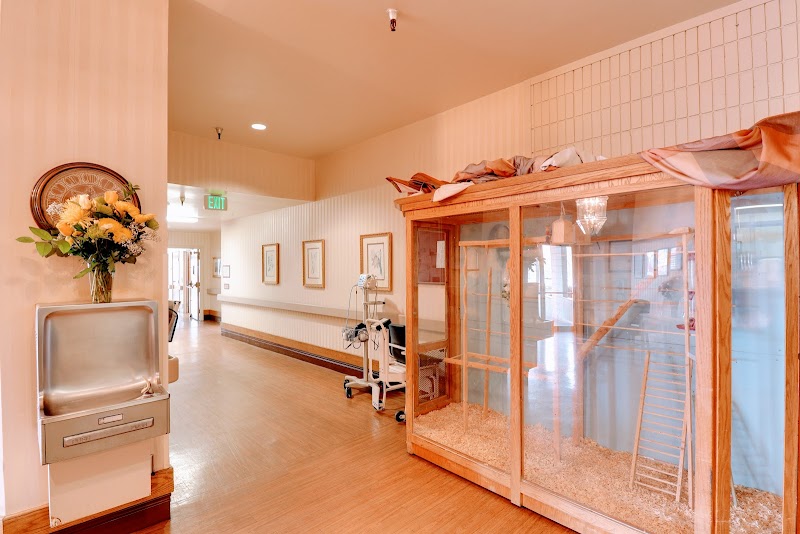
How Does San Luis Compare to Other California Nursing Homes?

Compared to the 100 nursing homes in California, SAN LUIS CARE CENTER's overall rating (3 stars) is below the state average of 3.1, staff turnover (37%) is near the state average of 46%, and health inspection rating (3 stars) is at the national benchmark.

What Should Families Ask When Visiting San Luis?

Based on this facility's data, families visiting should ask: "Can I visit during a mealtime to observe dining assistance and food quality?" "How do you handle medical emergencies, and what is your hospital transfer rate?" "Can I speak with family members of current residents about their experience?"

Is San Luis Safe?

Based on CMS inspection data, SAN LUIS CARE CENTER has a clean safety record: no substantiated abuse findings (meaning no confirmed cases of resident harm), no Immediate Jeopardy citations (the most serious violation level indicating risk of serious injury or death), and is not on the Special Focus Facility watch list (a federal program monitoring the lowest-performing 1% of nursing homes). The facility has a 3-star overall rating and ranks #100 of 100 nursing homes in California. While no facility is perfect, families should still ask about staff-to-resident ratios and recent inspection results during their visit.

Do Nurses at San Luis Stick Around?

SAN LUIS CARE CENTER has a staff turnover rate of 37%, which is about average for California nursing homes (state average: 46%). Moderate turnover is common in nursing homes, but families should still ask about staff tenure and how the facility maintains care continuity when employees leave.

Was San Luis Ever Fined?

SAN LUIS CARE CENTER has been fined $46,118 across 1 penalty action. The California average is $33,540. While any fine indicates a compliance issue, fines under $50,000 are relatively common and typically reflect isolated problems that were subsequently corrected. Families should ask what specific issues led to these fines and confirm they've been resolved.

Is San Luis on Any Federal Watch List?

SAN LUIS CARE CENTER is not on any federal watch list. The most significant is the Special Focus Facility (SFF) program, which identifies the bottom 1% of nursing homes nationally based on persistent, serious quality problems. Not being on this list means the facility has avoided the pattern of deficiencies that triggers enhanced federal oversight. This is a positive indicator, though families should still review the facility's inspection history directly.