CRYSTAL COVE CARE CENTER
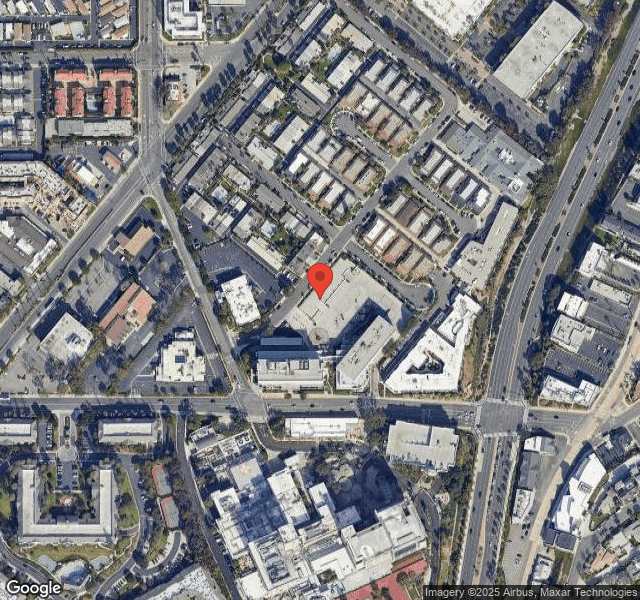
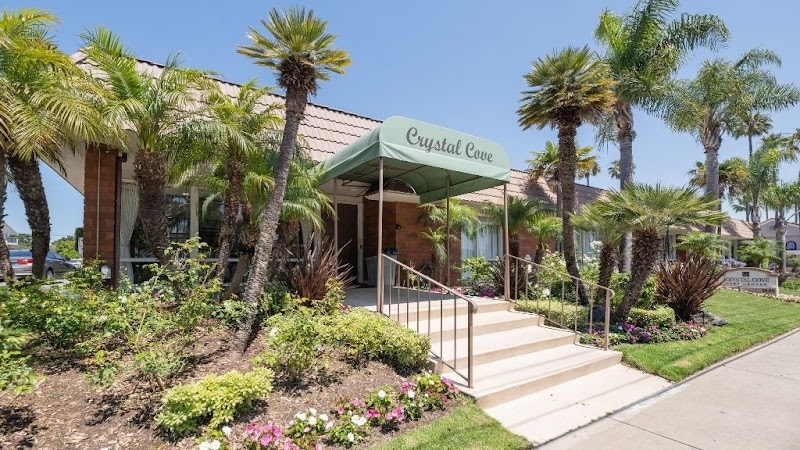
1445 SUPERIOR AVENUE, NEWPORT BEACH, CA 92663 (949) 515-3930
For profit - Limited Liability company 96 Beds PACS GROUP Data: November 2025
Trust Grade
55/100
#565 of 1155 in CA
Last Inspection: February 2025

Within standard 12-15 month inspection cycle. Federal law requires annual inspections.

Overview

Crystal Cove Care Center has a Trust Grade of C, meaning it is average and positioned in the middle of the pack among nursing homes. It ranks #565 of 1155 in California, placing it in the top half of facilities statewide, and #40 of 72 in Orange County, indicating that only one local option is better. Unfortunately, the facility's trend is worsening, with the number of reported issues increasing significantly from 2 in 2024 to 25 in 2025. Staffing is a concern, with a low rating of 1 out of 5 stars and a high turnover rate of 65%, much higher than the state average. On a positive note, the facility has not incurred any fines, which is a good sign, but it also has less RN coverage than 75% of California facilities, which could impact resident care. Specific incidents from inspections reveal areas of concern, such as failure to ensure food safety in the kitchen, including improperly thawed meat and unsanitary kitchen equipment. Also alarming is the failure to implement proper infection control measures, which could increase the risk of infections among residents. While the facility excels in quality measures, these significant weaknesses in food safety and infection control should be carefully considered by families looking for a nursing home.

Trust Score
C
55/100
In California
#565/1155
Top 48%
Safety Record
Low Risk
No red flags
Inspections
Getting Worse
2 → 25 violations
Staff Stability
⚠ Watch
65% turnover. Above average. Higher turnover means staff may not know residents' routines.
Penalties
✓ Good
No fines on record. Clean compliance history, better than most California facilities.
Skilled Nurses
⚠ Watch
Each resident gets only 20 minutes of Registered Nurse (RN) attention daily — below average for California. Fewer RN minutes means fewer trained eyes watching for problems.
Violations
⚠ Watch
78 deficiencies on record. Higher than average. Multiple issues found across inspections.
★★★☆☆
3.0
Overall Rating
★☆☆☆☆
1.0
Staff Levels
★★★★★
5.0
Care Quality
★★★☆☆
3.0
Inspection Score
Stable
2024: 2 issues
2025: 25 issues

The Good

  • 5-Star Quality Measures · Strong clinical quality outcomes
  • Full Sprinkler Coverage · Fire safety systems throughout facility
  • No fines on record

Facility shows strength in quality measures, fire safety.

The Bad

3-Star Overall Rating

Near California average (3.1)

Meets federal standards, typical of most facilities

Staff Turnover: 65%

19pts above California avg (46%)

Frequent staff changes - ask about care continuity

Chain: PACS GROUP

Part of a multi-facility chain

Ask about local staffing decisions and management

Staff turnover is elevated (65%)

17 points above California average of 48%

The Ugly 78 deficiencies on record

Jul 2025 1 deficiency
CONCERN (D) 📢 Someone Reported This

A family member, employee, or ombudsman was alarmed enough to file a formal complaint

Potential for Harm - no one hurt, but risky conditions existed

Deficiency F0697 (Tag F0697)

Could have caused harm · This affected 1 resident

**NOTE- TERMS IN BRACKETS HAVE BEEN EDITED TO PROTECT CONFIDENTIALITY** Based on interview, medical record review, and facility P&P review, the facility failed to provide the appropriate pain manageme...

Read full inspector narrative →
**NOTE- TERMS IN BRACKETS HAVE BEEN EDITED TO PROTECT CONFIDENTIALITY** Based on interview, medical record review, and facility P&P review, the facility failed to provide the appropriate pain management for three of three sampled residents (Residents 1, 2, and 3). * The facility failed to accurately document the monitoring of pain levels for Residents 1, 2, and 3 and administer the pain medications according to the physician's orders. This failure had the potential to put Residents 1, 2, and 3 at risk for ineffective pain management.Findings: Review of the facility's P&P titled Pain Assessment and Management dated 2001 showed the purpose of this procedure are to help the staff identify pain in the resident, develop interventions consistent with the resident's goals and needs, and address the underlying causes of pain. The Assessing Pain section showed to assess pain using a consistent approach and a standardized pain instrument appropriate to the resident's cognition level. Review of the facility's P&P titled Administering Medications dated 2001 showed the medications are administered in a safe and timely manner, and as prescribed. 1. Closed medical record review for Resident 1 was initiated on 7/11/25. Resident 1 was admitted to the facility on [DATE]. Review of Resident 1's H&P examination dated 6/24/25, showed Resident 1 had a displaced intertrochanteric fracture of the right femur (thigh bone). Review of Resident 1's MDS assessment dated [DATE], showed Resident 1 had severe cognitive impairment. Review of Resident 1's Order Summary Report dated 7/11/25, showed a physician's order dated 6/22/25, to administer acetaminophen (used to treat minor aches and pains) tablet 325 mg two tablets by mouth every four hours as needed for mild pain (1-3) (on a 0 to 10 pain scale with 0 = no pain and 10 = worst pain). Non-pharmacological interventions as follows: 1. Relaxation 2. Adjust room temperature/lighting 3. Reposition 4. Toileting 5. Music/TV 6. Snacks 7. Warm/Cold Compress 8. Other. Review of Resident 1's MAR for June 2025 showed Resident 1 was administered two tablets of the acetaminophen 325 mg medication for mild pain (1-3) on the following dates and times:- on 6/25/25 at 0236 hours, for a pain level of 5; and- on 6/25/25 at 1006 hours, for a pain level of 10. On 7/15/25 at 1126 hours, an interview and concurrent closed medical record review was conducted with RN 1. RN 1 verified the above findings. RN 1 verified the acetaminophen medication was administered to Resident 1 outside of the pain scale parameter on multiple occasions. RN 1 stated the licensed nurses should have called Resident 1's physician if the pain levels were not in the pain scale parameter and if the resident wanted something stronger. On 7/15//25 at 1431 hours, an interview and concurrent closed medical record review was conducted with the DON. The DON verified the above findings. The DON stated the licensed nurses should have clarified the pain management orders with Resident 1's physician to ensure the resident had available pain medication for moderate to severe pain. 2. Medical record review for Resident 2 was initiated on 7/11/25. Resident 2 was admitted to the facility on [DATE], and readmitted on [DATE]. Review of Resident 2's H&P examination dated 4/29/25, showed Resident 2 had acquired absence of the right limb below the elbow (amputation). The resident reported experiencing throbbing pain, particularly in her right arm. Review of Resident 2's MDS assessment dated [DATE], showed the resident's cognition was moderately impaired. Review of Resident 2's Order Summary Report for July 2025 showed the following physician's orders:- dated 6/14/25, to administer oxycodone hydrochloride (narcotic pain medication) 5 mg 1.5 tablet by mouth every four hours as needed for moderate pain (4-6) (on a 0 to 10 pain scale, 0 = no pain and 10 = worst pain). Hold if the RR (respiratory rate) was less than 12 per minute. Document the non-pharmacological interventions as follows: 1. Relaxation 2. Adjust room temperature/lighting 3. Reposition 4. Toileting 5. Music/TV 6. Snacks 7. Warm/Cold Compress 8. Other. - dated 12/15/24, to administer oxycodone hydrochloride (narcotic pain medication) 10 mg by mouth every four hours as needed for severe pain (7-10) (on a 0 to 10 pain scale, 0 = no pain and 10 = worst pain). Document the non-pharmacological interventions as follows: 1. Relaxation 2. Adjust room temp/lighting 3. Reposition 4. Toileting 5. Music/TV 6. Snacks 7. Warm/Cold Compress 8. Other. Review of Resident 2's MAR for June and July 2025 showed Resident 2 was administered the oxycodone hydrochloride 5 mg medication for moderate pain (4-6) on the following dates and times:- on 6/22/25 at 0926 hours, for a pain level of 8;- on 6/23/25 at 0930 hours, for a pain level of 9;- on 6/23/25 at 1330 hours, for a pain level of 9; - on 6/25/25 at 0413 hours, for a pain level of 7; - on 6/26/25 at 0616 hours, for a pain level of 7; - on 7/8/25 at 1442 hours, for a pain level of 7; - on 7/8/25 at 1905 hours, for a pain level of 7; and - on 7/8/25 at 2346 hours, for a pain level of 8. Review of Resident 2's MAR for June 2025 showed Resident 2 was administered the oxycodone hydrochloride 10 mg medication for severe pain (7-10) on the following dates and times:- on 6/27/25 at 1404 hours, for a pain level of 6; and- on 6/27/25 at 1828 hours, for a pain level of 5. On 7/15/25 at 1140 hours, an interview and concurrent medical record review was conducted with LVN 4. LVN 4 verified the above findings. LVN 4 stated the licensed nurses should have assessed Resident 2 and administered the pain medication according to the ordered pain scale parameters. LVN 4 stated the licensed nurses should have administered the right dosage of pain medication according to the resident's pain level. On 7/15//25 at 1440 hours, an interview and concurrent medical record review was conducted with the DON. The DON verified the above findings. The DON stated the licensed nurse should have followed Resident 2's physician order on pain management according to the resident's verbalized pain level. The DON stated the licensed nurse should follow Resident 2's physician orders for the pain medication parameters. 3. Medical record review for Resident 3 was initiated on 7/11/25. Resident 3 was admitted to the facility on [DATE]. Review of Resident 3's H&P examination dated 6/22/25, showed Resident 3 had a diagnoses of low back pain and status post lumbar (lower back) surgery. Review of Resident 3's MDS assessment dated [DATE], showed the resident was cognitively intact. Review of Resident 3's Order Summary Report for July 2025 showed the following physician's orders: - dated 6/19/25, to administer acetaminophen 325 mg two tablets by mouth every six hours as needed for mild pain (1-3) (on a 0 to 10 pain scale, 0 = no pain and 10 = worst pain). Non-pharmacological interventions as follows: 1. Relaxation 2. Adjust room temperature/lighting 3. Reposition 4. Toileting 5. Music/TV 6. Snacks 7. Warm/Cold Compress 8 . Other. - dated 6/19/25, to administer hydrocodone-acetaminophen (narcotic pain medication) 10-325 mg one tablet by mouth every six hours as needed for moderate pain (4-6) (on a 0 to 10 pain scale, 0 = no pain and 10 = worst pain). - dated 6/28/25, to administer hydrocodone-acetaminophen 10-325 mg one tablet by mouth every six hours as needed for moderate pain (4-6) (on a 0 to 10 pain scale, 0 = no pain and 10 = worst pain). Non-pharmacological interventions as follows: 1. Relaxation 2. Adjust room temp/lighting 3. Reposition 4. Toileting 5. Music/TV 6. Snacks 7. Warm/Cold Compress 8. Other. Review of Resident 3's MAR for June and July 2025 showed Resident 3 was administered two tablets of the acetaminophen 325 mg medication for mild pain (1-3) on the following dates and times: - on 6/26/25 at 0620 hours, for a pain level of 4; and- on 7/5/25 at 0857 hours, for a pain level of 5. Review of Resident 3's MAR for June 2025 showed Resident 3 was administered the hydrocodone-acetaminophen 10-325 mg medication (ordered by Resident 3's physician on 6/19/25) for moderate pain (4-6) on the following dates and times:- on 6/23/25 at 1712 hours, for a pain level of 7; - on 6/25/25 at 1035 hours, for a pain level of 9; and - on 6/27/25 at 0930 hours, for a pain level of 9. Review of Resident 3's MAR for June and July 2025 showed Resident 3 was administered the hydrocodone-acetaminophen 10-325 mg medication (ordered by Resident 3's physician on 6/28/25) for moderate pain (4-6) on the following dates and times: - on 6/30/25 at 1843 hours, for a pain level of 7; - on 7/1/25 at 1309 hours, for a pain level of 7; - on 7/5/25 at 2042 hours, for a pain level of 8; and - on 7/10/25 at 1829 hours, for a pain level of 7. On 7/15/25 at 1107 hours, an interview and concurrent medical record review was conducted with LVN 2. LVN 2 verified the above findings. LVN 2 verified the PRN acetaminophen and hydrocodone-acetaminophen medication orders were administered to Resident 3 outside of the pain scale parameters. LVN 2 verified the PRN pain medications should have been offered based on the pain scale. LVN 2 stated if the pain level did not meet the parameter, the licensed nurse should have informed Resident 3's physician. On 7/15//25 at 1419 hours, an interview and concurrent medical record review was conducted with the DON. The DON verified the above findings. The DON stated the licensed nurse should have clarified the pain management orders with Resident 3's physician if the resident's pain level was severe or seven and above on the pain scale.
Jun 2025 3 deficiencies
CONCERN (D) 📢 Someone Reported This

A family member, employee, or ombudsman was alarmed enough to file a formal complaint

Potential for Harm - no one hurt, but risky conditions existed

Incontinence Care (Tag F0690)

Could have caused harm · This affected 1 resident

**NOTE- TERMS IN BRACKETS HAVE BEEN EDITED TO PROTECT CONFIDENTIALITY** Based on interview, medical record review, facility document review, and facility P&P review, the facility failed to provide the...

Read full inspector narrative →
**NOTE- TERMS IN BRACKETS HAVE BEEN EDITED TO PROTECT CONFIDENTIALITY** Based on interview, medical record review, facility document review, and facility P&P review, the facility failed to provide the necessary care and services for one of six sampled residents (Resident 1). * The facility failed to ensure the proper interventions were implemented when Resident 1 did not have a BM for more than three days. This failure had the potential to negatively impact the resident's well-being. Findings: Review of the facility's P&P titled Bowel Regimen Management (undated) showed to ensure all the residents in the skilled nursing facility maintain the optimal bowel function through individualized, evidence-based bowel management programs that promote comfort, dignity, and prevent constipation, impaction, or incontinence. The facility shall assess, monitor, and manage each resident's bowel function. The nursing staff shall review the bowel records daily and monitor for no bowel movement for more than or 72 hours, for signs of discomfort, abdominal distention (visible enlargement of the abdomen), or nausea (feeling of sickness in the stomach). Interventions taken and resident responses must be recorded. To notify the MD for any bowel movement abnormalities, or ineffective bowel management regimen. Closed medical record review for Resident 1 was initiated on 6/10/25. Resident 1 was originally admitted to the facility on [DATE], and discharged on 6/9/25. Review of Resident 1's Physician Orders showed the following orders for the bowel management: - dated 4/3/25, sennosides-docusate sodium (laxative) tablet 8.6-50 mg, two tablets by mouth two times a day for bowel management. - dated 4/2/25, milk of magnesia suspension (laxative) 400 mg/5 ml, give 30 ml by mouth as needed for constipation once a day. - dated 4/2/25, Dulcolax rectal suppository (medication inserted into a body cavity such as rectum) 10 mg every 24 hours as needed for constipation if milk of magnesia not effective. - dated 4/2/25, Fleet Enema (type of saline used to relieve constipation) 7-19 gm/118 ml, insert rectally as needed for constipation once a day, if Dulcolax suppository was ineffective. Review of Resident 1's Bowel Monitoring Log showed the resident had no BM from 6/1 to 6/6/25. Review of Resident 1's MAR for June 2025 showed Resident 1 was administered the following bowel management medications: - Fleet enema 7-19 gm/118 ml as needed for constipation once a day from 6/7/25 to 6/8/25. - Fleet enema 7-19 gm/118 ml at bedtime on 6/9/25. - Senna-plus (laxative) oral tablet, one time a day from 6/1/25 to 6/9/25. - Enulose Solution (laxative) 10 gm/15 ml, give 30 cc by mouth one time only for constipation for 1 day on 6/7/25. - mineral oil enema rectally, one time only for constipation on 6/7/25. Review of Resident 1's Progress Note dated 6/7/25, showed at 1336 hours, the resident had not had BM in 72 hours. The MD was notified and the new orders included for KUB x-ray to evaluate for constipation. Review of Resident 1's Change in Condition Evaluation dated 6/7/25, showed Resident 1 had no BM for 72 hours. The abdomen appeared slightly distended. The PRN medications were administered for constipation without full effectiveness. Review of Resident 1's Progress Note dated 6/8/25, showed at 2153 hours, the KUB results showed moderate constipation. The resident continued to show increased agitation and screaming episodes. The MD was notified, and the resident was sent to an acute care hospital for disimpaction. Review of Resident 1's Change in Condition Evaluation dated 6/8/25, showed Resident 1 had no sufficient BM in seven days. Resident 1 was having abnormal frequent behaviors, evidence of distress, screaming and grunting, and abdominal distention noted. Resident 1 was administered stool softeners, milk of magnesia, enema, and none had resolved the issue. The MD was notified, and the resident was sent out to the acute care hospital for disimpaction (medical procedure of removing hard and compacted material). On 6/12/25 at 1057 hours, a concurrent interview and closed medical record review was conducted with the DON and ADON. The DON stated the CNAs did the daily bowel movement monitoring of the residents. If the resident had no BM within 48 hours, the system would alert the nurses. The DON confirmed Resident 1 had no BM from 6/1/25 and the interventions were not implemented until 6/6/25.
MINOR (B) 📢 Someone Reported This

A family member, employee, or ombudsman was alarmed enough to file a formal complaint

Minor Issue - procedural, no safety impact

Deficiency F0657 (Tag F0657)

Minor procedural issue · This affected multiple residents

**NOTE- TERMS IN BRACKETS HAVE BEEN EDITED TO PROTECT CONFIDENTIALITY** Based on interview, medical record review, and facility P&P review, the facility failed to ensure the care plan reflected the in...

Read full inspector narrative →
**NOTE- TERMS IN BRACKETS HAVE BEEN EDITED TO PROTECT CONFIDENTIALITY** Based on interview, medical record review, and facility P&P review, the facility failed to ensure the care plan reflected the individual care needs for one of six sampled residents (Resident 1). * The facility failed to develop additional or different interventions in the care plan to reduce the risk of falls for Resident 1. This failure posed the risk of not providing the appropriate, consistent, and resident-centered care to the resident. Findings: Review of the facility's P&P titled Falls and Fall Risk, Managing revised 3/2018 showed the staff, with the input of the attending physician, will implement a resident-centered fall prevention plan to reduce the specific risk factor(s) of fall for each resident at risk or with a history of falls. If falling recurs despite initial interventions, staff will implement additional or different interventions or indicate why the current approach remains relevant. Closed medical record review for Resident 1 was initiated on 6/10/25. Resident 1 was admitted to the facility on [DATE], and was discharged on 6/9/25. Review of Resident 1's care plan for falls initiated 4/2/25, showed the resident was at risk for falls with or without injury related to altered mental status, antidepressant medication, antihypertensive medication, cardiovascular disease, history of falls, and unsteady gait. The interventions included the Falling Star fall prevention program, educating/reminding the resident to call for assistance with all transfers, keeping the call light within reach, keeping within supervised view as much as possible, and providing verbal reminders/cues to ask for assistance when needed and safety devices as ordered. Review of Resident 1's Change in Condition Evaluation dated 5/3/25, showed Resident 1 had a witnessed fall in front of the nurses' station at 1550 hours. Resident 1 was noted to be agitated and attempting to transfer and get up without staff assistance while in her room. Resident 1 was assisted to the nurses' station for monitoring. Resident 1 continued with the behavior, slid down the wheelchair, and fell on her bottom. Review of Resident 1's Transfer Form dated 5/4/25, showed Resident 1 was transferred to the acute care hospital due to unwitnessed fall at 0300 hours. Resident 1 was readmitted to the facility on [DATE]. Review of Resident 1's IDT Note dated 5/8/25, failed to address Resident 1's behavior of episodes of attempting to transfer and get up without staff assistance, and regarding the falls on 5/3 and 5/4/25. The IDT Note further failed to show any action or plan on how to prevent the resident from further fall incidents. Review of Resident 1's MDS assessment Section C – Cognitive Patterns dated 5/14/25, showed a BIMS score of 2 which meant with severe cognitive impairment. Further review of Resident 1's closed medical record failed to show for an additional or different interventions in the care plan problem and interventions to prevent the resident from further fall incidents. On 6/12/25 at 1057 hours, an interview and concurrent closed medical review was conducted with the DON and ADON. The ADON was asked if any new interventions were provided to prevent the resident from further falls. The ADON was not able to answer. The DON stated they should have reassessed the resident's plan of care for falls. Furthermore, the DON confirmed Resident 1 did not have an updated care plan after the falls on 5/3 and 5/4/25.
MINOR (B) 📢 Someone Reported This

A family member, employee, or ombudsman was alarmed enough to file a formal complaint

Minor Issue - procedural, no safety impact

Deficiency F0761 (Tag F0761)

Minor procedural issue · This affected multiple residents

Based on observation, interview, and facility P&P review, the facility failed to provide the necessary pharmacy services to ensure the proper safe storage of drugs for one of six sampled residents (Re...

Read full inspector narrative →
Based on observation, interview, and facility P&P review, the facility failed to provide the necessary pharmacy services to ensure the proper safe storage of drugs for one of six sampled residents (Resident 6). * LVN 1 left three medications inside a clear cup unattended on Resident 6's bedside table. This failure posed the risk of other residents, visitors or unauthorized facility staff gaining access to the medication. Findings: Review of the facility's P&P titled Administering Medications (undated) showed the medications are administered in a safe and timely manner and as prescribed. For residents not in their rooms or otherwise unavailable to receive medication on the pass, the MAR may be flagged. After completing the medication pass, the nurse will return to the missed resident to administer the medications. On 6/11/25 at 1204 hours, an observation and concurrent interview was conducted with LVN 1 at Resident 6's bedside. There were yellow, white, and pink tablets observed inside an unlabeled clear cup on top of Resident 6's bedside table. LVN 1 verified the findings and stated the medications should not have been left on the resident's bedside table. Furthermore, LVN 1 stated he should have taken the medications back and administered it when Resident 6 was ready. On 6/12/25 at 1057 hours, an interview was conducted with the DON and ADON. The DON and ADON were informed of the above findings. The DON stated the medications should not be left in the resident's room. The DON stated a self-administration of medication assessment was completed for Resident 6. Resident 6 could not administer their own medication.
Mar 2025 1 deficiency
MINOR (B) 📢 Someone Reported This

A family member, employee, or ombudsman was alarmed enough to file a formal complaint

Minor Issue - procedural, no safety impact

Medication Errors (Tag F0758)

Minor procedural issue · This affected multiple residents

**NOTE- TERMS IN BRACKETS HAVE BEEN EDITED TO PROTECT CONFIDENTIALITY** Based on interview, medical record review, and facility P&P review, the facility failed to ensure one of two sampled residents (...

Read full inspector narrative →
**NOTE- TERMS IN BRACKETS HAVE BEEN EDITED TO PROTECT CONFIDENTIALITY** Based on interview, medical record review, and facility P&P review, the facility failed to ensure one of two sampled residents (Resident 1) was provided the non-pharmacological interventions for the use of psychotropic medication (medication that affects the mind, emotions, and behavior). This failure had the potential to result in the unnecessary use of psychotropic medications for Resident 1. Findings: Review of the facility's P&P titled Antipsychotic Medication Use (undated) showed for enduring psychiatric conditions, antipsychotic medications will not be used unless behavioral symptoms are not sufficiently relieved by non-pharmacological interventions. The staff will observe, document, and report to the attending physician information regarding the effectiveness of any interventions, including antipsychotic medications. Closed medical record review for Resident 1 was initiated on 3/11/25. Resident 1 was admitted to the facility on [DATE] and discharged on 2/18/25, to the acute care hospital. Review of Resident 1's progress notes showed the following: - dated 2/12/25, Resident 1 returned from the acute care hospital with a new physician's order to administer Zyprexa (antipsychotic medication) 2.5 mg tablet every six hours as needed. - dated 2/14/25, the physician provided anew order for Zyprexa 2.5 mg four times a day. Review of Resident 1's Order Summary Report for February 2025 showed a physician's order dated 2/14/25, to administer Zyprexa 2.5 mg tablet by mouth four times a day for psychosis manifested by episodes of striking out. Review of Resident 1's plan of care showed a care plan problem dated 2/12/25, addressing Resident 1's use of the Zyprexa medication. However, the care plan interventions did not include the non-pharmacological interventions for the use of the above medication. Review of Resident 1's MAR for February 2025 showed the following monitoring for the resident's episodes of psychosis as evidenced by striking out: - On 2/13/25, Resident 1 had one episode during the day shift, six episodes during the evening shift and one episode during the night shift; and - On 2/14/25, Resident 1 had two episodes during the day shift and four episodes during the evening shift. However, there was no documented evidence for the non-pharmacological interventions were provided related to the use of the antipsychotic medication for Resident 1. On 3/13/25 at 1145 hours, an interview and concurrent closed medical record review was conducted with the DON. The DON stated Resident 1 returned from the acute care hospital with a physician's order dated 2/12/25, to administer Zyprexa every six hours as needed. The DON verified the physician had ordered on 2/14/25, for Zyprexa 2.5mg four times a day for psychosis manifested by episodes of striking out. When asked, the DON was unable to find documentation to show thenon-pharmacological interventions were provided when Resident 1 had the behavioral episodes of striking out. The DON verified Resident 1's care plan for the Zyprexa medication did not include the non-pharmacological interventions.
Feb 2025 20 deficiencies
CONCERN (D)

Potential for Harm - no one hurt, but risky conditions existed

Deficiency F0578 (Tag F0578)

Could have caused harm · This affected 1 resident

**NOTE- TERMS IN BRACKETS HAVE BEEN EDITED TO PROTECT CONFIDENTIALITY** Based on interview, medical record review, and facility P&P review, the facility failed to provide the information regarding the...

Read full inspector narrative →
**NOTE- TERMS IN BRACKETS HAVE BEEN EDITED TO PROTECT CONFIDENTIALITY** Based on interview, medical record review, and facility P&P review, the facility failed to provide the information regarding the rights to formulate the advance directives and/or failed to obtain and maintain the copies of advance directives for two of 22 final sampled residents (Residents 10 and 586). These failures had the potential for the residents' decisions regarding their healthcare and treatment options not being honored. Findings: Review of the facility's P&P titled Advance Directives (undated) showed the following: - Prior to or upon admission of a resident, the SSD or designee inquire of the resident, his/ her family members and/ or his or her legal representative, about the existence of any written advance directives; - The resident or representative is provided with the written information concerning the right to refuse or accept medical or surgical treatment and to formulate an advance directive if he or she chooses to do so; - If the resident or representative indicates that he or she has not established an advance directives, the facility staff will offer assistance in establishing an advance directives; and - If the resident or the resident's representative has executed one or more advance directive(s), or executes one upon admission, copies of these documents are obtained and maintained in the same section of the resident's medical record and are readily retrievable by any facility staff. 1. Medical record review for Resident 586 was initiated on 2/18/25. Resident 586 was admitted to the facility on [DATE]. Review of Resident 586's H&P evaluation dated 2/16/25, showed Resident 586 was in no acute distress and alert. Review of Resident 586's MDS assessment dated [DATE], showed Resident 586 had moderate cognitive impairment and no acute change in mental status. Further review of Resident 586's medical record failed to show documentation whether Resident 586 had an advance directive or not. On 2/18/25 at 1322 hours, an interview was conducted with Resident 586. Resident 586 stated she had no advance directive and was interested in having one. Resident 586 further stated no one in the facility had asked her if she already had an advance directive or explained to her how to formulate one. On 2/19/25 at 1449 hours, an interview and concurrent medical record review was conducted with the SSD. The SSD stated the social services department was responsible in obtaining information from the residents regarding the advance directives. The SSD stated when the resident was admitted in the facility, the social services staff should meet with the resident's family member within 48 hours and obtain the information if the resident had an advance directive. The SSD stated the facility's Advance Directive Acknowledgement document would be discussed with the resident. The SSD stated the document would indicate whether the resident had executed an advance directive for healthcare or not. The SSD stated if the resident had an advance directive, a copy would be requested from the resident. The SSD stated if the resident had not executed an advance directive for healthcare, the resident had an option to initiate one and the facility would provide assistance to the resident to formulate one, or the resident could also decline to initiate an advance directive. The SSD further stated the form should be signed by the resident and retained in the resident's medical record. The SSD verified the social services staff had not discussed the advance directive with Resident 586. On 2/24/25 at 1445 hours, an interview was conducted with the DON. The DON was informed and acknowledged the above findings. 2. Medical record review for Resident 10 was initiated on 2/18/25. Resident 10 was admitted to the facility on [DATE]. Review of Resident 10's POLST dated 1/8/25, showed the advance directive was not available. Review of Resident 10's Baseline Care Plan Person-Centered Care Planning -V3.1 dated 1/13/25, signed by the SSD, showed Resident 10 stated he had an advance directive and a copy was requested on 1/8/25. Review of Resident 10's Advance Directive Acknowledgement form dated 1/8/25, showed the resident had executed an advance directive for healthcare and a copy was requested. However, there was no copy of the advance directive in Resident 10's medical record at the time of the medical record review. On 2/19/25 at 0917 hours, an interview and concurrent medical record review for Resident 10 was conducted with the SSD. The SSD verified the above findings. The SSD further stated the copy of the advance directive should have been in Resident 10's medical record. Furthermore, the SSD stated she should have followed up within 48 hours of the initial request to obtain a copy of the advance directive for Resident 10's medical record. On 2/20/25 at 0750 hours, a follow-up interview and concurrent medical record review for Resident 10 was conducted with the SSD. The SSD verified the resident's Baseline Care Plan Person-Centered Care Planning dated 1/13/25, showed a copy of the advance directive was requested on 1/8/25; however, there was no documentation she had followed-up on obtaining the resident's advance directive and the SSD reaffirmed she should have followed-up on obtaining the copy of Resident 10's advance directive.
CONCERN (D) 📢 Someone Reported This

A family member, employee, or ombudsman was alarmed enough to file a formal complaint

Potential for Harm - no one hurt, but risky conditions existed

Quality of Care (Tag F0684)

Could have caused harm · This affected 1 resident

**NOTE- TERMS IN BRACKETS HAVE BEEN EDITED TO PROTECT CONFIDENTIALITY** Based on interview, medical record review, and facility P&P review, the facility failed to provide the necessary care and servic...

Read full inspector narrative →
**NOTE- TERMS IN BRACKETS HAVE BEEN EDITED TO PROTECT CONFIDENTIALITY** Based on interview, medical record review, and facility P&P review, the facility failed to provide the necessary care and services to ensure two of 22 final sampled residents (Residents 45 and 336) attained and maintained their highest practicable physical well-being. * The facility failed to monitor Resident 336's pacemaker. In addition, the facility failed to ensure Resident 336's skin assessments were accurate and complete. Furthermore, the facility failed to monitor Resident 336 after the removal of the staples on her back, obtain the physician's order before applying the Steri-Strips to Resident 336's surgical site, and develop a plan of care to monitor the surgical site and address the removal of the staples. * The facility failed to ensure the laboratory tests for CBC, Chem 7 blood panel and magnesium level ordered for Resident 45 were completed. In addition, the facility failed to monitor Resident 45's orthostatic blood pressure correctly. These failures had the potential to cause a delay in providing care to Residents 45 and 336, which would cause negative impact to the residents' well-being. Findings: 1. Review of the facility's P&P titled Pacemaker, Care of the Resident dated 2001 showed for each resident with a pacemaker, document the following in the medical record and on a pacemaker identification card upon admission: the name, address, and telephone number of the cardiologist, type of pacemaker, type of leads, manufacturer and model, serial number, date of implant, and paced rate. Medical record review for Resident 336 was initiated on 2/18/25. Resident 336 was admitted to the facility on [DATE]. Review of Resident 336's Nursing - Admission/ readmission Evaluation/ Assessment - V4 dated 2/14/25, showed the following: - The Edema section showed a pacemaker was listed as a cardiac device, and indicated Abbott inserted 03/2024. - The Skin Evaluation section showed the skin general appearance was discoloration, dry, pale and warm, and the resident did not have wounds or skin integrity concerns present on admission. - The Summary Note section showed, status-post thoracic to lumbar decompression with respiratory complications . with pacemaker requested corresponding documentation of pacemaker from home . a. Review of Resident 336's medical record did not show the resident's pacemaker was monitored. There was no documented evidence to show the resident's pacemaker information was followed up. b. Review of Resident 336's initial admission assessment by RN 5 showed Resident 336 did not have wounds or there was no skin integrity concerns present on admission. However, Resident 336 was admitted with a surgical wound with staples. c. Review of Resident 336's Nursing - Comprehensive Skin Evaluation/ Assessment - V2 dated 2/15/25, showed Resident 336 was admitted with mid-back surgical site with staples. Further review of Resident 336's skin assessment by LVN 10 failed to show the complete assessment of Resident 336's surgical wound with staples. The assessment had no documentation to show how many staples were in Resident 336's mid-back surgical site. On 2/21/25 at 0937 hours, a wound treatment observation for Resident 336 and concurrent interview and medical record review was conducted with LVN 9. LVN 9 was observed applying the Steri-Strips to Resident 336's mid-back surgical site. Review of Resident 336's Order Summary Report showed a physician's order dated 2/15/25, for mid-back surgical site with staples, to clean with normal saline, pat dry and apply dry dressing daily for 14 days. d. Resident 336's physician's orders did not show an order to apply Steri-Strips to Resident 336's mid-back surgical staples after the removal of the staples. e. Review of Resident 336's Plan of Care did not show a care plan problem was developed to address Resident 336's mid-back surgical site upon admission, and the removal of the staples. f. Further review of Resident 336's medical record did not show Resident 336 was monitored after the removal of the staples to her surgical site. On 2/21/25 at 1002 hours, an interview and concurrent medical record review for Resident 336 was conducted with LVNs 9 and 10. LVNs 9 and 10 verified the above findings. LVN 9 stated Resident 336 came with a midback surgical site with 62 staples. When asked about Resident 336's skin assessment, LVN 9 stated she did the initial skin assessment and knew that Resident 336 had 62 staples because Resident 336 told her, but she did not physically count how many staples Resident 336 had. When asked about the removal of the staples, LVN 9 stated Resident 336 came back from her appointment with the staples removed at 1600 hours, yesterday (2/20/25). LVNs 9 and 10 verified there was no documented evidence to show Resident 336 was assessed or monitored after the removal of the staples nor followed up with the appointment clinic for further orders. When asked about the application of the Steri-Strips to the surgical site, LVN 10 stated there was no physician's order to apply the Steri-Strips to the surgical site. LVN 9 further stated per the resident, the surgeon did not want anything on the surgical site, but there was an opening, so I need to apply the Steri-Strips. LVN 9 verified she did not clarify with the physician if she could apply the Steri-strips to the surgical site or not. LVNs 9 and 10 verified Resident 336's plan of care did not show a care plan problem was developed to address Resident 336's mid-back surgical site upon admission and the removal of the staples. On 2/21/25 at 1338 hours, an interview and concurrent medical record review for Resident 336 was conducted with RN 4. RN 4 verified Resident 336's pacemaker was not monitored, and there was no documented evidence to show the facility followed up about Resident 336's pacemaker information. 2. Medical record review for Resident 45 was initiated on 2/18/25. Resident 45 was admitted to the facility on [DATE]. Review of Resident 45's Order Summary Report showed the following physician' s orders dated 2/6/25: - to perform CBC, Chem 7, and Magnesium tests every Monday; and - to monitor orthostatic blood pressure every day within three-minute intervals. a. Review of Resident 45's MAR for February 2025 showed the laboratory tests for CBC, Chem 7, and magnesium level were scheduled on 2/16/25, but the space to document the laboratory tests done was blank. Further review of the MAR showed the orthostatic blood pressures (sitting, lying and standing) were scheduled to be monitored every Sunday. However, the blood pressure readings for all positions (sitting, lying and standing) were the same as follows: - on 2/9/25, a blood pressure reading of 126/72 mmHg was documented for the sitting and standing positions; and - on 2/16/25, a blood pressure reading of 126/72 mmHg was documented for the lying, sitting, and standing positions. b. Further review of Resident 45's medical record did not show any laboratory results for the CBC, Chem 7, and magnesium level scheduled on 2/16/25. There was no followed up with the laboratory for the results nor any documentation if the laboratory tests were done or not. On 2/20/25 at 1400 hours, an interview and concurrent medical record review for Resident 45 was conducted with LVN 12. When asked about the laboratory tests for Resident 45, LVN 12 verified it was not signed in the MAR. LVN 12 was not able to show a requisition paper and the results for the laboratory test for CBC, Chem 7, and magnesium level as ordered by the physician. In addition, LVN 12 was not able to show documented evidence of a follow-up whether the laboratory tests were completed or not. When asked about the orthostatic blood pressure, LVN 12 stated the CNAs and the therapists assisted the resident to stand up and the LVN checked the blood pressure. LVN 12 verified same blood pressure results were documented for the standing, sitting, and lying positions for Resident 45.
CONCERN (D)

Potential for Harm - no one hurt, but risky conditions existed

Pressure Ulcer Prevention (Tag F0686)

Could have caused harm · This affected 1 resident

**NOTE- TERMS IN BRACKETS HAVE BEEN EDITED TO PROTECT CONFIDENTIALITY** Based on observation, interview, medical record review, and facility P&P review, the facility failed to ensure the necessary car...

Read full inspector narrative →
**NOTE- TERMS IN BRACKETS HAVE BEEN EDITED TO PROTECT CONFIDENTIALITY** Based on observation, interview, medical record review, and facility P&P review, the facility failed to ensure the necessary care and services were provided to prevent the development of pressure injuries for one of two final sampled residents reviewed for high risk of developing pressure injuries (Resident 40). * The facility failed to ensure Resident 40's turning and repositioning interventions were implemented to prevent the development of the pressure injuries. This failure had the potential for the resident to develop pressure injuries or worsening of the existing pressure injuries. Findings: Review of the facility's P&P titled Repositioning (undated) showed the repositioning is the common, effective intervention for preventing skin breakdown, promoting circulation, and providing pressure relief. Residents who are in the chair should be on an every one hour repositioning schedule. Review of the facility's P&P titled Prevention of Pressure Injuries (undated) showed the following: - The nursing staff to inspect the skin daily when performing or assisting with personal care or ADL care: identify any signs of developing pressure injuries, inspect the pressure points (sacrum, heels, buttocks, coccyx, elbows, etc.), wash the skin after any episodes of incontinence, and reposition the resident as indicated on the care plan. - Keep the skin clean and hydrated; - Clean promptly after episodes of incontinence; and - Reposition all the residents with or at risk of pressure injuries on an individualized schedule, as determined by the interdisciplinary care team. Medical record review for Resident 40 was initiated on 2/18/25. Resident 40 was readmitted to the facility on [DATE]. Review of Resident 40's MDS assessment dated [DATE], showed Resident 40 had short and long-term memory problems and was dependent with mobility. Review of Resident 40's Plan of Care showed a care plan problem revised on 2/18/25, addressing Resident 40's risk for skin breakdown. The interventions included to assist Resident 40 with the turning and repositioning as indicated/tolerated, check the skin during the daily care provisions, and keep the skin clean and dry to the extent possible. On 2/19/25, multiple observations of Resident 40 were conducted for the following hours: - at 0745 hours, Resident 40 was observed sitting in the wheelchair and awake; - at 0846 hours, Resident 40 was observed sitting in the wheelchair and sleeping; - at 0950 hours, Resident 40 was observed sitting in the wheelchair and still sleeping; - at 1045 hours, Resident 40 was observed sitting in the wheelchair and sleeping; - at 1107 hours, Resident 40 was observed sitting in the wheelchair and still sleeping; and - at 1145 hours, Resident 40 was observed awake, sitting and slightly sliding in the wheelchair with the left leg not resting on the foot rest, and Responsible Party 2 was observed placing a pillow at the back of Resident 40 to lift the upper body up; and - at 1146 hours, LVN 5 was called to assist Responsible Party 2 with Resident 40. LVN 5 stated they would put Resident 40 back to bed. On 2/19/25 at 1155 hours, an interview was conducted with CNA 4. CNA 4 stated she was the one who placed Resident 40 in the wheelchair. CNA 4 stated she did not transfer Resident 40 back to the bed because Responsible Party 2 usually wanted Resident 40 in the wheelchair. When asked if she knew what time Resident 40's responsible party would come in the morning, CNA 4 stated the responsible party would come in different times. CNA 4 stated the residents who were total care should be turned every two hours or as needed. CNA 4 stated for the residents who could not call, she would make sure to check and turn them every two hours. When asked how often she would check the residents if they were incontinent and soiled, CNA 4 stated she would check the residents who were incontinent if soiled every time she would turn or reposition them. When asked if she checked or cleaned Resident 40 since the time Resident 40 was placed in the wheelchair, CNA 4 stated she was not able to check Resident 40 if the resident needed diaper change or had soiled. On 2/19/25 at 1205 hours, an interview was conducted with LVN 5. LVN 5 stated she did not know Resident 40 was placed in the wheelchair early and usually the CNAs would ask her if they could already place Resident 40 in the wheelchair which happened around 1000 hours. LVN 5 stated the wheelchair was not a bariatric size wheelchair so she together with the PT would shift Resident 40 once. LVN 5 stated the shifting meant Resident 40 was slightly turned on her side and a wedge or pillow should be used to make sure the buttocks of the resident were lifted off from the surface. LVN 5 verified no wedge or pillow was placed at the side of Resident 40. LVN 5 further stated Resident 40 should be repositioned every two hours and should not be left in the wheelchair for a long period of time. On 2/19/25 at 1215 hours, an observation of LVN 6 with Resident 40 was conducted in the resident's room. LVN 6 was observed checking the sacral area of Resident 40. Resident 40 was observed with blanchable redness on the sacral area. Resident 40 was also observed with dry greenish fecal matter and the diaper was wet with light yellow colored urine. LVN 6 verified the findings and stated the fecal matter and wet diaper could have been there for a while. On 2/24/25 at 1435 hours, an interview was conducted with the DON. The DON stated the repositioning was to be done for those residents who required assistance with ADL care and could not move. The DON stated the repositioning should be done every two hours or as needed. The DON further stated there was no such thing as shifting for repositioning and it was impossible for the residents to be repositioned on their sides while in a wheelchair. The DON was informed and acknowledged the above findings for Resident 40.
CONCERN (D) 📢 Someone Reported This

A family member, employee, or ombudsman was alarmed enough to file a formal complaint

Potential for Harm - no one hurt, but risky conditions existed

Incontinence Care (Tag F0690)

Could have caused harm · This affected 1 resident

**NOTE- TERMS IN BRACKETS HAVE BEEN EDITED TO PROTECT CONFIDENTIALITY** Based on observation, interview, and medical record review, the facility failed to provide the appropriate care and services to ...

Read full inspector narrative →
**NOTE- TERMS IN BRACKETS HAVE BEEN EDITED TO PROTECT CONFIDENTIALITY** Based on observation, interview, and medical record review, the facility failed to provide the appropriate care and services to prevent UTIs for one of three final sampled residents (Resident 336) reviewed for the use of indwelling urinary catheter. * The facility failed to ensure the indwelling urinary catheter care was provided to Resident 336. In addition, the facility failed to monitor Resident 336's urinary output as per the resident's plan of care and provide the bladder training for Resident 336. These failures posed the risk for Resident 336 to develop CAUTI and negatively impact Resident 336's well-being. Findings: Review of the Centers for Disease Control and Prevention's article (undated) titled Catheter-Associated Urinary Tract Infection showed a UTI is an infection in the urinary tract system (including the bladder and the kidneys). Germs can travel along the catheter, and if they enter the urinary tract, may cause an infection in the bladder or kidneys. Prevention of the CAUTIs include proper catheter insertion techniques, regular monitoring, and prompt removal of the catheter when no longer needed. Medical record review for Resident 336 was initiated on 2/18/25. Resident 336 was admitted to the facility on [DATE], with an indwelling urinary catheter. Review of Resident 336's Order Summary Report showed the following physician's orders: - on 2/15/25, to monitor the proper placement, no kinking or compression that could obstruct the urine flow to the gravity bag during the indwelling urinary catheter care every shift; and - on 2/16/25, for the indwelling urinary catheter 16 Fr/10 ml balloon for urinary retention, to check intact/functioning every shift; and - on 2/21/25, for the indwelling urinary catheter care every shift. Review of Resident 336's Plan of Care showed a care plan problem dated 2/16/25, addressing the risk for complication with the urinary system related to the indwelling urinary catheter. The interventions/tasks included to record the output of the indwelling urinary catheter. a. Review of Resident 336's TAR showed the indwelling urinary catheter care every shift was documented starting on 2/21/25, seven days after Resident 336's admission. b. Review of the facility's document titled Foley Catheter Monitoring showed Resident 336's urine output was documented starting on 2/21/25, seven days after Resident 336 was admitted . Review of Resident 336's Progress Note showed a Nurse's Note dated 2/17/25 at 1234 hours, showed Responsible Party 1 was notified that the resident's indwelling urinary catheter would be removed if there was no indication for it. The nurse's note showed Responsible Party 1 stated he did not want to have the indwelling urinary catheter remove and wanted a bladder training while the indwelling urinary catheter was inserted. The note further showed the nurse let Responsible Pary 1 know the bladder training with the indwelling urinary catheter was not possible, and the facility could help with the toileting schedule if the indwelling urinary catheter was removed; however, Responsible Party 1 preferred to not have the indwelling urinary catheter removed and would like a follow-up with the urology. c. Further review of Resident 336's medical record did not show a bladder training was provided for Resident 336 while having the indwelling urinary catheter nor a urology consultation was followed up. On 2/21/25 at 1008 hours, an interview and concurrent medical record for Resident 336 was conducted with LVN 10. LVN 10 verified the indwelling urinary catheter care and monitoring of the urine output for Resident 336 were only started on 2/21/25, seven days after Resident 336 was admitted at the facility. When asked about the bladder training for Resident 336, LVN 10 stated the process they followed in the facility included only to remove the indwelling urinary catheter, but there was no bladder training provided at the facility. LVN 10 stated he did not speak to Resident 336 or to Responsible Party 1 about removing the indwelling urinary catheter, so he did not offer a bladder training. On 2/21/25 at 1416 hours, an interview and concurrent medical record for Resident 336 was conducted with the ADON. When asked about the bladder training for Resident 336, the ADON stated she spoke to Responsible Party 1 about removing the indwelling urinary catheter but he was upset because he wanted a bladder training while Resident 336 had an indwelling urinary catheter. The ADON stated she told Responsible Party 1 that a bladder training was not possible, and the facility was not able to do a bladder training. The ADON stated Responsible Party 1 wanted a urology consultation; however, the ADON could not find documented evidence to show a urology consultation was followed up. Cross reference to F726.
CONCERN (D)

Potential for Harm - no one hurt, but risky conditions existed

Deficiency F0692 (Tag F0692)

Could have caused harm · This affected 1 resident

**NOTE- TERMS IN BRACKETS HAVE BEEN EDITED TO PROTECT CONFIDENTIALITY** Based on interview, medical record review, and facility P&P review, the facility failed to monitor the fluid intake for one of o...

Read full inspector narrative →
**NOTE- TERMS IN BRACKETS HAVE BEEN EDITED TO PROTECT CONFIDENTIALITY** Based on interview, medical record review, and facility P&P review, the facility failed to monitor the fluid intake for one of one final sampled resident (Resident 45) reviewed for hydration status. * The facility failed to ensure Resident 45's fluid intake from the dietary department and the total daily fluid intake were monitored. This failure had the potential for Resident 45 to have fluid overload, which had the potential to negatively impact the resident's well-being. Findings: Review of the facility's P&P titled Encouraging and Restricting Fluids dated 2001 showed the Restricting Fluids section includes the following: - Remove the resident's water pitcher and cup from the room; - Take the fluid container to the resident's room; - Encourage the resident to drink the fluid. Should the resident refuse, report such information to your supervisor; - Record the amount of fluid consumed on the intake side of the intake and output record. Record fluid intake in ml; and - Remove fluid container. Review of the facility's P&P titled Intake, Measuring and Recording dated 2001 showed the Documentation section showing the following information should be recorded in the resident's medical record per the facility's guidelines: - The date and time the resident's fluid intake were measured and recorded; - The name and title of the individual who measured and recorded the fluid intake; - The amount in ml of liquid consumed; - The type of liquid consumed (such as tea, milk, coffee, soup, etc.); - If the resident refused, the reason(s) why and the intervention taken; and - The signature and title of the person recording the data. On 2/18/25 at 0854 hours, and 12/19/25 at 0828 hours, Resident 45 was observed in bed with a water pitcher at the bedside. Medical record review for Resident 45 was initiated on 2/18/25. Resident 45 was admitted to the facility on [DATE]. Review of Resident 45's Order Summary Report showed the following physician's orders: - dated 1/31/25, for a fluid restriction order of 1500 ml/day as follows: the dietary department to provide a total of 720 ml with a breakdown of 240 ml in the day shift, 240 ml in the evening shift, and 240 ml in the NOC shift; and nursing department to provide a total of 1080 ml with a breakdown of 480 ml in the day shift, 360 ml in the evening shift, and 240 ml in the NOC shift. - dated 2/19/25, for a fluid restriction order of 1800 ml/day as follows: the dietary department to provide a total of 720 ml with a breakdown of 240 ml in the day shift, 240 ml in the evening shift, and 240 ml in the NOC shift; and nursing department to provide a total of 1080 ml with a breakdown of 480 ml in the day shift, 360 ml in the evening shift, and 240 ml in the NOC shift. a. Review of Resident 45's MAR for January and February 2025 showed the documentation of Resident 45's fluid intake from the nursing department. However, the MAR showed Resident 45's fluid intake from the dietary department was marked with an x, and did not show Resident 45's actual fluid intake from the dietary department or during the meals. Review of Resident 45's Documentation Survey Report v2 form for January and February 2025 did not show any documentation of Resident 45's fluid intake from the dietary department or during the meals. b. Further review of Resident 45's medical record did not show any documentation of Resident 45's fluid intake from the dietary department or during the meals. In addition, there was no documented evidence to show Resident 45's total daily fluid intake from the fluids consumed during the meals as recorded by the CNAs and the fluids consumed during the medication administration as recorded by the licensed nurses. On 2/20/25 at 1348 hours, an interview for Resident 45 was conducted with CNA 7. CNA 7 verified Resident 45 had a water pitcher at bedside. When asked about the documentation of Resident 45's fluid intake, CNA 7 stated there was no option in the Tasks in Resident 45's EHR to document her fluid intake. CNA 7 stated she did not report to the nurses on the amount of Resident 45's fluid intake during the meals. When asked if Resident 45 was on fluid restriction, CNA 7 answered no. On 2/20/25 at 1400 hours, an interview and medical record review for Resident 45 was conducted with LVN 6. When asked about the documentation of Resident 45's fluid intake, LVN 6 stated Resident 45's fluid intake from the nursing department which included the fluids offered by the nurses and CNAs during the shift and the fluids from the medication administration documented by the charge nurses in the MAR. LVN 6 also stated he did not know where the staff would document Resident 45's fluid intake from the dietary department which included the fluids from the meal trays. LVN 6 verified the MAR showed Resident 45's fluid intake from the nursing department only, and there were no documentation to show Resident 45's fluid intake from the dietary department or during the meals. LVN 6 also verified there was no documentation to show the total of Resident 45's daily fluid intake from both the nursing and dietary departments.
CONCERN (D) 📢 Someone Reported This

A family member, employee, or ombudsman was alarmed enough to file a formal complaint

Potential for Harm - no one hurt, but risky conditions existed

Respiratory Care (Tag F0695)

Could have caused harm · This affected 1 resident

**NOTE- TERMS IN BRACKETS HAVE BEEN EDITED TO PROTECT CONFIDENTIALITY** 2. On 2/18/25 at 0854 hours, during the initial tour of the facility, Resident 336 was observed lying in bed with continuous oxy...

Read full inspector narrative →
**NOTE- TERMS IN BRACKETS HAVE BEEN EDITED TO PROTECT CONFIDENTIALITY** 2. On 2/18/25 at 0854 hours, during the initial tour of the facility, Resident 336 was observed lying in bed with continuous oxygen being administered at a rate of 2 liters per minute via nasal cannula. There was no Oxygen in Use sign posted outside of the room door. Medical record review for Resident 336 was initiated on 2/18/25. Resident 336 was admitted to the facility on [DATE]. a. Review of Resident 336's Order Summary Report did not show a physician's order to administer the oxygen. Review of Resident 336's Plan of Care did not show a care plan problem was developed to address Resident 336's use of oxygen. On 2/18/25 at 1531 hours, an observation, interview, and concurrent medical record review for Resident 336 was conducted with MDS Coordinator 2. MDS Coordinator 2 verified Resident 336's continuous oxygen was being administered at a rate of 2 liters per minute via nasal cannula, and there was no Oxygen In Use sign posted outside the resident's door. MDS Coordinator 2 also verified there was no physician's order to administer the oxygen to Resident 336, and there was no care plan developed to address Resident 336's oxygen use. b. On 2/21/25 at 1001 hours, a follow-up observation was conducted for Resident 336. Resident 336 was observed lying in bed with a continuous oxygen being administered at a rate of 2.5 liters per minute via nasal cannula. Further review of Resident 336's Order Summary Report showed a physician's order dated 2/18/25, to administer oxygen via nasal cannula at a rate of 2 liters per minute. On 2/21/25 at 1002 hours, an observation, interview, and concurrent medical record review was conducted with LVN 9. LVN 9 verified Resident 336's continuous oxygen was being administered at a rate of 2.5 liters per minute via nasal cannula. LVN 9 verified the physician's order showed to administer continuous oxygen via nasal cannula was at a rate of 2 liters per minute. 3. Review of the facility's P&P titled Administering Medications through Small Volume (Handheld) Nebulizer dated 2001 showed when the equipment is completely dry, to store in a plastic bag with the resident's name and date on it. On 2/18/25 at 1034 hours, during the initial tour of the facility, Resident 67's nebulizer mask and tubing were observed inside a plastic bag located on top of the nightstand without a resident's name and date labeled. Medical record review for Resident 67's was initiated on 2/19/24. Resident 67 was admitted to the facility on [DATE]. Review of Resident 67's Order Summary Report showed physician's order dated 3/27/25, for Pulmicort (a breathing treatment) Inhalation Suspension 0.5 mg/ml 2 ml inhale orally two times a day for shortness of breath. On 2/18/25 at 1130 hours, an observation and concurrent interview was conducted with LVN 4. LVN 4 verified Resident 67's bagged nebulizer mask and tubing had no resident's name and date labeled. LVN 4 acknowledged and stated she would have the nebulizer mask and tubing tubing replaced and labeled. On 2/24/25 at 1630 hours, an interview was conducted with the DON. The DON was informed and acknowledged the above findings. Based on observation, interview, medical record review and facility P&P review, the facility failed to provide the necessary respiratory care and services for three of three final sampled residents (Residents 67, 336, and 686) reviewed for the respiratory care. * The facility failed to obtain a physician's order prior to the oxygen administration for Resident 686. * The facility failed to obtain a physician's order prior to the oxygen administration for Resident 336. The facility failed to place an Oxygen In Use sign outside the door of Resident 336's room as per the facility's P&P. In addition, the facility failed to develop a care plan problem to address Resident 336's oxygen use. Furthermore, the facility failed to administer oxygen as per the physician's order to Resident 336. * The facility failed to ensure Resident 67's nebulizer tubing was labeled with Resident 67's name and the date. These failures had the potential to negatively impact the residents' well-being. Findings: Review of the facility's P&P titled Oxygen Administration dated 2001 showed the following: - Verify that there is a physician's order for this procedure. Review the physician's orders or facility protocol for oxygen administration; - Review the resident's care plan to assess for any special needs of the resident; and - Under the Steps in the Procedure section, to place an Oxygen in Use sign on the outside of the room entrance door and place an Oxygen in Use sign in a designated place on or over the resident's bed. 1. On 2/18/25 at 0907 hours, during the initial tour of the facility, Resident 686 was observed in bed using an oxygen via nasal canula at a rate of 4 liters per minute. Medical record review for Resident 686 was initiated on 2/18/25. Resident 686 was admitted to the facility on [DATE]. Further review of Resident 686's medical record failed to show for the physician's order for Resident 686's oxygen use. On 2/18/25 at 1211, 1238, and 1509 hours, a follow-up observation was conducted in Resident 686's room. Resident 686 was observed using the oxygen via nasal canula at a rate of 4 liters per minute. On 2/18/25 at 1513 hours, an observation and concurrent interview was conducted with LVN 6. LVN 6 verified Resident 686 was receiving a continuous oxygen via nasal canula at a rate of 4.5 liters per minute. On 2/18/25 at 1539 hours, a follow-up interview and concurrent record review was conducted with LVN 6. LVN 6 verified there was no physician's order for the use of oxygen in Resident 686's EHR or paper medical record. LVN 6 acknowledged if a resident was receiving the oxygen, the resident should have a physician's order. LVN 6 also acknowledged Resident 686 had been on a continuous oxygen therapy via nasal canula since the morning.
CONCERN (D)

Potential for Harm - no one hurt, but risky conditions existed

Deficiency F0698 (Tag F0698)

Could have caused harm · This affected 1 resident

**NOTE- TERMS IN BRACKETS HAVE BEEN EDITED TO PROTECT CONFIDENTIALITY** Based on observation, interview, medical record review, and facility P&P review, the facility failed to ensure the dialysis care...

Read full inspector narrative →
**NOTE- TERMS IN BRACKETS HAVE BEEN EDITED TO PROTECT CONFIDENTIALITY** Based on observation, interview, medical record review, and facility P&P review, the facility failed to ensure the dialysis care was provided for one of two final sampled residents (Resident 70) reviewed for dialysis as evidenced by: * The facility failed to ensure the dialysis emergency kit was maintained at the bedside for Resident 70. In addition, the facility failed to ensure Resident 70's dialysis access site was assessed and monitored appropriately and consistently. The licensed staff failed to consistently assess Resident 70's dialysis access site prior to the resident being transported to the dialysis treatment center and upon returning from the dialysis center. In addition, the licensed staff documented Resident 70's dialysis access type as either catheter or left blank, instead of permacath. These failures had the potential for Resident 70 not being provided with the appropriate care and treatment, which could lead to medical complications related to the resident's dialysis access site. Findings: Review of the facility's P&P titled End-Stage Renal Disease, Care of a Resident with, revised 9/2010 showed for the staff caring for the residents with ESRD, including the residents receiving dialysis care outside the facility, shall be trained in the care and special needs of these residents. Education and training of staff includes, specifically, the type of assessment data to be gathered about the resident's condition on a daily or per shift basis, the signs and symptoms of worsening condition and/ or complications of ESRD, how to recognize and intervene in medical emergencies, how to recognize and manage equipment failure or complications, and the care of grafts and fistulas. Agreements between the facility and the contracted ESRD facility include all aspects of how the resident's care will be managed, including how information will be exchanged between the facilities. 1. Medical record review for Resident 70 was initiated on 2/19/25. Resident 70 was admitted to the facility on [DATE]. Review of Resident 70's H&P examination dated 12/20/24, showed Resident 70 had no capacity to make medical decisions. Review of the Order Summary Report showed the following physician's orders: - dated 12/18/24, to check permacath at the right upper chest for color, warmth, and edema. - dated 2/19/25, for the dialysis days and time of treatment every Monday, Wednesday, and Friday from 0530 hours to 0845 hours. Review of Resident 70's Care Plan initiated on 12/19/24, showed a care plan problem addressing Resident 70 requiring hemodialysis due to ESRD. The interventions included for the dialysis emergency kit to be maintained at bedside. On 2/20/25 at 1440 hours, an interview was conducted with LVN 5. LVN 5 stated Resident 70 had hemodialysis every Monday, Wednesday, and Friday. LVN 5 stated Resident 70 had the permacath access to the right upper chest for dialysis. LVN 5 was asked to show the dialysis emergency kit for Resident 70. LVN 5 failed to show the dialysis emergency kit was maintained at the bedside of Resident 70. LVN 5 stated it was very important to have the dialysis emergency kit at the bedside because if something happened to the dialysis access site, like accidental pulled out or bleeding, the treatment would not be delayed. LVN 5 stated it was the facility's protocol to provide a dialysis emergency kit to the resident who was on dialysis upon admission, and it should be always maintained at the resident's bedside. LVN 5 further stated it was the responsibility of the nurses to check the dialysis emergency kit be available in the resident's bedside. 2. Review of the Nursing Hemodialysis Communication Observation/Assessment showed the licensed staff did not assess Resident 70's dialysis access site prior to the resident being transported to the dialysis center and upon return from the dialysis center, and there were missing assessment from the dialysis center. For example: - On 12/20/24 and 1/27/25, there was no documentation of the assessment of the resident's dialysis access site completed prior to Resident 70 being transported to the dialysis center; - On 12/20/24, 12/27/24, 1/3, and 1/27/25, there was no documentation of the assessment of the resident's dialysis access site completed upon Resident 70's return from the dialysis center; - On 12/20/24 and 1/27/25, the assessment of the resident's dialysis access site completed at the dialysis center were not available in the medical record. - On 12/27/24, 1/3, 1/17, 1/20, 1/24, 1/29, 2/5, 2/7, 2/10, 2/12, 2/14, 2/17, and 2/19/25, the resident's dialysis access site was identified as either catheter or left blank. On 2/21/25 at 1044 hours, an interview and concurrent medical record review was conducted with LVN 5. LVN 5 stated it was important to assess the resident before transporting to the dialysis center to make sure the resident was stable to have dialysis treatment, and the dialysis access site had no complication. LVN 5 stated when the resident came back from the dialysis center, assessing the resident was important to make sure the resident did not have any post adverse reactions after the dialysis, and the dialysis access site remained intact and with no complications. LVN 5 stated the nursing hemodialysis communication form would be sent out with the resident for the dialysis nurse to fill up and the form should be returned with the resident. LVN 5 stated if the facility did not receive the communication form, the facility nurse should follow up with the dialysis center. On 2/24/25 at 1439 hours, an interview was conducted with the DON. The DON stated the dialysis emergency kit should be provided to the resident upon admission, it should always be with the resident during the transport to the dialysis center, and the expectation was for the charge nurse to check the dialysis emergency kit at the bedside when the resident came back to the facility. The DON stated in the event of an emergency, the supplies were ready for use, and it would not delay the treatment needed by the resident. The DON stated the timely and accuracy of the assessment of the resident and the resident's dialysis access type were important and it would avoid confusion. The DON was informed and acknowledged the above findings.
CONCERN (D) 📢 Someone Reported This

A family member, employee, or ombudsman was alarmed enough to file a formal complaint

Potential for Harm - no one hurt, but risky conditions existed

Deficiency F0726 (Tag F0726)

Could have caused harm · This affected 1 resident

**NOTE- TERMS IN BRACKETS HAVE BEEN EDITED TO PROTECT CONFIDENTIALITY** Based on observation, interview, and facility document review, the facility failed to ensure the competency of two of two licens...

Read full inspector narrative →
**NOTE- TERMS IN BRACKETS HAVE BEEN EDITED TO PROTECT CONFIDENTIALITY** Based on observation, interview, and facility document review, the facility failed to ensure the competency of two of two licensed nurses (LVN 12 and the ADON) interviewed regarding bladder training and failed to ensure the annual performance evaluation was conducted for one of three licensed nurses (LVN 5) reviewed for the annual performance evaluation. * The facility failed to ensure LVN 12 and the ADON were able to demonstrate their competency on the bladder training for a resident with an indwelling urinary catheter. * The facility failed to provide the training materials used for the in-service trainings provided to the facility staff. * The facility failed to ensure the annual performance evaluation was completed for LVN 5. These failures had the potential to put the residents at risk for care not being provided in a safe and competent manner. 1. According to [NAME] and Wilkins' article titled Reducing CAUTIs with a Bladder Retraining Program dated 2013 showed the bladder retraining with a catheter involves a structured approach to help the residents regain the normal bladder function, particularly after surgeries or periods of catheterization. One common method is the clamping and unclamping technique which aims to gradually increase the bladder capacity and restore the sensation of fullness. This method has been utilized to reduce the CAUTIs by encouraging the natural bladder function and minimizing the continuous drainage. Medical record review for Resident 336 was initiated on 2/18/25. Resident 336 was admitted to the facility on [DATE]. Review of Resident 336's Order Summary Report showed the following physician's orders: - on 2/15/25, to monitor for proper placement, no kinking or compression that could obstruct the urine flow to gravity bag during the indwelling urinary catheter care every shift; and - on 2/16/25, for the indwelling urinary catheter 16 Fr/10 ml balloon for urinary retention, to check if intact/functioning every shift; and - on 2/21/25, for the indwelling urinary catheter care every shift. Review of Resident 336's Progress Note showed a Nurse's Note dated 2/17/25 at 1234 hours, showed Responsible Party 1 was notified the resident's indwelling urinary catheter would be removed if there was no indication for it. The nurse's note showed Responsible Party 1 stated he did not want to have the indwelling urinary catheter removed and wanted a bladder training while the indwelling urinary catheter was inserted. The note further showed the nurse let Responsible Party 1 know the bladder training with the indwelling urinary catheter was not possible, and the facility could help with the toileting schedule if the indwelling urinary catheter was removed; however, Responsible Party 1 preferred to not have the indwelling urinary catheter removed and would like a follow-up with the urology. Further review of Resident 336's medical record did not show a bladder training was provided for Resident 336 while having the indwelling urinary catheter nor a urology consultation was followed up. On 2/21/25 at 1008 hours, an interview and concurrent medical record for Resident 336 was conducted with LVN 10. When asked about the bladder training for Resident 336, LVN 10 stated the process they followed in the facility included only to remove the indwelling urinary catheter, but there was no bladder training provided at the facility. LVN 10 stated the facility did not provide bladder training to Resident 336. LVN 10 stated if there was an order to remove the indwelling urinary catheter, the licensed nurses would removed the indwelling urinary catheter and scan the resident's bladder. LVN 10 further stated if the bladder scan showed more than 400 ml of urine in the resident's bladder, then they would do a straight catheterization. On 2/21/25 at 1416 hours, an interview and concurrent medical record for Resident 336 was conducted with the ADON. When asked about the bladder training for Resident 336, the ADON stated she told Responsible Party 1 the bladder training was not possible for a resident with an indwelling urinary catheter. When asked to elaborate, the ADON stated she meant the staff was not able to a bladder training in the facility. The ADON stated she was not sure why a bladder training for a resident with an indwelling urinary catheter was not done at the facility. The ADON further stated she worked at the facility for four years, and they had not done a bladder training for a resident with an indwelling urinary catheter. The ADON stated a toileting schedule was an option where the CNAs would assist the resident to void upon rising, and before and after meals. On 2/24/25 at 1352 hours, an interview and concurrent medical record review and facility document review for Resident 336 was conducted with the DON. The DON stated if there was a physician's order for a bladder training on a resident with an indwelling urinary catheter, then the nurses had to do it by clamping and unclamping the indwelling urinary catheter. The DON stated if the physician wanted to remove the indwelling urinary catheter without performing a bladder training, then they would explain that procedure to the resident. The DON stated the facility staff were given an in-service on the bladder training. Review of the facility's Education/Training Attendance Record for the Bowel and Bladder Training dated 2/5/25, showed LVN 12 had signed the attendance record. In addition, the record did not show the ADON was provided with the in-service training on Bowel and Bladder Training. The training documents included the facility's P&P for the Bowel and Bladder Training Program (undated). The facility's P&P for the Bowel and Bladder Training Program did not show the procedure on how to do a bladder training program for the residents with an indwelling urinary catheter. 2. Review of the facility's P&P titled In-Service Training, All Staff (undated) showed the primary objective of in-service training is to ensure the staff are able to interact in a manner that enhances the resident's quality of life and quality of care and can demonstrate competency in the topic areas of the training. Training methods and teaching materials are appropriate to the level of education and expected roles of those attending. On 2/24/25 at 0920 hours, an interview and concurrent facility document review was conducted with the DSD. Review of the In-Service Training Binder for January to December 2024 and January 2025 showed only the sign in sheets signed by the CNAs and licensed nurses who attended the trainings. Further review of the In-Service Training Binder failed to show the training materials for each in-services provided. The DSD verified there were no training materials for the in-services provided. The DSD stated the training matrials should be included because it would provide the teaching objectives, specific topics discussed, and how the staff would be assessed for their competency. On 2/4/25 at 1445 hours, an interview was conducted with the DON. The DON stated the in-service trainings should include the training materials because it would show what were discussed, the expectations from the staff, and how the competency would be assessed. The DON was made aware and acknowledged the above findings. 3. Review of the facility's P&P titled Performance Evaluations (undated) showed the performance evaluation would be completed on each employee at the conclusion of his/her 90-day probationary period, and at least annually thereafter. The performance evaluation meeting will occur at the same time as the employee's compensation review. On 2/24/25 at 0902 hours, an interview and concurrent facility personnel record review was conducted with the DSD. Review of LVN 5's personnel record showed LVN 5 was hired on 2/1/21. The personnel record showed LVN 5's last employee's performance appraisal was on 1/30/24. Further review of LVN 5's personnel record failed to show LVN 5 was evaluated one year after the last performance evaluation. The DSD verified the above findings. The DSD stated the licensed nurses would be evaluated either by a designated RN supervisor or the DON. On 2/4/25 at 1445 hours, an interview was conducted with the DON. The DON stated the performance evaluation should be done annually at the minimum. The DON stated the performance evaluation would be needed to determine the quality of the employee's work performance and to determine if the employee would need an improvement. The DON was informed and acknowledged the above findings.
CONCERN (D)

Potential for Harm - no one hurt, but risky conditions existed

Deficiency F0757 (Tag F0757)

Could have caused harm · This affected 1 resident

**NOTE- TERMS IN BRACKETS HAVE BEEN EDITED TO PROTECT CONFIDENTIALITY** Based on observation, interview, and medical record review, the facility failed to ensure one of five final sampled residents (R...

Read full inspector narrative →
**NOTE- TERMS IN BRACKETS HAVE BEEN EDITED TO PROTECT CONFIDENTIALITY** Based on observation, interview, and medical record review, the facility failed to ensure one of five final sampled residents (Resident 67) reviewed for unnecessary drugs were free from unnessary drugs. * Resident 67 had duplicate medication orders with different dosages. This failure posed the risk of medication errors. Findings: Medical record review for Resident 67 was conducted on 2/19/25. Resident 67 was admitted to the facility on [DATE]. Review of Resident 67's H&P examination dated 3/28/24, showed Resident 67 had the capacity to understand and make decisions. Review of Resident 67's Order Summary Report showed the following physician's orders: - dated 8/16/24, to administer guaifenesin oral tablet 400 mg PO every six hours as needed for cough and congestion. - dated 1/2/25, to administer geri-tussin (a brand of cough and cold medicine that contains guaifenesin, an expectorant and helps relieve cough, chest congestion, and stuffy nose) oral liquid 100 mg/5 ml 10 ml PO every six hours as needed for cough and congestion. On 2/24/25 at 1025 hours, an interview was conducted with LVN 4. LVN 4 was asked about Resident 67's two guaifenesin PRN orders with different ordered dosages. When asked how she determined which order she would administer, LVN 4 stated it was depended on the condition of the resident. On 2/24/25 at 1320 hours, a telephone interview and concurrent medical record review was conducted with the Pharmacist. The Pharmacist was asked what the process was for a duplicate medication order received with different dosages. The Pharmacist stated they would call the facility and verify the orders. The Pharmacist reviewed Resident 67's guaifenesin order and stated the pharmacy received only one order of guaifenesin oral tablet 400 mg. The Pharmacist further stated they did not receive the order for the geri-tussin, it was a stock item. On 2/24/25 at 1356 hours, a telephone interview was conducted with Resident 67's attending physician regarding the two guaifenesin orders. Resident 67's attending physician stated, I only wanted one order, they must have forgotten to discontinue the previous order. On 2/24/25 at 1630 hours, an interview was conducted with the DON. The DON was informed and acknowledged the above findings.
CONCERN (D) 📢 Someone Reported This

A family member, employee, or ombudsman was alarmed enough to file a formal complaint

Potential for Harm - no one hurt, but risky conditions existed

Medication Errors (Tag F0758)

Could have caused harm · This affected 1 resident

**NOTE- TERMS IN BRACKETS HAVE BEEN EDITED TO PROTECT CONFIDENTIALITY** Based on interview and medical record review, the facility failed to ensure two of five final sampled residents (Residents 1 and...

Read full inspector narrative →
**NOTE- TERMS IN BRACKETS HAVE BEEN EDITED TO PROTECT CONFIDENTIALITY** Based on interview and medical record review, the facility failed to ensure two of five final sampled residents (Residents 1 and 336) reviewed for unnecessary medications was free from the unnecessary psychotropic medication. * The facility failed to ensure the informed consent for zolpidem (hypnotic medication) was signed by the physician. In addition, the facility failed to ensure the monitoring for hours of sleep related to the use of zolpidem matched the documentation of the episode when Resident 336 was unable to sleep. * The facility failed to ensure the informed consent for Resident 1's clonazepam (antianxiety medication) medication was renewed and the consent was obtained from the responsible party and signed by the physician. These failures had to potential to result in unnecessary use and ineffective monitoring for the use of psychotropic medication that could negatively affect Resident 336's well-being. Findings: 1. Medical record review for Resident 336 was initiated on 2/18/25. Resident 336 was admitted to the facility on [DATE]. Review of Resident 336's Order Summary Report showed the following physician's orders: - dated 2/14/25, to administer zolpidem 10 mg by mouth at bedtime for insomnia; - dated 2/17/25, to monitor for the hours of sleep related to the use zolpidem every evening and night shift; and - dated 2/17/25, to monitor the episodes of inability to fall asleep or stay asleep. a. Review of Resident 336's Informed Consent - Psychoactive Medication - V4 dated 2/17/25, did not show it was signed by the physician. b. Review of Resident 336's MAR for February 2025 showed Resident 336 was administered the zolpidem medication from 2/15 to 2/20/25 at 2100 hours. Further review of the MAR showed Resident 336 had zero hours of sleep on 2/20/25; however, there was also documentation showing Resident 336 had zero episode of not falling asleep on 2/20/25. On 2/21/25 at 1338 hours, an interview and concurrent medical record review for Resident 336 was conducted with RN 4. RN 4 verified the informed consent form for the zolpidem medication was not signed by the physician. RN 4 also verified the monitoring for hours of sleep related to the use of zolpidem medication did not match the documentation of the episode when Resident 336 was unable to sleep. 2. Review of the facility's P&P titled Psychoactive/Psychotropic Medication use dated 5/2024 showed the section for Renewals of Informed Consent showing the prescriber must renew the written informed consent every six months, providing any recommended dosage adjustments and the option for the resident to revoke consent as required by state specific regulations. According to the California Department of Public Health, All Facilities Letter (AFL) 24-07 dated 2/28/24, showed the facilities must obtain a resident's written informed consent for treatment using the psychotherapeutic drugs, and consent renewal every six months. The section for Renewals of Informed Consent showed the facilities must provide the resident with any recommended dosage adjustments and the option of revoking consent. If the resident decides to discontinue using the drug, the prescriber is responsible for planning any necessary, gradual dose reduction, as well as possible behavioral interventions. Review of Resident 1's medical record was conducted on 2/20/25. Resident 1 was admitted on [DATE]. Review of Resident 1's BIMS dated 2/1/25, showed a BIMS score summary of 12 (moderate cognitive impairment). Review of Resident 1's Order Summary Report showed a physician's order dated 2/4/25, for clonazepam 1.5 mg by mouth to be given every evening at 1700 hours, for anxiety m/b inability to relax. Review of Resident 1's MAR for February 2025 showed the following physician's orders: - dated 8/16/24, to administer clonazepam 1.5 mg PO in the evening at 1700 hours, for anxiety and verbalization of anxiousness, discontinued on 2/4/25; and - dated 2/5/25, to administer clonazepam 1.5 mg PO in the evening at 1700 hours, for anxiety m/b inability to relax. Further review of the MAR showed the clonazepam 1.5 mg medication was administered daily at 1700 hours, on 2/1 to 2/19/25. Review of Resident 1's Informed Consent-Psychoactive Medication dated 8/6/24, showed an initial consent for the use of clonazepam 2 mg in the evening for anxiety signed by Resident 1 and the physician. On 2/24/25 at 1435 hours, an interview and concurrent review of Resident 1's informed consent was conducted with RN 3. RN 3 verified and acknowledged Resident 1's latest clonazepam informed consent was obtained on 8/6/24. On 2/24/25 at 1630 hours, an interview was conducted with the DON. The DON was informed of Resident 1's clonazepam informed consent was obtained on 8/6/24. The DON verified the informed consent was not renewed as per the facility P&P and AFL. The DON acknowledged and verified the above findings.
CONCERN (D)

Potential for Harm - no one hurt, but risky conditions existed

Deficiency F0761 (Tag F0761)

Could have caused harm · This affected 1 resident

**NOTE- TERMS IN BRACKETS HAVE BEEN EDITED TO PROTECT CONFIDENTIALITY** 3.a. On [DATE] at 0822 hours, during the initial tour of the facility, Resident 54 was observed awake and lying in bed. A medica...

Read full inspector narrative →
**NOTE- TERMS IN BRACKETS HAVE BEEN EDITED TO PROTECT CONFIDENTIALITY** 3.a. On [DATE] at 0822 hours, during the initial tour of the facility, Resident 54 was observed awake and lying in bed. A medication cup with a white pasty cream was observed inside Resident 54's nightstand table. On [DATE] at 0834 hours, an observation and concurrent interview was conducted with CNA 8. CNA 8 verified a medication cup with a white pasty cream was inside Resident 54's nightstand table. CNA 8 stated it must be a leftover rash cream. When asked who applied the rash cream to Resident 54, CNA 8 stated the treatment nurse applied the rash cream, but the CNAs also applied it when they were asked to do so. b. On [DATE] at 0817 hours, Resident 54 was observed awake and lying in bed. A bottle of Adapt stoma powder (used to absorb moisture from broken skin around a stoma) was observed inside Resident 54's nightstand table. Medical record review for Resident 54 was initiated on [DATE]. Resident 45 was admitted to the facility on [DATE]. Further review of Resident 54's medical record did not show a physician's orders to apply a rash cream and Adapt stoma powder. On [DATE] at 1400 hours, an observation and concurrent interview was conducted with RN 6. RN 6 verified a bottle of Adapt stoma powder was observed inside Resident 54's nightstand table. RN 6 verified the above findings. Based on observation, interview, facility document review, and facility P&P review, the facility failed to ensure the medications were stored safely, securely and properly labeled. * The facility failed to ensure the single use dressings and discontinued topical medication were removed and discarded from the treatment cart. Furthermore, the facility failed to ensure the treatment cart was clean. * The facility failed to ensure the expired Covid testing kits were discarded. * The facility failed to ensure a medication with white pasty cream and a bottle of Adapt stoma powder (powder used to absorb moisture from broken skin around the stoma, which allows for better barrier adhesion to help protect the skin) were not kept at Resident 54's bedside. These failures had the potential to negatively impact the residents' wellbeing. Findings: Review of the facility's P&P titled Medication, Labeling and Storage (undated) showed the facility stores all the drugs and biologicals in a safe, secure, and orderly manner. 1. On [DATE] at 1058 hours, an inspection of the treatment cart and concurrent interview was conducted with LVN 9. The following was observed: - three opened and partially used Steri-Strips dressings (single use only), - two opened hydrocolloid (occlusive or semiocclusive dressings made of gelatin, pectin, polysaccharides or sodium carboxymethylcellulose), single use only dressings - one opened hydrofera blue (antibacterial wound dressing) dressing packet. The package description showed single use, sterile unless damaged or open. - one opened xeroform gauze (mesh dressing infused with petrolatum and 3% Bismuth Tribromophenate) packet, single use only - one opened and used Santyl ointment (a topical enzyme medication used for wound management) with no label - two drawers had dark brownish residue with dust like particles LVN 9 verified the opened packages of the steri-strips, hydrocolloid dressing, hydrofera blue, and xeroform gauze were single use only. LVN 9 stated if opened, the unused supply should have been discarded. LVN 9 further stated the used Santyl ointment belonged to a resident who was discharged , and it should have been discarded. LVN 9 acknowledged and confirmed the above findings. 2. On [DATE] 1200 hours, an inspection of the Covid testing kits and concurrent interview was conducted with RN 1. The following was observed: - nine boxes of Covid testing kits, lot #199236, expired on [DATE], with extension date of [DATE], - two boxes of Covid testing kits, lot #226204, expired on [DATE], with extension date of [DATE], - one box of Covid testing kit, lot #200883, expired on [DATE], with extension date of [DATE], and - one box of Covid testing kit, lot #205503, expired on [DATE], with extension date of [DATE]. RN 1 acknowledged and confirmed the Covid testing kits had expired. On [DATE] at 1125 hours, an interview was conducted with the DON. The DON stated she was not aware of the expired test kits in the nursing station drawer and acknowledged the above findings.
CONCERN (D) 📢 Someone Reported This

A family member, employee, or ombudsman was alarmed enough to file a formal complaint

Potential for Harm - no one hurt, but risky conditions existed

Food Safety (Tag F0812)

Could have caused harm · This affected 1 resident

Based on observation, interview, facility document review, and facility P&P review, the facility failed to ensure the sanitary requirements were met in the kitchen as evidenced by: * The facility fai...

Read full inspector narrative →
Based on observation, interview, facility document review, and facility P&P review, the facility failed to ensure the sanitary requirements were met in the kitchen as evidenced by: * The facility failed to ensure the kitchen utensils were clean and free of food particle or residue. * The facility failed to ensure the kitchen utensil was in good condition. These failures had the potential for cross contamination and foodborne illnesses to the residents consuming the foods prepared in the facility's kitchen. Findings: Review of the facility's Diet Type Report dated 2/18/25, showed 80 of 86 residents consumed the foods prepared in the kitchen. 1. Review of the facility's P&P titled Dishwashing dated 2023 showed all the dishes will be properly sanitized through the dishwasher. The dishwasher will be kept clean and in good working order. Gross food particles shall be removed by careful scraping and pre-rinsing in running water. According to the USDA Food Code 2022, 4-601.11 Equipment, Food - Contact Surfaces, Nonfood Contact Surface, and Utensils, the equipment food-contact surfaces and utensils shall be clean to sight and touch, the food-contact surfaces of cooking equipment and pans shall be kept free of encrusted grease deposits and other soil accumulations; and the nonfood- contact surface of equipment shall be kept free of an accumulation of dust, dirt, food residue, and other debris. According to the USDA Food Code 2017, 4-602.13, Non- Contact Surfaces, nonfood-contact surfaces of equipment shall be cleaned at a frequency necessary to preclude accumulation of soil residues. On 2/18/25 at 0833 hours, during the initial kitchen tour, a concurrent observation and interview was conducted with the RD. The following was observed and verified by the RD: - Three cutting knives with black handles were dirty, with fuzzy stains on the blades and had dry food residue. - One serving fork with black handle was dirty with dry, crusted residue, had watermark and fuzzy stains. - One stainless steel slotted serving scoop with cream handle was dirty and had fuzzy stains. - One white dough cutter was dirty with dry, crusted residue and had fuzzy stains. The RD acknowledged the above findings and stated the kitchen utensils should have been stored clean for infection control purposes. 2. According to the USDA Food Code 2022 Section 4-502.11 Good Repair and Calibration, (A) Utensils shall be maintained in a state of repair and condition that complies with the requirements specified under Parts 4-1 and 4-2 or shall be discarded. According to the USDA Food Code 2022, Section 4-101.11, Multiuse, Characteristics, materials that are used in the construction of utensils and food contact surfaces of equipment may not allow the migration of deleterious substances or impart colors, odors, or tastes to food and under normal use conditions shall be durable, corrosion-resistant, nonabsorbent, finished to have a smooth, easily cleanable surface, and resistant to pitting, chipping, crazing, scratching, scoring, distortion, and decomposition. During the initial kitchen tour on 2/18/25 at 0833 hours, a concurrent observation and interview was conducted with the RD. One white basting brush was observed worn out and bristles was frayed. The RD verified the findings and stated they had a new one and it should have been changed.
CONCERN (D) 📢 Someone Reported This

A family member, employee, or ombudsman was alarmed enough to file a formal complaint

Potential for Harm - no one hurt, but risky conditions existed

Medical Records (Tag F0842)

Could have caused harm · This affected 1 resident

**NOTE- TERMS IN BRACKETS HAVE BEEN EDITED TO PROTECT CONFIDENTIALITY** 7. Medical record review for Resident 336 was initiated on 2/18/25. Resident 336 was admitted to the facility on [DATE]. Review ...

Read full inspector narrative →
**NOTE- TERMS IN BRACKETS HAVE BEEN EDITED TO PROTECT CONFIDENTIALITY** 7. Medical record review for Resident 336 was initiated on 2/18/25. Resident 336 was admitted to the facility on [DATE]. Review of Resident 336's POLST dated 2/14/25, showed a different resident name and the wrong birthdate. Review of Resident 336's Informed Consent - Immunization (Updated) - V2 dated 2/14/25, for influenza vaccine, showed a different resident name. Review of Resident 336's Informed Consent - Immunization (Updated) - V2 dated 2/14/25, for pneumonia vaccine, showed a different resident name. Review of Resident 336's Informed Consent - Immunization (Updated) - V2 dated 2/14/25, for Covid-19 vaccine, showed a different resident name. Review of Resident 336's Consent to Treat dated 2/14/25 showed a different resident name. On 2/21/25 at 1338 hours, an interview and concurrent medical record review for Resident 336 was conducted with RN 4. RN 4 verified the above findings. 10. Medical record review for Resident 26 was initiated on 2/19/25. Resident 26 was admitted to the facility on [DATE], and readmitted on [DATE]. Resident 26 had a diagnosis of end stage renal disease which required to have an access site for the hemodialysis. Review of Resident 26's H&P evaluation dated 3/25/24, showed Resident 26 had the capacity to understand and make medical decisions. Review of Resident 26's Plan of Care initiated on 4/22/22, showed a care plan problem addressing Resident 26's risk for complications of the shunt/catheter site on the left upper chest permacath. Review of Resident 26's Dialysis Communication Observation/Assessment Sheets for January 2025 showed, yes for the bruit and thrill assessments for the pre and/or post hemodialysis treatments on 1/22, 1/24, 1/29, and 1/31/25. Further review of the Dialysis Communication Observation/Assessment Sheets for January 2025 showed the assessment of the permacath located on the right side of the chest on 1/22/24. On 2/20/25 at 1454 hours, an interview and concurrent medical record review was conducted with LVN 5. LVN 5 stated the licensed nurses were responsible for the documentation on the Dialysis Communication Observation/Assessment Sheet. LVN 5 verified the above findings. LVN 5 verified Resident 26's permacath was on the left upper chest and not properly assessed and documented in Resident 26's medical record. LVN 5 acknowledged Resident 26's permacath hemodialysis access should not be assessed for the presence of the bruit and thrill. On 2/20/25 at 1514 hours, an interview was conducted with the DON. The DON was informed and acknowledged the above findings. Based on interview, medical record review, facility document review, and the facility P&P review, the facility failed to ensure the medical records were complete and accurately maintained for six of 22 final sampled residents (Residents 2, 5, 10, 40, 336, and 586) and three nonsampled residents (Resident 20, 51, and 68). * Resident 2's Advance Directive Acknowledgement showed a wrong information regarding the advance directive, and the POLST failed to show the resident had no advance directive. * Resident 5's bowel continence documentation was not completed. * Resident 10's MAR failed to show the monitoring was completed for anticoagulant (medication use to prevent blood clot) use, Covid symptoms, and pain scale on 2/15/25. * Resident 20's MAR was incomplete for medication administration on 2/14/25; and the monitoring for adverse reactions related to the use of anticoagulant, quetiapine, and risperidone (antipsychotic medications) medications, episodes of depression related to the use of zoloft (medication use to treat depression) medication, episodes of schizophrenia (false beliefs or seeing or hearing things that are not there, and disorganized speech and thinking) related to the use of quetiapine medication, and the monitoring for the tardive dyskinesia (involuntary movements of the face, arms, legs, neck, and other body parts) on 2/6/25, for the evening shift. * Resident 40's MAR failed to show the Advair Diskus (inhaler use for shortness of breath) and Hydralazine (medication use to lower blood pressure) administration on 2/2/25 at 0600 hours. In addition the POLST failed to show the resident had no advance directive. * Resident 51's Narcotic and Controlled Substance Sheet on Tramadol HCl was inaccurately recorded. * Resident 68's TAR failed to show the treatment for the perineal area was completed on 2/16/25, for the morning shift. * The facility failed to ensure Resident 336's POLST had the correct name and birthdate. In addition, the facility failed to ensure Resident 336's Informed Consents for immunizations, and the Consent to Treat had the correct name. * Resident 586's IV Administration Record failed to show the IV (intravenous, a plastic catheter that is placed through the skin into a vein used to give fluids and medications) site monitoring was completed on 2/16 and 2/17/25. These failures had the potential for the residents' care needs not being met as their medical information was inaccurate and incomplete. Findings: Review of the facility's P&P titled Charting and Documentation (undated) showed the documentation in the medical record will be objective (not opinionated or speculative), complete, and accurate. Documentation of procedures and treatments will include care-specific details, including: - The date and time the procedure/treatment was provided; - The name and title of the individual(s) who provided the care; - The assessment data and/or any unusual findings obtained during the procedure/treatment; - How the resident tolerated the procedure/treatment; - Whether the resident refuse the procedure/treatment; - Notification of family, physician or other staff, if indicated; and - The signature and title of the individual documenting. Review of the facility's P&P titled Advanced Directives (undated) showed the POLST is a form designed to improve patient care by creating a portable medical order form that records patient's treatment wishes so that emergency personnel know what treatments the patient wants in the event of a medical emergency, taking the patient's current medical condition into consideration. Upon admission the interdisciplinary team assess the resident's decision-making capacity and identifies the primary decision-maker if the resident is determined not to have decision-making capacity. Nursing staff will document in the medical record the offer to assist and the resident's decision to accept or decline assistance. Information about whether or not the resident has executed an advance directive is displayed prominently in the medical record in a section of the record that is retrievable by any staff. Review of the facility's P&P titled Administering Medications (undated) showed if the drug is withheld, refused, or given at a time other than the scheduled time, the individual administering the medication shall initial and circle the MAR space provided for that drug and dose. The induvial administering the medication initials the resident's MAR on the appropriate line after giving each medication and before administering the next ones. Topical medications used in the treatments are recorded on the resident's TAR. As required or indicated for a medication, the individual administering the medication records in the resident's medical record: - The date and time the medication was administered; - The dosage; - The route of administration; - The injection site; - Any complaints or symptoms for which the drug was administered; - Any results achieved and when those results were observed; and - The signature and title of the person administering the drug. 1. Medical record review for Resident 2 was initiated on 2/18/25. Resident 2 was readmitted to the facility on [DATE]. Review of Resident 2's MDS assessment dated [DATE], showed Resident 2 was cognitively intact. Review of Resident 2's Advance Directive Acknowledgement dated 2/11/25, showed Resident 2 had executed an advance directive for healthcare and the copy was requested. However, review of Resident 2's medical record failed to show the copy of the advance directive. Review of Resident 2's POLST dated 2/11/25, showed Section D: Information and Signatures were left blank for advance directive dated, available and reviewed, advance directives not available, no advance directive, and healthcare agent information if named in advance directive. Review of Resident 2's Baseline Care Plan Person-centered Care Planning - V3.1 dated 2/14/25, showed the SSD discussed with Resident 2 stating Resident 2 did not have an advance directive. The completion was offered to Resident 2 and the resident was educated on the importance. Resident 2 stated she still had the blank copy provided by the SSD on her first admission but had not been able to complete it. The SSD advised Resident 2 if the resident had any questions to let the SSD know and to notify any of the staff or SSD once the resident had completed the form. On 2/19/25 at 1450 hours, an interview and concurrent medical record review was conducted with the SSD. The SSD stated if the resident was to be transferred out of the facility in an emergency, the POLST would be sent with the resident to show the selected treatment, if there was an Advanced Directive and health care agent. The SSD stated the POLST should be filled up by either the licensed nurse or social services staff and would be reviewed and signed by the physician. The SSD stated after she spoke with Resident 2 on 2/14/25, Resident 2 verified she did not have an advance directive. The SSD verified the Advance Directive Acknowledgement form should have been updated. The SSD further verified the POLST should be filled up with the appropriate and correct information regarding Resident 2. On 2/24/25 at 1445 hours, an interview was conducted with the DON. The DON was informed and acknowledged the above findings for Resident 2. 2. Medical record review for Resident 40 was initiated on 2/18/25. Resident 40 was readmitted to the facility on [DATE]. Review of Resident 40's MDS assessment dated [DATE], showed Resident 40 had short and long-term memory problems. a. Review of Resident 40's Order Summary Report showed the following physician's orders: - dated 1/26/25, to administer advair diskus aerosol powder breath activated (fluticasone-salmeterol) 500-50 mcg/dose one inhalation to inhale orally every 12 hours; and - dated 1/24/25, to administer hydralazine hydrochloride 50 mg one tablet enterally every eight hours for HTN and to hold for SBP less than 110 mmHg. Review of Resident 40's MAR for February 2025 showed on 2/2/25 at 0600 hours, did not show documented evidence Resident 40 received the advair diskus and hydralazine hydrochloride medications, and there was no blood pressure reading recorded. On 2/20/25 at 1400 hours, a medical record review was conducted with the ADON. The ADON verified the above findings. On 2/21/25 at 1450 hours, a telephone interview was conducted with LVN 13. LVN 13 verified he administered the Advair diskus and hydralazine to Resident 40 on 2/2/25 at 0600 hours. LVN 13 further stated the save button on the PCC must have been lagged so it did not save his documentation. On 2/24/25 at 1513 hours, an interview was conducted with the DON. The DON stated after administering the medication or treatment to the resident, the charge nurse should document it. The DON stated the documentation was important so everybody was on the same page with the residents, and the facility staff could provide appropriate care for all the residents if there was an accurate documentation. The DON was informed and acknowledged the above findings. b. Review of Resident 40's Advance Directive Acknowledgement dated 1/24/25, showed Resident 40 had not executed an advance directive for healthcare and declined to initiate an advance directive at this time. The form was signed by Responsible Party 2. Review of Resident 40's POLST dated 1/24/25, showed Section D: Information and Signatures were left blank for the advance directive dated, available and reviewed, advance directives not available, no advance directive, and healthcare agent information if named in advance directive. On 2/19/25 at 1450 hours, an interview and concurrent medical record review was conducted with the SSD. The SSD stated if the resident was to be transferred out of the facility in an emergency, the POLST would be sent with the resident to show the selected treatment if there was an Advance Directive and health care agent. The SSD stated the POLST should be filled up by either the licensed nurse or social services staff and would be reviewed and signed by the physician. The SSD further verified the POLST should be filled up with the appropriate and correct information regarding Resident 40. On 2/24/25 at 1445 hours, an interview was conducted with the DON. The DON was informed and acknowledged the above findings for Resident 40. 8. Review of the facility's P&P titled Medication Ordering and Receiving from Pharmacy dated May 2022 showed medications included in the Drug Enforcement Administration (DEA) classification as controlled substances, and medications classified as controlled substances by state law, are subject to special ordering, receipt and recordkeeping requirements in the facility, in accordance with federal and state laws and regulations. On 02/19/25 at 1218 hours, medication storage inspection for Medication Cart #1 was conducted with LVN 12. The controlled drug inspection was done and showed Resident 51's Tramadol (controlled substance used to treat moderate to moderately severe chronic pain in adults) bubble pack with three slots of empty bubbles with red asterisk written next to it and actual remaining tablets as 12. This observation was acknowledged and verified by LVN 14. Review of the Narcotic and Controlled Substance Sheet showed the Tramadol HCL 50 mg medication with the prescription number 2317044, to take one tablet by mouth every six hours PRN for moderate to severe pain. Review of the Narcotic and Controlled Substance Sheet was conducted and showed the following entries: - dated 8/25/24, with 22 remaining tablets - three blank spaces thereafter, then an entry dated 11/13/24, with 18 remaining tablets. - on the bottom part of the sheet, three entries dated 10/17/24, with no time, quantity administered as wasted and quantity remaining of 3, 2, and 1 tablets. Review of Resident 51's medical record was initiated on 2/19/25. Resident 51's admission date was on 6/22/24. Review of Resident 51's Order Summary Report showed the physician's order dated 8/12/24, for tramadol HCl oral tablet *Controlled Drug* 50 mg by mouth every six hours as needed for moderate pain (pain level of 4-6) to hold if RR below 12 breaths per minute. An interview with the DON was conducted on 02/20/25 at 0905 hours. The DON stated he was not aware of Resident 51's wasted tramadol medications. The DON further stated he would investigate the wasted tramadol. A written statement from RN 1 who co-signed Resident 51's Narcotic and Controlled Substance Sheet was submitted to the DON dated 2/21/25. RN 1 stated the tramadol bubble pack back portion, two tablets were secured with tape and one tablet was ripped halfway, thus wasted the three tablets with LVN 13. Interview with LVN 13 was conducted on 2/24/25 at 0900 hours. LVN 13 stated she was doing the narcotic count with another nurse, observed the back of the bubble pack opened. LVN 13 stated she applied a tape, informed her supervisor (RN 1) of the condition of the bubble pack. LVN 13 and RN 1 wasted the medications and signed the signature part of Resident 51's Narcotic and Controlled Substance Sheet. LVN 13 was unable to account why the 10/17/24 entries in the Narcotic and Controlled Substance Sheet was written at the bottom part of the sheet and the information was inaccurate. 3. Medical record review for Resident 10 was initiated on 2/21/25. Resident 10 was admitted to the facility on [DATE]. Review of Resident 10's MDS assessment dated [DATE], showed Resident 10 had moderate cognitive impairment. Review of Resident 10's Order Summary Report showed the following: - a physician's order dated 1/13/25, to monitor for symptoms of Covid-19/RSV/Influenza such as cough, shortness of breath or difficulty breathing, chills, muscle pain, sore throat, new loss of taste or smell, congestion or runny nose, nausea, vomiting, diarrhea, headache, and to monitor for emergency warning signs such as trouble breathing, persistent pain or pressure in the chest, new confusion or inability to arouse, and bluish lips or face. - a physician's order dated 1/13/25, to monitor for pain using a 0-10 pain scale: 0 = no pain; 1-3 = mild pain; 4-6 = moderate pain; and 7-10 = severe pain every shift. - a physician's order dated 1/19/25, to monitor for discolored urine, black tarry stools, sudden severe headache, nausea and vomiting, diarrhea, muscle joint pain, lethargy, bruising, sudden changes in mental status and/or vital signs, SOB, and nose bleeds related to anticoagulant/antiplatelet medication every shift. Review of Resident 10's MAR for February 2025 showed no documented evidence Resident 10 was monitored for adverse reactions related to anticoagulant use, symptoms of Covid-19/RSV/Influenza, and pain for the morning shift (0700 hours to 1500 hours) on 2/15/25. On 2/21/25 at 1450 hours, an interview was conducted with LVN 12. LVN 12 stated Resident 10 was monitored for the adverse reactions related to use of anticoagulant, symptoms of Covid-19/RSV/Influenza, and pain for the morning shift of 2/15/25. LVN 12 verified she missed documenting the monitoring for Resident 10. 4. Medical record review for Resident 20 was initiated on 2/21/25. Resident 20 was admitted to the facility on [DATE]. Review of Resident 20's MDS assessment dated [DATE], showed Resident 20 had moderate cognitive impairment. Review of Resident 20's Order Summary Report showed the following: - a physician's order dated 12/25/24, to apply estradiol vaginal cream one gram in the vagina at bedtime every Monday, Wednesday, and Friday for vaginal discomfort. - a physician's order dated 12/26/24, to monitor for discolored urine, black tarry stools, sudden severe headache, nausea and vomiting, diarrhea, muscle joint pain, lethargy, bruising, sudden changes in mental status and/or vital signs, SOB, and nose bleeds related to anticoagulant medication every shift. - a physician's order dated 12/26/24, to monitor for episodes of depression as evidenced by verbalization of sadness related to use of zoloft every shift. - a physician's order dated 1/27/25, to monitor for episodes of schizophrenia as evidenced by auditory hallucination related to use of quetiapine every shift. - a physician's order dated 1/27/25, to monitor for side effects of tardive dyskinesia such as facial or tongue movement, inability to sit still, and drooling related to use of quetiapine and risperidone every shift. - a physician's order dated 1/27/25, to monitor for adverse reactions related to use of quetiapine and risperidone such as dry mouth, blurred vision, and confusion every shift. Review of Resident 20's MAR for February 2025 showed no documented evidence Resident 20 was monitored for on 2/6/25, the evening shift (1500 hours to 2300 hours) for the following: - adverse reactions related to use of anticoagulant, quetiapine and risperidone; - episodes of depression related to the use of zoloft; - episodes of schizophrenia related to the use of quetiapine; and - side effects of tardive dyskinesia. Further review of Resident 20's MAR for February 2025 showed no documented evidence the vaginal cream was applied to Resident 20 on 2/14/25, for the evening shift. On 2/21/25 at 1424 hours, a telephone interview was conducted with LVN 3. LVN 3 verified he monitored Resident 20 for the above findings but forgot to document in the MAR. 5. Medical record review for Resident 68 was initiated on 2/21/25. Resident 68 was admitted to the facility on [DATE]. Review of Resident 68's MDS assessment dated [DATE], showed Resident 68 was cognitively intact. Review of Resident 68's Order Summary Report showed a physician's order dated 11/16/24, to cleanse the perineal area with normal saline, pat dry, apply house supply barrier cream, and leave open to air daily and as needed if soiled every shift for skin maintenance. Review of Resident 68's TAR for February 2025 showed no documented evidence the perineal care was provided to Resident 68 on 2/16/25. On 2/21/25 at 1025 hours, an interview and concurrent record review was conducted with LVN 9. LVN 9 stated the treatment nurse was responsible in providing treatment like wound care and GT care for the morning shift. LVN 9 stated when the CNA would provide peri care to the resident, she would go with the CNA to apply the ordered treatment to the resident. LVN 9 stated she would also check if the resident had any concerns or discomfort and would document after the treatment was completed. LVN 9 stated if the treatment was not documented, it meant it was not done. LVN 9 verified she worked on 2/16/25, and was assigned to the perineal treatment to Resident 68. LVN 9 stated she was busy that day and could not remember if she provided the perineal treatment to Resident 68. 6. Medical record review for Resident 586 was initiated on 2/20/25. Resident 586 was admitted to the facility on [DATE]. Review of Resident 586's MDS assessment dated [DATE], showed Resident 586 had moderate cognitive impairment and no acute change in mental status. Review of Resident 586's Order Summary Report showed a physician's order dated 2/16/25, to monitor IV site every shift for signs and symptoms of infection such as redness, swelling, warmth, and pain. Review of Resident 586's IV Administration Record for February 2025 showed no documented evidence the IV site monitoring for signs and symptoms of infection was completed on 2/16 and 2/17/25, for the evening shift. On 2/20/25 at 1418 hours, an interview and concurrent medical record and facility document review was conducted with the ADON. The ADON verified two IV certified LVNs had worked on 2/16 and 2/17/25 for the evening shift. The ADON verified the missing documentation for IV site monitoring on 2/16 and 2/17/25, for Resident 586. The ADON stated it was very important to check and document if the IV line was intact and had no signs and symptoms of infection. On 2/24/25 at 1513 hours, an interview was conducted with the DON. The DON stated after administering medication or treatment to the resident, the charge nurse should document it. The DON was informed and acknowledged the above findings for Residents 10, 20, 68, and 586. 9. Medical record review for Resident 5 was initiated on 2/18/25. Resident 5 was admitted to the facility on [DATE]. Review of Resident 5's Documentation Survey Report for February 2025 showed the missing documentation for the bowel continence documentation on the following dates and shifts: - 2/16/25, for the day shift; - 2/15, 2/19, and 2/21/25, for the evening shift; and - 2/1, 2/10, and 2/16/25, for the NOC shift. On 2/24/25 at 1308 hours, an interview was conducted with the ADON. The ADON acknowledged the missing documentation in Resident 5's bowel and bladder elimination record. The ADON also acknowledged the CNAs caring for Resident 5 did not document and should have documented the information.
CONCERN (D) 📢 Someone Reported This

A family member, employee, or ombudsman was alarmed enough to file a formal complaint

Potential for Harm - no one hurt, but risky conditions existed

Infection Control (Tag F0880)

Could have caused harm · This affected 1 resident

**NOTE- TERMS IN BRACKETS HAVE BEEN EDITED TO PROTECT CONFIDENTIALITY** Based on observation, interview, medical record review, facility document review, and facility P&P review, the facility failed t...

Read full inspector narrative →
**NOTE- TERMS IN BRACKETS HAVE BEEN EDITED TO PROTECT CONFIDENTIALITY** Based on observation, interview, medical record review, facility document review, and facility P&P review, the facility failed to maintain the infection control program designed to help prevent the development and transmission of diseases and infections. * The facility failed to implement their infection control surveillance program for November 2024, December 2024, and January 2025. The facility failed to correctly identify the HAIs and CAIs. The facility failed to conduct an accurate infection surveillance as per the McGeer criteria. The facility failed to ensure the residents infections were mapped and tracked. In addtion, the facility failed to ensure the infection control data presented to the infection control meeting was accurate and complete. * The facility failed to ensure the clean personal clothing and linen cart were covered during transportation. * The facility failed to ensure LVN 10 had performed hand hygiene while providing a wound care treatment to Resident 336. * The facility failed to ensure Resident 686's nasal canula tubing was not touching the trash can or floor. These failures posed the risk for not identifying infections and controlling the transmission of communicable disease to other residents throughout the facility. Findings: 1. Review of the facility's P&P titled Infection Prevention and Control Program (IPCP) dated 2001 showed an IPCP is established and maintained to provide a safe, sanitary and comfortable environment and to help prevent the development and transmission of communicable diseases and infections. The Elements of the IPCP section showed the surveillance data and reporting information is used to inform the committee of potential issues and trends. The Surveillance and Reporting section showed the process surveillance (adherence to infection prevention and control practices) and outcome surveillance (incidence and prevalence of HAIs) are used as measures of the IPCP effectiveness, and the information obtained from the infection control surveillance activities is compared with acknowledged standards (for examples, acceptable rates of new infections), and used to assess the effectiveness of established infection prevention and control practices. On 2/20/25 at 0836 hours, an interview and concurrent medical record review, facility document review, and facility P&P review was conducted with the IP and DSD. The IP stated she identified the CAI and HAI based on the date of admission and onset of signs and symptoms of infection. The IP stated she started working two weeks ago, and the DSD was the previous IP. The DSD acknowledged she was the previous IP. The DSD stated she was responsible for conducting the surveillance of the residents' infections within the facility from November 2024 to January 2025. The DSD was asked to review and explain the facility's infection control surveillance program. The DSD stated the facility utilized the McGeer Criteria to define infection surveillance activities. The DSD was asked to review and explain the facility's infection control surveillance program. The DSD stated she reviewed the infection screening report in the residents' EHR, change in condition reports, and nurses' progress notes. The DSD stated she marked the infection as HAI if the onset of the signs and symptoms of infection 72 hours after admission, and when the infection met the McGeer Criteria. The DSD also stated she separated the monthly infection control surveillance report and logs from the flu response or those flu and flu-like infections, and other infections other than the flu-like symptoms. a. Review of the Monthly Infection Control Surveillance from November 2024 to January 2025 failed to show infections were classified as CAI or HAIs accurately. In addition, review of the Infection Prevention and Control Surveillance Log from November 2024 to January 2025 failed to show HAIs were accurately identified as meeting the McGeer criteria or not. For example: - The Monthly Infection Control Surveillance for November 2024 showed 19 CAIs. However, the log showed Resident 87 was admitted on [DATE], and the onset of the signs and symptoms was 11/6/24. - The Monthly Infection Control Surveillance for December 2024 showed five HAIs. However, review of the Infection Prevention and Control Surveillance Log for December 2024 showed Resident 86 did not meet the McGeer Criteria for pneumonia but was marked as HAI. - The Monthly Infection Control Surveillance for flu-response for December 2024 showed 33 HAIs. However, review of the Infection Prevention and Control Surveillance Log for flu-response for December 2024 showed the 33 HAIs did not meet McGeer Criteria. - The Monthly Infection Control Surveillance for January 2025 showed seven HAIs. However, review of the Infection Prevention and Control Surveillance Log for January 2025 showed the following: * Resident 338 did not meet the McGeer Criteria for fungal skin infection but was marked as HAI; * Resident 36 did not meet the McGeer Criteria for bronchitis but was marked as HAI; and * Resident 15 did not meet the McGeer Criteria for respiratory tract infection but was marked as HAI. - The Monthly Infection Control Surveillance for flu-response for January 2025 showed three HAIs. However, review of the Infection Prevention and Control Surveillance Log for flu-response for January 2025 showed the following: * Resident 56 had duplicate entries for signs and symptoms of infection, with the onset dates of 1/23 and 1/24/25; and * Resident 13 did not meet the McGeer Criteria for influenza-like illness but was marked as HAI. b. Review of the facility's mapping of infections showed incomplete mapping and trending of all infections in the facility. The mapping only included the influenza and RSV infections. c. Review of the facility's documented titled Fourth Quarter Microbiology Report for October to December 2024 showed incomplete reporting of the total infections in the facility. The report showed zero on the respiratory infections, and did not include those not meeting McGeer Criteria. The IP and DSD verified the above findings. The DSD acknowledged she made a mistake when identifying the CAIs and HAIs as meeting McGeer Criteria or not. The DSD stated the Microbiology Report was from General Acute Care Hospital 1, and she did not include the reports from General Acute Care Hospital 2, and the facility's report. 2. Review of the facility's P&P titled Laundry and Bedding, Soiled dated 2001 showed clean linen is protected from dust and soiling during transport and storage to ensure cleanliness. On 2/20/25 at 1055 hours, the Laundry Aide was observed transporting an uncovered linen cart with the residents' clothing was hanging on the handlebars of the linen cart, and blankets were on the linen cart. On 2/20/25 at 1058 hours, an observation and concurrent interview was conducted with the Laundry Aide. Residents' clothing was observed hanging on the handlebars, and blankets were on the linen cart which was not covered. The Laundry Aide verified the above findings. The Laundry Aide stated she used a blanket to cover the clothing and blankets, but only when she transported the clean linen outside the facility. 3. Review of the facility's P&P titled Handwashing/ Hand Hygiene dated 2001 showed hand hygiene is indicated before moving from work on a soiled body site to a clean body site on the same resident, and immediately after glove removal. On 2/21/25 at 0937 hours, a wound care observation for Resident 336 and concurrent interview was conducted with LVN 9. LVN 9 stated Resident 336's staples at the surgical site were removed at her appointment, and she came back at 1600 hours, yesterday (2/20/25). LVN 9 stated, there was an opening, so I need to apply the Steri-Strips. The following was observed: - LVN 9 was observed washing her hands then donning clean gloves and cleaning Resident 336's mid back surgery site with a gauze soaked with normal saline. - Without performing hand hygiene, LVN 9 was observed removing gloves then donning clean gloves and patting Resident 336's mid back surgery site with a dry gauze. - Without performing hand hygiene, LVN 9 was observed removing gloves then donning clean gloves and applying Steri-Strips to Resident 336's mid back surgery site. - LVN 9 was observed removing gloves, donning clean gloves and applying Steri-Strips to Resident 336's mid back surgery site four more times without performing hand hygiene until the entire surgical site was applied with Steri-Strips. - Without performing hand hygiene, LVN 9 was observed removing gloves then donning clean gloves and applying an adhesive dressing to Resident 336's mid back surgery site. - Then, LVN 9 was observed removing gloves and washing her hands after the wound care treatment. On 2/21/25 at 1451 hours, a follow-up interview was conducted with LVN 9. When asked about performing a hand hygiene during wound care treatment, LVN 9 stated she washed her hands when she was done with the wound care treatment. LVN 9 stated, it was not a wound I was doing, I was just putting the Steri-Strips. I thought that by removing the gloves, it would be okay. LVN 9 acknowledged she should have performed hand hygiene when performing a wound care from dirty to clean, and immediately after removing gloves. 4. On 2/18/25 at 0907 hours, during the initial tour of the facility, Resident 686 was observed in bed using an oxygen via nasal caula at a rate of 4 liters per minute and the green color nasal cannula tubing was observed touching the inside of the trash can next to the oxygen concentrator. Medical record review for Resident 686 was initiated on 2/18/25. Resident 686 was admitted to the facility on [DATE]. On 2/18/25 at 1211, 1238, and 1509 hours, a follow-up observation was conducted in Resident 686's room. Resident 686 was observed using her oxygen via nasal canula at a rate of 4 liters per minute and the green color nasal canula tubing was observed touching the floor. On 2/18/25 at 1513 hours, an observation and concurrent interview was conducted with LVN 6. When asked if the nasal canula tubing should be touching the floor when the resident was using the oxygen, LVN 6 stated the nasal canula tubing should not be touching the floor as it posed the risk for infection. LVN 6 verified the green color nasal canula tubing was touching the floor while Resident 686 was using her oxygen via nasal canula.
MINOR (B) 📢 Someone Reported This

A family member, employee, or ombudsman was alarmed enough to file a formal complaint

Minor Issue - procedural, no safety impact

Deficiency F0583 (Tag F0583)

Minor procedural issue · This affected multiple residents

**NOTE- TERMS IN BRACKETS HAVE BEEN EDITED TO PROTECT CONFIDENTIALITY** Based on observation, interview, medical record review, and facility P&P review, the facility failed to ensure the privacy was p...

Read full inspector narrative →
**NOTE- TERMS IN BRACKETS HAVE BEEN EDITED TO PROTECT CONFIDENTIALITY** Based on observation, interview, medical record review, and facility P&P review, the facility failed to ensure the privacy was provided for one of five final sampled residents (Resident 40) observed for medication administration. * The privacy curtain was not pulled to provide privacy during the GT medication administration for Resident 40. This failure had the potential to negatively affect the dignity of the residents and violate the residents' right to privacy. Findings: Medical record review for Resident 40 was initiated on 2/20/25. Resident 40 was readmitted to the facility on [DATE]. Review of Resident 40's MDS dated [DATE], showed Resident 40 had short and long-term memory problems. On 2/20/25 at 0830 hours, a medication administration observation was conducted with LVN 5. LVN 5 left the privacy curtain open on the left side of the bed facing the sliding door. The curtain of the sliding door was also left open, exposing Resident 40 to the outside patio and rooms across the patio. LVN 5 was observed pulling Resident 40's gown up and exposed Resident 40's stomach area to access the GT for the administration of the medications. Additionally, a portion of Resident 40's diaper was also exposed. LVN 5 was about to administer the medications via GT when LVN 5 was reminded of providing privacy to Resident 40. LVN 5 stated she should have provided privacy to Resident 40 by pulling the privacy curtain by the bed and the curtain of the sliding door prior to administering the medications. On 2/24/25 at 1513 hours, an interview was conducted with the DON. When asked about providing the residents privacy, the DON stated it was not only providing privacy to the resident during medication administration was important, but also the resident's right for privacy. The DON was informed and acknowledged the above findings.
MINOR (B) 📢 Someone Reported This

A family member, employee, or ombudsman was alarmed enough to file a formal complaint

Minor Issue - procedural, no safety impact

Safe Environment (Tag F0584)

Minor procedural issue · This affected multiple residents

**NOTE- TERMS IN BRACKETS HAVE BEEN EDITED TO PROTECT CONFIDENTIALITY** Based on interview, medical record review, facility document review, and facility P&P review, the facility failed to ensure the ...

Read full inspector narrative →
**NOTE- TERMS IN BRACKETS HAVE BEEN EDITED TO PROTECT CONFIDENTIALITY** Based on interview, medical record review, facility document review, and facility P&P review, the facility failed to ensure the personal belonging inventory process were completed for one of 22 final sampled residents (Resident 336). * The facility failed to ensure a copy of Resident 10's personal inventory list was provided to the resident upon admission. This failure had the potential for the resident's personal belongings not being accounted for accurately. Findings: Review of the facility's P&P titled Personal Property dated 2001 showed the resident's personal belongings and clothing are inventoried and documented upon admission and updated as necessary. Medical record review for Resident 10 was initiated on 2/18/25. Resident 10 was admitted to the facility on [DATE]. Review of Resident 10's Resident Inventory of Personal Effects form dated 1/8/25, signed by the resident and facility staff, showed the triplicate copies of the form were attached together with white, yellow, and pink colors. The bottom section of the form showed On admission: [NAME] Copy in Health Record, Pink Copy Resident Copy. On 2/20/25 at 1449 hours, and interview and concurrent medical record review for Resident 10 was conducted with MDS 2. MDS 2 stated the personal inventory list was done during admission to keep the inventory of the resident's belongings. MDS 2 further stated the resident was to receive the pink copy of the inventory list. MDS 2 verified the triplicate copies of the inventory list dated 1/8/25, were intact and the pink copy was not given to Resident 10. On 2/21/25 at 1034 hours, an interview was conducted with the DON. When asked about the facility's process regarding the resident's personal inventory, the DON stated the personal inventory list was filled out upon admission, readmission, and when new belongings were received. The resident, family, and staff signed the inventory list. The DON further stated the residents were to receive a copy of the inventory list upon admission, readmission, and when new belongings were received. The DON was informed and acknowledged the findings.
MINOR (B) 📢 Someone Reported This

A family member, employee, or ombudsman was alarmed enough to file a formal complaint

Minor Issue - procedural, no safety impact

Deficiency F0625 (Tag F0625)

Minor procedural issue · This affected multiple residents

**NOTE- TERMS IN BRACKETS HAVE BEEN EDITED TO PROTECT CONFIDENTIALITY** Based on interview, medical record review, and facility P&P review, the facility failed to ensure the resident or the residents'...

Read full inspector narrative →
**NOTE- TERMS IN BRACKETS HAVE BEEN EDITED TO PROTECT CONFIDENTIALITY** Based on interview, medical record review, and facility P&P review, the facility failed to ensure the resident or the residents' representative was provided with a written or verbal notice of the facility's bed hold (holding or reserving a resident's bed while the resident in the acute care hospital) policy upon transfer to the acute care hospital for one of three residents (Resident 85) reviewed for closed records. This failure had the potential for the resident and the residents' representative to be unaware of their rights to return to the facility following a hospitalization. Findings: Review of the facility's P&P titled Bed-Holds and Returns dated 2001 showed the residents and/or representatives are informed (in writing) of the facility and state (if applicable) bed-hold policies. All the residents/representatives are provided written information regarding the facility and state bed-hold policies, which address holding or reserving a resident's bed during periods of absence (hospitalization or therapeutic leave). Residents, regardless of payer source, are provided written notice about these policies at least twice: a. Notice 1: well in advance of any transfer (e.g., in admission packet); and b. Notice 2: at the time of transfer (or, if the transfer was an emergency, within 24 hours) Review of the Bed Hold Policy and Notification showed it is the policy of this facility to provide any resident that is transferred to a general acute care hospital the right to exercise the bed hold provision. Upon transfer to a general acute care hospital, the hospital, the resident, or resident's representative shall notify the facility within 24 hours after being informed of the right to have the bed hold, if the resident desires the bed hold. If the resident's attending physician notifies the facility in writing that the resident's stay in the general acute care hospital is expected to exceed seven days, the facility shall not be required to maintain the bed hold. Closed medical record review for Resident 85 was initiated on 2/24/25. Resident 85 was admitted to the facility on [DATE], and transferred to the acute hospital on [DATE] . Review of Resident 85' H&P examination dated 11/13/24, showed Resident 85 was alert and able to make her own decisions. Review of Resident 85's eINTERACT Change in Condition Evaluation form dated 12/6/24, showed Resident 85 was transferred to the acute care hospital. Review of Resident 85's Bed Hold Notification showed Resident 85's representative signed the form on admission, 11/11/24. Further review of the Bed Hold Notification form showed the sections for Confirmation of Transfer and Bed Hold Provision and 24-hour Notification were left blank. Review of Resident 85's medical record failed to show documented evidence the resident or resident's representative was notified of the bed hold provision when the resident was transferred to the acute care hospital on [DATE]. On 2/24/25 at 1330 hours, an interview and concurrent medical record review was conducted with the ADON. The ADON verified the above findings. The ADON stated the licensed nurses were responsible to notify the resident and/or their representative of the bed hold provision and complete the bed hold notification form at the time of transfer.
MINOR (B) 📢 Someone Reported This

A family member, employee, or ombudsman was alarmed enough to file a formal complaint

Minor Issue - procedural, no safety impact

Deficiency F0657 (Tag F0657)

Minor procedural issue · This affected multiple residents

**NOTE- TERMS IN BRACKETS HAVE BEEN EDITED TO PROTECT CONFIDENTIALITY** Based on observation, interview, medical record review, and facility P&P review, the facility failed to ensure the plan of care ...

Read full inspector narrative →
**NOTE- TERMS IN BRACKETS HAVE BEEN EDITED TO PROTECT CONFIDENTIALITY** Based on observation, interview, medical record review, and facility P&P review, the facility failed to ensure the plan of care for one of 22 final sampled residents (Resident 5) was revised to address the resident's specific care needs when the resident refused to wear the sling on RUE as ordered by the physician. This failure posed the risk of not providing the appropriate, consistent, and individualized care to the resident. Findings: Review of the facility's P&P titled Care Plans, Comprehensive Person-Centered dated 2001 showed a comprehensive, person-centered care plan that includes measurable objectives and timetable to meet the resident's physical, psychosocial and functional needs is developed and implemented for each resident. Further review of the facility's P&P showed assessments of residents are ongoing and care plans are revised as information about the residents and the residents' condition change. Medical record review for Resident 5 was initiated on 2/18/25. Resident 5 was admitted to the facility on [DATE], with diagnoses including unspecified fracture of the upper end of right humerus, subsequent encounter for fracture with routine healing. Review of Resident 5's Order Summary Report dated 2/20/25, showed a physician's order dated 12/22/24, for the resident to wear a sling to the RUE while out of bed. Review of Resident 5's H&P examination dated 12/23/24, showed the resident was alert and oriented, interactive, with normal speech. Review of Resident 5's Plan of Care showed a care plan problem dated 2/18/25, addressing the resident's risk for pain related to fracture of the upper end of right humerus. The interventions included to apply a sling to the RUE while out of bed. On 2/18/25 at 0925 hours, Resident 5 was observed in her room sitting in a wheelchair and not wearing a sling to her RUE. On 2/19/25 at 0821 hours, Resident 5 was observed in her room sitting in a wheelchair and not wearing a sling to her RUE. On 2/24/25 at 1414 hours, an observation and concurrent interview was conducted with Resident 5. Resident 5 was observed sitting up in bed. When asked about the fracture to her right upper arm, Resident 5 stated she fell at home on [DATE]. When asked if Resident 5 was aware of the physician's order for a sling to be worn on her RUE when out of bed, Resident 5 stated she aware but had not been wearing the sling since the physician told her that she did not need to wear it and Resident 5 decided to stop wearing the sling. On 2/24/25 at 1453 hours, an interview and concurrent medical record review for Resident 5 was conducted with the ADON. The ADON verified the physician's order and the care plan for the resident to wear the sling to the RUE. The ADON had acknowledged Resident 5 should be using the sling to her RUE. However, the ADON stated Resident 5 had a tendency to remove it. The ADON verified Resident 5's plan of care should have been updated to show the resident's refusal to wear the sling.
MINOR (B) 📢 Someone Reported This

A family member, employee, or ombudsman was alarmed enough to file a formal complaint

Minor Issue - procedural, no safety impact

Deficiency F0730 (Tag F0730)

Minor procedural issue · This affected multiple residents

Based on interview, facility document review, and facility P&P review, the facility failed to ensure the performance evaluations were completed every 12 months for one of two CNAs' (CNA 7) employee fi...

Read full inspector narrative →
Based on interview, facility document review, and facility P&P review, the facility failed to ensure the performance evaluations were completed every 12 months for one of two CNAs' (CNA 7) employee files reviewed. This failure had the potential for the staff to not maintain competencies to provide the residents with needed and appropriate care and services. Findings: Review of the facility's P&P titled Performance Evaluations (undated) showed the performance evaluation would be completed on each of the employee at the conclusion of his/her 90-day probationary period, and at least annually thereafter. The performance evaluation meeting will occur at the same time as the employee's compensation review. On 2/24/25 at 0902 hours, an interview and concurrent facility personnel record review was conducted with the DSD. Review of CNA 7's personnel record showed CNA 7 was rehired on 10/18/22. Further review of CNA 7's personnel record failed to show the performance evaluations were completed every 12 months for the past two years. The DSD verified the findings. The DSD stated it was the responsibility of the DSD to perform the annual evaluation for the CNAs. The DSD stated she started to work as the facility's DSD only last January 2025 and had not reviewed all the CNAs' personnel records. On 2/4/25 at 1445 hours, an interview was conducted with the DON. The DON stated the performance evaluations were done annually at the minimum. The DON stated the performance evaluations were needed to determine the quality of the employee's work performance and if the employees would need improvement. The DON was informed and acknowledged the above findings.
MINOR (B)

Minor Issue - procedural, no safety impact

Room Equipment (Tag F0908)

Minor procedural issue · This affected multiple residents

Based on observation, interview, and facility document review, the facility failed to ensure the resident's specimen refrigerator was in safe operating condition. * The facility failed to ensure the s...

Read full inspector narrative →
Based on observation, interview, and facility document review, the facility failed to ensure the resident's specimen refrigerator was in safe operating condition. * The facility failed to ensure the specimen refrigerator was maintained at the temperature range of 36-46 degrees F and the freezer compartment of the specimen refrigerator was free of ice buildup. These failures had the potential to affect the resident's health due to the refrigerator not being maintaned. Findings: On 2/19/25 at 1115 hours, an inspection of the specimen refrigerator in the nurses' station and concurrent interview was conducted with RN 3. The specimen refrigerator's temperature was 28 degrees F. Additionally, there was ice build-up in the freezer compartment of the refrigerator. Review of the facility's document titled Specimen Refrigerator Temperature Log for February 2025 showed the temperature should be between 36F- 46F and the refrigerator's latest temperature on 2/19/25 was 36 degrees F. RN 3 acknowledged and confirmed the above findings. On 2/24/25 at 1630 hours, an interview was conducted with the DON. The DON was informed and acknowledged the above findings.
Jul 2024 2 deficiencies
CONCERN (D) 📢 Someone Reported This

A family member, employee, or ombudsman was alarmed enough to file a formal complaint

Potential for Harm - no one hurt, but risky conditions existed

Comprehensive Care Plan (Tag F0656)

Could have caused harm · This affected 1 resident

**NOTE- TERMS IN BRACKETS HAVE BEEN EDITED TO PROTECT CONFIDENTIALITY** Based on observation, interview, medical record review, and facility P&P review, the facility failed to ensure the comprehensive...

Read full inspector narrative →
**NOTE- TERMS IN BRACKETS HAVE BEEN EDITED TO PROTECT CONFIDENTIALITY** Based on observation, interview, medical record review, and facility P&P review, the facility failed to ensure the comprehensive care plan was developed and implemented for one of two sampled residents (Resident 1). * The facility failed to implement Resident 1's care plan for the use of dental appliances (dentures) during meals and for the coordination of a dental consult, to assist Resident 1 with obtaining lower dentures, after his readmission to the facility. * The facility failed to develop a comprehensive care plan to address Resident 1's hard of hearing status. These failures placed the resident at risk of not being provided appropriate, consistent, and individualized care. Findings: Review of the facility's P&P titled Care Plans Comprehensive Person Center (undated) showed a comprehensive, person-centered care plan for the resident should be developed by the interdisciplinary team with the input from the resident and his family or legal representative. The comprehensive, person-centered care plan should describe the services that are to be furnished in an attempt to assist the resident attain or maintain that level of physical, mental, and psychosocial wellbeing that the resident desires or that is possible. Medical record review for Resident 1 was initiated on 7/16/24. Resident 1 was admitted to the facility on [DATE], and readmitted on [DATE]. 1. Review of Resident 1's Care Plan titled Nutritional Risk initiated on 6/26/24, showed Resident 1 had the potential for altered nutrition and/or hydration status related to recent infection and acute hospital stay. Resident 1 was at risk for weight loss. The care plan interventions included to ensure the dental appliances in good repair and in place for meals. Review of Resident 1's Care Plan problem for dentures revised 6/13/24, showed Resident 1 had upper and lower dentures and was at risk for gum irritation, difficulty chewing, and malnutrition. The care plan goal showed Resident 1 would not have any dental complications through next review. The interventions included dental consult as indicated and Social Services will follow-up with the dental appointment. On 7/16/24 at 1324 hours, an interview was conducted with Resident 1. Resident 1 was asked if he wore dentures. Resident 1 stated he had upper and lower dentures. Resident 1 stated since he was readmitted to the facility on [DATE], he had not had his lower dentures. Resident 1 stated he was uncertain as to where his lower dentures were. Resident 1 stated the staff was aware he did not have his lower dentures. Resident 1 stated he wanted the lower dentures to assist him with eating as it was difficult to eat without his lower dentures. Resident 1 stated however, his lower dentures did not fit well and would like the lower dentures to fit better. On 7/24/24 at 1332 hours, an interview and concurrent medical record review was conducted with the DON. The DON verified Resident 1's care plan interventions showed to ensure Resident 1's dental appliances were in good repair and in place for meals and social services would follow up dental consults as indicated. The DON stated she was aware Resident 1 did not have lower dentures since his readmission to the facility on 7/5/24. The DON reviewed Resident 1's medical record and verified with the SSD a dental consult for Resident 1 had yet to be arranged. 2. On 7/16/24 at 1324 hours, an observation and concurrent interview was conducted with Resident 1. Resident 1 was observed sitting in his wheelchair in the hallway in front of his room. Resident 1 stated he had difficulty hearing when people spoke to him. Resident 1 stated he needed people to speak loudly and to be positioned close to him when they spoke. Resident 1 stated he believed he was examined in the past for hearing aids. Resident 1 stated he would like to try hearing aids. Review of Resident 1's Social Service Note dated 11/17/23 at 1359 hours, showed the SSA received a text message from Resident 1's RP. Resident 1's RP had requested an update regarding Resident 1. The SSA then provided Resident 1's RP with an update. The update included the following information: an audiologist appointment could be scheduled with Physician 1 who previously suggested hearing aids for Resident 1. Review of Resident 1's Speech-Language Pathology Dysphagia Clinical Bedside Swallowing Evaluation from Acute Care Hospital 1 dated 7/5/24 at 1004 hours, showed per bedside clinical swallow evaluation on 6/17/24, Resident 1 was difficult to assess today due to hard of hearing and poor participation. Review of Resident 1's Speech Therapy Treatment Encounter Notes dated 7/15/24, showed the following precautions: Resident 1 was hard of hearing (no aids). Review of Resident 1's medical record failed to show a comprehensive care plan specific to Resident 1's hard of hearing status. On 7/24/24 at 1332 hours, an interview and concurrent medical record review was conducted with the DON. The DON verified Resident 1's medical record showed documentations of Resident 1 hard of hearing. The DON stated at the time when the facility's speech language pathologist documented Resident 1 was hard of hearing on 7/15/24,a care plan specific to Resident 1's hard of hearing status should have been initiated. The DON stated the purpose of initiating a care plan for Resident 1's hard of hearing status was to ensure the facility had a resident specific plan of care to address and provide appropriate interventions for Resident 1's hard of hearing status.
CONCERN (D) 📢 Someone Reported This

A family member, employee, or ombudsman was alarmed enough to file a formal complaint

Potential for Harm - no one hurt, but risky conditions existed

Deficiency F0790 (Tag F0790)

Could have caused harm · This affected 1 resident

**NOTE- TERMS IN BRACKETS HAVE BEEN EDITED TO PROTECT CONFIDENTIALITY** Based on observation, interview, medical record review, and facility P&P review, the facility failed to provide dental services ...

Read full inspector narrative →
**NOTE- TERMS IN BRACKETS HAVE BEEN EDITED TO PROTECT CONFIDENTIALITY** Based on observation, interview, medical record review, and facility P&P review, the facility failed to provide dental services to meet the needs of one of two sampled residents (Resident 1). * The facility failed to assist Resident 1 with obtaining the lower dentures since his readmission to the facility. * The facility had failed to conduct a loss or theft investigation specific to Resident 1's lower dentures and failed to coordinate a dental consult for Resident 1. These failures had the potential to negatively affect Resident 1's well-being. Findings: Review of the facility's P&P titled Dental Services (undated) showed the routine and emergency dental services are available to meet the resident's oral health needs in accordance with the resident's assessment and plan of care. The social services representatives will assist the residents with the appointments, transportation arrangements, and reimbursement of the dental services under the State plan if eligible. The dentures will be protected from loss or damage to the extent practicable, while being stored. If the dentures are damaged or lost, residents will be referred for dental services. Documentation will be provided regarding what is being done to ensure that the resident is able to eat and drink adequately while awaiting the dental services, and the reason for the delay. Review of the facility's P&P titled Investigating Incidents of Theft and/or Misappropriation of Resident Property (undated) showed all reports of theft or misappropriation of resident property shall be promptly and thoroughly investigated. The investigation shall consist of at least the following: an interview with the person reporting the missing items; an interview with any witnesses that may have knowledge of the missing items; and a search of the resident's room for the missing items. Medical record review for Resident 1 was initiated on 7/16/24. Resident 1 was admitted to the facility on [DATE], and readmitted on [DATE]. Review of Resident 1's Care Plan titled Nutritional Risk initiated on 6/26/24, showed Resident 1 had the potential for altered nutrition and/or hydration status related to recent infection and acute hospital stay. Resident 1 was at risk for weight loss. The care plan interventions included to ensure dental appliances in good repair and in place for meals. Review of Resident 1's Care Plan problem for dentures revised 6/13/24, showed Resident 1 had upper and lower dentures and was at risk for gum irritation, difficulty chewing, and malnutrition. The care plan goal showed Resident 1 would not have any dental complications through next review. The interventions included the dental consult as indicated and the Social Services staff to follow up with the dental appointment. Review of Resident 1's Nurse's Note dated 7/3/24 at 1102 hours, showed Resident 1 was transferred to Acute Care Hospital 1. The notes further showed the lower dentures were sent with Resident 1. Review of Resident 1's Speech-Language Pathology Dysphagia Clinical Bedside Swallowing Evaluation from Acute Care Hospital 1 dated 7/5/24 at 1004 hours, showed Resident 1's bottom dentures were ill-fitting/choking hazard despite use of adhesive. The evaluation recommended forResident 1 not wear the lower dentures and Ok to wear the upper dentures but must have adhesive. Resident 1 was readmitted from Acute Care Hospital 1 on 7/5/24. Review of Resident 1's Inventory of Personal Effects dated 7/5/24, showed Resident 1 was admitted with the upper dentures; however, the form failed to show thedocumentation Resident 1 was admitted with the lower dentures. Review of Resident 1's Speech Therapy Treatment Encounter Note dated 7/15/24, showed Resident 1 refused the lower dentures because they were too loose and did not fit. On 7/16/24 at 1324 hours, an interview was conducted with Resident 1. Resident 1 was asked if he wore dentures. Resident 1 stated he had the upper and lower dentures. Resident 1 stated since he was readmitted to the facility on [DATE], he had not had his lower dentures. Resident 1 stated he was uncertain as to where his lower dentures were. Resident 1 stated the staff was aware he did not have his lower dentures. Resident 1 stated he wanted the lower dentures to assist him with eating as it was difficult to eat without his lower dentures. Resident 1 stated however, his previous lower dentures did not fit well and would like the lower dentures to fit better. On 7/16/24 at 1337 hours, an interview was conducted with CNA 1. CNA 1 stated Resident 1 informed her that he lost his bottom teeth (dentures). CNA 1 stated Resident 1 had not had his lower dentures since having been readmitted to the facility on [DATE]. On 7/24/24 at 1124 hours, an observation and concurrent interview was conducted with LVN 1. LVN 1 stated since Resident 1 was readmitted to the facility on [DATE], he had not had his lower dentures. Resident 1 was observed sitting in his wheelchair and LVN 1 asked Resident 1 if he wanted the lower dentures, to which Resident 1 replied, yes . LVN 1 stated in the past Resident 1 had claimed his lower dentures did not fit well. LVN 1 stated the social services was responsible for coordination of replacement the dentures for Resident 1. On 7/24/24 at 1148 hours, an interview was conducted with the DSS. The DSS stated her duties included the coordination of the dental service for residents at the facility, which included Resident 1. The DSS stated Resident 1 was readmitted to the facility on [DATE], and she was aware Resident 1 no longer had his lower dentures. The DSS was asked if she spoke with Resident 1 regarding his lower dentures after the resident was readmitted to the facility on [DATE], to which the DSS replied she had not. The DSS was asked to describe the facility's process specific to when the resident's dentures were missing or lost. The DSS stated she would conduct a theft or loss investigation. The DSS stated the investigation would include an attempt to locate Resident 1's dentures through interviewing the individuals who may have knowledge specific to the location of Resident 1's lower dentures. Interviewees would include Resident 1, facility staff, Resident 1's RP, and Acute Care Hospital 1. The DSS was asked if she had conducted a theft or loss investigation for Resident 1's lower dentures, to which the DSS replied she had not. The DSS was asked if she had set up a dental consult for Resident 1, to which the DSS replied, she had not. Cross reference to F656.
Dec 2023 1 deficiency
CONCERN (D) 📢 Someone Reported This

A family member, employee, or ombudsman was alarmed enough to file a formal complaint

Potential for Harm - no one hurt, but risky conditions existed

Respiratory Care (Tag F0695)

Could have caused harm · This affected 1 resident

**NOTE- TERMS IN BRACKETS HAVE BEEN EDITED TO PROTECT CONFIDENTIALITY** Based on observation, interview, and medical record review, the facility failed to provide the necessary care and treatment rela...

Read full inspector narrative →
**NOTE- TERMS IN BRACKETS HAVE BEEN EDITED TO PROTECT CONFIDENTIALITY** Based on observation, interview, and medical record review, the facility failed to provide the necessary care and treatment related to oxygen administration for one of three final sampled residents (Resident 2). * The facility failed to administer the oxygen to Resident 2 as ordered by the physician. This failure posed the risk of the resident developing complications due to inadequate oxygen therapy. Findings: Medical record review for Resident 2 was initiated on 12/5/23. Resident 2 was admitted to the facility on [DATE]. Review of Resident 2's History and Physical examination dated 12/4/23, showed Resident 2 had the capacity to understand and make decisions. Resident 2 had the left and right upper lungs embolism (a condition in which one or more arteries in the lungs become blocked by a blood clot). Review of Resident 2's admission diagnosis list dated 12/1/23, showed COPD, obstructive sleep apnea (noncontinuous airflow blockage during sleep), and acute and chronic respiratory failure. Review of the Order Summary Report showed a physician's order dated 12/1/23, to administer oxygen at three liters per minute via nasal cannula continuously for COPD/SOB and maintain the oxygen saturation levels greater than 90% every shift. On 12/5/23 at 0930 hours, Resident 2 was observed lying in her bed receiving oxygen via nasal cannula at two liters per minute. On 12/5/23 at 1153 hours, an observation and concurrent interview was conducted with RN 1. Resident 2 was observed receiving oxygen via nasal cannula at two liters per minute. RN 1 verified Resident 2 was receiving oxygen at two liters per minute. On 12/5/23 at 1155 hours, an observation and concurrent interview was conducted with LVN 2. Resident 2 was observed receiving oxygen at two liters per minute via nasal cannula. LVN 2 verified Resident 2 was receiving oxygen at two liters per minute. On 12/5/23 at 1245 hours, an observation and concurrent interview was conducted with LVN 1. Resident 2 was observed receiving oxygen at two liters per minute via nasal cannula. LVN 1 verified Resident 2 was receiving oxygen at two liters per minute. On 12/6/23 at 1018 hours, an observation, interview, and concurrent medical record review was conducted with LVN 4. LVN 4 verified Resident 2 was receiving oxygen via nasal cannula at two liters per minute. When asked how much oxygen Resident 2 should be receiving, LVN 4 reviewed the physician's orders and verified Resident 2 should be receiving oxygen at three liters per minute. LVN 4 verified the oxygen being administered did not match the physician's order.
Nov 2023 6 deficiencies
CONCERN (D) 📢 Someone Reported This

A family member, employee, or ombudsman was alarmed enough to file a formal complaint

Potential for Harm - no one hurt, but risky conditions existed

Deficiency F0660 (Tag F0660)

Could have caused harm · This affected 1 resident

**NOTE- TERMS IN BRACKETS HAVE BEEN EDITED TO PROTECT CONFIDENTIALITY** Based on interview, medical record review, and facility P&P review, the facility failed to ensure the home health services were ...

Read full inspector narrative →
**NOTE- TERMS IN BRACKETS HAVE BEEN EDITED TO PROTECT CONFIDENTIALITY** Based on interview, medical record review, and facility P&P review, the facility failed to ensure the home health services were in place before the resident was discharged home from the facility for one of two sampled residents (Resident 2). * Resident 2 was discharged home with an order for home health services, which included registered nursing and physical therapy. However, the facility failed to ensure home health services were in place, prior to Resident 2 being discharged home. This failure posed the risk for an unsafe transition from the facility to the home setting. Findings: Review of the facility's P&P titled Discharge Summary and Plan revised 10/2022 showed when a resident's discharge is anticipated, a discharge summary and post-discharge plan is developed to assist the resident with discharge. The post-discharge plan is developed by the care planning/interdisciplinary team, with the assistance of the resident and his or her family and includes: where the individual plans to reside and arrangements that have been made for follow-up care and services. Closed medical record review for Resident 2 was initiated on 11/8/23. Resident 2 was admitted to the facility on [DATE], and discharged home on [DATE]. Review of Resident 2's Order Summary Report showed a physician's order dated 10/13/23, to discharge Resident 2 home on [DATE], with home health Registered Nurse/Physical Therapy. On 11/16/23 at 1133 hours, an interview was conducted with Family Member 1. Family Member 1 stated Resident 2 was discharged home on [DATE], with a need for home health services. Family Member 1 stated the facility failed to ensure home health services were arranged before Resident 2 was discharged home. Family Member 1 stated after Resident 2 was discharged home on [DATE], she contacted Home Health Agency 1, at which time Home Health Agency 1 stated they had not received orders from the facility to provide home health services for Resident 2. Family Member 1 then contacted the facility and informed the facility that Home Health Agency 1 had yet to receive orders to provide home health services for Resident 2. On 11/17/23 at 1040 hours, an interview was conducted with the SSA. The SSA stated on 10/12/23, she was informed Resident 2 was to be discharged home on [DATE]. The SSA stated the facility Case Manager was responsible for the coordination of Resident 2's home health services. On 11/17/23 at 1140 hours, an interview and concurrent medical record review was conducted with the Case Manager. The Case Manager verified Resident 2's physician's order dated 10/13/23, showed to discharge Resident 2 home on [DATE], with home health Registered Nurse/Physical Therapy. The Case Manager stated Resident 2's home health services included a home visit to be conducted by a registered nurse. The registered nurse would perform an in-home assessment of Resident 2, review and assist with the management of Resident 2's medications, and conduct a safety assessment of Resident 2's home. The Case Manager stated Resident 2 had undergone a hip surgery and physical therapy was to be included with Resident 2's home health services. The Case Manager stated when a resident had an order for home health services, the facility's practice was to contact the home health agency before the resident was discharged home. This practice functioned to confirm the home health agency would admit and provide home health services for the resident. The Case Manager was asked what time she contacted Home Health Agency 1 to coordinate and ensure home health services were in place for Resident 2. The Case Manager stated she emailed Home Health Agency 1 on 10/16/23 at 1533 hours (however, Resident 2 had already been discharged home at this time). The Case Manager verified Resident 2's Nurse's Note dated 10/16/23 1110 hours, showed Resident 2 was discharged home on [DATE] at 1025 hours (before the Case Manager had contacted Home Health Agency 1). The Case Manager verified the findings and stated the facility should have contacted Home Health Agency 1 before Resident 2 was discharged home, to confirm Home Health Agency 1 would admit and provide home health services for Resident 2.
CONCERN (D) 📢 Someone Reported This

A family member, employee, or ombudsman was alarmed enough to file a formal complaint

Potential for Harm - no one hurt, but risky conditions existed

Quality of Care (Tag F0684)

Could have caused harm · This affected 1 resident

**NOTE- TERMS IN BRACKETS HAVE BEEN EDITED TO PROTECT CONFIDENTIALITY** Based on interview, medical record review, and facility P&P review, the facility failed to provide the necessary care and servic...

Read full inspector narrative →
**NOTE- TERMS IN BRACKETS HAVE BEEN EDITED TO PROTECT CONFIDENTIALITY** Based on interview, medical record review, and facility P&P review, the facility failed to provide the necessary care and services for one of two sampled residents (Resident 2). * The facility failed to obtain a physician's order for the use of an intermittent urinary catheter (in an attempt to obtain a urine specimen) for Resident 2. This failure posed the risk for the unnecessary use of a urinary catheter which had the potential for negative health outcomes. * The facility failed to ensure Resident 2's abductor pillow was utilized properly. Resident 2 recently had undergone hip surgery. Resident 2's plan of care included the use of an abductor pillow, status post-surgery, while in bed. Resident 2 was observed lying in bed without the abductor pillow straps attached to Resident 2's legs. This had the potential for Resident 2's surgically repaired hip to move out of position and posed the risk for injury. Findings: 1. Review of the facility's P&P titled Catheterization Intermittent Female Resident Revised 10/2010, showed to verify there is a physician's order for this procedure. Closed medical record review for Resident 2 was initiated on 11/8/23. Resident 2 was admitted to the facility on [DATE]. Review of Resident 2's MDS dated [DATE], showed Resident 2 was cognitively intact and had urinary continence. Review of Resident 2's Order Summary Report showed a physician's order dated 10/12/23, for a stat urinalysis with culture and sensitivity. Review of Resident 2's Nurse's Note dated 10/14/23 1454 hours, showed LVN 3 documented an attempt to collect a urine specimen utilizing an in and out (intermittent) urinary catheter; however, it was unsuccessful. On 11/15/23 at 1310 hours, an interview was conducted with LVN 3. LVN 3 verified as per his documentation in Resident 2's medial record, LVN 3 performed an intermittent urinary catheterization of Resident 2, in an attempt to obtain a urine sample, on 10/14/23. Further review of Resident 2's medical record failed to show a physician's order for intermittent urinary catheterization. LVN 3 verified the findings and stated a physician's order was required when he performed intermittent urinary catheterization on 10/14/23. 2. Closed medical record review for Resident 2 was initiated on 11/8/23. Resident 2 was admitted to the facility on [DATE]. Review of Resident 2's Physical Therapy Evaluation and Plan of Treatment - Managed Care dated 9/13/23, showed Resident 2 had recently sustained a femoral neck fracture and had undergone hip surgery. Precautions included use of an abductor pillow while Resident 2 was in bed. Review of Resident 2's care plan titled Physical Therapy initiated 9/13/23, showed an intervention for the use of an abductor pillow when Resident 2 was in bed. On 11/16/23 at 1133 hours, an interview was conducted with Family Member 1. Family Member 1 stated Resident 2 was admitted to the facility to receive rehabilitation, status post hip surgery. Family Member 1 stated on 9/13/23, Resident 2 was lying in bed and had complained of pain and felt something was wrong. Family Member 1 then looked under Resident 2's covers and saw Resident 2's abductor pillow straps were not attached to Resident 2's legs. Family Member 1 stated she immediately contacted the nurse who then attached the abductor pillow straps to Resident 2's legs. On 11/15/23 at 1447 hours, an interview was conducted with LVN 4. LVN 4 verified he was assigned to care for Resident 2 on the morning of 9/13/23. LVN 4 stated on 9/13/23 at approximately 0915 hours, Resident 2's family member informed him Resident 2 was lying in bed and Resident 2's abductor pillow straps were not attached to Resident 2's legs. LVN 4 stated he went to Resident 2's room and verified the findings. LVN 4 stated he then attached the abductor pillow straps to Resident 2's legs. LVN 4 stated Resident 2 was status post hip surgery, and it was necessary the abductor pillow was utilized properly, as the abductor pillow functioned to prevent Resident 2's hip from moving in or away from Resident 2's body.
CONCERN (D) 📢 Someone Reported This

A family member, employee, or ombudsman was alarmed enough to file a formal complaint

Potential for Harm - no one hurt, but risky conditions existed

Deficiency F0697 (Tag F0697)

Could have caused harm · This affected 1 resident

**NOTE- TERMS IN BRACKETS HAVE BEEN EDITED TO PROTECT CONFIDENTIALITY** Based on interview, medical record review, and facility P&P review, the facility failed to ensure the pain assessment was conduc...

Read full inspector narrative →
**NOTE- TERMS IN BRACKETS HAVE BEEN EDITED TO PROTECT CONFIDENTIALITY** Based on interview, medical record review, and facility P&P review, the facility failed to ensure the pain assessment was conducted in accordance with the facility's P&P, after a resident complained of pain for one of two sampled residents (Resident 1). * Resident 1 refused to undergo dialysis and claimed he was in pain. The facility failed to conduct a pain assessment specific to Resident 1's complaint of pain. This failure posed the risk to not identify, address, and treat Resident 1's underlying cause of pain, which posed the risk for negative health outcomes. Findings: Review of the facility's P&P titled Pain Assessment and Management revised 10/2022 showed identifying the causes of pain (included) review of the resident's clinical record to identify conditions or situations that may predispose the resident to pain. During the pain assessment gather the following information: location of pain, characteristics of pain, intensity of pain, pattern of pain, and frequency of pain. Upon completion of the pain assessment, the person conducting the assessment shall record the information obtained from the assessment in the resident's medial record. Closed medical record review for Resident 1 was initiated on 10/24/23. Resident 1 was admitted to the facility on [DATE]. Review of Resident 1's MDS dated [DATE], showed Resident 1 was cognitively intact. Review of Resident 1's Nurse's Note dated 9/17/22 0951 hours, showed LVN 3 documented Resident 1 refused to go to dialysis. Resident 1 claimed he was in pain. A PRN pain pill was offered several times, but the resident refused. Further review of Resident 1's medical record failed to show documentation a pain assessment was conducted, specific to Resident 1's complaint of pain and refusal to undergo dialysis (on 9/17/22). On 11/1/23 at 1325 hours, an interview and concurrent medical record review was conducted with LVN 3. LVN 3 verified he documented (on 9/17/22 at 0951 hours) about Resident 1 refused to go to dialysis and Resident 1 claimed he was in pain. LVN 3 was asked to describe the facility's process specific to a pain assessment when a resident complained of pain. LVN 3 stated when a resident complained of pain, the licensed nurse would conduct a pain assessment. LVN 3 stated the pain assessment would include determining the location of the resident's pain, intensity of the pain, and frequency of the pain. LVN 3 stated after having determined the location of the resident's pain, the licensed nurse would then conduct a thorough assessment, specific to the location of the resident's pain. LVN 3 reviewed Resident 1's medical record and verified Resident 1's medical record failed to show documented evidence a pain assessment was conducted, specific to Resident 1's complaint of pain and refusal to go to dialysis, on 9/17/22. LVN 3 was asked if he could recall the location of Resident 1's pain, when Resident 1 had complained of pain and refused to undergo dialysis, on 9/17/22. LVN 3 stated he was unable to recall the details specific to Resident 1's complaint of pain and refusal to undergo dialysis on 9/17/22.
CONCERN (D) 📢 Someone Reported This

A family member, employee, or ombudsman was alarmed enough to file a formal complaint

Potential for Harm - no one hurt, but risky conditions existed

Deficiency F0760 (Tag F0760)

Could have caused harm · This affected 1 resident

**NOTE- TERMS IN BRACKETS HAVE BEEN EDITED TO PROTECT CONFIDENTIALITY** Based on interview, medical record review, and facility P&P review, the facility failed to ensure one of two sampled residents (...

Read full inspector narrative →
**NOTE- TERMS IN BRACKETS HAVE BEEN EDITED TO PROTECT CONFIDENTIALITY** Based on interview, medical record review, and facility P&P review, the facility failed to ensure one of two sampled residents (Resident 1) was free from significant medication errors. * Resident 1's written order for clonidine was incorrectly entered into Resident 1's electronic medical record. As a result, Resident 1 did not receive 34 doses of clonidine as ordered. This failure posed the risk for negative health outcomes for Resident 1. Findings: Review of the facility's P&P titled Administering Medications revised 4/2019, showed medications are to be administered in a safe and timely manner, and as prescribed. Medications are administered in accordance with prescribed orders. Closed medical record review for Resident 1 was initiated on 10/24/23. Resident 1 was admitted to the facility on [DATE]. Review of Resident 1's physician's orders, showed an order dated 7/26/22, for clonidine (antihypertensive medication) 0.3 mg 3 tablets orally twice a day (0900 & 1700 hours) routinely. Review of Resident 1's Medication Administration Record for July 2022 through October 2022 showed LVN 1 did not administer Resident 1's prescribed routine clonidine 0.3mg 3 tablets on the following dates and time. - 7/29/22 at 1700 hours - 8/3, 8/4, 8/7, 8/8, 8/10, 8/13, 8/19, 8/20, 8/25, 8/26, 8/27, and 8/31/22 at 1700 hours - 9/2, 9/7, 9/8, 9/9, 9/12, 9/13, 9/14, 9/19, 9/20, 9/21, 9/24, 9/25, 9/27, and 9/30/22 at 1700 hours - 10/8, 10/9, 10/12, 10/13, 10/14, 10/19, and 10/20/22 at 1700 hours On 11/8/23 at 1216 hours, an interview was conducted with LVN 1. LVN 1 verified she did not administer Resident 1's clonidine 0.3mg 3 tablets on the above listed dates and times. LVN 1 stated Resident 1's physician's order for clonidine 0.3mg (3 tablets) was to be administered orally twice a day (0900 & 1700 hours) only if Resident 1's systolic blood pressure was greater than 170 mmHg and/or if Resident 1's diastolic blood pressure was greater than 100 mmHg. LVN 1 stated she held Resident 1's clonidine 0.3mg (3 tablets) orally on the above listed dates and times because Resident 1's systolic blood pressure was less than 170 and Resident 1's diastolic blood pressure was less than 100 mmHg. Review of Resident 1's electronic medical record was conducted. Resident 1's Order Summary Report showed a physician's order dated 7/26/22, for clonidine 0.3mg 3 tablets by mouth two times a day for hypertension systolic blood pressure greater than 170 mmHg and/or diastolic blood pressure greater than 100 mmHg. On 11/8/23 at 1216 hours, an interview was conducted with PA 1 who wrote the order on 7/26/22, for Resident 1's clonidine 0.3mg (3 tablets) to be administered orally twice a day (at 0900 hours & 1700 hours) routinely. PA 1 was asked if she ordered Resident 1's clonidine 0.3mg (3 tablets) to be administered routinely, or when Resident 1's systolic blood pressure was greater than 170 mmHg and/or his diastolic blood pressure was greater than 100 mmHg. PA 1 stated she ordered the clonidine to be administered routinely twice a day, and her order did not indicate to administer clonidine if Resident 1's systolic blood pressure was greater than 170 mmHgand/or diastolic blood pressure was greater than 100.mmHg On 11/8/23 at 1230 hours, an interview and concurrent medical record review was conducted with the DON. The DON reviewed Resident 1's medical record and stated Resident 1's written order dated 7/26/22, for clonidine 0.3mg (3 tablets) orally twice a day routinely, was inaccurately entered into Resident 1's electronic medical record. The DON stated the order dated 7/26/22, for clonidine 0.3mg 3 tablets orally twice a day routinely should not have contained the blood pressure parameters (systolic blood pressure greater than 170 mmHg and/or diastolic blood pressure greater than 100 mmHg), when the written order was entered into Resident 1's electronic medical record. The DON verified Resident 1's clonidine 0.3mg (3 tablets) orally was not administered on the above dates at 1700 hours, as per the physician's order.
CONCERN (D) 📢 Someone Reported This

A family member, employee, or ombudsman was alarmed enough to file a formal complaint

Potential for Harm - no one hurt, but risky conditions existed

Laboratory Services (Tag F0770)

Could have caused harm · This affected 1 resident

**NOTE- TERMS IN BRACKETS HAVE BEEN EDITED TO PROTECT CONFIDENTIALITY** Based on interview and medical record review, the facility failed to ensure a laboratory test was performed as ordered by the ph...

Read full inspector narrative →
**NOTE- TERMS IN BRACKETS HAVE BEEN EDITED TO PROTECT CONFIDENTIALITY** Based on interview and medical record review, the facility failed to ensure a laboratory test was performed as ordered by the physician, for one of two sampled residents (Resident 1). * Resident 1's physician ordered a lipase (enzyme secreted by the pancreas) level; however, the facility failed to perform the laboratory test. This failure had the potential for a delay in necessary treatment and services for Resident 1. Findings: Closed medical record review for Resident 1 was initiated on 10/24/23. Resident 1 was admitted to the facility on [DATE]. Review of Resident 1's SBAR Summary for Providers dated 10/9/22 0830 hours, showed Resident 1 had a change in condition. Resident 1 was noted with complaints of nausea and vomiting, with an episode of a small amount of emesis. Resident 1's physician was notified and ordered laboratory tests (which included a lipase level). Review of Resident 1's physician's order dated 10/9/22, showed an order to obtain a lipase level. Review of Resident 1's medical record failed to show Resident 1's lipase level was obtained as ordered by the physician on 10/9/22. On 11/6/23 at 1125 hours, an interview and concurrent medical record review was conducted with DON. The DON was asked to show documentation Resident 1 had a lipase level drawn as ordered by the physician on 10/9/22. The DON reviewed Resident 1's medical record and was unable to locate documented evidence Resident 1's lipase level had been obtained in accordance with the physician's order.
CONCERN (D) 📢 Someone Reported This

A family member, employee, or ombudsman was alarmed enough to file a formal complaint

Potential for Harm - no one hurt, but risky conditions existed

Medical Records (Tag F0842)

Could have caused harm · This affected 1 resident

**NOTE- TERMS IN BRACKETS HAVE BEEN EDITED TO PROTECT CONFIDENTIALITY** Based on interview and medical record review, the facility failed to ensure the medical record was accurate for one of two sampl...

Read full inspector narrative →
**NOTE- TERMS IN BRACKETS HAVE BEEN EDITED TO PROTECT CONFIDENTIALITY** Based on interview and medical record review, the facility failed to ensure the medical record was accurate for one of two sampled residents (Resident 1). * Resident 1 had an abdominal ultrasound performed on 10/9/22;however, the licensed nurse documented Resident 1 had a KUB performed on 10/9/22. This failure had the potential for the resident's care needs not being met as the medical information was inaccurate. Findings: Closed medical record review for Resident 1 was initiated on 10/24/23. Resident 1 was admitted to the facility on [DATE]. Review of Resident 1's Order Summary Report showed an order dated 10/9/22, for an abdominal ultrasound to be performed. Review of Resident 1's Alert Charting dated 10/9/22 1432 hours, showed LVN 2 documented Resident 1 had a KUB done at this time with results pending. On 11/6/23 at 1125 hours, an interview and concurrent medical record review was conducted with the DON. The DON was asked if Resident 1 had an abdominal ultrasound or a KUB performed on 10/9/22. The DON reviewed Resident 1's medical record and located Resident 1's ultrasound Report dated 10/9/22, which showed Resident 1 had an abdominal ultrasound performed on 10/9/22. The DON then further reviewed Resident 1's medical record and verified LVN 2's documentation Resident 1 had a KUB performed on 10/9/22, was inaccurate. The DON stated the accuracy of the medical record was important, to ensure health care providers who reviewed the medial record, had access to accurate information in which to make medical decisions.
Aug 2023 26 deficiencies
CONCERN (D)

Potential for Harm - no one hurt, but risky conditions existed

Resident Rights (Tag F0550)

Could have caused harm · This affected 1 resident

Based on interview, medical record, facility P&P review, and facility document review, the facility failed to ensure the staff provided care and promoted dignity and respect for one nonsampled residen...

Read full inspector narrative →
Based on interview, medical record, facility P&P review, and facility document review, the facility failed to ensure the staff provided care and promoted dignity and respect for one nonsampled resident (Resident 3). * CNA 1 was observed standing over Resident 3 while assisting the resident with meals. This failure had the potential to negatively impact the resident's well-being. Findings: Review of the facility's P&P titled Dignity revised 2/2021 showed when assisting with care, residents are supported in exercising their rights. For example, residents are provided with a dignified dining experience. On 8/15/23 at 1206 hours, during the initial dining observation in the dining room, CNA 1 was observed standing over Resident 3 while assisting the resident to eat. Several chairs were observed in the dining room. On 8/15/23 at 1300 hours, an interview was conducted with CNA 1. CNA 1 stated he was only cuing Resident 3 to eat, however, CNA 1 was informed he was observed standing over to feed Resident 3. CNA 1 acknowledged he was feeding Resident 3. CNA 1 stated he was supposed to get a chair but there was no space between the residents sitting near the table. When asked about inservice training on assisting the residents with their meals, CNA 1 did not answer and stated, It's basic, I am supposed to seat. On 8/18/23 at 1145 hours, an interview was conducted with the DSD. When asked if the staff should stand over the residents when assisting the residents with their meals, the staff were supposed to seat while assisting the residents with their meals. The DSD stated she provided inservice training and also reminded the CNAs during the huddle meeting. On 8/21/23 at 1012 hours, an interview and concurrent facility document review was conducted with the DSD. The DSD stated she provided inservice training and also reminded the CNAs during the huddle meeting, to which she showed an attendance record of an inservice training on assisting the residents with their meals, and the RNA competency checklist. Review of the Education/Training Attendance Record dated 5/18/23, showed an inservice training was provided on feeding patients while sitting. The record did not show CNA 1 attended the inservice training. Review of the RNA Competency Checklist for CNA 1 showed skills on feeding position for CVA, with a demo/ start date on 5/24/23, and was completed on 5/24/23. The DSD verified CNA 1 did not attend the inservice training on 5/18/23. The DSD stated CNA 1 was not working when she conducted the inservice training on 5/18/23. The DSD stated CNA 1 should know he was supposed to sit down while feeding the resident to promote dignity for the resident.
CONCERN (D)

Potential for Harm - no one hurt, but risky conditions existed

Deficiency F0553 (Tag F0553)

Could have caused harm · This affected 1 resident

**NOTE- TERMS IN BRACKETS HAVE BEEN EDITED TO PROTECT CONFIDENTIALITY** Based on interview, medical record review, and facility P&P review, the facility failed to ensure one of 20 final sampled reside...

Read full inspector narrative →
**NOTE- TERMS IN BRACKETS HAVE BEEN EDITED TO PROTECT CONFIDENTIALITY** Based on interview, medical record review, and facility P&P review, the facility failed to ensure one of 20 final sampled residents (Resident 13) was given the opportunity to participate in the care plan conferences. This had the potential for Resident 13 to not be able to choose treatments options and make decisions in care planning. Findings: Review of the facility's P&P titled Care Plans, Comprehensive Person-Centered revised March 2022 showed each resident has the right, individually or through a responsible party, to participate in the development and implantation of his or her comprehensive person-centered care plan including the right to participate in the planning process, suggests some possible individual goals and approaches, request meetings, and participate in suggesting the type, amount, frequency, and duration of care. The resident should be informed of the date of his or her care planning conference(s) and given the opportunity to participate. During the interview on 8/15/23 at 0919 hours, Resident 13 stated he was not invited to the quarterly meetings to voice out his concerns. Medical record review for Resident 13 was initiated on 8/16/23. Resident 13 was admitted to the facility on [DATE], and readmitted on [DATE]. Review of Resident 13's history and physical examination dated 11/17/22, showed Resident 13 was capable and independent with decision making capabilities. Review of Resident 13's IDT Conference Notes dated 7/12, 10/11, and 2/17/23, failed to show documented evidence Resident 13 attended or participated in the care plan meeting. Further medical record review of Resident 13 failed to show documented evidence Resident 13 was invited to participate in the IDT care plan conferences held on 7/12, 10/11, and 2/17/23. On 8/17/23 at 1014 hours, an interview and concurrent medical record review was conducted with the SSD. The SSD verified the above findings. The SSD stated care plan meetings were conducted quarterly and annually for long-term care residents. On 8/17/23 at 1049 hours, an interview and concurrent medical record review was conducted with the Activities Director. The Activities Director verified the above findings. The Activities Director stated she was responsible for inviting and scheduling resident's care conference meeting to discuss the residents' care and concerns. The Activities Director stated she knew Resident 13 attended the care plan meetings conducted on 7/12, 10/11, and 2/17/23; however, she was unable to show documented evidence Resident 13 attended the care plan meetings on those dates. On 8/17/23 at 1315 hours, a follow-up interview was conducted with Resident 13. Resident 13 stated he did not know if there were any changes in his care. Resident 13 further stated, Nobody tells me anything.
CONCERN (D) 📢 Someone Reported This

A family member, employee, or ombudsman was alarmed enough to file a formal complaint

Potential for Harm - no one hurt, but risky conditions existed

Deficiency F0557 (Tag F0557)

Could have caused harm · This affected 1 resident

**NOTE- TERMS IN BRACKETS HAVE BEEN EDITED TO PROTECT CONFIDENTIALITY** Based on observation, interview, medical record review, and facility P&P review, the facility failed to ensure the personal belo...

Read full inspector narrative →
**NOTE- TERMS IN BRACKETS HAVE BEEN EDITED TO PROTECT CONFIDENTIALITY** Based on observation, interview, medical record review, and facility P&P review, the facility failed to ensure the personal belongings were returned timely during and after discharge for one of 20 final sampled residents (Resident 441). * Resident 441's personal medications (a bottle of multivitamins and a bottle of vitamin D) were not returned timely by the facility during discharge and after discharge. This had the potential for Resident 441's personal belongings being lost. Findings: Review of the facility's P&P titled Medications Brought to the Facility by the Resident/Family revised April 2017 showed the medications brought into the facility that are not approved for the resident's use shall be returned to the family. If the family does not pick up those medications within the 30 days, the facility may destroy them in accordance with established policies. On 8/10/23 at 0948 hours, a telephone interview was conducted with Resident 441. Resident 441 stated she was discharge from the facility on 7/27/23. Resident 441 stated when she was admitted in the facility, she brought a bottle of multivitamins and a bottle of vitamin D. The facility staff told Resident 441 that she could not have the multivitamins and vitamin D at bedside and the staff took the bottles. Resident 441 stated on the day of her discharge, she reminded the charge nurse (LVN 5) multiple times to give back the bottles of multivitamins and vitamin D. However, upon discharge, Resident 441 did not go home with her bottles of multivitamins and vitamin D. Resident 441 stated she called the facility the next day and spoke to RN 1. RN 1 told Resident 441 she had located the bottles of multivitamins and vitamin D and gave the bottles of multivitamins and vitamin D to the Business Office Manager to return to Resident 441 via mail. Resident 441 stated she had been calling the facility daily; however, she had not gotten a response nor did she received her bottles of multivitamin and vitamin D. Closed medical record review for Resident 441 was initiated on 8/16/23. Resident 441 was admitted to the facility on [DATE], and discharged on 7/27/23. Review of Resident 441's history and physical examination dated 7/17/23, showed Resident 441 had the capacity to understand and make decisions. Review of Resident 441's Resident Inventory of Personal Effects dated 7/14/23, failed to include the bottles of multivitamins and vitamin D. On 8/16/23 at 1437 hours, an interview was conducted with RN 1. RN 1 verified she received a telephone call from Resident 441 the day after her discharge asking for her multivitamins and vitamin D to be sent back to her. RN 1 stated she had found two bottles of vitamins. RN 1 stated she had given the two bottles of vitamins to the Business Office Manager to return to Resident 441. On 8/16/23 at 1450 hours, an interview was conducted with LVN 5. LVN 5 stated he could not recall the medications that was given to Resident 441 during her discharge. On 8/16/23 at 1500 hours, an observation and concurrent interview was conducted with the Business Office Manager. The Business Office Manager showed he possessed the bottles of multivitamin and vitamin D with Resident 441's name labeled on the bottles. The Business Office Manager stated any medications left from the residents should be return in a timely manner within three days. The Business Office Manager stated he was not able to send Resident 441's bottles of multivitamin and vitamin D due to going to different facilities. The Business Office Manager stated he will send the bottles of multivitamins and vitamin D to Resident 441 the same day via mail and place a tracker.
CONCERN (D)

Potential for Harm - no one hurt, but risky conditions existed

Deficiency F0578 (Tag F0578)

Could have caused harm · This affected 1 resident

**NOTE- TERMS IN BRACKETS HAVE BEEN EDITED TO PROTECT CONFIDENTIALITY** 3. Medical record review for Resident 539 was initiated on 8/16/23. Resident 539 was admitted to the facility on [DATE]. Review ...

Read full inspector narrative →
**NOTE- TERMS IN BRACKETS HAVE BEEN EDITED TO PROTECT CONFIDENTIALITY** 3. Medical record review for Resident 539 was initiated on 8/16/23. Resident 539 was admitted to the facility on [DATE]. Review of the Social History Assessment (Admission/Annual) - V 3.0 for Resident 539 dated 5/30/23, showed Resident 539 was cognitively intact. Review of the Social Services Progress Notes dated 5/30/23, showed Resident 539 had an advance directives in place and would request a copy at the care plan meeting. However, further review of Resident 539's medical record failed to show documented evidence a copy of Resident 539's advance directive was obtained or a follow-up was made to obtain Resident 539's advance directive as per the facility's P&P. On 8/16/23 at 0909 hours, an interview and concurrent medical record review for Resident 539 was conducted with the ADON. The ADON verified the medical record did not have a copy of Resident 539's advance directive. On 8/17/23 at 0835 hours, an interview and concurrent medical record review for Resident 539 was conducted with the Social Services Director. The Social Services Director stated Resident 539's daughter informed her that Resident 539 had an advance directives. When asked, she stated the advance directives should be placed in the medical record of the resident. Based on interview, medical record review, and facility P&P review, the facility failed to obtain and maintain the copies of advance directives (legal document that states a person's wishes about receiving medical care if that person is no longer able to make medical decisions) and failed to provide the information regarding the rights to formulate the advance directives for three of 12 final sampled residents (Residents 48, 72, and 539). These failures had the potential for the residents' decisions regarding their healthcare and treatment options not being honored. Findings: Review of the facility's P&P titled Advance Directives (undated) showed the following: - Prior to or upon admission of a resident, the SSD or designee inquire of the resident, his/ her family members and/ or his or her legal representative, about the existence of any written advance directives - If the resident or the resident's representative has executed one or more advance directive(s), or executes one upon admission, copies of these documents are obtained and maintained in the same section of the resident's medical record and are readily retrievable by any facility staff. Findings: 1. Medical record review for Resident 48 was initiated on 8/15/23. Resident 48 was readmitted to the facility on [DATE]. Review of Resident 48's MDS dated [DATE], showed Resident 48 had severe cognitive impairment. Review of Resident 48's POLST dated 12/14/22, under Section D Information and Signatures, showed documentation it was discussed with the legally recognized decisionmaker; however, there was no documentation whether Resident 48 had an advance directive or not. Review of Resident 48's medical record failed to show documented evidence a copy of Resident 48's advance directive was obtained or a follow-up was made to obtain Resident 48's advance directive as per the facility's P&P. 2. Medical record review for Resident 72 was initiated on 8/15/23. Resident 72 was admitted to the facility on [DATE]. Review of Resident 72's MDS dated [DATE], showed Resident 72 had moderately impaired cognition. Review of Resident 72's POLST dated 5/18/23, under Section D-Information and Signatures, showed Resident 72 had the capacity, but the advance directive was not available. Review of the Social Service note dated 5/19/23, showed Resident 72 stated she had an advance directive in place and will provide a copy. Review of Resident 72's medical record failed to show documented evidence a copy of Resident 72's advance directive was obtained or a follow-up was made to obtain a copy of Resident 72's advance directive as per the facility's P&P. On 8/17/23 at 0935 hours, an interview and concurrent medical record reviews for Residents 48 and 72 were conducted with the Social Services Assistant. The Social Services Assistant verified the above findings. The Social Services Assistant stated the POLST and advance directive should be initiated upon admission. The Social Services Assistant stated the social services department would follow-up to obtain copies of advance directives within one week, then two weeks after, then quarterly, and during the care plan conference meeting. The Social Services Assistant stated if a follow-up had been done, it would be documented in the progress note. The Social Services Assistant reviewed Residents 48 and 72's medical record and verified there was no documentation a follow-up had been made whether Resident 48 had formulated an advance directive or not, and to obtain a copy of Resident 72's advance directive.
CONCERN (D)

Potential for Harm - no one hurt, but risky conditions existed

Grievances (Tag F0585)

Could have caused harm · This affected 1 resident

**NOTE- TERMS IN BRACKETS HAVE BEEN EDITED TO PROTECT CONFIDENTIALITY** Based on interview, medical record review, facility document review, and facility P&P review, the facility failed to ensure the ...

Read full inspector narrative →
**NOTE- TERMS IN BRACKETS HAVE BEEN EDITED TO PROTECT CONFIDENTIALITY** Based on interview, medical record review, facility document review, and facility P&P review, the facility failed to ensure the information on how to file a grievance was provided to one of 12 final sampled residents (Resident 72) and four nonsampled residents (Resident 7, 11, 41, and 60) participated in the Resident Council and failed to ensure the residents' grievances were resolved by the facility. These failures had the potential to cause the residents feeling hopeless and may negatively affect their emotional well-being. Findings: Review of the facility's P&P titled Grievances/Complaints, Filing (undated) showed the residents have the right to file a grievances either orally or in writing to the facility staff or the agency designated to hear the grievances. Upon admission, the residents are provided with written information on how to file a grievance or complaint. A copy of the grievance/complaint procedure will be posted on the residents bulletin board. Review of the facility's monthly Resident Council meeting minutes dated 5/8, 6/5, 7/10, and 8/7/23, showed the residents had expressed their concerns regarding the facility's staff response to their call lights. The minutes showed this concern continued to be an issue. There was no documented evidence the facility addressed the residents' concern regarding response to call lights. During the Resident Council meeting on 8/15/23 at 1427 hours, Residents 7, 11, 41, 60, and 72 had expressed their concerns regarding the facility's response to their call lights. When asked if the residents were aware on how to file a grievance, the residents replied no and added they did not know who the facility's grievance officer was. 1. Medical record review for Resident 60 was initiated on 8/16/23. Resident 60 was admitted to the facility on [DATE]. Review of the History and Physical dated 2/7/23, showed Resident 60 had the capacity to understand and make decisions. On 08/16/23 at 1116 hours, an interview was conducted with Resident 60. Resident 60 was asked if he was made fully aware about the grievance process of the facility. Resident 60 stated he was not aware of the grievance process in the facility. Resident 60 stated he could not remember if the facility staff discussed the grievance process when he was admitted to the facility. 2. Medical record review for Resident 7 was initiated on 8/16/23. Resident 7 was admitted to the facility on [DATE]. Review of the History and Physical dated 5/12/23, showed Resident 7 had the capacity to understand and make decisions. On 8/16/23 at 1119 hours, an interview was conducted with Resident 7. Resident 7 stated she was not aware of the grievance process in the facility. Resident 7 stated nobody discussed the grievance process. 3. Medical record review for Resident 72 was initiated on 8/16/23. Resident 72 was admitted to the facility on [DATE]. Review of the History and Physical dated 5/19/23, showed Resident 72 had the capacity to understand and make decisions. On 8/16/23 at 1121 hours, an interview was conducted with Resident 72. Resident 72 stated she was not aware of the grievance process in the facility. 4. Medical record review for Resident 11 was initiated on 8/16/23. Resident 11 was admitted to the facility on [DATE]. Review of the History and Physical dated 1/6/23, showed Resident 11 had the capacity to understand and make decisions. On 8/16/23 at 1124 hours, an interview was conducted with Resident 11. Resident 11 stated he was not aware of the grievance process in the facility. Resident 11 stated no one explained to him the grievance process in the facility. 5. Medical record review for Resident 41 was initiated on 8/16/23. Resident 41 was admitted to the facility on [DATE]. Review of the History and Physical dated 2/13/23, showed Resident 41 had the capacity to understand and make decisions. On 8/16/23 at 1127 hours, an interview was conducted with Resident 41. Resident 41 stated he was unconscious when he was admitted to the facility and his family member who had the DPOA (Durable Power Of Attorney) signed the documents when he was admitted to the facility. Resident 41 stated his family member did not mention nor discussed the grievance process in the facility. On 8/17/23 at 0849 hours, an interview and concurrent facility document review was conducted with the SSD. The SSD was asked on how the facility provided information about the grievance process. The SSD stated upon admission and during the care plan meeting, the residents were made aware if they had any concern to let the facility staff know. When asked if the facility staff explained the grievance process during admission or care plan meeting of the residents, the SSD stated no. The SSD was asked on how would the other residents be aware of the grievance process. The SSD stated the facility had a Guardian Angel program in which all the department heads have specific resident assignments and every morning the residents will be greeted and checked by the department heads assigned, asking if the residents have any concern or problem. The SSD added it was a good opportunity to explain to each resident the process of grievance. On 8/17/23 at 1329 hours, an interview and concurrent facility document review was conducted with the Activity Director. The Activity Director stated she was responsible for facilitating Resident Council meeting once a month. The Activity Director stated the charge nurses were responsible for completing the grievance form in the facility. The Activity Director was asked if the concerns on the Resident Council meeting minutes were considered as a grievance. The Activity Director stated it was not considered as a grievance. On 8/17/23 at 1348 hours, an interview was conducted with the DSD. The DSD was asked if the concerns of the residents regarding call light was considered a grievance. The DSD stated it was not grievance because it was addressed every month every time a resident had a concern. The DSD was asked what she considered a grievance. The DSD stated grievance was any concern or complaint from the residents. When asked if the concerns of the residents regarding answering the call light was not a grievance, DSD unable to answer. On 8/17/23 at 1418 hours, an interview was conducted with the DON. The DON was asked about the monthly resident council meeting minutes regarding the facility's response to the call lights for four consecutive months. The DON stated it has been addressed so there was no grievance completed. When asked if there should have been a grievance form documented for each resident, the DON stated there should have been a grievance form to address the residents' concerns about the call lights.
CONCERN (D)

Potential for Harm - no one hurt, but risky conditions existed

Report Alleged Abuse (Tag F0609)

Could have caused harm · This affected 1 resident

**NOTE- TERMS IN BRACKETS HAVE BEEN EDITED TO PROTECT CONFIDENTIALITY** Based on observation, interview, medical record review, facility document review, and facility P&P review, the facility failed t...

Read full inspector narrative →
**NOTE- TERMS IN BRACKETS HAVE BEEN EDITED TO PROTECT CONFIDENTIALITY** Based on observation, interview, medical record review, facility document review, and facility P&P review, the facility failed to report an allegation of resident-to-resident altercation between one of 20 final sampled residents (Resident 13) and one nonsampled resident (Resident 50) to the CDPH L&C and LTC Ombudsman Programs as per the facility's P&P. This failure had the potential for the residents to be vulnerable for further abuse. Findings: Review of the facility's P&P titled Resident-to-Resident Altercations revised September 2022 showed the facility staff will monitor residents for aggressive/inappropriate behavior towards other residents, family members, visitors, or to the staff. Occurrences of such incidents are promptly reported to the nurse supervisor, DON, and Administrator. The Administrator will report the incident in accordance with the criteria established under Abuse, Neglect, Exploitation or Misappropriation-Reporting and Investigating. If two residents are involved in an altercation, the staff will: - separate the residents, and institute measures to calm the situation. - identify what happened, including what might have led to aggressive conduct on the part of one or more of the individuals involved in the altercations. - notify each resident's representative and attending physician of the incident. - make necessary changes in the care plan approaches to any or all of the involved individuals. - complete a report of Incident/Accident form and document the incident, findings, and any corrective measures taken in the resident's medical/clinical record. - report incidents, findings, and corrective measures to appropriate agencies as outlined in Abuse, Neglect, Exploitation or Misappropriation- Reporting and Investigating. According to the Appendix PP State Operations Manual revised 2/3/23, under Mental and Verbal Abuse, verbal abuse may be considered to be a type of mental abuse. Verbal abuse includes the use of oral, written, or gestured communication, or sounds, to residents within hearing distance, regardless of age, ability to comprehend, or disability. Examples of mental and verbal abuse include, but are not limited to: - Harassing a resident; - Mocking, insulting, ridiculing; -Yelling or hovering over a resident, with the intent to intimidate; -Threatening residents, including but limited to, depriving a resident of care or withholding a resident from contact with family and friends; and -Isolating a resident from social interaction or activities Review of the facility's P&P titled Abuse, Neglect, Exploitation or Misappropriation- Reporting and Investigating revised September 2022 showed if resident abuse, neglect, exploitation, misappropriation of resident property or injury of unknown source is suspected, the suspicion must be reported immediately to the Administrator and to other officials according to state law. The Administrator or the individual making the allegation immediately reports his or her suspicion to the following persons or agencies: - The state licensing/certification agency responsible for surveying/licensing the facility - The local/state ombudsman - The resident's representative - Adult protective services (where state law provides jurisdiction in long-term care) - The resident's attending physician On 8/16/23 at 1426 hours, the CDPH, L&C Program received the SOC 341 form dated 8/16/23, regarding Residents 13 and 50; however, there was no documentation on the description of what happened between Residents 13 and 50. On 8/16/23 at 1503 hours, an interview was conducted with the DON. The DON was asked what the alleged incident was between Residents 13 and 50 in the SOC 341. The DON stated Resident 13 reported to the Administrator that months ago, he woke up and was punched in the face seven times by his former roommate, Resident 50. The DON further stated Residents 13 and 50 had history of altercation last December, where Resident 13 reported that Resident 50 was screaming at him, but there was no physical altercation occurred between them. a. Medical record review for Resident 13 was initiated on 8/16/23. Resident 13 was admitted to the facility on [DATE], and readmitted on [DATE]. Review of Resident 13's history and physical examination dated 11/17/22, showed Resident 13 was capable and independent with decision making capabilities. b. Medical record review for Resident 50 was initiated on 8/16/23. Resident 50 was admitted to the facility on [DATE], and readmitted on [DATE]. Review of Resident 50's MDS dated [DATE], showed Resident 50 had severely impaired cognition. Review of Resident 50's eInteract SBAR dated 12/31/22, showed a change in condition for aggressiveness towards another resident. Review of the Nurses' Progress Note dated 12/31/22, showed Resident 50 exhibited aggressiveness towards a resident in Room C (Resident 13) regarding television noise and started to yell at each other. On 8/17/23 at 1325 hours, an interview was conducted with Resident 13. Resident 13 stated he had reported to the Administrator the day before that there was an incidence when he was lying in bed, awaken, and was beaten seven times in the face. Resident 13 further stated the nurses were aware. Resident 13 identified the perpetrator as his former roommate (Resident 50). Resident 13 was unable to recall the date and time when the alleged incident occurred. On 8/17/23 at 1416 hours, an interview was conducted with Resident 50. Resident 50 was asked if he recalled an altercation towards another resident in the past. Resident 50 stated there was an incident last December where his former roommate in Room C (Resident 13) played the music very loud during the night. Resident 50 stated he asked his roommate (Resident 13) three times to lower the volume; however, Resident 13 did not do anything. Resident 13 stated he saw Resident 13 asleep and started yelling at him. Resident 13 woke up and made gestures to hit Resident 50. Resident 50 stated they were both yelling at each other and said words no one wanted to hear. Resident 50 denied hitting Resident 13. On 8/17/23 at 1556 hours, an interview was conducted with the DON. The DON was asked if the incident that occurred last December 2022 between Residents 13 and 50 was reported. The DON stated there was no report sent to the CDPH, L&C Program. The DON further stated a grievance and complaint was completed. Review of the Grievance and Complaint Report dated 12/31/22, showed the charge nurse heard Resident 13 yelling towards Resident 50. Resident 13 stated, He is being aggressive to me, and I don't why. I'm just sitting here, watching television. The section for results of action taken showed Resident 50 was moved to a different room, and Police came in the building and spoke to both residents, no case number was made due to both parties were just arguing. On 8/18/23 at 1118 hours, a telephone interview was conducted with LVN 9. LVN 9 stated last December, she heard sounds coming from Residents 13 and 50's shared room. When LVN 9 entered Residents 13 and 50's shared room, LVN 9 saw Residents 13 and 50 yelling at each other. LVN 9 stated she separated Residents 13 and 50 immediately. LVN 9 stated Resident 50 was moved to another room. LVN 9 stated Resident 13 called the police, and the police came. LVN 9 further stated the police did not leave a case number because Residents 13 and 50 were already separated. LVN 9 was asked how she would define aggressive behavior. LVN 9 stated like yelling. On 8/21/23 at 0915 hours, an interview was conducted with the DON. The DON was informed of the above findings. The DON stated she did not consider Resident 50's change of condition on 12/31/22, for aggressive behavior for yelling towards his roommate as a reportable incident to the CDPH, L&C Program. On 8/21/23 at 1303 hours, an interview was conducted with the Administrator. The Administrator was informed of the above findings.
CONCERN (D)

Potential for Harm - no one hurt, but risky conditions existed

Investigate Abuse (Tag F0610)

Could have caused harm · This affected 1 resident

**NOTE- TERMS IN BRACKETS HAVE BEEN EDITED TO PROTECT CONFIDENTIALITY** Based on interview, medical record review, and facility P&P review, the facility failed to ensure the physician and resident's r...

Read full inspector narrative →
**NOTE- TERMS IN BRACKETS HAVE BEEN EDITED TO PROTECT CONFIDENTIALITY** Based on interview, medical record review, and facility P&P review, the facility failed to ensure the physician and resident's representative were notified, changes in the care plan approaches were completed, and continued monitoring was performed for one of 20 final sampled residents (Resident 13) and one nonsampled resident (Resident 50) for an allegation of resident-to-resident altercation as per the facility's P&P. * Resident 13 claimed he was allegedly punched in the face seven times by Resident 50. This failure had the potential for further resident abuse to occur and put other residents at risk for abuse. Findings: Review of the facility's P&P titled Resident-to-Resident Altercations revised September 2022 showed the facility staff monitor the residents for aggressive/inappropriate behavior towards other residents, family members, visitors, or to the staff. Occurrences of such incidents are promptly reported to the nurse supervisor, director of nursing services, and to the administrator. The Administrator will report the incident in accordance with the criteria established under Abuse, Neglect, Exploitation or Misappropriation-Reporting and Investigating. If two residents are involved in an altercation, the staff will: - separate the residents, and institute measures to calm the situation. - identify what happened, including what might have led to aggressive conduct on the part of one or more of the individuals involved in the altercations. - notify each resident's representative and attending physician of the incident. - make necessary changes in the care plan approaches to any or all of the involved individuals. - complete a report of Incident/Accident form and document the incident, findings, and any corrective measures taken in the resident's medical/clinical record. - report incidents, findings, and corrective measures to appropriate agencies as outlined in Abuse, Neglect, Exploitation or Misappropriation- Reporting and Investigating. On 8/16/23 at 1426 hours, CDPH, L&C Program received the SOC 341 form dated 8/16/23. Review of the SOC 341 showed a checked mark for physical abuse (e.g. assault/battery, constraint or deprivation, chemical restraint, over/under medication). However, there was no documentation on the description of what had happened between Residents 13 and 50. On 8/16/23 at 1503 hours, an interview was conducted with the DON. The DON was asked what the alleged incident between Residents 13 and 50 reported in the SOC 341. The DON stated Resident 13 reported to the Administrator, Resident 13 claimed months ago, he woke up, and was punched in the face seven times by another resident. The alleged perpetrator was identified as Resident 13's former roommate, Resident 50. Review of the facility's follow-up report 8/16/23, showed on 8/16/23 at around noon, Resident 13 expressed to the Administrator that he woke up with someone on top of him and punched him seven times in the face, months ago. The document showed the alleged abuser was identified as Resident 50. a. Medical record review for Resident 13 was initiated on 8/16/23. Resident 13 was admitted to the facility on [DATE], and readmitted on [DATE]. Review of Resident 13's H&P examination dated 11/17/22, showed Resident 13 was capable and independent with decision making capabilities. Review of Resident 13's eInteract SBAR Summary dated 8/16/23, showed other changed in condition with recommendations for a psych consult and a neuro-psych consult. b. Medical record review for Resident 50 was initiated on 8/16/23. Resident 50 was admitted to the facility on [DATE], and readmitted on [DATE]. Review of Resident 50's MDS dated [DATE], showed Resident 50 had severely impaired cognition. Further medical record review for Resident 50 failed to show documented evidence for a change in condition assessment, care plan revision, notification of physician and Resident 50's representative, and continued monitoring for Resident 13's claimed of allegedly being punched in the face seven times by Resident 50. On 8/21/23 at 0843 hours, an interview and concurrent medical record review for Residents 13 and 50 was conducted with the ADON. The ADON verified the above findings. The ADON stated if there was an alleged abuse reported, each resident involved in the abuse allegation should have a change in condition assessment, be monitored, care plan revision, and the resident's representative and physician notified. The ADON confirmed there was no documented evidence for a change of condition assessment, revision of care plan, nor notification of physician and resident representative for Resident 50 as an alleged perpetrator. On 8/21/23 at 0915 hours, an interview and concurrent medical record review for Residents 13 and 50 was conducted with the DON. The DON acknowledged and verified the above findings. The DON stated there should be a change of condition assessment, care plan revision, notification of physician and resident representative, and continued monitoring of situation or behavior for each resident involved in an alleged abuse incidence.
CONCERN (D)

Potential for Harm - no one hurt, but risky conditions existed

Assessment Accuracy (Tag F0641)

Could have caused harm · This affected 1 resident

**NOTE- TERMS IN BRACKETS HAVE BEEN EDITED TO PROTECT CONFIDENTIALITY** Based on observation, interview, and medical record review, the facility failed to ensure two of 20 final sampled residents (Res...

Read full inspector narrative →
**NOTE- TERMS IN BRACKETS HAVE BEEN EDITED TO PROTECT CONFIDENTIALITY** Based on observation, interview, and medical record review, the facility failed to ensure two of 20 final sampled residents (Residents 8 and 13) received the accurate MDS assessments. * Resident 13 stated he was legally blind, unable to read fine prints, and was not on a physician's prescribed weight gain regimen. However, the MDS dated [DATE], showed Resident 13 had adequate vision and was on physician prescribed weight gain. * Resident 8's Annual MDS failed to accurately reflect the resident's fall with major injury. These failures had the potential of not meeting the residents' care needs. Findings: According to the Long-Term Care Facility Assessment Instrument 3.0 User's Manual Version 1.17.1, October 2019, Chapter One, it is important to note here that information obtained should cover the same observation period as specified by the MDS items on the assessment and should be validated for accuracy (what the resident's actual status was during that observation period) by the IDT completing the assessment. As such, nursing homes are responsible for ensuring that all participants in the assessment process have the requisite knowledge to complete an accurate assessment. 1.a. On 8/15/23 at 0919 hours, during an initial pool, Resident 13 stated he was blind and only saw shadows. Medical record review for Resident 13 was initiated on 8/16/23. Resident 13 was admitted to the facility on [DATE], and readmitted on [DATE]. Review of Resident 13's H&P examination dated 11/17/22, showed Resident 13 was capable and independent with decision making capabilities. Review of Resident 13's Summary of Optometric and Ophthalmological Consultation showed the following: - dated 11/10/21 and 3/15/22, Resident 13 had maculopathy (also known as macular degeneration, is a disease that affects the back of the retina called the macula which controls the ability to read, see fine details in objects and recognize faces and colors) with 4-1 macular scar on the OS (ocullus sinister or left eye). - dated 9/13/22, Resident 13 was legally blind and had maculopathy. However, review of Resident 13's MDS dated [DATE], under Section B1000 Vision, showed, 0 was coded which indicated Resident 13's vision was adequate and sees fine detail, such as regular print in newspaper and books. On 8/17/23 at 1126 hours, an interview and concurrent medical record review was conducted with MDS Nurse 2. MDS Nurse 2 was asked to describe Resident 13's vision and stated Resident 13's vision was good. MDS Nurse 2 stated Resident 13 had not brought up visual concerns such as trouble with vision or blurred vision. MDS Nurse 2 verified she coded 0 or adequate for Resident 13's vision. On 8/17/23 at 1135 hours, an observation and concurrent interview was conducted with MDS Nurse 2. MDS Nurse 2 was asked to demonstrate how she would assess for vision when completing her MDS assessments. MDS Nurse 2 brought a reading booklet with different size prints to use for her vision assessment to Resident 13. MDS Nurse 2 explained the procedure to Resident 13 to read what was written in the reading booklet. Resident 13 got upset and stated he was blind and was not able to read what MDS Nurse 2 was asking him to read. MDS Nurse 2 stated during the time of the assessment, Resident 13 had adequate vision and was able to read the Daily Chronicles (newspaper provided daily by the Activities). b. Review of Resident 13's MDS dated [DATE], under section K0310 Weight Gain, showed, 1 was coded which indicated Resident 13 was on a physician-prescribed weight gain regimen. Review of Resident 13's Quarterly Nutritional Risk Review dated 5/21/23, did not show Resident 13 was on physician's prescribed weight gain. Review of Resident 13's Nutritional Care Plan revised 12/21/22, did not show Resident 13 was on physician's prescribed weight gain. On 8/17/23 at 1135 hours, an interview and concurrent medical record review was conducted with MDS Nurse 2. MDS Nurse 2 verified she coded Resident 13 with a physician's prescribed weight gain in the MDS assessment. MDS Nurse 2 was asked to provide documented evidence to show Resident 13 was on a physician's prescribed weight gain. MDS Nurse 2 stated she would look for it. On 8/17/23 at 1344 hours, an interview was conducted with the RD. The RD verified Resident 13 was not on a physician-prescribed weight gain. The RD stated Resident 13 was noncompliant with his diet. The RD stated even if there was a real plan for Resident 13 to gain weight, Resident 13 would not comply because he did what he wanted. On 8/17/23 at 1440 hours, MDS Nurses 1 and 2 verified Resident 13's MDS dated [DATE], under Section K, was coded incorrectly and they stated the assessment would be modified. 2. Medical record review for Resident 8 was initiated on 8/15/23. Resident 8 was admitted to the facility on [DATE]. Resident 8's medical record showed on 4/3/23, Resident 8 sustained a fall from bed and was transferred to the acute care hospital emergency department and came back to the facility with the right humerus fracture. Review of the MDS dated [DATE], showed Resident 8 did not have any falls since admission/reentry or the prior assessment. On 6/4/18 at 1030 hours, a concurrent interview and medical record review for Resident 8 was conducted with MDS Nurse 1. MDS Nurse 1 acknowledged Resident 8's MDS did not reflect the fall on 4/3/23, to which Resident 8 sustained the right shoulder fracture. Cross reference to F689.
CONCERN (D)

Potential for Harm - no one hurt, but risky conditions existed

Deficiency F0657 (Tag F0657)

Could have caused harm · This affected 1 resident

**NOTE- TERMS IN BRACKETS HAVE BEEN EDITED TO PROTECT CONFIDENTIALITY** Based on observation, interview, and medical record review, the facility failed to ensure the comprehensive plan of care for one...

Read full inspector narrative →
**NOTE- TERMS IN BRACKETS HAVE BEEN EDITED TO PROTECT CONFIDENTIALITY** Based on observation, interview, and medical record review, the facility failed to ensure the comprehensive plan of care for one of 20 final sampled residents (Resident 8) was revised to reflect the resident's current care needs and interventions. * Resident 8's plan of care showed a care plan problem dated 4/22/22, addressing Resident 8's at risk for falls and use of the bilateral floor mats as one of the interventions. The physician ordered to discontinue the bilateral floor mats on 7/15/22. Resident 8's care plan was not revised to reflect the physician's order dated 7/15/22, to discontinue the bilateral floor mats. This failure posed the risk of not providing Resident 8 with an individualized and person-centered care. Findings: On 8/15/23 at 0853 hours, 8/16/23 at 1446 hours, and 8/18/23 at 0809, 0836, and 1011 hours, Resident 8 was observed in bed, without the bilateral floor mats. Medical record review for Resident 8 was initiated on 8/15/23. Resident 8 was admitted to the facility on [DATE]. Review of Resident 8's MDS dated [DATE], showed Resident 8 had a moderate cognitive impairment and required extensive assist from one person for bed mobility. Review of the eInteract Change of Condition Evaluation - v5.1 dated 4/3/23, showed, resident was being changed by CNA on her left side when she rolled over to the floor. Review of the incident report for witnessed fall dated 4/3/23 at 0510 hours, showed Resident 8 was in bed which was at waist position. Resident 8 was being changed by a CNA in bed, and the resident was turned more towards her left side and rolled to the floor. Resident 8 landed on the floor on her right side and complained of the right shoulder pain, with a pain scale of 8/10 (on a 0-10 pain scale, 0 means no pain and 10 means worst pain). Resident 8 was unable to move her right shoulder due to pain. The physician was notified and ordered for Resident 8 to be transferred to the acute care hospital for further evaluation. Review of Resident 8's plan of care showed a care plan problem dated 4/6/23, addressing Resident 8's actual fall on 4/3/23. The interventions included to continue interventions on the at risk for fall care plan. The at risk for fall care plan problem dated 4/22/22, showed the interventions included for the resident to have bilateral floor mats. Further review of Resident 8's medical record did not show the bilateral floor mats were in placed before, during, and after the fall incident on 4/3/23. On 8/18/23 at 0836 hours, an observation for Resident 8 and concurrent interview was conducted with CNA 7. Resident 8 was observed in bed, with no bilateral floor mats. CNA 7 verified the above findings. On 8/21/23 at 0804 hours, a follow-up interview and concurrent medical record review for Resident 8 was conducted with the DON. When asked about the bilateral floor mats, the DON stated Resident 8 did not have any floor mats prior, during, and after the fall. The DON stated Resident 8 had an order for bilateral floor mats but was already discontinued, to which she showed a physician's order. Review of a physician's order dated 7/15/22, showed the order to have bilateral floor mats had been discontinued. However, the care plan problem was not revised to reflect the discontinuation of bilateral floor mats. The DON verified the bilateral floor mats were included as one of the interventions in Resident 8's active plan of care to address falls. Cross reference to F689.
CONCERN (D)

Potential for Harm - no one hurt, but risky conditions existed

Quality of Care (Tag F0684)

Could have caused harm · This affected 1 resident

**NOTE- TERMS IN BRACKETS HAVE BEEN EDITED TO PROTECT CONFIDENTIALITY** Based on interview and medical record review, the facility failed to provide the necessary care and services to ensure two of 20...

Read full inspector narrative →
**NOTE- TERMS IN BRACKETS HAVE BEEN EDITED TO PROTECT CONFIDENTIALITY** Based on interview and medical record review, the facility failed to provide the necessary care and services to ensure two of 20 final sampled residents (Residents 34 and 48) attained and maintained their highest practicable well-being. * The facility failed to coordinate the care of Resident 48 with the contracted hospice. The hospice calendar and the sign-in/out forms did not show skilled nursing and CHHA visits provided as per the physician's orders. In addition, the medication profile list, nursing clinical notes, and hospice aide notes were not updated. Furthermore, a hospice packet containing the Continuous Care Note, Continuous Care Documentation, Continuous Care Initiation Sheet, Hospice Aide Care Plan/Note, Plan of Care, Pain Inventory Scale, and Medication List were blank. These failures had the potential for Resident 48 to not receive appropriate care and treatment for hospice services. * The facility failed to ensure the injection sites for insulin administration were rotated for Resident 34. This failure had the risk for lipodystrophy (buildup of fatty lumps) and decreased with insulin absorption. Findings: 1. Review of the facility's P&P titled Hospice Program revised 7/2017 showed hospice services are available to residents at the end of life. The facility has designated the Social Services Assistant to coordinate care provided to the resident by the facility staff and the hospice staff. He or she is responsible for the following: -Communicating with the hospice representatives and other healthcare providers participating in the provision of care for the terminal illness, related conditions, and other conditions, to ensure quality of care for the resident and family; - Obtaining information from the hospice such as the hospice medication information specific to the resident; and - Ensuring the facility staff provides orientation on the P&P of the facility, including resident rights, appropriate forms, and record keeping requirements, to hospice staff furnishing care to the residents. Review of the Skilled Nursing Facility Agreement for Routine Level of Care between the facility and Hospice Provider A signed 1/19/16, showed the following: - The facility shall prepare and maintain complete and detailed records concerning each hospice resident receiving facility services under this agreement in accordance with prudent record-keeping procedures and as a required by applicable federal and state laws and regulations. - Each clinical record shall completely, promptly, and accurately document all services provided to, and events concerning, each hospice resident, including but not limited to evaluations, treatments, progress notes, authorizations to admissions to admission to hospice and/or facility, physician's orders entered pursuant to this agreement and discharge summaries. Medical record review for Resident 48 was initiated on 8/15/23. Resident 48 was admitted to the facility on [DATE]. Review of Resident 48's Order Summary Report showed a physician's order dated 6/2/23, to admit Resident 48 for hospice services provided by Hospice Provider A. The LVN was scheduled to visit once per week, and the CHHA was scheduled to visit twice per week. Review of the Hospice Physician Recertification of Terminal Illness dated 7/25/23, showed the current benefit period from 8/8/23 to 10/7/23. Review of the Hospice Medication Profile (Cloud Search) dated 4/25/23, for the certification period from 5/11/23 to 8/8/23. The medication profile was not updated for the current certification period. Review of the Patient Schedule calendar from Hospice Provider A showed checkboxes were indicated for one RN visit and two CHHA visits per week. The calendar showed the following: - For June 2023, the RN visits were indicated with a signature and checkbox for each week, except for the weeks of 5/28 to 6/3/23, and 6/4 to 6/10/23. In addition, there were no CHHA visits checked or initialed for June 2023; - For July 2023, the RN visits were indicated with a signature and checkbox for each week, except for the week of 7/9 to 7/15/23. In addition, there were no CHHA visits checked or initialed for July 2023; - For August 2023, the RN visits were indicated with a signature and checkbox for each week. However, there were no CHHA visits checked or initialed for the week of 7/30 to 8/5/23. Review of a document (untitled) from Hospice Provider A showed the date, name, title, time in and out, signature, and comments for Resident 48. Review of this document showed the following: - For June 2023, only one CHHA visit per week was provided on the week of 5/28 to 6/3/23, and no skilled nursing visit for the week of 6/4 to 6/10/23; - For July 2023, only one CHHA visit per week was provided on the week of 7/2 to 7/8/23, and no skilled nursing visit for the week of 7/9 to 7/15/23; and - For August 2023, only one CHHA visit per week was provided during the weeks of 8/6 to 8/12/23, and 8/13 to 8/19/23. Further review of the hospice calendar and the sign-in/out forms did not show skilled nursing and CHHA visits were provided as per the physician's orders. Review of the Hospice Nursing Clinical Note visit date 7/6/23, showed it was for the previous certification period. There was no current nursing clinical note in Resident 48's medical record. Review of the Hospice Aide Assignment date 7/25/23, showed it was for the previous certification period. There was no current hospice aide note in Resident 48's medical record. Review of a packet from Hospice Provide A showed the documents titled Continuous Care, including Continuous Care Note, Continuous Care Documentation, Continuous Care Initiation Sheet, Hospice Aide Care Plan/ Note, Plan of Care, Pain Inventory Scale, and Medication List were blank. On 8/17/23 at 0906 hours, an interview and concurrent medical record review for Resident 48 was conducted with the Social Services Assistant. The Social Services Assistant stated she was the facility's hospice coordinator. The Social Services Assistant verified the above findings. The Social Services Assistant stated she stays in touch with the hospice and nursing department regarding the hospice care for Resident 48. The Social Services Assistant verified the nursing clinical notes and hospice aide notes were not updated. The Social Services Assistant stated Hospice Provider A usually faxed the current notes, or the hospice staff would bring the current notes to the facility. When asked about the skilled nursing and CHHA visits, the Social Services Assistant stated the calendar was supposed to show the dates when the licensed staff and CHHA were supposed to be in the facility, while the sign-in/ out sheet showed the actual visits to Resident 48. The Social Services Assistant stated she definitely checked the calendar and the sign in/out sheets. The Social Services Assistant verified there were missing skilled nursing and CHHA visits. The Social Services Assistant stated she would verify the missing visits with Hospice Provider A. When asked if she checked the blank forms from Hospice Provider A, the SSD stated she did not check the forms nor the hospice binder for Resident 48. 2. According to Taylor's Clinical Nursing Skills seventh edition, the various sites used for subcutaneous injections are the outer aspect of the upper arm, the abdomen (from below the costal margin to the iliac crest), the anterior aspect of the thigh, the upper back, and the upper ventral (front upper) or dorsogluteal area (buttocks). It is necessary to rotate sites or areas for injection to prevent buildup of fibrous tissue and permits complete absorption of the medication. Medical record review for Resident 34 was initiated on 8/15/23. Resident 34 was readmitted to the facility on [DATE]. Review of the History and Physical examination dated 6/21/23, showed Resident 34 had the capacity to understand and make decisions. Review of the Order Summary Report showed a physician's order dated 6/20/23, to inject 10 units of insulin glargine (long acting insulin) subcutaneously (SQ, given in the fatty tissue, under the skin) at bedtime. Review of the PACS-Medication Administration Record for June, July and August 2023 showed the injection site to administer the insulin injections was not rotated. Resident 34 received glargine insulin using the same injection site, which was the left arm. For example: - On 6/12 to 6/15/23, at 2100 hours, insulin was injected on the left arm; - On 7/4 to 7/7/23, at 2100 hours, insulin was injected on the left arm; - On 7/10/23, at 2100 hours, insulin was injected on the left underarm; - On 7/12 and 7/13, at 2100 hours, insulin was injected on the left arm; - On 7/15 to 7/17/23, at 2100 hours, insulin was injected on the left arm; - On 7/19 to 7/21/23, at 2100 hours, insulin was injected on the left arm; - On 7/24 to 7/31 at 2100 hours, insulin was injected on the left arm; - On 8/1 to 8/7/23, at 2100 hours, insulin was injected on the left arm; - On 8/9 to 8/10/23, at 2100 hours, insulin was injected on the left arm; - On 8/12 to 8/14/23, at 2100 hours, insulin was injected on the left arm; and - On 8/18 to 8/19/23, at 2100 hours, insulin was injected on the left arm. In addition, the July Medication Administration Record showed the insulin was administered on the left underam on 7/10/23. On 8/21/23 at 0825 hours, an interview and concurrent medical record review for Resident 34 was conducted with the DON. The DON verified the above findings. When asked why Resident 34 received the insulin injections mostly on the left arm, and on the left underarm, the DON did not know why. There was no documentation to show Resident 34 preferred the left arm nor an education on why the insulin injection sites was to be rotated. The DON verified the underarm area was not supposed to be used to administer subcutaneous injections. The DON stated the licensed nurses should have checked which site was used from the previous insulin administration and rotated the insulin injection sites.
CONCERN (D)

Potential for Harm - no one hurt, but risky conditions existed

Accident Prevention (Tag F0689)

Could have caused harm · This affected 1 resident

**NOTE- TERMS IN BRACKETS HAVE BEEN EDITED TO PROTECT CONFIDENTIALITY** Based on interview, medical record review, facility document review, and facility P&P review, the facility failed to provide the...

Read full inspector narrative →
**NOTE- TERMS IN BRACKETS HAVE BEEN EDITED TO PROTECT CONFIDENTIALITY** Based on interview, medical record review, facility document review, and facility P&P review, the facility failed to provide the necessary care and services to prevent accidents for one of 20 final sampled residents (Resident 8). * The CNA improperly turned Resident 8 to her left side while in bed during incontinence care, and Resident 8 fell off the bed. As a result, Resident 8 sustained a fracture to the right humerus. * The facility failed to ensure the recommendation to apply the ice pack to the right shoulder area from Resident 8's orthopedic appointment was verified and followed. Findings: Medical record review for Resident 8 was initiated on 8/15/23. Resident 8 was admitted to the facility on [DATE], with a diagnosis of cerebral infarction (area of necrotic tissue in the brain) affecting left non-dominant side. a. Review of Resident 8's MDS dated [DATE], showed Resident 8 had a moderate cognitive impairment and required extensive assist from one person for bed mobility. Review of the eInteract Change of Condition Evaluation - v5.1 dated 4/3/23, showed, resident was being changed by CNA on her left side when she rolled over to the floor. Review of the incident report for witnessed fall dated 4/3/23 at 0510 hours, showed Resident 8 was in bed which was at the waist position. Resident 8 was being changed by a CNA in bed, and the resident was turned more towards her left side and rolled to the floor. Resident 8 landed on the floor on her right side and complained of the right shoulder pain, with a pain scale of 8/10. Resident 8 was unable to move her right shoulder due to pain. The physician was notified and ordered for Resident 8 to be transferred to the acute care hospital for further evaluation. Review of Resident 8's PACS-MAR showed Resident 8 was administered tramadol (medication for pain) 50 mg on 4/3/23 at 0546 hours, for a pain level of 8 (on a pain scale of 0 to 10 with 0 = no pain and 10 = severe pain). Review of the After Visit Summary from the acute care hospital emergency department dated 4/3/23, showed Resident 8 sustained a closed displaced fracture of the proximal end of the right humerus (upper arm fracture). Review of the Radiology Report showed an x-ray of the right humerus was performed on 4/5/23. The result showed Resident 8 sustained a comminuted diminished fracture of the humerus. No significant callus for healing was observed. Review of Resident 8's Progress Notes dated 4/4/23 at 0901 hours, showed the IDT had met regarding Resident 8's fall incident on 4/3/23, and the IDT recommended an inservice with the licenses nurses and CNAs on proper body alignment of the resident when turning and repositioning and providing care in bed, PT evaluation and treatment, orthopedic consultation, monitor pain and medicated as needed, and to continue with soft splint on the right arm with sling. Review of Resident 8's plan of care showed a care plan problem dated 4/6/23, addressing Resident 8's actual fall on 4/3/23. The interventions included to continue the interventions on the fall care plan. On 8/8/23 at 0836 hours, an observation for Resident 8 and concurrent interview was conducted with CNA 7. Resident 8 was observed in bed with no bilateral floor mats. CNA 7 verified the above findings. CNA 7 stated Resident 8 was not able to turn or move by herself while in bed even before the fall. CNA 7 stated Resident 8 would not move or turn by herself even if she could. On 8/18/23 at 1104 hours, an interview and concurrent medical record review for Resident 8 was conducted with the DON. The DON verified the above findings. When asked about the fall incident on 4/3/23, the DON stated she received report about the CNA turning Resident 8 and the resident fell off the bed. The DON stated the CNA was standing on the right side of the bed and turned Resident 8 towards her left side. The resident rolled over and fell off the bed and landed on her right side. The DON was asked if Resident 8's fall on 4/3/23, could have been avoided if Resident 8 was properly positioned, to which the DON replied yes. The DON stated the CNA should have pulled Resident 8 towards him (on the right side of the bed) first, and then turned the resident over, so that Resident 8 was still in the middle of the bed even if turned to her left side. On 8/21/23 at 0804 hours, a follow-up interview and concurrent medical record review for Resident 8 was conducted with the DON. When asked about the Resident 8's fall on 4/3/23, the DON stated this fall was unavoidable because Resident 8 overturned herself when the CNA turned her, so she fell from the bed. b. Review of Resident 8's Order Summary Report showed the following physician's orders: - On 4/5, 4/11, 5/9, 6/6, 7/13, and 8/9/23, for orthopedic appointments; - On 4/12/23, fracture brace in place. Monitor for CMST (color, muscle, sensation, temperature) every shift and notify MD as needed; - On 4/12/23, for non-weight bearing to the right shoulder; - On 4/12/23, continue hand and wrist ROM. This order has been discontinued; -On 4/19/23, use built-up utensil (lefthanded) for each meal to improved with self-feeding. This order has been discontinued; - On 6/15/23, to don universal cuff, for every meal to improve with self-feeding; - On 7/13/23, to offer icing on the right humerus every day and evening shift for pain/ discomfort - On 4/5, 6/14, 7/12, and 8/9/23, for skilled OT once a week for four weeks; - On 4/5, 5/3, and 5/31/23, for skilled PT. This order has been discontinued on 7/3/23; and - On 6/14/23, for RNA for AROM BUE (active range of motion bilaterl upper extremity) except for right shoulder daily five times per week or as tolerated. Review of the Orthopedic Clinic Notes dated 4/6, 4/12, 5/10, 7/13, and 8/14/23, showed to continue ice application, pain medications PRN, continue with hand, wrist, elbow ROM exercises reviewed, non-weight bearing right shoulder, and continue fracture brace. Further review of the Orthopedic Clinic Note dated 8/14/23, showed plan to continue with non-operation treatment but consider possible surgery if continued displacement with no callus formation. Review of the Radiology Report showed an x-ray of the right humerus was performed on 7/25/23. The result showed nonunited fracture of the proximal humerus. The report also showed a handwritten note showing to follow-up with orthopedic, needs surgery. Review of the Progress Note H&P dated 7/27/23, showed Resident 8 had pain on her right shoulder. The fracture was not healing, and Resident 8 needed surgery. Review of the Radiology Report showed an x-ray of the right humerus was performed on 8/7/23. The result showed non-acute proximal right humerus fracture. On 8/18/23 at 0809 hours, a follow-up interview was conducted with Resident 8. Resident 8 stated she was able to walk, or take steps with assistance and using a machine, and was able to do activities. Resident 8 stated since she had a right shoulder fracture due to the fall, the nursing staff was supposed to apply ice pack on her right shoulder from the initial orthopedic appointment per the orthopedic instructions, but she only had the ice pack application a few weeks ago. Resident 8 stated her fracture was not healing properly, and she was told by the orthopedic doctor she might have a surgery. Resident 8 stated she was afraid she might fall again or her right arm would be more painful so she did not want to get out of bed or do exercises nor activities. On 8/8/23 at 0836 hours, an observation for Resident 8 and concurrent interview was conducted with CNA 7. Resident 8 was observed in bed, with no bilateral floor mats. CNA 7 verified the above findings. CNA 7 stated Resident 8 was not able to turn or move by herself while in bed even before the fall. CNA 7 stated Resident 8 would not move or turn by herself even if she could. CNA 7 stated Resident 8 started using built-up utensil so she could eat with her left hand, and Resident 8 needed more assistance such as holding her cup and assistance with eating after the fall incident. On 8/18/23 at 0902 hours, an interview and concurrent medical record review for Resident 8 was conducted with RN 1. RN 1 verified the above findings. RN 1 stated she worked the morning shift (0700 to 1500 hours) on 4/3/23, and she received report about Resident 8 had fallen while being changed by the CNA. RN 1 stated Resident 8 came back from the hospital with new orders for pain medication and orthopedic appointment. When asked about the orthopedic clinical notes showing continue ice, RN 1 stated these were recommendations from the orthopedic doctor and should be put in as physician's orders or nursing interventions. RN 1 verified the ice application to Resident 8's right shoulder was not included in the care plan and was only placed as a physician's order on 7/13/23. On 8/18/23 at 1011 hours, an observation for Resident 8, and concurrent interview and medical record review for Resident 8 was conducted with RNA 1. Resident 8 was observed in bed, with no bilateral floor mats. RNA 1 verified the above findings. RNA 1 stated Resident 8 was able to stand with assist, pivot using a stand aid frame (Alliance stand-aid, a transfer-assist unit which actively engages the resident in the standing process, thus reducing the need for caregiver assistance), and do range of motion exercises to the upper and lower extremities before the fall. RNA 1 stated after the fall, Resident 8 was unable to get up, and could only do range of motion on her lower extremities and left arm. When asked if ROM exercises were provided to the right hand, wrist, and elbow, RNA 1 stated they did not perform any range of motion on the right arm because there was no RNA order to do the right arm. On 8/18/23 at 1104 hours, an interview and concurrent medical record review for Resident 8 was conducted with the DON. The DON verified the above findings. When asked about the orthopedic clinical notes regarding the ice application to Resident 8's right shoulder, the DON stated the ice application could be a nursing management; however, the nursing staff should verify with the primary doctor first then put it in as a physician's order in the electronic health record. The DON verified there was no verification to the primary doctor, and this was not included in the resident's plan of care. The DON verified the ice application to the right shoulder was only started on 7/13/23, as shown in the physician's orders. On 8/18/23 at 1357 hours, an interview and concurrent medical record review for Resident 8 was conducted with the Director of Rehabilitation. The Director of Rehabilitation stated Resident 8 was only on PT/OT services on 7/14 to 9/28/22, then she was transitioned to RNA services. The Director of Rehabilitation stated they conducted the evaluation on 4/5/23, due to the fall. The Director of Rehabilitation stated Resident 8 was on PT services from 4/5/23 to 7/3/23, and OT services starting 4/5/23 to present. The Director of Rehabilitation showed the following documentation: - Review of the PT Discharge summary dated [DATE], showed Resident 8 required substantial/maximum assist for bed mobility, transfer and wheelchair mobility. The discharge summary prognosis to maintain CLOF (current level of functioning) showed good with consistent staff follow-through. - Review of the OT Discharge summary dated [DATE], showed Resident 8 was independent with feeding, but needed moderate assist with hygiene/ grooming, minimum assist with upper body dressing, and maximum assist with lower body dressing. - Review of the Medicare PT Evaluation and Plan of Treatment dated 4/5/23, showed Resident 8 was unable to perform bed mobility, transfer and wheelchair mobility because of 10/10 pain level. - Review of the Medicare PT Evaluation and Plan of Treatment dated 4/5/23, showed Resident 8 required maximum assist with self-feeding and hygiene/grooming, and total dependence with dressing. - Review of the PT Discharge summary dated [DATE], showed Resident 8 required maximum assist with bed mobility, and total dependent with the use of Hoyer lift (a portable mobility tool used to with mobility in getting out of bed) with transfers between bed and wheelchair. The patient response note showed the resident had been reluctant to participate in PT, and was self-limiting. - Review of the OT Treatment Encounter Notes dated 8/15/23, showed Resident 8 was still protective of the right elbow area and did not want to do ROM exercises with it. The Director of Rehabilitation stated Resident 8 had a decline in terms of functional ability and would have to counsel Resident 8 regarding her fears after the fall. On 8/18/23 at 1441 hours, an interview was conducted with OTs 1 and 2, with the Director of Rehabilitation present. OT 1 stated Resident 8 needed a lot of encouragement to exercise her right arm. OT 1 stated Resident 8 told her she cannot do the right arm exercises because she would expect pain when she moved her right arm and was anxious when she moved her right shoulder. OT 2 stated Resident 8 was also encouraged to do range of motion on her right hand, wrist, and elbow without moving her right shoulder. OT 2 stated Resident 8 was still on OT services to monitor her progress. Cross references to F637, F641, and F657.
CONCERN (D)

Potential for Harm - no one hurt, but risky conditions existed

Respiratory Care (Tag F0695)

Could have caused harm · This affected 1 resident

**NOTE- TERMS IN BRACKETS HAVE BEEN EDITED TO PROTECT CONFIDENTIALITY** Based on observation, interview, medical record review, and facility P&P review, the facility failed to provide the safe respira...

Read full inspector narrative →
**NOTE- TERMS IN BRACKETS HAVE BEEN EDITED TO PROTECT CONFIDENTIALITY** Based on observation, interview, medical record review, and facility P&P review, the facility failed to provide the safe respiratory care for one of 20 sampled residents (Resident 17). * The facility failed to ensure Resident 17's C-PAP (continuous positive airway pressure) machine was cleaned as per the manufacturer's user cleaning guidelines. This failure had the potential to adversely affect the health and well-being Resident 17 and posed the risk for equipment contamination and respiratory complications. Findings: Review of the facility's P&P titled CPAP/BiPAP Support dated 3/2015 showed specific cleaning instruction guidelines are obtained from the manufacturer of the PAP device. The components of the machine such as the masks, nasal pillows, tubing and headgear should be cleaned with a mild detergent daily and allow to airdry. On 8/18/23 at 0843 hours, an observation and concurrent interview was conducted with Resident 17. Resident 17 was observed in bed, had an oxygen tubing via nasal cannula with a humidifier machine at the bedside running at two liters per minute with a humidifier water. Resident 17 stated she would need the oxygen supplement when she started having a problem breathing and was diagnosed with pneumonia and was treated on IV antibiotic. Resident 17's bedside table was noted to have a C-PAP (ResMed AirSence 10) machine which was turned off with the tubing and the mask on the clear plastic bag dated of 8/11/23. Resident 17 was asked if she was using the C-PAP machine regularly, Resident 17 stated yes, the staff put it on her when she was about to go to sleep and removed it when she woke up in the morning. Resident 17 was asked if the staff regularly cleaned her C-PAP machine and tubing. Resident 17 stated no, and added she had not seen the staff cleaning it. Review of the ResMed AirSence 10 (C-PAP machine) user guide (undated) showed under the caring for the device section to regularly clean the tubing assembly, water tub, and mask to prevent the growth of the germs that can adversely affect the health. Medical record review for Resident 17 was initiated on 8/18/23. Resident 17 was admitted to the facility on [DATE]. Review of the MDS dated [DATE], showed Resident 17 was cognitively intact. In addition, under Section O, Resident 17 was coded for the use of oxygen and C-PAP machine. Review of the Order Summary Report dated 8/18/23, showed a physician's order dated 7/29/23, to apply C-PAP machine at bedtime. Another order dated 8/15/23, showed to set the C-PAP pressure in between 5 cm H2O/15 cm H2O, turn it on at 2100 hours until 0600 hours/or when the resident awake for two times a day. On 8/18/23 at 1128 hours, an interview and concurrent medical record review for Resident 17 was conducted with LVN 7. LVN 7 verified Resident 17 used the C-PAP machine. LVN 7 stated the charge nurses were responsible for cleaning the C-PAP machine. LVN 7 added, the C-PAP machine was being cleaned daily by the charge nurse before each use. LVN 7 was unable to provide a documentation for cleaning of the resident's C-PAP machine. LVN 7 stated the C-PAP machine should be cleaned daily to prevent any infection to the resident. On 8/18/23 at 1150 hours, an interview was conducted the DON. The DON stated the night shift nurse was responsible for cleaning the C-PAP machine before daily use. When asked if there was a cleaning log and maintenance of the C-PAP machine, the DON verified there was no documented evidence the C-PAP machine was being cleaned daily.
CONCERN (D)

Potential for Harm - no one hurt, but risky conditions existed

Deficiency F0698 (Tag F0698)

Could have caused harm · This affected 1 resident

**NOTE- TERMS IN BRACKETS HAVE BEEN EDITED TO PROTECT CONFIDENTIALITY** Based on observation, interview, medical record review, and facility P&P review, the facility failed to ensure the dialysis care...

Read full inspector narrative →
**NOTE- TERMS IN BRACKETS HAVE BEEN EDITED TO PROTECT CONFIDENTIALITY** Based on observation, interview, medical record review, and facility P&P review, the facility failed to ensure the dialysis care was provided for one of 20 final sampled residents (Resident 34) as evidenced by: * The facility failed to ensure Resident 34's dialysis access site was assessed and monitored appropriately and consistently. The licensed staff failed to consistently assess Resident 34's dialysis access site prior to the resident being transported to the dialysis and upon return from the dialysis clinic. In addition, the licensed staff documented Resident 34's dialysis access type as AV fistula (arteriovenous fistula, created by connecting an artery and a vein directly), instead of AV Graft (arteriovenous graft shunt, created by inserting a synthetic tube between an artery and a vein). Furthermore, the licensed staff documented the presence of warmth/ color and edema of Resident 34's left AV Graft but did not notify the physician. These failures had the potential for Resident 34 not being provided with the appropriate care and treatment and the possibility of medical complications related to the resident's dialysis access site. Findings: Review of the facility's P&P titled End-Stage Renal Disease (ESRD), Care of a Resident with, revised 9/2010 showed for the staff caring for the residents with ESRD, including the resident receiving dialysis care outside the facility, shall be trained in the care and specials needs of these residents. Education and training of the staff includes, specifically, the type of assessment data to be gathered about the resident's condition on a daily or per shift basis; the signs and symptoms of worsening condition and/ or complications of ESRD, and the care of the resident's graft or fistula. On 8/15/23 at 0937 hours, an interview was conducted with Resident 34. Resident 34 stated he received dialysis on Mondays, Wednesdays, and Fridays. Resident 34 stated his dialysis access site was located on the left upper arm. Medical record review for Resident 34 was initiated on 8/15/23. Resident 34 was readmitted to the facility on [DATE]. Review of the Order Summary Report showed the following physician's orders dated 6/20/23: - Dialysis on Monday, Wednesday, and Friday at 1430 hours for ESRD; - To check the AV shunt for the presence of bruit and thrill upon return from the dialysis, and then every shift. If negative, notify the physician; and - To check the AV shunt, left upper arm for color, warmth, and edema. Review of the Nurse's Dialysis Communication Record showed the licensed staff did not assess Resident 34's dialysis access site prior to the resident being transported to the dialysis center and upon return from dialysis center as per the physician's order. For example: - On 6/21, 6/23, 6/30, 7/5, 7/7,7/24, 7/31, and 8/18/23, there was no documentation of the assessment of the resident's dialysis access site completed prior to Resident 34 being transported to the dialysis center; - On 6/21, 6/23, 6/26, 6/28, 7/3, 7/5, 7/7, 7/10, 7/14, 7/17, 7/19, 7/21, 7/24, 7/26, 7/28, 7/31, 8/2, 8/4, 8/11, 8/14, and 8/18/23, there was no documentation of the assessment of the resident's dialysis access site completed upon Resident 34's return from the dialysis center; - On 6/30, 7/3, 7/5, 7/7, 7/10, 7/12, 7/14, 7/17, 7/19, 7/21, 7/24, 7/26, 7/28, and 7/31/23, the resident's dialysis access site was identified as LAVF (left AV fistula); and - On 8/16/23, Resident 34's dialysis access site was identified to be located at the RUA (right upper arm). Review of the PACS (Hospital's Administrative Consulting Services) -Treatment Administration Record for June, July, and August 2023 showed the following: - The licensed staff documented Resident 34's AV shunt was - (negative) for thrill and bruit on 6/1, 6/25, 7/14/23; and also 0 (zero) on 7/1/23; and - The licensed staff documented Resident 34's AV shunt + (positive) for color, warmth and edema from 6/20 to 6/25, 7/2 to 7/13, 7/15 to 7/25, 7/29 to 7/31, 8/1 to 8/8, and from 8/11 to 8/15/23. Further review of Resident 34's medical record failed to show the physician was notified when the AV shunt was assessed without or negative for thrill and bruit and with the presence of color, warmth and edema. On 8/21/23 at 1106 hours, an interview and concurrent medical record review was conducted with the DON. The DON was informed and verified the above findings. The DON verified Resident 34 had a left upper arm AV shunt. When asked about the assessment of Resident 34's dialysis access site, the DON stated the licensed staff assessed the dialysis access site when Resident 34 was being transported to the dialysis center, upon return from the dialysis, and every shift. The DON verified the dialysis communication records were incomplete and failed to show Resident 34's dialysis access was assessed consistently. When asked about the assessment of the dialysis access site per shift as documented in the Treatment Administration Records, the DON stated the positive sign + meant there was something or present, while the negative sign - meant there was none, or absent referring to the bruit and thrill noted from the resident's access site. The DON verified Resident 34's AV shunt was assessed without thrill and bruit and with the presence of color, warmth, and edema, but there was no documentation of the physician being notified. The DON stated the licensed staff should have notified the physician. The DON also stated they would have to clarify the physician's order because the (+) positive and (-) negative signs were confusing.
CONCERN (D)

Potential for Harm - no one hurt, but risky conditions existed

Pharmacy Services (Tag F0755)

Could have caused harm · This affected 1 resident

Based on observation, interview, medical record review, facility document review, and facility P&P review, the facility failed to provide the pharmaceutical services to ensure accurate reconciliation,...

Read full inspector narrative →
Based on observation, interview, medical record review, facility document review, and facility P&P review, the facility failed to provide the pharmaceutical services to ensure accurate reconciliation, administration, and disposal of medications as evidenced by: * The facility failed to ensure non-controlled medications were discarded by two licensed nurses. * The facility failed to ensure administration of the controlled medications for one of nonsampled (Resident 539) was accurately documented to ensure accurate reconciliation and to prevent the medication administration errors. These failures had the potential for medication administration error, inaccurate reconciliation, and drug diversion (illegal distribution or abuse of prescription drugs or their use for unintended purposes) of controlled medications. Findings: Review of the facility's P &P titled Disposal of Medications, Syringes and Needles, Hygeia LTC Pharmacy Policy and Procedures dated 2020 showed controlled substances shall be disposed of by the care center in the presence of appropriately titled professionals, registered nurse employed by the care center and a Pharmacist, two licensed nurses employed by the care center, administrator and licensed nurse employed by the care center. If a controlled medication is unused, refused by the resident or not given for any reason, it cannot be returned to the container. It is destroyed as outlined above and the disposal is documented on the accountability record on the line representing that dose. This same procedure applies to unused portions of single dose ampules, and doses of controlled substances wasted for any reason. Medications not listed in Schedule II, III, IV and V shall be destroyed by the care center in the presence of a pharmacist or nurse, and one other witness. A medication disposition log (or record provided for that purpose) shall be used for documentation and shall be retained for at least three years. 1. On 8/16/23 at 1454 hours, an interview and concurrent review of non-controlled disposal medication record was conducted with the ADON. The Disposal Record of Medication dated 5/31/23, showed only one licensed nurse signature. The ADON verified the finding. The ADON stated there should be a witness of another licensed nurse disposing the medications, there should be two licensed nurses signed the form. On 8/18/23 at 1034 hours, interview was conducted with the DON. The DON was asked about her expectation of disposing non-controlled medications. The DON stated the night shift nurses were to dispose the medications when the orders were discontinued, and the Disposal Record of Medication form must be signed by two licensed nurses. The DON was informed and acknowledged the above findings. 2. On 08/21/23 at 1032 hours, review on the controlled medications was conducted. Review of the Controlled Drug Record for Resident 539's hydromorphone 2 mg (a medication used to relieve severe pain classified as high risk for addiction and dependence) tablet record showed: - 6/3/23 at 0553 hours - indicated date and time with no signature or initial by a licensed nurse. - 6/3/23 at 2000 hours - initialed by a nurse - no documentation in the MAR or in Medication Administration Notes - 6/5/23 at 1541 hours - initialed by nurse and indicated the medication was wasted; however, there was no second licensed nurse or witness signature. Medical record review for Resident 539 was initiated on 8/21/23. Review of the Order Summary Report for 5/24/23 to 6/11/23, showed a physician's order dated 5/26/23, for the following: - Dilaudid (hydromorphone hcl) oral tablet 2 mg, give 1 mg tablet by mouth every eight hours as needed for moderate pain (4-6/10) hold if RR<12 (respiratory rate less than 12 per minute), and - Dilaudid (hydromorphone hcl) oral tablet 2 mg, give 2 mg by mouth every eight hours as needed for severe pain (7-10/10) hold if RR <12. Resident 539's MAR for June 2023 and Medication Administration Notes showed the following: - 6/3/23 at 0430 hours, hydromorphone hcl tab 2 mg one tablet was administered for severe pain. - There were no documentation for administration of hydromorphone 2 mg tablet on 6/3/23 0553 and 2000 hours, when they were signed out from the narcotic count sheet. On 8/21/23 at 1032 hours, an interview and concurrent record review was conducted with the DON. The DON was made aware of the findings as above. The DON reviewed Resident 539's MAR, Medication Administration Notes, and Controlled Drug Record and verified the following: - The Controlled Drug Record showed on 6/3/23 at 0553 hours hydromorphone 2 mg tablet was taken out however, there was no signature by a licensed nurse. - The MAR for hydromorphne hcl 2 mg tablet showed it was administered for severe pain on 6/3/23 at 0430 hours; however, the Controlled Drug Record showed it was administered on 6/3/23 at 0553 hours; which was inconsistent with the MAR. The DON confirmed that the administration as documented on the MAR and Controlled Drug Record did not match for Resident 639. - The DON confirmed the hydromorphone 2 mg tablet signed out in the Controlled Drug record on 6/3/23 at 2000 hours, was not documented as administered in the MAR and the Medication Administration Notes. - The DON verified the Controlled Drug Record showed hydromorphone 2 mg tablet was signed out and wasted on 6/5/23 at 1541 hours, was not witnessed by another license nurse or no second licensed nurse signature. The DON acknowledged the above findings.
CONCERN (D)

Potential for Harm - no one hurt, but risky conditions existed

Deficiency F0757 (Tag F0757)

Could have caused harm · This affected 1 resident

**NOTE- TERMS IN BRACKETS HAVE BEEN EDITED TO PROTECT CONFIDENTIALITY** 3. According to the Lexicomp, an online reference for clinical drug information, showed apixaban is an anticoagulant and may inc...

Read full inspector narrative →
**NOTE- TERMS IN BRACKETS HAVE BEEN EDITED TO PROTECT CONFIDENTIALITY** 3. According to the Lexicomp, an online reference for clinical drug information, showed apixaban is an anticoagulant and may increase the risk of bleeding (hemorrhage), including severe and potential fatal major bleeding. Review of the facility's P&P titled Anticoagulation-Clinical Protocol revised 11/2018 showed staff and physician will monitor for possible complications in individuals who are being anticoagulated, and will manage related problems. Medical record review for Resident 66 was initiated on 8/16/23. Resident 66 was admitted to the facility on [DATE], and readmitted [DATE]. Review of Resident 66's Order Summary Report showed the following physician's orders: - dated 6/27/23, to administer apixaban (anticoagulant) 5 mg one tablet via jejunostomy tube (j-tube) two times a day for stroke prevention, discontinued 8/5/23. - dated 6/29/23, to monitor for anticoagulation medication use; and to monitor for discolored urine, black tarry stools, sudden severe headache, nausea and vomiting, diarrhea, muscle joint pain, lethargy, bruising, sudden changes in mental status and /or vital signs, shortness of breath, nose bleeds. To document 'Y' if monitored and none of the above observed, and 'N' if monitored and any of the above was observed, select chart code 'other/see nurses notes' and progress note findings. - dated 8/5/23, to administer apixaban 5 mg one tablet via j-tube two times a day for pulmonary embolism (a blockage in the pulmonary artery due to a dislodged blood clot). On 8/18/23 at 0840 hours, an interview and concurrent record review for Resident 66 was conducted with RN 1. Concurrent review of Resident 66's PACS-Medication administration record (MAR) for August 2023 showed Resident 66 was administered apixaban 5 mg one tablet via j-tube two times a day from 8/1/23-8/17/23. RN 1 was asked to identify risk factor associated with taking apixaban. RN 1 stated a risk factor was bleeding and the resident should be monitored for bleeding, hematuria, black stool. A concurrent interview and review of Resident 66's anticoagulant monitoring in the PACS-MAR for August 2023 with RN 1 showed the monitoring of anticoagulant side effects were documented as check marks, from 8/1/23-8/17/23. RN 1 stated the checks indicated the staff monitored for anticoagulant side effects. However, there was no documented evidence of Y for none of side effects observed or N for any side effects observed as per the physician order. When asked, RN 1 stated documentation should be linked to the nurse's progress notes. RN 1 was able to find only one nurse's progress note on 8/14/23, showing no bleeding noted. RN 1 verified there are no other documentations of monitoring for side effects of anticoagulant use from 8/1/23-8/17/23. On 8/18/23 at 1100 hours, an interview and concurrent medical review for Resident 66 was conducted with the DON. The DON verified documentation of monitoring of anticoagulant side effects were shown as check marks. The DON stated the checks indicated the resident was being monitored for anticoagulant side effects every shift. The DON was asked to show documentation of the observations of monitoring every shift. The DON verified from 8/1/23- 8/18/23, only one entry on 8/14/23, was found where the staff documented no bleeding. The DON acknowledged the checks did not indicate whether side effects of anticoagulant use were observed. Based on observation, interview, medical record review, and facility P&P review, the facility failed to ensure two of 20 final sampled residents (Residents 28 and 66) were free from the unnecessary medications. * The facility failed to accurately document the monitoring for signs and symptoms of bleeding related to Resident 28's use of apixaban (anticoagulant medication used to prevent blood clots). * The facility failed to monitor Resident 28's orthostatic blood pressure (a form of low blood pressure that happens when standing after sitting or lying down) * The facility failed to ensure accurately documenting the monitoring of the side effects related to Resident 66's use of apixaban (anticoagulant medication used to prevent blood clots). These failures had the potential for residents to receive unnecessary medications and develop significant adverse effects, and risk for adverse effects from prolonged used of medication. Findings: 1. According to Lexicomp, apixaban is an anticoagulant and may increase the risk of bleeding (hemorrhage), including severe and potentially fatal major bleeding. Medical record review for Resident 28 was initiated on 8/18/23. Resident 28 was admitted to the facility on [DATE], and readmitted on [DATE]. Review of Resident 28's physician's order dated 7/4/23, showed to administer apixaban 2.5 mg by mouth two times a day for DVT (a blood clot in a deep vein, usually in legs). Review of Resident 28's physician's order dated 6/9/23, showed to monitor for discolored urine, black tarry stools, sudden severe headache, nausea and vomiting, diarrhea, muscle joint pain, lethargy, bruising, sudden changes in mental status and/or vital signs, shortness of breath, and nose bleeds. Document Y if monitored and none of the above observed, and N if monitored and any of the above was observed every shift. Review of Resident 28's MAR for August 2023 showed Resident 28 was administered with apixaban 2.5 mg by mouth two times a day. On 8/18/23 at 0802 hours, an interview and concurrent medical record review was conducted with LVN 6. LVN 6 verified the physician's order to monitor Resident 28 for the adverse effects of the Eliquis medication by documenting Y if monitored and did not observed discolored urine, black tarry stools, sudden severe headache, nausea and vomiting, diarrhea, muscle joint pain, lethargy, bruising, sudden changes in mental status and/or vital signs, shortness of breath, nose bleeds or by documenting N if monitored and observed for discolored urine, black tarry stools, sudden severe headache, nausea and vomiting, diarrhea, muscle joint pain, lethargy, bruising, sudden changes in mental status and/or vital signs, shortness of breath, and nose bleeds. On 8/18/23 at 0802 hours, further interview and concurrent medical record review was conducted with LVN 6. LVN 6 verified Resident 28's MAR for Anticoagulant Medication Monitoring for the month of August 2023 showed, N from 8/1 through 8/9, Y from 8/10 through 8/14, N for 8/15 and 8/17, Y for 8/16. On 8/18/23 at 0802 hours, LVN 6 verified she made a mistake in documentation in the MAR, and stated, I mixed and matched Y and N. LVN 6 further stated she did not observe any presence of bleeding when apixaban was administered. On 8/18/23 at 0832 hours, an interview was conducted with the DON. The DON verified there was a confusion with the Y and N documentation on the anticoagulant monitoring. The DON confirmed Resident 28 did not have any symptoms of bleeding when apixaban medication was administered by her staff. The DON stated they were working on fixing this confusion in the documentation. 2. According to CDC's (Centers for Disease Control and Prevention of 2017) National Center for Injury Prevention and control, Measuring Orthostatic Blood Pressure Assessment is: 2.1 Have the patient lie down for five minutes. 2.2 Measure blood pressure and pulse rate 2.3 Repeat blood pressure and pulse rate measurements after standing one and three minutes. Review of Resident 28's Order Summary showed a physician's order dated 6/9/23, for Orthostatic Blood Pressure every day shift every Sunday, Monitor BP (Lying) within three minute intervals. Call MD if the systolic BP is Greater than 20 mmHg and Diastolic BP is greater than 10 mmHg, and Orthostatic Blood Pressure every day shift Monitor BP (sitting) within thee minutes intervals. Call MD if the systolic BP is greater then 20 mmHg and Diastolic BP is greater than 10 mmHg. Review of Resident 28's MAR for August 2023 showed the resident's blood pressure was monitored for lying position on Sundays of 8/6 and 8/13/23; and for sitting position on 8/2-8/6, 8/8-8/12, and 8/15-8/16/23. There was no documented evidence Resident 28's blood pressure was monitored while the resident was on standing position, and no record to show the pulse rate was monitored. On 8/18/23 at 0808 hours, an interview and concurrent medical record review with LVN 6 was conducted. LVN 6 stated the orthostatic blood pressure was to check the blood pressure of a resident on lying, sitting, and standing positions to monitor for orthostatic hypotension. LVN 6 further stated Resident 28's blood pressure was being monitored every Sunday on lying position while being monitored every Monday-Saturday on sitting position. LVN 6 verified Resident 28's blood pressure was not being monitored on standing position. On 8/18/23 at 0832 hours, an interview and concurrent medical record review was conducted with the DON. The DON stated the orthostatic blood pressure was to be checked when the resident was on lying, sitting, and standing position. The DON further stated she did not question the order as they were only following the physician's orders. On 8/17/23 at 0930 hours, Resident 28 was observed to be walking to the bathroom without assistive device on her own. On 8/17/23 at 0940 hours, an interview with CNA 5 was conducted. CNA 5 verified Resident 28 can walk. On 8/17/23 at 1316 hours, an interview with LVN 4 was conducted. LVN 4 verified Resident 28 was now walking.
CONCERN (D)

Potential for Harm - no one hurt, but risky conditions existed

Medication Errors (Tag F0758)

Could have caused harm · This affected 1 resident

**NOTE- TERMS IN BRACKETS HAVE BEEN EDITED TO PROTECT CONFIDENTIALITY** Based on interview, medical record review, and facility P&P review, the facility failed to ensure three of 20 final sampled resi...

Read full inspector narrative →
**NOTE- TERMS IN BRACKETS HAVE BEEN EDITED TO PROTECT CONFIDENTIALITY** Based on interview, medical record review, and facility P&P review, the facility failed to ensure three of 20 final sampled residents (Residents 8 and 34) were free from unnecessary psychotropic medications (any drug which affects brain activities associated with mental processes and behavior). * The facility failed to ensure the number of behavioral episodes related to the use of alprazolam was monitored per shift as per the physician's order. Furthermore, the facility failed to ensure the monthly behavior summary related to the use of zolpidem was completed for July 2023 for Resident 34. * The facility failed to consistently monitor the behavior manifestation, and accurately document the monthly behavioral episodes related to the use of Trazodone for Resident 8. These failures had the potential for the residents to develop significant adverse effects from the psychotropic medications and had the potential to negatively impact the residents' well-being. Findings: Review of the facility's P&P titled Psychotropic Medication Management (undated) showed the following: - When psychoactive medications are prescribed for a specific condition or targeted behavior, the clinical record will be reflective of the diagnosis, reasons for use, and have a care plan in placed with medication use, and non-drug interventions attempted to alleviate the condition; - The DON or designee, will be responsible for reviewing new psychoactive medication orders for clinical compliance with federal regulations as identified through the change-in-condition process, and review of new incoming orders; and - Medication effects will be monitored and documented on the medication administration record, to include targeted behavior monitoring for adverse effects when the medications are used. 1. Medical record review for Resident 34 was initiated on 8/15/23. Resident 34 was readmitted to the facility on [DATE]. Review of the Order Summary Report showed the following physician's orders dated: - 6/21/23, to administer alprazolam 0.5 mg three times a day every Tuesday, Thursday, Saturday and Sunday for anxiety; - 6/21/23, to administer alprazolam 1 mg three times a day every Monday, Wednesday and Friday for anxiety; - 6/20/23, to administer bupropion 150 mg one time a day for depression; - 6/20/23, to administer sertraline 100 mg one time a day for depression; - 6/21/23, to administer zolpidem 10 mg at bedtime for insomnia; - 6/20/23, to monitor episodes of anxiety as evidenced by verbalization of anxiousness every shift; - 6/20/23, to monitor episodes of depression as evidenced by episodes of tearfulness every shift; - 6/20/23, to monitor episodes of depression as evidenced by verbalization of sadness every shift; - 6/20/23, to monitor side effects of alprazolam every shift; - 6/20/23, to monitor side effects of sertraline and bupropion every shift; and - 6/20/23, to monitor side effects of zolpidem every shift. a. Review of Resident 34's PACS- Medication Administration Records for July and August 2023 showed the following: - Resident 34 was administered alprazolam, bupropion, sertraline, and zolpidem daily for July and August 2023; and - There was no monitoring for the episodes of depression as evidenced by episodes of tearfulness on 7/22/23, for the evening shift; and - There was no monitoring of the episodes of the side effects of alprazolam for the night shift in July and August 2023. b. Review of Resident 34's Behavior Data sheet failed to show the total number of behavioral episodes and adverse effects related to the use of zolpidem for July 2023. On 8/21/23 at 0825 hours, an interview and concurrent medical record review for Resident 34 was conducted with the DON. The DON verified the above findings. The DON verified there was no monitoring of the episodes of the side effects of alprazolam for the night shift. The DON stated it was because of how the licensed staff placed the physician's order in the electronic health record. When asked about the incomplete monthly behavior summary related to the use of zolpidem, the DON stated this should have been completed as soon as the month ended and did not know why it was not done. 2. Medical record review for Resident 8 was initiated on 8/15/23. Resident 8 was admitted to the facility on [DATE]. Review of the Order Summary Report showed the following physician's orders dated: - 2/14/23, for trazodone 50 mg one tablet at bedtime for depression; - 6/6/22, to monitor episodes of depression as evidenced by inability to sleep every evening and night shifts; and - 2/14/23, to monitor the side effects of trazodone every shift. Review of Resident 8's PACS-Medication Administration Records for March, April, May, June, and July 2023 showed the following: - Resident 8 received the trazodone medication nightly in March, April, May, June, and July 2023; - There was a documentation of 1 episodes of depression as evidenced by inability to sleep every evening and night shifts on 3/1, 3/2, and 3/3/23, for a total of six episodes for March 2023, and no monitoring done on 3/20/23, for the evening shift; and - There was a documentation of 5 episodes of depression as evidenced by inability to sleep on 7/25/23, night shift. b. Review of Resident 8's Psychotherapeutic Drug Summary Sheet showed no episodes of inability to sleep from March to July 2023. On 8/18/23 at 1125 hours, an interview and concurrent medical record review for Resident 8 was conducted with the ADON and DON. The ADON and DON verified the above findings. The ADON acknowledged he was assigned to complete the monthly drug summary sheet. The ADON stated the 5 episodes documented in the MAR for July 2023 was actually the number of hours. The DON further stated the 1 episodes documented in the MAR for March 2023 was the number of episodes, not the hours of sleep. The ADON and DON verified the monitoring of the behavioral episodes related to the use of trazodone use was incomplete and inconsistent, and the monthly behavior summary was inaccurate.
CONCERN (D)

Potential for Harm - no one hurt, but risky conditions existed

Unnecessary Medications (Tag F0759)

Could have caused harm · This affected 1 resident

Based on observation, interview, medical record review, and facility P&P review, the facility failed to ensure the medication error rate was below 5%. * The facility's medication error rate was 6.67%...

Read full inspector narrative →
Based on observation, interview, medical record review, and facility P&P review, the facility failed to ensure the medication error rate was below 5%. * The facility's medication error rate was 6.67%. Two of three licensed nurses observed (LVNs 3 and 4) were found to have made errors during the medication administration observation. * LVN 3 failed to administer the correct medication as ordered by the physician for Resident 17. * LVN 4 failed to administer one medication as ordered by the physician for Resident 640. These failures had the potential to negatively affect the residents' health. Findings: 1. Review of the facility's P&P titled Administering Medications revised 4/19 showed the individual administering the medication checks the label three times to verify the right resident, right medication, right dosage, right time, and right method (route) of administration before giving the medication. On 8/17/23 at 0830 hours, a medication administration observation for Resident 17 was conducted with LVN 3. LVN 3 prepared and administered the following medications to Resident 17: - one tablet of atorvastatin (to treat high blood cholesterol) 80 mg, - two tablets of azithromycin (an antibiotic) 250 mg, - one tablet of multivitamins with minerals, - one enteric coated tablet of aspirin (to prevent stroke) 81 mg, - 30 ml of Prosource no carb (supplement), - one tablet of Senna (stimulant laxative) 8.6 mg - one tablet of Vimpat (anti-seizure) 100 mg, - one tablet of ezetimibe (lipid lowering) 10 mg, and - one drop of timolol (for glaucoma) 0.25% to the left eye. Review of Resident 17's Order Summary Report showed a physician's order dated 8/3/23, to administer Senokot-S(sennosides-docusate sodium) 8.6-50 mg one tablet orally two times a day for bowel management. However, LVN 3 was observed administering Senna 8.6 mg to Resident 17 during the medication observation. On 8/17/23 at 1027 hours, an interview and concurrent medical record review was conducted with LVN 3. LVN 3 verified he administered Senna 8.6 mg instead of Senokot-S 8.6-50 mg as prescribed by the physician. LVN 3 stated he should have checked the MAR to verify the correct medication. 2. On 8/17/23 at 0937 hours, a medication administration observation for Resident 640 was conducted with LVN 4. LVN 4 prepared and administered the following medications to Resident 640: - two tablets of amiodarone (for dysthymia) 200 mg, - one tablet of cetirizine (for allergies) 10 mg, - one capsule of tamsulosin (for benign prostatic hyperplasia) 0.4 mg, - one tablet furosemide (diuretic for congestive heart failure) 40 mg, - one tablet potassium chloride (for electrolyte supplement) extended release 20 mEq, - one capsule of dabigatran (anticoagulant) 150 mg, and - one tablet of metoprolol (for high blood pressure) extended release 25 mg. Review of Resident 640's Order Summary Report showed a physician's order dated 8/12/23, to administer cyanocobalamin (vitamin B12 supplement) 500 mcg orally one time a day for supplement. However, LVN 4 was observed not administering cyanocobalamin 500 mcg to Resident 640 during the medication administration observation. On 8/17/2023 at 1021 hours, an interview and concurrent medical record review for Resident 640 was conducted with LVN 4. LVN 4 verified she did not administer cyanocobalamin 500 mcg during the medication administration observation. LVN 4 stated she did not have the correct dose in her medication cart. On 8/18/23 at 1037 hours, the DON was notified and acknowledged the above findings.
CONCERN (D)

Potential for Harm - no one hurt, but risky conditions existed

Deficiency F0761 (Tag F0761)

Could have caused harm · This affected 1 resident

Based on observation, interview, medical records, and facility P&P review, the facility failed to provide the necessary pharmacy services to ensure proper storage, labeling, and disposal medications. ...

Read full inspector narrative →
Based on observation, interview, medical records, and facility P&P review, the facility failed to provide the necessary pharmacy services to ensure proper storage, labeling, and disposal medications. * The facility failed to ensure an opened Aplisol Injection tuberculin purified protein derivative (aids in the diagnosis of tuberculosis) vial was labeled with opened date. * The facility failed to ensure the opened insulin vials from the insulin emergency kit was labeled with opened date and the insulin emergency kit was replaced. * The facility failed to ensure proper disposal of the expired Covid swab test supplies. * The facility failed to ensure an unopened pen of Insulin Lispro (fast acting insulin) was refrigerated. These failures had the potential to negatively impact the residents' well-being and had the potential for the medications to loss the stability and effectiveness. Findings: Review of the facility's P & P titled Medication Labeling and Storage revised February 2023 showed the following: - Medication vials that have been opened or accessed (needle punctured) are dated and discarded within 28 days unless the manufacturer specifies a shorter or longer date for the open vial. - Medications requiring refrigeration are stored in a refrigerator located in the medication room at the nurses' station or other secured location. Medications are stored separately from food and are labeled accordingly. - If the facility has discontinued, outdated, or deteriorated medications or biologicals, the dispensing pharmacy is contacted for instructions regarding returning or destroying these items. According to the manufacturer's manual for Aplisol, vials used more than 30 days should be discarded due to possible oxidation and degradation which may affect potency. According to the Centers for Disease Control and Prevention (CDC), if a multi-dose has been opened or accessed (e.g needle-punctured) the vial should be dated and discarded within 28 days unless the manufacturer specifies a different (shorter or longer) date for that opened vial. a. On 08/16/23 at 1158 hours, an observation of Medication Room A and concurrent interview with review of records conducted with LVN 2. The following was observed: - One opened vial of Aplisol Injection Tuberculin PPD with no opened date label was observed in the refrigerator. LVN 2 verified the finding. - The opened insulin emergency kit contained Humulin Reg (rapid acting insulin) and Admelog (fast acting insulin) was observed in the refrigerator. The Admelog and Humulin Reg vials were both open and not labeled with an open date. Review of E-kit usage slip showed Humulin R was opened on 7/26/23, and Admelog, lispro insulin was opened 7/19/23, with the last used on 8/2/23. LVN 2 verified the insulin emergency kit was opened with two insulin vials opened with no opened date. LVN 2 stated the pharmacy was called to replace the opened emergency kit for immediate replacement. - A box of Covid testing swabs with an expiration date of 9/19/22, was observed in the medication room cabinet. LVN 2 verified the finding. LVN 2 stated the Infection Preventionist nurse usually checked the medication room every week and should have disposed the expired Covid test kits. b. On 8/17/23 at 1034 hours, an observation of Medication Cart A was conducted with LVN 4. An unopened Insulin Lispro pen was observed stored in Medication Cart A. LVN 4 stated the unopened insulin pens should be stored in the medication room refrigerator and verified there was an opened Insulin Lispro pen currently being used for the resident. On 8/18/23 at 1043 hours, an interview was conducted with the DON. The DON was informed and acknowledged the above findings. When asked, the DON stated her expectations was for the licensed staff to store vials of Aplisol in the medication room refrigerator and labeled with an open date. The DON was asked about the procedure for reordering the emergency kits, the DON stated the emergency kits were to be ordered as soon as it was opened and should receive the replacement from the pharmacy within a day. The facility staff should call or text the facility pharmacy to replace the emergency kit. The DON stated the Covid swabs were to be kept in the medication room, should be checked regularly by the Infection Preventionist, and should be thrown away when expired.
CONCERN (D)

Potential for Harm - no one hurt, but risky conditions existed

Deficiency F0802 (Tag F0802)

Could have caused harm · This affected 1 resident

**NOTE- TERMS IN BRACKETS HAVE BEEN EDITED TO PROTECT CONFIDENTIALITY** Based on observation, interview, facility document review, facility P&P review, and manufacturer's instruction manual review, th...

Read full inspector narrative →
**NOTE- TERMS IN BRACKETS HAVE BEEN EDITED TO PROTECT CONFIDENTIALITY** Based on observation, interview, facility document review, facility P&P review, and manufacturer's instruction manual review, the facility failed to ensure the kitchen staff had the appropriate skill set to safely perform the daily operation of the Food and Nutrition Services Department as evidenced by: * The Dietary Director/RD was unable to demonstrate the correct procedure of the thermometer calibration. This had the potential to lead to foodborne illnesses in a highly susceptible population of residents who received food prepared in the kitchen. Findings: Review of the facility's P&P titled Thermometer Use and Calibration dated 2018 showed food thermometers are to be used properly and calibrated to ensure accurate temperature reading. Review of the facility's document titled Inservice: Checking Accuracy and Calibrating a Thermometer (undated) showed the following: - Food thermometers are to be checked for accuracy and calibrated, if needed, on a regular basis (a) each week, (b) when one is dropped, or (c) when a new one is put in use; and - Food safety of all the food handled in the kitchen is at stake. If the thermometers are not accurate, the food temperatures tested are not correct and the food may not be safe to serve. This can be life threatening for the residents. Review of the [NAME] Waterproof Digital Thermometer Instruction Manual (undated) showed the digital thermometers that have a bead type thermistor (a resistance thermometer, or a resistor whose resistance is dependent on temperature) sensor seldom require calibration or testing. Nevertheless, it is desirable to calibrate to a specific temperature. The following procedure is recommended if calibrating at 32 F: - Fill a container with crushed or chipped ice; - Add water slowly until it overflows; - Add more ice until it is packed tightly to the bottom of the container, allowing excess to overflow; - Insert the stem of the thermometer at least two inches into the container and allow to stabilize for five minutes. Note: It is important that the tip of the thermometer do not touch the bottom of the container; and - If the temperature reading is 32F, the thermometer is accurately calibrated. If necessary to adjust the thermometer, do so by small amounts and allow it to stabilize before making any additional adjustments. On 8/16/23 at 1130 hours, during the trayline observation, the Dietary Director/RD was asked for a dietary staff to perform a thermometer calibration. The Dietary Director/RD answered they did not do a thermometer calibration, but only placed the thermometers in a slush. The Dietary Director/RD was observed preparing a cup with ice and water, then the Dietary Director/RD placed the thermometer into the slush. The stem of the thermometer was touching the side of the cup, and the tip of the thermometer was touching the bottom of the cup. The thermometer showed a reading of 31.3 F, and the Dietary Director/RD gave the thermometer to [NAME] 1 to start checking the food temperature for trayline. When asked about the frequency of when the dietary staff perform thermometer calibration, the Dietary Director/RD stated the dietary staff who usually performed the thermometer calibration was on medical leave. On 8/21/23 at 1325 hours, an interview and concurrent facility document review was conducted with the Dietary Director/RD and [NAME] 1. When asked about the training on the thermometer calibration, the Dietary Director/RD showed the Dietary In-service dated 10/17/22, for checking the accuracy and calibrating a thermometer.
CONCERN (D)

Potential for Harm - no one hurt, but risky conditions existed

Menu Adequacy (Tag F0803)

Could have caused harm · This affected 1 resident

Based on observation, interview, facility document review, and facility P&P review, the facility failed to ensure the menus were followed. * A chicken broth was used instead of water during the pureed...

Read full inspector narrative →
Based on observation, interview, facility document review, and facility P&P review, the facility failed to ensure the menus were followed. * A chicken broth was used instead of water during the pureed bread preparation. This failure placed the residents receiving pureed diet at risk for not receiving the menu as planned. Findings: Review of the facility's Menu Planning dated 2018 showed the seasonal menus are provided with corresponding recipes. Menus are planned to meet the nutritional needs of residents in accordance with established national guidelines, physician's orders and, to the extent medically possible, in accordance with the most recent recommended dietary allowances of the Food and Nutrition Board of the National Research Council National Academy of Sciences. Review of the facility's diet spreadsheet for Wednesday Cycle 3 2023 for 8/16/23, for lunch showed to serve garlic bread for pureed diet. Review of the Diet Type Report showed there were seven residents on pureed diet, with no restrictions to bread. Review of the recipe for Pureed Bread/Margarine showed to use white bread, and hot water. On 8/16/23 at 1009 hours, an observation of the puree preparation and concurrent interview with [NAME] 1 was conducted. [NAME] 1 was observed preparing the pureed bread using wheat bread and chicken broth. The Dietary Director/RD verified [NAME] 1 used regular bread instead of garlic bread and used chicken broth. On 8/16/23 at 1049 hours, an interview and concurrent facility document review was conducted with the Dietary Director/RD. When asked about the pureed bread preparation, the Dietary Director/RD stated they used regular bread because the garlic bread was difficult to pureed. TheDietary Director/RD stated they would serve the pureed bread with ½ ounce of garlic butter over the pureed bread. When asked about the process in changing the recipe, the Dietary Director/RD stated she would write down the changes in the recipe or the diet spreadsheet. The Dietary Director/RD wrote down the changes in the diet spreadsheet to use pureed bread recipe #16 scoop. Pour ½ ounce garlic butter over when served. The Dietary Director/RD was observed not changing the pureed bread recipe to show chicken broth instead of hot water. On 8/18/23 at 1558 hours, a follow-up interview and concurrent facility document review was conducted with the Dietary Director/RD. When asked about the chicken broth used to prepare the pureed bread on 8/16/23, the Dietary Director/RD acknowledged the pureed bread recipe showed to use hot water, and she did not change the recipe to use chicken broth. On 8/21/23 at 1325 hours, a follow-up interview and concurrent facility document review was conducted with the Dietary Director/RD. When asked about the pureed bread recipe, the Dietary Director/RD stated she updated the pureed bread recipe to use hot water or liquid. The Dietary Director/RD stated it did not mater if the chicken broth was used because the facility did not have any resident on therapeutic diet, but it was more on flavor and palatability. Cross reference to F804.
CONCERN (D)

Potential for Harm - no one hurt, but risky conditions existed

Deficiency F0804 (Tag F0804)

Could have caused harm · This affected 1 resident

Based on observation, interview, and facility document review, the facility failed to ensure the food served was palatable. * The pureed bread was sticky in texture. * The garlic bread was chewy in te...

Read full inspector narrative →
Based on observation, interview, and facility document review, the facility failed to ensure the food served was palatable. * The pureed bread was sticky in texture. * The garlic bread was chewy in texture. These failures had the potential to impact the residents' nutritional status. Findings: Review of the CMS 672 Resident Census and Conditions of Residents completed by the facility on 8/15/23, showed 76 of 87 residents in the facility received food prepared in the kitchen. Review of the Diet Type Report showed there were 63 residents on regular diet, with no restrictions to bread. Review of the Diet Type Report showed there were seven residents on pureed diet, with no restrictions to bread. Review of the facility's diet spreadsheet for Wednesday Cycle 3 2023 for 8/16/23, for lunch showed to serve garlic bread for regular diet, and pureed garlic bread for puree-level 4 diet. According to the International Dysphagia Diet Standardization Initiative (IDDSI) showed level 4 - pureed foods are not sticky. It is important that pureed foods are not too sticky because this can cause the food to stick to the cheeks, teeth, roof of the mouth or in the throat. On 8/16/23 at 1242 hours, a test tray was inspected with the Dietary Director/RD and LVN 1. The pureed bread was observed to be sticky and pasty while the garlic bread was observed chewy and difficult to slice. The Dietary Director/RD and LVN 1 verified the above findings. Cross reference to F803.
CONCERN (D)

Potential for Harm - no one hurt, but risky conditions existed

Deficiency F0806 (Tag F0806)

Could have caused harm · This affected 1 resident

Based on observation and interview, the facility failed to ensure the food preference was honored for one nonsampled resident (Resident 12). * Resident 12 disliked wheat bread but was served a ham sa...

Read full inspector narrative →
Based on observation and interview, the facility failed to ensure the food preference was honored for one nonsampled resident (Resident 12). * Resident 12 disliked wheat bread but was served a ham sandwich with wheat bread on his lunch tray. This had the potential to negatively affect the resident's food intake and nutritional status. Findings: On 8/15/2023 at 1226 hours, Resident 12 was observed on his bed with a lunch tray in front of him. The plate consisted of pork chop with gravy, herbed rice, green beans and a ham sandwich with wheat bread. Resident 12 was observed not eating his lunch. When asked about his lunch, Resident 12 stated it tasted like garbage and he did not like wheat bread. Review of Resident 12's meal ticket (used to identify the resident's diet, allergies, and food preferences) showed Resident 12 disliked wheat bread. On 8/15/2023 at 1250 hours, an interview and concurrent review of Resident 12's lunch tray and tray ticket was conducted with CNA 3. CNA 3 verified Resident 12 was served a sandwich with wheat bread even though the meal ticket showed Resident 12 disliked wheat bread. On 8/18/23 at 0857 hours, an interview was conducted with the Registered Dietician (RD). The RD was asked who was responsible for checking for accuracy of the tray with the meal ticket. The RD stated preferences for the residents' likes and dislikes were displayed on the meal ticket. The RD stated the dietary aides were responsible for checking the trays before the cart left the kitchen. The RD stated licensed nurses or staff passing out the meal trays also checked the trays before delivering to the resident. When asked about the sandwich with wheat bread on Resident 12's lunch tray, the RD verified the findings and stated it was an error made on the dietary aide's part. The RD stated the dietary aide should have checked the ticket and given the resident a sandwich with white bread.
CONCERN (E)

Potential for Harm - no one hurt, but risky conditions existed

Food Safety (Tag F0812)

Could have caused harm · This affected multiple residents

Based on observation, interview, facility document review, and facility P&P review, the facility failed to ensure the sanitary requirements were met in the kitchen as evidenced by: * The facility fail...

Read full inspector narrative →
Based on observation, interview, facility document review, and facility P&P review, the facility failed to ensure the sanitary requirements were met in the kitchen as evidenced by: * The facility failed to ensure proper labeling and dating of opened food items in the refrigerator. * The facility failed to ensure the bin containing kitchen utensils was clean. * The facility failed to ensure the handles of the ladles were not melted. * The facility failed to ensure turkey baster was clean. * The facility failed to ensure plate warmer was clean. * The facility failed to ensure the glaze on the handles of the adaptive utensils (specialized forks, spoons with built-up handles to help people with disabilities to dine independently) was not worn off. These failures had the potential to cause foodborne illnesses in a medically vulnerable resident population who consumes food prepared from the kitchen. Findings: Review of the CMS 672 Resident Census and Conditions of Residents completed by the facility on 8/15/23, showed 76 of 87 residents in the facility received food prepared in the kitchen. 1. Review of the facility's P&P titled Procedure for Refrigerated Storage dated 2018 showed food items should be arranged so that older items will be used first. Dating the package or containers will facilitate this practice. All refrigerated foods are to be kept the amount of time as per the Refrigerated Storage Guidelines. Review of the facility's Food & Nutrition Services In-Service Label Date Open and Use by Date for the following products showed the following: - Moderately thick (MO3) Dairy - use by four days - Mildly thick (MT2) Dairy - use by four days - Soy Milk - use by 10 days During the initial tour of the kitchen with the Dietary Director/RD on 8/15/23 at 0758 hours, the following items were observed opened with no open dates inside Refrigerator # 1: - A carton of fat-free milk - A carton of thick and easy - A carton of soy milk (Carton of milk refers to the individual pack/brick - mostly Tetra Pack) The Dietary Director/RD verified the above findings. On 8/21/23 at 1325 hours, an interview was conducted with the Dietary Director/RD and [NAME] 1. The Dietary Director/RD and [NAME] 1 verified the above findings and stated the food items should have been properly labeled and dated with the opened date. 2. According to the USDA Food Code 2022, 4-601.11 Equipment, Food - Contact Surfaces, Nonfood Contact Surface, and Utensils, the equipment food-contact surfaces and utensils shall be clean to sight and touch, the food-contact surfaces of cooking equipment and pans shall be kept free of encrusted grease deposits and other soil accumulations; and the nonfood- contact surface of equipment shall be kept free of an accumulation of dust, dirt, food residue, and other debris. On 8/17/23 at 1013 hours, the following was observed: - A bin containing kitchen utensils had white particles - The plate warmer had food particles. The Dietary Director/ RD and [NAME] 1 verified the above findings. 3. According to the USDA Food Code 2022, Section 4-101.11, Multi-use, Characteristics, showed materials that are used in the construction of utensils and food contact surfaces of equipment may not allow the migration of deleterious substances or impart colors, odors, or tastes to food and under normal use conditions shall be safe, durable, corrosion-resistant, nonabsorbent, finished to have a smooth, easily cleanable surface, and resistant to pitting, chipping, crazing, scratching, scoring, distortion, and decomposition. On 8/17/23 at 1013 hours, the following was observed: - The handle of three ladles were melted - A turkey baster injector needle was wrapped in an old plastic On 8/17/23 at 1022 hours, the glaze on the handles of three adaptive device utensils were observed worn off. The Dietary Director/RD and [NAME] 1 verified the above findings.
CONCERN (E)

Potential for Harm - no one hurt, but risky conditions existed

Infection Control (Tag F0880)

Could have caused harm · This affected multiple residents

**NOTE- TERMS IN BRACKETS HAVE BEEN EDITED TO PROTECT CONFIDENTIALITY** Based on observation, interview, medical record review, facility document review, and facility P&P review, the facility failed t...

Read full inspector narrative →
**NOTE- TERMS IN BRACKETS HAVE BEEN EDITED TO PROTECT CONFIDENTIALITY** Based on observation, interview, medical record review, facility document review, and facility P&P review, the facility failed to implement their infection control surveillance program in accordance with the facility's P&P and failed to maintain the infection practices to help prevent the development and transmission of diseases and infection. * The facility failed to maintain an accurate infection surveillance program for April, May, and July 2023 when: - the facility failed to ensure an Infection Prevention and Surveillance Log was completed for April 2023. - the facility failed to ensure a summarized Monthly Infection Control Surveillance was completed for May 2023. - the facility failed to ensure all McGeer's Criteria were completed for July 2023. - the facility failed to ensure McGeer's Criteria had accurate information regarding infection surveillance for two of 20 final sampled residents (Residents 14 and 488). * The facility failed to ensure the infection control practices were implemented in the facility's laundry room. * The facility failed to ensure CNA 1 performed hand hygiene in between the residents when assisting the residents with hand hygiene using disposable hand sanitizing wipes, and when assisting resident with their meal trays. These failures posed the risk for not identifying resident infections and thereby, preventing the implementation of interventions to control the potential transmission of communicable diseases to other residents in the facility. Findings: 1.a. Review of the facility's P&P titled Infection Prevention and Control Program revised 10/2018 showed the elements of the infection prevention and control program consist of coordination/oversight, policies/procedures, surveillance, data analysis, antibiotic stewardship, outbreak management, prevention of infection, and employee health and safety. Surveillance tools are used for recognizing the occurrence of infections, recording their number and frequency, detecting outbreaks and epidemics, and monitoring employee infections, monitoring adherence to infection prevention and control practices, and detecting unusual pathogens with infection control implications. Standard criteria are used to distinguish community-acquired from facility acquired infections. Review of the Monthly Infection Control Surveillance for April 2023 showed there were 11 Community Acquired Infection (CAI) (an infection present prior to admission to the facility or developed within 48 hours of admission), 8 Healthcare Acquired Infection (HAI) (an infection developed 48 hours after admission to the facility), and 9 criteria not met or prophylaxis. However, there was no documented evidence on the Infection Prevention and Control Surveillance Log if the residents' infections were HAI or CAI. In addition, there was no evidence it met the McGeer's Criteria (a set of specific definitions to identify true infections in long term nursing facilities) and whether there was an option to classify the infections as CAI or HAI. b. Review of the Infection Prevention and Control Surveillance Log for May 2023 showed 15 residents who used antibiotics. However, there was no documented evidence there was a completed summarized Monthly Infection Control Surveillance form. c. Review of the Infection Prevention and Control Surveillance Log for July 2023 showed 38 residents who used antibiotics. However, the number of McGeer Criteria forms did not add up to the total number listed in the log. d. Review of the Infection Prevention and Control Surveillance Log for July 2023 showed Resident 14 was on an Bactrim 800 mg (an antibiotic medication) for urinary tract infection (UTI) (any infection in an part of the urinary system which includes kidneys, ureters, bladder, and urethra) without an indwelling foley catheter (a catheter inserted through the urethra into the bladder to drain urine), onset date of 7/9/23, CAI, with greater than 100,000 colonies of extended spectrum beta-lactamase (ESBL) (bacteria that produces enzymes called extended-spectrum beta-lactamase which is resistant to many types of antibiotics), and met the McGeer's Criteria. Medical record review for Resident 14 was initiated on 8/18/23. Resident 14 was readmitted to the facility on [DATE]. Review of Resident 14's McGeer's Criteria for Infection Surveillance Checklist for UTI dated 7/9/23, showed criteria for UTI without indwelling catheter with acute dysuria or pain, swelling, or tenderness of testes or prostate, and greater than or equal to 100,000 cfu/ml of no more than two species of organisms in a voided urine sample. Review of Resident 14's MAR for July 2023, showed Resident 14 was administered Bactrim DS 800-600 mg twice a day on 7/10-7/11/23. Review of Resident 14 Infection Control Note dated 7/12/23, showed Resident 14 was admitted to the facility with active infection for UTI with ESBL greater than 100,000. Resident 14 was seen by a physician, and the Bactrim tablet was changed to IV (intravenously) (infusion of substances such as an antibiotic into a vein) Ertapenem (an antibiotic medication) solution one gram for five days. Resident 14's contact isolation was discontinued due to Resident 14 had an indwelling foley catheter in place containing the urine. Review of Resident 14 Nurse's Note dated 7/17/23, showed Resident 14's indwelling foley catheter was removed. Further medical record review for Resident 14 did not show documented evidence of a urine culture and sensitivity test result (a urine test to determine an infection culture and sensitivity test to determine the antibiotics the organism is sensitive to). Additionally, Resident 14's medical record showed Resident 14 had an indwelling catheter; however, the information documented in the record showed Infection Prevention and Control Surveillance Log for July 2023 and the McGeer's Criteria for Infection Surveillance Checklist for UTI without indwelling catheter; however, Resident 14 had an indwelling catheter. e. Review of the Infection Prevention and Control Surveillance Log for August 2023 showed Resident 488 was on Ertapenem for UTI with an indwelling foley catheter, onset date of 8/10/23, with greater than 100,000 colonies of ESBL, and met the McGeer's Criteria. Medical record review for Resident 488 was initiated on 8/18/23. Resident 488 was admitted to the facility on [DATE]. Review of Resident 488's McGeer's Criteria for Infection Surveillance Checklist for UTI dated 8/10/23, showed criteria was not met and the form was incomplete where it did not indicate if the criteria was for UTI without indwelling catheter or UTI with indwelling catheter. Review of Resident 488's Order Summary Report for August 2023 showed a physician's order dated 8/10/23, to administer Ertapenem 1 gram intravenously in the morning for ESBL for 10 days. Further medical record review for Resident 488 did not show documented evidence where a physician was informed of McGeer's Criteria Surveillance Checklist UTI criteria not met for Resident 488. On 8/18/23 at 1454 hours, an interview and concurrent facility document review was conducted with the IP. The IP confirmed the missing and incomplete Infection Prevention and Surveillance Log and Monthly Infection Control Surveillance. The IP stated the Monthly Infection Control Surveillance showed be completed and accurate because it showed information readily available to report during their monthly and quarterly Quality Assurance meeting. The IP further stated each resident with infection included in the Infection Prevention and Surveillance Log should have a McGeer's criteria. The IP confirmed for July 2023, some of the McGeer Criteria forms were missing and not completed. The IP stated she did not have the opportunity and time wise, she was behind. On 8/21/23 at 1455 hours, a follow-up interview and concurrent medical record review for Residents 14 and 488 was conducted with the IP. The IP verified the above findings. The IP was asked to provide documented evidence used to fulfill the information provided in the Infection Prevention and Control Surveillance Log and McGeer Criteria for Infection Surveillance Checklist for Resident 14 and 488 but was unable to provide. The IP stated she received reports from the discharge nurse from the acute hospital regarding the residents' urine culture and sensitivity test result. The IP confirmed she did not document reported conversations with the discharge nurse from the acute hospital. The IP stated she did not wait to receive the urine culture and sensitivity test results documents from the acute hospital. The IP confirmed she did not notify Resident 488's physician with the McGeer Criteria for UTI not being met due to falling behind. The IP further stated she was told by her consultant that she did not have to track the CAI residents since the acute hospital had their own tracking for the Antibiotic Stewardship program. Cross reference to F881, examples #1 and #2. 2. Review of the facility's P&P titled Departmental (Environmental Services)- Laundry and Linen revised January 2014 showed clean linen remain hygienically (free of pathogens in sufficient numbers to cause human illness) through measures designed to protect it from environmental contamination, such as covering linen carts. On 8/16/23 at 1103 hours, an inspection of the laundry area and concurrent interview with the Maintenance Director was conducted. The following was observed: - two boxes of gloves, a bottle of sanitizer wipes, and a black organizer with rolls of plastics were in the clean table area where clean clothes or linens were folded. The Maintenance Director verified the above findings and stated the items should not be on the clean table. The Maintenance Director further stated there were two shelves mounted on the wall where items should be placed. The Maintenance Director stated he would tell the housekeeper to not place any items on the table. 3. Review of the facility's P&P titled Hand Hygiene revised 8/2019 showed all personnel shall follow the handwashing/hand hygiene procedures to help prevent the spread of infections to other personnel, residents, and visitors. Hand hygiene products and supplies (sink, soap, towels, alscohol-based rub, etc.) shall be readily accessible and convenient for staff use to encourage compliance with hand hygiene policies. Use an alcohol-based hand rub containing at least 62% alcohol, or alternatively, soap (antimicrobial or non-antimicrobial) and water for the following situations: - Before and after direct contact with residents; - After contact with objects in the immediate vicinity of the resident; and - Before and after assisting a resident with meals. On 8/15/23 at 1206 hours, a dining observation in the dining room was conducted. The following was observed: a. CNA 1 was observed wearing gloves, with a container of disposable hand sanitizing wipes. CNA 1 was observed going to each resident and wiping the residents' hands with the disposable hand sanitizing wipes. CNA 1 was not observed changing his gloves and performing hand hygiene in between the residents. b. CNA 1 was observed passing trays to the residents in the dining room. CNA 1 was observed passing the trays, and assisting the residents with the lunch trays but did not perform hand hygiene in between the residents. After assisting the residents with the lunch trays, CNA 1 was observed going to Room A to wash his hands. On 8/15/23 at 1235 hours, an interview was conducted with CNA 1. CNA 1 verified the above findings. CNA 1 acknowledged he did not change his gloves and perform hand hygiene when he was wiping the residents' hands, and he did not perform hand hygiene when he was assisting in between the residents with their lunch trays. CNA 1 stated there used to be a hand sanitizer dispenser in the dining room but was removed during the facility renovation. On 8/18/23 at 1543 hours, an interview was conducted with the IP. When asked about performing hand hygiene during assisting the residents with hand hygiene using disposable hand sanitizing wipes, and when assisting the residents with their meal trays, the IP stated the CNA should have performed hand hygiene, and change gloves while he was wiping residents' hands , and also performed hand hygiene in between residents while assisting the residents with lunch trays.
CONCERN (E)

Potential for Harm - no one hurt, but risky conditions existed

Antibiotic Stewardship (Tag F0881)

Could have caused harm · This affected multiple residents

**NOTE- TERMS IN BRACKETS HAVE BEEN EDITED TO PROTECT CONFIDENTIALITY** Based on interview, facility document, and facility P&P review, the facility failed to implement the antibiotic stewardship prog...

Read full inspector narrative →
**NOTE- TERMS IN BRACKETS HAVE BEEN EDITED TO PROTECT CONFIDENTIALITY** Based on interview, facility document, and facility P&P review, the facility failed to implement the antibiotic stewardship program. The facility failed to ensure two of 20 final sampled residents (Residents 14 and 488) were accurately and timely reviewed for the appropriate use of antibiotics. This failure had the potential for inappropriate use and increased risk of drug resistant organisms. Findings: Review of the facility's P&P titled Infection Prevention and Control Program revised 10/2018, under Section Antibiotic Stewardship Program, showed the following: a. Culture reports, sensitivity data, and antibiotic usage reviews are included in surveillance activity. b. Medical criteria and standardized definitions of infections are used to recognize and manage infections. c. Antibiotics usage is evaluated, and practitioners are provided feedback on reviews. 1. Review of the Infection Prevention and Control Surveillance Log for July 2023 showed Resident 14 was on an Bactrim 800 mg (an antibiotic medication) for urinary tract infection (UTI) (any infection in an part of the urinary system which includes kidneys, ureters, bladder, and urethra) without an indwelling foley catheter (a catheter inserted through the urethra into the bladder to drain urine), onset date of 7/9/23, Community Acquired Infection (CAI) (an infection present prior to admission to the facility or developed within 48 hours of admission), with greater than 100,000 colonies of extended spectrum beta-lactamase (ESBL) (bacteria that produces enzymes called extended-spectrum beta-lactamase which is resistant to many types of antibiotics), and met the McGeer's Criteria (a set of specific definitions to identify true infections in a long term nursing facilities). Medical record review for Resident 14 was initiated on 8/18/23. Resident 14 was readmitted to the facility on [DATE]. Review of Resident 14's McGeer's Criteria for Infection Surveillance Checklist for UTI dated 7/9/23, showed criteria for UTI without indwelling catheter with acute dysuria or pain, swelling, or tenderness of testes or prostate, and greater than or equal to 100,000 cfu/ml of no more than two species of organisms in a voided urine sample. Review of Resident 14's MAR for July 2023 showed Resident 14 was administered Bactrim DS 800-600 mg twice a day on 7/10-7/11/23. Review of Resident 14 Infection Control Note dated 7/12/23, showed Resident 14 was admitted to the facility with active infection for UTI with ESBL greater than 100,000. Resident 14 was seen by a physician, and the Bactrim tablet was changed to IV (intravenously) (infusion of substances such as an antibiotic into a vein) Ertapenem (an antibiotic medication) solution one gram for five days. Resident 14's contact isolation was discontinued due to Resident 14 had an indwelling foley catheter in place containing the urine. Review of Resident 14 Nurse's Note dated 7/17/23, showed Resident 14's indwelling foley catheter was removed. Further medical record review for Resident 14 did not show documented evidence of a urine culture and sensitivity test result (a urine test to determine an infection culture and sensitivity test to determine the antibiotics the organism is sensitive to). Additionally, Resident 14's medical record showed Resident 14 had an indwelling catheter; however, the information documented in the record showed Infection Prevention and Control Surveillance Log for July 2023 and the McGeer's Criteria for Infection Surveillance Checklist for UTI without indwelling catheter; however, Resident 14 had an indwelling catheter. 2. Review of the Infection Prevention and Control Surveillance Log for August 2023 showed Resident 488 was on Ertapenem for UTI with an indwelling foley catheter, onset date of 8/10/23, with greater than 100,000 colonies of ESBL, and met the McGeer's Criteria. Medical record review for Resident 488 was initiated on 8/18/23. Resident 488 was admitted to the facility on [DATE]. Review of Resident 488's McGeer's Criteria for Infection Surveillance Checklist for UTI dated 8/10/23, showed criteria was not met and the form was incomplete where it did not indicate if the criteria was for UTI without indwelling catheter or UTI with indwelling catheter. Review of Resident 488's Order Summary Report for August 2023, showed a physician's order dated 8/10/23, to administer Ertapenem 1 gram intravenously in the morning for ESBL for 10 days. Further medical record review for Resident 488, did not show documented evidence a physician was informed of McGeer's Criteria Surveillance Checklist UTI criteria not met for Resident 488. On 8/21/23 at 1455 hours, an interview and concurrent medical record review for Resident 14 and 488 was conducted with the IP. The IP verified the above findings. The IP was asked to provide documented evidence used to fulfill the information provided in the Infection Prevention and Control Surveillance Log and McGeer Criteria for Infection Surveillance Checklist for Resident 14 and 488 but was unable to provide. The IP stated she received reports from the discharge nurse from the acute hospital regarding the residents' urine culture and sensitivity test result. The IP confirmed she did not document reported conversations with the discharge nurse from the acute hospital. The IP stated she did not wait to receive the urine culture and sensitivity test results documents from the acute hospital. The IP confirmed she did not notify Resident 488's physician with the McGeer Criteria for UTI not being met due to falling behind. The IP further stated she was told by her consultant that she did not have to track the CAI residents since the acute hospital had their own tracking for the Antibiotic Stewardship program. Cross refence to F880, examples #1.d and #1.e.
CONCERN (E)

Potential for Harm - no one hurt, but risky conditions existed

Room Equipment (Tag F0908)

Could have caused harm · This affected multiple residents

Based on observation, interview, facility document review, and facility P&P review, the facility failed to maintain the essential equipment used to prepare, serve, and store food in the facility. * T...

Read full inspector narrative →
Based on observation, interview, facility document review, and facility P&P review, the facility failed to maintain the essential equipment used to prepare, serve, and store food in the facility. * The facility failed to ensure Freezer #1 was functioning properly to maintain the required temperature of 0 degrees F or lower. * The facility failed to ensure the ice machine was not leaking. * The facility failed to ensure the microwave used to warm the residents' foods was free from rust. These failures had the potential for equipment not functioning in the way they were intended and in turn cause contamination of food, leading to food-borne illnesses for the residents who received food from the kitchen. Findings: Review of the CMS 672 Resident Census and Conditions of Residents completed by the facility on 8/15/23, showed 76 of 87 residents in the facility received food prepared in the kitchen. Review of the USDA Food Code 2022, Section 4-501.11, Good Repair and Proper Adjustment showed equipment shall be maintained in a state of repair and condition. 1. During the initial observation of the kitchen on 8/15/23 at 0804 hours, an observation for Freezer #1 and concurrent interview was conducted with the Dietary Director. The external digital thermometer on Freezer #1 showed the temperature was 30 degrees F. The thermometer inside the freezer showed the temperature was 25 degrees F. Several containers of ice cream were observed soft. Water condensation was observed around the freezer door. The Dietary Director verified the above findings. The Dietary Director stated a delivery came in and they had to open the freezer to store frozen items about an hour ago. On 8/18/23 at 1558 hours, an observation of Freezer #1 and concurrent interview and facility document review was conducted with the Dietary Director. The external digital thermometer on Freezer #1 showed the temperature was -20 degrees F. The thermometer inside the freezer showed the temperature was 0. The freezer was observed with less frozen food items. The Dietary Director stated she called the technician on 8/17/23, after the initial observation of Freezer #1 on 8/15/23. The Dietary Director stated the technician had to replace the motor kit of Freezer # 1 on 8/18/23, to which she showed a repairs invoice. Review of the repairs invoice dated 8/18/23, showed the work performed for Freezer #1. The work description showed, the existing motors are not original and do not meet the OEM (original equipment manufacturer) specifications or standards. One of two aftermarket motors has failed and has been replaced with OEM motor and blade. Highly recommend changing remaining motor and blade so that unit may work properly. 2. During the initial tour of the kitchen on 8/15/23 at 0810 hours, a puddle of water was observed on the floor at the bottom of ice machine and Freezer #2 besides the ice machine. Water was observed leaking from the right lower bottom of the ice machine, and water condensation was observed on the bottom of the freezer door. The Dietary Director verified the above findings. The Dietary Director stated the Maintenance Director was in the kitchen yesterday and he tried to find the source of the leak. On 8/17/23 at 1010 hours, the ice machine was observed leaking from the right front bottom panel. The Dietary Director verified the findings. On 8/17/23 at 1050 hours, an ice inspection observation, and concurrent interview with the Maintenance Director. The ice machine was observed leaking on the right lower bottom, and a puddle of water was observed underneath the ice machine and Freezer #2 besides the ice machine. The Maintenance Director verified the findings. The Maintenance Director stated the puddle of water on the floor was from the water condensation from the ice machine. On 8/18/23 at 1556 hours, the ice machine was observed leaking from the right front bottom panel. The Dietary Director verified the findings. On 8/21/23 at 1310 hours, the ice machine was observed turned off. There was a small amount of water on the floor underneath the ice machine. The Maintenance Director verified the findings. The Maintenance Director stated the ice machine turned off in preparation of the cleaning and sanitizing scheduled on Wednesday, 8/23/23. The Maintenance Director stated he would also check where the leak from the ice machine. 3. On 8/15/23 at 0835 hours, the right upper inside area of the microwave used to warm residents' food was observed with rust. The Dietary Director verified the above findings.
Mar 2023 3 deficiencies
CONCERN (D) 📢 Someone Reported This

A family member, employee, or ombudsman was alarmed enough to file a formal complaint

Potential for Harm - no one hurt, but risky conditions existed

Deficiency F0559 (Tag F0559)

Could have caused harm · This affected 1 resident

**NOTE- TERMS IN BRACKETS HAVE BEEN EDITED TO PROTECT CONFIDENTIALITY** Based on interview, medical record review, and facility P&P review, the facility failed to notify the RP for one of two sampled ...

Read full inspector narrative →
**NOTE- TERMS IN BRACKETS HAVE BEEN EDITED TO PROTECT CONFIDENTIALITY** Based on interview, medical record review, and facility P&P review, the facility failed to notify the RP for one of two sampled residents (Resident 1) prior to a room change. This failure put Resident 1 at risk of having their rights violated. Findings: Medical record review for Resident 1 was initiated on 2/28/23. Resident 1 was admitted to the facility on [DATE]. Review of Resident 1's History and Physical Examination dated 5/30/22, showed Resident 1 did not have the capacity to understand and make medical decisions. Review of the Clinical Census showed Resident 1 moved rooms a total of five times between 11/24/22 and 12/27/22, on the following dates: 11/29, 12/2, 12/5, 12/16, and 12/27/22. On 2/28/23 at 1233 hours, an interview and concurrent medical record review was conducted with the DSD. The DSD stated she was responsible for coordinating room changes. The DSD stated when a resident moved rooms, they and/or the RP would be notified, and a notice of room change was documented in the medical record. The DSD was asked to show documentation Resident 1's RP was notified prior to the above room changes. The DSD was able to find only a room change notification for 11/29/22, but not for other dates. Review of Resident 1's Progress Notes dated 11/29/22 at 1858 hours, showed Resident 1's RP was notified of a room change for Resident 1. Further review of Resident 1's Progress Notes failed to show any notification of the room changes for 12/2, 12/5, 12/16, or 12/27/22. On 2/28/23 at 1246 hours, an interview and concurrent medical record review was conducted with the DON. The DON verified there was no room change notification to Resident 1's RP after 11/29/22.
CONCERN (D) 📢 Someone Reported This

A family member, employee, or ombudsman was alarmed enough to file a formal complaint

Potential for Harm - no one hurt, but risky conditions existed

Notification of Changes (Tag F0580)

Could have caused harm · This affected 1 resident

**NOTE- TERMS IN BRACKETS HAVE BEEN EDITED TO PROTECT CONFIDENTIALITY** Based on interview and medical record review, the facility failed to notify one of two sampled resident (Resident 1)'s physician...

Read full inspector narrative →
**NOTE- TERMS IN BRACKETS HAVE BEEN EDITED TO PROTECT CONFIDENTIALITY** Based on interview and medical record review, the facility failed to notify one of two sampled resident (Resident 1)'s physician and RP when Resident 1 was without dentures for a period of greater than two weeks. These failures put Resident 1 at risk of not having his care needs met. Findings: On 2/28/23 at 1029 hours, an observation and concurrent interview was conducted with Resident 1. Resident 1 was asked about care and services received in the facility. Resident 1 stated he wore dentures, but they were lost, and he did not know what happened to them. Resident 1 was observed without upper teeth. On 2/28/23 at 1132 hours, an interview was conducted with CNA 1. CNA 1 was asked about Resident 1. CNA 1 stated Resident 1 had upper dentures, but they were lost within the prior two weeks. CNA 1 stated she immediately reported the loss to the social services. Medical record review for Resident 1 was initiated on 2/28/23. Resident 1 was admitted to the facility on [DATE]. Review of Resident 1's History and Physical Examination dated 5/30/22, showed Resident 1 did not have the capacity to understand and make medical decisions. Review of Resident 1's Resident Inventory of Personal Effects dated 5/29/22, showed Resident 1 was admitted to the facility with upper dentures. On 2/28/23 at 1201 hours, an interview and concurrent medical record review was conducted with the SSD. The SSD confirmed Resident 1 was missing upper dentures. On 1/24/23, Resident 1 informed his CNA that he could not find his dentures. The SSD stated a Theft and Loss Record was completed for Resident 1. Review of the Theft and Loss Record dated 1/26/23, showed on 1/24/23, Resident 1 informed the CNA that he could not find his dentures. Further review of the Theft and Loss Record showed under theAction section, the CNA and social services staff had looked all around the room, kitchen, activities, social service office, nurse station, and cart; and were unable to find the missing upperdentures. There was no administrative investigation and action noted. On 2/28/23 at 1400 hours, a follow-up interview was conducted with the SSD. The SSD was asked if she notified Resident 1's physician or RP about Resident 1's missing upperdentures. The SSD stated she did not, but RN 1 did. On 2/28/23 at 1401, a telephone interview was conducted with RN 1. RN 1 was asked about Resident 1's missing upper dentures. RN 1 stated on 2/11/23, Resident 1's RP was in the facility and noticed Resident 1's upperdentures were missing. RN 1 stated she had not informed Resident 1's RP or physician about the missing upper dentures prior to this date. On 2/28/23 at 1409 hours, an interview was conducted with the SSA. The SSA was asked if she notified Resident 1's RP or physician when the resident's upper dentures were missing. The SSA stated she did not inform Resident 1's RP nor the physician on 1/24/23, because she had notified Resident 1. The SSA was asked if Resident 1 was his own responsible party, and stated no. The SSA stated normally, the RP would be notified about a grievance or missing item. On 2/28/23 at 1454 hours, an interview and concurrent record review was conducted with the DON. The DON was asked to show documentation the physician and RP were notified of Resident 1's missing upperdentures. The DON was unable to provide any documentation. Cross reference to F790
CONCERN (D) 📢 Someone Reported This

A family member, employee, or ombudsman was alarmed enough to file a formal complaint

Potential for Harm - no one hurt, but risky conditions existed

Deficiency F0790 (Tag F0790)

Could have caused harm · This affected 1 resident

**NOTE- TERMS IN BRACKETS HAVE BEEN EDITED TO PROTECT CONFIDENTIALITY** Based on observation, interview, medical record review, and facility document review, the facility failed to ensure one of two s...

Read full inspector narrative →
**NOTE- TERMS IN BRACKETS HAVE BEEN EDITED TO PROTECT CONFIDENTIALITY** Based on observation, interview, medical record review, and facility document review, the facility failed to ensure one of two sampled residents (Resident 1) received a dental referral for lost dentures within three days after being notified of the upper dentures being missing. Resident 1 was not referred to the dentist for over two weeks after reporting of lost dentures. This failure put Resident 1 at risk for not having his care needs met. Findings: On 2/28/23 at 1029 hours, an observation and concurrent interview was conducted with Resident 1. Resident 1 was asked about care and services received in the facility. Resident 1 stated he wore dentures, but they were missing, and he did not know what happened to them. Resident 1 was observed without upper teeth. On 2/28/23 at 1132 hours, an interview was conducted with CNA 1. CNA 1 was asked about Resident 1. CNA 1 stated Resident 1 had upper dentures, but they were lost within the prior two weeks. CNA 1 stated she immediately reported the loss to social services. Medical record review for Resident 1 was initiated on 2/28/23. Resident 1 was admitted to the facility on [DATE]. Review of Resident 1's Resident Inventory of Personal Effects dated 5/29/22, showed Resident 1 was admitted to the facility with upper dentures. On 2/28/23 at 1201 hours, an interview and concurrent medical record review was conducted with the SSD. The SSD was asked about the process when an item was missing. The SSD stated the facility would check the inventory sheet and then file a grievance form. When asked about the process for missing dentures, the SSD stated the staff would look for the dentures, then the facility would have a dentist come toassess the resident. The SSD confirmed Resident 1 was missing upper dentures. On 1/24/23, Resident 1 informed his CNA he could not find his dentures. The SSD stated a Theft and Loss Record was completed for Resident 1. Review of the Theft and Loss Record dated 1/26/23, showed on 1/24/23, Resident 1 informed the CNA he could not find his dentures. Further review of the Theft and Loss Record showed under the Action section, the CNA and social services had looked all around the room, kitchen, activities, social service office, nurse station and cart; and were unable to find the missing upper dentures. There was no administrative investigation and action noted. On 2/28/23 at 1207 hours, an interview and concurrent medical record review was conducted with the SSA. The SSA stated she was responsible for referring the residents to the dentist. The SSA stated when a resident needed to be seen by the dentist, she would email or call the dentist via telephone. When asked about contact for Resident 1, the SSA stated she called the dentist and then emailed them to follow up on 2/22/23. When asked to show documentation of the phone call, the SSA was unable to provide any. The SSA provided an email showing she emailed the dentist on 2/11/23, and the dentist replied on 2/27/23. Review of the facility document titled Dentist Visit showed the SSA emailed the dentist on 2/11/23 at 1014 hours, inquiring when the dentist would be able to see Resident 1 because he had lost his dentures. Further review of the document showed the dentist responded on 2/27/23, stating they were able to see Resident 1 on 3/1/23. On 2/28/23 at 1454 hours, an interview and concurrent record review was conducted with the DON. The DON was asked to show documentation a dental referral was done within three days of being notified of Resident 1's missing dentures. The DON was unable to provide any documentation. Cross reference to F580.
Nov 2022 2 deficiencies
CONCERN (D)

Potential for Harm - no one hurt, but risky conditions existed

Deficiency F0885 (Tag F0885)

Could have caused harm · This affected 1 resident

Based on interview, medical record review, and facility document review, the facility failed to ensure the residents and/or their representatives were informed when a facility staff tested positive fo...

Read full inspector narrative →
Based on interview, medical record review, and facility document review, the facility failed to ensure the residents and/or their representatives were informed when a facility staff tested positive for COVID-19. This failure posed the risk for the residents and/or their families to not be aware of the positive COVID-19 case or exposure in the facility. Findings: Review of the facility's list of suspected or confirmed positive COVID-19 cases for November 2022 showed a staff tested positive for COVID-19 on 11/11/22. However, there was no documented evidence the facility had informed the residents and/or their representatives of the positive case of COVID-19 in the facility on 11/11/22. On 11/29/22 at 1512 hours, an interview and concurrent facility document review was conducted with the ADON and IP. The ADON stated they notified all the staff regarding a staff who tested positive for COVID-19 on 11/11/22; however, the ADON verified the facility did not notify any residents and/or their representatives regarding the positive COVID-19 case identified on 11/11/22. On 11/29/22 at 1609 hours, a follow-up interview was conducted with the IP. When asked who was in charge of notifying the residents and/or their representatives when a positive case of COVID-19 was identified in the facility. The IP stated she was in charge of notifying the department heads who would then inform the residents and/or responsible parties.
CONCERN (D)

Potential for Harm - no one hurt, but risky conditions existed

Deficiency F0887 (Tag F0887)

Could have caused harm · This affected 1 resident

Based on interview, medical record review, and facility P&P review, the facility failed to ensure five of eight sampled residents (Residents 4, 5, 6, 7, and 8) were offered and provided the education ...

Read full inspector narrative →
Based on interview, medical record review, and facility P&P review, the facility failed to ensure five of eight sampled residents (Residents 4, 5, 6, 7, and 8) were offered and provided the education on COVID 19 vaccine. This failure posed the risk of the residents not having protection against COVID 19 infection. Findings: Review of the facility's P&P titled Vaccination of Residents revised October 2019 and COVID-19 Vaccine Policy for Residents and Staff - California revised March 2022 showed all residents will be offered vaccines that aid in preventing infectious diseases. Vaccine education provided and refusal of the COVID 19 vaccine shall be documented in the resident's medical record. Medical record review for Residents 4, 5, 6, 7, & 8 were initiated on 11/28/22. The medical record review failed to show documented evidence Residents 4, 5, 6, 7, and 8 were offered and provided with the education on COVID-19 vaccine. There was no documented evidence Residents 4, 5, 6, 7 and 8 and/or their responsible parties refused the COVID-19 vaccine. On 11/29/22 at 1610 hours, an interview was conducted with the IP. When asked what the facility's process was for monitoring the residents' COVID-19 vaccination status, the IP stated she would check during the medication reconciliation whether the resident was administered the COVID-19 vaccine. When asked to provide documented evidence the residents and/or responsible parties were provided with the education and offered the COVID-19 vaccine, the IP acknowledged there was no documented in the residents' medical records to show the residents and/or responsible parties were provided with the education and offered the COVID-19 vaccine. On 11/29/22 at 1730 hours, the Administrator, DON, ADON, and IP were informed and acknowledged the finding.
Nov 2022 1 deficiency
CONCERN (D) 📢 Someone Reported This

A family member, employee, or ombudsman was alarmed enough to file a formal complaint

Potential for Harm - no one hurt, but risky conditions existed

Deficiency F0602 (Tag F0602)

Could have caused harm · This affected 1 resident

**NOTE- TERMS IN BRACKETS HAVE BEEN EDITED TO PROTECT CONFIDENTIALITY** Based on interview, medical record review, and facility document review, the facility failed to protect one of two sampled resid...

Read full inspector narrative →
**NOTE- TERMS IN BRACKETS HAVE BEEN EDITED TO PROTECT CONFIDENTIALITY** Based on interview, medical record review, and facility document review, the facility failed to protect one of two sampled residents (Resident 1) from misappropriation of property and exploitation. CNA 1 withdrew money from Resident 1's personal bank account using the Resident 1's debit card. This failure put Resident 1 at risk for further financial abuse. Findings: On 11/1/22, CDPH, L&C Program received SOC 341 (a form used to report suspected dependent adult or elder abuse) dated 10/31/22, regarding an allegation of financial abuse of Resident 1 by CNA 1. Closed medical record review for Resident 1 was initiated on 11/4/22. Resident 1 was admitted to the facility on [DATE]. Review of Resident 1's History & Physical form dated 8/21/22, showed Resident 1 could communicate her needs; however, she was unable to make medical decisions. Review of the facility's investigative summary report (undated) showed the facility was able to substantiate the allegation that CNA 1 withdrew money from Resident 1's personal bank account using Resident 1's debit card. On 11/4/22 at 1115 hours, an interview was conducted with the Assistant Administrator and ADON. The Assistant Administrator stated Resident 1 approached the SSA to inform her that she had given CNA 1 money several times from her personal bank account. When asked if employees were allowed to have access to the residents' personal bank accounts, both the Assistant Administrator and ADON stated no. On 11/4/22 at 1148 hours, an interview and concurrent facility document review was conducted with the DSD. The DSD was asked if the staff were provided with abuse prevention training prior to working at the facility. The DSD stated CNAs were provided with abuse prevention training, which included financial abuse prevention training prior to working on the floor. When asked, the DSD stated the CNAs were not allowed to withdraw money on behalf of the residents. On 11/4/22 at 1210 hours, an interview was conducted with the DON. The DON stated Resident 1 reported she gave CNA 1 her debit card and pin number to withdraw money from her personal bank account. The DON further stated during her interview with CNA 1, CNA 1 admitted he used Resident 1's debit card to withdraw money once or twice from Resident 1's personal bank account. When asked, the DON stated the CNAs were not allowed to withdraw money on behalf of the residents. The DON acknowledged the facility reimbursed the money taken from Resident 1's personal bank account prior to her discharge to the facility. On 11/4/22 at 1336 hours, an interview was conducted with the Case Manager and SSA. The SSA stated Resident 1 came to her office to report she had given money to CNA 1. When asked, the Case Manager and SSA both stated the staff were not allowed to withdraw money on behalf of the residents. On 11/15/22 at 1354 hours, a telephone interview was conducted with Resident 1. Resident 1 stated she was embarrassed to report to the facility that she gave money to CNA 1 when CNA 1 approached her on multiple occasions to borrow money due to an emergency. CNA 1 withdrew money from Resident 1's personal bank account using Resident 1's debit card but did not provide receipts. Resident 1 further stated she knew how much was withdrawn because she had access to her online banking. Resident 1 stated CNA 1 promised to pay her back, but CNA 1 did not. Resident 1 further stated the facility reimbursed the money that was taken by CNA 1. On 11/15/22 at 1404 hours, a telephone interview was conducted with CNA 1. CNA 1 confirmed he withdrew money from Resident 1's personal bank account using Resident 1's debit card a couple of times. CNA 1 acknowledged it was a mistake that he withdrew money on behalf of the resident.
Jun 2021 12 deficiencies
CONCERN (D)

Potential for Harm - no one hurt, but risky conditions existed

Respiratory Care (Tag F0695)

Could have caused harm · This affected 1 resident

**NOTE- TERMS IN BRACKETS HAVE BEEN EDITED TO PROTECT CONFIDENTIALITY** Based on observation, interview, medical record review, and facility P&P review, the facility failed to provide safe respiratory...

Read full inspector narrative →
**NOTE- TERMS IN BRACKETS HAVE BEEN EDITED TO PROTECT CONFIDENTIALITY** Based on observation, interview, medical record review, and facility P&P review, the facility failed to provide safe respiratory care for two of 18 final sampled residents (Residents 9 and 368). * The facility failed to ensure Resident 9's oxygen nasal cannula tubing was clean and the nasal cannula and oxygen humidifier bottle were both labeled with the date they were last changed as per the facility's P&P to ensure they were changed weekly. The facility also failed to ensure Resident 9 had a physician's order for supplemental oxygen therapy. * The facility failed to provide Resident 368 the incentive spirometry therapy as ordered. These failures had the potential to adversely affect the health and well-being of the residents and posed the risk for equipment contamination and respiratory complications. Findings: Review of the facility's P&P titled Oxygen Administration revised June 2018 showed the purpose of this procedure is to provide guidelines for safe oxygen administration. Under the section for Preparation, the policy showed to verify if there is a physician's order for oxygen administration. Under the section for Steps, the procedure showed to change and date the oxygen tubing every seven days and as needed. 1a. On 6/1/21 at 0737, 0752, and 0812 hours, Resident 9 was observed sleeping in bed. Resident 9 had a nasal cannula that was connected to a humidifier (adds moisture to the supplemental oxygen) and oxygen concentrator. However, Resident 9's nasal cannula was observed off of her face and was on the floor next to her bed. There was no date observed on Resident 9's humidifier bottle or the nasal cannula oxygen tubing. On 06/01/21 at 0820 hours, CNA 3 was observed picking up Resident 9's nasal cannula directly from the floor and applying it to the resident's face. On 06/01/21 at 0824 hours, an interview was conducted with CNA 3. CNA 3 verified Resident 9's nasal cannula was on the floor. CNA 3 stated she should have replaced the nasal cannula with a new one after it was on the floor. CNA 3 stated she did not replace the nasal cannula with a new one because Resident 9 took the nasal cannula off a lot. CNA 3 also verified Resident 9's nasal cannula tubing and humidifier bottle were not labeled with the date they were last changed. b. On 06/02/21 at 0754, 1155, 1228, and 1341 hours, Resident 9 was observed receiving two liters per minute of supplemental oxygen via the nasal cannula. Medical record review for Resident 9 was initiated on 6/2/21. Resident 9 was admitted to the facility on [DATE]. Review of Resident 9's Order Summary Report dated 6/2/21, did not show a physician's order to administer supplemental oxygen to Resident 9. On 6/2/21 at 1355 hours, an interview and concurrent medical record review was conducted with LVN 7. LVN 7 verified Resident 9 was receiving supplemental oxygen. LVN 7 stated the oxygen tubing needed to be labeled with the date and replaced weekly and as needed. LVN 7 verified the supplemental oxygen required a physician's order. When asked if Resident 9 had an order for the supplemental oxygen, LVN 7 reviewed the physician's orders and stated she needed to ask another nurse. On 6/2/21 at 1414 hours, LVN 7 and the Infection Preventionist verified Resident 9 did not have a physician's order for supplemental oxygen. On 6/2/231 at 1418 hours, an interview was conducted with the Infection Preventionist. The Infection Preventionist stated if the nasal cannula was found on the floor, the expectation was for the staff member to get a new nasal cannula for the resident.2. Medical record review for Resident 368 was initiated on 6/1/21. Resident 368 was admitted to the facility on [DATE]. Review of the MDS dated [DATE], showed Resident 368 had moderate cognitive impairment. Review of the Physician Order Report showed an order dated 5/24/21, for Resident 368 to use the incentive spirometer (a medical device used to help improve the functioning of the lungs) every hour while the resident was awake. On 6/1/21 at 0944, 1000, and 1455 hours, Resident 368 was observed awake without using the incentive spirometer. An incentive spirometer was not observed available at Resident 368's bedside. On 6/2/21 at 0720, 0800, and 0930 hours, Resident 368 was observed awake. There was no incentive spirometer observed available the resident's bedside. On 6/3/21 at 1015 and 1445 hours, Resident 368 was observe awake in bed. An incentive spirometer was not observed available for the resident to use. On 6/4/21 at 1430 hours, an interview and concurrent medical record review was conducted with LVN 4. LVN 4 verified Resident 368 had a physician's order to use the incentive spirometer every hour while the resident was awake. LVN 4 verified the resident had not been performing the breathing exercises using the incentive spirometer during their shift. On 6/4/21 at 1450 hours, an interview was conducted with Resident 368 and CNA 2. Resident 368 stated he knew how to use the incentive spirometer because he used it while in the acute care hospital. Resident 368 stated he had never used the incentive spirometer while in this facility because he was not given one. After searching Resident 368's room, CNA 2 verified Resident 368 did not have an incentive spirometer.
CONCERN (D)

Potential for Harm - no one hurt, but risky conditions existed

Deficiency F0698 (Tag F0698)

Could have caused harm · This affected 1 resident

**NOTE- TERMS IN BRACKETS HAVE BEEN EDITED TO PROTECT CONFIDENTIALITY** Based on interview, medical record review, and facility P&P review, the facility failed to provide the necessary care and servic...

Read full inspector narrative →
**NOTE- TERMS IN BRACKETS HAVE BEEN EDITED TO PROTECT CONFIDENTIALITY** Based on interview, medical record review, and facility P&P review, the facility failed to provide the necessary care and services to attain or maintain the highest physical well-being for one of 18 final sampled residents (Resident 51) who required dialysis. * The facility failed to ensure Resident 51's Facility Dialysis Communication Records (a form used to communicate the resident's health information such as vital signs, status of dialysis access site, presence and/or absence of bleeding before and after dialysis treatment, new physician's orders, and special instructions from the dialysis center) were completed for eight out of 16 dialysis days. This failure had the potential for Resident 51 not being provided with the appropriate care and treatment and the possibility of medical complications. Findings: Review of the facility's P&P titled Dialysis Services revised November 2017 showed the facility will provide ongoing communication and collaboration with the dialysis facility regarding dialysis care and services. The facility will communicate with the dialysis center to include but not limited to: timely medication administration (initiated, administered, held or discontinued) by the nursing home and/or dialysis facility, physician/treatment orders, laboratory values, vital signs, dialysis treatment provided and resident's response, dialysis adverse reactions/complications and/or recommendations for follow-up observations and monitoring, and/or concerns related to the vascular access site. Medical record review for Resident 51 was initiated on 6/4/2021. Resident 51 was admitted to the facility on [DATE]. Review of Resident 51's plan of care showed a care plan problem dated 5/3/21, addressing hemodialysis. The approaches showed the resident received dialysis treatments three times a week, on Tuesdays, Thursdays, and Saturdays at a dialysis center. Review of Resident 51's medical records failed to show the Facility Dialysis Communication Records for Resident 51 were completed on the following dates: 5/4, 5/8, 5/11, 5/13, 5/15, 5/27, 6/1, and 6/3/21. On 6/8/21 at 0754 hours, an interview and concurrent medical record review was conducted with RN 3. RN 3 stated the facility's process for monitoring the residents returning from dialysis treatment was to assess the resident and enter the resident's vital signs, presence of bruit and thrill, and condition of the resident's dialysis access site on the Facility Dialysis Communication Record forms. When asked to review the Facility Dialysis Communication Record forms for the Resident 51, RN 3 verified the Facility Dialysis Communication Record forms were missing on 5/4, 5/8, 5/11, 5/13, 5/15, 5/27, 6/1, and 6/3/21. When asked what problems could occur if the Facility Dialysis Communication Record forms were not completed, RN 3 stated the staff might not know the resident's condition and whether they had any complications from dialysis treatment. On 6/8/21 at 1016 hours, an interview and concurrent medical record review was conducted with the DON. The DON verified the above findings of the missing Facility Dialysis Communication Record forms for Resident 51. The DON stated the staff should complete the Facility Dialysis Communication Record each time the resident had dialysis treatment.
CONCERN (D)

Potential for Harm - no one hurt, but risky conditions existed

Pharmacy Services (Tag F0755)

Could have caused harm · This affected 1 resident

**NOTE- TERMS IN BRACKETS HAVE BEEN EDITED TO PROTECT CONFIDENTIALITY** 2. On 6/8/21 at 1108 hours, a medication cart inspection and interview was conducted with LVN 6. A glucometer (device used to me...

Read full inspector narrative →
**NOTE- TERMS IN BRACKETS HAVE BEEN EDITED TO PROTECT CONFIDENTIALITY** 2. On 6/8/21 at 1108 hours, a medication cart inspection and interview was conducted with LVN 6. A glucometer (device used to measure blood sugar levels) in the Station 2 medication cart was observed unlabeled. LVN 6 verified the glucometer should have had an identifiable label that was documented on the Quality Control Record to ensure the glucometer had been calibrated. LVN 6 stated she did not know if the unlabelled glucometer was the device that was calibrated as documented on the Quality Control Record for Station 2, Unit 2. On 06/08/21 at 1230 hours, the Infection Preventionist verified the glucometer did not have a label and stated without an identifying label, the glucometer could have been from any of the other medication carts. The Infection Preventionist stated she would calibrate the glucometer and label it. On 6/8/21 at 1402 hours, an interview was conducted with the DON. The DON stated the glucometer needed a label to match it to the medication cart and the Quality Control Record used to document the calibrations. The DON stated without the label, the staff could not know if the glucometer had been calibrated. The DON stated the residents' blood sugar level readings might not be accurate if the glucometer was not calibrated. Based on observation, interview, medical record review, and facility P&P review, the facility failed to implement their policies to provide pharmaceutical services to meet the needs of the residents. * The licensed nurses failed to document in the Medication Administration Record after administering the controlled medications for one of 18 final sampled residents (Resident 9) and one nonsampled resident (Resident 27). This posed the risk of Residents 9 and 27 receiving additional medications which could negatively impact their health. * The facility failed to ensure the Station 2 Unit 2 glucometer was labeled and calibrated correctly. This failure had the potential to cause inaccurate blood sugar level readings and lead to inappropriate administration of insulin. Findings: 1. According to the facility's P&P titled Administering Medication revised April 2019, the individual administering the medications should initial the resident's Medication Administration Record on the appropriate line after giving medication and before administering the next ones. a. Medical record review for Resident 9 was initiated on 6/7/21. Resident 9 was admitted to the facility on [DATE]. Review of the Physician Order Report showed an order dated 3/17/21, to administer half a tablet of lorazepam 0.5 mg every eight hours at 0600,1400, and 2200 hours for muscle spasms. Review of Resident 9's Controlled Medications Count Sheet showed lorazepam tablets were removed from the bubble pack on 6/5 and 6/6/21 at 1400 hours. However, review of Resident 9's Medication Administration Record failed to show the initials of the licensed nurses on 6/5 and 6/6/21 at 1400 hours, to document the administration of the lorazepam. On 6/7/21 at 1110 hours, an interview and and concurrent medical record review was conducted with LVN 5. LVN 5 verified Resident 9 received routine lorazepam every eight hours at 0600, 1400, and 2200 hours. LVN 5 verified tablets of the medications were removed from the bubble pack at 1400 hours on 6/5 and 6/6/21, but there was no documentation in the Medication Administration Record to show if the medications were administered. LVN 5 stated the nurses should initial the resident's Medication Administration Record after they administered the medications. b. Medical record review for Resident 27 was initiated on 6/7/21. Resident 27 was readmitted to the facility on [DATE]. Review of the Physician Order Report showed an order dated 2/25/21, to administer one tablet of Norco 10-325 mg (narcotic pain medication) two times a day at 0900 and 1700 hours for pain management. Review of Resident 27's Controlled Drug Record showed Norco tablets were removed from the bubble pack on 6/5 and 6/6/21, at 1700 hours. However, review of Resident 27's Medication Administration Record failed to show the licensed nurses' initials for the administration of the Norco at 1700 hours on 6/5 and 6/6/21. On 6/7/21 at 1110 hours, an interview and concurrent medical record review was conducted with LVN 5. LVN 5 verified Resident 27 received routine Norco 10-325 mg two times a day at 0900 and 1700 hours. LVN 5 verified the medications were removed from the bubble pack on 6/5 and 6/6/21 at 1700 hours, but there was no documentation in the Medication Administration Record to show if the medications were administered. On 6/4/21 at 1445 hours, an interview and concurrent medical record review was conducted with the DON. The DON stated the licensed nurses should sign their initials in the entry for each medication in the Medication Administration Record after administering the medications. The DON verified the licensed nurses failed to initial their names in the Medication Administration Records for Residents 9 and 27 after they administered them the lorazepam and Norco. The DON verified the above findings.
CONCERN (D)

Potential for Harm - no one hurt, but risky conditions existed

Medication Errors (Tag F0758)

Could have caused harm · This affected 1 resident

**NOTE- TERMS IN BRACKETS HAVE BEEN EDITED TO PROTECT CONFIDENTIALITY** Based on interview, medical record review, and facility P&P review, the facility failed to ensure one of 18 final sampled reside...

Read full inspector narrative →
**NOTE- TERMS IN BRACKETS HAVE BEEN EDITED TO PROTECT CONFIDENTIALITY** Based on interview, medical record review, and facility P&P review, the facility failed to ensure one of 18 final sampled residents (Resident 42) was free from unnecessary psychotropic medications (any drug that affects brain activities associated with mental processes and behavior). * Resident 42 was receiving sertraline (antidepressant medication) for depression manifested by tearfulness. The physician increased the dose of the sertraline to 75 mg. However, the facility failed to ensure the documented rationale from the physician for increasing the dose of sertraline was based on Resident 42's assessed condition. In addition, the facility failed to provide documentation showing nonpharmacological interventions were attempted prior to increasing the dose of the medication. In addtion, the physician failed to obtain an informed consent from the resident or resident representative for the increased dose of sertraline. These failures had the potential for Residents 42 to experience adverse effects or receive unnecessary antidepressant medications. Findings: According to the facility's P&P titled Psychotropic Medication Use revised March 2018, showed the attending physician will identify, evaluate and document, with input from other disciplines as needed, the medical symptoms that may warrant the use of psychotropic medications. A new informed consent will be obtained for dosage increases of antipsychotic medications. Medical record review for Resident 42 was initiated on 6/3/21. Resident 42 was admitted to the facility on [DATE]. Review of the MDS dated [DATE], showed Resident 42 had severe cognitive impairment. a. Review of the Physician Order Report dated 6/1 to 6/30/21, showed a physician's order dated 10/20/20, to monitor the episodes of depression manifested by tearfulness and to monitor the side effects of the sertraline medication every shift. Review of the Physician's Order dated 3/31/21, to administer sertraline 75 mg by mouth daily for depression (the dosage was increased from 50 mg daily). However, review of the Behavior Monitoring Administration History dated 2/1/21 to 2/28/21 for the use of the sertraline for depression manifested by episodes of tearfulness, showed Resident 42 had one episode of depression. Review of the Psychotropic Monthly Drug Data Collection for the use of sertraline for depression manifested by tearfulness for the month of March 2021 showed Resident 42 had a total of two episodes of depression. Review of Resident 42's medical record failed to show any nonpharmacological interventions were attempted prior to increasing the dose of the sertraline. b. Review of Resident 42's medical record failed to show a new informed consent was obtained prior to increasing the dose of sertraline. On 6/3/21 at 1538 hours, an interview and concurrent medical record review for Resident 42 was conducted with the DSD. The DSD verified the above findings. The DSD was unable to find a documented clinical rationale in the medical record for the increased dose of sertraline. On 6/7/21 at 0820 hours, an interview and concurrent medical record review for Resident 42 was conducted with the DON. The DON stated a consent needed to obtained when increasing the dose of the medications. The DON verified the above findings.
CONCERN (D)

Potential for Harm - no one hurt, but risky conditions existed

Unnecessary Medications (Tag F0759)

Could have caused harm · This affected 1 resident

**NOTE- TERMS IN BRACKETS HAVE BEEN EDITED TO PROTECT CONFIDENTIALITY** 2. On 6/4/21 at 0812 hours, a medication administration observation for Resident 59 was conducted with LVN 1. During the medicat...

Read full inspector narrative →
**NOTE- TERMS IN BRACKETS HAVE BEEN EDITED TO PROTECT CONFIDENTIALITY** 2. On 6/4/21 at 0812 hours, a medication administration observation for Resident 59 was conducted with LVN 1. During the medication administration, LVN 1 was observed administering the fluticasone propionate nasal spray (medication to relieve allergic and non-allergic nasal symptoms) two times into each of Resident 59's nares, for a total of four sprays of the medication. Medical record review for Resident 59 was initiated on 6/4/21. Resident 59 was admitted to the facility on [DATE]. Review of the Physician Order Summary Report showed an order dated 5/11/21, to administer fluticasone propionate suspension 50 mcg/actuation two sprays via the nasal, once a day for allergic rhinitis. On 6/4/21 at 1146 hours, a telephone interview was conducted with Physician 1. Physician 1 stated when Resident 59 was admitted to the facility from the acute care hospital, Resident 59 had orders from the hospital. Physician 1 stated he reviewed and verified the admitting medication orders for Resident 59. Physician 1 verified the order for the fluticasone propionate nasal spray was one spray per nares for a total of two sprays. On 6/4/21 at 1316 hours, an interview and concurrent medical record review was conducted with LVN 1. LVN 1 verified she administered two sprays of the fluticasone propionate nasal spray in each of the resident's nares (for a total of four sprays) to Resident 59. LVN 1 verified the medication order and stated the order showed to administer two sprays of the fluticasone propionate. LVN 1 stated she assumed the order was for two spray in each nares and stated the order was unclear and needed to be clarified. LVN 1 verified the above findings. Based on observation, interview, and medical record review, the facility failed to ensure the medication error rate was below 5%. The facility's medication error rate was 7.14%. Two of three licensed nurses (LVNs 1 and 2) observed administering the medications were found to have made errors while administering the medications to one of 18 final sampled residents (Resident 368) and one nonsampled resident (Resident 59). * LVN 2 failed obtain Resident 368's heart rate and blood pressure level before administering metoprolol (medication used to lower the blood pressure) to Resident 368. * LVN 1 failed to administer the medications per the physician's orders for Resident 59. These created the risk of complications and ineffective therapeutic effects of the medications. Findings: 1. On 6/2/21 at 0944 hours, a medication administration observation for Resident 368 was conducted with LVN 2. LVN 2 was observed preparing and administering seventeen medications to Resident 368. The medications included metoprolol 25 mg, one tablet by mouth. LVN 2 was observed administering the metoprolol tablet to Resident 368 without first obtaining Resident 368's blood pressure and heart rate. Review of the Physician Order Report showed an order dated 5/24/21, to administer metoprolol tartrate 25 mg by mouth twice time a day for hypertension (high blood pressure). The order showed to hold the medication if the heart rate was less than 60 beats per minutes or if the systolic blood pressure (the first number in the blood pressure reading) was less than 100 mmHg. On 6/2/21 at 1047 hours, an interview and concurrent medical record review for Resident 368 was conducted with LVN 2. LVN 2 was asked about the physician's order to administer metoprolol. LVN 2 verified she should have checked the Resident 368's blood pressure and heart rate before administering the metoprolol. LVN 2 verified she did not check the resident's blood pressure and heart rate before administering the metoprolol. LVN 2 verified the findings.
CONCERN (D)

Potential for Harm - no one hurt, but risky conditions existed

Deficiency F0761 (Tag F0761)

Could have caused harm · This affected 1 resident

**NOTE- TERMS IN BRACKETS HAVE BEEN EDITED TO PROTECT CONFIDENTIALITY** 4. Review of the facility's P&P titled Storage of Medication revised [DATE] showed the facility shall store all drugs and biolog...

Read full inspector narrative →
**NOTE- TERMS IN BRACKETS HAVE BEEN EDITED TO PROTECT CONFIDENTIALITY** 4. Review of the facility's P&P titled Storage of Medication revised [DATE] showed the facility shall store all drugs and biologicals in a safe, secure, and orderly manner. The facility shall not use discontinued, outdated, or deteriorated drugs. All such drugs shall be returned or destroyed. On [DATE] at 1108 hours, a medication cart inspection was conducted with LVN 6. An insulin glargine pen was observed with an open date of [DATE], and a label showing to discard the medication after 28 days from opening. LVN 6 stated the insulin glargine pen was good for 28 days after opening. LVN 6 stated the insulin glargine pen should have been discarded on [DATE]. LVN 6 stated the insulin glargine pen may not work correctly or effectively beyond the 28 days. LVN 6 verified the findings. 3. According to facility's P&P titled Intravenous Administration of Fluids and IV Medications revised [DATE], showed to mark the IV solution container with label that states when the bag was started and the approximate time of completion. On [DATE] at 1257 hours, during the initial tour of the facility, Resident 218 was observed in bed and had IV antibiotic infusing. The medication label showed the name of the resident and the medication, but did not show the date and time the medication was started and the approximate time of completion. On [DATE] at 1317 hours, an observation of Resident 218 was conducted with RN 2. RN 2 stated she was responsible for the resident's IV infusion. RN 2 verified Resident 218's IV antibiotic was not labeled with the date and time the medication was started and the approximate time of completion. On [DATE] at 0815 hours, an interview was conducted with the DON. The DON was informed of the above findings and stated the IV medications should be labeled with when it was started. The DON verified the findings. Based on observation, interview, facility document review, and facility P&P review, the facility failed to ensure the medications were stored and labeled properly as evidenced by: * The facility failed to ensure opened vials of Tubersol (used to test for tuberculosis) were labeled with the opened date to ensure they were discarded after 30 days as per the manufacturer's instructions. This posed the risk of accurate test results for residents testing for tuberculosis. * The facility failed to ensure the medication bottle for Xalatan (medication used to reduce pressure in the eyes) was labeled with the opened date to ensure it was discarded after six weeks. This had the potential for the medication's effectiveness to be affected. * RN 2 failed to label the IV antibiotic when administered to Resident 218. * The facility failed to ensure an expired medication was removed from the Station 2 medication cart. These posed the risk of medication administration errors. Findings: 1. According to the facility's P&P titled Administering Medications revised [DATE], the expired and beyond use date on the medication label is checked prior to administering. When opening a multi-dose container, the date opened is recorded on the container. On [DATE] at 0900 hours, an inspection of the medication room was conducted with RN 1. Opened vials of Tubersol was observed without the date opened labeled on the vials. RN 1 verified the nurses should record the date opened on the vial when they opened and used the Tubersol. RN 1 verified the findings. Review of the package insert for Tubersol showed a vial of Tubersol which has been entered and in use for 30 days should be discarded. 2. On [DATE] at 1110 hours, an inspection of the Station 3 medication cart was conducted with LVN 5. An opened box and bottle of Resident 61's latanoprost (Xalatan) 0.005% eyes solution was observed without the date opened recorded on the box or bottle. LVN 5 was asked when the box was opened and the medication was first administered to Resident 61. LVN 5 stated the nurse who opened the box should label the box and bottle with the date opened. LVN 5 stated the medication should be discarded after six weeks after opening the box and bottle. LVN 5 verified the findings. Review of the medication package insert for the latanoprost (Xalatan) 0.005% eyes solution, showed once a bottle was opened for use, it may be stored at room temperature for six weeks.
CONCERN (D)

Potential for Harm - no one hurt, but risky conditions existed

Deficiency F0802 (Tag F0802)

Could have caused harm · This affected 1 resident

Based on observation, interview, facility P&P, and facility document review, the facility failed to ensure the kitchen staff had the appropriate skill set to safely perform the daily operations of the...

Read full inspector narrative →
Based on observation, interview, facility P&P, and facility document review, the facility failed to ensure the kitchen staff had the appropriate skill set to safely perform the daily operations of the Food and Nutrition Services Department when: * Dietary Aide 3 was unable to state the appropriate water temperature necessary for the manual dishwashing procedure, verbalize the correct cool down procedure used to safely cool down ambient foods, and state the correct water temperature required to safely thaw foods using the sink thawing method. * Dietary Aides 1 and 2 were unable to correctly test the dish machine sanitizer. These failures had the potential for unsafe food practices which may lead to food borne illness in a highly susceptible population of 68 residents who received food from the kitchen. Findings: Review of the CMS 672 completed by the facility dated 6/1/21, showed 68 of 76 residents residing in the facility received food prepared in the kitchen. 1a. Review of the facility's P&P titled 3 Compartment Procedure for Manual Dish Washing dated 2018 showed the first compartment is for washing. Fill the first compartment with detergent per the manufacturer's instructions and hot water (110-120 Fahrenheit [F]). Review of the facility document dated 3/25/2007, titled Employee Performance Appraisal signed by Dietary Aide 3 on 5/14/21, showed under Job Skills and Knowledge, a score of 2.5, which exceeded expectations. On 6/2/21 at 1427 hours, a concurrent observation of the manual dishwashing and interview was conducted with Dietary Aide 3. Dietary Aide 3 was asked to describe the manual dishwashing procedure. Dietary Aide 3 was unable to state the appropriate water temperature for the washing compartment sink. The Dietary Manager stated the wash temperature did not matter since the dishes were sanitized. Review of the facility documents dated 1/28 and 6/3/21, titled Dietary In-service showed the topics covered included dishwashing - taking temperatures, checking sanitizer, and 3 compartment sink water temperature. The documents showed Dietary Aide 3 was in attendance. Review of the facility documents dated 3/30, 4/20, and 5/27/21, titled Food & Nutrition - RDN Monthly Inspection Checklist Updated 6/15/20 showed the 3 compartment sink area: the wash water was clean and the temperature taken. b. Review of the facility's P&P titled Cooling and Reheating Potentially Hazardous Foods dated 2018 showed Ambient Temperature Foods: potentially hazardous foods shall be cooled within 4 hours to 41 F or less if prepared from ingredients at ambient temperature such as reconstituted foods or canned tuna. On 6/3/21 at 1516 hours, an interview was conducted with Dietary Aide 3. Dietary Aide 3 was asked to describe the cool down procedure used for ambient foods. Dietary Aide 3 was unable to verbalize the correct cool down procedure used for ambient foods. The Dietary Manager prompted Dietary Aide 3 to refer to a binder with reference documents. After reviewing the information on cooling ambient foods from the binder, Dietary Aide 3 was still unable to describe the appropriate procedure used for cooling ambient foods. Review of the facility document dated 4/21/21, titled Dieatary In-service showed the topics covered included taking temperatures - ambient foods. The document showed Dietary Aide 3 was in attendance. Review of the facility documents dated 3/30/21, titled Food and Nutrition - RDN Monthly Inspection Checklist Updated 6/15/20 showed the tuna salad was not on the Ambient Special cool down log. c. According the USDA Food Code 2017, 3-501.13 Thawing, time/temperature control for safety food shall be thawed (B) Completely submerged under running water: (1) At a water temperature of 21 C (70 F) or below. Review of the facility's P&P titled Thawing of Meats dated 2018 showed to submerge under running, potable water at a temperature of 70 F or lower . On 6/3/21 at 1531 hours, a concurrent observation of fish thawing in the sink and interview was conducted with Dietary Aide 3. A large pan of partially frozen fish was observed completely submerged with running water in the food preparation sink. The temperature of the water was 75 F. Dietary Aide 3 was asked to describe the sink thawing method for frozen foods. Dieatry Aide 3 was unable to verbalize the sink thawing method. The Dietary Manager prompted Dietary Aide 3 to consult a binder with several reference documents. The Dietary Manager stated Dietary Aide 3 could refer to these documents if he did not know the sink thawing method. Dietary Aide 3 was again asked for the appropriate water temperature for the sink thawing method. Dietary Aide 3 pointed to 41-140 F on the sink thawing method procedure document in the binder. When asked again what the appropriate water temperature for the sink thawing method should be, Dietary Aide 3 responded, 41-140 F. On 6/3/21 at 1546 hours, an interview was conducted with Dietary Aide 3. Dietary Aide 3 was asked if 75 F was an appropriate temperature for foods thawing in the sink. Dietary Aide 3 stated 75 F was not an appropriate temperature. Dietary Aide 3 was asked if he took the temperature of the water in the sink used to thaw the fish. Dietary Aide 3 stated he did not. On 6/4/21 at 0930 hours, an interview was conducted with the Dietary Manager regarding the appropriate water temperature for the sink thawing method. The Dietary Manager confirmed 75 F was not an appropriate temperature to thaw food using the sink thawing method. The Dietary Manager further stated she spoke with the Maintenance Director who confirmed the facility's water temperature was 75°F. Cross Reference to F812 2a. Review of the facility's P&P titled Dishwashing dated 2018 showed Low temperature machines: the chlorine should read 50-100 parts per million (ppm) on dish surface in final rinse. The proper chlorine level is crucial in sanitizing the dishes. Review of the facility's document titled Job Description: Dietary Aide revised 9/1/16, signed and dated by Dietary Aide 1 on 12/29/17, showed, Essential Job Functions: Clean food preparation utensils, dishes and preparation areas after use. On 6/3/21 at 1253 hours, a concurrent observation of the dish machine sanitizing procedure and interview was conducted with Dietary Aide 1 using [NAME] 1 as a translator. Dietary Aide 1 was asked how he ensured the dishes were sanitized. Dietary Aide 1 tested the dish washing rinse cycle using a quaternary ammonia test strip. The quaternary ammonia test strip did not change color. Dietary Aide 1 dipped the quaternary ammonia test strip into the rinse water again. [NAME] 1 motioned to Dietary Aide 1 to use the chlorine test strips. Dietary Aide 1 then tested the dish machine rinse water with the chlorine test strips and showed the strip to the surveyor. When asked what the color on the strip meant, Dietary Aide 1 referred to the test strip container but was not able to verbalize the correct range for the chlorine test strip. Dietary Aide 1 stated he tested the dish machine sanitizer daily then added, he can't remember anything. The Dietary Manager stated Dietary Aide 1 did not normally test the dish machine sanitizer. b. On 6/3/21 at 1539 hours, a concurrent observation of the dish machine sanitizing testing procedure and interview was conducted with the Dietary Aide 2. The Dietary Manager stated Dietary Aide 2 was the employee who always tested the dish machine sanitizer. Dietary Aide 2 was asked how she knew the dishes were sanitized. Dietary Aide 2 stated 120. Dietary Aide 2 was asked again how she knew the dishes were sanitized to which she stated, 120. Dietary Aide 4 spoke in Spanish and motioned for Dietary Aide 2 to use the test strips. Dietary Aide 2 then tested the dish machine rinse water with the chlorine test strips. Dietary Aide 2 was asked what the purple color of the test strip meant. Dietary Aide 2 was not able to answer the question. Dietary Aide 2 was instructed by the Dietary Manager to refer to the posted instructions however, Dietary Aide 2 was still unable to state the correct range for the sanitizing test strips. Review of the facility document titled Dietary In-service dated 1/28 and 6/3/21, showed the topics covered included dishwashing - taking temperatures, checking sanitizer, and 3 compartment sink water temperature. The documents showed Dietary Aides 1 and 2 were in attendance. Review of the facility document titled Food and Nutrition - RDN Monthly Inspection Checklist Updated 6/15/20 dated 3/30, 4/20, and 5/27/21, showed staff can demonstrate how to test the PPM and temperature of the dish machine.
CONCERN (D)

Potential for Harm - no one hurt, but risky conditions existed

Deficiency F0806 (Tag F0806)

Could have caused harm · This affected 1 resident

Based on observation, interview, and facility document review, the facility failed to ensure the food preference was honored for one of 18 final sampled residents (Resident 38). Resident 38 disliked v...

Read full inspector narrative →
Based on observation, interview, and facility document review, the facility failed to ensure the food preference was honored for one of 18 final sampled residents (Resident 38). Resident 38 disliked vegetables, but was served green beans for lunch. This had the potential to negatively impact the resident's food intake and well-being. Findings: On 6/3/21 at 1305 hours, a lunch observation and concurrent interview was conducted with Resident 38 in his room. Resident 38 ate the pasta on his plate, but the green beans and the meat was not touched. Review of Resident 38's dietary tray card (a card that displays resident information, diet type, and food preferences and allergies) showed the resident disliked vegetables. Resident 38 stated he did not like the vegetables, but they kept on serving it to him and he felt terrible about it. On 6/3/21 at 1305 hours, an interview and concurrent review of Resident 38's lunch tray and dietary tray card was conducted with CNA 4. CNA 4 verified Resident 38 was served with green beans even though the dietary tray card showed Resident 38 disliked vegetables. On 6/8/21 at 0846 hours, an interview was conducted with the RD. The RD was asked about Resident 38's dislikes as printed on the dietary tray card. The RD stated they should have honored the resident's preferences, including his dislikes. The RD verified the findings.
CONCERN (D)

Potential for Harm - no one hurt, but risky conditions existed

Infection Control (Tag F0880)

Could have caused harm · This affected 1 resident

Based on observation, interview, facility document review, and facility P&P review, the facility failed to ensure the infection control practices were implemented to help prevent the development and t...

Read full inspector narrative →
Based on observation, interview, facility document review, and facility P&P review, the facility failed to ensure the infection control practices were implemented to help prevent the development and transmission of infections. * The facility failed to ensure Phlebotomist 1 donned the proper PPE when performing a blood draw in the Yellow Zone (a designated area in the facility to cohort residents under investigation [PUI] or newly admitted residents for observation). * The facility failed to ensure Occupational Therapist 1 carried the resident's soiled clothing and isolation gown away from his body and without touching his uniform. * The facility failed to ensure CNA 8 was informed of her positive COVID-19 test result in a timely manner and failed to properly screen her for symptoms of COVID-19 when she reported to work. These failures posed the risk for transmission of disease-causing microorganisms and infections. Findings: According to the facility's P&P titled Isolation - Categories of Transmission-Based Precaution revised 1/2012, standard precaution shall be used when caring for residents at all times regardless of their suspected or confirmed infection status. Transmission-based precaution including contact and droplet precautions, shall be used when caring for residents who are documented or suspected to have communicable disease or infection that can be transmitted to others. Wear a disposable gown upon entering the contact precaution room. Remove the gown without allowing clothing to contact potentially contaminated environmental surfaces. In addition to standard precautions, put on a mask when entering the droplet precautions room. 1. On 6/1/21 at 0710 hours, during the initial tour of the Yellow Zone, the signages of contact and droplet precautions were observed posted by the entrance of each residents' room. Two bins for washable gowns were positioned in the hallway of the Yellow Zone. On 6/1/21 at 0744 hours, Phlebotomist 1 had on a goggle and facemask and was observed donning gloves before entering Room A in the Yellow Zone. Phlebotomist 1 was then observed entering Room A without donning a gown. Phlebotomist 1 was observed drawing blood from the resident. On 6/1/21 at 0756 hours, an interview was conducted with Phlebotomist 1. Phlebotomist 1 verified the resident in Room A was in the Yellow Zone and acknowledged the contact and droplet precautions signage posted by the entrance of the room. Phlebotomist 1 stated she was in contact with the resident for less than 15 minutes, so she did not need to wear the gown. On 6/1/21 at 0830 hours, an interview was conducted with the Infection Preventionist. The Infection Preventionist stated the Yellow Zone cohorted the newly admitted residents, readmitted residents, and dialysis residents. The Infection Preventionist stated the staff should wear an N95 mask, gown, and gloves when entering the rooms in the Yellow Zone to perform resident care procedures. The Infection Preventionist stated the staff did not need to wear a gown if they were just delivering a meal tray. The Infection Preventionist was informed of the observation about Phlebotomist 1 and stated the phlebotomist should have donned full PPE when performing the blood draw. 2. On 6/2/21 at 0850 hours, Occupational Therapist 1 was observed walking down the hallway and holding a soiled resident gown and isolation gown against his uniform. Occupational Therapist 1 stated he was bringing Resident 372's dirty resident gown and his washable isolation gown to the disposable room. Occupational Therapist 1 acknowledged he should hold the dirty and possibly infected gowns away from his body. Occupational Therapist 1 verified the soiled resident gown and washable isolation gowns were held against his uniform. 3. On 6/02/21 at 1404 hours, an interview was conduct with CNA 8. CNA 8 stated she was assigned to the Red Zone (a designated area in the facility to cohort residents positive for COVID-19) during the pandemic. CNA 8 stated she did not feel good on 12/23/20. CNA 8 stated she felt chest pain, had a sore throat, no energy, mild shortness of breath, sinus pressure, but did not have an elevated temperature. CNA 8 stated she thought she had a cold. CNA 8 stated she reported the symptoms to the night shift charge nurse when she came to work. CNA 8 stated the charge nurse told her to take Tylenol. CNA 8 stated she also reported her symptoms to the Infection Preventionist (who worked as a LVN at that time) and LVN 3. CNA 8 stated she did not ask for the day off because there was a staffing shortage at that time. CNA 8 stated the facility did not send her home. Review of CNA 8's Test Results dated 12/23/2020, showed SARS-CoV-2 was detected, but failed to show the facility notified CNA 8 of the results. Review of the CNA Schedule dated December 2020 showed CNA 8 worked 12/23 to 12/27/21. Review of the log for the Respiratory Screening Questionnaires (COVID-19) failed to show CNA 8 was screened for COVID-19 symptoms on 12/23, 12/24, 12/25, and 12/26/20, when she reported to work. Review of the facility's line listing for the month of December 2020 failed to show CNA 8's positive test result for COVID-19 that was reported on 12/23/20. There was no documented evidence to show CNA 8's positive COVID-19 test result was reported the Orange County Health Care Agency (local public health agency). On 6/4/21 at 1400 hours, an interview and concurrent review of the log for the Respiratory Screening Questionnaires (COVID-19) was conducted with the DSD. The DSD verified there was no documented evidence to show CNA 8 CNA 8 was screened COVID-19 symptoms on 12/23, 12/24, 12/25, and 12/26/2020, when CNA 8 reported to work. On 6/7/21 at 0935 hours, an interview and concurrent record review was conducted with the DON. The DON was asked how the facility communicated positive COVID-19 test results to the staff. The DON stated the laboratory would contact her, the DSD, or the previous administrator and one of them would call the staff and let them know the results. The DON stated if the staff had symptoms, they should not report to work. The DON stated she did not have a tracking log for communicating COVID-19 test results to the staff. The DON stated the staff or residents who tested positive for COVID-19 were not retested until 90 days later. The DON stated the DSD notified CNA 8 of the test result, but could not explain why CNA 8 continued to be tested every week after she had a positive test result. The DON stated the staff had in-services about daily screening for COVID-19 symptoms when they reported to work and stated the staff should stay home if they did not feel well. The DON stated all staff should do the COVID-19 screening every time they reported to work. On 6/7/21 at 1005, an interview was conducted with the DSD. The DSD was asked how and when she notified CNA 8 about her positive test result. The DSD stated she called CNA 8, but was unable to documented evidence that CNA 8 was notified about her positive test result. On 6/7/21 at 1120 hours, a follow-up interview and concurrent facility document review was conducted with the DSD. The DSD verified the facility failed to report CNA 8's positive test result to the local public health agency. The DSD verified the facility failed to notify CNA 8 of her positive COVID-19 test result in a time mainly to screen the staff for COVID-19 symptoms when they reported to work and report CNA 8's positive test result to the local public health agency. The DSD verified the findings.
CONCERN (F)

Potential for Harm - no one hurt, but risky conditions existed

Food Safety (Tag F0812)

Could have caused harm · This affected most or all residents

Based on observation, interview, and facility P&P review, the facility failed to ensure food safety and sanitation requirements were met in the kitchen as evidenced by: * The facility failed to ensur...

Read full inspector narrative →
Based on observation, interview, and facility P&P review, the facility failed to ensure food safety and sanitation requirements were met in the kitchen as evidenced by: * The facility failed to ensure meat was properly thawed using the sink thawing method. * The facility failed to ensure a proper sanitary condition of the ice machine. * The facility failed to ensure food preparation equipment was clean. * The facility failed to ensure that a wooden table used in the kitchen for food preparation was cleanable. * The facility failed to ensure a food blender was allowed to air dry. * The facility failed to ensure that kitchen equipment was clean. * The facility failed to replace a worn can opener blade with exposed metal. * The facility failed to replace cutting boards that were marred and did not have cleanable surfaces. * The facility failed to ensure food contact surfaces were smooth and cleanable. These failures had the potential to cause foodborne illnesses in the 68 medically vulnerable residents who consumed food prepared in the kitchen. Findings: Review of the CMS 672 Resident Census and Conditions of Residents completed by the facility dated 6/1/21, showed 68 of 77 residents in the facility received food prepared in the kitchen. 1. According to the USDA Food Code 2017 Section 3-501.13, Thawing, time/temperature control for safety food shall be thawed at a water temperature of 21 Celsius (70 Fahrenheit) or below. On 6/3/21 at 1522 hours, a large pan of partially frozen fish was observed completely submerged with running water in the food preparation sink. The temperature of the water was 75 F. On 6/3/21 at 1531 hours, an interview was conducted with Dietary Aide 3. When asked what temperature the water should be to thaw frozen foods, Dietary Aide 3 was unable to state the correct temperature. The Dietary Manager told Dietary Aide 3 to consult a binder with reference documents. Dietary Aide 3 pulled out a sheet of paper titled Food Preparation and pointed to the temperature range of 41-140 Fahrenheit (F) and stated this was the correct temperature of running water used to thaw food in the kitchen. On 6/3/21 at 1546 hours, an interview was conducted with Dietary Aides 3 translated by Dietary Aide 4. Dietary Aide 3 was asked what the water temperature should be to thaw food. Dietary Aide 3 responded cold and gave a range of 38-40 F. When asked if a water temperature of 75 F was safe to thaw food, Dietary Aide 3 stated it was not. When asked if Dietary Aide 3 checked the temperature of the running water used to thaw the fish, Dietary Aide 3 stated he had not. On 6/4/21 at 0903 hours, an interview was conducted with the Dietary Manager. The Dietary Manager verified thawing food in water warmer than 70 degrees F was not safe. The Dietary Manager stated she spoke with the Maintenance Director and learned the temperature of the running water in the kitchen was tested and did not get colder than 75 degrees F. 2. According to the USDA Food Code 2017, Section 4-601.11, equipment and food-contact surfaces and utensils shall be clean to the sight and touch. On 6/2/21 at 1354 hours, an observation of the ice machine and concurrent interview was conducted with the Maintenance Director. The Maintenance Director verified the inside of the ice machine had a buildup of white and black residue. The Maintenance Director stated the ice machine should not have any residue. 3. According to the USDA Food Code 2017, 4-601.11 Equipment, Food-Contact Surfaces, Nonfood Contact Surfaces, and Utensils, the food-contact surfaces of cooking equipment and pans shall be kept free of encrusted grease deposits and other soil accumulations. Nonfood-contact surfaces of equipment shall be kept free of an accumulation of dust, dirt, food residue, and other debris. According to the USDA Food Code 2017, 4-602.11, Equipment Food-Contact Surfaces and Utensils, contact surfaces of equipment shall be cleaned at any time during the operation when contamination may have occurred. On 6/1/21 at 0736 hours, an initial tour of the kitchen was conducted with the Dietary Manager. During the initial tour, the following were observed: a. A meat slicer covered by a bag was observed to have a brown residue on the blade used to slice meats. b. A food mixer covered by a bag was observed to have a white powdery residue on the food mixer. On 6/1/21 at 0736 hours, the Dietary Manager verified the above findings. On 6/3/21 at 1121 hours, an interview was conducted with [NAME] 1. [NAME] 1 stated when kitchen equipment were covered by a bag, it meant the equipment were cleaned. 4. According to the USDA Food Code 2017, Section 4-101.11, Equipment, Utensils, and Linens, certain materials allow harmful chemicals to be transferred to the food being prepared which could lead to foodborne illness. Surfaces that are unable to be routinely cleaned and sanitized because of the materials used could harbor foodborne pathogens. The inability to effectively wash, rinse, and sanitize the surfaces of food equipment may lead to buildup of pathogenic organisms transmissible through food. According to the USDA Food Code 2017, Section 4-101.17, Wood, Use Limitation, the limited acceptance of the use of wood as a food-contact surface is determined by the nature of the food and the type of wood used. Moist foods may cause wood surface to deteriorate and the surface may become difficult to clean. On 6/1/21 at 0736 hours, an initial tour of the kitchen was conducted with the Dietary Manager. During the initial tour, the following was observed: a. A large, heavily-worn wooden table with black stains was observed in the kitchen. b. A small piece of wood was observed securing a can opener to a stainless steel table. On 6/1/21 at 0736 hours, the Dietary Manager verified the findings of the wood used to secure the can opener and the worn wooden table in the food preparation area. 5. According to the USDA Food Code 2017, 4-901.11, Equipment and Utensils, Air-Drying Required, items must be allowed to drain and to air-dry before being stacked or stored. On 6/1/21 at 0736 hours, during the initial tour of the kitchen, a blender was observed stored wet with the lid on. The Dietary Manager confirmed the blender should have been air dried. 6. According to the USDA Food Code 2017, Section 4-601.11, nonfood-contact surfaces of equipment shall be kept free of an accumulation of dust, dirt, food residue, and other debris. On 6/1/21 at 0736 hours, an initial tour of the kitchen was conducted with the Dietary Manager. During the initial tour, the following were observed: a. A floor drain was observed to have a thick, black residue. The black residue was removable with a paper towel. b. The inside of a kitchen drawer used to contain clean food utensils was observed to have a brownish red residue resembling rust. On 6/1/21 at 0736 hours, the Dietary Manager verified the findings and stated all equipment in the kitchen should be kept clean of dirt and debris. The Dietary Manager stated the kitchen staff and maintenance department were responsible for cleaning the drains. On 6/2/21 at 1354 hours, the Maintenance Director verified the findings and stated the kitchen staff were responsible for surface cleaning of the floor drain. The Maintenance Director stated the maintenance department cleaned the drains with drain cleaner one time per month. 7. According to the USDA Food Code 2017, Section 4-501.11, Good Repair and Proper Adjustment, cutting or piercing parts of can openers shall be kept sharp to minimize the creation of metal fragments that can contaminate food when the container is opened. The cutting or piercing parts of can openers may accumulate metal fragments that could lead to food containing foreign objects and, possibly result in consumer injury. (FDA Food Code Annex, 2017). On 6/1/21 at 0736 hours, an initial tour of the kitchen was conducted with the Dietary Manager. During the initial tour, a can opener blade was observed lacking the stainless steel coating, exposing the metal blade. The Dietary Manager confirmed the findings. 8. According to the USDA Food Code 2017, 4-501.12, Cutting Surfaces, surfaces such as cutting blocks that are subject to scratching and scoring shall be resurfaced if they can no longer be effectively cleaned and sanitized, or discarded if they are not capable of being resurfaced. On 6/1/21 at 0736 hours, during the initial tour of the kitchen with the Dietary Manager, four cutting boards were observed to be heavily marred with knife marks. The Dietary Manager verified the cutting boards needed to be replaced. 9. According to the USDA Food Code 2017, Section 4-202.11, Food Contact Surfaces, food contact surface should be free of breaks, open seams, cracks, chips, inclusions, pits, and similar imperfections a. More than 15 plastic trays were observed with chips and cracks on their sides exposing metal. On 6/3/21 at 1303 hours, an observation of the trays was conducted with the Dietary Manager. The Dietary Manager verified the findings of multiple cracked plastic trays in the kitchen and stated they were used for drying dishes. On 6/4/21 at 0903 hours, an interview was conducted with the Dietary Manager. The Dietary Manager stated the cracked trays were not cleanable surfaces and would be discarded. b. The inside of the ice machine bin was heavily scratched and had detaching pieces of plastic. On 6/2/21 at 1354 hours, an observation of the ice machine was conducted with the Maintenance Director. The Maintenance Director verified the inside of the ice machine bin was scratched and had frayed plastic pieces that were removed when rubbed with a paper towel. The Maintenance Director stated the ice machine bin should not have frayed plastic and should be smooth and clean. c. The inside of five green plastic serving bowls used for resident food were scratched and did not have their glaze coating. On 6/4/21 at 0845 hours, the Dietary Manager verified the findings of the five green plastic serving bowls which did not have the glaze coating on the interior of the bowl. The Dietary Manager discarded the bowls.
MINOR (B)

Minor Issue - procedural, no safety impact

Resident Rights (Tag F0550)

Minor procedural issue · This affected multiple residents

Based on observation and interview, the facility failed to ensure the staff provided care in a manner that promoted dignity and respect. The facility failed to ensure the staff were not standing over ...

Read full inspector narrative →
Based on observation and interview, the facility failed to ensure the staff provided care in a manner that promoted dignity and respect. The facility failed to ensure the staff were not standing over two nonsampled residents (Residents 55 and 888) when assisting them with their lunch meals. This failure had the potential to negatively impact the residents' well-being. Findings: 1. On 6/1/21 at 1300 hours, Resident 888 was observed in bed being assisted to eat lunch by CNA 5. CNA 5 was observed standing over Resident 888 while assisting the resident to eat. On 6/1/21 at 1310 hours, an interview was conducted with CNA 5. CNA 5 acknowledged she should have sat beside the resident when assisting the resident to eat. CNA stated she was trained to not stand over the resident but to sit and face the resident when providing meal assistance. CNA 5 stated she was to get a chair and sit besides the resident when assisting the resident during meals. CNA 5 stated she forgot to get a chair to be able to sit besides Resident 888. 2. On 6/3/21 at 1249 hours, Resident 55 was observed seated in a wheelchair in front of her tray table being assisted to eat her lunch by CNA 6. CNA 6 was observed standing in front of and over Resident 55. Two folding chairs were observed in the room. On 6/3/21 at 1315 hours, an interview was conducted with CNA 6. CNA 6 stated she was trained to sit and face the resident when providing meal assistance. CNA 6 stated the staff were to sit beside the resident to feed them, as standing over the resident could make the resident feel bad. CNA 6 acknowledged there were two folding chairs in the room she could have used to sit beside the resident. CNA 6 verified she did not sit beside Resident 55 when assisting the resident with her meal, but should have been. When asked why she was standing over Resident 55, CNA 6 stated it was easier for her to stand and feed the resident. On 6/3/21 at 1525 hours, an interview was conducted with the DSD. The DSD was asked if the staff should stand over the residents assisting the residents with their meals. The DSD stated when the staff were assisting a resident with their meal, the expectation was for the staff member to be at eye level and face-to-face with the resident. The DSD stated the staff had recently received an inservice on assisting the residents with their meals in the described manner.
MINOR (B)

Minor Issue - procedural, no safety impact

Garbage Disposal (Tag F0814)

Minor procedural issue · This affected multiple residents

Based on observation, interview, and facility P&P review, the facility failed to ensure the garbage was stored in a sanitary manner. This posed a threat of pest contamination. Findings: According to t...

Read full inspector narrative →
Based on observation, interview, and facility P&P review, the facility failed to ensure the garbage was stored in a sanitary manner. This posed a threat of pest contamination. Findings: According to the USDA Food Code 2017, 5-501.113, Covering Receptacles, receptacles and waste handling units for refuse .shall be kept covered (B) with tight-fitting lids or doors if kept outside the food establishment. Review of the facility P&P titled Removal of Refuse (Trash) from Kitchen (undated) showed to close the dumpster lid. On 6/1/21 at 0900 hours, an observation of the facility garbage was conducted with the Maintenance Director. Two dumpsters were observed overflowing with garbage restricting the lids from closing. The Maintenance Director confirmed the dumpster lids must be closed.
Understanding Severity Codes (click to expand)
Life-Threatening (Immediate Jeopardy)
J - Isolated K - Pattern L - Widespread
Actual Harm
G - Isolated H - Pattern I - Widespread
Potential for Harm
D - Isolated E - Pattern F - Widespread
No Harm (Minor)
A - Isolated B - Pattern C - Widespread

Questions to Ask on Your Visit

  • "Why is there high staff turnover? How do you retain staff?"
  • "Can I speak with families of current residents?"
  • "What's your RN coverage like on weekends and overnight?"

Our Honest Assessment

Strengths
  • • No major safety red flags. No abuse findings, life-threatening violations, or SFF status.
  • • No fines on record. Clean compliance history, better than most California facilities.
Concerns
  • • 78 deficiencies on record. Higher than average. Multiple issues found across inspections.
  • • Grade C (55/100). Below average facility with significant concerns.
  • • 65% turnover. Above average. Higher turnover means staff may not know residents' routines.
Bottom line: Mixed indicators with Trust Score of 55/100. Visit in person and ask pointed questions.

About This Facility

What is Crystal Cove's CMS Rating?

CMS assigns CRYSTAL COVE CARE CENTER an overall rating of 3 out of 5 stars, which is considered average nationally. Within California, this rating places the facility higher than 0% of the state's 100 nursing homes. This mid-range rating indicates the facility meets federal standards but may have areas for improvement.

How is Crystal Cove Staffed?

CMS rates CRYSTAL COVE CARE CENTER's staffing level at 1 out of 5 stars, which is much below average compared to other nursing homes. Staff turnover is 65%, which is 19 percentage points above the California average of 46%. High turnover can affect care consistency as new staff learn residents' individual needs. RN turnover specifically is 80%, which is notably high. RNs provide skilled clinical oversight, so turnover in this role can affect medical care quality.

What Have Inspectors Found at Crystal Cove?

State health inspectors documented 78 deficiencies at CRYSTAL COVE CARE CENTER during 2021 to 2025. These included: 67 with potential for harm and 11 minor or isolated issues. While no single deficiency reached the most serious levels, the total volume warrants attention from prospective families.
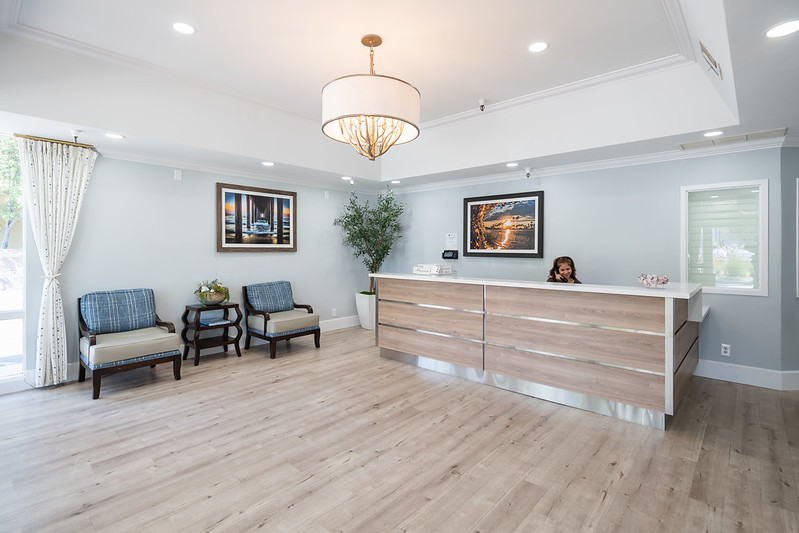
Who Owns and Operates Crystal Cove?

CRYSTAL COVE CARE CENTER is owned by a for-profit company. For-profit facilities operate as businesses with obligations to shareholders or private owners. The facility is operated by PACS GROUP, a chain that manages multiple nursing homes. With 96 certified beds and approximately 88 residents (about 92% occupancy), it is a smaller facility located in NEWPORT BEACH, California.

How Does Crystal Cove Compare to Other California Nursing Homes?

Compared to the 100 nursing homes in California, CRYSTAL COVE CARE CENTER's overall rating (3 stars) is below the state average of 3.1, staff turnover (65%) is significantly higher than the state average of 46%, and health inspection rating (3 stars) is at the national benchmark.

What Should Families Ask When Visiting Crystal Cove?

Based on this facility's data, families visiting should ask: "How do you ensure continuity of care given staff turnover, and what is your staff retention strategy?" "Can you walk me through typical staffing levels on day, evening, and night shifts?" "Can I visit during a mealtime to observe dining assistance and food quality?" "How do you handle medical emergencies, and what is your hospital transfer rate?" These questions are particularly relevant given the facility's high staff turnover rate and the below-average staffing rating.

Is Crystal Cove Safe?

Based on CMS inspection data, CRYSTAL COVE CARE CENTER has a clean safety record: no substantiated abuse findings (meaning no confirmed cases of resident harm), no Immediate Jeopardy citations (the most serious violation level indicating risk of serious injury or death), and is not on the Special Focus Facility watch list (a federal program monitoring the lowest-performing 1% of nursing homes). The facility has a 3-star overall rating and ranks #100 of 100 nursing homes in California. While no facility is perfect, families should still ask about staff-to-resident ratios and recent inspection results during their visit.

Do Nurses at Crystal Cove Stick Around?

Staff turnover at CRYSTAL COVE CARE CENTER is high. At 65%, the facility is 19 percentage points above the California average of 46%. Registered Nurse turnover is particularly concerning at 80%. RNs handle complex medical decisions and coordinate care — frequent RN changes can directly impact care quality. High turnover means new staff may not know residents' individual needs, medications, or preferences. It can also be disorienting for residents, especially those with dementia who rely on familiar faces. Families should ask: What is causing the turnover? What retention programs are in place? How do you ensure care continuity during staff transitions?

Was Crystal Cove Ever Fined?

CRYSTAL COVE CARE CENTER has no federal fines on record. CMS issues fines when nursing homes fail to meet care standards or don't correct problems found during inspections. The absence of fines suggests the facility has either maintained compliance or corrected any issues before penalties were assessed. This is a positive indicator, though families should still review recent inspection reports for the full picture.

Is Crystal Cove on Any Federal Watch List?

CRYSTAL COVE CARE CENTER is not on any federal watch list. The most significant is the Special Focus Facility (SFF) program, which identifies the bottom 1% of nursing homes nationally based on persistent, serious quality problems. Not being on this list means the facility has avoided the pattern of deficiencies that triggers enhanced federal oversight. This is a positive indicator, though families should still review the facility's inspection history directly.