PELICAN RIDGE POST ACUTE
466 FLAGSHIP ROAD, NEWPORT BEACH, CA 92663 (949) 642-8044
For profit - Limited Liability company 167 Beds DAVID & FRANK JOHNSON Data: November 2025
Trust Grade
45/100
#877 of 1155 in CA
Last Inspection: July 2024

Within standard 12-15 month inspection cycle. Federal law requires annual inspections.

Overview

Pelican Ridge Post Acute has a Trust Grade of D, indicating below-average performance with some concerns about care quality. It ranks #877 out of 1155 facilities in California, placing it in the bottom half statewide, and #61 out of 72 in Orange County, suggesting limited local options for better care. The facility is improving, reducing issues from 31 in 2024 to 7 in 2025, which is a positive trend. Staffing is average with a 47% turnover rate, and while there are no fines recorded, which is good, the nursing home does have some concerning incidents. For example, a resident fell and fractured her hip after her wheelchair got caught in an uncovered drain, and there were issues with food safety and quality, such as improperly stored food and unpalatable pureed meals, which could affect residents' nutrition. Overall, families should weigh these strengths and weaknesses carefully when considering Pelican Ridge for their loved ones.

Trust Score
D
45/100
In California
#877/1155
Bottom 25%
Safety Record
Moderate
Needs review
Inspections
Getting Better
31 → 7 violations
Staff Stability
⚠ Watch
47% turnover. Above average. Higher turnover means staff may not know residents' routines.
Penalties
✓ Good
No fines on record. Clean compliance history, better than most California facilities.
Skilled Nurses
⚠ Watch
Each resident gets only 21 minutes of Registered Nurse (RN) attention daily — below average for California. Fewer RN minutes means fewer trained eyes watching for problems.
Violations
⚠ Watch
73 deficiencies on record. Higher than average. Multiple issues found across inspections.
★★☆☆☆
2.0
Overall Rating
★★☆☆☆
2.0
Staff Levels
★★★★☆
4.0
Care Quality
★★☆☆☆
2.0
Inspection Score
Stable
2024: 31 issues
2025: 7 issues

The Good

  • 4-Star Quality Measures · Strong clinical quality outcomes
  • Full Sprinkler Coverage · Fire safety systems throughout facility
  • No fines on record

Facility shows strength in quality measures, fire safety.

The Bad

2-Star Overall Rating

Below California average (3.1)

Below average - review inspection findings carefully

Staff Turnover: 47%

Near California avg (46%)

Higher turnover may affect care consistency

Chain: DAVID & FRANK JOHNSON

Part of a multi-facility chain

Ask about local staffing decisions and management

The Ugly 73 deficiencies on record

1 actual harm
Jul 2025 2 deficiencies
MINOR (B) 📢 Someone Reported This

A family member, employee, or ombudsman was alarmed enough to file a formal complaint

Minor Issue - procedural, no safety impact

Deficiency F0557 (Tag F0557)

Minor procedural issue · This affected multiple residents

**NOTE- TERMS IN BRACKETS HAVE BEEN EDITED TO PROTECT CONFIDENTIALITY** Based on observation, interview, facility document review, and medical record review, the facility failed to ensure one of eight...

Read full inspector narrative →
**NOTE- TERMS IN BRACKETS HAVE BEEN EDITED TO PROTECT CONFIDENTIALITY** Based on observation, interview, facility document review, and medical record review, the facility failed to ensure one of eight sampled residents (Resident 1) was treated with dignity and respect when the facility failed to send some of Resident 1's belongings upon discharge from the facility. This failure had the potential to negatively affect Resident 1's well-being.Findings: Closed medical record review for Resident 1 was initiated on 7/7/25. Resident 1 was admitted to the facility on [DATE], and was discharged to home on 5/24/25. Review of the facility's document titled Resident's Clothing and Possessions dated and signed by Resident 1 and the facility staff on 5/13/25, showed Resident 1 had one black shoes, one black pair of socks, three t-shirts, one pant, one green walker, one wallet with ID, one Samsung cell phone, one black jacket, and $175 cash upon admission to the facility. Review of Resident 1's H&P examination dated 5/14/25, showed Resident 1 had the capacity to understand and make decisions. Review of Resident 1's MDS assessment dated [DATE], showed Resident 1 had a BIMS score of 15, which meant the resident was cognitively intact. Review of the facility's document titled Resident's Clothing and Possessions dated and signed by Resident 1 and the facility staff on 5/24/25, showed Resident 1 was sent with the following items upon discharge: one pair of glasses, one wallet with ID, one black belt, one black cell phone, two black pairs of shoes, and one green walker. On 7/8/25 at 1530 hours, an interview was conducted with the SSA. When asked about the facility's process regarding resident's missing clothing, the SSA stated the staff were notified, logged in the facility's Theft and Loss, looked for the items in the areas throughout the facility, checked the inventory list, if not in the inventory list, the family was notified. When asked if the facility was aware of any missing belongings for Resident 1, the SSA stated no, not that she could remember. On 7/9/25 at 0958 hours, a telephone interview was conducted with Resident 1. Resident 1 stated he had the following missing clothes from the facility: three shirts (one blue, one white, and one house shirt-spandex material), one black jacket, one pair of blue jeans. Resident 1 also stated he was missing money, however, could not remember if it was $500 or more. In addition, Resident 1 stated he had called the facility with no return call received. On 7/9/25 at 0959 hours, an interview was conducted with the Housekeeping Director. When asked about her role when the residents who were discharged from the facility left behind personal clothes or belongings in the facility, the Housekeeping Director stated she checked her office if the personal belongings of the residents were stored for the discharged residents and then followed up with the Social Services staff who would call the discharged residents. The Housekeeping Director was asked to check in her office if Resident 1 had personal clothes left behind in the facility upon discharge. On 7/9/25 at 1024 hours, an observation of Resident 1's belongings and concurrent interview was conducted with the Housekeeping Director. The Housekeeping Director showed a box with Resident 1's clothes which included three shirts (one white shirt, one blue shirt and one gray shirt), one black jacket, and one pair of blue jeans. The Housekeeping Director was asked if she had any documentation to show she communicated with the Social Services staff regarding Resident 1's clothes left behind in the facility upon discharge. The Housekeeping Director verified she did not have any documentation she notified the Social Services staff. The clothes observed inside the box shown by the Housekeeping Director for Resident 1 were consistent with the description provided by Resident 1 about his missing clothes. On 7/9/25 at 1037 hours, a follow-up interview was conducted with the SSA. She stated she was only informed about Resident 1's missing clothes as of this date and she received the information from the Housekeeping Director. On 7/9/25 at 1038 hours, a follow-up telephone call was conducted with Resident 1. Resident 1 was informed that the clothes he reported missing along with other clothes labeled with his name, were located. In addition, there were keys and money left in the facility and stored for safekeeping. Resident 1 was informed one of the facility staff will be delivering the items to his house on this day. Resident 1 verbalized his appreciation for the efforts made to find his missing belongings and for the pending delivery of his belongings left behind upon discharge. On 7/9/25 at 1042 hours, the Housekeeping Director stated she will return to Resident 1 all the personal items which remained in their possession upon the resident's discharge from the facility. On 7/9/25 at 1320 hours, a concurrent interview was conducted with the Administrator and the Housekeeping Director. The Administrator stated the nurses who discharged the residents let the residents sign the belongings list upon discharge from the facility. When the Housekeeping Director was asked who was in charge of the residents' belongings left behind in the facility, she stated it was the Social Services, and she did follow-up with them frequently regarding Resident 1's belongings left behind upon discharge from the facility. On 7/9/25 at 1332 hours, the Administrator stated Resident 1 would get his clothes and other belongings including money today which would be delivered by the Housekeeping Director.
MINOR (B) 📢 Someone Reported This

A family member, employee, or ombudsman was alarmed enough to file a formal complaint

Minor Issue - procedural, no safety impact

Deficiency F0628 (Tag F0628)

Minor procedural issue · This affected multiple residents

**NOTE- TERMS IN BRACKETS HAVE BEEN EDITED TO PROTECT CONFIDENTIALITY** Based on interview, medical record review, facility document review, and facility P&P review, the facility failed to ensure the ...

Read full inspector narrative →
**NOTE- TERMS IN BRACKETS HAVE BEEN EDITED TO PROTECT CONFIDENTIALITY** Based on interview, medical record review, facility document review, and facility P&P review, the facility failed to ensure the discharge instructions were documented for one of two sampled residents (Resident 1) reviewed for discharge. This failure had the potential for Resident 1 to have an inappropriate discharge. Findings: Review of the facility's P&P titled General Documentation Guideline dated 10/2024 showed it is the policy of this facility to document relevant findings in the clinical record specific to each individual resident's needs and condition. Closed medical record review for Resident 1 was initiated on 7/7/25. Resident 1 was admitted on [DATE], and was discharged on 5/24/25.Review of Resident 1's H&P examination dated 5/14/25, showed Resident 1 had the capacity to understand and make decisions. The H&P examination also showed the following diagnoses: Obstructive Uropathy, s/p Left Nephrostomy, AKI on CKD 3, Bladder CA, HTN, CVA, Chronic CHF. Review of Resident 1's Post Discharge Plan of Care and Summary dated 5/22/25, showed the following information:- Section RE5 Bladder Continence: Indwelling catheter use - Section RE10h: Functional status: Toileting - needs assist- Section D163: Foley Catheter Care: blank (no entry) - Section D1611: Other: blank (no entry) Review of Resident 1's Skilled Evaluation Notes under the Education/Notification section of the notes dated: 5/18, 5/19, 5/20, 5/21, 5/22, and 5/23/25, did not show any documentation. Review of Resident 1's Order Summary Report dated 7/7/25, showed a physician's order dated 5/22/25, Resident's health has improved sufficiently and no longer requires skilled nursing services. On 7/8/25 at 1407 hours, an interview and concurrent closed medical record review for Resident 1 was conducted with the DON. The DON verified the documented entries of Resident 1's Post Discharge Plan of Care and Summary dated 5/22/25. The DON also verified Sections D163 - Foley Catheter and D1611- Other, had no entries. The DON stated the licensed nurses had educated the resident in any special instructions i.e. Foley catheter care, etc. prior to the resident's discharge and would document the education provided in the resident's progress notes; however, the DON was not able to show documentation in the progress notes Resident 1 was provided with education to address the care needs of Resident 1, prior to the discharge from the facility. On 7/9/25 at 1425 hours, an interview and concurrent closed medical record review for Resident 1 was conducted with the DSD. The DSD verified the following:- Post Discharge Plan of Care and Summary dated 5/22/25, in Sections D163 - Foley Catheter, and D1611 - Other, had no entries; and- Skilled Evaluation Notes dated 5/21, 5/22, and 5/23/25, had no documentation under the Education/Notification section.The DSD verified the special care instructions on the Foley catheter care, nephrostomy care, among others which Resident 1 needed, were not documented in Resident 1's progress notes, Post Discharge Plan of Care and Summary, and Skilled Evaluation Notes. The DSD stated it should have been documented if the instructions were provided to Resident 1.On 7/9/25 at 1640 hours, an interview was conducted with the Administrator and DON. The Administrator and DON verified the findings.
Apr 2025 3 deficiencies
CONCERN (D) 📢 Someone Reported This

A family member, employee, or ombudsman was alarmed enough to file a formal complaint

Potential for Harm - no one hurt, but risky conditions existed

Free from Abuse/Neglect (Tag F0600)

Could have caused harm · This affected 1 resident

**NOTE- TERMS IN BRACKETS HAVE BEEN EDITED TO PROTECT CONFIDENTIALITY** Based on interview, medical record review, and facility P&P review, the facility failed to protect the resident's rights to be f...

Read full inspector narrative →
**NOTE- TERMS IN BRACKETS HAVE BEEN EDITED TO PROTECT CONFIDENTIALITY** Based on interview, medical record review, and facility P&P review, the facility failed to protect the resident's rights to be free from the physical abuse when Resident 2 pushed a table hitting Resident 1 in the head resulting in a small movable mass with minimal redness and flaky skin located on the top right side of Resident 1's head. * The facility failed to ensure the concern was addressed when Resident 2 verbalized he was unhappy with his roommate on 3/19/25. Additionally, the facility failed to ensure Residents 1 and 2 were separated when the nurse noticed both residents were using verbal aggression towards each other and Resident 2 stated I will hurt you on 3/23/25. This failure had the potential to negatively impact the residents' well-being. Findings: Review of the facility's P&P titled Prevention, Reporting, and Correction of Inappropriate Conduct Including Abuse, Neglect, and Mistreatment of Residents and Investigations of Injuries of Unknown Origin revised 10/2021, showed while the investigation is being conducted, all efforts will be made to ensure that the resident is free from harm. The resident will be immediately separated from the suspected abuser. If the abused is not employed at the facility, he/she will be denied unsupervised access to the resident. The CDPH, L&C Program received an SOC 341 from the facility on 3/24/25. The SOC 341 showed on 3/23/25 at 1500 hours, Residents 1 and 2 had a disagreement in the room regarding a loud television. The disagreement immediately escalated, Resident 1 threw a water bottle at Resident 2, and Resident 2 pushed the over-bed table at Resident 1. Closed medical record review for Resident 2 was initiated on 4/8/25. Resident 2 was admitted to the facility on [DATE], and discharged on 3/31/25. Review of Resident 2's H&P examination dated 2/22/25, showed resident had the capacity to understand and make decisions. Review of Resident 2's MDS assessment dated [DATE], showed Resident 1 was cognitively intact with a BIMS score of 15. Further Review of Resident 2's MDS dated [DATE], showed the Section GG for Functional Limitation in Range of Motion for the upper and lower extremities was coded as 0 (no impairment). Review of Resident 2's Progress Notes dated 3/19/25 at 1000 hours, under the section for Education/Notification, the comfort concerns note showed the resident was unhappy with the roommate. Review of the facility's Census dated 3/19/25, showed Residents 1 and 2 were in the same room. Review of Resident 2's Progress Notes dated on 3/23/25, showed at 1500 hours while doing rounds the nurse noticed both the residents were using verbal aggression towards each other. The note further showed Resident 2 stated I will hurt you. Review of Resident 1's eINTERACT Change in Condition Evaluation V 5.1 form dated 3/23/25 at 1519 hours, showed the charge nurse was made aware of the resident'sverbal/physical altercation with the roommate. Resident 1stated his roommate on the left side of him allegedly pushed a bedside table into the residents' head. The document showed the charge nurse assessed the resident, and a slight redness and bump were noted on the resident's right side of the head. Further review of the document showed under the section for Skin Status Evaluation showed Resident 1 had a small movable mass with minimal redness and flaky skin located on the top right side of the head. Review of Resident 1's Order Recap Report for March 2025, showed a physician's order dated 3/23/25, to apply the ice pack to the right side of the head bump for 10 minutes every four hours as needed for three days. Review of Resident 1's acute care hospital admission H&P examination dated 3/29/25, showed Resident 1 reported three days ago, he got involved in an altercation when he was struck in the head. The note further showed Resident 1 complained of headache ever since. Further review of Resident 2's medical record failed to show the concern about Resident 2 being unhappy with his roommate was addressed. Review of Resident 1's medical record review was initiated on 4/8/25. Resident 1 was admitted to the facility on [DATE], and readmitted on [DATE]. Review of Resident 1's Plan of Care dated 8/9/23, showed a care plan problem to addressing Resident 1 had ADL self-care performance deficits related to the resident's impaired balance, limited mobility, and musculoskeletal impairment. Further review of Resident 1's Plan of Care dated 9/8/24, showed a care plan problem addressing Resident 1 had limited physical mobility related to disease process and weakness. Review of Resident 1's H&P examination dated 9/16/24, showed the resident had capacity to make medical decisions. Review of Resident 1's MDS assessmentdated 3/13/25, showed Resident 1 was cognitively intact with a BIMS score of 15, indicating cognitively intact. On 4/8/25 at 1233 hours, an interview was conducted with Resident 1. Resident 1 stated on 3/23/23, Resident 2 was unhappy and got upset when he was playing music. Resident 1 stated Resident 2 poured coffee all over his backpack that was on the floor which contained his laptop. Resident 1 stated as he leaned over to pick his wet backpack off the floor, Resident 2 grabbed the table, threw the table, and hit him on the head. Resident 1 stated after he was struck in the head with the table, he felt pain, felt his head swell up and could not think straight after. Resident 1 stated, it had been building up, and Resident 2 had stated why don't you just go die. Resident 1 stated he requested the room change over the past week and had informed the charge nurse and CNAs 1 and 2. Resident 1 stated the facility was aware they were having problems but did not change their rooms. Resident 1 stated he was bedridden and unable to get out of bed. Resident 1 stated a staff member was in the room and witnessed the incident. When asked if the resident felt safe in the facility, Resident 1 stated, generally, but then I didn't. On 4/8/25 at 1254 hours, an interview with Resident A was conducted. Resident A verifiedhe was in the room on 3/23/25, when the incidentoccurred between Residents 1 and 2. Resident A stated he did not see the incident occur since his curtain was closed; however, he stated he heard the altercation occurred. Resident A stated there was a bunch of commotion; Resident 2 was yelling at Resident 1 who stated what did I do? Resident A further stated he heard the table hit Resident 1. On 4/8/25 at 1334 hours, an interview was conducted with CNA 2. CNA 2 stated prior to the abuse allegation, she had observed Residents 1 and 2 arguing when Resident 2 was transferred into the room. CNA 2 stated Resident 1 was normally quiet, kept to himself, and wanted privacy. CNA 2 stated she had heard Resident 2 yell and scream, and the resident had a very hard temper. CNA 2 stated Resident 2 would get mad and upset when he did not get what he wanted. CNA 2 stated she had informed LVNs 1 and 2 about the behavior of Residents 1 and 2. When asked if Resident 1 and 2's room was changed upon reporting to the supervisors, CNA 2 stated no. On 4/8/25 at 1612 hours, a telephone interview was conducted with LVN 1. LVN 1 stated on 3/23/25 at 1500 hours, he observed Resident 1 lying in bed, and Resident 2 was sitting at the edge of the bed facing Resident 1 while they were yelling at each other. He was informed by a CNA that Residents 1 and 2 were going back and forth saying mean things to each other. LVN 1 stated Resident 2 asked to speak to a supervisor, and LVN 1 left the room to notify RN 1. On 4/9/25 at 0929 hours, a telephone interview was conducted with RN 1. When asked regarding the incident between Residents 1 and 2, RN 1 stated she was informed by LVN 1 that Residents 1 and 2 were yelling each other in which she could also hear from the hallway. RN 1 stated when she entered the room was already cluttered, with a lot of things on the floor. RN 1 stated when she walked into the room, she saw Resident 1 threwsomething at Resident 2, and as Resident 1 was reaching for his backpack on the floor, Resident 2 pushed the table towards Resident 1 with force. RN 1 stated Resident 1 began to cry and stated, oh my God,he hurt me. RN 1 stated she told the two residents to stop, removed the table, called for assistance, and Resident 2 was moved to another room within the facility. RN 1 stated when she assessed Resident 1, he had a small bump on his forehead, and an ice pack was provided. On 4/9/25 at 1410 hours, an interview was conducted with LVN 2. When asked about his documentation on 3/19/25, when Resident 2 was unhappy with his roommate, LVN 2 stated Resident 2 wanted a different room and was unhappy with his neighbor. LVN 2 stated he notified the RN Supervisor and social services. On 4/10/25 at 1432 hours, a follow up interview was conducted with LVN 1. LVN 1 stated if he had known Resident 2 stated he was unhappy with his roommate on 3/19/25, he would have requested for a room change. When asked what the process was if two residents were verbally aggressive, LVN 1 stated to get them separated, before something like that happens, especially when Resident 2 can stand up on his own. When asked when the two residents were separated, LVN 1 stated after RN 1 came into the room. On 4/11/25 at 1008 hours, an interview and concurrent medical record review was conducted with the SSD. When asked about the nurse's documentation on 3/19/25, when Resident 2 stated he was unhappy with his roommate, the SSD stated she was not informed Resident 2 was unhappy with his roommate. The SSD further stated if she was made aware, she would have moved the residents. On 4/11/25 at 1146 hours, an interview was conducted with the Administrator. The Administrator stated he was not aware Resident 2 stated he was unhappy with his roommate on 3/19/25. On 4/11/25 at 1412 hours, a follow up interview was conducted with RN 1. When asked what it meant if someone said, I will hurt you. RN 1 stated, intention, threat. When asked if she was aware Resident 2 stated I will hurt you, RN 1 stated no. When asked when the argument started as a verbal argument and escalated to physical, when should the two residents have been separated, RN 1 stated from the start of the verbal argument. When asked during the verbal argument if the residents were separated, RN 1 stated not until she separated them. On 4/11/25 at 1607 hours, an interview and concurrent medical record review was conducted with the DON. When asked when Residents 1 and 2 should have been separated, the DON stated once the argument had started. On 4/18/25 at 1639 hours, the Administrator and DON was made aware and acknowledged the above findings.
CONCERN (D) 📢 Someone Reported This

A family member, employee, or ombudsman was alarmed enough to file a formal complaint

Potential for Harm - no one hurt, but risky conditions existed

Investigate Abuse (Tag F0610)

Could have caused harm · This affected 1 resident

Based on interview, facility document review, and facility P&P review, the facility failed to thoroughly investigate the allegation of abuse for Residents1 and 2. * The facility failed to interview Re...

Read full inspector narrative →
Based on interview, facility document review, and facility P&P review, the facility failed to thoroughly investigate the allegation of abuse for Residents1 and 2. * The facility failed to interview Residents 1 and 2's roommate after Residents 1 and 2 had had the verbal and physical altercation in their room. This failure had the potential for the abuse allegation to not be thoroughly investigated. Findings: Review of the facility's P&P titled Prevention, Reporting, and Correction of Inappropriate Conduct Including Abuse, Neglect, and Mistreatment of Residents and Investigations of Injuries of Unknown Origin revised 10/2021 showed every report of inappropriate conduct or an injury of an unknown source will be investigated thoroughly under the coordinated supervision of the Administrator. Based on the evaluation of the facts of the allegation and all related circumstances by the Administrator and/or Compliance Officer, the investigation may include interviewing some or all of the following steps as deemed appropriate based on a case-by-case analysis: - Any individual who reported the alleged inappropriate conduct and/or the injury of unknown source; - any resident who is alleged to have been subject to inappropriate conduct; - any alleged perpetrator(s) of the inappropriate conduct; - all persons who are known to have or claim to have knowledge of alleged inappropriate conduct and/or injury of unknown source; and - other individuals who were in the vicinity at the time the inappropriate conduct and/or injury of unknown source are alleged to have occurred, or individuals who may otherwise have encountered relevant information and who are able to express their observations, as well as employees who cared for the resident during applicable time periods (whether or not these employees are thought to have actual knowledge of the inappropriate conduct and/or injury of unknown source. The CDPH, L&C Program received an SOC 341 from the facility on 3/24/25. The SOC 341 showed on 3/23/25 at 1500 hours, Residents 1 and 2 had a disagreement in the room regarding a loud television. The disagreement immediately escalated, Resident 1 threw a water bottle at Resident 2, and Resident 2 pushed the over-bed table at Resident 1. Review of the facility's investigation file for the alleged abuse allegation between Residents 1 and 2 showed the facility interviewed the facility staff, and Residents 1 and 2. However, the filedid not show other residents were interviewed, including Resident A who was in the room at the time the allegation occurred, and other affected residents within the facility as Resident 2 was ambulatory within the facility. On 4/8/25 at 1254 hours, an interview with Resident A was conducted. Resident A verified he was in the room on 3/23/25, when the incident occurred between Residents 1 and 2. Resident A stated he did not see the incident occur since his curtain was closed; however, he stated he heard the altercation occur. Resident A stated there was a bunch of commotion, Resident 2 was yelling at Resident 1, and Resident 1 stated, what did I do? Resident A further stated he heard the table hit Resident 1. On 4/11/25 at 1008 hours, an interview was conducted with the SSD. When asked if the SSD interview Residents 1 and 2's roommate, the SSD stated she did not. The SSD further stated she usually interview only the residents involved. On 4/18/24 at 1145 hours, an interview was conducted with the Administrator. When asked if Residents 1 and 2's roommate was interviewed, the Administrator stated, I don't think we need to interview the roommate. Cross reference to F600.
CONCERN (D) 📢 Someone Reported This

A family member, employee, or ombudsman was alarmed enough to file a formal complaint

Potential for Harm - no one hurt, but risky conditions existed

Deficiency F0692 (Tag F0692)

Could have caused harm · This affected 1 resident

**NOTE- TERMS IN BRACKETS HAVE BEEN EDITED TO PROTECT CONFIDENTIALITY** Based on observation, interview, medical record review, facility document review, and facility P&P review, the facility failed t...

Read full inspector narrative →
**NOTE- TERMS IN BRACKETS HAVE BEEN EDITED TO PROTECT CONFIDENTIALITY** Based on observation, interview, medical record review, facility document review, and facility P&P review, the facility failed to implement the systematic approach to ensure the effective monitoring of the acceptable parameters of nutrition status for two sampled residents (Residents3 and 4). * The facility failed to ensure Resident 3 was assessed and monitored by the IDT when Resident 3 had a severe weight loss of 51 lbs. (-23.29%) in the last six months, 14 lbs. (6.39%) in one month from 9/12 - 10/16/24, and 30 lbs. (14%) from 1/3 - 2/16/25. In addition, the facility failed to initiate a COC for Resident 3 when there was a severe weight loss, including notifying the physician, and legal representative. * The facility failed to ensure Resident 4 was assessed and monitored by the IDT when Resident 4 had a severe weight loss of 17 lbs. (12.14%) in one month. In addition, the facility failed to initiate a COC for Resident 4 when there was a severe weight loss, including notifying the physician and legal representative, ensure the resident centered plan of care reflected the goals or interventions regarding the risk for weight loss, and monitor the weekly weights as ordered by the physician. These failures posed the risk of nutritional interventions not being implemented in a timely manner and cause the residents to have further weight loss. Findings: 1. Closed medical record review for Resident 3 was initiated on 4/17/25. Resident 3 was admitted to the facility on [DATE], and transferred to the acute care facility on 4/16/25. Resident 3 had diagnoses including enterocolitis due to clostridium difficile, anemia, and gastro-esophageal reflux disease. Review of Resident 3's Order Summary Report showed the following physician'sorder: - dated 3/7/25, to add snacks at 1400 and 200 hours to supplement meal intake; - dated 3/29/25, for oral nutrition supplement two times a day for supplement; and - dated 3/13/25, to obtain weights for 3 weeks one time a day every seven days for 21 days. Review of Resident 3's Care Plan Report dated 2/17/25, showed a care plan problem addressing the resident is at risk for weight loss, nutrition, hydration, skin integrity complication related to his current health, therapeutic diet and history of c-diff episodes. The interventions included the IDT will assist resident during meals, will encourage the resident to consume adequate and appropriate nutrition as recommended, will monitor the resident for nutrition intake and weights per protocol. Review of Resident 3's Weights and Vitals Summary showed the following resident's weights: - dated 9/12/24, 219 lbs. - dated 10/16/24, 205 lbs., a weight loss of 14 lbs. (6.39%) - dated 1/3/25, 206 lbs. - dated 2/16/25, 173 lbs., a weight loss of-3 lbs. (16.02%) Review of Resident 3's eINTERACT Change in Condition Evaluation V5.1 dated 11/14/24, showed Resident 3 had a 9.1% weight loss in the past month. The provider notification and feedback indicated for an RD consult. However, further review of Resident 3's medical record showed the RD nutritional assessment was not done until 12/3/24. Review of Resident 3's Interdisciplinary Care Conference V5 dated 3/12/25, showed a weight variance of -32 lbs., 24 days after Resident 3 had lost 33 lbs. from 1/3/25 to 2/16/25. Further review of Resident 3's medical record did not show a COC was initiated when Resident 3 had severe weight loss of 14 lbs. from 9/12 -10/16/24, and 33 lbs. from 1/3-2/16/25, including the notification of Resident 3's physician and legal representative. 2. Medical record review for Resident 4 was initiated on 4/17/25. Resident 4 was admitted to the facility on [DATE]. Resident 4 had a diagnosis of dysphagia oropharyngeal phase. Review of Resident 4's Care Plan Report dated 3/18/25, showed a care plan problem to address the resident's risk of weight loss. The interventions included to add multivitamin/minerals (supplement) daily, Prostat (protein supplement beverage) 30 ml daily for 30 days, and weekly weights for three weeks due to a significant weight loss. Review of Resident 4's Weights and Vital Summary showed the following resident's weights: - dated 2/3/25, 140 lbs. - dated 3/6/25, 123 lbs., a weight loss of 17 lbs. (12.14%) - dated 3/14/25, 122 lbs. - dated 4/1/25, 126 lbs. Review of Resident 4's Interdisciplinary Care Conference dated 3/12/25, showed Resident 4 had a weight variance of -17 lbs. (12.1%) weight loss in one month. The interventions included Prostat, multivitamins, and monitor weight for three weeks. Further review of the Weights and Vital Summary did not show Resident 4's weights were monitored after 3/14/24 until 4/1/25 (14 days) later. On 4/17/25 at 1320 hours, an interview was conducted with Resident 4. Resident 4 stated he was notified he was losing weight but was not aware how much weight he had lost. Resident 4 stated he used to be 140-150 lbs. In addition, Resident 4 stated there was no discussion on how much weight he hadlost, and what the facility was implementing regarding the weight loss. Resident 4 stated he would like to gain his weight back. On 4/18/25 at 1538 hours, an interview was conducted with RD 1. The RD 1 stated the significant weight loss was greater than 5% in one month, greater than 7.5% in three months, and greater than 10% in six months. RD 1 stated when there was a significant weight change, the process would include to notify the DON, and the LVN would initiate a COC. RD 1 verified she did not notify the physician for Resident 3's severe weight loss of 51 lbs. (23.29%) in the last six months. On 4/18/25 at 1606 hours, an interview was conducted with the DON. The DON verified when there was a significant weight change of five % or more, the staff should initiate a change of condition, which included for monitoring the resident, physician's notification, the legal representative notification, an RD consult, and IDT evaluation should be done. The DON stated once the weight was entered into the medical records, the COC should be done immediately. The DON verified the above findings. On 4/18/25 at 1639 hours, the Administrator and DON was made aware and acknowledged the above findings.
Feb 2025 1 deficiency
MINOR (B) 📢 Someone Reported This

A family member, employee, or ombudsman was alarmed enough to file a formal complaint

Minor Issue - procedural, no safety impact

Medical Records (Tag F0842)

Minor procedural issue · This affected multiple residents

**NOTE- TERMS IN BRACKETS HAVE BEEN EDITED TO PROTECT CONFIDENTIALITY** Based on interview, medical record review, and facility P&P review, the facility failed to ensure the medical record was accurat...

Read full inspector narrative →
**NOTE- TERMS IN BRACKETS HAVE BEEN EDITED TO PROTECT CONFIDENTIALITY** Based on interview, medical record review, and facility P&P review, the facility failed to ensure the medical record was accurate for one of three sampled residents (Resident 2). This failure had the potential for the resident's care needs not being met as the medical information was inaccurate. Findings: Review of the facility's P&P titled Medication Orders – effective date April 2008 showed the following steps are initiated to complete documentation and receive the medications: a. Clarify the order as necessary. b. Enter the orders on a medication order form. c. Call, fax, or electronically transfer the medication order to the provider pharmacy. d. Transcribe newly prescribed medications on the MAR or TAR. When a new order changes the dosage of a previously prescribed medication, discontinue the previous entry by writing DC'd and the date. Enter the new order on the MAR/TAR. Review of the facility's P&P titled Medication Administration – General Guidelines effective October 2017 showed the individual who administers the medication dose records the administration on the resident's MAR directly after the medication is given. At the end of each medication pass, the person administering the medications reviews the MAR to ensure necessary doses were administered and documented. Medical record review for Resident 2 was initiated on 2/12/25. Resident 2 was admitted to the facility on [DATE]. Review of Resident 2's Order Summary Report for February 2025, showed an ordered dated 1/30/25, for Jevity 1.5 (enteral feeding formula) at 50 ml per hour until [NAME] Farms 1.4 arrived and to hold for loose stool. Review of Resident 1's MARs for January and February 2025 showed the [NAME] Farms 1.4 enteral feeding formula was scheduled to be administered every shift continuously at 60 ml per hour. The feedings were signed as administered from 1/30/21 at 1900 hours to 2/10/25. However, there was no input order for the Jevity 1.5 enteral feeding. On 2/12/25 at 1545 hours, an interview and concurrent medical record review was conducted with LVN 1. LVN 1 stated he administered the Jevity 1.5 enteral feeding for Resident 2 from 2/6 to 2/9/25 as administered as ordered but was documented in the [NAME] Farms 1.4 enteral feeding order. LVN 1 stated he should have clarified the orders. On 2/12/25 at 1518 hours, an interview and concurrent medical record review was conducted with RN 1. RN 1 stated the facility had no [NAME] Farms 1.4 enteral feeding. RN 1 stated she spoke with the RD and was told the Jevity 1.5 enteral feeding was the same equivalent with the [NAME] Farms 1.4 enteral feeding. RN 1 notified the physician and received the order for Jevity 1.5 enteral feeding and updated Resident 1's family member. RN 1 stated she did not know how the Jevity 1.5 enteral feeding order was not carried in the MAR. On 2/13/25 at 1036 hours, an interview and concurrent medical record review was conducted with the RD. The RD stated RN 1 came to ask her about the [NAME] Farms 1.4 enteral feeding. The RD statedshe told the RN the facility does not carried the [NAME] Farms 1.4 enteral feeding, but the Jevity 1.5 enteral feeding was the equivalent. On 2/13/25 at 1204 hours, an interview and concurrent medical record review was conducted with the DON. The DON verified the above findings.
Jan 2025 1 deficiency
CONCERN (D) 📢 Someone Reported This

A family member, employee, or ombudsman was alarmed enough to file a formal complaint

Potential for Harm - no one hurt, but risky conditions existed

Incontinence Care (Tag F0690)

Could have caused harm · This affected 1 resident

**NOTE- TERMS IN BRACKETS HAVE BEEN EDITED TO PROTECT CONFIDENTIALITY** Based on observation, interview, medical record review, and facility P&P review, the facility failed to provide the appropriate ...

Read full inspector narrative →
**NOTE- TERMS IN BRACKETS HAVE BEEN EDITED TO PROTECT CONFIDENTIALITY** Based on observation, interview, medical record review, and facility P&P review, the facility failed to provide the appropriate care and services to prevent the UTI for two of three sampled residents (Residents1 and 2) reviewed for the use of the indwelling urinary catheters. * The facility failed to ensure Resident 1's indwelling urinary catheter drainage bag was not laying on the floor. * The facility failed to ensure the physician was notified when Resident 2 had a change in condition due to frequent leakage of the indwelling urinary catheter and clarify the size of the indwelling urinary catheter prior to be inserted. These failures had the potential for not providing the necessary care and services and posed a risk for adverse complications related to the indwelling urinary catheter use. Findings: 1. Review of the CDC's guidelines titled Catheter-Associated Urinary Tract Infections (CAUTI) Prevention Guideline dated 4/2024, showed urinary tract infections are the most common type of healthcare associated infection. CAUTI has been associated with increased morbidity, mortality, hospital cost, and length of stay. The section titled Proper Techniques for Urinary Catheter Maintenance, showed to keep the collecting bag below the level of the bladder at all times. Do not rest the bag on the floor. Medical record review for Resident 1 was initiated on 1/28/25. Resident 1 was admitted to the facility on [DATE] and readmitted on [DATE]. Review of Resident 1's MDS dated [DATE], showed the BIMS score of 7 (severe cognitive impairment). Review of Resident 1's Nurses Progress Note dated 1/25/25, showed Resident 1 had a UTI and was started on antibiotics (a medication used to treat infection). Review of Resident 1's Order Summary Report as of 1/29/25, showed the following physician's orders: - on 1/14/25, for an indwelling urinary catheter size 16 Fr Balloon size/10 ml, change for blockage, leaking, pulled out, excessive sedimentation; and to change the urinary catheter drainage bag as needed and with every change of the indwelling urinary catheter, and every shift care for the indwelling urinary catheter. - on 1/26/25, to administer cefpodoxime proxetil (an antibiotic used to treat certain infections caused by bacteria) give 500 mg by mouth two times a day for UTI for five days. Review of Resident 1's Plan of Care failed to show a care plan problem was initiated to address Resident 1's UTI. On 1/28/25 at 1456 hours, Resident 1 was observed laying in bed with an indwelling urinary catheter tubing attached to a urinary drainage bag. The urinary drainage bag was observed laying on the floor by the right side of the Resident 1's bed. On 1/28/25 at 1502 hours, an observation and concurrent interview was conducted with LVN 2. LVN 2 verified the above findings. LVN 2 stated the urinary drainage bag should not be laying on the floor. LVN 2 further stated Resident 1 was on antibiotic for UTI. On 1/29/25 at 0743 hours, Resident 1 was observed laying in bed with an indwelling urinary catheter tubing attached to a urinary drainage bag. The urinary drainage bag was observed laying on the floor by the right side of the Resident 1's bed. On 1/29/25 at 0748 hours, an observation and concurrent interview was conducted with LVN 1. LVN 1 verified the above findings. LVN 1 stated the urinary bag should be hang on the bed frame and not on the floor. On 1/29/25 at 0932 hours, an interview and a concurrent record review was conducted with RN 1. RN 1 verified Resident 1 was on antibiotic for the treatment of UTI. RN 1 verified there was no care plan developed for the antibiotic medications to treat Resident 1's UTI. RN 1 stated there should be a care plan for Resident 1's antibiotic use. On 1/28/25 at 1005 hours, an interview was conducted with the DON. The DON stated she expected the nurses to provide the indwelling urinary catheter care to the resident ensuring the tubing of the indwelling urinary catheter was not obstructed and the urinary drainage bag was hanging on the bed frame and not laying on the floor. The DON was informed and acknowledged the abovefindings. 2. Review of the facility's P&P titled Condition Change of Resident revised 11/2021 showed it is the policy of the facility to observe, record, and report change in condition to the attending physician. A change of condition can be anything that deviates from the resident's baseline status that requires physician notification for further assessment and/ or change in treatment plan. The resident's condition shall determine what and how the nurse assesses the resident. A change of condition is solely based on the professional judgement of the nurse in charge in accordance with recognizable standards of care in the community. Medical record review for Resident 2 was initiated on 1/28/25. Resident 2 was admitted to the facility on [DATE] and readmitted on [DATE]. Review of Resident 2's H&P examination dated 12/12/24,showed Resident 2had the capacity to make medical decisions. Review of Resident 2's MDS dated [DATE], showed the BIMS score of 14 (cognitively intact). Review of Resident 2's Order Summary Report as of 1/29/25, showed the following physician's orderdated 12/13/24, for an indwelling urinary Foley catheter sizeFr 16/10 ml attached to the urinary drainage bag, to provide the indwelling urinary catheter care every shift, and change the indwelling urinary catheter attached drainage bag PRN if dislodged, clogged, hematuria, or burning sensation every 12 hours as needed. Review of Resident 2's Nurses Progress Note dated 1/23/25 (late entry), showed Resident 2's indwelling urinary catheter was dislodged three times a day. Review of Resident 2's TAR for January 2025 showed Resident 2's indwelling urinary catheter was changed on 1/9/25 at 1259 hours and 1/28/25 at 1222 hours. Further review of Resident 2's TAR for January 2025 showed Resident 2's indwelling urinary catheter was changed on 1/29/25 at 0126 hours. On 1/28/25 at 1430 hours, an interview was conducted with Resident 2. Resident 2 stated she had an indwelling urinary catheter for years because she had a big bladder which resulted to frequent UTI and had surgery when she was younger. Resident further stated for the past two to three weeks she had problem with the indwelling urinary catheter leaking frequently at least three times a week, and the staff member would change the indwelling urinary catheter. Resident 2 stated she understood she was at risk for infection. Resident 2 stated the nurse offered her to remove the indwelling urinary catheter and to use an incontinent pad, however, Resident 2 did not want to remove the indwelling urinary catheter because she was in pain due to arthritis. Resident 2 cannot reposition frequently and was concerned to have pressure ulcers. Resident 2 further stated she did not know if the nurses had informed her physician about the frequent indwelling urinary catheter leakage. On 1/28/25 at 1449 hours, an observation and concurrent interview was conducted with the DSD. Resident was observed lying in bed with the indwelling urinaryFoley catheter size 18 Fr/30 ml attached to a drainage bag. The DSD verified the above findings. On 1/28/25 at 1451 hours, an interview was conducted with Resident 2. Resident 2 stated she had always used indwelling urinary Foley catheter size 18 Fr/30 ml. On 1/29/25 at 0748 hours, an interview and concurrent record review was conducted with LVN 1. LVN 1 verified Resident 2's Order Summary Report dated 1/29/25, showed an order dated 12/13/24, for an indwelling urinary Foley catheter sizeFr 16/10 ml attached to a drainage bag. LVN 1 acknowledged Resident 2 had frequent leakage of the indwelling urinary catheter which required to be changed more often. LVN 1 stated she inserted the indwelling urinary catheter and used Fr 18/30 ml because the Resident 2had always used the Fr 18/30 ml size. LVN 1 stated the physician neededto be notified of Resident 2's frequent leakageof the indwelling urinary catheter and to be informed of the size of the indwelling urinary catheter to be inserted to the resident. On 1/28/25 at 1005 hours, an interview was conducted with the DON. The DON was made aware of the above findings and acknowledged the physician needed to be notified of the resident's frequent leakage of the indwelling urinary catheter. On 1/28/25 at 1250 hours, an interview was conducted with the DON. The DON acknowledged the physician should be notified of Resident 2's change of condition.
Dec 2024 1 deficiency
CONCERN (D) 📢 Someone Reported This

A family member, employee, or ombudsman was alarmed enough to file a formal complaint

Potential for Harm - no one hurt, but risky conditions existed

Deficiency F0578 (Tag F0578)

Could have caused harm · This affected 1 resident

**NOTE- TERMS IN BRACKETS HAVE BEEN EDITED TO PROTECT CONFIDENTIALITY** Based on interview, medical record review, and facility P&P review, the facility failed to ensure the POLST was followed for one...

Read full inspector narrative →
**NOTE- TERMS IN BRACKETS HAVE BEEN EDITED TO PROTECT CONFIDENTIALITY** Based on interview, medical record review, and facility P&P review, the facility failed to ensure the POLST was followed for one of four sampled residents (Resident 1). This failure resulted in Resident 1 receiving CPR when found unresponsive despite the resident's request for resuscitative measures to not be followed as indicated in Resident 1's signed POLST. Findings: Review of the facility's P&P titled Advanced Directives reviewed 10/2024, showed under the procedures section, upon admission or as soon as practicable thereafter, the resident and/or his/her legal representative or surrogate decision maker will be provided with information regarding preferred intensity of care or advance directives. The resident or his/her legal representative or surrogate shall complete this form as he/she desires which may include a POLST form. If there is an individual healthcare instruction documented by a healthcare worker, then this information shall be placed in the clinical record when provided by the resident or their representative. The document will be filed in the resident's clinical record in a place that is easily accessible in the event of any emergency. Closed medical record review for Resident 1 was initiated on [DATE]. Resident 1 was initially admitted to the facility on [DATE], and readmitted on [DATE]. Resident 1 expired on [DATE]. Review of Resident 1's H&P examination dated [DATE], showed Resident 1 had capacity to make medical decisions. Review of Resident 1's POLST dated [DATE], showed under Section A for Cardiopulmonary Resuscitation, the Do Not Attempt Resuscitation/DNR was marked. Review of Resident 1's Nurses Progress Note dated [DATE] at 1545 hours, showed Resident 1 was unresponsive with no pulse found, and CPR was initiated. On [DATE] at 1233 hours, a concurrent interview and closed medical record review for Resident 1 was conducted with LVN 1. LVN 1 stated CPR was initiated for Resident 1 because the resident's POLST could not be found. LVN 1 further stated once they found the POLST, CPR was continued because the resident's family member did not want them to stop the CPR. LVN 1 verified the POLST showed for the resident to be on a DNR which should have been followed. On [DATE] at 1027 hours, a concurrent interview and closed medical record review for Resident 1 was conducted with the DON. The DON stated the POLST was checked while providing CPR for Resident 1. The DON verified the POLST indicated Resident 1 was DNR. The DON was asked if POLST would be honored, the DON stated yes.
Jul 2024 25 deficiencies
CONCERN (D)

Potential for Harm - no one hurt, but risky conditions existed

Deficiency F0552 (Tag F0552)

Could have caused harm · This affected 1 resident

**NOTE- TERMS IN BRACKETS HAVE BEEN EDITED TO PROTECT CONFIDENTIALITY** Based on interview, medical record review, and facility P&P review, the facility failed to properly obtain the informed consents...

Read full inspector narrative →
**NOTE- TERMS IN BRACKETS HAVE BEEN EDITED TO PROTECT CONFIDENTIALITY** Based on interview, medical record review, and facility P&P review, the facility failed to properly obtain the informed consents (permission granted in the knowledge of the possible consequences) for the use of psychotropic medications (medications affecting brain activity) and treatments from the responsible party (person designated to make decisions on behalf of the residents) for one of five final sampled residents (Residents 64) reviewed for unnecessary medications. This failure posed the risk for Residents 64 and his responsible party to not be informed of Resident 64's medications and the potential side effects. Findings: According to AFL 24-7 titled Assembly [NAME] (AB) 48 - Nursing Facility Resident Informed Consent Protection Act of 2023 dated 2/28/24, with an effective date of 1/1/24, the facilities must obtain a resident's written informed consent for treatment using psychotherapeutic drugs, and must renew the written informed consent every six months. At that time, the facility must provide the resident with any recommended dosage adjustments and the option of revoking consent. If the resident decides to discontinue using the drug, the prescriber is responsible for planning any necessary, gradual dose reduction, as well as possible behavioral interventions. Review of the facility's P&P titled Informed Consent dated 3/25/24, showed each resident is informed of his/her total health status and medical conditions, including diagnosis, treatment recommendations and prognosis, in advance of treatment and on on-going basis. If a resident has an appointed representative, the representative is also informed. Medical record review for Resident 64 was initiated on 7/18/24. Resident 64 was admitted to the facility on [DATE], and readmitted on [DATE]. Review of Resident 64's H&P examination dated 3/17/24, showed Resident 64 did not have the capacity to understand and make decisions. Review of Resident 64's physician's order showed an order dated 4/5/24, to administer Seroquel (antipsychotic medication) 100 mg at bedtime for psychosis (a mental disorder characterized by a disconnection from reality)manifested by striking out. Review of the form titled Physician Documentation of Informed Consent for the use of Seroquel medication dated 9/25/23, showed the informed consent was obtained more than six months prior to the new order of Seroquel dated 4/5/24. There was no documented evidence to show the informed consent for the use of antipsychotic medication was renewed and discussed with Resident 64's responsible party. On 7/18/24 at 1151 hours, an interview and concurrent medical record review for Resident 64 was conducted with LVN 5. LVN 5 verified there was no informed consent obtained for the use of Seroquel medication. On 7/18/24 at 1639 hours, an interview and concurrent medical record review was conducted with the DON. The DON was informed and verified the findings. Cross reference to F758.
CONCERN (D)

Potential for Harm - no one hurt, but risky conditions existed

Deficiency F0558 (Tag F0558)

Could have caused harm · This affected 1 resident

**NOTE- TERMS IN BRACKETS HAVE BEEN EDITED TO PROTECT CONFIDENTIALITY** Based on observation, interview, and medical record review, the facility failed to provide the reasonable accommodations to meet...

Read full inspector narrative →
**NOTE- TERMS IN BRACKETS HAVE BEEN EDITED TO PROTECT CONFIDENTIALITY** Based on observation, interview, and medical record review, the facility failed to provide the reasonable accommodations to meet the needs two nonsampled residents (Residents 38 and 124) observed during the initial tour. * The facility failed to ensure Residents 38 and 124's call lights were within the residents' reach. This failure had the potential to negatively impact the residents' psychosocial well-being or result in a delay to receive care. Findings: 1. On 7/16/24 at 0837 hours, during the initial tour, Resident 124 was observed in bed with call light not within reach. The call light was observed clipped to the call light panel on the wall. Resident 124 complained of legs hurting. On 7/16/24 at 0844 hours, an interview with the IP was conducted. The IP verified the call light was clipped to the wall call light panel and not within Resident 124's reach. The IP stated Resident 124 was able to use call light. Medical record review for Resident 124 was initiated on 7/16/24. Resident 124 was admitted to the facility on [DATE]. Review of Resident 124's MDS assessment dated [DATE], Section B, showed Resident 124 was able to usually make self-understood and usually understands others. Review of Resident 124's H&P examination dated 7/19/24, showed the resident had the capacity to make decision. 2.a. On 7/16/24 at 1020 hours, during the initial tour of the facility, Resident 38 was observed lying in bed. Resident 38's call light button was observed underneath his pillow and Resident 38 could not reach the call light cord. When asked about the call light, Resident 38 stated he sometimes used the call light to get help from the facility staff. On 7/16/24 at 1022 hours, an observation for Resident 38 and concurrent interview was conducted with CNA 3. Resident 38 was observed lying in bed. Resident 38's call light button was observed underneath his pillow and the call light was not within the resident's reach. CNA 3 verified the above findings. CNA 3 stated the physical therapist was working with Resident 38 earlier and must have forgotten to place the call light within the resident's reach when he was assisted back to bed. Medical record review for Resident 38 was initiated on 7/16/24. Resident 38 was readmitted to the facility on [DATE]. Review of Resident 38's MDS dated [DATE], showed Resident 38 had a moderately impaired cognition, with no impairment to the upper and lower extremities, and needed moderate to maximal assistance with mobility. Review of Resident 38's MDS dated [DATE], showed Resident 38 had no impairment to the upper and lower extremities; and needed substantial/maximal assistance on eating, personal hygiene, and mobility, and dependent on toileting, bathing, and dressing. b. On 7/17/24 at 0830 hours, Resident 38 was observed lying in bed. Resident 38's call light button was observed underneath his pillow and Resident 38 could not reach the call light cord. When asked about the assistance he needed, Resident 38 stated he needed his bedside table moved and also requested for water. On 7/17/24 at 0833 hours, LVN 7 was asked to go inside Resident 38's room. Resident 38 was observed lying in bed, and his call light button was observed underneath his pillow. The call light was not within Resident 38' reach. LVN 7 verified the above findings.
CONCERN (D) 📢 Someone Reported This

A family member, employee, or ombudsman was alarmed enough to file a formal complaint

Potential for Harm - no one hurt, but risky conditions existed

Deficiency F0578 (Tag F0578)

Could have caused harm · This affected 1 resident

**NOTE- TERMS IN BRACKETS HAVE BEEN EDITED TO PROTECT CONFIDENTIALITY** 3. Medical record review for Resident 24 was initiated on [DATE]. Resident 24 was admitted to the facility on [DATE]. Review of ...

Read full inspector narrative →
**NOTE- TERMS IN BRACKETS HAVE BEEN EDITED TO PROTECT CONFIDENTIALITY** 3. Medical record review for Resident 24 was initiated on [DATE]. Resident 24 was admitted to the facility on [DATE]. Review of Resident 24's POLST dated [DATE], showed Resident 24 had capacity to make decisions. In addition, the POLST showed Resident 24 did not have an advance directive. Review of Resident 24's H&P examination dated [DATE], showed the resident had the capacity to make decisions. On [DATE] at 1446 hours, an interview and concurrent medical record review for Resident 24 was conducted with the SSD. The SSD stated Resident 24 had a POLST dated [DATE], and the POLST did not show Resident 24 had an advanced directive. The SSD further stated the Advance Directive Acknowledgment Form was not signed indicating information about formulating an advanced directive was not given to Resident 24 or a family member. On [DATE] at 1115 hours, an interview was conducted with LVN 4. LVN 4 stated when the residents were admitted to the facility, the Social Services would meet with the resident and or family member and ask if the resident had an advanced directive or would provide information. LVN 4 verified Resident 24 did not have an advanced directive in the medical record. On [DATE] at 1145 hours, an interview was conducted with Resident 24. Resident 24 was asked if the facility staff offered information about, or assistance with formulating an advance directive. Resident 24 stated he did not receive information about, or assistance with formulating an advance directive. Based on interview, medical record review, and facility P&P review, the facility failed to clearly identify the current code status to obtain a copy of an advance directive and provide the written information regarding the rights to formulate the advance directives for three of 26 final sampled residents (Residents 24, 48, and 99) reviewed for advance directives. * The facility failed to clarify and honor Resident 99's desire not to prolong life in case of incapacity. Resident 99's advance directive showed the resident did not wish to prolong life in case of incapacity, while Resident 99's POLST showed to attempt CPR. * The facility failed to ensure the copy of Resident 48's advance directive for healthcare was obtained and maintained in the resident's medical record. * The facility failed to ensure Resident 24 was offered information on how to formulate an advanced directive. These failures had the potential to not provide care in accordance with Resident 24, 48, and 99's treatment wishes. Findings: Review of the facility's P&P titled Advance Directives dated 11/2023 showed the following: - The facility will provide written information to residents and/or their representative, should they desire, on formulation of an advance directive with respect to advance directives and applicable State law; - Upon admission or as soon as practicable thereafter, the resident and/or his/ her legal representative or surrogate decision maker will be provided with information regarding preferred intensity or care and/or advance directives; - If there is an advance directive or individual healthcare instruction(s) documented by a healthcare worker, then this information shall be placed in the clinical record when provided by the resident or their representative. This document will be filed in the resident's clinical record in a place that is easily accessible in the event of an emergency. 1. Medical record review for Resident 99 was initiated on [DATE]. Resident 99 was readmitted to the facility on [DATE]. Review of Resident 99's H&P examination dated [DATE], showed Resident 99 had the capacity to make medical decisions. Review of Resident 99's Advance Directives dated [DATE], showed Resident 99 did not wish to prolong her life in case of incapacity. Review of Resident 99's POLST dated [DATE], showed Resident 99's code status was to attempt resuscitation/ CPR. The POLST, under Section D, was left blank and not completed to show Resident 99 had an advance directive. Review of Resident 99's Order Summary Report showed a physician's order dated [DATE], showing Resident 99 was a full code. On [DATE] at 1017 hours, an interview and concurrent medical record for Resident 99 was conducted with the SSD. The SSD verified the above findings. The SSD verified Resident 99's wish to not to prolong her life in case of incapacity per her advance directives, did not match Resident 99's POLST showing a full code status. The SSD stated the social services department and/or the nursing department had to ensure the POLST and advance directive matched. The SSD stated if the POLST and advance directive did not match, the social services department had to follow-up with the resident and/or his/ her representative, to make sure the resident's code status reflected the resident's wishes. When asked who responsible to update the resident's POLST to reflect the existence of Resident 99's advance directive, the SSD stated the social services department did not fill out nor update the POLST, and the nursing department would have to update it. 2. Medical record review for Resident 48 was initiated on [DATE]. Resident 48 was initially admitted to the facility [DATE]. Review of Resident 48's H&P examination dated [DATE], showed Resident 48 had the capacity to understand and make decision. Review of Resident 48's POLST dated [DATE], under Section D Information and Signatures, showed Resident 48 had capacity, and an advance directive was available and reviewed. However, review of Resident 48's medical record failed to show a copy of Resident 48's advance directive was obtained, or an attempt was made to obtain Resident 48's advance directive. On [DATE] at 0923 hours, an interview and concurrent medical record review for Resident 48 was conducted with RN 2. RN 2 verified the above findings. When asked about the advance directive, RN 2 stated the admitting nurse would ask the resident or any family member or representative about advance directive upon admission, and the nurse would complete Section D on the POLST to show whether the resident had an advance directive or not. When asked about following up for a copy of the advance directive, RN 2 stated any of the nurses would usually follow-up about the advance directive on the next day after admission. RN 2 verified Resident 48's POLST showed Resident 48 had an advance directive; however a copy of Resident 48's medical record was not available in the resident's medical record. RN 2 verified there was no documentation showing the nurses had followed up for a copy of Resident 48's advance directive. On [DATE] at 0948 hours, an interview and concurrent medical record review for Resident 48 was conducted with the SSD. The SSD verified the above findings. The SSD stated the POLST and advance directive should be initiated upon admission and followed up the next day. The SSD stated the social services department followed up for the copy of the residents' advance directive. The SSD stated if a follow-up had been done, it would be documented in the baseline care plan or the progress notes. The SSD verified Resident 48's POLST showed Resident 48 had an advance directive; however a copy of Resident 48's medical record was not available in the resident's medical record. The SSD verified there was no documentation showing the social services department had followed up for a copy of Resident 48's advance directive.
CONCERN (D)

Potential for Harm - no one hurt, but risky conditions existed

Comprehensive Care Plan (Tag F0656)

Could have caused harm · This affected 1 resident

**NOTE- TERMS IN BRACKETS HAVE BEEN EDITED TO PROTECT CONFIDENTIALITY** Based on interview, medical record review, and facility P&P review, the facility failed to develop the comprehensive care plans ...

Read full inspector narrative →
**NOTE- TERMS IN BRACKETS HAVE BEEN EDITED TO PROTECT CONFIDENTIALITY** Based on interview, medical record review, and facility P&P review, the facility failed to develop the comprehensive care plans to reflect the individual care needs for four of 26 final sampled residents (Residents 46, 116, 120, and 374). * The facility failed to develop a care plan problem to address Resident 116's left heel pressure injury. * The facility failed to develop a care plan to address Resident 120's need for fluid restriction and the use of ertapenem sodium injection solution (an antibiotic used to treat infections caused by bacteria) intravenously (into or by means of a vein or veins) for treatment of empyema of pleura (an infection that spreads directly from the lung that leads to a buildup of pus in the pleural space (thin space inside the chest wall). * The facility failed to develop a care plan problem to address Resident 46's left air pain and ear treatments. * The facility failed to develop a care plan problem to address droplet isolation precaution for Resident 374. These failures posed the risk of not providing the appropriate, consistent, and individualized care to the residents Findings: 1. Review of the facility's P&P titled Pressure Injury Prevention and Management reviewed April 2024 showed this facility is committed to the prevention of avoidable pressure injuries, unless clinically unavoidable, and to provide treatment and services to heal the pressure ulcer or injury, prevent infection and the development of additional pressure ulcers or injuries. In interventions for prevention and promote healing section showed, a. after completing a thorough assessment or evaluation, the interdisciplinary team shall develop a relevant care plan that includes measurable goals for prevention and management of pressure injuries with appropriate interventions. Medical record review for Resident 116 was initiated on 7/16/24. Resident 116 was admitted to the facility on [DATE]. Review of Resident 116's Order Summary Report for July 2024 showed a physician's order dated 7/6/24, to cleanse the left heel pressure injury with normal saline, wound cleanser, pat dry, apply Betadine solution (antiseptic) on affected area and leave open to air daily for 30 days. Review of Resident 116's plan of care failed to show a care plan problem was developed to address the care for the left heel pressure injury. On 7/18/24 at 1101 hours, an interview and concurrent medical record review was conducted with LVN 3. LVN 3 verified the comprehensive care plan for Resident 116 failed to show a care plan was developed for the left heel pressure injury. Cross reference to F686, example #2. 2. Medical record review for Resident 120 was initiated on 7/16/24. Resident 120 was admitted to the facility on [DATE]. Review of Resident 120's Order Summary Report for July 2024 showed a physician's order for the following: - on 7/4/24, fluid restriction 1,500 ml per day: Dietary 720 ml (breakfast 240 ml, lunch 240 ml, and dinner 240 ml) Nursing 780 ml (7 AM-7 PM shift for 400 ml and 7 PM-7 AM shift for 380 ml). - on 7/3/24, to administer ertapenem sodium injection solution 1 gm intravenously one time a day for 10 days for pneumonia. - on 7/16/24, to administer ertapenem sodium injection solution 1 gm intravenously one time a day for empyema of pleura until 7/19/24. Review of Resident 120's plan of care failed to show a care plan problem was developed for fluid restriction and the use of ertapenem sodium intravenously for treatment of pneumonia or empyema of pleura. On 7/19/24 at 1027 hours, an interview and concurrent medical record review was conducted with RN 2. RN 2 verified the comprehensive care plan for Resident 120 did not address the fluid restriction and the use of ertapenem sodium intravenously for treatment of pneumonia or empyema of pleura for Resident 120. Cross reference to F692, example #2. 3. On 7/16/24 at 0944 hours, during the initial tour of the facility, Resident 46 was observed in her wheelchair inside the room. Resident 46 stated she could not hear well and already informed the nurse about it. Medical record review for Resident 46 was initiated on 7/16/24. Resident 46 was admitted to the facility on [DATE]. Review of Resident 46's Internal Medicine H&P/Progress Note dated 6/28/24, showed Resident 46 had the capacity to make decisions. Review of Resident 46's Order Summary Report showed the physician's orders dated 7/16/24, for the following: - To instill five drops of Debrox otic solution (medication used to treat earwax buildup) in the left ear two times a day for impacted cerumen for five days; and - To irrigate left ear with sterile water after the last treatment dose for impacted cerumen on 7/20/24. Review of Resident 46's plan of care failed to show a care plan problem to address the resident's hearing difficulty and ear treatments. On 7/18/24 at 1544 hours, an interview and concurrent medical record review for Resident 46 was conducted LVN 4. LVN 4 stated Resident 46 complained about not being able to hear on her left ear, and she was receiving eardrops and also due for a left ear irrigation in two days. LVN 4 verified there was no documented evidence a care plan problem was developed to address Resident 56's hearing difficulty and ear treatments. On 7/19/24 at 1553 hours, an interview and concurrent medical record review for Resident 46 was conducted with the DON. The DON verified there was no documented evidence a care plan problem was developed to address Resident 56's hearing difficulty and ear treatments. 4. On 7/16/24 at 0923, 1020, and 1146 hours, during the initial tour of the facility, the contact and droplet Isolation precaution signs were observed posted by the entrance of Resident 374's room. On 7/17/24 at 0824 and 0919 hours; 7/18/24 at 0750 and 1605 hours; and 7/19/24 at 1147 hours, a Droplet Isolation Precaution sign was observed posted by the entrance of Resident 374's room. Medical record review for Resident 374 was initiated on 7/16/24. Resident 374 was admitted to the facility on [DATE]. Review of Resident 374's Order Summary Report showed the following physician's orders dated: -7/8/24, for contact precautions for C. auris (Candida auris, a type of yeast that can cause a severe, often multi-drug resistant, infections); -7/8/24, for enhanced barrier precautions related to GT; -7/8/24, for enhanced barrier precautions related to wound care; and -7/17/24, for droplet precautions related to Acinetobacter species (a group of bacteria commonly found in soil and water). Review of Resident 374's plan of care showed a care plan problem addressing Resident 374's infection, and the interventions included to place Resident 374 under the enhanced barrier precautions. Further review of Resident 374's plan of care failed to show a care plan problem to address Resident 374's droplet isolation precautions. On 7/19/24 at 1553 hours, an interview and concurrent medical record review for Resident 374 was conducted with the DON. The DON verified there was no documented evidence a care plan problem was developed to address Resident 374's droplet isolation precautions.
CONCERN (D) 📢 Someone Reported This

A family member, employee, or ombudsman was alarmed enough to file a formal complaint

Potential for Harm - no one hurt, but risky conditions existed

ADL Care (Tag F0677)

Could have caused harm · This affected 1 resident

**NOTE- TERMS IN BRACKETS HAVE BEEN EDITED TO PROTECT CONFIDENTIALITY** Based on interview, medical record review, and facility document review, the facility failed to provide the necessary ADL care a...

Read full inspector narrative →
**NOTE- TERMS IN BRACKETS HAVE BEEN EDITED TO PROTECT CONFIDENTIALITY** Based on interview, medical record review, and facility document review, the facility failed to provide the necessary ADL care and services for two of two residents (Residents 48 and 374) investigated for ADL care. * Resident 48 was provided with only two showers on 7/15 and 7/18/24, instead of twice a week since his admission on [DATE]. * Resident 374 was provided with only one shower on 7/14/24, instead of twice a week since her admission on [DATE]. These failures posed the risk of the residents not being provided with the appropriate care which could negatively impact their psychosocial well-being. Findings: 1. On 7/16/24 at 0857 hours, during the initial tour of the facility, Resident 48 was observed lying in bed. Resident 48 was observed wearing a gown, and his hair was unkempt. Resident 48 was observed not on any isolation precautions. Medical record review for Resident 48 was initiated on 7/16/24. Resident 48 was admitted to the facility on [DATE]. Review of Resident 48's H&P examination dated 7/3/24, showed Resident 48 had the capacity to understand and make decisions. Review of Resident 48's Order Summary Report showed the following physician's orders dated: - 7/2/24, to administer Amoxicillin (antibiotic medication) 500 mg one capsule by mouth two times a day for pneumonia. This order was discontinued on 7/2/24; -7/2/24, for contact isolation for Escherichia coli, Klebsiella pneumoniae, and ESBL in the sputum. This order was discontinued on 7/2/24, and the note showed, clarification of order. -7/2/24, for contact and droplet precautions related to pneumonia. This order was discontinued on 7/5/24, and the note showed, antibiotic treatment course is completed. -7/3/24, to administer Amoxicillin 500 mg by mouth two times a day for pneumonia. This order was discontinued on 7/15/24. -7/15/24, to administer Amoxicillin 500 mg by mouth two times a day for jaw necrosis (osteonecrosis of the jaw, a severe bone disease affecting the the maxilla and the mandible, which was a rare side effect of some drugs for osteoporosis and cancer). Review of the Follow-Up Question Report (CNA documentation) showed Resident 48 received bed baths on 7/2, 7/3, 7/4, 7/5, 7/6, 7/7, 7/8, 7/9, 7/10, 7/11, 7/12, 7/13, and 7/14/24; and a shower on 7/15/24. On 7/18/24 at 0813 hours, an interview was conducted with Resident 48. Resident 48 was observed in bed wearing a hospital gown. When asked about showers, Resident 48 stated he was provided with only one shower last Monday (7/15/24) since his admission on [DATE]. Resident 48 stated the staff changed his gown and bed linen, but it would be nice to get showers. On 7/18/24 at 1121 hours, an interview and medical record review for Resident 48 was conducted with the DSD. The DSD stated she worked as the IP when Resident 48 was admitted . The DSD stated Resident 48 was scheduled to have showers every Monday and Thursday each week. The DSD stated if a resident refused showers, the CNAs were supposed to report to the LVN; and the LVN would document in the progress notes. The DSD verified Resident 48 received bed baths on 7/2, 7/3, 7/4, 7/5, 7/6, 7/7, 7/8, 7/9, 7/10, 7/11, 7/12, 7/13, and 7/14/24; and a shower on 7/15/24. The DSD verified there was no documentation Resident 48 refused showers. The DSD stated Resident 48 was not provided showers but only bed bath because he was on contact and droplet precautions when he came. The DSD stated she had to clarify the physician's orders for the Amoxicillin medication and isolation precautions. When asked to show documentation of the follow-up calls to the physician, the DSD could not provide documentation in Resident 48 medical record. On 7/18/24 at 1402 hours, an interview was conducted with CNA 4. CNA 4 stated Resident 48 did not refused showers, and she provided a shower to Resident 48 today. 2. On 7/16/24 at 0923, 1020, and 1146 hours, during the initial tour of the facility, the Contact and Droplet Isolation Precaution signs were observed posted by the entrance of Resident 374's room. On 7/17/24 at 0824 and 0919 hours, 7/18/24 at 0750 and 1605 hours, and 7/19/24 at 1147 hours, a Droplet Isolation Precaution sign was observed posted by the entrance of Resident 374's room. Medical record review for Resident 374 was initiated on 7/16/24. Resident 374 was admitted to the facility on [DATE]. Review of Resident 374's H&P examination dated 7/9/24, showed Resident 374 was able to make medical decisions by herself. Review of Resident 374's Order Summary Report showed the following physician's orders dated: -7/8/24, for Contact Precautions for C. auris; -7/8/24, for Enhanced Barrier Precautions related to GT; -7/8/24, for Enhanced Barrier Precautions related to wound care; and -7/17/24, For Droplet Precautions related to Acinetobacter species. Review of the Follow-Up Question Report (CNA documentation) showed Resident 374 received bed baths on 7/6, 7/7. 7/9, 7/10, 7/11, 7/12, 7/13, 7/15, 7/16, 7/17, 7/18, and 7/19/24; and a shower on 7/14/24. The report also showed Resident 374 had refused bathing on 7/8/24. On 7/19/24 at 1119 hours, an interview and concurrent medical record review for Resident 374 was conducted with the IP. The IP stated a resident on isolation could be given showers or take showers but the resident had to wear a mask, and would have to be the last resident to use the shower room. On 7/19/24 at 1146 hours, an interview was conducted with CNA 3. When asked about providing showers to Resident 374, CNA 3 stated Resident 48 was scheduled to have showers every Monday and Thursday each week; however, they did not provide showers for the residents on droplet precautions such as Resident 374. CNA 3 stated only bed baths were provided to the residents on a droplet precautions. On 7/19/24 at 1147 hours, an interview was conducted with Resident 374. Resident 374 was observed in bed wearing a hospital gown. When asked about showers, Resident 374 stated, I would like to get a shower. I have never been given one. A shower would surely feels nice. Resident 374 stated she did not refused shower on 7/8/24, and was not given a shower on 7/14/24. On 7/19/24 at 1406 hours, an interview and concurrent medical record review for Residents 48 and 374 was conducted with the DON. The DON stated a resident on isolation could be provided with showers provided the staff and resident adhered to isolation protocols such as the resident had to wear a mask, the resident was the last one to get a shower, and the housekeeping had to clean the shower room after. The DON verified Residents 48 and 374 were not provided their scheduled showers.
CONCERN (D) 📢 Someone Reported This

A family member, employee, or ombudsman was alarmed enough to file a formal complaint

Potential for Harm - no one hurt, but risky conditions existed

Quality of Care (Tag F0684)

Could have caused harm · This affected 1 resident

**NOTE- TERMS IN BRACKETS HAVE BEEN EDITED TO PROTECT CONFIDENTIALITY** Based on interview and medical record review, the facility failed to provide the necessary care and services to ensure one of 26...

Read full inspector narrative →
**NOTE- TERMS IN BRACKETS HAVE BEEN EDITED TO PROTECT CONFIDENTIALITY** Based on interview and medical record review, the facility failed to provide the necessary care and services to ensure one of 26 final sampled residents (Resident 48) attained and maintained his highest practicable well-being. * The facility failed to coordinate and follow up for Resident 48's needed medical appointments per the transfer orders from the acute care hospital. Resident 48's scheduled medical appointment to the infectious disease clinic was marked as completed; however, there was no documentation Resident 48 went to the infectious disease clinic. In addition, Resident 48 was supposed to be scheduled for a medical appointment with the oncology clinic, but it was discontinued, and no documentation it was scheduled nor followed up. This failure had the potential for Resident 48 to not receive appropriate medical care and treatments. Findings: Medical record review for Resident 48 was initiated on 7/16/24. Resident 48 was admitted to the facility on [DATE]. Review of Resident 48's acute care hospital record titled Skilled Nursing Transfer Orders dated 7/1/24, showed the appointments and consultations were needed with the oncologist and infectious disease physician. Review of Resident 48's H&P examination dated 7/3/24, showed Resident 48 had the capacity to understand and make decisions. Review of Resident 48's Order Summary Report showed the following physician's orders dated: -7/1/24, to schedule an appointment with the infectious disease physician. The physician's order showed the address and the phone number. This order showed it was discontinued; -7/1/24, to schedule an appointment with the oncologist. The physician's order showed the address and the phone number. This order showed it was discontinued; - 7/10/24, an appointment with the infectious disease physician on 7/16/24 at 1100 hours. The physician's order showed the address and the phone number. This order showed it was discontinued; and -7/15/24, an appointment with infectious disease physician on 7/16/24 at 1100 hours. The physician's order showed the address and phone number. This order showed it was completed. Further review of Resident 48's medical record did not show Resident 48 went to the medical appointments with the infectious disease physician nor to the oncologist. On 7/18/24 at 0923 hours, an interview and concurrent medical record review for Resident 48 was conducted with RN 2. When asked about Resident 48's medical appointments, RN 2 verified there were appointments needed for Resident 48, the appointments to the infectious disease physician and oncologist per the transfer orders from the acute care hospital. RN 2 verified the appointment with the infectious disease physician showed it was completed. RN 2 also verified there was no documentation Resident 48 went to the infectious disease clinic. RN 2 verified there was no documentation of the appointment to the oncologist was scheduled. RN 2 also verified the physician's order for a visit with the oncologist showed it was discontinued. On 7/18/24 at 0948 hours, an interview and concurrent medical record review for Resident 48 was conducted with the SSD. The SSD stated when the nurses carried out the physician's orders for appointment, the social services department scheduled the medical appointments and transportation. The SSD stated the nurses would then carry out the physician's order for the scheduled medical transportation with the date, time, and location. The SSD verified Resident 48 had a medical appointment with the infectious disease physician. The SSD stated Resident 48 was not able to go to his medical appointment with the infectious disease physician due to transportation issues. The SSD also verified there was a physician's order to schedule a medical appointment to the oncologist. The SSD stated she was not able to schedule a medical appointment to the oncologist. When asked for documentation about Resident 48, the SSD verified there was no documentation showing why Resident 48 was not able to go to his scheduled appointment to the infectious disease physician, and why Resident 48 was not scheduled for his oncologist appointment. On 7/18/24 at 1055 hours, an interview and concurrent medical record review for Resident 48 was conducted with the DON. The DON stated there should be a documentation in the resident's progress notes regarding his medical appointment, or if it needed to be followed-up or rescheduled. The DON verified Resident 48's appointment to the infectious disease clinic was marked as completed, but there was no documentation showing it was done. The DON showed Resident 48's physician's order to schedule an oncology appointment was discontinued on 7/10/24, and the notes showed, cannot schedule while at SNF due to billing. The DON could not find any documentation regarding following up with the oncology clinic nor to Resident 48's physician.
CONCERN (D)

Potential for Harm - no one hurt, but risky conditions existed

Pressure Ulcer Prevention (Tag F0686)

Could have caused harm · This affected 1 resident

**NOTE- TERMS IN BRACKETS HAVE BEEN EDITED TO PROTECT CONFIDENTIALITY** Based on observation, interview, medical record review, and facility P&P review, the facility failed to ensure the necessary car...

Read full inspector narrative →
**NOTE- TERMS IN BRACKETS HAVE BEEN EDITED TO PROTECT CONFIDENTIALITY** Based on observation, interview, medical record review, and facility P&P review, the facility failed to ensure the necessary care and services were provided to prevent the development of new pressure injury (areas of damaged skin caused by staying in one position for a long time which reduces blood flow to the area and causes the skin to die and develop a sore) and promote healing of existing pressure ulcer for two of three sampled residents (Residents 103 and 116) reviewed for pressure injury. * The facility failed to ensure Resident 103's wound care was provided in a manner to decrease infection and cross contamination as per the facility's P&P. * The facility failed to ensure Resident 116's bilateral lower extremities were offloaded as per the physician's order. These failures had the potential for deterioration of wound and delay of wound healing for these residents. Findings: 1. Review of the facility's P&P titled Clean Dressing Change revised on April 2024 showed it is the policy of this facility to provide wound care in a manner to decrease potential for infection and or cross contamination. In the policy explanation and compliance guidelines section, it showed to place a barrier cloth or pad next to the resident, under the wound to protect the bed linen and other body sites. Review of Resident 103's Order Summary for July 2024 showed the following physician's orders dated: - 7/9/24, to cleanse the sacrococcyx (lower back and tail bone area) pressure injury with normal saline (mixture of sodium chloride and water to cleanse wound), apply Bactroban 2% ointment (topical antibiotic) followed by gentamicin cream 0.1% (topical antibiotic) on affected site, and cover with a dry dressing daily and whenever necessary if wet or dislodged for 14 days; and - 7/9/24, for contact isolation for sacrococcyx pressure injury with MRSA. On 7/18/24 at 1005 hours, a wound care observation for Resident 103 with LVN 3 and the IP was conducted. LVN 3 removed the old dressing from the sacrococcyx area saturated with yellowish exudate and leaked through the diaper. LVN 3 was observed cleansing the wound bed exposed to the diaper with the yellowish exudate. LVN 3 proceeded to wash his hands while the IP was holding the resident turned to the right-side, part of the sacrococcyx pressure injury wound bed was observed touching the soiled diaper with the yellowish exudate. LVN 3 was going to proceed with applying the antibiotic ointment. LVN 3 was asked to cleanse the wound again before application of the prescribed ointment and cream to prevent infection. On 7/18/24 at 1110 hours, an interview with LVN 3 was conducted. LVN 3 verified Resident 103's sacrococcyx pressure injury had exudate on the soiled dressing and diaper. LVN 3 verified he did not fold the diaper to prevent the wound bed from touching the soiled diaper. LVN 3 stated he did not usually use protective pads or barrier cloths when providing treatments to the residents. On 7/19/24 at 1515 hours, an interview with the DON was conducted. The DON was informed and acknowledged the above findings. 2. Review of the facility's P&P titled Pressure Injury Prevention and Management revised April 2024 showed this facility is committed to the prevention of avoidable pressure injuries, unless clinically unavoidable, and to provide treatment and services to heal the pressure ulcer or injury, prevent infection and the development of additional pressure ulcers or injuries. In the interventions for prevention and promote healing section showed c. Evidenced-based interventions for prevention will be implemented for all residents who are assessed at risk or who have pressure sore injury present. Basic or routine care interventions could include, but not limited to: I. Redistribute pressure (such as repositioning, protecting and or offloading heels). Medical record review for Resident 116 was initiated on 7/16/24. Resident 116 was admitted to the facility on [DATE]. Review of Resident 116's Order Summary Report for July 2024 showed an order on 7/6/24, for the bilateral lower extremities: to offload and elevate extremities with pillows or assistive devices every shift for skin maintenance and integrity every shift for 30 days. Review of Resident 116's plan of care failed to show a care plan problem was developed to address the care of the left heel pressure injury. On 7/18/24 at 0804 hours, Resident 116 was observed in bed lying on the back. On 7/18/24 at 0848 hours, an observation of Resident 116 with LVN 7 was conducted. Resident 116 was observed with legs elevated on pillow; however, the resident's heels were resting on the mattress. On 7/18/24 at 0852 hours, an interview with LVN 7 was conducted. LVN 7 verified Resident 116's heels were resting on the mattress. LVN 7 stated Resident 116's feet should be elevated to offload the heels from pressure. On 7/18/24 at 1608 hours, an observation of Resident 116 with CNA 12 was conducted. Resident 116 was observed with the resident's heels resting on the mattress. On 7/18/24 at 1609 hours, an interview with CNA 12 was conducted. CNA 12 verified Resident 116's heels were touching the mattress. On 7/19/24 at 1518 hours, an interview was conducted with the DON. The DON was informed and acknowledged the above findings.
CONCERN (D) 📢 Someone Reported This

A family member, employee, or ombudsman was alarmed enough to file a formal complaint

Potential for Harm - no one hurt, but risky conditions existed

Deficiency F0692 (Tag F0692)

Could have caused harm · This affected 1 resident

**NOTE- TERMS IN BRACKETS HAVE BEEN EDITED TO PROTECT CONFIDENTIALITY** 2. Medical record review for Resident 120 was initiated on 7/16/24. Resident 120 was admitted to the facility on [DATE]. Review...

Read full inspector narrative →
**NOTE- TERMS IN BRACKETS HAVE BEEN EDITED TO PROTECT CONFIDENTIALITY** 2. Medical record review for Resident 120 was initiated on 7/16/24. Resident 120 was admitted to the facility on [DATE]. Review of Resident 120's Order Summary Report for July 2024 showed a physician's order dated 7/4/24, for fluid restriction 1,500 ml per day: Dietary 720 ml (breakfast 240 ml, lunch 240 ml, and dinner 240 ml) and Nursing 780 ml (7 AM-7 PM shift for 400 ml and 7 PM-7 AM shift for 380 ml). Review of Resident 120's plan of care failed to show a care plan problem addressing the resident's fluid restriction. Review of the laboratory report for Resident 120 dated 7/15/24, showed the blood urea nitrogen (BUN) was 20 mg/dl (normal range: 7-17 mg/dl). Review of the Task Monitor Fluid Intake Follow Up Question Report for 7/1/24 to 7/19/24, showed the following: - 7/18/24 at 1356 hours, fluid intake was 720 ml; and - 7/18/24 at 1911 hours, fluid intake was 253 ml. On 7/18/24 at 1100 hours, an interview with CNA 13 was conducted. CNA 13 stated she was not sure if Resident 120 was on fluid restriction and if fluid intake was being monitored and need to be documented. On 7/19/24 at 1027 hours, an interview and concurrent record review was conducted with RN 2. RN 2 verified no monitoring of Resident 120's intake was done until 7/18/24 at 1356 hours. On 7/19/24 at 1530 hours, an interview with the DON was conducted. The DON verified the findings and stated the intake and output for Resident 120 were not monitored. Cross reference to F656, example #2. Based on observation, interview, and medical record review, the facility failed to ensure two of five residents (Residents 48 and 120) reviewed for nutrition and hydration status maintained their acceptable nutritional and hydration status. * The facility failed to follow the RD's recommendations to provide two Boost VHC (a very high calorie complete nutritional drink which provides 530 calories per eight fluid ounce serving, with 22 grams of protein and 26 vitamins and minerals) every meals and to discontinue health shakes. In addition, the facility to clarify the physician's order whether to provide Boost VHC TID (three times a day) or with meals. * The facility failed to monitor Resident 120's fluid intake while on fluid restriction to assess and maintain proper hydration. These failures had the potential to compromise Resident 48's nutritional status, and Resident 120's hydration status and posed the risk for negative health outcomes. Findings: 1. On 7/16/24 at 0857 hours, during the initial tour of the facility, Resident 48 was observed in bed. Two bags containing cartons of regular Boost were observed at bedside. When asked about his meals, Resident 48 stated he was on a full liquid diet, and the facility usually gave him one carton of Boost each meal. On 7/16/24 at 1213 hours, during the initial dining observation, Resident 48 was observed in bed. A lunch tray containing one carton of Boost VHC, one carton of health shake, one carton of milk, a cup of apple juice, and a cup of water. Review of Resident 48's meal ticket showed Resident 48 was on a full liquid diet. Resident 48 stated he was on a full liquid diet because of his difficulty with swallowing. Resident 48 stated he felt tired and did not have the energy. Resident 48 felt that he was losing weight and stated he may not be able to do his rehabilitation treatments. Medical record review for Resident 48 was initiated on 7/16/24. Resident 48 was admitted to the facility on [DATE]. Review of Resident 48's H&P examination dated 7/3/24, showed Resident 48 had the capacity to understand and make decisions. Review of Resident 48's Order Summary Report showed the following physician's orders dated: -7/11/24, to provide health shake with meals. This order was discontinued on 7/17/24; -7/11/24, to provide Boost VHC with meals. This order was discontinued on 7/17/24; and -7/17/24, to provide Boost VHC after meals. Vanilla flavor if/ when available. Provide two Boost VHC with meals. Review of Resident 48's plan of care showed a care plan problem to address Resident 48's risk for weight loss, nutrition, hydration, and skin integrity complication related to altered diet. Review of Resident 48's Nutritional Assessment - V5 dated 7/2/24, showed Resident 48's estimated nutritional needs were 1480 to 1775 kcal calories, and 60 to 70 grams of protein. On 7/17/24 at 1230 hours, Resident 48 was observed in bed. A lunch tray containing one carton of Boost VHC, one carton of health shake, one carton of milk, a cup of apple juice, and a cup of water. On 7/18/24 at 0800 hours, an interview for Resident 48 was conducted with CNA 4. When asked about Resident 48's meals, CNA 4 stated Resident 48 was on a liquid diet, and he drank most of it. CNA 4 stated Resident 48 usually would have one carton of Boost VHC, one carton of health shake, one carton of milk, a cup of apple juice and a cup of water. On 7/18/24 at 0806 hours, CNA 4 was observed delivering Resident 48's breakfast tray. The breakfast tray was observed containing one carton of Boost VHC, one carton of health shake, one carton of milk, a cup of apple juice and a cup of water. On 7/18/24 at 1257 hours, an interview and concurrent medical record review was conducted with the RD. The RD stated she recommended two Boost VHC per meals which should be able to meet Resident 48's recommended caloric and protein intake. The RD stated she sent her recommendations in a word document via email to the Administrator, DON, and licensed nurses. Review of the RD recommendations dated 7/15/24, showed the following: - Change Boost VHC to Boost VHC TID (three times a day), vanilla flavor if/when available; - Provide two Boost VHC with meals per the resident request; and - Discontinue house shakes. On 7/18/24 at 1258 hours, Resident 48 was observed in bed. A lunch tray containing a carton of Boost VHC, a carton of vanilla health shake, a cup of water, and a cup of cranberry juice was observed at bedside. On 7/18/24 at 1402 hours, CNA 4 verified Resident 48 was served with a carton of Boost VHC, a carton of vanilla health shake, a cup of water, and a cup of cranberry juice. On 7/19/24 at 0811 hours, Resident 48 was observed in bed. A breakfast tray containing a carton of Boost VHC, two cartons of vanilla health shake, a cup of water, and one cup of cranberry juice was observed at bedside. A carton of a regular Boost was observed on the tray. Resident 48 stated he wanted two cartons of Boost VHC but was only served one, so Resident 48 drank a carton of regular Boost to add to the Boost VHC given by the facility. On 7/19/24 at 0812 hours, an observation for Resident 48 and concurrent interview was conducted with Dietary Aide 2. Dietary Aide 2 stated he was the team lead when the RD and DSS were not available. Dietary Aide 2 verified Resident 48 was served with a carton of Boost VHC, two cartons of vanilla health shake, a cup of water, and one cup of cranberry juice. On 7/19/24 at 1353 hours, an interview and concurrent medical record review for Resident 48 was conducted with the DON. The DON verified the RD recommended to change Boost VHC to Boost VHC TID, vanilla flavor if/when available, to provide two Boost VHC with meals per the resident request; and to discontinue house shakes. The DON stated the licensed nurses had to carry out the orders and follow the RD recommendations, and then the DSS should verify the orders were followed by the dietary staff as well. When asked if the RD recommendations to change Boost VHC to Boost VHC TID and to provide two Boost VHC with meals were clarified to show Boost VHC was provided three times a day (0900, 1300, and 1700 meals) and/or with meals (breakfast, lunch, or dinner), the DON did not find documentation to show the RD recommendations were clarified.
CONCERN (D)

Potential for Harm - no one hurt, but risky conditions existed

Deficiency F0694 (Tag F0694)

Could have caused harm · This affected 1 resident

**NOTE- TERMS IN BRACKETS HAVE BEEN EDITED TO PROTECT CONFIDENTIALITY** Based on observation, interview, medical record review, and facility's P&P review, the facility failed to provide the necessary ...

Read full inspector narrative →
**NOTE- TERMS IN BRACKETS HAVE BEEN EDITED TO PROTECT CONFIDENTIALITY** Based on observation, interview, medical record review, and facility's P&P review, the facility failed to provide the necessary care and services to maintain the intravenous accesses for one nonsampled residents (Resident 97). In addition, the facility failed to ensure the PICC line external catheter and arm circumference measurements were performed and documented in the medical record. These failures had the potential to delay the identification of catheter related complications for the residents. Findings: Review of the facility's P&P titled Central Venous Catheter Dressing Change dated 6/18 showed an assessment of the venous access site and dressing change should be performed upon admission and every seven days, and as needed; and assess the site for complications and notify the physician if problem exist. On 7/16/24 at 0830 hours, Resident 97 was observed with a PICC line on the right upper arm with a labeled transparent dressing. Medical record review for Resident 97 was initiated on 7/17/24. Resident 97 was admitted to the facility on [DATE]. Review of Resident 97's Order Summary report dated 7/18/24, showed a physician's orders dated 6/27/24, for the PICC line as follows: - To measure PICC line external catheter length and measure arm circumference upon admission and every seven days, and as needed for site maintenance. - To change the PICC transparent dressing per sterile technique upon admission and as needed every seven days for site maintenance. - To monitor the PICC line site for signs of inflammation every shift. Review of Resident 97's IV Administration Report for July 2024 showed the resident had a PICC line catheter. However, the medical record failed to show the length of the external catheter and arm circumference above the insertion site were obtained upon admission. On 7/18/24 at 1132 hours, an interview and concurrent medical record review for Residents 97 was conducted with RN 2. RN 2 verified Residents 97's medical record did not show the PICC line external catheter and arm circumference measurements. RN 2 stated the PICC line external catheter and resident's arm circumference measurements had to be done upon admission and with every dressing change. On 7/18/24 at 1636 hours, an interview and concurrent medical record review for Residents 97 was conducted with the DON. The DON verified the above findings.
CONCERN (D)

Potential for Harm - no one hurt, but risky conditions existed

Respiratory Care (Tag F0695)

Could have caused harm · This affected 1 resident

**NOTE- TERMS IN BRACKETS HAVE BEEN EDITED TO PROTECT CONFIDENTIALITY** 3. Medical record review for Resident 54 was initiated on 7/17/24. Resident 54 was admitted to the facility on [DATE]. Review of...

Read full inspector narrative →
**NOTE- TERMS IN BRACKETS HAVE BEEN EDITED TO PROTECT CONFIDENTIALITY** 3. Medical record review for Resident 54 was initiated on 7/17/24. Resident 54 was admitted to the facility on [DATE]. Review of Resident 54's H&P examination dated 7/1/24, showed Resident 54 had no capacity to make medical decisions. a. On 7/16/24 at 0804 hours, during the initial tour of the facility, Resident 54 was observed in bed with the oxygen concentrator on at two liters per minute. A nasal cannula was connected from the oxygen concentrator and the nasal cannula was observed on the bed with part of the tubing on the floor. On 7/18/24 at 0804 hours, an observation and concurrent interview for Resident 54 was conducted with LVN 6. Resident 54 was in bed asleep and with an oxygen on via nasal canula which was attached to the oxygen concentrator setting at two liters per minute. The part of the nasal canula tubing was observed on the floor. LVN 6 verified Resident 54's use of oxygen therapy and the nasal canula tubing was observed in the floor. LVN 6 stated the nasal canula tubing should not be on the floor and should be placed inside the respiratory bag. b. Review of Resident 54's Order Summary Report dated 7/18/24, showed a physician's order dated 7/10/24, to administer oxygen via nasal canula at two liters per minute, may titrate oxygen to maintain the oxygen saturation level greater or equal to 96 percent, as needed for shortness of breath. Review of Resident 54's MAR for July 2024 showed the physician's order for oxygen therapy. However, further review of the document failed to show Resident 54's oxygen saturation levels and there was no licensed nurse's initial showing the administration of oxygen therapy to Resident 54. On 7/18/24 at 1132 hours, an interview and concurrent medical record review for Resident 54 was conducted with RN 2. RN 2 verified Resident 54's physician's order for the use of the oxygen. RN 2 was able to show the physician's order for oxygen was in the MAR. RN 2 verified there were no oxygen saturation levels documented when Resident 54 received an oxygen therapy. RN 2 stated the licensed nurse should have documented the oxygen saturation levels and administration of oxygen therapy to Resident 54. On 7/18/24 at 1640 hours, an interview and concurrent medical record review for Resident 54 was conducted with the DON. The DON was informed and verified the above findings. Based on observation, interview, and medical record review, the facility failed to provide the necessary respiratory care for three of three sampled residents (Residents 54, 95, and 374) investigated for respiratory care. * The facility failed to ensure Resident 374's Yankauer suction (an oral suctioning tool used in medical procedures) was stored in a set-up bag when not in use. In addition, the facility failed to ensure Resident 374's oxygen saturation levels and administration of oxygen were documented in the MAR. * The facility failed to ensure Resident 95's oxygen saturation levels and administration of oxygen were documented in the MAR. * The facility failed to ensure Resident 54's nasal cannula tubing was stored in a set up bag when not in use and the nasal canula was observed on the floor and Resident 54's bed. In addition, the facility failed to ensure the administration of oxygen therapy for Resident 54 was documented and followed the physician's order. These failures posed the risk for cross contamination and negatively affect the residents's medical conditions. Findings: 1. On 7/16/24 at 1146 hours, during the initial tour of the facility, Resident 374 was observed in bed. Resident 374 was observed receiving oxygen at two liters per minute via nasal cannula. The nasal cannula tubing was dated 7/15/24. A Yankauer suction was observed inside an opened drawer of the bedside table and was not stored in a bag. The Yankauer suction was observed without a date. There were no set-up bags observed for the nasal cannula and Yankauer suction. Resident 374 stated the Yankauer suction was used once. Resident 374 also stated she was not sure why she had an oxygen on when she did not have any shortness of breath. Medical record review for Resident 374 was initiated on 7/16/24. Resident 374 was admitted to the facility on [DATE]. Review of Resident 374's H&P examination dated 7/9/24, showed Resident 374 was able to make medical decisions by herself. Review of Resident 374's Order Summary Report showed the following physician's orders dated: - 7/6/24, to provide oxygen via nasal cannula at two liters per minute, may titrate oxygen to maintain oxygen saturation level greater or equal to 92%, as needed for oxygen saturation management; and - 7/16/24, may suction as needed for increase secretions. Review of Resident 374's MAR for July 2024 did not show any documentation of oxygen saturation level and oxygen administration for Resident 374. Review of Resident 374's Weights and Vitals Summary showed Resident 374's oxygen saturation level ranged from 97% to 100% on room air from 7/6/24 at 1343 hours, to 7/18/24 at 1356 hours. On 7/17/24 at 0919 hours, and 7/18/24 at 1605 hours, Resident 374 was observed in bed. Resident 374 was observed receiving oxygen at two liters per minute via nasal cannula. The nasal cannula tubing was dated 7/15/24. A Yankauer suction was observed inside an opened drawer of the bedside table and was not stored in a bag. The Yankauer suction was not observed dated. There were no set-up bags observed for the nasal cannula and Yankauer suction. On 7/18/24 at 1606 hours, an observation for Resident 374 and concurrent interview and medical record review was conducted with LVN 7. Resident 374 was observed in bed. Resident 374 was observed receiving oxygen at two liters per minute via nasal cannula. The nasal cannula tubing was dated 7/15/24. A Yankauer suction was observed inside an opened drawer of the bedside table and was not stored in a bag. The Yankauer suction was not observed dated. There were no set-up bags observed for the nasal cannula and Yankauer suction. LVN 7 verified the above findings. LVN 7 stated Resident 374 had been on oxygen since admission. When asked about the documentation of Resident 374's oxygen saturation level and oxygen administration, LVN 7 verified it was not documented in Resident 374's MAR. 2. On 7/16/24 at 0914, 0922, and 1022 hours, 7/17/24 at 0640 hours, 7/18/24 at 0741 hours, and 7/19/24 at 0932 hours, Resident 95 was observed in bed receiving oxygen at two liters per minute via nasal cannula. Medical record review for Resident 95 was initiated on 7/16/24. Resident 95 was readmitted to the facility on [DATE]. Review of Resident 95's H&P examination dated 11/8/23, showed Resident 95 had the capacity to understand and make decisions. Review of Resident 95's Order Summary Report showed a physician's order dated 6/26/24, to administer oxygen via nasal cannula at two liters per minute, may titrate oxygen to keep oxygen saturation level above 92% as needed for shortness of breath. Review of Resident 95's MAR for July 2024 did not show any documentation of the resident's oxygen saturation level and oxygen administration for Resident 95. Review of Resident 95's Weights and Vitals Summary showed Resident 374's oxygen saturation levels ranged from 98% to 99% on room air from 7/1, 7/3, 7/4, 7/7, 7/10, 7/11, 7/12, 7/13, 7/14, 7/18, and 7/19/24. On 7/19/24 at 0933 hours, an interview and concurrent medical record review for Residents 95 was conducted with RN 2. When asked about the documentation of Resident 95's oxygen saturation level and oxygen administration, RN 2 verified they were not documented in Resident 95's MAR. On 7/19/24 at 0948 hours, an observation for Resident 95 and concurrent interview was conducted with RN 2. Resident 95 was observed in bed receiving oxygen at two liters per minute via nasal cannula. RN 2 verified the above findings. On 7/19/24 at 1119 hours, an interview and concurrent medical record review for Residents 95 and 374 was conducted with the IP. The IP stated the Yankauer suction and oxygen nasal cannula should be labeled and dated, changed weekly, and stored in a set-up bag when not in use. On 7/19/24 at 1410 hours, an interview and concurrent medical record review for Residents 95 and 374 was conducted with the DON. The DON verified the above findings. The DON stated the oxygen saturation level and oxygen administration should have been documented in the residents' MAR.
CONCERN (D)

Potential for Harm - no one hurt, but risky conditions existed

Pharmacy Services (Tag F0755)

Could have caused harm · This affected 1 resident

Based on interview, medical record review, and facility P&P, the facility failed to ensure the accurate documentation of two controlled medications on the Controlled Drug Record for one nonsampled res...

Read full inspector narrative →
Based on interview, medical record review, and facility P&P, the facility failed to ensure the accurate documentation of two controlled medications on the Controlled Drug Record for one nonsampled resident (Resident 724). This failure had the potential for medication diversion (illegal distribution or abuse of prescription drugs or their use for unintended purposes) of controlled medications. Findings: Review of the facility's P&P titled Controlled Medications dated 8/2024 showed when a controlled medication is administered, the licensed nurse administering the medication immediately enters the following information on the accountability record and MAR: 1. Date and time of administration. 2. Amount administered. 3. Signature of the nurse administering the dose on the accountability record at the time the medication is removed from the supply. 4. Initials of the nurse administering the dose on the MAR after the medication is administered. Review of Resident 724's MAR for June 2024 showed Resident 724 was administered the following controlled medications: - morphine sulfate (narcotic pain medication) IR 15 mg ½ tablet (half tablet) by mouth every four hours as needed for pain or shortness of breath on 6/20/24 at 1208 and 1738 hours, - lorazepam (antianxiety medication) 0.5 mg one tablet by mouth every six hours as needed for anxiety or shortness of breath on 6/20/24 at 1209 hours. Review of Resident 724's Narcotic and Controlled Substances Count Sheet for June 2024 for morphine sulfate IR 15 mg showed on 6/20/24 at 1208 and 1738 hours, a dose of morphine sulfate IR 15 mg ½ tablet was removed. However, Residents 724's Narcotic and Controlled Substances Count Sheet failed to show a licensed nurse's signature for the removal of the ½ tablet morphine sulfate IR 15 mg on 6/20/24 at 1208 and 1738 hours. Review of Resident 724's Narcotic and Controlled Substances Count Sheet for June 2024 for lorazepam 0.5 mg, showed on 6/20/24 at 1209 hours, a dose of lorazepam 0.5 mg one tablet was removed. However, Residents 724's Narcotic and Controlled Substances Count Sheet failed to show a licensed nurse's signature for the removal of the one tablet of lorazepam 0.5 mg on 6/20/24 at 1209 hours. On 7/18/24 at 1540 hours, an interview and concurrent review of the Narcotics and Controlled Substances Count Sheets for morphine sulfate IR 15 mg and lorazepam 0.5 mg for Resident 725 was conducted with the DON. The DON verified the above findings. The DON was asked about her expectations of the staff for removal of the narcotics and controlled drugs for administration. The DON stated the nurse was expected to record and sign on the count sheet after removal of the controlled drugs. On 7/18/24 at 1647 hours, the DON and Administrator were informed and acknowledged the findings.
CONCERN (D)

Potential for Harm - no one hurt, but risky conditions existed

Medication Errors (Tag F0758)

Could have caused harm · This affected 1 resident

**NOTE- TERMS IN BRACKETS HAVE BEEN EDITED TO PROTECT CONFIDENTIALITY** Based on interview, medical record review, facility P&P review, and facility document review, the facility failed to ensure one ...

Read full inspector narrative →
**NOTE- TERMS IN BRACKETS HAVE BEEN EDITED TO PROTECT CONFIDENTIALITY** Based on interview, medical record review, facility P&P review, and facility document review, the facility failed to ensure one of five sampled residents (Residents 64) reviewed for unnecessary medications was free from the unnecessary psychotropic medications (any medication which may affect brain activity associated with mental processes and behavior). * The facility failed to ensure Resident 64's monthly behavior summary was completed for the use of Seroquel (a medication used to treat schizophrenia), and sertraline (a medication used to treat depression). In addition, the facility failed to ensure the behavior manifestation and side effects for the use of antipsychotic medications were monitored. These failures had the potential to place the residents at risk for receiving unnecessary medications and increased risk of serious adverse reactions from the medications. Findings: Review of the FDA black box warning for prescribing quetiapine fumarate showed elderly patients with dementia-related psychosis treated with antipsychotic drugs are at an increased risk of death. Quetiapine fumarate is not approved for elderly patients with dementia-related psychosis. Review of the facility's P&P titled Psychotropic Medication revised on 11/2021 showed a psychotropic drug is any drug that affects brain activities associated with mental processes and behavior. Psychotropic drugs include but are not limited to the following categories: antipsychotics, antidepressants, anti-anxiety, and hypnotics. The facility's P&P further showed the resident's response to the medication(s), including progress towards goals and presence/absence of adverse consequences, shall be documented in the resident's medical record. The non-pharmacological interventions that have been attempted, and the target symptoms for monitoring shall be included in the documentation. Furthermore, the facility's P&P showed residents who use psychotropic drugs shall also receive non-pharmacological interventions to facilitate reduction or discontinuation of the psychotropic drugs. Medical record review for Resident 64 was initiated on 7/18/24. Resident 64 was admitted to the facility on [DATE], and readmitted on [DATE]. Review of Resident 64's H&P examination dated 3/17/24, showed Resident 64 did not have the capacity to understand and make decisions. Review of Resident 64's Order Summary Report dated 3/19/24, showed the following physician's orders: -an order dated 3/15/24, for Ativan 1 mg via GT every 12 hours as needed for anxiety manifested by inability to relax for 14 days. -an order dated 3/18/24, for sertraline 50 mg via GT at bedtime for depression manifested by little interest in doing things. -an order dated 4/5/24, for Seroquel 100 mg at bedtime for psychosis manifested by striking out. Review of Resident 64's medical record showed the Psychotropic Summary Sheet for the summary of target behavior for the use of Seroquel and sertraline were last completed in June 2024. There was no summary of the target behaviors documented for the previous months. Further review of Resident 54's medical record failed to show documented evidence the behavior manifestation and side effects were monitored related to the use of Seroquel, sertraline, and Ativan medications. On 7/18/24 at 1151 hours, an interview and concurrent medical record review for Resident 64 was conducted with LVN 5. LVN 5 stated the behavior of Resident 64 was monitored every shift and documented in the medical record. LVN 5 verified there was no monitoring of the behaviors and side effects for the use of Seroquel, sertraline, and Ativan medication. Also, LVN 5 verified there was no behavior summary for the past previous months for the use of antipsychotic medications. On 7/18/24 at 1209 hours, an interview and concurrent medical record review for Resident 64 was conducted with the ADON. The ADON verified the above findings. The ADON stated she started to put the summary of the monitoring of the behaviors for the month of June. On 7/18/24 at 1639 hours, an interview and concurrent medical record review was conducted with the DON. The DON was informed and verified the findings. Cross reference to F552.
CONCERN (D)

Potential for Harm - no one hurt, but risky conditions existed

Unnecessary Medications (Tag F0759)

Could have caused harm · This affected 1 resident

**NOTE- TERMS IN BRACKETS HAVE BEEN EDITED TO PROTECT CONFIDENTIALITY** Based on observation, interview, medical record review, and facility P&P review, the facility failed to ensure the medication er...

Read full inspector narrative →
**NOTE- TERMS IN BRACKETS HAVE BEEN EDITED TO PROTECT CONFIDENTIALITY** Based on observation, interview, medical record review, and facility P&P review, the facility failed to ensure the medication error rate was below 5%. The facility's medication error rate was 16%. One of four licensed nurses observed (LVN 6), was found to have made errors during the medication administration observation. * LVN 6 failed to ensure Resident 10's HR was taken prior to administering the metoprolol (blood pressure medication) and failed to administer the medications as per the physician's order. These failures had the potential to negatively affect Resident 10's health. Findings: Review of the facility's P&P titled Medication Administration- General Guidelines dated 10/2017 under the section Administration showed medications are administered in accordance with written orders of the attending physician; medications are administered within 60 minutes of scheduled time (one hour before and one hour after); except before or after meal orders, which are administered based on meal times. Unless otherwise specified by the prescriber, routine medications are administered according to the established medication administration schedule for the facility. On 7/18/24 at 0905 hours, a medication administration observation for Resident 10 was conducted with LVN 6. LVN 6 prepared and administered the following medications to Resident 10: - one tablet of ferrous sulfate (iron supplement) 325 mg, - one tablet of vitamin C (supplement) 500 mg, - one tablet of metformin hcl (antidiabetic medication) 1000 mg, - one capsule of dimethyl fumarate (for multiple sclerosis) delayed release 240 mg, - one tablet of Januvia (antidiabetic medication) 100 mg, - one capsule of lactobacillus (probiotic), - one tablet of magnesium oxide (supplement) 400 mg, - one tablet of metoprolol (antihypertensive medication) 75 mg, - two tablets of sennosides-docusate (stimulant laxative) 8.6 mg-50 mg, - one capful of polyethylene glycol (laxative) powder, 17 gm, - one soft gel capsule of coenzyme Q10 (supplement) 300 mg, - one tablet of multivitamins with minerals (supplement), and - two sprays in each nostril of fluticasone nasal spray (corticosteroid), 50 mcg. Medical record review for Resident 10 was initiated on 7/18/24. Resident 10 was admitted to the facility on [DATE] and readmitted on [DATE]. * Review of Resident 10's Order Summary Report for July 2024 showed a physician's order dated 2/11/24, to administer two capsules of Colace (stool softener) 100 mg two times a day for bowel management, to hold for loose stools. However, LVN 6 was observed not administering the Colace to Resident 10 during the medication administration observation. * Review of Resident 10's Order Summary Report showed a physician's order dated 2/11/24, to administer one tablet of metoprolol tartrate two times a day for hypertension (high blood pressure), to hold if SBP less than 110 mmHg or HR less than 60 beats per minute. However, LVN 6 was not observed obtaining Resident 10's HR prior to administering the metoprolol. * Further review of Resident 10's Order Summary Report showed the following physician's order: - dated 2/11/24, to administer one tablet of FerouSul (supplement) 325 mg one time a day for anemia, to take with breakfast, - dated 7/15/24, to administer one tablet of metformin hcl 1000 mg with meals for diabetes mellitus. However, LVN 6 was observed not administering the above medications to Resident 10 with meals. On 7/18/24 at 0945 hours, an interview was conducted with LVN 6. LVN 6 verified he did not check Resident 10's HR prior to administering the metoprolol to Resident 10. On 7/18/24 at 0955 hours, a follow up interview was conducted with LVN 6. LVN 6 verified he did not administer metformin and ferrous sulfate with meals as prescribed by the physician; and he did not administer Colace 100 mg to Resident 10 during the medication administration observation. On 7/18/24 at 1540 hours, the DON was informed and acknowledged the above findings. The DON stated the medications should be administered as ordered by the physician. The DON further stated she expected staff to follow the parameters as ordered for the medication administration and there may be the potential risk of negative resident outcomes if the physician's orders were not followed.
CONCERN (D)

Potential for Harm - no one hurt, but risky conditions existed

Deficiency F0760 (Tag F0760)

Could have caused harm · This affected 1 resident

**NOTE- TERMS IN BRACKETS HAVE BEEN EDITED TO PROTECT CONFIDENTIALITY** Based on observation, interview, medical record review, and facility P&P review, the facility failed to ensure one nonsampled re...

Read full inspector narrative →
**NOTE- TERMS IN BRACKETS HAVE BEEN EDITED TO PROTECT CONFIDENTIALITY** Based on observation, interview, medical record review, and facility P&P review, the facility failed to ensure one nonsampled resident (Resident 10) was free from a significant medication error. *The facility failed to ensure Resident 10's HR was taken prior to administering the metoprolol (blood pressure medication). This failure had the potential to cause Resident 10 to have abnormally slow heart rate and negatively affect the resident's health. Findings: Review of the facility's P&P titled Medication Administration- General Guidelines dated 10/2017, under the section Administration showed medications are administered in accordance with written orders of the attending physician. On 7/18/24 at 0905 hours, a medication administration observation for Resident 10 was conducted with LVN 6. LVN 6 prepared and administered Resident 10's medications including one tablet of metoprolol 75 mg. LVN 6 was observed not obtaining Resident 10's HR prior to administering the metoprolol. Medical record review for Resident 10 was initiated on 7/18/24. Resident 10 was admitted to the facility on [DATE] and readmitted on [DATE]. Review of Resident 10's Order Summary Report for July showed a physician's order dated 2/11/24, to administer one tablet of metoprolol tartrate 75 mg two times a day for hypertension. The physician's order showed to hold the metoprolol if SBP less than 110 mmHg or if HR less than 60 beats per minute. On 7/18/24 at 0945 hours, an interview was conducted with LVN 6. LVN 6 verified he did not check Resident 10's HR prior to administering the metoprolol to Resident 10. On 7/18/24 at 1540 hours, the DON was informed and acknowledged the above findings. The DON stated the medications should be administered as ordered by the physician and the staff were expected to follow the parameters as ordered for medication administration. The DON stated for the blood pressure medication with parameters to hold, she expected the staff to obtain the heart rate and blood pressure prior to administration of the ordered medication. The DON further stated the potential risk of administration of the blood pressure medications without obtaining the heart rate was the potential for the heart rate to drop too low and cause negative outcome to the resident.
CONCERN (D)

Potential for Harm - no one hurt, but risky conditions existed

Deficiency F0761 (Tag F0761)

Could have caused harm · This affected 1 resident

**NOTE- TERMS IN BRACKETS HAVE BEEN EDITED TO PROTECT CONFIDENTIALITY** Based on observation, interview, medical record review, and facility P&P review, the facility failed to ensure the residents' me...

Read full inspector narrative →
**NOTE- TERMS IN BRACKETS HAVE BEEN EDITED TO PROTECT CONFIDENTIALITY** Based on observation, interview, medical record review, and facility P&P review, the facility failed to ensure the residents' medications were stored and labeled properly when: * The facility failed to ensure a multi-dose vial for one nonsampled resident (Resident 39) was labeled with the opened date in Medication Room B. This failure posed the potential risk of residents receiving expired medication. * The facility failed to ensure the medications for the discharged residents (Residents 115, 726, and 727) were placed in the designated location for medication destruction in Medication Room A. This failure have the potential for medications to be accidentally administered to residents. * The facility failed to ensure the discontinued medication for one nonsampled resident (Resident 45) was removed from the medication cart; failed to ensure the external medication was kept separate from the orally administered medications; and failed to ensure the inhalation solution vials for one nonsampled resident (Resident 728) were stored and discarded as per the manufacturer label, in Medication Cart A. These failures have the potential for medication to be accidentally administered, cross-contamination of the medications, and potential to alter the efficacy of the medication. * The facility failed to ensure the topical medications were labeled with the open date for two nonsampled residents (Residents 85 and 89) in Medication Cart C. This failure had the potential for the residents to be exposed to expired or deteriorated medications or biologicals. Findings: 1. Review of the facility's P&P titled Vials and Ampules of Injectable Medications dated 4/2008 showed the date opened and initials of the first person to use the vials are recorded on multi-dose vials (on the vial label or an accessory label affixed for that purpose). On [DATE] at 1048 hours, an observation of Medication Room B and concurrent interview with LVN 8 was conducted. An uncapped one ml vial of testosterone cypionate (hormone) 200 mg/ml for Resident 39 was observed inside the medication refrigerator. An opened date and nurse initial were not observed on the vial or the box. The medication label on the vial of testosterone cypionate (hormone) 200 mg/ml showed to inject 0.5 ml (100 mg) intramuscularly one time a day every 14 days for low testosterone. LVN 8 verified the above findings and stated the multi-use vials should be labeled with the open date when first opened. On [DATE] at 1550 hours, an interview was conducted with the DON. The DON stated the multi-dose vials should be labeled when first opened with the date opened and nurse's initials. The DON was informed and acknowledged the above findings. 2. Review of the facility's P&P titled Medication Destruction dated 10/2017 showed discontinued medications and medications left in the facility after a resident's discharge, which do not qualify for return to pharmacy for credit, are destroyed. Medication is destroyed within 90 days from the date the medication was discontinued. Review of the facility P&P titled Storage of Medications dated 4/2008 showed medications labeled for the individual residents are stored separately from floor stock medications when not in the medication cart. On [DATE] at 1115 hours, an inspection of Medication Room A was conducted with LVN 7. The following was observed inside Medication Room A: - two 1-liter bags of IVF containing 5% dextrose in water for Resident 115, - two 1-liter bags of IVF containing 10% dextrose in water for Resident 115, - two 1-liter bags of IVF containing 5% dextrose in ½ normal saline with 20 mEQ of potassium chloride for Resident 727, and - a 10-ounce bottle of magnesium citrate (saline laxative) with a medication label for Resident 726 was observed on the shelf with multiple bottles of magnesium citrate. On [DATE] at 1144 hours, an interview and concurrent medical record review was conducted with LVN 7. LVN 7 stated Resident 115 was discharged from the facility on [DATE], Resident 726 was discharged from the facility on [DATE], and Resident 727 was discharged on [DATE]. LVN 7 verified the above findings and stated the bottle of the magnesium citrate should not be placed in the stock supply and the bags of intravenous fluids should have been disposed of or placed in the designated location for the medication destruction. On [DATE] at 1540 hours, an interview was conducted with the DON. When asked what the process was for the medications of the discharged residents, the DON stated when the medications were discontinued, or the residents were discharged and not taking their medications, the medications would be placed in the designated area for medication destruction in the medication room. The DON further stated if the medications were resident specific (had a label on it), and if the resident was discharged or the medication was discontinued, the medication would not be put back in the stock supply and would be put in the designated location for the medication destruction. The DON was informed and acknowledged the above findings. 3. Review of the facility's P&P titled Storage of Medications dated 4/2008 showed orally administered medications are kept separate from the externally used medication, such as suppositories, liquids, and lotions. The medications requiring refrigeration or temperatures between 36 to 46 degrees F are kept in a refrigerator with a thermometer to allow temperature monitoring. On [DATE] at 1153 hours, during an inspection of Medication Cart A with LVN 4, the following was observed: - an opened tube of topical hydrocortisone (corticosteroid) 2.5 % cream for Resident 45 was labeled with the date of [DATE]. The medication label showed for rectal use only, to apply to the rectum topically four times a day for hemorrhoids, for five days. The medication was observed stored in the same drawer with multiple bottles of OTC medications. - two opened 30 ml vials of Mucomyst (mucolytic, medicine that destroys or dissolves mucus) 20 % labeled with the dates of 7/9 and [DATE], for Resident 728 were observed inside a clear plastic bag. The label on the vial showed to discard opened containers after hours and to store in the refrigerator at 36-46 degrees F after opening. LVN 4 verified the above findings and stated the hydrocortisone should have been removed and disposed after five days and should not be kept in the medication cart. LVN 4 also stated the two vials of Mucomyst should have been refrigerated and discarded after 96 hours of being opened. On [DATE] at 1540 hours, an interview was conducted with the DON. The DON stated when the medications were discontinued, or the residents were discharged and not taking their medications, the medications would not be in the medication carts, and would be placed in the designated area for the medication destruction in the medication room. The DON stated the external medications should be separated from the oral medications and should not be stored together in the medication cart. When asked about the policy for the medications that required refrigeration, the DON stated the medications should be refrigerated per the instructions. If the medications were not stored per the instructions, there may be a risk of decreased efficacy of the medication. The DON was informed and acknowledged the above findings. 4. On [DATE] at 1428 hours, an inspection of Medication Cart C was conducted with LVN 2. The following was observed: - an opened tube of triple antibiotic ointment, not labeled with the open date, and - two opened tubes of clobetasol propionate (corticosteroid) 0.05% cream for Residents 85 and 89, not labeled with the open date. LVN 2 acknowledged the above findings and stated the medication tubes should be labeled with an opened date when first opened. On [DATE] at 1540 hours, an interview was conducted with the DON. The DON stated all the medications should be labeled with the date and nurse's initials when opened. The DON was informed and acknowledged the above findings.
CONCERN (D)

Potential for Harm - no one hurt, but risky conditions existed

Deficiency F0813 (Tag F0813)

Could have caused harm · This affected 1 resident

**NOTE- TERMS IN BRACKETS HAVE BEEN EDITED TO PROTECT CONFIDENTIALITY** Based on interview and facility P&P review, the facility failed to implement their P&P on foods bought to the facility by the re...

Read full inspector narrative →
**NOTE- TERMS IN BRACKETS HAVE BEEN EDITED TO PROTECT CONFIDENTIALITY** Based on interview and facility P&P review, the facility failed to implement their P&P on foods bought to the facility by the residents' family members or visitors to ensure the safe food handling practices were followed for one of 26 final sampled residents (Resident 95). * The facility failed to ensure opened food items at Resident 95's bedside were refrigerated when needed to be refrigerated. This failure had the potential for unsafe food handling which could lead to food borne illness. Findings: Review of the facility's P&P titled Use and Storage of Food Brought in by Family or Visitors revised 9/2023 showed the following: - It is the right of the residents of the facility to have food brought in by family or other visitors, however, the food must be handled in a way to ensure the safety of the resident; and - All food items brought in that are manufactured and does not require refrigeration, may be kept in the resident room inside a lock tight container that is provided by the resident. According to the USDA's National Center for Home Food Preservation (NCHFP), it is recommended to store opened jars of jams and jellies in the refrigerator for up to one month. According to https://www.fsis.usda.gov/food-safety/safe-food-handling-and-preparation/food-safety-basics/shelf-stable-food, shelf-stable foods are foods that can be safely stored at room temperature, or on the shelf. These non-perishable products do not require refrigeration until According to https://contact.pepsico.com/faqs/product-information/how-long-can-i-drink-gatorade-after-the-bottle-has-been-opened, under normal conditions, Gatorade maintains fresh flavor approximately three to five days in a refrigerator if tightly capped and refrigerated within 24 hours of opening. Gatorade should be kept refrigerated or chilled (40 to 60 degrees F) after opening. According to https://www.sweetbabyrays.com /Sauces/Product-FAQs, for best quality, it is recommended using the BBQ sauce within four months of opening and to always refrigerate after opening. According to https://www.icantbelieveitsnotbutter.com/faq, it is recommended to refrigerate the product. On 7/16/24 at 0914, 0922 and 1022 hours; 7/17/24 at 0640 hours; and 7/18/24 at 0741 hours, the following was observed at Resident 95's bedside cabinet: - An opened bottle of strawberry jam; - An opened bottle of [NAME] pickles; - An opened bottle of Gatorade; - An opened bottle of baby ribs sauce; and - An opened tub of I Can't Believe It's Not Butter butter (a blend of plant-based oils, water and other simple ingredients to deliver a buttery taste). On 7/16/22 at 1022 hours, an observation for Resident 95 and concurrent interview was conducted with CNA 3. CNA 3 verified the above findings. CNA 3 stated Resident 95 kept the food items at the resident's bedside. Resident 95 stated he kept the food items at the bedside and would ask the staff to refrigerate the food items that needed to be refrigerated. Medical record review for Resident 95 was initiated on 7/16/24. Resident 95 was readmitted to the facility on [DATE]. Review of Resident 95's H&P examination dated 11/8/23, showed Resident 95 had the capacity to understand and make decisions. On 7/19/24 at 0948 hours, an observation for Resident 95 and concurrent interview was conducted with RN 2. An opened bottle of Gatorade, an opened bottle of baby ribs sauce; and an opened tub of I Can't Believe It's Not Butter butter were observed at Resident 95's bedside cabinet. RN 2 verified the above findings. RN 2 stated the residents could order food and or keep food at the bedside, but to refrigerate the food that needed to be refrigerated.
CONCERN (D)

Potential for Harm - no one hurt, but risky conditions existed

Infection Control (Tag F0880)

Could have caused harm · This affected 1 resident

**NOTE- TERMS IN BRACKETS HAVE BEEN EDITED TO PROTECT CONFIDENTIALITY** 3. Review of facility's P&P titled Transmission-Based (Isolation) Precautions revised on April 2024 showed it is the facility's ...

Read full inspector narrative →
**NOTE- TERMS IN BRACKETS HAVE BEEN EDITED TO PROTECT CONFIDENTIALITY** 3. Review of facility's P&P titled Transmission-Based (Isolation) Precautions revised on April 2024 showed it is the facility's policy to take appropriate precautions to prevent transmission of pathogens, based on the pathogens' modes of transmission. The initiation of transmission-based precautions (Isolation Precaution) section showed, an order for transmission-based precaution/ isolation will be obtained for residents who are known or suspected to be infected or colonized with infection agents that require additional controls to prevent transmission effectively. The contact precautions section of the P&P showed: c. Healthcare personnel caring for residents on Contact Precautions wear a gown and gloves for all interactions that may involve contact with the resident or potentially contaminated areas in the resident's environment; d. Donning personal protective equipment (PPE) upon room entry and discarding before exiting the room is done to contain pathogens, especially those that have been implicated in transmission through environmental contamination (e.g. VRE, C. difficile, noroviruses and other intestinal tract pathogens, RSV). On 7/16/24 at 0940 hours, during an initial tour, a contact precaution sign was observed by the Resident 116's door informing everyone must clean their hands, including before entering and when leaving the room. Providers and staff must put on gloves before room entry and discard gloves before room exit; and put on gown before room entry and discard gown before room exit. On 7/16/24 at 0945 hours, an interview with LVN 7 was conducted. LVN 7 verified Resident 116 was on contact isolation for ESBL in urine. Medical record review for Resident 116 was initiated on 7/16/24. Resident 116 was admitted to the facility on [DATE]. Review of Resident 116's Order Summary Report for July 2024 showed a physician's order dated 7/14/24, to administer Levaquin 500 mg one tablet by mouth one time a day for UTI for seven days. Review of Resident 116's urine culture laboratory results dated [DATE], showed urine culture, >100,000 CFU/ml Proteus mirabilis ESBL. * Further review of Resident 116's medical record failed to show a physician order for the contact isolation for ESBL in urine On 07/18/24 at 1411 hours, an interview and concurrent medical record review with LVN 7 was conducted. LVN 7 verified Resident 116 was taking Levaquin for UTI. LVN 7 verified the Resident 116's Order Summary Report for July 2024 failed to show a physician's order for contact isolation for ESBL of urine. On 7/18/24 at 1605 hours, CNA 12 was observed entering Resident 116's room, donned gloves without performing hand hygiene and touched the resident. CNA 12 did not wear a disposable gown. Resident 116 had a contact precaution sign posted on the wall prior entering the resident's room. On 7/18/24 at 1607 hours, an interview with CNA 12 was conducted. CNA 12 acknowledged Resident 116 was on contact precautions. CNA 12 confirmed she did not do hand hygiene and failed to wear gown prior entering the room. On 07/19/24 at 1157 hours, an interview and concurrent record review was conducted with the IP. The IP verified Resident 116 was on contact isolation precaution due to ESBL in urine. The IP verified there was no physician's order in place for contact isolation for Resident 116. The IP stated there should be a contact precaution order from the physician. The IP stated the CNAs were expected to wear at a least gown and gloves when entering the resident's room and should practice hand hygiene before and after wearing gloves. On 7/19/24 at 1520 hours, an interview with the DON was conducted. The DON was informed and acknowledged above findings. 4. Medical record review for Resident 120 was initiated on 7/16/24. Resident 120 was admitted to the facility on [DATE]. Review of Resident 120's Order Summary Report for July 2024 showed a physician's order dated 7/4/24, for Enhanced Barrier Precautions related to PICC/Midline and chest tube. On 7/16/24 at 0908 hours, Resident 120 was in the room with no Enhanced Barrier Precaution observed posted outside of the room. On 7/19/24 at 1027 hours, an interview was conducted with RN 2. RN 2 verified the physician's order for Enhanced Barrier Precaution practices dated 7/4/24. RN 2 verified there were no sign posted outside of Resident 120's room to alert providers, staff, and visitors to follow enhanced barrier precaution practices. RN 2 stated Enhanced Barrier Precaution was not observed for the resident. On 7/19/24 at 1157 hours, an interview was conducted with the IP. The IP verified Resident 120 should had been placed on Enhanced Barrier Precaution as ordered by the physician. The IP stated she would put a sign and PPE set up by the resident's door. Based on observation, interview, medical record review, facility P&P review, and facility document review, the facility failed to ensure the proper infection prevention practices for the facility's Water Management Program in the laundry room and for two of four residents reviewed for antibiotic use (Residents 116 and 120). * The facility did not have documentation to show they followed their Water Management Program. * The facility failed to maintain the clean enviroment in the clean linen area in the laundry room * The facility failed to ensure a physician's order was obtained for Resident 116 for contact isolation precaution related to ESBL in urine. In addition, the facility failed to ensure the CNA observed contact isolation precaution practices while providing care for Resident 116. * The facility failed to ensure the Enhanced Barrier Precaution was followed and practiced by providers, staff, and visitors for Resident 120. These failures had the potential for spread of infection in the facility. Findings: 1. Review of the facility's Water Management Program undated showed the following: * A waste Management Team binder containing all water management program documents. * Control Points-areas to be monitored and tested: -Check daily- all water fittings and medical devices using water. -Check monthly- HVAC vents to ensure no water is leaking, ice machines are checked for proper operation, for leaks and disinfected; eye wash stations sanitized and tested -Check quarterly-water heaters and HVAC to ensure there are no leaks, stagnant water, or biofilm. -Check annually-CDC elite Legionella testing, the results will be added to the water management binder. * Each time a control point is checked, the date and time should be entered on a log sheet. The Control Measure Documentation and Corrective Action Documentation logs were blank and did not show routine monitoring, and there were no prior Legionella test results located in the binder. On 7/19/24 at 1106 hours, an interview and concurrent record review were conducted with the Maintenance Director. The Maintenance Director reviewed the Water Management Program's Control Points and stated they were doing all of the listed control points, except for the quarterly monitoring of water heaters and HVAC to ensure there are no leaks, stagnant water, or biofilm. The Maintenance Director stated they did not document the routine control point monitoring. On 7/12/24 at 1118 hours, an interview and concurrent record review were conducted with the Administrator. The Administrator verified the Water Management Program logs were incomplete and there was no documentation of the facility's last Legionella testing results, but stated the next test was scheduled for 7/30/24. 2. Review of the facility's P&P titled Infection Prevention and Control Program reviewed/revised 12/19/22, showed staff shall be handle, store and process linens to prevent the spread of infection. On 7/19/24 at 0814 hours, a tour of the laundry room was conducted with the Laundry Aide. During the tour, the following was observed in the clean linen area: - the mechanical lift slings hanging on a hook, with the bottom of the slings touching a trash bin; - a staff's sweater and purse on a hook next to a clean linen sorting/folding gown, with the sweater touching the gown; - a staff's purse sitting on a folding chair next to the clean linen table; and - a staff's food storage container sitting on a folded towel on the clean linen table shelf. On 7/19/24 at 0820 hours, the Maintenance Director entered the laundry room area, observed the above, and stated the mechanical lift slings should not be in contact with the trash bin and the staff should not have their personal belongings in the clean linen area.
CONCERN (D)

Potential for Harm - no one hurt, but risky conditions existed

Room Equipment (Tag F0908)

Could have caused harm · This affected 1 resident

Based on observation, interview, facility document review, the facility failed to ensure the facility equipment were maintained in a safe operating condition when: * The facility failed to ensure corr...

Read full inspector narrative →
Based on observation, interview, facility document review, the facility failed to ensure the facility equipment were maintained in a safe operating condition when: * The facility failed to ensure corrective actions were taken when the quality control results for the glucometers (a device that measures the amount of sugar in the blood) were out of range for Medication Carts A and B. This failure had the potential risk of inaccuracy for the blood glucose test results. * The facility failed to ensure there was no ice buildup and brownish stain in the freezer of the medication refrigerator in Medication Room A. This failure had the potential for the equipment to not function in the way it was intended. Findings: 1. Review of the Assure Platinum (blood glucose monitoring system) Manual revised 06/22 showed to use Assure dose control solutions to check if the meter and test strips are working correctly as a system. Under the section Quality Checks, showed to compare the results (of the control solution) to the range printed on the test strip bottle. To make sure the result is within the acceptable range. If the results fall within this range, the meter and the test strip are working correctly. Do not use the system if the control solution result is out of range. Further review of the manual showed if (after troubleshooting) the control solution result still reads outside the range printed on the test strip bottle, the system may not be working correctly. Do not use the system to test blood glucose until the control system result is within range. a. Review of the facility's document titled Blood Glucose Monitoring System Daily Quality Control Record for July 2024 for Medication Cart A showed the following recorded control results: - dated 7/11/24, Level 1 control range was recorded as 84-105 mg/dL, Level 1 control result showed 81 mg/dL, and corrective action was recorded as 0; - dated 7/12/24, no entries for Level 1 and Level 2 control results; - dated 7/13/24, Level 1 control range was recorded as 84-105 mg/dL, Level 1 control result showed 83 mg/dL, and corrective action was recorded as 0; - dated 7/14/24, Level 1 control range was recorded as 84-105 mg/dL, Level 1 control result showed 83 mg/dL, and corrective action was recorded as 0; and - dated 7/17/24, Level 1 control range was recorded as 84-104 mg/dL, Level 1 control result showed 83 mg/dL, and corrective action was recorded as 0. b. Review of the facility document titled Blood Glucose Monitoring System Daily Quality Control Record for July 2024 for Medication Cart B showed the following recorded control results: - dated 7/3/24, Level 2 control range was recorded as 209-265 mg/dL, Level 2 control result showed 377 mg/dL, and corrective action was recorded as 0 and - dated 7/4/24, Level 2 control range was recorded as 209-265 mg/dL, Level 2 control result showed 386 mg/dL, and corrective action was recorded as 0. On 7/18/24 at 1430 hours, an inspection of Medication Cart B was conducted with LVN 5. LVN 5 stated the glucometer quality control test was done every day by the night shift licensed nurses. LVN 5 further stated if the control results were not within range, the nurse should do the quality control test again or change the glucometer. On 7/18/24 at 1540 hours, an interview and concurrent review of the Blood Glucose Monitoring System Daily Quality Control Record for July 2024 for Medication Carts A and B was conducted with the DON. The DON stated the glucometer quality control tests were done daily by the night shift nurses and recorded on the Blood Glucose Monitoring System Daily Quality Control Record. The DON further stated the licensed nurses were responsible for recording the test results and checking whether the control results were within range. When results were not within the range indicated on the test strip vials, the DON expected the licensed nurses to rerun the control test, check the batteries on the glucometer, and/or use another glucometer. The DON was asked about the potential risk if the glucometer was used when the control results were not within range, and stated there could be a potential for negative resident outcomes due to inaccurate blood glucose results. The DON verified and acknowledged the above findings. 2. On 7/17/24 at 1150 hours, an inspection of the medication refrigerator in Medication Room A was conducted with LVN 7. Ice buildup was observed in the inner top and outer bottom walls of the freezer compartment and a brownish stain was observed on the right inner wall of the freezer compartment of the refrigerator. LVN 7 verified the findings. On 7/17/24 at 1210 hours, an interview was conducted with RN 3. RN 3 stated every morning, the RN Supervisors were responsible for checking the temperature in the medication refrigerators and recording the temperatures in the log. RN 3 stated the maintenance was responsible for cleaning the medication refrigerators as needed. An interview and concurrent observation of the medication refrigerator inside of Medication Room A was conducted with RN 3. RN 3 verified the above findings. RN 3 stated she noticed the ice buildup when she was checking the temperature and did not inform the Maintenance Director. On 7/17/24 at 1238 hours, an interview and concurrent observation of the freezer compartment of the medication refrigerator in Medication Room A was conducted with the Maintenance Director. The Maintenance Director stated the cleaning of the medication refrigerators was not done on a routine schedule and medication refrigerators were cleaned as needed, when reported by the nurses. The Maintenance Director stated she had not been informed of recent ice buildup in the medication refrigerators. When asked about the brown discoloration on the freezer wall, the Maintenance Director stated she thought it was rust from the refrigerator screw. On 7/18/24 at 1540 hours, an interview was conducted with the DON. The DON stated the medication refrigerator should be kept clean and should not have ice buildup. The DON was informed and acknowledged the above findings.
CONCERN (E)

Potential for Harm - no one hurt, but risky conditions existed

Deficiency F0804 (Tag F0804)

Could have caused harm · This affected multiple residents

**NOTE- TERMS IN BRACKETS HAVE BEEN EDITED TO PROTECT CONFIDENTIALITY** Based on observation, interview, facility P&P, and facility document review, the facility failed to ensure the nutritive content...

Read full inspector narrative →
**NOTE- TERMS IN BRACKETS HAVE BEEN EDITED TO PROTECT CONFIDENTIALITY** Based on observation, interview, facility P&P, and facility document review, the facility failed to ensure the nutritive content of the pureed food for the American menu was preserved and the food served was palatable as evidenced by: * The pureed vegetables were cooked and held in a hot oven more than one hour prior to the meal service. * The bread was hard and crusty in texture. These failures had the potential to not meet the nutritional needs for the residents consuming food prepared in the kitchen. Findings: 1. Review of the facility's Diet Type Report dated 7/18/24, showed 10 of 134 residents residing in the facility received pureed food prepared in the kitchen. Review of the reference titled How Cooking Affects the Nutrient Content of Foods dated 11/7/19, showed the following nutrients are often reduced during cooking: water-soluble vitamins: vitamin C and the B vitamins - thiamine (B1), riboflavin (B2), niacin (B3), pantothenic acid (B5), pyridoxine (B6), folic acid (B9), and cobalamin (B12). https://www.healthline.com/nutrition/cooking-nutrient-content Review of the facility's P&P titled Puree Food Preparation revised 10/2023 showed each resident must receive and the facility must provide food that is prepared by methods that conserve nutritive value, flavor, and appearance. Review of the facility's document titled [NAME] Recipe, pureed vegetables, showed to remove the portions of the vegetables required from regular prepared recipe. Process until smooth, if necessary, add a small amount of reserved cooking liquid or hot water. If needed, gradually add thickener and process until smooth in consistency. All warm foods that were modified after preparation must be reheated to 165 degrees F or higher for 15 seconds. On 7/18/24 at 1004 hours, an observation of the puree preparation for the American menu and concurrent interview was conducted with the Main Cook. The Main [NAME] stated he cooked the green beans in hot water at 0950 hours. The Main [NAME] pureed the previously cooked green beans then placed the pureed green beans in a pan covered with a foil. At 1027 hours, the pureed green beans were placed in the oven at 350 degrees F until the lunch meal tray line began at 1148 hours, which was more than one hour. On 7/18/24 at 1604 hours, an interview was conducted with the RD Consultant. The RD Consultant stated the pureed foods should be cooked to preserve the nutritive value. The RD consultant was informed of the findings. 2. Review of the facility's Diet Type Report dated 7/18/24, showed 82 of 134 residents residing in the facility received diet with regular texture prepared in the kitchen. Review of the facility's menu spreadsheet for Summer Menu for Week 3 Wednesday dated 7/17/24, for lunch meal showed to serve vegetable lasagna, sauteed mixed squash, breadstick and butter, peach dump cake, and choice of beverage. On 7/17/24 at 1235 hours, a test tray inspection was conducted with the Kitchen Supervisor and RD Consultant. The breadstick was observed to be crusty and hard to chew in texture. The Kitchen Supervisor and RD Consultant verified the above findings.
CONCERN (E)

Potential for Harm - no one hurt, but risky conditions existed

Food Safety (Tag F0812)

Could have caused harm · This affected multiple residents

Based on observation, interview, and facility P&P review, the facility failed to ensure the food safety and sanitary requirements were met in the kitchen as evidenced by: * The facility failed to ensu...

Read full inspector narrative →
Based on observation, interview, and facility P&P review, the facility failed to ensure the food safety and sanitary requirements were met in the kitchen as evidenced by: * The facility failed to ensure proper labeling and dating of the opened food in the freezer. * The facility failed to ensure the food preparation equipment were properly air dried prior to storage. * The facility failed to ensure the food preparation equipment were in good condition. These failures had the potential to cause foodborne illnesses in a medically vulnerable resident population who consumed food prepared from the kitchen. Findings: Review of the facility's Diet Type Report dated 7/18/24, showed 82 of 134 residents received diet with regular texture and 10 of 134 residents received pureed food prepared in the kitchen. 1. Review of the facility's P&P titled Food Safety and Food Storage revised 10/2023 under Refrigerated Storage, showed the following: - Labeling, dating, and monitoring refrigerated food, including but not limited to leftovers, so its use-by date, or frozen (where applicable)/discarded; and - Keeping foods covered or in tight containers. On 7/16/24 at 0810 hours, during an initial tour of the kitchen, an observation of the freezer and concurrent interview was conducted with the Kitchen Supervisor. The following items were observed: - One opened plastic bag of frozen cookie dough was not labeled with an open date; - One opened plastic bag of potato hash brown was not labeled with an open date; and - One opened plastic bag of frozen waffles was not labeled with an open date. The cookie dough, potato hash brown, and waffles were observed with freezer burned (a condition caused by air reaching the surface of the food). The Kitchen Supervisor acknowledged the findings and stated these items were no longer good. 2. According to the USDA Food Code 2022, Section 4-901.11, Equipment and Utensils, Air- Drying Required showed the items must be allowed to drain and to air-dry before being stacked or stored. Stacking wet items such as pans prevents them from drying and may allow an environment where microorganism can begin to grow. Cloth drying of equipment and utensils is prohibited to prevent the possible transfer of microorganisms. Review of the facility's P&P titled Dry Storage-Dishes and Utensils revised 2/1/12, showed the dishes must be stored to promote air drying that is to use dish racks or trays with plastic mesh that allow air to circulate, and air dry the dishes. On 7/16/24 at 0825 hours, during the initial tour of the kitchen with the Kitchen Supervisor, five cutting boards were observed being stored in the cutting board rack wet. The Kitchen Supervisor verified the findings and stated the cutting boards were not air dried properly. 3. According to the USDA Food Code 2022, Section 4-501.12, Cutting Surfaces, for surfaces such as cutting boards and blocks that become scratched and scored may be difficult to clean and sanitize. As a result, pathogenic microorganisms transmissible through food may build up or accumulate. These microorganisms may be transferred to the foods that are prepared on such surfaces. On 7/16/24 at 0825 hours, during the initial tour of the kitchen with the Kitchen Supervisor, one cutting board was observed heavily marred with knife marks. The Kitchen Supervisor acknowledged the finding and stated he would throw the food equipment.
CONCERN (E)

Potential for Harm - no one hurt, but risky conditions existed

Deficiency F0909 (Tag F0909)

Could have caused harm · This affected multiple residents

**NOTE- TERMS IN BRACKETS HAVE BEEN EDITED TO PROTECT CONFIDENTIALITY** 5. Review of Joerns Bed Frames EasyCare manufacturer's user-service manual dated 2023, under Maintenance/Inspection Information ...

Read full inspector narrative →
**NOTE- TERMS IN BRACKETS HAVE BEEN EDITED TO PROTECT CONFIDENTIALITY** 5. Review of Joerns Bed Frames EasyCare manufacturer's user-service manual dated 2023, under Maintenance/Inspection Information section, showed to visually inspect the bed and accessories for broken welds or cracks and check for loose hardware on a monthly basis. On 7/16/24 at 1000 hours, during the initial tour of the facility, Resident 18 was observed awake in bed with bilateral halo bed rails (a circular grab rail) elevated. Resident 18 stated she used the halo grab rails when turning in bed. On 7/18/24 at 0800 hours, Resident 18 was observed in bed with the bilateral halo bed rails elevated. Medical record review for Resident 18 was initiated on 7/18/24. Resident 18 was readmitted to the facility on [DATE]. Review of Resident 18's H&P examination dated 4/19/24, showed Resident 18 had the capacity to understand and make decisions. Review of Resident 18's Order Summary Report showed a physician's order dated 4/18/23, for bilateral halos for ease of mobility in repositioning in bed. Review of Resident 18's plan of care showed a care plan problem dated 4/18/23, addressing the use of the bilateral halos for bed mobility, transfers, turning and repositioning. The interventions/tasks included the facility to explain the risks for entrapment, and or muscular injury, including death and for the facility to monitor for any halo related injuries. Review of Resident 18's Bed rails - V2 dated 7/1/24, showed Resident 18 demonstrated difficulty with bed mobility or moving to a sitting position from bed and difficulty with standing/sitting balance. The box to show the facility visually checked the bed, mattress, and rail to ensure it was appropriate for the resident's dimension was not checked. On 7/18/24 at 1604 hours, an observation for Resident 18 and concurrent interview was conducted with CNA 9. Resident 18 was lying in bed with the bilateral halo bed rails elevated. CNA 9 verified the findings. CNA 9 stated Resident18 had been using the halo grab rails for a long time and used it to hold when turning side to side. On 07/18/24 at 1628 hours, an interview and concurrent facility document review for Resident 18 was conducted with LVN 11. LVN 11 verified Resident 18 used the bilateral halo. When asked about the entrapment assessment, LVN 11 stated the nurses did not do any entrapment assessment for Resident 18, but they called the maintenance department to install the bilateral halos for Resident 18. 6. On 7/16/24 at 1020 hours, during the initial tour of the facility, Resident 49 was observed awake in bed with bilateral halo bed rails elevated. Resident 49 stated she used the halo grab rails when turning in bed and when getting out from bed. On 7/18/24 at1400 hours, Resident 49 was observed in bed with the bilateral halo bed rails elevated. Medical record review for Resident 49 was initiated on 7/18/24. Resident 49 was admitted to the facility on [DATE]. Review of Resident 49's H&P examination dated 12/28/23, showed Resident 49 was alert to person, place, and time. Review of Resident 49's Order Summary Report showed a physician's order dated 2/23/21, for bilateral halos for assistance for turning and repositioning. Review of Resident 49's plan of care showed a care plan problem dated 3/25/21, to address the use of the bilateral halos for bed mobility, transfers, turning and repositioning. The interventions/tasks included the facility to explain the risks for entrapment, and or muscular injury, including death and for the facility to monitor for any halo related injuries. Review of Resident 49's Bed rails - V2 dated 5/17/24, showed the box to show the facility visually checked the bed, mattress, and rail to ensure it was appropriate for resident's dimension was not checked. On 7/18/24 at 1604 hours, an interview was conducted with CNA 9. CNA 9 verified Resident 49's used of bilateral halo grab rails. CNA 9 stated Resident 49 had been using the halo grab rails to grab when for repositioning. On 07/18/24 at 1628 hours, an interview and concurrent facility document review for Resident 49 was conducted with LVN 11. LVN 11 verified Resident 49 used the bilateral halos. When asked about the entrapment assessment, LVN 11 stated the nurses did not do any entrapment assessment for Resident 49, but they called the maintenance department to install the bilateral halos for Resident 49. 7. On 7/16/24 at 0941 hours, during the initial tour of the facility, Resident 77 was observed sleeping in bed with bilateral halo bed rails elevated. On 7/18/24 at 0830 hours, an observation and concurrent interview was conducted with Resident 77. Resident 77 was observed in bed with bilateral halo bed rails elevated. Resident 77 stated she held on the halos grab rails when changing position. Medical record review for Resident 77 was initiated on 7/18/24. Resident 77 was readmitted to the facility on [DATE]. Review of Resident 77's H&P examination dated 5/22/24, showed Resident 77 had the capacity to make medical decisions. Review of Resident 77's Order Summary Report showed a physician's order dated 7/1/24, for bilateral halos to aid turning and repositioning. Review of Resident 77's plan of care showed a care plan problem dated 3/25/21, addressing the use of the bilateral halos for bed mobility, turning and repositioning. The interventions/tasks included the facility to ensure halos for proper installations and to inspect halos for areas of entrapment. Review of Resident 77's Bed rails - V2 dated 7/1/24, showed Resident 77 was non-ambulatory, demonstrated difficulty with bed mobility or moving to a sitting position from bed, and difficulty with standing/sitting balance. The box to show the facility visually checked the bed, mattress, and rail to ensure it was appropriate for resident's dimension was not checked. On 7/18/24 at 1604 hours, an interview was conducted with CNA 9. CNA 9 verified Resident 77's used of the bilateral halo grab rails. CNA 9 stated Resident 77 had been using the halo grab rails to grab when for repositioning. On 07/18/24 at 1628 hours, an interview and concurrent facility document review for Resident 77 was conducted with LVN 11. LVN 11 verified Resident 77 used the bilateral halos. When asked about the entrapment assessment, LVN 11 stated the nurses did not do any entrapment assessment for Resident 77, but they called the maintenance department to install the bilateral halos for Resident 77. 8. On 7/16/24 at 0950 hours, during the initial tour of the facility, Resident 96 was observed sleeping in bed with bilateral one fourth side rails elevated. On 7/18/24 at 0900 hours, an observation and concurrent interview was conducted with Resident 96. Resident 96 was observed in bed with bilateral one fourth side rails elevated. Resident 96 did not answer any questions and just stared when being asked. Medical record review for Resident 96 was initiated on 7/18/24. Resident 96 was admitted to the facility on [DATE]. Review of Resident 96's H&P examination dated 6/28/23, showed Resident 96 was oriented to person, place, and time. Review of Resident 96's Order Summary Report showed a physician's order dated 7/13/24, for bilateral one fourth side rails for aid turning and repositioning. Review of Resident 96's plan of care showed a care plan problem dated 3/2/24, addressing the use of bilateral one fourth side rails for bed mobility, turning and repositioning. The interventions/tasks included the facility to inspect one fourth side rails for sharp edges, areas of entrapment. Review of Resident 96's Bed rails - V2 dated 3/2/24, showed the rehabilitation recommended bilateral side rails as enabler for turning and repositioning. The box to show the facility visually checked the bed, mattress, and rail to ensure it was appropriate for resident's dimension was checked. On 7/18/24 at 1155 hours, an interview was conducted with CNA 10. CNA 10 verified Resident 96's used of the bilateral one fourth side rails. CNA 10 stated Resident 96 had been using the side rails for a long time and Resident 96 could hold to the side rails when being turned. On 07/18/24 at 1640 hours, an interview and concurrent facility document review for Resident 96 was conducted with LVN 6. LVN 6 verified Resident 96 used the bilateral one fourth side rails. When asked about the entrapment assessment, LVN 6 stated the nurses did not do any entrapment assessment for the side rails, but they would call the maintenance department to install the side rails. On 7/19/24 at 1041 hours, an interview and concurrent facility document review for Residents 18, 49, 77, and 96 was conducted with the Maintenance Director. When asked about bed inspection, the Maintenance Director stated there was no routine bed inspection conducted in the facility but would only check the resident beds when called by the facility staff to check or repair the facility bed. The Maintenance Director stated when a bed repair was conducted, she would then check the motors, pins, and the bed remote control. The Maintenance Director stated she did not check the brakes for the resident beds because most of the beds in the facility did not have any break controls. When asked for the documentation of the bed inspection conducted during bed repairs, the Maintenance Director was not able to show documentation. When asked for the entrapment assessment, the Maintenance Director she was responsible for the installation of the halos and side rails, and for the entrapment assessment of all the beds in the facility. The Maintenance Director stated she did not used a safety measuring device to measure the entrapment zones on each of the bed, but only installed the halos and side rails. The Maintenance Director stated she documented the results in the worksheet form, to which she showed the Bed System Measurement Device Test Results Worksheet for each of the resident's bed with halos or side rails in the facility. Review of Resident 18's Bed System Measurement Device Test Results Worksheet dated 7/9/24, showed the bed assessment passed, and P was circled for Zones 1, 2, and 3. The worksheet failed to show an entrapment assessment for Zones 4, 6, and 7 was conducted. Review of Resident 49's Bed System Measurement Device Test Results Worksheet dated 7/9/24, showed the bed assessment passed, and P was circled for Zones 1, 2, and 3. The worksheet failed to show an entrapment assessment for Zones 4, 6, and 7 was conducted. Review of Resident 77's Bed System Measurement Device Test Results Worksheet dated 7/9/24, did not show if the bed assessment was passed, and P was circled for Zones 1, 2, and 3. The worksheet failed to show an entrapment assessment for Zones 4, 6, and 7 was conducted. Review of Resident 96's Bed System Measurement Device Test Results Worksheet dated 7/9/24, showed the bed assessment passed, and P was circled for Zones 1, 2, and 3. The worksheet failed to show an entrapment assessment for Zones 4, 6, and 7 was conducted. When asked about the P and F indicated on the different zones in the worksheet form, the Maintenance Director stated P meant passed, which meant the halo grab rails were installed on those zones, and F meant failed, or the halos were not installed on those zones. The Maintenance Director indicated P on Zones 1, 2, and 3 on the worksheet form for Residents 18, 49, 77, and 96's bed because the halos or side rails were installed on Zones 1, 2, and 3. The Maintenance Director verified the Zone 4, 6, and 7 were not assessed for entrapment. When asked if she was familiar and had received training with the zones of entrapment, the Maintenance Director stated she was not familiar with the different zones of entrapment. 9. Review of Joerns Bed Frames EasyCare manufacturer's user-service manual dated 2023, under Maintenance/ Inspection Information section, showed to visually inspect the bed and accessories for broken welds or cracks and check for loose hardware on a monthly basis. On 7/16/24 at 0914 hours, during the initial tour of the facility, Resident 95 was observed in bed with the bilateral halo bed rails (a circular grab rail) elevated. Resident 95 stated he used the halo grab rails to reposition himself. On 7/16/24 at 0922 and on 1022 hours, on 7/17/24 at 0640 hours, and on 7/18/24 at 0741 hours, Resident 95 was observed in bed with the bilateral halo bed rails elevated. Medical record review for Resident 95 was initiated on 7/16/24. Resident 95 was readmitted to the facility on [DATE]. Review of Resident 95's H&P examination dated 11/8/23, showed Resident 95 had the capacity to understand and make decisions. Review of Resident 95's Order Summary Report showed a physician's order dated 2/14/24, for bilateral halos for bed mobility, turning and repositioning. Review of Resident 95's plan of care showed a care plan problem dated 2/14/24, addressing the use of bilateral halos for bed mobility, transfers, turning and repositioning. The interventions/tasks included the facility to inspect bilateral halos for sharp edges, areas of entrapment, and for proper installation. Review of Resident 95's Bed rails - V2 dated 2/14/24, showed Resident 95 was non-ambulatory, and demonstrated difficulty with bed mobility or moving to a sitting position from bed. The box to show the facility visually checked the bed, mattress, and rail to ensure it was appropriate for resident's dimension was not checked. On 7/18/24 at 0805 hours, an observation for Resident 95 and concurrent interview was conducted with CNA 4. Resident 95 was lying in bed, with bilateral halo bed rails elevated. CNA 4 verified the findings. CNA 4 stated Resident 95 used the halo grab bars when turning side to side. On 07/19/24 at 0933 hours, an interview and concurrent facility document review for Resident 95 was conducted with RN 2. RN 2 verified Resident 95 used the bilateral halos. When asked about the entrapment assessment, RN 2 stated the nurses did not do any entrapment assessment for Resident 95, but only called the maintenance department to install the bilateral halos for Resident 95. On 7/19/24 at 1041 hours, an interview and concurrent facility document review for Resident 95 was conducted with the Maintenance Director. When asked about bed inspection, the Maintenance Director stated there was no routine bed inspection conducted in the facility, but would only check the resident beds when called by the facility staff to check or repair the facility bed. The Maintenance Director stated when a bed repair was conducted, she would then check the motors, pins, and the bed remote control. The Maintenance Director stated she did not check the brakes for the resident beds because most of the beds in the facility did not have any break controls. When asked for the documentation of the bed inspection conducted during bed repairs, the Maintenance Director was not able to show documentation. When asked for the entrapment assessment, the Maintenance Director she was responsible for the installation of the halos and side rails, and for the entrapment assessment of all the beds in the facility. The Maintenance Director stated she did not used a safety measuring device to measure the entrapment zones on each of the bed, but only installed the halos and side rails. The Maintenance Director she documented the results in the worksheet form, to which she showed the Bed System Measurement Device Test Results Worksheet for each of the resident's bed with halos or side rails in the facility. Review of Resident 95's Bed System Measurement Device Test Results Worksheet dated 4/30/24, showed the bed assessment passed, and P was circled for Zones 1, 2, and 3. The worksheet failed to show an entrapment assessment for Zone 7 was conducted. Review of Resident 95's Bed System Measurement Device Test Results Worksheet dated 4/30/24, showed the bed make was Joerns and the bed assessment passed. The worksheet showed the letter P was circled for Zones 1, 2, and 3. However, the worksheet failed to show an entrapment assessment for Zone 7 was conducted. Review of Resident 95's Bed System Measurement Device Test Results Worksheet dated 7/9/24, did not show the bed make, but showed the bed assessment passed. The worksheet showed the letter P was circled for Zones 1, 2, and 3. However, the worksheet showed N/A for Zone 7. When asked about the P and F indicated on the different zones in the worksheet form, the Maintenance Director stated P meant passed, which meant the halo grab rails was installed on those zones, and F meant failed, or the halo was not installed on those zones. The Maintenance Director she indicated P on Zones 1, 2, and 3 on the worksheet form for Resident 95's bed because the halos were installed on Zones 1, 2, and 3. The Maintenance Director verified the Zone 7 was not assessed for entrapment. When asked if she was familiar and had received training with the zones of entrapment, the Maintenance Director she was not familiar with the different zones of entrapment. Based on observation, interview, medical record review, and facility P&P review, the facility failed to conduct the regular inspection of the residents' beds and assess for areas of risk for entrapment for four sampled residents (Residents 16, 32, 34, and 95) and four nonsampled (Residents 18, 49, 77, and 96) reviewed for the use of siderails. * The facility failed to conduct a routine bed inspection for all the facility beds. In Addition, the facility failed to ensure the entrapment assessments were properly conducted to identify areas of possible entrapment with the use of side rails and the facility failed to conduct the routine bed inspection for Residents 16, 18, 32, 34, 49, 77, 95, and 96. These failures had the potential for entrapments for these residents using the side rails. Findings: According to the FDA.gov there are seven zones that are tested on a bed system with bed rails to help reduce life-threatening entrapments associated with bed systems and bed rails. Review of the facility's P&P titled Bed Rails reviewed 11/23 showed the bed rails were to be assessed for risk of entrapment at least semi-annually. Review of the facility's halo rings (circular bed rails) warnings showed halos were to be tested at zone 4 for risk for entrapment. 1. On 7/17/24, at 0624 hours, Resident 16 was observed sleeping with her bilateral halos elevated. On 7/17/24, medical record review for Resident 16 was initiated. Resident 16 was admitted to the facility on [DATE]. Review the resident's medical record showed diagnoses included Alzheimer's dementia. Review of her quarterly MDS dated [DATE], showed Resident 16 had severe cognitive impairment. Review of Resident 16's Bed System Measurement Device Test Results Worksheet failed to show Zones 4, 6, or 7 were tested for entrapment risk. 2. On 7/16/24 at 0931 hours, Resident 32 was observed with her halo grab bars elevated. On 7/17/24 at 0623 hours, Resident 32 was observed lying to her left side with her upper bilateral halo grab bar elevated. On 07/18/24 at 0943 hours, Resident 32 was observed sleeping, lying on her left side, with her upper bilateral halos elevated. Medical record review for Resident 32 was initiated on 7/18/24. Resident 32 was admitted to the facility on [DATE]. Review of Resident 32's Bed System Measurement Device Test Results Worksheet failed to show Zones 4, 6, or 7 were tested for entrapment risk. 3. On 7/17/24, at 0621 hours, Resident 34 was observed in bed sleeping, with her bilateral 1/4 (quarter) upper bed rails elevated. Medical record review for Resident 34 was initiated on 7/17/24. Resident 34 was admitted to the facility on [DATE]. Review of Resident 34's H&P examination dated 4/8/24, showed Resident 34 was on hospice and diagnoses included asthma and anxiety. Review of Resident 34's Bed System Measurement Device Test Results Worksheet failed to show Zones 6 or 7 were tested for entrapment risk. On 07/18/24 at 1601 hours, concurrent interview and medical record review was conducted with the Maintenance Director. Review of the Bed System Measurement Device Test Results Worksheet (used to assess for risk for entrapment) for Residents 16, 32, and 34 showed Zones 4, 6 (headboard) and 7 (footboard) were not assessed. When asked about assessing for all zones of entrapment for the residents beds, the Maintenance Director stated she filled out the risk for entrapment form as per the training she received from a prior Maintenance Director. When asked about doing routine bed inspections, the Maintenance Director stated she did not conduct routine bed inspections.
CONCERN (E)

Potential for Harm - no one hurt, but risky conditions existed

Deficiency F0919 (Tag F0919)

Could have caused harm · This affected multiple residents

**NOTE- TERMS IN BRACKETS HAVE BEEN EDITED TO PROTECT CONFIDENTIALITY** Based on observation, interview, and facility P&P review, the facility failed to ensure the audible sound and visual light could...

Read full inspector narrative →
**NOTE- TERMS IN BRACKETS HAVE BEEN EDITED TO PROTECT CONFIDENTIALITY** Based on observation, interview, and facility P&P review, the facility failed to ensure the audible sound and visual light could be heard and seen from the call light panel at the nurse's stations for 16 of 63 rooms. * Room N's restroom call light did not light at the door and did not sound at the Nursing Station B's call panel. * Room O's restroom call light did not light at the door and did not light and sound at the Nursing Station B's call panel. * Resident 16's call light had a dim light above the door and was not audible. * The facility failed to ensure the call light system for Rooms A to M had an audible sound in the call light panel at the Nursing Station A. These failures had the potential for the staff not to hear and see the call light resulting in delayed provision of assistance to the residents. Findings: Review of the facility's P&P titled Call Light, Use Of revised 11/2021 showed: - Promptly report any defective light to the Maintenance/Engineering Department and/or charge nurse; - Document location of any defective call lights in the Maintenance log; - If a call light is not working, provide the resident with an alternative way to contact staff for assistance until call light is repaired. In lieu of another device, may implement resident checks every 15 minutes; and - When the call light system has malfunctioned or is not available, the facility shall assign a staff member in the regular staffing assignment to round every 15 minutes and document those rounds according to established protocol. The staff member shall have no additional duties during the 15 minute checks until such time as the system is repaired and the 15 minute checks are no longer necessary. 1. On 7/17/24 at 0802 hours, an observation of call light in Room N and concurrent interview with the ADON and CNA 8 was conducted. Residents 8, 43, and 54 were observed lying in their bed asleep. The ADON tested Room N's restroom call light. The call light did not light at the door and did not sound at the Nursing Station B's call panel as observed by another surveyor. CNA 8 verified there was no light at the door of Room N when the ADON turned on the restroom's call light. CNA 8 stated it was important for the call light to work not only for the residents but for the staff also if they needed assistance from the other staff. The ADON and CNA 8 stated the light above the room's door should light when the restroom's call light was turned on. On 7/17/24 at 0806 hours, an observation of the call light panel in Nursing Station B and concurrent interview with RN 1 was conducted by another surveyor. RN 1 verified there was no sound from Room N at the call panel when the restroom's call light was turned on. RN 1 stated when the room's restroom call light was pushed, it would make a louder and longer beep to differentiate from the bed call lights. a. Medical record review for Resident 8 was initiated on 7/17/24. Resident 8 was admitted to the facility on [DATE]. Review of Resident 8's H&P examination dated 4/19/24, showed Resident 8 had no capacity to understand and make decisions. Review of Resident 8's MDS under Section G- Functional Abilities and Goals dated 7/12/24, showed Resident 8 needed substantial to maximal assistance for toilet transfer and dependent for tub/shower transfer. b. Medical record review for Resident 43 was initiated on 7/17/24. Resident 43 was admitted to the facility on [DATE]. Review of Resident 43's H&P examination dated 6/10/24, showed Resident 43 had the capacity to understand and make medical decisions. Review of Resident 43's MDS under Section G- Functional Abilities and Goals dated 6/10/24, showed Resident 43 was dependent with toileting and hygiene. c. Medical record review for Resident 54 was initiated on 7/17/24. Resident 54 was admitted to the facility on [DATE], and readmitted on [DATE]. Review of Resident 54's H&P examination dated 7/1/24, showed Resident 54 could make her needs known. Review of Resident 54's MDS under Section G- Functional Abilities and Goals dated 6/10/24, showed Resident 54 was dependent with toileting, hygiene, and shower. On 7/17/24 at 1011 hours, the survey team had a meeting with the Administrator, DON, Regional Director, and VP of Clinical Operations. They were informed of the call light system concerns. The Administrator stated there was an issue with the wiring on the call light panel. The Administrator stated the facility's call light system had an audible and visual function, and it was required that there should be an audible sound and visual or light from the call light panel. 2. On 7/17/24 at 0828 hours, an observation of the call light in Room O and concurrent interview with the ADON and Maintenance Assistant was conducted. The ADON tested Room O's restroom call light. The call light did not light at the door and there were no light and sound at the Nursing Station B's call panel as observed by another surveyor. The Maintenance Director verified there was no light by the door when the ADON pressed the call light in Room O's restroom. On 7/17/24 at 0830 hours, an observation of the call light panel in Nursing Station B and concurrent interview with the Maintenance Assistant was conducted by another SA. The Maintenance Assistant verified there was no light and sound from Room O in the call panel when the restroom's call light was turned on. On 7/17/24 at 0835 hours, an observation and concurrent interview was conducted with the Maintenance Director. The Maintenance Director changed the light bulb above Room O's door, but it did not work. The Maintenance Director stated the call light needed to be fixed immediately. On 7/17/24 at 0927 hours, an observation and concurrent interview was conducted with Resident 71. Resident 71 stated she used the restroom. Resident 71 further stated she walked with a walker and at times would lose her balance. Medical record review for Resident 71 was initiated on 7/17/24. Resident 71 was admitted to the facility on [DATE], and readmitted on [DATE]. Review of Resident 71's H&P examination dated 6/26/24, showed Resident 71 had the capacity to make decisions. Review of Resident 71's MDS under Section G- Functional Abilities and Goals dated 6/28/24, showed Resident 71 needed partial to moderate assistance with toileting and shower. On 7/17/24 at 1011 hours, the survey team had a meeting with the Administrator, DON, Regional Director, and VP of Clinical Operations. They were informed of the call light system concerns. The Administrator stated there was an issue with the wiring on the call light panel. The Administrator stated the facility's call light system had an audible and visual function, and it was required that there should be an audible sound and visual or light from the call light panel. 4. On 7/17/24 at 0635 hours, the call light for Room F was observed lit up on the call light panel at Nursing Station A; however, there was no audible sound heard from the call light panel. CNA 5 was observed in Nursing Station A. When asked about the call light for Room F, CNA 5 verified the call light was on but there was no audible sound from the call light panel. On 7/17/24 at 0640 hours, an observation for the call lights for Rooms A to M and concurrent interview was conducted with CNAs 5 and 6. CNAs 5 and 6 were asked to test the bed call lights from Rooms A to M. When CNAs 5 and 6 pressed the bed call lights, the light above from Rooms A to M lit up and the lights on the call light panel were on, but there were no audible sound coming from the call light panel in Nursing Station A. CNAs 5 and 6 verified the above findings. CNAs 5 and 6 stated the staff were always at the station so they were able to see the call light on the call light panel. When asked how many residents were assigned to each CNA, CNAs 5 and 6 stated they both have 15 residents each. The following residents were observed in each room in Nursing Station A: a. Room A was observed with the following residents: * Medical record review for Resident 42 was initiated on 7/16/24. Resident 42 was readmitted to the facility on [DATE]. Review of Resident 42's H&P examination dated 5/28/24, showed Resident 42 had no capacity to understand and make decision. Review of Resident 42's MDS dated [DATE], showed Resident 42 had severe cognitive impairment, with no impairment to upper and lower extremities, and needed supervision with mobility. * Medical record review for Resident 29 was initiated on 7/16/24. Resident 29 was admitted to the facility on [DATE]. Review of Resident 29's H&P Examination dated 7/16/24, showed Resident 29 had the capacity to understand and make decisions. Review of Resident 29's MDS dated [DATE], showed Resident 29 was cognitively intact, with impairment to one side of upper extremities, and needed supervision with mobility. b. Room B was observed with the following residents: * Medical record review for Resident 60 was initiated on 7/16/24. Resident 60 was admitted to the facility on [DATE]. Review of Resident 60's H&P-SNF readmission form dated 5/8/24, showed Resident 60 was able to make medical decisions. Review of Resident 60's MDS dated [DATE], showed Resident 60 had no impairment to upper and lower extremities, and dependent with mobility. * Medical record review for Resident 105 was initiated on 7/16/24. Resident 105 was admitted to the facility on [DATE]. Review of Resident 105's MDS dated [DATE], showed Resident 105 had moderate cognitive impairment, with no impairment to upper and lower extremities, and needed partial/ moderate assistance with mobility. c. Room C was observed with the following residents: * Medical record review for Resident 127 was initiated on 7/16/24. Resident 127 was admitted to the facility on [DATE]. Review of Resident 127's Internal Medicine H&P/ Progress Note dated 7/12/24, showed Resident 127 had no capacity to understand and make decision. * Medical record review for Resident 128 was initiated on 7/16/24. Resident 128 was admitted to the facility on [DATE]. Review of Resident 128's H&P examination dated 7/5/24, showed Resident 128 had the capacity to understand and make decision. Review of Resident 128's MDS dated [DATE], showed Resident 128 had moderate cognitive impairment, with impairment to one side of upper extremities, and needed partial/ moderate assistance with mobility. * Medical record review for Resident 70 was initiated on 7/16/24. Resident 70 was admitted to the facility on [DATE]. Review of Resident 70's H&P examination dated 7/1/24, showed Resident 70 was oriented times three (to person, place, and time). Review of Resident 70's MDS dated [DATE], showed Resident 70 had moderate cognitive impairment, with no impairment to upper and lower extremities, and dependent with mobility. d. Room D was observed with the following residents: * Medical record review for Resident 28 was initiated on 7/16/24. Resident 28 was admitted to the facility on [DATE]. Review of Resident 28's H&P Examination dated 6/2/24, showed Resident 28 had the capacity to understand and make decision. Review of Resident 28's MDS dated [DATE], showed Resident 28 had moderate cognitive impairment, with no impairment to upper and lower extremities, and needed partial/ moderate assistance with mobility. * Medical record review for Resident 19 was initiated on 7/16/24. Resident 19 was readmitted to the facility on [DATE]. Review of Resident 19's H&P examination dated 5/9/24, showed Resident 19 had the capacity to understand and make decision. Review of Resident 19's MDS dated [DATE], showed Resident 19 had moderate cognitive impairment, with impairment to one side of upper and lower extremities, and needed partial/ moderate assistance with mobility. e. Room E was observed with the following residents: * Medical record review for Resident 824 was initiated on 7/16/24. Resident 824 was admitted to the facility on [DATE]. Review of Resident 824's H&P examination dated 7/3/24, showed Resident 824 had the capacity to understand and make decision. Review of Resident 824's MDS dated [DATE], showed Resident 824 had moderate cognitive impairment, with no impairment to upper and lower extremities, and needed supervision with mobility. * Medical record review for Resident 129 was initiated on 7/16/24. Resident 129 was admitted to the facility on [DATE]. f. Room F was observed with the following residents: * Medical record review for Resident 2 was initiated on 7/16/24. Resident 2 was admitted to the facility on [DATE]. Review of Resident 2's H&P examination dated 6/17/24, showed Resident 2 had the capacity to understand and make decisions. Review of Resident 2's MDS dated [DATE], showed Resident 2 had moderate cognitive impairment, with impairment to one side of upper extremities, and needed substantial/ maximal assistance with mobility. * Medical record review for Resident 130 was initiated on 7/16/24. Resident 130 was admitted to the facility on [DATE]. Review of Resident 130's Internal Medicine H&P/ Progress Note dated 7/17/24, showed Resident 130 had the capacity to understand and make decision. g. Room G was observed with the following residents: * Medical record review for Resident 21 was initiated on 7/16/24. Resident 21 was admitted to the facility on [DATE]. Review of Resident 21's Internal Medicine H&P/ Progress Note dated 4/19/24, showed Resident 21 had the capacity to understand and make decision. Review of Resident 21's MDS dated [DATE], showed Resident 21 had moderate cognitive impairment, with no impairment to upper extremities, and needed substantial/ maximal assistance with mobility. * Medical record review for Resident 5 was initiated on 7/16/24. Resident 5 was readmitted to the facility on [DATE]. Review of Resident 5's H&P examination note dated 5/28/24, showed Resident 5 had a normal cognition. Review of Resident 5's MDS dated [DATE], showed Resident 70 had moderate cognitive impairment, with no impairment to upper extremities, and needed partial/ moderate assistance with mobility. * Medical record review for Resident 51 was initiated on 7/16/24. Resident 51 was admitted to the facility on [DATE]. Review of Resident 51's Progress Note H&P dated 6/15/24, showed Resident 51 was oriented times three (to person, place, and time). Review of Resident 51's MDS dated [DATE], showed Resident 51 had moderate cognitive impairment, with no impairment to upper extremities, and needed partial/ moderate assistance with mobility. h. Room H was observed with the following residents: * Medical record review for Resident 131 was initiated on 7/16/24. Resident 131 was admitted to the facility on [DATE]. Review of Resident 131's H&P examination dated 7/8/24, showed Resident 131 had the capacity to understand and make decisions. Review of Resident 131's MDS dated [DATE], showed Resident 131 was cognitively intact, with no impairment to upper and lower extremities, and needed partial/ moderate to substantial/ maximal assistance with mobility. * Medical record review for Resident 14 was initiated on 7/16/24. Resident 14 was admitted to the facility on [DATE]. Review of Resident 14's H&P examination note dated 6/27/24, showed Resident 14 was confused. Review of Resident 14's MDS dated [DATE], showed Resident 14 had severe cognitive impairment, with no impairment to upper extremities, and dependent with mobility. i. Room I was observed with the following resident: * Medical record review for Resident 728 was initiated on 7/16/24. Resident 728 was admitted to the facility on [DATE]. Review of Resident 728's H&P examination dated 7/12/24, showed Resident 728 had the capacity to understand and make decisions. Review of Resident 728's MDS dated [DATE], showed Resident 728 had moderate cognitive impairment, with no impairment to upper and lower extremities, and needed partial/ moderate assistance with mobility. j. Room J was observed with the following residents: * Medical record review for Resident 111 was initiated on 7/16/24. Resident 111 was admitted to the facility on [DATE]. Review of Resident 111's Skilled Nursing H&P examination note dated 6/27/24, showed Resident 111 was partially able to make medical decisions. Review of Resident 111's MDS dated [DATE], showed Resident 70 had severe cognitive impairment, with no impairment to upper and lower extremities, and dependent with mobility. * Medical record review for Resident 825 was initiated on 7/16/24. Resident 825 was admitted to the facility on [DATE]. Review of Resident 825'S Skilled Nursing H&P examination note dated 6/27/24, showed Resident 825 was able to make medical decisions. Review of Resident 825's MDS dated [DATE], showed Resident 70 had moderate cognitive impairment, with no impairment to upper extremities, and needed partial/ moderate assistance with mobility. * Medical record review for Resident 45 was initiated on 7/16/24. Resident 45 was admitted to the facility on [DATE]. Review of Resident 45's H&P examination dated 6/2/24, showed Resident 45 had the capacity to understand and make decisions. Review of Resident 45's MDS dated [DATE], showed Resident 45 had moderate cognitive impairment, with no impairment to upper and lower extremities, and needed partial/ moderate assistance with mobility. k. Room K was observed with the following residents: * Medical record review for Resident 133 was initiated on 7/16/24. Resident 131 was readmitted to the facility on [DATE]. Review of Resident 133's Internal Medicine H&P/ Progress Note dated 7/8/24, showed Resident 133 had no capacity to understand and make decisions. Review of Resident 133's MDS dated [DATE], showed Resident 133 had moderate cognitive impairment, with impairment to one side of upper and lower extremities, and dependent with mobility. * Medical record review for Resident 104 was initiated on 7/16/24. Resident 104 was admitted to the facility on [DATE]. Review of Resident 104's H&P examination note dated 5/14/24, showed Resident 104 had a normal cognition and oriented x 3. Review of Resident 104's MDS dated [DATE], showed Resident 104 had moderate cognitive impairment, with no impairment to upper extremities, and needed substantial/ maximal assistance with mobility. l. Room I was observed with the following residents: * Medical record review for Resident 46 was initiated on 7/16/24. Resident 104 was admitted to the facility on [DATE]. Review of Resident 46's Internal Medicine H&P/ Progress Note dated 6/28/24, showed Resident 46 had the capacity to understand and make decisions. Review of Resident 46's MDS dated [DATE], showed Resident 46 had moderate cognitive impairment, with no impairment to upper and lower extremities, and needed partial/ moderate assistance with mobility. * Medical record review for Resident 826 was initiated on 7/16/24. Resident 826 was admitted to the facility on [DATE]. Review of Resident 826's MDS dated 7/1324, showed Resident 826 was cognitively intact, with no impairment to upper and lower extremities, and needed substantial/ maximal assistance with mobility. * Medical record review for Resident 63 was initiated on 7/16/24. Resident 63 was admitted to the facility on [DATE]. Review of Resident 63's Internal Medicine H&P/ Progress Note dated 7/5/24, showed Resident 63 had capacity to understand and make decisions. Review of Resident 63's MDS dated [DATE], showed Resident 63 had was cognitively intact, with impairment to one side of upper extremities, and needed partial/ moderate to substantial/ maximal assistance with mobility. m. Room M was observed with the following resident: * Medical record review for Resident 20 was initiated on 7/16/24. Resident 20 was admitted to the facility on [DATE]. Review of Resident 20's H&P Examination dated 5/14/24, showed Resident 20 had the capacity to understand and make decisions. Review of Resident 20's MDS dated [DATE], showed Resident 20 had was cognitively intact, with no impairment to upper extremities, and needed partial/ moderate assistance with mobility. On 7/17/24 at 0657 hours, there were no staff observed at Nursing Station A. On 7/17/24 at 0700 hours, an observation for the call light panel at Nursing Station A and concurrent interview was conducted with LVN 10. LVN 10 stated she was the charge nurse at Nursing Station A, with 14 rooms from Rooms A to M. LVN 10 verified the call lights at Nursing Station A, when pressed, would light up above the rooms, and on the call light panel; but there was no audible sound from the call light panel. When asked if this had been an ongoing call light panel issue, LVN 10 stated it had been three days when she noticed the call light panel had no audible sound. When asked if a report had been made regarding the call light panel, LVN 10 stated she did not report but should have reported to the maintenance department. On 7/17/24 at 0714 hours, an observation for the call light panel at Nursing Station A and concurrent interview was conducted with LVNs 4 and 9. LVNs 4 and 9 verified the call lights in the call light panel were working, but there was no audible sound from the call light panel. When asked if this had been an ongoing call light panel issue, LVN 9 stated he could not remember if the call light panel had an audible sound when he worked. LVN 4 stated he worked yesterday but not sure if the call light panel had an audible sound. On 7/17/24 at 0820 hours, an observation for the call light panel at Nursing Station A and concurrent interview was conducted with CNA 7. CNA 7 verified the call lights in the call light panel were working, but there was no audible sound from the call light panel. When asked if this had been an ongoing call light panel issue, CNA 7 stated she knew there was no noise from the call light panel at Nursing Station A, but she had no idea how long it has been like that, maybe a week. When asked if a report had been made regarding the call light panel, CNA 7 stated she did not report but should have reported to the maintenance department. On 7/17/24 at 1011 hours, the survey team had a meeting with the Administrator, DON, Regional Director, and VP of Clinical Operations. They were informed of the call light system concerns. The Administrator stated there was an issue with the wiring on the call light panel. The Administrator stated the facility's call light system had an audible and visual function, and it was required that there should be an audible sound and visual or light from the call light panel. 3. On 07/16/24 at 1257 hours, Resident 16 verbalized wanting something else to eat and pressed on the call light. The call light was observed not audible and the call light bulb outside Resident 16's room was observed to be dim. On 07/16/24 at 1301 hours, Resident 16's call light was observed dim and not audible outside the resident room nor at the nurse station. Female staff were observed walking by Resident 16's room without attending to Resident 16's call light. On 07/16/24 at 1311 hours, a female CNA staff walk by Resident 16's room. Resident 16's call light was observed dim and not audible. On 7/16/24, medical record review for Resident 16 was initiated. Resident 16 was admitted to the facility on [DATE]. Review of Resident 16's quarterly MDS showed Resident 16 was cognitively impaired. This MDS showed Resident 16 needed help with most of her ADLs. On 07/17/24 at 0714 hours, CNA 11 verified the call lights for Resident 16 and her room mate (Resident 83) were not audible and did not light up at the nurse station.
MINOR (B) 📢 Someone Reported This

A family member, employee, or ombudsman was alarmed enough to file a formal complaint

Minor Issue - procedural, no safety impact

Deficiency F0657 (Tag F0657)

Minor procedural issue · This affected multiple residents

**NOTE- TERMS IN BRACKETS HAVE BEEN EDITED TO PROTECT CONFIDENTIALITY** Based on interview and medical record review, the facility failed to ensure the comprehensive plan of care was revised to reflec...

Read full inspector narrative →
**NOTE- TERMS IN BRACKETS HAVE BEEN EDITED TO PROTECT CONFIDENTIALITY** Based on interview and medical record review, the facility failed to ensure the comprehensive plan of care was revised to reflect the resident's care needs for one of 26 final sampled residents (Resident 116). * The facility failed to ensure Resident 116 comprehensive care plan was revised to show the resident's current antibiotic medication and contact isolation precaution. This failure had the potential for not providing necessary care and services to meet the resident's needs. Findings: Medical record review for Resident 116 was initiated on 7/16/24. Resident 116 was admitted to the facility on [DATE]. Review of Resident 116's Order Summary Report for July 2024 showed a physician's order dated 7/14/24, to administer Levaquin (an antibiotic used to treat bacterial infections) 500 mg one tablet by mouth one time a day for UTI for seven days. Review of Resident 116's urine culture laboratory results dated [DATE], showed urine culture, >100,000 CFU/ml Proteus mirabilis (Proteus mirabilis is a common pathogen responsible for complicated UTI that sometimes causes bacteremia) ESBL. Further review of Resident 116's Order Summary showed no order for contact isolation for ESBL in urine Review of Resident 116's urine culture laboratory results dated [DATE], showed urine culture >100,000 CFU/ml Proteus mirabilis ESBL. Review of Resident 116's care plan initiated on 7/13/24, showed the resident was on antibiotic therapy (Cipro) oral tablet related to UTI. Further review of Resident 116's care plan failed to show a care plan problem for UTI was revised for the Levaquin ordered on 7/14/24, and a contact isolation initiated for the resident. On 7/16/24 at 0940 hours, during an initial tour, a contact precautions sign was observed by Resident 116's door informing everyone must clean their hands, including before entering and when leaving the room. The sign also showed the providers and staff must put on gloves before room entry and discard gloves before room exit; and put on gown before room entry and discard gown before room exit. On 7/16/24 at 0945 hours, an interview with LVN 7 was conducted. LVN 7 verified Resident 116 was on contact isolation for ESBL in urine. On 07/18/24 at 1411 hours, an interview and concurrent record review with LVN 7 was conducted. LVN 7 verified Resident 116 was on Levaquin for UTI. LVN 7 verified the care plan for Resident 116 was not revised to show the resident was on Levaquin instead of the Cipro antibiotic and to include the resident was placed on contact isolation. On 7/19/24 at 1520 hours, an interview with the DON was conducted. The DON was informed and acknowledged above findings.
MINOR (B)

Minor Issue - procedural, no safety impact

Garbage Disposal (Tag F0814)

Minor procedural issue · This affected multiple residents

Based on observation and interview, the facility failed to store trash in a sanitary manner as evidenced by: * The facility failed to ensure three of fours dumpsters were properly covered. This failu...

Read full inspector narrative →
Based on observation and interview, the facility failed to store trash in a sanitary manner as evidenced by: * The facility failed to ensure three of fours dumpsters were properly covered. This failure had the potential to harbor pests. Findings: According to the US Food Code 2022, Section 5-501.113, Covering Receptacles, showed receptacles and waste handling units for refuse, recyclables, and returnable shall be kept covered with tight-fitting lids. According to the USDA Food Code 2022- Annex 3, Public Health Reasons, outside receptacles must be constructed with tight-fitting lids or covers to prevent the scattering of the garbage or refuse by birds, the breeding of flies, or the entry of rodents. On 7/16/24 at 1620 hours, an observation of the trash disposal located outside the kitchen by the parking structure of the facility was conducted. The cover of three of four dumpsters were opened. The Administrator was informed of the findings. The Administrator was observed removing some of the boxes from the dumpsters and began to flatten those boxes.
MINOR (B)

Minor Issue - procedural, no safety impact

Staffing Data (Tag F0851)

Minor procedural issue · This affected multiple residents

Based on interview and facility documentation review, the facility failed to submit a complete and accurate direct care staffing information to CMS. This failure posed the risk of inaccurate auditable...

Read full inspector narrative →
Based on interview and facility documentation review, the facility failed to submit a complete and accurate direct care staffing information to CMS. This failure posed the risk of inaccurate auditable data reporting. Findings: Review of the CMS CASPER reports showed the facility triggered for extremely low staffing on weekends for the quarter from January 2024 to March 2024. On 7/19/24 at 1400 hours, a concurrent interview and facility document review was conducted with the Administrator. When asked about the data submitted to CMS related to the payroll and reports generated triggering extremely low staffing on weekends, the Administrator acknowledged he did not submit to CMS the complete hours staff worked.
May 2024 1 deficiency
CONCERN (D) 📢 Someone Reported This

A family member, employee, or ombudsman was alarmed enough to file a formal complaint

Potential for Harm - no one hurt, but risky conditions existed

Quality of Care (Tag F0684)

Could have caused harm · This affected 1 resident

**NOTE- TERMS IN BRACKETS HAVE BEEN EDITED TO PROTECT CONFIDENTIALITY** Based on interview and medical record review, the facility failed to provide the necessary care and services to ensure one of th...

Read full inspector narrative →
**NOTE- TERMS IN BRACKETS HAVE BEEN EDITED TO PROTECT CONFIDENTIALITY** Based on interview and medical record review, the facility failed to provide the necessary care and services to ensure one of three sampled residents (Resident 1) attained and maintained her highest practicable physical well-being. * The facility failed to administer Resident 1's medications as ordered by the physician. This failure had the potential for Resident 1to not receive the appropriate care and services to treat her medical conditions. Findings: On 5/21/24 at 1015 hours, an interview was conducted with Resident 1's family member. Family Member 1 stated Resident 1 was discharged from the facility without aspirin (anti-platelet medication) and Apixaban (blood thinning medication). Medical Record review for Resident 1 was initiated on 5/21/24. Resident 1 was admitted to the facility on [DATE], and readmitted on [DATE]. Resident 1's diagnoses included DM, DVT, and May [NAME] Syndrome (a condition where blood vessels in the pelvis are compressed which disrupts blood flow and can lead to DVT). Review of Resident 1's Skilled Nursing Facility Transfer Orders from the acute care hospital dated 5/1/24, showed the following orders, under the sections titled New Medications and Changed Medications: - aspirin 325 mg tablet, give one tablet (325 mg total) by mouth one time each day - apixaban 2.5 mg tablet, give two tablets (5 mg total) by mouth two times a day a. Review of Resident 1's facility Order Summary Report dated 5/22/24,showed the following: - apixaban oral tablet 5 mg, give one tablet by mouth two times a day for DVT to LLE for seven days with the end date of 5/8/24. Review of Resident 1's MAR for May 2024 showed Resident 1 was administered with apixaban only from 5/1 to 5/8/24. However, review of Resident 1's Nursing Facility Transfer Order from the acute care hospital dated 5/1/24, failed to show an order to administer apixaban for seven days only. b. Review of Resident 1's Order Summary Report failed to show documented evidence the order received from the acute care hospital for aspirin 325 mg by mouth daily was entered on Resident 1's Skilled Nursing Facility Transfer Orders dated 5/1/24. Further review of Resident 1's MAR for May 2024 failed to show the resident was administered with aspirin 325 mg tablet while residing in the facility. Further review of Resident 1's medical record failed to show documented evidence to explain the reason why the apixaban had a stop date of seven days and aspirin was discontinued or not carried out. Review of Resident 1's Order Summary dated 5/22/24, showed an order to discharge Resident 1 on 5/10/24, with the current ordered medications. On 5/21/24 at 1510 hours, an interview and concurrentmedical record review was conducted with the DON. The DON acknowledged Resident 1 had an order for aspirin 325 mg tablet and they should have carried out from the acute care hospital list of medications ordered for the SNF admission orders. The DON reviewed the resident's order summary and was unable to locate the order for aspirin 325 mg and acknowledged the medication was not given to Resident 1 as ordered by the physician. On 5/21/24 at 1532 hours, an interview and concurrent medical record review was conducted with the Administrator. The Administrator acknowledged Resident 1's order for aspirin was not carried out and the apixaban was incorrectly entered to only be administered for sevendays when the actual physician's order did not have a timeframe to stop the apixaban medication.
May 2024 1 deficiency
CONCERN (D) 📢 Someone Reported This

A family member, employee, or ombudsman was alarmed enough to file a formal complaint

Potential for Harm - no one hurt, but risky conditions existed

Quality of Care (Tag F0684)

Could have caused harm · This affected 1 resident

**NOTE- TERMS IN BRACKETS HAVE BEEN EDITED TO PROTECT CONFIDENTIALITY** Based on interview, medical record review, and facility P&P review, the facility failed to ensure one of two sampled residents (...

Read full inspector narrative →
**NOTE- TERMS IN BRACKETS HAVE BEEN EDITED TO PROTECT CONFIDENTIALITY** Based on interview, medical record review, and facility P&P review, the facility failed to ensure one of two sampled residents (Resident 1) received the medications as prescribed by the physician and failed to inform the physician of the missed medications. This failure created the risk of complications and ineffective therapeutic effects of the medication for Resident 1. Findings: Review of the facility's P&P titled Medication Administration-General Guidelines effective 10/2017 showed under Section B.2, the medications are administered in accordance with the written orders of the attending physician. Closed medical record review for Resident 1 was initiated on 5/6/24. Resident 1 was admitted to the facility on [DATE], with the diagnosis of epileptic seizures. Resident 1 was discharged from the facility on 4/29/24. Review of Resident 1's Order Summary Report showed an order dated 4/19/24, for Carbamazepine 200 mg, give one tablet by mouth four times a day for seizure disorder. Review of Resident 1's MAR and progress notes for April 2024 showed the Carbamazepine medication was not administered for the following dates, times, and reasons: - 4/19/24 at 2100 (reason: pending from pharmacy) - 4/20/24 at 0900 (reason: medication not available) - 4/20/24 at 1300 (reason: medication not available) On 5/6/24 at 1400 hours, a concurrent interview and closed medical record review was conducted with RN 1. RN 1 acknowledged Carbamazepine was not administered for Resident 1 on 4/19/24 at 2100 hours, 4/20/24 at 0900 hours, and 4/20/24 at 1300 hours. RN 1 was asked to locate the communication showing Resident 1's physician was notified when the medications were not administered. RN 1 was unable to locate any communication with the physician until 4/20/24 at 1400 hours. RN 1 acknowledged the physician should have been notified the first time the Carbamazepine medication was not given. RN 1 also acknowledged a seizure could occur due to Resident 1 not receiving their Carbamazepine medication as ordered. On 5/6/24 at 1430 hours, a telephone interview was conducted with LVN 1. LVN 1 stated they did not administer Carbamazepine to Resident 1 on 4/20/24 at 0900 hours and 4/20/24 at 1300 hours because it had not yet been delivered by the pharmacy. When asked if they informed the physician of the medication not being given, LVN 1 stated yes. When asked what time the physician was made aware, LVN 1 stated they were unsure of the time of the notification. On 5/6/24 at 1600 hours, a concurrent interview and closed medical record review was conducted with the Administrator. The Administrator acknowledged the above findings and verified the physician should have been notified of the above missed doses.
Mar 2024 2 deficiencies
CONCERN (D) 📢 Someone Reported This

A family member, employee, or ombudsman was alarmed enough to file a formal complaint

Potential for Harm - no one hurt, but risky conditions existed

Pharmacy Services (Tag F0755)

Could have caused harm · This affected 1 resident

**NOTE- TERMS IN BRACKETS HAVE BEEN EDITED TO PROTECT CONFIDENTIALITY** Based on interview, medical record review, and facility P&P review, the facility failed to provide the pharmaceutical services t...

Read full inspector narrative →
**NOTE- TERMS IN BRACKETS HAVE BEEN EDITED TO PROTECT CONFIDENTIALITY** Based on interview, medical record review, and facility P&P review, the facility failed to provide the pharmaceutical services to ensure accurate reconciliation and administration of medication for one of 13 sampled residents (Resident 11). * Resident 11's hydrocodone/acetaminophen (narcotic pain medication) tablets were removed and signed out from the controlled medication record; however, they were not documented as administered. This failure had the potential for medication administration errors, inaccurate reconciliation, and drug diversion. Findings: Review of the facility's P&P titled Controlled Medications dated 8/2014 showed when a controlled medication is administered, the licensed nurse administering the medication immediately enters the following information on the accountability record and the medication administration record including date and time of administration, amount administered, signature of the nurse administering the dose on the accountability record at the time the medication is removed from the supply, and initials of the nurse administering the dose on the MAR after the medication is administered. Medical record review for Resident 11 was initiated on 3/13/24. Resident 11 was admitted to the facility on [DATE]. Review of Resident 11's Order Summary dated 3/11/24, showed hydrocodone/acetaminophen 7.5 – 325 mg tablet one tablet by mouth every four hours as needed for moderate to severe pain (for levels of 4 to 10). Review of Resident 11's Antibiotic or Controlled Drug Record for hydrocodone/acetaminophen 7.5 – 325 mg tablets showed the medications were signed out for the following dates and times: - 3/5/24 at 1700 hours - 3/10/24 at 0000 hours - 3/10/24 at 0400 hours - 3/12/24 at 1811 hours Review of Resident 11's MAR for March 2024 failed to show any documentation the hydrocodone/APAP 7.5 – 325 mg tablets were administered to Resident 11 when they were removed and signed out on the above dates and times. On 3/14/24 at 1540 hours, a concurrent interview and medical record review was conducted with the DON. The DON verified the above findings.
MINOR (B) 📢 Someone Reported This

A family member, employee, or ombudsman was alarmed enough to file a formal complaint

Minor Issue - procedural, no safety impact

Comprehensive Care Plan (Tag F0656)

Minor procedural issue · This affected multiple residents

**NOTE- TERMS IN BRACKETS HAVE BEEN EDITED TO PROTECT CONFIDENTIALITY** Based on interview and medical record review, the facility failed to develop the comprehensive plan of care to reflect the indiv...

Read full inspector narrative →
**NOTE- TERMS IN BRACKETS HAVE BEEN EDITED TO PROTECT CONFIDENTIALITY** Based on interview and medical record review, the facility failed to develop the comprehensive plan of care to reflect the individual care needs for one of 13 sampled residents (Resident 6). * The facility failed to develop a care plan problem to address Resident 6's pain. This failure posed the risk of not providing appropriate, consistent, and individualized care to Resident 6. Findings: Review of the facility's P&P titled Interdisciplinary Team Guidelines, Care Planning revised 11/2021 showed the baseline care plans are developed within 48 hours of admission and must address effective, and person centered in accordance with acceptable professional standards. These care plans shall include resident's strengths, goals, life history and preferences. On 3/13/24 at 1115 hours, an interview with Resident 6 was conducted. Resident 6 stated her pain was not managed timely. Resident 6 further stated she often had to wait to get her pain medication. Medical record review for Resident 6 was initiated on 3/13/24. Resident 6 was admitted to the facility on [DATE]. Review of Resident 6's admission MDS dated [DATE], showed a BIMS score 15 which meant the resident was cognitively intact. Review of Resident 6's H&P examination dated 1/29/24, showed Resident 6 had the capacity to understand and make decisions. Review of Resident 6's Order Summary Report dated 3/14/24, showed oxycodone HCl (a medication used for management of severe and persistent pain) oral tablet 10 mg one tablet by mouth every four hours as needed for moderate pain, levels of 4-7 (on a 0-10 pain scale with 0 = no pain and 10 = worst pain) was ordered on 1/26/24. Review of Resident 6's MAR for March 2024 showed Resident 6 received oxycodone HCl oral tablet 10 mg one tablet by mouth two to three times a day. Review of Resident 6's care plans failed to show a care plan for pain management was developed. On 3/14/24 at 1459 hours, a concurrent interview and medical record review was conducted with RN 1. RN 1 verified there was no pain management care plan for Resident 6. On 3/14/24 at 1540 hours, a concurrent interview medical record review was conducted with the DON. The DON stated Resident 6 received medication for pain as needed. The DON verified there was no care plan initiated for pain management for Resident 6.
Mar 2024 1 deficiency
CONCERN (D) 📢 Someone Reported This

A family member, employee, or ombudsman was alarmed enough to file a formal complaint

Potential for Harm - no one hurt, but risky conditions existed

Quality of Care (Tag F0684)

Could have caused harm · This affected 1 resident

**NOTE- TERMS IN BRACKETS HAVE BEEN EDITED TO PROTECT CONFIDENTIALITY** Based on observation, interview, medical record review, and facility P&P review, the facility failed to provide the treatment an...

Read full inspector narrative →
**NOTE- TERMS IN BRACKETS HAVE BEEN EDITED TO PROTECT CONFIDENTIALITY** Based on observation, interview, medical record review, and facility P&P review, the facility failed to provide the treatment and care in accordance with the professional standards of practice for one of nine sampled residents (Resident 1). * The facility failed to provide Resident 1's wound treatment as ordered by the physician. * The facility failed to provide Resident 1's colostomy belt (use to secure ostomy appliances and provide support) as ordered by the physician. * The facility failed to ensure the weekly wound assessment was completed for Resident 1 as per the facility's P&P. These failures had the potential for Resident 1 not to receive appropriate care and treatment. Findings: Review of the facility's P&P titled Wound Care Guidelines reviewed November 2023 showed the wound should be measured and evaluated weekly for improvement or decline. Wounds and/or dressing shall be inspected daily and documented. Further review of the P&P showed the physician should be notified for changes in the wound (improvement in decline) that necessitate changes in order. Physician and resident representative notification of wound care shall be documented in the appropriate section of the chart. Under the section assessment elements and documentation showed each wound a resident has shall be documented on admission, upon discovery and at least weekly thereafter until healed. Weekly assessments shall be documented with full re-assessment pressure injuries diabetic/arterial/vascular ulcers, rashes, surgical wounds, or any other wound requiring on going monitoring. Medical Record review for Resident 1 was initiated on 2/27/24. Resident 1 was admitted to the facility on [DATE]. a. Review of Resident 1's Order Summary Report showed a physician's order dated 2/23/24, for abdominal colostomy peristomal MASD as follows; cleanse with water, pat dry, measure stoma, and cut the colostomy appliance barrier to fit the size of stoma (30 mm), apply Marathon skin protectant (when available) to peristomal site (allow to dry), apply Ekain stoma paste (skin friendly filler for effective protection against leakage) on the abdominal crease in direction of 9'oclock to 3'oclock, attach barrier ring and cover stoma with colostomy appliance and seal edges holding gently in place for 2 minutes, and attach ostomy belt every shift and as needed if leakage or dislodged. On 2/28/24 at 1030 hours, a wound care observation for Resident 1 was conducted with LVN 1. Resident 1 was observed awake in bed. LVN 1 was observed washing her hands with soap and water and donning a clean pair of gloves. LVN 1 was observed removing the colostomy bag from Resident 1's colostomy site located at the left upper abdomen area. LVN 1 was observed changing her gloves, performing hand hygiene, and donning a clean pair of gloves. LVN 1 then proceeded to cleanse the wound with water and patted it dry with the gauze. LVN 1 changed a clean pair of gloves and was observed performing hand hygiene in between glove change. LVN 1 then proceeded to apply Cavilon (a durable, non-sticky, fast-drying, waterproof barrier film) no sting barrier spray on the skin around the colostomy site. LVN 1 was observed applying Ekain stoma paste on the abdominal crease in direction of 9'oclock to 3'oclock, then attached barrier ring and covered stoma with the colostomy appliance and sealed the edges by holding gently in place for 2 minutes. Lastly, LVN 1 attached the ostomy belt with colostomy appliance. Further review of Resident 1's Order Summary Report did not show the order for Cavilon no sting barrier spray for Resident 1's abdominal colostomy peristomal MASD. On 2/28/24 at 1223 hours, an interview and concurrent record review for Resident 1 was conducted with LVN 1. LVN 1 verified the above findings. LVN 1 stated marathon skin protectant was not available in the facility, so she used Cavilon no sting barrier skin protectant. When asked if LVN 1 clarified with the physician for the use of Cavilon no sting barrier skin protectant instead of the marathon skin protectant, LVN 1 stated she did not clarify with the physician. LVN 1 reviewed Resident 1's medical record and was not able to find the records to show Resident 1's wound treatment order was clarified to use the Cavilon skin protectant as an alternative for the marathon skin protectant. LVN 1 acknowledged she should have clarified with the physician before using Cavilon skin protectant on Resident 1's wound treatment. b. On 2/27/24 at 1505 hours, an observation and concurrent interview was conducted with LVN 4. Resident 1 was observed awake in bed. Resident 1's colostomy site was observed with colostomy bag intact. However, the colostomy belt was not observed attached to the colostomy bag. LVN 4 verified the observation. On 2/28/24 at 0911 hours, an observation and concurrent interview was conducted with the CNA 1. Resident 1 was observed awake in bed. Resident 1's colostomy site was observed with colostomy bag intact. However, the colostomy belt was not observed attached to the colostomy bag. CNA 1 verified the observation. On 2/28/24 at 1030 hours, a wound care observation for Resident 1 and concurrent interview was conducted with LVN 1. Resident 1 was observed awake in bed. LVN 1 was observed washing her hands with soap and water and donning a clean pair of gloves. LVN 1 was observed exposing Resident 1's colostomy site located at the left upper abdomen area; however, the colostomy belt was not observed attached to the colostomy bag. LVN 1 verified the observation and stated the facility did not have the colostomy belt for Resident 1. On 2/28/24 at 1223 hours, a follow-up interview and concurrent medical record review for Resident 1 was conducted with LVN 1. LVN 1 verified the above findings and stated Resident 1 had the order for the colostomy belt since 2/23/24, and it was not available in the facility until 2/28/24 at 1030 hours. LVN 1 further stated Resident 1 did not have the colostomy belt until 2/28/24 at 1030 hours. When asked LVN 1 if physician was notified of the colostomy belt not being available, LVN 1 stated she did not notify the physician. LVN 1 reviewed the records and stated she was not able to find the documentation showing the colostomy belt not being available for Resident 1 was notified to the physician. LVN 1 stated when the colostomy belt ordered by the physician was not available, the physician should have been notified. On 2/28/24 at 1448 hours, an interview and concurrent record review was conducted with the DON. The DON verified and acknowledged above findings. c. Review of Resident 1's Skin Only assessment dated [DATE], showed Resident 1 had diffused colostomy peristomal erythema (redness of the skin) with denuded (areas of exposed, damaged, or lost skin and its underlying layers) tissue on her left upper abdomen. Further review of the assessment showed midline abdomen surgical incision with redness. Review of the Resident 1's Progress Notes showed the following: - On 2/4/24 at 2235 hours, Resident 1 was monitored for skin redness to abdominal incision/ostomy, site was clean and dry, to continue with current treatment; - On 2/5/24 at 1704 hours, Resident 1 was monitored for increased redness to an abdominal incision, and colostomy was placed with skin barrier and powder away from abdominal incision, colostomy checked frequently for dislodgement; and - On 2/6/24 at 0152 hours, Resident 1 was monitored for skin redness and abdominal incision with no additional changes. Review of Resident 1's Skin assessment dated [DATE], showed colostomy with peristomal erosion and excoriation (skin damage), erythema and inflammation of periwound (tissue surrounding a wound). Further review of the assessment showed redness diffused in length and width. Further review of Resident 1's medical record failed to show Resident 1's skin assessment for diffuse colostomy peristomal erythema was conducted between 2/6/24 and 2/18/24. On 3/1/24 at 1106 hours, an interview and concurrent medical record review for Resident 1 was conducted with LVN 2. LVN 2 verified the above findings and stated the facility performed weekly skin assessment of the wound until it was resolved to monitor the progress of the wound if the wound was improved, declined, or needed changes in the treatment plan. LVN 2 stated the weekly wound assessment for Resident 1's diffuse colostomy peristomal erythema was missed from 2/6/24 to 2/18/24. LVN 2 further stated without Resident 1's skin assessment, she was not able to verify the status of the wound either it was improved or declined during that period. On 3/1/24 at 1443 hours, an interview and concurrent record review was conducted with RN 2. RN 2 verified the above findings and stated skin assessment for Resident 1 should have been completed weekly.
Oct 2023 1 deficiency
MINOR (B) 📢 Someone Reported This

A family member, employee, or ombudsman was alarmed enough to file a formal complaint

Minor Issue - procedural, no safety impact

Deficiency F0655 (Tag F0655)

Minor procedural issue · This affected multiple residents

**NOTE- TERMS IN BRACKETS HAVE BEEN EDITED TO PROTECT CONFIDENTIALITY** Based on observation, interview, and medical record review, the facility failed to ensure the baseline care plan was developed t...

Read full inspector narrative →
**NOTE- TERMS IN BRACKETS HAVE BEEN EDITED TO PROTECT CONFIDENTIALITY** Based on observation, interview, and medical record review, the facility failed to ensure the baseline care plan was developed to reflect the specific care needs for one of two sampled residents (Resident 1). * The facility failed to ensure a baseline care plan problem was developed to address Resident 1's risk for falls. This had the potential for the resident's care needs not being met. Findings: On 10/3/23 at 1024 hours, an observation of Resident 1 was conducted. Resident 1 was observed lying in bed in her room. Resident 1's bed was observed to be positioned high above the ground. On 10/3/23 at 1032 hours, an interview was conducted with CNA 1. CNA 1 stated it was the first time she was taking care of Resident 1 and unsure if the resident was at risk for falls. On 10/3/23 at 1143 hours, an observation of Resident 1 was conducted with LVN 1. Resident 1 was observed lying in bed in her room with her bed positioned high above the ground. LVN 1 verified the observation and stated Resident 1 was at risk for falls and should have her bed placed in the lowest position. Medical record review for Resident 1 was initiated on 10/3/23. Resident 1 was admitted to the facility on [DATE], transferred to the acute care hospital on 9/19/23, and readmitted to the facility on [DATE]. Review of Resident 1's Progress Notes dated 7/11 to 8/27/23, showed Resident 1 sustained three separate falls in the facility on 7/11, 7/27, and 8/27/23. Review of Resident 1's Fall Risk (assessment) dated 9/28/23, showed Resident 1 was at risk for falls. However, review of Resident 1's Baseline Care Plan and Summary dated 9/28/23, failed to show a baseline care plan problem was developed to address Resident 1's risk for falls, and inaccurately showed Resident 1 had no history of falls. On 10/4/23 at 1122 hours, an interview and concurrent medical record review was conducted with the DON. The DON stated the purpose of the baseline care plan was to address the resident's specific needs and what they were at risk for such as developing skin breakdowns or falls. The DON verified Resident 1 had suffered three separate falls in the facility and was at risk for falls. The DON verified there was no baseline care plan problem developed to address Resident 1's risk for falls but should have been created within 48 hours of admission.
Aug 2023 2 deficiencies
CONCERN (D) 📢 Someone Reported This

A family member, employee, or ombudsman was alarmed enough to file a formal complaint

Potential for Harm - no one hurt, but risky conditions existed

Pharmacy Services (Tag F0755)

Could have caused harm · This affected 1 resident

**NOTE- TERMS IN BRACKETS HAVE BEEN EDITED TO PROTECT CONFIDENTIALITY** Based on interview, medical record review, and facility P&P review, the facility failed to ensure the medication, carbamazepine ...

Read full inspector narrative →
**NOTE- TERMS IN BRACKETS HAVE BEEN EDITED TO PROTECT CONFIDENTIALITY** Based on interview, medical record review, and facility P&P review, the facility failed to ensure the medication, carbamazepine (an antimanic/antiseizure medication) was refilled (reordered) in a timely manner to ensure the medication was available to be administered as scheduled to one of two sampled residents (Resident 1). This failure resulted in Resident 1 not receiving carbamazepine as ordered for his nerve pain, which had the potential to negatively impact the resident's well-being. Findings: Review of the facility's contracted pharmacy's P&P titled Ordering and Receiving Medications from the Dispensing Pharmacy dated 4/2008showed to reorder the medications five days in advance of need to assure an adequate supply on hand. During an interview with Resident 1 in his room on 8/17/23 at 0953 hours, Resident 1 stated he was always in pain because of his open wounds on his legs. Resident 1 statedthe pain medication he received at the facility took about 40 minutes to be effective and only lasted to about two hours and he would be in pain again. Resident 1 stated he did not receive his carbamazepine medication once because the nurse had forgotten to reorder it ahead of time and the medication was not available for him to take. Medical record review for Resident 1 was initiated on 8/17/23. Resident 1 was admitted to the facility on [DATE], with diagnoses of cellulitis of both lower limbs and myelofibrosis. Review of Resident 1's Physician Progress Note dated 8/1/23, showed Resident 1 had chronic venous stasis with ulceration to both lower extremities and cellulitis to both lower extremities. Resident 1 insisted a need for pain medication every four hours for wound care and rehab therapy. Review of Resident 1's Nursing Care Plan titled The Resident Has a Venous Stasis Ulcer of the Left and Right Leg dated 7/30/23, showed the interventions included to administer the pain medication PRN and notify the PCP if the current pain management regimen was ineffective. Review of Resident's Order Summary Report dated 8/17/23, showed an order dated 7/30/23, to administer carbamazepine 100 mg two times a day for nerve pain. Review of Resident 1's MAR for August 2023 showed LVN 1 did not administer carbamazepine 100 mg scheduled at 1700 hours on 8/12/23, to Resident 1. Review of Resident 1's Orders – Administration Note dated 8/12/23 at 1720 hours, showed carbamazepine was not available pending a delivery from the pharmacy. Review of the facility's contracted pharmacy's Manifest dated 8/13/23, showed Resident 1's carbamazepine was delivered to the facility and received by LVN 6 on 8/13/23 at 0131 hours. During a telephone interview with Pharmacist 1 from the facility's contracted pharmacy on 8/23/23 at 1120 hours, Pharmacist 1 stated the pharmacy received the refill request for Resident 1's carbamazepine from the facility on 8/11/23 around 1900 hours, via their online ordering system; the refill order was processed on 8/12/23; the medication left the pharmacy on the 2100-hour run; andthe medication was delivered to the facility on 8/13/23 at 0131 hours. Pharmacist 1 stated the facility was supposed to send the refill request in at least 72 hours prior to running out the medications. During an interview with LVN 1 on 8/23/23 at 1152 hours, LVN 1 confirmed he did not administer carbamazepine at 1700 hours on 8/12/23, to Resident 1 because the pharmacy had not delivered the medication at the time. During the Abbreviated survey exit conference on 8/23/23 at 1600 hours, the Administrator was informed of the findings. During a telephone interview with Pharmacist 1 from the facility's contracted pharmacy on 8/24/23 at 1638 hours, Pharmacist 1 verified the facility was expected to send a medication refill order at least 72 hours prior to running out of the medications and that would allow the pharmacy time to process the request and deliver the medication in time. Pharmacist 1 stated the pharmacy processed over 10,000 prescriptions a day and stat orders, and new medications took priority over the routine medications; and the refill request sent in by the facility on 8/11/23, for Resident 1's carbamazepine was not a stat order or a new medication order. Pharmacist 1 further stated it was impossible for the pharmacy to deliver the routine refill medication within 24 hours when the facility sent a refill request in at 1900 hours the day before.
MINOR (B) 📢 Someone Reported This

A family member, employee, or ombudsman was alarmed enough to file a formal complaint

Minor Issue - procedural, no safety impact

Medical Records (Tag F0842)

Minor procedural issue · This affected multiple residents

**NOTE- TERMS IN BRACKETS HAVE BEEN EDITED TO PROTECT CONFIDENTIALITY** Based on observation, interview, medical record review, and facility P&P review, the facility failed to ensure the licensed nurs...

Read full inspector narrative →
**NOTE- TERMS IN BRACKETS HAVE BEEN EDITED TO PROTECT CONFIDENTIALITY** Based on observation, interview, medical record review, and facility P&P review, the facility failed to ensure the licensed nurses documented on the MAR after a pain medication was administered and the effectiveness of the pain medication was evaluated as per the facility's P&P for one of two sampled residents (Resident 1). This failure had the potential for the resident's care needs not being met as his medical information was inaccurate. Findings: Review of the facility's P&P titled Pain assessment dated 11/2022showed it is the facility's policy to assess the residents for pain and provide adequate pain management as indicated. Residents who need the PRN medications for pain management will have the medications documented on the MAR/EHR. The effectiveness of any interventions shall be documented. Review of the facility's contracted pharmacy's P&P titled Medication Administration – General Guidelines dated October 2017 showed in part: (1) the individual who administers the medication dose records the administration on the resident's MAR directly after the medication is given. At the end of each medication pass, the person administering the medications reviews the MAR to ensure necessary doses were administered and documented; (2) when PRN medications are administered, the following documentation is provided: date and time of administration, medication, dose, route of administration (if other than oral), and, if applicable, the injection site; complaints or symptoms for which the medication was given; results achieved from giving the dose and the time results were noted; signature or initials of person recording administration and signature or initials of person recording effects, if different from the person administering the medication. Medical record review for Resident 1 was initiated on 8/17/23. Resident 1 was admitted to the facility on [DATE], with diagnoses of cellulitis of both lower limbs and myelofibrosis. Review of Resident 1's Clinical admission Evaluation dated 7/29/23, showed Resident 1 was able to vocalize complaints of pain andreceived the pain medications PRN. Review of Resident 1's Physician Progress Note dated 8/1/23, showed Resident 1 had chronic venous stasis with ulceration to both lower extremities and cellulitis to both lower extremities. Resident 1 insisted a need for pain medication every four hours for wound care and rehab therapy. Review of Resident 1's Nursing Care Plan titled The Resident Has a Venous Stasis Ulcer of the Left and Right Leg dated 7/30/23, showed the interventions to include to administer the pain medication PRN and notify the PCP if the current pain management regimen was ineffective. During an interview with Resident 1 in his room on 8/17/23 at 0953 hours, Resident 1 stated he was always in pain because of his open wounds on his legs. Resident 1 stated the pain medication he received at the facility took about 40 minutes to be effective and only lasted to about two hours and he would be in pain again. Resident 1 stated he asked his PCP to change the frequency of his pain medication to be more frequent now because of his constant pain. During an observation of Resident 1's wound treatment provided by LVNs 7 and 8 on 8/17/23 at 1117 hours, Resident 1 had two extensive wounds on his legs above the ankles. Review of Resident 1's Order Summary Report dated 8/17/23, showed an order dated 8/3/23, to administer oxycodone (a pain medication) 10 mg every four hours PRN for moderate to severe pain (pain level from 6 to 10, on a 0-10 pain scale with 0 = no pain and 10 = worst pain). Review of Resident 1's MAR for August 2023 was conducted on 8/17/23 at 1407 hours, and showed Resident 1's pain level was at 8 during the morning shift (0700 to 1900 hours) on 8/10/23, and at 7 during the evening shift (1900 to 0700 hours) on 8/11/23. In addition, Resident 1 received oxycodone 10 mg only once at 0803 hours on 8/10/23, for a pain level of 8, and only once at 2010 hours on 8/12/23, for a pain level of 7. During an interview with LVN 1 on 8/17/23 at 1558 hours, LVN 1 stated Resident 1 had requested his pain medication to be administered more frequently to manage his pain with his PCP, as a result, his pain medication (oxycodone 10 mg) was changed from every six hours PRN to every four hours PRN. LVN 1 stated he accessed Resident 1's pain at least once a shift and during any interaction with the resident during the shift. LVN 1 would administer oxycodone PRN whenever Resident 1 verbalized to be in pain and would evaluate the pain medication's effectiveness after the pain medication was administered. During an interview with RN 1 on 8/17/23 at 1615 hours, RN 1 stated the nurse would document when a pain medication was administered, and the nurse would notify the PCP if the pain medication was not effective and document it. When asked why Resident 1 only received oxycodone only once on 8/10 and 8/12/23, RN 1 stated she would review the medical record and find out. RN 1 stated the nurses would assess the resident's pain level at least once a shift and more PRN when the resident verbalized, showed symptoms of pain, and after receiving a pain medication. On 8/18/23 at 1202 hours, a request to review Resident 1's Controlled Drug Records was made with LVN 9. On 8/18/23 at 1416 hours, Resident 1's Controlled Drug Record (oxycodone 10 mg) dated from 8/5 through 8/12/23, was received via email from the Medical Records Director. Review of this record showed Resident 1 received oxycodone 10 mg at 0803 and 1400 hours on 8/10/23; and at 0410, 1434, and 2010 hours on 8/12/23. Review of Resident 1's medical record on 8/17/23, showed the administration of oxycodone 10 mg at 1400 hours on 8/10/23 and at 0410 and 1434 hours on 8/12/23, were not recorded on Resident 1's MAR in August 2023. In addition, there was no documentation the nurses had administered the above administrations, reevaluated Resident 1's pain to verify if the pain medication was effective or not. During an interview and concurrent review of Resident 1's medical records and Resident 1's Controlled Drug Records with RN 1 on 8/22/23 at 1438 hours, RN 1 was informed of the findings. RN 1 confirmed there was no documentation of the administration of oxycodone 10 mg at 1400 hours on 8/10/23 and at 1434 hours on 8/12/23, and no documentation of evaluating of the effectiveness of these administrations. RN 1 stated there was a late entry made by LVN 11 indicating LVN 11 had administered oxycodone 10 mg at 0412 hours on 8/12/23, to Resident 1 and the pain medication was effective. In addition, RN 1 stated the nurse was supposed to document on the MAR after the nurse had administered a pain medication to the resident and evaluated the effectiveness of the pain medication. Review of Resident 1's Nurses Progress Note dated 8/12/23, showed two late entries created on 8/18/23 at 2254 and 2317 hours, by LVN 11 indicating LVN 11 had administered oxycodone 10 mg at 0412 hours on 8/12/23, to Resident 1 and the pain medication was effective. During the exit conference on 8/23/23 at 1600 hours, the Administrator was informed of the findings.
Mar 2023 1 deficiency
CONCERN (D) 📢 Someone Reported This

A family member, employee, or ombudsman was alarmed enough to file a formal complaint

Potential for Harm - no one hurt, but risky conditions existed

Deficiency F0564 (Tag F0564)

Could have caused harm · This affected 1 resident

**NOTE- TERMS IN BRACKETS HAVE BEEN EDITED TO PROTECT CONFIDENTIALITY** Based on interview, medical record review, facility document review, and facility P&P review, the facility failed to ensure one ...

Read full inspector narrative →
**NOTE- TERMS IN BRACKETS HAVE BEEN EDITED TO PROTECT CONFIDENTIALITY** Based on interview, medical record review, facility document review, and facility P&P review, the facility failed to ensure one of three sampled residents (Resident 1) was allowed to receive visitors without staff present and enjoy full visitation rights. This failure resulted in Resident 1's disappointment, which had the potential to negatively impact his psychological (mental health) wellbeing. Findings: Review of the facility's P&P titled Visitation revised 11/2021 showed the residents have the rights to receive the visitors of their choosing subject to reasonable clinical and safety restriction in a manner that does not impose on rights of other residents. Medical record review for Resident 1 was initiated on 3/7/23. Resident 1 was admitted to the facility on [DATE]. Review of Resident 1's History and Physical Examination dated 11/11/22, showed Resident 1 had the fluctuating capacity to understand and make decisions. Resident 1 was oriented to person, place,and time. Review of Resident 1's MDS dated [DATE], showed Resident 1 had severe cognitive impairment. Review of Resident 1's Advance Directive dated 7/3/22, showed RR 1 was an agent for power of attorney for health care and RR 2 was alternate agent for power of attorney for health care. Review of Resident 1's Progress Note dated 2/17/23 at 2020 hours, showed Resident 1 was informed by the SSD and RN supervisor presented at the bedside, RRs 1 and 2 would need to schedule visits moving forward. Resident 1 was informed that the facility staff were protecting his privacy rights and Resident 1 nodded he understood. On 3/7/23 at 1241 hours, an interview was conducted with the Resident 1. Resident 1 stated acouple of weeks ago,some of his family members were not allowed to visit him for almost a week. When asked if he knew why some of his family members were not allowed to visit him, he stated no. When asked how he felt when his family was not allowed to visit him. Resident 1 stated he felt terrible and isolated. On 3/7/23 at 1414 hours, an interview was conducted with the SSD. The SSD stated it was reported that RR 2 was seen taking pictures of the Resident 1 during care. Then, the facility started an investigation to protect Resident 1's privacy rights. The SSD stated during the period of investigation from 2/17/23 to 2/20/23, RRs 1 and 2 were required to schedule their visit. The SSD stated RRs 1 and 2 could only visit Resident 1 with staff present for 30 minutes. The SSD stated if staff were not available, then RRs 1 and 2 were not allowed to visit Resident 1. On 3/7/23 at 1437 hours, an interview with the ADM was conducted. The ADM stated it was reported to him that an unauthorized person was taking the video of Resident 1 during the care. The ADM stated to protect Resident 1's privacy right, an investigation was started from 2/17/23 to 2/20/23. The ADM stated during that time, the visitors were not allowed to visit Resident 1 without staff present. When asked if thevisitors presented any safety concern for Resident 1, the ADM stated no. On 3/17/23 at 1704 hours, an interview was conducted with RR 1. RR 1 stated around 2/17/23, she received an email form the ADM informing her about the restriction on the visitation. RR 1 stated through the email, she was informed that her and RR 2's visits will be supervised by the staff and no other visitors were allowed. RR 1 stated they were required to make a visitation request 24 hours in advanced, and only allowed to visit Resident 1 for 30 minutes. RR 1 stated the visitation restriction lasted for 4 days. RR 1 stated she believed that was the violation of the resident and resident representative's rights. On 3/28/23, at 1445 hours, an interview was conducted with the DON. The DON was informed and acknowledged above findings.
Jul 2022 13 deficiencies
CONCERN (D)

Potential for Harm - no one hurt, but risky conditions existed

Deficiency F0558 (Tag F0558)

Could have caused harm · This affected 1 resident

**NOTE- TERMS IN BRACKETS HAVE BEEN EDITED TO PROTECT CONFIDENTIALITY** Based on observation, interview, and medical record review, the facility failed to provide the reasonable accommodation to meet ...

Read full inspector narrative →
**NOTE- TERMS IN BRACKETS HAVE BEEN EDITED TO PROTECT CONFIDENTIALITY** Based on observation, interview, and medical record review, the facility failed to provide the reasonable accommodation to meet the care needs for one of 21 final sampled residents (Resident 64). * The facility failed to ensure Resident 64's call light was within the resident's reach. This failure had the potential to negatively impact the resident's psychosocial well-being or result in delayed provision of care. Findings: On 7/5/22 at 1128 hours, Resident 64 was observed lying in bed. Resident 64's call light was observed wrapped around the side of the bed, almost touching the floor. The call light was not within the resident's reach. Medical record review for Resident 64 was initiated on 7/5/22. Resident 64 was admitted to the facility on [DATE]. Review of the History and Physical examination dated 6/2/22, showed Resident 64 was capable of making decisions. On 7/6/22 at 1025 hours, Resident 64 was observed lying in bed with his call light clipped on the right side of the pillow under his head. On 7/6/22 at 1048 hours, an interview was conducted with CNA 1. CNA 1 stated Resident 64 was able to use his call light. CNA 1 stated Resident 64 had a pad call light which they placed on his chest area. Resident 64 was able to press the pad with his left hand when he needed assistance. CNA 1 stated Resident 64 could not move his right arm. On 7/6/22 at 1055 hours, an observation of Resident 64 was conducted with CNA 1. Resident 64 was observed lying in bed with the call light clipped on the right side of the pillow under Resident 64's head. When asked if Resident 64 could reach the call light, Resident 64 gestured using his left arm not being able to reach the call light. CNA 1 stated the call light should be clipped on Resident 64's chest area. CNA 1 repositioned the call light on Resident 64's chest area and the resident was able to demonstrate his ability to press the call light pad. On 7/7/22 at 0743 hours, Resident 64 was observed awake, lying in bed. The call light was dangling on the right side of the bed, almost touching the floor. A CNA just left Resident 64's room. Resident 64 was observed pressing his chest area repeatedly and stated in foreign language to please get him water. Resident 64's over bed table with water pitcher and glass was a few feet away on the left side of the bed and not within the resident's reach. There was no staff member inside Resident 64's room nor in the hallway. On 7/7/22 at 0745 hours, RN 1 was at the nurses station and summoned to Resident 64's room. RN 1 verified the call light was not within Resident 64's reach and the resident was unable to reach the call light when he needed assistance with getting a glass of water.
CONCERN (D)

Potential for Harm - no one hurt, but risky conditions existed

Deficiency F0565 (Tag F0565)

Could have caused harm · This affected 1 resident

Based on interview and facility document review, the facility failed address the grievances presented by the residents during the resident council meetings (an organized group of residents meeting on ...

Read full inspector narrative →
Based on interview and facility document review, the facility failed address the grievances presented by the residents during the resident council meetings (an organized group of residents meeting on a regular basis to discuss facility concerns and areas for improvement). This failure had the potential for a delay in provision of care of the residents. Findings: Review of the Resident Council Meeting Minutes dated 3/7/22, showed the residents complained about the call lights not being answered in a timely manner and loud noise in the facility. Review of the Resident Council Concert Follow-up Form showed Resident 98 stated the call lights were not answered after dinner and bedtime. However, the section for action taken was left blank. There was no documented evidence Resident 98's concerns were addressed or resolved. Review of the Resident Council Meeting Minutes dated 4/4 and 5/2/22, showed the residents continued to have concerns with call lights not answered in a timely manner and loud noise in the facility. However, there was no documented evidence the residents' grievances had been addressed or resolved. During the resident council meeting on 7/6/22, at 1046 hours, Residents 35, 89, 95, 36 and 98 stated the facility did not respond to the group's concerns regarding call lights and noise level; and did not provide any explanation why the concerns were not addressed. On 7/8/22, at 1416 hours, an interview and concurrent facility document review was conducted with the Activities Director. When asked, the Activity Director acknowledged the grievances presented during the March, April and May 2022 resident council meetings had not been addressed or resolved. The Activity Director stated the above concerns brought up in the resident council meeting should have been followed up. On 7/12/22, at 0805 hours, a follow-up interview was conducted with Resident 98. Resident 98 verified the facility did not address the concerns she presented at the resident council meeting. Resident 98 further stated she needed assistance with changing her incontinence brief and had to wait a long time for a staff to help her. When asked how long she had to wait for the staff to answer her call light, she stated it was around half an hour to one hour.
CONCERN (D)

Potential for Harm - no one hurt, but risky conditions existed

Deficiency F0578 (Tag F0578)

Could have caused harm · This affected 1 resident

**NOTE- TERMS IN BRACKETS HAVE BEEN EDITED TO PROTECT CONFIDENTIALITY** 7. Review of Resident 95's medical record was initiated on 7/5/22. Resident 95 was admitted to the facility on [DATE]. Review of...

Read full inspector narrative →
**NOTE- TERMS IN BRACKETS HAVE BEEN EDITED TO PROTECT CONFIDENTIALITY** 7. Review of Resident 95's medical record was initiated on 7/5/22. Resident 95 was admitted to the facility on [DATE]. Review of the History and Physical Examination dated 11/24/21, showed Resident 95 had the capacity to understand and make decisions. Review of the MDS dated [DATE], showed Resident 95 had no cognitive impairment. Review of the Physician Orders for Life Sustaining Treatment (POLST) dated 12/11/19, showed under Section D, Resident 95 had no advance directive. However, the POLST failed to show documentation whether the facility offered assistance to Resident 95 in developing an advance directive. Further review of Resident 95's medical record failed to show documented evidence the facility offered assistance to Resident 95 in developing an advance directive. On 7/6/22, at 1242 hours, an interview and concurrent medical record review with the SSA was conducted. The SSA verified there was no documented evidence the facility offered assistance to Resident 95 in developing an advance directive. The SSA further stated the advance directive information should have been provided to the Resident 95. On 7/7/22, 1433 hours, an interview was conducted with Resident 95. Resident 95 stated the facility did not offer to provide assistance in developing an advance directive. Resident 95 further stated if she would like to have an advance directive. Based on interview, medical record review, and facility P&P review, the facility failed to offer assistance to formulate an advance directive, and/or maintain a copy of the resident's advance directive in the medical records for seven of 21 final sampled residents (Residents 36, 59, 60, 64, 72, 85, and 95 ). This failure put the residents at risk of not having their wishes for treatment known and the potential for the residents' decisions regarding their healthcare and treatment options not being honored. Findings: Review of the facility's P&P titled Advance Directives revised date 11/21 showed the facility will provide written information to the residents and/or their representative on formulation of an advance directive. If there is an advance directive or individual healthcare instructions documented by a healthcare worker, then this information shall be placed in the clinical record. 1. Medical record review for Resident 59 was initiated on 7/8/22. Resident 59 was admitted to the facility on [DATE]. Review of Resident 59's history and physical examination dated 5/26/22, showed Resident 59 was independent in decision making. However, there was no documented evidence of an advance directive. Further review of the medical record failed to show documented evidence the facility offered to provide assistance to Resident 59 in developing an advance directive. On 7/5/22 at 1603 hours, an interview was conducted with Resident 59. Resident 59 was asked if the facility asked for Resident 59's advance directives. Resident 59 stated he was not asked nor did the facility offer assistance in formulating an advance directive. On 7/6/22 at 1147 hours, an interview and concurrent medical record review was conducted with the SSA. The SSA verified there was no documented evidence the facility offered to provide assistance in formulating an advance directive. 2. Medical record review for Resident 72 was initiated on 7/8/22. Resident 72 was admitted to the facility on [DATE], and readmitted on [DATE]. Review of the History and Physical Examination dated 7/2/22, showed Resident 72 had the capacity to understand and make decisions. However, there was no documented evidence of an advance directive. Further review of the medical record failed to show documented evidence the facility offered to provide assistance to Resident 72 in developing an advance directive. On 7/6/22 at 1147 hours, an interview and concurrent medical record review was conducted with the SSA. The SSA was asked to show documented evidence the facility offered to provide assistance in formulating an advance directive. The SSA was unable to provide any documented evidence. On 7/6/22 at 1230 hours, an interview was conducted with Resident 72. When asked about advance directives, Resident 72 stated he would like to develop an advance directive. Resident 72 stated the facility asked if he had one; however, the facility did not offer to help him develop an advance directive. 3. Medical record review for Resident 85 was initiated on 7/8/22. Resident 85 was admitted to the facility on [DATE]. Review of the History and Physical Examination dated 2/15/22, showed Resident 85 had the capacity to understand and make decisions. However, there was no documented evidence of an advance directive. Further review of the medical record failed to show documented evidence the facility offered to provide assistance to Resident 85 in developing an advance directive. On 7/6/22 at 1147 hours, an interview and concurrent medical record review was conducted with the SSA. The SSA was asked to show documented evidence the facility offered to provide assistance in formulating an advance directive. The SSA was unable to provide any documented evidence. On 7/5/22 at 1532 hours, an interview was conducted with Resident 85. Resident 85 stated she would like to develop an advance directive. Resident 85 stated the facility asked if he had one; however, she could not recall if the facility offered to help her develop an advance directive. 4. Medical record review for Resident 64 was initiated on 7/5/22. Resident 64 was admitted to the facility on [DATE]. Review of the History and Physical examination dated 6/2/22, showed Resident 64 was capable of making decisions. The documentation showed the physician reviewed Resident 64's advance directive. Review of Resident 64's POLST (physician's orders for life sustaining treatment) form dated 5/27/22, showed the advance directive was discussed with the patient. However, the form did not include an information whether Resident 64 had an advance directive. Review of the Social Service assessment dated [DATE], showed on the section for Advance Directives, POLST was checked off. However, there was no information whether Resident 64 had an advance directive. On 7/6/22 at 1055 hours, an interview was conducted with Resident 64. When Resident 64 was asked if he had an advance directive, he replied no. Resident 64 was asked if anyone from the facility had offered to assist him to formulating an advance healthcare directive. Resident 64 stated this was the first time he was asked about an advance directive and he wanted to formulate one so he could assign a family member to make the decisions for him when he would be incapable of making decisions. On 7/6/22 at 1111 hours, and interview was conducted with the SSA. The SSA verified Resident 64 did not have an advance directive. The Advance Directive/Medical Treatment Decisions Acknowledgment of Receipt form was found in Resident 64's clinical record; however, the form was blank. The SSA stated they were supposed to have the resident signed the acknowledgment form when they reviewed and offered the advance directive; however, she had not offered Resident 64 to formulate an advance directive. The SSA verified the above finding. 5. Medical record review for Resident 60 was initiated on 7/5/22. Resident 60 was admitted to the facility on [DATE]. Review of Resident 60's History and Physical examination dated 10/22/21, showed Resident 60 was alert and oriented to person, place, and time; and had an intact judgment/insight. Review of Resident 64's POLST form dated 10/22/21, showed the advance directive was discussed with Resident 60 and the resident had an advance directive. However, review of Resident 60's medical record failed to show documented evidence of an advance directive. Review of the Social Service assessment dated [DATE], showed under the section for advance directives, nothing was checked off for the choices if resident had an advance healthcare directive, DPOA (durable power of attorney) for healthcare, POLST or none. On 7/6/22 at 1133 hours, an interview with Resident 60 with the SSA was conducted. Resident 60 stated she did not have an advance healthcare directive and would like to formulate one as she wanted to assign a family member to make the decisions for her when she would be incapacitated and unable to make decisions. The SSA verified the above findings and stated she did not know why the POLST showed Resident 60 had an advance directive. The SSA verified there was no copy of the advance directive in Resident 60's medical record. 6. Medical record review for Resident 36 was initiated on 7/5/22. Resident 36 was admitted to the facility on [DATE]. Review of the POLST form dated 12/13/21, showed Resident 36 had an advance directive but was not available at the time when the POLST form was filled out. Review of the Social Services Assessment Note dated 5/27/21, showed the resident had an advance directive. However, review of the medical record failed to show documented evidence of an advance directive. Review of the MDS dated [DATE], showed Resident 36 had no cognitive impairment. On 7/6/22 at 1125 hours, an interview and concurrent medical record review was conducted with the SSA. The SSA verified the above finding and stated a copy of the advance directive should be available in the medical record if the resident had an advance directive. On 7/6/22 at 1131 hours, an interview of Resident 36 was conducted with the SSA. Resident 36 stated she had an advance directive. Resident 36 stated she provided the facility a copy of advance directive; however, the SSA verified a copy of Resident 36's advance directive was not available in the medical record.
CONCERN (D)

Potential for Harm - no one hurt, but risky conditions existed

Deficiency F0692 (Tag F0692)

Could have caused harm · This affected 1 resident

**NOTE- TERMS IN BRACKETS HAVE BEEN EDITED TO PROTECT CONFIDENTIALITY** Based on interview and medical record review, the facility failed to ensure the RD's recommendation was implemented for one nons...

Read full inspector narrative →
**NOTE- TERMS IN BRACKETS HAVE BEEN EDITED TO PROTECT CONFIDENTIALITY** Based on interview and medical record review, the facility failed to ensure the RD's recommendation was implemented for one nonsampled resident (Resident 8). This failure had the potential to negatively impact the resident's well-being. Findings: Medical record review for Resident 8 was initiated on 7/8/22. Resident 8 was admitted to the facility on [DATE]. Review of the Nutritional assessment dated [DATE], showed Resident 8 was evaluated by the RD due to a recent weight change (weight loss). The documentation showed the RD had recommended to discontinue the Prostat (supplement) as Resident 8 had no pressure injury. Review of the medical record failed to show documented evidence the RD's recommendation to discontinue Prostat was addressed with the physician. Review of the MAR for the month of July 2022 showed Resident 8 was administered Prostat 30 ml two times a day from 7/1 to 7/8/22. On 7/8/22 at 1356 hours, an interview and concurrent medical record review was conducted with LVN 3. LVN 3 was asked to explain the facility's procedure on carrying out RD recommendations. LVN 3 stated after the RD had documented her recommendations, one of the licensed nurses would carry them out by calling the resident's physician. If the physician agreed with the recommendation, a physician's order would be written. If the resident's physician disagreed with the recommendation, the licensed nurse would then write a progress note to document the physician's disagreement with the RD recommendation. LVN 3 verified the Prostat was not discontinued and there was no documentation to show whether the physician was informed of the RD recommendation. On 7/8/22 at 1505 hours, an interview was conducted with LVN 4. LVN 4 was unable to find documented evidence to explain why the RD's recommendation to discontinue the Prostat for Resident 8 was not implemented. LVN 4 verified the above finding.
CONCERN (D)

Potential for Harm - no one hurt, but risky conditions existed

Deficiency F0694 (Tag F0694)

Could have caused harm · This affected 1 resident

**NOTE- TERMS IN BRACKETS HAVE BEEN EDITED TO PROTECT CONFIDENTIALITY** Based on observation, interview, medical record review, and facility P&P review, the facility failed to provide the necessary ca...

Read full inspector narrative →
**NOTE- TERMS IN BRACKETS HAVE BEEN EDITED TO PROTECT CONFIDENTIALITY** Based on observation, interview, medical record review, and facility P&P review, the facility failed to provide the necessary care and services related to a PICC for one of 21 final sampled residents (Resident 30). The facility failed to follow their P&P to obtain the measurement of the external length of the catheter upon admission and during dressing changes. This failure posed the risk for the resident to develop complications such as catheter migration and dislodgement. Findings: Review of the facility's P&P titled PICC Dressing Change dated 06/2018 showed the length of the external catheter is obtained upon admission and during dressing changes. The external length of catheter will be measured from the insertion site to the hub. Documentation in the medical record includes the length of the external catheter. Medical record review for Resident 30 was initiated on 7/5/22. Resident 30 was readmitted to the facility on [DATE]. On 7/6/22 at 1031 hours, Resident 30 was observed with a PICC line on the left upper arm covered with a transparent dressing. However, review of the Clinical admission Evaluation dated 6/19/22, showed the section to document any IV lines was checked off. Review of the Nurses Progress Note dated 6/19/22, showed Resident 30 was readmitted to the facility from the acute care hospital and would be receiving the IV antibiotic for osteomyelitis (bone infection) for nine days. However, there was no documented evidence of the assessment of Resident 30's IV access site upon admission. Review of the Order Summary Report showed a physician's order dated 7/2/22, to provide dressing changes to the PICC/midline using sterile technique weekly and as needed for site maintenance. However, review of the medical record failed to show documented evidence Resident 30's PICC line on the left upper arm was assessed by measuring the length of the external catheter upon admission and during dressing changes. On 7/7/22 at 0931 hours, an interview and concurrent medical record review was conducted with RN 1. RN 1 stated Resident 30 had a PICC line at the left upper arm. RN 1 verified there was no documentation to show the external length of the catheter was measured upon admission and weekly (during dressing changes) thereafter. RN 1 verified the above findings. On 7/7/22 at 1001 hours, an interview and concurrent observation of Resident 30's PICC line was conducted with RN 1. Resident 30 was observed with a PICC line on the left upper arm covered with a transparent dressing with the dressing change date of 7/1/22. RN 1 stated the external length of the catheter should be measured from the insertion site to the hub upon admission as a baseline measurement and weekly thereafter, and compared with the baseline if a change in length was suspected.
CONCERN (D)

Potential for Harm - no one hurt, but risky conditions existed

Deficiency F0698 (Tag F0698)

Could have caused harm · This affected 1 resident

**NOTE- TERMS IN BRACKETS HAVE BEEN EDITED TO PROTECT CONFIDENTIALITY** Based on observation, interview, and medical record review, the facility failed to provide the necessary care and services to at...

Read full inspector narrative →
**NOTE- TERMS IN BRACKETS HAVE BEEN EDITED TO PROTECT CONFIDENTIALITY** Based on observation, interview, and medical record review, the facility failed to provide the necessary care and services to attain and maintain the highest practicable physical well-being for one of 21 final sampled residents (Resident 408). The facility failed to ensure Resident 408's dialysis access site was assessed accurately. This failure had the potential to not provide the appropriate care and treatment to the resident. Findings: Medical record review for Resident 408 was initiated on 7/5/22. Resident 408 was admitted to the facility on [DATE]. Review of the physician's order dated 7/2/22, showed Resident 408 was to receive dialysis every Tuesday, Thursday, and Saturday at a dialysis center. Review of Resident 408's plan of care showed a care plan problem dated 7/2/22, addressing the need for hemodialysis. The interventions/tasks included to leave the AV fistula/graft dressing in place for 48 hours or as indicated by the dialysis center after dialysis treatment, unless soiled or if bleeding has occurred; and monitor vital signs pre dialysis and every four hours after dialysis for eight hours. However, Resident 408's dialysis access was a central venous catheter, not an AV fistula. Cross reference to F842, example #3. Review of the medical record failed to show documented evidence Resident 408's dialysis access site was monitored during the non-dialysis days as per the resident's care plan. Review of the Dialysis Communication Record dated 7/4/22, showed the sections for vital signs and access site four hours after the initial assessment and four hours after the second assessment were not completed. Resident 408's vital signs were not monitored every four hours after dialysis for eight hours as per the care plan. On 7/7/22 at 1011 hours, an observation of Resident 408's dialysis access site, interview, and concurrent medical record review was conducted with LVN 5. Resident 408 had a central venous catheter inserted to the right upper chest area. LVN 5 verified Resident 408 did not have an AV fistula as per the resident's care plan. LVN 5 reviewed the medical record and verified there was no documentation to show Resident 408's central venous catheter access site was monitored during the non-dialysis days. LVN 5 verified Resident 408 went to dialysis on 7/4/22 (to make up for a missed dialysis appointment on 7/2/22), and the Dialysis Communication Form was not completely filled out post dialysis. LVN 5 stated they were supposed to check the vital signs and assess the access site every four hours after dialysis for eight hours.
CONCERN (D)

Potential for Harm - no one hurt, but risky conditions existed

Pharmacy Services (Tag F0755)

Could have caused harm · This affected 1 resident

Based on observation, interview, medical record review, and facility P&P review, the facility failed ensure accurate reconciliation of the controlled medication for one nonsampled residents (Resident ...

Read full inspector narrative →
Based on observation, interview, medical record review, and facility P&P review, the facility failed ensure accurate reconciliation of the controlled medication for one nonsampled residents (Resident 8) and failed to implement the facility's P&P on disposed of the discontinued controlled medications. These failures had the potential for drug diversion. Findings: 1. On 7/8/22 at 1115 hours, an inspection of Medication Cart 3 was conducted with LVN 3. Review of Resident 8's Antibiotic or Controlled Medication sheet for hydrocodone/APAP (narcotic pain medication) 10-325 mg showed two tablets were removed from the controlled medication supply on 6/10/22 at 0100 hours, and 6/12/22 at 2000 hours. However, review of Resident 8's MAR failed to show documented evidence the two tablets of hydrocodone/APAP were administered to Resident 8 on those dates and times when they were removed. LVN 3 stated it should be documented on the MAR when administered. 2. Review of the facility's P&P titled Controlled Medication Storage dated August 2014 showed controlled medications remaining in the facility after the order has been discontinued are retained in the facility in a secured area until they are destroyed by the facility's DON or a RN employed by the facility and a pharmacist. On 7/8/22 at 1159 hours, an observation, interview, and concurrent medical record review were conducted with the DON. The DON stated the discontinued medications should be removed from the medication carts and stored in a secured area. Review of the recent destroyed medication sheets were conducted and showed the following: a. Review of Resident 305's Antibiotic or Controlled Drug Record for dronabinol (controlled antiemetic medication) showed 13 doses were destroyed; however, the record showed only one staff signature. The DON verified it was the RN's signature and there was no documented evidence the pharmacist had witnessed the destruction as per the facility's P&P. b. Review of Resident 304's Controlled Medication Record for Oxycontin ER (a controlled medication for pain) 30 mg tablets failed to show the number of tablets destroyed. The DON verified the above finding.
CONCERN (D)

Potential for Harm - no one hurt, but risky conditions existed

Deficiency F0757 (Tag F0757)

Could have caused harm · This affected 1 resident

**NOTE- TERMS IN BRACKETS HAVE BEEN EDITED TO PROTECT CONFIDENTIALITY** Based on interview and medical record review, the facility failed to ensure two of 21 final sampled residents (Residents 30 and ...

Read full inspector narrative →
**NOTE- TERMS IN BRACKETS HAVE BEEN EDITED TO PROTECT CONFIDENTIALITY** Based on interview and medical record review, the facility failed to ensure two of 21 final sampled residents (Residents 30 and 408) were free from unnecessary medications. * Resident 30 was administered stool softeners on multiple days even though the resident was documented as having loose stools. * Resident 408 was administered midodrine (blood pressure medication) when the resident's blood pressure was above the parameter prescribed by the physician. These failures posed the potential of complications related to unnecessary medications. Findings: 1. Medical record review for Resident 30 was initiated on 7/5/22. Resident 30 was readmitted to the facility on [DATE]. On 7/6/22 at 1055 hours, an interview was conducted with CNA 2. CNA 2 stated Resident 30 was incontinent of bowel. CNA 2 stated Resident 30 had loose stools and she changed the resident's incontinence brief three times already since the start of her shift this morning due to loose stools. CNA 2 stated she informed the licensed nurse and was told the resident was having loose stools because he received antibiotics. Review of the Task B&B (CNA's documentation of Resident 30's bowel elimination) for July 2022 showed Resident 30 had large amount of loose/diarrhea stools from 7/1 to 7/4, and 7/6/22. Review of the Order Summary Report showed a physician's order dated 6/19/22, to administer Senokot S tablet (stool softener) 8.6 - 50 mg two tablets via GT once a day and hold for loose stools. Review of the MAR for July 2022 showed the Senokot S tablets were administered to Resident 30 at 2100 hours on 7/1 to 7/3 and 7/6/22, even though the resident had large amount of loose/diarrhea stools on those days. On 7/7/22 at 0931 hours, an interview and concurrent medical record review was conducted with RN 1. RN 1 verified the above findings and stated the Senokot S tablets should have been held as ordered by the physician when the resident was having loose stools. 2. Medical record review for Resident 408 was initiated on 7/5/22. Resident 408 was admitted to the facility on [DATE] Review of Resident 408's Order Summary Report showed a physician's order dated 7/1/22, to administer midodrine hydrochloride 2.5 mg three tablets by mouth three times a day for hypotension (low blood pressure), and to hold if the SBP (systolic blood pressure, the top number of the blood pressure reading) greater than 130 mmHg. Review of the MAR for July 2022 showed Resident 408 received three tablets of midodrine hydrochloride 2.5 mg at 0900 hours on 7/2 and 7/3/22, even though her SBPs were 134 and 165 mmHg, respectively. On 7/7/22 at 1011 hours, an interview and concurrent medical record review was conducted with LVN 5. LVN 5 reviewed Resident 408's MAR and verified the resident was administered the midodrine tablets on 7/2 and 7/3/22, even though the SBPs were above the parameter prescribed by the physician.
CONCERN (D)

Potential for Harm - no one hurt, but risky conditions existed

Medication Errors (Tag F0758)

Could have caused harm · This affected 1 resident

**NOTE- TERMS IN BRACKETS HAVE BEEN EDITED TO PROTECT CONFIDENTIALITY** Based on observation, interview, and medical record review, the facility failed to ensure one of 21 final sampled residents (Res...

Read full inspector narrative →
**NOTE- TERMS IN BRACKETS HAVE BEEN EDITED TO PROTECT CONFIDENTIALITY** Based on observation, interview, and medical record review, the facility failed to ensure one of 21 final sampled residents (Resident 60) was monitored for adverse effects of psychotropic medication. This failure had the potential for the resident to experience adverse effects of the psychotropic medication. Findings: According to Lexicomp (a reference guide for healthcare professionals), significant adverse reactions for use of risperidone (antipsychotic medication) included orthostatic hypotension. Risk factors for developing orthostatic hypotension related to antipsychotic use included concomitant medications that also cause or exacerbate orthostatic hypotension (e.g., antihypertensive medications) and older adults. Medical record review for Resident 60 was initiated on 7/5/22. Resident 60 was admitted to the facility on [DATE]. Review of the quarterly MDS dated [DATE], showed Resident 60 required extensive assistance with ambulation and transfers, and limited assistance with locomotion on and off the unit. Review of the Order Summary Report showed the following physician's orders dated: - 10/21/21, to administer Coreg (blood pressure medication) 12.5 mg one tablet by mouth two times a day for hypertension (high blood pressure); - 3/3/22, to administer lisinopril (blood pressure medication) 20 mg one tablet by mouth once a day for hypertension; and - 3/9/22, to administer risperidone (antipsychotic medication) 4 mg by mouth two times a day. Further review of the physician's order showed an order dated 10/21/21, to Monitor for hypotensive x 1 week and every Sunday there after for the use of antipsychotic medications every day shift every Sun. Review of the MARs for June and July 2022 showed blood pressure was checked weekly; however, there was no documented evidence Resident 60 was monitored for orthostatic hypotension. On 7/6/22 at 1133 hours, Resident 60 was observed self-propelling her wheelchair inside her room. On 7/6/22 at 1451 hours, an interview was conducted with CNA 3. CNA 3 stated Resident 60 was able to stand and pivot with transfers and could self propel in her wheelchair throughout the facility. On 7/8/22 at 1410 hours, an interview and concurrent medical record review was conducted with LVN 2. LVN 2 verified Resident 60 was taking an antipsychotic medication as well as antihypertensive medications. When asked what the adverse reactions were from antipsychotic use, LVN 2 reviewed the adverse effects listed in the MAR. LVN 2 stated orthostatic hypotension was also monitored. Review of the MAR showed only one blood pressure reading was obtained as monitoring for antipsychotic use. LVN 2 stated three different blood pressures should be obtained - standing, sitting, and lying down, then check for a drop in the systolic blood pressure of at least 10 mmHg. When asked if Resident 60 was able to stand and/or sit, LVN 2 stated yes. Resident 60 was out of bed daily and was able to self propel on her wheelchair and able to stand with assistance. LVN 2 verified the monitoring for orthostatic hypotension related to antipsychotic use was not done correctly and the order should have been clarified with the physician.
CONCERN (D)

Potential for Harm - no one hurt, but risky conditions existed

Deficiency F0761 (Tag F0761)

Could have caused harm · This affected 1 resident

Based on observation, interview, and facility document review, the facility failed to ensure the medications were properly stored. This failure posed the risk for administering the expired and/or disc...

Read full inspector narrative →
Based on observation, interview, and facility document review, the facility failed to ensure the medications were properly stored. This failure posed the risk for administering the expired and/or discontinued medications. Findings: Review of the facility's P&P titled Medication Storage In the Facility, dated April 2008 showed the outdated medication are immediately removed from stock and disposed of. 1. On 7/8/22 at 0848 hours, inspection of the medication refrigerator in Station 2 was conducted with LVN 2. In the refrigerator, an IV bag labeled with daptomycin (antibiotic medication) 400 mg dose had an expiration date of 7/6/22. LVN 1 verified the medication had expired. On 7/8/22 at 0916 hours, an interview and concurrent medical record review were conducted with LVN 1. Review of Resident 30's physician orders showed an active order dated 6/29/22, to administer daptomycin solution reconstituted 400 mg via IV one time a day until 7/12/22. LVN verified the order. On 7/8/22 at 0902 hours, an interview was conducted with RN 1. RN 1 stated the expired medications should be removed from the supply and discarded. 2. On 7/8/22 at 0937 hours, a concurrent closed medical record review and inspection of Station 1's medication room was conducted with RN 1. During the inspection, two 1000 ml bags of IV dextrose 10% were observed with a label showing Resident 303's name in the medication room. However, medical record review for Resident 303 showed the resident was discharged from the facility on 3/11/22. RN 1 verified the IV solution should have been removed from the medication room and discarded.
CONCERN (D)

Potential for Harm - no one hurt, but risky conditions existed

Medical Records (Tag F0842)

Could have caused harm · This affected 1 resident

**NOTE- TERMS IN BRACKETS HAVE BEEN EDITED TO PROTECT CONFIDENTIALITY** Based on observation, interview, and medical record review, the facility failed to maintain accurate medical records for three o...

Read full inspector narrative →
**NOTE- TERMS IN BRACKETS HAVE BEEN EDITED TO PROTECT CONFIDENTIALITY** Based on observation, interview, and medical record review, the facility failed to maintain accurate medical records for three of 21 final sampled residents (Residents 26, 87, and 408). This failure put the residents at risk for not receiving appropriate care due to inaccurate medical records. Findings: 1. Medical record review for Resident 26 was initiated on 7/5/22. Resident 26 was admitted to the facility on [DATE]. Review of the Order Summary Report showed an order dated 7/7/22, to monitor right chest permacath used as a dialysis access. Review of the Dialysis Communication Record showed the following: - On 6/3, 6/11, and 7/2/22, the pre-assessment, first and second four hours assessments showed bruit and thrill as present. - On 6/30 and 7/7/22, the second four hours assessment showed bruit and thrill as present. - On 7/2/22, the pre-assessment, first and second four hours assessments showed bruit and thrill as present. - On 6/5, 6/12, 6/17, and 6/18/22, the first and second four hours assessments showed bruit and thrill as present. - On 6/7/22, the pre-assessment and four hour assessment showed bruit and thrill as present. However, Resident 26 had a permacath as a dialysis access, not AV fistula to show bruit and thrill. On 7/8/22 at 1509 hours, an observation and concurrent interview was conducted with LVN 2 at Resident 26's bedside. LVN 2 stated Resident 26 had a right upper chest permacath. When asked how to assess the permacath, LVN 2 stated he would assess for signs and symptoms of infection. On 7/8/22 at 1521 hours, a follow-up interview and concurrent medical record review was conducted with LVN 2. LVN 2 verified the bruit and thrill were marked as present as indicated above; however, there should be no bruit and thrill for a permacath. LVN 2 stated it must have been an error. 2. Medical record review for Resident 87 was initiated on 7/5/22. Resident 87 was admitted to the facility on [DATE], and readmitted to the facility on [DATE]. Review of Resident 87's plan of care showed a care plan problem dated 5/31/22, addressing the potential exposure to COVID-19. The interventions included to implement droplet precautions. Review of the physician's telephone order dated 6/29/22, showed to implement droplet precautions for 14 days due to possible exposure to COVID-19 . On 7/7/22 at 1429 hours, Resident 87 was observed in a shared room without droplet precautions. On 7/7/22 at 1412 hours, an interview and concurrent medical record review was conducted with the IP. The IP acknowledged Resident 87 had an order for droplet precautions; however, Resident 87 should not be on droplet precautions. On 7/7/22 at 1512, a follow-up interview was conducted with the IP. The IP stated the order for droplet precautions was a mistake. On 7/7/22 at 1517 hours, an interview and concurrent medical record review was conducted with LVN 3. LVN 3 verified Resident 87 was not on droplet precautions; and LVN 3 did not know why he had the care plan for it. 3. Medical record review for Resident 408 was initiated on 7/5/22. Resident 408 was admitted to the facility on [DATE]. Review of the physician's order dated 7/2/22, showed Resident 408 was to receive dialysis every Tuesday, Thursday, and Saturday at a dialysis center. Review of the plan of care showed a care plan problem dated 7/2/22, addressing Resident 408's need for dialysis. The interventions/tasks included to leave the AV fistula/graft dressing in place for 48 hours or as indicated by the dialysis center after dialysis treatment, unless soiled or if bleeding has occurred. If bleeding excessively, apply direct pressure over the shunt site and notify the physician. Do not draw blood, do IM (intramuscular, injected through the muscles) injection, or take blood pressure in the left/right arm with graft. On 7/7/22 at 1011 hours, an observation of Resident 408's dialysis access site, interview, and concurrent medical record review was conducted with LVN 5. Resident 408 had a central venous catheter inserted to the right upper chest area. LVN 5 verified Resident 408 did not have an AV fistula. LVN 5 verified the care plan interventions were inaccurate.
CONCERN (D)

Potential for Harm - no one hurt, but risky conditions existed

Infection Control (Tag F0880)

Could have caused harm · This affected 1 resident

**NOTE- TERMS IN BRACKETS HAVE BEEN EDITED TO PROTECT CONFIDENTIALITY** Based on observation, interview, and medical record review, the facility failed to follow the infection control practices for on...

Read full inspector narrative →
**NOTE- TERMS IN BRACKETS HAVE BEEN EDITED TO PROTECT CONFIDENTIALITY** Based on observation, interview, and medical record review, the facility failed to follow the infection control practices for one of 21 final sampled residents (Resident 30). * Resident 30's urinary catheter drainage bag was observed directly touching the floor. This failure placed the resident at risk for urinary tract infection. Findings: Medical record review for Resident 30 was initiated on 7/5/22. Resident 30 was readmitted to the facility on [DATE]. On 7/6/22 at 1031 hours, Resident 30 was observed lying in bed with an indwelling urinary catheter attached to a drainage bag. The drainage bag was observed directly touching the floor. Review of the Order Summary Report showed a physician's order dated 7/6/22, to administer macrodantin (antibiotic) 100 mg one capsule via GT two times a day for ESBL (extended-spectrum beta-lactamase, an enzyme made by some bacteria which prevents certain antibiotics from being able to kill the bacteria; the bacteria then become resistant to the antibiotics.) in urine times seven days. On 7/7/22 at 0750 hours, Resident 30 was observed lying in bed with an indwelling urinary catheter attached to a drainage bag. The drainage bag was observed directly touching the floor. On 7/7/22 at 0751 hours, LVN 5 was called to the room and verified the above findings. LVN 5 stated the urinary drainage bag should be kept off the floor.
CONCERN (E)

Potential for Harm - no one hurt, but risky conditions existed

Food Safety (Tag F0812)

Could have caused harm · This affected multiple residents

Based on observation, interview, and record review, the facility failed to ensure the food safety and sanitation requirements were met in accordance with professional standards for food service as evi...

Read full inspector narrative →
Based on observation, interview, and record review, the facility failed to ensure the food safety and sanitation requirements were met in accordance with professional standards for food service as evidenced by: * The facility failed to ensure the kitchen equipment was clean and free of food particles. * The facility failed to ensure proper back-flow prevention by having air gaps for the drain pipes from the sink, ice machine, and dishwasher. * The facility failed to ensure the kitchen staff used facial hair covering properly. * The facility failed to ensure the temperature of the nourishment refrigerator used to store resident food was maintained at the acceptable range. * The facility failed to ensure the resident silverware was handled in a sanitary manner. * The facility failed to ensure the kitchen utensils were covered. * The facility failed to ensure the cleaning supply was stored properly. These failures posed the risk of negatively impacting safe food handling for the residents. Findings: Review of the CMS 672 Resident Census and Conditions of Residents form completed by the facility dated 7/5/22, showed 94 of 103 residents in the facility received food prepared in the kitchen. 1. According to the FDA Food Code, 2017 4-601.11, it is the standard of practice to ensure non-food contact surfaces of equipment shall be kept free of an accumulation of dust, dirt, food residue, and other debris. According to the FDA Food Code Annex 4-602.13, the presence of food debris or dirt on nonfood contact surfaces may provide a suitable environment for the growth of microorganisms which employees may inadvertently transfer to food. If these areas are not kept clean, they may also provide harborage for insects, rodents, and other pests. Review of the facility's P&P titled Sanitation dated 2018 showed all utensils, counters, shelves and equipment shall be kept clean, maintained in good repair; and shall be free from breaks, corrosions, open seam, cracks and chipped areas. On 7/5/22 at 0846 hours, a concurrent observation and interview was conducted with the CDM. During the initial tour, the following was observed: - one of the shelves in the walk-in freezer had dried brown residue on the bottom of the plastic shelving. - two of two dome drying racks had white residue and dried food particles. - the knife rack which was screwed on the wall was sticky and dusty. The CDM verified the above findings. 2. According to the FDA Food Code 2017, Section 5-202.13, Backflow prevention, Air Gap, showed an air gap between the water supply inlet and the flood level rim of the plumbing fixture, equipment, or nonfood equipment shall be at least twice the diameter of the water supply inlet and may not be less than 25 mm (1 inch). The food code showed if a connection exists between the system and a source of contaminated water during times of negative pressure, contaminated water may be drawn into and foul the whole system. Providing an air gap between the water supply outlet and the flood level rim of a plumbing fixture or equipment prevents contamination that may be caused by backflow. a. On 7/5/22 at 1035 hours, an inspection and concurrent interview of the food preparation sink was conducted with the Maintenance Director. When asked about the air gap, the Maintenance Director replied the food preparation sink's pipe drain led to the main drainage of the building and there was no air gap, b. On 7/5/22 at 1107 hours, an inspection and concurrent interview of the ice machine was conducted with the Maintenance Director. There were two pipes draining water from the ice machine, one pipe was touching the drain while the other pipe did not have the required air gap. The Maintenance Director verified the finding. c. On 7/6/22 at 1445 hours, an inspection and concurrent interview of the dishwasher drainpipe was conducted with the Maintenance Director. A pipe draining water from the dishwasher was at the flood level of the floor drain. The Maintenance Director verified the finding. 3. According the FDA Food Code 2017, Section 2-402.11, showed food employees shall wear hair restraints such as hats, hair coverings or nets, beard restraints, and clothing that covers body hair, that are designed and worn to effectively keep their hair from contacting exposed food; clean equipment, utensils, and Linens; and unwrapped single-service and single-use articles. a. On 7/5/22 at 0912 hours, DAs 1 and 2 were observed in the kitchen washing the dishes without beard restraints. The CDM verified the finding. b. On 7/6/22 at 1435 hours, an observation and concurrent interview was conducted with the RD. The RD was observed entering through the kitchen and proceeded to her office with her hair not fully covered. When asked about hair restraints, the RD verified her hair was not fully covered by the hair net and stated her bangs and hair should not be hanging out from the hair net. 4. Review of the facility's P&P titled Cool Storage Temperature Logging dated 2018, showed Food & Nutrition Services staff shall review and record temperatures of all refrigerators and freezers to ensure they are at the correct temperature for food storage and handling. Refrigerator temperature standards are less or equal to 41 degrees Fahrenheit. The goal is to keep the temperature at 34 to 39 degrees Fahrenheit. This will allow for a two degrees rise in temperature when the door is opened throughout the day. This will also keep the food at less than 41 degrees Fahrenheit. Review of the facility's document titled Refrigerator Temperature showed the following entries for the nourishment refrigerator: - On 7/1/22 at 0900 hours, 43 degrees Fahrenheit and at 2100 hours, 42 degrees Fahrenheit - On 7/3/22 at 2100 hours, 42 degrees Fahrenheit - On 7/5/22 at 2100 hours, 43 degrees Fahrenheit - On 7/6/22 at 0900 hours, 42 degrees Fahrenheit On 7/6/22 at 0759 hours, an observation and concurrent interview of the nourishment refrigerator used to store the resident's food brought from home was conducted with RN 2. An internal thermometer of the nourishment refrigerator read 48 degrees Fahrenheit. RN 2 verified the temperature of the refrigerator. On 7/6/22 at 0904 hours, an interview and concurrent facility record review was conducted with the CDM. The CDM verified the above findings and stated the refrigerator to store the resident's nourishments or food brought from home should be under 41 degrees Fahrenheit and 41 degrees Fahrenheit should be the maximum. 5. According to the FDA Food Code 2017, Section 4-904.11 Kitchenware and Tableware, showed knives, forks, and spoons that are not pre-wrapped shall be presented so only the handles are touched by employees. Review of the facility's P&P titled Sanitation dated 2018 showed Food & Nutrition Service employees are to employ the following methods in handling dishes and utensils. Silverware must always be held by the handles; the eating portion which comes in contact with food must never be touched. On 7/6/22 at 1038 hours, DA 3 was observed loading silverware on the food cart for lunch. DA 3 was observed without gloves and touched the eating surfaces of the clean silverware. On 7/6/22 at 1041 hours, an interview was conducted with the CDM. When asked about proper handling of silverware, the CDM stated they usually would not wear gloves as long as they would not touch the eating surfaces of the clean silverware. 6. According to the FDA Food Code 2017, Section 4-903.11 (B) (2) Equipment, Utensils, Linens, and Single-Service and Single-Use Articles, showed clean equipment and utensils shall be stored covered or inverted. On 7/6/22 at 1051 hours, an observation and concurrent interview was conducted with the CDM. Two plastic bins full of clean utensils including scoops and spatulas were observed uncovered. The CDM was informed and acknowledged the finding. 7. According to the FDA Food Code 2017, Section 4-903.11 (A) (3) Equipment, Utensils, Linens, and Single-Service and Single-Use Articles, showed cleaned equipment and utensils, laundered linens, and single-service and single use articles shall be stored at least 15 cm (6 inches) above the floor. According to the FDA Food Code Annex, 2017, 6-501.113 Storing Maintenance Tools, showed brooms, mops, vacuum cleaners, and other maintenance equipment can contribute contamination to food and food-contact surfaces. These items must be stored in a manner that precludes such contamination. To prevent harborage and breeding conditions for rodents and insects, maintenance equipment must be stored in an orderly fashion to permit cleaning of the area. On 7/6/22 at 1104 hours, an observation and concurrent interview was conducted with DA 2. A broom was observed on the floor of the cleaning supply closet. When asked about the broom, DA 2 stated the broom should be hung. On 7/6/22 at 1112 hours, an observation and concurrent interview was conducted with the CDM. The CDM verified the finding and stated, we don't want anything on the floor.
Apr 2019 18 deficiencies 1 Harm
SERIOUS (G)

Actual Harm - a resident was hurt due to facility failures

Accident Prevention (Tag F0689)

A resident was harmed · This affected 1 resident

**NOTE- TERMS IN BRACKETS HAVE BEEN EDITED TO PROTECT CONFIDENTIALITY** Based on observation, interview, and medical record review, the facility failed to provide the necessary care and services to en...

Read full inspector narrative →
**NOTE- TERMS IN BRACKETS HAVE BEEN EDITED TO PROTECT CONFIDENTIALITY** Based on observation, interview, and medical record review, the facility failed to provide the necessary care and services to ensure one of 24 final sampled residents (Resident 84) was free from accident hazards. * The front wheel of Resident 84's wheelchair slid into an uncovered drain on the smoking patio while she was self-propelling towards the covered area of the smoking patio. As a result, Resident 84 fell onto the ground and sustained a fracture to the left proximal femur (the thigh bone above the knee joint) and underwent a surgical procedure to repair the fracture. Findings: On 4/7/19 at 0844 hours, an interview was conducted with Resident 84. Resident 84 stated she sustained a fall and fracture while in the facility. Resident 84 stated she went out to the smoking patio to smoke when the front wheel of her wheelchair got caught in a drainage hole that was not covered. Resident 84 stated her wheelchair tipped over and she fell out of the wheelchair. She sustained a fracture to her left hip and had surgery to fix it. Medical record review for Resident 84 was initiated on 4/7/19. Resident 84 was admitted to the facility on [DATE], and was readmitted on [DATE]. Review of the Significant Change MDS dated [DATE], showed Resident 84 was cognitively intact. Review of the Fall Risk assessment dated [DATE], showed Resident 84 was a high risk for falls. Review of the Safe Smoking Evaluation dated 11/15/18, showed Resident 8 was determined a safe smoker and did not require supervision while smoking. Review of the Documentation Survey Report v2 (CNA's ADL flowsheet) for the month of January 2019 showed inconsistencies in the assistance provided and number of person(s) required to assist Resident 84 with locomotion off the unit (how the resident moved to and returned from off-unit locations). However, on 2/1 and 2/2/19, for the 0700 to 1500 hours shift, documentation showed Resident 84 was totally dependent on one person's physical assistance for locomotion off the unit. Review of the Maintenance Issues log for Station 2 from January 2019 to present failed to show any maintenance issues reported regarding the smoking patio. Review of the SBAR Communication Form and Progress Note dated 2/2/19, showed LVN 1 notified Resident 84's physician at 1220 hours regarding Resident 84's fall and complaint of left hip pain. Resident 84 was found lying on her left side on the smoking patio with her wheelchair beside her. Review of the Progress Notes showed an entry dated 2/2/19 at 1230 hours, by LVN 2, at approximately 1150 hours, showed Resident 84 went out to the smoking patio while it was raining. Resident 84 stated she was .going toward the wall furthest from entrance to smoking patio to be away from rain. Resident 84's wheelchair slid into the drain and fell to the side. Resident 84 was found lying on her left side next to her wheelchair. Resident 84 complained of left hip pain 8 out of 10 (on a pain scale of 0 to 10 with 0 = no pain and 10 = severe pain). Review of the Radiology Report showed an x-ray of the left hip was done on 2/2/19. The result showed a non-displaced fracture (alignment of the fractured bone) of the left proximal femur. Review of the Pain Evaluation on 2/2/19 at 1245 hours, showed Resident 84 experienced sharp, aching pain 7 out of 10 (severe pain) to the left hip almost constantly due to the fracture of the left hip status post fall. Review of the Medication Administration Record dated 2/2/19, showed Resident 84 was administered the following PRN (as needed) pain medications due to left hip pain: - At 1200 hours, Percocet (a narcotic pain medication) 10-325 mg one tablet by mouth for pain 8 out of 10. - At 1230 hours, tramadol hydrochloride (a narcotic pain medication) 50 mg one tablet by mouth for pain 8 out of 10. - At 1600 hours, Percocet 10-325 mg one tablet by mouth for pain 6 out of 10. Further review of the Progress Notes showed the following: - An entry dated 2/2/19 at 1700 hours, by LVN 1 showed Resident 84 was transferred to the general acute care hospital. Resident 84 complained of pain 6 out of 10 to the left hip at 1600 hours and was given PRN Percocet .with little relief noted. - An entry dated 2/4/19 at 1849 hours, by RN 3 showed Resident 84 was readmitted back to the facility from the general acute care hospital status post left hip ORIF (open reduction internal fixation - a type of surgery to fix broken bones where bones are held together with hardware like metal pins, plates, rods, or screws). Review of the Medication Administration Record for February 2019 showed on 2/5/19, Resident 84 was administered PRN Percocet 10-325 mg one tablet for breakthrough pain of 7-8 out of 10 at 0144, 0700, 1103, 1609, and 2300 hours. On 4/8/19 at 1230 hours, an observation and concurrent interview were conducted with Residents 84 and 40. Both residents were observed sitting in their wheelchairs on the smoking patio. There was no staff member present. Resident 40 stated he witnessed Resident 84's fall on 2/2/19, and screamed for help. Resident 40 stated at the time of the fall, it was starting to drizzle. He and another resident (Resident 106) were on the smoking patio by the left side under the overhang. Resident 40 saw Resident 84 wheeling herself towards the right side of the smoking patio under the overhang (covered area), heading towards the umbrella located at the middle back portion of the smoking patio. Resident 84 stated by the time she got under the umbrella, the front wheel of her wheelchair got caught in the drainage hole, tipped over, and she fell out of her wheelchair. Residents 40 and 84 stated there were no warning signs nor any precautions regarding the uncovered drain hole. On 4/8/19 at 1547 hours and 4/9/19 at 0806 hours, an interview was conducted with the Maintenance Supervisor. The Maintenance Supervisor stated the drain on the smoking patio was covered by a metal drain cover (grate). The metal cover was heavy and one had to intentionally pick it up in order to remove it. The metal cover was heavy enough not to move by itself. The Maintenance Supervisor measured the uncovered drain as 7.5 inches in diameter and 29 inches deep. The width of the overhang surrounding the patio was 36 inches. The size of the smoking patio was 19 feet x 24 feet. The Maintenance Supervisor stated when it rained, the residents had to go under the overhang in order to get to the umbrella, which was the residents' only protection from the rain on the smoking patio. The drain was located beneath the umbrella. The Maintenance Supervisor stated he was not aware the drain on the smoking patio was not covered on 2/2/19, and nobody informed him about this. On 4/9/19 at 0806 hours, an interview was conducted with the Case Manager. The Case Manager stated she was the Manager On Duty (MOD) on 2/2/19. When she learned of Resident 84's fall, the Case Manager stated she interviewed the Maintenance Assistant and was told he removed the drain cover earlier that morning because there was debris and stuff inside the drain, to prevent flooding since they were expecting rain that day. The Case Manager stated there were no precaution signs placed near the uncovered drain to alert the residents. On 4/9/19 at 0824 hours, an interview was conducted with CNA 1. CNA 1 stated Resident 84's routine was to get out of bed to her wheelchair at around 1130 hours every day. Resident 84 then self-propelled to the smoking patio to smoke.all the time, that's her routine. CNA 1 stated Resident 84 went out to smoke by herself as she normally did on 2/2/19; the only difference was, it was raining that day. However, Resident 84 had been smoking outside when it was raining, that was not the first time Resident 84 went out to smoke when it was raining. On 4/9/19 at 0859 hours, an interview was conducted with the Maintenance Assistant. The Maintenance Assistant stated the facility had issues with flooding when it rained. However, on 2/2/19, the Maintenance Assistant stated he went to the smoking patio in the morning around 0755 hours, but did not check the drain. The last time he checked the drain was on Friday (2/1/19) and it was covered. The Maintenance Assistant stated he went out to the smoking patio again after he learned Resident 84 had a fall and found the drain uncovered; the metal cover was sitting on top of the trash can by the door. The Maintenance Assistant acknowledged there were no precautions nor warning signs provided to alert the residents of the uncovered drain and the drain was located under the umbrella used to protect the residents from the rain. The Maintenance Assistant stated he was supposed to check all the drains in the facility because they were expecting rain, but he only checked the drains outside. The Maintenance Assistant measured the front wheel of Resident 84's wheelchair at 7 inches in diameter. On 4/9/19 at 0923 hours, an interview was conducted with CNA 2. CNA 2 stated when Resident 84 fell on 2/2/19, it was raining .but not too hard. CNA 2 stated there were no instructions provided to the CNAs nor the residents not to smoke on the smoking patio when it rained. On 4/9/19 at 0935 hours, an interview was conducted with Resident 106. Resident 106 stated he and Resident 40 were on the smoking patio when Resident 84 fell on 2/2/19. Resident 106 stated there were no instructions from facility staff not to go out to the smoking patio when it rained. On 4/9/19 at 0957 hours, a telephone interview was conducted with LVN 1. LVN 1 stated she was at her medication cart when she saw Resident 84 propelling in her wheelchair on 2/2/19. LVN 1 stated she did not say anything to Resident 84. LVN 1 stated she knew where Resident 84 was going. Resident 84 was going out to smoke, which she did every day. When it was raining in the past, the residents went out to the smoking patio to smoke. The smoking patio was the only designated smoking area in the facility. LVN 1 stated the maintenance staff did not inform the nursing staff the drain was not covered, so no precautions or warnings were given to the residents. On 4/9/19 at 1150 hours, an interview was conducted with LVN 7. LVN 7 stated a few minutes prior to Resident 84's fall, she saw Resident 84 wheeling herself out to the smoking patio. It was not raining at that time, it was starting to drizzle. LVN 7 stated there were no instructions not to let residents out because it was raining. When asked if they checked the smoking patio to ensure the residents safety, LVN 7 stated she never went outside to the smoking patio to check. On 4/9/19 at 1401 hours, an interview and concurrent facility document review was conducted with LVN 8. LVN 8 stated each nurses' station had a maintenance binder where they logged any maintenance issues. LVN 8 reviewed the log and verified there were no maintenance issues concerning the smoking patio in the log from January 2019 to present. On 4/9/19 at 1604 hours, an interview was conducted with RN 5. RN 5 stated there were no routine safety checks conducted on the smoking patio even when it rained. The residents went in and out of the patio unsupervised. RN 5 stated the smoking patio could get flooded when it rained. On 4/10/19 at 0807 hours, an interview was conducted with the OT. The OT stated he evaluated Resident 84 on 2/5/19, and provided therapy until 2/12/19. The OT stated Resident 84 was functionally the same; however, Resident 84 was very lethargic and was in a lot of pain. When asked if the fall and fracture had affected Resident 84's therapy, the OT stated it did affect Resident 84's overall drive and motivation. On 4/11/19 at 0920 hours, an interview was conducted with LVN 9. LVN 9 stated they did not conduct routine checks of the smoking patio and she would assume the Maintenance Department was responsible for checking. On 4/11/19 at 0954 hours, an interview was conducted with LVN 3. LVN 3 stated residents smoked on the smoking patio even when it rained. LVN 3 stated the smoking patio could get flooded when it rained. LVN 3 stated they did not conduct safety checks of the smoking patio on a routine basis, even when it rained. LVN 3 stated she had not seen Resident 84 attend group activities. Resident 84 socialized with other residents when smoking. On 4/11/19 at 1358 hours, a follow-up interview was conducted with Resident 84. Resident 84 stated the day she fell, there were no instructions from the staff not to smoke on the smoking patio. There were no warning signs nor precautions to avoid the uncovered drain. When asked how the fall and the fracture affected her, Resident 84 stated, before the fall, she experienced generalized muscle pain, now, she experienced dull and throbbing pain to her left thigh.I did not have this pain before. Resident 84 stated her fall could have been avoided if the facility staff were working on something they could have placed a .yellow tape to alert the residents. Resident 84 stated they were under the impression that everything was fixed after the flood. Resident 84 stated her activity and only form of socialization in this place was smoking.
CONCERN (D)

Potential for Harm - no one hurt, but risky conditions existed

Deficiency F0558 (Tag F0558)

Could have caused harm · This affected 1 resident

Based on observation and interview, the facility failed to accommodate the needs of one of 24 final sampled residents (Resident 9). * The facility failed to evaluate and provide devices to assist Resi...

Read full inspector narrative →
Based on observation and interview, the facility failed to accommodate the needs of one of 24 final sampled residents (Resident 9). * The facility failed to evaluate and provide devices to assist Resident 9 with bed mobility. This failure resulted in a delay of care provided to the resident as well as the potential for the resident to feel unworthy and unimportant. Findings: On 4/7/19 at 0906 hours, Resident 9 stated she was frustrated because she had asked for side rails to help her move about in bed, but the staff did not listen. On 4/8/19 at 1225 hours, an interview was conducted with the PT. When asked if he had been to evaluate Resident 9 for an assistive device to help her turn in the bed by herself, the PT stated Resident 9 was not evaluated for an assistive device to the bed because he had not been sent an order to do so. On 4/10/19 at 0841 hours, Resident 9 was observed awake in bed. When asked if she had an opportunity to speak with someone concerning the assistive rails for turning in the bed, Resident 9 stated she did about two days ago. Resident 9 stated two men came to talk to her about assistive bed rails. Resident 9 stated she would like to have them so she could turn herself in bed sometimes.
CONCERN (D)

Potential for Harm - no one hurt, but risky conditions existed

Notification of Changes (Tag F0580)

Could have caused harm · This affected 1 resident

**NOTE- TERMS IN BRACKETS HAVE BEEN EDITED TO PROTECT CONFIDENTIALITY** Based on observation, interview, medical record review, and facility P&P review, the facility failed to notify the physician tim...

Read full inspector narrative →
**NOTE- TERMS IN BRACKETS HAVE BEEN EDITED TO PROTECT CONFIDENTIALITY** Based on observation, interview, medical record review, and facility P&P review, the facility failed to notify the physician timely of an injury for one of 12 nonsampled residents (Resident 46). This had the potential to delay assessment, monitoring and treatment of the resident's injury. Findings: Review of the facility's P&P titled Incident/Accident Reporting for Residents dated February 2017 showed all incidents, accidents, and unusual occurrences involving a resident are investigated, documented and reported in accordance with Federal and State law. Definitions of incidents, accidents, and unusual occurrences include any event not consistent with routine resident care, any event involving a resident with a negative result or outcome. The Administrator, DON, or designee will notify the physician and family or the resident's legal representative of incidents as required. Review of Resident 46's medical record was initiated on 4/7/19. Resident 46 was admitted to the facility on [DATE]. On 4/8/19 at 1002 hours, during a resident group interview, Resident 46 was observed with multiple red discolorations to her right lateral arm. Resident 46 stated she was trying to get out of bed and hit her arm on her O-ring (circular attachment on each side the bed to aid with mobility and repositioning). Review of an SBAR (Situation, Background, Assessment, and Recommendation) Communication Form and Progress Note dated 4/9/19, showed Resident 46 had a skin discoloration to the right elbow area. The note showed the Nurse Practitioner (on call for the physician) was notified on 4/9/19 at 2120 hours. Review of the Skin- Head to Toe Skin Checks form dated 4/10/19, showed the resident had multiple scattered, irregularly shaped skin discolorations to the right anterior elbow. It showed the largest discoloration was approximately 3 cm x 0.75 cm. On 4/9/19 at 1604 hours, a follow-up interview was conducted with Resident 46. Resident 46 stated when she noticed the bruises, she notified her CNA. Resident 46 stated she notified PT 1 the next day. On 4/10/19 at 0912 hours, an interview was conducted with PT 1. PT 1 stated he saw Resident 46 in passing in the hallway and observed her skin discolorations to her right arm. PT 1 stated the resident said the injury occurred when she was getting out of bed and hit her arm on the O-ring. When asked when PT 1 saw the discolorations, he stated last week, but could not recall the date. PT 1 stated it was not in his documentation as it was not observed during a treatment. When PT 1 was asked if he notified anyone regarding the resident's discolorations, PT 1 stated he did not because the resident informed him she had already told their nurse. On 4/10/19 at 1101 hours, a follow-up interview was conducted with PT 1. PT 1 stated they reviewed their notes, and based on the dates he treated the resident, he observed Resident 46's discolorations on 4/4/19, while briefly speaking with Resident 46 in the hallway. On 4/11/19 at 0907 hours, the DON stated facility staff should notify a resident's nurse of any injury, regardless if the resident stated they already notified someone. Staff should verify with the nurse to ensure they were informed. The DON stated it was better to over-communicate. The DON stated she was not aware Resident 46 had notified the staff of her injury prior to 4/9/19.
CONCERN (D)

Potential for Harm - no one hurt, but risky conditions existed

Assessment Accuracy (Tag F0641)

Could have caused harm · This affected 1 resident

**NOTE- TERMS IN BRACKETS HAVE BEEN EDITED TO PROTECT CONFIDENTIALITY** 3. Medical record review for Resident 4 was initiated on 4/15/19. Resident 4 was readmitted to the facility on [DATE]. Review o...

Read full inspector narrative →
**NOTE- TERMS IN BRACKETS HAVE BEEN EDITED TO PROTECT CONFIDENTIALITY** 3. Medical record review for Resident 4 was initiated on 4/15/19. Resident 4 was readmitted to the facility on [DATE]. Review of Resident 4's Order Summary Report showed a physician's order dated 5/26/18, for Rexulti (an antipsychotic medication). a. Review of Resident 4's MDS dated [DATE], showed under the section, Medication Received, showed Resident 4 did not receive any antipsychotic medications during the seven day look back period (3/10/19-3/16/19). Under the section Antipsychotic Medication Review, did the resident received any antipsychotic medications since the prior assessment, the section was coded to show Resident 4 did not receive any antipsychotic medication. Review of the resident's Medication Administration Record for March 2019 showed the resident received all scheduled daily doses of Rexulti, including the seven days of the look back period. On 4/15/19 at 0959 hours, an interview and concurrent medical record review was conducted with the MDS Coordinator. The MDS Coordinator reviewed Resident 4's Medication Administration Record for March 2019 and verified the MDS was coded incorrectly. b. Review of Resident 4's MDS dated [DATE], showed, under the section for Medication Received showed Resident 4 received antispychotic medication all seven days of the seven day look back period (12/8/19-12/14/19). Under the section, Antipsychotic Medication Review, did the resident receive antipsychotic medications since admission/entry or reentry or the prior assessment, the section was coded to show the resident did not receive antipsychotic medication. Review of Resident 4's Medication Administration Record for December 2018 showed the resident received all scheduled daily doses of Rexulti. On 4/15/19 at 0959 hours, an interview and concurrent medical record review was conducted with the MDS Coordinator. The MDS Coordinator reviewed Resident 4's Medication Administration Record for December 2018 and verified the MDS was coded incorrectly. Based on interview and medical record review, the facility failed to ensure the MDSs were accurate for two of 24 final sampled residents (Residents 111 and 43) and one of five unnecessary medication sampled residents (Resident 4). * The facility failed accurately code Resident 111's fall in the facility. * The facility failed to accurately code the number of falls sustained by Resident 43 in the facility. * The facility failed to accurately code antipsychotic medication use on two of Resident 4's MDS assessments. These failures posed the risk of the residents not receiving individualized plans of care based on their specific needs. Findings: 1. Medical record review for Resident 111 was initiated on 4/7/19. Resident 111 was admitted to the facility on [DATE]. Review of the plan of care showed a care plan problem was developed to address Resident 111's actual fall from bed with a skin tear to the right elbow on 9/14/18. Review of Resident 111's quarterly MDS dated [DATE], showed Section J1700 (fall history on admission or reentry) was coded zero (showing the resident did not have any falls since reentry or the prior assessment). On 4/10/19 at 1248 hours, an interview and concurrent medical record review was conducted with the MDS Coordinator. The MDS Coordinator reviewed Resident 111's medical record and verified Resident 111 had a fall on 9/14/18. The MDS Coordinator stated the fall should have been coded in the quarterly MDS dated [DATE]. 2. Medical record review for Resident 43 was initiated on 4/7/19. Resident 43 was admitted to the facility on [DATE], and was readmitted on [DATE]. Review of the Interdisciplinary Post Fall Reviews dated 11/13, 11/23, and 12/6/18, showed Resident 43 had three falls. Review of the quarterly MDS dated [DATE], showed Section J1900 (number of falls since reentry or prior assessment) was coded one on Subsection A (showing the resident had one fall with no evidence of injury since reentry or prior assessment). On 4/15/19 at 1634 hours, an interview was conducted with the MDS Director. The MDS Director was informed and verified the above findings.
CONCERN (D)

Potential for Harm - no one hurt, but risky conditions existed

Quality of Care (Tag F0684)

Could have caused harm · This affected 1 resident

**NOTE- TERMS IN BRACKETS HAVE BEEN EDITED TO PROTECT CONFIDENTIALITY** Based on observation, interview, and medical record review, the facility failed to ensure appropriate services was provided to o...

Read full inspector narrative →
**NOTE- TERMS IN BRACKETS HAVE BEEN EDITED TO PROTECT CONFIDENTIALITY** Based on observation, interview, and medical record review, the facility failed to ensure appropriate services was provided to one of 24 final sampled residents (Resident 111). * The facility failed to follow the physician's order in the administration of Resident 111's anithypertensive medication. The medication was held even though the blood pressure was within the parameters prescribed by the physician. This had the potential for Resident 111's blood pressure to be out of range. Findings: Medical record review for Resident 111 was initiated on 4/7/19. Resident 111 was admitted to the facility on [DATE]. Review of the Order Summary Report showed a physician's order dated 8/31/18, to administer metoprolol tartrate (blood pressure medication) 25 mg, give one tablet by mouth two times a day for hypertension and hold for SBP (systolic blood pressure, the upper reading of the blood pressure) below 100 mmHg or pulse less than 55 bpm. Review of the Medication Administration Record for April 2019 showed metoprolol was scheduled to be given daily at 0900 and 1700 hours and the following was identified: - On 4/4/19 at 0900 hours, Resident 111's SBP was 103 mmHg and the pulse was 58 bpm; however, the metoprolol was not given. - On 4/5/19 at 1700 hours, Resident 111's SBP was 106 mmHg and the pulse was 62 bpm; however, the metoprolol was not given. - On 4/6/19 at 0900 hours, Resident 111's SBP was 106 mmHg and the pulse was 62 bpm; however, the metoprolol was not given. The documentation showed the metoprolol was not given because the vital signs were outside administration parameters. On 4/10/19 at 1054 hours, an interview and concurrent medical record review was conducted with LVN 6. LVN 6 verified the metoprolol should have been given because Resident 111's SBP and pulse were within the parameters prescribed by the physician.
CONCERN (D)

Potential for Harm - no one hurt, but risky conditions existed

Deficiency F0694 (Tag F0694)

Could have caused harm · This affected 1 resident

**NOTE- TERMS IN BRACKETS HAVE BEEN EDITED TO PROTECT CONFIDENTIALITY** Based on observation, interview, medical record review, and facility P&P review, the facility failed to properly maintain and as...

Read full inspector narrative →
**NOTE- TERMS IN BRACKETS HAVE BEEN EDITED TO PROTECT CONFIDENTIALITY** Based on observation, interview, medical record review, and facility P&P review, the facility failed to properly maintain and assess the midline catheters (PICC) for two of two residents with midline catheters (Residents 6 and 82). This had the potential to put the residents at an increased risk of infection and to cause a delay in identifying signs of a catheter acquired venous thrombosis (a blood clot formed in a vein). Findings: Review of the facility's P&P titled Midline Catheter Dressing Change revised 7/1/12, provided by the pharmacy, showed sterile dressing changes are to be completed 24 hours post-insertion or upon admission and at least weekly. The length of the external catheter is obtained 24 hours post insertion or upon admission and during dressing changes. The arm circumference 10 cm above he antecubital fossa (bend in the elbow) is to be obtained upon admission if no insertion measurement is available, then weekly. Compare the baseline measurement to detect possible catheter-associated venous thrombosis; a 3 cm increase in arm circumference and edema were associated with upper-arm deep vein thrombosis. 1. Medical record review for Resident 82 was initiated on 4/7/19. Resident 82 was readmitted to the facility 3/5/19. Review of the Nursing admission Data Collection dated 3/5/19, showed Resident 82 had a midline (used for intravenous access)/PICC to the right upper extremity. Review of Resident 82's Order Summary Report dated 4/8/19, showed a physician's order dated 4/7/19, to change the midline dressing every Sunday and as needed. On 4/7/19 at 1121 hours, resident 82 was observed in bed with a dressing dated 3/30/19, covering a vascular access device on the right bicep area. On 4/7/19 at 1131 hours, an interview and observation was conducted with RN 4. RN 4 verified Resident 82's midline catheter dressing was dated 3/30/19. RN 4 stated dressing changes were completed every Sunday. When informed 3/30/19, was a Saturday, RN 4 verified the dressing should have been changed on 4/6/19. On 4/9/19 at 1419 hours, and interview and concurrent medical record review was conducted with RN 6. RN 6 was unable to find any documentation in Resident 82's medical record to show the facility took measurements of the resident's right upper arm circumference and/or the midline catheter external length. RN 6 was unable to find any documentation to show the midline dressing was changed prior to 4/7/19. 2. Medical record review for Resident 6 was initiated on 4/7/19. Resident 6 was readmitted to the facility on [DATE]. Review of Resident 6's Nursing admission Data Collection dated 4/1/19, showed Resident 6 had a midline/PICC catheter to the left upper extremity. Review of Resident 6's Order Summary Report dated 4/8/19, showed a physician's order dated 4/7/19, to change the midline dressing every Sunday and as needed. On 4/7/19 at 0831 hours, an interview and concurrent observation of Resident 6 was conducted with RN 4. RN 4 stated midline dressing changes were completed once a week, usually on a Sunday. RN 4 stated he did not look at Resident 6's dressing yesterday, since he worked the 3-11 shift. RN 4 looked at Resident 6's midline dressing, and stated it was a type of catheter which required a dressing change every 30 days. On 4/7/19 at 1131 hours, a follow up interview was conducted with RN 4. RN stated he was incorrect in the earlier interview; Resident 6's midline dressing was to be changed every 7 days. On 4/9/19 at 1400 hours, an interview and concurrent medical record review was conducted with RN 6. RN 6 stated midline catheter dressing changes were to be completed within 24 hours of admission, then every 7 days and as needed. RN 6 was unable to find any documentation in Resident 6's medical record to show the facility took measurements of Resident 6's right upper arm circumference and/or the midline catheter external length. RN 6 stated the arm circumference and external catheter length should have been completed every dressing change and documented in the Progress Notes. RN 6 was unable to find any documentation to show midline dressing changes prior to 4/7/19. RN 6 verified she was unable to find documentation to show any arm circumference and/or external catheter length measurements were completed. RN 6 stated, until she was inserviced on 4/3/19, she thought the protocol was to change the dressing every Sunday, and was not aware measurements were required.
CONCERN (D)

Potential for Harm - no one hurt, but risky conditions existed

Deficiency F0697 (Tag F0697)

Could have caused harm · This affected 1 resident

**NOTE- TERMS IN BRACKETS HAVE BEEN EDITED TO PROTECT CONFIDENTIALITY** Based on interview and medical record review, the facility failed to provide appropriate pain management for two of 24 final sam...

Read full inspector narrative →
**NOTE- TERMS IN BRACKETS HAVE BEEN EDITED TO PROTECT CONFIDENTIALITY** Based on interview and medical record review, the facility failed to provide appropriate pain management for two of 24 final sampled residents (Residents 84 and 43). * The facility failed to ensure Resident 84 had PRN pain medication to manage moderate pain. As a result, the licensed nurses administered pain medication prescribed to treat severe pain to manage moderate pain. * The facility failed to ensure there was a parameter when to administer the PRN Norco (a narcotic pain medication) to Resident 43. These failures had the potential to cause the residents unnecessary pain and the risk for the residents to receive unnecessary pain medication. Findings: 1. Medical record review for Resident 84 was initiated on 4/7/19. Resident 84 was admitted to the facility on [DATE], and was readmitted on [DATE]. Review of the Order Summary Report showed the following physician orders dated 2/15/19: - tramadol hydrochloride (a narcotic pain medication) one tablet by mouth every six hours as needed for mild pain (1-3) on a pain scale of 0 to 10 with 0 = no pain and 10 = severe pain; and - Percocet (a narcotic pain medication) 10-325 mg one tablet by mouth every four hours as needed for severe pain (6-10). There was no pain management for moderate pain or pain level of 4-5. Review of the Medication Administration Record for March 2019 showed Resident 84 was administered the PRN Percocet for a pain level of 5. For example, on 3/23/19 at 2247 hours, and 3/24/19 at 2230 hours, Resident 84 was administered the Percocet tablet for a pain level of 5. On 4/11/19 at 0920 hours, an interview and concurrent medical record review was conducted with LVN 9. When asked what to administer if Resident 84 complained of pain on the scale of 4-5 out of 10, LVN 9 stated she would administer the PRN Percocet. LVN 9 reviewed the Medication Administration Record for the months of February and March 2019 and verified the above findings. LVN 9 stated the order should have been clarified with the physician. On 4/11/19 at 0940 hours, an interview was conducted with the Pharmacy Consultant. The Pharmacy Consultant verified there was no PRN pain medication ordered to manage Resident 84's moderate pain. The Pharmacy Consultant stated this needed to be clarified with the physician. 2. Medical record review for Resident 43 was initiated on 4/7/19. Resident 43 was admitted to the facility on [DATE]. Review of the Order Summary Report showed a physician's order dated 3/26/19, for Norco tablet 5-325 mg one tablet by mouth every 12 hours as needed for pain. There was no parameter for what pain level to administer the Norco. On 4/15/19 at 0816 hours, an interview and concurrent medical record review was conducted with LVN 3. LVN 3 verified above findings and stated the order needed to be clarified with the physician.
CONCERN (D)

Potential for Harm - no one hurt, but risky conditions existed

Pharmacy Services (Tag F0755)

Could have caused harm · This affected 1 resident

**NOTE- TERMS IN BRACKETS HAVE BEEN EDITED TO PROTECT CONFIDENTIALITY** Based on observation, interview, medical record review, facility document review, and facility P&P review, the facility failed t...

Read full inspector narrative →
**NOTE- TERMS IN BRACKETS HAVE BEEN EDITED TO PROTECT CONFIDENTIALITY** Based on observation, interview, medical record review, facility document review, and facility P&P review, the facility failed to provide pharmacy services for two of 12 nonsampled residents (Residents 23 and 62). * The facility failed to administer Resident 23's medications after returning from the hospital. * The facility failed to remove Resident 62's discontinued controlled medication per policy. Findings: Review of the facility's P&P titled Medication Administration revised dated [DATE] showed to administer medications within 60 minutes of the scheduled time. The facility P&P titled Disposal/Destruction of Expired or Discontinued Medications revised date [DATE], showed, once a medication is discontinued, facility staff should remove the medication from the resident's medication supply. All discontinued medications should be placed in a designated secure location which is solely for discontinued medications. 1. Review of the facility's Record of Product Destruction dated [DATE], showed Resident 23's medications were destroyed, including: - carvedilol (a medication used to treat high blood pressure and heart failure) 12.5 mg tablets; - trazadone (an antidepressant) 50 mg tablets; and - gabapentin (a medication for nerve pain). Medical record review for Resident 23 was initiated on [DATE]. Resident 23 was admitted to the facility on [DATE]. A physician's order dated [DATE], showed an order for Resident 23 to be transferred to the acute care hospital ED. Review of the History & Physical examination from the acute care hospital showed Resident 23 was admitted to the acute care hospital on [DATE], with the diagnoses of UTI and sepsis. On [DATE] at 1636 hours, Resident 23 was observed in her room, laying back on a transport gurney. The resident's family members and facility staff were talking in the hallway. Review of Resident 23's Progress Notes showed an entry dated [DATE] at 1834 hours, showing Resident 23 returned to the facility at 1700 hours. Review of Resident 23's Order Summary Report dated [DATE], showed the following medication orders dated [DATE]: - cephalexin (an antibiotic) 500 mg two times a day for four days - carvedilol 12.5 mg two times a day. - trazadone 50 mg, one tablet at bedtime. - gabapentin 100 mg two times a day. Review of the Medication Administration Record for [DATE] showed the cephalexin, carvedilol, and gabapentin were scheduled to be administered at 1700 hours, and the trazadone was scheduled to be administered at 2100 hours. However, the Medication Administration Record showed Resident 23 was not administered the medications on [DATE]/9. On [DATE] at 1346 hours, an interview and observation was conducted with LVN 9. LVN 9 stated the process for discontinued medications was to remove the medications from the cart and place in the locked discontinued medication cabinet in the medication room until they are destroyed. LVN 9 stated Resident 23's medications were delivered in the morning and were not available to administer last night. LVN 9 removed the Emergency Medication Supply kits from the medication room cabinet and verified the cephalexin was available in the kit. On [DATE] at 1517 hours, in interview was conducted with LVN 5. LVN verified she was the medication nurse when Resident 23 returned to the facility. LVN 5 stated she did not administer any medications to Resident 23 on [DATE], and they were not available from the pharmacy. When asked if she administered the resident's antibiotic, LVN 5 stated she wasn't aware there was an antibiotic order. On [DATE] at 1524 hours, an interview and facility record review was conducted with the DON. The DON stated, when a resident is transferred to the hospital, and is expected to return, the medications are rubber banded together and left in the medication cart, to be available when the resident returns. If the resident has not returned after seven days, the medications are placed in the discontinued medication cabinet to be destroyed. The DON verified Resident 23's medications were destroyed on [DATE], resulting in the medications not being available to administer when the resident returned to the facility on [DATE]. 2. Medical record review for Resident 62 was initiated on [DATE]. Resident 62 was admitted to the facility on [DATE]. Review of the Order Summary Report dated [DATE], did not show an active order for Ativan (a controlled medication used to treat anxiety). Review of the Order Audit Report dated [DATE], showed a completed order for Ativan 0.5 mg dated [DATE], with a duration of 14 days (to stop after [DATE]). Review of the Controlled or Antibiotic Drug Record for the Ativan 0.5 mg tablets showed the following: - On [DATE] at 0100 hours, a dose was documented as removed from the bubble pack and co-signed as wasted. - On [DATE] at 2200 hours, a dose was documented as removed from the bubble pack. - On [DATE] at 1600 hours, a dose was documented as removed from the bubble pack. - On [DATE] at 0900 hours, a dose was documented as removed from the bubble pack. On [DATE] at 1115 hours, an observation of Medication Cart 2 was conducted with LVN 6. Inside the controlled medication drawer was a bubble pack with nine tablets labeled as Resident 62's Ativan 0.5 mg. On [DATE] at 1137 hours, a follow-up interview and concurrent medical record review was conducted with LVN 6. LVN 6 stated Resident 62's Ativan order was completed on [DATE], and the medication should not have been in the medication cart. On [DATE] at 1149 hours, an interview was conducted with the DON. The DON stated when the controlled medication orders were complete or discontinued, the process was for the licensed nurse to bring the medications to the DON, count the medications together, and secure the medications in the DON's office until they were destroyed with the Pharmacy Consultant. The DON stated the Ativan should not have been in the medication cart without an active physician's order.
CONCERN (D)

Potential for Harm - no one hurt, but risky conditions existed

Deficiency F0760 (Tag F0760)

Could have caused harm · This affected 1 resident

**NOTE- TERMS IN BRACKETS HAVE BEEN EDITED TO PROTECT CONFIDENTIALITY** Based on interview and medical record review, the facility failed to ensure one of 24 final sampled residents (Resident 48) was ...

Read full inspector narrative →
**NOTE- TERMS IN BRACKETS HAVE BEEN EDITED TO PROTECT CONFIDENTIALITY** Based on interview and medical record review, the facility failed to ensure one of 24 final sampled residents (Resident 48) was free from a significant medication error. The facility failed to ensure Resident 48 was administered intravenous ertapenem (an antibiotic) every 24 hours as ordered by the physician. This had the potential to prolong the treatment for Resident 48's urinary tract infection. Findings: Current and closed medical record review for Resident 48 was initiated on [DATE]. Resident 48 was originally admitted to the facility on [DATE], with numerous readmissions from the acute care hospital. Medical record reviews of Resident 48's documents entitled SBAR Communication Form and Progress Notes dated [DATE], [DATE], and [DATE], showed Resident 48 had multiple diagnoses of UTIs. Review of Resident 48's Medication Administration Record dated 1/1 - [DATE], showed IV ertapenem was administered 30 hours after the initial dose was started. On [DATE] at 1040 hours, an interview was conducted with RN 6. RN 6 confirmed the IV ertapenem was not given by LVN 11 as ordered. RN 6 stated, even if LVN 11 gave the medication on time and did not document the time she administered it, then LVN 11 should have documented in the progress notes to show the medication was given on time. Review of the Medication Administration Record showed ertapenem sodium solution was to be administered every 24 hours for UTI for 6 days beginning on [DATE] at 1804 hours. Further review of the Medication Administration Record showed the first dose of IV ertapenem sodium solution was administered at 0853 hours on [DATE]. The second dose of IV ertapenem sodium solution was given at 1457 hours on [DATE], by LVN 11. RN 6 attempted to find documentation to show whether or not the dose was given prior to 1457 hours. The Medication Administration Record showed on [DATE], a third dose of IV ertapenem sodium solution was given at 0903 hours, and the fourth dose was given at 0932 hours on [DATE]. The Medication Administration Record showed LVN 11 administered the fifth dose of IV ertapenem on [DATE] at 1512 hours. RN 6 was not able to provide documentation or explanation for the late administration of the IV ertapenem on [DATE]. On [DATE] at 1125 hours and 1145 hours, the telephone interviews were conducted with the Pharmacy Consultant. When asked if IV ertapenem sodium solution had parameters and what the standard of practice was for giving IV ertapenem at specific times, the Pharmacy Consultant stated IV ertapenem sodium solution had to be given within a specific timeframe due to its concentration levels. The Pharmacy Consultant stated 30 minutes after administering the medication, the drug loses its concentration and potency. After 12 hours of administration, the concentration of the drug dropped from 155 down to a concentration level of 9 and, within 24 hours, it is nearly completed at the level of 1. Therefore, administering the medication outside of the timeframe specified was like starting the administration process all over again. LVN 11 gave the IV ertapenem sodium solution six hours after the 24 hour period had expired.
CONCERN (D)

Potential for Harm - no one hurt, but risky conditions existed

Deficiency F0804 (Tag F0804)

Could have caused harm · This affected 1 resident

Based on interview and facility document review, the facility failed to ensure the food items served to the residents were attractive and at a palatable temperature. Three of 24 final sampled resident...

Read full inspector narrative →
Based on interview and facility document review, the facility failed to ensure the food items served to the residents were attractive and at a palatable temperature. Three of 24 final sampled residents (Residents 34, 56, and 96) and one of 12 nonsampled residents (Resident 51) verbalized the lunch and dinner meals on 4/6/19, were served in Styrofoam boxes and arrived wet, slimy, and cold. This failure resulted in the residents not enjoying their meals. Findings: Review of the CMS 672 Resident Census and Conditions of Residents completed by the facility dated 4/8/19, showed 106 of the 119 residents residing in the facility received food prepared in the kitchen. On 4/7/19, during the initial tour of the facility, Residents 34, 56 and 96 stated their lunch and dinner meals on 4/6/19, had been served in Styrofoam boxes. The residents verbalized dissatisfaction with receiving their lunch and dinner in Styrofoam boxes, rather than the normal heated china plates. 1. Resident 34 stated he was a diabetic and needed the food for his medical condition. Resident 34 stated he did not get lots of things and was on a fluid restriction, but the food served in Styrofoam boxes was not good; it was cold and made him not want to eat. 2. Resident 56 stated the Styrofoam boxed food had condensation on it and arrived wet, wilted, cold, and unpalatable. The cheese quesadilla, (which the meal ticket showed no quesadillas) arrived sopping wet. 3. Resident 96 stated he received cold pizza and some cold watery vegetables in a Styrofoam box. Resident 96 stated the Styrofoam didn't keep the food hot and the resident did not want to eat cold food. Review of the facility's document titled Week-At-A- Glance for 4/6/19, showed braised pork tips were served for the lunch meal and thin crust cheese pizza was served for the dinner meal. Review of the facility's P&P titled Oral Nutrition and Hydration dated April 2005, revised date August 2017 showed residents should receive food in the appropriate form and content as prescribed by their physician to support treatment and plan of care. On 4/7/19 at 1556 hours, [NAME] 3 and Dietary Aide 4 verified the lunch and dinner meals on 4/6/19, had been served in Styrofoam boxes due to staffing issues. The District Manager stated food was not to be served in Styrofoam, but on china plates.4. On 4/7/19 at 0906 hours, Resident 51 stated this place was a mess. Resident stated did you know there were only two people in the kitchen yesterday and we had to have lunch and dinner from the outside. Resident 51 stated the food was served on Styrofoam plates and the food was not good. Resident 51 stated the food was cold. On 4/9/19 at 1204 hours, an interview was conducted with Resident 51 regarding food satisfaction. Resident 51 stated most of the time the food was cold. Resident 51 stated she had asked the cook why her food could not be brought to her hot. Resident 51 stated the cook told her it was because the hot plate in the kitchen was broke. Resident 51 stated she asked the cook if the facility only had one hot plate, but all the cook would say was, the hot plate was broke.
CONCERN (E)

Potential for Harm - no one hurt, but risky conditions existed

Resident Rights (Tag F0550)

Could have caused harm · This affected multiple residents

**NOTE- TERMS IN BRACKETS HAVE BEEN EDITED TO PROTECT CONFIDENTIALITY** 8. On 4/8/19 at 0937 hours, an interview was conducted with Resident 40. Resident 40 stated on 4/6/19, he turned on his call lig...

Read full inspector narrative →
**NOTE- TERMS IN BRACKETS HAVE BEEN EDITED TO PROTECT CONFIDENTIALITY** 8. On 4/8/19 at 0937 hours, an interview was conducted with Resident 40. Resident 40 stated on 4/6/19, he turned on his call light at 0445 hours and was not helped until 0525 hours. Resident 40 stated he was aware of the time as he had both a clock in the room and a watch. He recorded the time on a sheet of paper when he pressed the call button and the time in which help arrived. Resident 40 stated he needed to be repositioned, as he was in pain. He had both pain in his lower back and buttocks. He needed to be repositioned so he could get relief from the pain and return to sleep. Resident 40 stated waiting for 45 minutes while in pain for someone to answer his call light made him feel both frustrated and angry.Based on observation, interview, and medical record review, the facility failed to provide care in a manner to enhance dignity for six of 24 final sampled residents (Residents 9, 38, 39, 40, 43, and 111) and three of 12 nonsampled residents (Residents 13, 46, and 51) when the staff did not respond to call lights in a timely manner. * Residents 9, 13, 38, and 46 stated they had to wait for hours to have their soiled incontinence briefs changed. * Resident 39 stated she had to sit in her wheelchair in soiled incontinence briefs and the staff would not clean her wheelchair when she asked them. * Resident 43 had to wait in the dining room for his lunch tray, but staff had delivered the lunch tray to his room. * Resident 51 stated she had to wait over two hours to have her call light answered. When she complained about it to the staff, nothing was done. * Resident 111 was not provided assistance to eat her meal at the time her lunch tray was delivered to her room, while her roommate was eating his meal. * Resident 40 had to wait 45 minutes for someone to reposition him to relieve his pain in his back and hips. These failures had the potential to negatively impact the residents' feelings of self-worth and well-being. Findings: The Resident Council Meeting Minutes for 1/22, 2/19, and 3/18/19 were reviewed. The minutes showed the residents repeatedly voiced concerns with their call lights not being answered timely and staff turning off the call lights without addressing the resident's needs for three months. 1. On 4/8/19 at 0845 hours, nurses' call light system showed Resident 38's light started chiming at Station 3. At 0930 hours, Resident 38's call light was still chiming at the nurses' station. Upon entering Resident 38's room, the resident was asked if she needed anything. Resident 38 stated she needed to have her tray removed and her diaper changed. CNA 5 entered the room at this time, took the tray and asked Resident 38 what she needed. Resident 38 stated she needed her diaper changed. CNA 5 told the resident she had to take the tray and get Resident 38's nurse to come and change her diaper. On 4/8/19 at 0949 hours, an interview was conducted with CNA 5 concerning the call light chiming for nearly 45 minutes . CNA 5 stated, yeah, but it was not her resident. After CNA 5 left the room, Resident 38 was asked if she had experienced a delay in call lights being answered when she needed assistance in the past. Resident 38 stated, about two days ago, when she called for assistance to change her soiled and wet diaper, CNA 1 told her she had to go and collect all the food trays first before she could come and change the resident. When asked how she was able to determine the time it took for CNA 1 to return to assist her, Resident 38 pointed at the large clock on the wall in front of her bed. When asked how this made her feel, Resident 38 stated, Well how would anyone feel sitting in their own mess for hours at a time? Resident 38 stated it never feels good to have to wait for someone to come and help you. On 4/8/19 at 0927 hours, an interview was conducted with CNA 6. CNA 6 confirmed Resident 38's call light had been on for over 40 minutes, because she was giving care to another resident whose room was right in front of Station 3. 2. On 4/7/19 at 0816 hours, Resident 39 was observed awake in bed. Resident 39 stated she was not doing well. When asked why she felt she was not doing well, Resident 39 stated her wheelchair was dirty. Resident 39 stated she had to ask the staff a lot of times to come and clean her wheelchair, but they don't. Resident 39 stated her family was coming to visit her today and she wanted her wheelchair to be cleaned Resident 39 stated the nurses leave her in wet and soiled diapers for a long time. 3. On 4/7/19 at 0835 hours, an interview was conducted with Resident 13. Resident 13 stated her food was always cold by the time she got it and they were always late. Resident 13 stated the staff was always late about everything. Resident 13 stated the nurses did not answer the call lights and she had been left in soiled diapers during most of the nights and changed in the early mornings. Resident 13 stated it happened to her during the early morning today. Resident 13 stated she knew it was messy and time consuming to clean her up, and she knew it was a lot of work for the nurses, but it should not take them that long to come and clean her up. Resident 13 stated it always took over two to four hours waiting for the nurses to come and clean her. When asked how this made her feel, Resident 13 stated it made her very upset. Resident 13 stated this morning she was really upset with the charge nurse's response when she complained to her about the CNAs not cleaning her and answering her call light timely. Resident 13 stated the charge nurse acted as though she was not pleased with her for saying what she had. Resident 13 stated, I don't know why, because why should I have to go through that? The nurses are supposed to be here to help take care of us. Resident 13 stated it made her feel like the staff did not care about her or the other residents because it happened a lot and no one was doing anything to solve the problem. 4. On 4/7/19 at 0906 hours, an interview was conducted with Resident 9. Resident 9 stated the nurses did not even come to turn the call lights off and did not answer them. Resident 9 stated she had been at the facility for about six months. When asked about timeliness of answering the call light, Resident 9 stated, Are you kidding me! Resident 9 stated it was always more than 2 hours. Resident 9 stated she was left in soiled diapers all the time, and it was always between 45 minutes to 2 hours. Resident 9 stated the clock on the wall in front of her bed was her time keeper. 5. On 4/7/19 at 1249 hours, Resident 43 was observed sitting at table 2 asking for his food in Spanish. On 4/7/19 at 1255 hours, Resident 43's tray was observed in his room. The dining room staff was asked why Resident 43 was in the dining room while his tray had been left in his room. Resident 43 was observed in the dining room for about 30 minutes before being taken back to his room for lunch. 6. On 4/7/19 at 0906 hours, Resident 51 stated she had told a social service staff member about the call light and the timeliness of the nurses answering the call lights. Resident 51 stated the social services staff member told her she would call the Ombudsman. Resident 51 stated she had not heard back from anyone. On 4/9/19 at 1220 hours, Resident 51 stated she had to wait for over two hours to have her call light answered. Resident 51 stated, Why do they treat us like we are dirt? On 4/9/19 at 1219 hours, an interview was conducted with the SSA. The SSA verified she had spoken with Resident 51 concerning the call lights not being answered timely. The SSA stated she had also contacted the Ombudsman. The SSA stated she had informed Resident 51 that the Ombudsman was on vacation. 9. Review of Resident 46's MDS dated [DATE], showed the resident was cognitively intact. On 4/8/19 at 1005 hours, a resident group interview was conducted. Resident 46 stated it took 85 minutes for staff to respond to her call light. On 4/9/19 at 1604 hours, a follow-up interview was conducted with Resident 46. Resident 46 stated the other night, the resident was up in their wheelchair in soiled briefs, and wanted assistance to get back to bed and cleaned up. The resident stated she waited 85 minutes, per the resident's cell phone clock, before staff responded to the call light. The resident stated they hated sitting in soiled briefs and felt helpless. 7. Medical record review for Resident 111 was initiated on 4/7/19. Resident 111 was admitted to the facility on [DATE]. Review of the quarterly MDS dated [DATE], showed Resident 111 required total assistance from one person for eating. On 4/7/19 at 1219 hours, a lunch observation was conducted in Resident 111's room. Resident 111's lunch tray was observed covered on top of the over bed table next to her bed. Resident 111's roommate (Resident 2, a family member) also had his lunch tray and was observed feeding himself while laying in bed. Resident 111 was looking in Resident 2's direction and was saying aaahhh aaahhh . Resident 2 stated it meant Resident 111 was hungry but had to wait for facility staff to come feed her. Resident 2 stated Resident 111 always got fed late. On 4/7/19 at 1235 hours, Resident 111's tray was still sitting on the overbed table, covered and untouched. Resident 2 was already done eating his lunch. Resident 2 stated by the time the staff got here to feed her, Resident 111 would not want to eat anymore. It had been like this all the time. On 4/7/19 at 1252 hours, CNA 1 was observed entering Resident 111's room. CNA 1 stated she had to attend to another resident so she was not able to feed Resident 111 right away. CNA 1 verified Resident 111's tray was passed more than thirty minutes ago.
CONCERN (E)

Potential for Harm - no one hurt, but risky conditions existed

Deficiency F0802 (Tag F0802)

Could have caused harm · This affected multiple residents

Based on interview and facility document review, the facility failed to ensure the kitchen staff had adequate staffing to safely and effectively carry out all the functions of the food and nutrition s...

Read full inspector narrative →
Based on interview and facility document review, the facility failed to ensure the kitchen staff had adequate staffing to safely and effectively carry out all the functions of the food and nutrition service department. This failure had the potential for unsafe food practices which might lead to foodborne illnesses in a highly susceptible population who received food from the kitchen. Findings: Review of the CMS 672 Resident Census and Conditions of Residents completed by the facility dated 4/8/19, showed 106 of the 119 residents residing in the facility received food prepared in the kitchen. On 4/7/19, during the initial tour of the facility, three residents (Residents 34, 56 and 96) verbalized their lunch and dinner meals on 4/6/19, had been served in Styrofoam boxes. The residents expressed dissatisfaction with receiving their lunch and dinner in Styrofoam boxes, rather than the normal heated china plates. Resident 34 stated he was a diabetic and needed the food for his medical condition. He stated the Styrofoam food was not good. It was cold and made him not want to eat. Resident 56 stated the Styrofoam boxed food had condensation on it and arrived cold, and unpalatable. Resident 96 stated he received cold pizza and some cold watery vegetables in a Styrofoam box. The Styrofoam didn't keep it hot and the resident stated he did not want to eat cold food. On 4/7/19 at 1556 hours, an interview was conducted with [NAME] 3 and Dietary Aide 4. Dietary Aide 4 stated the meals were served in Styrofoam boxes due to short staffing. [NAME] 3 and Dietary Aide 4 verified the lunch and dinner meals on 4/6/19, had been served in Styrofoam boxes due to staffing issues. [NAME] 3 and Dietary Aide 4 stated they could not feed the residents and did all the dishes for the day with only two staff members, a dietary aide and a cook. [NAME] 3 stated they decided to use the take out boxes due to a staffing issue so they would not have to do the dishes. On 4/7/19 at 1600 hours, an interview was conducted with the Dietary District Manager. The Dietary District Manager confirmed two staff members were not sufficient to provide both the meal service and dishes for Saturday 4/6/19. The Dietary District Manager stated food prepared from the kitchen was not to be served in Styrofoam boxes, but on china plates. The Dietary District Manager stated the staff did not have approval to make a unilateral decision to deviate from serving the hot food on the china plates. The Dietary District Manager stated the staff needed to get approval from the Dietary Manager or the RD. Styrofoam boxes were only to be used during an emergency, and lack of staffing did not constitute an emergency. On 4/8/19 at 847 hours, an interview was also conducted with the RD. The RD stated he was unaware of the use of Styrofoam boxes and also concurred that china plates should have been used. The RD stated he was part-time and his role was more clinical than kitchen. He left the supervision of the kitchen to the Dietary Manager. He stated his job was to follow up with the residents. The Dietary Manager did their job and he informed them of his role as the RD and the responsibility. The RD stated the current Dietary Manager was out on leave and the Dietary District Manager was filling in for the position.
CONCERN (E)

Potential for Harm - no one hurt, but risky conditions existed

Menu Adequacy (Tag F0803)

Could have caused harm · This affected multiple residents

Based on observation, interview, and facility document review, the facility failed ensure the residents received meals based upon nutritional needs, allergies, and personal preferences. * The facilit...

Read full inspector narrative →
Based on observation, interview, and facility document review, the facility failed ensure the residents received meals based upon nutritional needs, allergies, and personal preferences. * The facility failed to follow the recipes for the puree regular and fortified mashed potatoes during the puree preparation process. * The facility failed to follow the vegetarian menu or notify residents of substitutions. * The facility failed to ensure a lactose-intolerant resident did not receive ice cream. * The facility failed to follow resident item requests as printed on their menu for two sampled residents (Residents 56 and 2). These failures posed the risk of not providing nutritional and special dietary needs for the residents. Findings: Review of the CMS 672 Resident Census and Conditions of Residents completed by the facility dated 4/8/19, showed 106 of the 119 residents residing in the facility received food prepared in the kitchen. 1. Review of the facility's document titles Production Counts Day 4: Wk 1 -Wednesday - 4/10/19, showed a total of 11 servings of fortified mashed potatoes for puree diets and a total of seven servings of regular mashed potatoes for the puree diets. Review of the facility's documents titled Corporate Recipe Number: 1821 Fortified Potatoes, mashed (mix) showed mashed potatoes mix, water, creamer, half and half bulk, margarine and salt were to be used. Review of the facility's document titled Corporate Recipe - number: 4164 Potatoes, Mashed (mix) showed mash potatoes mix, boiling water and margarine were to be used. On 4/10/19 at 1015 hours, a concurrent observation and interview was conducted with [NAME] 1. [NAME] 1 stated she was preparing 20 servings of puree mashed potatoes. [NAME] 1 brought out a pitcher of milk from the refrigerator, poured a half-gallon of milk into a measuring pitcher and placed it in the microwave. [NAME] 1 was asked about the mashed potatoes recipe, which required boiling water, if it was okay to substitute the milk for boiling water. The cook replied it was an okay substitution for the 20 servings of fortified mashed potatoes. The recipe for fortified mashed potatoes was reviewed with [NAME] 1. [NAME] 1 once again stated it was okay to substitute milk for what the recipe called for. [NAME] 1 was asked how many portions of each type of mashed potatoes were to be prepared. [NAME] 1 stated 11 servings of fortified and seven of regular. [NAME] 1 stated there were more residents requiring fortified mashed potatoes and she just prepared one batch of fortified potatoes with milk for everyone on puree tray line today. On 4/10/19 at 1053 hours, a concurrent interview and facility document review was conducted with the District Manager. The District Manager stated the cook was to make both types of potatoes as the production sheet called for both to be served to residents. The cook was not to make and serve only the fortified mashed potatoes to all residents on puree diets. On 4/10/19 at 1104 hours, a concurrent interview and facility document review was conducted with the RD. The RD stated corporate recipes must be followed and not altered unless approved by the RD. The RD stated milk instead of water in mashed potatoes could alter the calorie content, the nutritional content, and affect those with milk allergies such as someone with lactose-intolerance. The RD stated it was not an approved substitution. The cooks should not be making unilateral decisions for recipe substitution and did not have the same training and knowledge as an RD to make the decision to substitute an ingredient in a recipe. 2. On 4/7/19 at 0909 hours, an observation and concurrent interview was conducted with Resident 56. Resident 56 stated he followed a vegetarian diet and often received the wrong foods from the kitchen. Resident 56 stated the food provided on the meal tray rarely matched the meal ticket. Resident 56 stated the kitchen provided a plate full of wet, not drained vegetables, slimy tofu dripping with oil, and mashed potatoes. Resident 56 stated he kept a record of everything from the kitchen by recording it on the meal tickets. Resident 56 state it made him feel unhappy and he could enjoy eating. Resident 56 stated it was frustrating not getting the right foods. Resident 56 stated food, especially foods which follow a vegetarian diet, are very important. Resident 56 stated he felt like the kitchen staff was just in too much of a hurry and did not read the menus like they should. Review of the facility document Week-at-a-glance week 1 menu showed the vegetarian menu was to provide on (Sunday) 4/7/19, a seasoned veggie Chicken patty for lunch. On the menu for 4/8/19, (Monday) the kitchen was to provide vegetarians with a 3-grain veggie patty for lunch. On 4/9/19 at 1020 hours, a concurrent interview and facility document review was conducted with [NAME] 1. [NAME] 1 stated Monday lunch for the residents following a vegetarian diet was a 3-grain veggie patty. [NAME] 1 stated the kitchen did not have the veggie beef patty for Monday. A substitution of quesadillas, tofu or mac and cheese was made. [NAME] 1 stated the kitchen didn't receive the veggie patties in their order and the kitchen was short the veggie burgers. On 4/9/19 at 1025 hours, an interview was conducted with the Dietary District Manager, who verified the kitchen did not have enough veggie patties on hand to meet the demand. The Dietary District Manager verified no one informed the vegetarian residents of the lack of veggie patties or of the substitution. On 4/9/19 at 1201 hours, an interview was conducted with Resident 56. According to Resident 56, no seasoned veggie chicken patty was provided for Sunday lunch and no veggie burger was provided for Monday lunch. Resident stated no one told her about the substitutions to the menu. On 4/10/19 at 935 hours, a subsequent interview was conducted with [NAME] 1. [NAME] 1 stated on Sunday the kitchen was also out of the veggie chicken patty. Vegetarian residents received a substitution. 3. On 4/10/19 at 1130 hours, an observation of tray line was conducted. During tray line, a low sugar ice cream was placed on a resident's tray with a meal ticket showing lactose intolerant, no milk, no cheese. As Dietary Aide 2 placed the tray in the cart to leave, Dietary aide 2 was asked if it was lactose free ice cream. Dietary Aide 2 stated no it was low sugar. Dietary Aide 2 was asked if lactose intolerant people can have low sugar ice cream. Dietary Aide 2 stated no and replaced the ice cream with sherbet. Dietary Aide 2 stated the resident was to get sherbet instead. 4. On 4/8/19 at 1319 hours, an observation and concurrent interview was conducted with Resident 56. A plate arrived with food that did not match the meal ticket. The tray also had peaches on it, when the meal ticket showed no peaches. Resident 56 sighed and stated they just gave him all the vegetables. There's no real vegetarian diet. The meal ticket and contents of the plate were verified with CNA 10. CNA 10 acknowledged the tray did not match the meal ticket and the resident received an item (peaches) which was not to be given based on Resident 56's meal ticket preferences. On 4/9/19 at 0847 hours, an interview was conducted with the RD. The RD stated it was the tray line staff's and the cook's responsibility to read and follow the meal tickets. The cook was to follow anything that is added to the tray ticket. Tray line staff was to put the correct cold food on the tray based on the tray ticket and the cook was to place the correct hot food on the tray as shown on the meal ticket. The staff was to follow the meal ticket. 5. On 4/7/19 at 1255 hours, Resident 2 was observed for lunch in his room. Review of Resident 2's meal ticket showed Resident 2 was supposed to get a dinner roll or bread. However, observation of Resident 2's meal tray did not show a dinner roll or bread. The Dietary District Manager was called to the room and verified the finding. On 4/8/19 at 1251 hours, Resident 2 was observed for lunch in his room. Resident 2 stated .I did not get the dinner roll again. Review of Resident 2's meal ticket showed Resident 2 was supposed to get a dinner roll or bread. However, observation of Resident 2's meal tray did not show a dinner roll or bread. The Dietary District Manager was called to the room and verified the finding.
CONCERN (E)

Potential for Harm - no one hurt, but risky conditions existed

Food Safety (Tag F0812)

Could have caused harm · This affected multiple residents

Based on observation and interview, and facility P&P review, the facility failed to follow proper sanitation, food handling, and storage practices. * Dietary staff failed to use proper hand hygiene. ...

Read full inspector narrative →
Based on observation and interview, and facility P&P review, the facility failed to follow proper sanitation, food handling, and storage practices. * Dietary staff failed to use proper hand hygiene. * Soiled cooking pots were stored with clean cook ware. * A food blender was towel dried instead of being allowed to air dry. * Fresh vegetables were observed on the counter top next to soiled dishes. * Dented cans were observed stored amongst the non-dented cans. * Cooking pots and pans were not maintained in sanitary and safe condition. * The facility failed to ensure food stored in resident designated refrigerators was properly labeled for two of three refrigerators. These had the potential to result in foodborne illnesses in the highly susceptible resident population. Findings: Review of the CMS 672 Resident Census and Conditions of Residents completed by the facility dated 4/8/19, showed 106 of the 119 residents residing in the facility received food prepared in the kitchen. 1. On 4/7/19 beginning at 0742 hours, an initial tour of the kitchen was conducted with assistance from [NAME] 2 and Dietary Aide 3. During the tour, a container of peaches with two different dates was found in the walk in. The container was shown to [NAME] 2. [NAME] 2 stated the container should only have one date on it. [NAME] 2 verified the finding. According to the Federal Food Code (2017), refrigerated foods that are kept longer than 24 hours are to have a date to identify when it is to be used or discarded. 2. During the initial tour, Dietary Aide 3 was observed not removing gloves when walking away from the prep area. Dietary Aide 3 was observed using a gloved hand on the walk in refrigerator handle to open the door, brought out a carton of eggs and returned to the steam table. Dietary Aide 3 was also observed not washing hands in between glove changes. Dietary Aide 3 verified both observations. Dietary Aide 3 stated gloves are to be removed when leaving the production area and hands are to be washed after removal of the gloves and prior to applying new gloves. 3. Observation of a dirty stock pot was noted in the clean dishes area. Dietary Aide 3 stated the pot was dirty and had chocolate drips on the side. Dietary Aide 3 stated the pot should not be placed with the clean dishes on the upper rack and removed the pot to the dish machine. Dietary Aide 3 verified the finding. 4. In the dry storage area, two dented, number 10 food cans were found with the regular cans. [NAME] 2 stated the cans should have been removed and placed in the dented can area. [NAME] 2 verified the finding. 5. In the area with the 2 compartment sink, a pan of freshly cut vegetables was found on the sink top next to the dirty dishes. [NAME] 2 stated the freshly cut vegetables should not have been placed on the sink top with dirty dishes; the freshly chopped food belonged in the production section. [NAME] 2 verified this finding. 6. On 4/10/19 at 1015 hours, [NAME] 1 was observed cleaning the blender with a towel instead of allowing it to air dry. [NAME] 2 was asked what the procedure was for drying the blender in between use. [NAME] 2 stated the procedure is to air dry, not to dry with a towel. [NAME] 2 verified the findings. According to the Federal Food Code (2017) after cleaning and sanitizing, equipment and utensils are to be air dried before contact with food, not cloth dried. 7. Review of the facility's P&P titled Oral Nutrition and Hydration revised 8/17 showed food brought in to the facility by residents or others for the resident's use, will be labeled with the resident's name and the date the food was brought to the facility. Food items stored in the refrigerator greater than seven days are to be discarded. On 4/7/19 at 0745 hours, an observation and concurrent interview was conducted with LVN 1. A refrigerator used to store resident food was observed in Station A. The following items were observed inside of the refrigerator: (1) A plastic bag labeled with Resident 96's name which contained five microwaveable burritos (neither the bag containing the burritos or the burritos were labeled with the date received, or an expiration date). (2) An unlabeled sprite soda can. LVN 1 verified the findings. LVN 1 stated the facility policy for storing resident food was to label food items with the resident's name and the date received, in order to determine who the food belonged to and when to discard the food. On 4/7/19 at 0800 hours, an observation and concurrent interview was conducted with RN 1. A refrigerator used to store resident food was observed in Station B. The following items were observed inside of the freezer section of the refrigerator: (1) An unlabeled container of frozen fruit and granola (2) A carton of expired ice cream labeled with Resident 21's name dated 12/18/18. RN 1 verified the findings and stated the facility's policy for storing resident food was to label food items with the resident's name and the date the food item was received.8. On 4/15/19 at 0820 hours, concurrent observation and interview was conducted with the District Manager. The District Manager verified one 16 inch pan had a black substance on its inner surface and one 16 inch pan had scratches and a black substance on its inner perimeter. The District Manager verified the bottom surfaces of two stock pots were warped.
CONCERN (E)

Potential for Harm - no one hurt, but risky conditions existed

Infection Control (Tag F0880)

Could have caused harm · This affected multiple residents

**NOTE- TERMS IN BRACKETS HAVE BEEN EDITED TO PROTECT CONFIDENTIALITY** Based on interview and facility document review, the facility failed to establish and maintain an infection control program desi...

Read full inspector narrative →
**NOTE- TERMS IN BRACKETS HAVE BEEN EDITED TO PROTECT CONFIDENTIALITY** Based on interview and facility document review, the facility failed to establish and maintain an infection control program designed to help prevent the development and transmission of diseases and infections. The facility failed to conduct accurate surveillance of infection as per the McGeer's Criteria. This posed the risk of the facility not accurately investigating and preventing new infections from developing and an outbreak going unrecognized within the facility. Findings: According to the facility's P&P titled Surveillance of Infections revised 2/2018, in conducting surveillance, infections should be attributed to the long term care facility when the onset of clinical manifestation occurs more than two calendar days after admission. On 4/15/19 at 0942 hours, an interview and concurrent review of the facility's infection control program was conducted with the DSD. The DSD stated she was responsible for the facility's Infection Control and Antibiotic Stewardship Programs. The DSD stated the Infection Control Committee met on a monthly basis and the facility initiated an Antibiotic Stewardship Program last month (March 2019) and will be meeting on a quarterly basis. The DSD stated the facility utilized the McGeer's Criteria to define infection surveillance activities and an infection was considered a HAI if the onset of clinical manifestation occurred more than three days after admission. Review of the Infection Control surveillance, line listings, and monthly report summaries from July 2018 to March 2019 showed inaccuracies in the summary of infections reported to the monthly Infection Control Committee Meetings. For example, review of Healthcare Associated Infection Summary report By Resident Days for March 2019 showed a total of 13 HAIs were reported to the Infection Control Committee meeting. However, review of the Line Listing of Resident Infections for March 2019 showed there were 17 HAIs. Further review of the Infection Control surveillance, line listings, and monthly report summaries from July 2018 to March 2019 showed inaccuracies in the classification of HAIs and CAIs. For example, review of the surveillance forms for March 2019 showed Residents 21's and 96's clinical manifestations did not meet the McGeer's criteria for UTI. However, review of the Line Listing of Resident Infections for March 2019 showed Residents 21's and 96's infections were checked off as HAIs. In addition, Resident 113, who was admitted to the facility on [DATE], was identified with the onset of clinical manifestation for UTI on 3/20/19; however, the infection was classified as a CAI. The DSD verified the above findings. (Cross reference to F881)
CONCERN (E)

Potential for Harm - no one hurt, but risky conditions existed

Antibiotic Stewardship (Tag F0881)

Could have caused harm · This affected multiple residents

Based on interview and facility record review, the facility failed to implement an Antibiotic Stewardship Program to reduce the risk of unnecessary or inappropriate antibiotic use. The facility failed...

Read full inspector narrative →
Based on interview and facility record review, the facility failed to implement an Antibiotic Stewardship Program to reduce the risk of unnecessary or inappropriate antibiotic use. The facility failed to ensure the use of antibiotics for residents whose symptoms did not meet the McGeer's Criteria were tracked and reported to the Infection Control Committee meetings. As a result, there were no action plans developed to address the inappropriate use of antibiotics in the facility. Findings: According to the CDC, unnecessary antibiotic use promotes development of antibiotic-resistant bacteria. Every time a person takes antibiotics, sensitive bacteria are killed, but resistant germs may be left to grow and multiply. Repeated and improper use of antibiotics is the primary cause of the increase in drug-resistant bacteria. On 4/15/19 at 0942 hours, an interview and concurrent review of the facility's infection control program was conducted with the DSD. The DSD stated she was responsible for the facility's Infection Control and Antibiotic Stewardship Programs. The DSD stated the Infection Control Committee met on a monthly basis and the facility initiated an Antibiotic Stewardship Program last month (March 2019) and will be meeting on a quarterly basis. Review of the Infection Control Summary Reports and Healthcare Associated Infection Summary Report by Resident Days from July 2018 to March 2019 showed antibiotic use for symptoms not meeting the McGeer's Criteria were not reported to the Infection Control Committee meetings from September 2018 to March 2019, and was not addressed during the Antibiotic Stewardship Program meeting in March 2019. There was no tracking and trending, and no action plan developed to address the inappropriate use of antibiotics. The DSD verified the above findings. (Cross reference to F880)
MINOR (B)

Minor Issue - procedural, no safety impact

Deficiency F0638 (Tag F0638)

Minor procedural issue · This affected multiple residents

**NOTE- TERMS IN BRACKETS HAVE BEEN EDITED TO PROTECT CONFIDENTIALITY** Based on interview, medical record review, and the facility P&P review, the facility failed to ensure the quarterly MDS assessme...

Read full inspector narrative →
**NOTE- TERMS IN BRACKETS HAVE BEEN EDITED TO PROTECT CONFIDENTIALITY** Based on interview, medical record review, and the facility P&P review, the facility failed to ensure the quarterly MDS assessments were completed at least 92 days following a previous MDS assessments for two of 19 sampled residents (Resident 37 and 55). This failure posed the risk for residents' condition to not be monitored timely and could have caused delay in treatment or interventions. Findings: Review of the facility's P&P titled Resident Assessment revised October 2010 showed each resident must have a re-assessment completed at least quarterly. The quarterly assessments should be completed no later than 92 days after the Assessment Reference Date (ARD) of the prior assessment. 1. Medical record review for Resident 37 was initiated on 5/28/19. The Resident was admitted to the facility on [DATE], and readmitted on [DATE]. Review of Resident 37's MDS assessments showed the admission MDS assessment was completed on 1/30/19. The next quarterly MDS assessment's ARD was on 5/2/19, and it showed in progress. On 5/28/19 at 1459 hours, an interview and concurrent medical record review was conducted with the MDS RN. The MDS RN was asked the due date for the quarterly MDS assessments for Resident 37. The MDS RN stated the ARD was on 5/2/19 and due date was 13 days after the ARD. Therefore, the quarterly MDS assessments should have been completed by 5/15/19. The MDS RN verified Resident 37's quarterly MDS was 12 days past due. 2. Medical record review for Resident 55 was initiated on 5/28/29. The Resident 55 was admitted on [DATE], and readmitted on [DATE]. Review of Resident 55's MDS assessment showed the last completed MDS was dated on 2/4/19. The next quarterly MDS assessment's ARD was on 5/7/19, and it showed in progress. On 5/28/19 at 1458 hours, an interview and concurrent medical record review was conducted with the MDS RN. The MDS RN was asked the due date for the quarterly MDS assessment for Resident 55. The MDS RN stated the ARD was on 5/7/19, and the due date was on 5/20/19. The MDS RN verified Resident 55's quarterly MDS assessment was eight days past due.
MINOR (B)

Minor Issue - procedural, no safety impact

Medical Records (Tag F0842)

Minor procedural issue · This affected multiple residents

**NOTE- TERMS IN BRACKETS HAVE BEEN EDITED TO PROTECT CONFIDENTIALITY** Based on interview, medical record review, and the facility P&P review, the facility failed to maintain complete and accurate me...

Read full inspector narrative →
**NOTE- TERMS IN BRACKETS HAVE BEEN EDITED TO PROTECT CONFIDENTIALITY** Based on interview, medical record review, and the facility P&P review, the facility failed to maintain complete and accurate medical records for one of 19 final sampled residents (Resident 37). The facility failed to document Resident 37's IV medications were administered as ordered. This posed the risk of medical and nursing staff having incomplete and inaccurate information when providing care to the resident. Findings: Review of the facility's P&P titled Medication Administration revised June 2008 showed to record the name, dose, route, and time of medication on the medication administration record and initial the record after the medication is administered to the resident. Medical record review for Resident 37 was initiated on 5/28/19. Resident 37 was admitted to the facility on [DATE], and readmitted on [DATE], with diagnoses including peritoneal abscess. Review of the Order Summary Report showed a physician's order dated 5/17/19, to administer cefepime (antibiotic) 2 gram intravenously every 12 hours and discontinue on 5/19/19; and a physician's order dated 5/19/19, to administer Piperacillin-Tazobactam (antibiotic) 3.375 grams intravenously every eight hours. Review of Resident 37's Medication Administration Record for May 2019 showed the nurse had not documented the cefepime 2 gm was administered to Resident 37 on 5/18/19 at 2100 hours. Further Review of Resident 37's Medication Administration Record for May 2019 showed the nurse had not documented the Piperacillin-Tazobactam 3.375 gm was administered to Resident 37 on 5/24/19 at 2200 and on 5/26/19 at 1400. On 5/29/18 at 1646 hours, an interview and concurrent medical record was conducted with the DON. The DON was asked the reasons why the above medications were not documented in Resident 37's Medication Administered Record. The DON stated she verified with the nurses the medications were administered to Resident 37 on 5/18/19 at 2100, 5/24/19 at 2200, and 5/26/19 at 1400. However, the nurses forgot to document in the Medication Administration Record. The DON verified above findings.
Understanding Severity Codes (click to expand)
Life-Threatening (Immediate Jeopardy)
J - Isolated K - Pattern L - Widespread
Actual Harm
G - Isolated H - Pattern I - Widespread
Potential for Harm
D - Isolated E - Pattern F - Widespread
No Harm (Minor)
A - Isolated B - Pattern C - Widespread

Questions to Ask on Your Visit

  • "Can I speak with families of current residents?"
  • "What's your RN coverage like on weekends and overnight?"

Our Honest Assessment

Strengths
  • • No fines on record. Clean compliance history, better than most California facilities.
Concerns
  • • 73 deficiencies on record, including 1 serious (caused harm) violation. Ask about corrective actions taken.
  • • Grade D (45/100). Below average facility with significant concerns.
Bottom line: Trust Score of 45/100 indicates significant concerns. Thoroughly evaluate alternatives.

About This Facility

What is Pelican Ridge Post Acute's CMS Rating?

CMS assigns PELICAN RIDGE POST ACUTE an overall rating of 2 out of 5 stars, which is considered below average nationally. Within California, this rating places the facility higher than 0% of the state's 100 nursing homes. A rating at this level reflects concerns identified through health inspections, staffing assessments, or quality measures that families should carefully consider.

How is Pelican Ridge Post Acute Staffed?

CMS rates PELICAN RIDGE POST ACUTE's staffing level at 2 out of 5 stars, which is below average compared to other nursing homes. Staff turnover is 47%, compared to the California average of 46%.

What Have Inspectors Found at Pelican Ridge Post Acute?

State health inspectors documented 73 deficiencies at PELICAN RIDGE POST ACUTE during 2019 to 2025. These included: 1 that caused actual resident harm, 61 with potential for harm, and 11 minor or isolated issues. Deficiencies causing actual harm indicate documented cases where residents experienced negative health consequences.
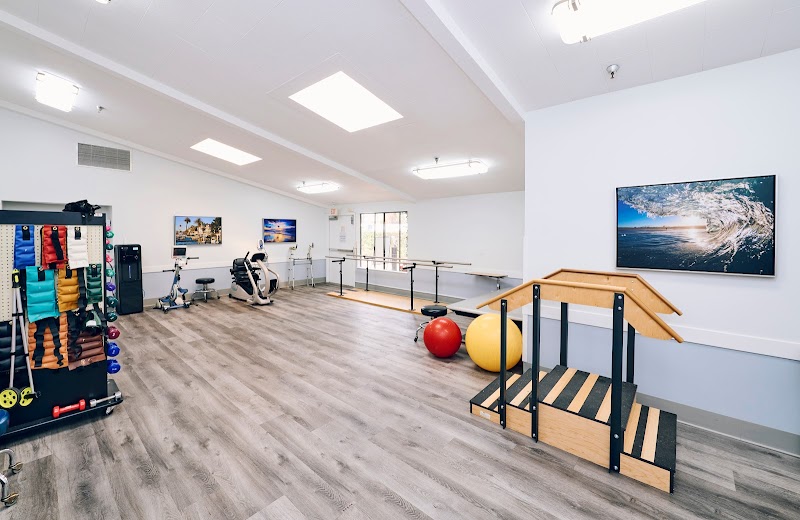
Who Owns and Operates Pelican Ridge Post Acute?

PELICAN RIDGE POST ACUTE is owned by a for-profit company. For-profit facilities operate as businesses with obligations to shareholders or private owners. The facility is operated by DAVID & FRANK JOHNSON, a chain that manages multiple nursing homes. With 167 certified beds and approximately 143 residents (about 86% occupancy), it is a mid-sized facility located in NEWPORT BEACH, California.
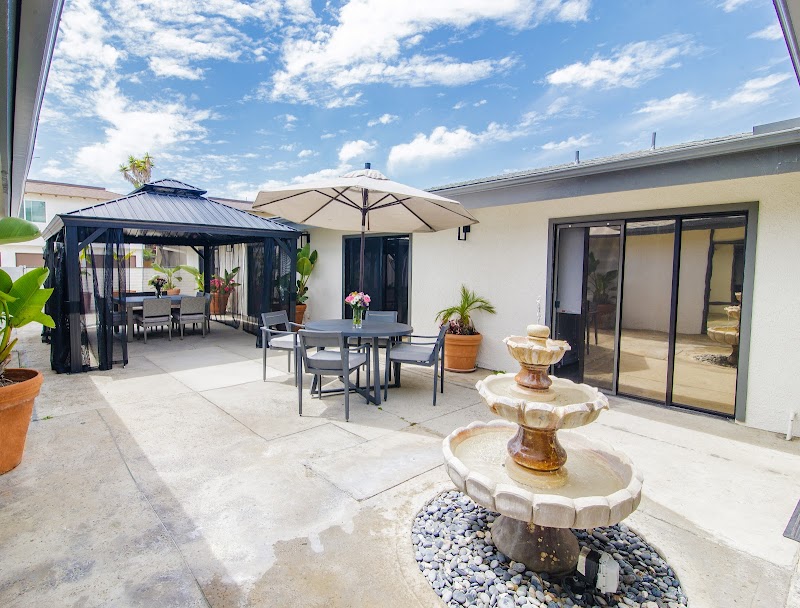
How Does Pelican Ridge Post Acute Compare to Other California Nursing Homes?

Compared to the 100 nursing homes in California, PELICAN RIDGE POST ACUTE's overall rating (2 stars) is below the state average of 3.1, staff turnover (47%) is near the state average of 46%, and health inspection rating (2 stars) is below the national benchmark.

What Should Families Ask When Visiting Pelican Ridge Post Acute?

Based on this facility's data, families visiting should ask: "Can you walk me through typical staffing levels on day, evening, and night shifts?" "Can I visit during a mealtime to observe dining assistance and food quality?" "How do you handle medical emergencies, and what is your hospital transfer rate?" "Can I speak with family members of current residents about their experience?" These questions are particularly relevant given the below-average staffing rating.

Is Pelican Ridge Post Acute Safe?

Based on CMS inspection data, PELICAN RIDGE POST ACUTE has a clean safety record: no substantiated abuse findings (meaning no confirmed cases of resident harm), no Immediate Jeopardy citations (the most serious violation level indicating risk of serious injury or death), and is not on the Special Focus Facility watch list (a federal program monitoring the lowest-performing 1% of nursing homes). The facility has a 2-star overall rating and ranks #100 of 100 nursing homes in California. While no facility is perfect, families should still ask about staff-to-resident ratios and recent inspection results during their visit.

Do Nurses at Pelican Ridge Post Acute Stick Around?

PELICAN RIDGE POST ACUTE has a staff turnover rate of 47%, which is about average for California nursing homes (state average: 46%). Moderate turnover is common in nursing homes, but families should still ask about staff tenure and how the facility maintains care continuity when employees leave.

Was Pelican Ridge Post Acute Ever Fined?

PELICAN RIDGE POST ACUTE has no federal fines on record. CMS issues fines when nursing homes fail to meet care standards or don't correct problems found during inspections. The absence of fines suggests the facility has either maintained compliance or corrected any issues before penalties were assessed. This is a positive indicator, though families should still review recent inspection reports for the full picture.

Is Pelican Ridge Post Acute on Any Federal Watch List?

PELICAN RIDGE POST ACUTE is not on any federal watch list. The most significant is the Special Focus Facility (SFF) program, which identifies the bottom 1% of nursing homes nationally based on persistent, serious quality problems. Not being on this list means the facility has avoided the pattern of deficiencies that triggers enhanced federal oversight. This is a positive indicator, though families should still review the facility's inspection history directly.