NOVATO HEALTHCARE CENTER
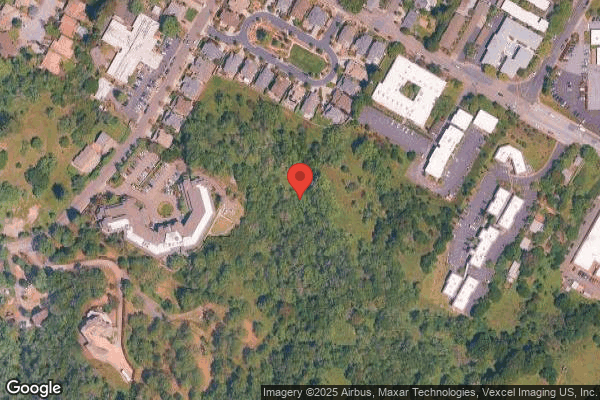
1565 HILL ROAD, NOVATO, CA 94947 (415) 897-6161
For profit - Limited Liability company 181 Beds Independent Data: November 2025
Trust Grade
10/100
#1080 of 1155 in CA
Last Inspection: January 2024

Within standard 12-15 month inspection cycle. Federal law requires annual inspections.

Overview

Novato Healthcare Center has received a Trust Grade of F, indicating significant concerns and placing it among the poorest-rated facilities. It ranks #1080 out of 1155 in California, which means it is in the bottom half of nursing homes in the state, and #10 out of 11 in Marin County, suggesting only one local option is better. Unfortunately, the facility's situation is worsening, with the number of reported issues increasing from 10 in 2024 to 32 in 2025. Staffing is a relative strength, with a 4 out of 5-star rating and a turnover rate of 34%, which is below the state average, indicating that staff tend to stay longer. However, there have been serious incidents, such as a medication error where a resident received a double dose of insulin, leading to a hypoglycemic episode, and another resident was physically abused, resulting in a head injury that required hospitalization. Overall, while staffing levels are decent, the facility has critical deficiencies that families should consider carefully.

Trust Score
F
10/100
In California
#1080/1155
Bottom 7%
Safety Record
High Risk
Review needed
Inspections
Getting Worse
10 → 32 violations
Staff Stability
○ Average
34% turnover. Near California's 48% average. Typical for the industry.
Penalties
✓ Good
No fines on record. Clean compliance history, better than most California facilities.
Skilled Nurses
⚠ Watch
Each resident gets only 29 minutes of Registered Nurse (RN) attention daily — below average for California. Fewer RN minutes means fewer trained eyes watching for problems.
Violations
⚠ Watch
74 deficiencies on record. Higher than average. Multiple issues found across inspections.
★☆☆☆☆
1.0
Overall Rating
★★★★☆
4.0
Staff Levels
☆☆☆☆☆
0.0
Care Quality
★☆☆☆☆
1.0
Inspection Score
Stable
2024: 10 issues
2025: 32 issues

The Good

  • 4-Star Staffing Rating · Above-average nurse staffing levels
  • Full Sprinkler Coverage · Fire safety systems throughout facility
  • No fines on record
  • Staff turnover below average (34%)

    14 points below California average of 48%

Facility shows strength in staffing levels, fire safety.

The Bad

1-Star Overall Rating

Below California average (3.1)

Significant quality concerns identified by CMS

Staff Turnover: 34%

12pts below California avg (46%)

Typical for the industry

The Ugly 74 deficiencies on record

3 actual harm
Sept 2025 3 deficiencies 1 Harm
SERIOUS (G) 📢 Someone Reported This

A family member, employee, or ombudsman was alarmed enough to file a formal complaint

Actual Harm - a resident was hurt due to facility failures

Deficiency F0760 (Tag F0760)

A resident was harmed · This affected 1 resident

Based on interviews and record reviews, the facility failed to ensure one resident (Resident 1) of two sampled residents was free of a significant medication error when a double dose of insulin lispro...

Read full inspector narrative →
Based on interviews and record reviews, the facility failed to ensure one resident (Resident 1) of two sampled residents was free of a significant medication error when a double dose of insulin lispro (a fast-acting, man-made insulin (a hormone that regulates blood sugar allowing it to be used by our body as energy) used to treat diabetes) was administered by licensed nurses on the morning of 8/19/25.This failure resulted in Resident 1 having a hypoglycemic (when blood sugar level reaches a low level) episode in which she became unresponsive. Findings:A review of Resident 1's admission record indicated a diagnosis of Type 1 diabetes (a chronic condition in which the body is unable to produce an adequate amount of insulin).A review of Resident 1's Medication Administration Record (MAR) dated August 2025, indicated Resident 1 was scheduled to receive 12 units of Insulin Lispro 100 units/ml (milliliter, a unit of measurement) at 7 a.m. and 7:30 a.m. Licensed Nurse A (LN A) administered one dose of 12 units of Insulin Lispro at 6:58 a.m. on 8/19/25. LN B then administered a second dose of 12 units of Insulin Lispro at 8:22 a.m. on 8/19/25, which resulted in Resident 1 receiving two fast-acting insulin doses 1 hour and 24 minutes apart. In addition, LN B gave Resident 1 three units of insulin lispro 100 units/ml on 8/19/25 at 8:22 a.m. for a sliding scale (a set of various insulin doses administered based on the resident's glucose (sugar) reading at the time) order. The MAR indicated Resident 1 received a total of 27 units of a fast-acting insulin on the morning of 8/19/25. Based on Resident 1's blood glucose values obtained from the sliding scale orders, Resident 1's average blood glucose level in August 2025 was 192 mg/dl.A review of Resident 1's SBAR (Situation, Background, Appearance, Review) and Notify Communication Form dated 8/19/25, indicated, The change in condition, symptoms, or signs observed.hypoglycemia, unresponsiveness, altered [abnormal] level of consciousness.Blood Sugar.43.0 [gm/dl] .Resident became hypoglycemic MD [physician] gave order for glucose gel q [every] 15 min [minutes].During an interview on 9/8/25 at 3:15 p.m., LN C stated Certified Nursing Assistant D (CNA D) called his attention to check on Resident 1 on the morning of 8/19/25. LN C stated he went to Resident1's room and checked her blood sugar because CNA D said Resident 1 was not acting like her usual self. LN C stated Resident 1 was in a hypoglycemic episode when he checked Resident 1's blood sugar at 43 gm/dl. LN C stated Resident 1 usually had a high blood sugar reading and 43 gm/dl was low for her.During an interview on 9/9/25 at 12:57 p.m. CNA D stated she saw Resident 1 was shaking and was not her normal self on the morning of 8/19/25. CNA D stated she notified LN C.During an interview on 9/10/25 at 1:42 p.m., the Director of Nursing (DON) stated she verified with the Medical Records Director and found LN E entered orders for insulin into the computer for Resident 1 on 8/18/25. The DON acknowledged Resident 1 received 27 units of insulin lispro on 8/19/25. When asked if this was a medication error, the DON stated, Most possibly. When asked if the facility did a medication error report, she stated, Yes.During an interview on 9/10/25 at 2:47 p.m., LN E stated the Assistant Director of Nursing (ADON) gave her orders for insulin to enter into the computer, and she did so on 8/18/25. LN E stated she checked the insulin orders for Resident 1 but may have overlooked a discrepancy on the insulin orders.During an interview on 9/10/25 at 4:06 p.m., the ADON stated he gave orders to LN E to enter into the computer for several residents. The ADON stated he thought what happened was LN E entered the new insulin orders for Resident 1 but did not discontinue the previous insulin orders. The ADON acknowledged LN A and LN B gave insulin doses to Resident 1 which resulted in Resident 1's hypoglycemic episode on 8/19/25.During an interview on 9/12/25 at 8:56 a.m., Physician Assistant F (PA F) stated he was at the facility on the morning of 8/19/25 when Resident 1 had a hypoglycemic episode and notified the attending physician. PA F stated it was unfortunate, and it was a medication error.A review of a facility document titled, Medication Error Report Form, dated 8/19/25, indicated, . [Resident 1].Medication Involved in Error: Lispro [insulin].Dates Medication Was Administered in Error.8/19/25.Type of Error: Double dose given .Cause of Error: Transcription error.Describe Any Adverse Reaction: Hypoglycemia.Describe event .Two orders were placed for Lispro 12 units. The [LN] who placed duplicate order failed to D.C. [discontinue] the prior order.A review of a facility policy and procedure titled Medication Administration dated 8/19/25, indicated, The facility shall ensure residents receive the correct medications in a timely, safe, and documented manner.
CONCERN (D) 📢 Someone Reported This

A family member, employee, or ombudsman was alarmed enough to file a formal complaint

Potential for Harm - no one hurt, but risky conditions existed

Notification of Changes (Tag F0580)

Could have caused harm · This affected 1 resident

Based on interviews and record reviews, the facility failed to notify one resident (Resident 1) of two sampled residents about a significant medication error that occurred when licensed nurses adminis...

Read full inspector narrative →
Based on interviews and record reviews, the facility failed to notify one resident (Resident 1) of two sampled residents about a significant medication error that occurred when licensed nurses administered a double-dose of insulin lispro (a fast-acting, man-made insulin (a hormone that regulates blood sugar allowing it to be used by our body as energy) used to treat diabetes) on the morning of 8/19/25 and caused Resident 1 to experience a potentially life-threatening hypoglycemic (a low blood sugar level that can cause harm; a level below 54 milligram per deciliter (mg/dl) is a cause for immediate action) episode, when her blood sugar level went down to 43 mg/dl.This failure denied Resident 1 her right to consent to subsequent treatments and to make informed decisions about her own plan of care.Findings:A review of Resident 1's admission record indicated admission to the facility on 1/7/25 with a diagnosis of Type 1 diabetes (a chronic condition in which the pancreas makes little or no insulin (a hormone the body uses to use sugar (glucose) to produce energy). This record also indicated Resident 1 was her own healthcare decision maker.A review of Resident 1's Medication Administration Record (MAR) dated August 2025, indicated Resident 1 was scheduled to receive 12 units of Insulin Lispro 100 units/ml (milliliter, a unit of measurement) at 7 a.m. and 7:30 a.m. Licensed Nurse A (LN A) administered one dose of 12 units of Insulin Lispro at 6:58 a.m. on 8/19/25. LN B then administered a second dose of 12 units of Insulin Lispro at 8:22 a.m. on 8/19/25, which resulted in Resident 1 receiving two fast-acting insulin doses 1 hour and 24 minutes apart. In addition, LN B gave Resident 1 three units of insulin lispro 100 units/ml on 8/19/25 at 8:22 a.m. for a sliding scale (a set of various insulin doses administered based on the resident's glucose (sugar) reading at the time) order. The MAR indicated Resident 1 received a total of 27 units of a fast-acting insulin on the morning of 8/19/25.A review of Resident 1's SBAR (Situation, Background, Appearance, Review) and Notify Communication Form dated 8/19/25, indicated, The change in condition, symptoms, or signs observed.hypoglycemia, unresponsiveness, altered [abnormal] level of consciousness.Blood Sugar.43.0 [gm/dl] .Resident became hypoglycemic MD [physician] gave order for glucose gel q [every] 15 min [minutes].During an interview on 9/8/25 at 3:15 p.m., LN C stated Certified Nursing Assistant D (CNA D) called his attention to check on Resident 1 on the morning of 8/19/25. LN C stated he went to Resident1's room and checked her blood sugar because CNA D said Resident 1 was not acting like her usual self. LN C stated Resident 1 was in a hypoglycemic episode when he checked Resident 1's blood sugar at 43 gm/dl. LN C stated Resident 1 usually had a high blood sugar reading and 43 gm/dl was low for her.During an interview on 9/8/25 at 3:40 p.m., Resident 1 stated her blood sugar dropped on its own and not the fault of a nurse.During an interview on 9/9/25 at 12:57 p.m. CNA D stated she saw Resident 1 was shaking and was not her normal self on the morning of 8/19/25. CNA D stated she notified LN C. CNA D stated she had not heard any mention of Resident 1 having a medication error.During an interview on 9/10/25 at 1:42 p.m., the Director of Nursing (DON) stated she verified with the Medical Records Director and found LN E entered orders for insulin into the computer for Resident 1 on 8/18/25. The DON acknowledged Resident 1 received 27 units of insulin lispro on 8/19/25. When asked if this was a medication error, the DON stated, Most possibly. When asked if the facility did a medication error report, she stated, Yes.During an interview on 9/11/25 at 12:59 p.m., Resident 1 stated nobody told her she was given a double dose of insulin in error on 8/19/25. Resident 1 stated the facility should have informed her because she did not know what happened. Resident 1 further stated she wanted to be notified of her condition.During an interview on 9/11/25 at 1:13 p.m., the DON stated Resident 1 was informed of the medication error which occurred on 8/19/25 by LN E.During an interview on 9/11/25 at 2:54 p.m., LN E stated had not notified Resident 1 of the medication error that occurred on 8/19/25.A review of the facility's policy and procedure (P&P) titled, Change of Condition Notification, dated 4/1/15, indicated, Purpose.To ensure residents, family, legal representative, and physicians are informed of changes in the resident's condition in a timely manner.The Facility will promptly inform the resident, consult with the resident's attending Physician, and notify the resident's legal representative or an interested family member, if known, when the resident endures a significant change in their condition caused by.A significant change in the resident's physical, mental, psychological status.A review of the facility's P&P titled, Resident Rights-Quality of Life, dated March 2017, indicated, To ensure that each resident receives the necessary care and services to attain on maintain the highest practicable physical, mental, and psychosocial well-being, consistent with the resident's comprehensive assessment and plan of care.
CONCERN (D) 📢 Someone Reported This

A family member, employee, or ombudsman was alarmed enough to file a formal complaint

Potential for Harm - no one hurt, but risky conditions existed

Deficiency F0790 (Tag F0790)

Could have caused harm · This affected 1 resident

**NOTE- TERMS IN BRACKETS HAVE BEEN EDITED TO PROTECT CONFIDENTIALITY** Based on interviews and record reviews, the facility failed to assist one resident (Resident 2) of two sampled residents, to obt...

Read full inspector narrative →
**NOTE- TERMS IN BRACKETS HAVE BEEN EDITED TO PROTECT CONFIDENTIALITY** Based on interviews and record reviews, the facility failed to assist one resident (Resident 2) of two sampled residents, to obtain dental care to be conducted in a timely manner, after the facility received a letter from a local oral surgery clinic which indicated Resident 2 had to be referred to a hospital to receive the procedure he needed.This failure decreased the facility's potential to ensure residents received the necessary care and increased Resident 1's potential to experience oral pain and discomfort which could negatively affect his health and well-being. Findings:A review of Resident 2's admission record indicated admission to the facility on [DATE] with diagnosis which included heart failure (a chronic condition in which the heart is unable to pump blood as well as it should) and chronic kidney disease (a condition where the kidneys are unable to filter waste from the blood).A review of Resident 2's care plan initiated on 1/27/24 indicted, The resident has oral/dental problems r/t [related to] poor oral hygiene, has likely cavities. The care plan indicated licensed nurses or a social worker were expected to Coordinate arrangements for dental care, transportation as needed/as ordered.A review of Resident 2's referral, dated 5/29/25, to a local oral surgery clinic indicated, Please re-evaluate for full mouth extractions [the removal of all of Resident 2's teeth].A review of a letter dated 8/8/25 from the local oral surgery clinic indicated, [Resident 2] was seen in our office for a consultation on June 23, 2025. [Resident 2] was referred to our office for full mouth extractions. After review of [Resident 2's] medical history, it has been decided that he be referred to a hospital with an oral surgery department.A review of Resident 2's progress note dated 9/4/25 at 3:58 p.m., written by a social worker indicated, SS [Social Services] called Denti-Cal [California's Medi-Cal dental program which offers dental benefits to eligible low-income individuals] office in regard to [Resident 2's] teeth extractions. As [Resident 2] was denied by Denti-Cal prior and also [local oral surgery clinic] and [hospital name] declined the services as well.Informed Ombudsman [a neutral, independent intermediary who investigates complaints to ensure fairness, accountability, and resolution of issues for the public] and [Resident 2's Responsible Party (RP, a person assigned to make healthcare decisions for Resident 2)].During an interview on 9/24/25 at 4:05 p.m., the Social Services Director (SSD) stated Resident 2 did not have dental pain, but his RP was adamant to have his dental extractions done. The SSD stated Licensed Nurse C (LN C) called the hospital to request if Resident 2's procedure could be done because it was now a nurse's responsibility to find a location to conduct Resident 2's procedure. The SSD stated she would look for a progress note written by LN C regarding when LN C contacted the hospital and the hospital's response. During an interview on 9/25/25 at 4:30 p.m., the Administrator (ADM) stated he would look for a referral to the hospital which was declined.During a telephone interview on 9/26/25 at 9:50 a.m. with the ADM, SSD, and the facility's social worker, the ADM stated he was unable to find any documentation that a formal referral was sent to the hospital. The ADM stated the SSD or the facility's social worker were responsible for arranging the appointment for Resident 2's dental care needs. A review of the facility's policy and procedure titled, Oral Healthcare and Dental Services, dated 7/14/17, indicated, .Assisting Residents with Dental Appointments.The Social Service Staff/Designee is responsible for assisting with arranging necessary dental appointments.All requests for routine and emergency dental service should be directed to the Social Service Staff/Designee to ensure that appointments are made in a timely manner. Social Service will document extenuating circumstances that led to delayed referrals.
Aug 2025 2 deficiencies
CONCERN (D) 📢 Someone Reported This

A family member, employee, or ombudsman was alarmed enough to file a formal complaint

Potential for Harm - no one hurt, but risky conditions existed

Free from Abuse/Neglect (Tag F0600)

Could have caused harm · This affected 1 resident

**NOTE- TERMS IN BRACKETS HAVE BEEN EDITED TO PROTECT CONFIDENTIALITY** Based on interview and record review, the facility failed to prevent one of six sampled residents (Resident 2) from being assaul...

Read full inspector narrative →
**NOTE- TERMS IN BRACKETS HAVE BEEN EDITED TO PROTECT CONFIDENTIALITY** Based on interview and record review, the facility failed to prevent one of six sampled residents (Resident 2) from being assaulted when Resident 1 hit Resident 2 on the back of her head.This failure resulted in Resident 2 feeling distressed and had the potential to result in Resident 2 experiencing feelings of fear and anxiety.A review of Resident 1's admission Record (AR), indicated the facility admitted Resident 1 on 6/19/25 with medical diagnoses which included end stage renal disease (a condition where the kidneys have permanently lost most of their function and can no longer adequately filter waste products and excess fluid from the blood) and vascular dementia (a type of cognitive decline caused by damage to the blood vessels in the brain).A review of Resident 1's Minimum Data Set (MDS- a resident assessment tool), dated 5/14/25, indicated Resident1's cognitive (the ability to think and process information) skills for daily decision making were intact.A review of Resident 2's AR indicated the facility admitted Resident 2 on 6/11/24 with medical diagnoses which included peripheral vascular disease (a condition that affects the blood vessels outside of the heart and brain and involves the arteries in the legs, arms, and feet), dementia (a group of conditions that cause a decline in cognitive abilities, such as memory, thinking, and reasoning, severe enough to interfere with daily life), anxiety disorder (disorders characterized by feelings of worry, anxiety, or fear that are strong enough to interfere with one's daily activities) and depression (characterized by persistent feelings of sadness, loss of interest, and other symptoms that interfere with daily life).A review of Resident 2's MDS, dated [DATE] indicated Resident 2's cognitive skills for daily decision making were moderately impaired (inattention/disorganized thinking).A review of Resident 2's Progress Notes, dated 7/24/25, indicated Resident 2 reported to staff an altercation with Resident 1 the night prior, in which Resident [Resident 2] spilled hot chocolate on roommate [Resident 1] and her roommate [Resident 1] in turn smacked the back of her [Resident 2's] head.During an interview on 8/27/25 at 11:30 a.m., with Resident 2, in the facility dining room, Resident 2 stated she was distressed when Resident 1 hit her.During an interview on 8/27/25 at 12:00 p.m. with Resident 1 in her bedroom, Resident 1 confirmed she hit Resident 2 and stated Resident 2 deserved it for calling her names.During an interview on 8/28/25 at 3:00 p.m. with the Director of Nursing (DON), the DON stated that there had been recent changes in nursing leadership and facility management. The DON stated improving resident assessment and preparatory care-planning was important to avoid altercations between residents such as this one.During a review of the facility's Policy and Procedure (P&P) titled, Abuse Prevention and Management, last revised on 5/30/24, the P&P indicated, Prevention: The facility identifies, corrects and intervenes in situations in which abuse, neglect, exploitation, misappropriation of resident property and/or mistreatment is more likely to occur.
CONCERN (D) 📢 Someone Reported This

A family member, employee, or ombudsman was alarmed enough to file a formal complaint

Potential for Harm - no one hurt, but risky conditions existed

Deficiency F0645 (Tag F0645)

Could have caused harm · This affected 1 resident

**NOTE- TERMS IN BRACKETS HAVE BEEN EDITED TO PROTECT CONFIDENTIALITY** Based on interview and record review, the facility failed to ensure one of six sampled residents (Resident 3) received a federal...

Read full inspector narrative →
**NOTE- TERMS IN BRACKETS HAVE BEEN EDITED TO PROTECT CONFIDENTIALITY** Based on interview and record review, the facility failed to ensure one of six sampled residents (Resident 3) received a federally required PASSR (Preadmission Screening and Resident Review - a federal requirement ensuring individuals with serious mental illness, intellectual disabilities, or related conditions are not inappropriately placed in Medicaid-certified nursing facilities and receive appropriate services) evaluation.This failure excluded Resident 3 from a complete mental health evaluation for appropriate facility placement, and non-receipt of available mental-health resources from the California Department of Developmental Services (DDS).A review of Resident 3's, admission Record (AR), indicated Resident 3 was originally admitted to the facility on [DATE], with medical diagnoses which included metabolic encephalopathy (the brain does not function properly due to underlying metabolic disturbances) cognitive communication deficit (difficulty with communication skills that results from impaired thinking abilities, such as memory, attention, and executive functions like planning and organization), and schizoaffective disorder (a chronic mental health condition characterized primarily by symptoms of schizophrenia, such as hallucinations [false perceptions of sensory experiences] or delusions[false beliefs]).A review of Resident 3's Minimum Data Set (MDS-An assessment tool) dated 7/22/25 indicated Resident 3's Brief Interview of Mental Status (BIMS-a tool used in nursing homes and long-term care facilities to assess and monitor cognitive function [the mental processes human brains use to acquire, store, process, and utilize information], with scores ranging from 0 to 15, where higher scores indicate better cognitive function) score of 12, indicating moderate cognitive impairment.A review of Resident 3's MDS-I (active diagnoses), dated 7/17/25 indicated Resident 3's current medical diagnoses included schizophrenia (a mental disorder characterized variously by hallucinations, delusions, disorganized thinking or behavior).A review of Resident 3's, Order Summary Report, dated 8/28/25, indicated Resident 3 currently received Zyprexa 5 milligrams (A medication to treat mental health conditions such as schizophrenia and bipolar disorder) one time a day for schizophrenia manifested by hallucinations.A review of Resident 3's California Department of Health Care Services (DCHS) PASSR Level 1 Screening, dated 7/28/25, indicated Resident 3 was diagnosed with a serious mental illness and was receiving psychotropic (drugs that affect a person's mental state) medications. This document indicated a PASSR Level 2 (its purpose is to confirm a diagnosis, determine if a nursing facility stay is medically necessary, and identify if the individual requires specialized services beyond what the facility normally provides. The evaluation helps ensure people are not inappropriately placed in nursing homes and receive services in the most integrated setting possible) screening was required.A review of DHCS mail correspondence to the facility, dated 8/02/25, indicated a PASSR level 2 was not completed for Resident 4 due to Facility staff were unresponsive to two or more separate attempts of communication within 48 hours of the Level 1 screening.During an interview on 8/28/25 at 1:45 p.m. with the MDS Nurse (MDSN), she stated PASSR's were filled out by acute care hospitals as a requirement before admissions to long-term care facilities. The MDSN stated it was his responsibility to ensure PASSR's were completed correctly but he had only been in this professional role for about a month. When asked if and when a PASSR would need to be corrected by the facility, the MDSN was unsure at first. After consulting with management, the MDSN stated PASSR's would be redone during annual MDS completion, if there was a change in the resident's condition, or when it was required by Medicaid (a public health insurance program which provides needed health care services for low-income individuals). When asked what would be done if a new resident presented with symptoms of a mental illness that was not reflected in the PASSR, the MDSN stated the resident would be referred for a psychiatric consult, but the MDSN was unsure if that would prompt a new PASSR process to start.During an interview on 8/28/25 at 2:30 p.m. with the Director of Nursing (DON), the DON stated there had recently been changes made in the administration and management of the facility; stating the DON, the MDS nurse (MDSN), and admissions staff were working on ensuring potential new residents were accurately screened for mental health and developmental delays. The DON stated for various reasons, Level 1 PASSR's were often not correctly completed by acute care hospitals, and this put facility residents at risk for physical or mental harm. The DON also stated residents who were not appropriately screened for mental or developmental issues might not receive appropriate oversight from the Department of Developmental Services (DDS).During a review of facility policy and procedure (P & P) titled, Pre-admission Screening Resident Review (PASRR), dated 4/25/24, indicated POLICY: The acute care hospital must complete a PASRR Level 1 and coordinate the completion of the Level 2 evaluation (if applicable) prior to admission to the skilled nursing facility. The facility staff will complete a new PASRR upon readmission from the acute care hospital if there has been a significant change in the resident's condition.PURPOSE: to ensure that all residents are screened for mental illness and intellectual disability (ID) or a related condition (RC).
Aug 2025 1 deficiency
CONCERN (D) 📢 Someone Reported This

A family member, employee, or ombudsman was alarmed enough to file a formal complaint

Potential for Harm - no one hurt, but risky conditions existed

Report Alleged Abuse (Tag F0609)

Could have caused harm · This affected 1 resident

Based on interview and record review, the facility failed to ensure an allegation of abuse was reported within the required timeframe for two of two sampled residents (Resident 1 and Resident 2) when ...

Read full inspector narrative →
Based on interview and record review, the facility failed to ensure an allegation of abuse was reported within the required timeframe for two of two sampled residents (Resident 1 and Resident 2) when no documentation was received by the Department of Public Health (the Department) until four days after the alleged abuse occurred.This failure of timely reporting had the potential to cause a delayed response by enforcement agencies to ensure resident safety.Findings:A review of a facility document titled Investigation Summary of Resident 1 and Resident 2 dated 7/17/25 and received by the Department on 7/17/25, indicated Resident 1 made verbal threats towards Resident 2 on 7/13/25.During an interview on 8/19/25 at 12:12 p.m., the Administrator (ADM) stated it was the facility's policy to report an allegation of abuse to the Department within two hours. The ADM confirmed the facility sent the five-day follow up report to the Department on 7/17/25 for an incident of alleged abuse on 7/13/25.During an interview on 8/19/25 at 12:30 p.m., Licensed Nurse A (LN A) stated he faxed a State of California Report of Suspected Dependent/Elder Abuse (referred to as the SOC 341) to the Department on 7/13/25 but could not recall the time. LN A stated he did not get confirmation the fax was sent to the Department. LN A stated the facility policy was to report allegations of abuse within two hours. During an interview on 8/19/25 at 12:58 p.m., Licensed Nurse B stated he witnessed an incident of verbal abuse between Resident 1 and Resident 2 on 7/13/25 at 4:30 p.m. LN B stated facility protocol was to notify the Department within two hours of any incident of alleged abuse. LN B stated he called the Department at 7:18 p.m. and left a voice message. A record review of the Department's voice mail log dated 7/11/25 through 7/14/25 indicated no voicemails were received from any staff from the facility regarding an allegation of abuse between Resident 1 and Resident 2.During an interview on 8/20/25 at 12:50 p.m., the ADM stated the expectation was for staff to respond immediately to any resident-to-resident altercations and report to the Department within two hours. The ADM verified there was not a fax confirmation of an SOC 341 sent to the Department on 7/13/25. The ADM confirmed there was no proof that a phone call was made to the Department to report the incident on 7/13/25. The ADM stated if a phone call had been made on 7/13/25 at 7:18 p.m. for an incident which occurred on 7/13/25 at 4:30 p.m., it would not have been within the two-hour reporting timeframe.A record review of the facility's policy titled, Abuse Prevention and Management and dated 5/30/24 indicated, The administrator or designated representative will.send a written SOC 341 report to. CDPH Licensing and Certification within two hours.
Aug 2025 2 deficiencies
CONCERN (D) 📢 Someone Reported This

A family member, employee, or ombudsman was alarmed enough to file a formal complaint

Potential for Harm - no one hurt, but risky conditions existed

Deficiency F0760 (Tag F0760)

Could have caused harm · This affected 1 resident

Based on interview and record review the facility failed to ensure one out of three sampled residents (Resident 1), was free from a significant medication error (an error in administering prescribed m...

Read full inspector narrative →
Based on interview and record review the facility failed to ensure one out of three sampled residents (Resident 1), was free from a significant medication error (an error in administering prescribed medication, which causes the resident discomfort or jeopardizes their health and safety), when the facility did not acquire nor administer Resident 1's antibiotic (a medicine that fights infection) per physician's orders.This failure could result in worsening of Resident 1's medical condition. Findings:A review of Resident 1's hospital discharge form, printed 7/12/25, indicated Resident 1 had a complicated medical history and had been admitted to the hospital with a spinal infection and abscess (a localized collection of pus surrounded by inflamed tissue) which was being treated for lumbosacral-spine-osteomyelitis, (a bone infection of the lower part of the spine).In a concurrent interview and record review on 8/1/25 at 8:57 a.m. with the Director of Business Development (DBD), Resident 1's admission communications were reviewed. The DBD stated she was involved in the admitting process for Resident 1 and confirmed admission communications, prior to Resident 1's admission to the facility, indicated Resident 1 needed an antibiotic, Ceflozane Sulfate Tazobactram Sodium (CSTS) of 3 grams (g-a metric unit) to be given intravenously (IV- an administration of medications or fluids directly into the blood stream via a vein) every eight hours for Resident 1's osteomyelitis until 8/20/25. In an interview and concurrent record review on 8/8/25 at 10:43 a.m. with the Director of Nursing (DON), Resident 1's clinical admission progress note, dated 7/12/25, Resident 1's skilled nursing admission orders, dated 7/12/25, and Resident 1's medication administration records (MAR - a daily documentation record used by a licensed nurse to document medications and treatments given to a resident), for July 2025, were reviewed. The DON confirmed Resident 1's Clinical admission Progress Note, dated 7/12/25, indicated Resident 1 was admitted from a hospital to the facility on 7/12/25 at 1:53 p.m. The DON confirmed Resident 1 arrived at the facility with the Skilled Nursing admission Orders which included an active medication order for the antibiotic CSTS of 3g to be given via IV every eight hours. The DON confirmed, that even if Resident 1 had received a dose of the antibiotic CSTS immediately prior to leaving the hospital, Resident 1 would have been due for a dose at the facility no later than 10 p.m. on 7/12/25. The DON confirmed that Resident 1's MAR indicated he did not receive CSTS on 7/12/25, or on 7/13/25 at 8 a.m. or at 4 p.m.In a concurrent interview and record review on 8/8/25 at 12:15 p.m. with LN 5 and the DON, Resident 1's medication administration note, dated 7/13/25 at 10:38 a.m., was reviewed. LN 5 confirmed she was the author of the administration note which indicated Resident 1 had not received the prescribed medication and that she that she had spoken with the pharmacy who informed her Resident 1's CSTS would not be delivered that day until around 5:30-6 p.m. (after the next prescribed administration was due). The DON confirmed it would be her expectation that the doctor would be notified if the medication could not be administered as prescribed. LN 5 verified the absence of documentation indicating Resident 1's doctor had been notified that Resident 1 would not be administered the prescribed CSTS.A review of the facility's policy titled, Medication - Administration, revised 1/2012, indicated the policy purpose was, To ensure the accurate administration of medications for residents in the Facility and, Medication will be administered directed by a Licensed Nurse and upon the order of a physician or licensed independent practitioner and Medications and treatments will be administered as prescribed to ensure compliance with dose guidelines.
CONCERN (D) 📢 Someone Reported This

A family member, employee, or ombudsman was alarmed enough to file a formal complaint

Potential for Harm - no one hurt, but risky conditions existed

Medical Records (Tag F0842)

Could have caused harm · This affected 1 resident

**NOTE- TERMS IN BRACKETS HAVE BEEN EDITED TO PROTECT CONFIDENTIALITY** Based on interview and record review the facility failed to ensure the medical records were accurately documented for one out of...

Read full inspector narrative →
**NOTE- TERMS IN BRACKETS HAVE BEEN EDITED TO PROTECT CONFIDENTIALITY** Based on interview and record review the facility failed to ensure the medical records were accurately documented for one out of three sampled residents (Resident 1), when Resident 1's medication administration record (MAR - a daily documentation record used by a licensed nurse to document medications and treatments given to a resident) indicated, inaccurately, that Resident 1 was not administered a prescribed medication due to being in the hospital. This failure caused Resident 1's medical records to be inaccurate.Findings:A record review of Resident 1's SNF [Skilled Nursing Facility]/NF [Nursing Facility] to Hospital Transfer Form, dated 7/13/25, indicated Resident 1 was admitted to the facility on [DATE] and discharged from the facility to the hospital on 7/13/25 at 7:15 p.m.In a concurrent interview and record review on 8/8/25 at 1:30 p.m., with the Director of Nursing (DON), Resident 1's MAR, dated July 2025, Resident 1's SNF/NF to Hospital Transfer Form, dated 7/13/25, and facility policy titled, Completion and Correction, dated 1/2012, were reviewed. The DON confirmed Resident 1's MAR entry on 7/13/25 at 4 p.m. indicated Resident 1 did not receive a prescribed dose of Ceflozane Sulfate Tazobactram Sodium (CSTS, an antibiotic mediation that treats an infection) because Resident 1 was hospitalized (admitted to the hospital for treatment). The DON confirmed Resident 1's Transfer Form indicated Resident 1 was transferred to hospital on 7/13/25 at 7:15 p.m. The DON confirmed Resident 1 was still at the facility at 4.p.m. on 7/13/25 and the MAR entry was inaccurate. The DON stated that it was her expectation that entries in the medical record be accurate and confirmed that the facility policy titled, Completion and Correction, indicated that entries into the medical record will be, Complete, legible and accurate.
Jul 2025 1 deficiency
CONCERN (F) 📢 Someone Reported This

A family member, employee, or ombudsman was alarmed enough to file a formal complaint

Potential for Harm - no one hurt, but risky conditions existed

Deficiency F0895 (Tag F0895)

Could have caused harm · This affected most or all residents

Based on interview and record review, the facility failed to implement and maintain their compliance and ethics program when the facility produced false evidence of nursing registry staff (licensed or...

Read full inspector narrative →
Based on interview and record review, the facility failed to implement and maintain their compliance and ethics program when the facility produced false evidence of nursing registry staff (licensed or certified nursing staff paid by a third party to work at a nursing facility) orientation.This failure contributed to the neglect of providing orientation and training to staff prior to working independently and placed the residents in the facility at risk of receiving unsafe care.On 5/19/25 the California Department of Public Health (CDPH) issued the facility a violation of federal regulations regarding the lack of effective training among nursing registry staff prior to independently providing services to residents.A review of the facility's Plan of Correction (POC- a document which outlined how a facility will address and correct identified deficiencies identified during an inspection) submitted to the CDPH by the facility on 6/20/25 indicated, .On 6/20/25, in-services [training] were provided by DON [Director of Nursing] to unit managers, DSD [Director of Staff Development], and ADON [Assistant Director of Nursing] to ensure registry staff are oriented prior to their shift starting who are in the facility for the 1st time.All residents have the potential to be affected.All registry staff upon hire, will complete the new staff orientation before being assigned to the floors. A signed, written completion form will be attached to their [employee] file.New registry Licensed Nurses scheduled who have not received the education and competency validation will be provided the training [sic] by the DON/ADON/DSD/ Unit Manager prior to being assigned for medication administration.The Administrator [ADM], DON, and DSD will be responsible for monitoring and sustaining compliance.Completion date: 6/20/25During an onsite visit to the facility on 6/26/25, the DSD could not produce 10 files (based on the submitted POC) for nursing registry staff who worked at the facility between 6/20/25 and 6/26/25.A review of an email dated 6/27/25 at 4:21 p.m. sent to CDPH from the ADM, indicated the ADM attached orientation files for 14 registry staff as evidence of compliance with the facility's submitted POC.During an interview on 7/14/25 at 10:16 a.m., the Staffing Coordinator (SC) stated on 6/26/25, the ADM instructed the SC, the Director of Nursing (DON), the Social Services Assistant (SSA), and the DSD to call registry staff who did not have completed orientation packets and have them either come to the facility to sign the orientation packets or email the orientation packets to the registry staff and have the packets returned when signed. The SC stated most of the orientation packets were signed as the ADM had instructed and the remainder would be obtained by going to the homes of the registry staff to have them sign. During an interview on 7/14/25 at 10:40 a.m., the DSD stated she did not review the education or validate the competencies outlined in the orientation packets with registry staff upon their arrival to the facility on 6/26/25.During an interview on 7/14/25 at 12:57 p.m., the ADM stated she was unsure how the signatures were obtained on the orientation packets. The ADM stated she was unaware of a compliance and ethics policy but would look on the company's shared web page for it. The ADM further stated she was likely the Compliance Officer (a professional responsible for ensuring the facility adheres to legal and regulatory requirements, and internal policies and procedures). During a concurrent interview and record review on 7/14/25 at 1:13 p.m., the [NAME] President of Operations (VPO) stated the ADM reported to her. The VPO reviewed registry staff's orientation packets and acknowledged each packet contained a test on Elder Abuse without accompanying material and competency validations (the process for ensuring staff possessed the necessary knowledge and skills to perform a job or task) for handwashing, medication administration and personal protective equipment. The VPO stated she was unsure how the competencies would be validated prior to the registry staff's first shift and further stated the process needed more work.During a phone interview on 7/15/25 at 9:34 a.m., Licensed Nurse 1 (LN 1) stated LN 1 received an email from the facility with an orientation packet attached which LN 1 signed and sent back to the facility. LN 1 stated LN 1 worked at the facility on 6/25/25 and did not receive orientation prior to LN 1's shift or anytime thereafter.During a phone interview on 7/15/25 at 9:41 a.m., Certified Nursing Assistant 1 (CNA 1) stated CNA 1 went to the facility to sign the orientation documents. CNA 1 validated CNA 1 did not receive orientation prior to CNA 1's first and only shift.During a phone interview on 7/15/25 at 2:32 p.m., CNA 2 stated CNA 2 met with a facility staff member at a restaurant parking lot to sign the orientation papers. CNA 2 validated she did not receive orientation prior to her shift or anytime thereafter.During an interview on 7/18/25 at 8:13 a.m., CNA 3 stated CNA 3 was not aware of a compliance and ethics program at the facility. CNA 3 stated CNA 3 thought anonymous calls could be placed to Human Resources (HR), but CNA 3 did not trust HR to be objective.During an interview on 7/18/25 at 8:35 a.m., the LN 2 stated LN 2 was not fully aware of a compliance and ethics program. LN 2 stated there was a sign with a phone number in the breakroom and another outside of the DSD's office. LN 2 stated, I am afraid to lose my job. After I spoke up about a matter, she [ADM] told me, ‘Infection Prevention is not your forte, I'm moving you somewhere else.'During an interview on 7/18/25 at 10:35 a.m., the ADON stated he was aware of the phone number on the compliance poster posted outside the DSD's office, but the ADM encouraged everyone to call HR with any issues. The ADON acknowledged the phone number was not an anonymous number. The ADON further stated when registry staff did not receive orientation, it could lead to resident complications, such as choking if an incorrect diet was served to them. The ADON also stated, They [unoriented registry staff] don't know our systems, and our residents would suffer because of it.During an interview on 7/18/25 at 10:50 a.m., LN 3 stated, We should have a Compliance and Ethics program, with an emphasis on ethics, but we are not educated about it. They tell us of their Plans of Correction, then make us sign an attendance sheet for a non-existent in-service.During an interview on 7/18/25 at 11:35 a.m., the Chief Business Development Officer (CBDO) stated the ADM was responsible for ensuring the Compliance Program with all its elements were carried out at the facility level. This included ensuring all staff were aware of the anonymous hotline to call with their concerns.During an interview on 7/18/25 at 12 p.m., the DON stated he was not aware of any method of making an anonymous complaint, but knew the staff were trained in identifying elder abuse. The DON further stated he understood that competency validations should be a witnessed observation of a skill, and the orientation packets were assembled under the direction of the ADM. The DON stated lack of orientation could result in infection issues for the residents and, [the] overall welfare of the residents could be at risk.A review of the facility's Corporate Compliance Plan and Program, undated, indicated, It is the policy of [Corporate name] that: (1) all employees are educated about the applicable laws and trained in matters of compliance, (2) there is periodic auditing, monitoring, and oversight of compliance with those laws, (3) there exists an atmosphere that encourages and enables the reporting of noncompliance without fear of retribution or retaliation.[Corporate name] is committed to prevention, detection and to take all appropriate action to assure compliance with all legal requirements and to promote honest and ethical behavior in all work-related activities.
Jul 2025 3 deficiencies
CONCERN (E) 📢 Someone Reported This

A family member, employee, or ombudsman was alarmed enough to file a formal complaint

Potential for Harm - no one hurt, but risky conditions existed

ADL Care (Tag F0677)

Could have caused harm · This affected multiple residents

Based on interview, observation and record review, the facility failed to provide necessary services to maintain grooming and hygiene for two of nine sampled residents (Resident 1 and Resident 2).This...

Read full inspector narrative →
Based on interview, observation and record review, the facility failed to provide necessary services to maintain grooming and hygiene for two of nine sampled residents (Resident 1 and Resident 2).This failure resulted in both residents experiencing pain and anxiety and had the potential for skin breakdown and worsening of medical conditions.1.During a review of Resident 1's admission Record (Face Sheet), printed 7/8/25, it indicated the facility admitted Resident 1 on 1/27/18 with diagnoses including hemiplegia and hemiparesis (both involve weakness on one side of the body, but hemiplegia refers to complete paralysis, while hemiparesis refers to partial weakness) affecting the left side, major depressive disorder (a serious mental illness characterized by persistent sadness, loss of interest in activities, and other symptoms that significantly interfere with daily life), and cognitive social /emotional deficit (impairments in thinking, social interaction, or emotional processing) following cerebrovascular accident (a medical emergency where blood flow to the brain is interrupted, causing brain damage).During a review of Resident 1' s Minimum Data Set (MDS-a resident assessment tool) Section C (cognition), dated 5/14/25, the MDS indicated Resident 1 had a BIMS score (Brief Interview for Mental Status-a measure used to assess cognitive function, particularly in long-term care settings that helps identify cognitive [thinking, reasoning, remembering, imagining, learning words, and using language] impairment. Scores range from 0 to 15, with higher scores indicating better cognitive function) of 11, indicating moderate cognitive impairment. During a concurrent interview and observation on 7/8/25 at 10:25 a.m. with Resident 1 at her bedside, Resident 1 stated the area around her vagina (a passageway that connects the cervix, which is the opening of the uterus, to the outside of the body. It is also known as the birth canal) was burning, because she sits in her urine and staff do not change her brief frequently or clean the area around her vagina well. Resident 1 also stated she has to beg to get a shower, and she hasn't had a shower in a week. Resident1 was dressed in a hospital gown, with uncombed hair, and fingernails grown long, extending between 1/4 and 1/2 inch past her fingertips. During an interview on 7/8/25 at 11:45 a.m. with Resident 1's family representative, they stated the facility should get her up more. During a review of Resident 1's CNA task record titled Bladder Elimination, dated 6/9/25 through 7/7/25, it indicated the following: Staff checked Resident 1's brief two times in a 24-hour period on the following dates: 6/10/25, 6/11/25, 6/12/25, 6/13/25, 6/15/25, 6/17/25, 6/20/25 6/23/25, 6/24/25, 6/27/25, 6/30/25, 7/1/25, 7/3/25, and 7/4/25. Staff checked Resident 1's brief one time in a 24-hour period on the following dates: 6/16/25, 6/26/25 and 7/2/25. Staff did not check Resident 1's brief anytime in a 24-hour period on 6/14/25.During an interview on 7/8/25 at 1:10 p.m. with Resident 1, Resident 1 stated she wished to get out of bed, and that it had been years since she got up. Resident 1 was still lying in bed wearing a hospital gown.During a review of Resident 1's Certified Nurse Assistant (CNA) task record titled Chair/Bed to Chair Transfer, dated 6/9/25 through 7/7/25, it indicated Resident 1 was not assisted to transfer out of bed on the following dates, with no refusal or reason for staying in bed documented: 6/16/25, 6/17/25, 6/18/25, 6/21/25, 6/22/25, 6/27/25, 6/30/25, and 7/3/25.During a telephone interview on 7/9/25 at 12:00 p.m. with Certified Nursing Assistant 3 (CNA 3), who often cared for Resident 1, CNA 3 stated Resident 1 had refused getting out of bed for weeks at a time. CNA 3 could not answer when asked how he documented these refusals.During a review of facility policy and procedure (P & P) titled Resident Rights, dated 1/1/12, the P & P indicated in order to facilitate Residents' choices, facility staff will inform (and regularly remind) the resident and family members of the resident's right to self-determination and participation in preferred activities, and residents are provided assistance as needed to engage in their preferred activities on a routine basis.During a review of Resident 1's CNA task record titled Shower TThSat (3 times weekly) PM Shift, dated 6/10/25 through 7/5/25, it indicated Resident 1 had a shower three times in 25 days, with no refusal or reason documented why a shower was not given as scheduled.During a review of Resident 1's Care Plan Report initiated 3/27/22, it indicated Resident 1 is totally dependent on nursing staff for bathing/showering and personal hygiene.During a review of facility P & P titled Showering and Bathing, dated 1/1/12, it indicated a tub or shower bath is given to the residents to provide cleanliness, comfort and to prevent body odor.residents are given tub or shower baths unless contraindicated.observe the skin (sic) is performed during bath.During a review of Resident 1's CNA task record titled Nail Care, dated 6/9/25 through 7/7/25, it indicated Resident 1 had received nail care three times in 28 days, with the last date of care listed as 6/29/25. No refusals were documented.During a review of Resident 1's Care Plan Report initiated 3/27/22, the focus for potential impairment to skin integrity related to fragile skin lists the following intervention, avoid scratching and keep hands and body parts from excessive moisture. Keep fingernails short.During a concurrent interview and observation on 7/9/25 at 1:45 p.m. with the Director of Nursing (DON) and Resident 1, Resident 1's nails were examined. The DON agreed that some of Resident 1's nails were long and presented a risk for Resident 1 to accidentally self-inflict scratches and skin tears.During a review of facility P & P titled Grooming Care of the Fingernails and Toenails, dated 10/21/21, the P & P indicated, fingernails are trimmed by CNAs except for Residents with diabetes (a condition that happens when blood sugar (glucose) is too high. It develops when your pancreas doesn't make enough insulin or any at all) or circulatory (a system of organs that includes the heart, blood vessels, and blood) impairments, this includes all toenails except for high-risk Residents. NOTE: A Licensed Nurse will trim these Residents' nails.2.During a review of Resident 2's admission Record (Face Sheet), printed 7/8/25 the admission Record indicated the facility admitted Resident 2 on 6/7/19 with diagnoses including multiple sclerosis (a chronic, often disabling disease of the central nervous system, specifically the brain and spinal cord), quadriplegia (a condition characterized by the paralysis of all four limbs and often the torso, resulting from damage to the spinal cord or brain), stage 3 pressure ulcer (a localized injury to the skin and underlying tissue, usually over a bony prominence, caused by prolonged pressure, friction, or shear) of left buttock, stage 4 pressure ulcer of right buttock (characterized by full-thickness tissue loss, exposing muscle, tendon, or bone), chronic pain syndrome (a condition where pain persists or recurs for more than three months, significantly impacting daily life and often accompanied by emotional distress like depression or anxiety), and anxiety disorder (a group of mental health conditions characterized by excessive, persistent fear and worry that can significantly interfere with daily life).During a review of Resident 2's MDS Section M (Skin Conditions) dated 9/13/23, the MDS indicated Resident 2 had one Stage 3 pressure ulcer at that time.During a review of Resident 2's Order Summary Report dated 7/9/25, the document indicated Resident had the following active pressure ulcers or skin conditions requiring treatment: Right buttock pressure injury stage 4 Right lateral (side) buttock pressure injury stage 4 Left lateral (side) buttock stage 2 pressure injury Left medial (closer to the middle) sacrum (a triangular bone at the base of the spine) moisture-associated skin damage (MASD)During a review of Resident 2' s MDS Section C dated 6/1/25, the MDS indicated Resident 1 had a BIMS score of 15, indicating no cognitive impairment.During an interview on 7/8/25 at 1:45 pm with Resident 2 was interviewed at bedside, stating he had been waiting for someone to come change his brief and clean him up for two hours, stating he was very uncomfortable and was sitting in diarrhea. Resident 2 was very anxious and talking excitedly, explaining after he activated his call button, the CNA came in and was upset with him for sleeping too late in the day. Resident 2 stated two hours later no help came so he used his personal phone to call the facility's front desk to ask for help. The front desk receptionist paged nursing staff over the building's loudspeaker to respond. Resident 2 stated this made him feel disrespected and ignored. A CNA then appeared at Resident 2's bedside with his lunch tray and stated she would get help and return to change and clean him. During a review of Resident 2's CNA task records titled Bladder Elimination and Bowel Elimination, dated 6/26/25 through 7/9/25, they indicated the following: Staff checked Resident 2's brief two times in a 24-hour period on the following dates: 6/30/25, 7/1/25, 7/3/25, 7/4/25, 7/5/25, 7/7/25, 7/7/25, 7/8/25, and 7/9/25. Staff checked Resident 2's brief one time in a 24-hour period on the following dates: 6/28/25 and 7/25/25.During a review of Resident 2's Care Plan Report initiated 11/2/24, it indicated pressure ulcer care interventions included, keep skin clean and well lubricated, provide skin care per facility guidelines and as needed, and evaluate skin for areas of blanching and redness.During an interview on 7/9/25 at 11:30 a.m. with Certified Nursing Assistant 2 (CNA 2), CNA 2 stated residents should be checked for soiled briefs three times during the day shift. CNA 2 also stated if residents refuse any care, the CNA should notify the nurse on duty and document the refusal in the residents' electronic record.During an interview on 7/9/25 at 1:45 p.m. with the DON, the DON stated nursing staff should always document residents' refusal of care because if they don't, it may appear the care was not attempted, or education/alternate interventions were not tried. During the same interview the DON stated CNA documentation showing 12 to 16 hours between resident incontinence care events was unacceptable. The DON stated such practice put residents at risk for skin breakdown, infection and discomfort. During a review of facility P & P titled Pressure Injury Prevention, revised 6/27/24, the P & P indicated, Implement interventions identified in the plan of care which may include, but are not limited to, the following:. Bowel and bladder training, scheduled toileting, or incontinence management programs, and Risk Factors to consider when implementing a plan of care:. Resident's choice not to follow with the recommended treatment plan. (Note: Attempt to identify reasons for resident's non-adherence when possible and develop alternatives).According to the Joint Commissions Quick Safety 25: Preventing Pressure Injuries, updated 3/2022, it advised: Protecting and monitoring the condition of the patient's skin is important for preventing pressure sores and identifying Stage 1 sores early so they can be treated before they worsen.Inspect the skin upon admission and at least daily for signs of pressure injuries.Assess pressure points, temperature, and the skin beneath medical devices.Clean the skin promptly after episodes of incontinence, use skin cleansers that are pH balanced for the skin, and use skin moisturizers.Avoid positioning the patient on an area of pressure injury.
CONCERN (E) 📢 Someone Reported This

A family member, employee, or ombudsman was alarmed enough to file a formal complaint

Potential for Harm - no one hurt, but risky conditions existed

Incontinence Care (Tag F0690)

Could have caused harm · This affected multiple residents

**NOTE- TERMS IN BRACKETS HAVE BEEN EDITED TO PROTECT CONFIDENTIALITY** Based on observation, interview and record review the facility failed to ensure two of nine sampled residents (Resident 1 and Re...

Read full inspector narrative →
**NOTE- TERMS IN BRACKETS HAVE BEEN EDITED TO PROTECT CONFIDENTIALITY** Based on observation, interview and record review the facility failed to ensure two of nine sampled residents (Resident 1 and Resident 2) received treatment when the facility did not perform necessary incontinent (having no or insufficient voluntary control over urination or defecation) care and hygiene.This failure had the resulted in both Residents experiencing pain and discomfort, and the potential for new development or worsening of medical conditions.1.During a review of Resident 1's admission Record (Face Sheet), it indicated the facility admitted Resident 1 on 1/27/18 with diagnoses including hemiplegia and hemiparesis (both involve weakness on one side of the body, but hemiplegia refers to complete paralysis, while hemiparesis refers to partial weakness) affecting the left side, major depressive disorder (a serious mental illness characterized by persistent sadness, loss of interest in activities, and other symptoms that significantly interfere with daily life), and cognitive social /emotional deficit (impairments in thinking, social interaction, or emotional processing) following cerebrovascular accident (a medical emergency where blood flow to the brain is interrupted, causing brain damage).During a review of Resident 1' s Minimum Data Set (MDS-a resident assessment tool) dated 5/14/25, the MDS indicated Resident 1 had a BIMS score (Brief Interview for Mental Status-a measure used to assess cognitive function, particularly in long-term care settings that helps identify cognitive [thinking, reasoning, remembering, imagining, learning words, and using language] impairment. Scores range from 0 to 15, with higher scores indicating better cognitive function) of 11, indicating moderate cognitive impairment. During a review of Residents 1's untitled physician's assessment dated [DATE], it indicated Resident 1 experienced recurrent urinary tract infections (UTI- a common infection that can affect any part of the urinary system, including the kidneys, bladder, ureters, and urethra), and lacked capacity to make her own decisions.During an interview on 7/8/25 at 10:25 a.m. with Resident 1, Resident 1 stated the area around her vagina was burning, because she sits in her urine and staff do not change her brief enough, and do not wash the area around her vagina well. During a review of Resident 1's Certified Nurse Assistant (CNA) task record titled Bladder Elimination, dated 6/9/25 through 7/7/25, it indicated the following: Staff checked Resident 1's brief two times in a 24-hour period on the following dates: 6/10/25, 6/11/25, 6/12/25, 6/13/25, 6/15/25, 6/17/25, 6/20/25 6/23/25, 6/24/25, 6/27/25, 6/30/25, 7/1/25, 7/3/25, and 7/4/25. Staff checked Resident 1's brief one time in a 24-hour period on the following dates: 6/16/25, 6/26/25 and 7/2/25. Staff did not check Resident 1's brief anytime in a 24-hour period on 6/14/25.During a review of Resident 1's lab results titled Novato Healthcare Center Lab Results Report dated 7/7/25, it indicated Resident 1 had contracted a urinary tract infection consisting of Escherichia coli (a group of bacteria that can cause infections in your gut (GI tract), urinary tract and other parts of your body) and Group B streptococcus (bacteria, which normally lives in the gastrointestinal and genital tracts of many people without causing harm) bacteria. During an interview on 7/8/25 and 2:45 p.m. with Resident 1's Physician Assistant (PA), the PA stated because of the laboratory results and Resident 1's report of urinary/vaginal burning and pain, antibiotic treatment was warranted and would begin right away.During a review of Resident 1's Care Plan Report, updated 1/27/24, it indicated the following interventions for mixed bladder incontinence (involuntary leakage of urine associated with both stress incontinence [leakage during physical activity or exertion) and urge incontinence (leakage after a sudden, strong urge to urinate]): The resident uses disposable briefs. Change when soiled and PRN (as needed).Check q(every) 2 hours and as required for incontinence. Wash with soap and water, rinse and dry perineum (the thin layer of skin between your genitals [vaginal opening or scrotum] and anus). Change clothing PRN (as needed) after incontinent episodes.2.During a review of Resident 2's admission Record (Face Sheet), the admission Record indicated the facility admitted Resident 2 on 6/7/19 with diagnoses including multiple sclerosis (a chronic, often disabling disease of the central nervous system, specifically the brain and spinal cord), quadriplegia (a condition characterized by the paralysis of all four limbs and often the torso, resulting from damage to the spinal cord or brain), stage 3 pressure ulcer (a localized injury to the skin and underlying tissue, usually over a bony prominence, caused by prolonged pressure, friction, or shear) of left buttock, stage 4 pressure ulcer (characterized by full-thickness tissue loss, exposing muscle, tendon, or bone) of right buttock, chronic pain syndrome (a condition where pain persists or recurs for more than three months, significantly impacting daily life and often accompanied by emotional distress like depression or anxiety), and anxiety disorder (a group of mental health conditions characterized by excessive, persistent fear and worry that can significantly interfere with daily life).During a review of Resident 2' s MDS dated [DATE], the MDS indicated Resident 1 had a BIMS score of 15, indicating no cognitive impairment.During an interview on 7/8/25 at 1:45 pm with Resident 2, Resident 2 indicated he had been waiting for someone to change his brief and clean him up for two hours, stating he was very uncomfortable and was sitting in diarrhea. Resident 2 was very anxious and talking loudly, explaining when activated his call button earlier, the CNA came in and was upset with him for sleeping too late in the day. Resident 2 stated two hours later no help came so he used his personal phone to call the facility's front desk to ask for help. The front desk receptionist (FDR) paged nursing staff over the building's loudspeaker to respond. Resident 2 stated this made him feel disrespected and ignored. During this interview, a CNA appeared at Resident 2's bedside with his lunch tray and stated she would get help and return to change and clean him. During an interview on 7/8/25 at 2:05 p.m. with the front desk receptionist (FDR), the FDR stated it was not uncommon for residents to call the front desk looking for staff assistance at the bedside, and it had happened at least four times today. FDR confirmed Resident 2 had called the front desk earlier asking for nursing assistance.During a review of Resident 2's CNA task record Bowel Elimination, dated 6/28/25 through 7/9/25, it indicated the following: Staff checked Resident 2's brief two times in a 24-hour period on the following dates: 6/26/25, 6/30/25, 7/1/25, 7/3/25, 7/4/25, 7/5/25, 7/7/25, 7/8/25 and 7/9/25. Staff checked Resident 2's brief once in a 24-hour period on the following dates: 6/28/25 and 7/2/25.During a review of Resident 2's Care Plan Report, initiated 11/2/24, it indicated the following interventions for the documented pressure ulcers on coccyx (the last bone at the bottom (base) of your spine) and on left and right buttocks: Keep skin clean and well lubricated, notify provider if no improvement on current wound regimen, provide skin care per facility guidelines and PRN as needed. During an interview on 7/9/25 at 11:30 am with Certified Nursing Assistant 2 (CNA 2), CNA 2 stated residents who do not otherwise ask for brief changes should be checked for soiled briefs at least three times a day. CNA 2 also stated if care is refused, they should notify the nurse and chart the refusal in the electronic record as refused.During an interview on 7/9/25 at 1:45 p.m. with the Director of Nursing (DON), the DON stated CNA documentation showing 12 to 16 hours between resident incontinence care events was unacceptable. The DON stated such practice puts residents at risk for skin breakdown, infection and discomfort. The DON also stated when care refusals are not recorded, it may indicate that care was never offered to the residents, or that education or other care plan interventions were not attempted.A review of facility policy and procedure (P & P) titled Incontinence Care dated 9/1/14, indicated Residents who are incontinent of urine, feces, or both, will be kept clean, dry and comfortable, and Incontinence care is provided when the resident is wet or soiled.
CONCERN (E) 📢 Someone Reported This

A family member, employee, or ombudsman was alarmed enough to file a formal complaint

Potential for Harm - no one hurt, but risky conditions existed

Deficiency F0919 (Tag F0919)

Could have caused harm · This affected multiple residents

**NOTE- TERMS IN BRACKETS HAVE BEEN EDITED TO PROTECT CONFIDENTIALITY** Based on observation, interview, and record review, the facility failed to provide the necessary services for two of nine sample...

Read full inspector narrative →
**NOTE- TERMS IN BRACKETS HAVE BEEN EDITED TO PROTECT CONFIDENTIALITY** Based on observation, interview, and record review, the facility failed to provide the necessary services for two of nine sampled residents (Resident 1 and Resident 2) when call lights were not operational, not adaptively placed for a disabled resident, and were not answered for a period of two hours.This failure resulted in both residents experiencing pain, discomfort, and anxiety secondary to delayed incontinence (involuntary leakage of urine or stool) care.1.During a review of Resident 1's admission Record (Face Sheet), printed 7/8/25, it indicated the facility admitted Resident 1 on 1/27/18 with diagnoses including hemiplegia and hemiparesis (both involve weakness on one side of the body, but hemiplegia refers to complete paralysis, while hemiparesis refers to partial weakness) affecting the left side, major depressive disorder (a serious mental illness characterized by persistent sadness, loss of interest in activities, and other symptoms that significantly interfere with daily life), and cognitive social /emotional deficit (impairments in thinking, social interaction, or emotional processing) following cerebrovascular accident (a medical emergency where blood flow to the brain is interrupted, causing brain damage).During a review of Resident 1' s Minimum Data Set (MDS-a resident assessment tool) dated 5/14/25, the MDS indicated Resident 1 had a BIMS score (Brief Interview for Mental Status-a measure used to assess cognitive function, particularly in long-term care settings that helps identify cognitive [thinking, reasoning, remembering, imagining, learning words, and using language] impairment. Scores range from 0 to 15, with higher scores indicating better cognitive function) of 11, indicating moderate cognitive impairment. During a concurrent interview and observation on 7/8/25 at 10:25 a.m. with Resident 1 at her bedside, Resident 1 stated the area around her vagina was burning, because she sits in her urine and staff do not change her brief enough, and do not clean the area around her vagina well. When asked if she had activated her call light for assistance, Resident 1 stated she did not know where the call light button was. Upon inspection, the call light button was found wrapped around the left bedrail and dangling to the floor. Resident 1 then asked for her call-light to be activated, however neither the light outside bedroom door nor at the nursing station panel illuminated. Staff were alerted, and after adjusting the call light cord/plug, maintenance staff got the call light to work again. During a concurrent interview and observation on 7/9/25 at 11:25 am with Resident 1 and Certified Nursing Assistant 1 (CNA 1) in Resident 1's bedroom, Resident 1's call light button was now atop her bed and bedding, but still on Resident 1's left side. Resident 1 was asked if she could move her left hand to grasp the call light, and she said she could not. When asked if CNA 1 thought Resident 1 could effectively use the call light since her left hand/arm was paralyzed, CNA 1 stated that Resident 1 probably could not. CNA 1 then immediately began to unwrap the call light button from the left handrail, moving it to Resident 1's right hand.2.During a review of Resident 2's admission Record (Face Sheet), printed 7/8/25, the admission Record indicated the facility admitted Resident 2 on 6/7/19 with diagnoses including multiple sclerosis (a chronic, often disabling disease of the central nervous system, specifically the brain and spinal cord), quadriplegia (a condition characterized by the paralysis of all four limbs and often the torso, resulting from damage to the spinal cord or brain), stage 3 pressure ulcer (a localized injury to the skin and underlying tissue, usually over a bony prominence, caused by prolonged pressure, friction, or shear) of left buttock, stage 4 pressure ulcer ( characterized by full-thickness tissue loss, exposing muscle, tendon, or bone) of right buttock, chronic pain syndrome (a condition where pain persists or recurs for more than three months, significantly impacting daily life and often accompanied by emotional distress like depression or anxiety), and anxiety disorder (a group of mental health conditions characterized by excessive, persistent fear and worry that can significantly interfere with daily life).During a review of Resident 2' s MDS dated [DATE], the MDS indicated Resident 1 had a BIMS score of 15, indicating no cognitive impairment.During an interview on 7/8/25 at 1:45 pm with Resident 2, Resident 2 indicated he had been waiting for someone to come change his brief and clean him up for two hours, stating he was very uncomfortable and was sitting in diarrhea. Resident 2 was very anxious and talking loudly, explaining after he activated his call button the CNA came in and was upset with him for sleeping too late in the day. Resident 2 stated two hours later no help came so he used his personal phone to call the facility's front desk to ask for help. The front desk receptionist (FDR) paged nursing staff over the building's loudspeaker to respond. Resident 2 stated this made him feel disrespected and ignored. During this interview, a CNA appeared at Resident 2's bedside with his lunch tray and stated she would get help and return to change and clean him. During an interview on 7/8/25 at 2:05 p.m. with the FDR, the FDR stated it was not uncommon for residents to call the front desk looking for staff assistance at the bedside, and it had happened at least four times today. FDR confirmed Resident 2 had called the front desk earlier asking for nursing assistance.During an interview on 7/9/25 at 11:30 a.m. with Certified Nursing Assistant 2 (CNA 2), CNA 2 stated call lights should be answered right away in case emergency assistance is needed.During an interview on 7/9/25 at 1:45 p.m. with the Director of Nursing (DON), the DON stated call-lights should be answered as soon as possible because the Resident could be experiencing a fall or another medical emergency. During a review of facility policy and procedure titled Communication - Call System dated 1/1/12, it indicated, The Facility will provide a call system to enable residents to alert the nursing staff from their rooms and toileting/bathing facilities.Call cords will be placed within the resident's reach in the resident's room.Nursing Staff will answer call bells promptly, in a courteous manner.In answering to request, Nursing Staff will return to resident with the item or reply promptly.If call bell is defective, it will be reported immediately to maintenance and replaced immediately.Adaptive call bell provided to resident per resident's needs.Bell will be made available at nurse's station.
Jul 2025 1 deficiency
CONCERN (D) 📢 Someone Reported This

A family member, employee, or ombudsman was alarmed enough to file a formal complaint

Potential for Harm - no one hurt, but risky conditions existed

Medical Records (Tag F0842)

Could have caused harm · This affected 1 resident

Based on interviews and record reviews, the facility failed to ensure accurate and complete resident medical records for four residents (Resident 1, Resident 2, Resident 3, and Resident 4) of four sam...

Read full inspector narrative →
Based on interviews and record reviews, the facility failed to ensure accurate and complete resident medical records for four residents (Resident 1, Resident 2, Resident 3, and Resident 4) of four sampled residents when administration of medications during the evening shift of 6/18/25 was missing on their Electronic Medication Administration Record (EMAR). This failure decreased the facility's potential to ensure accurate documentation of resident care provided and increased the potential of medication errors. Findings: On 7/2/25 at 2:50 p.m., a review of Resident 1, Resident 2, Resident 3, and Resident 4's EMARs dated 6/18/25 indicated Licensed Nurse A (LN A) did not document the administration of the following medications: -Resident 1's 5 p.m. dose of levetiracetam (medication used to prevent seizures) oral solution 500 milligram (mg)/ 5 milliliters (ml) for seizure disorder; 9 p.m. dose of atorvastatin (medication used to treat high cholesterol) 40 mg tablet at bedtime for hyperlipidemia (high cholesterol); and 9 p.m. senna (medication used to treat constipation) tablet 8.6 mg for constipation. -Resident 2's 5 p.m. dose of acetaminophen (medication used to treat pain) 500 mg for pain management; 5 p.m. dose of metformin hydrochloride (medication used to treat diabetes) 1000 mg tab; and 9 p.m. dose of lorazepam tablet 1 mg for increased anxiety manifested by restlessness. -Resident 3's 5 p.m. dose of diclofenac sodium external gel 1 % (a medication applied directly to the skin or other body surfaces used to treat pain) apply to right ankle; 5 p.m. dose of polyethylene glycol 17 grams by mouth for constipation; 9 p.m. dose of escitalopram (medication used to treat depression) 10 mg for major depressive disorder manifested by sadness; 9 p.m. dose of melatonin (a supplement used to aid in sleep) 3 mg by mouth ; 9 p.m. dose of trazodone (medication used to aid in sleep) 50 mg tablet for depression manifested by the inability to sleep; 10 p.m. dose of baclofen (medication used to relax muscles) 5 mg for muscle spasms; 10 p.m. dose of gabapentin (medication used to treat nerve pain) 300 mg for neuropathic (condition related to nerve damage) pain. -Resident 4's 4 p.m. dose of baclofen 5 mg for muscle spasm; 5 p.m. dose of gabapentin 400 mg for neuropathy; 5 p.m. dose of morphine sulfate (medication used to treat pain) extended release 15 mg tablet for pain. During an interview on 7/2/25 at 3:55 p.m., LN B stated registry nurses (nurses who work at the facility through a third-party staffing agency to fill in staffing gaps or provide additional support) usually have access to the EMAR. LN B stated, he helped LN A try to print the EMAR on 6/18/25 for the afternoon shift but was unable to print it. LN B stated he did not open the EMAR for LN A. During an interview on 7/3/25 at 11:58 a.m., LN A stated she went to the facility early to get access to the EMAR on 6/18/25 but there was a problem with her password, so she was unable to get access. LN A stated she was still able to pass medications to the residents because LN B gave her access to the EMAR. LN A stated she did not sign the EMAR but was able to see the residents she was assigned to and what medications she was supposed to administer to the residents. During an interview on 7/3/25 at 2:50 p.m. LN C stated LN B approached him at around 10:45 p.m. on 6/18/25 and asked if the printer at his station was working because LN B was advised by the Administrator to look for a printer to print the EMAR because other printers were not working. LN C stated LN B told him the printed medication administration record would be used by a registry nurse who did not have access to the EMAR. LN C stated he asked LN B how LN A passed the medications since it was already late at night, and her shift was over. LN C stated he would not give his personal credentials to any licensed nurse because it was not right and not legal. LN C stated anything that was not signed on the EMAR was not done. During an interview on 7/3/25 at 3:55 p.m., the Administrator (ADM) stated LN A signed the EMAR today on 7/3/25. The ADM stated LN D gave her credentials to LN A during the evening medication pass on 6/18/25. During an interview on 7/8/25 at 8:20 a.m., LN D stated she had not provided her credentials to allow LN A to access the EMAR on the evening shift of 6/18/25. When asked if the facility allowed licensed nurses to provide their credentials to other nurses to access the EMAR, LN D stated No. A review of a facility document titled Medication Administration dated 1/1/12 indicated, .The Licensed Nurse will chart the drug, the time administered and initial his/her name with each medication administration and sign full name and title on each page of the Medication Administration Record (MAR) .
May 2025 4 deficiencies
CONCERN (D) 📢 Someone Reported This

A family member, employee, or ombudsman was alarmed enough to file a formal complaint

Potential for Harm - no one hurt, but risky conditions existed

Comprehensive Care Plan (Tag F0656)

Could have caused harm · This affected 1 resident

**NOTE- TERMS IN BRACKETS HAVE BEEN EDITED TO PROTECT CONFIDENTIALITY** Based on observation, interview and record review, the facility failed to initiate and update person-centered care plans for two...

Read full inspector narrative →
**NOTE- TERMS IN BRACKETS HAVE BEEN EDITED TO PROTECT CONFIDENTIALITY** Based on observation, interview and record review, the facility failed to initiate and update person-centered care plans for two residents (Resident 4 and Resident 5) of eight sampled residents when Resident 4 and Resident 5 ' s care plans did not indicate preferences of their needs. This failure decreased the facility ' s potential to provide consistently communicated personalized care to residents. Cross reference F940. Findings: 1. A review of Resident 4 ' s admission record indicated admission to the facility in July 2021 with a diagnosis which included diabetes mellitus (DM- a disorder characterized by difficulty in blood sugar control and poor wound healing) with moderate bilateral (affects both eyes) non-proliferative diabetic retinopathy without macular edema (damage to the blood vessels of the retina (a light-sensitive layer of tissue lining the back of the eye) but the macula (part of the retina responsible for central vision) is not affected by swelling or fluid buildup as a result of DM) and legal blindness as defined in the United Stated of America as of 7/31/24. A review of Resident 4 ' s care plan initiated on 6/24/24 indicated, [Resident 4] has impaired cognitive function or impaired thought process .[staff were expected to] Communicate with the resident .regarding residents [sic] capabilities and needs .Communication .Identify yourself at each interaction. Face the resident when speaking and make eye contact . A review of Resident 4 ' s MDS, dated [DATE], indicated Resident 4 scored 14 out of 15 in a Brief Interview for Mental Status (BIMS- an assessment tool used by facilities to screen and identify memory, orientation, and judgement status of the resident) which indicated she had minimal cognitive impairment. A review of Resident 4 ' s care plan initiated on 4/12/25 indicated, [Resident 4] is at risk of psychological well-being problem r/t [related to] legal blindness .[staff were expected to] Increase communication between resident .about care and living environment . There were no person-centered interventions listed to ensure Resident 4 ' s blindness was included in her dashboard or to ensure any accommodations of her needs based on her blindness such as explaining the location of her personal belongings if/when moved or the location of her lunch tray when it was delivered. During an interview and concurrent observation on 5/14/25 at 11:45 a.m., Resident 4 stated she was blind and that she had to notify or remind staff she was blind when they entered her room. An observation of Resident 4 ' s room showed no posted communication to staff that Resident 4 was blind. Resident 4 further stated, They [the facility] need to hire more regular nurses. It ' s really hard when there are so much registry staff [nurses who work on an as needed or temporary basis via contractual arrangement] they don ' t know your routine. It ' s not consistent care. A review of Resident 4 ' s dashboard (a part of the electronic medical record (EMR) used to summarize and communicate the resident ' s needs and preferences for quick reference) in the facility ' s EMR system on 5/14/25 at 1:13 p.m. indicated no documented evidence Resident 4 was blind. During an interview on 5/15/25 at 11:08 a.m., Licensed Nurse 3 (LN 3) confirmed it was her first day working at the facility and she had not been oriented to the facility nor to her resident assignment. The LN 3 acknowledged she arrived at the facility and has been on her own. During an interview on 5/15/25 at 11:12 a.m., LN 1 acknowledged there currently was no unit supervisor or charge nurse and the facility has had to utilize registry staff more. During an interview on 5/15/25 at 11:36 a.m., LN 2 stated, Knowing your patients is very important .They [the nursing staff and residents] have to depend on registry [nurses] which can add more problems .The needs of the residents are not being met after all of these changes .I worry about our residents getting hurt. During an interview on 5/15/25 at 12:13 p.m., Resident 4 stated, Sometimes staff don ' t even knock or introduce themselves, so I don ' t know when they are there. It ' s very frustrating. During an interview and concurrent record review on 5/15/25 at 1:30 p.m., the LN 4 confirmed the facility no longer used communication boards in the residents ' rooms but had resident needs and preferences noted on each resident ' s dashboard in the EMR. LN 4 stated communication needs were entered into the facility ' s EMR and displayed on the resident ' s dashboard to alert Certified Nursing Assistants and LNs of additional accommodations. LN 4 stated Resident 4 was very verbal and was able to notify people she was blind. 2. A review of Resident 5 ' s admission record indicated admission to the facility in January 2025 with diagnosis which included DM, recurrent severe major depressive disorder (persistent feelings of sadness or loss of interest, along with other symptoms that significantly impact daily life), anxiety disorder (a group of mental health conditions characterized by excessive fear or anxiety that interferes with daily life), and personality disorder (a mental health condition where people have a lifelong pattern of seeing themselves and reacting to others in ways that cause problems). During an interview on 5/14/25 at 12:13 p.m., Resident 5 stated her preferred not to be woken up at 6 a.m. to have his blood glucose level checked. During an interview and concurrent record review on 5/15/25 at 1:30 p.m., LN 4 acknowledged Resident 5 had preferred times he wanted his medication to be administered. The LN 4 stated Resident 5 tended to post notes on his door when he did not want to be disturbed and acknowledged there were no progress notes or documentation of Resident 5 ' s preferences regarding his medication on his care plans. During an interview on 5/19/25 at 1:45 p.m., the Assistant Director of Nursing (ADON) stated having permanent staff working provided better personalized resident care because they were more familiar with the residents ' preferences. A review of the facility ' s policies and procedure titled Accommodation of Residents ' Communication Needs revised March 2017 indicated, To assist residents ' to express or communicate their requests, needs .and/or participate in social conversations .The following are examples of adaptive devices the staff may provide the resident .Communication Boards .Magnifying Glass .Large Print Written Materials .Bells or other Sound Making Devices .Any accommodation identified and provided by facility staff will be reflected in the residents plan of care, and up-dated as appropriate.
CONCERN (F) 📢 Someone Reported This

A family member, employee, or ombudsman was alarmed enough to file a formal complaint

Potential for Harm - no one hurt, but risky conditions existed

Deficiency F0725 (Tag F0725)

Could have caused harm · This affected most or all residents

**NOTE- TERMS IN BRACKETS HAVE BEEN EDITED TO PROTECT CONFIDENTIALITY** Based on observation, interview and record review, the facility failed to ensure sufficient nursing staff for seven residents (R...

Read full inspector narrative →
**NOTE- TERMS IN BRACKETS HAVE BEEN EDITED TO PROTECT CONFIDENTIALITY** Based on observation, interview and record review, the facility failed to ensure sufficient nursing staff for seven residents (Resident 2, Resident 3, Resident 4, Resident 5, Resident 6, Resident 7, and Resident 8) of eight sampled residents when residents ' medications were not administered when scheduled. This failure decreased the facility ' s potential to safely meet the residents ' needs in a manner that promotes their physical well-being. Cross reference F760 and F940. Findings: A review of Resident 2 ' s admission record indicated admission to the facility in January 2025 with a diagnosis which included diabetes mellitus (DM- a disorder characterized by difficulty in blood sugar control and poor wound healing). A review of a Minimum Data Set (MDS- a federally mandated resident assessment tool), dated 4/9/25, indicated Resident 2 had moderate cognitive (relating to the mental process involved in knowing, learning, and understanding things) impairment. A review of Resident 2 ' s Medication Administration Record (MAR) dated April 2025 indicated the following: · Insulin lispro injection solution 100 U/mL (units per milliliter, a type of measurement) inject as per sliding scale was administered late in 1 out of 30 opportunities. · Insulin glargine Solostar® Subcutaneous Solution Pen-injector 100 U/mL inject 20 units was administered late in 10 out of 60 opportunities and not at all in 3 out of 60 opportunities. · Insulin lispro (1 unit dial) Subcutaneous Solution Pen-injector 100 U/mL inject per sliding scale was administered late in 38 out of 90 opportunities and not at all in 2 out of 60 opportunities. · Insulin lispro Injection Solution 100 U/mL, inject 10 units was administered: late in 45 out of 90 opportunities and not at all in 1 out of 90 opportunities. A review of Resident 2 ' s MAR dated May 2025 indicated the following: · Insulin glargine Solostar® Subcutaneous Solution Pen-injector 100 U/mL inject 20 units was administered late in 7 out of 37 opportunities. · Insulin lispro (1 Unit Dial) Subcutaneous Solution Pen-injector 100 U/mL inject per sliding scale was administered late in 20 out of 55 opportunities. · Insulin lispro Injection Solution 100 U/mL, inject 10 units was administered late in 29 out of 55 opportunities. A review of Resident 3 ' s admission record indicated admission to the facility in October 2022 with a diagnosis which included DM with hyperglycemia (too much glucose in the blood). A review of Resident 3 ' s MDS dated [DATE] indicated Resident 3 had no cognitive impairment. A review of Resident 3 ' s MAR dated April 2025 indicated the following: · Basaglar® KwikPen® Subcutaneous Solution Pen-injector 100 U/mL inject 34 units was administered late in 45 out of 60 opportunities. · Admelog® SoloStar® Solution Pen-injector 100 U/mL inject 18 units was administered late in 41 out of 90 opportunities. A review of Resident 3 ' s MAR dated May 2025 indicated the following: · Basaglar® KwikPen® Subcutaneous Solution Pen-injector 100 U/mL inject 34 units was administered late in 12 out of 37 opportunities. · Admelog® SoloStar® Solution Pen-injector 100 U/mL inject 18 units was administered late in 14 out of 55 opportunities and not given at all in 1 out of 55 opportunities. A review of Resident 4 ' s admission record indicated admission to the facility in July 2021 with a diagnosis which included DM with moderate bilateral (affects both eyes) non-proliferative diabetic retinopathy without macular edema (damage to the blood vessels of the retina (a light-sensitive layer of tissue lining the back of the eye) but the macula (part of the retina responsible for central vision) is not affected by swelling or fluid buildup as a result of DM). A review of Resident 4 ' s MDS dated [DATE] indicated Resident 4 had no cognitive impairment. A review of Resident 4 ' s MAR dated April 2025 indicated the following: · Humulin 70/30 Subcutaneous Suspension 100 U/mL inject 25 units subcutaneously in the morning was administered late in 10 out of 21 opportunities. · Humulin 70-30U Kwikpen® inject 30 units subcutaneously in the morning was administered late in 3 out of 8 opportunities. · Insulin lispro 100 U/ml Pen per sliding scale inject subcutaneously before meals and at bedtime was administered late in 33 out of 120 opportunities. A review of Resident 4 ' s MAR dated May 2025 indicated the following: · Humulin 70/30 Subcutaneous Suspension 100 U/mL inject 25 units subcutaneously in the morning was administered late in 5 out of 19 opportunities. · Insulin lispro 100 U/mL Pen per sliding scale inject subcutaneously before meals and at bedtime was administered late in 12 out of 72 opportunities. A review of Resident 5 ' s admission record indicated admission to the facility in January 2025 with a diagnosis which included DM. A review of Resident 5 ' s MDS dated [DATE] indicated Resident 5 had no cognitive impairment. A review of Resident 5 ' s MAR dated April 2025 indicated the following: · Insulin glargine Subcutaneous Solution Pen-injector 100 U/mL inject 6 units was administered late in 7 out of 19 opportunities. · Insulin lispro (1 Unit Dial) Subcutaneous Solution Pen-injector 100 U/mL per sliding scale was administered late in 10 out of 55 opportunities. A review of Resident 5 ' s MAR dated May 2025 indicated the following: · Insulin glargine Subcutaneous Solution Pen-injector 100 U/mL inject 6 units was administered late in 2 out of 18 opportunities. · Insulin lispro (1 Unit Dial) Subcutaneous Solution Pen-injector 100 U/mL per sliding scale was administered late in 7 out of 55 opportunities. A review of Resident 6 ' s admission record indicated admission to the facility in January 2025 with a diagnosis which included DM with chronic kidney disease (CKD, a progress condition where the kidneys become damaged and are unable to filter blood effectively). A review of Resident 6 ' s MDS dated [DATE] indicated Resident 6 had no cognitive impairment. A review of Resident 6 ' s MAR dated April 2025, indicated the following: · Insulin degludec FlexTouch® Subcutaneous Solution Pen-injector 200 U/mL inject 36 units was administered late in 16 out of 30 opportunities and was not administered at all in 4 out of 30 opportunities. · Insulin aspart FlexPen® Subcutaneous Solution Pen-injector 100 U/mL inject 15 units and per sliding scale were administered late in 39 out of 90 opportunities. · Insulin lispro (1 unit dial) Pen-injector 100 U/mL per sliding scale was administered late in 4 out of 9 opportunities. A review of Resident 6 ' s MAR dated May 2025 indicated the following: · Insulin degludec FlexTouch® Subcutaneous Solution Pen-injector 200 U/mL inject 36 units was administered late in 11 out of 19 opportunities. · Insulin aspart FlexPen® Subcutaneous Solution Pen-injector 100 U/mL inject 15 units and per sliding scale were administered late in 21 out of 58 opportunities. A review of Resident 7 ' s admission record indicated admission to the facility in September 2023 with a diagnosis which included DM. A review of Resident 7 ' s MDS dated [DATE] indicated Resident 7 had severe cognitive impairment. A review of Resident 7 ' s MAR dated April 2025, indicated the following: · Insulin glargine Solostar® Subcutaneous Solution Pen-injector 100 U/mL, inject 30 units was administered late in 18 out of 29 opportunities. · Insulin lispro (1 Unit Dial) Subcutaneous Solution Pen-injector 100 U/mL per sliding scale was administered late in 38 out of 90 opportunities. A review of Resident 7 ' s MAR dated May 2025, indicated the following: · Insulin glargine Solostar® Subcutaneous Solution Pen-injector 100 U/mL, inject 30 units if blood glucose (BG) is greater than 150 mg/dL or 26 units if BG is less than 150 mg/dL was administered too early in 1 out of 19 opportunities and late in 5 out of 19 opportunities. · Insulin lispro (1 Unit Dial) Subcutaneous Solution Pen-injector 100 U/mL was administered late in 16 out of 57 opportunities. A review of Resident 8 ' s admission record indicated admission to the facility in March 2024 with a diagnosis which included severe bipolar disorder (a mental health condition characterized by mood swings that range from the lows of depression to elevated periods of emotional highs) with psychotic features (a mental health condition characterized by symptoms of false beliefs and seeing or hearing things that do not exist), and depression (a mental health condition characterized by symptoms like sadness, loss of interest and low energy). A review of Resident 8 ' s MDS, dated [DATE], indicated Resident 8 had severe cognitive impairment. During a concurrent observation, interview, and record review on 5/14/25 at 11:22 a.m., Licensed Nurse 6 (LN 6) verified Resident 8 ' s MAR on the computer screen was all in red. LN 6 confirmed the red meant Resident 8 ' s morning medications were late to be administered. LN 6 stated she had one full medication cart for Station 3 which had 35 residents, and she had to split another medication cart for Station 4 which had 23 residents. LN 6 stated she had to pass morning medications to approximately 46 residents. LN 6 stated the facility was short staffed on nursing personnel and needed a lot of help. LN 6 stated short staffing increased the risk of medication errors. During an interview on 5/14/25 at 11:45 a.m., Resident 4 stated she did not receive her medications on time. Resident 4 stated, Yesterday I did not get my morning medications until 10:30 a.m. and I did not get my insulin until after I ate. It made me feel crappy the whole rest of the day. Resident 4 stated she experienced longer wait times for assistance on the weekends. Resident 4 further stated, It depends if its registry staff [nurses who work on a contracted as needed or temporary basis via contractual arrangement] .Registry [nurses] at night tends to not be as fast. They don ' t seem to care as much. Resident 4 stated the facility was short-staffed a lot of the time, and further added, There have been times where there are only two nurses to cover the floor. It seems to be a problem a lot of the time. Resident 4 stated medications were not given on time when she was assigned to a registry nurse. Resident 4 stated, It ' s really hard when there are so much registry staff. They don ' t know [residents ' ] routine. It ' s not consistent care. During an interview on 5/14/25 at 2:03 p.m., Resident 3 stated the facility was short staffed. Resident 3 confirmed the facility used registry staff who often times came in late and did not know the resident. During an interview on 5/15/25 at 11:12 a.m., LN 1 stated the station she was assigned to was currently without a Unit Supervisor or Charge Nurse (a nurse responsible for coordinating and overseeing care in the unit to ensure smooth and safe operation). LN 1 stated the facility utilized registry staff more recently and further stated, A lot of staff left and they are just trying to fill in the gaps. During an interview on 5/15/25 at 11:36 a.m., LN 2 stated the facility was short staffed, sometimes with one LN per station. LN 2 stated when the facility was short staffed the residents were split between the two stations. LN 2 further stated, The nurse may have 30 residents each- which is hard. LN 2 stated, There is no Director of Nursing [DON] to run the facility. The Director of Staff Development [DSD just quit prematurely. A lot of staff left, and it ' s been very overwhelming. LN 2 stated the needs of the residents were not being met after all the changes. LN 2 stated, Just last week a registry nurse came in late and could not log in. There was no DON to even call to help her. It delays resident care .I worry about our residents getting hurt. During an interview on 5/15/25 at 3:15 p.m., Resident 4 stated, I feel very off now. I feel very, very tired and a little dizzy. I can tell when my blood sugars are high. Resident 4 confirmed she did not receive her first dose of insulin today until noon, when it should be given in the morning. During an interview on 5/19/25 at 1:08 p.m., the Staff Coordinator (SC) stated residents have requested not to have registry staff as their nursing care providers. The SC stated the residents were used to having in-house staff, and they know the residents needs best. The SC further stated, Residents have shared that they are not comfortable having registry as staff. The SC stated, There are a lot of call offs, and a lot of staff have left or changed their work status from full time to on call. During an interview on 5/19/25 at 1:45 p.m., the Assistive Director of Nursing (ADON) stated, When we have our own staff working and contacting the doctor, following expectations, recognizing changes in resident ' s condition, things go better. A review of the facility ' s document titled Facility Assessment Tool, dated 2025 indicated, Inform staffing decisions to ensure that there are sufficient number of staff with the appropriate competencies and skill sets necessary to care for the residents ' needs .Diseases/conditions, physical and cognitive disabilities, and behavioral health needs .diabetes .Medication management .Administration of medications .Will always evaluate to ensure staffing meets residents need. A review of the facility ' s policy and procedure titled Diabetic Care, dated 2012, indicated, To ensure that residents with diabetes achieve optimal well-being .A Licensed Nurse will monitor the resident ' s blood glucose per the Attending Physician ' s order and will administer medication as indicated.
CONCERN (F) 📢 Someone Reported This

A family member, employee, or ombudsman was alarmed enough to file a formal complaint

Potential for Harm - no one hurt, but risky conditions existed

Deficiency F0760 (Tag F0760)

Could have caused harm · This affected most or all residents

**NOTE- TERMS IN BRACKETS HAVE BEEN EDITED TO PROTECT CONFIDENTIALITY** Based on observation, interview and record review, the facility failed to ensure six residents (Resident 2, Resident 3, Resident...

Read full inspector narrative →
**NOTE- TERMS IN BRACKETS HAVE BEEN EDITED TO PROTECT CONFIDENTIALITY** Based on observation, interview and record review, the facility failed to ensure six residents (Resident 2, Resident 3, Resident 4, Resident 5, Resident 6, and Resident 7) of seven sampled residents, were free from significant medication errors when the following medications were not administered in accordance with the physician ' s order: 1. Resident 2 ' s insulin lispro (a rapid-acting medication used to treat Diabetes Mellitus (DM -a disorder characterized by difficulty in blood sugar control and poor wound healing)) and insulin glargine (a long acting, steady release medication used to treat DM) were administered late; 2. Resident 2 was administered the wrong dose of nutritional insulin (insulin lispro); 3.Resident 3 ' s Admelog® (a rapid-acting medication used to treat DM) and Basaglar® (a long acting, steady release medication used to treat DM) were administered late and one dose of Admelog® was not administered; 4. Resident 4 ' s insulin lispro and Humulin (an intermediate acting (works for about half of the day to provide coverage overnight or between meals) medication used to treat DM) was administered late; 5. Resident 5 ' s insulin glargine and insulin lispro were administered late and one dose of insulin lispro was not administered; 6. Resident 6 ' s insulin aspart (a rapid-acting medication used to treat DM), and insulin degludec® (an ultra-long acting (works for up to 42 hours longer than long-acting insulin) medication used to treat DM) were administered late and were not administered several times; and, 7. Resident 7 ' s insulin glargine and insulin lispro were administered late and insulin glargine was either not administered or the wrong dose was administered. These failures decreased the facility ' s potential to safely administer medications and increased the potential for six residents to experience wide fluctuations of hypoglycemia (when blood sugar levels are too low) and hyperglycemia (when blood sugar levels are too high). Cross reference F725 and F940. Findings: 1. A review of Resident 2 ' s admission record indicated admission to the facility in January 2025 with a diagnosis which included DM. A review of a Minimum Data Set (MDS- a federally mandated resident assessment tool), dated 4/9/25, indicated Resident 2 had moderate cognitive (relating to the mental process involved in knowing, learning, and understanding things) impairment. A review of Resident 2 ' s order summary report indicated the following active orders as of 5/20/25: · Insulin lispro injection solution 100 Unit/milliliter (U/mL, a unit of measure) inject as per sliding scale (a method of determining the dose to be administered to the resident based on their current blood glucose (BG) level) subcutaneously (injected using a needle under the skin into a layer of fat) at bedtime for DM 2. · Insulin glargine Solostar® Subcutaneous Solution Pen-injector 100 U/mL inject 20 units subcutaneously two times a day for DM, hold if BG is less than 100 milligram/deciliter (mg/dL, a unit of measurement) and notify physician. · Insulin lispro (1 unit dial) Subcutaneous Solution Pen-injector 100 U/mL inject per sliding scale subcutaneously with meals for DM 1. · Insulin lispro injection solution 100 U/mL inject 10 units subcutaneously with meals for DM 2. A review of Resident 2 ' s Medication Administration Record (MAR) dated April 2025 indicated the following: · Insulin lispro injection solution 100 U/mL inject as per sliding scale was administered late in 1 out of 30 opportunities. · Insulin glargine Solostar® Subcutaneous Solution Pen-injector 100 U/mL inject 20 units was administered late in 10 out of 60 opportunities and not at all in 3 out of 60 opportunities. On 4/15/25 at 8:41 p.m., the insulin glargine Solostar® was administered when it was supposed to be held (not given) and the physician notified because Resident 2 ' s BG level was 85 mg/dL. The MAR was blank on 4/27/25 at 9 a.m. which indicated the medication was not given. On 4/30/25 at 9 p.m., a 9 noted which meant Other/See Progress Notes. · Insulin lispro (1 unit dial) Subcutaneous Solution Pen-injector 100 U/mL inject per sliding scale was administered late in 38 out of 90 opportunities and not at all in 2 out of 60 opportunities. The MAR was blank on 4/27/25 at 9 a.m. and 12 p.m. which indicated the medication was not given. · Insulin lispro Injection Solution 100 U/mL, inject 10 units was administered: late in 45 out of 90 opportunities and not at all in 1 out of 90 opportunities. A review of Resident 2 ' s progress notes dated 4/15/25 showed no documented evidence the physician was notified that Resident 2 ' s BG level was 85 mg/dL and that 20 units of insulin glargine was administered when it was not supposed to be. A review of Resident 2 ' s progress notes dated 4/27/25 and 4/30/25 showed no documented evidence of the reason why 20 units of insulin glargine was not administered when it was supposed to be. A review of Resident 2 ' s progress notes dated 4/27/25 showed no documented evidence of the reason why Resident 2 was not administered insulin lispro (1 unit dial) per sliding scale at 7:30 a.m. or 12 p.m. A review of Resident 2 ' s MAR dated May 2025 indicated the following: · Insulin glargine Solostar® Subcutaneous Solution Pen-injector 100 U/mL inject 20 units was administered late in 7 out of 37 opportunities. · Insulin lispro (1 Unit Dial) Subcutaneous Solution Pen-injector 100 U/mL inject per sliding scale was administered late in 20 out of 55 opportunities. · Insulin lispro Injection Solution 100 U/mL, inject 10 units was administered late in 29 out of 55 opportunities. 2. A review of Resident 2 ' s MAR dated April 2025 indicated: · On 1/8/25 the physician ordered a conditional order for Resident 2 ' s order for insulin lispro, inject 10 units. The conditional order indicated, If PO [by mouth] intake is 0-25%- Hold 10 units of nutritional insulin [insulin lispro] dose. If PO intake is 26-74%- Administer 5 units nutritional insulin .If PO intake is 76-100%- Administer 10 units nutritional insulin. Ensure amount eaten of meal .is documented. On 4/20/25 at 12 p.m. the MAR for this order indicated Resident 2 ate 70% of her meal and 5 units of insulin lispro was administered. · On 4/20/25 at 12 p.m. Resident 2 ' s BG was 222 mg/dL. Per Resident 2 ' s insulin lispro (1 unit dial) sliding scale order, Resident 2 should have been given 6 units of insulin lispro; however, a 4 was noted which meant vitals outside parameters so the amount of insulin lispro administered to Resident 2 was not indicated for this specific order. · Based on Resident 2 ' s lispro sliding scale order and the conditional order for nutritional insulin, Resident 2 should have been administered 6 units of insulin lispro per sliding scale and 5 units of nutritional insulin for a total of 11 units of insulin lispro on 4/20/25 at 12 p.m. According to this MAR, Resident 2 was only administered 5 units of insulin lispro. · Furthermore, Resident 2 was administered the wrong dose of nutritional insulin (insulin lispro) in 21 out of 90 opportunities on the following dates: 4/1/25 at 8:52 p.m. Resident 2 was given 9 units when she was supposed to receive 5 units; 4/4/25 at 4:31 p.m. she was given 5 units when she was supposed to receive 10 units; 4/5/25 at 5:58 p.m. she was given 9 units when she was supposed to receive 5 units; on 4/6/25 at 8:35 p.m. she was given 8 when she was supposed to receive 5 units; on 4/7/25 at 6:02 p.m. she was given 0 units when she was supposed to receive 10 units; on 4/8/25 at 10:35 a.m. she was given 19 units when she was supposed to receive 10 units; on 4/8/25 at 12:32 p.m. she was given 13 units when she was supposed to receive 5 units; on 4/10/25 at 6 p.m. she was given 20 units when she was supposed to receive 5 units; on 4/11/25 at 5:19 p.m. she was given 15 units when she was supposed to receive 5 units; on 4/12/25 at 10:38 p.m. she was given 22 units when she was supposed to receive 5 units; on 4/13/25 at 10:29 p.m. she was given 13 units when she was supposed to receive 5 units; on 4/14/25 at 9:41 p.m. she was given 0 units when she was supposed to receive 5 units; on 4/16/25 at 2:14 p.m. she was given 0 units when she was supposed to receive 10 units; on 4/22/25 at 6:53 p.m. she was given 9 units when she was supposed to receive 5 units; on 4/23/25 at 10:43 p.m. she was given 10 units when she was supposed to receive 0 units; on 4/24/25 at 6:09 p.m. she was given 9 units when she was supposed to receive 5 units; on 4/28/25 at 11:56 a.m. she was given 0 units when she was supposed to receive 5 units; on 4/29/25 at 9:01 a.m. she was given 8 units when she was supposed to receive 5 units; on 4/29/25 at 1:48 p.m. she was given 6 units when she was supposed to receive 0 units; on 4/30/25 at 9:47 a.m. she was given 7 units when she was supposed to receive 0 units; and on 4/30/25 at 1:57 p.m. she was given 12 units when she was supposed to receive 0 units per physician ' s order. A review of Resident 2 ' s progress notes dated 4/20/25 at 1:27 p.m. indicated, .70% eaten, 5 units given. A review of Resident 2 ' s MAR dated May 2025 indicated the following: · Resident 2 was given the wrong dose of nutritional insulin in 21 out of 90 opportunities on: 5/2/25 at 1:32 p.m. she was given 0 units when she was supposed to receive 5 units; on 5/2/25 at 1:39 p.m. she was given 3 units when she was supposed to receive 10 units; on 5/3/25 at 5 p.m. she was given 0 units when she was supposed to receive 10 units; on 5/5/25 at 10:13 p.m. she was given 18 units when she was supposed to receive 5 units; on 5/6/25 at 9:14 a.m. she was given 15 units when she was supposed to receive 5 units; on 5/6/25 at 12:40 p.m. she was given 12 units when she was supposed to receive 5 units; on 5/9/25 at 9:51 a.m. she was given 13 units when she was supposed to receive 10 units; on 5/9/25 at 1:13 p.m. she was given 19 units when she was supposed to receive 10 units; on 5/10/25 at 8:56 a.m. she was given 6 units when she was supposed to receive 10 units; on 5/10/25 at 11:17 a.m. she was given 9 units when she was supposed to receive 10 units; on 5/10/25 at 6:04 p.m. she was given 28 units when she was supposed to receive 5 units; on 5/14/25 at 5:41 p.m. she was given 19 units when she was supposed to receive 10 units; on 5/15/25 at 10:06 a.m. she was given 22 units when she was supposed to receive 10 units; on 5/15/25 at 12:08 p.m. she was given 13 units when she was supposed to receive 10 units; and on 5/18/25 at 9:02 p.m. she was given 9 units when she was supposed to receive 5 units per physician ' s orders. 3. A review of Resident 3 ' s admission record indicated admission to the facility in October 2022 with a diagnosis which included DM with hyperglycemia. A review of Resident 3 ' s MDS dated [DATE] indicated Resident 3 had no cognitive impairment. A review of Resident 3 ' s order summary report indicated the following active orders as of 5/20/25: Basaglar® KwikPen® Subcutaneous Solution Pen-injector 100 U/mL inject 34 units subcutaneously two times a day for DM and Admelog® Solostar® Solution Pen-injector 100 U/mL inject 18 units subcutaneously with meals for DM. A review of Resident 3 ' s MAR dated April 2025 indicated the following: · Basaglar® KwikPen® Subcutaneous Solution Pen-injector 100 U/mL inject 34 units was administered late in 45 out of 60 opportunities. · Admelog® SoloStar® Solution Pen-injector 100 U/mL inject 18 units was administered late in 41 out of 90 opportunities. A review of Resident 3 ' s MAR dated May 2025 indicated the following: · Basaglar® KwikPen® Subcutaneous Solution Pen-injector 100 U/mL inject 34 units was administered late in 12 out of 37 opportunities. · Admelog® SoloStar® Solution Pen-injector 100 U/mL inject 18 units was administered late in 14 out of 55 opportunities and not given at all in 1 out of 55 opportunities. On 5/11/25 at 8 a.m., the MAR indicated Resident 3 ' s BG was 229 mg/dL but also had a 9 noted which meant Other/See Progress Notes. A review of Resident 3 ' s progress note dated 5/11/25 at 11:21 a.m. indicated, Admelog SoloStar® Solution Pen-injector 100 U/ml. Inject 18 unit subcutaneously with meals .given too late. During an interview on 5/14/25 at 2:03 p.m., Resident 3 stated that nurses often gave his medications late. Resident 3 stated he was worried about his insulin and blood sugar. Resident 3 stated receiving his insulin late made him feel sick. He stated it was alarming and frustrating because he knew the consequences if he did not receive his medications on time, especially his insulin. During an interview on 5/19/25 at 10 a.m., Licensed Nurse 5 (LN 5) confirmed that omission or late administration of insulin could jeopardize residents ' health and safety. LN 5 further stated the resident could be a high risk for hyperglycemia. LN 5 confirmed Resident 3 ' s blood sugar was checked only once on 4/27/25 at 1:16 p.m. LN 5 stated Resident 3 ' s blood sugar should have been monitored throughout the day since his insulin lispro was unavailable. 4. A review of Resident 4 ' s admission record indicated admission to the facility in July 2021 with a diagnosis which included DM with moderate bilateral (affects both eyes) non-proliferative diabetic retinopathy without macular edema (damage to the blood vessels of the retina (a light-sensitive layer of tissue lining the back of the eye) but the macula (part of the retina responsible for central vision) is not affected by swelling or fluid buildup as a result of DM). A review of Resident 4 ' s MDS dated [DATE] indicated Resident 4 had no cognitive impairment. A review of Resident 4 ' s order summary report indicated the following active orders as of 5/20/25: Humulin 70/30 Subcutaneous Suspension 100 U/mL inject 25 units subcutaneously in the morning for DM2; Humulin 70-30 U Kwikpen® inject 30 units subcutaneously in the morning for DM2; and Insulin lispro 100 U/mL Pen per sliding scale inject subcutaneously before meals and at bedtime for DM 2. A review of Resident 4 ' s MAR dated April 2025 indicated the following: · Humulin 70/30 Subcutaneous Suspension 100 U/mL inject 25 units subcutaneously in the morning was administered late in 10 out of 21 opportunities. · Humulin 70-30U Kwikpen® inject 30 units subcutaneously in the morning was administered late in 3 out of 8 opportunities. · Insulin lispro 100 U/ml Pen per sliding scale inject subcutaneously before meals and at bedtime was administered late in 33 out of 120 opportunities. A review of Resident 4 ' s MAR dated May 2025 indicated the following: · Humulin 70/30 Subcutaneous Suspension 100 U/mL inject 25 units subcutaneously in the morning was administered late in 5 out of 19 opportunities. · Insulin Lispro 100 U/mL Pen per sliding scale inject subcutaneously before meals and at bedtime was administered late in 12 out of 72 opportunities. During an interview on 5/14/25 at 11:45 a.m., Resident 4 stated she does not receive her medications on time. Resident 4 stated, Yesterday I did not get my morning medications until 10:30 a.m. and I did not get my insulin until after I ate. It made me feel crappy the whole rest of the day. During a concurrent observation and interview on 5/15/25 at 12:13 p.m., LN 3 was observed to prepare and administer Resident 4 ' s medication, 8 units of insulin lispro 100U/ML Pen according to the ordered sliding scale. During the administration of insulin lispro to Resident 4, Resident 4 stated, Did you hear what happened today? They are getting a late start on medications. LN 3 confirmed she did not have access to the facility ' s electronic medical system and as a result she missed her morning medication pass. LN 3 confirmed Resident 4 did not receive any of her scheduled morning medications, including insulin on 5/15/25. During an interview on 5/15/25 at 3:15 p.m., Resident 4 stated, I feel very off now. I feel very, very tired and a little dizzy. I can tell when my blood sugars are high. Resident 4 confirmed she did not receive her first dose of insulin today until noon, when it should be given in the morning. 5. A review of Resident 5 ' s admission record indicated admission to the facility in January 2025 with a diagnosis which included DM. A review of Resident 5 ' s MDS dated [DATE] indicated Resident 5 had no cognitive impairment. A review of Resident 5 ' s order summary report indicated the following active orders as of 5/20/25: Insulin glargine Subcutaneous Solution Pen-injector 100 U/mL inject 6 units subcutaneously at bedtime for DM 2 and Insulin lispro (1 Unit Dial) Subcutaneous Solution Pen-injector 100 U/mL per sliding scale inject subcutaneously with meals for DM 2. A review of Resident 5 ' s MAR dated April 2025 indicated the following: · Insulin glargine Subcutaneous Solution Pen-injector 100 U/mL inject 6 units was administered late in 7 out of 19 opportunities. · Insulin lispro (1 Unit Dial) Subcutaneous Solution Pen-injector 100 U/mL per sliding scale was administered late in 10 out of 55 opportunities. A review of Resident 5 ' s MAR dated May 2025 indicated the following: · Insulin glargine Subcutaneous Solution Pen-injector 100 U/mL inject 6 units was administered late in 2 out of 18 opportunities. · Insulin lispro (1 Unit Dial) Subcutaneous Solution Pen-injector 100 U/mL per sliding scale was administered late in 7 out of 55 opportunities. On 5/6/25 at 5 p.m. the MAR indicated Resident 5 ' s BG was 170 mg/dL. Per the sliding scale, Resident 5 was supposed to receive 1 unit of insulin lispro but a 5 was noted which meant Hold/See Progress Notes so 0 units were given to Resident 5. A review of Resident 5 ' s progress note dated 5/6/25 at 6:10 p.m. indicated no documented evidence Resident 5 was administered any insulin lispro on 5/6/25 at approximately 5 p.m. 6. A review of Resident 6 ' s admission record indicated admission to the facility in January 2025 with a diagnosis which included DM with chronic kidney disease (CKD, a progress condition where the kidneys become damaged and are unable to filter blood effectively). A review of Resident 6 ' s MDS dated [DATE] indicated Resident 6 had no cognitive impairment. A review of Resident 6 ' s order summary report indicated the following active orders as of 5/20/25: · Insulin degludec FlexTouch® Subcutaneous Solution Pen-injector 200 U/mL inject 36 units subcutaneously one time a day for DM 2; · Insulin aspart FlexPen® Subcutaneous Solution Pen-injector 100 U/mL inject 15 units subcutaneously before meals for DM 2; · Insulin aspart FlexPen® Subcutaneous Solution Pen-injector 100 U/mL per sliding scale inject subcutaneously before meals for DM 2; and, · Insulin lispro (1 unit dial) Pen-injector 100 U/mL per sliding scale inject subcutaneously with meals. A review of Resident 6 ' s MAR dated April 2025, indicated the following: · Insulin degludec FlexTouch® Subcutaneous Solution Pen-injector 200 U/mL inject 36 units was administered late in 16 out of 30 opportunities and was not administered at all in 4 out of 30 opportunities. On 4/6/25, 4/7/25, 4/9/25 and 4/28/25 at 8 a.m., the MAR indicated a 5 was noted which meant Hold/See Progress Notes so 0 units were given to Resident 5. · Insulin aspart FlexPen® Subcutaneous Solution Pen-injector 100 U/mL inject 15 units and per sliding scale were administered late in 39 out of 90 opportunities. The insulin aspart 15 units was not given at all in 10 out of 90 opportunities: 4/5/25 at 7:30 a.m. and 12:30 p.m., 4/6/25 at 7:30 a.m. and 12:30 p.m., 4/8/25 at 7:30 a.m., 4/9/25 at 5 p.m., 4/10/25 at 5 p.m., 4/15/25 at 7:30 a.m., and 4/28/25 at 7:30 a.m. and 5 p.m. The insulin Aspart per sliding scale was not given at all in 1 out of 90 opportunities: 4/5/25 at 12:30 p.m. · Insulin lispro (1 unit dial) Pen-injector 100 U/mL per sliding scale was administered late in 4 out of 9 opportunities. A review of Resident 6 ' s progress notes dated April 2025 showed no documented evidence of a reason to explain why Resident 6 was not administered her insulin nor whether the physician was notified on: · Insulin deglu[DATE] units at 8 a.m. on 4/6/25, 4/7/25, 4/9/25, and 4/28/25. · Insulin aspart 15 units on 4/5/25 at 7:30 a.m. and 12:30 p.m., 4/6/25 at 7:30 a.m. and 12:30 p.m., 4/8/25 at 7:30 a.m., 4/9/25 at 5 p.m., 4/10/25 at 5 p.m., 4/15/25 at 7:30 a.m., and 4/28/25 at 7:30 a.m. and 5 p.m. · Insulin aspart per sliding scale on 4/5/25 at 12:30 p.m. A review of Resident 6 ' s MAR dated May 2025 indicated the following: · Insulin degludec FlexTouch® Subcutaneous Solution Pen-injector 200 U/mL inject 36 units was administered late in 11 out of 19 opportunities. · Insulin aspart FlexPen® Subcutaneous Solution Pen-injector 100 U/mL inject 15 units and per sliding scale were administered late in 21 out of 58 opportunities. During an interview on 5/19/25 at 3:15 p.m., Resident 6 stated, They check my blood sugar after I eat and then they give me my insulin. Resident 6 confirmed that her insulin was administered after she eats her meals. 7. A review of Resident 7 ' s admission record indicated admission to the facility in September 2023 with a diagnosis which included DM. A review of Resident 7 ' s MDS dated [DATE] indicated Resident 7 had severe cognitive impairment. A review of Resident 7 ' s order summary report indicated the following active orders as of 5/20/25: · Insulin glargine Solostar® Subcutaneous Solution Pen-injector 100 U/mL inject 30 units subcutaneously in the morning for DM. · Insulin lispro (1 Unit Dial) Subcutaneous Solution Pen-injector 100 U/mL inject subcutaneously before meals for DM 2. A review of Resident 7 ' s MAR dated April 2025, indicated the following: · Insulin glargine Solostar® Subcutaneous Solution Pen-injector 100 U/mL, inject 30 units was administered late in 18 out of 29 opportunities. Resident 7 was not administered insulin glargine 30 units on 4/25/25 and 4/26/25 at 9 a.m. · Insulin Lispro (1 Unit Dial) Subcutaneous Solution Pen-injector 100 U/mL per sliding scale was administered late in 38 out of 90 opportunities. A review of Resident 7 ' s progress notes dated 4/25/26 and 4/26/25 showed no documented evidence of a reason to explain why Resident 7 was not administered 30 units of insulin glargine nor whether the physician was notified that it was not administered. A review of Resident 7 ' s MAR dated May 2025, indicated the following: · Insulin glargine Solostar® Subcutaneous Solution Pen-injector 100 U/mL, inject 30 units if BG is greater than 150 mg/dL or 26 units if BG is less than 150 mg/dL was administered too early in 1 out of 19 opportunities and late in 5 out of 19 opportunities. · Resident 7 ' s BG was 135 mg/dL and she was administered 30 units of insulin glargine on 5/11/25 at 11:06 a.m. when she was supposed to be given 26 units. · Resident 7 ' s BG was 105 mg/dL and she was administered 30 units of insulin glargine on 5/16/25 at 9:43 a.m. when she was supposed to be given 26 units. · Insulin lispro (1 Unit Dial) Subcutaneous Solution Pen-injector 100 U/mL was administered late in 16 out of 57 opportunities. A review of the facility ' s meal service times indicated: Station 1: Breakfast 7:00-7:40 a.m., Lunch 12:30-12:55 p.m., Dinner 5:00- 5:25 p.m. Station 2: Breakfast 7:40-8:00 a.m., Lunch 12:55-1:15 p.m., Dinner 5:25-6:00 p.m. Station 3: Breakfast 8:00-8:15 a.m., Lunch 12:55-1:10 p.m., Dinner 6:00-6:30 p.m. Station 4: Breakfast 8:15-8:30 a.m., Lunch 1:10-1:30 p.m., Dinner 6:30-6:50 p.m. During an interview on 5/15/25 at 11:12 a.m., LN 1 stated medication should be given no more than one hour before and no later than one hour after it was scheduled. LN 1 stated a progress note should be made if the medication was given late. LN 1 stated, Giving insulin on time is pretty important .If you don ' t give insulin on time, it could be a risk for diabetic coma due to their blood sugar increasing. During an interview on 5/15/25 at 11:36 a.m., LN 2 stated, The insulin coverage is to reflect the resident ' s blood sugar. If given too late, it can push the resident into a hypoglycemic episode. LN 2 further stated, If the resident is receiving a sliding scale, the coverage would be wrong if it was given two hours late. LN 2 confirmed not receiving insulin timely could result in blood sugar fluctuations which could be fatal to the resident. During an interview on 5/15/25 at 1:23 p.m., the Medical Doctor (MD) stated, I expect it [insulin] to be given as ordered. If it ' s to be given with a meal, I expect it to be given with a meal or maybe two to three minutes after a meal. If given past a meal, that would not be acceptable unless there was another blood sugar check. The MD also stated he expected to be notified if insulin was administered late. During an interview on 5/15/25 at 1:30 p.m., LN 4 stated insulin should be given as ordered. LN 4 further stated, It ' s not acceptable to give insulin hours after a meal. LN 4 confirmed Resident 2, Resident 4, and Resident 5 received the insulin more than an hour past the scheduled administration parameters on multiple occasions. LN 4 stated giving insulin not as ordered could cause the resident to become hypoglycemic or hyperglycemic. In a telephone interview on 5/19/25 at 12:50 p.m., the Pharmacist (PharmD) stated if insulin was administered after the resident ate their meal, it could cause the resident to become hypoglycemic. The PharmD further stated it was best practice to administer the medication per the physician ' s orders. During an interview on 5/19/25 at 1:45 p.m., the Assistant Director of Nursing (ADON) stated when a resident ' s medication was unavailable the doctor should be notified. The ADON stated it should be noted in the resident ' s progress notes as, MD contacted, or MD aware. The ADON stated, Policy is, it [the medication] should be ordered before it runs out. The ADON would neither confirm nor deny Resident 3, Resident 6, and Resident 7 ' s insulin orders were administered late. The ADON stated, What nurses are doing is passing the medication, and then sitting down and documenting them as administered at a different time. The ADON confirmed they should be documented when given. The ADON confirmed there was no way of knowing if the medication was given as documented or as scheduled. The ADON confirmed this practice could lead to medication errors. The ADON stated medication auditing started approximately two weeks ago. The ADON stated, Prior to that, I ' m not sure who did audits or if they were completed- the DON usually took care of that. A review of the facility ' s policy and procedure (P&P) titled, Medication - Administration, dated 2012 indicated, Administration of medications .Medications and treatments will be administered as prescribed to ensure compliance with dose guidelines .Medications may be administered one hour before or after the scheduled medication administration time .Nursing staff will keep in mind the seven ' rights ' of medication when administering medication .The right amount .The right time . A review of the facility ' s P&P titled, Pharmacy Services for Nursing Facilities, dated August 2014 indicated, .Administration of medications must be documented at the time of administration to the resident. Do not wait until the end of the med pass or shift to initial medication administration records .Medications ordered as AC (before meals), PC (after meals) and with meals (at least 100 calories) do not have an hour leeway for administration .Document medications withheld .or given at a time other than scheduled .Document ax explanatory note per facility policy similar to PRN [as needed] documentation . According to American Medical Directors Association ' s Diabetes Management in the Long-Term Care Setting, dated 2010, The chronic hyperglycemia of diabetes is associated with multiple organ dysfunction and failure, especially affecting the eyes, kidneys, nerves, heart and blood vessels .Elderly people with diabetes may also have hypoglycemia, which when untreated may cause falls or permanent neurological impairment.
CONCERN (F) 📢 Someone Reported This

A family member, employee, or ombudsman was alarmed enough to file a formal complaint

Potential for Harm - no one hurt, but risky conditions existed

Deficiency F0940 (Tag F0940)

Could have caused harm · This affected most or all residents

**NOTE- TERMS IN BRACKETS HAVE BEEN EDITED TO PROTECT CONFIDENTIALITY** Based on interview and record review, the facility failed to ensure registry staff (nurses who work on a contracted as needed or...

Read full inspector narrative →
**NOTE- TERMS IN BRACKETS HAVE BEEN EDITED TO PROTECT CONFIDENTIALITY** Based on interview and record review, the facility failed to ensure registry staff (nurses who work on a contracted as needed or temporary basis via contractual arrangement) were effectively trained prior to independently providing services to residents for a census of 174 residents. This failure decreased the facility ' s potential to provide person-centered care and reduce the potential of adverse events. Cross reference F725 and F760. Findings: A review of Resident 4 ' s admission record indicated admission to the facility in July 2021 with a diagnosis which included DM with moderate bilateral (affects both eyes) non-proliferative diabetic retinopathy without macular edema (damage to the blood vessels of the retina (a light-sensitive layer of tissue lining the back of the eye) but the macula (part of the retina responsible for central vision) is not affected by swelling or fluid buildup as a result of DM). A review of Resident 4 ' s MDS dated [DATE] indicated Resident 4 had no cognitive impairment. A review of Resident 4 ' s MAR dated April 2025 indicated the following: · Humulin 70/30 Subcutaneous Suspension 100 U/mL inject 25 units subcutaneously in the morning was administered late in 10 out of 21 opportunities. · Humulin 70-30U Kwikpen® inject 30 units subcutaneously in the morning was administered late in 3 out of 8 opportunities. · Insulin lispro 100 U/ml Pen per sliding scale inject subcutaneously before meals and at bedtime was administered late in 33 out of 120 opportunities. A review of Resident 4 ' s MAR dated May 2025 indicated the following: · Humulin 70/30 Subcutaneous Suspension 100 U/mL inject 25 units subcutaneously in the morning was administered late in 5 out of 19 opportunities. · Insulin Lispro 100 U/mL Pen per sliding scale inject subcutaneously before meals and at bedtime was administered late in 12 out of 72 opportunities. During an interview on 5/14/25 at 11:45 a.m., Resident 4 stated she did not receive her medications on time. Resident 4 stated, Yesterday I did not get my morning medications until 10:30 a.m. and I did not get my insulin until after I ate. It made me feel crappy the whole rest of the day. Resident 4 stated she experienced longer wait times for assistance on the weekends. Resident 4 further stated, It depends if its registry staff [nurses who work on a contracted as needed or temporary basis via contractual arrangement] .Registry [nurses] at night tends to not be as fast. Resident 4 stated the facility was short-staffed a lot of the time, and further added, There have been times where there are only two nurses to cover the floor. It seems to be a problem a lot of the time. Resident 4 stated medications were not given on time when she was assigned to a registry nurse. Resident 4 stated, It ' s really hard when there are so much registry staff. They don ' t know [residents ' ] routine. It ' s not consistent care. During an interview on 5/15/25 at 10:57 a.m. with the Administrator (ADM) and Nurse Consultant (NC), the NC stated the new Director of Nursing (DON) will start working at the facility on 5/20/25. The ADM stated the Assistant Director of Nursing (ADON) will return to the facility on 5/19/25 and the Director of Staff Development (DSD) and Staffing Coordinator (SC) were both working off-site from the facility. During an interview on 5/15/25 at 11:08 a.m., LN 3 confirmed it was her first day working at the facility and she had not been oriented or provided training to the facility nor to her resident assignment. The LN 3 stated she had been instructed to read over some documents and sign paperwork prior to picking up a shift at the facility via her staffing agency. LN 3 acknowledged she arrived at the facility and has been on her own. During an interview on 5/15/25 at 11:12 a.m., LN 1 stated the station she was assigned to was currently without a Unit Supervisor or Charge Nurse (a nurse responsible for coordinating and overseeing care in the unit to ensure smooth and safe operation). LN 1 stated the facility utilized registry staff more recently and further stated, A lot of staff left, and they are just trying to fill in the gaps. During an interview on 5/15/25 at 11:36 a.m., LN 2 stated the facility was short staffed, sometimes with one LN per station. LN 2 stated when the facility was short staffed the residents were split between the two stations. LN 2 further stated, The nurse may have 30 residents each- which is hard. LN 2 stated, There is no DON to run the facility. The DSD just quit prematurely. A lot of staff left, and it ' s been very overwhelming. LN 2 stated the needs of the residents were not being met after all the changes. LN 2 stated, Just last week a registry nurse came in late and could not log in. There was no DON to even call to help her. It delays resident care .I worry about our residents getting hurt. During an interview on 5/15/25 at 12:13 p.m., LN 3 confirmed she was not provided access to the facility ' s electronic medical record (EMR) system. LN 3 stated she reported her concern to the facility ' s receptionist, SC, and someone whom she thought was a Nurse Supervisor before having to call the facility ' s information technology department herself. LN 3 acknowledged her shift started at 7 a.m. and she did not obtain EMR access until approximately 11 a.m. which resulted in her having had to pass morning medications late for the residents she was assigned to. During an interview on 5/15/25 at 1:30 p.m., LN 4 stated registry nurses were utilized daily and the facility had been dependent on registry nurses for years. LN 4 stated registry staff normally communicated with the DSD and prior to their first time working at the facility, they were supposed to receive a quick facility orientation so knew where things were located. LN 4 further stated in case of an emergency, registry staff could reach out to the Case Manager, the Infection Preventionist, ADM, or DSD. During an interview on 5/15/25 at 3:15 p.m., Resident 4 stated, I feel very off now. I feel very, very tired and a little dizzy. I can tell when my blood sugars are high. Resident 4 confirmed she did not receive her first dose of insulin today until noon, when it should be given in the morning. During a telephone interview on 5/15/25 at 4:25 p.m., the DSD stated prior to the recent changes in management, the staffing agency provided the registry staff questionnaires and quizzes that registry staff were required to complete. The DSD added registry staff were given a packet of documents that needed to be signed prior to their first shift; however, to her knowledge, the packet had not been used for at least over a year is not offered to new registry staff who pick up shifts. The DSD acknowledged the facility did not have a proper system to ensure registry staff are provided orientation or training. The DSD stated facility staff usually provided the registry staff orientation to the floor, so they knew where things were located. The DSD also stated the SC, ADM, DSD, and DON all had the ability to provide registry staff access to the EMR. The DSD explained that once a registry staff was scheduled to work a shift, the SC would request EMR access for the registry staff from the DON and ADM; however, while the facility did not have a DON, the DSD assisted in setting it up. The DSD further stated the process of obtaining EMR access for registry staff was made more difficult if the registry staff was scheduled at the last minute. When this happened, the DSD usually did not receive the email request until past her working hours or the following morning. The DSD acknowledged this was not an efficient way to communicate and set up the registry staff for success. The DSD added if the registry staff did not have access to the EMR by the time their shift started, resident care would be delayed. During an interview on 5/19/25 at 10 a.m., LN 5 stated insulin tended to be administered late many times when registry staff was utilized because they did not have access to the EMR. LN 5 stated it occurred more often on the afternoon shift. During an interview on 5/19/25 at 1:08 p.m., the Staff Coordinator (SC) stated residents have requested not to have registry staff as their nursing care providers. The SC stated the residents were used to having in-house staff, and in-house staff knew residents ' needs best. The SC further stated, Residents have shared that they are not comfortable having registry as staff. The SC stated, There are a lot of call offs, and a lot of staff have left or changed their work status from full time to on call. During an interview on 5/19/25 at 1:45 p.m., the Assistive Director of Nursing (ADON) stated, When we have our own staff working and contacting the doctor, following expectations, recognizing changes in resident ' s condition, things go better. A review of the facility ' s document titled Facility Assessment Tool, updated 3/14/25 indicated, .Use this assessment to make decisions about the facility ' s direct care staff member needs and their capabilities to provide services to the resident in the facility .All personnel, including .nursing, and other direct care staff (both employees and those who provide services under contract) .[Ensure documentation of] their education and/or training and any competencies related to resident care .The Facility Assessment will be used to .Inform staffing decisions to ensure that there are sufficient number of staff with the appropriate competencies and skill sets necessary to care for the residents ' needs .[and] Develop and maintain a plan to maximize recruitment and retention of direct care staff .
May 2025 5 deficiencies
CONCERN (D) 📢 Someone Reported This

A family member, employee, or ombudsman was alarmed enough to file a formal complaint

Potential for Harm - no one hurt, but risky conditions existed

Notification of Changes (Tag F0580)

Could have caused harm · This affected 1 resident

Based on interviews and reviews, the facility failed to notify the physician of a significant change for one out of two sampled residents (Resident 12), when Resident 12's unintentional weight loss wa...

Read full inspector narrative →
Based on interviews and reviews, the facility failed to notify the physician of a significant change for one out of two sampled residents (Resident 12), when Resident 12's unintentional weight loss was not reported to the physician. This failure could result in missed opportunity to provide timely intervention. Findings: A review of Resident 12's face sheet (front page of the chart that contains a summary of basic information about the resident) indicated Resident 12 was admitted to the facility in July 2019 with diagnoses including dementia (a progressive state of decline in mental abilities) and dysphagia (difficulty swallowing). A review of Resident 12's Minimum Data Set (MDS, a federally mandated resident assessment tool), dated 4/10/25, indicated Resident 12 was dependent on staff for feeding assistance. The MDS also indicated Resident 12 had lost weight but was not on a physician prescribed weight loss regimen. A review of Resident 12's Weights and Vitals Summary indicated Resident 12 weighed 97.3 pounds (lbs. a unit of weight) on 4/4/25 and 92.1 lbs. on 5/6/25. Resident 12 lost 5.2 lbs. or 5.18 percent (%) of her body weight from 4/4/25-5/6/25. During an interview on 5/14/25 at 11:26 a.m., Licensed Nurse C (LN C) stated 5 lbs. weight change in a month was considered a significant weight change and a change of condition (COC, any alteration in a person's physical, cognitive, or behavioral status that is different from their usual baseline). LN C stated COC and significant weight change should be reported to the physician regardless of whether the resident was on hospice (compassionate care for people who are near the end of life provided at the person's home or within a health care facility) or not. LN C stated not reporting a significant weight change to the physician would put the resident at risk for further weight fluctuations which could negatively affect the resident's health. During a concurrent interview and record review on 5/14/25 at 11:53 a.m., with LN D, Resident 12's Weights and Vitals Summary was reviewed. LN D verified Resident 12 had a weight loss of 5.2 lbs. from 4/4/25-5/6/25 and stated this should have been reported to the physician. LN D stated weight change of 5 lbs. in a month was considered a COC and as such should have been reported to the physician. LN D stated that the COC should have also been documented. LN D stated the reporting of weight changes was important to ensure interventions could be put in place to prevent further weight changes which could be detrimental to residents' medical status. During a concurrent interview weight and record review on 5/14/25 at 12:55 p.m. with the Infection Preventionist (IP), Resident 12's medical records were reviewed including the nutrition care plan (CP, a detailed, written document that outlines a resident's individual needs, goals, and how their care will be managed) and Weights and Vitals Summary was reviewed. The IP verified Resident 12 weighed under 100 lbs., had lost 5.2 lbs. from 4/4/25-5/6/25, and there was no indication the physician had been notified of Resident 12's weight loss from 4/4/25-5/6/25. The IP stated a weight loss of 5 lbs. in a month was considered a significant weight loss and a COC which should be reported to the physician despite Resident 12 being on hospice services. The IP verified Resident 12 had no CP indicating to discontinue weight monitoring and nor instructing staff not to report significant weight loss to the physician. The IP stated even though Resident 12 was on hospice, the facility still had to report significant weight loss to the physician to ensure prompt intervention if needed to stop weight loss if possible. The IP stated not reporting weight loss to physician could lead to further weight loss and could have a negative impact on residents' medical status. A review of the facility's policy and Procedure P&P titled Evaluation of Weight and Nutritional Status, revised 1/30/25, the P&P indicated, . the residents attending physician will be notified when there is a weight variance of 5 pounds in 1 month or a weight variance of 3 pounds in one month if a resident weigh 100 pounds or less .
CONCERN (D) 📢 Someone Reported This

A family member, employee, or ombudsman was alarmed enough to file a formal complaint

Potential for Harm - no one hurt, but risky conditions existed

ADL Care (Tag F0677)

Could have caused harm · This affected 1 resident

Based on observation, interviews and record reviews, the facility failed to ensure one resident out of two sampled residents (Resident 12) who was dependent on staff for activities of daily living (AD...

Read full inspector narrative →
Based on observation, interviews and record reviews, the facility failed to ensure one resident out of two sampled residents (Resident 12) who was dependent on staff for activities of daily living (ADLs- routine tasks/activities such as bathing, dressing and toileting a person performs daily to care for themselves) received services to maintain grooming and personal hygiene when Resident 12 was not provided showers as scheduled. This failure could result in discomfort, skin impairment and body odor. Findings: A review of Resident 12's face sheet (front page of the chart that contains a summary of basic information about the resident) indicated Resident 12 was admitted to the facility in July 2019 with diagnoses including dementia (a progressive state of decline in mental abilities) and dysphagia (difficulty swallowing). A review of Resident 12s Minimum Data Set (MDS, a federally mandated resident assessment tool), dated 4/10/25, indicated Resident 12 was dependent on staff for provision showers/baths and personal hygiene. During an observation on 5/14/25 at 11:17 a.m., Resident 12 was in bed, asleep and her hair appeared oily and greasy. During an interview on 5/14/25 at 11:26 a.m., Licensed Nurse (LN) C stated it was the facility's policy to ensure residents were provided with showers three times a week. LN C verified if a resident was enrolled in hospice (compassionate care for people who are near the end of life provided at the person's home or within a health care facility), the facility still had the responsibility to provide showers as scheduled. LN C stated not providing showers as scheduled could result in skin breakdown and offensive odor. During a concurrent interview and record review on 5/14/25 at 12:55 p.m., with the Infection Preventionist (IP), Resident 12's ADL care plan (CP, a detailed, written document that outlines a resident's individual needs, goals, and how their care will be managed) and point of care (POC- is the recording and documenting of patient information directly at the bedside or point of care) shower documentation for dates 4/10/25 through 5/14/25 were reviewed. The IP confirmed the facility's policy was to ensure residents receive showers three times a week. The IP verified Resident 12's ADLs CP indicated Resident 12 was dependent on staff for showers and the CP did not indicate she should not be receiving showers three times a week. The IP verified Resident 12's POC shower documentation from 4/10/25 through 5/14/25 indicated Resident only received one shower on 4/25. The IP acknowledged Resident 12 was enrolled in hospice services, and added Resident 12 should still be receiving showers from staff three times a week. The IP stated not receiving showers as scheduled could result in skin impairment and skin infections. A review of Resident 12's weekly skin evaluation forms, for dates 4/10/25 through 5/14/25, indicated Resident 12 received showers on 4/11/25, 4/28/25, 5/2/25, 5/8/25, 5/12/25, and 5/14/25. A review of the facility's policy and procedure titled Showering and Bathing, revised 1/1/2012, indicated, .a tub or shower bath is given to the residents to provide cleanliness, comfort and prevent body odors .residents are given tub or shower baths unless contraindicated .
CONCERN (E) 📢 Someone Reported This

A family member, employee, or ombudsman was alarmed enough to file a formal complaint

Potential for Harm - no one hurt, but risky conditions existed

Abuse Prevention Policies (Tag F0607)

Could have caused harm · This affected multiple residents

Based on interviews and record reviews, the facility failed to establish and implement an appropriate abuse policy and procedure (P&P) when: 1. the facility's P&P titled Reporting Abuse was not revise...

Read full inspector narrative →
Based on interviews and record reviews, the facility failed to establish and implement an appropriate abuse policy and procedure (P&P) when: 1. the facility's P&P titled Reporting Abuse was not revised to reflect current reporting guidelines, and 2. staff were not able to correctly state whom to report or the time frames to report abuse allegations. These failures could put all 174 residents of the facility at risk for abuse without timely interventions. Findings: 1. A review of the facility's P&P titled Reporting Abuse , revised 1/8/2014, indicated, .If the reportable incident results in serious bodily injury, a telephone report shall be made to the local law enforcement agency immediately and no later than 2 hours of the observation, knowledge or suspicion of the physical abuse. In addition, a written report shall be made to the local ombudsman, the California Department of Public Health and the local law enforcement agency within 2 hours of the observation, knowledge or suspicion of the physical abuse .If the reportable incident does not result in serious bodily injury, the Administrator or his/her designee, will make a telephone report to the local law enforcement agency within 24 hours of the observation knowledge or suspicion of the physical abuse. In addition, a written report shall be made to the local ombudsman, the California Dept of Public Health and the local law enforcement agency within 24 hours of the observation, knowledge or suspicion of the physical abuse .If the suspected abuse is allegedly caused by a resident who has been diagnosed with dementia, and a license nurse reasonably determines that there is no serious bodily injury, the administrator, or his/her designee, shall report to the Ombudsman or law enforcement agency telephone report shall be made to the local law enforcement agency by telephone as soon as practically possible and write a written report within 24 hours of the observation, knowledge or suspicion of the abuse . A review of the All Facilities Letter (AFL, information contained may include changes in requirements in healthcare, enforcement, new technologies, scope of practice, or general information that affects the health facility) 21-26, dated 7/26/21, indicated, . Pursuant to Title 42 CFR section 483.12(c)(1) . facilities must report any instance of suspected or alleged abuse neglect, exploitation, and/or mistreatment of elders or dependent adults to their local law enforcement agency, LTC ombudsman, and [the state]. When to Report . for incidents that involve abuse or result in serious bodily injury, facilities must: Call local law enforcement immediately, but no later than two hours after the allegation is made. File a written or electronic report to the LTC ombudsman, local law enforcement, and [the state] within two hours . for any other reasonable suspicion that does not result in abuse or serious bodily injury, facilities must: Call local law enforcement as soon as possible, but no later than 24 hours after the allegation is made. File a written or electronic report to the LTC ombudsman, local law enforcement and DO within 24 hours . 2. During an interview on 5/14/25 at 11:13 a.m. Unlicensed Staff A stated abuse allegations should be reported only to the ombudsman and state within 24 hours. During an interview on 5/14/25 at 11:26 a.m., Licensed Nurse (LN) C stated all abuse allegations should be reported to CDPH, ombudsman and the police right away within 24 hours if there was no injury and within 2 hours if there was an injury. LN C stated it was important abuse allegations were reported right away to provide timely action for residents' safety and to investigate timely while the incident was still fresh. During an interview on 5/14/25 at 11:48 a.m., LN E stated abuse allegations should be reported immediately within 24 hours. LN E stated it was important abuse allegations were reported timely to ensure residents safety. During an interview on 5/14/25 at 11:53 a.m., LN D stated abuse allegations should be reported within 24 hours if there was no injury. LN D stated it was important to report abuse allegations timely to stop the abuse from occurring again and to provide safety for the residents. During an interview on 5/14/25 at 12:25 p.m., the Infection Preventionist (IP) stated abuse allegations should be reported to the ombudsman, CDPH and the local police immediately within 2 hours if the abuse results in injury and within 24 hours if the abuse did not result in injury. The IP stated it was important to report abuse allegations timely to protect residents' and ensure residents' safety.
CONCERN (E) 📢 Someone Reported This

A family member, employee, or ombudsman was alarmed enough to file a formal complaint

Potential for Harm - no one hurt, but risky conditions existed

Deficiency F0655 (Tag F0655)

Could have caused harm · This affected multiple residents

Based on interviews and record reviews, the facility failed to ensure five out of five sampled residents (Resident 7, 8, 9 10 and 11) baseline care plans (BCP, a document created within 48 hours of a ...

Read full inspector narrative →
Based on interviews and record reviews, the facility failed to ensure five out of five sampled residents (Resident 7, 8, 9 10 and 11) baseline care plans (BCP, a document created within 48 hours of a resident's admission to a nursing home, outlining the initial care needed to ensure residents' safety and well-being, focusing on basic needs and resident-specific information) was completed within 48 hours of admission or that a copy of the BCP was given to those residents or the resident representatives. These failures could compromise the residents' care and could have resulted in health complications. Findings: A review of Resident 7's BCP-V2 form indicated an admission date of 5/4/25 and completed by the Dietary Manager (DM) on 5/9/25. The signature of the resident and the resident representative was left blank. A review of Resident 8's BCP-V2 form indicated an admission date of 5/3/25 and completed by the Director of Rehabilitation (DOR) services on 5/8/25. The signature of the resident and the resident representative was left blank. A review of Resident 9's BCP-V2 form indicated an admission date of 5/5/25 and completed by the DOR on 5/8/25. The signature of the resident and the resident representative was left blank. A review of Resident 10's BCP-V2 form indicated an admission date of 5/5/25 signed by DOR 5/8. The signature of the resident and the resident representative was left blank. A review of Resident 11's BCP-V2 form indicated an admission date of 4/29/25 and completed by the Social Services Director on 5/9/25. The signature of the resident and the resident representative was left blank. During a concurrent interview and record review on 5/14/25 at 12:45 p.m. with the Infection Preventionist (IP), BCP for Residents 7,8,9,10,and 11 were reviewed. The IP verified the BCPs for Resident 7, Resident 8, Resident 9, Resident 10 and Resident 11 were not completed within 48 hours of their admissions to the facility nor was there any indication a copy had been given to the residents or the resident representatives. The IP stated it was important to ensure BCPs were done timely to ensure residents receive appropriate care as soon as they are admitted to the facility. A review of the facility's policy and procedure titled Comprehensive Person-Centered Care Planning , revised 11/2018, indicated, .Baseline care plan . The baseline care plan must be completed within 48 hours from the resident's admission . A copy of the baseline care plan summary will be provided to the resident and/or resident representative .
CONCERN (E) 📢 Someone Reported This

A family member, employee, or ombudsman was alarmed enough to file a formal complaint

Potential for Harm - no one hurt, but risky conditions existed

Smoking Policies (Tag F0926)

Could have caused harm · This affected multiple residents

Based on observation, interview and record review, the facility failed to ensure their smoking policy was implemented in a safe manner and was operationalized as per the set regulations regarding smok...

Read full inspector narrative →
Based on observation, interview and record review, the facility failed to ensure their smoking policy was implemented in a safe manner and was operationalized as per the set regulations regarding smoking, and protection for four out of four sampled smoking residents when: 1. Resident 3 was not wearing a smoking blanket/apron (protective covering, typically made from flame-retardant fabric, used to shield smokers from burns and protect their clothing from hot ashes and cigarettes) while smoking, 2. Resident 4 was not supervised by staff while smoking, 3. Resident 6 kept his own cigarettes, and 4. Residents were not following the facility's smoking schedule. These failures had the potential to endanger the health and safety of smoking residents. Findings: 1. A review of Resident 3's face sheet (front page of the chart that contains a summary of basic information about the resident) indicated Resident 3 was admitted to the facility in September 2022 with diagnoses which included nicotine dependence (ND, a state of substance dependence on nicotine), lack of coordination, and muscle weakness. A review of Resident 3's Brief Interview for Mental Status (BIMS, an assessment tool used by facilities to screen and identify memory, orientation, and judgement status of the resident), dated 4/22/25, indicated Resident 3's score was 15, indicating no identified cognition issues. During a concurrent observation and interview on 5/14/25 at 11:00 a.m., Unlicensed Staff F verified Resident 3 was smoking and was not wearing a smoking apron/smoking blanket. During a concurrent observation and interview on 5/14/25 at 11:02 a.m., Residents 3 was sitting in her wheelchairs while smoking. There was 1 fire extinguisher and a smoking apron/blanket inside a locked glass case. Resident 3 stated she did not know where to find the key in case they need to use the fire extinguisher or the smoking blanket/apron. Resident 3 stated no one uses the smoking apron/blanket, and added, staff used to put the smoking apron/blanket on residents, but not recently. During a concurrent observation and interview on 5/14/25 at 11:06 a.m., in the designated smoking area with Resident 3 nearby. Resident 5 stated staff did not accompany residents to smoke, she had not seen any residents who smoked wearing the smoking blanket/apron and added, she smokes at times when Resident 3 smokes too and has not seen Resident 3 wear the smoking apron. During an interview on 5/14/25 at 11:17 a.m., Unlicensed Staff B verified Residents 3 was smoking without staff supervision and not wearing a smoking apron/blanket. Unlicensed Staff B stated it was important to offer residents smoking blanket/apron to ensure residents don't accidentally burn themselves while they were smoking. During a concurrent interview and smoking schedule record review on 5/14/26 at 11:26 a.m., Licensed Nurse (LN) C LN C stated CP should be followed because it directs staff on how to provide safe care to the residents. During an interview and concurrent record review on 5/14/25 at 12:25 p.m., with the Infection Preventionist (IP), Resident 3's tobacco use . Care Plan (CP, a detailed, written document that outlines a resident's individual needs, goals, and how their care will be managed), initiated 12/6/22, was reviewed. The IP verified Resident 3's CP indicated Resident 3 was to utilize a smoking apron when smoking, and added, the CP was active and was expected to be followed for Resident 3's safety. 2. A review of Resident 4's face sheet indicated Resident 4 was admitted to the facility in June 2023 with diagnoses including tremors (an involuntary, rhythmic shaking movement of a body part, most commonly the hands), schizophrenia (a mental illness that is characterized by disturbances in thought) and tobacco use. A review of Resident 4's BIMS, dated 3/10/25, score was 10, indicating moderately impaired cognition. During a concurrent observation and interview on 5/14/25 at 11:00 a.m., Unlicensed Staff F verified two residents, Resident 3 and Resident 4, were smoking unattended by staff. Unlicensed Staff F acknowledged staff should be present when residents smoke. Unlicensed Staff F stated the facility's smoking policy was not strictly enforced. During a concurrent observation and interview on 5/14/25 at 11:06 a.m., Resident 6 was seen pushing Resident 5 in a wheelchair towards the designated smoking area. Resident 5 stated staff did not accompany residents to smoke. Resident 6 stated staff did not accompany him when he smokes. During an interview on 5/14/25 at 11:17 a.m., Unlicensed Staff B verified Residents 3,4, 5 and 6 were actively smoking with no staff supervision in the designated smoking area. Unlicensed Staff B stated residents smoked unattended by staff often and disclosed, the facility's smoking policy was not being followed. Unlicensed Staff B added, it was important that residents were monitored while smoking to ensure they were safe. During a concurrent interview and smoking schedule record review on 5/14/26 at 11:26 a.m., Licensed Nurse (LN) C LN C stated CP should be followed because it directs staff on how to provide safe care to the residents. LN C stated a lot of times residents smoke unattended by staff. LN C stated it was important that staff were present when resident smokes to ensure their safety. LN C stated she did not know if there was a specific staff/department responsible to accompany residents on the smoking schedule. During an interview on 5/14/25 at 11:53 a.m., LN D stated residents smoked unsupervised and added, there was no specific staff/department designated to accompany residents while smoking. LN D stated it was important that residents were monitored while smoking to ensure their safety. During an interview and concurrent record review on 5/14/25 at 12:25 p.m., with the IP, Resident 4's CP titled The resident is a smoker . , dated 7/14/23, was reviewed. The IP verified Resident 4's CP indicated Resident 4 requires supervision while smoking and added, the CP was active and was expected to be followed for Resident 3's safety. 3. A review of Resident 6's face sheet indicated Resident 6 was admitted to the facility in October 2024 with diagnoses including tobacco use and chronic obstructive pulmonary disease (COPD-a chronic lung disease causing difficulty in breathing). A review of Resident 6's BIMS, dated 1/25/25, Resident 6's score was 9, indicating moderately impaired cognition. A review of Resident 6's CP titled The resident is a smoker ., dated 1/13/25, both did not indicate Resident 6 was allowed to keep his own cigarettes. During a concurrent observation and interview on 5/14/25 at 11:06 a.m., Resident 6 was seen pushing Resident 5 in a wheelchair towards the designated smoking area joining Resident 3. Resident 6 stated he kept his own cigarettes showed he had a pack of cigarettes in his possession. Resident 3 and Resident 5 confirmed Resident 6 keeps his cigarettes. Resident 6 stated he also kept his lighter but lost it. An interview on 5/14/25 at 11:26 a.m., LN C stated she also knew some residents kept their own cigarette/smoking paraphernalia. LN C stated allowing residents to keep their own cigarettes/smoking paraphernalia was a safety risk due to possible access by confused residents which could lead to accidents and ingestion. During an interview and concurrent record review on 5/14/25 at 12:25 p.m., with the IP, Resident 6's CP titled The resident is a smoker ., dated 1/13/25, and Resident 6's smoking assessment, dated 5/14/25, were reviewed. The IP verified neither document indicated Resident 6 should be allowed to keep his cigarettes and lighter. The IP stated Resident 6 should not be keeping smoking materials on himself. The IP verified there were no safety measures in place to ensure Resident 6 was safe to keep his cigarette on himself. The IP stated Resident 6 keeping a lighter was a safety risk. The IP added it was important to follow residents smoking care plan to ensures residents safety and prevents accidents, burns and fires. 4. During a concurrent observation and interview on 5/14/25 at 11:00 a.m., Unlicensed Staff F verified two residents, Resident 3 and Resident 4, were smoking Unlicensed Staff F stated residents were supposed to smoke only at designated times but many residents did not follow the schedule and the facility's smoking policy was not strictly enforced. During a concurrent observation and interview on 5/14/25 at 11:02 a.m., Residents 3 and Resident 4 were sitting in their wheelchairs while smoking. Resident 3 stated residents smoked whenever they wanted to. Resident 3 stated the residents really did not have to follow the facility's smoking policy. Resident 4 was observed nodding his head while Resident 3 was talking. Resident 4 and indicated he agreed to what Resident 3 was saying. During a concurrent observation and interview on 5/14/25 at 11:06 a.m., Resident 6 was seen pushing Resident 5 in a wheelchair towards the smoking area. Resident 5 stated residents smoked when they wanted to and did not have to follow the smoking schedule set by the facility. Resident 6 stated he does not follow a smoking schedule and smoked when he wanted and staff has allowed him to smoke anytime he wants. During a concurrent interview and record review on 5/14/26 at 11:26 a.m., with LN C, the facility's smoking schedule was reviewed. LN C verified the facility's smoking schedule indicated smoking times of 7:00 a.m. to 7:30 a.m., 9:30 a.m. to 10:00 a.m., 2:00 p.m. to 2:30 p.m., 4:30 p.m. to 5:00 p.m. and 7:30 p.m. to 8:00 p.m. LN C stated residents should follow this schedule unless specified on their CP. LN C stated the CPs should be followed because it directs staff on how to provide safe care to the residents. LN C stated if residents were seen smoking at 11 a.m., then it meant the facility smoking schedule was not followed. LN C stated unfortunately the facility smoking schedule was not strictly enforced and a lot of times residents smoked whenever they wanted to. During an interview on 5/14/25 at 11:53 a.m., LN D stated facility smoking schedule was not being followed as residents smoked whenever they wanted. A review of the facility's policy and procedure titled Smoking Residents revised 7/27/2023, indicated, .Smoking by residents is allowed .with the following safety measures fire retardant blanket (smoking blanket ) .the facility may develop a smoking schedule to ensure a safe environment . the IDT will develop an individualized plan of care for safe storage, use of smoking materials, assistance and/or required supervision for residents who smokes . smoking residents will be informed of the designated smoking areas and/or any set smoking schedules .
May 2025 2 deficiencies
CONCERN (D) 📢 Someone Reported This

A family member, employee, or ombudsman was alarmed enough to file a formal complaint

Potential for Harm - no one hurt, but risky conditions existed

Resident Rights (Tag F0550)

Could have caused harm · This affected 1 resident

Based on observation, interviews and record reviews, the facility failed to ensure the dignity of one out of three sampled residents (Resident 2) was protected when Licensed Nurse C (LN C) teasingly p...

Read full inspector narrative →
Based on observation, interviews and record reviews, the facility failed to ensure the dignity of one out of three sampled residents (Resident 2) was protected when Licensed Nurse C (LN C) teasingly pinched Resident 2 on numerous occasions despite Resident 2 requesting multiple times for LN C to refrain from doing so. This failure resulted in Resident 2 feeling disrespected, frustrated, and her dignity was violated. Findings During a concurrent observation and interview on 5/1/25 at 11:12 a.m., Resident 2 stated LN C, a nurse who cared for her, had a habit of pinching her. Resident 2 stated LN C liked to pinch residents and added, LN C also pinched Resident 4. Resident 2 stated LN C would pinch her on her arms and added, she knew the difference between being pinched as necessary when being given an injection versus being pinched when LN C was teasing her. Resident 2 stated LN C would pinch her even when LN C was not administering her an injection. Resident 2 stated she understood that LN C was playful but stated she did not like being pinched. Resident 2 stated she told him multiple times to stop pinching her, but LN C would not stop. Resident 2 stated not only did the pinches hurt but the lack of boundaries felt very disrespectful, and that her dignity was violated. Resident 2 stated she had talked to multiple staff about LN C pinching her and in response, staff would say LN C was just being playful or would disregard the reports and indicate they did not believe her. Resident 2 stated this made her feel really hurt and upset. Resident 2 stated every time he pinched her, she would tell LN C to stop but LN C would just laugh at her and he would continue to pinch her. Resident 2 stated she was bothered staff did nothing to stop LN C from pinching her when she reported it. Resident 2 reiterated she felt frustrated, disrespected and her dignity was violated. During an interview on 5/1/25 at 11:21 a.m., Resident 4 stated LN C would pinch her in the past. Resident 4 stated she would shield her face because LN C had a habit of pinching her cheeks every time he came into her room. Resident 4 stated LN C she let LN C know his pinching behavior was unwelcome. During an interview on 5/1/25 at 11:31 a.m., LN B stated LN C had a playful and childlike behavior and was aware of LN C pinching residents. LN B stated LN C was immarture and was pinching residents in a playful manner. LN B acknowledged, residents could have felt disrespected and their dignity was disregarded when they were pinched despite indicating they did not want to be pinched or when staff did not stop the pinching from LN C. During an interview on 5/1/25 at 11:58 a.m., the Director of Staff Development (DSD) stated LN C was immature and had been in-serviced (training that is provided to employees while they are actively working in their roles) in the past because of his conduct and professionalism. The DSD stated she was not surprised to hear about this pinching issue as there was a similar incident that happened between LN C and Resident 4. The DSD acknowledged, residents might feel upset and frustrated when they were pinched despite indicating they did not want to be pinched or when staff did not stop the pinching from LN C. During an interview on 5/1/25 at 1:00 p.m., Unlicensed Staff D stated Resident 1 had told him LN C pinched her. Unlicensed Staff D stated he believed Resident 2 but also knew LN C ' s pinching was not meant to hurt Resident 2. When asked what he did when Resident 2 told him LN C pinched her, Unlicensed Staff E did not respond. A review of the facility ' s policy and procedure (P&P) titled Attachment F, [NAME] of Rights, undated, indicated .Patients shall have the right .To be treated with consideration, respect and full recognition of dignity and individuality .
CONCERN (D) 📢 Someone Reported This

A family member, employee, or ombudsman was alarmed enough to file a formal complaint

Potential for Harm - no one hurt, but risky conditions existed

Report Alleged Abuse (Tag F0609)

Could have caused harm · This affected 1 resident

Based on observation, interviews and record reviews, the facility failed to report the result of an investigation for an injury of unknown source (an injury where the source is not observed by anyone ...

Read full inspector narrative →
Based on observation, interviews and record reviews, the facility failed to report the result of an investigation for an injury of unknown source (an injury where the source is not observed by anyone and the resident cannot explain how it occurred, and the injury is suspicious due to its location, extent, or the number of injuries) for one out of three sampled residents (Resident 1) when no report was received by the California Department of Public Health (the Department) within five working days of the incident. This failure of timely reporting had the potential to cause a delayed response by enforcement agencies to ensure resident safety. Findings: A review of Resident 1 ' s face sheet (front page of the chart that contains a summary of basic information about the resident) indicated Resident 1 was admitted to the facility in April of 2025 with a diagnosis of contracture (a stiffening/shortening at any joint, that reduces the joint's range of motion) of right and left hand. A review of Resident 1 ' s SBAR (situation, background, assessment, recommendation-a communication tool used by healthcare workers when there is a change of condition among the residents) communication form, dated 4/21/25, indicated Resident 1 was noted with bruising on her right arm, right arm with purple skin discoloration, swelling and limited mobility compared to baseline (a starting point or initial measurement used for comparison and tracking changes over time). The note also indicated Resident 1 was grimacing and crying but was not able to provide information regarding the cause of injury. Resident 1 was sent to the emergency room for further evaluation and treatment. A review of Interdisciplinary (IDT, a group of health care professionals with various areas of expertise who work together toward the goals of their clients) note, dated 4/22/25, indicated Resident 1 was noted with bruising on her right arm, was transferred to the hospital, and was diagnosed with closed displaced spiral fracture of shaft of right humerus (the bone in the upper arm is broken in a twisting, spiral pattern, and the broken pieces have moved out of alignment). During an interview on 5/1/25 at 11:58 a.m., the Director of Staff Development (DSD) stated a result of the investigation of the injury of unknown source for Resident 1 should have been submitted to the Department within five working days of the incident to notify of the investigation result. The DSD agreed to provide documentation the result of the investigation for Resident 1s injury of unknown origin was submitted to the state within five working days of the incident. During an interview on 5/1/25 at 1:32 p.m. the Infection Preventionist (IP) stated the result of the investigation on injury of unknown origin for Resident 1 should be submitted to the Department within five working days to notify them of corrective actions taken and the investigation result. During a telephone interview on 5/2/25 at 10:03 a.m., the Assistant Director of Nursing (ADON) stated the result for Resident 1 ' s injury of unknown origin investigation should have been reported to the Department within five working days. The facility was not able to provide evidence it had submitted the result of the investigation into Resident 1 ' s injury of unknown origin to the Department within five working days of the incident. A review of the facility ' s policy and procedure (P&P) titled Reporting Abuse, revised 1/18/2014, indicated, .the administrator, or his or her designee, shall provide the appropriate agencies or individuals with a written report of the findings of the investigation within 5 working days of the incident .
Apr 2025 1 deficiency 1 Harm
SERIOUS (G) 📢 Someone Reported This

A family member, employee, or ombudsman was alarmed enough to file a formal complaint

Actual Harm - a resident was hurt due to facility failures

Free from Abuse/Neglect (Tag F0600)

A resident was harmed · This affected 1 resident

**NOTE- TERMS IN BRACKETS HAVE BEEN EDITED TO PROTECT CONFIDENTIALITY** Based on observations, interviews, and record reviews, the facility failed to protect one resident (Resident 1) from physical ab...

Read full inspector narrative →
**NOTE- TERMS IN BRACKETS HAVE BEEN EDITED TO PROTECT CONFIDENTIALITY** Based on observations, interviews, and record reviews, the facility failed to protect one resident (Resident 1) from physical abuse by Resident 2, when Resident 2 struck Resident 1 on the head with a coffee cup which shattered into small pieces. This failure resulted in Resident 1 being sent to the hospital Emergency Department (ED) for evaluation and treatment of a head injury. Findings: A review of Resident 1's admission Record, indicated he was admitted to the facility on [DATE]. Resident 1's medical diagnoses included Major Depressive Disorder (a serious mood disorder characterized by persistent sadness, loss of interest in activities, and other symptoms that affect daily life) and Dementia (a progressive state of decline in mental abilities). A review of Resident 2's Minimum Data Set (MDS- a federally mandated resident assessment tool) dated 3/21/25, indicated Resident 2 had: - Medical diagnoses included which dementia, depression, and schizophrenia (a serious mental illness that affects how a person thinks, feels, and behaves); - A Brief Interview for Mental Status (BIMS- an assessment tool used by facilities to screen and identify memory, orientation, and judgement status of the resident) score of 8 which indicated moderate cognitive (the mental process involved in obtaining, storing, and using knowledge) impairment; and, - Physical behavioral symptoms directed towards others (e.g. hitting) and verbal behavioral symptoms directed towards others (e.g. cursing at others). A review of Resident 2's medical chart indicated the following various care plans regarding: - Resident-to-resident physical altercation (a fight), Resident 2 hit another resident on top of the head with a plastic coffee mug which was initiated on 2/28/25. - Resident 2 had physical aggression (violent behavior) by hitting staff on the head which was initiated on 3/23/25. - Resident 2 had physical aggression towards another resident, hit another resident on the head which was initiated on 4/10/25. A review of Resident 1's progress note dated 4/10/25 at 5:34 p.m. indicated, [Resident 1] was the victim of Resident-to-Resident Physical abuse and had to be sent out to the hospital for further Evaluation since he had a laceration [a deep, jagged wound] on is head. A review of Resident 1's hospital ED document titled Encounter Summary, dated 4/10/25 at 5:14 p.m., indicated, .Reason for Visit .Head Injury .Visit Diagnoses .Closed head injury without loss of consciousness [sudden, temporary loss of awareness of oneself and the surroundings] .Scalp abrasion [a type of wound characterized by the scraping away of the outer layer of skin] .Injury due to physical assault [the act of intentional harm]. A review of Resident 2's progress note dated 4/10/25 at 5:38 p.m. indicated, [Resident 2] had an unprovoked [occurred without cause] resident to resident physical altercation. [Resident 2] was sitting in the alcove [a small, recessed section of a room] drinking coffee and was sitting next to [Resident 1] .all of a sudden, [Resident 2] banged his empty cup on [Resident 1's] head hard enough to break it. [Resident 2] was screaming at [Resident 1] and staff immediately separated him .probed [to ask a series of questions to obtain information] [Resident 2] that there was something that happened earlier and [Resident 2] then said, ' oh that was because .[Resident 1] was trying to hold my shirt.' .Reminded [Resident 2] that is the third incident . During an interview on 4/25/25 at 1:45 p.m., Certified Nursing Assistant A (CNA A) stated he witnessed Resident 2 hit Resident 1 in the head without warning and broke his coffee cup on Resident 1's head when both residents were sitting close to each other at the nurse's station. CNA A stated Resident 1 was bleeding from the head. CNA A stated he witnessed a similar incident in the past where Resident 2 broke his coffee cup on another resident's head. CNA A stated he called Licensed Nurse B (LN B) after he had placed himself between Resident 1 and Resident 2 to separate them. During a concurrent observation and interview on 4/25/25 at 2:43 p.m., LN B stated the incident between Resident 1 and Resident 2 happened on 4/10/25 at around 9 a.m. LN B stated there was a CNA assigned to look after Resident 2 because Resident 2 was previously involved in a similar incident, where he broke his coffee cup on another resident's head. LN B stated she applied a gauze (a thin fabric typically applied to wounds to absorb fluid and provide protection to the wound) to Residents 2's head because he got a scrape that was bleeding profusely. LN B stated she called and received orders from Resident 1's physician to transfer him to the ED for evaluation. LN B showed this Surveyor the blue, hard plastic coffee cup was used by Resident 2 that had broken into multiple small pieces. During a concurrent observation of Resident 2 in the facility's Memory Care Unit (an area of the facility provides care to residents with Alzheimer's disease (a disease characterized by a progressive decline in mental abilities) and dementia) and interview on 4/25/25 at 3:05 p.m., Resident 2 was observed seated with residents to his left and right side. Resident 2 then independently walked toward this Surveyor without the use of an assistive device (a device used to assist a person to walk or move). Resident 2 was asked if he had hurt another resident using his coffee cup he stated, Yes, I did [because] he was ' pawing' [to touch or handle clumsily] the front of my shirt. During an interview on 4/28/25 at 1:52 p.m., CNA C stated early on 4/10/25, CNA A took Resident 1 back to his room because he was annoying other residents. CNA C stated at around 9 a.m., Resident 1 came out of his room, sat beside Resident 2 and started watching television. CNA C stated he was walking toward Resident 1 to get his coffee cup when Resident 2 suddenly and without any provocation, hit Resident 1 on the head with a plastic coffee cup. CNA C compared the sound of the impact from the coffee cup to somebody using a hammer. CNA C stated the impact was so hard the coffee cup broke into pieces. CNA C stated he got a towel and placed it on Resident 1's head while CNA A held Resident 2 back from Resident 1 because he was still cursing at Resident 1. CNA C stated LN B assessed Resident 1 and performed first aid. CNA C stated Resident 1 had a medium amount of blood on his head. During an interview on 4/30/25 at 1:55 p.m., the Director of Nursing (DON) stated she had investigated the incident between Resident 1 and Resident 2. The DON stated she spoke to LN B, CNA A, and CNA C. The DON stated CNA A and CNA C both witnessed the incident and reported to her Resident 2 struck Resident 1 on the head. The DON stated one of the CNAs described the impact on Resident 1's head was hard. The DON stated Resident 1 sustained a scrape on his head as a result of the strike. A review of a facility policy and procedure titled, Abuse Prevention and Management, dated 2022 indicated, The facility does not condone any form of resident abuse .and/or mistreatment. The facility develops policies, procedures, training programs and .prevention systems .Abuse is defined as the willful, deliberate infliction of injury .
Apr 2025 1 deficiency
CONCERN (D) 📢 Someone Reported This

A family member, employee, or ombudsman was alarmed enough to file a formal complaint

Potential for Harm - no one hurt, but risky conditions existed

Deficiency F0825 (Tag F0825)

Could have caused harm · This affected 1 resident

**NOTE- TERMS IN BRACKETS HAVE BEEN EDITED TO PROTECT CONFIDENTIALITY** Based on interview and record review, the facility failed to ensure rehabilitative services were adequately provided for one res...

Read full inspector narrative →
**NOTE- TERMS IN BRACKETS HAVE BEEN EDITED TO PROTECT CONFIDENTIALITY** Based on interview and record review, the facility failed to ensure rehabilitative services were adequately provided for one resident (Resident 1) of three sampled residents when the rehabilitation staff (professionals who work together to help patients regain their functional abilities after illness, injury, or disability) did not carry out a physician order to evaluate Resident 1 for Physical Therapy (PT-A therapy that helps improve how the body performs physical movements), Occupational Therapy (OT- A therapy that encourages rehabilitation through the performance of activities required in daily life) and Speech Therapy (ST-A therapy that improves the ability to talk and swallow) services within 24 to 72 hours. As a result, these services were not provided to Resident 1 for several months. This failure decreased the facility's potential to assist Resident 1 to attain and maintain his highest practicable level of functional well-being. Findings: A review of Resident 1's admission record indicated he was admitted to the facility in 5/30/23 with diagnoses including quadriplegia (paralysis [the loss of ability to move] all four limbs) and bipolar disorder (a mental illness characterized by extreme and persistent shifts in mood, energy, and activity levels). A review of Resident 1's Minimum Data Set (MDS- a federally mandated resident assessment tool), dated 2/28/25, indicated he had no memory impairment. During an interview on 4/23/25 at 11:40 a.m., Resident 1 stated the facility refused to evaluate him for PT, OT and ST, for months, although he had a physician order dated 11/29/23 that required it. Resident 1 stated he felt very frustrated and depressed about this situation. A review of a PT Discharge summary dated [DATE], indicated Physical Therapist A documented Resident 1 was discharged from PT services because he had achieved his highest practical level. A review of Resident 1's physician's order dated 11/29/23 indicated, PT, OT and ST evaluation. During an interview on 4/23/25 at 12:30 p.m., the Director of Nursing (DON) stated physician orders for PT, OT and ST evaluations were required to be carried out within 24 to 72 hours from the time the physician order was written. During an interview on 4/23/25 at 12:43 p.m., Physician B stated he had been told physician orders for PT, OT, and ST evalutaions were required to be carried out within 72 hours. During an interview on 4/23/25 at 3 p.m., the DON acknowledged she was unable to provide the Surveyor documented evidence of Resident 1's PT, OT, and ST evaluations in response to Resident 1's physician's order dated 11/29/23. The DON also acknowledged she was unable to provide the Surveyor documented evidence the physician was notified and reasons why the order for Resident 1's PT, OT, and ST evaluations were not completed within 24-72 hours. During a concurrent interview and record review on 4/23/25 at 3:15 p.m., the Director of Rehabilitation (DOR) provided copies of Resident 1's OT evaluations dated 2/14/24 and 6/21/24 and acknowledged they were the only OT evaluations conducted after Resident 1's physician's order dated 11/29/23. The DOR stated Resident 1 did not have an ST evaluation on file because Resident 1 had a waiver. The DOR further stated Physical Therapist A no longer worked at the facility. During an interview on 4/23/25 at 3:25 p.m., the DON was asked to provide a copy of the waiver that prevented the ST evaluation requested by the physician's order dated 11/29/23. This waiver was not provided to the Surveyor. During a concurrent interview and record review on 4/23/25 at 3:25 p.m., the DOR stated the facility did not have a policy on rehabilitation services. During an interview on 4/24/25 at 10:15 a.m., Anonymous Witness AA stated in January 2024 the Anonymous Witness AA asked Physical Therapist A why Resident 1 had not been evaluated for PT, OT, and ST when Resident 1 had a physician's order for them. The Anonymous Witness AA stated the Physical Therapist A responded, [Resident 1] will never stand up. It is a waste of time to give him physical therapy .The doctor didn't know what he was talking about when he wrote the order for PT, OT, and ST evaluation for [Resident 1] .[The Physical Therapist A] did not have to do what the doctor ordered.
Mar 2025 1 deficiency
CONCERN (D) 📢 Someone Reported This

A family member, employee, or ombudsman was alarmed enough to file a formal complaint

Potential for Harm - no one hurt, but risky conditions existed

Deficiency F0557 (Tag F0557)

Could have caused harm · This affected 1 resident

Based on interview and record, the facility failed to maintain the dignity of two of four sampled residents (Resident 3 and Resident 6) when Resident's 3 cheek was pinched without her consent and Resi...

Read full inspector narrative →
Based on interview and record, the facility failed to maintain the dignity of two of four sampled residents (Resident 3 and Resident 6) when Resident's 3 cheek was pinched without her consent and Resident 6 was continually not called by her preferred name pronunciation. This failure left Resident 3 and Resident 6 feeling angry and disrespected. Findings: During an interview 3/5/25 at 3:38 p.m., Resident 3 stated Licensed Staff A had used the index finger and thumb to pinch her cheek. Resident 3 stated it was not gentle it was rough, and she was angry because she did not like it when he did that to her. Resident 3 stated she did not want Licensed Staff A to take care of her any longer, as she went to college to be a dental hygienist and knew how to treat patients and added, Licensed Staff A did not know how to treat patients. During an interview on 3/5/25 at 2:11 p.m. with the Director of Nursing (DON), the DON stated Licensed Staff A was disciplined (a notice was place in personnel file) regarding pinching a resident on the cheek. DON stated she would prefer that staff not pinch resident's cheeks. During an interview on 3/5/25 at 3:44 p.m. with Residents 6 and Resident 9, in Resident 6's room. Resident 6 stated that Licensed Staff A insisted upon pronouncing her name incorrectly, using a Hispanic (relating to Spain or Spanish-speaking) pronunciation rather than the Anglican (relating to England or English-speaking) pronunciation she preferred. Resident 6 stated she had corrected Licensed Staff A repeatedly but he continued calling her by the Hispanic pronunciation of her name. Resident 9 stated she had observed these interactions between Resident 6 and Licensed Staff A as well. During a telephone interview on 3/6/25 at 10:10 a.m. with Licensed Staff A, Licensed Staff A stated he had been too playful with the residents and acknowledged, pinching Resident 3's cheek was an example of him being too playful. Licensed Staff A stated he apologized to Resident 3, and he knew he was not supposed to do that kind of behavior with the residents. Licensed Staff A stated in regards to Resident 6, he just could not remember to pronounce her name the Anglican way and was using the Hispanic pronunciation instead. Licensed Staff A stated he just kept forgetting, even though he estimated Resident 6 had been living at the facility for approximately a year. Licensed Staff A stated, Resident 6 did correct him every time he mispronounced her name, but he could not seem to remember to pronounce Resident 6's name the way she preferred. During a telephone interview on 3/10/25 at 10:04 a.m., the DON stated a year was too long for Licensed Staff A not to be able to remember how to pronounce Resident 6's name as she preferred. During a telephone interview on 3/10/25 at 10:15 a.m. with Administrator (ADM), stated it was completely reasonable for Resident 6 to expect Licensed Staff A to pronounce her name the way she preferred. ADM stated it was not reasonable for Licensed Staff A to continue to mispronounce Resident 6's name, especially after she had corrected him and added, Licensed Staff A needed further training. During a review of the facility's policy and procedure titled, Resident Rights dated 2012, indicated, .Residents of skilled nursing facilities have a number of rights under state and federal law. The Facility will promote and protect those rights .Employees are to treat all residents with kindness, respect, dignity and honor the exercise of resident's rights .
Feb 2025 2 deficiencies
CONCERN (F) 📢 Someone Reported This

A family member, employee, or ombudsman was alarmed enough to file a formal complaint

Potential for Harm - no one hurt, but risky conditions existed

Deficiency F0658 (Tag F0658)

Could have caused harm · This affected most or all residents

**NOTE- TERMS IN BRACKETS HAVE BEEN EDITED TO PROTECT CONFIDENTIALITY** Based on interview and record review, the facility failed to ensure Licensed Nurses (LNs) administered medication to five reside...

Read full inspector narrative →
**NOTE- TERMS IN BRACKETS HAVE BEEN EDITED TO PROTECT CONFIDENTIALITY** Based on interview and record review, the facility failed to ensure Licensed Nurses (LNs) administered medication to five residents (Resident 1, Resident 2, Resident 3, Resident 4, and Resident 5) of five sampled residents during a facility power outage which occurred on 12/14/25 to 12/15/25 when there was no documented evidence resident medications were administered. This failure resulted in residents who did not receive their medications and decreased the facility ' s potential to ensure residents received necessary medications during a power outage. Findings: A review of Resident 1 ' s admission record indicated admission to the facility in March 2020 with diagnoses which included dementia (a progressive state of decline in mental abilities), hypertension (high blood pressure), major depressive disorder (mental health condition characterized by persistent feelings of sadness, hopelessness, and loss of interest or pleasure in activities), and insomnia (trouble falling asleep or staying asleep). A review of Resident 1 ' s Minimum Data Set (MDS, an assessment tool) dated 1/19/25 indicated a Brief Interview for Mental Status (BIMS, a screening tool used to identify cognitive (the mental process of acquiring knowledge and understanding through thought, experience, and the senses) impairment) score of 6 which indicted severe cognitive impairment. A review of Resident 2 ' s admission record indicated admission to the facility in October 2022 with diagnoses which included Parkinsonism (a group of neurological disorders characterized by tremors, slow movement, and stiffness in muscles), hyperlipidemia (high levels of fats in the blood which increases risk of stroke and heart attack), hypertension (high blood pressure), benign hyperplasia (an enlargement of the prostate gland), and schizophrenia (a mental disorder characterized by disruptions in the thought process, emotions, and social interactions). A review of Resident 2 ' s MDS dated [DATE] indicated a BIMS score of 4 which indicated severe cognitive impairment. A review of Resident 3 ' s admission record indicated admission to the facility in May 2023 with diagnoses which included Alzheimer ' s disease (a disease characterized by a progressive decline in mental abilities), depression, chronic obstructive pulmonary disease (COPD, a group of lung diseases that inflammation and damage to the airways making it difficult to breathe), and bipolar disorder (sometimes called manic-depressive disorder; mood swings that range from the lows of depression to elevated periods of emotional highs). A review of Resident 3 ' s MDS dated [DATE] indicated a BIMS score of 5 which indicated severe cognitive impairment. A review of Resident 4 ' s admission record indicated admission to the facility in September 2023 with diagnoses which included type 2 diabetes mellitus (a chronic condition in which the body does not use insulin properly or does not produce enough insulin (a hormone) to regulate blood sugar levels), hypertension, and current long-term use of insulin. A review of Resident 4 ' s MDS dated [DATE] indicated a BIMS score of 99 which indicated severe cognitive impairment. A review of Resident 5 ' s admission record indicated admission to the facility in October 2024 with diagnoses which included malignant neoplasm of the larynx (a type of cancer that develops in the voice box), hypotension (low blood pressure), peripheral vascular disease (a condition that affects the blood vessels outside the heart and brain). A review of Resident 5 ' s MDS dated [DATE] indicated a BIMS score of 14 which indicated intact cognition. A review of Resident 1 ' s Medication Administration Record (MAR) dated December 2024 indicated there was no documented evidence Resident 1 was administered the following medications: 1 tablet of amlodipine (medication used to treat hypertension) 2.5 milligrams (mg, a unit of measure) by mouth on 12/15/24 at 9 a.m.; 1 capsule of fluoxetine (medication used to treat depression) 20 mg by mouth on 12/15/24 at 9 a.m.; and 1 capsule of triamterene hydrochlorothiazide (medication used to treat hypertension) 37.5-25 mg by mouth on 12/15/24 at 9 a.m. A review of Resident 2 ' s MAR dated December 2024 indicated there was no documented evidence Resident 2 was administered the following medications: 1 tablet of amlodipine 5 mg by mouth on 12/14/24 at 8 a.m. and 12/15/24 at 8 a.m.; 1 tablet of atorvastatin (medication used to treat hyperlipidemia) 10 mg by mouth on 12/14/24 at 9 p.m.; 4 tablets of divalproex sodium (medication used to treat schizophrenia) 500 mg by mouth on 12/14/24 at 9 p.m.; 1 tablet of hydrochlorothiazide (medication used for hypertension) 50 mg by mouth on 12/14/24 at 8 a.m. and on 12/15/24 at 8 a.m.; 1 tablet of melatonin (medication used to treat disruptions in sleep) 3 mg by mouth on 12/14/24 at 9 p.m.; 1 tablet of risperidone (medication used to treat schizophrenia) 4 mg by mouth on 12/14/24 at 9 p.m.; 1 capsule of tamsulosin hydrochloride (medication used to treat benign prostatic hyperplasia) 0.4 mg by mouth on 12/14/24 at 5 p.m.; 1 tablet of acetaminophen (medication used to manage pain) 500 mg by mouth on 12/14/24 at 5 p.m. and on 12/15/24 at 9 a.m.; 1 tablet of atenolol (medication used to treat hypertension) 25 mg by mouth on 12/14/24 at 9 a.m. and 5 p.m. and on 12/15/24 at 9 a.m.; 2 tablets of clozapine (medication used to treat schizophrenia) 200 mg by mouth on 12/14/24 at 5 p.m. and on 12/15/24 at 9 a.m.; 1 tablet of famotidine (medication used for acid reflux (when stomach acid flow back up between the stomach and the throat)) 20 mg on 12/14/24 at 5 p.m. and on 12/15/24 at 9 a.m.; 1 tablet of pantoprazole sodium (medication used to treat acid reflux) 40 mg by mouth on 12/14/24 at 5 p.m. and on 12/15/24 at 9 a.m.; 1 tablet of carbidopa-levodopa (medication used to treat Parkinsonism) 25-100mg by mouth on 12/14/24 at 12 p.m. and 5 p.m. and on 12/15/24 at 9 a.m. and 12 p.m.; 1 tablet of sucralfate (medication used to treat and prevent ulcers caused by stomach acid) 1 gram (gm, a unit of measurement) by mouth on 12/14/24 at 12 p.m., 5 p.m., and 9 p.m. and on 12/15/24 at 7 a.m. and 12 p.m. A review of Resident 3 ' s MAR dated December 2024 indicated there was no documented evidence Resident 3 was administered the following medications: 2 tablets of amlodipine 2.5 mg by mouth on 12/14/24 at 9 a.m. and on 12/15/24 at 9 a.m.; 1 tablet of cetirizine hydrochloride (medication used to treat allergies) 10 mg by mouth on 12/14/24 at 9 a.m. and 12/15/24 at 9 a.m.; 1 tablet of donepezil hydrochloride (medication used to treat dementia) 10 mg by mouth on 12/14/24 at 9 a.m. and 12/15/24 at 9 a.m.; 1 spray of fluticasone propionate (medication used to treat allergies) 50 microgram per actuation (mcg/act, a unit dose) in each nostril on 12/14/24 at 9 a.m. and 12/15/24 at 9 a.m.; 1 patch of lidocaine (medication used to treat pain) 4% applied to the right shoulder on 12/14/24 at 9 a.m. and 12/15/24 at 9 a.m.; 1 tablet of melatonin 10 mg by mouth on 12/14/24 at 9 p.m.; 1.5 tablets of trazodone hydrochloride (medication used to treat depression) 50 mg by mouth on 12/14/24 at 9 p.m.; 1 puff of fluticasone-umeclidinium-vilanterol (medication used to treat COPD) 100-62.5-25 mcg/act inhaled by mouth on 12/14/24 at 9 a.m. and on 12/15/24 at 9 a.m.; 1 tablet of apixaban (medication used to prevent blood clot formation) 5 mg by mouth on 12/14/24 at 9 a.m. and 5 p.m. and on 12/15/24 at 9 a.m.; 1 tablet of clonazepam (medication used to treat seizures) 1 mg by mouth on 12/14/24 at 8 a.m. and 5 p.m. and on 12/15/24 at 8 a.m.; 1 application of diclofenac sodium gel (medication used to treat joint pain) 1% 2 gm applied to the right shoulder on 12/14/24 at 7:30 a.m. and 4 p.m. and on 12/15/24 at 7:30 a.m.; 1 capsule of duloxetine hydrochloride (medication used to treat depression) 30 mg by mouth on 12/14/24 at 9 a.m. and 5 p.m. and on 12/15/24 at 9 a.m.; 1 capsule of gabapentin (medication used to treat nerve pain) 300 mg by mouth on 12/14/24 at 9 a.m. and 5 p.m. and on 12/15/24 at 9 a.m.; 1 tablet of ibuprofen (medication used to treat pain) 600 mg by mouth on 12/14/24 at 8 a.m. and 5 p.m. and on 12/15/24 at 8 a.m.; and 1 tablet of methenamine hippurate (medication used prevent urinary tract infections) 1 gm by mouth on 12/14/24 at 8 a.m. and 5 p.m. and on 12/15/24 at 8 a.m. A review of Resident 4 ' s MAR dated December 2024 indicated there was no documented evidence Resident 4 was administered the following medications: 30 units of insulin glargine solution (medication used to treat diabetes) 100 unit/milliliters (U/ml, a unit of measure) by injection on 12/15/24 at 8 a.m.; 0.5 tablet of losartan potassium (medication used to treat hypertension) 25 mg by mouth on 12/15/24 at 9 a.m.; 1 tablet of pantoprazole sodium 40 mg by mouth on 12/15/24 at 8 a.m.; 1 pump of sodium fluoride dental gel (medication used to treat tooth decay) 1.1% by mouth on 12/15/24 at 9 a.m.; 2 tablets of acetaminophen 325 mg by mouth on 12/15/24 at 8 a.m.; 1 tablet of metformin (medication used to treat diabetes) 500 mg by mouth on 12/15/24 at 8 a.m.; and various units of insulin lispro (medication used to treat diabetes) 100 U/ml by injection based on a sliding scale dependent on Resident 4 ' s blood glucose level on 12/14/24 at 12:30 p.m. and 12/15/24 at 7 a.m. and 12:30 p.m. A review of Resident 5 ' s MAR dated December 2024 indicated there was no documented evidence Resident 5 was administered the following medications: 1 tablet of atorvastatin 40 mg by gastrostomy tube (g-tube, a surgical opening fitted with a device to allow feedings to be administered directly to the stomach common for people with swallowing problems) on 12/14/24 at 9 p.m.; 1 tablet of melatonin 3 mg by g-tube on 12/14/24 at 9 p.m.; 1 tablet of midodrine (medication used to treat hypotension) 5 mg by g-tube on 12/14/24 at 4 p.m. and 12/15/24 at 12 a.m.; 2 sprays of phenol antiseptic (medication used to treat sore throat) applied between a person ' s gums and inner lining of the mouth cheek on 12/14/24 at 12 p.m. and 5 p.m.; and 350 ml of enteral formula (a liquid nutritional supplement designed to meet the nutritional needs of a person when they are unable to swallow food or liquid) by g-tube on 12/14/24 at 12 p.m., 4 p.m., and 8 p.m. In an interview 2/13/25 at 2:50 p.m., the Director of Nursing (DON) confirmed the facility experienced a power outage on 12/14/25- 12/15/25. The DON verified she had not come to the facility during the power outage but was available by phone. The DON stated a back-up electronic Medication Administration Record (e-MAR) system was used by the nurses during the power outage and copies of the paper e-MAR were located in the residents ' charts. The surveyor requested a copy of the paper e-MARs but none were provided. In an interview on 2/24/25 at 2:15 p.m., the DON stated paper e-MARs were unavailable to nurses during the power outage because the entire system was down. The DON stated she asked staff if they had administered medication, and they all stated they had but there was no documented evidence of the administration in the residents ' medical records unless there was computer access. The surveyor requested a copy of the facility ' s policy and procedure for use of the back-up e-MAR but none was provided. In an interview on 2/24/25 at 3 p.m., the LN A confirmed he was working at the facility when the power outage occurred. The LN A stated the power outage occurred after he had passed his residents ' morning medications. The LN A verified he had not been provided a copy of his residents ' MARs when the power outage occurred. The LN A stated he was unaware of how medications would be passed if there was no access to the computer. The LN A also verified neither the Administrator (ADM) or the DON were at the facility when the power outage occurred. The LN A stated the LNs should be trained on what to do. In an interview on 2/24/25 at 3:15 p.m., the LN B verified he was working at the facility when the power outage occurred. The LN B stated management was supposed to provide the LNs copies of the residents ' MARs but had not. In an interview on 2/24/25 at 3:55 p.m., the LN D verified she was working at the facility when the power outage occurred. The LN D confirmed the ADM and DON were unavailable and did not come to the facility during the power outage. The LN D stated, .there was no back-up for the staff. In an interview on 2/24/25 at 4 p.m., the LN E confirmed she was working at the facility when the power outage occurred. The LN E stated she had not signed off on the MAR and was unsure of the protocol during the power outage. The LN E stated she wished there had been a training on the process. A review of the facility ' s policy and procedure titled eMAR Backup dated 10/8/14 indicated, The eMAR Backup is a process to create a paper image of the electronic Medication Administration Records .for a facility. The paper images serve as a backup for these records when circumstances (power disruption, loss of internet service, etc.) disable the facility ' s access to the .eMAR application .paper images are printed and facility staff can use them to document administration of the required medications .The printed paper image will display 7 days ' worth of space for administration documentation: 3 previous dates, the current date and 3 future dates . A review of the facility ' s policy and procedure titled Medication Administration revised 1/1/12 indicated, .Medication will be administered directed by a Licensed Nurse and upon the order of a physician .The Licensed Nurse will chart the drug, time administered and intiatl his/her name with each medication administration and sign full name and title on each page of the .MAR .The time and dose of the drug or treatment administered to the patient will be recorded in the patient's individual medication record by the person who administers the drug or treatment. Recording will include the date, the time and the dosage of the medication or type of the treatment .
CONCERN (F) 📢 Someone Reported This

A family member, employee, or ombudsman was alarmed enough to file a formal complaint

Potential for Harm - no one hurt, but risky conditions existed

Deficiency F0838 (Tag F0838)

Could have caused harm · This affected most or all residents

Based on interview and record review, the facility failed to ensure a contingency plan was in place and was included in the facility assessment for the administration of resident medication when the f...

Read full inspector narrative →
Based on interview and record review, the facility failed to ensure a contingency plan was in place and was included in the facility assessment for the administration of resident medication when the facility experienced a power outage on 12/14/24- 12/15/24. This failure resulted in five residents (Resident 1, Resident 2, Resident 3, Resident 4, and Resident 5) out of five sampled residents having no documented evidence their medications were administered and decreased the facility ' s potential to ensure residents received necessary care during a power outage. This was cross-referenced and cited at F658. Findings: In an interview on 2/13/25 at 1:03 p.m., the Plant Operations Manager (POM) confirmed the facility experienced a power outage on 12/14/24 due to bad storms in the area. The POM stated the facility ' s generator kicked in and he implemented the facility ' s emergency back-up plan. Extension cords were plugged into emergency outlets to provide power to beds, emergency lighting was used, and all fire doors were checked for electrical and were functioning. The POM stated the generator had run for 2.5 hours. In an interview 2/13/25 at 2:50 p.m., the Director of Nursing (DON) confirmed the facility experienced a power outage on 12/14/25- 12/15/25. The DON verified she had not come to the facility during the power outage but was available by phone. The DON also confirmed administration of medications on 12/14/24 and 12/15/24 had not been documented unless there was computer access. In an interview on 2/24/25 at 2:15 p.m., the DON stated paper e-MARs were unavailable to nurses during the power outage because the entire system was down. The DON stated she asked staff if they had administered medication, and they all stated they had but there was no documented evidence of the administration in the residents ' medical records unless there happened to be computer access at the time. The DON clarified the e-MAR system had been updated after the power outage so there was no documentation of printed e-MARs during the power outage. The DON also clarified the e-MAR policy and procedure was from the computer system the facility used but was not a part of the facility ' s assessment. In an interview on 2/24/25 at 3 p.m., the LN A confirmed he was working at the facility when the power outage occurred. The LN A stated the power outage occurred after he had passed his residents ' morning medications. The LN A verified he had not been provided a copy of his residents ' MARs when the power outage occurred. The LN A stated he was unaware of how medications would be passed if there was no access to the computer. The LN A also verified neither the Administrator (ADM) or the DON were at the facility when the power outage occurred. The LN A stated the LNs should be trained on what to do. In an interview on 2/24/25 at 3:15 p.m., the LN B verified he was working at the facility when the power outage occurred. The LN B stated management was supposed to provide the LNs copies of the residents ' MARs but had not. In an interview on 2/24/25 at 3:55 p.m., the LN D verified she was working at the facility when the power outage occurred. The LN D confirmed the ADM and DON were unavailable and did not come to the facility during the power outage. The LN D stated, .there was no back-up for the staff. In an interview on 2/24/25 at 4 p.m., the LN E confirmed she was working at the facility when the power outage occurred. The LN E stated she had not signed off on the MAR and was unsure of the protocol during the power outage. The LN E stated she wished there had been a training on the process. In an electronic-mail (e-mail) sent to the surveyor on 2/26/25 at 9:31 a.m., the DON attached a copy of the facility's assessment per the surveyor's request. In an e-mail sent to the surveyor on 2/26/25 at 12:33 p.m., the Administrator indicated, [The DON] informed me that you had a question about the facility assessment we had sent over. The numbers, data, in the facility assessment tool are specific to [the facility]. A review of the facility ' s policy and procedure titled eMAR Backup dated 10/8/14 indicated, The eMAR Backup is a process to create a paper image of the electronic Medication Administration Records .for a facility. The paper images serve as a backup for these records when circumstances (power disruption, loss of internet service, etc.) disable the facility ' s access to the .eMAR application .paper images are printed and facility staff can use them to document administration of the required medications .Each facility provides a computer designated as the eMAR backup computer. This computer must be attached to a backup power supply .a printer must also be provided and also must be attached to the backup power supply. The computer must have internet access .Disruptions are commonly caused by power outages or loss of Internet Service .It is recommended that each facility include criteria defining when the eMAR backup reports should be accessed and used in their facility ' s emergency plans .Also, it is highly recommended to put in place an audit process to identify how often staff will check that the eMAR Backup is working . A review of the facility ' s policy and procedure titled Facility Assessment Tool updated 7/31/24 indicated, The facility must conduct and document a facility-wide assessment to determine what resources are necessary to care for its residents competently during both day-to-day operations (including nights and weekends) and emergencies .The facility assessment will be used to .Inform contingency planning for events that do not require activation of the facility emergency plan, but do have the potential to affect resident care, such as, but not limited to, the availability of .other resources needed for resident care . [the facility is expected to reflect on resources needed to provide] Medication management .Awareness of any limitations of administering medications .Consider the following training topics .Emergency preparedness .Consider the following competencies .Disaster planning and procedures .power outage .Policies and procedures for the provision of care .Describe how the facility evaluates what policies and procedures may be required in providing care and how it ensure those meets current professional standards of practice [No description included] .Physical environment and building/plant needs .If applicable, describe the facility ' s processes to ensure adequate supplies and equipment are maintained to protect and promote the health and safety of residents .List health information technology resources, such as systems managing patient records .Consider including a description of .how downtime procedures are developed and implemented [No description of downtime procedures included] .Provide the facility-based and community-based risk assessment using an all-hazards approach (an integrated approach focusing on capacities and capabilities critical to preparedness for a full spectrum of emergencies and natural disasters) .
Jan 2025 3 deficiencies
CONCERN (D) 📢 Someone Reported This

A family member, employee, or ombudsman was alarmed enough to file a formal complaint

Potential for Harm - no one hurt, but risky conditions existed

Free from Abuse/Neglect (Tag F0600)

Could have caused harm · This affected 1 resident

Based on interview, and record review the facility failed to ensure one resident (Resident 1), was free from verbal abuse when Physician A asked Resident 1, Aren't you a shit? This failure resulted in...

Read full inspector narrative →
Based on interview, and record review the facility failed to ensure one resident (Resident 1), was free from verbal abuse when Physician A asked Resident 1, Aren't you a shit? This failure resulted in Resident 1 feeling upset and angry from being verbally abused. Findings: Review of Resident 1's medical record indicated admission to the facility on 3/20/23 with a medical history that included diagnoses of Insomnia ((trouble falling asleep or staying asleep) and borderline personality disorder (a complex and chronic mental health condition characterized by intense and unstable emotions, impulsive behaviors, and difficulty maintaining relationship). Review of Resident 1's Minimum Data Set (MDS, a resident assessment tool used to identify resident care needs) dated 12/13/24, indicated a Brief Interview for Mental Status (BIMS, an assessment of cognitive status) score of 14 of 15 which indicated no cognitive impairment. Resident 1 was his own responsible party. During an interview on 1/7/25 at 3:15 p.m., Licensed Staff B stated she and Physician A entered Resident 1's room to assess and treat the wound on his right foot on 10/25/24. Physician A greeted Resident 1 by a nickname. Resident 1 notified Physician A he preferred to be referred to by his legal first name. Physician A then addressed Resident 1 by his surname. Resident 1 became upset because Physician A did not refer to him by his legal first name. Physician A then responded to Resident 1 asking, Aren't you a shit? During an interview on 1/7/25 at 3:30 p.m., Resident 1 stated he did not like when Physician A called him a nickname because he prefers to be called by his legal first name. Resident 1 stated he was upset and did not want Physician A to take care of him and wanted another doctor. During an interview on 1/9/25 at 1 p.m. the Administrator confirmed the incident between Resident 1 and Physician A occurred based on what Licensed Staff B reported to him. Review of the facility's policy and procedure titled, Abuse-Reporting & Investigations , revised March 2018, indicated, .The Facility does not condone any form of resident abuse .and/or mistreatment, and develops .systems in order to promote an environment free from abuse and mistreatment.
CONCERN (D) 📢 Someone Reported This

A family member, employee, or ombudsman was alarmed enough to file a formal complaint

Potential for Harm - no one hurt, but risky conditions existed

Report Alleged Abuse (Tag F0609)

Could have caused harm · This affected 1 resident

**NOTE- TERMS IN BRACKETS HAVE BEEN EDITED TO PROTECT CONFIDENTIALITY** Based on interview and record review the facility failed to report an allegation of verbal abuse in accordance with State law an...

Read full inspector narrative →
**NOTE- TERMS IN BRACKETS HAVE BEEN EDITED TO PROTECT CONFIDENTIALITY** Based on interview and record review the facility failed to report an allegation of verbal abuse in accordance with State law and established facility policies and procedures for one resident (Resident 1). This failure prevented the California Department of Public Health (CDPH, to be referred to the Department from here on) from investigating an allegation of abuse and continued to place Resident 1 and other residents at risk for abuse. Findings: Review of Resident 1's medical record indicated admission to the facility on 3/20/23 with a medical history that included diagnoses of Insomnia ((trouble falling asleep or staying asleep) and borderline personality disorder (a complex and chronic mental health condition characterized by intense and unstable emotions, impulsive behaviors, and difficulty maintaining relationship). A review of Resident 1's Minimum Data Set (MDS, a resident assessment tool used to identify resident care needs) assessment dated [DATE], indicated a Brief Interview for Mental Status (assessment of cognitive status) score of 14 of 15 which indicated no cognitive impairment. Resident 1 was his own responsible party. During an interview on 1/7/25 at 3:15 p.m., Licensed Staff B stated she and Physician A entered Resident 1's room to assess and treat the wound on his right foot. Physician A greeted Resident 1 by a nickname. Resident 1 notified Physician A he preferred to be referred to by his legal first name. Physician A then addressed Resident 1 by his surname, Resident 1 became upset because Physician A did not refer to him by his legal first name Physician A then responded to Resident 1 asking, Aren't you a shit? Licensed Staff B confirmed she reported the incident to the Director of Nursing (DON) and Administrator after she completed wound rounds with Physician A on 10/25/24. During an interview on 1/7/25 at 4:29 p.m., the DON confirmed, Licensed Staff B reported the incident between Resident 1 and Physician A to her on 10/25/24. The incident was not reported to the Department as verbal abuse nor did the facility conduct an investigation. During an interview on 1/9/25 at 1 p.m., the Administrator verified he was the facility's Abuse Coordinator and confirmed the incident between Resident 1 and Physician A was reported to him on 10/25/24. The Administrator also verified an investigation of the abuse was not conducted or reported to any regulatory agencies. Review of the facility's policy and procedure titled, Abuse-Reporting & Investigations , revised March 2018, indicated, .Notification of Outside Agencies of Allegations of Abuse With No Serious Bodily Injury .The Administrator .will notify within two .hours notify, by telephone, CDPH, the Ombudsman and Law Enforcement. The Administrator .will send a written SOC341 report to the Ombudsman and Law Enforcement and CDPH Licensing and Certification within two .hours.
CONCERN (D) 📢 Someone Reported This

A family member, employee, or ombudsman was alarmed enough to file a formal complaint

Potential for Harm - no one hurt, but risky conditions existed

Investigate Abuse (Tag F0610)

Could have caused harm · This affected 1 resident

Based on interview, and record review, the facility failed to investigate an allegation of abuse following facility policy and procedures and State requirements for one resident (Resident 1). This fai...

Read full inspector narrative →
Based on interview, and record review, the facility failed to investigate an allegation of abuse following facility policy and procedures and State requirements for one resident (Resident 1). This failure decreased the facility's potential to prevent further alleged abuse from continuing and to take appropriate corrective action. Findings: During an interview on 1/7/25 at 4:29 p.m., the Director of Nursing (DON) confirmed an allegation of verbal abuse between Resident 1 and Physician A was reported to her by Licensed Staff B on 10/25/24. The DON verified an investigation of the allegation was not conducted. During an interview on 1/9/25 at 1 p.m., the Administrator verified he was the facility's Abuse Coordinator and confirmed an allegation of verbal abuse between Resident 1 and Physician A was reported to him on 10/25/24. The Administrator stated an investigation of the abuse was not conducted or reported to any regulatory agencies. Review of the facility's policy and procedure titled, Abuse-Reporting & Investigations, revised March 2018, indicated, .Immediate Action .The administrator .will provide for a safe environment for the resident as indicated by the situation .The administrator .conducting the investigation will interview individuals who may have information relevant to the allegation .Employees of this facility who have been accused of resident abuse .will be suspended from duty until the results of the investigation have been reviewed by the Administrator .The Administrator will provide a written report of the results of all abuse investigations and appropriate action taken to CDPH Licensing and Certification and others that may be required by state or local laws, within five .working days of the reported allegation.
Sept 2024 1 deficiency
CONCERN (D) 📢 Someone Reported This

A family member, employee, or ombudsman was alarmed enough to file a formal complaint

Potential for Harm - no one hurt, but risky conditions existed

Transfer Requirements (Tag F0622)

Could have caused harm · This affected 1 resident

**NOTE- TERMS IN BRACKETS HAVE BEEN EDITED TO PROTECT CONFIDENTIALITY** Based on interview and record review, the facility failed to ensure one of three sampled residents (Resident 1) was discharged s...

Read full inspector narrative →
**NOTE- TERMS IN BRACKETS HAVE BEEN EDITED TO PROTECT CONFIDENTIALITY** Based on interview and record review, the facility failed to ensure one of three sampled residents (Resident 1) was discharged safely from the facility, when: 1. Resident 1, who was insulin-dependent (Dependent on injectable insulin, a hormone that helps blood sugar enter cells to be used for energy), was discharged from the facility without a glucometer (A small, portable machine that is used to measure how much glucose (a type of sugar) is in the blood), or information on purchasing a home-use glucometer. As a result, Resident 1 refused to administer his insulin for several days, since he could not check his blood sugar levels. 2. Resident 1 was discharged to a Board and Care home (A small, private residential facility that provides housing and personal care for a small group of seniors) which was not licensed by the California Department of Social Services (DCSS- One of 16 departments and offices in the California Health and Human Services Agency whose mission is to serve, aid, and protect needy and vulnerable children and adults) and was a requirement of the facility. These findings had the potential to result in serious harm and jeopardy to Resident 1 ' s health and well-being. Findings: 1. Record review of Resident 1 ' s Face Sheet (Facility Demographic) indicated Resident 1 was admitted to the facility on [DATE], with medical diagnoses including Type 2 Diabetes Mellitus (Diabetes Mellitus is a chronic disease characterized by high levels of blood sugar. In type 2 Diabetes Mellitus, the body does not use insulin properly) and Anxiety Disorder (A disorder that involves persistent and excessive worry that interferes with daily activities). Record review of a facility document titled, TRANSFER/DISCHARGE REPORT, dated 7/31/24 (No time documented), indicated one of Resident 1 ' s ordered medications to continue taking after discharge was the following, Insulin Aspart (Fast-acting insulin) Subcutaneous (To be injected under the skin) Solution Per-injector (Using an insulin pen) 100 UNIT/ML(Milliliter). Directions: Inject as per sliding scale (A sliding scale varies the dose of insulin based on blood glucose level): if 200-250 =2units (If the blood glucose level is 200 to 250 mg/dl [milligrams per deciliter], inject 2 units of Aspart insulin); 251-300 =4units; 301-999= 6units BG >300 mg/dl, Notify MD (If the blood glucose level is more than 300 mg/dl, notify the Medical Doctor), subcutaneously at bedtime for DM2 (Type 2 Diabetes Mellitus). Record review of a facility document titled, Discharge Planning Review Form, dated 7/31/24 (no time documented), completed by Licensed Staff A, indicated, Resident [Resident 1] should be monitored for blood sugar every morning and lunch. Resident should administer his insulin as order (Sic) by MD (Medical Doctor). Record review of a nursing note documented by Licensed Staff A, dated 7/31/24 at 4:58 p.m., indicated, Resident verbalized understanding of medication orders .Resident discharged with Home Health care, RN (Registered Nurse), PT (Physical Therapy), Board care home. This note did not indicate Resident 1 was provided a glucometer to check his blood sugar levels at the discharging facility, or information on how to obtain one. This was confirmed by the Director of Nursing (DON) during an interview on 8/21/24 at 12:05 p.m. The DON stated information on arrangements for a glucometer, when needed by a resident after discharge, was required to be documented. During a phone interview with Caregiver B (Staff from the Board and Care home where Resident 1 was discharged on 7/31/24), on 8/20/24 at 1:43 p.m., she stated Resident 1 was discharged from the facility without a glucometer. Caregiver B stated Resident 1 refused to take his insulin, as a result of not having a glucometer, for a period of about one week after discharge. Caregiver B stated that approximately one week after discharge from the facility, Resident 1 purchased a glucometer himself at a local pharmacy. During a phone interview with Resident 1 on 8/21/24 at 9:45 a.m., he stated he did not take his insulin for 11 days after discharge from the facility because he was not given a glucometer to check his blood sugar, or notified he needed to purchase one. During an interview with the Director of Nursing (DON) on 8/21/24 at 11:12 a.m., she stated that if a resident preparing for discharge with sliding scale insulin, did not have a glucometer, and neither did the discharging facility, it was the (Skilled Nursing) facility ' s responsibility to provide them with one. During a phone interview on 8/22/24 at 10:50 a.m., Licensed Staff A stated she no longer worked for the facility. Licensed Staff A confirmed she was the discharging nurse for Resident 1 on 7/31/24. Licensed Staff A stated she verbally reminded Resident 1 that he would need to purchase a glucometer upon discharge from the facility, but did not provide it to him, and was unaware if she was required to do so. Licensed Staff A also stated she was too busy and forgot to document any information regarding the glucometer during Resident 1 ' s discharge from the facility. 2. Record review of a Social Services note, dated 7/31/24 at 5:56 p.m., indicated, Yesterday SSD (Social Services Director) followed with [Name of Board and Care home Resident 1 was discharge to, on 7/31/24] to discuss the plan for them to come and do an in person assessment to finalize on the plans for DC (Discharge) to their Board and Care .[Caregiver B] said if she can come back around 4:30-5 pm to pick him [Resident 1] up .[Resident 1] was packing and was waiting for her at the lobby and she came to pick him up at 4:45 pm. Record review of licensed Board and Care Homes, accessible through the CDSS on their website (http://www.cdss.ca.gov/), on 8/29/24 at 9:30 a.m., did not indicate the Board and Care home, where Resident 1 was discharged to, on 7/31/24, was licensed. During a phone interview with the Long-Term Care Ombudsman (An advocate for residents of nursing homes) on 8/13/24 at 2:33 p.m., she also stated she searched for this information on the CDSS website and noticed this facility was not licensed. During an interview with the Social Services Director (SSD) on 8/13/24 at 3:12 p.m., she stated she just found out that day (8/13/24) that the Board and Care home Resident 1 was discharged to, on 7/31/24, was not licensed. The SSD stated the placement agent that helped her find this Board and Care home for Resident 1, notified her this was a licensed facility. The SSD also stated she did not know, previous to 8/23/24, how to check for licensed facilities on the CDSS website. During an interview with the Director of Nursing (DON) on 8/21/24 at 10:15 a.m., she stated Board and Care homes for resident discharges, were required to be licensed. Record review of the facility policy titled, Discharge and Transfer of Residents, last revised on 12/21/23, indicated, Drugs which have been dispensed for individual resident use and are labeled in conformance with State and Federal law for outpatient use will be furnished to a resident by the Licensed Nurse upon discharge according to the orders of the resident ' s Attending Physician. This policy did not mention essential medical equipment required for discharge, or the facility requirement to discharge residents to licensed facilities. This information, however, was discussed with the DON during interviews on 8/21/24 at 10:15 a.m., and 11:12 a.m. (above).
Sept 2024 1 deficiency
CONCERN (E) 📢 Someone Reported This

A family member, employee, or ombudsman was alarmed enough to file a formal complaint

Potential for Harm - no one hurt, but risky conditions existed

Deficiency F0760 (Tag F0760)

Could have caused harm · This affected multiple residents

**NOTE- TERMS IN BRACKETS HAVE BEEN EDITED TO PROTECT CONFIDENTIALITY** Based on interview and record review, the facility failed to become aware one of three sampled residents (Resident 1) had not re...

Read full inspector narrative →
**NOTE- TERMS IN BRACKETS HAVE BEEN EDITED TO PROTECT CONFIDENTIALITY** Based on interview and record review, the facility failed to become aware one of three sampled residents (Resident 1) had not received his early-morning Physician-prescribed insulin (An injected hormone that is essential for allowing the body to use sugar (glucose) for energy) most days of every month, for more than a year, until Resident 1 noticed this issue himself and reported it to Administration. As a result, Administration did not intervene until notified by Resident 1, which allowed daily significant medication administration errors to occur for Resident 1 for a period of one year, with a few exceptions. This finding had the potential to result in serious consequences for Resident 1, including uncontrolled blood glucose levels and death. Findings: Record review of the facility Face Sheet (Facility Demographic) indicated Resident 1 was admitted to the facility on [DATE], with medical diagnoses including Type 2 Diabetes Mellitus (A chronic condition that causes high blood sugar levels due to a lack of insulin or insulin resistance) with Hyperglycemia (High blood glucose levels), and Long Term (Current) Use of Insulin. Record review of a report received by the DEPARTMENT on 7/15/24, indicated Resident 1 was not receiving his nightly insulin for diabetes treatment, and specifically mentioned Licensed Nurse A as the staff member not administering this medication. Record review of Resident 1 ' s Physician Orders for June of 2024, indicated, HumuLIN R (A short-acting insulin that starts to work in 30 minutes and lasts for several hours to control blood glucose levels) Injection Solution 100 UNIT/ML (Milliliter) (insulin Regular (Human)) Inject as per sliding scale (A sliding scale varies the dose of insulin based on blood glucose level) .subcutaneously (To be injected in the fatty issue beneath the skin) before meals for diabetes. This order was started on 6/29/23, according to this document. Record review of Resident 1 ' s Medication Administration Record (MAR) for June 2024, indicated at 6 a.m. Humulin insulin was only administered to Resident 1 twice during the month of June, by Licensed Staff B. On both occasions, Resident 1 had blood glucose levels that were above the normal ranges (A normal fasting blood glucose level for someone without diabetes is between 70 and 99 milligrams per deciliter (mg/dL)), for example, on 6/01/24, he received six units of Humulin insulin for a blood glucose of 300 mg/dl, and on 6/14/24, he received four units of Humulin insulin for a blood glucose of 236 mg/dl. This MAR did not indicate Resident 1 ' s Humulin insulin was held or refused, as this was not documented. During an interview with Resident 1 on 8/27/24 at 12:01 p.m., he stated he had recently noticed that when a night shift registry Licensed Nurse (Licensed Staff B) was assigned to care for him, Licensed Staff B would check his blood glucose in the morning, at around 6:50 a.m., and administer insulin, but when the regular night shift Licensed Nurse (Licensed Staff A) was assigned to care for him, she would check his blood sugar but NOT administer his insulin. Resident 1 stated that on one occasion, he asked Licensed Staff B why he was administering early morning insulin, but nobody else was doing it. Resident 1 stated that Licensed Staff B told him he was just following Physician Orders. Resident 1 stated he notified the Director of Nursing (DON) and Administrator about it, and they confirmed Licensed Staff A was not administering his early morning insulin. Resident 1 stated that after he notified Administration about this issue, his insulin schedule was changed so that now, the morning shift nurse, was responsible for administering this insulin, and the problem was resolved; however, he feared for other residents, and thought they might also be experiencing an omission of prescribed medications during the night shift. During a phone interview with Licensed Staff A on 9/03/24 at 4:50 p.m., she confirmed she was not administering Resident 1 ' s 6 a.m., Humulin insulin. Licensed Staff A stated that Resident 1 did not want to be woken up in the morning, and breakfast was not delivered until 7:30 a.m., so she did not want to wake up Resident 1 for his insulin, and felt that giving the insulin between 6 a.m., and 7 a.m., was too early. Licensed Staff A stated she did check Resident 1 ' s blood glucose levels every shift and wrote it on a piece of paper that was passed on to the morning shift nurse. Licensed Staff A stated her shift ran from 11 p.m. at night to 7 a.m., the following morning, therefore, the administration of 6 a.m. insulin was her responsibility. Licensed Staff A confirmed she failed to inform the DON she was not administering Resident 1 ' s morning insulin. During a concurrent interview and record review with the DON on 9/04/24 at 11:52 a.m., Resident 1 ' s MARs were reviewed since the Humulin insulin order was started, (June of 2023). It was noticed that since July of 2023, Resident 1 was not administered his morning insulin daily as prescribed on most days. This early-morning insulin was only documented as administered a few days per month when Licensed Staff B worked at the facility. This trend continued until July of 2024, when finally, on 7/13/24, the timing of the insulin was changed to 7 a.m., and later to 7:30 a.m., starting on 7/16/24. From then on, Resident 1 was administered his morning insulin daily. During this interview, the DON was asked who was responsible for auditing medical records to ensure the documentation was complete and accurate in the residents ' charts. The DON stated this was the Medical Record Department ' s responsibility. The DON stated she was unaware of this issue with Resident 1 ' s early morning insulin, until he notified her in July of 2024. During an interview with the Medical Record Director by phone, on 9/04/24 at 11:55 a.m., she was asked if she was responsible for auditing medical records to ensure they were complete and accurate. The Medical Records Director responded, Yes, part of it. The Medical Records Director stated she pulled out a document daily that indicated all the residents ' undocumented medications from the facility ' s computerized charting system, and gave it to the DON, but she was unable to remember any specific issues with Resident 1 ' s MARs. Record review of a facility document titled, CORRECTIVE ACTION MEMO, indicated Licensed Staff A received disciplinary action on 7/15/24, for not checking Resident 1 ' s blood sugar levels, not documenting when this service was refused, and not notifying the DON about it. This document did not mention the omission of the daily early-morning insulin for Resident 1. Record review of the facility policy titled, Medical Record Department Tasks, last revised on 1/1/2012, indicated, The Director of Medical Records will also determine an audit schedule to be carried out by Medical Records Department Staff based on the Facility ' s needs. Record review of the facility policy titled, Medication-Administration, last revised on 1/1/2012, indicated, Medication will be administered directed by a Licensed Nurse and upon the order of a physician or licensed independent practitioner .Whenever a medication is held for any reason, the hour it was held must be initialed and circled in the Medication Administration Record (MAR) by the responsible Licensed Nurse. The Licensed Nurse will document on the back of the MAR, noting the time and reason the medication was held .If resident is refusing to take medication, time of refusal must be circled in the Medication Administration Record (MAR) and initialed by the Licensed Nurse who is passing meds .Licensed Nurse will notify M.D. (Medical Doctor) and document in the medical record.
Jul 2024 1 deficiency
CONCERN (D) 📢 Someone Reported This

A family member, employee, or ombudsman was alarmed enough to file a formal complaint

Potential for Harm - no one hurt, but risky conditions existed

Accident Prevention (Tag F0689)

Could have caused harm · This affected 1 resident

**NOTE- TERMS IN BRACKETS HAVE BEEN EDITED TO PROTECT CONFIDENTIALITY** Based on observations, interviews and record reviews, the facility failed to implement the interventions to reduce the risk of e...

Read full inspector narrative →
**NOTE- TERMS IN BRACKETS HAVE BEEN EDITED TO PROTECT CONFIDENTIALITY** Based on observations, interviews and record reviews, the facility failed to implement the interventions to reduce the risk of elopement (leaving the facility without knowledge of the staff) for one out of one sampled resident (Resident 1), who left the facility, undetected, and was found by the local Police Department. This failure had the potential to result in serious injuries, including bruises, lacerations, head injury and broken bones. Findings: During on observation on 7/17/24 at 4 p.m., Resident 1 was sitting in a chair in the hall outside of his room with the Staff person who was monitoring him. Resident 1 asked if he could go home and wanted to know when. Resident 1 had a wander guard bracelet on his right wrist. During a review of the medical records on 7/17/24, Resident 1's Elopement Evaluation, dated 6/28/24, was done on the day of his admission and had a score of six, when a score greater than one indicated a risk for elopement The evaluation section of what to do to prevent elopement was left unmarked. Review of Resident 1's care plan, starting 6/28/24, had a plan for deficiency in Ability to Care for Self, a Cognitive Deficit plan to support Resident 1 and a plan for Risk of becoming Malnourished. During a review of Resident 1's medical records on 7/17/24, Resident 1's Change of Condition note, dated 7/1/24, documented that in the afternoon of 7/1/24, Resident 1 was seen leaving through the facility's front door and told staff he was going to the highway to get home. A Nurse and CNA coaxed him back by agreeing to help him make his phone call. The Doctor was notified and an order to adjust his medication was made. Resident 1's care plan, started 6/28/24, and had the focus of Resident 1 being an elopement risk added on 7/1/24. Interventions included: Have resident wear a wander guard, do every 15-minute checks, notify doctor and notify Responsible Party. During a review of Resident 1's medical records on 7/17/24, a Progress Note, dated 7/1/24 at 10 p.m., documented, Resident was seen outside the parking lot, the nurse was able to redirect and able to go back inside the room, still on q (every) 15-minute monitoring. During a review of Resident 1's medical records on 7/17/24, a Change for Condition note, dated 7/3/24, indicated Resident 1 had a loss of consciousness and was sent to the hospital. Resident was in the hospital from [DATE] to 7/6/24. During a review of Resident 1's medical records on 7/17/24, Resident 1's Progress Notes, dated 7/6/24, indicated Resident 1 returned to the facility around 12:20 p.m., and the Clinical admission note on 7/6/24 at 12:21 p.m., included: Alert and oriented times 3, alert (some forgetfulness) and mood is pleasant no unwanted behaviors witnessed. Other admission assessments were observed to be present in the electronic records and dated 7/6/24. During a review of Resident 1's medical records on 7/17/24, a Nurse Progress Note, dated 7/6/24 at 12:33 p.m., documented Resident 1 was angry that he was discharged from the hospital before the weekend. A Nurse Progress Note, dated 7/6/24 at 12:35 p.m., documented: Resident is ambulating with walker from room to nurse station to call his wife. Resident denies any concerns or current needs, Will continue to monitor. During a review of the medical records on 7/17/24, Resident 1's Elopement Evaluation, dated 7/6/24, timed at 14:33 (2:33 p.m.), was done for this readmission and had a score of six, when a score greater than one indicated a risk for elopement. The evaluation section of what to do to prevent elopement was left unmarked. During a review of Resident 1's medical records on 7/17/24, a Nurse Progress Note, dated 7/6/24 at 15:29 (3:29 p.m.), indicated Resident 1 was agitated, uncooperative and cursing. Nurse tried to de-escalate the resident, but resident walked away. After making a call from the nursing station, he cursed the nurse and walked to his assigned room. During a review of Resident 1's medical records on 7/17/24, a Nurse Progress Note, dated 7/6/24 at 17:33 (5:33 p.m.), indicated, Resident was readmitted to hospital at this time, transport by police. During a review of Resident 1's medical records on 7/17/24, a Change of Condition note, dated 7/6/24 at 17:34 (5:34 p.m.), documented Resident 1 did an, Elopement from facility through back door. During a review of Resident 1's medical records on 7/17/24 at 17:36 (5:36 p.m.), indicated, Resident was last seen by PM shift CNA around 4:45 p.m. inside the facility on Unit 1. At around 5:20 p.m. Police called to inform staff that resident was found at (a busy street) on the ground and sent to [local hospital]. During a review of Resident 1's medical records on 7/17/24, Resident 1's Elopement Evaluation, dated 7/6/24 timed at 18:15 (6:15 p.m.), was done after the elopement and had a score of eight. The evaluation section of what to do to prevent elopement was left unmarked. During an interview on 7/17/24 at 4:05 p.m., Licensed staff stated she did not check his Wander Guard and did not document on the medical records about the Wander Guard. During an interview on 7/17/24 at 4:15 p.m., the Assistant Director of Nursing (ADON) stated Resident 1 had been on 1:1 staffing since his elopement on 7/6/24. The ADON stated he had a Wander Guard after the first time he went outside of the facility. The ADON stated that the Wander Guard company had a recall on the bracelets, so the facility initiated 15 min checks on residents who needed Wander Guards. ADON stated the back door at the end of Resident 1's hall did not alarm when opened unless a resident with a Wander Guard was close to the doorway. During an interview on 7/17/24 at 4:15 p.m., the ADON stated the staff on duty for Resident 1 on 7/6/24, were a Registry Nurse and a Registry CNA and would not have known about Resident 1's prior elopement attempt. When asked how the Registry staff could know he was an elopement risk, the ADON stated it would be during the morning Huddle when this would be discussed. During an interview on 7/17/24 at 4:15 p.m., the ADON was asked for documentation of the Wander Guard and documentation of every 15-minute checks. The ADON concurred with the Licensed Staff that the Wander Guard was not documented regularly. The ADON located the every 15-minute check sheets for 7/8/24, 7/14/24, and 7/15/24. No documentation for close monitoring was available for 7/1/24 to 7/3/24, between his elopement event and hospitalization, and there was none for 7/6/24, when he returned to the facility. During a review of the Facility's policy, Wandering and Elopement, dated 1/31/23, indicated, The Resident's risk for elopement and preventative interventions will be documented in the resident's' medical record and will be reviewed and re-evaluated by the IDT upon admission, readmission, quarterly and upon change in condition .
Jan 2024 7 deficiencies
CONCERN (D)

Potential for Harm - no one hurt, but risky conditions existed

Deficiency F0578 (Tag F0578)

Could have caused harm · This affected 1 resident

**NOTE- TERMS IN BRACKETS HAVE BEEN EDITED TO PROTECT CONFIDENTIALITY** Based on interviews, record reviews, and facility policy review, the facility failed to ensure the resident's code status was ac...

Read full inspector narrative →
**NOTE- TERMS IN BRACKETS HAVE BEEN EDITED TO PROTECT CONFIDENTIALITY** Based on interviews, record reviews, and facility policy review, the facility failed to ensure the resident's code status was accurately documented for 1 (Resident #169) of 34 sampled residents. Findings included: Review of a facility policy titled, Physician Orders for Life-Sustaining Treatment (POLST), with a revision date of [DATE], revealed, VII. Whenever possible, ensure that the Advance Directive and the POLST form are consistent. Review of Resident #169's admission Record revealed the facility admitted the resident on [DATE] with diagnoses that included delusional disorders, adult failure to thrive, and cognitive communication deficit. Review of Resident #169's Order Review History Report, for the timeframe from [DATE] to [DATE], revealed an order dated [DATE] for cardiopulmonary resuscitation (CPR). Review of Resident #169's Physician Orders for Life-Sustaining Treatment (POLST), signed by Resident #169's responsible party (RP) and dated [DATE], revealed if the resident had no pulse and was not breathing, staff should not attempt resuscitation. During an interview on [DATE] at 10:08 AM, Licensed Vocational Nurse (LVN) #13 stated the POLST form was used to inform staff of a resident's code status. During an interview on [DATE] at 10:12 AM, LVN #14 stated he was not aware of conflicting information in the electronic health record related to Resident #169's code status. During an interview on [DATE] at 10:23 AM, Resident #169's RP stated Resident #169's code status should be do not resuscitate (DNR). During an interview on [DATE] at 3:21 PM, LVN #15 stated she spoke with Resident #169's RP on [DATE]. Per LVN #15, the Resident #161's RP completed the POLST which indicated Resident #169's code status would be DNR. LVN #15 acknowledged she did not update the resident's code status in the resident's electronic health record. During an interview on [DATE] at 2:07 PM, the Director of Nursing (DON) stated the POLST and the physician orders should match regarding the resident's code status. The DON stated there was some miscommunication regarding Resident #169's code status. During an interview on [DATE] at 2:44 PM, the Administrator stated the POLST and the information in the electronic health record should match. The Administrator said his expectation was that staff made sure all the records matched Resident #169's RP wishes regarding Resident #169's code status.
CONCERN (D)

Potential for Harm - no one hurt, but risky conditions existed

Deficiency F0583 (Tag F0583)

Could have caused harm · This affected 1 resident

Based on observations, interviews, record reviews, and policy review, the facility failed to ensure privacy of protected health information for 2 (Resident #32 and Resident #141) of 34 sampled residen...

Read full inspector narrative →
Based on observations, interviews, record reviews, and policy review, the facility failed to ensure privacy of protected health information for 2 (Resident #32 and Resident #141) of 34 sampled residents. Specifically, instructions for care were posted in sight of roommates, visitors, and others who might not be authorized to view this information. Findings included: A review of the facility policy titled, Resident Rights, with a revision date of 01/01/2012, revealed, Employees are to treat all residents with kindness, respect, and dignity and honor the exercise of resident's rights. The policy indicated, These rights include, but are not limited to, a resident's right to: D. Privacy and confidentiality. 1. A review of Resident #32's admission Record revealed the facility admitted the resident on 03/08/2017 with diagnoses that included Alzheimer's disease, dementia, and dysphagia, A review of Resident #32's annual Minimum Data Set (MDS), with an Assessment Reference Date (ARD) of 11/10/2023, revealed the resident had a Brief Interview for Mental Status (BIMS) score of 7, which indicated the resident had severe cognitive impairment. During observations on 01/10/2024 at 9:58 AM and 01/10/2024 at 10:20 AM, speech therapy recommendations were observed posted on the wall above Resident #32's bed. The sign was not covered and included the resident's name, diet, and safe swallowing strategies. In an interview on 01/10/2024 at 3:24 PM, the Speech Language Pathologist (SLP) stated he posted the sign for the staff who assisted the resident to eat. The SLP stated the instructions should have been covered when they were posted and said he had forgotten. 2. A review of Resident #141's admission Record revealed the facility admitted the resident on 06/07/2023 with diagnoses that included hemiplegia and hemiparesis related to cerebral infarction and dysphagia. A review of Resident #141's quarterly Minimum Data Set (MDS), with an Assessment Reference Date (ARD) of 12/07/2023, revealed Resident #141 had a Brief Interview for Mental Status (BIMS) score of 8, which indicated the resident had moderate cognitive impairment. During an observation on 01/10/2024 at 8:30 AM, a sign with aspiration precautions and feeding instructions was observed posted above Resident #141's bed. The sign was not covered and included the resident's name, aspiration precautions, and safe swallowing strategies. In an interview on 01/11/2024 at 1:19 PM, the Director of Nursing stated signs must be covered if posted and all departments were expected to keep patient information private. In an interview on 01/11/2024 at 1:52 PM, the Administrator stated all resident medical information should be protected, and no information about a resident should be posted without a cover.
CONCERN (D)

Potential for Harm - no one hurt, but risky conditions existed

Comprehensive Care Plan (Tag F0656)

Could have caused harm · This affected 1 resident

Based on observation, interviews, record review, and policy review, the facility failed to develop and implement a care plan for 1 (Resident #141) of 1 sampled resident reviewed for communication. Spe...

Read full inspector narrative →
Based on observation, interviews, record review, and policy review, the facility failed to develop and implement a care plan for 1 (Resident #141) of 1 sampled resident reviewed for communication. Specifically, a care plan for communication was not developed for Resident #141, who spoke a language other than English. Findings included: Review of a facility polity titled, Person Centered Care Plan, with a revision date of November 2018, revealed, It is the policy of this Facility to provide person-centered, comprehensive, and interdisciplinary care that reflects best practice standards for meeting health, safety, psychosocial, behavioral, and environmental needs of residents in order to obtain or maintain the highest physical, mental and psychosocial well-being. Review of Resident #141's admission Record revealed the facility admitted the resident on 06/07/2023 with diagnoses that included hemiplegia and hemiparesis related to cerebral infarction, dysphagia, type 2 diabetes, and epilepsy. Review of Resident #141's quarterly Minimum Data Set (MDS), with an Assessment Reference Date (ARD) of 12/07/2023, revealed Resident #141 had a Brief Interview for Mental Status (BIMS) score of 8, which indicated the resident had moderate cognitive impairment. Review of Resident #141's care plan, revealed no evidence to indicate the resident's care indicated the resident spoke a language other than English and there were no interventions established for communicating with the resident in their primary language. A review of a document titled, Social Determinants of Health, dated 12/08/2023, revealed Resident #141's language was identified as non-English, and the resident needed or wanted an interpreter to communicate with a doctor or healthcare staff. During an observation on 01/08/2024 at 2:51 PM, Resident #141 was greeted by the surveyor. There was no response from Resident #141. The surveyor was informed by the resident's roommate that Resident #141 was from another country and could not speak English. In an interview on 01/11/2024 at 11:10 AM, Registered Nurse (RN) #19 stated nurses could initiate and update care plans. RN #19 said communication was an issue for Resident #141, but he had not thought about creating a care plan for communication. In an interview on 01/11/2024 at 12:26 PM, Social Worker (SW) #20 stated she could initiate and update care plans and a care plan for communication should have been created when Resident #141 was admitted . SW #20 stated the resident's care plan also should have been updated when the Social Determinants of Health form was completed. In an interview on 01/11/2024 at 1:19 PM, the Director of Nursing (DON) stated the initial care plans were completed upon admission and could be updated by nursing, social services, or rehabilitative services staff. The DON stated a care plan that addressed the resident's language barrier should have been developed for Resident #141. In an interview on 01/11/2024 at 1:52 PM, the Administrator stated the nurses assigned to Resident #141 were responsible for updating the care plans. The Administrator stated the need for a translator should have been addressed in Resident #141's care plan.
CONCERN (D)

Potential for Harm - no one hurt, but risky conditions existed

Deficiency F0676 (Tag F0676)

Could have caused harm · This affected 1 resident

Based on observations, interviews, record review, and policy review, the facility failed to implement the use of alternative communication methods for 1 (Resident #141) of 1 sampled resident reviewed ...

Read full inspector narrative →
Based on observations, interviews, record review, and policy review, the facility failed to implement the use of alternative communication methods for 1 (Resident #141) of 1 sampled resident reviewed for communication. Specifically, the facility did not implement methods for communication with Resident #141 who spoke a language other than English. Findings included: A review of the facility policy titled, Translation or Interpretation Services, with a revision date of 12/01/2023, revealed, The Facility provides assistance to residents with limited English proficiency and/or hearing deficiency through translation and interpretation services. Review of Resident #141's admission Record revealed the facility admitted the resident on 06/07/2023 with diagnoses that included hemiplegia and hemiparesis related to cerebral infarction, dysphagia, type 2 diabetes, and epilepsy. Review of Resident #141's quarterly Minimum Data Set (MDS), with an Assessment Reference Date (ARD) of 12/07/2023, revealed Resident #141 had a Brief Interview for Mental Status (BIMS) score of 8, which indicated the resident had moderate cognitive impairment. Review of Resident #141's care plan with an initiation date of 06/11/2023, revealed the resident had a cerebrovascular accident with weakness on their left side. The care plan did not indicate the resident spoke a language other than English and there were no interventions established for communicating with the resident in their primary language. A review of a document titled, Social Determinants of Health, dated 12/08/2023, revealed Resident #141's language was identified as non-English, and the resident needed or wanted an interpreter to communicate with a doctor or healthcare staff. During an observation on 01/08/2024 at 2:51 PM, Resident #141 was greeted by the surveyor. There was no response from Resident #141. The surveyor was informed by the resident's roommate that Resident #141 was from another country and could not speak English. During an observation of the breakfast meal on 01/10/2024 beginning at 8:35 AM, Resident #141 was greeted by the surveyor. There was no response. Certified Nurse Aide (CNA) #9 was observed using hand gestures and English to communicate with Resident #141 and the resident did not indicate they understood CNA #9 and did not respond. The hand gestures used by CNA #9 consisted of thumbs up, waving, and pointing to foods and fluids. In an interview on 01/10/2024 at 2:57 PM, Registered Nurse (RN) #19 stated he used a translation application on his personal cell phone that was pre-loaded with simple questions that Resident #141 could respond to by nodding their head yes or no. In an interview on 01/10/2024 at 3:24 PM, the Speech Language Pathologist (SLP) stated Resident #141 spoke some English, but he also used an electronic internet translator and a communication board to communicate with Resident #141. In an interview on 01/10/2024 at 4:14 PM, CNA #10 stated she communicated in English when speaking to Resident #141. CNA #10 said she pointed to items and spoke slowly to try to help Resident #141 understand what she was saying. At this time, CNA #10 asked how the resident how they were doing, and Resident #141 did not respond. CNA #10 asked Resident #141 if they wanted water, and Resident #141 did not respond. CNA #10 got very close to Resident #141's face and spoke loudly and asked if the resident if they were in pain, and there was no response from Resident #141. In an interview on 01/10/2024 at 4:37 PM, CNA #11 who was employed by a staffing agency stated she was asked to sit with Resident #141. CNA #11 stated she was not informed of Resident #141's communication needs. In an interview on 01/11/2024 at 10:25 AM, RN #19 was asked to demonstrate the translation application on his personal phone. RN #19 used the application to ask the resident in their primary language if they ate breakfast. Resident #141 became very animated and responded in their primary language, repeating themself twice. RN #19 stated he did not understand what Resident #141 said. RN #19 stated there was a telephone translator available for the staff to use but it was not handy for short conversations. In an interview on 01/11/2024 at 12:26 PM, Social Worker (SW) #20 stated Resident #141 understood some English and answered simple questions with a yes or no. She said the resident seemed to understand but she was not sure. SW #20 said the facility had a language line that could be used to obtain an interpreter. SW #20 stated the information for using the language line was posted in each nurses' station. SW #20 stated she did not know if anyone had used the service. In an interview on 01/11/2024 at 1:04 PM, CNA #12 stated he had never used the language line to obtain an interpreter and did not know there was one. In an interview on 01/11/2024 at 1:19 PM, the Director of Nursing stated staff anticipated Resident #141's needs and used gestures to communicate with Resident #141. In an interview on 01/11/2024 at 1:52 PM, the Administrator stated there were no staff who spoke Resident #141's primary language and staff needed to be trained on the use of the translation services.
CONCERN (D)

Potential for Harm - no one hurt, but risky conditions existed

Pressure Ulcer Prevention (Tag F0686)

Could have caused harm · This affected 1 resident

Based on observations, interviews, record review, the facility failed to ensure staff set the low air loss mattresses (a mattress designed to distribute a resident's body weight over a broad surface a...

Read full inspector narrative →
Based on observations, interviews, record review, the facility failed to ensure staff set the low air loss mattresses (a mattress designed to distribute a resident's body weight over a broad surface and help prevent skin breakdown) according to the resident's weight for 2 (Resident #35 and Resident #77) of 3 sampled residents reviewed for pressure ulcer/injury. Findings included: 1. A review of Resident #35's admission Record revealed the facility admitted the resident on 02/10/2012. Per the admission Record, the resident had a medical history to include multiple sclerosis, cognitive communication deficit, hemiplegia affecting the left nondominant side, vascular dementia, and obesity. A review of Resident #35's quarterly Minimum Data Set (MDS), with an Assessment Reference Date (ARD) date of 10/15/2023, revealed the resident had a Brief Interview for Mental Status (BIMS) score of 5, which indicated the resident had severe cognitive impairment. The MDS indicated the resident was at risk of developing pressure ulcers/injuries, had one Stage 3 pressure ulcer, and had moisture associated skin damage. A review of Resident #35's care plan, initiated on 12/01/2023, revealed the resident had a stage 4 pressure injury to their buttocks/perineum related to a history of ulcers and immobility. A review of Resident #35's Order Review History Report, revealed an order dated 10/17/2023, for a low air loss mattress to prevent progression of right buttock bed sore. The order directed staff to monitor function and placement every shift. A review of Resident #35's Progress Notes, dated 01/09/2024 at 3:40 PM, revealed on 01/03/2023, the resident weighed 131 pounds. During an observation on 01/08/2024 at 2:10 PM, Resident #35 was lying in bed and the resident's low air loss mattress was set on 5. The front panel of the low air loss mattress control unit indicated a 5 was used for a resident who weighed 210 pounds. During wound care observation on 01/10/2024 beginning at 10:46 AM, the surveyor noted Resident #35's low air loss mattress setting was set on 5. During an interview on 01/11/2024 at 8:59 AM, the wound physician stated the mattress settings would make a difference and he expected staff to adjust the settings based on the resident's weight. During an interview on 01/11/2024 at 3:09 PM, the Administrator stated low air loss mattresses were typically given to residents who had pressure ulcers. The Administrator said he expected nursing staff to adjust the mattress settings based on a resident's weight and make additional adjustments for any weight changes. During an interview on 01/11/2024 at 3:32 PM, the Director of Nursing (DON) she expected staff to know how to set the low air loss mattress settings according to a resident's weight. The DON stated the charge nurse initially entered the mattress setting and floor staff were to check the settings every shift to make sure it was correct. 2. A review of Resident #77's admission Record revealed the facility admitted the resident on 07/19/2017. Per the admission Record, the resident had a medical history to include multiple sclerosis, paraplegia, cognitive communication deficit, contractures, and Stage 3 and unstageable pressure ulcers. A review of Resident #77's quarterly Minimum Data Set (MDS), with an Assessment Reference Date (ARD) of 12/13/2023, revealed the resident had a Brief Interview for Mental Status (BIMS) score of 14, which indicated the resident was cognitively intact. The MDS indicated the resident was at risk of developing pressure ulcers, had three Stage 3 pressure ulcers, and had one unstageable pressure ulcer. A review of Resident #77's care plan, initiated on 11/01/2023, revealed the resident had Stage 3 pressure ulcers to the left hip, right medial knee, right lateral knee, and left calf. Interventions indicated the resident required a pressure relieving/reducing device bed and a licensed nurse was to check functioning and settings according to the resident's current weight. A review of Resident #77's Order Review History Report, revealed an order dated 11/19/2023, for a low air loss mattress. A review of Resident #77's Weight Summary, revealed on 12/09/2023, the resident weighed 148.3 pounds. During wound care observation on 01/10/2024 at 3:25 PM and on 01/11/2024 at 1:35 PM, Resident #77's low air loss mattress was set on 7. The front panel of the low air loss mattress control unit indicated a 7 was used for a resident who weighed 280 pounds. During an interview on 01/11/2024 at 8:59 AM, the wound physician stated the mattress settings would make a difference and he expected staff to adjust the settings based on the resident's weight. During an interview on 01/11/2024 at 3:09 PM, the Administrator stated low air loss mattresses were typically given to residents who had pressure ulcers. The Administrator said he expected nursing staff to adjust the mattress settings based on a resident's weight and make additional adjustments for any weight changes. During an interview on 01/11/2024 at 3:32 PM, the Director of Nursing (DON) she expected staff to know how to set the low air loss mattress settings according to a resident's weight. The DON stated the charge nurse initially entered the mattress setting and floor staff were to check the settings every shift to make sure it was correct.
CONCERN (D)

Potential for Harm - no one hurt, but risky conditions existed

Accident Prevention (Tag F0689)

Could have caused harm · This affected 1 resident

**NOTE- TERMS IN BRACKETS HAVE BEEN EDITED TO PROTECT CONFIDENTIALITY** Based on observation, interviews, record reviews, and facility policy review, the facility failed to provide supervision while s...

Read full inspector narrative →
**NOTE- TERMS IN BRACKETS HAVE BEEN EDITED TO PROTECT CONFIDENTIALITY** Based on observation, interviews, record reviews, and facility policy review, the facility failed to provide supervision while smoking for 2 (Resident #125 and Resident #161) of 4 sample residents reviewed for accidents. Findings included: A review of the facility's policy titled, Smoking Residents, effective date of 08/18/2023, revealed, The IDT [interdisciplinary team] will develop an individualized plan of for safe storage, use of smoking materials, assistance and/or required supervision, for residents who smoke. A review of Resident #161's admission Record indicated the facility admitted the resident on 05/20/2023, with diagnoses that included hemiplegia (paralysis) and hemiparesis (weakness) following a cerebral infarction (stroke) of the right dominant side, chronic obstructive pulmonary disease, and nicotine dependence. A review of Resident #161's quarterly Minimum Data Set (MDS), with an Assessment Reference Date (ARD) of 11/23/2023, revealed Resident #161 had a Brief Interview for Mental Status (BIMS) score of 9, which indicated the resident had moderate cognitive impairment. A review of Resident #161's care plan, dated 07/14/2023, revealed the resident was at potential risk for injury and complications because the resident smoked. A review of Resident #161's Smoking and Safety assessment dated [DATE], revealed the resident required staff supervision when smoking. A review of Resident #125's admission Record indicated the facility admitted the resident on 06/16/2023, with diagnoses that included disorganized schizophrenia, lack of coordination, tremor, and tobacco use. A review of Resident #125's quarterly Minimum Data Set (MDS), with an Assessment Reference Date (ARD) of 12/18/2023, revealed the resident had a Brief Interview for Mental Status (BIMS) score of 6, which indicated the resident had severe cognitive impairment. A review of Resident #125's care plan, dated 07/14/2023, revealed the resident smoked and was at risk for potential for injury and complications due to noncompliance with apron use and storage of smoking materials. Interventions directed the staff to provide supervision while smoking. A review of Resident #125's Smoking and Safety assessment dated [DATE], revealed the resident required staff supervision when smoking. During an observation on 01/08/2024 at 2:25 PM, Resident #125 was observed on the patio of the secure unit, smoking. During the observation there was no staff present to provide supervision. The surveyor noted Resident #125 handed a lit cigarette to Resident #161. Resident #161 smoked the cigarette and handed the lit cigarette back to Resident #125. Resident #125 took a puff of the cigarette, stood up, and disposed of the cigarette into a disposal container. During an interview on 01/09/2024 at 3:00 PM, Certified Nursing Assistant (CNA) #16 stated during the smoke break on 01/08/2024 at approximately 1:30 PM, he had to help a resident get back to their room. CNA #16 acknowledged he left Resident #125 outside smoking. During an interview on 01/09/2024 at 2:44 PM, CNA #4 stated during the smoke break on 01/08/2024, CNA #16 took three residents outside to smoke. According to CNA #4, one of the residents became ill and CNA #16 took the resident inside and left Resident #125 and Resident #161 outside alone. CNA #4 stated another facility staff member should have gone outside to continue supervision of the residents while they smoked. Per CNA #4, the staff were required to supervise the residents for safety reasons. During an interview on 01/10/2024 at 8:45 AM, CNA #5 stated residents were not allowed to smoke without staff supervision. According to CNA #5, Resident #125 should not be left alone on the patio smoking without staff supervision. During an interview on 01/10/2024 at 9:01 AM, CNA #6 stated staff must supervise the residents to ensure the residents were safe when they were outside smoking. During an interview on 01/09/2024 at 3:01 PM, Registered Nurse (RN) #8 stated all residents that smoked always required staff supervision. During an interview on 01/11/2024 at 2:01 PM, the Director of Nursing (DON) stated the staff were not allowed to leave residents that required supervision for smoking alone. The DON stated the CNA should not have left Resident #125 and Resident #161 outside alone when another resident became ill. Per the DON, another staff should have been alerted and one staff should have remained outside with the residents until they finished smoking. During an interview on 01/11/2024 at 2:30 PM, the Administrator stated staff ensured all residents who required supervision while smoking, were supervised. The staff should always maintain eyesight of the residents. The Administrator stated if there was an emergency, another staff should have relieved and replaced the staff member.
CONCERN (F)

Potential for Harm - no one hurt, but risky conditions existed

Food Safety (Tag F0812)

Could have caused harm · This affected most or all residents

Based on observation, interviews, and policy review, the facility failed to ensure concentration of sanitizer in the dish machine was at the correct concentration level. This deficient practice affect...

Read full inspector narrative →
Based on observation, interviews, and policy review, the facility failed to ensure concentration of sanitizer in the dish machine was at the correct concentration level. This deficient practice affected all residents who received food from the kitchen. Findings included: A review of the facility policy titled, Dish Machine Operation and Cleaning, with a revision date of 10/01/2014, revealed, B. Routinely monitor soap, sanitizer and rise [sic] agent to ensure adequate supply throughout operation of the dish machine. An initial tour of the kitchen was conducted with the Registered Dietitian (RD) on 01/08/2024 at 10:15 AM. Upon inspection of the dish machine, the RD conducted a test of the rinse solution using a chlorine test strip. The test strip turned a light purple color, which indicated the level of chlorine was 10 parts per million (PPM). A second test was performed at 10:30 AM by the RD with a second rinse cycle. The test strip remained a light purple color. The RD obtained a new set of test strips at 10:42 AM and conducted a third test, which measured 25 PPM. In an interview on 01/08/2024 at 10:42 AM, the RD stated the sanitizer should measure 50 PPM for proper sanitation. In an interview on 01/08/2024 at 10:45 AM, the Dietary Manager (DM) stated staff tested the chemicals in the dish machine at the start of each meal. The DM stated boosting the chemicals was part of starting the dish machine. The DM stated no low levels of chemicals were reported by staff. She said the dish machine would not be used if the machine did not work properly. In an interview on 01/11/2024 at 1:19 PM, the Director of Nursing stated she expected the dietary department manager to monitor all equipment to ensure it worked properly. In an interview on 01/11/2024 at 1:52 PM, the Administrator stated the DM was responsible for making sure all equipment was in working order.
Oct 2023 1 deficiency
CONCERN (D) 📢 Someone Reported This

A family member, employee, or ombudsman was alarmed enough to file a formal complaint

Potential for Harm - no one hurt, but risky conditions existed

Deficiency F0790 (Tag F0790)

Could have caused harm · This affected 1 resident

**NOTE- TERMS IN BRACKETS HAVE BEEN EDITED TO PROTECT CONFIDENTIALITY** Based on interviews and record reviews, the facility ensure residents received timely treatment and care, when it failed to prov...

Read full inspector narrative →
**NOTE- TERMS IN BRACKETS HAVE BEEN EDITED TO PROTECT CONFIDENTIALITY** Based on interviews and record reviews, the facility ensure residents received timely treatment and care, when it failed to provide a timely dental referral for a denture (a small piece of plastic or similar material, with false teeth attached, that fits inside the mouth of someone who does not have their own teeth) evaluation for one out of two sampled residents (Resident 1). This failure led to Resident 1 feeling unhappy and frustrated at how the facility was treating him. Findings: A review of Resident 1 ' s face sheet (demographics) indicated he was admitted to the facility on [DATE], and had a diagnoses of Type 2 Diabetes Mellitus (DM, a disease that occurs when your blood glucose, also called blood sugar, is too high), Hyperlipidemia (HLP, or high cholesterol, is an excess of lipids or fats in your blood) and Benign Prostatic Hypertrophy (BPH, a condition in men in which the prostate gland is enlarged and not cancerous. His Minimum Data Sheet Assessment (MDS, a federally-mandated process for clinical assessment of all residents in Medicare and Medicaid certified nursing homes), dated 6/25/23, Brief Interview for Mental Status (BIMS, a mandatory tool used to screen and identify the cognitive condition of residents) indicated Resident 1 was not interviewed but was noted to be Independent when making decisions for himself. Resident 1 ' s functional status indicated he was independent when performing his activities of daily living (ADL, tasks of everyday life which includes eating, dressing, getting into or out of a bed or chair, taking a bath or shower, and using the toilet). During an interview on 9/11/23 at 10: 45 a.m., Licensed Staff A stated she was not aware of the facility ' s policy for dental services. When asked how soon a resident should be referred to see a dentist for a denture, Licensed Staff A stated these residents should be seen right away. During an interview on 9/11/23 at 10:55 a.m., the Social Service (SS) designee stated the SS department handled all ancillary referrals. The SS designee stated the facility provided a dentist to see residents in the facility. The SS designee stated there was no definite time or day when the dentist came to see the residents at the facility. The SS designee stated it was up for the dentist to decide on when they were available to see the residents at the facility, but stated the facility would refer to another dentist if there was an urgent need. The SS designee stated, if the dental service needed by the resident was not covered by their insurance, the facility shouldered the expense as needed and only if it was approved by the Administrator. The SS designee stated residents ' dental needs should be addressed right away, because if not, it could lead to agony and pain, and residents would be angry and frustrated. The SS designee stated Resident 1 wanted new dentures, and stated Resident 1 had requested to be fitted with dentures multiple times however the facility could not have him fitted for dentures due to insurance issues. During an interview on 9/11/23 at 11:21 a.m., the customer service representative/concierge stated she had worked with Resident 1 on his denture concerns. The customer service representative/concierge stated Resident 1 lost his medical card and ID. The customer service representative/concierge was told the medical card and ID would be received via mail within six to eight weeks. The customer service representative/concierge stated she was waiting for this date so she could schedule Resident 1 for a dental appointment for dentures. During an interview on 9/11/23 at 12 p.m., Resident 1 was in bed, awake, watching TV. Resident 1 stated he had not eaten in 21 days. Resident 1 stated he was protesting on how the facility treated the residents at the facility. Resident 1 stated he was unhappy with his condition. Resident 1 stated the facility committed an egregious violation of his rights when the facility did not provide him with adequate and timely dental service. Resident 1 stated he knew his rights, and the facility should honor his rights to receive dental services. Resident 1 stated the facility provided him with a lot of alibis on why he could not be fitted with dentures, but he thought this was all about the money. During an interview on 9/11/23 at 12:40 p.m., the Director of Nursing (DON) stated that at this time, there was no appointment scheduled for Resident 1 being fitted for a denture. During an interview on 9/11/23 1:15 p.m., the customer service representative/concierge stated they were just waiting for Resident 1 ' s medical card to arrive, and they could schedule Resident 1 for dental appointment. The customer service representative/concierge stated the medical and ID card would be arriving via mail within four to six weeks. During a telephone interview on 10/5/23 at 3:46 p.m., the DON stated the in-house dentist note on 4/6/23, indicating Resident 1 wanting dentures, however the dentist did not give the dental referral at that time. The DON stated the dental note would be read by the nurse and a copy given to the SSD. The DON stated, based on the dental note on 4/6/23, she expected the nurse to promptly request a dental referral from the physician. During a review of Resident 1 ' s physician order, dated 6/7/23, it indicated Resident 1 had an order for, Refer to dentist for evaluation of denture. During a telephone interview on 10/6/23 at 11:47 a.m., the customer service representative/concierge stated it was on 7/1/23, when she received a verbal notification from the SSD about Resident 1 needing a dental appointment. The customer service representative/concierge stated she started working on this referral and calling the dental offices on 7/3/23. During a telephone interview on 10/6/23 at 2:10 p.m., the DON verified, based on the documentations she provided to the Department, Resident 1 saw the in-house dentist on 4/6/23, but the physician order for dental referral for evaluation for dentures was not obtained until 6/7/23. The DON stated there was no documentation to indicate nursing requested a dental referral from the physician after the in-house dentist visit on 4/6/23. The DON stated, if the customer service representative/concierge indicated to the Department she received the verbal notification from the SSD on 7/1/23, and started working on the referral, calling the dental offices to obtain an appointment on 7/3/23, then that would be accurate. When asked if it was okay to wait for two months after resident expressed desire for dentures, before taking an action for a obtaining a dental referral and almost a month between obtaining the dental referral to working on getting him a dental appointment, the DON stated it was a long wait time, and there was an issue there. The DON stated they had a lot of registry staff and maybe they did not know the facility ' s process when nursing received an order for a dental referral. When asked what the reason could be why it took the facility almost a month before the facility started to work on getting him a dental appointment to evaluate for denture, the DON did not respond. Based on the facility policy and procedure titled, Outside Referrals, revised 12/1/2013, it indicated its purpose was to provide residents with outside services as required by the physician.
Oct 2023 1 deficiency
CONCERN (E) 📢 Someone Reported This

A family member, employee, or ombudsman was alarmed enough to file a formal complaint

Potential for Harm - no one hurt, but risky conditions existed

Pressure Ulcer Prevention (Tag F0686)

Could have caused harm · This affected multiple residents

Based on interview and record review, the facility failed to ensure a deep tissue injury (DTI, an injury to the soft tissue under the skin due to pressure and is usually over boney prominence)for one ...

Read full inspector narrative →
Based on interview and record review, the facility failed to ensure a deep tissue injury (DTI, an injury to the soft tissue under the skin due to pressure and is usually over boney prominence)for one resident (Resident 2), received care and treatment to promote healing and prevent worsening in accordance with professional standards of practice, when the facility failed to document wound care interventions in the medical record and care plan. This failure potentially worsened the resident ' s pressure ulcer and decline in the resident ' s quality of life. Findings: Resident 2 was an eighty-five-year-old admitted to the facility in early 2022, for post-surgical (relating to, or occurring in the period following surgery) orthopedic aftercare and physical rehabilitation. Upon admission, Resident 2 was assessed for multiple skin issues (e.g., surgical wounds, skin tears, pressure injuries (Pressure injuries are sores (ulcers) that happen on areas of the skin that are under pressure) and mobility issues related to lack of coordination and unsteadiness on feet. During a medical record review of Resident 2's initial skin assessment evaluation, dated 3/15/22, the initial skin assessment indicated the resident was admitted with multiple skin integrity (skin health - A skin integrity issue might mean the skin is damaged, vulnerable to injury or unable to heal normally) problems including open lesions and skin tears on his upper extremities (right and left arms, mid back, and back of neck). Additionally, a deep tissue pressure injury (DTPI), depth unknown, was identified to the mid back-left side, length of 3 cm (centimeters-a metric unit of length) x (by) width 3 cm, depth undetermined. The skin assessment further indicated a surgical wound, located on the back of the neck, measured 11 cm with 11 staples. Skin abnormalities (e.g., Deep tissue pressure injury, suspect deep tissue injury, surgical wound, open lesions, and discoloration) were identified, without clinical suggestions for skin care interventions on the skin assessment evaluation. During a medical record review of a skin assessment evaluation dated 3/18/22, the skin assessment indicated a blister (a small bubble on the skin filled with serum/fluid and caused by friction, burning, or other skin damage) to the left upper buttock had no exudate (fluid produced by the wound), that measured 0.8 cm length x 0.8 cm width. The skin assessment indicated skin conditions continue to be identified and assessed without clinical suggestions for skin care interventions on the skin assessment evaluation. During a medical record review of a skin assessment evaluation, dated 3/25/22, the skin assessment indicated a pressure ulcer injury (suspect deep tissue injury-depth unknown) identified to the sacrum and measured 8 cm length x 8 cm width, no exudate (fluid that leaks out of blood vessels into nearby tissues or may ooze from cuts or from areas of infection or inflammation) was observed. No clinical suggestions for skin care interventions to the sacrum (a triangular bone in the lower back formed from fused vertebrae and situated between the two hipbones of the pelvis) were listed on the skin evaluation assessment. During a review of Resident 2 ' s Care Plan, the Care Plan, dated 4/4/22, did not specify skin care interventions to prevent worsening skin conditions for Resident 2. A review of Resident 2's medical record progress notes did not show an Interdisciplinary Care Meeting (IDT) was held that included Resident 2 and/or his family to discuss and plan the resident's wound care needs. During an interview on 5/12/22, at 11:30 a.m., with Licensed Staff-A, Licensed Staff-A indicated he was not a certified wound care nurse and was recently hired into the position, without previous wound care experience. When asked if he knew Resident 2 and if he took care of Resident 2 during his admission, Licensed Staff-A stated he did not know Resident 2 or about his wound care. When asked to review the wound care binder he indicated there was no wound care binder. When asked how he knew of residents ' wound care needs, he stated he followed the wound care physician when he was in the facility on Fridays. When the Department requested to review the wound care physician's notes, Licensed Staff-A stated the physician ' s notes were in the wound care physician's computer to which he did not have access. During an interview on 10/13/23, at 11:30 a.m., with Licensed Staff-B, Licensed Staff-B stated she had been the wound care nurse for about 4 months. When questioning Licensed Staff-B about her responsibilities as the wound care nurse she stated she had provided wound care to the residents and did wound care rounds with a Certified Nursing Assistant (CNA) Monday through Thursday. Licensed Staff-B stated she was currently re-assessing all residents with skin conditions and documenting any changes to wound care on a change of condition form and on the treatment record (TAR) in Point-Click-Care (PCC) the electronic medical record. When asked if there was a wound care committee Licensed Staff-B stated No, but that she would notify the charge nurse with any wound care updates and notified the wound care physician. Licensed Staff-B stated there was a new wound care physician at the facility for 3-weeks and she met with him every Friday for wound care rounds and followed the orders in PCC provided by the wound physician. When asked to review the wound care binder Licensed Staff-B stated, she did not have one and the wound care physician had his own computer system for documentation of wound care. She stated during wound care rounds with the physician she took notes and entered the notes into the weekly progress notes in PCC. When asked how she knew if a wound was improving or getting worse, Licensed Staff-B stated the wound care physician would document any changes on a report and give her a copy. Licensed Staff-B entered the report along with physician orders in PCC. Licensed Staff-B was asked who provided wound care when she was not at the facility. Licensed Staff-B stated the nursing staff would provide the resident ' s wound care when she was not there. A copy of the wound care policy and procedures was requested. During an interview with the Wound Care Physician on 4/18/23 at 12:50 p.m., the Wound Care Physician was asked the natural progression of a Deep Tissue Injury (DTI), that was unstageable. He stated an unstageable wound means there is tissue loss but there was a covering of slough or eschar (a yellow cheesy covering over the tissue, or a black leathery covering over the tissue). All wounds were treated, depending on the type of wound and consistency of the treatment will determine if the wound heals or progresses. The Wound Care Physician also stated, the type of treatment for an unstageable wound would require, for example, wet to dry dressings, turning the patient every 2-hours, and nutritional assessments with an increase in calorie intake. During a review of a facility policy and procedure titled Pressure Injury and Skin Integrity Treatment, dated August 12, 2016, the policy and procedure indicated, b. Pressure Injury and Other Skin Reports: c. A skin integrity progress report will be initiated when a resident is admitted with or develops a skin problem such as skin tear . d. There will be one pressure injury progress report, skin ulcer progress report or skin integrity progress report for each individual skin problem. C. Pressure and Other Skin Integrity Treatments: c the physician and family will be notified when there is a change in the condition of the pressure injury or skin integrity. E. IDT-Skin Committee will document discussion and recommendations for: 1. All skin integrity problems that do not respond to treatment, worsen, or increase in size . During a review of a facility policy and procedure titled Comprehensive Person-Centered Care Planning revised, November 2018, the policy and procedure indicated b. additional changes or updates to the comprehensive care plan will be made based on the assessed needs of the resident . c. The comprehensive care plan will be periodically reviewed and revised by IDT after each assessment . In addition, the comprehensive care plan will also be reviewed and revised at the following times: i. Onset of new problems. ii. Change of condition; . V. IDT Care Planning Conference c. The care planning meeting will be documented on NP-04-Form A-IDT Conference Record.
Sept 2023 1 deficiency 1 Harm
SERIOUS (G) 📢 Someone Reported This

A family member, employee, or ombudsman was alarmed enough to file a formal complaint

Actual Harm - a resident was hurt due to facility failures

Accident Prevention (Tag F0689)

A resident was harmed · This affected 1 resident

**NOTE- TERMS IN BRACKETS HAVE BEEN EDITED TO PROTECT CONFIDENTIALITY** Based on interviews and record reviews, the facility failed to identify risks, evaluate, and analyze risks and implement interve...

Read full inspector narrative →
**NOTE- TERMS IN BRACKETS HAVE BEEN EDITED TO PROTECT CONFIDENTIALITY** Based on interviews and record reviews, the facility failed to identify risks, evaluate, and analyze risks and implement interventions to reduce risk when the facility did not provide physical supervision to prevent avoidable accident for one out of three sampled residents (Resident 1), while he was eating his sandwich alone in his room. This failure resulted to Resident 1 choking on his sandwich. Due to this choking incident, Resident 1 was sent to the hospital twice. Resident 1 was then diagnosed with multiple rib fracture which resulted to Resident 1 experiencing shortness of breath (SOB, the frightening sensation of being unable to breathe normally or feeling suffocated), desatting (a term used to mean that saturations (oxygen levels) are dropping) and complaining of 10 out of 10 pain level (the worst pain you have ever felt). Findings: A review of Resident 1 ' s face sheet (demographics, statistics that describe populations and their characteristics), indicated he was [AGE] years old with a diagnoses of Dementia (the loss of cognitive functioning — thinking, remembering, and reasoning — to such an extent that it interferes with a person's daily life and activities), Schizophrenia (a mental disorder characterized by disruptions in thought processes, perceptions, emotional responsiveness, and social interactions) and Anxiety (persistent and excessive worry that interferes with daily activities). His Minimum Data Sheet Assessment (MDS, a federally mandated (requirements imposed on state, local, or tribal governments) process for clinical assessment of all residents in Medicare and Medicaid certified nursing homes) dated 6/8/23, Brief Interview for Mental Status (BIMS, a mandatory tool used to screen and identify the cognitive condition of residents) score was 6 indicating severely impaired cognition (cognitive impairment that is severe enough to limit function, usually defined as social or occupational function. In its severe forms, a person with dementia/SCI may not be able to recognize people, use language, or execute purposeful movements). During a concurrent interview, progress notes dated 8/19/23 and 8/20/23, MDS assessment dated [DATE] and care plan (summarize a person's health conditions, specific care needs, and current treatments, the care plan should outline what needs to be done to manage the care needs) record review on 9/5/23 at 10:05 a.m., the Director of Nursing (DON) stated Resident 1 had a choking incident on 8/19/23. The DON stated Resident 1 was sent out to the hospital after the choking incident, came back on the same day but was sent out to the hospital again the following day, 8/20/23 due to SOB, desatting and 10/10 pain. The DON stated the hospital diagnosed Resident 1 with multiple rib (a curved bone in a person's chest) fracture (a break in bone) after the staff at the facility performed cardiopulmonary resuscitation (CPR, an emergency life-saving procedure that is done when someone's breathing or heartbeat has stopped) on him when he lost consciousness and the Heimlich maneuver (the manual application of sudden upward pressure on the upper abdomen of a choking victim to force a foreign object from the trachea- a long, U-shaped tube that connects your larynx (voice box) to your lungs) performed by staff to dislodge a food stuck into Resident 1 ' s throat was unsuccessful. The DON stated Resident 1 choked on a peanut butter spread brought by his family. The DON stated Resident 1 was at risk for choking incidents. The DON stated Resident 1 had dementia and had poor safety awareness. The DON stated, although Resident 1 was independent with eating, he should be supervised when eating. The DON stated this meant Resident 1 should be in line of sight from the clinical staff when he was eating. The DON stated it was housekeeping who noticed the resident was choking. The DON stated Resident 1 was in his room eating a peanut butter spread and there was no clinical staff to monitor Resident 1 while he was eating. A brief review of the care plans with the DON indicated there was no specific care plan to address Resident 1 ' s risk for choking. During an interview on 9/5/23 at 10:50 a.m., Licensed Staff A stated residents with dementia, and who had poor safety awareness should be monitored and supervised during meals. Licensed Staff A stated, if these residents were not supervised or not within line of sight during meals, it could increase the risk of these residents having choking incidents which could lead to hospitalization and death. Licensed Staff A stated it was the facility ' s responsibility to keep residents safe. During an interview on 9/5/23 at 11:00 a.m. Unlicensed Staff B stated Resident 1 ' s choking incident occurred while he was providing one on one care (1:1, a type of care where one staff member is attending to your needs on a 1 to 1 basis) duty with another resident. Unlicensed Staff B stated he heard a staff member yelling someone was choking. Unlicensed Staff B stated one of the Certified Nursing Assistant (CNA, a staff that helps patients with direct health care needs, often under the supervision of a nurse) asked for his help so he went to Resident 1 ' s room and he saw Resident 1 on his wheelchair. Unlicensed Staff B stated Resident 1 appeared like he was choking, was not able to talk and was having a hard time breathing. Unlicensed Staff B stated he initiated the Heimlich maneuver which was ineffective. Unlicensed Staff B stated Resident 1 lost consciousness so he, another male CNA and the nurse assigned to Resident 1 put him back to bed where the CNA initiated the CPR. Unlicensed Staff B stated Resident 1 choked on a peanut butter jelly sandwich (PBJ, a sandwich that consist of peanut butter and fruit preserves or jelly) provided by the facility kitchen. Unlicensed Staff B stated residents with decreased safety awareness and residents at risk for choking should be supervised when eating. When asked if there was a staff present who was monitoring Resident 1 for choking at that time, Unlicensed Staff B responded no. When asked if this choking incident could have been prevented if there was a staff monitoring Resident 1 while he was eating his sandwich, Unlicensed Staff B was silent. During an interview on 9/5/23 at 11:10 a.m., Unlicensed Staff C stated she does not know how to perform the Heimlich maneuver. Unlicensed Staff C stated for safety purposes, resident with dementia who had poor safety awareness should be supervised during meals. Unlicensed Staff C stated residents with dementia and had poor safety awareness who were not monitored during meals had increased incidents of choking, hospitalization and death. Unlicensed Staff C stated it was the facility ' s responsibility to ensure resident ' s safety. During an interview on 9/5/23 at 11:15 a.m., Unlicensed Staff D stated it was the housekeeper and a staff from laundry that reported Resident 1 was choking. Unlicensed Staff D verified he did not perform the Heimlich maneuver but did provide CPR for Resident 1. Unlicensed Staff D stated Resident 1 was independent with eating but needed supervision of staff when eating for safety purposes. Unlicensed Staff D stated Resident 1 was at risk for choking because he had a behavior of eating too fast and stuffing his mouth with food. Unlicensed Staff D stated Resident 1 choked on a PBJ sandwich provided by the facility kitchen. Unlicensed Staff D stated, if Resident 1 was eating within the staff line of sight, staff could have reminded him to eat slowly and not stuff his mouth with food and the choking incident could have been prevented. Unlicensed Staff D stated it was the facility ' s responsibility to keep residents safe. During an interview on 9/5/23 at 11:25 a.m., Resident 3 stated he did not trust the staff to know how to perform CPR correctly and safely. Resident 3 stated staff does not appear to always promote resident ' s safety. During an interview on 9/5/23 at 11:28 a.m., Licensed Staff E stated it was the facility ' s responsibility to always ensure residents safety. Licensed Staff E stated, residents who had dementia, was eating food too fast and was stuffing his mouth with food indicated these residents were at risk for choking incidents. Licensed Staff E stated, to decrease the risk of choking incidents for these residents, they should be supervised during meals. Licensed Staff E stated not having a resident who was at risk of choking within line of sight could be a safety issue and could result to resident choking, hospitalization, fractures from performing CPR or Heimlich maneuver or death. During a phone interview on 9/5/23 at 1:28 p.m., the DON stated residents who had a habit of eating too fast or stuffing their mouth with food were at risk for choking. The DON stated she was not aware Resident 1 had these behaviors. The DON stated, if Resident 1 indeed had these behaviors, then Resident 1 was at risk for choking. The DON verified that although Resident 1 was independent with eating, he still needs to be supervised during meals. The DON stated this meant staff should be watching Resident 1 when he was eating. The DON stated Resident 1 was in his room when he choked, and he was not in the line of sight of any clinical staff. The DON stated there was no CNA or nurse in his room when he was initially choking. The DON also did not know Resident choked on a PBJ sandwich provided by the facility ' s kitchen. The DON verified there was no care plan to address Resident 1 ' s behavior of eating too fast and stuffing his mouth with food. During a telephone interview on 9/5/23 at 1:52 p.m., Unlicensed Staff F stated Resident 1 had always been at risk for choking as he had a habit of eating too fast and stuffing his mouth with food. He stated Resident 1 was independent with eating but needed supervision. Unlicensed Staff F stated Resident 1 choked on a PBJ sandwich provided by the facility kitchen and that Resident 1 choked on this sandwich in his room. Unlicensed Staff F stated Resident 1 was not in staff line of sight when he choked on his sandwich. He stated Resident 1 should be monitored during meals for safety reasons. Unlicensed Staff F stated Resident 1 choking incident could have been prevented if staff were present to supervise him while he was eating his sandwich. Unlicensed Staff F stated it was the facility ' s responsibility to ensure residents safety. During a telephone interview on 9/5/23 at 1:59 p.m., Licensed Staff G stated Resident 1 had a habit of eating too fast and stuffing his mouth with food which made him at risk for choking. Licensed Staff G stated Resident 1 choked on a sandwich provided by the facility ' s kitchen. Licensed Staff G stated it was the facility ' s responsibility to keep residents safe. Licensed Staff G stated Resident 1 was independent with eating but needed supervision during meals or while eating for safety. Unlicensed Staff G stated Resident 1 ' s choking episode could ' ve possibly been prevented if Resident 1 was in staff line of sight when he was eating his sandwich. During a telephone interview on 9/5/23 at 2:08 p.m., the DON verified Resident 1 ' s choking incident occurred at around 10:30 a.m. on 8/19/23. The DON stated Resident 1 was sent out to the hospital on 8/19/23 for further evaluation and treatment, came back to the facility on the same day, 8/19/23 with a diagnosis of choking and multiple rib fracture. The DON stated Resident 1 was sent out to the hospital again on the following day, 8/20/23, for complaints of 10/10 pain on his ribs, SOB and desatting. The DON stated Resident 1 did not come back to the facility at that time. The DON stated Resident 1 ' s family brought him home straight from the hospital. During a telephone interview on 9/5/23 at 2:21 p.m., the Dietary Manager (DM) stated residents with behaviors of stuffing food into their mouth and eating too fast placed them at risk for choking and should be always supervised during meals. The DM stated these residents should be monitored while eating and should be eating meals within staff line of sight to decrease risk of choking. The DM stated Resident 1 ' s choking incident could have been prevented if staff was there to supervise him while he was eating and reminding him to eat slowly and not stuff his mouth with food. A request was made on 9/5/23 for the DON to give a copy of the facility ' s policy and procedure for Preventing Choking incidents but it was not provided. Based on F tag 689, the facility must ensure that the resident environment remain as free of accident hazards as possible, and that each resident receive adequate supervision to prevent accidents.
Jul 2023 2 deficiencies
CONCERN (E) 📢 Someone Reported This

A family member, employee, or ombudsman was alarmed enough to file a formal complaint

Potential for Harm - no one hurt, but risky conditions existed

Comprehensive Care Plan (Tag F0656)

Could have caused harm · This affected multiple residents

**NOTE- TERMS IN BRACKETS HAVE BEEN EDITED TO PROTECT CONFIDENTIALITY** Based on interview and record review, the facility failed to ensure comprehensive care plans were person-centered and specific f...

Read full inspector narrative →
**NOTE- TERMS IN BRACKETS HAVE BEEN EDITED TO PROTECT CONFIDENTIALITY** Based on interview and record review, the facility failed to ensure comprehensive care plans were person-centered and specific for one resident (Resident 1), when interventions to prevent further elopements were not included or updated in the care plan. This failure had the potential for the resident to have additional elopements. Findings: During an interview on 5/11/22 at 1:16 p.m., Licensed Staff-A was asked what interventions were in place to prevent further elopements. Licensed Staff-A stated a 1:1 watch with Q15 minute checks and assistance with care needs by all staff. When asking Licensed Staff-A if Q15 minute checks worked, he stated all staff were alerted and kept an eye out on the resident. During an observation and concurrent interview on 5/11/22 at 1:50 p.m., Resident 1 was sitting in his wheelchair outside in the smoking area of the facility. CNA-B was with Resident 1 and gave him a match to light his cigarette. An interview with Resident 1 was attempted but the resident refused. When questioning CNA-B on the type of care Resident 1 received she stated the resident received a 1:1 watch and assistance with care needs, the CNAs gave Resident 1 fluids to drink or took him outside when he smoked. CNA-B stated Resident 1 can be aggressive with other staff, as an example, when he spoke with the Social Worker, the resident cursed at her and hit her. Resident 1 kept to himself most of the time and he refused care when he was upset. CNA-B stated the staff conducted Q15 checks to keep an eye on the resident and know where he was in the facility. When asked if the Q15 minute checks were documented and consistent, CNA-B stated they were not documented and when staff was available, they would check on the resident. The facility placed Resident 1 on a wander guard after he tried to leave the facility. Resident 1 was wheelchair bound; he could not walk without assistance. Resident 1 ' s wander guard was located on the resident ' s wheelchair. The alarms for the wander guard were located at the front doors and the back exit door going to the smoking area. Review of Resident 1 ' s care plan with a revised date of 4/29/22, did not show care interventions that were specific to the residents needs and actions to prevent further elopements. Review of Resident 1 ' s medical records for the elopement on 4/29/22, did not show an Interdisciplinary Team Meeting (IDT) was conducted with an IDT team and or the resident for the development of a care plan that was specific for the individual risk factors and needs of the resident to prevent further elopements. During an interview on 5/12/22 at 12:30 p.m., CNA-C was asked how Resident 1 eloped from the facility. CNA-C stated she was not in the facility at the time, but the resident threatened to leave before, and he could have left through the emergency exit by station 4. Staff also use the emergency exit to go outside and when the door was opened the alarm sounds quickly. If it was busy, there was not enough staff to watch the door every time it was opened, because staff use these exits to leave the building. When a resident leaves the facility, the staff must search the rooms and tell the nurse. Some staff will go out of the facility to search in the area. On 10/5/22, the department received a second Facility-Reported Incident (FRI) for an elopement for Resident 1. The resident left the faciity on [DATE] at approximately 11:40 a.m. after morning medication pass. The resident was found in San Francisco and re-admitted to the facility on [DATE]. On 10/8/22, Resident 1 was re-admitted to the facility, the resident was re-assessed by nursing staff, no injuries were identified. Resident 1 had a Brief Interview for Mental Status (BIMS) score of 11 (a score of 13 to 15 suggests the patient is cognitively intact, 8 to 12 suggests moderately impaired, and 0 to 7 suggests severe impairment). Resident 1 had the assistance of a CNA, when motoring in his wheelchair and when he went to the smoking area. During an interview on 10/13/22 at 12:50 p.m., Licensed Staff-D was asked how Resident 1 left the facility. Licensed Staff-D stated Resident 1 was reported missing after morning medication pass approximately 11:40 a.m., the resident must have left through one of the exit doors by the nurse ' s station. When anyone leaves through the nursing station exit doors there may not be staff around to see who had left. During an interview on 10/13/22 at 1:30 p.m., Licensed Staff-E was asked where the IDT meeting for Resident 1's elopement was documented, he stated the resident ' s elopement was documented in the progress notes. Licensed Staff-E stated the staff had rounds on all the residents daily and IDT meetings were in the progress notes. During a review of the electronic medical records no documented IDT meetings were observed for Resident 1. Review of Resident 1's care plan dated 10/13/22, did not show specific interventions for preventing additional elopements. During a review of the facility's policy and procedure titled, Comprehensive Person- Centered Care Planning, dated November 2018, indicated, IV. Comprehensive Care Plan b. Additional changes or updates to the resident's comprehensive care plan will be made based the assessment needs of the resident . c. The comprehensive care plan will be periodically reviewed and revised by IDT after each assessment . In addition, the comprehensive care plan will also be reviewed and revised at the following times: i. Onset of new problems; ii. Change of condition; iii. In preparation for discharge; iv. To address changes in behavior and care, and v. Other times as appropriate or necessary., V. IDT Care Planning Conference: c. The care planning meeting will be documented on NP-04-Form A-IDT Conference Record.
CONCERN (E) 📢 Someone Reported This

A family member, employee, or ombudsman was alarmed enough to file a formal complaint

Potential for Harm - no one hurt, but risky conditions existed

Accident Prevention (Tag F0689)

Could have caused harm · This affected multiple residents

**NOTE- TERMS IN BRACKETS HAVE BEEN EDITED TO PROTECT CONFIDENTIALITY** Based on observation, interview, and record review, the facility failed to ensure safety measures were in place to prevent an el...

Read full inspector narrative →
**NOTE- TERMS IN BRACKETS HAVE BEEN EDITED TO PROTECT CONFIDENTIALITY** Based on observation, interview, and record review, the facility failed to ensure safety measures were in place to prevent an elopement for one resident (Resident 1). This failure resulted in Resident 1 ' s eloping from the facility two times within a six-month period, possibly resulting in injury and death. Findings: Resident 1 was a fifty-eight-year-old male with a medical history of Cerebrovascular Disease that included Hemiplegia/Hemiparesis (Muscle weakness or partial paralysis on one side of the body), affecting the resident ' s right side. Resident 1 ' s Initial Brief Interview for Mental Status (BIMS) score was 5 (a score of 13 to 15 suggests the patient is cognitively intact, 8 to 12 suggests moderately impaired, and 0 to 7 suggests severe impairment). Resident 1 was wheelchair bound and had multiple health conditions including behavior and mental disorders. The department received a Facility-Reported Incident (FRI) for Resident 1 ' s elopement on 4/29/22. Resident 1 eloped from the facility after evening medication administration on 4/29/22, Resident 1 did not have permission to go out of the facility on a pass. The resident was wheelchair bound with right sided Hemiparesis/Hemiplegia. Review of Resident 1 ' s medical record indicated the resident was an elopement risk of 5 (an elopement risk of 5 indicated a high-risk for elopement) and was placed on a wonder guard alarm after the 4/29/22 elopement. During an observation and concurrent interview on 5/11/22 at 1:16 p.m., Resident 1 was in his room and the door to his room was open, a CNA looked in the room as she walked down the hallway. Licensed Staff-A stated he took care of Resident 1 on 4/28/22. Licensed Staff-A stated he gave the resident his last med pass at 9:00 p.m., in the resident ' s room. When Licensed Staff-A gave report to the night nurse, they observed Resident 1 was not in his room. Licensed Staff-A notified all staff, and a search was conducted. Some of the nurses and CNAs went offsite to look for the resident. Licensed Staff-A stated all administration, the police and family were called. Licensed Staff-A was asked how Resident 1 possibly left the facility, he stated Resident 1 had left the facility before without notifying staff, each nurse ' s station had an exit door that alarmed when the door was opened and felt the resident left by one of these exit doors. Resident 1 was placed on a wander guard located on his wheelchair. Licensed Staff-A stated the alarms for the wander guard are located at the front doors and the back exit door to the smoking area. When asking Licensed Staff-A who was responsible to check the wander guard, he stated all the nursing staff check the residents on wander guards each shift. Licensed Staff-A stated Resident 1 tried to leave the facility again a few days later and became angry stating he wanted to go home. Management was notified and the staff tried to calm the resident down so he would not leave. When asked what interventions were in place to prevent further elopements, Licensed Staff-A stated a 1:1 watch with Q15 minute checks and assistance with care needs by all staff. When asking Licensed Staff-A if Q15 minute checks worked, he stated all staff were alerted and kept an eye out on the resident. During an observation and concurrent interview on 5/12/22 at 11:30 a.m., Resident 1 was sitting in his wheelchair outside in the smoking area of the facility. CNA-B was with Resident 1 and gave him a match to light his cigarette. An interview with Resident 1 was attempted but the resident refused. When questioning CNA-B on the type of care Resident 1 received she stated the resident received a 1:1 watch and assistance with care needs, the CNAs gave Resident 1 fluids to drink or took him outside when he smoked. CNA-B stated Resident 1 can be aggressive with other staff, as an example when he spoke with the Social Worker, the resident cursed at her and hit her. Resident 1 kept to himself most of the time and he refused care when he was upset. CNA-B stated the staff conducted Q15 checks to keep an eye on the resident and know where he was in the facility. When asked if the Q15 minute checks were documented and consistent. CNA-B stated they were not documented and when staff is available, they will check on the resident. The facility placed Resident 1 on a wander guard after he tried to leave the facility. Resident 1 was wheelchair bound; he could not walk without assistance. Resident 1 ' s wander guard was located on the resident ' s wheelchair. The alarms for the wander guard were located at the front doors and the back exit door going to the smoking area. A Review of Resident 1 ' s care plan for the first elopement on 4/29/22, showed a revised date of 4/28/22 and did not show care interventions that were specific to the residents needs and actions to prevent further elopements. Review of the elopement assessment evaluation form dated 4/29/22, showed Resident 1 had an elopement score of 6, which indicated high elopement. No clinical suggestions to prevent further elopements were indicated on the elopement evaluation form. Review of Resident 1 ' s medical records for the 4/29/22 elopement, did not show an IDT meeting was conducted with the IDT team and or the resident for the development of a care plan that was specific to the individual risk factors and needs of the resident to prevent further elopements. IDT meeting notes were requested from medical records but not provided. On 10/5/22, the department received a second Facility-Reported Incident (FRI), an elopement for Resident 1. The facility reported Resident 1 left the faciity on [DATE] at approximately 11:40 a.m. sometime after morning medication administration. On Saturday 10/8/22, the facility administrator was called, and the resident was found in San Francisco General Hospital, the resident was willing to return to the facility. The resident was re-admitted to the facility on [DATE] at 8:15 p.m. On 10/8/22, Resident 1 was re-admitted to the facility, the resident was re-assessed by nursing, no injuries were identified, and the BIMS score was 11. During an interview on 10/13/22 at 11:00 a.m., Licensed Staff-D was asked how Resident 1 left the facility. Licensed Staff-D stated Resident 1 was reported missing after morning medication pass approximately 11:45 a.m., the resident must have left through one of the emergency exit doors by the nurse ' s station. The staff usually leave through the nursing station exit doors, if it was busy, there may not be staff available to see who left. During an interview on 10/13/22 at 1:30 p.m., Licensed Staff-E was asked what was done for Resident 1 to prevent elopements. Licensed Staff E stated, the resident wore a wander guard, which was placed on the back of his wheelchair because, he would remove the alarm from his ankle, the resident was also placed on close monitoring Q15 minutes. Review of Resident 1 ' s care plan, revision date 10/13/22, did not show specific interventions were implemented to keep the resident safe and prevent additional attempts to elope from the facility. The care plan interventions were listed as: make rounds/room checks to minimize change of elopement, monitor every 15-minutes, Notify MD and RP, Novato Police notified . Review of the Resident ' s medical record did not show an IDT meeting was conducted for Resident 1 ' s second elopement on 10/5/22. IDT meeting notes were requested but not provided. Review of the facility policy and procedure titled Wandering & Elopement revised July 2017, indicated: Procedure – III. IDT may consider interventions listed in AP-17-Form B – Elopement Risk Reduction Approaches for residents identified to be at risk for elopement. IV. The IDT will develop a plan of care considering the individual risk factors of the resident. Specific cues to which the resident may respond to divert wandering behavior will be included on the care plan. XI. Return of a Resident – D. The Interdisciplinary Team as part of the investigation will determine if the resident can safely remain in the facility. Review of the facility policy and procedure titled Elopement Risk Reduction Approaches revised November 2012, indicated III. Communication – A. Develop a care plan and an update to promote choice, mobility, and safety, base care plan on assessments and family and caregiver involvement.
May 2023 2 deficiencies
CONCERN (D) 📢 Someone Reported This

A family member, employee, or ombudsman was alarmed enough to file a formal complaint

Potential for Harm - no one hurt, but risky conditions existed

Report Alleged Abuse (Tag F0609)

Could have caused harm · This affected 1 resident

**NOTE- TERMS IN BRACKETS HAVE BEEN EDITED TO PROTECT CONFIDENTIALITY** Based on observation, investigations and record reviews, the facility failed to follow its Abuse policy by not reporting injurie...

Read full inspector narrative →
**NOTE- TERMS IN BRACKETS HAVE BEEN EDITED TO PROTECT CONFIDENTIALITY** Based on observation, investigations and record reviews, the facility failed to follow its Abuse policy by not reporting injuries of unknown source (the source of the injury was not witnessed by any person and the source of the injury could not be explained by the resident and the location of the injury was not prone to trauma) to the proper authorities, for one out of two sampled residents (Resident 1). This failure could result to Resident 1's significant decline and further injury to Resident 1 and other vulnerable residents. Findings: A review of Resident 1 ' s face sheet (demographics) indicated she was 75 years-old, initially admitted to the facility on [DATE]. Her diagnoses included Schizophrenia (a mental disorder characterized by disruptions in thought processes, perceptions, emotional responsiveness, and social interactions) and Dementia (impaired ability to remember, think, or make decisions that interferes with doing everyday activities.). A review of her Minimum Data Set assessment (MDS, a standardized assessment tool that measures health status in nursing home residents), Brief Interview of Mental Status assessment (BIMS, a screen used to assist with identifying a resident's current cognitive (thinking and processing) ability and to help determine if any interventions need to occur), dated 12/09/22, documented a score of three, indicating severe cognitive impairment. A review of Resident 1 ' s Change of Condition report (COC, a sudden clinically important deviation from a patient's baseline in physical, cognitive, behavioral, or functional domains), dated 1/5/22, indicated she had a bruise on her left eye. There were no further description nor measurement of the bruise noted on this assessment. During an interview on 1/26/23, at 10:52 a.m, the Director of Nursing (DON) verified Resident 1 was hospitalized on [DATE], due to injury of unknown origin-ecchymoses (bruise) on her left eye. The DON thought she might have hit her side table when she was tossing in bed. The DON verified she was admitted back to the facility on 1/6/23, under hospice care. The DON verified Resident 1 passed away on 1/14/23. During an interview on 1/26/23, at 11:17 a.m., Licensed Staff A (LS A) indicated, when she was coming in for the morning shift on 1/5/23, Resident 1 was still at the facility, and she had noticed Resident 1 ' s left eye was swollen and had a bruise on her left eye which was deep red in color. LS A indicated Resident 1 ' s injury was considered as unknown origin because no one could verify how Resident 1 had gotten the bruise on her left eye. LS A indicated Resident 1 was sent out to the Emergency Department for further evaluation of possible head injury. During an interview on 1/26/22, at 11:27 a.m., Unlicensed Staff B (US B) indicated, that if a bruise was found, it should be reported to the nurse. US B indicated bruising could be a result of a fall, a bump in the head or possible abuse. US B indicated that if it could not be proven how Resident 1 got the bruise, this should have been reported to the state, ombudsman and the police. During an interview on 1/26/23, at 11:43 a.m., LS C indicated, anytime there was a bruising noted on resident ' s body, the nurse was expected to perform a thorough skin assessment. LS C indicated the nurse was expected to measure the bruise on her left eye area at baseline to determine whether the bruise was getting worse. LS C verified that no staff had witnessed how Resident 1 got the bruise on her left eye. LS C indicated Resident 1 ' s bruise on her left eye met the definition of injury of unknown origin, and the facility ' s policy was to report to the state, ombudsman and the police, similar to the abuse protocol. During an interview on 1/26/23, at 12 p.m., US D indicated, if a resident had a bruise on their eye, it should be reported to the nurse. US D indicated she would also suspect there was an accident, a fall or an abuse. US D indicated this should be reported to the ombudsman, the state and the police. US D indicated the facility should report to the state so they could investigate since the cause of the bruising could not be identified. During an interview on 1/26/23, at 12:14 p.m., US E indicated, if a resident was seen with bruising on or around the eye area, staff should report this to the Administrator because this could possibly be related to abuse. US E indicated, in Resident 1 ' s case, since the facility was not able to identify cause of the left eye bruising, an SOC 341 (possible abuse form) should have been completed and sent to the State and Ombudsman, and that local Police Department should have been notified of the incident. US E indicated, if the facility did not report this incident to these agencies, the facility policy for abuse was not followed. US E indicated a black eye was not a minor injury. US E indicated, not reporting this incident had the potential risk for further abuse and injury to Resident 1 and other residents. During an interview on 1/26/23, at 1:01 p.m., the Social Services Director (SSD) indicated, if an injury had a known cause, the facility would complete a Change of Condition (COC) assessment. The SSD indicated, if it was an unknown origin, it would need to be reported to the State, Ombudsman and the local Police Department. The SSD indicated an SOC 341 would be completed and sent to the State, Ombudsman and local Police Department. The SSD verified the facility was not able to determine the exact cause of Resident 1 ' s left eye bruising. When asked why this incident was not reported to the appropriate agencies, the SSD indicated the Interdisciplinary Team (IDT, a group of professional and direct care staff that have primary responsibility for the development of a care plan for an individual receiving services) felt there was a possibility Resident 1 had hit her bedside table while she was in bed. During a concurrent interview and physician orders record review on 1/26/23, at 1:23 p.m., with the DON, the DON indicated Resident 1 ' s left eye bruise was not reported to the State, Ombudsman and local Police because they suspected the cause of the bruising was Resident 1 hitting her left eye area at her bed side table. The DON verified neither she nor the staff witnessed Resident 1 hitting her left eye area with her bedside table. The DON verified there was no documentation which would indicate Resident 1 verbalized she hit her left eye at the bedside table. The DON verified Resident 1 was not on any anticoagulant which could cause Resident 1 to bruise easily. During an interview on 1/27/22, at 1:32 p.m., the Assistant Director of Nursing (ADON) verified the facility was not able to determine the exact cause of Resident 1 ' s left eye bruising. The ADON stated the IDT suspected Resident 1 might have hit her bedside table, thus bruising her left eye. When asked if this incident should have been reported to the appropriate agencies, the ADON was silent. When asked what could be the potential risk for Resident 1 and other residents if incidents such as this were not reported to the appropriate agencies, the ADON was silent. During a concurrent interview and review of the facility Abuse and Injury of Unknown Origin policy on 1/27/22, at 1:45 p.m., with the DON, the DON verified, based on the facility ' s definition of injury of unknown origin, Resident 1 ' s left eye bruise met the criteria. The DON indicated there was no witness on how Resident 1 acquired the left eye bruise, Resident 1 was not able to verbalize how she had gotten a bruise on her left eye, and the eye area was generally not prone to trauma. The DON indicated the reason the IDT decided not to report Resident 1 ' s left eye bruising, was because the IDT suspected the bruising was caused by Resident 1 moving and tossing in her bed, even though this could not be verified by Resident 1. The DON also acknowledged no staff had witnessed how the injury had occurred, and the location of the bruise was suspicious. During a review of a facility policy and procedure (P&P) titled, Injuries of Unknown Origin-Investigation, revised 11/18/15, the P&P indicated unexplained injuries are promptly and thoroughly investigated .the P&P defined Injury of Unknown Cause as meeting the following criteria: The source of the injury was not observed by any person, the source of the injury could not be explained by the resident and the injury is suspicious because of the location of the injury . During a review of a facility policy and procedure (P&P) titled, Abuse-Reporting and Investigation, revised 3/2018, the P&P indicated the facility promptly reports and thoroughly investigates all allegations of residents' abuse, mistreatment, neglect, exploitation or injuries of unknown source.
CONCERN (D) 📢 Someone Reported This

A family member, employee, or ombudsman was alarmed enough to file a formal complaint

Potential for Harm - no one hurt, but risky conditions existed

Investigate Abuse (Tag F0610)

Could have caused harm · This affected 1 resident

**NOTE- TERMS IN BRACKETS HAVE BEEN EDITED TO PROTECT CONFIDENTIALITY** Based on observation, interviews and record reviews, the facility failed to: 1) ensure the allegation of abuse was thoroughly in...

Read full inspector narrative →
**NOTE- TERMS IN BRACKETS HAVE BEEN EDITED TO PROTECT CONFIDENTIALITY** Based on observation, interviews and record reviews, the facility failed to: 1) ensure the allegation of abuse was thoroughly investigated, for one out of two sampled residents (Resident 2), and; 2) follow the facility ' s abuse policy on notifying and sending the completed SOC 341 (a form used when reporting alleged elder abuse) to the Ombudsman, local Police Department and the California Department of Public Health Licensing and Certification division (CDPH, department responsible for regulatory oversight of licensed health care facilities) within two hours of discovery, for one out of two sampled residents (Resident 2). This failure could lead to Resident 2 and other resident ' s safety being compromised and residents being vulnerable to further abuse. Findings: A review of Resident 2 ' s face sheet indicated he was 65 years-old, initially admitted to the facility on [DATE]. His diagnoses included Schizophrenia (a mental disorder characterized by disruptions in thought processes, perceptions, emotional responsiveness, and social interactions) and Hypertension (blood pressure is higher than normal). A review of his Minimum Data Set assessment (MDS, a standardized assessment tool that measures health status in nursing home residents), Brief Interview of Mental Status assessment (BIMS, a screen used to assist with identifying a resident's current cognition and to help determine if any interventions need to occur), dated 12/30/22, documented a score of five, indicating severe cognitive impairment. He was dependent on staff for provisions of care. During an interview on 1/26/23 at 11:17 a.m., Licensed Staff A verified Resident 2 had Schizophrenia, and his behaviors included inappropriate touching of other people, putting poop in water pitcher, repeatedly asking staff to call his father and asking staff to change the television channel. Licensed Staff A stated the facility ' s abuse policy included ensuring completing the SOC form and sending it to the State, Ombudsman and the local Police Department within two hours of discovery. Licensed Staff A stated, if it was an allegation against staff, the said staff would be placed on suspension pending further investigation. Licensed Staff A stated the facility was expected to document and complete a thorough investigation. Licensed Staff A stated it was important to interview everyone who had knowledge of the abuse. During an interview on 1/26/22 at 11:27 a.m., Unlicensed Staff B stated Resident 2 had a behavior of grabbing staff. Unlicensed Staff B stated it was important for the facility to complete a thorough investigation and interview staff or other residents who might have knowledge of the abuse. She stated, if people who had knowledge of the abuse were not interviewed, it could mean the investigation was not thorough and there was a risk you would miss important information relevant to the abuse investigation. Licensed Staff B stated residents would be placed at risk for further abuse if the investigation was not thorough. During a concurrent observation and interview on 1/26/23 at 11:37 a.m., Resident 2 was in bed. Resident 2 stated he was okay but refused further interview. During an interview on 1/26/23 at 11:43 a.m., Licensed Staff C verified, per the facility's abuse policy, it was expected for the facility to conduct a thorough investigation of abuse. Licensed Staff C stated this included talking to staff or residents who might have knowledge of the abuse. Licensed Staff C stated it was also the facility ' s policy to report abuse allegations to the State, Ombudsman and the local Police Department within two hours upon discovery. Licensed Staff C stated, if it was not reported to the appropriate agencies within two hours of discovery, the facility was not in compliance. Licensed Staff C stated, if an abuse allegation was not thoroughly investigated, it could compromise the resident ' s safety and could result to continuing abuse. During an interview on 1/26/23 at 12 p.m., Unlicensed Staff D stated all abuse allegations should be investigated thoroughly, which meant interviewing everyone who had knowledge of the abuse. Unlicensed Staff D stated, if that was not the case, the investigation may not be thorough, as relevant information regarding the abuse allegation could be missed. Unlicensed Staff D stated, if it was a staff-to-resident abuse allegation, the alleged staff should be suspended pending investigation. Unlicensed Staff D stated, if the abuse allegation was not thoroughly investigated, the abuse could continue and residents would not feel safe in the facility. During an interview with Unlicensed Staff E on 1/26/23 at 12:14 p.m, Unlicensed Staff E stated Resident 2 had a diagnosis of Schizophrenia and was not capable of making decisions for himself. Unlicensed Staff E verified the facility found out about the abuse allegation because another resident (Resident 3), who was alert and oriented, reported this allegation to her insurance company. Unlicensed Staff E stated the Interdisciplinary Team (IDT, a group of professional and direct care staff who have primary responsibility for the development of a care plan for an individual receiving services) determined the abuse allegation to be unsubstantiated. Unlicensed Staff E verified she had not interviewed Resident 3 about this abuse allegation. Unlicensed Staff E stated the DON might have talked to Resident 3 about this abuse allegation. Unlicensed Staff E stated abuse allegations should be reported to the State, Ombudsman and local Police Department within two hours of discovery. During an interview on 1/26/23 at 12:32 p.m., Resident 3 stated she witnessed a male staff smacking Resident 2 at the back of his head. Resident 3 stated this happened at the alcove in front of the nursing station where the TV was located. Resident 3 stated, during that time, Resident 2 was going back and forth with Resident 5. Resident 3 stated, while the male staff was passing by the alcove to pick up linens, he looked around first to see if anyone was looking and then smacked Resident 2 ' s head. Resident 3 stated this male staff then laughed with another resident (Resident 5). Resident 3 stated the male staff then proceeded to pick up linen, passed by Resident 2 again and smacked him in the leg. Resident 3 stated this made her feel angry and frustrated. Resident 3 stated staff had no right to smack Resident 3 on the back of his head. Resident 3 stated she could not recall the name of the staff who hit Resident 2 at the back of his head, but she could recall he was tall, dark-skinned and [NAME]. Resident 3 stated she did not see this male staff often, but she was under his care a couple of nights ago. Resident 3 stated this was the first time someone interviewed her about this incident. Resident 3 stated she did not recall facility staff interviewing her about this incident. During an interview on 1/26/23 at 12:47 p.m., Resident 5 could not recall the incident where a male staff hit Resident 2 at the back of his head. Resident 5 stated this incident might or might not had happened. During an interview on 1/26/23 at 12:52 p.m., the Social Services Director (SSD) verified she had learned about the abuse allegation when Resident 3 ' s insurance company reported it to the facility. A review of Resident 2 ' s SOC 341 on 1/26/22 at 1:05 p.m., indicated the facility had knowledge of the abuse on 12/9/22, but the SOC 341 form was not sent to CDPH until 12/10/22. During an interview on 1/26/23 at 1:11 p.m., the DON verified the facility received the abuse allegation report from Resident 3's insurance company. The DON verified she did not talk to Resident 3 about the abuse allegation but stated, the Social Services department might had interviewed Resident 3 instead. The DON stated, despite not having a conversation with Resident 3, the facility determined the allegation was unfounded. Based on the facility ' s policy and procedure (P&P) titled, Abuse-Reporting and Investigation, revised 3/2018, the P&P indicated the facility should promptly report and thoroughly investigate all allegations of residents abuse .notification of outside agencies of allegations of abuse with no serious bodily injury, the administrator or designated representative will notify by telephone and will send a written SOC 341 report to Ombudsman, law enforcement and the licensing department within two hours .
Feb 2023 1 deficiency
CONCERN (D) 📢 Someone Reported This

A family member, employee, or ombudsman was alarmed enough to file a formal complaint

Potential for Harm - no one hurt, but risky conditions existed

Deficiency F0725 (Tag F0725)

Could have caused harm · This affected 1 resident

**NOTE- TERMS IN BRACKETS HAVE BEEN EDITED TO PROTECT CONFIDENTIALITY** Based on observation, interviews and record reviews, the facility failed to ensure there were sufficient staffing to provide tim...

Read full inspector narrative →
**NOTE- TERMS IN BRACKETS HAVE BEEN EDITED TO PROTECT CONFIDENTIALITY** Based on observation, interviews and record reviews, the facility failed to ensure there were sufficient staffing to provide timely and quality care to two of two sampled residents (Residents 1 and 2). This failure resulted in: 1a) Resident 2 feeling humiliated, frustrated and degraded while she was left sitting on her human waste for over an hour and worried about her care during an emergency; 1b) Resident 1 feeling bothered, frustrated and worried about what would happen to her in case of a medical emergency; 1c) food being served cold during meal times; and, 1d) the facility not meeting the necessary number of direct care staff on multiple days. Findings: 1a) A review of Resident 2 ' s face sheet (demographics) indicated she was 56 years-old and admitted to the facility on [DATE]. Her diagnoses included Hemiplegia and Hemiparesis (weakness or the inability to move on one side of the body, making it hard to perform everyday activities like eating or dressing), Ataxia (poor muscle control that causes clumsy voluntary movements and may cause difficulty with walking and balance, hand coordination, speech and swallowing, and eye movements) and Dysarthria (difficulty speaking caused by brain damage, which results in an inability to control the muscles used in speech). Her Minimum Data Sheet Assessment (MDS, a standardized assessment tool that measures health status in nursing home residents), dated 11/25/22, indicated she had a Brief Interview of Mental Status (BIMS, a screen used to assist with identifying a resident's current cognition ) score of 6, indicating severe cognitive impairment. It also indicated she needed one to two staff to assist her with performing her Activities of Daily Living (ADL, activities related to personal care such as bathing or showering, dressing, getting in and out of bed or a chair, walking, using the toilet, and eating). During an interview on 12/20/22 at 9:45 a.m., Resident 2 stated staff did not answer her call light timely. She stated there was an episode where she had to wait for over an hour before someone came to help her. She stated she ended up soiling herself with human waste. She stated, it was frustrating, humiliating and degrading. She stated she asked what took the Certified Nursing Assistant (CNA) so long before she was helped, and the CNA stated, We ' re short staffed. She stated often, she would have to call her mom to call the front desk to send someone to help her. She stated it was the staff who would tell her they were short-staffed. She stated she felt staff were being snotty if they pressed the call button frequently. Resident 2 stated the facility did not have have enough staff to care for the residents, so staff were probably overwhelmed and tired. When asked what type of snotty attitude she witnessed, Resident 2 stated, You can hear them sigh or not talk to you during care and requests were oftentimes answered with, 'We're short staffed or we ' re busy.' She stated it was scary to think what would happen to her if there was a real medical emergency. She stated, What if I fell or had a stroke or was not breathing? The facility was short-staffed and it took a long time for staff to answer call lights, it ' s scary. 1b) A review of Resident 1 ' s face sheet indicated she was 84 years-old and was admitted to the facility on [DATE]. Her diagnoses included Pleural Effusion (an abnormal collection of fluid between the thin layers of tissue (pleura) lining the lung and the wall of the chest cavity), Malnutrition (condition caused by not getting enough calories or the right amount of key nutrients, such as vitamins and minerals, that are needed for health) and Hypertension (a condition in which the blood vessels have persistently raised pressure). Her MDS, dated [DATE], reflected a BIMS score of 14, indicating intact cognition. It also indicated she needed one staff to assist her during ADL ' s. During an interview on 12/20/22 at 10:05 a.m., Resident 1 stated staff did not answer call lights promptly. She stated the facility was short-staffed. Resident 1 stated she knew about this because staff would tell the residents they were short-staffed. Resident 1 stated, sometimes she had to wait for over 30 minutes before staff answered her call light. She stated she was bothered and frustrated to be waiting a long time for staff to help her. She stated it worried her to even think what could happen to her if she was in need of emergency medical attention. She stated, all she heard staff say was, I ' m busy or we ' re short staffed. She stated it was frustrating and made her feel like the staff did not care. During an interview on 12/20/22 at 10:15 a.m., Unlicensed Staff B stated the facility had issues with staffing. She stated the facility was frequently short-staffed. Unlicensed Staff B stated she did not feel the facility had adequate staffing. She stated, if the facility was fully staffed, each CNA would only have about seven residents to care for in the morning. She stated she had about eight residents to care for this day. Unlicensed Staff B stated everyone was in charge of answering call lights, and stated call lights should be answered immediately. When asked about the facility policy regarding answering call lights, she stated call lights should be answered at least in a minute or between three to five minutes. She stated short-staffing and not answering call lights timely was a safety risk for the residents. She stated these two could contribute to residents' falls and accidents. She stated, not having enough staff to care for residents, meant the residents may not receive adequate care and would be attended to less frequently. She stated this would make residents feel sad, like they did not matter. During an interview on 12/20/22 at 10:25 a.m., Unlicensed Staff C stated the facility was short-staffed sometimes. Unlicensed Staff C stated, like this day, there were two CNA ' s who called off in his hallway. He stated the facility was able to replace one, but that meant they were still short one CNA. He stated he had ten residents to care for, and some of his coworkers had nine each in their hallway. Unlicensed Staff C stated it was difficult to give quality care to residents if the facility was short-staffed. He stated, if the facility was fully staffed, then each CNA ' s would only have about seven residents to care for in the morning. Unlicensed Staff C stated it was everyone ' s responsibility to answer call lights, and call lights would need to be answered as soon as possible. When asked what as soon as possible meant, he was silent. Unlicensed Staff C stated short-staffing was a safety risk for the residents. He stated resident could have accidents. During an interview on 12/20/22 11:30 a.m., Licensed Staff D stated the facility had issues with staffing and would be frequently short-staffed. Licensed Staff D stated, she had experienced caring for about 23 up to 25 residents in the morning shift. Licensed Staff D stated her hallway was scheduled to have three nurses in the morning shift as her hallway was busy, and it was hard to give safe and quality care if there were only two nurses on duty in her hallway. She stated, not having enough staff or nurses was a safety risk. She stated this could result in inappropriate/inadequate care, care not being rendered or medication errors, which was a huge safety risk. Licensed Staff D stated, often, there were not enough CNA ' s to care for the residents. She stated, if the facility was fully staffed, each CNA would only have seven residents under their care in the morning. She stated there were times when each CNA had about nine to ten residents under their care in the morning shift. She stated short-staffing could lead to inadequate resident care and residents' needs not being met timely. During an interview on 12/20/22 at 12:10 p.m., the Director of Nursing (DON) stated call lights should be answered right away, as soon as possible. When asked to clarify what that meant, the DON stated it meant answering the call light in under a minute and within five minutes at the latest. She stated five minutes was actually too long a wait for the residents. She stated, answering call light was everyone ' s responsibility. The DON stated, not answering call lights timely was a safety risk. She stated it could contribute to fall incidents. The DON stated residents could soil themselves while waiting for help, which could result in depression, humiliation, infection and wound development. The DON stated residents may feel their needs were not being attended to. During an interview on 12/20/22 at 12:37 p.m., Licensed Staff E stated the facility was short-staffed at times which made it difficult for staff to give quality care. Licensed Staff E stated this could also result in care being rendered late. Licensed Staff E stated it was everyone ' s responsibility to answer call lights, and call lights should be answered in under a minute. He stated, not answering call lights timely was a safety risk and could result in falls and accidents. During an interview on 12/20/22 at 12:55 p.m., the Infection Preventionist (IP) stated short-staffing could lead to insufficient care rendered to residents. The IP stated short-staffing could also contribute to longer wait time on call light response. She stated short-staffing could lead to staff burn-out which could lead to inappropriate care rendered to residents. The IP stated it could affect the quality of care the staff provided to the residents. The IP stated it was everyone ' s responsibility to answer call lights. The IP stated staff should answer call lights immediately, ASAP, at least under four minutes. The IP stated, not answering call lights timely could lead to residents feeling unimportant, upset, and angry. She stated it could be a safety issue as well, as residents could fall and could need emergent medical attention. 1c) During an interview on 12/20/22 at 9:45 a.m., Resident 2 stated staff would serve their food cold, and stated it was due to staff shortage. Resident 2 stated it was difficult to hand out trays on time, ensuring food was warm, if the facility was short-staffed and there was only one staff handing out trays to all the residents in their hallway. During an interview on 12/20/22 at 10:05 a.m., Resident 1 stated their food during breakfast was served cold. Resident 1 stated staff told her, I ' m busy, when she asked her to reheat her food. Resident 1 stated she overheard staff talking about a call-off, so she thought they might be short-staffed again that was why staff were saying they were busy. 1d) During a concurrent interview and Facility Assessment-staffing review on 12/20/22 at 2:30 p.m., the staffing coordinator verified, based on the Facility Assessment, the facility should have a direct care staff of 19 licensed nurses and 39 nurse aides, in a 24-hour period in order to provide competent care during both day-to-day operations and emergencies. The staffing coordinator verified licensed nurses needs were not met by the facility for a total of 12 out of 19 days for the month of November: 11/19, 11/20, 11/21, 11/22, 11/23, 11/24, 11/25, 11/26, 11/27, 11/28, 11/29, 11/30. The staffing coordinator verified licensed nurses needs were not met by the facility for a total of seven out of 19 days for the month of December: 12/1, 12/3, 12/4, 12/5, 12/6, 12/11 and 12/12. The staffing coordinator also verified there were times where he received complaints from staff that they were short-staffed. He stated short-staffing could put residents at risk for delay in care, which could result in residents getting upset, frustrated and agitated. A request for the facility ' s policy and procedure (P&P) for answering call lights was requested, but not provided. During a review of Facility Assessment Tool, dated April 2022, it indicated the purpose of the assessment was to be used in making decisions about the facility ' s direct care staff needs during both day-to-day operations and emergencies .the facility needed a total of 19 licensed nurses and 39 CNA ' s on a daily basis to ensure sufficient number of qualified staff were available to meet each resident ' s needs.
Apr 2021 20 deficiencies
CONCERN (D)

Potential for Harm - no one hurt, but risky conditions existed

Transfer Notice (Tag F0623)

Could have caused harm · This affected 1 resident

Based on interview and record review, the facility failed to notify the State Long Term Care Ombudsman of transfer to the hospital for one of three sampled residents (Resident 169). This failure may h...

Read full inspector narrative →
Based on interview and record review, the facility failed to notify the State Long Term Care Ombudsman of transfer to the hospital for one of three sampled residents (Resident 169). This failure may have resulted in Resident 169 not having an advocate for resident options and rights. Findings: During a review of Resident 169's medical records, a Notice of Transfer and Discharge Form, was not filled out but was in the closed chart. During an interview on 4/23/21, at 9:11 a.m., the Director of Nursing (DON) stated Social Services faxed the copy of the notice to the Ombudsman. The DON stated the notice form was not filled out and was not faxed to the Ombudsman. During an interview on 4/23/21, at 9:52 a.m., Unlicensed Staff D stated the nurse who was in charge of transferring residents to the hospital was the one who notified the Ombudsman. Unlicensed Staff D stated her, responsibility was about planned discharges to home and transfers to other facilities. During a review of facility's, Transfer and Discharge, policy and procedure, dated 1/20/16, indicated, B. The notification and reason for transfer or discharge will be documented on SS-13 Form B-Notice of Proposed Transfer and Discharge. C. If the resident is transferring to the acute hospital and has capacity, the nurse/supervisor/charge nurse will send the completed and signed Notice of Proposed Transfer and Discharge form with the resident's other transfer documents. A signed copy will be retained in the medical record. D. If the resident does not have the capacity to make his own healthcare decisions or the transfer was a medical emergency, the completed form will remain in the resident's medical record until Social Service removes the copy and mails it.
CONCERN (D)

Potential for Harm - no one hurt, but risky conditions existed

Assessment Accuracy (Tag F0641)

Could have caused harm · This affected 1 resident

Based on observation, interview and record review, the facility failed to adequately assess two Residents, when: 1) Resident 118 did not have a hearing deficit physical reassessment; and, 2) Resident ...

Read full inspector narrative →
Based on observation, interview and record review, the facility failed to adequately assess two Residents, when: 1) Resident 118 did not have a hearing deficit physical reassessment; and, 2) Resident 149 did not receive ordered oxygen. These failures resulted in Resident 118 not being able to communicate her needs effectively with those around her and Resident 149 became short of breath when his 02 (oxygen) tank was found empty. Findings: 1) During an observation on 4/20/21 at 11 a.m., Resident 118 had her call light on and was yelling, I need help for five minutes until staff came to address her needs. During a review of the (Minimum Data Set for Resident Assessment) Section C in Resident 118's medical record on 4/20/21 at 11:50 a.m., Resident 118's BIMS (Brief Mental Health Screening) was documented as 15 (indicating Resident 118 was cognitively intact). During an interview on 4/20/21 at 2:20 p.m., Resident 118 stated, They don't help me around here. Staff tell me to stop yelling but I cannot hear what they are saying. Resident 118 was queried if she had a hearing aid. Resident 118 stated, I don't have one but I sure could use one. During an interview with Licensed Staff G on 4/20/21 at 3:02 p.m., at Nurse's Station 4, Licensed Staff G stated, I have noticed her hearing was getting worse over the last couple of months. I did let License Staff J know Resident 118's hearing was getting worse but I did not receive further orders. Licensed Staff J was queried on 4/22/21 at 2:42 p.m. in the Conference Room as to the last time Resident 118 was assessed for her hearing deficit. Licensed Staff J stated, I have not noticed the resident to be heard of hearing. Licensed Staff J stated, The resident is known to me to be a very difficult patient who is demanding, argumentative and yells at people all the time. Licensed Staff J stated, I do not think Resident 118 needs to be reassessed for hearing loss. Medical Director Licensed Staff X, interviewed by phone on 4/23/21 at 08:45 a.m., and was queried regarding Resident 118's hearing deficit. Licensed Staff X stated, I know what you mean about her hearing deficit; I was in to see her yesterday afternoon, and I could not communicate with her because she couldn't hear what I was saying. Licensed Staff X stated, I think a mental and physical reassessment along with an audiology exam is a good idea. Licensed Staff X stated, I will speak with Licensed Staff J in regards to getting this resident's needs met. I am not sure why this hasn't already been assessed and addressed. During a review of Resident 118's Behavior Care Plan on 4/23/21 at 4 p.m., indicated a goal, dated 4/27/20, Resident will communicate needs without yelling. Record review of this same document, under the column, Approach, had a start date of 11/23/19, with no applied approaches documented for this goal. The goal, Resident will communicate needs without yelling, was not reassessed in the care plan nor did it have any applied interventions and reassessments. During a review of the facility's policy and procedure titled, Behavior / Psychoactive Drug Management, revised, November 2018, indicated, It is the policy of this Facility to provide person-centered, comprehensive and interdisciplinary care that reflects best practice standards for meeting health, safety, psychosocial, behavioral, and environmental needs of residents to obtain or maintain the highest physical, mental and psychosocial well-being .Non-Pharmacological Interventions - The Licensed Nurse will notify and collaborate with the attending physician/Prescriber, family, resident, Responsible Party, and /or IDT members regarding the identified contributing factors to the resident's mood/behavior problems and the non-drug interventions taken to address the problems, as well as to evaluate the effectiveness of the non-drug interventions for further recommendations. The Licensed Nurse will document the interventions taken and recommendations in the Resident's Care Plan. 2) During an observation and interview on 4/19/21 at 10:30 a.m., with Resident 149 in his room, he yelled, I feel like I can't breathe, I need my oxygen. Resident 149 had nasal prong in his nose but his oxygen tank was empty. Resident 149 stated, I have been calling for 30 minutes, and no one has answered my light. The oxygen tubing was dirty with old, dried substance on it and a date of 4/11/21. During an interview with Licensed Staff H on 4/19/21 at 10:33 a.m., in Station 4's hallway, Licensed Staff H was informed Resident 149's oxygen tank was empty. Licensed Staff H stated, Resident 149 should have plenty of oxygen; sometimes he gets confused. Licensed Staff H went into Resident 149's room where the empty 02 was previously observed. Resident 149 stated, I need my oxygen. Licensed Staff H was queried on 4/19/21 at 10:40 a.m., in Station 4's hallway, about the facility policy regarding changing and dating resident's oxygen tubing. Licensed Staff H said, The tubing and humidifier should have been changed over the weekend, it's outdated now. During a review of Resident 149's medical records on 4/19/21 at 10:45 a.m., included a Medical Doctor's order, dated 5/19/20, for oxygen 2-4 liters. During a review of Resident 149's care plan on 4/19/21 at 11 a.m., the care plan indicated a goal dated 5/20/20, demonstrate an improved respiratory status, as evidenced by unlabored breathing. The review category for reassessment of care was dated 5/20/20, which was the start date of this goal. No reassessments of this goal was documented after the start date 5/20/20. During a review of the facility's policy and procedure titled, Oxygen Therapy, revised November 2017, indicated, Oxygen is administered under safe and sanitary conditions to meet resident needs. Licensed nursing staff will administer oxygen as prescribed Administer oxygen per physician orders. Oxygen tubing, mask, and cannulas will be changed no more than every seven (7) days as needed. The supplies will be dated each time they are changed. Humidifier equipment will be maintained and/or changed per manufacturer's guidelines or no more than every 7 days. They will be dated each time they are changed.
CONCERN (D)

Potential for Harm - no one hurt, but risky conditions existed

Deficiency F0658 (Tag F0658)

Could have caused harm · This affected 1 resident

Based on observation, interview and record review, the facility staff failed to identify one Resident (Resident 160) prior to medication administration. This failure had the potential to harm one resi...

Read full inspector narrative →
Based on observation, interview and record review, the facility staff failed to identify one Resident (Resident 160) prior to medication administration. This failure had the potential to harm one resident, who could have receive the wrong medication. During an observation and interview on 4/21/21 at 10 a.m., in Resident 160's room, Licensed Staff QQ did not check Resident 160's identity prior to medication administration. When queried, regarding the facility's policy on identifying a resident prior to medication administration, Licensed Staff QQ stated, We ask their name and birth date. Resident 160 did not to have a name band on his wrist. Licensed Staff QQ did not ask Resident 160 any identifying information prior to administering his medication. During a review of the facility's policy and procedure titled, Medication Administration, revised 1/1/12, it indicated, The Licensed Nurse will verify the resident's identity before administering the medication .Medication Rights: Nursing staff will keep in mind the seven rights of medication when administering medication The right medication, the right amount, the right resident, the right time, the right route, Resident has the right to know what the medication does, and Resident has the right to refuse the medication (unless court ordered).
CONCERN (D)

Potential for Harm - no one hurt, but risky conditions existed

Accident Prevention (Tag F0689)

Could have caused harm · This affected 1 resident

**NOTE- TERMS IN BRACKETS HAVE BEEN EDITED TO PROTECT CONFIDENTIALITY** Based on observation, interview and record review, the facility failed to ensure one of two residents (Resident 24), who require...

Read full inspector narrative →
**NOTE- TERMS IN BRACKETS HAVE BEEN EDITED TO PROTECT CONFIDENTIALITY** Based on observation, interview and record review, the facility failed to ensure one of two residents (Resident 24), who required supervision while smoking, received the required supervision. This failure had the potential to result in a serious fire accident to Resident 24. Findings: Resident 24 was admitted to the facility on [DATE], with medical diagnoses including Chronic Obstructive Pulmonary Disease (COPD-A chronic inflammatory lung disease that causes obstructed airflow from the lungs) with Acute Exacerbation (A sudden worsening of COPD) and Heart Failure (A condition in which the heart muscle is unable to pump enough blood to meet the body's needs), according to the facility Face Sheet (Facility demographic). Resident 24's MDS (Minimum Data Set-An assessment tool), dated 2/02/21, indicated his BIMS (Brief Interview of Mental Status-A cognition assessment) score was 12, which indicated his cognition was moderately impaired. Resident 24's physician orders for April, 2021, indicated, OXYGEN at 2l/min (Two liters per minute) via NC (Nasal cannula- A device used to deliver supplemental oxygen or increased airflow to a patient or person in need of respiratory help) to maintain O2 SAT >90% (Oxygen saturation above 90%) .Interval Code QD (Daily) .Time Code QS (Every shift). A care plan for smoking, initiated on 4/19/21, for Resident 24 indicated, Assist resident to and from designated smoking area, as required .Explain Facility smoking policy to resident .Store smoking and incendiary-related material per Facility policy .Supervise resident per Smoking Assessment. Resident 24's smoking assessment titled, Safe Smoking Evaluation, dated 4/19/21 indicated, Is the resident able to independently and safely light smoking materials? No [Answer] .Team Smoking Recommendations Resident [Resident 24] requires 1:1 (One staff to one resident) supervision while smoking. During an observation on 4/20/21 at 3:48 p.m., Resident 24 was alone, with cigarettes in his hand in one of the hallways of the facility. At the time, Resident 24 was not using supplemental oxygen. During an observation on 4/21/21 at 11:29 a.m., Resident 24 was unsupervised by staff, in the smoking area, with a group of residents. Resident 24 was not using supplemental oxygen. One of the residents in the group stated they did not need supervision, and they could smoke any time until 10:30 p.m. During an interview on 4/23/21 at 8:47 a.m., the Director of Nursing (DON) stated Resident 24 required one-to-one supervision while smoking due to Resident 24's supplemental oxygen use. The DON stated Resident 24 had an order for continuous supplemental oxygen, and for that reason, required supervision while smoking. The DON also stated the facility had a locked cabinet to store smoking supplies, as residents were not allowed to store them in their rooms. During an observation on 4/23/21 at 11:40 p.m., Resident 24 was in his room, sitting in his wheelchair using supplemental oxygen at 2 liters per minute via a nasal cannula from an oxygen tank. Resident 24 had a lighter on top of his bed. Resident 24's cigarettes were inside the top drawer of his nightstand, which were visible because he had the drawer open. Resident 24 stated he kept his smoking supplies in his room and had never been told to store them anywhere else. Resident 24 stated he smoked unsupervised outside in the smoking area because he did not need supervision. The facility policy titled, Smoking by Residents, last revised in January of 2017, indicated, It is the policy of this facility to accommodate residents who desire to smoke by taking reasonable precautions, providing a safe environment for them, and protecting the non-smoking residents .IDT (Interdisciplinary Team) will develop an individualized plan for safe storage, use of smoking materials, assistance and required supervision, if necessary, for residents who smoke.
CONCERN (D)

Potential for Harm - no one hurt, but risky conditions existed

Incontinence Care (Tag F0690)

Could have caused harm · This affected 1 resident

**NOTE- TERMS IN BRACKETS HAVE BEEN EDITED TO PROTECT CONFIDENTIALITY** The facility failed to ensure staff provided appropriate services for the care and maintenance of a suprapubic urinary catheter ...

Read full inspector narrative →
**NOTE- TERMS IN BRACKETS HAVE BEEN EDITED TO PROTECT CONFIDENTIALITY** The facility failed to ensure staff provided appropriate services for the care and maintenance of a suprapubic urinary catheter (A tube that drains urine from the bladder and is inserted into the bladder through a small hole in the lower abdomen) for one of two residents (Resident 9), when: 1. Resident 9's urinary catheter bag (The bag which collects the urine and is attached to the urinary catheter) was laying on the floor while the nursing assistant attended to Resident 9, and; 2. A physician's order to change the catheter every 30 days was not carried out for more than two months. These failures had the potential to result in major urinary tract infections for Resident 9. Findings: 1. Resident 9 was admitted to the facility on [DATE], with medical diagnoses including Paraplegia (Paralysis of the legs and lower body) and Major Depressive Disorder, according to the facility Face Sheet (Facility demographic). Resident 9's MDS (Minimum Data Set-An assessment tool), dated 4/06/21, indicated his BIMS (Brief Interview of Mental Status- A cognition assessment) score was 15, which indicated his cognition was intact. During an observation on 04/20/21 at 10:18 a.m., Unlicensed Staff VV, was kneeling behind Resident 9's wheelchair (where Resident 9 was seated) setting up the urinary catheter equipment in Resident 9's wheelchair. The catheter bag, attached to Resident 9's catheter, was on the floor, right in front of Unlicensed Staff VV. During an interview on 4/20/21 at 10:27 a.m., Unlicensed Staff VV confirmed Resident 9's urinary catheter bag was on the floor during the observation on 4/20/21 at 10:18 a.m. 2. During an interview on 4/20/21 at 10:34 a.m., Resident 9 stated his urinary catheter needed to be changed every month, but it was being changed approximately every two months. Physician orders for Resident 9 for January, February, March and April 2021, indicated, CHANGE SUPRAPUBIC CATHETER QMONTHLY (every month) 30TH OF THE MONTH OR PRN (as needed) IF DISLODGED. Treatment Administrator Records for January, February and March, 2021, indicated the suprapubic catheter was only changed one time (On 1/30/21) from 1/01/21 to 3/30/21. The catheter was scheduled to be changed on 2/28/21 and 3/30/21, but documentation for the catheter change was missing for these two dates. During an interview on 4/23/21 at 8:40 a.m., the Director of Nursing (DON) confirmed the missing documentation, and stated nurses were supposed to change it every 30 days per physician's order and document it on Resident 9's medical records. The DON also stated urinary catheter bags were not supposed to be allowed to sit on the floor. The facility policy titled, Catheter-Care of, last revised on 1/1/12 indicated, Residents with Foley (Name of the person who created the original design in 1929) catheters will be cared for utilizing the most current CDC (Centers for Disease Control and Prevention-A U.S. health agency) guidelines to prevent Urinary Tract Infections .Nursing Staff who care for catheters will take part in periodic in-service training emphasizing the correct techniques, infection control practices and potential complications of urinary catheterization .Documentation of catheter care will be maintained in the resident's medical record.
CONCERN (D)

Potential for Harm - no one hurt, but risky conditions existed

Deficiency F0825 (Tag F0825)

Could have caused harm · This affected 1 resident

**NOTE- TERMS IN BRACKETS HAVE BEEN EDITED TO PROTECT CONFIDENTIALITY** Based on interview and record review, the facility failed to provide rehabilitative services to one of two residents (Resident 1...

Read full inspector narrative →
**NOTE- TERMS IN BRACKETS HAVE BEEN EDITED TO PROTECT CONFIDENTIALITY** Based on interview and record review, the facility failed to provide rehabilitative services to one of two residents (Resident 125), per physician's orders. This failure had the potential to result in decrease in range of motion and functional mobility, lack of independence, and decline in Activities of Daily Living. Findings: Resident 125 was admitted to the facility on [DATE], with medical diagnoses including Fibromyalgia (A condition that causes pain all over the body, sleep problems, fatigue, and often emotional and mental distress) and History of Falling, according to the facility Face Sheet (Facility demographic). Resident 125's MDS (Minimum Data Set-An assessment tool), dated 3/25/21, indicated her BIMS (Brief Interview of Mental Status-A cognition assessment) score was 15, which indicated her cognition was intact. During an interview on 4/19/21 at 3:35 p.m., Resident 125 stated she had recently injured her left foot during a transfer. Resident 125 stated her foot got stuck under the chair during the transfer, and she pulled on her fourth and fifth toe. Resident 125 stated she had an X-ray done, and was told the foot was fractured. Resident 125 stated she was supposed to get RNA (Rehabilitative Nursing Assistant- A type of nursing assistant trained to help nurses in restoring mobility to patients) services three times per week but a lot of times she did not see the RNA. A nursing note, dated 2/12/21 at 10:45 p.m., indicated, Resident [Resident 125] is on monitoring for L (Left) foot pain, X-ray result came back with fracture on 4th and 5th metatarsal (The metatarsal bones are the long bones in the middle of the foot). MD (Medical Doctor) made aware. During a second interview on 4/21/21 at 10:15 a.m., Resident 125 stated she did not get RNA services three times per week, as scheduled. A physician order, dated 2/22/21, indicated, RNA PROGRAM: AAROM (An exercise in which a manual or mechanical external force assists specific muscles and joints) EXERCISES TO BIL (Bilateral) [NAME] (Lower) EXT(Extremities) INCLUDING HIPS, KNEES AND ANKLES. RES (Resident) HAS LEFT METATARSAL FRACTURES, PLEASE USE CARE WHEN PROVIDING ROM (Range of motion) TO LEFT ANKLE .Interval Code: 3XW (three times per week) Restorative nursing documentation for the week of 2/22/21 to 2/26/21, indicated Resident 125 received only two sessions of RNA services for that week. During an interview on 4/22/21 at 9:33 a.m., Unlicensed Staff RR, the RNA assigned to Resident 125, confirmed that on some weeks she had not been able to provide services three times a week to Resident 125. Unlicensed Staff RR also confirmed providing only two session of rehabilitative services to Resident 125 the week of 2/22/21. Unlicensed Staff RR stated the reason for this was she was sent out to accompany residents for medical appointments or was scheduled to work on the floor as a Certified Nursing Assistant and could not complete her RNA assignments. Unlicensed Staff RR stated, when she was scheduled to work as a Certified Nursing Assistant, there was no RNA to cover her, so residents did not receive RNA services in Station One and Station Two of the facility. Unlicensed Staff RR stated, if she worked only as a RNA every day of the week she was scheduled to work, she would be able to provide RNA services to all the residents who required them in her assigned stations. Unlicensed Staff RR stated Unlicensed Staff PP, the Staffing Coordinator, created her daily schedule. During an interview on 4/22/21 at 3:02 p.m., Unlicensed Staff PP, Staffing Coordinator, confirmed creating the schedule for RNAs and CNAs (Certified Nursing Assistants). He also confirmed scheduling Unlicensed Staff RR to work on the floor as a Certified Nursing Assistant on occasions when nursing assistants called off. Unlicensed Staff RR stated he had discussed this issue with the Director of Nursing (DON,) and was told they were in the process of hiring more Certified Nursing Assistants. During an interview on 4/23/21 at 8:26 a.m., the DON confirmed sometimes they scheduled RNAs to work as CNAs because they had to think about priorities, and providing direct patient care was more of a priority than providing rehabilitative services when they were short-staffed. The facility policy titled, Restorative Nursing Program Guidelines, last revised on 9/19/19, indicated, Restorative nursing is the delivery of services by nursing personnel designed to encourage and enable individuals to be as independent as possible based on their condition, resources, and desires .Frequency of the RNA program will be determined by the medical necessity and physician order.
CONCERN (D)

Potential for Harm - no one hurt, but risky conditions existed

Deficiency F0865 (Tag F0865)

Could have caused harm · This affected 1 resident

Based on observation, interview and record review, the facility failed to implement a performance improvement program in QAA (Quality Assurance Administration)/QAPI (Quality Assurance & Performance Im...

Read full inspector narrative →
Based on observation, interview and record review, the facility failed to implement a performance improvement program in QAA (Quality Assurance Administration)/QAPI (Quality Assurance & Performance Improvement-A program to maintain safety and quality of nursing homes) to address the critical staffing shortages. This failure had the potential to result in further staffing shortages, causing inability of employed facility staff to meet the residents' needs, resulting in poor quality care. Findings: During an interview on 4/19/21 at 3:35 p.m., Resident 125 stated the facility seemed to be short-staffed. Resident 125 stated, one Sunday morning it took two hours for staff to respond to call lights and another time it took an hour. Resident 125's MDS (Minimum Data Set-An assessment tool), dated 3/25/21, indicated her BIMS (Brief Interview of Mental Status-A cognition assessment) score was 15, which indicated her cognition was intact. During an interview with Unlicensed Staff PP, the Staffing Coordinator, on 4/22/21 at 9:50 a.m., he stated he worked on facility staffing creating staff work schedules. Unlicensed Staff PP stated the facility was short at least 20 Certified Nursing Assistants (CNAs). He stated finding staffing was a big problem. Unlicensed Staff PP stated it was difficult to find registry staff who was available, and when there were staff sick calls, he attempted to have staff do a lot of overtime. Unlicensed Staff PP stated he used RNA's (Rehabilitative Nursing Assistant-A type of nursing assistant trained to help nurses in restoring mobility to patients) to work as CNA's (Certified Nursing Assistants) and that happened at least two to three times a week, consistently for months. Unlicensed Staff PP also stated he frequently worked as a CNA if he could not find staffing to fill empty CNA shifts on the schedule. Unlicensed Staff PP stated the risk of insufficient staffing without RNAs was that residents would not get to exercise or walk and might have a decline. Unlicensed Staff PP stated, when he worked as a CNA, other staff and managers had to pick-up all the tasks he usually did as the staffer and supply manager, and this increased their workload. During an interview with the Administrator, on 4/22/21, at 2:30 p.m., he stated he currently had 11 licensed nurse vacancies and 20 CNA vacancies. The Administrator stated it was very difficult to find candidates to even interview for those positions. The Administrator stated they had tried to replace those empty shifts by using registry staff, using Rehabilitation Nursing Assistants (RNA) as CNAs, asked all staff to work overtime and double shifts. During an interview on 4/23/21, at 9:10 a.m., the Director of Nursing (DON) stated the facility currently had 20 open CNA positions and maybe nine licensed nurse positions. The DON stated staff worked a lot of overtime and double shifts to fill empty shifts, and the facility used registry when they were available. The DON stated the facility had used registry every day for a very long time. The DON stated they had pulled RNA's to work as CNA's, as well as the staff who was the facility scheduler and central supply manager, to do direct patient care to fill in empty shifts. The DON stated RNA's were pulled at least one to two times a week to work as CNA's. The DON stated, when RNA's did not work as RNA's, residents did not get their exercise and did not practice their walking or transfers. The DON stated the risk of not having the scheduled RNA services was a decline in resident mobility and decline in resident performance of Activities of Daily Living. During an interview with the Facility Consultant, on 4/26/21, at 3:42 p.m., she stated the residents had just stopped complaining about things like how long it took staff to answer call bells, because there was not enough staff. The Facility Consultant stated, when the facility was so short-staffed, residents' needs were not met. She stated all of it contributed to sense of resident helplessness, hopelessness, and potentially to residents' cognitive decline. During an interview with the Administrator on 4/23/21 at 10:17 a.m., he stated they used three to four licensed nurses and ten to twelve Certified Nursing Assistants from a registry agency, daily. The Administrator also stated the facility was paying 70 hours of overtime daily, by licensed and unlicensed staff combined. During the interview, the Administrator confirmed having 20 open vacancies for level of care staff, and stated they were actively trying to hire more staff through sign-on bonuses, referral bonuses, and posting positions on different websites. The Administrator also stated they were running a Certified Nursing Assistant Program to recruit more nursing assistants. During the interview with the Administrator on 4/23/21 at 10:17 a.m., he was asked if they had initiated a performance improvement program in QAA/QAPI in regards to staffing shortages to help resolve the issue. The Administrator stated they had not incorporated staffing shortages into their QAPI/QAA program but talked about it every day. The facility policy titled, Quality Assurance and Performance Improvement (QAPI) Program, last revised on September 19, 2019, indicated, This facility implements and maintains an ongoing, facility-wide Quality Assurance and Performance Improvement (QAPI) Program designed to monitor and evaluate the quality of resident care, pursue methods to improve quality of care and resolve identified problems.
CONCERN (E)

Potential for Harm - no one hurt, but risky conditions existed

Resident Rights (Tag F0550)

Could have caused harm · This affected multiple residents

Based on observation, interview and record review, the facility did not ensure residents received care provided with dignity and respect, when residents were observed during meal service with towels w...

Read full inspector narrative →
Based on observation, interview and record review, the facility did not ensure residents received care provided with dignity and respect, when residents were observed during meal service with towels wrapped around necks, meals were served on meal trays, Certified Nursing Assistants (CNA's) assisted dependent residents with meals while standing next to them, and in an environment that had chipped paint, rust and unsightly views of commodes. These failures had the potential to decrease residents' appetite, increase depression and residents' sense of loss and isolation. Findings: Unit Two was a 15-room locked, memory unit for cognitively impaired residents with diagnoses including Dementia (A group of thinking and social behaviors that interfere with daily functioning) and Alzheimer's (A progressive disease that destroys memory and other important functions). On 4/20/21, at 1:27 p.m., three Certified Nursing Assistants (CNA's) were observed standing and feeding three seated Residents in the communal area in front of Unit Two's nursing station. An observation indicated the area had no windows, the television was turned off, eight residents were seated around the perimeter of the communal area, towels were placed around their necks, meals were served on cafeteria trays, and three CNA's stood next to the seated residents who required feeding assistance. An observation indicated the CNA's did not speak or engage with these residents during the meal. Resident meals were interrupted when other residents attempted to exit the unit and required redirection back to their chairs or room, from one of the three CNA's who assisted residents with lunch. On 4/21/21, at 12:40 p.m., an observation of lunch service in Unit Two's main dining area indicated a room with large amounts of chipped and worn paint on doors, chair rails and walls, and stains and black chair marks on the floor around 11 Residents seated at five tables. Two large sliding glass doors had no curtains, allowing residents to view out to see two stacks of commodes that reached the top of the patio roof, broken equipment, old furniture, and a black, ripped tarp which hung loosely from a patio roof. An observation of the dining room indicated a small wall clock with the incorrect time of 10:05 a.m./p.m., one television was tuned to a soccer game and appeared to have multiple cords hanging from the television and shelf, and the walls were bare. Unlicensed Staff GG and Unlicensed Staff HH were in the Main Dining area, standing and not engaged with residents, while waiting for lunch service. On 4/21/21, at 12:40 p.m., during an observation and interview, Unlicensed Staff GG stood by the doorway closest to the exit and did not talk or engage with residents. She stated the view outside the sliding glass doors was embarrassing and not homelike. On 4/21/21, at 12:50 p.m., during an observation and interview, Unlicensed Staff HH was watching the soccer game on television, and stated soccer was his Gig, and he enjoyed it. He was not speaking or engaging with residents in the room. He stated the view of the commodes, equipment and tarp, outside the Main Dining room, was not very appetizing. Unlicensed Staff HH stated the room was not very homelike and was definitely not like his home at all. On 4/21/21, at 12:55 p.m., an observation of lunch meal service in the main dining room, indicated trays were not delivered to tables of multiple residents at the same time. Trays were delivered to a resident, and the plates, utensils, paper napkins, and cups remained on the tray on the table in front of the resident, for the lunch service. One resident, at a table of four residents, was served and began eating lunch, while the three other residents sat, waited and watched the other resident eat. No hand hygiene for staff or residents, was used before or after meal trays were served. Two CNA's, One Assistant Therapist and one Occupational Therapist, were assisting multiple residents at a time during the meal, without sitting down, or using hand hygiene. On 4/21/21, at 1 p.m., five residents were observed seated in the communal area in front of the nursing station. Lunch trays were placed on a bedside table positioned in front of the residents. The meal, beverages, utensils and paper napkins remained on the cafeteria trays on top of the table. Two CNA's were standing in front of, or next to, the residents, assisting them with eating lunch. [NAME] towels were draped around resident necks or placed in their laps. The CNA's were not using hand hygiene before, during, or after, lunch service and no hand hygiene was offered or performed for residents. During an interview on 4/22/21, at 2:30 p.m., the Administrator stated this facility was the residents' home. He stated, when things need to be repaired or corrected, it should be done right away. He stated he was unsure how long the commodes, broken equipment, black tarp and old furniture was stored outside Unit Two's dining room sliding glass doors. He stated a view of those items would not be considered homelike. During a breakfast meal observation on 4/23/21, at 7:30 a.m., Unlicensed Staff KK and Unlicensed Staff FF were in Unit Two's communal area outside the nursing station, at 8:05 a.m., standing next to seated residents, to assist residents to eat breakfast. They were not talking to the residents or interacting with them during the meal. In the Main Dining Room, Unlicensed Staff GG was walking between two resident tables to assist residents with eating breakfast, without washing her hands and was standing up at all times. No hand hygiene was offered to residents before or after the meal. During an interview with the DON, on 4/22/21 at 9:10 a.m., she stated Unit Two was a locked, memory unit for cognitively impaired residents with diagnoses including Dementia (A group of thinking and social behaviors that interfere with daily functioning) and Alzheimer's (A progressive disease that destroys memory and other important functions). She stated staff should not stand next to a resident to assist them during meals. The DON stated staff were expected to engage and interact with residents during meals. She stated standing next to residents to help feed them is not dignified, and staff engagement with residents was critically important to residents' Quality of Life.
CONCERN (E)

Potential for Harm - no one hurt, but risky conditions existed

Safe Environment (Tag F0584)

Could have caused harm · This affected multiple residents

**NOTE- TERMS IN BRACKETS HAVE BEEN EDITED TO PROTECT CONFIDENTIALITY** Based on observation, interview, and record review, the facility failed to ensure a comfortable, sanitary, and homelike environm...

Read full inspector narrative →
**NOTE- TERMS IN BRACKETS HAVE BEEN EDITED TO PROTECT CONFIDENTIALITY** Based on observation, interview, and record review, the facility failed to ensure a comfortable, sanitary, and homelike environment, when: 1. The view in the main dining room consisted of two towers of stacked commodes, old furniture, broken equipment and black tarp that was ripped and unsecured, the walls, doors and chair rails had large amounts of chipped paint, and the floor contained stains and large amounts of black scraped marks. The dining room lacked pictures or photographs, a working clock or music, no table linens or table decor, and all resident meals were presented on plastic trays during meal service. 2. Multiple rooms (206, 207, 205, 202, 223, 217) and common areas did not look homelike, lacking pictures/photos, sufficient light, a television set or music. Closets, bathrooms, floorboards, and bathroom countertops, had paint which was either not maintained or lacked paint at all, and a mirror was missing from a shared bathroom. 3. Alarm volumes and frequencies contributed to an institutional environment. 4. Housekeeping services did not provide enough staff to address the increased cleaning and sanitation needs of a memory care unit. These failures to ensure a homelike environment had the potential to decrease residents' quality of life, by placing residents at risk of sensory deprivation depression, social isolation and further cognitive decline, in an environment which compromised residents' psychosocial well-being. Findings: 1. During an observation on 4/21/21, at 12:40 p.m., staff began taking residents to the main dining room in Unit Two to wait for lunch service. Eleven residents seated at five tables. Unlicensed Staff GG and Unlicensed Staff HH were in the main dining area, standing around, and not engaged with residents while waiting for lunch service. An observation of the dining room on 4/21/21, at 12:40 p.m., indicated a small wall clock with the incorrect time of 10:05 a.m./p.m., one television tuned to a soccer game and appeared to have multiple cords hanging from the television and shelf, and the walls were bare. Station Two's main dining room was a room with large amounts of chipped and worn paint on doors, chair rails and walls, stains and black chair marks on the floor, and two large sliding glass doors, without curtains, which looked out two stacks of commodes that reached the top of the patio roof, broken equipment, old furniture, and a black, ripped tarp that hung loosely from a patio roof. On 4/21/21, at 12:40 p.m., during an observation and interview, Unlicensed Staff GG, stood by the doorway closest to the exit and did not talk or engage with residents. She stated the view outside the sliding glass doors was embarrassing and not homelike. On 4/21/21, at 12:50 p.m., during an observation and interview, Unlicensed Staff HH was watching the soccer game on television, and stated soccer was his Gig, and he enjoyed it. He stated the view of the commodes, equipment and tarp outside the Main Dining room was not very appetizing. Unlicensed Staff HH stated the room was not very homelike and was definitely not like his home at all. On 4/21/21, at 12:55 p.m., an observation of lunch meal service in the main dining room indicated trays were not delivered to tables of multiple residents at the same time. Trays were delivered to a resident and the plates, utensils, paper napkins, and cups remained on the tray on the table in front of the resident for the lunch service. One resident, at a table of four residents, was served and began eating lunch, while three other residents sat, waited and watched the other resident eat. No hand hygiene for staff or residents occurred before or after meal trays were served. Two CNA's, One Assistant Therapist and one Occupational Therapist, were assisting multiple residents at a time during the meal, without sitting down, or using hand hygiene. During an interview on 4/22/21, at 2:30 p.m., the Administrator stated this facility was the residents' home. He stated, when things need to be repaired or corrected, it should be done right away. He stated he was unsure how long the commodes, broken equipment, black tarp and old furniture was stored outside Unit Two's dining room sliding glass doors. He stated a view of those items would not be considered homelike. During an interview with the Director of Nursing (DON), on 4/22/21 at 9:10 a.m., she stated Unit Two was a locked, memory unit for cognitively impaired residents with diagnoses including Dementia (A group of thinking and social behaviors that interfere with daily functioning) and Alzheimer's (A progressive disease that destroys memory and other important functions). She stated the view out the dining room windows was not appetizing and did not contribute to a homelike environment for residents. 2. During an observation on 4/20/21, at 08:45 a.m., a photograph of the bathroom, shared by resident rooms [ROOM NUMBERS], showed a 3-inch by 1/2-inch smear of brown substance above the handrail of the wall opposite the sink. Further observation indicated the bathroom mirror over the sink was missing, the sink countertop was missing an edge on the side towards the toilet, exposing unpainted wood, the bolts around the toilet were rusty, and there was a dark brown-black line around the front of the base of the toilet. An observation of the shower room door indicated paint around the handle was chipped down to exposed wood and the door and door jamb were chipped and scrapped and included a large gray color on the entire base which appeared to be grime. Every resident room doorway had consistent chipped paint and scrapes and included a gray discoloration on the base which appeared to be grime. During an observation on 4/20/21, at 9 a.m. Resident 88's room, did not have a bed side table, and personal belongings were stacked haphazardly across the bed and around the foot of the bed on the floor. The over-the-bed light chain was too short to reach the resident bed, and a series of plastic bags was tied together to link the broken light chain to the level of the resident bed. The bathroom toilet was had rusty bolts and a black-brown line around the base. During an observation on 4/20/21, at 9:51 a.m., resident room [ROOM NUMBER] had no lights on, the curtains were drawn shut, there were no personal items, photographs or pictures present. The bathroom had dim light, and the toilet had rusty bolts with a brown-black line around the base. During an observation on 4/20/21, at 9:51 a.m., room [ROOM NUMBER] had a view through the sliding glass door which included broken equipment, stacked furniture and a black tarp tied from the top of the patio roof. The white painted closet doors showed names and beds numbers of residents written with a black marker and included multiple large black scratched out marking to cover up other information. During an observation on 4/20/21, at 10:54 a.m., room [ROOM NUMBER] showed a missing two-foot section of base board which appeared to be surrounded by exposed plaster and peeling paint, the side of the dresser that was broken and repaired with an unpainted piece of plywood, the closet was missing a base board, and multiple gashes and damage appeared throughout the surface of the closet, and the bathroom showed a missing chain to the call light located next to the toilet, stains on the linoleum under the sink, and consistently chipped paint with exposed plaster. During an observation on 4/20/21 at 2:45 p.m., the brown substance on the bathroom wall in resident rooms [ROOM NUMBERS] was still there. The brown substance remained on 4/21/21, 4/22/21. and 4/23/21. During an observation and interview, on 4/21/21, at 10:15 p.m., Licensed Staff EE stated, when something was broken or needed repair staff were supposed to write in the log book so the repairs could be made. He stated a manager came to the department and looked in the log book and then arranged repairs. An observation of the log book did not indicate staff had reported a broken light chain in room [ROOM NUMBER], Bed 2. During an observation and interview, on 4/21/21, at 3:28 p.m., Unlicensed Staff O stated he was in Unit Two to check the repair log. He stated there was no documentation of a missing mirror in any resident room, as observed previously. Unlicensed Staff O stated the light was very dark. He did not state if he knew what happened to the mirror or if there was a plan to repair it. During an observation and interview on 4/22/21 at 8:44 a.m., in the resident bathroom for rooms [ROOM NUMBERS], Unlicensed Staff C stated housekeeping cleaned all the resident rooms and bathrooms at least once a day but more if needed. Unlicensed Staff C stated the facility had a deep cleaning schedule for every resident room. He was unable to state if Unit Two had received a deep cleaning in the last month or year. He stated the light was very dim. He was unable to identify the brown substance on the bathroom wall but stated he thought it was stool. He was unable to explain why it remained on the resident bathroom wall for three days. Unlicensed Staff C stated he was unaware of the missing bathroom mirror and was not informed why it has not been replaced. He stated he made environmental rounds when he could at least once a day. He was unable to state how he missed the condition of the bathroom or the missing mirror. During an interview, in room [ROOM NUMBER], Bed 2, on 4/22/21, at 8:53 a.m., Resident #88 stated she had tied the bags together so that she could use her light at night when she had to go to the bathroom. She stated she did not know where her bedside table was and had no place to place her belongings. She stated she asked for a lock for her closet to secure her items but never received one. During an interview, on 4/22/21, at 9:45 a.m., Unlicensed Staff FF stated she did not know why Resident #88 did not have a bedside table. She stated Resident #88 could put her things in her closet but she did not. She stated Resident #88 was always losing things. 3. During an observation in Unit two on 4/21/21, at 11 a.m., the door alarms deployed frequently and at a loud volume which could be heard anywhere in the Unit, including resident rooms, shower room and the main dining room. From 11:09 a.m. to 12:35 p.m., the alarm was heard 12 times. Residents sitting in the communal area were looking at the doors and gestured in a surprised movements when the alarms deployed. During an observation and interview on 4/21/21, at 21:55 p.m., Licensed Staff NN stated the alarms went off whenever somebody left the unit. He stated it was very loud and distracting. During an observation on 4/23/21, at 7:30 a.m., the door alarms were deployed nine times between 7:47 a.m. and 8:22 a.m During a telephone interview, on 4/24/21, at 4:30 p.m., the Ombudsman stated the alarms in Unit two are always going off. She stated, in cognitively impaired residents with Dementia and Alzheimer's, the constant noise contributed to increased anxiety and agitation. She stated it was not homelike and contributed to a jail-like environment. 4. During an observation and interview on on 4/20/21, at 8:15, an unlicensed staff was sanitizing handrails outside resident room [ROOM NUMBER]. She stated she worked in the laundry but the facility assigned her to work in housekeeping this morning. She stated it was a very difficult job in Unit Two. During an observation and interview on 4/22/21 at 9:10 a.m., Unlicensed Staff OO was cleaning room [ROOM NUMBER]. She stated there was no deep cleaning schedule for Unit Two. She stated she was unaware of a timeline to go into a resident room and provide more than damp dusting the floor and disinfecting horizontal surfaces. She stated it was a very heavy cleaning assignment because the residents had behaviors which made cleaning more difficult. She stated, in one room, she cleaned all the fingerprints and dirt off a window yesterday, and today it was all dirty again because residents keep touching it with dirty hands. She stated it was a harder assignment than other units because of the type of residents and their behaviors. She stated there was not enough time to complete her assignment. During an interview and concurrent record review, with Unlicensed Staff C on 4/23/21, at 10:35 a.m., he stated he did not have enough staff. He stated, when the schedule had no housekeeping coverage, he stepped in to work as a housekeeper, and other staff worked overtime. He stated rusty surfaces could not be disinfected and may transmit disease. He stated he was unaware that exposed plaster and unfinished wood could not be disinfected. He stated broken and un-repaired equipment, stained surfaces, and chipped paint did not support a homelike environment for residents. During a concurrent interview and review of the staffing schedule for March and April, indicated the Housekeeping Supervisor position was marked as unavailable 35 days out of 61 days. Unlicensed Staff C stated, when his Housekeeping Supervisor could not work, he filled in. He stated, when he worked as the Supervisor he could not complete his paperwork, or rounding in resident rooms and nursing units. He stated he had to prioritize, and some things did not get done. Further review indicated 21 open shifts for housekeepers, 37 open shifts for janitors, and 16 open shifts for laundry.
CONCERN (E)

Potential for Harm - no one hurt, but risky conditions existed

Free from Abuse/Neglect (Tag F0600)

Could have caused harm · This affected multiple residents

**NOTE- TERMS IN BRACKETS HAVE BEEN EDITED TO PROTECT CONFIDENTIALITY** Based on observation, interview and record review, the facility failed to ensure staff adhered to facility guidelines, when they...

Read full inspector narrative →
**NOTE- TERMS IN BRACKETS HAVE BEEN EDITED TO PROTECT CONFIDENTIALITY** Based on observation, interview and record review, the facility failed to ensure staff adhered to facility guidelines, when they were observed by several residents and staff using their personal cell phones in resident care areas. This failure had the potential to result in neglect of resident care and feelings of frustration for the residents involved. Findings: During a Resident Council Meeting on 4/20/21 at 11:28 a.m., Resident 167 stated she had observed staff using their personal cell phones to play games in the facility during regular work hours. Resident 167 stated she notified the Director of Nursing (DON) and the Administrator but nothing was done about it. Resident 167's MDS (Minimum Data Set-An assessment tool), dated 4/02/21, indicated her BIMS (Brief Interview of Mental Status-A cognition assessment) score was 15, which indicated her cognition was intact. During the Resident Council Meeting on 4/20/21 at 11:37 a.m., Resident 173 stated staff did not wash her properly during showers, as they seemed to be in a hurry to use their cell phones. Resident 173 stated she had observed staff hiding in her room texting on their personal cell phones. Resident 173 also stated staff charged their cell phones inside residents' rooms, sometimes using the residents' chargers. Resident 173's MDS, dated [DATE], indicated her BIMS score was 15, which indicated her cognition was intact. During an interview on 4/22/21 at 8:37 a.m., Resident 125 stated she had observed staff using their personal cell phones while working. Resident 125 stated she had observed a staff member having personal phone conversations using earbuds connected to his cell phone while attending to her, in her room. When asked how she felt about this issue, Resident 125 stated, It takes their attention off their job, that's what it does. Resident 125's MDS, dated [DATE], indicated her BIMS score was 15, which indicated her cognition was intact. During an interview on 4/22/21 at 9:08 a.m., Unlicensed Staff TT stated he had observed staff using personal cell phones in resident care areas. Unlicensed Staff TT stated staff were not allowed to use their cell phones in the facility, during regular work hours. During an observation on 4/20/21, at 9:10 a.m., Unlicensed Staff FF was walking into the resident patio area of Unit Two, removed a cell phone from her pocket and began talking. Unlicensed Staff FF remained on the phone until 9:15 a.m., when she returned the cell phone to her pocket and walked past two residents in the patio room to return to her assignment. During an observation on 4/20/21, at 9:20 a.m., Unlicensed Staff HH had white earbuds in both ears while standing in the communal area in front of Nursing Station Two, where eight residents were seated and watching television. During an interview with Unlicensed Staff D, on 4/22/21, at 3:16 p.m., she stated the use of personal phones was not allowed in direct patient care areas and stated, No earbuds, were allowed. During an interview on 4/23/21 at 8:21 a.m., the DON stated being aware of the issue with staff using personal cell phones during work hours and had spoken to staff individually about it. The DON stated there was no specific policy for use of personal cell phones but it was mentioned in the employee handbook. The DON stated, use of personal cell phones was prohibited in resident care areas. The DON stated, in case of family emergencies, staff had to excuse themselves and leave the resident care areas to take calls with their personal cell phones. The facility Employee Handbook, dated January 2018, indicated, While it is not possible to provide an exhaustive list of all types of conduct that are unacceptable in the workplace, the following are examples of conduct that are prohibited and will not be tolerated .Texting or any use of a personal communication device in patient care areas .Employees should conduct personal business during lunch breaks and other rest periods. This includes the use of personal communication devices (including cell phones) for personal business (including personal phone conversations and text messages, personal e-mails and Internet use for personal reasons) .An employee who needs to respond to an emergency call must leave the room.
CONCERN (E)

Potential for Harm - no one hurt, but risky conditions existed

Comprehensive Care Plan (Tag F0656)

Could have caused harm · This affected multiple residents

**NOTE- TERMS IN BRACKETS HAVE BEEN EDITED TO PROTECT CONFIDENTIALITY** Based on observation interview and record review, the facility failed to develop and implement comprehensive care plans, when: 1...

Read full inspector narrative →
**NOTE- TERMS IN BRACKETS HAVE BEEN EDITED TO PROTECT CONFIDENTIALITY** Based on observation interview and record review, the facility failed to develop and implement comprehensive care plans, when: 1. Resident 125, who suffered a fracture on her left foot, did not have a nursing plan of care developed or implemented, to care for the fracture and prevent it from reoccurring; 2. Review of eight resident records in the Memory Care Unit indicated: Resident 132's activity care plan was dated four years after initial admission, five residents (Sampled Resident 56, 28, 13, 66, 133) did not have activity care plans, and eight residents (Sampled Residents 132, 133, 66, 13, 28, 56, 67 and 115) did not have quarterly activity care plan review / updates, and; 3. The facility did not ensure a nursing care plan for the prevention of constipation was created and implemented, for Resident 41. These failures had the potential to result in lack of nursing and activity services for the residents involved, inability to attain and maintain their highest practicable physical, mental and psychosocial well-being, and poor quality care. Findings: 1. Resident 125 was admitted to the facility on [DATE], with medical diagnoses including Fibromyalgia (A condition that causes pain all over the body, sleep problems, fatigue, and often emotional and mental distress) and History of Falling, according to the facility Face Sheet (Facility demographic). Resident 125's MDS (Minimum Data Set-An assessment tool) dated 3/25 /21, indicated her BIMS (Brief Interview of Mental Status-A cognition assessment) score was 15, which indicated her cognition was intact. During an interview on 4/19/21 at 3:35 p.m., Resident 125 stated she had recently injured her left foot during a transfer. Resident 125 stated her foot got stuck under the chair during the transfer, and she pulled on her fourth and fifth toes. Resident 125 stated she had an X-ray done and was told the foot was fractured, but had received no further information about it. According to Resident 125, as a result of the fracture, she had been in bed for about a month. A facility document titled, SBAR (Situation, Background, Assessments, Recommendations), dated 2/11/21 at 3:22 p.m., indicated, Resident [Resident 125] reported to LV (Licensed Vocational [Nurse])/writer that she's been having left dorsal foot pain since 2 days ago; per CNA (Certified Nursing Assistant) it was reported to nurse on duty. Resident stated that as she was trying to transfer from w/c (Wheelchair) to bed, and as she was twisting her ankle to turn herself the pain began. A nursing note, dated 2/12/21 at 10:45 p.m. indicated, Resident [Resident 125] is on monitoring for L (Left) foot pain, X-ray result came back with fracture on 4th and 5th metatarsal (The metatarsal bones are the long bones in the middle of the foot). MD (Medical Doctor) made aware. During record review on 4/21/21 at 11:25 a.m., no nursing plans of care were found addressing Resident 125's fracture to the left foot. The Medical Records Director was asked to provide all nursing plans of care for Resident 125's fracture. The Medical Records Director provided all care plans related to Resident 125's fracture to the left foot on 4/22/21 at 11:15 a.m., but was unable to provide a specific plan of care addressing the fracture. The care plans provided addressed left dorsal foot pain, assistance with range of motion exercises, falls, and decline performance in Activities of Daily Living but did not discuss the care and services required to assist in the healing and treatment of the fracture, or interventions to prevent reoccurrence. During an interview on 4/23/21 at 8:26 a.m., the Director of Nursing (DON) stated a care plan should have been initiated for Resident 125's left foot fracture. The DON stated charge nurses were responsible for creating care plans, and the Medical Records Department was responsible for auditing residents' records. The facility policy titled, Comprehensive Person-Centered Care Planning, last revised in November of 2018, indicated, It is the policy of this Facility to provide person-centered and interdisciplinary care that reflects best practice standards for meeting health, safety, psychosocial, behavioral, and environmental needs of residents in order to obtain or main the highest physical, mental and psychosocial well being .The comprehensive care plan will be periodically reviewed and revised by IDT (Interdisciplinary team) after each assessment .In addition, the comprehensive care plan will also be reviewed and revised at the following times: i. Onset of new problems; ii. Change of condition. 2. During an interview on 4/34/21, at 10:20 a.m., the Director of Nursing Services (DON) stated, when the Assistant Director of Nursing (ADON) or she was pulled away from management duties, it affected her work and resulted in incomplete resident rounds, decreased oversight on documentation and timeliness of care plans. During an interview on 4/22/21, at 2:30 p.m., the Administrator stated he was aware the Activities' Department had unfilled positions. The Administrator stated Activity Staff were supposed to visit each resident twice a week, perform assessments quarterly and upon admission, to help develop and individualized Activity Plans for each resident. During an interview on 4/22/21, at 4 p.m., the Activity Director stated, for 200 residents she had one full-time Activity Staff and one part-time Activity Staff who may come three times a week for four hours per day. The Activity Director stated she had three full-time Activity Assistant positions open and unfilled. She stated she did not have the staff to provide the assessments, plans, and activities for all the residents. She stated the impact to residents would be increased agitation, depression and sense of isolation. During a record review, a document titled, FACE SHEET, indicated Resident 132 was admitted on [DATE], with diagnoses of Memory loss following Cerebral infarction, Schizophrenia (A disorder that affects a person's ability to think, feel, and behave clearly. It is characterized by thoughts or experiences that seem out of touch with reality, disorganized speech or behavior, and decreased participation in daily activities. Difficulty with concentration and memory may also be present), Bipolar Disorder (A disorder associated with episodes of mood swings ranging from depressive lows to manic highs. Manic episodes may include symptoms such as high energy, reduced need for sleep, and loss of touch with reality. Depressive episodes may include symptoms such as low energy, low motivation, and loss of interest in daily activities. Mood episodes last days to months at a time and may also be associated with suicidal thoughts), and Dementia (A group of thinking and social symptoms that interfere with daily functioning; a group of conditions characterized by impairment of at least two brain functions, such as memory loss and judgment. Symptoms include forgetfulness, limited social skills, and thinking abilities so impaired that it interferes with daily functioning). During a review of the Minimum Data Set (MDS) (Part of a federally-mandated process for clinical assessment of all residents in Medicare or Medicaid certified facilities), Resident 132's Brief Interview for Mental Status (BIMS) (The BIMS test is used to get a quick snapshot of how well you are functioning cognitively at the moment. It is a required screening tool used in nursing homes to assess cognition. Residents with a BIMS score of 8-12 were considered to be, mildly impaired. Residents were considered, cognitively intact, if they were able to complete the BIMS and scored between 13 and 15), dated 3/26/21, indicated a score of 99, indicating the resident was unable to complete the interview. Resident 132's last Comprehensive Assessment was completed on 3/26/21. During a record review, a document titled, Resident Care Plan Activities, indicated the Care Plan was initiated on 12/19, and had not been documented as reviewed or revised since 12/19. No Activity Progress notes were located. The last Activity Care plan review was dated 3/19. During a record review, a document titled, FACE SHEET, indicated Resident 133 was admitted on [DATE], with a diagnosis of Dementia. During a review of the MDS, Resident 133's indicated her BIMS score was 7. Resident 133's last comprehensive assessment was dated 11/19/20. During a record review, no Activity Assessment, Activity Care plan, Activity Progress Note, or Activity Care Plan review documentation was found for Resident 133. During a record review, a document titled, FACE SHEET, indicated Resident 66 was admitted [DATE], with diagnoses including Hospice, Trans Ischemic Attack (TIA) (Described as mini strokes), Dementia and Cerebral Infarct. During a review of the MDS, it indicated Resident 66's BIMS score was 99. Resident 66's last Comprehensive Assessment was 9/29/20. During a record review, no Activity Assessment, Activity Care Plan, Activity Quarterly progress notes or Activity Care Plan Review documentation was found. During a record review, a document titled, FACE SHEET, indicated Resident 13 was admitted [DATE], with diagnoses of Parkinson and Dementia. During a review of the MDS, it indicated Resident 13's BIMS score was 7. Resident 13's last Comprehensive Assessment was 1/19/21. During a record review, it indicated a document titled, Activity Assessment, was incomplete and not dated, a document titled, Activity Assessment, completed 1/26/21. No Activity Care Plan, Activity Progress Note, or Activity Care Plan Review documentation was found. During a record review, a document titled, FACE SHEET, indicated Resident 28 was admitted [DATE], with diagnoses including Vascular Dementia, CVA and Severe Hearing Loss. During a review of the MDS, it indicated Resident 28's BIMS score was 99. Resident 28's most recent Comprehensive Assessment was 11/17/20. During a record review, a document titled, Activity Assessment, dated 11/14/20, was found. No Activities Care Plan, Activities Progress Notes, or Activity Care Plan Review documentation was found. During a record review, a document titled, FACE SHEET, indicated Resident 56 was admitted [DATE], with diagnoses including Vascular Dementia with Behaviors. During a review of the MDS, it indicated Resident 56's BIMS score was 9. Resident 56's last Comprehensive Assessment was 11/27/20. During a record review, No Activities Assessment, Activities Care Plan, or Activity Care Plan Review documentation was found. During a record review, one document titled, Activities Progress Note, dated 2/16/21, was found. During a record review, a document titled, FACE SHEET, indicated Resident 67 was admitted [DATE], with a diagnosis of Vascular Dementia. During a review of the MDS, it indicated Resident 67's BIMS score was 5. Resident 67's most recent Comprehensive Assessment was 6/17/20. During a record review, a document titled, Care Plan Activities, was completed 3/20/20 (Three years and seven months after admission), and most recently updated 12/20/20 (Nine months after the care plan was initiated). During a record review, Activity Assessment, Activity Care Plan, Activity Care Plan Review and Activity Progress Notes were not found and documented according to the facility P&P. During a record review, a document titled, FACE SHEET, indicated Resident 115 was admitted [DATE], with diagnoses including Alzheimer's and Dementia with Behavioral Disturbance. During a review of the MDS, it indicated Resident 115's BIMS score was 99. Resident 115's most recent Comprehensive Assessment was 3/18/21. During a record review, a document titled, Activity Care Plan, was initiated on 12/10/19, and recently reviewed and revised on 11/20 (Nine months after the plan was initiated). No Activity Progress Notes documentation was found. During a record review, a document titled, Face Sheet,' indicated Resident 159 was admitted [DATE], with diagnoses which included Dementia and Depression. During a review of the MDS, it indicated Resident 159's BIMS score was 99. Resident 159's most recent Comprehensive Assessment was 3/30/21. During a record review, documentation of an Activity Care Plan was not found. Unit Two is a locked, memory unit for cognitively-impaired residents with diagnoses including Dementia, Alzheimer's, Schizophrenia, Bipolar Disorder and depression. Review of a facility document titled, Comprehensive Person-Centered Care Plan Policy No. NO-04, dated 11/2018, indicated, It is the policy of this facility to provide person centered, comprehensive and interdisciplinary care that reflects best practice standards for meeting health, safety, psychosocial, behavioral, and environmental needs of residents in order to obtain or maintain the highest physical, mental, and psychosocial well-being.The comprehensive care plan will be periodically reviewed and revised by IDT (Interdisciplinary Team) after each assessment which means after each MDS assessment as required . The IDT team will include the following individuals: .The Activity Director. Review of a facility document titled, Activities Program Policy No. - ACT - 01, revised 11/01/13, indicated, The initial Activity Assessment is completed .within seven (7) days of admission.The resident's activity plan will be reviewed and up-dated at least quarterly and with any change of condition.No less than quarterly, the Director of Activities or his or her designee will make a progress note as part of the resident's health record that includes the level of participation, perceived benefit, response to interventions outlined in the Care Plan, progress made toward goal and recommendations for activities. Review of a facility document titled, Activities Program Policy No. - ACT - 01, revised 11/01/13, indicated the purpose of an Activities Program was To make life more meaningful, to stimulate and support physical and mental capabilities to the fullest extent, and to enable the resident to maintain the highest attainable social, physical and emotional function. The Policy indicated, The Facility provides an Activity Program designed to meet the needs, interests, and preferences of residents. The activities are varied and work to address the needs and interests identified through the assessment process.A variety of activities are offered on a daily basis, which includes weekends and evenings. Activities are developed for individual, small group , and large group participation. The activity schedule is posted, in large print in a location accessible to residents . Documentation A. The Activity Department will maintain accurate records of each resident's participation in group, independent and room visit involvement. 3. During an interview on 4/20/21 at 3 p.m., Resident 41 stated he only had a bowel movement (BM) every five or six days. Resident 41 was admitted to the facility on [DATE]. Resident 41's Physician Orders, dated 2/25/21, indicated he had diagnoses of Multiple Sclerosis, a disease in which nerve fibers are damaged blocking the communication between the brain and body, Quadriplegia, a paralysis of legs and arms, and Constipation (difficulty emptying the bowels). Resident 41's Physician orders, dated 2/25/21, directed the staff to give Resident 41 Milk of Magnesia, as needed, every day if no BM in three days. Then staff were to give a Dulcolax suppository (a laxative given through the rectum), if no BM within eight hours, after giving the Milk of Magnesia. Next was to give a Fleet Enema (a liquid medication inserted into the rectum to stimulate a BM), if the Milk of Magnesia and dulcolax suppository did not work within eight hours. Resident 41's ADL Flowsheet (Activities of Daily Living,) for March 2021 and April 2021, was reviewed. The section for Bowel Function showed Resident 41 had a BM every five or six days. Review of Resident 41's March 2021, Medication Administration Record (MAR) indicated staff had not given Resident 41 the medications ordered to treat constipation. During an interview and concurrent record review on 4/21/21 at 3:15 p.m., Licensed Staff H stated he did not know Resident 41 had a constipation problem. Licensed Staff H acknowledged that the MAR, dated April 2021, had the prescribed medication listed but the medications had not been given to Resident 41. Review of Resident 41's nursing care plan did not include a focus of constipation to prevent Resident 41 suffering constipation.
CONCERN (E)

Potential for Harm - no one hurt, but risky conditions existed

ADL Care (Tag F0677)

Could have caused harm · This affected multiple residents

**NOTE- TERMS IN BRACKETS HAVE BEEN EDITED TO PROTECT CONFIDENTIALITY** Based on observation, interview and record review, the facility failed to provide dental care to one of seven sampled residents ...

Read full inspector narrative →
**NOTE- TERMS IN BRACKETS HAVE BEEN EDITED TO PROTECT CONFIDENTIALITY** Based on observation, interview and record review, the facility failed to provide dental care to one of seven sampled residents (Resident 84) on several occasions. This failure had the potential to result in tooth decay and loss of teeth, affecting nutrition, comfort and dignity for Resident 84. Findings: Resident 84 was admitted to the facility on [DATE], with medical diagnoses including Hypertension (High blood pressure) and Dementia (A group of symptoms that affects memory, thinking and interferes with daily life), according to the facility Face Sheet (Facility Demographic). Resident 84's MDS (Minimum Data Set-An assessment tool) dated 3/02/21, indicated her BIMS (Brief Interview of Mental Status-A cognition assessment) score was 99, which indicated Resident 84 was unable to complete the interview. The MDS also indicated Resident 84 required extensive assistance from one staff for personal hygiene. During an initial observation on 04/20/21 at 9:27 a.m., Resident 84 was in bed. On closer observation, it was noted Resident 84 had some blood on her teeth, as if she had bleeding gums. During a second observation on 4/20/21 at 9:28 a.m., Resident 84's hair appeared greasy, with small white particles which appeared to be dandruff. In addition, Resident 84's teeth and tongue had residue on it (white matter) as if she had not received dental hygiene recently. Resident 84 could not be interviewed due to her advanced dementia. During a third observation on 4/21/21 at 10:20 a.m., Resident 84 was in bed. Resident 84 appeared to not have received oral care as white residue was again noted on her teeth and tongue. During record review on 4/21/21 at 10:32 a.m., Resident 84's records for Activities of Daily Living (ADLs) had several boxes with missing documentation for the month of April, 2021, for morning shift under the category, Personal Hygiene. There was no documentation indicating Resident 84 received personal hygiene (including oral hygiene) on 4/05/21, 4/06/21, 4/11/21, 4/12/21, 4/13/21, 4/14/21, 4/15/21, 4/19/21 and 4/20/21 (9 days). During a concurrent interview and record review on 4/21/21 at 10:50 a.m., Unlicensed Staff Q, assigned to Resident 84 on 4/20/21, for morning shift, stated not having provided oral hygiene to her, as he was behind with his work. Unlicensed Staff Q also stated he forgot to document in Resident 84's records for ADLs under the category for personal hygiene. During an interview on 4/21/21 at 11:50 a.m., Unlicensed Staff UU, assigned to Resident 84 for morning shift this date, confirmed she had not brushed Resident 84's teeth that morning. Unlicensed Staff UU stated she came in late on 4/21/21, and was busy. Unlicensed Staff UU stated, when she came into the facility, she saw another staff member assisting Resident 84 with her meal, and assumed that staff member had provided oral hygiene for Resident 84. During an observation on 4/22/21 at 8:56 a.m., Resident 84 was in bed with the head of the bed elevated. Resident 84 was wearing a sleeping gown with a soiled washcloth on her chest. Pieces of food were on the washcloth and her gown. Resident 84's was alone in her room, and her bedside table was wet with fluid. During a concurrent observation and interview on 4/22/21 at 8:59 a.m., Licensed Staff SS, assigned licensed nurse for Resident 84, confirmed the observations of the soiled washcloth and gown on Resident 84, and stated the Certified Nursing Assistant, who assisted Resident 84 with her meal, was supposed to clean her up right after the meal. During an interview with Physician Consultant CC, in Unit Two, on 4/20/22, at 8:55 a.m., she stated, as a dentist, she was concerned about the dental hygiene of the residents. Physician Consultant CC stated brushing residents' teeth was problematic and did not occur often enough. Physician Consultant CC stated she had provided in-services with Certified Nursing Assistants and licensed staff about the importance of consistent and regular brushing. Physician Consultant CC stated tooth decay impacted residents' quality of life when they would benefit from dentures but could not get them because tooth decay had destroyed the bone in the jaw required for good fitting dentures. During an interview on 4/23/21 at 8:33 a.m., the Director of Nursing (DON) stated staff was required to brush dependent residents' teeth at least twice during the day, and after every meal, and document it in the records for Activities of Daily Living under the section titled, Personal hygiene. The facility job description for Certified Nursing Assistants indicated, Assist residents with dental and mouth care .Perform after meal care as required-cleaning resident's hands, face clothing, dentures, etc .Chart required information every shift. The facility policy titled, Grooming, last revised on 1/1/12, indicated, Residents who have teeth should brush them twice a day.
CONCERN (E)

Potential for Harm - no one hurt, but risky conditions existed

Deficiency F0679 (Tag F0679)

Could have caused harm · This affected multiple residents

**NOTE- TERMS IN BRACKETS HAVE BEEN EDITED TO PROTECT CONFIDENTIALITY** 3. During an observation on 4/19/21, at 12:31 p.m., Resident 378 was laying in bed, with her eyes closed repeatedly saying she w...

Read full inspector narrative →
**NOTE- TERMS IN BRACKETS HAVE BEEN EDITED TO PROTECT CONFIDENTIALITY** 3. During an observation on 4/19/21, at 12:31 p.m., Resident 378 was laying in bed, with her eyes closed repeatedly saying she wanted to go home. Resident 378 stated she was hungry and sleepy. During a review of Resident 378's medical record, there was no activity assessment and care plan. During an interview on 4/22/21, at 9:47 a.m., Unlicensed Staff T stated she had not seen Resident 378 and had not started with an activity program. Unlicensed Staff T stated she was late with Resident 378's activity assessment. During a review of facility's, Activities Program, policy and procedure, dated 11/1/13, it indicated, I. B. The initial Activity Assessment is completed by the Director of Activities or his or her designee within seven days of admission. II. A. After completion of the initial Activity Assessment and the MDS (Minimum Data Set-comprehensive, standardized assessment of resident's functional capabilities and health needs) an individualized Care Plan will be developed and implemented for each resident. 2. Resident 84 Resident 84 was admitted to the facility on [DATE], with medical diagnoses including Hypertension (High blood pressure) and Dementia (A group of symptoms that affects memory, thinking and interferes with daily life), according to the facility Face Sheet (Facility Demographic). Resident 84's MDS (Minimum Data Set-An assessment tool), dated 3/02/21, indicated her BIMS (Brief Interview of Mental Status) score was 99, which indicated Resident 84 was unable to complete the interview. The MDS also indicated Resident 84 required extensive assistance from one staff for locomotion on the unit, transfers, and personal hygiene. During an initial observation on 04/20/21 at 9:27 a.m., Resident 84 was in bed, awake, alone, with no activities being provided. During a second observation on 4/21/21 at 10:20 a.m., Resident 84 was in bed, awake, alone, with no activities being provided. During a third observation on 4/22/21 at 8:56 a.m., Resident 84 was in bed, awake, alone, with no activities being provided. An activities care plan dated 7/05/19, for Resident 84 indicated, Provide music .Assist to groups of choice .provide room visits 1-2 times/week. During an interview on 4/21/21 at 11:32 a.m., Unlicensed Staff T, the Activities Director, could not tell the last time Resident 84 was provided with activities. Unlicensed Staff T was asked to provide evidence of the activities being offered to Resident 84. Resident 165 Resident 165 was admitted to the facility on [DATE], with medical diagnoses including Dementia and Major Depressive Disorder, according to the facility Face Sheet. Resident 165's MDS, dated [DATE], indicated his BIMS score was 99 which indicated Resident 165 was unable to complete the interview. The MDS also indicated Resident 165 required total dependence from one staff for bed mobility and personal hygiene. During an initial observation on 4/20/21 at 1:30 p.m., Resident 165 was in bed with no activities being provided. During a second observation on 4/22/21 at 1:37 p.m., Resident 165 was in bed with no activities being provided. Resident 165 was not interviewable. A facility document titled, Activity Assessment, dated 1/18/21, indicated, Staff Assessment of Preferences: Snacks between meals .Shower .Listening to music .Group activities. During a concurrent interview and record review on 4/21/21 at 11:45 a.m., Unlicensed Staff T, the Activities Director, provided documents on activities offered to Resident 84 and Resident 165 for the month of April, 2021. The documentation provided indicated Resident 84 had been provided with only three activities from 4/03/21 to 4/12/21, and no activities from 4/12/21 to 4/21/21. The documentation indicated Resident 165 had only received three activities from 4/04/21 to 4/15/21, and no activities from 4/15/21 to 4/21/21. Unlicensed Staff T was asked how often it was appropriate to offer activities to Resident 84 and 165. Unlicensed Staff T stated activities should be offered three times per week to these residents, but she only had one assistant and could not offer them activities three times a week as they were short-staffed. Unlicensed Staff T stated it was a challenge to provide activities for all residents. Unlicensed Staff T stated she had already discussed this issue with the Administrator, and they were actively looking for another assistant. During an interview on 4/22/21 at 3:48 p.m., the Administrator confirmed being aware of the staffing problem with the Activities' Department, and stated they were in the process of hiring more staff. The Administrator stated Unlicensed Staff T had one full-time assistant and two part-time assistants. The Administrator stated, before the pandemic, Unlicensed Staff T had three full-time assistants in addition to the one she had now, but they left during the pandemic. The facility policy titled, Activities Program, last revised on 11/1/13, indicated, The Facility provides an Activity Program designed to meet the needs, interests, and preferences of residents. The activities are varied and work to address the needs and interests identified through the assessment process .After completion of the initial Activity Assessment and the MDS, an individualized Care Plan will be developed and implemented for each resident .As needed, activities are tailored to meet the needs of residents with cognitive impairment or other special needs. Based on observation, interview and record review, the facility failed to ensure all residents had access to, and participated in, activities which reflected the preferences of each resident, when: 1. Individual and Group Activities for Residents of Unit Two were not observed or documented, Resident Activity Care Plans were not assessed, initiated and revised in a timely fashion, according to facility Policy and Procedure (P&P), for eight Sampled Residents (132, 133, 13, 66, 28, 56, 67, 115), and Activity staffing was insufficient to meet the needs of the residents, in Unit Two; 2. The facility did not provide activities to two dependent Residents (Residents 84 and Resident 165) based on their needs and interests, in Unit One, and; 3. The facility did not perform an activity assessment, and develop a care plan for Resident 378. These failures created an institutional environment which did not support residents' choice of activities and potentially contributed to increased resident behaviors, anxiety and agitation. Findings: 1. During an observation in Unit Two, on 4/20/21, at 8:30 a.m., the communal area in front of the nursing station had three Certified Nursing Assistants (CNA's) and ten residents seated. The CNA's were leaning against the wall and were not talking or engaging with any of the residents. Unit Two was a 15-room, locked, memory unit for cognitively impaired residents with diagnoses which included Dementia (A group of thinking and social behaviors that interfere with daily functioning) and Alzheimer's (A progressive disease that destroys memory and other important functions). During an observation on 4/20/21, from 8:30 a.m. to 11:30 a.m., all resident rooms and communal areas indicated no large-print books or magazines, no Activity Calendar, indicating scheduled activities for the cognitively-impaired and dementia residents who lived in Unit Two. The communal area had an activity board without a calendar of events for April. During an observation on 4/20/21, at 10 a.m., three staff remained standing in the communal area in front of the nursing station with eight residents seated. The CNA's were leaning against the wall, not engaged with residents, and they would redirect residents back to their chairs without saying anything. Observations on 4/20/21, from 1:26 p.m. to 3:30 p.m. in Unit Two did not indicate staff engaged in any activities with residents, no books or magazine were noted to be available to residents, staff did not talk with residents except to redirect them to chairs or their rooms. During an interview with ADON, on 4/20/21, at 1:26 p.m., he stated activities for the day was bouncing a balloon between residents in front of the nurse's desk. He stated resident activities occurred several times a week. Observations on 4/20/21, from 1:26 p.m. to 3:30 p.m. in Unit Two did not indicate staff engaged in any activities with residents, no books or magazine were noted to be available to residents, staff did not talk with residents except to redirect them to chairs or their rooms. During an interview with the Unlicensed Staff T, on 4/21/21, at 9:15 a.m., she stated, during Covid, there was no Activity Program in Unit Two. She stated she visited from the doorway and did not go into rooms. She stated Activities' programs were provided to residents to help them thrive, provide companionship and socialization. She stated she provided those services by visiting every resident daily. She stated it would take two Activity Staff 1.75 hours to complete Activity Rounds for Nursing Units 1, 3, 4, which was around 175 - 176 residents. During a calculation of 1.75 hours divided by two staff and 176 residents, it indicated 176 divided by 2 = 88.5 residents. 1.75 hours divided by 88.5 residents = 1.18 minutes per resident was the daily activity rounding provided. During an Observation on 4/21/21, from 10:15 a.m. 12:10 p.m., in Unit Two, six residents were seated and awake, and two residents were sleeping in their wheelchairs in the communal area in front of the nursing station. During an observation and interview on 4/21/21, at 10:15 a.m., the ADON stated this unit used to have a dedicated activity staff person, who provided all kind of activities, but it had been a long time since she had been gone. He stated sometimes someone from activities would come into the department and use a balloon to provide activities for staff, in front of the nursing station. He stated there used to be a calendar in the area which showed what activities were being offered. An observation of the board indicated no calendar and he could not remember when the last activity calendar had been posted. He stated it had been a while. He stated the residents really did not get many activities. During an interview on 4/21/21, at 12:25 p.m., Unit Two Sampled Resident 133 stated her favorite activity was exercise, but she did them herself since there were no classes. During an observation and interview on 4/21/21, at 1:15 p.m., in the main dining room of Unit Two, a soccer game was on the one television in the room, no music was playing, and two CNA's were standing in the area not engaged with residents. During an observation and interview on 4/21/21, at 3 p.m., the television in Unit Two's communal area was playing a heavy metal music station with videos. The ADON stated he did not know it was playing, and it was not appropriate for residents. He stated there were no activities offered to residents today because there was only one activity staff person available in the facility. During an interview on 4/24/21, at 10:20 a.m., the Director of Nursing Services (DON) stated, when the either she or the ADON were pulled away from their management duties to work on the floor, it affected her work and resulted in incomplete resident rounds, decreased oversight on documentation, activity programs and timeliness of care plans. During an interview on 4/22/21, at 2:30 p.m., the ADMINISTRATOR stated he was aware the Activities Department had unfilled positions. He stated there was one Activity Director, and he thought they had three part-time Activity Assistants. The Administrator stated Activity Staff were supposed to visit each resident twice a week, perform assessments quarterly and upon admission, to help develop an individualized Activity Plan for each resident. During an interview on 4/22/21, at 3:05, Licensed Staff I stated Unit Two residents had very specific needs related to their diagnoses of Dementia and Alzheimer's and the accompanying cognitive decline. He stated a lack of activities would contribute to a decreased cognitive function and increased behaviors related to the isolation and boredom. During an interview on 4/22/21, at 3:15 p.m. Unlicensed Staff D stated, during Covid there were no group or individual activities in Unit Two. She stated, since then the Activities Department was short-staffed and was aware they could not provide individual or group activities to Unit Two, consistently. She stated residents in Unit Two would have increased depression, confusion and decline in cognition if they were not receiving activities regularly. During an interview on 4/22/21, at 4 p.m., Unlicensed Staff T stated, for 200 residents she had one full-time Activity Staff and one part time Activity Staff who may come three times a week for four hours per day. She stated she had three full-time Activity Assistant positions open and unfilled. She stated she did not have the staff to provide the assessments, plans, and activities for all the residents. She stated the impact to residents would be increased agitation, depression and sense of isolation. Unlicensed Staff T stated she would only be able to offer one group activity in Unit Two this week, related to staffing. When asked why there was no Activity Calendar posted in Unit Two, she did not reply. A request for the Monthly Activity Calendar for Unit Two was not provided. She stated only one-to-one activities were offered in Unit Two. She stated she spent one to two hours in Unit Two every day. She stated she talked with residents and reminisced. She stated, since Covid, there had not been regular activities scheduled in Unit Two. She stated, when scheduled activities were not provided for residents, the impact was increased agitation, increased depression and social isolation. During a calculation of 90 minutes divided by the Unit Two census of 35 residents = 3 minutes per resident per day of activities. During observations on 4/23/21, no individual or group activities were offered by activity staff or Unit Two staff. During an interview with Director Of Nursing (DON), on 4/23/21, at 9:10 a.m., she stated Activities had one full-time Director, one full-time assistant and two to three part-time assistants. She stated the importance of activities to residents in Unit Two was it improved the Quality of Life and reduced decline of Activities of Daily Living. She stated not having activities would have a negative impact on residents. The DON stated she had oversight of the Activity Department and had been challenged providing activities to Unit Two. Activities has been irregular and inconsistent without scheduled activities. She stated activity staffing was short, and the facility could only do what we can only do. Review of eight resident records indicated: Five residents did not have Activity Assessments, six residents did not have Activity Care plans and one resident's Activity Care plan was dated four years after initial admission, eight residents did not have Quarterly Activity Progress notes, and eight residents did not have Quarterly Activity Care Plan review / updates. Resident 132 was admitted on [DATE], with diagnoses of Memory loss following cerebral infarction, Schizophrenia (A disorder that affects a person's ability to think, feel, and behave clearly. It is characterized by thoughts or experiences that seem out of touch with reality, disorganized speech or behavior, and decreased participation in daily activities. Difficulty with concentration and memory may also be present), Bipolar Disorder (A disorder associated with episodes of mood swings ranging from depressive lows to manic highs. Manic episodes may include symptoms such as high energy, reduced need for sleep, and loss of touch with reality. Depressive episodes may include symptoms such as low energy, low motivation, and loss of interest in daily activities. Mood episodes last days to months at a time and may also be associated with suicidal thoughts), and Dementia (A group of thinking and social symptoms which interfere with daily functioning. A group of conditions characterized by impairment of at least two brain functions, such as memory loss and judgment. Symptoms include forgetfulness, limited social skills, and thinking abilities so impaired it interferes with daily functioning). His Brief Interview for Mental Status (BIMS -- The BIMS test is used to get a quick snapshot of how well you are functioning cognitively now. It is a required screening tool used in nursing homes to assess cognition. Residents with a BIMS score of 8-12 were considered to be, mildly impaired. Residents were considered, cognitively intact, if they were able to complete the BIMS and scored between 13 and 15), dated 3/26/21, indicated a score of 99 which indicated Resident 132 was unable to complete the interview. During a record review, a document titled, Resident Care Plan Activities, indicated the Care Plan was initiated on 12/19, and had not been documented as reviewed or revised since this date. Resident 133 was admitted on [DATE], with diagnoses of Dementia. Her BIMS score was 7. During a record review, no care plan for Activities or any Quarterly progress notes for Activities were found. Resident 66 was admitted [DATE], with diagnoses including Hospice, Trans Ischemic Attack (TIA) (Described as mini strokes), Dementia and Cerebral Infarct. Her BIMS score was 99. During a record review, no care plan for Activities or any Quarterly progress notes for Activities were found. Resident 13 was admitted [DATE], with diagnoses of Parkinson and Dementia. His BIMS score was 7. During a record review, it indicated a document titled, Activity Assessment, incomplete and not dated, a document titled, Activity Assessment, completed 1/26/21. No care plan for Activities was found. Resident 28 was admitted [DATE], with diagnoses which included Vascular Dementia, CVA and Severe Hearing Loss. His BIMS score was 99. During a record review, a document titled, Activity Assessment, was completed 11/14/20. No care plan for Activities was found. Resident 56 was admitted [DATE], with diagnoses including Vascular Dementia with Behaviors. His BIMS score was 9. During a record review, a document titled, Activity Assessment, was completed 2/16/21. No care plan for Activities was found. Resident 67 was admitted [DATE], with diagnoses which included Vascular Dementia. Her BIMS score was 5. During a record review, a document titled, Care Plan Activities, was completed 3/20/20, and updated 12/20/20. Resident 115 was admitted [DATE], with diagnoses which included Alzheimer's, and Dementia with Behavioral Disturbance. During a record review, a document titled, Activity Care Plan, was reviewed and revised on 11/20. During an interview on 4/22/21, at 3:15 p.m., the facility's SOCIAL SERVICES DIRECTOR stated, during Covid, there were no group or individual activities in Unit Two. She stated, since then the Activities Department was short staffed and is aware they did not provide individual or group activities to Unit Two, consistently. She stated residents in Unit Two potentially would have increased depression, confusion and decline in cognition if they did not receive activities regularly. Review of a facility document titled, Activities Program Policy No. - ACT - 01, revised 11/01/13, indicated, The initial Activity Assessment is completed .within seven (7) days of admission.The resident's activity plan will be reviewed and up-dated at least quarterly and with any change of condition.No less than quarterly, the Director of Activities or his or her designee will make a progress note as part of the resident's health record that includes the level of participation, perceived benefit, response to interventions outline in the Care Plan, progress made toward goal and recommendations for activities. Review of a facility document titled, Activities Program Policy No. - ACT - 01, revised 11/01/13, indicated the purpose of an Activities Program was, To make life more meaningful, to stimulate and support physical and mental capabilities to the fullest extent, and to enable the resident to maintain the highest attainable social, physical and emotional function. The Policy indicated, The Facility provides an Activity Program designed to meet the needs, interests, and preferences of residents. The activities are varied and work to address the needs and interests identified through the assessment process.A variety of activities are offered on a daily basis, which includes weekends and evenings. Activities are developed for individual, small group, and large group participation. The activity schedule is posted, in large print in a location accessible to residents . Documentation A. The Activity Department will maintain accurate records of each resident's participation in group, independent and room visit involvement.
CONCERN (E)

Potential for Harm - no one hurt, but risky conditions existed

Respiratory Care (Tag F0695)

Could have caused harm · This affected multiple residents

**NOTE- TERMS IN BRACKETS HAVE BEEN EDITED TO PROTECT CONFIDENTIALITY** Based on observation, interview and record review, the facility failed to ensure staff provided appropriate respiratory care for...

Read full inspector narrative →
**NOTE- TERMS IN BRACKETS HAVE BEEN EDITED TO PROTECT CONFIDENTIALITY** Based on observation, interview and record review, the facility failed to ensure staff provided appropriate respiratory care for two supplemental oxygen-dependent residents, when: 1. A Licensed Staff did not ensure an oxygen tank was changed before becoming empty, for a supplemental oxygen-dependent resident (Resident 24), and; 2. The facility did not follow physicians' orders in regards to oxygen administration, for one resident (Resident 127). These failures had the potential to result in serious harm and potential death to the residents involved. Findings: 1. Resident 24 was admitted to the facility on [DATE], with medical diagnoses including Chronic Obstructive Pulmonary Disease (COPD-A chronic inflammatory lung disease that causes obstructed airflow from the lungs) with Acute Exacerbation (A sudden worsening of COPD) and Heart Failure (A condition in which the heart muscle is unable to pump enough blood to meet the body's needs), according to the facility Face Sheet (Facility demographic). Resident 24's MDS (Minimum Data Set-An assessment tool), dated 2/02/21 indicated his BIMS (Brief Interview of Mental Status-A cognition assessment) score was 12, which indicated his cognition was moderately impaired. Resident 24's physician orders for April, 2021, indicated, OXYGEN at 2l/min (Two liters per minute) via NC (Nasal cannula- A device used to deliver supplemental oxygen or increased airflow to a patient or person in need of respiratory help) to maintain O2 SAT >90% (Oxygen saturation above 90%) .Interval Code QD (Daily) .Time Code QS (Every shift). During an observation on 4/19/21 at 3:33 p.m., Resident 24 was in bed, sleeping, with supplemental oxygen at two liters per minute via a nasal cannula, from an oxygen tank. The oxygen tank's gauge indicated it was almost empty as the needle was very close to reaching a red area which indicated, Refill. During a concurrent observation and interview on 4/19/21 at 4:30 p.m., Resident 35 (Resident 24's roommate) was heard speaking to a Licensed Nurse (Licensed Staff WW) outside Resident 24's room. Resident 35 was telling Licensed Staff WW the oxygen tank for Resident 24 was empty and needed to be changed. Licensed Staff WW told Resident 35 he would have somebody take care of it and went inside another resident's room. Upon observation, Resident 24 was sleeping in bed with supplemental oxygen at 2 liters per minute via nasal cannula. The oxygen tank, from where the nasal cannula tubing was connected, had a gauge with the needle pointing to bottom of the red area which read, Refill. After waiting four minutes for a staff member to come and change the oxygen tank, the Surveyor conducting this investigation had to intervene for the safety of Resident 24. The Surveyor asked Licensed Staff WW if he could change Resident 24's oxygen tank. Licensed Staff WW came out of a resident's room and went to check the oxygen tank for Resident 24. Licensed Staff WW, confirmed the tank was empty. Licensed Staff WW was asked who was responsible for changing the oxygen tanks, and he responded it was the assigned Certified Nursing Assistant. Licensed Staff WW confirmed Resident 24 was assigned to his care. Licensed Staff WW was asked if he had checked Resident 24 at the beginning of his shift for safety purposes. Licensed Staff WW stated he had not yet checked on him or his oxygen tank. Licensed Staff WW stated he was about to take vital signs on another resident when Resident 35 told him Resident 24's oxygen tank was empty and went ahead to take the vital signs first on the other resident. During an interview on 4/20/21 at 4:35 p.m., Resident 35 stated he went outside to the smoking area and when he came back to his room noted Resident 24 sleeping with the oxygen tank empty. Resident 35 stated he told Licensed Staff WW about it, who told him he would notify somebody to take care of it, but did not do anything. Resident 35 stated, if he had not notified staff about it, Resident 24's oxygen tank would have gone empty as in past incidents. Resident 35's MDS (Minimum Data Set-An assessment tool), dated 4/09/21, indicated his BIMS (Brief Interview of Mental Status-A cognition assessment) score was 13, which indicated his cognition was intact. During a second interview on 4/22/21 at 8:33 a.m., Resident 35 stated he checked Resident 24's oxygen tank often because he had ran out of oxygen before. Resident 35 stated he had asked staff to bring a spare bottle so he could change the oxygen tank himself, since it took half an hour to an hour, for staff to answer call lights. During an interview on 4/23/21 at 8:49 a.m., the Director of Nursing stated the expectation was for Licensed Nurses to check oxygen tanks of oxygen-dependent residents every couple of hours, but explained the facility did not have a log for oxygen checks. The DON stated the evening shift started at 3 p.m., and by 3:30 [p.m.], the expectation for Licensed Nurses was that they had assessed every resident assigned to them. The DON stated Certified Nursing Assistants could check oxygen tanks but it was ultimately the assigned Licensed Nurse responsibility to check them. The DON also stated that when the needle in the oxygen tank's gauge pointed to the red area, it meant the oxygen tank had to be changed right away. The facility job description for Licensed Vocational Nurses indicated, Qualifications: Ability to identify and report problems, use initiative and good judgement to reach quality decisions .Provides nursing care as prescribed by physician/health care professional in accordance with the legal scope of practice, any Board of Licensing restrictions, and within established standards of care, policies and procedures .Conducts daily resident rounds to observe the resident's physical and emotional status. The facility policy titled, Oxygen Therapy, last revised in November, 2017, indicated, Oxygen is administered under safe and sanity conditions to meet resident needs. Licensed Nursing staff will administer oxygen as prescribed. Administration of Oxygen A. Administer oxygen per physician orders. B. Obtain O2 saturation levels as ordered by the physician. 2. During an observation on 4/20/21 at 1:30 p.m., Resident 127 was on oxygen via a oxygen concentrator, and the meter to regulate the flow was set at 0.5 liters per minute. Review of the Physician orders, dated 2/20/21, indicated Resident 127 was to be on oxygen at 1 liter per minute to keep oxygen saturation level greater than 90%, per Oxygen saturation monitor. Review of Resident 127's nursing care plan included a care plan for receiving oxygen therapy, dated 3/25/21, directing the staff to Administer oxygen therapy as ordered.
CONCERN (E)

Potential for Harm - no one hurt, but risky conditions existed

Deficiency F0725 (Tag F0725)

Could have caused harm · This affected multiple residents

Based on observation, interview and record review, the facility failed to ensure call lights were answered in a timely manner. This failure may result in residents' unmet needs and accidents. Findings...

Read full inspector narrative →
Based on observation, interview and record review, the facility failed to ensure call lights were answered in a timely manner. This failure may result in residents' unmet needs and accidents. Findings: During a concurrent observation and interview on 4/20/21, at 9:07 a.m., Resident 42 was sitting in his wheelchair, wheeling himself from the bathroom. Resident 42 stated he wanted to leave the facility for, better care. Resident 42 stated the call light was not answered in a timely manner; he needed to wait half an hour or longer. During a Resident Council Meeting on 4/20/21, at 11:06 a.m., concerns about answering call lights were discussed. Resident 141 stated staff just turned off call lights. Resident 167 stated staff turned off call lights because staff were on their cell phones. Resident 71 stated call light were answered but was told to wait after breakfast. Resident 71 stated she had an accident while waiting for bathroom assistance after breakfast. During an observation on 4/20/21, from 1:32 p.m. to 1:36 p.m., a call light alarm was noted in Nursing Station 1. The Assistant Director of Nursing (ADON) and two staff were in the nursing station and did not notice the call light alarm. When asked what was the sound alarmed, two staff stood up and went to answer the call light alarm. During an interview on 4/21/21, at 9:14 a.m., Unlicensed Staff T stated call light response time was reported to the Administrator and not aware if it was addressed or not. During an interview on 4/21/21, at 10:57 a.m., the Administrator stated he was aware of call light issues. The Administrator stated Supervisors and Managers were doing call light testing, random test and in-service for answering call lights in a timely manner. The Administrator stated every staff who pass by a call light is required to answer the call light. During a review of facility's, Communication-Call System, policy and procedure, dated, 1/1/12, it indicated, III. Nursing Staff will answer call bells promptly, in a courteous manner. V. In answering to request, Nursing Staff will return to resident with the item or reply promptly.
CONCERN (E)

Potential for Harm - no one hurt, but risky conditions existed

Deficiency F0741 (Tag F0741)

Could have caused harm · This affected multiple residents

Based on observation, interview and record review, the facility did not ensure residents received services, activities and care required for them to achieve their highest practicable level of well-bei...

Read full inspector narrative →
Based on observation, interview and record review, the facility did not ensure residents received services, activities and care required for them to achieve their highest practicable level of well-being, when the facility had 20 Certified Nursing Assistant (CNA) vacancies, 9 licensed nursing vacancies, 4 vacancies in the Activity Department, and 13 out of 30 housekeeping shifts went unfilled. These failures had the potential to contribute to decreased psychosocial well-being, rehabilitation services, activities, cognitive decline, and increased agitation, depression, and anxiety. Findings: During an interview, in Unit Two, on 4/21/22 at 3:10 p.m., Unlicensed Staff AAA stated she had 22 residents on her assignment. She stated there was not enough time to check residents every two hours for incontinence or repositioning. She stated there was no time to engage with residents, talk with them, or do activities with them. She stated all she did was try to make sure they did not hurt themselves or leave the unit. During an interview, on 4/21/21 at 10:15 a.m., Licensed Staff ZZ stated staffing was always short on the weekends. He stated the facility used a lot of registry when they were available. He stated usually there were four to five CNAs for 35 residents. He stated when the unit had only four scheduled, if there was a sick call, care and activities were prioritized, and some things were not done. He stated staffing was based on resident census, not on acuity. During a record review, on 4/21/21, at 10:40 a.m., a document titled, STATION 2 AM DAILY GROUP ASSIGNMENT, indicated four CNA's were assigned to 36 residents on 4/1/21 - 4/3/21, and 4/5/21 - 4/19/21, and on Sunday, 4/4/21, three CNA's were assigned to care for 35 residents. During an interview with Unlicensed Staff PP, on 4/22/21 at 9:50 a.m., he stated he was responsible for facility staffing. He stated he staffed to resident census. He stated the facility was short at least 20 CNA's. He stated finding staffing was a big problem. Unlicensed Staff PP stated it was difficult to find registry staff who was available, and when there were staff sick calls, he attempted to have staff do a lot of overtime. He stated he used Rehabilitation Nursing Assistants (RNAs) to work as Certified Nursing Assistants (CNA), and it happened at least two to three times a week, consistently for months. He stated he frequently worked as a Certified Nursing Assistant (CNA), if he could not find staffing to fill empty CNA shifts on the schedule. He stated the risk of insufficient staffing was, without Rehabilitation Nursing Assistants, residents would not get their exercise or walk, and might have a decline. He stated, when he worked as a CNA, other staff and managers had to pick up all the tasks he usually did as the staffer and supply manager. He stated it increased their workload. During an interview with Administrator, on 4/22/21, at 2:30 p.m., he stated he currently had 11 licensed nurse vacancies and 20 Certified Nursing Assistant (CNA) vacancies. He stated staffing was done according to census. He stated it was very difficult to find candidates to even interview for vacant positions. He stated they had tried to replace those empty shifts by using registry staff, using Rehabilitation Nursing Assistants (RNA) as CNAs, and asked all staff to work overtime and double shifts. He stated the Activities Department had one full-time Director, one assistant on leave for March and April, and three part-time assistants. He stated all of the staffing vacancies increased the risk of resident falls and accidents, and when RNA's were pulled to work as a CNA, residents had decreased rehabilitation exercises and services, which may contribute to resident decline. During an interview with Unlicensed Staff T, on 4/22/21, at 4 p.m., she stated there was only one full-time Activity Director, one full-time Activity Assistant and one part-time assistant who may come to work two to three times per week. She stated the Activities' department currently had three open full-time positions for Activity Assistants. She stated, without those Activity Assistants, they could not provide activities effectively to all residents. She stated, without activities, residents had the potential for increased agitation, risk of depression and increased isolation. She stated it was very risky in residents with dementia, Alzheimer's and cognitively-impaired residents. During an interview on 4/23/21, at 9:10 a.m., the DON stated the facility had 20 open CNA positions and maybe nine open licensed nurse positions. She stated staff worked a lot of overtime and double shifts to fill empty shifts, and the facility used registry when they were available, which was not all the time. She stated the facility used registry every single day for a very long time. She stated staffing was done according to census. The DON stated they could only do what we could only do. She stated they had pulled RNA's to work as CNA's, pulled the staff who was the facility scheduler and central supply manager, to do direct patient care to fill in empty shifts. She stated RNA's were pulled at least one to two times a week to work as CNA's. She stated when RNA's did not work as RNA's, residents did not get their exercise, and they did not practice their walking or transfers. She stated the risk of not having the scheduled RNA services was a decline in resident mobility and decline in resident performance of Activities of Daily Living. During an interview on 4/24/21, at 10:20 a.m., the DON stated she sometimes had to provide direct patient care during short-staffed shifts. She stated the Assistant Director of Nursing (ADON) had done a lot of direct patient care; he was on the nurse staffing schedule consistently, two to three times a week, to fill empty licensed nurse shifts; in fact, he was on the current staffing schedule to work as a nurse Sunday through Thursday. When the ADON or she were pulled away from management duties, it affected her work and had resulted in incomplete resident rounds and decreased oversight on documentation and care plans. She stated RNA's were reassigned to work as CNA's and resulted in residents not getting rehabilitative services to prevent decline in Activities of Daily Living. During an interview and record review on 4/24/21, at 11 a.m., Unlicensed Staff RR stated he was an RNA but worked as a CNA more than an RNA because of short staffing and sick calls. He stated the document, titled, A.M. SHIFT APRIL 2021 SUBJECT TO CHANGE, indicated four RNA's on the schedule. He stated when there was an X to an RNA's name and no red mark, it indicated staff was pulled to work as a CNA and provided direct patient care. Review of the documents for March indicated eight RNA shifts were unfilled so RNA staff would work as CNA's. A review of the RNA Schedule, dated from 4/1/21- 4/23/21, indicated 11 RNA shifts were unfilled so RNA staff would work as CNA's. During an interview with Ombudsman, on 4/26/21, at 3:42 p.m., she stated the residents had just stopped complaining about things, like how long it took staff to answer call bells, because there was not enough staff. She stated the lack of staff affected resident care when the facility was so short staffed because residents' needs were not met. She stated all of it contributed to a sense of resident helplessness, hopelessness, and potentially to a resident's cognitive decline. A review of Policy and Procedure (P&P) document titled, Activities Program Policy No. - ACT - 01, revised 11/1/13, indicated, Purpose To encourage residents to participate in activities to make life more meaningful, to stimulate and support physical and mental capabilities to the fullest extent, and to enable the resident to maintain the highest attainable social, physical and emotional functioning. Policy I. The Facility provides an Activity Program designed to meet the needs, interests, and preferences of residents. The activities are varied and work to address the needs and interest identified through the assessment process . II. A variety of activities are offered on a daily basis, which includes weekends and evenings. 111. Activities are developed for individual, small group, and large group participation. IV. The activity schedule is posted, in large print, in a location accessible to residents, their family, and Staff. A review of a P&P document titled, Restorative Nursing Program Guidelines Policy No. - RNA - 01, revised 11/19/19, indicated, Purpose Restorative Nursing Program provides nursing interventions that promote the resident's ability to adapt and adjust to living as independently and safely as possible. It includes nursing interventions that promote a patient's ability to attain, and maintain his / her optimal functional potential. Restorative care implies that the possibility for progress exists and that improvement can be expected, or there is a risk of imminent declines which can be prevented.This program actively focuses on achieving and maintaining optimal physical, mental, and psychosocial functioning .
CONCERN (E)

Potential for Harm - no one hurt, but risky conditions existed

Pharmacy Services (Tag F0755)

Could have caused harm · This affected multiple residents

Based on observation, interview and record review, the facility failed to destroy controlled substance medications, according to facility policy. This failure resulted in the potential for unauthorize...

Read full inspector narrative →
Based on observation, interview and record review, the facility failed to destroy controlled substance medications, according to facility policy. This failure resulted in the potential for unauthorized staff and residents to gain access to controlled substances. Findings: During an observation and interview on 4/22/21 at 9:09 a.m., in the DON's (Director of Nursing) office, the DON opened a filing cabinet drawer which contained a sharps' container. As the DON shook this sharps' container' she stated, See, you can hear all the pills. Three inches of undestroyed whole narcotics were in the unlocked container with intact narcotic pills on top of the lid. The DON stated, We just destroy the pills by placing them in this container. When asked if the DON destroyed the whole pills further, she stated, No. During a phone interview with Licensed Staff Y on 4/22/21 at 9:20 a.m., Licensed Staff Y was queried if he destroyed controlled substances with the Facility DON. Licensed Staff Y stated, Yes, I come to the facility to destroy the controlled substances with the DON. When asked how Licensed Staff Y destroyed the narcotics he stated, I just put them in the sharps container. When Licensed Staff Y was queried if he destroyed the whole pills further, he stated, No, I just pop the pills out into the container. During a review of the facility's policy and procedure titled, Controlled Medication, dated August 2014, indicated, Medications included in the Drug Enforcement Administration (DEA) classification as controlled substances are subject to special handling, storage, disposal and recordkeeping in the facility, in accordance with federal and state laws and regulations The Director of Nursing and the consultant pharmacist maintain the facility's compliance with federal and state laws and regulations in the handling of controlled medications. Only authorized licensed nursing and pharmacy personnel have access to controlled medications. When a dose of a controlled medication is removed from the container for administration but refused by the resident or not given for any reason, it is not placed back in the container. It must be destroyed according to facility policy in the presence of two licensed nurses and the disposal documents on the accountability record on the line representing that dose. The same process applies to the disposal of unused partial tablet and unused portion of single dose ampules.
CONCERN (E)

Potential for Harm - no one hurt, but risky conditions existed

Food Safety (Tag F0812)

Could have caused harm · This affected multiple residents

Based on observation, interview and record review, the facility did not properly store and monitor residents' food in the units' refrigerators designated for the residents food from home. This was a p...

Read full inspector narrative →
Based on observation, interview and record review, the facility did not properly store and monitor residents' food in the units' refrigerators designated for the residents food from home. This was a problem for four of four refrigerators. This failure had the potential of residents having a food-borne illness. Findings: During an observation on 4/22/21 at 9:45 a.m., Unit 4's refrigerator for storage of residents' food from home was checked. There was a sign on the refrigerator door directing the staff to label the food with resident name, room number and the date item was placed in the refrigerator. Food items were to be discarded after 48 hours. Inside the refrigerator and freezer where various open and closed food items labeled with a room number or no label at all. During an observation and concurrent interview on 4/22/21 at 9:50 a.m., Licensed Staff G acknowledged not all food items were labeled properly. Licensed Staff G removed two open and unlabeled drink containers from the refrigerator. During an observation on 4/22/21 at 10 a.m., Unit 3's refrigerator had a copy of the same sign as on Unit 4's door. The freezer section had items with a room number, but lacked a name and date. Items in the refrigerator included an open juice container without a date or name. Other items did not have a label at all. In the door of the refrigerator was an unfinished drink in a tall plastic cup with the straw sticking out from the lid. During an observation on 4/22/21 at 10:10 a.m., Unit 1's refrigerator had a copy of the same sign as on Unit 4's door. In the freezer was a package of frozen food open to the air and unlabeled. The refrigerator had various food items which were not correctly labeled, including an open container of bottled water. During an observation and concurrent interview on 4/22/21 at 10:10 a.m., Licensed Staff SS acknowledged the food items were not labeled correctly. During an observation and concurrent interview on 4/22/21 at 10:30 a.m., Unit 1's refrigerator was viewed with the DON. Inside the refrigerator were two clear plastic gallon-sized storage bags. Inside the bags was a total of three paper cups filled with a liquid. The name of the fluids was written on the cup lids. The bags did not have any writing on them. The bags had liquid pooled at the bottom. The paper cups were saturated with fluid and showed signs of decay. The DON removed the bags with the leaking paper cups. During an observation on 4/22/21 at 10:45 a.m., Unit 2's refrigerator had a copy of the same sign as on Unit 4's door. Unlabeled and partial labeled items were seen in the refrigerator. The facility's policy and procedure for Food Brought in by Visitors, dated, 6/2018, Indicated, Perishable food-requiring refrigeration .if refrigerated it will then be labeled, dated and discarded after 48 hrs.
CONCERN (E)

Potential for Harm - no one hurt, but risky conditions existed

Medical Records (Tag F0842)

Could have caused harm · This affected multiple residents

**NOTE- TERMS IN BRACKETS HAVE BEEN EDITED TO PROTECT CONFIDENTIALITY** Based on interview and record review, the facility failed to ensure medical records were complete and accurate for Activities of...

Read full inspector narrative →
**NOTE- TERMS IN BRACKETS HAVE BEEN EDITED TO PROTECT CONFIDENTIALITY** Based on interview and record review, the facility failed to ensure medical records were complete and accurate for Activities of Daily Living for two of four residents (Resident 84, and Resident 26). The records had missing documentation for daily consumption of meals and fluids, among other categories. This failure had the potential to result in inability for staff to respond to the status and needs of the residents, and lack of availability of information to facilitate communication among the Interdisciplinary Team. Findings: Resident 84 Resident 84 was admitted to the facility on [DATE], with medical diagnoses including Hypertension (High blood pressure) and Dementia (A group of symptoms that affects memory, thinking and interferes with daily life), according to the facility Face Sheet (Facility Demographic). Resident 84's MDS (Minimum Data Set-An assessment tool), dated 3/02/21, indicated her BIMS (Brief Interview of Mental Status-A cognition assessment) score was 99 which indicated she was unable to complete the interview. The MDS also indicated Resident 84 required extensive assistance from one staff for locomotion on the unit, transfers, and personal hygiene. Physician orders for April 2021, indicated, MEDPLUS 2.0 (Nutritional supplement) GIVE 120 ML PO (By mouth) THREE TIMES DAILY FOR SUPPLEMENT. RECORD % CONSUMED .HEALTH SHAKE (Nutritional supplement) PO THREE TIMES DAILY WITH MEALS. RECORD % CONSUMED. Resident 84's records of Activities of Daily Living (ADL) for the Month of April 2021, documented by Certified Nursing Assistants, showed extensive missing documentation for personal hygiene, and percentages of meals consumed, including nutritional supplements, nourishments, bladder function, bowel function and bathing. During a concurrent interview and record review on 4/22/21 at 10:20 a.m., Registered Dietician YY stated Resident 84 had suffered significant weight loss six months ago, but recently had a reduction in weight loss. After review of the missing documentation, in regards to the nutritional supplements in the ADL records, Registered Dietician YY stated the percentages of supplements and meals consumed needed to be completed for her nutrition assessments of the residents, and she had come across this documentation problem before. During an interview on 4/21/21 at 10:50 a.m., Unlicensed Staff Q, assigned Certified Nursing Assistant for Resident 84 on 4/20/21, for morning shift, he stated he forgot to document the services provided to Resident 84 for personal hygiene and meal/supplement percentages on this day. Unlicensed Staff Q stated it was his responsibility to document the ADLs for Resident 84, but he did not document because another staff member assisted Resident 84 with her meal, and he was busy. Resident 26 Resident 26 was admitted to the facility on [DATE], with medical diagnoses including Hemiplegia (Paralysis of one side of the body) and Muscle Weakness, according to the facility Face Sheet (Facility demographic). Resident 26's records of ADLs for the Month of April 2021, showed extensive missing documentation for bed mobility, transfers, locomotion on the unit, toilet use, personal hygiene, and percentages of meals consumed, including substitutes and nourishments, bladder function, bowel function and bathing. During an interview on 4/21/21 at 11:30 a.m., the Medical Records Director stated it was her responsibility to check medical records daily and ensure they were complete but had not done it lately. The Medical Records Director stated she was supposed to give the report of missing documentation to the Director of Nursing (DON). The Medical Records Director also confirmed the missing documentation for Resident 84. During an interview on 4/23/21 at 8:33 a.m., the DON confirmed being aware that ADL records for residents were not complete. The DON stated ADL documentation had to be completed during the shift of the staff providing services. The DON stated the Medical Records' Department was reviewing residents' medical records. The undated facility job description for Certified Nursing Assistants indicated, Perform all duties as assigned and in accordance with facility's established policies and procedures, nursing care procedures and safety rules and regulations .Chart required information every shift. The facility policy titled, Progress Notes, last revised on 1/1/12 indicated, All disciplines at the Facility will document progress notes in the appropriate section for the resident's medical record according to professional standards and regulations. Progress notes will reflect the resident's current status, progress or lack of progress, changes in condition, adjustment to the Facility and other relevant information.
CONCERN (E)

Potential for Harm - no one hurt, but risky conditions existed

Infection Control (Tag F0880)

Could have caused harm · This affected multiple residents

**NOTE- TERMS IN BRACKETS HAVE BEEN EDITED TO PROTECT CONFIDENTIALITY** Based on observation, interview and record review, the facility failed to implement infection prevention and control practices, ...

Read full inspector narrative →
**NOTE- TERMS IN BRACKETS HAVE BEEN EDITED TO PROTECT CONFIDENTIALITY** Based on observation, interview and record review, the facility failed to implement infection prevention and control practices, when: 1. Isolation and proper Personal Protective Equipment (PPE) use were not followed in the observation unit and in the lobby; 2. Staff did not practice hand hygiene during mealtime and did not offer residents hand hygiene during mealtime; and, 3. Two dietary aides wore cloth masks inside the kitchen. These failures may result in transmission of Covid-19 infection and other communicable diseases among residents and staff in the facility. Findings: 1. During a concurrent observation and interview on 4/19/21, at 11:24 a.m., Unlicensed Staff N was entering Resident 1's room, which was a yellow zone (observation unit for new admit and re-admitted residents) without gown and gloves. Unlicensed Staff N stated, there was no need to wear a gown when entering yellow zone rooms if just giving water or something to residents; she only wore complete PPE when giving direct care to residents. During an observation on 4/19/21, at 11:59 a.m., Unlicensed Staff O was entering a yellow zone room without a face shield or goggles, no gown, no gloves. Unlicensed Staff O brought mattresses inside yellow zone room. During an interview on 4/21/21, at 10:32 a.m., Unlicensed Staff O stated he was busy and forgot to wear face shield or goggles, gown and gloves when he entered the yellow zone room. During an observation on 4/19/21, at 12:16 p.m., Unlicensed Staff Q was in the yellow zone hallway without face shield or goggles. During an interview on 4/19/21 at 12:16 p.m., Licensed Staff P stated direct care staff needed to wear goggles or face shield in the yellow zone. During an observation on 4/20/21, at 9:47 a.m., Unlicensed Staff R was inside a yellow zone room without a gown. Unlicensed Staff R went to A and B beds, touched curtains, came out of the room, doffed (removed) gloves in the hallway and did not sanitize his hands. During an interview on 4/21/21, at 10:25 a.m., Unlicensed Staff R stated he checked the call lights in the yellow zone room. Unlicensed Staff R stated did not see the gown outside the room and forgot to doff (remove) gloves before exiting the room and sanitize his hands. During an observation on 4/20/21, at 9:58 a.m., Licensed Staff S was entering a yellow zone room without wearing gown and gloves, exited the room and did not sanitize his hands. During an interview on 4/21/21, at 3:47 p.m., Licensed Staff S stated he forgot to use PPE prior to entering the yellow zone room and forgot to sanitize his hands. During a concurrent observation and interview on 4/22/21, at 9:58 a.m., Unlicensed Staff N was entering a yellow zone room without wearing gown and gloves. Unlicensed Staff N stated she was too much in a hurry to gown up. During an interview on 4/21/21, at 11:44 a.m., Licensed Staff P stated every time staff went inside a yellow zone room they needed to wear complete PPE. Licensed Staff P stated in-services for PPE use and hand hygiene were provided to staff. During an observation on 4/19/21, at 11:33 a.m. and 11:51 a.m., two yellow zone rooms did not have trash bins inside the rooms. Unlicensed Staff T was without complete PPE inside one yellow zone room and waited for the trash bin outside the room, to doff PPE. During a review of facility's, Covid-19 Mitigation Plan, dated 3/12/21, it indicated, Trash disposal bins are positioned as near as possible to the exit inside of the resident room to make it easy for staff to discard PPE after removal, prior to exiting the room. Covid-19 Mitigation Plan indicated, perform hand hygiene before donning and after doffing gloves. During an observation on 4/19/21, at 12:04 p.m., a PPE cart in the yellow zone hallway had a used glove inside the top drawer, together with a box of opened unused gloves. During a concurrent observation and interview on 4/19/21 at 12:11 p.m., Unlicensed Staff A and Licensed Staff P were checking PPE carts in the yellow zone. Unlicensed Staff A and Licensed Staff P both stated they were not aware of the used glove inside the PPE cart. Licensed Staff P threw away the box of unused gloves in the trash bin, and Unlicensed Staff A removed the whole PPE cart and replaced it with another PPE cart. During an observation on 4/20/21, at 8:12 a.m., an outside vendor was signing in, in the lobby, without mask. During an interview on 4/21/21, at 10:52 a.m., Unlicensed Staff U stated she did not notice the vendor was not wearing mask. Unlicensed Staff U stated the facility provided mask to vendors, visitors and staff, upon entering the lobby, if they did not have a mask. During an observation on 4/22/21, at 9:55 a.m., in the yellow zone Resident 1 was wheeling herself from the yellow zone hallway to the lobby and spoke to Unlicensed Staff T. Resident 1 was wearing a mask. During an interview on 4/22/21, at 1:43 p.m., Resident 1 stated she went out to get some fresh air and was aware she was on isolation. During an interview on 4/22/21, at 1:30 p.m., the ADON (Assistant Director of Nursing) stated Resident 1 was told upon admission about isolation and not supposed to go out of his room. The ADON stated facility had no ability to control Resident 1 from going out of the room; Resident 1 tended to be aggressive. During an interview on 4/22/21, at 2:18 p.m., Licensed Staff V stated it was difficult for residents to understand they were on isolation. During an interview on 4/22/21, at 2:51 p.m., the DON (Director of Nursing) stated the facility could only encourage residents not to leave their rooms during isolation but could not force residents to stay inside their rooms when on isolation. During an observation on 4/22/21, at 2:22 p.m., Licensed Staff V was attending Resident 378's pressure injury (injuries to skin and underlying tissue caused by prolonged pressure) treatment. Licensed Staff V cleansed the coccyx (tailbone) area and did not change gloves prior to opening the packet of clean foam dressing and applying to the pressure injury. Licensed Staff V cleaned the lower buttocks and groin areas and did not change gloves before applying treatment cream. During an interview on 4/22/21, at 2:41 p.m., Licensed Staff V stated she forgot to change gloves after cleaning the pressure injury and prior to treatment application. 2. During a dining observation on 4/21/21, at 1 p.m., in Unit Two, all staff were delivering lunch trays to residents without using hand hygiene between residents. Unlicensed Staff GG was assisting multiple residents with their lunch trays and beverages, without engaging in hand hygiene between residents. Unlicensed Staff FF was in the main dining room, standing at a table with four seated residents and feeding two of the residents without using hand hygiene between residents. Unlicensed Staff FF adjusted and touched her face mask repeatedly and continued assisting residents with their meals, without engaging in hand hygiene before and after contaminating her hands. Unit Two was a 15-room, locked, memory unit for cognitively impaired residents who required high levels of assistance with Activities of Daily Living (ADLs) (Eating meals, washing hands, brushing teeth, bathing), with diagnoses which included Dementia (A group of thinking and social behaviors that interfere with daily functioning) and Alzheimer's (A progressive disease that destroys memory and other important functions). During a dining observation on 4/21/21, at 1:20 p.m., Unlicensed Staff GG and Unlicensed Staff JJ were in the communal area in front of Nursing Station Two and assisting multiple residents with lunch. They were standing by the residents and assisting them with eating and then turning to assist another resident, without engaging in hand hygiene between residents. During a dining observation on 4/21/21, no resident was offered hand hygiene or face hygiene before or after lunch. During an observation and interview on 4/21/21, at 3:35 p.m., with Unlicensed Staff O, in the bathroom shared by resident rooms [ROOM NUMBERS], which indicated rust bolts at the base of a toilet, a missing piece of sink countertop exposing particle board, and he was unable to stated how those items were sanitized and disinfected. There was rust accumulation on the toilet bolts, a stained area around base of the toilet, fecal stains inside the toilet, and a brown smear .5 inch by 2 inch on the wall. During an interview on 4/22/21 at 8:29 a.m., Unlicensed Staff O was cleaning resident room [ROOM NUMBER]. She stated she had never completed a deep clean on any resident room. She stated there was not enough time. She stated this unit was very difficult because the residents touched everything and she could not keep the surfaces clean. During a breakfast observation on 4/23/21, at 8:05 a.m., meal trays were passed out in the main dining room of Unit Two, and Unlicensed Staff FF was not using hand hygiene between resident tray delivery. Unlicensed Staff GG was assisting multiple residents with eating breakfast, without using hand hygiene between residents. During an observation on 4/23/21, at 8:20 a.m., in the communal area in front of Nursing Station Two, Unlicensed Staff FF and Unlicensed Staff KK were delivering multiple breakfast trays and assisting multiple residents with eating breakfast, without engaging in hand hygiene in between. During an observation and interview on 4/23/21, at 8:29 a.m., Unlicensed Staff GG was entering resident room [ROOM NUMBER] and picked up a breakfast tray after the resident was finished eating and returned it to the cart. She was not engaging in hand hygiene afterward and returned to this to pick up another tray. When asked what the facility P&P for hand hygiene was, she stated, if she did not touch the resident, she did not have to use hand hygiene. She stated she was wrong and should have used hand hygiene in between residents but there were only three hand hygiene dispensers in the entire department, and they were not close by. 3. During an observation and concurrent interview on 4/21/21 at 10:20 a.m., Unlicensed Staff AA was wearing a cloth mask. During an interview he stated he often wore the cloth mask and kept the surgical mask in his pocket, if needed. During an interview on 4/21/21 at 10:25 a.m., Unlicensed Staff Z stated the staff should be wearing a surgical mask while in the kitchen. During an observation and concurrent interview on 4/21/21 at 12:50 p.m., Unlicensed Staff BB was wearing a cloth mask under the surgical mask. She stated she used the cloth mask because the surgical mask was irritating to her skin. During on interview on 4/22/21 at 10:35 a.m., the Director of Nursing (DON) stated kitchen staff should be wearing the surgical mask for infection control in the facility.
Aug 2019 4 deficiencies
CONCERN (D)

Potential for Harm - no one hurt, but risky conditions existed

Deficiency F0554 (Tag F0554)

Could have caused harm · This affected 1 resident

**NOTE- TERMS IN BRACKETS HAVE BEEN EDITED TO PROTECT CONFIDENTIALITY** Based on observations, interview, and record review the facility failed to ensure that one out of a 36 sampled residents (Reside...

Read full inspector narrative →
**NOTE- TERMS IN BRACKETS HAVE BEEN EDITED TO PROTECT CONFIDENTIALITY** Based on observations, interview, and record review the facility failed to ensure that one out of a 36 sampled residents (Resident (R) 59), was assessed by the Interdisciplinary Team (IDT) to determine if the resident was clinically appropriate to self-administer her own medications. Findings include: During an interview with R59 on 07/29/19 3:24 PM the following was observed: multiple bottles of supplements which included one for bone health, omega 3 fish oil, and a product identified as Noopept Pure (an over the counter dietary supplement to improve cognition), and two bottles of Pepto Bismol. One bottle was unopened and sat on her bed side table and one was almost empty and sat on her over the bed table. R59's Face Sheet indicated the resident was re-admitted to the facility on [DATE], with a diagnosis of right sided cerebral vascular accident (CVA). Review of 59's Minimum Data Set (MDS), an assessment tool completed by the facility staff used to identify resident care problems and assist with care planning, with an Assessment Reference Date (ARD), the end-point of the evaluation period, of 05/28/19, specified under Section C: Cognitive Patterns, the resident had a Brief Interview for Mental Status (BIMS) (a cognitive evaluation) score of 14 out of 15, which indicated the resident was cognitively intact. A document, located in the clinical record, titled, Assessment for Self-Administration of Medications indicated the following, .The Interdisciplinary Team (IDT) must perform an assessment and review it prior to recommending that a resident may self administer [sic] medications. If self-administration is approved by the IDT, the IDT will request a physician order for self-administration of medications. Self-administration of medication(s) may not be initiated until.Assessment is completed and the IDT will request a physician order for self-administration of medications.Self-administration of medication(s) may not be initiated.until.Assessment is completed and the IDT agrees that the resident is safe to self-administer medications.the Attending physician writes an order for self-administration of medications. the resident agrees to follow the facility policy. The resident's name was hand-written on this document. There was no resident signature and there was no date on the first page of this document. The second sheet of the assessment identified the criteria to consider while assessing the resident for the self-administration of medication. The third sheet of the assessment notes one staff member's signature and it was dated 06/28/18. It was noted on the third sheet of this assessment, R59 was not approved to self-administer medications. The care plan for the resident was reviewed. There was no mention that the resident could self-administer her medications. The Physician Orders for the month of July 2019, and there was no order for R59 to self-administer medications or supplements. On 07/30/19 at 9:57AM, R59 was observed asleep in her bed and again there were multiple supplements on her over the bedside table. Interview with Licensed Vocation Nurse (LVN) 198 was interviewed on 07/31/19 at 11:27 AM. LVN198 stated R59 received her supplements from her private caregiver. LVN198 said she was aware the resident had Pepto Bismol in her room along with the supplements. LVN198 said there should be an assessment in the clinical record for self-administration of medications along with a care plan. She reviewed the clinical record during this interview and said that she could not find them in the resident's record. At 1:40 PM, LVN 198 stated she spoke with the Physician Assistant (PA) and said the PA told her R59 had the capacity to take the supplements on her own. During an interview with R59 on 07/31/19 at 12:03 PM. The resident said an observation could take place of her supplements which were located on her over the bed table and on the resident's side table. The following was identified in her room: 1.Alpha GPC (an over the counter dietary supplement to improve cognition), the label stated the bottle contained 60 capsules. The bottle was opened and approximately one third of the capsules remained. 2.Piractum-pure piractam (an over the counter dietary supplement to improve cognition) the label stated the bottle contained 60 capsules. The bottle was opened and approximately one third of the capsules remained. 3. Noopept Pure the label stated the bottle contained 90 capsules. The bottle was opened and approximately one third of the capsules remained. 4. Phenylpiractam (an over the counter dietary supplement to and is used as a stimulant) the label stated the bottle contained 60 capsules. The bottle was opened and approximately one third of the capsules remained. 5. Pepto-Bismol (an over the counter medication to treat an upset stomach), two bottles were present. One bottle was opened and almost empty and located on her over the bed table. The second bottle was observed unopened and located on her bed side table. 6. [NAME] Bone Up (an over the counter dietary supplement provides a source of calcium) the label stated the bottle contained 240 capsules. The bottle was opened and approximately one third of the capsules remained. 7. Omega 3 (an over the counter dietary supplement/fish oil) the label stated the bottle contained 180 capsules. The bottle was opened and approximately one third of the capsules remained. During this observation, R59 was interviewed. R59 said she received her supplements via on-line store. She was able to explain what each supplement was used for. R59 said the staff did not ask her about her supplement use. During an interview on 07/31/19 at 11:27 AM, LVN198 stated she was aware R59 took supplements and said some of the supplements were large. The staff member stated the resident had right sided weakness, had swallowing problems, and was on a mechanically altered diet. Interview with RN156 on 07/31/19 at 11:50 AM, he said he has not taken care of R59 in a while but confirmed the resident had a history of choking and had swallowing problems. He confirmed Speech Therapy had worked with the resident. Physician Assistant (PA) was interviewed on 07/31/19 at 1:10 PM. The PA said R59 had the capacity to keep her medications at the bedside and he just wrote an order for the resident to take her supplements at the bedside. PA stated it was the resident's right to take her own supplements. Interview with the Director of Nursing (DON) on 07/31/19 at 1:57 PM, the DON stated he was unaware R59 was self-administering her own supplements and was unaware the resident had them at her bedside. He said he would be speaking with the Certified Nursing Assistants (CNAs) at the conclusion of the interview. Follow-up interview with the PA on 07/31/19 at 3:06 PM, revealed nursing should have contacted him for an order on the self-administration of R59's supplements. He confirmed there was no medical order prior to today. Review of a facility policy titled, Medication-Self Administration dated as revised 01/01/12 indicated, . To provide residents with the opportunity to self-administer medications when determined they are capable to do so by the Attending Physician and the Interdisciplinary Team (IDT).
CONCERN (D)

Potential for Harm - no one hurt, but risky conditions existed

Deficiency F0645 (Tag F0645)

Could have caused harm · This affected 1 resident

**NOTE- TERMS IN BRACKETS HAVE BEEN EDITED TO PROTECT CONFIDENTIALITY** Based on interview, record review, and review of the facility's policy, it was determined the facility failed to ensure each res...

Read full inspector narrative →
**NOTE- TERMS IN BRACKETS HAVE BEEN EDITED TO PROTECT CONFIDENTIALITY** Based on interview, record review, and review of the facility's policy, it was determined the facility failed to ensure each resident in the facility who received a Level I Preadmission Screening and Resident Review (PASARR) was accurately screened prior to admission to the facility for one of 36 sampled residents (Resident (R) 31). Record review revealed R31's PASARR did not indicate the resident's serious mental disorder diagnosis of schizoaffective disorder. Findings include: Review of the facility's policy titled, Pre-admission Screening Resident Review (PASRR), revised July 2018, revealed the purpose of the policy was to ensure all facility applicants were screened for mental illness and intellectual disability (ID) or a related condition (RC) prior to admission. Continued review of the policy revealed the facility would have five PASRR administrators, which included the Admissions Director, for the State PASRR Electronic website. Review of R31's Face Sheet, located in the resident's paper clinical record, revealed the resident was admitted to the facility on [DATE] with diagnoses which included schizoaffective disorder. Review of R31's Hospital Progress Note, dated 01/04/19, revealed the diagnosis of schizoaffective disorder. Continued review of the progress note revealed the resident's treatment plan remained the same and was to transfer on 01/04/19. Review of R31's Preadmission Screening and Resident Review Level I Screening Document, dated 01/04/19, revealed this was the resident's initial screening and was completed by the Admissions Director. Continued review revealed the resident was residing in a general acute care hospital at the time the screening was completed and there was no diagnosis or other evidence of a neurocognitive disorder. Further review of R31's Level I PASARR revealed for question number 26, Does the resident has a diagnosed mental disorder such as Schizophrenia/Schizoaffective Disorder, Psychotic/Psychosis, Delusional, Depression, Mood Disorder, Bipolar, or Panic/Anxiety, No was selected. Review of the section of the PASARR, State Use Only Comments: revealed the Level I was negative, case state: closed, resolution: LII (level II)- not required, and reason code: no MI/ID/DD/RC/Dementia. Review of R31's admission Minimum Data Set (MDS) an assessment tool completed by the facility staff used to identify resident care problems and assist with care planning, with an Assessment Reference Date (ARD) of 01/11/19, revealed the facility assessed the resident to have the psychiatric diagnosis of schizophrenia (e.g., schizoaffective and schizophreniform disorders). Interview on 08/01/19 at 8:52 AM, with the Admissions Director revealed he was sometimes responsible for complete level I PASARR's on residents. Continued interview revealed he was the person who completed R31's PASARR prior to the resident's admission. The Admissions Director stated schizoaffective disorder was considered a serious mental disorder. When reviewing R31's PASARR, dated 01/04/19, specifically question 26, and reviewing R31's hospital progress note dated 01/04/19, he answered question 26 incorrectly. The Admissions Director further stated had he seen the diagnosis of schizoaffective disorder on the hospital progress note, he would have marked yes to the question. The Admissions Coordinator also stated he cannot remember what document he looked at when he completed the screening; but, would normally look at the hospital progress note. Continued interview revealed it was important R31's PASARR would have been completed correctly so a level II would have been completed for the resident, so the state of California could decide if specialized services were needed or not. Interview on 08/01/19, at 11:40 AM, with the Director of Nursing (DON) revealed it was his expectation R31's PASARR would have been completed correctly. The DON stated it was important it was completed correctly so if it was to trigger a level II, the facility could provide more individualized care for the resident. Interview on 08/01/19 at 11:49 AM, with the Administrator revealed it was his expectation PASARR's were completed correctly so the State of California has the correct information about the residents.
CONCERN (D)

Potential for Harm - no one hurt, but risky conditions existed

Incontinence Care (Tag F0690)

Could have caused harm · This affected 1 resident

**NOTE- TERMS IN BRACKETS HAVE BEEN EDITED TO PROTECT CONFIDENTIALITY** Based on observation, interview, record review, and facility policy review, the facility failed to provide services to restore u...

Read full inspector narrative →
**NOTE- TERMS IN BRACKETS HAVE BEEN EDITED TO PROTECT CONFIDENTIALITY** Based on observation, interview, record review, and facility policy review, the facility failed to provide services to restore urinary continence to the extent possible for one of two sampled residents (Resident (R) 90) reviewed for bladder incontinence. The facility identified 66 residents with occasional or frequent urinary incontinence. Findings include: Review of the facility's policy titled Bowel & Bladder Training/Toileting Program, revised 07/01/14, revealed, . The purpose of the Bowel and Bladder Training/Toileting Program is to ensure that residents who are incontinent of bowel and/or bladder receive appropriate treatment and services .to restore as much normal . bladder function as possible in order to prevent skin breakdown/irritation, improve resident morale, and restore resident dignity and self respect . Policy .The Facility will ensure that each resident who is incontinent of .bladder is identified, assessed, and provided appropriate treatment and services to achieve or maintain as much normal bladder .functions as possible . Review of R90's undated Face Sheet (a document that includes the resident's demographic data and limited diagnostic information) indicated the resident was re-admitted to the facility on [DATE] with diagnoses that included hemiplegia and colostomy. The quarterly Minimum Data Set (MDS) assessment, dated 06/14/19, indicated the resident had a BIMs score of 15, which indicated the resident was cognitively intact. The MDS also revealed R90 required extensive assistance of one person, for bed mobility and transfers; was dependent on staff for toileting; had functional limitation in range of motion on one side for the upper and lower extremities; had an ostomy; and was always incontinent of urine. R90's Resident Care Plan Bowel and Bladder, updated 06/19/19, indicated the resident had functional incontinence. The goal was for the resident to be kept dry, clean, and comfortable. Approaches included: administer medications as ordered; to take the resident to the bathroom every two hours and as needed; to check the resident for incontinent episodes every two hours; and to provide incontinence care after each incontinent episode. A facility form titled Bowel & Bladder Assessment & Interventions, dated 06/19/19, indicated the resident scored a 25. The form indicated, . 18 and above . Not a Candidate for B&B Program. The form indicated: the resident was not continent of bowel and bladder; had symptoms of urge incontinence; stress incontinence; and functional incontinence including involuntary passage of bowel movement and irregular bowel movement pattern; required one-person assistance with transfers/ambulation; used anti-cholinergic, psychotropic, diuretic, narcotic, or calcium channel blocker medications; and had an ostomy. The form incorrectly identified the resident as being both incontinent of bowel and having a colostomy. The facility's form titled ADL (Activities of Daily Living) Flowsheet, dated 06/2019, documented the resident was incontinent of bladder on every shift, every day and did not use the toilet on any shift, any day. The facility's form titled ADL Flowsheet, dated 07/01/19 through 07/28/19 on the evening shift, documented the resident was incontinent of bladder on every shift, every day and did not use the toilet on any shift, any day. During an interview with the resident on 07/29/19 at 3:23 PM, R90 stated she knew when she needed to urinate most of the time; however, she wore an incontinent brief because she could not get up independently to go to the toilet or get off the toilet. The resident was observed to have an incontinent brief on. She stated she had some episodes of dribbling because of her age. She stated she had asked one of the aides if she could use the walker and go to the bathroom, but the aide had told her she was incontinent and that was why she wore the brief. She stated, I would love to be able to go to the toilet and use the commode. She stated she did not like the feeling of lying in her incontinent brief after urinating. She stated she did not use the call light and ask staff to take her to the toilet, because she had asked in the past and had been told she had an incontinent brief on. During an interview on 08/01/19 at 9:01 AM, Licensed Vocational Nurse (LVN) 198 stated the resident was not on the facility's bowel and bladder program. She stated she did not think the resident knew when she needed to urinate. She stated the resident just called to be changed after she urinated. During an interview on 08/01/19 at 10:34 AM, MDS Nurse 163 stated she and the Director of Nursing (DON) were responsible for the facility's bowel and bladder program. She stated there was not a bowel and bladder program for the residents located on the R90's hall. She stated the resident had been incontinent since she had known her, and she had not talked with the resident about participating in the bowel and bladder program. She stated she was unaware the resident wanted to participate in the program. She stated the information documented on the 06/19/19 bowel and bladder assessment would have been garnered from the activities of daily living (ADL) flow sheets and from talking with the aides. The MDS Nurse 163 stated an assessment would have to be completed to determine if the resident was a candidate for the bowel and bladder program. She stated the facility had attempted a bowel and bladder program on another hall, but it was not successful. She stated she would have to ask the DON why it had not been successful. During an interview on 08/01/19 at 10:42 AM, Certified Nurse Assistant (CNA) 93 stated the resident was incontinent of urine. She stated the resident asked her to change her brief after she urinated, and that was how she managed the resident's incontinence. She stated she sometimes offered to let the resident use the toilet and that the resident did urinate when on the toilet. She stated the resident knew when she urinated. She stated she had not received any training on a bowel and bladder program while at the facility. During an interview on 08/01/19 at 11:56 AM, MDS nurse 163 stated she was going to conduct a bowel and bladder assessment for R90. She stated the resident had not been assessed for the bowel and bladder program previously, because she was just made aware the resident wanted to toilet. She stated there was no evidence documented in the clinical record the resident had been involved in the assessment dated [DATE], but the staff would have provided the information, on the assessment, from information received from the CNAs about her daily bowel and bladder status. During an interview on 08/01/19 at 1:16 PM, the resident stated no one had ever talked with her about her urinary status. She stated no one had talked with her about participation in the bladder program. During an interview on 08/01/19 at 4:28 PM, the DON was asked if the facility's policy related to the bowel and bladder program had been followed related to R90. He stated, No.
MINOR (C)

Minor Issue - procedural, no safety impact

Staffing Information (Tag F0732)

Minor procedural issue · This affected most or all residents

Based on observations and interview, the facility failed to ensure daily posted staffing information included all of the required information. This affected all 177 residents who resided in the facili...

Read full inspector narrative →
Based on observations and interview, the facility failed to ensure daily posted staffing information included all of the required information. This affected all 177 residents who resided in the facility. Findings include: Observations on 07/29/19, 07/30/19 and 07/31/19 of posted staffing schedules in the center hall revealed the printed schedules but did not include whether the staff were registered nurses, licensed vocational nurses of certified nurse aides. The posting did not include report offs or adjustments that were made to the schedule. During an interview on 07/31/19 at 9:35 AM, the Director of Nursing (DON) verified the posted staffing schedules did not include the required information.
Understanding Severity Codes (click to expand)
Life-Threatening (Immediate Jeopardy)
J - Isolated K - Pattern L - Widespread
Actual Harm
G - Isolated H - Pattern I - Widespread
Potential for Harm
D - Isolated E - Pattern F - Widespread
No Harm (Minor)
A - Isolated B - Pattern C - Widespread

Questions to Ask on Your Visit

  • "What safeguards are in place to prevent abuse and neglect?"
  • "Can I speak with families of current residents?"
  • "What's your RN coverage like on weekends and overnight?"

Our Honest Assessment

Strengths
  • • No fines on record. Clean compliance history, better than most California facilities.
  • • 34% turnover. Below California's 48% average. Good staff retention means consistent care.
Concerns
  • • Multiple safety concerns identified: Federal abuse finding, 3 harm violation(s). Review inspection reports carefully.
  • • 74 deficiencies on record, including 3 serious (caused harm) violations. Ask about corrective actions taken.
  • • Grade F (10/100). Below average facility with significant concerns.
Bottom line: This facility has a substantiated abuse finding. Extreme caution advised. Explore alternatives.

About This Facility

What is Novato Healthcare Center's CMS Rating?

CMS assigns NOVATO HEALTHCARE CENTER an overall rating of 1 out of 5 stars, which is considered much below average nationally. Within California, this rating places the facility higher than 0% of the state's 100 nursing homes. A rating at this level reflects concerns identified through health inspections, staffing assessments, or quality measures that families should carefully consider.

How is Novato Healthcare Center Staffed?

CMS rates NOVATO HEALTHCARE CENTER's staffing level at 4 out of 5 stars, which is above average compared to other nursing homes. Staff turnover is 34%, compared to the California average of 46%. This relatively stable workforce can support continuity of care.

What Have Inspectors Found at Novato Healthcare Center?

State health inspectors documented 74 deficiencies at NOVATO HEALTHCARE CENTER during 2019 to 2025. These included: 3 that caused actual resident harm, 70 with potential for harm, and 1 minor or isolated issues. Deficiencies causing actual harm indicate documented cases where residents experienced negative health consequences.

Who Owns and Operates Novato Healthcare Center?

NOVATO HEALTHCARE CENTER is owned by a for-profit company. For-profit facilities operate as businesses with obligations to shareholders or private owners. The facility operates independently rather than as part of a larger chain. With 181 certified beds and approximately 177 residents (about 98% occupancy), it is a mid-sized facility located in NOVATO, California.

How Does Novato Healthcare Center Compare to Other California Nursing Homes?

Compared to the 100 nursing homes in California, NOVATO HEALTHCARE CENTER's overall rating (1 stars) is below the state average of 3.1, staff turnover (34%) is significantly lower than the state average of 46%, and health inspection rating (1 stars) is much below the national benchmark.

What Should Families Ask When Visiting Novato Healthcare Center?

Based on this facility's data, families visiting should ask: "What safeguards and monitoring systems are in place to protect residents from abuse or neglect?" "Can I visit during a mealtime to observe dining assistance and food quality?" "How do you handle medical emergencies, and what is your hospital transfer rate?" "Can I speak with family members of current residents about their experience?" These questions are particularly relevant given the substantiated abuse finding on record.

Is Novato Healthcare Center Safe?

Based on CMS inspection data, NOVATO HEALTHCARE CENTER has documented safety concerns. The facility has 1 substantiated abuse finding (meaning confirmed case of resident harm by staff or other residents). The facility has a 1-star overall rating and ranks #100 of 100 nursing homes in California. Families considering this facility should ask detailed questions about what corrective actions have been taken since these incidents.

Do Nurses at Novato Healthcare Center Stick Around?

NOVATO HEALTHCARE CENTER has a staff turnover rate of 34%, which is about average for California nursing homes (state average: 46%). Moderate turnover is common in nursing homes, but families should still ask about staff tenure and how the facility maintains care continuity when employees leave.

Was Novato Healthcare Center Ever Fined?

NOVATO HEALTHCARE CENTER has no federal fines on record. CMS issues fines when nursing homes fail to meet care standards or don't correct problems found during inspections. The absence of fines suggests the facility has either maintained compliance or corrected any issues before penalties were assessed. This is a positive indicator, though families should still review recent inspection reports for the full picture.

Is Novato Healthcare Center on Any Federal Watch List?

NOVATO HEALTHCARE CENTER is not on any federal watch list. The most significant is the Special Focus Facility (SFF) program, which identifies the bottom 1% of nursing homes nationally based on persistent, serious quality problems. Not being on this list means the facility has avoided the pattern of deficiencies that triggers enhanced federal oversight. This is a positive indicator, though families should still review the facility's inspection history directly.