LA PALOMA HEALTHCARE CENTER
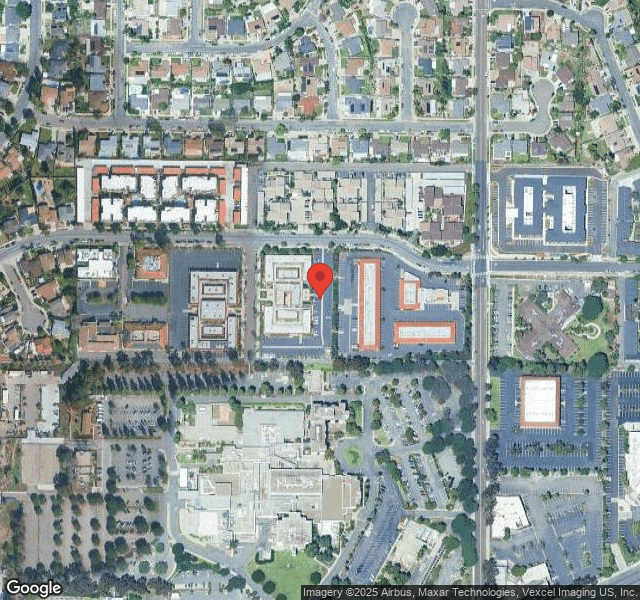
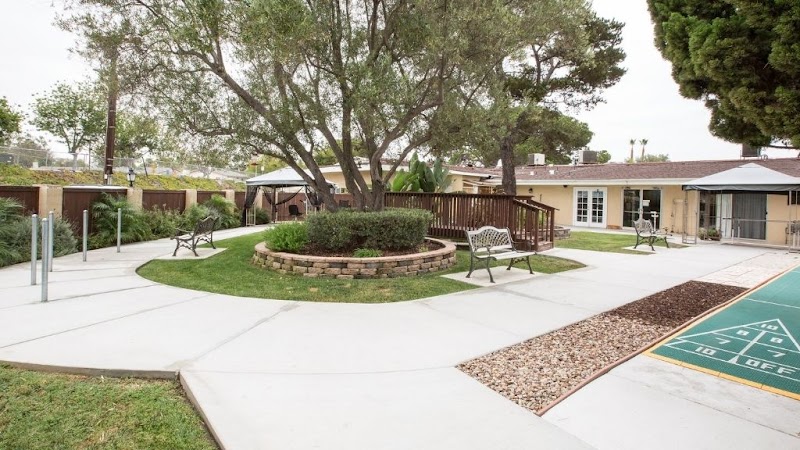
3232 THUNDER DRIVE, OCEANSIDE, CA 92056 (760) 724-2193
For profit - Limited Liability company 93 Beds PACS GROUP Data: November 2025
Trust Grade
75/100
#111 of 1155 in CA
Last Inspection: April 2025

Within standard 12-15 month inspection cycle. Federal law requires annual inspections.

Overview

La Paloma Healthcare Center in Oceanside, California, has a Trust Grade of B, indicating it is a good choice, solidly in the middle range of nursing homes. It ranks #111 out of 1,155 facilities statewide, placing it in the top half of California nursing homes, and #17 out of 81 in San Diego County, indicating only 16 local options perform better. The facility's trend is stable, with the same number of issues reported in both 2023 and 2025, but it has a concerning staffing rating of only 2 out of 5 stars and a turnover rate of 44%, which is average for California. Notably, there were no fines recorded, which is a positive sign, but the facility has less RN coverage than 77% of state facilities, potentially affecting the quality of care. Some specific incidents raised during inspections include a resident with severe mobility issues who was found on the floor multiple times and a failure to respond to call lights in a timely manner, causing delays in needed assistance. While the overall ratings for health inspections and quality measures are excellent at 5 out of 5 stars, these cited weaknesses highlight areas where the facility could improve its service and resident safety.

Trust Score
B
75/100
In California
#111/1155
Top 9%
Safety Record
Moderate
Needs review
Inspections
Holding Steady
4 → 4 violations
Staff Stability
○ Average
44% turnover. Near California's 48% average. Typical for the industry.
Penalties
✓ Good
No fines on record. Clean compliance history, better than most California facilities.
Skilled Nurses
⚠ Watch
Each resident gets only 19 minutes of Registered Nurse (RN) attention daily — below average for California. Fewer RN minutes means fewer trained eyes watching for problems.
Violations
⚠ Watch
32 deficiencies on record. Higher than average. Multiple issues found across inspections.
★★★★★
5.0
Overall Rating
★★☆☆☆
2.0
Staff Levels
★★★★★
5.0
Care Quality
★★★★★
5.0
Inspection Score
Stable
2023: 4 issues
2025: 4 issues

The Good

  • 5-Star Quality Measures · Strong clinical quality outcomes
  • Full Sprinkler Coverage · Fire safety systems throughout facility
  • No fines on record
  • Staff turnover below average (44%)

    4 points below California average of 48%

Facility shows strength in quality measures, fire safety.

The Bad

Staff Turnover: 44%

Near California avg (46%)

Typical for the industry

Chain: PACS GROUP

Part of a multi-facility chain

Ask about local staffing decisions and management

The Ugly 32 deficiencies on record

1 actual harm
Apr 2025 4 deficiencies
CONCERN (D)

Potential for Harm - no one hurt, but risky conditions existed

Assessment Accuracy (Tag F0641)

Could have caused harm · This affected 1 resident

**NOTE- TERMS IN BRACKETS HAVE BEEN EDITED TO PROTECT CONFIDENTIALITY** Based on interview, record review, and facility policy review, the facility failed to ensure a Minimum Data Set (MDS) assessment...

Read full inspector narrative →
**NOTE- TERMS IN BRACKETS HAVE BEEN EDITED TO PROTECT CONFIDENTIALITY** Based on interview, record review, and facility policy review, the facility failed to ensure a Minimum Data Set (MDS) assessment was accurately coded for a resident who discharged to the hospital for 1 (Resident #84) of 3 residents reviewed for closed records. Findings included: A facility policy titled, Certifying Accuracy of the Resident Assessment, revised 11/2019, indicated, Any person completing a portion of the Minimum Data Set/MDS (Resident Assessment Instrument) must sign and certify the accuracy of that portion of the assessment. An admission Record indicated, the facility admitted Resident #84 on [DATE]. According to the admission Record, the resident had a medical history that included diagnoses of multiple sclerosis (an autoimmune disease that affects the central nervous system [brain and spinal cord]), urinary tract infection, and sepsis (a life-threatening medical emergency caused by the body's extreme response to an infection, often leading to organ dysfunction and potentially death). Resident #84's Progress notes dated [DATE] indicated a family member reported that Resident #84 seemed uncomfortable and requested a hospital transfer. The notes indicated the nurse found the resident gasping for air despite being on 5 liters of supplemental oxygen. The notes revealed the resident's family member insisted the resident be sent to the hospital. The notes revealed the nurse practitioner was notified and 911 was called. Resident #84's physician's order dated [DATE] revealed May send out Resident to ER [emergency room] for further Eval [evaluation]. Resident #84's Progress notes dated [DATE] indicated the resident was transferred to the hospital and left the faciity on [DATE] at 2:22 PM. A Hospital History and Physical Reports, dated [DATE], indicated, Resident #84 was admitted to the hospital on [DATE]. Resident #84's Progress notes dated [DATE] indicated, the resident had expired at the hospital on [DATE] at 4:55 AM. A death in facility MDS assessment, with an Assessment Reference Date (ARD) of [DATE], indicated Resident #84 was coded as deceased at the facility. The MDS revealed the assessment was signed by MDS Nurse #1 on [DATE], confirming the accuracy of the information. On [DATE] at 10:49 AM, MDS Nurse #2 stated that she initially opened a discharge assessment with an ARD of [DATE], expecting MDS Nurse #1 to complete it. MDS Nurse #2 stated, however, MDS Nurse #1 later changed it to a death assessment with a new ARD of [DATE]. MDS Nurse #2 was unable to explain why the changes were made. On [DATE] at 6:09 PM, MDS Nurse #1 stated that after reading a progress note indicating the hospital had confirmed Resident #84's death, she assumed the resident had died the same day upon arrival and was not admitted . She stated that based on that assumption, she changed the MDS to a death assessment. According to MDS Nurse #1, this human error caused the MDS to be inaccurate, as it did not clearly reflect Resident #84's correct date and place of death. On [DATE] at 8:52 AM, MDS Nurse #2 stated that staff must ensure their coding and documentation were accurate and that assessments must reflect correct information, such as the date of death and whether the resident was sent to the hospital or passed away at the facility, to ensure the Centers for Medicare and Medicaid Services (CMS) received accurate data. According to MDS Nurse #2, Resident #84's MDS assessment was not accurate. On [DATE] at 9:31 AM, the Director of Nursing (DON) stated that all documentation and coding must be accurate, including the correct date, the resident's condition, and the discharge location, whether the resident was transferred to a hospital or passed away. On [DATE] at 8:55 AM, the Administrator stated the MDS team was expected to double, and triple check all information to avoid erroneous assessments, as MDS accuracy was essential.
CONCERN (D)

Potential for Harm - no one hurt, but risky conditions existed

Quality of Care (Tag F0684)

Could have caused harm · This affected 1 resident

Based on interview, observation, record review, and facility policy review, the facility failed to follow physician orders for 1 (Resident #6) of 2 residents reviewed for skin conditions. Specifically...

Read full inspector narrative →
Based on interview, observation, record review, and facility policy review, the facility failed to follow physician orders for 1 (Resident #6) of 2 residents reviewed for skin conditions. Specifically, Resident #6 had an order, dated 03/26/2025, to schedule a dermatology appointment. However, no attempts were made to schedule a dermatology appointment until 04/15/2025. Findings included: A facility policy titled, Physician Orders, revised 06/2013, indicated, Physician orders must be given, managed and carried out in accordance with applicable laws and regulations. A facility policy titled, Resident Appointments, revised 03/2025, indicated, 1. [NAME] Clerk shall coordinate/schedule resident appointments. The policy also stated, 4. [NAME] Clerk will document the appointment in the resident's medical record. An admission Record revealed the facility admitted Resident #6 on 06/11/2022. According to the admission Record, the resident had a medical history that included diagnoses of Parkinson's disease without dyskinesia (involuntary muscle movements), hypertensive heart disease without heart failure, hyperlipidemia, obsessive-compulsive disorder, bipolar disorder, anxiety disorder, major depressive disorder, and schizoaffective disorder. A quarterly Minimum Data Set (MDS), with an Assessment Reference Date (ARD) of 02/14/2025, revealed the resident had a Brief Interview for Mental Status (BIMS) of 9, which indicated the resident had moderate cognitive impairment. Resident #6's Care Plan Report included a problem statement revised on 11/01/2024, that indicated, the resident had a body rash and was at risk for infection, skin breakdown, spreading of the rash, and worsening of the rash. Interventions directed staff to administer treatments as ordered and monitor for effectiveness; avoid use of harsh detergents, soaps, fragrances, or other irritating substances; encourage to avoid scratching; keep hands and body parts free from excessive moisture; laboratory or diagnostic tests as ordered to assist in determining etiology; moisturize dry and flaky skin to rehydrate skin; monitor and record any complaints of pain, itching, or discomfort. Resident #6's Order Summary Report, with active orders as of 04/16/2025, included an order dated 03/26/2025, that directed staff to schedule a dermatology appointment for rash that was not improving. Resident #6's Progress Notes, dated 04/15/2025 at 3:45 PM, indicated, the facility left a detailed voicemail for a dermatology office for Resident #6 to be seen regarding the ongoing rash on their body. The note was written by Central Supply, who was also the [NAME] Clerk. During an observation on 04/14/2025 at 10:56 AM, Resident #6 was noted to have red, inflamed splotches of skin all over their arms. During an interview on 04/15/2025 at 2:34 PM, Central Supply stated that when there was an order for a specialist, he would look at the resident's insurance and check which specialist was in network. He stated he would then reach out to that provider to ensure they were in network and from there, the provider would want a written referral with a doctor's order. Central Supply stated he would also send in pertinent medical information regarding the resident. He stated he might follow up five days later. Central Supply stated that every time he followed up, he documented who he spoke to and what office was contacted. He stated this would be in the progress notes under appointments. During the interview, the record was checked, but there were no notes related to Resident #6's dermatology appointment. Central Supply stated that, ideally, he tried to follow up within seven to 10 days. He stated he had seen Resident #6's order for the dermatology appointment, but he had not gotten to it yet as he had been focused on other orders. During an interview on 04/17/2025 at 10:33 AM, the Director of Nursing (DON) stated that nursing entered orders for residents to see a specialist. The DON stated the scheduler, who was also Central Supply, would then make an appointment. The DON stated that while it may take time to get an appointment scheduled, the specialist should be contacted sooner than two and a half weeks. The DON stated, furthermore, all attempts to contact the specialist should be documented. During an interview on 04/17/2025 at 11:08 AM, the Administrator stated that the [NAME] Clerk, who was also Central Supply, was responsible for making appointments for specialists. The Administrator stated the [NAME] Clerk should make attempts to contact the specialist right after receiving the referral, and he should leave messages right away. The Administrator stated the [NAME] Clerk should also document all contact attempts.
CONCERN (D)

Potential for Harm - no one hurt, but risky conditions existed

Drug Regimen Review (Tag F0756)

Could have caused harm · This affected 1 resident

Based on interview, record review, and facility policy review, the facility failed to follow the pharmacist's recommendations for 1 (Resident #6) of 5 residents reviewed for unnecessary medications. ...

Read full inspector narrative →
Based on interview, record review, and facility policy review, the facility failed to follow the pharmacist's recommendations for 1 (Resident #6) of 5 residents reviewed for unnecessary medications. Findings included: A facility policy titled, Medication Regimen Reviews, revised 05/2019, indicated, The Consultant Pharmacist reviews the medication regimen or each resident at least monthly. The policy revealed the section titled, Policy Interpretation and Implementation included 1. The Consultant Pharmacist performs a medication regimen review (MRR) for every resident in the facility receiving medication. Further review revealed, 8. Within 24 hours of the MRR, the Consultant Pharmacist provides a written report to the attending physician for each resident identified as having a non-life threatening medication irregularity. The section further revealed, 12. The attending physician documents in the medical record that the irregularity has been reviewed and what (if any) action was taken to address it. An admission Record revealed the facility admitted Resident #6 on 06/11/2022. According to the admission Record, the resident had a medical history that included diagnoses of obsessive-compulsive disorder, bipolar disorder, anxiety disorder, major depressive disorder, and schizoaffective disorder. A quarterly Minimum Data Set (MDS), with an Assessment Reference Date (ARD) of 02/14/2025, revealed the resident had a Brief Interview for Mental Status (BIMS) of 9, which indicated the resident had moderate cognitive impairment. The MDS revealed the resident received an anticonvulsant medication during the assessment's lookback period. Resident #6's Care Plan Report included a problem statement revised 02/14/2025, that indicated the resident was at risk for social isolation, mood problems, and ineffective coping related to obsessive compulsive disorder, anxiety, depression, schizoaffective disorder, and bipolar disorder. Interventions directed staff to administer medications as ordered, assist the resident in identifying strengths and positive coping skills, behavioral health consults as needed, and observing for signs and symptoms of mania or hypomania, irritability, or mood changes. Resident #6's Order Summary Report, with active orders as of 04/16/2025, included an order dated 12/04/2024, for Depakote 250 milligrams (mg), with instructions to give two tablets by mouth two times a day for seizures; a total of 500 mg twice a day. A Consultant Pharmacist's Medication Regimen Review, dated 11/16/2024, revealed that the consultant pharmacist recommended a clarification of the indication for Resident #6's Depakote. The review revealed if the medication was to be given for seizure control, then therapeutic levels of the medication would be necessary. The review revealed if they were giving the medication for behaviors, the indication would need to be changed in the Medication Administration Records (MARs). The review revealed the only written response was no. The review revealed the provider did not provide a clinical rationale or further explanation of the response. A Consultant Pharmacist's Medication Regimen Review, dated 01/25/2025, revealed that the consultant pharmacist recommended an adjustment of Resident # 6's valproic acid (Depakote) dosage, as the resident's levels were still sub-therapeutic for seizures. The review revealed the only written response was no. The review revealed the provider did not provide a clinical rationale or further explanation of the response. During an interview on 04/16/2025 at 8:48 AM, the Director of Nursing (DON) stated that a pharmacist came in monthly to make recommendations. The DON stated the recommendations went to her and the Case Manager. The DON stated the Case Manager was the one who followed up with the pharmacy recommendations. She stated that Resident #6's primary diagnosis for the Depakote was bipolar disorder. She stated that Nurse Practitioner (NP) #5 was the one who followed up with pharmacy recommendations. During an interview on 04/16/2025 at 9:12 AM, the Case Manager stated that the pharmacist came in and reviewed the residents' medications monthly. The Case Manager stated the pharmacist submitted his recommendations in a large packet. The Case Manager stated that once she received those packets, she separated the packets by provider and submitted them to the relevant physician or nurse practitioner. She stated if there was no new order, then there was no further documentation made beyond what the provider offered. During an interview on 04/162025 at 10:01 AM, Pharmacist #7 stated that the forms used for medication regimen review recommendations depended on the facility and their DON, and how they preferred to do those recommendations. Pharmacist #7 stated that because providers generally did a good job following his minor recommendations, he entered them on the nursing recommendation report. Pharmacist #7 stated more serious recommendations, or recommendations that were directed at psychiatry, may be on their own forms. Pharmacist #7 stated that when he saw Resident #6's low dosage of Depakote, he suspected that it was for psychiatric purposes and not seizures. He stated he made the recommendation (on 11/16/2024) to clarify the medical record. Pharmacist #7 stated when the physician documented that they would not follow the recommendation, he recommended an increase in the dosage to treat seizures. He stated that he had followed up in January (2025) about his recommendations. During an interview on 04/17/2025 at 10:33 AM, the DON stated that the physician should document their clinical rationale for not following a pharmacist's recommendation. She stated she did not know why NP #5 did not document her clinical rationale regarding the Depakote. She stated she did not know why the facility did not follow up with the recommendation. During an interview on 04/17/2025 at 11:38 AM, NP #5 stated she understood she should have documented the clinical rationale for not following a pharmacist's recommendation as opposed to only writing no. She stated that she documented that the Depakote was for mood and not seizures in her notes, but she confirmed that the pharmacist would not necessarily see that documentation, so it was more prudent to document on the medication regimen review forms for the pharmacist to see.
CONCERN (D)

Potential for Harm - no one hurt, but risky conditions existed

Deficiency F0883 (Tag F0883)

Could have caused harm · This affected 1 resident

Based on interview, record review, and facility policy review, the facility failed to offer the influenza vaccine and provide education regarding influenza immunizations for 1 (Resident #32) of 5 resi...

Read full inspector narrative →
Based on interview, record review, and facility policy review, the facility failed to offer the influenza vaccine and provide education regarding influenza immunizations for 1 (Resident #32) of 5 residents reviewed for immunizations. Findings included: A facility policy titled, Influenza Vaccine, revised 08/2016, indicated, All residents and employees who have no medical contraindications to the vaccine will be offered the influenza vaccine annually to encourage and promote the benefits associated with vaccinations against influenza. The facility shall provide pertinent information about the significant risks and benefits of vaccines to staff and residents (or residents' legal representatives). The facility policy indicated, 1. Between October 1st and March 31st each year, the influenza vaccine shall be offered to residents and employees, unless the vaccine is medically contraindicated or the resident or employee has already been immunized. The policy indicated, 6. A resident's refusal of the vaccine shall be documented on the Informed Consent for Influenza Vaccine and placed in the resident's medical record. An admission Record revealed the facility admitted Resident #32 on 02/05/2025. According to the admission Record, the resident had a medical history that included diagnoses of acute respiratory failure with hypoxia and chronic obstructive pulmonary disease. An admission Minimum Data Set (MDS), with an Assessment Reference Date (ARD) of 02/09/2025, revealed the resident had a Brief Interview for Mental Status (BIMS) of 4, which indicated the resident had severe cognitive impairment. Resident #32's Immunization History Report revealed the resident's last influenza vaccination was 02/11/2020. The report revealed there was no other documentation regarding influenza vaccinations. Resident #32's Hospital Discharge Instructions, dated 01/21/2025, revealed the resident refused the influenza virus vaccine at the hospital. During an interview on 04/17/2025 at 9:53 AM, the Director of Staff Development (DSD), who was also the Infection Preventionist (IP), stated that Resident #32 was not offered the influenza vaccination but that it was the facility expectation that the resident be offered one if they were admitted during the influenza season. During an interview on 04/17/2025 at 10:33 AM, the Director of Nursing (DON) stated that, on admission, staff should have asked about influenza vaccinations if the admission was during the influenza season. The DON stated that, the next day, the IP should have arranged those vaccinations. The DON stated that the DSD was not the IP at the time that Resident #32 was admitted , which was probably why the vaccination was missed. During an interview on 04/17/2025 at 11:08 AM, the Administrator revealed he relied on his IP regarding influenza immunizations, and he was unsure of the facility's expectation. During an interview on 04/17/2025 at 12:23 PM, the Case Manager, who is also an IP, stated that when a new resident was admitted , the facility reviewed their record to see what immunizations were received. The Case Manager stated sometimes the facility interviewed the resident in case some immunizations were not available in the medical record. The Case Manager stated if they were unable to find records of an immunization, they re-offered the immunization. The Case Manager stated if the resident wished to receive an immunization, the doctor obtained an informed consent and wrote the order. The Case Manager stated then the facility ordered the vaccine from the pharmacy. The Care Manager stated there was a specific declination form used by the facility and if they saw that an immunization was refused at a hospital, they still obtained the facility declination. The Case Manager stated the reasoning was because the resident may be documented as refusing an immunization for a multitude of reasons and perhaps the immunization was not offered, or the immunization was not explained properly, or the resident did not want an immunization in an acute-care setting. The Case Manager stated it was still the facility's obligation to re-offer an immunization if there was no record that the resident received that immunization.
Aug 2023 1 deficiency
CONCERN (D) 📢 Someone Reported This

A family member, employee, or ombudsman was alarmed enough to file a formal complaint

Potential for Harm - no one hurt, but risky conditions existed

Resident Rights (Tag F0550)

Could have caused harm · This affected 1 resident

Based on interview and record review, the facility failed to honor resident ' s preference for one of three sampled residents (Resident 1) when Resident 1 was showered despite his refusal. This failur...

Read full inspector narrative →
Based on interview and record review, the facility failed to honor resident ' s preference for one of three sampled residents (Resident 1) when Resident 1 was showered despite his refusal. This failure had the potential to affect Resident 1 ' s emotional well-being. Findings: A review of Resident 1 ' s admission record indicated he had diagnoses of hemiplegia (weakness to one side of the body), hypertension (elevated blood pressure). A review of Resident 1 ' s minimum data assessment (MDS, an assessment tool) Section C Cognitive Patterns dated 7/19/23 indicated Resident 1 ' s cognition was intact. An interview was conducted on 8/9/23 at 12:31 P.M with Resident 1. Resident 1 stated on 7/31/23 at approximately 7:00 A.M. – 8:00 A.M., certified nursing assistant (CNA) 1 offered him a shower. He (Resident 1) told CNA 1 he did not want to have a shower. Resident 1 instead agreed to a bed bath. Resident 1 was surprised when CNA 1 and a rehabilitation personnel (RP) assisted him up to a shower chair from his bed and was brought to the shower room. A phone interview was conducted with CNA 1 on 8/9/23 at 1:30 P.M. CNA 1 stated on 7/31/23 at approximately 7:00 A.M. – 8:00 A.M., Resident 1 informed her, he did not want to have a shower. CNA 1 stated she and RP transferred Resident 1 from his bed to a shower chair and went to the shower room. CNA 1 further stated she should have respected Resident 1 ' s right to refuse shower. An interview was conducted on 8/9/23 at 1:45 P.M. with licensed nurse (LN 2). LN 2 stated, facility staff should honor resident ' s right to refuse shower to maintain their dignity. During an interview on 8/9/23 at 3:07 P.M. with the Director of Nursing (DON), the DON stated residents ' preferences should be respected and honored by the facility staff to preserve residents ' honor and dignity. A review of the facility ' s policy Residents Rights (undated) indicated, Rights to self – determination. To reside and receive services with reasonable accommodation by the facility of individual needs and preferences .
Aug 2023 1 deficiency
CONCERN (D) 📢 Someone Reported This

A family member, employee, or ombudsman was alarmed enough to file a formal complaint

Potential for Harm - no one hurt, but risky conditions existed

Quality of Care (Tag F0684)

Could have caused harm · This affected 1 resident

**NOTE- TERMS IN BRACKETS HAVE BEEN EDITED TO PROTECT CONFIDENTIALITY** Based on interview, and record review, the facility failed to provide the needed care for one of three residents (Resident 1) wh...

Read full inspector narrative →
**NOTE- TERMS IN BRACKETS HAVE BEEN EDITED TO PROTECT CONFIDENTIALITY** Based on interview, and record review, the facility failed to provide the needed care for one of three residents (Resident 1) when Resident 1 was not monitored for signs of abnormal blood pressure (BP, pressure of the blood). This failure had the potential to affect the resident ' s well-being. Findings: A review of Resident 1 ' s admission record indicated, he was admitted to the facility on [DATE] with medical diagnoses of congestive heart failure (heart does not pump blood), hypertension (high blood pressure). A review of the prescriber ' s order, dated 6/20/23 indicated, Observe signs and symptoms of bleeding secondary to anticoagulant (medication to prevent blood clots) use. An interview was conducted on 7/6/23 at 12:42 P.M. with licensed nurse (LN 1). LN 1 stated a low BP reading can be a sign of bleeding. LN 1 further stated residents with low BP should be assessed further. A concurrent interview and record review was conducted on 7/6/23 at 1:15 P.M. with the Assistant Director of Nursing (ADON). The ADON stated based on Resident 1 ' s BP recordings on the following dates indicated: On 6/26/23 at 1:59 A.M., B/P was 72/51 On 6/27/23 at 7:08 A.M., B/P was 89/54 On 6/30/23 at 4:38 A.M., B/P was 72/51. The ADON further stated there was no documentation in the nurse ' s progress notes that Resident 1 was assessed further. A phone interview was conducted on 7/31/23 at 2:00 P.M. with the Director of Nursing (DON). The DON stated low blood pressure readings required further assessment by the licensed nurse. A review of the facility ' s policy titled, Change in a Resident ' s Condition or Status revised 2/2021, indicated, Prior to notifying the physician or healthcare provider, the nurse will make detailed observations and gather relevant and pertinent information
May 2023 1 deficiency
CONCERN (D) 📢 Someone Reported This

A family member, employee, or ombudsman was alarmed enough to file a formal complaint

Potential for Harm - no one hurt, but risky conditions existed

Quality of Care (Tag F0684)

Could have caused harm · This affected 1 resident

**NOTE- TERMS IN BRACKETS HAVE BEEN EDITED TO PROTECT CONFIDENTIALITY** Based on observation, interview, and record review, the facility failed to assess and monitor resident ' s right leg extremity (...

Read full inspector narrative →
**NOTE- TERMS IN BRACKETS HAVE BEEN EDITED TO PROTECT CONFIDENTIALITY** Based on observation, interview, and record review, the facility failed to assess and monitor resident ' s right leg extremity (RLE, right leg limb) surgical incision for one of three residents (Resident 1). This failure had the potential to progression of skin complications and skin infection. Findings: A review of Resident 1 ' s face sheet (document that gives patient information) indicated, the resident was admitted to the facility on [DATE] with diagnoses of diabetes mellitus (DM, disease that result in too much sugar in the blood) end stage renal disease (ESRD, a person ' s kidney stopped functioning on a permanent basis), blindness, fracture (broken bone) of lower end of right tibia (larger bone in the right lower leg). On 5/1/23 at 11:05 A.M., an interview with the treatment nurse (TN) was conducted. The TN stated a complete initial skin assessment of admitted resident should be done by the admitting licensed nurse. The admitting licensed nurses should document the assessment findings on the treatment activity record (TAR, record of treatments document on a resident). A record review was conducted with the TN on 5/1/23 at 11:10 A.M. The TAR dated 3/2023 indicated, the initial treatment of Resident 1 ' s RLE was initiated on 3/27/23. The TN stated Resident 1 skin treatment was missed for four days and wound monitoring. The TN further stated the initial skin assessment should have been implemented and documented on or a day after 3/24/23 for wound monitoring. A phone interview was conducted with the licensed nurse (LN) on 5/3/23 at 3:15 P.M. The LN stated he did not check the wound of Resident 1 on 3/24/23 at 8:04 P.M. The LN further stated there was no written evidence that Resident 1 refused skin assessment. An interview was conducted with the director of nursing (DON) on 5/8/23 at 12:05 P.M. The DON stated skin assessments of admitted residents should be implemented and documented within eight hours upon admission to prevent wound complications. A review of the facility ' s policy Prevention of Skin Injuries revised April 2020 indicated Assess the resident on admission (within eight hours) for existing skin injury factors. Conduct a comprehensive skin assessment upon admission, with each risk assessment, as indicated to the resident ' s risk factors.
Feb 2023 1 deficiency
CONCERN (D) 📢 Someone Reported This

A family member, employee, or ombudsman was alarmed enough to file a formal complaint

Potential for Harm - no one hurt, but risky conditions existed

Deficiency F0839 (Tag F0839)

Could have caused harm · This affected 1 resident

Based on interview and record review, the facility failed to ensure all Certified Nursing Assistant (CNA)s had a California state certification for 1 of 2 sampled CNAs (1). As a result, there was the ...

Read full inspector narrative →
Based on interview and record review, the facility failed to ensure all Certified Nursing Assistant (CNA)s had a California state certification for 1 of 2 sampled CNAs (1). As a result, there was the risk of residents not receiving a high quality of care. Findings: On 2/24/23 a review was conducted of CNA 1 ' s employee records. CNA 1 was hired on 5/24/22 with an out of state CNA certification. There was no documentation to show CNA 1 obtained a California Certification. On 2/22/23 at 3:34 P.M., a telephone interview was conducted with the Director of Nursing (DON). The DON stated, she reviewed CNA 1 ' s employee file, and found that CNA 1 did not have a CNA certification from the state of California, and she was not able to find any documentation which authorized CNA 1 to work as a CNA in the state of California. The DON stated, the administrator who hired CNA 1 no longer worked at the facility. Per the facility ' s policy, titled Hiring, revised January 2008, .The following criteria will be considered in determining whether an applicant is qualified for a particular job position .Certifications .
Jul 2021 12 deficiencies 1 Harm
SERIOUS (G)

Actual Harm - a resident was hurt due to facility failures

Accident Prevention (Tag F0689)

A resident was harmed · This affected 1 resident

**NOTE- TERMS IN BRACKETS HAVE BEEN EDITED TO PROTECT CONFIDENTIALITY** 2. Resident 23 was readmitted to the facility on [DATE] with diagnoses to include hemiplegia (paralysis on one side of the body)...

Read full inspector narrative →
**NOTE- TERMS IN BRACKETS HAVE BEEN EDITED TO PROTECT CONFIDENTIALITY** 2. Resident 23 was readmitted to the facility on [DATE] with diagnoses to include hemiplegia (paralysis on one side of the body) and hemiparesis (weakness on one side of the body) following nontraumatic intracerebral hemorrhage (brain bleed/stroke) affecting left non-dominant side, per the facility's Resident Face Sheet. A review of Resident 23's clinical record was conducted. The resident's clinical record indicated Resident 23 had been found on the floor on 2/16, 2/17, and 2/26/21. The three incidents of being found on the floor had been classified as falls. The IDT (interdisciplinary team) note dated 2/26/21 , indicated, .[Resident 23] fall on 2/22/21 . Resident was found on the bathroom floor on his right side . Resident states that he didn't have his wheelchair so he crawled to the bathroom . New interventions implemented .wheelchair next to resident so resident can assist himself to restroom PRN [as needed] A review of Resident 23's physician orders dated 2/26/21, indicated, Keep wheelchair open, locked, and in reach of resident at all times for resident to assist himself to bathroom. Special Instructions: (Fall prevention/safety) Every shift On 7/7/21 at 8:39 A.M. a joint observation and interview was conducted with Resident 23 inside the resident's room. Three residents resided in the room. Resident 23 was in Bed A located nearest to the door. A wheelchair was not observed at Resident 23's bedside. Resident 23 stated he could usually assist himself to the wheelchair if it were placed on the right side of his bed nearest to the door. On 7/7/21 at 9:16 A.M., an observation was conducted of Resident 23 inside the resident's room. Resident 23 was observed in bed. A wheelchair was not observed at Resident 23's bedside. On 7/7/21 at 3:15 P.M., an observation was conducted of Resident 23 inside the resident's room. Resident 23 was observed in bed. A wheelchair was not observed at Resident 23's bedside. On 7/7/21 at 4:47 P.M. an observation was conducted of Resident 23 inside the resident's room. Resident 23 was observed in bed. A wheelchair was not observed at Resident 23's bedside. On 7/7/21 at 5:29 P.M., a joint observation, interview, and record review was conducted with LN 22. LN 22 reviewed Resident 23's physician order dated 2/26/21 for the resident's wheelchair to be open, locked, and within the resident's reach. LN 22 then observed Resident 23 in bed in his room and the resident's wheelchair folded and placed against the wall. LN 22 stated Resident 23's wheelchair had not been open, locked, and within the resident's reach. LN 22 stated the physician order to prevent further falls had not been followed. LN 22 stated Resident 23 could get injured trying to get to the bathroom without his wheelchair. On 7/9/21 at 9:43 A.M., an interview was conducted with the director of nursing (DON). The DON stated the physician order for Resident 23's wheelchair to be kept open, locked and within the resident's reach had not been followed. The DON stated the physician order was first, a fall prevention measure and second, to facilitate the resident being able to access the bathroom. The DON stated it was her expectation for Resident 23's fall prevention intervention to be in place at all times. The facility's policy titled Falls and Fall Risk, Managing revised March 2018, indicated, .Based on previous evaluations and current data, the staff will identify interventions related to the resident's specific risks and causes to try to prevent the resident from falling and to try to minimize complications from falling .1. The staff, with input of the attending physician, will implement a resident-centered fall prevention plan to reduce the specific risk factor(s) of falls 3. On 7/8/21 at 3:58 A.M., an observation was conducted of the main entrance to the facility. The double door main entrance was closed. A sliding glass door, adjacent to the double door main entry, was opened approximately three inches. This led into an open room used for visitors and from there into the whole building. Four surveyors entered the facility through the sliding glass door of the visitors' room, and were able to access different areas of the building. The four surveyors were not immediately noticed by staff. On 7/8/21 at 4:03 A.M., an interview was conducted with licensed nurse (LN) 4. LN 4 stated all points of entry into the facility should have been checked at the start of the night shift (11 P.M.). LN 4 stated this was to be done to keep the residents safe. LN 4 stated the room used for visits adjacent to the double door main entry should have been checked and locked after 5 P.M. the night before. On 7/8/21 at 7:22 A.M., an interview was conducted with LN 30. LN 30 stated as the charge nurse for the night shift, it was her responsibility to check the points of entry to the facility at the start of the shift and to make sure they were locked. LN 30 stated she did check the points of entry to ensure they were locked at the start of her shift. LN 30 stated she had not checked the entrance to the visiting room that was adjacent to the double door main entry. LN 30 stated, I should have checked. LN 30 stated having an unsecured point of entry into the facility at night was not safe. On 7/9/21 at 9:15 A.M., an interview was conducted with the director of nursing (DON). The DON stated it was her expectation for all points of entry into the facility to be secured at night so that unauthorized persons could not enter. The DON stated staff who worked nights were trained on how and when to check that the building was secured and that included the visitor entrance adjacent to the main double door. The DON further stated there was no policy that addressed securing the facility entrances. Based on observation, interview, and record review, the facility failed to ensure fall safety interventions for two of six residents (Resident 35 and Resident 23) reviewed for accidents were provided when: Resident 35's chair/bed silent alarm (an alarm used to help warn staff when a resident is changing position or getting up) was not implemented consistently; In addition, Resident 35's falls were not thoroughly investigated to ensure that all fall preventative measures were implemented. Resident 23's wheechair was placed in an area that was not within the resident's reach. In addition, the facility was not secured during the night when a visitor's entrance was left open and unlocked. As a result, Resident 35 fell eight times while at the facility. One of Resident 35's fall resulted in a laceration on the forehead which required suturing. Resident 23 had the potential to fall and become injured. Furthermore, not securing the facility from potential intruders put the safety of all residents's at risk. Findings: Resident 35 was admitted to the facility on [DATE] with diagnoses that included heart failure per the undated Resident Face Sheet. A review of Resident 35's Fall Risk Assessment, dated 2/11/2021, indicated Resident 35 was At Risk for falls. A review of Resident 35's physician orders, dated 2/21/2021, indicated an order for Silent bed alarm to wheelchair/bed to alert staff of solo transfers. A joint observation of Resident 35 was conducted with the Assistant Director of Nursing (ADON) on 5/26/2021 at 3:30 P.M. Resident 35 sat on her wheelchair without a silent alarm. A review of Resident 35's nursing progress notes from February 2021 thru May 2021 indicated that Resident 35 fell on 2/14, 2/15, 2/26, 4/8, 4/10, 4/24, 5/13, and 5/21/2021. The nursing progress notes indicated the following: On 2/14/2021 at 8:50 P.M., Resident 35 was found on the floor. According to the record, CNA (certified nursing assistant) heard yelling from the room and went to check, found resident on the floor . The progress note also indicated Resident 35 was asked what she was trying to do and the resident replied, I wanted to use the wheelchair. On 2/15/2021 at 10:29 P.M., Resident 35 was found sitting on the bathroom floor. According to the progress note, CNA found her (Resident 35) sitting on the floor leaning to the BR (bathroom) door. On 2/26/2021 at 4:15 P.M., Resident 35 was found on the floor on the right side of the bed with the resident's foot caught on the wheelchair. According to the record, Resident 35 sustained a skin tear on the right knee measuring 3 centimeters (cm.) by 3 cm. Per the progress note, Resident 35 could not describe what she was doing prior to the fall. On 4/8/2021 at 9:43 A.M., Resident 35 was found on the floor in the bathroom of room [ROOM NUMBER]. According to the record, Resident 35 was sitting on the floor next to the toilet. Per the progress note, Resident 35 sustained a skin tear on the right leg. On 4/10/2021 at 8:10 P.M., Resident 35 fell to the floor from the wheelchair in front of the nurse's station. On 4/24/2021 at 6:57 P.M., Resident 35 was found on the floor by the reception area and nurse's station. Per the progress note, Resident 35 was asked what happened and resident replied, I slid from the wheelchair when I'm trying to move myself. The progress note indicated Resident 35 sustained a skin tear on her right index finger (second finger). On 5/13/2021 at 8:47 P.M., Resident 35 attempted to stand up and slid out of her wheelchair onto the floor. Per the progress note, Resident 35 stated, Had to go pee. On 5/21/2021 at 9: 51 P.M., Resident 35 was found on the floor in her room. According to the progress note, Resident 35 sustained a laceration to the forehead measures approximately 3 cm. x (by) 0.3 cm. with moderate amount of blood noted on forehead and floor. Resident reports pain only to her head. On 5/21/2021 at 10:23 P.M., Resident 35 was transferred to the hospital via 911. On 5/22/2021 at 9:10 A.M., Resident 35 returned to the facility from the hospital. According to the progress note, the hospital impression was, fall, Head Trauma (head injury), Staples. A review of Resident 35's care plan related to the fall incidents was conducted. According to Resident 35's fall care plan, the following fall prevention interventions were initiated after each fall incidents: After the fall on 2/14/2021 (found on the floor), fall interventions were initiated on 2/15/2021, one day after the fall, which included Room change to A bed to more visible to staff and RNA (restorative nursing assistant - strengthening exercises) program. After the fall on 2/15/2021 (found on the floor in the bathroom), a fall intervention was initiated on 2/18/2021, three days after the fall, which indicated, Silent bed/wheelchair alarm to alert staff of solo transfers (regular alarm until silent alarm arrives a t the facility). After the fall on 2/26/2021 (found on the floor), there was no new fall preventative intervention written on Resident 35's care plan. After the fall on 4/8/2021 (found on the bathroom floor in room [ROOM NUMBER]), a fall intervention was initiated on 4/9/2021, one day after the fall, which indicated, Move resident to A bed to be more visible to staff. After the fall on 4/10/2021 (fell at the nurse's station), a fall intervention was initiated on 4/13/2021, three days after the fall, which indicated, (Brand of non-skid mat) to wheelchair to reduce risk for falls. After the fall on 4/24/2021 (found on the floor by the reception area and nurses' station), a fall intervention was initiated on 4/27/2021, three days after the fall, which indicated, (Brand of non-skid mat) on top of wheelchair pad to reduce risk for falls. After the fall on 5/13/2021 (got up needing to use the bathroom), a fall intervention was initiated on 5/18/2021, five days after the fall, which indicated, Encourage resident to go to bed before 8 P.M. to prevent falls h/o (history of) falls after 8 P.M. and encourage resident to use restroom before going to bed. After the fall on 5/21/2021 (found on the floor with laceration on the forehead), fall interventions were initiated on 5/25/2021, four days after the fall with injury, which included Place mattress on the right side of the bed. Allow resident to sleep on the mattress on the floor and Place resident in supervised area and continue to redirect. An interview with CNA 50 was conducted on 5/26/2021 at 3:10 P.M., to discuss Resident 35's fall incident on 5/21/2021. CNA 50 stated she passed by Resident 35's room and saw the resident on the floor. CNA 50 stated she saw blood on Resident 35's head. A telephone interview with the Assistant Director of Nursing (ADON) was conducted on 6/1/2021 at 11 A.M. to discuss Resident 35's fall incident on 4/8/2021. The ADON stated she was at the nurse's station when she heard Resident 35 yelled for help from room [ROOM NUMBER]. The ADON stated the box for Resident 35's chair alarm was at the nurse's station and that she could not recall whether the silent alarm went off when Resident 35 fell in room [ROOM NUMBER]. An observation of Resident 35 was conducted on 7/8/2021 at 5:30 A.M. Resident 35 sat on her wheelchair without the silent chair alarm. An interview with CNA 51 was conducted on 7/8/2021 at 7:09 A.M. CNA 51 stated Resident 35 was a fall risk. CNA 51 stated Resident 35 did not use any device to help prevent the resident from falling. An interview with licensed nurse (LN) 50 was conducted on 7/8/2021 at 3:10 P.M. to discuss Resident 35's fall incident on 5/21/2021. LN 50 stated she was in the A Hall when she was informed by a CNA that Resident 35 was found on the floor in her room. LN 50 stated the box for Resident 35's silent alarm was placed on top of her medication cart. LN 50 stated she did not hear the alarm go off. Resident 35's silent alarm was checked and it was set on the lowest volume setting. When the silent alarm was tested under the low volume setting, the sound was not easily heard when the environment was noisy. The silent alarm's volume setting was changed to the loudest setting. The sound was loud and easily heard. LN 50 stated, I did not hear that sound. An interview and joint record review with the Director of Nursing (DON) was conducted on 7/9/2021 at 10:31 A.M. The DON reviewed Resident 35's nursing progress notes, care plans and the Interdisciplinary (IDT - team members from different disciplines working collaboratively) notes related to the fall incidents. The DON confirmed that Resident 35 had eight falls from 2/14/2021 thru 5/21/2021. The DON stated Resident 35's fall on 5/21/2021 resulted in a laceration on the forehead, which required staples. The DON stated the IDT met after each of Resident 35's fall incident to find out the cause of the fall and to ensure appropriate fall preventative interventions were initiated. The DON acknowledged that the Post Fall IDT notes did not indicate that the IDT questioned whether the silent chair/bed alarm was used when Resident 35 fell repeatedly. The DON reviewed the nursing progress notes and confirmed that the nursing progress notes related to Resident 35' falls did not indicate that an audible sound or alarm were heard prior to finding Resident 35 on the floor. The DON acknowledged that to initiate an appropriate fall preventative intervention, a thorough root cause of the fall should be conducted. The interviews with CNA 1, the ADON, and LN 1 were shared with the DON. The DON could not explain why CNA 1, the ADON, and LN 1 did not hear the alarm go off prior to finding Resident 35 on the floor. The DON could not explain why the IDT did not question the use of the silent alarm during their discussion of Resident 35's repeated falls. The DON stated that fall preventative interventions should be consistently implemented to help prevent falls. A review of the facility's policy and procedure titled Falls and Fall Risk, Managing, revised on March 20218, was conducted. The policy indicated, Based on previous evaluations and current data, the staff will identify interventions related to the resident's specific risks and causes to try to prevent the resident from falling and to try to minimize complications from falling.Resident-Centered Approaches to Managing Falls and Fall Risk .6. If falling recurs despite initial interventions, staff will implement additional or different interventions, or indicate why the current approach remains relevant.9. Position-change alarms will not be used as the primary or sole intervention to prevent falls, but rather will be used to assist the staff in identifying patterns and routine of the resident. The use of alarms will be monitored for efficacy and staff will respond to alarms in a timely manner.
CONCERN (D)

Potential for Harm - no one hurt, but risky conditions existed

Abuse Prevention Policies (Tag F0607)

Could have caused harm · This affected 1 resident

**NOTE- TERMS IN BRACKETS HAVE BEEN EDITED TO PROTECT CONFIDENTIALITY** Based on interview and record review, the facility failed to implement a policy to prevent abuse for one resident (Resident 2), ...

Read full inspector narrative →
**NOTE- TERMS IN BRACKETS HAVE BEEN EDITED TO PROTECT CONFIDENTIALITY** Based on interview and record review, the facility failed to implement a policy to prevent abuse for one resident (Resident 2), when the facility did not follow abuse reporting requirements after the resident reported the incident to the staff. This failure had the potential to compromise resident safety. Findings: Resident 2 was admitted to the facility on [DATE] with diagnoses including cellulitis of right lower limb (skin infection of the right leg), and speech and language development delay (slower to develop) due to hearing loss on per the facility's Resident Face Sheet. On 7/6/21 at 9:55 A.M., an interview was conducted with Resident 2. Resident 2 stated a nurse threw a creamer packet at him about a month ago around 4:30 A.M. Resident 2 stated he did not know the nurse's name, but the alleged nurse was still working to this date. Resident 2 stated he reported the incident to licensed nurse (LN) 31 and was told she would talk to the alleged staff. Resident 2 stated he had not heard any updates from LN 31. On 7/7/21 at 3:13 P.M., an interview was conducted with LN 31. LN 31 stated she recalled Resident 2 telling her about a staff member throwing something at him a couple months ago. LN 31 stated Resident 2 was upset and was not able to describe the alleged staff. LN 31 stated she reported to the previous director of nursing (DON) about the incident but did not follow up with her. LN 31 stated she would report any staff complaints by a resident to the administrator (Admin) or the DON and would document on the progress notes because it could be an abuse case. LN 31 stated she did not document the incident because she was busy passing medications to residents. On 7/7/21 at 3:30 P.M., an interview was conducted with the DON. The DON stated LN 31 just informed her about Resident 31's allegation and would start the investigation. The DON stated all staff were mandated reporters. On 7/8/21 at 1:38 P.M., a joint interview was conducted with the DON and the Admin. The Admin stated he was informed about Resident 2's allegation yesterday. The Admin stated the investigation was in process and no staff were suspended at that time. On 7/9/21 at 3:32 P.M., an interview with the DON was conducted. The DON stated the alleged incident should have been reported and investigated immediately. According to the facility's policy, titled Abuse Investigation and Reporting, revised July 2017, All reports of resident abuse. shall be promptly reported to local, state and federal agencies. and thoroughly investigated by facility management. Reporting. 2. An alleged abuse. will be reported immediately, but no later than:. b. two (2) hours if the alleged violation involves abuse.
CONCERN (D)

Potential for Harm - no one hurt, but risky conditions existed

Report Alleged Abuse (Tag F0609)

Could have caused harm · This affected 1 resident

**NOTE- TERMS IN BRACKETS HAVE BEEN EDITED TO PROTECT CONFIDENTIALITY** Based on interview and record review, the facility failed to ensure an allegation of abuse was reported in a timely manner for o...

Read full inspector narrative →
**NOTE- TERMS IN BRACKETS HAVE BEEN EDITED TO PROTECT CONFIDENTIALITY** Based on interview and record review, the facility failed to ensure an allegation of abuse was reported in a timely manner for one resident (Resident 2). This failure had the potential to compromise Resident 2 and other residents' safety. Findings: Resident 2 was admitted to the facility on [DATE] with diagnoses including cellulitis of right lower limb (skin infection of the right leg) and speech and language development delay (slower to develop) due to hearing loss per facility's Resident Face Sheet. On 7/6/21 at 9:55 A.M., an interview was conducted with Resident 2. Resident 2 stated a nurse threw a creamer packet at him about a month ago around 4:30 A.M. Resident 2 stated he did not know the nurse's name, but the alleged nurse was still working to this date. Resident 2 stated he reported the incident to licensed nurse (LN) 31 and was told she would talk to the alleged staff. Resident 2 stated he had not heard any updates from LN 31. On 7/7/21 at 3:13 P.M., an interview was conducted with LN 31. LN 31 stated she recalled Resident 2 telling her about a staff member throwing something at him a couple months ago. LN 31 stated Resident 2 was upset and was not able to describe the alleged staff. LN 31 stated she reported to the previous director of nursing (DON) about the incident but did not follow up with her. LN 31 stated the resident's complaint about staff should have been reported to the administrator (Admin) or the DON and documented on the progress notes because it could have been an abuse case. LN 31 stated she did not document the incident because she was busy passing medications to residents. On 7/7/21 at 3:30 P.M., an interview was conducted with the DON. The DON stated LN 31 just informed her about Resident 31's allegation. On 7/7/21, the State Agency received a faxed report from the facility regarding Resident 2's allegation. On 7/8/21 at 1:38 P.M., the Admin was interviewed. The Admin stated once he was notified of an allegation he would report and investigate. On 7/9/21 at 3:32 P.M., an interview with the DON was conducted. The DON stated the alleged incident should have been reported immediately. According to the facility's policy, titled Abuse Investigation and Reporting, revised July 2017, All reports of resident abuse. shall be promptly reported to local, state and federal agencies. and thoroughly investigated by facility management. Reporting. 2. An alleged abuse. will be reported immediately, but no later than:. b. two (2) hours if the alleged violation involves abuse.
CONCERN (D)

Potential for Harm - no one hurt, but risky conditions existed

Investigate Abuse (Tag F0610)

Could have caused harm · This affected 1 resident

**NOTE- TERMS IN BRACKETS HAVE BEEN EDITED TO PROTECT CONFIDENTIALITY** Based on interview and record review, the facility failed to identify and investigate an alleged abuse violation and protect one...

Read full inspector narrative →
**NOTE- TERMS IN BRACKETS HAVE BEEN EDITED TO PROTECT CONFIDENTIALITY** Based on interview and record review, the facility failed to identify and investigate an alleged abuse violation and protect one resident (Resident 2). This failure had the potential to result in physical and emotional harm for Resident 2 and other residents in the facility. Findings: Resident 2 was admitted to the facility on [DATE] with diagnoses including cellulitis of right lower limb (skin infection of the right leg) and speech and language development delay (slower to develop) due to hearing loss per facility's Resident Face Sheet. On 7/6/21 at 9:55 A.M., an interview was conducted with Resident 2. Resident 2 stated a nurse threw a creamer packet at him about a month ago around 4:30 A.M. Resident 2 stated he did not know the nurse's name, but the alleged nurse was still working to this date. Resident 2 stated he reported the incident to licensed nurse (LN) 31 and was told she would talk to the alleged staff. Resident 2 stated he had not heard any updates from LN 31. On 7/7/21 at 3:13 P.M., an interview was conducted with LN 31. LN 31 stated she recalled Resident 2 telling her about a staff member throwing something at him a couple months ago. LN 31 stated Resident 2 was upset and was not able to describe the alleged staff. LN 31 stated she reported to the previous director of nursing (DON) about the incident but did not follow up with her. LN 31 stated the resident's complaint about staff should have been reported to the administrator (Admin) or the DON and documented on the progress notes because it could have been an abuse case. LN 31 stated she did not document the incident because she was busy passing medications to residents. On 7/7/21 at 3:30 P.M., an interview was conducted with the DON. The DON stated LN 31 just informed her about Resident 31's allegation and the facility would start the investigation. On 7/8/21 at 1:38 P.M., a joint interview was conducted with the DON and the Admin. The Admin stated he was informed about Resident 2's allegation yesterday. The Admin stated the investigation was in process and no staff were suspended at this time. On 7/9/21 at 3:32 P.M., an interview with the DON was conducted. The DON stated the process of investigating abuse allegations included the suspension of the alleged staff until the investigation was completed. The DON stated the alleged incident should have been reported and investigated immediately. According to the facility's policy, titled Abuse Investigation and Reporting, revised July 2017, All reports of resident abuse. shall be promptly reported to local, state and federal agencies. and thoroughly investigated by facility management.
CONCERN (D)

Potential for Harm - no one hurt, but risky conditions existed

Deficiency F0660 (Tag F0660)

Could have caused harm · This affected 1 resident

**NOTE- TERMS IN BRACKETS HAVE BEEN EDITED TO PROTECT CONFIDENTIALITY** Based on observation, interview and record review, the facility failed to develop safe discharge planning for one of three resid...

Read full inspector narrative →
**NOTE- TERMS IN BRACKETS HAVE BEEN EDITED TO PROTECT CONFIDENTIALITY** Based on observation, interview and record review, the facility failed to develop safe discharge planning for one of three residents (Resident 2) reviewed for discharge. This failure had the potential to result in Resident 2 being discharged to a facility that may not be able to meet his needs. Findings: Resident 2 was admitted to the facility on [DATE] with diagnoses that included cellulitis of right lower limb (skin infection of the right leg) per facility's Resident Face Sheet. Per Resident 2's social service (SS) progress note dated 3/20/21 and 6/18/21, the discharge plan was to go to independent living with Regional Center support. Per Resident 2's SS note dated 7/6/21, Resident 2's niece would take the resident home against medical advice (AMA) either today or tomorrow because the resident had been agitated and trying to leave the facility. Per Resident 2's SS progress note dated 7/7/21 at 2:21 P.M., Resident 2 was appropriate for discharge to group home on 7/7/21 per responsible party (RP) request. Per Resident 2's Physician order sheet dated 7/7/21, the resident was to be discharged home on 7/7/21 with medications and home health per responsible party (RP)'s request. On 7/7/21 at 4:15 P.M., an interview with the social service director (SSD) was conducted. The SSD confirmed Resident 2 was getting discharged tonight. The SSD stated Resident 2's niece was responsible in making the decision. The SSD stated the niece felt the resident should get discharged AMA from the facility because the resident was noncompliant with his foot order and had multiple elopement attempts. The SSD stated Resident 2 would be going to a group home he used to reside. However, she did not contact the group home because Resident 2' niece was the RP, and the niece stated the group home was okay for the resident to go. The SSD stated she would talk to the team and decide about Resident 2's discharge plan. On 7/7/21 at 4:53 P.M., an interview with Resident 2 was conducted. Resident 2 stated he was leaving the facility in few hours but wanted to stay until his foot was healed. Resident 2 further stated he told the SSD he was not comfortable with the discharge. However, he was told they could not do anything about it. Resident 2 stated he was not comfortable going to the independent living because he would have to do everything on his own. He added the discharge plan was for him to go back to the independent living when his foot was healed. On 7/7/21 5:10 P.M., Resident 2 was observed to be lying on his bed while the SSD was packing his belongings in the plastic bag. On 7/7/21 at 5:17 P.M., an interview with the SSD was conducted. The SSD stated she talked to the team and decided Resident 2 was leaving AMA. Per Resident 2's Interdisciplinary Team(IDT) note dated 7/7/21 at 4:52 P.M., IDT met to discuss discharge plan for Resident 2. The note indicated, However upon discussion with IDT, we, as a facility are not certain the needs of the resident will be met or whether or not it is safe. Since we are not are of the full extent of the group home and what they can offer, it would be best not to order the discharge, but to leave it AMA and educate per the risks. Conclusion: discharge [dc] will be AMA. On 7/7/21 at 5:20 P.M., Resident 2 wheeled himself in the hallway and stated he was not comfortable with the discharge and he had not talked to his niece. On 7/7/21 at 5:25 P.M., a telephone interview with Resident 2's niece was conducted. The niece stated Resident 2 had repeatedly expressed he wanted to leave the facility to her. She further stated she was tired of the facility constantly calling her about his escape attempts. The niece stated Resident 2 made his own decision, but he told the facility he wanted her to make all the decisions. However, she did not have the legal rights to make the decisions. The niece stated the SSD called her and told her to come and pick up Resident 2 right now. The niece stated she was okay with Resident 2 not leaving against his will. On 7/7/21 at 5:44 P.M., a joint interview with the director of nursing (DON) and the SSD was conducted. The DON stated Resident 2's niece was the decision maker. The SSD stated she documented Resident 2 wanted his niece to make the decision on the face sheet. She further stated she was not looking for a placement for Resident 2 because he was admitted for a short term stay for rehabilitation purposes. Per Resident 2's progress note dated 7/7/21 at 6:18 P.M., discharge was not going to happen today because resident did not want to go. On 7/8/21 at 7:44 A.M., an interview with the medical doctor (MD) 31 was conducted. MD 31 stated Resident 2 did not have the capacity to make his own decision and was unsure who the responsible party for Resident 2. MD 31 stated Resident 2's discharge was sudden, and he was surprised. He further stated Resident 2 had been trying to elope multiple times in the past few weeks. MD 31 stated he was not sure if Resident 2 was getting discharged to an independent living or a boarding home. Per Resident 2's SS progress note, dated 7/8/21 at 6:23 P.M., Resident 2 was updated on the independent living home status and the facility would discuss what level of care resident would need. On 7/9/21 at 8:36 A.M., and interview with the SSD was conducted. The SSD stated there was no discharge plan for Resident 2 at this time. The SSD stated if Resident 2 could not inject Insulin (medication for high blood sugar) himself, he would need a higher level of care. On 7/9/21 at 9:40 A.M., a telephone interview with case manager (CM 31) at Regional center was conducted. CM 31 stated regional center managed Resident 2's social security benefits. She added the independent living the resident used to reside did not provide any medical support. She further stated the facility did not contact her when Resident 2 was getting discharged on 7/7/21. Per Resident 2's progress note dated 7/9/21 at 9:52 A.M., the SSD updated Regional center regarding Resident 2 needing Insulin upon discharge. On 7/9/21 at 4:37 P.M., an interview with the DON was conducted. The DON stated the facility was responsible for safe discharge planning for residents. The DON acknowledged Resident 2's discharge planning process was not safe. The facility's discharge policy did not provide guidance on safe discharge process.
CONCERN (D)

Potential for Harm - no one hurt, but risky conditions existed

Pharmacy Services (Tag F0755)

Could have caused harm · This affected 1 resident

**NOTE- TERMS IN BRACKETS HAVE BEEN EDITED TO PROTECT CONFIDENTIALITY** Based on observation, interview, and record review, the facility failed to ensure a physician ordered medication (a laxative -me...

Read full inspector narrative →
**NOTE- TERMS IN BRACKETS HAVE BEEN EDITED TO PROTECT CONFIDENTIALITY** Based on observation, interview, and record review, the facility failed to ensure a physician ordered medication (a laxative -medication to promote bowel movements) was administered to one of three residents (Resident 28) during the medication administration observation. This deficient practice had the potential for Resident 28 to experience constipation (bowel movements that were difficult to pass). Findings: Resident 28 was readmitted to the facility on [DATE], per the facility's Resident Face Sheet. On 7/8/21 at 10:12 A.M., a medication administration observation was conducted with licensed nurse (LN) 21. LN 21 was observed preparing medications for Resident 28. LN 21 prepared Resident 28's polyethylene glycol 3350 (a laxative in powder form) by mixing it into a glass filled with approximately 8 ounces of water. The mixture was colorless and had the appearance of water. A review of Resident 28's physician orders dated 1/8/21, indicated, . (polyethylene glycol 3350) .powder . Special Instructions: to prevent constipation ., mix with 8 oz [ounces] of water or juice once a day On 7/8/21 at 10:18 A.M., a medication administration observation was conducted with LN 21 at Resident 28's bedside. Resident 28 was administered her oral medications in pill form with a liquid nutritional supplement. LN 21 then gave Resident 28 the polyethylene glycol 3350. Resident 28 stated, I don't want the water. LN 21 disposed of the polyethylene glycol 3350. LN 21 did not inform Resident 28 that there was a medication mixed in with the water. LN 21 did not explain the risks of refusal to Resident 28. On 7/8/21 at 10:24 A.M., an interview was conducted with Resident 28. Resident 28 stated she did not know there had been a medication mixed in with the 8 oz of water. Resident 28 stated she would have taken the medication if she had been informed. On 7/8/21 at 10:28 A.M., an interview was conducted with LN 21. LN 21 stated she should have made Resident 28 aware there had been a medication mixed in with the water before disposing of it. LN 21 stated she should have educated Resident 28 on the risks of refusing the medication. On 7/9/21 at 8:10 A.M., an interview was conducted with the director of nursing (DON). The DON stated LN 21 should have informed Resident 28 there was a medication mixed in with the water before disposing of it. The DON stated it was her expectation that LNs provided residents with information regarding their medications during the medication administration, and educated residents on the risks of medication refusals. The facility's policy titled Administering Medications, revised April 2019, did not provide guidance related to resident medication refusals and providing resident medication education.
CONCERN (D)

Potential for Harm - no one hurt, but risky conditions existed

Medication Errors (Tag F0758)

Could have caused harm · This affected 1 resident

**NOTE- TERMS IN BRACKETS HAVE BEEN EDITED TO PROTECT CONFIDENTIALITY** Based on interview and record review, the facility failed to ensure the use of as needed psychotropic medication (a medication w...

Read full inspector narrative →
**NOTE- TERMS IN BRACKETS HAVE BEEN EDITED TO PROTECT CONFIDENTIALITY** Based on interview and record review, the facility failed to ensure the use of as needed psychotropic medication (a medication which effects the mind) was limited to 14 days for 1 of 5 residents sampled for unnecessary medications (Resident 13.) As a result, there was the risk of Resident 13 receiving unnecessary medication. Findings: Per the facility's Resident Face Sheet, Resident 13 was admitted to the facility on [DATE] with diagnoses to include dementia (a mental and physical decline), and anxiety. Per the facility's Prescription Order, on 3/23/21 the physician wrote an order for Resident 13 for a psychotropic medication to treat anxiety. The end date read, Open Ended. Per the Consultant Pharmacist's Recommendation To Inter-Disciplinary Team (IDT) between 6/1/21 and 6/16/21, the Pharmacist wrote, Please evaluate if the order(s) can be discontinued, or document the clinical justification for extending beyond 14 days (and specify the duration beyond 14 days) to keep the facility in compliance with regulations . The facility's response, signed by the IDT on 6/20/21, was NP (Nurse Practitioner) to write justification for PRN (use as needed) to extend over 14 days . On 7/9/21 at 10:58 A.M., a telephone interview was conducted with the Pharmacist. The Pharmacist stated, psychotropic medications should not be ordered as needed for more than 14 days. The Pharmacist further stated, if a resident needed a psychotropic medication to be used as needed beyond the initial 14 days, a physician had to reevaluate the resident to determine if the medication was still appropriate. On 7/9/21 at 11:20 A.M., an interview was conducted with the DON. The DON stated, when a psychotropic medication was ordered to be used as needed, the order should not be for longer than 14 days. The DON further stated, if a physician or NP ordered an as needed psychotropic medication for more than 14 days, the facility needed the physician to document their justification. On 7/9/21 at 4:15 P.M., a subsequent interview was conducted with the DON. The DON stated, she was not able to find evidence of a physician documenting justification for the order of Resident 13's psychotropic medication as needed for more than 14 days.
CONCERN (D)

Potential for Harm - no one hurt, but risky conditions existed

Medical Records (Tag F0842)

Could have caused harm · This affected 1 resident

**NOTE- TERMS IN BRACKETS HAVE BEEN EDITED TO PROTECT CONFIDENTIALITY** Based on interview and record review, the facility failed to accurately document the decision maker for one of 22 residents (Res...

Read full inspector narrative →
**NOTE- TERMS IN BRACKETS HAVE BEEN EDITED TO PROTECT CONFIDENTIALITY** Based on interview and record review, the facility failed to accurately document the decision maker for one of 22 residents (Resident 2) reviewed for medical record accuracy. This failure resulted in confusion among facility's staff and had the potential for delay in medical treatment. Findings: Resident 2 was admitted to the facility on [DATE] with diagnoses that included cellulitis of right lower limb (skin infection of the right leg), and speech and language development delay (slower to develop) due to hearing loss per facility's Resident Face Sheet. Per Resident 2's History and Physical (H&P) dated 3/15/21, Resident 2 did not have the capacity to understand and make decisions. Further noted the decision maker was Resident 2's brother. Per Resident 2's Physician's order started on 3/15/21, Resident 2 was capable of understanding rights, responsibilities, and informed consent. On 7/7/21 at 4:15 P.M., an interview with the social service director (SSD) was conducted. The SSD stated Resident 2's niece was responsible for making the decision for the resident. On 7/7/21 at 5:25 P.M., a telephone interview with Resident 2's niece was conducted. The niece stated Resident 2 made his own decisions. The niece further stated Resident 2 wanted her to make all the decisions, but she did not legally have the rights. On 7/7/21 at 5:44 P.M., a joint interview with the director of nursing (DON) and the SSD was conducted. The DON stated the niece was the decision maker for Resident 2. The SSD stated the responsible party was documented first on the face sheet's contact lists. The SSD further stated she wrote Resident 2 wanted his niece to make the decision on his face sheet. The SSD was unsure if Resident 2 was able to make his own decision. Per Resident 2's face sheet, Resident 2's niece was documented as a responsible party of the resident and the resident preferred his niece to be informed on everything and sign all documents. Further noted no Durable Power of Attorney for Health Care (legal document allowing to let someone else make medical decision) provided. Per Resident 2's progress note dated 7/7/21, the note indicated the order of Resident 2 had the capacity to make his own decision was discontinued. On 7/8/21 at 7:44 A.M., an interview with the medical doctor (MD) 31 was conducted. MD 31 stated Resident 2 did not have the capacity to make his own decision. MD 31 further stated he was unsure who the responsible party was for this resident. On 7/8/21 at 10:10 A.M., a concurrent interview and record review with licensed nurse (LN) 31 was conducted. LN 31 stated Resident 2 and his niece made the decisions together, but Resident 2 had the final say. LN 31 reviewed Resident 2's face sheet and stated Resident 2's niece would be making the decision according to the document. On 7/9/21 at 8:21 A.M., an interview with LN 32 was conducted. LN 32 stated Resident 2 made his own decisions. She further stated the decision maker was the first person listed on the face sheet under contacts. On 7/9/21 at 8:36 A.M., an interview with the SSD was conducted. The SSD stated Resident 2 and his niece agreed for his niece to become the responsible party during the interdisciplinary team meeting yesterday. The SSD stated Resident 2 could make basic decisions, but not medical decision. Per Resident 31's social service progress note dated 7/8/21, physician clarified Resident 2 could not make his own decisions. Further noted, Resident 2's niece accepted to be the responsible party per Resident 2's request. On 7/9/21 at 3:32 P.M., an interview with the DON was conducted. The DON confirmed Resident 2's niece became the responsible party for Resident 2. The DON stated delay in treatment process could have happened if the residents' decision maker was unclear. According to the facility's policy, titled Charting and Documentation revised July 2017, . 3. Documentation in the medical record will be objective (not opinionated or speculative), complete, and accurate .
CONCERN (D)

Potential for Harm - no one hurt, but risky conditions existed

QAPI Program (Tag F0867)

Could have caused harm · This affected 1 resident

Based on interview and record review the facility's Quality Assurance Performance Improvement (QAPI) committee failed to thoroughly and completely identify and implement areas of their fall prevention...

Read full inspector narrative →
Based on interview and record review the facility's Quality Assurance Performance Improvement (QAPI) committee failed to thoroughly and completely identify and implement areas of their fall prevention program. This resulted in findings of multiple falls for Resident 35, including a fall with injury. See F656, and F689. Findings: During an interview with the facility's administrator (admin) on 7/9/21 at 5:02 P.M., the admin stated the facility started looking at falls last spring. The admin stated the necessary room changes that were required for infection control during the pandemic, required the facility to look at how to best deal with resident falls, since residents could not always be placed near the nursing station. The admin stated they implemented a falling star program, identifying residents whose doors would remain open with frequent visual checks. The admin stated they talked about falls daily at stand up meeting and with the Interdisciplinary Team (IDT). The admin stated they have seen some improvement in the number and trends of falls after adjusting their Performance Improvement Plans (PIP). The admin acknowledged that Resident 35 did have a fall with injury, with a couple of subsequent falls. The admin stated they were looking at any way to prevent falls and that not all falls were preventable. According to a review of the facility's policy titled Fall and Fall Risk, Managing, dated 3/18, Policy Statement: Based on previous evaluations and current data, the staff will identify interventions related to the resident's specific risk and causes to try to prevent the resident from falling and to try to minimize complications from falling . Resdient-Centered Approaches to Managing Falls and Fall Risk: .7. In conjunsction with the attending physician, staff will identify and implement relevant interventions . to try to minimize serious consequences of falling. 8. Position-change alarms will not be used as the primary or sole intervention to prevent falls, but rather will be used to assist the staff in identifying patterns and routines of the resident. The use of alarms will be monitored for efficacy and staff will respond to alarms in a timely manner . Monitoring Subsequent Falls and Fall Risk: . 3. If the resident continues to fall, staff will re-evaluate the situation and whether it is appropriate to continue or change current interventions. As needed, the attending physician will help the staff reconsider possible causes that may not previously have been identified. 4. The staff and/or physician will document the basis for consulsions that specific irreversible risk factors exist that continue to present a risk for falling or injury due to falls . According to a review of the facility's Quality Assurance Performance Improvement Plan, dated 11/17, .Scope: . b. Our QAPI Plan addresses opportunities for improvement in patient care process with our committees/subcommittees. i. Clinical Care- . Using the available data the committee develops plans to identify and promote quality improvement for identified facility Focus Areas (falls, falls with injury .) . Systematic Analysis and Systemic Action: . b. The QAPI worksheet process and Root Cause Analysis (RCA) are used to identify improvement opportunities and to understand how to improve them . c. The QAPI Committee monitors progress to ensure that interventions or actions are implemented and effective in achieving and sustaining improvements .
CONCERN (D)

Potential for Harm - no one hurt, but risky conditions existed

Infection Control (Tag F0880)

Could have caused harm · This affected 1 resident

**NOTE- TERMS IN BRACKETS HAVE BEEN EDITED TO PROTECT CONFIDENTIALITY** Based on observation, interview, and record review the facility failed to ensure transmission-based precautions (measures used t...

Read full inspector narrative →
**NOTE- TERMS IN BRACKETS HAVE BEEN EDITED TO PROTECT CONFIDENTIALITY** Based on observation, interview, and record review the facility failed to ensure transmission-based precautions (measures used to prevent spread of infection) were appropriately implemented per infection control standards, for 4 of 6 residents (Residents 19, 475, 477, & 478), when: 1. Resident 19 and Resident 475 were placed together in one room while each resident required a different type of transmission-based precautions. 2. Three residents on transmission-based precautions had the doors open. These failures had the potential to increase the risk of infection for other residents and staff in the facility. Findings: 1. Resident 19 was admitted to the facility on [DATE] with diagnoses, which include acute cystitis (bladder infection), malignant neoplasm of prostate (prostate cancer), per the facility's Resident Face Sheet. According to Resident 19's progress notes, dated 6/30/21, the resident received antibiotics due to a Methicillin-resistant Staphylococcus aureus (MRSA- a bacteria resistant to some common antibiotics) urinary tract infection (UTI). According to Resident 19's Infection Control-Infection Report, dated 7/1/21, the resident received antibiotics for a UTI and required TBP (Contact Precautions- for infections that can be transmitted by direct or indirect contact with an infected person.) On 7/6/21 at 9:35 A.M., there were signs on Resident 19's door which indicated the room was in isolation for unknown COVID-19 status. An interview was conducted with licensed nurse (LN) 2 on 7/8/21 at 2:15 P.M. LN 2 stated Resident 19 was on contact precautions and antibiotics for MRSA in his urine. LN 2 further stated Resident 19's roommate (Resident 475) was on TBP because he was partially vaccinated and had an unknown COVID-19 status. During an interview with the Infection Preventionist (IP) on 7/9/21 at 1:57 P.M., the IP stated Resident 19 was on contact precautions due to a MRSA UTI and his roommate (Resident 475) was on TBP because he was only partially vaccinated for COVID-19. The IP stated Resident 475 was recently moved into the room with Resident 19. The IP stated, That was a mistake. The IP stated she was only notified of the room change after the fact. The IP further stated placing residents appropriately was important to contain infections and avoid outbreaks. During an interview with the director of nursing (DON) on 7/9/21 at 4:33 P.M., the DON stated she expected residents on TBP to be placed together per infection control standards to avoid cross-transmission of infections. 2. On 7/6/21 at 9:31 A.M., four rooms on the facility's A Hallway indicated those residents were on transmission-based precautions (TBP). Two of the four rooms had the door to the hallway closed; the other two rooms had open doors. On 7/6/21 between 12:51 P.M. and 1:03 P.M., the same two rooms on TBP observed earlier had the doors open to the hallway. During an observation on 7/8/21 at 4:13 A.M. and 4:55 A.M., three of five rooms on TBP had the doors open to the hallway. During an interview with certified nursing assistant (CNA) 3 on 7/8/21 at 5:28 A.M., CNA 3 stated rooms on TBP needed to be closed to the hallway unless the resident was a fall risk. CNA 3 stated the residents in those TBP rooms with open doors were not fall risks. During an interview with licensed nurse (LN) 4 on 7/8/21 at 7:30 A.M., LN 4 stated the doors to rooms on TBP should remain closed unless the resident was a fall risk or they stated a preference to have the door open. During an interview with the Infection Preventionist (IP) on 7/9/21 at 2:11 P.M., the IP stated doors should remain closed in rooms on TBP. The IP stated some residents feel isolated and prefer the doors open, but in those instances, the resident's medical record and care plan should indicate the resident's preference for open doors. During a concurrent interview and record review at 2:15 P.M., the IP stated there was no preference for open doors documentation in Resident 477's or Resident 478's medical record. During an interview with the director of nursing (DON) on 7/9/21 at 4:23 P.M., the DON stated she expected the staff to follow TBP infection control standards, while also meeting the needs of the residents. The DON stated if they deviated from those standards due to safety or resident preferences, she expected documentation in the residents' care plans. According to a review of the facility's policy titled Infection Prevention and Control Program, dated 10/18, .An infection prevention and control program (IPCP) is established and maintained to provide a safe, sanitary and comfortable environment and to help prevent the development and transmission of communicable diseases and infections. Policy Interpretation and Implementation: .2. The program is based on accepted national infection prevention and control standards . 11. Prevention of Infection: A. Important facets of infection prevention include: . (7) Implementing appropriate isolation precautions when necessary .
CONCERN (E)

Potential for Harm - no one hurt, but risky conditions existed

Pressure Ulcer Prevention (Tag F0686)

Could have caused harm · This affected multiple residents

**NOTE- TERMS IN BRACKETS HAVE BEEN EDITED TO PROTECT CONFIDENTIALITY** 4. Per the facility's Resident Face Sheet, Resident 16 was admitted to the facility on [DATE] with diagnoses to include dysphasi...

Read full inspector narrative →
**NOTE- TERMS IN BRACKETS HAVE BEEN EDITED TO PROTECT CONFIDENTIALITY** 4. Per the facility's Resident Face Sheet, Resident 16 was admitted to the facility on [DATE] with diagnoses to include dysphasia following cerebral infarction (stroke). Per the facility's Minimum Data Set (MDS - an assessment tool), dated 11/19/20, Resident 16's Brief Interview of Mental Status (BIMS - a cognitive assessment tool) score was 3 (severe impairment). Per the facility's MDS, dated [DATE], Resident 16 required extensive assist with bed mobility (unable to move and reposition self independently). Per Resident 16's physician order dated 3/9/20, LAL mattress per weight or residents comfort . On 7/6/21, at 10:20 A.M., an observation was conducted. Resident 16 was lying on her back on an LAL mattress with her eyes closed. The LAL mattress pump read 320 pounds. Per Resident 16's clinical record, on 7/4/21 Resident 16 weighed 146 pounds. On 7/6/21, at 11:20 A.M., 11:53 A.M., 3:00 P.M., and 4:11 P.M., Resident 16 was observed lying on her back, with her eyes closed. On 7/7/21, at 8:37 A.M., 9:36 A.M., 11:23 A.M., and 4:55 P.M., Resident 16 was observed lying on her back. The LAL mattress pump read 320. On 7/8/21, at 8:05 A.M., 10:12 A.M., and 1:52 P.M., Resident 16 was observed lying on her back, with her eyes closed. On 7/9/21, at 8:07 A.M., a concurrent interview and record review was conducted with LN 2. Per Resident 16's Skin Care Plan, initiated on 5/27/17, LAL mattress was to be set per weight or resident's comfort. LN 2 stated the facility standard was to turn residents every 2 hours and as needed. Per Resident 16's clinical record, on 7/4/21 Resident 16 weighed 146 pounds. LN 2 stated LAL should have been programmed to 146 pounds. On 7/9/21, at 8:36 AM., a subsequent interview and observation was conducted with LN 2. LN 2 stated Resident 16's LAL mattress was set to 320 pounds. LN 2 stated the weight setting was wrong. LN 2 stated residents must be turned regularly to prevent skin breakdowns. On 7/9/21, at 8:43 A.M., an interview was conducted with the DON. The DON stated, it was important to turn residents frequently and to have correct LAL settings to prevent skin breakdowns. According to the facility's policy titled, Prevention of Pressure Ulcers/Injuries, dated July 2017, .2. At least every hour, reposition residents who are .bed-bound . According to the [LAL pump brand name] Low Air Loss and Alternating Pressure Mattress Replacement System User's Manual, .4.1 General Operation .5. According to the weight and height of the patient, adjust the pressure setting to the most comfortable level . Based on observation, interview, and record review, the facility failed to use pressure relieving mattresses as ordered for 4 of 9 residents sampled for pressure related injuries (24, 53, 66, 16). In addition, 1 resident (16) was not repositioned as ordered. As a result, there was the risk of skin breakdown. Findings: 1. Per the facility's Resident Face Sheet, Resident 24 was admitted to the facility on [DATE] with diagnoses to include pressure ulcer (pressure related skin breakdown) of the sacral region (area above the tailbone). Per Resident 24's physician order dated 2/15/21, Treatment: LAL mattress (Low Air Loss mattress, used to relieve pressure). Set mode at alternating, per weight or residents comfort . On 7/7/21 at 8:41 A.M., a concurrent observation and interview was conducted with Resident 24. Resident 24 was lying on an LAL mattress, which was set to 140. Resident 24 stated, she had not asked the facility to adjust the pressure on her mattress. Per Resident 24's clinical record, on 7/5/21 Resident 24 weighed 91 pounds. 2. Per the facility's Resident Face Sheet, Resident 53 was admitted to the facility on [DATE] with diagnoses to include hemiplegia (inability to move one side of the body). On 7/7/21 at 8:18 A.M., an observation and interview was conducted with Resident 53. Resident 53 was lying on an LAL mattress, which was set to 300. Resident 53 stated, her bed was uncomfortable and felt lumpy. Per Resident 53's clinical record, on 7/4/21 Resident 53 weighed 126 pounds. 3. Per the facility's Resident Face Sheet, Resident 66 was admitted to the facility on [DATE] with diagnoses to include pressure ulcer. Per Resident 66's physician order dated 6/14/21, LAL mattress per weight or residents comfort . On 7/7/21 at 8:32 A.M., an observation was conducted of Resident 66. Resident 66 was lying on an LAL mattress. The LAL mattress pump read 270, and was a different brand than the LAL mattress it was attached to. Per Resident 66's clinical record, on 7/5/21 Resident 66 weighed 182 pounds. On 7/9/21 at 10:18 A.M., an interview was conducted with the DON. The DON stated, the settings for an LAL mattress should be based on a resident's weight. The DON further stated, if a resident requested a different pressure setting for their mattress, it would have been documented in the order.
CONCERN (E)

Potential for Harm - no one hurt, but risky conditions existed

Deficiency F0725 (Tag F0725)

Could have caused harm · This affected multiple residents

**NOTE- TERMS IN BRACKETS HAVE BEEN EDITED TO PROTECT CONFIDENTIALITY** Based on interview and record review, the facility failed to answer call lights in a timely manner to meet the needs of the resi...

Read full inspector narrative →
**NOTE- TERMS IN BRACKETS HAVE BEEN EDITED TO PROTECT CONFIDENTIALITY** Based on interview and record review, the facility failed to answer call lights in a timely manner to meet the needs of the residents for 6 out of 10 confidential residents (A, B, C, D, E, and F) and 6 of 22 sampled residents (13, 53, 23, 41, and 71) and 1 unsampled resident (222). This failure had the potential to result in residents not receiving needed services timely and efficiently. Findings: 1. A review of Resident Council Meeting minutes on 5/20/21 and 6/30/21, indicated call lights were not being answered in a timely matter. On 7/7/21 at 10:02 A.M., a group interview with confidential residents was conducted. During the confidential group interview, five out of nine residents raised concerns regarding delay in answering call lights and having insufficient staff to provide care for all the residents. a) Resident A stated call light issues were always ongoing, especially at nighttime. Resident A further stated sometimes when the call light was on, the staff walked by their room without answering the light. Resident A stated they pressed the call light because they were in pain and had to wait 2 hours for the call light to be answered. When the light was answered, the staff stated they were the only one working that hallway and could not do everything. b) Resident B stated the call light was not answered in a timely manner. c) Resident C stated the longest wait was 45 minutes. d) Resident D stated the longest wait was 45 minutes. Resident D also stated the longest wait times were at nighttime because they were understaffed. e) Resident C agreed to Resident D's statement. f) Resident E agreed to Resident D's statement. 2. A confidential interview was conducted with Resident F. Resident F stated they have had to wait two hours after requesting help to use the bathroom and after requesting pain medication. Resident F stated it took forever for staff to help them. 3. On 7/6/21 at 10:57 A.M., an interview was conducted with Resident 13. Resident 13 stated, it could take up to two hours for someone to answer the call light when she needed help because the facility did not have enough certified nursing assistants (CNAs). On 7/6/21 at 10:03 A.M., an interview was conducted with Resident 53. Resident 53 stated, when she activated her call light because she needed someone to change her after soiling her brief, it sometimes took two to three hours. 4. Resident 41 was readmitted to the facility on [DATE], per the facility's Resident Face Sheet. On 7/6/21 at 11 A.M., an interview was conducted with Resident 41. Resident 41 stated it took a long time to get help after she activated her call light. Resident 41 stated it sometimes took an hour to get her brief changed when she was soiled. 5. Resident 222 was admitted to the facility on [DATE] with diagnoses to include fracture of the pelvis and lower end of the left radius (forearm), difficulty walking, and a history of falling, per the facility's Resident Face Sheet. On 7/6/21 at 3:01 P.M. an interview was conducted with Resident 222. Resident 222 stated he had been in the facility for about a week. Resident 222 stated staff seemed to respond very slowly when he activated his call light. Resident 222 stated waiting 20 minutes for staff to help was his limit when he needed to use the bathroom. Resident 222 stated after waiting for 20 minutes, he would take himself to the bathroom. Resident 222 stated he was not supposed to do that alone. Resident 222 stated, I don't want an accident [urine or feces] that would be a mess. 6. Resident 71 was admitted to the facility on [DATE], per the facility's Resident Face Sheet. On 7/6/21 at 4:06 P.M., an interview was conducted with Resident 71. Resident 71 stated she got a slow staff response when she needed help to the bathroom. Resident 71 stated when she activated her call light to get help, someone would come in and turn it off and tell her they would go get her CNA. Resident 71 stated she would press her call light again as soon as they leave the room, because help would not come after asking for it the first time. 7. Resident 23 was readmitted to the facility on [DATE] with diagnoses to include hemiplegia (paralysis on one side of the body) and hemiparesis (weakness on one side of the body) following nontraumatic intracerebral hemorrhage (brain bleed/stroke) affecting left non-dominant side, per the facility's Resident Face Sheet. On 7/7/21 at 3:19 P.M., an interview was conducted with Resident 23. Resident 23 stated he did not consistently get help when he needed it. Resident 23 stated on more that one occasion, he had to lower himself from bed to the floor and crawl to the bathroom because no one would help him when he activated his call light. Resident 23 stated after waiting 30 minutes for help he would not be able to hold it any longer and had to go. Resident 23 stated he did not want to defecate in his clothing or on the bed and would crawl to the bathroom if staff did not provide assistance. A review of Resident 23's MDS Assessment (Minimum Data Set, an assessment tool) dated 4/20/21, indicated the resident required the assistance of one staff for toileting activities. A review of Resident 23's progress notes dated 2/16/21 at 11:45 P.M., indicated, Called to room by CNA who stated pt [patient] was sitting on floor in bathroom A review of Resident 23's progress notes dated 2/17/21 at 8:07 P.M., indicated, Writer responded to res [resident] calling out for help. Found res sitting on BR [bathroom] floor . Res stated he did not fall. He said that he crawled down from bed onto floor to go to the BR for BM [bowel movement] but needs assistance to sit on the toilet .Call light was activated. Res stated that he needed to crawl because nobody came to help. Explained to res that at times help can't come right away d/t [due to] staffs [sic] are occupied w/ other residents . Res replied that more staff is needed A review of Resident 23's progress notes dated 2/22/21 at 11:06 P.M., indicated, . At 1510 [3:10 P.M.] CNA informed writer that resident is on the BR floor on his R [right] side his L [left] arm pulling the emergency call button 8. On 7/7/21 at 5:07 P.M., a joint interview and record review was conducted with LN 22. LN 22 reviewed Resident 23's progress notes on 2/17/21 and stated she had found the resident on the bathroom floor. LN 22 stated she heard the resident yelling and noticed that the call light had been activated. LN 22 stated it would be nice if staff could help residents right away. LN 22 acknowledged residents' feeling the urge to have a BM could not wait for help for an extended period of time. A confidential staff (CS) interview was conducted with CS 21. CS 21 stated it was hard to meet the needs of their assigned residents. CS 21 stated the facility had a staffing problem. A CS interview was conducted with CS 22. CS 22 stated the facility did not assign enough staff to meet the needs of the residents. A CS interview was conducted with CS 23. CS 23 stated evening and night shifts were the worst when it came to having enough staff. CS 23 stated if staff were sick, they had to find their own replacement and usually they did not find a replacement. CS 23 stated they had not heard of a licensed nurse being used to cover the work of a CNA who called out. A review of Resident Council Meeting minutes on 5/20/2021 and 6/30/2021, indicated call lights were not being answered in a timely matter. A review of Resident Council Department Feedback dated 5/20/21, indicated that staff would be in-serviced regarding call light response. A CS interview was conducted with CS 24. CS 24 stated there was a big staffing problem. CS 24 stated they did not feel the residents' acuity levels (the amount of nursing care residents required) were factored in when making staff assignments. CS 24 stated if staff called-out sick they were often not replaced. CS 24 stated she did not think staff in-services about call light response were helpful. CS 24 stated staff wanted to answer call lights and help the residents, but there often was not enough staff to accomplish that. A CS interview was conducted with CS 25. CS 25 stated I think we need more help. CS 25 stated they considered staffing to be an issue. CS 25 stated they had not received an in-service about responding to residents' call lights. CS 25 stated the problem was having enough staff onboard to meet the residents' needs. On 7/9/21 at 5:02 P.M., an interview was conducted with the director of nursing and administrator (ADM). The ADM acknowledged the resident council had raised the issue of call light response in the May and June 2021 meetings. The ADM stated the residents' perception of the call light situation was not going to match the facility's perception. When asked about the decision to respond to the resident council's concerns by in-servicing staff for call light response on 5/20/21, the ADM stated, Well they're the ones answering the call light, right? The ADM stated staffing would continue to be an ongoing issue. The facility's policy titled Staffing revised October 2017, indicated, .Our facility provides sufficient numbers of staff with the skills and competency necessary to provide care and services for all residents
Apr 2019 12 deficiencies
CONCERN (D)

Potential for Harm - no one hurt, but risky conditions existed

Resident Rights (Tag F0550)

Could have caused harm · This affected 1 resident

**NOTE- TERMS IN BRACKETS HAVE BEEN EDITED TO PROTECT CONFIDENTIALITY** Based on observation, interview, and record review, the facility failed to ensure one of 18 sampled residents (4) was assisted w...

Read full inspector narrative →
**NOTE- TERMS IN BRACKETS HAVE BEEN EDITED TO PROTECT CONFIDENTIALITY** Based on observation, interview, and record review, the facility failed to ensure one of 18 sampled residents (4) was assisted with feeding in a respectful manner. This failure had the potential to negatively impact Resident 4's self-esteem. Findings: Resident 4 was admitted to the facility on [DATE] with diagnoses, which included heart failure and palliative (comfort) care, per the facility's Resident Face Sheet. On 4/24/19 at 7:46 A.M., Resident 4 was observed sitting up in bed with a breakfast tray in front of her. Standing on the left side of the bed, was a staff member feeding the resident with a fork. The staff member was standing over Resident 4, approximately two feet higher than the resident's head and they were not positioned at eye level. On 4/24/19 at 7:48 A.M., an interview was conducted with CNA 23. CNA 23 stated she should not have been standing over Resident 4 while feeding her. CNA 23 stated she needed to be at eye level with the resident and she should have been sitting next to the resident, while feeding. On 4/24/19 at 9:47 A.M., an interview was conducted with the DSD. The DSD stated staff should always be at eye level when assisting residents with meals, and it was a dignity issue. The DSD stated no formal training had been provided to staff over the past year on how to properly assist residents with meals. On 4/25/19 at 8:34 A.M., an interview was conducted with DSDA. The DSDA stated staff needed to be at eye level when assisting residents with meals, because it showed respect to the resident. On 4/25/19 at 9:57 A.M., an interview was conducted with the DON. The DON stated staff should always be at eye level while assisting residents with meals, for dignity purposes. Per the facility's policy, dated August 2009, titled Quality of Life-Dignity, .11. Staff shall promote dignity and assist residents as needed by: .b. Assisting resident with the activities of daily living .
CONCERN (D)

Potential for Harm - no one hurt, but risky conditions existed

Deficiency F0685 (Tag F0685)

Could have caused harm · This affected 1 resident

**NOTE- TERMS IN BRACKETS HAVE BEEN EDITED TO PROTECT CONFIDENTIALITY** Based on observation, interview, and record review, the facility failed to implement the use of a hearing aid for one of three r...

Read full inspector narrative →
**NOTE- TERMS IN BRACKETS HAVE BEEN EDITED TO PROTECT CONFIDENTIALITY** Based on observation, interview, and record review, the facility failed to implement the use of a hearing aid for one of three residents (66) with impaired hearing. As a result, there was a potential for Resident 66 to experience decreased socialization and isolation. Findings: Resident 66 was admitted to the facility on [DATE], with chronic obstructive pulmonary disease (a lung disease that affects gas exchange), per the facility's Resident Face Sheet. On 4/23/19 at 2:29 P.M., during the initial tour of the facility, an interview was conducted with LN 21. LN 21 stated Resident 66 was hard of hearing in her right ear. LN 21 stated staff had to speak loudly on Resident 66's left side, to be heard. LN 21 stated the facility was waiting to get hearing aids for the resident. According to Resident 66's quarterly MDS, dated [DATE], Section B, 0200 titled Hearing, was coded as a 1 to indicate Resident 66 had minimal difficulty hearing. According to Resident 66's care plan, dated 4/11/19, titled Communication, .Right hearing aid received 4/11/19 . According to the facility's nursing note, dated 4/12/19 at 11:23 P.M., .hearing aid box empty and hearing aid is not with resident .yesterday a hearing aid was on the floor of the resident's room .hearing aid given to supervisor last night and found in supervisors drawer . On 4/24/19 at 4:25 P.M., an observation and interview was conducted with CNA 24. CNA 24 stated she did not know where Resident 66's right hearing aid was. CNA 24 stated she did not believe Resident 66 had any hearing aids. CNA 24 checked the resident's bedside dresser and no hearing aid container could be located. On 4/24/19 at 4:29 P.M., an interview was conducted with the SSD. The SSD stated she had been keeping Resident 66's hearing aid in her office since 4/12/19, since it was almost lost. The SSD stated she had been trying to figure out how to best introduce the hearing aid to the resident after it was found on the floor. The SSD stated she had not documented or informed anyone that Resident 66's hearing aid was being kept in her office until she could come up with a plan. The SSD further stated she had not discussed any implementation plans with the LNs or the DON on how they could get the resident to use the hearing aid. The SSD stated she should have documented on the Resident 66's care plan where the hearing aid was kept. On 4/24/19 at 4:40 P.M., an interview was conducted with the DON. The DON stated a plan of care should have been initiated to communicate to all staff on the acclimation of Resident 66's hearing aid. The DON stated it should have been documented who would put the device in, for how long, and who would remove the device for safe keeping. On 4/25/19 at 8:23 A.M., an interview was conducted with CNA 24. CNA 24 stated Resident 66 was hard of hearing, so staff needed to speak loudly to her. CNA 24 stated, she was unaware if Resident 66 had hearing aids. On 4/25/19 at 8:30 A.M., an interview was conducted with CNA 25. CNA 25 stated Resident 66 was hard of hearing, so staff needed to be face to face when they spoke with her. CNA 25 stated Resident 66 did not have any hearing aids. On 4/25/19 at 8:35 A.M., an interview was conducted with DSDA. The DSDA stated a hearing aid was important for Resident 66, so she could hear what people were saying and know what was going on around her. According to the facility's policy, dated February 2018, titled Hearing Impaired Resident, Care of, .3. Staff will assist with care and maintenance of hearing devices: a. Assess the resident's .tolerance of wearing a hearing aid .
CONCERN (D)

Potential for Harm - no one hurt, but risky conditions existed

Pressure Ulcer Prevention (Tag F0686)

Could have caused harm · This affected 1 resident

**NOTE- TERMS IN BRACKETS HAVE BEEN EDITED TO PROTECT CONFIDENTIALITY** Based on observation, interview, and record review the facility failed to accurately assess the skin for one of 18 sampled resid...

Read full inspector narrative →
**NOTE- TERMS IN BRACKETS HAVE BEEN EDITED TO PROTECT CONFIDENTIALITY** Based on observation, interview, and record review the facility failed to accurately assess the skin for one of 18 sampled residents (42). In addition, Resident 42's care plan was not revised when the resident's skin was reassessed by the physician and the skin issue was resolved. This inaccurate skin assessment and failure to revise the resident's care plan had the potential for confusion and miscommunication among staff and affect Resident 42's care. Findings: Resident 42 was admitted to the facility on [DATE] with diagnoses, which included colostomy (a surgical procedure that brings the large intestine out via the abdomen for bowel waste), and obstructive reflux uropathy (instead of flowing into the bladder the urine flows back to the kidneys), per the facility's Resident Face Sheet. This document also indicated Resident 42 was her own responsible party. During an interview with Resident 42 on 4/23/19 at 9:13 A.M., the resident stated she had a surgical wound on her abdomen that had been slow to heal, and she received daily wound treatments. During an interview with WN 1 on 4/23/19 at 12 P.M., WN 1 stated Resident 42 had a dehisced surgical wound (an opening of a surgical wound), that was nearly healed, but had no pressure ulcers. During a wound treatment observation on 4/23/19 at 3:34 P.M., a round pink wound that measured approximately two by three centimeters was observed on Resident 42's lower abdomen. A colostomy bag was secured in place on Resident 42's left upper abdomen, a clean and intact dressing was in place over the left nephrostomy tube (a tube coming out of the kidney) on the resident's left flank, draining yellow urine into the collection bag. Resident 42's coccyx (tail bone) and sacral area (area above the tail bone) was covered with a brief and was not observed. 1. According to Resident 42's nursing progress note, dated 3/16/19, the resident was noted to have a Stage III wound (pressure ulcer where there is full thickness skin loss with fat visible) on her coccyx and a deep tissue injury (DTI), maroon in color on her sacrum. According to Resident 42's nursing progress note titled Skin Note, dated 3/18/19, the resident was assessed by the wound physician. This note indicated, .Sacral wound was diagnosed with shearing sacral wound vs (versus) pressure ulcer . discolored slightly north of the wound which is also part of the skin shearing (when layers of skin rub together or skin remains stationary and underlying tissue moves or tears blood vessels and causes tissue damage) . According to two separate nursing progress notes, dated 3/19/19, .tx (treatment) to Coccyx/sacrum DTI area . According to an IDT progress note, dated 4/9/19, Resident 42's coccyx and left buttock shearing wound was showing signs of healing. According to an IDT Skin Note, dated 4/17/19, .Shearing wound to coccyx and sacrum . Continues to improve this past week . During an interview with WN 2 on 4/25/19 at 1:46 P.M., WN 2 stated she identified a wound on Resident 42's coccyx and sacrum on 3/16/19 while providing care. WN 2 stated she documented the wound as a Stage III pressure ulcer on the coccyx and a DTI above it on the sacrum. WN 2 stated the wound physician assessed the resident on 3/18/19 and diagnosed the wounds as skin shearing. WN 2 stated the observation event she created when she identified the wound should have been updated to reflect the diagnosis of skin shearing that was made by the physician on 3/18/19, in order to accurately reflect Resident 42's wound. During an interview with the DON on 4/25/19 at 2:23 P.M., the DON stated it was crucial to identify skin breakdown by describing it accurately, so that treatments were appropriate and current for the care of the resident. 2. A review of Resident 42's records, indicated two active care plans related to the resident's coccyx and sacral wounds. According to one of Resident 42's care plan, dated 3/19/19, .Has a pressure ulcer site: sacrum DTI . According to another of the resident's care plan, dated 3/19/19, .Resident was noted with skin shearing to her coccyx area . During an interview with WN 2 on 4/25/19 at 1:46 P.M., WN 2 stated both of the care plans should have been resolved. WN 2 stated the care plan that indicated Resident 42 had a DTI should have been revised to reflect the updated assessment and diagnoses of the wound physician on 3/18/19. WN 2 further stated Resident 42's wound had healed last week and the care plan should have been resolved once the wound was healed. During an interview with the DON on 4/25/19 at 2:23 P.M., the DON stated care plans needed to be accurate to reflect the actual care of the residents. The DON stated Resident 42's care plan should have been revised when the diagnosis was changed. The DON further stated it was important for care plans to be revised as the resident's wound changed and should have been resolved when the wound was healed. According to the facility's policy titled Pressure Ulcer/Injury Risk Assessment, dated 7/17, .Steps in the Procedure: .4. Conduct a comprehensive skin assessment: .c. If a new skin alteration is noted, it will be documented in the medical record. 5. Develop the resident-centered care plan and interventions based on . the condition of the skin . c. The care plan must be modified as the resident's condition changes . According to the facility's policy titled Care Plans, Comprehensive Person-Centered, dated December 2016, .Policy Interpretation and Implementation: 13. Assessments of residents are ongoing and care plans are revised as information about the residents and the residents' conditions change .
CONCERN (D)

Potential for Harm - no one hurt, but risky conditions existed

Accident Prevention (Tag F0689)

Could have caused harm · This affected 1 resident

**NOTE- TERMS IN BRACKETS HAVE BEEN EDITED TO PROTECT CONFIDENTIALITY** Based on observation, interview, and record review the facility failed to provide proper supervision during a shower for one of ...

Read full inspector narrative →
**NOTE- TERMS IN BRACKETS HAVE BEEN EDITED TO PROTECT CONFIDENTIALITY** Based on observation, interview, and record review the facility failed to provide proper supervision during a shower for one of 18 sampled residents (41). This failure resulted in Resident 41 falling from a shower chair and hitting his head. Findings: Resident 41 was admitted to the facility on [DATE] with diagnoses, which included dementia (a loss of mental abilities that leads to impairments in memory, reasoning, planning, and behavior), per the facility's Resident Face Sheet. According to Resident 41's MDS assessment, dated 2/28/19, the resident's cognitive skills were severely impaired. This assessment also indicated Resident 41 was totally dependent with bathing, requiring two-person assistance. On 4/23/19 at 8:55 A.M., Resident 41 was observed lying on his right side in bed. The resident's bed was in the lowest position. During an interview with Resident 41's family member (FM) on 4/23/19 at 9:09 A.M., the FM stated the resident fell while in the shower a few months ago. Resident 41's FM stated she heard a crash in the shower, and when the staff let her in she saw the resident on the shower room floor with the shower chair across the room from where Resident 41 was lying on the floor. According to Resident 41's care plan, dated 12/18/15, the resident was at risk for falls. During an interview with CNA 10 on 4/25/19 at 9:40 A.M., CNA 10 stated she worked as the shower aide doing resident showers, and as a CNA on the unit. CNA 10 stated when giving a shower to a resident, she always assembled the supplies she needed in the shower room and placed them within reach, prior to taking the resident to the shower. CNA 10 stated she always faced the resident and did not turn away from the resident any time during the shower. During an interview with CNA 11 on 4/25/19 at 4:02 P.M., CNA 11 stated he would never leave a resident or turn away from them while in the shower room. CNA 11 stated if he forgot something, or if it was not in reach he would call for help. According to Resident 41's IDT Notes, dated 2/2/19, the resident was at risk for falls and was found on the floor of the shower room on 2/2/19. This document also indicated the resident was sitting in the shower chair prior to the fall, and when the CNA turned to reach for a towel Resident 41 leaned forward and fell, hitting his head against the wall. During an interview with CNA 12 on 4/26/19 at 9 A.M., CNA 12 stated if a resident was aggressive or they were concerned about falls, they would have two CNAs during the shower. CNA 12 stated she always faced the resident during a shower, gathered all needed supplies, and put them within reach, prior to bringing any resident into the shower room. CNA 12 stated if she forgot something she would call for help. During an interview with the DSDA on 4/26/19 at 9:17 AM, the DSDA stated she shared responsibility for training staff with the DSD. The DSDA stated CNAs were trained to have all the supplies they needed for the shower before the resident was taken to the shower room, so that they did not have to leave the resident. The DSDA also stated the CNAs were instructed to call for help if they forgot something and to always stay in front of the resident and face them to ensure they did not fall. The DSDA stated she did one-on-one training regarding shower safety with the CNA (13) caring for Resident 41 when he fell. The DSDA stated Resident 41's fall was avoidable because CNA 13 had told her she had turned away from the resident to get a towel when Resident 41 fell. During an interview with the DON on 4/26/19 at 10:36 A.M., the DON stated he expected staff to keep residents safe during showers. The DON stated he expected CNAs to be trained in resident safety and to stay present with residents and to call for help when needed. During an interview with CNA 13 on 4/26/19 at 2:34 P.M., CNA 13 stated after she finished Resident 41's shower, she turned her back to the resident to grab the towel. CNA 13 stated Resident 41 fell out of the shower chair while her back was turned. CNA 13 stated she called for help once the resident was on the floor. CNA 13 stated, It was a mistake, I should have put it (towel) on another shower chair or somewhere I didn't have to reach for it. According to a document titled, Corrective/Disciplinary Action Form, dated 2/6/19, .on 2/2 (CNA 13) was giving a resident a shower, she could not reach the towel so she walked away from the patient to grab it. At this time the patient fell hitting his head and knees . During an interview with the DON on 4/26/19 at 2:45 P.M., the DON stated the CNA should have been educated on shower safety prior to the incident to avoid the resident's fall. According to the facility's policy titled Falls and Fall Risk, Managing, dated 3/18, Policy Statement: Based on previous evaluations and current data, the staff will identify interventions related to the resident's specific risks and causes to try to prevent the resident from falling . According to the facility's policy titled Shower, dated May 2018, .General Guidelines: .3. Stay with the resident throughout the bath. Never leave the resident unattended in the shower. 4. Use the emergency call signal to summon assistance, if needed .
CONCERN (D)

Potential for Harm - no one hurt, but risky conditions existed

Deficiency F0760 (Tag F0760)

Could have caused harm · This affected 1 resident

**NOTE- TERMS IN BRACKETS HAVE BEEN EDITED TO PROTECT CONFIDENTIALITY** Based on observation, interview, and record review, the facility failed to administer a PRN (as needed) medication for constipat...

Read full inspector narrative →
**NOTE- TERMS IN BRACKETS HAVE BEEN EDITED TO PROTECT CONFIDENTIALITY** Based on observation, interview, and record review, the facility failed to administer a PRN (as needed) medication for constipation per the physician's order for one of two residents (4), reviewed for constipation. As a result, Resident 4 experienced abdominal discomfort and an episode of fecal impaction (hardened stool stuck in the rectum) one month prior. This failure also had the potential to cause a bowel obstruction (a blockage of the intestines). Findings: Resident 4 was admitted to the facility on [DATE], with diagnoses which included heart failure and palliative (comfort) care, per the facility's Resident Face Sheet. According to Resident 4's progress notes, dated 3/13/19 at 10:34 P.M., .tried to manually disimpact (removal of feces) pt (patient) as ordered .one, small hard marble-like stool. Noted w/ (with) high impaction. Pt given soap suds enema at this time . According to Resident 4's physician orders, dated 10/8/18, an order for magnesium hydroxide (an oral laxative - a medication to stimulate a bowel movement) once a day, prn for constipation prevention. Bisacodyl suppository (a laxative medication inserted rectally) once a day, prn if magnesium hydroxide ineffective. Enema once a day, prn if suppository ineffective. On 4/25/19 at 1:39 P.M., an observation and interview was conducted with Resident 4. Resident 4 was in bed and an unidentified CNA was at the bedside, preparing to perform personal care. Resident 4 stated she did not feel good and touched her abdomen and stated she had pain. According to Resident 4's Vital Report for bowel movements (BMs), Resident 4 had a small BM on 4/20/19 at 8:15 P.M. As of 4/25/19 at 6:43 A.M., no further BMs were documented. Resident 4's care plan, titled Constipation, dated 10/9/18, Goal: .BM every 1-2 days .Approach: .Administer medications per MD order . According to Resident 4's MAR, oral laxative was administered on 4/22/18 at 6:01 A.M. One suppository was administered on 4/23/19 at 5:51 A.M. The MAR contained no documented evidence an enema was ever administered. According to Resident 4's MAR, Resident 4 verbalized pain on 4/23 and 4/24/19, rating the pain between 3-5 (pain scale 1-10, with 10 being the worst pain). On 4/25/19 at 2:39 P.M., an interview was conducted with LN 21. LN 21 stated Resident 4's last BM was five days ago. LN 21 stated residents should have bowel movements every one to three days and if no BM, then constipation medication should be administered. On 4/25/19 at 2:57 P.M., an interview was conducted with the DSDA. The DSDA stated CNAs were expected to document resident BMs every shift, and inform LNs if the BMs were abnormal. The DSDA stated LNs were expected to administer constipation medication as ordered by their physician. The DSDA stated constipation could cause pain to the resident or possible infection. On 4/25/19 at 3:14 P.M., an interview was conducted with the DON. The DON stated a better system was needed to monitor BMs. The DON stated staff were expected to communicate with each other if a resident did not have a BM for two to three days. The DON stated LNs should have administered an enema to Resident 4, after the resident had no BM from the oral laxative or the suppository. On 4/25/19 at 3:37 P.M., a joint interview and record review of Resident 4's MAR was conducted with LN 20. LN 20 stated the oral laxative was administered on day two and a suppository was administered on day three with no BM results. LN 20 stated she did not know why an enema was not administered. On 4/25/19 at 3:47 P.M., an interview was conducted with CNA 26. CNA 26 stated it was important to document and monitor BMs. CNA 26 stated if a resident went two days without a BM, nurses should be notified so medications could be administered. Per the facility's policy, dated September 2017, titled Bowel (lower Gastrointestinal Tract) Management-Clinical Protocol, .3. Bowel management record shall be reviewed .to ensure residents have a bowel movement every 2-3 days 5. Bowel management shall be documented in the medication administration record .
CONCERN (D)

Potential for Harm - no one hurt, but risky conditions existed

Deficiency F0802 (Tag F0802)

Could have caused harm · This affected 1 resident

Based on observation, interview, and record review, the facility failed to ensure staff for the food and nutrition services department competently carried out kitchen duties in a safe, and sanitary ma...

Read full inspector narrative →
Based on observation, interview, and record review, the facility failed to ensure staff for the food and nutrition services department competently carried out kitchen duties in a safe, and sanitary manner when: 1. A staff member was unable to verbalize and demonstrate correct techniques related to testing sanitizer buckets; and 2. A staff member was unable to demonstrate the correct technique for testing the sanitation level on the dishwasher. These practices had the potential for residents to be exposed to food borne illness, due to lack of staff training and monitoring of their duties. Cross reference 801 Findings: 1. On 4/23/19 at 7:50 A.M., an observation and interview was conducted with DSW. DSW demonstrated the testing of a sanitizing solution inside a red bucket. DSW dipped the test strip in the bucket solution for approximately 1-2 seconds. The test strip turned green which indicated the sanitizer solution was at the appropriate level. DSW stated if the test strip turned green, it indicated the sanitizing solution was dirty and it needed to be changed. DSW stated the strip should turn orange-brown. An orange-brown coloring indicated the test strip ranged between 100-200 ppm (parts per million, the concentration of a solution). On 4/23/19 at 7:52 A.M., an interview was conducted with the DSS. The DSS stated she trained DSW on how to test the sanitizer buckets. The DSS stated the correct technique was to hold the test strip in the solution for 10 seconds. The DSS stated the test strip should turn green which indicted 200-300 ppm, which was the correct concentration for the sanitizing solution. On 4/23/19 at 3:34 P.M., a subsequent interview was conducted with the DSS. The DSS stated she could not provide any documented evidence that DSW was trained on the testing of sanitation bucket solutions. Per the facility's policy, dated 2018, titled Sanitation, .2. The FNS (Food and Nutritional Services) Director is responsible for instructing .personnel in the use of equipment. Each employee shall know how to operate and clean all equipment in his specific work area . 2. On 4/25/19 at 9 A.M., an observation and interview was conducted with DSW. DSW demonstrated how to test the dishwasher for the correct sanitation level. DSW stated the water temperature needed to reach 120 degrees Fahrenheit during the sanitation test. DSW dipped a test strip in the solution drain tank in the front of the machine. DSW stated the strip was light purple, which indicated 50-100 ppm, which was, okay. DSW then dipped a test strip inside the machine while it was running. DSW stated the color again was light purple, which meant the sanitation was good. The DSW did not verbalize or demonstrate the test strip should be run through the machine on a plate or other item when testing the sanitizer. DSW stated he tests the sanitation level after he washed all the dishes and he wrote the water temperatures in a log. The temperature log was reviewed and temperatures for the lunch hours had already been documented along with the breakfast temperatures. On 4/25/19 at 9:15 A.M., an interview was conducted with the DSS. The DSS stated the dishwasher rinse cycle temperature needed to be between 120-150 degrees Fahrenheit. The sanitizer test strip should have been put on a plate or another object during the rinse cycle and not held in the solution. The DSS further stated the sanitation test should be performed before the dishes were washed, to confirm the sanitizer solution was at the correct level. The DSS stated DSW did not use the correct method to test the sanitation levels. The DSS stated DSW should not have recorded the lunch temperatures in the log book, since it was still breakfast time. Per the facility's policy, dated 2018, titled Sanitation, .2. The FNS (Food and Nutritional Services) Director is responsible for instructing .personnel in the use of equipment. Each employee shall know how to operate and clean all equipment in his specific work area .
CONCERN (D)

Potential for Harm - no one hurt, but risky conditions existed

Deficiency F0813 (Tag F0813)

Could have caused harm · This affected 1 resident

Based on observation, interview, and record review, the facility failed to ensure safe and sanitary practices were implemented for resident's food brought in from the outside. Failure to ensure safe ...

Read full inspector narrative →
Based on observation, interview, and record review, the facility failed to ensure safe and sanitary practices were implemented for resident's food brought in from the outside. Failure to ensure safe food storage and reheating procedures for residents' food brought in from the outside had the potential to result in foodborne illness. Cross reference 801 Findings: On 4/23/19 at 3:14 P.M., an interview was conducted with CNA 20. CNA 20 stated resident food brought in from the outside was stored in the nurse's station refrigerator for a certain amount of days, but she did not know how many days. CNA 20 stated the facility could not store resident fast food overnight in the refrigerator. On 4/24/19 at 8:55 A.M., an interview was conducted with LN 23. LN 23 stated resident food from the outside was, Good for 48 hours and stored in the refrigerator inside the med room. LN 23 further stated the LNs checked the food before it was given to residents and she did not know about reheating procedures. On 4/24/19 at 9:32 A.M., an interview was conducted with CNA 21. CNA 21 stated resident food was stored in the patient refrigerator, located in the medication room. CNA 21 stated the food needed to be labeled with the resident's name and room number. CNA 21 stated she was unsure of how long food was allowed to be stored. On 4/24/19 at 9:35 A.M., an observation and interview was conducted with LN 20 of the patient refrigerator located inside the medication room. LN 20 stated the charge nurses inspected the refrigerator during their shift and threw away any resident food stored for more than three days. LN 20 stated she had checked the refrigerator for labels and dates earlier that morning. Stored in the refrigerator was a package of Land of Lakes Butter, dated 11/16/18, and labeled with a resident's name. The pre-printed expiration on the butter container was 4/10/19. LN 20 stated she did not notice the expiration date on the container and the butter should have been thrown away on 4/10/19. LN 20 stated LNs were responsible for checking the dates of the refrigerator items, as well as, the temperature while housekeeping was responsible for cleaning it. On 4/24/19 at 9:44 A.M., an interview was conducted with CNA 22. CNA 22 stated resident food brought in by family or friends was heated in the microwave located in the staff break room. CNA 22 stated they heated the food for about one minute, but they did not test the temperature because they, just know when the food was heated correctly. On 4/24/19 at 9:47 A.M., an interview was conducted with the DSD. The DSD stated staff were aware resident food was only to be stored for three days. The DSD stated food was heated in the staff break room, and heating time depended on the type of food being heated. The DSD did not know if a reference was available to staff for the amount of heating time. The DSD stated over the past year, staff had not been in-serviced on proper procedures for storing and reheating resident food brought in from the outside. Per the facility's policy, dated October 2017, titled Foods Brought by Family/Visitors, .5. All personnel involved in preparing, handling, serving or assisting the resident with outside meals or snacks will be trained in safe handling practices . The nursing staff will discard perishable foods on or before the 'use by' date . The policy did not provide guidance on reheating foods.
CONCERN (D)

Potential for Harm - no one hurt, but risky conditions existed

Deficiency F0883 (Tag F0883)

Could have caused harm · This affected 1 resident

**NOTE- TERMS IN BRACKETS HAVE BEEN EDITED TO PROTECT CONFIDENTIALITY** Based on interview and record review, the facility failed to administer a vaccine in a timely manner for one of 10 sampled resid...

Read full inspector narrative →
**NOTE- TERMS IN BRACKETS HAVE BEEN EDITED TO PROTECT CONFIDENTIALITY** Based on interview and record review, the facility failed to administer a vaccine in a timely manner for one of 10 sampled residents (74). As a result, Resident 74 was not vaccinated for influenza (flu) during influenza season, and had the potential to contract and spread influenza. Findings: Per the facility's Resident Face Sheet, Resident 74 was admitted to the facility on [DATE] with diagnoses to include, altered mental status and dementia (cognitive decline). On 4/24/19 at 3:03 P.M., a concurrent interview and record review was conducted with the DSD. The DSD was unable to find documentation to indicate the facility administered an influenza vaccine to Resident 74. On 4/24/19 at 3:29 P.M., an interview was conducted with the DSDA. The DSDA stated, the facility was still giving influenza vaccines through the end of April 2019 per the CDC recommendation. According to Resident 74's Consents - Informed Consent - Influenza Vaccine form, the form was signed by Resident 74's responsible party (person who made medical decisions for the resident) without a date. On 4/24/19 at 4:25 P.M., an interview was conducted with the DSD. The DSD stated, Resident 74 was admitted to the facility on [DATE], the Consents - Informed Consent - Influenza Vaccine form, was signed by the responsible party on 3/26/19, but the facility did not administer the vaccine. On 4/26/19 at 1:28 P.M., an interview was conducted with the DON. The DON stated, when a new resident was admitted to the facility during influenza season, the facility obtained consent for the influenza vaccine, and would administer the influenza vaccine on the day the consent was signed. Per the facility's policy, titled Influenza Vaccine, revised August 2016, All residents and employees who have no medical contraindications (a reason to withhold treatment) to the vaccine will be offered the influenza vaccine annually .
CONCERN (E)

Potential for Harm - no one hurt, but risky conditions existed

Deficiency F0726 (Tag F0726)

Could have caused harm · This affected multiple residents

Based on interview and record review, the facility failed to provide evidence of nursing staff competencies (evidence the nursing staff had the knowledge and skills required for their role) for three ...

Read full inspector narrative →
Based on interview and record review, the facility failed to provide evidence of nursing staff competencies (evidence the nursing staff had the knowledge and skills required for their role) for three of three LNs (1, 2, and 3). As a result, there was the potential for resident care to be compromised due to the lack of knowledge and skills of the nursing staff. Findings: On 4/24/19 at 4:30 P.M., an interview was conducted with LN 1. LN 1 was unable to demonstrate he had the knowledge to care for a resident returning from dialysis. On 4/25/19 at 3:37 P.M., an interview was conducted with LN 2. LN 2 was unaware of her responsibilities for the care of a resident returning from dialysis. According to LN 1's employee file, LN 1 was hired on 10/10/17. Per the New Employee Orientation Checklist, the box for LN Skills Checklist was blank. There was no evidence of nursing competencies within LN 1's employee file. According to LN 2's employee file, LN 2 was hired on 5/17/16. Per the New Employee Orientation Checklist, the box for LN Skills Checklist was blank. There was no evidence of nursing competencies within LN 2's employee file. According to LN 3's employee file, LN 3 was hired on 6/28/18. Per the New Employee Orientation Checklist, the box for LN Skills Checklist was blank. There was no evidence of nursing competencies within LN 3's employee file. On 4/26/19 at 10:05 A.M., an interview was conducted with the DON. The DON stated, before LNs were permitted to care for residents, they were given competency training or testing to ensure they were competent. The DON stated, all LNs were expected to know what to do when a resident returned from dialysis. On 4/26/19 at 10:53 A.M., an interview was conducted with the DSDA. The DSDA stated, nursing competencies were kept in each employee's file, and LN 1's skills checklist should have been completed, but the facility was behind on checking off nursing competencies. The DSDA stated, LN 2's skills checklist was not completed and her competencies were not up to date. On 4/26/19 at 1:21 P.M., an interview was conducted with the DON. The DON stated, he was unable to locate nursing competencies for LN 1, LN 2, or LN 3. According to the facility's policy, titled Competency of Nursing Staff, revised October 2017, . licensed nurses . employed (or contracted) by the facility will: . b. demonstrate specific competencies and skill sets deemed necessary to care for the needs of residents .5. Facility and resident-specific competency evaluations will be conducted upon hire within 90 days, annually and as deemed necessary based on the facility assessment
CONCERN (E)

Potential for Harm - no one hurt, but risky conditions existed

Deficiency F0801 (Tag F0801)

Could have caused harm · This affected multiple residents

**NOTE- TERMS IN BRACKETS HAVE BEEN EDITED TO PROTECT CONFIDENTIALITY** Based on dietetic services staff observation, interviews, and document reviews the facility failed to ensure safe and effective ...

Read full inspector narrative →
**NOTE- TERMS IN BRACKETS HAVE BEEN EDITED TO PROTECT CONFIDENTIALITY** Based on dietetic services staff observation, interviews, and document reviews the facility failed to ensure safe and effective Dietetic Services oversight in accordance with the facility contract. Failure to ensure effective oversight of day to day dietetic services operations could place 88 residents at nutritional risk, and in turn, further compromise their medical status. Findings: During the annual recertification survey from 4/23/19-4/26/19, multiple issues pertaining to dietetic services were unmet and identified in relation to: 1. the evaluation of dietary staff competency (cross reference F802), 2. the oversight and delivery of sanitation, food safety, and food storage in the kitchen (cross reference F802, 803, 812), and; 3. the overall evaluation of food production in relation to therapeutic diets and menu compliance (cross reference F803). 1. On 4/23/19 at 7:52 A.M., during the initial kitchen tour, an observation and interview was conducted with DSW 1 and DSS. DSW 1 incorrectly demonstrated the method to test sanitizer strength in the red buckets. DSW 1 stated he worked at the facility for a few months. The DSS stated DSW 1 was trained on the correct sanitizer testing process. The in-service records on sanitizer testing in the red buckets were requested for the DSW 1 but not provided. The DSS stated she worked at the facility as the Food service manager for 3 years. On 4/25/19 at 9:00 A.M., an observation and interview was conducted of the dish machine with DSW 1 and DSS. DSW 1 incorrectly demonstrated how to test the correct sanitation level of the dish machine when he dipped a sanitizer test strip in the front drain tank solution, and checked the color. Then DSW 1 dipped another strip inside the machine's middle compartment solution, while it was running, and checked the color strip. DSW 1 then stated the machine was a low temperature machine and wash/rinse temperatures should be between 120 or 130 degrees. DSW 1 further stated he tested the dish machine sanitizer after the breakfast and lunch meals. The DSS stated DSW 1 did not correctly test the sanitizer strength of the machine because he should have used a plate to run the strip through the machine. The DSS further stated the wash/rinse temperature ranges should be 120-150 degrees each. The dish machine manufacturer's guidelines were requested but not provided. 2. On 4/23/19 at 10:51 A.M., during the initial kitchen tour and observation of the walk-in refrigerator, a couple of rotten onions had multiple spots resembling mold were discovered. The DSS stated It's mold, growing referring to the onions. The DSS then stated, Oh, but we could just cut those parts off because they (the onions) could still be used. On 4/23/19 at 3:27 P.M., an interview was conducted with RD 1. RD 1 acknowledged the onions were rotten, and if mold appeared to be growing, they needed to be thrown away. RD 1 stated the onions could have contaminated other food if they were used and residents could have gotten sick. On 4/23/19 at 3:34 PM, during an observation of the dry storage room, several large bags of food items were found with different dates on them including rice and toasted oats cereal. The toasted oats had two open dates on them, 3/24/19 and 4/12/19. The DSS stated the staff had been trained on the dating system and the dates written on food products should have been an open date and use by date. The DSS acknowledged the inconsistent dates on the food items. The food items on the emergency plan menu was reviewed. Food items including cases of three ounce-canned tuna was listed, however the tuna in five ounce pouches were stored in addition to the canned tuna cases. The DSS did not have accurate calculations for a three-day food supply of non-perishable foods listed on the emergency menu. Per facility's document dated July 2017, titled Water and Food Supplies, Emergency, .Food .emergency food supply needed is calculated; 3 days worth .emergency menus . During the kitchen visit on 4/23/19 at 3:34 P.M., dirty utensils were stored with clean utensils in a drawer and wet dishes were stored in dish machine racks underneath a food preparation counter. The DSS further stated she had been working on a more comprehensive cleaning schedule that would identify the employee and task to be completed on a daily basis. 3. On 4/23/19 at 11:31 A.M., an observation and interview was conducted of lunch trayline with CK 1 and the DSS. CK 1 described how she prepared 10 pureed diet servings for the entrée, which did not follow the recipe for the regular lunch entrée of [NAME] Beef Stew. CK 1 stated she worked for the facility for 13 years. DSS acknowledged CK 1 did not follow the recipe for pureed meals. Additionally, during lunch trayline on 4/23/19, 22 residents did not receive appropriate food items for fortified diets. On 4/24/19 at 11:46 A.M., during an observation of lunch tray line, the vegetables on the tray line station were spinach and carrots. In an interview with CK 1, CK 1 stated those were the only vegetables prepared for lunch that day. When the therapeutic menu spreadsheet was reviewed, green beans were listed for the renal diets. There was a resident on a renal diet who received carrots and not green beans for lunch. During an interview with the DSS and RD 2 at 12:46 P.M., the DSS stated she was unaware green beans were on the menu for the day so they were not ordered. The RD stated the green beans should have been served to the residents on a renal diet because they were on the menu. The RD further stated the carrots were an appropriate substitution for the green beans. A review of the RD monthly kitchen sanitation inspection reports for January-March 2019 did not indicate issues or concerns with any of the identified areas including evaluation of kitchen employee competence in foodservice tasks, overall food safety, sanitation, and storage, or adherence to therapeutic menu and recipe guidance. On 4/24/19 at 4:56 P.M., Registered Dietitian (RD 2) was interviewed about her oversight of and involvement in dietetic services operations. RD 2 stated she worked in the facility two days per week and spent about 95 percent of time on clinical nutrition care including new admits and reassessments, and the other five percent on other issues in the dietary department as needed. RD 2 stated RD 1 and the DSS completed the staff in-services, she does them as needed. On 4/26/19 at 11:01 A.M., RD 1 was interviewed about her oversight of and involvement in dietetic services operations. RD 1 stated she worked part-time about three days per week and her typical day involved reviewing weekly weights, attending weekly weight committee meetings, responding to new admission inquiries, reviewing tube feeding assessments, providing nutritional recommendations to the DON, and completing nutrition consults. The RD stated her primary role was clinical with occasional foodservice operation involvement of about 10-15 minutes during her work day, if time permitted. RD 1 stated her foodservice involvement was limited and mainly included completing the kitchen sanitation checks. RD 1 also stated the kitchen sanitation checks were not reviewed with the Admin. Neither RD 1 or RD 2 mentioned completing a comprehensive evaluation or assessment of foodservice operations including food palatability and meal production, or staff competency assessment audits. Furthermore, when asked about trends of quality assurance controls that have been identified and tracked in the kitchen, RD 1 stated the floors are cracked and needed to be replaced, which was listed on each of the monthly kitchen sanitation reports. RD 2 stated she was unaware of any trends and couldn't think of anything specifically when asked the same question of performance improvement activities.
CONCERN (E)

Potential for Harm - no one hurt, but risky conditions existed

Menu Adequacy (Tag F0803)

Could have caused harm · This affected multiple residents

**NOTE- TERMS IN BRACKETS HAVE BEEN EDITED TO PROTECT CONFIDENTIALITY** Based on observation, interview and record review, the facility failed to ensure: 1. The pureed (food blended to the consistenc...

Read full inspector narrative →
**NOTE- TERMS IN BRACKETS HAVE BEEN EDITED TO PROTECT CONFIDENTIALITY** Based on observation, interview and record review, the facility failed to ensure: 1. The pureed (food blended to the consistency of applesauce or milkshake thick liquid) diet recipe was followed for nine residents; 2. The fortified diet was followed for 22 residents; and, 3. The therapeutic menu was followed for a renal diet. These failures had the potential to provide meals that did not meet the nutritional needs of residents who received puree, fortified, and renal diets and further compromise their health status. Cross reference 801 Findings: 1. On 4/23/19 at 11:31 A.M., an interview was conducted with CK 1, during lunch tray preparation. CK 1 stated the lunch entree being served was beef stew and corn bread. CK 1 stated she prepared 10 pureed servings for the entrée by using a pureed meat recipe and not the recipe for [NAME] Beef Stew. CK 1 stated instant mashed potatoes flakes and gravy were used as a thickener in the pureed meal preparation. On 4/23/19 at 11:33 A.M., an interview was conducted with the DSS. The DSS stated CK 1 should have used actual portions of the beef stew when preparing the pureed stew. The DSS stated CK 1 did not prepare the pureed entrée correctly. The DSS stated mashed potatoes were also served on the puree lunch meal trays, so residents were not served the correct amount of starch, since potato flakes had been added to the puree as a thickener. Per the facility's undated recipe, titled [NAME] BEEF STEW, .Ingredients: margarine or oil, stew beef, onion, garlic cloves, diced tomatoes, potatoes, green or red bell peppers, zucchini, oregano, red pepper flakes, cumin .; .PUREEDS: Puree and serve 1 cup . Per the facility's policy, dated 2018, titled Food Preparation, .Recipes are specific as to portion yield, method of preparation, amounts of ingredients, and time and temperature guide . 2. On 4/23/19 at 11:31 A.M., during the lunch tray line, an observation and interview was conducted with DA 1. There were 22 resident tray cards labeled as fortified (a diet with additional calories). DA 1 stated the fortified item for the day was, Extra butter .2 or 3 on the tray. On 4/23/19 at 12:08 P.M., an interview was conducted with the DSS about fortified diets. The DSS stated the fortified items for the day were an eight ounce carton of milk, or a four ounce cup of ice cream. The DSS acknowledged DA 1 had incorrectly served butter instead of the fortified items identified for the day. Per the facility's policy, dated 2018, titled Fortification of Food: Increasing Calories and /or Protein in the Diet, .The Dietitian or FNS (Food and Nutrition Service) Director will select the fortification method from the list provided .Food and Nutrition staff will be familiar with the fortification process for each item chosen to be used . 3. On 4/24/19 at 11:46 A.M., an observation and interview of the lunch tray line was conducted. The vegetables on the tray line station were spinach and carrots. CK 1 stated those were the only vegetables prepared to be served to residents for lunch that day. There were no alternate vegetables prepared for lunch. On 4/24/19 at 12:46 P.M., an interview was conducted with the DSS. The DSS stated green beans were not served to the residents on a renal diet because she was unaware green beans were listed on the menu for the day. The DSS further stated there were no green beans in the kitchen because they had not been ordered. The RD stated the green beans should have been served to the residents on a renal diet because they were on the menu. Per the facility's therapeutic menu spreadsheet, dated 2019, titled SPRING MENUS Week 3- 4/24/19, Renal Diets .Lunch: Garden fresh meatloaf with gravy, Wheat pasta with margarine, Seasoned green beans, and garlic bread .
CONCERN (E)

Potential for Harm - no one hurt, but risky conditions existed

Food Safety (Tag F0812)

Could have caused harm · This affected multiple residents

Based on observation, interview and record review, the facility failed to ensure sanitary conditions were maintained during food storage when: 1. Two of 14 onions which had black discoloration were n...

Read full inspector narrative →
Based on observation, interview and record review, the facility failed to ensure sanitary conditions were maintained during food storage when: 1. Two of 14 onions which had black discoloration were not discarded; 2. Two of seven dried cereal bowls were not discarded 24 hours after being prepared and one was not discarded 48 hours after being prepared; 3. Three serving scoops were dirty with green and brown crusted substances and were stored with clean serving utensils; 4. Sixteen plastic bowls were stored wet underneath a food prep counter; and, 5. Three light bulb panels directly above the food preparation area and tray line station were exposed and uncovered. These failures had the potential to cause widespread food borne illness among residents who consume food from the kitchen. Cross reference 801 Findings: 1. On 4/23/19 at 10:51 A.M., an observation and interview was conducted with the DSS inside the walk-in refrigerator. On a shelf in the back of the refrigerator, there was a large clear rubber bin containing approximately 14 onions. Two onions inside the bin contained a dark colored substance with multiple spots resembling mold. The DSS stated, It's mold, growing. The DSS stated she or the staff inspected the produce upon delivery and the last delivery was on 4/19/19. The DSS stated kitchen staff used the FIFO (First in, first out) method, and staff must have missed those two onions. The DSS then stated, Oh, we could just cut those parts off because they could still be used. On 4/23/19 at 3:27 P.M., an interview was conducted with RD 1. RD 1 stated the onions were rotten, and if mold appeared to be growing, they needed to be thrown away. The RD 1 stated the onions could have contaminated food if they were used and residents could have gotten sick. Per the facility's policy dated 2018, titled General Receiving of Delivery of Food and Supplies, .Food deliveries will be inspected to assure high quality food .they are to be received in proper condition .Carefully inspect deliveries for .appearance . Per the facility's policy, dated 2018, titled Storing Produce, . 1. Check boxes of fruit and vegetables for rotten, spoiled items. One rotten tomato, apple or potato in a box can cause the rest .to spoil faster. Throw away all spoiled items . Per the facility's policy, dated 2018, titled Procedure for Refrigerated Storage, .15. Produce will be .rotated in the order it is delivered to assure fresh produce is used, free of wilting or spoilage. 2. On 4/24/19 at 8 A.M., an observation and interview was conducted with the DSS of the dry storage room. On a shelve to the right, was a food tray which contained seven pre-made bowls of dry cereal. The lids on the cereal bowls were dated. One lid was dated 4/22/19, two bowls were dated 4/23/19 and four bowels were dated 4/24/19. The DSS stated the dates on the lids were when the cereal was put in the bowls. The DSS further stated she and the staff checked the storage room every day for outdated food items. The DSS stated they do not have daily assignments for who was responsible for checking the dates of the food in the dry storage, and that, All staff were responsible for checking food dates. On 4/24/19 at 8:03 A.M., an interview was conducted with CK 1. CK 1 stated cereal should have been only been stored in the bowls for one day. 3. On 4/23/19 at 3:34 P.M., an observation and interview was conducted with CK 2 and the DSS. Inside a drawer underneath the tray line station, there were three serving scoops with dried crusted green and brown substances on them stored with clean utensils. The drawers were also dirty with crumbs and brown stains throughout the inside. CK 2 stated the serving utensils and the drawers were cleaned every night after the CK's shift. The DSS acknowledged the drawer and serving scoops were dirty and stated they should have been cleaned by the CK's. Per the facility's policy, dated 2018, titled Sanitation, .All utensils, counters, shelves and equipment shall be cleaned, maintained in good repair . According to the 2017 Federal Food Code, section titled Cleaning of Equipment and Utensils. 4-601.11 Equipment, Food-Contact Surfaces, Nonfood-Contact Surfaces, and Utensils, stated Equipment Food-Contact Surfaces and Utensils shall be clean to sight and touch .must be cleaned on a routine basis to prevent the development of .soil residues that may contribute to an accumulation of microorganisms . 4. On 4/23/19 at 3:36 P.M., during the observation and interview with the DSS, 12 dish machine racks were stacked beneath the food preparation counter. The racks contained plastic bowls, cups, and utensils. Two racks had 16 wet plastic soup bowls with water puddles on top of them. Water dripped down on top of the dishes stored underneath them. The DSS stated the dish machine racks with clean cups, bowls, and other dishes were stored in the racks underneath the prep counter because they could be dried there and the kitchen had, space issues. Per facility's policy dated 2018, titled Dish Washing, .5. Dishes are to be air dried in racks before stacking and storing . According to the 2017 Federal FDA Food Code, section 4-901.11, titled Equipment and Utensils, Air-Drying Required, Items must be allowed to drain and to air-dry before being stacked or stored. Stacking wet items such as pans prevents them from drying and may allow an environment where microorganisms can begin to grow . 5. On 4/23/19 at 10:58 A.M., an observation was conducted of the ceiling light panels in the kitchen. There were three uncovered light bulb panels directly above the food preparation area and tray line station. The DSS stated the light bulb panels had been exposed for a while because the facility could not find covers to fit them. On 4/24/19 at 8:30 A.M., an interview was conducted with the Admin. The Admin stated the maintenance director had searched for a light cover for the ceiling light panels, but could not locate any. Per the facility's policy, dated 2018, titled Kitchen Safety, OPEN BULBS OVER STOVES AND TABLES SHOULD BE ENCLOSED . According to the 2017 Federal FDA Food Code, Cleanability, part 6-201.11 Floors, Walls, and Ceilings, section .floors, floor coverings, walls, wall coverings, and ceilings shall be designed, constructed, and installed so they are smooth and easily cleanable .
Understanding Severity Codes (click to expand)
Life-Threatening (Immediate Jeopardy)
J - Isolated K - Pattern L - Widespread
Actual Harm
G - Isolated H - Pattern I - Widespread
Potential for Harm
D - Isolated E - Pattern F - Widespread
No Harm (Minor)
A - Isolated B - Pattern C - Widespread

Questions to Ask on Your Visit

  • "Can I speak with families of current residents?"
  • "What's your RN coverage like on weekends and overnight?"

Our Honest Assessment

Strengths
  • • No fines on record. Clean compliance history, better than most California facilities.
  • • 44% turnover. Below California's 48% average. Good staff retention means consistent care.
Concerns
  • • 32 deficiencies on record, including 1 serious (caused harm) violation. Ask about corrective actions taken.
Bottom line: Generally positive indicators. Standard due diligence and a personal visit recommended.

About This Facility

What is La Paloma Healthcare Center's CMS Rating?

CMS assigns LA PALOMA HEALTHCARE CENTER an overall rating of 5 out of 5 stars, which is considered much above average nationally. Within California, this rating places the facility higher than 99% of the state's 100 nursing homes. This rating reflects solid performance across the metrics CMS uses to evaluate nursing home quality.
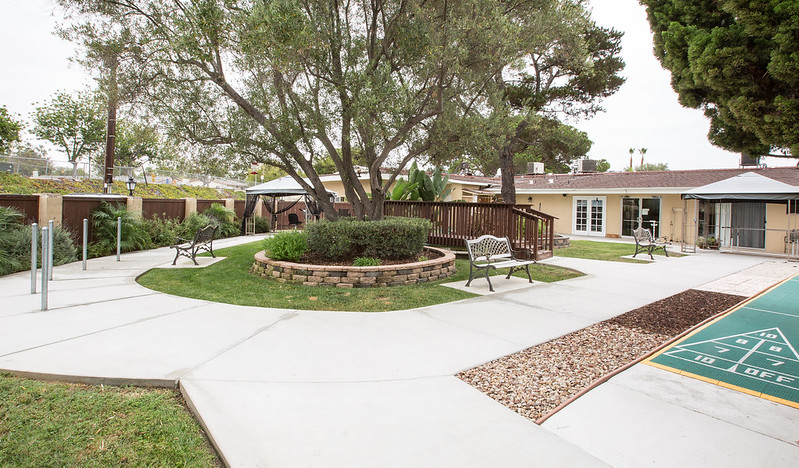
How is La Paloma Healthcare Center Staffed?

CMS rates LA PALOMA HEALTHCARE CENTER's staffing level at 2 out of 5 stars, which is below average compared to other nursing homes. Staff turnover is 44%, compared to the California average of 46%. This relatively stable workforce can support continuity of care.

What Have Inspectors Found at La Paloma Healthcare Center?

State health inspectors documented 32 deficiencies at LA PALOMA HEALTHCARE CENTER during 2019 to 2025. These included: 1 that caused actual resident harm and 31 with potential for harm. Deficiencies causing actual harm indicate documented cases where residents experienced negative health consequences.
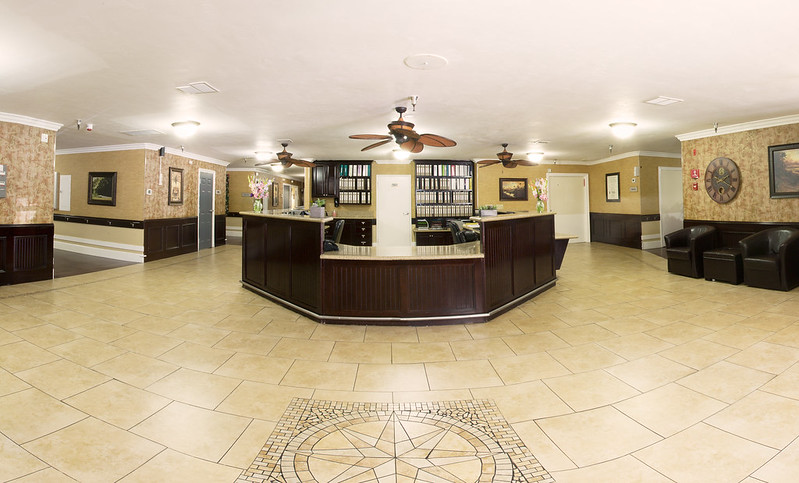
Who Owns and Operates La Paloma Healthcare Center?

LA PALOMA HEALTHCARE CENTER is owned by a for-profit company. For-profit facilities operate as businesses with obligations to shareholders or private owners. The facility is operated by PACS GROUP, a chain that manages multiple nursing homes. With 93 certified beds and approximately 89 residents (about 96% occupancy), it is a smaller facility located in OCEANSIDE, California.
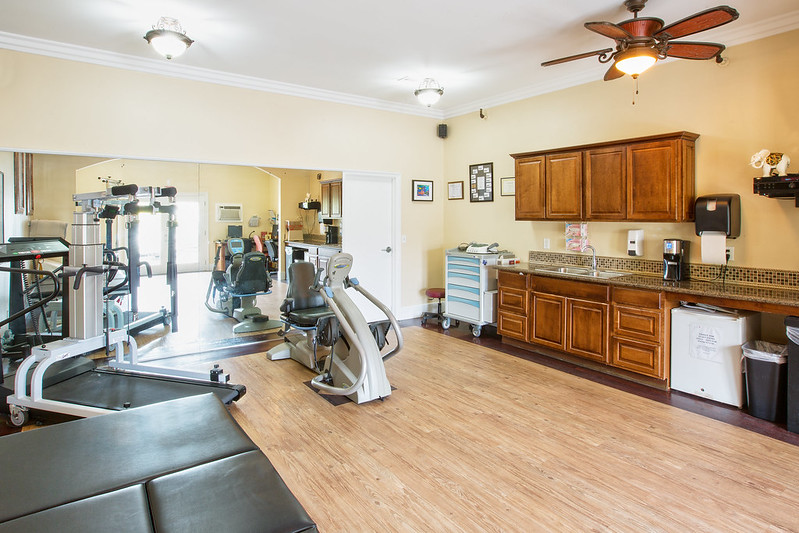
How Does La Paloma Healthcare Center Compare to Other California Nursing Homes?

Compared to the 100 nursing homes in California, LA PALOMA HEALTHCARE CENTER's overall rating (5 stars) is above the state average of 3.2, staff turnover (44%) is near the state average of 46%, and health inspection rating (5 stars) is much above the national benchmark.

What Should Families Ask When Visiting La Paloma Healthcare Center?

Based on this facility's data, families visiting should ask: "Can you walk me through typical staffing levels on day, evening, and night shifts?" "Can I visit during a mealtime to observe dining assistance and food quality?" "How do you handle medical emergencies, and what is your hospital transfer rate?" "Can I speak with family members of current residents about their experience?" These questions are particularly relevant given the below-average staffing rating.

Is La Paloma Healthcare Center Safe?

Based on CMS inspection data, LA PALOMA HEALTHCARE CENTER has a clean safety record: no substantiated abuse findings (meaning no confirmed cases of resident harm), no Immediate Jeopardy citations (the most serious violation level indicating risk of serious injury or death), and is not on the Special Focus Facility watch list (a federal program monitoring the lowest-performing 1% of nursing homes). The facility has a 5-star overall rating and ranks #1 of 100 nursing homes in California. While no facility is perfect, families should still ask about staff-to-resident ratios and recent inspection results during their visit.

Do Nurses at La Paloma Healthcare Center Stick Around?

LA PALOMA HEALTHCARE CENTER has a staff turnover rate of 44%, which is about average for California nursing homes (state average: 46%). Moderate turnover is common in nursing homes, but families should still ask about staff tenure and how the facility maintains care continuity when employees leave.

Was La Paloma Healthcare Center Ever Fined?

LA PALOMA HEALTHCARE CENTER has no federal fines on record. CMS issues fines when nursing homes fail to meet care standards or don't correct problems found during inspections. The absence of fines suggests the facility has either maintained compliance or corrected any issues before penalties were assessed. This is a positive indicator, though families should still review recent inspection reports for the full picture.

Is La Paloma Healthcare Center on Any Federal Watch List?

LA PALOMA HEALTHCARE CENTER is not on any federal watch list. The most significant is the Special Focus Facility (SFF) program, which identifies the bottom 1% of nursing homes nationally based on persistent, serious quality problems. Not being on this list means the facility has avoided the pattern of deficiencies that triggers enhanced federal oversight. This is a positive indicator, though families should still review the facility's inspection history directly.