HEALTHBRIDGE CHILDREN'S HOSPITAL - ORANGE D/P SNF

393 S TUSTIN ST, ORANGE, CA 92866 (714) 289-2400
For profit - Limited Liability company 21 Beds VIVRA SPECIALTY CARE Data: November 2025
Trust Grade
78/100
#95 of 1155 in CA
Last Inspection: February 2025

Within standard 12-15 month inspection cycle. Federal law requires annual inspections.

Overview

HealthBridge Children's Hospital in Orange, California, has received a Trust Grade of B, indicating it is a good choice among nursing homes. It ranks #95 out of 1,155 facilities in California, placing it in the top half, and #8 out of 72 in Orange County, meaning only seven local options are better. The facility is improving, with reported issues decreasing from 19 in 2024 to 13 in 2025. Staffing is a strong point, with a 3/5 rating and a 0% turnover rate, significantly lower than the state average of 38%, which suggests that staff members are stable and familiar with the residents' needs. However, the facility has incurred fines totaling $21,106, which is concerning as it is higher than 91% of California facilities, indicating potential compliance issues. There are also notable strengths in RN coverage, which is better than 98% of state facilities, ensuring that registered nurses are present to catch potential issues. However, there are some weaknesses, including specific incidents where the facility failed to maintain proper infection control measures, such as not having a water management program to prevent the growth of harmful pathogens. Additionally, incidents were reported where medications were not stored or labeled correctly, posing risks for medication errors and potential contamination. These findings highlight the need for improvement in certain operational areas while acknowledging the overall positive aspects of the facility.

Trust Score
B
78/100
In California
#95/1155
Top 8%
Safety Record
Low Risk
No red flags
Inspections
Getting Better
19 → 13 violations
Staff Stability
○ Average
Turnover data not reported for this facility.
Penalties
⚠ Watch
$21,106 in fines. Higher than 88% of California facilities, suggesting repeated compliance issues.
Skilled Nurses
✓ Good
Each resident gets 235 minutes of Registered Nurse (RN) attention daily — more than 97% of California nursing homes. RNs are the most trained staff who catch health problems before they become serious.
Violations
⚠ Watch
52 deficiencies on record. Higher than average. Multiple issues found across inspections.
★★★★★
5.0
Overall Rating
★★★☆☆
3.0
Staff Levels
★★★★★
5.0
Care Quality
★★★★☆
4.0
Inspection Score
Stable
2024: 19 issues
2025: 13 issues

The Good

  • 5-Star Quality Measures · Strong clinical quality outcomes
  • Full Sprinkler Coverage · Fire safety systems throughout facility
  • No fines on record

Facility shows strength in quality measures, fire safety.

The Bad

Federal Fines: $21,106

Below median ($33,413)

Minor penalties assessed

Chain: VIVRA SPECIALTY CARE

Part of a multi-facility chain

Ask about local staffing decisions and management

The Ugly 52 deficiencies on record

Feb 2025 13 deficiencies
CONCERN (D)

Potential for Harm - no one hurt, but risky conditions existed

Report Alleged Abuse (Tag F0609)

Could have caused harm · This affected 1 resident

Based on interview, medical record review, and facility P&P review, the facility failed to implement their abuse P&P for ensuring the reporting of a reasonable suspicion of a crime in accordance with ...

Read full inspector narrative →
Based on interview, medical record review, and facility P&P review, the facility failed to implement their abuse P&P for ensuring the reporting of a reasonable suspicion of a crime in accordance with section 1150 B of the Social Security Act for one nonsampled resident (Resident 12) as evidenced by: * The facility failed to ensure the reporting of Resident 12's sexual abuse allegation to the local State and Federal agencies in a timely manner. This failure posed the risk for the abuse allegation going unreported and uninvestigated. Findings: Review of the facility's P&P titled Abuse revised 11/2024 showed the facility was required to complete the contact information sheet for state/local reporting agencies. Further review of the P&P showed the facility was to fax a written report to the local state survey agency. On 2/20/25 at 1400 hours, an interview was conducted with Family Member 1. Family Member 1 stated the facility was trying to discharge Resident 12 too soon. Family Member 1 stated the facility was doing this in response to Family Member 1 reporting Resident 12 was sexually abused by CNA 2. Family Member 1 stated she had reported the abuse allegation to the CEO in April 2024. Review of Resident 12's progress note dated 4/24/24, showed Family Member 1 had reported Resident 12 was afraid of CNA 2. On 2/21/25 at 0830 hours, an interview and concurrent medical record review was conducted with the CEO. When asked about a sexual abuse allegation of Resident 12, the CEO verified she was aware of Resident 12's sexual abuse allegation. The CEO stated she received information about the abuse allegation in May 2024 from the local police department. When asked about reporting the abuse allegation to the local State agency, the CEO stated she hand delivered the report to the local State agency but did not keep a copy of the documents submitted to the local State agency. When asked about a progress note dated 4/24/24, showing Family Member 1 reported Resident 12 was afraid of CNA 2, the CEO stated she was not notified of the sexual abuse allegation until May 2024. When asked if she had any documented evidence related to the reporting the abuse allegation to the local State agency or any other documents related to the abuse investigation, the CEO stated she did investigate the allegation and it was unsubstanted; however, she did not made or kept a copy of the documents related to the abuse allegation investigation. Cross reference to F610.
CONCERN (D)

Potential for Harm - no one hurt, but risky conditions existed

Investigate Abuse (Tag F0610)

Could have caused harm · This affected 1 resident

**NOTE- TERMS IN BRACKETS HAVE BEEN EDITED TO PROTECT CONFIDENTIALITY** Based on interview, medical record review, and the facility P&P review, the facility failed to implement their abuse P&P related...

Read full inspector narrative →
**NOTE- TERMS IN BRACKETS HAVE BEEN EDITED TO PROTECT CONFIDENTIALITY** Based on interview, medical record review, and the facility P&P review, the facility failed to implement their abuse P&P related to the investigation of sexual abuse for one nonsampled resident (Resident 12). This failure had the potential for not taking all the necessary corrective actions to protect Resident 12 and other residents from abuse. Findings: Review of the facility's P&P titled Abuse revised 11/2024 showed the facility is to: * document all allegations of abuse; * the licensed nurse is to assess the individual and document injury assessment; * interview family members, visitors, and other residents as applicable; and * interview staff from different shifts. On 2/20/25 at 1400 hours, an interview was conducted with Family Member 1. Family Member 1 stated the facility was trying to discharge Resident 12 too soon. Family Member 1 stated the facility was doing this in response to Family Member 1 reporting Resident 12 was sexually abused by CNA 2. Family Member 1 stated she observed Resident 12 scream and agitated when Resident 12 heard CNA 2's voice. Family Member 1 stated Resident 12 had communicated to her that CNA 2 touched her breasts and vaginal area. Family Member 1 stated she reported Resident 12 was afraid of CNA 2 to the CEO in April 2024. Medical record review for Resident 12 was initiated on 2/21/25. Resident 12 was admitted to the facility on [DATE]. Review of Resident 12's H&P examination dated 12/6/23, showed Resident 12's diagnoses included severe brain injury, multiple back fractures, and rib fractures post status fall. Review of Resident 12's medical record failed to show a body assessment was completed in reference to the alleged sexual abuse. Review of Resident 12's progress notes dated 4/24/24, showed Family Member 1 reported Resident 12 was afraid of CNA 2. On 2/21/25 at 0830 hours, an interview and concurrent medical record review was conducted with the CEO. When asked about a sexual abuse allegation regarding Resident 12, the CEO verified she was aware of Resident 12's alleged sexual abuse allegation. The CEO stated she received information about the sexual abuse allegation in May 2024 from the local police department. When asked about the investigation of this allegation, the CEO stated she interviewed all night shift staff. The CEO stated she did not have documented evidence to show the facility staff statements or a list of the facility staff she had interviewed. In addition, the CEO stated she did not interview Resident 12's family members or visitors about the sexual abuse allegation. The CEO stated the allegation was unsubstantiated; however, she did not kept the copy of the investigation she did. The facility failed to provide any documented evidence to show the sexual abuse allegation was thoroughly investigated.
CONCERN (D)

Potential for Harm - no one hurt, but risky conditions existed

Comprehensive Care Plan (Tag F0656)

Could have caused harm · This affected 1 resident

**NOTE- TERMS IN BRACKETS HAVE BEEN EDITED TO PROTECT CONFIDENTIALITY** 2. Medical Record review of Resident 4 was initiated on 2/19/25. Resident 4 was admitted to the facility on [DATE], and readmitt...

Read full inspector narrative →
**NOTE- TERMS IN BRACKETS HAVE BEEN EDITED TO PROTECT CONFIDENTIALITY** 2. Medical Record review of Resident 4 was initiated on 2/19/25. Resident 4 was admitted to the facility on [DATE], and readmitted on [DATE]. Review of the facility's P&P titled Enhanced Based Precaution dated 8/2024 showed once a resident is placed on EBP, the staff members will promptly communicated the purposed of EBP to the family members/next of kin. Continue following barrier precaution including hand hygiene, the use of gown, gloves, mask or eye shields when contact with mosit bodily fluid is likely; injection safety practices, respiratory hygience/cough etiquette, recomended enviromental infection control practices in all care settings for all residents. Review of the Order Summary Report dated 2/20/25, showed a physician's order dated 9/6/24, to place in EBP for infection prevention. On 2/19/24 at 0815 hours, Resident 4's family member was observed entering the room without donning gloves and gowns, and had suctioned the resident a few times. In front of the room, a sign was posted indicating enhanced-based precautions. There was no staff member observed providing education to Resident 4's family member. On 2/19/24 at 1000 hours, an observation and concurrent interview for Resident 4 was conducted with LVN 1. LVN 1 was asked if the resident's family member was aware of donning gowns and gloves. LVN 1 stated in the past, she had informed Resident 12's family member. LVN 1 stated she did not educate the family member this morning. On 2/19/24 at 1015 hours, a concurrent interview and medical record review was conducted with RN 5. RN 5 were asked if there was a care plan problem to address the resident's family member education about wearing gowns and gloves during high-contact interactions with the resident. RN 5 was unable to provide documentation. RN 5 verified the findings. 3. Review of the facility's P&P titled Hydro-Lift instructions dated 5/4/21, showed to always use two people when moving the lift with a resident. On 02/20/25 at 1600 hours, CNA 1 was observed transferring Resident 12 from the resident's bed to a wheelchair, using a mechanical lift. On 2/20/25 at 1630 hours, an interview was conducted with CNA 1. When asked about transferring residents using a mechanical lift, CNA 1 stated there should be two-person transfer assist when using a mechanical lift. Review of Resident 12's plan of care showed a care plan problem addressing Resident 12's transfers. One of the interventions was the resident required a mechanical lift with assistance from two staff members. Based on interview, medical record review, and facility P&P review, the facility failed to develop and implement the individualized care plans for two of 12 sampled residents (Residents 4 and 19) and one nonsampled resident (Resident 12). * The facility failed to develop a care plan problem to address the resident's family member education regarding the use of gown and glove during high-contact interactions with the resident. This failure posed the risk for Resident 4 to be infected and spread the infection. * The facility failed to ensure the care plan problem for the use of the mechanical lift was implemented when Resident 12 was tansferred by one staff using the mechanica lift instead of two staff assistance. This failure posed the risk of Resident 12 for injury or fall. * The facility failed to develop a care plan problem for Resident 19 to address the use of anticoagulant and antibiotic medications. This failure posed the risk for Resident 19 to develop complications associated with the use of anticoagulant and antibiotic medications. Findings: 1. Medical record review for Resident 19 was initiated on 2/21/25 at 0811 hours. Resident 19 was readmitted to the facility on [DATE]. Review of Resident 19's H&P examination dated 1/10/25, showed Resident 19 had no capacity to understand and make decisions. Review of Resident 19's Order Summary Report dated 2/19/25, showed a physician's order dated 1/10/25, for enoxaparin sodium (blood thinner medication) injection solution prefilled syringe 30 mg/0.3 ml, inject 30 mg subcutaneously two times a day for deep vein thrombosis (DVT) prophylaxis. Another physician's order dated 1/13/25, showed an order for amoxicillin (antibiotic medication) oral tablet 500 mg via J-tube two times a day for asplenia. Further review of Resident 19's medical record failed to show a care plan problem was developed for the use of anticoagulant and the antibiotics medications. On 2/21/25 at 0845 hours, an interview and concurrent medical record review was conducted with RN 3. RN 3 verified Resident 19 had the orders for an anticoagulant and antibiotic medications. RN 3 acknowledged the care plan problems should be developed for the anticoagulant medication to indicate what to monitor for a resident taking an anticoagulant, and for the infection associated with the antibiotic use. RN 3 was unable to locate the care plan problems in Resident 19's medical record for the anticoagulant and antibiotic use. On 2/21/25 at 0855 hours, an interview was conducted with RN 2. RN 2 stated she was responsible for entering the physician's orders and initiating the appropriate care plans. RN 2 stated there should be a care plan problem initiated when a resident was prescribed for an anticoagulant or antibiotic. RN 2 stated the nursing team did a weekly care plan check to verify the appropriate care plans have been initiated. RN 2 verified Resident 19 did not have a care plan for the anticoagulant or antibiotic and it was a mistake.
CONCERN (D)

Potential for Harm - no one hurt, but risky conditions existed

Deficiency F0657 (Tag F0657)

Could have caused harm · This affected 1 resident

**NOTE- TERMS IN BRACKETS HAVE BEEN EDITED TO PROTECT CONFIDENTIALITY** 2. Medical Record review of Resident 17 was initiated on 2/19/25. Resident 17 was admitted to the facility on [DATE], and readmi...

Read full inspector narrative →
**NOTE- TERMS IN BRACKETS HAVE BEEN EDITED TO PROTECT CONFIDENTIALITY** 2. Medical Record review of Resident 17 was initiated on 2/19/25. Resident 17 was admitted to the facility on [DATE], and readmitted on [DATE]. Review of the Order Summary Report dated 2/20/25, showed a physician's order dated 11/15/24, for the resident to wear the bilateral AFOs two hours on and two hours off from 0800 to 2200 hours as tolerated; maintain the ankle alignment and PROM exercises and prevent further contractures; check for skin integrity prior to and after the application; and inform the rehabilitation staff, nursing staff, or MD of any redness that not disappear within 30 minutes. On 2/20/25 at 1445 hours, a concurrent interview and medical record review was conducted with RN 1. RN 1 was asked if there was any care plan to address the use of bilateral AFOs. RN 1 was unable to provide the documentation. RN 1 acknowledged the plan of care would need to be revised. RN 1 verified the findings. Based on observation, interview, and medical record review, the facility failed to revise the care plan for one of 12 final sampled residents (Resident 17) and one nonsampled resident (Resident 12). * Resident 12's plan of care was not revised to reflect an abuse allegation reported. * Resident 17's plan of care was not revised to reflect the resident's use of bilateral afo to lower extremity. These failures posed the risk of the residents to not receive the appropriate care. Findings: 1. On 2/20/25 at 1400 hours, an interview was conducted with Family Member 1. Family Member 1 stated Resident 12 communicated that the resident was sexually abused by CNA 2. Family Member 1 stated she reported this allegation to the Administrator in April 2024. On 2/21/25 at 0830 hours, an interview was conducted with the Administrator. The Administrator verified she was aware of Resident 12's abuse allegation. When asked about a care plan problem addressing Resident 12's abuse report, the Administrator stated she would look for the care plan. The resident's plan of care was not revised to address Resident 12's abuse allegation. On 2/19/25, medical record review for Resident 12 was initiated. Review of Resident 12's plan of care failed to show Resident 12's plan of care was revised to reflect a care plan problem addressing Resident 12's abuse allegation. Cross references to F609 and F610
CONCERN (D)

Potential for Harm - no one hurt, but risky conditions existed

Tube Feeding (Tag F0693)

Could have caused harm · This affected 1 resident

**NOTE- TERMS IN BRACKETS HAVE BEEN EDITED TO PROTECT CONFIDENTIALITY** Based on observation, interview, medical record review, and facility P&P review, the facility failed to ensure one of 12 final s...

Read full inspector narrative →
**NOTE- TERMS IN BRACKETS HAVE BEEN EDITED TO PROTECT CONFIDENTIALITY** Based on observation, interview, medical record review, and facility P&P review, the facility failed to ensure one of 12 final sampled residents (Resident 1) received the appropriate treatment and services to prevent the occurrences of complications from the GT feeding. * The facility failed to ensure Resident 1's head of bed was positioned safely at 30 to 45 degrees during the GT feeding to reduce the risk of aspiration. In addition, the facility failed to ensure Resident 1's tube feeding formula was properly labeled. These failures posed the risk for developing complications related to GT feedings, which had the potential to negatively impact the resident's well-being. Findings: Medical record review for Resident 1 was initiated on 2/20/25. Resident 1 was admitted to the facility on [DATE]. Review of Resident 1's H&P examination dated 3/6/21, showed Resident 1 had no capacity to understand and make decisions. a. Review of the facility's P&P titled Enteral Tube Feeding via Continuous Pump dated 3/2022 showed to position the head of the bed at 30° - 45° (semi-Fowler's position) for feeding unless medically contraindicated. On 2/19/24 at 0830 hours, an initial observation was conducted for Resident 1. Resident 1 was observed to have the tracheostomy, ventilator, and a GT feeding setup. On 2/20/25 at 0832 hours, an interview was conducted with RT 1. RT 1 verified the HOB for the residents who had a tracheostomy, on ventilators or tube feedings should be at least 30° to reduce the risk of aspiration and [NAME]. RT 1 stated it was the responsibility of all the staff to ensure the HOB was at the correct elevation. On 2/20/25 at 0844 hours, an observation of Resident 1 and concurrent interview with RN 2 was conducted. The HOB for Resident 1 was confirmed to be only 20° with an angle measurement tool. RN 2 stated she thought the HOB for the residents on GT feedings should be above 45°, but it was ultimately the responsibility of the resident's nurse. RN 2 verified 20° was the incorrect setting for Resident 1 as she had a tracheostomy, ventilator, and was on periodic tube feedings. On 2/20/25 at 0956 hours, an interview was conducted with LVN 1. LVN 1 verified the HOB for Resident 1 should be at least 30° to keep the secretions away so she would not aspirate. On 2/20/25 at 1013 hours, an interview was conducted with CNA 2. CNA 2 verified the HOB should be 30°. CNA 2 stated she knew of the need for the resident to be positioned to 30° degrees from in-service trainings at the facility. On 2/20/25 at 1028 hours, an interview was conducted with LVN 4. LVN 4 verified the HOB for Resident 1 should be at 30° - 45° as per the facility P&P. On 2/2025 at 1332 hours, an observation was conducted of Resident 1. Resident 1 was observed in bed. The HOB for Resident 1 was confirmed to be only 20° with an angle measurement tool. Resident 1 was observed with an ongoing enteral GT feeding. RN 2 entered the resident's room and verified the HOB was too low. The measurement of 20° was verified by RN 2 and she adjusted the HOB to the correct height. b. Review of the facility's P&P titled Enteral Tube Feeding via Continuous Pump issued on 3/2022 showed for the enteral feeding formula label, to document the initials, date and time the formula was hung/administered, and initial that the label was checked against the order. Review of Resident 1's Medication Administration Record showed an enteral feeding physician's order dated 10/19/24, for Boost Kids Essentials with fiber 1.5 three times a day at 195 ml to run over one hour at 0900, 1300, and 1700 hours; and give 75 ml of water flush before and after the feeding. On 2/19/25 at 0830 hours, an initial observation was conducted for Resident 1. Resident 1 was observed to have the tracheostomy, ventilator, and GT feeding setup. The feeding formula and water flush bags were observed with the label showing the date of 2/19/25, and time of 0600 hours. On 2/20/25 at 1028 hours, an interview was conducted with LVN 4. LVN 4 stated the night shift was in charge of changing the water flush and GT feeding bags every 24 hours so the date and time on the empty bags was the date and time when the bags were changed. LVN 4 stated there was no way to know when the GT feeding formula was added to the GT feeding bag without looking in the computer. LVN 4 verified the staff did not put the date, time, or initial the GT feeding and flush bags when the feeding formula and water were added to the bags. On 2/2025 at 1332 hours, an observation was conducted of Resident 1. Resident 1 was observed in bed with an on going GT feeding. The date and time on the GT feeding and flush bags were noted as 2/20/25 at 0600 hours. RN 2 entered the room and stated the date and time on the bags referred to when the GT feeding and flush bags were changed. RN 2 verified the facility had no system for labeling the GT feeding bags with the date and time when the GT feeding formula was added to the bag.
CONCERN (D)

Potential for Harm - no one hurt, but risky conditions existed

Respiratory Care (Tag F0695)

Could have caused harm · This affected 1 resident

**NOTE- TERMS IN BRACKETS HAVE BEEN EDITED TO PROTECT CONFIDENTIALITY** Based on observation, interview, medical record review, and facility P&P review, the facility failed to provide the necessary re...

Read full inspector narrative →
**NOTE- TERMS IN BRACKETS HAVE BEEN EDITED TO PROTECT CONFIDENTIALITY** Based on observation, interview, medical record review, and facility P&P review, the facility failed to provide the necessary respiratory care and services for two of 12 final sampled residents (Residents 7 and 9). * The facility failed to ensure Resident 7's cool aerosol therapy (treatment that uses mist of medicine to help relieve upper airway issues by loosening phlegm) plastic bag was dated as per the facility's P&P. * The facility failed to ensure Resident 9's suction canister (bottle connected to suction machine to collect the secretions like phlegm, mucous during suctioning ) was dated when it was installed and hooked to the suction machine (medical device that removes obstructions from a patient's airway by clearing from secretions). These failures had the potential for increased risk of infection. Findings: Review of the facility's P&P titled Changing Respiratory Equipment revised 1/2025 showed the purpose of the P&P is to provide guidelines for changing respiratory therapy equipment. Continuous aerosol therapy equipment will be changed every seven days and PRN. All equipment will be dated including the tracheostomy collar. Aerosols will be issued sterile prefilled water and that is to be changed when empty or up to 48 hours of use. Suction canisters will be changed by nursing weekly and as needed. All disposable equipment will be dated when changed. 1. During the initial tour of the facility on 2/19/25 at 1605 hours, Resident 7 was observed lying in bed and connecting to a cool aerosol via T-piece (a device used for delivering oxygen through the trachea - tube like structure that connects the voice box to the lungs). The plastic bag labeled Cool Aerosol was dated 2/6/25. On 2/20/25 at 0845 hours, a follow-up observation with concurrent interview with RT 3 for Resident 7 was conducted. The plastic bag labeled Cool Aerosol was still dated 2/6/25. RT 3 was asked when they changed the set-up bag for the Cool Aerosol. RT 3 stated it was changed every week. RT 3 verified it was dated 2/6/25, and should have been changed last week which was on 2/13/25. Medical record review for Resident 7 was initiated on 2/20/25. Resident 7 was initially admitted to facility on 9/19/22, and readmitted on [DATE]. Review of Resident 7's medical record showed the resident's diagnoses included chronic respiratory failure (condition in which lungs are unable to adequately exchange oxygen and carbon dioxide over an extended period of time leading to low oxygen level), tracheostomy status, and multiple congenial heart malformations (heart defects that are present at birth). 2. On 2/19/25 at 1615 hours, an observation and concurrent interview with LVN 5 for Resident 9 was conducted. Resident 9 was lying in her bed. Resident 9's suction canister was observed with 60 -70 ml of whitish secretions connected to the suction machine which was not dated. LVN 5 verified the above findings stated it should be dated because all the suction canisters must be dated once it was installed and connected to the suction machine. Medical record review for Resident 9 was initiated on 2/20/25. Resident 9 was initially admitted to facility on 2/1/23, and was readmitted on [DATE]. Review of Resident 9's medical record showed the resident's diagnoses included acute and chronic respiratory failure with hypoxia (absence of enough oxygen in the tissues to sustain bodily functions), tracheostomy status, and dependence on ventilator (machine that moves air in and out of the lungs) status. On 2/24/25 at 1510 hours, the CEO was made aware and acknowledged the above findings.
CONCERN (D)

Potential for Harm - no one hurt, but risky conditions existed

Medication Errors (Tag F0758)

Could have caused harm · This affected 1 resident

**NOTE- TERMS IN BRACKETS HAVE BEEN EDITED TO PROTECT CONFIDENTIALITY** Based on observation, interview, medical record review, and facility's P&P review, the facility failed to ensure one of 12 final...

Read full inspector narrative →
**NOTE- TERMS IN BRACKETS HAVE BEEN EDITED TO PROTECT CONFIDENTIALITY** Based on observation, interview, medical record review, and facility's P&P review, the facility failed to ensure one of 12 final sampled residents (Resident 273) were free from the unnecessary psychotropic medications. * The facility failed to monitor the episodes of OMS as one of the behavior manifestations and side effect monitoring for alprazolam (anxiety medication) and sertraline (antidepressant medication) medications for Resident 273. In addition, both medications had the same indication. This failure had the potential for inaccurate behavior and side effects monitoring, which might cause the physician for not having the necessary information to determine the effectiveness of the medications for Resident 273. Findings: Medical review of Resident 273 was initiated on 2/19/25. Resident 273 was admitted to the facility on [DATE]. Review of the Order summary Report dated 2/21/25, showed a physician's order dated 2/19/25, to administer alprazolam oral tablet 0.25 mg via GT two times a day for OMS for 30 Days. The summary report also showed a physician's order dated 2/20/25, to administer sertraline hydrochloride 50 mg by mouth one time a day for OMS for five days, then give 75 mg by mouth one time a day. On 2/24/25 at 1000 hours, an interview and concurrent medical record review for Resident 273 was conducted with RN 4. RN 4 stated there was no monitoring of the behavior for the use of sertraline medication. RN 4 acknowledged the behavior monitoring for the alprazolam medication was not accurate in the physician's order and the order was not specific. RN 4 acknowledged both medications had the same indication for use and it would be difficult to monitor the effectiveness of the medication. RN 4 stated there was no side effect monitoring for the two medications. RN 4 verified the above findings. On 2/24/25 at 1100 hours, an interview and concurrent medical record review with LVN 6 was conducted. LVN 6 was asked which behaviors they were monitoring for the use of alprazolam and sertraline medications. LVN 6 stated it was for OMS. LVN 6 was not sure what specific behaviors to monitor for the use of the two medications. After reviewing the TAR, LVN 6 stated they monitored for 'call out' behavior for alprazolam medication. LVN 6 acknowledged the physician's order did not specify the behaviors monitoring for the use of the alprazolam and sertraline medications. LVN 6 verified the findings.
CONCERN (D)

Potential for Harm - no one hurt, but risky conditions existed

Deficiency F0761 (Tag F0761)

Could have caused harm · This affected 1 resident

**NOTE- TERMS IN BRACKETS HAVE BEEN EDITED TO PROTECT CONFIDENTIALITY** Based on observation, interview, medical record review, facility document review, and facility P&P review, the facility failed t...

Read full inspector narrative →
**NOTE- TERMS IN BRACKETS HAVE BEEN EDITED TO PROTECT CONFIDENTIALITY** Based on observation, interview, medical record review, facility document review, and facility P&P review, the facility failed to ensure the residents' medications and biologicals were properly stored and labeled for two of 12 final sampled residents (Residents 4 and 273). In addition, the facility failed to ensure three of six medication carts had no expired supplies and medication. * Resident 4 had a six ounce tube of Triad hydrophilic wound dressing (used to provide a moist wound healing environment) with CMC (cellulose gum) at the bedside table. * Resident 273 had a 22-gram tube of mupirocin (used to treat skin infections) 2% ointment and a 60-gram tube of Venelex wound dressing (used to cover wounds) on the bedside table. * Medication Cart 2 had eight packets of SurePrep protective wipe (skin protectant) with an expiration date of [DATE]. * Medication Cart 4 had an AG Cuffill pressure manometer (used for measuring and regulating intra-cuff pressure) with an expiration date of [DATE]. * Medication Cart 6 had a GT feeding tube extension sets with Enfit (enteral feeding connection) connectors with an expiration date of [DATE], and 42 packets of SurePrep protective wipe with an expiration date of [DATE]. These failures had the potential for the unsecured medications be accessible to other residents and visitors, and the residents receiving expired or contaminated biologicals or medications. Findings: Review of the facility's P&P titled Medication Storage in the Facility dated 8/2019 showed the medications and biologicals are stored safely, securely and properly, following manufactures' recommendations or those of the supplier. Medications will not be kept on hand after the expiration date on the label (and no contaminated or deteriorated medications shall be available). 1. Medical review for Resident 273 was initiated on [DATE]. Resident 273 was admitted to the facility on [DATE]. On [DATE] at 0830 hours, Resident 273 was observed with a 22-gram tube of mupirocin 2% ointment and a 60-gram tube of Venelex wound dressing on the bedside table. On [DATE] at 1440 hours, an observation and concurrent interview was conducted with RN 4. RN 4 was asked about the two tubes of medications on the resident's bedside table. RN 4 stated the medications were brought in with Resident 273 since the resident was admitted to the facility. RN 4 stated the medications should be locked or stored in the medication treatment cart. RN 4 verified the above findings. 2. Medical Record review of Resident 4 was initiated on [DATE]. Resident 4 was admitted to the facility on [DATE], and readmitted on [DATE]. On [DATE] at 0815 hours, Resident 4 was observed with a six ounce tube of Triad hydrophilic wound dressing with CMC at the bedside table. On [DATE] at 1430 hours, an observation and concurrent interview was conducted with LVN 1. LVN 1 stated the wound dressing medication was brought in with Resident 4 since the resident was admitted to the facility. LVN 1 stated the wound dressing medication should be stored in medication treatment cart. LVN 1 verified the above findings. 3. On [DATE] at 0813 hours, an inspection of Medication Cart 2 was conducted with RN 1. Medication Cart 2 was observed with eight packets of SurePrep protective wipe with an expiration date of [DATE]. RN 1 stated the expired supplies should be removed from the treatment cart immediately. RN 1 stated the SurePrep wipe was used to clean the skin to ensure the wound dressing would adhere better. RN 1 stated the expired supplies could be less effective. RN 1 verified the findings. 4. On [DATE] at 0845 hours, an inspection of Medication Cart 4 was conducted with RT 1. Medication Cart 4 was observed with an AG Cuffill pressure manometer with an expiration date of [DATE]. RT 1 stated the expired supplies needed to be remove from medication cart immediately. RT 1 verified the findings. 5. On [DATE] at 0824 hours, an inspection of Medication Cart 6 was conducted with LVN 3. Medication Cart 6 was observed with a GT feeding tube extension sets with Enfit connectors with an expiration date of [DATE], and 42 packets of SurePrep protective wipe with an expiration date of [DATE]. LVN 3 stated the expired supplies should be removed from the medication immediately. LVN 3 stated the expired supplies could be less effective when used. LVN 3 verified the findings.
CONCERN (D)

Potential for Harm - no one hurt, but risky conditions existed

Staffing Data (Tag F0851)

Could have caused harm · This affected 1 resident

Based on interview and facility document review, the facility failed to submit the complete and accurate direct care staffing information to CMS. This failure posed the risk of inaccurate auditable da...

Read full inspector narrative →
Based on interview and facility document review, the facility failed to submit the complete and accurate direct care staffing information to CMS. This failure posed the risk of inaccurate auditable data reporting. Findings: Review of the CMS CASPER reports showed the facility triggered a One-Star Staffing Rating due to the failure to submit data for the quarter from 7/1/24 to 9/20/24. Review the Pediatric Monthly Subacute Staffing Report showed the following: - For September 2024, the RN and LVN hours were within the requirement. However, there were 17 days that the CNA hours were below the minimum, for a total of 167.66 hours below the minimum. - For October 2024, the RN and LVN hours were within the requirement. However, there were nine days that the CNA hours were below the minimum, for a total of 76.68 hours below the minimum. - For November 2024, the RN and LVN hours were within the requirement. However, there were five days that the CNA hours were below the minimum, for a total of 30.10 hours below the minimum. - For December 2024, the RN and LVN hours were within the requirement. However, there were five days that the CNA hours were below the minimum, for a total of 37.99 hours below the minimum. - For January 2025, the RN and LVN hours were within the requirement. However, there were 16 days that the CNA hours were below the minimum, for the a total of 100.31 hours below the minimum. There were negative variances of the CNA hours for the months mentioned above; however, there were excess nursing hours; therefore, the nursing staff assisted the residents with resident care. On 2/21/25 at 1109 hours, an interview and concurrent facility document review was conducted with the CEO. When asked about the data submitted to CMS related to the payroll and reports generated triggering extremely low staffing on weekends, the CEO stated she submitted the PBJ electronically in October 2024 but did not submit it in the required XML format. The CEO stated the submitted PBJ was rejected, but she did not notice the rejection initially. The CEO stated when she found out it was rejected, she tried to resubmit the PBJ but was not able to. The CEO stated the October 2024 PBJ was submitted on 10/25/24 (Friday), and the facility tried resubmitting on 10/28/24 (Monday); however, there was no option to resubmit the PBJ. The CEO stated the facility was unable to contact CMS to obtain the information on how to resubmit the PBJ because there was no contact information available. When asked to provide the documentation of the October 2024 PBJ rejection notice, the CEO was unable to show or provide the copy. The CEO stated when she went back to the CMS PBJ website, she was unable to print the notice.
CONCERN (D)

Potential for Harm - no one hurt, but risky conditions existed

Room Equipment (Tag F0908)

Could have caused harm · This affected 1 resident

Based on observation, interview, and facility P&P review, the facility failed to ensure the resident care equipment was kept in safe operating condition as evidenced by: * The facility's mechanical li...

Read full inspector narrative →
Based on observation, interview, and facility P&P review, the facility failed to ensure the resident care equipment was kept in safe operating condition as evidenced by: * The facility's mechanical lift stopped working during the transfer for one nonsampled resident (Resident 12). * The ice buildup was observed in the enteral feeding refrigerator. These failures posed the risk for equipment hazards or unsafe practices which could affect the residents' well-being in the facility. Findings: 1. Review of the facility's P&P titled Hydro-Lift Instructions for Use dated 5/4/21, showed the lift was to be charged daily, with minimum charging time of eight hours. On 2/20/25 at 1600 hours, an observation was conducted with CNA 1. CNA 1 was observed transferring Resident 12 from the resident's bed to a wheelchair using a mechanical lift. When lifting Resident 12 approximately one and a half feet above her wheelchair, the mechanical lift stopped working. CNA 1 stated the mechanical lift's battery had died. CNA 1 was then observed manually pushing the mechanical lift and placing Resident 12 back to her bed. CNA 1 then stated she would get a charged battery for the mechanical lift. On 2/20/25 at 1645 hours, an interview was conducted with the Maintenance Director/Plants Operations. The Maintenance Director/Plants Operations was informed of the mechanical lift stopped working during a resident transfer. The Maintenance Director/Plants Operations stated the facility staff were expected to replace the mechanical lift's battery with a charged battery after each use. 2. On 2/19/25 at 0955 hours, an observation and concurrent interview was conducted with RN 4. When RN 4 asked where the food items brought from outside of the facility could be stored, RN 4 showed a refrigerator labeled hospital nutrition only. The prepared enteral feedings used for the residents were observed stored inside the refrigerator with ice build up along the back side of the refrigerator. RN 4 verified the above findings.
MINOR (B)

Minor Issue - procedural, no safety impact

Resident Rights (Tag F0550)

Minor procedural issue · This affected multiple residents

**NOTE- TERMS IN BRACKETS HAVE BEEN EDITED TO PROTECT CONFIDENTIALITY** Based on observation, interview, and medical record review, the facility failed to ensure one nonsampled resident (Resident 12) ...

Read full inspector narrative →
**NOTE- TERMS IN BRACKETS HAVE BEEN EDITED TO PROTECT CONFIDENTIALITY** Based on observation, interview, and medical record review, the facility failed to ensure one nonsampled resident (Resident 12) was assisted with her meals in a timely manner. This failure had the potential for Resident 12 not enjoying her meals at an appetizing temperature. Findings: On 2/19/25 at 0800 hours, Resident 12's breakfast tray was observed to be delivered to Resident 12. On 2/19/25 at 0940 hours, Resident 12's breakfast tray was observed on the overbed table still covered. The overbed table was observed about one foot away from the foot of Resident 12's bed. On 2/19/25 at 1000 hours, an observation was conducted with CNA 1. CNA 1 was observed standing over Resident 12 and placing a spoon of oatmeal into Resident 12's mouth. On 2/19/25 at 1146 hours, an observation was conducted with CNA 1. CNA 1 was observed placing Resident 12's meal tray on Resident 12's overbed table. CNA 1 was then observed walking out of Resident 12's room and down the hallway. On 2/19/25 at 1205 hours, Resident 12's lunch meal tray was observed still covered on Resident 12's overbed table. On 2/19/25 at 1230 hours, an observation was conducted with CNA 1. CNA 1 was observed walking into Resident 12's room and asking Family Member 2 if the family member wanted to assist the resident with her lunch. On 2/19/25 at 1240 hours, an interview was conducted with CNA 1. CNA 1 verified the above findings. CNA 1 was unable to explain the delay in assisting Resident 12 with eating her meals shortly after the meal trays were delivered. Medical record review for Resident 12 was initiated on 2/19/25. Resident 12 was admitted to the facility on [DATE]. Review of Resident 12's H&P examination dated 12/6/23, showed Resident 12's diagnoses included severe brain injury, multiple back fractures, rib fractures, chronic lung disease, and difficulty swallowing. Review of Resident 12's February 2025 Order Recap Report showed a physician's order dated 2/18/25, for soft and bite-sized texture diet. The order further showed the resident was to be fed by the CNAs.
MINOR (B)

Minor Issue - procedural, no safety impact

Safe Environment (Tag F0584)

Minor procedural issue · This affected multiple residents

Based on observation, interview, and facility P&P review, the facility failed to provide a safe, clean, homelike environment for one of 12 final sampled residents (Resident 8). * Resident 8 was resid...

Read full inspector narrative →
Based on observation, interview, and facility P&P review, the facility failed to provide a safe, clean, homelike environment for one of 12 final sampled residents (Resident 8). * Resident 8 was residing in Room A. Room A had a supply cabinet drawer that was difficult to pull open and with thin wood material coming out from the face of the drawer. In addition, the wall near the call light system had chipped off blue paint. These failures had the potential to negatively impact the resident's quality of life. Findings: Review of the facility's P&P titled Maintenance Service revised 4/2024 showed the maintenance services shall be provided to all areas of the building, grounds, and equipment. The P&P also showed maintaining the building in good repair and free from hazards, providing routinely scheduled maintenance service to all areas. On 2/19/25 at 1426 hours, an observation was conducted on Room A. Resident 8 was observed lying in her bed in Room A. Room A was observed with a supply cabinet drawer that was difficult to pull open and with thin wood material coming out from the face of the drawer. When the supply cabinet drawer was pulled out to open, the drawer rails were observed not aligned. In addition, the wall near the call light system had chipped off blue paint. On 2/20/25 at 0815 hours, a follow-up observation and concurrent interview was conducted with LVN 5. LVN 5 verified the above findings and stated he did not know how long it had been since the blue paint had chipped off the wall and when the supply cabinet drawer became difficult to open. LVN 5 stated he would follow up with the maintenance staff. On 2/20/25 at 1240 hours, a telephone interview was conducted with Family Member 3. Family Member 3 was asked what she noticed inside the room of Resident 8. Family Member 3 stated other than the oxygen and toys, she noticed the supply cabinet drawer on the right side of Room A upon entry did not open properly and thought it would fall if it was pulled opened. Family Member 3 stated she did not use the supply cabinet to put Resident 8's stuff in because it was broken. Family Member 3 stated the blue wall was peeling off, and also the face of the drawer. Family Member 3 stated it could be better if the drawer was working and fixed. On 2/24/25 at 1505 hours, an interview was conducted with the CEO. The CEO acknowledged the above findings. The CEO stated a job order was sent to the maintenance department for repair.
MINOR (B)

Minor Issue - procedural, no safety impact

Transfer Notice (Tag F0623)

Minor procedural issue · This affected multiple residents

**NOTE- TERMS IN BRACKETS HAVE BEEN EDITED TO PROTECT CONFIDENTIALITY** Based on interview and medical record review, the facility failed to ensure a copy of the Notice of Transfer/Discharge was sent ...

Read full inspector narrative →
**NOTE- TERMS IN BRACKETS HAVE BEEN EDITED TO PROTECT CONFIDENTIALITY** Based on interview and medical record review, the facility failed to ensure a copy of the Notice of Transfer/Discharge was sent to the LTC Ombudsman for one of one final sampled resident (Resident 19) reviewed for hospitalization. This failure posed the risk of the LTC Ombudsman not being aware of the circumstances should an appeal be filed by the resident or their representative regarding the transfer/discharge and the risk of the residents or their representative not being aware of their rights prior to the transfer/discharge from the facility. Findings: Medical record review for Resident 19 was initiated on 2/19/25. Resident 19 was admitted to the facility on [DATE]. Review of Resident 19's H&P examination dated 1/10/25, showed Resident 19 had no capacity to understand and make decisions. The H&P examination showed Resident 19 was transferred to an acute care facility on 12/13/25, for a higher level of care. Further review of Resident 19's medical record did not show the Notice of Transfer/Discharge was completed and a copy of the notice was sent to the LTC Ombudsman upon Resident 19's transfer to the acute care facility. On 2/24/25 at 0957, an interview was conducted with the Case Manager. The Case Manager verified the above findings. The Case Manager stated the Notice of Transfer/Discharge was not sent to the Ombudsman due to the short amount of time Resident 19 was in the facility. The Case Manager stated she now knew this procedure was not correct and the Notice of Transfer/Discharge needed to be sent regardless the length of time that the resident was in the facility.
Oct 2024 2 deficiencies
CONCERN (D) 📢 Someone Reported This

A family member, employee, or ombudsman was alarmed enough to file a formal complaint

Potential for Harm - no one hurt, but risky conditions existed

Report Alleged Abuse (Tag F0609)

Could have caused harm · This affected 1 resident

**NOTE- TERMS IN BRACKETS HAVE BEEN EDITED TO PROTECT CONFIDENTIALITY** Based on interview, medical record review, and facility P&P review, the facility failed to implement their P&P for ensuring the ...

Read full inspector narrative →
**NOTE- TERMS IN BRACKETS HAVE BEEN EDITED TO PROTECT CONFIDENTIALITY** Based on interview, medical record review, and facility P&P review, the facility failed to implement their P&P for ensuring the reporting of a reasonable suspicion of a crime in accordance with section 1150B of the Act when the facility did not report an allegation of abuse to the CDPH, L&C program for one of two sampled residents (Resident 1). This failure had the potential for the abuse allegation going unreported and uninvestigated. Findings: Review of the facility's P&P with subject Abuse revised 1/2024 showed it is the policy of the facility to report all alleged violations and all substantiated incidents to the state department of health and to all other agencies as required, in a timely manner. When an alleged or suspected case of mistreatment, neglect, injuries of unknown source, or abuse is reported, the Administrator or designee will notify the following individuals or agencies, as applicable, within two hours by telephone and an initial twenty-four hours in writing of the alleged incident: The State licensing/certification agency responsible for surveying/licensing the facility and the local/state Ombudsman among others. On 10/16/24, CDPH L&C Program received a complaint alleging Resident 1 was physically abused by an unknown provider on 9/11/24. Closed medical record review for Resident 1 was initiated on 10/17/24. Resident 1 was admitted to the facility on [DATE], and discharged on 9/11/24. Review of Resident 1's Progress Notes showed an entry dated 9/13/24, by the SS/CM. The SS/CM documented a social worker from an acute care hospital informed the facility of an abuse allegation reported by Resident 1's family member. However, the facility failed to report the abuse allegation to the CDPH, L&C Program. On 10/17/24 at 0956 hours, a concurrent interview was conducted with the CEO and the SS/CM. Both the CEO and the SS/CM were unable to provide documented evidence the CDPH L&C Program was notified of the alleged abuse documented by the SS/CM on 9/13/24.
CONCERN (D) 📢 Someone Reported This

A family member, employee, or ombudsman was alarmed enough to file a formal complaint

Potential for Harm - no one hurt, but risky conditions existed

Investigate Abuse (Tag F0610)

Could have caused harm · This affected 1 resident

**NOTE- TERMS IN BRACKETS HAVE BEEN EDITED TO PROTECT CONFIDENTIALITY** Based on interview, medical record review, and facility P&P review, the facility failed to thoroughly investigate an allegation ...

Read full inspector narrative →
**NOTE- TERMS IN BRACKETS HAVE BEEN EDITED TO PROTECT CONFIDENTIALITY** Based on interview, medical record review, and facility P&P review, the facility failed to thoroughly investigate an allegation of abuse for one of two sampled residents (Resident 1) when Resident 1 was allegedly abused by an unknown staff on 9/11/24. This failure posed the risk for the potential abuse to remain unidentified and for the residents to go unprotected. Findings: Review of the facility's P&P with subject Abuse revised 1/2024 showed any incident or allegation of abuse, neglect, mistreatment, or misappropriation of resident's property or injury of unknown source, will result in timely and thorough investigation. The staff member assigned to gather the facts will at a minimum review the resident's medical record to determine events leading up to the incident, interview the person(s) reporting the incident, interview any witnesses to the incident, interview staff members (on all shifts) who have had contact with the resident, review all events leading up to the alleged incident. The Administrator will review the investigation report and submit the completed report to State Licensing Department within the required time frame of five days. On 10/16/24, CDPH L&C Program received a complaint alleging Resident 1 was physically abused by an unknown provider on 9/11/24. Closed medical record review for Resident 1 was initiated on 10/17/24. Resident 1 was admitted to the facility on [DATE], and discharged on 9/11/24. Review of Resident 1's Progress Notes showed an entry dated 9/13/24, by the SS/CM. The SS/CM documented a social worker from an acute care hospital informed the facility of an abuse allegation reported by Resident 1's family member. The progress notes further showed the SS/CM informed the acute care hospital social worker that the claim had been thoroughly vetted by the facility and CalOptima three different times with no evidence found to back up the claim. On 10/22/24 at 0830 hours, a concurrent interview was conducted with the CEO and the SS/CM. The CEO stated a meeting was held with the night shift staff regarding the alleged abuse. However, when asked about the internal investigation of Resident 1's alleged abused, the CEO was unable to provide documentation. Cross reference to F609.
Mar 2024 15 deficiencies
CONCERN (D)

Potential for Harm - no one hurt, but risky conditions existed

Deficiency F0604 (Tag F0604)

Could have caused harm · This affected 1 resident

**NOTE- TERMS IN BRACKETS HAVE BEEN EDITED TO PROTECT CONFIDENTIALITY** Based on observation, interview, medical record review, and facility P&P review, the facility failed to ensure one of 12 final s...

Read full inspector narrative →
**NOTE- TERMS IN BRACKETS HAVE BEEN EDITED TO PROTECT CONFIDENTIALITY** Based on observation, interview, medical record review, and facility P&P review, the facility failed to ensure one of 12 final sampled residents (Resident 21) was free from the physical restraints. * The facility failed to conduct an assessment and implement the least restrictive measures prior to applying a mitten (mitten which look like boxing gloves with a Velcro or tie at the wrist to hold them in place and immobilize the resident's fingers) to Resident 21's hand and abdominal binder. In addition, the facility failed to obtain an informed consent from the responsible party for the use of hand mitten and abdominal binder. These failures posed the risk of compromising the residents' independence and psychosocial well-being. Findings: Review of the facility's P&P titled Restraints dated 1/2024 showed the restraints will be used only with a written order from a physician and should be obtained prior to the application of restraints, ensure the least restrictive alternatives were determined inadequate to protect the safety of the resident, initial assessment of the resident mental, behavioral, and physical status of the resident must be done and informed consent was obtained. All restraints use is documented in the resident's electronic medical record. On 3/11/24 at 1231 hours, Resident 21 was observed lying in bed and the hand mitten was on top of the bedside drawer. Medical record review for Resident 21 was initiated on 3/13/24. Resident 21 was admitted to the facility on [DATE]. Review of Resident 21's MDS dated [DATE], showed Resident 21's cognitive skills for daily decision making was severely impaired. Review of Resident 21's Order Summary Report dated 3/13/24, showed a physician's order dated 11/25/23, to apply abdominal binder around the GT (a small tube placed through the abdominal wall into the stomach, used to provide feeding formula and/or administer medications) site every shift. Another physician's order dated 11/25/24, was for Resident 21 to wear the mittens as needed, check skin and circulation every one hour during use. Review of Resident 21's medical record failed to show documentation of the informed consent, assessment, and least restrictive measures completed prior to implementing the hand mittens and abdominal binder. Review of Resident 21's Treatment Administration Record for the month of March 2024 showed the mittens were used on 3/7/24. Further review of Resident 21's medical record failed to show documented evidence as to when the mittens were released and no skin assessment for circulation every one hour during the use of the mittens. On 3/13/24 at 1047 hours, an observation and concurrent interview for Resident 21 was conducted with LVN 1. LVN 1 stated Resident 21 wore the mittens at times due to pulling out of the GT and tracheostomy tube (breathing tube inserted through the neck into the airway to maintain an open airway). LVN 1 further stated Resident 21 wore an abdominal binder for pulling out the GT. On 3/13/24 at 1100 hours, a concurrent interview and medical record review was conducted with RN 1. RN 1 verified Resident 21 used the mittens and abdominal binder. RN 1 also verified there were no consent, no assessment, and no monitoring for the use of the abdominal binder and hand mittens restraints. On 3/14/24 at 1524 hours, a concurrent interview and medical record review for Resident 21 was conducted with the CEO. The CEO was informed and verified the above findings.
CONCERN (D)

Potential for Harm - no one hurt, but risky conditions existed

Comprehensive Care Plan (Tag F0656)

Could have caused harm · This affected 1 resident

**NOTE- TERMS IN BRACKETS HAVE BEEN EDITED TO PROTECT CONFIDENTIALITY** 3. On 3/11/24 at 1013 hours and 3/12/24 at 1057 hours, Resident 10 was observed in bed asleep with all four side rails elevated....

Read full inspector narrative →
**NOTE- TERMS IN BRACKETS HAVE BEEN EDITED TO PROTECT CONFIDENTIALITY** 3. On 3/11/24 at 1013 hours and 3/12/24 at 1057 hours, Resident 10 was observed in bed asleep with all four side rails elevated. Medical record review for Resident 10 was initiated on 3/12/24. Resident 10 was admitted to the facility on [DATE], and readmitted on [DATE]. Review of Resident 10's Order Summary Report dated 3/14/24, showed a physician's order dated 1/25/24, for Resident 10's to have one side rail up to secure the ventilator tubing due to position sensitivity every shift for airway/ventilation protection. Further review of the medical record showed no documented evidence the resident's care plan addressed the use of side rail in bed for protection. On 3/14/24 at 1110 hours, an interview and concurrent medical record review for Resident 10 was conducted with RN 2. RN 2 verified Resident 10's use of side rail in bed. RN 2 verified there was no care plan formulated for the use of side rail in bed. 4. On 3/13/24 at 0904 hours, during the medication administration observation and concurrent interview for Resident 21 was conducted with LVN 2. Resident 21 was observed with an abdominal binder in placed on the abdomen. LVN 2 stated Resident 21 had episodes of pulling out his GT when he was awake. Medical record review for Resident 21 was initiated on 3/13/24. Resident 21 was admitted to the facility on [DATE]. Review of Resident 21's Order Summary Report dated 3/13/24, showed a physician's order dated 11/25/23, to apply abdominal binder around the GT site every shift. The physician's order dated 11/25/24, showed an order for Resident 21 to wear mittens as needed, check skin and circulation every one hour during use. Further review of the medical record showed no documented evidence the resident's care plan addressed the use of mittens and abdominal binder. On 3/13/24 at 1318 hours, an interview and concurrent medical record review for Resident 21 was conducted with RN 1. RN 1 verified Resident 21's use of the mittens as needed and abdominal binder. RN 1 verified there was no care plan developed for the use of the mittens and abdominal binder. On 3/14/24 at 1524 hours, an interview and concurrent medical record review for Residents 10 and 21 was conducted with the CEO. The CEO was informed and verified the above findings. Based on observation, interview, and medical record review, the facility failed to develop the comprehensive person-focused care plans for four of 12 final sampled residents (Residents 1, 8, 10, and 21). * The facility failed to develop a care plan problem for Resident 1's use of lap tray (a removable stable surface which can be attached to the wheelchair designed to lean on for support, provide activity, and feeding surfaces) while in the wheelchair for positioning. * The facility failed to develop a care plan problem for Resident 8's use of tobramycin (antibiotic) medication. * The facility failed to develop a care plan problem for Resident 10's use of side rail in bed. * The facility failed to develop a care plan problem Resident 21's use of the mittens and abdominal binder restraints. These failures posed the risk of not providing the appropriate, consistent, and individualized care of the residents. Findings: 1. On 3/14/23, Resident 1 was observed sitting in the wheelchair. A lap tray was observed attached to the wheelchair. Medical record review for Resident 1 was initiated on 3/11/24. Resident 1 was admitted to the facility on [DATE]. Review of the Order Summary Report showed a physician's order dated 5/20/22, to provide a lap tray on when sitting up in wheelchair for assistance with proper positioning of upper extremities as tolerated. Review of Resident 1's plan of care failed to show a care plan problem was developed to address Resident 1's use of lap tray for positioning. On 3/14/24 at 1043 hours, an interview and concurrent medical record review for Resident 1 was conducted with RN 4. RN 4 verified Resident 1's use of lap tray while in the wheelchair. RN 4 verified there was no care plan developed for the use of the lap tray while in the wheelchair. 2. Medical record review for Resident 8 was initiated on 3/11/24. Resident 8 was readmitted to the facility on [DATE]. Review of the Order Summary Report showed a physician's order dated 4/21/23, to administer tobramycin inhalation nebulization solution 300 mg/5 ml via tracheostomy two times a day every month starting on the first for 14 days. Review of Resident 8's plan of care failed to show a care plan problem was developed to address Resident 8's use of the tobramycin medication. On 3/14/24 at 1113 hours, an interview and concurrent medical record review for Resident 8 was conducted with RN 4. RN 4 verified Resident 8's use of the tobramycin medication. RN 4 verified there was no care plan developed for the use of tobramycin medication.
CONCERN (D)

Potential for Harm - no one hurt, but risky conditions existed

Accident Prevention (Tag F0689)

Could have caused harm · This affected 1 resident

**NOTE- TERMS IN BRACKETS HAVE BEEN EDITED TO PROTECT CONFIDENTIALITY** 4. On 3/11/24 at 1032 hours and 3/12/24 at 1042 hours, Resident 22 was observed in bed with the bilateral side rails elevated an...

Read full inspector narrative →
**NOTE- TERMS IN BRACKETS HAVE BEEN EDITED TO PROTECT CONFIDENTIALITY** 4. On 3/11/24 at 1032 hours and 3/12/24 at 1042 hours, Resident 22 was observed in bed with the bilateral side rails elevated and there were no paddings on the side rails in place. Medical record review for Resident 22 was initiated on 3/13/24. Resident 22 was admitted to the facility on [DATE], and readmitted on [DATE]. Review of Resident 22's Order Summary Report dated 3/13/24, showed a physician's order dated 3/8/24, to apply bilateral padded side rails every shift for seizure precautions. Review of Resident 22's Safety Device assessment dated [DATE], showed the use of padded side rails due to history of seizure. Review of Resident 22's plan of care showed a care plan problem dated 1/26/24, addressing the seizure disorder. The interventions included to full padded side rails as per the physician's order for safety and seizure precautions. On 3/13/24 at 1342 hours, an interview for Resident 22 was conducted with CNA 1. CNA 1 verified the side rails were elevated when the resident was in bed. CNA 1 stated Resident 22 was able to hold on the side rail when assisting in turning and repositioning in bed. CNA 1 verified there was only one padded side rail in the bed. On 3/13/24 at 1452 hours, an interview and concurrent medical record review for Resident 22 was conducted with RN 3. RN 3 verified the use of side rail in bed for Resident 22. RN 3 verified there was a physician's order and care plan intervention for padded side rails for safety and seizure precautions. RN 3 was informed of Resident 22's use of the side rails and no pads in place. RN 3 stated there should have been a pad in place to the bed side rails because there was a physician's order for safety. On 3/14/24 at 1444 hours, an interview and concurrent medical record review for Resident 22 was conducted with the CEO. The CEO was informed and verified the above findings. Based on observation, interview, medical record review, and facility P&P review, the facility failed to provide the necessary care and services to prevent accidents for four of 12 final sampled residents (Residents 4, 7, 11, and 22). * The facility failed to ensure Resident 11's vital signs were taken, and neurological assessment was completed after a fall incident on 2/20/24, to which a care plan problem was only initiated on 2/29/24. In addition, the medical record did not show the facility addressed the causative factors of the fall and consulted the pharmacist and the physical therapist as per the care plan. Furthermore, the medical record did not show an IDT review was conducted as per the facility's P&P on falls. * The facility failed to ensure Resident 4's stroller was strapped while the resident was in the stroller as per the physician's order. In addition, the facility failed to show documentation Resident 4 was monitored while on the stroller. Furthermore, the facility failed to develop a care plan problem related to the use of stroller. * The facility failed to ensure Resident 7 was provided with full padded side rails as per the physician's order and resident's care plan. * The facility failed to ensure the resident's side rail paddings were properly placed as per the physician's order and residents' care plan intervention for Resident 22. These failures had the potential for the residents to sustain injuries and additional falls. Findings: 1. Review of the facility's P&P titled Fall Risk Assessment Identification dated 8/28/14, showed the section for In the Event if the Occurrence of a Fall showing to ensure patient safety, conduct a physical examination, measure and document vital signs; and commence neurological observation if the resident's head was the first point of impact, and the Documentation of Fall Event section showed the following: - Record the incident in the resident's clinical record, including the description of event, location, activity occurring, time, who was present, assessment, findings, interventions and patient outcomes/condition, notification of the incident; - What additional protected/ preventive measures have been out in place; - Licensed nurse assigned to the resident should complete a fall assessment in patient's clinical record and a care plan; - Licensed nurse assigned to the resident should notify physical therapist of the fall incident for assessment and evaluation of patient's condition and recommendations based on her assessment and should documented in the resident's clinical records; and - The IDT review the physical therapist recommendations and the IDT will document the plan of care on monitoring the patient based on the recommendation of physical therapist and the IDT will have to sign on the IDT progress notes as evidence it was reviewed for implementation. Medical record review for Resident 11 was initiated on 3/11/24. Resident 11 was readmitted to the facility on [DATE]. Review of Resident 11's Progress Notes showed a nursing progress note dated 2/20/24, showed Resident 11 was seen off a stroller and on the floor by the EVS (environmental services) staff. The nursing progress note also showed Resident 11 was immediately placed on the bed and assessed. Review of Resident 11's incident report for an unwitnessed fall dated 2/20/24, under the Other Information section showed, the stroller straps noted to be broken, and patient was highly active and attempted to climb out of stroller. Review of Resident 11' plan of care showed a care plan problem initiated on 2/29/24, addressing Resident 11's actual fall incident with no injury on 2/20/24. The interventions/tasks included the following: for no apparent acute injury, determine and address the causative factors of the fall, pharmacy consult to evaluate medications, provide activities that promote exercise and strength building where possible, physical therapy consult for strength and mobility, take vital signs every shift, and take blood pressure while lying, sitting, and standing one time in the first 24 hours. Further review of Resident 11's medical record did not show Resident 11's vital signs were taken, and neurological assessment was completed after the fall. In addition, the medical record did not show the facility addressed the causative factors of the fall and consulted the pharmacist and the physical therapist as per the care plan. Furthermore, the medical record did not show an IDT review was conducted for a fall as per the facility's P&P. On 3/14/24 at 1128 hours, an interview and concurrent medical record and facility document review for Resident 11 was conducted with RN 4. RN 4 verified Resident 11 had a fall incident on 2/20/24, and verified the care plan problem to address the actual fall incident was only initiated on 2/29/24. RN 4 also verified there was no neurological evaluation and fall assessment following the fall incident. On 3/14/24 at 1501 hours, an interview and concurrent medical record and facility document review for Resident 11 was conducted with the CEO. The CEO verified the above findings. The CEO verified the facility failed to conduct a neurological assessment, IDT review, follow-up documentation and investigation regarding Resident 11's fall incident. 2. On 3/12/24 at 1000 hours, and 3/13/24 at 1057 hours, Resident 4 was observed in a stroller, by the door. Resident 4 was observed swinging his body and legs while on the stroller. The stroller was not observed strapped to the crib. Medical record review for Resident 4 was initiated on 3/11/24. Resident 4 was admitted to the facility on [DATE]. Review of Resident 4's Order Summary Report showed a physician's order dated 8/23/23, for the resident to be up in a stroller daily for up to two hours at a time as tolerated. The stroller back/handles must be braced and/or strapped to crib to prevent stroller from tipping over. Review of Resident 4's plan of care failed to show a care plan problem was developed to address Resident 4's use of stroller and the need for the stroller to be strapped to the crib. On 3/13/24 at 1008 hours, an observation, interview, and concurrent medical record review for Resident 4 was conducted with LVN 3. LVN 3 stated Resident 4 was usually placed in the stroller. When asked to show documentation for the monitoring of Resident 4 while he was in the stroller, LVN 3 could not find any documentation. LVN 3 also verified there was no care plan to address Resident 4's use of stroller and the need for the stroller to be strapped to the crib. On 3/13/24 at 1104 hours, a follow-up interview for Resident 4 was conducted with LVN 3. LVN 3 verified Resident 4 was in the stroller, and the stroller was not strapped to the crib. LVN 3 verified the physician's order to strap the resident's stroller to the crib. LVN 3 stated the stroller had weights on to prevent it from tipping over. On 3/13/24 at 1447 hours, an interview and concurrent medical record review for Resident 4 was conducted with the CEO. The CEO verified the above findings. The CEO verified there was no documentation of monitoring Resident 4 while in the stroller. The CEO stated if Resident 4's stroller was not strapped to the crib, a staff was needed to be with him, and Resident 4 should be watched the most. 3. On 3/11/24 at 0901 hours, 3/12/24 at 0944 and 1412 hours, and 3/13/24 at 0932 hours, Resident 7 was observed in bed with four side rails elevated. There were no paddings on the side rails in place. Medical record review for Resident 7 was initiated on 3/11/24. Resident 7 was readmitted to the facility 12/26/22. Review of Resident 7's Order Summary Report showed a physician's order dated 6/23/23, to apply padded side rails every shift for seizure precautions. Review of Resident 7's Safety Device assessment dated [DATE], showed the type of safety device used was side rails. The assessment form did not show the box for padded side rails was checked and did not show the reason for the device used. Review of Resident 7's plan of care showed a care plan problem revised on 8/7/23, addressing the resident's impaired physical mobility. The interventions included the use of full padded side rails as per the physician's order for safety during care provisions. Review of the Task form for side rails showed checkmarks daily from 2/13 to 3/13/24, for side rails applied per order task. The form did not show if the paddings on the side rails were in place. On 3/13/24 at 1029 hours, an observation, interview, and concurrent medical record review for Resident 7 was conducted with LVN 3. LVN 3 verified Resident 7 was observed in bed with four side rails elevated, and there were no paddings on the side rails in place. LVN 3 stated Resident 7's family member would usually take the paddings off the side rails. When asked for a documentation when Resident 7's family member had taken out the paddings off the side rails, and facility's education to the resident's family member, LVN 3 could not find any documentation. On 3/13/24 at 1356 hours, an interview and concurrent medical record review for Resident 7 was conducted with RN 3. RN 3 verified there was a physician's order for padded side rails and a care plan intervention for padded side rails for safety and seizure precautions. RN 3 verified the assessment form was inaccurate and incomplete as it did not show padded side rails were used, and the reason for the device was left blank. RN 3 also stated Resident 7's family member would use pillows on the side rails instead of the paddings. When asked for a documentation when Resident 7's family member had taken out the paddings off the side rails, and facility's education to the resident's family member, RN 3 could not find any documentation. On 3/14/24 at 1432 hours, an interview and concurrent medical record review for Resident 7 was conducted with the CEO. The CEO was informed and verified the above findings.
CONCERN (D)

Potential for Harm - no one hurt, but risky conditions existed

Deficiency F0694 (Tag F0694)

Could have caused harm · This affected 1 resident

**NOTE- TERMS IN BRACKETS HAVE BEEN EDITED TO PROTECT CONFIDENTIALITY** Based on observation, interview, medical record review, and facility P&P review, the facility failed to provide the necessary ca...

Read full inspector narrative →
**NOTE- TERMS IN BRACKETS HAVE BEEN EDITED TO PROTECT CONFIDENTIALITY** Based on observation, interview, medical record review, and facility P&P review, the facility failed to provide the necessary care and services to maintain the intravenous accesses for one of 12 final sampled residents (Resident 21). * The facility failed to ensure the CVAD (Central Venous Access Device - a type of intravenous catheter) line external catheter measurements were completed and documented in the medical record for Resident 21. In addition, the facility failed to develop a plan of care for the use of CVAD. These failures had the potential to delay the identification of catheter related complications for the resident. Findings: Review of the facility's P&P titled Central Venous Catheter Care and Dressing Changes dated 9/2023 showed to measure the length of the external central vascular access device with each dressing change or if the catheter dislodgement is suspected and compare with the length documented at insertion. Observe the central line catheters insertion site and surrounding areas for complications. Medical record review for Resident 21 was initiated on 3/13/24. Resident 21 was admitted to the facility on [DATE]. Review of Resident 21's History and Physical examination dated 11/22/23, showed Central/PICC line daily evaluations. However, the medical record failed to show the information of the measurement and assessment of the CVAD line was documented. Review of Resident 21's Order Summary Report dated 3/13/24, showed a physician's order dated 1/10/24, to change the PICC line dressing every Wednesday and as needed if soiled. However, the medical record failed to show a physician's order for the care and services for the CVAD. Further review of the medical record failed to show documented evidence the measurement of the length of the CVAD line catheter above the insertion site was obtained upon admission and during the dressing change weekly. Review of Resident 21's plan of care failed to show documented evidence a care plan problem was developed to address the use of CVAD line. On 3/13/24 at 1047 hours, an observation and concurrent interview for Residents 21 was conducted with RN 1 at Resident 21's room. RN 1 stated Resident 1 had a PICC line tunneled on the right upper chest and was able to locate the CVAD with a dry dressing, two lumen catheters, and with a label of the date of the dressing was changed. RN 1 stated the dressing change for the CVAD was performed once a week and as needed. RN 1 verified Residents 21's medical record did not show the Central/PICC line external catheter measurements. In addition, RN 1 verified there was no specific care plan developed for the use of Central/PICC line. On 3/14/24 at 1524 hours, an interview and concurrent medical record review for Resident 21 was conducted with the CEO. The CEO was informed and verified the above findings.
CONCERN (D)

Potential for Harm - no one hurt, but risky conditions existed

Respiratory Care (Tag F0695)

Could have caused harm · This affected 1 resident

**NOTE- TERMS IN BRACKETS HAVE BEEN EDITED TO PROTECT CONFIDENTIALITY** Based on observation, interview, medical record review, and facility P&P review, the facility failed to ensure the mechanical ve...

Read full inspector narrative →
**NOTE- TERMS IN BRACKETS HAVE BEEN EDITED TO PROTECT CONFIDENTIALITY** Based on observation, interview, medical record review, and facility P&P review, the facility failed to ensure the mechanical ventilation tubing setup bag for one of 12 final sampled residents (Resident 9) was labeled in accordance with the facility's P&P. This failure posed the risk for the resident's equipment to be contaminated which had the potential for increased risk of infection. Findings: Review of the facility's P&P titled Changing Respiratory Equipment revised 4/2023 showed the following: - Bacterial growth in the ventilator circuit will be minimized by changing the ventilation circuit at a routine time interval; - All closed system suction catheters will be changed every Monday, Wednesday, and Friday; - Respiratory disposable treatment equipment will be changed weekly (such as hand-held nebulizer equipment, cough assist circuits, aero chambers, etc), and - All disposable equipment will be dated when changed. On 3/11/24 at 0823 hours, 3/12/24 at 0848 hours, and 3/13/24 at 0927 hours, Resident 9 was observed in bed with a tracheostomy tube (breathing tube inserted through the neck into the airway to maintain an open airway) in place and connected to a mechanical ventilator (a machine that takes over the work of breathing when a person is not able to breathe enough on their own). An unlabeled and undated set-up bag was observed hanging on the ventilator machine. Medical record review for Resident 9 was initiated on 3/11/24. Resident 9 was admitted to the facility on [DATE]. Review of Resident 9's Order Summary Report showed the following physician's orders dated: - 9/29/22, for mechanical ventilation with the ventilation settings, and do vent check every four hours; and - 3/6/24, to administer dornase alfa (a synthetic protein used to improve lung function in people with cystic fibrosis by thinning pulmonary secretions and reducing the risk of respiratory tract infections) inhalation solution 2.5 mg/2.5 ml via trach two times a day for increased secretions. On 3/13/24 at 0912 hours, an observation and concurrent interview for Resident 9 was conducted with RT 1. RT 1 verified Resident 9's tracheostomy set-up bag was unlabeled and undated. RT 1 stated the set-up bag was for the mechanical ventilation tubing and should be changed weekly every Wednesday. RT 1 stated the set-up bag for the mechanical ventilation tubing was supposed to be labeled with the resident's initials and room number, and dated when it was changed. On 3/23/23 at 1419 hours, an interview and concurrent medical record review for Resident 9 was conducted with the RT Director. The RT Director stated the [NAME] close suction system (a protected suction tube or catheter inside a sterile plastic sleeve) was supposed to be changed three times a week, every Monday, Wednesday and Friday, and as needed. The RT Director stated the respiratory set-up bags should be labeled with the resident's initials and should be dated when it was changed.
CONCERN (D)

Potential for Harm - no one hurt, but risky conditions existed

Deficiency F0700 (Tag F0700)

Could have caused harm · This affected 1 resident

**NOTE- TERMS IN BRACKETS HAVE BEEN EDITED TO PROTECT CONFIDENTIALITY** Based on observation, interview, medical record review, and facility P&P review, the facility failed to ensure the least restric...

Read full inspector narrative →
**NOTE- TERMS IN BRACKETS HAVE BEEN EDITED TO PROTECT CONFIDENTIALITY** Based on observation, interview, medical record review, and facility P&P review, the facility failed to ensure the least restrictive alternatives were attempted prior to the use of side rails for one of 12 final sampled residents (Resident 9). This failure had the potential to put the resident at risk for entrapment and serious injury. Findings: The FDA issued a Safety Alert entitled Entrapment Hazards with Hospital Bed Side Rails. Residents most at risk for entrapment are those who are frail or elderly or those who have conditions such as agitation, delirium, confusion, pain, uncontrolled body movement, hypoxia, fecal impaction, acute urinary retention, etc., that may cause them to move about the bed or try to exit from the bed. Entrapment may occur when a resident is caught between the mattress and bed rail or in the bed rail itself. Inappropriate positioning or other care related activities could contribute to the risk of entrapment. On 3/11/24 at 0823 hours, 3/12/24 at 0848 hours, 3/13/24 at 0927 and 1116 hours, and 3/14/24 at 0759 hours, Resident 9 was observed lying in bed with bilateral full padded side rails elevated. Medical record review for Resident 9 was initiated on 3/11/24. Resident 9 was admitted to the facility on [DATE]. Review of Resident 9's Order Summary Report showed a physician's order dated 4/11/23, to apply the padded side rails every shift for seizure and safety precautions. Review of Resident 9's Side Rail Use Assessment Form dated 1/18/22, showed the area for the less restrictive measures attempted was left blank. Further review of Resident 9's medical record did not show the least restrictive alternatives were attempted prior to the use of side rails. On 3/13/24 at 1447 hours, an observation, interview, and concurrent medical record review for Resident 9 was conducted with LVN 3. LVN 3 verified Resident 9 was in bed with the bilateral full padded side rails elevated. LVN 3 verified Resident 9's medical record did not show the least restrictive alternatives were attempted prior to the use of side rails. On 3/14/24 at 0819 hours, a concurrent interview and medical record review for Resident 9 was conducted with RN 2. RN 2 stated the side rail assessment form was the only form used to show the least restrictive measures prior to the use of side rails. RN 2 verified the side rail assessment form for Resident 9 did not show the least restrictive alternatives were attempted prior to the use of side rails as it was left blank. Cross reference to F909, example #1.
CONCERN (D)

Potential for Harm - no one hurt, but risky conditions existed

Drug Regimen Review (Tag F0756)

Could have caused harm · This affected 1 resident

**NOTE- TERMS IN BRACKETS HAVE BEEN EDITED TO PROTECT CONFIDENTIALITY** Based on interview, medical record review, and facility P&P review, the facility failed to ensure the Pharmacy Consultant's reco...

Read full inspector narrative →
**NOTE- TERMS IN BRACKETS HAVE BEEN EDITED TO PROTECT CONFIDENTIALITY** Based on interview, medical record review, and facility P&P review, the facility failed to ensure the Pharmacy Consultant's recommendations from the drug regimen review were acted upon for two of 12 final sampled residents (Residents 4 and 11). * The Pharmacy Consultant's recommendation to add blood pressure monitoring to the Diuril (diuretic) medication order in the MAR for Resident 11 was not acted upon. * The Pharmacy Consultant's recommendation to discuss with the primary physician to evaluate the need for the continuation of the Culturelle (supplement) medication, and to add the word for chronic use to the medication order if it was for chronic use was not acted upon for Resident 4. These failures had the potential to put the residents at risk for adverse consequences related to the medications. Findings: Review of the facility's P&P titled Medication Regimen Review revised 5/2022 showed the goal of the MRR (Medication Regimen Review) is to promote positive outcomes while minimizing consequences and potential risks associated with medication. The MRR involves a thorough review of the resident's medical record to prevent, identify, report, and resolve medication-related problems, medication errors and irregularities. An irregularity refers to the use of medication that is inconsistent with accepted pharmaceutical services standards of practice, is not supported by medical evidence, and/or impedes or interferes with achieving the intended outcomes of pharmaceutical services. It may also include the use of medication without indication, without adequate monitoring, in excessive doses, and/or in the presence of adverse consequences. 1. Medical record review for Resident 11 was initiated on 3/11/24. Resident 11 was readmitted to the facility on [DATE]. Review of Resident 11's Order Summary Report showed a physician's orders dated 2/16/24, to administer Diuril 150 mg via GT two times a day for hypertension, and to hold the ordered medication for systolic blood pressure (the first or upper number, which measures the pressure in the arteries when the heart beats) less than 90 mmHg or diastolic blood pressure (the second or lower number, which measures the pressure in the arteries when the heart rests between beats) less than 55 mmHg. Review of the MRR to Nursing form dated 2/28/24, showed the pharmacy consultant recommendation to add blood pressure monitoring to the Diuril medication order on the MAR to document prior to dose administration. Review of Resident 11's MAR showed the resident was administered the Diuril medication from 3/1 to 3/13/24, at 0900 and 2100 hours, and on 3/14/24 at 0900 hours. The MAR did not show the blood pressure was monitored and documented on the MAR prior to the medication administration. Further review of Resident 11's medical record showed no documented evidence the pharmacy consultant's recommendations were addressed. 2. Medical record review for Resident 4 was initiated on 3/11/24. Resident 4 was admitted to the facility on [DATE]. Review of Resident 4's Order Summary Report showed a physician's orders dated 12/1/23, to administer Culturelle kids oral packet via GT two times a day. The physician's order did not show the Culturelle medication was for chronic use. Review of the MRR to Nursing form dated 2/28/24, showed the pharmacy consultant's recommendation to discuss with the primary care physician to evaluate the need for the continuation of the Culturelle medication, and to add the word for chronic use to the medication order if it was for chronic use for Resident 4. Further review of Resident 4's medical record showed no documented evidence the Culturelle medication was discussed with the primary care physician to evaluate the need for continuation of the medication, and to add the word for chronic use if the medication was for chronic use. On 3/14/24 at 1447 hours, an interview and concurrent medical record review for Residents 4 and 11 was conducted with the CEO. When asked about the pharmacy consultant's recommendations, the CEO stated the MRR to Nursing form was usually given to the DON and the nursing staff had two days to complete the recommendations. The CEO verified the pharmacy consultant's recommendations for Residents 4 and 11 were not addressed.
CONCERN (D)

Potential for Harm - no one hurt, but risky conditions existed

Medication Errors (Tag F0758)

Could have caused harm · This affected 1 resident

**NOTE- TERMS IN BRACKETS HAVE BEEN EDITED TO PROTECT CONFIDENTIALITY** Based on observation, interview, medical record review, and facility P&P review, the facility failed to ensure one of 12 final s...

Read full inspector narrative →
**NOTE- TERMS IN BRACKETS HAVE BEEN EDITED TO PROTECT CONFIDENTIALITY** Based on observation, interview, medical record review, and facility P&P review, the facility failed to ensure one of 12 final sampled residents (Resident 9) were free from unnecessary psychotropic (any drug that affects brain activity) medications. * The facility failed to monitor episodes of crying inconsolably as one of the behavior manifestations for Risperdal (antipsychotic) medication for Resident 9. The facility failed to ensure Resident 9's monthly behavior summary and monthly summary of the side effects monitoring were accurate related to the use of Risperdal medication. In addition, the facility failed to document the implementation of the non-pharmacological interventions prior to the use of the Risperdal medication. Furthermore, the facility failed to ensure there was a monthly summary of the side effects monitoring related to the use of the diazepam (sedative) medication. These failures had the potential for inaccurate behavior and side effects monitoring, and the physician not having the necessary information to determine the effectiveness of the medication for Resident 9. Findings: Review of the facility's P&P titled Psychotropic Medication Use revised 5/2022 showed the following: - Resident of the facility who are prescribed a psychotropic medication; - The resident's need for the psychotropic medication shall be monitored, as well as when the resident has received optional benefits from the medication and when the medication dose can be lowered or discontinued; - Residents who are prescribed antipsychotic medication shall receive gradual dose reductions and behavioral interventions unless clinically contraindicated, in an effort to discontinue these drugs; - Behavioral interventions are individualized non-pharmacological approaches (including direct care and activities) that are provided as part of a supportive physical and psychosocial environment, and are directed toward preventing, relieving and/ or accommodating a resident's distressed behavior; and - Licensed nurses shall be aware of potential side effects of psychotropic medications and report any side effects to the resident's attending physician. Medical record review for Resident 9 was initiated on 3/11/24. Resident 9 was admitted to the facility on [DATE]. Review of Resident 9's Order Summary Report showed the following physician's orders dated: - 1/1/24, to administer diazepam 2 mg via GT three times a day for OMS (Opsoclonus-Myoclonus Syndrome, an inflammatory neurological disorder affecting the eye and muscles, and causes other disturbances) as evidenced by flailing or moaning. To chart non-pharmacological interventions (1) change and reposition, (2) dimming of lights, (3) calming music, (4) therapeutic touch, (5) distractions, and (6) other, specify. To chart side-effects: (0) none, (1) sedation, and (3) ataxia; - 2/4/23, for diazepam behavior manifestation count every shift (1) document number of times patient has episodes of flailing, and (2) document the number of times the resident has episodes of moaning. - 2/4/23, for diazepam behavior manifestation count in the evening starting on the first and ending on the second of every month for monthly behavior summary. Document number of times in the previous month the resident has moaning episodes; - 3/22/23, for diazepam side effect monitoring every shift for OMS. Please indicate the number of times in the shift the resident (1) had respiratory rate less than 16 breaths per minute, and (2) the resident appeared drowsy; - 3/22/23, for diazepam side effect monitoring every shift monitoring starting on the first and ending on the first of every month. Please indicate the number of times in the last 30 days the resident (1) had respiratory rate less than 16 breaths per minute, and (2) the resident appeared drowsy; and - 11/17/23, to administer Risperdal 0.5 mg via GT every 12 hours for OMS as evidenced by emotional lability and crying inconsolably. - 1/15/24, for Risperdal behavior manifestation count every shift: to document number of times the resident has increased emotional lability episodes; - 1/15/24, for Risperdal behavior manifestation count in the evening starting on the first and ending on the second of every month for monthly behavior summary. Document number of episodes in the previous month the resident had increased emotional lability; - 12/14/23, for Risperdal side effect monitoring every shift for OMS. Please tally number of times in your shift the resident was noted to (1) appear drowsy; (2) have urinary retention; or (3) appear agitated; - 12/14/23, for Risperdal side effect monitoring one time a day starting on the first and ending on the first of every month. Please tally number of times in the last 30 days the resident (1) appear drowsy; (2) have urinary retention; or (3) appear agitated. Review of Resident 9's MAR for January 2024 showed the following: - Resident 9 was administered diazepam medication with the non-pharmacological interventions and zero side effects from 1/1 to 1/31/24 at 0800, 1500, and 2200 hours; and - Resident 9 was administered Risperdal medication from 1/1 to 1/31/24, at 0900 and 2100 hours. Review of Resident 9's MAR for February 2024 showed the following: - Resident 9 was administered Risperdal medication from 2/1 to 2/29/24, at 0900 and 2100 hours; and - Resident 9 was administered diazepam medication with the non-pharmacological interventions and zero side effects from 2/1 to 2/29/24 at 0800, 1500, and 2200 hours. Review of Resident 9's MAR for March 2024 showed the following: - Resident 9 was administered Risperdal medication from 3/1 to 3/12/24 at 0900 and 2100 hours, and on 3/13/24 at 0900 hours. - Resident 9 was administered diazepam medication with non-pharmacological interventions and zero side effects from 3/1 to 3/12/24 at 0800, 1500, and 2200 hours; and on 3/13/24 at 0800 hours. Review of Resident 9's TAR for January 2024 showed the following: - The diazepam behavior manifestation count from 1/1 to 1/31/24, showed a total of 15 episodes of moa (moaning) for day and night shifts, and zero episodes of flail (flailing) for day and night shifts; - The Risperdal behavior manifestation count from 1/1 to 1/31/24, showed a total of 22 episodes of EL (emotional lability) for day and night shifts, and zero episode of TON (toning) for day and night shifts; -There was no monitoring for episodes of crying inconsolably related to the use of Risperdal medication; and - The Risperdal side effect monitoring count from 1/1 to 1/31/24, showed a total of nine episodes of (1) appearing drowsy, zero episode of (2) having urinary retention, and two episodes of (3) agitated on day and night shifts. Review of Resident 9's TAR for February 2024 showed the following: - The diazepam monthly behavior summary for Janurary 2024 showed zero episode of flail (flailing) on 2/1/24, and 15 episodes of moa (moaning) on 2/1/24, and another 15 episodes of moaning on 2/2/24; -There was no monthly summary for side effect monitoring for diazepam medication. -The diazepam behavior manifestation count from 2/1 to 2/29/24, showed a total of nine episodes of moa (moaning) for day and night shifts, and zero episodes of flail (flailing) for day and night shifts; - The Risperdal monthly behavior summary for Janurary 2024 showed 22 episodes of 'ton (toning) on 2/1/24, and another two episodes of toning on 2/2/24 (while the TAR in January 2024 showed zero episodes of toning). - There was no monthly summary to show the total number of episodes of EL (emotional lability) for January 2024 related to the use of the Risperdal medication. - The Risperdal monthly side effect monitoring summary for January 2024 showed zero episodes (while the TAR in January 2024 showed nine episodes of drowsiness, and two episodes of agitation). - The Risperdal behavior manifestation count from 2/1 to 2/29/24, showed a total of 22 episodes of EL (emotional lability) for day and night shifts, and zero episode of TON (toning) for day and night shifts; -There was no monitoring for episodes of crying inconsolably related to the use of Risperdal medication; and - The Risperdal side effect monitoring count from 2/1 to 2/29/24, showed a total of two episodes of (1) appearing drowsy, and zero episodes of (2) having urinary retention, and (3) agitated on day and night shift. Review of Resident 9's TAR for March 2024 showed the following: - The diazepam monthly behavior summary for February 2024 showed zero episode of flail (flailing) on 3/1/24, and nine episodes of moa (moaning) on 3/1/24, and another zero episode of moaning on 3/2/24; - There was no monthly summary for side effect monitoring for diazepam medication. - The diazepam behavior manifestation count from 3/1 to 3/12/24, showed a total of zero episodes of moa (moaning) for day and night shifts, and zero episodes of flail (flailing) for day and night shifts; - The Risperdal monthly behavior summary for February 2024 showed zero episode of 'ton (toning) on 3/1/24, and zero episodes of toning on 3/2/24; - There was no monthly summary to show the total number of episodes of EL (emotional lability) for February 2024 related to the use of the Risperdal medication; - The Risperdal side effect monitoring for February 2024 showed zero episodes (while the TAR in February 2024 showed two episodes of drowsiness); - The Risperdal behavior manifestation count from 3/1 to 3/13/24, showed a total of three episodes of EL (emotional lability) for day and night shifts, and zero episode of TON (toning) for day and night shifts; -There was no monitoring for episodes of crying inconsolably related to the use of Risperdal medication; and - The Risperdal side effect monitoring count from 3/1 to 3/13/24, showed a total of seven episodes of (1) appearing drowsy, and zero episodes of (2) having urinary retention, and (3) agitated on day and night shift. Further review of Resident 9's medical record showed no documentation of the non-pharmacological interventions prior to the use of Risperdal medication, no monitoring for episodes of crying inconsolably, and no monthly behavior summary of the episodes of emotional lability; and the monthly summary for the side effects monitoring related to the use of Risperdal medication was inaccurate. In addition, there was no monthly summary for the side effects monitoring related to the use of diazepam medication. On 3/14/24 at 0819 hours, an interview and concurrent medical record review for Resident 9 was conducted with RN 2. RN 2 verified the above findings. RN 2 stated Resident 9 should have been monitored for emotional lability and crying inconsolably, instead of emotional lability and toning for Risperdal use. RN 2 also stated the monthly behavior summary for toning should have been documented under emotional lability.
CONCERN (D)

Potential for Harm - no one hurt, but risky conditions existed

Deficiency F0761 (Tag F0761)

Could have caused harm · This affected 1 resident

**NOTE- TERMS IN BRACKETS HAVE BEEN EDITED TO PROTECT CONFIDENTIALITY** Based on observation, interview, medical record review, and facility P&P review, the facility failed to ensure the staff impleme...

Read full inspector narrative →
**NOTE- TERMS IN BRACKETS HAVE BEEN EDITED TO PROTECT CONFIDENTIALITY** Based on observation, interview, medical record review, and facility P&P review, the facility failed to ensure the staff implemented the proper storage, labeling, and disposal of medications in a safe manner. * The facility failed to dispose of the discontinued medications in Medication Room A. * The facility failed to ensure the medications administered orally were stored separately from the externally used medications inside Medication Cart A. These failures had the potential to result in the unsafe medication administration and cross-contamination of the medications. Findings: Review of the facility's P&P titled Medication Storage revised 5/2023 showed it is the policy of the facility to uphold all local, state and federal laws pertaining to the storage and destruction of medications used in this facility. Discontinued medication may be stored in the medication room for up to 90 days or expiration date should be reordered. 1. On 3/12/24 at 0952 hours, an inspection of Medication Room A was conducted with RN 5 and the following was observed: - a Ziplock bag containing several foil packets of Tobramycin (antibiotic) medication for Resident 21 was observed inside the medication refrigerator. RN 5 verified the above findings. RN 5 stated the RTs administered the medication, and the licensed nurses only let the RTs get the medication from the medication room. Medical record review for Resident 21 was initiated on 3/12/24. Resident 21 was admitted to the facility on [DATE]. Review of a physician's order dated 11/21/24, showed an order to discontinue Tobramycin (antibiotic) inhalation nebulization solution 300 mg every 12 hours for chronic lung disease. On 3/12/24 at 1440 hours, an inspection of Medication Room A and concurrent interview and medical record review was conducted with RT 2, with RN 5 present. A Ziplock bag containing several foil packets of Tobramycin medication for Resident 21 was observed inside the medication refrigerator. RT 2 verified the findings. RT 2 stated discontinued medications should be taken out of the refrigerator and given to the RT Director. 2. On 3/12/24 at 1048 hours, an inspection of Medication Cart A was conducted with LVN 4 and the following was observed: - a bottle of fluticasone (corticosteroid) nasal spray was stored next to a bottle of trihexyphenidyl (antispasmodic) medication, a bottle of glycopyrrolate (anticholinergic) medication, a box of scopolamine (anticholinergic) patch, a bottle of Gavilax (laxative) medication, a bottle of polyethylene glycol (laxative) medication, and a bottle of vitamin D3 liquid (supplement) medication; - a bottle of Genteal tears (eye drops) was stored with two bottles of chlorhexidine (antiseptic/ disinfectant), a bottle of levetiracetam (antiseizure) medication, and a bottle of vitamin D3 liquid (supplement) medication; - a box of glycerin suppositories (laxative), and a box of bisacodyl suppositories (laxative) were stored with bubble packs of ondasentron (antiemetic) medication, gerikot (laxative), ibuprofen (nonsteroidal anti-inflammatory drug), and bottles of acetaminophen (analgesic) medication - a bottle of Systane (eye drops) was stored with packets of HealthyLax (laxative) solution, a container of NanoVM (supplement) powder, box of simethicone (antiflatulent) tablets; - foil packets of glycerin suppositories and a bottle of saline enema (laxative) were stored with a bottle of acetaminophen (analgesic), a bottle of diphenhydramine (antihistamine) medication, a bottle of ibuprofen, and a bubble pack of sodium bicarbonate (alkalinizing agents); - a box of glycerin suppositories and a bottle of saline enema were stored with a bottle of ibuprofen, a bottle of Benadryl (antihistamine) medication, and a bottle of ondasentron solution; and - a box of glycerin suppositories and two bottles of saline enema were stored with a bottle of acetaminophen, a bottle of ibuprofen, and simethicone drops. LVN 4 verified the above findings. On 3/14/24 at 1504 medication, an interview was conducted with the CEO. The CEO verified the above findings. The CEO stated the discontinued medications should be taken out of the refrigerator. The CEO stated the dividers should be used to ensure the medications administered orally were stored separately from the externally used medications.
CONCERN (D)

Potential for Harm - no one hurt, but risky conditions existed

Food Safety (Tag F0812)

Could have caused harm · This affected 1 resident

Based on observation, interview, and facility P&P review, the facility failed to ensure the sanitary requirements were met in the kitchen as evidenced by: * The facility failed to ensure the expired ...

Read full inspector narrative →
Based on observation, interview, and facility P&P review, the facility failed to ensure the sanitary requirements were met in the kitchen as evidenced by: * The facility failed to ensure the expired and moldy food items in the refrigerator were discarded. * The facility failed to remove a bag of beef patties with freezer burns. * The facility failed to store a bag of sausage patties properly. * The facility failed to air-dry four cutting boards. * The facility failed to ensure the cutting boards were in sanitary condition. These failures had the potential for food broone illness. Findings: Review of the Diet Type Report dated 3/14/24, showed two of 19 residents in the facility received food prepared in the kitchen. 1. According to USDA Food Code 2022, Section 3-501.17, Ready to Eat, Time/ Temperature Control for Safety Food, Date Marking, showed refrigerated, ready-to-eat, time/ temperature control for safety food prepared and packaged by a food processing plant shall be clearly marked, at the time the original container is opened in a food establishment and if the food is held for more than 24 hours, to indicate the date or day by which the food shall be consumed on the premises, sold, or discarded, based on the temperature and time combinations, and the day or date marked by the food establishment may not exceed a manufacturer's use-by-date if the manufacturer determined the use-by date based on food safety. On 3/11/24 at 0749 hours, an initial tour of the kitchen was conducted with the CDM, and the following was observed: - A container of mozzarella cheese was observed labeled with a preparation date of 3/1/24, and a use-by date of 3/9/24; - A container of strawberries labeled with a use-by date of 3/15/24, was observed with molds; - A bag of beef patties was observed with freezer burns; and - A bag of sausage patties was observed open, and not fully closed. The CDM verified the above findings. 2. According to the USDA Food Code 2022, Section 4-901.11, Equipment and Utensils, Air-Drying Required, showed items must be allowed to drain and to air-dry before being stacked or stored. Stacking wet items prevents them from drying and may allow an environment where microorganism can begin to grow. On 3/12/24 at 0825 hours, four cutting boards were observed on the shelves and wet. The CDM stated the cutting boards on the shelves were ready to use. The CDM verified the cutting boards were stored wet. 3. According to the USDA Food Code 2022, Section 4-501.12, Cutting Surfaces, showed surfaces such as cutting blocks that are subject to scratching and scoring shall be resurfaced if they can no longer be effectively cleaned and sanitized, or discarded if they are not capable of being resurfaced. Review of the facility's P&P titled Sanitation revised 6/2022 showed all utensils, counters, shelves, and equipment shall be kept clean, maintained in good repair and shall be free from breaks, corrosions, open seams, cracks, and chipped areas that may affect their use or proper cleaning. On 3/12/24 at 0825 hours, two cutting boards were observed to be heavily marred with knife marks. The CDM verified the cutting boards with knife marks and needed to be replaced.
CONCERN (D)

Potential for Harm - no one hurt, but risky conditions existed

Antibiotic Stewardship (Tag F0881)

Could have caused harm · This affected 1 resident

**NOTE- TERMS IN BRACKETS HAVE BEEN EDITED TO PROTECT CONFIDENTIALITY** Based on interview, medical record review, facility document review, and facility P&P review, the facility failed to implement a...

Read full inspector narrative →
**NOTE- TERMS IN BRACKETS HAVE BEEN EDITED TO PROTECT CONFIDENTIALITY** Based on interview, medical record review, facility document review, and facility P&P review, the facility failed to implement an accurate antibiotic stewardship program. The facility failed to include the residents on long-term antibiotic in the surveillance listing for two of 21 final sampled residents (Residents 1 and 8). This failure posed the risk of inaccurately identifying residents met the indication of antibiotic use, and inappropriate antibiotic use. Findings: According to the CDC, unnecessary antibiotic use promotes development of antibiotic-resistant bacteria. Every time a person takes antibiotics, sensitive bacteria are killed, but resistant germs may be left to grow and multiply. Repeated and improper use of antibiotics is the primary cause of the increase in drug-resistant bacteria. Review of the facility's P&P titled Antibiotic Stewardship Program revised 1/2022 showed the following: - The IP will be responsible for infection surveillance and MDRO (multi-drug resistance organism) tracking; - The IP will collect and review data such as: the type of antibiotic ordered, route of administration, antibiotic costs; and - The Pharmacy will review and report antibiotic usage data including numbers of antibiotic prescribed (e.g. days of therapy) and the number of residents treated each month; and - The IP and/or other members of the ASP (Antimicrobial Stewardship Program) team will review and report findings to facility staff and to QA (Quality Assurance) Committee, who will then provide feedback to facility staff. 1. Medical record review for Resident 1 was initiated on 3/11/24. Resident 1 was admitted to the facility on [DATE]. Review of Resident 1's Order Summary Report showed the following physician's orders dated: -7/28/23, to administer gentamicin sulfate (antibiotic) 40 mg/ml via irrigation one time a day for infection prophylaxis. Mix 80 mg/2 ml gentamicin to 50 ml normal saline for a total of 52 ml, then flush med to port, clamp, then unclamp after 60 minutes; and -4/21/23, to administer Tobramycin (antibiotic) 300 mg via tracheostomy every 12 hours every two months starting on the first for 28 days for pneumonia (an infection that inflames the air sacs in one or both lungs) prophylaxis. 2. Medical record review for Resident 8 was initiated on 3/11/24. Resident 8 was readmitted to the facility on [DATE]. Review of Resident 8's Order Summary Report showed a physician's order dated 4/21/23, to administer Tobramycin inhalation nebulization solution 300 mg/5 ml via tracheostomy two times a day every month on the first day for 14 days for pneumonia (prophylaxis). Review of the facility's document titled Subacute Surveillance Line Listing for December 2023, January and February 2024, showed a list of the residents on antibiotic, infection type and site, organism, isolation precaution and etiology. The line listing form did not show Resident 1 who was on gentamicin and Tobramycin therapy and Resident 8 who was on Tobramycin therapy. On 1/14/19 at 1032 hours, an interview and concurrent medical record and facility document review was conducted with the IP. The IP verified the above findings. The IP stated she did not include Residents 1 and 8 in the surveillance line listing because they were on long-term antibiotic therapy. When asked about infection control monthly report, the IP stated she reported the number of the residents on antibiotics, any antibiotic orders reviewed by the pharmacist for appropriateness and order accuracy, and any antibiotic stewardship education by the physician. The IP stated these were documented in the Quality Assurance and Performance Improvement (QAPI) Committee Meeting report. Review of the Quality Assurance and Performance Improvement Committee Meeting report for December 2023 and January 2024, under Antibiotic Stewardship section, showed the following: - There were three out of four antibiotic time-outs in December 2023; and - There was no antibiotic use in January 2024. The IP verified the above findings. The IP stated the QAPI report on the Antibiotic Stewardship section was based on the surveillance line listing, and it only included the residents on short-term antibiotic therapy and did not include the residents on long-term antibiotic therapy. The IP verified she did not review the duration of the antibiotic therapy, the pharmacist did not review the antibiotic usage data including the duration or the days of the antibiotic therapy, and the IP did not report an accurate number of the residents prescribed with antibiotics.
CONCERN (F)

Potential for Harm - no one hurt, but risky conditions existed

Infection Control (Tag F0880)

Could have caused harm · This affected most or all residents

Based on interview, facility documemt review, and facility P&P review, the facility failed to establish and maintain an infection prevention and control program designed to provide a safe and sanitary...

Read full inspector narrative →
Based on interview, facility documemt review, and facility P&P review, the facility failed to establish and maintain an infection prevention and control program designed to provide a safe and sanitary environment to help prevent the transmission of communicable diseases and infections. * The facility failed to ensure the water management program was established and implemented to include an assessment of the facility water systems to identify where Legionella (a bacterium commonly found in natural and man-made aquatic environments, warm stagnant water) and other opportunistic pathogens can grow and spread; implementation of measures to prevent the growth of Legionella and other opportunistic pathogens; and a way to monitor the measures they have in place. This failure increased the risk for the spread of infection. Findings: Review of the facility's P&P titled Waterborne Pathogen and Water Management Plan dated January 2024 showed to conduct facility risk assessment to identify where legionaella and other opportunistic waterborne pathogens (e.g pseudomonas, burkhholderia, Stenotrophomonas, nonturbeculosis mycobacteria and fungi) could grow and spread in the facility water system. The facility will create a flow diagram of the building water system and identify areas and any devices that are in use that could pose a risk for harboring Legionella or other waterborne pathogens. The flow diagram will include the following areas: i. receiving, ii. cold water distribution, iii. heating, iv. hot water distribution waste. Specify testing proctocols and acceptable ranges for control measures and document the result and corrective action takes when control limits are not maintained. On 3/14/24 at 1130 hours, an interview and concurrent facility document review was conducted with the IP. The IP was asked to show their water management program. The Infection Control Preventionist was unable to provide the documentation for flow diagram of the building, on how the water flows through the building, not identified any areas in the building where the water may stagnate, and for an ongoing monitoring of the water testing. The IP verified the findings. On 3/14/24 at 1200 hours, an interview was conducted with the Director of Maintenance. The Director of Maintenance stated he checked the temperature for the residents' comfort or prevent scalding from the hot water and not as a control measure as part of the water management plan. On 3/14/24 at 1515 hours, an interview was conducted with CNA 1. CNA 1 stated the water was used for all the residents for shower or handwashing.
CONCERN (F)

Potential for Harm - no one hurt, but risky conditions existed

Deficiency F0909 (Tag F0909)

Could have caused harm · This affected most or all residents

**NOTE- TERMS IN BRACKETS HAVE BEEN EDITED TO PROTECT CONFIDENTIALITY** 4. On 3/11/24 at 1013 hours and 3/12/24 at 1057 hours, Resident 10 was observed in bed asleep with all four side rails elevated....

Read full inspector narrative →
**NOTE- TERMS IN BRACKETS HAVE BEEN EDITED TO PROTECT CONFIDENTIALITY** 4. On 3/11/24 at 1013 hours and 3/12/24 at 1057 hours, Resident 10 was observed in bed asleep with all four side rails elevated. Medical record review for Resident 10 was initiated on 3/12/24. Resident 10 was admitted to the facility on [DATE], and readmitted on [DATE]. Review of Resident 10's Order Summary Report dated 3/14/24, showed a physician's order dated 1/25/24, for Resident 10 to have one side rail up to secure ventilator tubing due to position sensitivity every shift for airway/ventilation protection. Review of Resident 10's Side Rail Use Assessment Form dated 12/13/23, showed the use of left side rail for airway/ventilation protection. Review of Resident 10's Bed System Measurement Device Test Results Worksheet dated 1/25/24, showed the measurements for each entrapment zone of the bed. However, the document failed to show the assessments of the entrapment for Zones 5, 6, and 7. On 3/14/24 at 0942 hours, an interview and concurrent medical record review for Resident 10 was conducted with RN 2. RN 2 verified Resident 10's use of the side rails in bed. RN 2 stated the entrapment assessment was done by the Maintenance Director. 5. On 3/11/24 at 0920 hours, and 3/12/24 at 0959 hours, Resident 17 was observed in bed asleep with all four side rails in bed elevated with pads in place. Medical record review for Resident 17 was initiated on 3/12/24. Resident 17 was admitted to the facility on [DATE]. Review of Resident 17's Order Summary Report dated 3/14/24, showed a physician's order dated 6/23/23, to apply the padded side rails for seizure precautions every shift. Review of Resident 17's Side Rail Use Assessment Form dated 3/21/23, showed the use of side rails in bed for safety and seizure precaution. Review of Resident 17's Bed System Measurement Device Test Results Worksheet dated 3/20/23, showed the measurements for each entrapment zone of the bed. However, the document failed to show the assessments of the entrapment for Zones 5, 6, and 7. On 3/13/24 at 1353 hours, an interview for Resident 17 was conducted with CNA 1. CNA 1 verified Resident 17's use of the side rails in bed. CNA 1 stated Resident 17 was not able to hold the side rail while in bed. On 3/14/24 at 0912 hours, an interview and concurrent medical record review for Resident 17 was conducted with RN 2. RN 2 verified Resident 17's use of the side rails in bed. RN 2 stated the entrapment assessment was done by the Maintenance Director. 6. On 3/11/24 at 1032 hours, and 3/12/24 at 1042 hours, Resident 22 was observed in bed with both side rails were elevated. Medical record review for Resident 22 was initiated on 3/13/24. Resident 22 was admitted to the facility on [DATE] and readmitted on [DATE]. Review of Resident 22's Order Summary Report dated 3/13/24, showed a physician's order dated 3/8/24, to apply the bilateral padded side rails every shift for seizure precautions. Review of Resident 22's Side Rail Use Assessment Form dated 1/24/24, showed the use of side rails in bed for safety and seizure precaution. Review of Resident 22's Bed System Measurement Device Test Results Worksheet dated 1/24/24, showed the measurements for each entrapment zone of the bed. However, the document failed to show the assessments of the entrapment for Zones 5, 6, and 7. On 3/13/24 at 1252 hours, an interview and concurrent medical record review for Resident 22 was conducted with RN 3. RN 3 verified the use of side rails in bed for Resident 22. RN 3 stated Resident 22 was able to move in bed. On 3/14/24 at 0951 hours, an interview and concurrent facility record review for Residents 10, 17, and 22 was conducted with the Maintenance Director. The Maintenance Director stated he was responsible for the entrapment assessment of all the beds in the facility. The Maintenance Director stated he used a device to assess the entrapment zones on each of the bed. The Maintenance Director was able to show the Bed System Measurement Device Test Results Worksheet for each of the resident's bed in the facility. The Maintenance Director was asked about the assessment of the entrapment for Zones 5, 6, and 7 of the bed, the Maintenance Director verified the bed entrapment assessments were incomplete. On 3/14/24 at 1444 hours, an interview and concurrent facility document review for Residents 10, 17, and 22 was conducted with the CEO. The CEO was informed and verified the above findings. Based on observation, interview, medical record review, and facility document review, the facility failed to ensure the residents' entrapment assessments were complete and the measurements were recorded during the bed inspection when identifying areas of possible entrapment with the use of side rails for six of 12 final sampled residents (Residents 1, 7, 9, 10, 17, and 22). These failures had the potential to negatively impact the residents resulting in possible entrapment, serious injury, and death. Findings: According to the Hospital Bed System Dimensional and Assessment Guidance to Reduce Entrapment, the term entrapment describes an event in which a patient/resident is caught, trapped, or entangled in the space in or about the bed rail, mattress, or hospital bed frame. Patient entrapments may result in deaths and serious injuries. These entrapment events have occurred in openings within the bed rails, between the bed rails and mattresses, under bed rails, between split rails, and between the bed rails and head or foot boards. The population most vulnerable to entrapment are elderly patients and residents, especially those who are frail, confused, restless, or who have uncontrolled body movement. The seven areas in the bed system where there is a potential for entrapment are: - Zone 1: within the rail; - Zone 2: under the rail, between the rail supports or next to a single rail support; - Zone 3: between the rail and the mattress; - Zone 4: under the rail, at the ends of the rail; - Zone 5: between split bed rails; - Zone 6: between the end of the rail and the side edge of the head or foot board; and - Zone 7: between the head or foot board and the mattress end. A concurrent observation, medical record review, and facility document review for Residents 1, 7, 9, 10, 17, and 22 showed the residents' bed entrapment assessments were not completed or the bed inspection gap measurements for Zones 5, 6, and 7 were recorded. For example: 1. On 3/11/24 at 0823 hours, 3/12/24 at 0848 hours, 3/13/24 at 0927 and 1116 hours, and 3/14/24 at 0759 hours, Resident 9 was observed lying in bed with bilateral full padded side rails elevated. Medical record review for Resident 9 was initiated on 3/11/24. Resident 9 was admitted to the facility on [DATE]. Review of Resident 9's Order Summary Report showed a physician's order dated 4/11/23, to apply the padded side rails every shift for seizure and safety precautions. Review of Resident 9's Side Rail Use Assessment Form dated 1/18/22, showed Resident 9 currently used the side rails for positioning or support, and bilateral side rails were recommended. Review of Resident 9's Bed System Measurement Device Test Results Worksheet dated 4/22/23, showed the measurements on each entrapment zones of the bed. However, the document failed to show the assessments of the entrapment for Zones 6 and 7. On 3/13/24 at 1447 hours, an interview and concurrent medical record review for Resident 9 was conducted with LVN 3. LVN 3 verified Resident 9's use of the side rails in bed. 2. On 3/11/24 at 0901 hours, on 3/12/24 at 0944 hours, on 3/13/24 at 0932 hours, and 3/14/24 at 0813 hours, Resident 7 was observed lying in bed with four side rails elevated. Medical record review for Resident 7 was initiated on 3/11/24. Resident 7 was readmitted to the facility on [DATE]. Review of Resident 7's Order Summary Report showed a physician's order dated 6/23/23, to have padded side rails up for seizures and safety precautions every shift. Review of Resident 7's Side Rail Use Assessment Form dated 2/7/23, showed Resident 7 used side rails for positioning or support, and bilateral side rails were recommended. Review of Resident 7's Bed System Measurement Device Test Results Worksheet dated 4/25/23, showed the measurements for each entrapment zones of the bed. However, the document failed to show the assessments of the entrapment for Zones 5, 6, and 7. On 3/13/24 at 1029 hours, an interview and concurrent medical record review for Resident 7 was conducted with LVN 3. LVN 3 verified Resident 7's use of the side rails in bed. LVN 3 stated the entrapment assessment was done by the Maintenance Director. 3. On 3/11/24 at 0937 hours, and 3/12/24 at 0927 and 1031 hours, Resident 1 was observed lying in bed with bilateral full padded side rails elevated. Medical record review for Resident 1 was initiated on 3/11/24. Resident 1 was admitted to the facility on [DATE]. Review of Resident 1's Order Summary Report showed a physician's order dated 6/23/23, to have the bilateral side rails up while in bed per the resident and family's preferences for comfort every shift. Review of Resident 1's Side Rail Use Assessment Form dated 5/20/2019, showed Resident 1 used the side rails for positioning or support, and bilateral side rails were recommended. Review of Resident 1's Bed System Measurement Device Test Results Worksheet dated 4/27/23, showed the measurements on each entrapment zones of the bed. However, the document failed to show the assessments of the entrapment for Zones 6 and 7. On 3/13/24 at 1029 hours, an interview and concurrent medical record review for Resident 7 was conducted with RN 4. RN 4 verified Resident 1's use of the side rails in bed. On 3/14/24 at 0952 hours, an interview and concurrent facility record review for Residents 1, 7, and 9 was conducted with the Maintenance Director. The Maintenance Director stated he was responsible for the bed inspection including the entrapment assessment of all the beds in the facility. The Maintenance Director stated he used the Bionix safety measuring device to measure the entrapment zones on each of the bed, and documented the results in the worksheet form, to which he showed the Bed System Measurement Device Test Results Worksheet for each of the resident's bed in the facility. When asked about the assessments of the entrapment for Zones 5, 6, and 7 of the bed, the Maintenance Director verified the bed entrapment assessments were incomplete.
MINOR (B)

Minor Issue - procedural, no safety impact

Comprehensive Assessments (Tag F0636)

Minor procedural issue · This affected multiple residents

**NOTE- TERMS IN BRACKETS HAVE BEEN EDITED TO PROTECT CONFIDENTIALITY** Based on interview and medical record review, the facility failed to ensure for an accurate assessment was completed for one non...

Read full inspector narrative →
**NOTE- TERMS IN BRACKETS HAVE BEEN EDITED TO PROTECT CONFIDENTIALITY** Based on interview and medical record review, the facility failed to ensure for an accurate assessment was completed for one nonsampled resident (Resident 14). * The staff failed to complete the comprehensive assessment for discharge. This failure had the potential for a follow-up change in the resident's care needs not being identified. Findings: Medical record review of Resident 14 was initiated on 3/14/24. Resident 14 was admitted to the facility on [DATE], and discharge on [DATE]. Review of the discharge summary for Resident 14 dated 11/13/24, showed the resident was discharged to another facility. On 3/14/24 at 1530 hours, an interview and concurrent medical record review was conducted with the CEO. The CEO was asked if the resident had a comprehensive assessment MDS for discharge since the resident was discharged on 11/13/23. The CEO stated the MDS was not completed. The CEO verified the findings.
MINOR (B)

Minor Issue - procedural, no safety impact

Deficiency F0657 (Tag F0657)

Minor procedural issue · This affected multiple residents

**NOTE- TERMS IN BRACKETS HAVE BEEN EDITED TO PROTECT CONFIDENTIALITY** Based on observation, interview, medical record review, and facility P&P review, the facility failed to ensure the comprehensive...

Read full inspector narrative →
**NOTE- TERMS IN BRACKETS HAVE BEEN EDITED TO PROTECT CONFIDENTIALITY** Based on observation, interview, medical record review, and facility P&P review, the facility failed to ensure the comprehensive plan of care for one of 12 final sampled residents (Resident 21) was revised to reflect the resident's current care needs and interventions. * Resident 21's plan of care was not revised to address Resident 21's padded side rails use. This failure posed the risk for not providing Resident 21 with individualized and person-centered care. Findings: Review of the facility's P&P titled Care Plan dated 5/2023 showed the plan of care should be individualized based on the diagnosis, assessment, and personal goals of the residents. The planning of care, treatment, and services includes the regularly reviewing, and revising the plan of care. The plan of care should be updated daily with revisions reflecting the reassessment of the needs of the resident. On 3/13/24 at 1007 hours, Resident 21 was observed in bed asleep. The side rails were elevated with the pads in place. Medical record review for Resident 21 was initiated on 3/13/24. Resident 21 was admitted to the facility on [DATE]. Review of Resident 21's Order Summary Report dated 3/13/24, showed a physician's order dated 11/25/23, for the use of padded side rails for seizure/safety precaution every shift. Review of Resident 21's plan of care showed a care plan problem dated 11/23/23, addressing Resident 21's seizure disorder. However, the care plan problem was not revised to reflect Resident 21's continuous use of the padded side rails as per the physician's order. On 3/13/24 at 1318 hours, an interview and concurrent medical record review for Resident 21 was conducted with RN 1. RN 1 verified Resident 21's use of the padded side rails in bed for safety. RN 1 verified Resident 21's had a care plan problem for the seizure activity. RN 1 verified the care plan interventions were not included the padded side rails in bed for safety. RN 1 stated the care plan should have been formulated on the change on the status of the resident and updated if there was a new physician's order. On 3/14/24 at 1524 hours, an interview and concurrent medical record review was conducted with the CEO. The CEO was informed and verified the above findings.
Feb 2024 2 deficiencies
CONCERN (D) 📢 Someone Reported This

A family member, employee, or ombudsman was alarmed enough to file a formal complaint

Potential for Harm - no one hurt, but risky conditions existed

Quality of Care (Tag F0684)

Could have caused harm · This affected 1 resident

**NOTE- TERMS IN BRACKETS HAVE BEEN EDITED TO PROTECT CONFIDENTIALITY** Based on interview, medical record review, facility document review, and facility P&P review, the facility failed to provide the...

Read full inspector narrative →
**NOTE- TERMS IN BRACKETS HAVE BEEN EDITED TO PROTECT CONFIDENTIALITY** Based on interview, medical record review, facility document review, and facility P&P review, the facility failed to provide the necessary care and services to attain or maintain the highest practicable well-being for one of six sampled residents (Resident 1). * The facility failed to ensure the licensed nurse used the approved devices to locate Resident 1's vein during the blood draw as per the facility's P&P. Resident 1 sustained a blister to the left foot from the licensed nurse's LED (light emitting diode) flashlight used during the blood draw. This failure had the potential to negatively impact the resident's well-being. Findings: Review of the facility's P&P titled Phlebotomy revised May 2022 showed phlebotomy (procedure in which a needle is used to take blood from a vein, usually for laboratory testing) is a nursing responsibility. If vein is not visible, see Ultrasound Guided Vein Localization policy. Review of the facility's P&P titled Ultrasound Guided Vein Localization revised May 2022 showed the policy outlines the guidelines and procedures for the safe and effective use of ultrasound technology for vein localization in pediatric patients undergoing blood draws. The aim is to minimize discomfort, improve success rates, and ensure patient safety during venipuncture procedures. This policy applies to all healthcare providers involved in pediatric blood draws within the facility. Under the Training and Competency section showed the following: a. Healthcare providers must receive appropriate training and demonstrate competency in ultrasound-guided vein localization techniques before performing procedures on pediatric patients. b. Competency assessment must be conducted periodically to ensure proficiency is maintained. Under the Equipment and Environment section showed the following: - Only FDA (Food and Drug Administration) - approved ultrasound devices specifically designed for pediatric use should be utilized and - No other light devices should be used besides the approved ultrasound. Review of the facility's P&P titled Change in Resident's Condition or Status revised February 2022 showed the facility promptly notifies the resident, his or her attending physician, and the resident representative of changes in the resident's medical/mental condition and/or status. The policy also showed the following: 1. The nurse will notify the resident's attending physician or physician on call when there has been a(an): a. accident or incident involving the resident; b. discovery of injuries of an unknown source; c. adverse reaction to medication; d. significant change in the resident's physical/emotional/mental condition; e. need to alter the resident's medical treatment significantly; f. refusal of treatment or medications two (2) or more consecutive times); g. need to transfer the resident to a hospital/treatment center; h. discharge without proper medical authority; and/or i. specific instruction to notify the physician of changes in the resident's condition. Closed medical record review for Resident 1 was initiated on 2/27/24. Resident 1 was admitted to the facility on [DATE]. Review of Resident 1's Order Summary Report between 5/1/23 through 6/30/23, showed a physician's order dated 6/8/23, to obtain serial blood cultures from the central line and peripheral one time a day for sepsis (severe body response to an infection) monitoring for seven days. Review of Resident 1's Nursing Progress note dated 6/10/23 at 0542 hours, showed Resident 1 developed a one cm fluid filled blister on the left foot after the blood draw was done. The progress note showed the blister was caused by the flashlight used to locate the resident's vein and RN 4 would inform the rounding physician in the morning if treatment was needed. Review of Resident 1's Skin Evaluation note dated 6/10/23 at 0637 hours, showed Resident 1 had a fluid filled blister on the left medial ankle measuring 1.5 cm x 1.5 cm. There was an increase of 0.5 cm in size from the measurement obtained on 6/10/23 at 0542 hours. Review of Resident 1's Nursing Progress notes dated 6/10/23 at 0653 hours, showed Resident 1's left ankle blister developed during the blood draw and the licensed nurse would endorse to the oncoming nurse. Review of Resident 1's Physician Discharge Summary note dated 6/10/23 at 1223 hours, under the Skin section, showed Resident 1 had no rashes. Further review of the Resident 1's medical record failed to show Resident 1's physician was notified of Resident 1's fluid filled blister on the left foot. In addition, there was no care plan developed to address Resident 1's the left foot blister. On 2/27/24 at 1430 hours, an interview was conducted with RN 1. RN 1 stated the night shift licensed nurses were responsible to do the routine blood draws, unless specified in the physician's order. RN 1 stated she would use a regular flashlight to help locate veins for the blood draw. On 2/28/24 at 1340 hours, an interview was conducted with RN 2. When asked, RN 2 stated if the vein was not visible during a blood draw, the facility had an examination light called Eco light to help see the vein. However, when RN 2 was asked to show the examination light, RN 2 stated she was not sure where it was and would find out. RN 2 then stated she would use a penlight if she needed to locate the vein for blood draw. On 2/28/24 at 1359 hours, an interview was conducted with RN 3. RN 3 stated he would palpate the vein and used a flashlight if needed to help see the vein during blood draw. On 2/28/24 at 1425 hours, an interview and concurrent closed medical record review was conducted with the Administrator. The Administrator stated RN 4 brought in the LED flashlight used to locate the vein for Resident 1. The Administrator stated Resident 1's skin was sensitive. The Administrator stated after the incident with Resident 1, flashlights were not allowed to be used to locate veins during blood draws. The Administrator stated there was an ultrasound guided light (uses sound waves to locate and image the targeted vein) vein locator available for the staff to use. In addition, the Administrator verified there was no documented evidence to show the physician was notified of Resident 1's left foot blister and whether a care plan was developed to address the left foot blister. On 2/29/24 at 1015 hours, a telephone interview was conducted with RN 4. RN 4 stated he used a flashlight during blood draw because Resident 1's veins were very hard to find. RN 4 stated the flashlight heated up and caused Resident 1's left foot skin to be redden and become warm. RN 4 stated he did not use the ultrasound guided light vein locator provided by the facility because it was difficult to use. RN 4 stated he placed a cold compress on Resident 1's left foot for few minutes then the redness developed into a blister. RN 4 stated he did not notify the physician at the time of the incident but endorsed to the morning nurse to inform the physician who usually made rounds in the morning. Review of RN 4's Annual Skills Day Competency Review and Verification dated 2/25/23 and Annual Competency Validation and Evaluation dated 5/12/23, failed to show evaluation of RN 4's competency for the use of ultrasound guided vein locator. On 2/29/24 at 1100 hours, an interview and concurrent facility record review was conducted with the DSD. The DSD verified the facility's in-service titled Ultrasound-Guided Vein Locator conducted by the Administrator on 6/20/23, was provided to six licensed nurses but did not include RN 4. The DSD stated the in-service was only provided to the team leaders. On 2/29/24 at 1445 hours, an interview was conducted with the Administrator. The Administrator was informed and acknowledged the above findings.
MINOR (B) 📢 Someone Reported This

A family member, employee, or ombudsman was alarmed enough to file a formal complaint

Minor Issue - procedural, no safety impact

Comprehensive Care Plan (Tag F0656)

Minor procedural issue · This affected multiple residents

**NOTE- TERMS IN BRACKETS HAVE BEEN EDITED TO PROTECT CONFIDENTIALITY** Based on interview and medical record review, the facility failed to develop the comprehensive plans of care to reflect the indi...

Read full inspector narrative →
**NOTE- TERMS IN BRACKETS HAVE BEEN EDITED TO PROTECT CONFIDENTIALITY** Based on interview and medical record review, the facility failed to develop the comprehensive plans of care to reflect the individual care needs for one of six sampled residents (Resident 1). * The facility failed to develop a care plan problem to address Resident 1's neck redness under the tracheostomy [a procedure to help air and oxygen reach the lungs by creating an opening into the trachea (windpipe) from outside the neck] tie, change of condition manifested by elevated temperature, and blister on the left foot. This failure posed the risk of not providing appropriate, consistent, and individualized care to Resident 1. Findings: Closed medical record review for Resident 1 was initiated on 2/27/24. Resident 1 was admitted to the facility on [DATE]. Review of Resident 1's H&P examination note dated 5/25/23, showed Resident 1 had tracheostomy and ventilator dependent. a. Review of Resident 1's Order Summary Report between 5/1/23 through 6/30/23, showed a physician's order dated 5/27/23, to apply mepilex (a foam absorbent dressing use to treat wounds) to both sides of the resident's neck under the tracheostomy ties and apply PolyMem (a wound dressing use on wet or moist areas of the skin) to the back of the resident's neck and around the tracheostomy site every day shift for skin redness on the neck under the tracheostomy ties. Review of Resident 1's Skin Progress Record dated 5/27/23, showed the left and right sides of neck with mild redness under the tracheostomy ties. Review of Resident 1's plan of care failed to show documented evidence a care plan problem was developed to address Resident 1's left and right neck redness under the tracheostomy ties. b. Review of Resident 1's Nursing Progress note dated 6/6/23 at 0650 hours, showed Resident 1 had elevated body temperature of 40 degrees Celsius (104 degrees Fahrenheit), oxygen saturation level of 73%, labored breathing, nasal flaring, and retractions on 6/6/23 at 0550 hours. In addition, the progress note showed a physician's order was obtained to administer Motrin (medication use to relieve pain and fever) 10 mg/kg every six hours for elevated temperature and elevated heart rate. Review of Resident 1's Order Summary Report between 5/1/23 through 6/30/23, showed a physician's order dated 6/6/23, to administer ibuprofen (medication use to relieve pain and fever) 118 mg via J-tube every six hours as needed for fever or elevated heart rate. Review of Resident 1's plan of care failed to show documented evidence a care plan problem was developed to address Resident 1's change of condition for elevated body temperature, low oxygen saturation level, labored breathing, nasal flaring, and retractions. c. Review of Resident 1's Nursing Progress note dated 6/10/23 at 0542 hours, showed Resident 1 developed a one cm fluid filled blister on the left foot after blood draw was done. The progress note also showed the blister was caused by the flashlight used to locate Resident 1's vein. Review of Resident 1's Skin Only Evaluation note dated 6/10/23 at 0637 hours, showed Resident 1 had a fluid filled blister on the left medial ankle measuring 1.5 cm (length) x 1.5 cm (width). Review of Resident 1's plan of care failed to show documented evidence a care plan was developed to address Resident 1's left foot blister. On 2/29/24 at 1015 hours, a telephone interview was conducted with RN 4. RN 4 stated there was no care plan initiated for Resident 1's left foot blister. RN 4 stated Resident 1's change of condition or incident should have been written in the care plan. On 2/29/24 at 1445 hours, an interview and concurrent medical record review was conducted with the Administrator. The Administrator was informed and verified the above findings. Cross reference to F684.
Mar 2023 20 deficiencies
CONCERN (D)

Potential for Harm - no one hurt, but risky conditions existed

Deficiency F0583 (Tag F0583)

Could have caused harm · This affected 1 resident

Based on observation, interview, and facility P&P review, the facility failed to ensure the privacy for one of 11 final sampled residents (Resident 1) and one of eight nonsampled residents (Resident 1...

Read full inspector narrative →
Based on observation, interview, and facility P&P review, the facility failed to ensure the privacy for one of 11 final sampled residents (Resident 1) and one of eight nonsampled residents (Resident 15) was provided during care. * The facility failed to ensure the privacy was provided for Resident 1 during ADL care. * The facility failed to provide privacy and promote dignity for one nonsampled resident (Resident 15). These failures had the potential to violate the residents' rights to privacy. Findings: Review of the facility's P&P titled Resident Rights Guidelines for All Nursing Procedure revised 4/2022 showed the guideline for direct resident care includes to close the room entrance door and provide for the resident's privacy. 1. On 3/22/23 at 0813 hours, LVN 3 and CNA 1 were observed entering Resident 1's room to reposition Resident 1. Resident 1's privacy curtain was observed partially drawn leaving Resident 1 visible from outside of his room and exposing Resident 1's back and blue incontinence brief. On 3/22/23 at 0817 hours, a concurrent interview and observation was conducted with RN 2. RN 2 stated the curtain was not closed all the way and LVN 3 and CNA 1 were changing Resident 1. She stated the curtains should be closed for privacy and dignity. RN 2 then assisted to close the privacy curtain all the way. On 3/22/23 at 0822 hours, an interview was conducted with CNA 1. CNA 1 stated she was helping LVN 3 reposition Resident 1. CNA 1 stated she saw the curtains open when she went to the other side of the room but did not close them. CNA 1 stated she should have closed the curtains for privacy. 2. On 3/22/23 at 0922 hours, during medication administration observation, RN 1 did not close the privacy curtain while checking Resident 15's upper and lower extremities for the armband as identifier while the resident's abdomen with GT was exposed. RN 1 then closed the privacy curtain after not finding the identifier. On 3/22/23 at 0922 hours, an interview with RN 1 was conducted. RN 1 verified she should have closed the privacy curtain first prior to looking for Resident 15's identifier to promote privacy.
CONCERN (D)

Potential for Harm - no one hurt, but risky conditions existed

Assessment Accuracy (Tag F0641)

Could have caused harm · This affected 1 resident

**NOTE- TERMS IN BRACKETS HAVE BEEN EDITED TO PROTECT CONFIDENTIALITY** Based on interview and medical record review, the facility failed to ensure one of 11 final sampled residents (Resident 472) rec...

Read full inspector narrative →
**NOTE- TERMS IN BRACKETS HAVE BEEN EDITED TO PROTECT CONFIDENTIALITY** Based on interview and medical record review, the facility failed to ensure one of 11 final sampled residents (Resident 472) received an accurate assessment. * Resident 472 had a sacrum Stage 2 pressure ulcer (a localized damage to the skin with partial thickness loss of skin over a bony prominence or related to a medical or other device). However, the MDS comprehensive assessment dated [DATE], showed the resident had no pressure ulcer/injury, a scar over bony prominence, or non-removable dressing/device. Also, the resident was coded for isolation or quarantine for active infectious disease. However, Resident 472 was sharing a room with two other residents. This failure had the potential of not meeting the resident's care needs. Findings: According to the Long-Term Care Facility Assessment Instrument 3.0 User's Manual Version 1.17.1, October 2019 showed it is important to note that information obtained should cover the same observation period as specified by the MDS items on the assessment and should be validated for accuracy (what the resident's actual status was during that observation period) by the IDT completing the assessment. As such, nursing homes are responsible for ensuring that all participants in the assessment process have the requisite knowledge to complete an accurate assessment. The document also showed Section O: Special Treatments, Procedures, and Programs, O0100M, Isolation for active infectious disease (does not include standard precautions) is coded only when the resident requires transmission-based precautions and single room isolation (alone in a separate room) because of active infection (i.e., symptomatic and/or have a positive test and are in the contagious stage) with highly transmissible or epidemiologically significant pathogens that have been acquired by physical contact or airborne or droplet transmission. Medical record review for Resident 472 was initiated on 3/20/23. Resident 472 was admitted to the facility on [DATE]. a. Review of Resident 472's Pediatric Physical assessment dated 3/11-3/22/23, showed Resident 472 had a Stage 2 pressure ulcer wound to the sacrum. b. Review of the Physician Order Summary Report for March 2023 dated 3/19/23, showed a contact droplet isolation (used to prevent the spread of pathogen that are passed through respiratory secretions) until Viral Respiratory Panel (VRP) (test is designed to detect viral pathogens in the respiratory tract) result. On 3/20/23 at 0920 hours, an observation was conducted. Resident 472 was observed in a room with two other roommates. However, review of Resident 472's MDS comprehensive assessment dated [DATE], showed Resident 472 was assessed/coded with no pressure ulcer/injury, a scar over bony prominence, or non-removable dressing/device; and was assessed/coded to be on isolation or quarantine for active infectious disease. On 3/23/23 at 1029 hours, a medical record review of Resident 472's MDS comprehensive assessment dated [DATE], and concurrent interview was conducted with the MDS Coordinator. The MDS Coordinator verified Resident 472 had a Stage 2 pressure ulcer to the sacrum. The MDS Coordinator stated she miscoded Section O for the isolation and verified Resident 472 was not alone in the room. The MDS Coordinator further stated it was important to accurately assess the residents to properly customize their plan of care.
CONCERN (D)

Potential for Harm - no one hurt, but risky conditions existed

Pressure Ulcer Prevention (Tag F0686)

Could have caused harm · This affected 1 resident

**NOTE- TERMS IN BRACKETS HAVE BEEN EDITED TO PROTECT CONFIDENTIALITY** Based on observation, interview, medical record review, and facility P&P review, the facility failed to ensure the necessary car...

Read full inspector narrative →
**NOTE- TERMS IN BRACKETS HAVE BEEN EDITED TO PROTECT CONFIDENTIALITY** Based on observation, interview, medical record review, and facility P&P review, the facility failed to ensure the necessary care and services were provided to prevent the development and worsening of pressure ulcers for one of 11 final sampled residents (Resident 472). * Resident 472 was admitted to the facility on [DATE], and was assessed to have intact skin. Resident 472 developed a Stage 2 pressure ulcer to the sacrum (the bottom of the spine and lies between the fifth segment of the lumbar spine and the coccyx) while in the facility on 3/11/23. Resident 472's pressure ulcer on the sacrum was observed completely covered with slough (present as a yellow or white coating in a wound bed, a nonviable tissue) during the wound dressing change observation on 3/23/23. There was no documentation to show Resident 472's pressure ulcer wound was reassessed for improvement, deterioration, or effectiveness of the treatment orders nor did the facility accurately assess and document the location and stage of Resident 472's wound. This failure had the potential for Resident 472 to not receive the appropriate wound treatment. Findings: Review of the facility's P&P titled Pressure Injury Overview revised 5/2022 showed pressure ulcer/injury (PU/PI) refers to localized damaged to the skin and/or underlying soft tissue usually over a bony prominence or related to a medical or other device. Pressure ulcer/injuries occur as a result of intense and/or prolonged pressure or pressure in combination with shear. The tolerance of soft tissue for pressure and shear may also be affected by skin temperature, moisture, nutrition, perfusion, co-morbidities and condition of soft tissue. Avoidable means that the resident developed a pressure ulcer/injury and that one or more of the following was not completed: Evaluation of the resident's clinical condition and risk factors; definition or implementation of interventions that are consistent with resident needs, resident goals, and professional standards of practice; monitoring or evaluation of the impact of the interventions; or revision of the interventions as appropriate. Slough is non-viable yellow, tan, gray, green, or brown tissue; usually moist; can be soft, stringy and mucinous in texture. Slough may be adherent to the base of the wound or present in clumps throughout the wound bed. Review of the National Pressure Injury Advisory Panel (NPIAP) dated 2016 defines the pressure ulcer stages as follows: - Stage 2 Pressure Injury: Partial-thickness skin loss with exposed dermis Partial-thickness loss of skin with exposed dermis. The wound bed is viable, pink or red, moist, and may also present as an intact or ruptured serum-filled blister. Adipose (fat) is not visible and deeper tissues are not visible. Granulation tissue, slough and eschar are not present. These injuries commonly result from adverse microclimate and shear in the skin over the pelvis and shear in the heel. - Stage 3 Pressure Injury: Full-thickness skin loss Full-thickness loss of skin, in which adipose (fat) is visible in the ulcer and granulation tissue and epibole (rolled wound edges) are often present. Slough and/or eschar may be visible. The depth of tissue damage varies by anatomical location; areas of significant adiposity can develop deep wounds. Undermining and tunneling may occur. Fascia, muscle, tendon, ligament, cartilage and/or bone are not exposed. If slough or eschar obscures the extent of tissue loss this is an Unstageable Pressure Injury. - Stage 4 Pressure Injury: Full-thickness skin and tissue loss Full-thickness skin and tissue loss with exposed or directly palpable fascia, muscle, tendon, ligament, cartilage or bone in the ulcer. Slough and/or eschar may be visible. Epibole (rolled edges), undermining and/or tunneling often occur. Depth varies by anatomical location. If slough or eschar obscures the extent of tissue loss this is an Unstageable Pressure Injury. - Unstageable Pressure Injury: Obscured full-thickness skin and tissue loss Full-thickness skin and tissue loss in which the extent of tissue damage within the ulcer cannot be confirmed because it is obscured by slough or eschar. If slough or eschar is removed, a Stage 3 or Stage 4 pressure injury will be revealed. Stable eschar (i.e., dry, adherent, intact without erythema or fluctuance) on the heel or ischemic limb should not be softened or removed. Review of the NPIAP's Prevention and Treatment of Pressure Ulcers: Quick Refence Guide dated 2014 showed comprehensive assessment of the individual and his or her pressure ulcer informs development of the most appropriate management plan and ongoing monitoring of wound healing. Effective assessment and monitoring of wound healing is based on scientific principles, as describe in this section of the guideline as follows: - Complete a comprehensive assessment of individual with a pressure ulcer. An initial assessment includes: values and goals of care of the individual and/or the individual's representative; a complete health/medical and social history; a focused physical examination that includes factors that may affect healing, vascular assessment in the case of extremity ulcers, and laboratory tests and x-rays as needed; nutrition; pain related to pressure ulcers; risk for developing additional pressure ulcers; psychological health, behaviors, and cognition; functional capacity; the employment of pressure relieving and redistributing maneuvers; knowledge and belief about prevention and management plan. - Reassess the individual, the pressure ulcer and the plan of care if the ulcer does not show signs of healing as expected despite appropriate local wound care, pressure redistribution, and nutrition. Expect some signs of pressure ulcer healing within two weeks. Adjust expectation for healing in the presence of multiple factors that impair wound healing. - Assess the pressure ulcer initially and reassess it at least weekly. Document the result of all wound assessment. - With each dressing change, observe the pressure ulcer for signs that indicate a change in treatment is required (e.g., wound improvement, wound deterioration, more or less exudate, signs of infection or other complication). - Assess and document physical characteristics including location, category/stage, size, tissue type, color, peri wound condition, wound edges, undermining, tunneling, exudate, and odor. - Use the finding of a pressure ulcer assessment to plan and document interventions that will best promote healing. Medical record review for Resident 472 was initiated on 3/20/23. Resident was admitted to the facility on [DATE]. Review of Resident 472's MDS dated [DATE], showed Resident 472' s cognitive skills for daily decision making were severely impaired. The MDS comprehensive assessment showed Resident 472 was totally dependent on the facility staff for bed mobility, transfers, toileting, and personal hygiene. The document further showed Resident 472 had one unhealed Stage 2 pressure ulcer that was not present upon admission, entry, or reentry. Review of Resident 472's Pediatric Physical assessment dated [DATE], showed Resident 472's sacrum was pink and covered with a Mepilex (self-adherent, multilayer foam dressing designed for use on the sacrum aiming to prevent pressure ulcers) dressing. The document did not show Resident 472 having any pressure ulcers, and the resident was placed on a regular bed and a regular mattress. Review of Resident 472's admission Summary Notes dated 3/9/23, showed Resident 472 had a Mepilex dressing in place at the sacrum. The document also showed the area was slightly pink and had no open skin. Review of Resident 472's Pediatric Physical assessment dated [DATE], showed Resident 472 was assessed to have a Stage 2 pressure injury to the sacrum, measuring 3 cm x 2 cm (length x width). The document also showed Resident 472's sacrum was covered with a Mepilex dressing. However, the same document showed to apply Medihoney (a medication used to support the removal of necrotic tissue and aids in wound healing) to Resident 472's coccyx (a small triangular bone at the base of the spinal column) and cover with a gentle border foam dressing every 72 hours. Review of Resident 472's Order Summary Report for March 2023 showed a physician's order dated 3/11/23, to cleanse Resident 472's wound with normal saline, pat dry with gauze, and apply Medihoney to the coccyx, and cover with a gentle border foam dressing every 72 hours. Review of 472's Treatment Administration Record for March 2023 showed the facility was providing wound care to Resident 472's coccyx every 72 hours as ordered by the physician. Review of Resident 472's plan of care showed a care plan problem dated 3/11/23, addressing Resident 472's impairment to skin integrity of the sacrum. The interventions and tasks included to monitor and document location, size, and treatment of skin injury; and report abnormalities, failure to heal, signs and symptoms of infection, and maceration to the physician. Review of Resident 472's Progress Notes dated 3/20/23, showed Resident 472 was noted to have a sacral Stage 2 pressure ulcer. The wound was further described to measure 3 cm x 2 cm with pink granulating tissue and with 1 cm x 1 cm slough noted in center of the wound. The wound was noted to have no drainage. The document showed Medihoney was applied and covered with an Optifoam (adhesive foam island dressing that is waterproof). Review of Resident 472's Progress Notes dated 3/21/23, showed Resident 472's pressure ulcer, measuring 3 cm x 2 cm with pink granulating tissue and 1 cm x 1 cm slough in the center of the wound, was cleansed with normal saline. The document further showed Medihoney was applied to Resident 472's coccyx and covered with an Optifoam. Review of Resident 472's Progress Notes dated 3/22/23, showed Resident 472 was provided wound care to the coccyx with no signs and symptoms of infection. Review of Resident 472's Pediatric Physical assessment dated 3/20-3/22/23, showed Resident 472's Stage 2 pressure ulcer to the sacrum, measuring 3 cm x 2cm, was cleansed as per the physician's order. The document noted Resident 472's wound still had a 1 cm x 1 cm slough in the center of the wound. On 3/23/23 at 1051 hours, a wound care observation and concurrent interview was conducted with LVN 5. During wound care observation, Resident 472 was observed to have a circular sacral wound completely covered with slough and measured approximately 3 cm x 2 cm. LVN 5 verified Resident 472's Stage 2 pressure ulcer was at the sacrum, not coccyx. LVN 5 was then asked to describe Resident 472's sacrum wound, LVN 5 stated Resident 472 had a Stage 2 pressure ulcer in the sacrum with some exudate. LVN 5 added when she looked at Resident 472's dressing, it had a small amount of yellow colored drainage and the whole wound bed was covered with slough, and with redness around the border of the wound. LVN 5 was asked how she defined the different stages of the pressure ulcers. LVN 5 stated Stage 1 pressure ulcers would have no open skin; Stage 2 pressure ulcers would have a layer of tissue missing and some slough; Stage 3 pressure ulcer would have muscle tissue exposure; and Stage 4 pressure ulcer would have bone exposure. LVN 5 was asked where she based her definition of stages of pressure ulcers and stated it was how she learned it. LVN 5 was asked if the wound was improving or deteriorating and stated she changed Resident 472's dressing twice and the wound looked the same. On 3/23/23 at 1335 hours, an interview and concurrent medical record review was conducted with RN 2. RN 2 did not have a pressure ulcer wound verified for Resident 472 when he was admitted on [DATE]. RN 2 verified Resident 472 developed a Stage 2 pressure ulcer to his sacrum on 3/11/23. RN 2 verified Resident 472's Pediatric Physical assessment dated [DATE], showed a Stage 2 pressure ulcer of sacrum was noted with slough in the center of the wound. RN 2 was asked how she defined a Stage 2 pressure ulcer and stated the skin layer was off and had a little bit of slough. RN 2 was asked what reference she used for the definition of different stages of pressure ulcers and RN 2 took a Medline catalog titled Advanced Wound Care Catalog and referred to page 104 for the Classification of Tissue Destruction in Pressure Injury. Upon reading the definitions of different stages of the pressure ulcers, RN 2 stated Resident 472' s sacral wound should be staged as a Stage 3 pressure ulcer, not Stage 2. RN 2 showed a photograph of Resident's 472's wound to sacrum and verified the wound bed was completely covered with slough, measuring 1.5 cm x 3.0 cm. RN 2 stated she should ask Resident 472's physician to change the wound treatment to be performed more frequently and as needed. RN 2 was asked how the facility determined if Resident 472's wound treatment was effective and if wound improved or worsened. RN 2 stated the communication about assessment between the facility staff and physician. However, there was no documentation to show Resident 472's wound was reassessed weekly for improvement or deterioration or the effectiveness of the wound treatment. On 3/23/23 at 1452 hours, an interview was conducted with the Acting DON. The Acting DON stated she was not aware Resident 472 had a pressure ulcer wound. The Acting DON was asked who was responsible for staging a resident's pressure ulcer wound. She stated she had nine nurses who were wound care certified that could stage the pressure ulcer wounds. The Acting DON verified Resident 472's pressure ulcer wound was not addressed by the IDT.
CONCERN (D)

Potential for Harm - no one hurt, but risky conditions existed

Accident Prevention (Tag F0689)

Could have caused harm · This affected 1 resident

**NOTE- TERMS IN BRACKETS HAVE BEEN EDITED TO PROTECT CONFIDENTIALITY** Based on observation and medical record review, the facility failed to ensure the side rails were padded as ordered for two of 1...

Read full inspector narrative →
**NOTE- TERMS IN BRACKETS HAVE BEEN EDITED TO PROTECT CONFIDENTIALITY** Based on observation and medical record review, the facility failed to ensure the side rails were padded as ordered for two of 11 sampled residents (Residents 1 and 5). This failure had the potential for injury to the residents. Findings: 1. On 3/20/23 at 1003 hours, Resident 1 was observed with his bilateral full side rails raised, without padding. On 3/21/23 at 1332 hours, Resident 1 was observed in his room on contact precautions with his bilateral full side rails raised, without padding. On 3/21/23 at 1445 hours, concurrent observation and interview was conducted with CNA 3. CNA 3 stated Resident 1 liked spending most of his day in bed and was able to move his right arm a little. On 3/21/23, medical record review for Resident 1 was initiated. Resident 1 was admitted to the facility on [DATE]. Review of Resident 1's History & Physical examination dated 4/11/21, showed Resident 1 was admitted to the facility with diagnoses including spastic quadriplegic cerebral palsy. Resident 1 had cognitive impairment. Review of Resident 1's March 2023 Order Summary Report showed Resident 1 had an order dated 12/18/20, to have his bilateral side rails padded. On 03/22/23 0820 hours, concurrent interview and observation was conducted with LVN 3 and CNA 1. Resident 1 was observed with his bilateral side rails raised, unpadded. Resident 1 was observed to have tremors of his right leg while he was being repositioned. Resident 1 was observed with redness to his right elbow. On 03/22/23 at 1343 hours, concurrent observation and medical record review was conducted with RN 3. RN 3 verified Resident 1 had an order for padded bilateral side rails. RN 3 verified Resident 1's side rails were not padded. 2. On 03/21/23 at 1348 hours, Resident 5 was observed in bed with her bilateral full side rails raised, no padding. 03/21/23 at 1558 hours, Resident 5 was observed with her bilateral full side rails raised, no padding On 03/21/23 at 1559 hours, an interview was conducted with CNA 1. When asked the reason for Resident 5's side rails, CNA 1 verbalized Resident 5's side rails were to prevent injury in case the resident fell. On 3/21/23, medical record review for Resident 5 was initiated. Resident 5 was readmitted to the facility on [DATE], with diagnosis including convulsions. Review of Resident 5's March 2023 Order Summary Report showed an order dated 5/13/22, for Resident 5 to have padded side rails for seizure precautions every shift. 03/22/23 at 0800 hours, Resident 5 was observed with her bilateral full side rails raised, no padding. 03/22/23 at 1343 hours, a concurrent observation and medical record review was conducted with RN 3. RN 3 verified Resident 5 had an order for padded side rails. RN 3 verified Resident 5's side rails did not have padding.
CONCERN (D)

Potential for Harm - no one hurt, but risky conditions existed

Tube Feeding (Tag F0693)

Could have caused harm · This affected 1 resident

**NOTE- TERMS IN BRACKETS HAVE BEEN EDITED TO PROTECT CONFIDENTIALITY** Based on observation, interview, medical record review, and facility P&P review, the facility failed to provide the necessary ca...

Read full inspector narrative →
**NOTE- TERMS IN BRACKETS HAVE BEEN EDITED TO PROTECT CONFIDENTIALITY** Based on observation, interview, medical record review, and facility P&P review, the facility failed to provide the necessary care and services for GT management for two of 11 final sampled residents (Residents 1 and 13). * The facility failed to ensure Resident 1's GT placement was verified prior to administering the medications via GT. * Resident 13's enteral formula container was undated and with no hanging time. These failures posed the risk for the residents to experience complications related to their GT. Findings: 1. Review of the facility's P&P titled Medication Administration revised April 2022 showed to verify the GT placement prior to administering water flush and medications via GT. On 3/22/23 at 0825 hours, medication administration observation was conducted with LVN 3. LVN 3 prepared Resident 1's medication for the GT administration. LVN 3 was observed with a catheter tipped syringe and had removed the syringe plunger. LVN 3 attached the syringe to Resident 1's GT connecting port and proceeded to administer the Resident 1's medication and water flushes. LVN 3 did not verify the placement of the GT prior to administering Resident 1's medications. On 3/22/23 at 1540 hours, an interview was conducted with LVN 3. LVN 3 stated she would verify the GT placement by checking for gastric residuals. LVN 3 stated she did not verify Resident 1's GT placement prior to administering the resident's medications and she should have checked Resident 1's gastric residuals. 2. Review of the facility's P&P titled Enteral Tube Feeding via Continuous Pump dated 3/2022 showed to check the enteral nutrition label against the order before administration. Check the following information: resident's name, ID, and room number; type of formula; date and time formula was prepared. On the formula label document initials, date and time the formula was hung/administered, and initial that the label was checked against the order. Medical record review for Resident 13 was initiated on 3/20/23. Resident 13 was admitted [DATE], and readmitted on [DATE]. Review of Resident 13's March 2023 Physician Order Summary Report showed an order dated 3/17/23, to provide Fibersource 1.2 at 60 ml/hr for 20 hours (Ok to use Replete fiber at 60 milliliters per hour or Nutren Fiber 1.0 at 60 ml/hr), and stop feeding at 1000 hours and start feeding again at 1400 hours. Review of Resident 13's Medication Administration Record dated 3/20/23, showed GT feeding at 67 ml/hr continuously for 20 hours (1400-1000) one time a day was initialed at 1400 hours. On 3/20/23 at 0938 hours, Resident 13 was observed sitting up in a wheelchair next to her bed with the GT feeding running. Resident 13 had an undated enteral formula container with approximately 200 ml of formula On 3/20/23 at 0938 hours, an observation and concurrent interview was conducted with LVN 2. LVN 2 verified Resident 13's enteral formula container was undated and had no hanging time. LVN 2 stated the enteral formula container must be hang 24 hours and changed every 24 hours, to prevent infection. LVN 2 further stated the noc (night) shift must had hang the enteral formula container.
CONCERN (D)

Potential for Harm - no one hurt, but risky conditions existed

Respiratory Care (Tag F0695)

Could have caused harm · This affected 1 resident

**NOTE- TERMS IN BRACKETS HAVE BEEN EDITED TO PROTECT CONFIDENTIALITY** Based on observation, interview, medical record review, and facility P&P review, the facility failed to ensure the trach (trache...

Read full inspector narrative →
**NOTE- TERMS IN BRACKETS HAVE BEEN EDITED TO PROTECT CONFIDENTIALITY** Based on observation, interview, medical record review, and facility P&P review, the facility failed to ensure the trach (tracheostomy) mask and Metaneb (device utilized by the physiotherapist to assist with airway clearance and lung expansion) setup bag and supplies for one of the 11 sampled residents (Resident 6) were labeled in accordance with the facility's P&P. This failure posed the risk for the resident's equipment to be contaminated which had the potential for increased risk of infection. Findings: Review of the facility's P&P titled Changing Respiratory Equipment revised 5/2022 showed: - continuous aerosol therapy equipment will be changed every seven days and as needed, - respiratory disposable treatment equipment will be changed weekly. (HHN equipment, cough assist circuits, aero chambers, etc), and - all disposable equipment will be dated when changed. On 3/20/23 at 1014 and 1224 hours, Resident 6 was observed sitting in the wheelchair connected to cool aerosol via trach mask. Resident 6's trach mask was observed undated and Resident 6's metaneb supply was observed inside an unlabeled plastic bag hanging on the machine with light brown liquid at the bottom of the bag. Medical record review for Resident 6 was initiated on 3/20/23. Resident was admitted to the facility on [DATE]. Review of Resident 6's Order Summary showed the following: - a physician's order dated 6/30/22, to provide metaneb every six hours for mobilization of secretion, - a physician's order dated 2/23/23, to keep the resident on cool mist aerosol via trach mask and titrate FIO2 to keep oxygen saturation level (level of oxygen in the blood) greater than 92%, and - a physician's order dated 6/24/22, to administer albuterol sulfate nebulization solution 2.5 mg (a breathing treatment) per three ml inhale orally via nebulizer every six hours for chronic lung disease. Review of Resident 6's Respiratory Treatment record showed a physician's order dated 3/19/23, to administer acetylcysteine (a medication used to help thin and loosen mucus in the airway) solution 20% two ml inhale orally via nebulizer every six hours for airway clearance. On 3/20/23 at 1224 hours, a concurrent observation and interview was conducted with LVN 1. LVN 1 verified Resident 6's trach mask was undated, and the staff would not be able to tell when it was changed. LVN 1 further stated the respiratory supplies were changed by the RT. On 3/20/23 at 1245 hours, a concurrent observation and interview was conducted with RT 2. RT 2 verified Resident 6's trach mask was undated and unable to tell the date when it was changed. RT 2 further verified Resident 6's metaneb supply and setup bag were undated and had light brown liquid at the bottom of the bag. When asked if the metaneb supply and plastic bag were supposed to be labeled with date when it was changed, RT 2 stated it was not necessary. On 3/23/23 at 1419 hours, a concurrent observation and interview was conducted with the RT Manager. The RT Manager verified Resident 6's trach mask was undated. When asked how often Resident 6's trach mask and metaneb supplies and plastic bag need to be changed, the RT Manager stated weekly and should be dated.
CONCERN (D)

Potential for Harm - no one hurt, but risky conditions existed

Deficiency F0726 (Tag F0726)

Could have caused harm · This affected 1 resident

**NOTE- TERMS IN BRACKETS HAVE BEEN EDITED TO PROTECT CONFIDENTIALITY** Based on observation, interview, facility document review, and facility P&P review, the facility failed to ensure the licensed n...

Read full inspector narrative →
**NOTE- TERMS IN BRACKETS HAVE BEEN EDITED TO PROTECT CONFIDENTIALITY** Based on observation, interview, facility document review, and facility P&P review, the facility failed to ensure the licensed nurses had specific competencies and skill sets needed to care for the residents. * The facility failed to ensure the licensed nurses had the competency to differentiate the stages of pressure ulcers when a resident's pressure ulcer wound was assessed. This failure posed the risk of an adverse outcome to the residents care or services. Findings: Review of the facility's P&P titled Sub-Acute Staff Competency Evaluation Policy revised 10/2022 showed the facility shall ensure the nursing personnel shall be sufficient to assure prompt recognition of any untoward change in patient condition and to facilitate appropriate nursing, medical or other appropriate intervention. On 3/23/23 at 1051 hours, a wound care observation and concurrent interview was conducted with LVN 5. During wound care observation, LVN 5 was asked how she described the resident's sacrum wound and stated, Stage 2 with some exudate when I look at the dressing with small amount of yellow colored drainage, whole wound bed covered with slough, and redness around the border of the wound. LVN 5 was asked how she defined the different stages of the pressure ulcers. LVN 5 stated for Stage 1, there would be no open skin; Stage 2, there would be a layer of tissue missing and some slough; Stage 3, there would be muscle tissue exposure; and Stage 4, there would be bone exposure. LVN 5 was asked where she based her definition of stages of pressure ulcers and stated it was how she learned it. LVN 5 was asked if the wound was improving or deteriorating and stated, I have changed the dressing twice and it looked the same. On 3/23/23 at 1335 hours, an interview and concurrent medical record review was conducted with RN 2. RN 2 verified Resident 472 had developed a Stage 2 pressure ulcer to the sacrum on 3/11/23. RN 2 verified Resident 472's Pediatric Physical assessment dated [DATE], showed the sacrum Stage 2 pressure ulcer was noted with slough in the center of the wound. RN 2 was asked how she defined a Stage 2 pressure ulcer and stated the skin layer was off and the wound had a little bit of slough. RN 2 was asked what reference she used for the definition of different stages of pressure ulcers and RN 2 showed a Medline catalog titled Advanced Wound Care Catalog and referred to page 104 for the Classification of Tissue Destruction in Pressure Injury. Upon reading the definitions of different stages of the pressure ulcers, RN 2 stated Resident 472 should be staged as Stage 3 pressure ulcer. RN 2 showed a photograph of Resident's 472's sacrum wound and verified the wound bed was completely covered with slough with redness, and the measurement was 1.5 cm x 3.0 cm. RN 2 was asked if the facility provided an in-service (designating or of training given to employees in connection with their work to help them develop skills) on staging of pressure ulcer wounds and stated, I do not remember of having a formal in-service for staging pressure wound. RN 2 stated, I have not staged a pressure ulcer before. RN 2 further stated, we have nine certified wound care nurses that can assess and stage the pressure ulcer wound or call the physician to assess the wound. On 3/23/23 at 1516 hours, an interview was conducted with LVN 5. LVN 5 stated they had not received an in-service for staging a pressure ulcer. LVN 5 stated they did not have a tool for staging the pressure ulcer. LVN 5 stated they had several wound care specialists or the admitting RN that could stage a resident's pressure ulcer wound. On 3/23/23 at 1529 hours, an interview was conducted with the DSD. The DSD stated, I have not done an in-service for pressure ulcers. The DSD stated they had in-service on ways to prevent skin breakdown, but not for staging a pressure ulcer. The DSD further stated, I did not know Resident 472 had a wound. The DSD stated she did not know Resident 472 had a wound and was asked by a nurse to stage it. The DSD further stated she did not knew their nurses could stage a pressure ulcer wound. On 3/23/23 at 1705 hours, an interview was conducted with the Acting DON. The Acting DON was asked if the facility provided an in-service for staging pressure ulcer and stated whatever the DSD had provided was what she had done for the in-services.
CONCERN (D)

Potential for Harm - no one hurt, but risky conditions existed

Drug Regimen Review (Tag F0756)

Could have caused harm · This affected 1 resident

**NOTE- TERMS IN BRACKETS HAVE BEEN EDITED TO PROTECT CONFIDENTIALITY** Based on interview, record review, facility document review, and facility P&P review, the facility failed to ensure the pharmaci...

Read full inspector narrative →
**NOTE- TERMS IN BRACKETS HAVE BEEN EDITED TO PROTECT CONFIDENTIALITY** Based on interview, record review, facility document review, and facility P&P review, the facility failed to ensure the pharmacist's recommendation was acted upon for two of 11 final sampled residents (Residents 2 and 8). * The facility failed to follow the recommendation to spell out 'sz' to seizure (a sudden uncontrolled burst of electrical activity in the brain) for Resident 8's physician's order for Clobazam (a medication used to help control seizures). This failure had the potential for incorrectly translating the abbreviated reason for administering a medication. * The facility failed to ensure the pharmacist's MRR recommendation for Resident 2's multiple eye drop medications was acted upon. This failure posed the risk of decreased absorption and/or drug interactions between medications. Findings: Review of the facility's P&P titled Pharmacy Services of Nursing Facilities updated on 8/22 showed recommendations are acted upon and documented by the facility staff and or the prescriber. 1. Review of the facility's Medication Regimen Review for February 2023 showed a pharmacist's recommendation dated 2/28/23, to spell out 'sz' to 'seizure' for Resident 8's physician's order for Clobazam. Medical record review for Resident 8 was initiated on 3/20/23. Resident 8 was admitted to the facility on [DATE]. Review of Resident 8's Order Summary Report showed a physician's order dated 2/6/23, to administer 17.5 mg of Clobazam oral suspension via GT two times a day for 'sz' prevention. Further review of the medical record failed to show documentation the facility followed the pharmacist's recommendation for Resident 8's Clobazam order. On 3/23/23 at 1402 hours, an interview was conducted with RN 2. RN 2 verified that pharmacy drug regimen recommendation dated 2/28/23, was not carried out. On 3/23/23 at 1553 hours, an interview was conducted with the CEO. The CEO stated the Nurse Manager should have carried out the pharmacist's recommendations and updated 'sz' to seizure in Resident 8's medical record. 2. Medical record review for Resident 2 was initiated on 3/20/23. Resident 2 was admitted to the facility on [DATE]. Review of the facility's Medication Regimen Review for February 2023 showed a pharmacy recommendation dated 2/28/23, showing Resident 2 was on multiple eye drops and the recommendation was to add instructions to all eye drop orders to wait at least five to 10 minutes between each drop. Review of Resident 2's Order Summary Report showed the following physician's orders dated: - 4/8/22, to administer dextran 70-hypromellose solution 0.1-0.3% (medication to relieve dry, irritated eyes) instill one drop to both eyes every two hours for dry eyes while awake; - 6/3/22, to administer artificial tears ointment (medication to soothe discomfort caused by dry eyes) instill 0.25 mg inch to both eyes every six hours for dry eyes; and -10/14/22, to administer refresh plus solution (medication used to moisten and soothe dry irritated eyes) instill one drop in both eyes every four hours for dry eyes. On 3/23/23 at 1431 hours, an interview and concurrent medical record review was conducted with LVN 5. LVN 5 verified Resident 2 had multiple eye drop medications and Resident 2's eye drop orders did not show to wait at least five to 10 minutes between each drop. On 3/23/23 at 1433 hours, an interview and concurrent medical record review was conducted with RN 2. RN 2 acknowledge the pharmacist's recommendation to add instruction to wait at least five to 10 minutes between each drop. RN 2 verified there was no documentation to address Resident 2's MRR recommendation and there were no changes in Resident 2's eye drop medication orders.
CONCERN (D)

Potential for Harm - no one hurt, but risky conditions existed

Medication Errors (Tag F0758)

Could have caused harm · This affected 1 resident

**NOTE- TERMS IN BRACKETS HAVE BEEN EDITED TO PROTECT CONFIDENTIALITY** Based on observation, interview, medical record review, and facility P&P review, the facility failed to ensure one of five sampl...

Read full inspector narrative →
**NOTE- TERMS IN BRACKETS HAVE BEEN EDITED TO PROTECT CONFIDENTIALITY** Based on observation, interview, medical record review, and facility P&P review, the facility failed to ensure one of five sampled residents (Resident 472) for unnecessary medication review was free from unnecessary psychotropic drugs (any drug that affects brain activity associated with mental processes and behavior). * The facility failed to ensure the physician's order for PRN lorazepam (a medication to treat anxiety) was limited to a 14-day duration for Resident 472. In addition, the facility failed to ensure Resident 472's behaviors were monitored for the use of lorazepam. These failures had the potential to negatively impact the resident's well-being. Findings: Review of the facility's P&P titled Psychotropic Medication Use revised 5/2022 showed the resident's need for the psychotropic medication shall be monitored, as well as when the resident received optional benefits from the medication and when the medication dose can be lowered or discontinued. PRN (as needed) orders for psychotropic drugs are limited to 14 days except if the attending physician or prescribing practitioner believes that it is appropriate for the PRN order to be extended beyond 14 days based on an evaluation of the resident for the appropriateness of that medication. The physician shall document the rationale in the resident's medical record and indicate the duration for the PRN order. Medical record review for Resident 472 was initiated on 3/20/23. Resident 472 was admitted on [DATE]. Review of Resident 472's Order Summary Report showed a physician's order dated 3/11/23, to administer 1 mg of lorazepam oral concentration 2 mg/ml every six hours PRN via GT for anxiety, neurostorming (rapid breathing, profuse sweating, rigid arm and leg muscles, abnormal posturing) dysautonomia (dysfunction of the nerves that regulate nonvoluntary body functions such as heart rate, blood pressure, and sweating). Review of Resident 472's Medication Administration Record dated March 2023 did not show the PRN lorazepam medication was administered. However, Resident 472's physician's order for lorazepam did not have a stop date to limit use for a 14-day duration and there was no documentation of behaviors to be monitored for episodes of anxiety, neurostorming, or dysautonomia. On 3/22/23 at 1138 hours, an interview and concurrent medical record review was conducted with LVN 7. LVN 7 verified Resident 472's lorazepam PRN order was not limited to 14 days and behavior monitoring for episodes of anxiety, neurostorming, or dysautonomia were not monitored. LVN 7 stated the PRN orders should have a stop date and monitored behaviors for psychotropic medications. On 3/22/23 at 1522 hours, an interview and concurrent medical record review was conducted with the MDS Coordinator. The MDS Coordinator verified the findings above and stated the PRN orders should have the stop dates. The MDS Coordinator further stated the psychotropic medication orders must include an indication and behaviors and side effects to be monitored.
CONCERN (D)

Potential for Harm - no one hurt, but risky conditions existed

Unnecessary Medications (Tag F0759)

Could have caused harm · This affected 1 resident

**NOTE- TERMS IN BRACKETS HAVE BEEN EDITED TO PROTECT CONFIDENTIALITY** Based on observation, interview, medical record review, and facility P&P review, the facility failed to ensure the medication er...

Read full inspector narrative →
**NOTE- TERMS IN BRACKETS HAVE BEEN EDITED TO PROTECT CONFIDENTIALITY** Based on observation, interview, medical record review, and facility P&P review, the facility failed to ensure the medication error rate was below 5%. The facility's medication error rate was at 5.71%. * RN 1 failed to fully administer full dosage of Culturelle (improves digestion and restore normal flora) medication via GT to one of the 11 sampled residents (Resident 11). * LVN 5 failed to administer full dose of multivitamin (supplement) via GT for one nonsampled resident (Resident 2). These failures created the risk for medication complications and ineffective therapeutic effects to the residents. Findings: Review of the facility's P&P titled Medication Orders and Management dated 3/2001 and revised 2/2022 showed the medication is administered on schedule and as per the order, verifying medication against order. 1. On 3/22/23 at 0838 hours, a medication administration observation for Resident 11 was conducted. Some white residue was observed on the Culturelle labeled cup after RN 8 did the medication administration. On 3/22/23 at 0838 hours, a concurrent interview with RN 8 was conducted. RN 8 verified the presence of residue in the cup labeled as Culturelle. RN 8 stated not all medications had been administered and she should have mixed it more with water. Review of Resident 11's medical record was initiated on 3/20/23. Resident 11 was admitted to the facility on [DATE]. Review of the Order Summary Report for Resident 11 dated 3/1/23, showed a physician's order dated 11/7/22, to administer Culturelle Kids Packet (Lactobacillus Rhamnosus (GG) one packet via GT two times a day. 2. On 3/23/23 at 0833 hours, during a medication administration observation for Resident 2, red particles residue was observed in the cup labeled as MVI (supplement) after LVN 5 did the medication administration. On 3/23/23 at 0905 hours, a concurrent interview with LVN 5 was conducted. LVN 5 was asked about the red residue left in the cup, LVN 5 verified full dose of the MVI was not given to the resident as the red residue were left in the cup. Review of Resident's 2 medical record was initiated on 3/23/23. Resident 2 was admitted to the facility on [DATE]. Review of Resident's 2 order summary report dated 3/1/23, showed a physician's order dated 3/5/23, to administer Pediatric Multiple Vitamins Tablet Chewable one tablet via GT one time a day for supplement.
CONCERN (D)

Potential for Harm - no one hurt, but risky conditions existed

Deficiency F0801 (Tag F0801)

Could have caused harm · This affected 1 resident

Based on interview and facility document review, the facility failed to ensure a qualified individual was responsible to oversee the day-to-day food operations when: * The dietary cook did not possess...

Read full inspector narrative →
Based on interview and facility document review, the facility failed to ensure a qualified individual was responsible to oversee the day-to-day food operations when: * The dietary cook did not possess the qualifications necessary to oversee the day-to-day food service operations. * The RDN did not provide oversight of the food service operations. These failures had the potential for risk of food borne illnesses and compromising nutritional status for one resident that received food prepared in the kitchen. Findings: Review of the facility's CMS 672 Resident Census and Conditions of residents completed by the facility dated 3/20/23, showed one of 19 residents in the facility received food prepared in the kitchen. Review of the facility's document titled [NAME] Kitchen Staff revised 10/2020 showed job responsibilities. The primary purpose of the position is to prepare food in accordance with current applicable federal, state, and local standards, guidelines and regulations, established facility policies and procedures and as directed by the Head Cook/ Chef and/or Certified Dietary Manager. Review of the Dietary Cook's certification showed the completion date of 8/9/21, and expired date of 8/9/24, for eFoodHandler Basic Safety Course. Review of the monthly schedule of the dietary staff dated from August 2022 - March 2023 showed the Dietary Manager and Dietary cook had an alternating week schedule. In addition, the monthly schedule showed Wednesday was the day both employees scheduled to work in the facility. 1. On 3/20/23 at 0800 hours, an interview was conducted with the Dietary Cook. The Dietary [NAME] stated she was a full-time employee. The Dietary [NAME] stated the Dietary Manager was not in the facility. The Dietary [NAME] further stated she had alternating schedule with the Dietary Manager, where the Dietary [NAME] would work from Wednesday to Wednesday. Then when the Dietary [NAME] was off for the week, then the Dietary Manager would be at work for the week. The Dietary cook stated Wednesday was the only day she and the Dietary Manager were in the facility. On 3/21/23 at 1434 hours, a telephone interview was conducted with the RDN. The RDN stated she was hired to work fully remote. The RDN stated she was hired November of 2022 and worked 24 hours a week. The RDN further stated she was not currently physically coming in the facility. The RDN stated she did her assessments via virtual or telephone to communicate with the staff, physicians, and residents' families. The RDN verified she did not have direct oversight of the kitchen. On 3/23/23 at 1318 hours, an interview was conducted with the Dietary Manager. The Dietary Manager verified the monthly schedule and alternating work week with the Dietary Cook. The Dietary Manager was asked who supervised the kitchen when she was not in the facility and stated the IP oversaw the kitchen on her days off. On 3/23/23 at 1323 hours, an interview was conducted with the IP. The IP denied she supervised the kitchen when the Dietary Manager was off work. The IP stated she helped with the organization of the kitchen supplies, refrigerator, and labeling the food.
CONCERN (D)

Potential for Harm - no one hurt, but risky conditions existed

Menu Adequacy (Tag F0803)

Could have caused harm · This affected 1 resident

**NOTE- TERMS IN BRACKETS HAVE BEEN EDITED TO PROTECT CONFIDENTIALITY** Based on observation, interview, medical record review, facility document review, and facility P&P review, the facility failed t...

Read full inspector narrative →
**NOTE- TERMS IN BRACKETS HAVE BEEN EDITED TO PROTECT CONFIDENTIALITY** Based on observation, interview, medical record review, facility document review, and facility P&P review, the facility failed to ensure a menu system was approved by the RD and implemented. This failure posed the risk of the resident's nutritional needs not being met, which in turn could lead to compromised nutritional status including weight loss, skin breakdown and dehydration. Findings: Review of the facility's CMS 672 Resident Census and Conditions of residents completed by the facility dated 3/20/23, showed one of 19 residents in the facility received food prepared in the kitchen. Review of the facility's P&P titled Therapeutic Diets revised 6/2022 showed the following: - Nutrition Services will provide regular, modified consistency and therapeutic diets to meet nutritional needs of the patient. Residents shall receive portion sizes which are adequate and appropriate for their nutritional needs. - Regular diet will be nutritionally balanced to meet the Recommended Dietary Allowances for required nutrients. A sufficient level of calories will be provided to achieve and maintain an age-appropriate adequate body weight. - Mechanical soft modification in texture and consistency of the regular diet for the resident with difficulty in chewing and swallowing. All foods in regular diet can be included if they are soft enough to be masticated and swallowed easily. Consistencies may be ordered as chopped:-1/4 inch pieces or ground- 1/8 inch pieces. Medical record review for Resident 472 was initiated on 3/20/23. Resident 472 was admitted on [DATE]. Review of Resident 472's Order Summary Report showed a physician's order dated 12/18/20, showed a regular diet, mechanical soft texture, regular consistency minced. Review of Review of Resident 472's tray card showed mechanical soft; drink-water (bottled water); and main dish of chicken teriyaki and side dish of steamed broccoli. On 3/21/23 at 1105 hours, an interview was conducted with the Dietary Manager. The Dietary Manager was asked to provide the facility's weekly menu and corresponding spread diet spreadsheet for Resident 472's lunch tray. However, the Dietary Manager was unable to provide the spreadsheet for the menu. The Dietary Manager instead showed a binder titled Clinical Diet Manual Food and Nutrition Management Services Inc. and stated she referred to a sample daily menu plan for adolescent diet 12-18 years but did not show the breakdown portion or calories of the food that Resident 472 was receiving for lunch. The Dietary Manager stated the RDN communicated to her how many calories the resident should receive, and she would calculate the food calories served to the resident. During the lunch tray line observation on 3/21/23 at 1110 hours, the Dietary [NAME] was observed preparing Resident 472's lunch meal tray. The Dietary [NAME] prepared teriyaki chicken and steamed broccoli. The Dietary [NAME] pulled a bag of cooked chicken breast in the refrigerator. The Dietary [NAME] took one piece of chicken breast and finely chopped the chicken breast. Then, the Dietary [NAME] poured teriyaki sauce over the finely chopped chicken breast without measuring and stated the teriyaki sauce she poured was about one or two ounces. The Dietary [NAME] then scooped the mixed teriyaki chicken in an eight-ounce ladle and place in a disposable container. Then, the Dietary [NAME] prepared the steamed broccoli that was cooked already from the stove in a pan. The Dietary [NAME] finely chopped the steamed broccoli, scooped the steamed broccoli in an eight-ounce ladle and place them next to the chicken teriyaki in the disposable container, and microwave for 45 seconds to reach the food temperature more than 165 degrees Fahrenheit. The Dietary [NAME] verified she did not follow a menu spreadsheet during the tray line observation. On 3/21/23 at 1548, an interview with the RDN was conducted. The RDN was asked if she had observed tray line in person and approved menus and stated she had not been asked by the facility or done those tasks before. The RDN stated she worked remotely full time. The RDN further stated she had done audits for other facilities before and was capable to do oversight of the kitchen. The RDN stated Resident 472 needed 1000 calories to cover his meals for the day. On 3/21/23 at 1435 hours, the Dietary Manager provided a document of an example for meal menu breakdown. The documentation showed, Per RD: total intake for patient is based on a 2000 Cal/per day stated in patient's notes. Meals pulled from US Food Nutrition Labels online. Lunch Teriyaki chicken: Sauce: 2 oz = 90 calories. Chicken: 3 oz = 120 calories Total 210. Broccoli- 5 oz-54 calories. Total meal 264 calories. Therefore, Resident 472 did not receive the recommended daily calories intake as per the RDN. On 3/22/23 at 0945 hours, an interview with the Dietary Manager was conducted. The Dietary Manager verified the Dietary [NAME] needed to follow a menu when preparing the resident's food.
CONCERN (D)

Potential for Harm - no one hurt, but risky conditions existed

Food Safety (Tag F0812)

Could have caused harm · This affected 1 resident

Based on observation, interview, and facility P&P review, the facility failed to ensure the sanitary requirements were met in the kitchen. * The facility failed to ensure the proper hand washing was p...

Read full inspector narrative →
Based on observation, interview, and facility P&P review, the facility failed to ensure the sanitary requirements were met in the kitchen. * The facility failed to ensure the proper hand washing was performed when preparing food. * The facility failed to ensure the outside ice machine drip tray was clean. * The facility failed to ensure labeling and dating of foods in the refrigerator, freezer, and open, dry storage area. * The facility failed to ensure one frying basket and two tray pans were clean. * The facility failed to ensure the cleaning equipment was stored properly. * The facility failed to ensure the QT-40 Hydrion test strips (simple, reliable, and economic means to measure the concentration of Quarternary Sanitizers) had not expired. * The facility failed to ensure the large commercial trash bin was covered. * The facility failed to ensure the kitchen waste was disposed properly. * The facility failed to ensure the disposable dishware were stored in designated area. * The facility failed to ensure food in the designated dry storage area was off the floor. These failures had the potential for foodborne illnesses to the vulnerable residents in the facility. Findings: Review of the CMS 672 Resident Census and Conditions of Residents completed by the facility dated 3/20/23, showed one of 19 residents in the facility received food prepared in the kitchen. 1. According to the USDA Food Code 2022 Section 2-301.14, food employees shall clean their hands before donning gloves to initiate a task that involves working with food. a. On 3/21/23 at 1110 hours during a lunch tray line observation, the Dietary [NAME] was observed preparing Resident 472's lunch meal. The Dietary [NAME] was observed changing gloves five times during food preparation, touching the lid of the trash can, touching the food utensils, and touching the disposable container lid without performing handwashing in between changing gloves. The Dietary [NAME] verified she should wash her hands in between changing gloves. b. On 03/22/23 at 1020 hours, the Dietary [NAME] was observed pushing the trash can lid after doing handwashing, then preparing food. When asked about this incident, the Lead [NAME] could not explain. 2. According to the USDA Food Code 2022 Section 4-601.11, Equipment, Food-Contact Surfaces, Nonfood-Contact Surfaces, and Utensils, (A) Equipment, Food-Contact and utensils shall be clean to sight and touch . On 3/21/23 at 1525 hours, an observation and concurrent interview was conducted with the Plant Operations Manager. The Plant Operations Manager verified there were white colored deposits outside the ice machine drip tray. The Plant Operations Manager stated the kitchen staff was responsible for cleaning the outside of the ice machine. On 3/21/23 at 1435 hours, an observation and concurrent interview was conducted with the Dietary Manager. The Dietary Manager verified the white colored substance deposit was outside the ice machine drip tray. The Dietary Manager stated when she wet the area of the white substance deposit, it got taken off. 3. According to the FDA Food Code 2022, Section 3-501.17 Ready-To-Eat, Time/Temperature Control for Safety Food, Date Marking: Marking the date or day the original container is opened with a procedure to discard the food on or before the last date by which the food must be consumed. On 3/21/23 at 0800 hours, during the initial kitchen tour, the following food items were identified: - 3/4 opened bag of [NAME] sauce in the refrigerator was unlabeled and undated; - opened half bag of shredded cheese in the refrigerator was unlabeled and undated; - a large Ziploc bag of frozen steaks in the freezer was unlabeled and undated; and - rice in a clear circular bin in the dry storage area was unlabeled and undated. On 3/21/23 at 0800 hours, during the initial kitchen tour, an interview was conducted with the Dietary Cook. The Dietary [NAME] verified the findings and stated the items should be labeled and dated. 4. According to the USDA Food Code 2022 Section 4-601.11 Equipment, food-contact surfaces, nonfood-contact surfaces and utensils, (C) Nonfood-contact surfaces of equipment shall be kept free of an accumulation of dust, dirt, food residue and other debris. On 3/20/21 at 0800 hours, an observation and concurrent interview was conducted with the Dietary Cook. The Dietary [NAME] stated the fryer basket on top of a clean tray pan was clean. However, the frying basket was observed with yellow crusted residue around the outside portion. Also, two tray pans were observed with yellow brown crusted residue stored in the clean equipment section. The Dietary [NAME] stated she tried to clean the best she could. 5. According to the USDA Food Code 2022 Section 6-501.113, Maintenance tools such as brooms, mops, vacuum cleaners, and similar items shall be: .(B) Stored in an orderly manner that facilitates cleaning the area used for storing the maintenance tools. On 3/20/21 at 0800 hours, during the initial kitchen tour, an observation and concurrent interview was conducted with the Dietary Cook. The broom and dusk pan were in the dry food storage. The Dietary [NAME] stated the broom and dusk pan should not be there. 6. According to the USDA Food Code 2022, Section 4-501.116, Warewashing Equipment, Determining Chemical Sanitizer Concentration, concentration of the sanitizing solution shall be accurately determined by using a test kit or other device. On 3/21/23 at 0850 hours, an observation and concurrent interview was conducted with the Dietary Manager for the QT-40 Hydrion test. The Dietary Manager checked the concentration of the dishwasher sanitizer solution and the red bucket sanitizer solution using the paper test strip taken from a QT-40 Hydrion container test strips. The QT-40 Hydrion test strips container had an expiration date of 2/1/21. The Dietary Manager verified the findings and stated test result may be inaccurate and stated she would order new ones. 7. On 3/21/23 at 0800 hours, during the initial kitchen tour, an observation and concurrent interview was conducted with the Dietary Cook. A large commercial trash can was observed open when the Dietary [NAME] was not performing duties of food preparation or dishwashing. The Dietary [NAME] acknowledged the findings and stated the trash can should be close. 8. Review of the facility's P&P titled Sanitation revised 6/2022 showed the kitchen waste that are not disposed of by mechanical means shall be kept in clean, leakproof, nonabsorbent, tightly closed containers and shell be disposed daily. On 3/21/23 at 0800 hours, during the initial kitchen tour, an observation and concurrent interview was conducted with the Dietary Cook. In the kitchen sink, three containers of clear pitcher were observed filled with used oil. The Dietary [NAME] acknowledged the findings and stated the used oil in the pitcher containers were not supposed to be there. The Dietary [NAME] stated the container contained old used oil was full. 9. Review of the facility's P&P titled Food Receiving and Storage revised 7/2022 showed non-refrigerated foods, disposable dishware and napkins will be stored in designated dry storage unit which is temperature and humidity controlled, free of insects and rodents and kept clean. On 3/21/23 at 0800 hours, during the initial kitchen tour, an observation and concurrent interview was conducted with the Dietary Cook. A large black trash bag contained full disposable Styrofoam cups were stored under the kitchen sink. The Dietary [NAME] verified the findings and stated the trash bag should not be there and the Styrofoam cups were to be donated. 10. Review of the facility's P&P titled Food Receiving and Storage revised 7/2022 showed food in designated dry storage areas shall be kept off the floor (at least 18 inches) clear of sprinkler heads, sewage/waste disposal pipes and vents. On 3/21/23 at 0800 hours, during the initial kitchen tour, an observation and concurrent interview was conducted with the Dietary Cook. Multiple clear storage containers filled with cartons of nutritional supplements were observed on the floor in the dry storage room. The Dietary [NAME] acknowledged the findings and stated the containers should not be stored on the floor.
CONCERN (D)

Potential for Harm - no one hurt, but risky conditions existed

Medical Records (Tag F0842)

Could have caused harm · This affected 1 resident

**NOTE- TERMS IN BRACKETS HAVE BEEN EDITED TO PROTECT CONFIDENTIALITY** Based on interview and medical record review, the facility failed to ensure the medical record for one of 11 sampled residents (...

Read full inspector narrative →
**NOTE- TERMS IN BRACKETS HAVE BEEN EDITED TO PROTECT CONFIDENTIALITY** Based on interview and medical record review, the facility failed to ensure the medical record for one of 11 sampled residents (Resident 472) was complete and accurate. * The facility failed to ensure Resident 472's Informed Consent for Psychotherapeutic was completed to include the psychotropic medication (any drug that affects brain activity associated with mental processes and behavior) name, diagnosis, and behavior manifestations. This had the potential for the resident's care needs not being met as their medical information was incomplete and inaccurate. Findings: Medical record review for Resident 472 was initiated on 3/20/23. Resident 472 was admitted on [DATE]. Review of Resident 472's Order Summary Report showed a physician's order for psychotropic medication dated 3/11/23, to administer 1 mg of lorazepam oral concentration 2 mg/ml every 6 hours PRN via GT for anxiety, neurostorming (rapid breathing, profuse sweating, rigid arm and leg muscles, abnormal posturing) dysautonomia (dysfunction of the nerves that regulate nonvoluntary body functions such as heart rate, blood pressure, and sweating). Review of Resident 472's Informed Consent for Psychotherapeutic failed to show the medication name, diagnosis, and behavior manifestations to complete the form. On 3/22/23 at 0930 hours, an interview and concurrent medical record review was conducted with RN 3. RN 3 verified Resident 472's Informed Consent for Psychotherapeutic was incomplete. The psychotropic medication name, diagnosis, and behavior manifestations were not written in Resident 472's Informed Consent for Psychotherapeutic.
CONCERN (D)

Potential for Harm - no one hurt, but risky conditions existed

Deficiency F0868 (Tag F0868)

Could have caused harm · This affected 1 resident

Based on interview, facility document review, and facility P&P review, the facility failed to ensure the QAPI Committee had met at least quarterly to fulfill the committee's responsibilities to identi...

Read full inspector narrative →
Based on interview, facility document review, and facility P&P review, the facility failed to ensure the QAPI Committee had met at least quarterly to fulfill the committee's responsibilities to identify and correct quality deficiencies effectively. This failure posed the risk of not identifying the problem prone areas and implementing the effective changes to ensure resident safety and quality. Findings: Review of the facility P&P titled Quality Assurance and Performance Improvement (QAPI) Program - Governance and Leadership (undated) showed the Quality Assurance and Performance Improvement Program is overseen and implemented by the QAPI Committee which reports its findings, actions and results to the Administrator and governing body and the committee meets at least quarterly (or more often as necessary). Committee members are reminded of meeting day, time, and location via email at least two business days prior to the meeting. The facility was unable to provide documentation the facility's QAPI committee had met at least quarterly for the year 2022. On 3/23/23 at 1840 hours, a concurrent interview and June 2022 QAPI document review was conducted with the CEO. The CEO stated the QAPI meetings for the year 2022 were held in March and June 2022. The CEO verified the QAPI committee did not meet quarterly in the past year. The last QAPI meeting was conducted on 6/14/22.
CONCERN (D)

Potential for Harm - no one hurt, but risky conditions existed

Deficiency F0883 (Tag F0883)

Could have caused harm · This affected 1 resident

**NOTE- TERMS IN BRACKETS HAVE BEEN EDITED TO PROTECT CONFIDENTIALITY** Based on interview, medical record review and facility P&P review, the facility failed to ensure the pneumococcal vaccine (a vac...

Read full inspector narrative →
**NOTE- TERMS IN BRACKETS HAVE BEEN EDITED TO PROTECT CONFIDENTIALITY** Based on interview, medical record review and facility P&P review, the facility failed to ensure the pneumococcal vaccine (a vaccine to protect against infection by pneumococcal bacteria) was administered to one of the 11 sampled residents (Resident 6). This failure put Resident 6 at risk of contracting pneumococcal disease. Findings: Review of the facility's P&P titled Pneumococcal Vaccination dated 4/2022 showed to provide guidelines to ensure that all eligible patients receive the pneumococcal vaccine in a timely manner, all residents will be offered pneumococcal vaccines to aid in preventing pneumonia/pneumococcal infections, and pneumococcal vaccines will be administered to residents (unless medically contraindicated, already given, or refused) per facility's physician's approved pneumococcal vaccination protocol. Medical record review for Resident 6 was initiated on 3/20/23. Resident 6 was admitted to the facility on [DATE]. Review of Resident 6's Pneumococcal Vaccine Consent/Declination Form dated 8/14/20, showed Resident 6's responsible party gave permission for the PPV/PCV (type of pneumococcal vaccine) to be administered and received every 5 years while the resident was at the facility. Review of Resident 6's Immunization Records did not show documentation the pneumococcal vaccine was administered to Resident 6. On 3/21/23 at 1440 hours, an interview and concurrent medical record review was conducted with the IP. The IP was shown Resident 6's Pneumococcal Vaccine Consent/Declination Form dated 8/14/20. The IP verified Resident 6's responsible party gave permission for the vaccine to be administered. The IP verified Resident 6's medical record did not show the pneumococcal vaccine was administered. On 3/23/23 at 1053 hours, a follow-up interview was conducted with the IP. When asked regarding Resident 6's pneumococcal vaccination, the IP stated Resident 6's pneumococcal vaccine should have been administered when Resident 6's responsible party consented for the resident to receive it.
CONCERN (E)

Potential for Harm - no one hurt, but risky conditions existed

Deficiency F0761 (Tag F0761)

Could have caused harm · This affected multiple residents

**NOTE- TERMS IN BRACKETS HAVE BEEN EDITED TO PROTECT CONFIDENTIALITY** Based on observation, interview, facility document review and facility P&P review, the facility failed to ensure proper storage,...

Read full inspector narrative →
**NOTE- TERMS IN BRACKETS HAVE BEEN EDITED TO PROTECT CONFIDENTIALITY** Based on observation, interview, facility document review and facility P&P review, the facility failed to ensure proper storage, labeling, and disposal of the medications. * The facility failed to ensure the medications administered orally were stored separate from the externally used medications in Medication Cart 3. This failure posed the risk for medication errors. * The facility failed to ensure the proper storage of liquid medication in Medication Cart 3. The sticky residue was present on a liquid medication bottle for Resident 19. This failure posed the risk for cross-contamination of the medications. * The facility failed to dispose of the expired, discontinued, and discharged medications and supplies in Medication room [ROOM NUMBER]. This failure had the potential for the medications to be accidentally administered and/or diverted. * The facility failed to ensure an opened vial of lidocaine in the medication fridge inside Med room [ROOM NUMBER] was properly labeled and disposed of. This failure had the potential for the medications to be accidentally administered to another resident and/or diverted. * The facility failed to ensure the narcotic medications were safely stored and accounted for. This failure posed for risk of unauthorized access and/or drug diversion. * The facility failed to store the medications in a safe manner when the medications and RT carts were left unattended. This failure post the risk for non-licensed staff and visitors to have access to the medications. Findings: According to California Code of Regulations, Title 22, Section 72357 - Pharmaceutical Service - Labeling and Storage of Drugs, test reagents, germicides, disinfectants and other household substances shall be stored separately from drugs and shall not be accessible to patients. External use drugs in liquid, tablet, capsule or powder form shall be store separately from drugs for internal use. Review of the facility's P&P titled Medication Storage revised 4/2022 showed it is the policy of this facility to uphold all local, state, and federal laws pertaining to the storage and destruction of medications used in this facility. Discontinued medications will be marked to indicate that the medication has been discontinued and will be disposed, discontinued medications containers will be marked to indicate that the medication has been discontinued and will be disposed. Review of the facility's P&P titled Discarding Destroying Meds revised 6/2022 showed all unused controlled substances shall be retained in a securely locked area with restricted access until disposed of. 1. On 3/21/23 at 0852 hours, an inspection of Medication Cart 3 and concurrent interview was conducted with LVN 2. Medication Cart 3 had four drawers. The following was observed: a. Drawer 1 had supplies including needleless syringes, a pill cutter, tubes for blood, and alcohol pads. b. Drawer 2 had three compartments, and the following was identified: - The first compartment had two sections which stored medications for Resident 19. The first section stored a bottle of Polyvisol liquid (a multivitamin supplement) and a bottle of FE-Vite Iron Drops (an iron supplement). The second section stored a container of glycerin suppositories (a laxative used to relieve constipation which is inserted rectally), a tube of Desitin ointment (an ointment used to treat skin irritation), a Desitin ointment inside its packaging, a container of Aquaphor ointment, and a tube of intensive skin therapy ointment which were stored together with a bottle of liquid Children's ibuprofen (nonsteroidal anti-inflammatory medication) and a bottle of acetaminophen liquid (analgesic). - The second compartment had two sections which stored medications for Resident 13. The first section stored bubble packs (a package of individually sealed tablets in which an individual pushes the medication through the foil to take the medication), a sealed bottle of vitamin D3 liquid and a bottle of famotidine liquid (a medication used to prevent indigestion) together with a container of Aquaphor ointment. The second section stored bisacodyl suppositories (a laxative used to relieve constipation which is inserted rectally) in a clear plastic bag together with a bottle of Viokace (Pancrilipase) tablets (a medication used to aid with food digestion), multiple packets of Polyethylene Glycol powder (an oral laxative), and an unopened bottle of Ibuprofen liquid. - The third compartment had two sections which stored medications for Resident 17. The first section stored bubble packs, a bottle of docusate sodium liquid (a stool softener), a bottle of Glycopyrrolate liquid (reduces excessive saliva and/or secretions), a bottle of Levetiracetam liquid (used to treat seizures), a bottle of acetaminophen liquid, a sealed bottle of Chlorhexidine Gluconate oral rinse (a mouthwash which reduces bacteria growth in the mouth), Floranex tablets (a probiotic), and a sealed bottle of Senna liquid syrup (an oral laxative) together with a box of Enoxaparin syringes (used to treat and/or prevent blood clots), bisacodyl suppositories in a clear plastic bag, and a container for Aquaphor ointment. The second section stored a bubble pack of Ondansetron (used for the prevention of nausea and vomiting) tablets. c. Drawer 3 had three compartments, and the following was identified: - The first compartment stored several sealed bags of Sodium Chloride IV solution, 3 sealed vials of Ertapenem powder (an antibiotic), and normal saline syringe flushes in a clear plastic bag for Resident 1. Additionally, a box of Enoxaparin (anticoagulant) syringes and a box of Metamucil powder (a fiber laxative) for Resident 17 was observed in the first compartment together. - The second compartment stored medications for Resident 1, including a container of Beneprotein protein powder, a bottle of Flintstone Multivitamins, a bottle of Simethicone drops (used to relieve bloating caused by excess gas in the stomach and intestines), a bottle of polyethylene glycol powder, famotidine tablets, a bottle of diphenhydramine liquid (medication used to treat allergy symptoms), a bottle of Artificial Tears eyedrops, a tube of Boudreaux's Buttpaste (diaper rash ointment), Aquaphor healing cream, Aquaphor diaper rash cream, Calzamine Skin Protectant Paste, a tube of Nystatin ointment (an antifungal ointment), a box containing a fleet enema (a liquid medication that is inserted rectally in order to relieve constipation), two clear plastic bags of bisacodyl suppositories, a container of Aquaphor ointment, and a box of Mepilex skin barrier borders. - The third compartment had three sections storing Resident 1's medications. The first and second sections contained the medication bubble packs. The third section stored a box containing an Epinephrine syringe (a medication used to treat severe allergic reactions) together with a box of A&D ointment (a skin barrier ointment containing vitamins). d. Drawer 4, in the first compartment, there were supplies, including two sealed packages of urinary catheters, oral syringes, and enteral feed connectors stored together with a sealed container of Beneprotein protein powder. LVN 2 verified the above findings. LVN 2 acknowledged she was not aware of external and internal use medications needed to be stored separately. On 3/21/23 at 0942 hours, an interview was conducted with the Acting DON. The Acting DON stated there were no separate IV or treatment carts, and the treatments and IVs were kept in the same cart. On 3/23/23 at 1634 hours, a follow-up interview was conducted with the Acting DON. The Acting DON verified the internal and external medications should not be stored together. 2. On 3/21/23 at 0852 hours, an inspection of Medication Cart 3 and concurrent interview was conducted with LVN 2. Medication Cart 3 had four drawers. In the second drawer, a bottle of FE-Vite Iron Drops (an iron supplement) for Resident 19 was observed with a brown sticky residue around the bottle and cap. The medication was observed leaking from the cap which was not secured tightly. LVN 2 stated the expectation for the medications was to make sure the medication bottle was clean, and the cap was on correctly. LVN 2 verified she provided the medication to Resident 19; however, she forgot to put the cap on. 3. On 3/21/23 at 1358 hours, an inspection of Medication room [ROOM NUMBER] and concurrent interview was conducted with LVN 2. The following was observed and verified by LVN 2: - a box of Novofine Autocovers Disposable Safety Needles with a pharmacy label with a discard date of 11/21/22. - one Gastrostomy Feeding Tube with the expiration date of 1/1/23 - a box of Novofine Autocovers Disposable Safety Needles with a pharmacy label with a discard date of 11/9/22. - two Bag of IV Bag adaptors with the expiration date of 4/1/21 - a bottle of Silapap Acetaminophen Liquid with the expiration date of 4/2022 - a 1 liter bag of Potassium Chloride 20 meq IV Solution (an IV solution used prevent or treat low blood levels of potassium) with the expiration date of 7/2022 - a 1 liter bag of 5% Dextrose with normal saline IV Solution (an IV solution which hydrates and provides some glucose) with the expiration date of 9/2022 - a 100 ml bag of normal saline IV Solution with the expiration date of 3/2023 - 13 packages of Nutrisource Fiber Supplement powder with the expiration date of 8/28/22 - a container of Nutrisource Fiber Supplement powder with the opened date of 4/1/22. - eight syringes of 5 ml Heparin lock syringe flushes (a blood thinner that prevents blood clots from forming in IV catheters) with the expiration date of 2/28/23 - two syringes of 5 ml Heparin lock syringe flushes with the expiration date of 10/2022 - six infant nipple covers with the expiration date of 11/1/18 - a basin filled with 50 syringes of 5 ml Normal Saline syringes flushes with the expiration date of 12/31/24, however, no pharmacy label indicating a recommended discard date - a clear plastic bag with ten syringes of 5 ml normal saline syringe flushes for Resident 3 with the expiration date of 10/11/22 A basin filled with medications was observed on the floor of Medication room [ROOM NUMBER]. LVN 2 stated she was instructed to put the medications that were to be discarded in the basin and the RNs would dispose of the medications afterwards. She stated the RNs would dispose of the medications in the pharmacy room; however, the basin had been there for about a week. The following medications were observed in the basin on the floor and verified by LVN 2: - one oral syringe filled with clear liquid, unlabeled - a sealed bottle of Propanolol liquid (used for blood pressure control), a bottle of Sodium Chloride liquid and a bottle of Acetaminophen liquid for Resident 12 - a bottle of docusate sodium liquid and a bottle of glycopyrrolate liquid for Resident 17 - a bottle of levetiracetam liquid, a bottle of vitamin D3 liquid and a tube of Aquaphor Healing Ointment for Resident 13 - a bottle of C-Sod Chloride liquid for Resident 16 - a bottle of First-Omepra liquid (used for heartburn relief), a bottle of C-Flecainide liquid (an antiarrhythmic drug used for irregular heartbeat) and a bottle of C-Sod Chloride liquid for Resident B - two bubble packs of Cyproheptadine tablets (used for relief of allergy symptoms) and a bottle of levetiracetam liquid for Resident C - a tube of Aquaphor Healing Ointment for Resident 1 4. On 3/21/23 at 1508 hours, an observation and concurrent interview was conducted with RN 3. A basin filled with medications was observed on the floor of Medication room [ROOM NUMBER]. RN 3 stated the basin was filled with the medications she needed to waste today and she would waste them daily in their pharmacy room. On 3/22/23 at 1451 hours, an interview with the Acting DON was conducted. The Acting DON verified the basin of medications should not have been on the floor. The Acting DON stated the medications in the basin were discharged medications which needed to be returned to the pharmacy room and destroyed. The Acting DON stated the medications were destroyed on the same day the resident was discharged . The Acting DON stated the nurses were supposed to go to the pharmacy room, cover the label of the medication, pour out the medication into the medication waste container, and then document the waste. 5. On 3/21/23 at 1440 hours, an inspection of Medication room [ROOM NUMBER], concurrent interview, and medical record review was conducted with LVN 2. Upon inspection of the medication fridge, an opened and punctured vial of lidocaine was observed stored with a yellow open date sticker dated 12/24. The vial of lidocaine was observed without a label to indicate which resident it was for or how it should be administered. LVN 2 stated the section where the lidocaine vial was found was for the medications for the RT. LVN 2 then called RT 3 to assist her in Medication room [ROOM NUMBER]. RT 3 stated the lidocaine vial was used for Resident 1; however, she had never given lidocaine to Resident 1. LVN 2 verified there was no current order for Lidocaine for Resident 1. LVN 2 verified there should be a label for every medication so the staff would know for who to administer the medication and what it was for. On 3/21/23 at 1533 hours, a concurrent observation and interview was conducted with RNs 3 and 4. RN 3 verified there was no current order for the Lidocaine to be given to Resident 1. RN 3 stated the Lidocaine was used in December 2022 to administer with antibiotics for Resident 1. She stated the Lidocaine was used to reconstitute with Ceftriaxone (an antibiotic). RN 3 verified the medication should have been labeled with a name, date of birth , and instructions for the medication. Medical record review for Resident 1 was initiated on 3/22/23. Resident 1 was admitted to the facility on [DATE]. Review of Resident 1's Order Recap Report dated 12/1/22 - 12/31/22, showed a physician's order for Ceftriaxone Sodium Powder Inject 1 gram intramuscularly one time a day for possible blood infection for three days, may give first dose when available. The start date for the medication showed 12/24/22. An administrative order for the medication showed to discontinue the medication on 12/25/22. Review of Resident 1's MAR dated 12/1/22 - 12/31/22, showed only one administration of Ceftriaxone to Resident 1 on 12/24/22. Review of a communication form dated 3/21/23, from the facility's pharmacy showed for Ceftriaxone 1 GM administered (IM), to reconstitute with Lidocaine 1% Solution and injected. On 3/22/23 at 1327 hours, a follow-up interview and medical record review was conducted with RN 3. RN 3 stated the Lidocaine and Ceftriaxone were a one time order for Resident 1. RN 3 verified the Lidocaine vial should have been wasted with the rest of Resident 1's Ceftriaxone medication. RN 3 stated the administration instructions for the Lidocaine from the pharmacy were no longer viewable on Resident 1's MAR, therefore, she notified the pharmacy for the instructions on 3/21/23. 6. On 3/23/23 at 1619 hours, a concurrent observation and interview was conducted with the Acting DON. The Acting DON stated the narcotics that were to be destroyed were to be stored in the facility's locked pharmacy room. She stated the pharmacist would come to the facility once a month to destroy the medications and would record it in their narcotic record. The Acting DON then walked to the pharmacy room and requested RN 7 to open the pharmacy room. RN 7 was observed punching a number sequence into the door's lock pad. The Acting DON stated only RNs and the pharmacist had access to the pharmacy room. A locked four drawer file cabinet was observed with a hole cut out inside the first drawer of the cabinet. Upon closer observation, the hole inside the first drawer of the cabinet was large enough for a forearm to fit through it. On 3/23/23 at 1655 hours, an observation, interview, and concurrent facility document review was conducted with the Pharmacist inside the locked pharmacy room. The pharmacist explained once a medication was dropped into the first drawer of the locked file cabinet, the medication should drop into the second drawer of the cabinet. Review of the Controlled Medication Storage Log for Disposal - Drug Room showed a list of medications which should be accounted for in the locked file cabinet until the Pharmacist came to destroy them. The Pharmacist stated when a narcotic needed to be destroyed, the RN would need to drop the medication into the locked file cabinet and then sign the Storage Log for Disposal. The Pharmacist stated her last visit was conducted on 2/24/23. A narcotic reconciliation was conducted with the Pharmacist for the following dates of medications documented on the Storage Log: 2/27, 2/28, 3/1, 3/2, 3/3, undated, 3/6, 3/8, 3/13, 3/17, and 3/19. The following narcotic medications were unaccounted for: - 82 tablets of Oxycodone (used for the relief of severe pain) for Resident 17, documented on 2/28/23 - 2 ml of Clobazam (used to treat seizure disorder) for Resident 11, documented on 3/2/23 - eight syringes of Ativan (used for seizure disorder and/or to treat anxiety) for Resident 12, documented on 3/8/23 One medication was found but was not documented on the Controlled Medication Storage Log: - four syringes of Methadone (used to treat severe pain) for Resident A The pharmacist verified the above findings. The pharmacist stated if she found discrepancies, she would notify the DON. The Pharmacist stated the medications have been unaccounted for in the past but was unable to state how often it occurred. 7. On 3/21/23 at 0859 hours, during a medication storage observation for Medication cart 1 with LVN 3, the following was observed: - In the second drawer, middle slot of the drawer had unopened Aquaphor topical ointment together with MiraLax powder (treat occasional constipation) of GT administration. Right slot of the drawer contained MVI liquid (supplement), Pepcid liquid (heartburn), Aquaphor topical ointment (to treat dry skin), 1 liter bag of sodium chloride (source of electrolytes and water for hydration), and Aquaphor for lips. - The bottom drawer had prune juice with the expiration of 2/21/23. On 3/21/23 at 0911 hours, a concurrent interview with LVN 3 was conducted. LVN 3 verified the oral medications should be separated from topical and intravenous fluids. On 3/21/23 at 0911 hours, LVN 3 verified the expired prune juice should have been discarded. The prune juice should have been stored in the fridge and not in a drawer. 8. On 3/21/23 at 0920 hours, a medication storage observation for Medication Cart 2 with concurrent interview with LVN 5 was condocted. The second drawer of the medication cart had Scopolamine transdermal stored with the following PO (oral administration) medications: - risperidone 0.25 mg (antipsychotic medication) - Creon 12,000 U (used to treat people who cannot digest food normally) - sodium bicarbonate 650 mg (used to relieve heartburn and acid digestion) - acetaminophen Liquid (analgesic) - sucralfate (used to treat stomach ulcers) - diphenhydramine (used to relieves itchiness or rash) - milk of magnesia (used treats constipation) - ibuprofen (used to treat pain) On 3/21/23 at 0934 hours, an interview was conducted with LVN 5. LVN 5 verified the medications with different route of administration should not be mixed or stored together. 9. Review of the facility's P&P titled Medication Storage revised 4/2022 showed medications are stored in an orderly manner in cabinets, drawers, or carts of sufficient size to prevent crowding, all medications, and other medications, including treatment items, are stored in a locked cabinet or room inaccessible to patients and visitors and medications are accessible only to licensed personnel. On 3/20/23 at 0957 hours, a cart parked outside Room A was observed unlocked and unattended. RT 2 observed walking to the cart, when asked, RT 2 stated it was an RT cart. RT 2 acknowledged the RT cart was unlocked and left unattended. On 3/21/23 at 1533 hours, a cart parked outside Room A was observed unlocked and unattended. RT 4 observed walking to the cart, when asked, RT 4 stated it was an RT cart. The top drawer of the RT cart was observed with breathing treatment medications. RT 4 acknowledged the RT cart was unlocked and left unattended. On 3/23/23 at 0945 hours, a cart parked in front of nurse's station was observed unlocked and unattended. Staff was observed passing by the cart in the hallway. At 0948 hours, RN 2 walked by and pushed the cart lock. When asked, RN 2 stated it was a shared medication cart. RN 2 acknowledged the medication cart was unlocked and left unattended. On 3/23/23 at 1104 hours, a cart parked in the hallway outside the DSD office was observed unlocked and unattended. RT 5 walked towards the cart, when asked, RT 5 stated it was an RT cart. RT 5 acknowledged the cart was unlocked and left unattended. On 3/23/23 at 1125 hours, an interview was conducted with RN 2. When asked regarding the shared medication cart, RN 2 stated the shared cart contained medications for the residents in Rooms B and C. When asked regarding the unlocked medication cart and RT carts, RN 2 stated the medication carts and RT carts should be locked when left unattended.
CONCERN (E)

Potential for Harm - no one hurt, but risky conditions existed

Infection Control (Tag F0880)

Could have caused harm · This affected multiple residents

**NOTE- TERMS IN BRACKETS HAVE BEEN EDITED TO PROTECT CONFIDENTIALITY** Based on observation, interview, and facility P&P review, the facility failed to implement the infection control practices desig...

Read full inspector narrative →
**NOTE- TERMS IN BRACKETS HAVE BEEN EDITED TO PROTECT CONFIDENTIALITY** Based on observation, interview, and facility P&P review, the facility failed to implement the infection control practices designed to provide the safe and sanitary environment and help prevent the development and transmission of diseases and infections for five of 11 final sampled residents (Residents 2, 5, 11, 15, and 472) and two of eight nonsampled residents (Residents 4 and 15). * The facility failed to ensure the residents' personal items were labeled in a shared restroom between two Residents (Residents 11 and 15). * Resident 15's two IV tubing lines which were infusing into Resident 15's PICC line were on the floor. * The nursing staff failed to wear proper PPE during high-contact care for Resident 15 who was on enhanced isolation precautions. * The nursing staff failed to perform proper hand hygiene during the GT and tracheostomy care for Resident 4. * The facility failed to implement the proper storage practices of Residents 5 and 11's rectal thermometers. * The nursing staff failed to perform hand washing and change gloves after in contact with Resident 15's secretions. * The nursing staff failed to wear the proper PPE and perform hand hygeine while providing care to Resident 2 who was on Enhanced Barrier Protection. * The facility failed to ensure Resident 472 was placed in a private room when on a contact and droplet precaution for pending VRP (viral respiratory panel test is designed to detect viral pathogens in the respiratory tract) result. These failures posed the risk for the transmission of disease-causing microorganisms to the residents in the facility. Findings: 1. On 3/20/23 at 0831 hours, during an initial tour of the facility, two unlabeled basins and two red teether toys were observed on the sink counter in the shared restroom of Residents 11 and 15. On 3/23/23 at 0808 hours, a concurrent observation and interview was conducted with CNA 2 inside the shared restroom of Residents 11 and 15. One unlabeled basin and two red teether toys were observed on the sink counter. CNA 2 verified the above findings and stated he did not know which resident the basin and toys were for. CNA 2 stated the items should have a label with the residents' names. On 3/23/23 at 1437 hours, an interview was conducted with the IP. The IP stated the residents' personal supplies should not be stored in the bathroom. The IP verified the basins should be labeled, and personal items should be stored in the resident's room. The IP stated they would need to throw the unlabeled items away because there was no way of knowing which resident the items were for if it was not labeled. When asked why the items should have been labeled, the IP stated the items could get contaminated with other residents and could possibly spread infection to the other resident. 2. Review of the facility's P&P titled Administration Set/Tubing Changes - IV Therapy dated 3/2022 showed any (IV) tubing that is suspected to have been contaminated or compromised is changed immediately and to place a sterile end cap on the primary and/or secondary intermittent tubing when it is disconnected from the catheter. On 3/20/23 at 1255 hours, Resident 15 was observed in her stroller with her IV tubing on the floor. Two IV tubings lines with two unused IV needless connecting ports were observed on the floor. The two IV tubing lines were both connected to and infusing to Resident 15. The two unused IV needleless connecting ports on Resident 15's IV tubing were observed without green sterile end caps (a disinfecting cap, which is intended to reduce the risk of infection if placed at the needleless connecting ports of IV tubing). On 3/20/23 at 1303 hours, a concurrent observation and interview was conducted with RN 5. RN 5 verified the above findings. RN 5 stated the CNA moved Resident 15 to the stroller and did not check the IV tubing on the ground. RN 5 verified Resident 15 currently had a PICC line infection (peripherally inserted central catheter, a central venous catheter that is inserted through a vein in your arm and passed through to the larger veins near your heart. Complications of the use of PICC lines include bloodstream infections.). RN 5 stated they would usually clip the IV tubing to the crib or somewhere else near the resident. RN 5 verified the unused IV ports needed to have the green end caps. RN 5 stated the IV tubing should be off the floor for infection control. Medical record review for Resident 15 was initiated on 3/20/23. Resident 15 was readmitted to the facility on [DATE], with diagnoses including bloodstream infection due to central venous catheter. On 3/23/23 at 1437 hours, an interview with the IP was conducted. The IP verified the IV tubing should not be touching the floor and that if the IV ports were not being used, they needed to have the green end caps on. The IP stated the floor was dirty, the IV tubing could get contaminated and it created a risk for infection. The IP verified Resident 15 was admitted with a history with infection of her IV line. She stated ideally, if the tubing was found on the floor, the IV tubing should be changed. 3. Review of the facility's P&P titled Enhanced Standard Precautions dated 11/2022 showed along with standard precautions, utilize the use of gowns and gloves for when high-contact patient care activities are indicated. Examples of high-contact resident care activities requiring gown and glove use for Enhanced Standard Precautions include: Providing hygiene and Device care (central line, urinary catheter, feeding tube, tracheostomy/ventilator). On 3/20/23 at 1303 hours, a concurrent observation and interview was conducted with RN 5. RN 5 was observed fixing Resident 15's IV tubing lines so they were not placed on the floor, and placed the green sterile end caps on all the unused IV needleless connecting ports after swabbing all of the sites with alcohol swabs. When asked whether he should be wearing a gown since this resident was on enhanced isolation precautions, RN 5 stated he should be wearing a gown. Medical record review for Resident 15 was initiated on 3/20/23. Resident 15 was readmitted to the facility on [DATE]. Review of the Order Summary Report for Resident 15 showed an order by the physician dated 2/25/23, for enhanced standard precautions for ESBL. On 3/23/23 at 1437 hours, an interview was conducted with the IP. The IP stated for the residents who were on enhanced standard precautions, the staff needed to wear gloves and a gown for high contact care. The IP stated everyone who worked on the residents' devices, GT, tracheostomies, and IVs would need to wear PPE. 4. On 3/20/23 at 0910 hours, during an initial tour of the facility, LVN 4 was observed entering Resident 4's room after donning gloves and a gown. Resident 4 was observed in his stroller, his tracheostomy site was connected to the oxygen tubing and his GT was connected to the GT feeding. Upon entering the room, LVN 4 flushed Resident 4's GT and cleaned around Resident 4's tracheostomy site. LVN 4 then disconnected Resident 4 from both his GT feeding and oxygen tubing and carried Resident 4 into his crib. LVN 4 then reconnected Resident 4's oxygen tubing back to his tracheostomy site. On 3/20/23 at 0917 hours, an interview was conducted with LVN 4. LVN 4 stated he gave Resident 4 a water flush after Resident 4's GT feeding. LVN 4 stated he was transferring Resident 4 back to bed and disconnected Resident 4's GT feeding and oxygen tubing. LVN 4 stated he did not wash his hands between GT care and tracheostomy care and stated he should have washed his hands. On 3/23/23 at 1437 hours, an interview was conducted with the IP. The IP stated the staff should change gloves and wash their hands between GT care and tracheostomy care. 5.a. On 3/20/23 at 0831 hours, during an initial tour of the facility, a rectal thermometer was observed at the side of Resident 11's bed, stored inside an opened package of lubricant. On 3/22/23 at 1143 hours, a concurrent observation and interview was conducted with CNA 2 inside Resident 11's room. A rectal thermometer was again observed at the side of Resident 11's bed, stored inside an opened package of lubricant. CNA 2 verified the above findings. CNA 2 stated he did not know why the thermometer was stored like that and he did not check Resident 11's temperature rectally that morning. CNA 2 stated the thermometer was supposed to have a cover, but he did not know where it was. He stated after they used the rectal thermometer, they should put it inside the cover. CNA 2 then found the thermometer cover and placed the rectal thermometer with the cover. CNA 2 stated the lubricant was used before using the thermometer and the thermometer was stored inside the packet. CNA 2 stated the lubricant packets should be used one time and then thrown away. On 3/23/23 at 1437 hours, an interview was conducted with the IP. The IP verified the staff should not be storing the rectal thermometers in a lubricant packet. The IP stated the thermometers needed to be cleaned before use every time and again after every use. The IP verified the staff should not reuse the lubricant packet. When asked why the rectal thermometers should not be stored in a lubricant packet, she stated it was a risk for infection to the resident. 6. Review of the facility's P&P on Glove Technique/Infection Control updated 02/2023 showed after direct contact with the resident's excretions, gloves should be changed when care of the patient is not completed in order to prevent cross-contamination of body sites, and wash the hands thoroughly after glove use. On 3/22/23 at 0905 hours, during the medication administration observation for Resident 15, RN 1 was observed not to perform hand hygiene and gloves changing after suctioning the resident's tracheostomy site. RN 1 proceeded with GT medication administration using the same gloves right after tracheostomy suctioning. On 3/22/23 at 0950 hours, an interview with RN 1 was conducted. RN 1 verified she should have washed her hands and changed the gloves she used for suctioning before resuming with medication administration via the GT. RN 1 stated gloves were contaminated and may caused infection to the resident. 7. On 3/23/23 at 0833 hours, during the medication observation for Resident 2, LVN 5 was observed to have entered Resident 2's room. LVN 5 entered the room with mask and gloves only. The resident's room had a signage by the door, Enhanced Barrier Precautions. On 3/23/23 at 0905 hours, an interview with LVN 5 was conducted. LVN 5 stated she should have worn gown aside from gloves and mask to prevent infection. LVN 5 further stated she did not wash or sanitized her hands in between changing of gloves. LVN 5 stated she only sanitized hand once during the medication administration task. On 3/22/23 at 1437 hours, an interview with the IP was conducted. The IP stated the staff must perform hand washing every time gloves were taken off as this might contaminate the hands and the gloves were not clean that could transfer bacteria from one body site to the other. 8. Review of the facility's P&P titled in addition to Standard Precaution, use Droplet Isolation Precautions revised 10/2021 showed use Droplet Precaution for a patient known or suspected to be infected with microorganisms transmitted by droplets. Droplets are classified as large-particle droplet large than 5 um in size that can be generated by the patient during coughing, sneezing, talking, or during performance of procedures. Place patient in a private room. When a private room is not available, place the patient in a room with a patient(s) who has active infection with the same microorganism but no other infection (cohorting). When a private room is not available and cohorting is not achievable, maintain spatial separation of at lest three feet between the infected patient and other patients and visitors. Medical record review for Resident 472 was initiated on 3/20/23. Resident was admitted on [DATE]. Review of the Physician Order Summary Report for March 2023 for Resident 472 dated 3/19/23, showed contact droplet isolation (used to prevent the spread of pathogen that are passed through respiratory secretions) until the Viral Respiratory Panel (VRP) result available. On 3/20/23 at 0920 hours, an observation was conducted. room [ROOM NUMBER] has a signage posted for Contact and Droplet Precaution. Resident 472 was observed in room [ROOM NUMBER] bed C and had two roommates in Beds A and B. On 3/20/23 at 1105 hours, an interview was conducted with the IP. The IP was asked if the room had Contact and Droplet Precaution signage outside resident's door, should the resident in this room have a roommate. The IP stated they only moved a resident to another room if the resident was COVID positive. On 3/20/23 at 1127 hours, an interview and concurrent medical record review was conducted with the IP. The IP verified Resident 472 was on Contact and Droplet Precautions for pending VRP results. The IP stated the precautions were started over the weekend. The IP verified room [ROOM NUMBER] was empty and available for a resident to occupy. After IP reviewed the facility's P&P for Droplet Precaution, the IP verified Resident 472 should be move to a private room. b. On 3/22/23 at 0800 hours, an interview was conducted with CNA 2. When asked about taking Resident 5's temperature, CNA 2 stated he used the rectal thermometer placed inside a lubricated jelly packet located on top of Resident 5's cabinet. According to CNA 2, he always put Resident 5's thermometer inside the lubricated jelly packet because he could not find the thermometer probe cover and was instructed to do this. On 3/23/23 at 0839 hours, an interview was conducted with the IP. The Infection Preventionist was informed about Resident 5's thermometer being kept inside a lubricant jelly packet. When asked about where the residents' rectal thermometers were supposed to be stored, the IP stated they were supposed to be kept inside a clean container.
MINOR (B)

Minor Issue - procedural, no safety impact

Transfer Notice (Tag F0623)

Minor procedural issue · This affected multiple residents

Based on interview and medical record review, the facility failed to provide notices of discharges for two of three closed record sampled residents (Residents 20 and 21) as evidenced by: * A copy of t...

Read full inspector narrative →
Based on interview and medical record review, the facility failed to provide notices of discharges for two of three closed record sampled residents (Residents 20 and 21) as evidenced by: * A copy of the discharge notice for Resident 21 was not sent to a representative of the Office of the State Long-Term Care Ombudsman. * The contact information about the Developmental Disabilities Agency was not provided to Resident 20's responsible party. These failures had the potential for the residents' not receiving full protection during their transfer processes. Findings: 1. On 3/23/23, closed medical record review was initiated for Resident 21. Resident 21 was discharged from the facility on 2/8/23. Review of Resident 21's closed medical record showed a copy of the discharge notice for Resident 21 was not sent to a representative of the Office of the State Long-Term Care Ombudsman. 2. On 3/23/23, closed medical record review was initiated for Resident 20. Resident 20 was discharged from the facility on 3/13/23. Review of Resident 20's closed medical record showed the contact information about the Developmental Disabilities Agency was not provided to Resident 20's responsible party. On 3/23/23 at 1538 hours, an interview with the Case Manager was conducted. The Case Manger verified the above findings.
MINOR (B)

Minor Issue - procedural, no safety impact

Deficiency F0657 (Tag F0657)

Minor procedural issue · This affected multiple residents

**NOTE- TERMS IN BRACKETS HAVE BEEN EDITED TO PROTECT CONFIDENTIALITY** Based on observation, interview, medical record review, and facility P&P review, the facility failed to ensure the comprehensive...

Read full inspector narrative →
**NOTE- TERMS IN BRACKETS HAVE BEEN EDITED TO PROTECT CONFIDENTIALITY** Based on observation, interview, medical record review, and facility P&P review, the facility failed to ensure the comprehensive plan of care for one of 11 final sampled residents (Resident 11) was revised to reflect the resident's current care needs and interventions. This posed the risk of not providing the resident with the individualized and person-centered care. Findings: Review of the facility's P&P titled Care Plan revised 5/2022 showed the plan of care is maintained and updated based upon ongoing patient assessment and the patient's response to care, treatment and services, or at the least weekly. Medical record review for Resident 11 was initiated on 3/20/23. Resident 11 was admitted to the facility on [DATE]. Review of Resident 11's MDS dated [DATE], showed Resident 11 had a diagnosis of seizure disorder or epilepsy. Review of the physician's order dated 1/21/22, showed an order for padded side rails for safety and an order dated 2/7/23, for side rails up for seizure precautions. Review of Resident 11's plan of care dated 6/23/22, showed a care plan problem addressing Resident 11's seizure disorder related to partial idiopathic epilepsy. However, the interventions for seizure precautions did not include the padded side rails. On 3/21/23 at 0843 hours, Resident 11 was observed lying in bed with padded side rails present on both sides of the bed. On 3/22/23 at 1333 hours, an interview with RN 3 was conducted. RN 3 stated Resident 11 had side rails with padding implemented on admission due to Resident 11's risk for seizures. On 3/23/23 at 1445 hours, an interview and concurrent medical record review was conducted with RN 2. When asked who was responsible for updating the resident's care plans, RN 2 stated the RNs were in charge of updating the residents' plan of care. RN 2 stated the padded side rails should be included in the care plan interventions. RN 2 verified the plan of care should have been updated to reflect Resident 11's padded side rails for safety which were also ordered by the physician.
Understanding Severity Codes (click to expand)
Life-Threatening (Immediate Jeopardy)
J - Isolated K - Pattern L - Widespread
Actual Harm
G - Isolated H - Pattern I - Widespread
Potential for Harm
D - Isolated E - Pattern F - Widespread
No Harm (Minor)
A - Isolated B - Pattern C - Widespread

Questions to Ask on Your Visit

  • "Can I speak with families of current residents?"
  • "What's your RN coverage like on weekends and overnight?"

Our Honest Assessment

Strengths
  • • No major safety red flags. No abuse findings, life-threatening violations, or SFF status.
Concerns
  • • 52 deficiencies on record. Higher than average. Multiple issues found across inspections.
  • • $21,106 in fines. Higher than 94% of California facilities, suggesting repeated compliance issues.
Bottom line: Generally positive indicators. Standard due diligence and a personal visit recommended.

About This Facility

What is Healthbridge Children'S Hospital - Orange D/P Snf's CMS Rating?

CMS assigns HEALTHBRIDGE CHILDREN'S HOSPITAL - ORANGE D/P SNF an overall rating of 5 out of 5 stars, which is considered much above average nationally. Within California, this rating places the facility higher than 99% of the state's 100 nursing homes. This rating reflects solid performance across the metrics CMS uses to evaluate nursing home quality.

How is Healthbridge Children'S Hospital - Orange D/P Snf Staffed?

CMS rates HEALTHBRIDGE CHILDREN'S HOSPITAL - ORANGE D/P SNF's staffing level at 3 out of 5 stars, which is average compared to other nursing homes.

What Have Inspectors Found at Healthbridge Children'S Hospital - Orange D/P Snf?

State health inspectors documented 52 deficiencies at HEALTHBRIDGE CHILDREN'S HOSPITAL - ORANGE D/P SNF during 2023 to 2025. These included: 44 with potential for harm and 8 minor or isolated issues. While no single deficiency reached the most serious levels, the total volume warrants attention from prospective families.
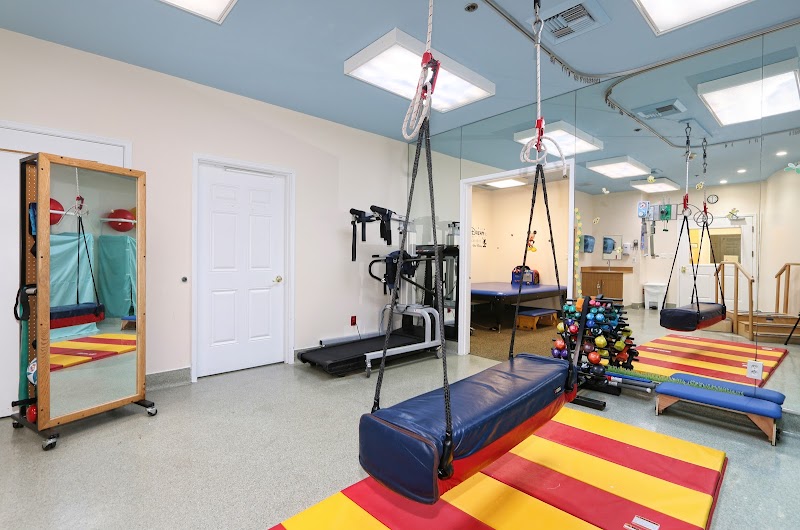
Who Owns and Operates Healthbridge Children'S Hospital - Orange D/P Snf?

HEALTHBRIDGE CHILDREN'S HOSPITAL - ORANGE D/P SNF is owned by a for-profit company. For-profit facilities operate as businesses with obligations to shareholders or private owners. The facility is operated by VIVRA SPECIALTY CARE, a chain that manages multiple nursing homes. With 21 certified beds and approximately 19 residents (about 90% occupancy), it is a smaller facility located in ORANGE, California.
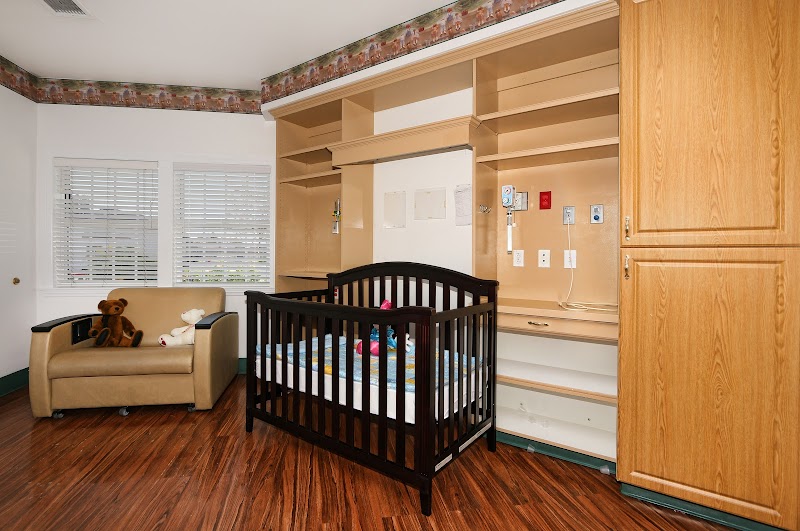
How Does Healthbridge Children'S Hospital - Orange D/P Snf Compare to Other California Nursing Homes?

Compared to the 100 nursing homes in California, HEALTHBRIDGE CHILDREN'S HOSPITAL - ORANGE D/P SNF's overall rating (5 stars) is above the state average of 3.2 and health inspection rating (4 stars) is above the national benchmark.

What Should Families Ask When Visiting Healthbridge Children'S Hospital - Orange D/P Snf?

Based on this facility's data, families visiting should ask: "Can I visit during a mealtime to observe dining assistance and food quality?" "How do you handle medical emergencies, and what is your hospital transfer rate?" "Can I speak with family members of current residents about their experience?"

Is Healthbridge Children'S Hospital - Orange D/P Snf Safe?

Based on CMS inspection data, HEALTHBRIDGE CHILDREN'S HOSPITAL - ORANGE D/P SNF has a clean safety record: no substantiated abuse findings (meaning no confirmed cases of resident harm), no Immediate Jeopardy citations (the most serious violation level indicating risk of serious injury or death), and is not on the Special Focus Facility watch list (a federal program monitoring the lowest-performing 1% of nursing homes). The facility has a 5-star overall rating and ranks #1 of 100 nursing homes in California. While no facility is perfect, families should still ask about staff-to-resident ratios and recent inspection results during their visit.

Do Nurses at Healthbridge Children'S Hospital - Orange D/P Snf Stick Around?

HEALTHBRIDGE CHILDREN'S HOSPITAL - ORANGE D/P SNF has not reported staff turnover data to CMS. Staff turnover matters because consistent caregivers learn residents' individual needs, medications, and preferences. When staff frequently change, this institutional knowledge is lost. Families should ask the facility directly about their staff retention rates and average employee tenure.

Was Healthbridge Children'S Hospital - Orange D/P Snf Ever Fined?

HEALTHBRIDGE CHILDREN'S HOSPITAL - ORANGE D/P SNF has been fined $21,106 across 6 penalty actions. This is below the California average of $33,290. While any fine indicates a compliance issue, fines under $50,000 are relatively common and typically reflect isolated problems that were subsequently corrected. Families should ask what specific issues led to these fines and confirm they've been resolved.

Is Healthbridge Children'S Hospital - Orange D/P Snf on Any Federal Watch List?

HEALTHBRIDGE CHILDREN'S HOSPITAL - ORANGE D/P SNF is not on any federal watch list. The most significant is the Special Focus Facility (SFF) program, which identifies the bottom 1% of nursing homes nationally based on persistent, serious quality problems. Not being on this list means the facility has avoided the pattern of deficiencies that triggers enhanced federal oversight. This is a positive indicator, though families should still review the facility's inspection history directly.