MAINPLACE POST ACUTE
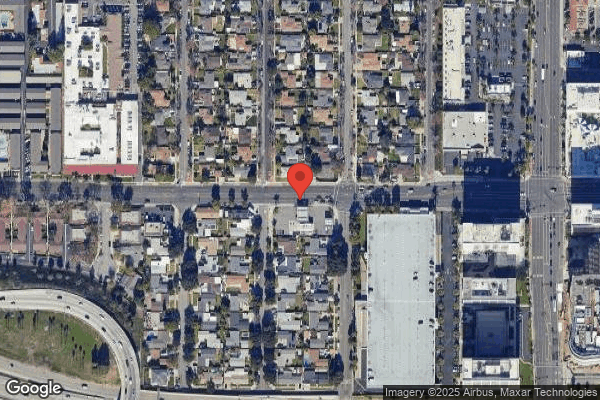
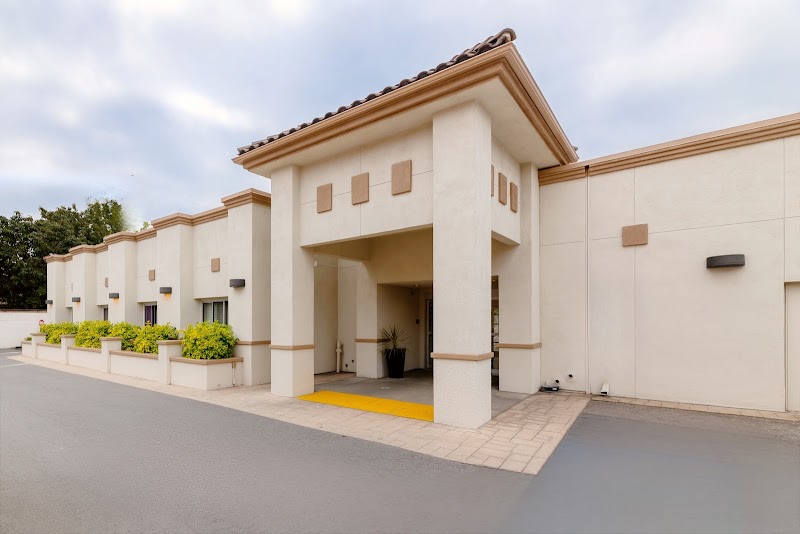
1835 WEST LA VETA AVENUE, ORANGE, CA 92868 (714) 978-6800
For profit - Corporation 169 Beds THE ENSIGN GROUP Data: November 2025
Trust Grade
53/100
#624 of 1155 in CA
Last Inspection: October 2024

Within standard 12-15 month inspection cycle. Federal law requires annual inspections.

Overview

MainPlace Post Acute in Orange, California has a Trust Grade of C, indicating it is average and in the middle of the pack compared to other facilities. It ranks #624 out of 1,155 in California, placing it in the bottom half, and #44 out of 72 in Orange County, meaning there are only a few local options that perform better. The facility's trend is improving, having reduced its issues from 28 in 2024 to just 1 in 2025, which is a positive sign. Staffing is considered a strength here, with a rating of 4 out of 5 stars and a turnover rate of 36%, lower than the state average, suggesting that staff tend to remain long-term and are familiar with the residents’ needs. However, the facility has encountered serious incidents, including a resident who eloped and tragically died after being struck by a car due to inadequate safety measures, as well as failures in infection control practices that could have led to outbreaks. Overall, while there are strengths in staffing, the facility also has significant weaknesses that potential residents and their families should consider.

Trust Score
C
53/100
In California
#624/1155
Bottom 46%
Safety Record
Moderate
Needs review
Inspections
Getting Better
28 → 1 violations
Staff Stability
○ Average
36% turnover. Near California's 48% average. Typical for the industry.
Penalties
○ Average
$7,443 in fines. Higher than 67% of California facilities. Some compliance issues.
Skilled Nurses
⚠ Watch
Each resident gets only 28 minutes of Registered Nurse (RN) attention daily — below average for California. Fewer RN minutes means fewer trained eyes watching for problems.
Violations
⚠ Watch
63 deficiencies on record. Higher than average. Multiple issues found across inspections.
★★★☆☆
3.0
Overall Rating
★★★★☆
4.0
Staff Levels
★★★☆☆
3.0
Care Quality
★★★☆☆
3.0
Inspection Score
Stable
2024: 28 issues
2025: 1 issues

The Good

  • 4-Star Staffing Rating · Above-average nurse staffing levels
  • Full Sprinkler Coverage · Fire safety systems throughout facility
  • No fines on record
  • Staff turnover below average (36%)

    12 points below California average of 48%

Facility shows strength in staffing levels, fire safety.

The Bad

3-Star Overall Rating

Near California average (3.1)

Meets federal standards, typical of most facilities

Staff Turnover: 36%

10pts below California avg (46%)

Typical for the industry

Federal Fines: $7,443

Below median ($33,413)

Minor penalties assessed

Chain: THE ENSIGN GROUP

Part of a multi-facility chain

Ask about local staffing decisions and management

The Ugly 63 deficiencies on record

1 actual harm
Apr 2025 1 deficiency
CONCERN (D) 📢 Someone Reported This

A family member, employee, or ombudsman was alarmed enough to file a formal complaint

Potential for Harm - no one hurt, but risky conditions existed

Deficiency F0760 (Tag F0760)

Could have caused harm · This affected 1 resident

**NOTE- TERMS IN BRACKETS HAVE BEEN EDITED TO PROTECT CONFIDENTIALITY** Based on interview, medical record review, and facility P&P review, the facility failed to ensure one of four sampled residents ...

Read full inspector narrative →
**NOTE- TERMS IN BRACKETS HAVE BEEN EDITED TO PROTECT CONFIDENTIALITY** Based on interview, medical record review, and facility P&P review, the facility failed to ensure one of four sampled residents (Resident 1) was free from the significant medication errors. * The facility failed to administer Resident 1's Cortef (generic name: hydrocortisone, a corticosteroid) as ordered by Resident 1's neurosurgeon. This failure posed the risk for Resident 1 to have an increased pain, swelling, fatigue, weakness, and nausea. Findings: Review of the facility's P&P titled Administration of Medications dated 10/2021 showed the medications shall be administered as prescribed by the resident's physician. Medical record review for Resident 1 was initiated on 4/3/25. Resident 1 was admitted to the facility on [DATE]. Review of Resident 1's H&P examination dated 3/12/25, showed Resident 1 did not have the capacity to understand and make medical decisions. Resident 1 had a diagnosis of a pituitary adenoma and was readmitted to the facility following a pituitary tumor removal. Review of Resident 1's discharge orders from Hospital 1 dated 3/10/25, showed the following physician's orders: - dated 3/10/25 at 2100 hours, to administer one dose of Cortef tablet 25 mg, then - Administer Cortef tablet 20 mg every morning for two doses. The first dose to be given on 3/11/25 at 0900 hours, and the last dose to be administered on 3/12/25 at 0900 hours - Administer Cortef tablet 10 mg every afternoon for two doses. The first dose to be given on 3/11/25 at 1400 hours, and the last dose to be administered on 3/12/25 at 1400 hours. - Administer Cortef tablet 5 mg, every afternoon starting on 3/13/25 at 1400 hours, until discontinued. Review of the facility's Physician Order Summary Report for Resident 1 dated 3/11/25, did not show an order for the Cortef medication. Review of Resident 1's MDS assessment dated [DATE], showed the resident had severe cognitive impairment. Review of Resident 1's Progress Note from the NP dated 3/20/25 at 1729 hours, showed Resident 1 was discharged from Hospital 1 to the facility on 3/10/25, with an order for the hydrocortisone dose to taper; however, the order was not carried out. The NP personally reviewed the transfer orders from Hospital 1 and the order was in fact documented in the discharge transfer orders, but for an unknown reason, it was missed or not started. On 4/3/25 at 1545 hours, an interview was conducted with RN 1. RN 1 stated when a resident arrived at the facility, the admission nurse was responsible to review the discharge orders from the acute care hospital. RN 1 stated the admission nurse then transcribed the medication orders from the paper format, into the electronic medical record. RN 1 stated the electronic version of the medication orders were faxed to the physician for the physician to review. RN 1 stated the night shift RN supervisor was responsible for double checking the orders to ensure the electronic version of the orders were transcribed from the paper records correctly. On 4/7/25 at 1005 hours, an interview and concurrent medical record review was conducted with UM 1. Review of Resident 1's discharge orders from the acute care hospital dated 3/10/25, and the facility's physician order summary dated 3/11/25, showed the Cortef medication was not transcribed from Hospital 1's discharge paperwork into the electronic record. Review of Resident 1's discharge records also showed Resident 1 had received two 50 mg doses of the Cortef medication at Hospital 1. The documents showed the first dose was administered on 3/8/25 at 2011 hours, and the second dose was administered on 3/9/25 at 0900hours. UM 1 stated the night RN supervisor was responsible to do a recapitulation, which was the process of checking the order summary against the original orders. Further review of the discharge paperwork did not indicate the RN supervisor had done a double check of the orders from the acute care hospital. UM 1 stated the orders should have been checked off, but nothing indicated the orders had been double checked or signed. On 4/7/25 at 1538 hours, an interview was conducted with the Pharmacy Consultant. The Pharmacy Consultant stated the purpose of a hydrocortisone taper was to allow for the body to slowly adjust to the effects of the steroids. The Pharmacy Consultant stated if the steroids were stopped suddenly, it can be rough. The Pharmacy Consultant stated if a steroid was stopped suddenly, it can cause a resident to feel agitated or uneasy from the changes in the blood sugar. On 4/7/25 at 1620 hours, an interview and concurrent medical record review was conducted with the DON. The DON confirmed the above findings.
Dec 2024 2 deficiencies
CONCERN (D) 📢 Someone Reported This

A family member, employee, or ombudsman was alarmed enough to file a formal complaint

Potential for Harm - no one hurt, but risky conditions existed

Deficiency F0567 (Tag F0567)

Could have caused harm · This affected 1 resident

Based on interview and medical record review, the facility failed to ensure one of three sampled residents (Resident 2) maintained their rights to manage the financial affairs. * The facility failed t...

Read full inspector narrative →
Based on interview and medical record review, the facility failed to ensure one of three sampled residents (Resident 2) maintained their rights to manage the financial affairs. * The facility failed to ensure Resident 2 was involved in the decision-making process for his financial affairs and failed to inform Resident 2 that his personal funds (social security money) was directly deposited into the RFMS account. These failures resulted in Resident 2 losing control of his social security benefit money to the facility and further risk for Resident 2's finances to be lost, misused, and not easily accessible. Findings: Review of the facility's P&P titled Accounts Receivable Policy and Procedure revised March 2024 showed in part, the RTF policy and procedure established guidelines to manage and monitor resident's funds in a uniform process that allows residents the appropriate access to their funds while ensuring protection of resident funds in accordance with state and federal regulatory requirements The resident has the right to determine how their trust money is spent. The facility is responsible to safeguard the resident's funds and is liable for the funds in the RTF and must follow all state and federal regulations. Authorization to Manage Funds: 1. The resident has the right to manage their financial affairs. Residents are not required to deposit their personal funds into the facility resident trust account. 2. If a resident chooses to establish a resident trust account in their name, the resident or their authorized agent will sign the RTF Authorization Agreement and any applicable state required form prior to having their funds held in the facility RTF. 3. Deposits should not be made into the RTF account without signed authorization from the resident or authorized agent and kept on file in the business office. Authorized Check Signers: 1. The facility will have a minimum of 2 designated persons to be authorized signers on Resident Trust Account. 2. This will be the Executive Director and one other designated department manager. All authorized signers will have signed a resident trust authorized signer agreement form along with signature cards from the bank. 3. Any requests to add signers on the account must include a signed copy of the resident trust authorized signer agreement. 4. All checks processed on the RTF Account will be signed by one authorized check signer. RFMS Trust: 1. All checks processed on the RFMS Resident Trust Fund Account will be signed by 1 authorized check signer. Checks: 1. Checks received for deposit to the Resident Trust Fund account will be stamped For Deposit Only immediately upon receipt. Unless prohibited by the bank for Desk Top Scanner. 2. Checks will be photocopied and copies will be retained with the deposit record. 3. Direct Deposit transactions will be reviewed to ensure that they have been properly credited to the appropriate residents account. Medical record review of Resident 2 was initiated on 12/9/24. Resident 2 was admitted on 7/5/24. Review of Resident 2's Resident Fund Management Service Authorization and Agreement to Handle Resident Funds dated 10/7/20, showed under account type, a non-transferring account (no automatic transfer of deposits to pay for care cost) was checked under the resident fund account. The document only showed the resident's signature and the witness signatures were blank. Review of Resident 2's H&P evaluation dated 3/12/24, showed Resident 2 had the capacity to understand and make decisions. Review of Resident 2's MDS Section C dated 10/2/24, showed the BIMS score of 15, indicating the resident was cognitively intact. Review of Resident 2's Psychotherapy Progress Notes dated 10/3/24, showed the resident was in a depressed and irritable mood. Resident 2 was appropriately engaged and communicative. Resident 2 wasupset about finances and complained that his checks were being kept from him. On 12/17/24 at 0944 hours, an interview was conducted with the Business Office Director. The Business Office Director was asked regarding the facility's process for handling Resident 2's checks delivered to the facility and how the facility handled the residents who had a share of cost during their stay in the facility. The Business Office Director stated when Resident 2's social security checks came by mail, she notified Resident 2 in-person about the check delivery. The business office staff let Resident 2 know about the delivery each month for September, October, and November 2024. The Business Office Director further stated the three checks for September to November 2024 were in the facility for so long, and they were deposited in Resident 2's RFMS account. The Business Office Director verified the facility did not inform Resident 2 of his three checks deposited to his RFMS account until after they were deposited. The Business Office Director further verified there was no documentation to show there was an agreement between Resident 2 and the facility showing the resident allowed the facility to manage his checks and/or finances. The Business Office Director acknowledged there should have been a physical form of agreement for any financial concerns, signed, and dated between Resident 2 and the facility. On 12/18/24 at 1130 hours, an interview was conducted with the DON. The DON verified the above findings.
CONCERN (D) 📢 Someone Reported This

A family member, employee, or ombudsman was alarmed enough to file a formal complaint

Potential for Harm - no one hurt, but risky conditions existed

Medical Records (Tag F0842)

Could have caused harm · This affected 1 resident

**NOTE- TERMS IN BRACKETS HAVE BEEN EDITED TO PROTECT CONFIDENTIALITY** Based on interview and medical record review, the facility failed to ensure the medical record was complete and accurately docum...

Read full inspector narrative →
**NOTE- TERMS IN BRACKETS HAVE BEEN EDITED TO PROTECT CONFIDENTIALITY** Based on interview and medical record review, the facility failed to ensure the medical record was complete and accurately documented for one of three sampled residents (Resident 3). * Resident 3's MAR failed to show the lung sounds were documented. * There were no documented interventions after Resident 3's blood pressure reading of 91/49 mmHg. * There was no documentation of Resident 3's meal percentages. * There was no documentation Resident 3 was monitored for signs and symptoms of a urinary tract infection. * There was no documentation Resident 3 was being monitored for side effects of Bumex (diuretic). These failures had the potential for the resident's care needs to not be met as their medical information was not complete and accurate. Findings: Closed medical record review for Resident 3 was initiated on 12/9/24. Resident 3 was admitted to the facility on [DATE], and discharged on 11/7/24. Review of Resident 3's MDS SectionC dated 10/14/24, showed Resident 3 had a BIMS score of 10, indicating had moderate cognitive impairment. a. Review of Resident 3's MAR for October 2024 showed the following physician orders: - dated 10/4/24, before incentive spirometry treatment, obtain and record pulse, oxygen saturation level, treatment minutes, and post treatment lung sounds scale: 0 = clear, 1 = rales, 2 = rhonchi, 3 = diminished, 4 = wheezing, 5 = crackles, and 6 =other, every shift for sevendays. However, Resident 3's MAR failed to show lung sounds were recorded from 10/4-10/10/24. On 12/18/24 at 0826 hours, a concurrent closed medical record review and interview was conducted with the RN Unit Manager. The RN Unit Manager verified Resident 3's MAR failed to show the lung sounds were recorded from 10/4-10/10/24. The RN Unit Manger further verified the licensed staff should have documented the lung sounds. b. On 12/18/24 at 0826 hours, a concurrent closed medical record review and interview was conducted with the RN Unit Manager. Review of Resident 3's MAR showed a blood pressure reading of 91/49 mmHg on 10/20/24. The RN Unit Manger was asked if there was any documentation showing further nursing actions provided by the licensed staff who monitored the blood pressure that day. The RN Unit Manger confirmed she could not find documentation showing the nursing actions were taken after BP of 91/49 mmHg was recorded. c. On 12/18/24 at 0826 hours, a concurrent closed medical record review and interview was conducted with the RN Unit Manager. Review of Resident 3's Documentation Survey Report for meal intake failed to show the recorded percentages of meals eaten on 10/6, 10/12, 10/14, 10/30, and 10/31/24. The RN Unit Manager verified the findings. d. Review of Resident 3's care plans showed the care plan problem dated 10/8/24, for chronic kidney disease with interventions including to monitor for signs and symptoms of urinary tract infection. On 12/18/24 at 0826 hours, a concurrent closed medical record review and interview was conducted with RN Unit Manager. The RN Unit Manager was unable to provide documentation Resident 3 was monitored for signs and symptoms of urinary tract infection. The RN Unit Manger verified the findings. e. Review of Resident 3's MAR for October 2024 showed the following physician orders: - dated 10/4/24, to administer Bumex oral tablet 1 mg one tablet by mouth two times a day for fluid retention Review of Resident 3's care plans showed the following care plan problem: - dated 10/4/24, addressing diuretic therapy (Bumex) for fluid retention with interventions included black box warning fluid/electrolyte loss. Bumetanide is a potent diuretic which, if given in excessive amounts, can lead to a profound diuresis with water and electrolyte depletion. Therefore, careful medical supervision is required, and dose and dosage schedule must be adjusted to the individual patient's needs. Interventions showed to monitor for signs and symptoms of dehydration: decreased or no urine output, concentrated urine, strong odor, tenting skin, cracked lips, furrowed tongue, new onset confusion, dizziness, on sitting/standing, increased pulse, headache, fatigue/weakness, dizziness, fever, thirst, recent/sudden weight loss, dry/sunken eyes. On 12/18/24 at 0826 hours, a concurrent closed medical record review and interview was conducted with the RN Unit Manager. The RN Unit Manager was asked for any documentation showing Resident 3 was monitored for the side effects of Bumex. The RN Unit Manger verified she could not find documentation and confirmed there should be.
Oct 2024 18 deficiencies
CONCERN (D)

Potential for Harm - no one hurt, but risky conditions existed

Deficiency F0554 (Tag F0554)

Could have caused harm · This affected 1 resident

**NOTE- TERMS IN BRACKETS HAVE BEEN EDITED TO PROTECT CONFIDENTIALITY** Based on observation, interview, medical record review, and facility P&P review, the facility failed to ensure two of 30 final s...

Read full inspector narrative →
**NOTE- TERMS IN BRACKETS HAVE BEEN EDITED TO PROTECT CONFIDENTIALITY** Based on observation, interview, medical record review, and facility P&P review, the facility failed to ensure two of 30 final sampled residents (Residents 11 and 98) were assessed to determine if it was safe for them to self-administer their medications prior to self-administering their medications. * Resident 98 had a tube of Preparation H (topical medication used for hemorrhoids) and a tube of mometasone furoate (topical corticosteroid medication used for certain skin conditions) at the bedside. Resident 98 did not have a physician's order for self-administration of medications at the bedside. * A bottle of Lumify eye drops (medication to temorarily relieve eye redness and itching) and a bottle of Systane eye drops (medication to temporarily relieve dry, irritated eyes) were kept at Resident 11's bedside table. Resident 11 had self-administered the Lumify and Systane eye drops without being assessed for self-administration of medications. In addition, there were no physician's order for the eye drops medications and self administer of the eye drops medication were obtained. These failures had the potential to negatively impact the residents' physiological well-being and potential for inappropriate use of the medications. Findings: Review of the facility's P&P titled Self-Administration of Medications revised 12/2016 showed the residents have the right to self-administer medications if the interdisciplinary team has determined that it is clinically appropriate and safe for the resident to do so. The facility's P&P showed as part of the overall evaluation, the staff and practitioner will assess each resident's mental and physical abilities to determine whether self-administrating medications is clinically appropriate for the resident. In addition to the general evaluation of the decision-making capacity, the staff and practitioner will perform a more specific skill assessment, including (but not limited to) the resident's ability to read and understand medication labels, comprehension of the purpose and dosage and administration time for his or her medications, ability to remove medications from a container and to ingest and swallow (or otherwise administer) the medications. Further review of the facility's policy showed self-administered medications must be stored in a safe and secure place, which is not accessible by other residents. Staff shall identify and give to the charge nurse any medications found at the bedside that are bit authorized for self-administration, for return to the family or responsible party. 1. On 10/21/24 at 1039 hours, during the initial tour of the facility, Resident 98 was observed to have a clear plastic container with a tube of Preparation H (topical medication to treat hemorrhoids) and a tube of mometasone furoate (topical medication to treat certain skin conditions) on Resident 98's bedside drawer. Medical record review for Resident 98 was initiated on 10/21/24. Resident 98 was admitted to the facility on [DATE], and readmitted on [DATE]. Review of Resident 98's Order Summary Report dated 10/22/24, showed a physician's order dated 7/30/24, for Preparation H external cream 1%, to apply topically to the rectum as needed four times a day for hemorrhoidal pain; however, there were no physician's orders for Resident 98 to self-administer medications and use of mometasone furoate. Review of Resident 98's H&P examination dated 7/31/24, showed Resident 98 had the capacity to make medical decisions. Review of Resident 98's plan of care failed to show a care plan problem to address Resident 98's ability to self- administer medications. Review of Resident 98's medical record failed to show Resident 98 was assessed for the self-administration of the medication. On 10/23/24 at 1347 hours, an interview and concurrent medical record review for Resident 98 was conducted with LVN 5. LVN 5 stated for any medication kept at the resident's bedside for the resident to self-administer, there should be a physician's order for the self-administration of medication, a care plan, and a self-administration of medication assessment to ensure the resident was able to self-administer the medication. LVN 5 reviewed Resident 98's medical record and verified the above findings. On 10/23/24 at 1405 hours, an observation at Resident 98's bedside and concurrent interview was conducted with LVN 5. LVN 5 verified Resident 98 had a tube of Preparation H and a tube of mometasone furoate at the bedside. During this observation, Resident 98 stated he self-administered the medications two times a day. On 10/24/24 at 1138 hours, an interview was conducted with the DON. When asked about the facility's process for the resident's self-administration of the medication, the DON stated upon residents' request to self-administer a medications, the facility would conduct an assessment to determine if the resident was able to self-administer the medications and if able, the facility would obtain a physician's order and initiate a care plan to address the resident's self-administration of medications. When asked about the risk of keeping the medications at bedside, the DON stated there was a risk of potential exposure and access to the medication by other residents, and the risk of the resident being unable to administer the medication safely. On 10/24/24 at 1403 hours, the DON was informed and acknowledged the above findings. 2. On 10/21/24 at 1017 hours, during an initial tour of the facility, Resident 11 was observed to have the bottles of Lumify and Systane eye drop medications at the bedside table. Resident 11 stated the eye drop medications were her medications and she used the eye drops for dry eyes and redness. Resident 11 stated she had self-administered the eye drop medications every time she felt that she needed it. Medical record review for Resident 11 was initaiated on 10/21/24. Resident 11 was readmitted to the facility on [DATE]. Review of Resident 11's Order Summary Report dated 10/22/24, did not show the physician's orders for the Lumify and Systane eye drop medications. There was no physician's order for the resident to self-administration of the medications. Review of Resident 11's plan of care did not show a care plan problem to address Resident 11's ability to self-administer the medications and eye problems. Further review of Resident 11's medical record failed to show a documented evidence Resident 11 was assessed for self-administration of the medication. On 10/22/24 at 0907 hours, an interview and concurrent medical record review for Resident 11 was conducted with LVN 10. LVN 10 verified Resident 11 was able to take her medications independently. LVN 10 stated he was not aware about any medication of Resident 11 at bedside. LVN 10 stated if the resident wanted to take their own medication, there should be an assessment done if the resident was safe on taking their own medication. LVN 10 was informed about Resident 11's eye drop medications at bedside. LVN 10 stated Resident 11was alert and did not tell the staff about her eye drop medications. LVN 10 verified there were no physician's order, self -administration assessment of medication, and care plan for Resident 11's eye drop medications at the bedside. LVN 10 also added, he was not aware about Resident 11's eye problem. On 10/22/24 at 0940 hours, an interview and concurrent medical record review for Resident 11 was conducted with RN 3. RN 3 stated Resident 11 was alert, oriented, and able to verbalize her concerns to the staff. RN 3 was asked about the facility's process about the medication at the bedside. RN 3 verified there should be no medication at the bedside of the residents. RN 3 stated if medication was found at the bedside of the residents, they would asked the resident or family member to bring the medication to home. RN 3 was made aware about Resident 11's eye drop medications at the bedside. RN 3 stated she was not aware of Resident 11 having the eye drop medications at the bedside and eye problem. RN 3 verified there were no physician's orders for the eye drop medications and for the resident to self administer her own medication. Also, RN 3 verified there were no assessment for self administration of the medication and plan of care. On 10/23/24 at 1425 hours, an interview was conducted with the DON. The DON was informed and verified the above findings.
CONCERN (D)

Potential for Harm - no one hurt, but risky conditions existed

Quality of Care (Tag F0684)

Could have caused harm · This affected 1 resident

**NOTE- TERMS IN BRACKETS HAVE BEEN EDITED TO PROTECT CONFIDENTIALITY** Based on interview, medical record review, facility document review, and facility P&P review, the facility failed the conduct th...

Read full inspector narrative →
**NOTE- TERMS IN BRACKETS HAVE BEEN EDITED TO PROTECT CONFIDENTIALITY** Based on interview, medical record review, facility document review, and facility P&P review, the facility failed the conduct the status post change of condition assessments for one of three closed records reviewed (Resident 138). * Resident 138 had a change of condition involving an episode of vomiting, abdominal discomfort, and refusing to eat. The facility failed to follow up with the physician regarding the change of condition in a timely manner, failed to monitor Resident 138's vital signs, and failed to conduct and assessment related to the resident's change in condition. These failures had the potential for Resident 138's changes in medical condition not being identified, potentially delaying necessary care and treatment. Findings: Review of the facility's P&P titled Significant Change in Condition, Response revised 12/2023 showed it is the policy of this facility to ensure each resident receives quality of care and services to attain and maintain the highest practicable physical, mental, and psychosocial well-being in accordance with the interdisciplinary comprehensive assessment and plan of care. The nurse will perform and document an assessment of the resident and identify need to additional interventions, considering implementation of existing orders or nursing interventions or through communication with the resident's provider using SBAR or similar process to obtain new orders or interventions. The resident will then be placed on the 24 hour report and nursing will provide no less than three days of observation, documentation, and response to any interventions. An attempt to identify the cause for decline, when it occurs, needed assist and resident behavior/ acceptance of increased need of assistance will be monitored. There will be certain circumstances where immediate attention will be warranted, and nursing will be responsible for notifying the appropriate department for evaluation. The nurse shall use his/her clinical judgement and shall contact the physician based on the urgency of the situation. Closed medical record review for Resident 138 was initiated on [DATE]. Resident 138 was admitted to the facility on [DATE], and had expired in the facility on [DATE]. Review of Resident 138's eINTERACT Change in Condition Evaluation dated [DATE] at 1414 hours, showed Resident 138 had a change in condition regarding a left second toe dry scab, one episode of vomiting, complaint of abdominal discomfort, and refusing to eat breakfast and lunch. The documentation showed the following: * The change in condition started in the morning on [DATE]. * The following vital signs were taken after the change in condition occurred: - at 1023 hours on [DATE], a blood pressure of 136/85 mmHg - at 1019 hours on [DATE], a pulse of 82 bpm - at 1435 hours on [DATE], a respiratory rate of 17 breaths per minute - at 1017 hours on [DATE], a temperature of 97.6 degrees F. - at 1016 hours on [DATE], an oxygen saturation of 95% on room air. * Under the section for abdominal/gastrointestinal evaluation showed Resident 138 had nausea and/or vomiting, decreased appetite/fluid intake. The documentation failed to show if there was an assessment conducted related to Resident 138's complaints of abdominal pain. * The physician was notified of the change of condition on [DATE] at 1400 hours. * The family/healthcare agent was notified of the change in condition on [DATE] at 1200 hours. Review of Resident 138's Nursing progress note dated [DATE] at 1421 hours, showed in part, Resident 138 noted with one episode of vomiting. Resident 138 complained of abdominal discomfort. Vitals remained stable and in range. Resident was afebrile. Refused breakfast and lunch during the shift. Provider was made aware .Orders carried out. The family member was made aware of change in condition. Resident 138 was also noted with left second toe dry scab. Treatment was initiated, and would continue to monitor. Review of Resident 138's Nursing progress note dated [DATE] at 2137 hours, showed at 1520 hours, Resident 138 was alert, awake, and verbally responsive. No pain, no facial grimacing noted. Resident 138 appeared pale, cold, and clammy. The AM shift staff endorsed that the resident had an episode of vomiting. At 1600 hours, the resident was reassessed and noted with labored breathing. Oxygen was given via non-rebreather mask, but the resident still grasping some air. At 1610 hours, the vital signs was unable to appreciate. Resident 138 was so pale and non responsive and not breathing anymore. Both hands and feet are cold. The RN supervisor declared Resident 138 was expired at 1615 hours. On [DATE] at 0802 hours, a concurrent interview and closed medical record review was conducted with LVN 1. LVN 1 stated Resident 138 was served breakfast, refused breakfast, and vomited. LVN 1 stated she told the CNA to clean him up and did a Change Of Condition Evaluation. LVN 1 could not recall what time Resident 138's change of condition occurred; however, LVN 1 verified the Change of Condition Evaluation showed she notified the physician at 1400 hours. LVN 1 verified there was no documented evidence of the subsequent vital signs after the initial vital signs were taken as per the change of condition evaluation. On [DATE] at 0830 hours, a concurrent interview and clsoed medical record review was conducted with RN 1. RN 1 stated Resident 138 was stable prior to [DATE], and had no issues with the abdominal discomfort or eating meals. RN 1 stated she would have checked a new set of vital signs if there was a change of condition. On [DATE] at 0930 hours, a concurrent interview and closed medical record review was conducted with the DON. The DON was asked her expectation when there was a change of condition. The DON stated they did the Change of Condition Evaluation, called the doctor regarding the nursing assessment, and observed and monitored for the change of condition. The DON stated a change of condition meant it was not normal for the resident and they noticed something different. The DON acknowledged the above findings. The DON stated Resident 138's change of condition started at 1023 hours, and acknowledged the documentation showed the physician was not notified until 1400 hours (about three and a half hours later). The DON stated they always wanted the nurses to notify the physician as soon as possible when they could. The DON verified there was no documented evidence an assessment was completed regarding Resident 138's abdominal discomfort. The DON verified there was only one vital signs taken during the shift and there was no documented evidence of the additional vital signs or follow up vital signs were taken. The DON stated if a resident appeared pale, cold, and clammy, it was not normal and would need to check the resident and their vital signs at the time. The DON acknowledged Resident 138 was not reassessed until 1600 hours.
CONCERN (D)

Potential for Harm - no one hurt, but risky conditions existed

Pressure Ulcer Prevention (Tag F0686)

Could have caused harm · This affected 1 resident

**NOTE- TERMS IN BRACKETS HAVE BEEN EDITED TO PROTECT CONFIDENTIALITY** Based on observation, interview, medical record review, and facility P&P review, the facility failed to ensure the necessary car...

Read full inspector narrative →
**NOTE- TERMS IN BRACKETS HAVE BEEN EDITED TO PROTECT CONFIDENTIALITY** Based on observation, interview, medical record review, and facility P&P review, the facility failed to ensure the necessary care and services were provided to prevent the development and worsening of pressure injuries and promote the healing of existing pressure injuries for one of three final sampled residents (Resident 840) reviewed for pressure injuries. * The facility failed to provide Resident 840 with the LAL mattress as ordered by the physician. Additionally, the facility failed to ensure Resident 840's pressure injuries were assessed weekly in accordance with the facility's policy and the resident's plan of care. These failures had to potential for Resident 840 to not receive the appropriate care and services to promote healing or prevent the development and worsening of pressure injuries. Findings: Review of the facility's P&P titled Skin and Wound Monitoring and Management Care Guidelines revised 2/2023 showed it is the policy of this facility that a resident having pressure ulcers receives the necessary treatment and services to promote healing, prevent infection, and prevent new, unavoidable sores from developing. Further review of the facility's P&P showed the assessment of wounds on admission and readmission included the following: A. A licensed nurse (which may be the Wound Nurse) must assess/evaluate a resident's skin on admission. All areas of breakdown, excoriation, discoloration, or other unusual findings must be documented on the Comprehensive admission Assessment. B. A licensed nurse (which may be the Wound Nurse) must assess/revaluate each wound that exists on the resident. This assessment/evaluation should include, but not be limited to: a. Measuring the wound. b. Staging the wound. c. Describing the natures of the wound (e.g. pressure, stasis, or surgical wound) d. Describing the location of the wound. e. Describing the characteristics of the wound. C. A licensed nurse (which may be the Wound Nurse) must assess/evaluate the wound at least weekly, whether present on admission or developed after admission which exists on the resident. Further review of the facility's P&P showed all risk factors identified on assessment should be documented in the resident's medical record, and when appropriate, be addressed through a care plan designed to minimize the possibility of skin breakdown. To prevent the development of skin breakdown or to prevent existing pressure ulcers from worsening, nursing staff shall implement the following approaches as appropriate and consistent with the resident's care plan: A. Use pressure relieving/reducing and redistributing devices (including but not limited to low air loss mattresses, wedges, pillows, etc.): a. Obtain a physician's order for the appropriate pressure reducing/relieving devices based on assessment/evaluation of resident need. i. If insurance approval is needed, facility staff should facilitate the approval process to the extent possible. Review of the facility's P&P titled Wound Management revised 5/2022, showed a weekly skin assessment will be completed on all residents and documented in the nurses notes. Each wound will be measured in centimeters weekly. Measurements, size and depth, drainage, odor, color and a short statement on progress (or lack of) will be documented on the wound flow sheet. a. On 10/21/24 at 0910 hours, during the initial tour of the facility, Resident 840 was observed to be lying on his back. The resident did not have a pressure relieving mattress. On 10/22/24 at 1113 hours, Resident 840 was observed lying on his left side. The resident did not have a pressure relieving mattress. Medical record review for Resident 840 was initiated on 10/21/24. Resident 840 was admitted to the facility on [DATE], and readmitted on [DATE]. Review of Resident 840's Progress Note H&P examination dated 10/16/24, showed Resident 840 had no capacity to make medical decisions. Review of Resident 840's Order Summary Report showed the following physician's orders: - dated 10/16/24, for a low air loss mattress for wound management when available. - dated 10/19/24, to admit the resident to 1 Heart Hospice Care. Review of Resident 840's plan of care showed a care plan problem dated 8/28/24, addressing Resident 840's pressure injuries upon admission and the risk for worsening pressure injuries. The interventions included to provide low air loss mattress for wound management. Review of Resident 840's plan of care showed a care plan problem dated 10/16/24, addressing Resident 840's right upper back unstageable pressure injury (full-thickness tissue loss where the wound base is covered with dead tissue) that was reclassified as a Stage 4 (full-thickness tissue loss that may expose bone, tendon or muscle) thoracic spine pressure injury on 9/18/24. The interventions included to provide low air loss mattress for wound management with settings per the resident's weight (when available). Review of Resident 840's plan of care showed a care plan problem dated 10/16/24, addressing Resident 840's actual impairment of the skin integrity related to the presence of pressure injury to his sacrococcyx (tailbone). The interventions include to provide low air loss for wound management and monitor the function/setting every shift. b. Review of Resident 840's LN- Initial admission Record dated 8/28/24, showed the following documentation: Site 1: left upper back, unstageable pressure injury; Site 2: right upper back, unstageable pressure injury; and Site 3: sacrococcyx, unstageable pressure injury. Review of Resident 840's LN- Skin Pressure Ulcer Weekly dated 8/29/24, showed the following documentation: Site 1: left upper back unstageable pressure injury, measuring 2.5 cm (length) x 2.5 cm (width) and UTD for depth measurement; Site 2: right upper back unstageable pressure injury, measuring 4.0 cm x 2.0 cm and UTD for depth measurement; and Site 3: sacrococcyx unstageable pressure injury measuring 1.5 cm x 1.0 cm and UTD for depth measurement. Review of Resident 840's LN- Skin Pressure Ulcer Weekly dated 9/14/24, showed the following documentation: Site 1: left upper back unstageable pressure injury resolved; Site 2: right upper back unstageable pressure injury, measuring 3.0 cm x 1.0 cm and UTD for depth measurement; and Site 3: sacrococcyx unstageable pressure injury resolved. Review of Resident 840's LN- Skin Pressure Ulcer Weekly dated 9/18/24, showed Resident 840's right upper back unstageable pressure injury was reclassified as thoracic spine Stage 4 pressure injury by the wound care consult. The comments section showed the wound care physician recommended to continue the current treatment and provide low air loss mattress. Review of Resident 840's LN- Skin Pressure Ulcer Weekly dated 9/26/24, showed the following documentation: Site 1: sacrococcyx unstageable pressure injury measuring 2.0 cm x 2.0 cm and UTD for depth measurement. However, the assessment did not show documented evidence Resident 840's Stage 4 pressure injury to the thoracic spine was assessed. On 10/22/24 at 1351 hours, an interview and concurrent medical record review for Resident 840 was conducted with LVN 4. LVN 4 verified Resident 840 did not have the low air loss mattress in place as ordered by the physician on 10/16/24. LVN 4 stated the hospice company began caring for Resident 840 on 10/19/24, and the hospice company was informed regarding Resident 840's need for the LAL mattress. LVN 4 stated he informed the SSD regarding Resident 840's need for the LAL mattress via messages in the PCC (Point Click Care-cloud-based software used by facility). LVN 4 stated he then followed up verbally with the hospice company and the SSD regarding Resident 840's need for the LAL mattress. In addition, LVN 4 verified Resident 840's LN- Skin Pressure Ulcer Weekly for 9/26/24, did not show the documented assessment for Resident 840's Stage 4 pressure injury to the thoracic spine. LVN 4 stated the assessment for Resident 840's Stage 4 pressure injury to the thoracic spine should have been performed and documented on the LN- Skin Pressure Ulcer Weekly dated 9/26/24. On 10/22/24 at 1413 hours, an interview and concurrent medical record review for Resident 840 was conducted with the SSD. The SSD verified Resident 840 was admitted to hospice care on 10/16/24, and she was responsible to obtain the authorization from the insurance company for Resident 840's LAL mattress order. The SSD stated she did not recall if she received a message from LVN 4 in the PCC regarding Resident 840's need for LAL mattress. The SSD stated the facility would provide the LAL mattress for the residents who were waiting for insurance approval and for those residents whose insurance did not cover the LAL mattress. The SSD stated she requested the LAL mattress from the facility's central supply department via a messages in the PCC. The SSD stated after the LAL mattress was requested from the central supply department, she then would follow up with LVN 4 or the other treatment nurse to verify if the resident received the LAL mattress. However, the SSD verified there was no documentation in Resident 840's medical record to show the SSD had followed up with LVN 4 or the other treatment nurse regarding Resident 840's LAL mattress. On 10/22/24 at 1420 hours, an interview and concurrent medical record review for Resident 840 was conducted with the DON. The DON verified Resident 840 had a physician's order for the LAL mattress. However, the DON also verified Resident 840 did not have the LAL mattress in place at the time of the interview. The DON verified the facility provided the LAL mattress for the residents who needed it while waiting for the insurance approval. The DON verified the facility should have provided the LAL mattress as soon as possible to Resident 840. The DON stated LVN 4 had been following up on Resident 840's need for the LAL mattress but verified there was no documented evidence in Resident 840's medical record to show the facility staff had followed up Resident 840's need for LAL mattress. On 10/24/24 at 1335 hours, a follow-up interview was conducted with the DON. The DON stated the facility's admission Coordinator communicated with the hospice company on 10/15/24, prior to Resident 840's admission to the facility. The DON stated the hospice company was responsible for providing Resident 840's LAL mattress per the communication between the admission Coordinator and hospice company. The DON verified Resident 840 was readmitted to the facility on [DATE], and admitted to hospice care on 10/19/24. The DON stated the expectation was for the facility to provide the LAL mattress while waiting for the hospice company to deliver the LAL mattress. The DON verified and acknowledged the above findings.
CONCERN (D)

Potential for Harm - no one hurt, but risky conditions existed

Accident Prevention (Tag F0689)

Could have caused harm · This affected 1 resident

**NOTE- TERMS IN BRACKETS HAVE BEEN EDITED TO PROTECT CONFIDENTIALITY** Based on observation, interview, medical record review, and facility P&P review, the facility failed to ensure one of four final...

Read full inspector narrative →
**NOTE- TERMS IN BRACKETS HAVE BEEN EDITED TO PROTECT CONFIDENTIALITY** Based on observation, interview, medical record review, and facility P&P review, the facility failed to ensure one of four final sampled residents (Resident 91) reviewed for falls was free from accident hazards. * The facility failed to place the floor mats on both sides of Resident 91's bed as ordered by the physician and resident's care plan for Resident 91. This failure had the potential for serious injury to the resident. Findings: Review of the facility's P&P titled Fall Management System revised 6/2018 showed it is the policy of this facility to provide each resident with appropriate assessment and interventions to prevent falls to minimize complications if a fall occurs. On 10/21/24 at 1157 hours, and 10/21/24 at 1605 hours, Resident 91 was observed lying in bed and no floor mats were in place. Medical record review for Resident 91 was initiated on 10/21/24. Resident 91 was admitted to the facility on [DATE]. Review of Resident 91's Change in Condition Evaluations dated 2/27, 4/26, and 8/15/24, showed Resident 91 had sustained a fall in the facility on each of the listed dates. Review of Resident 91's Fall Risk Evaluation dated 4/26 and 8/15/24, showed Resident 91 was a high risk for falling. Review of Resident 91's IDT note dated 4/29/24, showed the IDT recommended for the bilateral floor mats to be placed and Resident 91 was notified and agreeable with the plan of care. Review of Resident 91's Order Summary Report dated 10/21/24, showed a physician's order dated 4/26/24, for the bilateral floor mats. Review of Resident 91's plan of care showed a care plan focus dated 1/31/24, addressing Resident 91's risk for repeat falls. The interventions included the bilateral floor mats on both sides of the bed. On 10/22/24 at 1126 hours, a concurrent observation, interview, and medical record review was conducted with RN 3. RN 3 verified Resident 91 had a history of falling in the facility. RN 3 was informed and verified the above findings. RN 3 stated the supervisors were responsible for following up on the fall interventions and used the floor mats for safety. On 10/24/24 at 0953, the DON was informed of and acknowledged the above findings.
CONCERN (D)

Potential for Harm - no one hurt, but risky conditions existed

Deficiency F0697 (Tag F0697)

Could have caused harm · This affected 1 resident

**NOTE- TERMS IN BRACKETS HAVE BEEN EDITED TO PROTECT CONFIDENTIALITY** Based on interview, medical record review, and facility P&P review, the facility failed to ensure appropriate pain management fo...

Read full inspector narrative →
**NOTE- TERMS IN BRACKETS HAVE BEEN EDITED TO PROTECT CONFIDENTIALITY** Based on interview, medical record review, and facility P&P review, the facility failed to ensure appropriate pain management for two of two final sampled residents (Residents 85 and 98) reviewed for pain management. * The facility failed to administer pain medication according to the physician's order for Resident 98. * The facility failed to ensure Resident 85 was consistently provided non-pharmacological interventions for pain prior to the administration of narcotic pain medication. These failures put Residents 85 and 98 at risk for ineffective pain management. Findings: Review of the facility's P&P titled Recognition and Management of Pain revised 7/2017 showed it is the policy of the facility to ensure that pain management is provided to residents who require such services, consistent with professional standards of practice, the comprehensive person-centered care plan, and the residents' goals and preferences. The facility P&P showed the facility assists each resident with pain management to maintain or achieve the highest practicable level of well-being and functioning by: - Interviewing or observing the resident to determine if pain is present, - Identifying circumstances when pain can be anticipated, - Evaluating pain and working with the resident to develop a plan of care that considers their needs, preferences, and goals, and - Developing and implementing a plan, using non-pharmacologic and/or pharmacologic interventions to manage and/or prevent pain. 1. Medical record review for Resident 98 was initiated on 10/21/24. Resident 98 was admitted to the facility on [DATE], and readmitted on [DATE]. Review of Resident 98's Order Summary Report dated 10/22/24, showed the following physician's orders dated 7/30/24: - to administer acetaminophen (analgesic) 325 mg two tablets by mouth every four hours as needed for mild pain/ headache, pain levels of 1-3 (on a pain scale of 0 to 10, 0 = no pain and 10 = worst pain), - to administer tramadol hcl (narcotic pain medication) 100 mg one tablet every six hours as needed for moderate and severe pain, pain levels of 4-10. Review of Resident 98's MAR for October 2024 showed Resident 98 was administered the acetaminophen medication 325 mg two tablets by mouth every four hours as needed for mild pain or headache (pain level of 1-3) on the following dates and times when the resident's pain level was not within the pain levels of 1-3 as ordered: - On 10/2/24 at 1130 hours, a pain level of 4. - On 10/3/24 at 1020 hours, a pain level of 6. - On 10/4/24 at 1330 hours, a pain level of 4. - On 10/6/24 at 0000 hours, a pain level of 5. - On 10/10/24 at 1414 hours, a pain level of 5. - On 10/12/24 at 0500 hours, a pain level of 4. - On 10/14/24 at 0100 hours, a pain level of 4. - On 10/14/24 at 0500 hours, a pain level of 4. - On 10/19/24 at 2031 hours, a pain level of 4. - On 10/21/24 at 0014 hours, a pain level of 5. Review of Resident 98's plan of care showed a care plan problem initiated on 7/30/24, addressing Resident 98's risk for acute/chronic pain or discomfort. The interventions showed to administer an analgesia medication as per the orders for Tylenol and tramadol. On 10/23/24 at 1122 hours, an interview and concurrent medical record review for Resident 98 was conducted with LVN 5. LVN 5 stated the pain medication was administered to the resident depending on the resident's pain level and the physician's order. LVN 5 reviewed Resident 98's medical record and verified the above findings. LVN 5 reviewed Resident 98's progress notes and stated there were no documentation showing the physician was informed on the above dates and times that Resident 98 was administered pain medication outside of the ordered parameters. On 10/24/24 at 1138 hours, an interview was conducted with the DON. The DON stated all the pain medications should be administered as ordered by the physician. The DON stated if the pain medication was administered outside of the ordered parameters, the nurse was expected to inform the physician and document in the progress notes. When asked about the risk of administration of the pain medication outside of the ordered parameters, the DON stated there may be a risk of ineffective pain management for the residents. On 10/24/24 at 1403 hours, the DON was informed and acknowledged the above findings. 2. Medical record review for Resident 85 was initiated on 10/21/24. Resident 85 was readmitted to the facility on [DATE]. Review of Resident 85's Order Summary Report dated 10/21/24, showed the following physician's orders: - dated 4/25/24, for Dilaudid (opioid pain medication) oral liquid 1 mg/ml 1 ml by mouth every two hours as needed for mild pain, shortness of breath. - dated 4/25/24, for Dilaudid oral liquid 1 mg/ml 2 ml by mouth every two hours as needed for moderate pain. - dated 4/25/24, for Dilaudid oral liquid 1 mg/ml 3 ml by mouth every two hours as needed for severe pain. - dated 4/16/24. for non-pharmacological interventions for pain as needed, which were coded as follows: 1 = repositioning 2 = dim light/quiet environment 3 = relaxation 4 = distraction 5 = music 6 = massage Review of Resident 85's MAR for the months of August, September, and October 2024 showed Resident 85 received a dose of the Dilaudid medication on 8/3, 8/5, 8/6, 8/7, 8/16, 8/20, 8/24, and 10/11. Further review of the MAR failed to show documented evidence non-pharmacological interventions were attempted prior to the Dilaudid medication administrations on the above listed dates. On 10/23/24 at 1521 hours, a concurrent interview and medical record review was conducted with RN 3. RN 3 stated the non-pharmacological interventions would be done when the resident was complaining of pain and would be documented before giving the pain medication. RN 3 verified there was no documented evidence non-pharmacological interventions were attempted prior to the administration of Resident 85's pain medication. On 10/24/24 at 0953 hours, the DON was informed and acknowledged the above findings.
CONCERN (D)

Potential for Harm - no one hurt, but risky conditions existed

Drug Regimen Review (Tag F0756)

Could have caused harm · This affected 1 resident

**NOTE- TERMS IN BRACKETS HAVE BEEN EDITED TO PROTECT CONFIDENTIALITY** Based on interview, medical record review, facility document review, and facility P&P review, the Pharmacy Consultant failed to ...

Read full inspector narrative →
**NOTE- TERMS IN BRACKETS HAVE BEEN EDITED TO PROTECT CONFIDENTIALITY** Based on interview, medical record review, facility document review, and facility P&P review, the Pharmacy Consultant failed to recognize the irregularity for one of five sampled residents (Resident 75) reviewed for unnecessary medications when Resident 75 who was a diabetic and on Insulin (an injectable medication used to lower blood sugar) did not have any HbA1C level checked for 10 months. This failure placed Resident 75 at an increased risk for developing preventable dangerous effects from uncontrolled high blood sugar. Findings: Review of the facility's P&P titled Medication Regimen Review (MRR) revised on 8/2017 showed the Pharmacist reviews each resident's medication regimen at least once a month in order to identify irregularities, MRR included identification of irregularities and use of unnecessary drugs. Medical record review for Resident 75 was initiated on 10/23/24. Resident 75 was admitted to the facility on [DATE]. Reviewed of Resident 75's H&P examination dated 1/23/2024, showed the physician's plan was to check the resident's HbA1C routinely three to six months. Further review of the medical record showed no documented evidence of the HbA1C test. Review of the MRR from December 2023 to October 2024 showed no recommendation from the pharmacy consultant regarding the HbA1C test for Resident 75. On 10/24/24 at 1003 hours, during a concurrent interview and medical record review was conducted with the DON. The DON was informed of the above findings. The DON stated the HbA1C test frequency depended on the physician's order. The DON reviewed Resident 75's Physician Order and stated she did not see any HbA1C order. The DON stated if the HbA1C level was not checked, the blood sugar could increase and lead to serious complications such as diabetic ketoacidosis (a life-threatening problem that affects people with diabetes), sepsis (a life-threatening complication of an infection), and potential death. The DON verified and acknowledge the above findings. On 10/24/24 at 1115 hours, a telephone interview was conducted with the facility's PC. The PC stated he did not usually make recommendation about the HbA1C for the resident on insulin because it was more meaningful in the outpatient care setting than long term care Skilled Nursing Facilities.
CONCERN (D)

Potential for Harm - no one hurt, but risky conditions existed

Deficiency F0761 (Tag F0761)

Could have caused harm · This affected 1 resident

**NOTE- TERMS IN BRACKETS HAVE BEEN EDITED TO PROTECT CONFIDENTIALITY** Based on observation, interview, medical record review, and facility P&P review, the facility failed to ensure the medications w...

Read full inspector narrative →
**NOTE- TERMS IN BRACKETS HAVE BEEN EDITED TO PROTECT CONFIDENTIALITY** Based on observation, interview, medical record review, and facility P&P review, the facility failed to ensure the medications were not stored at the bedside for one nonsampled resident (Resident 107). In addition, the facility failed to ensure the proper disposal of treatment supplies for one of five medication/treatment carts (Treatment Cart 1)inspected for medication storage and labeling. *The facility failed to ensure one tube of CalaZinc (ointment used to treat and prevent skin irritation and diaper rash, and to protect minor cuts, burns, and dry, cracked skin), one spray bottle of Sea-Clens (saline-based solution for cleansing acute and chronic wounds), and one tube of Critic-Aid (ointment that helps prevent and treat most skin irritation due to incontinence) were not stored in 107's bedside drawer. * The facility failed to ensure the expired culture swabs were removed Treatment Cart 1. These failures had the potential to result in unsafe medication administration and posed the risk for inaccurate test results and treatment. Findings: Review of the facility's P&P titled Storage of Medication revised [DATE] showed the facility stores all drugs and biologicals in a safe, secure, and orderly manner. Drugs and biologicals used in the facility are stored in locked compartments under proper temperatures, light, and humidity controls. The nursing staff is responsible for maintaining the medication storage and preparation areas in a clean, safe, and sanitary manner. Discontinued, outdated, or deteriorated drugs or biologicals are returned to the dispensing pharmacy or destroyed. On [DATE] at 0825 hours, during the initial tour of the facility, an observation and concurrent interview was conducted with LVN 3 for Resident 107. Resident 107 was observed awake and sitting up in bed. A tube of CalaZinc cream, one spray bottle of Sea-Clens Wound Cleanser, and a tube of Critic-Aid skin paste were observed inside Resident 107's bedside drawer. LVN 3 verified the above findings. Medical record review for Resident 107 was initiated on [DATE]. Resident 107 was admitted to the facility on [DATE], and readmitted on [DATE]. Review of Resident 107's H&P examination dated [DATE], showed Resident 107 had the capacity to understand and make decisions. Review of Resident 107's Order Summary Report dated [DATE], did not show a physician's order for the CalaZinc cream, Sea-Clens Wound Cleanser, and Critic-Aid skin paste. Review of Resident 107's plan of care failed to show a care plan problem addressing the use of the above medications found at the resident's bedside and to store the medications at the bedside. On [DATE] at 0936 hours, an interview and concurrent medical record review was conducted with LVN 4. LVN 4 verified Resident 107 did not have the physician's order for the above medications and/or orders to store the medications at the bedside. LVN 4 stated Resident 107 had previously brought the medications from home; however, the charge nurse was responsible for ensuring the residents did not bring the medications from home. LVN 4 stated there must be a physician's order and a care plan for any residents who wanted to keep the medications in their room. On [DATE] at 0940 hours, an interview was conducted with CNA 4. CNA 4 stated she had not seen the above medications in Resident 107's bedside drawer. CNA 4 stated she checked the residents' bedside drawers during her shift, but she had not yet checked Resident 107's bedside drawer during this shift. On [DATE] at 1105 hours, an interview and concurrent medical record review was conducted with RN 2 for Resident 107. RN 2 verified Resident 107's medical record did not show the physician's orders for the CalaZinc cream, Sea-Clens Wound Cleanser, and Critic-Aid skin paste and/or a physician's order to have these medications stored in Resident 107's bedside drawer. RN 2 stated the physician's order and care plan were required for the residents who wanted to keep the medications in their bedside drawers. On [DATE] at 1335 hours, an interview was conducted with the DON. The DON acknowledged and verified the above findings. The DON stated Resident 107's aide from the hospice company brought the above mentioned medications and left them in Resident 107's bedside drawer. The DON stated the hospice company was notified not to leave the medications at Resident 107's bedside. The DON stated the licensed staff should ensure no medications were left in the resident's bedside. 2. On [DATE] at 0929 hours, an inspection of Treatment Cart 1 and concurrent interview was conducted with LVN 2. The following was observed: - One culture swab (used to collect a sample for a laboratory test to identify bacteria causing an infection) inside the fourth drawer of the treatment cart, with an expiration date of [DATE]. LVN 2 verified the above finding. On [DATE] at 1406 hours, a follow-up interview was conducted with LVN 2. LVN 2 stated she did a random check for the expiration dates of the medications and supplies in Treatment Cart 1 on [DATE], but missed the expired culture swab. LVN 2 stated the expired culture swab could be ineffective, or maybe contaminated if used on the residents. LVN 2 stated the expired supplies should be discarded from the treatment cart. On [DATE] at 1446 hours, an interview was conducted with the DON. The DON stated the expired supplies should be removed from the treatment cart immediately.
CONCERN (D)

Potential for Harm - no one hurt, but risky conditions existed

Infection Control (Tag F0880)

Could have caused harm · This affected 1 resident

**NOTE- TERMS IN BRACKETS HAVE BEEN EDITED TO PROTECT CONFIDENTIALITY** Based on observation, interview, and facility P&P review, the facility failed to maintain the safe infection control practices t...

Read full inspector narrative →
**NOTE- TERMS IN BRACKETS HAVE BEEN EDITED TO PROTECT CONFIDENTIALITY** Based on observation, interview, and facility P&P review, the facility failed to maintain the safe infection control practices to help prevent the development and transmission of diseases and infection. * The licensed nurse (LVN 1) failed to use the appropriate sanitizing wipes when disinfecting the blood pressure machine. This failure had the potential for cross contamination (spread of germs and bacteria) and infection. Findings: Review of the facility's P&P titled Cleaning and Disinfecting Non-Critical Resident-Care Items revised 2/2022 showed reusable items are cleaned and disinfected between residents. Medical record review for Resident 35 was initiated on 10/21/24. Resident 35 was admitted on [DATE]. On 10/21/24 at 0828 hours, during a medication administration observation for Resident 35, LVN 1 was observed cleaning a wrist blood pressure monitoring device with Velcro cuff with Micro Kill One Germicidal Alcohol wipes prior to obtaining Resident 35's blood pressure. LVN 1 stated she used the wrist blood pressure monitoring device with Velcro cuff for all her residents. Review of the Micro Kill One Germicidal Alcohol Wipes packaging label showed the wipes were to be used for hard, non-porous (no small holes where liquid or air can pass through). On 10/24/24 at 1352 hours, an interview and concurrent label review of Micro Kill One Germicidal Alcohol Wipe was conducted with LVN 1. LVN 1 verified she used the Micro Kill One Germicidal Alcohol Wipe to disinfect the wrist blood pressure monitoring device cuff. LVN 1 checked the label and verified the wipes were to be used for hard non-porous surfaces and the wipes were not appropriate for disinfecting the blood pressure cuff. LVN 1 further stated if the device were not cleaned properly, it can potentially spread germs and bacteria which can lead to complications such as serious illness, sepsis or potentially lead to death.
CONCERN (D)

Potential for Harm - no one hurt, but risky conditions existed

Deficiency F0883 (Tag F0883)

Could have caused harm · This affected 1 resident

**NOTE- TERMS IN BRACKETS HAVE BEEN EDITED TO PROTECT CONFIDENTIALITY** Based on interview, medical record review, and facility P&P review, the facility failed to ensure the pneumococcal vaccine was a...

Read full inspector narrative →
**NOTE- TERMS IN BRACKETS HAVE BEEN EDITED TO PROTECT CONFIDENTIALITY** Based on interview, medical record review, and facility P&P review, the facility failed to ensure the pneumococcal vaccine was administered to one of five residents (Resident 31) reviewed for immunizations. This had the potential to put Resident 31 at risk of contracting pneumococcal disease. Findings: Review of the facility's P&P titled Immunizations - Resident revised 7/2023 showed it is the policy of the facility to offer and administer influenza, pneumococcal, and COVID-19 immunization to eligible residents after providing education on the risks and potential side effects of the vaccine(s) and obtaining consent. The policy further showed the purpose of the policy is to minimize the risk of residents acquiring, transmitting, or experiencing complications from influenza, pneumococcal disease, or COVID-19 by assuring that each resident is informed about the benefits and risks of immunization; and has the opportunity to receive the influenza, pneumococcal, or COVID-19 vaccine(s), unless medically contraindicated, declined or already immunized. Medical record review for Resident 31 was conducted on 10/23/24. Resident 31 was admitted to the facility on [DATE]. Review of Resident 31's H&P examination dated 9/23/24, showed the resident did not have the capacity to make medical decisions. Review of Resident 31's Resident Vaccination Consent form dated 9/21/24, showed Resident 31's representative consented to the pneumococcal vaccination. Review of Resident 31's Immunization Report dated 10/23/24, did not show if the pneumococcal vaccine was administered after the informed consent was obtained. Further review of Resident 31's medical record failed to show documented evidence the pneumococcal vaccine was administered to Resident 31. On 10/23/24 at 1427 hours, an interview and concurrent medical record review for Resident 31 was conducted with the IP. The IP verified Resident 31's representative gave the consent for Resident 31 to receive the pneumococcal vaccine on 9/21/24. When asked what the expected time frame to administer the pneumococcal vaccine after receiving consent, the IP stated the vaccines were to be administered within five days of obtaining consent. The IP stated the admission nurse discussed the consent forms for the vaccines with the residents and/or representative upon admission to the facility. After the admission nurse obtained the consent for the vaccines from the residents or their representatives, the IP contacted the resident's primary physician to obtain an order for the vaccines. The IP stated he then would administer the vaccines to the resident and record the administration in the resident's Immunization Record. The IP stated after the administration of vaccines, the residents were monitored for adverse reactions for 72 hours, which were documented in the MAR. The IP verified the pneumococcal vaccine had not been given to Resident 31 as of 10/23/24. The IP stated he got busy during the influenza season but would follow up with the physician regarding the pneumococcal vaccination for Resident 31. On 10/24/24 at 1335 hours, an interview was conducted with the DON. The DON was informed and acknowledged the above findings.
CONCERN (E)

Potential for Harm - no one hurt, but risky conditions existed

Respiratory Care (Tag F0695)

Could have caused harm · This affected multiple residents

**NOTE- TERMS IN BRACKETS HAVE BEEN EDITED TO PROTECT CONFIDENTIALITY** 3. On 10/21/24 at 1039 hours, an observation was conducted at Resident 98's bedside. Resident 98's nebulizer (used to deliver va...

Read full inspector narrative →
**NOTE- TERMS IN BRACKETS HAVE BEEN EDITED TO PROTECT CONFIDENTIALITY** 3. On 10/21/24 at 1039 hours, an observation was conducted at Resident 98's bedside. Resident 98's nebulizer (used to deliver vaporized medicine into the airway) mask was observed hanging on the side of the bedside drawer without a storage bag. Medical record review for Resident 98 was initiated on 10/21/24. Resident 98 was admitted to the facility on [DATE], and readmitted on [DATE]. Review of Resident 98's Order Summary Report dated 10/22/24, showed a physician's order dated 9/20/24, to administer ipratropium bromide inhalation solution (breathing treatment medication) 3 ml to inhale orally every six hours for acute respiratory failure. Review of Resident 98's MAR for October 2024 showed Resident 98 was administered ipratropium bromide inhalation solution breathing treatments every six hours from 10/1/24 to 10/12/24, and from 10/14/24 to 10/22/24 at 0000, 0600, 1200, and 1800 hours. On 10/22/24 at 1504 hours, an observation was conducted at Resident 98's bedside. Resident 98's nebulizer mask was observed hanging on the side of Resident 98's bedside drawer. On 10/22/24 at 1511 hours, an interview and concurrent observation of Resident 98 was conducted with LVN 8. LVN 8 stated Resident 98 received routine breathing treatments via the nebulizer mask; and when the nebulizer mask was not in use, it should be put in a clean storage bag. LVN 8 verified the above finding and was observed placing the nebulizer mask inside a storage bag. On 10/24/24 at 1403 hours, the DON was informed and acknowledged the above findings. 4. On 10/21/24 at 0936 hours, an observation was conducted of Resident 101's room. Resident 101's nasal cannula oxygen tubing was observed not in use and hanging across Resident 101's opened bedside drawer. The nasal cannula tubing was connected to the oxygen concentrator machine with the flow meter set at two liters per minute. Medical record review for Resident 101 was initiated on 10/21/24. Resident 101 was admitted to the facility on [DATE], and readmitted on [DATE]. Review of Resident 101's Order Summary Report dated 10/23/24, showed a physician's order dated 9/4/24, to administer oxygen at two liters per minute via nasal cannula if the oxygen saturation level less than 90%. On 10/21/24 at 0955 hours, an observation and concurrent interview was conducted with LVN 1. LVN 1 stated Resident 101 used oxygen on an as needed basis. LVN 1 stated when oxygen was not in use, the oxygen nasal cannula should be stored in a bag. LVN 1 verified Resident 101's nasal cannula was hanging on the bedside drawer and LVN 1 was observed placing the nasal cannula inside a storage bag. On 10/24/24 at 1138 hours, an interview was conducted with the DON. The DON stated when oxygen was not in use, the nasal cannulas and masks should be placed in a storage bag for infection control purposes. On 10/24/24 at 1403 hours, the DON was informed and acknowledged the above findings. 5. During an initial tour of the facility on 10/21/24 at 0955 hours, Resident 27's nasal cannula tubing was observed on the floor next to her bed. Resident 27 stated she had shortness of breath and had been off oxygen for two days. On 10/21/24 at 1005 hours, a concurrent observation and interview was conducted with LVN 9. LVN 9 verified the above findings. LVN 9 was observed to pick up the nasal cannula tubing from the floor and throw it away in the trash. LVN 9 stated she would need to bring Resident 27 a new nasal cannula tubing, label it with the date and time and place the tubing in a plastic bag. LVN 9 stated she needed to store the nasal cannula tubing in a plastic bag for infection control. Medical record review for Resident 27 was initiated on 10/21/24. Resident 27 was admitted to the facility on [DATE]. Review of Resident 27's Order Summary Report dated 10/21/24, showed a physician's order dated 10/11/24, to administer oxygen two liters per minute via nasal cannula to keep the oxygen saturation level greater than 90% as needed. On 10/24/24 at 0953 hours, the DON was informed and acknowledged the above findings. b. On 10/23/24 at 0854 hours, Resident 55 was observed lying in bed and was observed receiving oxygen at 3 liters per minute via nasal cannula. On 10/23/24 at 1336 hours, during a concurrent observation and interview with the RN 1, Resident 55 was observed receiving oxygen at 3 liters per minute via nasal cannula, RN 1 verified the observation. Medical record review for Resident 55 was initiated on 10/23/24. Resident 55 was admitted in the facility on 6/30/22, and readmitted on [DATE]. Review of the Physician Order Summary showed an order dated 10/21/24, to administer oxygen at 2-4 liters per minute via nasal cannula. Further review of the physician's order did not specify the amount of the oxygen to be administered and the parameters to titrate the rate of oxygen administration. Review of the MAR dated October 2024 showed Resident 55 received oxygen 2-4 liters per minutes via nasal cannula on 10/21 and 10/22/24. Further review of the MAR for Resident 55 failed to show the amount of the oxygen administered. On 10/23/24 at 0911 hours, a concurrent interview and medical record review for Resident 55 was conducted with RN 1. RN 1 verified the above findings and stated the physician's order for the oxygen for Resident 55 needed to be clarified to specify the amount of oxygen to be administered. On 10/23/24 at 1410 hours, a concurrent interview and medical record review for Resident 55 was conducted with the DON. The DON verified and acknowledged the above findings. Based on observation, interview, medical record review, and facility P&P review, the facility failed to ensure five of five final sampled residents (Residents 27, 55, 98, 101, and 440) reviewed for respiratory care were provided with the appropriate respiratory care when: * The facility failed to ensure Resident 440's physician's order for the use of CPAP machine was clarified to the physician. In addition, the facility failed to provide proper maintenance for the CPAP machine use at bedside. * The facility failed to follow the physician's order for the administration of continuous oxygen and failed to ensure the nasal cannula was stored in a sanitary manner for Resident 55. * The facility failed to clarify the physician's order for the oxygen administration when the order for the use of oxygen did not specify the amount of oxygen to be administered for Resident 55. * The facility failed to ensure Resident 98's nebulizer mask was stored in a sanitary manner. * The facility failed to ensure Resident 101's nasal cannula was stored in a sanitary manner when not in use. * The facility failed to ensure Resident 27's nasal cannula tubing was stored in a sanitary manner. These failures had the potential to effect the respiratory health and well-being of the residents in the facility. Findings: 1. Review of the facility's P&P titled Care of BiPAP and CPAP revised 2/2022 showed the equipment setup should have an obtained physician's order with the inspiratory and expiratory settings. The care and maintenance of the CPAP machine includes to follow the manufacturer suggested use. On 10/21/24 at 0921 hours, during the initial tour of the facility, Resident 440's CPAP machine was observed on the top of bedside drawer with the tube and mask placed inside the clear plastic bag. Resident 440 stated the staff assisted her in putting the mask on at night and taking it off when she woke up. Review of the ResMed Airsense 10 CPAP User Guide, undated, showed it is important to regularly clean the device to make sure the optimal therapy was received. Regularly cleaning the CPAP tubing assembly, water tub and mask to prevent the growth of germs that can adversely affect the resident health. Medical record review for Resident 440 was initiated on 10/21/24. Resident 440 was admitted to the facility on [DATE], with a diagnosis of sleep apnea. Review of Resident 440 H&P examination dated 10/14/24, showed Resident 440 had mental capacity to make medical decisions. Review of Resident 440's Order Summary Report dated 10/22/24, showed a physician's order dated 10/20/24, for the care of CPAP humidified container and mask. Another physician's order dated 10/13/24, showed to apply CPAP ResMed Airsense 10 with a setting: per home. Further review of the medical record showed no documented evidence the CPAP machine setting was clarified from the physician about the specific inspiratory and expiratory settings of the CPAP machine. On 10/22/24 at 0926 hours, a follow-up interview was conducted with Resident 440. Resident 440 stated she did not know and had seen the nurses cleaning the CPAP machine. On 10/22/24 at 0931 hours, an interview for Resident 440 was conducted with LVN 10. LVN 10 verified Resident 440's use of the CPAP machine when sleeping at night. LVN 10 stated the night shift nurses were responsible for placing and taking off the CPAP machine for the resident. On 10/22/24 at 1402 hours, an interview and concurrent medical record review for Resident 440 was conducted with LVN 11. LVN 11 verified Resident 440's CPAP machine at the bedside. LVN 11 stated the night shift nurses were responsible in putting on the CPAP machine and taking off from the resident; and also responsible in cleaning the CPAP machine, mask, and tubing. LVN 11 verified the the order for the CPAP setting was per home. LVN 11 verified the physician's order for the setting on the CPAP machine was not specific setting for the resident use for proper therapy and treatment. LVN 11 was able to show a physician's order for cleaning of the machine once a week and the CPAP mask, however, there was no physician's order for the cleaning of the tubing assembly and water tub daily as per the manual instruction of the CPAP machine. On 10/23/24 at 1425 hours, an interview for Resident 440 was conducted with the DON. The DON was informed and verified the above findings. 2. Medical record review for Resident 55 was initiated on 10/21/24. Resident 55 was admitted to the facility on [DATE]. a. Review of Resident 55's physician's order dated 2/13/24, showed to administer continuous oxygen via nasal cannula at two liters per minute if the resident's oxygen saturation levels less than 90%. On 10/21/24 at 0908 hours, an observation and concurrent interview was conducted with Resident 55. Resident 55 was observed lying in bed with a continuous oxygen being administered through an oxygen concentrator at four liters per minute via nasal cannula. Resident 55 was asked if he adjusted the rate of the oxygen he was receiving, to which he replied no, the staff was responsible for setting the oxygen rate. On 10/21/24 at 0914 hours, an observation, interview, and concurrent medical record review was conducted with LVN 9. LVN 9 verified Resident 55's continuous oxygen was being administered via nasal cannula at four liters per minute. LVN 9 then obtained Resident 55's oxygen saturation level which was measured at 99% (on 4 liters per minute). LVN 9 verified the physician's order showed to administer continuous oxygen via nasal cannula at a rate of two liters per minute (if Resident 55's oxygen saturation levels were less than 90%). LVN 9 then lowered the oxygen rate from four liters per minute to two liters per minute. LVN 9 then obtained Resident 55's oxygen saturation level (on two liters per minute) which was measured at 97%. An additional observation was conducted with LVN 9. Resident 55's wheelchair was observed adjacent to Resident 55's bed. Attached to Resident 55's wheelchair was an oxygen tank, with oxygen tubing and a nasal cannula connected to the oxygen tank. Resident 55's nasal cannula was observed hanging unpackaged on the wheelchair. LVN 9 verified the findings and stated Resident 55's nasal cannula needed to be stored in a clean bag for infection control.
CONCERN (E)

Potential for Harm - no one hurt, but risky conditions existed

Medication Errors (Tag F0758)

Could have caused harm · This affected multiple residents

**NOTE- TERMS IN BRACKETS HAVE BEEN EDITED TO PROTECT CONFIDENTIALITY** 3. Review of the facility's P&P titled Psychotropic Medications revised 2/2024 showed upon the initial comprehensive assessment,...

Read full inspector narrative →
**NOTE- TERMS IN BRACKETS HAVE BEEN EDITED TO PROTECT CONFIDENTIALITY** 3. Review of the facility's P&P titled Psychotropic Medications revised 2/2024 showed upon the initial comprehensive assessment, the SSD designee shall review new admissions for any psychiatric, mood or behavior disorders, mental and psychosocial difficulties, and/or physician's orders for psychotropic medications. The facility's Interdisciplinary Team (IDT) will review to ensure review of the plan of care shows individualized, person-centered care approaches to manage behavior with non-pharmacologic interventions. Medical record review for Resident 101 was initiated on 10/21/24. Resident 101 was admitted to the facility on [DATE], and readmitted on [DATE]. Review of Resident 101's H&P examination dated 9/6/24, showed Resident 101 had the capacity to make medical decisions. Review of Resident 101's Order Summary Report dated 10/23/24, showed the following physician's orders: - dated 7/6/24, for non-pharmacological interventions as needed for the use of lorazepam (antianxiety), which were coded as follows: 0. Back rub, 1. Redirection, 2. Speak to/ approach in a calm manner, 3. Reposition, 4. Offer snacks/ fluid/ milk, 5. Assess for pain, 6. Provide a quiet environment, 7. Encourage to express feelings, 8. Take to activities, 9. Provide reassurance. - dated 9/11/24, for lorazepam 0.5 mg one tablet by mouth every six hours for anxiety manifested by panic attacks and - dated 9/28/24, for paroxetine hcl (antidepressant) 30 mg one tablet by mouth at bedtime for depression manifested by constant worrying about current health condition. Further review of Resident 101's Order Summary Report failed to show a physician's order to implement non-pharmacological interventions for the use of the paroxetine medication for depression. Review of Resident 101's plan of care showed a care plan problem initiated on 8/28/24, addressing Resident 101's use of an antidepressant for depression manifested by constant worrying about current health conditions. The interventions showed to provide the following non-pharmacological interventions: back rub, redirection, speak to or approach the resident in a calm manner, reposition, offer snacks or fluids, assess for pain, provide a quiet environment, encourage the resident to express feelings, take to activities, and provide reassurance. Further review of Resident 101's plan of care showed a care plan problem initiated on 11/6/23, addressing Resident 101's use of an antianxiety medication for anxiety disorder. The interventions showed to provide the following non-pharmacological interventions: back rub, redirection, speak to or approach the resident in a calm manner, reposition, offer snacks or fluids, assess for pain, provide a quiet environment, encourage the resident to express feelings, take to activities, and provide reassurance. Review of Resident 101's MAR for October 2024 showed Resident 101 was administered the following: - paroxetine hcl 30 mg one tablet by mouth at bedtime from 10/1/24 to 10/13/24, and 10/15/24 to 10/23/24 at 2100 hours, and - lorazepam 0.5 mg one tablet every six hours from 10/1/24 to 10/3/24; 10/7/24 to 10/12/24; 10/14; 10/16/24 to 10/23/24 at 0000, 0600, 1200, and 1800 hours; 10/4 and 10/6/24 at 0000 and 0600 hours; 10/6 and 10/13/24 at 1800 hours; and 10/15/24 at 0000, 0600, and 1200 hours. Further review of Resident 101's MAR for October 2024 failed to show documentation of the nonpharmacological interventions implemented prior to the administration of the paroxetine hcl 30 mg at bedtime and the lorazepam 0.5 mg every six hours. Review of Resident 101's Progress Notes failed to show documentation of the nonpharmacological interventions implemented prior to the administration of the paroxetine hcl 30 mg at bedtime and lorazepam 0.5 mg every six hours. On 10/24/24 at 1048 hours, a concurrent interview and medical record review for Resident 101 was conducted with LVN 1. LVN 1 stated Resident 101 had a lot of anxiety and was administered routine lorazepam. LVN 1 reviewed Resident 101's medical record and verified the above findings. LVN 1 stated the non-pharmacological interventions should be implemented prior to the administration of an antipsychotic and should be documented in the resident's medical record to determine what interventions are effective. On 10/24/24 at 1138 hours, an interview was conducted with the DON. The DON stated for the use of an antipsychotic medication (routine or as needed), the non-pharmacologic interventions should be implemented prior to the administration of antipsychotic medication. On 10/24/24 at 1403 hours, the DON was informed and acknowledged the above findings. 2. Medical record review for Resident 85 was initiated on 10/21/24. Resident 85 was readmitted to the facility on [DATE]. Review of Resident 85's Order Summary Report dated 10/21/24, showed the following physician's orders: - dated 4/16/24 and 5/24/24, for non-pharmacological interventions as needed for the use of alprazolam (an antianxiety medication), which were coded as follows: 0. Back rub, 1. Redirection, 2. Speak to/ approach in a calm manner, 3. Reposition, 4. Offer snacks/ fluid/milk, 5. Assess for pain, 6. Provide a quiet environment, 7. Encourage to express feelings, 8. Take to activities, 9. Provide reassurance. - dated 10/10/24, for alprazolam oral tablet 0.25 mg one tablet by mouth at bedtime for anxiety disorder for 14 days manifested by verbalization of feeling anxious. - dated 10/10/24, for alprazolam oral tablet 0.25 mg one tablet by mouth every eight hours as needed for anxiety for 14 days manifested by verbalization of feeling anxious. - dated 4/16/24, for eszopiclone (a sedative-hypnotic drug used to help with sleep) oral tablet 2 mg one tablet by mouth at bedtime for insomnia manifested by inability to sleep at night. - dated 4/16/24, for fluoxetine (antidepressant medication) oral tablet 10 mg one tablet by mouth one time a day for depression manifested by verbalization of feeling sad. - dated 4/16/24, for mirtazapine (antidepressant medication) oral tablet 15 mg one tablet by mouth at bedtime for depression manifested by poor PO intake. Further review of Resident 85's Order Summary Report failed to show an order for the non-pharmacological interventions related to the use of eszopiclone, fluoxetine, and mirtazapine medications. Review of Resident 85's plan of care showed the following care plan focuses: - initiated on 8/23/23, to address Resident 85's use of antidepressant medications, fluoxetine and mirtazapine. The interventions included to provide non-pharmacological interventions. - initiated on 4/25/24, to address Resident 85's use of antianxiety medication, alprazolam. The interventions included to provide non-pharmacological interventions. - initiated on 4/16/24, to address Resident 85's use of hypnotic therapy medication, eszopiclone. The interventions included to provide non-pharmacological interventions. Review of Resident 85's MAR for the months of August, September, and October 2024 showed the following: - the mirtazapine medication was administered to Resident 85 daily. - the fluoxetine medication was administered to Resident 85 daily, except on 8/21 (blank administration record). - the eszopiclone medication was administered to Resident 85 daily, except on 9/13 and 9/17-9/19 (blank administration record, and did not receive the medication per MAR coding). - the alprazolam medication was administered to Resident 85 on 8/3, 8/5, 8/9 - 8/11, 8/15, 8/18, 9/17-9/30, and 10/1-10/9. Further review of Resident 85's MAR for the months of August, September, and October 2024 showed Resident 85 received non-pharmacological interventions only one time on 8/10/24, related to the use of alprazolam medication. There was no documented evidence non-pharmacological interventions attempted for the use of Resident 85's other daily doses of the psychotropic medications. On 10/23/24 at 1521 hours, a concurrent interview and medical record review was conducted with RN 3. RN 3 stated they did the non-pharmacological interventions only for the use of antianxiety and antipsychotic medication. RN 3 verified there was no documented evidence the non-pharmacological interventions attempted for Resident 85's use of the mirtazapine, fluoxetine, and eszopiclone medications. Additionally, RN 3 verified there was no documented evidence the non-pharmacological interventions attempted for Resident 85's used of alprazolam medication other than on 8/10/24. On 10/24/24 at 0953, the DON was informed and acknowledged the above findings. 4. Medical record review for Resident 75 was initiated on 10/23/24. Resident 75 was admitted to the facility on [DATE]. a. Review of Resident 75's H&P examination dated 1/23/24, showed Resident 75 did not have capacity. Review of Resident 75's physician's order showed an order dated 1/31/24, for melatonin oral tablet 5 mg one tablet by mouth at bedtime for insomnia. Review of Resident 75's medical record failed to show documented evidence the informed consent for melatonin was obtained. b. Review of Resident 75's medical record failed to show documented evidence a GDR was attempted for melatonin. On 10/24/24 at 1022 hours, a concurrent interview and medical record review was conducted with the DON. The DON verified there was no GDR attempted and no informed consent obtained for melatonin. The DON stated prior to administering any psychotropic medications, the facility needed to obtain the inform consent, monitor side effects during the time the resident receives the medications, attempt non-pharmacological interventions, and attempt to do GDR. c. Review of Resident 75's physician's order showed the following: - an order dated 8/2/24, for mirtazapine 7.5 mg one tablet by mouth at bedtime related to major depressive disorder. Review of Resident 75's MAR for October 2024 failed to show the resident was specifically monitored for side effects for mirtazapine related to appetite and melatonin. On 10/24/24 at 1014 hours, a concurrent interview and medical record review was conducted with the DON. The DON reviewed Resident 75's MAR and verified the side effects for mirtazpine were generic and common for antidepressants and were not specific to mirtazpine. The DON further verified there was no documentation of side effects monitoring for melatonin. The DON stated if the side effects of a medication were not correctly monitored, then they would be unable to identify the effectiveness of medication or know when to reduce or discontinue the medication. d. Review of Resident 75's physician's order showed the following: - an order dated 8/29/24, for quetiapine 25 mg 1/2 tablet by mouth one a day for psychosis (a mental disorder characterized by a disconnection from reality) manifested by hitting, striking out Review of Resident 75's medical record failed to show documented evidence of the implementation f non-pharmacological interventions before and during administration of quetiapine, melatonin, and mirtazipine. On 10/23/24 at 1444 hours, a concurrent interview and medical record review was conducted with the DON. The DON reviewed Resident 75's medical record and verified there was no documentation of non-pharmacological interventions attempted prior to administering the quetiapine, melatonin, and mirtazipine. Based on interview, medical record review, and facility P&P review the facility failed to ensure the residents were free from the unnecessary psychotropic medications for four of five final sampled residents (Residents 45, 75, 85, and 101) reviewed for the unnecessary medications. * The facility failed to ensure the PRN order for the antipsychotic (medications used to treat symptoms of psychosis) medication was limited to 14 days for Resident 45. * The facility failed to ensure the non-pharmacological interventions were implemented prior to the administration of psychotropic medications for Resident 85. * The facility failed to ensure the nonpharmacological interventions were implemented prior to the administration of psychotropic medications for Resident 101. * The facility failed to ensure Resident 75 had informed consent and GDR for melatonin, was monitored for side effects for melatonin and mirtazapine, and had non-pharmacological interventions implemented prior to the administration of psychotropic medications. These failures had the potential to place resident at risk for receiving unnecessary medication and increased risk of serious adverse reactions from the medications. Findings: Review of the facility's P&P titled Psychotropic Medication undated showed upon initial comprehensive assessment, the SSD designee shall review new admission for any psychiatric, mood or behavior disorders, mental and psychological difficulties, and /or the physician orders for psychotropic medications. The facility's Interdisciplinary Team (IDT) will review to ensure PRN medication are to be within guidelines. Medical record review for Resident 45 was initiated on 10/23/24. Resident 45 was admitted to the facility on [DATE], and readmitted on [DATE]. Review of Resident 45's H&P examination dated 9/23/24, showed Resident 45 had no capacity to make medical decision. Review of Resident 45's Physician Order Summary dated 9/23/24, showed an order for quetiapine fumarate (antipsychotic) 25 mg one tablet by mouth as needed for nightly for psychosis behavior manifested by spitting at staff when angry. Further review of the medical record for Resident 45 failed to show documented evidence of the physician evaluation and the justification for the use of PRN antipsychotic more than 14 days. On 10/23/24 at 0911 hours, a concurrent interview and medical record review for Resident 45 was conducted with RN 1. RN 1 verified the above findings and stated a PRN antipsychotic medication should only be limited to 14 days. RN 1 further stated she was not able to find the documentation of the physician if Resident 45 had been evaluated and the reason for the use of PRN antipsychotic medication for more than 14 days. On 10/23/24 at 1410 hours, an interview and concurrent medical record review for Resident 45 was conducted with the DON. The DON verified and acknowledged the above findings.
CONCERN (E)

Potential for Harm - no one hurt, but risky conditions existed

Deficiency F0804 (Tag F0804)

Could have caused harm · This affected multiple residents

Based on observation, interview, facility document review, and facility P&P review, the facility failed to ensure the food was served at a temperature to ensure palatability for one of 30 final sample...

Read full inspector narrative →
Based on observation, interview, facility document review, and facility P&P review, the facility failed to ensure the food was served at a temperature to ensure palatability for one of 30 final sampled residents (Resident 60) and two nonsampled residents (Residents 62 and 131). This deficient practice had the potential to impact the residents' nutritional status and not meet the residents' desires to be served food they felt was palatable and attractive. Findings: Review of the facility's P&P titled Meal Service dated 2023 showed meals that meet the nutrtitional needs of the residents will be served in an accurate and efficient manner, and served at the appropriate temperatures. The temperature of the food when the resident receives it is based on palatability. The goal is to serve cold food cold and hot food hot. Further review of the facility's P&P showed the recommended food temperatures at delivery to the residents are as follows: - Cold entree and fruit or cold dessert at less than or equal to 50 degrees F. - Salads, milk/cold beverage at less than or equal to 45 degrees F. - Hot entree, waffles, french toast, starch, vegetables at more than or equal to 120 degrees F. - Hot beverage, soup or hot cereal at more than or equal to 140 degrees F. On 10/21/24 at 0815 hours, during the initial tour of the facility, Resident 131 stated the hot foods were not served hot and waffles looked untoasted. On 10/21/24 at 0900 hours, during the initial tour of the facility, Resident 62 stated food was not always hot when it should be hot. On 10/21/24 at 0904 hours, during the initial tour of the facility, Resident 60 stated the food that should be served hot were not hot. When asked about the food that were not served hot, Resident 60 stated his fried eggs, bacon, pancakes, waffles, and egg sandwiches were not served hot. On 10/22/24 at 1137 hours, a trayline observation was conducted in the kitchen. The plate warmer was observed with two stacks of plates filling the inside of the plate warmer and stacked (24 plates or more per stack) above the top level of the plate warmer. On 10/22/24 at 1228 hours, a regular meal test tray observation and concurrent interview was conducted with the RD, DSS, and Administrator. The DSS took the temperatures of the following items on the test tray: - Pacific Rim Pork Roast at 104 degrees F. - Red Beans and [NAME] at 106 degrees F. - Carrots with Parsley at 106 degrees F. - Tossed [NAME] Salad at 50 degrees F. - Apple Bread Pudding at 54 degrees F. The RD agreed the pork roast was not hot and stated it was warm. The RD also stated the temperature for the carrots and red beans and rice tasted like they were at room temperature. On 10/22/24 at 1412 hours, an interview was conducted with the DSS. When asked what the food temperatures should be at when received by the residents, the DSS stated the hot food should be 120 degrees F. When asked how the facility ensured the food was hot by the time it reached the residents, the DSS stated the plate warmer was used to warm the plates and the metal hot plates were used to keep the plates and food hot. The DSS further stated the metal hot plates were currently not being used due to parts being ordered. When asked what was being done to ensure the hot foods were delivered to the residents hot or at a palatable temperature, the DSS stated the facility was using the plate warmers. When asked about the use of the plate warmers, the DSS stated the plates were loaded into the plate warmer and the plates inside the plate warmer get really hot. When asked about the plates stacked above the level of the platewarmer (not inside the heated compartment of the plate warmer), the DSS stated those plates were warm. When asked if the stacked plates that were not inside the heated compartment of the plate warmer were sufficient to keep the hot foods hot, the DSS stated it would not keep the food hot by the time it reached the residents. On 10/24/24 at 1412 hours, the DON, RD and DSS were informed and acknowledged the above findings.
CONCERN (E)

Potential for Harm - no one hurt, but risky conditions existed

Food Safety (Tag F0812)

Could have caused harm · This affected multiple residents

Based on observation, interview, facility document review, and facility P&P review, the facility failed to ensure the sanitary requirements were met in the kitchen as evidenced by: * The facility fail...

Read full inspector narrative →
Based on observation, interview, facility document review, and facility P&P review, the facility failed to ensure the sanitary requirements were met in the kitchen as evidenced by: * The facility failed to ensure the proper labeling and dating of food in the refrigerator. * The facility failed to ensure the kitchen utensils had smooth cleanable surfaces and were in good repair. * The facility failed to ensure the kitchen utensils were stored and kept in sanitary conditions and free of food particle or residue. * The facility failed to ensure the blender and metal pans were air-dried prior to storing. These failures had the potential for cross contamination and cause foodborne illnesses in a medically vulnerable population who consumes food prepared in the facility's kitchen. Findings: Review of the facility's Diet Type Report dated 10/21/24, showed 140 of 149 residents consumed the foods prepared in the facility's kitchen. 1. Review of the facility's P&P titled Labeling and Dating of Foods dated 2022 showed all food items in the storeroom, refrigerator, and freezer need to be labeled and dated based on established procedures for either food safety or product rotation. The individual preparing/handling a food shall be responsible for date marking at the time of processing and/or storage. For foods that are commercially processed, ready to eat and intended to be stored cold greater than 24 hours will be marked with a use by date. The use by date signifies the date in which food must be consumed or discarded. On 10/21/24 at 0807 hours, during the initial tour of the kitchen, an observation of Refrigerator 2 was conducted with the DSS and RD. A container of turkey meat was observed in the refrigerator unlabeled with the opened date or the use-by date. The DSS verified the above finding and stated the individual who put the container in the refrigerator should have labeled it with a use-by date. 2. According to the US FDA Food Code 2022 Section 4-502.11 Good Repair and Calibration, (A) Utensils shall be maintained in a state of repair and condition that complies with the requirements specified under Parts 4-1 and 4-2 or shall be discarded. According to the US FDA Food Code 2022, Section 4-101.11, Multiuse, Characteristics, materials that are used in the construction of utensils and food contact surfaces of equipment may not allow the migration of deleterious substances or impart colors, odors, or tastes to food and under normal use conditions shall be durable, corrosion-resistant, nonabsorbent, finished to have a smooth, easily cleanable surface, and resistant to pitting, chipping, crazing, scratching, scoring, distortion, and decomposition. Review of the facility's P&P titled Sanitation dated 2023 showed all utensils, counters, shelves, and equipment shall be kept clean, maintained in good repair and shall be free from breaks, corrosions, open seam, cracks, and chipped areas. On 10/21/24 at 0807 hours, during the initial tour of the kitchen, a concurrent observation and interview was conducted with the DSS and the RD. The following was observed: - One slotted portion server with a partially melted and discolored green handle. - One portion server with a partially melted green handle, and chipped stainless steel coating in the inner and outer surfaces. - One portion server with a partially melted red handle. - One portion server with a partially melted blue handle. The DSS verified the above findings. 3. According to the US FDA Food Code 2022, 4-601.11 Equipment, Food - Contact Surfaces, Nonfood Contact Surface, and Utensils, the equipment food-contact surfaces and utensils shall be clean to sight and touch, the food-contact surfaces of cooking equipment and pans shall be kept free of encrusted grease deposits and other soil accumulations; and the nonfood- contact surface of equipment shall be kept free of an accumulation of dust, dirt, food residue, and other debris. According to the US FDA Food Code 2017, 4-602.13, Non- Contact Surfaces, nonfood-contact surfaces of equipment shall be cleaned at a frequency necessary to preclude accumulation of soil residues. Review of the facility's P&P titled Sanitation dated 2023 showed all utensils, counters, shelves, and equipment shall be kept clean, maintained in good repair and shall be free from breaks, corrosions, open seam, cracks, and chipped areas. On 10/21/24 at 0807 hours, during an initial tour of the kitchen, a concurrent observation and interview was conducted with the DSS and RD. The following was observed: - A can opener set to air-dry, with light orange food particle on the blade. - A scoop set to air-dry, with whitish-yellow food particles on the scoop. - A portion server set to air-dry, with whitish food residue on the scoop. - A portion server with brown stain. - A scoop with whitish residue. - The drawer holding clean cooking utensils had white dry particles and water droplets at the bottom of the drawer. The DSS verified the above findings and was observed taking the above items to be washed. 4. According to the US FDA Food Code 2022, 4-901.11, Equipment and Utensils, Air-Drying Required, that after cleaning and sanitizing, equipment, and utensils shall be air-dried or used after adequate draining before getting in contact with food. According to the US FDA Food Code 2022, 4-903.11 Equipment, Utensils, Linens, and Single-Service and Single-Use Articles, cleaned equipment and utensils shall be stored in a self-draining position that allows air drying. Review of the facility's P&P titled 3-Compartment Procedure for Manual Dishwashing dated 2023 showed all the items are air-dried, which means no water droplets are present. On 10/21/24 at 0807 hours, during an initial tour of the kitchen, a concurrent observation and interview was conducted with the DSS and RD. The following was observed: - A blender stored on the counter ready for use, was observed still wet with visible water inside. - Multiple metal pans were observed on the shelf stacked face-down and still wet with noticeable water between the metal pans. The DSS verified the above findings and stated the blender and metal pans should be completely dry before storing to prevent the cross contamination. On 10/24/24 at 1412 hours, the DON, RD, and DSS were informed and acknowledged the above findings.
CONCERN (E)

Potential for Harm - no one hurt, but risky conditions existed

Antibiotic Stewardship (Tag F0881)

Could have caused harm · This affected multiple residents

Based on interview, facility document review, and facility P&P review, the facility failed to inform the physician of the residents prescribed antibiotics with signs and symptoms not meeting McGeer's ...

Read full inspector narrative →
Based on interview, facility document review, and facility P&P review, the facility failed to inform the physician of the residents prescribed antibiotics with signs and symptoms not meeting McGeer's Criteria (criteria used by long-term care facilities to determine a true infection) for five of 30 final sampled residents (Residents 60, 75, 101, 110, and 840) and 24 nonsampled residents (Residents 16, 21, 24, 48, 50, 63, 96, 100, 117, 120, 123, 740, 741, 742, 743, 745, 746, 747, 748, 749, 750, 751, and 752). This failure had the potential risk for continued use of unnecessary antibiotics, potentially resulting in adverse reactions associated with antibiotics and the development of antibiotic resistant bacteria. Findings: According to the Centers for Disease Control and Prevention (CDC), antibiotics are among the most frequently prescribed medications in nursing homes, with up to 70% of residents in a nursing home receiving one or more courses of systemic antibiotics over a year. Studies have shown that 40-75% of antibiotics prescribed in nursing homes may be unnecessary or inappropriate. Harms from antibiotic overuse are significant for the frail and older adults receiving care in nursing homes. These harms include risk of serious diarrheal infections from Clostridium difficile (a type of bacteria that can cause diarrhea and inflammation of the colon), increased adverse drug events and drug interactions, and colonization and/or infection with antibiotic-resistant organisms. Review of the facility's P&P titled Antibiotic Stewardship revised 10/2022 showed the facility will implement an Antibiotic Stewardship Program (ASP) that is incorporated in the overall Infection Prevention and Control Program which will promote the appropriate use of antibiotics while optimizing the treatment of infections, and at the same time reducing the possible adverse events associated with antibiotic use. This policy has the potential to limit antibiotic resistance in the post-acute care setting, while improving treatment efficacy and resident safety, and reducing treatment-related costs. Further review of the facility's P&P showed, the ASP team will: - Review data, monitor, and summarize of the rate of new antibiotics ordered, types of antibiotics, and the number of residents treated with antibiotics each month - Summarize antibiotic resistance patterns - Track measures of outcome surveillance related to antibiotic use and antibiotic resistance - Monitor antibiotics use, including the frequency of monitoring or review - Assess residents for any infection using standardized tools and criteria. A separate report will be maintained for the number of residents on antibiotics that did not meet McGeer's Criteria for active infection. The facility may consider an antibiotic time-out (an order to stop antibiotics) when a diagnostic test or the symptoms of the resident do not support the diagnosis of an infection. Antibiotic reviews provide clinicians with an opportunity to reassess the ongoing need for and choice of antibiotic when the clinical picture is clearer, and more information is available. On 10/22/24 at 0932 hours, a concurrent interview and facility document review was conducted with the IP. The IP stated he was responsible for conducting surveillance of residents in the facility with infections, developing the Infection Report Monthly, the Infection Prevention and Control Surveillance Log, and mapping infections in the facility. The IP stated a Surveillance Data Collection Form was completed for each resident with signs and symptoms of an infection and were prescribed antibiotics by the facility, and also completed for residents who were admitted to the facility on antibiotics. The IP stated the Surveillance Data Collection Form was used to determine if the resident's signs and symptoms met the McGeer's criteria for a true infection. The IP stated he would indicate on the form whether the infections were HAI, CAI, or DNMC. The IP stated if a resident was prescribed antibiotics with signs and symptoms that did not meet the McGeer's criteria for a true infection, then the prescribing physician would be notified to determine if the antibiotics should be continued or discontinued. The IP stated he would document the notification of the physician on the bottom section of the Surveillance Data Collection Form or in the progress notes of the resident's electronic health record. Review of the facility's Monthly Infection Report for July 2024 showed the following documentation: - one HAI case, - nine CAI cases, - 16 residents who were prescribed antibiotic and did not meet the McGeer's criteria: Review of the facility's Monthly Infection Report Monthly for August 2024 showed the following documentation: - ten HAI cases, - nine CAI cases, - four residents who were prescribed antibiotic and did not meet the McGeer's criteria: Review of the facility's Monthly Infection Report for September 2024 showed the following documentation: - four HAI cases, - 13 CAI cases, - nine residents who were prescribed antibiotic and did not meet the McGeer's criteria: Review of the above residents' Surveillance Data Collection Forms for the months of July, August, and September 2024 and concurrent interview was conducted with the IP. After reviewing the residents' Surveillance Data Collection Forms, the IP verified Residents 16, 21, 60, 101, 117, 120, 742, 743, 745, 746, 747, 748, 749, 750, 751 and 752 (July 2024), Residents 16, 50, 100, and 742 (August 2024) and Residents 24, 48, 63, 75, 96, 123, 740, 741, and 840 (September 2024) did not meet the McGeer's criteria for a true infection but were prescribed antibiotics. The IP was asked to show the documentation that the physicians had been notified when the infection criteria were not met for the above residents. The IP reviewed the medical records for the above residents and stated he was unable to provide the documentation. On 10/24/24 at 1335 hours, an interview was conducted with the DON. The DON was informed and acknowledged the above findings.
MINOR (B)

Minor Issue - procedural, no safety impact

Safe Environment (Tag F0584)

Minor procedural issue · This affected multiple residents

**NOTE- TERMS IN BRACKETS HAVE BEEN EDITED TO PROTECT CONFIDENTIALITY** Based on observation and interview, the facility failed to maintain a homelike environment for one nonsampled resident (Resident...

Read full inspector narrative →
**NOTE- TERMS IN BRACKETS HAVE BEEN EDITED TO PROTECT CONFIDENTIALITY** Based on observation and interview, the facility failed to maintain a homelike environment for one nonsampled resident (Resident 102). * Resident 102 resided in Room A. Room A was observed with scratches and chipped pain on the wall adjacent to Resident 102's bed. This failure had the potential to negatively impact the resident's quality of life. Findings: Medical record review for Resident 102 was initiated on 10/21/24. Resident 102 was admitted to the facility on [DATE]. On 10/23/24 at 0944 hours, an observation and concurrent interview was conducted with Resident 102. Resident 102 was observed in her room (Room A) lying on her bed. The wall adjacent to Resident 102's bed was observed in disrepair, with scratches and areas without paint. Resident 102 stated she would like her room to remain neat and clean as she spent a lot of time in her room. Resident 102 stated the wall needed to be repaired and painted. On 10/24/24 at 1430 hours, the DON was informed and verified the above findings.
MINOR (B)

Minor Issue - procedural, no safety impact

Comprehensive Care Plan (Tag F0656)

Minor procedural issue · This affected multiple residents

**NOTE- TERMS IN BRACKETS HAVE BEEN EDITED TO PROTECT CONFIDENTIALITY** Based on observation, interview, medical record review, and facility P&P review, the facility failed to implement the comprehens...

Read full inspector narrative →
**NOTE- TERMS IN BRACKETS HAVE BEEN EDITED TO PROTECT CONFIDENTIALITY** Based on observation, interview, medical record review, and facility P&P review, the facility failed to implement the comprehensive care plan for one of 30 final sampled residents (Resident 55). * Resident 55's care plan for the use of continuous oxygen therapy showed to administer oxygen at a rate of two liters per minute; however, the nursing staff failed to implement the care plan as evidenced by having administered continuous oxygen therapy to Resident 55 at a rate of four liters per minute. This failure posed the risk for not providing appropriate an individualized care to the resident. Findings: Review of the facility's P&P titled Care and Treatment revised 5/2017 showed it is the policy of the facility to ensure each resident receives quality of care and services to attain and maintain the highest practicable physical, mental, and psychosocial well being in accordance with the interdisciplinary comprehensive assessment and plan of care. Medical record review for Resident 55 was initiated on 10/21/24. Resident 55 was admitted to the facility on [DATE]. Review of Resident 55's physician's order dated 2/13/24, showed to administer continuous oxygen via nasal cannula at 2 liters per minute if the resident's oxygen saturation levels less than 90%. Review of Resident 55's plan of care showed a care plan addressing for the use of continuous oxygen therapy. Interventions showed to administer continuous oxygen at a rate of two liters per minute via nasal cannula. On 10/21/24 at 0914 hours, an observation, interview, and concurrent medical record review was conducted with LVN 9. LVN 9 verified Resident 55's continuous oxygen was being administered via nasal cannula at a rate of four liters per minute. LVN 9 verified the physician's order showed to administer continuous oxygen via nasal canula at a rate of two liters per minute. LVN 9 then verified Resident 55's care plan for the use of continuous oxygen therapy showed to administer continuous oxygen at the rate of two liters per minute via nasal cannula.
MINOR (B)

Minor Issue - procedural, no safety impact

Garbage Disposal (Tag F0814)

Minor procedural issue · This affected multiple residents

Based on observation and interview, the facility failed to ensure the garbage was properly stored and covered in one of four garbage dumpsters. This failure had the potential to attracts pest/rodents ...

Read full inspector narrative →
Based on observation and interview, the facility failed to ensure the garbage was properly stored and covered in one of four garbage dumpsters. This failure had the potential to attracts pest/rodents that carried diseases. Findings: According to the 2022 FDA (Food and Drug Administration) Food Code, outside garbage receptacles must be constructed with tight-fitting lids or covers to prevent the scattering of the garbage or refuse by birds, the breeding of flies, or the entry of rodents. On 10/24/24 at 0730 hours, an observation of the facility's outside garbage dumpster was conducted. One of four garbage dumpster was observed with the right-side lid missing and exposing the garbage inside. On 10/24/24 at 0737 hours, an observation and concurrent interview was conducted with the Maintenance Director. The Maintenance Director verified the above findings. When asked about the right-side garbage dumpster lid not being used to cover the dumpster, the Maintenance Director stated the garbage dumpster had a broken lid on the right side since August 2024 and the garbage company had not replaced or repaired the lid. When asked, the Maintenance Director stated the garbage dumpster was still being used to hold garbage while waiting for the trash company to repair or replace the broken lid. On 10/24/24 at 1412 hours, the RD, DSS, and DON were informed and acknowledged the above findings.
MINOR (B)

Minor Issue - procedural, no safety impact

Deficiency F0907 (Tag F0907)

Minor procedural issue · This affected multiple residents

Based on interview, the facility failed to provide sufficient space for communal dining for three of eight residents (two final sampled residents, Residents 27 and 60; and one nonsampled resident, Res...

Read full inspector narrative →
Based on interview, the facility failed to provide sufficient space for communal dining for three of eight residents (two final sampled residents, Residents 27 and 60; and one nonsampled resident, Resident 63) interviewed during the resident council meeting. * The residents stated the facility failed to provide a communal dining area for the residents in the facility who did not require staff assistance with meals. The residents stated only the residents who required staff assistance with meals had access to the communal dining area. This failure had the potential to inhibit socialization and negatively affect the residents' quality of life. Findings: On 10/22/24 at 0826 hours, the resident council meeting (a group of residents that meets regularly to discuss and offer suggestions about facility procedures to improve the quality of life for the residents who reside at the facility) was conducted with eight residents. Residents 27, 60, and 63 stated currently only the residents who required staff assistance with meals had access to the communal dining room. Residents 60 and 63 stated they wanted the option to eat in a communal dining room versus having to eat their meals in their rooms. Resident 27 stated she would like the option of eating in a communal setting while maintaining the option of eating in her room as well. On 10/23/24 at 1045 hours, an interview was conducted with the Administrator. The Administrator acknowledged the findings and stated the facility was in the process of providing a dining area for the residents who did not require staff assistance with meals.
Aug 2024 1 deficiency
MINOR (B) 📢 Someone Reported This

A family member, employee, or ombudsman was alarmed enough to file a formal complaint

Minor Issue - procedural, no safety impact

Comprehensive Care Plan (Tag F0656)

Minor procedural issue · This affected multiple residents

**NOTE- TERMS IN BRACKETS HAVE BEEN EDITED TO PROTECT CONFIDENTIALITY** Based on interview and medical record review, the facility failed to develop a plan of care to reflect the individual care needs...

Read full inspector narrative →
**NOTE- TERMS IN BRACKETS HAVE BEEN EDITED TO PROTECT CONFIDENTIALITY** Based on interview and medical record review, the facility failed to develop a plan of care to reflect the individual care needs for two of two sampled residents (Resident 2 and 3). * The facility failed to develop a care plan problem to address Resident 2's breast cancer and use of Femara (hormone based chemotherapy medication to treat breast cancer) medication. In addition,the facility failed to ensure a care plan problem addressing Resident 2's limited physical mobility included a measurable timeframe for the goal. * The facility failed to ensure a care plan problem addressing Resident 3's limited physical mobility included a measurable timeframe for the goal. These failures posed the risk of not providing appropriate, consistent, and individualized care to Residents 2 and 3. Findings: 1. Medical record review for Resident 2 was initiated on 8/7/24. Resident 2 was admitted to the facility on [DATE]. Review of Resident 2's H&P examination dated 6/14/24, showed Resident 2 had the capacity to understand and make decisions and had breast cancer (a disease in which abnormal breast cells grow out of control) and functional decline. a. Review of Resident 2's Order Summary Report dated 8/7/24, showed a physician's order dated 8/3/24, to administer Femara 2.5 mg one tablet by mouth one time a day for breast cancer. Further review of Resident 2's medical record failed to show a care plan problem was developed to address Resident 2's breast cancer and use of the Femara medication. On 8/7/24 at 1230 hours, an interview was conducted with Resident 2. Resident 2 stated she was receiving the Femara medication for her breast cancer since she was not having chemotherapy (treatment to kill fast-growing cells in the body) anymore. b. Review of Resident 2's Order Summary Report dated 8/7/24, showed a physician's order dated 6/15/24, for physical therapy five times per week for four weeks. Review of Resident 2's care plan problem dated 6/15/24, addressing Resident 2's limited physical mobility showed a goal for the resident to require minimal assist with mobility tasks. However, the care plan failed to show documented evidence of a target date for the goal. 2. Medical record review for Resident 3 was initiated on 8/7/24. Resident 3 was admitted to the facility on [DATE], and readmitted on [DATE]. Review of Resident 3's MDS dated [DATE], showed Resident 3 was cognitively intact. The MDS also showed Resident 3 required partial/moderate assistance (helper does more than half the effort) with rolling left and right in bed, sitting to lying, lying to sitting on the side of the bed, sitting to standing, transferring from chair/bed to chair, transferring on and off the toilet, walking 10 feet and walking 50 feet with two turns. Review of Resident 3's Order Summary Report dated 8/7/24, showed a physician's order dated 7/29/24, for physical therapy five times per week for four weeks. Review of Resident 3's care plan problem dated 7/1/24, addressing Resident 3's limited physical mobility showed a goal for the resident to require minimal assist with mobility tasks. However, the care plan failed to show documented evidence of a target date for the goal. On 8/8/24 at 1050 hours, an interview and concurrent medical record review was conducted with the DON for Residents 2 and 3. The DON verified the above findings and stated the residents' medications should be included in the care plan.
May 2024 2 deficiencies
CONCERN (D) 📢 Someone Reported This

A family member, employee, or ombudsman was alarmed enough to file a formal complaint

Potential for Harm - no one hurt, but risky conditions existed

Deficiency F0552 (Tag F0552)

Could have caused harm · This affected 1 resident

**NOTE- TERMS IN BRACKETS HAVE BEEN EDITED TO PROTECT CONFIDENTIALITY** Based on interview, medical record review, and facility P&P review, the facility failed to ensure one of three sampled residents...

Read full inspector narrative →
**NOTE- TERMS IN BRACKETS HAVE BEEN EDITED TO PROTECT CONFIDENTIALITY** Based on interview, medical record review, and facility P&P review, the facility failed to ensure one of three sampled residents (Resident 1) was informed in advance of their proposed treatments or treatment options to choose the preferrable option for the change in services. * The facility failed to ensure Resident 1 was informed and given the right to choose his treatment services when the facility changed his outpatient psychiatry services to inhouse psychiatry services. This failure had the potential to prevent the resident from participating in his treatment decisions. Findings: Review of the facility's P&P titled Resident Rights (undated) showed the resident has the right to be informed in advance by the physician or other practitioner or processional of the risks and benefits of proposed care of treatments and treatment alternative options to choose the alternative or options the resident prefers. Medical record review for Resident 1 was initiated on 5/1/24. Resident 1 was admitted to the facility on [DATE]. Review of Resident 1's H&P examination dated 1/31/24, showed Resident 1 had the capacity to make decisions. Review of Resident 1's MDS dated [DATE], showed Resident 1 was cognitively intact. Review of the facility document titled AMHS PACT FULLu dated 2/27/24, showed Resident 1 was seen at the outpatient psychiatric office and had future appointments set with AHMS PACT [NAME] on 3/5 and 3/12/24. Review of Resident 1's Initial Psychiatric Evaluation dated 2/27/24, showed Resident 1 had the initial consultation with the inhouse psychiatriston 2/27/24. On 5/1/24 at 0838 hours, an interview was conducted with Resident 1. Resident 1 stated he had been seen by a psychiatrist in the facility once a month, but it was not his usual psychiatrist from the outpatient psychiatric office. Resident 1 stated he did not know why his outpatient psychiatric services were changed to the inhouse psychiatry services. On 5/1/24 at 1538 hours, an interview was conducted with the Case Manager for Resident 1. The Case Manager stated since Resident 1 was living in the facility and the facility provided the inhouse psychiatry and psychology services, there was no reason to send the resident out weekly for his outpatient psychiatry appointments. The Case Manager stated Resident 1 had been receiving inhouse psychiatry and psychology services once a month. On 5/2/24 at 1339 hours, an interview and concurrent medical record review was conducted with the SSD. The SSD stated Resident 1's psychology and psychiatry services were changed to be done inhouse as of 2/27/24. The SSD verified there was no documentation to show Resident 1 was notified or agreed with the change from the outpatient to inhouse psychiatry services. On 5/3/24 at 1252 hours, a follow-up interview was conducted with Resident 1. Resident 1 stated he was not informed in advance of the change from his weekly outpatient psychiatry services to the monthly inhouse psychiatry services. Resident 1 stated he did not agree with the change. Resident 1 stated he would have preferred the outpatient psychiatry services as the frequency of the visits decreased from weekly outpatient to once a month inhouse visits. On 5/3/24 at 1326 hours, an interview and concurrent medical record review was conducted with the DON. The DON verified and acknowledged the above findings.
CONCERN (D) 📢 Someone Reported This

A family member, employee, or ombudsman was alarmed enough to file a formal complaint

Potential for Harm - no one hurt, but risky conditions existed

Deficiency F0773 (Tag F0773)

Could have caused harm · This affected 1 resident

**NOTE- TERMS IN BRACKETS HAVE BEEN EDITED TO PROTECT CONFIDENTIALITY** Based on interview, medical record review, and facility P&P review, the facility failed to provide the laboratory services for o...

Read full inspector narrative →
**NOTE- TERMS IN BRACKETS HAVE BEEN EDITED TO PROTECT CONFIDENTIALITY** Based on interview, medical record review, and facility P&P review, the facility failed to provide the laboratory services for one of three sampled residents (Resident 1). * The facility failed to carry out the physician's order for laboratory testing for Resident 1. * The facility failed to ensure the abnormal laboratory test results for Resident 1 were reported to the physicianin a timely manner. Thesefailures had the potential to adversely affect the resident's physical health and well-being. Findings: Medical record review for Resident 1 was initiated on 5/1/24. Resident 1 was admitted to the facility on [DATE]. a. Review of the facility's P&P titled Physician's Orders, Telephone Orders, and Recapitulation Process (undated) showed all orders must be specific and complete with all necessary details to carry out the prescribed order without any question. Review of Resident 1's Physician Orders dated 1/31/24, showed a physician's order to complete the CBC, CMP, and HbA1C tests in the AM. However, further review of the medical record failed to show documented evidence the CBC, CMP, and HbA1C tests were completed as per the physician's order. On 5/3/24 at 0812 hours, an interview and concurrent medical record review was conducted with RN 1 for Resident 1. RN 1 verified the above findings and stated the CBC, CMP, and HbA1C tests were completed on 2/8/24, seven days later. b. Review of the facility's P&P titled Change of Condition, Response revised 12/2023 showed the nurses shall use their clinical judgment and contact the physician based on the urgency of the situation. The Medical Director shall be notified in the event that the attending physician or on-call physician cannot be reached. Review of Resident 1's Lab Results Report dated 2/8/24, showed the following blood test results were outside of the clinical reference ranges: - BUN level of 97 mg/dL (normal reference range: 7-25 mg/dL) - Creatinine level of 5.2 mg/dL (normal reference range: 0.1-1.3mg/dL) - eGFR low estimate level of 12 (normal reference range >59) - eGFR high estimate level of 15 (normal reference range >59) Review of Resident 1's Progress Note dated 2/9/24, showed the licensed nurse received the above laboratory results on 2/9/24, and the physician was notified and waiting for a response. However, further review of Resident 1's medical record failed to show documented evidence the licensed nurse had followed up with the physician to report Resident 1's abnormal laboratory results after 2/9/24. In addition, Resident 1's medical record review failed to show documented evidence the Medical Director was notified of Resident 1's abnormal laboratory results when the primary physician could not be reached. Review of Resident 1's Physician Progress Note dated 2/12/24, showed Resident 1 had acute renal failure (sudden and reversible reduction in the kidney function). In addition, the physician ordered to start the intravenous fluids for hydration and schedule the outpatient nephrology consultation visit. Review of Resident 1's eINTERACT Change in Condition Evaluation dated 2/12/24, showed a recommendation from the primary clinician to use 80 ml/hr intravenously every shift (four liters) for elevated BUN/Creatinineuntil 2/14/24. Review of Resident 1's plan of care showed a care plan problem initiated on 2/12/24, addressing Resident 1's intravenous hydration therapy secondary to elevated BUN/Creatinine levels on 2/8/24. The intervention included to infuse normal saline (use to manage and treat dehydration) at 80 ml/hr for a total of four liters. On 5/3/24 at 0812 hours, an interview and concurrent medical record review was conducted with RN 1 for Resident 1. RN 1 stated the BUN/Creatinine levels on 2/8/24 were very high and verified only one attempt was documented on 2/9/24, to notify the physician of the abnormal lab results. RN 1 stated several attempts should have been made to notify the physician of the abnormal lab results to ensure there were no new orders. RN 1 stated if the critical lab results were identified and the physician could not be reached, the licensed nurse should continue to call the physician and/or attempt to call the physician's exchange services. On 5/3/24 at 1326 hours, an interview and concurrent medical record review was conducted with the DON for Resident 1. The DON verified the Medical Director was not notified of Resident 1's abnormal laboratory results after the primary physician did not respond. The DON verified there were no assessments conducted following the abnormal laboratory results until 2/12/24.
Mar 2024 1 deficiency
CONCERN (D) 📢 Someone Reported This

A family member, employee, or ombudsman was alarmed enough to file a formal complaint

Potential for Harm - no one hurt, but risky conditions existed

Deficiency F0660 (Tag F0660)

Could have caused harm · This affected 1 resident

**NOTE- TERMS IN BRACKETS HAVE BEEN EDITED TO PROTECT CONFIDENTIALITY** Based on interview, medical record review, and facility P&P review, the facility failed to implement their P&P regarding the AMA...

Read full inspector narrative →
**NOTE- TERMS IN BRACKETS HAVE BEEN EDITED TO PROTECT CONFIDENTIALITY** Based on interview, medical record review, and facility P&P review, the facility failed to implement their P&P regarding the AMA discharge for one of two sampled residents (Resident 1). * The facility failed to provide the appropriate instructions including to contact the physician immediately when Resident 1 was AMA discharged as per the facility's P&P. In addition, the physician was not informed of the resident wanting to leave AMA until after the resident had left the facility. These failures had the potential to place Resident 1 at risk for medical complications post-discharge. Findings: Review of the facility's P&P titled Discharge Against Medical Advice revised 5/2007 showed to ensure the safe departure from the facility when it is without medical approval, give any appropriate instructions to the resident, and instruct to contact the physician immediately; and document instructions given on the record. Closed medical review for Resident 1 was initiated on 3/26/24. Resident 1 was admitted to the facility on [DATE], and left the facility AMA on 2/13/24. Resident 1 had a diagnosis of diabetes mellitus with ketoacidosis, dementia, Alzheimer's disease, and psychosis. Review of Resident 1's MDS section A1510 Level II Preadmission screening and Resident Review (PASRR) Conditions dated 2/9/24, showed Resident 1 [NAME] serious mental illness. Review of Resident 1's H&P examination dated 1/31/24, showed the following: - Resident 1 had fluctuating capacity to understand and make medical decisions. - Resident 1 had a surrogate decision maker (Caregiver 1). - Resident 1's caregiver (Caregiver 1) planned on transitioning the resident to an assisted living facility as she could no longer care for him at home. - Social services for placement options. - Resident 1's plan of care showed all of the above were discussed with the patient, family member, and facility staff. Review of Resident 1's Nursing Notes dated 2/13/24 at 1330 hours, showed Resident 1 was informed his leave of absence would be AMA, and the facility could not provide his medications and home health services. Resident 1 left the facility AMA. Review of Resident 1's physician's orders showed an order dated 2/13/24 at 1332 hours, for Resident 1's AMA discharge and Caregiver 1 was notified. Review of Resident 1's Nursing Notes dated 2/13/24 at 1430 hours, showed Resident 1 came back to the facility to pick up his belongings. Review of Resident 1's Nursing Notes dated 2/13/24 at 1445 hours, showed the Case Manager and DON called the Uber services to transport Resident 1 to Caregiver 1's home. Review of Resident 1's Nursing Notes dated 2/13/24 at 1523 hours, showed Caregiver 1 was notified that Resident 1 returned to pick up his belongings from the facility. Caregiver 1 stated Resident 1 arrived at her home but left again. Further review of the closed medical record showed no documented evidence both the resident and Caregiver 1 were given the appropriate instructions including to contact the physician immediately as per the facility's P&P. There was no documented evidence the physician was informed of the resident wanting to leave the facility AMA until after the resident had left the facility. On 3/26/24 at 1358 hours, an interview was conducted with the Nursing Supervisor. When asked how the facility handled the residents who wanted to leave AMA and with no mental capacity, the Nursing Supervisor stated the physician and immediate family member must always be notified. The residents could not just leave if they were not alert and oriented, so the facility would ensure the family member would be there to assist the resident. On 3/26/24 at 1500 hours, an interview was conducted with the SSD. The SSD stated Resident 1 was not provided any discharge instructions because he left AMA. The SSD further verified Caregiver 1 was not provided any discharge instructions. On 3/29/24 at 1216 hours, an interview was conducted with the DON. The DON verified Resident 1's physician and Caregiver 1 were not notified of Resident 1's AMA discharge until after it occurred. The DON stated when it was happening, they wanted to make sure to deal with Resident 1 first. On 3/26/24 at 1535 hours, an interview was conducted with RN 1. RN 1 stated she spoke to Caregiver 1 and informed her that Resident 1 left against medical advice. RN 1 stated Caregiver 1 did not sound happy, stating you guys are sending him back here and he left again. RN 1 stated Caregiver 1 verbalized she could not take care of Resident 1 because he was uncontrollable, and she did not sound agreeable to haveResident 1 coming back to her home. On 3/27/24 at 1129 hours, an interview and concurrent closedrecord review was conducted with the DON. The DON verified the Case Manager called a transportation service on 2/13/24. The DON assisted in transporting Resident 1 to Caregiver 1's home because Resident 1 verbalized he wanted to go to Caregiver 1's home. The DON stated she was unaware Caregiver 1 had informed the facility she could not take care of Resident 1. The DON verified Resident 1's H&P examination dated 1/30/24, showed Caregiver 1 had planned on transitioning the resident to an assisted living because she could no longer care for him at her home.
Jan 2024 4 deficiencies
CONCERN (D) 📢 Someone Reported This

A family member, employee, or ombudsman was alarmed enough to file a formal complaint

Potential for Harm - no one hurt, but risky conditions existed

Quality of Care (Tag F0684)

Could have caused harm · This affected 1 resident

**NOTE- TERMS IN BRACKETS HAVE BEEN EDITED TO PROTECT CONFIDENTIALITY** Based on interview, closed medical record review, and facility P&P review, the facility failed to ensure one of three sampled re...

Read full inspector narrative →
**NOTE- TERMS IN BRACKETS HAVE BEEN EDITED TO PROTECT CONFIDENTIALITY** Based on interview, closed medical record review, and facility P&P review, the facility failed to ensure one of three sampled residents (Resident 1) was provided quality care when LVN 3 failed to administer Resident 1's Lasix (diuretic) as ordered and did not inform the physician. This failure had the potential to cause harm and delayed medical treatment for Resident 1. Findings: Review of the facility's P&P titled Administering Medications revised 4/2019 showed medications are administered in accordance with the prescriber's orders. Medical record review for Resident 1 was initiated on 1/10/24. Resident 1 was admitted to the facility on [DATE], and discharged on 12/20/23. Review of Resident 1's Order Summary Report for December 2023 showed an order dated 11/24/23, to administer Lasix 20 mg one tablet by mouth one time a day for bilateral lower extremities edema (swelling). Review of Resident 1's MAR for December 2023 showed Resident 1 was not administered Lasix 20 mg on 12/18/23. Review of Resident 1's eMAR-Medication Administration Note dated 12/18/23, showed Lasix 20 mg one tablet by mouth one time a day for bilateral lower extremities edema was held due to the SBP less than 110 mmHg. Review of Resident 1's Nurse Progress Notes for December 2023 failed to show documented evidence the physician was notified of Lasix 20 mg being held on 12/18/23. On 1/16/24 at 1125 hours, and interview and concurrent record review for Resident 1 was conducted with LVN 3. LVN 3 reviewed Resident 1's physician's order for Lasix. LVN 3 verified there were no holding parameters for Lasix. Concurrent review of Resident 1's MAR for December 2023 was conducted with LVN 3. LVN 3 verified Resident 1 did not receive Lasix 20 mg on 12/18/23. LVN 3 stated she held Resident 1's Lasix 20 mg due to Resident 1's SBP below 110 mmHg. When asked if the physician was notified that Lasix 20 mg was held that day, LVN 3 stated the physician was not notified, and she should have notified the physician. On 1/16/24 at 1143 hours, an interview and concurrent record review was conducted with the DON. The DON stated the medications should be administered as per the physician's orders and if the medications were held for any reason, the physician should be notified.
CONCERN (D) 📢 Someone Reported This

A family member, employee, or ombudsman was alarmed enough to file a formal complaint

Potential for Harm - no one hurt, but risky conditions existed

Pressure Ulcer Prevention (Tag F0686)

Could have caused harm · This affected 1 resident

**NOTE- TERMS IN BRACKETS HAVE BEEN EDITED TO PROTECT CONFIDENTIALITY** Based on observation, interview, medical record review, and facility P&P review, the facility failed to ensure the necessary car...

Read full inspector narrative →
**NOTE- TERMS IN BRACKETS HAVE BEEN EDITED TO PROTECT CONFIDENTIALITY** Based on observation, interview, medical record review, and facility P&P review, the facility failed to ensure the necessary care and services were provided to prevent the development of new pressure injuries (areas of damaged skin caused by staying in one position for a long time which reduces blood flow to the area and causes the skin to die and develop a sore) and promote healing of existing pressure injuries for two of two sampled residents (Residents 2 and 3). * The facility failed to ensure Resident 2's wound treatments were administered as per the physician's orders. * The facility failed to provide a LAL mattress as per Resident 3's care plan. These failures posed the risk for worsening of the existing pressure injuries or development of new pressure injuries for these residents. Findings: Review of the facility's P&P titled Skin and Wound Monitoring, revised 1/2022 showed it is the facility's policy that a resident having pressure injury(s) receives necessary treatment and services to promote healing, prevent infection, and prevent new, avoidable injuries from developing. Under the section for monitoring showed monitoring will be done daily via medication administration and treatment administration records, and to confirm all orders have been implemented as ordered. 1. Medical record review for Resident 2 was initiated on 1/11/24. Resident 2 was admitted to the facility on [DATE]. Review of Resident 2's MDS dated [DATE], showed Resident 2 was at risk for developing pressure injuries. The MDS further showed Resident 2 had one or more unhealed pressure injuries. Review of Resident 2's TAR for January 2024 showed the following wound care orders: - dated 1/3/24, for the left buttock pressure injury, to cleanse with normal saline, pat dry, apply Santyl (topical medicine that removes dead tissue from wounds to promote wound healing) ointment with calcium alginate (a highly absorbent dressing), and cover with a dry dressing every day shift for 30 days. - dated 1/3/24, for the right buttock pressure injury, to cleanse with normal saline, pat dry, apply Santyl ointment with calcium alginate, and cover with a dry dressing every day shift for 30 days. - dated 1/3/24, for the coccyx (tailbone area) pressure injury, to cleanse with normal saline, pat dry, apply Santyl ointment with calcium alginate, and cover with a dry dressing every day shift for 30 days. Further review of Resident 2's TAR showed wound treatments were provided for Resident 2's right and left buttocks and coccyx pressure injuries from 1/4/24 to 1/11/24. Review of Resident 2's plan of care showed a care plan problem dated 1/2/24, addressing Resident 2's pressure injuries. The care plan interventions included to administer the treatments as ordered and monitor for the effectiveness. On 1/11/24 at 0848 hours, a wound care treatment observation was conducted with LVN 4. LVN 4 was observed applying Santyl ointment followed by a dry gauze and border gauze with adhesives to the three pressure injuries. On 1/11/24 at 1026 hours, an interview and concurrent medical record review for Resident 2 was conducted with LVN 4. LVN 4 reviewed Resident 2's treatment orders for the coccyx, right and left buttock pressure injuries. LVN 4 verified he did not apply calcium alginate after he applied the Santyl ointment to the three pressure injuries. LVN 4 stated the facility was currently out of calcium alginate since 1/10/24. LVN 4 was asked if the physician was aware of Resident 2 not receiving daily wound treatment as ordered. LVN 4 stated he notified the physician. When asked for documentation that the physician was notified, LVN 4 was unable to provide the documentation. 2. Medical record review for Resident 3 was initiated on 1/11/24. Resident 3 was admitted to the facility on [DATE]. Review of Resident 3's H&P examination dated 12/1/23, showed Resident 3 had the capacity to understand and make decisions. Review of Resident 3's MDS dated [DATE], showed Resident 3 was at risk for developing pressure injuries and had one more unhealed pressure injuries. The MDS showed Resident 3 had two Stage 3 (full thickness tissue loss, subcutaneous fat may be visible, but bone, tendon or muscle is not exposed) pressure injuries upon admission. Further review of the MDS showed, under the skin and ulcer/injury treatments section, the pressure reducing device for bed was selected. Review of Resident 3's plan of care showed a care plan problem dated 11/25/23, addressing Resident 3's sacrococcyx (sacrum to coccyx area) pressure injury. Intervention included a LAL mattress. On 1/11/24 at 0900 hours, Resident 3 was observed sitting up in bed with no LAL mattress. On 1/11/24 at 0931 hours, Resident 3 was observed lying on her left side in bed with no LAL mattress, and LVN 4 was providing wound treatment. On 1/11/24 at 1012 hours, an observation and concurrent interview was conducted with Resident 3. Resident 3 was observed lying in bed with no LAL mattress. Resident 3 stated she previously was able to move around; but after she became sick, she was out of breath when moving around. When asked if Resident 3 was ordered any special mattress to aide in reducing pressure, Resident 3 stated no. On 1/11/24 at 1017 hours, an observation, interview, and concurrent medical record review for Resident 3 was conducted with LVN 4. LVN 4 was shown Resident 3's care plan addressing Resident 3's sacrococcyx pressure injury. LVN 4 verified Resident 3 should have an LAL mattress. LVN 4 verified Resident 3 did not have a LAL mattress. LVN 4 stated the use of LAL mattresses were care planned for the residents with pressure injury. LVN 4 further stated the care plan should be revised or the doctor should be called to obtain an order for a LAL mattress.
CONCERN (D) 📢 Someone Reported This

A family member, employee, or ombudsman was alarmed enough to file a formal complaint

Potential for Harm - no one hurt, but risky conditions existed

Infection Control (Tag F0880)

Could have caused harm · This affected 1 resident

**NOTE- TERMS IN BRACKETS HAVE BEEN EDITED TO PROTECT CONFIDENTIALITY** Based on observation, interview, medical record review, and facility P&P review, the facility failed to maintain the infection c...

Read full inspector narrative →
**NOTE- TERMS IN BRACKETS HAVE BEEN EDITED TO PROTECT CONFIDENTIALITY** Based on observation, interview, medical record review, and facility P&P review, the facility failed to maintain the infection control practices in accordance with the facility's P&P to help prevent the transmission of diseases and infections. * The facility failed to ensure CNA 1 wore proper PPE when entering Resident 5's room which was on transmission-based precautions. This failure posed the risk for transmission of communicable diseases to other residents in the facility. Findings: Review of the CDC document titled Interim Infection Prevention and Control Recommendations for Healthcare Personnel During the Coronavirus Disease 2019 (COVID-19, an infectious disease caused by the SARS-CoV-2 virus) Pandemic updated 5/8/23, showed healthcare personnel who enter the room of a resident with suspected or confirmed SARS-CoV-2 infection should adhere to Standard Precautions and use a NIOSH approved particulate respirator with N95 filters or higher, gown, gloves, and eye protection (i.e. googles or a face shield that covers the front and sides of the face). Review of the facility's P&P titled Infection Prevention Control Program Standard and Transmission-Based Precautions, revised 10/2022 showed Contact Precautions (Transmission Based Precautions, TBP) are used with a known infection that is spread by direct or indirect contact with the resident to the resident's environment. Personal protective equipment (PPE) consists of a gown and gloves for all interactions that may involve contact with the resident or the resident's environment. Staff to don PPE upon room entry, then doff and properly discard PPE and perform hand hygiene before exiting the resident's room. Droplet Precautions (TBP) are used for residents known or suspected to be infected with pathogens transmitted by respiratory droplets that are generated by a patient who is coughing, sneezing, or talking. Staff to use PPE appropriately, don mask, and eye protection if indicated upon entry into the resident's room or resident space. Further review of the facility's P&P showed the facility will implement a system to alert staff, residents and visitors that a resident was on TBP; to post clear signage in the door or wall outside of the resident room indicating the type of precautions and required PPE. Medical record review for Resident 5 was initiated on 1/10/24. Resident 5 was admitted to the facility on [DATE]. Review of Resident 5's History and Physical examination dated 10/24/23, showed Resident 5 had the capacity to understand and make medical decisions. Review of Resident 5's Order Summary Report for January 2024, showed an order dated 1/5/24, to place Resident 5 on TBP: contact & droplet due to confirmed covid-19 infection; and to wear all PPE prior to entering the room, dispose all PPE in the proper container before exiting room and perform good hand hygiene, every shift for 10 days. On 1/10/24 at 1246 hours, CNA 1 was observed with an N95 mask entering Resident 5's room to answer the call light and assist the resident. The isolation cart was observed outside of the room, and there was no isolation sign observed on the door. CNA 1 entered the room without donning a gown or face shield. On 1/10/24 at 1252 hours, upon entering Resident 5's room, Resident 5 was observed coughing and stated, I have Covid you might want to get a face shield. On 1/10/24 at 1253 hours, LVN 2 stated Room A (Resident 5's room) was an isolation room for Covid. When a staff asked about the missing isolation sign on the door, LVN 2 stated the sign must have fallen. On 1/10/24 at 1257 hours, CNA 1 was observed entering Resident 5's room to answer a call light without wearing a gown or face shield. On 1/10/24 at 1305 hours, an interview and concurrent observation was conducted with the IP. The IP stated Room A was on isolation and the residents inside the room had Covid. The IP verified Room A's door did not have any signage alerting staff to the type of isolation. The IP placed a sign on Room A's door. The sign read: Transmission Based Precaution, Contact and Droplet- N95 mask, face shield, gown, gloves. On 1/10/24 at 1314 hours, an interview was conducted with CNA 1. CNA 1 stated she was aware Resident 5 had Covid. CNA 1 stated for the residents on isolation precautions, PPE must be worn before entering the room. CNA 1 verified she entered Resident 5's room without wearing a gown or face shield. CNA 1 further stated, I forgot, I should have worn a gown and have my face shield whenever I enter the room.
MINOR (B) 📢 Someone Reported This

A family member, employee, or ombudsman was alarmed enough to file a formal complaint

Minor Issue - procedural, no safety impact

Safe Environment (Tag F0584)

Minor procedural issue · This affected multiple residents

**NOTE- TERMS IN BRACKETS HAVE BEEN EDITED TO PROTECT CONFIDENTIALITY** Based on interview, medical record review, and facility P&P review, the facility failed to ensure the resident's personal belong...

Read full inspector narrative →
**NOTE- TERMS IN BRACKETS HAVE BEEN EDITED TO PROTECT CONFIDENTIALITY** Based on interview, medical record review, and facility P&P review, the facility failed to ensure the resident's personal belongings were appropriately accounted for upon discharge for one of two sampled residents (Resident 1). This failure resulted in Resident 1's personal belongings not being accounted for at discharge, which had the potential to negatively impact the residents' well-being. Findings: Review of the facility's P&P titled Theft & Loss revised 5/2019 showed a written resident personal property inventory must be recorded on an appropriate form upon the resident's admission and it must be maintained current by noting all items being added or deleted, and the facility shall surrender a receipt upon discharge from the facility or upon death. Closed medical record review for Resident 1 was initiated on 1/10/24. Resident 1 was admitted to the facility on [DATE]. Resident 1 was transferred from the facility on 12/20/23. Review of Resident 1's Inventory of Personal Effects updated 12/14/23, failed to show Resident 1's personal belongings were accounted for upon discharge, and failed to show the inventory form was signed by the resident or RP upon discharge. Review of Resident 1's Nursing Progress Note dated 12/20/23, showed Resident 1's RP picked up Resident 1's belongings. On 1/11/24 at 1405 hours, an interview was conducted with the DON. The DON stated on admission, an inventory list was filled out for every resident and would be updated whenever the items were brought into the facility. The DON further stated on discharge, the nurses were responsible for reviewing the items on the inventory list with the resident or RP and should obtain a signature to acknowledge receipt of belongings. On 1/11/24 at 1635 hours, an interview was conducted with LVN 3. LVN 3 stated on discharge, the resident's belongings were checked against the resident's inventory list. Once, the items were accounted for, a signature from the resident or RP was obtained to acknowledge receipt of belongings. LVN 3 stated she was responsible for the discharge of Resident 1's personal belongings. Concurrent medical record review for Resident 1 was conducted with LVN 3. LVN 3 reviewed Resident 1's Inventory of Personal Effects and verified Resident 1's belongings were not accounted for or signed by the RP upon discharge. LVN 3 stated she did not review the items on Resident 1's inventory list with Resident 1's RP and should have checked the items and obtained a signature.
Dec 2023 1 deficiency
MINOR (B) 📢 Someone Reported This

A family member, employee, or ombudsman was alarmed enough to file a formal complaint

Minor Issue - procedural, no safety impact

Safe Environment (Tag F0584)

Minor procedural issue · This affected multiple residents

**NOTE- TERMS IN BRACKETS HAVE BEEN EDITED TO PROTECT CONFIDENTIALITY** Based on observation and interview, the facility failed to maintain a clean and sanitary homelike environment as evidenced by: -...

Read full inspector narrative →
**NOTE- TERMS IN BRACKETS HAVE BEEN EDITED TO PROTECT CONFIDENTIALITY** Based on observation and interview, the facility failed to maintain a clean and sanitary homelike environment as evidenced by: - The brownish stains were observed on three curtains in Shower room [ROOM NUMBER] of six shower rooms in the facility. - The shampoo dispenser was missing in Shower room [ROOM NUMBER]. - No pillowcases and washcloths were found in six of six linen closets. These failures had the potential to negatively affect the health and well-being of the residents. Findings: On 12/5/23 at 0830 hours, a tour of the facility was conducted with the Maintenance Director. Brownish stains were observed on 3 curtains in the shower room [ROOM NUMBER]. The Maintenance Director verified the observation and stated he would notify his staff to clean the curtains. On 12/6/23 at 0738 hours, an observation and concurrent interview was conducted with the Janitor. The Janitor stated he wasresponsible to clean and maintain all six shower rooms. An observation of missing the shampoo dispenser in Shower room [ROOM NUMBER]. The Janitor verified the finding and stated he would have it fixed. On 12/6/23 at 1205 hours, an observation and concurrent interview was conducted with the Laundry Aid (LA). The LA stated she delivered the linens, blankets, pads, towels, pads, pillowcases, and washcloths at 0700 and 1000-1030 hours to five closets. Closets 1, 2, 4, and 5 were observed with no pillowcases and washcloths and Closet 3 was observed with no washcloths. The LA verified and stated she just delivered at 1030 hours.
Sept 2023 1 deficiency
MINOR (B) 📢 Someone Reported This

A family member, employee, or ombudsman was alarmed enough to file a formal complaint

Minor Issue - procedural, no safety impact

Deficiency F0553 (Tag F0553)

Minor procedural issue · This affected multiple residents

**NOTE- TERMS IN BRACKETS HAVE BEEN EDITED TO PROTECT CONFIDENTIALITY** Based on interview, medical record review, and facility P&P review, the facility failed to ensure the resident/resident represen...

Read full inspector narrative →
**NOTE- TERMS IN BRACKETS HAVE BEEN EDITED TO PROTECT CONFIDENTIALITY** Based on interview, medical record review, and facility P&P review, the facility failed to ensure the resident/resident representative had participated in development of the person-centered plan of care timely for one of three sampled residents (Resident 4) as per the facility's P&P. Thisfailure put Resident 4 at risk of not receiving resident-centered care. Findings: Review of the facility's P&P titled Care Planning showed in part, the following: - The IDT shall develop a comprehensive care plan for each resident. - A comprehensive care plan is developed at least within 7-14 days of completion of the MDS. - To the extent possible, the resident, the resident's family and/or responsible party should participate in the development of the care plan. - Scheduling and preparation of the care plan meeting calendar is complete during admission, quarterly, and annually and as needed. Scheduling is done by MDS/Social services/Designee. - Care conference may be in the form of face-to-face meeting, conference calls or video conferencing. - Results are documented in the resident's clinical record. Closed medical record review for Resident 4 was initiated on 9/12/23. Resident 4 was admitted to the facility on [DATE], and transferred to the acute care hospital on 7/20/23. Review of Resident 4's admission MDS dated [DATE], showed Resident 4 was cognitively intact. The MDS completion date was 6/28/23. Review of the plan of care showed the resident's care plan problems were initiated from 6/16/23 to 6/29/23. For example, the care plan problems for antidepressant medication use, ADL, mobility, and skin were initiated on 6/17/23; for nutrition/decreased PO intake was initiated on 6/21/23; for activities and eyeglasses were initiated on 6/23/23; for dysuria was initiated on 6/29/23. However, further review of the resident's closed clinical record failed to show documented evidence the resident/resident representative had participated in the development of the plans of care until 7/17/23, 19 days after the MDS completion date. Review of the IDT – Care Plan Review – V2 dated 7/17/23, showed the initial care conference for Resident 4 with Family Member 1 was initiated on 7/17/23. On 9/12/23 at 1558 hours, an interview with Family Member 1 was conducted. Family Member 1 stated she wanted to participate and provide input in the development of Resident 4's care plan. Furthermore, Family Member 1 stated she had contacted the facility to initiate a meeting; however, a care plan conference was not conducted with Family Member 1 until over one month after Resident 4's admission. Resident 4was admitted on [DATE]. The IDT care plan conference was conducted on 7/17/23. On 9/13/23 at 1115 hours, a concurrent interview and closed medical record review was conducted with the Social Service Director. The Social Service Director stated the initial IDT care plan conference was to be completed within seven to 14 days or if the family requestedfor a meeting at an earlier or later date. The Social Service Director verified Resident 4was admitted to the facility on [DATE]. The Social Service Director further verified Resident 4's initial IDT care conference meeting was completed on 7/17/23. On 9/13/23 at 1155 hours, a concurrent interview and closed medical record review was conducted with the admission Director. The admission Director reviewed Resident 4's medical record and email correspondence and stated there was no documentation or email correspondence with Resident 4's family regarding the delay in scheduling an initial IDT care plan conference.
Jul 2023 1 deficiency
CONCERN (D) 📢 Someone Reported This

A family member, employee, or ombudsman was alarmed enough to file a formal complaint

Potential for Harm - no one hurt, but risky conditions existed

Deficiency F0625 (Tag F0625)

Could have caused harm · This affected 1 resident

**NOTE- TERMS IN BRACKETS HAVE BEEN EDITED TO PROTECT CONFIDENTIALITY** Based on interview, medical record review, and facility P&P review, the facility failed to notify the resident and their respons...

Read full inspector narrative →
**NOTE- TERMS IN BRACKETS HAVE BEEN EDITED TO PROTECT CONFIDENTIALITY** Based on interview, medical record review, and facility P&P review, the facility failed to notify the resident and their responsible party of their rights to a bed hold (holding or reserving a resident's bed while the resident in the acute care hospital) policy upon transfer to the acute care facility, for one of two sampled residents (Resident 1). This failure had the potential for Resident 1 to be unaware of their rights to request a bed hold upon transfer. Findings: Review of the facility's P&P titled Bed Hold revised 1/2022 showed it is the policy of this facility to inform the resident or resident's representative in writing of the right to exercise the bed hold provision of seven days upon admission before the transfer to a general acute care hospital or before the resident goes on therapeutic leave. The policy also showed a copy of this notification shall become a part of the resident's health record at the time of transfer. Closed medical record review for Resident 1 was initiated on 7/13/23. Resident 1 was admitted to the facility on [DATE]. Review of Resident 1's Physician and Telephone Orders showed an order dated 6/25/23, to transfer Resident 1 to the emergency department for further evaluation for altered level of consciousness (when a Resident was not as awake, alert, or able to understand or react to the surrounding environment). However, further review of the closed medical record showed no documented evidence of the bed hold notification provided to Resident 1/responsible party. On 7/13/23 at 1120 hours, an interview and concurrent closed medical record was conducted with RN 1. RN 1 was unable to locate the bed hold notice for Resident 1 and stated it should have been given at admission and at time of the transfer to an acute care hospital. On 7/18/23 at 1010 hours an interview was conducted with Responsible Party 1. Responsible Party 1 stated they were not notified in writing of the facility's bed hold policy.
Apr 2023 1 deficiency
CONCERN (D) 📢 Someone Reported This

A family member, employee, or ombudsman was alarmed enough to file a formal complaint

Potential for Harm - no one hurt, but risky conditions existed

Infection Control (Tag F0880)

Could have caused harm · This affected 1 resident

**NOTE- TERMS IN BRACKETS HAVE BEEN EDITED TO PROTECT CONFIDENTIALITY** Based on observation, interview, medical record review, and facility P&P review, the facility failed to ensure the staff perform...

Read full inspector narrative →
**NOTE- TERMS IN BRACKETS HAVE BEEN EDITED TO PROTECT CONFIDENTIALITY** Based on observation, interview, medical record review, and facility P&P review, the facility failed to ensure the staff performed hand hygiene practices consistent with the accepted standards of practice. LVN 2 failed to perform hand hygiene after each glove use while providing the dressing changes to Resident 2's pressure injuries. This failure had to potential to put Resident 2 at risk fordeveloping and spreading infection. Findings: According to the CDC's guidelines titled Hand Hygiene Guidance updated 1/2020 for healthcare providers, healthcare personnel should use an alcohol-based hand rub or wash with soap and water for clinical indications such as immediately after glove removal. Review of the facility's P&P titled Hand Hygiene revised 10/2022 showed all personnel shall follow hand hygiene procedure to prevent the spread of infection to other personnel, residents, and visitors. The procedure is to use an alcohol-based hand rub after removing and disposing of personal protective equipment. Medical record review for Resident 2 was initiated on 4/13/23. Resident 2 was initially admitted to the facility on [DATE], and readmitted on [DATE]. Review of Resident 2's H&P examination dated 3/19/23, showed Resident 2 had multiple diagnoses, including Alzheimer's dementia, DM, A-fib, bilateral BKA, PVD, CHF, and severe protein malnutrition. Review of Resident 2's MDS Section M dated 3/17/23, showed Resident 2 had two unstageable pressure injuries upon admission. Review of Resident 2's Order Summary Report for April 2023 showed the active order for wound management to Resident 2's glans of penis and sacrococcyx area pressure injuries as follows: cleanse with normal saline 0.9%, pat dry, apply Medi-honey and top with calcium alginate, and cover with a dry dressing every day for 21 days, followed by reevaluation of wounds. During a concurrent observation and interview with LVN 2 and CNA 1 on 4/13/23 at 1151 hours, in Resident 2's room, LVN 2 was observed providing wound care treatment to Resident 2's pressure injuries. LVN 2 was observed donning and removing gloves frequently during the dressing changes and treatment without performing any hand hygiene after each multiple glove use. LVN 2 verified he did not perform any hand hygiene after each glove use. LVN 2 stated he should have been performing hand hygiene but was not allowed to bring alcohol-based hand rub inside the resident rooms. An alcohol-based hand rub container was observed to be affixed to Resident 2's doorway in which LVN 2 and other staff had used for sanitizing their hands before entering and upon exiting the resident rooms. On 4/13/23 at 1437 hours, an interview was conducted with the IP. The IP stated he conducted an in-service training with the staff for infection control, which included the topic on hand hygiene. The IP stated hand hygiene should be done with every glove change, and not performing hand hygiene after changing gloves would put everyone at risk for spreading the infection. The IP was asked if LVN 2 was allowed to bring the hand sanitizer inside the resident roomswhen performing the wound treatments. The IP replied LVN 2 was allowed to bring a portable alcohol-based hand sanitizer inside the resident rooms while performing wound care task. On 4/13/23 at 1607 hours, a concurrent interview and facility P&P review was conducted with IP. The IP stated the PPE consisted of gloves, gowns, and masks; and verified LVN 2 should have performed hand hygiene after removing gloves.
Feb 2023 1 deficiency 1 Harm
SERIOUS (G) 📢 Someone Reported This

A family member, employee, or ombudsman was alarmed enough to file a formal complaint

Actual Harm - a resident was hurt due to facility failures

Accident Prevention (Tag F0689)

A resident was harmed · This affected 1 resident

**NOTE- TERMS IN BRACKETS HAVE BEEN EDITED TO PROTECT CONFIDENTIALITY** Based on observation, interview, medical record review, and facility P&P review, the facility failed to ensure one of two sample...

Read full inspector narrative →
**NOTE- TERMS IN BRACKETS HAVE BEEN EDITED TO PROTECT CONFIDENTIALITY** Based on observation, interview, medical record review, and facility P&P review, the facility failed to ensure one of two sampled residents (Resident 1) remained free from accident hazards. Resident 1 had a history of elopement and left the facility multiple times without notifying the nursing staff. The facility's back door area was direct access to the street, did not have a camera or alarm system to set off if someone entered or exited the building. Resident 1 eloped from the facility and was hit by a car, resulting in death. Findings: Review of the facility's P&P titled Elopement - Policy and Assessment (undated) showed elopement is defined as slipping away secretly, running away, leaving without accompaniment or knowledge of the staff. Residents whose assessments identify wandering behaviors shall also be considered at risk for elopement. If a resident is identified at risk for elopement, the following steps will be taken: - The resident's care plan shall address behavior using resident specific goals and/or approaches as assessed by the interdisciplinary team. - An ID bracelet containing the facility address and phone number will be placed on the resident for ease of identification should successful elopement occurs. - A current picture of the resident will be maintained in the facility. - Facility staff will ensure that all exit alarms are responded to immediately. Further review of the policy showed the residents with an elopement incident from the facility either on or off the grounds shall be considered at higher risk for further attempts at elopement. These residents will have the following precautionary measures implemented to prevent repeat incidents of elopement. - Resident will wear an alarm bracelet (in all facility with this monitoring capability) to alert staff if he/she is trying to leave the facility. The bracelet will be checked for proper function at least every shift to assure that it is functional, and checks will be logged. - Implement Visual Check Sheet or MAR monitoring as ordered by physician or per the facility protocol. - Staff will encourage activities which the resident enjoys in order to occupy the resident. - Resident's wandering episodes will be tracked and resident specific approaches/interventions added to the care plan as determined effective by the interdisciplinary team. - If exacerbation of the behavior continues, 1:1 supervision will be considered until the physician can assess the resident for cause. - Family or responsible party will be notified of exacerbation of this behavior. - Binder at each station for those residents identified at risk for elopement to alert staff of the behavior and for monitoring. - In the unlikely event the resident is missing from the facility, the elopement policy will be initiated. Closed medical record review for Resident 1 was initiated on [DATE]. Resident 1 was admitted to the facility on [DATE], and readmitted on [DATE]. Resident 1 had diagnoses of depression, was wheelchair bound with the left leg above the knee amputation (AKA), and had the right leg with severe contracture (a shortening of a muscle, tendon or scar tissue). Review of Resident 1's History and Physical Examination dated [DATE], showed Resident 1 had a diagnosis of depression with the left leg AKA. Review of Resident 1's MDS dated [DATE], showed Resident 1 was cognitively intact. Resident 1 required two-person extensive assistance for transfers and was independent to move and return from off unit locations. Review of Resident 1's Elopement/Wandering Evaluation dated [DATE], showed Resident 1 was mobile in wheelchair with a history of elopement one to two times and expressed a desire to leave the facility. Review of Resident 1's care plan problem dated [DATE], and last revised [DATE], showed Resident 1 had a history of elopement and was at risk for further elopement episodes as Resident 1 attempted to maintain leisure interests not consistent with the facility's current environment. The facility was unaware Resident 1 had eloped from the facility. The care plan problem further showed Resident 1 was at risk for injury and other complications related to being wheelchair bound and having poor mobility. Resident 1 left the facility without notifying the staff and crossed the street by herself. Resident 1 was not compliant with signing out on pass. Resident 1 then went to the bus by herself. The goals were for Resident 1 to not leave the facility unattended and remained safe. Review of Resident 1's care plan problem dated [DATE], and last revised [DATE], showed Resident 1 was at risk for repeated falls/injuries related to physical impairment, poor balance, left leg AKA, right leg with severe contracture, on opioid (a class of drugs to reduce pain)medication, and multiple comorbidities. Review of Resident 1's Order Summary Report showed an order dated [DATE], for Resident 1 to go out on pass for a few hours for therapeutic purposes and an order dated [DATE], to have a location device attached to the resident's wheelchair. Review of Resident 1's medical record showed Resident 1 had multiple episodes of elopement. Resident 1 left the facility without signing out or notifying the staff. For example: - Review of Resident 1's IDT note dated [DATE], showed a late entry documenting the resident left the facility and did not return until the next day. Resident 1 stated she told the staff she was going out, but the facility's Out of Pass (OOP) log had not been signed. Resident 1 was reminded to make sure she was signing out on pass and ensure her tracker was with her so the staff could monitor her location. - Review of Resident 1's IDT note dated [DATE], showed Resident 1 went out taking the bus and did not sign out in the OOP log. Resident 1 was found in the street by the staff. When asked if Resident 1 signed out, Resident 1 stated she had already signed out in the OOP log. Resident 1's tracker showed Resident 1 was in Los Angeles area. The police department and physician were notified. Resident 1 came back at midnight. - Review of Resident 1's Progress Notes dated 10/18, 10/22, 11/1, 11/13, 11/17, 11/19, and [DATE], showed Resident 1 left the facility without signing the OOP log and came back in the evening or late at night. - Review of Resident 1's Progress Notes dated [DATE] at 0950 hours, showed Resident 1 was back from OOP overnight, without singing out. The resident was alert, awake, and able to make needs known. Resident 1 was tired, and the resident's pants was soaking wet. Review of the facility's report sent to the CDPH on [DATE] at 1311 hours, showed on [DATE], Resident 1 eloped from the facility and into the street, most likely after dinner. Resident 1 was seen by the CNA finishing up dinner and stated she wanted to stay in her wheelchair for a while. At 1840 hours, somebody notified the nurses a resident got hit by a car in the street. The staff went out and saw the paramedics attending to Resident 1. Resident 1 was taken to the acute care hospital by the paramedics. The RN supervisor verified Resident 1 was brought to the acute care hospital by the paramedics and pronounced dead upon arrival. On [DATE] at 0915 hours, an interview was conducted with the DON. The DON stated Resident 1 was alert, oriented, with the left leg AKA, and used the wheelchair. Resident 1 refused the Wander guard (a device designed to trigger an alarm when a resident wearing it approaches a monitored door or egress) so the facility put the tracker in her wheelchair to locate the resident, but the tracker would not alarm if the resident left the facility. On [DATE] at 1114 hours, an interview was conducted with Resident 3. When asked about the incident, Resident 3 stated the residents could go out to the street through the gate of the smoking patio. Resident 3 stated he saw Resident 1 leaving the facility around 1637 hours. Resident 3 went back to his room and went out again when he heard someone was hit by a car. Resident 3 stated Resident 1 wheeled herself to the store, took the bus, went out overnight, and came back. Resident 1 went out all the time. Resident 3 stated the staff would say Resident 1 was almost hit by a car at least five times before, and this time she was actually hit. On [DATE] at 1135 hours, an observation of the facility's smoking patio at the back of the facility facing a busy street and concurrent interview with Resident 4 was conducted. The door to the smoking patio was observed with no alarm. The residents could go in and out from inside of the facility to the smoking patio. The smoking patio had an iron fence with two gates, one gate was locked and another gate was not locked. Two residents and a staff member were observed at the smoking patio. Resident 4 was observed smoking at the patio. When asked about the incident, Resident 4 stated he knew Resident 1 was hit by the car. Resident 4 showed the gate was not locked and had direct access to the street. Resident 4 stated the resident just opened the gate to leave the facility. The residents were supposed to sign out and could go out through the back door instead of the front door where the receptionist was. Resident 4 further stated if the resident had not signed out, they still could open the gate and leave the facility. On [DATE] at 1205 hours, an interview was conducted with LVN 1. LVN 1 stated Resident 1 had episodes of going out without telling the staff. Resident 1 signed out when she remembered. Resident 1 stayed outside of the smoking patio a lot and left. Resident 1 would say she forgot to sign out and would sign out next time, and that she loved to go out and buy stuff. LVN 1 was asked what interventions were implemented to monitor Resident 1 to ensure the facility staff were aware when Resident 1 left the facility. LVN 1 stated the staff offered to buy things for the resident and implement the use of a Wander guard; however, Resident 1 would refuse. LVN 1 stated the nursing staff visually checked the resident every two hours. If Resident 1 had not come back from OOP, they called the police. LVN 1 was asked how long the resident could go OOP. LVN 1 stated the resident could go OOP about four hours, but Resident 1 would be out for four hours to overnight. The night shift staff called the police when Resident 1 went out overnight a couple times. Resident 1 said she slept at her friend's house and did not sign out sometimes. LVN 1 stated there was no camera or alarm system in the smoking patio to alert the staff when the resident left the facility. On [DATE] at 1230 hours, an interview was conducted with CNA 1. CNA 1 stated around 1700 hours on [DATE], CNA 1 helped Resident 1to the restroom and Resident 1 looked tired. CNA 1 asked if Resident 1 wanted to go to bed. Resident 1 stated she wanted to stay in the wheelchair. CNA 1 stated Resident 1 was monitored every two hours. Review of Resident 1's Progress Note dated [DATE] at 2015 hours, showed the facility staff were notified that Resident 1 got into an accident. The police, ambulance, bystanders and paramedics were there, and the paramedics were performing CPR. Resident 1's wheelchair was tumbled in the street with some belongings. The police informed the facility staff that Resident 1 did not make it and passed away. On [DATE] at 1400 hours, an interview was conducted with the DON. The DON was asked what interventions were implemented to alert the staff when Resident 1 was leaving the facility to ensure Resident 1 remained safe. The DON stated the tracker was attached to Resident 1's wheelchair to monitor the resident's location, and the staff visually monitored the resident every two hours documenting in a logbook. The DON was asked if there was an alarm to monitor the back door and fence door with direct access to the street to alert the staff when the resident was leaving the facility. The DON stated the back door was locked at 2200 hours. The fence door of the facility could not lock for emergency exit, but the staff always was there watching the smoking residents. The DON confirmed there was no alarm at the fence door to alert the staff when the resident was leaving the facility. The DON was asked if there were staff at the smoking patio during the incident on [DATE]. The DON stated no one was smoking at that time. On [DATE] at 1400 hours, a telephone interview was conducted with the DON. The DON was asked if Resident 1 had an identification with her on the day of accident. The DON stated Resident 1 had no identification with her when she got accident on [DATE]. The DON further stated Resident 1 should have had a name tag on them or on the wheelchair. The DON was asked if she was aware Resident 1 crossed the street herself. The DON confirmed yes, the resident crossed the street herself sometimes. Review of the EMS dated [DATE] at 1829 hours, showed a female was found in the street unresponsive following auto pedestrian accident at unknown rate of speed. The resident was found 10-15 feet from her wheelchair. The resident had agonal respirations (insufficient breathing that often sounds like snoring, snorting, gasping, or labored breathing), stopped breathing, and was found to be asystole (heart stopped pumping). The resident was transported to the acute care hospital. Review of the physician's Trauma Services History and Physical examination from the acute care hospital showed on [DATE] at 1858 hours, the patient with the left AKA, reportedly wheelchair bound, and struck by a car. The resident had agonal respirations on scene and found to be pulseless. The resident was brought to the acute care hospital as a critical trauma and traumatic full arrest (heart has ceased beating due to blunt or penetrating trauma). The resident was declared dead at 1915 hours.
Mar 2022 9 deficiencies
CONCERN (D)

Potential for Harm - no one hurt, but risky conditions existed

Safe Environment (Tag F0584)

Could have caused harm · This affected 1 resident

Based on observation and interview, the facility failed to provide a safe and homelike environment for one of 28 sampled residents (Resident 127). * The sliding door in Resident 127's room was deraile...

Read full inspector narrative →
Based on observation and interview, the facility failed to provide a safe and homelike environment for one of 28 sampled residents (Resident 127). * The sliding door in Resident 127's room was derailed and broken, which prevented it from closing. This deficient practice had the potential to negatively impact the quality of life and increased risk for physical discomfort for Resident 127. Findings: On 3/23/22 at 1053 hours, a concurrent observation of Room A and interview was conducted with Resident 127. The sliding screen door which provided Resident 127 access to the patio was observed to be partially open. The sliding screen door had a broken handle and with the bottom portion derailed, which did not allow the screen to fully open or close. Resident 127 stated he notified the housekeeping staff about the broken sliding screen door a few weeks ago. Resident 127 stated he felt the facility did not care enough to fix the sliding screen door and it made his room feel less homelike. On 3/23/22 at 1430 hours, the sliding screen door in Room A still remained partially open, the lower portion was derailed; and had a broken handle. On 3/23/22 at 1445 hours a concurrent interview and observation was conducted with the facility's Maintenance Supervisor. The Maintenance Supervisor verified the sliding screen door for Room A was broken. On 3/24/22 at 1445 hours, the sliding screen door in Room A still remained partially open, the lower portion was derailed; and had a broken handle.
CONCERN (D)

Potential for Harm - no one hurt, but risky conditions existed

Accident Prevention (Tag F0689)

Could have caused harm · This affected 1 resident

**NOTE- TERMS IN BRACKETS HAVE BEEN EDITED TO PROTECT CONFIDENTIALITY** 2. Medical record review for Resident 65 was initiated on 3/21/22. Resident 65 was readmitted to the facility on [DATE]. Review ...

Read full inspector narrative →
**NOTE- TERMS IN BRACKETS HAVE BEEN EDITED TO PROTECT CONFIDENTIALITY** 2. Medical record review for Resident 65 was initiated on 3/21/22. Resident 65 was readmitted to the facility on [DATE]. Review of the MDS dated [DATE], showed Resident 65 was cognitively impaired. Resident 65 needed assistance with his ADL care. Resident 65 was unsteady when moving from the sitting to the standing position, walking, turning while walking, moving on toilet, and surface to surface transfers. Review of the Fall Assessment Evaluation dated 2/1/22, showed Resident 65's had experienced one to two falls in the past three months. Resident 65 had balance problems while standing and walking, decreased muscular coordination, changed in gait patterns while walking, and required the use of assistive devices. Resident 65 was at high risk for falls. Review of the resident's plan of care showed a care plan problem addressing Resident 65's risk for repeat falls due to unstable balance, weakness, and limited mobility. The care plan interventions included the use of alarm device on the wheelchair to alert staff for unassisted transfers. On 3/21/22 at 0945 hours, a concurrent observation and interview for Resident 65 was conducted with RN 2. Resident 65 was observed standing up from his wheelchair. A tab alarm placed on the wheelchair was observed to be connected but did not trigger to notify the staff that the resident had stood without assistance. RN 2 verified the findings. RN 2 acknowledged the wheelchair tab alarm was not working properly. When asked the process for insuring the alarms were active and in proper working order, RN 2 stated the staff were to check during each patient care encounter. Based on observation, interview, medical record review, and facility P&P review, the facility failed to maintain an environment free from accident hazards and failed to implement the interventions to reduce the risks of accidents and injury for two of 28 final sampled residents (Residents 65 and 70). * Resident 70's smoking paraphernalia were observed at bedside. This failure had the potential to increase the risk of injury to Resident 70 and the risk of fire to the environment and other residents. * Resident 65 was assessed as high risk for fall and the intervention was to use a tab alarm (a pull-string that attaches magnetically to the alarm with garment clip to the resident) on the wheelchair. The facility failed to ensure Resident 65's wheelchair tab alarm was in good working order. This failure had the potential to result in the injury due to falls. Findings: 1. Review of the facility's Smoking Policy revised 2021 showed in part, .3. A designated tackle box for tobacco products and smoking devices will be kept in a secured cabinet in Station 1 Utility Room, the key will be kept by the RN Supervisor or Designee. Resident smoking materials shall be labeled and placed inside the tackle box for safe keeping. No lighting materials (e.g. matches, lighters), tobacco products, or smoking devices will be allowed to be kept in the possession of the resident, either on their person or anywhere in the facility. Medical record review for Resident 70 was initiated on 3/21/22. Resident 1 was readmitted to the facility on [DATE]. Review of Resident 70's MDS dated [DATE], showed Resident 70 had no cognitive impairment and used tobacco products. Resident 70 needed extensive assistance with his ADL care. Review of the resident's plan of care showed a care plan problem dated 11/15/21, addressing Resident 70's potential for injury related to smoking. Resident 70 was noncompliant with letting the nurse or staff keep the lighter. The care plan interventions included for the facility staff to check the bedside daily with Resident 70's permission to ensure no smoking materials were present for safety. Resident 70's smoking materials would be kept at the designated area. Review of Resident 70's Smoking Evaluation dated 2/25/22, showed Resident 70 smoked 4-5 times a day. During a concurrent observation and interview with Resident 70 on 3/21/22 at 0832 hours, Resident 70 was observed sitting in his wheelchair next to his bed. Resident 70 stated he was a smoker and his cigarettes were in his possession. Resident 70 pointed to his bed and a box of cigarettes was observed at the bedside. On 3/23/22 at 0834 hours, Resident 70 was observed smoking cigarettes in the smoking patio. The Activities Aide stated the residents' smoking paraphernalia such as cigarettes and lighters were kept in a locked box. The Activities Aide stated the residents were not allowed keep cigarettes or lighters at bedside. On 3/23/22 at 1137 hours, an interview was conducted CNA 1. CNA 1 stated Resident 70 was a smoker and required supervision while smoking. CNA 1 stated Resident 70 was alert and required minimal assistance with care and ADL. CNA 1 stated Resident 70 was not allowed to keep his cigarettes at the bedside. On 3/24/22 at 0905 hours, an interview was conducted with LVN 1. LVN 1 stated the facility's policy for smoking paraphrenalia was to keep cigarettes and lighters in a locked box. LVN 1 stated residents were not allowed to keep smoking supplies. On 3/24/22 at 1100 hours, an interview and concurrent medical record review for Resident 70 was conducted with the DON. The DON stated the residents who were identified as smokers were assessed on admission, quarterly, and as needed basis. The DON stated the residents who smoked were made aware that all smoking paraphernalia such as cigarettes, lighters, and other smoking devices were to be surrendered and not allowed to be kept at bedside. The DON stated Resident 70 had a care plan to inspect his room daily for paraphernalia. The DON verified Resident 70 was not allowed to keep his cigarettes at the bedside.
CONCERN (D)

Potential for Harm - no one hurt, but risky conditions existed

Respiratory Care (Tag F0695)

Could have caused harm · This affected 1 resident

**NOTE- TERMS IN BRACKETS HAVE BEEN EDITED TO PROTECT CONFIDENTIALITY** Based on observation, interview, and medical record review, the facility failed to ensure the oxygen tubing (device used to deli...

Read full inspector narrative →
**NOTE- TERMS IN BRACKETS HAVE BEEN EDITED TO PROTECT CONFIDENTIALITY** Based on observation, interview, and medical record review, the facility failed to ensure the oxygen tubing (device used to deliver supplemental oxygen) was dated and changed once a week as per the facility's P&P for one of 28 final sampled residents (Resident 20). This deficient practice had the potential to result in contamination of the resident's oxygen equipment and placed Resident 20 at risk for infection. Findings: Review of the facility's P&P titled Use of Oxygen dated 5/2001 showed the oxygen tubing or masks will be changed at least every seven days. Review of Resident 20's medical record was initiated on 3/21/22. Resident 20 was admitted to the facility on [DATE]. Review of the physician's orders dated 11/10/21, showed an order to administer oxygen at 2-3 liters per minute via nasal cannula (a device used to deliver supplemental oxygen or increased airflow to a patient or person in need of respiratory help) continuously. Review of the MDS dated [DATE], showed Resident 20 was cognitively impaired and needed extensive assistance with his ADL care. On 3/21/22 at 0730 hours, Resident 20 was observed receiving oxygen via nasal cannula. Resident 20's nasal cannula device was not dated. On 3/21/22 at 1453 hours, an interview and concurrent observation was conducted with LVN 3. LVN 3 verified the findings. LVN 3 stated the resident's oxygen tubing was changed every week. On 3/24/22 at 1545 hours, an interview was conducted with LVN 4. LVN 4 stated Resident 20 was always on oxygen. LVN 4 stated the central supply staff were responsible in changing the oxygen cannula. LVN 3 stated if the oxygen tubing was not dated, then it was difficult to know when it was last changed.
CONCERN (D)

Potential for Harm - no one hurt, but risky conditions existed

Deficiency F0804 (Tag F0804)

Could have caused harm · This affected 1 resident

Based on observation, interview, facility document review, and facility P&P review, the facility failed to ensure the food was served at a temperature to ensure palatability for one of 28 final sample...

Read full inspector narrative →
Based on observation, interview, facility document review, and facility P&P review, the facility failed to ensure the food was served at a temperature to ensure palatability for one of 28 final sampled residents (Resident 45) and three nonsampled residents (Residents 8, 69, and 103). This deficient practice had the potential to impact the residents' nutritional status and not meet the residents' desires to be served food they felt was palatable and attractive. Findings Review of the facility's P&P titled Meal Service dated 2018 showed the recommended food temperatures at delivery to the residents are as follows: - Cold entree and fruit or cold dessert at less than or equal to 50 degrees F - Salads, milk/cold beverage at less than or equal to 45 degrees F, - hot entree, waffles, french toast, starch, vegetable at more than or equal to 120 degrees F, - hot beverage, soup or hot cereal at more than or equal to 140 degrees F. On 3/22/22 at 0930 hours, during the Resident Council meeting, Residents 8, 69, and 103 expressed concerns about the temperatures of the food served during meals were out of range. Residents 8, 69, and 103 stated the hot foods were often served cold and the cold foods were warm. On 3/22/22 at 1128 hours, an interview was conducted with the RD. When asked what the food temperatures should be at when received by the residents, the RD stated the hot foods should be at least 135 degrees F and the cold foods should be at or below 40 degrees F. On 3/22/22 at 1324, a puree meal test tray observation and concurrent interview was conducted with the RD and Dietary Supervisor. The Dietary Supervisor took the temperatures of the following food items in the test tray: - BBQ Chicken at 119 degrees F - Dinner roll at 110 degrees F - Carrots at 111 degrees F - Potato salad at 66.4 degrees F - a glass of apple juice at 47.7 degrees F - a glass of milk at 50.4 degrees F - a bowl of Jell-O at 44.2 degrees F The RD stated the potato salad, milk, juice, and jello should have been cooler. The Dietary Supervisor stated the BBQ chicken should be warmer and needed some sauce.
CONCERN (D)

Potential for Harm - no one hurt, but risky conditions existed

Food Safety (Tag F0812)

Could have caused harm · This affected 1 resident

Based on observation, interview, and facility P&P review, the facility failed to ensure the sanitary requirements were met in the kitchen as evidenced by: * Multiple undated and expired foods in the k...

Read full inspector narrative →
Based on observation, interview, and facility P&P review, the facility failed to ensure the sanitary requirements were met in the kitchen as evidenced by: * Multiple undated and expired foods in the kitchen. * Refrigerators A and B's temperatures were out of range. These failures had the potential to cause foodborne illnesses in a medically vulnerable resident population who consumed food prepared in the kitchen. Findings: Review of the CMS 672 Resident Census and Condition of Residents completed by the facility dated 3/21/22, showed 133 of 138 residents in the facility received foods prepared in the kitchen. 1. According to the facility's P&P titled Labeling and Dating of Foods, all food items in the storeroom, refrigerator and freezer need to be labeled and dated based on established procedure for either food safety or product rotation (First in-First out). For food that are prepared by the facility, held greater than 24 hours cold shall be clearly marked to indicate the date by which the food shall be consumed or discarded-use by. a. On 3/21/22 at 0730 hours, an initial tour of the kitchen was conducted with the Dietary Supervisor. The following food items in the walk-in refrigerator were observed: - A tray with 35 cups filled with 4 oz milk was undated. - A tray with 34 cups filled with 4 oz milk was undated. - Five pieces of tortillas were uncovered and undated. - Four cheese sandwiches were uncovered and undated. - Four slices of bread were uncovered and undated. - Two boxes boneless skinless chicken thigh were pulled on 3/18/22, with a use by date of 3/20/22. - 32 slices of bacon had a use by date of 3/17/22 - A whole ham had a use by date of 3/15/22. - Four quarts of strawberry Jell-O had a use by date of 3/15/22. The Dietary Supervisor verified the above findings and stated all food items should have a received date and be securely covered. The Dietary Supervisor stated the food items with expired used by dates should have been removed from the refrigerator. b. On 3/21/22 at 0815 hours, an observation of the standing refrigerator was conducted with the Dietary Supervisor. The following items were observed with no dates, expired use by dates, and uncovered: - 27 glasses filled with Lactaid milk, - 34 glasses of milk, - 7 dinner-sized plates with pineapple, orange, cantaloupe, and apples dated 3/20, - 2 fruit cups dated 3/20, - 9 cups or orange and apple slices dated 3/19, - 34 orange slice cups with no date, - 4 dinner sized chief salad plates with a use by date of 3/20, - 2 bowels green salad with a use by date of 3/20 - one whipped cream can 15 oz. with no open date - seal had been broken, - 3 trays (one tray of 40 count, one tray of 39 count, one tray of 42 count) of raw rolled dough were observed uncovered and exposed to air on a rack. The Dietary Supervisor verified the findings and stated the food items should have been discarded. The Dietary Supervisor verified the pineapples were discolored and should have been discarded. The Dietary Supervisor stated the raw dough should have been covered. 2. According to the facility's P&P titled Procedure for Refrigerated Storage dated 2018 showed the refrigerator temperature should be at 41 degrees F or lower. a. On 3/22/22 at 0915 hours, during the kitchen tour with the RD and Dietary Supervisor, Refrigerator A's (single door) internal temperature was at 52 degrees F. The RD and Dietary Supervisor verified the finding. When asked at what the refrigerator's temperature should be at, the Dietary Supervisor stated it should be at 40 degrees F or below. The Dietary Supervisor stated the facility would take the temperature of the food to ensure the food inside the refrigerator remained within the safe temperature range. The RD checked the temperatures of the following food items in Refrigerator A: - 12 count of eggs at 44 degrees F, - one tray of tuna salad at 45 degrees F, - one gallon of pickles at 56 degrees F, and - one gallon of mayonnaise at 46.7 degrees F. The RD and Dietary Supervisor verified the food items were out of the safe temperature range and should be discarded. b. On 3/22/22 at 0915 hours, during the kitchen observation with the RD and Dietary Supervisor, the external temperature of Refrigerator B (double door) was at 46 degrees F. On 3/22/22 at 0940 hour, a concurrent observation of the internal temperature of Refrigerator B was conducted with the RD and Dietary Supervisor. The RD and Dietary Supervisor verified the internal temperature was at 46 degrees F. The following food temperatures were tested and verified by the RD and Dietary Supervisor: - 27 bowls of green salad at 49 degrees F, - a bag of salad at 46 degrees F, - one plate sliced orange and cantaloupe at 45 degrees F, -18 heads of Lettuce at 46.2 degrees F, some were wilted and discolored. .
CONCERN (D)

Potential for Harm - no one hurt, but risky conditions existed

Deficiency F0813 (Tag F0813)

Could have caused harm · This affected 1 resident

Based on observation, interview, and facility P&P review, the facility failed to ensure the safe and sanitary handling of food brought from home for one of 28 final sampled residents (Resident 15). *...

Read full inspector narrative →
Based on observation, interview, and facility P&P review, the facility failed to ensure the safe and sanitary handling of food brought from home for one of 28 final sampled residents (Resident 15). * Multiple resealable plastic bags filled with food found in Resident 15's room were unlabeled and undated. This failure had the potential for food borne illnesses. Findings: Review of the facility's P&P titled Resident or Personal Food Storage (undated) showed the food brought from outside sources for storage in the facility or resident room will be monitored by designated the facility staff for food safety. On 3/22/22 at 0738 hours, multiple resealable plastic bags filled with food were observed at Resident 15's bedside. The resealable plastic bags were unlabeled, undated, and contained the following food items: - one bag of white colored snacks, - one bag of yellow colored chips, - one bag of gummies, - one bag of caramel, - one bag of chocolates, and - three bags of cheese popcorn. On 3/22/22 at 0915 hours, an interview was conducted with CNA 2. CNA 2 was asked about the personal food brought to the residents by their families. CNA 2 stated the nurse had to label the food items to include the resident's name and date. CNA 2 stated the resident's personal food in the refrigerator also needed to be labeled as well. On 3/22/22 at 0940 hours, a concurrent observation and interview for Resident 15 was conducted with RN 1. RN 1 was asked how long the plastic bags filled with food had been in Resident 15's room, Resident 15 stated her friend brought all the snacks, but she did not know when the food was brought in. Resident 15 stated two bags at bedside table were from a month ago. When asked how the resident's food brought from outside was monitored, RN 1 stated the food brought from the outside should have been dated and labeled. RN 1 verified the findings.
CONCERN (F)

Potential for Harm - no one hurt, but risky conditions existed

Infection Control (Tag F0880)

Could have caused harm · This affected most or all residents

Based on observation, interview, facility document review, and facility P&P review, the facility failed to ensure the appropriate infection control practices designed to provide a safe and sanitary en...

Read full inspector narrative →
Based on observation, interview, facility document review, and facility P&P review, the facility failed to ensure the appropriate infection control practices designed to provide a safe and sanitary environment and help prevent the development and transmission of infections were implemented. * The facility failed to conduct the infection surveillance for the months of November and December 2021. This posed the risk of the facility not accurately investigating and preventing new infections from developing and an outbreak going unrecognized within the facility. * The facility failed to ensure COVID 19 screening which included screening for symptoms of COVID-19 of the visitors and resident's families were completed before allowing to enter the facility. This posed the risk for COVID 19 transmission in the facility. Findings: 1. According to the facility's P&P titled Surveillance of Infections and Reporting revised on 9/2017, the facility will maintain an ongoing system of surveillance designed to identify possible communicable diseases or infections to ensure that measures are taken to prevent any potential outbreaks. Infection Control Surveillance Log is maintained by the IP. The IP will trend all validated infections and action plans will be written for any identified problems to be implemented as soon as possible. The Infection Control Committee will monitor these findings and report to the QA&A at least quarterly. On 3/23/22 at 1600 hours, an interview was conducted with the IP and DSD. The IP stated she was hired as the facility's IP in March 2022; and prior to her arrival, the IP stated the DSD was responsible for implementing the facility's Infection Control Program. The IP stated the licensed nurses were required to complete the surveillance forms, mapping, listing of infections, and reporting to the QAPI regarding infection rates. The IP stated for the month of March 2022, she began her surveillance which included mapping and line listing. The DSD agreed with the IP's review of the facility's Infection Control Program. On 3/24/22 at 0852 hours, an interview was conducted with the IP. The IP stated she could not find the 2021 Infection Control Binder which included the surveillance and infection rates. The IP stated she was unsure if the facility monitored and implemented the Infection Control Program prior to her arrival. On 3/24/22 at 0855 hours, an interview and and concurrent review of the facility's Infection Control Program was conducted with the DSD. The DSD stated the facility did not have a designated IP from October 2021 to February 2022 and she was responsible to cover the duties of the IP since she was trained and had her certification in infection control. The Infection Control Program for the months of November and December 2021 was reviewed with the DSD. The DSD verified for the months of November and December 2021, the facility failed to implement their Infection Control Program. The DSD confirmed there was no documentation showing the facility had monitored infections, and she did not attend the QAPI and infection control meetings. On 3/24/22 at 1043 hours, an interview was conducted with the DON. The DON verified the above findings and stated for November 2021, the facility failed to conduct ongoing monitoring, surveillance, and reporting to the Infection Control Meetings. The DON stated the facility's COVID-19 outbreak in December 2021 contributed to the failure of implementing the Infection Control Program. Cross reference to F881. 2. Review of the facility's P&P titled COVID 19 Visitation Guidance revised 2/2022 showed the facility will offer indoor and outdoor resident visitation accordance with CDPH (California Department of Public Health) AFL (All Facilities Letter) 22-07: Guidance for Limiting the Transmission of COVID-19 in Skilled Nursing Facilities and local public health guidance as needed. Review of the CDPH AFL 22-07 dated 2/7/22, showed in part, . any visitor entering the facility, regardless of their vaccination status must adhere to the following: all visitors, regardless of their vaccination status must be screened for fever and COVID-19 symptoms and/or exposure within the prior 14 days to another person with COVID-19; if a visitor has symptoms or has been in close contact with a confirmed positive case, they must reschedule their visit, regardless of their vaccination status. Review of the facility's Visitor COVID-19 Screen Log for the months of January, February, and March 2022 showed incomplete screenings for COVID-19 for visitors prior to entry to the facility as follows: * For January 2022, the Visitor COVID-19 Screen Log showed 13 visitors failed to complete the questionnaire to screen for COVID-19. * For February 2022, the Visitor COVID-19 Screen Log showed 93 visitors failed to complete the questionnaire to screen for COVID-19. * For March 2022, the Visitor COVID-19 Screen Log showed 35 visitors failed to complete the questionnaire to screen for COVID-19. On 3/21/22 at 0705 hours, an observation of the facility entrance and front reception desk was conducted. The entrance doors were observed with postings regarding COVID-19 symptoms and screening to be conducted for all staff, visitors, and family members prior to entering the facility. In the reception area, a digital wall thermometer, hand sanitizer, a box of masks, and two binders containing a COVID-19 screen questionnaire for staff and visitors were observed on the front desk. On 3/23/22 at 0810 hours, an interview and concurrent facility document review was conducted with the Admissions Assistant. The Admissions Assistant stated she was covering the front desk because the morning receptionist was covering for another department. The Admissions Assistant stated the front desk receptionist started her shift at 0630 hours, and the second shift would arrive in the afternoon. When asked what her duties were in regards to the COVID-19 screening process, the admission Assistant stated all staff and visitors were required to complete the screening prior to entry to the facility and their temperature had to be recorded. The Admissions Assistant stated the visitors were allowed as long as they could show proof of full vaccination against COVID-19. If the visitors were not fully vaccinated, the facility required the visitor to show a negative COVID-19 test. The Admissions Assistant reviewed the Visitor COVID-19 Screening Log dated 3/23/22, and stated everyone entering the building must have their temperature taken and all the questions of the screening questionnaire must be answered. The admission Assistant verified the date, name, time, temperature, signs and symptoms of COVID-19, recent exposure, history of travel, vaccine status, test results, and signature must be included on the log. On 3/23/22 at 1540 hours, an interview was conducted with the IP. The IP verified the COVID-19 screening forms for January, February, and March 2022 were not properly completed. The IP stated the visitors and family members had to go through the same screening process as the staff to ensure the facility was monitoring for signs and symptoms of COVID-19, prior to entry to the facility. The IP stated it was important that all questions were answered in the questionnaire to track and trend if a possible outbreak occurred. On 3/24/22 at 0948 hours, an interview was conducted with the Administrator. The Administrator stated the importance of screening staff, visitors, and family members for COVID-19 prior to entry to the facility was a requirement and necessary because the visitors might have brought the virus to the facility. The Administrator stated if screening was not properly done or the questionnaire was not completely filled out, it was the screening staff or receptionist's responsibility to ensure it was completed and documented.
MINOR (B)

Minor Issue - procedural, no safety impact

Garbage Disposal (Tag F0814)

Minor procedural issue · This affected multiple residents

Based on observation and interview, the facility failed to ensure the garbage and refuse were properly stored. * Two garbage dumpsters were overflowing with trash, which prevented the lid from fully c...

Read full inspector narrative →
Based on observation and interview, the facility failed to ensure the garbage and refuse were properly stored. * Two garbage dumpsters were overflowing with trash, which prevented the lid from fully closing. This failure had the potential to attract pests and rodents that may carry diseases. Findings: On 3/21/22 at 0933 hours, an observation and concurrent interview was conducted with the Dietary Supervisor. The cover lids of the two dumpsters outside the facility were observed to be propped open. The two dumpsters were overflowing with trash bags full of garbage which prevented the lid from fully closing. Trash bags and cardboard boxes were observed to be piled up around the two dumpsters. The Dietary Supervisor verified the findings.
MINOR (B)

Minor Issue - procedural, no safety impact

Safe Environment (Tag F0921)

Minor procedural issue · This affected multiple residents

3. On 3/23/22 at 0851 hours, an observation was conducted in Room C. The drywall above Resident 7's headboard were observed with two areas cracking and peeling paint which measured 12.5 cm (length) x ...

Read full inspector narrative →
3. On 3/23/22 at 0851 hours, an observation was conducted in Room C. The drywall above Resident 7's headboard were observed with two areas cracking and peeling paint which measured 12.5 cm (length) x 7 cm (width) and 3 cm x 2 cm, respectively. On 3/23/22 at 0901 hours, a concurrent observation and interview was conducted with the Maintenance Supervisor. The Maintenance Supervisor verified the above findings. The Maintenance Supervisor stated the wall needed immediate repair. Based on observation and interview, facility document review, and facility P&P review, the facility failed to maintain a safe, comfortable, and homelike environment for the residents. * The facility failed to ensure the lint trap from the three laundry dryers were free of lint and debris. The lint traps were not cleaned every two hours to prevent the accumulation of lint and debris. This failure posed the risk for fire. * Two floor tiles in Room B were cracked and chipped. * Room C had areas of cracked dry wall and peeling paint. These failures had the potential for the residents to not have a comfortable and homelike environment. Findings: 1. Review of the facility's P&P titled Laundry Dryer, Lint Trap Cleaning revised 1/2020, showed in part, .2. Routine cleaning surfaces of lint, and emptying of lint traps. The laundry employee shall control the accumulations of flammable and combustible waste materials and residues so that they do not contribute to a fire emergency. The laundry procedures will include written lint trap log record. The laundry employee will record the cleaning and lint trap removal every two hours while the dryer is in use. The housekeeping/maintenance supervisor shall review with each laundry staff upon orientation those parts of the fire prevention plan which include routine cleaning of the dryer and removal of the lint trap. On 3/24/22 at 0827 hours, a concurrent observation of the laundry room, facility document review, and interview was conducted with the Maintenance Supervisor. The Maintenance Supervisor stated his duties included overseeing laundry services. The Maintenance Supervisor stated the laundry staff washed the laundry from 0400 to 2200 hours. In the designated clean room, three loads of laundry were observed drying in the dryer. The Maintenance Supervisor verified the facility had three dryers. The Maintenance Supervisor opened all three dryer lint traps. The lint traps were observed to be filled of a thick coat of soft, fleece material. The Maintenance Supervisor verified the lint traps were full of lint. Review of the facility's Lint Trap Cleaning Log dated March 2022, showed no signatures for the hours between 4 AM till 9 AM. The Maintenance Supervisor stated the logs should have been signed to show the lint were removed. Further review of the facility's Lint Trap Cleaning Log dated February 2022 showed blanks on the following dates: * February 1-5, from the hours of 2 PM - 11 PM. * February 16, 22 - 26, and 29, from the hours of 4 AM - 1 PM. The Maintenance Supervisor verified the blanks meant the lint traps were not cleaned. The Maintenance Supervisor stated the lint traps should be cleaned every two hours to prevent the risk of fire. 2. On 3/22/22 at 0800 hours, two floor tiles in Room B were observed to be cracked and chipped. On 3/22/22 at 1130 hours, a concurrent observation and interview was conducted with the Maintenance Supervisor. The Maintenance Supervisor verified the finding and stated the two tiles had to be fixed.
May 2019 20 deficiencies
CONCERN (D)

Potential for Harm - no one hurt, but risky conditions existed

Deficiency F0554 (Tag F0554)

Could have caused harm · This affected 1 resident

**NOTE- TERMS IN BRACKETS HAVE BEEN EDITED TO PROTECT CONFIDENTIALITY** Based on observation, interview, and medical record review, the facility failed to determine if it was safe for one nonsampled r...

Read full inspector narrative →
**NOTE- TERMS IN BRACKETS HAVE BEEN EDITED TO PROTECT CONFIDENTIALITY** Based on observation, interview, and medical record review, the facility failed to determine if it was safe for one nonsampled resident (Resident 54) to self-administer the medications. * Resident 54 had an eye drop medication at the bedside. Resident 54 did not have an assessment, a physician's order, or a care plan problem addressing the self-administration of the medications. This had the potential for Resident 54 to administer the medication inaccurately. Findings: On 5/5/19 at 0845 hours, a concurrent observation and interview was conducted with Resident 54. A bottle of Artificial Tears eye drops was observed on Resident 54's bedside table. Resident 54 stated she administer the Artificial Tears eye drops once a day by herself. Medical record review for Resident 54 was initiated on 5/5/19. Resident 54 was admitted to the facility on [DATE]. Review of Resident 54's MDS dated [DATE], showed Resident 54 had moderately impaired cognition. Review of Resident 54's Order Summary Report did not show a physician's order for the administration of the Artificial Tears eye drops, and if Resident 54 could keep the medication at the bedside. Review of Resident 54's care plan failed to show a care plan problem was developed to address the resident's self-administration of the Artificial Tears eye drops. Review of the medical record failed to show Resident 54 was assessed by the IDT for the ability to self-administer her medications. On 5/5/19 at 1021 and 1645 hours, Resident 54 was observed in bed. The bottle of Artificial Tears eye drops was observed on Resident 54's bedside table. On 5/5/19 at 1645 hours, an interview was conducted with Resident 54 and Family Member 1, with LVN 1 present. Resident 54 stated she kept her Artificial Tears eye drops at the bedside. Family Member 1 stated Resident 54 had the Artificial Tears eye drops for six months now. Family Member 1 stated he administered the Artificial Tears eye drops to Resident 54. LVN 1 verified the presence of the Artificial Tears eye drops on Resident 54's bedside table. On 5/5/19 at 1650 hours, an interview and concurrent medical record review was conducted with LVN 1, and RN 1. LVN 1 and RN 1 verified Resident 54 did not have an assessment, a physician's order, or a care plan problem addressing the self-administration of medication. RN 1 stated the licensed nurse would only complete the assessment for self-administration of medication if the resident expressed her desire to self-administer her medications.
CONCERN (D)

Potential for Harm - no one hurt, but risky conditions existed

Deficiency F0558 (Tag F0558)

Could have caused harm · This affected 1 resident

Based on observation, interview, and medical record review, the facility failed to provide reasonable accommodation of individual needs for one nonsampled resident (Resident 93). * The facility failed...

Read full inspector narrative →
Based on observation, interview, and medical record review, the facility failed to provide reasonable accommodation of individual needs for one nonsampled resident (Resident 93). * The facility failed to ensure Resident 93's call light was kept within his reach. This had the potential of the resident's care needs not being met. Findings: On 5/5/19 at 1015 and 1025 hours, Resident 93 was observed in bed, awake. Resident 93 stated he needed to be changed. When asked to press his call light, Resident 93 was observed holding the bed control. Resident 93 looked for his call light and could not find his call light. Resident 93's call light was observed on the floor. On 5/5/19 at 1025 hours, LVN 1 was called to Resident 93's room. LVN 1 stated Resident 93 was able to use his call light to ask for help or to ask for water or coffee. LVN 1 stated Resident 93 could not get out of bed by himself. LVN 1 verified Resident 93's call light was on the floor.
CONCERN (D)

Potential for Harm - no one hurt, but risky conditions existed

Safe Environment (Tag F0584)

Could have caused harm · This affected 1 resident

Based on observation and interview, the facility failed to ensure a safe, sanitary and comfortable environment was maintained. * The facility failed to maintain a safe, clean and sanitary environment...

Read full inspector narrative →
Based on observation and interview, the facility failed to ensure a safe, sanitary and comfortable environment was maintained. * The facility failed to maintain a safe, clean and sanitary environment for the residents in Rooms F, G, and H. * The window screen in Resident 74's room was observed falling off. These failures had the potential to spread microorganisms between the residents and staff and posed the risk for injury to the residents. Findings: 1. During the initial tour on 5/5/19, the following was observed: a. In Room F, which was shared by two residents, an opened box of assorted food items was observed at the bedside table by Bed B. Boxes of food were observed on the floor by Bed B. Flies were observed inside the room and the roommate in Bed A stated the flies were from the other resident. b. In Room G, which was shared between two residents, a large cockroach was observed moving along the wall. Multiple electrical wires and cables were observed on the floor by bed B. c. In Room H, on the left side of Bed A, bottled water and flavored drinks were observed on the floor along with multiple electrical wires and cables near the drinks. On 5/9/19 at 0849 hours, an interview and concurrent inspection of Rooms F, G, and H was conducted with the Housekeeping Director and the Maintenance Director. The following was identified and verified by the Housekeeping Director and the Maintenance Director: The Housekeeping Director verified the multiple food items on the bedside table, boxes of food on the floor and flies inside Room F. The Maintenance Director verified multiple cables and electrical wires on the floor in Room G. The Maintenance Director verified the multiple cables and electrical wires on the floor of Room H, with bottled water next to the wires and cables. 2. On 5/5/19 at 1037 hours, during the initial tour, the window screen frame in Resident 74's room was observed not fastened at the bottom, and falling off. On 5/6/19 at 1440 hours, Resident 74 was observed in bed, awake. The window screen frame was observed ready to fall off. When asked if he opened his window, Resident 74 answered yes. On 5/13/19 at 1400 hours, RN 2 stated the residents could open their windows when they wanted to. RN 2 was called to Resident 74's room, and verified the window screen in Resident 74's room was ready to fall off. RN 2 stated he would notify the maintenance department. On 5/13/19 at 1455 hours, the Maintenance Director stated the maintenance department checked the windows weekly. The Maintenance Director stated he was aware of the condition of the window screen in Resident 74's room, but was not able to fix it in time.
CONCERN (D)

Potential for Harm - no one hurt, but risky conditions existed

Deficiency F0604 (Tag F0604)

Could have caused harm · This affected 1 resident

**NOTE- TERMS IN BRACKETS HAVE BEEN EDITED TO PROTECT CONFIDENTIALITY** Based on observation, interview, and medical record review, the facility failed to ensure restraint use was monitored and reeval...

Read full inspector narrative →
**NOTE- TERMS IN BRACKETS HAVE BEEN EDITED TO PROTECT CONFIDENTIALITY** Based on observation, interview, and medical record review, the facility failed to ensure restraint use was monitored and reevaluated for one of 29 final sampled residents (Resident 63). This posed the risk of compromising the resident's independence and psychological well-being. Findings: Review of the P&P titled Use of Restraints revised 7/1/18, showed the interdisciplinary team will review the use of restraints monthly for three months and then quarterly and with a significant change in condition. Review of Resident 63's medical record was initiated on 5/7/19. Resident 63 was admitted to the facility on [DATE]. Review of the MDS dated [DATE], showed Resident 63 had severe cognitive impairment. Resident 63 needed extensive assistance from one staff member during transfers. Resident 63 had problems with balance and needed staff to stabilize when moving from a seated to a standing position and moving on and off the toilet. Review of the Order Summary Report dated 3/13/19, showed an order dated 1/7/17, to apply a non-self-release belt on Resident 63 while in her wheelchair for safety. Review of the Restraint Evaluation/Reduction dated 9/15/17, showed Resident 63 had a non release seat belt for unassisted transfers. On 5/7/19 at 0746 hours, Resident 63 was observed asleep in her wheelchair. Resident 63 was wearing a non-self-release belt tied down to the back of her wheelchair. On 5/7/19 at 0915 hours, Resident 63 was observed sitting by the doorway. Resident 63 had a non self-release belt in place. Resident 63 was observed pleasantly talking to the staff. On 5/13/19 at 0810 hours, Resident 63 was observed sitting in her wheelchair with a non self-release belt in place. Resident 63 appeared calm and had no episodes of trying to stand up from the wheelchair. On 5/13/19 at 0827 hours, an interview was conducted with CNA 5. CNA 5 stated Resident 63 has had a non self-release belt for a long time since she used to stand up from her wheelchair without asking for assistance. CNA 5 stated Resident 63 had no recent episodes of standing up unassisted from her wheelchair. On 5/13/19 at 0832 hours, a concurrent observation and interview was conducted with RN 1. RN 1 stated Resident 63 was wearing a non self-release belt. RN 1 stated Resident 63 had a previous fall episode two years ago when she attempted to stand up from her wheelchair. RN 1 stated Resident 63 had poor standing balance. When asked if Resident 63 had episodes of taking off her seat belt, RN 1 stated Resident 63 was not able to remove the seatbelt. When asked how long had the non self-release belt been in use, RN 1 stated Resident 63 had the non self-release belt since two years ago. When asked the last time the use of the seat belt was reevaluated, RN 1 stated she could not recall. RN 1 stated she was not able to recall when a restraint reduction was attempted for Resident 63. RN 1 verified Resident 63's use of the non self-release belt was last evaluated on 10/8/17. RN 1 stated the use of the non-self-release belt should have been reevaluated for possible restraint reduction to ensure it was still necessary for her to be restrained with a non self-release belt.
CONCERN (D)

Potential for Harm - no one hurt, but risky conditions existed

Comprehensive Care Plan (Tag F0656)

Could have caused harm · This affected 1 resident

**NOTE- TERMS IN BRACKETS HAVE BEEN EDITED TO PROTECT CONFIDENTIALITY** Based on interview and medical record review, the facility failed to ensure a person centered care plan was developed to reflect...

Read full inspector narrative →
**NOTE- TERMS IN BRACKETS HAVE BEEN EDITED TO PROTECT CONFIDENTIALITY** Based on interview and medical record review, the facility failed to ensure a person centered care plan was developed to reflect the individual care needs for one of 28 final sampled residents (Resident 105). This failure posed the risk of not providing appropriate and individualized care to Resident 105 to maintain her highest practicable physical well-being. Findings: Medical record review for Resident 105 was initiated on 5/5/19. Resident 105 was readmitted to the facility on [DATE]. Review of Resident 105's Order Summary Report showed orders dated 3/19/19, to administer diltiazem hydrochloride extended release (medication used to treat high blood pressure and chest pain ) 180 mg by mouth once a day and pravastatin sodium (medication used to lower cholesterol) 20 mg by mouth at bedtime. Review of Resident 105's Consultation Report showed a pharmacist's recommendation dated 4/4/19, to add monitoring for rhabdomyolysis (breakdown of muscle tissue which releases damaging protein into the blood) to the resident's care plan while the pravastatin and diltiazem orders were active. Review of Resident 105's care plan failed to show a care plan problem to address monitoring for the risk of rhabdomyolysis. On 5/9/19 at 1405 hours, an interview and concurrent medical record review was conducted with RN 3. RN 3 verified Resident 105 had active orders for both diltiazem and pravastatin. When asked if a care plan problem was developed to address monitoring for the risk of rhabdomyolysis per the pharmacist's recommendation, RN 3 stated no. RN 3 verified she read the recommendation but forgot to develop a care plan problem addressing the risk of rhabdomyolysis.
CONCERN (D)

Potential for Harm - no one hurt, but risky conditions existed

Deficiency F0679 (Tag F0679)

Could have caused harm · This affected 1 resident

**NOTE- TERMS IN BRACKETS HAVE BEEN EDITED TO PROTECT CONFIDENTIALITY** 3. On 5/5/19 at 0741, 1037, 1124, and 1259 hours, Resident 60 was observed in bed. No radio, television, or other sensory stimul...

Read full inspector narrative →
**NOTE- TERMS IN BRACKETS HAVE BEEN EDITED TO PROTECT CONFIDENTIALITY** 3. On 5/5/19 at 0741, 1037, 1124, and 1259 hours, Resident 60 was observed in bed. No radio, television, or other sensory stimulation was observed provided to Resident 60. Medical record review for Resident 60 was initiated on 5/5/19. Resident 60 was admitted to the facility on [DATE]. Review of Resident 60's MDS dated [DATE], showed Resident 60 was moderately cognitively impaired. The MDS also showed Resident 60's hearing was adequate. Review of the Recreation Comprehensive assessment dated [DATE], showed Resident 60's preferred activities included watching television and listening to music. Review of Resident 60's plan of care showed a care plan problem dated 12/7/17, to address Resident 60's self-imposed social isolation and coping with decline in overall health status. The approach plan included to provide one to one room visits to provide her likes such as social conversation and other activities of interest to maintain social awareness. On 5/8/19 at 0804 hours, Resident 60 was observed in bed, awake, staring at the wall. No radio, television, or other sensory stimulation was observed provided to Resident 60. On 5/9/19 at 1103 hours, an observation and concurrent interview was conducted with the DSD. The DSD verified there were no radio and television for Resident 60 in her room. The DSD was asked why Resident 60 was always in bed. The DSD stated Resident 60 refused to get out of bed. When asked what activities were provided to Resident 60 when she was always in bed. The DSD stated she was not sure, but the activity staff provided room visits. Review of Resident 60's Participation Record for the month of May 2019 showed Resident 60 was participated actively in Relaxing/Looking out window/Resting/Thinking/Religious services/Spiritual Practices/Meditation every day from 5/1 to 5/6. On 5/9/19 at 1113 hours, an interview and concurrent facility record review was conducted with the Activity Director. The Activity Director stated Resident 60 received one to one room visits twice a week. When asked about Resident 60's daily activities, the Activity Director reviewed the Participation Record and stated Resident 60 participated actively on the activities listed. When asked if the listed activities were meaningful to Resident 60, she did not answer. The Activity Director acknowledged and verified Resident 60 had no music player or television in her room. 4. On 5/5/19 at 0958 hours, an observation and concurrent interview was conducted with Resident 119. Resident 119 was observed awake, lying in bed with the television off. There was no radio or reading materials observed in the room. When asked if the resident enjoyed the activities offered in the facility, the resident stated she did not enjoy the activities and no one had ever provided her with alternative activities. Resident 119 stated no one visited regularly to invite or update her regarding the activities available. When asked what kind of activities she enjoyed, the resident stated she enjoyed scrapbooking and listening to music. When asked if she was provided these activities, Resident 119 stated no. Resident 119 stated she stayed in her room all the time except when she had to go to physical therapy. Medical record review for Resident 119 was initiated on 5/5/19. Resident 119 was readmitted to the facility on [DATE]. Review of Resident 119's care plan showed a care plan problem dated 3/25/19, to address the resident's activity participation. The interventions included providing the resident with opportunities for choice during activities to provide a sense of control and to invite and assist the resident, as needed, to activities of interest. Review of Resident 119's Recreation Comprehensive assessment dated [DATE], showed listening to music, being around animals such as pets, keeping up with the news, doing things with groups of people, and watching or listening to the television were marked as very important for the resident. The assessment also showed scrapbooking as one of the activities Resident 119 enjoyed doing. Review of Resident 119's Participation Record for April 2019 showed the resident actively participated in current events/news/mail, exercise/physical activity/walking, movies/TV, music/concerts/live musicals/opera/playing/singing, outside gardening/nature/tanning, relaxing/looking out the window/resting/thinking, and socializing/talking on phone/visits/sending cards. Review of Resident 119's History and Physical Examination form dated 4/16/19, showed Resident 119 had the capacity to understand and make decisions. On 5/8/19 at 0948 hours, Resident 119 was observed awake, lying in bed, and staring at the wall. On 5/9/19 at 0950 hours, Resident 119 was observed turning off the television in her room. When asked how she was doing, Resident 119 stated she was bored. When asked if anyone had invited her to join the morning activities, Resident 119 stated someone came in and invited her to play bingo; however, Resident 119 stated she did not enjoy playing bingo. When asked if she was offered an alternative activity, Resident 119 stated no. On 5/9/19 at 1041 hours, an interview and concurrent medical record review was conducted with the Activity Director. The Activity Director stated she invited Resident 119 to play bingo, but stated the resident did not like to participate in group activities. When asked what kind of activities the resident enjoyed doing based on her assessment, the Activity Director stated the resident enjoyed scrapbooking, but she had not provided this activity to the resident. When asked if Resident 119 was provided any additional activities aside from having the resident watch TV in the room, the Activity Director stated no. The Activity Director stated Resident 119 was not included on the list of residents who received room visits, but stated the resident may benefit from it. When asked how the Activity Director was able to determine when the resident actively participated in the activities as per the documentation in the Participation Record, the Activity Director stated she had observed the resident watching TV, walking with PT, and talking to staff and considered those as active participation. 5. On 5/5/19 at 0804 hours, 5/8/19 at 0748 hours, and 5/9/19 at 1029 hours, Resident 123 was observed awake, lying in bed. The television was off and there was no sensory stimulation provided for the resident. Medical record review for Resident 123 was initiated on 5/5/19. Resident 123 was admitted to the facility on [DATE]. Review of Resident 123's care plan showed a care plan problem dated 4/16/19, to address the resident's activity participation. The interventions included to provide and review the activity calendar with the resident to identify her interests and preferences and to invite and assist the resident, as needed, to activities of interest. Review of Resident 123's Recreation Comprehensive assessment dated [DATE], showed reading books, newspapers, and magazines, listening to music, being around animals such as pets, keeping up with the news, doing things with groups of people, and watching or listening to the television were marked as very important to Resident 123. The assessment also showed singing as one of the activities she enjoyed doing. Review of the MDS dated [DATE], showed Resident 123 had severely impaired cognition and required extensive assistance with one person's physical assistance for bed mobility and transfers. Review of Resident 123's Participation Record for April 2019 showed the resident actively participated in computer/tablet/technology use/cellphone, exercise/physical activity/walking, movies/TV, music/concerts/live musicals/operas/playing/singing, relaxing/looking out the window/resting/thinking, and socializing/talking on phone/visits/sending cards. Review of the Bedside Room Visits dated 5/6/19, provided by the Activity Director, failed to show Resident 123 was included in the list of residents who received room visits. On 5/9/19 at 1054 hours, an interview and concurrent medical record review was conducted with the Activity Director. When asked how often Resident 123 attended group activities, the Activity Director stated Resident 123 did not normally attend group activities and she had only seen Resident 123 attend activities once. When asked what kind of activities were provided to Resident 123, the Activity Director stated Resident 123 enjoyed listening to music and using a phone provided by the family whenever they visited about twice a week for an hour. When asked if there were any additional activities provided to Resident 123 aside from what the family provided, the Activity Director stated no. The Activity Director verified Resident 123 was not included on the list of residents who received room visits. When asked how the Activity Director was able to determine when Resident 123 actively participated in the activities as per the documentation in the Participation Record, the Activity Director was unable to answer. Based on observation, interview, and medical record review, the facility failed to provide an individualized activity program to meet the needs and interests of four of 28 final sampled residents (Residents 24, 76, 119, and 123) and one nonsampled resident (Resident 61). * The facility failed to provide an activity program in a language understood by Resident 24. * The facility failed to provide an individualized activity program to meet the identified preferences meaningful to Resident 76. * Resident 61's television volume was turned off. * The facility failed to provide activities for Residents 119 and 123 to meet their identified preferences. These failures had the potential for the residents to experience feelings of social isolation and depression. Findings: 1. Review of Resident 76's medical record was initiated on 5/6/19. Resident 76 was admitted to the facility on [DATE], and was readmitted on [DATE]. Review of the MDS dated [DATE], showed Resident 76 had severe cognitive impairment. Resident 76's preferred language was not English. Resident 76's family member chose music and news as the resident's preferred activities. Review of the Recreation Comprehensive assessment dated [DATE], showed, under the section, Questions, Resident 78's family member considered keeping up with the news by watching the television was very important. Review of Resident 76's care plan showed a care plan problem addressing limited engagement to meaningful activities related to cognitive loss. The goal was to establish Resident 76's desire to increase social participation. An intervention was to invite and assist Resident 76 with activities of interest. On 5/5/19 at 0837 hours Resident 76 was observed lying in her bed. Resident 76's was a low bed was low. Resident 76's television was turned to a show in English. On 5/7/19 at 0928 hours, Resident 76 was awake, lying in bed, staring at the ceiling. Resident 76's television was off. Resident 76's room was quiet. Resident 76's privacy curtain was partially drawn with only the foot of the bed exposed. Resident 76 was inside the room by herself. On 5/8/19 at 0922 hours, Resident 76 was lying in bed, awake, staring at the wall. The television was turned to a show in English. On 5/9/19 at 0920 hours, Resident 76 was observed lying in her bed, awake, staring at the ceiling. The television was off. Resident 76's room was quiet. On 5/9/19 at 0925 hours, a concurrent observation and interview was conducted with RN 1. RN 1 verified Resident 76's television was turned off and the room was quiet. RN 1 acknowledged Resident 76 was staring at the ceiling with no meaningful activity provided. On 5/9/19 at 0937 hours, a concurrent observation and interview was conducted with the Activity Director. The Activity Director verified Resident 76's television was off. The Activity Director stated Resident 76's family member usually came in to take Resident 76 out to the patio. When asked what activities were provided to Resident 76 while waiting for the family member, the Activity Director acknowledged Resident 76's television should have been turned on. 2. On 5/5/19 at 0830 and 1232 hours, during initial tour, Resident 61 was observed lying in her bed. Resident 61's television was turned to a foreign language channel with no sound. However, there was a loud sound coming from Resident 61's roommate's television. Resident 61's roommate had her television turned to a channel in a different foreign language which Resident 61 was not able to understand. Review of Resident 61's medical record was initiated on 5/5/19. Resident 61 was admitted to the facility on [DATE]. Review of the MDS dated [DATE], showed Resident 61 had severe cognitive impairment. Resident 61's family member had chosen keeping up with the news as somewhat important as part of Resident 61's daily activities. Review of Resident 61's care plan showed a care plan problem addressing limited engagement to meaningful activities related to impaired cognition. Resident 61 preferred watching television. The goal was for Resident 61 to engage in her preferred activity of interest. A care plan problem addressed Resident 61's communication, with difficulty in understanding others due to a language barrier. Resident 61 spoke English and a foreign language. On 5/9/19 at 0924 hours, Resident 61 was lying in her bed. Resident 61's television was turned to a channel with language preferred by Resident 61, but the volume was turned off. On 5/9/19 at 0930 hours, an interview was conducted with RN 1. RN 1 verified the sound from Resident 61's television was turned off. RN 1 stated all Resident 61 could hear was the sound of the roommate's television which was on another foreign language channel which Resident 61 was not able to understand. RN 1 stated Resident 61 did not understand her roommate's language. On 5/9/19 at 0937 hours, a concurrent interview and observation was conducted with the Activity Director. The Activity Director stated Resident 61 understood and spoke a foreign language and a little English. The Activity Director verified the sound from Resident 61's television was off. The Activity Director acknowledged the sound from Resident 61's roommate's television was tuned into another foreign language channel which Resident 61 was not able to understand. When the Activity Director asked Resident 61 if she wanted the volume on her television turned up, Resident 61 agreed.
CONCERN (D)

Potential for Harm - no one hurt, but risky conditions existed

Quality of Care (Tag F0684)

Could have caused harm · This affected 1 resident

**NOTE- TERMS IN BRACKETS HAVE BEEN EDITED TO PROTECT CONFIDENTIALITY** Based on observation, interview, and medical record review, the facility failed to provide the necessary care and services to en...

Read full inspector narrative →
**NOTE- TERMS IN BRACKETS HAVE BEEN EDITED TO PROTECT CONFIDENTIALITY** Based on observation, interview, and medical record review, the facility failed to provide the necessary care and services to ensure four of 28 final sampled residents (Residents 5, 48, 70, and 96) attained or maintained their highest practicable physical well-being. * The facility failed to ensure the injection sites for insulin injections were rotated for Residents 5, 70, and 96. These failures created the risk of causing tissue injury due to repeated injections in the same site. * The facility failed to ensure hospice services for Resident 48 were coordinated between the hospice agency and the facility. This failure posed the risk of Resident 48 not being provided the needed hospice services. Findings: According to the FDA Highlights of Prescribing Information for Lantus revised 5/2019, under Dosage and Administration, showed to rotate injection sites to reduce the risk of lipodystrophy (the loss of local fat deposits as a complication of repeated insulin injections into the same subcutaneous tissue). 1. Medical record review for Resident 96 was initiated on 5/5/19. Resident 96 was admitted to the facility on [DATE]. Review of the MDS dated [DATE], showed Resident 96 was cognitively intact. Review of Resident 96 ' s Order Summary Report showed a physician's orders dated: - 4/25/18, administer Lantus insulin 10 units subcutaneously (between the skin and muscle) at bedtime; and - 9/24/18, administer Humalog insulin subcutaneously per sliding scale two times a day. Review of Resident 96's Medication Administration Records for January, February, March, and April 2019 showed the injection sites used to administer the insulin injections were not consistently rotated. For example, Resident 96 received Humalog insulin in the following injection sites: - on 3/3/19 at 0600 and 1600 hours, insulin was injected in the abdomen - LLQ (left lower quadrant) - on 3/13/19 at 1600 hours, 3/14/19 at 0600 hours, and 3/15/19 at 0600 hours, insulin was injected in the abdomen - LLQ; - on 3/24/19 at 1600 hours, 3/25/19 at 1600 hours, and 3/26/19 at 0600 hours, insulin was injected in the abdomen - LUQ (left upper quadrant); and - on 4/10/19 at 0600 and 1600 hours, insulin was injected in the right arm. Further review of Resident 96 ' s Medication Administration Records for January, February, March, and April 2019 showed the injection sites used to administer Lantus insulin injections were not consistently rotated. For example, Resident 96 received Lantus insulin on the following injection sites: - on 3/3 and 3/4/19 at 2100 hours, insulin was injected in the abdomen -LLQ; - on 3/6 and 3/7/19 at 2100 hours, insulin was injected in the abdomen -LUQ; - on 3/13, 3/14, and 3/15/19 at 2100 hours, insulin was injected in the abdomen - LLQ; - on 3/27, and 3/28/19 at 2100 hours, insulin was injected in the abdomen - LLQ; - on 4/2 and 4/3/19 at 2100 hours, insulin was injected in the abdomen -LLQ; - on 4/11 and 4/12/19 at 2100 hours, insulin was injected in the left arm; - on 4/15 and 4/16/19 at 2100 hours, insulin was injected in the abdomen - LLQ; and - on 4/26, 4/27, and 4/28/19 at 2100 hours, insulin was injected in the abdomen - LLQ. On 5/9/19 at 1509 hours, an interview and concurrent medical record review was conducted with LVN 4. LVN 4 verified the insulin injection sites were not rotated. 2. Medical record review for Resident 5 was initiated on 5/5/19. Resident 5 was readmitted to the facility on [DATE]. Review of the MDS dated [DATE], showed Resident 5 had moderately impaired cognition. Review of the Medication Administration Records for January, February, March and April 2019 showed entries of physician orders: - to administer Humalog insulin subcutaneously per sliding scale three times a day every Monday, Wednesday, and Friday, start date 2/23/18; - to administer Humalog insulin subcutaneously per sliding scale before meals and at bedtime every Sunday, Tuesday, Thursday, and Saturday, start date 2/22/18; and - to administer Lantus insulin 16 units subcutaneously one time a day, start date 12/12/18. Further review of the Medication Administration Records for January, February, March, and April 2019 showed the injection sites used to administer the insulin injections were not consistently rotated. For example, Resident 5 received Humalog insulin on the following injection sites: - on 3/5/19 at 1130, 1630 and 2100 hours, insulin was injected in the abdomen - RLQ (right lower quadrant); - on 3/7/19 at 1630 and 2100 hours, insulin was injected in the left arm; - on 3/8/19 at 1630 and 2100 hours, insulin was injected in the left arm; - on 3/10/19 at 1630 and 2100 hours, insulin was injected in the left arm; - on 3/15/19 at 1630 and 2100 hours, insulin was injected in the left arm; - on 3/17/19 at 1630 and 2100 hours, insulin was injected in the left arm; - on 3/19/19 at 1630 and 2100 hours, insulin was injected in the left arm; - on 3/20/19 at 1630 and 2100 hours, insulin was injected in the left arm; - on 3/28/19 at 1630 and 2100 hours, insulin was injected in the abdomen - LLQ; - on 3/30/19 at 1630 and 2100 hours, insulin was injected in the abdomen - LLQ; - on 4/2/19 at 1630 and 2100 hours, insulin was injected in the left arm; - on 4/16/19 at 1130 and 1630 hours, insulin was injected in the abdomen - LLQ; - on 4/19/19 at 1630 and 2100 hours, insulin was injected in the abdomen - RLQ; - on 4/21/19 at 1630 and 2100 hours, insulin was injected in the abdomen - LLQ; and - on 4/25/19 at 1630 and 2100 hours, insulin was injected in the left arm. Further review of the Medication Administration Records for January, February, March, and April 2019 showed the injection sites used to administer the Lantus insulin injections were not consistently rotated. For example, Resident 5 received Humalog insulin on the following injection sites: - on 3/6 and 3/7/19 at 0900 hours, insulin was injected in the right arm; - on 3/11 and 3/12/19 at 0900 hours, insulin was injected in the right arm; - on 3/15 and 3/16/19 at 0900 hours, insulin was injected in the abdomen - RLQ; - on 3/18 and 3/19/19 at 0900 hours, insulin was injected in the abdomen - RLQ; - on 4/6, 4/7, and 4/8/19 at 0900 hours, insulin was injected in right arm; - on 4/10 and 4/11/19 at 0900 hours, insulin was injected in right arm; and - on 4/22 and 4/23/19 at 0900 hours, insulin was injected in abdomen - LLQ. On 5/9/19 at 1515 hours, an interview and concurrent medical record review was conducted with LVN 4. LVN 4 verified the insulin injection sites were not rotated. 4. Review of Resident 48's medical record was initiated on 5/5/19. Resident 48 was admitted to the facility on [DATE]. Review of the MDS dated [DATE], showed Resident 48 was on hospice care. Resident 48 was totally dependent on staff for ADL care. Review of the Hospice Monthly Schedule dated May 2019 and [DATE] did not show when the hospice staff were to visit Resident 48. On 5/8/19 at 0817 hours, an interview was conducted with CNA 3. CNA 3 stated they were aware Resident 48 was on hospice. CNA 3 stated the hospice CNA came in the morning to provide care to Resident 48. CNA 3 stated she did not know what days the hospice CNA 3 came to visit Resident 48. CNA 3 stated there was a hospice calendar used for the hospice CNA's schedule but was not aware where it was. On 5/8/19 at 0822 hours, an interview was conducted with LVN 2. LVN 2 stated the hospice nurses visited Resident 48 when they had time. LVN 2 stated she did not know the days the hospice nurse came to visit Resident 48. LVN 2 stated Resident 48's hospice calendar was in the medical record. On 5/8/19 at 0843 hours, a concurrent interview and medical record review was conducted with RN 1. RN 1 stated the hospice nurse and the CNAs visited Resident 48 weekly. RN 1 stated the facility staff had to go by the hospice calendar to know the hospice staff's schedule of visits. RN 1 verified the hospice calendar for May 2019 did not show when the hospice nurse and the CNA were schedule to visit. 3. Medical record review for Resident 70 was initiated on 5/5/19. Resident 70 was readmitted to the facility on [DATE]. Review of the Order Summary Report for May 2019 showed orders dated 12/14/18, to check Resident 70's blood sugar before meals and at bedtime, and administer insulin lispro solution (short acting insulin) subcutaneously as per sliding scale. Review of Resident 70's Medication Administration Records for March, April, and May 2019 showed licensed nurses were documenting both abbreviations and words when identifying the site where the insulin was injected. There were dates when Resident 70 received insulin injections in the same site, mostly in the abdominal sites. For example, Resident 70 received insulin on the following injection sites: - on 3/4 at 1130 and 1630 hours, insulin was injected in the Arm-left; - on 3/12 at 1130 and 3/13 at 0630 hours, insulin was injected in the LLQ; - on 4/1 at 2100 and 4/2 at 0630 hours, insulin was injected in the LLQ; - on 4/7 at 1130 and 1630 hours, insulin was injected in the LLQ; - on 4/13 at 1630, 2100 hours, and on 4/13 at 0630, insulin was injected in the LLQ; - on 4/16 at 1630 and 2100 hours, and on 4/17 at 0630 hours, insulin was injected in the LLQ; - on 4/28 at 2100 hours, and on 4/29 at 0630 hours, insulin was injected in the LLQ; and - on 5/7 at 1130 and 1630 hours, insulin was injected in the RUQ. On 5/8/19 at 1207 hours, Resident 70 was observed when LVN 5 was checking the blood sugar level. The blood sugar level was 152. LVN 5 was observed drawing up 2 units of lispro insulin. Observation showed LVN 5 did not check the record to see the previous site of insulin injection before administering the insulin. LVN 5 went into the room and administered the insulin in Resident 70's right upper quadrant of the abdomen. After reviewing the Medication Administration Record, LVN 5 verified she administered the insulin in the same site as the previous site at 1130 and 1630 hours. LVN 5 stated because she stood at the right side of Resident 70, she administered the medication in the right side. LVN 5 verified the finding. LVN 5 stated she should have rotated the injection sites. On 5/13/19 at 0908 hours, a concurrent interview and medical record review was conducted with the DON. The DON verified the findings. The DON stated the licensed nurses should review the previous injection sites and rotate the insulin injection sites.
CONCERN (D)

Potential for Harm - no one hurt, but risky conditions existed

Pressure Ulcer Prevention (Tag F0686)

Could have caused harm · This affected 1 resident

**NOTE- TERMS IN BRACKETS HAVE BEEN EDITED TO PROTECT CONFIDENTIALITY** Based on observation, interview, and medical record review, the facility failed to ensure the necessary care and services were p...

Read full inspector narrative →
**NOTE- TERMS IN BRACKETS HAVE BEEN EDITED TO PROTECT CONFIDENTIALITY** Based on observation, interview, and medical record review, the facility failed to ensure the necessary care and services were provided to prevent the development or worsening of a pressure ulcer for one of 28 final sampled residents (Resident 582). The facility failed to offload Resident 582's bilateral heels consistently while in bed. This failure had the potential to worsen or prevent the healing of the resident's pressure ulcer. Findings: Medical record review for Resident 582 was initiated on 5/5/19. Resident 582 was readmitted to the facility on [DATE]. Review of Resident 582's Braden Scale for Predicting Pressure Sore Risk dated 5/7/19, showed a risk score of 13, which meant Resident 582 was at a moderate risk for developing pressure ulcers. Review of Resident 582's Skin Integrity Report dated 4/25/19, showed Resident 582 was readmitted to the facility with a DTI to the right heel. The DTI measured 5.5 cm (length) x 7 cm (width). Review of the Skin Integrity Report dated 5/2/19, showed Resident 582's DTI to the right heel had increased in size, measuring 6.5 cm x 7 cm. Review of Resident 582's Order Summary Report dated 4/30/19, showed an order to offload both heels while in bed every shift. On 5/5/19 at 0805 hours, 5/8/19 at 1533 hours, and 5/9/19 at 1411 hours, Resident 582 was observed lying in bed with the heels resting directly on the mattress. On 5/9/19 at 0746 hours, Resident 582 was observed asleep in bed with the right heel offloaded with one pillow and the left heel resting directly on the mattress. During the observation, CNA 4 came in the room to check on Resident 582. CNA 4 verified Resident 582's left heel was resting directly on the mattress. When asked if the resident's left heel needed to be offloaded, CNA 4 stated maybe, but did not think the resident had a pressure ulcer on the left heel. On 5/9/19 at 0914 hours, a wound treatment observation and concurrent interview was conducted with LVN 3. When asked what kind of pressure ulcer Resident 582 had, LVN 3 confirmed the resident had a DTI on the right heel which was present upon readmission to the facility. LVN 3 stated the pressure ulcer was not getting better, but the skin over the pressure ulcer was hardening due to the treatment. LVN 3 stated the pressure ulcer measurements had not changed since admission. When asked what interventions were in place for Resident 582's heels, LVN 3 stated the interventions included to offload the heels from pressure by placing pillows under Resident 582's legs to keep the heels from resting directly on the mattress. When asked who was responsible for ensuring the resident's heels were offloaded, LVN 3 stated all staff was responsible for checking constantly and as often as every hour. On 5/13/19 at 0757 hours, Resident 582 was observed lying in bed with the head of the bed elevated while being assisted with eating by CNA 2. Resident 582 was observed to have a PRAFO boot (pressure relief ankle foot orthosis) on her right foot and the left heel was observed resting directly on the mattress. When CNA 2 was asked if the resident's left heel was offloaded, CNA 2 stated it was and there was a pillow under the resident's leg to offload the heel from pressure. However, the pillow was observed to be under Resident 582's knee and the left heel was resting directly on the mattress. CNA 2 verified the left heel was not offloaded and repositioned the pillow under the resident's leg to offload the left heel. On 5/13/19 at 1134 hours, an interview was conducted with RN 3. RN 3 verified Resident 582 had a DTI on the right heel and an order to offload both heels while in bed. RN 3 stated all staff was responsible for monitoring if Resident 582's heels were offloaded properly using pillows placed under the resident's legs. RN 3 stated she was unaware Resident 582's heels were not offloaded consistently.
CONCERN (D)

Potential for Harm - no one hurt, but risky conditions existed

Accident Prevention (Tag F0689)

Could have caused harm · This affected 1 resident

**NOTE- TERMS IN BRACKETS HAVE BEEN EDITED TO PROTECT CONFIDENTIALITY** Based on observation, interview, and medical record review, the facility failed to provide the necessary care and services to on...

Read full inspector narrative →
**NOTE- TERMS IN BRACKETS HAVE BEEN EDITED TO PROTECT CONFIDENTIALITY** Based on observation, interview, and medical record review, the facility failed to provide the necessary care and services to one of 28 final sampled residents (Resident 123) to prevent accidents. The facility failed to ensure Resident 123's call light was kept within reach. The facility failed to ensure Resident 123 had a functioning bed alarm. These failures had the potential of Resident 123 not being able to use the call light to summon for assistance. The failures also posed the risk of the resident sustaining additional falls. Findings: Medical record review for Resident 123 was initiated on 5/5/19. Resident 123 was admitted to the facility on [DATE]. Review of Resident 123's Progress Notes showed an entry dated 4/22/19, which showed Resident 123 fell at the facility on 4/22/19 at around 0710 hours. The note showed the IDT recommended a bed pad alarm and a Tab alarm in the wheelchair to alert the staff of unassisted transfers. Review of Resident 123's care plan showed a care plan problem with revised date 4/28/19, addressing the resident's fall. The interventions included to place a bed pad alarm to alert staff of unassisted transfers and to place the call light within reach or in close proximity to the bed. On 5/7/19 at 0915 hours, Resident 123 was observed lying in bed. The call light was observed on the floor, on the right side of the bed. On 5/7/19 at 0920 hours, an observation and concurrent interview was conducted with CNA 7. CNA 7 was asked how Resident 123 was able to make her needs known. CNA 7 stated Resident 123 was able to use the call light and nodded her head when asked if she needed assistance. CNA 7 stated Resident 123 was a fall risk, so the staff ensured frequent visual checks and made sure the call light was within the resident's reach at all times. CNA 7 stated Resident 123 had a bed pad alarm and a Tab alarm on the wheelchair to alert staff if the resident was getting up unassisted. When CNA 7 was asked to go into Resident 123's room. Upon entering Resident 123's room CNA 7 verified the resident's call light was on the floor and was out of the resident's reach. When asked where the bed pad alarm was located, CNA 7 showed the alarm's control panel was inside the top drawer of the resident's nightstand. The wire connecting the alarm's control panel and the bed pad was disconnected. CNA 7 connected the wire and turned the alarm on. CNA 7 verified the bed alarm should have been on and stated the wire may have been disconnected when the resident was repositioned. CNA 7 stated she did not know why the alarm was off.
CONCERN (D)

Potential for Harm - no one hurt, but risky conditions existed

Deficiency F0694 (Tag F0694)

Could have caused harm · This affected 1 resident

Based on observation and interview, the facility failed to ensure the necessary care and treatment of a PICC line was provided for one of 28 final sampled residents (Resident 128). The facility failed...

Read full inspector narrative →
Based on observation and interview, the facility failed to ensure the necessary care and treatment of a PICC line was provided for one of 28 final sampled residents (Resident 128). The facility failed to ensure Resident 128's PICC line ports had protective caps while the PICC line was not being used. This failure posed the risk of introducing catheter associated infections to the resident. Findings: On 5/9/19 at 0748 and 0855 hours, Resident 128 was observed to have a double lumen (two injection ports) PICC line to her right upper arm. The injection ports were observed without protective caps and were touching the resident's mattress and gown. On 5/9/19 at 0858 hours, an observation and concurrent interview was conducted with RN 4. RN 4 verified Resident 128 had a PICC line to her right upper arm which was not being used. When asked how the facility ensured residents with PICC lines were protected from catheter associated infections, RN 4 stated they monitor the site for signs and symptoms of infection, change the dressing every seven days, and put protective caps over the ports when they were not being used. RN 4 verified Resident 128's PICC line ports were exposed and should have had protective caps.
CONCERN (D)

Potential for Harm - no one hurt, but risky conditions existed

Respiratory Care (Tag F0695)

Could have caused harm · This affected 1 resident

4. On 5/4/19 at 0800, 0900, 1000, 1100, 1200, and 1500 hours, Resident 25 was observed in bed. A suction machine was observed with tubing in a bag on the bedside table. On 5/5/19 at 0900 hours, a conc...

Read full inspector narrative →
4. On 5/4/19 at 0800, 0900, 1000, 1100, 1200, and 1500 hours, Resident 25 was observed in bed. A suction machine was observed with tubing in a bag on the bedside table. On 5/5/19 at 0900 hours, a concurrent observation and interview was conducted with LVN 1. Resident 25's suction tubing was observed with the date of 4/22/19. LVN 1 verified the suction tubing was dated 4/22/19, and should have been changed every seven days but was not changed. 2. On 5/5/19 at 0754 hours, during the initial tour, Resident 18 was observed in bed, awake, with oxygen via nasal cannula at two liters per minute with a humidifier (adds moisture to the air to prevent dryness) from an oxygen concentrator. There was no date observed on Resident 18's humidifier bottle and the oxygen tubing. On 5/5/19 at 0812 hours, an interview was conducted with the DSD. The DSD was asked what the procedure was regarding changing the oxygen humidifier bottles and the oxygen tubing for the residents. The DSD stated the humidifier bottle and tubing were changed every seven days on Mondays, and the central supply staff was responsible for changing the oxygen tubing and the humidifier bottles. The DSD was asked when Resident 18's humidifier bottle and tubing was changed. The DSD verified there was no date on the tubing and humidifier bottle, and stated it should have been dated. On 5/8/19 at 0851 hours, an interview was conducted with the Central Supply Staff. The Central Supply Staff stated he was responsible for changing the oxygen humidifier bottles and the oxygen tubing. The Central Supply Staff verified Resident 18's humidifier bottle and oxygen tubing had no dates when he changed them. 3. On 5/7/19 at 0850 hours, Resident 67 was observed in bed, awake, with oxygen being administered via nasal cannula at two liters per minute with a humidifier bottle. There was no date observed on Resident 67's oxygen tubing. On 5/8/19 at 0851 hours, an interview was conducted with the Central Supply Staff. The Central Supply Staff stated he was responsible for changing the oxygen humidifier bottles and the oxygen tubing. The Central Supply staff verified Resident 67's oxygen tubing had no date and stated he forgot to write the date on the tubing when he changed it. Based on observation, interview, medical record review, and facility P&P review, the facility failed to provide safe respiratory care for two of 28 final sampled residents (Residents 25 and 67) and two nonsampled resident (Residents 18 and 93). * The facility failed to ensure Residents 18, 67, and 93's nasal cannulas (soft tubing used to deliver oxygen via the nostrils), oxygen humidifier, and nebulizer (a device which delivers medicated mist to a person via a mouth piece or a face mask) mask and tubing were changed every seven days in accordance with the facility's P&P. * The facility failed to ensure Resident 25's suction equipment was changed per the facility's P&P. These had the potential for increased risks of infection. Findings: Review of the facility's P&P titled Respiratory Equipment/Supply Cleaning/Disinfection revised date 12/1/18, showed under Schedule for Supply Changes, oxygen delivery devices and nebulizers/aerosols/humidifiers should be changed every seven days and as needed, and suction canisters and suction connecting tubing should be changed weekly and as needed. 1. On 5/5/19 at 0915 and 1015 hours, Resident 93 was observed lying in bed. The oxygen concentrator was observed near the resident's bed. An oxygen humidifier attached to the oxygen concentrator, was observed half-full and was dated 4/22/19. A bag which contained a nasal cannula tubing was dated 4/22/19. A bag which contained a nebulizer mask and tubing attached to a machine was observed on Resident 93's bedside table, the bag was dated 4/22/19. On 5/5/19 at 1030 hours, Resident 93 was observed with a nebulizer treatment. The nebulizer mask was observed being used by Resident 93. LVN 1 stated Resident 93 used the oxygen and nebulizer treatment on an as needed basis. LVN 1 acknowledged she administered the nebulizer treatment to Resident 93. LVN 1 stated she took the nebulizer mask and tubing from the bag on Resident 93's bedside table. LVN 1 verified the bags which contained the oxygen nasal cannula, nebulizer mask, and tubing were dated 4/22/19. LVN 1 stated the oxygen nasal cannula, nebulizer mask, and tubing were supposed to be changed every seven days.
CONCERN (D)

Potential for Harm - no one hurt, but risky conditions existed

Deficiency F0697 (Tag F0697)

Could have caused harm · This affected 1 resident

**NOTE- TERMS IN BRACKETS HAVE BEEN EDITED TO PROTECT CONFIDENTIALITY** Based on observation, interview, and medical record review the facility failed to ensure effective pain management was provided ...

Read full inspector narrative →
**NOTE- TERMS IN BRACKETS HAVE BEEN EDITED TO PROTECT CONFIDENTIALITY** Based on observation, interview, and medical record review the facility failed to ensure effective pain management was provided for one of 28 final sampled residents (Resident 82). * Resident 82's Norco (opioid pain medication) had no distinct pain parameters. Resident 82's acetaminophen (analgesic) for mild pain was administered at higher pain levels. Resident 82 was not provided non-pharmacological interventions prior to the administration of pain medications. These had the potential of the resident not receiving effective treatment for their pain. Findings: On 5/5/19 at 0847, during initial tour, Resident 82 stated he had concerns with his pain medication. Resident 82 stated his pain was not relieved with the medications provided to him. Resident 82 stated his pain ranged from 3/10 - 10/10 on a pain scale of 0 to 10 (with 0 = no pain and 10 = worst pain) and was worse after dialysis. Resident 82 stated he was not able to move his body when he had too much pain. Resident 82 stated his pain medication was only given every eight hours and the acetaminophen given was not effective for his pain Review of Resident 82's medical record was initiated on 5/7/19. Resident 82 was admitted to the facility on [DATE]. Review of the Order Summary Report dated 5/7/19, showed a physician's order dated 3/25/19, for acetaminophen 325 mg, two tablets by mouth every four hours as needed for mild pain. An order dated 5/2/19, showed to administer Norco 5-325 mg, one tablet by mouth every six hours as needed for pain. An order dated 5/7/19, showed to administer Norco 5-325 mg, one tablet every six hours as needed for pain. None of the above orders identified parameters for the staff to know what pain medication to give when Resident 82 complained of pain. Review of the Medication Administration Record dated 5/1 - 5/30/19, showed Resident 82 was given Norco for pain levels of 3/10, 4/10, and 7/10. Resident 82 was given acetaminophen on 3/2/19, for a pain level of 4/10. Review of the Medication Administration Record dated 4/1 - 4/30/19, showed Resident 82 was given acetaminophen on 3/2/19, for a pain level of 4/10. There was no documentation showing Resident 82 was offered non-pharmacological pain interventions prior to giving pain medications. On 5/7/19 at 1423 hours, an interview was conducted with RN 5. RN 5 stated Resident 82 had pain concerns. When asked how pain was assessed, RN 5 stated she asked for how much pain Resident 82 had using the pain scale. RN 5 stated mild pain was from 0 to 4 out of 10, moderate pain was 4 to 7 out of 10 and severe pain was 7 to 10 out of 10. On 5/7/19 at 1501 hours, an interview was conducted with RN 1. RN 1 verified Resident 82 was not provided non-pharmacological interventions prior to administration of pain medication. RN 1 stated Resident 82 was assessed for pain using the pain scale. RN 1 stated mild pain was from 1 to 3 out of 10, moderate pain was 4 to 6 out of 10 and severe pain was 7 to 10 out of 10. RN 1 verified Resident 82 was given acetaminophen at a pain level of 4/10. RN 1 stated the acetaminophen was ordered for mild pain which was 1 to 3 out of 10 on the pain scale. RN 1 stated Norco was an opioid pain medication for moderate to severe pain. RN 1 stated Resident 82 was given Norco when the pain level was only 3 out of 10. RN 1 stated Norco had to be given only at a certain pain level to prevent adverse reactions to the medication. RN 1 stated Resident 82's pain medication had to be reviewed with the physician to ensure Resident 82's pain was properly addressed.
CONCERN (D)

Potential for Harm - no one hurt, but risky conditions existed

Deficiency F0698 (Tag F0698)

Could have caused harm · This affected 1 resident

**NOTE- TERMS IN BRACKETS HAVE BEEN EDITED TO PROTECT CONFIDENTIALITY** Based on observation, interview, and medical record review, the facility failed to ensure necessary care and services were provi...

Read full inspector narrative →
**NOTE- TERMS IN BRACKETS HAVE BEEN EDITED TO PROTECT CONFIDENTIALITY** Based on observation, interview, and medical record review, the facility failed to ensure necessary care and services were provided for one of 28 final sampled residents (Resident 82). * Resident 82's hemodialysis site assessment was inaccurate. Resident 82's blood pressure medications were given prior to going to dialysis despite the physician's order to hold the medications. These failures posed a risk for development of medical problems related to the resident's need for dialysis. Findings: Review of Resident 82's medical record was initiated on 5/7/19. Resident 82 was admitted to the facility on [DATE], with a diagnosis of chronic kidney disease requiring hemodialysis. a. Review of Resident 82's Order Summary Report dated 5/8/19, showed an order dated 3/26/19, for care of an external hemodialysis catheter (a flexible synthetic tube in the chest used for dialysis) on the right upper chest covered with gauze. Review of the Hemodialysis Communication Records showed Resident 82 had a central venous catheter on the right upper chest. Under AV Shunt Only, Resident 82 was assessed for an AV fistula (a surgically created connection between an artery and a vein in the arm) with a bruit (a sound heard when listening to the fistula with a stethoscope) and a thrill (a rhythmic vibration felt over the fistula) on the following dates: - 5/7/19, pre-dialysis assessment; - 5/4/19, post-dialysis; - 4/25/19, post-dialysis; - 4/11/19, pre-dialysis assessment; - 4/4/19, pre-dialysis assessment; and - 3/30/19, post-dialysis assessment. On 5/5/19 at 1015 hours, Resident 82's external cannula covered with a dressing was observed on the right upper chest. Resident 82 stated he started going to dialysis in April 2019. On 5/7/19 at 1407 hours, an interview was conducted with RN 5. RN 5 stated Resident 82 had an external cannula on his right upper chest for dialysis. When asked how Resident 82's external cannula was assessed, RN 5 stated she checked the external cannula for bruit and thrill. When asked if she expected a bruit and thrill on the cannula, RN 5 acknowledged a bruit and thrill were only assessed for residents with an AV fistula. RN 5 verified Resident 82 had an external cannula for dialysis, not an AV fistula. On 5/7/19 at 1451 hours, a concurrent interview and medical record review was conducted with RN 1. RN 1 verified Resident 82 had an external cannula on the right upper chest for dialysis. RN 1 stated the hemodialysis cannula dressing and surrounding skin was assessed by the nurses visually. When asked about the assessment for a bruit and thrill on Resident 82's hemodialysis site as shown on the Hemodialysis Communication Records, RN 1 stated a bruit and thrill were not an expected finding for Resident 82' hemodialysis cannula. RN 1 stated a bruit and thrill were assessed for residents with an AV fistula. RN 1 verified the assessment of a thrill and bruit as documented on Resident 82's Hemodialysis Communication Record was not accurate. b. Review of the Order Summary Report dated 5/8/19, showed and order dated 4/14/19, for Resident 82's hemodialysis schedule on Tuesdays, Thursdays and Saturdays with pick up time at 0915 hours. Review of the Medication Administration Record dated 5/1 to 5/31/19, showed Resident 82 had the following medications: - amlodipine 10 mg one time a day for hypertension, hold for a systolic blood pressure less than 110 and hold on dialysis days; - labetalol 200 mg, one tablet every eight hours for hypertension, hold medication before dialysis. Resident 82 Medication Administration Record showed to hold Resident 82's blood pressure medications before dialysis, every evening shift every Tuesday, Thursday, and Saturday. However, the amlodipine 10 mg was administered to Resident 82 on 5/2/19 (Thursday), 5/4/19 (Saturday) and 5/7/19 (Tuesday). Resident 82 was given labetalol 200 mg on 5/4/19. Review of the Medication Administration Record dated 4/1/9 to 4/30/19, showed amlodipine 10 mg and labetalol 200 mg was given to Resident 82 on his dialysis days. On 5/7/19 at 1407 hours, an interview was conducted with RN 5. RN 5 stated Resident 82 left for dialysis. RN 5 stated Resident 82 was given his blood pressure medications today prior to leaving for dialysis. On 5/7/19 at 1451 hours, a concurrent interview and medical record review was conducted with RN 1. RN 1 verified Resident 82's blood pressure medications were put on hold on dialysis days as per the physician's order. RN 1 verified the blood pressure medications were administered to Resident 82 even on dialysis days. RN 1 stated the blood pressure medications should have been administered as ordered by the physician. RN 1 stated the blood pressure medication had to be held prior to dialysis to prevent complications during the procedure such as hypotension (drop in blood pressure).
CONCERN (D)

Potential for Harm - no one hurt, but risky conditions existed

Pharmacy Services (Tag F0755)

Could have caused harm · This affected 1 resident

**NOTE- TERMS IN BRACKETS HAVE BEEN EDITED TO PROTECT CONFIDENTIALITY** Based on observation, interview, facility P&P review, and facility document review, the facility failed to ensure the proper adm...

Read full inspector narrative →
**NOTE- TERMS IN BRACKETS HAVE BEEN EDITED TO PROTECT CONFIDENTIALITY** Based on observation, interview, facility P&P review, and facility document review, the facility failed to ensure the proper administration of a nasal spray to one nonsampled resident (Resident 80). This posed the risk of the resident not receiving the full benefit of the nasal spray. Findings: Review of the facility's policy titled Med Pass Policy and Procedure, under section, NASAL INHALERS, SPRAYS, AND PUMPS ADMINISTRATION PROCEDURE (undated) showed: - Step 2: Have resident blow his/her nose gently to clear nostrils. - Step 4 (b): Press finger against the side of the nose to close one nostril. Review of the medication insert titled Patient Information and Instructions for use of Fluticasone Propionate Nasal Spray USP (a steroid medication used to manage asthma and chronic obstructive pulmonary disease) (undated) showed: - Step 1: Blow nose first to clear nostrils - Step 2: Close one nostril, tilt the head forward slightly and, keeping the bottle upright, carefully insert the nasal applicator into the other nostril. On 5/7/19 at 0831 hours, an observation of medication administration was conducted for Resident 80. During the medication administration, RN 5 was observed administering nasal spray without directing Resident 80 to blow their nose first and hold one nostril down during administration of the spray into the other nostril. On 5/7/19 at 0900 hours, an interview was conducted with RN 5 regarding nasal spray administration. RN 5 was asked if she assessed and instructed Resident 80 to blow their nose prior to administration of the nasal spray, fluticasone propionate. RN 5 verified she did not have Resident 80 blow their nose, did not assess before administering the medication, and did not have the resident hold each nostril down for administration of the spray into the other nostril. Medical record review was initiated on 5/7/19. Resident 80 was admitted to the facility on [DATE]. The MDS dated [DATE], showed Resident 80 was cognitively intact. Review of the History and Physical Examination dated 4/9/19, showed Resident 80 had the capacity to understand and make decisions. Review of Resident 80's Order Summary Report dated 5/8/19, showed a physician's order to administer fluticasone propionate suspension 50 mcg/ACT one spray in each nostril two times a day for rhinitis. On 5/8/19 at 1015 hours, an interview was conducted with RN 5. RN 5 was asked why it was important to have the resident blow their nose before nasal spray administration. RN 5 stated it was important so the medication was effectively absorbed.
CONCERN (D)

Potential for Harm - no one hurt, but risky conditions existed

Medication Errors (Tag F0758)

Could have caused harm · This affected 1 resident

**NOTE- TERMS IN BRACKETS HAVE BEEN EDITED TO PROTECT CONFIDENTIALITY** 2. Medical record review for Resident 60 was initiated on 5/5/19. Resident 60 was admitted to the facility on [DATE]. Review of ...

Read full inspector narrative →
**NOTE- TERMS IN BRACKETS HAVE BEEN EDITED TO PROTECT CONFIDENTIALITY** 2. Medical record review for Resident 60 was initiated on 5/5/19. Resident 60 was admitted to the facility on [DATE]. Review of the Order Summary Report dated 5/7/19, showed a physician's order to administer lorazepam (antianxiety medication) 0.25 mg by mouth every eight hours as needed for anxiety. The physician's order for lorazepam failed to show the duration for use. On 5/8/19 at 1057 hours, an interview and concurrent medical record review was conducted with LVN 2. LVN 2 verified Resident 60's physician's order for lorazepam had no end date for duration of use. On 5/8/19 at 1057 hours, an interview and concurrent medical record review was conducted with RN 1. RN 1 stated a physician's order for psychotropic medications for PRN use should have a stop date. RN 1 verified Resident 60's physician's order for Lorazepam had no end date for duration of use. Based on interview and medical record review, the facility failed to ensure two nonsampled residents (Residents 60 and 64) were free from unnecessary psychotropic (any drug that affects brain activity) medications. * The facility failed to ensure a specific behavior manifestation was identified for Resident 64 related to the use of clonazepam (antianxiety medication). * The facility failed to ensure Resident 60's prescription for lorazepam PRN (as needed) was limited to 14 days. These failures had the potential for residents to experience adverse effects or receive unnecessary medications. Findings: 1. Medical record review for Resident 64 was initiated on 5/5/19. Resident 64 was admitted to the facility on [DATE]. Review of Resident 64's Physician's Telephone Order dated 3/6/19, showed an order for clonazepam 0.5 mg twice daily for agitation. The physician's order did not show a specific behavior manifestation related to the use of clonazepam. Review of Resident 64's Physician's Telephone Order dated 5/3/19, showed an order to discontinue the previous order for clonazepam, and to start clonazepam 0.5 mg every eight hours for agitation. Review of Resident 64's medical record showed a physician's order dated 5/4/19 for clonazepam 0.5 mg every eight hours for agitation. The physician's order did not show a specific behavior manifestation related to the use of clonazepam. Review of Resident 64's plan of care showed a care plan problem revised date 3/18/19, to address the risk for complications related to the use of psychotropic drugs related to the use of Klonopin (same as clonazepam), verbalization of anxiousness, increased agitation, and fidgeting in bed. Review of Resident 64's Medication Administration Records for March to May 2019 showed clonazepam was administered daily to Resident 64. The records showed monitoring for episodes of anxiety manifested by verbalization of feeling anxious. On 5/8/19 at 0844 hours, an interview was conducted with LVN 1. When asked about Resident 64's behaviors, LVN 1 stated Resident 64 was confused and forgetful. When asked what behavior was monitored related to the use of clonazepam, LVN 1 stated she monitored for agitation, such as when Resident 64 tapped on the table or the side rails using her call light or the bed control. On 5/8/19 at 0846 hours, an interview was conducted with CNA 1. When asked about Resident 64's behaviors, CNA 1 stated Resident 64 was confused and forgetful. CNA 1 stated she had observed Resident 64 tapping the bedside table or the side rails with the call light or the bed control because that was how Resident 64 called for help. When asked what she did when she observed Resident 64 tapping her table or the side rails using her call light or the bed control, CNA 1 stated she went to the room, Resident 64 needed to be changed, or Resident 64 told her she wanted more food, or she was cold. On 5/8/19 at 0855 hours, an interview and concurrent medical record review was conducted with RN 2. When asked what the clinical indication was for the use of clonazepam, RN 2 stated clonazepam was ordered for agitation. When asked what behavior was monitored related to the use of clonazepam, RN 2 stated for agitation. When asked to elaborate regarding agitation, RN 2 stated when Resident 64 verbalized feeling anxious, and when Resident 64 yelled for help but did not really need help. RN 2 verified the staff was monitoring for episodes of verbalization of feeling anxious. RN 2 verified the physician's order did not show a specific behavioral manifestation related to the use of clonazepam.
CONCERN (D)

Potential for Harm - no one hurt, but risky conditions existed

Infection Control (Tag F0880)

Could have caused harm · This affected 1 resident

**NOTE- TERMS IN BRACKETS HAVE BEEN EDITED TO PROTECT CONFIDENTIALITY** 2. On 5/5/19 at 0751 hours, during the initial tour of the facility, CNA 9 was observed providing ADL care to Resident 107. CNA ...

Read full inspector narrative →
**NOTE- TERMS IN BRACKETS HAVE BEEN EDITED TO PROTECT CONFIDENTIALITY** 2. On 5/5/19 at 0751 hours, during the initial tour of the facility, CNA 9 was observed providing ADL care to Resident 107. CNA 9 was observed donning a pair of gloves without washing her hands. CNA 9 assisted Resident 107 to the bathroom. Wearing the same gloves, CNA 9 was observed assisting Resident 35 in bed B. CNA 9 was observed removing her gloves, grabing the meal tray cover from the table, and transported the tray to the food cart. CNA 9 was observed returning to the room, donning a pair of gloves, and picked up the trash in the bathroom, placed it in a plastic bag, throw the trash bag in the bin and removed her gloves without washing her hands. CNA 9 was observed entering another resident room without washing her hands. On 5/5/19 at 0919 hours, an interview was conducted with CNA 9. CNA 9 was informed of the observations. CNA 9 stated she forgot to wash her hands before and after providing care to residents. CNA 9 acknowledged she should have washed her hands. On 5/9/19 at 1400 hours, an interview was conducted with the DSD. The DSD was asked how she made sure the staff performed hand hygiene at all times when providing care to residents. The DSD stated she provided a skills check and in-services for hand hygiene. The DSD was informed of the above findings. The DSD stated she provided information and reminders to staff but sometimes staff forgot to wash their hands. Based on observation, interview, and medical record review, the facility failed to ensure appropriate infection control practices designed to help prevent the development and transmission of infections were implemented for one of 28 final sampled residents (Resident 119) and one nonsampled resident (Resident 107). * The facility failed to properly clean and disinfect the equipment used and perform hand hygiene during wound care treatment for Resident 119. * The facility failed to ensure CNA 9 practiced sanitary techniques during ADL care for Residents 107 and 35. These failures posed the risk for transmission of disease-causing microorganisms. Findings: 1. Medical record review for Resident 119 was initiated on 5/5/19. Resident 119 was readmitted to the facility on [DATE]. On 5/8/19 at 0950 hours, a wound care observation was conducted with LVN 3. LVN 3 was observed performing hand hygiene prior to wound care and donned gloves before removing Resident 119's old dressings on the bilateral feet. After removing the old dressings, LVN 3 washed her hands and donned gloves before cleaning the resident's right foot wounds by spraying them with a clear solution from an unlabeled spray bottle. After spraying the right foot, LVN 3 hung the spray bottle on the edge of the bed frame. The tip of the spray bottle was observed touching the mattress. LVN 3 proceeded to pat the right foot dry with a clean gauze. LVN 3 then washed her hands and donned new gloves. LVN 3 took clean gauze and sprayed it using another unlabeled spray bottle containing a brown solution. LVN 3 hung the spray bottle on the edge of the bed frame with the tip of the spray touching the mattress. LVN 3 then patted the right foot wounds with the solution soaked gauze, placed a dry gauze under the right heel and wrapped it with a Kerlix bandage roll. Without disinfecting the spray bottles in between use, the same treatment and process was repeated for the left foot wounds. After wound care was provided to the bilateral feet of Resident 119, LVN 3 washed her hands and placed the unlabeled spray bottle containing a brown solution on top of the treatment cart. LVN 3 then donned gloves and proceeded to take the old dressings off of Resident 119's bilateral knees. LVN 3 then washed her hands and donned new gloves. Without cleaning the tip of the spray bottle, LVN 3 took the unlabeled spray bottle containing a clear solution and sprayed Resident 119's bilateral knees. LVN 3 hung the spray bottle on the edge of the bed frame with the spray tip observed to be touching the mattress. LVN 3 proceeded to pat the knees dry using clean gauze and used a clean swab to apply Therahoney to Resident 119's right knee. LVN 3 then discarded the swab in the trash can and applied a dry dressing to the right knee. Without taking off her gloves, LVN 3 proceeded to take keys out of her pocket to open the treatment cart and gathered additional supplies. Upon returning to the bedside, LVN 3 proceeded to perform wound care on the left knee without washing her hands or changing her gloves. After wound care to the left knee was performed, LVN 3 was observed placing both spray bottles in the bottom drawer of her treatment cart without cleaning them. On 5/8/19 at 1011 hours, an interview was conducted with LVN 3. When asked what kind of solutions were in the unlabeled spray bottles, LVN 3 stated she had a Betadine solution in one spray bottle and sterile saline in the other. LVN 3 stated she transferred the Betadine solution and sterile saline into separate spray bottles because it made it easier for her to perform wound care. LVN 3 stated she also used another spray bottle for the Dakin's solution and used the spray bottles for all of the residents receiving wound care. When asked how she disinfected the spray bottles in between use, LVN 3 stated she used an alcohol wipe to clean the tip of the spray. LVN 3 was informed of the observations during the wound care treatment for Resident 119. LVN 3 acknowledged she did not disinfect the spray bottles in between use during wound care. LVN 3 also verified she did not wash her hands or change gloves before proceeding to perform wound care on the resident's left knee after touching her keys and gathering additional supplies from the treatment cart.
CONCERN (E)

Potential for Harm - no one hurt, but risky conditions existed

Resident Rights (Tag F0550)

Could have caused harm · This affected multiple residents

**NOTE- TERMS IN BRACKETS HAVE BEEN EDITED TO PROTECT CONFIDENTIALITY** 9. On 5/8/19 at 0834 hours, Resident 60 was observed in bed being assisted to eat breakfast by CNA 6. CNA 6 was observed standin...

Read full inspector narrative →
**NOTE- TERMS IN BRACKETS HAVE BEEN EDITED TO PROTECT CONFIDENTIALITY** 9. On 5/8/19 at 0834 hours, Resident 60 was observed in bed being assisted to eat breakfast by CNA 6. CNA 6 was observed standing over Resident 60. Resident 60's head was at the level of CNA 6's hip. On 5/8/19 at 0914 hours, an interview was conducted with CNA 6. CNA 6 was asked what she normally did when assisting a resident to eat. CNA 6 stated she usually sat down in order to have eye to eye contact with the resident. CNA 6 was asked about the observation made while she was assisting Resident 60 for breakfast. CNA 6 stated she was standing because the resident was facing the other side of the bed and she was left handed. CNA 6 stated she would have needed to move the bed in order for a chair to fit on the other side of the bed; therefore, she better stand than to get a chair and move the bed. CNA 6 acknowledged she should have been sitting when assisting the resident to eat. Medical record review for Resident 60 was initiated on 5/5/19. Review of Resident 60's MDS dated [DATE], showed Resident 60 had moderate cognitive impairment and required one person's assistance for eating. On 5/9/19 at 1408 hours, an interview was conducted with the DSD. The DSD was asked if staff should stand when assisting residents with their meals. The DSD stated when staff was feeding a resident, they should always be sitting, whether the residents are being fed in a dining room or in their own room. The DSD stated the staff needed to be able to be face to face with the resident to be able to communicate with them. 8. On 5/13/19 at 0757 hours, Resident 582 was observed lying in bed with the head of the bed elevated. CNA 2 was observed standing to the right side of Resident 582 while assisting Resident 582 with eating. When asked about the facility's policy for assisting residents with meals, CNA 2 verified she should have been sitting down and be at eye level with the resident to show respect. 5. On 5/5/19 at 1031 hours, during an interview with Resident 62, Resident 62 stated her concern was about staffing during weekdays and weekends, usually on the night shift (3-11 shift). Resident 62 stated she needed assistance to go to the bathroom. Resident 62 stated she pressed her call light for help, and had to wait for an hour for the staff to answer her call. Resident 62 stated she had to call the front desk to ask the nurses to send somebody to help her. Resident 62 looked at the clock on the wall, and was able to give the correct time when asked how she knew it took an hour before she was helped. Resident 62 stated she felt frustrated when she had to wait that long to get help. Medical record review for Resident 62 was initiated on 5/5/19. Resident 62 was readmitted to the facility on [DATE]. Review of the MDS dated [DATE], showed Resident 62 was cognitively intact, required extensive assistance from one staff member for ADLs. 6. On 5/5/19 at 1033 hours, during an interview with Resident 36, Resident 36 stated her concern was about staffing during weekdays and weekends, usually on the night shift (3-11 shift). Resident 36 stated she needed assistance to be changed. Resident 36 stated she pressed her call light for help, and had to wait for an hour for the staff to answer her call. When asked how she knew it had been an hour before she was helped, Resident 36 pointed to the clock on the wall and was able to give the correct time. Resident 36 stated she felt frustrated. Medical record review for Resident 36 was initiated on 5/5/19. Resident 36 was admitted to the facility on [DATE]. Review of the MDS dated [DATE], showed Resident 36 was cognitively intact, required extensive assistance from one staff member for dressing, toileting, and personal hygiene. 7. On 5/5/19 at 0900 hours, during an interview with Resident 102, Resident 102 stated his concern was about staffing. Resident 102 stated he called for help to be changed, or to get something to eat. Resident 102 stated he pressed his call light for help, and had to wait for thirty minutes to an hour for the staff to answer his call. Resident 102 pointed to the clock on the wall and was able to give the correct time when asked how he knew it had been an hour before he was helped. Resident 102 stated he felt frustrated, hopeless, and had given up. Resident 102 stated he did not even use his call light anymore and just waited for the staff to come to him. Medical record review for Resident 102 was initiated on 5/5/19. Resident 102 was admitted to the facility on [DATE]. Review of the MDS dated [DATE], showed Resident 102 had severe cognitive impairment, and was totally dependent on one staff member for toileting and personal hygiene. 4. On 5/7/19 at 0900 hours, RN 5 was observed entering Resident 82's room without knocking on the door. RN 5 came out of the room, prepared Resident 82's medication and entered the room without knocking. On 5/7/19 at 0910 hours, CNA 7 was observed entering Resident 82's room without knocking on the door. CNA 7 provided assistance to Resident 82 and left the room. On 5/7/19 at 0935 hours, CNA 7 was observed entering Resident 82's room carrying a brown lunch bag. CNA 7 did not knock on Resident 82's door. On 5/7/19 at 0940 hours, two EMTs (emergency medical technician) were observed entering Resident 82's room and talking to the resident. The two EMT's did not knock on the door. On 5/7/19 at 0946 hours, CNA 7 was observed re-entering Resident 82's room with a pitcher of water. CNA 7 did not knock on Resident 82's door. On 5/7/19 at 0953 hours, an interview was conducted with RN 5. RN 5 acknowledged she did not knock on Resident 82's door prior to entering the room. RN 5 acknowledged she should have knocked on the door in respect for Resident 82. On 5/7/19 at 1020 hours, an interview was conducted with CNA 7. CNA 7 stated Resident 82 was totally dependent on staff for his ADLs. CNA 7 stated he was too busy to knock on Resident 82's door. CNA 7 acknowledged he had to knock on Resident 82's door before entering his room. On 5/7/19 at 1505 hours, an interview was conducted with Resident 82. Resident 82 stated the staff just came into his room without knocking on his door. Resident 82 stated he felt the staff did not show him respect. Review of Resident 82's medical record was initiated on 5/7/19. Review of Resident 82's MDS dated [DATE], showed Resident 82 had no cognitive impairment. Based on observation, interview, and medical record review, the facility failed to ensure six of 28 final sampled residents (Residents 42, 49, 82, 86, 60, and 582) and three nonsampled residents (Residents 102, 36, and 62) were provided care in a manner that promoted dignity and respect. * The facility failed to ensure the staff responded to Residents 36, 42, 49, 62, 86, and 102's call lights in a timely manner to meet the residents' care needs. * The facility failed to ensure the staff respected Resident 82 by knocking on his door before entering the resident's room. * The facility failed to ensure the staff was sitting when assisting Residents 60 and 582 with their meals. These failures created the potential of effecting the residents' self-esteem and self-worth and resulted in the residents feeling frustrated and hopeless. Findings: 1. On 5/5/19 at 1212 hours, an interview was conducted with Resident 42. Resident 42 was asked about the care being provided. Resident 42 stated their call light was not responded to for 30 45 minutes when she needed some water. When asked how the resident knew how long it took staff to respond to the call light, Resident 42 stated she looked at the clock to see how long it took the staff to respond to the call light. Resident 42 stated she was upset because it was a simple task that should have been provided to any resident. Resident 42 stated the evening shift (3-11 PM) was the worst shift. Medical record review was initiated on 5/5/19. Review of Resident 42's MDS dated [DATE], showed Resident 42 had no cognitive impairment. 2. On 5/5/19 at 0821 hours, an interview was conducted with Resident 49. Resident 49 stated their call light was not answered promptly. For example, Resident 49 stated he asked for his water pitcher to be refilled with fresh water. Resident 49 stated he had waited for more than 30 minutes, and sometimes staff never returned to refill the water pitcher. Resident 49 stated he was upset when this happened. Resident 49 stated it usually happened on the evening shift. Medical record review was initiated on 5/5/19. Review of Resident 49's MDS dated [DATE], showed Resident 49 had no cognitive impairment. 3. On 5/6/19 at 1502 hours, an interview was conducted with Resident 86. Resident 86 stated she called staff for help to use the restroom. Resident 86 stated she had to wait for one hour and forty five minutes. Resident 86 stated she was upset because she worried about having an accident (incontinence). Resident 86 stated the delayed response to the call light occurred on the night shift. Review of Resident 86's medical record was initiated on 5/6/19. Review of Resident 86's MDS dated [DATE], showed Resident 86 had no cognitive impairment.
CONCERN (E)

Potential for Harm - no one hurt, but risky conditions existed

Food Safety (Tag F0812)

Could have caused harm · This affected multiple residents

Based on observation, interview, facility P&P review, and facility document review, the facility failed to ensure sanitary conditions and practices were maintained during food storage. * The facility...

Read full inspector narrative →
Based on observation, interview, facility P&P review, and facility document review, the facility failed to ensure sanitary conditions and practices were maintained during food storage. * The facility failed to ensure proper labeling and dating of food items in the kitchen. * The facility failed to air dry the plate covers before use. * The facility failed to ensure proper food storage for three of 28 final sampled residents (Residents 70, 86, and 96). * The facility failed to ensure food items and the personal refrigerator inside Resident 96's room were monitored. These failures had the potential to result in foodborne illnesses in the highly susceptible resident population. Findings: Review of the CMS 672 Resident Census and Conditions of Residents completed by the facility dated 5/5/19, showed 132 of the 142 residents residing in the facility received food prepared in the kitchen. 1. Review of the facility's P&P titled Produce Storage Guidelines dated 2018 showed opened and refrigerated fruit juices have a storage length of five days. On 5/5/19 at 0755 hours, a concurrent initial kitchen tour and interview was conducted with the Dietary Assistant Manager. The following food items were observed in Refrigerator 1: - Two cups of prune juice were observed on a tray. The cups and the tray were not labeled with the prepared dates and use-by dates; - Eleven cups of iced tea were observed on a tray. The cups and the tray were not labeled with the prepared dates and use-by dates; and - Two pitchers of apple juice were not labeled with prepared dates and use-by dates. The Dietary Assistant Manager confirmed the above findings. The Dietary Assistant Manager stated the cups and pitchers of juice were prepared last night, and were good for seven days. When asked how the staff was able to know when it was prepared and should be used by, the Dietary Assistant Manager stated she knew it was prepared last night but verified it should have been labeled with the date. The Dietary Assistant Manager stated the staff might have forgotten to put a label on the tray containing the cups of juice, and a label on the pitchers. 2. According to the USDA Food Code 2017, 4-901.11, Equipment and Utensils, Air-Drying Required, showed after cleaning and sanitizing, equipment and utensils shall be air-dried or used after adequate draining, before contact with food. On 5/8/19 at 1315 hours, a trayline observation was conducted. Dietary Aide 1 was observed holding several plate covers from the dishwashing area to the tray line area. The plate covers were observed wet and dripping with water. Dietary Aide 1 was observed using the plate covers to cover plates prepared during the trayline. When the plate covers were lifted from the plates, they were observed wet. Seven plate covers were also observed stacked on top of each other, and were observed wet. The DSS verified the findings. The DSS was observed individually wiping the plate covers with table napkins. On 5/8/19 at 1317 hours, an interview was conducted with the RD. The RD stated the plate covers should not be used wet, but it was okay not to air dry the plate covers as long as the staff dry them with table napkins individually. 3. Review of the facility's P&P titled Foods Brought by Family or Visitor revised 5/1/19, showed all foods brought into the facility by family members or visitors must be checked by a representative of the food and nutrition department or a nurse to ensure the food is not in conflict with the resident's prescribed diet plan as it related to therapeutic and texture/fluid modifications as ordered. The resident and/or resident representative will be informed of the policy and provided safe food handling guidelines as needed. Resident food shall be stored in the facility kitchen. All foods shall be labeled with the resident's name, location, and date. Perishable prepared foods will be checked and discarded after three days of storage. The temperature of the refrigerator and freezer will be monitored and logged by Food and Nutrition staff. On 5/5/19 at 1605 hours, an observation and interview was conducted with Resident 96. A small refrigerator was observed inside Resident 96's room. Inside the refrigerator the following was observed: unopened bottles of soda, a cup of milk, and a cup of apple juice. The cups of milk and apple juice were not labeled with prepared dates and use-by dates. Resident 96 stated the cups of milk and apple juice were from breakfast. When asked if the resident was informed of the facility policy for food storage, Resident 96 answered no. Resident 96 stated the staff was aware about her refrigerator, and the food items she had in her room, but the staff did not check the refrigerator nor her food items. Resident 96 stated the staff did not clean or monitor the temperature of the refrigerator inside her room. On 5/8/19 at 1020 hours, an interview was conducted with the RD. The RD stated she was not aware of residents with refrigerators inside the room. The RD stated if there were residents with refrigerators inside their rooms, the residents would have to be informed their food should be stored in the refrigerator inside the kitchen. On 5/8/18 at 1515 hours, an observation and interview was conducted with LVN 1. LVN 1 was called inside Resident 96's room and verified the following observations: - A small refrigerator was observed inside Resident 96's room. Inside the refrigerator, an opened packet of mayonnaise, a cup of apple juice, two cartons of milk, a carton of cranberry juice, and bottles of soda were observed. There were no labels observed on the food items; - A piece of cinnamon bread was observed on Resident 96's bedside table. Several gnats were swarming around the bread. When asked about the food items inside Resident 96's room, LVN 1 stated the staff talked to the resident about food storage in the refrigerator inside the kitchen but Resident 96 refused. When asked for documentation, LVN 1 could not locate any documentation Resident 96 was informed about food storage. When asked about the resident's refrigerator, LVN 1 stated the staff was aware Resident 96 had a small refrigerator inside her room, but they were not checking the food items, and they were not checking the temperature or cleaning the refrigerator. 4. During a concurrent interview and observation of Resident 86 on 5/6/19 at 1511 hours, a bottle of mustard and a box of sugar were observed opened on the over-bed table without labeling showing the opened dates. Resident 86 was observed eating a sandwich. Resident 86 stated she made her own sandwiches, and she also had ketchup, pepper, and chips in the drawers. On 5/8/19 at 1111 hours, an observation and concurrent interview was conducted with RN 2 in Resident 86's room. RN 2 conducted an inspection of Resident 86's drawers. A bottle of ketchup, a bottle of Tapatio (hot sauce), a jar of strawberry jam, a jar of peanut butter, a bottle of mustard and a container of pepper were observed without labels. An opened bag of bread was observed without an opened date and two opened bags of candies were observed. The bags of candies were not in sealed containers. RN 2 verified the findings. 5. On 5/8/19 at 1000 hours, Resident 70 was observed lying in bed. A bottle of mustard was observed on the over-bed table, without a label to identify the opened date. Resident 70 stated the bottle was brought in by her family on Monday. Resident 70 stated she also had ketchup and mayonnaise in her drawers. Resident 70 stated she used those condiments to make the food taste better. On 5/9/19 at 1135 hours, an observation and interview was conducted with CNA 10. CNA 10 conducted the inspection of Resident 70's drawer. opened bottles of mayonnaise and ketchup were observed without opened dates. A bag of opened potato chips and an opened box of crackers were observed without being in sealed containers and or with opened dates. CNA 10 verified the findings.
CONCERN (F)

Potential for Harm - no one hurt, but risky conditions existed

Medical Records (Tag F0842)

Could have caused harm · This affected most or all residents

Based on observation and interview, the facility failed to ensure the residents' complete medical records were accessible to the nursing staff at five of five nurses' stations (Stations A, B ,C, D, an...

Read full inspector narrative →
Based on observation and interview, the facility failed to ensure the residents' complete medical records were accessible to the nursing staff at five of five nurses' stations (Stations A, B ,C, D, and E). This deficient practice had the potential to result in the care and services not adequately being rendered to the residents. Findings: On 5/5/19 at 1230 hours, during the medical record review, the residents' care plans, assessments, and progress notes before May 2019 were not accessible. On 5/5/19 at 1242 hours, a concurrent observation and interview was conducted with RN 1. RN 1 browsed her electronic health records and showed she had no access to the residents' care plans, progress notes, assessments, and some physician's orders entered before May 1, 2019. RN 1 stated there had been changes in the facility and the nursing staff at Stations C and D were not provided access to some portions of the residents' medical records dated before May 2019. RN 1 stated the nurses had to reenter the residents' plans of care. RN 1 stated only the MDS Coordinators had full access to the residents' medical records. When asked what happened when the MDS coordinators were not around, RN 1 stated the nursing staff had no access to the residents' medical records. On 5/5/19 at 1247 hours, an interview was conducted with the Administrator. The Administrator stated the Medical Records Director had access to the old records. The Administrator stated the nurses had to ask the medical records staff to print out the medical records they needed. When asked what happened when the medical records staff was not around, the Administrator stated he was going to have medical records staff work on it to make sure everyone had access to the residents' medical records. On 5/5/19 at 1430 hours, an interview was conducted with the Medical Records Director. The Medical Records Director acknowledged the nurses did not have full access to the medical records. When asked how staff was able to easily access the resident's records, the Medical Records Director stated he had access to the records and the nursing staff might ask for a printed copy of the medical records. The Medical Records Director acknowledged the nursing staff should have full access to the residents' medical records. On 5/5/19 at 1500 hours, an interview was conducted with LVN 1. LVN 1 stated she had no access to the residents' medical records, which included the physicians' orders and care plans dated before May 1, 2019, in Station E. When asked how the previous records were accessed, LVN 1 stated the medical records staff had to print them out. On 5/5/19 at 1511 hours, an interview was conducted with LVN 6. When asked if staff was able to access residents' medical records information prior to 5/1/19, LVN 6 stated, since the change of ownership at the facility occurred, staff in Stations A and B were unable to access any medical records information prior to 5/1/19. LVN 6 stated the staff was not able to access medical records information including progress notes, physician orders, and care plans. LVN 6 stated if they needed any information prior to 5/1/19, the staff had to ask the MDS Coordinator or the medical records staff for access the information. When asked how staff was able to access information off hours or on the days when the MDS Coordinator or medical records was not working, LVN 6 was unable to answer. On 5/5/19 at 1515 hours, a concurrent observation and interview was conducted with LVN 7. LVN 7 stated the only information she was able to see and access on the computer were the notes put in after May 1, 2019. LVN 7 stated if they needed to access residents' medical records prior to May 2019, staff at Stations A and B had to ask the MDS Coordinator or the medical records staff. LVN 7 demonstrated there were no records found on the computer prior to May 2019.
MINOR (B)

Minor Issue - procedural, no safety impact

Garbage Disposal (Tag F0814)

Minor procedural issue · This affected multiple residents

Based on observation and interview, the facility failed to ensure the garbage and refuse were properly stored in one of two dumpsters. Failure of the facility to keep the garbage covered posed the pot...

Read full inspector narrative →
Based on observation and interview, the facility failed to ensure the garbage and refuse were properly stored in one of two dumpsters. Failure of the facility to keep the garbage covered posed the potential to attract pest/rodents which could spread diseases. Findings: On 5/5/19 at 0730 and 0746 hours, one of two dumpsters located outside of the facility adjacent to the building was observed with the lid propped open by trash bags full of garbage, preventing the lid from fully closing. On 5/5/19 at 0746 hours, an observation and concurrent interview was conducted with RN 4. RN 4 verified the findings. On 5/5/19 at 0950, 1445, and 1600 hours, one of the two dumpsters located outside of the facility adjacent to the building was observed with the lid propped open by trash bags full of garbage, preventing the lid from fully closing. On 5/5/19 at 1600 hours, an observation and concurrent interview was conducted with the Maintenance Director. The Maintenance Director verified the findings.
Understanding Severity Codes (click to expand)
Life-Threatening (Immediate Jeopardy)
J - Isolated K - Pattern L - Widespread
Actual Harm
G - Isolated H - Pattern I - Widespread
Potential for Harm
D - Isolated E - Pattern F - Widespread
No Harm (Minor)
A - Isolated B - Pattern C - Widespread

Questions to Ask on Your Visit

  • "Can I speak with families of current residents?"
  • "What's your RN coverage like on weekends and overnight?"

Our Honest Assessment

Strengths
  • • 36% turnover. Below California's 48% average. Good staff retention means consistent care.
Concerns
  • • 63 deficiencies on record, including 1 serious (caused harm) violation. Ask about corrective actions taken.
  • • Grade C (53/100). Below average facility with significant concerns.
Bottom line: Mixed indicators with Trust Score of 53/100. Visit in person and ask pointed questions.

About This Facility

What is Mainplace Post Acute's CMS Rating?

CMS assigns MAINPLACE POST ACUTE an overall rating of 3 out of 5 stars, which is considered average nationally. Within California, this rating places the facility higher than 0% of the state's 100 nursing homes. This mid-range rating indicates the facility meets federal standards but may have areas for improvement.
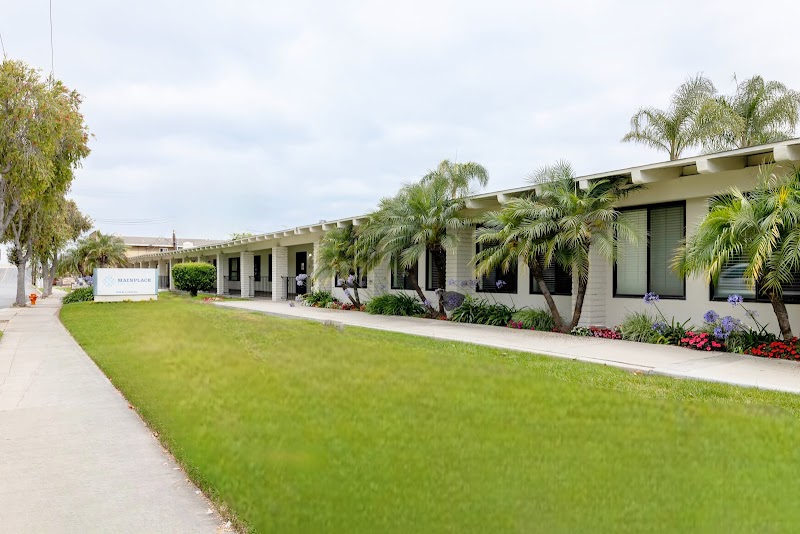
How is Mainplace Post Acute Staffed?

CMS rates MAINPLACE POST ACUTE's staffing level at 4 out of 5 stars, which is above average compared to other nursing homes. Staff turnover is 36%, compared to the California average of 46%. This relatively stable workforce can support continuity of care.

What Have Inspectors Found at Mainplace Post Acute?

State health inspectors documented 63 deficiencies at MAINPLACE POST ACUTE during 2019 to 2025. These included: 1 that caused actual resident harm, 51 with potential for harm, and 11 minor or isolated issues. Deficiencies causing actual harm indicate documented cases where residents experienced negative health consequences.
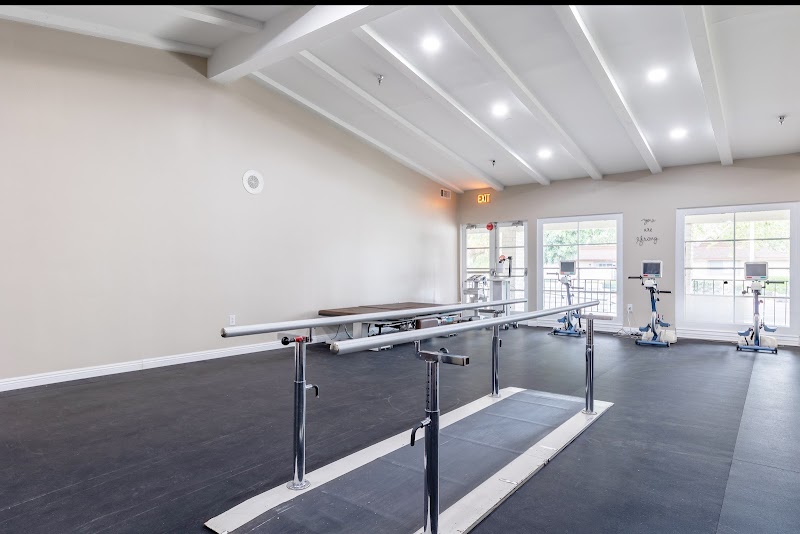
Who Owns and Operates Mainplace Post Acute?

MAINPLACE POST ACUTE is owned by a for-profit company. For-profit facilities operate as businesses with obligations to shareholders or private owners. The facility is operated by THE ENSIGN GROUP, a chain that manages multiple nursing homes. With 169 certified beds and approximately 150 residents (about 89% occupancy), it is a mid-sized facility located in ORANGE, California.
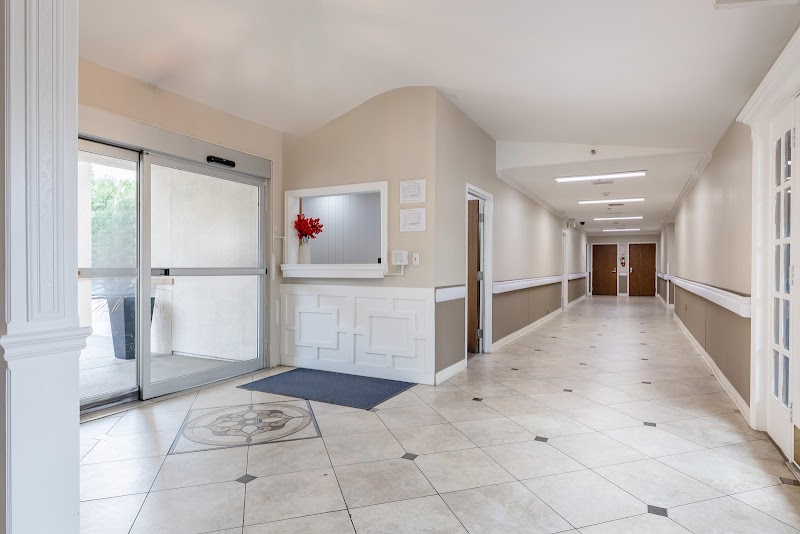
How Does Mainplace Post Acute Compare to Other California Nursing Homes?

Compared to the 100 nursing homes in California, MAINPLACE POST ACUTE's overall rating (3 stars) is below the state average of 3.1, staff turnover (36%) is significantly lower than the state average of 46%, and health inspection rating (3 stars) is at the national benchmark.

What Should Families Ask When Visiting Mainplace Post Acute?

Based on this facility's data, families visiting should ask: "Can I visit during a mealtime to observe dining assistance and food quality?" "How do you handle medical emergencies, and what is your hospital transfer rate?" "Can I speak with family members of current residents about their experience?"

Is Mainplace Post Acute Safe?

Based on CMS inspection data, MAINPLACE POST ACUTE has a clean safety record: no substantiated abuse findings (meaning no confirmed cases of resident harm), no Immediate Jeopardy citations (the most serious violation level indicating risk of serious injury or death), and is not on the Special Focus Facility watch list (a federal program monitoring the lowest-performing 1% of nursing homes). The facility has a 3-star overall rating and ranks #100 of 100 nursing homes in California. While no facility is perfect, families should still ask about staff-to-resident ratios and recent inspection results during their visit.

Do Nurses at Mainplace Post Acute Stick Around?

MAINPLACE POST ACUTE has a staff turnover rate of 36%, which is about average for California nursing homes (state average: 46%). Moderate turnover is common in nursing homes, but families should still ask about staff tenure and how the facility maintains care continuity when employees leave.

Was Mainplace Post Acute Ever Fined?

MAINPLACE POST ACUTE has been fined $7,443 across 1 penalty action. This is below the California average of $33,153. While any fine indicates a compliance issue, fines under $50,000 are relatively common and typically reflect isolated problems that were subsequently corrected. Families should ask what specific issues led to these fines and confirm they've been resolved.

Is Mainplace Post Acute on Any Federal Watch List?

MAINPLACE POST ACUTE is not on any federal watch list. The most significant is the Special Focus Facility (SFF) program, which identifies the bottom 1% of nursing homes nationally based on persistent, serious quality problems. Not being on this list means the facility has avoided the pattern of deficiencies that triggers enhanced federal oversight. This is a positive indicator, though families should still review the facility's inspection history directly.