ORANGE HEALTHCARE & WELLNESS CENTRE, LLC
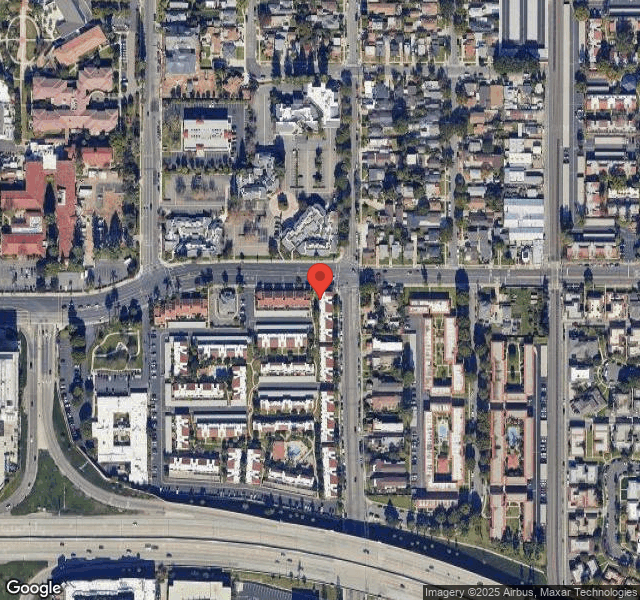
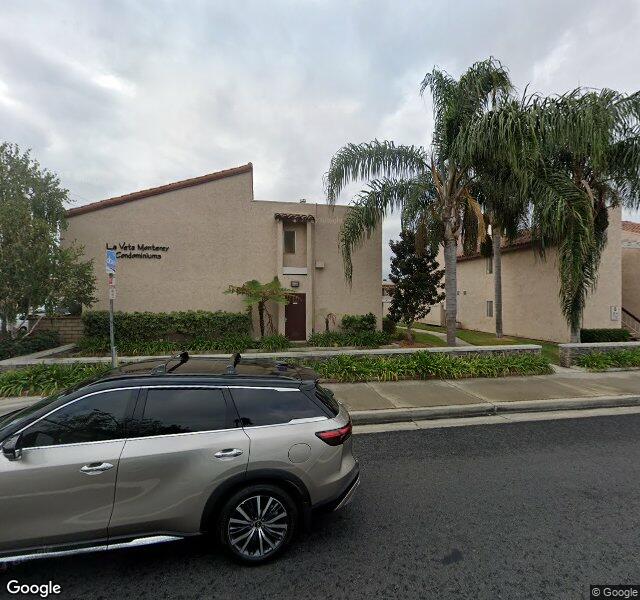
920 WEST LA VETA STREET, ORANGE, CA 92868 (714) 633-3568
For profit - Limited Liability company 112 Beds SHLOMO RECHNITZ Data: November 2025
Trust Grade
55/100
#642 of 1155 in CA
Last Inspection: September 2024

Within standard 12-15 month inspection cycle. Federal law requires annual inspections.

Overview

Orange Healthcare & Wellness Centre has a Trust Grade of C, which means it is average and falls in the middle of the pack among nursing homes. It ranks #642 out of 1155 in California, placing it in the bottom half of facilities in the state, and #46 out of 72 in Orange County, indicating that there are only a few local options that perform better. The facility is improving, with issues decreasing from 32 in 2024 to just 6 in 2025. Staffing is a notable strength, with a turnover rate of only 30%, which is below the state average, but it has concerning RN coverage, being lower than 87% of California facilities. While the absence of fines is a positive sign, there have been specific incidents, such as a failure to conduct a timely nutritional assessment for a resident, which resulted in weight loss, and sanitation issues in the kitchen that could pose a risk for foodborne illnesses. This nursing home has both strengths and weaknesses that families should consider.

Trust Score
C
55/100
In California
#642/1155
Bottom 45%
Safety Record
Moderate
Needs review
Inspections
Getting Better
32 → 6 violations
Staff Stability
○ Average
30% turnover. Near California's 48% average. Typical for the industry.
Penalties
✓ Good
No fines on record. Clean compliance history, better than most California facilities.
Skilled Nurses
⚠ Watch
Each resident gets only 17 minutes of Registered Nurse (RN) attention daily — below average for California. Fewer RN minutes means fewer trained eyes watching for problems.
Violations
⚠ Watch
83 deficiencies on record. Higher than average. Multiple issues found across inspections.
★★★☆☆
3.0
Overall Rating
★★☆☆☆
2.0
Staff Levels
★★★★★
5.0
Care Quality
★★☆☆☆
2.0
Inspection Score
Stable
2024: 32 issues
2025: 6 issues

The Good

  • 5-Star Quality Measures · Strong clinical quality outcomes
  • Full Sprinkler Coverage · Fire safety systems throughout facility
  • No fines on record
  • Staff turnover below average (30%)

    18 points below California average of 48%

Facility shows strength in quality measures, fire safety.

The Bad

3-Star Overall Rating

Near California average (3.1)

Meets federal standards, typical of most facilities

Staff Turnover: 30%

16pts below California avg (46%)

Typical for the industry

Chain: SHLOMO RECHNITZ

Part of a multi-facility chain

Ask about local staffing decisions and management

The Ugly 83 deficiencies on record

1 actual harm
Sept 2025 3 deficiencies
CONCERN (D) 📢 Someone Reported This

A family member, employee, or ombudsman was alarmed enough to file a formal complaint

Potential for Harm - no one hurt, but risky conditions existed

Deficiency F0558 (Tag F0558)

Could have caused harm · This affected 1 resident

**NOTE- TERMS IN BRACKETS HAVE BEEN EDITED TO PROTECT CONFIDENTIALITY** Based on observation, interview, medical record review, and facility P&P review, the failed to provide the reasonable accommodat...

Read full inspector narrative →
**NOTE- TERMS IN BRACKETS HAVE BEEN EDITED TO PROTECT CONFIDENTIALITY** Based on observation, interview, medical record review, and facility P&P review, the failed to provide the reasonable accommodations to meet the care needs for two of 13 sampled residents (Residents 2 and 3). * The facility failed to ensure Residents 2 and 3's call lights were answered in a timely manner. This failure had the potential to negatively impact the resident's psychosocial well-being or result in a delay to provide care and services to the residents.Findings: Review of facility's P&P titled Communication-Call System dated 1/1/2012, showed the facility will provide a call system to enable residents to alert the nursing staff from their rooms. The nursing staff will answer the call bells promptly, in a courteous manner. In answering to request, the nursing staff will return to resident with the item or reply promptly. a. On 8/28/25 at 0925 hours, during the initial tour of the facility, an observation and concurrent interview for Resident 3 was conducted with CNA 1. Resident 3's call light was turned on from hallway and there was an audible beeping sound on the call light panel at the nurses station. There were two facility staff in the hallway who passed by Resident 3's room without answering the call light. Resident 3 started screaming and was heard in the hallway. No facility staff answered the call light to assist Resident 3. On 8/28/25 at 0945 hours, 20 minutes after Resident 3's call light was on, CNA 1 answered Resident 3's call light. In a concurrent interview, CNA 1 stated Resident 3 needed to be changed. CNA 1 stated she needed to answer the call light right away and if she could not answer the call light, she would ask other staff to answer the call light. Medical record review for Resident 3 was initiated on 8/28/25. Resident 3 was admitted to the facility on [DATE]. Review of Resident 3's MDS assessment dated [DATE], showed Resident 3 had severe cognitive impairment and needed substantial to maximum assistance for ADL care from the staff. b. On 8/28/25 at 1025 hours, an observation and concurrent interview for Resident 2 was conducted with CNA 1. Resident 2's call light was turned on from hallway and there was an audible beeping sound on the call light panel at the nurses station. LVNs 2 and 3 were sitting at the nurses station. RNA 1 passed by Resident 2's room without answering the resident's call light. No facility staff answered the call light to provide assistance to Resident 2. On 8/28/25 at 1045 hours, 20 minutes after Resident 2's call light was on, CNA 1 answered Resident 2's call light. In a concurrent interview, CNA 1 stated Resident 2 wanted the lunch tray removed from her room. On 8/28/25 at 1050 hours, an interview was conducted with LVNs 2 and 3, and RNA 1. LVN 2 verified she heard the beeping sound of the call light for Resident 2. LVN 2 stated they needed to answer the call light right away when it was turned on. LVN 2 verified she did not answer the call light of Resident 2 right away. LVN 3 verified he heard the beeping sound of the call light for Resident 2. LVN 3 verified he did not answer the call light of Resident 2 right away. RNA 1 verified the call light of Resident 2 was turned on when he passed by the room and acknowledged he did not answer the call light of Resident 2 right away. RNA 1 stated the call light of Resident 2 should have been answered right away. On 9/3/25 at 1655 hours, an interview was conducted with the Administrator and DON was conducted. The Administrator and the DON were informed and verified the findings.
CONCERN (D) 📢 Someone Reported This

A family member, employee, or ombudsman was alarmed enough to file a formal complaint

Potential for Harm - no one hurt, but risky conditions existed

Medical Records (Tag F0842)

Could have caused harm · This affected 1 resident

**NOTE- TERMS IN BRACKETS HAVE BEEN EDITED TO PROTECT CONFIDENTIALITY** Based on interview, medical record review, and facility P&P review, the facility failed to maintain an accurate and complete med...

Read full inspector narrative →
**NOTE- TERMS IN BRACKETS HAVE BEEN EDITED TO PROTECT CONFIDENTIALITY** Based on interview, medical record review, and facility P&P review, the facility failed to maintain an accurate and complete medical record for two of 13 sampled residents (Residents 12 and 13). * The facility failed to ensure the licensed nurses documented their initials on Residents 12 and 13's TARs (indicating the treatments were provided) as per the facility's P&P. This failure had the potential for the residents' care needs not being met as their medical record information was inaccurate and/or incomplete.Findings: Review of the facility's P&P titled Completion and Correction revised 1/1/2012, showed the facility will work to complete and correct medical records in a standardized manner to provide the highest quality and accuracy in documentation. The facility will ensure the medical records are complete and accurate. Entries will be recorded promptly as the event occurs. 1. Medical record review for Resident 12 was initiated 8/29/25. Resident 12 was admitted to the facility on [DATE]. Review of Resident 12's Order Summary Report showed a physician's order dated 5/20/25, to cleanse Resident 12's sacrum fragile scar tissue with soap and water, pat dry, then apply zinc oxide (skin barrier cream), every shift for skin maintenance. Review of Resident 12's TAR (Treatment Administration Record) for 7/2025 failed to show documentation the licensed nurse performed Resident 12's treatment on 7/7, 7/18, 7/19, and 7/28/25, on the evening shift. The licensed nurse failed to document their initials on the TAR for the cleansing of Resident 12's sacrum and the application of her barrier cream. 2. Medical record review for Resident 13 was initiated on 8/29/25. Resident 13 was admitted to the facility on [DATE]. Review of Resident 13's Order Summary Report showed an order dated 7/12/25, to cleanse Resident 13's MASD (sacrococcyx and right left buttocks) with normal saline, pat dry, then apply moisture barrier cream every shift. Review of Resident 13's TAR for 7/2025 failed to show documentation the licensed nurse performed Resident 13's treatment on 7/18/25 and 7/19/25, on the evening shift. The licensed nurse failed to document their initials on the TAR for the cleansing of Resident's 13 MASD (sacrococcyx and right left buttocks) and the application of her barrier cream. On 9/2/25 at 1550 hours, an interview and concurrent medical record review was conducted with the DON. The DON verified the findings and stated after a licensed nurse provided resident treatment, the licensed nurse would then document the treatment provided in the resident's medical record (TAR). The DON stated she would contact the nurses who failed to document Resident 12 and 13's treatments were provided and determine whether the nurses failed to provide the treatments or had provided the residents' treatments, however, forgot to document in the residents' medical record.
CONCERN (D) 📢 Someone Reported This

A family member, employee, or ombudsman was alarmed enough to file a formal complaint

Potential for Harm - no one hurt, but risky conditions existed

Infection Control (Tag F0880)

Could have caused harm · This affected 1 resident

**NOTE- TERMS IN BRACKETS HAVE BEEN EDITED TO PROTECT CONFIDENTIALITY** Based on observation, interview, medical record review and facility P&P review, the facility failed to ensure the infection cont...

Read full inspector narrative →
**NOTE- TERMS IN BRACKETS HAVE BEEN EDITED TO PROTECT CONFIDENTIALITY** Based on observation, interview, medical record review and facility P&P review, the facility failed to ensure the infection control practices were observed. * LVN 1 failed to follow the EBP infection control practices while performing the wound care for Resident 1. * LVN 2 failed to follow the infection control practices on wearing PPE in the hallway. These failures posed the risk for transmission of disease-causing microorganisms and infections.Findings: Review of the facility's P&P titled Enhanced Barrier Precaution dated 5/28/24, showed it is the policy of this facility to implement enhanced barrier precautions for the prevention of transmission of multidrug-resistant organisms. The facility will have the discretion on how to communicate to staff which residents require the use of EBP, as long as staff are aware of which residents require the use of EBP prior to providing high-contact care activities. EBP are indicated for residents with any of the following: wounds (e.g., chronic wounds such as pressure ulcers, diabetic foot ulcers, unhealed surgical wounds, and chronic venous stasis ulcers). In addition, to facilitate compliance with EBP, gowns and gloves are to be donned before each high contact task, not prior to entering the room. Health care personnel should not routinely wear gowns and gloves in the hallway. Review of the facility's Enhanced Standard Precaution signage showed everyone must perform hand hygiene before entering the room. Anyone participating in any of these six moments must also don gown and gloves for morning and evening care, toileting and changing incontinence briefs, caring for devices and giving medical treatments, wound care, cleaning and disinfecting the environment, and mobility assistance and preparing to leave room. a. On 8/28/25 at 0900 hours, during the initial tour of the facility, an observation and concurrent interview for Resident 1 was conducted with LVN 1. An EBP signage was observed outside of Resident 1's room. There was a small drawer on Resident 1's door which contained gloves, gowns, and a bottle of alcohol-free wipes. LVN 1 was observed providing wound care to Resident 1 in bed without wearing the gown. LVN 1 verified Resident 1 was on EBP for wound. LVN 1 verified he was not wearing a gown while providing wound care to Resident 1. Medical record review for Resident 1 was initiated on 8/28/25. Resident 1 was admitted to the facility on [DATE]. Review of Resident 1's Order Summary Report showed a physician's order dated 6/17/25, for low air loss mattress for wound management re-opened right buttock pressure injury stage four every shift for wound management. b. On 8/28/25 at 0930 hours, an observation and concurrent interview for Resident 2 was conducted with LVN 2. Resident 2's room was closed and had a sign for COVID-19 isolation. There was a small drawer on Resident 2's door which contained gloves, gowns, and a bottle of alcohol-free wipes. LVN 2 was observed preparing medication from the medication cart in front of Resident 2's room. LVN 2 donned PPE and went to the medication room in the hallway wearing PPE. LVN 2 stated she did not enter Resident 2's room because she needed medication inside the medication room. On 8/28/25 at 1520 hours, an interview was conducted with the IP. The IP was informed of the observation and verified the findings. IP stated LVN 1 should have been wearing a gown while providing wound care to Resident 1 and LVN 2 should not be wearing any PPE when in the hallway. On 8/28/25 at 1630 hours, an interview was conducted with the Administrator. The Administrator was informed and verified the findings.
Jun 2025 1 deficiency
CONCERN (D) 📢 Someone Reported This

A family member, employee, or ombudsman was alarmed enough to file a formal complaint

Potential for Harm - no one hurt, but risky conditions existed

Investigate Abuse (Tag F0610)

Could have caused harm · This affected 1 resident

**NOTE- TERMS IN BRACKETS HAVE BEEN EDITED TO PROTECT CONFIDENTIALITY** Based on interview, medical record review, and facility P&P review, the facility failed to follow the abuse protocol during the ...

Read full inspector narrative →
**NOTE- TERMS IN BRACKETS HAVE BEEN EDITED TO PROTECT CONFIDENTIALITY** Based on interview, medical record review, and facility P&P review, the facility failed to follow the abuse protocol during the facility investigation process for one of eight sampled residents (Resident 1). * The facility failed to suspend CNA 1 from work when Resident 1 reported an allegation of physical abuse against CNA 1 on 6/17/25. This failure had the potential to place Resident 1 and other residents at risk of not being protected against the alleged abuser. Findings: Review of the facility's P&P titled Reporting Abuse revised 1/8/14, showed upon an allegation of abuse by a facility staff member, the facility staff member will be suspended and removed from the premises during the investigation. On 6/17/25, the CDPH, Licensing and Certification Program received a report from the facility regarding Resident 1's allegation of physical abuse by CNA 1. Medical record review for Resident 1 was initiated on 6/26/25. Resident 1 was admitted to the facility on [DATE], and readmitted to the facility on [DATE]. Review of Resident 1's H&P examination dated 5/27/25, showed Resident 1 had capacity to make his own medical decisions. Review of the facility's investigation documents for Resident 1's allegation of abuse showed the interviews and statements of the facility's staff members and residents. However, further review of the documents failed to show CNA 1 was suspended immediately after Resident 1 had voiced concerns about an alleged physical abuse to LVN 4 on 6/17/25 at 0140 hours. On 6/26/25 at 1055 hours, a telephone interview was conducted with CNA 1. CNA 1 verified she worked with Resident 1 on 6/17/25, during the night shift from 2300 to 0700 hours. CNA 1 reported Resident 1's allegation of abuse to LVN 4 on 6/17/25 at 0140 hours. When asked if she was suspended immediately after the reporting of the alleged abuse, CNA 1 stated that LVN 4 and RN 1 gave her a different assignment to not work directly with Resident 1 that night. On 6/27/25, at 0900 hours, a telephone interview was conducted with LVN 4. LVN 4 stated that Resident 1 was assessed immediately after reporting of the alleged physical abuse. There was no injury indicated. LVN 4 stated CNA 1 was asked to take another assignment. At around 0215 hours, an officer was called to the facility by Resident 1. RN 1 accompanied the officer, and the officer concluded there were no signs of elder abuse. On 6/27/25 at 0930 hours, a telephone interview was conducted with RN 1. RN 1 acknowledged he failed to inform the Administrator immediately after the allegation of abuse was reported. RN 1 further stated the alleged staff should also be suspended pending the investigation to ensure the safety of Resident 1 and other residents in the facility. On 6/27/25 at 1430 hours, an interview was conducted with the Administrator. The Administrator acknowledged the findings.
Feb 2025 1 deficiency
CONCERN (D) 📢 Someone Reported This

A family member, employee, or ombudsman was alarmed enough to file a formal complaint

Potential for Harm - no one hurt, but risky conditions existed

Infection Control (Tag F0880)

Could have caused harm · This affected 1 resident

**NOTE- TERMS IN BRACKETS HAVE BEEN EDITED TO PROTECT CONFIDENTIALITY** Based on observation, interview, medical record review, and facility P&P review, the facility failed to maintain the infection c...

Read full inspector narrative →
**NOTE- TERMS IN BRACKETS HAVE BEEN EDITED TO PROTECT CONFIDENTIALITY** Based on observation, interview, medical record review, and facility P&P review, the facility failed to maintain the infection control program and practices to help prevent the development and transmission of diseases and infections. * Treatment Nurse 1 failed to perform hand hygiene before providing the wound care treatment to Resident 2. * Treatment Nurse 2 failed to perform hand hygiene before providing the wound care treatment to Resident 1. * CNA 1 failed to perform hand hygiene and change her gloves in between tasks and before accessing the clean linen cart. These failures had the potential for transmission of disease-causing pathogens and infections. Findings: Review of the facility's P&P titled Hand Hygiene (undated) showed the facility staff are trained and regularly in-serviced on the importance of hand hygiene in preventing the transmission of healthcare associated infections and facility staff follow the hand hygiene procedures to help prevent the spread of infections to other staff, residents, volunteers and visitors. 1. On 2/27/25 at 0835 hours, a wound care observation was conducted with Treatment Nurse 1 for Resident 2. Treatment Nurse 1 was observed initiating the wound care treatment to Resident 2's left shin wound site without performing hand hygiene. Treatment Nurse 1 then donned on gloves, cleaned the wound site with normal saline (sterile, clear solution containing sodium chloride and water), removed the soiled gloves, then donned on a new set pair of gloves. Treatment Nurse 1 was not observed performing hand hygiene after removing the soiled gloves and before donning on the clean gloves. Treatment Nurse 1 was then observed continuing the wound care treatment to Resident 2's left shin wound as ordered by the physician. On 2/27/25 at 0850 hours, an interview was conducted with Treatment Nurse 1. When asked if he performed hand hygiene prior to providing the wound care treatment to Resident 2, Treatment Nurse 1 stated he should have washed his hands before providing the wound care treatment to the resident to prevent the spread of infection. Medical record review for Resident 2 was initiated on 2/27/25. Resident 2 was admitted to the facility on [DATE], and readmitted on [DATE]. Review of Resident 2's Order Summary Report dated 2/27/25, showed a physician's order dated 2/26/25, to apply Santyl (topical enzyme medication used to remove damaged or burned skin, aiding in wound care and the growth of healthy skin) external ointment 250 unit/gm to the left shin topically every day shift for wound care. 2. On 2/27/25 at 1030 hours, a wound observation was conducted with Treatment Nurse 2 and CNA 1 for Resident 1. After verifying the physician's order and gathering the wound care supplies, Treatment Nurse 2 was observed walking towards Resident 1's bed. CNA 1 was observed cleaning Resident 1's buttock area with soap and water. CNA 1 then alertedTreatment Nurse 2 to apply the barrier cream to the resident's buttock area. Treatment Nurse 2 was observed donning on gloves and applying the barrier cream to Resident 1's buttock area using a tongue depressor, without performing hand hygiene. CNA 1 was also observed changing Resident 1's bed linens and attempting to grab linen from the clean linen cart with the soiled gloves used to clean Resident's buttock area. CNA 1 was stopped from removing linen from the clean linen cart and asked if she needed to change her soiled gloves and perform hand hygiene before accessing the clean linen cart. CNA 1 then removed her soiled gloves, performed hand hygiene and donned on set pair of gloves. Medical record review for Resident 1 was initiated on 2/27/25. Resident 1 was admitted to the facility on [DATE], and readmitted on [DATE]. Review Resident 1's Order Summary Report dated 2/27/25,showed a physician's order dated 2/27/25, to apply skin barrier cream to the sacrococcyx extending to left and right buttocks every day shift for skin maintenance. On 2/27/25 at 1045 hours, an interview was conducted with CNA 1. CNA 1 verified she did not perform hand hygiene and donned clean gloves after providing care to Resident 1 and before attempting to grab supplies from the clean linen cart. CNA 1 stated she should have performed hand hygiene and changed her gloves in between tasks to prevent contamination. On 2/27/25 at 1050 hours, an interview was conducted with Treatment Nurse 2. When asked if he performed hand hygiene prior to providing wound care treatment to Resident 1, Treatment Nurse 2 stated that he should have washed his hands before providing the wound care treatment to the resident for safety and to prevent the spread of infection. On 2/27/25 at 1415 hours, an interview was conducted with the IP. The IP stated the facility staff should perform hand hygiene before providing the wound care treatment to the residents. In addition, the gloves should be changed, and hand hygiene should be performed in between the tasks to prevent transmission of diseases and infections. On 2/27/25 at 1545 hours, an interview was conducted with the DON. The DON acknowledged the above findings.
Jan 2025 1 deficiency
MINOR (B) 📢 Someone Reported This

A family member, employee, or ombudsman was alarmed enough to file a formal complaint

Minor Issue - procedural, no safety impact

Quality of Care (Tag F0684)

Minor procedural issue · This affected multiple residents

**NOTE- TERMS IN BRACKETS HAVE BEEN EDITED TO PROTECT CONFIDENTIALITY** Based on observation, interview, and medical record review, the facility failed to provide oral care every shift for one of four...

Read full inspector narrative →
**NOTE- TERMS IN BRACKETS HAVE BEEN EDITED TO PROTECT CONFIDENTIALITY** Based on observation, interview, and medical record review, the facility failed to provide oral care every shift for one of four sampled residents (Resident 2). This failure had the potential to negatively impact Resident 2's well-being. Findings: Medical record review for Resident 2 was initiated on 1/8/25. Resident 2 was admitted to the facility on [DATE], with diagnoses including dysphagia. Review of Resident 2's Order Summary Report showed an order dated 10/17/24, for every shift to provide the oral care and use the swab/suction as appropriate. Review of Resident 2's Intervention/Task for Oral Hygiene forJanuary 2025 showed the oral hygiene was provided to Resident 2 during the day shifts (7 AM -3 PM) and evening shifts (3 PM -11 PM) only on the following dates/times but not every shift every day as ordered: - On 1/1/25 at 1127 and 1651 hours. - On 1/2/25 at 1323 and 2219 hours. - On 1/3/25 at 1427 and 1640 hours. - On 1/4/25 at 1058 and 2259 hours. - On 1/5/25 at 1134 and 1816 hours. - On 1/6/25 at 1013 and 2132 hours. - On 1/7/25 at 1039 and 1702 hours. - On 1/8/25 at 1302 and 1749 hours. On 1/8/25 at 1138 hours, a concurrent observation and interview was conducted with LVN 1. LVN 1 stated the oral care should be provided every shift to Resident 2. LVN 1 confirmed Resident 2's mouth was dirty, and the lips were dry with white patches. LVN 1 further stated Resident 2 had not had oral care yet. On 1/9/25 at 0925 hours, a concurrent interview and medical record review for Resident 2 was conducted with RN 1. RN 1 confirmed the oral care was not provided to Resident 2 every shift. RN 1 stated the oral care was important to prevent the resident's mouth infection and sores. On 1/9/25 at 1004 hours, a concurrent interview and medical record review was conducted with the DON. The DON stated the facility had three shifts: day, evening, and night shifts. The DON confirmed the oral care was not provided every shift to Resident 2.
Dec 2024 2 deficiencies
CONCERN (D) 📢 Someone Reported This

A family member, employee, or ombudsman was alarmed enough to file a formal complaint

Potential for Harm - no one hurt, but risky conditions existed

Incontinence Care (Tag F0690)

Could have caused harm · This affected 1 resident

**NOTE- TERMS IN BRACKETS HAVE BEEN EDITED TO PROTECT CONFIDENTIALITY** Based on observation, interview, medical record review, and facility P&P review, the facility failed to provide the appropriate ...

Read full inspector narrative →
**NOTE- TERMS IN BRACKETS HAVE BEEN EDITED TO PROTECT CONFIDENTIALITY** Based on observation, interview, medical record review, and facility P&P review, the facility failed to provide the appropriate care and services to prevent UTI for two of two sampled residents (Residents 1 and 2) reviewed for catheter care. * The facility failed to ensure proper positioning of Residents 1 and 2' s urinary drainage bag to prevent urine from flowing back into the residents' bladder. * The staff member failed to monitor or assess the color of Resident 2's urinary output. These failures posed the risk for Residents 1 and 2 to develop CAUTI. Findings: Review of the facility's P&P titled Care of Catheter revised 6/10/21,showed the residents with Foley catheters will be cared for utilizing the most current CDC Guidelines to prevent Urinary Tract Infections. Nursing Staff will assess urinary drainage for signs and symptoms of infection, noting cloudiness, color, sediment, blood, odor, and amount of urine. The catheter tubing, bag or spigot will be anchored to not touch the floor. The catheter and collecting tube will be kept free from kinking and the collection bag will be kept below the level of the bladder. 1. On 12/4/24 at 1035 hours, an observation was conducted with Resident 1. Resident 1 was observed lying in bed with the bed in a low position. Resident 1's urinary catheter drainage bag was observed on the top of Resident 1 ' s bed without a dignity bag. Resident 1's urinary output was visible from the hallway and from the opened patio door, which lead to facility's patio. There were other residents and visitors observed in the facility's patio. Medical record review for Resident 1 was initiated on 12/4/24. Resident 1 was admitted to the facility on [DATE]. Review of Resident 1's H&P examination dated 10/5/24, showed Resident 1 had no capacity to make medical decisions. Review of Resident 1's Order Summary Report showed the following physician'sorders: - dated 9/19/24, for an indwelling urinary catheter size 16 Fr with 10 cc balloon via gravity. - dated 10/4/24, for urinary Foley catheter care to be provided every shift and to assess the urinary drainage for signs and symptoms of infection, noting cloudiness, color, sediment, blood, odor, and the amount of urine output. Review of Resident 1's plan of care showed a care plan problem dated 10/20/24, addressing Resident 3's urinary catheter use. The interventions included to position the urinary catheter bag and tubing below the level of the bladder and away from the entrance door. On 12/4/24 at 1106 hours, a follow up observation was conducted with Resident 1. Resident 1's urinary catheter bag was observed on top of Resident 1's bed and not covered with a dignity bag. Family Member 1 was observed at the bedside, and she stated she did not touch the urinary catheter bag and no staff had come in to check the resident's urinary catheter bag. On 12/4/24 at 1130 hours, an observation and concurrent interview was conducted with the DON. The DON verified Resident 1's urinary catheter bag should be covered with a dignity bag and positioned below Resident 1's bladder. 2. On 12/5/24 at 1020 hours, an observation of Resident 2 and concurrent interview was conducted with the DON. Resident 2 was observed lying on his back with the urinary catheter bag on top of Resident 2's bed and not covered with a dignity bag. The urinary catheter bag was visible from the hallway and the patio door, which was facing the facility's outdoor sidewalk near the handicap parking lot. Resident 2's urine color output was also observed to be dark yellow brown in color. Medical record review for Resident 2 was initiated on 12/4/24. Resident 2 was admitted to the facility on [DATE]. Review of Resident 2's H&P examination dated 5/7/24, showed Resident 2 could make needs known but could not make medical decisions. Review of Resident 2's Order Summary Report showed the following physician's orders dated 5/8/24: - for an indwelling urinary catheter size 16 Fr via gravity drainage for obstructive uropathy. - Foley catheter care to be provided every shift and assess the urinary drainage for signs and symptoms of infection, noting cloudiness, color, sediment, blood, odor, and amount the of urine output every shift. Review of Resident 2's plan of care showed a care plan problem dated 2/22/24, addressing Resident 2's indwelling urinary catheter use. The interventions included to position the urinary catheter bag and tubing below the level of the bladder and away from the entrance door. On 12/5/24 at 1030 hours, an observation and concurrent interview was conducted with Treatment Nurse 2. Treatment Nurse 2 acknowledged Resident 2's urinary bag should be covered with a dignity bag and positioned below Resident 2's bladder. Treatment Nurse 2 further stated Resident 2's urinary output should not be dark yellow brown in color, and instead, the urine should be clear yellow. Treatment Nurse 2 stated Resident 2's urine output should be properly monitored. On 12/5/24 at 1513 hours, an interview was conducted with the DON. The DON acknowledged and verified the above findings.
MINOR (B) 📢 Someone Reported This

A family member, employee, or ombudsman was alarmed enough to file a formal complaint

Minor Issue - procedural, no safety impact

Medical Records (Tag F0842)

Minor procedural issue · This affected multiple residents

**NOTE- TERMS IN BRACKETS HAVE BEEN EDITED TO PROTECT CONFIDENTIALITY** Based on interview and medical record review, the facility failed to ensure the medical records for two of sixsampled residents ...

Read full inspector narrative →
**NOTE- TERMS IN BRACKETS HAVE BEEN EDITED TO PROTECT CONFIDENTIALITY** Based on interview and medical record review, the facility failed to ensure the medical records for two of sixsampled residents (Residents 1 and 2) were complete and accurately documented. * The licensed nurses failed to ensure documentation on the TAR for Residents 1 and 2 were complete and accurate. This failure had the potential for the residents' care needs not being met as their medical information was incomplete. Findings: 1. Medical record review for Resident 1 was initiated on 12/4/24. Resident 1 was admitted to the facility on [DATE]. Review of Resident 1's TAR for November 2024 showed the following: a. Missing documentation of the assessment of the resident's urinary drainage for signs and symptoms of infection, noting cloudiness, color, sediment, blood, odor, and the amount of urine output every shift as per the physician's order dated 10/4/24, on the following dates: - 11/3/24, for the night shift; - 11/4/24, for the evening shift; - 11/15/24, for the night shift; and - 11/28/24, for the evening shift. b. Missing documentation for the Foley catheter care to be provided to the resident every shift as per the physician's order dated 10/4/24, on the following dates: -11/3/24, for the night shift; -11/4/24, for the evening shift; -11/15/24, for the night shift; and -11/28/24, for the evening shift. 2. Medical record review for Resident 2 was initiated on 12/4/24. Resident 2 was admitted to the facility on [DATE]. Review of Resident 2's TAR for November 2024 showed the following: a. Missing documentation for the assessment of the resident's urinary drainage for signs and symptoms of infection, noting cloudiness, color, sediment, blood, odor, and the amount of urine output every shift as per the physician's order dated started 5/8/24, on the following dates: -11/7/24, for the evening shift; and -11/15/24, for the night shift. b. Missing documentation for the Foley catheter care to be provided every shift as per the physician's order dated 5/8/24, on the following dates: -11/7/24, for the evening shift; and -11/15/24, for the night shift. c. Missing documentation to monitor/record/report to the MD for signs and symptoms of UTI: pain, burning, blood tinged urine, cloudiness, no output, deepening of urine color, increased pulse, increased temperature, urinary frequency, foul smelling urine, fever, chills, altered mental status, change in behavior, and change in eating patterns every shift as per the physician's order dated 7/23/24, on the following dates: - 11/7/24, for the evening shift; and - 11/15/24, for the night shift. On 12/5/24 at 1030 hours, an interview and concurrent medical record review for Residents 1 and 2 was conducted with Treatment Nurse 2. Treatment Nurse 2 verified all the above missing documentation in Residents 1 and 2's TAR. On 12/5/24 at 1513 hours, an interview was conducted with the DON. The DON acknowledged and verified the above findings.
Oct 2024 2 deficiencies
CONCERN (D) 📢 Someone Reported This

A family member, employee, or ombudsman was alarmed enough to file a formal complaint

Potential for Harm - no one hurt, but risky conditions existed

Investigate Abuse (Tag F0610)

Could have caused harm · This affected 1 resident

**NOTE- TERMS IN BRACKETS HAVE BEEN EDITED TO PROTECT CONFIDENTIALITY** Based on interview, medical record review, facility document review, and facility P&P review, the facility failed to provide tho...

Read full inspector narrative →
**NOTE- TERMS IN BRACKETS HAVE BEEN EDITED TO PROTECT CONFIDENTIALITY** Based on interview, medical record review, facility document review, and facility P&P review, the facility failed to provide thorough investigation and reported the results of the investigations for the allegation of possible financial abuse from the resident's family member to the CDPH, L&C Program within five working days of the incident for one of two sampled residents (Resident 2). This posed the risk for potential abuse to remain unidentified and for Resident 2 to go unprotected. Findings: Review of the facility's P&P titled Abuse - Reporting & Investigations revised 3/2018 showed in part, the facility promptly reports and thoroughly investigates all allegations of resident abuse, mistreatment, neglect, exploitation, abuse facilitated or enabled by the use of technology, misappropriation of resident property, or injuries of an unknown source, and suspicion of crimes. XII. Providing State Survey Agency and Other Agencies of the Results A. The Administrator will provide a written report of the results of all abuse investigations and appropriate action taken to CDPH Licensing and Certification and others that maybe required by state or local laws, within five (5) working days of the reported allegation. Review of the Report of Suspected Dependent Adult/Elder Abuse SOC 341 form, completed and signed by the facility's Social Services Director dated 10/10/24, showed the Court Investigator informed the facility that there was an open investigation for possible financial abuse from Resident 2's family member. Medical record review for Resident 2 was initiated on 10/18/24. Resident 2 was admitted to the facility on [DATE]. Record review of Resident 2's H&P examination dated 6/4/24, showed Resident 2 had no capacity to understand and make decisions. Record review of Resident 2's MDS Section C - Cognitive Patterns dated 9/4/24, showed the resident's BIMS score of 1(indicated severe cognitive impairment). On 10/18/24 at 1426 hours, a concurrent medical record review and interview was conducted with the DON. The DON was asked if the facility had submitted the results of their investigation to CDPH, L&C Program within five business days of the incident. The DON stated their investigation was still ongoing. On 10/18/24 at 1546 hours, during the exit conference with the DON in person and Regional Director on the phone, the concern regarding the result of the facility's investigation for possible financial abuse from Resident 2's family member was raised. The Regional Director asked the DON to open the Administrator's office to find the documentation of the results of investigation. The DON had only the SOC 341 which was already submitted via fax by the Administrator dated 10/10/24, to the CDPH, L&C Program. The DON called the Administrator to inquire again if she had the facility's investigation regarding Resident 2's Court Investigator's allegation on possible financial abuse from Resident 2's family member. The Administrator called back and verified their facility's internal investigation was still ongoing, more than five working days.
MINOR (B) 📢 Someone Reported This

A family member, employee, or ombudsman was alarmed enough to file a formal complaint

Minor Issue - procedural, no safety impact

Comprehensive Care Plan (Tag F0656)

Minor procedural issue · This affected multiple residents

**NOTE- TERMS IN BRACKETS HAVE BEEN EDITED TO PROTECT CONFIDENTIALITY** Based on interview, medical record review, and facility P&P review, the facility failed to develop and implement a plan of care ...

Read full inspector narrative →
**NOTE- TERMS IN BRACKETS HAVE BEEN EDITED TO PROTECT CONFIDENTIALITY** Based on interview, medical record review, and facility P&P review, the facility failed to develop and implement a plan of care to reflect the individual care needs for one of two sampled residents (Resident 2). * The facility failed to ensure a care plan was developed to address Resident 2's Court Investigator's allegation of possible financial abuse from alleged Resident 2's family member. This failure posed the risk of not providing appropriate, consistent, and individualized care to the resident. Findings: Review of the facility's P&P titled Comprehensive Person - Centered Care Planning revised 11/2018 showed in part, the facility should ensure that a comprehensive person-centered care plan is developed for each resident. It is the policy of this facility to provide person - centered, comprehensive, and interdisciplinary care that reflects best practice standards for meeting health, safety, psychosocial, behavioral, and environmental needs of residents in order to obtain or maintain the highest physical, mental, and psychosocial well-being. IV. Comprehensive Care Plan. Additional changes or updates to the resident's comprehensive care plan will be made based on the assessed needs of the resident. c. The comprehensive care plan will be periodically reviewed and revised by IDT after each assessment which means after each MDS assessment as required, except discharge assessments. In addition, the comprehensive care plan will also be reviewed and revised at the following times: i. Onset of new problems ii. Change of condition iii. In preparation of discharge iv. To address changes in behavior and care, and v. Other times as appropriate or necessary. Review of the Report of Suspected Dependent Adult/Elder Abuse SOC 341 form, completed and signed by the facility's Social Services Director dated 10/10/24, showed the Court Investigator informed the facility that there was an open investigation for possible financial abuse from Resident 2's family member. Medical record review for Resident 2 was initiated on 10/18/24. Resident 2 was admitted to the facility on [DATE]. Record review of Resident 2's H&P examination dated 6/4/24, showed Resident 2 had no capacity to understand and make decisions. Record review of Resident 2's MDS Section C - Cognitive Patterns dated 9/4/24, showed the resident's BIMS score of 1 (indicated severe cognitive impairment). Review of Resident 2' plan of care did not show a care plan addressing Resident 2 was at risk for possible financial abuse from Resident 2's alleged family member. On 10/18/24 at 1422 hours, a concurrent record review and interview was conducted with the DON. The DON was asked if she could find a care plan for Resident 2 addressing alleged possible financial abuse from the resident's family member. The DON verified she could not find any care plan to address for the risk of financial abuse. On 10/18/24 at 1546 hours, during the exit conference with the DON in her office and a telephone interview with the Regional Consultant, the Regional Consultant asked the DON if she could not find a care plan addressing the alleged financial abuse. The DON verified again she could find any documentation on the plan of care addressing the possible financial abuse of Resident 2. The DON acknowledged the above findings.
Oct 2024 1 deficiency
MINOR (B) 📢 Someone Reported This

A family member, employee, or ombudsman was alarmed enough to file a formal complaint

Minor Issue - procedural, no safety impact

Safe Environment (Tag F0584)

Minor procedural issue · This affected multiple residents

**NOTE- TERMS IN BRACKETS HAVE BEEN EDITED TO PROTECT CONFIDENTIALITY** Based on observation, interview, and facility P&P review, the facility failed to maintain a homelike environment for one of thre...

Read full inspector narrative →
**NOTE- TERMS IN BRACKETS HAVE BEEN EDITED TO PROTECT CONFIDENTIALITY** Based on observation, interview, and facility P&P review, the facility failed to maintain a homelike environment for one of three sampled residents (Resident 3) and one nonsampled resident (Resident B). * Residents 3 and B's rooms had peeled paint above the headboards of the residents' beds. This failure had the potential to negatively affect the residents' well-being. Findings: 1. Review of the facility's P&P titled Resident Rights Personal Property revised 1/2012 showed to ensure the quality of life of all residents by allowing to create a home-like environment. Medical record review for Resident 3 was initiated on 10/2/24. Resident 3 was admitted to the facility on [DATE]. On 10/2/24 at 1102 hours, an observation of Resident 3's room was conducted and found to have chipped paint on the wall above the resident's headboard. On 10/2/24 at 1438 hours, an interview and concurrent observation was made with LVN 2. LVN 2 verified Resident 3's wall above the headboard had chipped paint. 2. Medical record review for Resident B was initiated on 10/2/24. Resident B was admitted to the facility on [DATE], and readmitted on [DATE]. On 10/2/24 at 1431 hours, a concurrent observation of Resident B's room and interview was conducted with CNA 2. CNA 2 verified Resident B's wall above the headboard had peeling paint. On 10/2/24 at 1435 hours, a concurrent observation of Resident B's room and interview with LVN 3. LVN 3 verified Resident B's wall above the headboard had peeling paint. On 10/2/24 at 1602 hours, an interview was conducted with the DON. The DON was informed and acknowledged the above findings. When asked if peeling paint on the walls of resident's room considered a homelike environment, the DON stated no. The DON stated the process would be to notify the maintenance faculty so it could be fixed.
Sept 2024 19 deficiencies
CONCERN (D)

Potential for Harm - no one hurt, but risky conditions existed

Resident Rights (Tag F0550)

Could have caused harm · This affected 1 resident

**NOTE- TERMS IN BRACKETS HAVE BEEN EDITED TO PROTECT CONFIDENTIALITY** Based on observation, interview, and medical record review, the facility failed to ensure care was provided in a manner which pr...

Read full inspector narrative →
**NOTE- TERMS IN BRACKETS HAVE BEEN EDITED TO PROTECT CONFIDENTIALITY** Based on observation, interview, and medical record review, the facility failed to ensure care was provided in a manner which promoted dignity and respect for one of four sampled residents (Resident 76) reviewed for the use of indwelling urinary catheter (flexible tube used to empty the bladder and collect urine in a drainage bag). The facility failed to ensure Resident 76's urinary catheter collection bag was inside the privacy bag. This failure had the potential to negatively impact Resident 76's emotional well-being. Findings: On 9/9/24 at 0849 hours, during the initial tour of the facility, Resident 76 was observed lying in bed with an indwelling urinary catheter draining yellow urine into a urine collection bag. The urine collection bag was observed hanging on the right side of Resident 76's bed, not inside the privacy bag. On 9/9/24 at 0853 hours, an interview and concurrent observation was conducted with CNA 2. CNA 2 verified the above finding. CNA 2 stated the urine collection bag should be inside the privacy bag for the resident's privacy. CNA 2 was then observed donning gloves and placing the urine collection bag inside the privacy bag. Medical record review for Resident 76 was initiated on 9/9/24. Resident 76 was admitted to the facility on [DATE], and readmitted on [DATE]. Review of Resident 76's H&P examination dated 11/28/23, showed Resident 76 was able to make some of his needs known, but he was not able to make his own decisions. Review of Resident 76's Order Summary for September 2024 showed a physician's order dated 7/18/24, for the placement of a 16 Fr indwelling/suprapubic catheter (a tube used to drain urine from the bladder through a small incision in the lower abdomen) with balloon via gravity drainage for benign prostatic hyperplasia (a noncancerous condition that occurs when the prostate gland enlarges). On 9/12/24 at 1421 hours, an interview was conducted with the DON. The DON stated for all the residents with the indwelling urinary catheters, she expected all the catheter collection bags to be inside the privacy bag to provide the residents with dignity. The DON was informed and acknowledged the above findings.
CONCERN (D)

Potential for Harm - no one hurt, but risky conditions existed

Deficiency F0558 (Tag F0558)

Could have caused harm · This affected 1 resident

**NOTE- TERMS IN BRACKETS HAVE BEEN EDITED TO PROTECT CONFIDENTIALITY** 3. On 9/9/24 at 0849 hours, during the initial tour of the facility, Resident 76 was observed lying in bed. Resident 76's call l...

Read full inspector narrative →
**NOTE- TERMS IN BRACKETS HAVE BEEN EDITED TO PROTECT CONFIDENTIALITY** 3. On 9/9/24 at 0849 hours, during the initial tour of the facility, Resident 76 was observed lying in bed. Resident 76's call light was observed on top of the bedside drawer, to the left side of Resident 76's bed. Medical record review for Resident 76 was initiated on 9/9/24. Resident 76 was admitted to the facility on [DATE], and readmitted on [DATE]. Review of Resident 76's H&P examination dated 11/28/23, showed Resident 76 was able to make some of his needs known, but he was not able to make his own decisions. Review of Resident 79's MDS dated [DATE], showed Resident 76 required dependent assistance for bed mobility, which included rolling from left to right, sit to lying, and lying to sitting on the side of the bed. On 9/9/24 at 0853 hours, an interview and concurrent observation was conducted with CNA 2. CNA 2 verified Resident 76's call light was on top of the bedside drawer. CNA 2 stated the call light should be within the resident's reach. CNA 2 was observed placing Resident 76's call light within the resident's reach. On 9/12/24 at 1421 hours, an interview was conducted with the DON. The DON stated she expected the call lights to be placed within the residents' reach. The DON was informed and acknowledged the above findings. 4. On 9/10/24 at 0845 hours, Resident 39 was observed awake and in bed. Resident 39's call light button was observed on the top of the bedside drawer. The call light button was not within Resident 39's reach. When Resident 39 asked about his call light button, he was made aware the call light button was on the top of the bedside drawer and he was not able to reach it. On 9/10/24 at 0847 hours, MDS Coordinator 3 was summoned inside Resident 39's room. MDS Coordinator 3 verified the call light button for Resident 39 was placed on top of the bedside drawer. MDS Coordinator 3 stated the call light button should have been placed near the resident so he could call the staff when he needed assistance. 5. On 9/9/24 at 0808 hours and 9/10/24 at 0853 hours, Resident 61 was observed awake and in bed. Resident 61's call light cord was clipped to the wire cord on the wall at the head of the bed with the call light button hanging. The call light button was not within Resident 61's reach . On 9/10/24 at 1331 hours, an observation and concurrent interview was conducted with CNA 5. CNA 5 verified the call light button was not within Resident 61's reach. On 9/12/24 at 1417 hours, an interview for Resident 39 and 61 was conducted with the DON. The DON was informed and acknowledged the above findings. Based on observation, interview, medical record review, and facility P&P review, the facility failed to ensure the call light was within reach for three of 19 final sampled residents (Residents 16, 38, and 76) and two nonsampled residents (Residents 39 and 61). This failure had the potential to negatively impact the residents' psychosocial well-being or result in a delay to provide care and services to the residents. Findings: Review of the facility's P&P titled Communication-Call System revised 1/1/12 showed the facility will provide a call system to enable the residents to alert the nursing staff from their rooms and toileting/bathing facilities. Call cords will be placed within the resident's reach in the resident's room. 1. Medical record review for Resident 16 was initiated on 9/9/24. Resident 16 was admitted to the facility on [DATE], and readmitted on [DATE]. On 9/9/24 at 0800 hours, Resident 16 was observed with the call light clipped on edge of the head of the bed. When asked if she could reach the call light to ask for staff assistance, Resident 16 stated she could not reach it. 2. Medical record review for Resident 38 was initiated on 9/9/24. Resident 38 was admitted to the facility on [DATE], and readmitted on [DATE]. On 9/9/24 at 0820 hours, Resident 38 was observed with the call light placed underneath the pillow. When asked if he could reach call light to ask for staff assistance, Resident 38 state he could not reach it. On 9/9/24 at 0925 hours, an observation and concurrent interview was conducted with LVN 7 for Residents 16 and 38. Resident 16 was observed with the call light clipped on the head of the bed and out of Resident 16's reach. Resident 38 was observed with the call light underrneath the pillow. LVN 7 verified the findings.
CONCERN (D)

Potential for Harm - no one hurt, but risky conditions existed

Deficiency F0578 (Tag F0578)

Could have caused harm · This affected 1 resident

**NOTE- TERMS IN BRACKETS HAVE BEEN EDITED TO PROTECT CONFIDENTIALITY** Based on interview, medical record review, and facility P&P review, the facility failed to provide the written information regar...

Read full inspector narrative →
**NOTE- TERMS IN BRACKETS HAVE BEEN EDITED TO PROTECT CONFIDENTIALITY** Based on interview, medical record review, and facility P&P review, the facility failed to provide the written information regarding the advance directives (legal document of a person's wishes regarding medical care when the person is no longer able to make medical decisions), and obtain and/or maintain copies of the advance directives in the medical records for five of 19 final sampled residents (Residents 17, 45, 76, 351, and 601). These failures had the potential for the residents' decisions regarding their healthcare and treatment not being honored. Findings: Review of the facility's P&P titled Advance Directive revised 7/25/24, showed upon admission, the admissions staff or designee will provide written information to the resident concerning his or her right to make decisions concerning medical care, including the right to accept or refuse medical or surgical treatment, and the right to formulate advance directives. During the Social Service Assessment process, the Director of Social Services or designee will also ask the resident if they have a written advance directive. If the resident has an advance directive, the facility shall request a copy of the document from the resident or resident's representative. If the resident does not have an advance directive and additional information was requested, the SSD or designee may provide the resident with a copy of the advance directive form for their review. 1. Medical record review for Resident 17 was initiated on 9/9/24. Resident 17 was admitted to the facility on [DATE]. Review of Resident 17's Social Services assessment dated [DATE], under the Advance Directive section, showed Resident 17 had an advance directive and a copy from the resident/resident representative was requested. Review of Resident 17's medical record failed to show a copy of Resident 17's advance directive. Review of Resident 17's Progress Notes failed to show documentation the facility had followed up to obtain a copy of Resident 17's advance directive. On 9/11/24 at 1215 hours, an interview was conducted with the SSD. The SSD stated upon admission the resident/resident representatives were asked if the resident had an advance health care directive in place. If the resident did, the facility would request for a copy to keep in the resident's medical records. On 9/11/24 at 1600 hours, a follow-up interview and concurrent record review for Resident 17 was conducted with the SSD. The SSD verified the above findings. The SSD reviewed the Social Service Notes and stated there was no documentation to show the facility had followed up to obtain Resident 17's advance directive. The SSD further stated the facility did not have a system and should establish a system to notify the facility of the residents who required a follow-up to obtain their advance directive. On 9/12/24 at 1421 hours, an interview was conducted with the DON. The DON stated upon admission, if the resident had an advance directive, the facility would request a copy and the Social Services department would be responsible to follow-up to obtain the copy. The DON further stated the Social Services department should continue to follow up and document their attempts until they were able to obtain the residents' advance directive. When asked about the importance of obtaining the residents' advance directive, the DON stated the advance directive was the wishes of the residents and the facility should ensure the residents' wishes were honored. The DON was informed of and acknowledged the above findings. 2. Medical record review for Resident 76 was initiated on 9/9/24. Resident 76 was admitted to the facility on [DATE], and readmitted on [DATE]. Review of Resident 76's H&P examination dated 11/28/23, showed Resident 76 was able to make some of his needs known, but he was not able to make his own decisions. Review of Resident 76's Social Services Assessments dated 12/6/23 and 7/24/24, under the section for Advance Directive, showed none of the options was selected. Review of Resident 76's medical record failed to show documentation Resident 76 or his representative was offered literature on how to formulate an advance directive. On 9/11/24 at 1215 hours, an interview and concurrent medical record review was conducted with the SSD. The SSD stated upon admission, the residents/resident representatives were asked if the resident had an advance directive in place. If the resident did not have an advance directive and had no capacity to make decisions but wished to formulate an advance directive, the facility would still provide information about advance directions and how to formulate one. The SSD further stated each resident should have an Advance Health Care Directive (AHCD) Acknowledgement form in their medical record to indicate the resident received information regarding advance directives. The SSD verified the above findings. The SSD reviewed Resident 76's medical record and verified Resident 76 did not have an AHCD Acknowledgement form in his medical record. On 9/11/24 1559 hours, a follow-up interview and concurrent medical record review for Resident 76 was conducted with the SSD. The SSD stated there was no documentation in the resident's medical record to show the facility had followed up regarding whether Resident 76 had an advance directive or wanted additional information to be provided. On 9/12/24 at 1421 hours, and interview was conducted with the DON. The DON was informed and acknowledged the above findings. 4. Medical record review for Resident 601 was initiated on 9/9/24. Resident 601 was readmitted to the facility on [DATE]. Review of Resident 601's Advance Healthcare Directive (AHCD) Acknowledgement Form dated 1/31/22, showed Resident 601 had an AHCD in place and a copy was requested by the facility. Review of Resident 601's medical record failed to show a copy of the AHCD was maintained in the resident's medical record. On 9/11/24 at 1214 hours, an interview and concurrent medical record review was conducted with the SSD. The SSD stated she was responsible for completing the Advance Healthcare Directive Acknowledgement Forms and if the resident had an AHCD in place, she would request for a copy to keep in their medical record. On 9/11/24 at 1601 hours, a follow-up interview was conducted with the SSD. The SSD verified Resident 601 did not have a AHCD maintained in her medical record and there was no follow up to obtain a copy of Resident 601's AHCD. 3. Medical record review for Resident 45 was initiated on 9/9/24. Resident 45 was admitted to the facility on [DATE], and readmitted on [DATE]. Review of Resident 45's H&P examination dated 6/13/24, showed Resident 45 had the capacity to understand and make decisions. Review of Resident 45's Quarterly MDS dated [DATE], showed Resident 45 was cognitively intact. Review of Resident 45's Physician Orders for Life Sustaining Treatment (POLST) dated 2/14/22, showed under Section D, Resident 45 had no advance directive. However, review of Resident 45's Advance Directive Acknowledgment form, (undated), showed Resident 45 had no advance directive and would like more information. Review of the Social Services progress notes from 12/21 to 7/24, failed to show documented evidence when Resident 45 was offered information on how to formulate an advance directive. On 9/11/24 at 1224 hours, an interview and concurrent medical record review was conducted the SSD. The SSD verified the Advance Directive Acknowledgment form was undated and stated it should have been dated to verify when the information on how to formulate an advance directive was offered to Resident 45. On 9/11/24 at 1240 hours, a follow-up interview and concurrent medical record review was conducted with the SSD. The SSD verified there was no documentation to show when Resident 45 was offered information on how to formulate an advance directive. 5. Medical record review for Resident 351 was initiated on 9/9/24. Resident 351 was admitted to the facility on [DATE]. Review of Resident 351's MDS dated [DATE], showed Resident 351 had severe cognitive impairment. Review of Resident 351's POLST form prepared on 8/24/24, under Section D, failed to show if Resident 351 had or did not have an advance directive. Further medical record review for Resident 351 failed to show documented evidence the formulation of an advance directive was offered to Resident 351's representative. On 9/11/24 at 1215 hours, an interview and concurrent medical record review was conducted with the SSD. The SSD verified the above finding and stated there should have been documented evidence the advance directive information was offered and if the resident representative accepted or denied the formulation of an advance directive. On 9/12/24 at 1417 hours, an interview and concurrent medical record review for Resident 351 was conducted with the DON. The DON was informed and verified the above findings.
CONCERN (D)

Potential for Harm - no one hurt, but risky conditions existed

Deficiency F0694 (Tag F0694)

Could have caused harm · This affected 1 resident

**NOTE- TERMS IN BRACKETS HAVE BEEN EDITED TO PROTECT CONFIDENTIALITY** Based on observation, interview, medical record review, and facility P&P review, the facility failed to provide the necessary ca...

Read full inspector narrative →
**NOTE- TERMS IN BRACKETS HAVE BEEN EDITED TO PROTECT CONFIDENTIALITY** Based on observation, interview, medical record review, and facility P&P review, the facility failed to provide the necessary care and services to maintain the intravenous accesses for two of two residents reviewed for IV access (Residents 89 and 600). * The facility failed to ensure the PICC line external catheter measurements were performed and documented in the medical record upon admission for Resident 600. * The facility failed to ensure the IV antibiotic medication was properly labeled for Resident 89. These failures had the potential to delay the identification of catheter related complications for the residents. Findings: Review of the facility's P&P titled PICC Dressing Change dated 3/2023 showed in part, the length of the external catheter is obtained upon admission, during dressing changes, if signs or symptoms of complications are present. Documentation in the medical record includes but is not limited to date and time, site assessment, length of external catheter . 1. Medical record review for Resident 600 was initiated on 9/9/24. Resident 600 was admitted to the facility on [DATE]. Review of Resident 600's Order Summary Report dated 9/11/24, showed the following physician's orders: - dated 9/11/24, for TPN at 150 ml/hr for 12 hours via PICC line. - dated 8/21/24, to measure the arm circumference and external lumen catheter weekly every day shift, every seven days. Further review of Resident 600's medical record failed to show documented evidence the measurement of the external catheter length for Resident 600's PICC line was obtained upon admission. On 9/12/24 at 1018 hours, an interview and concurrent record review was conducted with RN 2. RN 2 verified he was responsible for the IV maintenance in the facility. RN 2 was informed and verified Resident 600's medical record did not show the PICC line external catheter measurement was obtained upon admission. 2. Review of the facility's P&P titled Administration of an Intermittent Infusion dated 3/23 showed the RN should label the IV container and administration set with date, time and nurses initials when administering IV medications to the residents with an IV medication physician's order. During the initial tour of the facility on 9/9/24 at 0809 hours, Resident 89 was observed in bed awake, receiving IV antibiotic medication at a rate of 150 ml/hr via a rotary dial regulator. However, Resident 89's IV medication bag was unlabeled and undated. On 9/9/24 at 0907 hours, an observation and concurrent interview for Resident 89 was conducted with RN 2. RN 2 was summoned to Resident 89's bedside and asked about the IV antibiotic medication for the resident. RN 2 verified Resident 89 was receiving an IV antibiotic medication. RN 2 verified the IV antibiotic medication bag was undated and unlabeled. RN 2 stated he forgot to place the label on the IV medication bag. Medical record review for Resident 89 was initiated on 9/10/24. Resident 89 was admitted to the facility on [DATE], and readmitted on [DATE]. Review of Resident 89's Order Summary Report dated 9/11/24, showed a physician's order dated 8/8/24, to administer cefoxitin sodium (antibiotic medication) intravenously 2 gm three times a day for discitis of the lumbosacral region (infection of the spine). On 9/12/24 at 1417 hours, an interview and concurrent medical record review for Resident 89 was conducted with the DON. The DON was informed and verified the above findings.
CONCERN (D)

Potential for Harm - no one hurt, but risky conditions existed

Respiratory Care (Tag F0695)

Could have caused harm · This affected 1 resident

**NOTE- TERMS IN BRACKETS HAVE BEEN EDITED TO PROTECT CONFIDENTIALITY** 4. On 9/9/24 at 1617 hours, and 9/10/24 at 1430 hours, Resident 75 was observed lying in bed. Resident 75's nebulizer mask and t...

Read full inspector narrative →
**NOTE- TERMS IN BRACKETS HAVE BEEN EDITED TO PROTECT CONFIDENTIALITY** 4. On 9/9/24 at 1617 hours, and 9/10/24 at 1430 hours, Resident 75 was observed lying in bed. Resident 75's nebulizer mask and tubing were observed undated and placed on top of the nebulizer machine on her bedside table. Medical record review for Resident 75 was initiated on 9/9/24. Resident 75 was admitted to the facility on [DATE]. Review of Resident 75's Order Summary Report dated 9/10/24, failed to show the physician's orders for medications which required the use of a nebulizer. On 9/10/24 at 1439 hours, an observation and concurrent interview was conducted with RN 1. RN 1 verified Resident 75's nebulizer mask and tubing should have been labeled and stored inside a plastic bag. Based on observation, interview, medical record review, and facility P&P review, the facility failed to ensure two of 19 final sampled residents (Residents 58, and 351) and three nonsampled residents (Resident 69, 75, and 352) were provided with the appropriate respiratory care when: * The facility failed to ensure Resident 58's oxygen nasal cannula (flexible tube to deliver oxygen into the nose) tubing was dated as per the facility's P&P and stored in a set up bag when not in use. * The facility failed to ensure Resident 351's nebulizer mask and tubing were stored in a set up bag when not in use. In addition, the facility failed to formulate a plan of care for the use of the nebulizer therapy. * The facility failed to ensure Resident 352's oxygen tubing was not touching the floor. * The facility failed to ensure Resident 75's nebulizer mask and tubing were stored in a set up bag when not in use * The facility failed to ensure Resident 69's CPAP mask was stored in a set up bag when not in use. These failures had the potential to affect the respiratory health and well-being of the residents in the facility. Findings: Review of the facility's P&P titled Oxygen Therapy revised November 2017 showed the facility to ensure a safe storage and administration of oxygen to the residents with a physician's order. It is the facility's protocol to administer oxygen under safe and sanitary conditions to meet the residents need. In addition, the oxygen tubing, mask, and cannulas will be changed every seven days and as needed, the supplies will be dated each time they are changed. 1. During the initial tour of the facility on 9/9/24 at 0906 hours, Resident 58 was observed receiving oxygen therapy at 2 liters per minute via nasal cannula attached to an oxygen machine. A portable oxygen tank at the back of Resident 58's wheelchair with an oxygen nasal cannula tubing attached was observed undated, unlabeled, and not placed inside a set up bag. On 9/10/24 at 1355 hours, Resident 58 was not in his room. However, the oxygen machine was turned on and the oxygen tubing nasal cannula was observed on top of Resident 58's bed . Medical record review for Resident 58 was initiated on 9/10/24. Resident 58 was admitted to the facility on [DATE]. Review of Resident 58's Order Summary Report dated 9/11/24, showed a physician's order dated 1/13/24, to administer oxygen at 2 liters per minute via nasal cannula to keep the oxygen saturation level above 92% every shift. On 9/10/24 at 1356 hours, an observation and concurrent interview for Resident 58 was conducted with LVN 1. LVN 1 verified Resident 58's use of oxygen therapy. LVN 1 verified Resident 58's nasal cannula tubing was unlabeled, undated, and not placed inside a set up bag when not in use. 2. On 9/9/24 at 1010 hours and 9/10/24 at 0810 hours, Resident 351 was observed in bed receiving oxygen therapy at 2 liters per minute via nasal cannula attached to an oxygen machine. Resident 351's nebulizer machine was observed on top of the bedside drawer and with the nebulizer mask placed on top of the machine. On 9/10/24 at 1351 hours, an observation and concurrent interview with LVN 1. LVN 1 verified Resident 351's use of the nebulizer machine as needed for shortness of breath. LVN 1 stated after the administration of the breathing treatment via the nebulizer machine, the mask and tubing were placed in a set up bag at the bedside of the resident. LVN 1 verified the findings and stated the nebulizer mask and tubing should have been placed inside a set up bag. Medical record review for Resident 351 was initiated on 9/10/24. Resident 351 was admitted to the facility on [DATE]. Review of Resident 351's Order Summary Report dated 9/11/24, showed a physician's order dated 9/5/24, to administer ipratropium-albuterol (bronchodilator -opening the airways in the lungs medication) inhalation solution 0.5-2.5 (3) mg/3 ml orally every four hours as needed for shortness of breath/wheezing for 30 days. Review of Resident 351's plan of care failed to show documented evidence a care plan problem was developed to address Resident 351's use of the breathing treatment medication via nebulizer machine. On 9/11/24 at 1459 hours, an interview and concurrent medical record review for Resident 351 was conducted with LVN 1. LVN 1 stated the charge nurses and the RNs were responsible in formulating a plan of care on each resident condition. LVN 1 verified Resident 351's use of nebulizer machine for breathing treatment. LVN 1 verified there was no plan of care for the use of the breathing treatment for shortness of breath/coughing. 3. On 9/10/24 at 1322 hours, an observation and concurrent interview for Resident 352 was conducted with RN 2 at the bedside. Resident 352's oxygen tubing was observed on the floor. RN 2 verified Resident 352's use of oxygen therapy. RN 2 was observed removing the nasal cannula tubing and replaced it with a new oxygen tubing. Medical record review for Resident 352 was initiated on 9/11/24. Resident 352 was admitted to the facility on [DATE]. Review of Resident 352's Order Summary Report dated 9/11/24, showed a physician's order dated 9/7/24, to administer oxygen at 2 liters per minute via nasal cannula to keep the oxygen saturation level above 95% every shift for shortness of breath. On 9/12/24 at 1417 hours, an interview and concurrent medical record review for Residents 58, 351, and 352 was conducted with the DON. The DON stated she expected the residents' oxygen tubing, nebulizer masks and tubing to be labeled and placed inside a set up bag when not in use. The DON was informed and verified the above findings. 5. Medical record review for Resident 69 was initiated on 9/9/24. Resident 69 was admitted to the facility on [DATE], and readmitted on [DATE]. On 9/9/24 at 0845 hours, Resident 69 was observed lying in bed. Resident 69's CPAP (continuous positive airway pressure- machine used to provide air to gently keep the airway open during sleep) inner mask was observed touching the bedside table and the tubing was undated. On 9/9/24 at 1240 hours, MDS Coordinator 1 was summoned to the room. Resident 69's CPAP inner mask was observed touching the bedside table and the tubing was undated. MDS Coordinator 1 verified the finding. On 9/9/24 at 1400 hours, an interview was conducted with the Director of Central Supply. The Director of Central Supply stated the CPAP tubing and mask were replaced every Wednesday and the CPAP tubing should be dated. The Director of Central Supply stated the CPAP mask should be placed inside a plastic bag.
CONCERN (D)

Potential for Harm - no one hurt, but risky conditions existed

Deficiency F0697 (Tag F0697)

Could have caused harm · This affected 1 resident

**NOTE- TERMS IN BRACKETS HAVE BEEN EDITED TO PROTECT CONFIDENTIALITY** Based on interview, medical record review, and facility P&P review, the facility failed to offer or provide adequate and appropr...

Read full inspector narrative →
**NOTE- TERMS IN BRACKETS HAVE BEEN EDITED TO PROTECT CONFIDENTIALITY** Based on interview, medical record review, and facility P&P review, the facility failed to offer or provide adequate and appropriate pain management for one of one resident reviewed for pain management (Resident 600). The facility failed to ensure Resident 600 was monitored for side effects related to the use of the narcotic pain medication. Additionally, the facility failed to consistently provide non-pharmacological interventions for pain prior to the administration of a narcotic pain medication to Resident 600. These failures had the potential for not effectively managing the resident's pain. Findings: Review of the facility's P&P titled Pain Management revised 11/2016 showed the facility staff will help the resident attain or maintain their highest level of well-being while working to prevent or manage the resident's pain to the extent possible. The nursing staff will also utilize non-pharmacological interventions to address possible issues contributing to pain. Residents receiving medications for pain management will be monitored for side effects of the medication ordered. 1. Medical record review for Resident 600 was initiated on 9/9/24. Resident 600 was admitted to the facility on [DATE]. Review of Resident 600's H&P examination dated 8/22/24, showed Resident 600 had the capacity to understand and make decisions. Review of Resident 600's Order Summary Report dated 9/11/24, showed the following physician's orders: - dated 8/21/24, for Norco (a narcotic medication) 5-325 mg one tablet by mouth every four hours as needed for moderate pain. - dated 8/21/24, for Norco 5-325 mg two tablets by mouth every four hours as needed for severe pain. Further review of Resident 600's physician's orders failed to show an active order for non-pharmacological interventions nor a physician's order to monitor for the side effects of the Norco medication. Review of Resident 600's MAR for September 2024 showed Resident 600 had received the Norco medication on 9/2, 9/6, 9/7, and 9/10/24. The MAR showed non-pharmacological interventions were being implemented only until 9/3/24. On 9/12/24 at 1018 hours, an interview and concurrent medical record review was conducted with RN 2. RN 2 verified Resident 600 was receiving Norco medication for pain management. RN 2 stated non-pharmacological interventions should be given as long as the resident was receiving the narcotic medication. RN 2 verified the non-pharmacological interventions were stopped on 9/3/24, and stated when the facility did a reassessment of the pain management after 14 days, the non-pharmacological interventions were not reinstated. RN 2 verified there was no side effect monitoring ordered by the physician or completed for the Norco medication.
CONCERN (D)

Potential for Harm - no one hurt, but risky conditions existed

Pharmacy Services (Tag F0755)

Could have caused harm · This affected 1 resident

Based on observation, interview, facility document review, and facility P&P review, the facility failed to ensure the pharmaceutical services were provided to meet the needs of the residents when: * T...

Read full inspector narrative →
Based on observation, interview, facility document review, and facility P&P review, the facility failed to ensure the pharmaceutical services were provided to meet the needs of the residents when: * The facility failed to ensure proper accounting and safeguarding of the controlled medications when the incoming and outgoing licensed nurses were not consistently signing the controlled count each shift for Medication Carts 1 and 3. This failure had the potential for drug diversion. Findings: Review of the facility's P&P titled Medication Storage in the Facility dated 8/2014 showed at each shift change, a physical inventory of all controlled medications, including the emergency supply is conducted by two licensed nurses and is documented on the controlled medications accountability record. Review of the facility's Narcotic Book Guide titled Using the Brigg's Narcotic Record Book dated 2/2021 showed the oncoming licensed nurse will perform a narcotic inventory count at the change of shifts with the off-going licensed nurse according to the facility's policy and procedure. The two licensed nurses will: -Verify and count each medication as listed according to the Index of the Narcotic Record Book -Refer to the individual Narcotic Record page for the remaining amount for each listed resident and medication. -Verify that the remaining amount recorded on the individual narcotic record page is consistent with the actual amount in the medication card or medication bottle. -The on-coming Licensed Nurse and off-going Licensed Nurse will both sign the Controlled Drugs-Count Record located in the back of the Narcotic Record Book. a. On 9/10/14 at 1420 hours, a medication cart inspection of Medication Cart 3 was conducted with LVN 8. During the medication cart inspection, the binder for controlled drugs count record for Medication Cart 3 was reviewed. During the review of the Controlled Drugs-Count Record log, the following dates were observed with missing signatures from the outgoing and incoming licensed nurses: 8/21, 8/22, 9/1, and 9/7/24. LVN 8 verified the above findings. b. On 9/10/14 at 1430 hours, a medication cart inspection of Medication Cart 1 was conducted with LVN 1. During the medication cart inspection, the binder for controlled drugs count record for Medication Cart 1 was reviewed. During the review of the Controlled Drugs-Count Record log, the following dates were observed with missing signatures from the outgoing and incoming licensed nurses: 8/6, 8/18, 8/22, 8/24, 8/31, and 9/1/24. LVN 1 verified the above findings. On 9/10/24 at 1453 hours, an interview and concurrent facility document review was conducted with the DON. The DON was informed and verified the above findings. The DON stated there should be signatures from both licensed nurses in the narcotic count book.
CONCERN (D)

Potential for Harm - no one hurt, but risky conditions existed

Medication Errors (Tag F0758)

Could have caused harm · This affected 1 resident

**NOTE- TERMS IN BRACKETS HAVE BEEN EDITED TO PROTECT CONFIDENTIALITY** Based on interview, medical record review, and facility P&P review, the facility failed to ensure one for five residents (Reside...

Read full inspector narrative →
**NOTE- TERMS IN BRACKETS HAVE BEEN EDITED TO PROTECT CONFIDENTIALITY** Based on interview, medical record review, and facility P&P review, the facility failed to ensure one for five residents (Resident 17) reviewed for unnecessary medications was free from unnecessary psychotropic drugs. The facility failed to ensure Resident 17's orthostatic blood pressure was monitored as ordered by the physician related to the use of an antipsychotic medication. This failure had the potential for Resident 17 to have adverse complications from the medications. Findings: Review of the facility's P&P titled Behavior/Psychoactive Drug Management revised 1/25/24, showed when a resident is admitted with an antipsychotic medication(s), or a resident is prescribed an antipsychotic medication(s), the resident's orthostatic blood pressure is monitored weekly. Depending on the specific classification of psychoactive medication the resident should be observed and/or monitored for side effects and adverse consequences. All complications and side effects should be reported to the healthcare practitioner. Review of the facility's P&P titled Orthostatic Hypotension revised 1/1/12, showed orthostatic vital signs will be taken and recorded when ordered by the physician, and when a sudden drop in blood pressure is suspected as the cause of resident falls, vertigo, feelings of dizziness, and similar occurrences. The procedure for taking orthostatic blood pressure is as follows: a. In a lying down position use the appropriate size of BP cuff on the resident's arm and take his/her BP and heart rate. Record the numbers. b. Have the resident stand up, taking precautions to ensure he/she does not fall. c. Immediately take the resident's blood pressure and heart rate. Record the numbers. d. Ask whether the resident is experiencing divineness. Record the response. If the resident has a drop in systolic blood pressure greater than 10 mmHg and an increase in heart rate of 10 beats per minute when standing, check his/her medications for possible side effects. Notify the physician for possible medication adjustment. Medical record review for Resident 17 was initiated on 9/9/24. Resident 17 was admitted to the facility on [DATE]. Review of Resident 17's Order Summary Report dated 9/12/24, showed the following physician's orders dated 8/28/24: - to administer risperidone (antipsychotic medication) 0.25 mg one tablet by mouth in the morning for psychosis (a mental condition that causes people to lose touch with reality, making it hard to distinguish what's real and what's not) manifested by paranoid feelings causing fear; - to administer risperidone 0.5 mg one tablet by mouth at bedtime for psychosis manifested by paranoid feelings causing fear; - to monitor the orthostatic blood pressure in the lying position, every Wednesday during the day shift; - to monitor the orthostatic blood pressure in the sitting position, every Wednesday during the day shift; and - to monitor the orthostatic blood pressure in the standing position, every Wednesday during the day shift. Review of Resident 17's MAR for September 2024 showed Resident 17 was administered risperidone 0.25 mg daily from 9/1/24 through 9/12/24 at 0900 hours, and risperidone 0.5 mg daily at bedtime from 9/1/24 through 9/12/24 at 2100 hours. Further review of the MAR for September 2024 showed orthostatic blood pressures (lying, sitting, and standing) were scheduled to be monitored every Wednesday. However, the blood pressure readings were documented as follows: - On 9/4/24: the blood pressure readings were recorded as NA for the lying and sitting positions, and 121/60 mmHg for the standing position. - On 9/11/24: the blood pressure readings were recorded as 121/67 mmHg for the lying position, 119/74 mmHg for the sitting position, and NA for the standing position. On 9/12/24 at 0929 hours, an interview and concurrent medical record review for Resident 17 was conducted with LVN 4. LVN 4 reviewed the medical record for Resident 17 and verified the above findings. LVN 4 stated there was no documentation in Resident 17's medical record to show why the nurses documented NA for the blood pressure readings for the above dates. LVN 4 further stated the blood pressure readings should not be documented as NA, and the blood pressure should have been obtained and compared as per the physician's order to monitor the blood pressure for orthostatic hypotension. On 9/12/24 at 1421 hours, an interview was conducted with the DON. The DON stated the residents on antipsychotic medications should be monitored for potential side effects such as orthostatic hypotension. The DON stated monitoring for orthostatic hypotension was done by measuring the resident's blood pressure in different positions, and the blood pressures were then compared to determine if there was a drastic drop in the blood pressure, which could indicate orthostatic hypotension. When asked, the DON stated the staff should not document NA and the blood pressure reading should be obtained in the indicated positions and compared. The DON was informed and acknowledged the above findings.
CONCERN (D)

Potential for Harm - no one hurt, but risky conditions existed

Deficiency F0806 (Tag F0806)

Could have caused harm · This affected 1 resident

**NOTE- TERMS IN BRACKETS HAVE BEEN EDITED TO PROTECT CONFIDENTIALITY** Based on observation, interview, medical record review, facility document review, and the facility P&P review, the facility fail...

Read full inspector narrative →
**NOTE- TERMS IN BRACKETS HAVE BEEN EDITED TO PROTECT CONFIDENTIALITY** Based on observation, interview, medical record review, facility document review, and the facility P&P review, the facility failed to ensure food preferences were honored for one nonsampled resident (Resident 30). Resident 30 disliked Brussels sprouts and preferred nonfat milk but was served Brussels sprouts and low fat milk for lunch. This had the potential to negatively impact the resident's well-being. Findings: Review of the facility's P&P titled Dietary Profile and Resident Preference Interview revised 4/21/22, showed resident preferences would be reflected in the medical record and tray-card and updated in a timely manner. The Dietary Department would provide residents with meals consistent with their preferences and physician order as indicated on the tray card. If a preferred item was not available, a suitable substitute should be provided. Medical record review for Resident 30 was initiated on 9/9/24. Resident 30 was admitted to the facility on [DATE], and readmitted on [DATE]. Review of Resident 30's H&P examination dated 6/16/24, showed Resident 30 had the capacity to understand and make decisions. On 9/9/24 at 1302 hours, a lunch observation was conducted in Resident 30's room. Resident 30's meal tray was observed with mashed potatoes with gravy, ground meat, and Brussels sprouts. An open carton of reduced fat milk was also observed on Resident 30's tray. However, review of Resident 30's meal ticket showed Resident 30 disliked Brussels sprouts and preferred nonfat milk. When asked, Resident 30 stated she did not like Brussels sprouts. On 9/9/24 at 1305 hours, an interview and concurrent observation was conducted with MDS Coordinator 2. MDS Coordinator 2 verified the above findings and stated Resident 30 should have had an alternative vegetable on her tray. MDS Coordinator 2 was observed asking Resident 30 about her choice for alternative vegetable and left to place the order. MDS Coordinator 2 was then observed entering Resident 30's room with a carton of nonfat milk. On 9/12/24 at 1421 hours, an interview was conducted with the DON. The DON stated the resident's food preferences and dislikes should be honored. The DON was informed and acknowledged the above findings.
CONCERN (D)

Potential for Harm - no one hurt, but risky conditions existed

Deficiency F0813 (Tag F0813)

Could have caused harm · This affected 1 resident

Based on observation, interview and facility P&P review, the facility failed to ensure the facility employees and visitors who brought food from the outside to the facility were educated on safe food ...

Read full inspector narrative →
Based on observation, interview and facility P&P review, the facility failed to ensure the facility employees and visitors who brought food from the outside to the facility were educated on safe food handling practices. This failure posed the risk for residents who consumed food brought from the outside to be exposed to unsafe food handling which could lead to food borne illness. Findings: Review of the facility P&P titled Food Brought by Visitors revised June 2018, showed in part, B. Ensuring safe food handling once the food is brought to the facility, including safe reheating and hot/cold food holding, and handling of leftovers. On 9/10/24 at 853 hours, an interview was conducted with RN 2. RN 2 was asked how the facility ensured safe food handling practices were followed when the visitors brought food to the facility from the outside. RN 2 stated he was not sure how the facility ensured safe food handling practices were followed. RN 2 was asked if he had received education on safe food handling practices. RN 2 stated he could not recall if he received education on safe food handling practices. When asked if RN 2 was aware of what safe food handling practices included, RN 2 stated he was not sure. RN 2 was asked if the visitors received any information regarding safe food handling. RN 2 verified the facility did not provide the visitors with information on safe food handling practices. On 9/10/24 at 900 hours, an interview was conducted with the DSD. The DSD stated she had worked at the facility for two months and verified she had not educated the facility staff on safe food handling practices, but she would check the education records for any training given in the past. On 9/10/24 at 910 hours, an interview and concurrent facility P&P review was conducted with the DON. The policy titled Food Brought by Visitors revised June 2018 was reviewed with the DON. The DON was asked how the facility ensured safe food handling practices were followed when the visitors brought food to the facility from the outside. The DON stated the food must be clean and in a sealed container. The DON was not able to state how the facility ensured safe food handling practices were followed when the visitors brought food to the facility from the outside. On 9/10/24 at 1126 hours, an interview was conducted with the DSD. The DSD verified the facility had not given the facility employees training regarding safe food handling practices.
CONCERN (D)

Potential for Harm - no one hurt, but risky conditions existed

Room Equipment (Tag F0908)

Could have caused harm · This affected 1 resident

**NOTE- TERMS IN BRACKETS HAVE BEEN EDITED TO PROTECT CONFIDENTIALITY** Based on observation and interview, the facility failed to ensure essential kitchen equipment was maintained in proper working c...

Read full inspector narrative →
**NOTE- TERMS IN BRACKETS HAVE BEEN EDITED TO PROTECT CONFIDENTIALITY** Based on observation and interview, the facility failed to ensure essential kitchen equipment was maintained in proper working condition when: * The ice machine located in the kitchen was not clean and the manufacturer guidelines were not followed. * The walk-in freezer floor was not in a cleanable condition. * The facility failed to ensure the low air loss matress for Resident 69 was functioning properly. These failures had the potential for essential equipment to not function in the way it was intended. Findings: According to the USDA Food Code 2022 Section 4-601. 11 Equipment, Food-Contact Surfaces, Nonfood-Contact Surfaces, and Utensils, (A) Equipment, food-Contact surfaces, and utensils shall be clean to the sight and touch. Review of the ice machine manufacturer guidelines (undated) located on the interior cover of the ice machine showed in part, Scale Removal and Sanitizing Instructions: .7. Mix a cleaning solution of one ounce ice machine scale remover [Scotsman Clear 1 ice machine scale remover] to 12 ounces of water. 8. Locate curtain, push in on edge of curtain by pivot pin to release it. Pull curtain out of machine .10. Locate ice thickness sensor. Squeeze mounting legs together to release sensor. 11. Wash the sensor and the adjustment screw with ice machine scale remover solution, rinse with clean water. Also wash the water distributor and curtain with the ice machine cleaner solution. 12. Locate water level sensor. Squeeze catches together and pull up to remove sensor. 13. Separate probes from housing and wash all surfaces with ice machine scale remover solution. Rinse and return probes to holder. 14. Create a solution of sanitizer by mixing one gallon or four-liter solution of locally approved sanitizer and clean, warm water. Use an EPA approved food equipment sanitizer at the solution mix recommended by the sanitizer manufacturer .15. Thoroughly wash all surfaces of the ice thickness sensor, water level sensor, curtain and water distributor with the sanitizer solution. 16. Wash all interior surfaces of the freezing compartment, including evaporator cover and right-side panel liner with the sanitizing solution. 17. Return water level sensor, ice thickness sensor, water distributor and curtain to their normal positions. Be sure water level sensor and ice thickness sensor are completely dry. 18. Push and release the Clean button. The yellow Clean light will blink, and the display will show C. The machine will go through a harvest cycle, drain the reservoir and begin to refill it .20. Pour the sanitizing solution into the reservoir until it is full. The unit will circulate the sanitizer, then drain and flush it. This will take 35 minutes . On 9/9/24 at 0829 hours, an observation of the ice machine located in the kitchen and concurrent interview was conducted with the Maintenance Assistant (MA) using the DSS as a translator. The MA stated he cleaned the ice machine monthly. Upon removal of the ice machine harvester curtain (a plastic panel that directed ice from the ice harvester to ice storage bin) a rubber strip attached to the harvester curtain was observed not intact. The rubber strip had a white residue that was flaking off. The MA stated the white residue was dried glue that was used to attach the rubber strip to the harvester curtain. The MA confirmed the rubber strip should be replaced. The ice machine chute (section of the ice machine that directs the ice from the ice harvester to the ice storage bin) was observed with a grayish, white residue. The DSS and MA agreed the ice machine chute was not clean and the ice machine would be taken out of service. The MA was asked to describe the process he used to clean the ice machine. The MA stated he mixed one ounce of [Scotsman Clear 1 ice machine scale remover] with 32 ounces of water then ran the cleaning solution through the machine on the clean cycle. The MA stated he removed the internal components of the ice machine and sprayed the internal components with hot water. The MA stated he also sprayed the ice storage bin and ice chute with hot water. The MA was asked if he had read the ice machine manufacturer's instructions located on the inside cover of the ice machine. The MA stated he had not read the ice machine manufacturer's instructions because they were in English. The MA stated he used the kitchen sanitizing solution to clean the ice storage bin. The MA stated he added water to the kitchen sanitizing solution once it was dispensed from the sanitizing solution dispensing nozzle. The MA stated after rinsing the ice storage bin with the diluted kitchen sanitizing solution, he rinsed the ice storage bin with hot water. 1. According to the USDA Food Code 2022 Annex 3 Section 4-201.11 Equipment and Utensils showed, Equipment and utensils must be designed and constructed to be durable and capable of retaining their original characteristics so that such items can continue to fulfill their intended purpose for the duration of their life expectancy and to maintain their easy cleanability. If they cannot maintain their original characteristics, they may become difficult to clean, allowing for the harborage of pathogenic microorganisms, insects, and rodents. On 9/09/24 at 0758 hours, an observation of the walk-in freezer was conducted with the DSS. The floor of the walk-in freezer had black anti-slip tape on the small ramp leading to the freezer floor. The black anti-slip tape was not intact which exposed the metal floor underneath. The metal floor underneath the black anti-slip tape had a hard thick brown residue which resembled rust. The walk-in freezer floor beyond the small ramp was composed of linoleum. The linoleum was cracked with a brown residue and not intact. The DSS confirmed the observation and stated the maintenance was aware of the problem. On 9/09/24 at 0930 hours, an observation of the walk-in freezer floor and concurrent interview was conducted with the Maintenance Director. The Maintenance Director stated he was not aware of the freezer floor. 2. Medical record review for Resident 69 was initiated on 9/9/24. Resident 69 was admitted to the facility on [DATE], and readmitted on [DATE]. On 9/9/24 at 0845 and 1010 hours, Resident 69 was observed lying on a low air loss mattress bed and the pump had a red light blinking. Resident 69 had alternating pump of low air loss mattress malfunctioned and the alarm was muted. On 9/9/24 at 1240 hours, MDS Coordinator 1 was summoned to Resident 69's room. Resident 69's alternating pump for the low air loss mattress was malfunctioned and the alarm was muted. MDS Coordinator 1 was tried to unmute the alarm and the alarm kept beeping. MDS coordinator verified the finding. On 9/12/24 at 1110 hours, an interview was conducted with LVN 2. LVN 2 stated he checked all the low air loss mattress every morning. LVN 2 stated he was not aware of any low air loss mattress pump malfunction or any muted alarms.
CONCERN (E)

Potential for Harm - no one hurt, but risky conditions existed

Deficiency F0700 (Tag F0700)

Could have caused harm · This affected multiple residents

**NOTE- TERMS IN BRACKETS HAVE BEEN EDITED TO PROTECT CONFIDENTIALITY** 2. On 9/12/24 at 0902 hours, Resident 45 was observed in bed with bilateral grab bars elevated. Medical record review for Resid...

Read full inspector narrative →
**NOTE- TERMS IN BRACKETS HAVE BEEN EDITED TO PROTECT CONFIDENTIALITY** 2. On 9/12/24 at 0902 hours, Resident 45 was observed in bed with bilateral grab bars elevated. Medical record review for Resident 45 was initiated 9/12/24. Resident 45 was admitted to the facility on [DATE]. Review of Resident 45's H&P examination dated 6/13/24, showed Resident 45 had the capacity to understand and make decisions. Review of Resident 45's Order Summary Report dated 9/12/24, showed a physician's order dated 6/14/24, for bilateral grab bars for bed mobility and repositioning. Review of Resident 45's Bed Rail assessment dated [DATE], showed the side rails/assist bar were indicated and served as an enabler to promote independence. Resident 45 had expressed a desire to have side rails/assist bar. Review of Resident 45's Care Plan revised 8/13/24, showed a care plan problem adressing the requested grab bars. The interventions included the bilateral grab bars for bed mobility assistance. Further medical record review for Resident 45 failed to show an informed consent was obtained from the resident and/or representative prior to the use of grab bars. On 9/12/24 at 0910 hours, an interview was conducted with LVN 3. LVN 3 stated Resident 45 used the grab bars to hold on to during the diaper changes. On 9/12/24 at 1349 hours, a concurrent interview and medical record review was conducted with LVN 4. LVN 4 verified there was no informed consent for the use of bilateral grab bars. Cross reference to F700, example #2. 3. On 9/12/24 at 0921 hours, Resident 47 was observed in bed with bilateral grab bars elevated. Medical record review for Resident 47 was initiated on 9/12/24. Resident 47 was admitted to the facility on [DATE]. Review of Resident 47's H&P examination dated 6/13/24, showed Resident 47 had the capacity to understand and make decisions. Review of Resident 47's Order Summary Report dated 9/12/24, showed a physician's order dated 7/16/24, for bilateral grab bars to aid in bed mobility and repositioning. Review of Resident 47's Bed Rail assessment dated [DATE], showed Resident 47 did not express a desire to have side rails/assist bar for safety and/or comfort and the side rails/assist bar were not indicated. Review of Resident 47's care plan failed to show a care plan problem or intervention was developed for Resident 47's use of bilateral grab bars. Further medical record review for Resident 47 failed to show an informed consent was obtained from the resident and/or representative prior to the use of bilateral grab bars. On 9/12/24 at 1349 hours, a concurrent interview and medical record review was conducted with LVN 4. LVN 4 verified there was no informed consent for the use of bilateral grab bars. On 9/12/24 at 1410 hours, a concurrent interview and medical record review was conducted with LVN 1. LVN 1 verified Resident 47's bed rail assessment did not match with the physician's order. Cross reference to F700, example #3. 4. On 9/12/24 at 1002 hours, Resident 78 was observed in bed with grab bar on the left side of the bed elevated. Medical record review for Resident 78 was initiated on 9/12/24. Resident 78 was readmitted to the facility on [DATE]. Review of Resident 78's H&P examination dated 1/22/24, showed Resident 78 had the capacity to understand and make medical decisions. Review of Resident 78's Order Summary Report dated 9/12/24, showed a physician's order dated 4/17/24, for grab bar on the left side of bed to aid with bed mobility and repositioning. Review of Resident 78's Bed Rail assessment dated [DATE], showed Resident 78's left side rail placement was indicated and served as an enabler to promote independence. Resident 78 had expressed a desire to have side rails/assist bar. Review of Resident 78's Care Plan initiated on 4/17/24, showed an intervention for the use of left grab bar to maximize independence with turning and repositioning in bed. Further medical record review for Resident 78 failed show an informed consent was obtained from the resident and/or representative prior to the use of left grab bar. On 9/12/24 at 1002 hours, an interview was conducted with CNA 3. CNA 3 stated the grab bar at the left side of the bed of Resident 78 was used for repositioning. On 9/12/24 at 1349 hours, a concurrent interview and medical record review was conducted with LVN 4. LVN 4 verified there was no informed consent for the use of left grab bar. Cross reference to F700, example #5. 5. On 9/12/24 at 1016 hours, Resident 601 was observed in bed with bilateral grab bars elevated. Medical record review for Resident 601 was initiated on 9/12/24. Resident 601 was readmitted to the facility on [DATE]. Review of Resident 601's H&P examination dated 1/24/24, showed Resident 601 had the capacity to understand and make decisions. Review of Resident 601's Order Summary Report dated 9/12/24, showed a physician's order dated 7/12/24, for bilateral grab bars to aid in bed mobility and repositioning. Review of Resident 601's Bed Rail assessment dated [DATE], showed Resident 601 did not express a desire to have side rails/assist bar for safety and/or comfort and side rails/assist bar were not indicated Review of Resident 601's care plan failed to show a care plan problem or intervention was developed for Residen 601's use of the bilateral grab bars. Further medical record review for Resident 601 failed to show an informed consent was obtained from the resident and/or representative prior to the use of bilateral grab bars. On 9/12/24 at 1349 hours, a concurrent interview and medical record review was conducted with LVN 4. LVN 4 verified there was no informed consent for the use of bilateral grab bars. On 9/12/24 at 1452 hours, a concurrent interview and medical record review was conducted with the DON. The DON acknowledged the above findings. Cross reference to F700, example #6. Based on observation, interview, medical record review, and facility P&P review, the facility failed to complete the assessments, attempt the least restrictive alternative measures, obtain the physician's orders and informed consents, and initiate care plans for the use of side rails for five of six sampled residents reviewed for side rail use (Residents 45, 47, 64, 78, and 601). This failure had the potential to put the residents at risk for serious injuries. Findings: Review of the facility's P&P titled Bed Rails revised 5/2024 showed the facility will use bed rails as mobility enablers. Prior to the use of a bed rail, staff will attempt the use of appropriate alternatives. If the alternatives were not adequate to meet the resident's needs, the resident will be evaluated for the use of bed rails. Prior to the installation of bed rails, alternatives will be attempted. An evaluation of the tried alternatives and how they failed to meet the Resident's needs will be documented in the medical record. Prior to the installation of bed rails, the ordering physician will obtain informed consent from the resident or their representative. The licensed nurse will initiate a care plan around the use of bed rails. 1. On 9/9/24 at 1054 hours, and 9/11/24 at 0831 hours, Resident 64's bed was observed to have bilateral grab bars. Medical record review for Resident 64 was initiated on 9/9/24. Resident 64 was readmitted to the facility on [DATE]. Review of Resident 64's H&P examination dated 7/9/24, showed Resident 64 had the capacity to understand and make decisions. Review of Resident 64's Order Summary Report failed to show a physician's order for the use of bilateral bed grab bars. Review of Resident 64's Comprehensive Care Plan failed to show a care plan problem was developed addressing the use of bilateral bed grab bars. Review of Resident 64's Bed Rail assessment dated [DATE] and 7/9/24, showed there were no side rail or assist bars indicated at this time for Resident 64. Further medical record review for Resident 64 failed to show documented evidence the least alternative measures were attempted; physician's order was obtained; informed consent was obtained; and assessment was completed prior to the use of the bilateral bed grab bars. On 9/11/24 at 0913 hours, an observation, interview, and concurrent medical record review was conducted with LVN 1. LVN 1 stated Resident 64 used the bilateral bed grab bars for repositioning and turning. LVN 1 stated prior to using the grab bars, an assessment would be completed, and the rehabilitative staff would make a recommendation for the need of grab bars. LVN 1 stated for the use of grab bars, they needed a physician's order, informed consent, and care plan. LVN 1 was informed of and verified the above findings. On 9/11/24 at 0934 hours, an interview and concurrent medical record review was conducted with MDS Coordinator 2. MDS Coordinator 2 stated Resident 64 needed partial assistance for his mobility. MDS Coordinator 2 was informed and verified the above findings. On 9/12/24 at 1710 hours, the DON and Administrator were informed and acknowledged the above findings. Cross reference to F700, example #1.
CONCERN (E)

Potential for Harm - no one hurt, but risky conditions existed

Deficiency F0761 (Tag F0761)

Could have caused harm · This affected multiple residents

**NOTE- TERMS IN BRACKETS HAVE BEEN EDITED TO PROTECT CONFIDENTIALITY** Based on observation, interview, and facility P&P review, the facility failed to provide the necessary pharmacy services to ensu...

Read full inspector narrative →
**NOTE- TERMS IN BRACKETS HAVE BEEN EDITED TO PROTECT CONFIDENTIALITY** Based on observation, interview, and facility P&P review, the facility failed to provide the necessary pharmacy services to ensure proper medication storage in three of three medication storage rooms inspection when: * The facility failed to ensure the discharged resident's syringes with needles were discarded and removed from Medication room [ROOM NUMBER]. * Four bottles of lactulose (medication to treat constipation) solution was stored next to 30 lidocaine patches in Medication room [ROOM NUMBER]. * The temperatures for three of three medication room refrigerators used to store medications in Medication rooms [ROOM NUMBER] were out of range. These failures had the potential for the residents to receive ineffective medication dosages and negatively impact their well-being. Findings: Review of the facility's P&P titled Medication Storage in the Facility dated 8/2014 showed the following: - Outdated, contaminated, or deteriorated medications and those in containers that are cracked, soiled, or without secure closures are immediately removed from stock, disposed of according to procedures for medications, and recorded from the pharmacy if an order exists. - Orally administered medications are kept separate from externally used medications. - Medications requiring refrigeration or temperature between 2 degrees Celsius (36 degrees Fahrenheit) and 8 degrees Celsius (46 degrees Fahrenheit) are kept in a refrigerator with a thermometer to allow temperature monitoring. 1. On 9/9/24 at 1024 hours, during the inspection of Medication room [ROOM NUMBER] with IP 1 and RN 2 the following was observed: -59 3 ml-syringes with 25-gauge needles in an open plastic bag labeled for Resident 603 were found on the medication room shelf. -Four bottles of lactulose solution for Resident 88 was stored next to 30 patches of lidocaine 4 % for Resident 73 on the medication room shelf. IP 1 and RN 2 verified the above findings. IP 1 verified Resident 603 was discharged from the facility on 7/5/24. IP 1 and RN 2 stated the syringes with needles should have been discarded in the pharmaceutical waste bin when Resident 603 was discharged . In addition, IP 1 and RN 2 stated the oral solution medication should not be stored next to the lidocaine patches. 2.a. On 9/9/24 at 1055 hours, an observation of the medication refrigerator temperature in Medication room [ROOM NUMBER] was conducted with IP 1 and RN 2. When IP 1 opened the medication refrigerator to check the temperature inside, IP 1 stated the medication refrigerator temperature was 64 degrees Fahrenheit. The following medications were observed in the refrigerator: - TPN dextrose clinsol clinlipid IV parental - 1 bottle of Vancomycin (antibiotic) 50 mg - 18 capsules of dronabinol (an orally active cannabinoid) 5 mg capsules - 3 Lantus insulin pen 100 u/ml - 2 vials of Aplisol 5TU (purified protein derivation) 0.1 ml - 2 vials of MVI (multivitamin supplement) 30 ml to be added to TPN - 2 vials of Novulin R 100 units per vial - 24 packets of Velstassa (for hypercholemia) oral suspension 8.4 grams - 2 Insulin e-kits 2 - humlin N and humlin R humlog, 3 ml each, quantity=8 total, expiration date of 11/24 According to Lexicomp (pharmaceutical resource online), Aplisol, Lantus, and Velstassa are to be stored at 36-46 degrees Fahrenheit; and dronabinol is to be stored at 46 - 59 degrees Fahrenheit. Review of the Medication Fridge and Room Temp Log inside Medication room [ROOM NUMBER] showed the medication refrigerator temperature range was 36 - 46 degrees Fahrenheit. The log also showed the temperature on 9/9/24, for the 7-3 (0700 hours to 1500 hours) shift was 38.1 degrees Fahrenheit. IP 1 stated she checked the medication refrigerator temperature at 0730 hours on 9/9/24. When asked, IP 1 did not know when the medication refrigerator was last opened. IP 1 stated the medication refrigerator temperature was too high and not within the range. RN 2 verified the findings. b. On 9/9/24 at 1059 hours, an observation of the medication refrigerator temperature in Medication room [ROOM NUMBER] was conducted with IP 1, LVN 9, and RN 2. When IP 1 opened the medication refrigerator to check the temperature inside, IP 1 stated the medication refrigerator temperature was 55 degrees Fahrenheit. The following medications were observed in the refrigerator: - 1 bottle of Vancomycin 50 mg, 80 ml in the bottle - 2 injectable Ozempic (antidiabetic) 0.25 - 00.5 mg - 2 injectable Ozempic 2 mg - 1 injectable Ozempic 2 mg - 1 injextable Ozempic 0.25-.0.5 mg - 2 injectable pens of Wegovy (for weight loss) 0.25 mg - 2 injectable Trulicity (antidiabetic) 1.5 mg - 3 injectable pens of lispro (antidiabetic) 100 mg - 1 injectable pen of Lantus 100 unit - 1 injextable pen of Humilin R insulin 500 units - 1 injectable pen of Lantus 100 units According to Lexicomp, Ozempic, Wegovy, Trulicity, lispro, Lantus, and Vancomycin are to be stored at 36 to 46 degrees Fahrenheit. Review of the Medication Fridge and Room Temp Log inside Medication room [ROOM NUMBER] showed the medication refrigerator temperature range was 36 - 46 degrees Fahrenheit. The log also showed the temperature on 9/9/24 for the 7-3 shift was 38 degrees Fahrenheit. LVN 9 stated she checked the medication refrigerator temperature at 0730 hours on 9/9/24, and the temperature was within the range. When asked, LVN 9 did not know when the medication refrigerator was last opened. Infection Preventionist 1 stated the medication refrigerator temperature was too high and not within the range. RN 2 verified the medication refrigerator temperature was too high and not within the range. c. On 9/9/24 at 1115 hours, an observation of the medication refrigerator temperature in Medication room [ROOM NUMBER] was conducted with IP 1 and LVN 8. When IP 1 opened the medication refrigerator to check the temperature inside, IP 1 stated the medication refrigerator temperature was 50 degrees Fahrenheit. The following medications were observed in the refrigerator: - 3 boxes of acetylcysteine (to relieve chest congestion) 20% vials (quantity 90 ml total per box) - 2 injectable pens of Lantus insulin 50 units - 6 injectable pens of basaglar insulin 100 unit - 1 vial of Lantus insulin 100 mg - 1 vial of lorazpam (antianxitey) 20 mg per 10 ml - 1 injectable pen of bydureon BCISE (antidiabetic) 2 mg According to Lexicomp, acetylcysteine is to be store at 68 to 77 degrees Fahrenheit and Lantus is to be stored at 36 to 46 degrees Fahrenheit. Reviw of the Medication Fridge and Room Temp Log inside Medication room [ROOM NUMBER] showed the medication temperature range was 36 - 46 degrees Fahrenheit. The log also showed the temperature on 9/9/24 for the 7-3 shift was 40 degrees Fahrenheit. IP 1 verified the medication refrigerator temperature was too high. LVN 8 stated she checked the medication refrigerator temperature around 0745 - 0750 hours on 9/9/24, and the temperature was within the range. When asked, LVN 8 did not know when the medication refrigerator was last opened. On 9/9/24 at 1130 hours, an interview was conducted with the Administrator. The Administrator was informed of the above findings and stated all of the medication refrigerators out of the temperature range would be replaced. On 9/10/24 at 1036 hours, an interview was conducted with the Pharmacist. The Pharmacist stated the nurses and Pharmacy Consultants made rounds in the facility monthly and checked the medication refrigerator temperatures. The Pharmacist further stated the medication refrigerator temperature during these monthly checks were not logged. Review of the Skilled Nursing Pharmacy Summary of Nurse Consultant Services dated 8/7/24, was conducted with the DON. Under the Services Provided section, showed the following: - Med Pass done with AM Nurse; - Med Cart and Med Room audited, Med Refrigerator; and - E-kits (emergency kits) and required logs checked. The DON verified the medication refrigerator temperature was checked by the Pharmacy Nurse Consultant but not logged.
CONCERN (E)

Potential for Harm - no one hurt, but risky conditions existed

Food Safety (Tag F0812)

Could have caused harm · This affected multiple residents

3. Review of the facility's P&P titled Food Brought in by Visitors revised 6/2018 showed perishable food requiring refridgeration will be discarded after two hours at bedside. On 9/9/24 at 1054 hours,...

Read full inspector narrative →
3. Review of the facility's P&P titled Food Brought in by Visitors revised 6/2018 showed perishable food requiring refridgeration will be discarded after two hours at bedside. On 9/9/24 at 1054 hours, an observation and concurrent interview was conducted with Resident 64. Resident 64's bedside table, nightstand, and cart to the left side of his bed were observed filled with food items, including opened cans of soda, bagged bread, and a block of cheese. Resident 64 stated the cheese on his bedside table needed to be in the refrigerator. On 9/11/24 at 0911 hours, an interview was conducted with LVN 1. LVN 1 stated Resident 64's family provided Resident 64 with food from the outside. LVN 1 stated for food items in the room, the items should be sealed and kept in the refrigerator if they needed to keep it in the refrigerator. LVN 1 was informed and acknowledged the above findings. LVN 1 stated the cheese should be refrigerated. On 9/11/24 at 0925 hours, a follow-up observation was conducted for Resident 64. The block of cheese was observed on Resident 64's bedside table. On 9/11/24 at 0944 hours, an interview was conducted with MDS Coordinator 2. MDS Coordinator 2 was informed and acknowledged the above findings. Based on observation, interview, and facility P&P review, the facility failed to ensure food safety and sanitation guidelines were followed when: * A food preparation sink did not have a backflow prevention. * A rack used to dry plate covers was not clean. * Resident 64's room was observed with perishable food items brought from the outside. These failures posed the risk for cross contamination which could lead to food poisoning in the 83 residents who consumed food from the kitchen. Findings: Review of the facility matrix showed 83 of 93 residents consumed food from the kitchen. 1. According to the USDA Food Code 2022 Section 5-402.11 Backflow Prevention, (A) .a direct connection may not exist between the sewage system and a drain originating from equipment in which food, portable equipment, or utensils are placed. On 9/9/24 at 1140 hours, an observation of the plumbing of a food preparation sink located adjacent to the DSS's office and concurrent interview was conducted with the Maintenance Assistant. The drain pipe of the food preparation sink did not have backflow prevention. The Maintenance Assistant verified the finding and stated the drain previously had backflow prevention but it had been removed. 2. According to the USDA Food Code 2022 Section 4-601.11 Equipment, Food-Contact Surfaces, Nonfood-Contact Surfaces, and Utensils, (C) Nonfood contact surfaces of equipment shall be kept free of an accumulation of dust, dirt, food residue and other debris. On 9/9/24 at 0910 hours, an observation of a rack used to dry plate covers and concurrent interview was conducted with the DSS. The drying rack had a greasy residue and food debris. The DSS verified the finding and asked the kitchen staff to clean the drying rack.
CONCERN (E)

Potential for Harm - no one hurt, but risky conditions existed

Infection Control (Tag F0880)

Could have caused harm · This affected multiple residents

**NOTE- TERMS IN BRACKETS HAVE BEEN EDITED TO PROTECT CONFIDENTIALITY** Based on observation, interview, medical record review, facility document review, and facility P&P review, the facility failed t...

Read full inspector narrative →
**NOTE- TERMS IN BRACKETS HAVE BEEN EDITED TO PROTECT CONFIDENTIALITY** Based on observation, interview, medical record review, facility document review, and facility P&P review, the facility failed to implement their infection control program and practices designed to provide a safe and sanitary environment to help prevent the transmission of communicable disease and infections. * The facility failed to maintain an accurate infection control surveillance program for the months of January 2024 through August 2024. The facility conducted surveillance only on the residents who exhibited signs and symptoms of an infection and were prescribed antimicrobial medications (medications used to treat infections). The facility failed to ensure the residents who exhibited signs and symptoms of an infection but were not prescribed antimicrobial medications were included in the facility's infection control surveillance log. The facility failed to ensure the Surveillance Data Collection Form was complete and accurate to determine whether the resident's infection met the McGeer's criteria for true infection. * The facility failed to ensure the infection control practices were implemented in the facility's laundry room. * The facility failed to ensure RN 2 wore the appropriate PPE when entering a COVID-19 isolation room for Resident 75. These failures have the potential risk for not identifying, managing, containing, and controlling the transmission of communicable disease within the facility. Findings: 1. Review of the facility's P&P titled Infection Control- Policies & Procedures revised 1/1/12, showed the Quality Assessment and Assurance Committee, through the Infection Control Committee, oversees the implementation of infection control policies and procedures, and helps department heads ensure that they are implemented and followed. The objective of the facility's infection control policies and procedures is to prevent, detect, investigate, and control infections in the facility. Review of the facility's P&P titled Infections Caused by Delivery of Healthcare Services-Identification revised 1/1/12, showed when an infection is identified the infection control coordinator confirms that the infection meets the criteria for an infection and works to identify if the infection developed in the facility. Review of the facility's P&P titled Infection Control Surveillance revised 3/1/14, showed the licensed nurse would initiate the gathering of the surveillance data for each resident and document on Section A of the appropriate Surveillance Data Collection Form. The Infection Preventionist would review the Surveillance Data Collection Form initiated by the licensed nurse and determine if the infection was HAI or CAI. The IP would document accordingly on Section B of the appropriate Surveillance Data Collection Form. 1. Review of the facility's monthly Infection Control Surveillance Logs from January 2024 through August 2024 showed the following resident infection surveillance data for HAIs, CAIs, and Criteria Not Met. - January 2024: a total of 35 cases, including 15 HAIs and 18 CAIs, - February 2024: a total of 27 cases, including 14 HAIs and 10 CAIs, - March 2024: a total of 41 cases, including 15 HAIs, 21 CAIs, and 1 Criteria Not Met, - April 2024: a total of 30 cases, including 7 HAIs, 20 CAIs, and 3 Criteria Not Met, - May 2024: a total of 24 cases, including 7 HAIs, 13 CAIs, and 3 Criteria Not Met, - June 2024: a total of 32 cases, including 10 HAIs, 20 CAIs, and 1 Criteria Not Met, - July 2024: a total of 25 cases, including 8 HAIs, 16 CAIs, and Criteria Not Met, - August 2024: a total of 27 causes, including 14 HAIs, 11 CAIs and 2 Criteria Not Meet. Further review of the facility's monthly Infection Control Surveillance Logs from January through August 2024 showed all residents determined to have either an HAI, CAI, or Criteria Not Met were also prescribed antimicrobial medications. There was no documented evidence the residents who exhibited signs and symptoms of infection but were not prescribed antimicrobial medications were included in the monthly surveillance logs. On 9/11/24 at 1420 hours, a concurrent interview, medical record review, and facility document review was conducted with IP 1. IP 1 stated she was responsible for conducting the surveillance of the resident infections in the facility. When asked about the facility's infection surveillance program, IP 1 stated a Surveillance Data Collection Form was completed for the residents admitted to the facility currently on antibiotics and for the residents at the facility with signs and symptoms of an infection and was prescribed antibiotics. IP 1 stated the Surveillance Data Collection Form was a two-part form, with Section A specific to the McGeer's criteria. IP 1 further stated once Section A of the form was completed, the IP would complete Section B, which determined whether the infection was a hospital-acquired infection (HAI, nosocomial infection), or a community-associated infection (CAI), and whether the infection met the McGeer's criteria for a true infection. IP 1 stated the information on the Surveillance Data Collection Form would then be documented into the monthly Infection Control Surveillance Log for tracking of infections. IP 1 was asked if the residents who exhibited signs and symptoms of an infection but were not prescribed antimicrobial medications were included in the facility's infection surveillance logs. IP 1 stated only the residents with infections and were prescribed antimicrobial medications were on the facility's monthly infection surveillance logs. The Surveillance Data Collection Form for Residents 16, 47, 48, 77, 87, and 603 were reviewed with IP 1. The residents' Surveillance Data Collection Form showed the following documentation: * For Resident 48, the report was completed on 7/23/24, and showed the following: - The antibiotic treatment prescribed for Resident 48 was vancomycin (antibiotic) 10 ml four times a day for 10 days for c-diff (clostridium difficile, a bacteria which causes diarrhea and inflammation of the colon), started on 7/23/24, and the type of isolation documented was enhanced precautions - Section B of the form was not completed by the IP to indicate whether the infection was an HAI, CAI, or DNMC (did not meet criteria). * For Resident 47, the report was completed on 7/16/24, and showed the following: - the antibiotic treatment prescribed for Resident 47 was Macrobid oral capsule 100 mg for urinary tract infection started on 7/7/24. - Section B of the form was not completed by the IP to indicate whether the infection was an HAI, CAI, or DNMC. * For Resident 16, the reports were completed on 5/29 and 6/27/24. The 5/29/24 report showed the following: - The antibiotic treatment prescribed for Resident 16 was meropenem intravenous 500 mg every eight hours for seven days for urinary tract infection, started on 5/26/24 - Section B of the form was not completed by the IP to indicate whether the infection was an HAI, CAI, or DNMC. The 6/27/24 report showed the following: - The antibiotic treatment prescribed for Resident 16 was Bactrim oral tablet 800-160 mg two times a day for 30 days for urinary tract infection started on 6/24/24. - Section A, the McGeer's criteria tool was not filled out; however, it was determined to be an CAI. * For Resident 603, the report was completed on 6/27/24, and showed the following: - The antibiotic treatment prescribed for Resident 603 was Levaquin oral tablet 500 mg daily for pneumonia (a lung infection that causes the air sacs in the lungs to fill with fluid or pus, making breathing difficult and painful) until 6/25/24. - Under Section A, the McGeer's criteria tool was incomplete, indicating Resident 603 only met two out of three required criteria; however, it was determined to be a CAI. * For Resident 77, the report was completed on 6/25/24, and showed the following: - The antibiotic treatment prescribed for Resident 77 was azithromycin oral tablet 250 mg daily for five days for possible lung infiltration until 6/24/24. - Under Section A, the McGeer's criteria tool was incomplete, indicating Resident 77 only met two out of three required criteria; however, it was determined to be a CAI. * For Resident 87, the report was completed on 6/21/24, and showed the following: - The antibiotic treatment prescribed for Resident 87 was meropenem intravenous 500 mg every eight hours for seven days for urinary tract infection, started on 6/14/24. - Under Section A, the McGeer's criteria tool was incomplete, indicating Resident 87 only met one out of two required criteria; however, it was determined to be a HAI. IP 1 verified the Surveillance Data Collection Form for Residents 16, 47, 48, 77, 87, and 603 were incomplete. IP 1 also verified the infections for Residents 77, 87, and 603 did not meet the McGeer's criteria for a true infection. IP 1 stated the Surveillance Data Collection Form completed for each resident should be complete and accurate and if results were pending, the IP should follow-up to ensure the form was completed. On 9/11/24 at 1445 hours, an interview and concurrent record review for Resident 48 was conducted with IP 1. IP 1 was asked about the isolation for a resident being treated for c.diff. IP 1 stated if the resident was being treated for c.diff, then the resident should be on contact isolations. IP 1 verified Resident 48 was placed only on enhanced precaution. IP 1 was asked if Resident 48 was placed on contact precautions in July 2024. IP 1 reviewed Resident 48's medial record and stated there was no physician's order to place Resident 48 on contact isolation for c.diff infection in July 2024. On 9/12/24 at 1421 hours, an interview was conducted with the DON. The DON stated the purpose of the facility's Infection Control Surveillance Log was for tracking and surveillance purposes. The DON stated the log should also include the residents with signs and symptoms of infection and were not prescribed antibiotics. The DON was informed and acknowledged the above findings. Cross reference to F881. 2. On 9/10/24 at 0920 hours, an inspection of the laundry area and concurrent interview with Laundry Services Personnel 1 was conducted. The following was observed: - two eyeglasses and an employee phone were on top of the clean table area where the clean clothes or linens were folded. Laundry Services Personnel 1 verified the above finding and stated the items should not be on the table used to fold the clean laundry. Laundry Service Personnel 1 was observed removing the employee belongings from the table. On 9/11/24 at 1544 hours, an interview was conducted with IP 1. IP 1 stated the clean laundry should be folded on the clean laundry table. IP 1 further stated the clean laundry table should be cleaned routinely and should not have any personal items on it. On 9/12/24 at 1421 hours, an interview was conducted with the DON. The DON was informed and acknowledged the above findings. 3. According to the CDC's Infection Control Guidance: SARS-CoV-2 dated 6/24/24, the health care providers who enter the room of a patient with suspected or confirmed COVID-19 should adhere to standard precautions and use a NIOSH-approved particulate respirator with N95 filters or higher, gown, gloves, and eye protection (i.e., goggles or a face shield that covers the front and sides of the face). Medical record review for Resident 75 was initiated on 9/9/24. Resident 75 was admitted to the facility on [DATE]. Review of Resident 75's Order Summary Report dated 9/10/24, showed a physician's order dated 9/1/24, for Standard, Droplet and Contact precautions for COVID-19 positive. Review of Resident 75's Change in Condition Evaluation dated 9/1/24, showed Resident 75 was noted to have labored breathing and hoarseness. Upon testing Resident 75 for COVID-19, Resident 75 was COVID-19 positive. On 9/10/24 at 1435 hours, RN 2 was observed entering Resident 75's room without wearing an N95 mask. RN 2 stated Resident 75's COVID-19 isolation was completed the day prior. On 9/10/24 at 1448 hours, a follow-up interview was conducted with RN 2. RN 2 acknowledged he did not don an N95 while entering Resident 75's room and stated he knew he was required to wear an N95 mask. On 9/11/24 at 1038 hours, an interview was conducted with IP 1. IP 1 stated Resident 75 was on COVID-19 isolation for 10 days and 9/10/24 was the 10th day. IP 1 stated the required PPE for COVID-19 isolation was to wear the N95 mask, face shield, goggles, gown, and gloves. The IP was informed and acknowledged the above findings.
CONCERN (E)

Potential for Harm - no one hurt, but risky conditions existed

Antibiotic Stewardship (Tag F0881)

Could have caused harm · This affected multiple residents

Based on interview, facility document review, and facility P&P review, the facility failed to inform the physician of the residents prescribed antibiotics with signs and symptoms not meeting McGeer's ...

Read full inspector narrative →
Based on interview, facility document review, and facility P&P review, the facility failed to inform the physician of the residents prescribed antibiotics with signs and symptoms not meeting McGeer's Criteria (criteria used by long-term care facilities to determine a true infection) for one of 19 final sampled residents (Resident 87) and three nonsampled residents (Residents 59, 77, and 603). This failure had the potential risk for continued use of unnecessary antibiotics, potentially resulting in adverse reactions associated with antibiotics and the development of antibiotic resistant bacteria. Findings: According to the Centers for Disease Control and Prevention (CDC), antibiotics are among the most frequently prescribed medications in nursing homes, with up to 70% of residents in a nursing home receiving one or more courses of systemic antibiotics over a year. Studies have shown that 40-75% of antibiotics prescribed in nursing homes may be unnecessary or inappropriate. Harms from antibiotic overuse are significant for the frail and older adults receiving care in nursing homes. These harms include risk of serious diarrheal infections from Clostridium difficile (a type of bacteria that can cause diarrhea and inflammation of the colon), increased adverse drug events and drug interactions, and colonization and/or infection with antibiotic-resistant organisms. Review the facility's P&P titled Antibiotic Stewardship revised 5/20/21, showed the facility will promote appropriate use of antibiotics optimizing the treatment of infection, reducing the threat of antibiotic resistance, reducing adverse events associated with antibiotic use and improve outcomes for Residents. The IP (Infection Preventionist) will collect and analyze infection surveillance data, coordinate data collection, and monitor adherence to infection control policies and procedures. Further review of the facility's P&P showed the facility had chosen to use Revisited McGeer''s Criteria (2012) for surveillance. Antibiotic time-outs (ATO, a review process for all antibiotics prescribed in the facility, which prompts clinicians to reassess the ongoing need for an antibiotic after culture results are available) would be utilized when appropriate. The IP is responsible for tracking the following antibiotic stewardship processes: - Surveillance and multi drug resistant organism (MDRO) tracking - The antibiotic ordered, dose, route and ordering physician as well as the cost of the drug - Whether or not the Resident's condition met McGeer's Criteria when the antibiotic was ordered - If cultures were ordered - Any changes in antibiotic orders during therapy - Outcomes of antibiotic therapy On 9/11/24 at 1420 hours, a concurrent interview and facility document review was conducted with IP 1. IP 1 stated she was responsible for conducting surveillance of residents with infections in the facility. IP 1 stated a Surveillance Data Collection Form was completed for each resident with signs and symptoms of an infection and were prescribed antibiotics at the facility, and also completed for the residents admitted to the facility on antibiotics. IP 1 stated Section A of the Surveillance Data Collection Form was used to determine if the residents' signs and symptoms of infection met the McGeer's criteria as a true infection. IP 1 stated the Infection Preventionist was responsible for completing Section B of the form to indicated whether the infection was an HAI, CAI, or DNMC (did not meet criteria). IP 1 further stated if the residents' signs and symptoms did not meet the McGeer's criteria and antibiotics were prescribed, then the physician would be notified to determine if the antibiotic should be discontinued or continued. IP 1 stated once the physician was informed, the IP nurse would document in the Antibiotic Time Out form. Review of the facility's Monthly Antibiotic Stewardship Reports for June 2024 showed the following documentation: - 9.3% HAI, census of 96 residents, - 1 case of residents prescribed antibiotic who did not meet McGeer's criteria for infection. Review of the facility's Monthly Antibiotic Stewardship Reports for July 2024 showed the following documentation: - 9.2% HAI cases, census 98 residents, - 1 case of residents prescribed antibiotic who did not meet McGeer's criteria for infection. Review of the residents' Surveillance Data Collection Form for the months of June and July 2024 was conducted with IP 1. After reviewing the resident's Surveillance Data Collection Forms, the IP verified Residents 77 and 87 (June 2024) and Resident 603 (July 2024) did not meet Mc Geer's criteria for a true infection, were prescribed antibiotics, and were not indicated as DNMC in Section B of the Residents' Surveillance Data Collection Forms. Furthermore, Resident 87's Surveillance Data Collection Form was completed on 6/21/24. Resident 87 had been started on antibiotics on 6/14/24, and Resident 87's Surveillance Data Collection Form showed a urine culture was not obtained. IP 1 also verified Resident 59 (July 2024) did not meet McGeer's criteria for a true infection and the resident was prescribed antibiotics. IP 1 was asked to show the documentation that the physicians had been notified when the infection criteria were not met for the above residents. IP 1 reviewed the medical records for the above residents and stated she was unable to provide the documentation. On 9/12/24 at 1421 hours, an interview was conducted with the DON. The DON stated the purpose of the facility's Infection Control Surveillance Form was for tracking and surveillance purposes and the monthly Surveillance Logs should be complete and accurate to reflect the numbers of HAIs, CAIs, and infections that did not meet criteria in the facility. The DON was informed and acknowledged the above findings.
CONCERN (E)

Potential for Harm - no one hurt, but risky conditions existed

Deficiency F0909 (Tag F0909)

Could have caused harm · This affected multiple residents

**NOTE- TERMS IN BRACKETS HAVE BEEN EDITED TO PROTECT CONFIDENTIALITY** 2. On 9/12/24 at 0902 hours, Resident 45 was observed in bed with bilateral grab bars elevated. Medical record review for Resid...

Read full inspector narrative →
**NOTE- TERMS IN BRACKETS HAVE BEEN EDITED TO PROTECT CONFIDENTIALITY** 2. On 9/12/24 at 0902 hours, Resident 45 was observed in bed with bilateral grab bars elevated. Medical record review for Resident 45 was initiated on 9/12/24. Resident 45 was admitted to the facility on [DATE]. Review of Resident 45's Bed Rail assessment dated [DATE], showed the side rails/assist bar were indicated and served as an enabler to promote independence. Resident 45 had expressed a desire to have side rails/assist bar. However, further review of the medical record for Resident 45 failed to show a documentation for the entrapment assessment prior to Resident 45's use of bilateral grab bars. Cross reference to F700, example #2. 3. On 9/12/24 at 0921 hours, Resident 47 was observed in bed with bilateral grab bars elevated. Medical record review for Resident 47 was initiated on 9/12/24. Resident 47 was admitted to the facility on [DATE]. Review of Resident 47's Bed Rail assessment dated [DATE], showed Resident 47 did not express a desire to have side rails/assist bar for safety and/or comfort and side rails/assist bar are not indicated at this time. Further medical record review for Resident 47 failed to show a documentation for the entrapment assessment prior to Resident 47's use of the bilateral grab bars. Cross reference to F700, example #3. 4. On 9/12/24 at 0945 hours, Resident 63 was observed in bed with a grab bar on the left side of the bed elevated. Medical record review for Resident 63 was initiated on 9/12/24. Resident 63 was admitted on [DATE]. Review of Resident 63's Bed Rail assessment dated [DATE], showed the side rails/assist bar were indicated and served as an enabler to promote independence. Resident 63 had expressed a desire to have side rails/assist bar. However, further review of the medical record for Resident 63 failed to show documentation for the entrapment assessment completed for the use of grab bar on the left side of the bed. 5. On 9/12/24 at 1002 hours, Resident 78 was observed in bed with a grab bar on the left side of the bed elevated. Medical record review for Resident 78 was initiated on 9/12/24. Resident 78 was readmitted to the facility on [DATE]. Review of Resident 78's Bed Rail assessment dated [DATE], showed Resident 78's left side rail placement was indicated and served as an enabler to promote independence. Resident 78 had expressed a desire to have side rails/assist bar. Further medical record review for Resident 78 failed to show a documentation of the entrapment assessment prior to Resident 78's use of the grab bar on the left side of the bed. Cross reference to F700, example #4. 6. On 9/12/24 at 1016 hours, Resident 601 was observed in bed with bilateral grab bars elevated. Medical record review for Resident 601 was initiated on 9/12/24. Resident 601 was readmitted to the facility on [DATE]. Review of Resident 601's Bed Rail assessment dated [DATE], showed Resident 601 did not express a desire to have side rails/assist bar for safety and/or comfort and the side rails/assist bar were not indicated at this time. Further medical record review for Resident 601 failed to show a documentation of the entrapment assessment prior to Resident 601's use of the bilateral grab bars. On 9/11/24, an interview was conducted with the Maintenance Director. The Maintenance Director verified there was no documentation of measurements for the grab bars. The DON acknowledged the above findings. Cross reference to F700, example #5. Based on observation, interview, medical record review, facility document review, and facility P&P review, the facility failed to ensure the residents' entrapment assessments were accurate, complete, and the measurements were recorded during the bed inspection when identifying areas of possible entrapment with the use of bed rails for six of six residents (Residents 45, 47, 63, 64, 78, and 601) who were reviewed for grab bar use. These failures had the potential to negatively impact the residents resulting in possible entrapment, serious injury, and death. Findings: According to the FDA's Hospital Bed System Dimensional and Assessment Guidance to Reduce Entrapment, the term entrapment describes an event in which a patient/resident is caught, trapped, or entangled in the space in or about the bed rail, mattress, or hospital bed frame. Patient entrapments may result in deaths and serious injuries. These entrapment events have occurred in openings within the bed rails, between the bed rails and mattresses, under bed rails, between split rails, and between the bed rails and head or foot boards. The population most vulnerable to entrapment are elderly patients and residents, especially those who are frail, confused, restless, or who have uncontrolled body movement. The seven areas in the bed system where there is a potential for entrapment are: - Zone 1: within the rail; - Zone 2: under the rail, between the rail supports or next to a single rail support; - Zone 3: between the rail and the mattress; - Zone 4: under the rail, at the ends of the rail; - Zone 5: between split bed rails; - Zone 6: between the end of the rail and the side edge of the head or foot board; and - Zone 7: between the head or foot board and the mattress end. Review of the facility's P&P titled Bed Rails revised 11/16/22, showed the facility's maintenance team is responsible for installing the bed rails. The entrapment zone review will focus on the following: any gaps that exist between the mattress, bed frame or bed rail that is wide enough to entrap the resident's head, body, arm or legs. The maintenance department will routinely inspect the beds and bed rails for preventive maintenance, safety standards and assess for need for repair. Annual bed measurement inspections to review and document entrapment areas in accordance with the FDA's Potential Zones. 1. Medical record review for Resident 64 was initiated on 9/9/24. Resident 64 was readmitted to the facility on [DATE]. Review of Resident 64's H&P Examination dated 7/9/24, showed Resident 64 had the capacity to understand and make decisions. Review of Resident 64's Order Summary Report failed to show a physician's order for the use of bilateral bed grab bars. Review of Resident 64's Bed Rail assessment dated [DATE] and 7/9/24, showed there were no siderail or assist bars indicated at this time for Resident 64. However, on 9/9/24 at 1054 hours and 9/11/24 at 0831 hours, Resident 64's bed was observed to have bilateral grab bars installed on the bed. On 9/11/24 at 0913 hours, an observation, interview, and concurrent medical record review was conducted with LVN 1. LVN 1 stated Resident 64 used the bilateral bed grab bars for repositioning and turning. LVN 1 was informed of and verified the above findings. On 9/11/24 at 0947 hours, an interview and concurrent facility document review for Resident 64 was conducted with the Maintenance Director. The Maintenance Director stated he was responsible for the entrapment assessment of the facility's beds with side rails. The Maintenance Director stated he checked the entrapment zones on the bed once a year and would use the Bed System Measurement Device Test Results Worksheet for the beds with side rails. The Maintenance Director stated he did not measure or document the entrapment zones for the use of grab bars and would only check the gap between the mattress space and the grab bar. On 9/12/24 at 1710 hours, the DON and Administrator were informed and acknowledged the above findings. Cross reference to F700, example #1.
MINOR (B)

Minor Issue - procedural, no safety impact

Deficiency F0661 (Tag F0661)

Minor procedural issue · This affected multiple residents

**NOTE- TERMS IN BRACKETS HAVE BEEN EDITED TO PROTECT CONFIDENTIALITY** Based on interview, closed medical record review, and facility P&P review, the facility failed to ensure the reconciliation of m...

Read full inspector narrative →
**NOTE- TERMS IN BRACKETS HAVE BEEN EDITED TO PROTECT CONFIDENTIALITY** Based on interview, closed medical record review, and facility P&P review, the facility failed to ensure the reconciliation of medications was thoroughly performed and documented in the medical record upon discharge for one of two closed records reviewed (Resident 99). This failure posed the risk for not identifying discrepancies or differences in Resident 99's pre-discharge and post-discharge medication orders, which had the potential to negatively affect Resident 99's well-being. Findings: Review of the facility's P&P titled Discharge and Transfer of Residents revised 2/2018 showed the following: - The discharge summary/post discharge plan of care will contain a summary of the resident's status, including a description of the resident's: Drug therapy, licensed nurse's discussion with the resident/resident representative regarding his/her pre-SNF placement medications, and reconciliation to post discharge medication regimen. - The discharge summary/post discharge plan will include documentation from the IDT regarding transfers or discharges, and the following information: Medications, including all prescription and over-the-counter medications to be taken by the resident with information on dosage, frequency of administration, and recognition of common significant side-effects. Closed medical record review for Resident 99 was initiated on 9/10/24. Resident 99 was admitted to the facility on [DATE], and discharged home on 6/14/24. Review of Resident 99's Order Summary Report dated 9/11/24, showed the physician's orders for medications that Resident 99 was receiving in the facility. The physician's orders included medications such as apixaban (blood thinner), atorvastatin (medication to lower cholesterol), furosemide (medication to decrease fluid retention), insulin, and several medications to lower blood pressure. Review of Resident 99's medical record failed to show documented evidence a medication reconciliation had been completed upon Resident 99's discharge on [DATE]. On 9/11/24 at 1143 hours, an interview and concurrent medical record review was conducted with the MDS Coordinator 2. The MDS Coordinator 2 was informed and verified the above findings. The MDS Coordinator 2 verified the discharge nurse would complete and document the medication reconciliation.
MINOR (B)

Minor Issue - procedural, no safety impact

Medical Records (Tag F0842)

Minor procedural issue · This affected multiple residents

**NOTE- TERMS IN BRACKETS HAVE BEEN EDITED TO PROTECT CONFIDENTIALITY** 2. Medical record review for Resident 63 was initiated on 9/9/24. Resident 63 was admitted to the facility on [DATE], and readmi...

Read full inspector narrative →
**NOTE- TERMS IN BRACKETS HAVE BEEN EDITED TO PROTECT CONFIDENTIALITY** 2. Medical record review for Resident 63 was initiated on 9/9/24. Resident 63 was admitted to the facility on [DATE], and readmitted on [DATE]. Review of Resident 63's POLST dated 10/8/22, under Section D, showed Resident 63 did not have an advance directive. Review of Resident 63's Advance Healthcare Directive (AHCD) Acknowledgement Form dated 7/5/21, showed on 8/14/21, an advance directive was executed. Review of Resident 63's Progress Notes showed an entry dated 8/14/21 at 0913 hours, documenting an advance directive was executed for Resident 63, and the Ombudsman and a witness at bedside. The note showed a copy of the advance directtive was placed in the resident's chart. On 9/11/14 at 1215 hours, an interview and concurrent medical record review for Resident 63 was conducted with the SSD. The SSD stated the POLST form including Section D was completed by the nursing staff. The SSD stated if the resident formulated an advance directive, or an advance directive was obtained after the resident's admission, the Social Services would update the AHCD Acknowledgement Form. When asked, the SSD stated she did not inform the nursing staff of the update, and she did not update the POLST. The SSD verified the above findings and stated the POLST was inaccurate and should have been updated. On 9/12/24 at 1421 hours, an interview was conducted with the DON. The DON stated as soon as the facility was aware and had obtained a copy of the resident's advance directive, the facility should update the POLST immediately to accurately reflect the resident's advance directive. The DON was informed and acknowledged the above findings. Based on interview and medical record review, the facility failed to ensure the medical records for two of 19 final sampled residents (Residents 63 and 64) were accurate and complete. * The facilty failed to ensure Resident 64's POLST form was complete. * The facility failed to ensure Resident 63's POLST form was updated to reflect Resident 63 had an advance directive and a designated Health Care Agent. These failures had the potential for the residents' care needs not being met as their medical information was incomplete. Findings: 1. Medical record review for Resident 64 was initiated on 9/9/24. Resident 64 was readmitted to the facility on [DATE]. Review of Resident 64's POLST dated 7/9/24, under Section D, showed no information checked whether Resident 64 had an advance directive or health care agent. Review of Resident 64's Advance Healthcare Directive (AHCD) Acknowledgement form dated 7/9/24, showed Resident 64 did not have an AHCD. On 9/11/24 at 1214 hours, an interview and concurrent medical record review was conducted with the SSD. The SSD acknowledged Resident 64's POLST was incomplete and should have been updated.
Aug 2024 1 deficiency
MINOR (B) 📢 Someone Reported This

A family member, employee, or ombudsman was alarmed enough to file a formal complaint

Minor Issue - procedural, no safety impact

Deficiency F0559 (Tag F0559)

Minor procedural issue · This affected multiple residents

**NOTE- TERMS IN BRACKETS HAVE BEEN EDITED TO PROTECT CONFIDENTIALITY** Based on interview, medical record review, facility document review, and facility P&P review, the facility failed to ensure the ...

Read full inspector narrative →
**NOTE- TERMS IN BRACKETS HAVE BEEN EDITED TO PROTECT CONFIDENTIALITY** Based on interview, medical record review, facility document review, and facility P&P review, the facility failed to ensure the written notification of room changes were provided to the resident and RP for two of two sampled residents (Residents 7 and 8). This failure had the potential for violating the residents' rights. Findings: Review of the facility's P&P titled Room or Roommate Change revised 3/2018 showed prior to changing a room or roommate assignment, the resident, the resident's representative (if available), and the resident's new roommate will be provided timely advance notice of such a change. A. The notice of a change in room or roommate assignment must be given in writing, and will include the reason(s) for such change. B. The Facility will use SS – 12 – Form A – Notification of Room Change or SS-12 – Form B Notification of Roommate Change to notify the resident, or the resident's representative of the room or roommate change. On 8/1/24 at 1120 hours, an interview was conducted with the SSD. The SSD was asked regarding the facility's process for room transfers and the requirements in room changes. The SSD stated the residents could transfer their rooms either due to incompatibility, per family request, or need for isolation. The SSD further stated the facility must notify the resident, RP, or family member and the resident already in the room of the new resident would be moving to. After the movement, the residents needed to be checked if everything was okay. The SSD stated there should be the Room Change transfer form completed during the room transfer. On 8/1/24 at 1202 hours, the SSD provided a list of room transfers for review. Review of the room transfer list showed Residents 7 and 8 had their room changes on 7/25/24. a. Medical record review for Resident 7 was initiated on 8/2/24. Resident 7 was admitted to the facility on [DATE]. Review of Resident 7's H&P Examination dated 7/11/24, showed Resident 7 was nonverbal, confused and did not have mental capacity to make decisions. Further review of Resident 7's medical record failed to show documentation the RP was notified of the room change prior to moving rooms. b. Medical record review for Resident 8 was initiated on 8/2/24. Resident 8 was admitted to the facility on [DATE]. Review of Resident 8's H&P examination dated 7/18/24, showed Resident 8 had mental capacity to make decisions. Review of Resident 8's medical record failed to show documentation Resident 8 was notified of the room change prior to moving rooms. On 8/1/24 at 1332 hours, a follow-up interview was conducted with the SSD. The SSD stated the Admissions Director would talk to the residents, RPs or family regarding room changes. The SSD was asked if the facility provided the written notification to the residents, RP or family regarding room changes. The SSD stated according to the Admissions Director, there was no room change form provided to document room changes. The SSD further stated the room change notifications were done verbally. On 8/1/24 at 1505 hours, an interview was conducted with Resident 8. Resident 8 was asked what date he moved to his current room. Resident 8 stated he did not recall the exact date but was transferred about a week ago. Resident 8 was asked if someone talked to him about being transferred to his current room. Resident 8 statedsomeone verbally informed him of the room change, but he was not provided a written notice or documentation. On 8/1/24 at 1516 hours, an interview was conducted with the Admissions Director. The Admissions Director was asked about the facility process for room changes. The Admissions Director stated they informed the residents and/or family of the room change verbally. The Admissions Director was asked if the written notice was provided regarding room changes. The Admissions Director stated they only provided a verbal notification. The Admissions Director confirmed Residents 7 and 8 did not have documented room changes.
Jul 2024 2 deficiencies
MINOR (B) 📢 Someone Reported This

A family member, employee, or ombudsman was alarmed enough to file a formal complaint

Minor Issue - procedural, no safety impact

Deficiency F0657 (Tag F0657)

Minor procedural issue · This affected multiple residents

**NOTE- TERMS IN BRACKETS HAVE BEEN EDITED TO PROTECT CONFIDENTIALITY** Based on interview, medical record review, and the facility's P & P, the facility failed to ensure the comprehensive care plan f...

Read full inspector narrative →
**NOTE- TERMS IN BRACKETS HAVE BEEN EDITED TO PROTECT CONFIDENTIALITY** Based on interview, medical record review, and the facility's P & P, the facility failed to ensure the comprehensive care plan for one of four sampled residents (Resident 3) was revised to reflect the current resident assessments. These failures placed the residents at risk for the specific care issues not being addressed for medical and physical needs. Findings: Review of the facility's P & P titled Change of Condition Notification- Policy No. NP – 23 revised 4/1/2015 showed the licensed nurse will assess the change of condition and determine what nursing interventions are appropriate. The licensed nurse will also document and update the care plan to reflect the resident's current status. Review of the facility's P & P titled Fall Management Program - Policy No. FA – 01 revised on 3/13/2021 showed following every resident fall, the licensed nurse will perform a post-fall evaluation and update, initiate or revise the resident's care plan as necessary. Medical record review for Resident 3 was initiated on 7/2/2024. Resident 3 was readmitted to the facility on [DATE] with several diagnoses including dementia, Chronic Obstructive Pulmonary Disease (COPD), Diabetes Mellitus (DM), abnormal of gait and mobility, Chronic congestive heart failure. Review of Resident 3's Minimum Data Set (MDS) -section C dated on 3/21/24 showed Resident 3 has a BIMS score of 8 which indicated moderate cognitive impairment. Review of Resident 3's Change of condition (COC) showed Resident 3 had an unwitnessed fall on 5/26/24 with discoloration to right side of head and complaint of pain. Review of Resident 3's Interdisciplinary Team (IDT) meeting dated 5/28/24 showed the IDT recommended to continue with neuro-checks per protocol, pain management as needed, to position resident's bedside table on the opposite side to minimize tripping hazards and adding every two hours toileting schedule. Review of Resident 3's care plan revised on 5/28/24 showed a focus problem of fall incident on 5/26/24, and there was no revision of the goal and the interventions which were recommended from the IDT meeting. On 7/2/24 at 1423 hours, an observation and concurrent interview with Resident 3 was conducted in her room. Resident 3 was observed sitting on the wheelchair. Resident stated she could not speak English. CNA 1 helped translate to English. Resident 3 was alert and oriented x two to three. Asked about the fall, Resident 3 stated she had a fall recently, but did not remember exactly what date. She also stated she tried to go to the restroom, but she fell. She went back to bed by herself, and it was around 2 or 3 AM. On 7/2/24 at 1137 hours, an interview and concurrent medical record review with the DON was conducted. The DON stated when resident has an unwitnessed fall, the nurses need to initiate 72 hours neuro-check, a care plan, do a pain assessment, fall risk assessment, post fall assessment, notify dr. and family and do an IDT meeting. The DON verified there was a care plan with a focus problem of fall incident revised on 5/28/24, but the goal and interventions were not updated for the fall. The DON also states the nurses supposed to update the care plan for the fall, but they did not do it.
MINOR (B) 📢 Someone Reported This

A family member, employee, or ombudsman was alarmed enough to file a formal complaint

Minor Issue - procedural, no safety impact

Medical Records (Tag F0842)

Minor procedural issue · This affected multiple residents

**NOTE- TERMS IN BRACKETS HAVE BEEN EDITED TO PROTECT CONFIDENTIALITY** Based on interview and medical record review, the facility failed to ensure the medical records for two of four sampled resident...

Read full inspector narrative →
**NOTE- TERMS IN BRACKETS HAVE BEEN EDITED TO PROTECT CONFIDENTIALITY** Based on interview and medical record review, the facility failed to ensure the medical records for two of four sampled residents (Resident 1 and Resident 3) were accurate. * Resident 1's Elopement evaluation was inaccurate * Resident 3's Fall risk evaluation was inaccurate These failures had the potential for the incidents to be reoccurred. Findings: 1. Review of the facility's P & P titled Wandering & Elopement revised 7/2017 showed the resident's risk for elopement and preventative interventions will be documented in the resident's medical record, and will be reviewed and re-evaluated upon admission, readmission, quarterly, and upon change in condition. Medical record review for Resident 1 was initiated on 7/2/2024. Resident 1 was readmitted to the facility on [DATE] with several diagnoses including abrasion of other part of head, Atrial fibrillation, toxic effect of unspecified alcohol, nicotine dependence, alcohol abuse with intoxication and dehydration. On 7/3/24 at 0950 hours, an interview with LVN 1 was conducted. Asked about Resident 1, LVN 1 stated he did not know exactly what time Resident 1 left the facility, but it was around noon time, the resident ate breakfast but not lunch. He always walked around, he was able to walk out to his car in the parking lot because his car always parked in the parking lot. He usually walked in and out of the building all the time. LVN 1 also stated Resident 1 had a history of elopement before and he left the facility many times before without telling anyone. On 7/3/24 at 1500 hours, an interview and concurrent medical record review with the DON was conducted. The DON verified Resident 1's Elopement evaluations below: - 7/9/23: score of 6 – at risk of elopement. - 12/12/23: score of 1 – at risk of elopement - 1/22/23: score of 2 – at risk of elopement - 4/28/24: score of 1 – at risk of elopement - 6/17/24: score of 0 – no risk of elopement Review of Resident's 1 Elopement evaluations dated 7/9/23, 12/12/23, 1/22/23, 4/28/23 showed resident had a history of elopement, while the Resident 1's Elopement evaluation on 6/17/24 indicated no history of elopement. Asked about the Elopement evaluation on 6/17/24 upon admission and the answer No to history of Elopement, the DON verified it was incorrect. The DON stated the resident did have an elopement in the past when he was at the facility. The DON also stated the nurse should have checked the medical record before answer the question. 2. Review of the facility's P & P titled Fall Management Program - Policy No. FA – 01 revised on 3/13/2021 showed a licensed nurse will conduct a new fall risk evaluation quarterly, annually, upon identification of a significant change of condition, post fall and as needed. Medical record review for Resident 3 was initiated on 7/2/2024. Resident 3 was admitted to the facility on [DATE], and Resident 3 had an unwitnessed fall on 5/28/24. Review of Resident 3's medical history dated 6/25/24 by Dr. Farukhi, [NAME] showed resident has had several diagnoses including Chronic Congestive Heart Failure, Chronic Obstructive Pulmonary Disease (COPD), Hypertension, Diabetes Mellitus (DM), Atrial Fibrillation, Pain, Dementia, other abnormalities of gait and mobility. It also stated: Resident has also fall risk as she had major fall in May 2024 resulting in facial bruising and arm laceration. On 7/3/24 at 1500 hours, an interview and concurrent medical record review with the DON was conducted. The DON verified Resident 3's Fall assessments showed below: - On 1/4/24 : Fall risk score of 19 - On 3/21/24 : Fall risk score of 9 - On 5/26/24 : Fall risk score of 10 - On 6/21/24 : Fall risk score of 4. Asked about why the fall risk evaluation dated 6/21/24 has a score of 4, DON states that the nurse answered the item 8 in History and disposing condition incorrectly, it should be 3-4 (disposing diseases), and item 2 in medications it should be 3-4 these medications. The DON also stated the nurse supposed to answer all questions with accurate information.
Jun 2024 2 deficiencies
CONCERN (D) 📢 Someone Reported This

A family member, employee, or ombudsman was alarmed enough to file a formal complaint

Potential for Harm - no one hurt, but risky conditions existed

Deficiency F0583 (Tag F0583)

Could have caused harm · This affected 1 resident

**NOTE- TERMS IN BRACKETS HAVE BEEN EDITED TO PROTECT CONFIDENTIALITY** Based on observation, interview, medical record review, and facility P&P review, the facility failed to ensure the visual privac...

Read full inspector narrative →
**NOTE- TERMS IN BRACKETS HAVE BEEN EDITED TO PROTECT CONFIDENTIALITY** Based on observation, interview, medical record review, and facility P&P review, the facility failed to ensure the visual privacy was provided for one of two non-sampled Residents (Resident 6) during care. This failure posed the risk of negatively affecting the resident's dignity. Findings: Review of the facility's P&P title Resident Rights revised 1/1/12, showed the employees are to treat all residents with kindness, respect and dignity and honor the exercise of resident's rights. State and federal laws guarantee certain basic rights to all residents of the Facility. These rights include, but are not limited to, a resident's right to: Privacy and confidentiality. Medical record review was initiated on 6/11/24. Resident 6 was initially admitted to the facility on [DATE] and readmitted [DATE]. Review of Resident 6's MDS dated [DATE], showed Resident 6 had a BIMS Summary Score of 15, indicating cognitively intact. On 6/11/24 at 1108 hours, an observation was conducted along the hallway a few feet away from Resident 6's room. Resident 6's door was observed halfway open, and there wasno curtain pulled for privacy. CNA 6 was observed pulling Resident 6's diaper up. Resident 6 was standing, and his left buttock was exposed. On 6/11/24 at 1124 hours, an interview was conducted with Infection Preventionist. The Infection Preventionist acknowledged and verified CNA 6 should have pulled the curtain to provide privacy for Resident 6.
CONCERN (D) 📢 Someone Reported This

A family member, employee, or ombudsman was alarmed enough to file a formal complaint

Potential for Harm - no one hurt, but risky conditions existed

Infection Control (Tag F0880)

Could have caused harm · This affected 1 resident

**NOTE- TERMS IN BRACKETS HAVE BEEN EDITED TO PROTECT CONFIDENTIALITY** Based on observation, interview, facility document review, and facility P&P review, the facility failed to ensure the infection ...

Read full inspector narrative →
**NOTE- TERMS IN BRACKETS HAVE BEEN EDITED TO PROTECT CONFIDENTIALITY** Based on observation, interview, facility document review, and facility P&P review, the facility failed to ensure the infection control practices were maintained. * The staff failed to perform hand hygiene during care for one of seven sampled residents (Resident 6) and one of two nonsampled residents (Resident 9). * The facility failed to label the basin found on top of a common dresser table found in room [ROOM NUMBER]. These failures had the potential to result in the spread of infection to the residents. Findings: Review of the facility's P&P titled Hand Hygiene Policy revised 9/1/20, showed the facility considers hand hygiene as the primary means to prevent the spread of infections. Hand hygiene means cleaning your hands by handwashing (washing hands with soap and water), antiseptic hand wash or antiseptic hand rub (i.e. alcohol based hand rub including foam or gel. Facility staff follow the hand hygiene procedures to help prevent the spread of infections to other staff, residents, volunteers and visitors. Facility staff, healthcare personnel, residents, visitors and volunteers must perform hand hygiene to prevent transmission of healthcare associated infections. The following situations require appropriate hand hygiene: before and after food preparation, before and after assisting a resident with dining if direct contact with food is anticipated or occurs, after contact with blood, other body fluids, secretions, excretions, mucous membranes, non-intact skin, wound drainage, and soiled dressing. Review of facility's P&P titled Infection Control revised 1/1/12 showed the facility's infection control P&Ps are intended to facilitate maintaining a safe, sanitary, and comfortable environment and to help prevent and manage transmission of disease and infections. The facility's infection control policies and procedures apply equally to all Facility Staff, consultants, contractors, residents, visitors, volunteer workers and the general public alike regardless of race, color, creed, national origin, religion, age, sex, handicap, marital or veteran status or payor source. Infection control objectives are to prevent, detect, investigate, and control infections in the Facility. Maintain a safe, sanitary, and comfortable environment from personnel, residents, visitors, and the general public. establish guidelines for the availability and accessibility of supplies and equipment necessary for Standard Precautions. 1.a. On 6/11/24 at 0752 hours, an observation and concurrent interview was conducted with CNA 4. CNA 4 was assisting Resident 9 with her breakfast meal tray. CNA 4 did not performhand hygiene when she left Resident 9's room. CNA 4 proceeded to get a clean towel from a mobile clean towel shelf, then entered Resident 9's room without performing hand hygiene. CNA 4 stated she did not need to perform hand hygiene because she did not touch Resident 9. CNA 4 was asked if she touched the breakfast food tray of Resident 9 and if she assisted her in preparing her meals. CNA 4 stated she did. b. On 6/11/24 at 1108 hours, CNA 6 was observed assisting Resident 6 in pulling up his diaper. After assisting Resident 6, CNA 6 did not perform hand hygiene. CNA 6 proceeded to walk to the soiled linen bin without performing hand hygiene and moved the mobile soiled linen bin along the hallway near laundry. On 6/11/24 at 1120 hours, an interview was conducted with Infection Preventionist. The Infection Preventionist acknowledged CNA 4 should have performed hand hygiene after assisting Resident 9 with her breakfast meal tray, before leaving the room and getting a clean towel from the mobile clean towel shelf. The Infection Preventionist also stated CNA 6 should have performed hand hygiene after assisting Resident 6. 2. On 6/11/24 at 0801 hours, an observation was conducted in room [ROOM NUMBER]. An unlabeled basin was observed placed on top of a common table dresser. The unlabeled basin contained an opened box of tissue and kidney basin. On 6/11/24 at 1108 hours, follow up observation was conducted in room [ROOM NUMBER]. The unlabeled basin containing an opened tissue box, towel and kidney basin was still observed placed on top of the common dresser table. On 6/11/24 at 1120 hours, an interview was conducted with Infection Preventionist. The Infection Preventionist acknowledged and verified the basin contained an open tissue box, kidney basin and towel should have been labeled to avoid transmission of infection.
Feb 2024 1 deficiency
MINOR (B) 📢 Someone Reported This

A family member, employee, or ombudsman was alarmed enough to file a formal complaint

Minor Issue - procedural, no safety impact

Garbage Disposal (Tag F0814)

Minor procedural issue · This affected multiple residents

Based on observation and interview, the facility failed to ensure the garbage was properly stored in three of six garbage dumpsters. The failure had the potential to attract pest/rodents that carried ...

Read full inspector narrative →
Based on observation and interview, the facility failed to ensure the garbage was properly stored in three of six garbage dumpsters. The failure had the potential to attract pest/rodents that carried disease. Findings: According to the 2022 FDA (Food and Drug Administration) Food Code, outside garbage receptacles must be constructed with tight-fitting lids or covers to prevent the scattering of the garbage or refuse by birds, the breeding of flies, or the entry of rodents. On 2/1/24 at 1256 hours, an observation of the facility's garbage dumpsters was conducted. Two dumpsters were observed with the lids open and garbage inside. One dumpster was observed with the lid propped open by garbage, preventing the lid from fully closing. On 2/1/24 at 1400 hours, an interview was conducted with the Maintenance Director. The Maintenance Director verified the findings. The Maintenance director stated the trash dumpster lids needed to be closed as a pest control measure.
Jan 2024 2 deficiencies
CONCERN (D) 📢 Someone Reported This

A family member, employee, or ombudsman was alarmed enough to file a formal complaint

Potential for Harm - no one hurt, but risky conditions existed

Report Alleged Abuse (Tag F0609)

Could have caused harm · This affected 1 resident

**NOTE- TERMS IN BRACKETS HAVE BEEN EDITED TO PROTECT CONFIDENTIALITY** Based on interview, medical record review, and facility P&P review, the facility failed to implement their P&P for ensuring the ...

Read full inspector narrative →
**NOTE- TERMS IN BRACKETS HAVE BEEN EDITED TO PROTECT CONFIDENTIALITY** Based on interview, medical record review, and facility P&P review, the facility failed to implement their P&P for ensuring the reporting of a reasonable suspicion of a crime in accordance with section 1150B of the Act when the facility staff failed to immediately reported an allegation of abuse to the administrator, CDPH L&C Program, Long-Term Care Ombudsman, and local law enforcement within two hours after the allegation was made for one of nine sampled residents (Resident 7). This failure had the potential to delay the investigation of the alleged abuse and for staff to not take prompt and appropriate corrective actions to prevent the abuse. Findings: Review of the facility's P&P titled Abuse Reporting and Investigation revised 3/2018 showed allegations of abuse, neglect, mistreatment, exploitation, or reasonable suspicion of a crime to be reported to the administrator or designated representative immediately. Under the section notification outside agencies of allegation of abuse with no serious bodily injury showed the administrator or designated representative will notify within two hours, by telephone, CDPH, the ombudsman and law enforcement. On 12/26/23, CDPH, L&C Program received an SOC 341 from the facility regarding CNA 1 reported witnessing Resident Representative 1 slapping Resident 7's cheek during dinner time about 2 months ago. Review of Resident 7's medical record was initiated on 1/16/24. Resident 7 was admitted to the facility on [DATE]. Review of Resident 7's MDS dated [DATE], showed Resident 7 had a memory problem. Review of Resident 7's Progress Notes dated 12/27/23 at 1445 hours, showed on 12/26/23, Resident Representative 1 slapped Resident 7 during dinner time about two months ago. On 1/17/24 at 1540 hours, a telephone interview was conducted with CNA 1. CNA 1 stated about few months ago around dinner time, Resident Representative 1 was trying to fix Resident 7's dinner tray, Resident 7 pushed Resident Representative 1 with his leg, then Resident Representative 1 got angry and slapped Resident 7 left cheek with her hand. CNA 1 further stated then, Resident 7's left cheek turned red and he cried. When asked CNA 1 why he did not report the case immediately after the incident, CNA 1 stated he was a good friend with Resident Representative 1 who took a good care of Resident 7, so he did not report the incident. CNA 1 stated he made a mistake for not reporting the case immediately after the incident. CNA 1 stated he should have reported the case immediately after the incident. On 1/18/24 at 1154 hours, an interview was conducted with the DON. The DON was informed and acknowledged the above findings.
CONCERN (D) 📢 Someone Reported This

A family member, employee, or ombudsman was alarmed enough to file a formal complaint

Potential for Harm - no one hurt, but risky conditions existed

Quality of Care (Tag F0684)

Could have caused harm · This affected 1 resident

**NOTE- TERMS IN BRACKETS HAVE BEEN EDITED TO PROTECT CONFIDENTIALITY** Based on interview, medical record review, and facility P&P review, the facility failed to ensure two of five sampled residents ...

Read full inspector narrative →
**NOTE- TERMS IN BRACKETS HAVE BEEN EDITED TO PROTECT CONFIDENTIALITY** Based on interview, medical record review, and facility P&P review, the facility failed to ensure two of five sampled residents (Residents 1 and 3) were provided the treatment and care in accordance with the professional standards of practice, comprehensive person-centered care plan, and resident choices. 1. The facility failed to ensure the medication administration was arranged when Resident 3 was out on pass. Resident 3's order for out on pass did not specify the length of time the resident could be out on pass as per the facility's P&P, nor was a care plan developed to address the out on pass process and how the resident's care needs would be met during the out on pass. 2. The facility failed to ensure Resident 1 received five scheduled evening medications, including Resident 1's insulin and antiseizure medication. These failures had the potential to cause harm to Residents 1 and 3. Findings: Review of the facility's P&P titled Medication - Administration revised January 2012 showed whenever a medication is held for any reason, the licensed nurses will initial the medication the hour it was held and will document in the MAR noting the time and reason the medication was held. Review of the facility's P&P titled Out On Pass revised January 2016 showed the physician should specify on the out on pass order the length of time the resident may be on the out on pass. Additionally, the licensed nurses should document the time the resident left the facility and the expected time of return. 1. Medical record review for Resident 3 was initiated on 12/20/23. Resident 3 was admitted to the facility on [DATE]. Review of Resident 3's History and Physical examination dated 9/5/23, showed a diagnosis of DM II. Review of Resident 3's BIMS assessment dated [DATE], showed Resident 3 had no cognitive impairment. Review of Resident 3's MAR for December 2023 showed the following medications to be scheduled at 1700 hours and 2100 hours were not administered on 12/15/23: * Medications scheduled at 1700 hours: 1. Insulin Lispro 100 Units/ml. Inject as per sliding scale. If blood sugar is 100-150 mg/dl, give 0 units; 151-200 mg/dl, give 2 units; 201-250 mg/dl, give 4 units; 251-300 mg/dl, give 6 units; 301-350 mg/dl, give 8 units; 351-400 mg/dl, give 10 units. Administer within 15 minutes before or immediately after a meal on breakfast and dinner. Administer subcutaneously in the evening for diabetes mellitus. Rotate sites. If blood sugar is less than 60 mg/dl, give orange juice if conscious or Glucagon IM 1 mg if unconscious. 2. Gabapentin oral capsule 300 mg (gabapentin) one capsule by mouth two times a day for neuropathy. 3. Loratadine tablet 10 mg by mouth in the evening for allergies. 4. Magnesium tablet 400 mg one tablet by mouth two times a day for supplement. 5. MiraLax Powder 17 grams/scoop (polyethylene glycol 3350) one scoop by mouth two times a day for bowel management. Dilute in 6-8 oz of water and hold for loose stools. 6. Senna Plus Tablet 8.6-50 mg (sennosides-docusate sodium) two tablets by mouth, two times a day for bowel management. Hold for loose stools. 7. Fish Oil Capsule 1000 mg (omega-3 fatty acids) one capsule by mouth two times a day for supplement. * Medications scheduled at 2100 hours: 1. Lantus Solution 100 Units/ml (insulin glargine) 45 units subcutaneously at bedtime for diabetes mellitus. 2. Famotidine Tablet 20 mg one tablet by mouth at bedtime for ulcer prophylaxis. 3. Genteal Nighttime Ointment 3.5 instill one application in both eyes at bedtime for dry eyes syndrome. 4. Artificial Tears Solution 1.4% (polyvinyl alcohol) instill one drop in both eyes two times a day for dry eyes syndrome. Review of Resident 3's Order Summary Report showed an order dated 5/4/20, OK TO GO OUT ON PASS HERSELF AS NEEDED IF NOT SICK. The order did not specify the length of time Resident 3 may be out on pass. Review of Resident 3's Progress Notes, dated 12/15/23, showed no documentation stating the reason why Resident 3's medications were not given. Additionally, the note did not state Resident 3's out on pass details, including her expected return time. Review of Resident 3's Care Plans failed to show a care plan was developed to address Resident 3's out on pass process and how the resident's care needs including the medication administration would be met during the out on pass. On 12/20/23 at 1415 hours, an interview was conducted with Resident 3. Resident 3 stated she did not receive her scheduled evening medications on 12/15/23, after returning from an out on pass. Resident 3 stated she returned to the facility around 2100 hours, and was not seen by the nurse until 0200 hours. On 1/11/24 at 1117 hours, a follow-up interview was conducted with Resident 3. When asked about her out on pass schedule, Resident 3 stated she would leave the facility 3-4 times a week for 4-6 hours each day. Resident 3 stated she verbally informed the nurse that she was going out on pass. When asked if she took her medication while she was gone, Resident 3 stated no, she took all her medications at the facility. When Resident 3 returned to the facility, the nurse would see her within 30 minutes to administer her evening medications. Resident 3 stated on 12/15/23, the nurse did not administer her evening medications when she returned to the facility. On 12/20/23 at 1544 hours, an interview and concurrent medical record review was conducted with LVN 1. When asked about the process for a resident being out on pass, LVN 1 stated the nurse would check on the resident when they returned to the facility and would administer any missed scheduled medications. LVN 1 stated she worked on 12/15/23, and was Resident 3's assigned nurse for the 1500-2300 shift. LVN 1 further stated Resident 3 was out on pass and returned to the facility towards the end of her shift. Upon review of Resident 3's December 2023 MAR, LVN 1 verified Resident 3's above medications were not documented or given. When asked for the reason, LVN 1 stated she gave report to RN 1 on 12/15/23 at 2045 hours, who agreed to give Resident 3's scheduled medications when the resident returned to the facility. On 12/20/23 at 1622 hours, an interview and concurrent medical record review was conducted with RN 1. RN 1 stated she worked on 12/15/23 from 0900 to 2330 hours. Upon review of Resident 3's December 2023 MAR, RN 1 stated she was not sure why the resident did not receive her medications. RN 1 stated she did not receive report that Resident 3 was out on pass and was not told to administer Resident 3's medications when she returned. On 12/20/23 at 1654 hours, an interview was conducted with LVN 2. LVN 2 stated she worked on 12/15/23 from 1500 - 0700 hours. When asked about Resident 3, LVN 2 stated she opened the facility's front door for Resident 3 when she returned from being out on pass and verified Resident 3 returned to facility at 2230 hours. On 12/21/23 at 1100 hours, an interview and concurrent medical record review was conducted with the DON. When asked about the process when a resident was out on pass, the DON stated the primary nurse or supervisor should administer scheduled medications before a resident leaves for out on pass. When a resident returned to the facility, the nurse should see the resident within 1 hour from arrival. If scheduled medications were on hold while a resident was out on pass, the nurse should document that reason on the MAR. Upon review of Resident 3's December 2023 MAR, the DON verified the medications listed above were not documented. On 1/18/24 at 1000 hours, an interview and concurrent medical record review was conducted with LVN 6. When asked about the out on pass process, LVN 6 stated the nurse should document in the chart the details of the resident's out on pass, including the time the resident left the facility and the expected return time. When asked about Resident 3, LVN 6 stated the resident did not take the medications with her while out on pass and received the evening medications in the facility when she returned. Upon review of Resident 3's Progress Note dated 12/15/23, LVN 6 verified there was no documentation in the medical record regarding Resident 3's out on pass details. Additionally, LVN 6 verified there was no documentation stating the reason why Resident 3's medications were not given. LVN 6 further stated the nurse should have documented on the MAR the reason why Resident 3's medications were not administered or held. On 1/18/24 at 1700 hours, a follow-up interview and concurrent medical record review was conducted with the DON. Upon review of Resident 3's out on pass order, the DON acknowledged the order did not state the timeframe Resident 3 was allowed to be out on pass. Upon review of Resident 3's care plan, the DON verified there was no care plan addressing the resident's out on pass. The DON stated Resident 3's care plan should have reflected their plan for medications since Resident 3's out on pass order had no time frame specified. 2. Medical record review for Resident 1 was initiated on 12/20/23. Resident 3 was admitted to the facility on [DATE]. Review of Resident 1's History and Physical examination dated 12/22/22, showed a diagnosis of DM II. Review of Resident 1's MAR for December 2023 showed the following medications to be scheduled at 2100 hours were not documented on 12/15/23: 1. Insulin Glargine Subcutaneous Solution 100 Unit/ml (insulin glargine) 10 unit subcutaneously at bedtime for diabetes mellitus rotate sites. 2. Primidone Oral Tablet 50 mg (primidone) one tablet by mouth at bedtime for seizure disorder. 3. Atorvastatin Calcium Oral Tablet 20 mg (atorvastatin calcium) one tablet by mouth at bedtime for hyperlipidemia. 4. Donepezil HCL Oral Tablet 5 mg (donepezil hydrochloride) one tablet by mouth at bedtime for dementia. 5. Lactulose Oral Solution 10 grams/15 ml (lactulose) 30 ml by mouth four times a day for abnormal ammonia. On 12/21/23 at 1100 hours, an interview and concurrent medical record review was conducted with the DON. Upon review of Resident 1's December 2023 MAR, the DON verified the medications listed above were not documented. The DON verified there was no documentation in the medical record stating the reason why the medications were held. The DON further stated the medications placed on hold should be reflected in the documentation. On 1/18/24 at 1715 hours, the Administrator and DON were informed and acknowledge the above findings.
Oct 2023 6 deficiencies
CONCERN (D) 📢 Someone Reported This

A family member, employee, or ombudsman was alarmed enough to file a formal complaint

Potential for Harm - no one hurt, but risky conditions existed

Safe Environment (Tag F0584)

Could have caused harm · This affected 1 resident

**NOTE- TERMS IN BRACKETS HAVE BEEN EDITED TO PROTECT CONFIDENTIALITY** Based on observation, interview, medical record review, and facility P&P review, the facility failed to ensure the personal prop...

Read full inspector narrative →
**NOTE- TERMS IN BRACKETS HAVE BEEN EDITED TO PROTECT CONFIDENTIALITY** Based on observation, interview, medical record review, and facility P&P review, the facility failed to ensure the personal property of four of 22 sampled residents (Residents 1, 2, 6, and 7) were protected from theft or loss. * The facility failed to ensure Residents 1, 6, and 7's personal items were labeled with the residents' names and includedin the residents' inventory lists. * The facility failed to show documented evidence of personal property was released to Resident 2 upon discharge. These failures had the potential for the residents' property to get lost or stolen. Findings: Review of the facility's P&P titled Personal Property revised 7/2017 showed during the admission process, the admissions staff will inform the resident/resident representative of the need to mark the resident's belongings with the resident's name and to notify nursing when additional items are brought to the facility so that they can be added to the resident's inventory list. Theadmissions staff will also inform theresident/resident representative that items removed from the facility need to be removed from the inventory list; and upon discharge home, the resident/resident representative will review the Resident Inventory to ensure all personal items are taken. The resident/resident representative will sign the inventory indicating that all personal property is released to them. Review of the facility's P&P titled Theft and Loss revised 7/2017, under the section for Measures to Secure Personal Property, showed at the time of admission and discharge, the facility staff will complete a Resident Inventory, and the admission staff will explain to the resident/responsible party that all personal property is to be clearly marked with the resident's name and listed on the inventory. 1. Medical record review for Resident 1 was initiated on 9/21/23. Resident 1 was admitted to the facility on [DATE]. On 9/22/23 at 0942 hours, an observation was conducted in Resident 1's room. Resident 1 was observed with one pair of black gloves, three eyeglasses with case, one electric razor with charger, and one small pink plastic container at bedside. On 9/22/23 at 1029 hours, an observation and concurrent interview with CNA 1 was conducted in Resident 1's room. CNA 1 verified Resident 1 had a pair of dentures inside the pink plastic container. CNA 1 verified the above-mentioned personal items at Resident 1's bedside were not labeled with the resident's name. Review of Resident 1's Resident Inventory form dated 9/6/23, showed one pair of eyeglasses. The form did not include Resident 1's two other pairs of eyeglasses with case, one pair of gloves, one electric razor with charger, and container of dentures. Review of Resident 1's Personal Effect Inventory dated 9/7/23, showed one pair of eyeglasses. The form did not include Resident 1's two other pairs of eyeglasses with case, one pair of gloves, one electric razor with charger and container of dentures. On 10/19/23 at 1501 hours, an interview and concurrent medical record review of Resident 1's inventory forms were conducted with the SSD. The SSD acknowledged Resident 1's two pairs of eyeglasses with case, one pair of gloves, one electric razor with charger, and container of dentures should have been included in Resident 1's inventory list. 2. Medical record review for Resident 6 was initiated on 9/21/23. Resident 6 was admitted to the facility on [DATE]. On 9/21/23 at 1500 hours, an observation and concurrent interview with Resident 6 was conducted in Resident 6's room. A laptop with earphones, two electric razors with charger, one pair of prescription eyeglasses, one pair of sunglasses, and one electric toothbrush were observed at bedside. Resident 6 verified having the above-mentioned belongings upon admission. On 9/22/23 at 1122 hours, an observation and concurrent interview with CNA 1 was conducted in Resident 6's room. CNA 1 verified the above-mentioned personal items at Resident 6's bedside were not labeled with the resident's name. Review of Resident 6's Resident Inventory form dated 7/24/23, failed to show the laptop with earphones, two electric razors with charger, one pair of prescription eyeglasses, one pair of sunglasses, and one electric toothbrush were listed on the form. Review of Resident 6's Personal Effect Inventory form dated 8/8/23, failed to show the laptop with earphones, two electric razors with charger, one pair of prescription eyeglasses, one pair of sunglasses, and one electric toothbrush were listed on the form. On 10/19/23 at 1501 hours, an interview and concurrent medical record review of Resident 6's inventory forms were conducted with the SSD. The SSD acknowledged Resident 6's laptop with earphones, two electric razors with charger, one pair of prescription eyeglasses, one pair of sunglasses, and one electric toothbrush should have been included in Resident 1's inventory list. 3. Medical record review for Resident 7 was initiated on 9/21/23. Resident 7 was admitted to the facility on [DATE]. On 9/22/23 at 0935 hours, an observation was conducted in Resident 7's room. Resident 7 was observed to have a cell phone and eyeglasses on top of the bedside table. On 9/22/23 at 1010 hours, an observation and concurrent interview was conducted with CNA 2. CNA 2 verified the cellphone and eyeglasses on Resident 7's bedside table and theseitems were not labeled with the resident's name. Review of Resident 7's Resident Inventory form dated 2/7/23, did not show Resident 7's eyeglasses and cellphone on the list of personal property. On10/19/23 at 1501 hours, an interview and concurrent medical record review of Resident 7's inventory form was conducted with the SSD. The SSD acknowledged Resident 7's eyeglasses and cellphone should have been included in Resident 7's inventory list. 4. Medical record review for Resident 2 was initiated on 9/21/23. Resident 2 was admitted to the facility on [DATE], and discharged on 9/7/23. Review of Resident 2's Personal Effect Inventory form dated 9/8/23, showed Resident 2 had one cell phone, one charger, one pair of slippers, one pant, and one blouse. Further review of the form failed to show documented evidence the items were released to Resident 2 upon discharge. On 10/19/23 at 1501 hours, an interview and concurrent medical record review of Resident 2's inventory form was conducted with the SSD. The SSD acknowledged Resident 2's inventory form should have been signed if Resident 2 took the items upon discharged .
CONCERN (D) 📢 Someone Reported This

A family member, employee, or ombudsman was alarmed enough to file a formal complaint

Potential for Harm - no one hurt, but risky conditions existed

Report Alleged Abuse (Tag F0609)

Could have caused harm · This affected 1 resident

**NOTE- TERMS IN BRACKETS HAVE BEEN EDITED TO PROTECT CONFIDENTIALITY** Based on interview, medical record review, facility document review, and facility P&P review, the facility failed to ensurethe a...

Read full inspector narrative →
**NOTE- TERMS IN BRACKETS HAVE BEEN EDITED TO PROTECT CONFIDENTIALITY** Based on interview, medical record review, facility document review, and facility P&P review, the facility failed to ensurethe abuse allegation was reported to CDPH L&C Program for one of 22 sampled residents (Resident 5). Resident 5 reported a missing ID, debit card, and cash, and reported the debit card had fraudulent charges. This failure had the potential for the abuse allegation going unreported and uninvestigated. Findings: Review of the facility's P&P titled Abuse Reporting and Investigation revised 3/2018 showed under section Notification of Outside Agencies of Allegation of Abuse With No Serious Bodily Injury, the Administrator or designated representative will notify within two (2) hours, by telephone, to the CDPH, Ombudsman, and Law Enforcement; and the Administrator or designated representative will send a written SOC 341 report to the Ombudsman, Law Enforcement and CDPH, Licensing and Certification within two (2) hours. Medical record review for Resident 5 was initiated on 9/21/23. Resident 5 was admitted to the facility on [DATE]. Review of the facility's SOC 341 dated 9/16/23, showed an abuse allegation against CNA 16 for Resident 5's reported missing ID, cash, debit card with fraudulent charges. The SOC 341 showed the facility reported the abuse allegation to the local ombudsman and law enforcement via telephone, but not to CDPH, L&C Program. owever, On 9/22/23 at 1600 hours, an interview and concurrent facility document review was conducted with the SSD. The SSD verified the facility's SOC 341 for Resident 5's abuse allegation was not reported to CDPH, L&C Program. On 9/22/23 at 1609 hours, an interview was conducted with the Administrator. The Administrator was made aware and verified Resident 5's abuse allegation was not reported to CDPH.
CONCERN (D) 📢 Someone Reported This

A family member, employee, or ombudsman was alarmed enough to file a formal complaint

Potential for Harm - no one hurt, but risky conditions existed

Investigate Abuse (Tag F0610)

Could have caused harm · This affected 1 resident

**NOTE- TERMS IN BRACKETS HAVE BEEN EDITED TO PROTECT CONFIDENTIALITY** Based on interview, medical record review, facility document review, and facility P&P review, the facility failed to thoroughly ...

Read full inspector narrative →
**NOTE- TERMS IN BRACKETS HAVE BEEN EDITED TO PROTECT CONFIDENTIALITY** Based on interview, medical record review, facility document review, and facility P&P review, the facility failed to thoroughly investigate the abuse allegations for five of 22 sampled residents (Residents 1, 2, 3, 4, and 5). These failures posed the risk of Residents 1, 2, 3, 4, and 5 to not be protected against the alleged abuse and placed other vulnerable residents at risk for abuse. Findings: Review of the facility's P&P titled Abuse Reporting and Investigations revised 3/2018 showed when the Administrator or designated representative receives a report of an incident or suspected incident of resident abuse, mistreatment, neglect, abuse facilitated or enabled by technology, exploitation or injuries of an unknown source, or suspicion of a crime, the Administrator or designated representative will initiate an investigation immediately; and the administrator or designated representative conducting the investigation will interview individuals who may have information relevant to the allegation or suspected crime and who may have information relevant to the allegation or suspected crime are the resident, witnesses to the incident, other residents under the care of the staff member involved, roommates, family, visitors, etc. Review of the facility's P&P titled Theft and Loss revised 7/2017showed the Administrator or designee investigates all reports of stolen items and documents the investigation on the Theft and Loss Report. The investigation may consist of the following: an interview with any individuals who may have knowledge of the missing items, including the facility staff on all shifts and interviews of the resident roommate, family members, and visitors. 1. Review of the facility's SOC 341 dated 9/15/23, showed Resident 1's family member reported a missing ID and credit cards and had received fraudulent charges. Medical record review for Resident 1 was initiated on 9/21/23. Resident 1 was admitted to the facility on [DATE]. Review of Resident 1's Theft and Loss Report initiated by the SSD on 9/15/23, showed an investigation was conducted for Resident 1's missing credit card. 2. Review of the facility's SOC 341 dated 9/15/23, showed Resident 2 reported missing the gift cards, debit cards, cash, California ID, SS card, and wedding ring on 9/3/23. Medical record review for Resident 2 was initiated on 9/21/23. Resident 2 was admitted to the facility on [DATE], and discharged on 9/7/23. Review of Resident 2's Theft and Loss Report initiated by the DON on 9/3/23, showed an investigation was conducted for Resident 2's missing California ID, SS card, eight gift cards, wedding ring, and $22.00 cash. 3. Review of the facility's SOC 341 dated 9/15/23, showed Resident 3 and Resident 3's family member reported the stolen ID and debit cards on 9/6/23, and Resident 3's family member noted fraudulent charges on 9/85/23. Medical record review for Resident 3 was initiated on 9/21/23. Resident 3 was admitted to the facility on [DATE]. Review of Resident 3's Theft and Loss Report initiated by the SSA on 9/6/23, showed an investigation was conducted for Resident 3's missing ID, debit cards and credit cards. 4. Review of the facility's SOC 341 dated 9/15/23, showed Resident 4 reported a missing ID, SS card, debit/credit cards, and $84.00 cash on 9/11/23. Medical record review for Resident 4 was initiated on 9/21/23. Resident 4 was admitted to the facility on [DATE], and readmitted on [DATE]. Review of Resident 4's Theft and Loss Report initiated by the SSA on 9/11/23, showed an investigation was conducted for Resident 4's missing debit cards, SS card, and $84.00 cash. 5. Review of the facility's SOC 341 dated 9/16/23, showed Resident 5 reported a missing ID, debit card and cash. Resident 5 received a call for fraudulent charges on 9/16/23. Medical record review for Resident 5 was initiated on 9/21/23. Resident 5 was admitted to the facility on [DATE]. Review of Resident 5's Theft and Loss Report initiated by the SSA on 9/16/23, showed an investigation was conducted for Resident 5's missing ID, debit card, and $50.00 cash. Review of the facility's file folder for the investigations failed show documented evidence the staff and/or residents were interviewed regarding the abovetheft and loss reports or the abuse allegations. On 10/24/23 at 1141 hours, an interview and concurrent facility document review was conducted with the SSD. When asked if the facility had conducted thestaff and/or resident interviews regarding the theft and loss and abuse allegations, the SSD stated the facility had conducted the interviews but was not able to provide documented evidence of the staff or resident interviews. On 10/24/23 at 1453 hours, an interview was conducted with the Administrator. The Administrator verified and acknowledged the facility did not have documented evidence of the staff and/or resident interviews regarding the theft and loss or the abuse allegations.
CONCERN (D) 📢 Someone Reported This

A family member, employee, or ombudsman was alarmed enough to file a formal complaint

Potential for Harm - no one hurt, but risky conditions existed

Deficiency F0676 (Tag F0676)

Could have caused harm · This affected 1 resident

**NOTE- TERMS IN BRACKETS HAVE BEEN EDITED TO PROTECT CONFIDENTIALITY** Based on interview, medical record review, facility document review, and facility P&P review, the facility failed to ensure five...

Read full inspector narrative →
**NOTE- TERMS IN BRACKETS HAVE BEEN EDITED TO PROTECT CONFIDENTIALITY** Based on interview, medical record review, facility document review, and facility P&P review, the facility failed to ensure five of 22 sampled residents (Residents 12, 17, 18, 19, and 20) were provided necessary care and services to meet their ADL care needs. The facility failed to provide showers to Residents 12, 17, 18, 19, and 20 as scheduled. This failure had the potential to negatively affect the resident's well-being and delay the detection of the new or worsening skin condition. Findings: Review of the facility's P&P titled Showering and Bathing revised 1/2012 showed a tub or shower bath is given to the residents to provide cleanliness, comfort and to prevent body odors, residents are given tub or shower baths unless contraindicated, and observe the skin is performed during bath. Under the section Procedure showed not limited to the following: - assist the resident into the shower chair, - transport the resident to the bath area, - assist the resident into the tub or shower and assist as needed, - take resident back to his/her room, - assist the resident with dressing as needed, and - report any broken skin, bruises, rashes, cut, skin discoloration or reddened areas to charge nurse. Review of the facility's P&P titled ADL Documentation revised 7/2014 showed the facility will ensure documentation of the care provided to the residents for completion of ADL task, and the CNA will document the care provided on the facility's method of documentation, manually or electronic. Review of the facility's Shower Binder for all Nurses Station (undated) showed the schedule of resident shower days and skin inspection forms. However, further review of the facility's Shower Binder for all Nurses Station failed to show skin inspection forms for the residents scheduled to shower on 9/30/23. Review of the facility's Shower Schedule sheet (undated) showed Residents 12, 17, 18, 19, and 20 werescheduled to shower on Wednesdays and Saturdays during the PM shifts. Further review of the Shower Schedule sheet showed the body checks had to be filled out and signed by the charge nurse. Review of thefacility's ADL-Bathing documentation, under the section for the resident's bathing type, showed to indicate shower, tub bath, bed/towel bath, resident not available, resident refused or not applicable. 1. Medical record review for Resident 12 was initiated on 10/11/23. Resident was admitted to the facility on [DATE], and readmitted on [DATE]. Review of Resident 12's ADL-Bathing documentation from 9/29/23 to 10/1/23, showed Resident 12 was scheduled for bathing on Wednesdays and Saturdays during the PM shifts. Further review of Resident 12's ADL-Bathing documentation for 9/30/23 at 2259 hours, showed Resident 12's bathing type was documented as not applicable. 2. Medical record review for Resident 17 was initiated on 10/13/23. Resident 17 was admitted to the facility on [DATE], and readmitted on [DATE]. Review of Resident 17's ADL-Bathing documentation from 9/27/23 to 9/30/23, showed Resident 17 was scheduled for bathing on Wednesdays and Saturdays during the PM shifts. Further review of Resident 17's ADL-Bathing documentation for 9/30/23 at 2259 hours, showed Resident 17's bathing type was documented as not applicable. 3. Medical record review for Resident 18 was initiated on 10/13/23. Resident 18 was admitted to the facility on [DATE]. Review of Resident 18's ADL-Bathing documentation from 9/25/23 to 9/30/23, showed Resident 18 was scheduled for bathing on Wednesdays and Saturdays during the PM shifts. Further review of Resident 18's ADL-Bathing documentation for 9/30/23 at 2259 hours, showed Resident 18's bathing type was documented as not applicable. 4. Medical record review for Resident 19 was initiated on 10/13/23. Resident 19 was admitted to the facility on [DATE], and readmitted on [DATE]. Review of Resident 19's ADL-Bathing documentation from 9/25/23 to 9/30/23, showed Resident 19 was scheduled for bathing on Wednesdays and Saturdays during the PM shifts. Further review of Resident 19's ADL-Bathing documentation for 9/30/23 at 2259 hours, showed Resident 19's bathing type was documented as not applicable. 5. Medical record review for Resident 20 was initiated on 10/13/23. Resident 20 was admitted to the facility on [DATE], and readmitted on [DATE]. Review of Resident 20's ADL-Bathing documentation from 9/25/23 to 9/30/23, showed Resident 20 was scheduled for bathing on Wednesdays and Saturdays during the PM shifts. Further review of Resident 20's ADL-Bathing documentation for 9/30/23 at 2259 hours, showed Resident 20's bathing type was documented as not applicable. On 10/13/23 at 1314 hours, an interview and concurrent facility record review of the shower binder was conducted with the MRD. The MRD reviewed the shower binder and verified there were no Skin Inspection sheets for 9/30/23. On 10/20/23 at 1424 hours, an interview and concurrent medical record review was conducted with the DSD. The DSD verified the above findings. When asked if Residents 12, 17, 18, 19, and 20 had the showers as scheduled on 9/30/23, the DSD stated if the showers were provided, it should have been documented in the resident's shower type.
CONCERN (D) 📢 Someone Reported This

A family member, employee, or ombudsman was alarmed enough to file a formal complaint

Potential for Harm - no one hurt, but risky conditions existed

Deficiency F0947 (Tag F0947)

Could have caused harm · This affected 1 resident

Based on interview, facility document review, employee file review, and facility P&P review, the facility failed to ensure one of five registry CNAs (CNA 16) was provided training on abuse before prov...

Read full inspector narrative →
Based on interview, facility document review, employee file review, and facility P&P review, the facility failed to ensure one of five registry CNAs (CNA 16) was provided training on abuse before providing the necessary care and services to the residents at the facility. This failure had the potential to put the vulnerable residents at risk for abuse. Findings: Review of the facility's P&P titled Abuse Prevention, Screening & Training Program revised 7/2018 showed the facility conducts mandatory staff training programs during orientation, annually and as needed on the following: i. Prohibiting and preventing abuse, neglect, exploitation, misappropriation of resident property or mistreatment; ii. Identifying what constitutes abuse, neglect, exploitation misappropriation of resident property, or mistreatment; iii. Recognizing signs of abuse, neglect, exploitation, misappropriation of resident property and mistreatment; iv. Reporting abuse, neglect, exploitation, misappropriation of resident property, mistreatment, and injuries of unknown source, to whom and when to report and to report without fear of reprisal; and v. Understanding resident behavioral symptoms that may increase the risk of abuse and neglect and how to respond. Review of the facility's Terms of Use and Master Service Agreement with the Staffing Agency dated 12/1/22, showed the Client (facility) shall provide any required orientations such as review of policies and procedures regarding medication administration, documentation procedures, patient rights, Infection Prevention, and Fire and Safety, OSHA, and EMR/Charting where applicable and Client shall provide HCP all necessary equipment and software needed to perform Client's required duties. It is the sole responsibility of the Client to monitor and enforce all policies and procedures with HCP. Marketplace (staffing agency) will assume no liability for any equipment, software, policies, or enforcement measures provided to HCP. Review of the facility's SOC 341 forms dated 9/15 and 9/16/23, showed the abuse allegations reported against CNA 16 for the following: - Residents 1's missing ID and credit card reported on 9/15/23, - Resident 2's missing gift cards, debit cards, cash, California ID, SS Card, and wedding ring reported on 9/3/23, - Resident 3's stolen ID and debit cards reported on 9/6/23, - Resident 4's missing ID, SS Card, debit/credit cards, and 84.00 cash reported on 9/11/23, and - Resident 5's missing ID, debit card and cash reported on 9/16/23. Review of CNA 16's personnel file failed to show the documentation of CNA 16's abuse training. On 9/27/23 at 1100 hours, an interview and concurrent facility document review was conducted with the DSD. When asked regarding the abuse training of CNA 16, the DSD verified the facility did not have a copy of CNA 16's abuse training and did not provide an abuse training to CNA 16. On 10/24/23 at 1453 hours, an interview and concurrent document review was conducted with the Administrator. When asked regarding CNA 16's abuse training, the Administrator provided the documentation of CNA 16's abuse training from the Staffing Agency completed on 10/4/23. The Administrator verified and acknowledged CNA 16's California Department of Justice – DMFEA Mandated Reporter training was completed on 10/4/23, after CNA 16 had started working with the residents at the facility.
MINOR (B) 📢 Someone Reported This

A family member, employee, or ombudsman was alarmed enough to file a formal complaint

Minor Issue - procedural, no safety impact

Medical Records (Tag F0842)

Minor procedural issue · This affected multiple residents

**NOTE- TERMS IN BRACKETS HAVE BEEN EDITED TO PROTECT CONFIDENTIALITY** Based on interview, medical record review, facility document review, and facility P&P review, the facility failed to ensure the ...

Read full inspector narrative →
**NOTE- TERMS IN BRACKETS HAVE BEEN EDITED TO PROTECT CONFIDENTIALITY** Based on interview, medical record review, facility document review, and facility P&P review, the facility failed to ensure the medical records for eight of 22 sampled residents (Residents 1, 7, 9, 12, 13, 14, 16, and 17) were complete. The care related to bowel/bladder elimination was not documented for these residents, creating the potential for resident's care needs not being met as their medical information were incomplete. Findings: Review of the facility's P&P titled ADL Documentation revised 7/2014 showed the facility will ensure documentation of the care provided to the residents for completion of ADL task, and the CNA will document the care provided on the facility's method of documentation, manually or electronic. 1. Medical record review for Resident 1 was initiated on 9/21/23. Resident 1 was admitted to the facility on [DATE]. Review of Resident 1's ADL Task Documentation for the night shift on 9/30/23, failed to show documentation for Resident 1's bladder and bowel elimination. 2. Medical record review for Resident 7 was initiated on 9/21/23. Resident 7 was admitted to the facility on [DATE]. Review of Resident 7's ADL Task Documentation for the night shift on 9/30/23, failed to show documentation for Resident 7's bladder and bowel elimination. 3. Medical record review for Resident 9 was initiated on 9/29/23. Resident 9 was admitted to the facility on [DATE], and readmitted on [DATE]. Review of Resident 9's ADL Task Documentation for the night shift on 9/30/23, failed to show documentation for Resident 9's bladder and bowel elimination. 4. Medical record review for Resident 12 was initiated on 10/11/23. Resident 12 was admitted to the facility on [DATE], and readmitted on [DATE]. Review of Resident 12's ADL Task Documentation for the night shift on 9/30/23, failed to show documentation for Resident 12's bladder and bowel elimination. 5. Medical record review for Resident 13 was initiated on 10/11/23. Resident 13 was admitted to the facility on [DATE]. Review of Resident 13's ADL Task Documentation for the night shift on 9/30/23, failed to show documentation for Resident 13's bladder and bowel elimination. 6. Medical record review for Resident 14 was initiated on 10/11/23. Resident 14 was admitted to the facility on [DATE], and readmitted on [DATE]. Review of Resident 14's ADL Task Documentation for the night shift on 9/30/23, failed to show documentation for Resident 14's bladder and bowel elimination. 7. Medical record review for Resident 16 was initiated on 10/12/23. Resident 16 was admitted to the facility on [DATE]. Review of Resident 16's ADL Task Documentation for the night shift on 9/30/23, failed to show documentation for Resident 16's bladder and bowel elimination. 8. Medical record review for Resident 17 was initiated on 10/13/23. Resident 17 was admitted to the facility on [DATE], and readmitted on [DATE]. Review of Resident 17's ADL Task Documentation for the night shift on 9/30/23, failed to show documentation for Resident 17's bladder and bowel elimination. Review of the facility's Nursing Assignment for the night shift on 9/30/23, showed: - CNA 17 was assigned to Residents 7 and 9, - CNA 18 was assigned to Residents 12 and 17, - CNA 19 was assigned to Residents 13 and 1, and - CNA 20 was assigned to Residents 14 and 16. On 10/20/23 at 1424 hours, an interview was conducted with the DSD. When asked if the diaper changes were provided at the night shift on 9/30/23, the DSD stated ADL assistance were provided to Residents 1, 7, 9, 12, 13, 14, 16, and 17; however, it was not documented. The DSD further stated CNAs 17, 18, 19, and 20 were contracted staff and they should have used a Registry CNA Charting sheet for documentation if the EHR login wasnot available on 9/30/23. On 10/20/23 at 1520 hours, a follow-up interview was conducted with the DSD. The DSD verified CNAs17, 18, 19, and 20 did not submit any documentation for their assigned residents in the Registry CNA Charting sheet for the night shift on 9/30/23.
Jan 2023 1 deficiency
CONCERN (D) 📢 Someone Reported This

A family member, employee, or ombudsman was alarmed enough to file a formal complaint

Potential for Harm - no one hurt, but risky conditions existed

Deficiency F0583 (Tag F0583)

Could have caused harm · This affected 1 resident

Based on observation, interview, and facility P&P review, the facility failed to ensure the residents' medical records were safeguarded to protect their confidential health information. This failure h...

Read full inspector narrative →
Based on observation, interview, and facility P&P review, the facility failed to ensure the residents' medical records were safeguarded to protect their confidential health information. This failure had the potential for the residents' personal and health information to be accessed from the unauthorized users. Findings: Review of the facility's P&P titled Electronic Protected Health Information Security revised 12/1/12, showed to ensure the security and integrity of medical records of residents at the facility. Resident medical records will be maintained in the computerized system in a manner that protects the Electronic Protected Health Information (ePHI ) from unauthorized use, access, modification, or destruction. a. On 12/01/22 at 0750 hours, an observation and concurrent interview was conducted with RN 1. Two computer monitors located at Nurses' Station A were left unattended, showing the residents' personal and health information. One monitor screen showed the residents' names and the other monitor screen showed the residents' laboratory results. RN 1 acknowledged both computer screens were left unattended with the resident information unsecured. RN 1 stated she was working with one monitor and LVN 1 was working with another monitor. RN 1 acknowledged both screens should have been closed when the nurses wereaway from their computers for privacy reasons. RN 1 stated she was going to print out a laboratory report when someone called her and failed to close the computer screen before leaving the nurses' station. RN 1 also confirmed LVN 1 clocked out from his shift and went home for the day but did not log off from the computer, leaving the resident information still visible on the computer screen. b. On 12/08/22 at 1501 hours, one computer located at Nurses' Station A was observed unattended with a resident's medical information displayed on the computer screen. A resident's medical record was also observed open, next to the computer. The DSD was informed and confirmed LVN 4 left the computer screen unattended without securing the resident's medical information. On 12/08/22 at 1502 hours, an interview was conducted with LVN 4. LVN 4 verified she left her computer unlocked with the resident information visible on the computer screen. LVN 4 stated she needed to use the bathroom and forgot to turn off the computer screen before leaving the nurse's station. LVN 4 confirmed thecomputer screens should be locked when left unattended to ensure the resident information kept confidential. On 1/5/23 at 1551 hours, an interview was conducted with the DON. The DON was asked about the process to safeguard the residents' medical records. The DON stated the staff were to minimize the screen, not necessarily log off, for the residents' information not to be seen. At the end of the shift or when the staff was done using the computer, the staff must log out.
Nov 2021 17 deficiencies
CONCERN (D)

Potential for Harm - no one hurt, but risky conditions existed

Resident Rights (Tag F0550)

Could have caused harm · This affected 1 resident

**NOTE- TERMS IN BRACKETS HAVE BEEN EDITED TO PROTECT CONFIDENTIALITY** Based on interview, medical record review, and facility P&P review, the facility failed to ensure one of six nonsampled resident...

Read full inspector narrative →
**NOTE- TERMS IN BRACKETS HAVE BEEN EDITED TO PROTECT CONFIDENTIALITY** Based on interview, medical record review, and facility P&P review, the facility failed to ensure one of six nonsampled residents (Resident 52) was provided care in a manner that promoted dignity and respect. This failure posed the risk to negatively impact the resident's self-esteem. Findings: Review of the facility's P&P titled Restorative Dining Program dated 1/1/12, showed the staff members should sit while assisting or feeding residents. Medical record review for Resident 52 was initiated on 11/8/21. Resident 52 was readmitted to the facility on [DATE]. Review of Resident 52's MDS dated [DATE], showed Resident 52 required extensive assistance and physical assistance of one person for eating. On 11/8/21 at 1230 hours, a dining observation and concurrent interview with CNA 1 was conducted. CNA 1 was observed standing over Resident 52 while feeding the resident with a spoon. CNA 1 verified he was standing while assisting Resident 52 with lunch. CNA 1 stated they should not have been standing while feeding Resident 52. When asked why feeding the resident while being seated was important, CNA 1 stated being seated while feeding the resident was important for eye contact and to see if the resident choking.
CONCERN (D)

Potential for Harm - no one hurt, but risky conditions existed

Deficiency F0558 (Tag F0558)

Could have caused harm · This affected 1 resident

**NOTE- TERMS IN BRACKETS HAVE BEEN EDITED TO PROTECT CONFIDENTIALITY** Based on observation, interview, and medical record review, the facility failed to accommodate the needs for one of nonsampled r...

Read full inspector narrative →
**NOTE- TERMS IN BRACKETS HAVE BEEN EDITED TO PROTECT CONFIDENTIALITY** Based on observation, interview, and medical record review, the facility failed to accommodate the needs for one of nonsampled residents (Resident 365). The facility failed to ensure Resident 365 was provided the appropriate type of call light and kept in within her reach. This failure placed the resident at risk for her needs to not be met. Findings: Medical record review for Resident 365 was initiated on 11/15/21. Resident 365 was admitted to the facility on [DATE]. Review of the plan of care showed a care plan problem dated 12/28/20, addressing Resident 365's risk for falls. Interventions included to remind the resident to use a call light and the use of a padded call light (used for residents who may have difficulty using standard call lights). On 11/8/21 at 1024 hours, during an initial tour of the facility, Resident 365 was heard yelling for help. Resident 365 was observed sitting in a wheelchair next to her bed. Resident 365's call light was observed tucked under the blankets on her wheelchair, out of her sight and reach. Resident 365 was observed to have uncontrolled body movements of her arms and legs. Resident 365 attempted to reach her call light by curling her shaky finger around the cord to the call light. Resident 365 stated, I can't reach my call light can somebody help me. On 11/8/21 at 1033 hours, the DSD entered the room and pulled the call light out from under the blankets on Resident 365's wheelchair. The call light was observed to be the standard type of call light which was a handgrip with a button call light, rather than the padded call light. The DSD acknowledged Resident 365 was unable to use and should have been provided a padded call light.
CONCERN (D)

Potential for Harm - no one hurt, but risky conditions existed

Comprehensive Assessments (Tag F0636)

Could have caused harm · This affected 1 resident

**NOTE- TERMS IN BRACKETS HAVE BEEN EDITED TO PROTECT CONFIDENTIALITY** Based on interview, medical record review, and facility P&P review, the facility failed to complete the admission, entry, and qu...

Read full inspector narrative →
**NOTE- TERMS IN BRACKETS HAVE BEEN EDITED TO PROTECT CONFIDENTIALITY** Based on interview, medical record review, and facility P&P review, the facility failed to complete the admission, entry, and quarterly MDS assessments timely for three of 18 final sampled residents (Residents 25, 27, and 51a) and seven of 13 nonsampled residents (Residents 7, 37, 52, 700, 701, 702, and 703). This failure had the potential for the staff not identifying the residents' preferences and goals of care, functional and health status, strengths and needs. Findings: Review of the facility's P&P titled RAI OBRA Required Assessment Summary revised 10/13 showed the following: * For Assessment Type - admission: the MDS completion date is to be no later than the 14th calendar day from the resident's admission date. * For Assessment Type - Entry Tracking Record: the MDS completion date is to be no later than 7 calendar days from the entry date. * For Assessment Type - Quarterly: the MDS completion date is to be no later than 14 calendar days. On 11/10/21 at 1123 hours, review of the facility's MDS submissions and concurrent interview was conducted with MDS Nurse 1. Review of the MDS submissions showed the following: * Resident 37's entry record was dated 10/13/21; however, the assessment was not submitted until 11/4/21. * Resident 7's entry record was dated 10/13/21; however, the assessment was not submitted until 10/26/21. * Resident 700's entry record was dated 10/7/21; however, the assessment was not submitted until 10/26/21. * Resident 700's entry record was dated 9/9/21; however, the assessment was not submitted until 9/25/21. * Resident 52's entry record was dated 9/11/21; however, the entry assessment was not submitted until 10/1/21. * Resident 25's entry record was dated 10/2/21; however, the entry assessment was not submitted until 10/22/21. * Resident 25's entry record was dated 9/7/21; however, the entry assessment was not submitted until 9/23/21. * Resident 701's entry record was dated 10/12/21; however, the entry assessment was not submitted until 10/27/21. * Resident 27's quarterly assessment was dated 3/15/21; however, the assessment was not submitted until 4/27/21. Another quarterly assessment for Resident 27 was dated 6/15/21; however, the assessment was not submitted until 7/16/21. * Resident 51a's entry assessment dated [DATE]; however, the assessment was not submitted until 7/29/21. * Resident 702's entry record was dated 9/27/21; however, the assessment was not submitted until 10/18/21. * Resident 703's entry record was dated 9/17/21; however, the assessment was not submitted until 10/4/21. When asked how long the facility had to complete and submit the MDS assessments, MDS Nurse 1 stated for the initial and quarterly assessments, they had 14 days to sign and complete, and for the entry assessments, they had seven days to sign and complete. When asked if the above MDS assessments were submitted on time, MDS Nurse 1 stated no, they were late. When asked why timely submission of the assessments was important, MDS Nurse 1 stated it was important to determine the resident's needs.
CONCERN (D)

Potential for Harm - no one hurt, but risky conditions existed

Assessment Accuracy (Tag F0641)

Could have caused harm · This affected 1 resident

**NOTE- TERMS IN BRACKETS HAVE BEEN EDITED TO PROTECT CONFIDENTIALITY** 2. Medical record review for Resident 8 was initiated on 11/9/21. Resident 8 was admitted to the facility on [DATE]. Review of t...

Read full inspector narrative →
**NOTE- TERMS IN BRACKETS HAVE BEEN EDITED TO PROTECT CONFIDENTIALITY** 2. Medical record review for Resident 8 was initiated on 11/9/21. Resident 8 was admitted to the facility on [DATE]. Review of the Physician Orders showed an order dated 8/12/21, for an indwelling urinary catheter to gravity drainage bag related to urinary retention. Review of the MDS dated [DATE], showed under Section H for Appliances did not show Resident 8 having an indwelling urinary catheter. On 11/12/21 at 0903 hours, an interview and concurrent medical record review was conducted with MDS Nurse 1 regarding Resident 8's MDS assessment. MDS Nurse 1 stated Resident 8 was admitted with an indwelling urinary catheter for diagnoses including urinary retention. MDS Nurse 1 verified Resident 8's use of indwelling urinary catheter was not coded correctly, and the MDS assessment was not accurate. Based on observation, interview, and medical record review, the facility failed to ensure accurate coding of the MDS for two of 18 final sampled residents (Residents 8 and 27). * For Resident 27, the MDS was coded inaccurately for RNA services. * The facility failed to ensure Resident 8's indwelling urinary catheter use was coded accurately. These failures posed the risk of the residents not receiving appropriate care interventions due to incorrect health assessments. Findings: 1. Medical record review for Resident 27 was initiated on 11/8/21. Resident 27 was admitted to the facility on [DATE]. Review of the Physician's Telephone Order showed an order dated 5/29/21, for RNA services to provide AROM (assisted range of motion) exercise to the right upper extremity five times per week. Review of the Restorative Nursing flowsheet dated 9/21, showed Resident 27 received AROM exercise on 9/1, 9/2, 9/3, 9/6, 9/7, 9/8, 9/9, and 9/10/21. Review of Resident 27's MDS dated [DATE], showed under the O - Restorative Nursing Program section, zero was documented for number of days that the resident received AROM exercise. On 11/09/21 at 1115 hours, an interview and concurrent medical record review was conducted with MDS Nurse 2. MDS nurse 2 verified the MDS was incorrectly coded as zero days and should have been coded as five since the resident received AROM exercise five times in a week.
CONCERN (D)

Potential for Harm - no one hurt, but risky conditions existed

Comprehensive Care Plan (Tag F0656)

Could have caused harm · This affected 1 resident

**NOTE- TERMS IN BRACKETS HAVE BEEN EDITED TO PROTECT CONFIDENTIALITY** Based on interview, and medical record review, the facility failed to develop a care plan problem for one of 18 final sampled re...

Read full inspector narrative →
**NOTE- TERMS IN BRACKETS HAVE BEEN EDITED TO PROTECT CONFIDENTIALITY** Based on interview, and medical record review, the facility failed to develop a care plan problem for one of 18 final sampled residents (Resident 8) and one nonsampled residents (Resident 365). * Resident 8 was assessed to have moisture-associated skin damage (MASD) problem; however, a care plan problem was not developed to address the MASD. This failure placed Resident 8 at risk of not having her care needs met. * Resident 365 was observed to have bruising to her right arm; however, a care plan problem was not developed and implemented to show the interventions to address the uncontrolled body movements. This failure caused Resident 365 to sustain bruising to her right arm due to her arms repeatedly hitting the sides of the wheelchair. Findings: 1. Review of Resident 8's medical record was initiated on 11/9/21. Resident 8 was admitted to the facility on [DATE]. Review of the Wound Assessment and Plan showed Resident 8 had a MASD. Review of the Physician Orders list showed an order dated 9/16/21, for perineum MASD, to cleanse with soap and warm water, pat dry, apply dermafungal cream daily and as needed. Review of the medical record did not show a care plan problem addressing Resident 8's MASD was developed. On 11/10/21 at 0834 hours, an interview and concurrent medical record review was conducted with LVN 3 and MDS Nurse 2. LVN 3 and MDS Nurse 2 reviewed Resident 8's plan of care and was unable to find a care plan problem addressing Resident 8's MASD. LVN 3 stated it was important to develop a care plan to monitor the problem, set a goal, and evaluate if the goal was achieved. 2. Medical record review for Resident 365 was initiated on 11/15/21. Resident 365 was admitted to the facility on [DATE]. Review of the MDS dated [DATE], showed Resident 365 had severe cognitive impairment and needed assistance from the staff for her ADL care. Review of the plan of care showed a care plan problem dated 12/28/20, addressing Resident 365's potential for injury related to uncontrolled movements, impaired verbal communication, fatigue related to extremity weakness spasticity, and urinary retention. The interventions include the following: - To assess resident as necessary every shift, quarterly and annually. - To report any abnormalities to the MD, resident, and responsible party. - To ensure the intervention applied as ordered. - To administer the medications as ordered. - To perform lab tests as ordered. - To provide necessary assistance. - To monitor sings and symptoms of urinary retention. - To assist with meal time at all times. - To offer fluids at least 6-8 glasses of water if not contraindication. - To report to MD for worsening of symptoms. However, the interventions listed did not address how to prevent injuries due to Resident 365's uncontrolled movement. On 11/8/21 at 1033 hours, a concurrent observation and interview was conducted with the DSD. The DSD verified the bruising on Resident 365's right arm was from Resident 365's arm hitting the wheelchair. When asked what interventions were in place to prevent Resident 365 from developing bruises from hitting her arms on the wheelchair, the DSD stated there was none. On 11/15/21 at 1056 hours, an interview and concurrent medical record review was conducted with MDS Nurse 2. MDS Nurse 2 verified Resident 365's plan of care did not provide specific interventions to prevent Resident 365 from developing bruises from hitting the arm of the wheelchair. Cross reference to F689.
CONCERN (D)

Potential for Harm - no one hurt, but risky conditions existed

Pressure Ulcer Prevention (Tag F0686)

Could have caused harm · This affected 1 resident

**NOTE- TERMS IN BRACKETS HAVE BEEN EDITED TO PROTECT CONFIDENTIALITY** Based on observation, interview, and medical record review, the facility failed to ensure the necessary care and services were p...

Read full inspector narrative →
**NOTE- TERMS IN BRACKETS HAVE BEEN EDITED TO PROTECT CONFIDENTIALITY** Based on observation, interview, and medical record review, the facility failed to ensure the necessary care and services were provided to prevent the development and worsening of pressure injury for one of 18 final sampled residents (Residents 11). Resident 11 was on a low air loss mattress for wound management. The facility failed to ensure the low air loss mattress setting was consistently monitored to ensure the appropriate settings of the low air loss mattress for Resident 11. This failure could result in delayed wound healing for Resident 11 and development of new pressure injuries. Findings: According to the facility's P&P titled Mattresses revised 1/1/12, the facility will provide mattresses to provide pressure reduction to residents at risk for skin breakdown; and to check air mattress routinely to ensure it is working properly and record the use of the mattress and resident outcome in the medical record. Review of Resident 11's medical record was initiated on 11/8/21. Resident 11 was admitted to the facility on [DATE]. Review of the MDS dated [DATE], showed Resident 11 weighed 137 pounds. Resident 11 was totally dependent on staff with his ADL care. Resident 11 had a Stage 3 pressure injury when he was admitted to the facility. Review of the Physician's Orders list dated 11/2021 showed an order dated 8/14/21, to provide a low air loss mattress for wound management. Another order showed for the staff to monitor the low air loss mattress setting every shift and may adjust the low air loss mattress based on weight and comfort. Review of the plan of care showed a care plan problem dated 8/14/21, addressing pressure injury at the lower back. The goal was to minimize the risk for skin breakdown. Interventions included the use of pressure redistributing device and assess for effectiveness. Review of the TAR dated November 2021 showed multiple missing entries for the low air loss mattress settings. On 11/8/21 at 1006 hours, Resident 11 was observed lying in bed. Resident 11 had a low air loss mattress with a pressure setting of 6. Resident 11's low air loss mattress control panel showed the pressure controls buttons based on the resident's weight as follows: - Settings 1 and 2 -100 pounds - Setting 3 - between 100 and 200 pounds - Settings 4 and 5 - 200 pounds - Setting 6 - between 200-300 pounds - Settings 7 and 8 - 300 pounds - Settings 9 and 10 - 400 pounds On 11/09/21 at 0852 hours, Resident 11 was observed lying in bed. Resident 11's low air loss mattress pressure setting was at 6. On 11/10/21 at 0951 hours, a wound treatment observation was conducted with LVN 3 for Resident 11. Resident 11's low air loss mattress pressure setting was still at 6. When asked what the appropriate setting for Resident 11, LVN 3 stated the setting had to be based on Resident 11's weight. LVN 3 stated based on the resident's weight, Resident 11's low air loss mattress pressure setting should have been set at 2. When asked about the importance of being in the correct setting, LVN 3 stated it was to help in preventing the development and deterioration of pressure injury. On 11/12/21 at 0931 hours, a concurrent interview and medical records review was conducted with LVN 3. LVN 3 verified Resident 11's low airloss mattress setting was not monitored by the staff. LVN 3 stated the low air loss mattress settings had to be check to ensure it was appropriate for the Resident 11. Cross reference to F842, example #5.
CONCERN (D)

Potential for Harm - no one hurt, but risky conditions existed

Accident Prevention (Tag F0689)

Could have caused harm · This affected 1 resident

**NOTE- TERMS IN BRACKETS HAVE BEEN EDITED TO PROTECT CONFIDENTIALITY** Based on observation, interview, and medical record review, the facility failed to provide the necessary care and services for o...

Read full inspector narrative →
**NOTE- TERMS IN BRACKETS HAVE BEEN EDITED TO PROTECT CONFIDENTIALITY** Based on observation, interview, and medical record review, the facility failed to provide the necessary care and services for one nonsampled resident (Resident 365). This had the potential to increase the risk of injury to the resident. Findings: Medical record review for Resident 365 was initiated on 11/15/21. Resident 365 was admitted to the facility on [DATE]. Review of the MDS dated [DATE], showed Resident 365 had severe cognitive impairment and needed assistance from the staff for her ADL care. On 11/8/21 at 1024 hours, Resident 365 was observed sitting in a wheelchair next to her bed. Resident 365 was observed to have uncontrolled body movements. Resident 365's arms were observed banging against the armrests of the wheelchair. Resident 365 was observed to have small red areas and bruising on her right forearm which was the same area observed hitting the arm of the wheelchair. Resident 365 stated, my arm hurts. On 11/8/21 at 1033 hours, a concurrent observation and interview was conducted with the DSD. The DSD verified the bruising on Resident 365's right arm was from Resident 365's arm hitting the wheelchair. When asked what interventions were in place to prevent bruises from Resident 365's arms hitting the wheelchair, the DSD stated there was none. On 11/15/21 at 1413 hours, a concurrent observation and interview was conducted with CNA 3. CNA 3 acknowledged Resident 365 had developed bruising and mild swelling on the right forearm from the continuous hitting against the armrest of the wheelchair. CNA 3 stated she had not been putting pillows on Resident 365 while the resident was in her wheelchair to prevent her from developing bruising and swelling on her right arm. Cross reference to F656.
CONCERN (D)

Potential for Harm - no one hurt, but risky conditions existed

Incontinence Care (Tag F0690)

Could have caused harm · This affected 1 resident

**NOTE- TERMS IN BRACKETS HAVE BEEN EDITED TO PROTECT CONFIDENTIALITY** Based on observation, interview, and medical record review, the facility failed to provide the necessary care and services for o...

Read full inspector narrative →
**NOTE- TERMS IN BRACKETS HAVE BEEN EDITED TO PROTECT CONFIDENTIALITY** Based on observation, interview, and medical record review, the facility failed to provide the necessary care and services for one of 18 final sampled residents (Resident 25) with an indwelling urinary catheter. The facility failed to ensure Resident 25's urinary catheter drainage bag was changed weekly as ordered by the physician. This failure had the potential for complications related to indwelling urinary catheter use. Findings: Medical record review for Resident 25 was initiated on 11/8/21. Resident 25 was readmitted to the facility on [DATE]. Review of the MDS dated [DATE], showed Resident 25 had severe cognitive impairment. Resident 25 had an indwelling urinary catheter and needed extensive assistance with his ADL care. Review of the Physician Orders list for November 2021 showed an order dated 10/3/21, to place an indwelling urinary catheter for urinary retention and change the resident's urinary catheter drainage bag weekly. Review of the Resident's TAR for October 2021 and November 2021 failed to show documented evidence when the drainage bag was changed. On 11/10/21 at 1349 hours, an interview and concurrent medical record review were conducted with LVN 5. LVN 5 verified there was no documentation to show when the urinary drainage bag was changed in October. LVN 5 stated she had not changed Resident 25's urinary drainage bag yet for the current week. When asked when the urinary catheter drainage bag was last changed, LVN 5 and stated their initials were circled for each day which meant it had not been done for the month of November. On 11/12/21 at 1101 hours, a follow-up interview was conducted with LVN 5. LVN 5 stated the purpose of changing the urinary drainage bag weekly was to decrease bacterial growth and help prevent a urinary tract infection. Cross reference to F842.
CONCERN (D)

Potential for Harm - no one hurt, but risky conditions existed

Respiratory Care (Tag F0695)

Could have caused harm · This affected 1 resident

**NOTE- TERMS IN BRACKETS HAVE BEEN EDITED TO PROTECT CONFIDENTIALITY** 2. Review of Resident 515's medical record review was initiated on 11/10/21. Resident 515 was admitted to the facility on [DATE]...

Read full inspector narrative →
**NOTE- TERMS IN BRACKETS HAVE BEEN EDITED TO PROTECT CONFIDENTIALITY** 2. Review of Resident 515's medical record review was initiated on 11/10/21. Resident 515 was admitted to the facility on [DATE]. Review of Resident 515's Physician Order dated 11/12/21, showed to discontinue the oxygen therapy. Review of Resident 515's Medication Administration Record dated 11/1/21-11/30/21, showed oxygen via nasal canula at 2 lpm was ordered on 11/6/21, and discontinued on 11/15/21. On 11/8/21 at 1312 hours, 11/10/21 at 1544 hours, and 11/15/21 at 0808 hours, Resident 515 was observed receiving oxygen on via nasal cannula at 2 lpm. On 11/15/21 at 0927 hours a concurrent interview and medical record review was conducted with LVN 11. LVN 11 acknowledged Resident 515 was still on the oxygen therapy and Resident 515's oxygen was discontinued by the physician on 11/12/21. Based on observation, interview, and medical record review, the facility failed to provide the necessary respiratory care and services for two of 18 final sampled residents (Residents 22 and 515). * The facility failed to ensure Resident 22 was administered oxygen as ordered by the physician. * Resident 515 continued to receive oxygen when it had been discontinued by the physician. These failures had the potential for the residents to receive unnecessary supplemental oxygen. Findings: According to the facility's P&P titled Oxygen Therapy revised 4/1/12, showed to administer oxygen per the physician's orders. 1. Medical record review for Resident 22 was initiated on 11/8/21. Resident 22 was admitted to the facility on [DATE]. Review of the Resident 22's Physician Orders list for November 2021 showed the following orders dated 9/21/21: - Oxygen at 2 lpm continuously for shortness of breath/desaturation. - Monitor oxygen saturation level (oxygen level in the blood) every shift and may titrate oxygen from 3-4 lpm if oxygen saturation level below 92%. Review of the MAR dated October 2021 showed Resident 22's oxygen saturation levels were between 92-98%. Resident 22's oxygen desaturation levels on 10/6 and 10/12/21, 7-3 shifts were 70% and 60%, respectively. Further review of the MAR failed to show documented evidence of the oxygen titration when Resident 22's oxygen saturation levels below 92% as ordered. On 11/9/21 at 0831 hours, Resident 22 was observed in bed receiving supplemental oxygen at 3.5 lpm via nasal cannula. On 11/9/21 at 1616 hours, a concurrent observation an interview was conducted with LVN 7. LVN 7 stated he was in charge of Resident 22 for the 1500 to 2300 hours shift. When asked how much oxygen Resident 22 was on, LVN 7 replied Resident 22 should be on 2 lpm of oxygen. LVN 7 verified Resident 22's oxygen therapy was currently at 3.5 lpm. On 11/12/21 at 0759 hours, a follow-up interview and concurrent medical record review was conducted with LVN 7. LVN 7 verified Resident 22's oxygen saturation levels were within the 92-98% range and stated Resident 22's oxygen therapy was to be at 2 lpm and would be increased only when the oxygen saturation level less than 92%. Cross reference to F842.
CONCERN (D)

Potential for Harm - no one hurt, but risky conditions existed

Deficiency F0697 (Tag F0697)

Could have caused harm · This affected 1 resident

**NOTE- TERMS IN BRACKETS HAVE BEEN EDITED TO PROTECT CONFIDENTIALITY** Based on observation, interview, medical record review, and facility document review, the facility failed to ensure appropriate ...

Read full inspector narrative →
**NOTE- TERMS IN BRACKETS HAVE BEEN EDITED TO PROTECT CONFIDENTIALITY** Based on observation, interview, medical record review, and facility document review, the facility failed to ensure appropriate pain management for one of 18 final sampled residents (Resident 25). * Resident 25's pain was not appropriately assessed, communicated to their charge nurse, and managed prior to wound care and catheter care treatments. In addition, Resident 25's pain was not being monitored and documented every shift. These failures could result in the resident's pain not being accurately monitored, assessed, and managed. Findings: Review of the facility's P&P tiled Pain Management revised November 2016 showed the facility will ensure the assessment and management of the resident's pain to the extent possible when such services are required. The licensed nurse will assess the resident for pain and document results on the MAR each shift using the 0-10 pain scale, the shift pain score will indicate the highest pain level that occurred on that shift. Nursing staff will implement timely interventions to reduce an increase in severity of pain. Medical record review for Resident 25 was initiated on 11/8/21. Resident 25 was readmitted to the facility on [DATE]. Review of the MDS dated [DATE], showed Resident 25 had severe cognitive impairment. Resident 25 had a Stage 3 pressure ulcer when he was admitted to the facility. Review of the plan of care showed a care plan problem dated 10/2/21, addressing Resident 25's risk for pain. The goal was for Resident 25 to verbalize pain and show decreased signs and symptoms of pain. Interventions included to administer pain medication as ordered, assess pain medication and treatments for effectiveness, and assess level of pain using the pain rating scale of 1-10. a. Review of Resident 25's TAR for November showed the following: - An order dated 10/3/21, for daily urinary catheter care. - An order for wound care for the sacrococcxy (the joint in the tailbone formed between the sacrum and the coccyx)pressure injury (sores that happen on areas of the skin that are under pressure) to be completed daily. - To monitor for pain prior to, during, and after treatments. The TAR showed 0 for all entries from 11/1/21 through 11/9/21, with LVN 5's initials for 11/1, 11/2, 11/3, 11/4, 11/5, 11/8, and 11/9/21. Review of Resident 25'sMAR dated November 2021, showed the following orders: - Norco (a narcotic pain medication) 5-325 mg one tablet by mouth every 24 hours for moderate-severe pain - Acetaminophen 325 mg 2 tablets by mouth for mild pain On 11/12/21 at 0909 hours, during the wound treatment and catheter care observation for Resident 25 with LVNs 5 and 10, Resident 25 stated, I'm in so much pain. Resident 25's requested to stop the treatment. On 11/12/21 at 1101 hours, an interview was conducted with LVN 5. LVN 5 stated Resident 25 always complained of pain during wound treatments. LVN 5 stated Resident 25 was premedicated prior to the wound treatment observation. Further review of the MAR and Pain Assessment Flow Sheet for November 2021 showed no documented evidence Resident 25 was provided with the non-pharmacological interventions and pain medications when he complained of pain during the wound treatment and catheter care observation conducted on 11/12/21. On 11/12/21 at 1106 hours, an interview was conducted with LVN 6. LVN 6 stated she was the medication nurse assigned for Resident 25 for the past three days. When asked if Resident 25 had complained of pain prior to the wound treatment, LVN 6 stated no. LVN 6 stated she had not been notified by LVN 5 when Resident 5 complained of pain. When asked if Resident 25 had received a pain mediation prior to wound treatment, LVN 6 denied administering the pain medications to Resident 25 for the past three days and prior to the wound treatment observation. On 11/12/21 at 1126 hours, a follow-up interview was conducted with LVN 5 regarding Resident 25's statement of having pain. LVN 5 stated Resident 25 always complains and argues that he had pain. When asked how she assessed Resident 25's pain, LVN 5 stated Resident 25 got mad at her everytime she asked about his pain level. When asked how Resident 25 expressed pain, LVN 5 stated he said ouch ouch. When asked what the nurse should do when Resident 25 complained of pain, LVN 5 stated she should notify Resident 25's nurse. LVN 5 acknowledged she did not notify Resident 25's nurse when he complained of pain during wound treatment. When asked to clarify if Resident 25 was assessed for pain and had received his pain medication prior to the wound treatment observation, LVN 5 stated she just assumed Resident 25 had received his pain medication prior to wound treatment. b. Review of the Pain Assessment Flow Sheet for November 2021 showed Resident 25 had complained of generalized body pain with pain levels of 8 and was given Norco for pain. Review of the MAR dated November 2021 showed Resident 25 had received Norco 5-325 mg for pain on 11/2, 11/3,11/4, 11/5, and 11/7. However, there was no documentation to show Resident 25 was assessed for pain every shift. On 11/10/21 at 1009 hours, an interview and concurrent medical record review were conducted with LVN 6. LVN 6 verified the Resident 25 was not monitored for pain every shift. On 11/10/21 at 1014 hours, an interview was conducted with the Administrator. The Administrator stated if a resident had an order and received the pain medication, the pain levels had to be monitored every shift.
CONCERN (D)

Potential for Harm - no one hurt, but risky conditions existed

Medication Errors (Tag F0758)

Could have caused harm · This affected 1 resident

**NOTE- TERMS IN BRACKETS HAVE BEEN EDITED TO PROTECT CONFIDENTIALITY** Based on observation, interview, medical record review, and facility P&P review, the facility failed to ensure one of 18 final s...

Read full inspector narrative →
**NOTE- TERMS IN BRACKETS HAVE BEEN EDITED TO PROTECT CONFIDENTIALITY** Based on observation, interview, medical record review, and facility P&P review, the facility failed to ensure one of 18 final sampled residents (Residents 34) was free from unnecessary psychotropic medications. * The facility failed to ensure Resident 34's episodes of behaviors for the use of risperidone (antipsychotic medication to treat certain mental or mood disorders) were summarized and made available to the prescriber on a monthly basis to serve as reference for gradual dose reduction. This had the potential of not providing the correct data to the prescriber in order to adjust the dose of the psychotropic medications for the residents. Findings: According to the facility's P&P titled Behavior/Psychoactive Drug Management dated 11/2018, under Procedure: III Evaluation showed monthly, the occurrence of behavior will be tallied and entered on the Monthly Psychoactive Drug Management Form in addition to any occurrences of adverse reaction. Review of Resident 34's medical record was initiated on 11/9/21. Resident 34 was admitted to the facility on [DATE]. Review of Resident 34's MAR for November 2021 showed a physician's order dated 9/21/21, to administer risperidone 0.25 mg by mouth daily and risperidone 0.5 mg by mouth at bedtime for schizophrenia manifested by delusions of grandeur (false belief in one's importance or greatness) as evidenced by stating people are out to get her, she is the princess of [NAME], part of Central Intelligence Agency (CIA), and part of Mexican mafia. Review of Resident 34's MAR for the months of September, October, and November 2021 showed monitoring of the behaviors every shift. Further review of the medical record failed to show Resident 34's episodes of behavior for schizophrenia were tallied and summarized for the months of September, October, and November 2021. On 11/10/21 at 1003 hours, an interview and concurrent medical record review for Resident 34 was conducted with RN 1. RN 1 stated Resident 34 was being monitored for schizophrenia every shift. RN 1 verified Resident 34's episodes of behavior for schizophrenia were not tallied on a monthly basis. On 11/10/21 at 1019 hours, an interview and concurrent medical record review for Resident 34 was conducted with MDS Nurse 2. MDS Nurse 2 stated Resident 34 was being monitored for schizophrenia every shift. MDS Nurse 2 verified Resident 34's episodes of behavior for schizophrenia was not tallied. On 11/10/21 at 1343 hours, and interview and concurrent medical record review for Resident 34 was conducted with the DON. The DON verified the monthly behavior log for Resident 34 was not done for the months of September, October and November 2021. The DON also stated the tallied summary of behaviors would make it faster and readily available for the physician to review Resident 34's behavior and ensure the proper dose of antipsychotic medication and treatment provided.
CONCERN (D)

Potential for Harm - no one hurt, but risky conditions existed

Deficiency F0761 (Tag F0761)

Could have caused harm · This affected 1 resident

Based on observation, interview, facility document review, and facility P&P review, the facility failed to ensure the medications and biologicals were stored and disposed of properly. * The skin/woun...

Read full inspector narrative →
Based on observation, interview, facility document review, and facility P&P review, the facility failed to ensure the medications and biologicals were stored and disposed of properly. * The skin/wound solution bottles and medication drawer for Treatment Cart B had stains and sticky residues. This posed the risk for unsafe storage of medication that could result to cross-contamination of the solutions. * The facility failed to ensure the refrigerator temperatures were checked and maintained within the acceptable range daily for two of three medication rooms (Medication Rooms A and B) Medication Room B's refrigerator temperature log had multiple missing entries. Medication Room A's refrigerator temperature log showed the temperatures below the acceptable range without the follow-up actions to correct the out-of-range temperatures. These had the potential to affect the potency of the medications requiring storage at room temperature or refrigeration. Findings: 1. According to the facility's P&P titled Storage of Medications dated 8/1/10, under the section Procedures showed outdated, contaminated, or deteriorated medications and those in the containers that are cracked, soiled, or without secure closures are immediately removed from the stock, disposed of according to procedures for medication, and reordered from the pharmacy, if a current order exists. Medication storage areas are kept clean, well-lit, and free of clutter and extreme temperatures. On 11/10/21 at 1454 hours, an inspection was conducted on Treatment Cart B with LVN 5. The following skin/wound solution bottles were observed to have stains outside of the bottles: - one povidone iodine prep solution bottle with dried brown stains on the cap and all over the side of the bottle. - one Hibiclens (Chlorhexidine Gluconate solution 4.0 percent w/v) bottle with dried pink stains outside of the bottle. In addition, the bottom of the treatment cart drawer had sticky materials and medication residues. On 11/10/21 at 1511 hours, an interview was conducted with LVN 5. LVN 5 verified the solution bottles and the bottom of the treatment cart drawer had stains and sticky residues. LVN 5 acknowledged the treatment nurses were responsible to keep the medication carts clean at all times. On 11/10/21 at 1604 hours, an interview was conducted with the DON. The DON verified the above findings. 2. Review of the facility's P&P titled Storage of Medications dated 8/2010 showed the medications requiring refrigeration or temperatures between 2 degrees Celsius (36 degrees Fahrenheit) and 8 degrees Celsius (46 degrees Fahrenheit) are kept in a refrigerator with a thermometer to allow temperature monitoring. a. Review of Medication Room B's Refrigerator Temperature Log showed multiple missing entries as follows: - 10/2/21, 3-11 and 11-7 shifts - 10/3/21, 11-7 shift - 10/4/21, 3-11 and 11-7 shifts - 10/5/21, 3-11 and 11-7 shifts - 10/6/21, 11-7 shift - 10/7/21, 11-7 shift - 10/8/21, 3-11 shift - 10/9/21, 3-11 shift - 10/11/21, 11-7 shift - 10/12/21, 11-7 shift - 10/13/21, 11-7 shift - 10/14/21, 3-11 and 11-7 shifts - 10/15/21, 3-11 shift - 10/17/21, 11-7 shift - 10/18/21, 11-7 shift - 10/21/21, 3-11 shift - 10/26/21, 3-11 shift - 10/27/21, 3-11 shift - 10/28/21, 3-11 shift - 10/29/21, 11-7 shift - 10/30/21, 11-7 shift - 11/9/21, 3-11 shift - 11/10/21, 11-7 shift On 11/10/21 at 1514 hours, an inspection of Medication Room B and concurrent interview was conducted with LVN 9. When asked who was responsible for checking the medication room's refrigerator, LVN 9 stated the 3-11 and 11-7 shift nurses were responsible of checking the temperature and completing the Refrigerator Temperature Log daily. LVN 9 verified the missing entries for the months of October and November 2021. When asked about the purpose of checking the refrigerator temperature log, LVN 9 stated it was to ensure the refrigerator's temperature was within the acceptable range to maintain the medications potency. On 11/10/21 at 1604 hours, an interview was conducted with the DON. The DON acknowledged the multiple missing entries on the Refrigerator Temperature Log. The DON stated the importance of checking the medication rooms refrigerator and completing the Refrigerator Temperature log was to ensure the refrigerator temperature was maintained within the parameters. b. According to Lexicomp, an online medical resource, Novalog and Humulin may be stored under refrigeration between 36°F to 46°F until the expiration date or at room temperature <86°F for 28 days. On 11/12/21 at 0818 hours, an inspection of Medication Room A was conducted with LVN 7. The Refrigerator Temperature Log for November 2021 showed the temperatures must be kept between 36-46 degrees F. The refrigerator contained the refrigerated medications including insulin (medication to control blood sugar) and refrigerated medication emergency kit, including Ativan (medication for anxiety) and insulin (Humalog, Novalog, and Humulin). Review of the temperature logs for October and November 2021 showed the temperatures were below the parameters (36-46 degrees F) as follows: -10/1/21 for the 1500-2300 hours shift, a temperature of 25 degrees F. -10/2/21 for the 1500-2300 hours shift, a temperature of 28 degrees F. -10/3/21 for the 1500-2300 hours shift, a temperature of 26 degrees F. -10/4/21 for the 1500-2300 hours shift, a temperature of 25 degrees F. -10/5/21 for the 1500-2300 hours shift, a temperature of 27 degrees F. -10/6/21 for the 1500-2300 hours shift, a temperature of 25 degrees F. -10/7/21 for the 1500-2300 hours shift, a temperature of 26 degrees F. -10/8/21 for the 1500-2300 hours shift, a temperature of 26 degrees F. -10/9/21 for the 1500-2300 hours shift, a temperature of 25 degrees F. -10/10/21 for the 1500-2300 hours shift, a temperature of 26 degrees F. -10/11/21 for the 1500-2300 hours shift, a temperature of 28 degrees F. -10/12/21 for the 1500-2300 hours shift, a temperature of 30 degrees F. -10/13/21 for the 1500-2300 hours shift, a temperature of 26 degrees F. -10/14/21 for the 1500-2300 hours shift, a temperature of 28 degrees F. -10/15/21 for the 1500-2300 hours shift, a temperature of 27 degrees F. -10/16/21 for the 1500-2300 hours shift, a temperature of 26 degrees F. -10/22/21 for the 1500-2300 hours shift, a temperature of 22 degrees F. -10/24/21, and 10/27-10/30/21, no temperatures were documented. - From 10/1/21 though 10/30/31, the 2300-0700 hours shifts; and 10/31/21 for the 1500-1100 hours shift, no temperatures weredocumented. -11/4/21 for the 1500-2300 hours shift, a temperature of 33 degrees F. -11/5/21 for the 2300-0700 hours shift, a temperature of 33 degrees F. -11/5/21 for the 1500-2300 hours shift, a temperature of 34 degrees F. -11/6/21 for the 2300-0700 hours and 1500-2300 shifts, a temperature of 34 degrees F. LVN 7 stated the temperature range for the refrigerated medications was to maintain the medication efficacy and verified the out-of-range temperatures should have been followed-up and reported to the maintenance. The LVN also verified there were gaps in the temperature log. On 11/12/21 0939 hours, an interview was conducted with the Maintenance Supervisor. The Maintenance Supervisor stated he had not received a request to fix the medication refrigerators. In addition, the Maintenance Supervisor stated he had never performed maintenance on the medication refrigerators.
CONCERN (D)

Potential for Harm - no one hurt, but risky conditions existed

Medical Records (Tag F0842)

Could have caused harm · This affected 1 resident

**NOTE- TERMS IN BRACKETS HAVE BEEN EDITED TO PROTECT CONFIDENTIALITY** 6. Review of Resident's 8 medical record was initiated on 11/9/21. Resident 8 was admitted to the facility on [DATE]. Review of...

Read full inspector narrative →
**NOTE- TERMS IN BRACKETS HAVE BEEN EDITED TO PROTECT CONFIDENTIALITY** 6. Review of Resident's 8 medical record was initiated on 11/9/21. Resident 8 was admitted to the facility on [DATE]. Review of the Physician Orders for November 2021 showed an order dated 8/12/21 to monitor Resident 8's low air loss mattress setting every shift and may adjust based on weight. On 11/10/21 at 0847 hours, a wound care observation was conducted with LVN 3, Resident 8 was observed lying on a low air loss mattress in bed. On 11/10/21 at 0930 hours, an interview and concurrent medical record review was conducted with LVN 3. LVN 3 stated the low air loss mattress setting depend on the residents weight. When asked who was responsible on checking and documenting the low air loss mattress setting in the medical record, LVN 3 stated the treatment nurse was responsible for the 7 to 3 and 3 to 11 shifts while the RN supervisor was responsible for the 11-7 shift. LVN 3 verified Resident 8's TAR for November 2021 had multiple missing entries on the following dates: - 11/1/21, for the 11-7 and 3-11 shifts - 11/2/21, for the 11-7 and 3-11 shifts - 11/3/21, for the 11-7, 7-3 and 3-11 shifts - 11/4/21, for the 11-7 shift - 11/5/21, for the 11-7, 7-3 and 3-11 shifts - 11/6/21, for the 11-7 and 3-11 shifts - 11/7/21, for the 11-7 and 3-11 shifts - 11/8/21, for the 11-7 and 3-11 shifts - 11/9/21, for the 11-7 and 3-11 shifts - 11/10/21, for the 11-7 and 3-11 shifts When asked about the multiple missing entries, LVN 3 did not respond. On 11/12/21 at 1533 hours, an interview was conducted with the DON. The DON verified the above findings. 5. Review of Resident 11's medical record was initiated on 11/8/21. Resident 11 was admitted to the facility on [DATE]. Review of the Physician's order dated 11/2021, showed an order dated 8/14/21, for staff to monitor the low air loss mattress setting every shift. The order further showed to adjust the low airless mattress based on weight and comfort. Review of the TAR dated November 2021, showed multiple missing entries for the low air loss mattress settings. On 11/12/21 at 0931 hours, a concurrent interview and medical records review was conducted with LVN 3. When asked to describe the importance of checking the low air loss mattress every shift, LVN 3 stated it was intended to prevent the wound from getting worse. LVN 3 further stated the low air loss mattress setting had to be check to ensure it was appropriate for the Resident 11. LVN 3 verified the missing entries on the following dates and shifts in Resident 11's TAR: - 11/1/21, for the 3-11 shift - 11/2/21, for the 3-11 shift - 11/3/21, for the 11-7, 7-3 and 3-11 shifts - 11/4/21, for the 3-11 shift - 11/5/21, for the 3-11 shift - 11/6/21, for the 3-11 shift - 11/7/21, for the 3-11 shift - 11/8/21, for the 3-11 shift - 11/9/21, for the 3-11 shift - 11/10/21, for the 3-11 shift LVN 3 stated the staff should have documented the assessment for the low air loss mattress settings in Resident 11's medical record. Cross reference to F686. Based on observation, interview, and medical record review, the facility failed to ensure the accurate and complete medical records for six of 18 final sampled residents (Residents 4, 8, 11, 22, 25, and 51a). * Resident 22's supplemental oxygen use was not documented in the resident's MAR. * Resident 4's colostomy bag change scheduled for every three days was not documented in the medical record. * Resident 51a's urinary drainage bag weekly changes were not documented in the medical record. * Residents 25's urinary drainage bag weekly changes were not documented in the medical record. In addition, Resident 25's pain medication dose was handwritten over without clarification. * Residents 8 and 11's monitoring for the low air loss mattress setting in the TAR had missing multiple entries. These failures had the potential for the residents' care needs not being met as their medical information was inconsistent in the medical record. Findings: 1. Medical record review for Resident 22 was initiated on 11/8/21. Resident 22 was admitted to the facility on [DATE]. Review of the Resident 22's Physician Orders dated November 2021 showed the following orders dated 9/21/21: - Oxygen at 2 lpm continuously for shortness of breath/desaturation. - Monitor oxygen saturation level (oxygen level in the blood) every shift and may titrate oxygen from 3-4 lpm if oxygen saturation is below 92%. Review of the MAR dated October 2021 showed Resident 22's oxygen desaturation levels on 10/6 and 10/12/21, 7-3 shifts were at 70% and 60%, respectively. Further review of the MAR failed to show documented evidence of the oxygen titration when Resident 22's oxygen saturation level below 92%. On 11/9/21 at 0831 hours, Resident 22 was observed in bed receiving supplemental oxygen at 3.5 lpm via nasal cannula. On 11/12/21 at 0759 hours, an interview and concurrent medical record review was conducted with LVN 7. LVN 7 stated Resident 22 had a physician's order for continuous oxygen at 2 lpm and should only be increased when his oxygen saturation level was less than 92%. LVN 7 verified there was no documentation in Resident 22's medical record to show when he started receiving oxygen at 3.5 lpm. 2. Medical record review for Resident 4 was initiated on 11/8/21. Resident 4 was admitted to the facility on [DATE]. Review of Resident 4's Physician Order list for November 2021 showed an order dated 2/8/18, to change the resident's colostomy bag (a plastic bag that collects fecal matter from the digestive tract through an opening in the abdominal wall) every three days and as needed. Review of Resident 4's TAR for November 2021 failed to show documentation the resident's colostomy bag was changed as ordered. On 11/10/21 at 1358 hours, an interview and concurrent medical record review were conducted with LVN 5. LVN 5 stated Resident 4's colostomy bag had been changed regularly. LVN 5 acknowledged there was no documentation in the medical record to show Resident 4's colostomy bag changes. 3. Medical record review for Resident 51a was initiated on 11/8/21. Resident 51a was admitted to the facility on [DATE]. Review of Resident 51a's TAR dated October 2021 showed an order dated 9/19/21, to change the urinary catheter bag weekly. The TAR showed Resident 51a's urinary catheter bag was changed on 10/3/21. There was no documentation to show Resident 51a's urinary catheter bag was changed weekly as ordered. On 11/10 21 at 1404 hours, an interview and concurrent record review were conducted with LVN 3. LVN 3 stated he was responsible for changing Resident 51a's urinary drainage bag weekly. LVN 3 reviewed Resident 51a's TAR for October 2021 and verified there was no documentation in the medical record to showed Resident 51a's urinary catheter bag was changed weekly. 4.a. Medical record review for Resident 25 was initiated on 11/8/21. Resident 25 was readmitted to the facility on [DATE]. Review of Resident 25's Physician Orders dated November 2021, showed an order dated 10/23/21, to change the resident's urinary catheter drainage bag weekly. Review of the TAR dated October 2021 did not show the physician's order to change the urinary catheter bag weekly. There was no documentation to Resident 25's urinary catheter bag was changed weekly as ordered. The The TAR date November 2021 showed encircled nurse's initials. There was no documentation in the TAR Resident 25 refused care. On 11/10/21 at 1349 hours, an interview and concurrent medical record review were conducted with LVN 5. LVN 5 verified the TAR for October did not include the physician's order to change the urinary drainage bag. LVN 5 and stated their initials were circled for each day which meant it had not been done for the month of November. LVN 5 acknowledged there was no documentation in Resident 25's medical record to show the urinary drainage bag was changed weekly as ordered by the physician. Cross reference to F690. b. Review of Resident 25's hand written Physician Orders dated 10/2/21 at 1700 hours, showed an order for Norco 5/325 mg every four hours for moderate to severe pain. Review of Resident 25's Physician Orders lists for October and November 2021, showed an order for Norco 3-325 mg tablet every four hours as needed for moderate to severe pain. The order list showed it was signed by the physician on 11/1/21. Review of Resident 15's Medication Administration Record for November 2021, showed a typed/printed order for Norco with a hand written 5 over another number/letter to show Norco 5-325 mg. On 11/10/21 at 1009 hours, an interview and concurrent medical record review were conducted with LVN 6. LVN 6 reviewed Resident 25's MAR and verified a 5 was handwritten in. LVN 6 stated the order should not have been modified in the MAR without clarifying the order with the physician.
CONCERN (D)

Potential for Harm - no one hurt, but risky conditions existed

Deficiency F0883 (Tag F0883)

Could have caused harm · This affected 1 resident

**NOTE- TERMS IN BRACKETS HAVE BEEN EDITED TO PROTECT CONFIDENTIALITY** Based on interview, medical record review, facility document review, and facility P&P review, the facility failed to ensure one ...

Read full inspector narrative →
**NOTE- TERMS IN BRACKETS HAVE BEEN EDITED TO PROTECT CONFIDENTIALITY** Based on interview, medical record review, facility document review, and facility P&P review, the facility failed to ensure one of 18 final sampled residents (Resident 35), one nonsampled resident (Resident 26), and one staff member were offered or received the influenza or pneumococcal vaccine (an injection given to protect from severe pneumococcal disease) as per the facility's P&P. This failure put the residents and staff at risk for poor health outcomes. Findings: Review of the facility's P&P titled Influenza Prevention & Control revised 9/10/20, showed the following: * Vaccinating Residents Against Influenza: - The resident or representative must give consent prior to receiving the vaccine. They can refuse the immunization - with such refusal being noted in the resident's medical record. * Vaccinating Facility Staff Against Influenza: - Employees are offered the influenza vaccine upon hire or during the annual flu season. - The vaccination will be documented in the employee's health record. - The employee may refuse the vaccine. The refusal will be documented in the employee's health record. Review of the facility's P&P titled Pneumococcal Disease Prevention revised 2/18/21, showed the pneumococcal vaccine is recommended for the residents of nursing homes or long-term care facilities. 1. Medical record review for Resident 35 was initiated on 11/8/21. Resident 35 was admitted to the facility on [DATE]. Review of Resident 35's medical record failed to show Resident 35 was offered the influenza and pneumonia vaccine. 2. Medical record review for Resident 26 was initiated on 11/8/21. Resident 26 was admitted to the facility on [DATE]. Review of Resident 26's medical record showed Resident 26 had consented to the pneumococcal vaccine on 1/21/21; however, the vaccination was never administered to the resident. 3. Review of LVN 3's vaccination records failed to show the facility offered LVN 3 the influenza vaccine. On 11/15/21 at 0920 hours, a medical record review and concurrent interview was conducted with MDS Nurse 2. MDS Nurse 2 verified the above findings and stated the resident or resident representative should be offered the vaccines within 72 hours of admission. MDS Nurse 2 stated when the consent was obtained for a vaccine, the vaccine should be administered. When asked why documentation of the administration or declination of the vaccine was important, MDS Nurse 2 stated it was important to show the facility had offered the vaccines since the residents could be fragile. MDS Nurse 2 further stated pneumonia or a simple flu could be deadly for the residents. MDS Nurse 2 verified LVN 3 was not offered the influenza vaccine and stated they should have been. When asked why offering the influenza vaccine to the staff was important, MDS Nurse 2 stated so they would not have an outbreak of the flu in the facility.
CONCERN (E)

Potential for Harm - no one hurt, but risky conditions existed

Pharmacy Services (Tag F0755)

Could have caused harm · This affected multiple residents

**NOTE- TERMS IN BRACKETS HAVE BEEN EDITED TO PROTECT CONFIDENTIALITY** 2. According to the facility's P&P titled Controlled Medication Storage dated 8/1/2010, showed the medication included in the Dr...

Read full inspector narrative →
**NOTE- TERMS IN BRACKETS HAVE BEEN EDITED TO PROTECT CONFIDENTIALITY** 2. According to the facility's P&P titled Controlled Medication Storage dated 8/1/2010, showed the medication included in the Drug Enforcement Administration classification as controlled substances are subject to special handling, storage, disposal and recordkeeping in the facility in accordance with federal, state and other applicable laws and regulations. The Procedures section showed at each shift change, a physical inventory of all controlled medications including the emergency supply is conducted by two licensed nurses and documented on the controlled medication accountability record. Review of the Medication Cart C controlled medication accountability record showed the List of Narcotics section with multiple missing licensed nurses' signatures on 11/10/21, for the 7-3 outgoing shift and 3-11 incoming shift. On 11/12/21 at 1045 hours, an interview and concurrent facility document review was conducted with LVN 8. LVN 8 verified multiple licensed nurses' signatures were missing on the List of Narcotics log. LVN 8 stated the licensed nurses were supposed to sign the List of Narcotics log after counting the controlled medications during the shift changes. When asked what the shift count log was for, LVN 8 stated the incoming and outgoing nurses counted the medications at the end of shift to ensure the controlled medication counts were reconciled. 3. According to the Assure Platinum Blood Glucose Monitoring System Quality Assurance/ Quality Control Reference Manual revised date 10/19, the Assure Dose Control Solution checks if the meter and test strips are working correctly as a system and if you are testing correctly. Review of Medication Cart A's Quality Control Record Assure Platinum Blood Glucose Monitoring System: Quality Control Record showed the calibration for glucometer (a small, portable machine that's used to measure how much glucose [a type of sugar] is in the blood) with missing entries as follows: * For 2020: - 10/1, 10/2, 10/3, 10/4, 10/6, 10/7, 10/8, 10/9, 10/10, 10/11, 10/12, 10/17, 10/18, 10/19, 10/20, 10/21, 10/25, 10/27, 10/30, and 10/31/20. - 11/1, 11/2, 11/3, 11/7, 11/8, 11/9, 11/10, 11/12, 11/13, 11/14, 11/15, 11/16, 11/17, 11/18, 11/20, 11/21, 11/22, 11/23, 11/24, 11/25, 11/27, 11/28, 11/29, and 11/30/20. - 12/1, 12/2, 12/4, 12/5, 12/6 12/7, 12/8, 12/18, 12/19, 12/20, 12/21, and 12/28/20 * For 2021: - 1/4, 1/5, 1/6, 1/7, 1/8, 1/9, 1/10, 1/11, 1/12, 1/13, 1/16, 1/17, 1/18, 1/20, and 1/21/21 - 3/15, 3/17, 3/20, 3/21, 3/26, 3/27, 3/28, 3/29, and 3/31/21 - 4/26/21 and 5/27/21 - 7/16, 7/17, 7/22, and 7/23/21 - 8/11, 8/12, 8/22, 8/23, 8/24, 8/25, 8/26, 8/27, 8/28 and 8/29/21 - 9/2, 9/3, 9/9, 9/10, 9/11, 9/12, 9/15, 9/16, 9/17, 9/18, 9/19, 9/29, and 9/30/21 - 10/14 and 10/15/21 On 11/12/21 at 1031 hours, a concurrent interview and facility document review was conducted with LVN 8. When asked who was responsible for calibrating the glucometer, LVN 8 stated the 11-7 shift nurses were responsible for calibrating the glucometer as well as completing the log daily. LVN 8 verified the missing entries for the months of October to December 2020 and January to October 2021. When asked about the missing entries in the Quality Control Record Form, LVN 8 did not answer. When asked the purpose of calibrating the glucometer, LVN 8 stated it was to ensure the glucometer was functioned well and accurate blood glucose readings. Based on observation, interview, medical record review, facility document review, and facility P&P review, the facility failed to provide the pharmaceutical services to meet the residents needs. * The facility failed to ensure the administration of hydrocodone- acetaminophen (an opioid medication used for moderate to severe pain) for Residents 25, 28, and 51a were accurately documented to ensure accurate reconciliation and prevent the medication administration errors. These failures post the risk for loss or diversion of controlled medications. * The facility failed to ensure the incoming and outgoing licensed nurses assigned were consistently signed the Medication Cart A's controlled medication accountability record. This failure post the risk for loss or diversion of controlled medications. * The facility failed to ensure the glucometer for Medication Cart A was calibrated on a regular basis. The glucometer calibration logs had multiple missing entries. This posed the risk for inaccurate blood glucose test results and inappropriate treatments. Findings: 1. On 11/12/21 at 1106 hours, an inspection of Medication Cart B was conducted with LVN 6. LVN 6 stated the process for administering the controlled medications was to remove the medication from the supply, sign it out on the Controlled Medication Count Sheet, and document administration on the MAR; and if administering a pain medication, also document on the Pain Assessment Flowsheet. a. Medical record review for Resident 25 was initiated on 11/8/21. Resident 25 was readmitted to the facility on [DATE]. Review of Resident 25's Narcotic and Hypnotic Record for hydrocodone- acetaminophen 5-325 mg tablets showed the medication tablets were removed from the supply on 11/1/21 at 0400 hours, 11/3/21 at 0100 hours, and 11/4/21 at 0200 hours. However, review of Resident 25's Pain Assessment Flow Sheet and MAR for November 2021 failed to show the medications were administered to the resident at the above times when they were removed. b. Medical record review for Resident 51a was initiated on 11/8/21. Resident 51a was admitted to the facility on [DATE]. Review of Resident 51a's Narcotic and Hypnotic Record for hydrocodone- acetaminophen 5-325 mg tablets showed the medication tablets were removed from the supply on 11/1/21 at 0500 hours, 11/2/21 at 0300 hours, and 11/11/21 at 0800 hours. However, review of the Pain Assessment Flow Sheet and MAR for November 2021 failed to show the medications were administered to the Resident 51a at the above times when they were removed. c. Medical record review for Resident 28 was initiated on 11/12/21. Resident 28 was admitted to the facility on [DATE]. Review of Resident 28's Narcotic and Hypnotic Record for hydrocodone-acetaminophen 5-325 mg tablets showed the medication tablets were removed from the supply on 11/3/21 at 0200 hours, and 11/4/21 at 0000 hours. However, review of Resident 28's Pain Assessment Flow Sheet and MAR for November 2021 failed to show the medications were administered to the resident at the above times when they were removed. LVN 6 verified the above findings and stated the administration record should account for the medications removed from the supply.
CONCERN (E)

Potential for Harm - no one hurt, but risky conditions existed

Food Safety (Tag F0812)

Could have caused harm · This affected multiple residents

Based on observation, interview, facility P&P, and facility document review, the facility failed to ensure food safety and sanitation requirements were met in the kitchen as evidenced by: * Multiple f...

Read full inspector narrative →
Based on observation, interview, facility P&P, and facility document review, the facility failed to ensure food safety and sanitation requirements were met in the kitchen as evidenced by: * Multiple food items observed in the kitchen were unlabeled, undated, and had expired. * A section of the kitchen wall was damaged. These failures had the potential to cause food borne illnesses in the 82 medically vulnerable residents who consumed food prepared in the kitchen. Findings: Review of the CMS-672 Resident Census and Conditions of Residents completed by the facility dated 11/8/21, showed 82 of 88 residents residing in the facility received food prepared in the kitchen. 1. Review of the facility's P&P titled Food Storage dated 7/25/19, showed all items will be stored, thawed, and prepared in accordance with good sanitary practice. All items will be correctly labeled and dated. During the initial tour of the kitchen with the DSS on 11/8/21 at 0745 hours, the following items were found: * In the refrigerator, - a thawed chicken with the use-by date of 11/3/21. - three small plastic containers of a white substance, unlabeled and undated. The DSS identified the contents as sour cream. - two small plastic containers of an orange fluid, unlabeled and undated.(salad dressing). - one small plastic container with light colored fluid, unlabeled and undated (salad dressing). - a bowl of sliced lemons, uncovered, unlabeled, and undated. - 11 ham sandwiches without the preparation or use-by dates. - eight peanut butter and jelly sandwiches without the preparation or use-by dates. - a plastic bin of oranges with the use-by date of 11/1/21. - a plastic bin of apples with the use-by date of 11/1/21. - a plastic bin of potatoes and green peppers with the use-by date of 11/1/21. - an unlabeled and undated plastic bag of moldy, rotten grapes. * In the dry storage area, - banana extract dated 2/18/21 - 8/18/21. - mango sauce dated 9/27/21 - 10/27/21. - strawberry sauce dated 8/29/21 - 9/26/21. - chocolate sauce dated 9/22/21 - 10/26/21. - craisins dated 4/1/21 - 7/13/21. - shredded coconut dated 3/12/21 - 9/12/21. - lemon Jell-o mix, unlabeled and undated. - biscuit gravy, unlabeled and undated. - bacon bits dated 4/27/21 - 10/27/21, with the instructions on the bag to refrigerate after opening. The DSS verified the above findings and stated the food items should be covered and labeled with the name of the food item, preparation date, and use-by date. The DSS stated the expired food items should have been thrown out 2. According to the USDA Food Code 2017 Section 4-601.11 Surface Characteristics, materials for indoor floor, wall, and ceiling surfaces under conditions of normal use shall be: (1) Smooth, durable, and easily cleanable for areas where food establishment operations are conducted. According to the USDA Food Code 2017 Section 4-101.19, non food-contact surfaces of equipment that are exposed to splash, spillage, or other food soiling or that require frequent cleaning shall be constructed of a corrosion-resistant, nonabsorbent, and smooth material. During a concurrent observation and interview on 11/9/21 at 0908 hours, with the DSS in the kitchen. The wall next to the dish washing counter was observed to have large areas of silver coating peeling off. Additionally, the area of wall around a pipe entry point, just below the dish washing counter, was observed to have the sections of wall missing. The DSS verified the findings and stated it needed to be fixed. On 11/9/21 at 1445 hours, a concurrent observation and interview was conducted with the Maintenance Director. The Maintenance Director stated the damage to the wall was caused by food, water, and improper cleaning. The Maintenance Director stated there should be a side panel made of a material like stainless steel adding to the dish washing counter, so the food and water did not get on the wall. The Maintenance Director stated it needed to be repaired.
MINOR (B)

Minor Issue - procedural, no safety impact

Deficiency F0657 (Tag F0657)

Minor procedural issue · This affected multiple residents

**NOTE- TERMS IN BRACKETS HAVE BEEN EDITED TO PROTECT CONFIDENTIALITY** Based on observation, interview, and medical record review, the facility failed to ensure the comprehensive care plans were deve...

Read full inspector narrative →
**NOTE- TERMS IN BRACKETS HAVE BEEN EDITED TO PROTECT CONFIDENTIALITY** Based on observation, interview, and medical record review, the facility failed to ensure the comprehensive care plans were developed and revised for two of 18 sampled residents (Residents 4 and 25) to reflect changes in the residents' care needs. * The facility failed to revise Resident 4's plan of care to include a reasonable and realistic goal for the resident's chronic pressure injury. * The facility failed to discontinue Resident 25's care plan problem regarding isolation status. These failures placed the residents at risk of their care needs not being met. Findings: 1. Medical record review for Resident 4 was initiated on 11/8/21. Resident 4 was readmitted to the facility on [DATE]. Review of Resident 4's History and Physical Examination dated 6/3/21, showed the resident had a chronic Stage 4 pressure injury. Review of Resident 4's plan of care showed a care plan problem dated 12/17/20, addressing the resident's Stage 4 pressure injury. One of the care plan's goals was for the pressure injury to heal within 30 days. Review of Resident 4's Weekly Pressure Injury/Ulcer Progress Report dated 11/4/21, showed the resident's pressure injury was still an ongoing wound and not healed. On 11/9/21 at 0835 hours, an interview was conducted with Resident 4. Resident 4 stated she still had a pressure injury and had it since 2015. On 11/10/21 at 1144 hours, an interview and concurrent medical record review was conducted with the DON. The DON reviewed Resident 4's plan of care and stated the resident's pressure injury was a long term wound and for it to be resolved within 30 days would not be realistic. The DON stated the plan of care should have been revised with a more realistic goal, once the first goal was not achieved. 2. Medical record review for Resident 25 was initiated on 11/8/21. Resident 25 was readmitted to the facility on [DATE]. Review of Resident 25's History and Physical examination dated 10/4/21, showed the resident was admitted to an acute care hospital for COVID pneumonia. Review of Resident 25's plan of care showed a care plan problem dated 10/2/21, addressing COVID-19 positive requiring contact/droplet isolation. An intervention to implement transmission based precautions was still active in the care plan. On 11/9/21 at 0828 hours, an observation was made of Resident 25. Resident 25 was in their room located in the green, non COVID-19 zone. On 11/10/21 at 1138 hours, an interview was conducted with the Administrator. The Administrator stated Resident 25 was admitted to the red COVID-19 zone when they were readmitted to the facility; however, they were cleared and transferred to the green, non-COVID-19 zone on 10/23/21. On 11/10/21 at 1139 hours, and interview and concurrent medical record review was conducted with the DON. The DON reviewed Resident 25's plan of care and stated the resident no longer had COVID-19 and the care plan for COVID-19 isolation should have been discontinued.
Jan 2020 21 deficiencies 1 Harm
SERIOUS (G)

Actual Harm - a resident was hurt due to facility failures

Deficiency F0692 (Tag F0692)

A resident was harmed · This affected 1 resident

**NOTE- TERMS IN BRACKETS HAVE BEEN EDITED TO PROTECT CONFIDENTIALITY** 2. Review of the facility's P&P titled Nutritional Assessment revised 2/1/14, showed the purpose of nutritional assessments is t...

Read full inspector narrative →
**NOTE- TERMS IN BRACKETS HAVE BEEN EDITED TO PROTECT CONFIDENTIALITY** 2. Review of the facility's P&P titled Nutritional Assessment revised 2/1/14, showed the purpose of nutritional assessments is to ensure the residents are properly assessed for dietary needs. According to the P&P, the RD will complete the Nutritional Assessment within 14 days of admission. Medical record review for Resident 599 was initiated on 1/8/20. Resident 599 was admitted to the facility on [DATE]. Review of Resident 599's Individual Resident Weight History showed the following weight entries: - 12/23/19, the resident weighed 120.6 pounds - 12/29/19, the resident weighed 114 pounds - 1/5/20, the resident weighed 110 pounds Review of Resident 599's Nutritional assessment dated [DATE], showed Resident 599's first nutritional assessment was completed 15 days after admission. The assessment showed Resident 599 was 62 inches in height with a usual body weight of 120 +/- one to five pounds. Resident 599's current body weight was 114 pounds (Resident 599's weight on 1/5/20, was recorded on the Individual Resident Weight History as 110 pounds). The assessment showed Resident 599 experienced the weight loss and showed the RD's recommendation to add Prostat two times a day and snacks three times a day to the resident's diet. Review of Resident 599's Nutritional assessment dated [DATE], showed a re-recommendation for Prostat twice a day and snacks three times a day. Review of the medical record on 1/10/20 at 0900 hours, failed to show the above RD's recommendations were acted upon. On 1/10/20 at 0942 hours, an interview and concurrent medical record review was conducted with the RD. The RD stated she expected her recommendations to be completed within 72 hours. The RD stated since she was only at the facility two days a week, she checked the residents' medical records to see if the recommendations were implemented. The RD stated if the recommendation was not carried out, she re-recommended or verbalized her recommendation to a charge nurse. The RD stated the time frame she had to complete her first nutritional assessment on a resident was 14 days. The RD verified her nutritional assessment on Resident 599 was late and was completed after 15 days. The RD verified she was at the facility on 12/31/19, during the 14 days the resident was at the facility. The RD verified she did not attend the weight-variance committee meeting on 12/31/19, addressing Resident 599's significant weight loss. The RD verified the medical record failed to show her recommendations for Prostat and snacks. 3. Review of the facility's P&P titled Quarterly Nutritional Evaluation and Progress Notes revised 6/1/18, showed the purpose of quarterly nutritional evaluations is to ensure residents are properly evaluated for dietary needs on an ongoing basis. According to the facility's P&P, if a resident is receiving enteral (GT) feeding, the RD will complete a quarterly evaluation. Medical record review for Resident 11 was initiated on 1/8/20. Resident 11 was readmitted to the facility on [DATE]. Review of Resident 11's Physician Orders dated January 2020, showed an order dated 2/19/19, for Jevity 1.2 calories at 70 ml per hour for 20 hours to provide 1400 ml per 1680 calories in 24 hours. An additional physician's order dated 10/8/19, showed an order for an RD consult. On 1/10/20 at 0942 hours, an interview and concurrent medical record review was conducted with the RD. The RD stated tube feeding assessments should be completed on a quarterly basis. The RD verified Resident 11's last Quarterly Nutritional Assessment was completed on 2/26/19, and the last Nutrition Progress Note was completed on 6/6/19. The RD stated she made herself a calendar to help keep track of the quarterly assessments. The RD stated she did not have a facility document showing her by when the assessments should be completed. 4. Medical record review for Resident 68 was initiated on 1/8/20. Resident 68 was readmitted to the facility on [DATE]. Review of Resident 68's Physician Orders dated January 2020 showed an order dated 7/29/19 for Jevity 1.2 calories at 55 ml per hour for 20 hours until 1100 ml infused to provide 1320 calories. Review of Resident 68's Nutritional assessment dated [DATE], showed the resident's last nutritional assessment was completed on this date. On 1/10/20 at 0942 hours, an interview and concurrent medical record review was conducted with the RD. The RD verified Resident 68's last Nutritional Assessment was completed on 7/18/19. Based on observation, interview, medical record review, and facility P&P review, the facility failed to ensure three of 20 final sampled residents (Residents 11, 68, and 79) and one nonsampled resident (Resident 599) received the appropriate services to meet their nutritional needs and maintain desirable weights. * The facility failed to identify and address Resident 79's severe unplanned weight loss in a timely manner to prevent further weight loss. The facility failed to identify, implement, monitor, and modify the interventions specific to Resident 79's needs. These failures contributed to a continued weight loss and the development of a Stage 4 pressure ulcer. * The facility failed to provide timely nutritional assessments for Residents 599, 11, and 68. * The facility failed to timely follow the RD's recommendations for Resident 599. * The facility did not provide an RD consult for Resident 11 as ordered by the physician. These failures had the potential for the residents not having their nutritional needs met and the facility not being able to evaluate if the planned interventions were effective. Findings: According to the facility's P&P titled Evaluation of Weight and Nutritional Status revised 1/2019, any resident who varies from previous reporting period by 5% in 30 days, 7.5% in 90 days, or 10% in 180 days, will be evaluated by the IDT - Nutrition and Weight Variance Committee to determine the cause of the weight loss and the interventions required. Once the weight loss is identified, the IDT - Nutrition and Weight Variance Committee will: a. Identify and implement appropriate interventions; b. Update and revise the care plan, as appropriate; c. Notify the responsible party; d. Notify the Attending Physician; and e. Notify the RD. 1. On 1/8/20 at 0800 hours, Resident 79 was observed for breakfast in her room. Resident 79 was being spoon fed by the staff. Resident 79 was observed with eyes closed, however, would open her mouth and swallow every time she felt the spoon in her mouth. Resident 79 consumed 75% of her breakfast. Medical record review for Resident 79 was initiated on 1/8/20. Resident 79 was readmitted to the facility on [DATE]. Review of the MDS dated [DATE], showed Resident 79 had severe cognitive impairment and required total assistance of one person for eating. Review of the Individual Resident Weight History showed the following weights dated: - 1/6/19, 154.4 pounds; - 2/3/19, 150.4 pounds; - 3/3/19, 150 pounds; - 4/7/19, 145 pounds; - 5/5/19, 147 pounds; - 6/2/19, 138 pounds; - 7/7/19, 141.4 pounds; - 8/4/19, 137.4 pounds. Review of the Nutritional assessment dated [DATE], showed Resident 79 was 62 inches in height and her usual body weight was 140 to 150 pounds. Resident 79's current weight was 137 pounds. The assessment showed a negative weight trend was identified. The RD recommended the following interventions: - four-ounce shake (protein supplement) three times a day; - four-ounce TwoCal HN (nutritional formula) two times a day with medication pass; - weekly weights times four; - check BMP (basic metabolic panel - information about the body's fluid balance and levels of electrolytes like sodium and potassium), CBC (complete blood count), iron panel; and - mashed potatoes/ice cream at lunch and dinner. Review of the medical record failed to show documentation the above RD's recommendations were acted upon, nor the IDT - Nutrition and Weight Variance Committee had met and addressed the resident's negative weight trend. Further review of the Individual Resident Weight History showed the following recorded weights: - On 9/1/19, 132.4 pounds (11.73% weight loss in six months); - On 10/6/19, 129.2 pounds (12.11% weight loss in six months); - On 11/3/19, 128.4 pounds (12.65% weight loss in six months) ; and - On 12/1/19, 121 pounds (5.43% weight loss in one month, 12.32% weight loss in six months). Review of the medical record failed to show documentation the RD had addressed Resident 79's severe unplanned weight loss in September, October, and November 2019. Review of the Weight Variance Committee Evaluations dated 9/20, 10/25, 11/26, and 12/24/19, failed to show the RD's involvement to address Resident 79's weight loss. The IDT meeting notes failed to show the committee had consulted with the RD regarding Resident 79's weight loss. Review of the plan of care showed a care plan problem was developed to address Resident 79's Nutrition and Hydration dated 8/12/19. The care plan failed to address Resident 79's continued, severe, unplanned weight loss. Cross reference to F657, example a. Review of the Nutritional Progress Note showed an entry by the RD dated 12/8/19. The RD recommended to increase the Prostat (nutritional supplement with protein and calorie content) to three times a day and add HPN (high protein nutrition, supplement) three times a day with meals. The note failed to show the RD observed Resident 79 for meals nor contacted the family for the resident's dietary preferences. Review of the medical record failed to show the above RD's recommendations were acted upon, nor documentation to show Resident 79's physician was informed of the above RD's recommendations. Review of the Weight Variance Committee Evaluation dated 12/24/19, attended by LVN 1 and the DSS showed both staff met to address Resident 79's weight loss. However, there was no documentation why the RD's recommendations were not carried out. There were no new interventions added to address the resident's severe weight loss. Further review of the Nutritional Progress Note showed an entry by the RD dated 12/26/19. The RD documented her previous recommendations to increase the Prostat and HPN were not ordered and repeated the same recommendations. The RD documented there was no improvement in Resident 79's intake. However, the note failed to show the RD observed Resident 79 for meals nor contacted the family for the resident's dietary preferences. Review of the medical record failed to show the RD's repeated recommendations were acted upon, nor documentation to show Resident 79's physician was informed of the above RD recommendations. Further review of the Nutritional Progress Note showed an entry by the RD dated 1/2/20. The RD documented her previous recommendations for supplements were never carried out and Resident 79 remained at high nutritional risk and weight loss. The RD documented the recommendations to add the protein and calorie supplements were for the resident's benefit. Review of the medical record showed the above RD recommendations were not carried out until 1/7/20. Review of the laboratory results dated [DATE], showed Resident 79's albumin level was at 2.6 g/dL (normal range: 3.5 - 5.7 g/dL; low albumin levels can also be seen in malnutrition and conditions where the body did not properly absorb and digest protein). Review of the laboratory results dated [DATE], showed Resident 79's pre-albumin level was 9 mg/dL (normal range: 17 - 34 mg/dL; an indicator of protein status, can be a sign of malnutrition). Review of the Weekly Pressure Injury/Ulcer Progress Reports showed Resident 79 developed an unstageable pressure ulcer to the sacrococcyx area (tailbone) on 12/5/19. The wound had progressed to a Stage 4 pressure ulcer by 12/12/19, and was increasing in size. Review of the RD's Nutritional Progress Notes dated 12/8, 12/26/19, and 1/2/20, failed to show documentation Resident 79's laboratory values and pressure ulcer were addressed by the RD in reference to her continued weight loss and poor meal intakes. On 1/9/20 at 0850 hours, an interview and concurrent medical record review was conducted with the RD. LVN 1, who introduced herself as the facility's Weight Variance Coordinator, joined the interview. The RD stated she assessed Resident 79 for severe unplanned weight loss on 12/8/19. The RD verified her recommendations were not acted upon in a timely manner and she had to make repeated recommendations. Her recommendations to increase the Prostat and HPN were not carried out until 1/7/20, a month after she had recommended them. The RD stated the recommendations were beneficial for Resident 79 because it could have addressed Resident 79's protein and caloric requirements. LVN 1 verified there was no documentation to show why the RD's repeated recommendations were not addressed in a timely manner. LVN 1 stated the RD's recommendations should be carried out within 72 hours. On 1/10/20 at 0726 hours, an interview was conducted with CNA 3. CNA 3 stated Resident 79 needed assistance with meals and her appetite varied for breakfast and lunch. CNA 3 stated Resident 79 liked to drink the shake (HPN). CNA 3 stated Resident 79 used to only get the shake for lunch, now that she had it for breakfast, she would mix the shake with the cream of wheat and Resident 79 would eat it. CNA 3 stated the shake was not included in her documentation of meal intake because there was no area to document it. The area on the ADL flowsheet to document the nourishment referred to the snack (ice cream) which Resident 79 received at 1400 hours every day. On 1/10/20 at 1123 hours, a follow-up interview was conducted with the RD. The RD verified she had not addressed Resident 79's pressure ulcer in her assessments; however, had the facility carried out her recommendations in a timely manner, the RD stated that could have helped prevent the development and worsening of Resident 79's pressure ulcer. The RD reviewed her notes and verified she also failed to address Resident 79's abnormal laboratory values, specifically the pre-albumin level which was low. The RD stated she was not informed Resident 79 had a facility-acquired Stage 4 pressure ulcer. Cross reference to F686. On 1/14/20 at 0733 hours, a telephone interview was conducted with Resident 79's family member. The family member stated she was aware of Resident 79's weight loss and the family tried their best to come so they could assist in feeding Resident 79. The family member stated Resident 79 needed a lot of cuing and time when eating, and she felt the facility staff did not have the time and patience to feed her.
CONCERN (D)

Potential for Harm - no one hurt, but risky conditions existed

Deficiency F0578 (Tag F0578)

Could have caused harm · This affected 1 resident

**NOTE- TERMS IN BRACKETS HAVE BEEN EDITED TO PROTECT CONFIDENTIALITY** Based on interview and medical record review, the facility failed to maintain a copy of the resident's advance directive in the ...

Read full inspector narrative →
**NOTE- TERMS IN BRACKETS HAVE BEEN EDITED TO PROTECT CONFIDENTIALITY** Based on interview and medical record review, the facility failed to maintain a copy of the resident's advance directive in the medical record for one of 20 final sampled residents (Resident 86). This had the potential for the resident's decisions regarding her healthcare and treatment options not being honored. Findings: Medical record review for Resident 86 was initiated on [DATE]. Resident 86 was readmitted to the facility on [DATE]. Review of the MDS dated [DATE], showed Resident 86 had moderate cognitive impairment. Review of the Advance Healthcare Directive Acknowledgement Form dated [DATE], showed Resident 86 had an advance directive. However, review of the medical record failed to show a copy of the advance directive was maintained in Resident 86's medical record. Resident 86 did not have a POLST. On [DATE] at 0717 hours, an interview and concurrent medical record review was conducted with the SSD. The SSD reviewed the medical record and verified the above findings. The SSD stated she was going to follow up and ask Resident 86's family member for a copy of the advance directive. On [DATE] at 0756 hours, an interview was conducted with LVN 1. LVN 1 stated, in the event a resident went into cardiac arrest, they would look for the advance directive. If the resident did not have an advance directive, they would refer to the POLST. If the resident had no POLST, then the resident was considered a full code. Review of the Physician Orders showed an order dated [DATE], showing Resident 86's code status was No CPR.
CONCERN (D)

Potential for Harm - no one hurt, but risky conditions existed

Report Alleged Abuse (Tag F0609)

Could have caused harm · This affected 1 resident

Based on interview and facility document review, the facility failed to ensure an alleged incident of abuse for one nonsampled resident (Resident 13) was reported immediately by the staff to the abuse...

Read full inspector narrative →
Based on interview and facility document review, the facility failed to ensure an alleged incident of abuse for one nonsampled resident (Resident 13) was reported immediately by the staff to the abuse coordinator (Administrator). Three staff (CNAs 1 and 2, and LVN 1) were aware of the allegation of abuse but did not report the incident to the Administrator. This failure had the potential of placing vulnerable residents at risk for abuse. Findings: On 2/27/2020 at 0740 hours, an interview was conducted with Resident 13. Resident 13 stated last night around 9 pm, a tall man had a knife and tried to kill her. Resident 13 stated she had reported the incident to different staff but could not remember the names of the staff. On 2/28/2020 at 1549 hours, an interview was conducted with CNA 1. CNA 1 stated Resident 13 told her a man came in and tried to hit her or stab her. CNA 1 stated they told CNA 2 and CNA 2 reported it to LVN (charge nurse), but she did not remember who the LVN was. CNA 1 was asked who the abuse coordinator was. CNA 1 stated she did not know. On 2/28/2020 at 1621 hours, an interview was conducted with CNA 2. CNA 2 stated a month ago, CNA 1 told him the resident told her, this man came in to the resident's room and the resident could not go to sleep. CNA 2 reported the allegation to the LVN (charge nurse who worked the 3 to 11 shift). CNA 2 was asked who the abuse coordinator was. CNA 2 stated he did not know. On 3/2/20 at 1100 hours, an interview was conducted with CNA 2. CNA 2 stated Resident 13 had reported to him that a man came to her room and tried to threaten her. CNA 2 stated he reported the allegation to the charge nurse, LVN 2. LVN 2 told him that was the resident's normal behavior and Resident 13 was confused. Review of a follow-up report dated 3/2/2020, showed CNA 2 was the usual night shift CNA for Resident 13. CNA 2 stated he had heard the same complaint from Resident 13 about a month previously, and he had reported it to his charge nurse, who said that was her normal behavior. On 3/2/2020 at 1640 hours, an interview and conccurent facility document review was conducted with the Administrator. The Administrator stated he received a report of an allegation of abuse from the Social services Assistant on 2/27/19, about Resident 13's allegation. The Administrator stated he was not aware any staff reported to him about any allegation of abuse from Resident 13 from last month. The Administrator stated the staff should have reported the allegation of abuse to him because he was the abuse coordinator.
CONCERN (D)

Potential for Harm - no one hurt, but risky conditions existed

Assessment Accuracy (Tag F0641)

Could have caused harm · This affected 1 resident

**NOTE- TERMS IN BRACKETS HAVE BEEN EDITED TO PROTECT CONFIDENTIALITY** Based on observation, interview, and medical record review, the facility failed to ensure two of 20 final sampled residents (Res...

Read full inspector narrative →
**NOTE- TERMS IN BRACKETS HAVE BEEN EDITED TO PROTECT CONFIDENTIALITY** Based on observation, interview, and medical record review, the facility failed to ensure two of 20 final sampled residents (Residents 54, 60, and 87) received accurate assessments reflective of the residents' status at the time of the assessments. This had the potential for the residents' care needs not being met effectively. * The facility failed to accurately code Resident 60's special treatments, procedures and programs for hospice care on the MDS dated [DATE]. * The facility failed to accurately code Resident 54's bowel continence on the MDS dated [DATE]. * The facility failed to accurately code Resident 87's tube feeding. These failures posed the risk of the residents not receiving individualized plans of care based on their specific needs. Findings: 1. On 1/7/20 at 1520 hours, during the initial tour of the facility, a telephone interview was conducted with Family Member A. Family Member A stated Resident 60 was receiving hospice care services. Medical record review for Resident 60 was initiated on 1/7/20. Resident 60 was readmitted readmitted to the facility on [DATE]. Review of Resident 60's MDS dated [DATE], did not show Resident 60 was receiving hospice care. Review of Resident 60's Status Review for Significant Change of Condition dated 7/10/19, showed the resident was enrolled in hospice care. Review of Resident 60's hospice certification form with a verbal order dated 10/2/19, showed the resident' s prognosis was six months or less if the disease runs its normal course. On 1/10/20 at 1543 hours, a concurrent interview and medical record review was conducted with MDS Coordinator 2. MDS Coordinator 2 verified the above findings. MDS Coordinator 2 acknowledged Resident 60 was receiving hospice care at the time of assessment, and the MDS was coded incorrectly. 2. On 1/7/20 at 1438 hours, during the initial tour of the facility, Resident 54 was observed wearing an incontinence brief. Medical record review was initiated for Resident 54. Resident 54 was readmitted to the facility on [DATE]. Review of Resident 54's MDS dated [DATE], showed Resident 54 was always continent with bowel function. Review of Resident 54's care plan dated 11/12 (unidentifiable date format), showed a care plan problem addressing the resident's incontinence of bowel function, including the need of incontinence briefs and pads. On 1/9/19 at 1331 hours, a concurrent interview and medical record review was conducted with MDS Coordinator 2. MDS Coordinator 2 acknowledged the above findings. MDS Coordinator 2 was asked how she conducted the MDS assessment of bowel continence for Resident 54. MDS Coordinator 2 stated she conducted the assessment, including a review of the resident's ADL flowsheet completed by the CNAs. Review of Resident 54's ADL Flowsheet dated November 2019 showed the resident had multiple episodes of bowel incontinence; for example, on the night shift of 11/12, 11/13, 11/14, 11/15, 11/16, 11/17, 11/18, and 11/19/19, bowel function was documented with the letter I on the above dates. The flowsheet showed the letter I meant incontinent. MDS Coordinator 2 acknowledged the above findings. MDS Coordinator 2 verified Resident 54's MDS should had been coded to show the resident was incontinent of bowel function, and the MDS was coded inaccurately. Cross reference to F690. 3. On 1/8/20 at 0806 hours, Resident 87 was observed lying in bed. A tube feeding pump on a pole was observed next to his bed. Medical record review for Resident 87 was initiated on 1/8/20. Resident 87 was admitted to the facility on [DATE], and was readmitted to the facility on [DATE]. Review of the quarterly MDS dated [DATE], showed Section K for Swallowing/Nutritional Status, tube feeding was not coded. Review of the Medication Administration Record for November 2019 showed Resident 87 received Jevity 1.5 (nutritional formula) at 75 ml per hour daily from 1400 to 1000 hours. On 1/8/20 at 1237 hours, an interview and concurrent medical record review was conducted with MDS Coordinator 1. MDS Coordinator 1 verified the above findings and stated the tube feeding should have been coded on the MDS.
CONCERN (D)

Potential for Harm - no one hurt, but risky conditions existed

Comprehensive Care Plan (Tag F0656)

Could have caused harm · This affected 1 resident

**NOTE- TERMS IN BRACKETS HAVE BEEN EDITED TO PROTECT CONFIDENTIALITY** 2. On 1/8/20 at 0817 hours, during an initial tour, a concurrent observation and interview was conducted with Resident 68 in the...

Read full inspector narrative →
**NOTE- TERMS IN BRACKETS HAVE BEEN EDITED TO PROTECT CONFIDENTIALITY** 2. On 1/8/20 at 0817 hours, during an initial tour, a concurrent observation and interview was conducted with Resident 68 in their room. Pureed food items were observed on Resident 68's meal tray. Resident 68 was asked if she tried the yellow-colored food item on her plate. The resident stated yes. Resident 68 was asked how the yellow-colored food item on her plate tasted. The resident stated the yellow-colored food item on her plate tasted like an egg. There was no facility staff observed at the bedside assisting Resident 68 with eating. Medical record review for Resident 68 was initiated on 1/8/20. Resident 68 was readmitted to the facility on [DATE]. Review of Resident 68's Physician Orders for the month of January 2020 showed a physician's order dated 10/3/19, for a pureed texture diet with nectar thickened liquids for oral gratification only. Review of the Resident 68's Speech Therapy SLP Discharge summary dated [DATE], showed discharge recommendations included close supervision of the resident for oral intake. On 1/10/20 at 0959 hours, an interview was conducted with CNA 6. CNA 6 was asked to describe how Resident 68 ate her meals. CNA 6 stated the resident ate her meals independently. On 1/10/19 at 1035 hours, a concurrent interview and medical review was conducted with the Speech Therapist. The Speech Therapist was asked to describe close supervision for Resident 68 as one of the discharge recommendations from speech therapy services. The Speech Therapist stated Resident 68 should have a staff member at the bedside the entire time while the resident was eating. On 1/10/20 at 1123 hours, a concurrent interview and medical record review was conducted with LVN 1. LVN 1 was asked if there was a plan of care developed addressing Resident 68's requirement for close supervision when eating. LVN 1 was observed reviewing Resident 68's medical record; however, the LVN acknowledged there was no plan of care developed addressing the requirement for close supervision when eating. Cross reference to F689. Based on observation, interview, and medical record review, the facility failed to develop and implement the plans of care to reflect the individual care needs for three of 20 final sampled residents (Residents 87, 68 and 9). * The facility failed to develop a care plan problem to address Resident 87's GT feeding, seizure disorder, and hypotension (low blood pressure). * The facility failed to develop a care plan problem to address Resident 68's need for close supervision while eating. These failures posed the risk of not providing appropriate, consistent, and individualized care to the residents. Findings: 1. Medical record review for Resident 87 was initiated on 1/8/20. Resident 87 was readmitted to the facility on [DATE]. Review of the Physician Orders showed the following orders dated 12/21/19: - Jevity 1.5 (nutritional formula) at 75 ml per hour times 20 hours; - phenytoin (antiseizure medication) 200 mg suspension, via GT every 12 hours for seizure disorder; - Keppra 500 mg via GT two times a day for seizures; - valproic acid 1000 mg, via GT two times a day for seizures; and - midodrine hydrochloride (blood pressure medication) 5 mg, give two tablets via GT three times a day for hypotension. Review of the plan of care failed to show care plan problems were created to address Resident 87's GT feeding, seizure disorder, and hypotension. On 1/10/20 at 1114 hours, an interview and concurrent medical record review was conducted with MDS Coordinator 2. MDS Coordinator 2 reviewed the plan of care and verified the above findings. MDS Coordinator 2 stated Resident 87 should have had care plan problems to address his GT feeding, seizure disorder, and hypotension.
CONCERN (D)

Potential for Harm - no one hurt, but risky conditions existed

Deficiency F0657 (Tag F0657)

Could have caused harm · This affected 1 resident

**NOTE- TERMS IN BRACKETS HAVE BEEN EDITED TO PROTECT CONFIDENTIALITY** Based on interview and medical record review, the facility failed to ensure the plan of care for one of 20 final sampled residen...

Read full inspector narrative →
**NOTE- TERMS IN BRACKETS HAVE BEEN EDITED TO PROTECT CONFIDENTIALITY** Based on interview and medical record review, the facility failed to ensure the plan of care for one of 20 final sampled residents (Resident 79) was revised to reflect her current resident assessments. The facility failed to revise Resident 79's care plan to reflect her weight loss and change in activities. This failure placed the resident at risk of not being provided appropriate, consistent, and individualized care. Findings: Medical record review for Resident 79 was initiated on 1/8/20. Resident 79 was readmitted to the facility on [DATE]. a. Review of the medical record showed Resident 79 had continued severe unplanned weight loss from August to December 2019. Review of the plan of care showed a care plan problem was developed to address Resident 79's nutrition and hydration dated 8/12/19. The care plan failed to address Resident 79's current and continued severe unplanned weight loss. The interventions were not modified to reflect the current plan of care. Cross reference to F692, example #1. On 1/9/20 at 0850 hours, an interview and concurrent medical record review was conducted with the RD. The RD reviewed the medical record and verified the above findings. b. Review of the Resident Participation Logs from July to November 2019 showed Resident 79 participated and attended the facility's group activities. However, review of the 1 x 1 Activity Attendance Records for December 2019 and January 2020 showed Resident 79 had not participated in group activities, but received room visits. Review of the plan of care showed a care plan problem was developed to address Resident 79's activities dated 2/24/19. The care plan did not reflect the changes in Resident 79's activities participation. On 1/10/20 at 1553 hours, an interview and concurrent medical record review was conducted with the Activities Assistant. The Activities Assistant verified the above findings and stated Resident 79 had not been attending group activities and was now provided room visits. The Activities Assistant stated the care plan should have been revised.
CONCERN (D)

Potential for Harm - no one hurt, but risky conditions existed

Deficiency F0679 (Tag F0679)

Could have caused harm · This affected 1 resident

**NOTE- TERMS IN BRACKETS HAVE BEEN EDITED TO PROTECT CONFIDENTIALITY** Based on observation, interview, and medical record review, the facility failed to offer activities to meet the needs of one of ...

Read full inspector narrative →
**NOTE- TERMS IN BRACKETS HAVE BEEN EDITED TO PROTECT CONFIDENTIALITY** Based on observation, interview, and medical record review, the facility failed to offer activities to meet the needs of one of 20 final sampled residents (Resident 36). This failure had the potential to negatively affect the resident's psychosocial well-being. Findings: Medical record review for Resident 36 was initiated on 1/9/20. Resident 36 was admitted to the facility on [DATE], and was readmitted to the facility on [DATE]. Review of Resident 36's History and Physical Examination dated 10/11/19, showed Resident 36 did not have the capacity to make decisions. Review of Resident 36's MDS dated [DATE], showed the resident's only activity preference was listening to music. Review of Resident 36's Activity assessment dated [DATE], showed Resident 36 preferred one on one activities, large group activities and staying in his room. Activity preferences included music when attending activities, listening to music, and TV/radio. Review of Resident 36's care plan problem dated 10/23/19, showed Resident 36's activity preferences included watching TV and family visits. During observations on 1/7/20 at 1400 hours, 1/8/20 at 0745 hours, 1/8/20 at 1419 hours, 1/9/20 at 1420 hours, and 1/10/20 at 1611 hours, Resident 36 was lying in bed, awake. There was no radio or music playing and Resident 36's television was turned off. Review of the Resident Participation Log for 10/19 - 1/20 for Resident 36 showed the following group activity entries: - Month of October 2019, Resident 36 observed three group activities; - Month of November 2019, Resident 36 observed three group activities; - Month of December 2019, Resident 36 observed four group activities; - January 1 to January 14 2020, Resident 36 observed three group activities; Review of the 1 x 1 Activity Attendance Record Log for 10/19 - 1/20 for Resident 36 failed to show Resident 36 was provided his preference of in-room music activity. Review of the Resident Participation Log and 1x1 Activity Attendance Record for 10/19 - 1/20 for Resident 36 showed the resident was not provided any activities including group activities or independent activities such as listening to music and watching TV on the following dates: - October 8 to October 31 2019: 10/12, 10/13, 10/17, 10/18, 10/20, 10/24, 10/26, 10/27, and 10/31/19. - Month of November 2019: 10/2, 10/3, 10/9, 10/10, 10/14, 10/16, 10/17, 10/18, 10/21, 10/23, 10/24, 10/29, and 10/30/19. - Month of December 2019: 12/4, 12/5, 12/7, 12/8, 12/10, 12/13, 12/14, 12/15, 12/18, 12/19, 12/21, 12/26, 12/28, and 12/29/19. - January 1 to January 14, 2020: 1/1, 1/4, 1/5, 1/7, 1/9, 1/11 and 1/12/20. On 1/14/20 at 0735 hours, an interview and concurrent medical record review was conducted with the Assistant Activities Director (AD). When asked what program of activities was developed for Resident 36, the Assistant AD stated Resident 36 received one on one room visits with her three to four times a week for 10 to 15 minutes. When asked about Resident 36's other activities, the Assistant AD stated Resident 36 did not attend group activities much and she left the TV on for him after room visits. The Assistant AD stated she had not seen Resident 36 with music playing in his room and did not know why. The Assistant AD stated she had never seen Resident 36 taken to group activities. When asked why, the Assistant AD stated nobody had shared with her the reason why he was not taken to group activities. When asked if she believed the resident was receiving enough activities, the Assistant AD stated she thought so. The Assistant AD verified Resident 36's care plan showed Resident 36's preferences was watching TV and family visits and the care plan did not include listening to music. When asked if she believed this was an appropriate care plan for the resident, the Assistant AD stated Resident 36 should have been more involved in group activities and received more room visits. The Assistant AD stated she wanted to visit the resident Monday through Friday for room visits to provide more sensory stimulation such as hand massage and reading. On 1/14/20 at 0752 hours, Resident 36 was observed lying in bed watching TV with no sound. Resident 36's roommate's TV was drawn behind the curtain, not visible to Resident 36, with the sound turned up. On 1/14/20 at 0758 hours, a follow-up interview was conducted with the Assistant AD. When asked why Resident 36's roommate's TV was on with sound while Resident 36 had the TV on without sound, the Assistant AD stated she did not know. The Assistant AD stated the sound level should be equal volume for both TVs in the residents' rooms.
CONCERN (D)

Potential for Harm - no one hurt, but risky conditions existed

Quality of Care (Tag F0684)

Could have caused harm · This affected 1 resident

**NOTE- TERMS IN BRACKETS HAVE BEEN EDITED TO PROTECT CONFIDENTIALITY** Based on observation, interview, and medical record review, the facility failed to provide the necessary care and services to en...

Read full inspector narrative →
**NOTE- TERMS IN BRACKETS HAVE BEEN EDITED TO PROTECT CONFIDENTIALITY** Based on observation, interview, and medical record review, the facility failed to provide the necessary care and services to ensure one of 20 final sampled residents (Resident 68) maintained their highest practicable physical well-being. * The facility discontinued Resident 68's Dermaseptin (a topical ointment used as a skin barrier to prevent irritation from moisture, and to promote healing) ointment order without a physician' s order. This failure posed the risk for the development of skin breakdown affecting the resident's medical condition. Findings: Medical record review for Resident 68 was initiated on 1/8/20. Resident 68 was admitted to the facility on [DATE], and readmitted on [DATE]. Review of Resident 68's Physician Orders for January 2020 showed a physician's order dated 10/3/19, to apply Dermaseptin ointment to the resident's sacral area and buttocks every shift and as needed for skin maintenance. Review of Resident 68's Treatment Administration Record showed the following; * For December 2019, the Dermaseptin ointment order was not reflected on the administration record, * For January 2020, the Dermaseptin order was reflected on the treatment administration record; however, the record showed D/C (discontinued). Review of Resident 68's care plan showed care plan problem dated 7/17/19, addressing incontinence, placing the resident at risk for skin breakdown. On 1/9/20 at 1427 hours, a concurrent interview and medical record review was conducted with LVN 2. LVN 2 acknowledged the D/C meant the application of Dermaseptin was discontinued for Resident 68. LVN 2 was asked why the Dermaseptin ointment was ordered for Resident 68. LVN 2 stated the Dermaseptin ointment was used to protect the resident's skin from moisture damage. LVN 2 was asked if the resident was incontinent. LVN 2 stated the resident was incontinent of bowel and bladder. LVN 2 was asked when the Dermaseptin order was discontinued. LVN 2 was observed reviewing Resident 68's medical record; however, the LVN acknowledged he could not find a physician's order showing to discontinue the Dermaseptin ointment. LVN 2 was asked if a physician's order was required to discontinue the Dermaseptin ointment order for Resident 68. LVN 2 stated a physician's order was required to discontinue the Dermaseptin ointment for Resident 68.
CONCERN (D)

Potential for Harm - no one hurt, but risky conditions existed

Pressure Ulcer Prevention (Tag F0686)

Could have caused harm · This affected 1 resident

**NOTE- TERMS IN BRACKETS HAVE BEEN EDITED TO PROTECT CONFIDENTIALITY** Based on observation, interview, medical record review, and facility P&P review, the facility failed to ensure the necessary car...

Read full inspector narrative →
**NOTE- TERMS IN BRACKETS HAVE BEEN EDITED TO PROTECT CONFIDENTIALITY** Based on observation, interview, medical record review, and facility P&P review, the facility failed to ensure the necessary care and services were provided to prevent the development and worsening of a pressure ulcer for one of 20 final sampled residents (Resident 79). * Resident 79 was incontinent and developed a deep tissue pressure injury on the sacrococcyx (tailbone) observed on 11/26/19, which deteriorated to an unstageable pressure ulcer on 12/5/19, and progressed to a Stage 4 on 12/12/19. The facility failed to provide appropriate and necessary services to ensure Resident 79 did not develop a pressure ulcer in the facility and failed to ensure the pressure ulcer did not deteriorate. Findings: Review of the facility's P&P titled Pressure Injury and Skin Integrity Treatment revised date 8/12/16, showed the dietary needs will be evaluated by the RD on admission and when there is significant change in the skin condition. The diet should contain adequate calories, nutrients and fluids to support wound healing. If food and fluid needs are not met, the attending physician and RD will be notified by the Licensed Nurse. The National Pressure Ulcer Advisory Panel released definitions of pressure ulcers on April 13, 2016. They are as follows: - Stage 1 pressure ulcer - intact skin with a localized area of non-blanchable erythema (redness). - Stage 2 pressure ulcer - partial thickness skin loss of dermis presenting as a shallow open ulcer with a red pink wound bed, without slough (dead tissue). May also present as an intact or open/ruptured serum-filled blister. - Stage 3 pressure ulcer - full thickness tissue loss. Subcutaneous fat may be visible, but bone, tendon, or muscle are not exposed. Slough may be present but does not obscure the depth of tissue loss. May include undermining and tunneling (damage to tissue beneath the skin surrounding the pressure ulcer). - Stage 4 pressure ulcer - full thickness tissue loss with exposed bone, tendon, or muscle. Slough or eschar (dead tissue) may be present on some parts of the wound bed. Often includes undermining and tunneling. - Unstageable pressure ulcer - full thickness tissue loss in which the extent of tissue damage within the ulcer cannot be confirmed because it is obscured by slough or eschar. - Deep Tissue Pressure Injury - Intact or non-intact skin with localized area of persistent non-blanchable deep red, maroon, purple discoloration or epidermal separation revealing a dark wound bed or blood filled blister. This injury results from intense and/or prolonged pressure and shear forces at the bone-muscle interface. On 1/7/19 at 1344 hours, Resident 79 was observed lying on her right side on a low air loss mattress (mattress used for prevention or treatment of skin breakdown). Medical record review for Resident 79 was initiated on 1/8/20. Resident 79 was readmitted to the facility on [DATE]. Review of the MDS dated [DATE], showed Resident 79 had severe cognitive impairment. Resident 79 required total assistance of one person for bed mobility (how the resident moved to and from a lying position, turned side to side, and positioned her body while in bed) and toilet use (including how the resident was cleaned after elimination and pad changes). Resident 79 was always incontinent of bowel and bladder. Review of the Weekly Pressure Injury/Ulcer Progress Report showed an entry dated 11/16/19, showing Resident 79 developed a Stage 1 pressure ulcer on the sacrococcyx measuring 8 cm (length) x 8 cm (width) x 0 cm (depth). An entry dated 11/26/19, showed the wound had developed into a deep tissue pressure injury measuring 5 cm x 5 cm x undetermined depth, described as a purplish skin discoloration. Review of the Interdisciplinary Team Conference Record dated 11/28/19, showed Resident 79 had been drinking poorly and eating less. The IDT recommended a wound consult and RD consult. Review of the Physician Orders showed an order dated 11/26/19, for a wound consult; and 11/27/19, for an RD consult. Further review of the Weekly Pressure Injury/Ulcer Progress Report showed an entry dated 12/5/19, showing the pressure ulcer had worsened to Unstageable measuring 5 cm x 5 cm x undetermined depth, described as 80% slough and 20% granulation (red pink wound bed), with minimal drainage/odor. Review of the medical record failed to show documentation a wound consult was done. Review of the Nutritional Progress Note showed an entry by the RD dated 12/8/19. The RD addressed Resident 79's severe unplanned weight loss of 5.43% in one month, and 12.32% in six months. However, the documentation failed to show the RD had addressed Resident 79's pressure ulcer. Review of the Wound Assessment and Plan dated 12/12/19, showed the Wound Consultant's initial wound visit. The wound measured 3.8 cm x 3.3 cm x undetermined depth, described as 100% slough, with minimal drainage/odor. After performing a wound debridement (cutting away the dead tissue), the Wound Consultant evaluated the pressure ulcer as a Stage 4. Further review of the Nutritional Progress Note showed an entry by the RD dated 12/26/19, but failed to show the RD had addressed Resident 79's pressure ulcer. Review of the Wound Consultant's Wound Assessment and Plan dated 1/2/20, showed the wound had declined, measuring 6.1 cm x 3.8 cm x 1.2 cm (depth). The note showed, in addition to an increase in the size of the wound, there was persistent slough covering the wound bed with odor from the necrotic tissue. Resident 79 had poor oral intake. The Wound Consultant ordered weight loss protocol and nutritionist following. Review of the Nutritional Progress Note showed an entry by the RD dated 1/2/20, regarding her repeated dietary recommendations from 12/8/19, which were not acted upon. The RD failed to address Resident 79's pressure ulcer. On 1/10/20 at 0742 hours, an interview was conducted with LVN 6. LVN 6 stated the RD had not asked for a wound report of any of the residents in the facility. When asked if she had spoken with the RD regarding Resident 79's pressure ulcer, LVN 6 stated no. On 1/10/20 at 0955 hours, a wound care observation was conducted with LVN 6 and LVN 2. LVN 6 measured the wound at 6.1 cm x 3.5 cm x 1.7 cm with a 2 cm undermining at 10 o'clock. The wound edges were observed to be macerated (a result of prolonged exposure to moisture). On 1/10/20 at 1123 hours, an interview and concurrent medical record review was conducted with the RD. The RD was asked, when there is an order for an RD consult, does she check the medical record to see if the resident has any wounds. The RD stated no. The RD verified she had not addressed Resident 79's pressure ulcer in her assessments, however, had the facility carried out her dietary recommendations in a timely manner. The RD stated that could have helped prevent the development and worsening of Resident 79's pressure ulcer. The RD stated she had not informed Resident 79 had a facility-acquired Stage 4 pressure ulcer. Cross reference to F692, example #1. On 1/14/20 at 0820 hours, an interview and concurrent medical record review was conducted with the DON. The DON verified the above findings and stated he attended the IDT meetings to address Resident 79's pressure ulcer. The DON stated they discussed the progress of the wound during the meetings, however, there was no follow through of the previous recommendations or interventions.
CONCERN (D)

Potential for Harm - no one hurt, but risky conditions existed

Accident Prevention (Tag F0689)

Could have caused harm · This affected 1 resident

**NOTE- TERMS IN BRACKETS HAVE BEEN EDITED TO PROTECT CONFIDENTIALITY** Based on observation, interview, and medical record review, the facility failed to provide adequate supervision and a safe envir...

Read full inspector narrative →
**NOTE- TERMS IN BRACKETS HAVE BEEN EDITED TO PROTECT CONFIDENTIALITY** Based on observation, interview, and medical record review, the facility failed to provide adequate supervision and a safe environment for two of 20 final sampled residents (Resident 68). * The facility failed to implement a speech therapy recommendation to supervise Resident 68 closely when eating. This failure placed Resident 68 at risk for choking and aspiration (the inhalation of food particle into the lungs resulting in difficulty breathing and possible pneumonia). Findings: On 1/8/20 at 0817 hours, during an initial tour of the facility, an observation was conducted of Resident 68. Pureed food items were observed on Resident 68's meal tray. There was no facility staff observed at the bedside assisting Resident 68 with eating. Medical record review for Resident 68 was initiated on 1/8/20. Resident 68 was readmitted to the facility on [DATE]. Review of Resident 68's Physician Orders dated January 2020 showed an order dated 7/29/19, for Jevity 1.2 (nutritional formula) at 55 ml per hour for 20 hours to administer 1100 ml of nutritional formula. Another order dated 10/14/19, showed a puree texture diet with nectar thick liquids for oral gratification only. Review of Resident 68's Physician and Telephone Orders showed an order dated 10/23/19, for speech therapy evaluation and treatment with a diagnosis of dysphagia (difficulty swallowing). Review of Resident 68's Speech Therapy SLP (speech language pathology) Discharge summary dated [DATE], showed the following: * Dates of service 10/24 - 11/15/19, for dysphagia therapy; * Skilled interventions addressing swallow dysfunction included therapeutic trial feedings to increase safety, diet texture, and liquid consistency to increase safe oral intake; * Recommendations included close supervision for oral intake. Review of Resident 68's care plan regarding speech therapy dated 10/24/19, showed the care plan problem addressed dysphagia; however, the plan of care was discontinued on 11/15/19. There was no other care plan problem developed to address supervising Resident 68 while eating. On 1/10/20 at 0959 hours, an interview was conducted with CNA 6. CNA 6 was asked to describe the care for Resident 68 while eating. CNA 6 stated the resident was able to eat independently. On 1/10/20 at 1035 hours, a concurrent interview and medical review was conducted with the Speech Therapist. The Speech Therapist was asked why Resident 68 needed speech therapy services. The Speech Therapist stated it was to assess the resident for the safest and less restrictive diet due to difficulty swallowing. The Speech Therapist was asked about her assessment findings for Resident 68. The Speech Therapist stated Resident 68 had muscle weakness in the oropharynx (the part of the throat at the back of the mouth, including the soft palate, the base of the tongue, and the tonsils). The Speech Therapist explained Resident 68 had a risk for aspiration. The Speech Therapist was asked what her recommendations were when Resident 68 was discharged from speech therapy services. The Speech Therapist stated the discharge recommendations for Resident 68 included close supervision for oral intake. The Speech Therapist was asked to explain what close supervision for oral intake meant. The Speech Therapist stated close supervision for oral intake meant a staff member should be with the resident the entire time the resident was eating. The Speech Therapist explained close supervision of Resident 68 would ensure the resident was able to eat her food safely. On 1/10/20 at 1126 hours, a follow-up interview was conducted with CNA 6. CNA 6 was asked if she had assisted Resident 68 with eating. CNA 6 stated no. CNA 6 explained she delivered the meal tray to Resident 68 and left the resident to eat by herself. Cross reference to F656, example #2.
CONCERN (D)

Potential for Harm - no one hurt, but risky conditions existed

Incontinence Care (Tag F0690)

Could have caused harm · This affected 1 resident

**NOTE- TERMS IN BRACKETS HAVE BEEN EDITED TO PROTECT CONFIDENTIALITY** Based on observation, interview, and medical record review, the facility failed to provide necessary services to restore as much...

Read full inspector narrative →
**NOTE- TERMS IN BRACKETS HAVE BEEN EDITED TO PROTECT CONFIDENTIALITY** Based on observation, interview, and medical record review, the facility failed to provide necessary services to restore as much bowel function as possible for one of 20 final sampled residents (Residents 54). * Resident 54 was not assessed accurately for bowel function. This posed the risk for further decline in the resident's bowel function. Findings: Review of the CMS 672 Resident Census and Conditions of Residents form completed by the DON and dated 1/7/20, showed 40 of the 98 residents in the facility were occasionally or frequently incontinent of bowel, and there were no residents on a bowel toileting program. On 6/10/19 at 0910 hours, during an initial tour of the facility, a concurrent interview and observation was conducted with Resident 54. Resident 54 was in bed and responded appropriately when greeted by his last name. Resident 54 was asked to describe his bladder and bowel pattern. Resident 54 stated he had been using incontinence briefs for bowel movements and had an indwelling catheter for urination. Review of Resident 54's medical record was initiated on 1/7/20. Resident 54 was admitted to the facility on [DATE], and readmitted on [DATE]. Review of Resident 54's MDS dated [DATE], showed the resident had mild cognitive impairment, and was always continent of bowel. Review of Resident 54's care plan showed a care plan problem dated 11/12 (unidentifiable date format) addressing the resident's incontinence of bowel and the need of incontinence briefs and pads. Review of Resident 54's ADL Flowsheet dated November 2019 showed the resident had multiple episodes of bowel incontinence, For example, on the night shift of 11/12, 11/13, 11/14, 11/15, 11/16, 11/17, 11/18, and 11/19/19, bowel function was marked with the letter I on those dates. The flowsheet showed the letter I meant incontinent. On 1/9/20 at 0843 hours, a follow-up interview was conducted with Resident 54. Resident 54 was asked if he could use the bathroom for urination and bowel movements. Resident 54 stated he could use the bathroom for bowel movements; however, the resident stated he was not able to go to the bathroom by himself. Resident 54 was asked if the staff had offered for him to use a bedpan to have bowel movements. Resident 54 stated the staff checked on him if he had a bowel movement; however, the staff had not offered for him to use a bedpan for bowel movements. Resident 54 explained he had no control with bowel movements and had been wearing incontinence pads for approximately one month. On 1/9/20 at 0920 hours, an interview was conducted with LVN 6. LVN 6 was asked to describe the bowel function of Resident 54. LVN 6 stated Resident 54 had always been incontinent of bowel since he was readmitted to the facility. On 1/9/20 at 0941 hours, an interview was conducted with CNA 4. CNA 4 was asked to describe Resident 54's bowel function. CNA 4 stated Resident 54 was incontinent of bowel and had been wearing incontinence briefs. CNA 4 explained the CNA from the previous shift reported to her Resident 54 was incontinent of bowel. On 1/9/20 at 1331 hours, a concurrent interview and medical record review was conducted with MDS Coordinator 2. MDS Coordinator 2 was asked the importance of assessing Resident 54's bowel function. MDS Coordinator 2 stated to identify appropriate interventions in maintaining and promoting bowel continence. MDS Coordinator 2 was asked when Resident 54 was evaluated for a toileting program. MDS Coordinator 2 stated the bowel assessment for Resident 54 was performed on 11/19/19. MDS Coordinator 2 was asked what the findings were when the bowel assessment was performed. MDS Coordinator 2 stated the resident was assessed as continent of bowel. MDS Coordinator 2 was asked to describe how the bowel assessment was performed. MDS Coordinator 2 stated she performed the bowel assessment including interviews of the licensed nurses and CNAs and review of ADL Flowsheet completed by the CNAs. Review of Resident 54's ADL Flowsheet with MDS Coordinator 2 showed documentation Resident 54 had multiple episodes of bowel incontinence. MDS Coordinator 2 verified the findings. MDS Coordinator 2 acknowledged Resident 54 was assessed inaccurately for bowel function. MDS Coordinator 2 acknowledged the assessment of the bowel function for Resident 54 was not accurate, placed the resident at risk of not receiving appropriate care and worsening bowel function. MDS Coordinator 2 was asked if Resident 54 could have been a candidate for a bowel retraining program. MDS Coordinator 2 stated the resident could have benefited with a bowel retraining program. (Cross reference to F641, example 2)
CONCERN (D)

Potential for Harm - no one hurt, but risky conditions existed

Tube Feeding (Tag F0693)

Could have caused harm · This affected 1 resident

**NOTE- TERMS IN BRACKETS HAVE BEEN EDITED TO PROTECT CONFIDENTIALITY** 2. Medical record review for Resident 36 was initiated on 1/9/20. Resident 36 was readmitted to the facility on [DATE]. Review ...

Read full inspector narrative →
**NOTE- TERMS IN BRACKETS HAVE BEEN EDITED TO PROTECT CONFIDENTIALITY** 2. Medical record review for Resident 36 was initiated on 1/9/20. Resident 36 was readmitted to the facility on [DATE]. Review of Resident 36's admission Orders showed a physician's order dated 10/8/19, to administer phenytoin 100 mg via GT every 8 hours. Review of Resident 36's Nutritional assessment dated [DATE], failed to list phenytoin as an ordered medication related to nutrition. The assessment did not address the drug nutrient interaction of phenytoin with the enteral formula or provide adjustments to the feeding to accommodate the order. Review of Resident 36's Physician Orders dated January 2020 showed a physician's order dated 10/8/19, to administer Jevity 1.5 (nutritional formula) to run at 60 ml per hour for 20 hours, providing 1200 ml/1800 calories per day from 1400 hours to 1000 hours or until dose limit is met. A clarified physician's order dated 12/31/19, showed to administer phenytoin oral suspension 125 mg/5 mL (100 mg) via GT every 8 hours and to turn off the tube feeding one hour before and one hour after administration of the phenytoin. Review of Resident 36's Medication Administration Record dated 1/20 showed the medication was administered as ordered at 0600, 1400 and 2200 hours on 1/1 - 1/9/20. The record showed the administrations at 0600 and 2200 hours were scheduled during the active GT feeding time. On 1/10/20 at 0942 hours, an interview and concurrent medical record review was conducted with the RD. The RD was asked if she was familiar with Resident 36. The RD stated she had not yet reviewed Resident 36's record. The RD stated she did not know how phenytoin related to the resident's nutrition. The RD verified, according to Resident 36's tube feeding order, the feeding would be off for four hours daily and phenytoin required feeding to be off one hour before and one hour after administration. The RD was asked if she was made aware of the above. The RD stated she did not know how medications and feeding orders were timed; in her scope of practice, she did not get involved with resident's medications. The RD was asked, since the medication required the tube feeding to be turned off for an additional four to six hours, depending on the administration times, would she look at the medications. The RD stated she had not looked at the medications and gone that in depth. The RD stated she expected nurses to notify her if the timing of the tube feeding needed to be changed. When asked if she would suggest a recommendation to change the current order, the RD stated she would need to look at the tube feeding rate in order to decide. On 1/10/20 at 1617 hours, an interview and medical record review was conducted with LVN 5. LVN 5 reviewed Resident 36's Medication Administration Record and acknowledged Resident 36 received tube feeding for 20 hours a day with a phenytoin order to hold the tube feeding for an hour before and an hour after administration of the phenytoin three times a day. LVN 5 stated this was a concern since it showed Resident 36 had not been receiving enough of the nutritional formula, which could lead to malnutrition and dehydration. LVN 5 stated she needed to clarify the order with the RD to adjust the tube feeding. Based on observation, interview, and medical record review, the facility failed to ensure two of 20 final sampled residents (Residents 87 and 36) received the volume of enteral feeding (nutrition delivered directly to the stomach using a tube) as ordered by the physician. This posed the risk of the residents' nutritional needs not being met. Findings: 1. On 1/8/20 at 0806 hours, Resident 87 was observed lying in bed. A tube feeding pump on a pole was observed next to his bed. No tube feeding was being administered. Medical record review for Resident 87 was initiated on 1/8/20. Resident 87 was readmitted to the facility on [DATE]. Review of the Physician Orders showed the following orders dated 12/21/19: - Jevity 1.5 (nutritional formula) to run at 75 ml per hour times 20 hours, providing 1500 ml/2250 calories, or until the total volume is infused; on at 1400 hours, and off at 1000 hours; and - phenytoin (antiseizure medication) 125 mg/5 ml suspension, give 200 mg via GT every 12 hours. Review of the Physician and Telephone Orders showed an order dated 1/7/20, to hold the enteral feeding one hour prior to and one hour after administering the phenytoin via GT. Review of the Medication Administration Record for January 2019 showed the phenytoin suspension was scheduled to be administered via GT, twice daily at 0900 and 2100 hours. On 1/9/19 at 0752 and 0936 hours, Resident 87 was observed lying in bed. A tube feeding pump on a pole was observed next to his bed. No tube feeding was being administered. On 1/9/20 at 0830 hours, an interview was conducted with CNA 5. CNA 5 stated Resident 87 was out of bed daily from around 1000 hours. Resident 87 liked to self-propel in his wheelchair inside the facility. On 1/9/20 at 1018, 1052 and 1320 hours, Resident 87 was observed self-propelling in his wheelchair in the hallways. On 1/9/20 at 1330 hours, an observation in Resident 87's room was conducted with the DSD. Resident 87 was lying in bed. No tube feeding was being administered. The DSD checked the pump and verified Resident 87 received 1202 ml of formula in the past 24 hours. On 1/9/20 at 1334 hours, an interview and concurrent medical record review was conducted with LVN 1 and the DSD. LVN 1 verified the enteral feeding was turned off for two hours in the morning and two hours in the evening when the phenytoin was being administered. Resident 87 missed four hours of enteral feeding, equivalent to 300 ml (450 calories) every day. When asked if the physician was informed Resident 87 did not receive the total volume of enteral feeding, LVN 1 stated no. The DSD stated the enteral feeding schedule needed to be clarified with the physician.
CONCERN (D)

Potential for Harm - no one hurt, but risky conditions existed

Respiratory Care (Tag F0695)

Could have caused harm · This affected 1 resident

**NOTE- TERMS IN BRACKETS HAVE BEEN EDITED TO PROTECT CONFIDENTIALITY** Based on observation, interview, medical record review, and facility P&P review, the facility failed to provide the necessary ca...

Read full inspector narrative →
**NOTE- TERMS IN BRACKETS HAVE BEEN EDITED TO PROTECT CONFIDENTIALITY** Based on observation, interview, medical record review, and facility P&P review, the facility failed to provide the necessary care and treatment for one of 20 final sampled residents (Resident 349) receiving respiratory therapy. * The facility failed to ensure Resident 349 received the necessary care for breathing treatment via the CPAP machine. This posed the risk of the resident not receiving appropriate breathing treatments and negatively impact the resident's medical condition. Findings: Review of the facility's P&P titled BiPAP and CPAP revised 10/17/19, showed most residents will have their own BiPAP and CPAP machines. Verify settings for the machine with the physician and obtain a physician order. Care of the humidifier includes to fill the water chamber with distilled water to the line indicated on the water chamber. Humidification relieves the resident of dry sinuses and mouth. Cleaning instructions include: clean the hose by running through with mild soapy water then rinse with clear water daily; drip dry the hose; disassemble the CPAP mask by removing the head gear and cushion from the face; soak the head gear in warm mild soapy water; rinse the mask of all soap; dry the headgear. Documentation of the following will be charted daily unless otherwise specified by physician orders: pressure setting, type of mask and frequency of treatment, lung sounds, side effects, vital signs including oxygen saturation. On 1/7/20 at 1321 hours, an interview was conducted with Resident 349. Resident 349 was lying in bed. A CPAP machine was observed on top of her night stand. Resident 349 stated the CPAP was her personal machine. However, last night, the facility staff could not find distilled water to be used for her CPAP machine. Resident 349 stated she slept very late because she had to wait for them to find the distilled water to be used for her CPAP machine. Medical record review for Resident 349 was initiated on 1/8/20. Resident 349 was admitted to the facility on [DATE]. Review of the History and Physical Examination dated 1/7/20, showed Resident 349 had the capacity to understand and make decisions. Review of the admission Orders dated 1/6/20, showed an order for CPAP at bed time for sleep apnea. The physician order did not include the settings of the machine. Review of the plan of care failed to show a baseline care plan was developed to address Resident 349's use of the CPAP machine. There were no interventions to include humidification and cleaning instructions. Review of the medical record failed to show documentation of the pressure setting, type of mask and frequency of treatment, lung sounds, side effects, vital signs, including oxygen saturation from the past two nights Resident 349 had used the CPAP machine in the facility. On 1/8/20 at 1449 hours, an interview and concurrent medical record review was conducted with LVN 8. LVN 8 stated he had not seen Resident 349 on her CPAP machine. LVN 8 stated when he came in the morning to administer Resident 349's medications, Resident 349 was not connected to the CPAP machine. When asked who and how the tubing and mask were cleaned, LVN 8 stated he did not know. LVN 8 could not find instructions in the medical record on how to care for the CPAP machine and tubing. LVN 8 verified the physician's order did not include the settings, and there was no documentation to show the order was clarified with the physician. On 1/8/20 at 1522 hours, an interview was conducted with LVN 9. LVN 9 stated Resident 349 used the CPAP from 2100 to 0900 hours daily. When asked how the CPAP machine and tubing were cleaned, LVN 9 stated she did not know. On 1/9/20 at 0738 hours, a follow-up interview was conducted with Resident 349. Resident 349 stated she cleaned and washed the mask and tubing daily when she was at home; however, the tubing and mask were not cleaned since she was admitted in the facility. Resident 349 stated no one from the facility had asked her about the cleaning and care of her CPAP machine.
CONCERN (D)

Potential for Harm - no one hurt, but risky conditions existed

Deficiency F0697 (Tag F0697)

Could have caused harm · This affected 1 resident

**NOTE- TERMS IN BRACKETS HAVE BEEN EDITED TO PROTECT CONFIDENTIALITY** Based on interview, medical record review, and facility P&P review, the facility failed to provide appropriate pain management f...

Read full inspector narrative →
**NOTE- TERMS IN BRACKETS HAVE BEEN EDITED TO PROTECT CONFIDENTIALITY** Based on interview, medical record review, and facility P&P review, the facility failed to provide appropriate pain management for one of 20 final sampled residents (Resident 349). The facility failed to ensure Resident 349 was administered her pain medication as ordered by the physician and in a timely manner when she was having pain. This failure had the potential to cause the resident unnecessary pain and negatively affect the resident's well-being. Findings: Review of the facility's P&P titled Pain Management revised 11/2016 showed a licensed nurse will assess each resident for pain upon admission, quarterly, when there is new onset of pain, or when there is a significant change in status. The licensed nurse will complete a Pain Assessment for residents identified as having pain. On 1/7/20 at 1321 hours, an interview was conducted with Resident 349. Resident 349 stated she had problems with her medications last night. Resident 349 stated she was in pain and was supposed to receive morphine (narcotic pain medication) and Dilaudid (narcotic pain medication), but, the nurse told her they only have morphine. Resident 349 stated she had to ask a family member for her Dilaudid from home so she could get medicated for pain. Resident 349 stated .I have to give them my Dilaudid and received the first dose at 0340 hours this morning. Resident 349 stated she was not able to sleep last night because of a combination of pain and chaos with her medications. Resident 349 stated her pain level started at a 7 which escalated to a 9 (on a pain scale of 0 to 10 with 0 = no pain to 10 = severe pain). Medical record review for Resident 349 was initiated on 1/8/20. Resident 349 was admitted to the facility on [DATE]. Review of the History and Physical Examination dated 1/7/20, showed Resident 349 had the capacity to understand and make decisions. Review of the Resident admission assessment dated [DATE], showed Resident 349 arrived at the facility on 1/6/20 at 1650 hours. The form showed the assessment was not completed and the area to assess the resident for pain was left blank. Review of the medical record showed Pain Assessment was not done on admission. The Pain Assessment form found in Resident 349's medical record was left blank. Review of the admission Orders dated 1/6/20, showed the following orders: - morphine extended release 30 mg, give one tablet by mouth every 12 hours; - Dilaudid 4 mg, give one tablet by mouth, four times a day. Review of the Transfer Medication Reconciliation from the general acute care hospital dated 1/6/20, showed the last administered dose of morphine was at 1109 hours, and 1255 hours for the Dilaudid. Review of the Medication Administration Record for January 2020 showed the morphine 30 mg was scheduled to be administered daily at 0900 and 2100 hours; and the Dilaudid 4 mg was scheduled to be administered daily at 0900, 1300, 1700 and 2100 hours. However, there was no documentation Resident 349 was administered the morphine nor the Dilaudid at 2100 hours on 1/6/20. On 1/8/20 at 0753 hours, a follow-up interview was conducted with Resident 349. Resident 349 stated she had a problem getting her pain medication again this morning. Resident 349 stated at 0415 hours, she informed her CNA to call the nurse because she needed her Dilaudid. At 0445 hours, she pressed her call light and informed the CNA to call the nurse. Twenty minutes passed, Resident 349 stated she pressed her call light again, and the same thing happened. Resident 349 stated she did not receive her Dilaudid until 0600 hours this morning. Resident 349 stated the nurse did not know she needed her pain medication. Resident 349 stated she was frustrated about the communication problem in the facility.my pain should be controlled. Resident 349 stated her pain level was at 7 and it was extremely difficult to move in bed because of the back pain. Resident 349 stated she had a lot of burning and nerve pain. Review of the Physician and Telephone Orders showed an order dated 1/7/20, showing the previous order for Dilaudid was discontinued, and a new order for Dilaudid 4 mg, give one tablet by mouth every six hours, PRN (as needed) for pain. Review of the Pain Assessment Flow Sheet showed Resident 349 was administered the Dilaudid 4 mg on 1/8/20 at 0600 hours, for a pain level of 8 out of 10. On 1/8/20 at 1414 and 1449 hours, interviews and concurrent medical record review was conducted with LVN 8. LVN 8 verified the above findings. LVN 8 verified there was no documentation Resident 349 received her pain medications on 1/6/20, and was not administered the PRN Dilaudid until 0600 hours this morning. On 1/8/20 at 1532 hours, an interview and concurrent medical record review was conducted with LVN 9. LVN 9 verified the above findings and stated she only gave Resident 349 the morphine which she got from their emergency medication kit because the rest of Resident 349's medications were not yet delivered by the pharmacy. LVN 9 stated she forgot to sign the Medication Administration Record that she administered the morphine to Resident 349. When asked why she did not take the Dilaudid from the emergency medication kit when Resident 349 had been complaining of pain, LVN 9 had no answer. (Cross reference to F755)
CONCERN (D)

Potential for Harm - no one hurt, but risky conditions existed

Pharmacy Services (Tag F0755)

Could have caused harm · This affected 1 resident

**NOTE- TERMS IN BRACKETS HAVE BEEN EDITED TO PROTECT CONFIDENTIALITY** Based on observation, interview, and record review, the facility failed to provide pharmaceutical services for two of 20 final s...

Read full inspector narrative →
**NOTE- TERMS IN BRACKETS HAVE BEEN EDITED TO PROTECT CONFIDENTIALITY** Based on observation, interview, and record review, the facility failed to provide pharmaceutical services for two of 20 final sampled residents (Residents 87 and 349), and two nonsampled residents (Residents 449 and 450). * The facility failed to follow the manufacturer's specifications in the administration of Milk of Magnesia (a medication to relieve constipation) to Resident 87. This failure posed the risk of the resident not receiving the prescribed medication and negatively impact the resident's well-being. * The facility failed to ensure an accurate reconciliation and documentation of controlled medications. This failure resulted in a lack of accountability for the medications and presented a potential for the diversion of the controlled substance. * The facility failed to utilize their emergency medication supply to ensure Resident 349 received pain medication to manage her severe pain. Resident 349 had to ask a family member to bring the pain medication from home because they were not available in the facility. Findings: 1. On 1/9/20 at 0739 hours, a medication administration observation for Resident 87 was conducted with LVN 7. LVN 7 stated Resident 87's medications were administered via GT. LVN 7 was observed preparing Resident 87's medications including Milk of Magnesia. Review of the label on the bottle of Milk of Magnesia showed to provide a full glass, 8 ounces, of liquid with each dose. LVN 7 was observed administering the medications to Resident 87 via the GT, and flushing the tube with water in between administration of each medication. LVN 7 was asked the amount of water being flushed through the GT of Resident 87 in between administration of each medication. LVN 7 stated she flushed Resident 87's GT with approximately 5 ml of water in between each medication. After LVN 7 completed the medication administration for Resident 87, the LVN was asked the total amount of water flushed through the resident's GT after administering the medications to the resident. LVN 7 stated the total amount of water flushed through Resident 87's GT was 120 ml (120 ml equals 4.05 ounces). On 1/9/20 at 0837 hours, an interview was conducted with LVN 7. LVN 7 acknowledged she did not administer 8 ounces of liquid when the Milk of Magnesia was administered to Resident 87. 2. On 1/10/20 at 0718 hours, a concurrent interview, pharmacy record review, and medical record review was conducted with the DON. a. Review of Resident 450's Narcotic and Hypnotic Record for lorazepam (controlled antianxiety medication), showed the dispensed amount was 2 ml. on the lower section of the record showed the following; 10 ml, 10/9/19, and illegible handwriting. There was no documentation showing a dose of the medication was signed out. The DON explained the 10 ml was the amount of the medication destroyed, 10/9/19 was the date when the medication was destroyed, and the illegible handwriting was the signatures of the pharmacist and himself who performed the destruction of the medication. The DON acknowledged the Disposition of Unused Portion of Drug section of the Narcotic and Hypnotic Record was not completed appropriately. The DON verified there was no dose of lorazepam signed out from the record, and the destroyed amount of the drug did not equal the amount dispensed by the pharmacy. b. Review of Resident 449's Narcotic and Hypnotic Record for oxycodone (controlled pain medication), showed the following; * Dispensed quantity was eight tablets. * Three doses (dose numbers 6, 7, and 8) of the medication were signed out and the dates were illegible, two (6 and 7) of the three doses signed out were marked off with a line, and error was written next to dose number 6. * On the lower section of the record showed 6, 10/9/19, and illegible handwriting. The DON verified the above findings. On 1/10/20 1336 hours a follow-up interview was conducted with the DON. DON was asked to explain what it meant when doses number 6 and 7 were marked off with a line. The DON stated the doses marked off with a line meant the entries on the record were canceled. The DON was asked about the entries on the lower section of the record. The DON stated the 6 was the amount of the medication destroyed, the 10/9/19 was the date when the medication was destroyed, and the illegible handwriting was the signatures of the pharmacist and himself who performed the destruction of the medication. The DON acknowledged Resident 449's Narcotic and Hypnotic Record for oxycodone did not reflect accurate documentation how the medication was signed out. 3. On 1/7/20 at 1321 hours, an interview was conducted with Resident 349. Resident 349 stated she had problems with her medications last night. Resident 349 stated she was in pain and was supposed to receive morphine (narcotic pain medication) and Dilaudid (narcotic pain medication), but the nurse told her they only had morphine. Resident 349 stated she had to ask a family member for her Dilaudid from home so she could get medicated for pain. Medical record review for Resident 349 was initiated on 1/8/2020. Resident 349 was admitted to the facility on [DATE]. Review of the admission Orders dated 1/6/20, showed the following orders: - morphine extended release 30 mg, give one tablet by mouth every 12 hours; - Dilaudid 4 mg, give one tablet by mouth, four times a day. Review of the Transfer Medication Reconciliation from the general acute care hospital dated 1/6/20, showed the last administered dose for the morphine was at 1109 hours, and 1255 hours for the Dilaudid. Review of the list of medications available in the emergency medications kit showed morphine 30 mg and Dilaudid 4 mg were available. On 1/8/20 at 1432 hours, an interview was conducted with the DON. The DON verified both the morphine and Dilaudid tablets were available in the facility's emergency medications kit. On 1/8/2020 at 1532 hours, an interview and concurrent medical record review was conducted with LVN 9. LVN 9 verified the above findings and stated she only gave Resident 349 the morphine which she got from their emergency medication kit. When asked why she did not take the Dilaudid from the emergency medication kit when Resident 349 had been complaining of pain, LVN 9 had no answer. Review of the C-II E-Kit Record provided by the facility on 1/14/20, showed morphine 30 mg was taken from the emergency medication kit on 1/6/20 at 1900 hours. There was no documentation Dilaudid 4 mg was taken from the emergency medication kit.
CONCERN (D)

Potential for Harm - no one hurt, but risky conditions existed

Drug Regimen Review (Tag F0756)

Could have caused harm · This affected 1 resident

**NOTE- TERMS IN BRACKETS HAVE BEEN EDITED TO PROTECT CONFIDENTIALITY** Based on interview, medical record review, and facility document review, the facility failed to ensure the Pharmacy Consultant's...

Read full inspector narrative →
**NOTE- TERMS IN BRACKETS HAVE BEEN EDITED TO PROTECT CONFIDENTIALITY** Based on interview, medical record review, and facility document review, the facility failed to ensure the Pharmacy Consultant's identified drug irregularity and medication recommendation was addressed for one of 20 final sampled residents (Resident 41). * The facility failed to ensure the Pharmacy Consultant's recommendation to clarify the blood pressure parameters for Resident 41's use of midodrine (a medication used to treat low blood pressure). This failure had the potential for the resident to experience an adverse drug reaction. Findings: Medical record review for Resident 41 was initiated on 1/7/20. Resident 41 was readmitted to the facility on [DATE]. Review of the admission Orders dated 12/30/19, showed a physician's order for midodrine 5 mg before hemodialysis (a method of removing toxins from the blood) avoid dosing after the evening meal or within four hours of bedtime. Review of the New admission Medication Regimen Review (MRR) dated 12/31/19, showed the Pharmacy Consultant recommended clarifying hold parameters for midodrine. Further review of the bottom of the page where the facility was to document the follow up with the physician failed to show any documentation if the physician was contacted, the nurse's name, or a date and time of notification. Review of the Medication Sheets, one undated and one dated for January 2020, showed Resident 41 received midodrine on 12/31/19, 1/1, 1/4, 1/7, and 1/8/20. On 1/9/19 at 1630 hours, an interview and concurrent medical record review was conducted with the DON. The DON stated he and LVN 1 were responsible to review and notify the physician when the Pharmacy Consultant made recommendations regarding the resident's medications. The DON stated if the physician agreed with the recommendations they would clarify or update the order immediately to reflect the Pharmacy Consultant's recommendations. The DON reviewed Resident 41's medical record and was unable to find documentation the pharmacist's recommendation was addressed with the physician and the physician's response.
CONCERN (D)

Potential for Harm - no one hurt, but risky conditions existed

Medication Errors (Tag F0758)

Could have caused harm · This affected 1 resident

**NOTE- TERMS IN BRACKETS HAVE BEEN EDITED TO PROTECT CONFIDENTIALITY** Based on interview and medical record review, the facility failed to ensure one of 20 final sampled residents (Resident 79) was ...

Read full inspector narrative →
**NOTE- TERMS IN BRACKETS HAVE BEEN EDITED TO PROTECT CONFIDENTIALITY** Based on interview and medical record review, the facility failed to ensure one of 20 final sampled residents (Resident 79) was free from unnecessary psychotropic medications. Resident 79 was receiving Remeron (antidepressant medication) for depression manifested by poor appetite. The facility failed to accurately monitor Resident 79's meal intake. This posed the risk of Resident 79's physician not having the necessary information to determine the effectiveness of the Remeron. Findings: Medical record review for Resident 79 was initiated on 1/8/20. Resident 79 was readmitted to the facility on [DATE]. Review of the Physician Orders showed an order dated 11/26/19, for Remeron 15 mg by mouth at bed time for poor oral intake of less than 50%. Review of the Medication Administration Record and CNAs documentation of meal intake for January 2019 showed multiple inconsistencies in the monitoring of Resident 79's meal intake. For example, on 1/1 and 1/2/20, the CNAs' documentation showed Resident 79 consumed 30% of dinner on both dates; however, the licensed nurses documented meal intake of 50% on 1/1 and 80% on 1/2/20. On 1/10/20 at 0901 hours, an interview and concurrent medical record review was conducted with LVN 1. LVN 1 reviewed the Medication Administration Record and the CNAs' documentation of meal intake and verified the above findings. LVN 1 stated the licensed nurses' monitoring should match the CNAs' monitoring because they were the ones assisting Resident 79 with meals.
CONCERN (D)

Potential for Harm - no one hurt, but risky conditions existed

Deficiency F0760 (Tag F0760)

Could have caused harm · This affected 1 resident

**NOTE- TERMS IN BRACKETS HAVE BEEN EDITED TO PROTECT CONFIDENTIALITY** 2. According to Lexi-comp (a pharmacy resource for healthcare professionals), tube feedings decrease phenytoin (Dilantin) absorp...

Read full inspector narrative →
**NOTE- TERMS IN BRACKETS HAVE BEEN EDITED TO PROTECT CONFIDENTIALITY** 2. According to Lexi-comp (a pharmacy resource for healthcare professionals), tube feedings decrease phenytoin (Dilantin) absorption. To avoid decreased serum levels hold feedings for one to two hours prior to and one to two hours after phenytoin administration. Review of Resident 36's Physician Orders dated January 2020 showed an order dated 10/8/19, to administer phenytoin 100 mg via GT every 8 hours. Review of the Consultant Pharmacists Recommendations dated 10/9/19, showed a recommendation to turn off Resident 36's tube feeding one prior to and one hour after the administration of phenytoin. Review of a laboratory result for phenytoin dated 10/10/19, showed Resident 36's phenytoin level was 8.6 (normal range 10 - 20). Review of the Physician and Telephone Orders showed a physician's order was obtained on 12/31/19, to administer phenytoin oral suspension 125 mg/5 ml (100 mg) every 8 hours via GT and to turn off the tube feeding one hour before and one hour after administration. Review of Resident 36's Medication Administration Record dated January 2020 showed to administer phenytoin at 0600, 1400, and 2200 hours via GT and to turn off the tube feeding one hour before and one hour after administration. On 1/9/20 at 1404 hours, an interview and concurrent review of Resident 36's Physician Orders and Medication Administration Records was conducted with LVN 3. LVN 3 stated Resident 36 had phenytoin ordered for seizures. LVN 3 stated she turned off the resident's tube feeding an hour before she administered the medication and turned it back on immediately after administration of the phenytoin. LVN 3 stated the medication was more effective when taken on an empty stomach and the absorption of the drug was increased. LVN 3 stated today she administered the phenytoin to Resident 36 at 1330 hours. LVN 3 stated she turned the tube feeding back on at 1400 hours today. LVN 3 verified the physician's orders for Resident 36 required the tube feeding to be off for an hour before and one hour after administration. LVN 3 acknowledged she should have waited an hour after administration to turn the feeding back on. On 1/9/20 at 1420 hours, an observation of Resident 36's tube feeding showed 25 ml's of Jevity 1.5 Cal (nutritional formula) had been administered to the resident at a rate of 60 ml per hour. On 1/10/20 at 0755 hours, an observation of Resident 36's tube feeding, review of Resident 36's Physician Orders and Medication Administration Records and concurrent interview was conducted with LVN 4. LVN 4 stated she worked the 2300 to 0700 shift this morning. LVN 4 verified on 1/10/20 at 0800 hours, the current feeding volume administered to the resident was 1,003 ml at a rate of 60 ml per hour. LVN 4 stated Resident 36's tube feeding was started on 1/9/20 at 1400 hours. LVN 4 stated she administered phenytoin this morning to Resident 36 at 0600 hours. LVN 4 stated she did not turn off the tube feeding for Resident 36 during her shift. LVN 4 was asked if there were any special instructions regarding the administration of phenytoin. LVN 4 stated, for a seizure medication such as Dilantin, she would stop the tube feeding one hour before and one hour after medication administration, but phenytoin did not require to stop the tube feeding with administration. LVN 4 was asked to explain the process she used to administer medications. LVN 4 stated she used the Medication Administration Record to check what medications she was giving at that time. LVN 4 stated she did not look at the physician's orders before administering medications unless she needed clarification on an order. LVN 4 was asked what she would do if she was not familiar with a medication. LVN 4 stated she would check the physician's orders, talk to her supervisor or call the pharmacy. LVN 4 verified Resident 36's physician's orders and Medication Administration Record showed to turn off the tube feeding one hour before and one hour after medication administration. LVN 4 stated she should have held the tube feedings one hour before and one hour after she administered the phenytoin. On 1/10/20 at 1617 hours, review of Resident 36's Physician Orders and Medication Administration Records and concurrent interview was conducted with LVN 5. LVN 5 stated she had been administering Resident 36's phenytoin without stopping the tube feedings one hour before and one after administration. LVN 5 stated she reviewed the physician's orders and the Medication Administration Record before administering medications to residents. LVN 5 verified Resident 36's physician orders required the tube feeding to be stopped one hour before and one hour after administration. LVN 5 verified she should have held the tube feedings one hour before and one hour after she administered the phenytoin. On 1/10/20 at 1630 hours, an interview and concurrent medical record review was conducted with the DSD. The DSD stated she expected nurses to read both the physician's orders and the Medication Administration Record before administering medications. The DSD verified the nurses should have turned off the tube feedings an hour before and one hour after the phenytoin administration according to the physician's orders. (Cross reference to F693) Based on observation, interview, and medical record review, the facility failed to ensure two of 20 final sampled residents (Resident 36 and 87) were free of significant medication errors. * The facility failed to ensure the discharge instructions from the general acute care hospital were carried out when an order to administer Resident 87's midodrine hydrochloride (blood pressure medication) to be administered routinely was not included in the admission orders. * The facility failed to ensure Resident 36 was administer phenytoin (a medication used to treat and prevent seizures) as ordered by the physician. This had the potential for Resident 36 to have increased episodes of seizures. These failures had the potential to negatively impact the residents' well-being. Findings: 1. Medical record review for Resident 87 was initiated on 1/8/20. Resident 87 was readmitted to the facility on [DATE]. Resident 87 was transferred to the general acute care hospital on [DATE], and was readmitted to the facility on [DATE]. Review of the Physician Orders showed an order dated 12/21/19, for midodrine hydrochloride 5 mg, give two tablets via GT, three times a day for hypotension. Review of the Medication Administration Record for January 2020 showed the midodrine hydrochloride two tablets three times a day was not administered as ordered. The Medication Administration Record showed the medication was to be administered PRN (as needed); however, there was no parameter when to give the medication. There was no documentation to show Resident 87's blood pressure was monitored. Review of the discharge instructions from the general acute care hospital dated 12/21/19, showed the medications to be continued after discharge included midodrine hydrochloride 5 mg, give one tablet via GT three times a day and midodrine hydrochloride 5 mg, give two tablets three times a day as needed for blood pressure - (left blank). Review of the admission Orders dated 12/21/19, showed an order for midodrine 5 mg, two tablets via GT three times a day, PRN for hypotension. Hold if the SBP (systolic blood pressure - the top number of the blood pressure) was greater than 130. On 1/10/20 at 1037 hours, an interview and concurrent medical record review was conducted with LVN 7. LVN 7 stated the midodrine was to be administered PRN. LVN 7 verified there was no parameter when to administer and there was no documentation the blood pressure was monitored. LVN 7 reviewed the discharge instructions from the general acute care hospital and stated the midodrine one tablet was to be administered three times a day, but was not included in the admission orders. LVN 7 stated Resident 87 used to receive the midodrine 5 mg three times a day before he was transferred to the hospital and the discharge instructions from the hospital showed to continue the midodrine as it was previously ordered. Review of the Medication Sheet from 12/1 to 12/18/19, showed midodrine 5 mg was administered three times a day at 0900, 1300, and 1700 hours, and to hold if the SBP was greater than 130. Resident 87's SBP at 0900 hours ranged from 90 to 110. On 1/10/20 at 1147 hours, the DON was informed and acknowledged the findings.
CONCERN (D)

Potential for Harm - no one hurt, but risky conditions existed

Deficiency F0808 (Tag F0808)

Could have caused harm · This affected 1 resident

**NOTE- TERMS IN BRACKETS HAVE BEEN EDITED TO PROTECT CONFIDENTIALITY** Based on observation, interview, and medical record review, the facility failed to ensure one nonsampled resident (Resident 599)...

Read full inspector narrative →
**NOTE- TERMS IN BRACKETS HAVE BEEN EDITED TO PROTECT CONFIDENTIALITY** Based on observation, interview, and medical record review, the facility failed to ensure one nonsampled resident (Resident 599) was provided the therapeutic diet ordered by the physician. This had the potential of the resident not having her nutritional needs met. Findings: On 1/8/20 at 0746 hours, Resident 599 was observed in her room sitting with her breakfast tray in front of her. No meal ticket was observed on the tray. The resident's tray included scrambled eggs, toast, butter, one glass of what appeared to be milk and one glass of what appeared to be juice. Resident 599 stated she was waiting for someone to bring her milk and cold cereal. Medical record review for Resident 599 was initiated on 1/8/20. Resident 599 was admitted to the facility on [DATE]. Review of the Resident Recent Weight Report dated 1/7/20, showed Resident 599's diet order was regular, renal, CCHO (concentrated carbohydrate). Review of Resident 599's Physician Orders dated January 2020 showed an order dated 12/22/19, to administer a regular renal diet. Review of Resident 599's Physician Progress Note dated 1/6/20, showed the resident lost an additional four pounds on 1/5/20, and listed a plan to change the resident's diet to CCHO. Review of Resident 599's Physician and Telephone Orders showed a physician's order dated 1/6/20, to change the resident's diet to CCHO. Review of Resident 599's Medication Administration Record dated January 2020 showed an entry dated 1/6/20, to discontinue the resident's regular renal diet. An additional entry dated 1/6/20, showed to administer a regular CCHO diet. Review of Resident 599's Dietary Communication diet change ticket dated, 1/6/19, showed the new diet order as CCHO. On 1/14/20 at 0940 hours, the assistant Dietary Manager verified the meal ticket was for the month of January 2020 not 2019. Review of Resident 599's Nutritional assessment dated [DATE], completed and signed by the RD, showed Resident 599's diet order as a regular renal diet changed to CCHO. Review of Resident 599's Nutritional Assessment note dated 1/8/20, completed and signed by the RD, showed Resident 599 remained on a regular renal diet with CCHO therapeutic modification. Review of Resident 599's meal ticket dated 1/9/20, showed the resident was to receive a regular, renal, CCHO diet for breakfast, lunch, and dinner. On 1/10/20 at 0942 hours, an interview and concurrent medical record review was conducted with the RD. The RD was asked if she knew why the physician changed Resident 599's diet order on 1/6/20. The RD stated she did not speak to the physician and only spoke to the dietary supervisor regarding this order. The RD stated her interpretation of the physician's order was that he added an additional therapeutic diet to Resident 599's renal diet order. The RD stated she talked to Resident 599 on 1/9/20, after the Dietary Manager stated the resident was complaining about the CCHO addition on her diet.
CONCERN (D)

Potential for Harm - no one hurt, but risky conditions existed

Deficiency F0838 (Tag F0838)

Could have caused harm · This affected 1 resident

Based on interview and record review, the facility failed to update the facility wide assessment necessary to identify the facility needs of the RD when the facility did not assess the adequacy of RD ...

Read full inspector narrative →
Based on interview and record review, the facility failed to update the facility wide assessment necessary to identify the facility needs of the RD when the facility did not assess the adequacy of RD hours necessary to meet the nutritional needs of the residents of the facility. This failure placed the residents of the facility at risk for compromised nutritional status. Findings: Review of the Facility Assessment Tool dated 11/19 showed the facility assessment was completed from 11/11/19 to 11/25/19. Section 3.1 Staff Type showed staff included Orange Healthcare staff members and contracted positions. The RD was not listed in section 3.5 Staffing Plan showing the facility's dietician needs. On 1/10/20 at 0935 hours, an interview was conducted with the RD. The RD stated she covered three facilities totaling 324 beds for the organization. The RD stated she worked two eight hour days for the facility. When asked how the RD prioritized her time, the RD stated initial nutritional assessments, weekly and monthly weight changes, RD consults, and weight variance meetings were her priority followed by quarterly assessments of enterally fed residents, monthly kitchen audits and quarterly in-services for kitchen staff. The RD stated she frequently worked extra hours to accommodate the work load. On 1/10/20 at 1450 hours, an interview and concurrent record review was conducted with the Administrator. The Administrator verified the RD was listed in the facility assessment under section 3.1 Staff Type but not listed in section 3.5 Staffing Plan. The Administrator stated the RD was not listed because she was contracted and not an Orange Healthcare staff member. The Administrator stated the purpose of the facility assessment was to account for services offered and make sure each resident's needs are met. On 1/10/20 at 1536 hours, a follow-up interview was conducted with the Administrator. The Administrator stated the RD was currently at the facility one and a half to two days a week. The Administrator was asked how they decided on that number. The Administrator stated that was the number of days that was provided to him when he joined the facility. The Administrator stated he was not sure how they decided on that number or who came up with it. Cross reference to F692.
CONCERN (F)

Potential for Harm - no one hurt, but risky conditions existed

Food Safety (Tag F0812)

Could have caused harm · This affected most or all residents

Based on observation, interview, and facility P&P review, the facility failed to ensure the sanitary requirements were met in the kitchen. * [NAME] residue was observed in the ice chute and the ice st...

Read full inspector narrative →
Based on observation, interview, and facility P&P review, the facility failed to ensure the sanitary requirements were met in the kitchen. * [NAME] residue was observed in the ice chute and the ice storage area of the ice machine. * The facility failed to ensure the water temperature of the three compartment sink was at least 110 degrees F. * The facility failed to ensure the microwave used to heat food brought to the residents from the outside was clean and in good working condition. * The facility failed to ensure the refrigerator used to store food brought to residents from the outside was clean and free of ice buildup. These failures had the potential to cause foodborne illnesses in a medically vulnerable resident population who consumed food prepared in the kitchen. Findings: Review of the CMS 672 Resident Census and Conditions of Residents dated 1/7/20, and signed by the DON, showed 94 of the 98 residents residing in the facility received food prepared in the kitchen. 1. Review of the facility's P&P titled Ice Machine - Operation and Cleaning dated 10/1/14, showed dietary staff will follow the manufacturer's guidelines for operation and cleaning of the ice machine. Review of the manufacturer's guidelines titled C0322 through C1030 D Series Air and Water Cooled User Manual Cleaning, Sanitation and Maintenance, dated 10/14 showed the ice machine's water system should be cleaned and sanitized a minimum of twice per year. The manual also showed quality of the water supplied to the ice machine would have an impact on the time between cleanings. On 1/7/20 at 1355 hours, an inspection of the facility's ice machine was conducted with the Maintenance Supervisor and Dietary Manager present. The inside of the ice machine storage bin was observed with white residue in the ice chute; the area ice is dispensed into the ice storage bin. [NAME] residue was also noted inside the ice machine bin where ice is stored. The Maintenance Supervisor stated the white build up was from the hard water present in the area and the residue in the ice machine was normal and could not be removed. The Maintenance Supervisor stated the ice machine was descaled every six months. The maintenance Supervisor stated the last time the ice machine was descaled and sanitized was 6/15/19. The Maintenance Supervisor acknowledged the ice machine should have been descaled and sanitized one month ago. Upon observation of the descaling procedure of the ice machine with the Maintenance Supervisor on 1/8/20 at 1415 hours, the white residue was removed from the ice chute, the ice storage bin and the cover of the ice storage bin. Review of Preventive Maintenance Task Sheet (undated) showed the last time the Maintenance Supervisor cleaned and sanitized the ice machine was 6/15/19. 2. According to the USDA Food Code 2017, Section 4-501, Manual Warewashing Equipment, Wash Solution Temperature, the temperature of the wash solution shall be maintained at not less than 110 degrees F. Review of the facility's P&P titled Pot and Pan Cleaning dated 10/1/14, showed to fill the first and second compartments of the sink two-thirds full with water between 110 to 120 degrees F. Scrub pots and pans in the first compartment, transfer the washed pots to the rinse sink (second compartment) to make sure they are free of detergent, and transfer the rinsed pots to the sanitizing compartment (third compartment) and allow them to remain in the solution for a minimum of one minute. On 1/8/20 at 1247 hours, an observation of the manual dishwashing process was conducted with Dietary [NAME] 2. Dietary [NAME] 2 was observed scrubbing dishes in the first compartment, rinsing them in the second compartment and finally placing them in the third sanitizing compartment. Dietary [NAME] 2 was asked to take the temperature of the water in the first washing compartment. The temperature of the water in the first compartment was 102 degrees F. On 1/8/20 at 1252 hours, an interview was conducted with the Assistant Dietary Manager. When asked if the water temperature of 100 degrees F was acceptable in the three compartment sink, the Assistant Dietary Manager stated the water temperature in the manual dishwashing sink compartments should have been 100 degrees F or above. On 1/8/20 at 1445 hours, an interview was conducted with the Dietary Manager. The Dietary Manager was asked if there was a water temperature washing requirement for the first compartment of the three compartment sink. The Dietary Manager stated he believed there was no requirement. The Dietary Manager was asked if a temperature of 102 degrees F was acceptable for the first compartment. The Dietary Manager stated any temperature above 100 degrees F was acceptable. 3. On 1/8/20 at 0855 hours, the inside of a microwave in the utility room on Station 1 was observed with black and brown residue and plastic peeling on three sides. CNA 1 verified the above and stated the microwave was used to heat resident food brought in from the outside of the facility. On 1/8/20 at 0910 hours, an interview was conducted with the Maintenance Supervisor. The Maintenance Supervisor verified the above and stated the microwave was not acceptable for use in its current condition. The Maintenance Supervisor stated it appeared someone could have placed an item in the microwave that should not have been microwaved. The Maintenance Supervisor stated there was no documentation when this microwave was last cleaned. 4. On 1/8/20 at 0845 hours, a concurrent interview and observation was conducted with the DON of the refrigerator used for storing residents' food brought from the outside. The refrigerator was observed with a two inch thick buildup of ice in the freezer. An orange residue and food particles were observed inside the bottom of the refrigerator. The DON verified the above. When asked who was responsible for cleaning the refrigerator, the DON stated he assigned a nurse to do it when needed.
Understanding Severity Codes (click to expand)
Life-Threatening (Immediate Jeopardy)
J - Isolated K - Pattern L - Widespread
Actual Harm
G - Isolated H - Pattern I - Widespread
Potential for Harm
D - Isolated E - Pattern F - Widespread
No Harm (Minor)
A - Isolated B - Pattern C - Widespread

Questions to Ask on Your Visit

  • "Can I speak with families of current residents?"
  • "What's your RN coverage like on weekends and overnight?"

Our Honest Assessment

Strengths
  • • No fines on record. Clean compliance history, better than most California facilities.
  • • 30% turnover. Below California's 48% average. Good staff retention means consistent care.
Concerns
  • • 83 deficiencies on record, including 1 serious (caused harm) violation. Ask about corrective actions taken.
  • • Grade C (55/100). Below average facility with significant concerns.
Bottom line: Mixed indicators with Trust Score of 55/100. Visit in person and ask pointed questions.

About This Facility

What is Orange Healthcare & Wellness Centre, Llc's CMS Rating?

CMS assigns ORANGE HEALTHCARE & WELLNESS CENTRE, LLC an overall rating of 3 out of 5 stars, which is considered average nationally. Within California, this rating places the facility higher than 0% of the state's 100 nursing homes. This mid-range rating indicates the facility meets federal standards but may have areas for improvement.

How is Orange Healthcare & Wellness Centre, Llc Staffed?

CMS rates ORANGE HEALTHCARE & WELLNESS CENTRE, LLC's staffing level at 2 out of 5 stars, which is below average compared to other nursing homes. Staff turnover is 30%, compared to the California average of 46%. This relatively stable workforce can support continuity of care. RN turnover specifically is 56%, which is notably high. RNs provide skilled clinical oversight, so turnover in this role can affect medical care quality.

What Have Inspectors Found at Orange Healthcare & Wellness Centre, Llc?

State health inspectors documented 83 deficiencies at ORANGE HEALTHCARE & WELLNESS CENTRE, LLC during 2020 to 2025. These included: 1 that caused actual resident harm, 70 with potential for harm, and 12 minor or isolated issues. Deficiencies causing actual harm indicate documented cases where residents experienced negative health consequences.

Who Owns and Operates Orange Healthcare & Wellness Centre, Llc?

ORANGE HEALTHCARE & WELLNESS CENTRE, LLC is owned by a for-profit company. For-profit facilities operate as businesses with obligations to shareholders or private owners. The facility is operated by SHLOMO RECHNITZ, a chain that manages multiple nursing homes. With 112 certified beds and approximately 96 residents (about 86% occupancy), it is a mid-sized facility located in ORANGE, California.

How Does Orange Healthcare & Wellness Centre, Llc Compare to Other California Nursing Homes?

Compared to the 100 nursing homes in California, ORANGE HEALTHCARE & WELLNESS CENTRE, LLC's overall rating (3 stars) is below the state average of 3.1, staff turnover (30%) is significantly lower than the state average of 46%, and health inspection rating (2 stars) is below the national benchmark.

What Should Families Ask When Visiting Orange Healthcare & Wellness Centre, Llc?

Based on this facility's data, families visiting should ask: "Can you walk me through typical staffing levels on day, evening, and night shifts?" "Can I visit during a mealtime to observe dining assistance and food quality?" "How do you handle medical emergencies, and what is your hospital transfer rate?" "Can I speak with family members of current residents about their experience?" These questions are particularly relevant given the below-average staffing rating.

Is Orange Healthcare & Wellness Centre, Llc Safe?

Based on CMS inspection data, ORANGE HEALTHCARE & WELLNESS CENTRE, LLC has a clean safety record: no substantiated abuse findings (meaning no confirmed cases of resident harm), no Immediate Jeopardy citations (the most serious violation level indicating risk of serious injury or death), and is not on the Special Focus Facility watch list (a federal program monitoring the lowest-performing 1% of nursing homes). The facility has a 3-star overall rating and ranks #100 of 100 nursing homes in California. While no facility is perfect, families should still ask about staff-to-resident ratios and recent inspection results during their visit.

Do Nurses at Orange Healthcare & Wellness Centre, Llc Stick Around?

ORANGE HEALTHCARE & WELLNESS CENTRE, LLC has a staff turnover rate of 30%, which is about average for California nursing homes (state average: 46%). Moderate turnover is common in nursing homes, but families should still ask about staff tenure and how the facility maintains care continuity when employees leave.

Was Orange Healthcare & Wellness Centre, Llc Ever Fined?

ORANGE HEALTHCARE & WELLNESS CENTRE, LLC has no federal fines on record. CMS issues fines when nursing homes fail to meet care standards or don't correct problems found during inspections. The absence of fines suggests the facility has either maintained compliance or corrected any issues before penalties were assessed. This is a positive indicator, though families should still review recent inspection reports for the full picture.

Is Orange Healthcare & Wellness Centre, Llc on Any Federal Watch List?

ORANGE HEALTHCARE & WELLNESS CENTRE, LLC is not on any federal watch list. The most significant is the Special Focus Facility (SFF) program, which identifies the bottom 1% of nursing homes nationally based on persistent, serious quality problems. Not being on this list means the facility has avoided the pattern of deficiencies that triggers enhanced federal oversight. This is a positive indicator, though families should still review the facility's inspection history directly.