ORINDA CARE CENTER, LLC
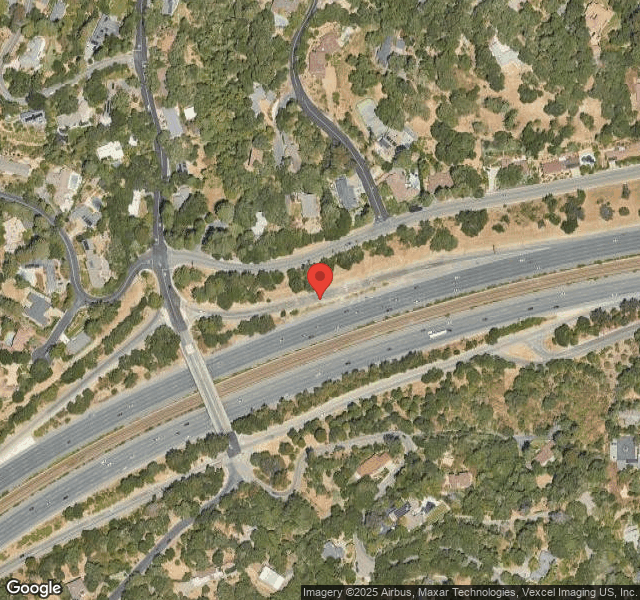

11 ALTARINDA ROAD, ORINDA, CA 94563 (925) 254-6500
For profit - Limited Liability company 47 Beds CRYSTAL SOLORZANO Data: November 2025
Trust Grade
50/100
#869 of 1155 in CA
Last Inspection: January 2025

Within standard 12-15 month inspection cycle. Federal law requires annual inspections.

Overview

Orinda Care Center, LLC has a Trust Grade of C, indicating that it is average compared to other nursing homes. It ranks #869 out of 1155 facilities in California, placing it in the bottom half, and #28 out of 30 in Contra Costa County, suggesting limited better options nearby. The facility's trend is worsening, with issues increasing significantly from 3 in 2023 to 24 in 2025. Staffing is average, rated 3 out of 5 stars, with a turnover rate of 43%, which is in line with the state average. Although there have been no fines, recent inspections revealed concerning issues, such as a cook failing to follow food safety standards, unsanitary conditions in resident rooms, and a lack of assistance for residents in completing important health care documents, indicating both strengths and weaknesses in the facility.

Trust Score
C
50/100
In California
#869/1155
Bottom 25%
Safety Record
Low Risk
No red flags
Inspections
Getting Worse
3 → 24 violations
Staff Stability
○ Average
43% turnover. Near California's 48% average. Typical for the industry.
Penalties
✓ Good
No fines on record. Clean compliance history, better than most California facilities.
Skilled Nurses
⚠ Watch
Each resident gets only 29 minutes of Registered Nurse (RN) attention daily — below average for California. Fewer RN minutes means fewer trained eyes watching for problems.
Violations
⚠ Watch
31 deficiencies on record. Higher than average. Multiple issues found across inspections.
★★☆☆☆
2.0
Overall Rating
★★★☆☆
3.0
Staff Levels
★★☆☆☆
2.0
Care Quality
★★☆☆☆
2.0
Inspection Score
Stable
2023: 3 issues
2025: 24 issues

The Good

  • Full Sprinkler Coverage · Fire safety systems throughout facility
  • No fines on record
  • Staff turnover below average (43%)

    5 points below California average of 48%

Facility shows strength in fire safety.

The Bad

2-Star Overall Rating

Below California average (3.1)

Below average - review inspection findings carefully

Staff Turnover: 43%

Near California avg (46%)

Typical for the industry

Chain: CRYSTAL SOLORZANO

Part of a multi-facility chain

Ask about local staffing decisions and management

The Ugly 31 deficiencies on record

Apr 2025 3 deficiencies
CONCERN (D) 📢 Someone Reported This

A family member, employee, or ombudsman was alarmed enough to file a formal complaint

Potential for Harm - no one hurt, but risky conditions existed

Safe Environment (Tag F0584)

Could have caused harm · This affected 1 resident

Based on interview and record review, the facility did not secure the belongings of one of three sampled residents (Resident 1) when Resident 1 ' s had some of her clothing items and money gone missin...

Read full inspector narrative →
Based on interview and record review, the facility did not secure the belongings of one of three sampled residents (Resident 1) when Resident 1 ' s had some of her clothing items and money gone missing and facility staff did not create inventory, track, or replace the missing items. This failure resulted in Resident 1 expressing feeling, Frustrating which could affect Resident 1 ' s overall well-being. Findings: During a record review of Resident 1 ' s clinical document, admission Record, the document showed, the facility admitted Resident 1 in May 2025. Diagnoses included post-polio syndrome. (muscle weakness that can develop in someone who previously had polio). Record review of Resident 1 ' s clinical document, MDS 3.0 Nursing Home PPS (NP) Version 1.19.1 (resident assessment) showed, Resident 1 was oriented to the day, month, and year and could accurately recall words presented to her. During an interview on 4/22/2025 at 9:35 a.m. with Resident 1, Resident 1 stated she had underwear and other clothes Stolen and that she had reported this to Everyone including the social worker. Resident 1 stated staff had made a Half ditched effort to find the items. She stated she also lost $53 which had been stored in her bedside table. Resident 1 stated staff said they would Check the inventory of her belongings when she was admitted . But found the facility had not completed one. Resident found the situation Frustrating. During an interview on 4/22/2025 at 10:20 a.m. with Social Services Director (SSD), SSD stated, she was made aware of Resident 1 ' s missing clothes and money. The SSD stated they had found some of the clothing items and returned them and stated she was Not sure if she had been reimbursed for the money or if the items had been checked on the admission inventory list. Record review of the medical record showed no inventory of Resident 1 ' s belongings on admission. During an interview on 4/22/2025 at 12:05 p.m. with the SSD, SSD confirmed, there was no documented inventory list in the clinical record for Resident 1. During a record review of the facility ' s Policy and Procedure (P&P) document titled, Lost and Found dated 2008, the P&P indicated, Our facility shall assist all personnel and residents in safeguarding their personal property. During a record review of the facility ' s Policy and Procedure (P &P) document titled, Personal Property dated 2022, the P&P indicated, The president ' s personal belongings and clothing are inventoried and documented upon admission and updated as necessary.
CONCERN (D) 📢 Someone Reported This

A family member, employee, or ombudsman was alarmed enough to file a formal complaint

Potential for Harm - no one hurt, but risky conditions existed

Quality of Care (Tag F0684)

Could have caused harm · This affected 1 resident

Based on observation, interview and record review, the skilled nursing licensed staff did not notify the physician for a change in condition for one of three sampled residents (Resident 1). Resident 1...

Read full inspector narrative →
Based on observation, interview and record review, the skilled nursing licensed staff did not notify the physician for a change in condition for one of three sampled residents (Resident 1). Resident 1 had a change in mentation and was hallucinating. This resulted in Resident 1 feeling it was a Horrible Experience with a possible unnecessary hospital stay. Findings: During a record review of Resident 1 ' s clinical document, admission Record, the document indicated the facility admitted Resident 1 in May 2023. Diagnoses included post-polio syndrome. (muscle weakness that can develop in someone who previously had polio). Record review of Resident 1 ' s clinical document, the document MDS 3.0 Nursing Home PPS (NP) Version 1.19.1 (resident assessment) showed Resident 1 was oriented to the day, month, and year and could accurately recall words presented to her. During an interview on 4/22/2025 at 9:35 a.m. with Resident 1, Resident 1 stated she had been Hallucinating and had asked the staff for a test and was Ignored. Resident 1 stated it had been a Horrible experience. Record review of Resident 1 ' s clinical documents Progress Notes showed the following: 2/5/2025: Resident 1 left the facility for an appointment at 11 a.m. At the time she was alert and responsive. 2/5/2025: Resident returned to the facility at 12:17 p.m. and was alert and oriented. 2/5/2025: At 10:45 p.m. Resident 1 told staff there were Snakes under her bed. 2/8/2025: From 11:30 p.m. (2/7/25 )to 1:30 a.m (/2/8/25). Resident 1 tried to elope from the facility and was hallucinating . There was no documentation in the clinical record which showed the doctor had been notified. During an interview on 4/22/2025 at 12:50 p.m., with Director of Nursing (DON), DON confirmed, staff had not notified the doctor regarding Resident 1 ' s change in condition. The DON stated the hallucinations can be a sign of an infection and without treatment, the symptoms can get worse. Record review of Resident 1 ' s clinical document, Progress Note dated 2/8/2025, showed Resident 1 tried to leave the facility as she believed her room was in another building and bugs were crawling All over her room. The MD was notified, and Resident 1 was sent to the hospital. Record review of the document Hospitalist Discharge Summary dated 2/11/2025, showed Resident 1 was admitted into the hospital for two days due to hallucinations. Resident 1 was seen by Psychiatry and prescribed medications. Record review of the document Acute condition Changes – Clinical Protocol dated 2001, showed .the nurse shall assess and document/report the following baseline information: Vital signs; Neurological status; Current level of pain, and any recent changes in pain level; Level of consciousness; Cognitive and emotional status .
CONCERN (D) 📢 Someone Reported This

A family member, employee, or ombudsman was alarmed enough to file a formal complaint

Potential for Harm - no one hurt, but risky conditions existed

Deficiency F0745 (Tag F0745)

Could have caused harm · This affected 1 resident

Based on interview and record review the skilled nursing facility did not provide services to support dental health and the ability to live independently for one of three sampled Residents (Resident 1...

Read full inspector narrative →
Based on interview and record review the skilled nursing facility did not provide services to support dental health and the ability to live independently for one of three sampled Residents (Resident 1) when: 1.Dentist recommendation following a dental exam of Resident 1 to be scheduled as soon as possible for an abscess biopsy was never ordered and carried out. 2. Resident 1 was not provided the assistance she needed to live independently. This failure resulted in the potential for pain and infection, and contributed to Resident 1 feeling Frustrated, thereby negatively impacting their overall well-being, autonomy, and quality of life. Finding: 1.During a record review of Resident 1 ' s clinical document, admission Record, the document showed, the facility admitted Resident 1 in May 2023. Diagnoses included post-polio syndrome (muscle weakness that can develop in someone who previously had polio). Record review of Resident 1 ' s clinical document, MDS 3.0 Nursing Home PPS (NP) Version 1.19.1 (resident assessment), the document indicated, Resident 1 was oriented to the day, month, and year and could accurately recall words presented to her. Record review of Resident 1 ' s clinical document titled, Lumina Healthcare and Dental dated 7/24/2023, showed Resident 1 had been evaluated by a dentist. Under the section Treatment Recommendation it showed Biopsy ASAP. In a concurrent interview on 4/22/2025 at 12:05 p.m. the Social Services Director (SSD) was asked if the biopsy had been ordered. The SSD stated she was not sure. There was no documentation in the clinical record which showed the biopsy had been ordered. During an interview on 4/22/2025 at 12:20 p.m. with Resident 1 , Resident 1 stated, the biopsy had never been completed. During an interview on 4/22/2025 at 12:50 p.m. with Director of Nursing (DON), DON confirmed there was nothing in the record which showed the biopsy had been done. The DON stated the potential outcome was infection. 2. During an interview on 4/22/2025 at 9:35 a.m. with Resident 1, Resident 1 stated she was Frustrated because she wanted to transition to live independently. In order for that to happen she needed to obtain a new identification card. Resident 1 stated facility staff were not assisting her in obtaining the new card as she has difficulty using her hands due to her medical condition. Record review of the Resident 1 ' s clinical document, Psychosocial Note dated 6/28/2024 showed, SSD had met with Resident 1 to assist her in obtaining a driver ' s license replacement and had made an appointment at the local DMV. During an interview on 4/22/2025 at 10:40 a.m. with SSD, SSD stated the Identification Card issue had been fixed. During an interview on 4/22/2025 at 11:45 a.m. with Resident 1, resident 1 stated she still did not have a new ID card, and it was Frustrating. During an interview on 4/22/2025 at 12 noon with Minimum Data Set nurse (MDS RN), MDS (RN) stated, he had assisted Resident 1 in obtaining a new ID but ran into problems as it required a birth certificate which she did not have. It also required her to take a driving test which she physically was unable to do. The MDS RN stated he reported this to the SSD. Record review of the document Progress Notes dated 3/31/2025 confirmed the MDS RN had assisted Resident 1. The MDS RN documented I attempted to get her a real ID, but she will need a certified copy of her birth certificate or passport of which she had none and that the lack of documents .Complicates things but that the SSD can help her further. The MDS RN documented Resident 1 was left Upset and crying. During an interview on 4/22/2025 at 12:02 p.m. the SSD confirmed she had not followed up regarding the ID card. Record review of the document Job Description dated 3/22/2021, showed the Social Services Director Directs the overall operation of the Social Services Department in accordance with current federal, state, and local standards, guidelines and regulations and Company policies and procedures to assist each resident and family adjust to placement, illness and plan of care so as to attain the highest practicable level of functioning. Duties and Responsibilities included Ensures ongoing evaluations for dental, vision and mental health exams and follow up.
Apr 2025 4 deficiencies
CONCERN (D) 📢 Someone Reported This

A family member, employee, or ombudsman was alarmed enough to file a formal complaint

Potential for Harm - no one hurt, but risky conditions existed

Deficiency F0660 (Tag F0660)

Could have caused harm · This affected 1 resident

**NOTE- TERMS IN BRACKETS HAVE BEEN EDITED TO PROTECT CONFIDENTIALITY** Based on interview and record review, for one of three sampled residents (Resident 2), the facility failed to develop and implem...

Read full inspector narrative →
**NOTE- TERMS IN BRACKETS HAVE BEEN EDITED TO PROTECT CONFIDENTIALITY** Based on interview and record review, for one of three sampled residents (Resident 2), the facility failed to develop and implement an effective discharge planning process that focuses on resident's effective transition to post-discharge care when Resident 2 was discharged to a friend's home without the friend's consent. This failure had led to Resident 2 going to a homeless shelter after police were called to remove Resident 2 from the friend's home. Findings: During a review of Resident 2's admission Record, the admission Record indicated Resident 2 was admitted to the facility in June 2017. The admission Record indicated the name and contact number of Friend (FR) who was listed as other. There was no diagnosis information in the admission Record. During a review of Resident 2's discharge care plan initiated on 11/15/24, the care plan indicated Resident discharged is unknown or uncertain this time, and the following interventions included: Resident will continue in long term care .IDT (interdisciplinary team, a group composed of individuals representing different departments of the facility) will re-evaluate DC (discharge) plan and discuss with resident/family every 3 months or as needed . The care plan did not indicate it was ever revised to reflect updates on Resident 2's discharge location. During a concurrent interview and record review on 4/8/25 at 11:13 a.m. with Social Services Director (SSD), Resident 2's clinical record was reviewed. SSD stated Resident 2 has not been paying his share of cost (SOC, a monthly amount a beneficiary is required to pay towards their medical expenses before Medi-Cal begins covering costs. This is essentially a deductible for Medi-Cal beneficiaries, similar to a private insurance plan's out-of-pocket deductible.) since before September 2024. SSD stated several options of Board and Care were offered to Resident 2. SSD also stated Resident 2 had a friend, FR, who would come to visit Resident 2 at the facility. SSD stated, as Resident 2's discharge date approached, the plan was for Resident 2 to be discharged to FR's home. SSD stated she did not discuss the plan with FR but assumed FR was agreeable to it. SSD stated Resident 2 was dropped off at FR's home on [DATE] via the facility's van. During a review of Resident 2's Psychosocial Note, the Psychosocial Note indicated documentation that included the following. - 11/27/24 SSD provided a copy of 30-day eviction notice to Resident 2 due to Resident 2 not paying for stay in the facility. SSD will assist Resident 2 and provide resources in finding placement. -12/10/24, SSD asked Resident 2 if he had a place to go home to by 12/27/24, Resident 2 stated I don't know .I have credit card to pay. -12/24/24, Social Worker (SW) wrote, Wrote down 3 options for resident .has three options with dedicated bed and ready on 12/27 . The note indicated SW presented three addresses that included FR's home address, Resident 2 was out of the building at the time, options were discussed via phone, Resident 2 hung up. -12/27/24, Met with resident to discuss [discharge] today, Resident said no. Again, emphasized with resident that [Resident 2] has been accepted to two facilities and is within reason and within [Resident 2's] budget. Resident refused to listen. Transportation has been arranged for resident to be picked up at 1 pm. -12/27/24, Resident 2 Agreeing to go to [FR's] house .also gave resident resource for shelter through [Core of Contra [NAME]]. Was told that if [Resident 2] calls the number at 4 pm they will pick [Resident 2] up and take him to shelter that has availability. Number written on post it for [Resident 2] on [discharge] paperwork. -12/27/24, Resident discharge today .to home with a friend [FR] .Resident was [dropped off] by the facility driver via van . During a telephone interview on 4/8/25 at 11:25 a.m. with FR, FR stated not being told by staff that Resident 2 was going to be dropped off at FR's home. FR stated visiting Resident 2 a month prior to being discharged from the facility and this idea has never been brought up. FR stated she was surprised to find Resident 2 in the home's garage without prior notice, prompting FR to call law enforcement. Police arrived at the home, took Resident 2, but after few hours, Resident 2 returned to FR's home. Police were called again and escorted Resident 2 out of the property. FR stated Resident 2 spent a night in jail before being taken to a homeless shelter. FR stated Resident 2 did not have a garage door opener, the garage door was left unlocked, and Resident 2 was able to open it. During a review of the facility's policy and procedure (P&P) titled Transfer or Discharge, Facility-Initiated last revised October 2022, the P&P indicated, For significant changes, such as a change in the transfer or discharge destination, a new notice will be given that clearly describes the changes (s) and resets the transfer or discharge date in order to provide 30-day advance notification and permit adequate time for discharge planning. During a review of Resident 2's Discharge Instruction Form dated 12/24/24, the Discharge Instruction Form did not indicate emergency contact information/numbers and symptoms for which to call the doctor, housing arrangements, primary physician and pharmacy information.
CONCERN (D) 📢 Someone Reported This

A family member, employee, or ombudsman was alarmed enough to file a formal complaint

Potential for Harm - no one hurt, but risky conditions existed

Deficiency F0661 (Tag F0661)

Could have caused harm · This affected 1 resident

**NOTE- TERMS IN BRACKETS HAVE BEEN EDITED TO PROTECT CONFIDENTIALITY** Based on interview and record review, for one of three sampled residents (Resident 2) the facility failed to complete a discharg...

Read full inspector narrative →
**NOTE- TERMS IN BRACKETS HAVE BEEN EDITED TO PROTECT CONFIDENTIALITY** Based on interview and record review, for one of three sampled residents (Resident 2) the facility failed to complete a discharge summary that included the following information: A recapitulation (a concise summary of the resident's stay and course of treatment in the facility) of Resident 2's stay that includes diagnoses, course of illness/treatment or therapy, pertinent laboratory, radiology and consultation results. A final summary of Resident 2's status at the time of discharge and reconciliation of all pre-discharge medications with the resident's post-discharge medications. This failure had the potential to result in the lack of information affecting continuity of care. Findings: During a review of Resident 2's admission Record, the admission Record indicated Resident 2 was admitted to the facility in June 2017. There was no diagnosis information in the admission Record. During a review of Resident 2's discharge care plan initiated on 11/15/24, the care plan indicated Resident discharged is unknown or uncertain this time, and the following interventions included Resident will continue in long term care .IDT (interdisciplinary team, a group composed of individuals representing different departments of the facility) will re-evaluate DC (discharge) plan and discuss with resident/family every 3 months or as needed . The care plan did not indicate it was ever revised to reflect updates on Resident 2's discharge location. During a concurrent interview and record review on 4/8/25 at 11:13 a.m. with Social Services Director (SSD), Resident 2's clinical record was reviewed. SSD stated, as Resident 2's discharge date approached, the facility's plan was for Resident 2 to be discharged to FR's (Friend) home. SSD stated she did not discuss the plan with FR but assumed FR was agreeable to it. SSD stated Resident 2 was dropped off at FR's home on [DATE] via the facility's van. During a review of Resident 2's Psychosocial Note, the Psychosocial Note indicated documentation that included the following: -11/27/24 SSD provided a copy of 30-day eviction notice to Resident 2 due to Resident 2 not paying for stay in the facility. SSD will assist Resident 2 and provide resources in finding placement. -12/27/24, Resident discharge today .to home with a friend [FR] .Resident was [dropped off] by the facility driver via van . During a review of Resident 2's Discharge Summary signed and dated 12/30/24, the Discharge Summary indicated Resident 2's discharge date as 12/27/24, and indicated the following admitting diagnoses: aphasia (a language disorder that impairs a person's ability to communicate due to brain damage), cardiomyopathy (a disease that affects the heart muscle, making it harder for the heart to pump blood to the rest of the body), CHF (Congestive Heart Failure, a condition where the heart is unable to pump blood effectively, leading to fluid buildup in the lungs and other parts of the body), Paroxysmal Afib (atrial fibrillation, an intermittent type of irregular heartbeat in the upper chambers of the heart), hypertension (a condition where the force of blood pushing against the artery walls is consistently too high), fatty liver (a condition where excess fat accumulates in the liver, often with no symptoms, but can lead to complications like cirrhosis and liver cancer if left untreated), hyperlipidemia (a condition characterized by abnormally high levels of fats (lipids) in the blood, including cholesterol and triglycerides), morbid obesity and benign prostatic hyperplasia (BPH, refers to the non-cancerous enlargement of the prostate gland). The Discharge Summary also indicated the following information: COURSE in SNF: Other: Home with friend, Discharge Status: Home, Discharge Diagnosis: Same as above. The facility was not able to show documentation of post-discharge plan. During a review of the facility's policy and procedure (P&P) titled Discharge Summary and Plan last revised December 2016, the P&P indicated when the facility anticipates to discharge a resident to a private residence, a discharge summary and a post-discharge plan will be developed which will assist the resident to adjust to his or her new living environment. The discharge summary will include a recapitulation of the resident's stay at the facility and shall include course of illness/treatment since entering the facility, physical and mental functional status.
CONCERN (D) 📢 Someone Reported This

A family member, employee, or ombudsman was alarmed enough to file a formal complaint

Potential for Harm - no one hurt, but risky conditions existed

Quality of Care (Tag F0684)

Could have caused harm · This affected 1 resident

**NOTE- TERMS IN BRACKETS HAVE BEEN EDITED TO PROTECT CONFIDENTIALITY** Based on interview and record review, for one of three sampled residents (Resident 3), the facility failed to ensure Resident 2 ...

Read full inspector narrative →
**NOTE- TERMS IN BRACKETS HAVE BEEN EDITED TO PROTECT CONFIDENTIALITY** Based on interview and record review, for one of three sampled residents (Resident 3), the facility failed to ensure Resident 2 received treatment and care in accordance with professional standards of practice when: -A stage 2 pressure ulcer (also known as bedsores or pressure sores, are localized skin and soft tissue injuries caused by prolonged pressure, often over bony areas, resulting in reduced blood flow and potential tissue damage) on a bony prominence (a part of the skeleton where a bone is close to the surface of the skin) was assessed as a skin tear. This failure had the potential to result in delayed management of the wound. -Resident 2's foley catheter (a thin, flexible tube inserted into the bladder through the urethra to drain urine) was changed from F16 to F18 (Foley catheters are sized using the French (Fr) system, F18 catheter is larger than a F16 catheter) without a physician's order. This failure had the potential to result in unnecessary tissue trauma. Findings: During a review of Resident 3's admission Record, the admission Record indicated Resident 3 was admitted to the facility on [DATE] with diagnoses that included cord compression (occurs when pressure is applied to the spinal cord, the central nervous system pathway connecting the brain to the rest of the body) and benign neoplasm of pituitary gland (a noncancerous growth, also known as a pituitary adenoma, on the pituitary gland. These tumors are extremely common and usually don't spread beyond the pituitary gland). During a review of Resident 3's Braden Scale for Predicting Pressure Sore Risk dated 2/17/25 indicated a score of 13. A score of 13 is an indication of moderate risk to develop pressure sore. During an interview on 3/20/25 at 2:23 p.m. with Treatment Nurse (TN), TN stated, on 2/18/25, a Certified Nursing Assistant (CNA) told her Resident 3 had a wound on the coccyx. TN stated, at the time, the skin on the area appeared thin and had darkened area surrounding the wound, TN thought it was a skin tear. TN stated, two days later, the wound doctor was in the facility and assessed Resident 3's wound as a stage 2 pressure ulcer. During a review of Resident 3's Health Status Note dated 2/18/25, the Health Status Note indicated Resident 3 had a skin tear on the coccyx that measured 7 centimeters (cm) x 7 cm. During a review of Resident 3's Skin & Wound Evaluation dated 3/14/25 (almost 4 weeks later), the Skin & Wound Evaluation indicated Resident 3's coccyx (tailbone) pressure ulcer was a Stage 4 that measured 5.7 cm x 5.7 cm. During an interview on 3/20/25 at 1:29 p.m. with Director of Nursing (DON), DON stated there was no care plan to address Resident 3's risk for development of a pressure ulcer despite the moderate risk and Resident 3's limited mobility. DON also stated the stage 2 pressure ulcer that developed on Resident 3's coccyx was incorrectly identified as a skin tear. During a review of Resident 3's Minimum Data Set (MDS, an assessment tool used to direct resident care) dated 2/14/25, the MDS indicated a Brief Interview for Mental Status (BIMS, a scoring system used to determine the resident's cognitive status in regard to attention, orientation, and ability to register and recall information. A BIMS score of thirteen is an indication of intact cognitive status) score of 15. A BIMS score of 13-15 is an indication of intact cognitive status. During an interview on 3/20/25 at 11:54 a.m. with Resident 3, Resident 3 stated feeling concerned about the staff not being able to care for Resident 3's foley catheter. Resident 3 stated the licensed staff did not seem to know what to do with the foley catheter that Resident 3 had to be transferred to the hospital catheter issues. During a joint interview on 4/8/25 at 2:45 p.m. with DON and TN, TN stated when she came to work on 2/25/25, Resident 3's foley catheter was a different size than what was ordered. TN stated a Progress Note dated 2/22/25 indicated, the foley catheter change to a F18 was ordered by a Nurse Practitioner (NP) who was in the facility. TN stated writing the order for F18 and transcribed in the Treatment Administration Record (TAR). Review of the TAR for February 2025 indicated both F16 and F18 foley catheter were signed off every shift by licensed nurses. DON stated there was no written physician's order for the change in foley catheter size in the clinical record. DON also stated the order for F16 should have been discontinued and should have been reflected in the TAR. DON stated having two orders of different sizes of foley catheter could be confusing because licensed nurses would not know which one to use the next time the foley catheter had to be changed. During a telephone interview on 4/10/25 at 10:56 a.m. with Licensed Vocational Nurse (LVN) 1, LVN 1 stated the NP told Resident 3 that the foley catheter would be changed to F18. LVN 1 confirmed changing Resident 3's foley catheter to a F18 but could not recall how she wrote the verbal order, or if it was written and transcribed at all. LVN 1 stated she did not discontinue the previous order because she did not think the order needed to be discontinued. LVN also stated she did not clarify the order because the NP was Rushing to leave.
CONCERN (E) 📢 Someone Reported This

A family member, employee, or ombudsman was alarmed enough to file a formal complaint

Potential for Harm - no one hurt, but risky conditions existed

Safe Environment (Tag F0584)

Could have caused harm · This affected multiple residents

Based on observation, interview and record review, the facility failed to ensure a clean, orderly homelike environment when: -Resident rooms had build-up of white crumbs on the floor and personal item...

Read full inspector narrative →
Based on observation, interview and record review, the facility failed to ensure a clean, orderly homelike environment when: -Resident rooms had build-up of white crumbs on the floor and personal items like disposable briefs and pillows were piled on a chair at the bedside. -There was insufficient supply of bath towels, face towels, and bed linens available for residents to use. Based on observation, interview and record review, the facility failed to ensure a clean, orderly homelike environment when: -Resident rooms had build-up of white crumbs on the floor and personal items like disposable briefs and pillows were piled on a chair at the bedside. -There was insufficient supply of bath towels, face towels, and bed linens available for residents to use. This failure had resulted in unsanitary and uncomfortable environment for residents and negatively impact their dignity, comfort and safety. Findings: During a concurrent observation and interview on 3/20/25 at 10:32 a.m. with Resident 3, Resident 3 stated there were not enough supplies at the facility. There were white crumbs on the floor, three pillows and a disposable brief piled on a regular chair at Resident 3's bedside rather than stored appropriately or used for resident comfort. During a review of Resident 3's Minimum Data Set (MDS, an assessment tool used to direct resident care) dated 2/14/25, the MDS indicated a Brief Interview for Mental Status (BIMS, a scoring system used to determine the resident's cognitive status in regard to attention, orientation, and ability to register and recall information. A BIMS score of thirteen is an indication of intact cognitive status) score of 15. A BIMS score of 13-15 is an indication of intact cognitive status. During a concurrent observation and interview on 3/20/25 at 12:25 p.m. with Resident 3, Resident 3 stated they have not cleaned the room yet. The lunch trays were at the bedside, there was still a pile of pillows and disposable brief in the chair. During an interview on 4/9/25 at 11:19 a.m. with Certified Nursing Assistant (CNA) 1, CNA 1 stated there has been shortage of linens and towels since December 2024. CNA 1 stated using disposable dry wipes to dry the residents after shower. She also stated finding mattress covers for eight of her residents was also a challenge, and out of the eight beds she had to make today, CNA 1 stated only three beds were made. During an observation on 4/9/25 at 11:24 a.m., the clean linen closet had several gowns, three pillowcases, three mattress covers, and several top sheets but there were no towels. During an interview on 4/9/25 at 11:32 a.m. with Director of Staff Development (DSD), DSD stated the CNAs have been complaining of not having enough supplies like towels. DSD stated some scheduled showers were moved to the pm shift and pm shift CNAs have complained they did not have enough towels to use for the residents. During a concurrent observation and joint interview and review of monthly inventory on 4/9/25 at 11:42 a.m. with Laundry Aide (LA) and Housekeeping Manager (HM), HM stated there were four scheduled laundry delivery for the resident care areas, first three at 7 a.m., 9:00 a.m., 11 a.m. for the morning shift, and 2 p.m. for the pm shift. LA stated there were no bath and face towels delivered at 7 a.m., 9 a.m., and 11 a.m. because she did not have anything in the laundry. There were two clean, folded bath towels on the folding table, LA stated that was all she had in addition to whatever was in the drier. LA then pulled out the clean and dried laundry from the drier and found four bath towels and two face towels. LA stated she would have 6 bath towels and 2 face towels to deliver to the resident care areas. Review of the Monthly Linen Inventory dated 4/1/25 indicated, for a resident census of 46, the facility needed: 276 bath towels, the facility had total of only 14 towels; 460 wash cloths, facility had 109 wash cloths; 92 bedspreads, facility had 6 bed spreads; 92 blankets, facility had 66 blankets; 138 bath blankets, facility had 62 bath blankets.
Jan 2025 17 deficiencies
CONCERN (D)

Potential for Harm - no one hurt, but risky conditions existed

Resident Rights (Tag F0550)

Could have caused harm · This affected 1 resident

**NOTE- TERMS IN BRACKETS HAVE BEEN EDITED TO PROTECT CONFIDENTIALITY** Based on observation, interview, and record review, the facility failed to provide care with dignity for one of three sampled re...

Read full inspector narrative →
**NOTE- TERMS IN BRACKETS HAVE BEEN EDITED TO PROTECT CONFIDENTIALITY** Based on observation, interview, and record review, the facility failed to provide care with dignity for one of three sampled residents (Resident 18) when two facility staff did not provide privacy for Resident 18 during nursing care. This deficient practice resulted in not ensuring resident 18's right to be treated with dignity and respect. Findings: During a review of Resident 18's admission record, dated, 1/23/25, the admission record indicated Resident 18 was admitted to the facility on [DATE] and was re-admitted on [DATE]. During a review of Resident 18's Minimum Data Set (MDS, a federally mandated assessment tool), dated 11/17/24, indicated Resident 18 had multiple diagnoses which included progressive neurological conditions (type of illness that affects the nervous system like brain, spinal cord, or nerves and gets worse over time) that included cerebral palsy (condition that affects posture and movement), quadriplegia [(condition characterized by the loss of impairment of movement and sensation in all four limbs (arms and legs)], seizure or epilepsy (sudden, uncontrolled electrical disturbance in the brain which can cause uncontrolled jerking, blank stares, loss of consciousness), muscle wasting and atrophy (loss of muscle mass and strength). The MDS, revealed, Resident 18 had functional limited in range of motion in the upper and lower extremities on both sides. The MDS also revealed, Resident 18 was dependent on two or more helpers with upper and lower body dressing and with rolling on left and right side. During an observation on 1/22/25, at 9:58 a.m., in Resident 18's room, Licensed Vocational Nurse (LVN) 2, provided wound care treatment to Resident 18's left ischium (lower back part of hip bone) while Certified Nursing Assistant (CNA) 1 helped. Resident 18's buttocks were fully exposed. LVN 2 performed wound care treatment while window blinds were left open, and curtain was not drawn to provide privacy. LVN 2 stated, Resident 18 was not treated with dignity during treatment. CNA, acknowledged Resident 18's rights were violated when not provided privacy during nursing care. During an interview on 1/22/25, at 11:25 a.m., with the Director Of Staff Development (DSD), DSD stated, she was aware LVN 2 and CNA 1 did not provide privacy to Resident 18 during nursing care. DSD further added, the expectation was for the staff to draw curtain to provide privacy during wound care because Resident 18 can be seen exposed by other residents. DSD also stated, LVN 2 and CNA 1 will be given one-on-one in-service training on resident rights. A review of the facility's policy and procedure (P&P) titled, Resident Rights, dated, 2/2021, indicated, Employees shall treat all residents with kindness, respect, and dignity. The P&P also indicated, 1. Federal and state laws guarantee certain basic rights to all residents of this facility. These rights include the resident's right to: a. a dignified existence; b. be treated with respect, kindness, and dignity; .t. privacy .
CONCERN (D)

Potential for Harm - no one hurt, but risky conditions existed

Deficiency F0554 (Tag F0554)

Could have caused harm · This affected 1 resident

**NOTE- TERMS IN BRACKETS HAVE BEEN EDITED TO PROTECT CONFIDENTIALITY** Based on observation, interview and record review, the facility failed to ensure an assessment and/or an evaluation for self-adm...

Read full inspector narrative →
**NOTE- TERMS IN BRACKETS HAVE BEEN EDITED TO PROTECT CONFIDENTIALITY** Based on observation, interview and record review, the facility failed to ensure an assessment and/or an evaluation for self-administration of medications was completed for one of 46 sampled residents (Resident 11) when the following were observed on Resident 11's bedside table: a. a bottle of Nystatin (antifungal antibiotic topical treatment) powder b. one cup filled with Pepto Bismol (oral medication used for heartburn, indigestion, diarrhea, and nausea) c. Sudafed (allergy) Nasal Spray This facility failure increased the potential for the unsafe self-administration of medications. It also had the potential to result in the use of the medications by other residents, who could come into the room and obtain the treatment from the bedside table where it was stored. Findings: During a review of Resident 11's admission record, dated 6/23/25, the admission record indicated, Resident 11 was admitted to the facility on [DATE], with multiple diagnoses that included, mild cognitive impairment of uncertain or unknown etiology (problems with memory or thinking). During a review of Resident 11's Minimum Data Set (MDS- a federally mandated assessment tool) dated, 12/27/24, the MDS indicated Resident 11 had a progressive neurological condition (continual deterioration of neurological function). During a concurrent observation and interview on 1/21/25 at 10:33 a.m., with Resident 11, stated, the bottle of Nystatin powder, cup of Pepto Bismol, and Sudafed Nasal Spray has been stored on the bedside table. Resident 11 further added, staff were aware she was using these medications on her own. During a concurrent observation and interview on 1/21/25 at 10:44 a.m. with Licensed Vocational Nurse (LVN) 3, in Resident 11's room, LVN 3 acknowledged seeing the medication on Resident 11's bedside table. LVN 3 stated, Resident 11 had been keeping medications on her bedside. LVN 3 further added, she was not aware if Resident 11 had an assessment or evaluation for self-administration of medication. During a concurrent interview, and record review on 1/24/25 at 10:38 a.m. with the Director Of Nursing (DON), in the DON's office, the DON confirmed there was no Interdisciplinary Team (IDT) assessment completed for Resident 11. DON stated, Resident 11 had not been assessed by the IDT to determine whether Resident 11 can self-administer medications/treatments. DON added, the IDT assessment will determine whether the medication stored by the resident can have undesired interaction with her prescribed medication. During a review of the facility's policy and procedure (P&P), titled Self-Administration of Medications, dated, 2/21, indicated 1. As part of the evaluation, comprehensive assessment, the interdisciplinary team (IDT) assesses each resident's cognitive and physical abilities to determine whether self-administering medications is safe and clinically appropriate for the resident.8. Self-administered medications are stored in a safe and secure place, which is not accessible by other residents . 9. Any medications found at the bedside that are not authorized for self-administration are turned over to the nurse in charge for return to the family or responsible party.
CONCERN (D)

Potential for Harm - no one hurt, but risky conditions existed

Deficiency F0638 (Tag F0638)

Could have caused harm · This affected 1 resident

**NOTE- TERMS IN BRACKETS HAVE BEEN EDITED TO PROTECT CONFIDENTIALITY** Based on interview and record review, the facility failed to complete quarterly Minimum Data Set (MDS, a resident assessment use...

Read full inspector narrative →
**NOTE- TERMS IN BRACKETS HAVE BEEN EDITED TO PROTECT CONFIDENTIALITY** Based on interview and record review, the facility failed to complete quarterly Minimum Data Set (MDS, a resident assessment used to guide resident's care, Quarterly MDS assessment is used to track a resident's status between comprehensive assessment to ensure resident's gradual change in status are monitored) assessment in a timely manner for one of two sampled residents (Resident 28) for over four months. This deficient practice resulted in Resident 28 not receiving the assessment and placed her at risk for not receiving appropriate care and services based on her health status. Findings: During a review of Resident 28's admission Record printed on 6/22/25 indicated Resident 28 was admitted to the facility on [DATE]. During an interview and record review on 1/23/25 at 10:50 a.m., with the Minimum Data Set Coordinator (MDSC), Resident 28's MDS assessment history was reviewed. MDSC stated he missed to complete Resident 28's Quarterly assessment in 10/2024.The MDSC stated he did not assess Resident 28 after 7/28/24, when quarterly MDS should be completed at least within 92 days. The MDSC stated not completing quarterly MDS assessment for Resident 28 placed Resident 28 at risk for unidentified significant change in health status and hence risk for not receiving care based on her current health condition.
CONCERN (D)

Potential for Harm - no one hurt, but risky conditions existed

PASARR Coordination (Tag F0644)

Could have caused harm · This affected 1 resident

**NOTE- TERMS IN BRACKETS HAVE BEEN EDITED TO PROTECT CONFIDENTIALITY** Based on interview and record review, the facility failed to ensure one resident's (Resident 14) Pre-admission Screening Residen...

Read full inspector narrative →
**NOTE- TERMS IN BRACKETS HAVE BEEN EDITED TO PROTECT CONFIDENTIALITY** Based on interview and record review, the facility failed to ensure one resident's (Resident 14) Pre-admission Screening Resident Review (PASARR-Preadmission Screening and Resident Review is a federal requirement to help ensure that individuals who have a mental disorder or intellectual disabilities are not inappropriately placed in nursing homes for long term care) for serious mental illness was accurately completed and sent to the appropriate state mental authority for Level II evaluation and determination. This failure had the potential to prevent Resident 14 from receiving appropriate required mental health services. Findings: During a record review of Resident 14's admission Record, printed 1/23/25, it indicated Resident 14 was admitted to the facility on [DATE] with diagnoses including epilepsy (a brain disorder in which a person has repeated seizures over time. Seizures are episodes of uncontrolled and abnormal firing of brain cells that may cause changes in attention or behavior such as bodily movements), major depressive disorder (a mental illness that causes a persistent low mood and loss of interest in activities. It can also affect how a person thinks and functions in their daily life), delusional disorders (a mental health condition that involves having fixed false beliefs that are not based in reality. People with delusional disorder can have delusions about their relationships, their bodies, or the world around them), dementia (a progressive disease that destroys memory and other important mental functions), and congestive heart failure (a chronic condition that occurs when the heart can't pump enough blood to meet the body's needs). During a record review of Resident 14's Minimum Data Set (MDS - an assessment screening tool used to guide care), dated 10/4/24, active diagnoses included depression and psychotic disorder (a severe mental illness that causes a person to lose touch with reality). During a record review of correspondence from the Department of Health Care Services (DHS), dated 4/13/23, regarding Negative Level 1 Screening Indicates Level II Mental Health Evaluation Not Required, it indicated, Federal law requires all individuals seeking admission to a Medicaid Certified Nursing Facility (NF) receive a Level I Screening. The Level I Screening identifies if an individual has a suspected Mental Illness (MI) .if MI is suspected, then a Level II Mental Health Evaluation may be conducted to determine if the individual can benefit from specialized mental health services. The process is known as the Preadmission Screening and Resident Review (PASRR). Level 1 Screening for: Resident 14 Submitted on: 4/13/2023 Result: Negative Reason: No MI Level II Mental Health Evaluation Referral: Not Required During an interview on 1/24/25 at 11:16 a.m. with the admission Director (AD), the AD stated it is the facility's responsibility to ensure the Level I PASARR's are done correctly. The AD stated the facility did not notice the error in Resident 14's Level 1 PASARR, and this might have resulted in Resident 14 failing to receive available services from the Department of Developmental Services Regional Center (DDS-Under the [NAME] Developmental Disabilities Services Act, DDS is responsible for overseeing the coordination and delivery of services and supports to more than 400,000 Californians with developmental disabilities including cerebral palsy, intellectual disability, autism, epilepsy and related conditions appropriate treatment and services) . Review of the facility's policy and procedure titled, Preadmission Screening & Resident Review (PASARR), revised 12/11/17, it indicated, the facility will obtain/complete a Preadmission Screening and Resident Review (PASARR) timely, and all errors or if pre-screening is done and resident was not admitted ; DHS suggests responding by email (subject error) or contacting DHS via phone (PASARR Support Number).
CONCERN (D)

Potential for Harm - no one hurt, but risky conditions existed

Deficiency F0645 (Tag F0645)

Could have caused harm · This affected 1 resident

**NOTE- TERMS IN BRACKETS HAVE BEEN EDITED TO PROTECT CONFIDENTIALITY** Based on interview and record review, the facility failed to ensure/perform a Pre-admission Screening and Resident Review (PASAR...

Read full inspector narrative →
**NOTE- TERMS IN BRACKETS HAVE BEEN EDITED TO PROTECT CONFIDENTIALITY** Based on interview and record review, the facility failed to ensure/perform a Pre-admission Screening and Resident Review (PASARR-a screening tool to determine if individuals with serious mental illness or intellectual/developmental disability or related condition require nursing facility services or specialized services) for one (Resident 2) of four sampled residents. This failure had the potential to result in Resident 2 not being provided specialized care and services to address a mental illness. Findings: During a record review of the Resident 2's admission Record, printed 1/23/25, it indicated Resident 2 was admitted to the facility on [DATE] with diagnoses including dementia (a progressive disease that destroys memory and other important mental functions), paranoid schizophrenia (a mental health condition that affects how people think, feel and behave. It may result in a mix of hallucinations, delusions, and disorganized thinking and behavior), epilepsy (a brain disorder in which a person has repeated seizures over time. Seizures are episodes of uncontrolled and abnormal firing of brain cells that may cause changes in attention or behavior such as bodily movements), amnestic disorder (a condition that causes memory loss, making it difficult to learn new information or recall past events, and cognitive communication deficit (a difficulty with communication caused by an impairment in cognitive processes). During a record review of Resident 2's Minimum Data Set, (MDS - an assessment screening tool used to guide care), dated 12/31/24, active diagnoses included depression (a mental disorder that involves a long-lasting low mood and loss of interest in activities) and schizophrenia. Review of clinical records showed Resident 2 did not have a (PASARR) Level I completed. During an interview on 1/24/25 at 11:16 a.m. with the admission Director (AD), the AD stated it is the facility's responsibility to ensure that the Level I PASARR is done correctly. The AD stated if the Level I PASARR is not completed, residents might not receive the appropriate care and treatment services from the Department of Developmental Services Regional Center (DDS-Under the [NAME] Developmental Disabilities Services Act, DDS is responsible for overseeing the coordination and delivery of services and supports to more than 400,000 Californians with developmental disabilities including cerebral palsy, intellectual disability, autism, epilepsy and related conditions appropriate treatment and services) . During a record review of the facility's policy and procedure titled, Preadmission Screening & Resident Review (PASARR), revised 12/11/17, it indicated the facility will obtain/complete a Preadmission Screening and Resident Review (PASARR) timely, and PASARR must be printed and be within chart upon 5th day (after admission).
CONCERN (D)

Potential for Harm - no one hurt, but risky conditions existed

Quality of Care (Tag F0684)

Could have caused harm · This affected 1 resident

Based on observation, interview, and record review, the facility failed to provide an alternative for use of splint (a medical device used to support and immobilize a part of the body, to promote heal...

Read full inspector narrative →
Based on observation, interview, and record review, the facility failed to provide an alternative for use of splint (a medical device used to support and immobilize a part of the body, to promote healing and reduce pain) for over a month, for one of 14 sampled residents (Resident 38) to manage left hand deformity, when Resident 38 refused to wear a splint. Resident 38 stated he had a history of plate implant surgery on his left hand. This failure resulted in Resident 38 to experience pain when he used his left hand to wheel the wheelchair and potential risk for skin breakdown of his left hand while pushing the wheelchair. Findings: During a record review of Resident 38's admission Record (admission Record is a document used to communicate basic information about a resident) printed on 1/21/25, the record indicated Resident 38 was admitted to the facility 10/11/24. During a review of Resident 38's Minimum Data Set (MDS is a resident assessment instrument used to identify resident care problems to be addressed in an individualized care plan) dated 10/17/24, the assessment indicated Resident 38 was able to understand others and make himself understood. The Brief Interview for Mental Status (BIMS) Score for Resident 38 was 14 out of 15 (BIMS is a scoring system used to determine the resident's cognitive status in regard to attention, orientation, and ability to register and recall information. A BIMS score of thirteen to fifteen is an indication of intact cognitive status). During an observation and interview with Resident 38 on 1/21/25 at 11:21 a.m., Resident 38 was sitting in a wheelchair, stated he had plate implant surgery on his left hand near his wrist years ago. Resident 38's left hand was contracted with all the fingers and palm were cramped together. Resident 38 stated he had pain in his left hand every time he pushed his wheelchair in the facility. Resident 38 did not have any splint and or assistive device on his hand. During an interview with Certified Nursing Assistant (CNA) 3 on 1/24/25 at 2:13 p.m., CNA 3 stated she did not know Resident 38 had left hand deformity. During an interview with Licensed Vocational Nurse (LVN) 2 on 1/22/25 at 2:37 p.m., LVN 2 stated she was not aware of Resident 38's left hand deformity and/or pain. During a record review of Resident 38's therapy progress notes, the notes indicated on 10/14/24, Resident 38 had history of left hand tenodesis (tenodesis is a surgical procedure used to treat tendon injuries by anchoring the tendon to a bone, typically to relieve pain and restore function), was on contracture (a condition where muscles, tendons, or other soft tissues shorten and become stiff, limiting the range of motion and causing deformities) precautions and staff was to conduct an evaluation for splint/orthotic device. The notes dated 12/11/24 and 12/31/24 indicated, Resident 38 declined to have splint placed on hands. During an interview with Certified Occupational Therapy Assistant & Physical Therapy Assistant (COTA) and Director of Rehabilitation (DRE) on 1/22/25 at 2:45 p.m., COTA stated Resident 38 had refused to apply the splint on his left hand, however Resident 38's doctor was not notified of above. COTA also stated that facility did not come up with another alternative to manage Resident 38's left hand after his refusals to wear a splint since 12/2024.
CONCERN (D)

Potential for Harm - no one hurt, but risky conditions existed

Deficiency F0688 (Tag F0688)

Could have caused harm · This affected 1 resident

**NOTE- TERMS IN BRACKETS HAVE BEEN EDITED TO PROTECT CONFIDENTIALITY** Based on observation, interview, and record review, the facility failed to ensure range of motion (ROM) exercises were provided ...

Read full inspector narrative →
**NOTE- TERMS IN BRACKETS HAVE BEEN EDITED TO PROTECT CONFIDENTIALITY** Based on observation, interview, and record review, the facility failed to ensure range of motion (ROM) exercises were provided for two of five sampled residents (Resident 6 and 18) reviewed for limited ROM. This failure had the potential to result in decline in the Resident 6 and Resident 18's ROM. Findings: a. During a review of Resident 6's admission record, dated 1/23/25, the admission record indicated Resident 6 was admitted to the facility on [DATE]. During a review of Resident 6's MDS, dated , 1/7/25, the MDS revealed, Resident 6 had a Brief Interview for Mental Status (BIMS, an assessment tool used by the facilities to screen and identify memory, orientation, and judgment status of the resident) Score of 5/15, meaning, Resident 6's cognition was severely impaired. The MDS indicated, Resident 6 had multiple diagnoses that included progressive neurological conditions Cerebrovascular Accident (CVA, stroke) and muscle weakness. The MDS also indicated, Resident 6 had functional limited range of motion on both sides of the lower extremities. The MDS further indicated, Resident 6 required maximal assist with mobility. During a review of Resident 6's Occupational Therapy (OT) D/C Summary, dated 11/12/24, under discharge recommendation indicated, Restorative Program Established. During a review of Resident 6's PT D/C Summary, dated 11/12/24, under discharge recommendation indicated, Restorative Program Established. b. During a review of Resident 18's admission record, dated, 1/23/25, the admission record indicated Resident 18 was admitted to the facility on [DATE] and was re-admitted on [DATE]. During a review of Resident 18's Minimum Data Set (MDS, a federally mandated assessment tool), dated 11/17/24, indicated Resident 18 had multiple diagnoses which included progressive neurological conditions (type of illness that affects the nervous system like brain, spinal cord, or nerves and gets worse over time) that included cerebral palsy (condition that affects posture and movement) quadriplegia [(condition characterized by the loss of impairment of movement and sensation in all four limbs (arms and legs)] seizure or epilepsy (sudden, uncontrolled electrical disturbance in the brain which can cause uncontrolled jerking, blank stares, loss of consciousness), muscle wasting and atrophy (loss of muscle mass and strength). The MDS, revealed, Resident 18 had functional limited in range of motion in the upper and lower extremities on both sides. The MDS also revealed, Resident 18 was dependent on two or more helpers with mobility. During a review of Resident 18's Physical Therapy (PT) Discharge (D/C) Summary, dated 11/1/23, the discharge summary indicated Resident 18, did not reach maximum potential with skilled services. During a concurrent interview and record review on 1/23/25, at 1:11 a.m. with Restorative Nurse Assistant (RNA), RNA stated, Resident 18 and Resident 6 did not receive ROM exercises because they were not in the system to receive RNA services. RNA further added, there was no Therapy Referral to Restorative Nursing Program completed for Residents 18 and 6 from the rehabilitation department. During a concurrent interview and record review on 1/23/25 at 1:34 a.m. with Director of Rehabilitation (DRE), Resident 18's PT Discharge summary dated [DATE] was reviewed. DRE stated, Resident 18 required increase ROM exercises to prevent contractures and minimize further decline in functional mobility and ROM ability. During a concurrent interview and record review on 1/23/25 at 1:37 p.m. with DRE, Resident 6 was discharged from physical therapy and an RNA program was established on 11/12/24. DRE added, once RNA program was established, the expectation from the nursing team was to follow what was on Resident 6's Therapy Referral to Restorative Nursing Program form. DRE also added, there as potential for Resident 6 to decline in functioning and mobility for not receiving RNA services. During a concurrent interview and record review on 1/24/25 at 1:32 p.m. with the Director Of Nursing (DON), DON stated, both Resident 18 and Resident 6 did not receive ROM exercises because there was no communication between the rehabilitation department and nursing department to carry out RNA services. DON further added, nursing department was expected to perform ROM exercises to prevent contractures and prevent worsening of conditions. During a review of facility's policy and procedures (P&P) titled, Restorative Nursing Services, dated 7/2017, it indicated under policy statement, Residents will receive restorative nursing care as needed to help promote optimal safety and independence.1. Restorative nursing care consist of nursing interventions that may or may not be accompanied by formalized rehabilitative services (e.g. physical, occupational or speech therapies) 2. Residents may be started on a restorative nursing program upon admission, during the course of stay or when discharged from rehabilitative care.
CONCERN (D)

Potential for Harm - no one hurt, but risky conditions existed

Deficiency F0697 (Tag F0697)

Could have caused harm · This affected 1 resident

**NOTE- TERMS IN BRACKETS HAVE BEEN EDITED TO PROTECT CONFIDENTIALITY** Based on observation, interview, and record review, the facility failed to follow up on one of 14 sampled residents (Resident 24...

Read full inspector narrative →
**NOTE- TERMS IN BRACKETS HAVE BEEN EDITED TO PROTECT CONFIDENTIALITY** Based on observation, interview, and record review, the facility failed to follow up on one of 14 sampled residents (Resident 249)'s request to change routine pain medication (Oxycodone) from every six hours to every four hours. This failure resulted in Resident 249 to experience unrelieved pain and made him feel frustrated and unhappy. Findings: During a record review of Resident 249's admission Record (admission Record is a document used to communicate basic information about a resident) printed on 1/21/25, the record indicated Resident 249 was admitted to the facility on [DATE] and Resident 249 had a Diagnosis of Acquired absence of left leg above knee. During a review of Resident 249's Minimum Data Set (MDS is a resident assessment instrument used to identify resident care problems to be addressed in an individualized care plan) dated 1/15/25, the assessment indicated Resident 249 was able to speak clearly, understand others and make himself understood. The Brief Interview for Mental Status (BIMS) Score for Resident 249 was 14 out of 15 (BIMS is a scoring system used to determine the resident's cognitive status in regard to attention, orientation, and ability to register and recall information. A BIMS score of thirteen to fifteen is an indication of intact cognitive status). During a review of Resident 249's Physician order summary report dated 1/02/25, indicated to administer Oxycodone 20 mg one tablet every 6 hours as needed for moderate to severe pain. During an observation and interview with Resident 249 on 1/21/25 at 10:23 a.m., Resident 249 was sitting in a wheelchair. Resident 249 stated he recently had left above knee amputation few months ago and had been experiencing back pain after the fall on 1/14/25. Resident 249 stated he had asked the nurse to have his pain medication, Oxycodone every 4 hours instead of every 6 hours, however his concern was not addressed yet. Resident 249 stated it made him feel unhappy and frustrated. During a record review of Resident 249's nursing progress notes, the record indicated Licensed Vocational Nurse (LVN 1), on 1/15/25 at 2:57 p.m. documented, she had administered all the scheduled and PRN pain medications to Resident 249 and he requested a pain medication for breakthrough pain. LVN 1 followed up with the doctor. On 1/17/25 at 2:34 p.m. Licensed Vocational Nurse (LVN 3) documented, Resident 249 complained of back pain from the fall and pain scale was seven out of 10 (pain scale is a tool used by residents to describe the intensity of their pain. 0 indicated no pain and 10 is highest pain level). Resident 249 told LVN 3 the pain medication was effective for only 4 hours. During an interview with LVN 1 on 1/24/25 at 12:20 p.m., LVN 1 stated she notified Resident 249's complaint of pain and need of increased frequency of pain medication to his doctor, but she did not get a response. LVN 1 was unable to show if she followed up on Resident 249's request even after she did not get a response from the doctor. During a phone interview with LVN 3 on 1/24/25 at 1:02 p.m., LVN 3 stated she did not follow up with Resident 249's doctor on 1/17/25, since she was rushing to finish her work before the end of her shift and/or did not endorse the need of Resident 249's increased frequency for pain medication administration to other nurses. During a review of facility's P&P titled, Pain Assessment and Management dated 10/2022, the P&P indicated The purposes of this procedure are to help the staff identify pain in the resident, and to develop interventions that are consistent with the resident's goals and needs and that address the underlying causes of pain.
CONCERN (D)

Potential for Harm - no one hurt, but risky conditions existed

Drug Regimen Review (Tag F0756)

Could have caused harm · This affected 1 resident

**NOTE- TERMS IN BRACKETS HAVE BEEN EDITED TO PROTECT CONFIDENTIALITY** Based on interview and record review, the facility failed to plan and implement parameters for Glargine insulin (a type of insul...

Read full inspector narrative →
**NOTE- TERMS IN BRACKETS HAVE BEEN EDITED TO PROTECT CONFIDENTIALITY** Based on interview and record review, the facility failed to plan and implement parameters for Glargine insulin (a type of insulin helps maintain blood glucose levels throughout the day and night) administration for one of six sampled residents (Resident 7) for over five months period. Resident 7 received insulin for certain blood glucose levels on some days and did not on other days. The failure placed Resident 7 at risk for not receiving insulin as needed and posed risk for hyperglycemia (high blood glucose) or hypoglycemia (a condition which blood glucose is too low). Findings: During a review of admission Record printed on 1/24/25, Resident 7 was admitted to the facility on [DATE]with diagnosis of Type 2 diabetes mellitus (a form of diabetes) with hyperglycemia. During a record review, Resident 7's Minimum Data Set (MDS, a resident assessment instrument used to identify resident care problems to be addressed in an individualized care plan) assessment was reviewed. MDS assessment indicated that Resident 7 was cognitively intact. During an interview with Resident 7, he stated he know that he was a diabetic and supposed to get insulin every day. During a review of Resident 7's Physician Orders dated 6/3/24, indicated to inject 10 Glaring insulin subcutaneously at bedtime every day for diabetes. During a concurrent interview and record review on 1/23/25 at 12:10 p.m., with DON (Director of Nursing), Resident 7's MAR (Medication administration Record) dated 01/2025 and nurse notes from 1/1/25 thru 1/23/25 were reviewed. The MAR indicated Resident 7 received 10 units of Glargine insulin on 1/2, 1/5, 1/17, 1/21 and 1/22/25, when Resident 7's blood sugar levels were 130, 128, 109, 102 and 108 mg/dl respectively. The MAR, however indicated, Resident 7 did not receive 10 units of Glargine insulin on 1/11, 1/14, 1/16/25, when his blood sugar levels were 133, 108, and 109 mg/dl respectively. When asked how the nurses decided if Resident 7 required Insulin administration or not, the DON stated he was unable to find the parameters for use of insulin for Resident 7. The DON stated there should be a parameter for insulin administration to minimize the risks for hyperglycemia or hypoglycemia. During a phone interview with facility Pharmacy consultant (PC) 1 on 1/24/25 at 11:47 a.m., the PC 1 stated she might have missed recognizing that there were no parameters set up for insulin administration for Resident 7, however insulin holding parameter was important to give clear instruction to nurses when to hold/administer insulin.
CONCERN (D)

Potential for Harm - no one hurt, but risky conditions existed

Deficiency F0760 (Tag F0760)

Could have caused harm · This affected 1 resident

**NOTE- TERMS IN BRACKETS HAVE BEEN EDITED TO PROTECT CONFIDENTIALITY** Based on observation, interview and record review, the facility failed to ensure one of two sampled residents was free from sign...

Read full inspector narrative →
**NOTE- TERMS IN BRACKETS HAVE BEEN EDITED TO PROTECT CONFIDENTIALITY** Based on observation, interview and record review, the facility failed to ensure one of two sampled residents was free from significant medication errors when the facility incorrectly reconciled and transcribed the dosage of a prescribed anti-seizure (seizures are episodes of uncontrolled and abnormal firing of brain cells that may cause changes in attention or behavior such as bodily movements) medication to Resident 99. Licensed nursing staff then administered the incorrect dosage of the medication to Resident 99 for a period of 22 days. This failure resulted in Resident 99 experiencing multiple seizures, hospitalization, and death. Findings: During a record review of Resident 99's Administration Record, printed on August 21, 2024, it indicated Resident 99 was admitted to the facility on [DATE], with diagnoses including non-traumatic intracranial hemorrhage (a life-threatening condition that occurs when there's bleeding in or around the brain), malignant neoplasm of the brain (a cancerous brain tumor), post-traumatic seizures (seizures that occur after a traumatic brain injury (TBI). They can be a symptom or risk factor for post-traumatic epilepsy (PTE), which is when seizures occur repeatedly and without warning), hemiplegia (the loss of muscle function on one side of the body) and hemiparesis (a relatively mild loss of strength in the arm, leg, and sometimes face on one side of the body). During a record review of Resident 99's admission History and Physical, dated 8/21/24, the Physician (PHY) indicated that Resident 99 was not mentally competent. During a record review of Resident 99's Minimum Data Set (MDS, a resident assessment instrument used to identify resident care problems to be addressed in an individualized care plan), it indicated Resident 99's active diagnoses included cancer, and seizure disorder/epilepsy (a brain disorder in which a person has repeated seizures over time). During an interview and record review on 1/23/25 at 1:36 p.m. with the Director of Staff Development (DSD), Resident 99's Discharge Summary from the acute care hospital (ACH 1) dated 8/20/24 and Physician Order Summary dated 8/20/24 were reviewed. The DSD stated she assisted with entering physician orders onto the physician summary sheet on 8/20/24, when Resident 99 was admitted to the facility. Discharge Summary from ACH 1 dated 8/20/24 indicated Resident 99 was prescribed levetiracetam 10 ml (milliliters-a unit of measure) of 100 mg (milligrams-a unit of measure)/ml solution (total of 1000 mg) every 12 hours for seizure disorder. The DSD stated, however, she transcribed the order as levetiracetam oral solution 100 mg/ml, give 10 ml by mouth every 12 hours as needed for seizure disorder on 8/20/24, with a discontinuation date of 9/10/24. The DSD stated she did not find out about this error until on 1/23/25. During a record review of Resident 99's progress notes dated 8/27/24, the record indicated Resident 99 was witnessed having a seizure in the facility at 7:40 p.m., lasting approximately seven minutes. Resident 99 was sent out to the hospital for evaluation and returned to facility. During a record review of Resident 99's Order Summary Report dated 9/1/24, it indicated the following: levetiracetam oral solution 100/mg/ml (levetiracetam), give 10 ml by mouth every 12 hours as needed for seizure disorder-started 8/20/24, no end date. During a review of Resident 99's Medication Administration Records (MAR) for August 2024, MAR indicated facility nursing staff did not give Resident 99 levetiracetam on any day during the month of August 2024. During a concurrent record interview and interview on 1/23/25 at 3:50 with Clinical Consultant (CC), Resident 99's progress notes from 8/20/24 to 9/13/24 were reviewed. The CC was unable to find any documentation to indicate what prompted nursing staff to change the levetiracetam dosage from PRN (as-needed) to BID (twice a day) on 9/10/24. The CC also stated levetiracetam was meant to be therapeutic, and must be given routinely, not on as-needed basis. During a review of Resident 99's Medication Administration Records (MAR) for September 2024, it indicated the following: levetiracetam oral solution 100 mg/ml (levetiracetam) Give 10 ml by mouth every 12 hours as needed for seizure disorder, start date 8/20/24-DC date 9/10/2024. The MAR indicates that Resident 99 was administered this drug on 9/4/24. After the discontinuance of this order on 9/10/24, September MAR read as follows: levetiracetam oral solution 100 mg/ml (levetiracetam) Give 10 ml by mouth two times a day for seizure, start date 9/10/24 2100. The MAR indicated Resident 99 received as ordered from 9/10/24 until Resident 99 was hospitalized on [DATE]. During a record review of Resident 99's progress notes, effective date 9/10/24, Resident 99 had two seizures, one lasting one minute three seconds, and one lasting 30 seconds. During a record review of Resident 99's progress notes, effective date 9/12/24, Resident 99 had two seizures, one lasting 30 minutes, and one lasting 45 seconds. During a phone interview on 1/24/25 at 10:13 a.m. with Licensed Vocational Nurse 6 (LVN6), LVN6 stated she did not recall why Resident 99's levetiracetam dosage was changed, and did not write a progress note about it. LVN6 stated she usually receives the medication orders and carries them out. LVN6 also stated we don't usually give (the medication) on an as-need basis, because it is given to stabilize the condition, and the doctor should be called. During a phone interview on 1/24/25 and 11:31 a.m. with the Pharmacy Consultant (PC), the PC stated she visits the facility once a month to do a variety of tasks including reviewing resident medications. The PC stated that she would alert the facility if levetiracetam is given as-needed, as it is given for maintenance, and that she probably just missed to capture it. During a phone interview on 1/24/25 at 11:32 a.m. with the Physician (PHY), the PHY stated he remembered the facility transcribed the medication (levetiracetam) incorrectly, and several days had passed before he was notified of the error. At that time the PHY changed the order from as-needed to twice a day. During a phone interview on 1/27/25 at 12:16 p.m. with Resident 99's family representative (RP), the RP stated the facility had never notified her that a medication error had been made while Resident 99 was at the facility. During a record review of Resident 99's Progress Notes, dated 9/1/24, Resident 99 had a seizure during a video conference, lasting approximately seven minutes. The neurologist (a medical doctor who specializes in diagnosing and treating disorders of the brain and nervous system) recommended the resident be sent out to acute care hospital for continuous EEG (electroencephalogram- a medical test that records the electrical activity of the brain monitoring). Resident 99 was transferred to an acute care facility (ACH 2). During record review of Resident 99's Transfer/Discharge Summary from ACH 2, dated 9/16/24, it indicated Resident 99 was transferred (from facility) to an acute care hospital on 9/13/24 for repeated seizure activity. The levetiracetam dosage was then increased, as Resident 99 continued to experience seizures during EEG monitoring. Since neurology recommended continuous EEG monitoring, Resident 99 was transferred to another hospital (ACH 3) to that could provide this evaluation. During a record review of Resident 99's Death Summary from ACH 3 dated 9/29/24, it indicated transferred to (ACH 3) for continuous EEG monitoring on September 15. He was found to be in focal nonconvulsive status epilepticus (a medical emergency that involves a series of seizures or a single seizure that lasts at least 30 minutes). Status post (after) intubation (a medical procedure that involves inserting a tube (called an endotracheal tube) into the trachea (windpipe) to maintain an open airway) and transfer to neurocritical care unit on September 17 .continued to have intermittent right focal seizures despite five anti-seizure medication regimen. The patient was transitioned to comfort-focused care (type of medical treatment that focuses on providing comfort and support to patients who are near the end of their lives) on September 29. The patient passed away on September 29. During review of facility policy and procedure titled Reconciliation of Medications on Admission, revised 7/1017, it indicated, the purpose of this procedure is to ensure medication safety by accurately accounting for the resident's medications, routes and dosages upon admission or readmission to the facility .Preparation-1. Gather the information needed to reconcile the medication list: a. approved medication reconciliation form .General Guidelines- .2. Medication reconciliation reduces medication errors and enhances resident safety by ensuring that the medications the resident needs and has been taken continue to be administered without interruption, in the correct dosages and routes, during the admission/transfer process.
CONCERN (E)

Potential for Harm - no one hurt, but risky conditions existed

Deficiency F0578 (Tag F0578)

Could have caused harm · This affected multiple residents

**NOTE- TERMS IN BRACKETS HAVE BEEN EDITED TO PROTECT CONFIDENTIALITY** Based on interview and record review, for eight of 31 sampled residents (Residents 2, 11, 14, 18, 37, 38, 46 and 249), the facil...

Read full inspector narrative →
**NOTE- TERMS IN BRACKETS HAVE BEEN EDITED TO PROTECT CONFIDENTIALITY** Based on interview and record review, for eight of 31 sampled residents (Residents 2, 11, 14, 18, 37, 38, 46 and 249), the facility failed to offer or ensure an advance directive (a written instruction for health care, recognized under State law, relating to the provision of health care when the individual is incapacitated) was on file, when the facility did not offer to locate or help the residents/representatives complete the document. This failure had the potential for Residents 2, 11, 14, 18, 37, 38, 46, and 249's wishes regarding provision of health care to not be honored. Findings: During a record review of the Resident 2's admission Record, printed 1/23/25, it indicated Resident 2 was admitted to the facility on [DATE] with diagnoses including dementia (a progressive disease that destroys memory and other important mental functions), paranoid schizophrenia (a mental health condition that affects how people think, feel and behave. It may result in a mix of hallucinations, delusions, and disorganized thinking and behavior), epilepsy (a brain disorder in which a person has repeated seizures over time. Seizures are episodes of uncontrolled and abnormal firing of brain cells that may cause changes in attention or behavior such as bodily movements), amnestic disorder (a condition that causes memory loss, making it difficult to learn new information or recall past events), and cognitive communication deficit (a difficulty with communication caused by an impaired thinking). Review of Resident 2's clinical record indicated there was no documentation that Resident 2 or her representative were asked about the existence of any advance directives. During a record review of Resident 14's admission Record, printed 1/23/25, it indicated Resident 14 was admitted to the facility on [DATE] with diagnoses including epilepsy, hypertensive heart disease (heart conditions caused by long-term high blood pressure. It occurs when the heart must work harder to pump blood through narrowed arteries, which can thicken the heart muscle over time), delusional disorders (a mental health condition that involves having fixed false beliefs that are not based in reality. People with delusional disorder can have delusions about their relationships, their bodies, or the world around them), dementia, and congestive heart failure (a chronic condition that occurs when the heart can't pump enough blood to meet the body's needs). Review of Resident 14's clinical record indicated there was no documentation that Resident 14 or his representative were asked about the existence of any advance directives. During a record review of Resident 37's admission Record, printed 1/23/25, it indicated Resident 37 was admitted to the facility on [DATE] with diagnoses including multiple rib fractures (broken bones), depression (a mental disorder that involves a long-lasting low mood and loss of interest in activities. It can affect how a person feels, thinks, and behaves), psychoactive substance abuse (the harmful or hazardous use of mind-altering substances, including alcohol and illicit drugs), and alcohol abuse. Review of Resident 37's clinical record indicated there was no documentation that Resident 37 or his representative were asked about the existence of any advance directives. During a record review of Resident 46's admission Record, printed 1/23/25, it indicated Resident 46 was admitted to the facility on [DATE] with diagnoses including chronic obstructive pulmonary disease (COPD, a group of diseases that cause airflow blockage and breathing-related problems. It includes emphysema and chronic bronchitis), hypertension (a chronic condition where the force of blood in your arteries is consistently too high), suicidal ideations (thoughts of suicide or taking your own life), and anxiety. Review of Resident 46's clinical record indicated there was no documentation that Resident 46 or his representative were asked about the existence of any advance directives. During an interview on 1/23/25 at 1:00 p.m., Medical Records (MR) staff stated the facility does not have advance directives on file for Residents 2, 14, 37, and 46. During a phone interview on 1/24/25 at 8:39 a.m., Resident 14's responsible party (RP) stated since the facility did not have an advance directive on file, the RP felt worried because the facility might not care for Resident 14 appropriately if there was a sudden health decline. During an interview on 1/24/25 at 9:56 a.m., the Social Services Director (SSD) stated both the admitting nurse and the SSD are responsible for ensuring advance-[NAME] directives are on file, or residents are offered help in making one. The SSD stated this issue should also be reviewed at each interdisciplinary team (IDT- refers to a meeting where healthcare professionals from different disciplines within a long-term care facility, such as doctors, nurses, physical therapists, social workers, and nutritionists, come together to discuss and coordinate the care plan of a resident, considering their holistic needs including physical, mental, and social aspects, to ensure the best possible care delivery) conference, and should be documented in the residents record to prove it was done. The SSD stated if the resident did not have an advance directive, their wishes may not be followed in case of incapacitation. During a record review of the facility's policy and procedure titled, Advanced Directives, revised 2013, it indicated, 1. Prior to or upon admission of a resident to our facility, the Social Services Director or designee will provide written information to the resident concerning his/her right to make decisions concerning medical care, including right to accept or refuse medical or surgical treatment, and the right to formulate advanced directives .5.If the resident indicates that he or she has not established advanced directives, the facility staff will offer assistance in establishing advanced directives. The resident will be given the option to accept or decline the assistance, and the care will not be contingent on either decision. Nursing staff will document in the medical record the offer to assist, and the resident's decision to accept or decline. 2. a. During a review of Resident 11's admission record, dated 1/23/25, indicated Resident 11 was admitted to the facility on [DATE]. During a review of Resident 11's Minimum Data Set (MDS, a federally mandated assessment tool) dated, 12/27/24, indicated Resident had multiple diagnoses that included, Asthma (lung condition that causes inflammation and narrowing of airways), Chronic Obstructive Pulmonary Disease (COPD, a group of lung diseases that cause long-term breathing problem). b. During a review of Resident 18's admission record, dated, 1/23/25, the admission record indicated Resident 18 was admitted to the facility on [DATE] and was re-admitted on [DATE]. During a review of Resident 18's MDS, dated [DATE], indicated, Resident 18 had multiple diagnoses which included progressive neurological conditions (type of illness that affects the nervous system like brain, spinal cord, or nerves and gets worse over time) that included cerebral palsy (condition that affects posture and movement) quadriplegia [(condition characterized by the loss of impairment of movement and sensation in all four limbs (arms and legs)] seizure or epilepsy (sudden, uncontrolled electrical disturbance in the brain which can cause uncontrolled jerking, blank stares, loss of consciousness), muscle wasting and atrophy (loss of muscle mass and strength). During a concurrent interview and record review on 1/23/25 at 10:34 a.m. with Medical Records (MR), MR stated there was no Physician Orders for Life-Sustaining Treatment (POLST, medical order that provide clear instructions to healthcare providers about the medical treatments a patient wants or does not want to receive in the event of a serious illness or medical emergency) or advance directive in Resident 11 and Resident 18's Electronic Health Records (EHR) and record chart. MR further added, she was responsible for ensuring POLST form and Advance Directive was in resident chart. During a concurrent interview and record review on 1/23/25 at 3:25 p.m. with Social Service Director (SSD), in SSD's office, SSD stated, Resident 11 and 18 did not have POLST in their chart. SSD further stated, POLST was important for staff to know if there was advance directive in place so that treatment preference can be carried out in case anything happens, or in emergency situation. 3) During a record review of the admission Record, the record indicated Resident 38 was admitted to the facility 10/11/2024. During a record review of the admission Record, the record indicated Resident 249 was admitted to the facility 1/2/2025. During a record review on 1/21/2025 at 5:37 p.m., Resident 38 and Resident 249's Electronic Health Record (EHR) were reviewed, and no Advanced Directives (AD) was found. During an interview on 1/22/2025 at 11:09 a.m. with Social Service Director (SSD), when asked for Advance Directives for Resident 38 and Resident 249, SSD stated she needed time to look for that information. During a concurrent interview and record review on 1/24/2025 at 10:02 a.m. with Director of Nursing (DON), DON stated facility did not have or had reached out to Resident 249 and Resident 38 and/or their family representatives to offer them resources to have Advance Directives on their files until 1/22/2025. During a review of the facility's policy and procedure (P&P) titled Advance Directives, dated 12/16, the Advance Directive indicated, 6. Prior to or upon admission of a resident, the Social Services Director or designee will inquire of the resident, his/her family member and/or his or her legal representative, about the existence of any written advance directives. 7. Information about whether or not the resident has executed an advance directive shall be displayed prominently in the medical record. During a review of facility's Policy and Procedure (P&P) titled Requesting, Refusing and/or Discontinuing Care or Treatment dated 2/2021, the P&P indicated, Residents/representatives are informed of his or her rights to formulate an advance directive.
CONCERN (E)

Potential for Harm - no one hurt, but risky conditions existed

Assessment Accuracy (Tag F0641)

Could have caused harm · This affected multiple residents

**NOTE- TERMS IN BRACKETS HAVE BEEN EDITED TO PROTECT CONFIDENTIALITY** Based on observation, interview and record review, the facility failed to accurately assess two of three sampled residents (Resi...

Read full inspector narrative →
**NOTE- TERMS IN BRACKETS HAVE BEEN EDITED TO PROTECT CONFIDENTIALITY** Based on observation, interview and record review, the facility failed to accurately assess two of three sampled residents (Resident 13 and Resident 23) for tobacco use status on comprehensive Minimum Data Set (MDS, an assessment used to guide care). Facility inaccurately coded NO to Current Tobacco Use for Resident 13 and Resident 23 who were smoking daily. The failure resulted in inaccurate reflection of Resident 13 and Resident 23's clinical status and placed them at risk for not receiving person-centered care. Findings: During a record review of Resident 13's admission Record, printed on 1/24/25, the record indicated Resident 13 was admitted to the facility on [DATE]. During a record review of Resident 23's admission Record, printed on 1/24/25, the record indicated Resident 23 was admitted to the facility on [DATE]. During an observation on 1/22/25, 1/23/25, 1/24/25 at 10:10 a.m., 1:19 a.m., and 10:16 a.m. respectively, Resident 13 and Resident 23 were observed smoking at facility's patio. During an interview on 1/23/25 at 11:42 a.m., Resident 13 stated he started smoking when he was teenager, and never quit smoking since then. During an interview on 1/24/25 at 10:00 a.m., Resident 23 stated she has been smoking since her 20's without a quitting period. During an interview on 1/24/25 at 10:15 a.m., Restorative Nursing Aid(RNA), who was supervising Resident 13 and Resident 23 during smoking time at the facility's patio, stated Resident 13 and Resident 23 had been smoking since their admission to the facility. During an interview and record review with facility's MDS Coordinator (MDSC) on 1/24/25 at 11:27 a.m., Resident 13's Significant change in status MDS assessment dated [DATE]; and Resident 23's admission MDS assessment dated [DATE] were reviewed. The MDS assessments for Resident 13 and Resident 23 indicated both residents were cognitively intact and were not using tobacco at the time of assessments were completed. The MDSC stated he inaccurately coded the MDS on Current Tobacco Use section for both resident s, because both resident s were smokers.
CONCERN (E)

Potential for Harm - no one hurt, but risky conditions existed

Deficiency F0727 (Tag F0727)

Could have caused harm · This affected multiple residents

Based on interview and record review the facility failed to have Registered Nurse (RN) coverage for at least eight (8) consecutive hours a day for a total of 11 days. This deficient practice had the p...

Read full inspector narrative →
Based on interview and record review the facility failed to have Registered Nurse (RN) coverage for at least eight (8) consecutive hours a day for a total of 11 days. This deficient practice had the potential to cause delayed delivery of necessary assessment and treatment services for resident's day-to-day care. Findings: During a record review of the facilities Payroll Based Journal (1/2024 - 12/2024) was reviewed, which indicated the facility did not use the services of an RN for at least eight consecutive hours a day on the following dates: 1/13/24, 1/27/24, 2/11/24, 2/17/24, 2/25/24, 3/2/24, 3/3/24, 3/30/24, 7/21/24, 7/28/24, and 8/31/24. During a concurrent interview and record review on 1/23/25 at 1:53 p.m. with the Administrator (ADM), the facility payroll document titled NHPPD SNF CNA/RNA HOURS, dated 1/13/24 - 8/31/24 was reviewed. The ADM acknowledged there was not an RN in the facility for eight consecutive hours a day on the following days: 1/13/24, 1/27/24, 2/11/24, 2/17/24, 2/25/24, 3/2/24, 3/3/24, 3/30/24, 7/21/24, 7/28/24, and 8/31/24. The ADM stated this practice put resident health at risk since Licensed Vocational Nurses do not have as the same knowledge level and skills as RN's. During an interview on 1/23/25 at 2:55 p.m., Licensed Vocational Nurse 1 (LVN1) stated RN's are needed in the facility to perform formal nursing assessments, and to provide experienced oversight in emergencies. During a record review of the facility document titled Fall Incidents 2024, (undated), it indicated there were two resident falls when an RN was not onsite to perform a post-fall assessment (7/28/24 and 8/31/24). During a record review of the Facility Assessment Tool, dated 6/2024-1/2025, it indicated Staffing: 1 DON (Director of Nursing) RN full-time days; if has other responsibilities, add RN as assistant DON to equal one FTE (full-time position), and the facility provides sufficient staff with appropriate competencies and skill sets to provide nursing and related services to assure resident safety and attain or maintain the highest practicable physical, mental and psychosocial well-being of each resident as determined by resident assessments and individual plans of care and considering the number, acuity, and diagnoses of the facility's resident population in accordance with the facility assessment required.
CONCERN (E)

Potential for Harm - no one hurt, but risky conditions existed

Deficiency F0761 (Tag F0761)

Could have caused harm · This affected multiple residents

Based on observation, interview, and record review, the facility failed to ensure pharmacy services policies and procedures were followed when: 1. Licensed Vocational Nurse (LVN) 1 left the medication...

Read full inspector narrative →
Based on observation, interview, and record review, the facility failed to ensure pharmacy services policies and procedures were followed when: 1. Licensed Vocational Nurse (LVN) 1 left the medication cart unlocked and unattended in the hallway. 2. The refrigerator for medication was not maintained within the required temperature range of 36°F to 46°F as outlined in the facility policy and procedure. These failures had the potential for loss or misuse of medications and the potential to jeopardize the residents' health and safety due to improper storage conditions. Findings: 1. During an observation on 1/21/25, at 2:55 p.m., medication cart II was unlocked, unsupervised and unattended with drawers facing the hallway directly outside the dining and activity room. During a concurrent observation and interview with LVN 1 on 1/21/25 at 2:57 p.m., LVN 1 returned to the medication cart II then proceeded to lock the cart. LVN 1 stated, she did not ensure it fully locked prior to leaving medication cart II unattended. LVN 1 further added, it was important to keep medication cart locked because anyone unauthorized can take medications from the cart. 2. During a concurrent observation and interview on 1/23/25, at 12:45 p.m. inside the medication room, with the Director Of Nursing (DON), there were multiple medications including vaccines, insulin, Tuberculosis skin test, and a refrigerated emergency kit containing various medications, were stored at a temperature of 30°F, as indicated by the thermometer. DON stated, refrigerated medications should be stored at 40°F. DON further added, medications stored outside the parameters may be compromised and become ineffective. During a concurrent interview and a second observation on 1/24/25, at 1:37 p.m. a second observation of storage of refrigerated medications was conducted with the DON. The temperature of the refrigerator storing refrigerated medications was noted to be 35°F. DON stated, the temperature was not acceptable and that refrigerated medications are compromised. DON acknowledged, he did not take corrective actions concerning proper storage of refrigerated medications. During a review of the facility's policy and procedure (P&P), titled Security of Medication Cart, dated, April 2007, the P&P indicated, 1. The nurse must secure the medication cart during the medication pass to prevent unauthorized entry. 2. The medication cart should be parked in the doorway of the resident's room during the medication pass. The cart doors and drawers should be facing the resident's room. 3.the cart should be parked in the hallway against the wall with doors and drawers facing the wall . 4. The medication carts must be securely locked at all times when out of the nurse's view. During a review of the facility's P&P titled, MEDICATION STORAGE IN THE FACILITY, dated, 4/2008, indicated, Medications and biological are stored safely, securely, and properly, following manufacturer's recommendations or those of the supplier. The medication supply is only accessible only to licensed nursing personnel, pharmacy personnel, or staff members lawfully authorized.B. Only licensed nurses, pharmacy personnel, and those lawfully authorized are allowed access to medications. Medication rooms, carts, and medication supplies are locked or attended by persons with authorized access. During a review of the facility's P&P titled, MEDICATION STORAGE IN THE FACILITY, dated, 4/2008, indicated, Medications and biological are stored safely, securely, and properly, following manufacturer's recommendations or those of the supplier .K. Medications requiring refrigeration or temperatures between 2°C (36°F) and 8° (46°F) are kept in a refrigerator with a thermometer to allow temperature monitoring.O. Medication storage conditions are monitored on a routine basis and corrective action taken if problems are identified.
CONCERN (E)

Potential for Harm - no one hurt, but risky conditions existed

Medical Records (Tag F0842)

Could have caused harm · This affected multiple residents

Based on interview, and record review, the facility failed to comply with Health Insurance Portability and Accountability Act (HIPAA) to protect Resident-identifiable information, including but not li...

Read full inspector narrative →
Based on interview, and record review, the facility failed to comply with Health Insurance Portability and Accountability Act (HIPAA) to protect Resident-identifiable information, including but not limited to full name, date of birth (DOB), and clinical status. Clinical staff including attending physician, nurses, nursing managers; and non-clinical staff including Administration, medical records personnel used their personal cell phones to exchange residents' Protected Health Information (PHI) and confidential biographical details and received text messages for above details even when they were off duty. This failure posed a potential significant risk to protect the privacy and security of facility's residents' information. Findings: During an interview and record review with Licensed Vocational Nurse (LVN) 1 on 1/24/25 at 12:17 p.m., Resident 249's clinical chart for pain management was reviewed. LVN 1 stated she was aware of Resident 249's complaints of pain as she had notified the doctor about it. When asked to show the communication between LVN 1 and Resident 249's doctor, LVN 1 stated she used her personal cell phone to send a text message Resident 249's doctor. During an interview and record review with LVN 1 on 1/24/25 at 12:20 p.m., LVN 1's personal phone was reviewed. LVN 1 stated she used an app called Signal to send a group text thread to clinical team which included doctor, nurses working at the facility, and management team including Director of Nursing (DON), Director of Staff Development (DSD), Administrator (ADM). LVN 1 then showed the group text message dated 1/15/25, which included Resident 249's full name, DOB, and included details for his complaints of pain, episode of fall, request to change his pain medication, details of current narcotic pain medication including name and dosage of the medication. LVN 1 then stated all staff had access to Signal messaging app. LVN 1 stated she was not sure if it was an encrypted app. LVN 1 stated she had been using this messaging app to exchange resident's PHI since she started working at the facility, 09/2024. LVN 1 also stated she took her personal cell phone with her, at her home, at the restaurants, in public areas, when she was off the clock and not working, posing a higher risk of lost/stolen residents' PHI. During an interview with DON on 1/24/25 at 12:43 p.m., DON stated he did not have a facility designated device assigned to him and had Signal app downloaded on his personal cell phone. DON stated he did not know how to ensure if Signal app was an encrypted application. DON stated he needed to enter a passcode to open the Signal app only once a while but not all the time. DON stated he was able to access all text messages and residents' PHI exchanged among staff on the Signal app, even when he was off the clock. The DON stated he carried his personal cell phone around wherever he needed to go, when he was off the clock. The DON stated his staff also continued to get the messages even when they were off. The DON stated it was risky because anyone could break into their personal cell phones, posing an extreme risk for breech to residents' PHI, however they had not discussed this being an issue as an Interdisciplinary Team (IDT) so far. During an interview with ADM on 1/24/25 at 12:56 p.m., ADM stated she did not think exchanging residents' PHI, using Signal app on staff's personal cell phones was concerning as she had verbally reminded the staff not to view and respond to the messages when they were off duty. ADM stated she considered reminding staff. During an interview and record with facility's Clinical Consultant (CC) and ADM on 1/24/25 at 1:43 p.m., facility's California Employee Handbook 2023 was reviewed. ADM stated facility followed the handbook to maintain confidentiality of residents' records. The handbook indicated, ADM and certain staff members were permitted to use their personal mobile devices during work hours to communicate facility related business .If you use devices on which information may be received and/or stored, including but not limited to cell phones .you are required to use these methods in strict compliance with the trade secrets and confidential communication policy established by the facility . CC stated providing access to facility residents' PHI to the staff on their personal cell phone and being able to access this info even when the staff was not on the clock/working, posed risk for medical breach. The CC also stated it was likely not enough to just remind the staff not to use personal device/apps when they are off the clock. During a review of facility's Policy and Procedure (P&P) titled Confidentiality of Information and Personal Privacy dated 10/2017, the P&P indicated, The facility will safeguard the personal privacy and confidentiality of all residents personal and medical records.
CONCERN (E)

Potential for Harm - no one hurt, but risky conditions existed

Infection Control (Tag F0880)

Could have caused harm · This affected multiple residents

**NOTE- TERMS IN BRACKETS HAVE BEEN EDITED TO PROTECT CONFIDENTIALITY** Based on observation, interview, and record review, the facility failed to follow infection control prevention practices when: 1...

Read full inspector narrative →
**NOTE- TERMS IN BRACKETS HAVE BEEN EDITED TO PROTECT CONFIDENTIALITY** Based on observation, interview, and record review, the facility failed to follow infection control prevention practices when: 1. Resident 11's nasal cannula (nc, a small plastic tube, which fits into the person's nostrils for providing supplemental oxygen) tubing was undated and unlabeled. 2. LVN (Licensed Vocational Nurse) 3 did not properly disinfect stethoscope (a device used to amplify internal body sounds) between residents. 3. Housekeeping Manager (HKM) held Resident 14's clean blankets against her clothing during transport to Resident 14's room. These failures had the potential for cross contamination and spread of infections among residents at the facility. Findings: 1. During a review of Resident 11's admission record, dated 1/23/25, indicated Resident 11 was admitted to the facility on [DATE]. During a review of Resident 11's Minimum Data Set (MDS, a federally mandated assessment tool) dated, 12/27/24, indicated Resident had multiple diagnoses that included, Asthma (lung condition that causes inflammation and narrowing of airways), Chronic Obstructive Pulmonary Disease (COPD, a group of lung diseases that cause long-term breathing problem). During a review of Resident 11's order summary report, dated 12/22/24, indicated, oxygen: Change oxygen tubing to include NC and/or mask & storage bag every week. Date tubing and bag . During an observation on 1/21/25, at 10:33 a.m., Resident 11 was observed receiving oxygen via nc. The nc tubing was not labeled with date. During a concurrent observation and interview on 1/21/25 at 10:44 a.m. with LVN 3, LVN 3 acknowledged nc tubing was not labeled or dated. LVN 3 stated, there was no way for nursing team to know when the nc tubing was due to be changed when not labeled. LVN 3 added, the importance of labeling the nc tubing was to prevent Resident 11 who received oxygen from developing infection. During a review of the facility's policy and procedure (P&P) titled, Departmental (Respiratory Therapy) - Prevention of Infection, dated 12/2011, the P&P indicated, The purpose of this procedure is to guide prevention of infection associated with respiratory therapy tasks and equipment, including ventilators, among residents and staff. The P&P further indicated, .7. Change the oxygen cannula and tubing every seven (7) days, or as needed. 2. During a concurrent observation and interview on 1/22/25 at 7:48 a.m. LVN 3 was observed using a stethoscope on Resident 22 and 14 without cleaning and disinfecting the stethoscope in between residents. LVN 3 was then observed using same stethoscope on Resident 31 and 1 also without cleaning and disinfecting between residents. LVN 3 stated, there was risk of spread of infection when she did not clean and disinfect stethoscope between residents. During an interview on 1/22/25, at 9:15 a.m., with the Infection Preventionist (IP), IP stated, stethoscope was a shared equipment and must be disinfected between each resident. IP added, there was risk of cross contamination when shared equipment was not disinfected after each use. IP also stated, it was important for nc tubing to be labeled with date, so that nursing team will know when the tubing is due to be changed. IP further stated, there was risk for infection especially for residents with low immune system. During a review of facility's P&P titled, Cleaning and Disinfection of Resident-Care Items and Equipment, dated 9/2022, indicated, .5. Reusable items are cleaned and disinfected or sterilized between residents (e.g., stethoscopes, durable medical equipment. 3. During a concurrent observation and interview on 1/24/25, at 11:35 a.m. in the presence of facility's IP, at the stairwell, HKM was seen carrying four clean blankets with her arms wrapped around holding the blankets against her personal clothing. HKM stated, she was transporting the blankets from laundry to Resident 14's room. IP acknowledged, HKM did not follow infection control practices and stated, HKM should have kept the beddings covered during transport to residents' room. During a follow up interview on 1/24/25, at 11:50 a.m., HKM acknowledged she did not follow policy when she carried residents bedding without cover, and held the beddings against her clothing. HKM also added, she was supposed to keep newly washed bedding clean during transport by securing the items in clean bag. During a review of facility's P&P, titled Departmental (Environmental Services)- Laundry and Linen, dated, 1/2014, indicated, The purpose of this procedure is to provide a process for the safe and septic handling, washing, and storage of linen. P&P also indicated, .7. Clean linen will remain hygienically clean (free of pathogens in sufficient numbers to cause human illness) through measures designed to protect it from environmental contamination, such as covering clean linen carts. During a review of facility's P&P, titled Laundry and Bedding, Soiled, dated 9/2022, indicated under Transport .6. Clean linen is protected from dust and soiling during transport and storage to ensure cleanliness.
CONCERN (F)

Potential for Harm - no one hurt, but risky conditions existed

Food Safety (Tag F0812)

Could have caused harm · This affected most or all residents

Based on observation, interview, and record review, the facility failed to follow food safety standards: 1. Cook1 did not wear beard net while preparing desert, when he had about an inch long beard. ...

Read full inspector narrative →
Based on observation, interview, and record review, the facility failed to follow food safety standards: 1. Cook1 did not wear beard net while preparing desert, when he had about an inch long beard. 2. Five bowls with dry cereal and one bowl with white granulated powder were left unlabeled and undated in the kitchen cabinet. These failures posed a potential risk for food safety and placed facility's residents at risk for food borne illnesses. Findings: During a concurrent observation and interview with [NAME] 1 and Dietary Services Supervisor (DSS) on 1/21/25 at 9:42 a.m., in the kitchen, [NAME] 1 was preparing desert that needed to be served during lunch on that day. [NAME] 1 had a surgical mask on his face, with about one-inch-long uncovered beard visible on both sides of the face, and did not have a beard net on. When asked if facility provided beard nets, Cook1 asked if he needed to wear beard net even with face mask on. During a review of facility's Policy and Procedure (P&P) titled Preventing Foodborne Illness - Employee Hygiene and Sanitary Practices dated 11/2022, the P&P indicated, Hair net or caps and/or beard restraints are worn when cooking, preparing or assembling food to keep hair from contacting exposed food, clean equipment, utensils and linens. During a concurrent observation and interview with DSS and [NAME] 1 on 1/21/25 at 9:53 a.m., in the kitchen, there were five bowls with dry cereal covered with a clear plastic wrap; and one small bowl with white granulated powder covered with plastic lid in a closed cabinet, with other clean utensils. Both cereal bowls and bowl with white powder were not labeled and dated. [NAME] 1 stated the cereal in the bowls were poured that morning and Evening [NAME] was responsible for adding the label onto the cereal bowls. DSS then stated any food should be labeled and always dated. DSS stated the white granulated powder was food thickener and needed to be labeled as well. During a review of facility's P&P titled Food Receiving and Storage dated 11/2022, the P&P indicated, Dry foods that are stored in bins are removed from original packaging, labeled and dated (use by date).
Oct 2023 3 deficiencies
CONCERN (D)

Potential for Harm - no one hurt, but risky conditions existed

ADL Care (Tag F0677)

Could have caused harm · This affected 1 resident

Based on observation, interview, and record review, the facility failed to provide grooming to one of 12 sampled residents (Resident 37), when they did not shave their facial hair. This failure had t...

Read full inspector narrative →
Based on observation, interview, and record review, the facility failed to provide grooming to one of 12 sampled residents (Resident 37), when they did not shave their facial hair. This failure had the potential to cause Resident 37 to feel undignified and upset. During a review of Resident 1's Minimum Data Set (MDS - an assessment tool used to guide care), dated 9/5/23, the MDS indicated Resident 37 was admitted 8//23 and was a female. The MDS also indicated Resident 37 had a Brief Interview for Mental Status (BIMS - a tool used to assess mental function) score of 12, meaning moderately impaired. Additionally, the MDS indicated Resident 37 needed extensive assistance (resident involved in activity, staff provide weight-bearing support), from one person to shave and complete personal hygiene. During a concurrent observation and interview on 10/16/23, at 10:27 a.m., Resident 37 was observed with hair on their chin, cheeks, and upper lip. Resident 37 stated their facial hair was too long and they told staff last week that they wanted to shave, but they wouldn't do it. Resident 37 stated they shaved all their life, and they were mad and upset that staff didn't shave them. During a concurrent observation and interview on 10/16/23, at 10:30 a.m., with Certified Nursing Assistant (CNA) 2, Resident 37 was observed. CNA 2 stated Resident 37's facial hair was long and needed to be cut. CNA 2 stated it was important for their dignity. CNA 2 stated they would shave them right away. During an interview on 10/16/23, at 12:16 p.m., with Resident 37, Resident 37 stated staff shaved them, and it made them feel good. During an interview on 10/19/23 at 11:35 a.m., with Licensed Vocational Nurse (LVN) 1, LVN 1 stated Resident 37 told them they wanted their facial hair shaved when they were admitted . LVN 1 stated they advised a CNA to shave the resident's facial hair at that time, but they were not sure if it was done. LVN 1 stated nurses and CNAs were supposed to ask female residents if they wanted to shave their facial hair especially if they were alert and oriented. LVN 1 stated it was important for dignity. LVN 1 stated Resident 37 was alert and oriented. During an interview on 10/19/23 at 12:00 p.m. with Director of Nursing (DON), DON stated CNAs should have asked residents if they wanted to shave their facial hair when they did activities of daily living, showered them and anytime as needed. DON stated it was a resident right and it was important for their dignity. During a review of the facility's policy and procedure (P&P) titled, Quality of Life - Dignity, revised February 2020, the P&P indicated, Residents are treated with dignity and respect at all times. The P&P indicated Some examples of ways in which respect for choices and values are exercised include: Personal grooming - residents are groomed as they wish to be groomed (hair styles, nails, facial hair, etc.).
CONCERN (E)

Potential for Harm - no one hurt, but risky conditions existed

Food Safety (Tag F0812)

Could have caused harm · This affected multiple residents

Based on observation, interview, and record review, the facility failed to store food in accordance with professional standards for safety when a resident food refrigerator contained items that were n...

Read full inspector narrative →
Based on observation, interview, and record review, the facility failed to store food in accordance with professional standards for safety when a resident food refrigerator contained items that were not labeled and/or dated. This failure put 41 of 45 residents who can access the resident refrigerator at increased risk for food contamination and foodborne illness. Findings: During an interview on 10/17/23 at 2:31 p.m. with Certified Nurse Assistant (CNA) 3, CNA 3 stated outside food must be labeled with resident's room number and last name. During an interview on 10/17/23 at 3:00 p.m. with Director of Nursing (DON), DON stated the expectation is for staff to store resident food appropriately by labeling it with resident name and date before placing it in the refrigerator. During a concurrent observation and interview on 10/17/23 at 3:09 p.m. with DON, in the medication room, a resident refrigerator/freezer contained a straw-textured bag with drinks and a clear plastic bowl covered with tin foil that contained a partially eaten salad. DON stated the items belonged to a resident and were not labeled or dated. In the freezer, a personal cheese pizza and a package of macaroni and cheese were not labeled or dated. The freezer also contained two unopened packages of chicken entrees that were not labeled or dated. The freezer also contained an unopened package of ice cream cones that was not labeled or dated. DON removed the items from the freezer and discarded them. During a review of the facility's policy and procedure (P&P) titled, Foods Brought by Family/Visitors, dated October 2017, the P&P indicated, Perishable foods must be stored in re-sealable containers with tightly fitting lids in a refrigerator. Containers will be labeled with the resident's name, the item and the use by date.
CONCERN (E)

Potential for Harm - no one hurt, but risky conditions existed

Infection Control (Tag F0880)

Could have caused harm · This affected multiple residents

Based on observation interview and record review, the facility failed to ensure infection control practices were implemented when staff did not wear a gown while handling residents' dirty laundry and ...

Read full inspector narrative →
Based on observation interview and record review, the facility failed to ensure infection control practices were implemented when staff did not wear a gown while handling residents' dirty laundry and soiled linens for 45 of 45 residents. This failure placed the facility's residents at risk for healthcare-associated infections. Findings: During a concurrent observation and interview on 10/18/23 at 10:59 a.m. with Housekeeping Manager (HSKM), in the laundry room, gowns were not available for use in the work area. HSKM stated staff needed to wear a gown to prevent contact with soiled linens, which contaminated clean linens. During an interview on 10/18/23 at 10:59 a.m. with Housekeeper (HSKP), HSKP stated there were no gowns available and she did not wear a gown when she started the two loads of laundry in the dryer. During an interview on 10/18/23 at 2:22 p.m. with Infection Preventionist (IP), IP stated the expectation for staff in laundry was to wear personal protective equipment (PPE - equipment worn to minimize exposure or spread of infection or illness) when handling dirty laundry. IP stated staff should wear gown and gloves. IP also stated the risk to residents by not wearing a gown is cross contamination (bacteria or other organisms transferring from one substance or object to another, causing illness or infection). During a review of the facility's policy and procedure titled, Laundry and Linen Handling, dated 12/8/22, indicated, Employees sorting linen should don gown, gloves, and face mask to avoid aerolization.
Apr 2021 4 deficiencies
CONCERN (E)

Potential for Harm - no one hurt, but risky conditions existed

Food Safety (Tag F0812)

Could have caused harm · This affected multiple residents

Based on observation, interview, and record review, the facility failed to ensure safe and sanitary food preparation when: 1. Dietary [NAME] (DC)1 did not perform hand hygiene while handling and prepa...

Read full inspector narrative →
Based on observation, interview, and record review, the facility failed to ensure safe and sanitary food preparation when: 1. Dietary [NAME] (DC)1 did not perform hand hygiene while handling and preparing chicken puree. 2. Food preparation sink and ice machine did not have an air gap (a gap created to prevent back flow of contaminated water). These failures had the potential to cause food contamination and food born illnesses in residents. Findings: 1. During a observation and concurrent interview on 04/05/21, at 11:46 a.m., with DC 1, in the kitchen, a blender (mixer) filled with chicken was running on the kitchen countertop on the left side of the tray line. DC 1 was observed with blue colored gloves on both hands. DC1 touched the stove regulator (dials to control the stove heat temperature) with gloved hands, then picked up a glass measuring cup, proceeded to the dirty dish washing sink, turned on the faucet, half-filled the measuring cup with water from the sink faucet designated for washing dirty dishes, and then turned the faucet off. DC 1 proceeding to the tray line , turned off the blender, opened the blender lid, added water to the existing blended chicken, and closed the lid, without performing hand hygiene, and changing gloves, DC 1 went back to the dirty dish washing sink, turned on the faucet, half-filled the measuring cup with water designated for washing dirty dishes, and turned the faucet off, returned to the blender, opened the lid, added more water to the blender and added one spoon of a white powder to the blender. DC 1 stated it was a thickner. DC 1 picked a basting brush from a pot of butter sitting on the stove, brushed a quarter pan with butter, and poured the chicken puree into that quarter pan. DC 1 did not perform hand hygiene or change her gloves while completing these tasks During an interview on 4/5/21, at 12:35 p.m., with the DC1, in the kitchen, DC1 stated she should have washed her hands and changed her gloves while preparing the chicken puree. During an interview on 4/6/21, at 1:05 p.m., with the Registered Dietician (RD), RD stated kitchen staff should wash their hands in between handling food and then touching something else which is not food. The facility Policy and Procedure titled Food Handling, dated 2018, indicated All Food and Nutrition service personnel will wash their hands prior to handling all food. 2. During a concurrent observation and interview, on 4/5/21, at 12:25 p.m., with the Dietary Supervisor (DS)1 and the Maintenance Supervisor (MS)1, in the kitchen, the food preparation sink did not have an air gap. MS1 confirmed the food preparation sink did not drain through an air gap. During a record review of facility document titled, Contract Change Order (CCO), dated 4/7/21, the CCO indicated, Need to install airgap under the sink. During a concurrent observation and interview, on 4/8/21, at 12:30 p.m., with DS1 and MS1, in the kitchen, the ice machine did not have an air gap MS1 and DS 1 confirmed the ice machine did not drain through an air gap. During an interview on 4/6/21, at 1:05 p.m., with the RD, the RD stated an air gap was needed to prevent cross contamination, food sanitation, and backlog of the dirty water. During a review of the facility's policy and procedure (P&P) titled, Accident Prevention-Safety Precautions, dated 2018, the P&P indicated, An air gap is the most reliable backflow prevention device. It is the physical separation of the potable and non-potable water supply systems by an air space. All steam tables, ice machines and bins, food preparation sinks, display cases, soda fountains, espresso machines and other equipment that discharge liquid waste or condensate shall be drained through an air gap into an open floor sink.
CONCERN (E)

Potential for Harm - no one hurt, but risky conditions existed

Deficiency F0813 (Tag F0813)

Could have caused harm · This affected multiple residents

Based on observation, interview, and record review, the facility failed to ensure residents' food brought from outside was labeled and stored appropriately in one of one residents' food refrigerator a...

Read full inspector narrative →
Based on observation, interview, and record review, the facility failed to ensure residents' food brought from outside was labeled and stored appropriately in one of one residents' food refrigerator and freezer. This failure had the potential to cause food contamination and food borne illnesses in residents. Findings: During a concurrent observation and interview, on 4/6/21, at 11:37 a.m., with Certified Nursing Assistant (CNA 1) and the Director of Staff Development/Infection Control Preventionist (DIC), in facility's copy room, the facility's refrigerator and freezer designated for residents' food brought from outside stored the following items: a. An unlabeled, undated 12 (ounces) oz jar of organic apricot fruit spread, 16 oz of chunky blue cheese dressing, 6 oz of hot sauce. CNA 1 stated she did not know who these food items belonged to. b. A 20 oz coffee drink, CNA 1 stated the coffee drink belonged to her. CNA 1 stated she was not sure if staff could keep their food in resident's food refrigerator. c. An unlabeled, undated, partially eaten meat pizza slice, on a disposable plate and covered by another disposable plate, The (DIC) stated that was an all meat pizza and belonged to facility staff. DIC also stated staff should not use resident's food refrigerator to store their own food to prevent cross contamination. d. A 64 oz of diet orange Juice in a clear pitcher dated 4/1/21, DIC stated facility should discard the food items after three days from the open date. e. An unlabeled, 5.2 oz of bean and cheese burrito, and a 3.5 oz of vanilla pack, CNA1 stated she did not know who those two food items belonged to. During an interview, on 4/6/21, at 1:05 p.m., with the Registered Dietician (RD), the RD stated, it was important to label the food, so that resident's food did not get mixed with other residents' food, and staff's food. RD stated food should be labeled and dated to prevent confusion and to prevent cross contamination. During a review of the facility's policy and procedure (P&P) titled, Bringing in Food for a Resident, dated 2018, the P&P indicated, Food or beverages should be labeled and dated to monitor for food safety. Food or beverages in the original containers marked with the manufacturer expiration dates and unopened, need to be marked with resident's name Prepared foods, beverages, or perishable foods that require refrigeration will be marked with the date food was opened and resident's name
CONCERN (E)

Potential for Harm - no one hurt, but risky conditions existed

Infection Control (Tag F0880)

Could have caused harm · This affected multiple residents

Based on observation, interview, and record review, the facility failed to follow its policy in verifying the effectiveness of Spirit II disinfectant against the bacterial organism found in one (Resid...

Read full inspector narrative →
Based on observation, interview, and record review, the facility failed to follow its policy in verifying the effectiveness of Spirit II disinfectant against the bacterial organism found in one (Resident 18) of 39 sampled residents . This failure had the potential to result in the spread of Enterobacter Cloacae(member of the normal gut flora) which could result in the infection of additional residents, possible facility outbreak, and the possibility of resident death. Findings: Review of Resident's 18's face sheet dated 1/16/20, indicated Resident 18 was admitted to the facility with a diagnosis of chronic hepatitis C (infection caused by a virus that attacks the liver that can lead to an infection), cancer of the skin and gastro-esophageal reflux disease (a condition in which acidic gastric fluid flows backward into the esophagus (connects the throat to the stomach) causing heart burn without esophagitis. During an interview on 04/06/2021, at 9:30 a.m., with the Director of Staff Development/Infection Preventionist Consultant (DIC), the DIC stated that Resident 18 had bacteria which was categorized under CRE (Carbapenem-Resistant Enterobacteriacea (a family of infectious bacteria), and that the bacteria was currently colonized (an infectious process not currently active). The DIC stated that per the CRE policy, Resident 18 was allowed to be out of her room and may ambulate throughout the facility. During an interview on 04/07/2021, at 10:35 a.m., the Maintenance Supervisor (MS1), stated the spray disinfectant used on all public surfaces such as handrails in the hallways and the tabletops in the dining room was disinfectant one. During an interview on 04/07/2021, at 12:30 p.m., with the MS1, DIC and Infection Preventionist (IP), the DIC gave examples of Enterobacter bacteria that are killed by the disinfectant Spirit II, but MS1 and DIC could not locate the bacteria Enterobacter Cloacae on disinfectant one bottle. During an observation on 04/07/2021, at 1:30 p.m., Resident 18 was observed exiting the smoking patio by entering the facility through the sun room. During an observation on 04/07/2021, at 2:00 p.m., House Keeper (HK)1 disinfected the door handles to the sun room using disinfectant one. During an interview on 04/07/2021, at 2:30 p.m., the DIC stated that the manufacturer of the disinfectant disinfectant one confirmed that the disinfectant is a germicide and will disinfect against all germs. DIC stated she was waiting for the manufacturer to provide a complete list of bacteria that disinfectant one was effective against. During an observation on 04/08/2021, at 9:00 a.m., Resident 18 was observed entering the smoking patio through the sun room. The DIC was present in the sun room and requested the work surfaces and door handles to be disinfected. At 9:15 a.m. HK1 cleaned and disinfected Sun Room door handles and work surfaces using Spirit II. At 9:30 a.m. House Keeper (HK)2 came to the sun room and began cleaning and disinfecting the door handles and work surfaces with disinfectant one. During an interview on 04/08/2021, at 2:00 p.m., the DIC stated that she was continuing to search for the complete list of bacteria that disinfectant one was effective against but did not have the list of bacteria at that time. During a review of the facility's policy and procedure (P&P) titled, CRE (Carbapenem-Resistant Enterobacteriacea) Management Policy (undated) the P&P indicated to Check the disinfectants used to clean environmental surfaces. Check that the products used have appropriate 'kill claim' or claim of effectiveness against the organism that is causing infection.
MINOR (B)

Minor Issue - procedural, no safety impact

Deficiency F0761 (Tag F0761)

Minor procedural issue · This affected multiple residents

Based on observation, interview, and record review, the facility failed to ensure medications and biologicals were stored properly, when the medication cart was found unattended in the main hallway wi...

Read full inspector narrative →
Based on observation, interview, and record review, the facility failed to ensure medications and biologicals were stored properly, when the medication cart was found unattended in the main hallway with the drawers unlocked. This failure had the potential for unauthorized staff and residents to access medications and biologicals, which could lead to potential harm. Findings: During an observation and concurrent interview on 4/8/21, at 10:21 a.m., in the main hallway, the station two medication cart was unattended against the wall. The utilization review nurse consultant (URNC) was asked to open the drawers, and she found the drawers to be unlocked. URNC stated the drawers on the medication cart were not locked and should always be kept locked. During an interview on 4/8/21, at 10:22 a.m., with the Director of Nursing (DON), the DON stated the medication cart drawers should be locked at all times, and only authorized personnel should have access to the medication cart. The DON stated there could potentially be harm to the residents, since they could access medications stored in the medication cart. During an interview on 4/8/21, at 10:23 a.m., with the Director of Staff Development (DSD), in the main hallway, the DSD stated she had completed medication pass and thought she had locked the station two medication cart after leaving it in the main hallway. During a review of the facility policy and procedure (P&P), titled, Security of Medication Cart, undated, the P&P indicated, Medication carts must be securely locked at all times when out of the nurse's view. When the medication cart is not being used, it must be locked and parked at the nurses' station or inside the medication room.
Understanding Severity Codes (click to expand)
Life-Threatening (Immediate Jeopardy)
J - Isolated K - Pattern L - Widespread
Actual Harm
G - Isolated H - Pattern I - Widespread
Potential for Harm
D - Isolated E - Pattern F - Widespread
No Harm (Minor)
A - Isolated B - Pattern C - Widespread

Questions to Ask on Your Visit

  • "Can I speak with families of current residents?"
  • "What's your RN coverage like on weekends and overnight?"

Our Honest Assessment

Strengths
  • • No major safety red flags. No abuse findings, life-threatening violations, or SFF status.
  • • No fines on record. Clean compliance history, better than most California facilities.
  • • 43% turnover. Below California's 48% average. Good staff retention means consistent care.
Concerns
  • • 31 deficiencies on record. Higher than average. Multiple issues found across inspections.
  • • Grade C (50/100). Below average facility with significant concerns.
Bottom line: Mixed indicators with Trust Score of 50/100. Visit in person and ask pointed questions.

About This Facility

What is Orinda, Llc's CMS Rating?

CMS assigns ORINDA CARE CENTER, LLC an overall rating of 2 out of 5 stars, which is considered below average nationally. Within California, this rating places the facility higher than 0% of the state's 100 nursing homes. A rating at this level reflects concerns identified through health inspections, staffing assessments, or quality measures that families should carefully consider.

How is Orinda, Llc Staffed?

CMS rates ORINDA CARE CENTER, LLC's staffing level at 3 out of 5 stars, which is average compared to other nursing homes. Staff turnover is 43%, compared to the California average of 46%. This relatively stable workforce can support continuity of care. RN turnover specifically is 67%, which is notably high. RNs provide skilled clinical oversight, so turnover in this role can affect medical care quality.

What Have Inspectors Found at Orinda, Llc?

State health inspectors documented 31 deficiencies at ORINDA CARE CENTER, LLC during 2021 to 2025. These included: 30 with potential for harm and 1 minor or isolated issues.

Who Owns and Operates Orinda, Llc?

ORINDA CARE CENTER, LLC is owned by a for-profit company. For-profit facilities operate as businesses with obligations to shareholders or private owners. The facility is operated by CRYSTAL SOLORZANO, a chain that manages multiple nursing homes. With 47 certified beds and approximately 45 residents (about 96% occupancy), it is a smaller facility located in ORINDA, California.

How Does Orinda, Llc Compare to Other California Nursing Homes?

Compared to the 100 nursing homes in California, ORINDA CARE CENTER, LLC's overall rating (2 stars) is below the state average of 3.1, staff turnover (43%) is near the state average of 46%, and health inspection rating (2 stars) is below the national benchmark.

What Should Families Ask When Visiting Orinda, Llc?

Based on this facility's data, families visiting should ask: "Can I visit during a mealtime to observe dining assistance and food quality?" "How do you handle medical emergencies, and what is your hospital transfer rate?" "Can I speak with family members of current residents about their experience?"

Is Orinda, Llc Safe?

Based on CMS inspection data, ORINDA CARE CENTER, LLC has a clean safety record: no substantiated abuse findings (meaning no confirmed cases of resident harm), no Immediate Jeopardy citations (the most serious violation level indicating risk of serious injury or death), and is not on the Special Focus Facility watch list (a federal program monitoring the lowest-performing 1% of nursing homes). The facility has a 2-star overall rating and ranks #100 of 100 nursing homes in California. While no facility is perfect, families should still ask about staff-to-resident ratios and recent inspection results during their visit.

Do Nurses at Orinda, Llc Stick Around?

ORINDA CARE CENTER, LLC has a staff turnover rate of 43%, which is about average for California nursing homes (state average: 46%). Moderate turnover is common in nursing homes, but families should still ask about staff tenure and how the facility maintains care continuity when employees leave.

Was Orinda, Llc Ever Fined?

ORINDA CARE CENTER, LLC has no federal fines on record. CMS issues fines when nursing homes fail to meet care standards or don't correct problems found during inspections. The absence of fines suggests the facility has either maintained compliance or corrected any issues before penalties were assessed. This is a positive indicator, though families should still review recent inspection reports for the full picture.

Is Orinda, Llc on Any Federal Watch List?

ORINDA CARE CENTER, LLC is not on any federal watch list. The most significant is the Special Focus Facility (SFF) program, which identifies the bottom 1% of nursing homes nationally based on persistent, serious quality problems. Not being on this list means the facility has avoided the pattern of deficiencies that triggers enhanced federal oversight. This is a positive indicator, though families should still review the facility's inspection history directly.