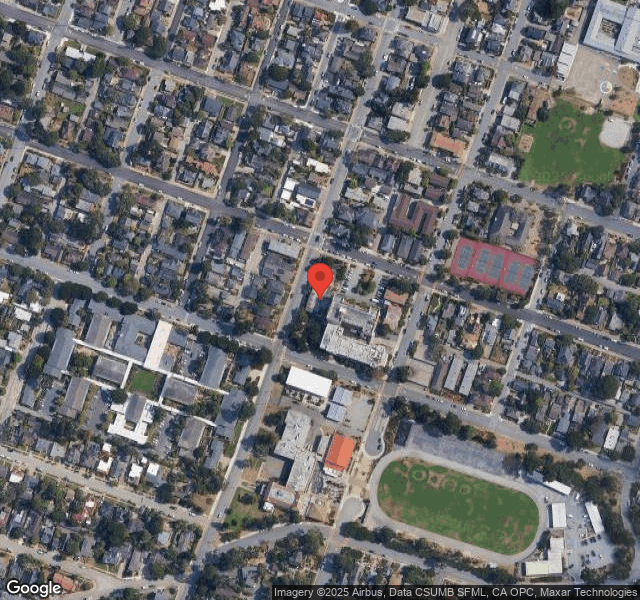




CANTERBURY WOODS

651 SINEX AVENUE, PACIFIC GROVE, CA 93950 (831) 373-3111
Non profit - Corporation 24 Beds FRONT PORCH Data: November 2025
Trust Grade
85/100
#33 of 1155 in CA
Last Inspection: September 2024

Within standard 12-15 month inspection cycle. Federal law requires annual inspections.

Overview

Canterbury Woods in Pacific Grove, California, has a Trust Grade of B+, indicating it is above average and recommended for families seeking care. It ranks #33 out of 1,155 facilities in California, placing it in the top half, and is the best option among 14 facilities in Monterey County. The facility is improving, as it reduced the number of issues from 12 in 2023 to 11 in 2024. Staffing is a major strength, with a perfect rating of 5/5 stars and a turnover rate of 24%, significantly lower than the state average. While there have been no fines, there are some concerning incidents, including lapses in food safety that could lead to foodborne illness and a significant medication error where a resident received medication too frequently, which could have affected their health. Overall, while there are notable strengths, families should be aware of these weaknesses when considering Canterbury Woods.

Trust Score
B+
85/100
In California
#33/1155
Top 2%
Safety Record
Low Risk
No red flags
Inspections
Getting Better
12 → 11 violations
Staff Stability
✓ Good
24% annual turnover. Excellent stability, 24 points below California's 48% average. Staff who stay learn residents' needs.
Penalties
✓ Good
No fines on record. Clean compliance history, better than most California facilities.
Skilled Nurses
✓ Good
Each resident gets 67 minutes of Registered Nurse (RN) attention daily — more than 97% of California nursing homes. RNs are the most trained staff who catch health problems before they become serious.
Violations
⚠ Watch
26 deficiencies on record. Higher than average. Multiple issues found across inspections.
★★★★★
5.0
Overall Rating
★★★★★
5.0
Staff Levels
★★★★★
5.0
Care Quality
★★★★☆
4.0
Inspection Score
Stable
2023: 12 issues
2024: 11 issues

The Good

  • 5-Star Staffing Rating · Excellent nurse staffing levels
  • 5-Star Quality Measures · Strong clinical quality outcomes
  • Low Staff Turnover (24%) · Staff stability means consistent care
  • Full Sprinkler Coverage · Fire safety systems throughout facility
  • No fines on record
  • Staff turnover is low (24%)

    24 points below California average of 48%

Facility shows strength in staffing levels, quality measures, staff retention, fire safety.

The Bad

Chain: FRONT PORCH

Part of a multi-facility chain

Ask about local staffing decisions and management

The Ugly 26 deficiencies on record

Sept 2024 11 deficiencies
CONCERN (D)

Potential for Harm - no one hurt, but risky conditions existed

Transfer Notice (Tag F0623)

Could have caused harm · This affected 1 resident

Based on interview and record review, the facility failed to provide written notification to the Long-Term Care Ombudsman (person who routinely visits the facility and advocates for the residents) for...

Read full inspector narrative →
Based on interview and record review, the facility failed to provide written notification to the Long-Term Care Ombudsman (person who routinely visits the facility and advocates for the residents) for one of two sample discharged residents (Resident 14) when Resident 14 was transferred to the acute care hospital. This failure had the potential to result in the resident not having an advocate who could inform them of their admission, transfer, and discharge rights and options. Findings: Review of Resident 14 clinical record indicated she was transferred to the acute hospital on 8/17/24. There was no documentation in the clinical record indicating the facility notified the Ombudsman regarding this transfer. During an interview with the social service designee (SSD) on 9/13/24 at 1:43 p.m., she confirmed written notification regarding the above transfer was not sent to the ombudsman. The SSD acknowledged the resident's transfer should have been notified to Ombudsman. During a review of the facility's policy and procedure (P&P) titled Transfer, Evacuation, Relocation or Discharge retrieved 9/2024, the P&P indicated, Notice of transfer or discharge: when the SNF transfers or discharges a resident . the community will send a copy of the notice to a representative of the Office of the State Long-Term Care Ombudsman.
CONCERN (D)

Potential for Harm - no one hurt, but risky conditions existed

Comprehensive Care Plan (Tag F0656)

Could have caused harm · This affected 1 resident

**NOTE- TERMS IN BRACKETS HAVE BEEN EDITED TO PROTECT CONFIDENTIALITY** Based on interview and record review, the facility failed to develop and implement comprehensive person-centered care plans for ...

Read full inspector narrative →
**NOTE- TERMS IN BRACKETS HAVE BEEN EDITED TO PROTECT CONFIDENTIALITY** Based on interview and record review, the facility failed to develop and implement comprehensive person-centered care plans for one of eight sampled residents (Resident 12) when the resident's communication care plan was not person-centered. This failure had the potential for inaccurate development and implementation of person-centered care plans that would address the residents' identified concerns and needs. Findings: Review of Resident 12's clinical records indicated he was admitted on [DATE] with diagnoses including myringotomy tube status (a small tube placed in the ear to treat ear infections and other ear conditions) and bilateral presbycusis (age-related hearing loss). During an interview on 9/09/24 at 10:38 a.m. in his room, he stated he could not hear and needed to use his cellphone, which has a translator function as a communication tool. Review of Resident 12's minimum data set (MDS, an assessment tool) dated 7/15/24 indicated he had a brief interview of mental status (BIMS, a tool used to assess cognition) score of 12 (moderate cognitive impairment). Section B0200 asked to check ability to hear, and code 3. Highly impaired (absence of useful hearing) was checked. Section B0300 asked if a hearing aid or other hearing appliance was used, and code 0. No was checked. Review of Resident 12's care plans indicated he had a communication problem related to hearing deficit. The interventions of the care plan did not indicate his cellphone use as a communication tool. During an interview and record review on 9/11/24 at 2:15 p.m. with minimum data set coordinator (MDSC) A, she verified Resident 12 was using his cellphone as a communication tool. MDSC A reviewed Resident 12's care plans and stated the care plan for the communication problem did not indicate his cellphone use as a communication tool. MDSC A stated the care plan was not person-centered care planning. During a review of the facility's policy and procedure (P&P) titled Care Planning, revised 2/2021, the P&P indicated, An initial care plan will be developed and implemented .and a summary provided to the resident and residents representative if applicable which will include interventions to provide effective, safe and person-centered care that meets professional standards of quality of care based on the residents history.
CONCERN (D)

Potential for Harm - no one hurt, but risky conditions existed

Deficiency F0679 (Tag F0679)

Could have caused harm · This affected 1 resident

**NOTE- TERMS IN BRACKETS HAVE BEEN EDITED TO PROTECT CONFIDENTIALITY** Based on observation, interview, and record review, the facility failed to ensure an activity program that met the resident's ne...

Read full inspector narrative →
**NOTE- TERMS IN BRACKETS HAVE BEEN EDITED TO PROTECT CONFIDENTIALITY** Based on observation, interview, and record review, the facility failed to ensure an activity program that met the resident's needs, interests, and preferences was provided to one of eight sampled residents (Resident 11). This failure had the potential to affect the residents' physical, mental, and psychosocial well-being and quality of life. Findings: Review of Resident 11's clinical record indicated she was admitted on [DATE] and had diagnoses including Alzheimer's disease (a progressive brain disorder that destroys memory, thinking skills, and the ability to perform simple tasks) and dementia (a decline in mental capacity affecting daily functioning). Review of Resident 11's minimum data set (MDS, an assessment tool), dated 7/15/24, indicated she was not able to complete the brief interview for mental status. It also indicated Resident 11 felt it was very important to listen to music she liked. During a review of Resident 11's activities care plan, the care plan indicated she has little or no activity involvement related to immobility or physical limitations and enjoys music recitals/performers as well as travel channels. The care plan included interventions to invite the resident to activities of interest or other preferred room activities if unable to attend group activities and to offer daily reading and drawing materials. During an observation from 9/09/24 to 9/11/24 in Resident 11's room, there were no books, magazines, or drawing materials for the resident observed. There was no music or travel channel offered to the resident. During an interview and record review on 9/11/24 at 9:12 a.m. with the activities coordinator (AC), she reviewed Resident 11's activities care plan and stated Resident 11 was doing only social dining because she refused all activities. The AC stated there was no documentation indicating that Resident 11 refused all activities. The AC further verified that the care plan was not updated with social dining activity. During an interview on 9/11/24 at 9/18 a.m. with the AC, she stated she could not locate any documentation indicating that the facility offered room activities when Resident 11 refused to participate in group activities, music or travel channels that the resident enjoyed, or reading or drawing materials as indicated on the activities care plan. During a review of the facility's policy and procedure (P&P) titled Activities, revised 9/2024, the P&P indicated, The facility must provide, based on the comprehensive assessment and care plan and the preferences of each resident, an ongoing program to support residents in their choice of activities, both facility sponsored group and individual activities, designed to meet the interests of and support the physical, mental, and psychosocial well-being of each resident, encouraging both independence and interaction in the facility. The director/coordinator shall at least: c. monitor and evaluate the resident's responses to activities and revise the approaches as appropriate.
CONCERN (D)

Potential for Harm - no one hurt, but risky conditions existed

Deficiency F0692 (Tag F0692)

Could have caused harm · This affected 1 resident

**NOTE- TERMS IN BRACKETS HAVE BEEN EDITED TO PROTECT CONFIDENTIALITY** Based on interview and record review, the facility failed to ensure the interdisciplinary team (IDT, a group of health care prof...

Read full inspector narrative →
**NOTE- TERMS IN BRACKETS HAVE BEEN EDITED TO PROTECT CONFIDENTIALITY** Based on interview and record review, the facility failed to ensure the interdisciplinary team (IDT, a group of health care professionals from diverse fields who work toward a common goal for residents) assessed and discussed the cause of unplanned weight loss, updated the care plan with a measurable goal and interventions, and provided necessary and timely interventions to maintain the acceptable weights of the residents when there was no follow-up by the IDT after the significant weight loss for one of eight sampled residents (Resident 8). This failure had the potential to result in being unable to evaluate the residents' complete nutritional status and provide necessary interventions timely. Findings: Review of Resident 8's medical record indicated she was admitted on [DATE] with diagnoses including epilepsy (a disorder in which nerve cell activity in the brain is disturbed, causing seizures), hemiplegia (a condition that causes partial or complete immobility on one side of the body), and type 2 diabetes (high blood sugar). Review of Resident 8's minimum data set (MDS, an assessment tool) dated 8/16/24 indicated he had a brief interview of mental status (BIMS, a tool used to assess cognition) score of 15 (cognitively intact). Section K0300 asked if the resident had weight loss of 5% or more in the last month or loss of 10% or more in last 6 months, and code 2. Yes, not on physician-prescribed weight-loss regimen was checked. Review of Resident 8's Weights and Vitals Summary indicated her weights were 163 pounds (lbs) on 8/12/24, 158.4 lbs on 8/18/24, 157 lbs on 8/25/24, 154.5 lbs on 9/01/24, and 151.8 lbs on 9/08/24. Review of Resident 8's Nutrition/Dietary Note, dated 8/14/24, indicated the resident had a weight loss during hospitalization, the medical record confirmed the resident had 7.7% weight loss during the last 12 days, and the registered dietitian (RD) would continue to monitor. Review of Resident 8's Nutrition/Dietary Note, dated 9/03/24, indicated monthly weight reveals significant weight loss since admission (-5.2%, -8.5 lbs since 8/12/24), and the RD would continue to monitor and observe the resident at meals this week. Review of Resident 8's Nutrition/Dietary Note, dated 9/11/24, indicated the RD observed the resident to be reluctant to eat due to shakiness/instability, and the RD would continue to encourage the resident to eat and suggest additional feeding support from nursing staff. The note further indicated the resident has been provided with nutrition supplement shakes by family and has these at bedside to drink as needed. Review of Resident 8's physician's order, dated 8/28/24, indicated she had a regular diet and regular texture. There was no physician's order for high- calorie food or supplement. Review of Resident 8's medical record indicated there was no documentation that the IDT meeting was conducted for Resident 8's significant weight loss. Review of Resident 8's care plans indicated the care plan for the nutritional/hydration risk did not indicate additional feeding support from nursing staff or the nutrition supplement shakes provided by family. During an interview and record review on 9/12/24 at 1:58 p.m. with the RD, she reviewed Resident 8's medical records and confirmed the above record reviews. During an interview and record review on 9/12/24 at 2:03 p.m. with the RD, she confirmed there was no documentation indicating an IDT meeting regarding Resident 2's significant weight loss was conducted. The RD acknowledged the resident's significant weight loss should have been followed by IDT. During an interview and record review on 9/12/24 at 2:06 p.m. with the RD, she verified that Resident 8's family member brought supplement shakes related to the resident's poor meal consumption. The RD stated there was no documentation indicating the supplement shakes were offered and an amount consumed if the resident consumed any. The RD acknowledged the supplement should have been offered to the resident, and staff should have measured the amount consumed and documented it. During an interview on 9/12/24 at 2:10 p.m. with the RD, she acknowledged that she could have recommend interventions including a fortified diet and a high calorie supplement, which were not implemented. During an interview on 9/12/24 at 2:37 p.m. with the direct of nursing (DON), she stated an IDT meeting should have been conducted for Resident 8's significant weight loss to assess and discuss the cause of unplanned weight loss, update the care plan with a measurable goal and interventions, and provide necessary and timely interventions to maintain the acceptable weights of the residents. The DON stated common interventions for the weight loss would have been a fortified diet and additional supplements, which were not implemented. During a review of the facility's policy and procedure (P&P) titled Interdisciplinary Team Meeting, revised 4/2018, the P&P indicated, Purpose: To identify residents at risk for decline, improve communication between the interdisciplinary team, review resident status and improve resident outcomes. Guidelines for review: 1. Weight Variance will review those residents having a weight change of 3 or more percent in one week, 5# or 5% over a 30 day period . During a review of the facility's policy and procedure (P&P) titled Weight Variance Monitoring, revised 2/2009, the P&P indicated, Residents with weight changes will be reviewed by members of the interdisciplinary team to assure that interventions are in place to ensure nutritional needs are met and undesirable weight changes are prevented. When weight change has been identified a s a problem the resident will be discussed at Risk management. The DTR and/or RD will be notified, and the resident's Plan of Care will be updated as needed. During a review of the facility's policy and procedure (P&P) titled Nutrition Interventions, revised 10/2024, the P&P indicated, The dietitian/qualified nutrition professional recommends interventions to maintain the resident's nutrition status, based on resident preference and tolerance. For residents at nutritional risk: Determine appropriate interventions .Options may include: use fortified food to increase the calorie and/or protein in foods being served, Offer additional food (snacks) between meals, Use a high calorie supplement as a part of the medication pass. Progress updates will be documented in the medical record and care plan.
CONCERN (D)

Potential for Harm - no one hurt, but risky conditions existed

Deficiency F0700 (Tag F0700)

Could have caused harm · This affected 1 resident

Based on observation, interview, and record review, the facility failed to follow their bed rails (adjustable rigid bars attached to the side of a bed: side rails, safety rails, and grab/assist bars) ...

Read full inspector narrative →
Based on observation, interview, and record review, the facility failed to follow their bed rails (adjustable rigid bars attached to the side of a bed: side rails, safety rails, and grab/assist bars) policy for one of one sampled resident (Resident 2) when there was no informed consent verification form obtained prior to installing bed rails. This failure had the potential to result in the resident and the resident's responsible parties (RP, individuals designated to make decisions on behalf of the residents) not being fully informed of the use of bed rails. Findings: During an observation on 9/09/24 at 10:13 a.m., the bed of Resident 2 was inspected. The bed had an upper partial bed rail on the left side. During an interview on 9/10/24 at 11:33 a.m., minimum data set coordinator (MDSC) A stated that the facility initiated bed rail for Resident 2 on 7/06/22, removed on 4/25/24, and reinstalled on 5/06/24. Review of Resident 2's physician's order, dated 5/06/24, indicated she use side rails assist bar on the left side of the bed to increase mobility (movement), support self during ADL care, turn or reposition, and provide a feeling of comfort and security. Review of Resident 2's Bed Rail Risk Data Collection Tool, dated 7/07/22, indicated quarter top bed rails were initiated on 7/06/22. Review of Resident 2's clinical record indicated there was no informed consent verification form obtained prior to installing bed rails on 7/06/22. During an interview and record review on 9/10/24 at 2:07 p.m. with MDSC A, she reviewed Resident 2's informed consent verification form for bed rails. MDSC A confirmed that there was no informed consent verification form obtained prior to installing bed rails on 7/06/22. MDSC A acknowledged that the facility should have obtained an informed consent verification form prior to installing bed rails. During a review of the facility's policy and procedure (P&P) titled Side Rails/Assist Bar, dated 4/2017, the P&P indicated, The physician must be notified to give informed consent to the resident or resident representative. The nurse will verify with the resident or resident representative that informed consent has been given and document on the Verification of Informed Consent Form.
CONCERN (D)

Potential for Harm - no one hurt, but risky conditions existed

Pharmacy Services (Tag F0755)

Could have caused harm · This affected 1 resident

Based on interview and record review, the facility failed to document administration of controlled medications (medications controlled by the government because they may be abused or cause addiction) ...

Read full inspector narrative →
Based on interview and record review, the facility failed to document administration of controlled medications (medications controlled by the government because they may be abused or cause addiction) on the controlled medication accountability sheet (count sheet) for one resident (Resident 8). This failure compromised the facility's ability to ensure accurate administration of medications. Findings: During controlled medications accountability check on 9/09/24 at 10:50 a.m. with registered nurse (RN) B, Resident 8's controlled medication accountability sheet indicated the remaining count of lacosamide (an anticonvulsant) 100 milligrams (mg, unit dose of measurement) was 7, but the medication stock count was 6 in a bottle container. RN B stated she counted controlled medications during the shift change this morning but did not open the bottle container to count lacosamide. Review of Resident 8's physician's order, dated 8/12/24, indicated lacosamide 100 mg by mouth two times a day for seizure (abnormal electrical activity in brain). During an interview and record review with registered nurse (RN) B on 9/09/24 at 11:15 a.m., she confirmed the above observation. RN B stated the evening shift nurse did not document when giving one dose of lacosamide 100 mg on 9/08/24 around 5:00 p.m. RN B acknowledged the licensed nurses should have document it when they administered the medications. During an interview with the DON on 9/12/24 at 11:00 a.m., she acknowledged the licensed nurses should have document administration of controlled medications on the controlled medication accountability sheet when the medications are administered. The DON further acknowledged the licensed nurses should have count controlled medications during shift change. During a review of the facility's policy and procedure (P&P) titled Controlled Substance Medication Orders, dated 1/2023, the P&P indicated, Each controlled substance medication order is documented in the resident's medical record with the date, time, and signature of the person receiving the prescription.
CONCERN (D)

Potential for Harm - no one hurt, but risky conditions existed

Menu Adequacy (Tag F0803)

Could have caused harm · This affected 1 resident

Based on observation, interview and record review, the facility failed to ensure that recipe for making puree was being followed when the executive chef did not follow the recipe for making chicken te...

Read full inspector narrative →
Based on observation, interview and record review, the facility failed to ensure that recipe for making puree was being followed when the executive chef did not follow the recipe for making chicken teriyaki puree. This failure had the potential to result in decreased palatability that could lead to decrease in food intake for the 2 residents with puree diet order out of the skilled nursing facility census of 15. Findings: During the observation of making puree (smooth, crushed, or blended food that has the consistency of a creamy paste or liquid) with executive chef (EC), on 9/11/24 at 11:32 a.m., EC was making chicken teriyaki (grilled or broiled chicken after being soaked in a seasoned soy sauce marinade) puree. EC put 12 ounces (oz, unit of weight) of chicken teriyaki into the robo coupe blender, added 3 oz of milk and then pureed them. EC then checked the consistency of the pureed chicken teriyaki, and added 2 oz more of milk, then pureed them again. EC placed the pureed chicken teriyaki in the steamed table food container after. Review of the facility's undated, Pureed Recipe, indicated, Combine 4 oz of menued protein and 1 oz of milk in robo coupe blender until smooth and pudding consistency. Place in steam table pan and heat to a minimum of 165 degrees Fahrenheit for 15 seconds. Serve per spread sheet. The recipe did not indicate to add 2 more oz of milk after already putting 3 oz of milk for the 12 oz of chicken teriyaki. During a concurrent record review and interview with EC on 9/11/24 at 2:07 p.m., EC verified that the recipe for making chicken teriyaki puree was not followed. EC further verified that the recipe did not mention to add 2 more oz of milk after putting 3 oz of milk already for the 12 oz of chicken teriyaki, to be pureed. During a concurrent record review and interview with the registered dietitian (RD), on 9/12/24 at 11:02 a.m., RD verified that the executive chef should have followed the recipe for making chicken teriyaki puree but it was not followed. RD further verified that the recipe did not mention to add 2 more oz of milk after putting 3 oz of milk already for the 12 oz chicken teriyaki and RD added that she would check on the recipe for making puree meats. Review of the facility's policy titled, Resident Food Services: Modified Texture Foods, revised on 1/2024 indicated, Provide a standardized process for modified texture foods to meet community-approved diet guidelines and to assure palatability, flavor, texture, and nutritional value. Foods requiring modification to a puree texture will have a smooth texture. Foods requiring modification to other levels will be provided per the guidelines established by the community and approved in the diet manual. Food thickening agents will be used when necessary to obtain proper consistency. Follow thickening recipe
CONCERN (D)

Potential for Harm - no one hurt, but risky conditions existed

Deficiency F0847 (Tag F0847)

Could have caused harm · This affected 1 resident

Based on interview and record review, the facility failed to ensure that one out of five sampled residents (Resident 6), who signed the binding arbitration agreement (BAA, contract between the facilit...

Read full inspector narrative →
Based on interview and record review, the facility failed to ensure that one out of five sampled residents (Resident 6), who signed the binding arbitration agreement (BAA, contract between the facility and resident requiring disputes to be resolved by a neutral arbitrator [third party decision-maker] instead of a judge or jury in court) understood the BAA prior to signing. This failure posed the risk for the resident to make uninformed decisions regarding the right to file an appeal if there was any allegations of medical malpractice. Findings: A review of facility-provided document, it indicated there were five residents (Residents 1, 6, 10, 65, and 66) currently residing in the facility who have entered into a binding arbitration agreement on or after 9/16/19. During an interview with Resident 6 on 9/11/24 at 11:09 a.m., Resident 6 stated he was not aware he had a choice not to sign the BAA during admission. Resident 6 stated, I didn't feel pressured, but I felt I had to sign everything. I just want to be here. Resident 6 also stated, During the admission there were a lot of papers, I fell asleep literally. Resident 6 also stated he was not aware he had the right to terminate or withdraw from the agreement within 30 days of signing. When asked if arbitration agreement was explained in a way Resident 6 understood, Resident 6 stated, I don't remember. I don't know if I have a copy of the arbitration agreement. A review of Resident 6's Minimum Data Set (MDS, a standardized assessment and care planning tool), dated 8/13/24, the MDS indicated Resident 6 had a Brief Interview for Mental Status (BIMS, 13 to 15 points suggests that cognition is intact) score of 15. A review of Resident 6's Binding Arbitration Agreement (BAA) dated 8/12/24, the Binding Arbitration Agreement indicated, Resident 6 and facility representative, Social Services Designee (SSD) D signed the BAA. During an interview and record review with Activities Coordinator (AC) on 9/11/24 at 1:32 p.m., AC confirmed the signature on a BAA for another resident (Resident 10) dated 5/17/24. AC stated that everyone that was admitted was offered a BAA. AC also stated that if a resident was sleepy during the explanation of the BAA, AC would have stop and would not let Resident 6 sign the form. During an interview on 9/11/24 at 1:48 p.m. with Director of Nursing (DON), DON stated BAA was new and recent. DON also stated that DON would not let Resident 6 sign any form if the resident was sleepy. A review of facility Policies and Procedures (P&P) titled SNF Admissions Policies revised November 2023, the P&P indicated 23. Requirements for Pre-Dispute Agreements a. The community must ensure that the agreement is explained to the resident and their representative in a form and manner that they understand, including in a language the resident and their representative understands, and that the resident acknowledges that they understand the agreement.
CONCERN (D)

Potential for Harm - no one hurt, but risky conditions existed

Infection Control (Tag F0880)

Could have caused harm · This affected 1 resident

Based on observation and interview, the facility failed to implement infection control practices for one of eight sampled residents (Resident 165) when staff did not follow the facility's handwashing/...

Read full inspector narrative →
Based on observation and interview, the facility failed to implement infection control practices for one of eight sampled residents (Resident 165) when staff did not follow the facility's handwashing/hand hygiene policy. This failure had the potential to spread infection in the facility. Findings: During a medication administration observation on 9/10/24 at 4:09 p.m., Resident 165 tried to walk out from her room when Licensed Vocational Nurse (LVN) B wiped a glucometer (a device to check blood sugar). LVN B went into the room and assisted Resident 165 with her bare hands. During an observation on 9/10/24 at 4:13 p.m., Resident 165 with LVN B's assistance came out of the room. LVN B picked the glucometer, put it in its container, and stored the container in the medication cart without performing hand hygiene. During an interview on 9/10/24 at 4:15 p.m. with LVN B, she confirmed the above observation. LVN B stated she should have performed hand hygiene before and after assisting Resident 165 for infection control. During a review of the facility's policy and procedure (P&P) titled Handwashing/Hand Hygiene, revised 10/2021, the P&P indicated, Hand hygiene is the primary means to prevent the spread of infections. Use an ABHR (alcohol-based hand rub), or alternatively, soap and water for the following situations, even if gloves are used: immediately before touching a resident; after contact with a resident. Single-use disposable gloves should be used: when in contact with a resident.
CONCERN (E)

Potential for Harm - no one hurt, but risky conditions existed

Deficiency F0760 (Tag F0760)

Could have caused harm · This affected multiple residents

**NOTE- TERMS IN BRACKETS HAVE BEEN EDITED TO PROTECT CONFIDENTIALITY** Based on observation, interview and record review, the facility failed to ensure, one of eight sampled residents (Resident 66), ...

Read full inspector narrative →
**NOTE- TERMS IN BRACKETS HAVE BEEN EDITED TO PROTECT CONFIDENTIALITY** Based on observation, interview and record review, the facility failed to ensure, one of eight sampled residents (Resident 66), was free of significant medication error, when the physician order for the Lasix (a diuretic, used to reduce fluid retention) medication, of Resident 66 was not followed. This failure had the potential to affect the health and general well-being of the resident. Findings: During an observation and interview with Resident 66 on 9/9/24 at 12:35 p.m., Resident 66 was in her bed with the head of her bed elevated at 90 degrees. Resident 66 was eating her lunch. She verbalized that her Lasix medication was wrongly given last week. The nurses gave it to her three times per day instead of three times per week. Review of the admission record (a document that contains important information about a resident's admission to a healthcare facility) of Resident 66 indicated, Resident 66 was re-admitted to the skilled nursing facility on [DATE] with diagnoses including acute pulmonary edema (a medical emergency that occurs when fluid builds up in the lungs, making it difficult to breathe), chronic diastolic congestive heart failure (a condition that comes on slowly with age, where the left ventricle is not able to fill properly with blood) and type 2 diabetes mellitus (adult onset, high levels of sugar in the blood) without complications. Her brief interview for mental status (BIMS, mandatory tool used to screen and identify the cognitive condition of residents) score was 15 (which suggests that cognition was intact), taken on 9/3/24. Review of the physician orders of Resident 66 indicated, Resident 66 had an order of Lasix 20 milligram (mg, a unit of mass or weight) oral tablet by mouth, one time a day every Monday, Wednesday, and Friday, related to acute pulmonary edema, ordered on 9/3/24. Review of the medication administration record (MAR, used to document medications taken by each resident in a treatment facility) of Resident 66, it was indicated Lasix 20 mg oral tablet by mouth, was given three times a day on 9/4/24, 9/5/24, 9/6/24 and 9/7/24 to Resident 66. During the interview with registered nurse B (RN B) on 9/10/24 at 1:18 p.m., RN B verified the medication error for the Lasix 20 mg oral tablet of Resident 66. RN B acknowledged that the Lasix 20 mg oral tablet of Resident 66 was given three times per day on 9/4/24, 9/5/24, 9/6/24 and 9/7/24 and the Lasix order of Resident 66 was, Lasix 20 mg oral tablet by mouth, one time a day every Monday, Wednesday, and Friday, ordered on 9/3/24. RN B then stated that the physician was already notified of the medication error of Resident 66. During the interview with the minimum data set coordinator A (MDSC A) on 9/12/24 at 2:35 p.m., MDSC A verified the medication error for the Lasix 20 mg oral tablet of Resident 66. MDSC A stated that the Lasix 20 mg oral tablet of Resident 66 was given three times per day on 9/4/24, 9/5/24, 9/6/24 and 9/7/24. MDSC confirmed the physician order was Lasix 20 mg oral tablet by mouth, one time a day every Monday, Wednesday, and Friday. During the interview with the director of nursing (DON), on 9/13/24 at 11:45 a.m., DON verified the medication error for the Lasix 20 mg oral tablet of Resident 66. DON acknowledged that the Lasix 20 mg oral tablet order of Resident 66 should have been followed by the nurses and she would remind the nurses about following the physician orders. Review of the facility's policy titled, Medication Administration: General Guidelines, dated 1/2023 indicated, Medications are administered in accordance with written orders of the prescriber If necessary, the nurse contacts the prescriber for clarification
CONCERN (E)

Potential for Harm - no one hurt, but risky conditions existed

Deficiency F0813 (Tag F0813)

Could have caused harm · This affected multiple residents

**NOTE- TERMS IN BRACKETS HAVE BEEN EDITED TO PROTECT CONFIDENTIALITY** Based on observation, interview and record review, the facility failed to ensure foods were stored in safe and sanitary manner w...

Read full inspector narrative →
**NOTE- TERMS IN BRACKETS HAVE BEEN EDITED TO PROTECT CONFIDENTIALITY** Based on observation, interview and record review, the facility failed to ensure foods were stored in safe and sanitary manner when: 1. Resident foods and food brought by family or visitor stored in the refrigerator at the facility dining area, were readily accessible to all the residents and; 2. Expired food was kept in the cabinet at the facility dining area. These failures had the potential to access the expired food and the food brought by family or visitor in the refrigerator. Findings: 1. During an observation of the skilled nursing facility dining area on 9/9/24 at 3:27 p.m., there was a refrigerator for storage of resident foods. The refrigerator had the following unexpired food items: a. 41 small cups of juices; b. 8 cups of snack packs; c. 2 small cups of diced peaches; d. 4 cups of yogurts (food produced by bacterial fermentation of milk); e. 8 small cups of cranberry juices; f. 9 cans of tomato juices; g. 12 small packs of milk; h. 3 packs of thickened dairy (milk-based) beverages; i. 6 cans of vegetable juices and j. 1 opened sauvignon [NAME] (wine known for its crisp acidity and aromatic fruit flavors), half was consumed. During the interview with the director of nursing (DON), on 9/9/24 at 3:45 p.m., DON acknowledged that the above food items in the refrigerator at the skilled nursing facility dining area should have not readily accessible to the residents of the facility especially those residents that are on special diet and she would inform the kitchen staffs about it. During an interview with the director of dining services (DDS), on 9/11/24 at 2:18 p.m., DDS verified that the refrigerator in the facility dining area with resident foods should have not readily accessible to the facility residents especially those residents with restrictions in their diet. DDS further verified she would put refrigerator locks so that the residents could not open the refrigerator. During an interview with the registered dietitian (RD), on 9/12/24 at 9:07 a.m., RD verified that the refrigerator in the facility dining area with resident foods should have not readily accessible to the facility residents especially those residents with restrictions in their diet. RD further verified she would put refrigerator locks so that the residents could not open the refrigerator. Review of the facility's policy titled, Food and Supply Storage, revised 1/2024 indicated, Restrict access to storage areas to only those associates whose job responsibilities require them to retrieve items from these areas. Review of the facility's policy titled, Resident Food Services: Unit Pantry Stock, revised 1/2024 indicated, Provide a method of communicating appropriateness of the available food items for therapeutic and consistency modified diets 2. During an observation of the facility dining area on 9/9/24 at 3:27 p.m., there were cabinets above the refrigerator and there was 1 packet of expired eclipse gum that had dark white colored gums that was still stored inside. During the interview with the DON, on 9/9/24 at 3:40 p.m., DON acknowledged that the expired eclipse gum with dark white colored gums inside should not be kept in the cabinet of the skilled nursing facility dining area and had it removed right away. During the interview with the RD on 9/12/24 at 9:09 a.m., RD verified that the 1 packet of eclipse gum is expired because of the dark white colored gums inside and should not be placed in the cabinet in the skilled nursing facility dining area. RD further verified that the expired gum should be removed there in the cabinet in the dining area. Review of the facility's policy titled, Resident Food Services: Unit Pantry Stock, revised 1/2024 indicated, Discard outdated items per the food storage policy
Jul 2023 12 deficiencies
CONCERN (D)

Potential for Harm - no one hurt, but risky conditions existed

Safe Environment (Tag F0584)

Could have caused harm · This affected 1 resident

Based on observation, interview, and record review, the facility failed to maintain an organized and sanitary environment for one non-sampled resident (Resident 14) when the bathroom was disorganized,...

Read full inspector narrative →
Based on observation, interview, and record review, the facility failed to maintain an organized and sanitary environment for one non-sampled resident (Resident 14) when the bathroom was disorganized, and the toilet bowl was dirty. These failures created a disorganized and unsanitary environment that could pose safety risks for Resident 14. Findings: During a concurrent observation and interview on 7/17/2023, at 9:12 a.m., Resident 14 was on her wheelchair beside the bed. Resident 14's bathroom had the following observations: the sink had an opened dry disposable wipe with one of the wipes outside the package, a clean disposable brief was placed behind the sink's faucet, a kidney basin with Resident 14's toiletries was placed on top of a clean hand towel, an opened box of gloves was in the bathroom floor and the toilet bowl had some stool on the side. Resident 14 stated she goes to the bathroom as needed. During an interview with the director of nursing (DON) on 7/19/2023, at 8:36 a.m., the DON confirmed Resident 14 could walk to the bathroom with assistance. The DON agreed the bathroom should have been kept clean and organized. The DON stated it was the certified nursing assistants (CNA) responsibility to keep the resident's bathroom clean and organized. During a follow up interview with the DON on 7/19/2023, at 8:52 a.m., DON stated the resident's dry disposable wipe, clean disposable briefs and toiletries should have been stored inside the resident's bedside drawer. During an interview with CNA A on 7/19/2023, at 9:24 a.m., CNA A stated resident's toiletries should have been stored inside the resident's bedside drawer. CNA A confirmed it was their responsibility to keep the resident's bathroom organized. During a document review of the Certified Nurse Assistant's job description, date revised July 2018, indicated, ESSENTIAL FUNCTIONS: Include the following. Other duties may be assigned as necessary .Follows highest standards of cleanliness.
CONCERN (D)

Potential for Harm - no one hurt, but risky conditions existed

Transfer Notice (Tag F0623)

Could have caused harm · This affected 1 resident

**NOTE- TERMS IN BRACKETS HAVE BEEN EDITED TO PROTECT CONFIDENTIALITY** Based on interview and record review, the facility failed to provide written notification to the Long-Term Care Ombudsman (perso...

Read full inspector narrative →
**NOTE- TERMS IN BRACKETS HAVE BEEN EDITED TO PROTECT CONFIDENTIALITY** Based on interview and record review, the facility failed to provide written notification to the Long-Term Care Ombudsman (person who routinely visits the facility and advocates for the residents in the nursing homes) when one of two residents (Resident 18 ) was transferred to the hospital. This failure had the potential to result in the resident not being informed of her rights. Findings: Review of Resident 18's clinical record indicated she was admitted to the facility on [DATE] and was transferred to a hospital on 5/3/23 for further evaluation and treatment. There was no documentation in the record indicating the facility notified the Ombudsman of Resident 18's transfer to the hospital. During an interview, on 7/20/23, at 11:10 A.M., with Director of Nursing (DON), she stated the Social Services Director (SSD) responsibility to notify the Ombudsman regarding Resident 18. During an interview, on 7/20/23, at 11:20 A.M., with SSD, she stated that she notified the Ombudsman for planned discharges. She also stated the nurses are responsible in notifying the Ombudsman when a resident is transferred to a hospital. During an interview, on 7/20/23, at 11:30 A.M., with Nurse Supervisor (NS), she stated that she did not inform the Ombudsman of any resident being transferred to a hospital. She also stated she did not know that the Ombudsman must be notified. During an interview, on 7/20/23, at 11:30 A.M., with RN B, she stated she did not know she must inform the Ombudsman when a resident was transferred to a hospital. Review of the facility's Transfer, Evacuation, Relocation or Discharge policy, dated 8/2022, indicated The community will send a copy of the notice to a representative of the Office of the State Long-Term Care Ombudsman.
CONCERN (D)

Potential for Harm - no one hurt, but risky conditions existed

Assessment Accuracy (Tag F0641)

Could have caused harm · This affected 1 resident

**NOTE- TERMS IN BRACKETS HAVE BEEN EDITED TO PROTECT CONFIDENTIALITY** Based on interview and record review, the facility failed to accurately code the minimum data set (MDS, an assessment tool) asse...

Read full inspector narrative →
**NOTE- TERMS IN BRACKETS HAVE BEEN EDITED TO PROTECT CONFIDENTIALITY** Based on interview and record review, the facility failed to accurately code the minimum data set (MDS, an assessment tool) assessment for one of 13 sampled residents (Resident 7) when Resident 7's completed and transmitted quarterly MDS did not reflect Resident 7's hospice care. These omissions in coding resulted in an inaccurate MDS and not addressing the resident needs. Findings: Review of Resident 7's admission Record indicated, Resident 7 was admitted to the facility with diagnoses including encounter for palliative care (hospice care) dated 11/25/2022, congestive heart failure (a weakness of the heart that leads to a buildup of fluid in the lungs and surrounding body tissues), dementia (decline in mental capacity affecting daily function), depression (a mood disorder that causes a persistent feeling of sadness and loss of interest) and dysphagia (difficulty swallowing). During a concurrent interview and record review with the MDS nurse (MDSN) on 7/21/2023, at 8:34 a.m., the MDSN confirmed Resident 7 was on hospice and she did a significant change in status assessment in December 2022. The MDSN stated, MDS assessment was important because it would reflect the resident's status. The MDSN reviewed Resident 7's MDS Quarterly assessment dated [DATE]. The MDSN confirmed Resident 7's MDS section O0100 K. Hospice care should have been marked with an x, indicated Resident 7 was on hospice care. Review of the MDS Resident Matrix dated on 7/17/2023, it was indicated Resident 7 was not on hospice care related to inaccurate MDS coding. Review of the Centers for Medicare & Medicaid Services (CMS) Long-Term Care Facility Resident Assessment Instrument (RAI) 3.0 User's Manual, Version 1.17.1, dated October 2019, indicated, O100K, Hospice care. Code residents identified as being in a hospice program for terminally ill persons where an array of services is provided for the palliation and management of terminal illness and related conditions . Further review indicated, The importance of accurately completing and submitting the MDS cannot be over-emphasized. The MDS is the basis for: the development of an individualized care plan; the Medicare Prospective Payment System; Medicaid reimbursement programs; quality monitoring activities, such as the quality measure reports .
CONCERN (D)

Potential for Harm - no one hurt, but risky conditions existed

Deficiency F0679 (Tag F0679)

Could have caused harm · This affected 1 resident

**NOTE- TERMS IN BRACKETS HAVE BEEN EDITED TO PROTECT CONFIDENTIALITY** Based on observation, interview and record review, the facility failed to provide an ongoing activity program that meet the resi...

Read full inspector narrative →
**NOTE- TERMS IN BRACKETS HAVE BEEN EDITED TO PROTECT CONFIDENTIALITY** Based on observation, interview and record review, the facility failed to provide an ongoing activity program that meet the resident's needs, interests, and preferences for one of 13 sampled residents (Resident 11) when Resident 11's activity care plan was not updated and implemented. This failure had the potential to affect the resident's physical, mental, psychosocial well-being, and self-worth. Findings: During multiple observations on 7/17, 7/18, 7/19, 7/20/2023, between 8:20 a.m. to 11:11 a.m., Resident 11 was lying in bed, and did not have any activities. Review of Resident 11's admission Record, indicated, Resident 11 was readmitted to the facility on [DATE] with diagnoses including left hip fracture, diabetes mellitus (a condition which affects the way the body processes blood sugar), Alzheimer's disease (a type of dementia which is a progressive disease that destroys memory and mental functions) and repeated falls. Review of Resident 11's Significant Change in Status Assessment Minimum Data Set (SCSA MDS - assessment tool), dated 6/23/2023, Section F indicated, it is Very important for Resident 11: to have books, newspapers, and magazines to read; to listen to music she likes; to keep up with the news; to do her favorite activities; and to go outside to get fresh air when the weather is good. During a concurrent interview and record review on 7/20/2023, at 9:32 a.m., the activity director/social service designee (AD/SSD) reviewed Resident 11's care plans. The AD/SSD confirmed there was no activity care plan and no preferences care plan found in Resident 11's list of care plans. The AD/SSD stated there should be a care plan for activities to know what to do with her. At 9:48 a.m., AD/SSD reviewed the SCSA MDS Section F and their documentations on Resident 11's activities. The AD/SSD confirmed the activity care plan was not updated when Resident 11 had a significant change. During a concurrent interview and record review on 7/21/2023, at 8:25 a.m., the MDS nurse (MDSN) reviewed Resident 11's clinical records including the SCSA MDS and care plans. The MDSN stated Resident 11 had an old activity plan. The MDSN stated the activity care plan should have been revised when Resident 11 was readmitted with some changes. The MDSN confirmed Resident 11's revision of activity care plan was missed. During a review of the facility's policy and procedure titled, Activity Assessment, date revised 04/2020, indicated, .4. The activity assessment was used to develop an individual activities care plan as part of the comprehensive care plan that will allow the resident to participate in activities of their choice and interest. 5. Each resident's activities care plan should have relate to their comprehensive assessment and should reflect their individual needs. 6. The activity assessment and activities care plan will identify if a resident is capable of pursuing activities independently or if dependent on staff.
CONCERN (D)

Potential for Harm - no one hurt, but risky conditions existed

Respiratory Care (Tag F0695)

Could have caused harm · This affected 1 resident

**NOTE- TERMS IN BRACKETS HAVE BEEN EDITED TO PROTECT CONFIDENTIALITY** Based on observation, interview, and record review, the facility failed to provide respiratory care for one of one sampled resid...

Read full inspector narrative →
**NOTE- TERMS IN BRACKETS HAVE BEEN EDITED TO PROTECT CONFIDENTIALITY** Based on observation, interview, and record review, the facility failed to provide respiratory care for one of one sampled resident (Resident 4) in accordance with professional standards of practice and facility's policy and procedure when a Certified Nursing Assistant A (CNA A) administered oxygen (a colorless and odorless gas that people need to breath) to a resident. This failure had the potential for unsafe oxygen administration and negatively affect the resident's health and safety. Findings: Review of Resident 4's clinical record indicated she was admitted on [DATE] and had a diagnosis of chronic obstructive pulmonary disease (a group of lung disease that block airflow and make it difficult to breathe), hypoxemia (a low level of oxygen in the blood). Review of Resident's 4's physician order indicated To administer 2 liters continuously to keep oxygen saturation (the amount of oxygen circulating in the blood) above 92 percent and for shortness of breath. During an observation on 7/17/23, at 12:22 P.M., the nasal cannula (a flexible tube that contains two open prongs intended to sit just inside the nostrils to deliver supplemental oxygen) was found on the floor beside the resident's bed and the oxygen concentrator (a medical device that concentrates oxygen from environmental air) was on. The CNA A entered the resident's room to assist the resident. After the CNA A exited the room, the nasal cannula was placed on the resident's nose. During an interview on 7/17/23, at 12:35 P.M., with CNA A, she stated that she assisted the resident to the bathroom and placed the nasal cannula on the resident's nose. She confirmed that she administered the oxygen and did not call the licensed nurse to administer the oxygen. She also stated that certified nursing assistants were not allowed to apply or remove nasal cannula and she should have been called a licensed nurse. During an interview on 7/18/23, at 8:59 A.M., with Nurse Supervisor (NS), she stated the licensed nurses were allowed to administer oxygen. She also stated that certified nursing assistants were not allowed and should have inform the nurse if the resident requires oxygen. During an interview on 7/18/23, at 12:44 P.M., with Certified Nursing Assistant (CNA K), she stated that certified nursing assistants are not allowed to administer oxygen to residents. She also stated the licensed nurses was allowed to administer oxygen. During an interview on 7/20/23, at 1:39 P.M., with Director of Nursing (DON), she stated the licensed nurses were allowed to administer oxygen to residents. During a review of the facility's Oxygen Therapy policy, dated July 2022, indicated Oxygen therapy was administered by a licensed nurse as ordered by the physician.
CONCERN (D)

Potential for Harm - no one hurt, but risky conditions existed

Medication Errors (Tag F0758)

Could have caused harm · This affected 1 resident

Based on interview and record review, the facility failed to ensure one of five sampled residents (Resident 7) was free from unnecessary psychotropic medications (drugs that affect brain activities as...

Read full inspector narrative →
Based on interview and record review, the facility failed to ensure one of five sampled residents (Resident 7) was free from unnecessary psychotropic medications (drugs that affect brain activities associated with mental processes and behaviors) when Resident 7 received Lorazepam (a medication for anxiety) without documentation of its specific duration in the resident's clinical record. This failure had the potential for increased risks associated with the use of psychotropic medications that could negatively affect the residents physical, mental, and psychosocial well-being. Findings: Review of Resident 7's admission Record indicated, Resident 7 was admitted to the facility with diagnoses including encounter for palliative care (hospice care) dated 11/25/2022, congestive heart failure (a weakness of the heart that leads to a buildup of fluid in the lungs and surrounding body tissues), dementia (decline in mental capacity affecting daily function), depression (a mood disorder that causes a persistent feeling of sadness and loss of interest), delirium ( and dysphagia (difficulty swallowing). Review of Resident 7's Order Summary Report, it indicated, Lorazepam Tablet 0.5 milligram (mg,]\unit of measurement). Give 1 tablet by mouth every 1 hours as needed for anxious, date ordered 12/22/2022 and no end date. Review of Resident 7's medication regimen review (MRR-a thorough evaluation of the medication regimen of a resident, with a goal of promoting positive outcomes and minimizing adverse effects associated with medication) with a note to the attending physician, dated 6/8/2023, it was indicated, .CMS (Centers of Medicare and Medicaid services) guidelines released on 11/2017 indicate PRN (pro re nata, which means as needed) psychotropic medications are now limited to 14 days. If the PRN psychotropic order needs to be extended beyond 14 days duration, it need to be justified by MD (medical doctor). Please evaluate the following for a stop date: Lorazepam 0.5 mg q (every) 1 h (hour) prn anxious. The physician's response as indicated in the MRR, Very justified. His aggressive behavior is well controlled and he already failed a trial off this medication, signed on 7/18/2023. Review of Resident 7's May and June 2023 medication administration record (MAR, a record of medications given) indicated, Resident 7 did not receive Lorazepam due to no behavior related to being anxious recorded. During multiple observations on 7/17/2023, at 8:55 a.m. and 12:18 p.m., 7/18/2023 at 8:19 a.m., and 7/19/2023 at 8:21 a.m. and 9:33 a.m., Resident 7 was in bed, calm and most of the time asleep. During an interview with the director of nursing (DON) on 7/20/2023, at 1:25 p.m., DON stated it was necessary for hospice residents to have an indefinite order of prn Lorazepam. During an interview with the pharmacy consultant (PC) on 7/21/2023, at 9:38 a.m., PC confirmed she did the MRR once a month. PC stated she evaluated the use of the prn psychotropic medications and would send a note to the attending physician about the CMS guidelines. PC further stated, if the physician did not address the duration of the psychotropic medication, the PC would remind the nurses and the DON to address this with the physician. PC confirmed she was not the one who did the MRR in June 2023. During a review of the facility's policy and procedure titled, Psychotropic Drugs, date revised 06/2023, indicated, Based on a comprehensive assessment of a resident, the Skilled Nursing Facility (SNF) must ensure that .c. Residents do not receive psychotropic drugs pursuant to a PRN order unless that medication is necessary to treat a diagnosed specific condition that is documented in the clinical record; and PRN orders for psychotropic drugs are limited to 14 days .
CONCERN (E)

Potential for Harm - no one hurt, but risky conditions existed

Accident Prevention (Tag F0689)

Could have caused harm · This affected multiple residents

Based on observation, interview, and record review, the facility failed to ensure that the wheels on the bed of residents were locked for two of five sampled residents (Resident 4 and Resident 220). T...

Read full inspector narrative →
Based on observation, interview, and record review, the facility failed to ensure that the wheels on the bed of residents were locked for two of five sampled residents (Resident 4 and Resident 220). This failure had the potential to result in accident and injury. Findings: 1. Review of Resident 4's Care Plan, revised on 7/30/22, indicated the resident was at risk for falls related to gait/balance problems, episode of fall. During an observation on 7/18/23, at 8:46 A.M., three out of four wheels of Resident 4's bed were unlocked. During an interview on 7/18/23, at 8:51 A.M., with Certified Nursing Assistant (CNA K), she confirmed the above observation. She also stated that all wheels of the bed should have been locked and at the lowest position. 2. Review of Resident 220's Care Plan, revised on 6/30/23, indicated the resident is at risk for falls related to antihypertensive medication, gait/balance problems, left hip pain, status post fractures of the other parts of pelvis/sacrum. During an observation on 7/18/23, at 12:32 P.M., two out of four wheels on Resident 220's bed were found unlocked. During an interview on 7/19/23, at 3:19 P.M., with Nurse Supervisor (NS), she stated that the staff should ensure wheels on the residents' beds are always locked for safety reasons. During an interview on 7/20/23, at 1:39 P.M., with Director of Nursing (DON), she stated that all wheels on the residents' beds should have been locked to prevent the bed from moving for the safety of all residents. Review of facility's MDS Baseline Care Planning policy, dated 8/2022, indicated Staff must implement the interventions to assist the resident to achieve care plan goals and objectives. Review of facility's Falls Prevention and Management Program policy, dated 12/2022, indicated Avoid furnishings that might slip when leaned on for support or ensure that wheels are locked.
CONCERN (E)

Potential for Harm - no one hurt, but risky conditions existed

Deficiency F0727 (Tag F0727)

Could have caused harm · This affected multiple residents

Based on interview and facility's document review, the facility failed to provide a registered nurse (RN) for at least 8 consecutive hours a day, 7 days a week. This failure had the potential to affec...

Read full inspector narrative →
Based on interview and facility's document review, the facility failed to provide a registered nurse (RN) for at least 8 consecutive hours a day, 7 days a week. This failure had the potential to affect resident's care, health, and well-being. Findings: Review of the facility's Payroll Based Journal (PBJ) Staffing Data Report from the Centers for Medicare and Medicaid Services (CMS) dated January 1 - March 1, 2023, it indicated, under Metric, No RN Hours was Triggered on 1/1, 1/15, 2/18 and 3/18/2023. During an interview with the director of nursing (DON) on 7/21/2023, at 8:14 a.m., the DON confirmed the days without an RN. DON stated the only RNs in their facility were her and RN B. DON stated they were hiring an RN, but nobody applied yet. During an interview with the executive director (ED) on 7/21/2023, at 8:45 a.m., the ED stated they were hiring for the RN position since March 2023, but unfortunately, nobody applied. Review of the licensed nurses schedule for the months of January to March 2023, it indicated a confirmation, there were no RN that worked on 1/1, 1/15, 2/18 and 3/18/23023.
CONCERN (E)

Potential for Harm - no one hurt, but risky conditions existed

Deficiency F0761 (Tag F0761)

Could have caused harm · This affected multiple residents

**NOTE- TERMS IN BRACKETS HAVE BEEN EDITED TO PROTECT CONFIDENTIALITY** Based on observation, interview, and record review, the facility failed to ensure proper storage and labeling for one of one med...

Read full inspector narrative →
**NOTE- TERMS IN BRACKETS HAVE BEEN EDITED TO PROTECT CONFIDENTIALITY** Based on observation, interview, and record review, the facility failed to ensure proper storage and labeling for one of one medication cart. This failure had the potential to result in the administration of outdated or expired medication. Findings: During a concurrent observation and interview, medication storage cart inspection on [DATE], at 1:05 P.M., with Registered Nurse (RN B) and Nurse Supervisor (NS), an opened box of Omeprazole (a medication for upset stomach) was found. RN B and NS were not able to locate the expiration date label. During a concurrent interview on [DATE], at 3:30 P.M., with NS, she stated she removed the medication from the cart because she was not sure of the expiration date and replaced it with an unopened box with expiration date of 12/2023. During an interview on [DATE], at 9:30 A.M., with Pharmacy Consultant (PC), she stated she highly recommend throwing a medication that have no expiration date. Review of facility's Storage of Medication policy, dated 11/2017, indicated Outdated, contaminated, discontinued or deteriorated medications and those in containers that are cracked, soiled, or without secure closures are immediately removed from stock, disposed of according to procedures for medication disposal.
CONCERN (E)

Potential for Harm - no one hurt, but risky conditions existed

Infection Control (Tag F0880)

Could have caused harm · This affected multiple residents

3. During an observation, on 7/17/23, at 8:02 A.M., the EST was seen wearing disposable gloves on both hands while cleaning a resident's room. After cleaning, she removed one glove only. She proceeded...

Read full inspector narrative →
3. During an observation, on 7/17/23, at 8:02 A.M., the EST was seen wearing disposable gloves on both hands while cleaning a resident's room. After cleaning, she removed one glove only. She proceeded to hold a plastic bag with soiled rags with the ungloved hand and pushed the cart using the gloved hand towards the end of the hallway. She then went to the dirty utility area carrying the plastic bag. She then came out and opened a closet located in the hallway still with one gloved hand and removed several rolls of toilet paper. After that she then removed the glove. No hand hygiene or hand washing performed. During an interview, on 7/17/23, at 9:26 A.M., EST stated that when cleaning resident rooms, she would perform hand hygiene, wear gloves, use only one rag to mop the floor. She also stated that after cleaning the room, she would remove gloves, rags, garbage and do hand hygiene. During an interview on 7/20/23, at 1:39 PM, with Director of Nursing (DON), she stated that both used gloves should have been removed after any procedure, staff must perform hand hygiene, and hand washing. During an interview, on 7/20/23, at 2:12 P.M., with IP, he stated that no gloves are to be worn in the hallway for environmental services technician. He also stated that staff are educated about hand hygiene/handwashing before and after giving medication, cleaning resident rooms. Review of facility's Personal Protective Equipment policy, revised 7/2020, indicated Gloves shall be used only once and discarded into the appropriate receptacle, located in the room in which the procedure is being performed. Review of facility's Personal Protective Equipment policy, revised 7/2020, indicated Wash your hands after removing gloves. Review of facility's Hand Washing/Hand Hygiene policy, revised 10/2021, indicated Hand hygiene is the final step after removing and disposing of personal protective equipment. Based on observation, interview and record review, the facility failed to implement infection control and prevention practices when: 1. For Resident 171, the nurse did not perform hand hygiene before donning (putting on) and doffing (taking off) gloves. 2. Registered nurse B (RN B) did not follow manufacturer's instructions for a disinfectant wipe (product used to kill microorganisms). 3. Environmental Services Technician (EST) did not follow proper hand washing and gloving technique. These failures had the potential to result in transmission and spread of infection in the facility. Findings: 1. During a medication administration observation on 07/19/23, at 09:27 a.m., RN B administered oral medication to Resident 171. After administering the oral medication, RN B touched Resident 171's communication board without performing hand hygiene,then donned a pair of gloves. RN B administered Brimonidine Tartrate ophthalmic solution (eye drop used to treat glaucoma [high fluid pressure in the eye]) into Resident 171's eyes, then removed her gloves. RN B did not perform hand hygiene after removing her gloves. During an interview with RN B on 07/19/23, at 09:31 a.m., she confirmed she did not perform hand hygiene before donning and after removing her gloves. During an interview with the infection preventionist (IP) on 07/20/23, at 10:41 a.m., the IP stated nurses should have perform hand hygiene before wearing a new pair of gloves and after removing used gloves. The facility's policy and procedure titled, Hand Washing/Hand Hygiene, dated 07/2023, indicated to use an alcohol-based hand rub or soap and water before putting on gloves and immediately after glove removal. 2. During a medication pass observation on 07/19/23, at 12:05 p.m., RN B removed a glucometer from the medication cart and tested Resident 169's blood sugar. After testing Resident 169's blood sugar, RN B wiped the glucometer with a Clorox (bleach) wipe for less than one minute, then put the glucometer back in its bag. During an interview with RN B on 07/19/23, at 12:08 p.m., RN B confirmed she wiped the glucometer with a Clorox wipe and did not allow the glucometer to remain wet for three minutes before putting it back in its bag. The manufacturer's instructions on the container of Clorox Healthcare Bleach Germicidal Wipes were reviewed. The directions indicated, Blood and other body fluids must be thoroughly cleaned from surfaces and other objects before applying this product. Allow surface to remain wet for 3 minutes, let air dry. During a concurrent interview and record review with the IP on 07/20/23, at 10:27 a.m., the IP stated the glucometer should have been disinfected with Sani Cloth Wipes. The IP reviewed the Environmental Protection Agency (EPA) website and verified that Sani Cloth Wipes should have been used to disinfect the glucometer and the wet times should have been followed. The facility's undated document titled To Clean and Disinfect the Meter indicated, With ONLY PDI Super Sani Cloth Wipes (or any disinfectant with the EPA* reg. no. of 9480-4), rub the entire outside of the meter using 3 circular wiping motions with moderate pressure on the front, back, left side, right side, top and bottom of the meter. The document further indicated, Using fresh wipes, make sure that all outside surfaces of the meter remain wet for 2 minutes.
CONCERN (F)

Potential for Harm - no one hurt, but risky conditions existed

Deficiency F0801 (Tag F0801)

Could have caused harm · This affected most or all residents

Based on observations, interview and facility document review, the facility failed to ensure the director of dining services (DDS) comprehensively carried out the functions of the food and nutrition s...

Read full inspector narrative →
Based on observations, interview and facility document review, the facility failed to ensure the director of dining services (DDS) comprehensively carried out the functions of the food and nutrition services when the DDS did not perform kitchen audits monthly as scheduled. This failure resulted lapses in the delivery of services associated with food safety and sanitation (cross-reference F812) which had the potential transmission of foodborne illness to 16 residents. Findings: During multiple observations at the facility's kitchen on 7/17 through 7/19/2023, there were multiple issues identified with respect to the functions of food and nutrition services (cross-reference F812). 1. Issues with condiments: opened but not labeled or dated; stored beyond used date, and label about storage after opening was not followed. One condiment did not have the right cap to cover the bottle tightly. 2. Issues with improper use of hair restraints: two dietary staff inside the kitchen, were not wearing hair restraints and three other dietary staff were not wearing the hair restraints properly. 3. Issues with use of gloves and hand hygiene by the facility's cook and chef. 4. Issues with grayish buildup substances behind the ice/water machine especially the piping, behind the steamers, and the wheels of oven. 5. Issues with whitish, and brownish buildup in the water dispenser chute. 6. Issues with use of expired quat test strips (used to determine that the concentrations of quaternary ammonium [quat-a chemical that kills bacteria, molds, and virus] in sanitizer solutions are at the correct level). 7. Issues with the ice buildup in the walk-in freezer. 8. Issues with water pooling on the kitchen floor behind the steamer. During an interview with the DDS on 7/18/2023, at 12:57 p.m., DDS stated the kitchen audit should be done once a month. During an interview with the registered dietitian (RD) on 7/18/2023, at 1:08 p.m., RD stated the last kitchen audit that was done for 2023 was in May. RD further stated the kitchen audit should have been done once a month. During a concurrent interview and record review on 7/20/2023, at 4:35 p.m., DDS reviewed the kitchen audits they did for 2023. DDS confirmed she missed the February, March, April, and June 2023 kitchen audits. DDS stated, we included this (kitchen audit) in our QAPI (Quality Assurance and Performance Improvement-data driven and proactive approach to quality improvement) because we need improvement. DDS agreed the above issues would have been addressed if only the kitchen audits were done monthly. DDS confirmed it was the DDS responsibility to do the kitchen audits once a month and it was only done twice this year. During a review of the facility's Audit Schedule, dated March 2022, it indicated Food Safety and Sanitation/Workplace Safety Audit should have been done monthly and the person responsible was the DDS. During a review of the Position Analysis of the Director of Dining Service, dated January 2021, indicated, Responsible for maintaining high standards in service, food preparation .,safety, sanitation, training and special functions .Performs any other duties, as assigned.
CONCERN (F)

Potential for Harm - no one hurt, but risky conditions existed

Food Safety (Tag F0812)

Could have caused harm · This affected most or all residents

**NOTE- TERMS IN BRACKETS HAVE BEEN EDITED TO PROTECT CONFIDENTIALITY** Based on observation, interview, and facility document review, the facility failed to ensure food was stored, prepared, and serv...

Read full inspector narrative →
**NOTE- TERMS IN BRACKETS HAVE BEEN EDITED TO PROTECT CONFIDENTIALITY** Based on observation, interview, and facility document review, the facility failed to ensure food was stored, prepared, and served in accordance with professional standards for food safety when: 1. The condiments were opened but not labeled or dated, stored beyond used date, label about storage after opening was not followed and one condiment did not have the right cap to cover the bottle tightly; 2. The walk-in freezer's ceiling had ice buildup; 3. Dietary staff did not follow the proper use of hair restraints; 4. A water dispenser was not kept in a sanitary condition; 5. Dishwasher D (DW D) used the expired quat test strips (used to determine that the concentrations of quaternary ammonium [quat-a chemical that kills bacteria, molds, and virus] in sanitizer solutions are at the correct level); 6. There was water pooling in the kitchen floor behind the steamer; 7. There were grayish build up substance behind the steamers, the wheels of oven and some brownish, blackish substance buildup between the hot preparation table and the oven; and 8. The facility's chef and [NAME] I did not follow the proper use of gloves and did not perform hand hygiene. These failures had the potential to cause cross-contamination of food (cross-contamination occurs when unclean surfaces or utensils spread germs to food and can potentially cause foodborne illness), the growth of microorganisms, and foodborne illness for the 16 health center residents eating at the facility. Findings: 1a. During an interview with cook C on 7/17/2023 at 8:07 a.m., cook C stated the permanent marker date written on each condiments indicated the date the product was received. During a concurrent observation and interview with the chef on 7/17/2023 at 8:11 a.m., inside the kitchen, a gallon of rice vinegar stored under the hot preparation table had an orange sticker, indicated, Today's date (date opened) 2-3-23, Good Thru 7-3-23. The rice vinegar's container indicated, BEST IF USED BY [DATE]. The chef confirmed the rice vinegar was expired and they always follow the expiration date. 1b. On 7/17/2023 at 8:15 a.m., a gallon of red wine vinegar was not labeled with date opened and good thru date. The bottom part of the red wine vinegar, indicated, Best If Used by Date on Cap. The cap used to cover the red wine vinegar was a soy sauce cap and it was loose and not sealed tightly. The chef confirmed it was not the right cap and it should be labeled with opened date once opened. 1c. On 7/17/2023 at 10:51 a.m., a half-gallon container of red hot sweet chili sauce was also found stored at the bottom of the hot preparation table, almost half of the red hot sweet chili sauce was consumed. The container indicated a permanent marker writing, 12-16-22. The label at the back of the container, indicated, Refrigerate After Opening. Chef confirmed the red hot sweet chili sauce should not be stored at the bottom of the preparation table once opened. During a review of the facility's policy and procedure titled, FOOD AND SUPPLY STORAGE, date revised 5/2021, indicated, All food, non-food items and supplies use in food preparation shall be stored in such a manner as to prevent contamination to maintain the safety and wholesomeness of the food for human consumption .Most, but not all, products contain an expiration date. The words sell-by, best-by, enjoy-by or use-by should precede the date. The sell-by date is the date that food can be sold or consumed; do not sell products in retail areas or place on patient trays/resident plates past the date of the product. Foods past the use by, sell-by, best-by, or enjoy by date should be discarded. Cover, label and date unused portions and open packages. Complete all sections on a [NAME] orange label or use the Medvantage/Freshdate or other approved labeling system. Products are good through the close of business on the date noted on the label. 2. During a concurrent observation and interview with the chef on 7/17/2023 at 8:30 a.m., inside the kitchen's walk-in freezer, the internal freezer temperature was 2 degrees Fahrenheit (F-scale of temperature) as indicated in the thermometer. There were some ice build up at the ceiling of the walk in freezer. Chef confirmed the observation above. Chef stated it was hard to maintain the freezer temperature. Chef further stated there was something wrong with the freezer and a service contractor came to fix the problem. During a concurrent observation and interview with the director of dining services (DDS) on 7/17/2023 at 10:02 a.m., DDS confirmed there were some ice buildups at the ceiling of the walk-in freezer. DDS stated a service contractor performed a quarterly check for routine maintenance of their freezer and refrigerators. DDS also confirmed the walk-in freezer was unable to maintain a zero degrees F temperature. DDS stated, they (service contractor) fix it last Friday. During a follow up observation and interview with DDS on 7/18/2023 at 12:50 p.m., inside the walk-in freezer, DDS confirmed there were still ice buildup at the ceiling of the walk-in freezer. Another follow up observation and interview with DDS on 7/19/2023 at 11:09 a.m., inside the walk-in freezer, DDS confirmed there were still ice build up at the ceiling of the walk-in freezer. DDS stated the service contractor came on 7/18/20203 to check the freezer. DDS further stated, I will call them again. Review of the service contractor's service report, dated 04/19/23, indicated the freezer's routine maintenance was performed. The report also indicated, Freezer door hinged need to be replaced. Review of the service contractor's service reports dated 6/20, 6/26, 7/01, 7/05, 7/13, 7/18, and 7/20/2023, it all indicated, temperature problem and the service contractors replaced some broken parts. On 7/20/2023 report, it indicated, a problem at the bottom door gasket. 3a. During a concurrent observation and interview with DDS on 7/18/2023 at 12:30 p.m., inside the kitchen, dietary staff E (DS E) was observed not wearing a hair restraint. DS E stepped out of the kitchen when this surveyor went inside the kitchen. Dishwasher J (DW J) was also observed not wearing a hair restraint inside the kitchen. Both DS E and DW J did not have hair on top of their head but with some hair at the side and back of their head. DDS confirmed above observations and stated, both DS E and DW J should have worn a hairnet inside the kitchen. During a concurrent observation and interview with DS E on 7/18/2023 at 12:37 p.m., DS E was already wearing a hairnet and sliced some lemons. DS E confirmed above observation and stated he should always wear a hairnet inside the kitchen. 3b. During a concurrent observation and interview on 7/18/2023 at 12:44 p.m., DS F was wearing a hairnet but some hair at the back of her head were not tucked inside the hairnet. DS F confirmed the above observation and stated her hair should be tucked inside the hairnet. 3c. During a concurrent observation and interview on 7/18/2023 at 12:45 p.m., DS G was wearing a hairnet but some hair at the back of her head were out and not properly tucked inside the hairnet. DS G confirmed this surveyor's observation. 3d. During another concurrent observation and interview on 7/18/2023 at 12:46 p.m., DS H was observed with her hair not properly restraint, especially the hair at the back of her head. DDS agreed DS H needed to fix her hair and properly wear the hairnet. During a review of the facility's policy and procedure titled, UNIFORM DRESS CODE, date revised 1/2021, indicated, .Hair must be neat and clean .Wear the approved hair restraint when on duty. The only exception is to remove hair restraints when delivering trays to patients/residents. 4. During an initial kitchen observation on 7/17/2023 at 7:50 a.m., the ice/water machine was located inside the kitchen and observed with a sign posted both in English and Spanish, indicated, Out of Order - Fuera de servicio. A picture was taken to get a better view of the water chute area. The picture revealed a whitish build up at the water chute and some orange-brown colored build up at the side. During an interview with the DDS on 7/17/2023 at 9:54 a.m., DDS confirmed the ice machine had been broken for three months. DDS stated she ordered a new one but it was not delivered yet. During a concurrent observation, and interview with DDS on 7/19/2023 at 11:05 a.m., a dietary staff was observed filling up some pitchers of water from the ice/water machine. DDS stated the ice dispenser was broken but they could still get water to serve to the assisted living and health center residents. Surveyor showed the picture of the water chute taken on 7/17/2023 and showed the back of the ice/water machine to DDS. DDS confirmed the back of the ice/water machine had some grayish substance buildup around the tubing, and some rust like colored substance buildup. DDS agreed the water dispenser and the machine itself should be cleaned. DDS stated the service contractor should have done maintenance or deep cleaning of the water dispenser quarterly. Review of the ice/water machine maintenance log indicated, the last time it was serviced was on 11/1/2022. Maintenance or deep cleaning was not performed for 2023. 5. During a concurrent observation and interview with dishwasher D (DW D) on 7/17/2023 at 12:54 p.m., DW D demonstrated how to test the sanitizing solution using the quat test strip. DW D logged the test strip result. Surveyor checked the expiration date of the quat test strip from the test kit, it indicated an expiration date on July 15, 2023. DW D confirmed the quat test strip was expired. DW D stated the quat test strip expiration date should be checked first prior to using it. During an interview with the DDS on 7/17/2023 at 1:14 p.m., DDS confirmed the quat test strip the dishwashers have been using was expired. During a review of the poster located above the dishwashing sink, titled, Quaternary Sanitizer Testing Procedures .IMPORTANT. Verify expiration date on QT-10 Test Kit before use. Out of date kits should be discarded. 6. During a concurrent observation and interview with DDS on 7/19/2023 at 11:17 a.m., DDS confirmed there was a water pooling on the kitchen floor, behind the steam kettle. DDS couldn't find where the water was coming from. During a follow up interview with the DDS on 7/20/2023 at 2:14 p.m., DDS confirmed the water pooling in the kitchen floor, behind the steam kettle was coming from a leak in the steamer's tubing. 7. During an interview with DDS on 7/19/2023 at 11:05 a.m., DDS confirmed no one did deep cleaning in the kitchen. During a concurrent observation and interview with the director of nutrition and wellness (DNW) on 7/19/2023 at 11:24 a.m., there were grayish/blackish substance buildup at the back of the steamer, at the wheels of the oven and in the space between the oven and the hot preparation table. DNW confirmed no deep cleaning was done at the kitchen. During a concurrent interview and record review on 7/19/2023 at 4:40 p.m., DDS reviewed the Basic Sanitation Checklist. DDS confirmed the last kitchen audit was done on 5/2/2023 by the director of nutrition and wellness (DNW). DDS stated, we included this (kitchen audit) in our QAPI (Quality Assurance and Performance Improvement-data driven and proactive approach to quality improvement) because we need improvement. DDS repeated her statement, kitchen audit should be done monthly. Another concurrent interview and record review on 7/20/2023 at 4:35 p.m., DDS reviewed another Basic Sanitation Checklist. DDS stated she was the one who did the kitchen audit on 1/31/2023. DDS confirmed it was the DDS responsibility to do the kitchen audits once a month and it was only done twice this year. 8. During a tray line observation on 7/19/2023 at 11:36 a.m., [NAME] I touched the garbage lid and threw his used gloves. [NAME] I did not wash his hands and continued to don (put on) a new pair of gloves. [NAME] I opened refrigerator door near the dry storage room, touched his head and took out a container of broccoli. [NAME] I touched the garbage lid again to throw something and went to open another refrigerator door. He then touched the chopping board and knife used for the tray line with his dirty gloves, while talking to the dietary staff. DDS asked [NAME] I to stepped out of the kitchen with her. During an interview with DNW on 7/19/2023 at 11:45 a.m., DNW confirmed above observation. DNW stated DDS and herself have given repeated instruction to [NAME] I regarding hand hygiene and use of gloves. DNW further stated dietary staff should always change their gloves and should wash their hands after touching dirty areas. During a continuation of tray line observation on 7/19/2023 at 12:00 p.m., the chef was observed touching his face mask to adjust twice, did not change his gloves, did not wash his hands, and continued with tray line. Another observation at 12:11 p.m., chef adjusted his face mask again and continued touching the scooper. DNW had same observation and instructed the chef to change his gloves and wash his hands. During an interview with the facility's infection preventionist (IP) on 7/20/2023 at 10:42 a.m., IP was informed about the surveyor's tray line observation. IP stated kitchen staff should change gloves and wash their hands prior to donning a new pair of gloves: upon touching the facemask, upon touching their cap, upon touching the garbage, and before handling kitchen utensils or food. During a review of the facility's document, titled, ATTENDANCE VERIFICATION SHEET, dated 12/10/2022, it indicated a training about Infection Control which included handwashing. The attendance sheet indicated [NAME] I attended the training. During a review of the facility's policy and procedure, titled, HAND HYGIENE, date revised 1/2023, indicated, In the Food & Nutrition Services Department: All associates associated with the handling of food shall wash hands. Hands are washed with soap and water at the following times: . Before handling food or clean utensils/dishes/equipment; Before putting on gloves; .After touching hair, skin, beard, or clothing; . After handling garbage; . After removing gloves; After any other activity that may contaminate the hands.
Feb 2020 3 deficiencies
CONCERN (D)

Potential for Harm - no one hurt, but risky conditions existed

Accident Prevention (Tag F0689)

Could have caused harm · This affected 1 resident

**NOTE- TERMS IN BRACKETS HAVE BEEN EDITED TO PROTECT CONFIDENTIALITY** Based on interview and record review the facility failed to follow post fall assessments for three out of eight residents (1, 3,...

Read full inspector narrative →
**NOTE- TERMS IN BRACKETS HAVE BEEN EDITED TO PROTECT CONFIDENTIALITY** Based on interview and record review the facility failed to follow post fall assessments for three out of eight residents (1, 3, 12) when neurological checks (are used to assess an individuals neurological functions and level of consciousness in order to determine whether or not individual is functioning properly and reacting appropriately) were not followed per facility protocol. This failure put residents' health and safety at risk. Findings: 1. During a review of Resident 3's admission Records dated 2/11/2020, indicated, Resident 3 was admitted on [DATE] with diagnoses of wedge compression fracture (break in bone in the back that stack up to form your spine), chronic atrial fibrillation (irregular heartbeat) and abnormalities of gait (manner of walking) and mobility. During a review of Resident 3's Progress Notes dated 1/14/2020, indicated Resident 3 had an unwitnessed fall. During a review of Resident 3's fall care plan dated 1/15/2020, indicated to follow facility fall protocol. During a review of Resident 3's Plan of Care dated 11/14/2019, indicated Resident 3 was on anticoagulant (medications to prevent blood clots) therapy related to atrial fibrillation. 2. During a review of Resident 12's admission Records dated 2/11/2020, indicated Resident 12 was admitted on [DATE] with diagnoses of multiple fractures of the ribs, acute embolism (blockage) and thrombosis (formation of blood clots) of left femoral (large blood vessel of the thigh) and popliteal vein (deep vein of the leg). During a review of Resident 12's Progress notes, indicated Resident 12 had an unwitnessed fall on 11/3/19, 11/9/19, 11/10/19, 11/14/19, 11/18/19 and 2/1/2020. During a review of Resident 12's Plan of Care dated 11/26/2019, indicated, Resident 12 was on anticoagulant therapy related to deep vein thrombosis (is a blood clot that forms in a vein deep in the body). During a review of Resident 12's fall care plan dated 5/22/2019, indicated, to follow facility fall protocol. During a concurrent interview and record review on 2/11/2020 at 2:32 p.m. with the Director of Nursing (DON), neurological assessments after an unwitnessed fall were reviewed for Residents 3 and 12. The DON stated neurological checks was incomplete because computer system was not prompting the licensed nurses to do neurological checks as frequent as the facility protocol. During a concurrent interview and record review on 2/11/2020 at 2:35 p.m. with the DON, a hard copy of neurological assessment (NA) was reviewed. The DON stated that neurological checks were needed to be done as follows: 1. Every 15 minutes time one hour. 2. Every hour times 4 hours 3. Every four hours times 16 hours. 3. Review of Resident 1's clinical record indicated she was admitted to the facility on [DATE] with diagnoses including dementia (a group of thinking and social symptoms that interferes with daily functioning), abnormalities with gait and mobility, and muscle weakness. Review of Resident 1's clinical record indicated Resident 1 had two unwitnessed falls on 11/1/19 and 1/24/2020. Review of Resident 1's fall care plans, on 5/13/19, indicated an intervention of follow facility fall protocol. Her fall care plan initiated on 1/25/2020, the interventions included monitor/document/report as needed for 72 hours to the doctor for signs and symptoms of pain, bruises, change in mental status, new onset of confusion, sleepiness, inability to maintain posture, agitation, and perform neurological checks. During an interview and record review with the DON on 2/10/2020 at 2:04 p.m., she stated neurological checks were included in the facility's fall protocol. She further stated neurological checks were computer generated. During an interview and record review with registered nurse C (RN C) on 2/11/2020 at 9:14 a.m., she stated when a resident had an unwitnessed fall, the nurses should perform neurological checks. She further stated some nurses follow the hard copy neurological assessment for frequency of assessments and others use the triggers of the computer system. RN C stated the computer system did not triggered assessments as frequently and timely as the hard copy's neurological assessment required. During an interview with the regional nurse consultant on 2/11/19 on 1:29 p.m., she stated the computer system was not triggering neurological assessments the way it's supposed to. Neurological checks should have triggered more frequently with the correct timing. During a review of the facility's policy and procedure dated 10/19/17, Comprehensive Care Planning Policy, indicated the community must develop and implement an individual, written, comprehensive person centered care plan for each resident
CONCERN (D)

Potential for Harm - no one hurt, but risky conditions existed

Deficiency F0761 (Tag F0761)

Could have caused harm · This affected 1 resident

**NOTE- TERMS IN BRACKETS HAVE BEEN EDITED TO PROTECT CONFIDENTIALITY** Based on observation, interview, and record review, the facility failed to ensure safe storage of medications when a bottle of e...

Read full inspector narrative →
**NOTE- TERMS IN BRACKETS HAVE BEEN EDITED TO PROTECT CONFIDENTIALITY** Based on observation, interview, and record review, the facility failed to ensure safe storage of medications when a bottle of expired Atropine 1% (eyedrop that works by widening the pupil of the eye and can also be given under the tongue to treat drooling) was found in one of one medication cart. This failure could potentially compromise the health and safety of the residents. Findings: During a medication cart inspection with licensed vocational nurse A (LVN A) on [DATE] at 10:26 a.m., an expired Atropine eyedrop medication was found in the medication cart. LVN A confirmed that Atropine medication had an expiration date of 11/2019. During an interview with registered nurse B (RN B) on [DATE] at 1:11 p.m., she confirmed Atropine medication was expired, and it should not be in the cart. During an interview with the director of nursing (DON) on [DATE] at 10:53 a.m., she stated that expired medication should be removed from the medication cart. The DON further stated that it should be entered in the disposition log and disposed properly. During a review of the facility's policy and procedure dated 5/2016, Storage of Medication, indicated outdated and discontinued medications are immediately removed from stock, disposed of according to procedures for medication disposal.
CONCERN (E)

Potential for Harm - no one hurt, but risky conditions existed

Food Safety (Tag F0812)

Could have caused harm · This affected multiple residents

Based on observation, interview, and record review, the facility failed to ensure safe sanitary practice in the kitchen when an expired sanitizing strips were used during testing of dishwashing soluti...

Read full inspector narrative →
Based on observation, interview, and record review, the facility failed to ensure safe sanitary practice in the kitchen when an expired sanitizing strips were used during testing of dishwashing solution. This failure could potentially result to food borne illness to residents. Findings: During the initial kitchen tour on 2/10/2020 at 7:55 a.m. with the director of dining services (DDS), a dietary staff (DS) tested the dishwashing solution using Hydrion Quarternary Test paper (a test strip used to measure the concentration of sanitizer solutions). DS dipped the test strip for ten seconds and had an acceptable result. During a concurrent observation and interview with the DDS on the same date at 8:06 a.m., he stated DS did the procedure correctly. However, during the inspection of the sanitizing kit, the dishwashing test trip had an expiration date of 1/30/19. The DDS immediately removed the expired test strip and secured a new set of test strips. The DDS stated they should follow manufacturer's guidelines and use the test strips that were not expired. Review of facility's undated literature,Hydrion Quarternary Test Paper, indicated it should meet federal, state and local health regulations required to have appropriate test kits available to verify the strength of sanitizer solutions. Review of Food Code 2017- (4-501.116) Ware Washing Equipment, Determining Chemical Sanitizer Concentration indicated concentration of the sanitizing shall be accurately determined by using a test kit or other device.
Understanding Severity Codes (click to expand)
Life-Threatening (Immediate Jeopardy)
J - Isolated K - Pattern L - Widespread
Actual Harm
G - Isolated H - Pattern I - Widespread
Potential for Harm
D - Isolated E - Pattern F - Widespread
No Harm (Minor)
A - Isolated B - Pattern C - Widespread

Questions to Ask on Your Visit

  • "Can I speak with families of current residents?"
  • "What's your RN coverage like on weekends and overnight?"

Our Honest Assessment

Strengths
  • • Grade B+ (85/100). Above average facility, better than most options in California.
  • • No major safety red flags. No abuse findings, life-threatening violations, or SFF status.
  • • No fines on record. Clean compliance history, better than most California facilities.
  • • 24% annual turnover. Excellent stability, 24 points below California's 48% average. Staff who stay learn residents' needs.
Concerns
  • • 26 deficiencies on record. Higher than average. Multiple issues found across inspections.
Bottom line: Generally positive indicators. Standard due diligence and a personal visit recommended.

About This Facility

What is Canterbury Woods's CMS Rating?

CMS assigns CANTERBURY WOODS an overall rating of 5 out of 5 stars, which is considered much above average nationally. Within California, this rating places the facility higher than 99% of the state's 100 nursing homes. This rating reflects solid performance across the metrics CMS uses to evaluate nursing home quality.

How is Canterbury Woods Staffed?

CMS rates CANTERBURY WOODS's staffing level at 5 out of 5 stars, which is much above average compared to other nursing homes. Staff turnover is 24%, compared to the California average of 46%. This relatively stable workforce can support continuity of care.

What Have Inspectors Found at Canterbury Woods?

State health inspectors documented 26 deficiencies at CANTERBURY WOODS during 2020 to 2024. These included: 26 with potential for harm.

Who Owns and Operates Canterbury Woods?

CANTERBURY WOODS is owned by a non-profit organization. Non-profit facilities reinvest revenue into operations rather than distributing to shareholders. The facility is operated by FRONT PORCH, a chain that manages multiple nursing homes. With 24 certified beds and approximately 16 residents (about 67% occupancy), it is a smaller facility located in PACIFIC GROVE, California.

How Does Canterbury Woods Compare to Other California Nursing Homes?

Compared to the 100 nursing homes in California, CANTERBURY WOODS's overall rating (5 stars) is above the state average of 3.2, staff turnover (24%) is significantly lower than the state average of 46%, and health inspection rating (4 stars) is above the national benchmark.

What Should Families Ask When Visiting Canterbury Woods?

Based on this facility's data, families visiting should ask: "Can I visit during a mealtime to observe dining assistance and food quality?" "How do you handle medical emergencies, and what is your hospital transfer rate?" "Can I speak with family members of current residents about their experience?"

Is Canterbury Woods Safe?

Based on CMS inspection data, CANTERBURY WOODS has a clean safety record: no substantiated abuse findings (meaning no confirmed cases of resident harm), no Immediate Jeopardy citations (the most serious violation level indicating risk of serious injury or death), and is not on the Special Focus Facility watch list (a federal program monitoring the lowest-performing 1% of nursing homes). The facility has a 5-star overall rating and ranks #1 of 100 nursing homes in California. While no facility is perfect, families should still ask about staff-to-resident ratios and recent inspection results during their visit.

Do Nurses at Canterbury Woods Stick Around?

Staff at CANTERBURY WOODS tend to stick around. With a turnover rate of 24%, the facility is 22 percentage points below the California average of 46%. Low turnover is a positive sign. It means caregivers have time to learn each resident's needs, medications, and personal preferences. Consistent staff also notice subtle changes in a resident's condition more quickly.

Was Canterbury Woods Ever Fined?

CANTERBURY WOODS has no federal fines on record. CMS issues fines when nursing homes fail to meet care standards or don't correct problems found during inspections. The absence of fines suggests the facility has either maintained compliance or corrected any issues before penalties were assessed. This is a positive indicator, though families should still review recent inspection reports for the full picture.

Is Canterbury Woods on Any Federal Watch List?

CANTERBURY WOODS is not on any federal watch list. The most significant is the Special Focus Facility (SFF) program, which identifies the bottom 1% of nursing homes nationally based on persistent, serious quality problems. Not being on this list means the facility has avoided the pattern of deficiencies that triggers enhanced federal oversight. This is a positive indicator, though families should still review the facility's inspection history directly.