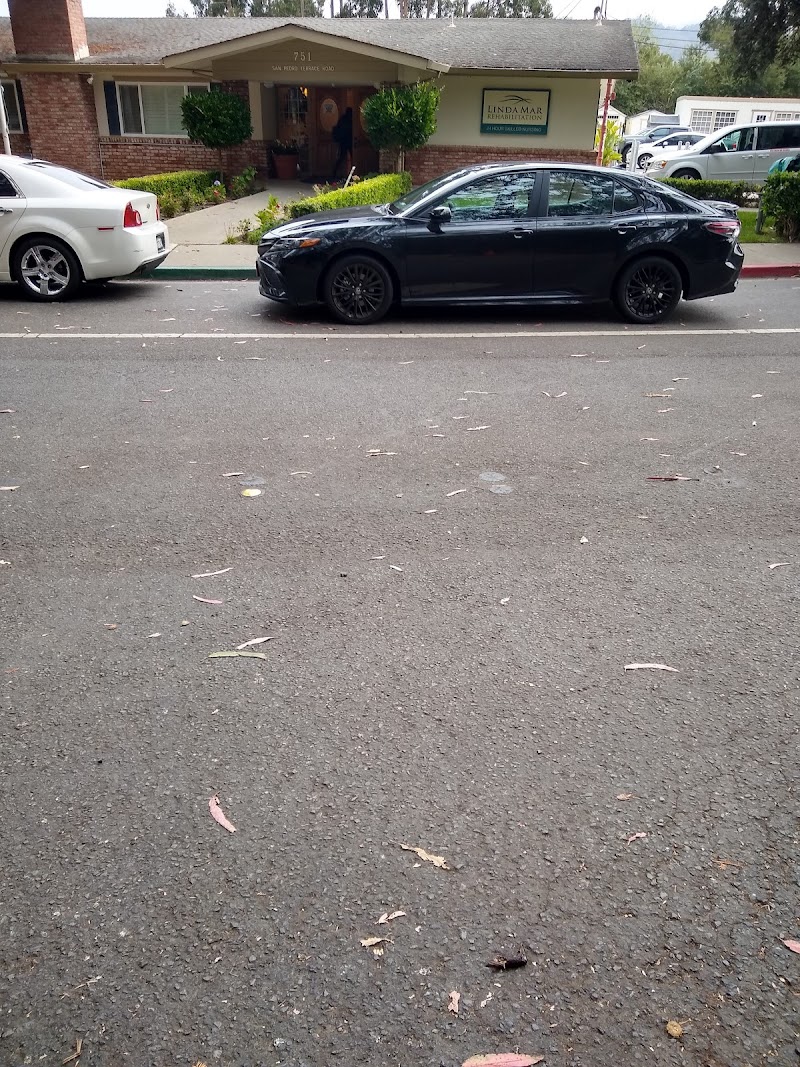
LINDA MAR CARE CENTER
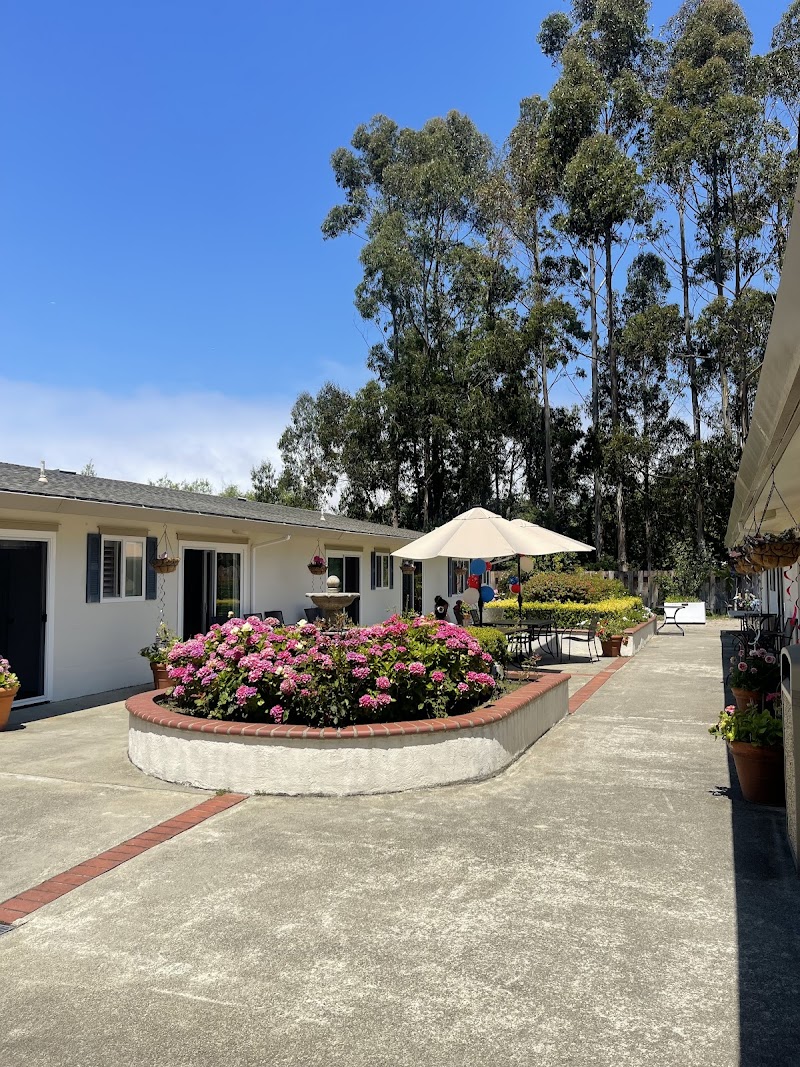
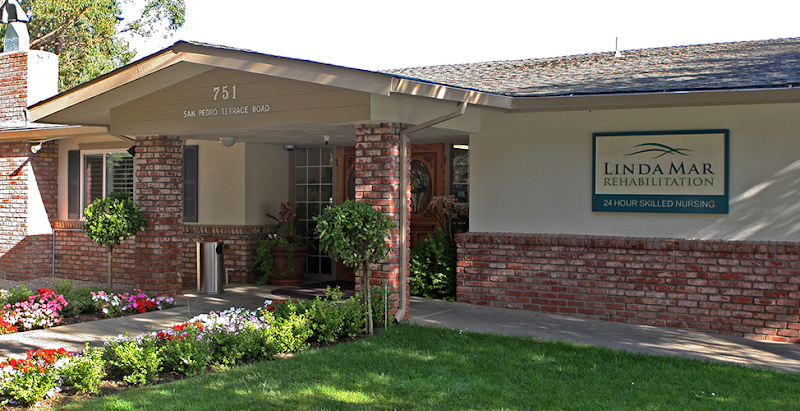
751 SAN PEDRO TERRACE ROAD, PACIFICA, CA 94044 (650) 359-4800
For profit - Corporation 59 Beds NAHS Data: November 2025
Trust Grade
85/100
#117 of 1155 in CA
Last Inspection: January 2025

Within standard 12-15 month inspection cycle. Federal law requires annual inspections.

Overview

Linda Mar Care Center in Pacifica, California has a Trust Grade of B+, indicating it is recommended and above average among nursing homes. It ranks #117 out of 1,155 facilities in California, placing it in the top half, and #2 out of 14 in San Mateo County, meaning only one local facility is rated higher. However, the facility's trend is worsening, with issues increasing from 3 in 2024 to 6 in 2025. Staffing is rated 4 out of 5, which is good, but the turnover rate of 49% is concerning, as it exceeds the state average. Fortunately, the center has not incurred any fines and boasts more RN coverage than 90% of California facilities, ensuring better oversight for residents. Despite these strengths, there are notable weaknesses. Recent inspections revealed that the Dietary Manager was not properly qualified, which could lead to inadequate food service supervision for the residents. Additionally, the facility failed to implement a water management program to prevent the spread of Legionella bacteria, posing potential health risks. Lastly, there were issues with food safety practices, as some staff members did not wear appropriate hair restraints while preparing food, which could lead to contamination.

Trust Score
B+
85/100
In California
#117/1155
Top 10%
Safety Record
Low Risk
No red flags
Inspections
Getting Worse
3 → 6 violations
Staff Stability
⚠ Watch
49% turnover. Above average. Higher turnover means staff may not know residents' routines.
Penalties
✓ Good
No fines on record. Clean compliance history, better than most California facilities.
Skilled Nurses
✓ Good
Each resident gets 55 minutes of Registered Nurse (RN) attention daily — more than average for California. RNs are trained to catch health problems early.
Violations
⚠ Watch
18 deficiencies on record. Higher than average. Multiple issues found across inspections.
★★★★★
5.0
Overall Rating
★★★★☆
4.0
Staff Levels
★★★★★
5.0
Care Quality
★★★★☆
4.0
Inspection Score
Stable
2024: 3 issues
2025: 6 issues

The Good

  • 4-Star Staffing Rating · Above-average nurse staffing levels
  • 5-Star Quality Measures · Strong clinical quality outcomes
  • Full Sprinkler Coverage · Fire safety systems throughout facility
  • No fines on record

Facility shows strength in staffing levels, quality measures, fire safety.

The Bad

Staff Turnover: 49%

Near California avg (46%)

Higher turnover may affect care consistency

Chain: NAHS

Part of a multi-facility chain

Ask about local staffing decisions and management

The Ugly 18 deficiencies on record

Jan 2025 6 deficiencies
CONCERN (D)

Potential for Harm - no one hurt, but risky conditions existed

Comprehensive Care Plan (Tag F0656)

Could have caused harm · This affected 1 resident

Based on observation, interview and record review, the facility failed to develop and implement comprehensive care plans that included measurable objectives and specific interventions for one of 12 sa...

Read full inspector narrative →
Based on observation, interview and record review, the facility failed to develop and implement comprehensive care plans that included measurable objectives and specific interventions for one of 12 sampled residents (Resident 143) when a care plan was not developed to address Resident 143's right-sided hearing loss. This failure was likely to fail to meet Resident 143's nursing needs and goals to attain the resident's highest practicable well-being. Findings: Review of Resident 143's clinical record indicated, Resident 143 was admitted to the facility with diagnoses including nontraumatic intracerebral hemorrhage (Bleeding within the brain that occurs without trauma, a type of stroke), hypertension (high blood pressure), and generalized muscle weakness. Review of Resident 143's Minimum Data Set (MDS, a federally mandated resident assessment tool) dated 1/10/25 indicated, Resident 143 was cognitively intact. During a concurrent observation and interview on 1/21/25 at 12:28 p.m., with Resident 143 in his room, Resident 143 stated, he was deaf in his right ear and asked this surveyor to speak to his left ear. There was no hearing aid in his right ear. Resident 143 stated, he was waiting for an ear doctor to check his right ear when asked why he was not wearing a hearing aid. During a concurrent observation and interview on 1/24/25 at 2:21 p.m., with Social Services Director (SSD) in her office, residents' appointment schedules on the board on the wall were observed. But Resident 143's name was not on the list. SSD stated, she was the one who scheduled appointments for residents when asked. During a concurrent interview and record review on 1/24/25 at 2:23 p.m., with SSD, Resident 143's document titled, Facility Bulletin Board dated 1/10/25 was reviewed. The bulletin board indicated, REQUESTING A SCHEDULED ENT (ear, nose, and throat: An ENT is a doctor who specializes in diagnosing and treating conditions of the ear, nose, and throat) APPT (appointment). SSD stated, Resident 143 did not mention his right ear's hearing loss to her until 1/10/25. SSD stated, she talked to Resident 143's doctor, and waited for the medical necessity from the doctor before scheduling an appointment with ENT. Resident 143's care plans were also reviewed. But there was no care plan for Resident 143's right ear's hearing loss. SSD stated, Nothing specific to the ear when asked if there was a care plan for the hearing loss. SSD stated, That's correct when asked again if she was the one who makes an appointment. During an interview on 1/27/25 at 9:36 a.m., with Licensed Vocational Nurse (LVN) 1, LVN 1 stated, Yes when asked if Resident 143 was deaf in his right ear. She stated, I was speaking to his left ear, when asked how she communicated with Resident 143. During a concurrent interview and record review on 1/27/25 at 9:37 a.m., with LVN 1, Resident 143's document titled, admission Summary dated 1/3/25 and Medical Visit 2.0 - V2 (doctor's note) dated 1/4/25 were reviewed. The admission summary indicated, . States hard of hearing to right ear due to ear wax build up . The doctor's note indicated, . decreased hearing r (right) cerumen . (earwax) . LVN 1 stated, Resident 143 had earwax in his right ear, and that's why Resident 143 had the hearing issue after reviewing the documents. LVN 1 stated, No care plan before the 24th (of January 2025) . when asked about Resident 143's care plan regarding his hearing loss in his right ear. During an interview on 1/27/25 at 9:56 a.m., with Director of Nursing (DON), DON acknowledged, they had updated Resident 143's care plan after this surveyor found that there was no care plan for Resident 143's hearing issue in his right ear on 1/24/25. DON stated, There was no care plan for communication when asked again if there was care plan until 1/24/25. DON stated, they irrigated Resident 143's right ear, then he stated that his hearing was ok, then he told DON that morning that his right ear was still bothering him. DON stated, SSD still needed to arrange Resident 143 with an ENT doctor. During an interview on 1/27/25 at 10:07 a.m., with SSD, SSD stated, she referred Resident 143 to the ENT on 1/24/25 after she was interviewed by this surveyor. SSD stated, the ENT doctor's office confirmed that they received the referral, so she would follow up to schedule an appointment for Resident 143. Review of the facility's policy and procedure (P&P) titled, ADMINISTRATIVE MANUAL revised in July 2024 indicated, . 1. Social services includes items such as . c. Arranging ancillary (providing necessary support to the primary activities or operation of an organization, institution, industry, or system) services that residents need such as . hearing . services . 3. Factors that have a potentially negative effect on psychosocial functioning include . d. Disability or loss of function . 4. Social services staff will be responsible for coordinating resident referrals to outside agencies . Review of the facility's P&P titled, Care Plans, Comprehensive Person-Centered revised in February 2024 indicated, . A comprehensive, person-centered care plan that includes measurable objectives and timetables to meet the resident's physical, psychosocial and functional needs is developed and implemented for each resident . 2. The care plan interventions are derived from a thorough analysis of the information gathered as part of the comprehensive assessment .
CONCERN (D)

Potential for Harm - no one hurt, but risky conditions existed

Food Safety (Tag F0812)

Could have caused harm · This affected 1 resident

Based on observation, interview, and record review, the facility failed to ensure safe and sanitary condition was met for food storage in the kitchen when there was one pack of expired frankfurters (a...

Read full inspector narrative →
Based on observation, interview, and record review, the facility failed to ensure safe and sanitary condition was met for food storage in the kitchen when there was one pack of expired frankfurters (a seasoned smoked sausage made of beef and pork) in the freezer. This failure was likely to result in putting a resident at risk for foodborne illnesses. Findings: During a concurrent observation and interview on 1/21/25 at 10:03 AM with Dietary Manager (DM) in the kitchen, there was one pack of frankfurters with date of 11/11/24 in the freezer. DM stated, the pack was received on 11/11/24 when asked what the date meant. DM stated, 1-2 months would be okay when asked how long it would be safe to store it in the freezer. DM stated, Yes when asked if the frankfurters were expired. Review of the facility's document titled, Food Storage Chart -Frozen Foods dated 2023 indicated, the recommended storage time for frozen frankfurters was for 1-2 months. The Federal Food Code 2022 describes foodborne illness. The Food Code indicates, . Foodborne illness in the United States is a major cause of personal distress, preventable illness and death . Most foodborne illnesses occur in persons who are not part of recognized outbreaks. For many victims, foodborne illness results only in discomfort or lost time from the job. For some, especially . older adults in health care facilities, and those with impaired immune systems, foodborne illness is more serious and may be life threatening . Epidemiological (relating to the branch of medicine which deals with the incidence, distribution, and control of diseases) outbreak data repeatedly identify five major risk factors related to employee behaviors and preparation practices in . food service establishments as contributing to foodborne illness: . Improper holding temperatures, . Inadequate cooking, such as undercooking raw shell eggs, . Contaminated equipment, . Food from unsafe sources, and . Poor personal hygiene .
CONCERN (D)

Potential for Harm - no one hurt, but risky conditions existed

Medical Records (Tag F0842)

Could have caused harm · This affected 1 resident

Based on interview and record review, the facility failed to accurately assess one out of two sampled resident's (Resident 32) primary language. This failure has the potential for a resident to not m...

Read full inspector narrative →
Based on interview and record review, the facility failed to accurately assess one out of two sampled resident's (Resident 32) primary language. This failure has the potential for a resident to not meet their highest practicable physical, functional, mental, and psychosocial well-being due to a language barrier. Findings: A review of Resident 32's face sheet (front page of the chart that contains a summary of basic information about the resident), dated 01/24/25, indicated that Resident 32's primary language is English. During an interview on 01/22/25 at 9:56 a.m., with Resident 32, Resident 32 stated that she speaks primarily Spanish and that she is happy with staff but they often don't use a translator to speak to her. During an interview on 01/23/25 at 10:07 a.m., with Certified Nursing Assistant (CNA) 1, CNA 1 stated that she can communicate with Resident 32 because I speak Spanish so she explains things and talks to Resident 32 in Spanish. During an interview on 01/24/25 at 2:27 p.m., with Licensed Vocational Nurse (LVN) 2, LVN 2 stated that she communicates with Resident 32 verbally in English .for the basic things but will get someone to translate for more complex assessments or needs. During a concurrent interview and record review on 01/24/25 at 2:39 p.m., with LVN 2, Resident 32's care plan for impaired communication, initiated on 03/07/24, was reviewed. The care plan indicated that Resident 32's IMPAIRED COMMUNICATION was MANIFESTED BY .[RESIDENT 32] DOES NOT COMMUNICATE IN FACILITIY'S PRIMARY-LANGUAGE - SPANISH-SPEAKER. LVN 2 stated that Resident 32 speaks Spanish. During a concurrent interview and record review on 01/24/25 at 4:29 p.m., with the Director of Nursing (DON), Resident 32's Quarterly Minimum Data Set (MDS, a federally mandated resident assessment tool), dated 12/13/24, was reviewed. The Quarterly MDS indicated that Resident 32's preferred language is English. The DON stated that this is an accurate assessment of Resident 32's language preference. During a concurrent interview and record review on 01/24/25 at 4:29 p.m., with the DON, Resident 32's care plan for impaired communication, initiated on 03/07/24, was reviewed. The care plan indicated that Resident 32's IMPAIRED COMMUNICATION was MANIFESTED BY .[RESIDENT 32] DOES NOT COMMUNICATE IN FACILITIY'S PRIMARY-LANGUAGE - SPANISH-SPEAKER. The DON stated that this was inaccurately documented if you update it for today.
CONCERN (E)

Potential for Harm - no one hurt, but risky conditions existed

Deficiency F0887 (Tag F0887)

Could have caused harm · This affected multiple residents

Based on interview and record review, facility failed to ensure that the resident or the resident representative was provided education about the benefits, risks, and potential side effects associated...

Read full inspector narrative →
Based on interview and record review, facility failed to ensure that the resident or the resident representative was provided education about the benefits, risks, and potential side effects associated with the COVID-19 (an infectious virus) vaccine in 4 out of 5 sampled residents (Resident 16, 12, 142 and 92) This failure has the potential for residents to accept vaccination without fully informed consent or decline vaccination due to a lack of knowledge about the COVID-19 vaccine. Findings: A review of facility policy and procedure (P&P) titled, Corona Virus Disease (COVID-19) - Vaccination of Residents, last revised 05/2023, indicated that COVID-19 vaccine education, documentation, and reporting are overseen by the infection preventionist and coordinated by his or her designee .Before the COVID-19 vaccine is offered, the resident is provided with education regarding the benefits, risks, and potential side effects associated with the vaccine .The resident's medical record includes documentation that indicates, at a minimum, the following: a. That the resident or resident representative was provided education regarding the benefits and potential risks associated with COVID-19 vaccine, including: (1) samples of the educational materials used; (2) the date the education took place; and (3) the name of the individual who received the education . A review of Resident 12's electronic COVID-19 Immunization record, dated 09/24/24, indicated an answer of no for the section education provided. During a concurrent interview and record review on 01/24/25 at 1:07 p.m., with the Infection Preventionist (IP), Resident 12's consent form, titled Consent for COVID-19 Vaccine, dated 09/24/24, was reviewed. The consent form indicated that Resident 12's Responsible Party (RP, person responsible for making health care decisions when the resident is unable to make said health care decisions for themselves) declined COVID-19 vaccination. The consent form further indicated that the section indicating Yes, I have been educated and provided with and have had sufficient opportunity to review the COVID-19 'FACT SHEET' which includes information about the COVID-19 disease the vaccine I am being offered . was unchecked. The IP stated that the line that education was provided should be checked regardless of if the Resident or RP consented to or declined vaccination. A review of Resident 16's electronic COVID-19 Immunization record, dated 12/23/24, indicated an answer of no for the section education provided. During a concurrent interview and record review 01/24/25 at 1:15 p.m., with the IP, Resident 16's consent form, titled Consent for COVID-19 Vaccine, dated 12/20/24, was reviewed. The consent form indicated that Resident 16 declined the COVID-19 vaccination. The consent form further indicated that the section indicating Yes, I have been educated and provided with and have had sufficient opportunity to review the COVID-19 'FACT SHEET' which includes information about the COVID-19 disease the vaccine I am being offered . was unchecked. The IP stated that since line is unchecked, I don't know if they did it [the education]?. A review of Resident 142's electronic COVID-19 Immunization record, dated 01/14/25, indicated an answer of no for the section education provided. During a concurrent interview and record review 01/24/25 at 1:11 p.m., with the IP, Resident 142's consent form, titled Consent for COVID-19 Vaccine, dated 01/11/25, was reviewed. The consent form indicated that Resident 142 declined the COVID-19 vaccination. The consent form further indicated that the section indicating Yes, I have been educated and provided with and have had sufficient opportunity to review the COVID-19 'FACT SHEET' which includes information about the COVID-19 disease the vaccine I am being offered . was unchecked. The IP stated that that section should be checked. A review of Resident 92's electronic COVID-19 Immunization record, dated 01/16/25, indicated an answer of no for the section education provided. During a concurrent interview and record review 01/24/25 at 1:22 p.m., with the IP, Resident 92's consent form, titled Consent for COVID-19 Vaccine, dated 01/15/25, was reviewed. The consent form indicated that Resident 92 declined the COVID-19 vaccination. The consent form further indicated that the section indicating Yes, I have been educated and provided with and have had sufficient opportunity to review the COVID-19 'FACT SHEET' which includes information about the COVID-19 disease the vaccine I am being offered . was unchecked. The IP stated that this form is indicative that education was not provided.
CONCERN (F)

Potential for Harm - no one hurt, but risky conditions existed

Deficiency F0801 (Tag F0801)

Could have caused harm · This affected most or all residents

Based on interview, and record review, the facility failed to ensure the Certified Dietary Manager (CDM), the position responsible for supervision of daily food service operations, was fully qualified...

Read full inspector narrative →
Based on interview, and record review, the facility failed to ensure the Certified Dietary Manager (CDM), the position responsible for supervision of daily food service operations, was fully qualified when he did not have a dietetics manager's certification prior to assuming his full-time duty at the facility. This failure was likely to result in inadequate supervision of the dietary department for 42 residents who ate food from the kitchen out of a census of 42. Findings: State of California Health and Safety Code 1265.4(b)(4) describes the required qualifications for the full-time Dietetic Service Supervisor (DSS). The Statue indicates a DSS shall have completed dietetic services training program approved by the Dietary Managers Association and is a certified dietary manager credentialed by the Certifying Board of the Dietary Managers Association, and maintains this certification prior to assuming full-time duties as a dietetic services supervisor at the health facility. During an interview on 1/21/25 at 9:28 a.m., with Dietary Manager (DM), DM introduced himself as a dietary manager. During a concurrent interview and record review on 1/23/25 at 10:37 a.m., with DM, DM did not provide evidence of a credential (a qualification such as certification) for certified dietary manager (CDM) when asked. DM instead provided a letter from University of OOOOO (name of the university) The letter indicated, . This letter serves as confirmation that ****** (DM's name) successfully completed the University of OOOOO (name of the university)'s Dietary Manager Course. The dates of enrollment were 4/17/2023 - 1/14/2025. The Dietary Manager Course provided 120 hours of classroom education and 150 hours of filed work for a total of 270 contact hours . DM stated, Currently no when asked if he has the credential for CDM. DM stated, he needs to take a final test to get the CDM certification. DM stated, he started his role full time on 5/23/24, almost 8 months ago. DM stated, he was the facility's cook before becoming the dietary manager. During an interview on 1/23/25 at 11:00 a.m., with Registered Dietitian (RD), RD stated, she works full time for the cooperation and part time for the facility. RD stated, she was precepting DM. RD stated, there is also another RD. RD stated, she or another RD visits to the facility at least twice a week. During an interview on 1/23/25 at 12:36 p.m., with RD, RD stated, DM needs to be approved by Association of food and nutrition professionals before he applies for the exam to get his CDM certificate. During an interview on 1/23/25 at 4:15 p.m., with Administrator (ADM), ADM stated, He is not the kitchen manager, when asked about DM. ADM stated, DM was the dietary supervisor. ADM acknowledged, the facility did not have a certified dietary manager at this time. Review of the facility's document titled, Lindar Mar Care Center Organization Chart undated indicated, Registered Dietitian is under ADM and supervises the director of dietary services. The organization chart also indicated, the dietary manager was under the director of dietary services. Review of DM's JOB DESCRIPTION dated 5/23/24 indicated, JOB TITLE: Dietary Manager . The Dietary Manager assists the Dietary Director with the planning, organizing, and day-to-day operations of the Dietary Department and food services within the facility in accordance with current federal, state, and local standards, guidelines, and regulations. The Dietary Manager ensures that quality dietary services are provided daily, and that the dietary department is maintained in a clean, safe, and sanitary manner . Collaborates with Dietitian . Supervises, trains, and schedules dietary personnel to maintain sufficient and competent dietary department . The job description indicated, it was signed by ADM and DM on 5/23/24.
MINOR (B)

Minor Issue - procedural, no safety impact

Deficiency F0912 (Tag F0912)

Minor procedural issue · This affected multiple residents

**NOTE- TERMS IN BRACKETS HAVE BEEN EDITED TO PROTECT CONFIDENTIALITY** Based on observation, interview and record review, the facility did not ensure that residents in multiple resident bedrooms had ...

Read full inspector narrative →
**NOTE- TERMS IN BRACKETS HAVE BEEN EDITED TO PROTECT CONFIDENTIALITY** Based on observation, interview and record review, the facility did not ensure that residents in multiple resident bedrooms had at least 80 square feet of living space per resident (sq ft/resident) for 14 of 21 bedrooms (Rooms 108, 110, 111, 112, 113, 114, 115, 116, 117, 118, 119, 120, 121 and 122). This failure has the potential for residents to not to have enough appropriate space for the provision of care or daily living. Findings: A review of facility-submitted entrance documents (documents provided by the facility as part of their re-certification), titled Does not meet requirement for 80ft, undated, indicated that the following rooms do not meet the square footage requirement of 80 sq ft/resident, Rooms #108, #110, #111, #112, #113, #114, #115, #116, #117, #118, #119, #120, #121 and #122. During an interview on 01/27/25 at 9:07 a.m., with Resident 18 in room [ROOM NUMBER], Resident 18 was asked how the space was in their room. Resident 18 stated, it's okay During an observation on 01/27/25 at 9:08 a.m., in room [ROOM NUMBER], Resident 3 was observed able to propel themself in their wheelchair from inside the room to the corridor independently without issue. During an interview on 01/27/25 at 9:15 a.m., with Resident 16 in room [ROOM NUMBER], Resident 16 was asked about his room. Resident 16 stated it's great and his belongings fits just right. Resident 16 stated that everything fits good and he denied any issues with his room size. During a concurrent observation and interview on 01/27/25 at 9:22 a.m., with Resident 9, in room [ROOM NUMBER], Resident 9 was observed independently propelling self in their wheelchair into the room and reposition at the side of their bed. Resident 9 stated that his wheelchair can fit in and out of the room fine. During a concurrent observation and interview on 01/27/25 at 12:05 p.m., with the Director of Maintenance (DOM), in room [ROOM NUMBER], the DOM was observed measuring the room with a tape measure. The DOM stated the room measured at about 18.25 feet by 13 feet. With three resident beds, this room provided about 79.08 sq ft/resident. During a concurrent observation and interview on 01/27/25 at 12:07 p.m., with the DOM, in room [ROOM NUMBER], the DOM was observed measuring the room with a tape measure. The DOM stated the room measured at about 18.5 feet by 12.75 feet. With three resident beds, this room provided about 78.63 sq ft/resident.
May 2024 2 deficiencies
CONCERN (D) 📢 Someone Reported This

A family member, employee, or ombudsman was alarmed enough to file a formal complaint

Potential for Harm - no one hurt, but risky conditions existed

Report Alleged Abuse (Tag F0609)

Could have caused harm · This affected 1 resident

Deficiency Text Not Available

Read full inspector narrative →
Deficiency Text Not Available
CONCERN (D) 📢 Someone Reported This

A family member, employee, or ombudsman was alarmed enough to file a formal complaint

Potential for Harm - no one hurt, but risky conditions existed

Accident Prevention (Tag F0689)

Could have caused harm · This affected 1 resident

**NOTE- TERMS IN BRACKETS HAVE BEEN EDITED TO PROTECT CONFIDENTIALITY** Based on interview and record review, the facility failed to provide adequate supervision and interventions for one of three res...

Read full inspector narrative →
**NOTE- TERMS IN BRACKETS HAVE BEEN EDITED TO PROTECT CONFIDENTIALITY** Based on interview and record review, the facility failed to provide adequate supervision and interventions for one of three residents ( Resident 1) when: Resident 1, extensive assist with bed mobility per MDS section G, rolled out of bed during incontinent care. This failure resulted in Resident 1 hitting the side of the table and sustained laceration on the forehead. Findings: During a review on 5/7/24 at 10 AM, of admission Record, dated 5/7/24, indicated, admitted to facility on 4/26/23 with diagnoses including: Congestive Heart Failure (a condition in which the heart does not pump as it should), Atrial Fibrillation (an irregular heartbeat that causes heart to beat too quickly), Abnormalities with Gait and Mobility(abnormal walking and movement).Resident discharged to acute 5/10/23. During an interview on 5/7/24 at 10:48 AM, with CNA, per CNA who have worked at facility for 14 years, to prevent falls, put bed on low position, mattress on the floor, read the fall sticker or dot on the patient ' s bed or wheelchair, that indicates patient I s fall risk. Meeting every day at 11 am, they talk about Fall risks patients .involve activities. If patient falls, do not touch the patient till assessed by Licensed Nurse and tells us what to do next. During an interview on 5/7/24 at 11:43AM, with Director of Nursing (DON), per DON, the patient had a fall, unwitnessed fall in the room and nurse found him on the floor at change of shift. Patient admitted on [DATE], had been here before, alert and oriented, more debilitated from last time. admitted for short term rehab, plans to go back to group home. Daughter is emergency contact #1. Per DON, when asked for the report to state agency and Ombudsman, per DON, not reportable, it ' s a minor injury only a laceration. Will know the extent when patient is seen in the hospital. Patient was sent to ER on [DATE]. Per DON, the daughter called her and told her that her dad was sent home from ER with Home Health. Per DON daughter upset with facility for sending him to ER, concerned about ambulance bill. Hearing aid is kept in the medication cart for safe keeping, since it was early, 911 came already, patient left without the hearing aid. No documentation found of reporting incident to state agency and Ombudsman. Review of PT Evaluation and Plan of Treatment dated 4/27/23, Start of Care is 4/27/23, total dependence with bed mobility and transfers. PT discharge Summary, indicated, Total dependence with bed mobility and transfers. Review of OT Evaluation and Plan of Treatment, indicated, start of care is 4/28/23. Reason for referral/Current Illness: Patient referred to OT due to new onset of compromised physical exertion level during activity, decreased functional mobility and functional limitation with self-care. Vision: patient wears glasses 24 hrs (needs glasses replaced by VA). Review of SLP Evaluation and Plan of Care indicated, start of care is 5/1/23. Cognition: Alertness = Intact, Oriented to person, place, time, purpose and caregivers. Problem Solving: Mild, Memory: mild. During an interview on 5/7/24 at 12:30PM, with Licensed Vocational Nurse (LVN), per LVN, she remembers patient, she was a new nurse. CNA reported that he turned patient to the side to change his diaper, hit the bedside table, rolled out of bed. Patient was alert and verbally responsive, no behavior. Walked in and assess the body, took Vital Signs, he is on blood thinner, was bleeding in the forehead, in the middle. Patient was not unresponsive, no loss of consciousness, I called 911. Protocol to call the DON on every fall. After assessment, patient put back to bed using Hoyer lift, usually two people but don ' t remember how many people were there. DON called the family. During a review of MD orders, MD order indicated, Eliquis Oral tab 2.5 mg give 1 tablet every 12 hours related to Paroxysmal Atrial Fibrillation. Hold if SBP below 100 or Pulse below 60. Review of Untitled Progress notes, dated 5/10/23 at 8:30 AM, indicated, Resident with incident of rolling off bed during incontinent care with CNA. CNA stated, while providing care to resident, resident was turned on his side with minimal assistance .while retrieving linen from bedside table, resident begun moving further towards edge of opposite side of bed and rolled over the edge before he could reach him. CNA stated prior to incident, resident was noted to have increased confusion .he stayed with resident student nurses came to the room and reported incident to charge nurse. After nurse assessment, resident was transferred back to bed and 911 was called. CNA educated going forward when providing care to resident to have stuff secondary to resident ' s impulsiveness. CNA involved not available per DON. Out of the country from 4/30/24 to 6/1/24. Unable to interview. Review of MDS Section C- dated 5/3/23, indicated, BIMS Score - 13, no cognitive impairment. Review of MDS Section G- Functional Status, dated 5/3/23, indicated, 3= extensive assist for bed mobility, transfers, walk, locomotion, eating and toilet use. Support= 2, means one person physical assist. Review of facility document, Fall Risk Assessment, dated 4/26/23, Score- 16. High Risk. Review of facility document. Care Plan, dated 4/26/23, At risk for falls and injuries due to decline in function, impaired mobility .Intervention: Identify resident ' s needs . staff anticipates and attends to needs. Keep environment hazard free. Fall Risk care plan does not address visual deficit. Review of undated facility Policy and Procedure, Accidents and Incidents, indicated. All accidents or incidents involving residents, employees, visitors, vendors, etc. occurring on our premises shall be investigated and reported to the Administrator. 1. The Nurse Supervisor/Charge Nurse and /or the department director or designee shall promptly initiate and document investigation of the accident or incident No Investigation Summary found/sent to State agency office. Review of facility Policy and Procedure, Falls and Fall Risk, Managing, dated 3/2019, indicated, Based on previous evaluations and current data, the staff will identify interventions related to the resident ' s specific risks and causes to try to prevent the resident from falling and to try to minimize complications from falling. Fall Risk Factors: 2. Residents conditions that may contribute to the risk of falls may include: 1. Visual deficits . Resident-Centered Approaches to Managing Falls and Fall Risk: 1. The staff, with the input of the attending physician, will implement a resident-centered fall prevention plan to reduce the specific risk factor(s) of falls for each resident at risk or with history of falls.
Mar 2024 1 deficiency
CONCERN (D) 📢 Someone Reported This

A family member, employee, or ombudsman was alarmed enough to file a formal complaint

Potential for Harm - no one hurt, but risky conditions existed

Deficiency F0912 (Tag F0912)

Could have caused harm · This affected 1 resident

**NOTE- TERMS IN BRACKETS HAVE BEEN EDITED TO PROTECT CONFIDENTIALITY** Based on observation, interview and record review, the facility failed to ensure one of 21 shared resident bedrooms (room [ROOM ...

Read full inspector narrative →
**NOTE- TERMS IN BRACKETS HAVE BEEN EDITED TO PROTECT CONFIDENTIALITY** Based on observation, interview and record review, the facility failed to ensure one of 21 shared resident bedrooms (room [ROOM NUMBER]) measured at least 80 square feet (sq ft) per resident, was included on the facility's approved waiver. This failure had the potential for an inadequate space for provision of resident cares. Findings: On 3/5/24 an announced facility visit was conducted to investigate a resident complaint regarding Resident 1 and his facility bedroom size. During a review of Resident 1's medical record it indicated his room was room [ROOM NUMBER]B on 3/11/23. During an interview on 3/5/24 at 10:32 AM with the Director of Staff Development (DSD), she confirmed Resident 1's room was room [ROOM NUMBER]B. She further stated the facility had no known complaints of rooms being too small, even the rooms which have an approved waiver for resident use, measuring under 80 sq ft per resident. During a concurrent observation and interview on 3/5/24 at 10 AM, with the Maintenance Director 1 (MD 1), three beds, 108A, 108B and 108C, were observed. MD 1 stated they had a room waiver for several facility rooms, which he believed included room [ROOM NUMBER]. The Administrator provided a certified document which granted a room waiver dated April 4, 2018, which indicated the following rooms were approved for resident use and measuring under 80 sq ft per resident. The following rooms were included on the approved room waiver: Rooms 110, 111, 112, 113, 114, 115, 116, 117, 118, 119, 120, 121, and 122. room [ROOM NUMBER] was not listed as approved on the waiver. During a concurrent observation and interview at on 3/5/24 at 10:15 AM, MD 1 measured room [ROOM NUMBER]. MD 1 provided the following documented room measurement for room [ROOM NUMBER] which indicated it was under the square footage requirement of 80 square feet per resident. Room# 108 Occupancy 3 residents Required/Actual Sq Ft 240/236.47 Sq Ft/Resident 78.82 During an interview with the Administrator on 3/5/24 at 10:45 AM, she confirmed room [ROOM NUMBER] was below the 80 sq ft/resident requirement. The Administrator further stated room [ROOM NUMBER] did not have a waiver for resident use under 80 sq ft per resident.
Nov 2023 4 deficiencies
CONCERN (D)

Potential for Harm - no one hurt, but risky conditions existed

Resident Rights (Tag F0550)

Could have caused harm · This affected 1 resident

Based on observation, record review, interviews, and review of facility policies, the facility failed to ensure staff maintained 1 (Resident #196) of 2 sampled residents' dignity when staff did not en...

Read full inspector narrative →
Based on observation, record review, interviews, and review of facility policies, the facility failed to ensure staff maintained 1 (Resident #196) of 2 sampled residents' dignity when staff did not ensure the resident's unclothed body was not partially exposed to staff and other residents in the hallway during transport to the shower room. Findings included: A review of a facility policy titled, Quality of Life - Dignity, revised in February 2023, revealed, Each resident shall be cared for in a manner that promotes and enhances his or her sense of well-being, level of satisfaction with life, feeling of self-worth and self-esteem. The policy specified, 1. Residents are treated with dignity and respect at all times and 10. Staff promote, maintain and protect resident privacy, including bodily privacy during assistance with personal care and during treatment procedures. A review of a facility policy titled Shower, revised in February 2023, revealed, 4. When transporting the resident to and from the shower area, make sure that the resident is covered and his or her privacy is maintained. A review of Resident #196's admission Record revealed the facility admitted the resident on 11/02/2023 with diagnoses that included encephalopathy and muscle weakness. A review of Resident #196's care plan initiated on 11/02/2022, indicated the resident was not able to safely and properly perform self-care and required assistance with activities of daily living (ADLs). During an observation on 11/08/2023 at 10:16 AM, the surveyor observed as Certified Nurse Aide (CNA) #4 wheeled Resident #196 in the shower chair down the hall to the shower room. The resident was covered loosely with a blanket around their shoulders. The resident's right hip and leg were completely exposed as they were wheeled into the shower room. Several staff and residents stood in the hallway. During an interview on 11/08/2023 at 10:40 AM, Licensed Vocational Nurse (LVN) #1 stated when a resident was transported down the hallway in a shower chair, she expected the resident to have a shower poncho on, and she expected staff to ensure the resident was fully covered with no exposed skin. During an interview on 11/08/2023 at 10:50 AM, CNA #4 stated he did not realize Resident #196's right side was exposed as he took the resident into the shower room. CNA #4 stated residents should be covered when they are moved down the hallway. During an interview on 11/08/2023 at 1:10 PM, the Director of Nursing (DON) stated staff should transfer the resident into the shower chair, make sure they are fully covered with no exposed skin, and push them down the hallway to the shower room. The DON said residents' dignity should always be respected. During an interview on 11/08/2023 at 1:39 PM, the Administrator stated every resident should be treated with dignity. The Administrator stated she expected residents to be fully covered when being transported to the shower room. During an interview on 11/08/2023 at 2:51 PM, Resident #196 stated they thought CNA #4 made sure they were covered. Resident #196 reported they did not want to be going down the hall with their unclothed body exposed.
CONCERN (D)

Potential for Harm - no one hurt, but risky conditions existed

Assessment Accuracy (Tag F0641)

Could have caused harm · This affected 1 resident

Based on interviews, record review, and facility policy review, the facility failed to accurately code a Minimum Data Set (MDS) for 1 (Resident #96) of 12 sampled residents. Specifically, Resident #96...

Read full inspector narrative →
Based on interviews, record review, and facility policy review, the facility failed to accurately code a Minimum Data Set (MDS) for 1 (Resident #96) of 12 sampled residents. Specifically, Resident #96's MDS did not indicate the resident received hospice care. Findings included: A review of a facility policy titled, Comprehensive Assessments and the Care Delivery Process, revised in February 2023, revealed, Comprehensive assessments will be conducted to assist in developing person-centered care plans. The policy specified, 1. Comprehensive assessments, care planning and the care delivery process involve collecting and analyzing information, choosing and initiating interventions, and then monitoring results and adjusting interventions. 2. Assessment and information collection includes. The objective of the information collection (assessment) phase is to obtain, organize, and subsequently analyze information about a patient. A review of Resident #96's admission Record revealed the facility most recently admitted Resident #96 on 08/07/2023 with diagnoses that included pneumonia and Alzheimer's disease. A review of Resident #96's Order Summary Report, with active orders as of 11/08/2023, revealed an order dated 08/31/2023, which indicated Resident #96 was admitted to hospice services. Review of Resident #96's care plan initiated on 09/01/2023, indicated the resident was admitted to hospice services due to a terminal diagnosis of Alzheimer's disease. A review of Resident #96's significant change in status Minimum Data Set (MDS), with an Assessment Reference Date (ARD) of 09/07/2023, revealed Resident #96 did not receive hospice care. During an interview on 11/08/2023 at 1:06 PM, the Director of Nursing (DON) acknowledged she signed off on the accuracy of the MDS assessments, and she expected them to be accurate. The DON stated the importance of accurate MDS assessments was that they were used to determine the focused care areas for the residents. According to the DON, she reviewed Resident #96's assessment and missed coding that resident received hospice care. During an interview on 11/08/2023 at 2:00 PM, the Administrator stated she expected MDS assessments to be accurate. Per the Administrator, the MDS assessment information was used to develop appropriate care plans to provide specific care to the residents.
CONCERN (D)

Potential for Harm - no one hurt, but risky conditions existed

Deficiency F0698 (Tag F0698)

Could have caused harm · This affected 1 resident

Based on record review, interviews, and facility policy review, the facility failed to maintain records of ongoing communication with a dialysis clinic for 1 (Resident #39) of 1 sampled resident revie...

Read full inspector narrative →
Based on record review, interviews, and facility policy review, the facility failed to maintain records of ongoing communication with a dialysis clinic for 1 (Resident #39) of 1 sampled resident reviewed for dialysis. Findings included: A review of the facility policy titled, Dialysis care, revised 05/11/2023, revealed, Purpose To provide care guidelines for the resident who receives dialysis at another facility. Policy This facility assures that each resident receives care and services for the provision of hemodialysis and/or peritoneal dialysis consistent with professional standards of practice including the: - Arrangement for safe transportation to and from the dialysis facility; - Ongoing assessment of the resident's condition and monitoring for complications before and after dialysis treatments received at a certified dialysis facility; and - Ongoing communication and collaboration with the dialysis facility regarding dialysis care and services. The policy indicated 7. Maintain the dialysis transfer form in the resident's medical record. A review of Resident #39's admission Record revealed the facility admitted the resident on 10/08/2023 with diagnoses that included end-stage renal disease (ESRD) and dependence on renal dialysis. A review of Resident #39's admission Minimum Data Set (MDS), with an Assessment Reference Date (ARD) of 10/15/2023, revealed Resident #39 received dialysis while a resident of the facility. A review of Resident #39's care plan initiated on 10/11/2023, indicated the resident had regular ongoing hemodialysis sessions due to a diagnosis of ESRD. Interventions directed staff to maintain communication between the facility and dialysis center to ensure the resident's needs were met and continuity of care was provided. A review of Progress Notes from Resident #39's dialysis provider revealed the resident received dialysis on the following dates: 10/11/2023, 10/13/2023, 10/16/2023, 10/20/2023, 10/23/2023, 10/25/2023, 10/27/2023, 10/30/2023, 11/01/2023, 11/03/2023, and 11/06/2023. During an interview on 11/08/2023 at 9:15 AM, the Administrator said they were only able to locate four of Resident #39's dialysis communication forms and did not know what happened to the rest. The Administrator stated Licensed Vocational Nurse (LVN) #1 reported she gave the forms to whoever sat at the front desk when the resident returned from dialysis, but they did not know what happened to the forms after that. During an interview on 11/08/2023 at 9:48 AM, Receptionist #5 said she left work around 4:30 PM every day, so most days she just missed Resident #39 when they came back from their dialysis appointments. Receptionist #5 said the nurses filled out their portion of the forms, then returned them to her so she could file them in the dialysis folder. During a telephone interview on 11/08/2023 at 11:33 AM, a dialysis staff stated Resident #39 came to the dialysis clinic with an envelope. Per the dialysis staff, the nursing facility staff filled out the top portion, and the dialysis clinic filled out the middle section of the form and sent the form back to the facility. According to the dialysis staff, the dialysis clinic did not keep copies of the forms. During a telephone interview on 11/08/2023 at 12:52 PM, Registered Nurse (RN) #6 stated Resident #39 brought the dialysis communication forms back when they returned from dialysis, and she filled out the bottom portion of the form after assessment of the resident. RN #6 said once she filled out her portion, she gave the form to the receptionist to place in the dialysis folder. During an interview on 11/08/2023 at 1:10 PM, the Director of Nursing (DON) stated that when a resident went to dialysis, facility staff filled out the top portion of the dialysis communication form and sent it with the resident. Per the DON, while the resident was at dialysis, dialysis staff completed the middle section of the form, and when the resident returned to the facility, the receiving nurse filled out the lower section of the form. The DON said the receiving nurse should return the form to the receptionist to file in the dialysis folder. The DON acknowledged they were unable to locate all of Resident #39's dialysis communication forms. During an interview on 11/08/2023 at 1:39 PM, the Administrator stated she expected staff to maintain any communication between the dialysis provider and the facility.
CONCERN (F)

Potential for Harm - no one hurt, but risky conditions existed

Infection Control (Tag F0880)

Could have caused harm · This affected most or all residents

**NOTE- TERMS IN BRACKETS HAVE BEEN EDITED TO PROTECT CONFIDENTIALITY** Based on interviews and facility policy review, the facility failed to implement the Legionella (a bacteria found naturally in [...

Read full inspector narrative →
**NOTE- TERMS IN BRACKETS HAVE BEEN EDITED TO PROTECT CONFIDENTIALITY** Based on interviews and facility policy review, the facility failed to implement the Legionella (a bacteria found naturally in [NAME] environments that could cause health concerns when it grew and spread in a building water systems) Water Management Program to prevent, detect, and control the spread of Legionnaire's disease (a form of atypical pneumonia caused by the bacteria Legionella; signs and symptoms usually include cough, shortness of breath, high fever, muscle pain, and headaches). This had the potential to affect 44 of 44 residents who resided in the facility. Findings included: A review of a facility policy titled, Legionella Water Management Program, revised in July 2017, revealed, Policy Statement Our facility is committed to the prevention, detection and control of water-borne contaminants, including Legionella. The policy indicated 3. The purposes of the water management program are to identify areas in the water system where Legionella bacteria can grow and spread, and to reduce the risk of Legionnaire's disease. During an interview on 11/08/2023 at 2:49 PM, the Administrator said the facility had a Water Management Program, but it had not been implemented. She indicated she ordered the testing kit on 11/08/2023 and it should be delivered on 11/09/2023. She said her expectation was that the Water Management Program be implemented to identify areas in the water system where Legionella could grow and spread and to reduce the risk of Legionnaire's disease. During an interview on 11/08/2023 at 2:54 PM, the Director of Nursing (DON) said she was not aware the facility's Water Management Program had not been implemented. She indicated her expectation was that the Water Management Program be implemented to ensure the facility identified areas in the water system that may encourage the growth of Legionella. During an interview on 11/08/2023 at 3:55 PM, the Maintenance Director stated the facility had never implemented the Water Management Program. He indicated he was made aware that there was a program after the Administrator went over it with him this week and told him that a testing kit had been ordered and should arrive on 11/09/2023. He also indicated he still needed to talk to the Administrator about what else he needed to do to fully develop and implement the program once the testing kit arrived.
May 2021 5 deficiencies
CONCERN (E)

Potential for Harm - no one hurt, but risky conditions existed

Deficiency F0760 (Tag F0760)

Could have caused harm · This affected multiple residents

**NOTE- TERMS IN BRACKETS HAVE BEEN EDITED TO PROTECT CONFIDENTIALITY** Based on observation, interview and record review, the facility failed to ensure that residents receive their medication accordi...

Read full inspector narrative →
**NOTE- TERMS IN BRACKETS HAVE BEEN EDITED TO PROTECT CONFIDENTIALITY** Based on observation, interview and record review, the facility failed to ensure that residents receive their medication according to manufacturer's specification when one resident (Resident 137 ) of 13 sample residents, did not rinse mouth after taking Symbicort Aerosol 2 puffs (corticosteroid medication inhaled through the mouth used to open airway for easy breathing). Reference: https://online.[NAME].com/lco/action/home ( a nationally recognized drug reference) accessed 5/10/21, indicated .after use of the inhaler, patient should rinse mouth/oropharynx with water and spit out rinse solution .localized infections with Candida albicans or Aspergillus niger have occurred frequently in the mouth and pharynx with repetitive use of oral inhaler of corticosteroids . This failure had the potential for residents receiving inhaler, unnecessary discomfort caused by mouth infection. Findings: During a medication pass observation on 5/4/21, at 9:20 am, Registered Nurse 1 (RN) 1, handed the Symbicort Aerosol Inhaler to Resident 137 for him to administer himself. RN 1, stated Resident 137 had been taking the medication for years so he knew what to do. Resident 137 took 2 puffs and handed the Symbicort Aerosol inhaler back to RN 1. Resident 137 did not rinse mouth after use and RN1 did not give instruction to rinse mouth. During an interview on 5/6/21, at 9:24 am, with Resident 137, Resident 137 stated, he had been taking Symbicort for years and did not know to rinse mouth after using inhaler. During an interview on 5/6/21, at 9:30 am, with RN1, RN1 stated, Resident 137 had been taking the Symbicort for years so she did not remind him to rinse mouth after use. RN1 further stated rinsing mouth after use would prevent mouth infection. During a review of Resident 137's comprehensive care plan, (undated), the comprehensive care plan did not indicate care after use of inhaler. During a review of the clinical records for Resident 137, the face sheet, indicated, [AGE] years old, admitted on [DATE], with diagnosis including acute and chronic respiratory failure. The Skilled Charting, dated 5/3/21, indicated, Resident 137, has short term and long term memory problems with impaired decision making. During a review of the facility policy and procedure (P&P) titled, Medication Administration Oral Inhalations, dated 5/17, the P&P indicated . (11) Steroid inhalers provide resident with cup of water and instruct him/her to rinse mouth .
CONCERN (E)

Potential for Harm - no one hurt, but risky conditions existed

Infection Control (Tag F0880)

Could have caused harm · This affected multiple residents

Based on observation, interview and record review, the facility failed to implement their infection control program for 2 (Resident 137 and Resident 88) of 13 sampled residents when: 1. Registered Nu...

Read full inspector narrative →
Based on observation, interview and record review, the facility failed to implement their infection control program for 2 (Resident 137 and Resident 88) of 13 sampled residents when: 1. Registered Nurse 1 (RN1) did not wash hands after removing gloves during and after medication administration administration of Resident 88 and Resident 137. 2. Intravenous (IV- administer medications through a vein) tubing intended to be used for Resident88's next IV antibiotic dose did not have a sterile cap on the end of the tubing which was opened and exposed. This failure had the potential for contamination to spread infection and communicable diseases in the facility. Findings. During a med pass observation on 5/4/21, at 8:33 am, RN1, removed gloves after preparing medications for Resident 88. RN1, then put on a new pair of gloves, proceeded inside Resident 88's room and gave meds. RN1 went back out of the room, removed gloves then put on a new pair of gloves before preparing medications for Resident 137 in the next room. RN1 did not perform hand hygiene in between donning gloves. A concurrent interview with RN1, RN1 stated she should have washed her hands after removing gloves. During a med pass observation on 5/4/21, at 9 am, an empty IV bag was on IV pole at Resident 88's bedside, IV tubing labeled 4/4/21-4/5/21. Connector end of tube not capped. RN1, stated, she will use tubing for the next dose of IV antibiotic this afternoon and is good for 24 hours. RN1 further stated, previous RN who disconnected the tube should have placed a sterile cap on the end of the tubing to prevent contamination. During a review of the Medication Administration Record (MAR) for Resident 88, dated 5/4/21 at 6:57 am, the MAR indicated, .Cefazolin Sodium Solution Reconstituted 1 gm .administered intravenously .left wrist . During a review of the Setting Up a Primary Infusion Policies (P & P), dated 8/16, the P&P stated, .Procedures .(11) .if the tubing will be used again within 24 hours place a sterile cap on the end of the tubing. During a review of the facility's policy and procedure (P&P) titled Handwashing/Hand Hygiene, dated 11/20, indicated, .hand hygiene the primary means to prevent the spread of infection . (7)(m) .after removing gloves.
CONCERN (F)

Potential for Harm - no one hurt, but risky conditions existed

Food Safety (Tag F0812)

Could have caused harm · This affected most or all residents

Based on observations, interview and record review, the facility failed to serve food in accordance with professional standards for food service safety when: Two (2) of five(5) dietary staff did not w...

Read full inspector narrative →
Based on observations, interview and record review, the facility failed to serve food in accordance with professional standards for food service safety when: Two (2) of five(5) dietary staff did not wear appropriate hair restraints e.g. hairnet, hat and/or beard restraint to prevent hair from contacting food. This failure had the potential to cause food borne illness to 42 residents who received food from the kitchen out of the facility census of 42. Findings: During the initial kitchen observation on 5/3/21, at 10:27 am, Dietary Supervisor 1 (DS1) was at the food preparation area. DS1 had a cap (brimless head covering) on, partly covering his head, his hair above the nape and behind his ears were exposed, part of his beard exposed outside his face covering. No beard restraint. During a follow up kitchen observation on 5/5/21, at 11:02 am, DS1 was assisting the cook at the food preparation area. DS1 had a cap on, hair partly covered, his beard exposed outside face covering. The Dietary Manager (DM) was at the other side of the food preparation area assisting staff in the food tray line. The DM had hair hanging outside her hair net. During an interview on 5/6/21 at 10:30 am, with DM, DM stated, the dress code for women staff included hairnet, men with short hair will use hat. During a review of the facility Dress Code for Women and Men, dated 2018, the Dress Code indicated recommendation for, .Women (6) hair net or hat which completely covers the hair .Men (6) hat for hair if hair is short .(8) beards and mustaches (any facial hair) must wear beard restraint. According to the 2017 Food Code (US food standard for food safety), food employees shall wear hair restraints such as hats, hair coverings or nets, beard restraints and clothing that covers body hair that are designed and worn to effectively keep hair from contacting exposed food.
CONCERN (F)

Potential for Harm - no one hurt, but risky conditions existed

QAPI Program (Tag F0867)

Could have caused harm · This affected most or all residents

Based on interview and record review, the facility failed to implement their Quality Performance Improvement(QAPI)program when: 1. There is no evidence the QAPI committee regularly review and analyze...

Read full inspector narrative →
Based on interview and record review, the facility failed to implement their Quality Performance Improvement(QAPI)program when: 1. There is no evidence the QAPI committee regularly review and analyze data collected under the QAPI program. 2. There is no evidence of established measures to track effectivity, corrective actions and monitoring of events to assure that programs improvements were sustained. This failure had the potential to cause systemic failures affecting outcomes of care and quality of life for all residents. Findings: During an interview on 5/6/21 at 11:16 am, with Director of Nursing (DON), the DON stated, they track process during rounds to find out if the issue had been fixed and they do not always write once the problem was corrected. During an interview on 5/6/21 at 11:30 am, with Administrator (Adm), the Adm stated, the Quality Assurance and Performance Improvement (QAPI) committee meets quarterly or even sooner depending on the issues. The committee, review presenting issues and once the issue was resolved they do not discuss it anymore. He further stated there is no established tracking system. During a review of the facility QAPI minutes, dated 10/27/20, the QAPI minutes indicated, list of topics discussed but no systematic analysis and corrective actions. There is no evidence the QAPI committee had subsequent meetings or follow up to evaluate if the corrective actions were effective or not. No policies established on systematic approach determining underlying causes of problems, corrective actions and program effectivity. During a review of the facility's policy and procedure (P&P) titled, Quality Assurance and Performance (QAPI) Plan, dated 4/2014, the P&P indicated, .this facility shall develop, implement, and maintain an ongoing, facility-wide QAPI Plan designed to monitor and evaluate the quality and safety of resident care .
MINOR (C)

Minor Issue - procedural, no safety impact

Deficiency F0912 (Tag F0912)

Minor procedural issue · This affected most or all residents

**NOTE- TERMS IN BRACKETS HAVE BEEN EDITED TO PROTECT CONFIDENTIALITY** Based on observation, interview and record review, the facility did not ensure that residents in multiple resident bedrooms had ...

Read full inspector narrative →
**NOTE- TERMS IN BRACKETS HAVE BEEN EDITED TO PROTECT CONFIDENTIALITY** Based on observation, interview and record review, the facility did not ensure that residents in multiple resident bedrooms had adequate useable living space for 13 of 21 bedrooms (Rooms 110, 111, 112, 113, 114, 115, 116, 117, 118, 119, 120, 121 and 122). This failure had the potential for residents not to have enough space for the provision of care. Findings: During an interview on 5/3/2021 at 10:30am, with the Adm, the Adm stated that the 13 rooms provided less than the required 80 square feet per resident and currently had a waiver for the rooms not in compliance. A review of the facility client accommodation analysis indicated the following: room [ROOM NUMBER] measured 77.233 sq. ft. per resident room [ROOM NUMBER] measured 78.240 sq. ft. per resident room [ROOM NUMBER] measured 78.167 sq. ft. per resident room [ROOM NUMBER] measured 78.243 sq. ft. per resident room [ROOM NUMBER] measured 78.580 sq. ft. per resident room [ROOM NUMBER] measured 78.223 sq. ft. per resident room [ROOM NUMBER] measured 78.167 sq. ft. per resident room [ROOM NUMBER] measured 78.240 sq. ft. per resident room [ROOM NUMBER] measured 78.580 sq. ft. per resident room [ROOM NUMBER] measured 78.033 sq. ft. per resident room [ROOM NUMBER] measured 78.167 sq. ft. per resident room [ROOM NUMBER] measured 78.243 sq. ft. per resident room [ROOM NUMBER] measured 78.167 sq. ft. per resident During Observation on 5/3/21 at 10:30 am in room [ROOM NUMBER] - Certified Nursing Assistant (CNA) able to assist resident into wheel chair and provide care without issues. During Interview at resident council on 5/3/21 with Residents #9, #16, #30, #99 No issues regarding room size identified. During interview on 5/4/21 with Resident # 32 at 9:30 am in room [ROOM NUMBER] states, my room is okay. During interview on 5/4/21 with Resident # 9 at 1:30pm am in room [ROOM NUMBER] Bed I've been here 12 years, I love it here During interview on 5/4/21 with Resident #7 at 1:35pm am in room [ROOM NUMBER] Bed I like my room During observation on 5/4/21 2:30pm ADM Measured sample rooms 111 (measured 78.240 sq. ft. per resident) & room [ROOM NUMBER] (measured 78.167 sq. ft. per resident Room).
Understanding Severity Codes (click to expand)
Life-Threatening (Immediate Jeopardy)
J - Isolated K - Pattern L - Widespread
Actual Harm
G - Isolated H - Pattern I - Widespread
Potential for Harm
D - Isolated E - Pattern F - Widespread
No Harm (Minor)
A - Isolated B - Pattern C - Widespread

Questions to Ask on Your Visit

  • "Can I speak with families of current residents?"
  • "What's your RN coverage like on weekends and overnight?"

Our Honest Assessment

Strengths
  • • Grade B+ (85/100). Above average facility, better than most options in California.
  • • No major safety red flags. No abuse findings, life-threatening violations, or SFF status.
  • • No fines on record. Clean compliance history, better than most California facilities.
Concerns
  • • 18 deficiencies on record. Higher than average. Multiple issues found across inspections.
Bottom line: Generally positive indicators. Standard due diligence and a personal visit recommended.

About This Facility

What is Linda Mar's CMS Rating?

CMS assigns LINDA MAR CARE CENTER an overall rating of 5 out of 5 stars, which is considered much above average nationally. Within California, this rating places the facility higher than 99% of the state's 100 nursing homes. This rating reflects solid performance across the metrics CMS uses to evaluate nursing home quality.
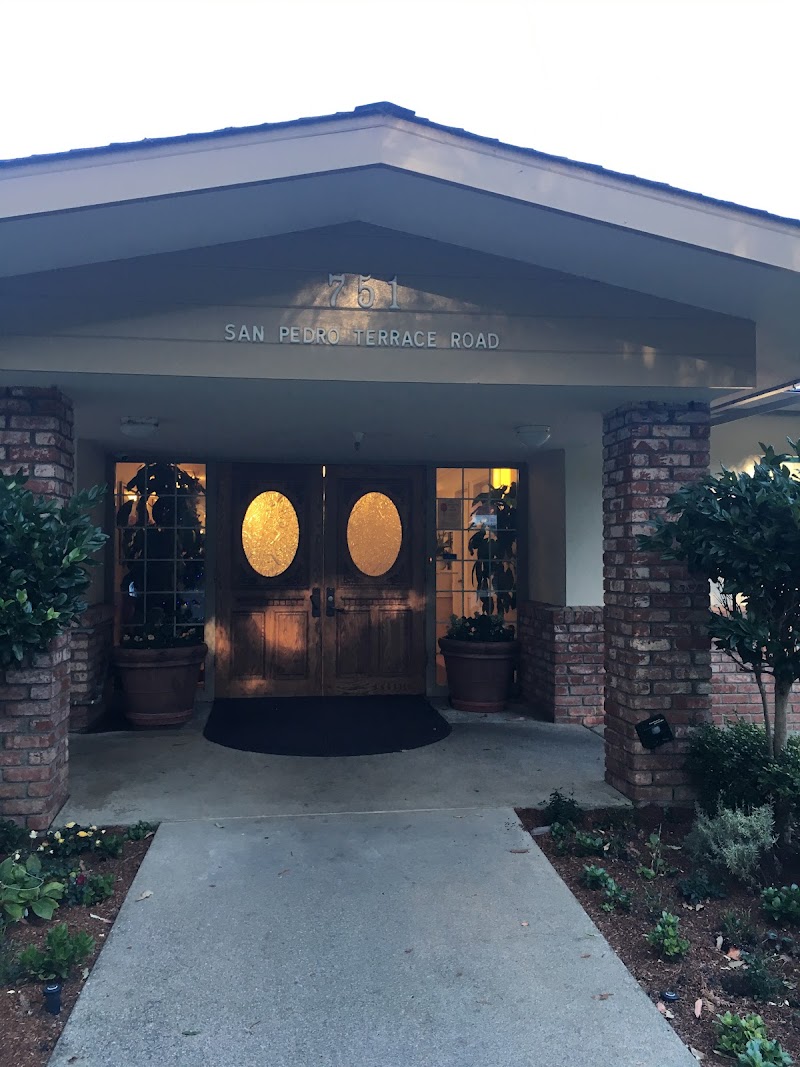
How is Linda Mar Staffed?

CMS rates LINDA MAR CARE CENTER's staffing level at 4 out of 5 stars, which is above average compared to other nursing homes. Staff turnover is 49%, compared to the California average of 46%.

What Have Inspectors Found at Linda Mar?

State health inspectors documented 18 deficiencies at LINDA MAR CARE CENTER during 2021 to 2025. These included: 16 with potential for harm and 2 minor or isolated issues.
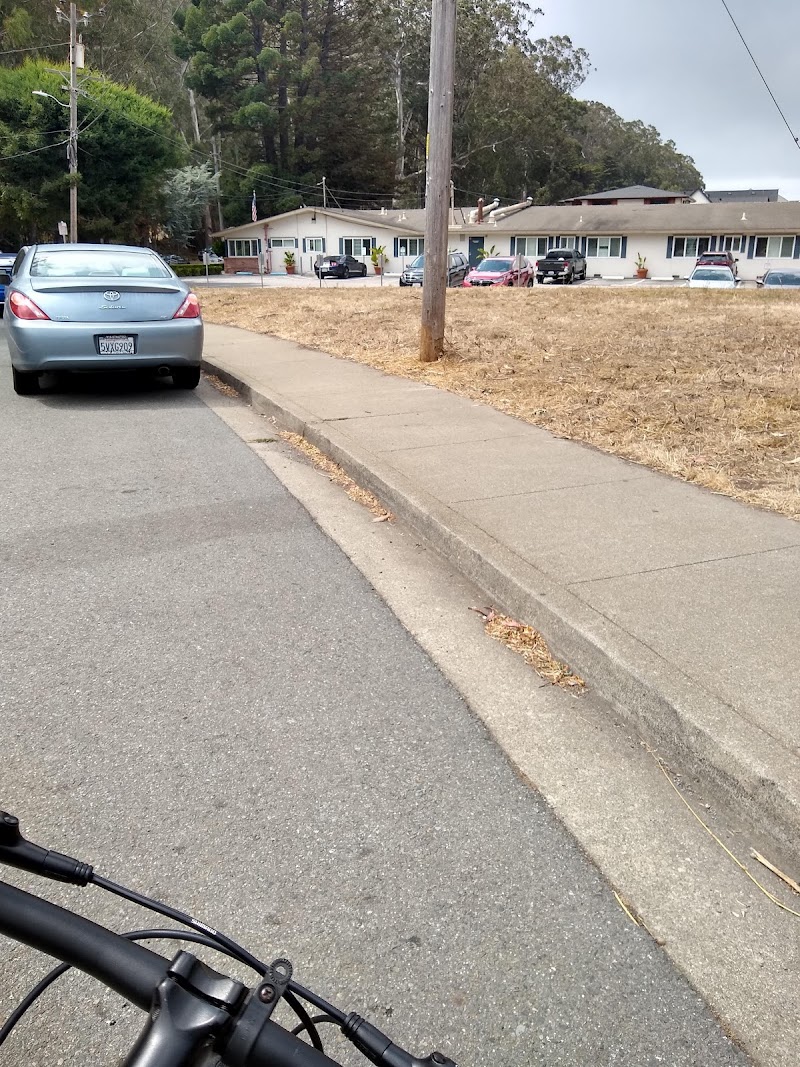
Who Owns and Operates Linda Mar?

LINDA MAR CARE CENTER is owned by a for-profit company. For-profit facilities operate as businesses with obligations to shareholders or private owners. The facility is operated by NAHS, a chain that manages multiple nursing homes. With 59 certified beds and approximately 45 residents (about 76% occupancy), it is a smaller facility located in PACIFICA, California.
How Does Linda Mar Compare to Other California Nursing Homes?

Compared to the 100 nursing homes in California, LINDA MAR CARE CENTER's overall rating (5 stars) is above the state average of 3.2, staff turnover (49%) is near the state average of 46%, and health inspection rating (4 stars) is above the national benchmark.

What Should Families Ask When Visiting Linda Mar?

Based on this facility's data, families visiting should ask: "Can I visit during a mealtime to observe dining assistance and food quality?" "How do you handle medical emergencies, and what is your hospital transfer rate?" "Can I speak with family members of current residents about their experience?"

Is Linda Mar Safe?

Based on CMS inspection data, LINDA MAR CARE CENTER has a clean safety record: no substantiated abuse findings (meaning no confirmed cases of resident harm), no Immediate Jeopardy citations (the most serious violation level indicating risk of serious injury or death), and is not on the Special Focus Facility watch list (a federal program monitoring the lowest-performing 1% of nursing homes). The facility has a 5-star overall rating and ranks #1 of 100 nursing homes in California. While no facility is perfect, families should still ask about staff-to-resident ratios and recent inspection results during their visit.

Do Nurses at Linda Mar Stick Around?

LINDA MAR CARE CENTER has a staff turnover rate of 49%, which is about average for California nursing homes (state average: 46%). Moderate turnover is common in nursing homes, but families should still ask about staff tenure and how the facility maintains care continuity when employees leave.

Was Linda Mar Ever Fined?

LINDA MAR CARE CENTER has no federal fines on record. CMS issues fines when nursing homes fail to meet care standards or don't correct problems found during inspections. The absence of fines suggests the facility has either maintained compliance or corrected any issues before penalties were assessed. This is a positive indicator, though families should still review recent inspection reports for the full picture.

Is Linda Mar on Any Federal Watch List?

LINDA MAR CARE CENTER is not on any federal watch list. The most significant is the Special Focus Facility (SFF) program, which identifies the bottom 1% of nursing homes nationally based on persistent, serious quality problems. Not being on this list means the facility has avoided the pattern of deficiencies that triggers enhanced federal oversight. This is a positive indicator, though families should still review the facility's inspection history directly.