PACIFICA NURSING AND REHABILITATION CENTER

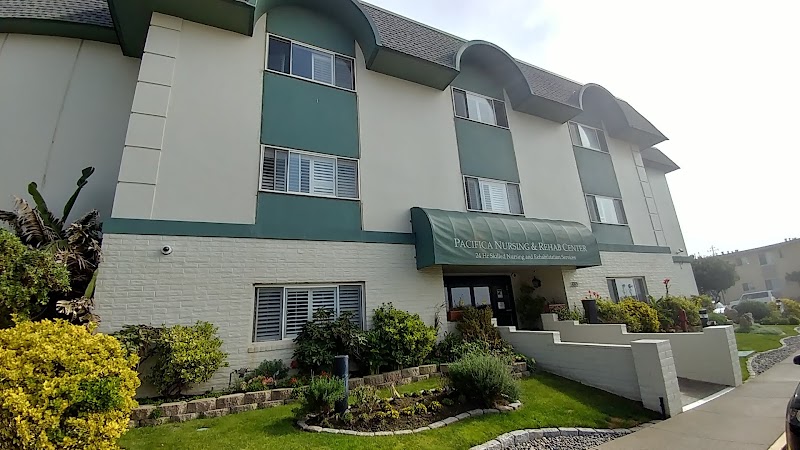
385 ESPLANADE AVENUE, PACIFICA, CA 94044 (650) 993-5576
For profit - Limited Liability company 68 Beds THE ENSIGN GROUP Data: November 2025
Trust Grade
93/100
#159 of 1155 in CA
Last Inspection: November 2024

Within standard 12-15 month inspection cycle. Federal law requires annual inspections.

Overview

Pacifica Nursing and Rehabilitation Center has received an impressive Trust Grade of A, indicating it is highly recommended and performs excellently compared to other facilities. It ranks #159 out of 1,155 nursing homes in California, placing it in the top half, and is #3 out of 14 in San Mateo County, meaning only two local options are better. However, the facility is experiencing a concerning trend, with issues increasing from 1 in 2023 to 5 in 2024. Staffing is a strong point, boasting a 5-star rating and a low turnover rate of 29%, which is better than the California average, and they have more RN coverage than 87% of facilities, enhancing resident care. On the downside, there were several concerns noted, including unsafe food handling practices, such as wet swirl bowls being stacked, which could lead to mold, and a failure to initial and date lidocaine patches, potentially affecting pain management for residents. Overall, while there are notable strengths, families should consider the recent increase in operational issues.

Trust Score
A
93/100
In California
#159/1155
Top 13%
Safety Record
Low Risk
No red flags
Inspections
Getting Worse
1 → 5 violations
Staff Stability
✓ Good
29% annual turnover. Excellent stability, 19 points below California's 48% average. Staff who stay learn residents' needs.
Penalties
✓ Good
No fines on record. Clean compliance history, better than most California facilities.
Skilled Nurses
✓ Good
Each resident gets 62 minutes of Registered Nurse (RN) attention daily — more than 97% of California nursing homes. RNs are the most trained staff who catch health problems before they become serious.
Violations
○ Average
9 deficiencies on record. Average for a facility this size. Mostly minor or procedural issues.
★★★★★
5.0
Overall Rating
★★★★★
5.0
Staff Levels
★★★★★
5.0
Care Quality
★★★★★
5.0
Inspection Score
Stable
2023: 1 issues
2024: 5 issues

The Good

  • 5-Star Staffing Rating · Excellent nurse staffing levels
  • 5-Star Quality Measures · Strong clinical quality outcomes
  • Low Staff Turnover (29%) · Staff stability means consistent care
  • Full Sprinkler Coverage · Fire safety systems throughout facility
  • No fines on record
  • Staff turnover is low (29%)

    19 points below California average of 48%

Facility shows strength in staffing levels, quality measures, staff retention, fire safety.

The Bad

Chain: THE ENSIGN GROUP

Part of a multi-facility chain

Ask about local staffing decisions and management

The Ugly 9 deficiencies on record

Nov 2024 3 deficiencies
CONCERN (D) 📢 Someone Reported This

A family member, employee, or ombudsman was alarmed enough to file a formal complaint

Potential for Harm - no one hurt, but risky conditions existed

Deficiency F0661 (Tag F0661)

Could have caused harm · This affected 1 resident

**NOTE- TERMS IN BRACKETS HAVE BEEN EDITED TO PROTECT CONFIDENTIALITY** Based on interview and record review, the facility failed to ensure resident's discharge summary (provides necessary information...

Read full inspector narrative →
**NOTE- TERMS IN BRACKETS HAVE BEEN EDITED TO PROTECT CONFIDENTIALITY** Based on interview and record review, the facility failed to ensure resident's discharge summary (provides necessary information to continuing care providers pertaining to the course of treatment while the resident was in the facility and the resident's plans for care after discharge) included an accurate recapitulation of stay (a concise summary of the resident's stay and course of treatment in the facility) and reconciliation of medications (a process of comparing pre-discharge medications to post-discharge medications by creating an accurate list of both prescription and over the counter medications that includes the drug name, dosage, frequency, route, and indication for use) for one of three sampled residents (Resident 1). This failure may result in residents to not receive continuous and coordinated, person-centered care; and may place residents at risk for harm due to inaccuracies in medication. Findings: Review of Resident 1's admission record indicated, was admitted on [DATE] with diagnoses including displaced fracture of lateral condyle of the left tibia (a break in the bone on the outside of the shin, near the knee, that occurs due to trauma like a fall or direct blow to the leg); fracture of upper and lower end of left fibula (a break in the bone caused by a traumatic injury such as a fall, rolling your ankle, or direct blow to the leg); abnormalities of gait and mobility (any deviation from a normal walking pattern); need for assistance with personal care; pain in right hip; unspecified neuralgia (a severe, sharp, shock-like pain that follows the path of a nerve) and neuritis (nerve inflammation). Review of Resident 1's Minimum Data Set (MDS, a federally mandated resident assessment tool) dated 8/6/24, indicated, Resident 1 had no cognitive impairment. During an interview on 10/7/24 at 12:50 p.m., Resident 1 stated that she was discharged from the facility on 8/15/24 and received a discharge summary that contained information not pertaining to her. Resident 1 added, her discharge summary indicated status and history of hypertension and falling, and fracture of left pubis which she did not have. During further interview, Resident 1 stated the nurse did not review the discharge summary/instructions with her, the packet was simply given to her and was instructed to sign the forms. On the same interview, Resident 1 stated she was discharged with medications including metoprolol (used to treat high blood pressure), pantoprazole (used to treat heartburn, acid reflux, stomach ulcers), and metformin (used to treat type 2 diabetes (high blood sugar)), which belongs to another resident (Resident 2). During further interview, Resident 1 stated she does not take those medications (referring to metoprolol, pantoprazole, and metformin) because she does not have hypertension (high blood pressure), acid reflux nor diabetes. Resident 1 further stated, I did not pay attention to medicines 'coz I know what I take. Review of Resident 1's Discharge Instructions, dated 8/13/24, indicated, [Resident 1's Name] .discharge date : [DATE] Recapitulation Of Stay: Resident was admitted to the facility for short term rehab and made improvement. Medical Status & History (include diagnosis) OTHER FRACTURE OF LEFT PUBIS, SUBSEQUENT ENCOUNTER FOR FRACTURE WITH ROUTINE HEALING (S32.592D), ESSENTIAL (PRIMARY) HYPERTENSION (I10), HISTORY OF FALLING (Z91.81), HYPERLIPIDEMIA, UNSPECIFIED (E78.5), OTHER ABNORMALITIES OF GAIT AND MOBILITY (R26.89), NEED FOR ASSISTANCE WITH PERSONAL CARE (Z74.1) . Under the medication list on the Discharge Medication Instructions page (4) indicated, SEE ATTACHMENTS FOR D/C (discharge) MEDLIST FROM [Name of Hospital/Insurance]. The Discharge Medication Instructions also indicated Resident 1 and Licensed Vocational Nurse (LVN) 1's signature at the bottom of the page. Review of the facility's document titled Discharges indicated, two residents (Resident 1 and Resident 3) were discharged to home on 8/15/24. Review of Resident 3's Discharge Instructions dated 8/15/24, indicated, [Resident 3's Name] .discharge date : [DATE] Recapitulation Of Stay: Resident was admitted to the facility for short term rehab and made improvement. Medical Status & History (include diagnosis) OTHER FRACTURE OF LEFT PUBIS, SUBSEQUENT ENCOUNTER FOR FRACTURE WITH ROUTINE HEALING (S32.592D), ESSENTIAL (PRIMARY) HYPERTENSION (I10), HISTORY OF FALLING (Z91.81), HYPERLIPIDEMIA, UNSPECIFIED (E78.5), OTHER ABNORMALITIES OF GAIT AND MOBILITY (R26.89), NEED FOR ASSISTANCE WITH PERSONAL CARE (Z74.1) . Resident 1 and Resident 3 had the same information entered on the Recapitulation of Stay section of the Discharge Instructions. During an interview on 10/8/24 at 11:16 a.m.,, Assistant Director of Nursing (ADON) stated, [Name of Facility/Insurance] residents are not seen on the day of discharge, the case manager involved will see the resident and/or fax the discharge instructions to the facility. The ADON also stated that the nurse scheduled that day would complete the discharge process which includes reviewing the discharge instructions with the resident and/or resident representative (RP) to ensure understanding before acknowledging and signing the forms. Review of [Name of Hospital/Insurance] document titled, Skilled Nursing Facility Discharge Instructions dated 8/14/24, indicated, Resident 1's medication list included the following medications: - Ibuprofen (Motrin) 600 mg oral tab (tablet). Take 1 tablet by mouth 3 times a day as needed for pain. Take with food. - Omeprazole Magnesium (acid reducer, Omeprazole) 20 mg oral CP DR SR Cap (capsule). Take 1 capsule by mouth daily 30 minutes before breakfast. - Aspirin (Ecotrin Low Strength) 81 mg oral TBEC DR Tab. Take 1 tablet by mouth daily. Use for 30 days from the date of knee surgery. Then stop. This is to prevent blood clots. - Acetaminophen (Tylenol) 325 mg oral tab. Take 2 tablets by mouth every 6 hours as needed for pain. Do not exceed 4,000 mg of acetaminophen per day from all sources. - Gabapentin (Neurontin) 300 mg oral cap. Take 3 capsules by mouth 3 times a day. - Metoprolol Tartrate (Lopressor) 50 mg oral tab. Take 1 tablet by mouth the night before CT scan and 1 tablet one hour before CT scan. - Docusate Sodium (Colace) 250 mg oral cap. Take 1 capsule by mouth daily for bowel regularity. Hold for loos stools. - Magnesium Hydroxide (Milk of Magnesia) 400mg/5 ml oral suspension. Take 30 ml by mouth daily as needed for constipation. Hold if creatinine is greater than 2.5. use as first line medication. - Oxycodone IR (Roxicodone) 5 mg oral tab. Take 1 tablet by mouth every 6 hours as needed for severe pain. During a telephone interview on 10/9/24 at 4:06 p.mp., Licensed Vocational Nurse (LVN) 1 stated, she took all of Resident 1's medications from the med cart and explained the medication list provided by [Name of Facility] Case Manager. LVN 1 also stated that there was a rubber banded of gabapentin. Unfortunately, I did not open that bundle thinking it was all gabapentin. I did not see there was a metformin included in the bundle.
CONCERN (E)

Potential for Harm - no one hurt, but risky conditions existed

Deficiency F0658 (Tag F0658)

Could have caused harm · This affected multiple residents

Based on observation, interview, and record review, the facility failed to ensure that licensed staff initialed and dated lidocaine patches (pain medication delivered through the skin from applying pa...

Read full inspector narrative →
Based on observation, interview, and record review, the facility failed to ensure that licensed staff initialed and dated lidocaine patches (pain medication delivered through the skin from applying patches) after applying the patches to affected areas on two out of two residents (Resident 5 and Resident 15). This failure has the potential for residents to not receive the full therapeutic effects of the pain medication. Findings: During a concurrent observation and record review on 11/18/24 at 9:30 a.m. on the second floor, second team at resident 15's bedside, the resident did not want to sit up. The resident was asked to roll over onto his left side with LVN2's (licensed vocational nurse) help which he did. The resident's affected area was his lower back. Gloves on, the old patch was removed, site cleaned and prepped, new patch applied. LVN2 did not initial or date the new patch. During an interview on 11/18/24 at 1:05 p.m. with Assistant Director of Nursing (ADON) at the second floor nurses station, ADON explained, it's (the patch) removed on the night shift for 12 hours, and replaced with a new one on the day shift for 12 hours every day. ADON further stated the policy and procedure (P&P) states the new patch needs to be initialed and dated by the nurse. During an interview on 11/18/24 at 1:45 p.m. at the med cart with LVN2, LVN2 replied, No when asked if she initialed and dated the new patch. LVN2 stated she was aware of the facility's P&P but I forgot, sorry. A review of Resident 15's physician's order, dated 11/18/24, indicated lidocaine pain relief 4% patch topical one time a day Routine. Apply to lower back painful area topically one time a day for pain management and remove per schedule During a concurrent observation and interview on 11/18/24 at 2:00 p.m. in Resident 5's room on the 3rd floor, with LVN4, lidocaine patch on the right knee was not initialed or dated. LVN4 stated she was aware of the facility's P&P on initialing and dating patches but forgot because she was distracted by Resident 5 speaking to me. A review of Resident 5's physician's order, dated 11/6/24, indicated Lidocaine External Patch 4 % (Lidocaine) Apply to AFFECTED AREA topically one time a day for PAIN MANAGEMENT During record review on 11/18/24 at 1:05 p.m of the facility's P&P titled, Specific Medication Administration Procedures- IIB13: Transdermal Drug Delivery System (Patch) Application, dated October 2019, indicated, G. Label patch with date and nurse's initials, H. Apply new patch firmly against skin.
CONCERN (F)

Potential for Harm - no one hurt, but risky conditions existed

Food Safety (Tag F0812)

Could have caused harm · This affected most or all residents

Based on observation, interview, and record review, the facility failed to ensure safe operations when swirl bowls were stored wet. Findings: According to the 2022 Federal Food Code, equipment and ut...

Read full inspector narrative →
Based on observation, interview, and record review, the facility failed to ensure safe operations when swirl bowls were stored wet. Findings: According to the 2022 Federal Food Code, equipment and utensils are to be air dried. During a concurrent observation and concurrent interview on 11/20/24 at 1:15 p.m., in the kitchen, with Dietary Aide (DA) 1, clear bowls were placed on a tray stacked within one another that were wet on the inside. DA 1 stated tableware (term for all the dishes, utensils used for eating and serving food) were dried before stacking. During a concurrent observation and concurrent interview on 11/20/24 at 1:18 p.m., with the Director of Food and Nutrition Services (DFNS), showed clear bowls placed on a tray stacked within one another that were wet on the inside. The DFNS stated these were swirl bowls. DFNS confirmed there were six wet swirl bowls stacked within one another and stated, It's moist. It should be dry before stacked. We don't use it all the time, it could get moldy. Review of facility policy titled Dishwashing dated 2023, indicated, .Procedure: 5. Dishes are to be air dried in racks before stacking and storing .
Jun 2024 2 deficiencies
CONCERN (D) 📢 Someone Reported This

A family member, employee, or ombudsman was alarmed enough to file a formal complaint

Potential for Harm - no one hurt, but risky conditions existed

Assessment Accuracy (Tag F0641)

Could have caused harm · This affected 1 resident

**NOTE- TERMS IN BRACKETS HAVE BEEN EDITED TO PROTECT CONFIDENTIALITY** Based on interview and record review, the facility failed to ensure the assessment of one of 5 sampled residents (Resident 1) ac...

Read full inspector narrative →
**NOTE- TERMS IN BRACKETS HAVE BEEN EDITED TO PROTECT CONFIDENTIALITY** Based on interview and record review, the facility failed to ensure the assessment of one of 5 sampled residents (Resident 1) accurately reflected the resident's redness on his right chest on 9/8/23, 9/9/23, 9/10/23, 9/12/23, 9/13/23, 9/14/23, 9/15/23, 9/17/23, and 9/19/23. This deficient practice had the potential to result in Resident 1 not receiving appropriate treatments and services. Findings: Review of Resident 1's clinical record indicated, Resident 1 was admitted on [DATE] (Saturday) for rehab after his hospital stay from 8/12/23 to 8/26/23 due to his fall. He was diagnosed with multiple fractures including displaced intertrochanteric fracture of right femur (a type of broken hip), nondisplaced type II dens fracture (a type of a crack or break in the bone but retains its proper alignment- positioning), and other fracture of first, second, and third lumbar vertebra (types of broken lower back). Then he was discharged to XXXXX (a hospital name) on 9/20/23 after vomiting blood. He had had Left Ventricular Assist Device (LVAD, a device to help the heart pump blood effectively for patients who have reached end-stage heart failure in which the heart does not pump blood as well as it should) since 2021. Review of Resident 1's death certificate, dated 10/11/23, indicated, his date of death was 9/23/23 with the causes of death with (A) Sepsis (a life-threatening complication of an infection) (B) Left Ventricular Assist Device Infection (C) Ischemic Cardiomyopathy (heart muscle can't pump well because of damage from a lack of blood supply to the muscle). Review of Resident 1's Minimum Data Set (MDS, resident assessment tool), dated 8/31/23, indicated, Resident 1 was cognitively intact. Review of an email from Complainant, dated 2/29/24 indicated, . On September 1, 2023, **** (Resident 1's daughter's name) visited her father . He immediately informed her of a bump on his chest that was causing him severe pain, aggravated by a protruding wire in the neck collar (known as a neck brace or cervical collar which is an instrument used to support the neck and spine and limit head movement after an injury) he was wearing. Before **** (Resident 1's daughter's name) left that morning, she brought this issue to . nurse's attention and was assured that she would take care of it. ***** (Resident 1's daughter's name) called Pacifica several times in the days that followed, asking staff to please address the issue as ##### (Resident 1's name) was still in pain . During a concurrent interview and record review on 3/6/24 at 3:04 PM with Registered Nurse (RN) 1, Resident 1's Daily Skilled Note (DSN), dated 9/1/23 at 9:50 AM was reviewed. The DSN indicated, . Patient C/O (complained of) some discomfort to the skin on R (right) side of the chest and stated that he did not want to wear his neck collar because it feels like something is poking him there when he wears it. Small raised area with redness noted, but skin was otherwise intact with no open areas noted. Placed padded dressing to cover for comfort and neck brace was reapplied . RN 1 stated, the small raised area with redness seemed like the bump which was mentioned in Complaint's email, when asked. During a concurrent interview and record Review on 5/10/24 at 11:30 AM with Registered Nurse (RN) 1, Resident 1's Daily Skilled Note (DSN) dated 9/9/23 at 7:23 PM, and the pictures dated 9/6/23 and 9/20/23 which were sent by the complainant on 2/29/24 via email were reviewed. The DSN indicated, . No active symptoms effecting the Integumentary system observed . RN 1 acknowledged the redness of Resident 1's right chest in the pictures were new onset of redness when asked. The DSN also indicated that the same statement was documented on the following dates: 1) 9/8/23; 2) 9/10/23; 3) 9/12/23; 4) 9/13/23; 5) 9/14/23; 6) 9/15/23; 7) 9/17/23; 8) 9/19/23 without additional documentation. She acknowledged the statements were not accurate assessment when asked. She stated, They should write as an additional . when asked what to do with the redness in the nursing documentation titled, Daily Skilled Note. During a concurrent interview and record review on 5/10/24 at 1:19 PM with RN 1, the doctor's progress notes (PN), dated 8/28/23 reviewed. The PN indicated, . Keflex (One of antibiotics, a drug used to treat infections caused by bacteria and other microorganisms) 500mg (milligram) every 8 hours until September 1 . UA (urinalysis, a test of your urine) on August 20 showed pyuria (the presence of pus in the urine, typically from bacterial infection) but urine culture (a lab test to check for bacteria or other germs in a urine sample) negative (the urine sample showed no signs of bacteria or yeast) . pain control for drainage from right hip 10 days of antibiotics currently on Keflex . RN 1 stated, Resident 1 already had an infection in his right hip before his admission to the facility, so the antibiotic was already started from the hospital. During a concurrent interview and record review on 6/4/24 at 1:58 PM with RN 1, Resident 1's pictures dated 9/1/23, 9/6/23 and 9/20/23 which were sent by Complainant on 5/14/24 were reviewed. RN 1 acknowledged the small raised area of his right chest in the pictures looked red. During a concurrent interview and record review on 6/4/24 at 2:10 PM with RN 1, the facility's policy and procedure (P&P) titled, Charting and Documentation undated was reviewed. The P&P indicated, . All services provided to the resident, progress toward the care plan goals, or any changes in the resident's medical, physical, functional or psychosocial condition, shall be documented in the resident's medical record . 6. To ensure consistency in charting and documentation of the resident's clinical record . RN 1 stated, there should be consistency for the accuracy of the skin documentation.
CONCERN (D) 📢 Someone Reported This

A family member, employee, or ombudsman was alarmed enough to file a formal complaint

Potential for Harm - no one hurt, but risky conditions existed

Quality of Care (Tag F0684)

Could have caused harm · This affected 1 resident

**NOTE- TERMS IN BRACKETS HAVE BEEN EDITED TO PROTECT CONFIDENTIALITY** Based on interview and record review, the facility failed to ensure one of 5 sampled residents (Resident 1) receive care in acco...

Read full inspector narrative →
**NOTE- TERMS IN BRACKETS HAVE BEEN EDITED TO PROTECT CONFIDENTIALITY** Based on interview and record review, the facility failed to ensure one of 5 sampled residents (Resident 1) receive care in accordance with professional standards of practice when there was no evidence that the facility monitored a small raised area with redness on the right side of the chest from PM shift on 9/1/23 to PM shift on 9/5/23. This failure had the potential to delay identifying symptoms of infection. Findings: Review of Resident 1's clinical record indicated, Resident 1 was admitted on [DATE] (Saturday) for rehab after his hospital stay from 8/12/23 to 8/26/23 due to his fall. He was diagnosed with multiple fractures including displaced intertrochanteric fracture of right femur (a type of broken hip), nondisplaced type II dens fracture (a type of a crack or break in the bone but retains its proper alignment- positioning), and other fracture of first, second, and third lumbar vertebra (types of broken lower back). Then he was discharged to XXXXX (a hospital name) on 9/20/23 after vomiting blood. He had had Left Ventricular Assist Device (LVAD, a device to help the heart pump blood effectively for patients who have reached end-stage heart failure in which the heart does not pump blood as well as it should) since 2021. Review of Resident 1's death certificate, dated 10/11/23, indicated, his date of death was 9/23/23 with the causes of death with (A) Sepsis (a life-threatening complication of an infection) (B) Left Ventricular Assist Device Infection (C) Ischemic Cardiomyopathy (heart muscle can't pump well because of damage from a lack of blood supply to the muscle). Review of Resident 1's Minimum Data Set (MDS, resident assessment tool), dated 8/31/23, indicated, Resident 1 was cognitively intact. Review of an email from Complainant, dated 2/29/24 indicated, . On September 1, 2023, **** (Resident 1's daughter's name) visited her father . He immediately informed her of a bump on his chest that was causing him severe pain, aggravated by a protruding (sticking out) wire in the neck collar (known as a neck brace or cervical collar which is an instrument used to support the neck and spine and limit head movement after an injury) he was wearing. Before **** (Resident 1's daughter's name) left that morning, she brought this issue to . nurse's attention and was assured that she would take care of it. ***** (Resident 1's daughter's name) called Pacifica several times in the days that followed, asking staff to please address the issue as ##### (Resident 1's name) was still in pain . During a concurrent interview and record review on 3/6/24 at 3:04 PM with Registered Nurse (RN) 1, Resident 1's Daily Skilled Note (DSN), dated 9/1/23 at 9:50 AM was reviewed. The DSN indicated, . Patient C/O (complained of) some discomfort to the skin on R (right) side of the chest and stated that he did not want to wear his neck collar because it feels like something is poking him there when he wears it. Small raised area with redness noted, but skin was otherwise intact with no open areas noted. Placed padded dressing to cover for comfort and neck brace was reapplied . RN 1 stated, the small raised area with redness in the DSN seemed like the bump which was mentioned in Complaint's email, when asked. During an interview on 5/10/24 at 10:38 AM with RN 1, RN 1 stated, It can be anything . an irritation . when asked what the small raised area with redness in the DSN dated 9/1/23 at 9:50 AM, meant. RN 1 stated, Redness, drainage, fever, warm to touch when asked about signs and symptoms of infection. She acknowledged, the redness can be a sign and symptom of infection. She stated, That's why we called the doctor. She stated, nurses should monitor the redness every shift per the standard of nursing practice. She stated, . I don't see any specific monitoring from September 1st (in 2023) to September 5th (in 2023) when asked if there was evidence of monitoring the small raised area with redness on the right chest in September 2023. She verified again, there was no monitoring for the redness from PM shift on 9/1/23 to PM shift on 9/5/23 when asked again. During a concurrent interview and record review on 5/10/24 at 1:19 PM with RN 1, the doctor's progress notes (PN), dated 8/28/23 reviewed. The PN indicated, . Keflex (One of antibiotics, a drug used to treat infections caused by bacteria and other microorganisms) 500mg (milligram) every 8 hours until September 1 . UA (urinalysis, a test of your urine) on August 20 showed pyuria (the presence of pus in the urine, typically from bacterial infection) but urine culture (a lab test to check for bacteria or other germs in a urine sample) negative (the urine sample showed no signs of bacteria or yeast) . pain control for drainage from right hip 10 days of antibiotics currently on Keflex . RN 1 stated, Resident 1 already had an infection in his right hip before his admission to the facility, so the antibiotic was already started from the hospital. During a concurrent interview and record review on 6/4/24 at 1:58 PM with RN 1, the facility's policy and procedure (P&P) titled, Charting and Documentation undated was reviewed. The P&P indicated, . 2. The following information is to be documented in the resident medical record . d. Changes in the resident's condition . RN 1 stated, the redness corresponds to the change of condition. Review of the facility's P&P titled, Significant Change in Condition, Response dated January 2022, indicated, . It is the policy of this facility to ensure each resident received quality of care and services to attain and maintain the highest practicable physical mental and psychosocial well-being . Change in medical condition . 2. The Nurse will perform and document an assessment of the resident .
Aug 2023 1 deficiency
CONCERN (E)

Potential for Harm - no one hurt, but risky conditions existed

Infection Control (Tag F0880)

Could have caused harm · This affected multiple residents

**NOTE- TERMS IN BRACKETS HAVE BEEN EDITED TO PROTECT CONFIDENTIALITY** Based on observation, interview, and record review, the facility failed to implement their infection prevention and control prog...

Read full inspector narrative →
**NOTE- TERMS IN BRACKETS HAVE BEEN EDITED TO PROTECT CONFIDENTIALITY** Based on observation, interview, and record review, the facility failed to implement their infection prevention and control program when: 1. Housekeeping Staff (HKS) 1 did not remove gown and gloves, (types of personal protective equipment (PPE), worn to minimize exposure to hazards that cause serious workplace injuries and illnesses) before exiting a resident's room, in the facility's COVID-19 (Coronavirus disease 2019, a respiratory infectious disease) unit (a designated area or floor for residents who were confirmed positive for COVID-19). 2. HKS 1 wore an N95 respirator (a respiratory protective device designed to filter airborne particles) with the lower strap hanging loose below the chin, in the facility's designated COVID-19 unit. 3. Laundry Staff (LS) 1 did not remove the gown (a type of personal protective equipment (PPE), worn to minimize exposure to hazards that cause serious workplace injuries and illnesses) before leaving the soiled utility area of the laundry room. 4. Licensed Vocational Nurse (LVN) 1 did not wear an N95 respirator in the facility's designated COVID-19 unit. 5. LVN 1 was not fit-tested for an N95 respirator. 6. Staff 1 (S1) and Staff 2 (S2) did not wear an N95 respirator during the COVID-19 outbreak at the facility. 7. Nasal cannulas (a device used to deliver supplemental oxygen) worn by 2 residents (Resident 1 and Resident 21) were not labeled with dates when it was initially used or with date of replacement. 8. Staff 3 (S3) did not handle, dispose and perform hand hygiene after disposal of soiled linen. These failures had the potential of putting residents, visitors and staff at risk for contacting Covid-19 (Coronavirus disease 2019, a respiratory infectious disease), other types of communicable diseases and, infectious agents (agents that cause diseases). Findings: 1. During a concurrent observation and interview on 8/21/23, at 3:31 PM, in the facility's COVID-19 unit, HKS 1 walked in the hallway wearing a gown, disposable gloves and an N95 respirator, with the lower strap hanging loose below the chin. When asked, HKS 1 stated he came out from the resident's room. HKS 1 stated he forgot to remove the gown and gloves prior to exiting the resident's room. Review of the facility's Policy and Procedures (P&P), titled, Personal Protective Equipment - Using Gloves, with revision dated 8/2009, the P&P indicated, Objectives: 1. To prevent the spread of infection . Removing Gloves . Discard the glove into the designated waste receptacle inside the room. Review of the facility's Policy and Procedures (P&P), titled, Personal Protective Equipment - Gowns, Aprons, Lab Coats, with revision dated 8/2009, the P&P indicated, .Soiled gowns, aprons, and lab coats must be removed prior to leaving the work area and discarded into the appropriate receptacle located in the work area. Review of the facility's Policy and Procedures (P&P), titled, Infection Control Policy and Procedure Manual - Example of Safe Donning and Removal of Personal Protective Equipment (PPE), with revision dated 8/2007, the P&P indicated, DONNING PPE .Mask or Respirator - Secure ties or elastic band at the middle of head and neck .Fit snug to face and below chin . REMOVING PPE - Remove PPE at doorway before leaving patient room or in anteroom. 2. During an interview on 8/21/23, at 3:32 PM, with HKS 1, HKS 1 confirmed he did not wear the N95 respirator correctly. During an interview on 8/24/23, at 10:15 AM, with the facility's Infection Preventionist (IP), IP stated staff should remove personal protective equipment (PPEs) such as gown and gloves before leaving the patient's room. IP also confirmed that staff should wear N95 respirators correctly. Review of the facility's Policy and Procedures (P&P), titled, Infection Control Policy and Procedure Manual - Example of Safe Donning and Removal of Personal Protective Equipment (PPE), with revision dated 8/2007, the P&P indicated, DONNING PPE .Mask or Respirator - Secure ties or elastic band at the middle of head and neck .Fit snug to face and below chin . REMOVING PPE - Remove PPE at doorway before leaving patient room or in anteroom. 3. During an observation on 8/21/23, at 11:27 AM, LS 1 came out from an office, on the first floor of the facility, wearing a gown. During an interview on 8/21/23, at 11:28 AM, with LS 1, LS 1 stated she was at the housekeeping office. When asked, LS 1 explained that prior to speaking with her supervisor in the office, she was at the laundry room, in the soiled linen area, and had worn the same gown. LS 1 stated she forgot to take off the gown before leaving the soiled linen area. During an interview on 8/24/23, at 10:25 AM, with the facility's Infection Preventionist (IP), the IP confirmed the laundry staff should have removed the gown in the soiled linen area before going to another location in the facility. IP stated this practice by the staff was not acceptable. Review of the facility's Policy and Procedures (P&P), titled, Personal Protective Equipment - Gowns, Aprons, Lab Coats, with revision dated 8/2009, the P&P indicated, .Soiled gowns, aprons, and lab coats must be removed prior to leaving the work area and discarded into the appropriate receptacle located in the work area. 4. During a concurrent observation and interview on 8/21/23, at 3:34 PM, in the facility's COVID-19 unit, LVN 1 was wearing a surgical face mask. LVN 1 stated she was a full-time employee at the facility and was assigned to residents in the designated COVID-19 unit. When asked, LVN 1 stated she was supposed to wear an N95 respirator and not a surgical face mask. Review of the facility's Policy and Procedures (P&P), titled, Personal Protective Equipment, with revision dated 8/2009, the P&P indicated, .During COVID Outbreak - 4. An N95 mask should be worn in the COVID unit or with COVID positive or suspected patients. 5. During an interview on 8/21/23, at 3:36 PM, with LVN 1, LVN 1 stated she was not fit-tested for an N95 respirator. During an interview on 8/24/23, at 10:08 AM, with the facility's IP, the IP stated that it was communicated to the staff that they must wear an N95 respirator before coming into the building. IP stated this was the expectation and practice with the COVID-19 outbreak at the facility. When asked about the facility's policy on N95 respirator fit test, IP stated nurses should be fit-tested on N95 respirators. Review of the facility's Policy and Procedures (P&P), titled, Fit Testing Employees, with revision dated 11/30/20, the P&P indicated, .Process . Medically evaluate each employee before that employee is fit tested . Provide instruction on the uses and limitations of all respirators worn in the work area . Instruct and demonstrate to employees how to properly don and adjust any respirators worn according to the manufacturers' instructions. Allow the employees an opportunity to practice these procedures. Provide user seal check instructions . Fit test each employee to be assigned a respirator. Document the successful completion of training and fit testing for all employees wearing respirators . After the initial fit test, fit tests must be completed at least annually, or more frequently if there is a change in status of the wearer or if the employer changes model or type of respiratory protection. 6. During a concurrent observation and interview on 8/21/23, at 11:16 AM, with Staff 1 (S1), S1 stated she was assigned with screening of visitors for COVID-19 at the facility. S1 was noted wearing a disposable face mask that had elastic ear loops. S1 stated she was aware that all staff were required to wear N95 respirators, and that this practice started several weeks ago with the COVID-19 outbreak at the facility. When asked, S1 stated she was not sure if the face mask she wore was an N95 respirator. S1 confirmed she was wearing a KN95 face mask. During a concurrent observation and interview on 8/21/23, at 12:24 PM, with Staff 2 (S2), S2 confirmed she was assigned to work with residents, at the third floor of the facility. S2 was noted wearing a disposable face mask that had elastic ear loops. When asked, S2 stated she was wearing a KN95 face mask. S2 explained she was under the impression that it was okay to wear a KN95 face mask at the facility. During an interview on 8/24/23 at 9:56 AM, with the facility's Infection Preventionist (IP), IP stated that as recommended by the county public health office, all staff must wear an N95 respirator during COVID-19 outbreak at the facility. IP stated the facility had a COVID-19 outbreak on 8/7/23 and had continued at present. IP stated staff were supposed to wear N95 respirators during COVID-19 outbreak at the facility. IP also stated that it was communicated to the staff that they must wear an N95 respirator before coming into the building. IP stated this was the expectation and practice with the COVID-19 outbreak at the facility. 7. During an observation on 8/21/23 at 12:11 PM, with Staff 2 (S2) present, Resident 1 was in bed and wore a nasal cannula that was attached to an oxygen source. S2 stated she did not know when the nasal cannula was replaced. S2 confirmed the nasal cannula had no label indicating when it was initially used or date of replacement. During an observation on 8/21/23 at 10:30 AM, in Resident 21's room, Resident 21 was receiving oxygen therapy via nasal cannula, with use of emergency tank running at 1L/min. Oxygen cannula has no label. During an interview on 8/21/23 at 10:30 AM of Resident 21, Resident 21 stated, I dont know why they put this oxygen on me. I never had it before. During a review of facility admission Record, dated 8/24/23, the admission record indicated Resident 21 was admitted on [DATE] with admitting diagnoses including: Spinal Stenosis, Other Displaced Fracture of Upper End of Left Humerus. During a review of Physician Orders, dated 8/9/23, indicated, O2 at 1-2 L/min via nasal cannula for desaturation below 90%. During a review of Care plan undated, indicated, administer oxygen 1-2 L/min via nc as needed for SOB desat less then 90%. No issues with care plan. During an interview on 8/24/23 at 10:22 AM, with the facility's Infection Preventionist (IP), IP explained that either the licensed nurses or certified nursing assistants had to label the resident's nasal cannula with the date it was initially placed or used by the resident. IP stated nasal cannulas were to be replaced once a week, or as needed, such as when soiled. During a review of undated facility's Patient Care Policies, Use of Oxygen indicated, Purpose: to promote safety in administering oxygen. A. The O2 cannula or mask does not require scheduled changing when used on one patient. It should be changed when soiled or dirty. I. Change the O2 tubing every 7 days. 8. During an observation of Staff 3 (S3), on 8/21/23 at 10:45 AM, Staff 3, came out of a resident's room, carrying a resident's gown, with ungloved hand, dumped gown in dirty linen room. No hand hygiene observed. During an interview on 8/21/23 at 10:45 AM with Staff 3, Staff 3 stated, I know I was supposed to place in plastic bag, the used gown, but I did not tie it. I helped the patient change gown. Staff 1 left. During an interview on 8/21/23 at 10:48 AM with Certified Nursing Assistant (CNA) 1, CNA 1 stated, I go into the room and do patient care, change linens. All dirty linens go into a plastic bag, I take to the dirty linen room. During an Interview on 8/21/23 at 11:50 AM with CNA 2, CNA 2 stated, everyday I bring plastic bags to the room, put dirty linens in the plastic bag and carry it out to the dirty linen room. For patient's own clothes, there is a separate laundry bag in their room. During a review of facility's Policy and Procedure, Laundry and Bedding, Soiled, dated 7/2009, indicated, Policy statement, Soiled laundry/bedding shall be handled in a manner that prevents gross microbial contamination of the air and persons handling the linen. Policy 1. Soiled laundry and beddings .must be handled as little as possible with a minimum of agitation. 2. Place contaminated laundry in a bag or container at the location where it is used and do not sort .3. Place and transport contaminated laundry in bags or containers in accordance with .disposal of contaminated items. 4.Anyone who handles soiled laundry must wear protective gloves and other appropriate protective equipment . During a review of the facility's Policy and Procedures (P&P), titled, Infection Control Policy and Procedure Manual - Example of Safe Donning and Removal of Personal Protective Equipment (PPE), with revision dated 8/2007, the P&P indicated, REMOVING PPE . HAND HYGIENE - Perform hand hygiene immediately after removing all PPE.
Sept 2019 3 deficiencies
CONCERN (D)

Potential for Harm - no one hurt, but risky conditions existed

Deficiency F0558 (Tag F0558)

Could have caused harm · This affected 1 resident

Based on interview, observation, and record review, the facility failed to accommodate the needs of Residents 45, 120, and 121, three of 18 sampled residents, when they had to wait 15 - 30 minutes for...

Read full inspector narrative →
Based on interview, observation, and record review, the facility failed to accommodate the needs of Residents 45, 120, and 121, three of 18 sampled residents, when they had to wait 15 - 30 minutes for the nurse call lights to be answered by staff. This failure resulted in not meeting the needs of the residents. Findings: 1. Resident 45 was admitted to the facility with diagnoses including difficulty walking, muscle weakness, pressure ulcers on both heels, and depression. The resident's Minimum Data Set (MDS), an assessment tool, indicated some knowledge difficulties, no difficulties understanding or being understood, required a wheelchair/walker for mobility, and two person staff assist for transfer to bed/chair and bed positioning. During an interview on 9/9/19, at 9:35 AM, accompanied by Activity Director, Resident 45 was seated in his wheel chair in his two bed room and stated his call lights take 15 - 30 minutes for staff to answer and sometimes, they (staff) hang up on me. The resident stated he needs help to use the bathroom and had one or two accidents because staff did not come in time to help him. He stated he told Certified Nurse Aide 1 (CNA) on day shift (7-3 PM shift). But it hasn't gotten any better. He said this happens all the time on the evening shift (3-11 PM). During an interview on 9/9/19, at 10:45 AM, CNA 1 stated Resident 45 had complained about long waits for help on evening shift and had informed Administrator. During an interview on 9/10/19, at 12:35 PM, the Administrator knew of resident's complaints about slow responses to call lights on evening shift. He discussed the matter with staff. He expected an improvement. During an observation of the call light system on 9/9/19, at 2:10 PM, this surveyor stood in front of the nurses station next to Receptionist 1. Resident 45 put his call light on. Receptionist 1 answered the call light, on interoffice phone, replied quickly and unclear, and hung up. She did not wait to hear resident's response. The resident could not hear the receptionist's reply. 2. Resident 120 was admitted to the facility with diagnoses including intestinal surgery, anemia, kidney disease, muscle weakness, gait abnormalities (unsteady walking), and mobility issues. The residents Minimum Data Set (MDS), an assessment tool, indicated minimal knowledge difficulties, no difficulties understanding or being understood, required wheelchair or walker for mobility and one person staff assist for transfer to bed/chair. During an interview on 9/9/19, at 10:20 AM, Resident 120 was seated in his wheelchair in his room. He stated he waits up to 20 minutes for help to the bathroom. He stated the staff don't want him to walk to the bathroom without assistance but he can't wait 20 minutes for help. He said it happens often on the evening shift. During an interview on 9/10/19, at 12:35 PM, the Administrator knew of resident's complaints about long wait time on call lights during evening shift and stated he discussed the matter with staff. After talking with staff he expected an improvement. 3. Resident 121 was admitted to the facility with diagnoses including back surgery, difficulty walking, muscle weakness, pulmonary disease, and anxiety disorder. The resident's Minimum Data Set (MDS), an assessment tool, indicated slight knowledge difficulties, no difficulties understanding or being understood, required wheelchair or walker for mobility, and required one person staff assist for bed positioning and transfer to bed/chair. During an interview on 9/9/19, at 12:20 PM, Resident 121 was lying in bed, in a crowded four bed room, watching television. The resident stated that she waits up to 20 minutes for help to the bathroom during the evening shift. Resident also stated when she puts her call light on staff answer 'A' bed instead of hers, 'B' bed. And then they leave without checking whose light was on. During a concurrent interview and observation Resident 121 pressed her call light to show what she meant. The light went on outside the room, above the door, and on the wall, next to residents 'B' bed. The outside light is a single red light with dividers for each bed. Certified Nurse Aide 2 (CNA) went to 'A' bed, the first bed in the room, not to 'B' bed, and did not check whose light was on. During an interview on 9/10/19, at 12:35 PM, the Administrator knew of resident's complaints about long waits for call lights, during evening shift, and stated the matter was discussed with staff. After talking with staff he expected an improvement. Review of undated policy and procedure on Call System, Purpose: To provide a mechanism for residents to communicate to staff a need for assistance .Procedure: .3. Answer call bells promptly .4. Always be courteous when responding to a request for assistance .6. Listen to resident's request. Do not make him/her feel that you are too busy to help. 7. Respond to request .8. Return to resident with item or reply promptly .11. Routine calls should be answered within three minutes .
CONCERN (E)

Potential for Harm - no one hurt, but risky conditions existed

Deficiency F0761 (Tag F0761)

Could have caused harm · This affected multiple residents

Based on observation, interview, and record review, the facility failed to label medications in accordance with acceptable professional standards when medications and biologicals were not dated after ...

Read full inspector narrative →
Based on observation, interview, and record review, the facility failed to label medications in accordance with acceptable professional standards when medications and biologicals were not dated after opening. This failure had the potential for residents to receive medications that are not effective, and for test results to be inaccurate which could lead to compromised health. Findings: During an observation of medication cart 2 on the second floor, on 9/10/19 at 10:45 AM, the following were noted: an opened and undated vial of Levemir (medication to lower blood sugar) in the left upper drawer; an opened, and undated vial of Novalog (medication to lower blood sugar) in the left upper drawer; and, an opened and undated plastic bottle of glucometer test strip (a plastic strip for blood/control testing). During an interview with Registered Nurse (RN) 1 on 9/10/19 at 12 noon, RN 1 acknowledged that the Levemir, Novalog vials, and the test strip bottle were opened and undated. RN 1 stated, They should have been dated when they were opened. During an interview with the Director of Staff Development (DSD) on 9/10/19, the DSD acknowledged the observation and stated, Staff were trained to date the medication upon opening during in-service. During an observation of medication cart 4 on the 3rd floor and concurrent interview on 9/12/19 at 1:30 PM, an opened and undated green top bottle of quality control solution (a solution to test the accuracy of blood sugar machine and test strips) was in the right top drawer. RN 2 acknowledged the opened bottle was not dated. RN 2 stated, It should have been dated when opened. The DSD stated, Staff were trained to date the medication upon opening during in-service. During an interview with the Director of Nursing (DON) on 9/13/19 at 11:17 AM, she stated, I've been telling them to date the medication bottles when they open. During a review of the facility policy and procedure titled, Medication Ordering and receiving From Pharmacy Provider Medication Labels, it indicated, .2. Multi-dose vials shall be labeled to assure product integrity, considering the manufacturer's specifications. (Example: Modified expiration dates upon opening the multi-dose vial.) .
CONCERN (F)

Potential for Harm - no one hurt, but risky conditions existed

Grievances (Tag F0585)

Could have caused harm · This affected most or all residents

Deficiency Text Not Available

Read full inspector narrative →
Deficiency Text Not Available
Understanding Severity Codes (click to expand)
Life-Threatening (Immediate Jeopardy)
J - Isolated K - Pattern L - Widespread
Actual Harm
G - Isolated H - Pattern I - Widespread
Potential for Harm
D - Isolated E - Pattern F - Widespread
No Harm (Minor)
A - Isolated B - Pattern C - Widespread

Questions to Ask on Your Visit

  • "Can I speak with families of current residents?"
  • "What's your RN coverage like on weekends and overnight?"

Our Honest Assessment

Strengths
  • • Grade A (93/100). Above average facility, better than most options in California.
  • • No major safety red flags. No abuse findings, life-threatening violations, or SFF status.
  • • No fines on record. Clean compliance history, better than most California facilities.
  • • 29% annual turnover. Excellent stability, 19 points below California's 48% average. Staff who stay learn residents' needs.
Concerns
  • • No significant concerns identified. This facility shows no red flags across CMS ratings, staff turnover, or federal penalties.
Bottom line: Generally positive indicators. Standard due diligence and a personal visit recommended.

About This Facility

What is Pacifica's CMS Rating?

CMS assigns PACIFICA NURSING AND REHABILITATION CENTER an overall rating of 5 out of 5 stars, which is considered much above average nationally. Within California, this rating places the facility higher than 99% of the state's 100 nursing homes. This rating reflects solid performance across the metrics CMS uses to evaluate nursing home quality.
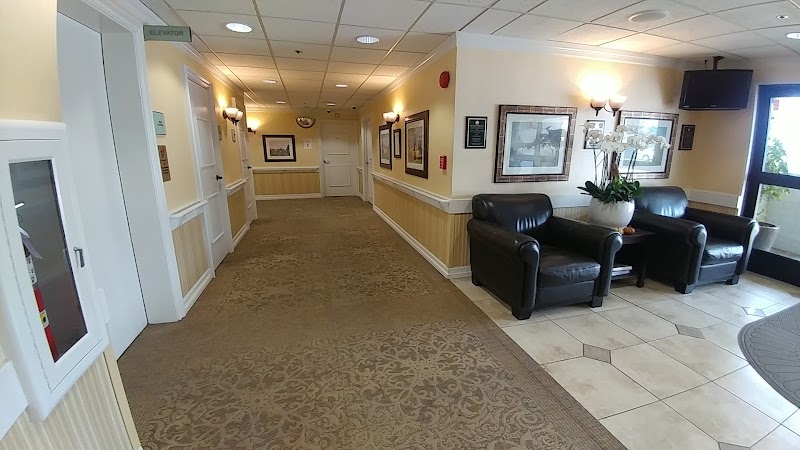
How is Pacifica Staffed?

CMS rates PACIFICA NURSING AND REHABILITATION CENTER's staffing level at 5 out of 5 stars, which is much above average compared to other nursing homes. Staff turnover is 29%, compared to the California average of 46%. This relatively stable workforce can support continuity of care.

What Have Inspectors Found at Pacifica?

State health inspectors documented 9 deficiencies at PACIFICA NURSING AND REHABILITATION CENTER during 2019 to 2024. These included: 9 with potential for harm.
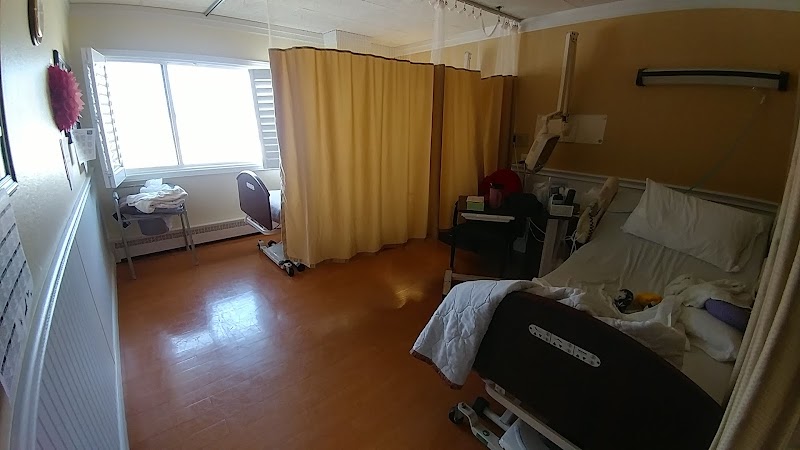
Who Owns and Operates Pacifica?

PACIFICA NURSING AND REHABILITATION CENTER is owned by a for-profit company. For-profit facilities operate as businesses with obligations to shareholders or private owners. The facility is operated by THE ENSIGN GROUP, a chain that manages multiple nursing homes. With 68 certified beds and approximately 61 residents (about 90% occupancy), it is a smaller facility located in PACIFICA, California.

How Does Pacifica Compare to Other California Nursing Homes?

Compared to the 100 nursing homes in California, PACIFICA NURSING AND REHABILITATION CENTER's overall rating (5 stars) is above the state average of 3.2, staff turnover (29%) is significantly lower than the state average of 46%, and health inspection rating (5 stars) is much above the national benchmark.

What Should Families Ask When Visiting Pacifica?

Based on this facility's data, families visiting should ask: "Can I visit during a mealtime to observe dining assistance and food quality?" "How do you handle medical emergencies, and what is your hospital transfer rate?" "Can I speak with family members of current residents about their experience?"

Is Pacifica Safe?

Based on CMS inspection data, PACIFICA NURSING AND REHABILITATION CENTER has a clean safety record: no substantiated abuse findings (meaning no confirmed cases of resident harm), no Immediate Jeopardy citations (the most serious violation level indicating risk of serious injury or death), and is not on the Special Focus Facility watch list (a federal program monitoring the lowest-performing 1% of nursing homes). The facility has a 5-star overall rating and ranks #1 of 100 nursing homes in California. While no facility is perfect, families should still ask about staff-to-resident ratios and recent inspection results during their visit.

Do Nurses at Pacifica Stick Around?

Staff at PACIFICA NURSING AND REHABILITATION CENTER tend to stick around. With a turnover rate of 29%, the facility is 17 percentage points below the California average of 46%. Low turnover is a positive sign. It means caregivers have time to learn each resident's needs, medications, and personal preferences. Consistent staff also notice subtle changes in a resident's condition more quickly. Registered Nurse turnover is also low at 21%, meaning experienced RNs are available to handle complex medical needs.

Was Pacifica Ever Fined?

PACIFICA NURSING AND REHABILITATION CENTER has no federal fines on record. CMS issues fines when nursing homes fail to meet care standards or don't correct problems found during inspections. The absence of fines suggests the facility has either maintained compliance or corrected any issues before penalties were assessed. This is a positive indicator, though families should still review recent inspection reports for the full picture.

Is Pacifica on Any Federal Watch List?

PACIFICA NURSING AND REHABILITATION CENTER is not on any federal watch list. The most significant is the Special Focus Facility (SFF) program, which identifies the bottom 1% of nursing homes nationally based on persistent, serious quality problems. Not being on this list means the facility has avoided the pattern of deficiencies that triggers enhanced federal oversight. This is a positive indicator, though families should still review the facility's inspection history directly.