DESERT SPRINGS POST ACUTE
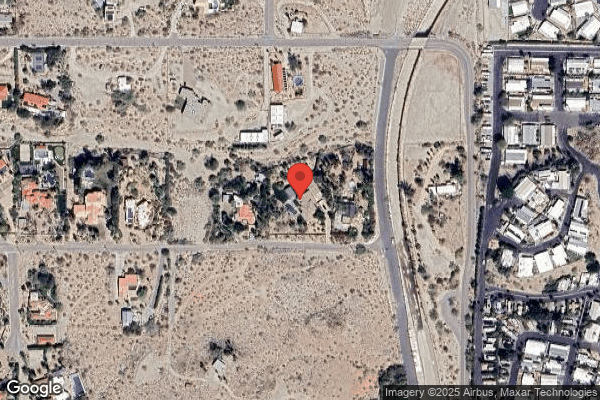

74-350 COUNTRY CLUB DRIVE, PALM DESERT, CA 92260 (760) 341-0261
For profit - Limited Liability company 178 Beds PROMEDICA SENIOR CARE Data: November 2025
Trust Grade
25/100
#787 of 1155 in CA
Last Inspection: January 2025

Within standard 12-15 month inspection cycle. Federal law requires annual inspections.

Overview

Desert Springs Post Acute has received a Trust Grade of F, indicating poor performance with significant concerns. It ranks #787 out of 1155 facilities in California, placing it in the bottom half and #36 out of 53 in Riverside County, suggesting that there are many better options available nearby. Unfortunately, the facility is worsening, with issues increasing from 29 in 2024 to 43 in 2025. Staffing is a major concern, with a low rating of 1 out of 5 stars and a turnover rate of 53%, higher than the state average, meaning many staff do not stay long. The facility has also incurred $74,424 in fines, which is higher than 78% of California facilities, indicating repeated compliance problems. There is less RN coverage than 94% of state facilities, which is troubling as RNs can catch potential problems early. Specific incidents include a resident not receiving necessary physical therapy for a left-sided stroke, a failure to provide proper assistance during a transfer that led to a fall and injury, and insufficient measures taken to prevent pressure injuries in another resident. While the facility does have strong quality measures, these serious issues highlight both strengths and significant weaknesses that families should consider carefully.

Trust Score
F
25/100
In California
#787/1155
Bottom 32%
Safety Record
High Risk
Review needed
Inspections
Getting Worse
29 → 43 violations
Staff Stability
⚠ Watch
53% turnover. Above average. Higher turnover means staff may not know residents' routines.
Penalties
○ Average
$74,424 in fines. Higher than 70% of California facilities. Some compliance issues.
Skilled Nurses
⚠ Watch
Each resident gets only 15 minutes of Registered Nurse (RN) attention daily — below average for California. Fewer RN minutes means fewer trained eyes watching for problems.
Violations
⚠ Watch
119 deficiencies on record. Higher than average. Multiple issues found across inspections.
★★☆☆☆
2.0
Overall Rating
★☆☆☆☆
1.0
Staff Levels
★★★★★
5.0
Care Quality
★☆☆☆☆
1.0
Inspection Score
Stable
2024: 29 issues
2025: 43 issues

The Good

  • 5-Star Quality Measures · Strong clinical quality outcomes
  • Full Sprinkler Coverage · Fire safety systems throughout facility
  • No fines on record

Facility shows strength in quality measures, fire safety.

The Bad

2-Star Overall Rating

Below California average (3.1)

Below average - review inspection findings carefully

Staff Turnover: 53%

Near California avg (46%)

Higher turnover may affect care consistency

Federal Fines: $74,424

Well above median ($33,413)

Moderate penalties - review what triggered them

Chain: PROMEDICA SENIOR CARE

Part of a multi-facility chain

Ask about local staffing decisions and management

The Ugly 119 deficiencies on record

3 actual harm
Jun 2025 2 deficiencies
CONCERN (D) 📢 Someone Reported This

A family member, employee, or ombudsman was alarmed enough to file a formal complaint

Potential for Harm - no one hurt, but risky conditions existed

Infection Control (Tag F0880)

Could have caused harm · This affected 1 resident

**NOTE- TERMS IN BRACKETS HAVE BEEN EDITED TO PROTECT CONFIDENTIALITY** Based on interview and record review, the facility failed to ensure TB (tuberculosis - a serious lung infection) test was comple...

Read full inspector narrative →
**NOTE- TERMS IN BRACKETS HAVE BEEN EDITED TO PROTECT CONFIDENTIALITY** Based on interview and record review, the facility failed to ensure TB (tuberculosis - a serious lung infection) test was completed according to the facility's policy and procedure, for two of three residents (Residents 2 and 3). This failure had the potential for TB to be undetected and could result to the transmission of the disease to the vulnerable residents. Findings: On May 13, 2025, at 9:35 a.m., an unannounced visit was conducted to investigate a complaint on infection control. On May 13, 2025, at 11:57 a.m., during an interview with Licensed Vocational Nurse (LVN) 1, LVN 1 stated a TB test was to be completed within 24 hours of admission and to be documented in the electronic Medication Administration Record (eMAR). On May 13, 2025, at 12:45 p.m., during an interview with LVN 2, LVN 2 stated a TB test was to be completed within 24 hours of admission. Resident 2's record was concurrently reviewed with LVN 2. LVN 2 stated Resident 2 was admitted to the facility on [DATE]. LVN 2 stated there was no documentation a TB test was completed for Resident 2 within 24 hours upon admission on [DATE]. On May 13, 2025, at 1:10 p.m., during an interview with LVN 3, LVN 3 stated a TB test was to be completed within 24 hours of admission and to be read for results within 72 hours. Resident 3's record was concurrently reviewed with LVN 3. LVN 3 stated Resident 3 was admitted to the facility on [DATE]. LVN 2 stated there was no documentation a 1st step of TB test was conducted for Resident 3. On May 13, 2025, at 3:10 p.m., during an interview with the Infection Preventionist (IP), the IP stated newly admitted residents should receive TB testing within 24 hours upon admission, and for the results to be read within 72 hours. The IP stated a second step TB test was to follow after 10 days from the first step TB test. Residents 2 and 3's records were concurrently reviewed with the IP. The IP stated there was no documentation the first step TB test was administered to Resident 2. The IP stated Resident 3's first step TB test was administered on April 25, 2025, however, there was no documentation the TB test was read after 72 hours. The IP stated Resident 3's second step TB test was not documented as completed. The IP further stated the documentation should be consistent across the immunization record tab and the eMAR. A review of the facility's policy and procedure titled, Tubercle Bacillus (TB), dated October 2013, indicated, .It is the policy of this facility to provide safe, quality patient care which includes using the Mantoux Tuberculin Skin Testing (TST - a TB testing). In accordance with CDC (Centers for Disease Prevention and Control) guidelines, facility uses a two-step testing system .Residents who have not been previously admitted to the facility will receive a two-step (TB) Tuberculin skin test upon admission to the facility. TB testing is to be performed and read by a licensed nurse .If a resident requires a two-step TB test upon admission, the first test will be performed and read 48-72 hours later .Each TB test performed and the results must be recorded on the Immunization and PPD Record maintained by the facility Infection Preventionis and entered in the resident's face sheet .and the Medication Administration Record .
CONCERN (E) 📢 Someone Reported This

A family member, employee, or ombudsman was alarmed enough to file a formal complaint

Potential for Harm - no one hurt, but risky conditions existed

Antibiotic Stewardship (Tag F0881)

Could have caused harm · This affected multiple residents

Based on interview and record review, the facility failed to ensure an effective antibiotic surveillance program (program to help monitor the effectiveness of antibiotics, identify emerging resistance...

Read full inspector narrative →
Based on interview and record review, the facility failed to ensure an effective antibiotic surveillance program (program to help monitor the effectiveness of antibiotics, identify emerging resistance patterns, and inform strategies for infection prevention and control) was conducted, for 11 out of 12 residents (Residents 2, 8, 9, 10, 11, 12, 13, 14, 15, 16, and 17), according to the facility's policy and procedure. This failure resulted to the residents' use of antibiotic not to be evaluated for the appropriateness of its use, which could lead to development of complications related to use of the antibiotics. Findings: On May 13, 2025, at 9:35 a.m., an unannounced visit was conducted at the facility to investigate complaints on infection control. On May 13, 2025, at 3:10 p.m., during an interview with the Infection Preventionist (IP), the IP stated a list of residents on antibiotics were being printed daily and he follows up with the licensed nurses to make sure the residents are still receiving the antibiotics as ordered. The IP stated he would also check if there were any adverse effects related to the use of antibiotics. The IP stated this was his method for antibiotic stewardship (coordinated strategies and actions to improve how antibiotics are prescribed and used, aiming to optimize patient outcomes and minimize harm caused by unnecessary antibiotic use). On May 13, 2025, during a review of the facility document titled Order Listing Report, from October 2024 to October 2025, indicated the following residents had a physician order for antibiotic (medication to treat infection): 1. Resident 8 - Levaquin 500 mg (milligram - unit of measurement) one tablet a day for UTI (urinary tract infection - urine infection) for five days; date ordered December 13, 2024; 2. Resident 9 - Cefpodoxime Proxetil 200 mg two tablet for sepsis (systemic infection) for seven days; date ordered November 2, 2024; 3. Resident 10 - Levofloxacin 750 mg one time a day for catheter-associated UTI for five days; date ordered November 19, 2024; 4. Resident 2 - Levaquin 500 mg once a day for infection for five days; date ordered December 17, 2024; 5. Resident 11 - Levofloxacin 750 mg one time a day for UTI for six days; date ordered November 26, 2024; 6. Resident 12 - Levofloxacin 500 mg one time a day for infection to biliary drain site (occurs when bacteria enters the body through the opening where a biliary drain tube [a thin, flexible tube inserted into the bile duct to drain bile from the liver, usually when there's a blockage] is inserted).for seven days; date ordered January 16, 2025; 7. Resident 13 - Levofloxacin 500 mg one time a day for cyst (a closed sac-like structure that can develop in various parts of the body, typically containing fluid, air, or other materials) to top of left foot for 10 days; date ordered January 17, 2025; 8. Resident 14 - Levaquin 500 mg one time a day for possible pneumonia for seven days; date ordered November 11, 2024; 9. Resident 15 - Doxycycline 100 mg two times a day for infection (PNA - pneumonia) for 10 days; date ordered November 25, 2024; 10. Resident 16 - Levofloxacin 250 mg one time a day for UTI for three days; date ordered December 12, 2024; and 11. Resident 17 - Levaquin 500 mg one time a day for UTI for seven days; November 6, 2024. On May 16, 2025, at 3:50 p.m., during an interview with the IP, the IP stated antibiotic surveillance assessment, which included review of the resident's symptoms if the antibiotic use is appropriate, was being documented in paper form prior to February 2025. The IP presented a paper form of the antibiotic surveillance from July 2024. The IP stated he could not find the antibiotic surveillance of those residents on antibiotic from August 2024 to January 2025. The IP stated the antibiotic surveillance was not completed for residents on antibiotics from August 2024 to January 2025. The IP stated the lack of infection surveillance and antibiotic stewardship placed the residents at risk for improper use of antibiotics and ineffective infection control. A review of the facility's policy and procedure titled, Infection Control Program, dated October 2018, indicated, .An infection prevention and control program (IPCP) is established and maintained to provide a safe, sanitary and comfortable environment and to help prevent the development and transmission of communicable diseases and infections .Surveillance .Surveillance tools are used for recognizing the occurrence of infections, recording their number and frequency .Standard criteria are used to distinguish community-acquired from facility-acquired infections .Antibiotic Stewardship .Culture reports, sensitivity data, and antibiotic usage reviews are included in surveillance activities .Medical criteria and standardized definitions of infections are used to help recognize and manage infections .
Apr 2025 4 deficiencies
CONCERN (D) 📢 Someone Reported This

A family member, employee, or ombudsman was alarmed enough to file a formal complaint

Potential for Harm - no one hurt, but risky conditions existed

Abuse Prevention Policies (Tag F0607)

Could have caused harm · This affected 1 resident

**NOTE- TERMS IN BRACKETS HAVE BEEN EDITED TO PROTECT CONFIDENTIALITY** Based on observation, interview, and record review, the facility failed to implement the facility's policy and procedure on abus...

Read full inspector narrative →
**NOTE- TERMS IN BRACKETS HAVE BEEN EDITED TO PROTECT CONFIDENTIALITY** Based on observation, interview, and record review, the facility failed to implement the facility's policy and procedure on abuse on investigating an allegation of abuse, for one of seven residents reviewed (Resident 2) when Resident 2 reported an allegation of abuse by Physical Therapy Assistant (PTA). In addition, the facility did not suspend the PTA after Resident 2 reported an allegation of abuse. This failure had the potential to result in further abuse to Resident 2 and other vulnerable residents. Findings: On April 4, 2025, at 9:15 a.m., an unannounced visit was conducted at the facility to investigate a complaint regarding resident abuse. On April 4, 2025, at 12:45 p.m., Resident 2 was observed sitting up in bed. In a concurrent interview, Resident 2 stated the PTA was assisting her out of her bed into a wheelchair when she roughly squeezed her and caused a skin tear to her right arm last March 2025. Resident 2 further stated the Director of Rehabilitation (DOR) was aware of the allegation because Resident 2 requested for a different PTA to work with her during therapy. On April 4, 2025, at 3:10 p.m., the Physical Therapist (PT) was interviewed. The PT stated the Occupational Therapist (OT) reported to her that Resident 2 alleged the PTA to have bruised her arm. The PT stated the abuse allegation was reported around March 20, 2025 and the PTA was not assigned to Resident 2 after the report was made. On April 4, 2025, at 3:30 p.m., the OT was interviewed. The OT stated Resident 2 and her family member reported to him that the PTA bruised her right wrist area about two weeks ago. The OT stated when he received the report of abuse from Resident 2, he reported it immediately to the PT and was advised to report the allegation to the Director of Rehabilitation (DOR). The OT stated he reported the allegation to the DOR. The OT stated he believed the DOR reported to the Director of Nursing (DON). On April 4, 2025, at 4:15 p.m., an interview was conducted with PTA. The PTA stated she was aware of the allegation that she bruised and tore Resident 2's skin. The PTA stated she was not suspended after the abuse allegation was reported. On April 4, 2025, at 5:23 p.m., an interview was conducted with the DON. The DON stated she and the DOR checked on Resident 2 after hearing about the allegation on March 28, 2025. The DON stated she did not conduct an investigation of the allegation, or report the allegation because she did not see a bruise on Resident 2's right wrist or forearm area. The DON stated she should have reported the allegation and PTA should have been suspended pending an investigation. On April 4, 2025, Resident 2's record was reviewed. Resident 2 was admitted to the facility on [DATE], with diagnoses which included abnormalities of gait and mobility. A review of Resident 2's Minimum Data Set (MDS - a resident assessment tool), dated March 3, 2025, indicated Resident 2 had a Brief Interview for Mental Status (BIMS) score of 15 (cognitively intact). Further review of Resident 2's record did not indicate an abuse allegation reported by Resident 2 towards the PTA. A review of facility's policy and procedure titled, Abuse, Neglect, Exploitation or Misappropriation-Reporting and Investigating, revised September 2022, indicated, . All allegations are thoroughly investigated. The administrator initiates investigations .Any employee who has been accused of resident abuse is placed on leave with no resident contact until the investigation is complete .Within five (5) business days of the incident, the administrator will provide a follow-up investigation report .
CONCERN (D) 📢 Someone Reported This

A family member, employee, or ombudsman was alarmed enough to file a formal complaint

Potential for Harm - no one hurt, but risky conditions existed

Report Alleged Abuse (Tag F0609)

Could have caused harm · This affected 1 resident

**NOTE- TERMS IN BRACKETS HAVE BEEN EDITED TO PROTECT CONFIDENTIALITY** Based on observation, interview, and record review, the facility failed to report an allegation of abuse to California Departmen...

Read full inspector narrative →
**NOTE- TERMS IN BRACKETS HAVE BEEN EDITED TO PROTECT CONFIDENTIALITY** Based on observation, interview, and record review, the facility failed to report an allegation of abuse to California Department of Public Health (CDPH), immediately or within two hours after an allegation of abuse was reported, for one of seven residents (Resident 2), when Resident 2 reported an allegation of abuse by the Physical Therapy Assistant (PTA). This failure had the potential to result in delayed investigation of abuse and further exposed Resident 2 and other vulnerable residents to abuse by the PTA. Findings: On April 4, 2025, at 9:15 a.m., an unannounced visit was conducted at the facility to investigate a complaint regarding resident abuse. On April 4, 2025, at 12:45 p.m., Resident 2 was observed sitting up in bed. In a concurrent interview, Resident 2 stated the PTA was assisting her out of her bed into a wheelchair when she roughly squeezed her and caused a skin tear to her right arm last March 2025. Resident 2 further stated the Director of Rehabilitation (DOR) was aware of the allegation because Resident 2 requested for a different PTA to work with her during therapy. On April 4, 2025, at 3:10 p.m., the Physical Therapist (PT) was interviewed. The PT stated the Occupational Therapist (OT) reported to her that Resident 2 alleged the PTA to have bruised her arm. The PT stated the abuse allegation was reported around March 20, 2025 and the PTA was not assigned to Resident 2 after the report was made. On April 4, 2025, at 3:30 p.m., the OT was interviewed. The OT stated Resident 2 and her family member reported to him that the PTA bruised her right wrist area about two weeks ago. The OT stated when he received the report of abuse from Resident 2, he reported it immediately to the PT and was advised to report the allegation to the Director of Rehabilitation (DOR). The OT stated he reported the allegation to the DOR. The OT stated he believed the DOR reported to the Director of Nursing (DON). On April 4, 2025, at 4:15 p.m., an interview was conducted with PTA. The PTA stated she was aware of the allegation that she bruised and tore Resident 2's skin. The PTA stated she was not suspended after the abuse allegation was reported. On April 4, 2025, at 5:23 p.m., an interview was conducted with the DON. The DON stated she and the DOR checked on Resident 2 after hearing about the allegation on March 28, 2025. The DON stated she did not report the abuse allegation to CDPH because she did not see a bruise on Resident 2's right wrist or forearm area. The DON stated she should have reported the abuse allegation. On April 4, 2025, Resident 2's record was reviewed. Resident 2 was admitted to the facility on [DATE], with diagnoses which included abnormalities of gait and mobility. A review of Resident 2's Minimum Data Set (MDS - a resident assessment tool), dated March 3, 2025, indicated Resident 2 had a Brief Interview for Mental Status (BIMS) score of 15 (cognitively intact). Further review of Resident 2's record did not indicate an abuse allegation reported by Resident 2 towards the PTA. A review of facility's policy and procedure titled Abuse, Neglect, Exploitation or Misappropriation-Reporting and Investigating, revised September, 2022, indicated, .All reports of resident abuse (including injuries of unknown origin) .are reported to local, state and federal agencies (as required by current regulations) and thoroughly investigated by facility management. Findings of all investigations are documented and reported .All allegations are thoroughly investigated. The administrator initiates investigations .Within five (5) business days of the incident, the administrator will provide a follow-up investigation report .
CONCERN (D) 📢 Someone Reported This

A family member, employee, or ombudsman was alarmed enough to file a formal complaint

Potential for Harm - no one hurt, but risky conditions existed

Quality of Care (Tag F0684)

Could have caused harm · This affected 1 resident

**NOTE- TERMS IN BRACKETS HAVE BEEN EDITED TO PROTECT CONFIDENTIALITY** Based on observation, interview, and record review, the facility failed to ensure care and treatment was provided, for one of se...

Read full inspector narrative →
**NOTE- TERMS IN BRACKETS HAVE BEEN EDITED TO PROTECT CONFIDENTIALITY** Based on observation, interview, and record review, the facility failed to ensure care and treatment was provided, for one of seven residents (Resident 2), when Resident 2 sustained a skin tear on the right wrist. This failure had the potential for a delay in the care and treatment of Resident 2 skin tear on the right wrist. Findings: On April 4, 2025, at 12:45 p.m., Resident 2 was observed to be sitting in bed with a beige wound dressing on the right wrist. In a concurrent interview with Resident 2, she stated she sustained a skin tear on the right wrist due to the blood pressure cuff being used to get her blood pressure. On April 4, 2025, Resident 2's record was reviewed. Resident 2 was admitted to the facility on [DATE], with diagnoses which included abnormalities of gait and mobility and long term use of anticoagulants (medication to prevent blood clots). A review of Resident 2's Minimum Data Set (MDS - a resident assessment tool), dated March 3, 2025, indicated Resident 2 had a Brief Interview for Mental Status (BIMS) score of 15 (cognitively intact). Further review of Resident 2's record did not indicate an abuse allegation reported by Resident 2 towards the PTA. A review of Resident 2's care plan, dated February 25, 2025, indicated, .Skin: Resident has impaired skin integrity present on admission as evidenced by bruises easily, other, skin discolorations .Interventions .Check skin during daily care provisions. Notify physician of abnormal findings . Further review of Resident 2's record indicated there was no documented evidence the skin tear on the right wrist was identified, monitored, and addressed for care and treatment. On April 4, 2025, at 5:05 p.m., a concurrent observation, interview, and record review was conducted with Licensed Vocational Nurse (LVN) 2. LVN 2 was observed to remove the dressing on the right wrist and a skin tear was observed. Resident 2's medical record was concurrently reviewed with LVN 2. LVN 2 stated there was no change in condition notes, physician's order, or care plan addressing Resident 2's right wrist skin tear. LVN 2 stated there should be an order and a change in condition note for Resident 2's skintear. LVN 2 stated the wound is at risk for getting worse without a physician's order for treatment and ongoing assessment and management of the skin tear. On April 4, 2025, at 5:23 p.m. a concurrent interview and record review was conducted with the Director of Nursing (DON). The DON stated the doctor should have been notified to obtain treatment order of Resident 2's skin tear. A review of the facility's policy and procedure titled Wound Care, revised October, 2010, indicated, .Purpose .The purpose of this procedure is to provide guidelines for the care of wounds to promote healing .Preparation .Verify that there is a physician's order for this procedure .
CONCERN (D) 📢 Someone Reported This

A family member, employee, or ombudsman was alarmed enough to file a formal complaint

Potential for Harm - no one hurt, but risky conditions existed

Safe Environment (Tag F0921)

Could have caused harm · This affected 1 resident

**NOTE- TERMS IN BRACKETS HAVE BEEN EDITED TO PROTECT CONFIDENTIALITY** Based on observation, interview, and record review, the facility failed to provide a sanitary environment, for one out of seven ...

Read full inspector narrative →
**NOTE- TERMS IN BRACKETS HAVE BEEN EDITED TO PROTECT CONFIDENTIALITY** Based on observation, interview, and record review, the facility failed to provide a sanitary environment, for one out of seven residents (Resident 7), when black mold was observed in Resident 7's shower. This failure had the potential to result in physical and psychosocial effect to Resident 7. Findings: On April 7, 2025, at 1:55 p.m., a concurrent interview and observation was conducted with Resident 7. Resident 7 stated there was a black mold in her shower. Resident 7's shower room was observed to have black grimy substance. On April 7, 2025, at 3:52 p.m., an interview and concurrent observation was conducted with the Housekeeper (HK) in Resident 7's bathroom. Black grimy substance was observed in the shower area at the corner of the bathroom. In a concurrent interview with HK, she stated the black substance looks like mold. The HK stated that it should not be there. On April 7, 2025, at 3:56 p.m., an interview and concurrent observation was conducted with the Housekeeping Supervisor (HS) in Resident 7's bathroom. Black substance was observed in Resident 7's shower room. The HS stated the substance appeared to be black mold. The HS further stated black mold should not be in the resident's shower, or anywhere in the facility. The HS stated black mold could cause respiratory issues to the residents. The HS further stated housekeeping should have used bleach when cleaning to get rid of the black mold. On April 7, 2025, at 4:30 p.m., an interview was conducted with the Administrator (Admin). The Admin stated black mold should not be in the facility. On April 7, 2025, a review of Resident 7's record was conducted. Resident 7 was admitted to the facility on [DATE], with diagnoses which included chronic obstructive pulmonary disease (COPD - a chronic lung disease). A review of Resident 7's Minimum Data Set (MDS - a resident assessment tool), dated March 25, 2025, indicated Resident 7 had a Brief Interview of Mental Status (BIMS) score of 14 (cognitively intact). A review of the facility's policy and procedure titled, Cleaning and Disinfection of Environmental Surfaces, revised August 2019, indicated, .Housekeeping surfaces (e.g., floors, tabletops) will be cleaned on a regular basis, when spills occur, and when these surfaces are visibly soiled .
Apr 2025 2 deficiencies
CONCERN (D) 📢 Someone Reported This

A family member, employee, or ombudsman was alarmed enough to file a formal complaint

Potential for Harm - no one hurt, but risky conditions existed

Deficiency F0558 (Tag F0558)

Could have caused harm · This affected 1 resident

**NOTE- TERMS IN BRACKETS HAVE BEEN EDITED TO PROTECT CONFIDENTIALITY** Based on observation, interview, and record review, the facility failed to ensure preferences were honored, for one of four resi...

Read full inspector narrative →
**NOTE- TERMS IN BRACKETS HAVE BEEN EDITED TO PROTECT CONFIDENTIALITY** Based on observation, interview, and record review, the facility failed to ensure preferences were honored, for one of four residents (Resident 1), when the facility staff used bleach to clean her room despite Resident 1's request not to use bleach when disinfecting her room while she was inside the room. This failure resulted to Resident 1's preference not honored and could affect the resident's overall psychosocial well being. Findings: On March 14, 2025, at 10:40 a.m., an unannounced visit was made to the facility to investigate a complaint on physical environment. On March 14, 2025, at 12:39 p.m., during an interview conducted with Housekeeper (HK) 1, she stated she would clean the residents' rooms daily with several cleaning products, including bleach. HK 1 stated approximately 1 month prior, Resident 1 requested her not to clean her bedroom with any chemicals that smell like bleach, because the resident did not like the smell, and it made her cough. HK 1 stated she informed her supervisor of Resident 1 ' s request and did not use bleach in Resident 1's room since then. On March 14, 2025, at 1:19 p.m., during an interview conducted with the Environmental Supervisor (EVS), he stated two types of bleach products were being used to clean the resident rooms. The EVS stated the facility used Clorox Urine (a brand of disinfectant solution) remover spray which was being used on mattresses and/or floors, and the Clorox Fusion spray, which was used to disinfect high touch surface areas. The EVS stated Resident 1 complained the bleach products used to clean her room, made her cough, and she did not like the smell, stating It's too strong, approximately one month prior. The EVS stated he instructed all HK's not to use bleach products in Resident 1's bedroom. On March 14, 2025, at 4:51 p.m., during an interview conducted with Resident 1, she stated she did not want anyone to clean her room using bleach products, because the smell would make her cough. Resident 1 stated she had asked staff for months, not to use bleach products to clean her room, but they still do. On March 17, 2025, at 8:20 a.m., during an interview was conducted with the Director of Nursing (DON), she stated Resident 1 had mentioned, a while back (exact time unknown), chemical smells of bleach were strong in her room and hallway, and she did not like the smell. The DON stated, I know (Resident 1) had spoke to (a staff member) about that, not sure who, and the HK's, and she thought they had resolved the issue. On March 18, 2025, Resident 1's record was reviewed. Resident 1 was admitted to the facility on [DATE], with diagnoses which included depression (mood disorder). A review of Resident 1's Minimum Data Set (MDS - a resident assessment tool), dated March 12, 2025, indicated Resident 1 had modified independece in making decisions. A review of Resident 1's Progress Notes, dated March 18, 2025, at 2:27 p.m., indicated, .On 03/17/2025 (March 17, 2025) @ (at) approximatelt 2300 (11 p.m.), Resident requested that her overhead (sic) table be cleansed, upon doing so by CNA (Certified Nursing Assistant), she became upset, due to the smell of the wipes. The wipes were disregarded into trashcan, but when Nurse on duty tried to remove the wipes from her room, as she complained about the smell, resident became verbally aggressive . On March 19, 2025, at 12:16 p.m., during an interview was conducted with CNA 1, CNA 1 stated on March 17, 2025, at approximately 10:30 p.m., she was asked by her charge nurse, Licensed Vocational Nurse (LVN) 5, to Wipe down, the resident ' s bedside tables, and throw away extra trash. CNA 1 stated when she got to Resident 1 ' s bedroom, she used a bleach wipe to wipe off the resident ' s bedside table. CNA 1 stated Resident 1 became very upset that she used bleach in her room, stating The (bleach) smell was too strong. CNA 1 stated she wiped the remaining bleach off the resident ' s bedside table with a wet towel. CNA 1 stated Resident 1 was upset about the use of bleach wipes in her room. CNA 1 further stated she was not aware Resident 1 did not like the smell of bleach in her room. On March 19, 2025, at 12:57 p.m., during an interview conducted with LVN 6, she stated she asked CNA 1 to wipe down, the residents' tables on March 17, 2025, at approximately 11 p.m. LVN 6 stated she was not aware Resident 1 did not like the smell of bleach. LVN 6 stated Resident 1 became upset because she did not like the bleach smell after CNA 1 cleaned Resident 1's area with the bleach wipe. On March 19, 2025, at 2:47 p.m., during an interview conducted with Resident 1, she stated CNA 1 came into her bedroom, and used a bleach wipe to clean her bedside table on March 17, 2025, (time unknown). Resident 1 stated the smell of bleach went Right up my nose, and made me upset. Resident 1 stated she asked CNA 1, Didn ' t anyone tell you not to use bleach in my room? On March 19, 2025, at 4:39 p.m., during an interview conducted with the DON, she stated, when a resident complains they do not like a chemical (bleach) smell, she will ask all staff not to use bleach in the resident's room, get a Doctor's order not to use bleach products, and post a sign in the resident's bedroom Do not use bleach. The DON stated she was informed during a stand-up meeting (Department heads gather in the morning for a report) before Christmas time last year (date unknown), that Resident 1 did not want bleach to be used in her room because she did not like the smell of it. The DON stated she asked the CNAs not to use bleach in Resident 1's bedroom and notified the EVS to inform the HK's not to use bleach inside Resident 1's bedroom. The DON further stated she did not get a doctor's order for No bleach products, or put a No bleach sign in resident ' s room or document in Resident 1's medical record Resident 1's preference. The DON further stated she should have put a No bleach, sign in the resident ' s room, and documented Resident 1 did not like the smell of bleach in the resident's medical record. A review of the facility's policy and procedure titled, Cleaning and Disinfection of Environmental Surfaces, dated August 2019, indicated, .Environmental surfaces will be cleaned and disinfected according to current CDC (Center for Disease Control and Prevention) recommendations for disinfection of healthcare facilities .Non-critical items are those that come in contact with intact skin but not mucous membranes .Non-critical environmental surfaces include bed rails, some food utensils, bedside tables, furniture and floors .Non-critical surfaces will be disinfected with an EPA-registered intermediate or low-level hospital disinfectant .Intermediate or low-level disinfectants for non-critical items include .ethyl or isopropyl alcohol .
CONCERN (E) 📢 Someone Reported This

A family member, employee, or ombudsman was alarmed enough to file a formal complaint

Potential for Harm - no one hurt, but risky conditions existed

Pharmacy Services (Tag F0755)

Could have caused harm · This affected multiple residents

**NOTE- TERMS IN BRACKETS HAVE BEEN EDITED TO PROTECT CONFIDENTIALITY** Based on observation, interview, and record review, the facility failed to ensure the facility's policy and procedure on account...

Read full inspector narrative →
**NOTE- TERMS IN BRACKETS HAVE BEEN EDITED TO PROTECT CONFIDENTIALITY** Based on observation, interview, and record review, the facility failed to ensure the facility's policy and procedure on accounting for narcotic controlled substances was followed when: 1. The liquid Ativan (anti-anxiety medication) for one of one resident (Resident 1) was not appropriately verified against the Narcotics and Controlled Substances Count Sheet (a sheet used to monitor the administration of a medication); and 2. The off-going (end of shift) and on-coming (beginning of shift) nurses did not sign the Narcotic and Controlled Substance (Shift-to-Shift) Count Sheet, after completion of the end of shift resident narcotic medications count. These failures could have led to an inaccurate medication count, and a discrepancy in medication count records, and has the potential for drug diversion. Findings: On March 14, 2025, at 10:35 a.m., an unannounced visit was made to the facility to investigate a complaint regarding pharmacy services. 1. A review of Resident 2 ' s admission Record, indicated, Resident 2 was admitted to the facility on [DATE], with diagnoses, which included anxiety disorder (a disorder that can lead to unrelieved feelings of anxiety). A review of Resident 2 ' s, Order Summary Report, included a physician's order, dated November 14, 2024, which indicated, Lorazepam (Ativan - a narcotic medication to help with anxiety) Oral Concentrate 2 MG/ML (milligram/milliliter - unit of measurement) Give 0.25 ml by mouth every 6 (six) hours as needed for Anxiety . On March 14, 2025, at 2:44 p.m., during an interview conducted with Licensed Vocational Nurse (LVN) 1, she stated the licensed nurses (LN) would count the quantity left in each of the narcotic medications in the narcotic box and verify it against the narcotic count sheet. LVN 1 stated there were some narcotic medications stored inside the medication room refrigerator which they should also count. LVN 1 stated at the end of the narcotic count, the LNs should sign the shift to shift report sheet verifying the narcotic counts was correct and the incoming nurse is taking over the medication cart without discrepancies. On March 14, 2025, at 2:55 p.m., during an interview conducted with LVN 2, she stated a narcotic medication count was to be completed by the off-going and on-coming nurses at the end of the shift. LVN 2 stated during the count, the off-going nurse would check against the narcotics binder (which contains the resident ' s narcotic sheets) with the resident ' s narcotic medications and the amount remaining. The on-coming nurse would verify against the narcotic medications in the cart, the resident ' s name, medication and the medication count left. LVN 2 stated the liquid Ativan was kept locked in the medication room refrigerator, and counted separately from the cart narcotic medications. On March 14, 2025, at 3:12 p.m., LVN 2 (off-going) and LVN 3 (on-coming) nurses were observed performing end of shift narcotic medication count at the 500 hall. LVN 2 was observed with the narcotics binder, stating the names of the resident ' s and medication to be counted. LVN 3 was observed counting cart medications, verifying the resident ' s names, medications, and the remaining doses. At the end, LVN 2 was observed to state, there was one liquid Ativan to count in the medication refrigerator. LVNs 2 and 3 were observed looking at Resident 1 ' s narcotic sheet in the binder. LVN 2 then stated, we have 23.50 milliliters (ml - a unit of measurement) left (remaining dosage). LVNs 2 and 3 were then observed walking back to the medication room with keys to open the medication refrigerator located at 600 hall, the narcotics sheet was left on top of the medication cart. Inside the medication room, LVN 2 opened the refrigerator with a set of keys, and removed a black box containing a box of liquid Ativan. The liquid Ativan was removed by LVN 2, and LVN 3 was observed assessing the measurement of the remaining liquid Ativan in the bottle. LVN 3 then stated, Yep, 23.50 (ml) left. In a concurrent interview with both LVNs 2 and 3, they stated the narcotic count sheet for the liquid Ativan was on top of the medication cart (outside of the medication room). LVNS 2 stated, I looked at what the count was supposed to be, before I came in (to the medication room), when she was asked how she would verifiy the medication on the count sheet was the same as the medicaiton inside the medication room refrigerator. LVN 3 stated, I was here yesterday, so I pretty much know what the count should be. LVNs 2 and 3 stated the narcotics book should be with them when they verify the narcotic medication from the medication refrigerator to accurately verify the right resident, medication, and the amount remaining. On March 17, 2025, at 8:50 a.m., during an interview conducted with the Director of Nursing (DON), the DON stated, the on-coming/off-going licensed nurses should count the narcotic medications with each other at change of shift. The DON stated the off-going nurses were expected to count with the narcotics book/sheet present verifies the medication count from the book, and the on-coming nurse should verify the count in the cart. The DON stated oral solutions, such as liquid Ativan, was to be kept in the medication room refrigerator. The DON stated she expected the medication nurses to verify the narcotic oral solutions count with the narcotics book/sheets present. The DON further stated, the medication nurses, need the (narcotics) sheets with them, so they do not go by memory. The DON stated it was her expectation for the medication nurses to do the full end of shift medication count with the narcotics sheets present. 2. A review of the facility document titled, Narcotic and Controlled Substance Shift-to-Shift Count Sheet (a form where the licensed nurse would document narcotic medications were verified every shift), for the month of February 2025, indicated there was no licensed nurse signature for either in-coming or out-going licensed nurses on the following dates and shift: - February 5, 2025, 1st shift ( 7 a.m. to 3 p.m.), Off-Going nurse; - February 8, 2025, 1st shift, On-coming nurse; - February 8, 2025, 2nd shift (3 p.m. to 11 p.m.), Off-going nurse; - February 11, 2025, 1st shift, Off-going nurse; - February 11, 2025, 2nd shift, Off-going nurse; - February 15, 2025, 3rd shift (11 p.m. to 7 a.m.), Off-going nurse; - February 16, 2025, 2nd shift, Off-going nurse; - February 16, 2025, 2nd shift, On-coming nurse; - February 16, 2025, 3rd shift, Off-going nurse; - February 20, 2025, 2nd shift, Off-going nurse; and - February 28, 2025, 3rd shift, On-coming nurse. On March 19, 2025, at 4:15 p.m., during an interview conducted with LVN 4, she stated she worked February 16, 2025, at 10 a.m., and did a shift-to-shift narcotic medication count with the Off-going nurse. LVN 4 stated, I don ' t remember signing a book, just doing a shift-to-shift count. LVN 4 stated she was a Registry Nurse (contracted by an outside agency), and it was the first time she worked at the facility, and she did not know she had to sign the shift-to-shift count sheet. LVN 4 further stated, at the end of her shift, she did a shift-to-shift medication count with the On-coming 2nd shift nurse (LVN 5). LVN 4 stated that at the end of the narcotic count, LVN 5 asked if there was a (shift-to-shift) sheet to sign, LVN 4 stated, I told (LVN 5), I had not seen one (shift-to-shift count sheet). LVN 4 verified the medication count was correct, but both off-going and on-coming nurses did not sign the shift-to-shift count sheet. On March 19, 2025, at 4:55 p.m., during an interview conducted with LVN 5, who stated she was a registry nurse, and she worked on February 16, 2025, (On-coming) 2nd shift. LVN 5 stated when she presented for her shift, she did medications count with the off-going nurse (LVN 4). LVN 5 verified the count was correct without discrepancies. LVN 5 stated, When we were done counting (medications), there was no (Shift-to-shift count sheet) to sign. LVN 5 stated she asked the off-going nurse where the shift-to-shift count sheet was, and the off-going nurse stated, there was not a sheet to sign. On March 19, 2025, at 5:15 p.m., during an interview conducted with the Director of Nursing (DON), the DON stated the shift-to-shift count sheet should always be available in the front of the narcotics book for the off-going/on-coming nurses to sign after shift-to-shift count. The DON stated the medication nurses do a count together at the beginning/end of shift then each nurse signs the shift-to-shift count sheet, which would indicate the medication count was correct and without discrepancies. The DON stated she expected the off-going & on-coming nurses to sign the shift-to-shift sheet, unless there was a discrepancy in the medication count, at which time the nurses should notify the DON of the discrepancy so an investigation into the discrepancy could be initiated. A review of the facility's policy and procedure titled, Controlled Substances, revised, December 2012, indicated, .The facility shall comply with all laws, regulations and other requirements related to handling, storage, disposal, and documentation of schedule II and other controlled substances .Controlled substances must be counted upon delivery. The nurse receiving the medication, along with the person delivering the medication, must count the controlled substances together. Both individuals must sign the designated controlled substance record .Nursing staff must count controlled medications at the end of each shift. The nurse coming on duty and the nurse going off duty must make the count together. They must document and report any discrepancies to the Director of Nursing Services .
Mar 2025 3 deficiencies
CONCERN (D) 📢 Someone Reported This

A family member, employee, or ombudsman was alarmed enough to file a formal complaint

Potential for Harm - no one hurt, but risky conditions existed

Report Alleged Abuse (Tag F0609)

Could have caused harm · This affected 1 resident

**NOTE- TERMS IN BRACKETS HAVE BEEN EDITED TO PROTECT CONFIDENTIALITY** Based on interview and record review, the facility failed to notify the police and Adult Protective Services (APS - social servi...

Read full inspector narrative →
**NOTE- TERMS IN BRACKETS HAVE BEEN EDITED TO PROTECT CONFIDENTIALITY** Based on interview and record review, the facility failed to notify the police and Adult Protective Services (APS - social services program that helps adults who are abused, neglected, or financially exploited), of an allegation of financial abuse, by an acquaintance, towards a resident, for one of three residents (Resident 1), according to the facility's policy and procedure. This failure had the potential for Resident 1 to be a victim of financial abuse without investigation from the police or APS. Findings: On February 11, 2025, at 8:20 a.m., an unannounced visit was conducted at the facility to investigate an allegation of abuse. A review of Resident 1's, admission Record, indicated Resident 1 was admitted to the facility on [DATE], with diagnoses which included encephalopathy (brain disease or damage resulting in brain function changes, including impaired memory). A review of Resident 1's Minimum Data Set (MDS - a resident assessment tool), dated February 11, 2025, indicated Resident 1 had a Brief Interview for Mental Status (BIMS - a cognitive assessment) score of 8 (mild cognitive impairment). A review of Resident 1's Progress Notes, dated, February 10, 2025, at 4:05 p.m., indicated, .IDT (Interdisciplinary Team - a group of healthcare professionals) Note, by the Social Services Director (SSD), indicated, .Nurse overheard conversation patient had on phone about documents needing to be signed and reported to the SSD. SSD spoke with patient and ex-wife and was advised by wife that patient had a girlfriend who was given $200,000 by the patient. SSD called girlfriend and she reports that she does not know about anything about paperwork. Patient called driver/friend about paperwork and was advised that driver/friend was trying to send the patient paperwork to take money out on mortgage. At this time patient lacks capacity to make decisions so SSD filed SOC 341(a document used to report abuse of a resident) and faxed it to Ombudsman (resident advocate agency) and Public Heath . On February 12, 2025, at 2:20 p.m., during an interview with the Social Services Director (SSD), she stated it is the facility's policy and procedure to report suspected abuse within two hours of notification to the Administrator (Abuse Coordinator), followed by completing an SOC 341 and faxing a copy for notification to the Ombudsman, California Department of Public Heath (State Agency), and APS. The SSD verified she did not notify the local police because she did not have all the details (of suspected abuse), and the abuse may have occurred outside of county lines. The SSD stated I could have, and should have, notified the police (of Resident 1's suspected financial abuse), within the two hours of her notification, as indicated in the facility's policy and procedure. On February 13, 2025, at 3:30 p.m., during an interview with the Administrator (ADM), he stated he is the abuse coordinator and all suspicions of abuse were to be reported to him. The ADM stated the procedure to report abuse, includes notification to the Ombudsman, CDPH, the police and APS. The ADM stated he would expect staff to report suspicions of financial abuse to all reporting agencies within 2 hours of notification of suspected abuse. The ADM further stated SSD should have reported Resident 1's suspicions of financial abuse to all agencies, per facility protocol. On February 19, 2025, at 11:04 a.m., a concurrent interview and record review of Resident 1's, SOC 341 was conducted with the SSD. The SSD verified she did not document on the SOC 341, the agencies' name and the times they were notified of Resident 1's suspected financial abuse, therefore, could not confirm the agencies were notified within the required timeframe of two hours. The SSD further stated she did not notify APS because she got confused of who should be notified of Resident 1's alleged financial abuse, and she was not aware she had to do so. The SSD stated she should have notified APS, and moving forward, she will notify all agencies, including the police and APS, when reporting abuse/or suspected abuse of a resident. A review of the facility's policy and procedure titled, Abuse, Neglect, Exploitation or Misappropriation - Reporting and Investigation, revised, April 2021, indicated, .Policy Statement: All reports of resident abuse .are reported to local, state and federal agencies (as required by current regulations) .Reporting Allegations to the Administrator and Authorities .If resident abuse .misappropriation of resident property or injury of unknown source is suspected, the suspicion must be reported immediately to the administrator and to other officials according to state law .The administrator or the individual making the allegation immediately reports his or her suspicion to the following persons or agencies .Adult protective services .Law enforcement officials .Immediately is defined as .within two hours of an allegation involving abuse or result in serious bodily injury .or within 24 hours of an allegation that does not involve abuse or result in serious bodily injury .
CONCERN (D) 📢 Someone Reported This

A family member, employee, or ombudsman was alarmed enough to file a formal complaint

Potential for Harm - no one hurt, but risky conditions existed

Quality of Care (Tag F0684)

Could have caused harm · This affected 1 resident

**NOTE- TERMS IN BRACKETS HAVE BEEN EDITED TO PROTECT CONFIDENTIALITY** Based on interview and record review, the facility failed to ensure human immunodeficiency virus (HIV - a virus that attacks the...

Read full inspector narrative →
**NOTE- TERMS IN BRACKETS HAVE BEEN EDITED TO PROTECT CONFIDENTIALITY** Based on interview and record review, the facility failed to ensure human immunodeficiency virus (HIV - a virus that attacks the body's immune system) medications was administered, for one of three residents (Resident 2), according to the physician's orders. The failure had the potential to put Resident 2 at risk for an increased HIV viral load (amount of virus present in the blood), a weakened immune system & increased risk of opportunistic infections. Findings: On February 11, 2025, at 10:55 a.m., an unannounced visit was made to the facility to investigate quality of care issue. A review of Resident 2's, admission Record, indicated Resident 2 was admitted to the facility on [DATE], with diagnoses which included HIV. A review of Resident 2's, Order Summary Report, included the following physician's orders: - Dolutegravir Sodium (HIV medication), 50 MG (milligrams - a unit of measurement), one time a day, dated January 7, 2025; and - Rilpivirine Hydrochloric acid (HIV medication), 25 MG, one time a day, dated January 7, 2025. A review of Resident 2's, Medication Administration Record (MAR), for January 2025, indicated the two HIV medications were not administered to Resident 2 from January 8 to 29, 2025 (22 days). A review of Resident 2's, care plan titled, HIV, initiated on January 7, 2025, indicated, an intervention of, .Administer (HIV) medications as ordered . A review of Resident 2's, Progress Notes, indicated the following: - January 26, 2025, at 10:18 a.m.; .Rilpivirine HCL .family to deliver .Dolutegravir Sodium .family to deliver .; - January 27, 2025, at 8:25 a.m.; .Rilpivirine HCL .awaiting delivery from family .Dolutegravir Sodium .awaiting delivery form (sic) family .; - January 27, 2025, at 3:02 p.m.; .Called (Resident 2's representative) .discussed (HIV) medication needs to be refilled .Rilpivirine HCl Oral Tablet 25 MG .Dolutegravir Sodium Oral Tablet 50 MG (Dolutegravir Sodium) .(Resident 2's representative) stated she can order medication from (outside pharmacy) .Requested update when (HIV medications) available . - January 30, 2025, t 3;48 p.m.; . (Resident 2's) (HIV) medication picked up from .(name of pharmacy), provided to Am (morning) Nurse . Further review of Resident 2's record indicated no documentation of notification of the physician regarding the HIV medication were not available or given to Resident 2. On February 11, 2025, at 4:38 p.m., during an interview with Licensed Vocational Nurse (LVN) 1, she stated it was her understanding that Resident 2 was to supply their own HIV medications. LVN 1 stated she was not sure of the facility process to provide HIV medications if the resident/representative does not provide the medications. LVN 1 stated she was asked by the Infection Prevention (IP) nurse, to follow-up with Resident 2's representative regarding the HIV medications. LVN 1 further stated, she did not know why Resident 2's HIV medications were not provided, between the dates of January 7 thru 28, 2025. On February 11, 2025, at 5:10 p.m., during an interview with LVN 2, she stated it was the facility's policy to have newly admitted resident, supply their own HIV medications, because (HIV Medications) are so expensive. On February 12, 2025, at 9:40 a.m., a concurrent interview and record review was conducted with Registered Nurse (RN) 1. RN 1 stated it was the facility's policy to ask a newly admitted resident to supply their own HIV medications. RN 1 stated if the resident could not supply their own HIV medications, the facility's Social Service (SS), or Case Manager (CM) would be notified by nursing, so SS or CM can contact a local organization, to help provide the HIV medications. RN 1 further stated if the resident's HIV medications could not be obtained from outside sources within a short time frame couple of days, the HIV medications should be provided by the facility's pharmacy. RN 1 stated the procedure to order HIV medications from facility pharmacy includes, printing out the physician's order, fax medication order/request to the pharmacy, contact the pharmacy to verify the HIV medications are needed, pharmacy will request an authorization form signed by the Director of Nursing (DON) or Administrator (Admin), signed authorization form would be faxed back to the pharmacy, pharmacy will fill the HIV medication order and sent to the facility. RN 1 further stated, when a medication is not available to administer to the resident, the medication nurse should notify the physician, and document in the resident's medical record. RN 1 verified Resident 2 had physician's orders to receive HIV medications daily. RN 1 further verified Resident 2 did not receive the HIV medications between the dated of January 7 to 29, 2025. RN 1 stated Resident 2 should have received his HIV medications according to the physician's orders, and the medications, should have been provided by the facility, if they were not provided by an outside resource. RN 1 stated if HIV medications were not administered routinely, the resident's viral load could increase. On February 13, 2025, at 3:45 p.m., during an interview with the Administrator (ADM), he stated LVN 1 was told by Resident 2's General Acute Care Hospital's (GACH) Case Manager (CM) that the GACH was not going to authorize/provide resident's HIV medications. The ADM stated the GACH CM asked LVN 1 to contact Resident 2's representative to have the medications supplied. The ADM further stated, he was not sure why Resident 2 did not receive his HIV medications at the facility according to the physician's orders from the dates of January 7 to 29, 2025. The ADM further stated he was disappointed the facility did not provide Resident 2's HIV medications sooner than January 30, 2025. A review of the facility's policy and procedure titled, Orders Non-Controlled Medication Orders, revised January 2023, indicated, .The prescriber shall be contacted by nursing for direction wen delivery of a medication will be delayed or the medication is not available .DOCUMENTATION OF THE MEDICATION ORDER .Order is written by the prescriber .Transmit the appropriate copy of the order to the pharmacy for dispensing . A review of the facility's policy and procedure titled, Medication Ordering and Receiving From Pharmacy Provider .Ordering and Receiving Medications from No-Contract Pharmacies, revised January 2023, indicated, . A resident, or responsible party, may request purchase of medications from a pharmacy other tan the provider pharmacy .Procedures .If non-contract pharmacy is unable to provide ordered medications, the provider pharmacy may be contacted to supply the ordered medications .
CONCERN (D) 📢 Someone Reported This

A family member, employee, or ombudsman was alarmed enough to file a formal complaint

Potential for Harm - no one hurt, but risky conditions existed

Deficiency F0688 (Tag F0688)

Could have caused harm · This affected 1 resident

**NOTE- TERMS IN BRACKETS HAVE BEEN EDITED TO PROTECT CONFIDENTIALITY** Based on interview and record review, the facility failed to provide Restorative Nursing Services (RNA - services provided to he...

Read full inspector narrative →
**NOTE- TERMS IN BRACKETS HAVE BEEN EDITED TO PROTECT CONFIDENTIALITY** Based on interview and record review, the facility failed to provide Restorative Nursing Services (RNA - services provided to help increase/and or prevent a decrease in range of motion {ROM -Full flexion and extension of a joint}), as ordered by the physician, for one of five residents (Resident 2). This failure has the potential for the resident to develop muscle contractures (permanent shortening of the muscle due to lack of use), and decreased ROM and/or mobility for Resident 2. Findings: On February 11, 2025, an unannounced visit was made to the facility to investigate a complaint on quality of care issue. On February 12, 2025, at 11:24 a.m., a concurrent record review of RNA treatments provided the week of February 2 thru 9, 2025, and interview with RNA 1 was conducted. RNA 1 stated RNA treatments were being provided to the residents to help increase their ROM and mobility. RNA 1 stated treatments were ordered by the physician and should be provided accordingly. RNA 1 stated it was important to consistently provide RNA treatments as ordered, to help resident achieve their desired ROM/mobility. RNA 1 stated RNAs were assigned to work with specific residents. NA 1 stated he provided RNA treatments to the residents on Wednesdays, Thursdays, and Fridays each week. RNA 1 further stated he would document the treatment daily when provided, and a summary of treatments weekly (Fridays). RNA 1 verified he was assigned to provide treatments to Resident 2, three days per week. RNA 1 verified, he was unable to provide treatments to Resident 2 the week of February 2 thru 8, 2025, as resident refused treatment on Wednesday, February 5, 2025, and RNA was unavailable to provide treatments on February 6 and 7, 2025 (Thursday and Friday), because he was Pulled (Not working as RNA role) from the floor, to do weekly weights for the residents. RNA 1 further stated when a RNA treatment was not provided for the resident, as ordered, he does not report it to a supervisor. On February 12, 2025, at 3:20 p.m., an interview was conducted with Resident 2, who stated, Nobody had been in (to his room) to do any kind of therapy, They aren't doing it. A review of Resident 2's, admission Record, indicated, Resident 2 was admitted to the facility on [DATE], with diagnoses which included abnormalities of gait (walking) and mobility, and muscle weakness. A review or Resident 2's, Order Summary Report, dated January 30, 2025, indicated, .RNA program: PRE's (Progressive Resistance Exercise - method to strengthen muscles by a gradual increase in resistant exercises) exercises for both lower extremities . 3x/wk (times per week) or as tolerated . A review of Resident 2's care plan titled, Restorative Nursing-Mobility: Resident is at risk for decline in ambulation and ability to participate in functional mobilities, decline in strength requires a restorative nursing program related to loss of muscle, initiated on, January 30, 2025, indicated, a goal of, .will maintain current functional status .to prevent decline in (Resident 2's) ability to (walk) and participate in functional mobilities, and, interventions of, . RNA program: PRE's exercises (both lower extremities) 3 (times per week) .RNA for Ambulation Program 3 (times per week) . A review of Resident 2's, daily RNA treatment documentation, was not available. A review of Resident 2's, RNA Weekly Summary, dated February 8, 2025, at 6:56 p.m., by RNA 1, indicated, resident had been seen .3 times ., by RNA 1, and participated in RNA exercises, . 0x and refused exercises 3x . Summary further indicated, . Resident will benefit with continued ambulation and resistive (RNA treatment/exercises) . On February 13, 2025, at 12:45 p.m., a concurrent review of Resident 2's, RNA Weekly Summary, for the week of February 2 thru 8, 2025, and interview with RNA 1 was conducted. RNA 1 stated residents who were new to the RNA program, have their orders inputted into the computer by the supervisor for daily documentation to begin. RNA 1 verified the RNA orders for Resident 2, were received on January 30, 2025, and daily treatment documentation was not yet available for Resident 2. RNA 1 stated he did not complete an RNA treatment Weekly Summary, for Resident 2, the week of February 2 thru 8, 2025. RNA verified Resident 2 did not receive treatments during that week, as resident refused treatment on February 5, 2025 (Wednesday), and RNA was unable to provide treatments on February 6 and 7, 2025. RNA 1 stated he documented on the RNA Weekly Summary, Resident 1 was .Seen by the RNA 3 (times) . during the week, because RNA thought this statement meant Visually, seen by RNA, not treatments provided by RNA. On February 13, 2025, at 2:25 p.m., during an interview with the Registered Nurse (RN) 1, she stated it was expected of the RNAs to report to their supervisors, when they are unable to provide RNA treatment to the resident, so alternative treatment arrangements can be made for the resident. On February 13, 2025, at 3:30 p.m., during an interview was conducted with the Administrator (ADM), he stated RNA treatments should be provided per physician's orders. The ADM stated if an RNA treatment was not provided for any reason, the RNA responsible for the treatment, should notify their supervisor, so the missed treatments could be discussed in Stand-up meetings (Facility Staff gather on a daily basis to review facility/resident issues, and updates), and treatment arrangements could be made. A review of the facility's policy and procedure titled, Restorative Nursing Services (RNA), revised July 2017, indicated, .Policy Statement: Residents will receive restorative nursing care as needed to help promote optimal safety and independence. Policy Interpretation and Implementation: 3. Restorative goals and objectives are individualized and resident-centered, and are outlined in the resident's plan of care .Restorative goals may include, but are not limited to supporting and assisting the resident in .Adjusting or adapting to changing abilities .Developing, maintaining or strengthening his/her physiological and psychological resources .Maintaining his/her dignity, independence and self-esteem . A review of the facility'spolicy and procedure titled, Charting and Documentation, revised December 2023, indicated, .Statement: The services provided to the resident progress toward the care plan goals. Any notable changes in the resident's medical, physical, functional, or psychosocial condition observed by staff, should be documented in the resident's medical records. The medical record is a format that facilitates communication between the interdisciplinary team. Guidelines for Charting and Documentation .Documentation in the medical record may be entered electronically, manually on paper or a combination of both .The following information are examples of documentation that may be included in the resident medical record: a. Objective observations .Treatments or services performed; 7) Documentation of procedures and treatments should include care-specific details, including items such as .the date and time the procedure/treatment was provided .Whether the resident refused the procedure/treatment .Notification of family, physician or other staff .
Jan 2025 1 deficiency
CONCERN (D) 📢 Someone Reported This

A family member, employee, or ombudsman was alarmed enough to file a formal complaint

Potential for Harm - no one hurt, but risky conditions existed

Accident Prevention (Tag F0689)

Could have caused harm · This affected 1 resident

**NOTE- TERMS IN BRACKETS HAVE BEEN EDITED TO PROTECT CONFIDENTIALITY** Based on observation, interview, and record review, the facility failed to ensure effectiveness of interventions to address mult...

Read full inspector narrative →
**NOTE- TERMS IN BRACKETS HAVE BEEN EDITED TO PROTECT CONFIDENTIALITY** Based on observation, interview, and record review, the facility failed to ensure effectiveness of interventions to address multiple falls were evaluated and provide new interventions to prevent further falls, for one of three residents (Resident 1). This failure had the potential for Resident 1 to experience further falls and sustain serious injury from repeated unwitnessed falls. Findings: On January 28, 2025, at 10 a.m., an unannounced visit to the facility was made for a quality of care issue. On January 28, 2025, at 2:12 p.m., a concurrent observation and interview of Resident 1 was conducted. Resident 1 was observed resting in a low bed with blue padded mats at both sides of the bed. Bed alarm (alerts staff when resident ' s getting out of bed-{OOB}) was observed attached to the bed and a motion pad (alarms when body pressure is lifted from pad) located underneath Resident 1. Resident 1 stated she had three recent falls but could not remember the dates. Resident 1 stated she fell because, I try to do things myself, then I end up falling. On January 28, 2025, a review of Resident 1 ' s admission Record, indicated Resident 1 was admitted to the facility, on April 29, 2024, under hospice care (end-of-life care) with a diagnosis of chronic obstructive pulmonary disease (COPD -a group of lung diseases that cause breathing problems), and a history of falls. A review of Resident 1 ' s, Minimum Data Set (MDS - a resident assessment tool), dated December 25, 2024, indicated Resident 1 had a Brief Interview for Mental Status (BIMS -a mental acuity assessment) score of 11 (moderate cognitive impairment). On January 29, 2025, at 12 p.m., an interview was conducted with the Director of Nursing (DON). The DON stated the nursing staff would document a Nurses Note, and/or complete a Change of Condition (COC - deviation from baseline mental, physical, psychosocial health) after a resident falls. The DON stated the Interdisciplinary Team (IDT - a group of healthcare professional) would meet the next day to determine the root cause of the fall, re-evaluate fall interventions, initiate new fall interventions (to help prevent future falls), update the resident ' s care plan with new interventions, and complete an IDT Fall note; would notify the physician of the fall and obtain fall interventions from the physician. The DON further stated fall interventions used to help prevent falls could include: keeping the call light within resident ' s reach, re-orient to the use of the call light, keep bed in low position with wheels locked, move the resident to a room closer to the nursing station for increased observation, ensure resident wears non-skid socks to help prevent slipping, padded floor mats on one or both sides of the bed; the use of bed alarms (alert staff when resident is getting OOB); and sitters. The DON stated interventions should be elevated and initiated, after each fall, to help prevent future falls. A concurrent interview and record was conducted with the DON regarding Resident 1's fall incidents. The DON stated the following interventions were initiated in the care plan for Resident 1 due to multiple falls in January 2025 (January 1, 10, 14, 15, 21, and 24, 2025): - Keep call light within reach; Educate/remind resident to call for assistance with all transfers; (date initiated: April 19, 2024); - Keep bed in low position with brakes locked; use bed alarm to alert staff that patient is getting OOB; Keep within supervised view as much as possible; (date initiated: October 20, 2024); - Provide proper, well-maintained footwear as indicated; Safety devices as ordered (date initiated January 16, 2025); The DON stated the following Progress Notes, indicated seven fall incidents for Resident 1, for January 2025 (January 1, 11, 14, 15, 21, 24, and 27, 2025), on the following dates and times: - January 1, 2025, at 2:25 p.m., indicated, . (Resident 1) has an unwitnessed fall at 11:25 a.m . bed is in lowest position .; - January 1, 2025, at 2:29 p.m., indicated, .Pt's (Resident 1) bed found broken after recent fall resulting to being tilted to the left side which may have contrinuted to the pt's fall, who fell on the left side of the bed towards the bathroom .Maintenance fixed bed .; - January 1, 2025, at 5:16 p.m., indicated, .Pt had a fall as she was trying to sit up on the [NAME] of the bed .; - January 2, 2025, at 11:36 a.m., indicated, .IDT .Patient had an unwitnessed fall 1/1/25 (January 1, 2025) around 1118 (11:18 a.m.), per report patient found by staff on the floor on the left side of the bed upon assessment the bed frame was missing screws .fall intervention; January 6, 2025, note indicated, Prior Interventions: Anticipate and meet needs; Keep bed in low position with brakes locked; use bed alarm to alert staff that patient is getting OOB; keep call light within reach. Current Intervention(s): use bed alarm to alert staff that patient is getting OOB; Medication regimen review as indicated; Educate/remind resident to call for assistance with all transfers .; - January 11, 2025, at, 11:41 p.m., indicated, COC Fall .Lethargic .Recommendations: Hourly Rounding (Checking on resident); Landing (floor) Mat Provided; Bed Alarm Applied, Low Bed Locked .no new orders .; - January 14, 2025, untimed, Post Fall Rehabilitation (Rehab) Screen, indicated, . Comments .monitor positioning in the middle of the bed; consider wide bed . Information reported to IDT on (January 13, 2025) . - January 14, 2025, at 10:04 p.m., indicated, .Alerted by CNA (Certified Nursing Assistant) that patient was found on floor at 21:15 (9:15 p.m.) on the left side of the bed. Pt noted to be sitting on floor with legs folded .; - January 15, 2025, at 11:06 p.m., indicated, .around 2225 (10:25 p.m.), LLVN (sic Licensed Vocational Nurse) was doing rounds and seen pt sittin on her floor mat, when asked what happened, resident stated that she was trying to get up to get water because her throat was so dry .; - January 16, 2025, at 8:15 a.m., indicated, .IDT .Patient was found on her side, lying on a landing mat, her legs were bent and hands on her head, patient was not able to recall the incident .current intervention(s) .Keep within supervisde view as much as possible . - January 21, 2025, at 1:23 p.m., indicated, .The nurse was called into patients room by assigned CNA, Pt was on the left side of her bed laying on her right side on the floor matt . - January 22, 2025, at 3:19 p.m., indicated, .IDT .patient was found laying on the floor mat . There was no new interventions recommended by the IDT to address multiple repeated falls; - January 24, 2025, at 11:37 p.m., indicated, .Bed alarm heard, staff arrived to patient's room to find patient on the floor laying on left side. Small skin tear to left arm noticed .; and - January 27, 2025, at 10:05 a.m., indicated, .patient was found laying on the floor on left side, patient sustained a small skin tear to left arm . There was no new interventions recommended by the IDT to address the repeat fall. The DON stated resident fall interventions are individualized to each resident ' s care needs. The DON verified Resident 1 had an unwitnessed fall on January 1, 2025, and the IDT met on January 2, 2025, to review the fall, and re-evaluate fall interventions. The DON verified Resident 1 had a history of confusion, and not compliant with using her call light to ask for staff ' s assistance, prior to getting OOB. The DON stated Resident 1 ' s re-evaluated fall interventions were, the use of a bed alarm, and a padded floor mat on left side of bed. The DON stated a right sided floor mat was added as an additional fall intervention. The DON verified, a bed alarm and left floor mat did not prevent Resident 1 from having an unwitnessed fall on January 1, 2025, and adding a floor mat on the right side of Resident 1 ' s bed may not prevent a fall in the future. The DON further stated a sitter, is an elevated fall intervention that could have helped prevent Resident 1 from future falls. The DON verified the use of a sitter was not evaluated or initiated, by the IDT, as a fall intervention for Resident 1. The DON stated Resident 1 had multiple repeat falls and recommendations for Hourly rounding, could help anticipate resident ' s needs, but may not help resident from falling out of bed, as resident had confusion while awake and was not compliant with use of the call light for assistance from staff. The DON verified the recommended interventions of a bed alarm, low bed with locked position, were prior initiated fall interventions, were not effective and Resident 1 continued to fall despite interventions initiated. The DON stated she was aware and agreed with rehab ' s recommendation for Resident 1 to have a wider bed, to help prevent resident from rolling OOB. The DON stated she requested a bigger bed from hospice agency on January 27, 2025 (13 days after rehab recommended on January 14, 2025) and still waiting for approval. The DON further stated a sitter, is an elevated fall intervention that could help prevent Resident 1 from future falls, as resident was confused, and non-compliant with the use of the call light. The DON verified a sitter was not added to Resident 1 ' s plan of care. The DON further stated Resident 1 ' s, representative had expressed concerns about resident falling OOB, and provided a private sitter, to stay over nights with resident, on the dates of January 17, and 18, 2025. The DON stated Resident 1 ' s representative could not afford to provide a private sitter, past the date of January 18, 2025, and the sitter was canceled. The DON verified hiring a private sitter was not the resident ' s representative ' s responsibility. The DON stated it is the facility's responsibility to ensure Resident 1 was safe, and the facility's responsibility to provide a sitter. The DON verified the sitter was an effective fall intervention, as Resident 1 did not have any falls, while being monitored by the sitter. The DON verified the IDT did not re-evaluate the fall intervention of adding a sitter, after the dates of January 17 and 18, 2025. The DON further stated the facility probably should have offered to get Resident 1 a sitter to monitor for safety from falls. On January 30, 2025, at 3:57 p.m., an interview was conducted with the Hospice Nurse (HN). The HN stated she assessed Resident 1 on January 17, 2025, due to the resident ' s history of repeated unwitnessed falls. The HN stated she had discussed with the DON the possibility of facility providing a sitter, for Resident 1 ' s safety, and the DON told her the facility could not provide a sitter. The HN stated she convinced Resident 1's representatives to provide a private (representative provided and paid for) sitter, to supervise resident at bedside. A review of the facility's policy and procedure titled, Falls and Fall Risk, Managing, revised on March 2018, indicated, . Policy Statement: Based on previous evaluations and current data, the staff will identify interventions related to the resident ' s specific risks and causes to try to prevent the resident from falling and to try to minimize complications from falling .Fall Risk Factors . Resident conditions that may contribute to the risk of falls include .delirium and other cognitive impairment .Medical factors that contribute to the risk of falls include .neurological disorders; and e. balance and gait disorders; etc .Resident-Centered Approaches to Managing Falls and Fall Risks .The staff, with the input of the attending physician, will implement a resident-centered fall prevention plan to reduce the specific risk factor(s) of falls for each resident at risk or with a history of falls .If falling recurs despite initial interventions, staff will implement additional or different interventions, or indicate why the current approach remains relevant .In conjunction with the attending physician, staff will identify and implement relevant interventions .to try to minimize serious consequences of falling .Monitoring Subsequent Falls and Fall Risk .The staff will monitor and document each resident ' s response to interventions intended to reduce falling or the risk of falling .If the resident continues to fall, staff will re-evaluate the situation and whether it is appropriate to continue or change current interventions. As needed, the attending physician will help the staff reconsider possible causes that may not previously have been identified .
Jan 2025 1 deficiency
CONCERN (D) 📢 Someone Reported This

A family member, employee, or ombudsman was alarmed enough to file a formal complaint

Potential for Harm - no one hurt, but risky conditions existed

Report Alleged Abuse (Tag F0609)

Could have caused harm · This affected 1 resident

**NOTE- TERMS IN BRACKETS HAVE BEEN EDITED TO PROTECT CONFIDENTIALITY** Based on interview and record review, the facility failed to ensure an allegation of abuse by the Restorative Nursing Assistant ...

Read full inspector narrative →
**NOTE- TERMS IN BRACKETS HAVE BEEN EDITED TO PROTECT CONFIDENTIALITY** Based on interview and record review, the facility failed to ensure an allegation of abuse by the Restorative Nursing Assistant (RNA) towards a resident, for one of six residents (Resident 3), was reported to the California Department of Health (CDPH - State Agency) immediately or within two hours after the facility was made aware of the alleged abuse. This failure resulted in a delayed investigation by CDPH and had the potential to expose the patient to further abuse. Findings: On December 23, 2024, at 9:24 a.m., an unannounced visit was conducted at the facility to investigate facility reported incident and complaint intake. On December 23, 2024, at 1:10 p.m., Resident 3 was observed lying in bed. In a concurrent interview with Resident 3, he stated he was standing on his walker and Restorative Nursing Assistant (RNA) 1 grabbed his buttocks and squeezed it more than twice. Resident 3 stated he told his family member (FM) about the incident. On December 23, 2024, Resident 3 ' s medical record was reviewed. Resident 3 was admitted to the facility on [DATE], with diagnoses which include cerebral infarction (dead tissue in the brain), chronic kidney disease (renal failure), depressive disorder (mental illness that causes severe mood changes), anxiety disorder (mental health disorder characterized by excessive feelings of worry), type 2 diabetes mellitus (problems regulating sugar in the blood), legal blindness (loss of vision), and congestive heart failure (condition where the heart doesn ' t pump well). A review of Resident 3 ' s Minimum Data Set (MDs – an assessment tool), dated October 9, 2024, indicated the patient had a Brief Interview for Mental Status (BIMS – assessment to monitor cognitive status) score of 11, which indicated mild cognitive impairment. On December 23, 2024, at 1:53 p.m., during an interview with CNA 2, she stated three to four weeks ago, she took Resident 3 to shower, and the resident informed her that the resident's FM was calling the state to report the RNA 1 who touch his buttocks. The CNA stated she reported to the Director of Nursing (DON). CNA 1 further stated the facility ' s process was to report allegations of abuse immediately to the charge nurse, the DON, and the state within two (2) hours. On December 23, 2024, at 4:18 p.m., during an interview with Resident 3's FM, Resident 3 informed her on Deember 3, 2024, that RNA 1 squeezed his buttocks. Resident3's FM stated she first reported the allegation of abuse to the DON on December 3, 2024, verbally and then via text. Resident 3's FM stated she told the DON to follow the facility ' s process of reporting abuse. Resident 3's FM further stated she contacted the DON again on December 4, 2024, to see if she had spoken with Resident 3 about the allegation. On December 23, 2024, at 5:06 p.m., an interview with the DON was conducted. The DON stated she was first made aware of the allegation on December 3, 2024, by Resident 3's FM, after verifying her phone text. The DON stated she did not initiate an investigation at that time. The DON further stated she did not report the incident not until December 7, 2024 (four days after the abuse allegation was reported to the DON). The DON stated she did not follow the facility ' s process and should have reported the alleged incident with the two hours of being informed. A review of the facility ' s policy and procedure titled, Abuse, Neglect, Exploitation or Misappropriation- Reporting and Investigation, dated September 2022, indicated .All reports of resident abuse .are reported to local, state, and federal agencies (as required b current regulations) and thoroughly investigated by facility management. If resident abuse, neglect, exploitation, misappropriation of resident property, or injury. Is suspected. This suspicion must be reported immediately to the administrator and to other officials, according to the state law. Immediately is defined as within two hours of an allegation involving abuse or result in serious bodily injury, or within 24 hours of an allegation that does not involve abuse or result in serious bodily injury .
Jan 2025 30 deficiencies
CONCERN (D)

Potential for Harm - no one hurt, but risky conditions existed

Resident Rights (Tag F0550)

Could have caused harm · This affected 1 resident

**NOTE- TERMS IN BRACKETS HAVE BEEN EDITED TO PROTECT CONFIDENTIALITY** Based on observation, interview, and record review, the facility failed to treat resident with respect and dignity when the faci...

Read full inspector narrative →
**NOTE- TERMS IN BRACKETS HAVE BEEN EDITED TO PROTECT CONFIDENTIALITY** Based on observation, interview, and record review, the facility failed to treat resident with respect and dignity when the facility staff failed to cover the urinary bag, for one of four residents reviewed for dignity (Resident 516). This failure increased the potential to negatively affect Resident 516's psychosocial wellbeing. Findings: On January 6, 2025, at 10:16 a.m., Resident 516 was observed with Licensed Vocational Nurse (LVN) 1. Resident 516's urinary bag was observed attached to the resident and was filled with 110 ml (milliliter-unit of measurement) yellow liquid content. The urinary bag was observed uncovered and hanging below the level of Resident 516's bed. In a concurrent interview with LVN 1, LVN 1 stated the staff did not cover the urinary bag with a privacy bag (used to cover urine collection bag) and was exposed to everyone. LVN 1 further stated, It should have been covered, I would feel embarrassed if that bag was mine and not covered. On January 9, 2025, at 4:30 p.m., during an interview with the Director of Nursing (DON), the DON stated residents should be treated with respect and dignity at all times. The DON stated the urinary bag should have been covered with privacy bag. The DON further stated, Its a dignity issue. On January 10, 2025, Resident 516's record was reviewed. Resident 516 was admitted to the facility on [DATE], with diagnoses which included urinary tract infection. A review of Resident 516's History and Physical, dated December 31, 2024, indicated Resident 516 had the capacity to understand and make decisions. A review of Resident 516's Order Summary, dated January 1, 2025, indicated, .Indwelling urinary (Foley) (a plastic tube use to collect urine) catheter in privacy bag and catheter leg strap on at all times . A review of the facility's policy and procedure titled, Dignity, dated February 2021, indicated, .Each resident shall be cared for in a manner that promotes and enhances his or her sense of well-being, level of satisfaction with life, and feelings of self-worth and self-esteem .Residents are treated with dignity and respect at all times .Demeaning practices and standards of care that compromise dignity are prohibited. Staff are expected to promote dignity and assist residents; For example .helping the resident to keep urinary catheter bags covered .
CONCERN (D)

Potential for Harm - no one hurt, but risky conditions existed

Quality of Care (Tag F0684)

Could have caused harm · This affected 1 resident

**NOTE- TERMS IN BRACKETS HAVE BEEN EDITED TO PROTECT CONFIDENTIALITY** 2. On January 10, 2025, at 2:21 p.m., an interview with Resident 414's family member (FM) was conducted. Residents 414's FM stat...

Read full inspector narrative →
**NOTE- TERMS IN BRACKETS HAVE BEEN EDITED TO PROTECT CONFIDENTIALITY** 2. On January 10, 2025, at 2:21 p.m., an interview with Resident 414's family member (FM) was conducted. Residents 414's FM stated she had concerns about the lack of medication given to the Resident 414 during the night shift on January 9, 2025. Resident 414's FM stated there was a power failure which occurred the night of January 9, 2025 from 7:00 p.m. until approximately 05:00 a.m. and, Resident 414 did not receive any of the 9 p.m. medications including Eliquis 5 mgs. Resident 414's FM stated she had spoken to Licensed Vocational Nurse (LVN) 7 who was on duty on January 9, 2025, who explained he was unable to give any medication to residents until the computers were back active again and later on informed by LVN the medication was given late, at approximately 4 a.m. Resident 414's FM stated she had spoken to the DON to make her aware of the possible omitted medication for Resident 414 and understood outage and delay but was concerned the LVN did not know another way to verify resident's medication while the computers were down. On January 10, 2025, at 3:15 p.m., an observation and interview and Resident 414 was conducted. Resident 414's speech was slow and slurred, stated she did not remember when she received her medication. On January 10, 2025, at 3:20 p.m., a concurrent observation and interview was conducted with Resident 415 (Resident 414's roommate). Resident 415 stated she did not receive any medication during the night not until 4:00 a.m., when the computers came back. Resident 415 stated LVN 7 explained he was unable to give any meds as they could not be signed out until he could verify medication with the electronic medication profile. Resident 415 stated she had not needed any medication through out that shift. However, Resident 415 stated Resident 414 did not have medications that should have been given at 9 p.m. On January 10, 2025, at 3:45 p.m., an interview with LVN 9 was conducted. LVN 9 stated the Medication Administration Record (MAR) was printed out as soon as any computer issue becomes known. LVN 9 stated she was on duty on the evening shift of January 9, 2025, when the EMR went down, they printed out paper MARs for all facility residents and, these were delivered to each nurses' station. LVN 9 stated this process allows medications to be given and signed on the paper MAR. LVN 9 stated once the computer becomes active the medication nurses input all medications given with the time given in the electronic MAR. LVN 9 explained and demonstrated the use of medication blister packs and reviewed each of the resident's medications that may have been given during the night shift. LVN 9 further stated it can be difficult to assess if medication was given, as some LVNs do not remove medication from blister pack using the procedure expected, which is to get it from the bubble pack on the date it was supposed to be given. LVN 9 stated after reviewing blister packs for Eliquis that medication did not appear to have been given as the amount in the pack does not match expected doses. On January 10, 2025, at 4:15 p.m., a concurrent interview and record review with the Director of Nursing (DON) was conducted. The DON stated there had been computer failure that began during the evening shift and was resolved around 4 a.m. The DON stated all residents' MARs were printed and delivered to each nurse station, clarified the medication administration was initially signed on the paper MAR and then transferred to computer's medication administration record by licensed nurse when system is back functioning again. A concurrent review of Resident 414's paper MAR was conducted with the DON. Resident 414's paper MAR indicated no sign off of resident's medications due at 9:00 p.m. and, signed on EMR at approximately 4:23 a.m. The DON stated medication should be signed and timed on paper MAR at the time of administration. A review of Resident 414's blister packs for Eliqius, Gabapentin, and atorvastatin, was conducted with the DON. The DON stated Eliquis, gabapentin, and atorvastaatin medications were not taken out of the bubble pack on the date it was supposed to be given (January 9, 2025). The three medications were still observed inside the bubble pack for January 9, 2025. The DON stated the three medications were not administered to Resident 414 on January 9, 2025, at 9 p.m., as ordered by the physician. A review of the facility's policy and procedures titled, Administering Medication, dated 2001, indicated, .medications are administered in a safe and timely manner as prescribed .administered .in the required time frame .medications are administered within (1) one hour of their prescribed time . Based on observation, interview, and record review, the facility failed to ensure necessary care and services to achieve and maintain the highest practicable physical, mental, and psychosocial well-being were provided, for two of two residents reviewed (Residents 515 and 414), when: 1. For Resident 515, treatment orders were not initiated upon identification of a blister on the right heel. This failure had the potential to result in worsening of the wound, which could negatively affect the health status of Resident 515; and 2. For Resident 414, the following medications were not administered as ordered by the physician: - Eliquis (medication to reduce formation of blood clots) 5 (five) mg (milligram- a unit of measuerement); - Atorvastatin (medication used to lower cholesterol) 40 mg ; and - Gabapentin (medication to reduce nerve pain) oral solution 250mg/5ml (milliliter- a unit of measurement). This failure had the potential for Resident 414 to experience pain, discomfort and increased possibility of blood clots, leading to injury or death. Findings: 1. On January 6, 2025, at 11:20 a.m., a concurrent observation and interview was conducted with Resident 515 in her room, Resident 515 was observed on the bed wearing pressure relieving boots (foam that prevent skin breakdown) on both heels. Resident 515 stated she was not sure if she received treatment for her wounds. On January 9, 2025, Resident 515's record was reviewed. Resident 515 was admitted to the facility on [DATE], with diagnoses which included orthopedic aftercare (care received after surgery). A review of Resident 515's Minimum Data Set (MDS - a resident assessment tool), dated January 1, 2025, indicated Resident 515 had a BIMS (Brief Interview of Mental Status) score of 00 (severe cognitive impairment). A review of Resident 515's Change In Condition, dated January 4, 2025, indicated, .Blister on right heel, intact with fluid build up . A review of Resident 515's Order Summary, dated January 4, 2025, indicated, .Wound blister to right heel: clean with NS (normal saline-wound cleanser) pat dry apply honey based gel with Ca (calcium alginate-use for wound healing) cover with foam bandage every day shift . A review of Resident 515's Care Plan, revised January 7, 2025, indicated Resident 385 had a right heel blister, goal was to be compliant with treatments, and interventions included apply barrier cream as indicated and keep skin clean and dry. A review of Resident 515's Treatment Administration Record, for January 2025, indicated the treatment for the right heel blister was initiated on January 7, 2024, three days after identification of the blister on the right heel. There was no documented evidence the treatment ordered on January 4, 2025, for the right heel blister was implemented on January 4 to 6, 2025. On January 9, 2025, at 2:49 p.m., a concurrent interview and record review was conducted with the Treatment Nurse (TN [NAME] Pecks). The TN stated the right heel blister was identified on January 4, 2025, and was communicated with the physician with a treatment order on the date it was identified. The TN stated the treatment was signed in electronic treatment administration record on January 7, 2025, three days after the right heel blister was identified. The TN stated there was no documentation that the right heel blister was treated on January 4, 5 and 6, 2025. The TN stated the right blister should been treated as soon as the wound was identified. The TN further stated if there was no documentation, or was not signed in treatment record, It never happened. On January 9, 2025, at 4:14 p.m., an interview was conducted with the Director of Nursing (DON). The DON stated she expected all nurses to follow the standard nursing of care for wound treatment. The DON stated the licensed nurse should have initiated the treatment of any skin issues right away, upon receiving an order from the physician. The DON further stated if there was a delay of treatment, the skin condition would worsen. A review of the facility's policy and procedure titled, Wound Care, dated October 2010, indicated, .The purpose of this procedure is to provide guidelines for the care of wounds to promote healing .The following information should be recorded in the resident's medical record .The name and title of the individual performing the wound care .The signature and title of the person recording the data . A review of the facility's policy and procedure titled, Administering Medications, dated April 2019, indicated, Medications are administered in a safe and timely manner, and as prescribed .Medications are administered in accordance with prescriber orders, including any required time frame .
CONCERN (D)

Potential for Harm - no one hurt, but risky conditions existed

Deficiency F0685 (Tag F0685)

Could have caused harm · This affected 1 resident

**NOTE- TERMS IN BRACKETS HAVE BEEN EDITED TO PROTECT CONFIDENTIALITY** Based on observation, interview, and record review, the facility failed to ensure a scheduled eye appointment was followed up, f...

Read full inspector narrative →
**NOTE- TERMS IN BRACKETS HAVE BEEN EDITED TO PROTECT CONFIDENTIALITY** Based on observation, interview, and record review, the facility failed to ensure a scheduled eye appointment was followed up, for one of one resident (Resident 50) reviewed for vision. This failure had the potential for Resident 50 to not receive the necessary treatment timely to maintain effective vision. Findings: On January 6, 2025, at 10 a.m., during a concurrent observation and interview with Resident 50 in her room, Resident 50 was observed laying on bed wearing a pair of eyeglasses with three clear adhesive tapes attached to the frame of the left lens. Resident 50 stated she needed eyeglasses to be able to read and see clearly. Resident 50 stated she requested to have an eye checkup to replace the glasses that she was using but the facility did not provide a schedule for eye appointment. Resident 50 further stated, It's a serious issue, I can't see without glasses. On January 10, 2025, Resident 50's record was reviewed. Resident 50 was readmitted to the facility on [DATE], with diagnoses which included age related cataract (clouding of the lens of the eye). A review of Resident 50's Care Plan, dated August 4, 2024, indicated, .Vision/Eyes: Resident has impaired .visual acuity which may impact ADL self-performance secondary to Cataracts .Keep eyeglasses clean and assist as needed for placement . A review of Resident 50's Order Summary, dated September 9, 2024, indicated, .Eye-health and vision consult exam with follow up treatment as indicated . A review of Resident 50's History and Physical, dated September 11, 2024, indicated Resident 50 had the capacity to make decisions. A review of Resident 50's Minimum Data Set (MDS - an assessment tool), dated December 12, 2024, indicated the following: -Brief Interview for Mental Status (BIMS) score of 15 (cognitively intact); - Impaired vision (sees large print, but not regular print in newspaper/books) and used corrective lenses (contacts, glasses, or magnifying glass). On January 9, 2025, at 8:58 a.m., an interview was conducted with Licensed Vocational Nurse (LVN) 6. LVN 6 stated Resident 50 had an urgent need for eye appointment and should have been addressed right away because resident could put into danger such as fall. LVN 6 further stated she also used eyeglasses and if the lens fall off, she could not, The eye glasses should have been fixed as soon as possible. On January 9, 2025, at 8:45 a.m., during concurrent interview and record review with Social Service Assistant (SSA) 2. SSA 2 stated Resident 50 went on eyes, nose, throat (ENT) appointment on December 19, 2024, for diminished hearing, nasal congestion and stuffy ears but did not provide eye consultation. SSA 2 stated the eye doctor visited the facility on January 8, 2025, to review all residents that needs eye checkup but Resident 50 was not listed. SSA 2 further stated Resident 50 should have been referred to optometrist (eye doctor). A review of the facility's policy and procedure titled, Visually Impaired Resident, Care of, dated March 2021, indicated, .Residents with visual impairment will be assisted with activities of daily living as appropriate .Assistive devices to maintain vision include glasses, contact lenses, magnifying lens, and any other device used by the resident to assist with visual impairment .It is our responsibility to assist the resident and representatives in locating available resources .scheduling appointments and arranging transportation to obtain needed services .Residents who have lost or damaged their devices will be assisted in obtaining services to replace the devices .
CONCERN (D)

Potential for Harm - no one hurt, but risky conditions existed

Deficiency F0692 (Tag F0692)

Could have caused harm · This affected 1 resident

**NOTE- TERMS IN BRACKETS HAVE BEEN EDITED TO PROTECT CONFIDENTIALITY** Based on observation, interview, and record review, the facility failed to provide sufficient nutrition, monitor the effectivene...

Read full inspector narrative →
**NOTE- TERMS IN BRACKETS HAVE BEEN EDITED TO PROTECT CONFIDENTIALITY** Based on observation, interview, and record review, the facility failed to provide sufficient nutrition, monitor the effectiveness of nutritional intervention, and recommend interventions to maintain an acceptable parameters of nutritional status, for one of five sampled residents (Resident 116, when: 1. Resident 116 did not receive the requested juices on his meal tray according to the diet order and resident's food preferences; 2. Resident 116 did not receive a protein substitute in the meal tray to honor the resident's preference for a vegetarian diet. In addition, the facility did not have a menu spreadsheet for a vegetarian diet; 3. There was no alternative measures implemented for resident's refusal to be weighed; 4. There was no monitoring of Resident 116's consumption of the protein shake ordered; 5. The Registered Dietitian (RD)'s recommendation to give Resident 116 protein shake supplement five times a day was not implemented or offered to the resident since July 15, 2024; and 6. There was no additional interventions initiated to address Resident 116's poor food intake. Thes failures resulted in Resident 116 experiencing an unhealthy, unplanned, and undesired severe weight loss of 30 pounds (lb) or 25% (percent) in 11 months, which placed Resident 116 at risk for further health status decline. Findings: (Cross reference 806) On January 6, 2025, at 12:12 p.m., a concurrent observation, interview, and meal ticket review was conducted with Resident 116 at the bedside. Resident 116 was lying in bed with the noon meal tray in front of him. Resident 116's meal ticket indicated a, Regular diet, yogurt, extra Veg [vegetables], 4 fluid ounce (oz) apple juice, 4 fluid oz cranberry juice, Dislikes: Meat, Fish, eggs. Resident 116 was served mashed potatoes, peas and tofu as the entrée, yogurt, pudding, and water. In a concurrent interview, Resident 116 stated there was no cranberry juice and apple juice on his meal tray. Resident 116 stated, I should have apple juice and cranberry juice so I will eat more and gives me more appetite. Resident 116 finished his entrée mashed potatoes, peas and tofu, and yogurt. On January 6, 2025, at 12:35 p.m., an interview was conducted with Licensed Vocational Nurse (LVN) 17. LVN 17 stated Resident 116 did not have cranberry and apple juice on the resident's meal tray. LVN 17 stated Resident 117 should have cranberyy and apple juice. LVN 17 stated the diet order for Resident 116 should be followed so the resident would receive completed nourishment according to the dietitian's recommendations. On January 8, 2025, at 12:10 p.m., an interview was conducted with Resident 116 at the bedside. Resident 116 stated, he is a vegetarian and had told staff he did not want meat, fish and eggs, and the staff were not accommodating his request to be served vegetarian food. On January 9, 2025, at 8:34 a.m., a breakfast meal observation was conducted with Resident 116 at the bedside. Resident 116 was served one piece of waffle and one piece of hash brown as entrée, 4 fluid oz apple juice, 4 fluid oz cranberry juice, one serving of oatmeal and eight (8) oz of whole milk. Observed the served meal tray, protein food item served as part of entrée was missing. Resident 116 finished all served food items except waffle. The menu for breakfast included a bacon egg scramble, however Resident 116 was not offered a protein based substitution. On January 9, 2025, at 8:52 a.m., an interview was conducted with Certified Nurse Aide (CNA) 1. CNA 1 stated Resident 116 like apple juice and orange juice and always asked for apple juice and orange juice. Resident 116 usually eat 65 % or more for his breakfast and lunch. On January 9, 2025, at 9:02 a.m., an interview was conducted with Licensed Vocational Nurse (LVN) 10. LVN 10 stated Resident 116 liked his oral supplement and sometimes he would walk to the nurse station and asked for oral supplement, and he would not leave the nurse station unless he gets his oral supplement. LVN 10 stated it was up to the CNA to monitor how much oral supplement Resident 116 consumed, there was no monitoring of Resident 116 oral supplement intake. On January 9, 2025, at 9:19 a.m. an interview was conducted with [NAME] (CK) 2. CK 2 stated egg was served as the protein item for breakfast, however since Resident 116 disliked eggs, she only served the waffle and harsh browns. CK 2 was unable to locate a vegetarian menu, recipes, or a Cooks Spreadsheet (the document used to guide dietary staff on food items, portions, and therapeutic diet). CK 2 stated for vegetarian diets she usually substituted tofu or cheese for the meat. CK 2 admitted she did not consult Food service director (FSD) or Registered Dietitian (RD) for meal substitution. On January 9, 2025, at 9:23 a.m., an interview was conducted with the Restorative Nursing Assistant (RNA). The RNA stated resident's weight were being obtained on admission, weekly for 4 weeks, then monthly thereafter. The RNA stated they would input the weights in the resident's electronic health record, including refusal to be weighed. The RNA stated Resident 116 refused to be weighed at times. On January 10, 2025, at 8:40 a.m., a concurrent observation and interview was conducted with Resident 116. Resident 116 was served apple juice and cranberry juice. Resident 116 stated, Finally they served the apple juice and cranberry juice. A review of Resident 116's admission Face Sheet (a summary of important information regarding a patient which includes patient identification, past medical history, insurance status, care providers, family contact information and other pertinent information), indicated Resident 116 was admitted to the facility on [DATE], with diagnoses which included protein calorie malnutrition (occurs when the body doesn't have enough nutrients and energy to meet its needs leading to weight loss, muscle loss and body fat loss), anemia (a decrease in healthy red blood cells), basal cell carcinoma of skin (skin cancer), adult failure to thrive (FTT - happens when an older adult has loss of appetite which causes insufficient food intake), and fracture (broken bone) of the right femur (leg), and subsequent encounter for closed fracture with routine healing. A review of Resident 116's Minimum Data Set (MDS- a standardized assessment and care-planning tool), dated July 22, 2024, and October 22, 2024, indicated Resident 116 had a weight loss of 5 % or more in the last month or loss of 10% or more in the last 6 months, and was not on physician-prescribed weight-loss regimen [a program that is supervised by a medical professional that specializes primarily in weight loss for individuals that have a hard time losing weight despite their efforts]. A review of Resident 116's Weights and Vitals Summary, indicated the following weights: - January 15, 2024; 120 lbs (admission weight); - February 1, 2024; 119.4 lbs; - No weights taken for March 2024 and April 2024; - May 2, 2024; 90 lbs (weight loss of 29.4 lbs in three months; 24.5%); - July 4, 2024; 89.6 lbs; - No weights for August, September, October, and November 2024; - December 5, 2024; 89.6 lbs (weight loss of 29.4 lbs in 11 months; 24.5%). A review of Resident 116's Order Summary Report, included the following physician's orders for nutrition: - Diet order: Regular diet .PATIENT IS VEGETARIAN, bite size .NO MEAT, NO FISH, NO EGGS ., dated December 2, 2024; and - [brand name] oral supplement twice a day, per patient request ., order date May 7, 2024. A review of Resident 116's Nutritional Assessment, dated January 17, 2024, completed by the Registered Dietitian (RD) 2, indicated, .Height: 1/15/24 (January 15, 2024): 65 inch, Weight .120 lbs .BMI (body mass index is a screening tool used to assess whether an individual's weight is within a healthy range based on their height] 20 ( BMI between 18.5 and 24.9 categories as healthy weight) .Diet: regular texture .Chewing problem, dental problems .Estimated Nutritional Needs: Calories needs 1364 -1636 calories (kcal) .Protein needs 65- 81 grams .Fluid needs 1364 -1636 cc's (a metric unit of measure) .Pt (patient) follows a lacto vegetarian diet (diet without meat, fish and egg) - dietary aware. Pt with increased nutrient needs r/t (related to) altered skin, however pt uninterested in supplements/vitamins at this time stating, no, no I don't need all that.Recent labs reviewed albumin low at 2.1 .RD attempted to provide nutrition education, Resident continues to decline. Additional food preferences obtained and reported to dietary. Will monitor and f/u (follow up) prn (as needed) . A review of Resident 116's Nutrition Progress Note, indicated the following: - February 29, 2024, at 12:57 p.m., .RD interviewed staff regarding Pt intakes, staff confirms pt has poor meal intakes, however requests for sandwiches at snack time .continues to decline supplements of any kind .; - March 4, 2024, at 3:24 p.m., .Per nursing pt continued to decline meals today. Resident consumed juice and water .Offer Protein shakes between meals .Will monitor and f/u (follow up) prn (as needed) .; - March 6, 2024, at 4:28 p.m., .Resident continues to decline meals, snacks, supplement, weight monitoring. Supplements implemented however resident declining at this time .; - March 13, 2024, at 11:47 a.m., .Resident continues to decline meals and supplements at this time .Resident continues to drink juice, additional juice provided with trays and between meals .; - April 9, 2024, at 4:06 p.m., .Resident continues on Regular diet consuming 50-100% of meals meeting estimated nutritional needs. Resident continues to decline to be weighed, nursing aware .RD recommends .D/C (discontinue)supplemental shakes r/t (related to) poor acceptance/consumption .; A review of Resident 116's Interdisciplinary team (IDT-a group of health care professionals all working toward a common goal) Weight Variance Assessment (WWA), edited by RD 1, dated May 6, 2024, indicated, .Weight 90 #, loss 24.9 # in 3 months .Diet: Regular Vegetarian (no meat, fish or egg) bite sized, Average meal intake: 25 -50 % intake, Nourishment: None, Appetite Stimulant: None, Previous wt. 119.4#, current wts. 90# .Meal Observation (Nursing/Dietary): Complaint of taste/dislikes/diet/picky eater .Summary: Pt remains on the above diet with a poor intake to refusing meals. Pt had a 29.4# wt loss in 3 months (24.6%). Pt had refused to be weighed the past few months. Pt is also refusing wound tx (treatment), vitals, meds and meals at times, despite discussing the risks and benefits. Pt is at risk for further wt loss .Spoke to pt . regarding his diet. Pt said he tries to eat what he can. He said he is a vegetarian but will eat cheese and dairy products. Pt requested some [brand name] oral supplement to drink with his breakfast and lunch. Will also do a BMP (Basic Metabolic Panel is a blood test) to access hydration status. Suggest the following: 1) BMP to access hydration status; 2) [oral supplement] BID (twice per day); 3) weekly wts and wt variance . A review of Resident 116's IDT Weekly Weight Nutrition (WWN), edited by RD 1, dated May 12, 2024, indicated, .Current Weight: 90#; Weight Change in a week: stable; Risk Factors (diagnosis, medication, level of assist with meals, meal intake, etc.): Adult failure to thrive; refuses meals, wts, vitals and meds often poor appetite .Prior Interventions: BMP-refused; [brand name] oral supplement BID refuses; weekly wts and wt variance; Recommendations: Suggest psych eval; Continue with weekly wts and wt variance . A review of Resident 116's IDT WWN, edited by RD 1, dated May 19, 2024, indicated, .Current Weight: Wt Refused; Weight Change in a week: Refused wt; Risk Factors (diagnosis, medication, level of assist with meals, meal intake, etc.): Pt is refusing to eat. MD is aware; MD/RESP Party Notified: previously yes; Prior Interventions: [brand name] oral supplement TID (three times per day); Recommendations: IDT to discuss goal for pt. Possible hospice eval . A review of Resident 116's IDT WWN, edited by RD 1, dated May 26, 2024, indicated, .Date of Current Weight and Weight Change: Wt refused; New Risk Factors: Pt refuses to be weighed or measured. Updated/Changed Interventions: Will obtain updated food preferences. Continue with weekly wts (if possible) . A review of Resident 116's IDT WWN, edited by RD 1, dated June 4, 2024, indicated, .Date of Current Weight and Weight Change: Pt refuses to have his wt taken. New Risk Factors: previously reviewed; Updated/Changed Interventions .Pt is refusing to eat most of the time average meal intake is <25%. Pt is also refusing nursing care. Pt has orders for hospice eval on 5/21/24 (May 21, 2024) due to pt refuses to eat. Pt will drink his fluids off his trays and occasionally [brand name] oral supplement BID. Visited pt to review pts food preferences. Pt was not interested in talking said he will drink some liquids at times but does not want to eat. Pt needs labs done but refuses. Will increase [brand name] oral supplement to TID and suggest to follow up on hospice eval. Will continue with wt variance . A review of Resident 116's IDT WWN, edited by RD 1, dated June 16, 2024, indicated, .Date of Current Weight and Weight Change: Pt refused. New Risk Factors: Pt refuses to eat often. MD aware. Updated/Changed Interventions: Scheduled for hospice eval. Wt loss is unavoidable. Continue with supplements continue trying to obtain pts wt . A review of Resident 116's IDT WWN, edited by RD 1, dated June 24, 2024, indicated, .Date of Current Weight and Weight Change: Wt Pt refuses; New Risk Factors: Pt refuses hospice. Updated/Changed Interventions: Pt is refusing his meds, meals. [brand name] oral supplement and vitals. Pt also refuses hospice. Spoke with pt about his refusal of meals. Pt states he is on a hunger strike and will not eat until he gets discharged . Pt has been on hunger strikes in the past. MD is aware. Will follow up with Social Services (SS) to see if pt will be discharged . Can expect further wt loss, dehydration and skin breakdown without adequate nutrition . A review of Resident 116's IDT WWN, edited by RD 1, dated July 7 and 14, 2024, indicated Resident 116 had been refusing meals and oral supplements, refused hospice evaluation, and desire to be discharged . The document indicated Resident 116 refused to fo to the hospital or have a psychiatric evaluation. A review of Resident 116's Nutrition Risk Review Quarterly, edited by RD 3, dated July 15, 2024, indicated, .Physical and Mental Functioning: Alert, Feed Self, No chewing /Swallowing Problems, Skin intact .Height: 65 1/15/24 (January 15, 2024), Most recent Weight: 89.6# (7/4/24 [July 4, 2024]), BMI: 18.5 = underweight . Ideal body weight (IBW) 136 # .Goal weight: 136 #; Underweight/malnourished -25.3 % (30.4 #) weight loss within 6 months. Clinically significant. Nutritional intake: 51 % -75% and 76 -100 % of meals. Diet order: Regular diet .RD recommendations: Recommend Ensure Plus 5 (five) times per day with meals and in between meals to promote weight gain. Nutrition Goals/Monitoring and Evaluations: Goals: weight gain to reach IBW; No significant of dehydration; PO (meal) intake: more than 75 % for all meals; Labs within normal range (WNL) . Further review of Resident 116's record indicated there was no documented evidence RD 3's recommendation to increase the frequency of the protein shake to five times a day (with meals and in between meals) was implemented. A review of Resident 116's Nutrition Progress Note, edited by RD 1, dated August 3, 2024, indicated, .Pt refused to be weighed . Further review of Resident 116's indicated there were no other nutrional progress notes indicating monitoring of Resident 116's nutritional status. On January 9, 2025, at 11:51 a.m., a concurrent interview and record review was conducted with RD 1. RD 1 stated Resident 116 had BMI 14.9 which was considered underweight with malnutrition. RD stated she should have continued to monitor and reassess Resident 116 since August 2024 on weekly wt. variance due to underweight with malnutrition. RD 1 stated Resident 116 liked juice. He would not eat foods but drinks juices. The RD stated the missing juice for the lunch meal tray on January 6, 2025 resulted in Resident 116 being offered fewer calories than his plan of care. RD 1 stated it was very important to honor Resident 116's food/beverage preferences in an effort to encourage Resident 116 to eat. RD 1 confirmed Resident 116 did not receive a protein substitution during the January 9, 2025 breakfast meal. RD 1 stated the [NAME] should have substituted a protein like cheese, peanut butter or cottage cheese. RD 1 acknowledged the missing juices and protein food item could lead to calories and protein deficiency for the observed meal which could contribute to the weight loss for Resident 116. RD 1 stated the bottom line was food service staff needed to follow the vegetarian menu to provide sufficient calories and nutrition and to honor the resident's food/beverage preferences. A review of Resident 116 physician's orders, [brand name] oral supplement twice a day, per patient request order dated May 7, 2024, was conducted with RD 1. RD 1 stated there was no monitoring of the oral supplement intake, as a result RD 1 did not know the volume or calories that were consumed by Resident 116. RD 1 also acknowledged since the oral supplement was a nutritional intervention there needed to be a system to monitor so can determine the effectiveness of the interventions. Resident 116's IDT Weight Variance Assessment (WVA),dated on May 6, 2024 was reviewed with RD 1. The document indicated Resident 116's average meal intake of 25 -50 %. RD 1 stated she could not interpret Resident 116's nutrition intake by looking at the ranges of meal % intake. RD 1 stated she did not know how many calories Resident 116 consumed, rather estimated the percentage of intake and acknowledged there was no way for her to determine whether Resident 116 obtained sufficient nutrition. Additional review with RD 1 of the Nutrition Risk Review Quarterly, dated July 15, 2024 was reviewed with RD 1 regarding RD 3's recommendation [brand name] oral supplement 5 times per day with meals and in between meals. RD 1 could not find the recommendation implemented afer July 15, 2024. RD 1 stated RD 3 usually would give her the recommendations and completes the follow up on the recommendation. RD 1 also acknowledged there were several interventions the IDT could have done to help Resident 116 improve weight, but the IDT did not intervene, such as recommending an appetite stimulant, providing snacks, completing an evaluation of resident's actual caloric intake, or discussing Resident 116's plan of care with the ethics committee. RD 1 acknowledged despite Resident 116's behavior issues, refusal of care and medication, the IDT still needed to provide services/interventions and care to Resident 116 to monitor and intervene for Resident 116 undesirable weight loss and document the refusals. On January 9, 2025, at 2:39 p.m., during a concurrent interview and record review with the Director of Nursing (DON), Resident 116's weight history dated January 9, 2025 was reviewed. The DON stated Resident 116 lost 30 # since January 2024. The DON stated she participated in the IDT weekly weight variance. The DON acknowledged the weight loss for Resident 116 was unplanned and undesired with a BMI of 14.8, which was considered as underweight and was due to insufficient oral intake. The DON acknowledged the missing apple juice and cranberry juice on Resident 116's meal tray could contribute to the resident's weight loss. The DON stated Resident 116 did not receive sufficient calories with the lack of substitution for the protein food item at breakfast on January 9, 2025, which could also contribute to Resident 116's unplanned weight loss. The DON stated Food and Nutrition Service staff should consult the dietitian for appropriate protein substitution. The DON stated the Food and Nutrition Service staff should follow the vegetarian menu to ensure sufficient calories and nutrition for Resident 116 was being provided. The DON stated Resident 116 who was at high nutrition risk and unplanned weight loss needed continuing monitoring, weekly weight variance and follow up after August 2024. Resident 116 physician's orders, dated January 8, 2025, was reviewed with the DON. The DON stated nursing did not monitor the oral supplement intake and acknowledged the oral supplement needed to be documented and monitored to ensure the nutrition intervention was effective. The DON acknowledged there were several interventions the IDT could have documented and monitored to help Resident 116 improve his weight, such as ensuring recommended intervention such as snacks, providing juices between meal, and oral supplements. Additionally, the DON acknowledged the IDT could have attempted additional interventions such as an appetite stimulant, a high concentration oral supplement, evaluated Resident 116 for artificial nutrition support (liquid supplementation through a tube entering the stomach), or perform alternative methods to assess nutritional status such as meal intake, measure mid arm circumference to obtain weight. The DON stated while Resident 116 may refuse those interventions, but the IDT still needed strive to monitor, and intervene for Resident 116 undesirable weight loss and document the refusals. A review of the facility's policy and procedure titled Weight Assessment and Intervention, revised September 2008, indicated, .The multidisciplinary team will strive to prevent, monitor, and intervene for undesirable weight loss for our residents .Negative trends will be evaluated by the treatment team . Analysis .Assessment information shall be analyzed by the multidisciplinary team and conclusions shall be made regarding .Approximate calories, protein, and other nutrient needs compared with the resident's current intake .Inadequate availability of food or fluids .Interventions for undesirable weight loss shall be based on careful consideration of the following .Resident choice and preferences .Nutrition and hydration needs of the resident .The use of supplement and/or feeding tubes .
CONCERN (D)

Potential for Harm - no one hurt, but risky conditions existed

Deficiency F0697 (Tag F0697)

Could have caused harm · This affected 1 resident

**NOTE- TERMS IN BRACKETS HAVE BEEN EDITED TO PROTECT CONFIDENTIALITY** Based on observation, interiew, and record review, the facility failed to provide pain management according to the physician's o...

Read full inspector narrative →
**NOTE- TERMS IN BRACKETS HAVE BEEN EDITED TO PROTECT CONFIDENTIALITY** Based on observation, interiew, and record review, the facility failed to provide pain management according to the physician's order, for one of two residents reviewed for pain (Resident 267), when the resident was not given the pain medication Norco (a narcotic pain medication) according to the physician's order. This failure resulted in Resident 267 experiencing inadequate pain relief. Findings: On January 10, 2025, at 6:30 a.m., Resident 267 was observed lying in bed, responding to name when called. In a concurrent interview, Resident 267 stated she got Norco (hydrocodone-acetaminophen- a narcotic pain medication) routinely every six (6) hours due to multiple fractures (broken bones). Resident 267 stated she had last received pain medication 14 hours ago. Resident 267 stated her pain level was 11/10 (pain scale: 1-3= mild pain, 4-7= moderate pain, 8-10= severe pain), and would not be answering any more questions until her pain was resolved. Resident 267 stated she had been asking for her pain medication since yesterday evening but has not received any. Resident 267 stated she did not have any problems with pain management until yesterday afternoon when the facility was having computer problems because of the fires and the wind or something, and the nurse could not give her pain medication because of it. Resident 267 was heard moaning on and off and no nutdr had entered the room to assess the resident. On January 10, 2025, at 7:20 a.m., a concurrent interview and review of Resident 267's record was conducted with Licensed Vocational Nurse (LVN) 7. LVN 7 stated he was a registry staff and it was his first week working in this facility. LVN 7 stated he gave Resident 267 Tylenol (pain reliever) around 6 a.m. The electronic Medication Administration Record (e-MAR) indicated Resident 267 had an order for Tylenol 625 mg (milligram- unit of measurement) and was administered to Resident 267 at 5:57 a.m. for a pain level of 5/10. LVN 7 stated he administered Tylenol to Resident 267 as he wanted to start from the lowest dose of medication and then go up. LVN 7 further stated Resident 267 was newly admitted to the facility the previous day and did not have any medication for breakthrough pain. On January 10, 2025, at 7:29 a.m., Resident 267 was interviewed. Resident 267 stated her pain level was 9/10, and she was still waiting for her Norco. On January 10, 2025, at 7:33 a.m., Resident 267's record was reviewed. Resident 267 was admitted to the facility on [DATE]. The progress notes indicated Resident 267 arrived at the facility at 3:45 p.m. from another skilled nursing facility, and had diagnoses which included fracture. The Order Summary Report, dated January 10, 2025, included an order for Norco Oral Tablet 5-325 MG (Hydrocodone-Acetaminophen) Give 1 tablet by mouth every 6 hours as needed for Moderate to Severe Pain (4-10) . On January 10, 2025 , at 7:35 a.m, LVN 8 was interviewed. LVN 8 stated she was the incoming nurse for Resident 267. LVN 8 stated LVN 7 told her the computers were not working the previous day and he was unable to pull up Resident 267's electronic medication profile to refer to for medication administration. LVN 8 stated she was also a registry staff, and did not know what the facility's protocol was for medication administration if the computer systems were down. Resident 267's e-MAR was concurrently reviewed with LVN 8, which indicated the resident had an order for Norco 5/325 mg to be given every six hours as needed for moderate to severe pain (4-10), but none was administered to Resident 267 throughout the afternoon or night shifts. The Controlled Drug Record for Resident 267's Norco indicated LVN 7 did not sign out any of the medication. The bubble pack containing the Norco tablets showed LVN 7 did not remove any tablet for administration to Resident 267. On January 10, 2025, at 11:20 a.m., a concurrent interview and review of Resident 167's record was conducted with the Director of Nursing (DON). The DON stated Resident 267 was given Tylenol at 5:57 a.m. and Norco at 8:31 a.m. for 9/10 pain. The DON stated Resident 267 did not receive any Norco from the time she was admitted to the facility the prior afternoon. The DON stated LVN 7 should have given Resident 267 the Norco for her pain level of 5/10. The DON stated residents' electronic records were inaccessible to staff the prior afternoon around 3 o'clock until about 3 o'clock this morning. The DON stated paper MARs were printed for each resident and given to the nurses to use as reference when administering medications to the residents when the computer system is down. The DON further stated after medication administration, the nurses initial on the MAR for each medication they administer. When the computers are back online, the nurses enter the administration times in the e-MAR with the paper MARs as their basis for documentation. The DON stated LVN 7 should still have been able to give Resident 267 her Norco using the paper MAR and the Controlled Drug Record for Norco for accountability, which would show what time the last dose of Norco was given, to determine when it could be given again. A review of the pharmacy delivery receipts indicated Resident 267's Norco medication was delivered and received in the facility on January 9, 2025 at 00:00 (midnight). The Case Manager (CM) was called to the DON's office and explained the same process, further stating she had printed all the paper MARs for each resident when the computer system went down around 3 p.m. When asked what time she printed the documents, the CM pointed out the information at the left bottom corner of the stack of paper MARs on top of a desk in the DON's office indicating, .Printed on: January 9, 2025 at 18:39:39 (6:39p.m.) EST (Eastern Standard Time-3 hours ahead of the Pacific Standard Time making it 3:39 p.m. in California) ., which was just a few minutes after 3 p.m. The CM further stated she had given LVN 7 the paper MARs for his residents and explained step by step what he had to do, including submitting the paper MARs to the DON in the morning or keeping the records inside the locked medication room for collection by the DON upon her arrival to the facility. On January 10, 2025, at 2:50 p.m., further examination with the DON of the stack of paper MARs on top of the desk showed there was no printed paper MAR for Resident 267. The DON called the CM for assistance to locate the document, but there was none found. The CM stated since Resident 267 was admitted to the facility around the time the computers went down, her information had been entered into the system, but her medication orders/profile were not backed-up, therefore her paper MAR was not generated for use by the afternoon and night shift nurses. A review of the facility's policy and procedure titled, Pain Assessment and Management, dated March 2020, indicated, .Pain Management is defined as the process of alleviating the resident's pain based on his or ER clinical conditions and established treatment goals .is a multidisciplinary care process that includes the following .recognizing the presence of pain .addressing the underlying cause of pain .implementing approaches to pain management .identifying and using specific strategies for different levels and sources of pain .monitoring the effectiveness of interventions; and .modifying approaches as necessary .acute pain .should be assessed every 30 to 60 minutes after the onset and reassessed as indicated until relief is obtained .Implementing Pain Management Approaches .Implement the medication regimen as ordered, carefully documenting the results of the interventions .
CONCERN (D)

Potential for Harm - no one hurt, but risky conditions existed

Drug Regimen Review (Tag F0756)

Could have caused harm · This affected 1 resident

**NOTE- TERMS IN BRACKETS HAVE BEEN EDITED TO PROTECT CONFIDENTIALITY** Based on interview and record review, the facility failed to ensure the consultant pharmacist (CP)'s Medication Regimen Review (...

Read full inspector narrative →
**NOTE- TERMS IN BRACKETS HAVE BEEN EDITED TO PROTECT CONFIDENTIALITY** Based on interview and record review, the facility failed to ensure the consultant pharmacist (CP)'s Medication Regimen Review (MRR) recommendation for one of five residents reviewed for unnecessary medications (Resident 50) was carried out in a timely manner. In addition, the facility's MRR policies did not include the time frames for the physician to act upon the CP's MRR recommendation. These failures resulted in inadequate monitoring and had the potential to result in ineffective medication management and to compromise the Resident 50's health. Findings: On January 9, 2025, the Resident 50's medical record was reviewed. Resident 50's admission Record, indicated was readmitted to the facility on [DATE], with the diagnoses that included hypertensive heart disease with heart failure (elevated blood pressure). A review of Resident 50's physician's order indicated furosemide (medication to reduce fluid retention and to treat high blood pressure) 20 mg (milligram - unit of measurement), 1 tablet by mouth one time a day for fluid retention (an accumulation of fluid in body tissues and cavities), dated September 10, 2024; A review of the Resident 50's laboratory results indicated the latest Basic Metabolic Panel (BMP, a blood test that measures the body's fluid balance and levels of electrolytes) was obtained on September 10, 2024 (4 months ago); A review of the CP's MRR recommendation, dated December 11, 2024 (a month ago), indicated the CP requested for a BMP along with Complete Blood Count (CBC, a blood test that measures the number and types of cells in the blood) laboratory levels to be drawn on the next convenient lab draw date and every 2 weeks thereafter; There was no documented evidence in Resident 50's clinical records the facility conducted any recent BMP laboratory test to monitor the blood electrolytes including but not limited to potassium, magnesium, sodium, calcium, serum creatinine (a blood test that measure the level of creatinine in the blood, which indicates how well the kidneys are working) and serum blood urea nitrogen (BUN, a blood test that measures the amount of urea nitrogen in the blood which measures the function of kidney) levels. On January 9, 2025, at 11:08 a.m., during a concurrent record review and interview with the Director of Nursing (DON), the DON stated the physician has not acted upon the CP' s recommendation to obtain BM for Resident 50 and no BMP laboratory testing had been ordered by the physician. A review of the National Institute of Health (NIH)'s National Library of Medicine (NLM, a nationally recognized source of medical information), indicated, .According to Beers Criteria, caution is necessary when administering diuretics to patients 65 years and older to avoid potent adverse effects of inducing hyponatremia .close monitoring of serum sodium is advisable at initiation or during the dose adjustment in older adults .Careful monitoring of the patient's clinical condition .electrolytes, i.e., potassium and magnesium, kidney function monitoring with serum creatinine and serum blood urea nitrogen level is vital to monitor the response of furosemide. For example, if indicated for diuresis with furosemide, replete electrolytes lead to electrolyte depletion, and adjust the dose or even hold off on furosemide if laboratory work shows signs of kidney dysfunction . A review of the facility's policy and procedure titled Medication Regimen Reviews, revised May 2019, indicated, .If the Physician does not provide a timely or adequate response, or the Consultant Pharmacist identifies that no action has been taken, he/she contacts the Medical Director or (if the Medical Director is the physician of record) the Administrator .The attending physician documents in the medical record that the irregularity has been reviewed and what (if any) action was taken to address it .Copies of medication regimen review reports, including physician responses, are maintained as part of the permanent medial record . A review of the facility's policy and procedure titled Consultant Pharmacist Services Provider Requirements, dated January 2023, indicated, .The consultant pharmacist .provides pharmaceutical care services, including .Review and follow-up to previous month's pharmacy recommendations with nursing care center staff .
CONCERN (D)

Potential for Harm - no one hurt, but risky conditions existed

Medication Errors (Tag F0758)

Could have caused harm · This affected 1 resident

**NOTE- TERMS IN BRACKETS HAVE BEEN EDITED TO PROTECT CONFIDENTIALITY** Based on interview and record review, the facility failed to ensure antipsychotic medications (medications to treat psychotic di...

Read full inspector narrative →
**NOTE- TERMS IN BRACKETS HAVE BEEN EDITED TO PROTECT CONFIDENTIALITY** Based on interview and record review, the facility failed to ensure antipsychotic medications (medications to treat psychotic disorders with symptoms of altered sense of reality) were ordered and used for residents with proper diagnoses and evaluations to meet residents' needs, for one of five residents reviewed for unnecessary medications (Resident 157). An antipsychotic medication for sleep received while Resident 157 was admitted in the hospital was ordered to continue with a new indication of psychosis (symptoms of psychotic disorders) without prior history of psychotic disorders and thorough psychiatric evaluation by a qualified medical professional. This failure had the potential for residents to receive an unnecessary medication with serious long term adverse effects including permanent movement disorder, seizure, and uneven heart rate. Findings: On January 8, 2025, Resident 157's medical record was reviewed. Resident 157's admission Record, indicated Resident 157 was admitted on [DATE], with diagnoses which included anxiety disorder and unspecified psychotic disorder with hallucinations due to known physiological condition. A review of Resident 157's physician's order indicated quetiapine (Brand Name: Seroquel, an antipsychotic medication) 25 mg (milligram - unit of measurement) be given to the resident by mouth once at bedtime for psychosis manifested by physical aggression, dated December 4, 2024. A review of Resident 157's Medication Administration Record (MAR), indicated Seroquel 25 mg dose was given to Resident 157 daily, consistently, from December 6, 2024, until present; A review of Resident 157's hospital initial admission documents and the history and physical (H&P) during the hospital stay prior to transfer to the facility, from November 14, 2024 to December 5, 2025, indicated Resident 157 had diagnoses that did not include psychotic disorders. The hospital H&P indicated the home medications list obtained on November 14, 2024, Resident 157 was not on any antipsychotic medication. The hospital record indicated Resident 157 had an order on November 19, 2024, for Seroquel 25 mg to be given by mouth once at bedtime as needed for sleep; and On January 9, 2025, Resident 157's MDS (Minimum Data Set - a care planning and assessment process used in nursing homes to identify a resident's needs, monitor changes in a resident's status, guide care planning), dated December 9, 2024, was reviewed, and it indicated the following: - Resident 157's BIMS (brief interview for mental status) test score was 15 out of 15, meaning there was no impairment in mental ability; and - The assessment did not indicate Resident 157 had hallucination, delusions, physical, verbal, and other behavioral symptoms towards others, rejection of care, and no schizophrenia. On January 9, 2025, at 2:45 p.m., during an interview and record review with the Director of Nursing (DON), the DON stated the physician continued all medications from the hospital and the new order for Seroquel was signed by the physician. The DON stated there was only depression and anxiety as diagnoses from the hospital. The DON stated she did not know how the new diagnosis of psychosis was started. The DON stated there was no psychiatric evaluation of Resident 157 by the facility psychiatrist because Resident 157 was a patient of another medical group and the facility psychiatrist was not allowed to evaluate residents belonging to this medical group. On January 9, 2025, at 3 p.m., during an interview with the physician (MD) 1, MD 1 agreed the diagnosis of psychosis was not valid based on what Seroquel was used for. MD 1 stated because patients in a hospital usually would get Seroquel for agitation. On January 9, 2025, at 3:06 p.m., during an interview with physician (MD) 2, MD 2 stated he authorized to continue all hospital medications as instructed. MD 2 stated he never gave the diagnosis of psychosis for Seroquel to be taken routinely and would not have continued Seroquel if he knew Seroquel was used for sleep as needed in the hospital. MD 2 stated Resident 157 did not show symptoms of psychosis. On January 9, 2024, at 4:30 p.m., during an interview with the Consultant Pharmacist (CP), the CP stated she would not recommend continuing Seroquel for psychosis if there was no psychosis diagnosis to begin with from the hospital. The CP stated she did not know how the psychosis diagnosis was made and that she was not able to review Resident 157's hospital admission record completely. A review of the facility's policy and procedure titled, Psychotropic Medication Use, dated, 2001, indicated, .Drugs in the following categories are considered psychotropic medications and are subject to prescribing, monitoring, and review requirements specific to psychotropic medications .Anti-psychotics .Residents, families and/or representative are involved in the medication management process. Psychotropic medication management includes .indication for use .Residents who have not used psychotropic medications are not prescribed or given these medications unless the medication is determined to be necessary to treat a specific condition that is diagnosed and documented in the medical record .Consideration of the use of any psychotropic medication is based on comprehensive review of the resident. This includes evaluation of the resident's signs and symptoms in order to identify underlying causes .Situations which may prompt an evaluation or re-evaluation of the resident include .admission or re-admission .The evaluation may include .resident status .goals and preferences .history of medication use . A review of the facility's policy and procedure titled, Non-Controlled Medication Orders, dated, 2007, indicated, .order that appears inappropriate, considering the resident's .condition .or diagnosis, is verified by nursing with the prescriber . A review of the facility's policy and procedure titled, Consultant Pharmacist Services Provider Requirements, dated, 2007, indicated, .Communicate to the responsible prescriber, the facility's medical director and the director of nursing potential or actual problems detected and other findings related to medication therapy orders at least monthly . A review of DSM-5, Diagnostic and Statistical Manual of Mental Disorders, Fifth Edition, published by American Psychiatric Association, a diagnostic tool served in the United States as the authority for psychiatric diagnoses, was referenced in the government website article, Impact of the DSM-IV to DSM-5 Changes on the National Survey on Drug Use and Health, by Substance Abuse and Mental Health Services Administration, June 2016, as below .In DSM-5, the psychotic disorders class includes: schizophrenia; schizophreniform disorder; schizoaffective disorder; delusional disorder; brief psychotic disorder; psychotic disorder due to another medical condition; substance/medication-induced psychotic disorder; unspecified schizophrenia spectrum and other psychotic disorder; and other specified schizophrenia spectrum and other psychotic disorder. These disorders share a common set of characteristic symptoms or key features that include delusions (fixed beliefs that are not amenable to change in light of conflicting evidence); hallucinations (perception-like experiences that occur without an external stimulus); disorganized thinking/speech (e.g., frequent derailment or incoherence); grossly disorganized (e.g., childlike silliness or unpredictable agitation) or catatonic behavior (a marked decrease in reactivity to the environment, or purposeless and excessive motor activity without obvious cause); and negative symptoms such as affective flattening (diminished emotional expression), avolition (lack of motivation to achieve meaningful goals), or alogia (diminished speech output) .
CONCERN (D)

Potential for Harm - no one hurt, but risky conditions existed

Unnecessary Medications (Tag F0759)

Could have caused harm · This affected 1 resident

Based on observation, interview and record review, the facility had a medication error rate of 7.14% when two medication errors occurred out of 28 opportunities during the medication administration, f...

Read full inspector narrative →
Based on observation, interview and record review, the facility had a medication error rate of 7.14% when two medication errors occurred out of 28 opportunities during the medication administration, for two out of six residents (Resident 465 and 314). The deficient practice resulted in medications not given in accordance with the prescriber's orders and had the potential for residents not receiving the full therapeutic effects of medications with the potential for worsening of residents' medical conditions. Findings: 1. On January 7, 2025, at 9:10 a.m., during a medication administration observation with the Licensed Vocational Nurse (LVN ) 12, LVN 12 was observed preparing and administering four medications for Resident 465. One of the observed medications was Lidocaine 4% patch (topical patch medication for pain relief). A review of the Resident 465's physician's order, dated 2022, indicated, Lidoderm Patch (Lidocaine), Apply to Lt (left) shoulder/neck topically every 24 hours for neck pain and remove per schedule. The physician's order did not indicate strength of the lidocaine patch. On January 7, 2025, at 2:40 p.m., during a concurrent interview and record review with the LVN 12, LVN 12 verified the order for Lidoderm patch did not indicate the strength of the patch. LVN 12 confirmed he applied Lidocaine 4% patch instead of Lidoderm patch 5%. LVN 12 stated, the order did not have strength, I thought lidocaine 4% and Lidoderm were the same strength. 2. On January 7, 2025, at 10:00 a.m., during a medication administration observation with LVN 13, LVN 13 was observed preparing and administering five medications for Resident 314 including Lidocaine 4% patch. LVN 13 was observed to apply the patch to the Resident 314's right mid back. A review of the Resident 314's physician's order, dated December 21, 2024, indicated: - Lidocaine External Patch 4% (Lidocaine), Apply to Left lower back topically one time a day for pain management and remove per schedule. On January 7, 2025, at 2;45 p.m., during a concurrent interview and record review with LVN 13, LVN 13 confirmed she applied Lidocaine 4% patch to Resident 314's left side of the back, and not on the right side of the back. LVN 13 stated Resident 314 needed Lidocaine 4% patch on the left lower back due to pain caused by coughing. However, Resident 314 complaint of pain on the right side of the back since January 6, 2025, and LVN 13 had obtained physician's order on January 6, 2025, which changed the location of patch to be applied from the left side of the back to the right side of the back. LVN 13 also stated she did not had a chance to update the order in esident 314's medical record yet. LVN 13 acknowledged the medication should have been administered following the physician's current order in the Resident 314's medical record. On January 7, 2025, a review of the Resident 314's January 2025 medication administration record (MAR) indicated the nursing staff documented most of the entries for location of administration with Back-lower without specifying the side of back whether the patch was applied to the resident's left side or the right side of the back. On January 8, 2025, a review of the Resident 314's January 2025 MAR still indicated Lidocaine 4% patch for the Resident 314's left lower back as a current active order in the Resident 314's medical records. There was no discontinued order or the change of order for Lidocaine 4% patch as of January 8, 2025. On January 9, 2025, at 11:58 a.m., during an interview with the Director of Nursing (DON), the DON stated staff should have administered the medications according to the physician's order. A review of the facility's policy and procedure titled Administering Medications, revised April 2019, indicated, .Medications are administered in accordance with prescriber orders, including any required time frame .The individual administering the medication checks the label THREE (3) times to verify the right resident, right medication, right dosage, right time and right method (route) of administration before giving the medication . According to the webarticle titled DailyMed, published by the National Library of Medicine, indicated, Lidoderm is supplied in 5% dosage only.
CONCERN (D)

Potential for Harm - no one hurt, but risky conditions existed

Dental Services (Tag F0791)

Could have caused harm · This affected 1 resident

**NOTE- TERMS IN BRACKETS HAVE BEEN EDITED TO PROTECT CONFIDENTIALITY** Based on observation, interview, and record review, the facility failed to identify, refer, and follow up the dental needs for t...

Read full inspector narrative →
**NOTE- TERMS IN BRACKETS HAVE BEEN EDITED TO PROTECT CONFIDENTIALITY** Based on observation, interview, and record review, the facility failed to identify, refer, and follow up the dental needs for the resident, for one of one resident reviewed for dental (Resident 22). These failures have the potential to place the resident at high risk for complications related to dental and psychosocial needs due to the possible delay in providing dental devices. Findings: On January 6, 2025, at 3:52 p.m., during a concurrent observation and interview with Resident 22 in her room, resident was observed with missing upper and lower teeth and unable to speak words clearly. Resident 22 stated she requested the staff and social worker she wanted to see the dentist so she can have recommendation to have dentures, but she had not been seen by a dentist since admission. Resident 22 further stated, I am embarrassed to smile and it's hard to chew a food. On January 9, 2025, Resident 22's record was reviewed. Resident 22 was admitted to the facility on [DATE], with diagnoses that included depression and gastro esophageal reflux disease (stomach contents flow back to tube connecting the mouth and stomach). A review of Resident 22's Minimum Data Set (MDS - an assessment tool), dated September 30, 2024, indicated Resident 22 had .No natural teeth or tooth fragment(s) (edentulous) . A review of Resident 22's Order Summary Report, dated November 1, 2024, indicated, .Dental consult and treatment . A review of Resident 22's Social History Assessment, dated November 4, 2024, indicated Resident 22 had dentures as not applicable and had no dental needs. On January 7, 2025, at 10:41 a.m., an interview was conducted with Licensed Vocational Nurse (LVN) 6. LVN 6 stated Resident 22 had missing dentition when she was admitted to the facility. LVN 6 stated Resident 22 had not been referred to the dentist for the missing teeth. LVN 6 stated if Resident 22 did not have teeth, it would be hard for her to eat, socialize and would be embarrassed to smile when she communicates. LVN 6 further stated, It's embarrassing to smile if I don't have teeth. LVN 6 stated Resident 22 should have been referred to the dentist to evaluate dental condition and take necessary actions for the resident to have a set of teeth. On January 9, 2025, at 10:06 a.m., an interview was conducted with the Social Service Director (SSD). The SSD stated the dental issues of Resident 22 was not addressed and not seen by a dentist of the facility. The SSD stated there was a standing order for dental consultation and treatment but there was no appointment for Resident 22 to visit a dentist. The SSD further stated Resident 22 should have been identified the dental issues and referred to a dentist. On January 9, 2025, at 10:13 a.m., an interview was conducted with the Facility Dentist (FD). The FD stated dental checkup should have been regular and should have not been taken for granted, he added teeth were vital and it was connected to nutrition and psychosocial wellbeing. The FD stated if resident requested to see a facility dentist, social service staff should have been made an appointment to addressed dental issues. The FD further stated, Facility should have been called me and I'm available anytime. On January 9, 2025, at 4:24 p.m., an interview was conducted with the Director of Nursing (DON). The DON stated she expected all licensed nurses and social service staff to follow policy and procedure regarding dental management. The DON further stated dental issues should have been identified, referred, and followed up to accommodate the request of the residents. A review of the facility's policy and procedure titled, Dental Services, dated December 2013, indicated, .Routine and the emergency dental services are available to meet the residents oral health services in accordance with the resident's assessment and plan of care .Routine and 24-hour emergency dental services are provided to our residents through .a contract agreement with a licensed dentist that comes to facility .referral to the residents personal dentist .referral to community dentist; or referral to other health care organizations that provide dental services .Social services representatives will assist residents with appointments, transportation arrangements . A review of the facility's policy and procedure titled, Dental Examination/ Assessment, dated December 2013, indicated, .Each resident shall undergo a dental assessment prior to or within ninety (90) days of admission .Resident shall be offered dental services as needed .Upon conducting a dental examination, a resident needing dental services will be promptly referred to a dentist .
CONCERN (D)

Potential for Harm - no one hurt, but risky conditions existed

Deficiency F0801 (Tag F0801)

Could have caused harm · This affected 1 resident

Based on interviews and record review, the facility failed to ensure the Food Service Director (FSD - the position responsible for the day-to-day operation of the dietary department), met the educatio...

Read full inspector narrative →
Based on interviews and record review, the facility failed to ensure the Food Service Director (FSD - the position responsible for the day-to-day operation of the dietary department), met the educational requirements as outlined in the facility's policy, Federal Regulation, and California Health and Safety Code. Findings: According to California Code of Regulations, Title 22: Dietetic services are defined as the provision of safe, satisfying, and nutritionally adequate food for residents with appropriate staff, space, equipment, and supplies. Staffing requirements of dietetic services are such that if the position responsible for the day-to-day management of the department is not a registered dietitian there must be a full-time person who meets specific training requirements to be the dietetic services supervisor, responsible for the operation of the food service. According to the California, Health, and Safety Code - HSC § 1265.4: Qualifications of Dietary Supervisor: (b) The dietetic services supervisor shall have completed at least one of the following educational requirements: (1) A baccalaureate degree with major studies in food and nutrition, dietetics, or food management and has one year of experience in the dietetic service of a licensed health facility. (2) A graduate of a dietetic technician training program approved by the American Dietetic Association, accredited by the Commission on Accreditation for Dietetics Education, or currently registered by the Commission on Dietetic Registration. (3) A graduate of a dietetic assistant training program approved by the American Dietetic Association. (4) Is a graduate of a dietetic services training program approved by the Dietary Managers Association and is a certified dietary manager credentialed by the Certifying Board of the Dietary Managers Association, maintains this certification, and has received at least six hours of in-service training on the specific California dietary service requirements contained in Title 22 of the California Code of Regulations prior to assuming full-time duties as a dietetic services supervisor at the health facility. (5) Is a graduate of a college degree program with major studies in food and nutrition, dietetics, food management, culinary arts, or hotel and restaurant management and is a certified dietary manager credentialed by the Certifying Board of the Dietary Managers Association, maintains this certification, and has received at least six hours of in-service training on the specific California dietary service requirements contained in Title 22 of the California Code of Regulations prior to assuming full-time duties as a dietetic services supervisor at the health facility. (6) A graduate of a state approved program that provides 90 or more hours of classroom instruction in dietetic service supervision, or 90 hours or more of combined classroom instruction and instructor led interactive Web-based instruction in dietetic service supervision. (7) Received training experience in food service supervision and management in the military equivalent in content to paragraph (2), (3), or (6). On January 6, 2025, at 10:09 a.m., an interview was conducted with the Food Service Director (FSD). The FSD stated he had been working in this facility for seven (7) years. The FSD stated he started as a [NAME] and Diet Aide and was promoted to Food Service Director there (3) years ago. The FSD stated, I am currently at my 1st semester to obtained my Certified Dietary Manager. On January 8, 2025, at 3:03 p.m., a concurrent interview and record review was conducted with the Administrator (ADM) and the Regional Director of Clinical Services (RDCS). Explained to the facility, since the facility did not have a qualified dietetic services supervisor, the facility should have a full-time person either qualified as a Dietary Service Supervisor or a full time dietitian acting as a dietetic services supervisor for compliance with both Federal and State regulations. The facility document titled Agreement to Provide Dietetic Consultations Services and Registered Dietitian Nutritionist Long-Term Care Job Description was reviewed with the ADM and the RDCS. Both records were not aligned with the Food Service Director position. It was noted that neither the contract for the Registered Dietitian (RD) or the RD position description included the responsibility of the day to day operational or staff supervision of the dietetic services. On January 9, 2025, at 10:02 a.m., an interview was conducted with RD 1. RD 1 stated she was aware the FDS did not possess the required certification for his job position. RD 1 stated she worked on Monday, Tuesday, Thursday and remotely on Sundays. RD 1 stated she usually worked 24 -28 hours per week. RD 1 stated she spend at least two times per week, usually 20 -30 minutes each time, approximately one to two hours per week overseeing the dietetic services by checking temperature log, labeling, and dating food in walk in refrigerator, sanitation bucket concentration, ensuring cooks are following menus and providing in-service training per the FDS request. RD 1 stated she would spend 90 percent of her working hours focus on residents' clinical nutrition. A review of RD 1's weekly hours from June 2, 2024 to December 28, 2024 indicated RD 1 was consistently limited to 28 hours, except for the week ending July 25, 2024 where 31 hours of consultative services were provided. A review of the facility's Job Description titled, Dietary Supervisor, undated, indicated, .Education: Must be a graduate of an approval dietary manager's course that meet the state and federal care regulations . A review of the facility's policy and procedure titled, Personnel Management, dated 2015, indicated, .POLICY: A qualified Dietary Service Supervisor, chosen by the Administrator, is responsible for the total operation of the Dietary Department. All Dietetic service is performed under their direction. Procedure: If a person is not a Registered Dietitian, he must be a graduate of a state approved course that provided ninety or more hours of classroom instruction in Dietetic Service Supervision .or have met equivalent requirements .
CONCERN (D)

Potential for Harm - no one hurt, but risky conditions existed

Deficiency F0806 (Tag F0806)

Could have caused harm · This affected 1 resident

Based on observation, interview, and record review, the facility failed to ensure resident's beverage preference was honored on January 6, 2025 lunch and protein substitution was given on January 9, 2...

Read full inspector narrative →
Based on observation, interview, and record review, the facility failed to ensure resident's beverage preference was honored on January 6, 2025 lunch and protein substitution was given on January 9, 2025 breakfast for one of one sampled resident (Resident 116). This failure resulted in Resident 116 not to receive sufficient calories and protein which could contribute to the unplanned weight loss, further compromising Resident 116's nutritional and medical status. Finding: (Cross reference 692) On January 6, 2025, at 11:37 a.m., Resident 116 was interviewed. Resident 116 stated he was a vegetarian and the vegetable that he was eating was always canned food and was not fresh. On January 6, 2025, at 12:12 p.m., a concurrent observation, interview and meal ticket review was conducted with Resident 116 at the bedside. Resident 116 was lying in bed with the noon meal tray in front of him. Resident 116's meal ticket indicated a, Regular diet, yogurt, extra Veg [vegetables], 4 fluid ounce (oz) apple juice, 4 fluid oz cranberry juice, Dislikes: Meat, Fish, eggs. Resident 116 was served mashed potatoes, peas and tofu as the entrée, yogurt, pudding, and water. Resident 116 stated, there was no cranberry juice and apple juice on his meal tray. Resident 116 stated, I should have apple juice and cranberry juice so I will eat more and gives me more appetite. Resident 116 finished his entrée mashed potatoes, peas and tofu, and yogurt. On January 6, 2025, at 12:35 p.m., an interview was conducted with Licensed Vocational Nurse (LVN) 17. LVN 17 confirmed Resident 116 did not receive cranberry juice and apple juice on his meal tray. LVN 17 stated Food and Nutrition service employee should followed the meal ticket served 4 oz apple juice and 4 oz cranberry juice to Resident 116. LVN 17 stated without apple juice and cranberry juice Resident 116 would not receive sufficient calories as meal plan recommended by the Registered dietitian. On January 9, 2025, at 8:34 a.m., a breakfast meal observation was conducted with Resident 116 at the bedside. Resident 116 was served 1 piece of waffle and 1 piece of hash brown as entrée, 4 fluid oz apple juice, 4 fluid oz cranberry juice, 1 serving oatmeal and 8 oz of whole milk. Observed the served meal tray, protein food item served as part of entrée missing. Resident 116 finished all served food items except waffle. The menu for breakfast included a bacon egg scramble, however Resident 116 was not offered a protein based substitution. On January 9, 2025, at 9:19 a.m., an interview was conducted with [NAME] (CK) 2. CK 2 stated egg was served as the protein item for breakfast, however since Resident 116 disliked eggs, she only served the waffle and harsh browns. CK 2 was unable to locate a vegetarian menu, recipes, or a Cooks Spreadsheet (the document used to guide dietary staff on food items, portions, and therapeutic diet). CK 2 stated for vegetarian diets she usually substituted tofu or cheese for the meat. CK 2 admitted she did not consult Food service director (FSD) or Registered Dietitian (RD) for meal substitution. On January 9, 2025, at 11:51 a.m. an interview was conducted with Registered Dietitian (RD) 1. RD 1 stated, Resident 116 like juice. He would not eat foods but drinks juices. RD 1 stated, the missing juices for the lunch meal tray on January 6, 2025 resulted in Resident 116 being offered fewer calories than his plan of care. RD 1 stated it was very important to honor Resident 116's beverage preferences in an effort to encourage Resident 116 to eat. RD 1 confirmed Resident 116 did not receive a protein substitution during the January 9, 2025 breakfast meal. RD 1 stated the [NAME] should have substituted a protein like cheese, peanut butter or cottage cheese. RD 1 acknowledged the missing juices and protein food item lead to calories and protein deficiency for the observed meal which could contribute the weight loss for Resident 116. RD 1 stated the bottom line was food service employees need to follow the vegetarian menu to provide sufficient calories and nutrition and to honor Resident food or beverage preferences. On January 9, 2025, at 2:39 p.m., an interview was conducted with the Director of Nursing (DON). The DON acknowledged the missing apple juice and cranberry juice on Resident 116's meal tray could contribute weight loss. The DON stated Resident 116 did not receive sufficient calories with the lack of substitution for the protein food item at breakfast on January 9, 2025, which could also contribute to Resident 116's unplanned weight loss. The DON stated Food and Nutrition Service employee should consult dietitian for appropriate protein substitution on January 9, 2025 breakfast. The DON stated the Food and Nutrition Service employee should follow the vegetarian menu to ensure provide sufficient calories and nutrition for Resident 116. A review of the facility policy and procedure titled FOOD PREFERENCES, dated 2023, indicated, .Resident's food preference will be adhered to within reason. Substitutes for all foods disliked will be given from the appropriate food group . A review of the facility policy and procedure titled Therapeutic Diets, dated 2001, indicated, .Therapeutic diets are prescribed by the attending physician to support the resident's treatment and plan of care and in accordance with his or her goals and preferences. 1. Diet will be determined in accordance with the resident's informed choices, preferences . A review of the facility policy and procedure titled Menus, revised October 2017, indicated, .Menus are developed and prepared to meet resident choices .while following established national guidelines for nutritional adequacy. Policy Interpretation and Implementation .Menus meet the nutritional needs of residents in accordance with the recommended dietary allowances of the Food and Nutritional Board (National Research Council and National Academy Sciences) .If a food group is missing from a resident's daily diet (e.g. dairy products), the resident is provided an alternative means of meeting his or her nutritional needs .
CONCERN (D)

Potential for Harm - no one hurt, but risky conditions existed

Infection Control (Tag F0880)

Could have caused harm · This affected 1 resident

Based on observation, interview and record review, facility failed to ensure infection control practices were implemented when Certified Nursing Assistants (CNA) did not wear personal protective equip...

Read full inspector narrative →
Based on observation, interview and record review, facility failed to ensure infection control practices were implemented when Certified Nursing Assistants (CNA) did not wear personal protective equipment (PPE - equipment used to protect against infection or illness) when providing care to a resident with enhanced barrier precautions (EBP- infection control intervention to reduce transmission of multi-drug resistant organism [MDRO- bacteria that have become resistant to multiple antibiotics]). This failure had the potential spread infections throughout the facility, which is transferred through direct close contact of skin to skin or sharing of bedding or clothing. Findings: On January 7, 2025, at 9:37 a.m., Resident 463's door was observed to have a sign posted indicating Enhanced Barrier Precaution (EBP). Resident 463 was observed lying in bed with eyes open and the call light was on. Observed CNAs 8 and 9 to enter Resident 463's room, cleaned and changed Resident 463 without wearing a PPE. On January 7, 2025, at 9:48 a.m., during an interview with CNA 8, she stated there was no available PPE inside or outside Resident 463's room. CNA 8 stated she was aware Resident 463 was on EBP for wounds. CNA 8 stated she was rushing and forgot to put on her PPE. CNA 8 further stated she should have put on PPE to prevent spreading bacteria to other residents. On January 7, 2025, at 9:57 a.m. an interview with CNA 9 was conducted. CNA 9 stated she was aware Resident 463 was on EBP because of her wounds. CNA 9 stated she forgot to use PPE and should have used it to prevent spreading germs to others. On January 8, 2025, Resident 463 record was reviewed. Resident 463 was admitted to the facility December 1, 2024, with diagnoses which included hemiplegia (partial paralysis on one side of the body). A review of Resident 463's Order Summary, included a physician's order, dated December 2, 2024, which indicated, .Enhanced barrier precautions during high contact resident care activities secondary to pressure ulcers every shift . A review of Resident 463's Physician's Progress Notes, dated December 4, 2024, indicated, . bed bound with and urine incontinence .continue wound care to left knee and left heel . A review of Resident 463's Care Specialist Log - (weekly skin treatment log), dated January 2, 2025, indicated Resident 463 had multiple wounds at the abdomen, sacrococcyx (tail bone) extending to the right buttocks, and the side of the ankle. On January 10, 2025, at 6:40 p.m., during an interview with Licensed Vocational Nurse (LVN) 6, she stated the facility staff was to wear gown and gloves when providing care to resident with pressure ulcers. LVN 6 stated there is a sign outside the resident's door for EBP and the reason for the EBP at the back of the card. On January 10, 2025, at 6:44 p.m. during an interview was conducted with the DON, the DON stated the staff was made aware of residents who were on EBP during staff morning huddles, infection prevention in-service and by EBP signs placed at the designated resident's door. The DON further stated staff were expected to wear all necessary PPE to avoid spreading infections. The DON stated the staff should have had on PPE when administering high contact care for Resident 463. A review of the facility's policy and procedure titled, Personal Protective Equipment, dated October 2018, indicated, .Personnel who perform tasks that may involve exposure to blood/body fluids are provided appropriate personal protective equipment (PPE) .A supply of protective clothing and equipment is maintained at each nurses' station. PPE required for transmission-based precaution is maintained outside and inside the residence room as needed . A review of the facility's policy and procedure titled, Isolation - Transmission-Based Precautions & Enhancement Barrier Precautions, dated September 2022, indicated, .Enhanced barrier precautions are indicated for residents with any of the following .Wounds, even if the resident is not known to be infected or colonized with the MDRO .Wear gowns and gloves while performing the following high contact tasks associated with the greatest risk for MDRO contamination of staff hands, clothes, and the environments such as .Any care activity where close contact with the resident is expected to occur, such as bathing, peri-care, assisting with toileting, changing incontinence brief, respiratory care, changing bed linens .
CONCERN (D)

Potential for Harm - no one hurt, but risky conditions existed

Room Equipment (Tag F0908)

Could have caused harm · This affected 1 resident

Based on observation, interview, and record review, the facility failed to ensure bed equipment in the residents' rooms were maintained in a safe operating condition, when the bed controls were observ...

Read full inspector narrative →
Based on observation, interview, and record review, the facility failed to ensure bed equipment in the residents' rooms were maintained in a safe operating condition, when the bed controls were observed to have damaged and exposed wirings, for two of seven residents reviewed (Residents 8 and 318). This failure to maintain a functional environment had the potential to compromise resident safety. 1. On January 6, 2025, at 9:38 a.m., a concurrent observation and interview was conducted with Resident 8 inside her room. The bed control to the left of Resident 8's bed was observed damaged, and the inner wire was exposed. Resident 8 stated she reported it a long time ago, but was never repaired. Resident 8 further stated every time she used the bed control, It makes me nervous. On January 7, 2025, at 3:08 p.m., an interview was conducted with the Maintenance Supervisor (MS). The MS stated the bed control cord was torn and the inner wires were exposed. The MS stated the bed control cord should have been fixed and replaced to prevent further damage, that led to malfunction of the device. The MS further stated, It should have been repaired or replaced as soon as possible. On January 10, 2025, at 10:56 a.m., an interview was conducted with the Administrator (ADM). The ADM stated he expected the maintenance staff to repair any damaged devices and make sure it worked properly. The ADM further stated the broken device should have been replaced or repaired to provide a safe and functional environment for the resident. 2. On January 7, 2025, at 12:40 p.m., a concurrent observation and interview was conducted with Resident 318 inside the room. Resident 318's bed control was found to be damaged, with the wiring exposed through the thick, black protective covering. Resident 318 stated, It worries me with the wiring on the bed control showing, so I keep it toward the end of the bed. On January 7, 2025, at 12:52 p.m., an interview was conducted with the Maintanence Assistant (MA) 2. MA 2 stated the wiring for the bed control should not be showing through the black covering. A review of the facility's policy and procedure titled, Maintenance Service, dated December 2009, indicated, .Maintenance service shall be provided to all areas of the building, grounds, and equipment .The Maintenance department is responsible for maintaining the buildings, grounds, and equipment in a safe and operable manner at all times .Functions of maintenance personnel include .maintaining the building in compliance with current federal, state, and local laws, regulations, and guidelines .maintaining the building in good repair and free from hazards .
CONCERN (E)

Potential for Harm - no one hurt, but risky conditions existed

Deficiency F0554 (Tag F0554)

Could have caused harm · This affected multiple residents

**NOTE- TERMS IN BRACKETS HAVE BEEN EDITED TO PROTECT CONFIDENTIALITY** Based on observation, interview, and record review, the facility failed to ensure an assessment for safe self-administration of ...

Read full inspector narrative →
**NOTE- TERMS IN BRACKETS HAVE BEEN EDITED TO PROTECT CONFIDENTIALITY** Based on observation, interview, and record review, the facility failed to ensure an assessment for safe self-administration of medication was conducted, for three of 165 residents (Residents 101, 265, and 19) when: 1. One opened Ventolin HFA (albuterol sulfate inhalation aerosol- medication used to prevent and treat wheezing and shortness of breath) 90 mcg (micrograms- unit of measurement) per actuation (ACT- allows the patient to operate the inhaler and directs the medicine into the patient's lungs) inhaler was found inside Resident 101's desk drawer; 2. Three opened medications were found on top of Resident 265's bedside drawer, as follows: - One Trelegy Ellipta (brand name) 30 dose inhaler (combination of fluticasone furoate, umeclidine, and vilanterol inhalation powder- medications used to treat chronic obstructive lung disease and asthma) 100 mcg/6.25mcg/25 mcg, with an expiration date of May 2026; - One Combivent Respimat (brand name for combination of ipratropium bromide and albuterol inhalation spray- medications used to prevent tightening and narrowing of the airways) 20 mcg/100 mcg per actuation, 120 metered doses, with an expiration date of August 2025; - One MAX STRENGTH Aspercreme (brand name) with 4% (percent) lidocaine (a local anesthestic) 2.5 FL oz (fluid ounces- unit of measurement) pain relief roll on, with an expiration date of March 2025; and 3. Two opened respiratory inhaler medications Symbicort Aerosol (brand name for combination of a steroid budesonide, and formoterol- medications used to treat asthma and chronic obstructive lung disease) 10-4.5 MCG/ACT and Combivent 20-100 MCG/ACT were found on top of Resident 19's over bed table. These failures had the potential for Residents 101, 265, and 19 to receive multiple doses of medications without proper monitoring, resulting in overdosage and other harmful outcomes. Findings: 1. On January 7, 2025, at 10:54 a.m., Resident 101 and her family members (FMs) were interviewed. FM 1 stated Resident 101 had an inhaler in her desk drawer due to wheezing and shortness of breath. FM 1 further stated the nurses were aware that the resident had it at the bedside, and that she and another FM would call the facility to remind the nurses to give Resident 101 a dose from the inhaler, since Resident 101 could not administer the medication to herself effectively. FM 1 was observed to remove the inhaler from inside the desk drawer. The inhaler was observed to be an opened Ventolin HFA 90 mcg/actuation inhaler, and did not have a pharmacy label for Resident 101. On January 7, 2025, at 11:11 a.m., a concurrent observation and interview was conducted with Licensed Vocational Nurse (LVN) 2 inside Resident 101's room. LVN 2 confirmed the presence of the medication at the bedside. LVN 2 stated medications were not supposed to be at the bedside unless there was a self-administration assessment done on the resident with the nurse and Director of Nursing (DON), and the resident was able to verbalize and demonstrate their capability to self-administer the medication. LVN 2 stated inhalers were given to the respiratory nurses to be kept in their carts until administered to the residents. On January 9, 2025, Resident 101's record was reviewed. Resident 101's admission Record, indicated Resident 101 was admitted to the facility on [DATE], with diagnoses which included fracture of the right humerus (a break in the bone of the right upper arm). A review of Resident 101's History & Physical, dated December 15, 2024, indicated Resident 101 had fluctuating capacity to understand and make decisions. A review of Resident 101's Order Summary Report, included a physician's order, dated December 8, 2024for .Ventolin HFA Aerosol Solution 108 (90 Base) MCG/ACT (Albuterol Sulfate HFA) 2 puff inhale orally two times a day for SOB (shortness of breath)/Wheezing unsupervised self-administration. A review of Resident 101's Nursing Self-Administration of Medication Observation, dated December 8, 2024, indicated Resident 101 did not want to self-administer medications and no further assessment was required. A review of Resident 101's Minimum Data Set (MDS- an assessment tool), dated December 14, 2024, indicated Resident 101 had a Brief Interview for Mental Status (BIMS- a screening tool that aids in detecting cognitive status) score of 12 (moderate impairment). A review of Resident 101's Medication Administration Record (MAR), for December 2024 indicated the order for Ventolin, and was documented as U-SA (unsupervised self-administration) from December 9-31, 2024. The MAR for January 2025 included the order for Ventolin and was documented as an unsupervised administration from January 1-9, 2025. On January 7, 2025, at 4:56 p.m., a concurrent interview and record review was conducted with the DON. The DON stated Resident 101 was assessed for self-administration of medications upon admission and the resident did not want to self-administer medications at the time of the assessment. There were no further assessments conducted on the resident. The DON further stated the medication should not have been at the bedside. 2. On January 7, 2025, at 10:54 a.m., Resident 265 was observed awake and lying in bed. The following unlabeled medications were found on top of the bedside drawers: - One opened Trelegy Ellipta 30 dose inhaler (fluticasone furoate, umeclidine, and vilanterol inhalation powder) 100 mcg/6.25mcg/25 mcg, with expiration date of May 2026; - One opened Combivent Respimat (ipratropium bromide and albuterol inhalation spray) 20 mcg/100 mcg per actuation, 120 metered doses, expiration date of August 2025; and - One opened MAX STRENGTH Aspercreme with 4% lidocaine 2.5 FL oz (73 ml) pain relief roll on, with expiration date of March 2025. In a concurrent interview, Resident 265 stated the nurses were aware she had the medications and she administered them to herself, especially the Trelegy because she needed that when she got short of breath. Resident 265 further stated she did not want the medication to be taken away from her bedside. On January 7, 2025, at 4 p.m., a concurrent observation and interview was conducted with Licensed Vocational Nurse (LVN) 3 inside Resident 265's room. LVN 3 confirmed the presence of the medications at Resident 265's bedside. LVN 3 stated she did not notice the medications on top of the bedside drawers, but they were not supposed to be at the bedside. LVN 3 further stated residents were supposed to be assessed for their capability to self-administer medications, then the physician would write an order that they could have the medications at the bedside and administer medications to themsleves. On January 7, 2025, at 4:56 p.m., a concurrent interview and record review was conducted with the DON. The DON stated Resident 265 was assessed for self-administration of medications upon admission and the resident did not want to self-administer medications at the time of the assessment. There were no further assessments conducted on the resident. The DON further stated the medications should not have been at the bedside. On January 9, 2025, Resident 265's record was reviewed. Resident 265's admission Record, indicated the resident was admitted to the facility on [DATE], with diagnoses which included chronic obstructive pulmonary (lung) disease (COPD), acute respiratory failure, and Influenza type A (viral lung infection) with pneumonia (bacterial lung infection), and chronic respiratory failure with hypoxia (low oxygen levels). A review of Resident 265's MDS, dated January 6, 2025, indicated Resident 265 had a BIMS score of 8 (moderate impairment). A review of Resident 265's Nursing Self-Administration of Medication Observation, dated December 30, 2024, indicated Resident 265 did not want to self-administer medications and no further assessment was required. A review of Resident 265's Order Summary Report included a physician order, dated December 30, 2024, which indicated, .Trelegy Ellipta Inhalation Aerosol Powder Breath Activated 200-62.5-25 MCG/ACT (FluticasoneUmeclidinium-Vilanterol) 1 puff inhale orally one time a day for COPD .Active 12/30/2024 . There were no orders for Combivent and Aspercreme. A review of Resident 265's Medication Administration Record, for December 2024 indicated the order for Trelegy was documented as administered by licensed nurses at 9 a.m. on December 31, 2024. A review of Resident 265's Medication Administration Record, for January 2025 indicated the order for Trelegy and was documented as administered by licensed staff every 9 a.m. from January 1 to 9, 2025. 3. On January 7, 2025, at 8:33 a.m., during a concurrent observation and interview with Resident 19 in her room, two opened respiratory inhalers of Symbicort Aerosol 160-4.5 MCG/ACT and Combivent Respimat Aerosol Solution 20-100 MCG/ACT were found on the overbed table of Resident 19. Resident 19 stated she administered the medication herself when she wanted to be relieved from shortness of breath. Resident 19 further stated the nurses were aware that she was handling it. Resident 19 stated she did not inform the nurses each time she would administer the inhalers herself. On January 7, 2025, at 3:36 p.m., during a concurrent observation and interview with LVN 4, LVN 4 stated the respiratory inhaler medications on top of the ovebed table were Symbicort Aerosol 160-4.5 MCG/ACT, and Combivent Respimat Aerosol Solution 20-100 MCG/ACT for Resident 19. LVN 4 stated the medications should not have been left on the overbed table. LVN 4 further stated Resident 19 should have had an assessment for self-administration of Symbicort Aerosol and Combivent Respimat Aerosol Solution. On January 9, 2025, Resident 19's record was reviewed. Resident 19's admission Record, indicated the resident was admitted on [DATE], with diagnoses which included chronic obstructive pulmonary disease and respiratory failure. A review of Resident 19's Order Summary Report, included the following physician's order: - .Combivent Respimat Aerosol Solution 20-100 MCG/ACT (Ipratropium-Albuterol) 2 puff inhale orally (by mouth) every 4 hours for COPD .; date ordered September 3, 2024; and - .Symbicort Aerosol 160-4.5 MCG/ACT (Budesonide-Formoterol Fumarate) 2 inhalation inhale orally two times a day for COPD rinse mouth with water after use ; date ordered March 14, 2022. A review of Resident 19's MDS, dated December 17, 2024, indicated Resident 19 had a BIMS score of 15 (cognitively intact). On January 9, 2025, at 3:56 p.m., during an interview with the DON, the DON stated she expected all licensed nurses to follow the facility's policy and procedure regarding self-administration assessment and administration of medications for all residents. The DON further stated if the policy and procedure was not followed, there was a potential for residents to not receive medications according to the physician's order, and to not be monitored for any adverse (negative) effects. A review of the facility's policy and procedure titled, Self-Administration of Medications, revised February 2021, indicated, .As part of the evaluation comprehensive assessment, the interdisciplinary team (IDT) assesses each resident's cognitive and physical abilities to determine whether self-administering medications is safe and clinically appropriate for the resident .The IDT consider the following factors when determining whether self-administering medications is safe and appropriate for the resident: .the medication is appropriate for self-administration .The resident is able to read and understand medication labels .The resident can follow directions and tell time to know when to take the medication .The resident comprehends the medication's purpose, proper dosage, timing, signs of side effects and when to report these to the staff .The resident has the physical capacity to open medication bottles, remove medications from a container and to ingest and swallow (or otherwise administer) the medication; and .The resident is able to safely and securely store the medication .Self-administered medications are stored safely in a safe and secure place, which is not accessible by other residents. If safe storage is not possible in the resident's room, the medications of residents permitted to self-administer are stored on a central medication cart or in the medication room. A licensed nurse transfers the unopened medication to the resident when the resident requests them .Any medications found at the bedside that are not authorized for self-administration are turned over to the nurse in charge for return to the family or responsible party . A review of the facility's policy and procedure titled, Administering Medications, dated April 2019, indicated, .Medications are administered in a safe and timely manner and as prescribed .Residents may self-administer their own medications only if the attending physician, in conjunction with the interdisciplinary care planning team, has determined that they have the decision-making capacity to do so safely .
CONCERN (E)

Potential for Harm - no one hurt, but risky conditions existed

Deficiency F0558 (Tag F0558)

Could have caused harm · This affected multiple residents

**NOTE- TERMS IN BRACKETS HAVE BEEN EDITED TO PROTECT CONFIDENTIALITY** Based on observation, interview and record review, the facility failed to ensure call lights were answered within a reasonable t...

Read full inspector narrative →
**NOTE- TERMS IN BRACKETS HAVE BEEN EDITED TO PROTECT CONFIDENTIALITY** Based on observation, interview and record review, the facility failed to ensure call lights were answered within a reasonable time, for three of 34 residents, (Resident 95, 5, and 464). Thes failures resulted in a delay of care and had the potential for the residents' needs to not be met. (Cross Reference F725) Findings: 1. On January 6, 2025, at 3:33 p.m., an observation and concurrent interview was conducted with Resident 95 in his room. Resident 95 was observed lying in bed, alert, and agreed to the interview. Resident 95 stated he was frustrated that when he used the call light, no one would come, and if they did, they just turned the light off without addressing his needs. Resident 95 stated it would take hours before a staff would answer his call light, and this had been happening for more than two months. On January 8, 2025, Resident 95's record was reviewed. Resident 95 was admitted to the facility on [DATE], with diagnoses which included cerebral infarction (when blood flow to the brain in block), and muscle weakness. A review of Resident 95's Care Plan, dated April 2, 2024, indicated, .ADL (Activities of Daily Living)/Mobility: Resident has actual risk for ADL/mobility decline and requires assistance related to generalized weakness . A review of Resident 95's History and Physical, dated April 3, 2024, indicated Resident 95 had fluctuating capacity to understand and make decisions. A review of Resident 95's Minimum Data Set (MDS-a clinical assessment tool), dated October 9, 2024, indicated Resident 95 had Brief Interview for Mental Status (BIMs- cognitive assessment tool) score of 9, indicating moderate cognitive impairment. On January 10, 2025, at 10:23 a.m., Certified Nursing Assistant (CNA) 7 was interviewed. CNA 7 stated Resident 95 had complained to him a couple of times about staff taking a long time to answer the call light and no one answers even though the resident calls out. CNA 7 stated stated he had observed some CNAs not answering the call lighs and not doing rounds hourly. CNA 7 stated it is not right and we should at least make rounds hourly and someone should be in the hallways all the time. CNA 7 stated he had informed the scheduler but have not notice any positive change. 2. On January 6, 2024, at 4:09 p.m., an observation and concurrent interview was conducted with Resident 5 in her room. Resident 5 was observed sitting up in bed and alert. Resident 5 stated she could not get out the bed without help. Resident 5 stated from 11 p.m. to 7 a.m., the facility had two CNAs for the entire unit. Resident 5 stated she could not get help 99 percent of the time, and staff took hours to answer her call light. Resident 5 stated she had been laying in her own urine and bowel for over an hour on more than one occasion. Resident 5 stated they could not get any help when staff from registry agency were working. Resident 95 further stated, It is not right. On January 8, 2025, Resident 5's record was reviewed. Resident 5 was admitted to the facility on [DATE], with diagnoses which included paraplegia (loss of muscle function in the lower half of the body), and polyneuropathy (nerve pain). A review of Resident 5's physician's note, dated November 15, 2023, indicated Resident 5 had normal ability to communicate and had appropriate mood and affect. A review of Resident 5 Care Plan, dated November 17, 2024, indicated Resident 5 had urinary incontinence related to weakness, impaired mobility, obesity, and need for assistance with ADLs. 3. On January 7, 2025, at 9:49 a.m., an observation and concurrent interview with Resident 464 was conducted in his room. Resident 464 was observed alert and sitting in a chair. Resident 464 complained that he had been waiting for staff to answer his call lights for over an hour. Resident 464 stated the facility was always shorthanded and it took too long for staff to assist him. On January 8, 2025, Resident 464's record was reviewed. Resident 464 was admitted to the facility on [DATE], with diagnoses which included cerebral infarction. Resident is self-responsible. A review of Resident 464's MDS, dated October 26, 2024, indicated Resident 464 had a BIMS score of 15 (cognitively intact). On January 9, 2025, at 9:28 a.m., an interview with CNA 1 was conducted. CNA 1 stated she usually worked the day shift. CNA 1 stated the facility had been using a lot of registry license nurses and CNAs on the night shift. CNA 1 further stated, when she took over from the night shift, the residents were soiled and the residents complained that staff took too long to answer the call light. On January 6, 2025, at 10:57 a.m., an interview with LVN 5 was conducted. LVN 5 stated the facility's process was for staff to answer the call light in five minutes, or as soon as possible. LVN 5 stated staff should not go in a resident's room, turn the light off and leave. LVN 5 stated staff should address the resident's issues. LVN 5 further stated residents should not have to wait over 30 minutes to be changed. On January 10, 2025, at 10:48 a.m., an interview with the Director of Nursing (DON) was conducted. The DON stated her expectation was for staff to answer the call light within a maximum of five to 10 minutes. The DON further stated the residents' call lights should be answered before 30 minutes. A review of the facility's policy and procedure titled, Answering the Call Light, dated October 2010, indicated, .The purpose of this procedure is to respond to the resident's request and needs .Answer the resident's call light as soon as possible .Listen to the resident's request . Areview of the facility's policy and procedure titled, Dignity, dated 2001, indicated, .Each resident should be cared for in a manner that promotes and enhances his or her sense of well-being, level of satisfaction with life and feelings of self-worth and self-esteem .Staff are expected to promote dignity and assist residents, for example, promptly respond to a resident's request for toileting and assistance .
CONCERN (E)

Potential for Harm - no one hurt, but risky conditions existed

Deficiency F0578 (Tag F0578)

Could have caused harm · This affected multiple residents

**NOTE- TERMS IN BRACKETS HAVE BEEN EDITED TO PROTECT CONFIDENTIALITY** 1c. On January 8, 2025, Resident 123's record was reviewed. Resident 123 was admitted to the facility on [DATE], with diagnoses ...

Read full inspector narrative →
**NOTE- TERMS IN BRACKETS HAVE BEEN EDITED TO PROTECT CONFIDENTIALITY** 1c. On January 8, 2025, Resident 123's record was reviewed. Resident 123 was admitted to the facility on [DATE], with diagnoses which included diabetes mellitus (abnormal blood sugars), epilepsy (brain disorder that causes seizures), and paranoid schizophrenia (a mental disorder). A review of Resident 123's Minimum Data Set, dated November 26, 2024, indicated Resident 123 had a Brief Interview for Mental Status (BIMS- a brief screening tool that aids in detecting cognitive status) score of 15 (cognitively intact). A review of Resident 123's History and Physical, dated December 5, 2024, indicated Resident 123 had the capacity to understand and make decisions. There was no documented evidence formulation of an advance directive was offered to Resident 123. On January 9, 2025, at 9:18 a.m., a concurrent interview and record review was conducted with the Registered Nurse (RN). The RN stated Resident 123 did not have an AD in his record, and there was no documented evidence formulation of an AD was offered to Resident 123. The RN stated she was not sure what the process was regarding ADs, since this was typically done by the social workers. On January 9, 2025, beginning at 10 a.m., a concurrent interview and record review was conducted with the SSA. The SSA stated if the resident had an AD, it should have been uploaded in the electronic record. The SSA further sated Resident 123 did not have an AD in his record. On January 9, 2025, at 2:40 p.m., the Social Services Director (SSD) was interviewed. The SSD stated formulation of an AD should be offered to residents upon admission, as well as reviewed and re-offered quarterly. If offered and declined, this would be documented in the quarterly assessment and progress notes. In a concurrent interview, the SSA stated Resident 123 declined the offer to formulate an AD. The SSA further stated it should have been documented in the resident's record. 1d. On January 8, 2025, at 11:06 a.m., Resident 263's record was reviewed. Resident 263 was admitted to the facility on [DATE], with diagnoses which included acute respiratory failure, anxiety disorder, and heart disease. A review of Resident 263's MDS dated [DATE], indicated a BIMS score of 12 (moderate impairment). A review of Resident 263's History and Physical, dated December 25, 2024, indicated Resident 263 had the capacity to make health care decisions. There was no documented evidence formulation of an advance directive was offered or information regarding formulating an AD was provided to Resident 263. On January 9, 2025, at 9:18 a.m., a concurrent interview and record review was conducted with the RN. The RN stated Resident 263 did not have an AD in her record, and there was no documented evidence formulation of an AD was offered to Resident 263. The RN stated she was not sure what the process was regarding ADs, since this was typically done by the social workers. On January 9, 2025, beginning at 10 a.m., a concurrent interview and record review was conducted with the SSA. The SSA stated if the resident had an AD, it should have been uploaded in the electronic record. The SSA further sated Resident 263 did not have an AD in her record. On January 9, 2025, at 2:40 p.m., the Social Services Director (SSD) was interviewed. The SSD stated, formulation of an AD should be offered to residents upon admission, as well as reviewed and re-offered quarterly. If offered and declined, this would be documented in the quarterly assessment and progress notes. In a concurrent interview, the SSA stated the offer to formulate an AD should have been documented in Resident 263's record. 1e. On January 7, 2025, Resident 38's record was reviewed. Resident 38 was admitted to the facility on [DATE], with diagnoses which included cerebral infarction (when blood flow to the brain is blocked), and depressive disorder (mental illness causes persistent low mood). A review of Resident 38's Physician- History & Physical, dated March 11, 2024, indicated Resident 38 had fluctuating capacity to understand and make decisions. Further review of Resident 38's electronic medical record and hard copy records indicated there was documented evidence of education and information about AD was provided to Resident 38. On January 9, 2025, at 10:25 a.m., during a concurrent interview and review of Resident 38's medical record with the SSA, the SSA stated Resident 38 had no AD and she did not provide resources, education, and follow up. The SSA further stated she should have provided resources and education to Resident 38, and she should have documented in the medical records. 1f. On January 8, 2025, at 10:08 a.m., Resident 95's record was reviewed. Resident 95 was admitted to the facility on [DATE], with diagnoses which included cerebral infarction (when blood flow to the brain is blocked), and dysphagia (difficulty swallowing). A review of Resident 95's History and Physical, dated April 3, 2024, indicated Resident 95 had fluctuating capacity to understand and make decisions. Further review of Resident 95's electronic medical record and hard copy records indicated there was no documented evidence education and information about AD was provided to Resident 95. On January 9, 2025, at 10:25 a.m., during a concurrent interview and review of Resident 95's medical record with the SSA, the SSA stated if a resident did not have an AD, she would provide education and resources to formulate one. The SSA stated Resident 95 did not have AD's and she should have provided AD education or follow up to the Residents and (RP). The SSA further stated she should have provided resources and education to Resident 95 and the RP, and she should have documented in the medical records. 1g. On January 8, 2025, at 9:53 a.m., Resident 463's record was reviewed. Resident 463 was admitted to the facility on [DATE], with diagnoses which included hemiplegia (paralysis or weakness on one side of the body) and hemiparesis (muscle weakness on one side of the body). A review of Resident 463's Physician's Progress Notes, dated December 4, 2024, indicated Resident 463 was confused, awake but did not answer questions appropriately. Further review of Resident 463's electronic medical record and hard copy records indicated there was no documented evidence education and information about formulating an AD was provided to Resident 463's representative. On January 9, 2025, at 10:25 a.m., during a concurrent interview and review of Resident 463's medical record with the SSA, the SSA stated if a resident did not have an AD, she would provide education and resources to formulate one to the (RP). The SSA stated Resident 463 did not have AD's and she should have provided AD education or follow up to the resident's representative. The SSD further stated she should have provided resources and education to Resident 463's representative, and she should have documented in the medical records. 1h. On January 7, 2025, Resident 81's record was reviewed. Resident 81 was admitted to the facility on [DATE], with diagnoses which included cerebral infarction. A review of Resident 81's Physician- History & Physical, dated May 23, 2024, indicated Resident 81 had the capacity to make health care decisions. A review of Resident 81's MDS, dated November 28, 2024, indicated Resident 81 had a BIMS score of 14 (cognitively intact). Further review of Resident 81's electronic medical record and hard copy records indicated there was no documented evidence review for education and information about AD was provided to Resident 81. On January 9, 2025, at 10:25 a.m., during a concurrent interview and review of Resident 81's medical record with the SSD, the SSD stated Resident 81 had no AD and she did not provide resources, education, and follow up. The SSD further stated she should have provided resources and education to Resident 13, and she should have documented in the medical records. 2. On January 7, 2025, at 10:25 a.m., Resident 13's record was reviewed. Resident 13 was admitted to the facility on [DATE], with diagnoses which included multiple sclerosis (damage of the nerve fibers t the brain and spinal cord), epilepsy (brain disorder that causes seizures), and dementia (memory loss). A review of Resident 13's Physician- History & Physical, dated August 27, 2024, indicated Resident 13 had the capacity to make health care decisions and Resident 13 had an AD. A review of Resident 13's MDS, dated November 8, 2024, indicated Resident 13 had a BIMs score of 8, which indicated (moderate cognitive impairment). Further review indicated there was no AD located in Resident 13's record. A review of Resident 13's electronic medical record and hard copy records indicated that there was no documented evidence a follow up to request a copy of the AD was conducted to Resident 13. Further review of Resident 13's Social Service Note, dated January 2, 2024, indicated Resident 13 had a BIM score of 14 and was cognitively intact. There was no documentation on the social service note that a follow up was conducted by the SSA regarding obtaining a copy of the AD. On January 9, 2025, at 10:25 a.m., during a concurrent interview and review of Resident 13's medical record with the SSA, the SSA stated Resident 13 had no AD in the resident's record and should have followed up with the resident regarding a copy of her AD. A review of the facility's policy and procedure titled, Advanced Directives, dated 2001, indicated, .Information about whether or not the resident has executed an advance directive is displayed prominently in the medical record in a section of the record that is retrievable by any staff .If the resident or the residents (sic) representative has executed one or more advance directive(s), or executes one upon admission, copies of these documents are obtained and maintained in the same section of the residents (sic) medical record and are readily retrievable by any facility staff .The interdisciplinary team will review annually with the resident his or her advanced directives to ensure that such directives are still the wishes of the resident .Prior to admission of a resident, the social services director or designee inquires of the resident, his/her family members and/or his or her legal representative, about the existence of any written advance directives .The resident or representative is provided with written information converning the right to refuse or accept medical or surgical treatment and to formulate an advance directive if he or she chooses to do so .Written information about the right to accept or refuse medical or surgical treatment, and the right to formulate an advance directive is provided in a manner that is easily understood by the resident or representative .If a resident is incapacitated and unable to receive information about his or her right to formulate an advance directive, the information may be provided to the residents legal representative .The staff development coordinator is responsible for scheduling training regarding advanced directives for newly hired staff members as well as scheduling annual advanced directives in service . Based on interview and record review, the facility failed to uphold resident's rights when: 1. Formulation of an Advance Directive (AD - a written instruction, such as a living will, relating to the provision of treatment and services when the individual becomes unable to decide) was not offered to the resident and/or their resident representative , for seven of 13 residents reviewed for Advance Directives (Residents 514, 463, 116, 123, 263, 95, 38, and 81); and 2. Copies of the AD were not available in the medical records, for one of 13 residents reviewed for AD (Residents 13). These failures had the potential to result in the residents' wishes related to the provision of medical treatment and services, to not be followed if the residents became unable to make decisions for themselves. Findings: 1a. On January 7, 2025, Resident 514's record was reviewed. Resident 514 was admitted to the facility on [DATE], with diagnoses which included encounter for palliative care (medical approach maximizing quality of life). A review Resident 514's Social History Assessment, dated December 26, 2024, indicated Resident 514 did not have an AD. A review of Resident 514's Minimum Data Set (MDS - a resident assessment tool), dated December 30, 2024, indicated Resident 514 had a BIMS score of 15 (cognitively intact). Further review of Resident 514's medical record indicated there was no documented evidence education and information about AD was provided to Resident 514. On January 9, 2025, at 10:25 a.m., during a concurrent interview and review of Resident 514's medical record with the Social Service Assistant (SSA), the SSA stated Resident 514 had no AD and she did not provide resources, education, and follow up regarding formulating an AD. The SSA further stated she should have provided resources and education to Resident 514, and she should have documented in the medical records. 1b. On January 7, 2025 Resident 116's record was reviewed. Resident 116 was admitted to the facility on [DATE], with diagnoses which included adult failure to thrive (not getting enough calories). A review of Resident 116's Social History Review, dated October 22, 2024, indicated Resident 116 did not have an AD. A review of Resident 116's History and Physical, dated January 8, 2025, indicated Resident 116 has the capacity to understand and make decisions. Further review of Resident 116's medical record indicated there was no documented evidence education and information about AD was provided to Resident 116. On January 9, 2025, at 10:25 a.m., during a concurrent interview and review of Resident 116's medical record with the SSA, the SSA stated if a resident did not have an AD, she would provide education and resources to formulate one. The SSA stated Resident 116 did not have an AD and she should have provided AD education or follow up to the residents and should have documented it in the resident's medical record.
CONCERN (E)

Potential for Harm - no one hurt, but risky conditions existed

Safe Environment (Tag F0584)

Could have caused harm · This affected multiple residents

**NOTE- TERMS IN BRACKETS HAVE BEEN EDITED TO PROTECT CONFIDENTIALITY** Based on observation, interview, and record review, the facility failed to provide a comfortable homelike environment, for five ...

Read full inspector narrative →
**NOTE- TERMS IN BRACKETS HAVE BEEN EDITED TO PROTECT CONFIDENTIALITY** Based on observation, interview, and record review, the facility failed to provide a comfortable homelike environment, for five of 165 resdients (Residents 63, 265, 28, 73, and 27), when peeled and damaged wall paper were observed inside the resident rooms 808, 212, 213, 113, and 609. These failures had the potential to affect the comfort and psychosocial well being of the residents. Findings: 1. On January 6, 2025, at 3:02 p.m., during a concurrent observation and interview with Resident 63 in room [ROOM NUMBER]. Resident 63 was observed looking at peeled and damaged wallpaper above her head board. Resident 63 stated she was not comfortable seeing the peeled wall paper. Resident 63 further stated I did not peel the wall paper. On January 7, 2024, at 3:11 p.m., during an interview with the Maintenance Supervisor (MS), the MS stated when the bed was pulled up, Resident 63's head board scraped against the wall and caused it to rip off. The MS further stated, It should have been fixed and repaired. 5. On January 7, 2025, at 3:05 p.m., peeling wall paper was observed on the wall behind the headboard of Resident 28's bed in Room . On January 10, 2025, at 11:11 a.m., during an interview with the Administrator (ADM), the ADM stated he expected the maintenance staff to address any damaged materials that needed to be replaced or repaired. The ADM further stated the peeled wall paper for resident rooms 808, 212, 213, 113, and 609, should had been repaired to provide a comfortable and homelike environment for the residents. A review of the facility's policy and procedure titled, Homelike Environment, dated February 2021, indicated, .Residents are provided with a safe, clean, comfortable and homelike environment and encouraged to use their personal belongings to the extent as possible .The facility staff and management maximizes, to the extent possible, the characteristics of the facility that reflect a personalized, homelike setting. These characteristics include .orderly environment .comfortable . 2. On January 7, 2025, at 3:09 p.m., peeling wall paper was observed on the wall behind Resident 265's head board in room [ROOM NUMBER]. In a concurrent interview, Resident 265 stated it may have been that way since she was admitted to the facility. On January 7, 2025, at 4 p.m., a concurrent observation and interview was conducted with Licensed Vocational Nurse (LVN) 3 inside Resident 265's room. LVN 3 confirmed the wall paper behind Resident 265's head board was peeling. LVN 3 stated if she noticed any issues with building equipment or damage to the room, she would notify maintenance right away or log it in the maintenance log if maintenance staff were already out of the building. The following day, maintenance would check their log and address any issues that were written down. LVN 3 stated maintenance should have been made aware of the peeling wall paper. On January 7, 2025, at 4:19p.m., a concurrent observation and interview was conducted with the Maintenance Supervisor (MS) and Maintenance Assistant (MA) 1 inside room [ROOM NUMBER]. The MS stated the peeling of the wallpaper was due to the bed being moved up and down while the bed was pushed against the wall. The MS stated with the prior management, there was no system to check and make sure equipment and rooms in the building were regularly checked to make sure everything was in proper working order and in good condition. The MS further stated the wallpaper should have been replaced to ensure the facility had a clean, safe and homelike environment. 3. On January 7, 2025, at 4:37 p.m., peeling wall paper was observed on the wall behind Resident 27's head board in room [ROOM NUMBER]. In a concurrent interview, Resident 27 stated it had been that way since she was transferred to the room several months before. 4. On January 8, 2025, at 8:56 a.m., peeling wall paper was observed on the wall behind Resident 73's head board in room [ROOM NUMBER].
CONCERN (E)

Potential for Harm - no one hurt, but risky conditions existed

MDS Data Transmission (Tag F0640)

Could have caused harm · This affected multiple residents

Based on interview and record review, the facility failed to ensure the Quarterly Minimum Data Set (MDS - a resident assessment tool) assessments were submitted to the Centers for Medicare and Medicai...

Read full inspector narrative →
Based on interview and record review, the facility failed to ensure the Quarterly Minimum Data Set (MDS - a resident assessment tool) assessments were submitted to the Centers for Medicare and Medicaid Services (CMS - provides health coverage) in a timely manner, for five of 10 residents reviewed fro Resident Assessment (Residents 20, 31, 33, 72, and 81),: These failures resulted in the facility being out of compliance with federal regulations. Findings: A review of the Resident Assessment Instrument Manual (RAI guidelines for resident assessment), dated October 2024, indicated, .Transmission Date No Later Than .Quarterly Assessments .MDS completion date (14 days from ARD (Assessment Reference Date - the final day of the observation period for the MDS assessment) + (plus) 14 calendar days (total of 28 days from ARD) . On January 9, 2025, the following MDS assessments were reviewed: a. Resident 20's Quarterly MDS indicated the ARD was dated November 29, 2024, and was transmitted to CMS on January 9, 2025 (41 days after ARD); b. Resident 31's Quarterly MDS indicated the ARD was dated November 27, 2024, and was transmitted to CMS on January 9, 2025, (43 days from ARD); c. Resident 33's Quartely MDS indicated the ARD was dated November 28, 2024, and was transmitted to CMS on January 9, 2025 (41 days after the ARD); d. Resident 72's Quartely MDS indicated the ARD was dated November 29, 2024, and was transmitted to CMS on January 9, 2025 (40 days after the ARD) and; e. Resident 81's Quartely MDS indicated the ARD was dated November 28, 2024, and was transmitted to CMS on January 9, 2025 (41 days after the ARD). On January 10, 2025, at 10:50 a.m., a concurrent interview and record review was conducted with MDS 1. MDS 1 was shown a printout from January 9, 2025, showing a batch of assessments that were sent to CMS with five (5) residents names. MDS 1 stated each resident assessment date was from the end of November and was sent/transmitted to CMS on January 9, 2025. MDS 1 stated The assessments were transmitted late, we continue to work on the backlog. MDS 1 further stated we have a large backlog so two of us are trying to do the backlog and input current assessments. On January 10, 2025, at 11:06 a.m., the Director of Nursing (DON) was interviewed. The DON stated she signed off on the completed MDS assessments before they were transmitted to CMS. The DON stated she was aware of the MDS assessemnts that have been transmitted late, acknowledged that they have been running late in tehir submission since October 2024, and had sought assistance from corporate office to catch up on their backlog. The DON stated she expected the MDS assessments to be submitted on time, and the MDS assessments should have been submittted timely. A review of the policy and procedure titled, MDS Completion and Submission Timeframes, dated July 2017, indicated .the assessment coordinator or designee is responsible for ensuring that resident assessments are submitted to CMS, assessment submission and processing system in accordance with current federal and state guidelines .
CONCERN (E)

Potential for Harm - no one hurt, but risky conditions existed

Deficiency F0679 (Tag F0679)

Could have caused harm · This affected multiple residents

**NOTE- TERMS IN BRACKETS HAVE BEEN EDITED TO PROTECT CONFIDENTIALITY** Based on observation, interview, and record review, the facility failed to ensure the resident's preferred activity was consiste...

Read full inspector narrative →
**NOTE- TERMS IN BRACKETS HAVE BEEN EDITED TO PROTECT CONFIDENTIALITY** Based on observation, interview, and record review, the facility failed to ensure the resident's preferred activity was consistently provided, for three of three residents for activities (Resident 10, 48, and 128). This failure had the potential to result in residents to have an inactive life while in the facility. Findings: 1. On January 6, 2025, at 2:31 p.m., during concurrent observation and interview with Resident 10 in her room, Resident 10 was observed sitting at the edge of the bed and was combing her hair while watching TV. Resident 10 stated there was nothing to do but to watch TV and she would just sleep and take naps in the afternoon. Resident 10 further stated she wanted to do hair services and hair styling, I was a beautician before. A review of Resident 10's admission Record, indicated Resident 10 was admitted to the facility on [DATE], with diagnoses which included dementia (memory loss). A review of Resident 10's Minimum Data Set (MDS - a resident assessment tool), dated December 17, 2024, indicated Resident 10 had a BIMS (Brief Interview of Mental Status) score of 11 (moderate cognitive impairment). A review of Resident 10's Care Plan for Activity, date-initiated June 24, 2019, indicated, .Goal .Will participate independent leisure activities of choice daily .Provide supplies/materials for leisure activities . A review of Resident 10's Social History Assessment, dated June 19, 2024, indicated, .Occupation .Went to cosmetology school. I cut hair, curled hair, washed hair. Did everything . A review of Resident 10's Social History Assessment, dated September 10, 2024, indicated Resident 10 was a beautician and she had claimed to work in a Caucasian salon and growing up doing Caucasian hair. On January 7, 2025, at 3:10 p.m., Resident 10 was observed sleeping on the bed. On January 8, 2025, at 3 p.m., Resident 10 was observed sleeping on the bed. On January 9, 2025, at 8:41 a.m., an interview was conducted with Licensed Vocational Nurse (LVN) 6. LVN 6 stated Resident 10's activity should have been provided an individualized and should have been reflected from their past interest of activities. LVN 6 stated if she was a nurse like her, she expected that her activity should have been related to her past. LVN 6 further stated she would not be happy if she would receive coloring book. 2. On January 6, 2025, at 10:31 a.m., during concurrent observation and interview with Resident 48 in his room, Resident 48 was observed sitting on his bed staring at his cabinet. Resident 48 stated there was nothing for him to do in the facility, so he just stayed in his room. Resident 48 stated he was a former bartender and he liked mixing liquors and made client happy. Resident 48 further stated, I can serve drinks if they want. On January 7, 2025, at 10:20 a.m., a follow up interview was conducted with Resident 48. Resident 48 stated no one came to his room for visit and just handed him an article to read. On January 8, 2025, at 3:21 p.m., a follow up interview was conducted with Resident 48. Resident 48 stated he was bored and he would just walk outside and see what was going on. Resident 48 stated his room was too far from the center of the building. On January 9, 2025, a review of Resident 48's admission Record, indicated Resident 48 was admitted to the facility on [DATE], with diagnoses which included major depressive disorder (low mood and feeling sad). A review of Resident 48's History and Physical, dated June 17, 2024, indicated Resident 48 was mentally capable of understanding and make decisions. A review of Resident 48's Social History Assessment, dated June 19, 2024, indicated, he was a former bartender and location of activity preferences in facility anywhere. A review of Resident 48's Activities Note, dated June 19, 2024, indicated, .Activities: resident has a need for activities that are consistent with abilities and interests. Enjoyable, meaningful activities to the resident include .socializing with staff . A review of Resident 48's Minimum Data Set (MDS - a resident assessment tool), dated December 13, 2024, indicated Resident 48 had a BIMS (Brief Interview of Mental Status) score of 12 (moderate cognitive impairment). On January 9, 2025, at 3:35 p.m., an interview was conducted with the Activity Assistant (AA). The AA stated she was the only activity person providing activity in Dunes Hall and she followed on what was listed in the activity schedule. The AA stated she was not aware that Resident 48 was a bartender. The AA further stated Resident 48 should have been provided activity of interest such as serving food and juice drinks to residents during activities. The AA stated if the residents would not participate in activity because it did not fit them, they would be sad and lonely. The AA stated residents activity preference should be honored so they would be engaged to everybody. 3. On January 6, 2025, at 10:31 a.m., during concurrent observation and interview with Resident 128 in her room, Resident 128 was observed laying on her bed looking at the TV that was turned off. There was a paper titled, Chronicles at the overbed table. Resident 128 stated she was a teacher and provide teaching to sign language class. Resident 128 stated there's nothing for her to read, they don't provide books or music in her room. Resident 128 further stated the chronicles were delivered every day, but she did not read it much, she said, You can have it. Resident 128 was observed in bed sleeping on multiple occasions: - January 6, 2025, at 3:20 p.m.; - January 8, 2025, at 3:50 p.m.; - January 9, 2025, at 10:22 a.m.; and - January 10, 2025, at 11:01 a.m. A review of Resident 128's admission Record, was reviewed. Resident 128 was admitted to the facility on [DATE], with diagnoses which included Hypertensive heart disease (elevated blood pressure). A review of Resident 128's Care Plan for Activity, date-initiated April 22, 2024, indicated, .Goal .Will participate in activities of choice .Provide activity materials like books, magazines .in accordance with interests .support choice of activities, both facility-sponsored group, individual activities, and independent activities designed to meet the interest of .physical, mental, and psychosocial well-being .interaction in the community . A review of Resident 128's Activity Participation Review, dated January 3, 2025, indicated, .Will participate in activities of choice .provide activity materials like books, magazines . On January 9, 2025, at 4:23 p.m., an interview was conducted with the Director of Nursing (DON). The DON stated she expected to all activity staff to provide activity appropriate to residents. The DON stated personalized activities would prevent inactive life and they would engage more to other people. The DON stated the AD should have been more creative and should have been reviewed social service record to determine the interest of the residents. On January 10, 2025, at 10:21 a.m., an interview was conducted with the Activity Director (AD). The AD stated she did not review the social history of Resident 10, 48, and 128. The AD stated she should have been considered previous history of occupation and should have been provided activities that were related to their interest and preference. The AD further stated, It should have been individualized and person-centered activities. A review of the facility's policy and procedure titled, Activity Programs, dated June 2018, indicated, .Activity programs are designed to meet the interest of and support the physical, mental and psychosocial well-being of each resident .The activities program is provided to support the well-being of residents and to encourage both independence and community interaction .Activities offered are based on the comprehensive resident-centered assessment and the preferences of each resident .Activities are considered any endeavor .that is intended to enhance his or her sense of well-being and to promote or enhance physical, cognitive or emotional health .Our activity programs consist of individual .that are designed to meet the needs and interests of each resident .that promote .Self-esteem .creativity .Independence .activities are provided that reflect the cultural .interests, hobbies, life experiences and personal preferences . A review of the facility's policy and procedure titled, Resident Self Determination and Participation, dated August 2022, indicated, .Our facility respects and promotes the right of each resident his or her autonomy regarding what the resident considers to be important of his or her life .Each resident is allowed to choose activities .that are consistent with his or her interest, values, assessments and plans of care, including .activities, hobbies and interests .Residents are provided assistance as needed to engage in their preferred activities on a routine basis. For example .if resident enjoys reading, the facility will provide access to books .
CONCERN (E)

Potential for Harm - no one hurt, but risky conditions existed

Deficiency F0725 (Tag F0725)

Could have caused harm · This affected multiple residents

**NOTE- TERMS IN BRACKETS HAVE BEEN EDITED TO PROTECT CONFIDENTIALITY** Based on observation, interview, and record review, the facility failed to ensure sufficient staff were provided to meet the nee...

Read full inspector narrative →
**NOTE- TERMS IN BRACKETS HAVE BEEN EDITED TO PROTECT CONFIDENTIALITY** Based on observation, interview, and record review, the facility failed to ensure sufficient staff were provided to meet the needs of the residents, when: 1. For 15 of 165 residents (Residents 45, 101, 85, 88, 124, 91, 138, 20, 2, 139, 318, 265, 23, 104, and 123) complained of staff failing to aid with activities of daily living (ADLs- daily care activities) in a timely manner; and 2. Seven of eight confidentially interviewed residents from the Resident Council meeting complained of call lights not being answered timely, lost personal belongings, and meals not being delivered on time. These deficient practices caused feelings of frustration amoung the residents, and negatively affected the quality of care for the residents. Findings: 1a. On [DATE], at 10:39 a.m., during an interview with Resident 45, Resident 45 stated there were not enough Certified Nursing Assistants (CNA) on the night shifts and the CNAs were worked to death. Resident 45 stated the response time was very slow during the night time, with a wait of over an hour. Resident 45 further stated he had had to call the front desk to assist with his needs on those shifts. On [DATE], Resident 45's record was reviewed. Resident 45's admission Record, indicated the resident was admitted to the facility on [DATE], with diagnoses which included left side hemiplegia (weakness on the left side of the body). A review of Resident 45's Minimum Data Set (MDS - a resident assessment tool), dated [DATE], indicated Resident 45 had a BIMS (Brief Interview for Mental Status) score of 15 (cognitively intact). 1b. On [DATE], at 10:54 a.m., Resident 101 and her family members (FM) were interviewed. FM 1 stated Resident 101 had waited 45 minutes for help. FM 1 stated there were a lot of CNA travelers and they had to tell new staff each time about being careful regarding Resident 101's arm due to the fracture there. FM 1 further stated it seemed like the nurses were the only constant staff, the CNAs were always different. FM 2 stated that a lot of the call lights were out from other patient rooms. Resident 101 stated the morning time was the longest time she has had to wait for help, adding sometimes she has waited a while for her pain medication. A review of Resident 101's record indicated Resident 101 was admitted on Decembe 8, 2024, with diagnoses which included fracture (broken bones) of the right shoulder. A review of Resient 101's MDS, dated [DATE], indicated a BIMS score of 12 (moderately impaired cognitive status). 1c. On [DATE], at 11:12 a.m., Resident 85 was interviewed. Resident 85 stated there were shifts that did not have CNAs, especially at night. Resident 85 further stated the response time was very slow at night time, which can be over an hour for the nurse to come. Resident 85 furhter staed he had to call the front desk to have them call the CNA on more than one occasion. A review of Resident 85's record indicated Resident 85 was admitted to the facility on [DATE], with diagnoses which included Parkinson's diseases (chronic brain disorder that causes movement problems, stiffness, and other symptoms) and end stage renal disease (permanent condition where the kidneys can no longer function). A review of Resident 85's MDS, dated [DATE], indicated Resident 85 had a BIMS score of 15. 1d. On [DATE], at 11:35 a.m., Resident 88 was interviewed. Resident 88 stated it was difficult, especially on night shift, and it was not unusual for her husband (Resident 85) to have to call the front desk to request a CNA, because it took them so long to respond. A review of Resident 88's record indicated Resident 88 was admitted to the facility on [DATE], with diagnoses which included peripheral neuropathy (a condition that occurs when the nerves outside of the brain and spinal cord are damaged which causes weakness, numbness, and pain from the nerve damange usually in the hands and feet). A review of Resident 88's MDS, dated [DATE], indicated a BIMS score of 12. 1e. On [DATE], 11:40 a.m., Resident 124 was interviewed. Resident124 stated there had been long waits for CNAs at night for them to come, and sometimes Resident 124's neighbor (next door residents) would walk out into the hallway to find the CNAs. A review of Resident 124's record indicated Resident 124 was admitted to the facility on [DATE], with diagnoses which included arthritis (joint inflammation) and low back pain. A review of Resident 124's MDS, dated [DATE], indicated Resident 124 had a BIMS score of 14 (cognitively intact). 1f. On [DATE], at 12:10 p.m., Resident 91was interviewed. Resident 91 stated there could be frequent long waits for CNAs, mostly at nights. Resident 91 further stated it could take an hour or more for them to come and answer the call light, and the resident would walk out into the hallway to find them herself. A review of Resident 91's record indicated Resident 91 was admitted to the facility on [DATE], with diagnoses which included cerebral infarction (a type of stroke that occurs when brain tissue dies due to reduced blood flow). A review of Resident 91's MDS, dated [DATE], indicated Resident 91, had a BIMS score of `10 (moderately impaired cognitive status). 1g. On [DATE], Resident 138 was interviewed. Resident 138 stated the facility seemd to be permanently short staffed, which was unfair for the patients. Resident 138 stated staff seeemd to run ragged especially bad during the holiday, medications were not given on time, and the evenings were the worst. Resident 138 stated when they used the call light and no-one came to help, she usually helped her neighbor. She stated she herself would need help to be changed but no-one would come. A review of Resident 138's MDS, dated [DATE], indicated Resident 138 had a BIMS score of 12 (moderately impaired cognitive status). 1h. On [DATE], at 9:38 a.m., Resident 20 was interviewed. Resident 20 stated it was obvious to him the unit was often understaffed, from the length of time it took for the call lights to be answered, the lack of time staff spent with residents, and the amount of agency nurses the facility had. A review of Resident 20's record indicated Resident 20 was admitted to the facility on [DATE], with diagnoses which indicated compression fracture (a break in a vertebra, or bone in the spine, that causes it to collapse) of the vertebra (spine). A review of Resident 20's MDS, dated [DATE], indicated Resident 20 had a BIMS score of 15. 1i. On [DATE], at 9:58 a.m., Resident 2 was interviewed. Resident 2 stated his issue with care was the long wait time for the staff to answer his call light, mostly after dark. A review of Resident 2's record indicated Resident 2 was admitted to the facility on [DATE], with diagnoses which included hemiplegia. A review of Resident 2's MDS, dated [DATE], indicated Resident 2 had a BIMS score of 3 (severely impaired). 1j. On [DATE], at 10:39 a.m., Resident 139 was interviewed. Resident 139 stated she had been in the facility since the last week of November. Resident 139 stated she had waited two to three hours for help to arrive, depending on who was working, typically in the evening shift. Resident 139 stated Saturdays and Sundays were a bad time, it took them a while to come, and sometimes you can hear others hollering outside. Resident stated she had a bed sore and took Tramadol and Tylenol for pain. Resdient 139 stated one time during dinner time, around 630pm, she asked for pain medication and didn't get the medication until 10 p.m. Sometimes when she fell asleep, staff would not wake her up to give the pain medication, and she would have to wake up and call staff again to ask for the pain medicine. A review of Resident 139's record indicated Resident 139 was admitted on [DATE]. A review of Resident 139's MDS, dated [DATE], indicated a BIMS score of 12. 1k. On [DATE], at 12:40 p.m., Resident 318 was observed to be soft spoken and slow when he spoke, and could relay what he wanted. Resdient 318 stated he got upset with bad manners from staff. Resient 318 stated staff would come into his room and when he tried to ask a question or have them reposition him, the staff member often told him they didn't understand what he was saying then leave the room. Resident 318 stated it was not unusual to wait long for the CNAs at night to respond. Resdient 318 stated it could take up to an hour or more for them to answer the call bell, and sometimes the resident or the roommate would walk out into the hallway to find them. A review of Resident 318's record indicated Resident 318 was admitted to the facility on [DATE], with diagnoses which included cancer. A review of Resident 318's MDS, dated [DATE], indicated Resident 318 had a BIMS score or 13. 1l. On [DATE], at 3:39 p.m., Resident 265 was interviewed. Resident 265 stated staff did not respond to the call lights right away, it depended on who the nurses were, and one nurse told her they had a very heavy caseload. A review of Resident 265's record indicated Resident 265 was admitted to the facility on [DATE], with diagnoses which included chronic obstructive pulmonary disease (COPD - lung disease). A review of Resident 265's MDS, dated [DATE], indicated a BIMS score of 8 (moderately impaired cognitive status). 1m. On [DATE], at 3:40 p.m., Resident 23 was interviewed. Resident 23 stated he has lived in the facility for four (4) years, and they were short on staff. Resident 23 stated everybody was always new, so he needed to reteach the job to the new ones because they didn't know. Resident 23 stated the CNA staff took a long time to help, sometimes it took an hour to a couple of hours for someone to come, and everybody went on break at the same time. Resident 23 stated if there was only one person for the whole wing, it was going to take time to get any help. Resident 23 further stated there was a new nurse everyday and they did not know what the medications were, and he had to tell them how to do the job. A review of Resident 23's record indicated Resident 23 was admitted to the facility on [DATE], with diagnoses which included heart failure. A review of Resident 23's MDS, dated [DATE], indicated Resident 23 had a BIMS score of 13. 1n. On [DATE], at 8:58 a.m., Resident 104 was interviewed. Resident 104 stated she had to go to the nurses station to get help at times. Resident 104 stated they would come into her room, turn off the light, leave and not always come back. A review of Resident 104's record indicated Resident 104 was admitted to the facility with diagnoses which included heart failure. A review of Resident 104's MDS, dated [DATE], indicated Resident 104 had a BIMS score of 14. 1o. On [DATE], at 9:42 a.m., Resident 123 was interviewed. Resident 123 stated the care at night was really bad. Resdient 123 stated he has asked for medications at 8 p.m., and did not get them until 1 a.m. A review of Resident 123's record indicated Resident 123 was admitted to the facility on [DATE], with diagnoses which included fracture of left hip. A review of Resident 123's MDS, dated [DATE], indicated a BIMS score of 15. On [DATE], at 9:41 a.m., CNA 3 stated Staions O and D needed more staff, and the current number of staff were not able to give the residents the care they needed. CNA 3 stated the CNA ratio was usually one CNA to 12-13 residents during the day shift. CNA 3 stated they had a team leader for the whole unit but the team leader did not render assistance or take any patient assignment when the CNAs were short-staffed. CNA 3 stated the CNAs have mentioned the lack of help to HR (human resources) and the DSD (Director of Staff Develeopment) they used to have, but nothing had been done to address the issues. CNA 3 stated once a registry CNA worked the morning shift sometime after Christmas, and that CNA left without providing notice to the remaining staff, resulting in the residents assigned to the registry staff having no CNA coverage for 2 hours. CNA 3 stated the registry CNAs absence only became evident when no-one was passing the lunch trays in the assigned hallway. CNA 3 stated several residents' lights were on and no one saw the registry CNA. CNA 3 stated when the DSD checked the registry app (application- computer term for an application downloaded by a user to a mobile device or computer), the DSD confirmed that the staff already clocked out of work. CNA 3 stated the residents were then reassigned to remaining staff in the unit. On [DATE], at 10:05 a.m., an interview with CNA 4 provided confirmation of the same issues, that CNAs were overburdened with a lot of residents and thefore could not provide the residents the care they deserve. CNA 4 stated they get 12-13 residents, and the residents complain, You can't give us what we need. CNA 4 further stated, if the assignment goes four to five residents over, It's very heavy, overdraining for staff, we get behind, and residents could be wet passed on to the next shift. On [DATE], at 11:11 a.m., LVN 2 was interviewed. LVN 2 stated the facility had been short staffed periodically. LVN 2 stated the facility had registry nurses everyday, usually for the PM or NOC shifts, and lately there has definitely been that period of staff shortage. LVN 2 stated the facility had always had registry since she started working here amost a year ago. LVN 2 stated HR had hired a lot, but the staff turnover was quick, thinking it could be because they hire new graduates and the workload was pretty hard to start, so they got overwhelmed. LVN 2 stated the AM shift had sufficient staff to cover assignments, but PM and NOC have had a lot of registry staff. LVN 2 stated today she had received complaints from residents about NOC shift staff taking longer to answer call lights, specifically pertaining to CNAs. On [DATE], at 8:40 a.m., the Staffing Coordinator (SC) was interviewed. The SC stated the registry staff used at the facility were from Registry Company 1 and Registry Company 2 . The SC stated the posting of shifts needed to be staffed were computerized and acceptance of shift for Registry Company 2 staff was also being done through the program. The SC continued Registry Company 1 staff were used on occasion, and the scheduling with these nurses were done manually. The SC stated both registries have an orientation to the facility and a review of abuse reporting, clinical competencies, CPR and FIT tested and registry staff cannot accept a shift until verified by the Director of Staff Development. The SC further stated the use of registry nursing staff had been high related to the high facility census and difficulty in hiring CNAs related to pay rate. The SC stated CNA Team Leader did all the CNA resident assignments and did not take any patient assignments. On [DATE], at 6 a.m., LVN 18 was interviewed. LVN 18 stated there were always registry nurses working in Station D. LVN 18 stated usual comlaints he received regarding registry staff was tht they were not listening to the residents, some CNAs would not change the residents, so the morning shift nurses would blame the NOC nurses for not supervising the registry staff. LVN 18 stated management should do something regarding staffing, and hire regualr staff for residents' safety and quality of care. On [DATE], at 6:10 a.m., CNA 10 was interviewed. CNA 10 stated she usually took care of 18-20 residents, and staff needed more help at night. On [DATE], at 6:11 a.m, CNA 11 was interviewed. CNA 11 stated she usually took care of 11 residents during PM shifts, more during NOC shift. CNA 11 stated she would usually see call lights on in rooms not in her run and woudl help out answring them. CNA 11 stated she had worked Stations O and D, and Station O's workload was heavy due to more number of beds per room, and Station D had the heaviest workload since the residents were cognitively challenged and had more physical needs. CNA 11 stated she recalled working one night shift with each CNA having 15-20 residents each. On [DATE], at 6: 25 a.m., CNA 5 was interviewed. CNA 5 stated the average resident load for one CNA on night shift was between 18 - 24. CNA 5 further stated the work could be difficult with a higher patient census. On [DATE], at 6:45 a.m., LVN 11 was interviewed. LVN 11 stated she had noted that CNA assignments on night shift can be between 17 -21 resdients for each CNA. LVN 11 stated the current shift had only two facility CNAs and all other staff on the unit were three (3) registry licensed staff and two (2) registry CNAs. On [DATE], at 6:50 a.m., the Respiratory Therapist (RT) was interviewed. The RT stated there were a lot of registry CNAs and LVNs at the facility, and believes things would improve if more regular staff were hired by the facility instead of using registry staff. A review of the facility's Direct Care Service Hours Per Patient Day (DHPPD- measures the number of hours of direct care given to patients in skilled nursing facilities) records for [DATE] indicated 14 of 31 days when the actual CNA DHPPD were below the state required minimum of 2.40 hours. The hours ranged from 2.22 - 2.39 as follows: - [DATE] (Sunday): 2.22 hrs; - [DATE] (Monday): 2.33 hrs; - [DATE] (Monday): 2.39 hrs; - [DATE] (Saturday): 2.33 hrs; - [DATE] (Sunday): 2.37 hrs; - [DATE] (Friday): 2.35 hrs; - [DATE] (Saturday): 2.39 hrs; - [DATE] (Sunday ): 2.34 hrs; - [DATE] (Monday): 2.29 hrs; - [DATE] (Christmas Day Holiday): 2.22 hrs; - [DATE] (Friday): 2.29 hrs; - [DATE] (Saturday): 2.32 hrs; - [DATE] (Monday): 2.39 hrs; and - [DATE] (New Year's Eve): 2.30 hrs. A review of the Nursing Staffing Assignments and Sign in Sheets for the above mentioned dates indicated one CNA provided care to a number of residents that ranged as follows: - [DATE] (Sunday): PM shift= 9-14 residents with showers and/or nail care, NOC shift= 16-23 residents; - [DATE] (Monday): PM shift= 12-16 residents with showers and/or nail care, NOC shift= 13-18 residents; - [DATE] (Monday): PM shift= 11-14 residents with showers and/or nail care , NOC shift= 14-19 residents; - [DATE] (Saturday): PM shift= 8-14 residents with showers and/or nail care, NOC shift= 14-17 residents; - [DATE] (Sunday): PM shift= 9-17 residents with showers and/or nail care, NOC shift= 16-20 residents; - [DATE] (Friday): PM shift= 9-14 residents with showers and/or nail care, NOC shift= 15-26 residents; - [DATE] (Saturday): PM shift= 9-13 residents with showers and/or nail care, NOC shift= 16-20 residents; - [DATE] (Sunday): PM shift= 11-14 residents with showers and/or nail care, NOC shift= 16-20 residents; - [DATE] (Monday): PM shift= 11-14 residents with showers and/or nail care, NOC shift= 11-18 residents; - [DATE] (Christmas Day Holiday): PM shift= 11-14 residents with showers and/or nail care, NOC shift= 11-18 residents; - [DATE] (Friday): PM shift= 10-14 residents with showers and/or nail care, NOC shift= 15-26 residents; - [DATE] (Saturday): PM shift= 11-14 residents with showers and/or nail care, NOC shift= 10-14 residents; - [DATE] (Monday): PM shift= 9-14 residents with showers and/or nail care, NOC shift= 14-21 residents; and - [DATE] (New Year's Eve): PM shift= 11-14 residents with showers and/or nail care, NOC shift= 18-19 residents. A review of the [DATE] calendar schedule for Registry Company 1 indicated the facility used multiple registry staff as follows: - [DATE]-7, 2024: One AM CNA, Two PM CNAs, 14 NOC CNAs (total of 17 registry staff); - [DATE]-14, 2024: One AM CNA, One AM LVN, Eight PM CNAs, 24 NOC CNAs, One NOC LVN (total of 35 registry staff); - [DATE]-21, 2024: Nine AM CNAs, 20 PM CNAs, 13 NOC CNAs, One NOC LVN (total of 43 registry staff); - [DATE]-28,2024: Six AM CNAs, 12 PM CNAs, 8 NOC CNAs (total of 27 registry staff); and - [DATE]-31, 2024: One AM CNA, Two PM CNAs, 13 NOC CNAs (total of 16 registry staff). A review of the [DATE] calendar schedule for Registry Company 2 indicated the facility used multiple registry staff as follows: - [DATE]-7, 2024: Seven AM CNAs, 10 AM LVNs, 22 PM CNAs, 14 PM LVNs, 22 NOC CNAs, Seven LVNs, and One RN (total of 83 registry staff); - [DATE]-14, 2024: Six AM CNAs, 10 AM LVN, One AM RN, 21 PM CNAs, 15 PM LVNs, 24 NOC CNAs, and 13 NOC LVNs (total of 90 registry staff); - [DATE]-21, 2024: Eight AM CNAs, 10 AM LVNs, 22 PM CNAs, 14 PM LVNs, 19 NOC CNAs, 14 NOC LVNs, Two NOC RNs (total of 89 registry staff); - [DATE]-28,2024: Eight AM CNAs, Seven AM LVNs, 21 PM CNAs, 17 PM LVNs, 23 NOC CNAs, and 11 NOC LVNs (total of 87 registry staff); and - [DATE]-31, 2024: O23 AM CNA, 10 AM LVNs, 28 PM CNAs, 23 PM LVNs, 26 NOC CNAs, 12 NOC LVNs, and One NOC RN (total of 123 registry staff). On [DATE], at 1:43 p.m., an interview and record review with Director of Nursing (DON) was conducted. The DON stated the goal for CNAs on night shift was 13 - 18 residents and to maintain DHPPD at or over 2.4 hours for CNAs to maintain best quality of care for the residents and staff. The DON further stated they were currently advertising and interviewing for both licensed and CNA positions. The DON stated administration did resident rounds daily to assess care and takes any issues to the appropriate director. The DON stated she was aware of DHPPD hours daily and each day and had worked with staffing and DSD to hire more facility staff. 2. On [DATE] at 10:30 a.m., during a group interview, seven of eight residents stated that the facility staff answered the call light, left the room, and did not return with the needed service or item requested. The residents stated it took an extended amount of time to receive necessary care and many articles of clothing have been lost. The residents further stated the CNA's would not use laundry bags labeled for each resident which lead to multiple articles of clothing being lost. A review of the resident council meeting minutes, dated [DATE], residents stated the CNA's were rushing while providing care while using the Hoyer Lift, leading to a fear of falling. A review of the resident council meeting minutes, dated [DATE], indicated residents stated there was an ongoing issue with missing/lost articles of clothing. A review of the resident council meeting minutes, dated [DATE], indicated the residents stated beds were not made everyday, meals have not been delivered timely, bed controls were not put back properly, and CNAs gave negative attitude to the residents (behaving with disrespect). A review of facility's undated policy and procedure titled, Use of Registry Staff, indicated, .appropriate use of registry staff to maintain quality care .registry staff will not be used as a substitute for maintaining adequate permanent staff levels . A review of facility's policy and procedure titled, Answering the Call Lights, dated 2001, indicated .the purpose of the policy is to respond to the resident's requests and needs .answer the resident's call as soon as possible . A review of facility's policy and procedure titled, Staffing, dated 2007, indicated .Our facility provides adequate staffingh to meet needed care and services for our resident population .Our facility maintains adequate staffing on each shift to ensure that our resident's needs and services are met. Licensed registered nursing and licensed nursing stafff are available to provide and monitor the delivery of resident care services .Certified Nursing Assistants are available on each shift to provide the needed care and services of each resident as outline on the resident's comprehensive care plan .
CONCERN (E)

Potential for Harm - no one hurt, but risky conditions existed

Pharmacy Services (Tag F0755)

Could have caused harm · This affected multiple residents

**NOTE- TERMS IN BRACKETS HAVE BEEN EDITED TO PROTECT CONFIDENTIALITY** Based on observation, interview, and record review, the facility failed to ensure provision of pharmacy services met the needs o...

Read full inspector narrative →
**NOTE- TERMS IN BRACKETS HAVE BEEN EDITED TO PROTECT CONFIDENTIALITY** Based on observation, interview, and record review, the facility failed to ensure provision of pharmacy services met the needs of the residents when: 1. An unopened container of Controlled II (CII, Schedule II drugs with a high potential for abuse) Emergency Kit (E-kit, a sealed container of various medications for use in emergencies) contained a small, opened E-kit medication box with no medications inside and no documentation of missing medications on the outside of the E-kit container. This failure had the potential to significantly delay treatment for pain; and 2. Three different medications lowering blood pressure were administered to Resident 103 when Systolic Blood Pressure (SBP, the top number in blood pressure reading which measures how hard the heart pumps blood into arteries) levels were below the holding parameter orders. This failure had the potential to inadequately control Resident 103's blood pressure. Findings: 1. On January 8, 2025, at 8:30 a.m., during an inspection of the CII E-kit with the Director of Nursing (DON), the plastic box for Norco (potent narcotic pain medication) 5/325mg (milligram, unit of measurement) was observed to have the green seal broken and four tablets of Norco (as indicated outside the box) were missing from the CII E-kit. In a concurrent interview, the DON stated the Norco tablets were missing and could not account for the missing generic Norco tablets. A review of the facility's policy and procedure titled, Emergency Medications, dated April 2007, indicated, .The facility shall maintain a supply of medications typically used in emergencies .The contents of each emergency medication kit will be clearly listed .Required documentation after dispensing an emergency medications and biologicals .Any medication that is removed from the emergency kit must be documented on the emergency medication administration log . 2. A review of Resident 103's admission Record indicated Resident 103 was admitted to the facility on [DATE], and readmitted to the facility on [DATE], with diagnoses which included cerebral infarction (a medical condition where brain tissue dies due to a disruption in blood flow to the brain), hypertensive heart disease (heart condition that develop due to long-term high blood pressure) and atrial fibrillation (irregular heartbeat). A review of Resident 103's Order Summary Report, included the following physician's orders for hypertension (HTN, high blood pressure): - Carvedilol oral tablet 6.25 mg, give 1 tablet by mouth two times a day for HTN, hold if SBP< (less than 110 or HR (Heart Rate) < 60, dated January 19, 2024; -Losartan potassium oral tablet 50 mg, give 1 tablet by mouth one time a day for HTN, hold if SBP<110 or HR<60, dated October 20, 2024; and - Hydralazine HCl oral tablet 50 mg, give 1 tablet by mouth four times a day for HTN, hold for SBP <110 and/or pulse <60, dated October 26, 2024. A review of Resident 103's Medication Administration Record (MAR), for December 2024 and January 2025 indicated carvedilol was administered to the Resident 103 when the SBP was lower than 110 on the following dates and times: - December 27, 2024, at 9 a.m., SBP 107; - January 1, 2025, at 9 a.m., SBP 103; - January 3, 2025, at 9 a.m., SBP 103; and - January 5, 2025, at 9 a.m., SBP 105. A review of Resident 103's Medication Administration Record (MAR), for December 2024 and January 2025 indicated hydralazine was administered to the Resident 103 when the SBP was lower than 110 on the following dates and times: - December 5, 2024, at 5 p.m., SBP 97; - December 14, 2024, at 5 p.m., SBP 109; - December 19, 2024, at 5 p.m., SBP 97; - December 19, 2024, at 9 p.m., SBP 97; - December 27, 2024, at 9 a.m., SBP 107; - January 2, 2025, at 9 p.m., SBP 108; - January 3, 2025, at 9 a.m., SBP 103; and - January 5, 2025, at 9 a.m., SBP 105. A review of Resident 103's Medication Administration Record (MAR), for December 2024 and January 2025 indicated losartan potassium was administered to the Resident 103 when the SBP was lower than 110 on the following dates and times: - December 27, 2024, at 9 a.m., SBP 107; - January 3, 2025, at 9 a.m., SBP 103; and - January 5, 2025, at 9 a.m., SBP 105. On January 9, 2025, at 11:08 a.m., during a concurrent interview and record review with the DON, the DON stated carvedilol, hydralazine, and losartan potassium was administered to Resident 103 when the SBP was outside the holding parameters according to the physician's orders. The DON stated the staff should have followed the holding parameters prior to administering blood pressure medications to Resident 103. A review of the facility's policy and procedure titled Administering Medications, revised April 2019, indicated, .Medications are administered in accordance with prescriber orders .
CONCERN (E)

Potential for Harm - no one hurt, but risky conditions existed

Deficiency F0761 (Tag F0761)

Could have caused harm · This affected multiple residents

**NOTE- TERMS IN BRACKETS HAVE BEEN EDITED TO PROTECT CONFIDENTIALITY** Based on observation, interview and record review, the facility failed to store and label medications in accordance with the man...

Read full inspector narrative →
**NOTE- TERMS IN BRACKETS HAVE BEEN EDITED TO PROTECT CONFIDENTIALITY** Based on observation, interview and record review, the facility failed to store and label medications in accordance with the manufacturer's instructions and the facility policy and procedures when: 1. Total of three expired medications were identified in the medication refrigerator, IV/IM (intravenous/intramuscular, routes of administrations, methods of injecting medication into body) E-kit (Emergency Kit, a sealed container of various medications for use in emergencies) and the oral E-kit; 2. Total of six different medications without the open dates were stored in the medication room, the medication refrigerator, and the medication carts; 3. A discontinued order of controlled medication was stored in the medication cart; and 4. A box of ointment was stored in the treatment cart with no pharmacy-applied labels. These deficient practices had the potential for residents to receive unsafe and less potent medications, and the potential for medication errors from improperly labeled medications and the discontinued medications mixed with active stocks. Findings: 1a. On January 6, 2025, at 11:13 a.m., an inspection of the MedBridge Medication Room was conducted with the Director of Nursing (DON). An expired IV bag of compounded Daptomycin (medication to treat certain blood infections or serious skin infections) 400 mg (milligram - unit of measurement)/50 mL (milliliter - unit of measurement) NS (normal saline, a sterile solution made up of water and salt, specifically sodium chloride) containing a pharmacy label with compounded date 1/2/25 (January 2, 2025), use by 1/4/25 (January 4, 2025). On January 6, 2025, at 11:33 a.m., during a concurrent observation and interview with the DON, the DON stated the Daptomycin bag should have been removed from the refrigerator since it was expired. The DON was observed to place the Daptomycin bag into an unlabeled blue bin located on the countertop of medication cabinets and stated the blue bin was a designated location for expired and discontinued medications for further disposition procedure. 1b. On January 6, 2025, at 12:08 p.m., an inspection of an unopened IM E-kit in the MedBridge medication room with the DON was conducted. An unopened small clear plastic container labeled with Zofran (medication to prevent nausea and vomiting) 2mg/mL #1 vial 2mL, Expiration Date 12/24 (December 2024). Inside the small plastic container, there was one expired vial of Zofran 2mg/mL with the expiration date of December 2024 on the vial's manufacture label. During a concurrent observation and interview with the DON, the DON confirmed the expired Zofran vial stored in the IM E-kit. 1c. On January 6, 2025, at 4:02 p.m., during an inspection of the medication room in the Oasis Nursing Station with Registered Nurse (RN)/Infection Preventionist (IP) IPRN, an unopened PO E-kit (E-kit containing oral medications for emergency use) was inspected. After opening the PO E-kit, five tablets of unit-dose warfarin (blood thinner medication) with an expiration date of 10/16/24 (October 16, 2024) in a small clear plastic container. The container was labeled as Coumadin (generic name: Warfarin, medication to prevent blood clot) 1mg #8 tabs, Expiration date 2/25. The expiration date of the three remaining tablets of unit-dose Warfarin was 2/12/2025. On January 6, 2025, at 4:02 p.m., during a concurrent observation and interview with the IPRN the IPRN verified the five tablets of unit-dose warfarin 1mg were expired. On January 9, 2025, at 11:58 a.m., during an interview with the DON, the DON stated the facility staff was unable to find out if the unopened E-kit container contains any expired medications inside until the E-kit is opened for emergency use and the staff checks for any outdated medications. A review of the facility's policy and procedure titled Medication Labeling and Storage, dated 2001 MED-PASS, indicated, .If the facility has discontinued, outdated or deteriorated medications for biologicals, the dispensing pharmacy is contacted for instructions regarding returning or destroying these items . 2a. On January 6, 2025, at 11:13 a.m., during an inspection of cabinet drawers in the MedBridge medication room with the DON, nine bags of D5 1/2NS (dextrose 5% in 0.45% sodium chloride, a sterile fluid for IV administration) 1000 mL were unlabeled and an unlabeled bag of Lactated Ringer's (a sterile IV solution that replaces water and electrolytes in the body) 1000mL in Excel IV containers manufactured by B. [NAME]. These ten bags were out-of-overwrap (removed from manufacture's overwrap package) and stored in a same drawer below the cabinet countertop. The manufacturer's instruction on the bag indicated .Do not remove overwrap until ready to use . Also, there were no labels attached to these bags, no documentation of opened date when the bags were first removed from the manufacturer's overwrap and/or the expiration date for the out-of-overwrap bags. On January 6, 2025, at 11:13 a.m., during a concurrent observation and interview with the DON, the DON stated these IV bags were ordered for a resident who was discharged but the facility decided to keep the bags because of the IV fluid shortages. The DON confirmed the medications were stored without pharmacy-applied labels and acknowledged the medications without labels should not be stored in drawers, cabinets, medication rooms, refrigerators, and carts. The DON also stated different types of medications that look-alike should not be stored in the same compartment due to potential mix-up errors. A review of B. [NAME] manufacturer's document titled FAQ: EXCEL® IV Container indicated .The EXCEL 250mL, 500mL, and 1000mL IV containers, without any additions, can be stored at 25°C for one (1) month without plastic overwrap (or until its expiration date, whichever is sooner) . A review of the facility's policy and procedure titled Medication Labeling and Storage, dated 2001 MED-PASS, indicated, .if medication containers have missing, incomplete, improper or incorrect labels, contact the dispensing pharmacy for instructions regarding returning or destroying these items .Medications are stored in an orderly manner in cabinets, drawers .to prevent the possibility of mixing medications of several residents . 2b. On January 6, 2025, at 11:13 a.m., during an inspection of IV E-kit in the MedBridge medication room with the DON, two bags of D5W (Dextrose 5% in water, sterile fluid for IV administration) in 100mL VIAFLEX (a type of plastic container) was observed removed from the manufacturer's overwrap. The bags were stored in a regular zip lock bag inside the IV E-kit. The manufacturer's expiration dates on the bags indicated 7/25 (July 2025). However, there were no labels on the bags indicating the open date when the bags were first removed from the manufacturer's overwrap, the duration of storage for how long the out-of-overwrap bags can maintain its stability at the room temperature, or the expiration date when the bags should be discarded. On January 9, 2025, at 11:58 a.m., during an interview with the DON, the DON stated the pharmacy had provided the facility with supporting documents regarding the storage duration for Baxter's small volume IV fluid bags. A record review of the documents received from the pharmacy titled Persisting Shortage and Supply Disruption of SVP (small volume parenteral) and LVP (large volume parenteral) fluids continue, dated on January 7, 2025, indicated .The American System of Health Care Pharmacists (ASHP) has provided guidance that these (Baxter's) VIAFLEX bags after removal from protective overwrap are good for 30 days at room temperature . 2c. On January 6, 2025, at 4:02 p.m., during an inspection of medication refrigerator in the Oasis medication room with the IPRN, two bottles of Lorazepam (a controlled medication to treat anxiety or agitation) oral concentrate 2mg/mL solution were observed without the open dates. One bottle of Lorazepam was 30mL size manufacture's bottle kept in a manufacture's box. The other bottle of Lorazepam was a small amber bottle containing 15mL solution with pharmacy label attached on the bottle indicating the manufacturer as Pharmaceutical Association Inc. The manufacturer of both Lorazepam oral solution bottles found in the refrigerator was Pharmaceutical Association Inc. A review of the manufacturer's instructions on the package inserts and the lorazepam manufacturer's box container indicated, .Dispense only in the bottle and only with the calibrated dropper provided .Discard opened bottle after 90 days .do NOT repackaging the contents of the bottle. To dispense as a child-resistant package, replace bottle closure only with the calibrated dropper provided . 2d. On January 7, 2025, at 2:55 p.m., an inspection of medication cart at the Oasis nursing station with Licensed Vocational Nurse (LVN) 14 identified Latanoprost (medication to treat high pressure inside the eye due to glaucoma) eye drop container without an open date. During a concurrent observation and interview with LVN 14, LVN 14 verified there was no open date written on the auxiliary label attached on the manufacturer's box and the medication bottle for the Latanoprost. LVN 14 read the manufacturer's package inserts that was inside the medication box, and stated the medication bottle can be stored at room temperature up to 6 weeks. A review of the facility's policy and procedure titled Medications and Medication Labels, dated January 2023, indicated, .Nursing staff should document the date opened on multi-dose vials on the attached auxiliary label . 2e. On January 7, 2025, at 3:38 p.m., an inspection of medication cart at the [NAME] nursing station was conducted with LVN 15 identified Lantus Solostar 3mL insulin pen without an open date. During a concurrent observation and interview with LVN 15, LVN 15 verified the Lantus Solostar insulin pen was stored at the room temperature inside the medication cart and there was no open date written on the pen. On January 9, 2025, at 11:08 a.m., during an interview with the DON, the DON stated staff was expected to write the open date on the medication or the medication label for proper storage and disposition procedures. A review of the facility's policy and procedure titled, Storage of Medication, dated January 2023, indicated, .Insulin products should be stored in the refrigerator until opened. Note the date on the label for insulin vials and pens when first used .Opened insulin pens can be stored at room temperature . 3. On January 7, 2025, at 3:40 p.m., during an inspection of medication cart in the [NAME] nursing station with LVN 15, a discontinued order of Lorazepam blister card was observed stored in the active stock. The label on the blister card indicated the order was for Resident 11 with the direction of Lorazepam 0.5mg tablet, give 1 tablet by mouth every evening as needed for 14 days for anxiety, and the pharmacy fill date was 9/27/24 (November 27, 2024). There were two tablets of Lorazepam remaining in the blister card. On January 7, 2025, at 3:40 p.m., during a concurrent observation, interview and record review with the LVN 15, LVN 15 verified the order was discontinued on November 19, 2024. LVN 15 acknowledged the discontinued medications were not to be stored in the medication cart and the medication should have been removed from the medication cart and placed to the designated location. LVN 15 also stated the discontinued controlled medications should have been given to the DON for further disposition procedures. A review of the facility's policy and procedure titled, Discontinued Medications, dated January 2023, indicated, .If a prescriber discontinues a medication, the medication container is removed from the medication cart according to state/federal regulations in a timely manner . A review of the facility's policy and procedure titled, Discarding and Destroying Medications, revised April 2019, indicated, .All unused controlled substances shall be retained in a securely locked area with restricted access until disposed of . 4a. On January 8, 2025 at 9:22 a.m., during an inspection of the treatment cart with LVN 16, it was noted Santyl Collagenase ointment (topical enzyme prescription medication to remove damaged or burned skin, aiding in wound care and the growth of healthy skin) 30g (gram - unit of measurement) did not contain pharmacy-applied labels (one containing information such as patient name, medication name, direction for use, prescription number) on the ointment tube and the outside of its manufacturer's box. During a concurrent observation and interview with the LVN 16, LVN 16 confirmed the Santyl ointment tube and the manufacturer's box did not contain any labels. LVN 16 stated the Santyl ointment should have been properly labeled to be stored in the treatment cart. On January 9, 2025, at 11:08 a.m., during an interview with the DON, the DON acknowledged the prescription medications should have been labeled for safe use in the facility. The DON also stated that with help of a RN consultant who comes to the facility once a month, the DON checks the expiration dates of medications within the facility and dispose any expired medications identified. A review of the facility's policy and procedure titled, Medications and Medication Labels, dated January 2023, indicated, .Medications are labeled in accordance with currently accepted professional principles including appropriate auxiliary and cautionary instructions to promote safe medication use following state and federal laws .The provider pharmacy permanently affixes label to the outside of prescription containers . A review of the facility's policy and procedure titled, Medication Labeling and Storage, dated 2001 MED-PASS, indicated, .if medication containers have missing, incomplete, improper or incorrect labels, contact the dispensing pharmacy for instructions regarding returning or destroying these items . A review of the facility's policy and procedure titled Consultant Pharmacist Services Provider Requirements, dated January 2023, indicated .Quality assurance (random) inspections of mediation storage areas, carts and rooms at appropriate intervals to check for proper storage, cleanliness and dating of medications .This includes checking of emergency medications supplies (kits) to ascertain that they are properly maintained, and that the contents are not outdates .
CONCERN (E)

Potential for Harm - no one hurt, but risky conditions existed

Deficiency F0802 (Tag F0802)

Could have caused harm · This affected multiple residents

Based on observation, interview, and record review, the facility failed to ensure the Food service staff were able to carry out the functions of food and nutrition services safely and effectively when...

Read full inspector narrative →
Based on observation, interview, and record review, the facility failed to ensure the Food service staff were able to carry out the functions of food and nutrition services safely and effectively when: 1. [NAME] 1 and Food Service Director (FSD) did not follow the recipes to prepare pureed foods items (bread, chicken, and vegetable) during dinner meal on January 6, 2025; (Cross reference 803) 2. [NAME] 1 and Diet Aide 3 used water as sanitizer to clean used kitchen equipment; 3. [NAME] 1, [NAME] 2, and Diet Aide 3 did not follow manufacturer guideline instruction time length for submerging washed kitchenware in sanitizer sink; and 4. [NAME] 1, [NAME] 2, and Diet Aide 4 did not follow facility's sanitization policy and procedure to clean the used prep counter and equipment. These failures had the potential to cause foodborne illness for 161 out of 165 sampled residents who received foods from the kitchen and aspiration (accidentally inhaling food or liquid into the lungs) and providing insufficient nutrients for twelve out of twelve sample residents who had physician order for pureed diet (the food texture should be smooth for residents who have difficulty chewing and/ or swallowing ability). Findings: On January 6, 2025, at 3:25 p.m., a concurrent observation and interview was conducted with [NAME] (CK) 1 inside the kitchen. There was a pan of cooked bread, a pan of cooked chicken which half of the pan was filled with liquid and a pan of vegetable (green bean and carrot) which half of the pan was filled with liquid inside the steamer table. In a concurrent interview with CK 1, CK1 1 stated he was going to used the cooked bread, chicken and vegetable inside the steamer as pureed food items for tonight's dinner. On January 6, 2025, at 3:47 p.m., a concurrent pureed bread preparation observation and interview was conducted with CK 1. CK 1 stated he used half load of wheat bread with 240 milliliter (a unit of measurement) two percent milk and 2 tablespoons butter to make the cooked bread. Instead using blender to make pureed bread. CK 1 was observed to use a whisk to puree the cooked bread. The end product of pureed bread appeared lumpy. CK 1 did not follow any recipe while preparing the pureed bread. On January 6, 2025, at 4:14 p.m., a preparation of pureed vegetable observation and interview was conducted with CK 1. CK 1 took the pan of vegetable out from the steamer and directly pour into blender then blended the vegetable. The end product of pureed vegetable turned out watery. CK 1 stated he needed to add three cups of thickener (powder used to make liquid thicker) to form the pureed vegetable pudding consistency. CK 1 did not follow any recipe while preparing the pureed vegetable. On January 6, 2025, at 4:23 p.m., a preparation of pureed chicken observation and interview was conducted with CK 1. CK 1 stated he forgot how many pieces baked chicken he put inside the pan. CK 1 took out the pan of chicken from the steamer and directly pour into blender and then blended it. The end product of pureed chicken turned out watery. CK 1 stated he needed to add one and half cup thickener to form the pureed chicken pudding consistency. CK 1 did not follow any recipe while preparing the pureed chicken. On January 6, 2025, at 4:33 p.m., an interview was conducted with the Food Service Director (FSD). He was asked to demonstrate how to prepare pureed foods. The FSD stated the proper way to make pureed chicken or vegetable was to blend the chicken or vegetable in a blender with gradually adding water until a smooth consistency is achieved. On January 8, 2025, at 10:02 a.m., an interview was conducted with Registered Dietitian (RD) 1. RD 1 stated pureed food items need to be smooth to prevent residents from aspirating or spitting it out which could result in insufficient calorie intake, weight loss, vitamin, and mineral deficiency. RD 1 stated the bread should be placed in the blender when making pureed bread. RD 1 stated food service employee should use broth, juice or milk instead of water when adding into pureed foods becuase water lacks nutrients. RD 1 explained excess liquid should be removed from the meat and vegetables before blending as excess liquid dilutes nutrients, which affects the taste. RD 1 stated Food service staff should follow the recipes when they prepare the pureed foods. A review of the job description Dietary Supervisor, indicated, .The Dietary Supervisor will direct and assist the preparation and service of regular meals and therapeutic diets .Essential Duties: Direct and participate in food preparation and service of food that is safe and appetizing and is the quality and quantity to meet each resident's needs in accordance with physicians order in compliance with approved menus . A review of the job description Cook, indicated, .Essential Duties .Prepare pureed foods . 2. On January 6, 2025, at 3:03 p.m., a concurrent observation and interview was conducted with [NAME] (CK) 1. CK 1 was asked to check the red bucket sanitizer before he used to clean the prep table. CK 1 dipped the test strip into the sanitizer, the test strip turned become orange color. CK 1 attempted two more times, the test strip still remained orange color. CK 1 stated orange color on the test strip meant the sanitizer was not in the right concentration for sanitation. On January 6, 2025, at 3:13 p.m., a concurrent observation and interview was conducted with Diet Aide (DA) 3. DA 3 was asked to check the red bucket sanitizer after she used to clean the meal cart. DA 3 dipped the test strip into the sanitizer, the test strip turned orange color. DA 3 stated orange color on the test strip indicated the sanitizer was not in right concentration for sanitation. On January 6, 2025, at 3:36 p.m., a concurrent observation and interview was conducted with the FSD and CK 1 in front of three compartment sinks [three sinks (one for wash, one for rinse and another one for sanitizer) use for cleaning used kitchenware]. The FSD explained sanitizer dispenser which was located above the 3-compartment sinks had 2 pipe line, one for water and another one for sanitizer. The FSD stated after pressing sanitizer dispenser, water come out first, then the Food service staff had to wait for a while for the sanitizing solution to come out. The FSD stated when Food service staff see the bubble come out from the line that means the water is already mixing with the sanitizer, then they could collect the solution into the red bucket and checked for the sanitizer concentration. CK 1 stated he was not aware he needed to wait water mixing with the sanitizer. On January 9, 2025, at 10:02 a.m., an interview was conducted with RD 1. RD 1 stated when the sanitizer test strip showed orange color that meant there was no sanitizer, it was just water. RD 1 stated Food service staff needed to wait for the sanitizer to mix with the water to check the red bucket sanitizer. RD 1 stated the test strip had to show green peas color to indicate the right concentration of sanitizer. RD 1 stated the potential risk to use water as sanitizer was the prep counter and equipment was not properly sanitized which could cause cross contamination and bacteria to grow in the kitchen. A review of the job description Cook, indicated, .Essential Duties .Maintain quaternary (sanitizer) solution in sanitizer buckets (red bucket) . A review of the facility's policy and procedure titled, DEMONSTRATING FOOD SAFETY AND JOB COMPETENCY FOR FOOD AND NUTRITION SERVICES EMPLOYEES, dated 2023, indicated, .POLICY: Each Food and Nutrition Services employee must be able to demonstrate competency in the food safety principles and job skills the facility requires . 3. A review of the manufacturer guideline directions for Scout Pot and Pan Wash Procedure, poster which was posted above the 3-compartment sinks indicated, .5. Submerge in sanitizer sink for one minute . On January 7, 2025, at 3:07 p.m., an interview was conducted with CK 2. CK 2 was asked how long she needed to submerge washed kitchenware into the sanitizer sink. CK 2 stated she needed to submerge washed kitchenware into the sanitizer for five (5) seconds. On January 7, 2025, at 3:26 p.m., an interview was conducted with DA 3. DA 3 was asked how long she needed to submerge washed kitchenware into the sanitizer sink. DA 3 stated she needed to submerge washed kitchenware into the sanitizer for 15 - 20 seconds. On January 7, 2025, at 3:33 p.m., an interview was conducted with CK 1. CK 1 was asked how long he needed to submerge washed kitchenware into the sanitizer sink. CK 1 stated he usually just dipped the washed kitchen ware into sanitizer like three (3) seconds. On January 9, 2025, at 10:02 a.m., an interview was conducted with RD 1. RD 1 stated Food service staff needed to submerge washed kitchenware into the sanitizer sink for one (1) minute per manufacturer guideline. RD 1 stated washed kitchenware which was not sanitized properly if submerge in the sanitizer sink less than 1 minute could lead to cross contamination and bacterial growth. 4. On January 7, 2025, at 11:32 a.m., a concurrent observation and interview was conducted with DA 4. DA 4 used sanitizer to clean the two meal carts. DA 4 confirmed she only used sanitizer to clean the meal carts. On January 7, 2025, at 3:43 p.m., a concurrent observation and interview was conducted with CK 1. CK 1 cleaned the soiled stove with soap and sanitizer. CK 1 stated he used the green bucket (soap and water) to wash the stove and then sanitized it with the sanitizer (red bucket). On January 7, 2025, at 3:45 p.m., a concurrent observation and interview was conducted with CK 2 at the Prep cook area. CK 2 cleaned the prep counter by using soap and sanitizer after preparing dessert. CK 2 confirmed she cleaned the prep counter by using soap and sanitizer. January 9, 2025, at 10:02 a.m., an interview was conducted with RD 1. RD 1 stated Food service staff should follow the steps wash, rinse, and sanitizer to clean the used prep counter and equipment. RD 1 explained not following wash, rinse, sanitizer steps could lead to not properly sanitizing the used prep counter and equipment which could lead to cross contamination and bacterial growth. A review of the facility's policy and procedure titled, Sanitization, indicated, .The food service area shall be maintained in a clean and sanitary manner .Manual washing and sanitizing will employ a three-step process for washing, rinsing and sanitizing .Scrape food particles and wash using hot water and detergent .Rinse with hot water to remove soap residue .Sanitize with .chemical sanitizing solution .For fixed equipment or utensils that do not fit in the dishwashing machine, washing shall consist of the following steps .washed according to manual or dishwashing procedures .
CONCERN (E)

Potential for Harm - no one hurt, but risky conditions existed

Menu Adequacy (Tag F0803)

Could have caused harm · This affected multiple residents

Based on observation, interview, and record review, the facility failed to ensure: 1. Recipes were followed to prepare pureed food items (bread, chicken, and vegetables) during dinner meal on January...

Read full inspector narrative →
Based on observation, interview, and record review, the facility failed to ensure: 1. Recipes were followed to prepare pureed food items (bread, chicken, and vegetables) during dinner meal on January 6, 2025. This failure had the potential for 15 out of 15 residents receiving pureed food prepared in the kitchen to not meet their nutritional needs which may lead to nutritional related health complications; and 2. Recipes for seasoning broccoli was followed during lunch meal on January 7, 2025 (Cross reference F804). This failure had the potential for 161 out of 165 residents receiving food prepared in the kitchen to not meet their nutritional needs which may lead to nutritional related health complications. Findings: 1. On January 6, 2025, at 3:25 p.m., during an observation in the kitchen, there were pureed chicken and vegetables (carrots and green beans) in separate deep pans inside the steamer. Both half of the deep pans were filled with liquid. On January 6, 2025, at 3:47 p.m., during a concurrent observation and interview with [NAME] (CK) 1, CK 1 was observed preparing pureed bread. CK 1 stated he used a half loaf of wheat bread, 240 milliliters (a unit of measurement) of 2% milk and two tablespoons of butter to cook the bread in steamer. CK 1 used a whisk to puree the cooked bread. The finished pureed bread appeared lumpy. CK 1 was observed not follow any recipe when preparing pureed bread. On January 6, 2025, at 4:14 p.m., during a concurrent observation and interview with CK 1, CK 1 was observed to puree the vegetables. CK 1 took out the vegetables (carrots and green beans), half of the deep pan was liquid, from steamer and directly poured into blender and then blended the vegetables. The end product of the pureed vegetable was observed to be watery. CK 1 stated he needed to add three cups of thickener (a substance used to make a liquid thicker) into the pureed vegetables to form a pudding consistency. CK 1 was observed not to follow any recipe when preparing the pureed vegetables. On January 6, 2025, at 4:23 p.m., during a concurrent observation and interview with CK 1, CK 1 was observed preparing pureed chicken. CK 1 took out the chicken from steamer and directly poured into blender and then blended the chicken with a lot of water. CK 1 could not remember how may pieces of baked chickens were placed in the blender. The end product of pureed chicken was observed watery. CK 1 stated he needed to add one and half cups of thickener into the pureed chicken to form pudding consistency. CK 1 was observed not to follow any recipe when preparing the pureed chicken. On January 6, 2025, at 4:33 p.m., a concurrent interview and test tray (to evaluate the quality of a meal during a meal service and identify any areas for improvement) for pureed food items was conducted with the Food Service Director (FSD). The FSD stated the following: a. The pureed bread was grainy and was not smooth. The FSD stated the residents who recived pureed bread could choke, spit out the food and lose interest in eating, potentially leading to decreased food intake and weight loss. The FSD stated the proper way to puree bread is to blend bread mix, hot water and margarine until a smooth texture is achieved; b. The proper way to puree chicken is to blend the total amount of chicken per servings needed and add water gradually until a smooth consistency is achieved, then add thickener to ensure a pudding thick texture is achieved; and c. The food service employee need to follow the recipes because the recipe served as their guidance. On January 9, 2025, at 10:18 a.m., during an interview with Registered Dietitian (RD) 1, RD 1 stated the following: a. Pureed food needs to be smooth to prevent residents from aspirating or spitting it out which could result in insufficient calorie intake, weight loss, vitamin, and mineral deficiency; b. When making pureed bread, the bread should be placed in the blender and the recipe should be followed. RD 1 stated milk or something nutrient should have been added instead of water as it lack nutritional value; c. Water should be removed from meat and vegetables before blending as water dilutes nutrients, affects the taste and may lead to poor nutrition and weight loss. RD 1 stated adding more thickener does not taste good and it dilutes the nutrional value of the food which could lead to weight loss. A review of the facility's document titled (name of facility) Diet Type Report dated January 6, 2025, indicated 12 residents, Residents 18, 38, 44, 58, 96, 109, 126, 463, 513, 663, 664 and 665 were on a pureed diet. A review of the facility's policy and procedure titled FOOD PREPARATION, dated 2023, indicated, . the facility will use approved recipes, standardized to meet the resident census . A review of the facility's policy and procedure titled, MENU PLANNING, dated 2023, indicated, .Standardized recipes adjusted to appropriate yield shall be maintained and used in food preparation . A review of the facility document procedure titled, RECIPE: PUREED .VEGETABLES, dated 2024, indicated, .Complete regular recipe .Puree on low speed to a paste consistency before adding any liquid .Gradually add warm liquid (low sodium broth or milk) if needed .start with smaller amount and adding more as needed to achieve desired consistency .The finished pureed item should be smooth and free of lumps, hold its shape, while not being too firm or sticky, and should not weep . A review of the facility document titled RECIPE: PUREED .MEATS, dated 2024, indicated, .Complete regular recipe .Puree on low speed to a paste consistency before adding any liquid .Gradually add warm liquid (low sodium broth or gravy) .starting with smaller amount and adding in more as needed to achieve desired consistency .The finished pureed item should be smooth and free of lumps, hold its shape, while not being too firm or sticky, and should not weep . A review of the facility document titled, RECIPE: PUREED .BREAD And Other BREAD PRODUCTS, dated 2025, indicated, .Measure out the total number of portions needed for pureed diet .Puree on low speed adding milk gradually .The finished pureed item should be smooth and free of lumps, hold its shape, while not being too firm or sticky, and should not weep . 2. On January 7, 2025, at 10:34 a.m., during a concurrent observation and interview with CK 3, CK 3 placed five packages of broccoli (each package was two pounds), and placed it into the streamer. CK 3 did not add any seasoning to the broccoli. A review of the facility document titled RECIPE: SEASONED BROCOLLI dated 2024, indicated .Directions . Boil or steam broccoli until tender .Melt margarine and salt. Pour over broccoli and mix gently to combine . On January 7, 2025, at 11:00 a.m., during an observation, CK 3 took out broccoli from steamer and directly placed in the steam table (a food-holding equipment designed to keep hot foods at a safe holding temperature) and did not add any seasoning prior serving. On January 7, 2025, at 12:18 p.m., a concurrent interview and test tray of broccoli was performed with the FSD. The FSD stated the broccoli lacked of salt. On January 9, 2024, at 10:02 a.m., during an interview with RD 1, RD 1 stated that not following the recipe affects the taste of food which can lead to residents' poor oral intake, inadequate nutrient intake and more weight loss. A review of the facility document titled (name of facility) Diet Type Report, dated January 6, 2025, indicated there were 162 residents on regular, mechanical soft and pureed diets. A review of the facility's policy and procedure titled, MENU PLANNING dated 2023, indicated, .Standardized recipes adjusted to appropriate yield shall be maintained and used in food preparation . A review of the facility's policy and procedure titled FOOD PREPARATION, dated 2023, indicated, . the facility will use approved recipes, standardized to meet the resident census .Add a variety of seasonings to the vegetables to vary their taste and appeal .
CONCERN (E)

Potential for Harm - no one hurt, but risky conditions existed

Deficiency F0804 (Tag F0804)

Could have caused harm · This affected multiple residents

Based on observation, interview, and record review, the facility failed to follow its policy and procedure to provide appetizing and palatable (refers to the taste and/or flavor of the food) food at a...

Read full inspector narrative →
Based on observation, interview, and record review, the facility failed to follow its policy and procedure to provide appetizing and palatable (refers to the taste and/or flavor of the food) food at appropriate temperatures according to residents' preferences, for nine out of 161 sample residents, Residents 2, 3, 20, 34, 45, 87, 103, 145, and 264. This failure placed residents at potential risk to decrease nutritional intake and affect the resident's nutrition status. Findings: (Cross reference 804) On January 6, 2025, at 10:39 a.m., during an interview, Resident 45 stated the egg salad did not have any real egg cut up in it and is like baby food, the cheese enchiladas are hard and brittle. Resident 45 stated he had spoken to the manager, but nothing changed. On January 6, 2025, at 11:58 a.m., during an interview, Resident 264 stated her food was lukewarm and a little on the cold side. On January 6, 2025, at 12:05 p.m., during an interview, Resident 34 stated the food is often served cold for all meals. On January 6, 2025, at 12:10 p.m., during an interview, Resident 103 stated the food was always very bland. On January 7, 2025, at 8:56 a.m., during an interview, Resident 145 stated the food is not good and tasteless, so he does not eat it. Resident 145 stated he spoke to dietary staff, and nothing changed. On January 7, 205, at 9:38 a.m., during an interview, Resident 20 stated the food does not taste good and came warm, almost cold. On January 7, 2025, at 9:58 a.m. during an interview, Resident 2 stated the menu is not very tasty and gets tiresome after time. On January 7, 2025, at 11:46 a.m., during an interview, Resident 87 stated served soup sometimes is cold . On January 7, 2025, at 12:18 p.m., a concurrent interview and test tray (to evaluate the quality of a meal during a meal service and identify any areas for improvement) for mechanical soft diet was performed with the Food Service Director (FSD). The FSD confirmed the broccoli lacked of seasoning. On January 7, 2025, at 4:27 p.m., during an interview, Resident 3 stated he did not like the food and the alternative choices are not any better, that is why he does not eat. On January 9, 2024, at 10:02 a.m., during an interview with Registered Dietitian (RD) 1, RD 1 stated food service employee should follow the recipes to prepare tasty meals otherwise residents would not eat the served meals which can lead to inadequate nutrient intake, and weight loss. A review of the facility's policy and procedure titled, MEAL SERVICE, dated 2023, indicated, .Meals that meet the nutritional needs of the resident will be served in an accurate and efficient manner, and served at the appropriate temperatures .Temperature of the food when the resident receives it is based on palatability . A review of the facility's policy and procedure titled FOOD PREPARATION dated 2023, indicated .The food & Nutrition Services employee who prepares the food will sample it to be sure the food has a satisfactory flavor and consistency .
CONCERN (E)

Potential for Harm - no one hurt, but risky conditions existed

Deficiency F0805 (Tag F0805)

Could have caused harm · This affected multiple residents

Based on observation, interview, and record review, the facility failed to ensure pureed bread was prepared following the recipe, for 12 of 12 residents (Residents 18, 38, 44, 58, 96, 126, 109, 463, 5...

Read full inspector narrative →
Based on observation, interview, and record review, the facility failed to ensure pureed bread was prepared following the recipe, for 12 of 12 residents (Residents 18, 38, 44, 58, 96, 126, 109, 463, 513, 663, 664 and 665) who had physician prescribed order for pureed diet texture. This failure had the potential to place the residents at risk of aspiration (accidentally inhaling food or liquid into the lungs), choking and decreased meal intake. Findings: On January 6, 2025, at 3:47 p.m., during a concurrent observation and interview with [NAME] (CK) 1, CK 1 was preparing pureed bread. CK 1 stated he used a half loaf of wheat bread, 240 milliliters (a unit of measurement) of 2% milk and two tablespoons of butter to cook the bread in the steamer. CK 1 used a whisk to puree the cooked bread. The finished pureed bread appeared lumpy. CK 1 was observed not to follow any recipe when preparing pureed bread. On January 6, 2025, at 4:33 p.m., a concurrent interview and taste test (to evaluate the quality of a meal during a normal meal service and identify any areas of improvement) for pureed food items was conducted with the Food Service Director (FSD). The pureed bread had grainy texture. The FSD stated the pureed bread was grainy and was not smooth. The FSD stated the residents who recived pureed bread could choke, spit out the food and lose interest in eating, potentially leading to decreased food intake and weight loss. The FSD stated food servie employee need to follow the recipes because the recipe served as their guidance to prepare meals. On January 8, 2025, at 10:02 a.m., during an interview with Registered Dietitian (RD) 1, RD 1 stated pureed food needs to be smooth to prevent residents from aspirating or spitting it out which could result in insufficient calorie intake, weight loss, vitamin, and mineral deficiency. RD 1 explained when making pureed bread, the bread should be pureed in a blender, not mixed with the whisk, and the recipe should be followed. A review of the facility document titled Diet type Report, dated January 6, 2025, indicated there were 12 residents on pureed texture diet, Residents 18, 38, 44, 58, 96, 126, 109, 463, 513, 663, 664 and 665. A review of the facility's policy and procedure titled REGULAR PUREED DIET, dated 2023, indicated, .The pureed diet is a regular diet that has been designed for residents who have difficulty chewing an/or swallowing. The texture of the food should be of a smooth and moist consistency and able to hold its shape .All foods are prepared in a food processor or blender . A review of the facility's policy and procedure titled MENU PLANNING, dated 2023, indicated, .The menus are planned to meet nutritional guidelines, Physician's orders and, to the extent medically possible A review of the facility's recipe titled RECIPE: PUREED .BREAD And Other BREAD PRODUCTS, dated 2025, indicated, .Measure out the total number of portions needed for pureed diet .Puree on low speed adding milk gradually .The finished pureed item should be smooth and free of lumps, hold its shape, while not being too firm or sticky, and should not weep .
CONCERN (E)

Potential for Harm - no one hurt, but risky conditions existed

Deficiency F0809 (Tag F0809)

Could have caused harm · This affected multiple residents

Based on observations, interviews, and record reviews, the facility failed to ensure evening snacks were offered to eight of nine residents (Residents 3, 124, 464, 50, 67, 76, 11, and 13). This failur...

Read full inspector narrative →
Based on observations, interviews, and record reviews, the facility failed to ensure evening snacks were offered to eight of nine residents (Residents 3, 124, 464, 50, 67, 76, 11, and 13). This failure had the potential to affect the nutritional and wellbeing of the residents. Findings: On January 7, 2025, at 10:30 a.m., during the resident council meeting, Residents 3, 124, and 464 stated they were not offered evening snacks. Resident 124 stated when she asked for evening snack it took a long time for nursing to get the snack for her. On January 7, 2025, at 8:03 p.m., an observation was conducted at Nurse station Dunes area. Diet Aide (DA) 1 delivered a black container consist of evening snacks to Nurse station. Each food item inside the black container was labeled with resident's name and room number, there was no extra snacks available. On January 7, 2025, at 8:09 p.m., an interview was conducted with Certified Nurse Aide (CNA) 6. CNA 6 stated he only passed evening snacks with resident's name on the food items. He never offered evening snacks for residents. CNA 6 stated if a resident wanted an evening snack, then the resident had to request evening snack from him. CNA 6 stated he had go to kitchen to ask for evening snack if resident request, because there was no extra snacks available. On January 7, 2025, at 8:18 p.m., an interview was conducted with Resident 50. Resident 50 stated she had been staying in this facility for six years and she had never been offered evening snacks. She stated it would be nice nursing staff would offer him evening snacks. On January 7, 2025, at 8:20 p.m., an interview was conducted with Resident 67. Resident 67 stated she had to ask for evening snack, and nobody offered to her. On January 7, 2025, at 8:24 p.m., an interview was conducted with CNA 7. CNA 7 stated he did offer snacks for residents but there was no extra snacks available for other residents. CNA 7 stated he needed to go to the kitchen to ask for snacks. CNA 7 stated it would be more efficient if the kitchen could provide extra snacks. On January 7, 2025, at 8:38 p.m., an interview was conducted with Resident 76. Resident 76 stated once in a while nursing offered him evening snack. Resident 76 stated it would be very nice if nursing staff would offer him evening snack daily. Resident 76 stated sometimes he had go to nurse station to ask for evening snack. On January 7, 2025, at 8:41 p.m., an interview was conducted with Resident 11. Resident 11 stated nursing never offer her evening snack. On January 7, 2025, at 8:43 p.m., an interview was conducted with Resident 13. Resident 13 stated nursing never offer her evening snack and she had to ask for the evening snack. On January 8, 2025, at 10:50 a.m., an interview was conducted with the Food Service Director (FSD). The FSD stated Dietary staff would make enough evening snacks for the residents who had a physician order for bedtime snacks and those residents who request evening snacks per his interview. The FSD confirmed there were no extra evening snacks available for nursing to offer to residents. The FSD acknowledged he should put extra evening snacks, so nursing could offer to residents. On January 9, 2025, at 10:02 a.m., an interview was conducted with Registered Dietitian (RD) 1. RD 1 stated evening snacks should be offered to all residents. RD 1 explained staying in this facility should be like staying at home like environment. RD 1 stated residents could excess evening snacks and enjoy snacks while watching television while at home. RD 1 stated the residents should be offered evening snacks like at home environment to make residents happy and maintain wellbeing. RD 1 further stated sometimes residents get hungry at night and offered evening snacks would satisfy them. A review of the facility's policy and procedure titled, Snacks (Between Meal and Bedtime), Serving, revised dated September 2010, indicated, .The purpose of this procedure is to provide the residents with adequate nutrition .
CONCERN (E)

Potential for Harm - no one hurt, but risky conditions existed

Food Safety (Tag F0812)

Could have caused harm · This affected multiple residents

Based on observations, interview, and record review, the facility failed to ensure safe and sanitary food preparation and storage practices in the kitchen when: 1. Thawed, uncooked meat (chicken and b...

Read full inspector narrative →
Based on observations, interview, and record review, the facility failed to ensure safe and sanitary food preparation and storage practices in the kitchen when: 1. Thawed, uncooked meat (chicken and bacon) was stored in the walk-in refrigerator past their use-by dates; 2. A coffee cart was stored next to an uncovered trash bin; 3. Trash was found on the kitchen floor in multiple areas; 4. Worn-out cutting boards were still in use by dietary staff; 5. Buildup was found on different kitchen equipment; 6. Moldy, bruised, wilted, and wrinkled produce (tomatoes, cucumber, zucchini, red bell peppers and strawberries) were found in the walk-in refrigerator; 7. A rolling cart used to store soup bowls and dessert cups had chipping white coating; 8. Food residue was on the condiment tray underneath the prep area; 9. Dust accumulation in several areas of the kitchen was found; 10. An opened cheese enchilada stored in the walk-in freezer exposed to the air; and 11. An expired cranberry cocktail was stored inside the nourishment room refrigerator. These failures had the potential to cause foodborne illnesses (stomach illness acquired from ingesting contaminated food) in a medically vulnerable population of 162 of 165 residents who received food prepared in the kitchen. Findings: 1. On January 6, 2025, at 10:37 a.m., a concurrent observation in the walk-in refrigerator and an interview with the Food Service Director (FSD) was conducted. There were meat (chicken and bacon), in separate containers, stored at the bottom shelf and each were labeled with a preparation date of January 3, 2025, and a use by date of January 9, 2025. The chicken was observed completely thawed with pink, bloody juice. The FSD confirmed chicken and bacon were labeled with a preparation date of January 3, 2025, and a use by date of January 9, 2025. On January 9, 2025, at 10:02 a.m., during an interview with Registered Dietitian (RD) 1, RD 1 stated according to their policy, chicken should be used in two days after thawed and bacon should be used in five days. The RD stated if the meat (chicken and bacon) was used beyond what was indicated in their policy, it can potentially cause the residents to get sick. A review of the facility's policy and procedure titled PROCEDURE FOR REFRIGERATED STORAGE, dated 2023, indicated, .Frozen food should be left in a refrigerator to thaw .Once thawed, uncooked meat is to be use within 2 days . The policy further indicated a maximum refrigeration time .for bacon was five days . 2. On January 7, 2025, at 8:40 a.m., during an observation in the kitchen, a coffee cart with a box of opened packets cocoa powder was stored next to an uncovered trash bin. On January 7, 2025, at 9:12 a.m., during an interview with the FSD, the FSD stated the coffee cart should not be stored next to a trash bin and the packets of cocoa should be thrown away because of cross contamination. On January 7, 2025, at 10:02 a.m., during an interview with RD 1, RD 1 stated the coffee cart was stored next to a trash bin in the dishwashing area, where dietary staff scraped left over foods from the meal cart. RD 1 stated it was not a good spot to place the coffee cart because the dietary staff can accidentally splash left over foods to the coffee urn/cart, and it can cause cross contamination. A review of the U.S Food and Drug Administration's (FDA) Food Code 2022, indicated, .Cleanliness of the food establishment is important to .aid in preventing the contamination of food and equipment . 3. On January 6, 2025, at 8:56 a.m., during a concurrent observation in the dry storage room and an interview with the FSD, there was trash on the floor, under the shelves. The FSD stated trash should not be on the floor. On January 6, 2025, at 10:08 a.m., during an observation of an area outside the kitchen that leads to the dining room, there was a prep table with sink and was used as storage. There was trash under the prep table. On January 7, 2025, at 3:57 p.m., during an interview with the FSD, the FSD stated the area outside the kitchen that leads to the dining room was called the cove area. The FSD was asked to go to the cove area. The FSD stated there was trash under the prep table. The FSD stated trash should not be there. On January 9, 2025, at 10:02 a.m., during an interview with RD 1, RD 1 stated the floor should be cleaned as it can cause cross contamination, and they did not want to get the residents sick. A review of the U.S. Food and Drug Administration's (FDA) Food Code 2022, Section 4-602.13 Nonfood-Contact Surfaces, the Food Code, indicated, .The presence of food debris or dirt on nonfood contact surfaces may provide a suitable environment for the growth of microorganisms which employees may inadvertently transfer to food. If these areas are not kept clean, they may also provide harborage for insects, rodents, and other pests . A review of the facility's policy and procedure titled, Sanitation, revised October 2008, indicated, .Kitchen and dining room surgaces not in contact with food shall be cleaned on a regular schedule and frequently enough to prevent accumulation of grime . 4. On January 6, 2025, at 2:51 p.m., during a concurrent observation in the kitchen and an interview with [NAME] (CK) 1, a green cutting board was on the prep table, and it did not have a smooth surface. CK 1 stated he used the green cutting board to chop the zucchinis and he used it a lot. CK 1 stated the cutting board did not have a smooth surface and had stain on it. CK 1 further stated it needs to be replaced. On January 6, 2025, at 4:09 p.m., during a concurrent observation of the kitchen's cutting boards and an interview with the FSD, there were three cutting boards in the kitchen. The cutting boards did not have smooth surfaces and have stain on them. The FSD stated when cutting boards have rough surfaces, they could hold bacteria and will not be cleaned properly. On January 9, 2025, at 10:02 a.m., during an interview with RD 1, RD 1 stated when cutting boards are not smooth, it could catch food particles and cause cross contamination. A review of the U.S FDA (Food and Drug Administration) Food Code 2022, Section 4-501.12 Cutting Surfaces, the FDA Food Code, indicated, .Cutting surfaces such as cutting boards and blocks that become scratched and scored may be difficult to clean and sanitize. As a result, pathogenic microorganisms transmissible through food may build up or accumulate. These microorganisms may be transferred to foods that are prepared on such surfaces . 5. On January 6, 2025, at 11:15 a.m., during a concurrent observation in the kitchen and an interview with the FSD, the blender base had food buildup on it. The FSD stated they should keep the blender base clean. On January 7, 2025, at 9:07 a.m., during a concurrent observation of two coffee dispensers and an interview with the FSD, the two coffee dispensers' spouts had black buildup around it, there was also a hot waterspout with white buildup around it. The FSD stated the dietary staff oversaw cleaning of the coffee dispensers. The FSD stated the coffee dispensers' spout had backsplash of coffee around it and the hot waterspout had calcium buildup around it. The FSD stated the buildup of coffee backsplash and calcium should not be there because it could get into the water and bacteria can grow in it. On January 9, 2025, at 10:02 a.m., during an interview with RD 1, RD 1 stated the blender base, coffee and hot waterspouts need to be kept clean because it can cause cross contamination. A review of the U.S Food and Drug Administration's (FDA) Food Code 2022, 4-602.13 Nonfood-Contact Surfaces , indicated, .The presence of food debris or dirt on nonfood contact surfaces may provide a suitable environment for the growth of microorganisms which employees may inadvertently transfer to food. If these areas are not kept clean, they may also provide harborage for insects, rodents, and other pests . A review of the U.S Food and Drug Administration's (FDA) Food Code 2022, indicated, .Cleanliness of the food establishment is important to minimize attractants for insects and rodents, aid in preventing the contamination of food and equipment, and prevent nuisance conditions . 6. On January 6, 2025, at 10:37 a.m., during a concurrent observation in the walk-in refrigerator and an interview with the FSD, the following produce was found: - Five tomatoes with soft and black spots; - One wrinkled cucumber; - One wrinkled zucchini; - Three red bell peppers, with soft spots and wrinkles; - Two-16-ounce containers of strawberries with white mold. The FSD stated the produce had soft spots, were bruised, wilted and moldy. The FSD stated the food service workers were supposed to throw them away. The FSD stated he did not want to serve food in bad quality to the residents. On January 9, 2025, at 10:02 a.m., during an interview with RD 1, RD 1 stated produce that have soft spots, were bruised, wilted, wrinkled and moldy should be thrown out. RD 1 stated mold could cause residents to get sick. RD 1 stated they did not want to serve residents produce that was not fresh as it can cause them to get sick. A review of the facility's policy and procedure titled PROCEDURE FOR REFRIGERATED STORAGE, dated 2023, indicated, .fresh produce is used, free of any wilting or spoilage . 7. On January 6, 2025, at 3:31 p.m., during an observation in the kitchen, the white coating of the rolling cart used to store soup bowls and dessert cups, was chipped. On January 6, 2025, at 4:02 p.m., during a concurrent observation of the rolling cart and an interview with the FSD, the FSD stated the rolling cart did not have a smooth surface and the white coating was chipped. The FSD stated food service employee were unable to properly sanitize equipment that did not have a smooth surface which could harbor bacteria. On January 9, 2025, at 10:02 a.m., during an interview with RD 1, RD 1 stated the rolling cart needs to be replaced because chipped paint could fall into the food. In addition, RD 1 stated any equipment that was not in good shape needed to be repaired or replaced. A review of the facility's policy and procedure titled Sanitization, Revised October 2008, indicated, .All .equipment shall be kept clean, maintained in a good repair and shall be free from .chipped areas that may affect their use or proper cleaning . 8. On January 6, 2025, at 2:52 p.m., during an observation in the kitchen, there was food residue on the condiment tray under the cook's prep table. On January 6, 2025, at 2:52 p.m., during an interview with the FSD, the FSD stated the condiment tray had food residue. The FSD stated food residue should not be in the condiment tray. The FSD stated the morning cook was responsible for keeping his work area clean. On January 9, 2025, at 10:02 a.m. during an interview with RD 1, RD 1 stated the dietary staff should find a better place to store the condiments and they should keep that area clean because it can cause cross contamination. A review of the U.S. Federal and Drug Administration (FDA) Food Code 2022, 4-602.13 Nonfood-Contact Surfaces , indicated, .The presence of food debris or dirt on nonfood contact surfaces may provide a suitable environment for the growth of microorganisms which employees may inadvertently transfer to food. If these areas are not kept clean, they may also provide harborage for insects, rodents, and other pests . 9. On January 6, 2025, at 10:37 a.m., during a concurrent observation in the walk-in refrigerator and an interview with the FSD, there was buildup of dust on the door frame and on the food cart. The FSD confirmed there was dust on the door frame and on the food cart. The FSD stated equipment used in the kitchen needs to be clean. On January 6, 2025, at 3:03 p.m., during a concurrent observation of the cook's area and interview with CK 1, there was buildup of dust and grease on the hood and vent above the stove. CK 1 admitted there was buildup of dust and grease on the hood and vent above the stove. CK 1 stated it should not be like that because dust and grease could fall while preparing food at the stove. On January 6, 2025, at 3:25 p.m., during a concurrent observation of the cook's area and an interview with the FSD, the FSD stated there was dust on the hood and it should not be there because dust can fall on the food and the food can get contaminated. On January 7, 2025, at 10:08 a.m., during an observation of the cove area, there was buildup of dust on the shelves used to store cleaned, clear plastic storage bins. On January 7, 2025, at 4:01 p.m., during a concurrent observation in the cove area and an interview with the FSD, the FSD stated the shelves need to be wiped down to avoid cross contamination. On January 9, 2025, at 10:02 a.m., during an interview with RD 1, RD 1 stated dust could fall into the food and cause cross contamination. RD 1 stated the door frame of the walk-in refrigerator, the hood and vents above the stove and the shelves in the cove area should be clean. A review of the facility's policy and procedure titled Sanitization, revised October 2008, indicated, The food service area shall be maintained in a clean and sanitary manner .All .equipment shall be kept clean . 10. On January 6, 2025, at 11:07 a.m., during a concurrent observation in the walk-in freezer and an interview with the FSD, an opened box of cheese enchiladas was exposed to air. The FSD stated food items in the walk-in freezer are supposed to be sealed, otherwise the food will get freezer burn. On January 9, 2025, at 10:02 a.m., during an interview with RD 1, RD 1 stated opened food items in the walk-in freezer should not be exposed to air due to freezer burn. RD 1 stated freezer burn affects the quality of food. RD 1 further explained food stored in the walk-in freezer should be sealed to prevent other things falling into the opened unsealed food items. A review of the facility's policy and procdure titled PROCEDURE FOR FREEZER STORAGE, dated 2023, indicated, .Store frozen foods in an airtight moisture-resistant wrapper such as a plastic bag or freezer paper to prevent freezer burn . 11. On January 7, 2025, at 9:55 a.m., during an observation of the refrigerator in the nourishment room of (name of unit), an opened carton of thickened cranberry cocktail was observed with an open date of December 26, 2024 (12 days since it was opened). A review of the thickened cranberry cocktail carton indicated .Thickened Cranberry Cocktail from Concentrate .Directions .After opening, may be kept up to 7 days under refrigeration . On January 7, 2025, at 9:58 a.m., during an interview with Licensed Vocational Nurse (LVN) 1, LVN 1 stated the thickened cranberry cocktail was opened on December 26, 2024, and it can be used up to the expiration date. LVN 1 was asked to read the directions at the back of the carton. LVN 1 stated the directions indicated it can be used up to seven days after it was opened. LVN 1 stated it should not be given to the residents because it was beyond the expired date indicated in the instructions. On January 9, 2025, at 10:02 a.m., during an interview with RD 1, RD 1 stated thickened cranberry cocktail stored beyond the manufacturer's recommended expiration date should be discarded, otherwise it can get residents sick. A review of the facility's policy and procedure titled PROCEDURE FOR REFRIGERATGED STORAGE, indicated, .REFRIGERATED STORAGE GUIDE .THICKENED LIQUIDS: Follow manufacturer's instructions .
CONCERN (E)

Potential for Harm - no one hurt, but risky conditions existed

Safe Environment (Tag F0921)

Could have caused harm · This affected multiple residents

**NOTE- TERMS IN BRACKETS HAVE BEEN EDITED TO PROTECT CONFIDENTIALITY** Based on observation, interview, and record review, the facility failed to provide a sanitary and comfortable environment, for t...

Read full inspector narrative →
**NOTE- TERMS IN BRACKETS HAVE BEEN EDITED TO PROTECT CONFIDENTIALITY** Based on observation, interview, and record review, the facility failed to provide a sanitary and comfortable environment, for two of seven residents reviewed for environment (Residents 22 and 63), when: 1. For Resident 22, appropriate window covering to block the light per resident's preference was not provided; and 2. For Resident 63, multiple black stained patches of bathroom floors were observed inside the resident's room. In addition, rooms [ROOM NUMBERS] were also observed to have black stained patches on the bathroom floors. These failures resulted in the resident feeling uncomfortable and disrupted the resident's daily living needs and environment. Findings: 1. On January 6, 2025, at 3:52 p.m., during a concurrent observation and interview with Resident 22 in her room, a multi-colored bath towel was observed hanging over a brown vertical window blind. Resident 22 stated she had asked the nurses to replace the window blinds with darker shades to block the light that came through the window. Resident 22 stated the nurse hung the bath towel to cover the brightness of the sun light. Resident 22 further stated the bath towel cannot cover the entire blind, and stated It was still bright, and it strikes on my face. On January 7, 2025, at 8:24 a.m., during an interview with the Maintenance Supervisor (MS), the MS stated the towel should not have used to block the brightness and it was not good to see a bath towel hanging in the window. The MS further stated the blinds should have been replaced with darker shades to block the brightness of the sun. On January 10, 2025, at 10:50 a.m., during an interview with the Administrator (ADM), the ADM stated the staff should have been treated the facility as resident's second home. The ADM stated, the blinds should have been replaced to provide Resident 22's comfort. The ADM further stated, The blinds should have been replaced as resident requested. 2. On January 6, 2025, at 3:02 p.m., a concurrent observation and interview was conducted with Resident 63 in her room, multiple black stained patches were observed in bathroom floor. Resident 63 stated she don't remember the color of the bathroom floor, but it should be clean. Resident 63 further stated, I don't want to use stained floor. On January 7, 2025, at 2:25 p.m., rooms [ROOM NUMBERS]'s bathroom were observed with the Maintenance Supervisor (MS). The bathroom floors in rooms [ROOM NUMBERS] were observed to have the black stain patches. The MS stated the house keeper used a bleach cleaning solution that stained the bathroom floor. The MS further stated the old stained floor should be replaced, and It's about time to change it. On January 10, 2025, at 11:09 a.m., during an interview with the Administrator (ADM), the ADM stated he expected to maintenance staff to make rounds and should have been checked all the corners of the room of the residents. The ADM further stated he agreed to MS that resident should have been provided sanitary and comfortable bathroom, the ADM stated, Bathroom floor should have been changed. A review of the facility's policy and procedure titled, Maintenance Service, dated December 2009, indicated, .Maintenance service shall be provided to all areas of the building, grounds and equipment .Functions of maintenance personnel include .maintaining the building in compliance with current federal state, and local laws, regulations and guideline .maintaining lighting level that are comfortable .maintaining the grounds .in good order . A review of the facility's policy and procedure titled, Homelike Environment, dated February 2021, indicated, .Residents are provided with a safe, clean, comfortable and homelike environment .The facility staff and management maximizes, to the extent as possible, the characteristics of the facility that reflect a personalized, homelike setting. These characteristics include .comfortable (minimum glare) yet adequate (suitable to the task) lighting .Comfortable and adequate lighting is provided in all areas of the facility to promote safe, comfortable and homelike environment. The lightning design emphasizes .reduction in glare (through the use of light filters) .maximum use of daylight .
CONCERN (F)

Potential for Harm - no one hurt, but risky conditions existed

Garbage Disposal (Tag F0814)

Could have caused harm · This affected most or all residents

Based on observation, interview, and record review, the facility failed to ensure garbage bins were not overflowing and properly closed, for two of five garbage bins. In addition, trash was found on t...

Read full inspector narrative →
Based on observation, interview, and record review, the facility failed to ensure garbage bins were not overflowing and properly closed, for two of five garbage bins. In addition, trash was found on the ground beneath the dumpsters. This failure had the potential to attract pests and rodents. Findings: On January 6, 2025, at 4:50 p.m., the loading dock was observed with the Food Service Director (FSD). Two of five dumpsters were observed overflowing with boxes, the lids were not fully closed, and trash was found on the ground beneath the dumpsters. In a concurrent interview with the FSD, he stated the lids should be properly closed and trash should not be on the ground, as this could attract pests and rodents. On January 9, 2025, at 10:02 a.m., during an interview with Registered Dietitian (RD) 1, RD 1 stated the dumpster lids should be properly closed, as it attracts pests and flies, which could go the kitchen when the door is open. RD 1 further stated it would be also an infection control issue. A review of the facility's policy and procedure titled MISCELANEOUS AREAS, dated 2023, indicated, .Garbage and trashcans must be inspected daily that no debris is on the ground or surrounding area, and that the lids are closed . The trash collection area is a potential feeding ground for vermin and rodents and must be kept clean .The area must be swept and washed down by maintenance with a detergent on a regular basis .
Nov 2024 1 deficiency
CONCERN (E) 📢 Someone Reported This

A family member, employee, or ombudsman was alarmed enough to file a formal complaint

Potential for Harm - no one hurt, but risky conditions existed

Infection Control (Tag F0880)

Could have caused harm · This affected multiple residents

**NOTE- TERMS IN BRACKETS HAVE BEEN EDITED TO PROTECT CONFIDENTIALITY** Based on observation, interview, and record review, the facility failed to ensure infection control practices were implemented w...

Read full inspector narrative →
**NOTE- TERMS IN BRACKETS HAVE BEEN EDITED TO PROTECT CONFIDENTIALITY** Based on observation, interview, and record review, the facility failed to ensure infection control practices were implemented when: 1. Certified Nursing Assistant (CNA) 1 did not use Personal Protective Equipment (PPE - equipment use to protect against infection or illness) when providing care to a resident requiring contact isolation precaution (an infection control intervention to prevent the spread of harmful germs that can be transmitted through touch); 2. Three direct care staff did not perform proper handwashing before and after proving care to a resident; and 3. The Physical Therapy Assistant (PTA - a healthcare professional who works under the supervision of a licensed physical therapist to deliver physical therapy treatments to patients) did not clean and disinfect (use of chemicals to reduce the number of bacteria or virus particles on surfaces) the gait belt (device used to aid in the safe movement of a patient) before and after resident use. These failures had the potential to increase the spread of pathogens (germs) and infections from staff to residents which could lead to illness or death. Findings: On November 25, 2024, at 8:45 a.m., an unannounced visit was conducted at the facility to investigate a facility reported incident regarding gastrointestinal (GI) outbreak (presence of a contagious virus with presenting symptoms of nausea, vomiting, and/or diarrhea). On November 25, 2024, at 9:23 a.m., the Infection Prevention (IP) nurse was interviewed. The IP stated the facility GI outbreak started on November 15, 2024, when several residents developed GI symptoms. The IP stated the facility had a total of 58 residents and 18 staff that had GI symptoms since November 15, 2024, and were placed on isolation precautions until symptoms resolved for 48 to 72 hours. 1. On November 25, 2024, at 10:35 a.m., a resident's room was observed to have a sign by the door indicating instructions to wear appropriate PPE (gown and gloves) before entering the resident's room (Resident 3). CNA 1 was observed to enter Resident 3's room and provided care to the resident who was on the bed without wearing gown and gloves. In a concurrent interview with CNA 1, he stated he forgot to wear PPE. CNA 1 further stated he should have worn PPE when he provided care to Resident 3 to prevent the spread of germs and protect the residents from infection. On November 25, 2024, Resident 3's record was reviewed. Resident 3 was admitted to the facility on [DATE], with diagnoses which included gastritis (swelling of the stomach lining). A review of Resident 3's Order Summary, dated November 18, 2024, indicated, .Contact Isolation in Place .gastroenteritis .norovirus (is a very contagious virus that causes vomiting and diarrhea) . A review of Resident 3 ' s care plan, Enhanced Barrier Precautions, dated November 22, 2024, indicated, .Utilize PPE (gown and gloves) .during high-contact resident care activities . On November 25, 2024, at 2 p.m., during an interview with the Infection Prevention (IP) nurse, he stated Resident 3 had a symptom of diarrhea related to norovirus infection which was on contact isolation precaution. The IP further stated CNA 1 should have worn PPE before providing care to Resident 3 to prevent the spread of infection to other residents. A review of the facility's policy and procedure titled, Personal Protective Equipment-Using Gowns, dated September 2010, indicated, .to prevent the spread of infections .all personnel must put on the gown before treating or touching the resident . 2. On November 25, 2024, at 10:35 a.m., during a concurrent observation and interview with CNA 1, CNA 1 was observed providing care to a resident in room [ROOM NUMBER]. CNA 1 was then observed to assist Resident 3 in room [ROOM NUMBER]A and did not perform hand washing or hand hygiene before and after providing care in between residents. CNA 1 stated, I forgot to wash my hands. CNA 1 further stated he should have washed his hands before and after providing care in between residents to prevent spread of infection to other residents. On November 25, 2024, Resident 3's record was reviewed. Resident 3 was admitted to the facility on [DATE], with diagnoses which included gastritis. A review of Resident 3's Order Summary, dated November 18, 2024, indicated, .Contact Isolation in Place .gastroenteritis .norovirus . On November 25, 2024, at 10:45 a.m., during a concurrent observation and interview with Licensed Vocational Nurse (LVN) 1, LVN 1 was observed coming from her medication cart then entered and provided care to a resident in room [ROOM NUMBER]. LVN 1 assisted Resident 4 in transferring from bed to wheelchair in room [ROOM NUMBER] and did not perform hand washing or hand hygiene before and after providing care to Resident 4. LVN 1 stated, I did not wash my hands. LVN 1 further stated she should have washed her hands before and after providing care to resident to prevent transmission of infection to other residents. On November 25, 2024, Resident 4's record was reviewed. Resident 4 was admitted to the facility on [DATE], with diagnoses which included Infectious gastroenteritis and colitis (swelling of the stomach lining). A review of Resident 4's Order Summary, dated October 2, 2024, indicated, .Enhanced barrier precautions during high contact resident care activities . On November 25, 2024, at 11:27 a.m., during a concurrent observation and interview with the PTA, the PTA was observed providing therapy to a resident and brought the resident back to the room. The PTA was then observed to assist another resident in the therapy room and did not perform hand washing or hand hygiene before and after therapy treatment in between residents. The PTA stated, I forgot to wash my hands. The PTA further stated she should have washed her hands before and after providing therapy to prevent spread of infection to other residents. On November 25, 2024, at 11:20 a.m., the Director of Rehab (DOR) was interviewed. The DOR stated the PTA should have washed her hands before touching the resident, otherwise the PTA could spread the infection to other residents. On November 25, 2024, at 2 p.m., the IP was interviewed. The IP stated, Staff should wash their hands before and after providing resident care. The IP further stated if staff did not wash their hands, it could lead to the spread of infections. On November 25, 2024, at 2:10 p.m., the Director of Nursing (DON) was interviewed. The DON stated staff members were supposed to perform hand washing before and after therapy procedures. The DON further stated unwashed hands could transmit and spread infection to other residents. A review of the facility's policy and procedure titled, Handwashing/Hand Hygiene, dated 2001, indicated, .This facility considers hand hygiene the primary means to prevent the spread of healthcare-associated infections .All personnel are expected to adhere to hand hygiene policies and practices to help prevent the spread of infections to other personnel, residents and visitors .Hand hygiene is indicated immediately before touching a resident .after touching a resident .after touching the resident ' s environment .wash hands with soap and water .after contact with a resident with infectious diarrhea including, but not limited to infections caused by norovirus . A review of the facility's policy and procedure titled, Norovirus Prevention and Control, dated October 2011, indicated, .During outbreaks, use soap and water for hand hygiene after providing care or having contact with residents suspected or confirmed with norovirus gastroenteritis . 3. On November 25, 2024, at 11:05 a.m., during a concurrent observation and interview with the PTA, The PTA was observed walking to the hallway assisting a resident to return in room [ROOM NUMBER]. The PTA used a black canvas type (made of cloth material) gait belt to a resident. The PTA preceded to room [ROOM NUMBER] and used the gait belt to another resident. The PTA did not clean or disinfect the gait belt before and after she used it on resident. The PTA stated, I forgot to disinfect it. She further stated she only had one gait belt to use for all residents and that she should have disinfected the gait belt to prevent the spread of infection to other facility residents. On November 25, 2024, at 11:20 a.m., the Director of Rehab (DOR) was interviewed. The DOR stated the PTA should have disinfected the gait belt before and after used to a resident. The DOR further stated the PTA would cross contaminate and spread the infection to other residents. On November 25, 2024, at 2 p.m., the IP was interviewed. The IP stated the PTA should have disinfected or sanitized medical equipment such as the gait belt before and after use between residents to prevent the spread of infection to residents and staff. On November 25, 2024, at 2:10 p.m., during an interview with the DON, the DON stated she expected to all staff to follow the facility ' s infection control policy and procedure. The DON further stated PTA should have disinfected the gait belt to prevent the spread of infection to the facility residents. A review of the facility's policy and procedure titled, Norovirus Prevention and Control, dated October 2011, indicated, The facility will implement strict infection control measures to prevent the transmission of norovirus infection .Clean and disinfect shared equipment between residents using EPA-registered products with label claims for use in healthcare . A review of the facility's policy and procedure titled, Cleaning and Disinfection of Resident-Care Items and Equipment, dated September 2022, indicated, .Resident equipment, including reusable items and durable medical equipment will be cleaned and disinfected according to current CDC (Centers for Disease Control and Prevention) recommendations for disinfection .Reusable items are cleaned and disinfected or sterilized (made free from germs) between residents .Durable medical equipment (DME- [reusable medical devices]) is cleaned and disinfected before reuse by another resident .
Nov 2024 1 deficiency
CONCERN (D) 📢 Someone Reported This

A family member, employee, or ombudsman was alarmed enough to file a formal complaint

Potential for Harm - no one hurt, but risky conditions existed

Quality of Care (Tag F0684)

Could have caused harm · This affected 1 resident

**NOTE- TERMS IN BRACKETS HAVE BEEN EDITED TO PROTECT CONFIDENTIALITY** Based on interview and record review, the facility failed to transfer a resident via ambulance, on an emergent basis (unstable h...

Read full inspector narrative →
**NOTE- TERMS IN BRACKETS HAVE BEEN EDITED TO PROTECT CONFIDENTIALITY** Based on interview and record review, the facility failed to transfer a resident via ambulance, on an emergent basis (unstable health condition), to the General Acute Care Hospital (GACH) for further evaluation, for one of three residents (Resident 1). This failure had the potential to delay management of symptoms of respiratory distress during transport to GACH for Resident 1. Findings: On November 14, 2024, at 8:25 a.m., an unannounced visit was made to the facility to investigate a quality of care issue. On November 14, 2024, Resident 1's record was reviewed. A review of Resident 1 ' s admission Record, indicated, resident was admitted to the facility on [DATE], with a diagnosis which included asthma (a lung disease that can make it difficult to breath). A review of Resident 1 ' s Minimum Data Set (MDS - an assessment tool), dated September 25, 2024, indicated the resident ' s Brief Interview for Mental Status (BIMS - a cognitive assessment) score of 00 (cognitively impaired). A review of Resident 1 ' s Progress Notes, dated October 29, 2024, at 10:09 a.m., by Licensed Vocational Nurse (LVN) 1, indicated, .pt (patient) found laying semi-Fowlers (sitting position) does not respond back to verbal commands .crackles (bubbling noises in the lungs caused by fluid build-up) heard during inspiration (breathing in) .pt's xxygen saturation (O2 sats - levels of oxygen carried in the blood) was at 86% (below normal limits of 95-100%) room air (RA - without use of oxygen). pt placed on 2L (two liters) o2 (oxygen) .oxygen returned to 95%. (name of doctor) Notified and Ordered Pt to be sent to ER (Emergency Room) . A review of Resident 1 ' s, Change of Condition (COC), progress note, dated, October 29, 2024, at 10:21 a.m., by LVN 1, indicated, . (Resident 1) gradual change in level of consciousness .sluggish (slow to respond) . abnormal lung sounds . sent to (GACH) . A review of Resident 1's Progress Notes, dated October 29, 2024, at 11:05 a.m., by Respiratory Therapist (RT), indicated, .Performed assessment on patient at 0900 (9 a.m.) .BS (breath sounds) coarse crackles/fluid .Patient appeared lethargic, very weak and unable to answer questions from myself or nurse .(name of doctor) ordered patient to ER . A review of Resident 1 ' s Progress Note, dated, October 29, 2024, at 11:15 a.m., by LVN 1, indicated, .Pt picked up by (name of non-emergent medical transport company) .sent to ER . On November 14, 2024, at 12:10 p.m., the Registered Nurse (RN) was interviewed. The RN stated if a resident is unstable, and ordered to go to the ER, 911 (emergency transport line) is to be called . On November 14, 2024, at 12:15 p.m., a concurrent record review of Resident 1 COC and Progress Notes, and interview with LVN 1 was conducted. LVN 1 stated the process to transfer a resident to GACH, can be either on an emergent basis (calling 911 and transported via ambulance with life support services, when medical condition is unstable), for the safety of the resident, or on a non-emergent basis (private medical transport company, does not provide life support services, when medical condition is stable). LVN 1 verified Resident 1 ' s condition was considered unstable on the day of October 29, 2024 when the resident was transferred to the ER. LVN 1 further verified Resident 1 was transferred to GACH on a non-emergent basis and should have been transferred on an emergent basis via ambulance, due to resident ' s unstable medical condition. On October 14, 2024, at 2:09 p.m., a concurrent record review of Resident 1 ' s progress notes and COC, and interview with the Director of Nursing (DON) was conducted. The DON stated residents are to be transported to GACH on an emergent basis, via ambulance, if their health condition is unstable, and transported on a non-emergent basis, via a private medical transport company, when residents condition is stable. The DON verified Resident 1 ' s medical condition was considered unstable, and the resident was transferred to GACH on a non-emergent basis on October 24, 2024. The DON stated Resident 1 should have been transported on an emergent basis, via an ambulance. A review of the facility ' s policy and procedure titled, Transfer or Discharge, Emergency, revised August 2018, indicated, . Policy Statement: Emergency transfers or discharges may be necessary to protect the health and/or well-being of the resident . Interpretation and Implementation .Should it become necessary to make an emergency transfer or discharge to a hospital .our facility will implement the following procedure .Assist in obtaining transportation .
Nov 2024 1 deficiency
CONCERN (D) 📢 Someone Reported This

A family member, employee, or ombudsman was alarmed enough to file a formal complaint

Potential for Harm - no one hurt, but risky conditions existed

Accident Prevention (Tag F0689)

Could have caused harm · This affected 1 resident

**NOTE- TERMS IN BRACKETS HAVE BEEN EDITED TO PROTECT CONFIDENTIALITY** Based on interview and record review, the facility failed to reevaluate the risks and effectiveness of interventions to address ...

Read full inspector narrative →
**NOTE- TERMS IN BRACKETS HAVE BEEN EDITED TO PROTECT CONFIDENTIALITY** Based on interview and record review, the facility failed to reevaluate the risks and effectiveness of interventions to address incident of falls, for one of three residents reviewed (Resident 1). This failure had the potential to result in further falls and injuries. Findings: On October 17, 2024, at 8:50 a.m., an unannounced visit was conducted at the facility to investigate quality care issues. A review of Resident 1 ' s admission Record, indicated Resident 1 was initially admitted to the facility on [DATE], with diagnoses which included cerebral infarction (when blood flow to the brain is disrupted due to problems with the blood vessels that supply it), hemiplegia (paralysis on one side of the body), hemiparesis (partial weakness), chronic heart failure (heart has trouble pumping blood through the body), chronic obstructive pulmonary disease (condition that blocks air flow to the lung and makes it difficult to breathe), and cognitive communication deficit (difficulty paying attention to conversation, staying on topic and remembering information). A review of Resident 1 ' s Fall Risk Observation/Assessment, dated August 19, 2024, indicated a score of 10 (moderate risk for falls score of 9-15). A review of Resident 1 ' s care plan, developed on August 19, 2024, indicated, .Falls: Resident is at risk for falls with or without injury related to cardiovascular disease .Goal . Will be compliant with fall interventions, will minimize complications related to falls to extent possible .Interventions . Assist pt to bed after meals as needed date Initiated: 09/06/2024, Encourage to participate in activities, Change of Condition; monitoring x72hrs, status Post Fall, Keep personal items frequently used within reach, Keep within supervised view as much as possible, Notify MD (medical doctor), notify family Monitor for pain Assess (assessment) for injuries . A review of Resident 1 ' s Minimum Data Set (MDS- a standardized comprehensive assessment and care planning tool), dated August 22, 2024, indicated the following: -Resident 1 had a Brief interview for Mental Status (BIMS -a tool used to screen and identify cognitive condition of residents) score of 12 (moderate cognitive impairment); and -Resident 1 required moderate to maximum assistance with ADL ' s (activities of daily living includes bathing or showering, dressing, getting in and out of bed or a chair, walking, using the toilet and eating). Further review of Resident 1 ' s documents indicated the resident had two falls during her stay at the facility as follows: 1. A review of Resident 1 ' s Change of Condition Evaluation, dated August 27, 2024, indicated, the change in condition was related to a fall, had no changes in mental status and the fall was associated with no injuries. A review of Resident 1 ' s Rehab Post Fall Review, dated August 27, 2024, indicated, Resident slid of her wheelchair. The nurse began head to toe assessment and neuro check initiated. Charge nurse provided range of motion. Patient was able to move all extremities. No complain of pain at the time. Notify MD (medical doctor) and family. Area around area cluttered free and dry. patient was able to get back up with three people assist back to the wheelchair for safety. Patient on monitoring for 72 hours for s/p (status post) fall. DON (Director of Nursing) aware. RN (Registered Nurse) supervisor aware. Care plan updated. A review of Resident 1 ' s care plan, did not indicate that it was updated after the fall incident on August 27, 2024. A review of Resident 1 ' s Interdisciplinary Team (IDT-staff from different health care disciplines discuss to help people receive the care they need) Notes, did not indicate it was completed after the fall incident on August 27, 2024. 2. A review of Resident 1 ' s Change of Condition Evaluation, dated September 6, 2024, indicated, Pt (patient) is alert, awake, confused, was sitting in the w/c (wheelchair), next to her bed, when she attempted to self transfer from the w/c (wheelchair) to bed and fell. A review of Resident 1 ' s records did not indicate a Status Post-Fall Screen was completed after the second fall incident on September 6, 2024. A review of Resident 1 ' s Interdisciplinary Team (IDT-staff from different health care disciplines discuss to help people receive the care they need) Notes, did not indicate it was completed after the fall incident on September 6, 2024. On October 17, 2024, at 1:45 p.m., during an interview, Licensed Vocational Nurse (LVN) 1 stated residents were assessed for falls on admission and if a resident had a fall, nurses would do a post fall assessment. LVN 1 stated Resident 1 could not get up and walk on her own. LVN 1 stated as a team they would determined the best intervention suitable for a resident and a root cause analysis had to be done to prevent further falls. On October 17, 2024, at 2:15 p.m., during a concurrent interview and record review, the Assistant Director of Nursing (ADON) stated, if a resident was at risk for falls the resident would be placed on a falling star program, if it was not a trip hazard, the facility would include the following interventions: place mats, would get the residents up during the day, place them at the nurses ' station or directed them to activities, place bed in low position, would use position alarms, place the resident in a room closer to the station, anticipate their needs and provide frequent visual checks. On October 30, 2024, at 11:36 a.m., during a concurrent interview and record review, the ADON stated, after Resident 1 ' s first fall on August 27, 2024, the care plan was not updated, and an IDT meeting was also not done after the fall. The ADON stated after the second fall on September 6, 2024, a post fall evaluation and IDT meeting were not completed as well. The ADON stated the care plans, a post fall evaluation and IDT meeting should be completed after a fall incident. The ADON also stated, post fall evaluation, IDT meetings and updating the care plans were necessary and should be in place for the safety of the residents and to prevent further falls. A review of facility ' s policy and procedure titled, Falls-Clinical Protocol with a revision date of March 2018, indicated, .while many falls are isolated individual incidents, a few individual fall repeatedly. Those individuals often have an identifiable underlying cause .The staff will evaluate and document falls that occur while the individual is in the facility .those that occur while trying to rise from the a sitting or lying to an upright position .other circumstances such as sliding out of a chair or rolling from a low bed to the floor .If the individual continues to fall, the staff and physician will re-evaluate the situation and reconsider possible reasons for the resident ' s falling (instead of, or in addition to those that have already been identified) and also reconsider the current interventions . Fall Risk Assessment: with a revision date of March 2018, indicated, .The staff and attending physician will collaborate to identify and address modifiable fall risk factors and interventions to try to minimize the consequences of risk factors that are not modifiable . Falls and Fall Risk, Managing with a revision date of March 2018, indicated, .a fall without injury is still a fall .
Sept 2024 1 deficiency
CONCERN (D) 📢 Someone Reported This

A family member, employee, or ombudsman was alarmed enough to file a formal complaint

Potential for Harm - no one hurt, but risky conditions existed

Report Alleged Abuse (Tag F0609)

Could have caused harm · This affected 1 resident

**NOTE- TERMS IN BRACKETS HAVE BEEN EDITED TO PROTECT CONFIDENTIALITY** Based on interview and record review, the facility failed to report allegations of abuse involving Residents 1 and 2 to the Cali...

Read full inspector narrative →
**NOTE- TERMS IN BRACKETS HAVE BEEN EDITED TO PROTECT CONFIDENTIALITY** Based on interview and record review, the facility failed to report allegations of abuse involving Residents 1 and 2 to the California Department of Public Health (CDPH) within a 2-hour time frame. This failure had the potential to put residents at further risk of abuse and compromise their safety. Findings: On September 26, 2024, an unannounced visit was made to the facility for an allegation of abuse issue. A review of the abuse reporting form and Fax confirmation, dated, September 19, 2024, faxed at 10:49 a.m., indicated SSD reported, . (Resident 1) suspected abuser . (Resident 2) Victim . physical abuse . (CDPH), local police (&) State Ombudsman (advocate for residents, investigate complaints of abuse, neglect, or improper care) was notified. 1. A review of Resident 1 ' s medical records, titled, Face Sheet, indicated, resident was admitted to the facility on [DATE], with a diagnosis of congestive heart failure (Heart does not pump adequately), and unspecified psychosis (disorganized thought/behavior). A review of Resident 1's Minimum Data Set (MDS - an assessment tool) dated August 21, 2024, indicated, Resident 1 had a Brief Interview for Mental Status ({BIMS} - mental cognition/memory assessment) score of 00 (severely cognitively impaired). A review of Resident 1 ' s, Progress Notes, dated, September 19, 2024, at 419 a.m., by LVN 2, indicated, . (At approximately 2:30 a.m.), (Resident 1) entered (Resident 2 ' s) room . (Resident 1), removed (Resident 2 ' s) headphones and attempted to strike (Resident 2). (Resident 2) able to block (Resident 1 ' s) strike . no injuries . A review of Resident 1 ' s Care Plans, titled, (History) of Aggression, revised on, September 6, 2024, indicated, .At risk for behavioral symptoms, striking out, grabbing others . 2. A review of Resident 2 ' s medical records, titled, Face Sheet, indicated, resident was admitted to the facility on [DATE], with a diagnosis of Hemiplegia (partial paralysis of {Left} side) following a stroke (Damage to brain cells due to decreased oxygen). A review of Resident 2's MDS dated [DATE], indicated Resident 2 had a BIMS score of 15 (Cognitively intact). A review of Resident 2 ' s, Progress Notes, dated, September 19, 2024, at 3:52 a.m., by LVN 2, indicated, . (At approximately) 2:30 (a.m.) (Resident 1) entered (Resident 2 ' s room), (and) attempted to strike (Resident 2). (Resident 2) able to block strike with right forearm . A review of Resident 2 's Care Plan, titled, Psychosocial - Emotional/Trauma, revised on September 23, 2024, indicated, .At risk for psychosocial well-being (related to) allegation of resident to resident abuse . On September 30, 2024, at 3:49 p.m., an interview was conducted with Resident 2, who stated, (on September 19, 2024, at approximately 2:30 a.m.), he was sleeping when something woke him up, and he noticed the curtains moving in his room. Resident 2 stated he noticed Resident 1 rummaging through his belongings. Resident 2 stated he yelled, Get out of here, at which point Resident 1walked over to him and tried to pulled his headphones off. Resident 2 stated, he pulled his head phones back and Resident 1 made a tomahawk motion several times towards his chest. Resident 2 stated, he blocked the tomahawk motion with his right arm. Resident 2 stated, I thought, this is how I ' m going to die. Resident 2 further stated, shortly after, staff came into his room and removed Resident 1. Resident 2 stated, the incident scared him did scare and It ' s always in the back of my mind. On September 30, 2024, at 4:09 p.m., an interview was conducted with LVN 2, who stated, LVN 3 informed her that there was an incident between Residents 1 & 2 at 2:30 a.m. on September 30, 2024. LVN 2 stated, during an interview with Resident 2, he reported Resident 1 entered his room, tried to take his headphones, then attempted to strike him. LVN 2 stated, Resident 2 blocked Resident 1's strike with his right arm. LVN 2 stated, she reported the incident to Registered Nurse (RN), and the Assistant Director of Nursing (ADON). LVN 2 stated, she did not report the abuse allegation to CDPH, local Police or Ombudsman because the ADON did not ask her to. LVN 2, stated, it is the facility 's policy to report allegations of abuse right away. On September 30, 2024, at 4:32 p.m., an interview was conducted with LVN 3, who stated, it is the facility's policy to report allegations of abuse within 2 hours. LVN 3 further stated, (on September 19, 2024, at approximately 2:30 a.m.), Resident 2 reported to her that Resident 1 entered his room, tried to take Resident 2 ' s headphones off, and hit Resident 2, at which time, Resident 2 blocked Resident 1 ' s strike with his right arm, resulting in physical contact. LVN 3, further stated, she reported the abuse allegation to RN 1. On September 30, 2024, at 4:52 p.m., a concurrent interview and review of Resident 2 's progress notes dated September 19, 2024, at 3:52 a.m. were conducted with the ADON. The ADON stated, she expects staff to report allegations of abuse right away, within 2 hours. The ADON stated, she received a report from LVN 2 on September 19, 2024, at 7:37 a.m., that there was an altercation involving Resident 1 and 2. The ADON further stated, the abuse allegation between Residents 1 & 2, should have been reported to CDPH, local police and Ombudsman within 2 hours of the incident, as physical contact was made between the residents. On October 1, 2024, at 11:22 a.m., an interview was conducted with RN 1, who stated, she is a mandated reported and all allegations of abuse involving physical contact or injury should be reported within 2 hours to the CDPH, local police and the Ombudsman. RN 1 stated, on September 19, 2024, at approximately, 2:30 a.m., LVN 3 reported to her, that Residents 1 & 2 had a physical altercation. RN 1 stated, Resident 1 tried to hit Resident 2, and Resident 2 blocked his strike with his right arm. RN 1 further stated, she did not report the abuse allegation to CDPH, local police or Ombudsman, as she thought LVN 2, was going to make the report. RN 1 stated, she did not follow up with LVN 2, to ensure the incident was reported to authorities. A review of the facilities Policy & Procedure, titled, Abuse, Neglect, Exploitation or Misappropriation - Reporting and Investigating, dated, 2001, indicated, Policy Statement . All reports of resident abuse . neglect, exploitation, or the misappropriation of resident property are reported to local, state and federal agencies (as required by current regulations) and thoroughly investigated . Reporting Allegations to the Administrator and Authorities . 1. If resident abuse, neglect, exploitation misappropriation of resident property or injury of unknown source is suspected, the suspicion must be reported immediately to the administrator and to other officials according to state law. 2. The . individual making the allegation immediately reports his or her suspicions to the following persons or agencies: a. (CDPH) b. The local/state ombudsman; d. adult protective services; e. Law enforcement officials . 3. Immediately is defines as: a. within two hours of an allegation involving abuse or result in serious bodily injury .
Sept 2024 6 deficiencies
CONCERN (D) 📢 Someone Reported This

A family member, employee, or ombudsman was alarmed enough to file a formal complaint

Potential for Harm - no one hurt, but risky conditions existed

Deficiency F0551 (Tag F0551)

Could have caused harm · This affected 1 resident

**NOTE- TERMS IN BRACKETS HAVE BEEN EDITED TO PROTECT CONFIDENTIALITY** The facility failed to ensure the authorized resident representative was provided the opportunity to be notified of the changes ...

Read full inspector narrative →
**NOTE- TERMS IN BRACKETS HAVE BEEN EDITED TO PROTECT CONFIDENTIALITY** The facility failed to ensure the authorized resident representative was provided the opportunity to be notified of the changes in the resident's medical condition and was provided with opportunities to participate in planning the resident's care. Resident 5's representative who has the durable power of attorney (DPOA) was not listed as the resident's emergency contact. This failure has the potential for the resident's authorized representative to be unaware of the changes in the resident's condition which could result in the representative not to be able to exercise her rights to advocate for the resident. Findings: On August 26, 2024, at 8:52 a.m., during an interview, Representative 2 stated, she was appointed by Resident 5, as the resident ' s DPOA. Representative 2 stated, she called the facility (on an unspecified date) to obtain information regarding the resident ' s care, but was told that she (Representative 2) was not listed as an emergency contact for Resident 5, and there was no information which could be released to the representative. A review of Resident 5 ' s admission record indicated, the resident was admitted to the facility on [DATE], with diagnoses which included end stage renal disease (kidneys no longer function well enough to meet a body's needs). On August 26, 2024, at 10:38 a.m., a concurrent interview and record review was conducted with the Social Services Director (SSD). The SSD stated if a resident has an assigned DPOA in their Advanced Directive, then the DPOA should be listed as the resident ' s emergency contact. The SSD verified Representative 2 was the resident ' s (Resident 5) appointed DPOA, but was not listed as Resident 5 ' s emergency contact. On August 28, 2024, at 11:51 a.m., a concurrent interview with the DON, and review of Resident 5 ' emergency contact and Advanced Directive, was conducted. The DON verified, Representative 2 was listed as Resident 5 ' s DPOA, and should have been listed as the resident ' s emergerncy contact. A review of the facility ' s P&P, titled, Advanced Directives, revised, September 2022, indicated, . Decision-Making Capacity . 1. Upon admission the interdisciplinary team assesses the residents decision-making capacity and identifies the primary decision-maker if the resident is determined not to have decision-making capacity . 2. The interdisciplinary team conducts ongoing review of the resident decision-making capacity and invokes the resident representative or health care agent if the resident is determined not to have decision-making capacity. Changes are documented in the care plan and medical record .
CONCERN (D) 📢 Someone Reported This

A family member, employee, or ombudsman was alarmed enough to file a formal complaint

Potential for Harm - no one hurt, but risky conditions existed

Deficiency F0578 (Tag F0578)

Could have caused harm · This affected 1 resident

**NOTE- TERMS IN BRACKETS HAVE BEEN EDITED TO PROTECT CONFIDENTIALITY** Based on interview and record review, the facility failed to ensure the Physician's orders for Life Sustaining Treatment (POLST-...

Read full inspector narrative →
**NOTE- TERMS IN BRACKETS HAVE BEEN EDITED TO PROTECT CONFIDENTIALITY** Based on interview and record review, the facility failed to ensure the Physician's orders for Life Sustaining Treatment (POLST-a written medical order from a physician, nurse practitioner or physician assistant that helps give people with serious illnesses more control over their own care by specifying the types of medical treatment they want to receive during serious illness) was consistent with the Advance directive (a living will that outlines personal, medical, end of life decisions, including an assigned decision maker) for one of three sampled residents (Resident 5). This failure placed the resident at risk of not receiving the treatment or care in accordance to their choice. Findings: On [DATE], at 2:30 p.m., an unannounced visit was made to the facility to investigate a quality of care issue. A review of Resident 5 ' s admission record indicated, the resident was admitted to the facility on [DATE], with diagnoses which included End Stage Renal Disease (The final stage of kidney disease). A review of Resident 5 ' s medical records, titled, Advanced Directive, dated, [DATE], signed by Resident 5, indicated .If a POLST exists . it shall not act alone, prevail or override my wishes and decisions stated in my Advance Health Care Directive . End-Of-Life-Decisions: (Code Status - DNR [do not resuscitate]). I do not want my life to be prolonged . A review of Resident 5 ' s POLST, dated, [DATE], initialed by resident, . Attempt Resuscitation (Code Status - Full Code) . Full Treatment - primary goal of prolonging life by all medically effective means . On [DATE], at 3:36 p.m., an interview was conducted with the Social Services Director (SSD), and the SSD stated when a resident has both a POLST and Advanced Directive, the SSD will verify with the resident/representative, their code status, to ensure both POLST and Advance Directive code status match. On [DATE], at 10:38 a.m., a concurrent interview with the SSD, and a review of Resident 5 ' s POLST and Advanced Directives, was conducted. The SSD verified the resident ' s code status on both documents did not match, the POLST indicated Full Code, and the Advanced Directive indicated DNR. On [DATE], at, 11:51 a.m., a concurrent interview with the Director of Nursing (DON), and record review of Resident 5 ' s POLST and Advanced Directive code status was conducted. The DON stated, during the admission process, or as needed, the nurse would verify the resident ' s code status, and document on the POLST. The DON further stated, if an Advanced Directive is added to the resident ' s records, the code status should match. The DON stated if the code status did not match, it should be verified with the resident/representative and updated on either document. The DON stated a physician order will be added to the resident ' s medical records, that would reflect the resident ' s code status. A review of Resident 5 ' s physician orders indicated, a. [DATE], .DNR (No CPR) ., b. [DATE], . Full Code (perform CPR) . On [DATE], at 12:17 p.m., an interview was conducted with Licensed Vocational Nurse (LVN) 2. LVN 2 stated, on [DATE], at approximately 11:00 p.m., Resident 5 was found unresponsive in her bed, LVN 2 was asked by nursing staff to confirm the resident ' s code status (CPR or DNR). LVN 2 further stated, Resident 5 had a POLST and Advanced Directive, and the code status did not match. LVN 2 stated, she had to call the resident ' s emergency contact to verify the resident ' s code status. A review of the facility ' s Policy and Procedure (P&P), titled, Advanced Directives, revised, [DATE], indicated, . Policy Statement: The resident has the right to formulate an advance directive, including the right to accept or refuse medical or surgical treatment . 1. a. Advance care planning - a process of communication between individuals and their healthcare agents to understand, reflect on, discuss, and plan for future healthcare decisions for a time when individuals are not able to make their own healthcare decisions. b. Advance Directive - a written instruction, such as a living will or durable power of attorney for health care, recognized by state law . relating to the provisions of health care when the individual is incapacitated . Physician Orders for Life-Sustaining Treatment (POLST) . form - a form designed to improve patient care by creating a portable medical order form that records patients treatment wishes so that emergency personnel know what treatments that patient wants in the event of a medical emergency . i. Life-Sustaining Treatment - treatment that, based on reasonable medical judgement, sustains an individuals life and without it the individual will die . Determining Existence of Advance Directive 1. Prior to or upon admission of a resident, the social service director or designee inquires of the resident, his/her family members and/or his or her legal representative, about the existence of any written advance directives . Refusing or Requesting Treatment: 1. The resident has the right to refuse medical or surgical treatment, whether or not he or she has an advance directive. a. A resident will not be treated against his or her own wishes. 9. Inquiries concerning advance directives should be referred to the administrator, director of nursing services (DNS), and/or to the social service director .
CONCERN (D) 📢 Someone Reported This

A family member, employee, or ombudsman was alarmed enough to file a formal complaint

Potential for Harm - no one hurt, but risky conditions existed

Notification of Changes (Tag F0580)

Could have caused harm · This affected 1 resident

**NOTE- TERMS IN BRACKETS HAVE BEEN EDITED TO PROTECT CONFIDENTIALITY** Based on interview and record review, the facility failed to notify the representative of missed dialysis (A medical treatment t...

Read full inspector narrative →
**NOTE- TERMS IN BRACKETS HAVE BEEN EDITED TO PROTECT CONFIDENTIALITY** Based on interview and record review, the facility failed to notify the representative of missed dialysis (A medical treatment that removes waste and excess fluids from blood due to kidney failure) treatment due to hypotension (low blood pressure) for one of three sampled residents (Resident 5). This failure resulted in Resident 5 ' s Representative not to be aware of the resident ' s missed dialysis treatment, which prevented the representative to exercise rights to be involve in the care for Resident 5. Findings: On August 26, 2024, at 2:30 p.m., an unannounced visit was made to the facility to investigate a quality care issue. A review of Resident 5 ' s medical records, titled, admission Record, indicated, the resident was admitted to the facility on [DATE], with diagnoses which included end stage renal disease (a medical condition in which a person's kidneys cease functioning on a permanent basis). A review of Resident 5 ' s Advanced Directive (a living will which appoints a medical decision maker/representative in the case resident is incapacitated) dated August 15, 2022, signed by Resident 5 indicated Representative 2 was appointed as the resident ' s medical decision maker. A review of Resident 5 ' s progress notes, dated, August 14, 2024, at 11:27 a.m., by Licensed Vocational Nurse (LVN) 4, indicated, . (Resident 5) returned from dialysis treatment not done (due) to hypotension . No documentation of representative notification. On September 10, 2024, at 8:11 a.m., an interview was conducted with Resident 5 ' s Representative, who stated, she was not notified by facility on August 14, 2024, that Resident 5 did not receive her dialysis treatment due to hypotension. On September 10, 2024, at 10:58 a.m., a concurrent interview with LVN 4, and review of Resident 5 ' s progress notes, dated August 14, 2024, at 11:27 a.m., was conducted. LVN 4 verified, the resident ' s representative should be notified, if a dialysis treatment was not received, and the reason why. LVN 4 stated, she could not remember if she notified Resident 5 ' s Representative. LVN 4 verified, she did not document representative notification, meaning it was not done. On September 10, 2024, at 2:05 p.m., a concurrent interview with the Director of Nursing (DON), and record review of Resident 5 ' s medical record, and dialysis flowsheet were conducted. The DON stated, when a resident does not receive a dialysis treatment due to a health condition, such as hypotension, the nurse, should notify the resident and/or the representative. The DON verified, Resident 5 did not receive her dialysis treatment on August 14, 2024, due to hypotension, and the resident ' s representative was not notified. A review of the facility ' s Policy & Procedure (P&P), titled, Change in a Resident ' s Condition or Status, revised, November 2015, which indicated, . 4. Unless otherwise instructed by the resident, the Nurse Supervisor/Charge Nurse will notify the resident ' s family or representative (sponsor) when: a. The resident is involved in any accident or incident that results in an injury including injuries of an unknown source; b. There is a significant change in the resident ' s physical, mental, or psychosocial status . 5. Except in medical emergencies, notifications will be made within twenty-four (24) hours of a change occurring in the resident ' s medical/mental condition or status . 7. The nurse Supervisor/charge Nurse will record in the resident ' s medical record information relative to changes in the resident ' s medical/mental condition or status .
CONCERN (D) 📢 Someone Reported This

A family member, employee, or ombudsman was alarmed enough to file a formal complaint

Potential for Harm - no one hurt, but risky conditions existed

Grievances (Tag F0585)

Could have caused harm · This affected 1 resident

**NOTE- TERMS IN BRACKETS HAVE BEEN EDITED TO PROTECT CONFIDENTIALITY** Based on interview and record review, the facility failed to ensure a grievance related to a lost denture was addressed in accor...

Read full inspector narrative →
**NOTE- TERMS IN BRACKETS HAVE BEEN EDITED TO PROTECT CONFIDENTIALITY** Based on interview and record review, the facility failed to ensure a grievance related to a lost denture was addressed in accordance to the facility policy and procedure for one of three sampled residents (Resident 1). This failure has the potential for the resident's concerns not to be investigated and resolved. Findings: On August 26, 2024, at 8:17 a.m., an interview was conducted with Resident 1 ' s representative, who stated, she reported the resident was missing his dentures to the Social Services Director (SSD) approximately 2-3 weeks prior, and the issues has not been resolved. A review of Resident 1 ' s medical records, indicated resident was admitted to the facility on [DATE], with diagnoses which included vertebra T-11-T12 (lower back) fracture. On August 26, 2024, at 3:36 p.m., an interview was conducted with the SSD, and the SSD stated on August 15, 2024, Resident 1 ' s Representative, had reported that the resident ' s dentures were missing. The SSD stated on the same day, she followed up with Resident 1, who stated, his dentures were thrown away by staff. The SSD stated, she sent a referral for a dental consultation that same day. The SSD stated, it is the facility ' s policy to file a grievance form, and give the grievance to the department involved (Nursing), when items are reported lost. The SSD verified, she did not file a grievance, when Resident 1 ' s Representative reported the resident ' s dentures were missing. A review of Resident 1 ' s Dental Referral, dated, August 15, 2024, at 2:01 p.m., indicated, the referral was successfully faxed to the dentist for a consultation to have the resident ' s dentures replaced. On August 27, 2024, at 9 a.m., during an interview, Resident 1 stated, A few weeks ago, he believed staff had thrown his upper dentures away, while he was sleeping. Resident 1 stated, the SSD recently followed-up with him about his lost dentures (date unknown), and the SSD stated she referred him for a dental appointment, but the appointment has not yet occurred. A review of Resident 1 ' s medical record, indicated, no documentation of the SSD filing a grievance regarding the resident ' s lost dentures. On August 28, 2024, at 12:49 p.m., a concurrent interview with the Director of Nursing (DON), and review of the facility ' s Grievance book was conducted. The DON stated, if a resident reports a lost item, it is the facility ' s policy to file a grievance, and notify the department involved, so (Staff) can start searching (for the lost item), the grievance is then filed in the facilities Grievance Book. The DON verified, there was no grievance filed for reports of Resident 1 ' s lost dentures. On August 28, 2024, at 3:20 p.m., during an interview, the Administrator (Admin) checked the grievance book, and verified, no grievance was filed reporting Resident 1 ' s lost dentures. The Admin further stated, it is important for a grievance to be filed when items are reported lost, so staff can begin to investigate the grievance, and look for the lost item. A review of the facilities Policy & Procedure, titled, Grievances/Complaints, Filing, revised, April 2017, indicated, .Residents and their representatives have the right to file grievances, either orally or in writing, to the facility staff or to the agency designated to hear grievances . The administrator and staff will make prompt efforts to resolve grievances to the satisfaction of the resident and /or representative . 3. All grievances, complaints or recommendations stemming from resident or family groups concerning issues of resident care in the facility will be considered. Actions on such issues will be responded to in writing, including a rationale for the response . 8. Upon receipt of a grievance and/or complaint, the Grievance Officer will review and investigate the allegations and submit a written report of such findings to the Administrator within five (5) working days of receiving the grievance and/or complaint . 10. The Grievance Officer, Administrator and Staff will take immediate action to prevent further potential violations of resident rights while the alleged violation is being investigated. 11. The Administrator will review the findings with Grievance Officer to determine what corrective actions, if any, need to be taken. 12. The resident, or person filing the grievance and/or complaint on behalf of the resident, will be informed (verbally and in writing) of the findings of the investigation and the actions that will be taken to correct any identified problems. a. The Administrator, or his or her designee, will make such reports orally within (5) working days of filing of the grievance or complaint with the facility. b. A written summary of the investigation will also be provided to the resident, and a copy will be filed in the business office .
CONCERN (E) 📢 Someone Reported This

A family member, employee, or ombudsman was alarmed enough to file a formal complaint

Potential for Harm - no one hurt, but risky conditions existed

Deficiency F0553 (Tag F0553)

Could have caused harm · This affected multiple residents

**NOTE- TERMS IN BRACKETS HAVE BEEN EDITED TO PROTECT CONFIDENTIALITY** Based on interview and record review, the facility failed to provide residents and/or their representatives, the right to partic...

Read full inspector narrative →
**NOTE- TERMS IN BRACKETS HAVE BEEN EDITED TO PROTECT CONFIDENTIALITY** Based on interview and record review, the facility failed to provide residents and/or their representatives, the right to participate in the development of an individualized plan of care (an outlined care plan, including, goals and interventions, developed in collaboration with the resident and/or their representative) for three of three sampled residents (Residents 1, 2, and 5). This failure has the potential for the resident and or resident's representative not to be aware of the care plan developed for them to obtain their health goals. Findings: On August 26, 2024, an unannounced visit was conducted at the facility to investigate a quality-of-care issue. A review of Resident 1 ' s medical records titled admission Record, indicated, the resident was admitted to the facility on [DATE], with diagnoses which included fractured (lower) spine, with routine healing. Further review of records indicated Resident 1 was self-responsible (makes his own medical decisions). A review of Resident 2 ' s admission Record indicated, the resident was admitted to the facility on [DATE], with diagnoses which included right (upper) leg fracture. Further review of records indicated Resident 2 was self-responsible. A review of Resident 5 ' s admission record indicated, the resident was admitted to the facility on [DATE], with diagnoses which included end stage renal disease (The final stage of kidney disease). A review of Resident 5 ' s Advanced Directive dated, August 15, 2022, indicated, the resident had appointed a medical decision maker. On September 10, 2024, at 1:00 p.m., an interview with the Director of Nursing (DON) was conducted. The DON stated, it is the facility ' s policy to hold a care conference within three weeks of a resident ' s admission to develop a POC. The DON further stated it is the responsibility of the Social Services Director (SSD) to schedule the care conferences. A review of Residents 1, 2, and 5 medical records did not indicate a care conference was held since admission. On September 10, 2024, at 2:19 p.m., an interview was conducted with the SSD, and the SSD verified it is the facility ' s policy to conduct a care conference within the first three weeks of a resident ' s admission. The SSD verified, she is responsible for scheduling the care conferences in accordance to the resident's admissions, quarterly and annual assessments. The SSD stated the attendees would include the department heads from nursing, dietary, rehabilitation, activities, social services, and if possible, the resident, and/or their representative. The SSD further stated, she will extend an invitation for residents/representatives to attend. The SSD stated the facility has not been scheduling care conferences. On September 11, 2024, at 11:15 a.m., an interview was conducted with the DON, who verified, care conference has not been held as the facility has been having a hard time scheduling these care cenferences. On September 11, 2024, at 11:45 a.m., an interview was conducted with the SSD, and the SSD verified a care conference had not been provided for Residents 1, 2, and 5, since their admissions to the facility. A review of the facility ' s Policy & Procedure, titled, Care Plans, Comprehensive Person-Centered, revised, March 2022, indicated, . Policy Statement: A comprehensive, person-centered care plan that includes measurable objectives and timetables to meet the resident ' s physical, psychosocial and functional needs is developed and implemented for each resident . 1. The interdisciplinary team (IDT), in conjunction with the resident and his/her family or legal representative, develops and implements a comprehensive, person-centered care plan for each resident. 2. The comprehensive, person-centered care plan is developed within seven (7) days of the completion of the required MDS assessment (Admission, Annual or Significant Change in Status), and no more than 21 days after admission . 4. Each resident ' s comprehensive person-centered care plan is consistent with the resident ' s rights to participate in the development and implementation of his or her plan of care, including the right to: a. Participate in the planning process; b. Identify individuals or roles to be included; . e. participates in establishing the expected goals and outcomes of care; f. participate in determining the type, amount, frequency and duration of care . h. see the care plans and sign it after significant changes are made. 5. The resident is informed of his or her right to participate in his or her treatment, and provided advance notice of care planning conferences. 6. If the participation of the resident and his/her resident representative in developing the resident ' s care plan is determined to not be practicable, an explanation is documented in the resident ' s medical record. The explanation should include what steps were taken to include the resident or representative in the process .
CONCERN (E) 📢 Someone Reported This

A family member, employee, or ombudsman was alarmed enough to file a formal complaint

Potential for Harm - no one hurt, but risky conditions existed

Deficiency F0692 (Tag F0692)

Could have caused harm · This affected multiple residents

**NOTE- TERMS IN BRACKETS HAVE BEEN EDITED TO PROTECT CONFIDENTIALITY** Based on observation, interview and record review, the facility failed to provide Ensure (Dietary nutritional supplement drinks)...

Read full inspector narrative →
**NOTE- TERMS IN BRACKETS HAVE BEEN EDITED TO PROTECT CONFIDENTIALITY** Based on observation, interview and record review, the facility failed to provide Ensure (Dietary nutritional supplement drinks) to four of four sampled residents (Residents 1, 2, 3, and 4) with their meals, in accordance with the physician order. This failure has the potential for the residents not to receive their nutritional needs. Findings: On August 27, 2024, an unannounced visit was conducted to investigate quality-of-care issue. On August 27, 2024, at 9:00 a.m., a concurrent interview with Resident 1, and observation of the resident ' s breakfast tray was conducted. Resident 1 stated, he should receive an Ensure with his meals, but he did not get one. The breakfast tray did not have an Ensure. A review of Resident 1 ' s medical records, indicated, the resident was admitted to the facility on [DATE], with diagnoses which included lower back fracture. A review of Resident 1 ' s physician orders, dated June 24, 2024, indicated, . ensure plus with meals . A review of Resident 1 ' s weights indicated the following: May 24, 2024, 150 lbs. June 7, 2024, 137 lbs. June 13, 2024, 139.2 lbs. June 27, 2024, 139 lbs. July 4, 2024, 137 lbs. August 3, 2024, 138.6 lbs. August 19, 2024, 144 lbs. A review of Resident 1 ' s care plan, titled, Nutritional Risk: . Potential for altered nutrition ., indicated an intervention of, . Provide diet, supplements . per (physician's) order . A review of Resident 1 ' s, progress note, titled, IDT weight variance, meeting, dated, June 30, 2024, at, 0530, indicated, .Update/Change Interventions: (Resident 1) is now on . Ensure plus (3 times a day) with all meals . On August 27, 2024, at 9:30 a.m., during an interview, Licensed Vocational Nurse (LVN) 1 stated, if Ensure was ordered with meals, it should be on the resident ' s meal tray, when passed out to the resident. On August 27, 2024, at 10:30 a.m., during an interview, the Director of Nursing (DON) stated, the resident ' s meal trays, should match the physician orders. On August 27, 2024, at 12:00 p.m., a concurrent observation of Resident 1 ' s lunch tray, and interview with resident was conducted. There was no Ensure on his lunch tray. Resident 1 stated, he did not receive an Ensure with his lunch meal. On August 27, 2024, at 12:05 p.m., an interview was conducted with LVN 1 and Resident 1. LVN 1 asked resident if he received an Ensure with his lunch meal, and Resident 1 stated, he did not. On August 27, 2024, at 12:15 p.m., during an interview, Registered Nurse (RN) 1 stated, Resident 2 is to receive an Ensure with her meals. On August 27, 2024, at 12:20 p.m., a concurrent observation of Resident 2 ' s lunch tray, and interview with the resident was conducted. There was no Ensure on the resident ' s lunch tray. Resident 2 stated, she did not receive an Ensure with her lunch meal. A review of Resident 2 ' s, admission record indicated, the resident was admitted to the facility on , June 30, 2024, with diagnoses which included right fractured femur (upper leg). A review of Resident 2 ' s physician orders, dated, August 7, 2024, indicated, . Ensure Plus three times a day for supplement with meals . A review of Resident 2 ' s weights, indicated the following: July 11, 2024, 120 lbs. July 18, 2024, 118.6 lbs. July 26, 2024, 118 lbs. August 3, 2024, 116.2 lbs. August 15, 2024, 116.4 lbs. August 22, 2024, 114.8 lbs. A review of Resident 2 ' s Care plan, titled, Skin: . is at risk for skin breakdown ., indicated . Diet and supplements as ordered . A review of Resident 2 ' s Nutritional assessment, dated, August 25, 2024, indicated, . (Resident 2) is now on Ensure plus with meals . On August 27, 2024, at 12:19 p.m., a concurrent observation of Resident 3 ' s lunch tray, and interview with the resident and RN 1 was conducted. Resident 3 was observed sitting up in bed eating lunch, and there was no Ensure on his tray. Resident 3 stated, he did not receive an Ensure with his lunch. RN 1 verified resident did not have an Ensure on his lunch tray. A review of Resident 3 ' s admission record indicated, the resident was admitted to the facility on [DATE], with diagnoses which included protein-calorie malnutrition (lack of proper nutrition). A review of Resident 3 ' s physician orders, dated, February 29, 2024, indicated, .Ensure plus with meals . A review of Resident 3 ' s weights indicated the following: May 23, 2024, 120.2 lbs. June 2, 2024, 122.2 lbs. July 4, 2024, 120.8 lbs. August 3, 2024, 122.2 lbs. A review of Resident 3 ' s care plan, titled, Nutritional status as evidenced by actual wt. (weight) loss (related to) altered skin integrity . (history) use of appetite stimulant with decreased effectiveness ., indicated, intervention of, . Provide supplements as ordered . A review of Resident 3 ' s Nutritional Assessment, dated, June 2, 2024, at, 10:43 a.m., indicated, . (Resident 3) remains on . supplements, snacks . due to . previous (weight) loss and poor intake . On August 27, 2024, at 12:21 p.m., a concurrent observation of Resident 4 ' s lunch tray with RN 1 and review of Resident 4's diet orders were conducted. Resident 4 sleeping in bed with lunch tray on bedside table, uneaten, there was no Ensure on the meal tray. RN 1 verified, no Ensure was observed on Resident 4 ' s lunch tray. A review of Resident 4 ' s, admission Record, indicated, the resident was admitted to the facility on [DATE], with diagnoses which included congestive heart failure (heart does not pump blood effectively). A review of Resident 4 ' s physician orders, dated June 20, 2024, indicated, .Ensure plus with lunch and dinner . A review of Resident 4 ' s, weights, indicated the following: May 2, 2024, 169 lbs. June 6, 2024, 163 lbs. July 2, 2024, 162 lbs. August 3, 2024, 177 lbs. A review of Resident 4 ' s Dietary Care Plan, titled, Nutritional Risk: Resident has the potential for altered nutrition, dated June 20, 2024, indicated, .Ensure plus as ordered . On August 27, 2024, at 12:38 p.m., during an interview, RN 1 stated, the residents who do not receive Ensures with meals, as ordered, could hinder the resident ' s health, and could contribute to the weight loss. A review of the facilities Policy & Procedure (P&P), titled, Therapeutic Diets, revised on October 2017, indicated, .Policy Statement . Therapeutic diets are prescribed by the (Dr) to support the resident ' s treatment and plan of care and in accordance with his or her goals and preferences .
Jul 2024 1 deficiency 1 Harm
SERIOUS (G) 📢 Someone Reported This

A family member, employee, or ombudsman was alarmed enough to file a formal complaint

Actual Harm - a resident was hurt due to facility failures

Accident Prevention (Tag F0689)

A resident was harmed · This affected 1 resident

**NOTE- TERMS IN BRACKETS HAVE BEEN EDITED TO PROTECT CONFIDENTIALITY** Based on observation, interview, and record review, the facility failed to provide a two person assist and use a gait belt durin...

Read full inspector narrative →
**NOTE- TERMS IN BRACKETS HAVE BEEN EDITED TO PROTECT CONFIDENTIALITY** Based on observation, interview, and record review, the facility failed to provide a two person assist and use a gait belt during transfer from a regular chair to a wheelchair for one of three sampled residents (Resident A). In addition, the facility failed to ensure the wheelchair's brake was functioning well during the transfer. These failures had resulted in a fall for Resident A, which led to the development of genu valgum (knock-knee - the knees angle in and touch each other when the legs are straightened) deformity. Findings: On June 25, 2024, at 11:55 a.m. during a concurrent observation and interview inside Resident A's room, Resident A was oberved in bed, with surgical incision on the right knee. Resident A stated she was having back pain since she fell a week ago. Resident A stated, she was not able to sleep that night of the fall due to pain. Resident A stated, the Certified Nursing Assistant (CNA) who transferred her to the wheelchair, did not lock the brakes of the wheelchair, she fell and hit her head. Resident A stated the wheelchair moved during transfer. Resident A stated she was brought to the emergency room (a medical department that provides immediate treatment for acute illnesses or injuries) after she fell. A review of Resident A's admission RECORD, indicated Resident A was admitted to the facility on [DATE], with diagnoses which included aftercare following joint replacement surgery, morbid (severe) obesity, and osteoarthritis (degenerative joint disease). A review of Resident A's Fall Risk Observation/Assessment, dated June 10, 2024, indicated, .Score 20 .Balance .Evaluate resident's balance while standing, sitting and during transitions .Ambulates with problems and with devices (gait is unsteady, slow, lurching) .Scoring .HIGH RISK 16-42 . Resident A is high risk for fall. A review of Resident A's, Progress Note, dated June 18, 2024, indicated .CNA reported to the LPN (Licensed Practical [Vocational] Nurse) that the resident fell during transfer. LPN went in the room and she was sitting down in front of the AC (air condition). Per CNA, they were mid-transfer from chair to wheelchair, but the wheelchair rolled back and the resident fell back, landed onher (sic) buttock and hit her head on the AC unit. Wheelchair was locked on both sides but the wheels were still moving. Per resident she tried to sit back but the chair moved and she fell on her butt and hit her head on the AC unit and has has some pain on the back of her head . On June 26, 2024, at 10:25 a.m., during an interview, the Physical Therapy Assistant (PTA) stated Resident A reported falling because the CNA did not use a gait belt during transfer. The PTA stated the gait belt should be used to guide when the resident is losing her/his balance. The PTA stated the gait belt is used to help restore balance and prevent the resident from falling. The PTA stated according to the resident, although the wheelchair brakes were locked but the wheels still rolled. The PTA stated, he was aware that the wheelchair was not functioning properly before the fall incident and it should have been sent to maintenance for repair. On June 26, 2024, at 3 p.m., during an interview, CNA 1 stated she was not aware that Resident A was considered a fall risk. CNA 1 stated Resident A asked her for support while standing and when Resident A leaned on the wheelchair, the wheelchair moved causing the resident to lose balance and fall on on her bottom, hitting the back of her head. CNA 1 stated, she did not use a gait belt. CNA 1 stated Resident A seemed tired that day. CNA 1 further stated, she should have stayed behind Resident A to prevent the fall. On June 26, 2024, at 3:45 p.m., during an interview, Licensed Vocational Nurse (LVN) 1 stated she was not aware Resident A was a fall risk and that the resident required substantial (the resident requires significant help where the caregiver performing 50 percent of the task) or maximum assist (the resident needs nearly complete assistance with the caregiver performing most of all the task) with transfer. LVN 1 stated, the CNA was helping transfer the resident (Resident A) from a regular chair to the wheelchair when the resident lost her balance and fell down on her back. LVN 1 stated, she checked the wheelchair after the fall and even when the lock was engaged, the wheels were still rolling. LVN 1 stated CNA 1 did not use a gait belt in transferring the resident, and did not provide two person support, which could have prevented the resident's fall. LVN 1 stated Resident A required two person support with transfers. On July 5, 2024, at 12:32 p.m., during an interview, the Director of Staff Development (DSD) stated during hire, CNAs were given gait belt and should be available. The DSD stated the CNA should be using gait belt when assisting resident, to ensure a safe transfer.The DSD stated CNA 1 should have been using the gait belt during transfers. On July 5, 2024, at 12:42 p.m, during an interview, LVN 2 stated, CNAs had to wear a gait belt all the time for them to use during transfer. LVN 2 stated CNA 1 was supposed to use the gait belt, but she did not. LVN 2 stated CNA 1 not using the gait belt placed the resident at risk for fall during transfer. On July 10, 2024, at 2:46 p.m., during an interview, the Resident Representative (RR) stated, Resident A had an appointment with the orthopedic surgeon (a medical doctor who specialized in diagnosing, treating, preventing, and rehabilitating musculoskeletal system disorders such as the bones and joints) on July 10, 2024. The RR stated, the orthopedic surgeon told him that the fall resulted to a knock knee and the resident would need to have another surgery to fix the problem. A review of Resident A's record from the Orthopedic Surgeon, indicated the following: - Dated June 9, 2024, .presenting today with persistent right knee pain .X-ray (a type of electromagnetic radiation used to create image s of the inside of the body) was negative for any hardware malalignment or periprosthetic fracture (a break in the bone that occurs aroung an artificial joint) . - Dated July 10, 2024, indicated, .Follow-up right knee surgery .The patient has son informs us that when the patient fell the wheelchair that she was going to sit in did not have breaks. So the wheelchair moved and the patient fell on the groung .Incision is healing well .She does have a valgus deformity (knock knee) of the right knee with the weight bearing and at rest .The patient require to have x-rays performed due to she does have a valgus deformity of the right knee with weight -bearing and also while sitting. We needed to evaluate the deformity .Plan .Because of the patient's fall at the skilled nursing facility. The patient did sustain a injury to the tibial plateau which caused her tibial plateau to collapsed when she fell. The patient now has a valgus deformity of the right knee. The patient will require further revision of the right knee . Further review of Resident A's record from the Orthopedic Surgeon, indicated, Resident A has a radiologic examination (x-ray) of the right knee on the following: - On June 9, 2024, Xr (X-ray) Knee 3 Views Right .No acute periprosthetic fracture . - On July 10, 2024, .The 3 images does show a valgus deformity of the right knee. The tibial compartment (one of the sections of the lower leg around the shin bone) has collapsed on the lateral aspect of the right knee .Collapsing of the lateral tibial plateau (upper outer part of the shin bone) . On July 15, 2024, at 2:50 p.m., during an interview, CNA 2 stated, when providing care to a resident, she would consider the medical condition of the resident, and check the assistance required for the safety of the resident. CNA 2 stated, the facility had a [NAME] (a medical information system used to keep track of resident's care plans and essential details) to provide information regarding a resident. CNA 2 stated, Resident A required two person support for transfer. CNA 2 stated CNAs would use gait belt to help resident during transfer. CNA 2 stated when a resident started falling, the use of gait belt will control the resident's descent by holding on the gait belt and put the resident to rest on the floor. On July 15, 2024, at 4:30 p.m., during a concurrent observation and interview, Resident A was observed with her right knee closed to left knee, the right leg was angled outward, with lower extremities in K shape. Resident A stated, she was in pain. A review of Resident A's [NAME] as of July 15, 2024 (five days after the fall incident), indicated, .Mobility .Resident uses recliner to relieve low back pain and increase mobility .two staff assist with transferring . On July 15, 2024, at 4:30 p.m., during a concurrent interview and review of Resident A's [NAME], CNA 3 stated Resident A required maximum assistance with two-person support for transfer. CNA 3 stated a gait belt was required for maximum assistance. CNA 3 stated CNA 1 should have used a two-person support when transferring Resident A and should have used the gait belt. On July 15, 2024, at 4:45 p.m., during an interview, CNA 3 stated it is a common practice to use the gait belt for the resident's safety and the CNA's safety. CNA 3 stated she would check the wheelchair's brakes if locked on both sides when in used for the resident's safety. CNA 3 stated she is familiar with Resident A, and stated Resident A had obesity with weight bearing limitation due to a knee surgery. CNA 3 stated she would use a gait belt, and would ask for help since Resident A required two person-assist. CNA 3 stated she would check the wheelchair if the brakes were working by sitting on the wheelchair and would move the wheelchair back and forth to check if the brakes were working. CNA 3 stated the use of gait belt would help in slowly lowering the resident on the floor to prevent injury. A review of the facility policy and procedure titled, Falls, and Risk, Managing, dated 2001, indicated, .The staff with the input of the attending physician, will implement a resident-centered fall prevention plan to reduce the specific risk factor (s) of falls for each resident at risk or with a history of fall . A review of the facility policy and procedure titled, Transfers, (undated), indicated, .Gereral Principles of Transferring .Use a second person to assist you when indicated .Use appropriate equipment. A transfer belt gives you control of the resident without restricting the resident from assisting you .Type of transfers .Stand Pivot .Verify that the wheelchair's leg rests are out of the way and that the brakes are locked on both the bed and the wheelchair .Take a position on the weaker side or in front of the resident . A review of American Nurse Journal, titled, Gait belts 101: a tool for patient and nurse safety, dated May 13, 2019, indicated, .Tips for assessing patient mobility and using gait belts .Mobility safety tips .Because gait belts allow patients to participate in transfers .use gait belts to safely steady patients .
Jun 2024 3 deficiencies
CONCERN (D) 📢 Someone Reported This

A family member, employee, or ombudsman was alarmed enough to file a formal complaint

Potential for Harm - no one hurt, but risky conditions existed

Deficiency F0552 (Tag F0552)

Could have caused harm · This affected 1 resident

**NOTE- TERMS IN BRACKETS HAVE BEEN EDITED TO PROTECT CONFIDENTIALITY** Based on interview and record review, the facility failed to obtain treatment consent for a prescribed psychotropic medication (...

Read full inspector narrative →
**NOTE- TERMS IN BRACKETS HAVE BEEN EDITED TO PROTECT CONFIDENTIALITY** Based on interview and record review, the facility failed to obtain treatment consent for a prescribed psychotropic medication (Seroquel- medication to treat mental or mood disorders) from the resident's responsible party prior to use, for one of three sampled residents (Resident 1). This failure has the potential for the responsible party not to be involved in the planning of care for Resident 1. Findings: On June 11, 2024, at 8:10 a.m., unannounced visit was made to the facility to investigate quality care issues. A review of Resident 1 ' s admission records, titled, admission Record, indicated the resident was admitted to the facility on [DATE], with diagnoses which included dementia (cognitive impairment). A review of Minimum Data Set (MDS- a standardized assessment tool that measures health status in nursing home residents), dated May 7, 2024, Section C: Cognitive Status indicated the resident's Brief Interview for Mental Status ({BIMS-An interview for cognitive intactness), was assessed as Severely impaired. A review of Resident 1 ' s, History & Physical, dated, April 23, 2024, at 2:34 p.m., indicated, . (resident) was unresponsive to my questions. He was responding in mumbles (sic) tones . A review of Resident 1 ' s physician orders, dated, April 30, 2024, indicated, . Quetiapine (Seroquel) . 25 MG ({milligrams} - unit of measure) . Give 12.5 mg . at bedtime for agitation . On June 11, 2024, at 4:25 p.m., during an interview with the Director of Nursing (DON), she stated if a resident is mentally/or physically incapable of signing their consents, the facility will contact the resident ' s next of kin. Resident 1 ' s male family member was listed as his next of kin. A review of Resident 1 ' s Verification of Informed Consent, dated, April 21, 2024, for the medication Seroquel, indicated a family member (not listed as the responsible party in the resident's face sheet) signed Resident 1 ' s verification of informed consent for the use of Seroquel. On June 13, 2024, at 4:29 p.m., a concurrent interview with the admission Nurse (AN), and review of the resident ' s consent to treat was conducted. The AN stated when Resident 1 was admitted to the facility, he was with the family members not listed as the emergency contacts/responsible party on the face sheet. The AN reviewed Resident 1 ' s, admission Record, and verified the family who signed the consent was not listed as responsible party to the resident. On June 28, 2024, at 2:15 p.m., during an interview with the Assistant Director of Nursing (ADON), she stated when a confused resident is admitted , and was unable to sign the consent forms, the resident ' s next of kin would be contacted. The ADON verified Resident 1 ' s representative was not the one who signed the consent to treat. A review of the facilities Policy & Procedure, titled, Consent, indicated, Policy: The facility shall obtain a treatment consent for a prescribed treatment and/or medication that is not included in the admission consent for care . Guidelines: 1. Obtain a signed treatment consent for prescribed treatment and/or medication that is not included in the admission consent for routine treatment service/care, from the resident and/or resident representative prior to the initiation of the prescribed treatment or medication . In the event the resident representative is not physically able to sign the consent form prior to the initiation of the prescribed medication or treatment, document the verbal consent on the consent form. Include: a. Date b. Time c. Verbal consent d. Name of person giving the verbal consent and relationship e. Signature of the staff obtaining the verbal consent .
CONCERN (D) 📢 Someone Reported This

A family member, employee, or ombudsman was alarmed enough to file a formal complaint

Potential for Harm - no one hurt, but risky conditions existed

Notification of Changes (Tag F0580)

Could have caused harm · This affected 1 resident

**NOTE- TERMS IN BRACKETS HAVE BEEN EDITED TO PROTECT CONFIDENTIALITY** Based on interview and record review, the facility failed to ensure the resident's representative was informed of the changes in...

Read full inspector narrative →
**NOTE- TERMS IN BRACKETS HAVE BEEN EDITED TO PROTECT CONFIDENTIALITY** Based on interview and record review, the facility failed to ensure the resident's representative was informed of the changes in one of three sampled residents' (Resident 1) skin condition. This failure has the potential for the resident or the resident's representative not to be aware of the changes which could result in the representatives not to be able to exercise their rights to be involved in planning the care for Resident 1. Findings: A review of Resident 1 ' s admission records titled, admission Record, indicated, the resident was admitted to the facility on [DATE], with diagnoses which included dementia (cognitive impairment). A review of Minimum Data Set (MDS- a standardized assessment tool that measures health status in nursing home residents), dated May 7, 2024, Section C: Cognitive Status indicated the resident's Brief Interview for Mental Status ({BIMS-An interview for cognitive intactness), was assessed as Severely impaired. A review of Resident 1 ' s, History & Physical, dated, April 23, 2024, at 2:34 p.m., indicated, . (resident) was unresponsive to my questions. He was responding in mumbles (sic) tones . A review of Resident 1 ' s medical records, titled, COC, dated, May 30, 2024, indicated, . Skin wound . started on 5/30/2024 . While doing the weekly skin assessment (nurse) found (Resident 1) has (an) abrasion to coccyx (tailbone)/(PI) to left hip, and blanchable redness to bilateral heels . The record did not indicate whether the next of kin was notified. A review of Resident 1 ' s, Discharge (dc) Summary, dated, May 30, 2024, at 1:29 p.m., indicated, resident was discharged home on hospice care, May 30, 2024. The dc summary, indicated, . Skin conditions upon discharge: N/A (not applicable) . Notice: Responsible Party/Date: (name of the responsible party) . A review of Resident 1 ' s dc progress note, dated, May 30, 2024, at 4:07 p.m., by Licensed Vocational Nurse (LVN) 1, stated, . (Resident 1) was discharged at (4:00 p.m.) . (family member) did not arrive at facility unable to have discharge paperwork signed . On June 12, 2024, at 8:40 a.m., during an interview with Treatment Nurse (Tx nurse) 1, Tx Nurse 1 stated, a COC is completed for any new or declining skin impairments (PIs) identified, and resident/or representative (next of kin) are notified of the COC. On June 12, 2024, at 2:15 p.m., during an interview, the Assistant Director of Nursing (ADON) stated, prior to discharge, it is the expectation of staff to review the dc summary with the resident/resident ' s representative, including reviewing all skin impairments the resident may have at time of their discharge. The ADON verified the resident ' s family member was not notified of Resident 1 ' s pressure injury prior to discharge home. The ADON stated the LVN should have followed up with the resident's family member to review resident ' s dc summary and made correction to the initial dc summary documentation to reflect the accurate information. On June 12, 2024, at 2:27 p.m., a concurrent interview and record review with Tx Nurse 2, were conducted. Tx Nurse 2 stated when a COC is identified, the resident or their representative are to be notified. Tx Nurse 2 verified, she completed a COC for Resident 1, identifying pressure injuries to the resident's sacrum (lower tailbone) and left hip, and verified, she did not document notification to resident ' s responsible party, stating, I can ' t remember. Tx Nurse 2 verified, if information is not documented in a resident ' s medical record, it could mean, it was not done. On June 26, 2024, at 1:35 p.m., during an interview, LVN 1 stated, the process to discharge a resident should include communicating with all nursing disciplines prior to completing the dc summary, reviewing all the information on the dc summary with the resident/or the resident representative, resident or representative would sign the dc paperwork, prior to discharge. LVN 1 verified, she did not communicate with the Tx nurse, and she did not verify all of Resident 1 ' s skin impairments prior to completing the resident's discharge summary. LVN 1 further verified, she did not review Resident 1 ' s dc summary with the family member. LVN 1 stated the family member did not come to the facility. The LVN stated the resident was discharged home via transport company. LVN 1 stated, she called Resident 1 ' s family member to review dc summary, but was unable to contact him, and did not follow-up with another phone call. LVN 1 further stated, she did not correct the dc summary notification information. On June 27, 2024, at 2:15 p.m., during an interview, the ADON stated, if the resident is cognitively impaired, such as Resident 1, it is the expectation of the staff completing a COC, to notify the resident ' s representative. The ADON verified, notification of Resident 1 ' s COC to his representative was not documented, therefore was not done.
CONCERN (E) 📢 Someone Reported This

A family member, employee, or ombudsman was alarmed enough to file a formal complaint

Potential for Harm - no one hurt, but risky conditions existed

Pressure Ulcer Prevention (Tag F0686)

Could have caused harm · This affected multiple residents

**NOTE- TERMS IN BRACKETS HAVE BEEN EDITED TO PROTECT CONFIDENTIALITY** Based on observation, interview, and record review, the facility failed to ensure a consistent skin assessment which would inclu...

Read full inspector narrative →
**NOTE- TERMS IN BRACKETS HAVE BEEN EDITED TO PROTECT CONFIDENTIALITY** Based on observation, interview, and record review, the facility failed to ensure a consistent skin assessment which would include accurate measurement of wounds, were conducted on a weekly basis for three of three sampled residents (Residents 1, 2, and 3). This failure has the potential to result in the facility not to be aware of the changes in the condition of the pressure injuries subsequently delaying the provision of appropriate treatment. Findings: On June 11, 2024, at 8:11 a.m., an unannounced visit was conducted to investigate quality care issues. 1. A review of Resident 1's medical records titled, admission Record, indicated the resident was admitted to the facility on [DATE], with diagnoses which included malignant prostate cancer (spread to other parts of the body), and unspecified dementia (severe cognitive impairment). The record further indicated the resident was discharged from the facility on May 30, 2024. On June 11, 2024, at 8:40 a.m., during an interview with Treatment Nurse (Tx nurse) 1, the TX Nurse 1 stated when a resident is admitted the Tx Nurse would complete a skin assessment, including measurements of the wounds, and would document their findings on the admission record. TX Nurse 1 stated the findings from the assessment would be reported to the physician for orders, then transfer the orders into the resident's medical records. A review of Resident 1's admission skin assessment dated , April 21, 2204, at 7:09 a.m., indicated right and left buttock redness and blanchable. A review or Resident 1's physician orders indicated, 4/22/2204, at 7:23 a.m., . Bilateral Buttocks Redness: Cleansed (sic) NS (Normal Saline) apply barrier cream cover dry (sic) dressing every day shift for redness buttocks for 21 Days . Further review of Resident 1's record indicated no documented evidence of weekly skin assessment for Resident 1. On June 13, 2024, at 8:40 a.m., during an interview, TX Nurse 1, stated weekly skin assessments, including measurements of wounds, should be completed, and documented under comprehensive skin assessments (skin assessments) in the resident's medical records, on all residents with identified skin impairments. On June 27, 2024, at 2:15 p.m., during an interview, the Assistant Director of Nursing (ADON) stated the expectation was for the staff to complete weekly skin assessments, including measurements of the pressure injuries. The ADON verified there was no weekly skin assessments documented in Resident 1's medical records. A review or Resident 1's progress noted, dated, April 24, 2024, at 2:44 p.m., indicated, resident was transferred out of the facility, April 24, 2024, to the General Acute Care Hospital (GACH) for a blood transfusion. Further review indicated, Resident 1 returned to the facility on April 30, 2024, at 9:57 p.m. with a primary diagnosis of anemia (low red blood cells). A review of Resident 1's, (Re)admission Skin Assessment, dated, April 30, 2024, at 9:57 p.m., indicated, right and left heel, non-blanchable and red, left and right gluteal fold erythema (redness), right and left ankles erythema. A review of Resident 1's physician orders dated April 30, 2024, untimed, for heel protectors (intervention to prevent heel PIs) and turn every 2 hours (repositioning to prevent pressure injuries). There were no new wound treatment orders. A review of Resident 1's TAR for May 2024, indicated, resident began receiving bilateral buttocks pressure injuries treatments on May 1, 2024, thru May 13, 2024. A review of Resident 1's skin assessments, indicated, no skin assessments to re-evaluate resident's bilateral buttock pressure injuries after his treatment orders was completed on May 14, 2024. On June 28, 2024, at 2:15 p.m., during an interview, the ADON stated, when a resident's treatment orders are completed, it is the expectations for the nursing staff to re-assess the skin if the treatment provided was effective. The ADON stated when a resident's treatment orders were completed and the wound is healed completely, it is the expectation for the nursing staff to document Resolved, in the resident's progress notes, and on the care plan. The ADON verified Resident 1's PI wounds were not re-evaluated for additional wound treatments, or documented as resolved by nursing staff, when his treatment orders were completed on May 14, 2024. On June 11, 2024, at 8:40 a.m., during an interview, the Tx nurse 1 stated a change of condition notes would be completed for any new or declining skin impairments identified. A review of Resident 1's change of condition documentation dated, May 30, 2024, indicated, . Skin wound . started on 5/30/2024 .While doing the weekly skin assessment (nurse) found (Resident 1) has (an) abrasion to coccyx/ pressure ulcer to left hip, and blanchable redness to bilateral heels . Recommendations: monitor and (cleanse and cover per doctor's orders) . On June 12, 2024, at 2:27, a concurrent interview and record review were conducted with Tx nurse 2. The Tx nurse verified, she completed the COC on Resident 1, and she measured Resident 1's pressure injury, however; she did not document the measurements in his medical records. Tx nurse 2 produced a separate binder, containing a document, titled, Skin Worksheet, dated, 5/30/2024, with Resident 1's room number and verified measurements were done for Resident 1's pressure wound on May 30, 2024. The Tx nurse verified she treated resident's wounds, but she did not document the physician orders or measurement in Resident 1's medical record, because the resident was going to discharge home the same day. 2. A review of Resident 2's medical record, titled, admission record, was conducted, which indicated the resident was admitted to the facility on [DATE], with diagnoses which included left sided weakness. A review of Resident 2's, Minimum Data Set (An assessment tool that measures health status of residents), section M, dated, May 24, 2024, untimed, indicated, resident was admitted to the facility with one Stage 2 pressure injuries, and one DTI (deep tissue injury). On June 11, 2024, at 8:40 a.m., an interview was conducted with Tx nurse 1, and TX Nurse 1 stated skin assessments are completed weekly, including measurements of wounds, and documented under skin assessments in the resident's medical records. On June 11, 2024, at 10:55 a.m., a concurrent observation and interview were conducted with Tx Nurse 1. The Tx nurse 1 removed resident's wound dressing dated the day prior (June 10, 2024). Tx nurse 1 observed the resident's sacrum wound and stated the resident's presure injury was reddened, and was no longer open. The Tx nurse did not measure Resident 2's pressure injury stating, measurements are done weekly during skin assessments. On June 13, 2024, at 8:40 a.m., during an interview, Tx Nurse 1 stated, when a resident is admitted , the Tx Nurse would complete skin assessment, including measurements of wounds, and document their findings on the admission record. A review of Resident 2's, admission Skin Assessment, dated May 16, 2024, at 2:45 p.m., indicated, resident was admitted with the following skin impairments: - Left heel Stage 2 (PI) 1 x 1 cm ({Centimeters}-a unit of measure), - Right toe DTI 1 x 1, .Suspected Deep Tissue Injury . - Sacrum (area above the tailbone) 0.5 x 0.5 cm .Suspected Deep Tissue Injury . A review of Resident 2's care plan, titled, Skin, dated, May 19, 2024, indicated, . has impaired skin integrity present on admission, as evidenced by . Pressure ulcer (PI) . Interventions to treat PIs include, . Administer treatments as ordered, and monitor for effectiveness . A review of Resident 2's physician orders, indicated the following wound care treatments: - May 16, 2024, at 3:38 p.m., . Apply barrier cream to sacrum every brief change every shift for redness . - May 16, 2024, at 3:40 p.m. .Wound to sacrum cleanse with ns . apply Medi honey (special honey used in the management of wounds) . cover with foam dressing QD (every day) X (for) 14 days and re-evaluate every day shift . until 5/30/2024 . - May 18, 2024, at 3:53 p.m., . Redness to R (Right) toe cleanse . apply betadine and leave open to air QD X 14 days and re-(evaluate) every day shift for redness . A review of Resident 2's weekly skin assessments, dated, May 19, 24, & 31, 2024, indicated, resident had the following PI skin impairments: - Left heel PI . Suspected (DTI) . no measurements, - a) Sacrum PI, stage 2, no measurements, - b) Sacrum PI, stage 2, no measurements. On June 27, 2024, at 2:15 p.m., an interview was conducted with the ADON, who verified, it is the expectations of staff to complete a weekly skin assessment on resident's PI's wounds, including documenting measurements of wounds. A review of Resident 2's weekly skin assessments, dated, June 7, 2024, at 3:55 p.m., indicated, resident had the following PI skin impairments: - Left heel PI . Suspected (DTI) . no measurements, - a) Sacrum PI, stage 2, no measurements, - b) Sacrum PI, stage 2, no measurements. 3. A review of Resident 3's admission Record, indicated the resident was admitted to the facility on [DATE], with diagnoses which included fracture to the left femur (upper leg bone). A review of Resident 3's, Minimum Data Set (MDS), dated , May 20, 2024, untimed, indicated, resident was admitted with no pressure injuries. On June 12, 2024, at 10:10 a.m. a concurrent interview and record review were conducted with Tx nurse 2. The Tx nurse verified she completed Resident 3's COC, and measurements were not included, stating, another nurse had reported resident's left heel pressure injury and she completed the change of condition documentation without assessing or measuring Resident 3's left heel. Tx nurse 2 verified, she should have assessed resident's left heel, including measurements, before completing the COC, but she did not. A review of Resident 3's change of condition documentation dated June 6, 2024, indicated, Resident 3 was identified with a left heel DTI, no measurements given. A review of Resident 3's physician orders, dated, June 7, 2024, indicated, . DTI to (Left) heel: clean . pat dry . paint with betadine iodine and cover . every day shift . No orders for heel protector, as indicated in care plan interventions, no orders for right heel wound Tx. A review of the facility Policy & Procedure (P & P), titled, Wound Care, revised, October 2010, indicated, . Purpose: The purpose of this procedure is to provide guidelines for the care of wounds to promote healing . 1. Verify that there is a physician's order for this procedure. 2. Review the resident's care plan to assess for any special needs of the resident . Documentation: The following information should be recorded in the resident's medical record: 4. The name and title of the individual performing the wound care. 5. Any change in the resident's condition. 6. All assessment data (i.e., . size .) obtained when inspecting the wound . 10. Signature and title of the person recording the data . Reporting: 2. Report other information in accordance with facility policy and professional standards of practice .
Jun 2024 2 deficiencies
CONCERN (D) 📢 Someone Reported This

A family member, employee, or ombudsman was alarmed enough to file a formal complaint

Potential for Harm - no one hurt, but risky conditions existed

Report Alleged Abuse (Tag F0609)

Could have caused harm · This affected 1 resident

**NOTE- TERMS IN BRACKETS HAVE BEEN EDITED TO PROTECT CONFIDENTIALITY** Based on interview and record review, the facility failed to notify law enforcement when reporting allegations of financial abus...

Read full inspector narrative →
**NOTE- TERMS IN BRACKETS HAVE BEEN EDITED TO PROTECT CONFIDENTIALITY** Based on interview and record review, the facility failed to notify law enforcement when reporting allegations of financial abuse involving one of three sampled residents (Resident 1). This failure had the potential for allegations of financial abuse reported by Resident 1, not to be investigated which increased the risk for further abuse on Resident 1. Findings: On May 13, 2024, at 9:00 a.m., an unannounced visit was made to the facility to investigate an allegation of financial abuse. On May 13, 2024, at 1:56 p.m., an interview was conducted with Resident 1. The resident stated he believed his family members were accessing his (Personal) bank account and stealing his funds. Resident 1 further stated, his family members canceled his debit card and were claiming it was lost or stolen. A review of Resident 1 ' s medical records titled Face Sheet, indicated the resident was admitted to the facility on [DATE], with a primary diagnosis of Encephalopathy (A group of conditions that cause brain dysfunction). A review of Resident 1's BIMS (Brief Interview of Mental Status – cognitive assessment tool) indicated a score of 15 (Cognitive intactness). A review of Resident 1 ' s progress notes dated, May 02, 2024, indicated, (SSA) met with (Resident 1), (Resident 1) believes that money was taken out of his (personal bank) account . (SSA) placed call to APS (Adult Protective Services) . On May 13, 2024, at 2:43 p.m., an interview was conducted with the SSA. The SSA stated the she reported Resident 1's allegation to APS, and the Ombudsman , the same day the resident reported the alleged abuse. The SSA verified she did not report Resident 1's allegation of financial abuse to the law enforcement. On May 13, 2024, at 2:43 p.m., an interview was conducted with the Director of Nursing (DON). The DON the process in reproting financial abuse includes reporting to the police within 24 hours of the allegation. The DON stated, We always call the police, and she expected her staff to notify the Police of any abuse allegations. A review of the facilities Policy & Procedure, titled, Abuse, Neglect, Exploitation or Misappropriation – Reporting and Investigating, revised, April 2021, indicated, .Reporting Allegations to the . Authorities . 1. If resident abuse, neglect, misappropriation of resident property or injury of unknown source is suspected, the suspicion must be reported immediately . 2. The administrator or the individual making the allegation immediately reports his or her suspicion to the following persons or agencies: a. The state licensing/certification agency responsible for surveying/licensing the facility; b. The local/state ombudsman; c. The resident ' s representative; d. Adult protective services (where state law provides jurisdiction in long-term care); e. Law enforcement officials .
CONCERN (D) 📢 Someone Reported This

A family member, employee, or ombudsman was alarmed enough to file a formal complaint

Potential for Harm - no one hurt, but risky conditions existed

Quality of Care (Tag F0684)

Could have caused harm · This affected 1 resident

**NOTE- TERMS IN BRACKETS HAVE BEEN EDITED TO PROTECT CONFIDENTIALITY** Based on interview and record review, the facility failed to ensure a dedicated 1:1 sitter (caregiver assigned to monitor one re...

Read full inspector narrative →
**NOTE- TERMS IN BRACKETS HAVE BEEN EDITED TO PROTECT CONFIDENTIALITY** Based on interview and record review, the facility failed to ensure a dedicated 1:1 sitter (caregiver assigned to monitor one resident), was provided for two of two residents (Residents 1 and 2). In addition, the facility failed to get a physician order for a 1:1 monitoring for one of two residents (Resident 2). These failures had the potential for the two residents to be involved in another altercation which could result in serious physical injury. Findings: On May 13, 2024, at 9:00 a.m., an unannounced visit was conducted to investigate a resident-to-resident altercation incident involving Residents 1 and 2. A review of Resident 1 ' s Face Sheet, indicated the resident was admitted to the facility on [DATE], with diagnoses which included encephalopathy (A group of conditions that affect brain function). A review of Resident 1's BIMS (Brief Interview for Mental Status – mental cognition assessment tool) indicated a score of 05 (Severe cognitive impairment). A review of Resident 1 ' s physician orders dated, April 4, 2024, indicated, . May have 1:1 (staff) sitter for safety . A review of Resident 1 ' s, Change of Condition (COC) documentation, dated, May 08, 2024, at 10:23 p.m., indicated, . (Resident 1) was walking up to the doorway in his room when another patient (Resident 2) struck him in his face with a closed fist . A review of Resident 1 ' s progress notes, dated May 09, 2024, at 02:01 a.m., by Registered Nurses (RN) 1, indicated, . (Resident 1 was) punched in the face by (Resident 2) . Resident (1) has left eye injury and bleeding, eyeglasses broken, (complaints of) pain. Sitter (is) in the middle on the situation . On May 13, 2024, at 1:21 p.m., an interview was conducted with Resident 1. Resident 1 stated he did not do anything to Resident 2, and he stated they never fought before. Resident 1 stated Resident 2 hit his face. A review of Resident 2 ' s Face Sheet, indicated, the resident was admitted to the facility on [DATE], with diagnoses which included epilepsy (Brain disorder causing recurrent, unprovoked seizures). A review of Resident 2's BIMS indicated a score of 07 (Severe cognitive impairment). A review of Resident 2 ' s physician orders did not indicate whether a 1: 1 sitter was ordered by the physician. On May 13, 2024, at 4:45 p.m., an interview was conducted with the Director of Nursing (DON). The DON verified Resident 2 did not have a 1:1 physician order. The DON stated Resident 2 was supposed to have a physician order for a 1:1 sitter. The DON further stated one of her nurses had taken a verbal order from the physician to place the resident on a 1:1 monitoring due to inappropriate sexual behaviors, and the nurse did not transcribe the order into Resident 2 ' s medical records. A review of Resident 2 ' s COC documentation, dated, May 09, 2024, at 12:23 a.m., indicated, . Behavioral symptoms . (history) of aggression towards staff/peers . It was reported . (Resident 2) struck (Resident 1) in the face with a closed fist . A review of Resident 2 ' s progress notes, dated, May 09, 2024, at 2:17 a.m., indicated, . (Resident 2) punched . the face of (Resident 1) . caused body injury . police and 911 . called . On May 14, 2024, at 1:15 p.m. an interview was conducted with Certified Nursing Assistant (CNA 1), who stated the process for 1:1 monitoring, is 1 staff member is assigned to monitor 1 resident for safety issues, or adverse behaviors. If resident is in their bedroom, 1:1 will monitor resident from their open bedroom door. If resident leaves the bedroom, 1:1 will follow and continue to monitor the resident. On May 14, 2024, at 1:34 p.m., an interview was conducted with CNA 2, who stated, she was the 1:1 staff for both (Residents 1 & 2) on the night of the altercation (May 8, 2024), when Resident 2 punched Resident 1. CNA 2 stated both (Residents 1 & 2) have rooms directly across the hall from each other, which makes it possible for 1 staff member to do the 1:1 for both residents. CNA 2 further stated, she was standing next to her chair outside of Resident 1 ' s bedroom, when Resident 2 came up, sat in her chair, and refused to give her chair back. Resident 1 heard the commotion, came up to his bedroom door, peeked out, then Resident 2 punched Resident 1 in the face unprovoked. On May 14, 2024, at 3:53 p.m., an interview was conducted with Registered Nurse (RN) 1, who stated, she was present the night of the physical altercation between Residents 1 & 2. RN 1 stated, the facility is supposed to have one (1:1) sitter for each resident on 1:1 monitoring, however, the residents (Residents 1 & 2) were sharing a 1:1 sitter the night of the altercation. On May 13, 2024, at 4:45 p.m., an interview was conducted with the DON, who verified, on the night of the altercation (May 08, 2024) involving Residents 1 & 2, both residents were sharing the same 1:1 sitter. The DON stated Residents 1 & 2 ' s rooms were across the hall from each other, and the sitter was sitting in the hall between their rooms and was monitoring both residents at the same time. The DON verified, 1:1 monitoring of residents should be done with one staff to one resident ratio. The DON stated, we did not have an extra staff for each (resident) to have a 1:1 sitter, so we assigned a shared sitter for Residents 1 & 2 on May 08, 2024. A facility Policy & Procedure, titled, Safety and Supervision of Resident, revised July 2017, indicated the following, . Our facility strives to make the environment as free from accident hazards as possible. Resident safety and supervision and assistance to prevent accidents are facility-wide priorities . Facility-Oriented Approach to Safety .Individualized, Resident-Centered Approach to Safety . 1. Our individualized resident-centered approach to safety addresses safety and accident hazards for individual residents .3. The care team shall target interventions to reduce individual risks related to hazards in the environment including adequate supervision and assistive devices. 4. Implementing interventions to reduce accident risks and hazards shall include the following: b. Assigning responsibility for carrying out interventions; d. Ensuring the interventions are implemented . 5. Monitoring the effectiveness of interventions shall include the following: a. Ensuring interventions are implemented correctly and consistently .
Jun 2024 2 deficiencies
CONCERN (D) 📢 Someone Reported This

A family member, employee, or ombudsman was alarmed enough to file a formal complaint

Potential for Harm - no one hurt, but risky conditions existed

Report Alleged Abuse (Tag F0609)

Could have caused harm · This affected 1 resident

**NOTE- TERMS IN BRACKETS HAVE BEEN EDITED TO PROTECT CONFIDENTIALITY** Based on interview and record review, the facility failed to report an allegation of financial abuse within two hours to Califor...

Read full inspector narrative →
**NOTE- TERMS IN BRACKETS HAVE BEEN EDITED TO PROTECT CONFIDENTIALITY** Based on interview and record review, the facility failed to report an allegation of financial abuse within two hours to California Department of Public Health (CDPH) after the facility was made aware of the allegation, for one of five residents (Resident 1). This failure had the potential to result in further financial abuse for Resident 1, affecting the resident's emotional, and psychosocial well-being. Findings: On May 15, 2024, at 10:07 a.m., CDPH received a fax (facsimile - telephonic transmission of scanned-in printed material) report of a complaint involving misappropriation of property (a type of financial abuse) for Resident 1. On May 29, 2024, at 9:20 a.m., an unannounced visit to the facility was conducted to investigate a misappropriation of property issue. On May 29, 2024, at 9:40 a.m., during an interview with Resident 1, Resident 1 stated, she noticed unauthorized charges on her debit card (bank card) about the end of April 2024. Resident 1 stated she informed the Social Service Assistant (SSA). A review of Resident 1's admission Record, indicated, Resident 1 was admitted to the facility on [DATE] with diagnoses which included depression (a medical illness that negatively affects how a person feels, thinks, and handles daily activities). A review of Resident 1's Minimum data Set (an assessment tool) dated March 8, 2024, indicated a Brief Interview for Mental Status (used to identify the cognitive condition of a resident) score of 13 (cognitively intact). A review of Resident 1s Social Service Note, dated April 30, 2024, at 3:11 p.m., indicated, .SS (sic) (Social Service) place call to (name) bank .to request bank statements due to patient reporting transaction on her card between March 21 - February 10th that were unauthorized . A review of Resident 1s Social Service Note, dated May 14, 2024, at 6:03 p.m., indicated, .SS placed call to APS (sic) (Adult Protective Services) .Written report faxed to APS, Ombudsman .and department of health . On May 29, 2024, at 10:35 a.m., during an interview with the SSA, she stated, any allegation or suspicion of abuse should be reported to CDPH within two hours after the facility was made aware. The SSA further stated fraudulent (unauthorized) charges on a resident's debit or credit cards is considered financial abuse. The SSA stated on April 30, 2024, Resident 1 reported suspicion of fraudulent activity on her debit card for February 10, 2024, through March 31, 2024. The SSA stated she did not report the abuse allegation to CDPH until May 14, 2024 (14 days after the SSA was made aware). The SSA stated she should have reported the abuse incident immediately or within two hours to CDPH on April 30, 2024. The SSA further stated, any type of abuse should be reported immediately to ensure the resident's safety and prevent any further abuse. On May 29, 2024, at 10:35 a.m., during an interview with the Director of Nursing (DON), she stated, any type of abuse, including allegations or suspicion of financial abuse should be reported to CDPH within two hours. The DON further stated any resident reports of theft, loss or unauthorized debit or credit card transaction is considered financial abuse. The DON stated Resident 1 informed the SSA of unauthorized charges to her debit card, which the SSA should have reported to CDPH on April 30, 2024. The DON further stated the SSA did not report the allegation to CPDH until May 14, 2024. The DON further stated any allegation or suspicion of abuse should be reported to ensure the safety of the resident and prevent any further abuse. A review of the facility policy and procedure titled, Abuse Prevention, dated 12/31/2015, indicated, .All employees .are mandated reporter .The facility is required to report all allegations of abuse, including .misappropriation of resident property .even if no reasonable suspicion within 2 hours . A review of the facility document titled, Job Description .Social Service Assistant indicated, .To assist .our facility's social service program in accordance with current existing federal, state, and local standards .Report suspected or known incidence of fraud .
CONCERN (D) 📢 Someone Reported This

A family member, employee, or ombudsman was alarmed enough to file a formal complaint

Potential for Harm - no one hurt, but risky conditions existed

Quality of Care (Tag F0684)

Could have caused harm · This affected 1 resident

**NOTE- TERMS IN BRACKETS HAVE BEEN EDITED TO PROTECT CONFIDENTIALITY** Based on interview and record review, the facility failed to ensure the resident was monitored after the resident reported an al...

Read full inspector narrative →
**NOTE- TERMS IN BRACKETS HAVE BEEN EDITED TO PROTECT CONFIDENTIALITY** Based on interview and record review, the facility failed to ensure the resident was monitored after the resident reported an allegation of financial abuse, for one of five residents (Resident 1). This failure had the potential for the staff to be unaware of the effect on the resident's emotional and psychosocial well-being. Findings: On May 29, 2024, at 9:40 a.m., during an interview with Resident 1, Resident 1 stated, she noticed unauthorized charges on her debit card (bank card) about the end of April 2024. Resident 1 stated she informed the Social Service Assistant (SSA). A review of Resident 1's admission Record, indicated, Resident 1 was admitted to the facility on [DATE] with diagnoses which included depression (a medical illness that negatively affects how a person feels, thinks, and handles daily activities). A review of Resident 1's Minimum data Set (an assessment tool) dated March 8, 2024, indicated a Brief Interview for Mental Status (used to identify the cognitive condition of a resident) score of 13 (cognitively intact). A review of Resident 1s Social Service Note, dated April 30, 2024, at 3:11 p.m., indicated, .SS (sic) (Social Service) place call to (name) bank .to request bank statements due to patient reporting transaction on her card between March 21-February 10th that were unauthorized . Further review of Resident 1's Progress Notes, from April 30 to May 29, 2024, indicated, there was no documented evidence Resident 1 was assessed and monitored after the abuse allegation incident. On May 29, 2024, at 10:35 a.m., during a concurrent interview and record review of Resident 1's Progress Notes, with the Director or Nursing (DON), she stated, Resident 1 was not assessed and monitored after the alleged financial abuse incident. The DON stated, a resident involved in an abuse allegation should be monitored for 72 hours for any negative effect. The DON stated Social Services (SS) should follow up with a psychosocial well-being assessment. The DON further stated, Resident 1 should have been assessed and monitored to determine any emotional, psychosocial effects and or latent bodily injuries. On May 29, 2024, at 12:30 p.m., during a concurrent interview and record review of Resident 1's Progress Notes, with the Social Service Director (SSD), she stated a resident involved in an allegation of abuse should have a psychosocial assessment with the SS to determine any emotional and psychosocial effects to the resident. The SSD further stated , Resident 1 did not have a psychosocial well-being assessment after the alleged abuse incident, and should have been assessed for emotional distress, and negative psychosocial effect. A review of the facility's policy and procedure titled, .Abuse Prevention, dated 12/31/2015, indicated, .Where the circumstance of the alleged violation warrants .The Director of Nursing Services or designee shall initiate a physical and mental assessment of the resident .and document in the medical record . A review of the facility document titled, Job Description .Social Services, indicated, .Provide medically related social services so that the highest practicable .mental and psychosocial well-being of each resident is attained and maintained .Evaluate emotional needs .Document regarding resident social service status .
May 2024 1 deficiency
CONCERN (D) 📢 Someone Reported This

A family member, employee, or ombudsman was alarmed enough to file a formal complaint

Potential for Harm - no one hurt, but risky conditions existed

Accident Prevention (Tag F0689)

Could have caused harm · This affected 1 resident

**NOTE- TERMS IN BRACKETS HAVE BEEN EDITED TO PROTECT CONFIDENTIALITY** Based on observation, interview, and record review, the facility failed to ensure adequate supervision was provided, for one of ...

Read full inspector narrative →
**NOTE- TERMS IN BRACKETS HAVE BEEN EDITED TO PROTECT CONFIDENTIALITY** Based on observation, interview, and record review, the facility failed to ensure adequate supervision was provided, for one of three residents (Resident 2) who required close monitoring and supervision, when Resident 2 was left unsupervised during care. This failure had the potential to put other residents in the facility at risk for further aggressive behaviors by Resident 2. Findings: On April 18, 2024, at 9:30 a.m., an unannounced visit was conducted at the facility to investigate an allegation of physical abuse. On April 18, 2024, at 1:17 p.m., during an observation of Resident 2's room, Resident 2 was observed to be alert, lying in bed, and watching television. No staff were observed at the bedside. On April 18, 2024, at 1:32 p.m., no staff were present in Resident 2's room, and no staff were observed entering the resident's room. Resident 2 was awake and alert in the room. On April 18, 2024, at 1:46 p.m., Resident 2 was in the room with no staff at the bedside. On April 18, 2024, at 1:50 p.m., Resident 2 was observed exiting the room and entering the hallway. Resident 2 walked out of the room unsupervised. On April 18, 2024, Resident 2's record was reviewed. Resident 2 was admitted to the facility on [DATE], with diagnosis which included unspecified dementia (memory loss) A review of Resident 2's Minimum Data Set (an assessment tool), dated, April 8, 2024, indicated a Brief Interview of Mental Status (used to get a quick snapshot of how well the resident is functioning cognitively at the moment) score of five (severely impaired cognitive status). A review of the Physicians order dated April 4, 2024, indicated, may have a sitter for safety. A review of Resident 2's progress notes, dated April 4, 2024, at 7:08 p.m. indicated, Around 1515 (3:15 p.m.) this nurse was notified that this patient (Resident 2) was in room [ROOM NUMBER]. It was reported by physical therapy that this patient (Resident 2) had hit a patient in room [ROOM NUMBER] in the calf. This patient (Resident 2) was ushered to his room. This patient (Resident 2) seemed confused and unaware of the events that had occurred prior .MD was notified about the incident and ordered a sitter . A review of Resident 2's care plan, dated April 4, 2024, indicated, .Resident allegedly hit other resident. Resident has behaviors of wandering related to TBI (traumatic brain injury - violent blow or jolt to the head or body) and Dementia .Goal . will not harm self and or other residents in the facility have inappropriate and or disruptive combative behaviors .Interventions .1:1 sitter . On April 18, 2024, at 2:17 p.m., an interview was conducted with Certified Nursing Assistant (CNA) 1. CNA 1 stated she was assigned to be the sitter for Resident 2 with another CNA. CNA 1 stated, she was not in Resident 2's room from 1:17 p.m. to 1:46 p.m., as she was doing patient care to other resident. CNA 1 stated a sitter should be monitoring the resident at all times. CNA 1 stated Resident 2 should have a staff with him all the time. CNA 1 stated, she should have communicated with the other CNA and maintained her duty as the sitter. CNA 1 stated, Resident 2 had an altercation with another resident. On April 18, 2024, at 3:48 p.m., an interview was conducted with the Director of Nursing (DON). The DON stated Resident 2 had wandering behaviors and was the aggressor during a resident to resident altercation on April 4, 2024. The DON stated Resident 2 required a sitter in order to prevent Resident 2 from wandering into other rooms and to prevent another altercation.The DON stated a staff member should be present in front of Resident 2's room at all times. The DON stated, Resident 2 was on a one to one protocol as per the physicians order. The DON stated there was no staff present from when she was made aware, and that staff should have been sitting in front of Resident 2's room at all times as per the facility protocol. A review of the policy and procedure titled, Safety and Supervision of Residents, dated July 2017, indicated, .The care team shall target interventions to reduce individual risks related to hazards in the environment, including adequate supervision and assistive devices .implementing interventions to reduce accident risks and hazards shall include communicating specific interventions to all relevant staff .assigning responsibility for carrying out interventions .ensuring that interventions are implemented .monitoring the effectiveness of interventions .Resident supervision is a core component of the systems approach to safety .Resident risks .unsafe wandering .
Apr 2024 1 deficiency
CONCERN (D) 📢 Someone Reported This

A family member, employee, or ombudsman was alarmed enough to file a formal complaint

Potential for Harm - no one hurt, but risky conditions existed

Report Alleged Abuse (Tag F0609)

Could have caused harm · This affected 1 resident

**NOTE- TERMS IN BRACKETS HAVE BEEN EDITED TO PROTECT CONFIDENTIALITY** Based on interview and record review, the facility failed to report an allegation of physical abuse within 2 hours to California...

Read full inspector narrative →
**NOTE- TERMS IN BRACKETS HAVE BEEN EDITED TO PROTECT CONFIDENTIALITY** Based on interview and record review, the facility failed to report an allegation of physical abuse within 2 hours to California Department of Public Health (CDPH) after the allegation was made, for one of 3 residents (Resident 1). This failure had the potential to result in further abuse for Resident 1, affecting the resident's physical, emotional, and psychosocial well-being. Findings: On March 19, 2024, at 10:30 a.m., an unannounced visit to the facility was conducted to investigate an allegation of abuse. A review of Resident 1's record indicated, Resident 1 was admitted on [DATE], with a diagnosis which included cognitive communication deficit (difficulty with any aspect of communication that is affected by disruption of cognition), urinary tract infection (UTI – an infection of any part of the urinary system), and major depressive disorder (a mood disorder that causes a persistent feeling of sadness and loss of interest.) During a review of Resident 1's Minimum data Set (MDS- an assessment tool) dated November 16, 2023, the MDS indicated a BIMS (Brief Interview for Mental Status) score of 99 (Resident unable to complete the interview). A review of Resident 1 ' s Nurses note, dated March 6, 2023, at 3:35 a.m., indicated, .Received call from resident's son (name of son) at 22:15 (10:15 p.m.) on 3/5. Caller stated that his mother had called him to report being abused by a staff member .Alerted DON .Attempts to fax SOC 341 to CDPH and Ombudsman were unsuccessful. Endorsed fax difficulties and MD contact to DON via email . There was no indication the California Department of Public Health (CDPH) was notified of the allegation within 2 hours. On March 19, 2024, at 1:01 p.m., an interview was conducted with the Social Service Director (SSD). The SSD stated he was made aware of the allegation on the morning of March 5, 2024, by a dialysis staff member and that he reported the allegation to the Director of Nursing (DON) during the morning stand up meeting and that he sent an email to the DON as well. The SSD stated he should have reported the allegation within two hours to the Ombudsman, DON, Administrator, Physician, CDPH, and the family representative. The SSD stated he did not report the allegation to anyone other then the DON. On March 19, 2024, at 2:20 p.m., an interview was conducted with the Director of Nursing (DON). The DON stated she was made aware of the allegation verbally by the Social Service Director (SSD) on the morning of March 5, 2024, around 10 a.m. and that she did not report the allegation at that time. The DON stated she was reminded of the allegation again by the Registered Nurse on the evening of March 5, 2024, and instructed the RN to report the allegation as per protocol. The DON stated the allegation should have been reported within two hours and that the SSD should have reported it as well. The DON stated allegations of abuse should be reported within two hours as according the CMS regulations and the facility policy and procedure and that all staff in the facility are mandated reporters. On March 20, 2024, at 5:07 p.m., an interview was conducted with Registered Nurse (RN) 1. RN 1 stated he was made aware of the allegation on the evening of March 5, 2024, by the son of Resident 1. RN 1 stated he attempted to fax the allegation to the California Department of Public Health (CDPH) but that there were issues with the machine, so he faxed the information to CDPH on the morning of March 6, 2024 (11 hours after the allegation was made). RN 1 stated he should have called CDPH within two hours. RN 1 stated allegations of abuse should be reported within two hours and that he did not report the allegation to CDPH within two hours. A review of the facility policy and procedure titled, Abuse Prevention, dated December 2015, indicated, .All health practitioners and all employees in a long-term healthcare facility are mandated reporters .The facility is required to report all allegations of abuse, including injuries or unknown source and misappropriation of resident property – must report even if no reasonable suspicion within 2 hours .
Apr 2024 3 deficiencies
CONCERN (D) 📢 Someone Reported This

A family member, employee, or ombudsman was alarmed enough to file a formal complaint

Potential for Harm - no one hurt, but risky conditions existed

Abuse Prevention Policies (Tag F0607)

Could have caused harm · This affected 1 resident

Based on interview and record review, the facility failed to perform a background check for a direct care employee prior to employment. This failure had the potential to expose residents to abuse and ...

Read full inspector narrative →
Based on interview and record review, the facility failed to perform a background check for a direct care employee prior to employment. This failure had the potential to expose residents to abuse and exploitation. Findings: On March 5, 2024, at 4:20 p.m., during an interview with Resident 1, The resident stated about three nights ago, a Certified Nursing Assistant (CNA1) came into her room and tossed her personal items on the bed. She stated she said something to the nurse who did not really respond to her comment. She stated the following night, CNA1 and CNA2 came into her room. She stated the staff moved all her personal items, including her water and call light were moved. She stated CNA2 was mean. She stated the nurses began turning her and handling her without telling her what was going on. She stated her call light was removed and when she asked how she would get help if needed, she was instructed to yell. A review of CNA's employee records indicated the CNA's certification is current and the employee received abuse training on hire. The employee file noted to lack a background check for the employee. On March 7, 2024, at 11:15 a.m., during an interview and record review with the Human Resources Manager (HR) she stated the facility's new employee screenings include a background check, submitting Office of Inspector General form for screening, check for sex offender, reference checks, and previous employment. She reviewed the employee file for employee CNA1. The HR manager could not find a background check for employee CNA1. She stated the new company performed background checks on the facility's current employees. She stated the new company uses an app that retains employee records, allows employees to review facility records like policies, and sign acknowledgements. She stated the employee had not sign the background check acknowledgement. She stated at this current time there is no background check for the employee. On March 7, 2024, at 4:00 p.m., during an interview with the Director of Nursing (DON) she stated the facility's process for regarding background checks for new employees is it is done prior to start of work. She stated the facility checks references and afterwards do a formal orientation to the facility. She confirmed no background check in place for employee CNA1. She stated the staff member failed to complete the paperwork. She stated the Human Resources Manager ensures completion of the paperwork. She stated it must have been missed. She stated her expectations for staff interactions with residents is to knock on the door prior to entering, introduce themselves, explain any procedures to be done, ask permission to relocate items and alert the resident to the location of personal items. A review of the facility's policy and procedure titled, Abuse Prevention dated December 31, 2015 indicated, The Center shall take the following steps to prevent, detect, and report allegations of abuse, neglect, injuries of unknown source and misappropriation of resident property .All CNAs will be properly screened for criminal background and approved by the Department of Health Services through use of their CNA Abuse Registry and Certification Verification Program .Criminal background check pursuant to Center or state and federal law.
CONCERN (D) 📢 Someone Reported This

A family member, employee, or ombudsman was alarmed enough to file a formal complaint

Potential for Harm - no one hurt, but risky conditions existed

Comprehensive Care Plan (Tag F0656)

Could have caused harm · This affected 1 resident

**NOTE- TERMS IN BRACKETS HAVE BEEN EDITED TO PROTECT CONFIDENTIALITY** Based on interview and record review the facility failed to develop a care plan with interventions for one of three sampled resi...

Read full inspector narrative →
**NOTE- TERMS IN BRACKETS HAVE BEEN EDITED TO PROTECT CONFIDENTIALITY** Based on interview and record review the facility failed to develop a care plan with interventions for one of three sampled residents (Resident 1) receiving psychotropic medications. This failure has the potential to result in Resident 1 not receiving interventions to promote the resident's optimal level of function. Findings: A review of Resident 1's admission record indicated the resident was admitted to the facility on [DATE], readmitted on [DATE]. The resident noted to have diagnoses that included TIA (Transient Ischemic Attack- interruption of blood flow to brain), anxiety disorder, hemiplegia (paralysis) affecting right dominant side, urinary tract infection, & fracture of head of left radius (left elbow). The record indicated the resident was discharged on December 2, 2023. A review of Resident 1's physician progress note dated March 10, 2023, indicated an active problem of major depressive disorder, recurrent episode. The progress note indicated the resident was alert and oriented. The progress note further indicated under assessment major depressive disorder. A review of Resident 1's physician orders indicated orders for: - Mirtazapine (an antidepressant) tablet 7.5 mg (milligrams- a unit of measure) by mouth at bedtime for depression m/b insomnia dated November 3, 2023 - Paxil (an antidepressant) oral tablet 10 mg; give 1 tablet my mouth one time a day for depression dated September 24, 2023 A review of Resident 1's care plan indicated no entry for the resident's mirtazapine and Paxil. On March 7, 2024, at 4:00 p.m., during a concurrent interview and record review with the Director of Nursing (DON), she stated for psychotropics, the facility will obtain informed consent prior to start of medication. She stated the pharmacy reviews the medications and, if needed, will recommend a gradual dose reduction. She stated if there is a change in behaviors the physician is notified. She stated the facility provides an assessment of the behavior and the physician may or may not prescribe a medication. She stated if the resident has multiple behaviors at admission the facility will ask for a psychiatric consult. If the behaviors are new behaviors, they will call the physician. She stated there is a care plan created for the psychotropics. She reviewed the resident's records. She confirmed no care plan for depression. She stated there should be a care plan for the use of the medication. On March 25, 2024, at 3:25 p.m., during an interview with Licensed Vocational Nurse (LVN1), she stated the facility's process regarding the use psychotropics involves providing a form with information regarding the medication and having the resident or the representative to sign the form, if the resident cannot. She stated the medication order is verified with the physician and then is sent to the pharmacy to fill. She stated the facility monitors the resident's mood and monitors for side effects of the medication. She stated if the staff observed a side effect, the facility would notify the physician. She stated a care plan is created for the medication. A review of the facility's policy and procedure titled Antipsychotic Medication Use revised July 2022 indicated, Antipsychotic medications shall generally be used only for the following conditions/diagnoses as documented in the record, consistent with the definition(s) in the Diagnostic and Statistical Manual of Mental Disorders (current or subsequent editions) .Mood disorders (e.g., bipolar disorder, depression with psychotic features, and treatment refractory major depression) .Diagnoses alone do not warrant the use of antipsychotic medication. In addition to the above criteria, antipsychotic medications will generally only be considered if the following conditions are also met .behavioral interventions have been attempted and included in the plan of care .
CONCERN (D) 📢 Someone Reported This

A family member, employee, or ombudsman was alarmed enough to file a formal complaint

Potential for Harm - no one hurt, but risky conditions existed

Deficiency F0712 (Tag F0712)

Could have caused harm · This affected 1 resident

**NOTE- TERMS IN BRACKETS HAVE BEEN EDITED TO PROTECT CONFIDENTIALITY** Based on interview and record review, the facility failed to ensure the physician or designee visited one of three sampled resid...

Read full inspector narrative →
**NOTE- TERMS IN BRACKETS HAVE BEEN EDITED TO PROTECT CONFIDENTIALITY** Based on interview and record review, the facility failed to ensure the physician or designee visited one of three sampled residents (Resident 1) every 30 days. This failure had the potential to result in Resident 1 not maintaining or achieving their highest practical level of function. Findings: A review of Resident 1's admission record indicated the resident was admitted to the facility on [DATE], readmitted on [DATE]. The resident noted to have diagnoses that included TIA (Transient Ischemic Attack- interruption of blood flow to brain), anxiety disorder, hemiplegia (paralysis) affecting right dominant side, urinary tract infection, & fracture of head of left radius (left elbow). The record indicated the resident was discharged on December 2, 2023. A review of Resident 1's records indicated the resident was seen by a physician or designate on March 10th, April 18th, May 8th & 19th, September 5th and 25th, 2023. The records did not indicate provider visits for June, July, August, nor November 2023. The resident was discharged on December 2, 2023. On March 22, 2024, at 10:11 a.m., during a concurrent interview and record review with the Director of Nursing (DON), she stated the facility's practice for provider visits is that the provider visits the resident within 72 hours of admission and then monthly afterwards. She confirmed the lack of provider notes for Resident 1 and stated she is aware there are notes missing for several months. She stated the facility contacted Kaiser and stated the notes should be in the resident's chart. She stated provider visits can help identify any changes in conditions or complications the resident might experience. On March 26, 2023, at 2:54 p.m. during an interview with Licensed Vocational Nurse (LVN2), she stated the expectation for provider visits for residents is once per month. She stated it is usually documented in the physician progress note. A review of the facility's policy and procedure titled Physician Services revised April 2013 indicated, The physician will perform pertinent, timely medical assessments; prescribe an appropriate medical regimen; provide adequate, timely information about the resident's condition and medical needs; visit the resident at appropriate intervals .Physician visits, frequency of visits, emergency care of residents, etc., are provided in accordance with current OBRA regulations and facility policy.
Apr 2024 1 deficiency
CONCERN (D) 📢 Someone Reported This

A family member, employee, or ombudsman was alarmed enough to file a formal complaint

Potential for Harm - no one hurt, but risky conditions existed

Quality of Care (Tag F0684)

Could have caused harm · This affected 1 resident

Based on observation, interview, and record review, the facility failed to ensure for one of three sampled residents (Resident 1), the physician order to provide Resident 1 with a trapeze (a device to...

Read full inspector narrative →
Based on observation, interview, and record review, the facility failed to ensure for one of three sampled residents (Resident 1), the physician order to provide Resident 1 with a trapeze (a device to assist patients in transferring from one surface to another, reducing the risk of injury) was followed. This failure had the potential for the resident to have limited mobility, and being unable to transfer from one surface to another. Findings: On April 4, 2024, at 9:40 a.m., an unannounced visit was conducted at the facility to investigate a quality of care issue. On April 4, 2024, at 12:03 p.m, during a concurrent observation and interview with Resident 1 in her room, she stated, she wanted a trapeze to help her get up. Resident 1 stated, she spoke with the Social Service Director about it. There was no trapeze observed in Resident 1's room. A review of Resident 1's admission RECORD, dated April 4, 2024, indicated, Resident 1 was admitted at the facility on July 28, 2023, with diagnoses which included weakness and chronic obstructive pulmonary disease (a lung disease that block airflow and make it difficult to breathe). A review of Resident 1's physician order, dated March 29, 2024, indicated, Trapeze to facilitated (sic) bed mobility. On April 4, 2024, at 12:47 p.m., Licensed Vocational Nurse (LVN) 1 was interviewed. LVN 1 stated, if there was a request for a trapeze, the resident would be evaluated by the physical therapist, or if there was an order, the physical therapist should be informed. On April 4, 2024, at 1:20 p.m., a concurrent interview and review of Resident 1's record were conducted with Registered Nurse (RN) 1. RN 1 stated, after the physician placed the order, the nurses would notify the maintenance personnel about the trapeze. RN 1 stated, there was no documentation the licensed nurses communicated with the maintenance personnel about Resident 1's trapeze. RN 1 further stated, the order for trapeze should have been communicated to maintenance for installation and the physical therapist should have been informed for therapy evaluation. On April 4, 2024, at 1:52 p.m., a concurrent interview and review of the Maintenance Log with the Maintenance Director (MD) was conducted. The MD stated, he was not aware Resident 1 required a trapeze. The MD stated, there was no request for trapeze installation for Resident 1. On April 4, 2024, at 2 p.m., the Maintenance Assistant (MA) was interviewed. The MA stated, he installed trapezes for residents. The MS stated, the licensed nurses or the physical therapist would call him over the phone for trapeze installation. The MA stated he did not receive a request order to install Resident 1's trapeze. The MS stated, the request should be logged in the maintenance log for him to know. On April 4, 2024, at 2:20 p.m., the Physical Therapist (PT) was interviewed. The PT stated, if there was a physician's order for a trapeze, the licensed nurses should communicate it to them and she would evaluate Resident 1 for the need for a trapeze. The PT stated, she would inform the licensed nurses or the maintenance personnel for installation after evaluating the resident. The PT stated, Resident 1 had an order for trapeze to facilitate bed mobility and she was not informed. On April 4, 2024, at 3:15 p m., during a concurrent interview and review of Resident 1's physician order with the Director of Nursing (DON), the DON stated, Resident 1 had a physician order for a trapeze. The DON stated, the licensed nurses should have notified physical therapy for evaluation and, based on physical therapy recommendation, resident's trapeze would be installed. The DON stated, Resident 1 had an order for trapeze since March 29, 2024, for mobility. The DON stated, there was no documentation showing that the trapeze order was communicated with the therapist for evaluation and maintenance for installation. The DON stated, the physician order for Resident 1's trapeze should have been carried out on the same day that the physician made the order. The DON stated, the trapeze should have been installed for Resident 1's overall well being.
Feb 2024 1 deficiency
CONCERN (E) 📢 Someone Reported This

A family member, employee, or ombudsman was alarmed enough to file a formal complaint

Potential for Harm - no one hurt, but risky conditions existed

Transfer Notice (Tag F0623)

Could have caused harm · This affected multiple residents

**NOTE- TERMS IN BRACKETS HAVE BEEN EDITED TO PROTECT CONFIDENTIALITY** Based on interview and record review, the facility failed to ensure a copy of the written notice of transfer or discharge was pr...

Read full inspector narrative →
**NOTE- TERMS IN BRACKETS HAVE BEEN EDITED TO PROTECT CONFIDENTIALITY** Based on interview and record review, the facility failed to ensure a copy of the written notice of transfer or discharge was provided to the long-term care Ombudsman for 30 of 50 patients, who were transferred and discharged from the facility in between [DATE], and [DATE], in accordance with the facility policy and procedure. This failure had the potential to result in the discharged residents experiencing an inappropriate transfer or discharge and to not have the opportunity to speak with the Ombudsman to advocate in protecting the resident's rights from being inappropriately transferred or discharged . Findings: On [DATE], at 11 a.m., an unannounced visit was conducted at the facility to investigate an admission and discharge issue. A review of Resident 1's admission record indicated the resident was admitted to the facility on [DATE], with diagnoses that included femur fracture (thigh bone), depression, and diabetes mellitus (inability to regulate blood sugar). A review of 1's Notice of Medicare Non-Coverage (NOMNC), [undated], indicated the resident skilled services would no longer be covered on [DATE], and not signed by the resident. On [DATE], at 1:35 p.m., during an interview with the Social Services Coordinator (SSC), she stated she was not involved in the discharge for Resident 1. She stated a Notice of Discharge is not used. She stated a resident may request a discharge meeting to discuss if it is a safe discharge. The SSC stated she would notify other departments of the issuance of a NOMNC for discharges. On [DATE], at 3:49 p.m., during an interview with the Case Manager (CM), she stated the facility does not issue a notice of transfer/discharge, only a NOMNC. She stated the nurse discharging the resident is the nurse responsible for contacting the ombudsman. On [DATE], at 12:05 p.m., during a concurrent interview and record review with a Medical Record (MR) staff, he stated he has worked at the facility in medical records for three months. He stated he has not seen a Notice of Discharge/Notice of Transfer before. He reviewed the physical chart for Resident 1 and stated there was no Notice of Transfer in the resident's record. He stated he has seen progress notes indicating the resident was notified of the pending discharge. On [DATE], at 12:17 p.m., during an interview with Licensed Vocational Nurse (LVN 1), she stated she has worked at the facility for six months as an LVN. She stated she has discharged residents from the facility. She stated the facility's process for a facility-initiated discharge is to get a physician's order, determine pick up time, complete the My Transition Home (a document that recapitulates the resident ' s stay) with the resident. She stated she does not notify the ombudsman. She speculated social services would be the one to inform the ombudsman. She stated she does not provide a Notice of Discharge/Transfer. She stated it is done by social services or case management. On [DATE], at 12:27 p.m., during an interview with LVN 2, she stated during a facility initiated discharge the ombudsman is notified via telephone. She stated there is a message typically left because the telephone is not usually answered. She stated she does not document the notification. On [DATE], at 12:33 p.m., during an interview with the Director of Nursing (DON 1), she stated for facility initiated discharges the paperwork is done by the case manager. She stated other departments document their input on the My Transition form (discharge summary). She stated the facility ensures there is a safe destination for discharge. She stated education is provided to the resident or caregiver. The facility would arrange for home health services and durable medical equipment as needed. She stated the ombudsman is notified. She could not state if the ombudsman notification is documented. The DON was not familiar with a Notice of Discharge form nor its purpose. She stated notifications of discharge are done by the case manager. On [DATE], at 12:40 p.m. during a concurrent record review and interview with DON 1, she presented a computer-generated template for a Notice of Discharge generated from a computer with fields for inputting data. The DON confirmed the form is a Notice of Discharge. She stated staff were unaware of the form and stated she instructed corporate to provide education on the form. On [DATE], at 4:25 p.m. during an interview with Resident 1, she stated the facility provided a NOMNC, but did not provide a notice of transfer. On [DATE], at 9:15 a.m. during an interview with the ombudsman, she stated the facility has not been notifying the ombudsman office of discharges. She stated it was discovered by the facility that the facility was emailing notifications to an ombudsman's email who left the position in [DATE]. She stated she was not notified of Resident 1's discharge. She stated she was made aware of the discharge when she received the SOC 341 form from the complaint. She stated there is no way to verify the notifications. She stated the previous ombudsman's email account should not be active. On [DATE], at 11:15 a.m. during an interview with the ombudsman, she stated the facility sent the notifications of December discharges to her office. She stated she has not received any notices of facility-initiated discharges since November. She stated the notifications started after Resident 1's discharge ( discharged on [DATE]). On February 21, 2024, at 1 p.m., during an interview, DON 2 stated the facility does not have a notice of the discharge/transfer for [DATE]. She stated the document must have been under the facility's previous administration. A review of Resident 1's Discharge Planning/Discharge note dated [DATE], at 3:28 pm by Case Manager (CM) indicated, MD (Medical Doctor) in to see pt (patient) today for discharge planning. Case manager met with pt and parents for DC (discharge) planning and coordination of care at discharge. pt stable, pain managed with pain medications. pt continues NWB (non-weight bearing) to LLE (Left lower extremity) as per Ortho (Orthopedic physician) for an additional 4 weeks. Notice of Non-Coverage for Skilled services issued today. LCD (Last coverage day) [DATE], DC home on [DATE]. HHPT (Home health physical therapy) eval for further PT needs. f/u (follow up) with Ortho in 4 weeks, f/u with PCP in 5-6 days. DME: has FWW (forward wheeled walker) and WC (wheelchair) at home. BIMS 15/15. A review of Resident 1's physician orders indicated an order for LCD (Last coverage date) [DATE], DC (discharge) home on [DATE]. Home Health Physical Therapy (PT) evaluation for further PT needs. Follow up with Ortho (Orthopedic physician) in 4 weeks, Follow up with Primary Care Physician (PCP) in 5-6 days. Durable Medical Equipment: has FWW (Forward Wheeled Walker), Wheelchair to be delivered to facility dated [DATE]. A review of Resident 1's Discharge Planning/Discharge note dated [DATE], at 12:57 pm by Licensed Vocational Nurse (LVN 1) indicated, Patient was discharged @1257, patient c/o she is not ready to leave she is not able to walk. Patient was voice recording the entire discharge. She has requested all her medical records, medical records request has been sent .Went over my transition home with patient and a copy was provided to her, she declined to sign for a copy. A copy of her current medication was provided and explained [a blood thinner] was discontinued today, patient stated why isn't she going to be on DVT (deep vein thrombosis- blood clot in large vein) prophylaxis when she is home, this writer informed her she needs to follow-up with her PCP in 5-7 days and her provider will decide if she needs to be on it. A further review of the discharge planning notes did not indicate a notice of discharge was provided to the long-term care Ombudsman on [DATE], nor on [DATE]. A review of the facility report dated [DATE], indicating discharge date and deceased Date for residents discharged in [DATE] indicated 30 residents were discharged to home, to another skilled nursing facility, or to an assisted living facility. A review of Resident 2 ' s admission record indicated the resident was admitted to the facility on [DATE], and discharged home on [DATE]. A review of Resident 3 ' s admission record indicated the resident was admitted to the facility on [DATE], and discharged to a board and care facility on [DATE]. A review of Resident 4 ' s admission record indicated the resident was admitted to the facility on [DATE], and discharged home on [DATE]. A review of Resident 5 ' s admission record indicated the resident was admitted to the facility on [DATE], and discharged home on [DATE]. A review of Resident 6 ' s admission record indicated the resident was admitted to the facility on [DATE], and discharged home on [DATE]. A review of Resident 7 ' s admission record indicated the resident was admitted to the facility on [DATE], and discharged home on [DATE]. A review of Resident 8 ' s admission record indicated the resident was admitted to the facility on [DATE], and discharged home on [DATE]. A review of Resident 9 ' s admission record indicated the resident was admitted to the facility on [DATE], and discharged home on [DATE]. A review of Resident 10 ' s admission record indicated the resident was admitted to the facility on [DATE], and discharged home on [DATE]. A review of Resident 11 ' s admission record indicated the resident was admitted to the facility on [DATE], and discharged home on [DATE]. A review of Resident 12 ' s admission record indicated the resident was admitted to the facility on [DATE], and discharged home on [DATE]. A review of Resident 13 ' s admission record indicated the resident was admitted to the facility on [DATE], and discharged home on [DATE]. A review of Resident 14 ' s admission record indicated the resident was admitted to the facility on [DATE], and discharged home on [DATE]. A review of Resident 15 ' s admission record indicated the resident was admitted to the facility on [DATE], and discharged home on [DATE]. A review of Resident 16 ' s admission record indicated the resident was admitted to the facility on [DATE], and discharged home on [DATE]. A review of Resident 17 ' s admission record indicated the resident was admitted to the facility on [DATE], and discharged home on [DATE]. A review of Resident 18 ' s admission record indicated the resident was admitted to the facility on [DATE], and discharged home on [DATE]. A review of Resident 19 ' s admission record indicated the resident was admitted to the facility on [DATE], and discharged home on [DATE]. A review of Resident 20 ' s admission record indicated the resident was admitted to the facility on [DATE], and discharged home on [DATE]. A review of Resident 21 ' s admission record indicated the resident was admitted to the facility on [DATE], and discharged home on [DATE]. A review of Resident 22 ' s admission record indicated the resident was admitted to the facility on [DATE], and discharged home on [DATE]. A review of Resident 23 ' s admission record indicated the resident was admitted to the facility on [DATE], and discharged home on [DATE]. A review of Resident 24 ' s admission record indicated the resident was admitted to the facility on [DATE], and discharged to another skilled nursing facility on [DATE]. A review of Resident 25 ' s admission record indicated the resident was admitted to the facility on [DATE], and discharged home on [DATE]. A review of Resident 26 ' s admission record indicated the resident was admitted to the facility on [DATE], and discharged home on [DATE]. A review of Resident 27 ' s admission record indicated the resident was admitted to the facility on [DATE], and discharged home on [DATE]. A review of Resident 28 ' s admission record indicated the resident was admitted to the facility on [DATE], and discharged home on [DATE]. A review of Resident 29 ' s admission record indicated the resident was admitted to the facility on [DATE], and discharged home on [DATE]. A review of Resident 30 ' s admission record indicated the resident was admitted to the facility on [DATE], and discharged to an assisted living facility on [DATE]. As of February 21, 2024, no documentation indicating the Ombudsman were provided notice of the discharge for 30 residents (Residents 1, 2, 3, 4, 5, 6, 7, 8, 9, 10, 11, 12, 13, 14, 15, 16, 17, 18, 19, 20, 21, 22, 23, 24, 25, 26, 27, 28, 29, and 30), were received from the facility. A review of the facility's' policy and procedure titled Interdisciplinary Care Transition Checklists dated [DATE] indicated under the section titled, Transition from Skilled Nursing Facility to Home or other non-institutional setting indicated, On the day of discharge .Notify the ombudsman and complete Ombudsman Discharge Notification UDA.
Jan 2024 1 deficiency
CONCERN (D) 📢 Someone Reported This

A family member, employee, or ombudsman was alarmed enough to file a formal complaint

Potential for Harm - no one hurt, but risky conditions existed

Pressure Ulcer Prevention (Tag F0686)

Could have caused harm · This affected 1 resident

**NOTE- TERMS IN BRACKETS HAVE BEEN EDITED TO PROTECT CONFIDENTIALITY** Based on observation, interview, and record review the facility failed to provide repositioning for one of three sampled residen...

Read full inspector narrative →
**NOTE- TERMS IN BRACKETS HAVE BEEN EDITED TO PROTECT CONFIDENTIALITY** Based on observation, interview, and record review the facility failed to provide repositioning for one of three sampled residents (Resident 1) when Resident 1 was not offered repositioning. This failure had the potential to result in Resident 1 sustaining a pressure-related skin injury. Findings: A review of Resident 1's admission record indicated the resident was admitted to the facility on [DATE], with diagnoses that included diabetes mellitus, weakness, and major depressive disorder. On December 27, 2023, during an observation, at 7:13 a.m., Resident 1 noted to be sitting up in her bed with the head of bed elevated on her back. On December 27, 2023, during an observation, at 10:05 a.m., Resident 1 noted to be sitting up in her bed with the head of bed elevated on her back. On December 27, 2023, during an interview with Certified Nursing Assistant (CNA) 1, at 10:20 a.m., she stated she has worked at the facility for about 5 years. She stated residents are to be repositioned every 2 hours. She stated she has been able to reposition her residents. She stated she has cared for Resident 1. She stated the resident will not allow repositioning. On December 27, 2023, at 10:30 a.m., during a concurrent observation and interview with Resident 1, the resident noted to be lying in bed with the head of bed elevated on her back using her cell phone. She stated she has not been provided range of motion (ROM), repositioning, nor therapy. She stated staff has been instructed to provide the services but she did not receive it. On December 27, 2023, at 1:50 p.m., during an interview with the Registered Nurse Supervisor (RNS), he stated he has worked at the facility for 2 years. He stated residents are to be repositioned every 2 hours. He stated the licensed nurses are to verify the resident is rotating the resident. On December 27, 2023, at 2:13 p.m., during an observation, Resident 1 noted to be in bed on her back with the head of bed elevated. On December 27, 2023, at 2:28 p.m., during an interview with CNA 2, she stated she has Resident 1 today in her assignment. She stated she did perform range of motion (ROM) with the resident. She stated today she did not offer to reposition the resident. She stated the resident would usually assist with positioning for cleaning but does not like to remain resting on her side. On December 27, 2023, at 2:40 p.m., during an interview with Licensed Vocational Nurse (LVN) 1, she stated she has worked at the facility for two months. She stated for repositioning residents, it will be offered every 2 hours. If refused it would be documented. The LVN was informed of CNA's response to not offering Resident 1 to be repositioned. She stated the CNA action was not in-line with the facility's policy and procedure. She stated the CNA should offer to reposition the resident. On December 28, 2023, at 12:50 p.m., during an observation, Resident 1 was noted to be lying in bed on her back with the head of bed elevated. A review of the unit ' s assignment sheet dated December 28, 2023, indicated CNA 2 was assigned to Resident 1. On December 28, 2023, at 1:47 p.m., during an observation, Resident 1 was noted to be lying on her back with the head of bed elevated. On December 28, 2023, at 2:50 p.m., during an interview with CNA 2, she stated she did not offer to reposition Resident 1 today. She stated she forgot. On December 28, 2023, at 3:08 p.m., during an interview with the Infection Preventionist (IP), he stated the facility's practice for positioning is to reposition with cares and every two hours if the resident cannot move themselves or have limited ability to reposition. On January 2, 2024, at 11:45 a.m., during an interview with the Director of Nursing (DON), she stated the facility's practice for repositioning residents is to reposition the residents as often as they are willing to be repositioned. She stated the facility's policy indicated frequent repositioning. She stated she expects staff to check with resident multiple times during a shift to determine if the resident wants to be repositioned. She stated if residents are not ambulatory and cannot reposition themselves, she would expect staff to offer repositioning to resident multiple times a shift. A review of Resident 1's Section I dated December 13, 2023, indicated the resident has a diagnosis of paraplegia. A review of Resident 1's Section GG dated December 13, 2023, indicated the resident required, substantial/maximal assistance-Helper does more than half the effort. A review of the facility's document titled Nursing Assistant Skin Quick Reference dated February 2022 indicated, reposition patient in bed or chair frequently .ensure skin prevention interventions are in place- reposition, elevate heels .Refer to the [NAME] tab in POC (define) for patient specific skin prevention listed in the plan of care.
Jan 2024 3 deficiencies 1 Harm
SERIOUS (G) 📢 Someone Reported This

A family member, employee, or ombudsman was alarmed enough to file a formal complaint

Actual Harm - a resident was hurt due to facility failures

Pressure Ulcer Prevention (Tag F0686)

A resident was harmed · This affected 1 resident

**NOTE- TERMS IN BRACKETS HAVE BEEN EDITED TO PROTECT CONFIDENTIALITY** Based on interview and record review, the facility failed to provide care and services in preventing development of pressure inj...

Read full inspector narrative →
**NOTE- TERMS IN BRACKETS HAVE BEEN EDITED TO PROTECT CONFIDENTIALITY** Based on interview and record review, the facility failed to provide care and services in preventing development of pressure injury (skin or soft tissue injuries that form due to prolonged pressure exerted over specific areas of the body), for one of three sampled residents (Resident 1), as evidenced by the following: 1. There was no skin evaluation conducted when Resident 1 was admitted on [DATE], in accordance with the policy and procedure titled, Skin Management Guidelines, dated March 2022. 2. There was no interventions developed to address Resident 1's risk for pressure ulcer on admission. The resident was assessed to be at risk for developing pressure injury. 3. Treatments for Resident 1's pressure injury on the right and left heel; sacrococcygeal; and right buttocks identified on October 12, 2023, was not initiated until October 17, 2023 (5 days after the pressure injuries were identified). These failures resulted in Resident 1 developing a Stage 2 pressure injury(partial thickness skin loss with exposed dermis) on the right and left heel, a Stage 2 pressure injury on the right buttock, and an unstageable pressure injury (full thickness skin and tissue loss in which the extent of tissue damage within the ulcer cannot be confirmed because it is obscured by slough [yellow/white material in the wound bed] or eschar [slough or piece of dead tissue that is cast off from the surface of the skin]) on the sacrococcyx area. Findings: On November 30, 2023, at 8:40 a.m., an unannounced visit was conducted at the facility to investigate a quality-of-care issue. A review of Resident 1's general acute care hospital wound documents titled, Wound Ostomy Continence Nurse Consult Note, indicated the following: a. On September 29, 2023, skin tear (separation of skin) to left elbow. b. On September 30, 2023, skin tear to left arm. Further review of the general acute care hospital record titled, Discharge Summary, dated October 2, 2023, at 5:05 p.m., indicated the resident has an incision site on the right hip. The discharge summary did not indicate Resident 1 has pressure injuries prior to being transferred to the skilled nursing facility on October 2, 2023. A review of Resident 1's admission Record Report at the skilled nursing facility dated November 30, 2023, indicated Resident 1 was admitted to the facility on [DATE], with diagnoses which included unspecified fracture (break in continuity) of right femur (thigh bone), lack of coordination, chronic kidney disease (long standing disease of the kidneys), thrombosis (formation of blood clot within the blood vessel) of unspecified deep veins of lower extremity (both legs from hip to the toes) and thrombocytopenia (deficiency of platelets which causes bleeding in tissues, bruising and slow blood clotting after injury). A review of Resident 1's medical record did not indicate a skin evaluation on admission was completed on October 2, 2023. A review of Resident 1's Braden Scale for Predicting Pressure Score Risk assessment dated [DATE], indicated a Braden Score (consists of six subscales and the total scores range from 6-23. A lower Braden scores indicates higher level of risk for pressure ulcer development) of 15, indicating the resident was at risk for developing pressure ulcer. The risk assessment indicated the resident was occasionally moist, chairfast, has very limited mobility, adequate nutrition, and has a potential problem for friction/shear. A review of Resident 1's care plan titled, At risk for alteration in skin integrity related to impaired mobility, initiated on October 2, 2023, did not indicate interventions addressing the risk for alteration in skin integrity. A review of Resident 1's medical record untitled which contained body assessment diagram for October 7, 2023, indicated a surgery site on the right hip, generalized discoloration on the right lower extremity, and discoloration on the waist area. The body assessment did not indicate pressure injuries on the sacro coccyx area, left and right heel, and right buttock. A review of Resident 1's Skin worksheet, dated October 12, 2023, indicated, an open skin to the sacro coccyx area. A review of Resident 1's Progress Notes dated October 12, 2023, (ten days after admission), by the Registered Nursing Supervisor (RNS) indicated, CNA reported patient was displaying skin breakdown at the coccygeal region as well as bilateral heels. RN Supervisor examined lesions and established that coccygeal lesion is unstageable decubitus with eschar with no bone or tendon visible. No undermining or tunneling visualized. Patient reports no pain felt at site. Sacral dressing applied. Heel lesions are stage 2 with island dressings applied, heels elevated on pillow. Patient reports no pain at either heel. A review of Resident 1's Shower Sheet dated October 13, 2023, 11 days after admission, indicated on the posterior (back) side of the body map a cross mark on the coccyx (small triangular bone at the base of the spine) and right and left heels. The worksheet did not indicate a description of the marked areas. A review of Resident 1's Progress Notes dated October 13, 2023, indicated the RNS and the wound nurse visited Resident 1 to assess and treat decubiti. There was no documented physician order for treatments for the open wounds on the coccyx and bilateral heels. A review of the Physician Orders dated October 16, 2023, (4 days after the pressure injuries were documented as identified) indicated treatments for the following: 1. Right heel pressure injury open wound, clean with NS or wound cleanser, pat dry, apply Medihoney (used to clean and debride acute and chronic wounds) , cover with silicone foam dressing. every day shift every 2 day(s) for 21 Days until finished. and as needed for when saturated/soiled/dislodged. 2. Right buttocks pressure injury partial thickness open wound, clean with NS or wound cleanser, pat dry, apply medihoney, cover with silicone foam dressing. every day shift every 2 day(s) for 21 Days until finished. 3. left heel pressure injury open wound, clean with NS or wound cleanser, pat dry, apply medihoney, cover with silicone foam dressing. every day shift every 2 day(s) for 21 Days until finished and as needed for when saturated/soiled/dislodged. 4. sacrococcygeal pressure injury unstageable eschar, clean with NS or wound cleanser, pat dry, apply medhoney, cover with silicone foam dressing. every day shift every 2 day(s) for 21 Days until finished and as needed for when saturated/soiled/dislodged. A review of Resident 1's Care Plan titled, Pressure Ulcers, developed on October 16, 2023, indicated the following: Focus: Resident has pressure ulcers at sacrococcygeal region and bilateral heels related to limited mobility. Goal: Debridement of necrotic tissue; Free from odor; Free from signs and symptoms of infection (such as increased drainage/pain/peri wound erythema) Interventions: Administer treatment per physician orders; Daily body audit; Dietary consult; Friction reducing transfer surface. Further review of Resident 1's Progress notes dated October 17, 2023, (15 days after admission) by Registered Nurse (RN) 1 indicated, Patient was admitted with unstageable pressure ulcer on sacrococcygeal and Pressure injury open wound on right and left heel stage 2 .Wound # 1 Sacrococcygeal unstageable, wound bed 100 % covered with dark non-viable necrotic tissue, soft to touch, patient denies any sensitivity at time of inspection. Measures 8 x 4.5 cm., no depth .Wound # 2 Rt. buttocks stage 2, partial thickness open wound, shallow, pink wound bed, small amount of serosanguinous drainage .wound size 3 x 2 cm shallow, peri wound slightly pink 1 cm. blanchable .Wound # 3 stage 2, rt. heel pressure injury stage 2, pink wound bed, shallow, small amt. of serosanguinous drainage, size 4 x 4 cm. Wound # 4 left heel pressure injury stage 2, pink wound bed, shallow, small amt. of serosanguinous drainage, size 4 x 4 cm . A review of Resident 1's medical record which included: the physician's progress notes on October 4, 2023; the skin worksheet dated October 7, 12, and 13, 2023; the care plan developed on October 2, 2023; did not reflect Resident 1 had the pressure injuries on admission as documented in RN 1's progress notes dated October 17, 2023. The order summary report dated November 30, 2023, did not include physician orders for treatment on Resident 1's pressure injury on sacrococcyx area, right and left heel, and right buttocks, initiated on October 2, 2023, contrary to what was indicated in the progress notes dated October 17, 2023. On November 30, 2023, at 1:59 p.m., during a concurrent interview and record review with the RNS, the RNS stated a skin assessment should be done as soon as a resident was admitted , and the assessment should be documented in the progress notes. The RNS stated skin assessment for a newly admitted resident should be conducted weekly for four weeks. The RNS stated if a change in skin condition was noted, the floor nurse should document in the progress notes, notify the physician and the wound care team right away. The RNS stated Resident 1 was admitted to the facility with no pressure injuries. The RNS verified Resident 1's skin assessment was not done on admission. On November 30, 2023, at 2:41 p.m., during a concurrent interview and record review, RN 1 stated once a pressure injury was identified, a low air loss mattress (a mattress designed to prevent and treat pressure wounds) should be ordered by the nurse after obtaining orders from the physician. RN 1 further stated the physician, the wound care team, the Director of Nursing (DON), and the Registered Dietician (RD) should be informed right away, along with the resident's family and rest of the team that a pressure injury was identified. RN 1 verified Resident 1 was admitted to the facility with no pressure injury and RN 1 stated he should have not indicated on the progress notes dated October 17, 2023, that Resident 1 was admitted with pressure injuries. On November 30, 2023, at 3:20 p.m., during an interview with the DON, the DON stated the policy and procedure in managing pressure injuries indicated if a resident was admitted with a pressure injury or developed a facility acquired pressure injury; a daily body audit, a care plan, wound treatment should be provided to the residents. She added, the physician and the resident's family should be notified of the status of the pressure injury. The DON stated the interventions for pressure injury included the following: to provide a low air loss mattress, scheduled turning /repositioning, float heels to relieve pressure and conducting daily rounds by the wound care team. The DON stated Resident 1's skin assessment should have been done within 24 hours of admission. The DON further stated a change in the skin condition should be noted and reported to the physician, the wound nurse, the DON, and the resident's responsible party. On January 4, 2024, at 9:30 a.m., during an interview with Minimum Data Set nurse (MDS nurse), the MDS nurse stated if a wound was present on admission, it should be reflected under Section M (title Skin Conditions) of the MDS and from the documentation by the wound nurse. On January 4, 2024, at 3:40 p.m., during an interview, LVN 2 stated Body Audits (skin worksheet) was checked and signed by the nurses after every shower. LVN 2 stated the result of the body audit was documented in the computer under the resident's medical record. LVN 2 stated if there was a change in the resident's skin condition, it would be the responsibility of the charge nurse to notify the physician, the treatment nurse, the DON, the RNS and the resident's family and should be documented under the progress notes and skin assessment. LVN 2 stated Resident 1 did not have pressure injury on admission. She stated the skin assessment should be done within two hours of admission. LVN 2 stated if the resident needed dietary consult, it would be the responsibility of the charge nurse to call the physician to obtain an order for the consult. A review of Resident 1's medical record did not indicate a dietary consult was completed as indicated in the care plan developed on October 16, 2023. A review of the facility's policy and procedure titled Skin Management Guidelines dated March 20, 2022, indicated, .Purpose .To describe the process steps required for identification of patients at risk for the development of skin alterations, identify prevention techniques and interventions to assist with management of pressure injuries and skin alterations .Guidelines .Skin alterations and pressure injuries are evaluated and documented by the licensed nurse: using the Admission/readmission Evaluation upon admission with a head-to-toe skin evaluation .using the Braden Scale, weekly x 3 after admission for a total of 4 weekly evaluations .Body audits are completed: by the licensed nurse daily with pressure injuries .weekly for patients without pressure injuries .by the nursing assistant during scheduled baths/showers .Wound rounds are completed weekly . Skin prevention strategies that can be implemented upon admission for any patient .repositioning and off-loading pressure .pressure reducing support system, skin evaluations .Registered dietician referral .The individualized comprehensive care plan addresses the skin management program, the goal for prevention and treatment, individualized interventions to address the patient's specific risk factors and the plan for reduction of risk. Care plan interventions to consider based upon the Braden risk categories include: .At risk (15-18) potential intervention to consider: Repositioning/off-loading/ heel protection * Manage moisture * Manage nutrition/hydration needs * Manage friction/shear * Pressure reduction support surface .In the event a patient experiences a new pressure injury complete Braden Scale .complete the comprehensive evaluation .notify the attending physician and obtain treatment orders, notify the patient/family/responsible party .
CONCERN (D) 📢 Someone Reported This

A family member, employee, or ombudsman was alarmed enough to file a formal complaint

Potential for Harm - no one hurt, but risky conditions existed

Quality of Care (Tag F0684)

Could have caused harm · This affected 1 resident

**NOTE- TERMS IN BRACKETS HAVE BEEN EDITED TO PROTECT CONFIDENTIALITY** Based on interview and record review, the facility failed to ensure skin evaluation was conducted on admission for one of three ...

Read full inspector narrative →
**NOTE- TERMS IN BRACKETS HAVE BEEN EDITED TO PROTECT CONFIDENTIALITY** Based on interview and record review, the facility failed to ensure skin evaluation was conducted on admission for one of three sampled residents (Resident 1). In addition, the facility failed to ensure monitoring and treatment for non-pressure skin injuries were provided to Resident 1. These failures had the potential to result in delayed provision of care and treatment for the resident's skin condition, which placed the resident at risk for infection and complications. Findings: On November 30, 2023, at 8:40 a.m., an unannounced visit was conducted at the facility to investigate a quality-of-care issue. A review of Resident 1's admission record indicated Resident 1 was admitted to the facility on [DATE], with diagnoses which included unspecified fracture (break in continuity) of right femur (thigh bone), lack of coordination, chronic kidney disease (long standing disease of the kidneys), thrombosis (formation of blood clot within the blood vessel) of unspecified deep veins of lower extremity (both legs from hip to the toes) and thrombocytopenia (deficiency of platelets which causes bleeding in tissues, bruising and slow blood clotting after injury). A review of Resident 1's medical records did not indicate documented skin evaluation on admission. A review of Resident 1's untitled medical record which contained body assessment diagram dated October 7, 2023, indicated discoloration on the right thigh, waist area, and an incision site covered with dressing on the right hip. A review of a document titled, Shower Sheets, (a document used by nurses and certified nursing assistants to mark changes in skin condition on shower days) dated October 12, 2023, indicated open skin to the nose, scabs and discoloration on the right shin (front of the leg below the knee) area, and a bandage on the right lateral (side away from the body) hip. A review of Resident 1's Physician Orders dated November 30, 2023, did not indicate orders for wound treatment to the open wound on the resident's nose, and right lateral hip incision site until October 16, 2023, 14 days after Resident 1 was admitted to the facility. A review of Resident 1's medical record did not indicate the wounds on the nose, and right lateral hip incision site was assessed by a nurse after it was identified on October 12, 2023, ten days after Resident 1 was admitted . On November 30, 2023, at 12:11 p.m., during an interview with a Treatment Nurse (TN), the TN stated according to the wound care protocols, if a resident had wounds, a wound care order along with frequency of treatment and care plans should be in place. The TN further stated if a change in skin condition was identified, the licensed nurse had to notify the physician, obtain treatment orders, notify the Director of Nursing (DON) and the nurse. On November 30, 2023, at 1:59 p.m., during a concurrent interview and record review with the Registered Nurse Supervisor (RNS) stated if a change of condition of skin was noted, the floor nurse would document, would notify the physician and the wound care team via progress notes right away. The RNS acknowledged Resident 1's skin assessment was not done on admission. On January 4, 2024, at 3:40 p.m., during an interview, Licensed Vocational Nurse (LVN) 2 stated if a resident was admitted with surgical wounds, the Registered Nurse (RN) had to assess the wound or whoever admitted the resident had to assess the wounds. LVN 2 stated once the wound was assessed, the licensed nurse had to inform the medical doctor (MD), obtain orders and should be documented under progress notes. On November 30, 2023, at 3:20 p.m., during an interview, the DON stated the wound team conducts a daily body audit, and once a wound was identified, the DON and the physician should be notified. The DON stated nurses had to make sure treatment and dressing orders were in place for the identified wounds. The DON stated Resident 1's skin assessment should have been done on admission within 24 hours. The DON further stated a change in skin condition should be identified and the physician, wound care team, and the DON should be notified right away. A review of the facility policy and procedure titled Skin Management Guidelines dated March 2022 indicated .the Skin Worksheet is used by the nursing assistant to document skin observations .completed worksheets are given to the licensed nurse for validation and action planning as indicated .In the event a patient experiences a new non-pressure injury .notify the attending physician and obtain treatment orders .
CONCERN (D) 📢 Someone Reported This

A family member, employee, or ombudsman was alarmed enough to file a formal complaint

Potential for Harm - no one hurt, but risky conditions existed

Deficiency F0692 (Tag F0692)

Could have caused harm · This affected 1 resident

**NOTE- TERMS IN BRACKETS HAVE BEEN EDITED TO PROTECT CONFIDENTIALITY** Based on interview and record review, the facility failed to ensure nutritional assessment were completed on admission for one o...

Read full inspector narrative →
**NOTE- TERMS IN BRACKETS HAVE BEEN EDITED TO PROTECT CONFIDENTIALITY** Based on interview and record review, the facility failed to ensure nutritional assessment were completed on admission for one of three sampled residents (Resident 1). In addition, weekly weights were not completed in accordance with the policy and procedure. These failures placed Resident 1 at risk for compromised nutrition, a delay in necessary treatment and services, which has the potential to result in further decline of the resident's health status. Findings: On November 30, 2023, at 8:40 a.m., an unannounced visit was conducted at the facility to investigate a quality-of-care issue. A review of Resident 1's admission record indicated Resident 1 was admitted to the facility on [DATE], with diagnoses which included unspecified fracture (break in continuity) of right femur (thigh bone), lack of coordination, chronic kidney disease (long standing disease of the kidneys), thrombosis (formation of blood clot within the blood vessel) of unspecified deep veins of lower extremity (both legs from hip to the toes) and thrombocytopenia (deficiency of platelets which causes bleeding in tissues, bruising and slow blood clotting after injury). A review of Resident 1's medical record did not indicate a nutritional assesment was completed for the resident during the 16 days stay at the facilty. A review of Resident 1's medical record indicated the resident's weight was taken on October 4, 2023, two days after Resident 1 was admitted to the facility. The record indicated Resident 1's weight on Ocotber 4, 2023, was 135.2 lbs. (pounds). Further review of record did not indicate Resident 1's weight was taken after October 4, 2023. A review of the facility document titled Amount Meal Taken by Resident 1 from October 3, 2023, to October 17, 2023, indicated on most days' intake was between 25 to 50% of the total meal. On November 30, 2023, at 10:00 a.m., during an interview with Certified Nursing Assistant (CNA) 1, CNA 1 stated CNAs were responsible for taking residents' weights. CNA 1 stated residents were weighed monthly, some weekly and some others if needed to be reassessed again. CNA 1 further stated, once residents were weighed, weights sheet was handed over to the Director of Nursing (DON). CNA 1 stated if a resident refused the meal, she informed the nurses. CNA 1 also stated the meal intake was documented in the residents medical record under the Tasks in Amount Meal Taken. On November 30, 2023, at 10:38 a.m., during an interview with Licensed Vocational Nurse (LVN) 1, LVN 1 stated residents were weighed weekly and monthly. LVN 1 stated the DON and the Registered Dietician (RD) informed the nurses on resident weight change. LVN 1 stated if a resident refused the meal, she provided alternatives, offered snacks and tried to find out the reason for refusing the meal. LVN 1 further stated she would inform the physician and the DON right away if a resident refused or ate 50% or less of the meal. On November 30, 2023, at 12:30 p.m., during an interview with the Registered Dietitian (RD), she stated a nutrition assessment was done on admission, quarterly and as needed. The RD stated nutritional assessment was primarily done by an RD. The RD also stated residents were weighed on admit for four weeks weekly and then monthly. She further stated the residents were also weighed as needed. The RD stated recommendations would be documented in the residents' medical record under the progress notes. The RD stated she was off during Resident 1's stay at the facility. She stated a nutritional assessment should have been completed for Resident 1. On November 30, 2023, at 3:20 p.m., during an interview, the DON stated resident weights were taken weekly and monthly. The DON stated Resident 1's weight should have been documented weekly and she verified Resident 1's weekly weights after October 4, 2023, were not in the medical record. The DON stated not monitoring weight and not completing a nutritional assessment could delay wound healing and could lead to infection of the wound. A review of the facility's policy titled Weight Management Guidelines revised January 1, 2022, indicated under Guidelines, Newly admitted patients are weighed upon admission and then weekly for a total of four (4) consecutive weeks, then monthly .weights are recorded I the Weights/Vitals tab of Point Click Care. The Registered Dietitian completes nutrition assessment upon admission of the patient . A review of facility's policy titled Medical Nutrition Therapy and Documentation dated November 2020 indicated under Assessment of Nutritional Status .the assessment may include .risk factors-does the patient have risk factors identified in the Investigative Protocols for .Pressure Ulcer and Unintended Weight Loss .
Nov 2023 1 deficiency
CONCERN (D) 📢 Someone Reported This

A family member, employee, or ombudsman was alarmed enough to file a formal complaint

Potential for Harm - no one hurt, but risky conditions existed

Deficiency F0638 (Tag F0638)

Could have caused harm · This affected 1 resident

Based on interview and record review, for one (Resident 1) of three sampled residents, the facility failed to complete the quarterly Minimum Data Set assessment (MDS - Resident Assessment and care gui...

Read full inspector narrative →
Based on interview and record review, for one (Resident 1) of three sampled residents, the facility failed to complete the quarterly Minimum Data Set assessment (MDS - Resident Assessment and care guide tool) according to the regulation. This failure had the potential to result in the delayed assessment of residents' needs, goals of care and inability to monitor each residents' progress over time. Findings: Review of Resident 1's MDS assessment indicated section C of the last quarterly MDS assessment was completed June 9, 2023. During an interview and concurrent record review on November 7, 2023, at 3:10 p.m., the MDS Coordinator was made aware that section C of the quarterly MDS was not completed. MDS coordinator stated, there should be a BIMS [brief interview for mental status] score for September. When asked what the risk was of not completing the quarterly BIMS, MDS coordinator stated BIMS assesses for cognitive status of the patient; we would have missed the changes in his cognitive status. The most recent BIMS is in June of 2023. We had one person to handle the whole building and that was the time our old social services had left. It was not done. Resident did not have a completed section C of MDS for September 2023. Review of the Long -Term Care Facility Resident Assessment Instrument 3.0 User's Manual Version 1.18.11, dated October 2023 indicated the quarterly assessment should be completed not later than 14 days after ARD (Assessment Reference Date). The Quarterly assessment is used to track a resident's status to ensure critical indicators of gradual change in a resident's status are monitored. The quarterly assessment is an OBRA (Omnibus Budget Reconciliation Act) non-comprehensive assessment for a resident that must be completed at least every 92 days following the previous OBRA assessment of any type. {Reference: https://www.cms.gov/files/document/finalmds-30-rai-manual-v11811october2023.pdf}
Oct 2023 2 deficiencies
CONCERN (D) 📢 Someone Reported This

A family member, employee, or ombudsman was alarmed enough to file a formal complaint

Potential for Harm - no one hurt, but risky conditions existed

Report Alleged Abuse (Tag F0609)

Could have caused harm · This affected 1 resident

**NOTE- TERMS IN BRACKETS HAVE BEEN EDITED TO PROTECT CONFIDENTIALITY** Based on interview and record review, the facility failed to report an allegation of sexual abuse within two hours to the Califo...

Read full inspector narrative →
**NOTE- TERMS IN BRACKETS HAVE BEEN EDITED TO PROTECT CONFIDENTIALITY** Based on interview and record review, the facility failed to report an allegation of sexual abuse within two hours to the California Department of Public Health (CDPH) after the allegation was made for one of three residents (Resident A). This failure had the potential to result in further harm to Resident A ' s physical, emotional, and psychosocial (social factors and individual thoughts and behaviors) wellbeing. Findings: On June 15, 2023, at 8:03 a.m., CDPH received a report on an allegation of sexual abuse regarding Resident A and the Hospice Nurse (HN). On June 15, 2023, at 3:15 p.m., an unannounced visit to the facility was conducted to investigate an allegation of sexual abuse. A review of Resident A ' s medical record indicated Resident A was admitted to the facility on [DATE]. A review of Resident A ' s Progress Notes titled, Alert Note, dated June 14, 2023, at 6:15 p.m., indicated .patient stated she was raped, this nurse comforted and reassured patient, and let her know a report would be filed .was notified by Hospice nurse before she left she checked patient for bowel obstruction and the patient wasn ' t happy about it, and was upset and didn ' t want to see her back in her room .notified [name] patient ' s daughter of allegation .left message with Hospice receptionist .will notify MD (medical doctor) On June 15, 2023, at 4:00 p.m., an interview was conducted with Resident A. Resident A stated, she remembered exactly what happened to her the night before, the Hospice Nurse (HN) inserted something into her rectum or private part, and it was very painful, the HN did not tell her, what was going to happen. Resident A stated, she had liked the HN up until last night, the HN is nice, but since yesterday, she would like to part ways and not have the HN as her nurse again. On June 15, 2023, at 5:45 p.m., an interview with the Administrator (Admin) was conducted. The Admin stated, she did not know why the staff did not alert her or the Director of Nursing (DON) about the incident until the following day. The Admin stated, the facility policy is to alert the administration after an occurrence, and all the licensed staff are mandated reporters and should have reported the incident the evening it occurred. On October 3, 2023, at 2:56 p.m., an interview with the Licensed Vocational Nurse (LVN) 1 was conducted. LVN 1 stated, she was the nurse caring for Resident A on the night of the alleged sexual abuse. LVN 1 stated, she went to see Resident A after the HN had left, and Resident A stated, she had been raped, LVN 1 asked Resident A about the incident, and again Resident A stated, she was raped from behind. LVN 1 stated, she contacted the Hospice group to inform the physician and called Resident A ' s daughter about the incident, she did not call anyone else, she should have notified the Admin or the DON, but she forgot. LVN 1 stated, normal protocol for an allegation of abuse is to notify the Admin immediately, call the DON, and she thinks there may be paperwork to fill out, but she doesn ' t know for sure. A review of the facility ' s guidelines titled Patient Protection Abuse Neglect, Mistreatment, and Misappropriation Prevention, dated October 2021, indicated .Each covered individual shall report to the State Agency and one or more law enforcement entities .any reasonable suspicion of a crime against any individual who is a resident of, or is receiving care from, the facility. Each covered individual shall report immediately, but no later than 2 hours after forming the suspicion . In response to allegations of abuse .the facility must: Ensure that all alleged violations involving abuse .are reported immediately, but no later than 2 hours after the allegation is made .
CONCERN (D) 📢 Someone Reported This

A family member, employee, or ombudsman was alarmed enough to file a formal complaint

Potential for Harm - no one hurt, but risky conditions existed

Quality of Care (Tag F0684)

Could have caused harm · This affected 1 resident

**NOTE- TERMS IN BRACKETS HAVE BEEN EDITED TO PROTECT CONFIDENTIALITY** Based on interview and record review, the facility failed to ensure for one of three residents (Resident A), receiving hospice c...

Read full inspector narrative →
**NOTE- TERMS IN BRACKETS HAVE BEEN EDITED TO PROTECT CONFIDENTIALITY** Based on interview and record review, the facility failed to ensure for one of three residents (Resident A), receiving hospice care (focuses on the care, comfort, and quality of life of a person with a serious illness who is approaching the end of life), was assessed on a regular basis for constipation and received medications as ordered. This failure resulted in Resident A, experiencing constipation, as well as impact her physical, mental, and psychosocial (interrelation of social factors, individual thought, and behavior) well-being. Findings: On June 15, 2023, at 3:15 p.m., an unannounced visit to the facility was conducted for a facility reported incident. On June 15, 2023, at 4:00 p.m., an interview was conducted with Resident A. Resident A stated, she remembered exactly what happened to her, the Hospice Nurse (HN) inserted something into her rectum, and it was very painful. Resident A stated, she did not feel safe, and was afraid someone else may try to put something in her rectum. A review of Resident A ' s record indicated, Resident A was admitted to the facility on [DATE], with diagnoses which included heart failure (a condition when the heart does not pump blood well) and shortness of breath. Resident A ' s Medication Review Report, dated June 15, 2023, indicated, Resident A was admitted to Hospice care on April 10, 2023, and included orders for the following medications: - .Bisacodyl Rectal Suppository (medication given via rectum) 10 milligrams (mg-a unit of measurement) .insert rectally every 24 hours as needed for if no BM (bowel Movement) in 3 (three) days .; - .Morphine Sulfate (concentrate) oral solution 100mg/5milliliters (ml-a unit of measurement) .give 1ml by mouth every 1 (one) hour as needed for pain .; - .Morphine Sulfate (concentrate) oral solution 20mg/ml .give 0.5ml by mouth every 6 (six) hours for pain . Review of Resident A ' s Hospice Certification and Plan of Care, dated March 18, 2023, indicated; - .Senna Plus oral tablet 8.6-50mg .give 2 (two) tablet by mouth two times a day as needed for constipation x (times) 2 days ; - .Bisacodyl 10 mg rectal suppository daily, if no BM in 3 days call [name] hospice if ineffective . A review of Resident A ' s Medication Administration Record (MAR), dated for June 1, 2023 through June 30, 2023, indicated; -Bisacodyl Rectal Suppository was given on June 4, 2023, no documentation of additional suppositories given the Month of June 2023. -Senna-S tablet 8.6-50mg, give 2 tablets every 12 hours PRN (as needed) for constipation x 2 days, no documentation of medication given June 1, 2023, through June 14, 2023, was found. A review of Resident A ' s Progress Notes titled General Progress Note, dated June 13, 2023, at 12:54 p.m., indicated resident refused most medications this morning with a new nurse, resident stated there ' s too many new nurses and doesn ' t trust them. A review of Resident A ' s Progress Notes titled Hospice, dated June 14, 2023, at 10:52 p.m., indicated .Patient was agitated and yelling out this afternoon .Hospice nurse came to visit patient and checked patient for bowel obstruction (blockage in the bowel) . A review of Resident A ' s Toileting Task, dated June 2, 2023 through June 15, 2023, indicated Resident A did not have a bowel movement on June 2, 2023, June 3, 2023, June 10, 2023, June 13, 2023, June 14, 2023. On October 3, 2023, at 2:56 p.m., an interview was conducted with Licensed Vocational Nurse (LVN) 2. LVN 2 stated, Resident A had not complained about the Hospice Nurse (HN) until the evening of June 14, 2023, Resident A was upset with the HN for sticking a finger in her rectum. LVN 2 stated, Morphine Sulfate can cause decreased respirations, drowsiness, and constipation, the protocol for a resident receiving a regular dose of an opioid, like Morphine Sulfate, should include a routine stool softener and a suppository if the resident has not had a bowel movement within three days. On October 3, 2023, at 3:27 p.m., an interview was conducted with LVN 1. LVN 1 stated, Resident A was taking Morphine Sulfate on a regular basis and had become preoccupied with her bowel elimination. The night the HN came by to visit, Resident A was confused and restless and the HN checked her for a bowel impaction (hardened stool that is stuck in the rectum or lower colon due to chronic constipation) and performed a rectal exam. LVN 1 stated, the HN would normally give Resident A an Bisacodyl suppository when visiting Resident A. LVN 1 stated, Resident A stated, she felt constipated if she did not have a bowel movement each day, Resident A had medications ordered for constipation, and a suppository if no bowel movement in 3 days, because she took Morphine Sulfate on a routine basis for pain management. LVN 1 stated, Resident A should take a stool softener on a regular basis, one of the side effects of Morphine is constipation and Resident A should have received medication to help decrease developing constipation. On October 4, 2023, at 12:40 p.m., an interview was conducted with the HN. The HN stated, erratic behavior and agitation was not uncommon for Resident A at this point, the HN asked the nursing staff about Resident A ' s eating habits and last BM, the staff could not tell the HN when Resident A ' s last BM was, and Resident A had a history of constipation. The HN stated, when hospice patients are placed on narcotics to manage pain, constipation is a normal side effect, part of comfort care for patients on hospice is to have an order for pain management, usually an opioid, and a standing order for a stool softener, as needed or routine, depending on the patient ' s needs. The HN stated, Resident A had a history of constipation, was receiving Morphine Sulfate on a routine basis, and should be given a stool softener routinely as well, unless Resident A developed loose stools. The HN stated, if Resident A had been receiving stool softeners on a regular basis in conjunction with her narcotics instead of as needed, the probability of becoming constipated and needing to have a rectal exam would be diminished. Review of the facility ' s Procedure titled Bowel Training, dated November 28, 2022, indicated .constipation occurs when peristalsis slows and a patient ' s bowel fails to empty completely .the stool that remains in the bowel, thereby hardening the stool .stool may eventually become impacted as the patient continues to eat and more stool accumulates behind the initial site of impaction .some patients lack awareness that the bowel is full .Review the patient ' s medication regimen. Check for any medications that affect bowel activity .opioids .If medications are the suspected cause of the bowel condition, collaborate with the practitioner to determine whether the practitioner can revise the patient ' s medication .Assess the patient for chronic constipation .assess the patient for fecal impaction .collaborate with patient to set a time for daily bowel movements .administer stool softener to soften stool and ease elimination .or laxatives as needed .
Oct 2023 1 deficiency
CONCERN (D) 📢 Someone Reported This

A family member, employee, or ombudsman was alarmed enough to file a formal complaint

Potential for Harm - no one hurt, but risky conditions existed

Infection Control (Tag F0880)

Could have caused harm · This affected 1 resident

**NOTE- TERMS IN BRACKETS HAVE BEEN EDITED TO PROTECT CONFIDENTIALITY** Based on observation, interview and record review, the facility failed to report an outbreak of COVID-19 (An infectious disease,...

Read full inspector narrative →
**NOTE- TERMS IN BRACKETS HAVE BEEN EDITED TO PROTECT CONFIDENTIALITY** Based on observation, interview and record review, the facility failed to report an outbreak of COVID-19 (An infectious disease, which affects the respiratory system, accompanied by symptoms of fever, cough and shortness of breath, caused by the SARS-CoV-2 virus) to California Department of Public Health (CDPH). This failure resulted in CDPH to be unaware of the outbreak which caused a delay in investigation of the communicable disease outbreak. Findings: On September 26, 2023, at 10:15 a.m. an unannounced visit was made to the facility to investigate a quality care issue. Concurrently, the Administrator (Admin) reported having Covid-19 positive residents. The Administrator stated he was not sure if the COVID-19 cases had been reported by the Infection Prevention (IP) nurse to CDPH. On September 26, 2023, at 10:36 a.m. during an interview with the IP nurse, the IP nurse verified the facility currently had eight positive Covid-19 residents, and five Covid-19 positive staff members. The first Covid-19 positive resident (Resident 1) was discovered on September 19, 2023. The IP nurse stated he is responsible for reporting communicable disease outbreaks to the proper authorities, and he reported the Covid-19 positive resident and staff cases to the Director at Disease Control of Riverside County (CDRC), on September 19, 2023. The IP nurse further stated immediate contact tracing was performed and more residents were identified positive of COVID 19 and there were six facility staff positive of COVID-19. The IP nurse verified none of these Covid-19 positive cases were reported to CDPH. A review of Resident 1's medical records, indicated resident was admitted to the facility on [DATE], with diagnoses which included unspecified convulsions (sudden violent irregular movements), diabetes mellitus (High blood sugar levels), and high blood pressure. Further review of resident's medical records indicated the resident tested positive of Covid-19 on September 19, 2023. A review of Resident 2's medical records, indicated resident was admitted to the facility on [DATE], with diagnoses which included diabetes mellitus. Further review of the progress notes indicated Resident 2 tested positive of Covid-19 on September 19, 2023. A review of Resident 3's medical records, indicated resident was admitted to the facility on [DATE]. Further review of resident's progress notes indicated the resident tested positive of Covid-19 on September 19, 2023. A review of Resident 4's medical records, indicated resident was admitted to the facility on [DATE]. Further review of resident's progress notes indicated the resident tested positive of Covid-19 on September 19, 2023. A review of Resident 5's medical records, indicated resident was admitted to the facility on [DATE], with diagnoses which included chronic obstructive pulmonary disease (lung disease causing restrictive air flow). Further review of resident's medical records indicated the resident tested positive of Covid-19 on September 19, 2023. A review of Resident 6' medical records indicated resident was admitted to the facility on [DATE], with a primary diagnosis of urinary tract infection. Further review of resident medical records indicated she tested positive of Covid-19 on September 21, 2023. A review of Resident 7's medical records, indicated resident was admitted to the facility on [DATE], with diagnoses which included of urinary tract infection. Further review of resident's medical records indicated she tested positive of Covid-19 on September 21, 2023. A review of Resident 8's medical records indicated resident was admitted to the facility on [DATE], with diagnoses which included of non-traumatic subarachnoid hemorrhage (Rupture of a vessel in the subarachnoid space of the brain). Further review of resident's medical records indicated the resident tested positive of Covid-19 on September 23, 2023. A review of Resident 9's medical records, indicated resident was admitted to the facility on [DATE], with diagnoses which included heart failure (A condition when the heart doesn't pump enough blood for the body's needs). Further review of resident's medical records indicated resident tested positive of Covid-19 on September 24, 2023. On October 10, 2023, at 11:37, an interview was conducted with the Administrator (Admin), who stated, the Covid positive resident cases, which were first identified on September 19, 2023, followed by additional identified Covid positive resident and staff cases, did signify a communicable disease outbreak, and should have been reported to CDPH, and was not. The admin further stated, moving forward, the facility will report all communicable disease outbreaks to CDPH. A review of the policy and procedure provided by the facility titled, Infection Control Manual, dated July 10, 2021, indicated, Section 5: Reportable Diseases. The Centers for Disease Control and Prevention (CDC) requires that specific diseases be reported to state agencies. State and local health Departments may require the reporting of additional diseases. The Director of Nursing or designees reports diseases to the state and, or local health department within the indicated time frames .
Oct 2023 1 deficiency
CONCERN (D) 📢 Someone Reported This

A family member, employee, or ombudsman was alarmed enough to file a formal complaint

Potential for Harm - no one hurt, but risky conditions existed

Report Alleged Abuse (Tag F0609)

Could have caused harm · This affected 1 resident

**NOTE- TERMS IN BRACKETS HAVE BEEN EDITED TO PROTECT CONFIDENTIALITY** Based on interview and record review, the facility failed to report an allegation of abuse within 2 hours to California Departme...

Read full inspector narrative →
**NOTE- TERMS IN BRACKETS HAVE BEEN EDITED TO PROTECT CONFIDENTIALITY** Based on interview and record review, the facility failed to report an allegation of abuse within 2 hours to California Department of Public Health (CDPH) after the allegation was made, for two of two residents (Residents 1 and 2). This failure had the potential to result in further abuse for Residents 1 and 2 affecting the residents physical, emotional, and psychosocial well-being. Findings: On September 19, 2023, at 8:50 a.m., an unannounced visit to the facility was conducted to investigate the allegations of abuse. 1. A review of Resident 1's record indicated, Resident 1 was admitted to the facility on [DATE], with diagnoses which included intracerebral hemorrhage (brain bleed). During a review of Resident 1's Minimum Data Set (MDS - an assessment tool), dated August 17, 2023, the MDS indicated a Brief Interview for Mental Status (evaluation aimed at evaluating cognition in elderly patients) score of 0 (cognitively impaired). A review of Resident 1's General Progress Note, dated September 11, 2023 at 3:36 a.m., indicated, .At 20:10 heard loud exclamations emanating from room [ROOM NUMBER] .Approached and found third-party sitter shouting at resident .Sitter has assumed physical aggressive stance towards patient .Patient was extremely distressed .Instructed sitter to cease immediately .Instructed sitter to gather belongings and leave the room .Reported incident to agency .Escorted sitter out of main entrance .DON notified . On September 19, 2023, at 12:45 p.m., during an interview with the Director of Nursing (DON), the DON stated, the staff should report an allegation or suspicion of abuse within two hours. The DON stated, RN 2 made her aware of the incident on September 10, 2023 PM (evening) to NOC (night) shift. The DON stated RN 2 should have reported the incident to CDPH right away within 2 hours for resident safety. On September 19, 2023, at 1:56 p.m., during an interview with the facility Administrator, the Administrator stated, he was made aware of the incident during the Interdisciplinary Team Meeting on September 11, 2023, around 9 a.m. to 9:30 a.m. The administrator stated, any alleged or suspicion of abuse should be reported within two hours. The Administrator stated, RN 2 should have reported the incident right away to CDPH. The Administrator stated, RN 2 did not follow the facility abuse policy. On September 20, 2023, at 10:10 a.m., a phone interview was conducted with Registered Nurse (RN) 2. RN 2 stated, the incident happened on September 10, 2023, around 9 p.m. RN 2 stated, he was walking in the hallway when he heard loud voices from Resident 1's room. RN 2 further stated, Sitter 2 raised her voice and was overly strident (harsh) towards Resident 1. RN 2 stated, he felt concern about Resident 1 and the incident could have been a potential abuse. RN 2 stated, he should have reported the incident immediately, within two hours to CDPH. 2a. A review of Resident 2's record indicated, Resident 2 was admitted to the facility on [DATE], with diagnoses which included atrial fibrillation (irregular heart rate). During a review of Resident 2's MDS, dated [DATE], the MDS indicated a BIMS score of 14 (cognitively intact). A review of Resident 2's General Progress Note, dated September 18, 2023, indicated, .Riverside County Sheriff Deputy arrived at main entrance at 16:00 on 9/17/23 .Responding to a report made to their office directly by patient .Deputy was escorted in patient room .Deputy made inquiries regarding patient visitors demonstration which visitor had been in the property to see the patient over the past several days .Deputy informed this writer at that time that alleged incident took place several days ago . On September 19, 2023, at 12:45 p.m., during an interview with the DON, the DON stated, the staff should report an allegation or suspicion of abuse within two hours. The DON stated RN 2 made her aware of the abuse allegation on September 17, 2023 around 5-5:30 p.m. The DON stated RN 2 should have reported the incident to CDPH right away within 2 hours for resident safety. On September 19, 2023, at 1:56 p.m., during an interview with the facility Administrator, the Administrator stated RN 2 informed him of the incident on September 8, 2023 around 7 a.m., further stated he called the Sherriff's Department and had confirmed the incident. The Administrator stated any alleged or suspicion of abuse should be reported within two hours to CDPH. On September 20, 2023, at 10:10 a.m., a phone interview was conducted with RN 2. RN 2 stated a Deputy came in the facility on September 17, 2023, around 4 p.m. RN 2 further stated, the Deputy told him that an allegation was made regarding Resident 2's family member, who came to the facility, and try to suffocate Resident 2 with a pillow on September 17, 2023, around 7 a.m. RN 2 stated, he informed the DON on September 17, 2023, around 5:30 p.m., that Resident 2 is claiming spousal abuse. RN stated he did not report to CDPH. RN stated, he should have reported the incident immediately within two hours to CDPH. A review of the facility policy and procedure titled, Patient Protection, .dated October 2021, indicated, . Ensure that all alleged violations involving abuse, neglect, exploitation .are reported immediately no later than 2 hours after the allegation is made .
Sept 2023 1 deficiency
CONCERN (E) 📢 Someone Reported This

A family member, employee, or ombudsman was alarmed enough to file a formal complaint

Potential for Harm - no one hurt, but risky conditions existed

Deficiency F0919 (Tag F0919)

Could have caused harm · This affected multiple residents

**NOTE- TERMS IN BRACKETS HAVE BEEN EDITED TO PROTECT CONFIDENTIALITY** Based on observation, interview, and record review, the facility failed to ensure the volume of the call light was audible enoug...

Read full inspector narrative →
**NOTE- TERMS IN BRACKETS HAVE BEEN EDITED TO PROTECT CONFIDENTIALITY** Based on observation, interview, and record review, the facility failed to ensure the volume of the call light was audible enough to alert staff when residents call for assistance. This failure had the potential for the staff not to be aware of the needs of residents thereby delaying provision of needed care. Findings: On July 12, 2023, an unannounced visit was made to the facility to investigate a patient's rights concern. On July 12, 2023, at 3:11 p.m., an interview was conducted with Resident 1. Resident 1 stated, It takes staff a long time to answer my (Call) light, The resident stated, Sometimes they don't even respond. A review of Resident 1's medical records, indicated, Resident 1 was admitted to the facility on [DATE], with diagnoses which included diabetes mellitus (A disease where blood sugar is too high), paraplegia (paralysis of lower body), weakness, and muscle wasting. On July 12, 2023, at 11:00 a.m., an observation was made of the call light system on the Dunes Unit, at the nursing station with the Unit Supervisor. The call light alarm volume was too faint, even if the call light was turned on by the resident's door and at the nurse's station. In a concurrent interview with the Unit Supervisor and the Maintenance Supervisor, the Unit Supervisor stated the unit staff could not see the call light system light up if the staff were providing care for the residents located on the opposite hallway. She stated the call light alarm volume was too low and the staff would not be able to hear the alarm. The Maintenance Supervisor stated the call light alarm was set on a low volume and that was the reason it could not be heard by the staff. The Maintenance Supervisor adjusted the alarm volume switch, and the alarm volume became louder for the staff to hear. The US further stated, the call light volume Should be, and will be set on High, moving forward, so nursing staff will be able to hear when a resident's call light is on. On July 12, 2023, at 2:48 p.m., an interview was conducted with the Director of Nursing (DON), while observing the call light alarm system on the Dunes unit. The DON observed the Low volume of the call light system, and stated the alarm volume was Too low, and the unit staff, Would not be able to hear the alarm, if inside a resident's room or down the hall. She stated the call light volume was then switched to High, and the volume became louder. The DON further stated moving forward she would be going to ensure the volume is audible for unit staff to hear. Concurrently, LVN 1 on the other side of the nursing station stated, I can hear it (Call light alarm) now, I could not hear it before, it was too low. She stated she did not even know it was on. A record review of the facility policy and procedure titled, Call Light, dated, 02/04/2005, indicated, . Purpose: To use a call light and/or sound system to alert staff to patient needs .
Aug 2023 1 deficiency
CONCERN (D) 📢 Someone Reported This

A family member, employee, or ombudsman was alarmed enough to file a formal complaint

Potential for Harm - no one hurt, but risky conditions existed

Accident Prevention (Tag F0689)

Could have caused harm · This affected 1 resident

**NOTE- TERMS IN BRACKETS HAVE BEEN EDITED TO PROTECT CONFIDENTIALITY** Based on observation, interview, and record review, the facility failed to ensure, when the alarm was triggered, the staff check...

Read full inspector narrative →
**NOTE- TERMS IN BRACKETS HAVE BEEN EDITED TO PROTECT CONFIDENTIALITY** Based on observation, interview, and record review, the facility failed to ensure, when the alarm was triggered, the staff checked that no resident left the building. This failure had resulted to Resident A who had an exit seeking behavior (elopement risk), left the facility without the staff being aware of it, increasing the Resident A's risk for accidents. Findings: On April 14, 2023, at 2:45 p.m., an unannounced visit to the facility was conducted to investigate an accident issue. A review of Resident A's record indicated, Resident A was admitted to the facility on [DATE], with diagnoses which included dementia (memory loss). During a review of Resident A's Minimum Data Set (MDS - an assessment tool), dated October 6, 2022, the MDS indicated Resident A had a Brief Interview of Mental Status (a tool used to screen and identify the cognitive condition of residents) score of 3 (severe cognitive impairment). During a review of Resident A's Care Plan (CP), dated September 28, 2020, the CP indicated, .Exit seeking /elopement risk related to cognitive impairment, episode of exiting building into outdoor patio area .Goal .Will not leave center unattended . During a review of Resident A's Progress Note (PN), the PN indicated: - Dated April 4, 2023, .Resident is alert to self, confused r/t (related to) Dementia .Noted to have episodes of wondering (sic) and attempts to exit facility this past quarter . - Dated April 5, 2023, .Resident was seeking to leave the facility via front lobby area . - Dated April 6, 2023, .Resident wandering through the hallways, I walked behind him .he pulled out a fork and was trying to open the door . - Dated April 6, 2023, .This nurse was doing med-pass when going to check on patient when it was noted patient was not seen in bedroom/bathroom/hallways Code Orange was alerted and all the halls/rooms /units/outside premise of facility was reviewed without patient being discovered . - Dated April 7, 2023, .General Progress Note .Resident was found .and returned to the facility . On April 14, 2023, at 3:45 p.m., the Director of Nursing (DON) was interviewed. The DON stated Resident A had a wander guard (bracelets that residents wear, sensors that monitor doors) which would be activated upon leaving the facility. The DON stated, the alarm went off when the resident left. The DON stated the Certified Nurse Assistant (CNA) reset the alarm but did not identify who left the building. The DON stated the CNA should have paid attention to the resident who had triggered the alarm. On April 14, 2023, at 3:55 p.m., the CNA was interviewed. CNA stated, she turned off the alarm without ensuring that no residents had left the facility. The CNA stated she thought that one of the visitors had exited the facility. The CNA stated, the facility's protocol is to check when the alarm is triggered, checking the individuals who left the facility to ensure that none of the residents are missing. On August 2, 2023, at 4:30 p.m., during a concurrent observation and interview with Maintenance Director (MD), the MD demonstrated on when the alarm could be activated. The MD stated, that when the alarm was activated, the staff should have checked the individual who exited and confirmed if any residents were missing before deactivating the alarm. A review of the facility policy and procedure titled, BEHAVIOR MANAGEMENT GUIDELINES, dated March 2022, indicated, .Purpose .To describe process steps in managing patient behavior symptoms .Elopement .Egress from safe zone without authorization or necessary supervision to assure safety .Personal security bracelet serve as an alert to the patient of safe boundary limits and as an alert to staff if the patient is close to an alarmed door .In the event of the inability to account for a patient center will initiate the Missing Patient Protocol (Code Orange) .completion of head count .
Jun 2023 17 deficiencies 1 Harm
SERIOUS (H)

Actual Harm - a resident was hurt due to facility failures

Deficiency F0688 (Tag F0688)

A resident was harmed · This affected multiple residents

**NOTE- TERMS IN BRACKETS HAVE BEEN EDITED TO PROTECT CONFIDENTIALITY** 3. On June 19, 2023, at 11:23 a.m., Resident 36 was observed in bed and with a left foot drop. In a concurrent interview with Re...

Read full inspector narrative →
**NOTE- TERMS IN BRACKETS HAVE BEEN EDITED TO PROTECT CONFIDENTIALITY** 3. On June 19, 2023, at 11:23 a.m., Resident 36 was observed in bed and with a left foot drop. In a concurrent interview with Resident 36, Resident 36 stated he had a left sided stroke (damage to the brain from interruption of its blood supply). He further stated, he did not have physical therapy done for a while. A review of Resident 36's medical record indicated Resident 36 was admitted to the facility on [DATE], with diagnoses which included left hemiparalysis (weakness on one side of the body). A review of Resident 36 document titled, Occupational Therapy OT Evaluation & Plan of Treatment, dated July 27, 2021, indicated, Resident 36's left lower extremity was impaired. Resident 36's left lower extremity was flaccid (soft and limpy) with no active range of motion (the resident performs stretching exercises, moving the muscles around a weak joint without any aid). A review of Resident 36's document titled, Physical Therapy PT Evaluation & Plan of Treatment, dated July 27, 2021, indicated, Resident 36 had impaired flaccid left lower extremity. A review of Resident 36's Occupational Therapy's (OT) Discharge summary dated [DATE], indicated, .Discharge Recommendations .Discharge Recommendations .Home exercise program and 24-hour care .Prognosis .to maintain CLOF (current level of care) .Good with consistent staff follow-through . A review of Resident 36's Physical Therapy Discharge summary dated [DATE], indicated, . Discharge Recommendations .to prevent further decline .Therapy Follow Up Established/Trained .Restorative Range of Motion Program .assistance by performing the following Therapy interventions: active ROM on RLE (right lower extremity), PROM (passive range of motion - an outside force causes movement of a joint) on LLE (left lower extremity) . A review of Resident 36's care plan dated February 8, 2023, indicated, At risk for loss of range of motion r/t (related to) disease process CVA (cardiovascular accident - stroke), physical limitations .Goal .Will exhibit no decline in ROM .Interventions .Passive ROM to L (left) lower extremity with care/ADLs (activities of daily living) dressing and changing . Further review of Resident 36's medical record indicated no documented evidence the CNAs provided the resident with PROM exercises to LLE during care/ADLs and ROM program. On June 22, 2023, at 7:54 a.m., PT 2 was interviewed. PT 2 stated she provided training to CNAs for the resident's range of motion exercises when she discharged resident from physical therapy. PT 2 stated no screening would be provided to the resident unless nursing made a referral for therapy for a resident's decline in the range of motion. PT 2 stated Resident 36 was re-evaluated on November 9, 2021, and there was decline in ability to move, muscle strength, and balance. PT 2 stated Resident 36 had muscle contraction on LLE. PT 2 stated when she discharged Resident 36 after one treatment, she provided training to the CNA assigned to Resident 36 on November 12, 2021. On June 22, 2023, at 8:25 a.m., during an observation in Resident 36's room and interview with PT 2 and Resident 36, Resident 36 stated the staff did not provide exercises to his left leg after the therapy was completed. PT 2 stated she was familiar with Resident 36. PT 2 stated the therapists evaluated Resident 36 multiple times and the resident did not have a contracture (shortening and hardening of muscles and joints, often leading to deformity) or a foot drop. PT 2 was observed assessing Resident 36 and stated Resident 36 had a decline in his range of motion. PT 2 stated Resident 36 had left foot dorsiflexion contracture (backward bending of the foot) due to immobility. PT 2 stated Resident 36 has a left foot drop. 4. On June 19, 2023, at 2:45 p.m., Resident 42 was observed in bed, with left hand clenched and with left foot drop. A review of Resident 42's medical record indicated Resident 42 was admitted to the facility on [DATE], with diagnoses which included stroke and hemiplegia (paralysis of one side of the body). A review of Resident 42's Minimum Data Set (an assessment tool) indicated: - Dated March 2, 2019, .Balance During Transition and Walking .Moving from seated to standing position .Walking (with assistive device if used) .Turning around/facing the opposite direction while walking .not steady but able to stabilize without staff assistance .Functional Limitation (limited ability to move a joint that interferes with daily functioning) to Range of Motion .Upper extremity .No impairment .Lower extremity .Impairment on one side . - Dated May 19, 2023, indicated, .Balance During Transition and Walking .Moving from seated to standing position Walking (with assistive device if used) .Turning around/facing the opposite direction while walking .Activity did not occur .Functional Limitation in Range of Motion .Upper extremity .Impairment on one side .Lower extremity .Impairment on both sides . A review of Resident 42's document titled, Physical Therapy PT Evaluation and Treatment, indicated: - Dated October 15, 2019, Resident 42's range of motion were within normal limit on left lower extremity. - Dated June 10, 2020, Resident 42's range of motion on left lower extremity was impaired. - Dated March 24, 2021, Resident 42's range of motion on left lower extremity was with functional limitation. - Dated July 11, 2022, Resident 42's range of motion on left lower extremity and ankle was impaired. A review of Resident 42's document titled, Physical Therapy PT Discharge Summary, dated May 27, 2022, indicated .no significant progress due to complicated medical condition . Further review of Resident 42's medical record indicated no documented evidence the Certified Nursing Assistants (CNAs) provided range of motion exercises during care/ADL's to the resident. On June 22, 2023, at 7:54 a.m., PT 2 was interviewed. PT 2 stated the facility did not have restorative nursing program. PT 2 stated the physical therapist trained a CNA on conducting continuous mobility exercises and passive range of motion, when physical therapy discharged a resident from their services. PT 2 stated the trained CNA should train another CNA. PT 2 stated the training provided to the CNA was not documented. PT 2 stated that not having a restorative nursing assistant or a dedicated CNA to perform ROM was ineffective to prevent the decline in resident's range of motion. On June 22, 2023, at 9:46 a.m., the Director of Nursing (DON) was interviewed. The DON stated the facility did not have a restorative nursing program. The DON stated the communication between physical therapy and nursing was done through the Therapy Follow Up Communication form (a communication tool between nursing and therapy for therapy recommendations). The DON stated the therapy recommendations were discussed by the interdisciplinary team (IDT - collaboration of multiple disciplines : nursing, rehabilitation, activity, and social service). The DON stated nursing should have provided range of motion exercises to residents to prevent decline in range of motions. On June 22, 2023, at 10:30 a.m., a concurrent observation in Resident 42's room and interview were conducted with CNA 1 and CNA 2. CNA 1 was unable to show how to perform passive range of motion (an outside force causes movement of a joint) on a resident. CNA 1 stated she had not performed range of motion exercises on a resident. CNA 1 stated she could not remember if she had a training on range of motions. CNA 2 stated the CNAs should perform range of motion exercises to residents with limited mobility to prevent stiffness in their joints. CNA 2 stated no one had told her to perform range of motion exercises to Resident 42. On June 23, 2023, at 3:07 p.m., Registered Nurse (RN) 4 was interviewed. RN 4 stated the facility used a communication form from physical therapy to know if the resident required range of motion exercises. RN 4 stated he did not receive communications from physical therapy. RN 4 stated the CNAs and LVNs (Licensed Vocational Nurses) should tell him if residents had a decline in mobility or a range of motion. Based on observation, interview, and record review, the facility failed to provide consistent range of motion exercises for five of eight residents reviewed for limited range of motion (ROM - the full movement potential of a joint) (Residents 9, 36, 42, 45, and 52). The facility did not have a restorative nursing program (a program that promotes and maintains resident's function which would include passive range of motion exercises [stretching muscles, moving body part around the joint] and active range of motion exercises [performed solely by the resident, who moves the joint without assistance]) for the residents at the facility. This failure resulted for Residents 9, 36, 42, 45 to develop foot drop (difficulty lifting the front part of the foot) and contractures (a condition of shortening and hardening of muscles, tendons, or other tissue, often leading to deformity and rigidity of joints) and for Resident 52 to develop contractures of right wrist and spastic (stiff or tight muscles) right elbow. Findings: 1. On June 19, 2023, at 3:55 p.m., druing a concurrent observation and interview in the room with Resident 9, Resident 9 was observed both feet had foot drop and with no adaptive feet devices (a device to help with activities of daily living). She stated she could no longer walk and fully dependent on staff for transfer. Resident 9 verbalized she would like to stand and walk again. Resident 9 stated the staff did not provide her with range of motion exercises on her legs. On June 21, 2023, at 9:11 a.m., an interview with Certified Nursing Assistant (CNA) 1 was conducted. CNA 1 stated Resident 9 stayed in bed most of the times. CNA 1 stated Resident 9 had limitation on her lower extremities (legs, ankles, and feet) . CNA 1 stated she was unsure if Resident 9 was receiving range of motion (ROM) exercises for her lower extremities. On June 21, 2023, at 12:24 p.m., an interview with the Physical Therapy Assistant (PTA) was conducted. The PTA stated Resident 9 who was admitted to the facility three years ago received physical therapy (PT) services on admission and last year. He further stated Resident 9 was doing well during PT services (care that aims to help function, move and live better) and had potential for improvement with her lower extremities. He stated Resident 9's PT services stopped due to insurance issues six months ago. He stated Resident 9 was to continue with range of motion exercises, once the therapy was discontinued. He stated the CNAs should provide range of motion exercise to the residents to prevent decline on her lower extremities. On June 21, 2023, Resident 9's medical record was reviewed. Resident 9 was admitted to the facility on [DATE], with diagnoses which included diabetes mellitus (abnormal blood sugar), weakness, and muscle wasting and atrophy (decrease in size or wasting away of body parts). A review of Resident 9's document titled Admission/re-admission Evaluation ., dated November 17, 2020, indicated, .The resident will be able to function at the fullest potential possible .evaluate and treat as ordered .The resident's mobility will be improved/restored .assist/encourage the resident needs to change position frequently. Alternate periods of rest with activity out of bed in order to prevent dependent edema (swelling), flexion deformity (inability to fully straighten or extend a joint) . A review of Resident 9's Minimum Data Set (an assessment tool) dated November 24, 2020, indicated Resident 9 had no cognitive impairment. Resident 9 had functional limitation (limited ability to move a joint that interferes with daily functioning) in range of motion of the lower extremities. A review of the Physical Therapy PT Discharge Summary, indicated, .Short-Term Goals .Met on 5/13/2022 .safely ambulate (walk) 200 feet .Assessments and Summary of Skilled Services .Patient has met long term/short term goals and Patient has made consistent progress with skilled interventions .Consultation with therapist to facilitate patient's highest level of functional independence .prognosis (likely outcome or course of a disease) .Excellent with consistent staff support . Further review of Resident 9's medical record indicated no documentation the nursing staff provided Resident 9 with range of motion exercises. On June 21, 2023, at 2:27 p.m., an interview and concurrent review of PT notes with Physical Therapist (PT) 1 was conducted. PT 1 stated Resident 9 was referred for PT services on February 23, 2022, due to a decline in her mobility. She stated Resident 9 did well during therapy and was able to walk several hundred feet. She stated if there was a decline in Resident 9's mobility, the nursing staff would have to refer resident to PT for further evaluation and treatment. On June 21, 2023, at 4:10 p.m., an interview with the Administrator (ADM) was conducted. The ADM stated the facility did not have a restorative nursing program and CNAs should perform ROM exercises for the residents. On June 22, 2023, at 8:50 a.m., PT 2 was observed in the room, to assess Resident 9's lower extremities. In a concurrent interview with PT 2, she stated Resident 9's left foot flexion (forward bending) was absent with no outward and/or inward movement. She stated Resident 9's left foot has a definitive decline. She stated Resident 9's right foot was more contracted compared to the left foot. She stated the contractures noted on Resident 9 did not happen overnight and had to develop over time. She stated Resident 9 being confined in bed for extended period and not having any range of motion exercises daily could possibly lead to contractures of her lower extremities. She stated based on her assessment, she stated Resident 9 had a decline in both her lower extremities. PT 2 stated Resident 9's left foot had severe foot drop with stiffness. On June 22, 2023, at 9:45 a.m., an interview with the Director of Nursing (DON) was conducted. The DON was not able to explain the facility's system to evaluate and monitor resident's overall status to improve or maintain range of motion. She stated the facility ddi not have a restorative nursing program. The DON stated there was no documentation that ROM exercises were being provided for Resident 9 after the therapy services were discontinued. She further stated if Resident 9 had a decline in range of motion, the nursing should have assessed the resident and referred to PT for further evaluation. The DON stated lack of communication between the nursing staff and PT may have contributed to Resident 9's decline in ROM of her lower extremities. On June 23, 2023, at 4:40 p.m., an interview and concurrent record review with Registered Nurse (RN) 1 was conducted. RN 1 stated he was aware Resident 9 had limitation on her lower extremities and requiring ROM exercises. RN 1 stated ROM exercises would be provided by the CNAs. RN 1 stated there was no documentation Resident 9 received ROM exercises for her lower extremities after the therapy services were discontinued on May 13, 2022. 2. On June 19, 2023, Resident 45 was observed in bed with left foot in a downward motion away from his body (plantar flexion). In concurrent interview with Resident 45, she stated her left foot was not always like that. Resident 45 stated the staff hardly checked on her except when giving her medications. On June 22, 2023, at 3:10 p.m., a concurrent observation in Resident 45's room and interview with PT 2 was conducted. PT 2 stated resident received PT services (care that aims to help function, move and live better) from May 24, 2021, to June 13, 2021, for functional mobility. She stated Resident 45 should continue with ROM exercises daily, performed by the nursing staff, upon completion of physical therapy on June 13, 2021. PT 2 was observed assessing Resident 45's left foot and stated Resident 45's left foot was contracted and had a drop foot. She stated if Resident 45 had a decline in her range of motion, it should have been referred to PT for further evaluation. On June 22, 2023, Resident 45's medical record was reviewed. Resident 45 was admitted to the facility on [DATE], with diagnoses which included anemia (low condition in which the body does not have enough healthy red blood cells [provides oxygen to the body tissue]), morbid (severe) obesity, occlusion (blockage) and stenosis (abnormal narrowing of passage in the body). A review of Resident 45's document titled, Admission/re-admission Evaluation ., dated May 25, 2021, indicated, .lower extremities range of motion no impairment .The resident's mobility will be improved/restored .With .Assist/encourage the resident needs to change position frequently. Alternate periods of rest with activity out of bed in order to prevent .dependent edema (excess fluid in the body influenced by gravity), flexion deformity (inability to fully straighten or extend a joint) . A review of Resident 45's Care Plan dated May 26, 2021, indicated, .ADL (activity of daily living) self-care deficit as evidenced by need for assistance of 2 (two) person asst (assistance) staff with self care and mobility related to weakness, pain, dizziness .will receive assistance necessary to meet ADL needs .Will not develop any complication related to mobility .allow for flexibility in ADL to accommodate mood, preference and customary routine . Further review of Resident 45's MDS, dated [DATE], indicated Resident 45 required extensive to total assistance (the staff performs the entire task) with two-person for support for bed mobility, transfers and locomotion on unit (how resident moves between locations in his/her room adjacent corridor on same floor). On June 22, 2023, at 4:30 p.m., an interview with Certified Nursing Assistant (CNA) 1 was conducted. CNA 1 stated she was aware Resident 45 had contracture of her left foot. CNA 1 stated she provided ROM exercises for Resident 45 but was not offered consistently. On June 23, 2023, at 4:40 p.m., an interview with RN 1 was conducted. RN 1 stated Resident 45 had limited range of motion of her lower extremities. RN 1 stated she was not aware Resident 45 had left foot contracture. RN 1 stated there was no documentation the staff provided ROM exercises to Resident 45 after the therapy services were discontinued on June 13, 2021. He stated if resident had a decline in their ROM, it should have been referred to PT for further evaluation. 5. On June 19, 2023, at 11:29 a.m., Resident 52, was lying in his bed. Resident 52's right hand was observed with closed fist and flexed inward. Resident 52 stated he did not have exercises for his right upper extremity. A review of Resident 52's medical record indicated Resident 52 was admitted to the facility on [DATE], with diagnoses which included right sided weakness, late effect of stroke (occurs when the blood supply to part of the brain is interrupted or reduced). A review of Resident 52's admission Minimum Data Set (an assessment tool) dated March 11, 2023, indicated, Resident 52 had no cognitive impairment. Resident 52 had impairment on both upper extremities. A review of Resident 52's document titled, Occupational Therapy's OT Discharge Summary, dated on May 19, 2023, indicated, .Discharge Recommendations and Status, indicated, .Range of Motion Program established/Trained .Prognosis to Maintain CLOF (current level of function) = Good with consistent staff follow through . A review of Resident 52's Task Description, for the month of May 2023, indicated, .PASSIVE RANGE OF MOTION OF RIGHT UPPER EXTREMITY DURING ADLS .CNA (Certified Nurse Assistant) .Every Shift . Further review of Resident 52's medical record indicated no documentation Resident 52 was provided passive range of motion exercises (PROM - an outside force causes movement of a joint) of right upper extremity during ADLs. On June 23, 2023, 11:07 a.m., a concurrent observation and interview with CNA 2 and Resident 52 were conducted. CNA 2 stated he was familiar with Resident 52. CNA 2 further stated Resident 52 did not have an order for the range of motion exercises. CNA 2 stated nobody told him. CNA 2 was observed raising Resident 52's right upper extremity and Resident 52 experienced pain and told CNA 2 to stop. On June 23, 2023, at 2:56 p.m., during a concurrent observation and interview with Physical Therapist (PT) 2 and Resident 52, PT 2 stated Resident 52 had contracted right wrist and spastic (stiff muscles) right elbow. Resident 52 stated he could open and close his right hand before, and now he could not do it. PT 2 stated nursing should implement physical therapy recommendations. On June 23, 2023, at 3:05 p.m., during a concurrent interview and record review with Licensed Vocational Nurse (LVN) 2, she stated she was unaware of the OT recommendation for PROM exercises to the right hand of Resident 52. LVN 2 stated there was no documentation Resident 52 was provided passive range of motion exercises for his right upper extremity after discontinuation of therapy services on May 18, 2023. A review of the undated facility document titled, Restorative Nursing Guideline, indicated, .Restorative nursing care includes nursing interventions that .prevent unnecessary decline in function .are individualized to specific patient needs .Functional decline can lead to .complications of immobility .contractures .Restorative Interventions .Techniques include .active range of motion (AROM) .passive range of motion (PROM) .Splint or brace assistance (a device used to support or hold a body part) .Interventions are provided by nursing staff who have completed the appropriate competency evaluation .Education on restorative nursing is required for licensed nurses and nursing assistants .
CONCERN (D)

Potential for Harm - no one hurt, but risky conditions existed

Comprehensive Care Plan (Tag F0656)

Could have caused harm · This affected 1 resident

**NOTE- TERMS IN BRACKETS HAVE BEEN EDITED TO PROTECT CONFIDENTIALITY** Based on observation, interview, and record review, the facility failed to ensure that plan of care for repositioning was implem...

Read full inspector narrative →
**NOTE- TERMS IN BRACKETS HAVE BEEN EDITED TO PROTECT CONFIDENTIALITY** Based on observation, interview, and record review, the facility failed to ensure that plan of care for repositioning was implemented for one of 18 residents reviewed (Resident 60). This failure had the potential to result in skin breakdown for Resident 60. Findings: On June 19, 2023, at 11:36 a.m., Resident 60 was observed lying on her left side, facing the window. On June 19, 2023, at 12:29 p.m., Resident 60 was observed lying on her left side, facing the window. Resident 60 stated she had been on her left side since last night. Resident 60 stated after her therapy she was placed on the same position, again and again and again. Resident 60 further stated she was only repositioned every time she had diaper change. Resident 60 was observed on supine position (lying face upward) on the following dates and time: 1. On June 20, 2023 - 9:17 a.m.; 2. On June 20, 2023 - 9: 25 a.m.; 3. On June 20, 2023 - 11:49 a.m.; and 4. On June 22, 2023 - 7: 25 a.m. A review of Resident 60's record indicated Resident 60 was admitted to the facility on [DATE], with diagnoses which included Hypertension (high blood pressure). During a review of Resident 60's History and Physical (H&P), dated June 2, 2023, the H&P indicated, Resident 60 has the capacity to make her own medical decision. During a review of Resident 60's Skin Progress Note, dated June 15, 2023, indicated, .wound team meeting evaluated today patient has an abrasion to the medial rt (right) buttocks, pt (PT-patient) to have calizime (helps treat and prevent diaper rash) cocktail paste apply and cover with silicone foam dressing with every shift, every brief change and episode of incontinence along with frequent repositioning until resolve braden (a method for identifying patients at risk for pressure ulcers [bedsores] .Mild Risk: 15-18; Moderate Risk: 13-14; High Risk: 10-12; Severe Risk < 9) .16 .PT requires moderate assistance for bed mobility .CNA alerted of repositioning PT every 2 hours . During a review of Resident 60's Braden Scale (BS), dated June 15, 2023, the BS indicated, .Braden Score: 12 .Braden Score Category: High Risk . During a review of Resident 60's document Task, from June 8, 2023 to June 22, 2023, indicated, CNAs completed the task for the resident's repositioning on the following dates and times: 1. June 8, 2023 at 01:15 a.m., 10:18 a.m., and 3:48 p.m.; 2. June 9, 2023 at 01:13 a.m., 11:14 a.m., 3:57 p.m.; 3. June 10, 2023 at 05:32 a.m., 9:07 a.m., 3:35 p.m.; 4. June 11, 2023 at 04:44 a.m., 11:10 a.m., 5:34 p.m.; 5. June 12, 2023 at 02:39 a.m., 4:59 a.m., 8:42 p.m.; 6. June 13, 2023 at 04:10 a.m., 2:36 p.m., 9:05 p.m.; 7. June 14, 2023 at 12:16 a.m., 2:19 p.m., 4:28 p.m.; 8. June 15, 2023 at 12:45 a.m., 12:36 p.m., 10:59 p.m.; 9. June 16, 2023 at 04:09 a.m., 8:48 a.m., 10:39 a.m.; 10. June 17, 2023 at 04:33 a.m., 2:59 p.m., 10:45 p.m.; 11. June 18, 2023 at 04:55 a.m., 9:10 a.m., 10:43 p.m.; 12. June 19, 2023 at 04:14 a.m., 2:59 a.m., 3:54 p.m.; 13. June 20, 2023 at 11:26 a.m., 12:53 p.m., 4:12 p.m., 11:43 p.m.; 14. June 21, 2023 at 11:26 a.m., 4:18 p.m., 11:43 p.m.; and 15. June 22, 2023 at 11:09 a.m. On June 22, 2023, at 7:48 a.m., during a concurrent interview and Resident 60's record review with Licensed Vocational Nurse (LVN) 3, LVN 3 stated Resident 60's care plan included repositioning of Resident 60 every two hours. LNV 3 stated there was no consistent documentation of repositioning which described the position, and the time the position was changed, in the progress notes. LVN 3 stated Certified Nursing Assistants (CNAs) did not indicate in their documentation that Resident 60 was repositioned every two hours. LVN 3 further stated if it was not documented it did not happen. The facility's policy and procedure titled, SKIN MANAGEMENT GUIDELINES, dated March 2022, indicated, .Skin prevention strategies .Repositioning and off-loading pressure .Care plan intervention to consider based upon Braden risk categories include .HIgh Risk (10-12) .increase frequency of repositioning .
CONCERN (D)

Potential for Harm - no one hurt, but risky conditions existed

Deficiency F0657 (Tag F0657)

Could have caused harm · This affected 1 resident

**NOTE- TERMS IN BRACKETS HAVE BEEN EDITED TO PROTECT CONFIDENTIALITY** Based on observation, interview and record review, the facility failed to ensure the plan of care (POC) was reviewed and revised...

Read full inspector narrative →
**NOTE- TERMS IN BRACKETS HAVE BEEN EDITED TO PROTECT CONFIDENTIALITY** Based on observation, interview and record review, the facility failed to ensure the plan of care (POC) was reviewed and revised, for one of 18 residents reviewed (Resident 36), when Resident 36 had a decline in range of motion (ROM - the extent to which a part of the body can be moved around a joint). This failure had the potential to result in further decline of Resident 36's range of motion. Findings: On June 19, 2023, at 11:23 a.m., Resident 36 was observed lying in bed. Resident 36's left foot was extended. Resident 36 stated he did not received physical therapy for a while. A review of Resident 36's record indicated Resident 36 was admitted to the facility on [DATE], with diagnoses of left hemiparalysis (weakness on one side of the body). A review of Resident 36's Minimum Data Set (MDS - an assessment tool), dated April 10, 2023, indicated a Brief Interview for Mental Status (BIMS) score of 15 (cognitively intact). During a review of Resident 36's Care Plan (CP), dated September 7, 2021, the CP indicated, .At risk for loss of range of motion r/t (related to) disease process CVA (cardiovascular accident - blood flow to a part of your brain is stopped), physical limitations .Goal .Will exhibit no decline in ROM (Range of motion - the extent or limit to which a part of the body can be moved around a joint) .Passive ROM (the ROM that is achieved when an outside force such as an indicvidual or a machine) to L (left) lower extremity with care/ADLs (activities of daily living) dressing and changing . During a review of Resident 36's Physical Therapy PT Discharge Summary dated September 30, 2021, indicated, .Communication .Team Communication/Collaboration .Reviewed patient's plan of treatment and treatment services with interdisciplinary team members . During further review of Resident 36's Care Plan, dated September 7, 2021, indicated, there was no documented evidence Resident 36's plan of care for ROM was reviewed or revised on September 30, 2021. On June 22, 2023, at 9:47 a.m., the Director of Nursing (DON) was interviewed. The DON stated when a care plan was initiated, it should be re-evaluated for effectiveness of interventions. The DON stated the resident's care plan should be revised as needed. On June 23, 2023, at 10:35 a.m., Registered Nurse 1 was interviewed. RN stated Resident 36's care plan for ROM was initiated. He stated the care plan interventions should have been implemented and evaluated for effectiveness and revisions should have been made as needed. RN stated Resident 36's care plan was not revised on September 30, 2021. A review of the facility document titled INTERDISCIPLINARY CARE PLANNING, dated March 2018, indicated, .The patient's care plan is a communication tool that guides members of the interdisciplinary healthcare team in how to meet each individual patient's needs .CARE PLANNING PROCESS .Evaluation .As the care plan is implemented, members of the interdisciplinary team need to evaluate whether the interventions are effective or whether the care plan need to be revised .Evaluating the effectiveness of care plan interventions will help the interdisciplinary team modify the care plan as needed to help the patient reach their highest practicable level of well-being .
CONCERN (D) 📢 Someone Reported This

A family member, employee, or ombudsman was alarmed enough to file a formal complaint

Potential for Harm - no one hurt, but risky conditions existed

Accident Prevention (Tag F0689)

Could have caused harm · This affected 1 resident

Based on observation, interview, and record review, the facility failed for one of one resident reviewed for accidents (Resident 11), to ensure: 1. An assessment was conducted and a care plan was dev...

Read full inspector narrative →
Based on observation, interview, and record review, the facility failed for one of one resident reviewed for accidents (Resident 11), to ensure: 1. An assessment was conducted and a care plan was developed for Resident 11's wandering behavior; and 2. The physician was notified for Resident 11's wandering behavior. These failures had the potential to result in injuries for Resident 11. Findings: On June 19, 2023, at 3:43 p.m., Resident 11 was observed wheeling herself in a wheelchair. In a concurrent interview with Resident 11, she stated she went to other resident's room for socialization. On June 23, 2023, at 10:55 a.m., a concurrent observation and interview was conducted with Resident 13. Resident 13 was observed in bed, awake, and verbally responsive. Resident 13 stated Resident 11, in her wheelchair, would come to his room all the time. He stated Resident 11 would eat the food and sleep in the bed of another resident (Resident 6). He stated the staff were aware of the incidents and would remove Resident 11 from his room on multiple occasions. On June 23, 2023, at 11 a.m., during a concurrent interview and review of Resident 11's record with Licensed Vocational Nurse (LVN) 4, LVN 4 stated Resident 11 was confused. She stated Resident 11 would enter other residents' rooms and lay down on unoccupied bed. LVN 4 stated Resident 11 was redirected and staff would put her back in her room. LVN 4 stated there was no assigned staff to monitor Resident 11's location. LVN 4 stated Resident 11 did not have a wandering assessment and there was no documentation or care plan in place for her wandering behavior. On June 23, 2023, at 11:35 a.m., during an interview with Resident 6, Resident 6 stated he had wtinessed Resident 11 enter other resident's room, lay down on unoccupied bed, and use their restroom. Resident 6 stated he reported the incident to a Certified Nurse Assistant (CNA). Resident 6 stated the staff were aware of Resident 11's behavior but would not do anything about it. On June 23, 2023, at 11:40 a.m., Certified Nursing Assistant (CNA) 4 was interviewed. CNA 4 stated Resident 11 would go into other resident's room. CNA 4 stated she reported Resident 11's behavior to the LVN and the Registered Nurse (RN). CNA 4 stated Resident 11 was not monitored for her wandering behavior. On June 23, 2023, at 11:50 a.m., during a concurrent interview and review of Resident 11's record with RN 1, RN 1 stated he was aware Resident 11 would go into another resident's room. RN 1 stated there was no documentation of Resident 11's wandering behavior. RN 1 stated there was no documentation Resident 11's physician had been informed about resident's wandering behavior. RN 1 further stated Resident 11 did not have a wandering assessment, was not being monitored and did not have a care plan in place. RN 1 stated Resident 11 should have a wandering assessment, monitoring, and a care plan for her wandering behavior. Resident 11's record was reviewed. Resident 11 was admitted to facility on June 6, 2022, with diagnoses which included senile degeneration of the brain (a decrease in cognitive abilities of mental decline) and dementia (memory loss). A facility document titled BEHAVIOR MANAGEMENT GUIDELINES, dated March 2022, indicated, .Wandering .are behavioral symptoms of special concern in the elderly and, or dementia population. Patients are evaluated upon admission for a history of, or risk factors for wandering .Interventions to consider include .Safe wandering interventions .Behaviors are documented in the clinical record. Custom Alerts can be entered in POC (Plan of Care). Mood/behavior progress notes document the evaluation of reported behaviors .The individualized comprehensive care plan addresses the behavior management program, the goal for behavior management, individualized interventions to address the patient's specific risk factors and the plan for reduction of risk related to behaviors .In the event the patient experiences a new or escalating behavior .Behaviors are documented in PCC (Point Click Care - the facility electronic medical record), the Daily Interdisciplinary Report Notify the attending physician and family/responsible party .
CONCERN (D)

Potential for Harm - no one hurt, but risky conditions existed

Deficiency F0698 (Tag F0698)

Could have caused harm · This affected 1 resident

**NOTE- TERMS IN BRACKETS HAVE BEEN EDITED TO PROTECT CONFIDENTIALITY** Based on observation, interview, and record review, the facility failed to ensure professional standards for quality of care wer...

Read full inspector narrative →
**NOTE- TERMS IN BRACKETS HAVE BEEN EDITED TO PROTECT CONFIDENTIALITY** Based on observation, interview, and record review, the facility failed to ensure professional standards for quality of care were followed for hemodialysis (HD- process of removing waste from the blood with the use of a machine) for one of one resident reviewed for dialysis (Resident 26), when: 1. The licensed nurse did not assess Resident 26 before and after hemodialysis on mulitple occasions. This failure increased the potential for delayed detection, reporting, and/or management of complications from the hemodialysis access sites; and 2. The licensed nurse did not communicate with the physician regarding Resident 26's missed dialysis treatment. This failure had the potential for Resident 26's physician to be unaware of the resident's medical condition after missing dialysis treatment. Findings: 1. On June 19, 2023, at 3:13 p.m., a concurrent observation and interview with Resident 26 was conducted. Resident 26's dressing on the hemodialysis access site was observed being removed by staff. The Resident 26's dressing was observed with dried bood. Resident 26 stated the access site oozed blood from his access site after his last dialysis several days ago. A review of Resident 26 's record indicated, Resident 26 was admitted to the facility on [DATE], with diagnoses which included end stage renal disease (ESRD-inability of the kidney to make urine and remove waste from the blood). A review of Resident 26's History and Physical (H&P), dated May 1, 2023, the H&P indicated, Resident 26 had the capacity to make his own medical decisions. A review of Resident 26's Order Summary Report, dated September 1, 2022, indicated, .Hemodialysis (name of Dialysis facility) Chair time @ (at) 445 am on TUESDAY-THURSDAY-SATURDAY .Check AV fistula site thrill/bruit (AVF- type of access site to facilitate dialysis) every shift for AV fistula site thrill/bruit (thrill -rumbling sensation that you can feel), for bruit -(a rumbling sound that you can hear) check . A review of Resident 26's document titled Electronic Medication Administration Record (EMAR), for the month of June 2023, the EMAR indicated, Resident 26's access site was not assessed for thrill/bruit on the following dates and times: - June 6, 2023, evening shift; - June 7, 2023, night shift; - June 15, 2023, evening shift; and - June 19, 2023, day shift. A review of Resident 26's Progress Note (PN), for the month of May 2023 and June 2023, the PN indicated, the licensed nurses did not perform an assessment of Resident 26's access site for thrill/bruit before and after dialysis. On June 21, 2023, at 3:06 p.m., during a concurrent interview and record review with Licensed Vocational Nurse (LVN) 5, LVN 5 stated before and after dialysis the resident's access site should be checked for thrill/bruit, bleeding and signs of infection. LVN 5 stated the assessment should be documented in the progress note. 2. On June 19, 2023, at 3:13 p.m., during an interview with Resident 26, he stated he missed one dialysis treatment. Resident 26 stated he was not picked up by the dialysis transportation because the facility door was closed. Resident 26 stated the staff was not answering the call. On June 23, 2023, at 9:49 a.m., during an interview and Resident 26's record review with LVN 6, LVN 6 stated there were no documentation the physician was notified about the missed dialysis treatment. During a review of the facility policy and procedure (P&P) titled, Dialysis Guidelines, (undated), the P&P indicated, .dialysis adverse reactions /complications and/or recommendations for folliow-up observation and monitoring including related to vascular access site .any concern related to transportation .Staff notify the nephrologist .and the patient attending practitioner of a cancelled or postpone dialysis treatment .
CONCERN (D)

Potential for Harm - no one hurt, but risky conditions existed

Pharmacy Services (Tag F0755)

Could have caused harm · This affected 1 resident

Based on observation, interview, and record review, the facility failed to ensure provision of pharmacy met the needs of the residents when expired, discontinued, discharged resident's medications wer...

Read full inspector narrative →
Based on observation, interview, and record review, the facility failed to ensure provision of pharmacy met the needs of the residents when expired, discontinued, discharged resident's medications were not removed and stored in the medication storage areas along with active medications. This failure had the potential for residents to receive inaccurate, ineffective medications. Findings: On June 20, 2023, at 1:45 p.m., during the medication room inspection in Oasis Nursing Station with LVN 2, it was noted there were following expired medications in the medication refrigerator: Eleven boxes of containing ten 0.5-ml (milliliter - unit of measurement) prefilled FLUAD (flu vaccine) syringes; and Three bags of vancomycin (injectable antibiotic for infection) 500 mg (milligram - unit of measurement) in 100 ml of fluid with the expiration date of May 29, 2023. Also, there were following medications for a discharged resident on the cabinet shelf along with other active medications: One 30-gram Nystatin cream (antifungal cream); One 22-gram mupirocin (antifungal ointment) ointment 2%; One 2.5% hydrocortisone (topical steroid cream) cream; One 1% diclofenac (topical pain medication) topical gel. In a concurrent interview, LVN 2 stated, the medications should have been removed from the cabinet and the medication refrigerator and placed in the pharmaceutical bin for disposal. On June 20, 2023, at 3 p.m., during the inspection of the medication cart at Dunes Nursing Station with LVN 1, there was a blister card containing benzonatate (medication used to relieve cough) 100 mg for Resident 4. In a concurrent interview, LVN 1 stated the resident no longer had an active order for the medication and it should have been removed. The facility's policy and procedure titled, Medication Disposal/Destruction, last revised, August 2018, indicated: Once an order to discontinue a medication is received, the Nursing Center staff is to remove this medication from the resident's drug supply . The Nursing Center will place all discontinued medications in a designated, secure location which is solely for discontinued medications or marked to identify the medications are discontinued and subject to destruction . Discontinued medications or medications left in a Nursing Center after discharge will be disposed of by the Nursing Center within 30 days of the date the medication was discontinued by the prescriber .
CONCERN (D)

Potential for Harm - no one hurt, but risky conditions existed

Drug Regimen Review (Tag F0756)

Could have caused harm · This affected 1 resident

**NOTE- TERMS IN BRACKETS HAVE BEEN EDITED TO PROTECT CONFIDENTIALITY** Based on interview and document and record review, the facility failed to ensure medication irregularities were identified durin...

Read full inspector narrative →
**NOTE- TERMS IN BRACKETS HAVE BEEN EDITED TO PROTECT CONFIDENTIALITY** Based on interview and document and record review, the facility failed to ensure medication irregularities were identified during monthly medication regimen review (MRR) by the Consultant Pharmacist (CP) and recommendations were made to ensure appropriate use of medications for one of five residents reviewed. Resident 40 received a medication not recommended for use in the adults 65 years or older by the American Geriatric Society's Beers Criteria. This failure had the potential to expose the resident to adverse effects such as increased risk of falls, delirium, and dementia. Findings: On June 20, 2023, Resident 40's medical record was reviewed, and the following was noted: The resident was a [AGE] year-old male who was admitted to the facility on [DATE], with diagnoses that included hypotension (low blood pressure), major depressive disorder and unspecified psychosis; There was a physician order on June 17, 2023, for hydroxyzine (medication for anxiety or allergic symptoms) 50 mg (milligram - unit of measurement) with the direction to give two tablets by mouth one time a day for anxiety manifested by worries over health; The hospital record dated, April 8, 2023, indicated the resident was seen in the emergency department with the left sided abdominal (stomach or belly) pain. The record indicated the resident, prior to the admission to the hospital was on hydroxyzine 10 mg with the direction to take one tablet by mouth three times a day as needed for itching; The hospital record dated, June 2, 2023, indicated the resident was discharged with medications that included to continue taking hydroxyzine 10 mg, one tablet by mouth three times a day as needed for itching; and The review of the monthly Consultant Pharmacist (CP) medication regimen review for the facility residents did not include any recommendations on the use of hydroxyzine for Resident 40 for the past six months. On June 22, 2023, at 2:15 p.m., in an interview, the CP stated he was aware of the hydroxyzine being on the Beers List and was closely monitoring the resident's psychotropic medication use. The CP stated he did not make any recommendations to the prescriber on the use of hydroxyzine for the older adults. The facility's policy and procedure titled, Behavior Management Guidelines, dated, March 2022, indicated: .Beer's criteria identify medications that may cause adverse drug events in older adults due to their pharmacologic properties and the physiologic changes of aging . According to CMS (Center for Medicare and Medicaid Services) quality measure titled, Quality ID #238 (NQF 0022): Use of High-Risk Medications in Older Adults - National Quality Strategy Domain: Patient Safety - Meaningful Measure Area: Medication Management, .High-Risk Medications at any dose or duration .Hydroxyzine . Certain medications .are associated with increased risk of harm from drug side-effects and drug toxicity and pose a concern for patient safety. There is clinical consensus that these drugs pose increased risks in older adults. Potentially inappropriate medication use in older adults has been connected to significantly longer hospital stay lengths and increased hospitalization costs .as well as increased risk of death .Older adults receiving inappropriate medications are more likely to report poorer health status at follow-up, compared to those who receive appropriate medications . The article from the American Geriatrics Society titled, American Geriatrics Society 2023 updated AGS Beers Criteria® for potentially inappropriate medication use in older adults, published, May 4, 2023, indicated: .The American Geriatrics Society (AGS) Beers Criteria (AGS Beers Criteria) for Potentially Inappropriate Medication (PIM) Use in Older Adults is widely used by clinicians, educators, researchers, healthcare administrators, and regulators . The criteria are intended to be applied to adults 65?years old and older in all ambulatory, acute, and institutionalized settings of care, except hospice and end-of-life care settings. The Beers Criteria was developed by the late [NAME] Beers, MD, and colleagues at the University of California Los Angeles in 1991, with the purpose of identifying medications for which potential harm outweighed the expected benefit and that should be avoided in nursing home residents. The 1997 update, led by Dr. Beers, expanded the criteria to apply to all older adults. The criteria was updated by an interprofessional group in 2003 and the American Geriatrics Society took over stewardship in 2010. The 2023 American Geriatrics Society (AGS) Beers Criteria (AGS Beers Criteria) for Potentially Inappropriate Medication (PIM) Use in Older Adults is the seventh overall update and fourth since AGS became the criteria's steward . 2023 American Geriatrics Society Beers Criteria for potentially inappropriate medication use in older adults .Hydroxyzine .Rationale .clearance reduced with advanced age, and tolerance develops when used as hypnotic; risk of confusion, dry mouth, constipation, and other anticholinergic effects or toxicity .Cumulative exposure to anticholinergic drugs is associated with an increased risk of falls, delirium and dementia .Recommendation .Avoid .
CONCERN (D)

Potential for Harm - no one hurt, but risky conditions existed

Deficiency F0757 (Tag F0757)

Could have caused harm · This affected 1 resident

**NOTE- TERMS IN BRACKETS HAVE BEEN EDITED TO PROTECT CONFIDENTIALITY** Based on interview and record review, the facility failed to ensure residents were free from unnecessary medications when one of...

Read full inspector narrative →
**NOTE- TERMS IN BRACKETS HAVE BEEN EDITED TO PROTECT CONFIDENTIALITY** Based on interview and record review, the facility failed to ensure residents were free from unnecessary medications when one of five residents reviewed (Resident 49) was receiving four different pain medications as needed without specific parameters indicating which pain medication to be given ahead of others based on the level of pain perceived by the resident. This failure had the potential for the resident to unnecessarily receive stronger narcotic pain medication for minimal pain. Findings: On June 20, 2023, Resident 49's medical record was reviewed, and the following was noted: The resident was a [AGE] year-old female who was admitted to the facility on [DATE], with diagnoses that included primary osteoarthritis (joint pain), hereditary and idiopathic neuropathy (inherited and unknown nerve pain); There was a physician order on June 20, 2023, for naproxen (pain medication) 500 mg (milligram - unit of measurement) with the direction to give the resident one tablet by mouth two times a day for pain; There was a physician order on August 31, 2021, for acetaminophen (generic for Tylenol for pain) 325 mg with the direction to give the resident two tablets by mouth every 6 hours as needed for pain; There was a physician order on September 15, 2021, for tramadol (Scheduled III controlled substance for pain) 50 mg with the direction to give the resident 25 mg by mouth every 6 hours as needed for pain; There was a physician order on March 2, 2023, for hydrocodone-acetaminophen (generic for Norco - Scheduled II controlled substance with Tylenol for pain) 5-325 mg with the direction to give the resident one tablet by mouth every 6 hours as needed for severe pain; There was a physician order for Aleve (brand name for naproxen) 220 mg to give the resident 2 tablets by mouth every 12 hours as needed for pain management; The electronic medication administration record (EMAR) for June 2023 indicated, hydrocodone-acetaminophen 5-325 mg doses were administered for pain level ranging from 2 to 8 on a scale of 0 (no pain) to 10 (most excruciating, unbearable pain); The EMAR for June 2023 also indicated tramadol 25 mg doses were administered for pain level ranging from 1 to 7; The EMAR for June 2023 also indicated acetaminophen 325 mg doses were administered for pain level ranging from 1 to 7; and The review of the Consultant Pharmacist (CP) monthly medication regimen review for February 2023 indicated recommendations to using multiple pain medications as follows: . (Name of Resident 49) has PRN (as needed) analgesic medication orders for similar indications without instructions as to a sequence, pain intensity, or site of pain for which these options should be administered. Recommendation: Please clarify the PRN analgesic orders by including a sequence, pain intensity, and site of pain in the directions for use . On June 22, 2023, at 2:15 p.m., in an interview, the CP stated he left the note to the prescribing physician for clarification as to the order in which the as needed pain medications were to be used. The CP acknowledged the need for the pain scale for each medication to determine the administration sequence of the four pain medications ordered for the resident. On June 21, 2023, 4:09 p.m., in an interview, the Director of Nursing (DON) stated the nursing staff would need to be educated on the correct order of use of the pain medications used as needed based on the resident's pain level. The facility's policy and procedure titled, Medication and Treatment Administration Guidelines, Long-Term Care, dated, 2023, indicated: .A complete medication order includes .medication specific parameters, if applicable .
CONCERN (D)

Potential for Harm - no one hurt, but risky conditions existed

Deficiency F0806 (Tag F0806)

Could have caused harm · This affected 1 resident

**NOTE- TERMS IN BRACKETS HAVE BEEN EDITED TO PROTECT CONFIDENTIALITY** Based on interview and record review, the facility failed to ensure for one of three residents reviewed for choices (Resident 8)...

Read full inspector narrative →
**NOTE- TERMS IN BRACKETS HAVE BEEN EDITED TO PROTECT CONFIDENTIALITY** Based on interview and record review, the facility failed to ensure for one of three residents reviewed for choices (Resident 8), resident's food preference was honored. This failure had the potential for Resident 8 not being able to enjoy her preferred food, resulting in decrease oral intake. Findings: On June 19, 2023, at 2:35 p.m., Resident 8 was interviewed. Resident 8 stated two or three days ago she requested for beef soup. She further stated she was not served the beef soup and was given a corn chowder instead. A review of Resident 8's record indicated, Resident 8 was admitted to the facility on [DATE], with diagnoses which included chronic obstructive pulmonary disease (a breathing related problem). During a review of Resident 8's Minimum Data Set (MDS - an assessment tool), dated April 26, 2023, the MDS indicated, .Brief Interview of Mental Status .Score of 15 (cognitively intact) . During a review of Resident 8's Care Plan (CP), dated April 25, 2023, the CP indicated, .Nutritional Status .Goal .Will accept food and fluids as desired . On June 21, 2023, at 2:25 p.m., the Registered Dietician was interviewed. She stated the dietary staff should be educated regarding honoring the resident's request. On June 23, 2023, at 3:14 p.m., the Food Service Director (FSD) was interviewed. The FSD was aware Resident 8 requested for beef soup but was given corn chowder. The FSD further stated Resident 8 should have received beef soup as she requested. A review of facility document titled, FOOD PREFERENCES, dated November 2020, indicated, Tt is recommended that meal preference be checked on a routine basis and updated. Likes and dislikes may change throughout the patient's stay.
CONCERN (D)

Potential for Harm - no one hurt, but risky conditions existed

Infection Control (Tag F0880)

Could have caused harm · This affected 1 resident

**NOTE- TERMS IN BRACKETS HAVE BEEN EDITED TO PROTECT CONFIDENTIALITY** Based on observation, interview, and record review, the facility failed to ensure standard infection control practices were impl...

Read full inspector narrative →
**NOTE- TERMS IN BRACKETS HAVE BEEN EDITED TO PROTECT CONFIDENTIALITY** Based on observation, interview, and record review, the facility failed to ensure standard infection control practices were implemented when: 1. A staff member (CNA - Certified Nursing Assistant) did not perform hand hygiene after picking up a finished meal tray from the resident's room; and 2. An uncovered urinal (receptacle used for urinating) with half-filled urine in the resident's room was hanging on the side of the trash can next to the resident's bed. These failures had the potential to spread infection and comprise the overall health status of the residents residing in the facility. Findings: 1. On June 19, 2023, at 12:20 p.m., during lunch meal observation, a staff member was seen leaving Resident 50's room and carrying a meal tray for a resident. The staff member was observed to place the meal tray on the meal cart in the hallway before returning to Resident 50's room. The staff member proceeded to care for a resident in room [ROOM NUMBER] C bed without performing hand hygiene. On June 19, 2023, at 12:25 p.m., an interview with CNA 5 was conducted. CNA 5 stated she placed the resident's meal tray in the hallway cart. CNA 5 stated she forgot to perform hand hygiene upon returning to the resident's room after handling the meal tray. She stated she should have performed hand hygiene before caring for resident in C bed, as per facility's policy. On June 23, 2023, at 11 a.m., an interview with the Infection Preventionist (IP) was conducted. He stated the staff should perform hand hygiene when handling soiled items like meal tray that have been used by the residents before resuming care for the resident. He further stated this practice placed the residents being cared for and other residents at risk for the spread of infection. The facility's policy and procedure titled, Standard Precautions, dated July 2021, was reviewed. The policy indicated, .Standard precaution principals are designed to reduce the risk of transmitting microorganisms from both recognized and unrecognized sources of infection in healthcare settings. Standard precautions are designed to protect both healthcare personnel and patients from contact with infectious agents .hand hygiene (handwashing with soap and water or use of an alcohol-based had sanitizer) before and after patient contact and after contact with the immediate patient care environment . 2. On June 19, 2023, at 11:07 a.m., Resident 34's room was observed with a urinal container without a lid hanging on the side of the trash can near the resident's bedside. In a concurrent interview with Resident 34, he acknowledged the urinal hanging from the trashcan was his and he placed it there. Resident 34 stated he was not sure where it should be placed. He stated the staff never told him where to place it. On June 21, 2023, at 9:07 a.m., an observation and concurrent interview with Licensed Vocational Nurse (LVN) 1 was conducted. She stated she observed Resident 34's urinal container without a lid that was half filled with urine and was hanging on the side of the trash can near his bedside. She stated she always see the resident's urinal container hanging on the side of trash can when she cared for him. She stated the resident's urinal should not be hanging on the side of the trash can and should be emptied out by the staff who cared for him. She stated she should have informed the resident the proper placement of the urinal after use. She further stated this placed resident at risk for infection due to urinal being in close contact to the trash can. On June 23, 2023, at 11 a.m., an interview with the Infection Preventionist (IP) was conducted. He stated resident's urinal container without a lid should not be hanging on the side of the trash can. The IP stated that this practice exposed the resident to the risk of infections like urinary tract infection (a condition in which bacteria invade and grown in the urinary tract).
CONCERN (D)

Potential for Harm - no one hurt, but risky conditions existed

Deficiency F0947 (Tag F0947)

Could have caused harm · This affected 1 resident

Based on interview and record review, the facility failed to ensure in-services provided was sufficient when one certified nursing assistant (CNA) did not complete twelve hours of in-service trainings...

Read full inspector narrative →
Based on interview and record review, the facility failed to ensure in-services provided was sufficient when one certified nursing assistant (CNA) did not complete twelve hours of in-service trainings for the year 2022. This failure had the potential to affect the quality of care and services provided to the residents. Findings: A review of the facility's In-Service log for the year 2022, indicated, CNA 1 had completed three hours of the 12 hour-mandatory in-service for the CNAs. On June 23, 2023, at 11:30 a.m., during a concurrent interview and record review with the Director of Staff Development (DSD), she stated she provided education to the staff. The DSD stated, CNAs should be receiving 24 hours of in-services per year. She stated CNA 1, should have been provided 24 hours of in-service per year instead of three hours. The DSD stated the facility did not have a policy and procedure regarding in-service trainings for CNAs.
CONCERN (E) 📢 Someone Reported This

A family member, employee, or ombudsman was alarmed enough to file a formal complaint

Potential for Harm - no one hurt, but risky conditions existed

Deficiency F0578 (Tag F0578)

Could have caused harm · This affected multiple residents

**NOTE- TERMS IN BRACKETS HAVE BEEN EDITED TO PROTECT CONFIDENTIALITY** Based on interview and record review, the facility failed to ensure a copy of the Advance Directive (AD - a written statement of...

Read full inspector narrative →
**NOTE- TERMS IN BRACKETS HAVE BEEN EDITED TO PROTECT CONFIDENTIALITY** Based on interview and record review, the facility failed to ensure a copy of the Advance Directive (AD - a written statement of an individual's wishes regarding his/her medical treatment) was available in the resident's records, for three of 10 residents reviewed for AD (Residents 11, 41, and 55). This failure had the potential for Residents 11, 41, and 55's AD to not be readily available to the staff and the physician, making them unaware of, and unable to honor the resident's wishes regarding their medical treatment. Findings: 1. Resident 55's record was reviewed. Resident 55 was admitted to the facility on [DATE], with diagnoses which included cancer (disease in which some of the body's cells grow uncontrollably and spread to other parts of the body) of the neck. During a review of Resident 55's document titled Social Services Assessment and History (SSAH), dated February 25, 2022, the SSAH indicated, .Advance Care Planning .Does the patient make his/her own decisions? .No .Does the patient/patient's decision maker report that advance care planning has been completed? .Yes .What advance care planning has been completed .DPOA-HC (Durable Power of Attorney for Healthcare - a document naming somebody to make medical decisions anytime a person is not capable . Further review of Resident 55's medical record indicated Resident 55's copy of the DPOA-HC was not in the chart. On June 22, 2023, at 3:03 p.m., the Social Service Designee (SSD) was interviewed. She stated Resident 55's copy of DPOA-HC was not in the resident's medical records. She stated a copy of Resident 55's DPOA-HC should have been placed in the chart. 2. Resident 11's record was reviewed. Resident 11 was admitted to the facility on [DATE], with diagnoses of cerebrovascular disease (CVA - stroke). During a review of Resident 11's document titled Social Services Evaluation, dated May 25, 2023, indicated, .Advance Care Planning .Does the patient/patient's decision maker report that advance care planning has been completed .Yes .What advance care planning has been completed .DPOA-HC .Comments .refer to chart . Further review of Resident 11's medical record indicated Resident 11's copy of DPOA-HC was not found in the chart. On June 22, 2023, at 3:24 p.m., the SSD was interviewed. The SSD stated Resident 11's copy of DPOA-HC was not found in the chart. 3. On June 21 , 2023, a review of Resident 41's record, indicated, Resident 41 was admitted to the facility on [DATE], with diagnoses which included Parkinson's Disease (brain disorder that causes unintended or uncontrollable movements, such as shaking, stiffness, and difficulty with balance and coordination). During a review of Resident 41's Minimum Data Set (MDS- an assessment tool), dated June 9, 2023, the MDS indicated, .BIMS (Brief Interview for Mental Status) Summary Score .13 (cognitively intact) . Further review of Resident 41's record indicated the resident did not have an advance directive. On June 22, 2023, at 2:47 p.m., the Social Service Designee (SSD) was interviewed. She stated the facility admitted Resident 41 with an advance directive. The SSD stated she could not find a copy of the resident's Advance Directive. The SSD further stated the resident's advance directive copy should be in the chart. A review of the undated facility document titled Advance Directives, long-term care, indicated, .If the resident has an advance directive .Place a copy of the advance directive in the resident's medical record so that it's easily accessible to all healthcare practitioner .
CONCERN (E)

Potential for Harm - no one hurt, but risky conditions existed

Quality of Care (Tag F0684)

Could have caused harm · This affected multiple residents

**NOTE- TERMS IN BRACKETS HAVE BEEN EDITED TO PROTECT CONFIDENTIALITY** Based on observation, interview, and record review, the facility failed to ensure the following: 1. Resident 1's splint (a rigid...

Read full inspector narrative →
**NOTE- TERMS IN BRACKETS HAVE BEEN EDITED TO PROTECT CONFIDENTIALITY** Based on observation, interview, and record review, the facility failed to ensure the following: 1. Resident 1's splint (a rigid device to help with range of motion and to prevent or maintain range of motion) to the hand was applied daily for resident as ordered by the physician; and 2. Resident 52's skin lesion to the right forearm was assessed, monitored, and referred to the physician for further evaluation and treatment; These failures had the potential to compromise the health of Residents 1 and 52 and to lead to the development of complications in their overall health condition. Findings: On June 19, 2023, at 10:05 a.m., Resident 1 was observed in the room, sitting down in her wheelchair, awake and alert. Resident 1 was noted with left hand, fingers, and wrist hyperflexed. Resident 1 was observed without a splint or brace (device used to support or hold a body part still) on her left hand. In a concurrent interview with Resident 1, she stated she had a stroke (occurs when the blood supply to part of the brain is interrupted or reduced) and that was why her hand was like that. She stated she wore a brace on her left hand, applied by the staff in the morning. She stated after she finished physical therapy today, the staff forgot to put the brace back on her left hand. On June 20, 2023, at 8:33 a.m., Resident 1 was observed in the room, sitting down in her wheelchair, awake and alert. Resident 1 was observed not wearing her brace to the left hand. A staff was observed to have walked in resident's room to check on her. Resident 1 asked the staff where her brace was. The staff searched for the brace but was not able to find it. On June 21, 2023, Resident 1's record was reviewed. Resident 1 was admitted to the facility on [DATE], with diagnosis which included hemiplegia (paralysis [loss of ability to move] on one side of the body) and hemiparesis (weakness on one side of the body). During a review of Resident 1's Minimum Data Set (MDS - an assessment tool), dated February 20, 2020, the MDS indicated the following: - Resident 1 required extensive assistance with one-person physical assist for dressing (how resident puts on, fastens and takes off all items of clothing, including donning/removing a prosthesis); and - Resident 1 had functional limitation in range of motion to upper extremity. During a review of Resident 1's Care Plan (CP), dated February 24, 2022, the CP indicated, .Brace for left hand related to: prevent contractures .encourage patient to wear brace. If she declines try again offering later in shift .nsg (nursing) to apply L (left) hand orthotic (artificial support or brace) (WHFO [wrist hand finger orthosis]) in AM (morning) & (and) remove at bedtime .staff to assist with hand brace in am . During a review of Resident 1's Order Summary Report, dated October 9, 2021, indicated, .left hand splint on during the day, off at bedtime . On June 21, 2023, at 9:07 a.m., an interview with Licensed Vocation Nurse (LVN) 1 was conducted. LVN 1 stated she was not sure if Resident 1 had her brace on her left hand. LVN 1 stated she forgot to check for the resident's brace when she cared for her. She stated on June 20, 2023, around 7 a.m., she noted resident did not have the brace on her left hand. LVN 1 stated there were days where Resident 1's brace was missing. LVN 1 stated she was not sure who was removing the brace and not putting them back on the resident. LVN 1 stated Resident 1 did not have history of removing the splint on her left hand. LVN 1 further stated Resident 1 should have the splint applied to her left hand daily as ordered by the physician to prevent further contractures. On June 21, 2023, at 11:15 a.m., an interview with Certified Nursing Assistant (CNA) 1 was conducted. She stated on June 20, 2023, staff could not find the brace for resident. She stated Resident did not have the brace on her left hand this morning and the brace was missing. CNA 1 stated the night shift CNAs removes the brace at bedtime and then NOC (late night to early morning) shift CNAs is to apply brace on Resident 1. CNA 1 stated Resident 1 should have the brace on her hand daily to prevent further contractures. The facility's policy and procedure, titled Restorative Nursing Guidelines, undated, was reviewed. The policy indicated, .Restorative nursing care includes nursing interventions that help to maintain the patient's highest level of function and prevent unnecessary decline in function .Restorative nursing program are individualized to specific needs .maintain or improving function .reducing risk of complications related to immobility .restorative interventions may be classified as restorative techniques and skill practice .splint or brace assistance . 2. A review of Resident 52's record indicated Resident 52 was admitted to the facility on [DATE], with diagnoses which included right sided weakness, late effect of stroke (occurs when the blood supply to part of the brain is interrupted or reduced). On June 19, 2023, at 11:29 a.m., Resident 52 was observed lying in bed with raised, round shaped brown discoloration, approximately three centimeters in diameter on the dorsal aspect, of the right forearm. Resident 52 stated it was itchy & painful. Resident 52 stated he talked to a staff last week, and there was no follow-up. On June 23, 2023, at 4:26 p.m., during a concurrent interview and observation of Resident 52 with Registered Nurse (RN) 2 in Resident 52's room, RN 2 stated that the lesion was not identified. RN 2 stated the lesion on the right forearm of Resident 52 should have been assessed, monitored and referred to physician for further evaluation and treatment. On June 23, 2023, at 4:50 p.m., during a concurrent interview and Resident 52's record review with LVN 2, LVN 2 stated he did not see any documentation Resident 52 had skin changes. LVN 2 stated if Resident 52 reported to the nurses, the nurses should have reported the skin changes. LVN 2 stated the licensed nurses should have notified the physician. LVN 2 stated the CNA did not document Resident 52 had a skin change in condition. During a review of the facility policy and procedure (P&P) titled, SKIN MANAGEMENT GUIDELINES, dated March 2022, the P&P indicated .In the event a patient experience a non-pressure injury, complete the .Skin Alteration Worksheet .Notify the attending physician and obtain treatment orders; Notify the family/responsible party; Communicate findings to interdisciplinary team for additional evaluations needed; and modify the plan of care as indicated .
CONCERN (E)

Potential for Harm - no one hurt, but risky conditions existed

Medication Errors (Tag F0758)

Could have caused harm · This affected multiple residents

Based on interview and record review, the facility failed to ensure psychotropic medications (any drug that affects brain activities associated with mental processes and behavior) were not administere...

Read full inspector narrative →
Based on interview and record review, the facility failed to ensure psychotropic medications (any drug that affects brain activities associated with mental processes and behavior) were not administered without adequate monitoring for the targeted behaviors for which the medications were used for the residents. This failure had the potential to inadequately track progress toward improvement of the resident's status and for the facility to not able to measure the effectiveness of psychotropic medications. Findings: Starting on June 20, 2023, the medication records the four residents (Resident 40, 41, 42, and 46) were reviewed and the following was noted in regard to the monitoring of the targeted behavior(s) for which the psychotropic medications were prescribed for each resident: There was a physician order on December 5, 2022, for Ativan (psychotropic medication to treat symptoms of anxiety) 0.5 mg (milligram - unit of measurement) with the direction to give the resident one tablet by mouth two times day for anxiety manifested by current health concerns for Resident 40; There was a physician order on June 16, 2023, for Cymbalta (psychotropic medication to treat depression) 30 mg with the direction to give the resident one capsule by mouth at bedtime for bedtime manifested by suicidal ideations for Resident 40; There was a physician order on June 17, 2023, for hydroxyzine (medication to treat symptoms of anxiety) 50 mg with the direction to give the resident two tablets by mouth one time a day for anxiety manifested by worries over health for Resident 40; There was a physician order on June 3, 2023, for milnacipran (psychotropic medication to treat depression) with the direction to give the resident one tablet by mouth one time a day for antidepressant for Resident 40. This order did not have a targeted behavior identified in the physician order; There was a physician order on October 5, 2022, for olanzapine (antipsychotic medication to treat symptoms such as hallucinations and delusions associated with schizophrenia and psychosis) 2.5 mg with the direction to give the resident half tablet by mouth in the afternoon for psychosis manifested by suicidal ideation for Resident 40; There was a physician order on February 7, 2023, for trazodone (psychotropic medication to treat depression) 100 mg with the direction to give three tablets at bedtime for depression manifested by inability to sleep; There was a physician order on October 6, 2022, for aripiprazole (antipsychotic medication to treat symptoms such as hallucinations and delusions associated with schizophrenia and psychosis) 5 mg with the direction to give the resident one tablet by mouth one time a day for psychosis manifested by excessive worrying of health with statements that he concerns over current health issues for Resident 46; There was a physician order on December 28, 2022, for Ativan 0.5 mg with the direction to give the resident one tablet by mouth every 6 hours for restless leg/anxiety related to health concerns for Resident 46; There was a physician order for doxepin (psychotropic medication to treat depression) 10 mg with the direction to give the resident one capsule by mouth every 8 hours for depression manifested by concerns of health issues for Resident 46; There was a physician order on July 6, 2021, for fluoxetine (psychotropic medication to treat depression) 20 mg with the direction to give the resident one capsule by mouth one time a day for depression manifested by verbalization of sadness for Resident 46; There was a physician order on May 10, 2023, for olanzapine 5 mg with the direction to give the resident one tablet by mouth at bedtime for antipsychotic for visual hallucinations for Resident 42; There was a physician order on October 12, 2022, for Paxil (psychotropic medication to treat depression) 40 mg with the direction to give the resident one tablet by mouth one time a day for depression manifested by episodes of crying for Resident 41; The review of the electronic medication administration record (EMAR) did not indicate the specific behaviors associated with the use of the above medications were monitored and documented. On June 21, 2023, at 4:05 p.m., in an interview, the Director of Nursing (DON) stated behavior monitoring for each resident should be in the resident's medical record. On June 22, 2023, at 8:55 a.m., in an interview, LVN 4 stated she documented and reported in the resident's medical record all unusual behaviors she would see. LVN 4 stated she did not monitor for behaviors specific to the resident's psychotropic medication use. On June 22, 2023, at 9 a.m., in an interview, LVN 1 stated she documented in the resident's medical record any unusual behaviors such as abusive language, yelling, hitting, and any infection. LVN 1 stated the behaviors associated with the psychotropic medications would be in the resident's medication order. LVN 1 reviewed one resident's psychotropic medication order with the manifested behavior identified as SI. LVN 1 was not able to tell what SI meant. On June 22, 2023, at 11 a.m., in an interview, LVN 6 stated the specific behaviors to be monitored were found in the nursing staff work area in the facility's electronic health system and would be documented there. LVN 6 proceeded to demonstrate the location for documentation of the behavior monitoring. LVN 6 was able to find the location for side effects of the psychotropic medications but was not able to find the location to document the target behaviors. On June 22, 2023, at 9:15 a.m., in an interview, the SSD stated summary reports were run daily on weekdays to identify and tally all reported behaviors for the facility residents. The SSD stated all behaviors, old and newly identified, were documented in the behavior log. The SSD stated the documented behaviors were not specific to the targeted behaviors for which the psychotropic medications were prescribed for the residents. On June 22, 2023, at 3:54 p.m., in an interview, the Registered Nurse (RN) 5 was not able to show in the residents' medical record how specific behaviors associated with the psychotropic medications could be documented stating the behavior monitoring selection to click from the computer menu is not there after attempting to show the selection for several residents. On June 22, 2023, at 2:15 p.m., in an interview, the Consultant Pharmacist (CP) stated milnacipran order for Resident 40 needed a targeted behavior associated with its use. The facility's policy and procedure titled, Psychotropic Drug Use, Long-Term Care, dated, 2023, indicated: .Managing resident behavior using psychotropic drugs .Ensure that the resident's target behavior is identified, diagnosed as appropriate for treatment with psychotropic drugs, and monitored routinely. Make sure that the resident demonstrates progress toward the goals of the individualized care plan .Monitor the resident's behavior to evaluate the effectiveness of therapy .
CONCERN (E)

Potential for Harm - no one hurt, but risky conditions existed

Deficiency F0760 (Tag F0760)

Could have caused harm · This affected multiple residents

Based on interview and record review the facility failed for one of one resident reviewed for dialysis (Resident 26), to ensure Sevelamer- (phosphate binder-it binds phosphates in the stomach and prev...

Read full inspector narrative →
Based on interview and record review the facility failed for one of one resident reviewed for dialysis (Resident 26), to ensure Sevelamer- (phosphate binder-it binds phosphates in the stomach and prevents them from being absorbed into the body) was administered according to physician order. This failure had the potential to reult for Resident 26 to have elevated phophorus [mineral that causes body changes that pull calcium out of the bones] level. Findings: On June 19, 2023, at 3:13 p.m., during an interview with Resident 26, Resident 26 stated he was not given phosphate binder medication before meals (breakfast. lunch, and dinner). Resident 26 stated I don't get them as ordered. Resident 26 stated licensed nurses would tell him, I can not find them. Resident 2 stated he received Sevelamer twice a day instead of three times a day. During a review of Resident 26's Order Summary Report, dated February 14, 2023, indicated, .Sevelamer Carbonate Oral tablet 800 MG (milligram -unit of measurement) Give 2400 mg daily before meals for Excessive Phosphorus . During a review of Resident 26's Electromic Medical Administration Record (EMAR), dated May 2023, the EMAR indicated, Sevelamer was not given on the following dates: a. May 4, 2023, at 1130 ; b. May 5, 2023, at 1130 ; and c. May 5, 2023, at 1630 (4:30 p.m.). On June 21, 2023, at 8:54 a.m., during an interview and concurrent Resident 26's record review with LVN 2, LVN 2 stated the medication Sevelamer was not available and awaiting on pharmacy to deliver. LVN 2 stated Sevelamer was not given to Resident 26. A review of the facility undated policy and procedure titled, Dialysis Guidelines, indicated .timely medication administration .
CONCERN (E)

Potential for Harm - no one hurt, but risky conditions existed

Menu Adequacy (Tag F0803)

Could have caused harm · This affected multiple residents

**NOTE- TERMS IN BRACKETS HAVE BEEN EDITED TO PROTECT CONFIDENTIALITY** Based on observation, interview, and record review, the facility failed to ensure that the menu was followed during the tray lin...

Read full inspector narrative →
**NOTE- TERMS IN BRACKETS HAVE BEEN EDITED TO PROTECT CONFIDENTIALITY** Based on observation, interview, and record review, the facility failed to ensure that the menu was followed during the tray line on June 21, 2023 when: 1. Resident 1 on regular CCHO (consistent carbohydrate) diet (a diet used in the treatment for diabetes) received a wheat roll, and a grilled cheese on white bread; 2. Resident 4 on regular CCHO diet received three (3) small plastic cups of brown sugar: and 3. Resident 214 on regular mechanical soft (easy chew) diet received fresh pineapples. These failures had a potential to result in compromising the medical and nutritional status for Residents, 1,4, and 214. Findings: On June 21, 2023, at 12:15 p.m., a review of the undated facility document titled, (name of company), Week 4, Day 25, Cycle P Lunch, was reviewed. The document indicated the following may be given: - for CCHO (Controlled carbohydrate) diet, .four (4) ounce (oz - a unit of measurement) grilled honey mustard ham steak .one half (1/2) cup whipped sweet potatoes .1/2 cup green peas .one (1) margarine spread .1/2 cup pineapple cubes . six (6) oz coffee or tea .garnish of choice; and - SB6 (small bites level 6) diet, .6 oz honey steak ham small bites .2 oz ham glaze .1/2 cup whipped sweet potatoes .1/2 cup green peas .6 oz bread pudding .1 margarine spread .two and a half (2 1/2) oz peaches small bites .6 oz coffee or tea .garnish of choice . 1. During the tray line service observation June 21, 2023, Resident 1 received the following: - 4 oz grilled honey mustard ham; - 1/2 whipped sweet potatoes; - 1/2 cup green peas; - 1 wheat roll: - 1 margarine spread; - 1/2 cup pineapple cubes; - 6 oz iced tea; - garnish of choice; and - 1 grilled cheese sandwich on white bread. Resident 1's record was reviewed. Resident 1 was admitted to the facility on [DATE], with diagnoses which included Diabetes Mellitus (DM - uncontrolled blood sugar). Resident 1's physician's order dated August 24, 2021, indicated, .CHO (Carb) Controlled diet Regular texture . On June 21, 2023, at 2:25 p.m., the Registered Dietician was interviewed. The RD stated CCHO diet was a controlled carbohydrate diet. She stated the spreadsheet for the CCHO diet clearly stated there is no wheat roll to be given. She stated Resident 1 should not be given the grilled cheese sandwich unless the resident refused the meal. She stated the dietary staff should have been educated regarding honoring the resident's request, following the menu and the diet order for therapeutic diets. On June 23, 2023, at 10:01 a.m., the Food Safety Director (FSD) was interviewed. He stated Resident 1 should have not received the wheat roll and the grilled cheese sandwich. 2. During the observation of the tray line service on June 21, 2023, Resident 4 received the following: - 4 oz grilled honey mustard ham; - 1/2 cup whipped sweet potatoes - 1/2 cup green peas; - 1/2 cup pineapple cubes; - 6 oz iced tea; - garnish of choice; and - 3 small plastic cups with brown sugar. Resident's 4 record was reviewed. Resident 4 was admitted to the facility on [DATE], with diagnoses which included DM. Resident 4's physician's order, dated June 22, 2023, indicated, .CHO (Carb) Controlled Regular texture . On June 21, 2023, at 2:25 p.m., the Registered Dietician was interviewed. The RD stated Resident 4 should have not been given the brown sugar. The RD stated Resident 4's request should have been addressed and checked with the physician. She stated the dietary staff should have given Resident 4 a sweetener which was a sugar substitute. On June 23, 2023, at 10:01 p.m., the FSD was interviewed. He stated the brown sugar should have not been given to Resident 4 since she was on a CCHO diet. A review of the facility document titled, MENU OVERVIEW AND CHANGES, dated November 2020, indicated, .A four (4) week cycle menu is provided approximately every six (6) months. They are developed by a team of registered dieticians using established national guidelines and industry standards .Guidelines .Identify the item being removed from the menu, and the item that will be replacing it. Check that the replacement item is nutritionally equivalent. Items count toward the nutritional adequacy and number of servings from each food group for the menu . 3. During the observation of the tray line service on June 21, 2023, Resident 214 received the following: - 6 oz honey mustard ham in small bites; - 2 oz ham glazed syrup; - 1/2 cup whipped sweet potatoes; - 1/2 cup green peas; - 6 oz bread pudding; - 1/2 cup pineapple cubes; - 6 oz iced tea; and - garnish of choice. Resident 214's record was reviewed. Resident 241 was admitted to the facility on [DATE], with diagnoses which included enterocolitis (inflammation of the intestines). Resident 214's physician's order dated June 13, 2023, indicated, .Regular diet Mechanical soft texture, for GI (gastro-intestinal) soft diet . On June 21, 2023, at 2:25 p.m., the RD was interviewed. The RD stated Resident 214 should have not been given pineapple cubes. She stated the pineapple was not approved for mechanical soft, small bites. She stated it was the dietary staff's responsibility to determine if the resident's request was appropriate. On June 23, 2023, at 10:01 a.m., the FSD was interviewed. The FSD stated the pineapple was not appropriate for mechanical soft but was stil provided. The FSD stated Resident 214 could choke on the pineapple. A review of the facility document titled CONSISTENCY OF MODIFIED FOODS AND DRINKS, dated November 2020, indicated, .International Dysphagia Diet Standardization Initiatives (IDDSI - is a global standard to describe texture of modified foods and thickened liquids used for individuals with difficulty swallowing for safety while eating and drinking) .Many patients require modified consistency diets for several reasons, such as chewing difficulties or swallowing problems .Three levels are available - oft & Bite Size, Level 6 . According to IDDSI patient handouts titled SOFT 7 BITE-SIZED, dated January 2019, indicated, .For safety, AVOID these food textures that pose a choking risk for adults who need Level 6 Soft & Bite-Sized Food .Food characteristic to AVOID .Tough or fibrous foods .Examples of foods to AVOID .Steak;pineapple .
CONCERN (E)

Potential for Harm - no one hurt, but risky conditions existed

Food Safety (Tag F0812)

Could have caused harm · This affected multiple residents

Based on observations, interview and record review, the facility failed to store, prepare, and distribute food in accordance with professional standards for food service safety when: 1. Expired foods ...

Read full inspector narrative →
Based on observations, interview and record review, the facility failed to store, prepare, and distribute food in accordance with professional standards for food service safety when: 1. Expired foods and open foods without date were discarded and readily available for use. This failure had the potential to cause foodborne illnesses in a medically vulnerable resident population who consumed food in the facility. 2. Metal sheet pans and plastic storage containers were stacked and stored wet; and 3. Dietary staff personal belongings were observed in the food preparation station. These failures had the potential to contaminate the food and cause foodborne illnesses in a medically vulnerable resident population who consumed food in the facility. Findings: 1. On June 19, 2023, at 9:53 a.m., during the initial kitchen tour with Food Safety Director (FSD), the following food items were found stored in the kitchen readily available for use: - Three (3) loaves of sliced white bread with a best if used by date of June 16, 2023; - One (1) open bag of bun (bread) with no open date; - Two (2) cans of aged cheese sauce with expiration date of September 16, 2022; - One open gallon size bottle of teriyaki sauce without an open date; and - One opened 13-ounce bottle of crushed red pepper with an expiration date of April 2, 2022. During a concurrent interview with the FSD, he stated the 3 loaves of sliced white bread with a best if used by date of June 16, 2023 and 1 open bag of bun (bread) with no open date should not be used and should have been discarded after June 16, 2023. On June 19, 2023, at 10:10 a.m., the FSD was interviewed. The FSD stated the two cans of aged cheddar cheese sauce were expired and should have been removed from the storage area. On June 19, 2023, at 10:45 a.m., the FSD was again interviewed, he stated the open gallon of teriyaki sauce should have an open date and the open 13-ounce bottle of crushed red pepper with an expiration date of April 2, 2022 should have been removed and discarded. On June 21, 2023, at 2:25 p.m., the Registered Dietician (RD) was interviewed. The RD stated, food item past its best by date should not be stored in the kitchen. The RD stated all expired food should not be used and should be thrown out. She stated anything that was perishable should have an open date and should be discarded according to the facility policy and procedure. A review of the facility document titled, LABELING FOOD AND DATE MARKING, dated November 2020, indicated, .Foods are labeled following delivery, preparation or opening to identify the item and to provide date, time and, or temperature information .Information on Food Manufacturer's Labels .best if used by (before) date is recommended for flavor and food quality . A review of the facility document titled, STORAGE OF FOOD, dated November 2020, indicated, .Discard food that has exceeded the expiration date . 2. On June 19, 2023, at 10:45 a.m., during the inital kitchen tour, four (4) of 4 quarts size plastic storage containers and five (5) of 2 quarts size metal sheet pans were observed stacked wet and stored in the clean storage rack. In a concurrent interview with the FSD, he confirmed the plastic containers and the metal sheet pans were wet and stacked on top of each other. The FSD stated all containers and pans should be completely air dried before they were stored away in the storage area. On June 21, 2023, at 2:25 p.m., during an interview with the RD, she stated staff should allow the dishes to air dry. The RD stated all the dishes, pots and pans need to be completely dry prior to stacking and storing. She said, They should not be stacked wet. A review of the facility document titled, POTS AND PANS, dated November 2020, indicated, CLEANING PROCEDURE .GUIDELINES .Remove from sanitizing sink, invert to drain. Air dry. Pans may be stacked once completely dry . According to Food Code 2022, .Equipment and Utensils, Air-Drying Required .After cleaning and SANITIZING, EQUIPMENT, and UTENSILS .Shall be air-dried .before contact with food . 3. On June 21, 2023, at 8:49 a.m., a cup of coffee, cell phone, and a condiment bin containing personal belongings were found in the food preparation station. The Dietary Aide (DA) stated stated the cup of coffee, the cell phone and the personal belongings found in the condiment bin belonged to her. She stated all personal belongings should not be in the food preparation area. She stated all those items could contaminate the food items. On June 21, 2023, at 8:49 a.m., in a concurrent interview with the FSD, he stated the staff personal belongings should not be left in the food preparation station to prevent possible food contamination. On June 21, 2023, at 2:25 p.m., the RD was interviewed. She stated the expectation from the dietary staff was no personal belongings within the kitchen area. The RD stated the kitchen should be kept clean and sanitary to prevent food contamination. A review of the facility document titled, SANITATION ROUNDS QUICK CHECK, dated November 2020, indicated, .Staff .personal items stored outside of the kitchen .
Jun 2023 1 deficiency
CONCERN (D) 📢 Someone Reported This

A family member, employee, or ombudsman was alarmed enough to file a formal complaint

Potential for Harm - no one hurt, but risky conditions existed

Report Alleged Abuse (Tag F0609)

Could have caused harm · This affected 1 resident

**NOTE- TERMS IN BRACKETS HAVE BEEN EDITED TO PROTECT CONFIDENTIALITY** Based on interview and record review, the facility failed to report an allegation of sexual abuse within 2 hours to California D...

Read full inspector narrative →
**NOTE- TERMS IN BRACKETS HAVE BEEN EDITED TO PROTECT CONFIDENTIALITY** Based on interview and record review, the facility failed to report an allegation of sexual abuse within 2 hours to California Department of Public Health (CDPH) after the allegation was made, for one of three residents (Resident A). This failure had potential to result in further abuse for Resident A affecting resident's physical, emotional, and psychosocial well-being. Findings: On March 14, 2023, at 6:52 p.m., CDPH received a fax (fascimile - telephonic transmission of scanned-in printed material) report of an allegation of abuse involving a Licensed Vocational Nurse (LVN) and a resident. On March 16, 2023, 12:50 p.m., an unannounced visit to the facility was conducted to investigate an allegation of abuse. A review of Resident A's record indicated, Resident A was admitted to the facility on [DATE], with diagnoses which included hypertension (high blood pressure). A review of Resident A's MDS (Minimum data Set- an assessment tool) dated January 30, 2023, indicated a BIMS (Brief Interview for Mental Status) score of 14 (cognitively intact). A review of Resident A's General Progress Note, dated March 14, 2023, indicated, .pt. (patient) is alert .this am (morning) pt had stated to me she had a troublesome experience with NOC (night) shift nurse. She stated she was lying in her side and NOC shift nurse came in early to give her meds (medications), pt stated nurse had grazed her private parts, and she told him to stop it . On March 16, 2023, at 2:47 p.m., during an interview and concurrent record review with the Social Service Director (SSD), the SSD stated, she was not aware of the alleged abuse until late afternoon on March 14, 2023, when she read the nurses notes. She stated, the allegation made by the resident was a reportable incident. She stated, the facility should have reported the allegation of abuse within two hours. The SSD stated the incident could hurt the resident's well-being. On March 16, 2023, at 3:10 p.m., during an interview with LVN 1, LVN 1 stated, during the medication pass at around 10:30 a.m. to 11 a.m., Resident A reported that a night shift nurse grazed her private parts with his hands. LVN 1 stated, he reported the allegation right away to his Unit Manager (UM). LVN 1 further stated, he reported the incident to the administrator immediately. On March 16, 2023, at 3:21 p.m., the UM was interviewed. She stated, the licensed nurse reported the allegation of abuse at around 11 a.m. She stated, she immediatley called the DON and reported the allegation of abuse. On March 16, 2023, at 4:15 p.m., during an interview with the Director of Nursing (DON), the DON stated, the staff should report an allegation of abuse within two hours. The DON stated the facility was aware of the allegation of abuse around 12 p.m. She stated, the abuse coordinator should have reported the incident to the Department of Public Health on time. The DON stated, the facility failed to report the allegation of abuse within two hours to CDPH. On May 12, 2023, at 8:56 a.m., during an interview with the facility Administrator, the administrator stated she was notified about the alleged abuse of Resident A around 12 p.m. The administrator stated alleged abuse should be reported within two hours. The administrator stated she faxed the document to CDPH at around 5:46 p.m. (7 hours after the allegation was made). A review of the facility policy and procedure titled, Patient Protection, dated October, 2021, indicated, . Ensure that all alleged violations involving abuse, neglect, exploitation .are reported immediately no later than 2 hours after the allegation is made .
Apr 2023 1 deficiency
CONCERN (D) 📢 Someone Reported This

A family member, employee, or ombudsman was alarmed enough to file a formal complaint

Potential for Harm - no one hurt, but risky conditions existed

Quality of Care (Tag F0684)

Could have caused harm · This affected 1 resident

**NOTE- TERMS IN BRACKETS HAVE BEEN EDITED TO PROTECT CONFIDENTIALITY** Based on interview and record review the facility failed to administer intravenous (in the vein) antibiotic (a medication that f...

Read full inspector narrative →
**NOTE- TERMS IN BRACKETS HAVE BEEN EDITED TO PROTECT CONFIDENTIALITY** Based on interview and record review the facility failed to administer intravenous (in the vein) antibiotic (a medication that fights bacteria) medications as prescribed for 2 of 3 sampled residents (Resident 1 and 2) per the facility's policy and procedure. This failure resulted in Resident 1 and 2 receiving their medications late. Findings: A review of Resident 1's admission record indicated the resident was admitted to the facility on [DATE] with diagnoses which included urinary tract infection. A review of Resident 1's physician orders indicated an order for ertapenem sodium injection solution (an antibiotic) reconstituted 1 gram (a unit of measurement) intravenously one time a day for 7 days dated January 5, 2023. A review of Resident 1's Location of Administration Report for January 2023 indicated ertapenem sodium injection solution reconstituted 1 gram scheduled January 5, 2023 until January 10, 2023 at 9:00 a.m. The report further indicated Resident 1 received the medication at 3:24 p.m. on January 9, 2023 and at 3: 40 p.m. on January 10, 2023. A review of Resident 1's nursing progress notes for January 9 & 10, 2023 indicated no entry informing the physician of the late administration of the resident's antibiotic. A review of Resident 1's physician orders indicated no order for the late administration of the antibiotic. A review of Resident 2's admission record indicated the resident was admitted to the facility on [DATE] with diagnoses which included sepsis (the body's extreme response to infection). A review of Resident 2's physician orders indicated the resident had the following orders: Vancomycin HCL intravenous solution reconstituted 1.25 grams use 250 ml (milliliters- a unit of measurement) intravenously every 12 hours for antibiotic therapy for sepsis for 12 days dated December 28, 2022. Vancomycin HCL intravenous solution 2 grams every 24 hours for sepsis dated January 2, 2023. A review of Resident 2's Location of Administration Report for January 2023 indicated vancomycin intravenous solution scheduled January 3, 2023 until January 9, 2023 at 9:00 a.m. The report further indicated Resident 2 received the medication on the following dates at the corresponding times: January 3, 2023 at 4:09 p.m. January 5, 2023 at 12:27 p.m. January 9, 2023 at 4:35 p.m. A review of Resident 2's Location of Administration Report for January 2023 indicated vancomycin hcl intravenous solution reconstituted 1.25 grams scheduled January 1, 2023 and January 2, 2023 at 9:15 a.m. The report further indicated Resident 2 received the medication on January 2, 2023 at 12:30 p.m. A review of Resident 2's nursing progress notes from January 3, 2023 through January 9, 2023 indicated no nursing notes informing the physician of the late administration of the resident's antibiotic. A review of Resident 2's physician orders indicated no order for the late administration of the antibiotic. During a concurrent interview and record review with the Director of Nursing (DON), she stated with medications like vancomycin it is best practice to administer at a regular interval but stated as long as the medication stays within therapeutic range it should be okay. She stated sometimes the administration time of the medication can vary due to lab work or the presence of a registered nurse in the facility. She stated there are no notes explaining the late doses. She stated there is supposed to be a note indicating why a medication was not given or given late. A review of the facility's policy and procedure titled, Medication and Treatment Administration Guidelines, Long-Term Care dated 2022 indicated, Licensed staff are responsible for following applicable state law, practice acts .as well as, applicable [facility's company] policy .New medication orders are to be initiated by the time of the next scheduled routine dose unless otherwise indicated in the medical practitioner's order .Medications are administered in accordance with standards of practice and state specific and federal guidelines .Medications are administered in accordance with the following 'rights' of medication administration or per state specific standards .right time (including duration of therapy) . A review of Title 22 Skilled Nursing Regulations section 72313 Nursing Service-Administration of Medications and Treatments indicated, Medications shall be administered as soon as possible, but no more than two hours after doses are prepared and shall be administered by the same person who prepares the doses for administration. Doses shall be administered within one hour of the prescribed time unless otherwise indicated by the prescriber.
Apr 2023 1 deficiency
CONCERN (D) 📢 Someone Reported This

A family member, employee, or ombudsman was alarmed enough to file a formal complaint

Potential for Harm - no one hurt, but risky conditions existed

Report Alleged Abuse (Tag F0609)

Could have caused harm · This affected 1 resident

**NOTE- TERMS IN BRACKETS HAVE BEEN EDITED TO PROTECT CONFIDENTIALITY** Based on observation, interview, and record review, the facility failed to ensure an allegation of abuse was reported to the Cal...

Read full inspector narrative →
**NOTE- TERMS IN BRACKETS HAVE BEEN EDITED TO PROTECT CONFIDENTIALITY** Based on observation, interview, and record review, the facility failed to ensure an allegation of abuse was reported to the California Department of Public Health (CDPH) Licensing and Certification within two hours, for one of six residents, (Resident 1) on December 15, 2022, after Resident 1 alleged physical abuse by a Certified Nursing Assistant (CNA 1). This failure had the potential to result in a delay to protect Resident 1 from further abuse, and had the potential for further allegations of abuse to be unreported to CDPH. Findings: On December 29, 2022, at 8:06 a.m., the Department received a complaint indicating on December 15, 2022, at 1:06 a.m., that Resident 1 was, .Scared .a CNA just assaulted her. He twisted her arm and pushed her and shoved her . On January 12, 2023, at 1:16 p.m., an unannounced visit to the facility was conducted for the complaint investigation. On January 12, 2023, at 2:36 p.m., Resident 1 was observed lying in bed, alert and able to communicate her needs. Resident 1 refused to speak or answer questions related to her abuse allegation of December 15, 2023. A review of Resident 1's medical record indicated she was admitted to the facility on [DATE], with diagnoses of diabetes mellitus, (a chronic condition that affects the way the body uses sugar. The body either resists the effects of insulin - a hormone that regulates the movement of sugar into the cells - or doesn't produce enough insulin to maintain normal sugar levels), paraplegia, (partial or complete paralysis of the lower half of the body with involvement of both legs), major depressive disorder, (a mood disorder that causes a persistent feeling of sadness and loss of interest), and rheumatoid arthritis, (a chronic progressive disease causing inflammation in the joints and resulting in painful deformity and immobility). On January 12, 2023, at 3:21 p.m., an interview was conducted with the Unit Manager, (UM). The UM stated on December 15, 2022, (exact time unknown) Resident 1 had an allegation of abuse. The UM stated the police came out to investigate, and the allegation was unsubstantiated. The UM stated that they need to report the allegation to the facility Administrator, and CDPH within two hours. On January 12, 2023, at 3:38 p.m., an interview was conducted with CNA 1. CNA 1 stated on December 15, 2022, during the night shift (exact time unknown), he assisted Resident 1 with changing her. CNA 1 stated that Resident 1 stated that he turned her too fast and hurt her. CNA 1 stated that Resident 1 did not specify where he hurt her, and she called the police on him. CNA 1 denied hurting or abusing Resident 1. CNA 1 stated that the police officer interviewed him, and the facility told him not to come in for work the next two days (during the facility's investigation). A review of Resident 1's Progress Notes, dated December 15, 2022, at 10:03 p.m., and written by Licensed Vocational Nurse (LVN) 1, indicated This nurse (LVN 1) was called by CNA (CNA 1) to room [Resident 1's room number] as responded immediately , (sic) found resident talking on the phone in a loud voice apparently she was talking to her [family member], (sic) I'm calling the police, Im (sic) going to press charge, he (CNA 1) hit me CNA (CNA 1) was standing at bedside waiting to change resident (Resident 1) I (LVN 1) asked CNA to leave the room, I asked another CNA to call for RN (Registered Nurse) supervisor which she arrived right away. RN supervisor and this nurse listened to her (Resident 1's) statement that CNA (CNA 1) squeezed and pushed her (Resident 1's) hand and took the phone out of her (Resident 1's) hand and put it on top of the dresser. RN supervisor notified DON and administrator. after a while, sheriffs arrived and took both patient (Resident 1) and CNA (CNA 1) statements. Further review of Resident 1's record did not indicate any further documentation related to Resident 1's abuse allegation, or the facility's investigation summary and conclusion of the alleged abuse. On March 16, 2023, at 11:51 a.m., a telephone interview was conducted with the facility Administrator, (ADMIN). The ADMIN stated the facility did not report the incident to CDPH because when Resident 1 was interviewed, the resident only stated CNA 1, Looked weird, and did not mention that CNA 1 was abusive or hurt Resident 1. The ADMIN stated an investigation was conducted and unsubstantiated. On April 4, 2023, at 2:20 p.m., a telephone interview was conducted with the ADMIN, who stated she did not complete a 5-day investigative summary because she did not feel this was an abuse allegation after interviewing Resident 1, and Resident 1 did not mention any abuse by CNA 1. On April 4, 2023, at 2:20 p.m., a telephone interview was conducted with LVN 1 who stated she was Resident 1's nurse on December 15, 2022, during the 3-11 p.m. shift. LVN 1 stated later in the evening (exact time unknown) she was called to Resident 1's room by CNA 1. LVN 1 stated Resident 1 was talking and yelling at someone on the phone about CNA 1 abusing her. LVN 1 stated Resident 1 was very upset and angry, and when LVN 1 asked Resident 1 what happened, Resident 1 stated CNA 1 hit Resident 1 on the hand. LVN 1 stated CNA 1 was present in the resident's room at the time and didn't say anything. LVN 1 stated she told CNA 1 to wait outside the facility until the police came. LVN 1 stated the ADMIN was called by another nurse (name unknown), who informed the ADMIN of the situation. LVN 1 stated she assessed Resident 1, no physical injuries were found on the resident's hands, and Resident 1 denied any pain. A review of the facility's policy and procedure titled Suspected resident abuse assessment, long-term care, revised August 19, 2022, indicated .Federal regulations governing long-term care provide residents with special protection from abuse and require the following conditions .The facility must ensure immediate reporting of all alleged involvement of mistreatment, neglect, or abuse .through established procedures, to the facility administrator and other officials (Including to the state survey and certification agency) in accordance with state law .State law requires health care professionals, including long-term care facility staff members, to report known or suspected abuse. Those who fail to report known or suspected abuse may be subject to penalties, as determined by state law. Reporting is particularly important in long-term care settings, because many residents are unable to self-report .Clinical alert: Don't delay reporting abuse .Complete your state's abuse reporting forms .if you know of, receive report of, or reasonably suspect abuse or neglect, alert your administration and call the state agency (CDPH) designated to receive abuse reports .
Mar 2023 1 deficiency
CONCERN (D) 📢 Someone Reported This

A family member, employee, or ombudsman was alarmed enough to file a formal complaint

Potential for Harm - no one hurt, but risky conditions existed

Deficiency F0676 (Tag F0676)

Could have caused harm · This affected 1 resident

**NOTE- TERMS IN BRACKETS HAVE BEEN EDITED TO PROTECT CONFIDENTIALITY** Based on observation, interview, and record review the facility failed to provide rehabilitation services to one of three sample...

Read full inspector narrative →
**NOTE- TERMS IN BRACKETS HAVE BEEN EDITED TO PROTECT CONFIDENTIALITY** Based on observation, interview, and record review the facility failed to provide rehabilitation services to one of three sampled residents (Resident 1) when physical therapy was discontinued without providing restorative services to maintain resident's prior level of function. This failure had the potential to cause a decline in the Resident 1's optimal level of function. Findings: On January 23, 2023, at 10:55 a.m., during a concurrent observation and interview with Resident 1, the resident noted to be sitting up in her wheelchair dressed and groomed. The resident appeared alert and oriented. She stated she was receiving physical therapy, but the insurance ran out. She stated she enjoyed therapy and would like to continue. She stated she plans on calling the insurance to follow-up on a continuation of therapy. She stated the facility is supposed to be attempting to get a renewal of her therapy. She stated she wants therapy so she can go home. On January 23, 2022, at 2:00 p.m., during an interview with Resident 1's family member, he stated he requested the doctor reevaluate the resident for therapy and the MD did not do it. He stated he has spoken to the doctor to no avail. He stated his mother is just sitting and wasting and no one will do anything. He stated she is not even receiving resistive therapy of any kind. A review of Resident 1's admission Record Report indicated the resident was admitted to the facility on [DATE] with diagnoses which included fracture of sacrum (bone at base of spine) and hypertension (high blood pressure). The record further indicated Resident 1 is her own representative. A review of Resident 1's Brief Interview for Mental Status (BIMS) dated December 8, 2022 indicated the resident had a score of 15 (no cognitive impairment). A review of Resident 1's physician orders indicated orders for physical therapy evaluation and treatment dated November 23, 2022 by Medical Doctor (MD) and discontinued on December 29, 2022. A review of Resident 1's MD orders indicated an order for transition to custodial level of care effective December, 9 2022 signed by MD. A review of Resident 1's payors indicated the resident was admitted .November 23, 2022. The record indicated the resident transitioned to Medi-Cal (Medicaid) December 9, 2022. A review of Resident 1's Benefits and Coverage Details form dated November 23, 2022 indicated the resident was eligible for 100 days of benefit (skilled) coverage. A review of Resident 1's Social Services Evaluation dated November 2022 indicated, Patient admitted on [DATE] with dx (diagnosis) of but not limited to: chronic back pain, impaired ambulation- sacral fracture. She is 92 y/o (year old), lives alone, has part-time IHSS (In-home support services) caregiver per son. Per patient caregiver comes in 5 days a week at 4 hours per day. Patient will benefit from increased hours. Per son, patient lived independently, has FWW (front wheeled walker) at home. He anticipates her returning to home, after completing rehabilitation services. However, patient may need LTC (long term care) placement and has Medi-Cal benefits in place with no SOC. SS will assist with safe discharge planning. Patient is alert and oriented . A review of Resident 1's general progress note dated November 28, 2023 at 4:15 pm by Licensed Vocational Nurse (LVN1), indicated, MD . in to see pt. (patient) today for admission visit. hospital records reviewed by MD with pt. (patient), medications also reviewed . plan: PT (Physical Therapy)/OT (Occupational Therapy)/rehab, dc (discharge) home at time of discharge. A review of Resident 1's care conference note dated December 2, 2022 at 7:06 am indicated, .Physical Therapy is being received. Patient is making progress toward goals. A review of Resident 1's physical therapy notes indicated the resident received physical therapy services from November 24, 2022 until December 8, 2022. A review of Resident 1's Physical Therapy Evaluation dated November 24, 2022 by Physical Therapist (PT1) indicated, (Resident 1) displays good cognition, able to follow commands to perform tasks correctly. Skilled therapy interventions indicated to improve functional mobility participation, increase activity tolerance and improve cardiopulmonary functioning. A review of Resident 1's physical therapy progress report signed December, 7, 2022 by PT1 indicated the resident could ambulate 25 feet using a two-wheeled walker with supervision or touch assist. The progress report further indicated, .continued PT services are necessary in order to facilitate discharge planning .due to the documented physical impairments and associated functional deficits, without skilled therapeutic intervention, the patient is at risk for compromised general health, decreased ability to return to prior level of assistance, falls and further decline in function. A review of Resident 1's physical therapy treatment encounter notes indicated the following: · November 24, 2022-signed by PT1; Resident 1 ambulate 5 feet w/ (with) two-wheeled walker moderate assist; toilet transfer- dependent on staff · November 25, 2022- signed by PT1; Resident 1ambulate 25 feet w/ two-wheeled walker; toilet transfer-substantial/maximum assistance · November 26, 2022- signed by PT1; Resident 1 ambulate 10 feet w/ two-wheeled walker-mod assist; toilet transfer-moderate assist · November, 28, 2022- signed by PT1; Resident 1 ambulated 10 feet (x3) w/ parallel bars · November, 29, 2022-signed by PTA; Resident 1 ambulated 10 feel w/ parallel bar · November, 30, 2022-signed by PT1; Resident 1 ambulated 20 feet w/ two-wheeled walker · December, 2, 2022- signed by PTA; Resident 1 ambulated 20 feet w/ two-wheeled walker · December, 2, 2022-signed by PT2; Resident 1 ambulated 25 feet w/ two-wheeled walker · December, 4, 2022-signed by PTA; Resident 1 ambulated 30 feet w/ two-wheeled walker · December, 5, 2022-signed by PTA; Resident 1 ambulated 25 feet w/ two-wheeled walker · December, 7, 2022-signed by PT1; Resident 1 ambulated 25 feet w/ two-wheeled walker · December, 8, 2022-signed by PTA; Resident 1 ambulated 25 feet w/ two-wheeled walker A review of Resident 1's physical therapy evaluation signed November 24, 2022 by PT1 indicated the resident's discharge plan was to go home with support. The evaluation further indicated the resident could ambulate 5 feet with assistive devices and moderate assist. On January 23, 2023, at 1:40 p.m., during an interview with PT1, she was unaware Resident 1 was still in the facility. She reviewed her Physical Therapy Progress Report dated December 7, 2022 indicating the resident would benefit from continued physical therapy and stated the therapy was discontinued most likely due to insurance. On January 23, 2023, at 2:10 p.m., during an interviewing with LVN1, she confirmed the resident had remaining Medicare days and received therapy for two weeks. She stated the facility does not provide RNA services. On January 23, 2023, at 2:15 p.m., during an interview with MD, he asked LVN1 if the facility could provide RNA services and LVN1 informed the MD the facility does not provide RNA services. He stated he saw the resident on November 28, 2022 and December 8, 2022. He confirmed Resident 1's ambulation progress with PT. He stated the resident was admitted primarily for low sodium. He stated the resident would go home but the family would not accept the resident and could not provide the assistance the resident needs. He stated the plan is to put services in place for the resident like home health RN (Registered Nurse). He stated the CM is planning the care for the resident. A review of Resident 1's MD orders indicated no order for Restorative Nursing Assistant (RNA) services. A review of Resident 1's nursing documentation titled Walk in corridor for January 2023 indicated NA (not applicable) for January 1, 2023 through January 23, 2023. A review of Resident 1's nursing documentation titled Walk in room for January 2023 indicated NA (not applicable) for January 1, 2023 through January 23, 2023. A review of Resident 1's care plan entry titled, At Risk for falls due to recent left sacral fracture dated November 24, 2022 indicated interventions including Therapy evaluation and treatment per orders A review of Resident 1's care plan entry titled, ADL (Activities of Daily Living) self care deficit as evidenced by pt. (patient) needs assistance related to physical limitations dated November 29, 2022 indicated interventions including, PT/OT/Speech evaluation & treatment per physician order. On January 23, 2023, at 4:30 pm, during an interview with the Administrator (ADM), she stated the decision to end therapy and covert to custodial was the MD and the case manager (CM). She stated the facility encouraged the resident to appeal the decision. She confirmed the resident had additional skilled days. Stated the facility does not have a structured RNA program. On January 23, 2023, at 4:50 p.m., during an interview with the Director of Nursing (DON), she stated the facility does not have a RNA program. Stated expectations are resident's condition at the end of therapy is at a point where staff can help with ADLs (Activities of Daily Living) and the sort. On January 27, 2023, at 3:50 p.m., during an interview with CM, she stated the plan for Resident 1 is to go home. She stated the decision was made by the managed care organization to discontinue the Resident 1's physical therapy and occupational therapy because the resident was not making progress with transfers (bed to standing, chair to toilet). She stated her organization needs to see consistent daily progress towards goals. She stated the resident is entitled to 100 days per year of skilled services. She stated there was no improvement with the first week of therapy and the decision was made by the provider to discontinue therapy. She stated the organization attempts to conserve the resident's skilled days for potential future need. She stated the organization does not always follow therapy recommendations. She confirmed the facility does not have RNA services but stated the facility should be aiding with transfers with the use of CNAs. She stated once discharged her organization would provide a home health RN and therapy, but the resident requires care throughout the night. She further stated she submitted a request for further physical therapy services today.
Dec 2022 2 deficiencies
CONCERN (D) 📢 Someone Reported This

A family member, employee, or ombudsman was alarmed enough to file a formal complaint

Potential for Harm - no one hurt, but risky conditions existed

Quality of Care (Tag F0684)

Could have caused harm · This affected 1 resident

**NOTE- TERMS IN BRACKETS HAVE BEEN EDITED TO PROTECT CONFIDENTIALITY** Based on interview, and record review, the facility failed to ensure Ceftriaxone (antibiotic medication to treat infection) was ...

Read full inspector narrative →
**NOTE- TERMS IN BRACKETS HAVE BEEN EDITED TO PROTECT CONFIDENTIALITY** Based on interview, and record review, the facility failed to ensure Ceftriaxone (antibiotic medication to treat infection) was administered on time as ordered by the physician, for one of the four sampled residents (Resident 2). Resident 2 did not receive the antibiotic on October 25, 27 and 28, 2022, at 9:00 a.m. This failure had the potential to result in ineffective wound care management and possibly worsening of Resident 2 ' s leg infection (Cellulitis-a common and potentially serious bacterial skin infection). Findings: On October 28, 2022, at 11 a.m., an unannounced visit at the facility was conducted to investigate quality care issues. On October 28, 2022, at 11:48 a.m., the Licensed Vocational Nurse 1 (LVN) was interviewed. LVN 1 stated that they did not have a DON for 1-2 months and they only have a Unit Manager (UM) and she was an LVN. LVN 1 stated they need a Registered Nurse (RN) to help them for coverage, IV (Intravenous Therapy), and skilled patient assessment. On October 28, 2022, at 12:05 p.m., the UM/LVN 2 was interviewed. The UM/LVN 2 verified they have one resident who needed IV medication. The UM/LVN 2 indicated they have an RN on the floor but she was the Infection Preventionist Nurse (IPN) and was not the supervisor of the day. The UM/LVN 3 stated the IPN was responsible for her own work to do. The UM/LVN 2 stated Resident 2 ' s antibiotic medication should be administered as ordered. On October 28, 2022, at 12:45 p.m., LVN 3 was interviewed. LVN 3 stated the resident who needed IV medication was Resident 2. LVN 3 stated Resident 2 was on antibiotic for cellulitis of her left lower leg. LVN 3 stated he had to wait for an RN to administer Resident 2 ' s medication scheduled for 9:00 a.m. and it was still not given. On October 28, 2022, Resident 2 ' s record was reviewed. Resident 2 was admitted to the facility on [DATE], with diagnoses which included cellulitis, diabetes mellitus (DM- a disorder in maintaining a normal blood sugar), and embolic stroke (a blockage of blood supply to part of the brain caused by a clot). On October 28, 2022, Resident 2 ' s record was reviewed. Resident 2 ' s Medication Administration Record indicated, Ceftriaxone sodium powder 2 gm (gram) IV (intravenously) one time a day for Cellulitis @ (at) leg for 10 Days, to be administered at 9:00 a.m. The Medication audit trail record indicated: 1. Ceftriaxone Sodium Powder, scheduled for 10/25/2022, at 9:00 a.m., was documented as administered on 10/27/2022, at 00:07 a.m.; 2. Ceftriaxone Sodium Powder, scheduled for 10/27/2022, at 9:00 a.m., was documented as administered on 10/27/2022, at 5:00 p.m.; and 3. Ceftriaxone Sodium Powder, scheduled for 10/28/2022, at 9:00 a.m., was documented administered on 10/28/2022, at 4:12 p.m. There was no documented evidence the physician was notified the antibiotic cefTRIAXone was not administered as scheduled on October 25, 27, and 28, 2022. On December 5, 2022, at 1:22 p.m., the Interim Director of Nursing (IDON) and the Administrator (ADM) were interviewed. The IDON stated that there could potentially be a negative outcome if Resident 2 ' s antibiotic was not administered on time. The IDON stated infection would not go away. The IDON indicated that if that happened, they might have to extend the antibiotic therapy to treat the infection. The ADM acknowledged that when they lost their DON, the quality of care provided was affected. A review of the facility provided undated document titled, Medication and Treatment Administration Guidelines, Long Term Care, indicated, Medication Administration: Medications are administered in accordance with the following rights of medication administration or per state specific standards: · right patient; · right medication · right dose; · right route · right time (including duration of therapy); · right documentation · right of patient to refuse; and · right clinical indication
CONCERN (E) 📢 Someone Reported This

A family member, employee, or ombudsman was alarmed enough to file a formal complaint

Potential for Harm - no one hurt, but risky conditions existed

Deficiency F0727 (Tag F0727)

Could have caused harm · This affected multiple residents

**NOTE- TERMS IN BRACKETS HAVE BEEN EDITED TO PROTECT CONFIDENTIALITY** Based on interview, and record review, the facility failed to ensure a full time Director of Nursing is available to oversee and...

Read full inspector narrative →
**NOTE- TERMS IN BRACKETS HAVE BEEN EDITED TO PROTECT CONFIDENTIALITY** Based on interview, and record review, the facility failed to ensure a full time Director of Nursing is available to oversee and ensure that advanced care activities such as administering intravenous medications, resident assessments and consultations with physicians were provided to the facility residents. This failure resulted in a resident not receiving intravenous medications as scheduled. In addition, this failure has the potential to result in a delay of identification and treatment of other facility residents' medical condition. Findings: On October 28, 2022, at 11:00 a.m., an unannounced visit to the facility was conducted to investigate sufficient staffing issue. On October 28, 2022, at 11:48 a.m., Licensed Vocational Nurse 1 (LVN) was interviewed. LVN 1 stated they did not have a DON for 1-2 months and they only have a Unit Manager (UM) who was an LVN. LVN 1 stated she was handling 23 skilled residents by herself. LVN 1 announced, it can get alarming. LVN 1 stated they need an RN to help them out for coverage, IV (Intravenous Therapy), and skilled patient assessments. On October 28, 2022, at 11:50 a.m., the Unit Manager (UM)/LVN 2, was interviewed. The UM/LVN 2 stated the last DON ' s contract ended September 24, 2022, and there was no DON coverage since then. The UM/LVN 2 stated, she is stressed to the max. The UM/LVN 2 further stated, the residents suffer because they were supposed to be here for them but the staffs need to have somebody to be there for them too. The UM/LVN 2 stated, It is overwhelming if there is nobody there to lead. We need the go to person for support. On October 28, 2022, at 12:45 p.m., LVN 3 was interviewed. LVN 3 stated the resident who needed IV medication was Resident 2. LVN 3 stated Resident 2 was on antibiotic for cellulitis of her left lower leg. LVN 3 stated he had to wait for an RN to administer Resident 2 ' s medication scheduled for 9:00 a.m. and it was still not given. On October 28, 2022, Resident 2 ' s record was reviewed. Resident 2 was admitted to the facility on [DATE], with diagnoses which included cellulitis, diabetes mellitus (DM- a disorder in maintaining a normal blood sugar), and embolic stroke (a blockage of blood supply to part of the brain caused by a clot). On October 28, 2022, Resident 2 ' s record was reviewed. Resident 2 ' s Medication Administration Record indicated, Ceftriaxone sodium powder 2 gm (gram) IV (intravenously) one time a day for Cellulitis @ (at) leg for 10 Days, to be administered at 9:00 a.m. The Medication audit trail record indicated: 1. Ceftriaxone Sodium Powder, scheduled for 10/25/2022, at 9:00 a.m., was documented administered on 10/27/2022, at 00:07 a.m.; 2. Ceftriaxone Sodium Powder, scheduled for 10/27/2022, at 9:00 a.m., was documented administered on 10/27/2022, at 5:00 p.m.; and 3. Ceftriaxone Sodium Powder, scheduled for 10/28/2022, at 9:00 a.m., was documented administered on 10/28/2022, at 4:12 p.m. There was no documented evidence the physician was notified that the antibiotic cefTRIAXone was not administered as scheduled on October 25, 27, and 28, 2022. On December 5, 2022, at 1:22 p.m., the Interim Director of Nursing (IDON) and the Administrator (ADM) were interviewed. The IDON stated that there could potentially be a negative outcome if Resident 2 ' s antibiotic was not administered on time. The IDON stated infection would not go away. The IDON indicated that if that happened, they might have to extend the antibiotic therapy to treat the infection. The ADM acknowledged that when they lost their DON, the quality of care provided was affected. The Administrator verified there was no DON on September and October 2022. The IDON stated, she will be in the facility to provide for support for the staff and will be available to cover the facility for the duration they are hiring for a full time DON. A review of the facility Job Description document titled, Nurse Supervisor, dated June 2018, indicated, Job Summary: Supervises nursing personnel to deliver nursing care and within scope of practice coordinate care delivery, which will ensure that patient ' s needs are met, in accordance with professional standards of practice through physician ' s orders, center policies and procedures, and federal, state and local guidelines.
Dec 2019 17 deficiencies
CONCERN (D)

Potential for Harm - no one hurt, but risky conditions existed

Resident Rights (Tag F0550)

Could have caused harm · This affected 1 resident

2b. On December 11, 2019, at 11:33 a.m., Resident 39 was observed in his room from the hallway. The foley catheter bag was uncovered. On December 11, 2019, at 11:39 a.m., Licensed Vocational Nurse (LV...

Read full inspector narrative →
2b. On December 11, 2019, at 11:33 a.m., Resident 39 was observed in his room from the hallway. The foley catheter bag was uncovered. On December 11, 2019, at 11:39 a.m., Licensed Vocational Nurse (LVN) 1 was interviewed. LVN 1 confirmed there was no cover for Resident 39's foley catheter bag. LVN 1 further stated Resident 39 needed his Foley catheter bag to be covered for privacy. A review of the facility policy titled, CATHETER CARE: INDWELLING CATHETER, with updated date of April 2019, indicated, .Catheter bags should be covered with a catheter dignity bag to preserve the dignity of the patient . Based on observation, interview, and record review the facility failed to treat three of six residents with (35, 39, and 70) with dignity and respect when: 1. One Certified Nursing Assistant (CNA) stood over Resident 35 while he fed her. This failure may potentially expose the resident to psychosocial feelings of sadness or depression. 2. Residents 39 and 70 were not provided dignity bags for their Foley catheters (f/c-bag used for urinary drainage from the bladder), and the f/c bags were exposed to passerby's in the hallway. These failures may result in residents to not be treated with respect and dignity. Findings: 1. On December 11, 2019, at 1:45 p.m., during the lunch meal observation, Resident 35 was observed sitting at the dining table. CNA 1 stood over Resident 35 while he fed her. CNA 1 was interviewed about how was he supposed to feed the resident. CNA 1 stated he should sit down to feed the residents. CNA 1 stated he should not stand over residents to feed them. 2a. In an observation of Resident 70 on December 11, 2019, at 2:19 p.m., a Foley catheter bag attached to the bed did not have a dignity bag. A review of Resident 70's record indicated she was admitted to the facility November 30, 2013, with a diagnosis of neurogenic bladder (lacking bladder control) and Alzheimer's (an irreversible, progressive brain disorder that slowly destroys memory and thinking skills and, eventually, the ability to carry out the simplest tasks). On December 11, 2019, at 2:20 p.m. in an interview with CNA 5 assigned to Resident 70, she was asked what the policy was for residents with a Foley catheter. CNA 5 stated residents should have a dignity bag to the catheter at all times. In a concurrent interview with Licensed Vocational Nurse (LVN) 7, she stated residents with Foley catheters should have a dignity bag in place at all times. A review of the facility policy titled, CATHETER CARE: INDWELLING CATHETER, with updated date of April 2019, indicated, .Catheter bags should be covered with a catheter dignity bag to preserve the dignity of the patient .
CONCERN (D)

Potential for Harm - no one hurt, but risky conditions existed

Deficiency F0578 (Tag F0578)

Could have caused harm · This affected 1 resident

**NOTE- TERMS IN BRACKETS HAVE BEEN EDITED TO PROTECT CONFIDENTIALITY** Based on interview and record review, the facility failed to ensure a current copy of the Advance Directive (AD-legal document b...

Read full inspector narrative →
**NOTE- TERMS IN BRACKETS HAVE BEEN EDITED TO PROTECT CONFIDENTIALITY** Based on interview and record review, the facility failed to ensure a current copy of the Advance Directive (AD-legal document by which a person makes provision for health care decisions in the event that, in the future, he/she becomes unable to make those decisions) was available in the resident's record for one of fifteen residents reviewed for AD (Resident 37). This failure had the potential for Resident 37's wishes related to the provision of medical treatment and services to not be accessible to staff and physicians. Findings: On December 11, 2019, Resident 37's record was reviewed. Resident 37 was admitted to the facility on [DATE]. The Physician Orders for Life-Sustaining Treatment (POLST - end-of-life planning tool) dated April 1, 2019, indicated .Discussed with .Patient .Advance Directive dated 2012, available and reviewed . There was no AD in Resident 37's record. On December 16, 2019, at 10:55 a.m., Licensed Vocational Nurse (LVN) 3 was interviewed. LVN 3 stated a copy of Resident 37's AD was not in the record. LVN 3 stated the AD should be in Resident 37's record. On December 16, 2019, at 11:17 a.m., Unit Manager (UM) 1 was interviewed. UM 1 stated she could not find a copy of Resident 37's AD in the record and there should be one. On December 16, 2019, at 11:29 a.m., the Medical Records Director (MRD) was interviewed. The MRD stated Resident 37 has an AD according to the POLST. The MRD stated the AD is not in Resident 37's record. The MRD further stated the AD should be available in Resident 37's record.
CONCERN (D)

Potential for Harm - no one hurt, but risky conditions existed

Deficiency F0582 (Tag F0582)

Could have caused harm · This affected 1 resident

Based on interview and record review, the facility failed to provide a written Skilled Nursing Facility Advanced Beneficiary Notice (SNFABN- a standard form that informs residents/beneficiaries the co...

Read full inspector narrative →
Based on interview and record review, the facility failed to provide a written Skilled Nursing Facility Advanced Beneficiary Notice (SNFABN- a standard form that informs residents/beneficiaries the continuance of skilled services may not be paid by Medicare), for two of three residents reviewed for beneficiary notice (Residents 487 and 488). This failure resulted in the residents not being aware of the potential liability for payment of the non-covered Medicare Part A services. Findings: 1. On December 16, 2019, Resident 487's document titled, Notice of Medicare Non-Coverage (NOMNC), issued on August 21, 2019, was reviewed. The document indicated Resident 487's skilled nursing and rehabilitation services would end on August 23, 2019. Resident 487's record included a social services progress note, dated August 21, 2019, indicating, Patient was issued notice of non-coverage for skilled services .Patient will need one week of custodial (non-medical care that helps individuals with their daily basic care, such as eating and bathing) stay .custodial effective 08/24/19. There was no documented evidence Resident 487 received a written SNFABN. On December 16, 2019, at 1:53 p.m., the Business Office Manager (BM) was interviewed. The BM stated she would keep copies of the forms after they were given to the residents by the Social Worker. The BM stated she was unable to locate the SNFABN for Residents 487. On December 16, 2019, at 3:20 p.m., Social Services Director (SSD) 1 was interviewed. SSD 1 stated there was no documentation Residents 487 was provided a written SNFABN. 2. On December 16, 2019, Resident 488's document titled, Notice of Medicare Non-Coverage, was reviewed. The document indicated Resident 488's skilled nursing and rehabilitation services would end August 12, 2019. Resident 488's record included a social services progress note, dated August 9, 2019, indicating, Patient has been issued an LTD (sic - LCD [last cover day]) of 8/12/19. NOMNC issued to and signed by daughter .Daughter states the patient will not be able to return home on 8/13/19 .requested information regarding patient staying at Manor Care for 10-14 days and paying privately. There was no documented evidence Resident 488 received a written SNFABN. On December 16, 2019, at 1:53 p.m., the Business Office Manager (BM) was interviewed. The BM stated she would keep copies of the forms after they were given to the residents by the Social Worker. The BM stated she was unable to locate the SNFABN for Residents 488. On December 16, 2019, at 3:20 p.m., Social Services Director (SSD) 1 was interviewed. SSD 1 stated there was no documentation Residents 488 was provided a written SNFABN.
CONCERN (D)

Potential for Harm - no one hurt, but risky conditions existed

Deficiency F0655 (Tag F0655)

Could have caused harm · This affected 1 resident

**NOTE- TERMS IN BRACKETS HAVE BEEN EDITED TO PROTECT CONFIDENTIALITY** Based on interview and record review, the facility failed to ensure the resident was provided a written summary of the baseline ...

Read full inspector narrative →
**NOTE- TERMS IN BRACKETS HAVE BEEN EDITED TO PROTECT CONFIDENTIALITY** Based on interview and record review, the facility failed to ensure the resident was provided a written summary of the baseline care plan for one of 31 residents reviewed (Resident 337). This failure had the potential for Resident 337 not to be aware of the treatment and services the resident would be receiving and Resident 337's plan of care. Findings: On December 11, 2019, at 8:11 a.m., Resident 337 was interviewed. Resident 337 stated he was not aware if he had a care plan meeting. Resident 337 stated he wanted to know his discharge plan. Resident 337 stated the staff have not communicated back with him regarding his discharge plan since Thursday (December 5, 2019). Resident 337's record was reviewed. Resident 337 was admitted to the facility on [DATE], with diagnoses which included arthritis (inflammation of the joints). Resident 337 had a baseline care plan developed on December 5, 2019. Resident 337's comprehensive care plan was completed on December 8, 2019. There was no documentation Resident 337 was provided with a written summary of the baseline care plan. On December 13, 2019, at 10:37 a.m., Unit Manager (UM) 1 was interviewed. UM 1 stated the baseline care plan was discussed with Resident 337 and discharge planning was included in the baseline care plan. UM 1 stated if the resident wanted a copy of the baseline care plan, she would tell Medical Records (MR) and MR will give it to the resident. In a concurrent review of Resident 337's record, UM 1 further stated Resident 337 was offered the baseline care plan. UM 1 stated she did not know if Resident 337 was provided with a written summary of the baseline care plan. UM 1 stated there was no documentation Resident 337 received a copy of his baseline care plan. On December 13, 2019, at 1:33 p.m., Resident 337 was interviewed. Resident 337 stated he did not receive a copy of the baseline care plan. Resident 337 stated his discharge plan was not discussed with him by the staff. The policy and procedure titled, INTERDISCIPLINARY CARE PLANNING, dated March 2018, was reviewed. The policy and procedure indicated, .BASELINE CARE PLANNING REQUIREMENTS .The facility must develop and implement a baseline person-centered care plan for each patient .The facility must provide the patient and their representative with a summary of the baseline care plan. The medical record must contain evidence that the summary was provided .
CONCERN (D)

Potential for Harm - no one hurt, but risky conditions existed

Comprehensive Care Plan (Tag F0656)

Could have caused harm · This affected 1 resident

**NOTE- TERMS IN BRACKETS HAVE BEEN EDITED TO PROTECT CONFIDENTIALITY** Based on interview and record review, the facility failed to develop a plan of care for three of 31 residents reviewed (Resident...

Read full inspector narrative →
**NOTE- TERMS IN BRACKETS HAVE BEEN EDITED TO PROTECT CONFIDENTIALITY** Based on interview and record review, the facility failed to develop a plan of care for three of 31 residents reviewed (Residents 100, 438, and 50) when: 1. For Resident 100, the facility did not develop a comprehensive care plan for bowel incontinence (accidental leakage of stool). 2. For Resident 438, the facility did not initiate a care plan for bowel incontinence (accidental leakage of stool). 3. For Resident 50, there was no care plan for limitation in range of motion. These failures had the potential to result in residents not receiving the care and services needed and negatively impact the residents' quality of life. Findings: 1. Resident 100's record was reviewed. Resident 100 was admitted to the facility on [DATE], with diagnoses which included heart failure and urinary tract infection. The Minimum Data Set (MDS - an assessment tool) admission assessment dated [DATE], indicated Resident 100 was always incontinent of bowel. There was no care plan for Resident 100's bowel incontinence. On December 12, 2019, at 10:37 a.m., the MDS Nurse (MDSN) 1 was interviewed. MDSN 1 stated she was responsible for initiating a care plan for Resident 100's bowel incontinence. MDSN 1 stated there was no care plan for Resident 100's bowel incontinence. MDSN 1 further stated there should have been a care plan for Resident 100's bowel incontinence. 2. Resident 438's record was reviewed. Resident 438 was admitted to the facility on [DATE], with diagnoses that included urinary tract infection and incontinence. There was no care plan for bowel incontinence for Resident 438. On December 12, 2019 at 12:29 p.m., Certified Nursing Assistant (CNA) 2 was interviewed. CNA 2 stated Resident 438 is always incontinent of bowels. On December 12, 2019, at 1:30 p.m., Licensed Vocational Nurse (LVN) 4 was interviewed. LVN 4 stated Resident 438 is always incontinent of bowels and it should be care planned. LVN 4 concurrently reviewed Resident 438's record and stated there was no care plan for Resident 438's bowel incontinence. 3. Resident 50's record was reviewed. Resident 50 was admitted to the facility on [DATE], with diagnoses which included lumbar vertebral traumatic wedge compression fracture (broken bone in the spinal cord). The MDS admission (comprehensive) assessment dated [DATE], indicated Resident 50 had limitation in range of motion on both lower extremities. Resident 50 was not steady, only able to stabilize with staff assistance for balance during transitions and walking. There was no comprehensive care plan initiated for Resident 50's limitation in range of motion. On December 13, 2019, at 8:19 a.m., Resident 50's record was reviewed with Unit Manager (UM) 1. In a concurrent interview with UM 1, UM 1 stated there was no care plan for Resident 50's limitation in range of motion. UM 1 stated there should have been a care plan for Resident 50's limitation in range of motion after discontinuation of the therapy for further interventions to prevent decline in the resident's range of motion. The policy and procedure titled, INTERDISCIPLINARY CARE PLANNING, dated March 2018, was reviewed. The policy and procedure indicated, .The facility must develop and implement a comprehensive person-centered care plan for each patient .to meet a patient's medical, nursing, mental, and psychosocial needs that are identified in the comprehensive assessment .
CONCERN (D)

Potential for Harm - no one hurt, but risky conditions existed

Deficiency F0660 (Tag F0660)

Could have caused harm · This affected 1 resident

**NOTE- TERMS IN BRACKETS HAVE BEEN EDITED TO PROTECT CONFIDENTIALITY** Based on interview and record review, the facility failed to ensure for one of two residents reviewed for discharge (Resident 84...

Read full inspector narrative →
**NOTE- TERMS IN BRACKETS HAVE BEEN EDITED TO PROTECT CONFIDENTIALITY** Based on interview and record review, the facility failed to ensure for one of two residents reviewed for discharge (Resident 84), Resident 84's plan for discharge was followed up by the facility. This failure resulted for Resident 84 to remain in the facility and not be transferred to a memory care facility as per request of the family member. Findings: On December 13, 2019, at 11:06 a.m., the Family Member (FM) was interviewed. The FM stated Resident 84 was in her late stages of dementia (memory loss). The FM stated she asked the staff for a transfer to a memory care facility. The FM stated she was given a list of facilities but it was difficult for her to find a place to move Resident 84. The FM further stated she had not heard back from the facility. Resident 84's record was reviewed. Resident 84 was admitted to the facility on [DATE], with diagnoses which included Alzheimer dementia (progressive disorder resulting in loss of memory, thinking, and language skills). The physician progress notes dated November 16, 2019, indicated, .She has been moved away from the general area for custodial care people .I think her dementia has been progressing . The physician progress notes dated November 17, 2019, indicated, .Five months later patient dementia has been progressive .But she definitely is not cooperative she is living in her own World . There was no documentation Resident 84's FM was assisted in looking for another place for Resident 84. In addition, the discharge plan was not updated reflecting the plan to transfer to another facility. On December 13, 2019, at 11:09 a.m., Social Service Director (SSD) 2 was interviewed. SSD 2 stated she heard Resident 84's FM was willing to transfer resident to another facility but she did not know what happened to Resident 84's discharge plan since she was moved to another unit. In a concurrent review of Resident 84's record, SSD 2 stated there was no documentation regarding Resident 84's discharge plan. On December 16, 2019, at 8:44 a.m, the Director of Staff Development (DSD) was interviewed. The DSD stated she knew Resident 84. The DSD stated the discharge plan was discussed before with the resident representative for transfer since the facility was not appropriate for Resident 84. The DSD stated it was discussed a long time ago. The DSD stated the discharge plan should have been discussed with the team again since Resident 84's cognition was declining. The DSD reviewed Resident 84's record and stated she could not find documentation the change in the discharge plan was discussed and Resident 84's representative was assisted with the plan of transfer. On December 16, 2019, at 11:21 a.m., SSD 1 was interviewed. SSD 1 stated social service was responsible for discharge of residents. SSD 1 stated if there would be a change with the discharge plan and the resident or resident representative wished to transfer to another facility she would assist the resident or resident representative and would follow-up with them.
CONCERN (D)

Potential for Harm - no one hurt, but risky conditions existed

ADL Care (Tag F0677)

Could have caused harm · This affected 1 resident

**NOTE- TERMS IN BRACKETS HAVE BEEN EDITED TO PROTECT CONFIDENTIALITY** Based on observation, interview, and record review, the facility failed to ensure for one of four residents reviewed for activit...

Read full inspector narrative →
**NOTE- TERMS IN BRACKETS HAVE BEEN EDITED TO PROTECT CONFIDENTIALITY** Based on observation, interview, and record review, the facility failed to ensure for one of four residents reviewed for activities of daily living (ADL) (Resident 438), that the resident was provided nail care. This failure resulted in Resident 438 to have long fingernails with brown matter underneath the nails and had the potential to increase the risk of infection. Findings: On December 11, 2019, at 2:46 p.m., Resident 438 was observed in her room, awake, and lying in bed. Resident 438 was observed to have long fingernails extending beyond the resident's fingertips with brown colored matter underneath the fingernails on both hands. In a concurrent interview, Resident 438 stated the staff had not offered to cut or clean her nails. On December 12, 2019, at 12:29 p.m., Resident 438 was observed with Certified Nursing Assistant (CNA) 2 at the bedside. In a concurrent interview, CNA 2 stated Resident 438's nails were very long and dirty. CNA 2 stated the CNA's responsibility was to check the residents' nails every shift, and to cut and clean residents' nails when they are long or dirty. CNA 2 further stated Resident 438's nails should have already been cut and cleaned. Resident 438's record was reviewed. Resident 438 was admitted on [DATE], with diagnoses that includes arthritis (painful inflammation of the joints). Resident 438's care plan initiated on December 8, 2019, indicated, ADL self care deficit as evidenced by requires assistance with ADL's related to physical limitations .Will be clean, dressed, and well groomed daily to promote dignity and psychosocial wellbeing .Assist with daily hygiene, grooming, dressing, oral care and eating as needed. The facility policy titled, NAIL CARE, indicated, Purpose: To provide for personal hygiene needs and prevent infection .Procedure .Carefully brush nails with nailbrush to remove dirt or clean with orange stick .Trim nails and file for smoothness as needed . The facility policy titled, AM CARE, indicated, Purpose: To assist patient with morning care in preparation for daily activities .clean under fingernails and maintain nails at smooth/safe length .
CONCERN (D)

Potential for Harm - no one hurt, but risky conditions existed

Quality of Care (Tag F0684)

Could have caused harm · This affected 1 resident

**NOTE- TERMS IN BRACKETS HAVE BEEN EDITED TO PROTECT CONFIDENTIALITY** Based on observation, interview, and record review, the facility failed to provide treatment and care in accordance with profess...

Read full inspector narrative →
**NOTE- TERMS IN BRACKETS HAVE BEEN EDITED TO PROTECT CONFIDENTIALITY** Based on observation, interview, and record review, the facility failed to provide treatment and care in accordance with professional standards of practice for one of 31 residents reviewed (Resident 438). This failure had the potential for delayed treatment for Resident 438's skin condition. Findings: On December 11, 2019, at 2:50 p.m., Resident 438 was observed with multiple scabs on the skin of both arms, above and below the elbow, with a bandage on the right forearm. In a concurrent interview with Resident 438, Resident 438 stated she was unsure how the scabs got there. Resident 438's record was reviewed. Resident 438 was admitted to the facility on [DATE], with diagnoses that included urinary tract infection and incontinence. On December 12, 2019, at 3:28 p.m., Licensed Vocational Nurse (LVN) 4 was interviewed. LVN 4 stated Resident 438 was admitted with the scabs on both arms. LVN 4 stated a skin assessment should be completed on admission. After LVN 4 reviewed Resident 438's record, LVN 4 stated she was unable to find a skin assessment for the scabs on Resident 438's arms. The facility policy titled, Phase 1: Assess (Cont.), with a subheading titled, Alteration in Skin Integrity, indicated, If an alteration in skin integrity is identified on admission, a designated member of the wound care team evaluates the status of the wound (ideally within 24-hours of admission) .If non-pressure related ulcers or other skin alterations, e.g., skin tears, surgical incisions, etc., are identified; a Skin Alteration Record is initiated .Skin evaluations are documented in the clinical record.
CONCERN (D)

Potential for Harm - no one hurt, but risky conditions existed

Deficiency F0685 (Tag F0685)

Could have caused harm · This affected 1 resident

**NOTE- TERMS IN BRACKETS HAVE BEEN EDITED TO PROTECT CONFIDENTIALITY** Based on observation, interview, and record review, the facility failed for one of four residents reviewed for vision and hearin...

Read full inspector narrative →
**NOTE- TERMS IN BRACKETS HAVE BEEN EDITED TO PROTECT CONFIDENTIALITY** Based on observation, interview, and record review, the facility failed for one of four residents reviewed for vision and hearing (Resident 84), to follow-up and assist the resident and resident representative when Resident 84's hearing aids were lost. This failure had the potential to result in a communication problem between the resident and the facility staff. Findings: On December 12, 2019, at 11:06 a.m., Resident 84's family member (FM) was interviewed. The FM stated Resident 84 is hard of hearing. The FM stated Resident 84 lost her hearing aids here in the facility and the facility was aware. The FM stated she had not heard from the facility regarding Resident 84's hearing aids. On December 13, 2019, at 11:09 a.m., Social Service Director (SSD) 2 was interviewed. SSD 2 stated Resident 84 had hearing aids. SSD 2 stated hearing aids were locked in the medication cart for confused residents. SSD 2 stated if the hearing aids were lost the facility will replace the hearing aids. On December 13, 2019, at 2:36 p.m., SSD 2 was observed in Resident 84's room. SSD 2 stated she was looking for Resident 84's hearing aids. SSD 2 stated she could not find her hearing aids. SSD 2 stated she reviewed Resident 84's record and could not find documentation for follow-up regarding Resident 84's lost hearing aids. Resident 84's record was reviewed. Resident 84 was admitted to the facility on [DATE] with diagnoses which included Alzheimer dementia (progressive disorder resulting in loss of memory, thinking, and language skills). The progress notes dated November 11, 2019, indicated .Pt (patient) did not have hearing aids at bedtime to remove and they were not located in the 200 hall med (medication) cart . The care plan initiated on August 29, 2018, indicated, Difficulty communicating as evidenced by HOH (hard of hearing) .prefers to keep her hearing aids at her bedside .Maintain and use hearing aids . There was no documentation the lost hearing aids were followed up by the facility. On December 16, 2019, at 8:44 a.m., the Director of Staff Development (DSD) was interviewed. The DSD stated the practice of the facility was to notify the family member and notify social services to make arrangements for replacement of the hearing aids. In a concurrent review of Resident 84's record, the DSD stated there was no documentation Resident 84's hearing aids were followed up by social service.
CONCERN (D)

Potential for Harm - no one hurt, but risky conditions existed

Deficiency F0688 (Tag F0688)

Could have caused harm · This affected 1 resident

**NOTE- TERMS IN BRACKETS HAVE BEEN EDITED TO PROTECT CONFIDENTIALITY** Based on observation, interview, and record review, the facility failed to provide restorative nursing services (nursing interve...

Read full inspector narrative →
**NOTE- TERMS IN BRACKETS HAVE BEEN EDITED TO PROTECT CONFIDENTIALITY** Based on observation, interview, and record review, the facility failed to provide restorative nursing services (nursing interventions that promote quality of life by increasing the resident's level of strength and mobility and maintain his or her maximum functional capacity), for two of five residents (Residents 62 and 50). This failure had the potential to result in the residents' decline in range of motion (ROM - the full movement potential of a joint) and deterioration in their ability to perform activities of daily living (ADL). Findings: 1. On December 10, 2019, at 9:26 a.m., Resident 62 was observed in his room, by the side of the bed, in his wheelchair. Resident 62 had a right below the knee amputation. In a concurrent interview, Resident 62 stated physical therapy (PT) had not worked with him since November 1, 2019. Resident 62 stated Certified Nursing Assistants (CNAs) do not walk with him either. The walker was observed in the room, but he stated it is not used, because he cannot walk by himself, and the CNAs do not help him walk. Resident 62 stated his physical ability decreased after the facility stopped PT, and he will have to start PT all over again to get to the level of physical ability he had prior to November 1, 2019. Resident 62 further stated he cannot walk without the help of PT or CNAs. On November 13, 2019, at 10:39 a.m., an interview with the Assistant Director of Rehab (ADOR) was conducted. The ADOR verified Resident 62 had no current scheduled treatments for OT (occupational therapy) or PT. On November 13, 2019, at 11:06 a.m., an interview with CNA 4 was conducted. CNA 4 stated she was familiar with Resident 62, but CNA 4 did not work with him for restorative therapy or for walking. On November 13, 2019, at 11:12 a.m., in an interview with Licensed Vocational Nurse (LVN) 6, LVN 6 stated Resident 62 used to get PT/OT treatments in the past, but did not get treatments anymore, and there is no RNA (Restorative Nursing Assistant) program in the facility. On November 13, 2019, at 11:16 a.m., in an interview with PT 2, PT 2 stated Resident 62 did not currently get PT treatments. PT 2 further stated the PT treatments were discontinued after November 1, 2019, and PT 2 recommended for Resident 62 to have RNA program. PT 2 stated he was not sure what happened after, or if the CNAs walked Resident 62. On November 13, 2019, at 1:32 p.m., in an interview with LVN 6, LVN 6 verified the physician order from November 12, 2019 for Resident 62 was not followed and it should have been followed. LVN 6 also stated Resident 62 did not get PT/OT treatments and the CNAs did not and do not currently walk him, as ordered by the physician. On November 16, 2019, at 9:28 a.m., in an interview with the Director of Nursing (DON), the DON reviewed PT/OT and CNA walking order for Resident 62 from November 12, 2019. The DON stated the facility did not have an RNA program anymore. She further stated the physician's order for Resident 62 should have been followed. Resident 62's record was reviewed. Resident 62 was admitted to the facility on [DATE], with diagnoses that included acquired absence of right leg below knee; and limitation of activities due to disability. The physician's order from November 12, 2019, indicated, Please PT/OT on Mon (Monday), Wed (Wednesday), Friday. Have Aids (CNAs) to walk pt (patient) in between those days TID (three times a day) for 15 mins (minutes) each time if tolerating. The Nursing Care Plan, dated May 13, 2019, indicated, ADL Self care deficit as evidenced by impaired physical mobility related to amputation .will receive assistance necessary to meet ADL needs .PT/OT .evaluation & treatment per physician orders . The Nursing Care Plan, dated July 29, 2019, indicated, .Provide assist to transfer and ambulate as needed . 2. On December 11, 2019, at 10:35 a.m., Resident 50 was interviewed. Resident 50 stated she was waiting for her insurance to authorize her therapy. Resident 50 stated she could stand while receiving therapy and since therapy was discontinued, she had difficulty standing. Resident 50's record was reviewed. Resident 50 was admitted to the facility on [DATE], with diagnoses which included lumbar vertebral traumatic wedge compression fracture (broken bone of the spinal cord). The Minimum Data Set (MDS - assessment tool) admission (comprehensive) assessment dated [DATE], indicated Resident 50 had limitation in ROM on both lower extremities. Resident 50 was not steady, only able to stabilize with staff assistance for balance during transitions and walking. There was no comprehensive care plan initiated for Resident 50's limitation in ROM. On December 13, 2019 at 8:19 a.m., Resident 50's record was reviewed with Unit Manager (UM 1). In a concurrent interview with UM 1, UM 1 stated there was no care plan for Resident 50's limitation in range of motion. UM 1 stated there should have been a care plan for Resident 50's limitation in range of motion after discontinuation of the therapy for further interventions to prevent a decline in the resident's range of motion. On December 16, 2019, at 8:19 a.m., UM 1 and the Director of Staff Development (DSD) were interviewed. UM 1 stated if the resident was discontinued from therapy, the Certified Nursing Assistant (CNA) will take over, depending on the order of the physician. The DSD further stated if therapy was discontinued Resident 50 should have a restorative nursing program so the resident would not have a decline. The DSD stated there was no documentation regarding a plan for Resident 50 after the therapy to prevent a decline in Resident 50's range of motion. On December 16, 2019, at 8:38 a.m., Social Service Director (SSD) 1 was interviewed. SSD 1 stated Resident 50 had therapy since November 10, 2019. SSD 1 stated Resident 50 went custodial (long term care) on November 11, 2019. SSD 1 further stated Resident 50 had another week of therapy on November 22, 2019 and ended on November 26, 2019. SSD stated Resident 50 was not on therapy after November 22, 2019 and her request for therapy was denied by her insurance.
CONCERN (D)

Potential for Harm - no one hurt, but risky conditions existed

Incontinence Care (Tag F0690)

Could have caused harm · This affected 1 resident

**NOTE- TERMS IN BRACKETS HAVE BEEN EDITED TO PROTECT CONFIDENTIALITY** Based on observation, interview, and record review, the facility failed to ensure for one of six residents reviewed (Resident 10...

Read full inspector narrative →
**NOTE- TERMS IN BRACKETS HAVE BEEN EDITED TO PROTECT CONFIDENTIALITY** Based on observation, interview, and record review, the facility failed to ensure for one of six residents reviewed (Resident 100), the resident received the appropriate treatment and services when the bowel and bladder diary was not completed. This failure had the potential for Resident 100 to not achieve as much normal bowel and bladder function as possible. Findings: On December 11, 2019, at 9:44 a.m., Resident 100 was observed lying in bed, awake, and conversant. In a concurrent interview, Resident 100 stated she was continent before she was admitted to the hospital. On December 12, 2019, at 9:32 a.m., Resident 100 was observed wearing an incontinence brief. In a concurrent interview, Resident 100 stated she was only offered to get up for physical therapy, not to get up to go to the bathroom. Resident 100 further stated if the staff would help her, she would get up to the bathroom. Resident 100's record was reviewed. Resident 100 was admitted to the facility on [DATE], with diagnoses that included heart failure (heart muscle does not pump blood as well as it should) and urinary tract infection. The Minimum Data Set (MDS - an assessment tool) admission assessment dated [DATE], indicated Resident 100 is always incontinent of bowel. The MDS further indicated the resident had a BIMS (Brief Interview for Mental Status) score of 14 (indicating little to no cognition impairment). On December 12, 2019, at 9:18 a.m., an interview was conducted with CNA 6. CNA 6 stated Resident 100 was incontinent of both bowel and bladder. CNA 6 stated Resident 100 would sometimes call her if she needed to be changed. On December 12, 2019, at 10:25 a.m., an interview was conducted with MDS Nurse (MDSN) 2. MDSN 2 stated during MDS assessment, residents would be assessed for bowel and bladder continence. MDSN 2 stated residents should have a BIMS score greater than 11 and be willing to start the training. Once the assessment was completed, a recommendation would be made to start a three day bowel and bladder diary. On December 12, 2019, at 10:37 a.m., MDSN 1 was interviewed. MDSN 1 stated Resident 100 was assessed as always incontinent of bowel and had a BIMS score of greater than 11. MDSN 1 further stated a bowel and bladder diary should have been done. On December 12, 2019, at 11:41 a.m., Unit Manager (UM) 1 was interviewed. UM 1 stated bowel and bladder programs are initiated if a resident is cognitively intact. UM 1 stated any of the floor nurses could initiate the three day bowel and bladder diary. UM 1 further stated she could not find any documentation that a bowel and bladder diary was completed for Residents 100. The facility policy titled, Urinary Incontinence Practice Guide Flowchart, indicated, Assessment .Complete patient admission/readmission screen .Does patient have history/evidence of incontinence? .Yes .Initiate bladder diary .Complete urinary incontinence evaluation .Develop/review interim or interdisciplinary care plan, toileting program as appropriate .
CONCERN (D)

Potential for Harm - no one hurt, but risky conditions existed

Respiratory Care (Tag F0695)

Could have caused harm · This affected 1 resident

**NOTE- TERMS IN BRACKETS HAVE BEEN EDITED TO PROTECT CONFIDENTIALITY** Based on observation, interview, and record review, the facility failed to provide respiratory care and treatment for one of two...

Read full inspector narrative →
**NOTE- TERMS IN BRACKETS HAVE BEEN EDITED TO PROTECT CONFIDENTIALITY** Based on observation, interview, and record review, the facility failed to provide respiratory care and treatment for one of two residents reviewed (Resident 437) when Resident 437 was receiving a high level of oxygen than ordered by the physician. This failure had the potential to result in prolonged exposure to higher oxygen levels that can have negative physical effects. Findings: On December 13, 2019, at 9:50 a.m., Resident 437 was observed sitting up in a chair with oxygen being administered by nasal cannula (a tube used to deliver oxygen through the nose) at 4.5 L/min (liters per minute). Resident 437's record was reviewed. Resident 437 was admitted to the facility on [DATE], with diagnoses that included Chronic Obstructive Pulmonary Disease (COPD- a condition involving the airways with difficulty in breathing) and emphysema (long-term progressive lung disease). The physician's order dated December 6, 2019, indicated, O2 @ (at) 3 liters per min via nasal cannula every shift. On December 13, 2019, at 10:22 a.m., during concurrent observation and interview with Licensed Vocational Nurse (LVN) 1, LVN 1 stated Resident 437 is currently receiving 4.5 liters of oxygen. LVN 1 then stated it should not be that high since the physician order was for 3 liters. The facility policy and procedure titled, Oxygen Administration, updated July 2017, was reviewed. The policy indicated, Purpose: To describe method of delivering oxygen .Procedure .Verify physician's order .Application of nasal cannula .Set flow rate. According to American Thoracic Society, using too much oxygen can also be a problem. For some patients, using too much oxygen can actually cause them to slow their breathing to dangerously low levels.
CONCERN (D)

Potential for Harm - no one hurt, but risky conditions existed

Deficiency F0698 (Tag F0698)

Could have caused harm · This affected 1 resident

**NOTE- TERMS IN BRACKETS HAVE BEEN EDITED TO PROTECT CONFIDENTIALITY** Based on interview and record review, the facility failed, for one of three residents reviewed (Resident 25) for dialysis (dialy...

Read full inspector narrative →
**NOTE- TERMS IN BRACKETS HAVE BEEN EDITED TO PROTECT CONFIDENTIALITY** Based on interview and record review, the facility failed, for one of three residents reviewed (Resident 25) for dialysis (dialysis-process of removing waste from the blood with the use of a machine), to conduct assessments before and after dialysis treatment. This failure had the potential to result in delayed detection of abnormalities causing delayed management of complications from hemodialysis. Findings: On December 10, 2019, at 4:16 p.m., Resident 25 was interviewed about her dialysis treatments. Resident 25 stated she goes to dialysis three times a week on Monday, Wednesday, and Friday. Resident 25's record was reviewed and indicated the resident was admitted to the facility on [DATE], with diagnoses which included end stage renal disease (ESRD-inability of the kidney to make urine and remove waste from the blood). Resident 25's record titled, Physician's Progress Note, dated November 9, 2019, indicated, .ESRD on HD (hemodialysis) M (Mondays) W (Wednesdays) F (Fridays) . On December 16, 2019, at 8:40 a.m., Resident 25's HEMODIALYSIS COMMUNICATION FORMS were reviewed, and indicated, on November 20, 2019, the pre-dialysis and post-dialysis assessments were blank. Further review of the document indicated, on November 27, 2019, the pre-dialysis assessment was blank. On December 16, 2019, at 8:49 a.m., the Unit Manager (UM) 2 was interviewed. In a concurrent record review, UM 2 confirmed that on November 20, 2019, the pre-dialysis and post dialysis assessment of Resident 25 were blank. UM 2 further verified that on November 27, 2019, the pre-dialysis assessment was blank. UM 2 stated, the pre-dialysis assessment (vital signs and access assessment) and post-dalysis assessment were not completed. On December 16, 2019, at 11:33 a.m., the Director of Nursing (DON) was interviewed. The DON stated the pre-dialysis and post- dialysis assessment should have been done. The facility did not have a policy on pre-dialysis and post-dialysis asessment.
CONCERN (D)

Potential for Harm - no one hurt, but risky conditions existed

Deficiency F0744 (Tag F0744)

Could have caused harm · This affected 1 resident

**NOTE- TERMS IN BRACKETS HAVE BEEN EDITED TO PROTECT CONFIDENTIALITY** Based on observation, interview, and record review, the facility failed to ensure, for one of two residents reviewed for Dementi...

Read full inspector narrative →
**NOTE- TERMS IN BRACKETS HAVE BEEN EDITED TO PROTECT CONFIDENTIALITY** Based on observation, interview, and record review, the facility failed to ensure, for one of two residents reviewed for Dementia Care (Resident 84), that the resident was provided the care and treatment to maintain the physical, mental, and psychosocial well-being when Resident 84's progressively declining cognition was not re-evaluated by the Interdisciplinary Team (IDT). In addition, Resident 84's plan of care was not revised. This failure had the potential to affect Resident 84's physical, mental, and psychosocial well-being. Findings: On December 10, 2019, at 12:57 p.m., Resident 84 was observed coming out of the bathroom alone, wearing one sock on her right foot and with only one shoe on on her left foot. Her lunch tray was observed on the overbed table untouched. On December 10, 2019, at 1:05 p.m., a staff was observed offering a peanut butter and jelly sandwich to Resident 84 and left the sandwich on top of the overbed table with Resident 84 observed lying in bed. The staff was not observed assisting Resident 84 to reposition for the meal. On December 12, 2019, at 12:52 p.m., Licensed Vocational Nurse (LVN) 9 was interviewed. LVN 9 stated she was in-charge of Resident 84 today. LVN 9 stated she was not familiar with Resident 84 and how much assistance she needed. LVN 9 stated the resident refused her medications this morning. Resident 84's record was reviewed. Resident 84 was admitted to the facility on [DATE], with diagnoses which included Alzheimer dementia (progressive disorder resulting in loss of memory, thinking, and language skills). The Minimum Data Set (MDS - an assessment tool) dated November 10, 2019, indicated Resident 84 had severe cognitive impairment and needs supervision with activities of daily living. The physician progress notes dated November 16, 2019, indicated, .She has been moved away from the general area for custodial care people .I think her dementia has been progressing . The physician progress notes dated November 17, 2019, indicated, .Five months later patient dementia has been progressive .But she definitely is not cooperative she is living in her own World . The Medication Administration Record (MAR) from October 2019 to December 2019, indicated Resident 84 was refusing her medications multiple times. The document titled SHOWER/BATH, indicated Resident 84 refused a shower or bath on shower days on the following dates: - October 1, 4, 8, 15, 18, 22, and 25, 2019; - November 1, 5, 8, 12, 15, 19, 22, and 26, 2019; and - December 3, 6, and 13, 2019. There was no documentation Resident 84 was re-evaluated by the IDT. Resident 84's plan of care was not revised to reflect continuous bath and shower refusals. On December 12, 2019, at 11:06 a.m., Resident 84's family member (FM) was interviewed. The FM stated Resident 84 was on her late stage of dementia. The FM stated she was not happy with the care the facility was providing to Resident 84. The FM stated the facility was not giving the care she needed. The FM stated Resident 84 did not have showers for three months and she observed her nails had poop when she visited her one time. The FM stated Resident 84 would not take her medications. The FM further stated Resident 84 did not have quality of life. On December 13, 2019, at 2:16 p.m., Social Service Director (SSD) 2 was interviewed. SSD 2 stated she reviewed Resident 84's record and agreed the dementia care plan was not revised. SSD 2 further stated there should be new interventions for Resident 84. On December 16, 2019, at 8:44 a.m., the Director of Staff Development (DSD) and the Director of Nursing (DON) were interviewed. The DSD stated she was familiar with Resident 84. The DSD stated Resident 84's cognition was declining. The DSD stated the IDT should have a meeting to see what was going on with the resident and the IDT should re-evaluate Resident 84 regarding refusal of showers and medications. The DON stated the IDT should look for ways so resident could take showers and take medications. The DON stated the IDT should look for the cause of her behavior. In a concurrent review of Resident 84's record with the DSD, the DSD stated there was no documentation the IDT re-evaluated Resident 84. On December 16, 2019, at 2:54 p.m., Certified Nursing Assistant (CNA) 7 was interviewed. CNA 7 stated if she had a resident with dementia, she would spend time with the resident to make sure the care was done. On December 16, 2019, at 10:19 a.m., CNA 3 was interviewed. CNA 3 stated she was assigned to Resident 84. CNA 3 stated Resident 84 smelled of dry sweat and that she needed a shower. On December 16, 2019, at 10:22 a.m., CNA 8 was interviewed. CNA 8 stated she took care of Resident 84 a while back. CNA 8 stated Resident 84 had an odor. CNA 8 stated Resident 84 had been refusing care since a few months ago. The policy and procedure titled, INTERDISCIPLINARY CARE PLANNING, dated March 2018, was reviewed. The policy and procedure indicated, .CARE PLAN COMPONENTS .Evaluating means monitoring patients' progress toward their goals. Evaluation may result in .adjusting treatment plans or interventions .identifying when care objectives have been achieved and discharge, transfer, or a change in level of care is appropriate .
CONCERN (D)

Potential for Harm - no one hurt, but risky conditions existed

Deficiency F0802 (Tag F0802)

Could have caused harm · This affected 1 resident

Based on interview and record review, the facility failed to ensure two dietary staff (one-Dietary Aide (DA) and one Cook) were able to provide proper nutrition services for a universe of 156 resident...

Read full inspector narrative →
Based on interview and record review, the facility failed to ensure two dietary staff (one-Dietary Aide (DA) and one Cook) were able to provide proper nutrition services for a universe of 156 residents who eat in the facility when DA 1 and [NAME] 1 were unable to articulate proper cool down process. This failure increased the risk for residents to be exposed to foodborne illnesses. Findings: On December 12, 2019, at 11:45 a.m., DA 1 was interviewed. She verified she was the one responsible in preparing the tuna salad spread. She verified she would get the canned tuna from the dry storage room (approximate temperature is 70°F [Farenheit- unit of temperature]) and would put the tuna inside the refrigerator to cool it down. She was asked how many hours does it takes for the tuna (70°F) to cool down to 40°F. She stated for food products to cool down from 70 ° F to 40 °F, it takes eight hours. On December 12, 2019, at 3:30 p.m., the [NAME] 1 was interviewed. He was asked about the cool down process. He was asked if there was a food product needed to be cooled down from 130 °F to 70 °F, what is the maximum hours? [NAME] 1 stated it takes five hours to cool down from 130 ° F to 70 ° F. On December 12, 2019, at 1:36 p.m., the Food Service Director (FSD) was interviewed. FSD verified the facility cool down process, 135°F to 70°F in two hours; and 70°F to 40°F in four hours. The total cool down from 135°F to 40°F in 6 hours. The facility policy and procedure titled, COOLING FOOD TEMPERATURE LOG, dated September 2014, was reviewed. The document indicated, .Stage one: Foods should reach 70°F within two hours. If do not reach 70°F in 2 hours, discard .Stage two: Foods should reach 41°F within four hours .If items do not reach 41°F in four hours, discard .
CONCERN (D)

Potential for Harm - no one hurt, but risky conditions existed

Deficiency F0813 (Tag F0813)

Could have caused harm · This affected 1 resident

Based on observation, interview, and record review, the facility failed to ensure that leftover food brought by visitor, or family member was stored properly when food found inside a refrigerator at D...

Read full inspector narrative →
Based on observation, interview, and record review, the facility failed to ensure that leftover food brought by visitor, or family member was stored properly when food found inside a refrigerator at Dunes nurse station was not name and date-labeled. This failure had increased the potential for residents to be exposed to foodborne illness. Findings: On December 16, 2019, at 2:35 p.m., during the observation of residents' food refrigerator at the Dunes nurse station with the Unit Manager (UM) 3, a bag of food product (9 pork tamales rolled in corn husk contained in a plastic bag) was found inside the refrigerator. The tamales were not labeled with a name or date. On December 16, 2019, at 2:38 p.m., UM 3, was interviewed. UM 3 verified the food did not have name and date label on it. She further stated there should be a name and date-label. On December 16, 2019, at 3:15 p.m., LVN 3 was interviewed. LVN 3 stated that the refrigerators at the nursing station were for resident use only, and the food had to be labeled. The facility document policy and procedure titled, FOOD FROM OUTSIDE SOURCES ., updated November 2017, indicated, .Food requiring refrigeration are stored in labeled, closed containers .
CONCERN (D)

Potential for Harm - no one hurt, but risky conditions existed

Infection Control (Tag F0880)

Could have caused harm · This affected 1 resident

Based on observation, interview, and record review, the facility failed to ensure appropriate infection control practices were followed for one of 31 residents reviewed (Resident 84), when the staff d...

Read full inspector narrative →
Based on observation, interview, and record review, the facility failed to ensure appropriate infection control practices were followed for one of 31 residents reviewed (Resident 84), when the staff did not provide hand hygiene to Resident 84 prior to a meal. This failure increased the potential for the spread of infection and cause food borne illness. Findings: On December 12, 2019, at 12:19 p.m., Resident 84 was observed coming out of the bathroom with no supervision. On December 12, 2019, at 12:31 p.m., Resident 84 was observed fixing her bed and touching her shoes. On December 12, 2019, at 12:32 p.m., Certified Nursing Assistant (CNA) 9 was observed passing the lunch tray in Resident 84's room. CNA 9 set up the tray and left Resident 84. CNA 9 was not observed assisting Resident 84 to wash her hands and doing hand hygiene prior to the meal. On December 12, 2019, at 12:38 p.m., CNA 9 was interviewed. CNA 9 stated she opened everything up in the tray for Resident 84. CNA 9 stated she did not offer for Resident 84 to wash her hands. CNA 9 stated she should have washed the resident's hands prior to meal. Resident 84's record was reviewed. Resident 84 was admitted to the facility on on April 27, 2015 with diagnoses which included Alzheimer dementia (progressive disorder resulting in loss of memory, thinking, and language skills). The Minimum Data Set (MDS - an assessment tool) dated November 10, 2019, indicated Resident 84 had severe cognitive impairment and needs supervision with activities of daily living.
Understanding Severity Codes (click to expand)
Life-Threatening (Immediate Jeopardy)
J - Isolated K - Pattern L - Widespread
Actual Harm
G - Isolated H - Pattern I - Widespread
Potential for Harm
D - Isolated E - Pattern F - Widespread
No Harm (Minor)
A - Isolated B - Pattern C - Widespread

Questions to Ask on Your Visit

  • "Can I speak with families of current residents?"
  • "What's your RN coverage like on weekends and overnight?"

Our Honest Assessment

Strengths
  • • Licensed and certified facility. Meets minimum state requirements.
Concerns
  • • Multiple safety concerns identified: 3 harm violation(s), $74,424 in fines, Payment denial on record. Review inspection reports carefully.
  • • 119 deficiencies on record, including 3 serious (caused harm) violations. Ask about corrective actions taken.
  • • $74,424 in fines. Extremely high, among the most fined facilities in California. Major compliance failures.
  • • Grade F (25/100). Below average facility with significant concerns.
Bottom line: Trust Score of 25/100 indicates significant concerns. Thoroughly evaluate alternatives.

About This Facility

What is Desert Springs Post Acute's CMS Rating?

CMS assigns DESERT SPRINGS POST ACUTE an overall rating of 2 out of 5 stars, which is considered below average nationally. Within California, this rating places the facility higher than 0% of the state's 100 nursing homes. A rating at this level reflects concerns identified through health inspections, staffing assessments, or quality measures that families should carefully consider.

How is Desert Springs Post Acute Staffed?

CMS rates DESERT SPRINGS POST ACUTE's staffing level at 1 out of 5 stars, which is much below average compared to other nursing homes. Staff turnover is 53%, compared to the California average of 46%. RN turnover specifically is 67%, which is notably high. RNs provide skilled clinical oversight, so turnover in this role can affect medical care quality.

What Have Inspectors Found at Desert Springs Post Acute?

State health inspectors documented 119 deficiencies at DESERT SPRINGS POST ACUTE during 2019 to 2025. These included: 3 that caused actual resident harm and 116 with potential for harm. Deficiencies causing actual harm indicate documented cases where residents experienced negative health consequences.

Who Owns and Operates Desert Springs Post Acute?

DESERT SPRINGS POST ACUTE is owned by a for-profit company. For-profit facilities operate as businesses with obligations to shareholders or private owners. The facility is operated by PROMEDICA SENIOR CARE, a chain that manages multiple nursing homes. With 178 certified beds and approximately 163 residents (about 92% occupancy), it is a mid-sized facility located in PALM DESERT, California.

How Does Desert Springs Post Acute Compare to Other California Nursing Homes?

Compared to the 100 nursing homes in California, DESERT SPRINGS POST ACUTE's overall rating (2 stars) is below the state average of 3.1, staff turnover (53%) is near the state average of 46%, and health inspection rating (1 stars) is much below the national benchmark.

What Should Families Ask When Visiting Desert Springs Post Acute?

Based on this facility's data, families visiting should ask: "Can you walk me through typical staffing levels on day, evening, and night shifts?" "Can I visit during a mealtime to observe dining assistance and food quality?" "How do you handle medical emergencies, and what is your hospital transfer rate?" "Can I speak with family members of current residents about their experience?" These questions are particularly relevant given the below-average staffing rating.

Is Desert Springs Post Acute Safe?

Based on CMS inspection data, DESERT SPRINGS POST ACUTE has a clean safety record: no substantiated abuse findings (meaning no confirmed cases of resident harm), no Immediate Jeopardy citations (the most serious violation level indicating risk of serious injury or death), and is not on the Special Focus Facility watch list (a federal program monitoring the lowest-performing 1% of nursing homes). The facility has a 2-star overall rating and ranks #100 of 100 nursing homes in California. While no facility is perfect, families should still ask about staff-to-resident ratios and recent inspection results during their visit.

Do Nurses at Desert Springs Post Acute Stick Around?

DESERT SPRINGS POST ACUTE has a staff turnover rate of 53%, which is 7 percentage points above the California average of 46%. Moderate turnover is common in nursing homes, but families should still ask about staff tenure and how the facility maintains care continuity when employees leave.

Was Desert Springs Post Acute Ever Fined?

DESERT SPRINGS POST ACUTE has been fined $74,424 across 2 penalty actions. This is above the California average of $33,823. Fines in this range indicate compliance issues significant enough for CMS to impose meaningful financial consequences. Common causes include delayed correction of deficiencies, repeat violations, or care failures affecting resident safety. Families should ask facility leadership what changes have been made since these penalties.

Is Desert Springs Post Acute on Any Federal Watch List?

DESERT SPRINGS POST ACUTE is not on any federal watch list. The most significant is the Special Focus Facility (SFF) program, which identifies the bottom 1% of nursing homes nationally based on persistent, serious quality problems. Not being on this list means the facility has avoided the pattern of deficiencies that triggers enhanced federal oversight. This is a positive indicator, though families should still review the facility's inspection history directly.