THE SPRINGS HEALTHCARE CENTER AT THE CARLOTTA
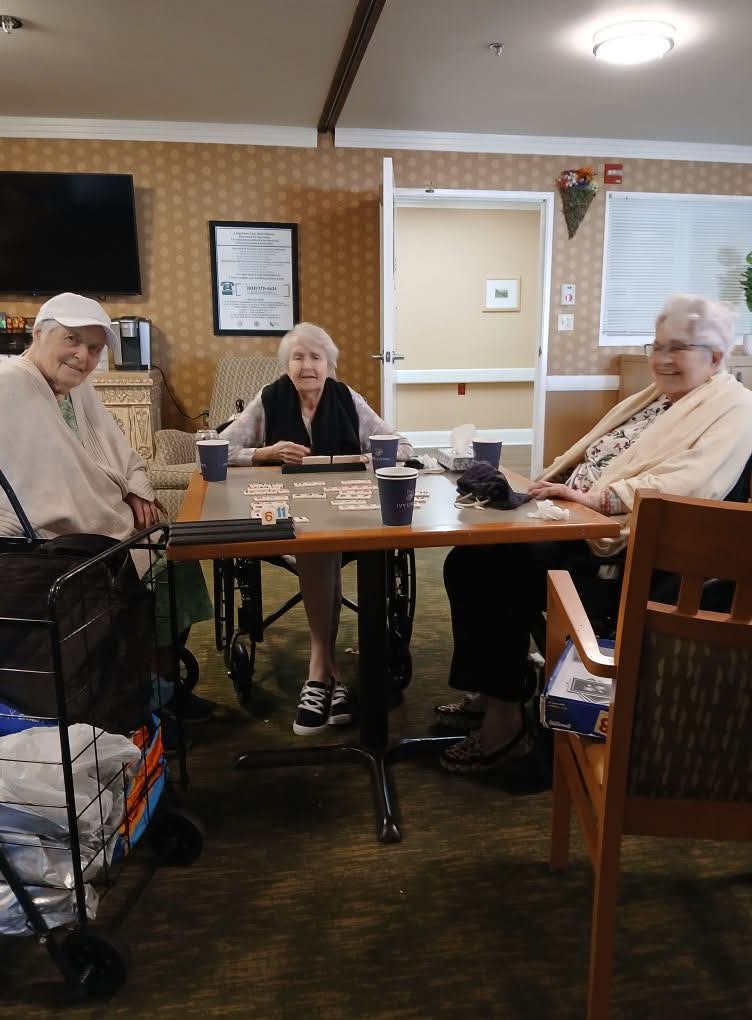
41505 CARLOTTA DRIVE, PALM DESERT, CA 92211 (760) 610-0295
For profit - Limited Liability company 59 Beds Independent Data: November 2025
Trust Grade
65/100
#480 of 1155 in CA
Last Inspection: June 2025

Inspected within the last 6 months. Data reflects current conditions.

Overview

The Springs Healthcare Center at the Carlotta has a Trust Grade of C+, meaning it is slightly above average compared to other facilities. It ranks #480 out of 1,155 in California, placing it in the top half of nursing homes statewide, and #17 out of 53 in Riverside County, indicating that only 16 local options are better. The facility shows an improving trend, with issues decreasing from 10 in 2024 to 7 in 2025. However, staffing is a concern with a rating of 2 out of 5 stars and a turnover rate of 55%, which is significantly higher than the state average. While there have been no fines, which is a positive sign, there are some serious concerns. For example, the facility failed to properly assess and treat pressure injuries for residents, leading to worsening conditions. Additionally, there were issues with food safety and sanitation, including improperly stored food that could pose health risks, and garbage management problems that could attract pests. Overall, while there are strengths in the facility's rankings and lack of fines, families should consider the staffing challenges and specific health and safety issues noted in the inspections.

Trust Score
C+
65/100
In California
#480/1155
Top 41%
Safety Record
Moderate
Needs review
Inspections
Getting Better
10 → 7 violations
Staff Stability
⚠ Watch
55% turnover. Above average. Higher turnover means staff may not know residents' routines.
Penalties
✓ Good
No fines on record. Clean compliance history, better than most California facilities.
Skilled Nurses
○ Average
Each resident gets 33 minutes of Registered Nurse (RN) attention daily — about average for California. RNs are the most trained staff who monitor for health changes.
Violations
⚠ Watch
22 deficiencies on record. Higher than average. Multiple issues found across inspections.
★★★★☆
4.0
Overall Rating
★★☆☆☆
2.0
Staff Levels
★★★★☆
4.0
Care Quality
★★★★☆
4.0
Inspection Score
Stable
2024: 10 issues
2025: 7 issues

The Good

  • 4-Star Quality Measures · Strong clinical quality outcomes
  • Full Sprinkler Coverage · Fire safety systems throughout facility
  • No fines on record

Facility shows strength in quality measures, fire safety.

The Bad

Staff Turnover: 55%

Near California avg (46%)

Higher turnover may affect care consistency

The Ugly 22 deficiencies on record

1 actual harm
Jun 2025 6 deficiencies
CONCERN (D)

Potential for Harm - no one hurt, but risky conditions existed

Deficiency F0605 (Tag F0605)

Could have caused harm · This affected 1 resident

**NOTE- TERMS IN BRACKETS HAVE BEEN EDITED TO PROTECT CONFIDENTIALITY** Based on interview and record review, the facility failed to ensure two of five sampled residents (Residents 11 and 143) were fr...

Read full inspector narrative →
**NOTE- TERMS IN BRACKETS HAVE BEEN EDITED TO PROTECT CONFIDENTIALITY** Based on interview and record review, the facility failed to ensure two of five sampled residents (Residents 11 and 143) were free from unnecessary psychotropic (drug that affects brain activities associated with the mental processes and behavior) medications when: - For Residents 11 and 143, there was no documented evidence the non-pharmacological interventions (NPI, non-drug alternatives) were attempted, including any trial or evaluation of behavioral, environmental, or person-centered approaches, prior to the initiation of psychotropic medications. Furthermore, there was no documentation indicating non-pharmacological interventions were being implemented and monitored in conjunction with the ongoing, daily administration of psychotropic medications; and - For Resident 11, the facility did not have the prescriber-documented rationale for extended use of the as-needed (PRN) temazepam (a psychotropic medication used for inability to fall asleep) beyond 14 days. These failures had the potential to result in unnecessary use of psychotropic medications with increased risk of adverse effects, such as sedation (sleepiness), falls or mental status changes. Findings: 1. On June 5, 2025, Resident 143's medical record was reviewed, and the following were noted: - Resident 143 is [AGE] years old, and was admitted to the facility on [DATE], with diagnoses which included major depressive disorder (depression, a mood disorder that causes a persistent feeling of sadness and loss of interest); - There was a physician order on June 3, 2025, for Duloxetine (a psychotropic medication to treat depression) 30 mg (milligram - unit of measurement) with the direction to give one capsule by mouth at bedtime for depression m/b (manifested by) isolative and withdrawn behavior.; and - There was a physician order on June 3, 2025, for Amitriptyline (a psychotropic medication to treat depression) 25 mg. with the direction to give one tablet by mouth one time a day for depression m/b persistent expression of hopelessness and helplessness. On June 5, 2025, a review of Resident 143's care plan, dated on June 3, 2025, indicated, provide non-drug interventions prior to the use of PRN anti-depressants (medication to treat depression). However, the resident was receiving routine (non-PRN) anti-depressants on a scheduled basis. The care plan did not address or include any non-pharmacological interventions related to the use of the routine anti-depressants, duloxetine and amitriptyline for Resident 143. On June 5, 2025, further review of Resident 143's medical record, including Informed Consents (process in which a health care provider educates a patient about the risks, benefits, and alternatives of a given procedure or intervention in order to obtain agreement or permission for care, treatment, or services), indicated there was no documented evidence the NPI were attempted and evaluated prior to initiation of duloxetine on June 3, 2025, and amitriptyline on June 3, 2025. Additionally, a review of Resident 143's medical record, including Medication Administration Record (MAR), indicated there was no documented evidence the non-pharmacological approaches were being implemented and monitored concurrently with the continued use of the anti-depressant medications. On June 6, 2025 at 12:05 p.m., during a concurrent interview and record review with the Director of Nursing (DON), the DON stated there was no documentation of NPI attempted and evaluated for Resident 143 before starting amitriptyline and duloxetine on June 3, 2025. The DON also stated there was no documentation indicating the NPI were implemented and monitored alongside the ongoing daily administration of duloxetine and amitriptyline. The DON acknowledged Resident 143's duloxetine and amitriptyline were ordered without a specific, quantifiable monitoring for NPI, and that monitoring of behaviors and adverse effects with the NPI is important to evaluate the effectiveness of psychotropic medications. 2. On June 5, 2025, Resident 11's medical record was reviewed, and the following were noted: - The resident was [AGE] years old, who was admitted to the facility on [DATE], with diagnoses which included insomnia (difficulty sleeping) and major depressive disorder; - There was a physician order on April 14, 2024, for Citalopram (a psychotropic medication to treat depression) 40 mg with the direction to give the resident one tablet by mouth one time a day for depression m/b verbalization of sadness related to major depressive disorder.; - There was a physician order on April 18, 2024, for Temazepam 15 mg with the direction to give the resident one tablet by mouth at bedtime for insomnia m/b inability to sleep; and - There was a care plan, dated on April 14, 2024, for temazepam 15 mg, and it indicated, .Evaluate other factors potentially causing insomnia, for example: environment (excessive heat, cold, or noise), lighting, inadequate physical activity, facility routines, caffeine/medications. Attempt to modify and control these external factors before initiating hypnotic therapy . On June 5, 2025, further review of Resident 11's medical record, including Informed Consents, indicated there was no documented evidence the NPI were attempted and evaluated prior to initiation of citalopram on April 14, 2024, and temazepam on April 18, 2024. Additionally, a review of Resident 11's medical record, including psychiatric consult notes and MAR, indicated there was no documented evidence the non-pharmacological approaches were being implemented and monitored concurrently with the continued use of the psychotropic medications, citalopram, and temazepam. On June 6, 2025 at 12:05 p.m., during a concurrent interview and record review with the Director of Nursing (DON), the DON stated there was no documentation of NPI being implemented and evaluated for Resident 11 before starting citalopram and temazepam. The DON also stated there was no documentation indicating the NPI were implemented and monitored alongside the ongoing daily administration of citalopram and temazepam. The DON acknowledged Resident 11's citalopram and temazepam were ordered without a specific, quantifiable monitoring for NPI. A review of the facility's policy and procedures titled, Psychotropic Medication Use, last revised, January 2025, indicated: .The facility should not use psychotropic medications to address behaviors without first determining if there is a medical, physical, functional, psychological, social or environmental cause of the resident's behaviors . The facility staff should take a holistic approach to behavior management that involves a thorough assessment of underlying causes of behaviors and individualized person-centered non-drug and pharmaceutical interventions . Facility should involve the resident or the resident's representative(s) in the discussion of potential non-drug and medication interventions to address the management of behaviors and the involvement should be documented in the resident's medical record . Psychotropic medications may be used to address behaviors only if non-drug approaches and interventions were attempted prior to their use . Facility staff should document .the resident's response to staff interventions . 3. On June 5, 2025, further review of Resident 11's medical record indicated a physician order, dated on June 1, 2024, for Temazepam 15mg with the direction to give the resident one tablet by mouth as needed for inability to stay asleep, may repeat if initial dose ineffective and give 15 mg by mouth at bedtime for insomnia m/b (manifested by) inability to fall asleep; and - There was a physician order on June 19, 2024, to discontinue the PRN Temazepam 15mg. On June 5, 2025, a review of Resident 11's medical record indicated there was no documented evidence to show the physician documented the rationale why the resident needed the PRN temazepam beyond 14 days. On June 6, 2025 at 12:05 p.m., during a concurrent interview and record review with the Director of Nursing (DON), the DON stated there was no evidence to show the physician documented the rationale for the PRN temazepam beyond 14 days. A review of the facility's policy and procedures titled, Psychotropic Medication Use, last revised January 2025, indicated: .Residents do not receive psychotropic drugs pursuant to a PRN order unless that medication is necessary to treat a diagnosed specific condition that is documented in the clinical record, PRN orders for psychotropic drugs are limited to 14 days . For psychotropic prn medications, excluding antipsychotics, if the attending physician or prescribing practitioner believes that it is appropriate for the PRN order to be extended beyond 14 days, he or she should document their rationale in the resident's medical record and indicate the duration for the PRN order .
CONCERN (D)

Potential for Harm - no one hurt, but risky conditions existed

Pharmacy Services (Tag F0755)

Could have caused harm · This affected 1 resident

Based on observation, interview, and record review, the facility failed to ensure the accurate administration of medication in accordance with the physician's order, when a tablet of enteric coated (E...

Read full inspector narrative →
Based on observation, interview, and record review, the facility failed to ensure the accurate administration of medication in accordance with the physician's order, when a tablet of enteric coated (EC, protective coating designed to dissolve in the small intestine rather than the stomach) aspirin (used to lowers the risk of a heart attack, stroke, or blood clot) was administered to Resident 291 in place of the prescribed order for a chewable aspirin. This failure had the potential for Resident 291 to experience delayed absorption (the time it takes for a medication to be absorbed into the body) and delayed onset (the time it takes for a medication to start working) of aspirin's effect, as enteric coated aspirin is designed to dissolve slowly in the small intestine, whereas chewable aspirin is absorbed more quickly in the stomach. Findings: During a medication pass observation on June 3, 2025 at 10:28 a.m., Licensed Vocational Nurse (LVN) 1 was observed preparing and administering eight (8) medications, including a tablet of enteric coated aspirin 81 mg (milligram - unit of measurement), to Resident 291. On June 3, 2025, a review of Resident 291's physician's order and Medication Administration Record (MAR) indicated an aspirin 81 mg chewable tablet was to be administered to the resident by mouth two times a day for s/p (status post, after surgery of) hip replacement, as ordered on May 16, 2025. On June 4, 2025, at 8:38 a.m., during a concurrent interview and record review with LVN 1, LVN 1 reviewed the physician's order, and acknowledged the EC aspirin was administered to the resident instead of the chewable aspirin. LVN 1 verified the physician's order was not followed. On June 4, 2025, at 9:51 a.m., during an interview and record review with the Director of Nursing (DON), the DON verified the order for chewable aspirin in the MAR and the physician's order for Resident 291. The DON stated the licensed nurse should have verified the physician's order before administering the medication, as there is a difference between the enteric-coated aspirin and chewable aspirin. The DON further stated the enteric-coated aspirin is designed for delayed absorption, bypassing the stomach, while chewable aspirin is intended for faster absorption. A review of the facility's policy and procedures titled, Medication Administration - General Guidelines, dated January 21, 2025, indicated: .Medication Preparation: .Prior to administration, review and confirm medication orders for each individual resident on the Medication Administration Record. Compare the medication .on the resident's MAR with the medication label . Medication Administration: Medications are administered in accordance with written orders of the prescriber . Verify medication is correct three (3) times before administering the medication. a. When pulling medication package from med cart b. When dose is prepared c. Before dose is administered .
CONCERN (D)

Potential for Harm - no one hurt, but risky conditions existed

Deficiency F0761 (Tag F0761)

Could have caused harm · This affected 1 resident

Based on observation, interview, and record review, the facility failed to ensure medications were properly stored and disposed in accordance with the facility's policies and procedures, when a total ...

Read full inspector narrative →
Based on observation, interview, and record review, the facility failed to ensure medications were properly stored and disposed in accordance with the facility's policies and procedures, when a total of three expired medications were found stored in the Medication Refrigerator, the Medication Room, and Medication Cart 1. These failures had the potential to result in the administration of less effective, expired medications, medication errors and compromised treatment outcomes for residents. Findings: 1. On June 3, 2025, at 2:50 p.m., during an inspection of the Medication Refrigerator with Licensed Vocational Nurse (LVN) 2, two bags of expired vancomycin (injectable antibiotic for infection) 750 mg (milligram - unit of measurement) compounded in 250 mL (milliliter - unit of measurement) of NS (normal saline) were observed. The pharmacy label on each bag indicated, Use By: 05/23/2025 (May 23, 2025). In a concurrent interview, LVN 2 verified the directions on the medication labels, indicating the use-by date written as May 23, 2025. LVN 2 stated the medications should have been removed from the medication refrigerator and placed in the pharmaceutical bin for disposal. On June 4, 2025 at 9:39 a.m., during an interview and record review with the Director of Nursing (DON), Resident 28's physician's orders and Medication Administration Record (MAR) were reviewed. The DON verified vancomycin 750 mg was to be administered intravenously (IV, method of administering medication within the vein) two times a day for osteomyelitis (inflammation or swelling in the bone) until May 21, 2025. The DON also verified pharmacy-applied label on the medication bags displayed the use-by date of May 23, 2025 and stated the licensed nurse should have removed the medications from the refrigerator for disposal when the order was discontinued. A review of the facility's policy and procedures (P&P) titled, Disposed of Medications, Syringes and Needles - Discontinued Medications, dated January 21, 2025, indicated: .When medications are discontinued by prescriber order .the medications are marked as discontinued and destroyed .If a prescriber discontinues a medication, the medication container is removed from the medication cart according to state/federal regulations in a timely manner. Medications awaiting disposal are stored in a locked secure area designated for that purpose until destroyed .Discontinued medications not returned to the pharmacy are destroyed in accordance with the destruction policy and procedure . 2. On June 4, 2025 at 9:17 a.m., during an inspection of the Medication Room with the DON, two unopened bottles of expired Lutein (supplement to help support eye health) 20 mg were observed stored in the house supply medication cabinet. The manufacturer's expiration dates on the bottles indicated May 2025. In a concurrent interview, the DON stated nurses, including herself, check the house supply storage every week to identify any expired medications in the cabinet. The DON stated the expired medications are to be disposed of in the secure a drug waste container containing liquid, which renders the pills unusable. The DON further stated no expired medications should be stored in the medication room and the expired lutein bottles should have been removed from the cabinet and placed in the pharmaceutical waste bin for disposal. 3. On June 4, 2025, at 10:45 a.m., during an inspection of Medication Cart 1 with LVN 3, a tube of expired Microdot Glucose Gel (drug to manage low blood sugar) was identified. The manufacturer's expiration date on the tube indicated April 2025. In a concurrent interview, LVN 3 stated at the beginning of each shift, the licensed nurse (LN) assigned to the medication cart is responsible for checking any expired medications. The LN is then required to remove any expired medications and dispose of them in the medication incineration bin located in the medication room. A review of the facility's policy and procedures (P&P) titled, Medication Storage - Storage of Medication, dated January 21, 2025, was reviewed, and it indicated: .Outdated .discontinued .medications .are immediately removed from stock, disposed of according to procedures for medication disposal .
CONCERN (E)

Potential for Harm - no one hurt, but risky conditions existed

Food Safety (Tag F0812)

Could have caused harm · This affected multiple residents

Based on observation, interview, and record review, the facility failed to maintain a sanitary environment, store, and prepare food in accordance with professional standards for food service safety wh...

Read full inspector narrative →
Based on observation, interview, and record review, the facility failed to maintain a sanitary environment, store, and prepare food in accordance with professional standards for food service safety when: 1. Multiple large plastic pans stacked in the storage rack were wet; and 2. Four containers of five pounds (lbs - a unit of measurement) low fat cottage cheese were stored in the refrigerator beyond the use-by-date. These failures had the potential to result in cross contamination (bacteria were unintentionally tranferred from one substance or object to another with harmfull effect) and foodborne illnesses (illnesses that result from ingesting contaminated food) for 40 of 40 medically compromised residents who received food from the kitchen. Findings: 1. On June 3, 2025, at 10:25 a.m., a concurrent observation and interview was conducted with the Dietary Manager (DM) during inspection of the stacked large plastic pans in the storage rack. During inspection, multiple large plastic pans were observed being wet. The DM stated the large plastic pans were not supposed to be wet. The plastic pans should have been air dried prior to the storage in the rack. On June 3, 2025, at 10:28 a.m., the Registered Dietician (RD)was interviewed. The RD stated all pots and pans should be air dried after sanitizing and before storage. On June 3, 2025, at 10:56 a.m., the kitchen Chef was interviewed. He stated the large plastic pans should not be wet. The plastic pans should be air dried prior to storage. 2. On June 3, 2025, at 10:35 a.m., a concurrent observation and interview was conducted with the DM during an inspection of Refrigerator 2. During the inspection, the following were observed: - Two unopened 5 lbs. low fat cottage cheese with a use-by-date of May 29, 2025; - One opened 5 lbs low fat cottage cheese with a use-by-date of June 1, 2025; and - One unopened 5 lbs low fat cottage cheese with a use-by- date of June 1, 2025. The DM stated the expired food items should have been discarded. On June 3, 2025, at 10:56 a.m., the kitchen Chef was interviewed. He stated him and the cooks would check the refrigerators making sure all expired food items were removed from the refrigerator. He stated the expired food items should have been discarded. A review of the facility's policy and procedure titled, POTS AND PANS - SANITIZING SOLUTION, dated August 31, 2018, indicated, .Sanitize pots and pans .per manufacturer guidelines .allow all items to air dry .When items are air dry, store in proper storage area . A review of the facility's policy and procedure titled, FOOD STORAGE, dated July 11, 2024, indicated, .Food items should be store .prepared in accordance with good sanitary practice .Any expired or outdated food products should be discarded .
CONCERN (E)

Potential for Harm - no one hurt, but risky conditions existed

Garbage Disposal (Tag F0814)

Could have caused harm · This affected multiple residents

Based on observation, interview, and record review, the facility failed to dispose of garbage and refuse properly when one re-cycle dumpster lid was widely open, bags of trash were piled and was overf...

Read full inspector narrative →
Based on observation, interview, and record review, the facility failed to dispose of garbage and refuse properly when one re-cycle dumpster lid was widely open, bags of trash were piled and was overflowing one trash container causing the lid not to close, and multiple debris and trash were on the ground. This failure had the potential to attract pests and rodents that can be a source of communicable diseases. Findings: On June 3, 2025, at 11:36 a.m., a concurrent observation and interview was conducted with the Dietary Manager (DM), during inspection of the outside garbage storage area. The following were observed: - One of two blue re-cycle bins had its lid open; - One of four black dumpsters container was overflowing with bags of trash causing the lid not to close; and - Debris and trash were observed on the ground including multiple wood pallets. The DM stated the bags of trash should always be inside the dumpster with the lid closed. She stated the ground should be kept clean from debris. On June 3, 2025, at 1:56 p.m., The Maintenance Director (MD) was interviewed. The MD stated the garbage dumpster lids should be closed all the time, the garbage bags should be inside the dumpster, and the ground should have been cleaned. A review of facility's policy titled Food-Related Garbage and refuse Disposal. dated October 2017, indicated, .Outside dumpsters provided by garbage pick-up services will be kept close and free of surrounding litter . A review of the facility's policy and procedure titled, GARBAGE AND TRASH CANS, dated May 20, 2020, indicated, .The dumpster area must be free of debris on the ground and lid must be closed .
CONCERN (E)

Potential for Harm - no one hurt, but risky conditions existed

Infection Control (Tag F0880)

Could have caused harm · This affected multiple residents

**NOTE- TERMS IN BRACKETS HAVE BEEN EDITED TO PROTECT CONFIDENTIALITY** Based on observation, interview, and record review, the facility failed to ensure infection control practices were implemented f...

Read full inspector narrative →
**NOTE- TERMS IN BRACKETS HAVE BEEN EDITED TO PROTECT CONFIDENTIALITY** Based on observation, interview, and record review, the facility failed to ensure infection control practices were implemented for four of 40 residents reviewed (Residents 17, 92, 11 and 195), when: 1a. For Resident 17, on Enhanced Barrier Precaution (EBP - an infection control precaution using the Protective Personal Equipment (PPE) such as gown and gloves during high contact resident care activities) the Physical Therapist (PT- healthcare professional who helps individuals improve their movement and functions through various therapies) did not wear the proper PPE when transferring Resident 17 from the wheelchair to the bed; 1b. For Resident 92, on EBP, the Certified Nursing Assistant (CNA) did not wear proper PPE when providing care and changing bed linens; 2. For Resident 11, on EBP, the Licensed Vocational Nurse (LVN) did wear proper PPE when providing Foley (a thin flexible tube inserted through the bladder to drain urine when normal urination is not possible) catheter care; and 3. For Resident 195, the Licensed Vocational Nurse (LVN) did not clean and disinfect (the use of chemical to reduce the number of bacteria or virus particles on surfaces) the blood pressure equipment after use. These failures had the potential for the vulnerable residents to be exposed to cross contamination and the development of infection. Findings: 1a. On June 3, 2025, at 2:42 p.m., an EBP sign was observed posted outside the room of Resident 17. Resident 17 was observed sitting in her wheelchair with the presence of facility staff wearing a white lab coat. Resident 17 was observed with a Foley catheter hanging at the side of her wheelchair. Resident 17 was assisted back to bed by the facility's staff, and repositioned her in bed. The facility staff was observed leaving Resident 17's bedside, without using the bathroom to wash his hands. The staff was observed entering another resident's room. On June 3, 2025, at 2:56 p.m., the facility's staff was observed leaving room [ROOM NUMBER], and was identified as the PT. The PT stated he assisted Resident 17 back to bed and helped her repositioned in bed. He stated he was using gloves when providing assistance to Resident 17. The PT stated he was aware Resident 17 was in EBP, but did not see the disposable gown in the room. He stated not performing hand hygiene and using the proper PPE on residents on an EBP can cause cross contamination and transmission of germs from one resident to another. A review of Resident 17's record indicated Resident 17 was admitted to the facility on [DATE], with diagnoses which included Parkinson's disease (a disorder of the nervous system that affects movement) and history of cystostomy (a procedure involving an opening in the bladder through the abdomen, to allow for urinary drainage). Resident 17's history and physical dated March 17, 2025, indicated she has the capacity to understand and make decisions.The physician's order dated August 5, 2024, indicated, .Resident is on enhanced barrier precaution for Foley catheter . On June 5, 2025, at 11:20 a.m., a concurrent observation and interview was conducted with the Infection Preventionist (IP). The IP stated the disposable gown was located inside the resident's closet. The IP opened Resident 17's closet and reached for a pack of disposable gowns. She stated all the staff should have known where the disposable gowns was stored. She stated the PT should have put on the proper PPE before transferring Resident 17 back to bed. On June 5, 2025, at 11:46 a.m., the Director of Nursing (DON) was interviewed. The DON stated the PT and all other staff who provides direct contact care to the residents on EBP should wear proper PPE and perform hand hygiene. A review of the facility's policy and procedure titled, Enhanced Barrier precaution, dated June 20, 2024, indicated, .EBP .used in conjunction with the standard precautions and expand the use of PPE to donning of gown and gloves during high-contact resident care activities .Indwelling medical devices .such as central lines, urinary catheters .facility staff shall perform hand hygiene and will don gown and gloves before performing .transferring .hand hygiene will be performed before leaving the room . 1b. On June 3, 2025, at 3:30 p.m., a posted sign of EBP was observed outside Resident 92's room. During a concurrent observation and interview on June 3, 2025, at 3:35 p.m., with Resident 92, in his room, Resident 92 was awake, lying in bed alert and able to verbalize his needs. Resident 92 was observed with Foley catheter attached to the side of his bed. Resident 92 stated he had the Foley catheter for a year due to cancer. On June 4, 2025, at 10:10 a.m., Resident 92 remained in EBP due to the Foley catheter. The Certified Nursing Assistant (CNA) was observed entering Resident 92's room without the proper PPE. The CNA was heard offering Resident 92 assistance with his daily activities. CNA was observed closing the resident's door. On June 4, 2025, at 10:28 a.m., CNA 1 was interviewed. CNA 1stated she assisted Resident 92 washed his face, brushed his [NAME], and she changed his bed sheets. CNA 1 stated she was aware Resident 92 was in EBP due to his Foley catheter. She stated she did not wear the disposable gown, but was using gloves. She stated she only used the disposable gown when she emptied Resident 92's catheter. CNA 1 stated the disposable gowns was available on resident's closet. On June 4, 2025, at 10:38 a.m., Resident 92 was observed sitting up at the bedside chair visiting with his wife. Resident 92 stated the CNA changed his bedlinens and helped him washed his face. Resident 92 was observed with the Foley catheter in place. A review of Resident 92's record indicated Resident 92 was admitted to the facility on [DATE], with diagnoses which include [NAME] Cell cancer (MCC - A rare aggressive type of skin cancer that affects the outer layer of the skin) and benign prostatatic hypertrophy (BPH - enlarge prostate). Resident 92 was recently admitted to acute hospital, for an on going sepsis (a life-threatening complication of an infection) from recent acute cholecystitis (gallbladder inflammation). Resident 92 has the capacity to understand and make decision. Resident 92 required minimal assistance with his activities of daily living (ADL). On June 5, 2025, at 11:25 a.m., the IP was interviewed. The IP stated CNA 1 should have used the proper PPE before providing direct care to Resident 92. On June 5, 2025, at 11:48 a.m., the DON was interviewed. The DON stated CNA 1 should always wear the proper PPE when providing direct care to Resident 92. A review of the facility's policy and procedure titled, Enhanced Barrier Precaution, dated June 20, 2024, indicated, .the facility shall provide required PPE .readily available to staff .as long as staff are aware of which residents require the use of EBP prior to providing high-contact care activities .Dressing .providing hygiene .changing linenes . 3. On June 4, 2025, at 11:31 a.m., LVN 2 was observed entering Resident 195's room to perform a blood pressure reading with the shared blood pressure cuff. LVN 2 was also observed exiting Resident 195's room and placing the shared blood pressure cuff onto the medication cart while documenting in the EMR (electronic medical record). LVN 2 was further observed pushing the medication cart to another resident's room and placing the shared blood pressure cuff into the drawer of the medication cart without disinfecting the shared blood pressure cuff. On June 4, 2025, at 11:36 p.m., an interview was conducted with LVN 2. LVN 2 stated she did not clean the shared blood pressure cuff after use with Resident 195. LVN 2 stated shared equipment should be cleaned with disposable Sani-Cloth wipes (a disinfectant wipe) after use with each resident. LVN 2 stated she should have cleaned the blood pressure cuff with the Sani-Cloth wipes. On June 5, 2025, at 4:22 p.m., an interview was conducted with the Administrator. The Administrator stated the facility's expectation is for nursing to sanitize shared equipment after each use with a resident. The Administrator stated the licensed nurse should have sanitize the shared equipment after each use with a resident. A review of the facility's policy and procedure titled Cleaning and Disinfection of Resident-Care Items and Equipment, revised, October 2018, indicated, .Reusable items are cleaned and disinfected or sterilized between residents (e.g., stethoscope's, durable medical equipment) .Durable medical equipment (DME) must be cleaned and disinfected before reuse by another resident . 2. On June 3, 2025, at 11:30 a.m., an observation was conducted on Resident 11's room. Posted in front of Resident 11's room was a sign that indicated Enhanced Barrier Precautions .Everyone Must .Clean their hands .Wear gloves and a gown .High-Contact Resident Care Activities .Device care .Urinary Catheter . There was no observed PPE storage by Resident 11's door. On June 3, 2025, Resident 11's record was reviewed. Resident 11 was admitted to the facility on [DATE], with diagnoses which included neurogenic bladder (condition where you lose control of your bladder because of problems with the nerves that control it). A review of Resident 11's physician orders indicated the following: -Check Foley catheter every shift daily for neurogenic bladder, date ordered January 1, 2025; and - Enhanced Barrier Precaution for Foley catheter use every shift, date ordered May 1, 2024. On June 4, 2025, at 10:09 a.m., an interview was conducted with Licensed Vocational Nurse (LVN) 2. LVN 2 stated Resident 11 is on EBP because of his foley catheter use. LVN 2 stated the staff should wash their hands, wear gown and gloves, when they provide peri-care (the cleaning and maintenance of the perineum, the area between the anus and the genitals) or care that involved touching Resident 11's Foley catheter. On June 6, 2025, at 2:11 p.m., during observation of Resident 11 with LVN 4, the following were observed: a. Resident 11 was in his room sitting on his wheelchair, with the foley catheter hanging by gravity on the right side of the wheelchair. A urinary patch (adhesive patch to hold the Foley tubing in place) was observed on his left thigh with the Foley tubing twisted beneath a clamp. b. LVN 4 was then observed entering Resident 11's room without washing hands and putting on gown and gloves. c. LVN 4 approached Resident 11, attempted to untwist the Foley tube, then proceeded to leave the room. d. LVN 4 was observed not performing handwashing prior to exiting Resident 11's room. On June 6, 2025, at 2:48 p.m., an interview was conducted with LVN 4. LVN 4 stated, Resident 11 is on EBP because of his Foley catheter use. LVN 4 stated she should have observed the EBP by washing her hands and putting on gown and gloves prior to entering Resident 11's room, to untwist his foley catheter tubing, to prevent the spread of infection to other residents in the facility. The facility's policy and procedure titled, Enhanced Barrier Precaution, dated June 20, 2024, was reviewed. The policy indicated, .To maintain an infection prevention .to provide safe, sanitary, and comfortable environment .reduce transmission and spread .multi-drug-resistant organism .use of PPE to donning of gown and gloves .during high-contact resident care activities .indwelling medical devices .urinary catheters .
May 2025 1 deficiency
CONCERN (D) 📢 Someone Reported This

A family member, employee, or ombudsman was alarmed enough to file a formal complaint

Potential for Harm - no one hurt, but risky conditions existed

Quality of Care (Tag F0684)

Could have caused harm · This affected 1 resident

**NOTE- TERMS IN BRACKETS HAVE BEEN EDITED TO PROTECT CONFIDENTIALITY** Based on observations, interviews, and record review, the facility failed to ensure that high blood sugar level readings above 4...

Read full inspector narrative →
**NOTE- TERMS IN BRACKETS HAVE BEEN EDITED TO PROTECT CONFIDENTIALITY** Based on observations, interviews, and record review, the facility failed to ensure that high blood sugar level readings above 401 mg/dl (unit of measurement) were reported to the physician in a timely manner as ordered, for one resident reviewed (Resident 1). This failure had potential for delays of treatment for Resident 1 ' s high blood sugar level. Findings: On April 23, 2025, Resident 1 ' s record was reviewed. Resident 1 was admitted to the facility on [DATE], with diagnoses that included diabetes (high blood sugars) and hypertension (high blood pressure). The Physician's Order dated, March 15, 2025, indicated, to give, .Humalog Injection (Insulin Lispro - injectable medication to treat high blood sugar)100 UNIT/ML (unit of measurement) . before meals and at bedtime as per following blood sugar sliding scale: - 120-150 (blood sugar reading) mg/dl = 2 units (insulin dose) ; - 151-200 = 3 units; - 201-250 = 8 units; - 251-300 = 10 units; - 301-350 = 12 units; - 351-400= 16 units; and - 401 + = 12 units The Physician's Order further indicated to call the physician if the blood sugar level was 401 and above. The electronic Medication Administration Record (eMAR) dated March 1 to 31, 2025, indicated the following: - On March 16, 2025, at 6:11AM, the blood sugar level was recorded at 447 mg/dl by Licensed Vocational Nurse (LVN) 1 and 12 units of insulin was administered; and - On March 16, 2025, at 11:25 AM, the blood sugar level was recorded at 442 mg/dl by LVN 2 and 12 units of insulin was administered. There was no documented evidence that Resident 1 ' s high blood sugar level of over 400 mg/dL were communicated to the physician by the LVNs 1 and 2 on March 16, 2025. On March 23, 2025, at 12:00 p.m., an interview was conducted with LVN 1. LVN 1 stated she was the licensed nurse who checked Resident 1's blood sugar on March 16, 2025, at 6:11 a.m. LVN 1 stated Resident 1 ' s blood sugar was 447 mg/dL and she administered 12 units of Insulin Lispro as ordered by the physician. LVN 1 stated she forgot to call the physician of Resident 1's high blood sugar above 400. LVN 1 stated she should have contacted the physician. LVN 1 further stated Resident 1 may have had more complications from his diabetes by not notifying the physician. On March 23, 2025, at 12:15 PM, an interview was conducted with LVN 2 . LVN 2 stated she was the licensed nurse who checked Resident 1 ' s high blood sugar on March 16, 2025, at 11:25 a.m. LVN 2 stated Resident 1's blood sugar was 422 mg/dL and she administered 12 units of insulin Lispro as ordered by the physician. LVN 2 stated she got busy at work and forgot to call about the blood sugar above 400. LVN 2 stated she should have contacted the physician. On March 23, 2025, at 4:00 p.m., an interview with a concurrent record review was conducted with the Director of Nursing (DON). The DON stated that licensed nurses were expected to follow the physician orders on diabetic management. The DON stated the blood sugar checks that were out of range should have been identified as change of condition and the physician should be contacted. The DON stated the nurses by not contacting the physician, the resident could have become very sick and hospitalized . The facility ' s policy and procedure titled, Diabetes-Clinical Protocol, dated September 2017 was reviewed. The policy indicated, .As part of the initial assessment, the Physician will help identify individuals with elevated blood .Based on the preceding assessment .the Physician will order appropriate interventions .The Physician will order desired parameters for monitoring and reporting information related to blood sugar management. The staff will incorporate such parameters into the Medication Administration Record and Care Plan. The staff will identify and report issues that may affect a patient's diabetes management .
Jun 2024 1 deficiency 1 Harm
SERIOUS (G) 📢 Someone Reported This

A family member, employee, or ombudsman was alarmed enough to file a formal complaint

Actual Harm - a resident was hurt due to facility failures

Pressure Ulcer Prevention (Tag F0686)

A resident was harmed · This affected 1 resident

**NOTE- TERMS IN BRACKETS HAVE BEEN EDITED TO PROTECT CONFIDENTIALITY** Based on interview and record review, the facility failed to provide treatment and services consistent with the professional sta...

Read full inspector narrative →
**NOTE- TERMS IN BRACKETS HAVE BEEN EDITED TO PROTECT CONFIDENTIALITY** Based on interview and record review, the facility failed to provide treatment and services consistent with the professional standards of practice, to prevent progression of pressure injuries (PI-damage to the skin and underlying tissue due to prolonged pressure) for two of three sampled residents (Residents 1 and 2) when: 1. For Resident 2, a consistent weekly skin assessment was not completed to evaluate the changes in the resident's redness to the coccyx identified on admission. In addition, the facility failed to initiate treatment for Resident 2's redness to the coccyx upon admission. These failures resulted in Resident 2's coccyx (tailbone) redness to worsen into a Stage 3 pressure injury (full thickness tissue loss). 2. For Resident 1, a consistent weekly skin assessment was not completed to evaluate the changes in the resident 's Stage 2 PI (shallow opening with loss of middle layer of skin) of the coccyx and left buttocks, and reddened sacrum (is a triangle-shaped bone between your hip bones) identified on admission. This failure had the potential for Resident 1 ' s coccyx PI to progress without the knowledge of staff, subsequently delaying provision of treatment. Findings: 1. On May 20, 2024, at 9 a.m., an unannounced visit to the facility was conducted to investigate a quality care issue. A review of Resident 2 ' s medical record titled, admission Record, indicated the resident was admitted to the facility on [DATE], with diagnoses which included fractured (break in continuity of bone) left patella (Kneecap), and was discharged from the facility on May 20, 2024, for a left hip replacement surgery. A review of Resident 2 ' s admission skin assessment dated , April 26, 2024, indicated the resident had redness to the coccyx on admission to the facility. A review of Resident 2 ' s Minimum Data Set (MDS-a standardized assessment tool that measures health status in nursing home residents), Section M- Skin Condition, dated May 2, 2024, did not reflect any skin impairment for Resident 2. The MDS assessment did not reflect the redness in the coccyx area of Resident 2 which was observed during admission to the facility on April 26, 2024. A review of Resident 2 ' s admitting physician orders for April 2024, did not indicate any treatment for redness on Resident 2's coccyx. A review of Resident 2 ' s Treatment Administration Record (TAR) for April 2024, indicated resident was not receiving wound care treatments for redness on Resident 2's coccyx area. On May 20, 2024, at 1:40 p.m., a concurrent interview and record review of Resident 2's medical record was conducted with the Director of Nursing (DON). The DON stated the following: a. The resident was identified with a deep tissue injury (DTI- persistent non-blanchable deep red, purple, or [NAME] areas of intact skin, non-intact skin, or blood-filled blisters) measuring 3 X (by) 1 cm (centimeter- unit of measurement) on the resident's bottom. b. Treatment (Tx) Nurse 2 received a physician order for the treatment of the DTI and did not transcribe the orders to the resident ' s medical record. c. The expectations were for nursing staff to report the skin assessment findings to the physician, obtain treatment orders, and transcribe the orders Right away, so treatments can be carried out as soon possible. On May 20, 2024, at 3:00 p.m., an interview was conducted with Tx Nurse 1. TX Nurse 1 stated a referral would be made for a resident to be evaluated by the Wound Care Specialist (WCS) Nurse Practitioner, if a resident was found to have skin impairments. In addition, she (TX nurse) was expected to complete skin assessments weekly on each resident with pressure injury. On May 21, 2024, at 1:22 p.m. a concurrent interview and record review was conducted with Tx Nurse 1. The Tx Nurse 1 verified there was no weekly skin assessment completed for Resident 2. On May 21, 2024, at 1:40 p.m., a concurrent interview and record review was conducted with the DON, and she stated and verfied the following: a. During admission, the admissions nurse would complete skin assessment, followed by another skin assessment to be completed by the Tx Nurse, which would include measurement and staging of the pressure injury. b. The Tx Nurse would notify the physician if there were skin impairments and would be responsible in transcribing the treatment orders and initiating the treatments to the residents. c. The Tx Nurse did not conduct skin assessment on admission and there was no treatment provided to Resident 2 ' s reddened coccyx. d. Her expectations were for nursing staff to report the skin assessment findings to the physician, obtain treatment orders, document, and carry out the physician orders. A review of Resident 2 ' s weekly assessment did not indicate a skin assessment was completed for Resident 2's pressure injury on the coccyx area, after admission on [DATE]. A review of Resident 2 ' s medical record titled, Changes of Condition (COC) progress note, dated, May 9, 2024, at 1:35 p.m., indicated, . (Resident 2) has a wound on her bottom, (Registered Nurse- RN) measured 3 X 1 cm. DTI to the coccyx area . The COC progress notes further stated, .(Dr) responded with the following . (order) . cleanse with normal saline, pat dry, apply collagen (skin protectant) to wound and cover with dry dressing . A review of Resident 2 ' s physician orders for the month of May 2024, indicated no treatment orders for Resident 2's DTI on the coccyx. There was no documentation reflecting the treatment order for the DTI, indicated in the progress notes dated May 9, 2024. A review of Resident 2 ' s TAR for May 2024, did not reflect treatment initiated for the resident's DTI to the coccyx found on May 9, 2024. A review of Resident 2 ' s Wound Care Specialist (WCS) skin assessment, dated May 16, 2024, indicated, . (Left) Ischium (Stage) 3 (measuring) 0.6 X 0.8 X 0.2 cm w/ (with) odor, signs & symptoms (S/S) of infection, c/o pain . Tx order recommendations: cleanse with normal saline, honey (skin protectant), cover with Alginate, daily. A review of Resident 2 ' s physician orders, dated May 16, 2024, indicated .Cleanse left ischium with Normal saline, pat dry, apply honey and alginate, cover with dry dressing. Every day shift . A review of Resident 2 ' s TAR, for May 2024, indicated, the resident began receiving treatment for the Stage 3 on the left ischium on May 17, 2024, until discharge on [DATE]. On June 5, 2024, at 9:20 a.m., a concurrent interview and record review of Resident 2's medical records was conducted. The DON reviewed the admission skin assessment, the change of condition progress notes dated May 9, 2024, and the WCS skin assessment dated [DATE]. The DON verified the resident ' s ischium wound noted by WCS which was observed to be a Stage 3 would be referring to the coccyx identified as reddened on admission [DATE]) and on May 9, 2024. On June 5, 2024, at 12:12 p.m., during an interview, Tx Nurse 2 stated if there was a change of condition related to skin, the Tx nurse would assess the skin impairment, notify the physician of the findings, obtain treatment (TX)orders (if any), then transcribe the Tx orders into the resident ' s medical record. Tx nurse 2 verified she assessed and identified a DTI on Resident 2 ' s bottom and completed a change of condition progress notes on May 9, 2024, and she received treatment orders from the physician. Tx nurse 2 stated she did not transcribe the Tx orders into Resident 2 ' s medical records which delayed the provision of treatment to the resident ' s DTI on the coccyx. On June 5, 2024, at 3:50 p.m., a concurrent interview and record review was conducted with the MDS nurse. The MDS nurse verified she did not identify Resident 2's skin impairments during the admission assessment. The MDS nurse stated redness was not considered a wound. The MDS nurse further stated she did not verify with the admission nurse if the resident has a blanchable (redness that disappears on with applied pressure – indicating healthy skin) coccyx redness or non-blanchable (redness that does not disappear with applied pressure – indication stage 1 PI), stating, I should have. A review of the facility Policy & Procedure (P & P), titled, Wound Care, revised, October 2010, indicated, . Wound Care . Purpose: The purpose of this procedure is to provide guidelines for the care of wounds to promote healing . Preparation: 1. Verify that there is a physician ' s order for this procedure 2. Review the resident ' s care plan to assess for any special needs of the resident . Documentation: The following information should be recorded in the resident ' s medical records: 6. All assessment data (i.e., wound bed, color, size, drainage, etc.) obtained when inspecting the wound . Reporting: 2. Report other information in accordance with facility policy and professional standards of practice . A review of facility P & P, titled, Resident Examination and Assessment, revised, February 2014, indicated, .Purpose . is to examine and assess the resident for any abnormalities in health status, which provides a basis for the care plan . review the resident ' s admission assessment and/or preliminary care plan to assess for any special situations regarding the resident ' s care . 8. Skin: . e. presence of pressure sores, redness . Documentation: . 3. All assessment data obtained during the procedure . Reporting: . Notify the physician of any abnormalities such as, but not limited to: . e. Wounds or rashes on the resident ' s skin . 3. Report information in accordance with facility policy and professional standards of practice . A review of the facility P & P, titled, Comprehensive Assessments and the Care Delivery Process, revised December 2016, indicated, .Comprehensive assessments will be conducted to assist in developing person-centered care plans . Comprehensive assessments, care planning and the care delivery process involve collecting and analyzing information, choosing and initiating interventions, and then monitoring results and adjusting interventions . Monitoring results and adjusting interventions includes: a. Periodically reviewing progress and adjusting treatments . Comprehensive assessments are conducted and coordinated by a registered nurse with appropriate participation of other health professionals . Completed assessments . are maintained in the resident ' s active record These assessments are used to develop, review, and revise the resident ' s comprehensive care plan . A review of the facility P & P, titled, Medication and Treatment Orders, revised, July 2016, indicated, . 7. Verbal orders must be recorded immediately in the resident ' s chart by the person receiving the order and must include . the date and time of the order . 9. Orders . must include b. Number of doses, start, and stop date, and/or specific duration of therapy . B. A review of Resident 1 ' s medical records titled, admission Record, indicated Resident 1 was admitted to the facility on [DATE], with diagnoses which included muscle weakness and spinal stenosis (spaces within the backbone becomes too small, causing pressure on the nerves and spinal cord). Further review of the admission record indicated Resident 1 discharged from the facility on April 15, 2024. A review of Resident 1 ' s admission skin assessment dated [DATE], indicated Resident 1 was identified with a Stage 2 PI on the coccyx and left buttocks; and sacral redness. A review of Resident 1 ' s Minimum Data Set (MDS-a standardized assessment tool that measures health status in nursing home residents) skin assessment, Section M, dated, April 10, 2024, indicated, the resident was identified with two Stage 2 PI ' s (coccyx & left buttocks) upon admission. A review of Resident 1 ' s admitting physician orders indicated the following: 1. April 5, 2024, at 4:18 p.m., . Sacrococcygeal (lower back): Cleanse w/ (with) NS (normal saline) . apply barrier cream (skin protectant) . over blanchable redness . every day shift . 2. April 5, 2024, at 4:34 p.m., . Left (buttocks) open area: Cleanse . apply barrier cream . collagen (fibrous cover for wound) . foam dressing . everyday shift . 3. April 5, 2024, at 4:36 p.m., .Sacrum/coccyx (lower back) open areas: Cleanse . apply barrier cream, collagen . cover with foam . everyday shift . A review of Resident 1 ' s care plan titled, Resident has actual impairment to skin integrity of the coccyx (stage) 2, upon admission, initiated, April 9, 2024, indicated the following intervention, . Weekly treatment documentation to include measurement of each area of skin breakdown ' s width, length depth, type of tissue and exudate (drainage) and any other notable changes or observations . On May 20, 2024, at 3:00 p.m., during interview, Treatment (Tx) Nurse 1 stated treatment nurses would complete weekly skin assessments on each resident receiving PI wound treatments. Tx nurse 1 further stated skin assessment should be documented to reflect the most current status of the resident ' s pressure injury. Tx nurse 1 stated when a resident was identified with a skin impairment, a resident would be referred to a Wound Care Specialist (WCS), Nurse Practitioner. A review of Resident 1 ' s skin assessments notes, did not indicate documentation of WCS skin assessments. A review of Resident 1 ' s weekly progress notes did not indicate weekly skin assessments were completed to establish the status of Resident 1's pressure injuries on the left buttock and Sacro coccyx. On May 21, 2024, at 1:22 p.m. a concurrent interview and record review of Resident 1 ' s weekly PI skin assessments was conducted. TX nurse 1 verified no skin assessments were documented for Resident 1's pressure injury on the coccyx, sacrum, and left buttocks. TX nurse 1 stated there was no documented weekly skin assessments for Resident 1's pressure injury (coccyx, left buttock, and sacral area). On May 21, 2024, at 2:00 p.m., during an interview, the Director of Nursing (DON) stated the nurses should complete weekly skin assessments on all resident with PI ' s. The DON verified Resident 1 did not have weekly skin assessments addressing pressure injuries. The DON stated skin assessments are important to evaluate the condition of the resident ' s PI. The DON stated she did not know why Resident 1 was not assessed by the WCS. The DON stated the resident was at the facility for 10 days, and he should have been seen by the WCS. A review of the facility Policy & Procedure (P & P), titled, Wound Care, revised, October 2010, indicated, . Wound Care . Purpose: The purpose of this procedure is to provide guidelines for the care of wounds to promote healing . Preparation: 1. Verify that there is a physician ' s order for this procedure 2. Review the resident ' s care plan to assess for any special needs of the resident . Documentation: The following information should be recorded in the resident ' s medical records: 6. All assessment data (i.e., wound bed, color, size, drainage, etc.) obtained when inspecting the wound . Reporting: 2. Report other information in accordance with facility policy and professional standards of practice . A review of facility P & P, titled, Resident Examination and Assessment, revised, February 2014, indicated, .Purpose . is to examine and assess the resident for any abnormalities in health status, which provides a basis for the care plan . review the resident ' s admission assessment and/or preliminary care plan to assess for any special situations regarding the resident ' s care . 8. Skin: . e. presence of pressure sores, redness . Documentation: . 3. All assessment data obtained during the procedure . Reporting: . Notify the physician of any abnormalities such as, but not limited to: . e. Wounds or rashes on the resident ' s skin . 3. Report information in accordance with facility policy and professional standards of practice . A review of the facility P & P, titled, Comprehensive Assessments and the Care Delivery Process, revised December 2016, indicated, .Comprehensive assessments will be conducted to assist in developing person-centered care plans . Comprehensive assessments, care planning and the care delivery process involve collecting and analyzing information, choosing and initiating interventions, and then monitoring results and adjusting interventions . Monitoring results and adjusting interventions includes: a. Periodically reviewing progress and adjusting treatments . Comprehensive assessments are conducted and coordinated by a registered nurse with appropriate participation of other health professionals . Completed assessments . are maintained in the resident ' s active record These assessments are used to develop, review, and revise the resident ' s comprehensive care plan .
Jun 2024 2 deficiencies
CONCERN (D) 📢 Someone Reported This

A family member, employee, or ombudsman was alarmed enough to file a formal complaint

Potential for Harm - no one hurt, but risky conditions existed

Comprehensive Care Plan (Tag F0656)

Could have caused harm · This affected 1 resident

**NOTE- TERMS IN BRACKETS HAVE BEEN EDITED TO PROTECT CONFIDENTIALITY** Based on interview, and record review, the facility failed to develop a care plan to address two of three sampled residents (Res...

Read full inspector narrative →
**NOTE- TERMS IN BRACKETS HAVE BEEN EDITED TO PROTECT CONFIDENTIALITY** Based on interview, and record review, the facility failed to develop a care plan to address two of three sampled residents (Residents 1 and 2) episodes of diarrhea. This failure had the potential for facility staff, residents, and family members to be unaware of treatment and services to be provided to Residents 1 and 2's medical condition. Findings: On June 4, 2024, at 9:28 a.m., an unannounced visit was conducted at the facility to investigate a quality-of-care and quality-of-life issue. A review of Resident 1's admission record indicated Resident 1 was admitted to the facility on [DATE]. Resident 1's diagnoses included displaced intertrochanteric (bony protrusions of the thigh bones) fracture, fracture of right radius (wrist), hypertension (force of the blood against the artery walls) and Type 2 diabetes (body has trouble controlling blood sugar). A review of Resident 1's medical records did not indicate documented care plan addressing episodes of diarrhea. On June 4, 2024, at 10:07 a.m., during an interview Resident 1 stated she had diarrhea on admission to the facility due to laxatives and stool softeners administered at the hospital. A review of Resident 2 admission record indicated Resident 2 was admitted to the facility on [DATE]. Resident 2's diagnoses included fracture of right tibia (lower leg), hypertension (force of the blood against the artery walls) and hyperlipidemia (imbalance of cholesterol). A review of Resident 2's medical records did not indicate documented care plan for diarrhea. On June 4, 2024, at 10:29 a.m., during an interview, Resident 2 stated she had arrived at the facility with diarrhea. Resident 2 stated she was given laxatives and stool softeners at the hospital. On June 4, 2024, at 1:48 p.m., during an interview with Licensed Vocational Nurse 1 (LVN). LVN 1 stated care plan was updated when there was a change in resident status and as needed. LVN 1 stated if a resident had diarrhea, there should be a care plan related to that. On June 10, 2024, at 3:06 p.m., during a concurrent interview and record review, the Director of Nursing (DON) stated there was no care plan related to diarrhea for Resident 1. The DON stated a care plan should be in place right away after a change in condition was noted. A review of facility's policy and procedure titled, Care Plans, Comprehensive Person-Centered revised December 2016 indicated, .the comprehensive person-centered care plan will include measurable objectives and time frames; describe the services that are furnished to attain or maintain the resident's highest practicable physical, mental and psychosocial wellbeing .includes the resident's stated goals upon admission and desired outcomes .reflect treatment goals, timetables and objectives in measurable outcomes .
CONCERN (D) 📢 Someone Reported This

A family member, employee, or ombudsman was alarmed enough to file a formal complaint

Potential for Harm - no one hurt, but risky conditions existed

Infection Control (Tag F0880)

Could have caused harm · This affected 1 resident

**NOTE- TERMS IN BRACKETS HAVE BEEN EDITED TO PROTECT CONFIDENTIALITY** Based on observation, interview and record review, the facility failed to ensure appropriate infection control practices were im...

Read full inspector narrative →
**NOTE- TERMS IN BRACKETS HAVE BEEN EDITED TO PROTECT CONFIDENTIALITY** Based on observation, interview and record review, the facility failed to ensure appropriate infection control practices were implemented for one resident in room [ROOM NUMBER] on isolation precautions. This failure had the potential to result in the spread of infection and cross-contamination that could affect other residents in the facility, visitors, and staff. Findings: On June 4, 2024, at 9:28 a.m., an unannounced visit was conducted at the facility to investigate a quality-of-care and quality-of-life issue. On June 4, 2024, at 10:45 a.m., during facility tour observation, room [ROOM NUMBER] did not have a signage for isolation precaution; however, had personal protective equipment (PPE-equipment worn to minimize exposure to hazards that cause serious workplace injuries and illnesses) cart outside the room. On June 4, 2024, at 10:47 a.m., observed Licensed Vocational Nurse (LVN) 1 walked out of the resident's room after doffing the PPE and using the hand sanitizer. On June 4, 2024, at 10:49 a.m., during an interview, LVN 2 stated the resident in room [ROOM NUMBER] was on contact isolation for Clostridium difficile (C-diff-inflammation of the colon caused by the bacteria Clostridium difficile). The LVN stated it was not appropriate to use hand sanitizer after contact with resident on isolation for C-diff. The LVN stated not washing hands with soap and water could cause cross contamination between residents and staff. The LVN also stated it was the responsibility of the infection prevention nurse and the charge nurses to place the appropriate isolation signage on the door. On June 4, 2024, at 10:53 a.m., during an interview, a Housekeeper stated after cleaning an isolation room for C-diff, it would be appropriate to remove the PPE and to use a hand sanitizer. The Housekeeper stated if there was no signage on a room, she would ask a certified nursing assistant or the charge nurse for isolation precaution. On June 4, 2024, at 10:56 a.m., during interview, the Activities Assistant stated if a room was on isolation precaution, the staff should check with the nurse. The Activities Assistant stated if a room was on isolation for C-diff, the staff should wash hands before and after contact and should wear appropriate PPE. On June 4, 2024, at 12:45 p.m., during interview, the Infection Prevention (IP) nurse stated the role of an IP nurse was to prevent spread of infection among residents, staff and visitors by placing appropriate signage and PPE outside the door. The IP nurse stated when isolation signage was not placed on the door, someone could enter the room without proper PPE and could spread the infection. The IP nurse also stated when a resident is on C-diff precaution, the C-diff toxin (causing disease) cannot be removed by just hand sanitizer, the staff had to wash hands with soap and water. A review of facility's policy and procedure titled Isolation-Categories of Transmission-Based Precautions revised October 2018 indicated, Transmission-Based Precautions are initiated when a resident develops signs and symptoms of a transmissible infection .when a resident is placed on transmission-based precautions, appropriate notification is placed on the room entrance door .so that personnel and visitors are aware of the need for and the type of precaution . A review of facility's policy and procedure titled, Clostridium Difficile revised October 2018, indicated .Measures are taken to prevent the occurrence of Clostridium difficile infections (CDI) among residents. Precautions are taken while caring for residents with C-difficile to prevent transmission to other residents .residents considered at high risk of developing symptoms associated with C-difficile include those with advanced age .spores can persist on resident-care items and surfaces .steps towards prevention .frequent hand washing with soap and water by staff and residents .residents with diarrhea associated with C-difficile .are placed on Contact precautions .staff is to maintain vigilant hand hygiene. Hand washing with soap and water is superior to ABHR (alcohol-based hand rub) for the mechanical removal of C-difficile spores from hands .
May 2024 5 deficiencies
CONCERN (D)

Potential for Harm - no one hurt, but risky conditions existed

Comprehensive Care Plan (Tag F0656)

Could have caused harm · This affected 1 resident

**NOTE- TERMS IN BRACKETS HAVE BEEN EDITED TO PROTECT CONFIDENTIALITY** Based on observation, interview, and record review, the facility failed to ensure a care plan was developed and implemented for ...

Read full inspector narrative →
**NOTE- TERMS IN BRACKETS HAVE BEEN EDITED TO PROTECT CONFIDENTIALITY** Based on observation, interview, and record review, the facility failed to ensure a care plan was developed and implemented for two of three residents reviewed (Residents 142 and 143) when: 1. For Resident 142, a pacemaker (a small device used to control irregular heart beats) was identified on admission and there was no care plan that included the pacemaker information - the manufacturer, type of pacemaker, model and serial number, and the date the pacemaker was implanted. This failure had the potential to place Resident 142 at risk for not receiving immediate care and services in the event of pacemaker malfunction; and 2. For Resident 143, multiple bruising of the upper extremities, left hand bruising, and abrasion of the left knee were identified upon admission, and multiple skin tears identified after admission. There was no person-centered care plan developed and implemented for Resident 143's bruising and multiple skin tears. This failure had the potential to result in Resident 143 not receiving the proper care and treatment for the skin tears. Findings: On April 30, 2024, Resident 142's record was reviewed. Resident 142 was admitted to the facility on [DATE], with diagnoses which included COPD (Chronic Obstructive Pulmonary Disease - lung disease), CHF (Congestive Heart Failure) and presence of cardiac pacemaker. The history and physical dated March 8, 2024, indicated Resident 142 had the capacity to understand and make decisions. The facility's document titled Admission/readmission Screen and Baseline Care Plan . dated April 8, 2024, was reviewed. The admission details under cardiovascular indicated Resident 142 had a pacemaker on the chest area. The date of the last pacemaker check was blank. The physician's orders dated April 8, 2024, was reviewed. The orders indicated Resident 142 had an order for the pacemaker appointment. On hold from 4/17/24 - 4/20/24. There was no documented evidence a care plan was developed for the pacemaker to include the pacemaker manufacturer, model number, serial number and the date the pacemaker was implanted. The nursing progress notes dated March 17, 2024, indicated Resident 142 complained of shortness of breath, elevated blood pressure of 220/120, and oxygen saturation (blood oxygen level) was 72% (low value). Resident 142 was sent out to the acute hospital for evaluation. Resident 142 was readmitted to the facility on [DATE]. There was no documented evidence in the nurse's notes indicating the pacemaker information on March 19, 2024. There was no documented evidence a care plan was initiated and developed for Resident 142's pacemaker on March 19, 2024. During a concurrent observation and interview on May 1, 2024, at 8:47 a.m., with Resident 142, in her room, Resident 142 was observed sitting in her wheelchair with oxygen on at three liters per minute through her nose. Resident 142 was alert and able to verbalize her needs. She stated she had a pacemaker for years, and was being followed by a cardiologist (heart specialist). She stated she had not gone out for an appointment for her pacemaker. She stated she could not remember the type of pacemaker she had. During a concurrent observation and interview on May 1, 2024, at 9:05 a.m., with Licensed Vocational Nurse (LVN) 1, Resident 142 was observed with an implanted pacemaker on her left chest. LVN 1 stated Resident 142 had a pacemaker on her left chest. LVN 1 stated when a resident has a pacemaker, licensed staff should obtain the pacemaker information from the resident or family member, and document the pacemaker information in resident's care plan. LVN 1 stated there was no care plan for Resident 142's pacemaker. LVN 1 was not able to find Resident 142's pacemaker information in the record. During a concurrent interview and record review on May 1, 2024, at 9:39 a.m., with the Director of Nursing (DON), the Admission/readmission Screen and Baseline Care Plan, document was reviewed. The document did not indicate the date of the last pacemaker check. The DON acknowledged Resident 142's pacemaker was identified on admission. The DON was not able to locate a care plan for Resident 142's pacemaker. The DON was not able to find documented evidence of pacemaker information for Resident 142. The DON stated she would usually develop the resident's care plan on admission. She stated there was no care plan for Resident 142's pacemaker. The DON stated Resident 142's cardiology appointment was canceled when Resident 142 was transferred to the hospital on April 17, 2024. She stated the pacemaker information like the type, manufacturer, date of implant, model number and serial number, should have been included in Resident 142's care plan. The facility's policy and procedure titled, Pacemaker, Care of a Resident with a, dated December 2015, was reviewed. The policy indicated, .For each resident with a pacemaker, document the following in the medical record and on a pacemaker identification card upon admission; .The name, address and telephone number of the cardiologist; type of pacemaker; type of leads; Type of leads; Manufacturer and model; Serial number; date of implant; and Paced rate . The facility's policy and procedure titled, Care Planning - Interdisciplinary Team, dated September 2013, was reviewed. The policy indicated, .Our facility's Care Planning/Interdisciplinary Team is responsible for the development of an individualized comprehensive care plan for each resident . 2. During a concurrent observation and interview on April 29, 2024, at 1:05 p,m., with Resident 143, at the Physical Therapy department, Resident 143 was observed performing leg exercises on the stationary bike. Resident 143 stated I don't know what's going on. Resident 143's responsible party (RP) stated Resident 143 had a stroke and was on a blood thinner. She stated Resident 143 had a stroke on the right side of the brain affecting his left side. She stated Resident 143 gets confused. Resident 143 was observed with multiple dry scabs on his left arm with discoloration of the skin. Resident 143 was observed with a dressing (a piece of material placed on a wound to protect it) on the shin of the left leg. On April 30, 2024, Resident 143's record was reviewed. The record indicated Resident 143 was admitted to the facility on [DATE], with diagnoses which included left sided weakness, following cerebral infarction (stroke - disrupted blood flow to the brain), post traumatic stress disorder (PTSD) and falls. The Brief Interview for Mental Status (BIMS - a cognitive screening tool) dated March 12, 2024, indicated a Score of 8 (moderately impaired). The physician's orders for the month of April 2024, included the following: .Monitoring for anticoagulant side effects, signs of bleeding . Monitor skin tear to left arm with steri strips in place for s/sx infection every shift for 14 days . Braden Scale (used for early identification of patients at risk for forming pressure sores) Charting weekly x 4 weeks one time a day every 7 day(s) for wound prevention for 30 days . On April 30, 2024, at 3:50 p.m., Resident 143 was observed asleep, in a low bed with a private sitter at his bedside. On May 1, 2024, at 9:29 a.m., Resident 143 was observed being wheeled in his wheelchair by the RP to the Physical Therapy department. The physician's orders summary for the month of May 2024, included the following: .Check for signs of bleeding secondary to anticoagulant intake and call MD if signs of bleeding is present .Braden Scale Charting weekly x 4 weeks one time a day every 7 day(s) for wound prevention for 30 Days . Monitor skin tear to left arm with steri strips in place for s/sx (signs and symptoms) infection every shift for 14 days . The facility's document titled, Admission/readmission Screen and Baseline Care Plan, dated April 10, 2024, was reviewed. The document indicated, under Skin and Wound Assessment Resident 143 had left hand bruising, left knee abrasion and multiple bruising on his upper extremities. The nurse's notes were reviewed. The notes indicated the following: .On 4/22/2024, at 2:46 p.m., Pt (patient) being pushed in wheelchair by wife, pt extended arm and caught in doorway of activity room causing skin tear to left lateral arm. Site cleansed, patted dry, skin approximated, skin prep applied. No c/o (complaint of) pain or discomfort verbalized. MD aware of incident . On 4/24/2024, at 4 p.m. Pt (patient) was up in wheelchair and during that time he had somehow torn open the skin to his 4th toe on his left foot . On 4/29/2024, entered at 2:46 p.m., Pt had a witnessed fall at 0930 (9:30 a.m.). Wife stated he wanted to get off the toilet, under estimated own limits and fell over. No injuries noted to the head, VSS (vital signs stable), AO (alert oriented) x 3 pleasantly confused at times. small skin tear to left shin. Cleaned with saline and covered with dressing. MD made aware . There was no documented evidence a care plan was developed for the skin tears, bruising on the left hand, abrasion to the left knee, and multiple bruising identified on admission and completed by the DON. There was no documented evidence a care plan was developed and implemented for skin tears sustained on April 22, 2024, April 24, 2024, and April 29, 2024. During a concurrent interview and record review on May 2, 2024, at 9:50 a.m.,with the DON, the admission assessment was reviewed. The assessment indicated skin tears on the left hand, abrasion left knee, and multiple bruising on upper extremities. The DON stated she completed the admission assessment for Resident 143 on May 10, 2024. The DON stated she should have initiated a care plan for the skin assessment. The DON stated the skin tears Resident 143 had on April 22, April 24 and April 29, 2024, should have been care planned. The facility's policy and procedure titled, Care Planning- Interdisciplinary Team, dated September 2013, was reviewed. The policy indicated, .Our facility's Care Planning/Interdisciplinary Team is responsible for the development of an individualized comprehensive care plan for each resident .A comprehensive care plan for each resident is developed within seven (7) days of completion of the resident assessment . The facility's policy and procedure titled, Care Plans, Comprehensive Person- Centered, dated December 2016, was reviewed. The policy indicated, .A comprehensive, person-centered care plan that includes measurable objectives and timetables to meet the resident's physical, psychosocial and functional needs is developed and implemented for each resident .
CONCERN (D)

Potential for Harm - no one hurt, but risky conditions existed

Deficiency F0657 (Tag F0657)

Could have caused harm · This affected 1 resident

**NOTE- TERMS IN BRACKETS HAVE BEEN EDITED TO PROTECT CONFIDENTIALITY** Based on observation, interview, and record review, the facility failed to ensure the care plan was updated and revised when the...

Read full inspector narrative →
**NOTE- TERMS IN BRACKETS HAVE BEEN EDITED TO PROTECT CONFIDENTIALITY** Based on observation, interview, and record review, the facility failed to ensure the care plan was updated and revised when the resident's indwelling urinary catheter (a devise inserted into the bladder held in place by a water-filled balloon which prevents it from falling) was pulled out for one of four residents reviewed (Resident 143). This failure had the potential to place Resident 143 at risk for further trauma when measurable goals and interventions were not formulated to prevent Resident 143 from pulling his indwelling urinary catheter. Findings: During a concurrent observation and interview on April 29, 2024, at 1:05 p.m., with Resident 143, at the Physical Therapy department, Resident 143 was observed performing leg exercises on the stationary bike. Resident 143 stated I don't know what's going on. Resident 143's responsible party (RP) stated Resident 143 had a stroke and currently on blood thinner. She stated Resident 143 had a stroke on the right side of the brain affecting his left side. She stated Resident 143 gets confused. On March 30, 2024, at 12:19 p.m., Resident 143 was observed sitting up at the bedside chair, eating lunch being assisted by the facility staff. Resident 143 was observed with an indwelling urinary catheter attached to a drainage bag, draining yellow urine. On April 30, 2024, Resident 143's record was reviewed. The record indicated Resident 143 was admitted to the facility on [DATE], with diagnoses which included left sided weakness, following cerebral infarction (stroke - disrupted blood flow to the brain), post traumatic stress disorder (PTSD) and falls. The Brief Interview for Mental Status (BIMS - a cognitive screening tool) dated March 12, 2024, indicated a Score of 8 (moderate cognitive impairment). The nurse's notes dated March 10, 2024, indicated Resident 143 was admitted with a Foley catheter (also called an indwelling urinary catheter). The facility's document titled, SBAR (Situation, Background, Assessment, and Recommendation - a structured communication used to share information about patient's condition) Communication Form, dated March 14, 2024, at 6 p.m., indicated, .CNA (Certified Nursing Assistant) had reported to nurse to find his catheter bag filled with red urine . The nursing progress note dated March 14, 2024, indicated licensed staff had received a physician's order for a urine test with culture and sensitivity. On March 15, 2024, at 7 a.m., Resident 143 was sent out to the acute facility for evaluation. Licensed staff documented Resident 143 had pulled out his Foley catheter with the balloon inflated. The care plan for indwelling urinary catheter related to obstructive uropathy (a condition in which the flow of urine is blocked) dated March 11, 2024, was reviewed. The care plan indicated, on March 15, 2024, Resident pulled Foley catheter and was sent to the ER (emergency room) for eval (evaluation) . The care plan goals and interventions were not revised after Resident 143 had pulled his Foley catheter and was sent out to the emergency room for evaluation. During a concurrent interview and record review on May 2, 2024, at 10:09 a.m., with the Director of Nursing (DON), Resident 143's care plan dated March 11, 2024, was reviewed. The care plan indicated Resident 143 had pulled out his catheter and was sent out to the ER for evaluation on March 15, 2024. The DON acknowledged the care plan was not revised after Resident 143 had a change in condition. The DON stated the care plan for Resident 143's Foley catheter should have been revised with new goals and interventions. During a review of the facility's policy and procedure titled, Care Plans, Comprehensive Person-Centered, dated December 2016, indicated, .A comprehensive, person-centered care plan that includes measurable objectives and timetables to meet the resident's physical, psychosocial and functional needs is developed and implemented for each resident . Assessments of residents are on going and care plans are revised as information about the resident's condition .
CONCERN (D)

Potential for Harm - no one hurt, but risky conditions existed

Quality of Care (Tag F0684)

Could have caused harm · This affected 1 resident

**NOTE- TERMS IN BRACKETS HAVE BEEN EDITED TO PROTECT CONFIDENTIALITY** Based on observation, interview, and record review, the facility failed to ensure a skin assessment was completed and documented...

Read full inspector narrative →
**NOTE- TERMS IN BRACKETS HAVE BEEN EDITED TO PROTECT CONFIDENTIALITY** Based on observation, interview, and record review, the facility failed to ensure a skin assessment was completed and documented for one resident reviewed (Resident 11). This failure had a potential for a delay of treatment for Resident 11's left shoulder wound. Findings: During a concurrent observation and interview on April 29, 2024, at 12:42 p.m., with Resident 11, Resident 11 was seen sitting in bed, having lunch. Resident 11 had a foam dressing (dressing - a piece of material such as a pad applied to a wound to promote healing and protect the wound from further harm) on her left shoulder. Resident 11 stated she fell from her bed about two to three weeks ago and hit her left shoulder on the metal foot of the bed. Resident 11 stated she had a deep cut on her left shoulder. Resident 11's record was reviewed. Resident 11 was admitted to the facility on [DATE], with diagnoses which included diabetes (high blood sugar) and hypertension (high blood pressure). During a review of Resident 11's Minimum Data Set (MDS - an assessment tool), dated March 28, 2024, the MDS indicated Resident 11 did not have any skin problems on admission. During a review of Resident 11's Change in Condition (CIC), dated April 7, 2024, the CIC indicated Resident 11 had a fall and a skin assessment was done. The skin assessment indicated Resident 11 did not have any observable injury. During a review of Resident 11's Progress Notes, dated April 30, 2024, the progress notes indicated, .resident initially seen by wound specialist for a boil (a painful pus-filled [pus - a thick yellowish or greenish fluid produced in infected tissue] bump under the skin) left shoulder . There was no documented evidence Resident 11's left shoulder was assessed and the left shoulder wound was identified before April 25, 2024. During a concurrent interview and record review on May 1, 2024, at 3:09 p.m., with the Treatment Nurse (TN), the TN stated Resident 11's left shoulder wound was a scratch when she saw it two weeks ago. The TN stated there was no documentation of Resident 11's left shoulder scratch. During a concurrent interview and record review on May 1, 2024, at 3:28 p.m., with the Director of Nursing (DON), the DON stated Resident 11 had an order for daily foam dressing change of the left shoulder. She stated the TN should have assessed Resident 11's left shoulder wound during the dressing change and should have documented. The DON stated there was no documentation of any skin changes on Resident 11's left shoulder. She stated the Registered Nurse (RN) worked on April 21, 2024, and asked the wound care specialist to evaluate Resident 11's left shoulder wound. She stated the wound care specialist identified Resident 11's left shoulder wound as a boil on April 25, 2024. During a telephone interview on May 1, 2024, at 11:25 a.m., with the RN, the RN stated she did not document the redness identified on Resident 11's left shoulder two weeks ago. She stated she asked for the wound care physician to evaluate Resident 11's left shoulder wound on April 21, 2024, but did not document. During a review of the facility's policy and procedure (P&P) titled, Resident Examination and Assessment, dated February 2014, the P&P indicated, .Physical Exam .Skin .presence of bruises, pressure sores, redness .Documentation .The date and time the procedure was performed .The name and the title of the individual(s) who performed the procedure .All assessment data .The signature and title of the person recording the data .
CONCERN (D)

Potential for Harm - no one hurt, but risky conditions existed

Deficiency F0761 (Tag F0761)

Could have caused harm · This affected 1 resident

Based on observation, interview and record review the facility failed to ensure medications and biologicals were properly stored and disposed when an expired COVID-19 test (a test used to detect COVID...

Read full inspector narrative →
Based on observation, interview and record review the facility failed to ensure medications and biologicals were properly stored and disposed when an expired COVID-19 test (a test used to detect COVID-19 - an infectious disease), was found inside a medication cart, readily available for use. This failure had the potential for the residents to be administered an expired COVID-19 test and could result in an inaccurate test result. Findings: On May 1, 2024, at 2:23 p.m., during a medication cart inspection with Licensed Vocational Nurse (LVN) 1, a box containing a COVID-19 test was observed stored in the medication cart, readily available for use. The test had an expiration date of August 9, 2023. In a concurrent interview, LVN 1 stated the expired test should not have been stored in the medication cart readily available for use and should have been discarded. On May 1, 2024, at 2:38 p.m., an interview was conducted with the Director of Nursing (DON). The DON stated the expired COVID test should not have been stored in the medication cart and should have been discarded. On May 1, 2024, at 2:45 p.m., an interview and concurrent record review was conducted with the Infection Preventionist (IP) and the DON. The IP stated the test expiration date was extended by the manufacturer. The IP verified the test manufacturer's website, which indicated the lot number with the expiration date of August 9, 2023, had the expiration date extended to March 9, 2024. The DON stated the test was expired. A review of the Food and Drug Administration (the governmental agency responsible for the safety, efficacy, and security of drugs, biological products, and medical devices) website indicated, (name of manufacturer and name of COVID test) Lot Number (number lot of the COVID test) with printed expiration date as of August 9, 2023, had extended expiration date as of March 9, 2024. The facility's policy and procedure, titled, Medication Labeling and Storage, revised February 2023, was reviewed. The policy indicated, .The nursing staff is responsible for maintaining medication storage and preparation areas in a clean, safe, and sanitary manner .If the facility has discontinued, outdated or deteriorated medications or biologicals, the dispensing pharmacy is contacted for instructions regarding returning or destroying these items .
CONCERN (D)

Potential for Harm - no one hurt, but risky conditions existed

Menu Adequacy (Tag F0803)

Could have caused harm · This affected 1 resident

Based on observation, interview, and record review, the facility failed to ensure the cook followed the directions for preparing egg salad pureed diet for lunch on April 30, 2024. This failure had the...

Read full inspector narrative →
Based on observation, interview, and record review, the facility failed to ensure the cook followed the directions for preparing egg salad pureed diet for lunch on April 30, 2024. This failure had the potential to compromise the nutritional status for one resident (Resident 20) reviewed for pureed diet. Findings: During a review of the undated facility document titled, Recipe Name: Pureed Salads-Meat/Poultry/Egg/Seafood, the document indicated, .Directions .Remove portions required from regular prepared recipe and place in food processor. Slowly add broth and process until smooth. Use as little broth as necessary to get a smooth product .If needed, add Thickener and process until smooth in consistency .Ensure mixture achieves moist mashed potato or pudding-like consistency . During an observation on April 30, 2024, at 12:12 p.m., with the cook, and the Registered Dietician (RD) present, the cook prepared one portion of pureed egg salad for Resident 20. The cook looked at the recipe for pureed food. The cook started to create a new serving of the pureed egg salad instead of pureeing the regular portion of egg salad as indicated in the recipe directions. The cook put two hard, boiled eggs, added some mayonnaise, using a metal serving spoon, in a blender. He added a mixture of liquid chicken broth he made from hot water and powdered chicken bouillon and blended the mixture. During a concurrent interview, the cook was asked if he followed the procedure in the recipe for a pureed diet. The cook stated he did not follow the procedure as indicated in the recipe for a pureed diet. During an interview on April 30, 2024, at 12:23 p.m., with the Registered Dietician (RD), the RD stated the cook did not follow the procedure as indicated in the recipe for a pureed diet. She stated the cook should have followed the procedure in the recipe for a pureed diet. During a review of the facility document titled, Diet Type Report, dated April 30, 2024, the document indicated, .Resident 20 .Diet Type .Regular .Diet Texture .Pureed .
Jan 2024 2 deficiencies
CONCERN (D) 📢 Someone Reported This

A family member, employee, or ombudsman was alarmed enough to file a formal complaint

Potential for Harm - no one hurt, but risky conditions existed

Pressure Ulcer Prevention (Tag F0686)

Could have caused harm · This affected 1 resident

**NOTE- TERMS IN BRACKETS HAVE BEEN EDITED TO PROTECT CONFIDENTIALITY** Based on observation, interview, and record review the facility failed to reposition one of three sampled residents (Resident 2)...

Read full inspector narrative →
**NOTE- TERMS IN BRACKETS HAVE BEEN EDITED TO PROTECT CONFIDENTIALITY** Based on observation, interview, and record review the facility failed to reposition one of three sampled residents (Resident 2) every 2 hours per facility policy and procedure. This failure had the potential to result in Resident 2 ' s resolved pressure injury to reoccur. Findings: A review of Resident 2 ' s admission record indicated the resident was admitted to the facility on [DATE], with diagnoses which included infection of the skin, cancer of head, face, and neck, and gastrostomy tube. The record indicated the resident was her own responsible party. A review of Resident 2 ' s Brief Interview for Mental Status (BIMS) dated December 12, 2023, indicated the resident had a score of 12 (minimal cognitive impairment). On December 18, 2023, at 11:15 a.m., during an observation of Resident 2, the resident noted to be asleep on an air mattress with head of bed elevated on her back. On December 18, 2023, at 11:48 a.m., during an interview with Certified Nursing Assistant (CNA1), she stated she has Resident 2 in her assignment. She stated she offered to reposition the resident. She stated the resident did not want to be moved. On December 18, 2023, at 12:00 p.m., during a concurrent observation and interview with Resident 2, the resident noted to be lying in bed on her back on an air mattress. She stated staff did not reposition her. She stated it might help with her pain. On December 18, 2023, at 1:55 p.m., during an observation of Resident 2, the resident noted to be asleep on an air mattress with head of bed elevated on her back. On December 18, 2023, at 2:00 p.m., during an interview with Licensed Vocational Nurse (LVN1), she stated Resident 2 is in her assignment. She stated the resident is alert and oriented. She stated the plan for the resident is to go home. She stated the resident is not resistant to care. She stated the resident should be turned every two hours. She stated the resident had a wound on her backside and should be offered to be repositioned. On December 18, 2023, at 2:20 p.m., during an interview with CNA1 she stated she went to Resident 2's room with another CNA. She stated she asked Resident 2 if she needed anything. She stated the resident stated she did not need anything. She stated she offered to reposition the resident, but the resident stated she was okay. She stated residents are repositioned every two hours to keep the skin in good condition. She stated she did not explain the benefit to the resident. On December 18, 2023, at 2:33 p.m., during an interview with CNA2, she stated she was with CNA1 in Resident 2's room. She stated she assisted CNA1 with the resident. She stated they lifted the resident up in the bed and asked her if she needed to be changed. She stated they did not attempt to reposition Resident 2. A review of Resident 2's physician orders indicated the following: a. Low air mattress to assist wound healing DTI (deep tissue injury) on coccyx (tail bone) dated December 11, 2023 Wash buttocks with soap and water, rinse, pat dry, apply calmoseptine every shift dated December 8, 2023; and b. Cleanse coccyx with NS (normal saline), pad dry and apply santyl ointment, secure with foam dressing. Turn resident from side to side, offload from coccyx discontinued ordered December 8, 2023; A review of Resident 2 ' s December 2023 Treatment Administration Record (TAR) indicated has her buttocks washed with soap and water, rinsed, pat dry, and has calmoseptine applied each shift beginning December 8, 2023. On December 22, 2023, at 12:23 p.m., during an interview with the Director of Nursing (DON), she stated the facility ' s practice regarding repositioning residents is to perform repositioning every two hours and as needed. The DON confirmed Resident 2 ' s use of an air mattress. Reviewed Resident 2 ' s repositioning timeline with the DON. She stated Resident 2 should have been repositioned at 2 hours. A review of the facility's policy and procedure titled, Skin Integrity Management Protocol, revised January 2019 under the section Pressure Relief indicated, Reposition/turn resident at a minimum of every two hours and as needed. Encourage activity.
CONCERN (D) 📢 Someone Reported This

A family member, employee, or ombudsman was alarmed enough to file a formal complaint

Potential for Harm - no one hurt, but risky conditions existed

Medical Records (Tag F0842)

Could have caused harm · This affected 1 resident

**NOTE- TERMS IN BRACKETS HAVE BEEN EDITED TO PROTECT CONFIDENTIALITY** Based on interview and record review, the facility did not maintain medical records that were complete and accurate for one of t...

Read full inspector narrative →
**NOTE- TERMS IN BRACKETS HAVE BEEN EDITED TO PROTECT CONFIDENTIALITY** Based on interview and record review, the facility did not maintain medical records that were complete and accurate for one of three sampled residents (Resident 1). This failure had the potential to lead to important clinical information not being properly communicated for Resident 1 with the potential for negative clinical outcomes. Findings: A review of Resident 1's admission record indicated the resident was admitted to the facility on [DATE], with diagnoses that included right sided hemiplegia (weakness), cerebral infarction (lack of oxygen to the brain), gastrostomy (opening to the stomach through abdomen), and dysphagia (difficulty swallowing). The record further indicated the resident was discharged to the hospital on November 29, 2023. A review of Resident 1's physician orders indicated orders for the following: a. Medication flushes 30 ml (milliliters- a unit of measure) before administration and 30 ml after administration. 5 ml in between each medication dated November 24, 2023; b. Water flushes 45 ml/hr (hour) x 20 hours (900 ml) November 24, 2023; c. Enteral Feed: one time a day Formula Glucerna 1.2 to run via pump at 65 ml/hr x 20 hours to provide a total of 1300 ml and 1560 kcal (calories) per 20 hrs, turn pump off at 1000 (10:00 a.m.) and on at 1400 (2:00 p.m.) dated November 13, 2023; d. Cleanse R (right) gluteal stage 2 pu (pressure ulcer- damage to skin resulting from prolonged pressure) with NS (normal saline) and pat dry. Apply sheet collagen and foam cover dated November 11, 2023; e. Low air mattress for pressure relief dated November 10, 2023; f. Cleanse L (left) gluteal area with NS (normal saline). Apply barrier cream dated October 21, 2023; g. Cleanse R buttock with NS. Apply Collagen. dated October 19, 2023; h. Enteral Feed (through tube), every shift Check residual Q (every) shift. Hold tube feeding for 30 mins (minutes) if residual is 100 ml and above. May resume tube feeding if residual is less than 100 ml .dated September 26, 2023; i. JT (jejunal tube- tube into intestine) site: Cleanse with NS, pat dry, apply dry dressing daily dated September 26, 2023 A review of Resident 1's November Treatment Administration Record (TAR) indicated the resident received the following: -Right buttock cleanse with normal saline; apply collagen from November 1 through November 9, 2023; -Right gluteal stage 2 cleanse with normal saline, apply collagen, cover with foam from November 11, 2023, until November 29, 2023; -Documentation of J-tube drainage from November 11, 2023, until November 29, 2023; and -Jtube cleanse with normal saline, apply dry dressing daily from November 1 until November 29, 2023. A review of Resident 1's November Medication Administration Record (MAR) indicated the resident received Glucerna 1.2 at 65 ml/hr for 20 hours .off at 1000 (10:00 am) and on at 1400 (2:00 pm) from November 14, 2023, until November 29, 2023. A review of Resident 1's care plan entry titled, At risk for skin breakdown r/t (related to) cognitive impairment, fragile skin, impaired mobility dated October 26, 2023, with interventions including explain care and procedure to be done and provide good skin care and apply lotions to keep skin moist. A review of Resident 1's care plan entry titled At risk for aspiration (food or liquid in airway), at risk for dehydration, at risk for tube feeding intolerance. at risk for ostomy (opening) site infection, at risk for social isolation, at risk for significant weight changes as resident requires a feeding tube related to dysphagia dated September 27, 2023, with interventions including check residual of stomach contents as ordered and administer prescribed tube feeding. On December 22, 2023, at 12:13 p.m. during an interview with Licensed Vocational Nurse (LVN2), she stated the licensed nurses daily charting includes the skill daily documentation. She stated it is Medicare charting addressing the resident's skilled care. She stated the documentation is a daily summary of the resident's current state. If there is a Medicare audit it is a description of the skilled services being provided to the resident. A review of Resident 1's Skilled Services Documentation indicated the resident had no skin issues, did not indicate any wound treatments, did not indicated the presence of a gastrostomy tube, nor any enteral feedings on the following dates: November 21, 2023; November 22, 2023; November 23, 2023; November 24, 2023; November 25, 2023; November 26, 2023; November 27, 2023; November 28, 2023; and November 29, 2023. On December 22, 2023, at 12:23 p.m. during a concurrent interview and record review with the Director of Nursing (DON), she stated the daily skilled documentation is a Medicare requirement if the resident is receiving skilled services. She stated the documentation is to be completed daily. She stated Medicare reimbursement is based on the documentation. She stated it is documentation of the resident's current state. She reviewed 1's Daily Skilled Documentation records. She stated the Daily Skilled Documentation did not address Resident 1's tube feeding nor the resident's skin issues. She stated the record should have indicated the resident's tube feeding and wound care. A review of the facility's policy and procedure titled Charting and Documentation revised July 2017 indicated, All services provided to the resident, progress toward the care plan goals, or any changes in the resident's medical, physical, functional or psychosocial condition, shall be documented in the resident's medical record. The medical record should facilitate communication between the interdisciplinary team regarding the resident's condition and response to care . Documentation in the medical record will be objective (not opinionated or speculative), complete, and accurate.
Aug 2023 1 deficiency
CONCERN (D) 📢 Someone Reported This

A family member, employee, or ombudsman was alarmed enough to file a formal complaint

Potential for Harm - no one hurt, but risky conditions existed

Deficiency F0745 (Tag F0745)

Could have caused harm · This affected 1 resident

**NOTE- TERMS IN BRACKETS HAVE BEEN EDITED TO PROTECT CONFIDENTIALITY** Based on interview and record review, the facility failed to follow-up on the status of an outside podiatry consultation referra...

Read full inspector narrative →
**NOTE- TERMS IN BRACKETS HAVE BEEN EDITED TO PROTECT CONFIDENTIALITY** Based on interview and record review, the facility failed to follow-up on the status of an outside podiatry consultation referral for one of three sampled residents. (Resident 1). Resident 1 had requested for an outside podiatry consultation related to a nail fungus concern. This failure had the potential to result in delayed provision of treatment which could negatively affect the resident's well-being. Findings: On June 26, 2023, an unannounced visit was made to the facility to investigate a quality-of-care issue. A review of Resident 1's medical records, indicated the resident was admitted to the facility on [DATE], with diagnoses which included of Parkinson's disease (disorder which causes unintended, uncontrollable movements); spondylosis (painful condition involving the deterioration of the spine); and muscle weakness. A review of Resident 1's Brief Mental Assessment Score (BIMS-a tool to assess cognition) indicated a score of 15, which meant the resident is cognitively intact. A review of Resident 1's Doctor's (Dr's) orders, written on March 1, 2023, indicated, . Ciclopirox External Solution . Apply to right foot 2nd toe topically, every day and evening shift for toenail fungus for 14 days . A record review of Resident 1'sTreatment Administration Record (TAR) for March 2023, indicated resident received, .Ciclopirox Solution . to right 2nd toe . for toenail fungus for 14 days . , from March 1 through March 14, 2023. Further review of Resident 1's physician orders and TARs, indicated Resident 1 did not receive additional toenail fungus treatments after March 14, 2023. A review of Resident 1's Podiatric Evaluation and Treatment record, dated March 7, 2023, indicated resident was evaluated and treated for, . Onychomycosis (Nail fungus) . Medical Necessity of Treatment: To relieve possibility of infection; To Allow Pain-free ambulation that is impaired by the present nail condition . Treatment: Debrided Mycotic Nails . Follow-up 2 Months . A review of Resident 1's, Follow-up, Podiatric Evaluation and Treatment record, dated, May 27, 2023, indicated Resident 1 was evaluated and treated for .Nail Condition: Onychomycosis (Nail fungus) . Assessment: Onychomycosis (Nail fungus) . Medical Necessity of Treatment: To relieve possibility of infection; To Allow Pain-free ambulation that is impaired by the present nail condition . Treatment: Debrided Mycotic Nails . Follow-up 2 Months . A review of Resident 1's physician orders dated, June 1, 2023, indicated, . Referral to outside podiatry for toenail fungus . On June 26, 2023, at 3:50 p.m., and interview was conducted with the Infection Prevention (IP) nurse. IP stated, if a resident had a toenail fungus, they would be referred to the outside podiatrist who comes to the facility, around the 15th of the month. The Podiatrist will assess the resident, and orders treatments. She was not aware Resident 1 was referred for an outside podiatry consult. During an interview with the facility's Director of Nursing (DON), on June 9th, 2023, at 4:03 p.m., the DON stated, Resident 1, Believes the facility podiatrist gave her the toe (nail) fungus Back in March or April (2023), so she refuses to see him. DON further stated, (Resident 1), Now has an order to see an outside podiatrist and believes Social Services (SS) is working on the (Outside Podiatry evaluation) referral. On June 26, 2023, at 4:40 p.m., an interview with the Social Services Designee (SSD) and concurrent record review of Resident 1's Outside Podiatry Consult, were conducted. The SS stated she sent the referral to Resident 1's insurance company for approval on June 5, 2023. She stated she just followed up with the insurance company because she did not have a follow up response, she was informed that the referral was not received, and so she just re-faxed the referral. The SSD further stated the process for outside referrals was she would send the referral to the resident's insurance company, placed the faxed referral in a binder, and she would review the binder weekly. She staed if she has not heard back about the referral, she would follow-up to find out why. The SSD stated, I didn't not put (Resident 1's podiatry) referral in the binder, For some reason, it was just sitting on my desk in a paper tray. On August 9, 2023, at 12:23 p.m., and interview was conducted with the DON. DON stated, she expected outside referral orders to, Get faxed to resident's insurance company for approval, within a week (7 days) of receiving the referral order. A review of the facility's Policy and Procedure, titled, Referrals Social Service, revised, December 2008, indicated, .Policy Statement: Social services personnel shall coordinate most resident referrals with outside agencies . Policy Interpretation and Implementation: . 5. Social services will help arrange transportation to outside agencies, clinic appointments, etc., as appropriate-ate (sic) .
Feb 2023 3 deficiencies
CONCERN (D)

Potential for Harm - no one hurt, but risky conditions existed

Deficiency F0676 (Tag F0676)

Could have caused harm · This affected 1 resident

**NOTE- TERMS IN BRACKETS HAVE BEEN EDITED TO PROTECT CONFIDENTIALITY** Based on observation, interview, and record review, the facility failed to provide the necessary services as ordered by the phys...

Read full inspector narrative →
**NOTE- TERMS IN BRACKETS HAVE BEEN EDITED TO PROTECT CONFIDENTIALITY** Based on observation, interview, and record review, the facility failed to provide the necessary services as ordered by the physician, for one resident reviewed for activities of daily living (Resident 7), when it did not evaluate and treat Resident 7 for Physical Therapy (PT) and Occupational Therapy (OT). This failure had the potential to result in Resident 7's difficulty in attaining and maintaining her highest practicable level of physical, mental, functional, and psycho-social well-being. Findings: On January 30, 2023, at 1:06 p.m., an observation and concurrent interview was conducted with Resident 7. Resident 7 was observed in bed, alert and oriented. Resident 7 stated she was admitted to the facility in October 2022, following left hip fracture. Resident 7 stated she wanted to improve on activities of daily living, such as ambulating. Resident 7 stated she did not receive PT, OT, or RNA (Restorative Nursing Assistant) treatments since her admission at the facility. On February 1, 2023, at 1:12 p.m., an interview was conducted with the Physical Therapy Assistant (PTA). The PTA stated Resident 7 did not receive PT treatment at the facility. On February 1, 2023, at 2:40 p.m., an interview was conducted with the OT. The OT stated Resident 7 did not receive OT treatment at the facility. On February 1, 2023, at 3:19 p.m., in a concurrent interview and record review with the Director of Nursing (DON), the DON stated there was no documented evidence a PT and OT evaluation and treatment had been done for Resident 7, as ordered by the physician. The DON stated the physician's order was not followed and it should have been followed. On February 2, 2023, at 8:57 a.m., an interview was conducted with the PT. The PT stated Resident 7 did not receive a PT evaluation and treatment at the facility. The PT stated the physician's order was missed. On February 2, 2023, at 9:27 a.m., in a concurrent interview and record review with the DON and the Director of Rehab (DR), the DR stated there was no documented evidence a PT and OT evaluation and treatment had been done for Resident 7. The DR stated Resident 7 should have been evaluated and treated by PT and OT. On February 2, 2023, at 1:47 p.m., an interview was conducted with the Registered Nurse (RN). The RN stated Resident 7 did not receive PT, OT, or RNA treatment at the facility. On February 2, 2023, Resident 7's clinical record was reviewed. Resident 7 was admitted to the facility on [DATE], with diagnoses which included right side hemiplegia (paralysis of one side of the body) and hemiparesis (muscle weakness of one side of the body) following cerebral infarction (stroke), fracture of left femur (bone of the thigh/hip), and osteoporosis (decrease in bone strength). Resident 7's physician's order was reviewed. The physician order, dated October 7, 2022, indicated, .Physical Therapy evaluation and treatment as indicated .Occupational Therapy evaluation and treatment as indicated . Resident 7's care plan was reviewed. The care plan indicated, .The resident has osteoporosis .encourage weight bearing, exercise as tolerated to help maintain bone mass .The resident had a cerebral vascular accident (CVA/Stroke) affecting (right side) .The resident will show improvement to maximum potential with mobility and cognition .Activity as tolerated .Monitor/document residents abilities for ADLs and assist resident as needed. Encourage resident to do what he/she is capable of doing for self .
CONCERN (D)

Potential for Harm - no one hurt, but risky conditions existed

Deficiency F0761 (Tag F0761)

Could have caused harm · This affected 1 resident

**NOTE- TERMS IN BRACKETS HAVE BEEN EDITED TO PROTECT CONFIDENTIALITY** Based on observation, interview, and record review, the facility failed to remove expired Intravenous (IV)-(injection of a medic...

Read full inspector narrative →
**NOTE- TERMS IN BRACKETS HAVE BEEN EDITED TO PROTECT CONFIDENTIALITY** Based on observation, interview, and record review, the facility failed to remove expired Intravenous (IV)-(injection of a medication into a vein and directly into a bloodstream) supplies from the IV cart. This failure had the potential for the staff to use expired IV supplies on residents requiring IV therapy. Findings: During an observation of the IV cart with the Director of Staff Development (DSD) on [DATE], at 2:45 p.m., the following expired items were found readily available for patient use: 1. Three packets of Aplicare Alcohol Swab sticks (helps reduce bacteria that can cause skin infections), had an expiration date of [DATE]; 2. One IV Start Kit had an expiration date of [DATE]; and 3. One IV Administration Set had an expiration date of [DATE]. On [DATE], at 2:47 p.m., an interview was conducted with the DSD. The DSD confirmed that the IV supplies in the IV cart were expired. On [DATE], at 2:55 p.m., an interview was conducted with the Registered Nurse (RN). The RN confirmed that the IV supplies were expired. The policy and procedure titled, Intravenous Fluid and Drug Administration General Policies, dated 2007, indicated, .The nurse will verify that the container's label coincides with the prescriber's order, Verify content, dose, prescribed rate, and expiration date .
CONCERN (D)

Potential for Harm - no one hurt, but risky conditions existed

Food Safety (Tag F0812)

Could have caused harm · This affected 1 resident

Based on observation, interview, and record review, the facility failed to ensure food storage, and cleanliness of the kitchen were in accordance with professional standards for food service safety wh...

Read full inspector narrative →
Based on observation, interview, and record review, the facility failed to ensure food storage, and cleanliness of the kitchen were in accordance with professional standards for food service safety when: 1. One Ziploc plastic bag containing approximately one and a half pound of tater tots was not dated to show when it has to be discarded or used by; and 2. Six ventilator fans in the kitchen were covered with black debris. These failures had the potential to result in cross contamination and food borne illness in a medically vulnerable population of 26 residents who consumed food from the kitchen. Findings: 1. On January 30, 2023, at 12:51 p.m., an observation of the facility kitchen and concurrent interview were conducted with the Dietary Manager. Two ventilator fans were located at the exit door of the kitchen. One ventilator fan was observed with black debris. The other ventilator fan, located above the exit door of the kitchen, was covered with thick grayish debris. The DM acknowledged the ventilator fan above the exit door of the kitchen was filled with grayish debris. The debris moved when the door opened from the outside to the inside area of the kitchen and the other ventilator fan was observed with black debris. She further stated the ventilator fans should have been cleaned. Four other ventilator fans located above the food preparation areas of the kitchen were observed with black debris. The DM stated all the ventilator fans in the kitchen should have been cleaned regularly. She stated the dirt from the fans could cause cross contamination of food items being prepared in the kitchen. On January 30, 2023, at 1:15 p.m., a concurrent observation and interview were conducted with the DM during the inspection of Freezer 5. One Ziploc bag containing approximately one and a half pounds of tater tots was unlabeled. There was no date to show when the food item should be consumed or discarded. The DM confirmed the food item was not labeled with the date the food item had to be consumed or discarded. She stated dietary staff should have dated the food item. On January 31, 2023, at 11:03 a.m., an interview and a review of the facility's policy was conducted with the Registered Dietician (RD). The RD stated any opened food item in a bag or container should be labeled with the date the food item needed to be consumed or discarded. The RD stated the ventilator fans should have been cleaned. The policy and procedure, titled, FOOD STORAGE, dated March 9, 2020, was reviewed. The policy indicated, .All products should be inspected for safety and quality and be dated upon receipt, when open, and when prepared. Use Use-By dates on all food stored in refrigerators and use dates according to the timetable in the Dry, Refrigerated and Freezer Storage . The policy and procedure titled, WALLS AND CEILINGS, dated March 14, 2016, was reviewed. The policy indicated, .Vents must be free of chips and /or peeling paint and they must be clean and free of debris .
Jan 2023 1 deficiency
CONCERN (D) 📢 Someone Reported This

A family member, employee, or ombudsman was alarmed enough to file a formal complaint

Potential for Harm - no one hurt, but risky conditions existed

Deficiency F0658 (Tag F0658)

Could have caused harm · This affected 1 resident

**NOTE- TERMS IN BRACKETS HAVE BEEN EDITED TO PROTECT CONFIDENTIALITY** Based on observation, interview, and record review, the facility failed to ensure only licensed nurses administered medications ...

Read full inspector narrative →
**NOTE- TERMS IN BRACKETS HAVE BEEN EDITED TO PROTECT CONFIDENTIALITY** Based on observation, interview, and record review, the facility failed to ensure only licensed nurses administered medications to residents, when a Certified Nursing Assistant (CNA) at the direction of a Licensed Vocational Nurse (LVN) administered a pain medication to one of four residents reviewed for medication administration (Resident 1). This failure had the potential to negatively impact the resident's quality of care. Findings: On August 13, 2022, at 11:30 a.m., Resident 1 was interviewed. Resident 1 was alert and oriented. Resident 1 stated on the evening of August 2, 2022, she requested one tablet of Tramadol (pain medication) from LVN 1. CNA 1 came with the pain medication and told her LVN 1 asked her to give the Tramadol to Resident 1. CNA 1 administered the Tramadol tablet to Resident 1. On August 13, 2022, at 1:12 p.m., CNA 2 was interviewed. CNA 2 stated only licensed nurses (Registered Nurses (RN's) and LVN's) were allowed to administer medications to residents. On August 13, 2022, at 1:29 p.m., the Director of Nursing (DON) was interviewed. The DON stated CNA 1 admitted in an interview with the DON that she gave a Tramadol tablet for pain to Resident 1 on August 2, 2022, around 10 p.m. CNA 1 stated LVN 1 asked her to administer the Tramadol tablet to Resident 1. The DON stated LVN 1 did not return the facility's calls and was not scheduled to return to work at the facility. The DON stated it was not in her scope of practice for CNA 1 to administer any medication to any resident. The DON also stated it was not in her scope of practice for LVN 1 to ask CNA 1 to administer any medication to any resident. The DON stated CNA 1 was terminated and LVN 1 did not return to facility. On August 13, 2022, at 1:59 p.m., the Director of Staff Development (DSD) was interviewed. The DSD stated CNA 1 admitted in an interview with the DON that she gave a Tramadol tablet for pain to Resident 1 on August 2, 2022, around 10 p.m. The DSD stated LVN 1 did not return the facility's calls and was not scheduled to return to work at the facility. The DSD stated it was not allowed for CNA 1 to administer any medication to any resident. The DSD also stated it was not allowed for LVN 1 to ask CNA 1 to administer any medication to any resident. The DSD stated CNA 1 was terminated and LVN 1 did not return to facility. On August 13, 2022, at 2:15 p.m., the RN was interviewed. The RN stated only licensed nurses (RN's and LVN's) were allowed to administer medications to residents. Resident 1's record was reviewed. Resident 1 was admitted to the facility on [DATE], with diagnoses which included Parkinson's disease (a disease of the central nervous system that affects movement, often including tremors) and fibromyalgia (a disease that causes pain and tenderness throughout the body). The comprehensive care plan, revised on March 3, 2022, indicated, .The resident has pain r/t (related) to fibromyalgia, degenerative changes in the spine, generalized pain .Desired Outcome .The resident will not have an interruption in normal activities due to pain .administer pain medications as ordered . The Medication Administration Record (MAR) was reviewed. The MAR indicated on August 2, 2022, at 10:28 p.m., Resident 1 received one tablet of Tramadol pain medication. According to the LVN scope of practice from the California Board of Vocational Nursing (the Board responsible for licensing LVN's) .Duties within the scope of practice of an LVN typically include, but are not limited to, provision of basic hygienic and nursing care; measurement of vital signs; basic client assessment; documentation; performance of prescribed medical treatments; administration of prescribed medications . According to the CNA scope of practice from the California Department of Public Health (the organization responsible for certifying nursing assistants) .a certified nurse assistant .performs basic patient care services directed at the safety, comfort, personal hygiene, and protection of patients .These services shall not include any services which may only be performed by a licensed person and otherwise shall be performed under the supervision of a registered nurse .or a licensed vocational nurse .
Understanding Severity Codes (click to expand)
Life-Threatening (Immediate Jeopardy)
J - Isolated K - Pattern L - Widespread
Actual Harm
G - Isolated H - Pattern I - Widespread
Potential for Harm
D - Isolated E - Pattern F - Widespread
No Harm (Minor)
A - Isolated B - Pattern C - Widespread

Questions to Ask on Your Visit

  • "Can I speak with families of current residents?"
  • "What's your RN coverage like on weekends and overnight?"

Our Honest Assessment

Strengths
  • • No fines on record. Clean compliance history, better than most California facilities.
Concerns
  • • 22 deficiencies on record, including 1 serious (caused harm) violation. Ask about corrective actions taken.
Bottom line: Mixed indicators with Trust Score of 65/100. Visit in person and ask pointed questions.

About This Facility

What is The Springs Healthcare Center At The Carlotta's CMS Rating?

CMS assigns THE SPRINGS HEALTHCARE CENTER AT THE CARLOTTA an overall rating of 4 out of 5 stars, which is considered above average nationally. Within California, this rating places the facility higher than 99% of the state's 100 nursing homes. This rating reflects solid performance across the metrics CMS uses to evaluate nursing home quality.

How is The Springs Healthcare Center At The Carlotta Staffed?

CMS rates THE SPRINGS HEALTHCARE CENTER AT THE CARLOTTA's staffing level at 2 out of 5 stars, which is below average compared to other nursing homes. Staff turnover is 55%, compared to the California average of 46%. RN turnover specifically is 60%, which is notably high. RNs provide skilled clinical oversight, so turnover in this role can affect medical care quality.

What Have Inspectors Found at The Springs Healthcare Center At The Carlotta?

State health inspectors documented 22 deficiencies at THE SPRINGS HEALTHCARE CENTER AT THE CARLOTTA during 2023 to 2025. These included: 1 that caused actual resident harm and 21 with potential for harm. Deficiencies causing actual harm indicate documented cases where residents experienced negative health consequences.

Who Owns and Operates The Springs Healthcare Center At The Carlotta?

THE SPRINGS HEALTHCARE CENTER AT THE CARLOTTA is owned by a for-profit company. For-profit facilities operate as businesses with obligations to shareholders or private owners. The facility operates independently rather than as part of a larger chain. With 59 certified beds and approximately 37 residents (about 63% occupancy), it is a smaller facility located in PALM DESERT, California.

How Does The Springs Healthcare Center At The Carlotta Compare to Other California Nursing Homes?

Compared to the 100 nursing homes in California, THE SPRINGS HEALTHCARE CENTER AT THE CARLOTTA's overall rating (4 stars) is above the state average of 3.2, staff turnover (55%) is near the state average of 46%, and health inspection rating (4 stars) is above the national benchmark.

What Should Families Ask When Visiting The Springs Healthcare Center At The Carlotta?

Based on this facility's data, families visiting should ask: "Can you walk me through typical staffing levels on day, evening, and night shifts?" "Can I visit during a mealtime to observe dining assistance and food quality?" "How do you handle medical emergencies, and what is your hospital transfer rate?" "Can I speak with family members of current residents about their experience?" These questions are particularly relevant given the below-average staffing rating.

Is The Springs Healthcare Center At The Carlotta Safe?

Based on CMS inspection data, THE SPRINGS HEALTHCARE CENTER AT THE CARLOTTA has a clean safety record: no substantiated abuse findings (meaning no confirmed cases of resident harm), no Immediate Jeopardy citations (the most serious violation level indicating risk of serious injury or death), and is not on the Special Focus Facility watch list (a federal program monitoring the lowest-performing 1% of nursing homes). The facility has a 4-star overall rating and ranks #1 of 100 nursing homes in California. While no facility is perfect, families should still ask about staff-to-resident ratios and recent inspection results during their visit.

Do Nurses at The Springs Healthcare Center At The Carlotta Stick Around?

THE SPRINGS HEALTHCARE CENTER AT THE CARLOTTA has a staff turnover rate of 55%, which is 9 percentage points above the California average of 46%. Moderate turnover is common in nursing homes, but families should still ask about staff tenure and how the facility maintains care continuity when employees leave.

Was The Springs Healthcare Center At The Carlotta Ever Fined?

THE SPRINGS HEALTHCARE CENTER AT THE CARLOTTA has no federal fines on record. CMS issues fines when nursing homes fail to meet care standards or don't correct problems found during inspections. The absence of fines suggests the facility has either maintained compliance or corrected any issues before penalties were assessed. This is a positive indicator, though families should still review recent inspection reports for the full picture.

Is The Springs Healthcare Center At The Carlotta on Any Federal Watch List?

THE SPRINGS HEALTHCARE CENTER AT THE CARLOTTA is not on any federal watch list. The most significant is the Special Focus Facility (SFF) program, which identifies the bottom 1% of nursing homes nationally based on persistent, serious quality problems. Not being on this list means the facility has avoided the pattern of deficiencies that triggers enhanced federal oversight. This is a positive indicator, though families should still review the facility's inspection history directly.