DIAMOND RIDGE HEALTHCARE CENTER
2351 LOVERIDGE ROAD, PITTSBURG, CA 94565 (925) 427-4444
For profit - Limited Liability company 120 Beds DAVID & FRANK JOHNSON Data: November 2025 1 Immediate Jeopardy citation
Trust Grade
46/100
#569 of 1155 in CA
Last Inspection: August 2024

Within standard 12-15 month inspection cycle. Federal law requires annual inspections.

Overview

Diamond Ridge Healthcare Center in Pittsburg, California has a Trust Grade of D, indicating below-average performance with some concerns. It ranks #569 out of 1155 facilities in California, placing it in the top half, but is #24 out of 30 in Contra Costa County, meaning there are only a few local options that are better. The facility's trend is stable, with 10 issues reported consistently in both 2023 and 2024. Staffing is a strength, rated at 4 out of 5 stars with a 29% turnover rate, which is below the state average, suggesting that staff are familiar with the residents. However, the facility has accumulated $42,033 in fines, which is concerning as it is higher than 76% of California facilities, pointing to ongoing compliance issues. There are notable weaknesses, including a critical finding where the cooling system failed, leading to unsafe temperatures for several residents, which posed serious health risks. Additionally, food safety practices have been called into question with incidents of improperly stored and outdated food items, creating potential exposure to foodborne illnesses. Furthermore, a resident's care plan was not developed within the required 48 hours of admission, which is a procedural oversight that could affect their care. Overall, while there are some strengths in staffing, the facility faces significant challenges that families should consider carefully.

Trust Score
D
46/100
In California
#569/1155
Top 49%
Safety Record
High Risk
Review needed
Inspections
Holding Steady
10 → 10 violations
Staff Stability
✓ Good
29% annual turnover. Excellent stability, 19 points below California's 48% average. Staff who stay learn residents' needs.
Penalties
○ Average
$42,033 in fines. Higher than 68% of California facilities. Some compliance issues.
Skilled Nurses
○ Average
Each resident gets 31 minutes of Registered Nurse (RN) attention daily — about average for California. RNs are the most trained staff who monitor for health changes.
Violations
⚠ Watch
50 deficiencies on record. Higher than average. Multiple issues found across inspections.
★★★☆☆
3.0
Overall Rating
★★★★☆
4.0
Staff Levels
★★★★★
5.0
Care Quality
★★☆☆☆
2.0
Inspection Score
Stable
2023: 10 issues
2024: 10 issues

The Good

  • 4-Star Staffing Rating · Above-average nurse staffing levels
  • 5-Star Quality Measures · Strong clinical quality outcomes
  • Low Staff Turnover (29%) · Staff stability means consistent care
  • Full Sprinkler Coverage · Fire safety systems throughout facility
  • No fines on record
  • Staff turnover is low (29%)

    19 points below California average of 48%

Facility shows strength in staffing levels, quality measures, staff retention, fire safety.

The Bad

3-Star Overall Rating

Near California average (3.1)

Meets federal standards, typical of most facilities

Federal Fines: $42,033

Above median ($33,413)

Moderate penalties - review what triggered them

Chain: DAVID & FRANK JOHNSON

Part of a multi-facility chain

Ask about local staffing decisions and management

The Ugly 50 deficiencies on record

1 life-threatening
Aug 2024 9 deficiencies
CONCERN (D)

Potential for Harm - no one hurt, but risky conditions existed

MDS Data Transmission (Tag F0640)

Could have caused harm · This affected 1 resident

**NOTE- TERMS IN BRACKETS HAVE BEEN EDITED TO PROTECT CONFIDENTIALITY** Based on interview and record review, the facility failed to ensure one of three closed resident records sampled (Resident 112) ...

Read full inspector narrative →
**NOTE- TERMS IN BRACKETS HAVE BEEN EDITED TO PROTECT CONFIDENTIALITY** Based on interview and record review, the facility failed to ensure one of three closed resident records sampled (Resident 112) was not coded correctly on the Minimum Data Set (MDS-a standardized assessment tool used to direct health care needs) when Resident 112 was discharged home. This deficient practice resulted in incorrect data transmitted to Centers for Medicare and Medicaid Services (CMS) regarding Resident 112's discharge status. Findings: During a review of Resident 112's admission record, dated 8/14/24, revealed Resident 112 was originally admitted to the facility on [DATE] and was re-admitted on [DATE]. The admission record also revealed, Resident 112 was discharged on 6/21/24 and was discharged to: Home. During a review of Resident 112's MDS, dated [DATE], Section A2105 indicated 04 which meant Resident 112 was discharged to an Acute Care Hospital. During a review of Resident 112's order summary dated 6/17/24, indicated Patient discharging home per request on 6/21/24 with family . During a review of Resident 112's post discharge plan of care and summary dated 6/20/24, indicated under recap of resident's stay, indicated Resident 112 was discharging home with daughter. During a review of Resident 112's physician's Discharge summary, dated [DATE], indicated Resident 112 was discharged to: Home. During a concurrent interview and record review on 8/14/24 at 3:23 p.m. with the Minimum Data Set Coordinator (MDSC), Resident 112's discharge MDS record was reviewed. MDSC stated Resident 112 was discharged home and not to the acute care hospital. MDSC further added, Resident 112's discharge MDS was encoded incorrectly.
CONCERN (D) 📢 Someone Reported This

A family member, employee, or ombudsman was alarmed enough to file a formal complaint

Potential for Harm - no one hurt, but risky conditions existed

Deficiency F0744 (Tag F0744)

Could have caused harm · This affected 1 resident

Based on interview and record review, the facility failed to develop new interventions to address behavioral care and treatment for one of 32 sampled residents (Resident 264) with dementia (a disorder...

Read full inspector narrative →
Based on interview and record review, the facility failed to develop new interventions to address behavioral care and treatment for one of 32 sampled residents (Resident 264) with dementia (a disorder of mental processes caused by brain disease or injury and marked by memory disorder, personality changes, and impaired reasoning) when Resident 264 exhibited physical and/or verbal aggression towards others 24 days of out 31 days in May 2024. This deficient practice had the potential for Resident 264 to harm herself and other residents in the facility. Findings: Review of Resident 264's admission Record dated 8/13/24 indicated, Resident 264 was admitted with diagnosis of dementia with behavioral disturbance. Review of Resident 264's Minimum Data Set (MDS, a comprehensive assessment tool), dated 4/16/24, indicated Brief Interview for Mental Status (BIMS, a screening tool to identify resident's cognitive status) score of 5 out of 15, indicated Resident 264 had severely impaired cognition. The MDS indicated Resident 264 had episodes of physical symptoms (hitting, kicking, pushing, scratching, grabbing .) and verbal symptoms (threatening, screaming, cursing .) directed toward others. Review of Resident 264's Physician's Orders (PO), dated 5/1/24, indicated Quetiapine Fumarate (antipsychotic medications are a class of drugs commonly used to treat serious mental disorders) 50 milligrams (mg., a form of measurement) two times a day for aggression to others. The PO had a start date of 4/25/24. Review of Resident 264's Medication Administration Record (MAR) dated May 2024, indicated Resident 264 was observed with behaviors of aggression toward others related to schizophrenia for 15 out of 31 mornings and 24 out of 31 evenings in May 2024. During an interview and concurrent review of Resident 264's behavior care plan with the Minimum Data Set Coordinator (MDSC) on 8/14/24 at 12:44 p.m., MDSC stated, all nursing staff were responsible in updating Resident 264's care plan. MDSC stated, Resident 264's behavior care plan was not revised when the resident exhibited multiple aggression towards others in May 2024 until 5/26/24. MDSC stated she could not find a documentation the Interdisciplinary Team (IDT, a group of individuals representing different departments of the facility) met to discuss Resident 264's dementia care since the resident was admitted to the facility. During an interview and concurrent review of Resident 264's behavior care plan with the Director of Nursing (DON), on 8/14/24 at 1:27 p.m., DON acknowledged, behavior care plan interventions/approaches for May 2024 was only revised on 5/26/24. DON stated to minimize Resident 264's aggressive behaviors, the care plan should have been reviewed and revised before 5/26/24. DON further stated was not able to find a documentation the IDT met to address Resident 264's dementia care. DON further stated, IDT should have met to discuss Resident 264's dementia care, to evaluate the root cause of the resident's aggression and, to discuss if the antipsychotic medication Quetiapine Fumarate was effective in controlling the Resident 264's aggression. During an interview and concurrent review of Resident 264's social services notes with the Social Services Director (SSD) on 8/14/24 at 1:40 p.m., SSD stated she did a psychosocial evaluation on Resident 264 but was unable to find documentation. Review of the facility's policy and procedure (P&P) titled, dementia care, revised December 2022, indicated, .The care plan goals and interventions will be monitored on an ongoing basis for effectiveness, and will be reviewed/revised as necessary .
CONCERN (D)

Potential for Harm - no one hurt, but risky conditions existed

Pharmacy Services (Tag F0755)

Could have caused harm · This affected 1 resident

Based on observation, interview and record review, the facility failed to ensure one of one sampled resident (Resident 364) received Cromolyn Sodium Ophthalmic Solution (a prescription eye drop medica...

Read full inspector narrative →
Based on observation, interview and record review, the facility failed to ensure one of one sampled resident (Resident 364) received Cromolyn Sodium Ophthalmic Solution (a prescription eye drop medication used to treat allergic eye conditions) according to physician's order. This failure resulted in Resident 364 not receiving appropriate treatment to control eye allergy symptoms and experiencing very itchy eyes. Findings: During a record review of Resident 364's Minimum Data Set (Minimum Data Set (MDS, a resident assessment instrument used to identify resident care problems to be addressed in an individualized care plan.) dated 7/8/24, the MDS assessment indicated Resident 364's Brief Interview of Mental Status (BIMS- an assessment for cognition status) score was 8 out of 15 which indicated mildly impaired mental status. During an observation on 8/13/24 at 4:38 p.m. with Licensed Vocational Nurse (LVN) 5, LVN 5 only administered oral medications to Resident 364 during the medication pass observation. During a record review of Resident 364's Medication Administration Record (MAR), dated 8/1/24 through 8/31/24, the record indicated Resident 364 had a routine Cromolyn Ophthalmic Solution to be administered at 9:00 a.m. and 5:00 p.m. daily. During an interview on 8/14/24 at 3:07 p.m. with LVN 5, LVN 5 stated she did not give the Cromolyn Ophthalmic Solution eye drops to Resident 364 because it had been out of order for quite some time. LVN 5 further stated she did not call the MD to inform about the missing eye drops and to ask for advice. During a concurrent record review and interview on 8/14/24 at 3:42 p.m. with the Director of Nursing (DON), Resident 364's MAR, dated 8/13/24 was reviewed. The DON stated Resident 364's Cromolyn Ophthalmic Solution had a status of reordered since 8/5/24. The DON further stated the status meant the eye medication had not been delivered by the pharmacy. During an interview on 8/15/24, at 8:35 a.m. with Resident 364, Resident 364 stated she had been taking the prescription Cromolyn Ophthalmic Solution eye drops for two years. Resident 364 stated she noticed the nurses had not been giving it to her. Resident 364 stated without the eye medication, it made her eyes feel very itchy. During a phone interview on 8/15/24, at 9:07 a.m. with the facility's Consultant Pharmacist (CP), CP stated Cromolyn Sodium Ophthalmic Solution was a prescription eye drops used to treat eye allergies. CP stated Cromolyn Sodium Ophthalmic Solution was a stronger eye medication that would have prevented inflammation around Resident 364's eyes due to allergies. CP stated licensed nurses should have followed up with the pharmacy and should have contacted the MD for alternatives if the eye medication was unavailable. CP stated without the eye medication, Resident 364 was at risk for worsening of eye allergy symptoms such as redness and itchiness. During an interview on 8/15/24, at 11:48 a.m. with Nurse Consultant (NC), NC stated there were no documentations from licensed nurses the pharmacy had been followed up or if MD was notified about the missing Cromolyn Sodium Ophthalmic Solution. During a record review of the facility's policy and procedure (P&P), titled, Provider Pharmacy Requirements, dated April 2008, the record indicated the .pharmaceutical service is available to provide residents with prescription and nonprescription medications . The record further indicated, The provider pharmacy agrees to perform the following pharmaceutical services . 2) Accurately dispensing prescriptions based on authorized prescriber's orders . 6) Providing routine and timely pharmacy service seven days per week and emergency pharmacy service 24 hours per day, seven days per week. During a record review of the facility's P&P titled, Medication Orders, dated April 2008, the record indicated, The prescriber is contacted for direction when the medication will not be available.
CONCERN (D)

Potential for Harm - no one hurt, but risky conditions existed

Medication Errors (Tag F0758)

Could have caused harm · This affected 1 resident

Based on observation, interview, and record review, the facility failed to ensure one of five sampled residents (Resident 52) was free from unnecessary medication, when Resident 52 was prescribed and ...

Read full inspector narrative →
Based on observation, interview, and record review, the facility failed to ensure one of five sampled residents (Resident 52) was free from unnecessary medication, when Resident 52 was prescribed and given Risperidone (medication to treat symptoms of schizophrenia (a mental illness that causes disturbed or unusual thinking, loss of interest in life, and strong or inappropriate emotions)) and did not have schizophrenia. This failure resulted in Resident 52 being administered an unnecessary medication and had the potential for increased morbidity (the condition of suffering from a disease or medical condition) and mortality (death). Findings: During a review of Resident 52's admission record, dated 8/13/24, indicated, Resident 52 had diagnoses of Unspecified Dementia (symptoms affecting thinking and social abilities interfering with daily functioning), unspecified severity, without behavioral disturbance, psychotic disturbance, mood disturbance, and anxiety. During a review of Resident 52's Minimum Data Set (MDS - an assessment tool used to guide care), dated 4/25/24, indicated Resident 52's vision was severely impaired. MDS showed, Resident 52 had a Brief Interview for Mental Status (BIMS, a screening tool used to assess cognition) score of 3 out of 15 which indicated severely impaired cognition. The MDS revealed, Resident 52 did not have indicators of psychosis (not in touch with reality) such as hallucination (false perceptions of sensory experiences) and/or delusions (fixed false belief). The MDS also showed, Resident 52 did not exhibit physical and behavioral symptoms (hitting or scratching self, pacing .) and did not exhibit verbal behavioral symptoms (threatening others, creaming at others, cursing at others). During an interview on 8/14/24 at 2:50 p.m. with Certified Nursing Assistant (CNA) 8, CNA 8 stated, Resident 52 required special attention because Resident 52 was blind. CNA 8 further added, Resident 52 was not physically abusive towards others. During an interview on 8/14/24 at 3:04 p.m. with Licensed Vocational Nurse (LVN) 6, LVN 6 stated, Resident 52 was blind, forgetful, and confused. LVN 6 added, Resident 52 screamed for help but when attended to, Resident 52 said I don't need you, I'm sorry. During an interview on 8/15/24 at 10:35 a.m. with the Director Of Nursing (DON), DON stated, Resident 52 was taking Risperidone due to manifestation of screaming. DON revealed, Resident 52 was non-violent and non-threatening. During a review of Resident 52's physician order dated, 8/6/24, indicated Resident 52 was prescribed Risperidone oral tablet, 0.5 mg give 1 tablet by mouth at bedtime for Schizophrenia manifested by screaming. During a review of Resident 52's Pharmacy Recommendation dated 6/20/24, indicated, Antipsychotics are not approved for the treatment of dementia-related psychosis in geriatric adults; avoid use of risperidone if possible due to an increase in morbidity and mortality in geriatric patients with dementia receiving antipsychotics. Please consider discontinuing the medication. During a review of Resident 52's Preadmission Screening and Resident Review (PASRR is a federal requirement to help ensure that individuals who have a mental disorder or intellectual disabilities are not inappropriately placed in nursing homes for long term care. PASRR requires that 1) all applicants to a Medicaid-certified nursing facility be evaluated for a serious mental disorder and/or intellectual disability; 2) be offered the most appropriate setting for their needs (in the community, a nursing facility, or acute care setting); and 3) receive the services they need in those settings.), dated 9/13/22, indicated Resident 52's Level II Mental Health Evaluation was not scheduled for the following reason: The individual had no serious mental illness (SMI). During a review of the facility's Policy and Procedures (P&P), titled Use of Psychotropic Medication, dated 12/19/22, indicated, Resident are not given psychotropic drugs unless the medication is necessary to treat a specific condition as diagnosed and documented in the clinical record .4. The indications for use of any psychotropic drug will be documented in the medical record. a. Pre-admission screening and other preadmission data shall be utilized for determining indication for use of medications ordered upon admission to the facility. b. For psychotropic drugs that are initiated after admission to the facility, documentation shall include the specific condition as diagnosed by the physician.
CONCERN (D)

Potential for Harm - no one hurt, but risky conditions existed

Deficiency F0761 (Tag F0761)

Could have caused harm · This affected 1 resident

Based on observation, interview, and record review, the facility failed to ensure safe medication storage and labeling practices with census of 110, when: 1. Resident 5's inhalation medication with li...

Read full inspector narrative →
Based on observation, interview, and record review, the facility failed to ensure safe medication storage and labeling practices with census of 110, when: 1. Resident 5's inhalation medication with limited shelf life after opening was not dated for beyond used date in medication cart #2b, and 2. Resident 59's intravaginal (insertion through the vagina or birth canal) medication was stored together with the oral medications in medication cart #2a. These failures had the potential to contribute to unsafe use of medications and potential for medication error. Findings: 1. During a concurrent interview and observation on 8/13/24, at 11:10 a.m. with Licensed Vocational Nurse (LVN) 3, Resident 5's opened and undated Symbicort (an inhalation drug used to treat breathing problems) was stored in medication cart #2b. The manufacturer label on the box indicated Discard within three months after removing from foil pouch. LVN 3 stated there was no open date written on the box nor on the inhaler. LVN 3 stated when an inhalation medication was opened, it should have been dated per the facility's standard of practice. During an interview on 8/13/24, at 1:11 p.m. with the Director of Nursing (DON), the DON stated the licensed nurses should have dated the opened inhaler. The DON stated if there was no open date, the licensed nurses would not be able to identify the expiration date of the inhalation medication. 2. During a concurrent observation and interview on 8/13/24, at 12:04 p.m. with LVN 1, Resident 59's Estradiol 10 microgram tablet (a hormonal medication that reduces vaginal symptoms such as vaginal irritation, dryness, burning, or itching) had an instruction to administer one tablet intravaginally three times a week, was stored in medication cart #2a with other oral medications. LVN 1 stated the intravaginal medication should have been separated and not stored with oral medications. LVN 1 stated storing the intravaginal medication with oral medications was potential for infection due to its different administration routes. During an interview on 8/13/14, at 1:15 p.m., with the DON, the DON stated she expected the licensed nurses to store all medications with different routes in separate storages. The DON further stated storing the intravaginal medication with the oral medications was an unacceptable practice because it had a potential risk for spread of infection due to its different routes. During an interview on 8/15/24, at 9:07 a.m. with the facility's Consultant Pharmacist (CP), CP the inhalation medication Symbicort had a shelf life of eight weeks. CP stated licensed nurses should have dated the inhalation medication, to determine until when the medication can be used effectively. CP further stated the Estradiol intravaginal tablet should have not been stored with any other medications that had different routes especially with oral medications. CP stated the Estradiol intravaginal tablet stored with oral medications had a potential risk to be given orally that could have led to accidents and medication errors. During a record review of the facility's policy and procedure (P&P), titled, Labeling of Medications and Biologicals, dated 12/19/22, the record indicated All medications used in the facility will be labeled in accordance with current state and federal regulations to facilitate considerations of precautions and safe administration of medications. During a record review of the facility's P&P, titled, Medication Storage dated 12/19/22, the record indicated medications to be administered by mouth are stored separately from other formulations (i.e. eye drops, ear drops, injectables).
CONCERN (E)

Potential for Harm - no one hurt, but risky conditions existed

Deficiency F0655 (Tag F0655)

Could have caused harm · This affected multiple residents

**NOTE- TERMS IN BRACKETS HAVE BEEN EDITED TO PROTECT CONFIDENTIALITY** During a review of Resident 363's AR, dated 8/14/24, the AR indicated Resident 363 had a diagnosis of right femur fracture (brok...

Read full inspector narrative →
**NOTE- TERMS IN BRACKETS HAVE BEEN EDITED TO PROTECT CONFIDENTIALITY** During a review of Resident 363's AR, dated 8/14/24, the AR indicated Resident 363 had a diagnosis of right femur fracture (broken upper leg bone). During a review of Resident 363's Baseline Care Plan and Summary dated 8/2/24 indicated Resident 363 was admitted on [DATE] and the Baseline Care Plan and Summary was electronically signed by the ADON on 8/2/24. During a concurrent interview and record review on 8/14/24, at 11:22 a.m. with the DON, Resident 363's Baseline Care Plan and Summary dated 8/14/24 was reviewed. The DON stated the Interdisciplinary Team members (IDT) did not develop a baseline care plan for Resident 363 within 48 hours from admission and no written summary was provided to Resident 363 and family representatives. During a record review of the facility's policy and procedure (P&P) titled, Baseline Care Plan dated 12/19/22, the P&P indicated the baseline care plan will be developed within 48 hours of a resident's admission. The P&P further indicated, A written summary of the baseline care plan shall be provided to the resident and representative in a language that the resident/representative can understand. The summary shall include, at a minimum, the initial goals of the resident, a summary of resident's medications and dietary instructions, and any services and treatments to be administered by the facility and personnel acting on behalf of the facility. Based on interview and record review, the facility failed to timely develop and provide a baseline care plan for three of 32 sampled residents (Resident 108, 109, and 363) when the baseline care plans were not developed within 48 hours of Resident 108, 109 and 363's admission and the baseline care plan written summaries were not provided to the Resident 108, 109, 363 and the representatives. This failure had the potential to reduce the continuity of care and communication between Resident 108, 109, 363, the representatives, and the facility staff. Findings: During a review of Resident 108's admission Record(AR), the AR indicated, Resident 108 was admitted to the facility on [DATE] with diagnoses of hemiplegia (paralysis of one side of the body) and hemiparesis (weakness or inability to move on one side of the body). During a review of Resident 108's Baseline Care Plan dated 7/23/24, the Baseline Care Plan indicated Resident 108's baseline care plan was not developed within 48 hours of admission and Resident 108 and their representatives were not provided a summary of the baseline care plan. During an interview on 8/13/24 at 9:45 a.m., with Registered Nurse/Supervisor (RN 1), RN 1 stated it was not a practice for the facility to provide residents and family with a written summary of the baseline care plan. RN 1 stated she initiated residents' baseline care plan. RN 1 stated she was one of the staff that completed this task. During a concurrent interview and record review on 8/15/24 at 8:04 a.m., with the Licensed Vocational Nurse/ Case Manager (CM), Resident 108's Baseline Care Plan and Summary dated 7/23/24 was reviewed. The baseline care plan indicated Resident 108 and their representative were not provided a summary of base line care plan. CM stated she was responsible for scheduling and coordinating residents' care plan conferences. CM stated it was not facility's practice to provide residents and their representatives with written summary of base care plan after completion of care conferences. CM stated Resident 108 and representatives have not been provided a summary of baseline care plan. During a review of Resident 109's AR, dated 8/15/24, the AR indicated, Resident 109 was admitted to the facility on [DATE] with diagnoses of hemiplegia (paralysis of one side of the body) and hemiparesis (weakness or inability to move on one side of the body). During a review of the Resident 109's Baseline Care Plan and Summary dated 8/9/24 indicated baseline care plan was not developed within 48 hours of admission and Resident 109 and representative were not provided with a written summary of baseline care plan. During a concurrent interview and record review on 8/15/24 at 8:04 a.m., with the CM, Resident 109's Baseline Care Plan dated 7/23/24 and Interdisciplinary Care Conference (IDT) dated 7/19/24 were reviewed. CM stated it was not facility's practice to provide residents and their representatives with written summary of base care plan after completion of care conferences. CM stated Resident 109 and representatives have not been provided a summary of baseline care plan. During an interview on 8/13/24 at 9:55 a.m., with Assistant Director of Nursing (ADON), ADON stated facility had identified timely completion of baseline care plan and provision of written summary to residents and representatives as an issue and had addressed it on Quality Assurance Performance Improvement (QAPI, Quality Improvement is about giving the people closest to issues affecting care quality the time, permission, skills, and resources they need to solve them). During an interview on 8/14/24, at 10:35 a.m., with Director of Nursing (DON), DON stated facility was aware that residents' baseline care plans were not developed within 48 hours and written summaries of residents' base line care plans were not provided to residents and family representatives.
CONCERN (E)

Potential for Harm - no one hurt, but risky conditions existed

ADL Care (Tag F0677)

Could have caused harm · This affected multiple residents

Based on observation, interview, and record review, the facility failed to ensure four of four sampled residents (Residents 28, 21, 63 and 84) received necessary care to maintain good grooming and per...

Read full inspector narrative →
Based on observation, interview, and record review, the facility failed to ensure four of four sampled residents (Residents 28, 21, 63 and 84) received necessary care to maintain good grooming and personal hygiene when: 1. Resident 28 had long facial hair and long fingernails with black matter underneath, 2. Resident 21 had long fingernails with black matter underneath, 3. Resident 63 had long, thick facial hair, and 4. Resident 84 had long facial hair. This failure resulted in Residents 28, 21, 63 and 84 at risk for skin irritation and infection. Findings: 1. During a record review of Resident 28's admission Record dated on 8/13/24, the record indicated Resident 28 had diagnoses of dementia (a loss of brain function that occurs with certain diseases, affecting one or more brain functions such as memory, thinking, language, judgment, or behavior) and legal blindness. During a record review of Resident 28's Minimum Data Set (Minimum Data Set (MDS, a resident assessment instrument used to identify resident care problems to be addressed in an individualized care plan.) assessment dated 7/5/24, the MDS assessment indicated Resident 28 needed staff's maximum assist (Helper does more than half the effort. Helper lifts, holds, or supports trunk or limbs and provides more than half the effort.) in maintaining personal hygiene and grooming. The MDS assessment indicated Resident 28's Brief Interview of Mental Status (BIMS- an assessment for cognition status) score was 3 out of 15 which indicated severely impaired mental status. During a record review of Resident 28's Care Plan for Activities of Daily Living (ADLs, are those needed for self-care and mobility and include activities such as bathing, dressing, grooming, oral care, ambulation, toileting, eating, transferring, and communicating) with revision date on 12/16/21, the care plan indicated Resident 28 had ADL self-care performance deficit related to diagnosis of dementia and blindness. During an observation on 8/12/24 at 8:45 a.m. in Resident 28's room, Resident 28 had long facial hair and long fingernails on both hands with black matter underneath. During a concurrent observation and interview on 8/13/24 at 9:01 a.m. with Certified Nurse Assistant (CNA) 1, CNA 1 stated CNAs were responsible for maintaining the residents' personal hygiene and grooming. CNA 1 stated Resident 28 was partially blind and totally dependent with staff. CNA 1 further stated Resident 28's facial hair was long, and nails were long and dirty. CNA 1 stated residents with long and dirty fingernails were at risk for infection. CNA 1 stated residents with long facial hair could have made them feel not good about their looks. During a concurrent observation and interview on 8/13/24, at 11:05 a.m. with Licensed Vocational Nurse 3 (LVN), LVN 3 spoke to Resident 28 in Spanish. LVN 3 stated Resident 28 wanted his facial hair shaved and his fingernails cleaned and clipped. LVN 3 stated Resident 28 did not refuse when she offered the personal grooming. 2. During a record review of Resident 21's admission Record dated 8/13/24, the record indicated Resident 21 had diagnoses of cerebrovascular disease (also called a stroke, occurs when blood flow to a part of the brain stops) and dementia. During a record review of Resident 21's MDS assessment dated 4/22/24, the MDS assessment indicated Resident 21 was totally dependent (Helper does all the effort. Resident does none of the effort to complete the activity. Or the assistance of 2 or more helpers is required for the resident to complete the activity) on staff in maintaining personal hygiene. The MDS assessment indicated Resident 21 had severe impairment for cognitive skills in daily decision making. During a record review of Resident 21's Care Plan for Activities of Daily Living dated 10/6/20, the record indicated Resident 21 had ADL self-care performance deficit related to impaired balance, limited mobility, and diagnosis of dementia and stroke. The record further indicated Resident 21 had goals of will be clean, dry, odor-free and well-groomed daily. During an observation on 8/12/24 at 8:52 a.m. in Resident 21's room, Resident 21 had long fingernails with black matter underneath on both hands. During a concurrent observation and interview on 8/13/24 at 9:37 a.m. with CNA 1, in the shower room, CNA 1 stated Resident 21 was unable to verbalize needs. CNA 1 stated Resident 21's left fingernails were shorter than the right fingernails, but both were dirty with black matter underneath. CNA 1 stated Resident 21 was at risk for infection since Resident 21 mostly ate with her hands. 3. During a record review of Resident 63's admission Record dated 8/13/24, the record indicated Resident 63 had diagnosis of Parkinson's disease (a brain disorder that causes unintended or uncontrollable movements, such as shaking, stiffness, and difficulty with balance and coordination. Symptoms usually begin gradually and worsen over time. As the disease progresses, people may have difficulty walking and talking. They may also have mental and behavioral changes, sleep problems, depression, memory difficulties, and fatigue.). During a record review of Resident 63's MDS assessment dated 5/9/24, the MDS assessment indicated Resident 63 needed maximum assist to maintain personal hygiene and grooming. The MDS assessment indicated Resident 63's BIMS score was 14 out of 15 which indicated intact mental status. During a record review of Resident 63's Care Plan for ADLs dated on 2/2/24, the record indicated Resident 63 had ADL self-care performance deficit related to diagnosis of Parkinson's disease. During a concurrent observation and interview on 8/12/24 at 09:00 a.m. with Resident 63 in Resident 63's room, Resident 63 had long and thick facial hair that was touching his neck and chest. Resident 63 stated he preferred his facial hair trimmed but the facility had not offered it to him. During a concurrent observation and interview on 8/13/24 at 9:05 a.m. with CNA 1, in Resident 63's room, CNA 1 stated Resident 63 needed maximum assistance from staff. CNA 1 stated Resident 63 had long and thick facial hair and needed a facial grooming. CNA 1 asked Resident 63 if he wanted his facial hair trimmed to which Resident 63 replied, Yes. 4. During a record review of Resident 84's admission Record dated 8/13/24, the record indicated Resident 84 had diagnosis of dementia. During a record review of Resident 84's MDS assessment dated 7/24/24, the MDS assessment indicated Resident 84 needed staff's supervision, verbal cues and/or touching assistance to maintain personal hygiene and grooming. The MDS assessment indicated Resident 84's BIMS score was 3 out of 15 which indicated severely impaired mental status. During a record review of Resident 84's Care Plan for Activities of Daily Living, with revision date on 5/11/23, the record indicated Resident 84 had ADL self-care performance deficit related to diagnosis of dementia. During a concurrent observation and interview on 8/12/24 at 11:18 a.m. in Resident 84's room, Resident 84, a female resident, had long facial hair on her chin. Resident 84 stated she had her facial hair on her chin for a long time and the facility had not offered her to be shaved. Resident 84 was observed pulling the hair on her chin and stated she preferred it to be shaved. During an observation on 8/13/24 at 4:33 p.m. in the hallway, with Activity Director (AD) and CNA 2, Resident 84 stated to AD and CNA 2 that she wanted her facial hair on her chin to be shaved. During an interview on 8/14/24 at 4:13 p.m. with CNA 2, CNA 2 stated she did not notice Resident 84 had long facial hair on the chin. CNA 2 stated the risk of not providing facial hair grooming to female residents could make them feel uncomfortable. During an interview on 8/14/24 at 11:38 a.m. with the Director of Nursing (DON), the DON stated CNAs had the responsibility in providing residents with personal grooming. The DON stated having long and dirty fingernails were unsanitary that could have caused infection to the residents. The DON further stated the CNAs should have offered the residents for facial hair trimming or shaving especially with female residents. The DON stated food may get stuck in a resident's facial hair and may cause skin irritation. During a record review of the facility's policy and procedure (P&P), titled, Nail Care, dated 12/19/22, the record indicated, Routine cleaning and inspection of nails will be provided during ADL care on an ongoing basis. and Routine nail care, to include trimming and filing, will be provided on a regular schedule. Nail care will be provided between scheduled occasions as the need arises. During a record review of the facility's P&P, titled, Activities of Daily Living (ADLs), dated 12/19/22, the record indicated, A resident who is unable to carry out activities of daily living will receive the necessary services to maintain good nutrition, grooming, and personal and oral hygiene.
CONCERN (E)

Potential for Harm - no one hurt, but risky conditions existed

Infection Control (Tag F0880)

Could have caused harm · This affected multiple residents

3. During a concurrent observation and interview on 8/13/24, at 11:10 a.m. LVN 3, a glucometer stored inside the medication cart # 2B had dark red stains on the insertion port, on the side, and back o...

Read full inspector narrative →
3. During a concurrent observation and interview on 8/13/24, at 11:10 a.m. LVN 3, a glucometer stored inside the medication cart # 2B had dark red stains on the insertion port, on the side, and back of the device. LVN 3 stated the glucometer device looked dirty. LVN 3 stated the stain was from dried blood. LVN 3 stated not cleaning and disinfecting the glucometer device could spread infection in the facility. During an interview on 8/13/24, at 1:11 p.m. with the Director of Nursing (DON), the DON stated having a glucometer with blood stain was unacceptable practice. The DON stated the licensed nurses were responsible for cleaning and disinfecting the glucometer thoroughly to prevent the spread of infection. During an interview on 8/13/14, at 3:34 p.m. with the IP, IP stated the licensed nurses should have cleaned and disinfected the glucometer using the facility's approved disinfectant wipes from top to bottom and all the sides. IP stated the glucometer should have been free from stains and dirt. IP stated the risk of not properly cleaning and sanitizing the glucometer device may cause spread of blood infection among the residents and staff. During a record review of the facility's P&P, titled, Glucometer Disinfection, the P&P indicated, Cleaning is the removal of visible soil from objects and surfaces . and Disinfection is a process that eliminates many or all pathogenic microorganisms . P&P further indicated Glucometers will be cleaned and disinfected after each use and according to manufacturer's instructions regardless of whether they are intended for single resident or multiple resident use. 4. During a concurrent observation and interview on 8/13/24, at 3:42 p.m. with LVN 4, in Resident 35's room, LVN 4 placed a tray that had multiple single-use lancets, a bottle of blood sugar test strips, glucometer, and alcohol pads on top of Resident 35's bed. After LVN 4 administered Resident 35's medication, LVN 4 returned to the medication cart and did not disinfect the tray. LVN 4 then proceeded with medication administration to other residents leaving the tray of supplies exposed on top of the cart. LVN 4 stated she brought the tray full of single-use lancets because she thought she needed to use the extra tray that was placed underneath. LVN 4 stated the risk of bringing the whole tray of single-use lancets supply to different resident rooms and not disinfecting the tray after placing it on a resident's bed could spread infection in the facility. During an interview on 8/14/24, at 10:33 a.m. with IP, IP stated when licensed nurses performed blood sugar checks, they should have only brought enough supplies in the resident's room. IP stated one to two single-use lancets in each blood sugar check should be enough. IP stated bringing a tray full of single-use lancets inside a resident's room and placing it on the bed may cause contamination of the lancets and could spread infection to residents. 5. During an observation and interview on 8/13/24, at 4:45 p.m. with LVN 5, outside Resident 364's room, LVN 5 was observed preparing Resident 364's scheduled medications. LVN 5 dropped the bottle cap for Famotidine on the floor. LVN 5 then picked up the bottle cap and placed it back to cover the Famotidine bottle without disinfecting the bottle cap. LVN 5 stated she should have cleaned and disinfected the bottle cap before putting it back to cover the medicine. LVN 5 stated not disinfecting the bottle cap could be risk for infection to other residents who was also taking the same medication. During an interview on 8/14/24, at 10:35 a.m. with IP, the IP stated when licensed nurses dropped something on the floor they were expected to disinfect or throw away the item. IP stated the risk of not disinfecting the medicine bottle cap could potentially contaminate the rest of the medicines in the bottle and could cause infection to residents who were taking the same medication. During a record review of the facility's P&P titled, Cleaning and Disinfection of Resident-Care Equipment, the P&P indicated reusable resident-care equipment will be cleaned and disinfected to break the chain of infection. The P&P further indicated single-used items were designed to be used once, for only one person and should be discarded after each use and multiple-resident use equipment shall be cleaned and disinfected after each use. 8. During an observation on 8/12/24 at 8:56 a.m. in Resident 54, 68, 81, and 113's shared bathroom, one blue razor with two strands of black and white hair was on top of the paper towel dispenser. During a subsequent observation and interview on 8/12/24 at 2:12 p.m. with CNA 6 in Resident 54, 68, 81, and 113's shared bathroom, one blue razor with two strands of black and white hair was observed on top of the paper towel dispenser. CNA 6 took the razor, walked into the shower room and threw the razor in the sharps disposal container. CNA 6 stated the razor should have been discarded in the sharps container after use. During an interview on 8/14/24 at 9:05 a.m. with the IP, the IP stated razors should be used one time and disposed in the sharps container after resident use to prevent cross contamination. The IP stated sharps containers are located inside the shower room. During a review of the facility's P&P titled, Cleaning and Disinfection of Resident-Care Equipment, dated 12/19/2022, indicated, Resident-care equipment can be a source of indirect transmission of pathogens [a bacterium, virus, or other microorganism that can cause disease.] . 'Single-use items' are items that are designed to be used once, for only one person; These items are to be discarded after use. 9. During an observation on 8/12/24 at 10:36 a.m. in Resident 14, 15, 19, and 48's shared bathroom, two unlabeled wash basins were on top of the paper towel dispenser. During a subsequent observation and interview on 8/12/24 at 2:36 p.m. with CNA 7 in Resident 14, 15, 19, and 48's shared bathroom, two unlabeled wash basin were on top of the paper towel dispenser. CNA 7 stated wash basins should be stored inside the resident's bedside cabinet. During a concurrent observation and interview on 8/12/24 at 3:40 p.m. with Resident 19, Resident 19 stated the staff took the basin with his stuff in the shower room. Resident 19 stated did not know to whom the basin in the bathroom belonged. During an interview on 8/12/24 at 3:44 p.m. with CNA 6, CNA 6 stated wash basin should be marked with resident's name and room number to prevent the spread of infection, loss and getting mixed up. During an interview on 8/14/24 at 9:05 a.m. with the IP, the IP stated wash basin can be reused but must be labeled and wiped with sanitizing wipes after use. During a review of the facility's P&P titled, Cleaning and Disinfection of Resident-Care Equipment, dated 12/19/2022, the P&P indicated, 'Reusable single-resident items' are items that may be used multiple times, but for one resident only. 6. During an interview with CNA and 1 initial tour observation of the facility on 8/12/24 at 7:35 a.m., one opened and unlabeled toothbrush exposed to air, and two used tubes of toothpaste were observed on top of the sink of the shared bathroom of Residents 10, 13, 59 and 95. When asked, CNA 1 stated she did not know whom the said items belonged to. CNA 1 also stated, the items should not be on top of the sink due to the risk of spread of infection. During a concurrent observation and interview on 8/12/24, at 7:36 a.m., with LVN 1, in the shared bathroom of Residents 10, 13, 59, and 95, LVN 1 stated the toothbrush, and tubes of toothpaste should not be stored on top of the bathroom sink because of the risk of spread of infection. 7. During an interview with LVN 1 and initial tour observation of the facility on 8/12/24 at 7:40 a.m., Resident 90's wheelchair, an off-loading cushion and an abduction wedge were found stored in the shared bathroom of Residents 16, 33, 55, 77, 85 and 90. When asked, LVN 1 stated the wheelchair belonged to Resident 90, but she did not know whom the off-loading cushion and the abduction wedge knee separator belonged to. LVN 1 also stated the said items should not be stored in the bathroom for infection control. During a review of Resident 90's Minimum Data Set (MDS, an assessment tool used to direct resident care) dated 7/25/24, the MDS indicated Resident 90 used a wheelchair and was dependent on the help of the staff for wheelchair mobility. During an interview on 8/13/24 at 9:26 a.m., with IP, IP stated a resident's toothbrush should be placed in a clean plastic bag and should be labeled and stored with the resident's clean belongings for infection control. IP stated the wheelchair, off-loading cushion, and the abduction wedge knee separator should not be stored in the bathroom due to the risk of spread of infection. During an interview on 08/13/24 at 1:58 p.m., with DON, DON stated, the residents' toothbrush, toothpastes, wheelchair, off-loading cushion, and the abduction wedge knee separator should not be stored in the bathroom due to the risk of spread of infection. DON further stated Resident 90's wheelchair should have been stored at the resident's bedside. During a review of the facility's P&P titled, Infection Prevention and Control Program, dated 2022, the P&P indicated, .All staff shall demonstrate competence in relevant infection control practices. Direct care staff shall demonstrate competence in resident care procedures established by our facility . Based on observation, interview, and record review, the facility failed to maintain and observe infection control practices when: 1. Certified Nursing Assistant (CNA) 4 did not wear face shield inside COVID-19 isolation room, 2. CNA 5 did not perform hand hygiene before entering Resident 166's room, 3. a glucometer (a device used to check blood sugar level) was stored inside the medication cart had traces of dark red stains around it, 4. a tray full of multiple single-use lancet supplies (a small sharp device that pricks the skin to draw a blood sample for testing blood sugar levels), a bottle of blood sugar test strips, alcohol pads and a glucometer device was placed on top of Resident 35's bed was not disinfected by Licensed Vocational Nurse (LVN) 4 after use, 5. LVN 5 dropped the bottle cap for Resident 363's Famotidine (an over-the-counter medicine that is used to prevent and treat acid indigestion and sour stomach) on the floor, picked it up and placed it back without disinfecting it, 6. one opened and unlabeled toothbrush and two used tubes of toothpaste were observed on top of the sink of the shared bathroom of Residents 10, 13, 59 and 95, 7. Resident 90's wheelchair, an off-loading cushion (type of chair cushion to relieve pressure on bony areas) and an abduction wedge (knee separator block) were found stored in the shared bathroom of Residents 16, 33, 55, 77, 85 and 90, 8. one used single-use razor was stored inside Resident 54, 68, 81, and 113's shared bathroom, 9. two unlabeled reusable wash basin was stored inside Resident 14, 15, 19, and 48's shared bathroom, and 10. LVN 2 did not perform hand hygiene when wound care treatment was performed for Resident 167. These failures had the potential for cross contamination and spread of infections among residents at the facility. Findings: 1. During a review of Resident 213's admission Record (AR), dated 8/13/24, the AR showed Resident 213 had diagnosis COVID-19 (Corona Virus Disease- highly contagious respiratory disease). During a review of Resident 213's Order Summary report, dated, 8/7/24, the order summary indicated, Admit to room isolation and services provided in room. In contact, droplet, airborne precaution. During a concurrent observation and interview on 8/13/24 at 8:50 a.m. with CNA 4, CNA 4 was seen inside Resident 213's room not wearing face shield. CNA 4 stated, she was supposed to wear face shield inside Resident 213's room because Resident 213 had COVID infection. CNA 4 also said, face shield was for the safety of other residents, staff, and self. During a concurrent interview and record review on 8/13/24 at 9:35 a.m. with the Infection Preventionist (IP), IP stated, CNA 4 should have worn face shield inside Resident 213's room because Resident 213 was on droplet/airborne precaution due to COVID-19 infection. During a concurrent interview and record review on 8/13/24 at 11:23 a.m., with the IP, Resident 213's Infection, Isolation, and Precaution Details document dated 8/13/24 revealed Resident 213 had COVID-19 infection. The document indicated contact, airborne, and droplet precaution were required. The document further indicated personal protective equipment (PPE is equipment used to prevent or minimize exposure to hazards) requirements included Eye protection (Face Shield or Goggles) . The document indicated Resident 213 will be out of isolation on 8/14/24. During a review of the facility's policy and procedures (P&P) titled, Corona Virus Prevention and Response, dated, 12/19/22, indicated under Policy: This facility will respond promptly upon suspicion of illness associated with a SARS-CoV-2 infection in efforts to identify, treat, and prevent the spread of the virus. The P&P also indicated, under Policy Explanation and Compliance Guidelines: .15. Health Care Providers (HCP) who enter the room of a resident with suspected or confirmed SARS-CoV-2 infection should adhere to standard precautions and use a NIOSH-approved particulate respirator with N95 filters or higher, gown, gloves, and eye protection. During a review of the facility's P&P titled, Personal Protective Equipment, dated 12/19/22, indicated, The facility promotes appropriate use of personal protective equipment to prevent the transmission of pathogens to residents, visitors, and other staff . Face protection: .Wear goggles or face shield as added face/eye protection. Personal eyeglasses are not substitute for goggles. During a review of facility's undated sign titled Droplet & Airborne Precaution, the sign indicated, Before entering zone: [NAME] face shield & N-95 respirator [a type of face mask]. 2. During a review of Resident 166's AR, dated 8/14/24, the AR indicated Resident 166 had diagnosis of immunodeficiency (weak immune system, allowing infections and other health problems to occur more easily). During an observation on 8/13/24, at 3:33 p.m., with CNA 5, CNA 5 picked up ice cube from wet floor with her right hand. CNA 5 entered Resident 166's room without performing hand hygiene. CNA 5 drew Resident 166's curtain close with the same hand (right) she used to pick up ice cube from wet floor. During an interview on 8/13/24, at 3:35 p.m., with CNA 5, CNA 5 acknowledged her hand became soiled from picking up dirty ice cube from the floor. CNA 5 stated, she did not perform hand hygiene before going into Resident 166's room because she was holding a cup with her other hand. CNA 5 further added, the expectation was to sanitize hands before going in and coming out of resident's room to prevent the spread of infection in the facility. During an interview on 8/14/24, at 10:30 a.m., with the IP, IP stated, the expectation from the staff was to gel in and gel out (term used to perform hand hygiene before and after entering and exiting a room) using Alcohol Based Hand Rub (ABHR), whenever staff go into the resident room. IP further added, if hand was visibly soiled staff should wash hands with soap and water for 20 seconds to prevent spread of infection to other residents. During a review of facility's P&P, titled Hand Hygiene, dated, 12/19/22, the P&P indicated, All staff will perform proper hand hygiene procedures to prevent the spread of infection to other personnel, residents, and visitors. This applies to all staff working in all locations within the facility .Staff will perform hand hygiene when indicated, using proper technique consistent with accepted standards of practice. According to the Center for Disease Control (CDC) - Long Term Care Facilities guidance titled, Viral Respiratory Pathogens Toolkit for Nursing Homes, dated 3/28/24, the guidance indicated, Health Care Providers (HCP) who enter the room of a resident with signs or symptoms of unknown respiratory viral infection that is consistent with SARS-CoV-2 infection should adhere to Standard Precautions and use NIOSH-approved® particulate respirator with N95® (% filters or higher, gown, gloves and eye protection (i.e., goggles or a face shield that covers the front and sides of the face. This PPE can be adjusted once the cause of the infection is identified. 10. During a review of Resident 167's Order Summary Report, dated 8/8/24, the order summary report indicated physician prescribed Resident 167 to receive wound treatment for stage 3 pressure injury (full thickness tissue loss, subcutaneous (under the skin) fat may be visible, but bone, tendon, or muscle is not exposed. Slough (yellow or white material in wound bed) may be present but does not obscure the depth of tissue loss) on sacra-coccyx (tail-bone), cleanse with wound cleaner, pat dry with gauze, apply medi honey (medical grade honey used for promote wound healing), oil emulsion (oil to help support wound environment), top with calcium alginate (substance used to treat wounds), and cover with foam dressing every day. During a review of Resident 167's actual impairment to skin integrity care plan, dated 8/9/24, indicated Resident 167 had stage 3 wound on his tailbone and intervention included follow facility policies/protocols for the prevention/treatment of skin breakdown. During a wound dressing change observation on 8/14/24 at 9:58 a.m., with LVN 2, in Resident 167's room, Resident 167 was positioned lying in bed on his left side, with the tailbone wound exposed for wound treatment. Resident 167 requested to use the urinal, LVN 2 with same gloved hands used to cleanse Resident 167's wounds assisted Resident 167 with urinal and provided penile care. LVN 2 then removed his gloves, put on a new pair of gloves without performing hand hygiene or hand washing, continued wound treatment to Resident 167's tail bone. During an interview on 8/14/24 at 11:02 a.m., with LVN 2, LVN 2 stated he did not perform hand hygiene or hand washing after he offered Resident 167 urinal, penile care, removed gloves and before continued wound treatment to Resident 167 tail-bone area. During an interview on 8/14/24 at 12:02 p.m., with IP, IP stated licensed nurses were expected to use hand sanitizer or wash hands with soap and water after penile care, removing gloves and before continuing wound care treatment. During a review of the facility's P&P titled, Clean Dressing Change, revised 12/19/22, the P&P indicated, It is the policy of this facility to provide wound care in a manner to decrease potential for infection and/or cross-contamination. Wash hands and put on clean gloves. Remove gloves, pulling inside out over the dressing. Wash hands and put on clean gloves.
CONCERN (F)

Potential for Harm - no one hurt, but risky conditions existed

Food Safety (Tag F0812)

Could have caused harm · This affected most or all residents

Based on observation, interview, and record review the facility failed to store and prepare foods in a sanitary manner that prevented foodborne illness for the facility when: 1. Eleven unlabeled and u...

Read full inspector narrative →
Based on observation, interview, and record review the facility failed to store and prepare foods in a sanitary manner that prevented foodborne illness for the facility when: 1. Eleven unlabeled and undated sandwiches were stored in the refrigerator, 2. Multiple food items were stored in the dry storage room beyond use by date, and 3. Two outdated sandwiches and eight grapes with mold was stored on Resident 54's bedside table. These failures had the potential for residents to be exposed to food borne illness. Findings: 1. During a concurrent observation and interview on 8/12/24 at 7:30 a.m. with the Dietary Supervisor (DS) in the kitchen, eleven unlabeled and undated sandwiches and a paper with written 8/8 and UBD [use by date] 8/9 was inside a rectangular plastic container stored in the refrigerator. The DS stated the sandwiches was prepared on 8/8/24 and should have been thrown away after use by date. During an interview on 8/14/24 at 10:25 a.m. with the Registered Dietitian (RD), the RD stated sandwiches should be labeled with a date of when it was prepared and should be thrown once it was past their use by date. During a review of the facility's policy and procedure (P&P) titled, Food Storage, dated 3/9/2020, indicated, Any expired or outdated food products should be discarded . All products should be inspected for safety and quality and be dated upon receipt, when open, and when prepared. 2. During a concurrent observation and interview on 8/12/24 at 8:03 a.m. with the DS inside the dry storage room, three bags of 5 pound pancake mix with 6/14/24 used by date label, one 48 ounce bag of dried cranberries with 1/8/24 best before date printed at the back of the packaging, and seven hamburger buns with 8/4/24 received date and 8/10/24 used by date written on the plastic packaging were in the dry storage room. The DS took the three bags of pancake mix, one bag of dried cranberries and burger buns out of the dry storage. The DS stated would discard the food items. During a review of the facility's P&P titled, Food Storage, dated 3/9/2020, indicated, Any expired or outdated food products should be discarded. During a review of the facility's Dry Storage Quick Reference Guide, dated 3/1/2016, indicated, Unopened Bread (hamburger) recommended storage was four to five days. 3. During an observation on 8/12/24 at 9:09 a.m. in Resident 54's room, two sandwiches with 8/10/24 and 8/11/24 date and label and a plastic cup of eight grapes with white fuzzy material and dark spots resembling mold was on Resident 54's bedside table. During a concurrent observation and interview on 8/13/24 at 8:32 a.m. with Certified Nursing Assistant (CNA) 3, two sandwiches with 8/10/24 and 8/11/24 date and label and a plastic cup of grapes with white fuzzy material and dark spots resembling mold was on Resident 54's bedside table. CNA 3 stated Resident 54 could get food poisoning symptoms such as stomachache, vomiting or diarrhea if Resident 54 accidentally ate the old sandwich and moldy grapes. During an interview on 8/14/24 on 8:43 a.m. with the Director of Nursing (DON), the DON stated the CNA are responsible to remove old food items from the resident's table and Resident 54 could be at risk for food borne illness if accidentally ingested old food items. During a review of Resident 54's Minimum Data Set (MDS, an assessment tool used to guide care) dated 5/7/24, the MDS indicated Resident 54 had a Brief Interview for Mental Status (BIMS, a screening tool used to assess cognition) score of 12 out of 15, which indicated intact cognition. The MDS indicted Resident 54 required partial/moderate assistance with eating. During a review of the facility's P&P titled, Food Storage, dated 3/9/2020, the P&P indicated, Food items should be stored . in accordance with good sanitary practice . Any expired or outdated food products should be discarded.
Apr 2024 1 deficiency
CONCERN (E) 📢 Someone Reported This

A family member, employee, or ombudsman was alarmed enough to file a formal complaint

Potential for Harm - no one hurt, but risky conditions existed

Free from Abuse/Neglect (Tag F0600)

Could have caused harm · This affected multiple residents

**NOTE- TERMS IN BRACKETS HAVE BEEN EDITED TO PROTECT CONFIDENTIALITY** Based on observation, interview, and record review, the facility failed to protect one of three sampled residents (Resident 1) f...

Read full inspector narrative →
**NOTE- TERMS IN BRACKETS HAVE BEEN EDITED TO PROTECT CONFIDENTIALITY** Based on observation, interview, and record review, the facility failed to protect one of three sampled residents (Resident 1) from physical abuse when Certified Nursing Assistant 1 (CNA 1) raised her arm at Resident 1, as if she was to strike Resident 1. CNA 1 had previously exhibited aggressive verbal behavior towards Resident 4 and 5. This failure placed Resident 1 at risk for emotional and psychological distress. Findings: During a record review of Resident 1's admission record dated 4/17/24, indicated Resident 1 was admitted to the facility on [DATE] and had a diagnosis of Alzheimer's disease (A progressive disease that destroys memory and other important mental functions.). During a record review of Resident's 1's Minimum Data Set, (MDS, a resident assessment instrument used to identify resident care problems to be addressed in an individualized care plan.) dated 3/1/24, the MDS indicated Resident 1's Brief Interview for Mental Status (BIMS, is a scoring system used to determine the resident's cognitive status regarding attention, orientation, and ability to register and recall information. A BIMS score of thirteen to fifteen is an indication of intact cognitive status.) was 0 out of 15, indicated severely impaired mental status. The MDS indicated Resident 1 required total care with Activities of Daily Living (ADL, Activities of daily living are those needed for self-care and mobility and include activities such as bathing, dressing, grooming, oral care, ambulation, toileting, eating, transferring, and communicating.) and included full assistance with feeding. During an interview with Resident 1 on 4/16/24, at 9:53 a.m., Resident 1 was lying in bed, awake, able to talk, but confused with questions, stating she lived at the facility for one day. During a review of Resident 1's nursing progress note titled, Change of Condition (COC), dated 1/5/24, at 5:00 p.m., the COC indicated, [Resident 1]'s roommate [Resident 2] witnessed [CNA 1] hit [Resident 1] a few days ago, and told [Resident 1]'s roommate [Resident 2], not to tell anyone. The COC further indicated, Roommate [Resident 2] states that the curtains were wide-open, and [CNA 1] was feeding [Resident 1] then became combative and [CNA 1] struck [Resident 1] back. [CNA 1] then told roommate Shh, don't tell anyone. During a record review of Resident 2's MDS assessment, dated 12/2/23, the MDS indicated Resident 2's BIMS score was 15 out of 15, indicating intact mental status. During a phone interview with the witness, Resident 2, on 4/22/24, at 3:00 p.m., Resident 2 stated she saw CNA 1 enter Resident 1's room and went to Resident 1. Resident 2 stated CNA 1 raised her arm and hand to Resident 1, as if to strike. Resident 2 stated CNA 1 then looked at her and said, You didn't see what happened. Resident 2 further stated it was a horrible experience, that left a mark on her. During a phone interview on 4/23/24, at 3:50 p.m. with the Director of Nursing (DON), the DON stated if a CNA raised his/her hand and arm towards a resident, she would not like it because this gesture looks like they are about to hit the resident. The DON also stated if the CNA said not to tell anyone, she would perceive this as a threat as if he/she is trying to cover up something. During a phone interview with CNA 2, on 4/18/24, at 8:25 a.m., CNA 2 stated, on 1/5/24, while assisting Resident 2 to the bathroom, Resident 2 told her that she witnessed CNA 1 hit her roommate. CNA 2 stated Resident 2 did not want CNA 1 as the nursing assistant caring for her. CNA 2 stated Resident 2 told her that she was afraid to tell anyone about what happened, as she was afraid of retaliation. CNA 2 further stated there have been instances where CNA 1 was rough with other residents. During an interview on 4/17/24, at 10:08 a.m., with the Director of Staff Development (DSD), the DSD stated CNA 1 has a history of being verbally and physically abusive to residents. DSD stated provided CNA 1 individual, one-on-one training, prior to the incident occurring on 1/5/24. During a concurrent interview and record review on 4/17/24, at 11:25 a.m., with Administrator (ADM), facility's undated document titled, Concern/Grievance Reporting Form, indicated, CNA 1 had verbally aggressive behavior toward Resident 4 and Resident 5 on 4/16/23 and 8/21/23, respectively. During a concurrent observation and interview on 4/17/24, at 11:45 a.m., Resident 4 was lying in the bed. Resident 4 stated CNA 1 was rough while providing ADL care to her and one time. Resident 4 stated she had bruises on her arms after the incident, pointing at both arms. Resident 4 stated it made her angry and she wondered what she did to make CNA 1 treat her this way. Resident 4 stated she told CNA 1 You are hurting me but she felt disregarded. During a concurrent observation and interview on 4/17/24, at 11:53 a.m., Resident 5 was sitting upright at the edge of her bed, facing the door to her room. Resident 5 stated that there was an incident with CNA 1 where she yelled at Resident 5 when Resident 5 asked to hand her the phone charger. Resident 5 stated that incident made her feel disrespected . During record review of facility's policy and procedure (P&P) titled, Abuse, Neglect and Exploitation, dated 12/19/22, the P&P indicated, The facility will implement written policies and procedures to prevent and prohibit all types of abuse, neglect, misappropriation of resident property, and exploitation that achieves: . Identifying, correcting and intervening in situations in which abuse, neglect, exploitation, and/or misappropriation of resident property is more likely to occur with the deployment of trained and qualified, registered, licensed, and certified staff on each shift .
Nov 2023 1 deficiency
CONCERN (E) 📢 Someone Reported This

A family member, employee, or ombudsman was alarmed enough to file a formal complaint

Potential for Harm - no one hurt, but risky conditions existed

Notification of Changes (Tag F0580)

Could have caused harm · This affected multiple residents

**NOTE- TERMS IN BRACKETS HAVE BEEN EDITED TO PROTECT CONFIDENTIALITY** Based on observation, interview, and record review, for one of three sampled residents (Resident 1), the facility failed to noti...

Read full inspector narrative →
**NOTE- TERMS IN BRACKETS HAVE BEEN EDITED TO PROTECT CONFIDENTIALITY** Based on observation, interview, and record review, for one of three sampled residents (Resident 1), the facility failed to notify and consult with the physician when Resident 1 was unable to sleep despite the use of sleep medication. This failure potentially contributed to increase in episodes of negative behavior and falls and had the potential to result in delayed modification of treatment regimen. Findings: During a review of Resident 1's admission Record, the admission Record indicated Resident 1 was re-admitted to the facility on [DATE] with diagnoses that included diabetes mellitus (abnormal blood sugar levels), non-traumatic chronic subdural hemorrhage (brain injury), dementia (a loss of brain function that occurs with certain diseases, affecting one or more brain functions such as memory, thinking, language, judgment, or behavior), Parkinson's disease (a brain disorder that causes unintended or uncontrollable movements, such as shaking, stiffness, and difficulty with balance and coordination), and epilepsy (a disorder of the brain characterized by repeated seizures). During an observation on 11/1/23 at 11:43 a.m., Resident 1 was in a wheelchair in front of the nurses' station with a blanket covering his shoulder and upper torso. Resident 1 appeared tired and engaged in a conversation with Certified Nursing Assistant (CNA) 1 in a monotone voice. During an interview on 11/1/23 at 12:10 p.m. with CNA 1, CNA 1 stated Resident 1 had a behavior of screaming and yelling at the staff, got irritated very quickly when he did not get what he wanted. CNA 1 stated Resident 1's agitation was usually triggered by pain and when delirious from lack of sleep. During a review of Resident 1's Order Summary Report, dated 11/2/23, the Order Summary Report indicated an order dated 4/14/23 for Resident 1 to receive Temazepam (a strong sedative) oral capsule 15 milligrams (mg) one capsule by mouth at bedtime for insomnia manifested by inability to sleep. The report also indicated an order dated 9/27/23 for melatonin (a hormone that regulates sleep-wake cycle) five mg two oral tablets by mouth in the evening to regulate circadian rhythm. During a review of Resident 1's Medication Administration Record (MAR) for September 2023, the MAR indicated Resident 1 slept seven hours over a 72-hour period from 9/5/23 to 9/7/23 and 13 hours over a 120-hour period from 9/13/23 to 9/17/23. The MAR indicated Resident 1 only slept for two hours over a 48-hour period (two days) from 9/29/23 to 9/30/23. During a review of Resident 1's MAR for October 2023, the MAR indicated Resident 1 slept for four hours over a 72-hour period from 10/5/23 to 10/7/23. The MAR indicated Resident 1 had one hour of sleep over an 88-hour period from 10/12/23 to 10/18/23, with zero hours of sleep from 10/12/23 to 10/14/23 (more than two days) and only sleeping an hour on 10/15/23 during the day shift, and zero hours for the evening and night shift. The MAR also indicated, on 10/24/23, Resident 1 only slept for two hours during the morning shift from 7:00 am to 3:00 p.m. and did not sleep from 3:00 p.m. until 11 p.m. the following day on 10/25/23. During review of Resident 1's SBAR (Situation, Background, Appearance, Review, a structured communication framework that help health care teams share information among themselves), Resident 1's SBAR indicated the following: -On 10/4/23 at 2:05 a.m., Resident 1 was found sitting on the floor in the room. -On 10/21/23 at 7:55 p.m., Resident fell during a struggle with a staff while in the hallway. -On 10/27/23 at 11:00 p.m., Resident fell on the floor while walking on the hallway unassisted. Resident 1 attempted to hit the staff twice for trying to help. -On 10/29/23 at 11:30 p.m., Resident 1 slipped on the floor while up in the wheelchair in front of the nurses' station. -On 10/24/23 at 5:40 p.m., Resident was violent towards the staff and refused to sit in the wheelchair. Resident 1 lost balance and fell when Resident 1 attempted to hit a CNA. During a concurrent interview and record review on 11/1/23 at 1:37 p.m. with Director of Nursing (DON), Resident 1's MAR for October 2023 and clinical records were reviewed. DON stated Resident 1's lack of sleep could have affected his behavior. DON stated when Resident 1 was not able to sleep for 48 hours, the physician should have been notified so that appropriate re-evaluation could be done. DON stated the clinical record did not indicate that Resident 1's physician was notified of Resident 1's inability to sleep. During a telephone interview on 11/3/23 at 3:57 p.m. with Registered Nurse (RN) 1, RN 1 stated Resident 1 received Temazepam and melatonin every evening and number of hours of sleep was monitored each shift to evaluate the efficacy of these medications. RN 1 stated she entered the number of hours for the evening shift in the MAR but was not able to see the screens for the other two shifts. RN 1 also stated Resident 1 rarely slept during the evening shift but did not know that Resident 1 did not sleep during the day and nights shifts too. During a telephone interview on 11/3/23 at 11:03 p.m. with Licensed Vocational Nurse (LVN) 1, LVN 1 stated Resident 1 did not sleep most nights. LVN 1 stated when Resident 1 was up all night, he was usually very hard to re-direct, went in and out of bed, walked in the hallway, screamed, yelled, and became very aggressive towards the staff. LVN 1 stated when Resident 1 did not sleep the entire night shift, LVN 1 would enter zero (0) on the sleep monitoring page in the MAR. LVN 1 also stated not notifying the physician of Resident 1's inability to sleep during the night shift.
Oct 2023 2 deficiencies
CONCERN (D) 📢 Someone Reported This

A family member, employee, or ombudsman was alarmed enough to file a formal complaint

Potential for Harm - no one hurt, but risky conditions existed

Deficiency F0805 (Tag F0805)

Could have caused harm · This affected 1 resident

**NOTE- TERMS IN BRACKETS HAVE BEEN EDITED TO PROTECT CONFIDENTIALITY** Based on observation, interview, and record review, for one of two sampled residents (Resident 1), the facility failed to ensure...

Read full inspector narrative →
**NOTE- TERMS IN BRACKETS HAVE BEEN EDITED TO PROTECT CONFIDENTIALITY** Based on observation, interview, and record review, for one of two sampled residents (Resident 1), the facility failed to ensure Resident 1, who was at risk for aspiration, was provided honey thick liquids (thicker than nectar thick, less pourable from a cup or a bowl) as ordered by the physician when nectar thick consistency liquid (easily pourable than honey thick, like thicker cream soups) was served. This failure had the potential to result in aspiration (when food or liquid enters the airway and goes into the lungs). Findings: During a review of Resident 1's admission Record, the admission Record indicated Resident 1 was admitted to the facility in August 2015 with diagnoses that included chronic pain syndrome, glaucoma (eye condition when pressure increases inside the eyes, damaging the optic nerve), hyperlipidemia (increased blood cholesterol levels), hypertension (high blood pressure) and hypothyroidism (underactive thyroid gland, thyroid does not produce enough thyroid hormones). During a review of Resident 1's SBAR (Situation, Background, Appearance, Review, a structured communication framework that help health care teams share information among themselves) and Communication Form and Progress Notes dated 9/30/23, the SBAR indicated, on 9/30/23, Resident 1 was noted with a blood pressure of 86/40(normal range: 95-145 over 70-90), oxygen saturation of 66 percent (%), lips looked pale, skin was cold and clammy and body temperature was 95.1º Fahrenheit (F, normal temp range 97-99º F). Resident 1 was sent to the hospital via 911. During a review of Resident 1's Hospitalist Discharge summary dated [DATE], the Hospitalist Discharge Summary indicated Resident 1 was discharged from the hospital with diagnoses that included metabolic encephalopathy (brain problems caused by chemical imbalance from medical issues like infection, diabetes, etc.), dementia (loss of memory and capacity to understand and make decisions), acute respiratory failure hypoxic (not enough oxygen in the body), possible aspiration, septic shock (life-threatening condition caused by a widespread infection), urinary tract infection, and hypernatremia (blood sodium levels are too high) from lack of free water intake. Under Follow-Up & Discharge Instructions dated 10/3/23 from the hospital, The Follow-up & Discharge Instructions indicated Resident 1 was to have moderately thick (honey) liquids. During a review of Resident 1's Swallow Evaluation dated 10/2/23, the Swallow Evaluation indicated Resident 1 was at high risk for aspiration and was evaluated for difficulty swallowing. The evaluation also indicated Resident 1's recommended diet was honey thick consistency liquid. During a review of Resident 1's Order Summary Report dated 10/4/23, the Order Summary report indicated aspiration risk precaution and honey thick liquids for Resident 1. During a review of Resident 1's Progress Notes dated 10/7/23, the Progress Notes indicated Resident 1 was nonverbal, .Fluids offered and encouraged. On nectar thick liquid. During an interview on 10/10/23 at 12:18 p.m. with Certified Nursing Assistant (CNA) 1, CNA 1 stated she helped Resident 1 with breakfast. CNA 1 stated Resident 1 drank 120 milliliters (ml) of honey-thick milk and two spoonfuls of honey-thick water. CNA 1 also stated Resident 1 was also given a bowl of cereal-like gritty food item that CNA 1 could not identify. CNA 1 stated she had to return it to the kitchen because CNA 1 felt like it was too runny, and Resident 1 coughed after being given a few spoonfuls of it. During a concurrent observation and joint interview on 10/10/23 at 12:55 p.m., with CNA 2 and Licensed Vocational Nurse (LVN) 2, Resident 1's lunch tray was on the over-the-bed table. CNA 2 and went in and out of the room, alternating to check if Resident 1 was ready to be assisted with meals. CNA 2 proceeded to grab a chair to sit on, drew the privacy curtain, and took the lids off the bowls on Resident 1's tray. There was one carton of 120 ml Mildly Thick Nectar Consistency shake and a 120 ml glass of amber colored thickened liquid marked U on the lid. CNA 2 stated she did not know what the U stands for. CNA 2 and LVN 2 both stated they did not know for sure if the amber colored liquid was honey thick consistency and would ask the kitchen to verify. CNA 2 left the room and proceeded to the kitchen, leaving the carton of Mildly Thick Nectar Consistency shake on Resident 2's lunch tray. During an interview on 10/10/23 at 1:09 p.m. with Dietary Aide (DA) 1, DA 1 stated the amber colored liquid was nectar thick consistency juice. DA 1 stated he will give another glass of honey thick juice in exchange and stated the U was n but written upside down, which stood for nectar thick consistency. During a follow-up interview on 10/10/23 at 1:15 p.m. with LVN 2, LVN 2 stated she did not have a chance to check Resident 1's lunch tray as LVN 2 was in another resident's room when Resident 1's lunch tray was taken to Resident 1's room. LVN 2 stated Resident 1's breakfast tray was not checked in the morning before being taken to Resident 2's bedside. During a concurrent interview and review of Resident 1's clinical record on 10/10/23 at 2:21 p.m. with Director of Nursing (DON), DON stated both the CNAs and licensed nurses were supposed to check all trays for accuracy. DON stated not being sure if CNAs knew the difference between honey thick and nectar thick consistency. DON also stated Resident 1's clinical record did not indicate documentation of a care plan to address Resident 1's risk for aspiration.
CONCERN (E) 📢 Someone Reported This

A family member, employee, or ombudsman was alarmed enough to file a formal complaint

Potential for Harm - no one hurt, but risky conditions existed

Medication Errors (Tag F0758)

Could have caused harm · This affected multiple residents

**NOTE- TERMS IN BRACKETS HAVE BEEN EDITED TO PROTECT CONFIDENTIALITY** Based on interview and record review, for one of two sampled residents (Resident 2), the facility failed to ensure Resident 2 wa...

Read full inspector narrative →
**NOTE- TERMS IN BRACKETS HAVE BEEN EDITED TO PROTECT CONFIDENTIALITY** Based on interview and record review, for one of two sampled residents (Resident 2), the facility failed to ensure Resident 2 was administered olanzapine (treats psychosis, a mental illness), lexapro (anti-depressant, treats depression) and trazodone (anti-depressant) with adequate monitoring of adverse effects from the medications. This failure had the potential to result in delayed management of adverse effects and unnecessary use of medication. Findings: During a review of Resident 2's admission Record, the admission Record indicated Resident 2 was admitted to the facility on [DATE] with diagnoses that included anxiety disorder, depression, paranoid schizophrenia and bipolar disorder, diabetes mellitus, and end stage kidney disease. During a review of Resident 2's Order Summary Report as of 9/6/23, the Order Summary Report indicated orders for Resident 2 to receive the following medications: lexapro 5 milligrams (mg) one tablet daily, olanzapine 5 mg one tablet in the morning and olanzapine 15 mg one tablet at bedtime. During a review of Resident 2's Medication Administration Record (MAR) for September 2023, the MAR indicated Resident 2 received olanzapine 5 mg daily from 9/8/23 to 9/30/23, 15 mg at bedtime from 9/7/23 to 9/24/23, and 10 mg at bedtime from 9/27/23 to 9/30/23. The MAR for September 2023 indicated Resident 2 was given lexapro 5 mg daily from 9/7/23 to 9/23/30, 5 mg at bedtime on 9/24/23, and at 9 am daily from 9/25/23 to 9/30/23. The MAR for September also indicated Resident 2 was administered trazodone 50 mg at bedtime from 9/28/23 to 9/30/23. The MAR did not indicate there was documented monitoring for adverse reactions from all three medications. During a review of Resident 2's Order Summary Report as of 10/1/23, the Order Summary report indicated a new order dated 9/28/23 to administer trazodone 50 mg one tablet at bedtime for sleeplessness, in addition to lexapro 5 mg and olanzapine 5 mg in the morning and 15 mg at bedtime. During a concurrent interview and review of Resident 2's MAR for October 2023 on 10/17/23 at 10:27 a.m. with Registered Nurse Supervisor (RNS), Resident 2's MAR for October 2023 and care plans were reviewed. The MAR indicated lexapro and olanzapine were administered from 10/1/23 to 10/17/23, trazodone was administered from 10/1/23 to 10/16/23. RNS stated the MAR indicated Resident 2 was not monitored for presence of absence of adverse effects from all three medications. RNS also stated there was no care plan to address the use of antipsychotic olanzapine. Resident 2's care plan indicated olanzapine was monitored as an antidepressant and not as antipsychotic. Resident 2's anti-depressant care plan initiated 9/18/23 indicated the following adverse reactions related to anti-depressant medications/therapy; dry mouth, constipation, blurred vision, disorientation, confusion, difficulty urinating, hypertension (high blood pressure), nausea and vomiting, lethargy (sleepiness or deep unresponsiveness and lack of activity), drooling, dizziness, diarrhea, anxiety, insomnia (persistent problem of falling and staying asleep), somnolence (strong desire to fall asleep), and many of these effects can increase the risk for falls. According to Dailymed, a nationally recognized publication of the National Institute of Health in the U.S. National Library of Medicine and includes references to drug information submitted to the Food and Drug Administration, lexapro and trazodone have a black-box warning to alert caregivers to closely monitor all antidepressant-treated patients for clinical worsening, and for emergence of suicidal thoughts and behaviors. Dailymed also indicated the following adverse reactions related to olanzapine that include postural hypotension (when blood pressure drops when you go from lying down to sitting up, or from sitting to standing), constipation, weight gain, dizziness, personality disorder, akathisia (restlessness and inability to sit still), asthenia (physical weakness or lack of energy), dry mouth, nausea, somnolence, and tremor. During a telephone interview on 10/18/23 at 3:26 p.m. with Licensed Vocational Nurse (LVN) 1, LVN 1 stated Resident 2 was on antipsychotic and anti-depressant medications. LVN 1 stated Resident 2 was very restless, got in and out of bed constantly and had on and off confusion. LVN 1 stated the MAR would prompt the licensed nurse to enter information regarding the medication. LVN 1 stated there was no prompt in the MAR to watch out for adverse reactions for both anti-depressants and antipsychotic, and without it, LVN 1 stated, she would not know what adverse reactions to watch out for. LVN 1 also stated she was not aware of the facility's policy and procedure for the use of anti-depressant and antipsychotic medications. During a telephone interview on 10/23/23 at 2:52 p.m. with Family Member (FM) 1, FM 1 stated Resident 2 was always very drowsy during visits and could not finish a conversation without looking very confused and sleepy. During a review of the facility's policy and procedure (P&P) titled Use of Psychotropic Medications last revised 12/19/22, the facility P&P indicated the facility's policy was the staff to monitor and document the resident's response to the medication, including progress towards goals and presence/absence of adverse consequences in the resident's medical record.
Aug 2023 2 deficiencies 1 IJ (1 affecting multiple)
CRITICAL (K) 📢 Someone Reported This

A family member, employee, or ombudsman was alarmed enough to file a formal complaint

Immediate Jeopardy (IJ) - the most serious Medicare violation

Safe Environment (Tag F0584)

Someone could have died · This affected multiple residents

**NOTE- TERMS IN BRACKETS HAVE BEEN EDITED TO PROTECT CONFIDENTIALITY** Based on observation, interview and record review, the facility failed to maintain the facility cooling system to provide eight ...

Read full inspector narrative →
**NOTE- TERMS IN BRACKETS HAVE BEEN EDITED TO PROTECT CONFIDENTIALITY** Based on observation, interview and record review, the facility failed to maintain the facility cooling system to provide eight of 12 sampled residents (Residents 1, 2, 3, 4, 5, 6, 7, 8) an environment with a safe and comfortable temperature. The failure to prevent excessive heat (temperatures in excess of 81ºF, degrees Fahrenheit) in the facility resulted in physical discomfort for Residents 3, 4, 6, 7; Resident 5 was nauseous for three days; Resident 2 had difficulty sleeping; and Resident 1 was unable to receive restorative nursing care for two days. This failure had the potential for dependent, bed-bound Residents 1, 2, 3, 5 and 6 to suffer death or disability as a result of heat stroke (the body temperature rises rapidly, sweating mechanisms fail, and the body is unable to cool down) and/or heat exhaustion (the body overheats causing excessive sweating and rapid pulse). This failure resulted in an Immediate Jeopardy (IJ, a situation in which a facility's noncompliance has caused or is likely to cause serious injury, harm, impairment, or death). The facility's Director of Nursing (DON) was notified of the IJ on 8/17/23, at 5:46 p.m. The facility submitted an acceptable Plan of Action to prevent excessive heat in the facility on 8/22/23, at 12:05 p.m., and based on observation, staff and resident interviews, and record reviews, the IJ was lifted during an onsite visit on 8/23/23 at 3:34 p.m. Findings: During a review of an email dated 8/24/23, at 11:32 a.m., written by the ombudsman (OBM), the email indicated the ombudsman had been visiting residents at the facility on 8/15/23, from 2:30 p.m. to 3:00 p.m. The email indicated the OBM noted the therapy room had several residents in the therapy room and the wall thermometer showed a temperature of 82ºF. The email indicated the OBM observed thewall thermometer in the occupational therapy room showed a temperature of 92ºF; there were no residents in the occupational therapy room at that time. During a review of Resident 1's admission record, the record indicated Resident 1 was admitted to the facility in 2017 with diagnoses of quadriplegia (a form of paralysis that affects all four limbs, plus the torso) and left and right ankle contractures (a condition of shortening and hardening of muscles, tendons, or other tissue, often leading to deformity and rigidity of joints and decreased mobility and function). During a record review of Resident 1's Minimum Data Set (MDS, an assessment tool used to guide care) dated 6/28/23, the MDS indicated Resident 1 used a wheelchair for mobility, required extensive assistance from one person for bed mobility, and total assistance from two people for transfer between surfaces. The MDS indicated Resident 1 had a score of nine on the Brief Interview for Mental Status exam. (BIMS, a tool to determine a resident's cognitive ability to remember and recall information; a score of 8-12 indicates moderately impaired cognition.) During a concurrent interview and record review, on 8/21/23, at 12:40 p.m., with the DON, Resident 1's care plan titled, Restorative Nursing Program: Splint/Brace Assistance, dated 3/2/23, and Treatment Record dated 8/12/23 to 8/20/23, was reviewed. The DON stated Resident 1's care plan indicated for two hours per day, five days per week, Resident 1 should have splints applied to both ankles/feet and both hands/fingers. The DON stated the Treatment Record indicated Resident 1 had refused the ankle/foot and hand/finger splints on 8/16/23 and 8/17/23; the Treatment Record did not indicate the reason for the splint refusal. During a concurrent observation and interview on 8/17/23, at 3:20 p.m., with the OMB and Maintenance Supervisor (MS), in Resident 1's room, Resident 1 sat in a wheelchair next to his bed under the air conditioning (A/C) vent. MS stated Resident 1's room had functional air conditioning, and no portable A/C unit was necessary to maintain adequate cooling. MS stated the air vent directly above Resident 1 was for cool air entry from the A/C unit in the attic and used an infrared surface thermometer (device that uses infrared light to measure surface temperature) to obtain a temperature of 69ºF at the surface of the vent outlet. During a concurrent observation and interview, on 8/17/23, at 3:25 p.m., in Resident 1's room, with Resident 1, and OBM and MS, Resident 1 was in a wheelchair in his room next to his bed with a bedside table in front of him. Resident 1's forehead and neck were glistening with sweat. Resident 1 stated he was a quadriplegic and was unable to reposition himself for comfort or for cooling. Resident 1 stated he was uncomfortable because there was no cool air in the room and the room was getting hot. Resident 1 stated he had contractures of his limbs and needed to wear splints on his hands and feet, but the past few days were so hot, and the portable A/C had been taken out of his room a few days ago, so he could not tolerate wearing the splints. A clinical digital thermometer (CDT) was placed on Resident 1's bedside table with the probe tip left in free air and allowed to equilibrate for 6 minutes: the CDT indicated the air temperature was 84.9ºF. During a review of Resident 2's admission record, the record indicated an admission date of 7/22/23 for aftercare following knee replacement surgery. During a review of Resident 2's MDS, dated [DATE], the MDS indicated Resident 2 had a BIMS of 14 (an indication of intact cognitive status). The MDS indicated Resident 2 required a wheelchair and extensive assistance from one person for locomotion between rooms. The MDS indicated Resident 2 had received physical therapy five days out of the seven day look back period. During a concurrent observation and interview, on 8/17/23, at 4:12 p.m., with Resident 2, Resident 2 sat in a wheelchair in the rehabilitation therapy room. The wall thermostat (device which measures room temperature and adjusts the function of the A/C based on the temperature) indicated the rehabilitation therapy room temperature was 86ºF. A second temperature reading taken with a CDT with the probe tip left in free air and allowed to equilibrate for 5 minutes indicated an air temperature of 86ºF. The rehabilitation therapy room had two portable A/C units operating in the room. Resident 2 stated the temperature and comfort of the facility was a joke. Resident 2 stated he had been here a month and his room was always hot and uncomfortable. Resident 2 stated his room got so hot this week he had difficulty sleeping at night. Resident 2 stated when he complained to staff about the heat, he had received one [expletive] popsicle and a warm drink to help him cool down. Resident 2 became visibly upset and started pointing and shaking his finger. Resident 2 stated he was here for rehabilitation after knee surgery, but the rehabilitation therapy room was too hot for therapy. Resident 2 stated he had complained about the rehabilitation room temperature, but nothing was done to correct it. Resident 2 stated he did his physical therapy in the front hallway with other residents because the therapy room was so hot. Resident 2 stated the facility knew they needed to fix the A/C, but they refused and allowed residents to suffer. During an interview, on 8/17/23, at 4:05 p.m., with rehabilitation staff (RS), RS indicated the rehabilitation therapy room was too hot for residents to safely complete rehabilitation despite the portable A/C units and fans in the room. RS stated the rehabilitation equipment had been moved into the hallway for residents to complete their therapy. RS stated the rehabilitation room A/C was not functional. During a review of Resident 3's admission record, the record indicated Resident 3 was admitted to the facility in 2022 with a diagnosis of chronic (long-term) difficulty in breathing. During a review of Resident 3's MDS, dated [DATE], the MDS indicated Resident 3 required extensive assistance from one person to reposition herself in bed. The MDS indicated Resident 3 required a wheelchair and was totally dependent on one person for locomotion. The MDS indicated Resident 3 had a BIMS score of 13 (an indication of intact cognitive status). During a concurrent interview and observation, on 8/17/23, at 3:53 p.m., with Resident 3, in her room, Resident 3 lay in bed with no covers on. Resident 3's bed was next to an open window; outside air was blowing through the window into the room. There was no portable A/C unit in the room. Resident 3 stated the room was hot right now but had been hotter the past few days. Resident 3 stated for the past few days she was melting from the heat because her room did not have A/C. Resident 3 stated staff gave her popsicles, but the relief was temporary and not enough to keep her comfortable and cool. The CDT was placed at the foot of Resident 3's bed in free air and allowed to equilibrate for 3 minutes and indicated a temperature of 88.2ºF. A second temperature was taken with the CDT placed near the room entrance and indicated a temperature of 88ºF. During a review of Resident 4's admission record, the record indicated Resident 4 was admitted to the facility with diagnoses of depression, high blood pressure, and difficulty breathing. During a concurrent observation and interview, on 8/17/23, at 3:03 p.m., with MS, in Resident 4's room, Resident 4 lay in bed with no covers on. MS stated Resident 4's room was not supplied with cool air from the working A/C units but would be supplied with a portable A/C unit if the room temperature was over 79ºF. During a concurrent interview and observation, on 8/17/23, at 3:46 p.m., with Resident 4, in Resident 4's room, Resident 4 wore a hospital gown and lay in bed on top of the bed covers. Resident 4 stated it was uncomfortably hot in the room, and she was waiting for staff to bring her a popsicle. Resident 4 stated her room has been unbearably hot for the past few days. Resident 4 stated she would never keep her own home at this temperature. The CDT was placed on Resident 4's bedside table exposed to free air and allowed to equilibrate for 3 minutes. The CDT indicated the room was 86.2ºF. The room did not have a portable A/C unit. During a review of Resident 5's admission record, the record indicated Resident 5 was originally admitted in 2015 with diagnoses of quadriplegia, hypothyroidism (a malfunctioning thyroid gland which can cause disruptions of heart rate, and body temperature) and familial dysautonomia (a genetic disease which can cause disruptions in the nervous system and effect body temperature control, blood pressure and digestion). The admission recorded further indicated she was her own responsible party. During a concurrent interview and observation, on 8/18/23, at 12:20 p.m., with Resident 5, Resident 5 sat in a wheelchair in her room next to a window with an air conditioning unit and fan pointed directly toward her. Resident 5 stated she had been in the facility for years and there had never been a summer when the temperatures were comfortable. Resident 5 stated the past week the hallway became so hot and uncomfortable she got nauseous when she went out to the hallway and had to take additional medication to keep from vomiting. Resident 5 stated she took [brand name ondansetron] (a medication for nausea) and [brand name dimenhydrinate] (a medication for nausea). Resident 5 stated she normally doesn't take [brand name dimenhydrinate] but she had to take it a few times this week because the heat was making her nauseous. Resident 5 stated she had brought up the temperature issues during Resident Council numerous times but the facility response was a band-aid fix for the air conditioning units that broke again within a month. During an observation on 8/17/23, at 5:15 p.m., a wall thermometer in Resident 5's room indicated a room temperature of 84ºF. During a review of Resident 5's August medication administration record (MAR), the MAR indicated Resident 5 received dimenhydrinate for nausea on 8/17/23 at 10:37 a.m., 8/16/23 at 12:51 p.m., and on 8/13/23 at 10:12 a.m., and ondansetron for nausea twice a day on 8/12/23, 8/13/23, 8/14/23, 8/15/23 and on 8/17/23. The MAR indicated Resident 5 received ondansetron once on 8/16/23. During a record review of Resident Council Minutes, dated 5/5/23, The minutes indicated resident's rooms need to be checked for temperature regulation and rooms need fans as it gets hotter. During a record review of Resident Council Minutes, dated 6/2/23, the Minutes indicated a current discussion about temperature control in resident rooms and maintenance issues for resident room thermostats and in the Franchesca Room. The Minutes indicated the resident rooms' temperature control and thermostat maintenance issues were also entered under Old Business. During a review of Resident 6's admission record, the record indicated Resident 6 was originally admitted to the facility in 2015 with diagnoses of heart failure (a chronic condition in which the heart does not pump blood as well it should), chronic obstructive pulmonary disease (a long-term condition of breathing difficulty), and diabetes (uncontrolled blood sugar). The record further indicated Resident 6 was self-responsible and able to make health care decisions. During a review of Resident 6's MDS, dated [DATE], the MDS indicated Resident 6 had a BIMS score of 15 (an indication of intact cognitive status). During a concurrent interview and observation, on 8/18/23, at 1:00 p.m., with Resident 6, Resident 6 sat in a wheelchair in her room. Resident 6 stated she had lived here for five years, and her room A/C and heat have never worked right so every summer residents had to suffer through the heat. Resident 6 stated she had breathing problems and diabetes and being hot made those conditions worse. Resident 6 stated on 8/17/23 in the afternoon, she was in the activities room listening to music and felt so hot she thought she was having a heart attack and had to return to her room to recover. During an observation, on 8/17/23, at 4:50 p.m., a wall thermometer in the activities room indicated a temperature of 85ºF. A review of Resident 7's admission record indicated Resident 7 was admitted to the facility with diagnoses of Parkinson's disease (a brain disorder that causes unintended or uncontrollable movements, such as shaking, stiffness, and difficulty with balance and coordination) and hypothyroidism. The admission record indicated Resident 7 was responsible for herself and had capacity to make health care decisions. A review of Resident 7's MDS, dated [DATE], indicated she required assistance from two people for bed mobility and one person's assistance for transfer to a wheelchair. The MDS indicated Resident 7 had a BIMS score of 12 (moderate cognitive impairment). The MDS indicated Resident 7's choice of clothing was very important. A record review of Resident 7's annual physical exam, dated 8/19/22, indicated Resident 7 had capacity to make health care decisions. During a concurrent interview and observation on 8/17/23, at 2:36 p.m., with Resident 7, Resident 7 lay in bed in her room, on top of the bed covers, next to the window. Resident 7 wore a hospital gown. There was a fan in the room circulating room air toward Resident 7. Resident 7 stated her room was always hot, so she was limited to wearing a hospital gown. Resident 7 stated she had complained to staff about the heat in her room, so a portable A/C unit had been brought to her room but had then been removed. Resident 7 stated her room felt like it was 80ºF, and she was only comfortable at 70ºF due to her difficulty in repositioning herself. During an observation on 8/17/23, at 3:33 p.m., the CDT was placed on Resident 7's bedside table and allowed to equilibrate for 5 minutes. The CDT indicated a temperature of 82.2ºF. During a review of Resident 8's admission record, the record indicated Resident 8 was admitted in 2022 with a diagnosis of difficulty breathing, diabetes, and generalized muscle weakness. The record further indicated she was responsible for herself and had capacity to make health care decisions. During a review of Resident 8's MDS, dated [DATE], the MDS indicated a BIMS score of 15. During a concurrent observation and interview on 8/18/23, at 12:35 p.m., with Resident 8, Resident 8 sat in a wheelchair in the hallway. Resident 8 stated the A/C in her room was working today but had not worked yesterday or in the past week. Resident 8 stated for the past week, her room got so hot she could not stay in her own room but went to her friend's room to stay cool. During a record review of the monthly weather data for the facility's city titled Accuweather Pittsburg, CA, dated 8/2023, the monthly weather data indicated the following high temperature readings: 8/13/23 - 100ºF 8/14/23 - 99ºF 8/15/23 - 104ºF 8/16/23 - 98ºF 8/17/23 - 103ºF 8/18/23 - 93ºF. During a concurrent observation and interview, 8/18/23, at 2:10 p.m., with MS, the facility's A/C units in the attic were inspected. MS stated the attic A/C units were to provide cool air to the resident rooms and other areas of the facility. MS stated the A/C units were dependent on a cooling tower outside the building in order to function correctly. MS stated multiple attic A/C units were partially disassembled or had the electrical wiring disconnected. MS stated he was unable to provide the reason for the disassembled A/C units. MS stated some A/C units could circulate air, but were unable to cool the air, so uncooled attic air would be circulated to resident rooms if staff or residents turned the units on. MS stated on hot days, the attic air could reach over 110ºF. MS stated five A/C units in the attic were currently operating. MS stated the working A/C units pulled fresh air from the attic space, cooled the air, and blew the cool air to resident areas. During a review of the A/C company's repair summary titled Invoice, dated 5/31/23, the invoice indicated the A/C repair company noted the facility had four operable A/C units and 11 A/C units in need of repair. The Invoice summary further indicated the cooling tower was in dire need of service or replacement and showed signs of yearly neglect. During a review of an A/C repair update titled Water Source Heat Pump Research, dated 6/28/23, the document indicated most of the water source heat pumps (technical designation of the A/C units) were not functional or had limited functionality. The update indicated the cooling tower was not operating properly and was in poor condition. During a review of an A/C repair update email titled, Invoice 1072, dated 8/2/23, the document indicated A/C unit #1 was operating at roughly 30% efficiency. The email indicated a replacement compressor would restore 100% efficiency if the cooling tower could function adequately. During a review of an A/C repair update email titled, RE: Summary of 8/11/23 visit, dated 8/17/23, the email indicated the A/C repair company was unable to complete A/C repairs in the facility attic because of the extreme heat in the attic. The update further indicated a solarium A/C unit that was not working because it was completely disassembled and was missing all major components. The email indicated six A/C units covering resident rooms 101-115, 201-207, rehab gym, dining room and solarium were not working. The email further indicated the A/C unit for rooms 117-135 was operating at a reduced efficiency. During an interview on 8/17/23, at 2:50 p.m., with MS, MS stated the facility utilized portable A/C units in resident rooms to maintain a temperature below 81ºF. MS stated not all rooms had portable A/C units because the facility was at or near the capacity of the electrical system. MS stated adding more portable A/C units would trip the circuit breakers (device which prevents electrical fire due to excess electric loads) and cause the power to go off. MS stated he had to prioritize which rooms could get those A/C units based on daily temperatures taken in the morning and the afternoon and whether the room could be cooled from the attic A/C units. During an interview on 8/17/23, at 2:42 p.m., with the DON, the DON stated the resident room A/C units were not functioning so portable A/C units were being used to cool resident rooms. During a concurrent observation and interview on 8/17/23, at 5:44 p.m., with the DON, the hallway next to the DON's office and rehabilitation room had no power: lights and fans in the hallway were observed to be non-functional. The DON stated she was on the phone with MS for instructions on how to reset the electrical breaker so power could be restored. During an observation on 8/17/23, at 5:58 p.m., the hallway next to Resident 12's room showed no working fans in the hallway; the portable A/C unit in Resident 12's room was not working while Resident 12 was in the room; lights and electronic equipment at the nurses' station and the adjacent hallway had no power. During an observation on 8/19/23, at 2:45 p.m., in the hallway next to Resident 12's room, the lights in the hallway turned off and a portable A/C unit in Resident 12's room quit working. A fan in the hallway continued to function. During an interview on 8/21/23, at 12:02 p.m., with MS, Administrator, and the regional management representative, the MS stated the two observed power outages on 8/17/23, at 5:44 p.m. and 8/19/23, at 2:45 p.m., were due to the circuit breakers turning off the power to those circuits due to excess electricity demands from the portable A/C units and patient care equipment. During a review of facility's policy and procedure (P&P) titled, Resident Environmental Quality, dated 12/19/22, the P&P indicated the facility shall maintain all essential mechanical, electrical, and patient care equipment in safe operating condition. The P&P further indicated, preventative maintenance schedules, for the maintenance of the building and equipment, should be followed to maintain a safe environment. The P&P further indicated resident rooms and activity areas should be of a comfortable temperature for the resident and resident behavior should be observed to determine appropriate temperature levels. A review of facility's P&P titled, Loss of Heating or Cooling, dated 12/19/22, indicated, It is the policy of this facility to take immediate actions when the facility's heating or cooling systems are inoperable in order to maintain temperatures within the facility at 71-81ºF.
CONCERN (D) 📢 Someone Reported This

A family member, employee, or ombudsman was alarmed enough to file a formal complaint

Potential for Harm - no one hurt, but risky conditions existed

Room Equipment (Tag F0908)

Could have caused harm · This affected 1 resident

Based on observation, interview and record review, the facility failed to maintain a safely operating toilet for two of 12 sampled residents (Resident 9 and 10). This failure resulted in toilet water ...

Read full inspector narrative →
Based on observation, interview and record review, the facility failed to maintain a safely operating toilet for two of 12 sampled residents (Resident 9 and 10). This failure resulted in toilet water leaking on the bathroom floor, attracting insects and had the potential to become a slip hazard resulting in injury or death. Findings: During an observation and interview, on 8/17/23, at 2:30 p.m., with Resident 9, a toilet was observed in Resident 9's bathroom. The bathroom was shared between Resident 9 and Resident 10. A blanket was folded and placed beneath the toilet. The blanket was wet and upon lifting the blanket, insects were found underneath. Photos of the insects were taken by surveyor. Resident 9 stated the toilet had not been fixed since the last time surveyor was in the facility in June 2023. During a record review of surveyor notes, dated 6/6/23, at 3:14 p.m., the notes indicated Resident 9's toilet was leaking, and a blanket was placed beneath the toilet. The notes indicated Resident 9 stated the toilet was leaking for over 2 years and a blanket was used to contain the leaking toilet fluid. Resident 10 stated she had been changing the blanket. During an interview on 8/21/23, at 3:55 p.m., with Administrator (Admin), Admin recalled surveyor's previous visit in June 2023 and was informed of the leaky toilet in Resident 9 and 10's bathroom. Admin recalled inspection of the toilet was subsequently done, but a leak could not be located. Admin recalled the toilet was dry at the time of inspection. A review of facility's policy and procedure titled Resident Environmental Quality, dated 12/19/22, indicated the facility maintain all essential mechanical .equipment in safe operating condition.
Jul 2023 1 deficiency
CONCERN (D) 📢 Someone Reported This

A family member, employee, or ombudsman was alarmed enough to file a formal complaint

Potential for Harm - no one hurt, but risky conditions existed

Deficiency F0675 (Tag F0675)

Could have caused harm · This affected 1 resident

Based on interview and record review, for one of three sampled residents (Resident 1), the facility failed to provide care and services to attain and maintain highest practicable physical and mental w...

Read full inspector narrative →
Based on interview and record review, for one of three sampled residents (Resident 1), the facility failed to provide care and services to attain and maintain highest practicable physical and mental well-being when a medication to aid sleep was not clarified and administered as ordered by the physician. This failure had resulted in the lack of restful sleep leading to negative behaviors like yelling and screaming. Findings: Review of Resident 1's admission Record indicated Resident 1 had been known to the facility since April 2022, with diagnoses that included depression (persistent feeling of severe sadness with symptoms that include not being able to sleep, feeling hopeless, irritable or anxious), psychosis (severe mental disorder causing abnormal thinking and perception) and dementia (loss of mental functions affecting daily life and activities). [Reference:https://medical-dictionary.com/]. During a review of Resident 1's Minimum Data Set (MDS, an assessment tool used to direct resident care) dated 3/24/23, the MDS, under Section D- Mood, indicated Resident 1 had trouble falling asleep, or sleeping too much and had been feeling tired or having little energy for seven to 11 days over a two-week period. During a concurrent interview and review of Resident 1's care plans with Licensed Vocational Nurse (LVN) 1 on 4/11/23 at 12:25 p.m., LVN 1 stated a care plan addressing Resident 1's trouble falling asleep should have been completed but was not. LVN 1 stated Resident 1 was on Melatonin (supplement that helps establish normal sleep pattern) for sleep aid but there was no care plan to address Melatonin use to evaluate its effectiveness as a sleep aid. [Reference:https://dailymed.nlm.nih.gov/dailymed/drugInfo.cfm?setid=f8a2e032-7457-434e-bfea-84178bf1f544]. During a review of Resident 1's Order Summary Report Active Orders as of 3/1/23, the report indicated an order dated 10/27/22 to give Melatonin 3 milligram tablet :Give 2 tablets by mouth as needed for dietary supplement [to] improve circadian rhythm (physical, mental and behavioral changes that follow a 24-hour cycle). However, the order did not indicate the frequency and the time of administration. During a concurrent interview and review of Resident 1's Medication Administration Record (MAR) for March 2023 with Director of Nursing (DON), on 4/11/23 at 11:32 a.m., DON stated Melatonin should have been administered to Resident 1 on 3/28/23 to help with sleep. DON stated the MAR indicated Resident 1 was not given Melatonin. DON also stated, although Resident 1 had difficulty falling asleep and was on Melatonin as needed, the clinical record did not indicate there was monitoring to evaluate the need and effectiveness of Melatonin. During a telephone interview with Interim Director of Nursing (IDON), on 6/5/23 at 1:52 p.m., IDON stated the physician's order for Melatonin, did not specify the time of administration. IDON further stated, the attending physician should still be notified to seek clarification. During an interview with Resident 1 on 4/11/23 at 12:40 p.m., Resident 1 stated having had trouble falling asleep and did not know a medication promoting sleep could be requested as needed. During an interview with LVN 2 on 4/11/23 at 12:50 p.m., LVN 2 works the morning shift and stated having observed Resident 1 asleep past 9 a.m. LVN 2 further stated Resident 1 had complained of feeling tired in the morning. During a telephone interview with LVN 3 (night shift nurse), on 6/5/23 at 10:34 a.m., LVN 3 stated, on 3/28/23, Resident 1 yelled/screamed, and asked to be pulled up in bed, then asked to sit up at the edge of the bed, and asked for a cheese sandwich, yelling and screaming in between these requests. LVN 3 stated Resident 1 had been unable to fall asleep during the night shift but was not given Melatonin because it was already past midnight, LVN 3 stated it was Against state law to administer a sleep medication past midnight. During a telephone interview with LVN 4 on 6/5/23 at 11:22 a.m., LVN 4 stated, Resident 1's constant yelling and screaming could be heard from the other station during the night shift. LVN 4 stated if there was a written order for Melatonin, the afternoon shift charge nurse should administer the medication, not the night shift. LVN 4 also stated, if the medication was not given in the evening before night shift started, and the resident still needed it, the attending physician should be notified to write another order for that medication to be given by the night shift nurse. During a concurrent interview and record review with IDON on 7/18/23 at 10:45 a.m., IDON stated, the expectation was for the licensed nurse to clarify the medication order with the physician. IDON further stated the attending physician needed to know of Resident 1's abnormal sleep pattern so that the medication regimen could be changed. IDON stated the medical record did not indicate that such notification to the attending physician was made. During a telephone interview with Consultant Pharmacist (CP) on 7/18/23 at 11:06 a.m., CP stated the medication could still be therapeutic and will help promote sleep even if administered after 11 p.m.
Apr 2023 2 deficiencies
CONCERN (D) 📢 Someone Reported This

A family member, employee, or ombudsman was alarmed enough to file a formal complaint

Potential for Harm - no one hurt, but risky conditions existed

Assessment Accuracy (Tag F0641)

Could have caused harm · This affected 1 resident

Based on interviews and record review, the facility failed to ensure the Minimum Data Set (MDS-Resident Assessment and Care Screening tool used to guide care), was accurate for one ( Resident 1) of th...

Read full inspector narrative →
Based on interviews and record review, the facility failed to ensure the Minimum Data Set (MDS-Resident Assessment and Care Screening tool used to guide care), was accurate for one ( Resident 1) of three sampled residents when Resident 1's section M skin condition did not address wounds on the mid back and right buttock accurately. This failure had the potential for Resident 1 to not receive appropriate care and treatments. Definition: Pressure ulcers also known as pressure sores. decubitus ulcers, and bedsores and now referred to as pressure injuries are localized damage to the skin and /or underlying tissue that usually occur over a bony prominence because of pressure or pressure in combination to shear and/or friction. Reference: [National Pressure Ulcer Staging System - https://npiap.com] Findings: Review of the Minimal Data Set (MDS - an assessment screening tool used to guide care), dated 6/23/22, section M indicated Resident 1 had no unhealed pressure ulcers/injuries or surgical wounds. Review of skin evaluation indicated that Resident 1 had the following wounds: - 2/3/22 lower mid back wound length 2.0 cm (centimeter) width 1.5 cm and depth 0 cm with granulation, thin drainage - 3/31/22 lower mid back length 1.2 cm width 0.6 cm depth unable to determine, wound bed with slough (yellow/white material in the wound bed; it is usually wet, but can be dry. It generally has a soft texture. It can be thick and adhered to the wound bed, present as a thin coating, or patchy over the surface of the wound. It consists of dead cells that accumulate in the wound exudate) and thin watery drainage - 6/2/22 lower mid back length 5.5 cm width 3.8 cm depth unable to determine noted with slough and serous (thin, watery fluid producted in response to local inflammation) drainage. - 6/10/22 lower mid back length 5 cm width 3 cm with slough and wound debridement (removal of damaged tissue) was done. -7/7/22 lower mid back length 4.0 cm width 3.5 cm depth 0 cm - 8/25/22 lower mid back length 7.5 cm width 4.1 cm depth UTD (unable to determine), wound bed with slough with thin watery, clear drainage with undermining (tunneling). Review of the surgical consult note dated 6/23/22 indicated Resident 1 was evaluated by the Wound Doctor (WD). Resident 1 had a right buttock wound that had increased in size-length 3.5 cm width 1.0 cm and 0 depth. Further review of surgical consult notes indicated Resident 1 had surgical debridements as follows: - 6/23/22 lower mid back noted with 50% slough on wound there was evidence of tissue decline debridement conducted using 5 mm (millimeter) surgical steel curette. - 2/17/22 lower mid back noted with 100% slough surgical debridement performed using 5mm surgical steel curette. During an interview on 2/1/23 at 12:49 p.m., Registered Nurse - MDS Coordinator (RN2) stated the wound on Resident 1's mid back was coded as a shear (mechanical force that acts internally on the skin tissue in a direction parallel to the body's surface. Shearing forces occur between the internal body structures and skin tissuees typically moving in opposite directions) injury. RN 2 stated she was not aware of the presence of slough on the mid back wound. During an interview on 2/6/23 at 10:07 a.m., with the Wound Doctor (WD), WD stated the mid back wound started as a shear injury that worsened with pressure, and the buttock wound, started as MASD (moisture-associated skin damage describe a spectrum of injury characterized by the inflammation and erosion of the epidermis resulting from prolonged exposure to various sources of moisture and potential irritants e.g. urine, stool, perspiration, wound exudate) but worsened from pressure when Resident 1 lay in the same position on the same body area, due to the presence of contractures. If a pressure injury is forming withing the MASD, it will have granulation, slough, and/or eschar tissue. The Long term care facility Resident Assessment Instrument -RAI 3.0 dated October 2019 indicated MDS, section M skin conditions report is based upon the highest stage of existing ulcers/injuries (at their worst), and do not reverse stage. RAI Process require the assessment accurately reflects resident status.
CONCERN (D) 📢 Someone Reported This

A family member, employee, or ombudsman was alarmed enough to file a formal complaint

Potential for Harm - no one hurt, but risky conditions existed

Pressure Ulcer Prevention (Tag F0686)

Could have caused harm · This affected 1 resident

Based on interviews and record review, the facility failed to provide services to promote wound healing for one (Resident 1) of three sampled residents. The facility did not consistently provide wound...

Read full inspector narrative →
Based on interviews and record review, the facility failed to provide services to promote wound healing for one (Resident 1) of three sampled residents. The facility did not consistently provide wound care treatment for Resident 1 ' s right buttock and document the correct site, and the lower mid back bedsores as ordered by the physician in accordance with professional standards and practices. This deficient practice contributed to the worsening of the wounds on right buttocks, mid back and repeated surgical debridement (removing dead, damage tissue or cellular debris from the surface of a wound with curette, scalpels or other sharp instruments} and required transfer to the hospital for wound evaluation. Findings: During an interview on 12/20/22 at 10:55 a.m., Resident 1's responsible party (RP) stated the facility did not inform her that Resident 1 had two bedsores. RP said she visited Resident 1 and asked to see her skin. RP said when she saw the wounds on Resident 1's back and buttock she felt hurt and cried. Review of hospital history and physicals (H&P) dated 8/30/22 indicated Resident 1 presented to the emergency room on 8/29/22 with two decubitus (bedsores) wounds one to right buttock no drainage and second to upper back with yellow drainage. Review of the physician progress notes dated 8/29/22 indicated Resident 1 ' s family decided to transfer Resident 1 to the hospital for wound evaluation. Review of the Minimal Data Set (MDS - an assessment screening tool used to guide care), dated 6/23/22, indicated Resident 1's Basic Interview of mental status (BIMS) score was 07 (meaning poor cognitive impairment, was not able to identify the correct day, month or year). Resident 1 was at risk for developing pressure ulcers/injuries. Resident 1 had no unhealed pressure ulcers/injuries and had no surgical wounds. Resident 1 required two-person, physical assistance with movement to and from lying position, turn and reposition body while in bed, moves to and from bed, chair, wheelchair and standing position. Resident 1 had functional limitation in range of motion to both lower extremities (hip, knee, ankle) that placed resident at risk for injury. Resident 1 was always incontinent of urine and stool. Resident 1 ' s diagnoses included Non-Alzheimer ' s dementia (a progressive disease that destroys memory and other important mental functions causing memory loss and confusion), anemia, contracture of muscle multiple sites (a condition of shortening and hardening of muscles often leading to deformity and rigidity of joints) and osteoporosis ( a condition in which bones become weak and brittle). Review of the skin evaluation dated 8/25/22 indicated Resident 1 had the following wounds: - mid back length 7.5 cm (centimeter) width 4.1 cm depth UTD (unable to determine), wound bed with slough (yellow/white material in the wound bed; it is usually wet, but can be dry. It generally has a soft texture. It can be thick and adhered to the wound bed, present as a thin coating, or patchy over the surface of the wound. It consists of dead cells that accumulate in the wound exudate) with thin watery, clear drainage with undermining (tunneling). The right buttock wound in length was 5.0 cm width, and 4.1 cm depth UTD wound bed had slough with thin watery drainage. Review of surgical consult note dated 6/23/22 indicated Resident 1 was evaluated by the Wound Doctor (WD). Resident 1 had right buttock wound that had increased in size length 3.5 cm width 1.0 cm 0 depth. Further review of skin evaluation dated 7/1/22 indicated WD gave a new treatment order of triad paste and triple antibiotics for Resident 1 right buttock wound. Review of order summary report for the months of June through August 2022 indicated there was no treatment order for Resident 1 ' s right buttock wound. Review of the Treatment Administration Record (TAR) for the month of June through August 2022 indicated Resident 1 did not receive treatment to the right buttock wound. Review of the surgical progress notes dated 8/25/22 indicated Resident 1 ' s right buttock wound had 70% slough and biofilm (microorganisms that stick to each other and often also to a surface) debrided by surgical excision of devitalized skin, subcutaneous, muscle, fascia, and tendon tissue. During an interview on 2/1/22 at 10:33 a.m., with the Wound Nurse/Registered Nurse (RN 1), RN 1 stated he provided wound care treatment for Resident 1 ' s wounds. RN 1 stated Resident 1 had wounds on the mid back and coccyx (tailbone). RN 1 stated he was not aware of the right buttock wound but thought the coccyx wound was referred to as the right buttocks wound. During an interview and concurrent record review on 2/1/22 at 12:18 p.m., with the Director of Nursing (DON), the DON stated there was no treatment order for the right buttock wound. DON further stated she did not know how the coccyx wound was changed to the right buttock wound. Review of the order summary dated 2/17/22 indicated the physician ordered Resident 1 ' s lower mid back wound to be cleansed with wound cleaner, pat dry then apply santyl (debridement ointment) to wound bed and triad cream to wound bed and cover with a dry dressing every day. Review of the Treatment Administration Records (TAR) for February through August 2022 indicated Resident 1 did not receive wound care treatment to the lower mid back on 2/5/22, 2/8/22, 2/9/22, 2/14/22, 2/17/22, 12/19/22, 3/4,/22, 3/7/22, 3/12/22 3/16/22 3/26/22, 3/27/22, 3/28/22, 3/30/22, 3/4/22, 3/14/22, 3/16/22, 3/17/22, 5/2/22, 5/7/22, 5/8/22, 5/9/22, 5/16/22 5/19/22, 6/20/22, 6/30/22 and 7/7/22, and 12/12/22. Review of the skin evaluation indicated the condition of Resident 1 ' s mid back wound: - 2/3/22 lower mid back wound length 2.0 centimeter (cm) width 1.5 cm and depth 0 cm with granulation, thin drainage - 3/31/22 lower mid back length 1.2 cm width 0.6 cm depth unable to determine, wound bed with slough and thin watery drainage - 6/2/22 lower mid back length 5.5 cm width 3.8 cm depth unable to determine noted with slough and serous drainage - 6/10/22 lower mid back length 5 cm width 3 cm with slough and wound debridement was done. - 7/7/22 lower mid back length 4.0 cm width 3.5 cm depth 0 cm - 8/25/22 lower mid back length 7.5 cm width 4.1 cm depth UTD (unable to determine), wound bed with slough with thin watery, clear drainage with undermining (tunneling). During an interview and concurrent record reviews on 12/28/22 at 9:30 a.m., RN 2 stated wound care treatments for Resident 1 ' s wounds on the lower mid back was not consistently done as ordered. During an interview on 1/25/23 at 11:10 a.m., with RN 1, RN 1 stated wound treatments were not provided sometimes when licensed nurses call off duty and do not show up for work. RN 1 stated DON was aware of nurses ' call in and no show. During an interview on 1/25/23 at 12:35 p.m., with Licensed Vocational Nurse (LVN 1), LVN 1 stated she was the charge nurse for Resident 1 in the morning. LV 1 stated she was not aware the wound treatment was not done as ordered by the physician. LVN 1 further stated treatment nurses are responsible for wound care. LVN 1 said if there was no treatment nurse, then the supervisor can help or unit managers. During an interview on 2/1/22 at 10:10 a.m., with the DON, the DON stated facility had staffing challenges during the period that treatments were not provided for Resident 1 ' s wounds. DON said when licensed nurses called off work, the wound care treatment may not be done. Further review of surgical consult notes indicated Resident 1 continued to have surgical debridement ' s on the following dates: 2/17/22 lower mid back noted with 100% slough surgical debridement performed using 5mm surgical steel curette 6/23/22 lower mid back noted with 50% slough on wound there was evidence of tissue decline debridement conducted using 5mm surgical steel curette. - 8/18/22 lower mid back had increased in size bone tissue debridement was conducted using a 5 millimeter (mm) surgical steel curette included surgical excision of muscle, facias and tendon. Review of the skin breakdown care plan initiated 2/23/22 with target date 9/21/22 did not address the wound on Resident 1 ' s right buttock. The care plan indicated Resident 1 had skin breakdown to the coccyx and lower mid back. The interventions also included treatment as ordered. The facility ' s policy and procedure titled, Documentation of Wound Treatment, revised 9/2/22 indicated, wound treatments are documented at the time of each treatment. If no treatment is due, an indication on the status of the dressing shall be documented each shift (i.e clean, dry, intact). The facility ' s policy and procedure titled, Pressure Injury Risk Assessment, revised 9/2/22 indicated the, Resident determined as at risk for developing pressure injuries will have interventions documented in plan of care based on specific factors identified in the risk assessment.
Apr 2023 1 deficiency
CONCERN (D) 📢 Someone Reported This

A family member, employee, or ombudsman was alarmed enough to file a formal complaint

Potential for Harm - no one hurt, but risky conditions existed

Free from Abuse/Neglect (Tag F0600)

Could have caused harm · This affected 1 resident

**NOTE- TERMS IN BRACKETS HAVE BEEN EDITED TO PROTECT CONFIDENTIALITY** Based on observation, interview, and record review, the facility failed to ensure Resident 1 was free from abuse when Resident 1...

Read full inspector narrative →
**NOTE- TERMS IN BRACKETS HAVE BEEN EDITED TO PROTECT CONFIDENTIALITY** Based on observation, interview, and record review, the facility failed to ensure Resident 1 was free from abuse when Resident 1 was allowed to wander (walk aimlessly) in the facility without supervision. This failure resulted in Resident 1 being pushed by Resident 2, causing Resident 1 to fall, hit her head in the ground, sustain a laceration (deep cut) to the lip, and go to the hospital emergency room. Findings: Review of Resident 1's Discharge summary, dated [DATE], indicated Resident 1 had a diagnosis of Dementia (the impaired ability to remember, think, or make decisions that interferes with doing everyday activities). Review of Resident 1's Minimum Data Set (MDS, a comprehensive assessment tool), dated 11/29/22, indicated the Brief Interview for Mental Status (BIMS, a screening tool to identify resident's cognitive status) score of 3, (severely impaired) cognitive function. The MDS also indicated Resident 1 required supervision with walking in her room and in the corridors of the facility. During an interview with Resident 2 on 3/7/23 at 10:11 a.m., Resident 2 stated he cannot remember the incident when he pushed Resident 1. Review of Resident 2's Minimum Data Set (MDS, a comprehensive assessment tool), dated 2/1/23, indicated BIMS score of 3 indicating Resident 2 had a severely impaired cognitive function. The MDS also indicated Resident 2 used a wheelchair as a mobility device. During an observation on 3/6/23, at 1:41 p.m., Resident 1 was observed to wander unsupervised in the hallway where Resident 2 resided. Resident was also observed entering a resident's room to use the bathroom. During an interview on 3/6/23, at 4:00 p.m., with Resident 3, Resident 3 stated that Resident 1 usually went to her room and used the bathroom. Resident 3 stated she was afraid of Resident 1 because she might hurt her. During a review of Resident 1's Psychiatric Visit Progress Report, dated 2/7/23, indicated, Staff reports weeks of increased behaviors (starting in the beginning of January), including agitation, verbal aggression, taking things from other residents, repetitive attempts to elope, and exiting her room in the nude . During an interview on 3/6/23, at 4:10 p.m., with the Licensed Vocational Nurse 1, LVN 1 stated, there was a risk for physical altercation (a dispute between individuals in which one or more persons could sustain bodily injury arising out of the dispute) between Resident 1 and another resident if Resident 1 wandered into a room of another confused resident. During an interview on 3/6/23, at 4:15 p.m., with the Director of Nursing (DON), DON stated, Resident 1 went to the hospital on 1/27/23 because she was pushed by another resident. DON further stated, Resident 1 could potentially abuse other residents and be abused by other residents when she entered other residents' rooms unsupervised. During a phone interview on 3/7/23, at 8:34 a.m., with Registered Nurse Supervisor (RNS), RNS stated he had been working on the evening of 1/27/23. RNS stated he saw Resident 1 walking alone in Station 1 hallway. RNS stated he saw and heard Resident 1 rudely asking Resident 2, who was sitting in his wheelchair in Station 1 hallway, to move his wheelchair, because Resident 2 was in the way where Resident 1 was walking. RNS stated Resident 2 refused to move, but Resident 1 insisted on asking Resident 2 to move his wheelchair in a rude way. RNS stated, the incident escalated quickly, and he saw Resident 2 stand up from his wheelchair, called Resident 1 a bitch , then pushed Resident 1. RNS stated he tried to intervene, but it was too late, and Resident 1 fell to the ground, landed on her right side, and hit her head. RNS stated Resident 1 started bleeding from her mouth and complained of neck pain after the fall. Resident 1 was sent to acute care hospital by 911 for evaluation. A review of Resident 1's acute care hospital document titled, Emergency Department Provider Note, dated 1/27/23, indicated Resident 1 was seen by the Physician on 1/27/23, at 8:19 p.m. The Emergency Department Note indicated Resident 1 was evaluated for head injury and Resident 1 sustained a laceration (deep cut or tear in the skin) to her lip after the fall caused by being pushed by another resident. During a review of the facility's Policy and Procedure titled, Abuse, Neglect and Exploitation, dated 9/2/22 indicated, The facility will implement policies and procedures to prevent and prohibit all types of abuse, neglect, misappropriation of property, and exploitation that achieves: .Identifying, correcting and intervening in situations which abuse, neglect, exploitation . is more likely to occur with the deployment of trained and qualified registered, licensed and certified staff on each shift in sufficient numbers to meet the needs of the residents .
Mar 2023 1 deficiency
CONCERN (D) 📢 Someone Reported This

A family member, employee, or ombudsman was alarmed enough to file a formal complaint

Potential for Harm - no one hurt, but risky conditions existed

Quality of Care (Tag F0684)

Could have caused harm · This affected 1 resident

Based on interview and record review, the facility failed to ensure one (Resident 1) of three sampled residents received treatment and care services in accordance to professional standards of practice...

Read full inspector narrative →
Based on interview and record review, the facility failed to ensure one (Resident 1) of three sampled residents received treatment and care services in accordance to professional standards of practice when the Licensed nurse did not endorse the care report to the registry (temporary employee) Certified Nursing Assistant (CNA 1) for safe physical transfer (surface to surface) for Resident 1. Resident 1 required two-person transfer assistance according to the baseline care plan. This failure resulted in CNA 1 transferring Resident 1 by herself. Resident 1 fell and sustained an acute fracture to lthe left ankle that required splinting. Findings: 1.Review of the hospitalist (hospital physician) history and physical (H&P) dated 10/26/22, indicated Resident 1 had a past surgical history of a total knee replacement and ankle surgery with multiple tendon repairs. Review of the admission record, indicated the facility admitted Resident 1 with diagnoses that included osteoarthritis of the knee (the wearing down of the protective tissue at the ends of bones cartilage occurs gradually and worsens over time) and hypertension (high blood pressure). During an interview on 2/7/23, CNA 1 stated she was from a staffing registry. CNA 1 stated she transferred Resident 1 from wheelchair to the bed. CNA 1 said during transfer, Resident 1 sat partially on the edge of the bed, and held onto the siderail and her knees gave out. CNA 1 further stated Resident 1 fell to the floor with her left leg underneath her body weight. CNA 1 stated when she arrived at the facility, she went to the nurses station and asked someone to give her report. CNA 1 said she had not received report on how to transfer Resident 1 from the charge nurse and that one CNA (does not recall name) told her Resident 1 was a pivot transfer, meaning she needed one person transfer assistance. Review of the baseline care plan dated 10/29/22 indicated Resident 1 required two-person physical assist with transfer. During an interview on 2/7/23 at 12:10 p.m., the Director of Nursing (DON) stated Resident 1 required two-person assistance with transfer from wheelchair to bed. During an interview on 2/8/23 at 1:08 p.m., DON stated charge nurses are expected to provide reports to nursing staff from the registry. During an interview on 2/17/22 at 12:37 p.m., the Licensed Vocational Nurse (LVN 1) stated licensed nurses are expected to give care endorsement to registry nursing staff. During an interview on 2/15/23 at 11:32 a.m., the Administrator (Admin) stated the facility did not have a written policy and procedure (P&P) for the use of nursing staff from registry.
Apr 2022 16 deficiencies
CONCERN (D)

Potential for Harm - no one hurt, but risky conditions existed

Assessment Accuracy (Tag F0641)

Could have caused harm · This affected 1 resident

**NOTE- TERMS IN BRACKETS HAVE BEEN EDITED TO PROTECT CONFIDENTIALITY** Based on interviews and record review, the facility failed to ensure the Minimum Data Set (MDS-Resident Assessment and Care Scre...

Read full inspector narrative →
**NOTE- TERMS IN BRACKETS HAVE BEEN EDITED TO PROTECT CONFIDENTIALITY** Based on interviews and record review, the facility failed to ensure the Minimum Data Set (MDS-Resident Assessment and Care Screening tool used to guide care), was accurate for two ( Resident 82 and 90) sampled residents when Resident 82 and 90's preadmission screening for serious mental illness was not coded accurately. This deficient practice had the potential for residents to not received appropriate mental health care and services. Findings: 1. Review of Resident 82's Annual Minimum Data Set, (MDS - resident assessment tool used to guide care) dated 4/30/21, indicated section A preadmission screening and resident review (PASRR) was coded zero and indicated Resident 82 was not currently considered by the state level 11 PASRR process to have a serious mental illness. Resident 82's diagnoses included schizophrenia (a long term mental disorder of a type involving a breakdown in the relation between thought, emotion, and behavior leading to faulty perception, withdrawal from reality into fantasy and delusion and a sense of mental fragmentation). Review of the State of California-Department of Health Care Services letter dated 9/17/20 indicated Resident 82's Level II PASRR evaluation was scheduled for evaluation with recommendations. During a review of the MDS and concurrent interview, on 4/14/22 at 8:44 a.m., the MDS Coordinator (MDS 2) stated Resident 82's MDS section A PASRR was not coded accurately and will be modified. 2. Review of Resident 90's Annual MDS dated [DATE], indicated section A preadmission screening and resident review (PASRR) was coded zero indicated Resident 90 was not currently considered by the state level 11 PASRR process to have serious mental illness. Resident 90's diagnoses included schizophrenia. Review of the State of California-Department of Health Care Services letter dated 5/19/19 indicated Resident 90's Level II PASRR evaluation was completed 6/5/19 with recommendations that included psychiatry consultation. During an interview on 4/12/22 at 2:09 p.m., MDS 1 stated Resident 90's MDS section A PASRR was not coded accurately. The facility's policy and procedure titled, Resident Assessment Instrument, revised January 2020 indicated, the facility will utilize the Resident Assessment Instrument (RAI) process as the basis for the accurate assessment of each resident's functional capacity and health status as outlined in the CMS (Centers for Medicare and Medicaid Services) RAI MDS 3.0 Manual.
CONCERN (D)

Potential for Harm - no one hurt, but risky conditions existed

Comprehensive Care Plan (Tag F0656)

Could have caused harm · This affected 1 resident

**NOTE- TERMS IN BRACKETS HAVE BEEN EDITED TO PROTECT CONFIDENTIALITY** Based on interview and record review the facility failed to develop a comprehensive, person-centered care plan with measurable o...

Read full inspector narrative →
**NOTE- TERMS IN BRACKETS HAVE BEEN EDITED TO PROTECT CONFIDENTIALITY** Based on interview and record review the facility failed to develop a comprehensive, person-centered care plan with measurable objectives and goals for dialysis (artificial kidney machine to remove waste products and excess fluids) care for one (Resident 88) of one sampled resident. This deficient practice had the potential to negatively impact Resident 88's quality of life, and quality of care and services received. Findings: During a review of Resident 88's medical record, the Minimum Data Set, (MDS, an assessment tool), dated 3/23/22, indicated Resident 88 was admitted to the facility on [DATE]. During a review of Section C of the MDS, it indicated Resident 88 had a Brief Interview for Mental Status (BIMS) score of 14/15, meaning cognitively intact. Resident 88 had diagnoses that included atrial fibrillation (irregular heartbeat), heart failure, end stage renal (kidney)disease, diabetes, anxiety, depression, and was on dialysis. During a review of Resident 88's care plans showed there was no care plan for dialysis. During an interview with Registered Nurse 1 (RN) on 4/13/22 at 3:00 p.m., RN 1 stated they do not usually do a care plan for dialysis. During a review of the policy titled, Renal Dialysis, Care of Residents, last reviewed November 2017, indicated information would be documented in the Resident's care plan to have pertinent data available for all caregivers to provide quality care.
CONCERN (D)

Potential for Harm - no one hurt, but risky conditions existed

ADL Care (Tag F0677)

Could have caused harm · This affected 1 resident

Based on observation, interview, and record review, the facility failed to provide podiatry services (foot care including cutting of toenails) for one of two sampled residents (Resident 33). This fai...

Read full inspector narrative →
Based on observation, interview, and record review, the facility failed to provide podiatry services (foot care including cutting of toenails) for one of two sampled residents (Resident 33). This failure had the potential to cause injury including ingrown toenails and scratches to feet and legs. Findings: A review of Resident 33's Face sheet (document with residents' general information) indicated Resident 33 had multiple diagnoses, including vascular dementia with behavioral disturbance (a form of dementia causing memory loss, problems with judgement/reasoning that can include issues with mood, sleep and agitation). A review of Resident 33's Minimum Data Set (MDS - comprehensive assessment of a residents' functional abilities) dated 2/1/22, indicated a Brief Interview of Mental Status (BIMS - test used to evaluate cognitive function) score of one out of 15, indicating severe impairment. During a concurrent observation and interview on 4/12/22, at 10:10 a.m., with Resident 33, Resident 33 was lying in bed with very long toenails on both feet. Resident 33 indicated she did not know her toenails were long and denied any discomfort. During a concurrent interview and record review, on 4/14/22 at 10:58 a.m., with Social Services Coordinator (SSC) of Resident 33's, Social Services Note (SSN) dated 10/6/20 was reviewed. The SSN indicated, Resident 33's responsible party (RP) was contacted regarding podiatry services. RP agreed to services and was aware they needed to pay for the services that are not covered by insurance. SSC indicated the facility can pay for podiatry services with RP's consent. SSN dated 10/8/20 indicated Resident 33 last received podiatry services on 10/7/20. SSC confirmed there were no further documentation regarding podiatry services being offered beyond 10/7/20 which was one and a half years ago.
CONCERN (D)

Potential for Harm - no one hurt, but risky conditions existed

Respiratory Care (Tag F0695)

Could have caused harm · This affected 1 resident

**NOTE- TERMS IN BRACKETS HAVE BEEN EDITED TO PROTECT CONFIDENTIALITY** Based on observation, interview, and record review, the facility failed to obtain respiratory care orders or follow orders for t...

Read full inspector narrative →
**NOTE- TERMS IN BRACKETS HAVE BEEN EDITED TO PROTECT CONFIDENTIALITY** Based on observation, interview, and record review, the facility failed to obtain respiratory care orders or follow orders for three of four sampled residents when Resident 254 did not have an order for C-PAP (a machine that provides continuous positive airway pressure to keep airway open while sleeping). Resident 256 did not have the correct flow of oxygen being delivered, and Resident 257 did not have an order for oxygen. This failure had the potential to cause harm by delivering too much oxygen to Resident 256 with chronic obstructive pulmonary (lung) disease (COPD) or giving unnecessary supplemental oxygen or C-PAP to Resident 257. Findings: 1. During an observation and concurrent interview on 4/11/22 at 12:00 p.m., Resident 254's C-PAP mask and tubing were on the nightstand and not stored in a bag. Resident 254 stated the C-PAP was brought from home and the mask has been on the nightstand since he was admitted to the facility. During a review of the medical record for Resident 254, the record indicated Resident 254 had been admitted on [DATE]. Resident 254's Minimum Data Set (MDS, as assessment tool) and comprehensive care plans had not been completed. Resident 254's diagnoses included sleep apnea (breathing repeatedly stops and starts during sleep) and COPD. During a review of Resident 254's Physician Orders dated 4/4/22, indicated there was no order for the C-PAP. During an interview with the Director of Nursing (DON) on 4/13/22 at 10:20 a.m., DON stated she did not see an order for C-PAP in Resident 254's medical record. 2. During an observation on 4/11/22 at 1:25 p.m., Resident 256's was wearing an oxygen cannula (tube connected to an oxygen source with nasal prongs) delivering 5 liters/minute. During a review of the medical record for Resident 256, which showed Resident 256 had been admitted on [DATE]. Resident 256's MDS indicated a Brief Interview for Mental Status (BIMS) of 10/15 (mildly cognitively impaired). The active diagnoses included coronary (heart) artery disease, high blood pressure, diabetes, COPD, and acute and chronic respiratory failure with hypoxia (low oxygen level). Resident 256 required oxygen therapy. During a review of the Physicians Orders dated 4/7/22, indicated an order for oxygen at 3 liters/minute. During an interview with Licensed Vocational Nurse 5 (LVN 5) on 4/11/22 at 1:35 p.m., LVN 5 stated Resident 256 has COPD, and the oxygen should be at 2-3 liters/minute. 3. During an observation on 4/11/22 at 2:00 p.m., Resident 257 had oxygen on at 2 liters/minute. During a review of the medical record for Resident 257, the record indicated Resident 257 had been admitted on [DATE]. Resident 257's MDS and comprehensive care plans had not been completed. Resident 257's diagnoses included congestive heart failure and obstructive sleep apnea, . During a review of the Physician's Orders dated 4/7/22, the orders did not reflect an order for oxygen. During an interview with the DON on 4/13/22 at 10:20 a.m., DON stated she did not see an order for oxygen in Resident 257's medical record. During a review of policy titled Oxygen Therapy, last revised July 2018, the policy indicated the staff should read the order for oxygen in preparation to deliver oxygen. During a review of the policy titled, CPAP/BiPAP Support, last revised November 2008, which indicated the staff should review the physician's order to determine the pressure.
CONCERN (D)

Potential for Harm - no one hurt, but risky conditions existed

Deficiency F0697 (Tag F0697)

Could have caused harm · This affected 1 resident

Based on observation, interview and record review, the skilled nursing facility did not effectively manage the pain for one of 20 residents (Resident 155). Resident 155 did not receive pain medication...

Read full inspector narrative →
Based on observation, interview and record review, the skilled nursing facility did not effectively manage the pain for one of 20 residents (Resident 155). Resident 155 did not receive pain medication as ordered by the doctor. This failure resulted in unnecessary pain for Resident 155. Findings: Record review on 4/12/2022 of the document admission Record showed Resident 155 had diagnoses that included a fractured arm. Review of the document Order Summary Report dated 4/5/2022 showed Resident 155 was to receive, Aspercreme Lidocaine Cream 4% (Lidocaine HCl). Apply to skin topically one time a day for pain and remove per schedule. Review of the Medication Administration Record (MAR) showed Patient 155 was to receive the Aspercreme and the start date was 4/7/2022. Patient 155 complained of pain levels between 3 and 4 since her admission to the facility on 4/5/2020 (pain level scale 1 - 10, one is mild and 10 the worst pain). During medication pass on 4/12/2022 at 9:38 a.m., Licensed Vocational Nurse 3 (LVN 3) stated there was no Aspercreme in the medication cart and she was not sure why. LVN 3 confirmed Resident 155 had been experiencing pain. In an interview on 4/12/22 at 9:50 a.m., Resident 155 stated she had a Constant dull pain and if she accidentally bumped her elbow it would hurt for a Really long time. Resident 155 stated a pain patch may help. In an interview on 4/12/22at 11:14 a.m., the facility's Director of Nursing (DON) confirmed Resident 155 had not been receiving the pain medication. She stated she called the doctor that day (4/12/2022) and the Aspercreme will now be given to Resident 155 twice per day. The DON stated the medication will be helpful by making it easier for Resident 155 to Move around. Review of the policy and procedure Pain Management (not dated) showed the purpose was To help a resident attain or maintain his or her highest practicable level of well-being and to prevent or manage pain to the extent possible.
CONCERN (D)

Potential for Harm - no one hurt, but risky conditions existed

Pharmacy Services (Tag F0755)

Could have caused harm · This affected 1 resident

Based on interview and record review, the facility failed to consistently supply a medication prescribed by a physician for one (Resident 9) of five sampled residents. This failure resulted in Residen...

Read full inspector narrative →
Based on interview and record review, the facility failed to consistently supply a medication prescribed by a physician for one (Resident 9) of five sampled residents. This failure resulted in Resident 9 experiencing nausea, dizziness and headaches. A review of Resident 9's Face sheet (document with residents' general information) indicated an initial admission date of 3/2/17 with multiple diagnoses including, chronic pain and neuropathy (a condition causing weakness, numbness, and pain from nerve damage). During an interview on 4/11/22 at 12:45 p.m., with Resident 9, Resident 9 stated recently, there were missed multiple doses of Nortriptyline (medication used to treat nerve pain and depression) because the facility ran out. Resident 9 stated with missed doses of the medication, resident felt nauseous, dizzy and got headaches. During an interview on 4/14/22, at 10:50 a.m., with Licensed Vocational Nurse (LVN) 4, LVN 4 stated nurses are responsible for reordering resident medications before they run out. If a resident misses a dose of Nortriptyline, residents can have pain. During a review of Resident 9's Orders, Nortriptyline Capsule 25 mg (milligram), give 2 capsules by mouth at bedtime for neuropathy was ordered by the physician on 3/2/21. During a review of Resident 9's Medication Administration Record (MAR), dated March 2022, the MAR indicated Nortriptyline was not administered on 3/6/22, 3/17/22, and 3/20/22 because it was not available.
CONCERN (D)

Potential for Harm - no one hurt, but risky conditions existed

Medication Errors (Tag F0758)

Could have caused harm · This affected 1 resident

Based on interviews and record review, the facility failed to ensure two sampled residents (Resident 60 and 84) were free from unnecessary drugs as follows: 1. Resident 60 was administered buspirone (...

Read full inspector narrative →
Based on interviews and record review, the facility failed to ensure two sampled residents (Resident 60 and 84) were free from unnecessary drugs as follows: 1. Resident 60 was administered buspirone (antianxiety) without adequate monitoring of behavior manifestations and medication side effects. 2. Resident 84 was administered quetiapine (Seroquel- antipsychotics) without adequate monitoring of behavior manifestations and medication side effects. Definition: A psychotropic drug is any drug that affects brain activities associated with mental processes and behavior. According to the manufacturer of Seroquel, elderly patients with dementia-related psychosis treated with antipsychotic drugs are at an increased risk of death. Seroquel not approved for use in psychotic conditions related to dementia. Although causes of death varied, most of the deaths appeared to be related to cardiovascular e.g. heart failure, sudden death}. [Reference: https://www.drugs.com/pro/seroquel.html]. These failures had the potential for residents to receive unnecessary medications and had the potential for residents to suffer adverse side effects. Findings: 1. Review of Resident 60's order summary dated 2/28/22 indicated the physician prescribed buspirone 5 mg (milligram), one tablet by mouth, three times a day for anxiety. Review of Resident 60's order summary dated 2/28.22 indicated the physician prescribed paroxetine (antidepressant) 20 mg one tablet by mouth, one time a day for depression. Review of the Medication Administration Record (MAR) for April 2022, in the presence of the Director of Nursing (DON), indicated Resident 60 was administered buspirone 5 mg one tablet by mouth, three times a day for anxiety, and Paroxetine (antidepressant) 20 mg one tablet by mouth, one time a day for depression. During review of the MAR and concurrent interview on 4/13/22 at 8:54 a.m., Licensed Vocational Nurse (LVN 1) stated Resident 60's behavior manifestation and medication side effects for use of buspirone and paroxetine were not monitored. 2. Review of Resident 84's order summary report dated 9/23/21 indicated physician prescribed quetiapine (Seroquel) tablet 25 mg one tablet by mouth two times a day for dementia. Review of Resident 84's Medication Administration Record (MAR) for February, March, and April 1 through April 14, 2022 indicated, Resident 84 was administered Seroquel 25 mg one tablet by mouth, two times a day for dementia. Further review indicated Resident 84 was administered Haloperidol (Haldol, antipsychotic) 1 mg by mouth in the evening for mental disorder related to dementia with behavioral disturbances for April 2022. During a review of the MAR and concurrent interview on 4/13/22 at 8:54 a.m., LVN 1 stated Resident 84's behavior manifestation and medication side effects for use of quetiapine and Haldol were not monitored. During an interview on 4/13/22 at 10:20 a.m., the Director of Nursing (DON) stated Resident 60 and Resident 84 behavior manifestation and medication side effects were not monitored for use of the administered buspirone, paroxetine, Seroquel and Haldol. The facility's policy and procedure titled, General Guidelines for the Use of Psychoactive Medication, dated October 2017 indicated, Each resident's drug regimen must be free from unnecessary drugs. Unnecessary drugs are any drugs when used without adequate monitoring.
CONCERN (D)

Potential for Harm - no one hurt, but risky conditions existed

Deficiency F0802 (Tag F0802)

Could have caused harm · This affected 1 resident

Based on interviews and record review, the facility failed to ensure the skills competency evaluations were completed for dietary staff. The dietary Aide (DA) and one [NAME] (CK) competency skills eva...

Read full inspector narrative →
Based on interviews and record review, the facility failed to ensure the skills competency evaluations were completed for dietary staff. The dietary Aide (DA) and one [NAME] (CK) competency skills evaluations were not completed for providing the residents' food services. This deficient practice had the potential to result in unsafe food preparation practices. Findings: During an observation and concurrent interview on 4/12/22 at 8:57 a.m., DA could not demonstrate how to operate the three compartment sink. DA stated she was not trained on when and how to use the three compartment sink. The three compartment sink is the manual procedure for cleaning and sanitizing dishes when the dishwasher breaks down or fails to operate properly. During an observation of the tray line on 4/12/22 at 11:37 a.m., in the presence of the Dietary Supervisor (DS), CK had served food on a plate without first checking the food temperature. During an interview on 4/12/22 at 8:51 a.m., CK stated she was promoted from dietary aide to a cook when the previous cook resigned. CK stated she was not provided training on being a cook. During an interview on 4/12/22 at 8:57 a.m., DS stated she had not completed the skills competency evaluations for DA and CK to carry out food services.
CONCERN (D)

Potential for Harm - no one hurt, but risky conditions existed

Room Equipment (Tag F0908)

Could have caused harm · This affected 1 resident

Based on observation, interview, and record review, the facility failed to maintain one (Resident 59) sampled resident's wheelchair in good working condition when Resident 59's wheelchair was squeaky ...

Read full inspector narrative →
Based on observation, interview, and record review, the facility failed to maintain one (Resident 59) sampled resident's wheelchair in good working condition when Resident 59's wheelchair was squeaky and difficult to maneuver. This deficient practice resulted in Resident 59 having difficulty moving around the facility in his wheelchair. Findings: During an observation on 4/11/22 at 12:00 p.m., Resident 59's wheelchair had squeaky sounds when propelling self in the facility. During an interview on 4/11/22 at 12:00 p.m., Resident 59 stated his wheelchair was difficult to mobilize and makes squeaky sounds. Resident 59 stated he had reported the problem with his wheelchair to the staff. Review of the Annual Minimum Data Set (MDS - an assessment screening tool used to guide care), dated 3/3/22, indicated Resident 59's Basic Interview of Mental Status (BIMS) score was 15 (meaning good long and short term memory, no cognitive impairment). During an interview on 4/11/22 at 12:43 p.m., the Maintenance Supervisor ( MS ) stated he was not notified of Resident 59's squeaky wheelchair. During an interview on 4/13/22 at 9:13 a.m., MS stated the facility used to schedule wheel chair maintenance periodically but stopped during the COVID-19 outbreak and had not resumed the protocol. Review of the facility's Wheelchair Maintenance Policy, dated 3/8/16 indicated wheelchairs are inspected for operative function during routine cleaning at least monthly.
CONCERN (E)

Potential for Harm - no one hurt, but risky conditions existed

Deficiency F0655 (Tag F0655)

Could have caused harm · This affected multiple residents

**NOTE- TERMS IN BRACKETS HAVE BEEN EDITED TO PROTECT CONFIDENTIALITY** Based on interview and record review, the facility failed to have a baseline care plan for four of five sampled residents when R...

Read full inspector narrative →
**NOTE- TERMS IN BRACKETS HAVE BEEN EDITED TO PROTECT CONFIDENTIALITY** Based on interview and record review, the facility failed to have a baseline care plan for four of five sampled residents when Residents 41, 254, 255, and 257 did not have baseline care plans within 48 hours of admission. This deficient practice had the potential to decrease the continuity of care and communication between care givers resulting in poor quality care and potential adverse outcomes. Findings: 1. During a review of the medical record for Resident 41, there were no baseline care plans. Resident 41 was admitted [DATE]. Resident 41 did not have a completed Minimum Data Set (MDS, an assessment tool for planning care). Resident 41 had diagnoses that included end stage kidney disease, diabetes (blood sugar disorder), left above the knee amputation, high blood pressure, and use of blood thinners. 2. During a review of the medical record for Resident 254, there were no baseline care plans. Resident 254 was admitted [DATE]. Resident 254 did not have a completed MDS. Resident 254 had diagnoses to include diabetes, high blood pressure, chronic obstructive pulmonary (lung) disease, heart failure, and displaced fracture of seventh cervical vertebra (spinal column). 3. During a review of the medical record for Resident 255, there were no baseline care plans. Resident 255 was admitted [DATE]. Resident 255 did not have a completed MDS and had diagnoses that included chronic obstructive pulmonary disease, alcohol abuse, and depression. Resident 255 was receiving hospice (end-of-life) care. 4. During a review of the medical record for Resident 257, there were no baseline care plans. Resident 257 was admitted [DATE]. Resident 257 did not have a completed MDS. Resident 257 had diagnoses to include acute kidney failure, high blood pressure, congestive heart failure, and stroke. During an interview with the Clinical Consultant (CC), on 4/13/22 at 2:00 p.m., CC stated baseline care plans are under the Assessment tab of the electronic medical record. After looking for the baseline care plan in the medical record, CC stated he could not locate the baseline care plan. During an interview with the Director of Nursing (DON), on 4/13/22 at 4:00 p.m., DON stated she and the unit managers are responsible for the baseline care plans. DON stated they have been busy helping to deliver care since they are short staffed and have not had time to write the baseline care plans. During a review of the policy titled, Care Plan - Baseline, last revised November 2017, which indicated baseline care plans are developed within 48 hours of admission and is necessary to properly care for a resident until the comprehensive care plan can be completed.
CONCERN (E)

Potential for Harm - no one hurt, but risky conditions existed

Deficiency F0725 (Tag F0725)

Could have caused harm · This affected multiple residents

Based on observation, interviews, and record review, the facility failed to maintain sufficient staffing to provide care for five of five sampled residents, Resident 13, Resident 38, Resident 58, Resi...

Read full inspector narrative →
Based on observation, interviews, and record review, the facility failed to maintain sufficient staffing to provide care for five of five sampled residents, Resident 13, Resident 38, Resident 58, Resident 254, and Resident 255. This deficient practice resulted in Residents not getting call lights answered, not getting showers, not having assistance to use the bathroom which lowers the quality of care and the potential to cause an accident and psychosocial harm. Findings: 1. During an interview with Resident 254 on 4/11/22 at 11:30 a.m., Resident 254 stated on Sunday (4/10/22), he had to wait 30 minutes to go to the bathroom. During an interview with Resident 255 on 4/11/22 at 12:10 p.m., Resident 255 stated the facility is understaffed. Resident 255 stated on Friday (4/8/22), he called for assistance, and no one came. Resident 255 stated he got up to the bathroom by himself, which he knew he was not supposed to do, and had an accident (soiled self) on the way. During the Resident Council meeting on 4/12/22 at 10:15 a.m., Resident 58 stated call lights don't get answered in a timely manner. Resident 58 stated the issue is brought up to the facility and it is addressed with staff, but the behavior does not change. During an interview with the Staffing Coordinator (SC), on 4/14/22 at 8:50 a.m., SC stated it is ideal to have eight residents for each CNA to care for. SC stated most days it is about 12 residents per CNA. SC stated she has no on-call people to fill in, or staff will work a double (shift), but are not always available. SC stated a lot of staff left during the pandemic and it is difficult to hire staff with the low wages offered. During an interview with CNA 2 on 4/14/22 at 10:20 a.m., CNA 2 stated today she is caring for 14 residents and has time to change (incontinent briefs) and turn and resposition the residents, but not give quality care for so many residents. CNA 2 further stated she is not able to give showers today. During an interview with Resident 254 on 4/14/22 at 10:30 a.m., Resident 254 stated he did not get a shower today. During an interview with Licensed Vocational Nurse 1 (LVN) on 4/14/22 at 10:35 a.m., LVN 1 stated she works a double shift two to three times a week because there is no relief coming in. During an interview with the Administrator (Admin) on 4/14/22 at 12:30 p.m., Admin stated he has been trying to hire staff and offering a sign on bonus, but still has positions open. Admin stated they no longer have a staffing waiver. During a review of the facility's direct care service hours for March and April 2022, which indicated the facility did not meet the 3.5 direct care service hours per patient per day or the 2.4 CNA hours on the following dates: Date Total NHPPD CNA NHPPD 3/4/22 3.47 3/5/22 3.37 2.31 3/6/22 3.04 2.01 3/7/22 3.46 2.39 3/10/22 3.42 2.26 3/11/22 3.35 2.27 3/12/22 3.35 2.27 3/13/22 3.40 2.17 3/14/22 3.32 2.25 3/15/22 3.38 2.38 3/16/22 3.09 2.26 3/17/22 3.41 2.26 3/18/22 3.39 2.09 3/19/22 3.1 2.08 3/20/22 3.34 2.28 3/21/22 3.36 2.23 3/22/22 3.36 2.26 3/23/22 3.44 2.19 3/24/22 3.49 2.36 2. During an interview at 2 p.m. on 4/13/2022, Resident 13, who was bedbound and required assistance with toileting, stated she felt staff took too long to answer call lights. She stated at times she had soiled herself because it took too long to get help. Resident 13 then demonstrated by pushing the call light button at 2 p.m. Staff did not respond until 2:15 p.m. During an interview at 10:05 a.m. on 4/14/2022, Resident 38 stated she was scheduled to be assisted to the shower by staff every Tuesday and Fridays. She stated she had been expecting to be showered last Friday (April 8) but did not because there were Only 3 CNAs working that day. Record review of the document POC Response History showed Resident 38 received showers on 4/1/2022 and 4/12/2022 and did not receive a shower on 4/5/22 and 4/8/22.
CONCERN (E)

Potential for Harm - no one hurt, but risky conditions existed

Drug Regimen Review (Tag F0756)

Could have caused harm · This affected multiple residents

Based on interview and record review , the facility failed to follow the policy and procedure for Medication Regimen Review to act upon the Consultant Pharmacist's (CP) report of medication irregulari...

Read full inspector narrative →
Based on interview and record review , the facility failed to follow the policy and procedure for Medication Regimen Review to act upon the Consultant Pharmacist's (CP) report of medication irregularity for one (Resident 84) sampled resident when Resident 84 CP recommendation for use of quetiapine (Seroquel- antipsychotic medication) was not followed up in a timely fashion. {According to the manufacturer of Seroquel, elderly patients with dementia-related psychosis treated with antipsychotic drugs are at an increased risk of death. Seroquel not approved for use in psychotic conditions related to dementia. Although causes of death varied, most of the deaths appeared to be related to cardiovascular e.g. heart failure, sudden death}. [Reference: https://www.drugs.com/pro/seroquel.html] This deficient practice had the potential for residents to receive unnecessary drugs and adverse side effects. Findings: Review of the admission Minimal Data Set (MDS-an assessment screening tool used to guide care), dated 9/30/21, indicated Resident 84 had little interest or pleasure in doing things, was short tempered, easily annoyed, and had trouble concentrating. Resident 84 had diagnoses that included dementia ( a brain disorder that makes it hard to remember, think clearly, make decisions or even control emotions) and Non-Alzheimer's Dementia (a progressive disease that destroys memory and other important mental functions). Review of Resident 84's order summary report dated 9/23/21 indicated the physician prescribed quetiapine tablet 25 mg (milligram), one tablet by mouth, two times a day for dementia. Review of the Consultant Pharmacist (CP) report titled, A note to the attending physician /prescriber dated 2/27/22, indicated Resident 84 currently receiving quetiapine 25 mg, one tablet by mouth two times a day for dementia since 9/21. Please update the current diagnosis and reevaluate if a gradual dose reduction is appropriate at this time. Review of CP's Note To Attending Physician/Prescriber, dated 3/29/22 indicated, Resident 84 has dementia with behavioral disturbances and takes two antipsychotics Seroquel 25 mg two times and Haldol (antipsychotic) 1 mg every evening. There is a FDA warning that antipsychotic medications appear to be associated with increased mortality risk when used in individual with dementia related behavioral disorder. In addition, the use of two antipsychotics is considered duplicate of therapy if risk vs (versus) benefit is not documented by the prescriber. Review of Resident 84's Medication Administration Record (MAR) for February, March, and April 1 through April 14, 2022, indicated Resident 84 was administered Seroquel 25 mg one tablet by mouth two times a day for dementia. Further review showed Resident 84 was administered Haloperidol (also known as Haldol), 1 mg by mouth in the evening for mental disorder related to dementia with behavioral disturbances for April 2022. During an interview on 4/14/22 at 10:57 a.m., with the Director of Nursing (DON) and accompanied by the Administrator (Admin), DON stated Resident 84's MRR (Medication Regimen Review) recommendations were not followed up by the licensed nurses for the months of January, February and March 2022. The facility's policy and procedure titled, Consultant Pharmacist Reports -Medication Regimen Review (Monthly Report), dated December 2016, indicated resident specific irregularities and/or clinically significant risks resulting from or associated with medications are documented and reported to the Director of Nursing and/or prescriber as appropriate. Recommendations are acted upon and documented by the facility staff and or the prescriber. The director of nursing or designated licensed nurse addresses and documents recommendations that do not require a physician interventions.
CONCERN (E)

Potential for Harm - no one hurt, but risky conditions existed

Deficiency F0804 (Tag F0804)

Could have caused harm · This affected multiple residents

Based on observation and interview, the facility failed to serve palatable food when meatballs were served for lunch that lacked flavor. This deficient practice had the potential to decrease meal enjo...

Read full inspector narrative →
Based on observation and interview, the facility failed to serve palatable food when meatballs were served for lunch that lacked flavor. This deficient practice had the potential to decrease meal enjoyment and residents to decline to eat. Findings: During a residents council meeting on 4/12/22 at 10:16 a.m., residents complained about the taste of the food served. Review of the Cooks Spreadsheet dated 4/12/22 showed the spring menu was meatballs with gravy, penne (pasta) with garlic and herb, peas with margarine, and iceberg lettuce green salad. During a test tray on 4/12/22 at 1:26 p.m., accompanied by the Dietary Supervisor (DS), lunch served and sample tested consisted of a plate of pasta, meatball, gravy and vegetable. The meat balls when tasted had no flavor. DS stated the facility just changed the menu and thinks the meatballs were mixed with oat meal.
CONCERN (E)

Potential for Harm - no one hurt, but risky conditions existed

Food Safety (Tag F0812)

Could have caused harm · This affected multiple residents

Based on observation, interviews and record review, the facility failed to follow proper sanitation and food storage practices when: a. Kitchen floor tiles had brownish black residual discoloration, ...

Read full inspector narrative →
Based on observation, interviews and record review, the facility failed to follow proper sanitation and food storage practices when: a. Kitchen floor tiles had brownish black residual discoloration, b. Two dishwasher racks had brownish/black discoloration, c. Ten cans of applesauce had used-by-date that expired 9/30/21. These deficient practices had the potential for an unsanitary food environment or serving expired food resulting in foodborne illness. Findings: During the tour of the kitchen on 4/11/22 at 10:37 a.m., and accompanied by the Dietary Supervisor (DS), the following were observed: Kitchen floor tiles had brownish black residual discoloration and two dishwasher racks had brownish black discoloration. During an interview on 4/12/22 at 8:30 a.m., DS could not provide when the kitchen floor was last washed. DS stated the housekeeping department was responsible for cleaning and washing the kitchen floor. During an interview on 4/12/22 at 10:28 a.m., the Housekeeping Supervisor (HS) stated she was not aware that cleaning and washing the kitchen floor was part of her assignment. HS stated she was newly hired in August 2021 and had not washed or cleaned the kitchen floor. During an observation of the emergency food storage on 4/12/22 at 9:16 a.m., with DS, there were ten cans of applesauce with used-by-date that expired 9/30/21.
CONCERN (E)

Potential for Harm - no one hurt, but risky conditions existed

Infection Control (Tag F0880)

Could have caused harm · This affected multiple residents

**NOTE- TERMS IN BRACKETS HAVE BEEN EDITED TO PROTECT CONFIDENTIALITY** Based on observation, interview, and record review, the facility failed to follow infection control practices during storage and...

Read full inspector narrative →
**NOTE- TERMS IN BRACKETS HAVE BEEN EDITED TO PROTECT CONFIDENTIALITY** Based on observation, interview, and record review, the facility failed to follow infection control practices during storage and handling of resident's respiratory equipment for four of four sampled residents. For Resident 255, Resident 256, and Resident 257, their oxygen cannula tubing was not dated for staff to know when the next tubing change should occur. For Resident 254, the Continuous Positive Airway Pressure (C-PAP, a machine to keep the airway open while sleeping) mask and tubing were undated and left exposed to the air on the night stand. This failure had the potential for the spread of infection and cross-contamination. Findings: 1. During an observation and concurrent interview on 4/11/22 at 12:00 p.m., Resident 254's C-PAP mask and tubing were lying out on the nightstand and not protected and stored in a bag. Resident 254 stated the C-PAP was brought from home and the mask has been on the night stand open to air since being admitted to the facility. During a review of the medical record for Resident 254, the admit date was 4/4/22. Review of Resident 254's Minimum Data Set (MDS, as assessment tool) and comprehensive care plans had not been completed. Resident 254's diagnoses included sleep apnea (breathing repeatedly stops and starts) and chronic obstructive pulmonary (lung) disease (COPD). 2. During an observation on 4/11/22 at 1:25 p.m., Resident 256's oxygen cannula was not dated. Resident 256 had oxygen on at 5 liters/minute. During a review of the medical record for Resident 256, the record indicated Resident 256 had been admitted on [DATE]. Record review of Resident 256's MDS Brief Interview for Mental Status (BIMS) reflected 10/15 (mildly cognitively impaired). MDS active diagnoses included coronary (heart) artery disease, high blood pressure, diabetes, COPD, and acute and chronic respiratory failure with hypoxia (low oxygen level). Resident 256 required oxygen therapy. During an interview with the Licensed Vocational Nurse 5 (LVN 5) on 4/11/22 at 1:35 p.m., LVN 5 stated Resident 256 has COPD and oxygen should be at 2-3 liters/minute. 3. During an observation on 4/11/22 at 1:45 p.m., Resident 255's oxygen cannula was not dated. Resident 255 had oxygen on at 4 liters/minute. During a review of the medical record for Resident 255, Resident 255 was admitted on [DATE]. Resident 255's MDS and comprehensive care plans had not been completed. Resident 255's diagnoses included COPD. 4. During an observation on 4/11/22 at 200 p.m., Resident 257's oxygen cannula was not dated. Resident 257 had oxygen on at 2 liters/minute. During a review of the medical record for Resident 257, Resident 257 was admitted on [DATE]. Resident 257's MDS and comprehensive care plans had not been completed. Resident 257's diagnoses included congestive heart failure and obstructive sleep apnea. During an interview with LVN 5 on 4/11/22 at 1:35 p.m., LVN 5 stated the oxygen tubing is changed weekly by the night shift to prevent contamination and infection and should be dated when it is changed. LVN 5 stated the C-PAP mask should be in a bag to prevent contamination. During a review of the policy, Oxygen Therapy last revised July 2018, indicated the tubing and mask will be changed as per the manufacturer's recommendation.
MINOR (C)

Minor Issue - procedural, no safety impact

Deficiency F0888 (Tag F0888)

Minor procedural issue · This affected most or all residents

Based on interview and record review, the facility failed to follow the policy and procedure (P&P) for staff requesting COVID-19 (a contagious respiratory infection mainly affecting the lungs) vaccine...

Read full inspector narrative →
Based on interview and record review, the facility failed to follow the policy and procedure (P&P) for staff requesting COVID-19 (a contagious respiratory infection mainly affecting the lungs) vaccine religious exemption. This failure had the potential for unvaccinated staff to work in the facility without the administrators' and other staff awareness which could expose residents and staff to COVID-19. Findings: During a concurrent interview and record review on 4/14/22, at 9:09 a.m., with the Administrator (Admin), the Request for Accommodation: Religious Exemption from Vaccination, was reviewed. Admin confirmed the form was not from the facility, but a third-party vendor that contracts with the facility to provide services. There was no indication that the request had been reviewed or approved by Admin. Admin indicated they did not follow their policy for approving or denying COVID-19 vaccine for staff and religious exemption request. During a review of the facility's P&P titled, Infection Control Manual - Coronavirus (COVID-19), revised 3/30/22, which indicated, Requests for non-medical exemptions, such as a religious exemption in accordance with Title VII, must be documented and evaluated in accordance with applicable federal law and each facility's policies and procedures. Facilities must have a process for collecting and evaluating such requests, including the tracking and secure documentation of information provided by those staff who have requested exemption, the facility's determination of the request, and any accommodations that are granted. The administrator or designee will be granting those requests for exemptions.
Jul 2019 14 deficiencies
CONCERN (D)

Potential for Harm - no one hurt, but risky conditions existed

Deficiency F0578 (Tag F0578)

Could have caused harm · This affected 1 resident

Based on interview and record review, the facility failed to implement the Advance Directive (legal document with written instructions for the provision of health care) policy at the time of admission...

Read full inspector narrative →
Based on interview and record review, the facility failed to implement the Advance Directive (legal document with written instructions for the provision of health care) policy at the time of admission for two (Residents 55 and 209) of 30 sampled residents, or their legal representative about future healthcare choices, and name a person to make decisions when the resident is unable to do so. For Residents 55 and 209, this failure resulted in not verifying if there were existing advance directives for healthcare to guide choices for doctors and caregivers or contact the resident/representative if they wish assistance in formulating an advance directive. Findings: 1. The record review of Resident 55's, Physician Orders for Life Sustaining Treatment (POLST, a medical order form indicating the resident's intensity of treatment wishes in the event of a medical emergency) was prepared on 9/2/18. The form included three selections to indicate if Resident 55 did or did not have an Advance Directive or if the Advance Directive was not available. The check boxes for these selections were left blank. 2. A record review of Resident 209's POLST form prepared on 7/12/19, indicated the three check box selections regarding Advance Directives were left blank. During interviews on 7/16/19 at 10:12 a.m. and 1:53 p.m., the Social Service Director (SSD) stated she had not spoken to Resident 55 or Resident 209 to determine the status of their advance directives. The record review of the policy and procedure, Advance Directives and revised 2/'17 indicated, The facility will inquire at the time of admission whether the resident has previously executed an advance directive. If the resident has executed an advance directive the facility must obtain a copy from the resident or legal representative. If a resident has not executed an advanced directive and resident has the capacity to make health care decisions, the social services department should contact the resident to determine whether the resident wishes to make an advance directive. If a resident has not executed an advanced directive and does not have capacity to do so at the time of admission, then the facility must follow state law to determine who had authority to make health care decisions on behalf of the resident. The facility must document in a prominent part of the resident's clinical record whether the resident has issued an advance directive.
CONCERN (D)

Potential for Harm - no one hurt, but risky conditions existed

ADL Care (Tag F0677)

Could have caused harm · This affected 1 resident

**NOTE- TERMS IN BRACKETS HAVE BEEN EDITED TO PROTECT CONFIDENTIALITY** Based on observation, interview, and record review, the facility failed to provide fingernail care and nail hygiene for two (Res...

Read full inspector narrative →
**NOTE- TERMS IN BRACKETS HAVE BEEN EDITED TO PROTECT CONFIDENTIALITY** Based on observation, interview, and record review, the facility failed to provide fingernail care and nail hygiene for two (Resident 79 and 85) of 30 sampled residents as follows: 1. Resident 79 had hand contractures (the shortening and hardening of muscles, tendons, or other tissue, often leading to deformity and rigidity of joints), and long curved fingernails that were digging into the resident's right palm. 2. Resident 85 had long fingernails with brownish residue underneath the nails and chipped nail polish. These failures had the potential for nail bed injury, poor skin integrity, and harboring dirt and bacteria underneath the fingernails that could contribute to the spread of infection. Findings: 1. During an observation on 7/15/19 at 10:16 a.m., Resident 79 was noted with long, [NAME] fingernails that were digging into the palm of the resident's contracted right hand. During an interview on 7/15/19 at 10:16 a.m., Resident 79 stated he would like his long fingernails trimmed. A record review of the Minimum Data Set (MDS- a resident assessment tool used to guide care) indicated Resident 79 had diagnoses that included quadriplegia (partial or total paralysis of all four limbs and torso of the body). Further record review indicated Resident 79 required one person, physical assistance for all personal hygiene. The record review of the care plan, ADL (activities of daily living) Self-Care Performance Deficit related to immobility .indicated for staff to check Resident 79's nail length, trim and clean on bath day, and as necessary, report any changes to the nurse. During an interview on 7/15/19 at 10:48 a.m., the Certified Nursing Assistant 7 (CNA 7) stated he was aware of Resident 38's long curved fingernails, and did not report this to the charge nurse. During an observation and concurrent interview on 7/15/19 at 10:50 a.m., Licensed Vocational Nurse 3 (LVN 3) verified Resident 79 had long fingernails digging into the right palm. 2. During an observation on 7/16/19 at 10:15 a.m., Resident 85 had long fingernails with brownish residue underneath the nails and chipped nail polish. In an interview on 7/16/19 at 8:33 a.m., CNA 6 stated she was not aware of Resident 85's long fingernails and chipped nail polish. During a record review of the annual MDS dated [DATE], Resident 85 had diagnoses that included contracture. Resident 85 required extensive assistance with one person, physical assistance for personal hygiene. During an interview on 7/15/19 at 10:55 a.m., LVN 3 stated if the resident is not diabetic, then the CNA will cut the fingernails. During an observation on 7/16/19 at 11:17 a.m., Licensed Vocational Nurse (LVN3) verified Resident 85 had long fingernails with brownish residue underneath and chipped nail polish. The record review of the aforementioned MDS assessments for Residents 79 and 85 reflected there was no diagnosis of diabetes (blood sugar disorder). The record review of the policy and procedure, Routine Resident Care, revised 9/'11 indicated the resident is to receive the necessary assistance to maintain good grooming and personal/oral hygiene.
CONCERN (D)

Potential for Harm - no one hurt, but risky conditions existed

Quality of Care (Tag F0684)

Could have caused harm · This affected 1 resident

Based on observation, interviews, and record review, the facility failed to ensure one (Resident 79) of 30 sampled residents received restorative care services (assists patient to gain strength and mo...

Read full inspector narrative →
Based on observation, interviews, and record review, the facility failed to ensure one (Resident 79) of 30 sampled residents received restorative care services (assists patient to gain strength and mobility) according to the comprehensive care plan. For Resident 79, staff failed to apply a hand, palm roll for protection and intervention for contractures (shortening and hardening of muscles, tendons, or other tissue, often leading to deformity and rigidity of joints). This failure had the potential to cause further decline of range of motion (ROM), joint mobility, and skin integrity. Findings: The record review of the admission record indicated the facility admitted Resident 79 on 4/30/17 with diagnoses that included quadriplegia (partial or total paralysis of all four limbs and torso of the body) and contractures. A record review of the Minimum Data Set (MDS- Resident Assessment tool used to guide care) dated 6/19/19 indicated Resident 79 had limited ROM and impairment to both upper and lower extremities, including the elbow, wrist, and hands. The record review of the Occupation Therapy (OT) notes dated 5/9/19 indicated Resident 79 was evaluated by OT and had recommended upper extremity ROM therapy. A record review of the care plan dated 5/10/19 indicated Resident 79 was receiving restorative nursing care passive (no exertion by the resident) ROM, and interventions included applying a small paper/cloth rolls underneath the closed fingers of both hands. During an observation on 7/15/19 at 10:16 a.m., Resident 79 had hand contractures with long curved fingernails digging into the right palm. There was no small cloth/paper rolls underneath the closed fingers of both hands. During an interview on 7/15/19 at 10:16 a.m., Resident 79 stated staff had not applied cloth/paper rolls under his fingers. Resident 79 stated that he would like his long fingernails trimmed. During an interview on 7/15/19 at 10:43 a.m., the Restorative Nursing Assistant 2 (RNA 2) stated she was not aware Resident 79 was to receive restorative care for both hand contractures. During an interview on 7/15/19 at 10:50 a.m., the Certified Nursing Assistant 7 (CNA 7 ) stated he was not informed to use cloth or paper rolls for Resident 79's contracted fingers. During an interview on 7/17/19 at 8:34 a.m., the Registered Nurse/Nurse Supervisor 2 (NS 2) stated she was not aware Resident 79 was to receive restorative care and ROM of the upper extremities.
CONCERN (D)

Potential for Harm - no one hurt, but risky conditions existed

Deficiency F0685 (Tag F0685)

Could have caused harm · This affected 1 resident

Based on interview and record review, the facility failed to provide assistance and arrange services to restore the hearing aids for one (Resident 7) of 30 sampled residents to maintain hearing abilit...

Read full inspector narrative →
Based on interview and record review, the facility failed to provide assistance and arrange services to restore the hearing aids for one (Resident 7) of 30 sampled residents to maintain hearing ability . This failure resulted in no services to assist with repairing the faulty hearing aid and caused Resident 7 frustration due to impaired communication with staff and others. Findings: A record review of the admission Record indicated Resident 7 had diagnoses that included major depression (mood disorder that causes a persistent feeling of sadness and loss of interest). A review of the Minimum Data Set (MDS, a resident assessment tool used to guide care) dated 7/8/19, indicated Resident 7 had hearing loss that caused moderate difficulty with hearing. During an interview on 7/15/19 at 9:47 a.m., Resident 7 stated he was frustrated because his faulty hearing aids was not repaired. Resident 7 further stated he was informed by the Social Services Director (SSD) that he was not qualified for a replacement hearing aid. Resident 7 stated he could not hear when staff communicated with him and was tired of reading lips. A record review of the care plan dated 3/30/16 indicated Resident 7 had a communication problem related to a hearing deficit. The nursing interventions included to encourage the resident to wear hearing aids while awake and ensure hearing aids are in place. During an interview with the Certified Nursing Assistant 6 (CNA 6) on 7/17/19 at 9:55 a.m., CNA 6 was not aware that Resident 7 was hard of hearing and needed hearing aids. During an interview with SSD on 7/15/19 at 10:59 a.m., SSD stated she was aware of Resident 7's faulty hearing aid over a month ago, and had not mailed the faulty hearing aid to the audiologist (specialist in hearing disorders) for repair. A record review of the policy and procedure, Social Services Program dated 2/'17 indicated the Social Services department is responsible for helping to secure ancillary needs (i.e., vision, hearing, dental care).
CONCERN (D)

Potential for Harm - no one hurt, but risky conditions existed

Tube Feeding (Tag F0693)

Could have caused harm · This affected 1 resident

**NOTE- TERMS IN BRACKETS HAVE BEEN EDITED TO PROTECT CONFIDENTIALITY** Based on observation, interview, and record review, for one (Resident 66) of 30 sampled residents, the facility failed to elevat...

Read full inspector narrative →
**NOTE- TERMS IN BRACKETS HAVE BEEN EDITED TO PROTECT CONFIDENTIALITY** Based on observation, interview, and record review, for one (Resident 66) of 30 sampled residents, the facility failed to elevate the head of bed (HOB) to 30-45 degrees to prevent potential complications while receiving enteral nutritional feeding (liquid formula via the gastrointestinal tract) through the percutaneous endoscopic gastrostomy (PEG) tube (a surgically placed tube into the patient's stomach). This failure had the potential for aspiration (fluids entering the windpipe) or aspiration pneumonia (lung infection). Findings: A review of the admission Record indicated Resident 66 was admitted on [DATE] with multiple diagnoses including, dementia (a decline in mental ability severe enough to interfere with daily life), dysphagia (difficulty swallowing) and receiving gastrostomy feeding. During an observation and concurrent interview on 1/9/17 at 8 a.m., Resident 66 was lying on his right side, flat in bed, and receiving enteral feeding at 70 milliliters (ml) via pump. The record review of the physician orders dated 6/27/19 indicated for staff to, . Administer Jevity 1.2 (formula) per PEG via pump Rate 70 ml feeding x 20 hrs to provide 1400 ml/1480 Calories per hour . Further review of the physician orders dated 5/14/19 instructed nursing staff as follows: Every shift, head of bed 30-45 degrees (semi-Fowler's position) during feedings and at least 1 hour after feeding to prevent aspiration/pneumonia. During an observation and concurrent interview with the Certified Nursing Assistant 1 (CNA 1) on 7/15/19 at 11:02 a.m., CNA 1 stated Resident 66's head was supposed to be elevated. CNA 1 stated Resident 66 usually presses on the bed control remote to lower his HOB. However, the bed control was observed on the floor, behind Resident 66's HOB and out of reach. During an interview with the Licensed Vocational Nurse 1 (LVN 1) on 7/15/19 at 11:02 a.m., LVN 1 stated Resident 66's HOB should be elevated, and did not know how high the HOB should be during the enteral feeding. A record review of the Plan of Care dated 5/13/19 indicated, Resident 66 requires tube feeding r/t (related to) DX (diagnosis): Dysphagia. Interventions/Tasks - elevated head of bed 30-45 degrees (semi-Fowler's position) during feedings and at least 1 hour after feeding to prevent aspiration/pneumonia. A record review of the policy, Enteral Nutrition dated 2/'17 indicated, See [NAME]'s Nursing Procedures Online (AppsCentral) for specific procedures. According to the [NAME]'s Nursing Procedures, 7th edition; Elevate the head of bed 30-45 degrees during enteral feeding to prevent risks for aspiration pneumonia. [Reference: https://www.kobo.com/us/en/ebook/[NAME]-nursing-procedures]
CONCERN (D)

Potential for Harm - no one hurt, but risky conditions existed

Pharmacy Services (Tag F0755)

Could have caused harm · This affected 1 resident

Based on observation, interview, and record review, the facility failed to ensure controlled medications were reconciled (count verification) to prevent potential diversion or tampering when one of fi...

Read full inspector narrative →
Based on observation, interview, and record review, the facility failed to ensure controlled medications were reconciled (count verification) to prevent potential diversion or tampering when one of five medication carts (Med Cart 1 A) had a blister-pack (pills stored in bubble seal and popped out through a paper or foil backing) of Hydrocodone (opioid pain medication) had a torn backing exposing the drug. In addition, one of five medication carts had no completed Controlled Drug-Count Record. These failures had the potential for unauthorized access, diversion, and abuse of controlled substances. Findings: 1. During the inspection of Med Cart 1 A on 7/16/19 at 10:45 a.m., number 15 of 30 Hydrocodone [5 milligrams (mg)/325 mg acetaminophen] controlled tablets in a blister-pack was torn exposing the drug. During an interview with the Licensed Vocational Nurse 2 (LVN 2) on 7/16/19 at 10:45 a.m., LVN 2 confirmed the blister-pack had a tear exposing the controlled drug. LVN 2 stated the drug did not have a secure closure, and this will be reported to the Director of Nurses (DON) for disposal of the controlled drug per the facility's policy. A record review of the policy, Storage of Medications dated 5/'12 indicated, Outdated, contaminated or deteriorated medications and those containers that are cracked, soiled or without secure closures are immediately removed from inventory, disposed of according to procedures for medication disposal . 2. During a controlled substance inspection of Med Cart 1 B on 7/16/19 at 10:50 a.m., the Controlled Drugs-Count Record was reviewed which indicated two licensed nurses were required for checking the controlled substance inventory and reconciliation. There were no signatures verifying that the reconciliation was done and had no discrepancies at the change of shift on the following dates: 5/12/19, 5/16/19, 5/31/19, 6/5/19, 6/12/19, 6/20/19, 7/5/19, and 7/13/19. During an interview with LVN 1 on 7/26/19 at 10:50 a.m., about the Controlled Drugs-Count Record and omitted signatures, LVN 1 was unable to explain why the reconciliation forms were not completed. The record review of the policy, Medication Storage in the Facility - Controlled Substance Storage, dated 5/'12 indicated, At each shift change, or when keys are transferred, a physical inventory of all controlled substances including refrigerated items is conducted by two licensed nurses and is documented (Shift verification of Controlled Substances Count).
CONCERN (D)

Potential for Harm - no one hurt, but risky conditions existed

Drug Regimen Review (Tag F0756)

Could have caused harm · This affected 1 resident

Based on observation, interview, and record review, the facility failed to follow the policy for Medication Regimen Reviews (MRR) for one (Resident 46) of thirty sampled residents when the antidepress...

Read full inspector narrative →
Based on observation, interview, and record review, the facility failed to follow the policy for Medication Regimen Reviews (MRR) for one (Resident 46) of thirty sampled residents when the antidepressant medication was not reviewed monthly. This deficient practice had the potential to result in physical, mental or psychosocial harm for Resident 46. Findings: A record review of theadmission Record showed Resident 46 had multiple diagnoses including, dementia (a decline in mental ability severe enough to interfere with daily life) with behavioral disturbance and major depressive disorder. The record review of the physician's order dated 4/10/18, Paxil (antidepressant) 10 mg (milligram) by mouth, one time a day for resisting care. The quarterly Minimum Data Set (MDS-an assessment tool), dated 5/23/19 indicated Resident 46 did not have symptoms of depression. During an initial observation on 7/15/19 at 8:17 a.m., Resident 46 was receiving morning care from staff and cooperative. On 7/17/19 at 9:30 a.m., Resident 46 was calmly walking and going to attend an activity. During an interview with the Certified Nursing Assistant 2 (CNA 2) on 7/15/19, CNA 2 stated Resident 46 has not been resisting care. The record review of the Pharmacy Progress notes and Drug Regimen Review dated 5/29/18 to 7/17/19 indicated no review was conducted for the antidepressant medication. A record review of the Medication Administration Record (MAR) for Resident 46 from 1/'19 through 7/'19 indicated Resident 46 had not refused medications and there were no current documented episodes of resisting care when assisted by staff every shift. In a telephone interview with the Pharmacist 1 (RP 1) on 7/17/19 at 11 a.m., RP 1 stated she addressed Resident 46's antipsychotic medication but not the antidepressant Paxil. The record review of the pharmacy notes showed no current monthly reviews of the antidepressant medication. During an interview with Nursing Supervisor 2 (NS 2) on 7/18/19 at 9:30 a.m., NS 2 was not able to provide the pharmacist's monthly documentation reviews of Resident 46's Paxil use. A record review of the policy, Psychotropic Management dated 8/'12 indicated, Upon admission, residents with new physician orders for medications will be assessed for the use of: Antidepressants. Requires the following: Supporting documentation and Diagnosis. Further review of the policy, Monthly Drug Regimen Review dated 2/'17 indicated, The pharmacist reviews resident charts monthly and submits a written report of the irregularities to the resident's attending physician, Director of Nursing and the facility Medical Director.
CONCERN (D)

Potential for Harm - no one hurt, but risky conditions existed

Deficiency F0757 (Tag F0757)

Could have caused harm · This affected 1 resident

**NOTE- TERMS IN BRACKETS HAVE BEEN EDITED TO PROTECT CONFIDENTIALITY** Based on observation, interview, and record review, the facility failed to provide an environment free from unnecessary drugs fo...

Read full inspector narrative →
**NOTE- TERMS IN BRACKETS HAVE BEEN EDITED TO PROTECT CONFIDENTIALITY** Based on observation, interview, and record review, the facility failed to provide an environment free from unnecessary drugs for three (Resident 46, 85, 93,) of 30 sampled residents as follows: 1. For Resident 46, an antidepressant (Paxil) was ordered without a medical indication for its use. 2. For Resident 85, an antipsychotic (Seroquel) medication was administered without supporting documentation for its continued use. 3. For Resident 93, a sedative medication was ordered with no monitoring of hours of sleep and adverse effects of the drug. These deficient practices had the potential for physical, mental or psychosocial harm. Findings: 1. A record review of the admission Record showed Resident 46 had multiple diagnoses including, dementia (a decline in mental ability severe enough to interfere with daily life) with behavioral disturbance and major depressive disorder. The record review of the physician's order dated 4/10/18, Paxil (antidepressant) 10 mg (milligram) by mouth, one time a day for resisting care. The Quarterly Minimum Data Set (MDS-an assessment tool), dated 5/23/19 indicated Resident 46 did not have symptoms of depression. During observations on 7/15/19 at 8:17 a.m. and 7/17/19 at 9:30 a.m., Resident 46 had a calm demeanor. During an interview with the Certified Nursing Assistant 1 (CNA 1) on 7/I5/19 at 9 a.m., CNA 1 stated Resident 46 has not been resisting care. During an interview with the Nursing Supervisor 1 (NS 1) on 7/15/19 at 9:30 a.m., NS 1 stated the indication for administration of the antidepressant medication for Resident 46 should have been depression and the target behavior should have been resisting care. The record review of the Pharmacy progress notes and Drug Regimen Review from 5/29/18 to 7/17/19 indicated no monthly reviews were conducted. A record review of the Medication Administration Record (MAR) for Resident 46 from 1/'19 through 7/'19 indicated Resident 46 has not refused medication and there were no current documented episodes of resisting care when assisted by the staff. In a telephone interview with the Pharmacist 1 (RP 1) on 7/17/19 at 11 a.m., RP 1 stated she has addressed Resident 46's antipsychotic medication but not the antidepressant, and wants to address each medication one at a time. A record review of the pharmacy notes reflected there were no current monthly reviews of the antidepressant medication for Resident 46. During an interview with Nursing Supervisor 2 (NS 2) on 7/18/19 at 9:30 a.m., NS 2 was not able to show documentation that the pharmacist conducted monthly reviews of Resident 46's antidepressant use. The record review of the policy, Monthly Drug Regimen Review dated 2/'17 indicated, Unnecessary Drugs (Irregularity) means any drug when used without adequate indications for its use. The pharmacist reviews resident charts monthly and submits a written report of the irregularities to the resident's attending physician, Director of Nursing, and the facility Medical Director. Further review of the policy, Psychotropic Management dated 8/'12 indicated, Upon admission, and residents with new physician orders for medications will be assessed for the use of: Antidepressants. Requires the following: Supporting documentation; and Diagnosis. 2. A record review of Resident 85's Physician Orders dated 2/21/18 indicated for Resident 85 to receive Seroquel 25 mg one tablets by mouth at bedtime for visual hallucination (perception of having seen something that wasn't actually there). Seroquel is an antipsychotic medication used to treat schizophrenia and bipolar. Antipsychotics are a group of drugs that are used to treat serious mental health conditions. A record review of the MDS assessment dated [DATE] reflected Resident 85 had no physical, verbal or other behavior symptoms, and no delusions, disorganized or incoherent thoughts. Resident 85's diagnoses included Non-Alzheimer's Dementia. The record review of the MAR dated 6/'19 and 7/ '19 indicated Resident 85 had no episodes of visual hallucinations and was administered Seroquel 25 mg one tablet by mouth at bedtime. During an interview on 7/16/19 at 10:20 a.m., CNA 6 stated Resident 85 had no behavioral episodes or visual hallucinations. A record review of the Pharmacist Consultant Report to the attending physician dated 6/26/19 indicated, the pharmacist requests the physician to evaluate a gradual taper of the medication and if contraindicated to provide clinical rationale. Further review of the pharmacist report dated 6/26/19 indicated Resident 85's physician declined the recommendation without documenting the justification and risk versus benefits for the continued use of Seroquel. During an interview on 7/16/19 at 10:24 a.m., Registered Nurse-Supervisor (NS 2) stated Resident 85 had no episodes of visual hallucination. According to the manufacturer, elderly patients with dementia-related psychosis treated with antipsychotic drugs are at an increased risk of death. Seroquel is not approved for use in psychotic conditions related to dementia. Although causes of death varied, most of the deaths appeared to be related to cardiovascular (e.g. heart failure, sudden death). [Reference: https://www.drugs.com/pro/seroquel.html]. 3. A record review of the admission Record indicated Resident 93 had multiple diagnoses that included major depressive disorder and anxiety disorder. The record review of the Physician Orders dated 7/7/19 indicated Ambien (sedative) 10 mg, one tablet, at bedtime for insomnia (inability to sleep or stay asleep). The record review of the MAR indicated Ambien 10 mg was given at bedtime with no monitoring of hours of sleep to evaluate the medication's effectiveness and potential adverse effects of the drug. During an interview with NS 1 on 7/18/19 at 9:25 a.m., NS 1 stated they forgot to document the hours of sleep and monitor for adverse effects of Ambien. A record review of the policy, Psychotropic Management dated 7/'12 indicated, Each resident's entire drug/medication regimen is managed and monitored to promote or maintain the resident's highest practicable mental, physical, and psychosocial well-being.
CONCERN (D)

Potential for Harm - no one hurt, but risky conditions existed

Deficiency F0761 (Tag F0761)

Could have caused harm · This affected 1 resident

**NOTE- TERMS IN BRACKETS HAVE BEEN EDITED TO PROTECT CONFIDENTIALITY** Based on observation, interview, and record review, the facility failed to ensure drugs and biologicals were labeled, stored, an...

Read full inspector narrative →
**NOTE- TERMS IN BRACKETS HAVE BEEN EDITED TO PROTECT CONFIDENTIALITY** Based on observation, interview, and record review, the facility failed to ensure drugs and biologicals were labeled, stored, and secured in accordance with the facility's policy as follows: 1. An opened bottle of Procrit [used to treat anemia (low red blood cell count)] was expired, unlabeled, and had no opened date. 2. A half bottle of expired anticholinergic Glycopyrrolate (reduces excessive drooling) medication was stored with currently used medications in the top drawer of Medicine Cart 1 C. 3. One of two treatment carts was left unlocked and unattended. These practices had the potential for reduced potency of the medications due to improper storage, and placed residents at risk for accidental use or ingestion of topical medications when left unlocked. Findings: 1. During an inspection of the Medication Room (Med room [ROOM NUMBER]) on 7/15/19 at 10:53 a.m., an opened vial of Procrit 10,000 units/milliliters (ml) injection, stored in the refrigerator of Nursing Station 1, had expired on 6/30/19. The Procrit vial had no label or opened date. During an interview with Nursing Supervisor 2 (NS 2) on 7/15/16 at 10:53 a.m., NS 2 confirmed the expiration date, no label and no opened date and stated it will be discarded. A record review of the policy, Medication Storage in the Facility - Storage of Medications dated 5/'12 indicated, Certain medications or package types, such as IV solutions, multiple dose injectable vials, ophthalmic . once opened, require an expiration date shorter than the manufacturer's expiration date to insure medication purity and potency . When the original seal of a manufacturer's container or vial is initially broken, the container or vial will be dated. The nurse shall place a date opened sticker on the medication and enter the date opened and the new date of expiration . 2. During an inspection of Med Cart 1 C on 07/16/19 10:55 a.m., a half bottle of Glycopyrrolate 0.5 milligrams (mg)/ml had expired on 5/27/19, and was stored with currently used medications in the top drawer of Medicine Cart 1 C. During an interview with Registered Nurse 1 (RN 1) on 7/16/19 at 10:53 a.m., RN 1 confirmed the Glycopyrrolate was expired. RN 1 stated the expiration date of the drug must have been overlooked and will be discarded. A record review of the policy and procedure,Storage of Medications dated 5/'12 indicated, Outdated, contaminated, or deteriorated medications and those in containers that are cracked, soiled, or without secure closures are immediately removed from inventory, disposed of according to procedures for medication disposal . All expired medications will be removed from the active supply and destroyed in the facility, regardless of amount remaining. 3. During a facility observation on 7/16/19 at 10 a.m., one of two treatment carts (TC 1) located in the hallway in front of Nursing Station 1 was left unlocked and unattended. There was no staff around Nursing Station 1. Residents were walking past the unsecured and unattended TC 1, including Resident 46 who has dementia (a decline in mental ability severe enough to interfere with daily life), was walking by TC 1. During an observation and concurrent interview with the Licensed Vocational Nurse 1 (LVN 1) on 7/16/19 at 10 a.m., LVN 1 opened TC 1 containing topical medications, a scissor and treatment supplies. LVN 1 stated the treatment cart should have been locked when unattended. A record review of the policy, Medication Storage in the Facility - Storage of Medications dated 5/'19 indicated, The medication supply is accessible only to licensed nursing personnel, pharmacy personnel or staff members lawfully authorized to administer medications. Medication rooms, carts, and medication supplies are locked when not attended by persons with authorized access.
CONCERN (D)

Potential for Harm - no one hurt, but risky conditions existed

Laboratory Services (Tag F0770)

Could have caused harm · This affected 1 resident

**NOTE- TERMS IN BRACKETS HAVE BEEN EDITED TO PROTECT CONFIDENTIALITY** Based on observation, interview, and record review, the facility failed to provide safe storage of laboratory test supplies when...

Read full inspector narrative →
**NOTE- TERMS IN BRACKETS HAVE BEEN EDITED TO PROTECT CONFIDENTIALITY** Based on observation, interview, and record review, the facility failed to provide safe storage of laboratory test supplies when expired laboratory sample collection kits were stored with currently used laboratory test kits. This failure had the potential for inaccurate test results and affect the medical provision of care. Findings: During an inspection of Nursing Station 2-Medication Room on [DATE] at 10:53 a.m., four vials of Culture Swabs for Nasopharygeal Collection Kits for Viruses had expired 3/'19 and were stored on the shelf with currently used laboratory test kits. During an interview with the Nursing Supervisor 2 (NS2) on [DATE] at 10:53 a.m., NS 2 confirmed the culture swabs kits were currently used to collect samples from the residents. NS 2 stated the expired culture swabs will be discarded. The record review of the policy and procedure, Storage of Medications dated [DATE] indicated, Medications and biologicals are stored safely, securely, and properly, following manufacturer's recommendations or those of the supplier.
CONCERN (D)

Potential for Harm - no one hurt, but risky conditions existed

Deficiency F0800 (Tag F0800)

Could have caused harm · This affected 1 resident

Based on observations, interviews, and record reviews, the facility failed to provide residents with a nourishing, well balanced diet that meets their daily nutritional intake and special dietary need...

Read full inspector narrative →
Based on observations, interviews, and record reviews, the facility failed to provide residents with a nourishing, well balanced diet that meets their daily nutritional intake and special dietary needs for two (Residents 16 and 162) of 30 sampled residents when: 1. Resident 16 did not receive his diet vanilla pudding and low sugar house shake. 2. Resident 162 did not receive his preferred scrambled eggs and biscuit. This failure resulted in residents not meeting their dietary needs and meals preferences. Findings: 1. A record review of the admission Record indicated Resident 16 had multiple diagnoses, which included diabetes mellitus (blood sugar disorder). During a lunch observation and concurrent interview with Resident 16 on 7/15/19 at 1:15 p.m., Resident 16 stated, I did not receive my vanilla pudding and house shake for two days. He further stated, Staff told me they were out of pudding and shakes. During an interview and record review of Resident 16's diet slip with Certified Nursing Assistant 1 (CNA 1) on 7/15/19 at 1:30 p.m., CNA 1 stated out means the kitchen was out of stock with diet vanilla pudding and low sugar shakes. During an interview with the Dietary Manager (DM) on 7/15/19 at 1:40 p.m., DM stated, We are supposed to substitute the missing items with similar amounts of nutrients with my approval. During an interview with the Dietary Aide 2 (DA 2) on 7/15/19 at 1:55 p.m., DA 2 stated she was the one who wrote out on Resident 16's diet vanilla pudding and low sugar house shake supplies. DA 2 further stated she should have substituted with similar items. 2. During an observation on 7/16/19 at 7:15 a.m., Resident 162 was in bed eating his breakfast. On his meal tray was one hard-boiled egg, one banana, one biscuit, hot cereal, coffee, milk and orange juice. During an interview with Resident 162 on 7/16/19 at 7:20 a.m., Resident 162 stated, I did not receive my double portion of scrambled eggs and two biscuits, and staff told me they are out of scrambled eggs. During an interview with DA 2 on 7/16/19 at 10:45 a.m., DA 2 stated they could substitute with similar items when they are out of supplies. Record review of the policy and procedure, Menus and revised 9/29/17 reflected menus will be served as written, unless a substitution is provided in response to preference, unavailability of an item, or special needs.
CONCERN (D)

Potential for Harm - no one hurt, but risky conditions existed

Food Safety (Tag F0812)

Could have caused harm · This affected 1 resident

Based on observation, interview, and record review, the facility failed follow the policy and procedure to store, clean floors, and keep equipment under sanitary conditions when: - The Kitchen floor t...

Read full inspector narrative →
Based on observation, interview, and record review, the facility failed follow the policy and procedure to store, clean floors, and keep equipment under sanitary conditions when: - The Kitchen floor tiles had brown sediments and drainage pipe area had yellowish buildup. - The Ice machine had pink-white build up on the front panel cover plate, back plate, and around the condensing unit. - Emergency food supplies were missing eight cans of beef steak - The food processor, mixing bowl, and slicer had white & brown sediment. These failures had the potential to result in waterborne illnesses from the unsanitary ice machine, contamination from using unclean cooking equipment or not enough supplies to meet emergency preparedness. Findings: During the initial tour of the kitchen on 7/15/19 at 7:55 a.m., and accompanied by the [NAME] (CK), the following was observed: Hand washing sink with yellowish sediment and brownish stain, kitchen floor tiles and drainage pipe area with brownish stain and yellowish sediment buildup, the ice machine had pinkish-whitish buildup on the front panel, food processor, mixing bowl, and the slicer had whitish brownish residue. During an observation of the emergency food supply on 7/15/19 at 8:17 a.m., in the presence of the Dietary Manager-In Training (DM- IT), eight cans of beef steak were not available. During an interview on 7/15/19 at 8:30 a.m., the Maintenance Manager (MM), confirmed the hand washing sink had yellowish sediments, floor tiles had brownish sediments and drainage pipes area had yellowish buildup. During an observation on 7/16/19 at 8:33 a.m., and accompanied by Dietary Aide 3 (DA 3), the food processor, mixing bowl, and slicer had whitish-brownish sediments. During an observation on 7/16/19 at 9:16 a.m., in the presence of MM, the ice machine located in the kitchen had pinkish -whitish build up around the front panel, the cover, back plate, and the condensing unit. During an interview 7/18/19 at 8:05 a.m., MM stated the facility did not use the sanitizer according to manufacturer's manual. MM confirmed there was yellowish and pinkish build up on the cover plate, back and front plate, and condensing unit. During an interview on 7/16/19 at 10:43 a.m., the Registered Dietician (RD) stated the sanitation assessment was done monthly and the report is provided to the facility. A record review of the Sanitation Assessment Report dated 6/28/19 indicated the kitchen floor, tiles, baseboards, dishes, and food processor needed improvement.
CONCERN (D)

Potential for Harm - no one hurt, but risky conditions existed

Medical Records (Tag F0842)

Could have caused harm · This affected 1 resident

Based on observations, interviews, and record reviews for three (Residents 160, 93, and 161) of 30 sampled residents, the facility failed to ensure the clinical records contained accurate health statu...

Read full inspector narrative →
Based on observations, interviews, and record reviews for three (Residents 160, 93, and 161) of 30 sampled residents, the facility failed to ensure the clinical records contained accurate health status information as required. 1. For Residents 160 and Resident 93, a care plan for the pacemaker (device to help control abnormal heart rhythms) did not contain the type of pacemaker, set rate and insertion date. This failure had the potential for not detecting a pacemaker malfunction. 2. For Resident 161, there was no complete labeling with date/time and initialed by the registered nurse (RN) for IV (intravenous, into the vein) antibiotic medication. This failure had the potential for medication errors. Findings: 1. A record review of the admission Record indicated Resident 160 had multiple diagnoses, which included atrial fibrillation (an irregular, often rapid heart rate that commonly causes poor blood flow) and had a cardiac (heart) pacemaker. During a record review of Resident 160's care plan, Cardiac-Pacemaker dated 7/16/19 reflected there was no information regarding the pacemaker model and settings. During an interview and concurrent record review with Nursing Supervisor 1 (NS 1) on 7/16/19 at 11:20 a.m., NS 1 confirmed there was no physician order or instructions for the pacemaker. NS 1 stated, I would call the wife to get information regarding Resident 160's pacemaker. 2. A record review of the admission Record indicated Resident 93 had multiple diagnoses, which included atrial fibrillation and had a cardiac pacemaker. During an interview with the Director of Nurses (DON) on 7/18/19 at 11:24 a.m., DON stated there should be instructions ordered by the physician. The DON was unable to provide a pacemaker care policy. 3. The record review of the admission Record indicated Resident 161 had multiple diagnoses that included osteomyelitis (inflammation of bone or bone marrow, usually due to infection). During an observation on 7/15/19 at 7:35 a.m., there was an empty IV bag of Cefazolin Sodium Solution (antibiotic) that was hanging on a pole next to Resident 161 with no date, time or licensed staff initials documented on the IV bag. A record review of the Physician Orders dated 7/4/19 showed Cefazolin Sodium Solution 1 gram; use 2000 milligrams (mg), three times a day for osteomyelitis. In a follow-up observation and concurrent interview with Registered Nurse 2 (RN 2) on 7/15/19 at 10:05 a.m., RN 2 confirmed the date, time and initial of the person administering the infusion therapy was not documented on the bag. RN 2 stated, before administering the Cefazolin antibiotic we should complete the information such as the date, time and their initial to avoid medication errors. During an interview with RN 3 on 7/16/19 at 6:30 a.m., registered nurse (RN 3) stated, I forgot to write my initial, the time and date on the IV bag before administering the medication. The record review of the policy and procedure, Infusion Therapy Storage and Labeling dated 05/'12 indicated the, Facility should assure that infusion therapy labels should include date and time of administration and initials of person administering the medications.
CONCERN (E)

Potential for Harm - no one hurt, but risky conditions existed

Infection Control (Tag F0880)

Could have caused harm · This affected multiple residents

Based on observation, interview and record review, the facility failed to ensure the infection control program was implemented and to use the proper sanitary technique when: 1. Registered Nurse/Nursin...

Read full inspector narrative →
Based on observation, interview and record review, the facility failed to ensure the infection control program was implemented and to use the proper sanitary technique when: 1. Registered Nurse/Nursing Supervisor (NS 1) used gloves that was removed from her uniform pocket to clean an opened wound and applied a dressing. 2. One staff used their bare hands to cut a biscuit while serving breakfast. 3. Four of seven staffs' health records did not have proof of their vaccination against Measles, Mumps and Rubella (MMR-contagious viral infections) and Tdap (Tetanus, Diphtheria, Pertussis-whooping cough) which are communicable bacterial infections, with the exception of Tetanus. These failures had the potential for the transmission of infection. Findings: 1. The record review of the admission Record indicated Resident 79 had diagnoses that included quadriplegia (partial or total paralysis of all four limbs and torso of the body). The record review of the pressure ulcer (bedsore) care plan indicated Resident 79 had a Stage IV pressure ulcer (full skin and tissue loss) in the sacral area (posterior part of pelvis) and to administer treatment as ordered. The Medication Administration Record dated 7/18/19 indicated for nursing staff to irrigate the sacrum with normal saline (solution to clean the wound), pat dry, and apply zinc oxide to periwound (around the wound), and apply Gentamycin (antibiotic) cream and calcium alginate (wound healing medication) to the wound bed, and cover with a foam dressing. During an observation on 7/18/19 at 10:40 a.m., the Registered Nurse 1 (NS 1), used gloves she removed from her uniform pocket to clean the wound bed and applied zinc oxide to the sacral opened wound. During an interview on 7/18/19 at 10:47 a.m., NS 1 confirmed that it was not proper to store gloves in a uniform pocket and use the gloves for cleaning the wound. 2. During a breakfast observation on 7/16/19 at 7:35 a.m., Resident 16 was in bed ready to eat breakfast. The Certified Nursing Assistant 4 (CNA 4) picked up the breakfast biscuit with her bare hands and cut it in half. During an interview with CNA 4 on 7/16/19 at 7: 38 a.m., CNA 4 stated she should not have used her bare hands to touch the food. During an interview with the Director of Staff Development (DSD) on 7/17/19 at 9:45 a.m., the DSD stated that staff are not supposed to use their hands when handling food for infection control purposes, and disposable gloves are available in the Dining Room. 3. During an interview and concurrent health record review with DSD on 7/17/19 at 2:10 p.m., DSD confirmed the following: RN 1 had two physical examinations on 3/25/19 and 4/25/19 without proof of vaccination. CNA 1 had a physical examination without proof of vaccination on 3/6/19. The District Manager had a physical examination without proof of vaccination on 5/6/19. The record review of the policy and procedure, Infection Prevention Program Overview indicated, The goal of the infection prevention program are to provide a safe, sanitary, and comfortable environment and to help prevent the development and transmission of communicable diseases and infection by decreasing the risk of infection to residents and personnel.
Understanding Severity Codes (click to expand)
Life-Threatening (Immediate Jeopardy)
J - Isolated K - Pattern L - Widespread
Actual Harm
G - Isolated H - Pattern I - Widespread
Potential for Harm
D - Isolated E - Pattern F - Widespread
No Harm (Minor)
A - Isolated B - Pattern C - Widespread

Questions to Ask on Your Visit

  • "What changes have you made since the serious inspection findings?"
  • "Can I speak with families of current residents?"
  • "What's your RN coverage like on weekends and overnight?"

Our Honest Assessment

Strengths
  • • 29% annual turnover. Excellent stability, 19 points below California's 48% average. Staff who stay learn residents' needs.
Concerns
  • • Multiple safety concerns identified: 1 life-threatening violation(s), $42,033 in fines. Review inspection reports carefully.
  • • 50 deficiencies on record, including 1 critical (life-threatening) violation. These warrant careful review before choosing this facility.
  • • $42,033 in fines. Higher than 94% of California facilities, suggesting repeated compliance issues.
  • • Grade D (46/100). Below average facility with significant concerns.
Bottom line: Trust Score of 46/100 indicates significant concerns. Thoroughly evaluate alternatives.

About This Facility

What is Diamond Ridge Healthcare Center's CMS Rating?

CMS assigns DIAMOND RIDGE HEALTHCARE CENTER an overall rating of 3 out of 5 stars, which is considered average nationally. Within California, this rating places the facility higher than 0% of the state's 100 nursing homes. This mid-range rating indicates the facility meets federal standards but may have areas for improvement.
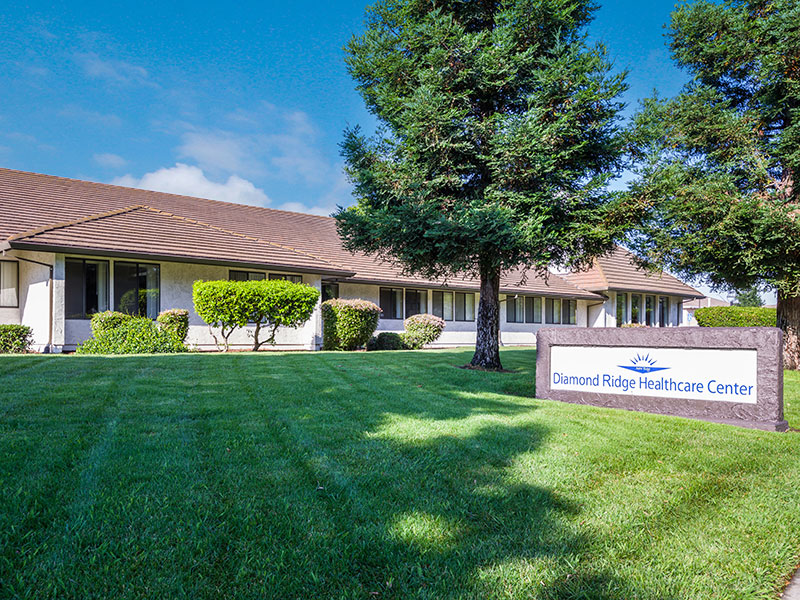
How is Diamond Ridge Healthcare Center Staffed?

CMS rates DIAMOND RIDGE HEALTHCARE CENTER's staffing level at 4 out of 5 stars, which is above average compared to other nursing homes. Staff turnover is 29%, compared to the California average of 46%. This relatively stable workforce can support continuity of care.

What Have Inspectors Found at Diamond Ridge Healthcare Center?

State health inspectors documented 50 deficiencies at DIAMOND RIDGE HEALTHCARE CENTER during 2019 to 2024. These included: 1 Immediate Jeopardy (the most serious level, indicating potential for serious harm or death), 48 with potential for harm, and 1 minor or isolated issues. Immediate Jeopardy findings are rare and represent the most serious regulatory concerns. They require immediate corrective action.
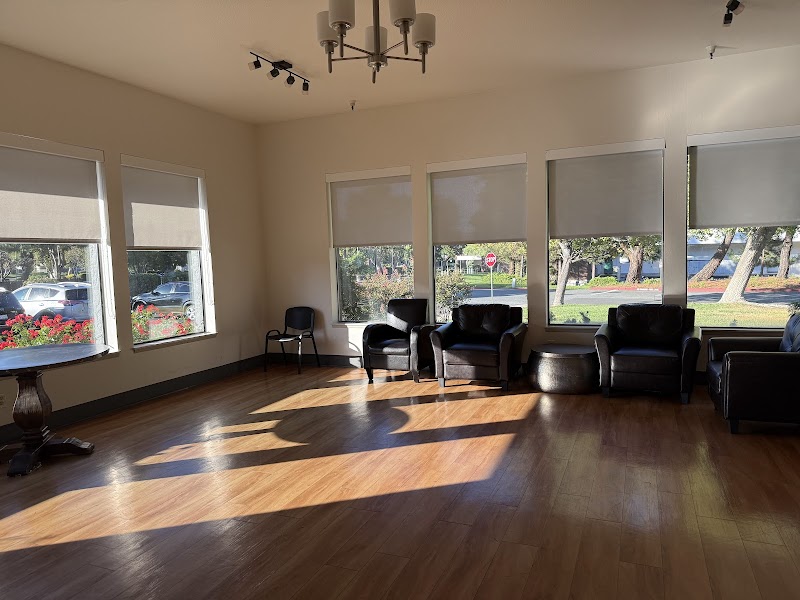
Who Owns and Operates Diamond Ridge Healthcare Center?

DIAMOND RIDGE HEALTHCARE CENTER is owned by a for-profit company. For-profit facilities operate as businesses with obligations to shareholders or private owners. The facility is operated by DAVID & FRANK JOHNSON, a chain that manages multiple nursing homes. With 120 certified beds and approximately 106 residents (about 88% occupancy), it is a mid-sized facility located in PITTSBURG, California.
How Does Diamond Ridge Healthcare Center Compare to Other California Nursing Homes?

Compared to the 100 nursing homes in California, DIAMOND RIDGE HEALTHCARE CENTER's overall rating (3 stars) is below the state average of 3.1, staff turnover (29%) is significantly lower than the state average of 46%, and health inspection rating (2 stars) is below the national benchmark.

What Should Families Ask When Visiting Diamond Ridge Healthcare Center?

Based on this facility's data, families visiting should ask: "What changes have been made since the serious inspection findings, and how are you preventing similar issues?" "Can I visit during a mealtime to observe dining assistance and food quality?" "How do you handle medical emergencies, and what is your hospital transfer rate?" "Can I speak with family members of current residents about their experience?" These questions are particularly relevant given the facility's Immediate Jeopardy citations.

Is Diamond Ridge Healthcare Center Safe?

Based on CMS inspection data, DIAMOND RIDGE HEALTHCARE CENTER has documented safety concerns. Inspectors have issued 1 Immediate Jeopardy citation (the most serious violation level indicating risk of serious injury or death). The facility has a 3-star overall rating and ranks #100 of 100 nursing homes in California. Families considering this facility should ask detailed questions about what corrective actions have been taken since these incidents.

Do Nurses at Diamond Ridge Healthcare Center Stick Around?

Staff at DIAMOND RIDGE HEALTHCARE CENTER tend to stick around. With a turnover rate of 29%, the facility is 17 percentage points below the California average of 46%. Low turnover is a positive sign. It means caregivers have time to learn each resident's needs, medications, and personal preferences. Consistent staff also notice subtle changes in a resident's condition more quickly.

Was Diamond Ridge Healthcare Center Ever Fined?

DIAMOND RIDGE HEALTHCARE CENTER has been fined $42,033 across 1 penalty action. The California average is $33,499. While any fine indicates a compliance issue, fines under $50,000 are relatively common and typically reflect isolated problems that were subsequently corrected. Families should ask what specific issues led to these fines and confirm they've been resolved.

Is Diamond Ridge Healthcare Center on Any Federal Watch List?

DIAMOND RIDGE HEALTHCARE CENTER is not on any federal watch list. The most significant is the Special Focus Facility (SFF) program, which identifies the bottom 1% of nursing homes nationally based on persistent, serious quality problems. Not being on this list means the facility has avoided the pattern of deficiencies that triggers enhanced federal oversight. This is a positive indicator, though families should still review the facility's inspection history directly.