PITTSBURG SKILLED NURSING CENTER
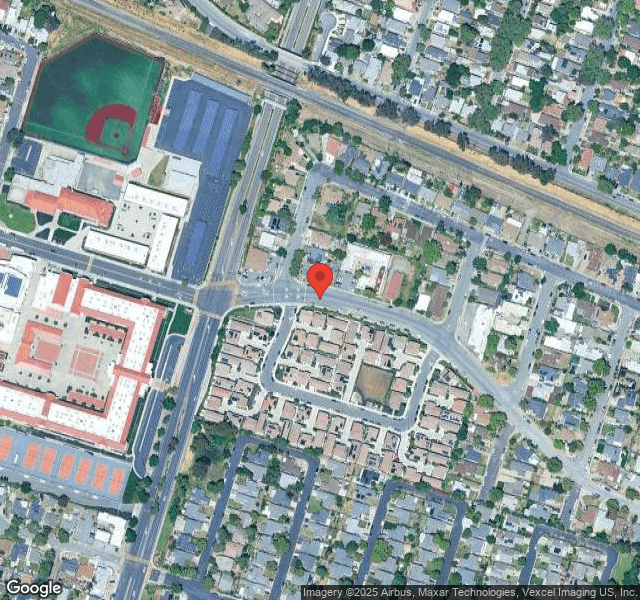

535 SCHOOL STREET, PITTSBURG, CA 94565 (925) 432-3831
For profit - Corporation 49 Beds Independent Data: November 2025
Trust Grade
51/100
#881 of 1155 in CA
Last Inspection: August 2024

Within standard 12-15 month inspection cycle. Federal law requires annual inspections.

Overview

Pittsburg Skilled Nursing Center has a Trust Grade of C, which means it is average compared to other facilities. It ranks #881 out of 1,155 nursing homes in California, placing it in the bottom half of the state, and #29 out of 30 in Contra Costa County, indicating that only one local facility is rated higher. While the facility is showing improvement, going from 18 issues in 2024 to just 1 in 2025, it still has some concerning areas. Staffing is a strength, with a 4 out of 5-star rating and only a 29% turnover rate, which is below the state average. However, there have been incidents such as failing to provide adequate RN coverage for eight hours a day, not following up on residents’ Advance Directive information, and providing a homelike environment that is lacking, with inaccurate clocks and unsafe furniture. Overall, while there are some positives, families should weigh these concerns carefully.

Trust Score
C
51/100
In California
#881/1155
Bottom 24%
Safety Record
Low Risk
No red flags
Inspections
Getting Better
18 → 1 violations
Staff Stability
✓ Good
29% annual turnover. Excellent stability, 19 points below California's 48% average. Staff who stay learn residents' needs.
Penalties
✓ Good
$10,348 in fines. Lower than most California facilities. Relatively clean record.
Skilled Nurses
⚠ Watch
Each resident gets only 21 minutes of Registered Nurse (RN) attention daily — below average for California. Fewer RN minutes means fewer trained eyes watching for problems.
Violations
⚠ Watch
39 deficiencies on record. Higher than average. Multiple issues found across inspections.
★★☆☆☆
2.0
Overall Rating
★★★★☆
4.0
Staff Levels
★★☆☆☆
2.0
Care Quality
★★☆☆☆
2.0
Inspection Score
Stable
2024: 18 issues
2025: 1 issues

The Good

  • 4-Star Staffing Rating · Above-average nurse staffing levels
  • Low Staff Turnover (29%) · Staff stability means consistent care
  • Full Sprinkler Coverage · Fire safety systems throughout facility
  • No fines on record
  • Staff turnover is low (29%)

    19 points below California average of 48%

Facility shows strength in staffing levels, staff retention, fire safety.

The Bad

2-Star Overall Rating

Below California average (3.1)

Below average - review inspection findings carefully

Federal Fines: $10,348

Below median ($33,413)

Minor penalties assessed

The Ugly 39 deficiencies on record

Jun 2025 1 deficiency
CONCERN (D) 📢 Someone Reported This

A family member, employee, or ombudsman was alarmed enough to file a formal complaint

Potential for Harm - no one hurt, but risky conditions existed

Free from Abuse/Neglect (Tag F0600)

Could have caused harm · This affected 1 resident

Based on observation, interview and record review, the facility failed to ensure one of one sampled resident, (Resident 1), was free from physical abuse when two Student Nurses (SN) witnessed Certifie...

Read full inspector narrative →
Based on observation, interview and record review, the facility failed to ensure one of one sampled resident, (Resident 1), was free from physical abuse when two Student Nurses (SN) witnessed Certified Nurse Assistant (CNA) 1 pushed Resident 1's face aggressively and forcefully back into Resident 1's wheelchair. This failure had the potential to result in physical and emotional harm on Resident 1. Findings: During a record review of Resident 1's admission Record (AR), printed on 5/8/25, the AR indicated Resident 1 was admitted to the facility in May 2023 with diagnoses of dementia (a loss of brain function that occurs with certain diseases, affecting one or more brain functions such as memory, thinking, language, judgment, or behavior) and post-traumatic stress disorder (PTSD, a mental health condition that's caused by an extremely stressful or terrifying event). During a record review of Resident 1's Minimum Data Set (MDS, a resident assessment instrument used to identify resident care problems to be addressed in an individualized care plan.), dated 5/25/24, the MDS assessment section C indicated Resident 1's Brief Interview of Mental Status (BIMS- an assessment for cognition status) score was 0 out of 15 which indicated severely impaired mental status. During an observation and interview on 6/3/25 at 10:21 a.m. with Resident 1, Resident 1 was awake in his bed and noted to have tremors on his hands. Resident 1 did not respond when asked how he was doing. During an interview on 6/3/25 at 10:22 a.m. with Certified Nurse Assistant (CNA) 2, CNA 2 stated Resident 1 was totally dependent on staff with Activities of Daily Living (ADLs, are those needed for self-care and mobility and include activities such as bathing, dressing, grooming, oral care, ambulation, toileting, eating, transferring, and communicating). CNA 1 further stated Resident 1 was cognitively impaired and unable to verbalize his needs. During a phone interview on 6/3/25 at 12:22 p.m. with Licensed Vocational Nurse (LVN) 1, LVN 1 stated he was notified by two SNs and their clinical instructor that SN 1 and SN 2 witnessed a physical abuse on Resident 1 committed by CNA 1. LVN 1 stated Resident 1 had tremors and had behaviors of leaning forward when in the wheelchair. LVN 1 stated repositioning Resident 1 should have been done by two people using the proper technique such as placing the arms under Resident 1's armpits. LVN 1 stated CNA 1 should have never touched Resident 1's face to push him back into the wheelchair. LVN 1 stated Resident 1 could have had physical injury or mental harm. During an interview on 6/3/25 at 1:06 p.m. with the Administrator (ADM) who was also the Abuse Coordinator, ADM stated he was notified of the suspected abuse on 4/26/25. The ADM stated SN 1 and SN 2 did not notify the facility about the suspected abuse that occurred on 4/19/25 until a week after. The ADM stated SN 1 and SN 2 demonstrated to him how CNA 1 pushed Resident 1 into his wheelchair. The ADM stated he was told by SN 1 and SN 2 that they were bothered by the physical abuse they have witnessed, and they decided to report it to the facility. The ADM stated in January 2022, CNA 1 was also investigated for suspected physical abuse but at that time he could not prove the allegation. The ADM stated CNA 1 might have lost his patience and compassion for Resident 1 because Resident 1 kept leaning forward after CNA 1 repositioned Resident 1 several times. During an interview on 6/3/25 at 2:14 p.m. with the Director of Nursing (DON), the DON stated what SN 1 and SN 2 witnessed was a form of abuse on Resident 1. The DON stated she felt sorry for Resident 1 because CNA 1's action was so inappropriate and demeaning. The DON stated pushing Resident 1 on the face could have triggered Resident 1's PTSD since Resident 1 used to serve in the military. During a phone interview on 6/3/25 at 3:04 p.m. with SN 1, SN 1 stated on 4/19/25, SN 1 and SN 2 they were walking around the hallway to see who needed help. SN 1 stated initially Resident 1 was with another staff when CNA 1 came and took over Resident 1. SN 1 stated Resident 1 kept leaning forward and it looked like Resident 1 was going to fall over. SN 1 stated CNA 1 looked frustrated when he was repositioning Resident 1. SN 1 stated after attempting several times to reposition Resident 1, CNA 1 suddenly pushed Resident 1's face aggressively to put Resident 1 back again to the wheelchair. SN 1 stated CNA 1's used his whole hand to push Resident 1's face. SN 1 stated they were shocked with how the CNA 1 treated Resident 1. SN 1 stated after CNA 1 pushed Resident 1's face, they tried to offer their help, but CNA 1 refused. SN 1 stated CNA 1 brought Resident 1 back to the room and closed the curtain. SN 1 stated Resident 1 did not deserve to be pushed in the face by CNA 1. During a phone interview on 6/3/25 at 3:43 p.m. with SN 2, SN 2 stated on 4/19/25 approximately between 4:00 p.m. and 6:00 p.m., SN 2 and SN 1 saw Resident 1 was in the wheelchair by the nurse's station in the hallway. SN 2 stated they tried to help Resident 1 because Resident 1 kept leaning forward and they did not want Resident 1 to fall. SN 2 stated CNA 1 came and told them that he will take care of Resident 1. SN 2 stated when Resident 1 was leaning forward again, they witnessed CNA 1 pushed Resident 1's face aggressively using his hand that created a whiplash (rapid back-and-forth movement of the neck) motion on Resident 1. SN 2 stated CNA 1 used a lot of force to throw Resident back to the wheelchair. SN 2 stated CNA 1 did not have the right to put his hands on Resident 1. SN 2 stated what CNA 1 did was very disrespectful and abusive. SN 2 stated they did not report right away because they were scared of retaliation. SN 2 stated they decided to report it a week after because what they witnessed bothered them a lot. During a record review of the facility's policy and procedure (P&P) titled, Abuse, Neglect, Exploitation and Misappropriation Prevention Program revised in April 2021, the P&P indicated, Residents have the right to be free from abuse .This includes .physical abuse .1. Protect residents from abuse .by anyone including .a. facility staff .5. Establish and maintain a culture of compassion and caring for all residents and particularly those with behavioral, cognitive or emotional problems.
Aug 2024 18 deficiencies
CONCERN (D)

Potential for Harm - no one hurt, but risky conditions existed

Resident Rights (Tag F0550)

Could have caused harm · This affected 1 resident

**NOTE- TERMS IN BRACKETS HAVE BEEN EDITED TO PROTECT CONFIDENTIALITY** Based on observation, interview and record review, the facility failed to treat Resident 10 with dignity and respect when the re...

Read full inspector narrative →
**NOTE- TERMS IN BRACKETS HAVE BEEN EDITED TO PROTECT CONFIDENTIALITY** Based on observation, interview and record review, the facility failed to treat Resident 10 with dignity and respect when the resident was observed to be eating her pureed (cooked food that had been ground, pressed and blended to the consistency of creamy paste) breakfast in plastic cups. This failure had the potential to cause emotional distress to the resident. Findings: During a review of Resident 10's admission Record, dated 8/27/24, indicated Resident 10 was admitted to the facility on [DATE] with diagnosis of major depressive disorder (a persistent feeling of sadness). During a review of Resident 10's Physician's Order (PO), dated 6/29/22, the PO indicated Resident 10 had a diet order of pureed consistency. During a concurrent observation and interview on 8/25/24 at 10:08 a.m., Resident 10 sat up in bed in her room and ate pureed food in two plastic cups on top of her bed table with a spoon. When asked about the plastic cups, Resident 10 stated, I don't know why they serve my food in cups. During a concurrent observation and interview on 8/25/24 at 10:11 a.m., with Licensed Vocational Nurse (LVN) 1, LVN 1 identified the white pureed food in one plastic cup as grits but could not identify the yellow pureed food in second plastic cup. LVN 1 stated Resident 10 ate in plastic cups because Resident 10 was a slow eater. During an interview on 8/25/24 at 10:38. a.m. with LVN 2, LVN 2 stated she was the one who transferred the food from the plates to the plastic cups because the breakfast trays and plates had to be returned to the kitchen. LVN 2 admitted it was not dignified for Resident 10 to eat in plastic cups. During an interview on 8//26/24 12:35 p.m., with the Director of Nursing (DON), the DON stated serving Resident 10's food in cups was not treating the resident with dignity. During a review of facility's policy and procedure (P&P), titled, Dignity, revised August 2009, the P&P indicated, .Residents shall be treated with dignity and respect at all times. Treated with dignity means the resident will be assisted in maintaining and enhancing his or her self-esteem and self-worth .
CONCERN (D)

Potential for Harm - no one hurt, but risky conditions existed

Deficiency F0552 (Tag F0552)

Could have caused harm · This affected 1 resident

**NOTE- TERMS IN BRACKETS HAVE BEEN EDITED TO PROTECT CONFIDENTIALITY** Based on observation, interview, and record review, the facility failed to ensure family representative (FR) of one of three sam...

Read full inspector narrative →
**NOTE- TERMS IN BRACKETS HAVE BEEN EDITED TO PROTECT CONFIDENTIALITY** Based on observation, interview, and record review, the facility failed to ensure family representative (FR) of one of three sampled residents (Resident 36) made an informed decision for the use of bed rails for Resident 36. Facility did not share and maintain a record of accurate assessment of medical needs, alternative attempts that failed to meet resident's needs, alternatives considered but not attempted because they were inappropriate, prior to the use of bedrails, with Resident 36's FR. Facility designated a non-licensed professional (admission Coordinator-AC) to obtain informed consents for use of bed rails during admission process. This failure placed Resident 36's FR to be unaware of the medical necessity, and alternative options available instead of using bed rails. (Cross Reference F 700) Findings: A review of Resident 36's admission Record printed on 8/25/24 indicated Resident 36 was admitted to the facility on [DATE]. During a record review of Resident 36's Minimum Data Set (MDS, a resident assessment instrument used to identify resident care problems to be addressed in an individualized care plan) dated 8/11/24 indicated Resident 36's cognition (mental status) was severely impaired. During a review of Resident 36's Activities of Daily Living (ADL) care plan initiated on 5/6/23, the care plan indicated to use side rails as ord[ered]. During a review of Resident 36's Physician Order (PO) dated 7/7/23, the PO indicated bilateral ¼ siderails up when in bed every shift for bed mobility. During an observation on 8/25/24 at 9:35 a.m., with Certified Nursing Assistant 2 (CNA 2), Residents 36's ¼ bed rails were up on both sides while she was lying in bed. CNA 2 stated both side rails were kept up for safety so Resident 36 did not fall out of bed. CNA 2 stated Resident 36 was totally dependent on staff for Activities of Daily Living (ADL) care. During an observation on 8/26/24 at 8:02 a.m. Resident 36 was lying in bed with both ¼ padded bed rails up. During an interview and record review on 8/26/24 at 12:19 p.m., with Licensed Vocational Nurse 6 (LVN 6), Resident 36's document titled Informed Consent for use of Bedrails signed by FR on 5/5/23, was reviewed. (An Informed Consent is defined as the information on assessment of medical needs, benefits, likelihood of benefits, risks, how risks will be mitigated and alternative attempts that failed to meet resident's needs, alternatives considered but not attempted because they were inappropriate). The document indicated, on 5/5/23, Resident 36's Family Representative (FR) opted for I DO voluntarily consent to the use of bedrail(s). I understand that I have the right to refuse the use of bedrail(s) or can revoke this consent at any time. LVN 6 stated he was unable to find which facility staff obtained the informed consent and explained potential risks, negative outcomes, benefits and/or alternatives to Resident 36's FR. During a concurrent interview and record review with Director of Nursing (DON) on 8/27/24 at 7:59 a.m. Resident 36's paper chart and Electronic Health Record (EHR) for progress notes, physician orders, consents, assessments/ evaluations, care plans from 5/5/23 through 8/27/24 were reviewed. The DON stated Resident 36 used bilateral side rails for positioning since her admission to the facility. The DON stated Resident 36 could not hold on to the side rails when prompted and/or voluntarily; and that it was more for her comfort. The DON stated if bed rails were not used as restraints (any device, material or equipment attached or adjacent to the resident's body that they cannot remove easily, which restricts freedom of movement or normal access to one's body), facility was not even required to obtain an informed consent for use of bed rails. The DON then stated the physician was responsible for obtaining an informed consent for use of bed rails. The DON stated Resident 36's Bed rail assessment dated [DATE] and 9/20/23 inaccurately indicated that bed rails assisted Resident 36 from a supine (lying face up) to sitting/standing position as she was not able to perform these activities. The DON stated she was unable to find any documentation in Resident 36's EHR and paper chart since 5/5/23, if facility used any other alternatives and/or a physician obtained an informed consent prior to installing the bed rails on Resident 36's bed. During a phone interview with Resident 36's FR on 8/28/24 at 11:55 a.m. the FR stated she signed the consent to use bed rails upon Resident 36's admission to the facility. FR stated the front desk staff talked to her regarding use of bed rails to prevent Resident 36 from falling out of bed. FR stated she did not recall Resident 36's physician talking to her regarding any alternatives and/or other medical reasons to use bed rails for her. During an interview on 8/27/24 1:46 p.m., in presence of DON, the AC stated she was responsible for obtaining informed consent for the use of bed rails upon residents' admission. AC stated she provided the handouts to residents'/ residents' families upon residents' admission to the facility. AC stated the handout included information about pros and cons of using bed rails. AC stated she did not receive an official training on obtaining an informed consent. AC stated she had a CNA certification, however, was not a licensed medical/health care professional. During a record review of facility's Policy and Procedure (P&P) titled Bed Safety and Bed Rails dated 08/2022, the P&P indicated, Before using bed rails for any reason, the staff shall inform the resident or representative about the benefits and potential hazards associated with bed rails and obtain informed consent. The following information will be included in the consent: a. The assessed medical needs that will be addressed with the use of bed rails; b. The resident's risks from the use of bed rails and how these will be mitigated; c. The alternatives that were attempted but failed to meet the resident's needs; and d. The alternatives that were considered but not attempted and the reasons .
CONCERN (D)

Potential for Harm - no one hurt, but risky conditions existed

MDS Data Transmission (Tag F0640)

Could have caused harm · This affected 1 resident

**NOTE- TERMS IN BRACKETS HAVE BEEN EDITED TO PROTECT CONFIDENTIALITY** Based on interview and record review, the facility failed to complete and submit the Death in Facility Tracking Record to Center...

Read full inspector narrative →
**NOTE- TERMS IN BRACKETS HAVE BEEN EDITED TO PROTECT CONFIDENTIALITY** Based on interview and record review, the facility failed to complete and submit the Death in Facility Tracking Record to Centers for Medicare & Medicaid Services (CMS) for one of one sampled resident (Resident 5) when Resident 5 died in the facility on [DATE]. This failure resulted in Resident 5's specific payment information and quality measure data to be out of date. Findings: During a review of Resident 5's undated admission Record, the record indicated, Resident 5 was admitted in the facility on [DATE] with a diagnoses of Cervical Disc Disorder, Malignant Neoplasm of Prostate, Combined Systolic and Diastolic Heart Failure and Chronic Obstructive Pulmonary Disease. During a review of Resident 5's Nurses Notes dated [DATE], the record indicated Resident 5 died in the facility on [DATE] at 6:00 p.m. During an interview on [DATE] at 10:58 a.m. with the Minimum Data Set Coordinator (MDSC), the MDSC stated Resident 5's Death in Facility Tracking Record was missed and was not completed for submission. During a review of the facility's policy and procedure titled, MDS Submission Timeframes, the policy indicated, The facility will conduct and submit resident assessment in accordance with current federal and state submission timeframes. During a review of the CMS Long-Term Care Facility Resident Assessment Instrument (RAI) User's Manual dated [DATE], the manual indicated, Entry and Discharge Reporting MDS assessments and tracking records that include a select number of items from the MDS used to track residents and gather important quality data at transition points, such as when they enter a nursing home, leave a nursing home, or when a resident's Medicare Part A stay ends, but the resident remains in the facility. Entry/Discharge reporting includes Entry tracking record, . and Death in Facility tracking record . Death in Facility Tracking Record must be completed when the resident dies in the facility, within 7 days after the resident's death and submitted within 14 days after the resident's death.
CONCERN (D)

Potential for Harm - no one hurt, but risky conditions existed

Assessment Accuracy (Tag F0641)

Could have caused harm · This affected 1 resident

**NOTE- TERMS IN BRACKETS HAVE BEEN EDITED TO PROTECT CONFIDENTIALITY** Based on observation, interview and record review, the facility failed to accurately assess and code one of 15 sampled residents...

Read full inspector narrative →
**NOTE- TERMS IN BRACKETS HAVE BEEN EDITED TO PROTECT CONFIDENTIALITY** Based on observation, interview and record review, the facility failed to accurately assess and code one of 15 sampled residents (Resident 36) for diagnosis of Pneumonia (an infection of one or both lungs caused by bacteria, viruses or fungi causing difficulty in breathing, cough, fever, and chills) in the quarterly Minimum Data Set (MDS, a resident assessment instrument used to identify resident care problems to be addressed in an individualized care plan) when the MDS was coded Yes for an active diagnosis of Pneumonia and Resident 36 did not have Pneumonia. This failure resulted in an outdated and inaccurate reflection of Resident 36's medical condition. Findings: A review of Resident 36's admission Record printed on 8/25/24 indicated Resident 36 was admitted to the facility on [DATE]. During an observation and interview with Certified Nursing Assistant (CNA) 2 on 8/25/24 at 9:35 a.m., Resident 36 was lying in bed. CNA 2 stated Resident 36 was not able to communicate her needs and/or understand others. Resident 36 did not have any signs and symptoms of respiratory distress and was breathing without any difficulty. During an interview on 8/25/24 at 2:37 p.m., Licensed Vocational Nurse (LVN) 2 stated she was the routine charge nurse for Resident 36 for past few months. LVN 2 stated Resident 36 did not have cough and/or a diagnosis of Pneumonia recently. During a concurrent interview and record review on 8/25/24 at 2:59 p.m. with the MDS Coordinator (MDSC), Resident 36's Electronic Health Record for quarterly MDS assessment dated [DATE], and nursing progress notes from 8/5/24 through 8/11/24 were reviewed. MDSC stated Resident 36's MDS assessment dated [DATE] Section I- Active Diagnosis indicated Pneumonia was an active diagnosis during the Look-back period (a time period over which the resident's condition or status is captured in the MDS assessment and ends at 11:59 p.m. on the day of the Assessment Reference Date (ARD)). MDSC stated look back period for diagnosis of Pneumonia was seven (7) days. MDSC stated she did not recall Resident 36 experiencing any symptoms of Pneumonia during the look back period for MDS assessment dated [DATE]. MDSC also stated she was unable to find any documentation in Resident 36's nursing progress notes to indicate if Resident 36 experienced signs and symptoms and/or diagnosis of Pneumonia from 8/5/24 through 8/11/24. MDSC stated Pneumonia was not an accurate reflection of Resident 36's clinical condition. During a record review of the Centers of Medicare and Medicaid (CMS)'s RAI Version 3.0 Manual dated 10/2023, indicated, Active Diagnosis: Physician-documented diagnoses in the last 60 days that have a direct relationship to the resident's current functional status, cognitive [mental] status, mood or behavior, medical treatments, nursing monitoring, or risk of death during the 7 [seven]-day look-back period. During a record review of the facility's Policy and Procedure (P&P) revised 12/2006, titled, Charting Errors and/or Omissions, the P&P indicated, Accurate medical records shall be maintained by this facility.
CONCERN (D)

Potential for Harm - no one hurt, but risky conditions existed

Deficiency F0645 (Tag F0645)

Could have caused harm · This affected 1 resident

**NOTE- TERMS IN BRACKETS HAVE BEEN EDITED TO PROTECT CONFIDENTIALITY** Based on interview and record review, the facility failed to ensure one (Resident 15) of one sampled resident completed a Preadm...

Read full inspector narrative →
**NOTE- TERMS IN BRACKETS HAVE BEEN EDITED TO PROTECT CONFIDENTIALITY** Based on interview and record review, the facility failed to ensure one (Resident 15) of one sampled resident completed a Preadmission Screening and Resident Review (PASRR, a federal requirement to help ensure that individuals who have a mental disorder or intellectual disabilities are not inappropriately placed in nursing homes for long term care. PASRR requires that 1. all applicants to a Medicaid-certified nursing facility be evaluated for a serious mental disorder and/or intellectual disability; 2. be offered the most appropriate setting for their needs (in the community, a nursing facility, or acute care setting); and 3. receive the services they need in those settings.) evaluation when Resident 15 had Schizophrenia (a mental condition which makes it difficult to think clearly, have normal emotional responses, act normally in social situations, and tell the difference between what is real and what is not real) and was not screened for PASRR Level II (A Level 2 Evaluation is a person-centered evaluation that is completed for anyone identified by the Level 1 Screening as having, or suspected of having, a PASRR condition, i.e., serious mental illness, intellectual disability, developmental disability, or related condition evaluation.). This failure had the potential to prevent Resident 15 from receiving appropriate required mental health services. Findings: During a record review of Resident 15's admission Record, dated 8/27/24, AR indicated Resident 15 was re-admitted to the facility on [DATE] with diagnosis of Schizophrenia . During a record review of Resident 15's PASRR, dated 7/23/24, the document indicated Resident 15 was Level I positive for Serious Mental Illness (SMI) with diagnosis of schizophrenia and was prescribed psychotropic medications (medication used to treat mental illnesses). During a record review of Notice of Attempted Evaluation (NAE) letter, dated 7/23/24, the NAE indicated, a Level II (a more comprehensive evaluation) screening was necessary for Resident 15. The document further indicated Level II screening was not scheduled for Resident 15 due to Facility staff were unresponsive to two or more separate attempts of communication within 48 hours of Level I screening. During an interview on 8/27/24 at 9:23 a.m. with the Medical Record Director (MRD), MRD stated she was responsible for processing the PASRR. MRD stated she did not know there was an attempt to screen Resident 15 for Level II evaluation. During a concurrent interview and record review on 8/27/24 at 9:32 a.m. with the DON, the NAE letter was reviewed. The DON stated she was not aware Resident 15 needed a PASRR Level II evaluation. The DON further stated the Level II PASRR evaluation for Resident 15 should have been processed immediately because Resident 15 was Level I positive. The DON stated the risk for not completing the appropriate Level II screening for Resident 15 was risk for safety of Resident 15 and the facility. During a record review of the undated policy and procedure (P&P), titled, PASSAR Screening, the P&P indicated, Residents who are admitted from community or transferred from a hospital and who are already receiving antipsychotic medications will be evaluated for appropriateness and indications for use .a. Complete PASSAR screening (preadmission screening for mentally ill and intellectually individuals .
CONCERN (D)

Potential for Harm - no one hurt, but risky conditions existed

Medication Errors (Tag F0758)

Could have caused harm · This affected 1 resident

**NOTE- TERMS IN BRACKETS HAVE BEEN EDITED TO PROTECT CONFIDENTIALITY** Based on observation, interview, and record review, the facility failed to monitor and document specific behavior and side effec...

Read full inspector narrative →
**NOTE- TERMS IN BRACKETS HAVE BEEN EDITED TO PROTECT CONFIDENTIALITY** Based on observation, interview, and record review, the facility failed to monitor and document specific behavior and side effects related to the use of Sertraline (a medication used to treat depression) for one of five sampled residents (Resident 36) being used for a behavior of uncontrollable scratching. This failure placed Resident 36 at risk for not receiving individualized care to address her medical, mental and psychosocial needs. Findings: A review of Resident 36's admission Record printed on 8/25/24 indicated Resident 36 was admitted to the facility on [DATE]. During an observation and interview with Certified Nursing Assistant (CNA) 2 on 8/25/24 at 9:35 a.m., Resident 36 was lying in bed. CNA 2 stated Resident 36 was not able to communicate her needs and/or understand others. CNA 2 stated Resident 36 had a habit of scratching herself. During a concurrent interview and record review with Director of Nursing (DON) on 8/26/24 at 12:19 p.m., Resident 36's Electronic Health Record (EHR) for Physician orders dated 8/19/24 was reviewed. The EHR indicated to give one tablet of Sertraline HCI Oral tablet 25 mg [milligrams] by mouth one time a day for GAD [generalized anxiety disorder] m/b [manifested by] uncontrollable scratching for 7 [seven] days causing self-inflicted injury. A review of Resident 36's Medication Administration Record (MAR) for 8/2024 indicated, Resident 36 received one tablet of Sertraline 25 mg once a day every day from 8/20/24 through 8/27/24. During a concurrent interview and record review with Licensed Vocational Nurse 6 (LVN 6) on 8/28/24 at 8:35 a.m., Resident 36's EHR for physician orders, nursing progress notes and care plans from 8/19/24 through 8/28/24 were reviewed. LVN 6 stated he was unable to find any documentation for specific behavior monitoring for uncontrollable itching and/or side effects related to the use of Sertraline. LVN 6 stated monitoring the behavior and side effects of the medication should be implemented as soon as Resident 36 was placed on Sertraline on 8/19/24, to evaluate the effectiveness of medication. LVN 6 stated he was the routine morning shift charge nurse for Resident 36, and was not aware if Resident 36 had any changes in behavior of scratching herself since she was placed on this medication. A review of facility's Policy and Procedure (P&P) titled Psychotropic Medication Use dated 7/2022 indicated, A psychotropic medication is any medi[c]ation that effects brain activity associated with mental processes and behavior .Psychotropic medication management includes: a. indications for use; d. adequate monitoring for efficacy and adverse consequences; and e. preventing, identifying and responding to adverse consequences .If psychotropic medications are identified as possibly causing or contributing to adverse consequences, the prescriber will determine whether the medication(s) should be continued .
CONCERN (D)

Potential for Harm - no one hurt, but risky conditions existed

Deficiency F0813 (Tag F0813)

Could have caused harm · This affected 1 resident

Based on interview and record review, the facility failed to allow one of five sampled residents (Resident 14) to store food brought by family member in the facility's refrigerator. This failure resul...

Read full inspector narrative →
Based on interview and record review, the facility failed to allow one of five sampled residents (Resident 14) to store food brought by family member in the facility's refrigerator. This failure resulted in Resident 14 feeling disappointed. Findings: During an interview on 8/25/24 at 4:13 p.m. with Certified Nursing Assistant (CNA) 1, CNA 1 stated the facility does not have a refrigerator to store residents' food brought by family. CNA 1 stated residents who had foods from outside the facility were asked to finish the food if they can and leftovers were thrown away. CNA 1 stated residents were told there was no place to keep leftover foods. During an interview on 8/25/24 at 4:20 p.m. with the Administrator (ADM), the ADM stated the facility does not reheat residents' food brought by family and the food was to be consumed for the day. The ADM stated any remaining food was thrown away and cannot be placed in the kitchen refrigerator. The ADM stated there was no personal refrigerator inside residents' rooms. During an interview on 8/27/24 at 2:01 p.m. with Resident 14 in Resident 14's room, Resident 14 stated her son brought her food sometimes. Resident 14 stated she was told by facility staff that there was no refrigerator to put the leftover food and it made her feel disappointed that if her son brings her something she liked it would be nice to be able to eat it for later. During a review of Resident 14's Minimum Data Set (MDS, an assessment tool used to guide care) dated 6/22/24, the MDS indicated Resident 14 had a Brief Interview for Mental Status (BIMS, a screening tool used to assess cognition) score of 15 out of 15, meaning intact cognition. The MDS indicted Resident 14 was independent with eating. During an interview on 8/28/24 at 9:58 a.m. with the RD, the RD stated there was no refrigerator in the facility to store residents' food brought from outside. During a record review of facility's policy and procedure (P&P) titled, Food For Residents From Outside Sources, dated 2018, the P&P indicated, Food brought in from outside the facility kitchen for resident's consumption will be monitored . Prepared foods, beverages, or perishable food that requires refrigeration, can be stored for the resident in the facility kitchen, nursing station's refrigerator or in the residents' personal refrigerator.
CONCERN (D)

Potential for Harm - no one hurt, but risky conditions existed

Medical Records (Tag F0842)

Could have caused harm · This affected 1 resident

Based on observation, interview, and record review, the facility failed to ensure accuracy of medical record for one of one sampled resident (Resident 40), when a physician order to implement bed rail...

Read full inspector narrative →
Based on observation, interview, and record review, the facility failed to ensure accuracy of medical record for one of one sampled resident (Resident 40), when a physician order to implement bed rails (a barrier attached to the side of a bed) was created on 8/27/24 for a four-month older date, 4/13/24 without any verification. This failure resulted in inaccurate reflection of physician orders to implement bed rails for Resident 40. Findings: During a record review of Resident 40's admission Record dated 8/28/24, AR indicated Resident 40 was admitted to the facility with diagnosis of post hemorrhagic anemia (large volume blood loss). During an observation and interview on 8/27/24 at 9:37 a.m. with Licensed Vocational Nurse (LVN) 6, Resident 40 was observed lying in his bed with both half-sized bed rails were raised. LVN 6 stated the half-sized bed rails was provided by the hospice agency (a program for terminally ill persons where an array of services is provided for the palliation and management of terminal illness and related conditions.). During a concurrent record review and interview on 8/27/24 at 12:21 p.m. with the Director of Nursing (DON), Resident 40's Electronic Health Record (EHR) was reviewed. Resident 40's Audit details showed physician order for bed rails dated 4/13/24 was Created on 8/27/24 at 9:58 a.m. and Created by - DON. The DON stated she created and backdated the physician's order for the use of bed rails for Resident 40 to a four-month prior date because the facility did not have an order in their EHR system. The DON stated she was unable to provide a documentation the Medical Doctor (MD) was informed about creating and backdating the order for the bed rails. The DON stated she should have not backdated a physician's order and should have dated it on the day she received the order. The DON stated back dating an order meant not following the physician orders accurately. During an interview on 8/29/24, at 1:21 p.m., the Administrator (ADM) stated he was not aware the DON created and backdated a physician order for use of bed rails for Resident 40 on 8/27/24 for 4/13/24 start date. The ADM stated the DON should have not backdated the physician's order. The ADM stated the risk of changing a document inaccurately and backdating a physician order could have led to falsification of documents. During a record review of facility's Policy and Procedure (P&P), titled, Charting and Documentation, dated August 2008, the P&P indicated Entries may only be recorded .in accordance with state law and facility policy.
CONCERN (E)

Potential for Harm - no one hurt, but risky conditions existed

Deficiency F0578 (Tag F0578)

Could have caused harm · This affected multiple residents

During a review of Resident 4's POLST, dated 4/27/11, the POLST indicated Resident 4's Advance Directive information was marked not available. During a review of Resident 8's POLST, dated 10/26/22, in...

Read full inspector narrative →
During a review of Resident 4's POLST, dated 4/27/11, the POLST indicated Resident 4's Advance Directive information was marked not available. During a review of Resident 8's POLST, dated 10/26/22, indicated, Resident 8's Advance Directive information was unmarked. During an interview on 8/27/24 at 12:30 p.m. with the SSD, the SSD stated when Advance Directive information was unmarked in the POLST, the SSD assumed the resident did not have one. The SSD stated copies of Advance Directive were followed up during resident's care conference and was documented in the care conference form. The SSD stated the Advance Directive was not documented as followed up in the progress notes for Resident 4 and 8. During a review of Resident 4's Multidisciplinary Care Conference form, dated 11/17/22, the form indicated, Resident 4's Advance Directive copy was not followed up. During a review of Resident 8's Multidisciplinary Care Conference form, dated 11/8/22, the form indicated, Resident 8's Advance Directive copy was not followed up. During an interview on 8/28/24 at 3:10 p.m. with SSD, the SSD stated Advance Directive for Resident 4 and 8 were not documented. During a review of the facility's policy and procedure (P&P) titled Advanced Directives, the P&P indicated, .During the admission process or shortly after admission, admissions or social service staff informs the resident and/or the responsible party of the advanced healthcare directive . the social service and/or admissions staff will attempt to obtain completed copies of The Advanced Healthcare Directive for the resident's medical record . Based on interview and record review, the facility failed to ensure three of 15 sampled residents' (Residents 4, 8, and 10) Advanced Directives (written statement of a person's wishes regarding the medical treatment made to ensure those wishes are carried out should the person be unable to communicate them to a doctor) were discussed with the residents and/or responsible parties when the Advanced Directive information was unmarked or marked unavailable on the Physician Orders for Life-Sustaining Treatment (POLST, a form designed that records patients' treatment wishes so emergency personnel know what treatments the patient wants in the event of a medical emergency) for Residents 4, 8, and 10. This had potential for the facility to provide treatment and services against the wishes of Residents 4, 8, and 10. Findings: During a review of Resident 10's Minimum Data Set (MDS, MDS, a resident assessment instrument used to identify resident care problems to be addressed in an individualized care plan)) dated 6/13/24, the MDS indicated Resident 10's cognition was mildly impaired. During a review of Resident 10's POLST dated 8/16/24. Under information and signatures, the POLST indicated no information on the presence of an Advanced Directive. During a concurrent interview and record review on 8/26/24, at 8:15 a.m., with Social Services Director (SSD), SSD reviewed Resident 10's medical records and stated there was no documentation the Advance Directives were discussed with Resident 10's responsible party.
CONCERN (E)

Potential for Harm - no one hurt, but risky conditions existed

Safe Environment (Tag F0584)

Could have caused harm · This affected multiple residents

Based on the observation, interview, and record review, the facility failed to provide homelike environment to three of 15 sampled residents (Resident 9, 36 and 19) when 1. The wall clock in shared ro...

Read full inspector narrative →
Based on the observation, interview, and record review, the facility failed to provide homelike environment to three of 15 sampled residents (Resident 9, 36 and 19) when 1. The wall clock in shared room for Residents 9, 36 and 19 displayed an inaccurate time, with a potential to cause them confusion and disorientation of time, and 2. The overbed tables (a table with metal base with four wheels, a metallic leg on one side and a wooden tray on the top) for Residents 36 and 19 were chipped and unfurnished with rough edges, posing a potential risk for them getting scratched and hurting themselves. Findings: 1. During an observation and interview on 8/26/24 at 8:00 a.m. with Resident 9 inside the shared room of Residents 9, 36, and 19, a round black and white colored wall clock was hung up on the wall next to the television. Resident 9 stated it was 6:50 a.m. on the clock at that time. During an observation and interview on 8/26/24 at 12:13 p.m. with Certified Nursing Assistant (CNA) 2 in shared room of Residents 9, 36 and 19, CNA 2 stated the wall clock displayed 11:50 a.m. CNA 2 took out a personal cell phone from her pocket; and stated the time displayed on the wall clock was not correct and it needed a change of battery. CNA 2 stated the correct time was 12:17 p.m. at that time. During an interview on 8/28/24 at 10:12 a.m. with the Director of Nursing (DON), the DON stated the wall clock in residents' rooms should be working at all times, as otherwise it could cause confusion/disorientation of time among residents. During a record review of the facility's Policy and Procedure (P&P) titled, Homelike Environment, dated 02/2021, indicated, Residents are provided with a safe, clean, comfortable, and homelike environment . 2. During an interview on 8/27/24 at 12:02 p.m., Resident 19 was lying in bed with overbed table at the bedside. The table had chipped, unfurnished, and rough edges. Resident 19 pointed at the table and stated she wanted a new overbed table. During an observation and interview on 8/27/24 at 12:03 p.m. with Environmental Services Supervisor (ESS), in Resident 19 and 36's shared room, their overbed tables were at their bedside. ESS stated both tables had rough and chipped edges and ESS reported the need to replace unfurnished overbed tables to the Administrator (ADM) about a month ago. ESS stated the damage on Resident 19 and 36's overbed tables was not a new damage, and he had been noticing this for over a month. ESS stated it was risky to use a damaged overbed table for residents. During an interview and record review on 8/27/24 at 12:57 p.m. with ADM, an invoice dated 5/10/24 was reviewed. The ADM stated facility ordered and replaced two overbed tables in 5/2024, but nothing was ordered and replaced since then. The ADM stated overbed table replacements were made when their wheels did not work, the table would not move up and down, and if they had chipped edges. During an interview and record review on 8/28/24 at 8:35 a.m. at nursing station, with Licensed Vocation Nurse 6 (LVN 6- assigned charge nurse for Resident 36 and 19), facility's Maintenance Binder from 7/2024 through 8/2024 was reviewed. LVN 6 stated Resident 36's skin was frail and both Residents 36 and 19 were at risk of getting injured with damaged overbed tables. LVN 6 stated staff checked and reported damaged items in the Maintenance Binder. LVN 6 stated he was unable to find any written services request to replace the overbed tables for Residents 36 and 19. During a record review of the facility's undated P&P titled, Maintenance Service, the P&P indicated, Maintenance service shall be provided to all areas of the building, grounds and equipment .Repairs shall be conducted in a safe and timely manner or as soon as possible if needed .
CONCERN (E)

Potential for Harm - no one hurt, but risky conditions existed

Deficiency F0658 (Tag F0658)

Could have caused harm · This affected multiple residents

Based on observation, interview, and record review, the facility failed to ensure two of three sampled residents (Resident 35 and Resident 23) were administered melatonin (a sleep supplement that help...

Read full inspector narrative →
Based on observation, interview, and record review, the facility failed to ensure two of three sampled residents (Resident 35 and Resident 23) were administered melatonin (a sleep supplement that helps regulate the sleep-wake cycle) up to safety standards when melatonin was given at 4:00 p.m. to Resident 35 and Resident 23. This failure had the potential to place Resident 35 and Resident 23 at risk for physical harm or injury. Findings: During a record review of Resident 35's hospital Transfer Summary orders, dated 7/25/24, the document indicated, Resident 35 had a medication order of Melatonin (Melanin) 3 milligrams (mg) Oral tablet - Take three tablets by mouth half hour before bedtime as needed for sleep. During a record review of Resident 35's Medication Administration Record (MAR), dated 7/1/24 through 7/31/24 and 8/1/24 through 8/30/24, the MAR indicated Resident 35 received melatonin as a routine supplement daily at 4:00 p.m. During a record review of Resident 23's hospital Transfer Report (TR) dated 5/3/24, the TR indicated Resident 23 had a medication order of Melatonin 5 mg tablet - take two tablets (10 mg total) by mouth nightly at bedtime. During a record review of facility's Medication Review Report (MRR) for Resident 23, dated 8/28/24, MRR indicated Resident 23 had an order of Melatonin Oral tablet 5mg - Give 2 tablets by mouth in the afternoon for supplement since 5/3/24. During a medication pass observation on 8/25/24 at 4:00 p.m. with Licensed Vocational Nurse (LVN) 5, in Resident 35's room, LVN 5 administered three oral tablets of melatonin 3 mg (total of 9 mg) to Resident 35. LVN 5 stated Resident 35 was going to dining room for dinner after giving the melatonin. During a medication pass observation on 8/25/24 at 4:23 p.m. with LVN 5, LVN 5 administered two oral tablets of melatonin 5 mg (total of 10 mg) to Resident 23. Resident 23 was observed in her wheelchair and Resident 23 stated she was going back to the dining room for dinner. During a concurrent interview and record review on 8/26/24 at 3:07 p.m. with the Director of Nursing (DON), MAR for Resident 35 and Resident 23 were reviewed. The DON stated the pharmacy had recommended to give the melatonin to Resident 35 and Resident 23 at 4:00 p.m. The DON stated Resident 35, Resident 23, and their Family Representatives (FR) were informed about it. The DON further stated they administered melatonin as early as 4:00 p.m. because the facility had implemented a sleeping time for all residents at night. During a phone interview on 8/26/24 at 4:07 p.m. with the facility's Consultant Pharmacist (CP), CP stated the pharmacy did not recommend to the facility to give high doses of melatonin at 4:00 p.m. or before dinner to Resident 35 and Resident 23. CP stated melatonin should have been given to Resident 35 and Resident 23 at least around 6:00 p.m. in the evening. CP stated it would have taken two to three hours for melatonin to work and taking it too early was a safety issue and could have potentially caused a fall or injury to Resident 35 and Resident 23. CP stated the manufacturer had also recommended for melatonin to be taken at night to prevent disruption of the sleep-wake cycle. During an interview on 8/28/24 at 11:23 a.m. with Resident 23, Resident 23 stated she was not aware that she was taking melatonin every day at 4:00 p.m. Resident 23 stated, They want me to go to bed early and I don't want it. Resident 23 stated she liked to be in her wheelchair as much as possible because lying down gave her pain on her shoulder. Resident 23 stated she preferred to take the melatonin until around 9:00 p.m. During an interview on 8/28/24 at 12:42 p.m. with Resident 35 and Family Representative (FR), FR stated Resident 35 would have not remembered if he was taking the melatonin at 4:00 p.m. FR further stated she did not know that the facility was administering the melatonin to Resident 35 before dinner. FR stated no one from the facility had informed her about it. During a record review of the facility's policy and procedure (P&P), titled, Administering Medications, dated April 2010, the P&P indicated 3)Medications must be administered in accordance with the orders, including any required time frame .4)If a dosage is believed to be inappropriate or excessive for a resident, or a medication has been identified as having potential adverse consequences .the person preparing or administering the medication shall contact the resident's attending physician or the facility's medical director to discuss the concerns. During a record review of P&P, titled, Physician Medication Orders, dated December 2009, the P&P indicated Medications shall be administered only upon the written order of a person duly licensed and authorized to prescribe such medications in this state.
CONCERN (E)

Potential for Harm - no one hurt, but risky conditions existed

Deficiency F0700 (Tag F0700)

Could have caused harm · This affected multiple residents

**NOTE- TERMS IN BRACKETS HAVE BEEN EDITED TO PROTECT CONFIDENTIALITY** During a record review of Resident 40's admission Record, dated 8/27/24, Resident 40 was admitted to the facility with diagnosis...

Read full inspector narrative →
**NOTE- TERMS IN BRACKETS HAVE BEEN EDITED TO PROTECT CONFIDENTIALITY** During a record review of Resident 40's admission Record, dated 8/27/24, Resident 40 was admitted to the facility with diagnosis of acute post hemorrhagic anemia (large amount of blood loss). During a record review of Resident 40's Minimum Data Set (MDS, a standardized assessment and care screening tool), dated 7/19/2024, MDS indicated Resident 40 needed partial assistance (helper does less than half the effort. Helper lifts, holds, or supports trunk or limbs, but provides less than half the effort.) from the staff to roll from lying on back to left and right side and return to lying on back on bed. During a record review of Resident 40's Bed Rail Assessment (BRA), dated 4/13/24, BRA indicated Resident 40 had an unsteady gait and needed the bed rails for bed mobility and safety. BRA further indicated Resident 40 was evaluated for the use of a quarter size bed rails and not half size bed rails. BRA did not indicate the facility provided any alternatives prior to implementing the use of bed rails. During a record review of Resident 40's Care Plan (CP), dated 8/27/24, the CP indicated Side rails as ordered. CP did not have any goals and interventions for Resident 40 on safe bed rail use. During a record review of Resident 40's Hospice Orders, dated 4/12/24, the record indicated Resident 40 May use bed rails as needed for safety and mobility. During a record review of Resident 40's HER, the order created on 8/27/24 indicated Siderails up when in bed every shift for bed mobility. During a record review of Resident 24's AR, dated 8/27/24, Resident 24 was admitted to the facility with diagnoses of cerebral infarction (stroke) with left sided weakness. During a record review of Resident 24's MDS Record dated 7/19/2024, the MDS indicated Resident 24 was totally dependent (Helper does all the effort. Resident does none of the effort to complete the activity or the assistance of 2 or more helpers is required for the resident to complete the activity) on staff to roll from lying on back to left and right side and return to lying on back on bed. During a record review of Resident 24's BRA, dated 4/27/24, BRA indicated the resident had poor balance and needed the side rails for bed mobility and safety. The BRA further indicated Resident 24 was evaluated for the use of quarter size bed rails and not half bed rails. During a record review of Resident 24's undated CP, the CP only indicated Side rails as ordered CP did not indicate goals and interventions for Resident 24 on safe bed rails use. During a record review of Resident 24's Hospice Certification and Plan of Care, dated 7/23/24, the record indicated May use bed rails as needed for safety and mobility. During a record review of Resident 24's Orders in EHR, dated 7/23/24, the order indicated Bilateral Siderails up when in bed every shift for bed mobility. During an observation on 8/25/24 at 9:46 a.m., Resident 40 was observed lying in bed with half side rails raised on both sides. During an observation on 8/25/24 at 9:53 a.m., Resident 24 was observed sleeping in his bed with half side rails on both sides up. During an observation and interview on 8/27/24 at 9:37 a.m. with LVN 6, Resident 40 and Resident 24 were observed lying in their bed with half side rails up. LVN 6 stated the beds with half side rails were provided by the hospice agency (a program for terminally ill persons where an array of services is provided for the palliation and management of terminal illness and related conditions.) when Resident 40 and Resident 24 were admitted to the facility. During a concurrent interview and record review on 8/27/24 at 10:33 a.m. with MDS Coordinator (MDSC), MDS assessment and Resident 40 and Resident 24's CP were reviewed. MDSC stated she was responsible in doing quarterly assessments and updating the care plan. MDSC stated Resident 40 and Resident 24's MDS assessment did not indicate the use of bed rails because they were not being used as a form of physical restraints. MDSC stated bed rails were not considered a physical restraint if Resident 40 and Resident 24 were able to remove the bed rails on their own. MDSC stated she did not know if using the bed rails to totally dependent residents was a form of physical restraint. MDSC stated Resident 40 and Resident 24's had no specific care plan for bed rails and only indicated side rails as ordered. During an interview on 8/27/24 at 12:21 p.m. with the Director of Nursing (DON), the DON stated Resident 40 and Resident 24 were using the half-sized bed rails instead of the quarter sized bed rails because the hospice did not have any other beds available. The DON was unable to provide documentation that alternatives for use of bed rails were provided. The DON further stated she created and backdated the physician's order for use of bed rails for Resident 40 to four-month prior date because the facility did not have an order in their system. The DON stated she made a mistake, and she should have dated the physician's order on the day she created it. During an interview on 8/27/24 at 2:01 p.m. with LVN 6, LVN 6 stated Resident 24 was unable to turn on his right side on his own due to Resident 24's left sided weakness. LVN 6 stated Resident 40 was able to turn to his sides and grab the bed rails during personal care. LVN 6 stated Resident 40 and Resident 24 were unable to put the bed rails down on their own. LVN stated he did not know why Resident 40 and Resident 24 had a half bed rails instead of the quarter size bed rails. LVN 6 stated the risk of using inappropriate bed rails was potential for entrapment. During a phone interview on 8/29/24 at 8:40 a.m. with hospice Case Manager (CM), CM stated the hospice agency provided the beds with bed rails for Resident 40 and Resident 24. CM stated he did not know why the Resident 40 and Resident 24 had half bed rails. CM further stated when Resident 40 and Resident 24 were admitted to the facility, the facility should have re-assessed them for safe and proper use of bed rails according to their policy and procedure. CM stated the order from the hospice doctor was to use bed rails for Resident 40 and Resident 24 on as needed basis for safety and mobility. During an interview on 8/29/24 at 9:45 am with DON, the DON stated the Medical Doctor (MD) did not want Resident 24 and Resident 40 to use the bed rails only as needed and instead the MD wanted it to be always up when Resident 24 and Resident 40 were in bed. The DON stated the facility should have re-assessed Resident 24 and Resident 40 for proper use of bed rails due to inaccurate assessment. The DON stated the risk for not using bed rails properly per doctor's order was risk for accidents such as entrapment. The DON further stated the MDS documentation was coded inaccurately and should have been corrected. During an interview on 8/29/24 at 12:30 p.m. with the DON, the DON stated there were no documentations that MD was informed about the changes the facility implemented for the use of half bed rails for Resident 40 and Resident 24. During a record review of the facility's P&P, titled, Bed Safety and Bed Rails, dated August 2022, the P&P indicated Any device that has effect on the resident of restricting freedom of movement or normal access to one's body could be considered a restraint . 3) The use of bed rails or side rails (including temporarily raising the side rails for episodic use during care) is prohibited unless the criteria for use of bed rails have been met, including attempts to use alternatives .5) The interdisciplinary team should have an evaluation of the alternatives to bed rails were attempted and how these alternatives failed to meet resident's needs . Based on observation, interview, and record review, the facility failed to complete an accurate assessment/evaluation, did not attempt to use any alternatives prior to installing bed rails (adjustable metal or rigid plastic bars attached to the bed) for three of three sampled residents (Resident 36, 24 and 40). Facility did not obtain an informed consent for use of bed rails from Resident 36's Family Representative (FR). This failure placed Residents 36, 24 and 40 at risk of unnecessary use of bed rails and risk of entrapment, hitting against the rail, falling over the side rails, up to and including greater injury or death. Failure to obtain an informed consent placed Resident 36's FR to make an uninformed decision, be unaware of the medical necessity, and alternative options available instead of using bed rails. (Cross Reference F552). Findings: A review of Resident 36's admission Record printed on 8/25/24 indicated Resident 36 was admitted to the facility on [DATE]. During a record review of Resident 36's Minimum Data Set (MDS, a resident assessment instrument used to identify resident care problems to be addressed in an individualized care plan) dated 8/11/24 indicated Resident 36's cognition (mental status) was severely impaired. The MDS assessment indicated Resident 36 was totally dependent for bed mobility including rolling left to right, sit to lying, lying to sitting and for transfers. The assessment indicated activities including sit to stand and walking were not applicable for Resident 36. During an observation on 8/25/24 at 9:35 a.m., with Certified Nursing Assistant (CNA) 2 Residents 36's ¼ bed rails were up on both sides while she was lying in bed. CNA 2 stated both side rails were kept up for safety so Resident 36 did not fall out of bed. CNA 2 stated Resident 36 was totally dependent on staff for Activities of Daily Living (ADL) care. During an observation on 8/26/24 at 8:02 a.m. Resident 36 was lying in bed with both ¼ padded bed rails up. During a review of Resident 36's Activities of Daily Living (ADL) care plan initiated on 5/6/23, indicated, to use side rails as ord[ered]. During a review of Resident 36's Physician Order dated 7/7/23 indicated bilateral ¼ siderails up when in bed every shift for bed mobility. During an interview and record review on 8/26/24 at 12:19 p.m., with Licensed Vocational Nurse (LVN) 6, Resident 36's Informed Consent for use of Bedrails dated 5/5/23 was reviewed. Informed Consent includes information on assessment of medical needs, benefits, likelihood of benefits, risks, how risks will be mitigated and alternative attempts that failed to meet resident's needs, alternatives considered but not attempted because they were inappropriate. LVN 6 stated informed consent indicated, on 5/5/23, Resident 36's Family Representative (FR) opted for I DO voluntarily consent to the use of bedrail(s). I understand that I have the right to refuse the use of bedrail(s) or can revoke this consent at any time. LVN 6 stated however, the document did not indicate which facility staff representative obtained the informed consent and explained potential risks, negative outcomes, benefits and/or alternatives to Resident 36's FR. During a concurrent interview and record review with DON on 8/27/24 at 7:59 a.m. Resident 36's paper chart and Electronic Health Record (EHR) for progress notes, physician orders, consents, assessments/ evaluations, care plans from 5/5/23 through 8/27/24 were reviewed. The DON stated Resident 36's had been using bilateral side rails for positioning since her admission to the facility. The DON stated Resident 36 could not hold on to the side rails when prompted and/or voluntarily; and that it was more for her comfort. The DON stated if bed rails were not used as restraints (any device, material or equipment attached or adjacent to the resident's body that they cannot remove easily, which restricts freedom of movement or normal access to one's body), facility was not even required to obtain an informed consent for use of bed rails. The DON then stated the physician was responsible for obtaining an informed consent for use of bed rails. The DON stated Resident 36's Bed rail assessment dated [DATE] and 9/20/23 indicated bed rails assisted Resident 36 from a supine (lying face upward) to sitting/standing position as she was not able to perform these activities. The DON stated she was unable to find any documentation in Resident 36's EHR and paper chart since 5/5/23, if facility used any other alternatives and/or a physician obtained an informed consent prior to installing the bed rails on Resident 36's bed. The DON further stated Resident 36's fall risk assessment dated [DATE] indicated Resident 36 was at high risk for falls due to impaired gait and mental status. The DON stated high fall risk posed Resident 36 at risk for falling over the bed rails and sustaining greater injuries. During a phone interview with Resident 36's FR on 8/28/24 at 11:55 a.m. the FR stated she signed the consent to use bed rails upon Resident 36's admission to the facility. FR stated the front desk staff talked to her regarding use of bed rails to prevent Resident 36 from falling out of bed. FR stated she did not recall Resident 36's physician talking to her regarding any alternatives and/or other medical reasons to use bed rails for her. During an interview on 8/27/24 1:46 p.m., in presence of facility's Director of Nursing (DON), the admission Coordinator (AC) stated she was responsible for obtaining informed consent for the use of bed rails upon residents' admission. AC stated she provided the handouts to residents'/ residents' families upon residents' admission to the facility. AC stated the handout included information about pros and cons of using bed rails. AC stated she did not receive an official training on obtaining an informed consent. AC stated she had a CNA certification, however, was not a licensed medical/health care professional. (Cross reference F552) During a review of facility's Policy and Procedure (P&P) titled Bed Safety and Bed Rails dated 8/2022, indicated, 4. Prior to the installation or use of a side or bed rail, alternatives to the use of side or bed rails are attempted. Alternatives may include: a. roll guards; b. foam bumpers; c. lowering the bed; and/or d. use of concave mattresses to reduce rolling off the bed .6. The resident assessment to determine risk of entrapment includes, but is not limited to: k. mobility (in and out of bed) .7. a. Accident Hazards: (1) The resident could attempt to climb over, around, between, or through the rails .c. Psychosocial outcomes: (1) Creates an undignified self-image and alters the resident's self- esteem; (2) Contributes to feelings of isolation; and/or (3) Induces agitation or anxiety .
CONCERN (E)

Potential for Harm - no one hurt, but risky conditions existed

Unnecessary Medications (Tag F0759)

Could have caused harm · This affected multiple residents

Based an observation, interview, and record review, the facility failed to ensure two of 12 sampled residents (Resident 22 and Resident 38) received medications without an error. The facility's medica...

Read full inspector narrative →
Based an observation, interview, and record review, the facility failed to ensure two of 12 sampled residents (Resident 22 and Resident 38) received medications without an error. The facility's medication pass observation during the survey resulted in two errors out of 25 opportunities and indicated a medication error rate of 8 percent (%). This failure placed Resident 22 and Resident 38 at risk for not getting the full therapeutic effect of their prescribed medications and had the potential to result in undesired health outcomes. Findings: During a record review of Resident 22 and Resident 38 admission Records (AR), dated 8/27/24, AR indicated Resident 22 and Resident 38 had a diagnosis of Type 2 diabetes mellitus (a chronic condition which affects the way body process blood glucose levels). During a record review of Resident 22 and Resident 38's Medication Administration Record (MAR), dated 8/1/2024 through 8/31/2024, the MAR indicated Resident 22 and Resident 38 had orders to administer Metformin (diabetes medication) 1000 milligrams (mg) by mouth two times a day and to administer with meals to prevent gastrointestinal (GI, stomach) upset. During a medication pass observation on 8/25/24 at 4:15 p.m., Licensed Vocational Nurse (LVN) 5 prepared one tablet of Metformin 1000 mg, crushed the medication and mixed with small amount of apple sauce for Resident 22. LVN 5 was observed administering the medication to Resident 22 without offering food or meal. During a medication pass observation on 8/25/24 at 4:38 p.m., LVN 5 prepared one tablet of Metformin 1000 mg for Resident 38.LVN 5 was observed administering Metformin to Resident 38 without offering food or meal. During an interview on 8/25/24 at 4:43 p.m., with LVN 5, LVN 5 stated she gave the medication to Resident 22 without a meal because she was already passing the medication down the hallway. LVN 5 further stated she gave Resident 38 the Metformin because Resident 38 finished personal care and was already sitting up. LVN 5 stated she should have given the Metformin to Resident 22 and Resident 38 with meals. LVN 5 stated it was important to give meals to Resident 22 and Resident 38 prior to administering Metformin because it was a strong medication that regulated the blood sugar and it could have affected their system. During a phone interview on 8/26/24 at 4:07 p.m., with Consultant Pharmacist (CP), CP stated the pharmacy and the manufacturer had always recommended Metformin to be taken with meals to prevent stomach discomfort like diarrhea. During an interview on 8/28/24 10:07 a.m., with the Director of Nursing (DON), the DON stated LVN 5 should have waited for the dinner to arrive prior to giving the Metformin to Resident 22 and Resident 38. The DON stated giving the Metformin without any meal could have affected Resident 22 and Resident 38's blood sugar level. During a record review of the facility's policy and procedure (P&P), titled, Administering Medications, dated April 2010, the P&P indicated Medications must be administered in accordance with the orders, including any required time frame.
CONCERN (E)

Potential for Harm - no one hurt, but risky conditions existed

Deficiency F0761 (Tag F0761)

Could have caused harm · This affected multiple residents

Based on observation, interview, and record review, the facility failed to ensure safe medication storage and labeling practices with census of 38 when: 1. Medication refrigerator freezer had multiple...

Read full inspector narrative →
Based on observation, interview, and record review, the facility failed to ensure safe medication storage and labeling practices with census of 38 when: 1. Medication refrigerator freezer had multiple ice packs and thick accumulation of ice with yellowish color, 2. Resident 25's glucagon (an injectable emergency medication used to treat very low blood sugar) was stored with eye medications, and 3. an unlabeled bottle of eyewash (a liquid solution used to clean eyes) was stored with liquid oral medications. These failed practices could contribute to unsafe storage of medications and potential for medication error. Findings: 1. During a concurrent observation and interview on 8/25/24 at 10:22 a.m. with Infection Preventionist (IP), the medication refrigerator freezer had multiple ice packs and thick layer of ice buildup. IP stated she did not know why there was so much ice buildup inside the freezer. IP stated the Facility Maintenance Director (FMD), was responsible in cleaning and maintaining the facility's refrigerators including the one they used for medications. During a concurrent observation and interview on 8/25/24 at 10:25 a.m. with FMD, FMD stated the last time he cleaned and maintained the refrigerator was in June 2024. FMD stated he did not have cleaning or maintenance record for the medication refrigerator. FMD stated the medication refrigerator should have been cleaned and maintained every two months. FMD was observed closing the freezer door and FMD stated it was not closing properly because of the ice buildup. FMD further stated if the freezer door was not closing properly, the refrigerator could have had a change in temperature and the medications stored inside could have been affected. During a phone interview on 8/28/24 at 4:10 p.m. with the facility's Consultant Pharmacist (CP), CP stated the facility was responsible in cleaning and maintaining the medication refrigerator. CP stated when the freezer had a thick accumulation of ice buildup, and the door could not be closed properly, it could have caused the freezer to defrost and had a potential to drip on the medications and alter the labels. During a record review of the facility's policy and procedure (P&P), titled, Medication Refrigerator, dated 10/2020, the P&P indicated The refrigerator will be cleaned monthly by housekeeping. 2. During a concurrent observation and interview on 8/25/24 at 2:47 p.m. with Licensed Vocational Nurse (LVN) 3, Resident 25's glucagon was stored together with the eye medications. LVN 3 stated she did not realize the glucagon was there because it was in the very back of the drawer. 3. During a concurrent observation and interview on 8/25/24 at 2:53 p.m. with LVN 3, an unlabeled bottle of eyewash was stored together with liquid oral medications. LVN 3 stated she did not know who the bottle of eyewash belonged to. During an interview on 8/25/24 at 3:05 p.m. with LVN 3, LVN 3 stated she did not know the facility's protocol for medication storage. During an interview on 8/25/24 at 3:10 p.m., with IP, IP stated the glucagon, and the unlabeled bottle of eyewash should have been stored separately. IP stated storing medications should have been by medication route. IP stated the risk of storing medications with different routes was potential for spread of infection and medication error. During an interview on 8/25/24 at 4:07 p.m. with the facility's Consultant Pharmacist (CP), CP stated the licensed nurses should have stored the medications with different routes separately. CP further stated it had the potential for medication error especially when the unlabeled bottle of eye wash was stored with liquid oral medications. During a record review of the facility's P&P, titled, Storage of Medications, dated April 2007, the record indicated 2) The nursing staff shall be responsible for maintaining medication storage .3) Drug containers that have missing, incomplete, improper, or incorrect labels shall be returned to the pharmacy for proper labeling before storing.
CONCERN (E)

Potential for Harm - no one hurt, but risky conditions existed

Administration (Tag F0835)

Could have caused harm · This affected multiple residents

Based on interview and record review, the facility administration did not follow their facility policy and procedure when a Registered Nurse's (RN) timecard adjustments for correction for 3 weekend da...

Read full inspector narrative →
Based on interview and record review, the facility administration did not follow their facility policy and procedure when a Registered Nurse's (RN) timecard adjustments for correction for 3 weekend days of April 2023 were done in August of 2024 (after 16 months had passed). This deficient practice had the potential for the residents to not receive the accurate amount of required time of care from an RN. (Cross Reference F727) Findings: Review of the facility's Payroll Based Journal Quarter 3 2023 report dated 4/1/23 to 6/30/23 (facility's staffing information), indicated there was no RN that worked in the facility on 4/22/23(Saturday), 4/29/23(Saturday) and 4/30/23(Sunday), for a minimum of eight hours in a day. During a concurrent interview and record review with Director of Nursing (DON), on 8/27/24, at 9:10 a.m., the RN hours on Skilled Nursing Hours Report records provided by the facility on 8/26/24 dated: 4/22/23, 4/29/23 and 4/30/23 indicated RN 1 worked for four hours on the said dates. DON stated she would confirm if RN 1 only worked for four hours on the dates mentioned. (Skilled Nursing Hours Report or SNHR- are the records of hours worked by the facility licensed nurses and certified nursing assistants for a day) During a review of the second set of SNHR for 4/22/23, 4/29/23 and 4/30/23, provided on 8/27/24 at 11:00 a.m. from the the Director of Staff Development (DSD), the SNHR indicated RN 1's worked hours were changed, from four hours to eight hours on 4/22/23, 4/29/23 and 4/30/23. During an interview with Payroll Director (PD), on 8/27/24, at 11:57 a.m., PD stated she changed RN 1's worked hours from four hours to eight hours on the dates: 4/22/23, 4/29/23 and 4/30/23 on 8/27/24 because she was told by the DSD that RN 1 worked eight hours on the said dates. PD further stated, she did not verify RN 1's worked hours before she changed the SNHR. During a concurrent interview and record review with the DSD, on 8/27/24, at 12:00 p.m., DSD was asked why RN 1's documented worked hours were changed from four hours to eight hours on the dates: 4/22/23, 4/29/23 and 4/30/23 in the SNHR she provided. DSD stated, RN 1 worked for eight hours on the said dates but did not punch in correctly. During a concurrent interview and record review with PD on 8/28/24, at 9:54 a.m., RN 1's employee timecard report dated 4/16/23 to 4/30/23 and paycheck copy for pay period 4/16/23 to 4/30/23 were reviewed. The RN 1's timecard indicated RN 1 worked for 90.50 hours, but RN 1's paycheck copy indicated she was paid 73 hours. PD acknowledged she changed RN 1's timecard hours because she was told by the DSD to change it on 8/27/24. Further stated it was not the practice of the facility payroll to change the employees' timecard after 16 months have passed (time passed from April 2023 until August 2024) for employees' time correction. During a concurrent joint interview and record review with DON and DSD on 8/28/24, at 11:29 a.m., the signatures of RN 1 in the missed punch forms for the dates: 4/22/23, 4/29/23 and 4/30/23 were reviewed and were compared to the signatures of RN 1 in her personnel file (a file that stores all the necessary paperwork associated with each staff member's employment). DON acknowledged the signatures in RN 1's personnel file and RN 1's signatures in the missed punched forms dated 4/22/23, 4/29/23 and 4/30/23 did not match. DON stated the DSD found RN 1's missed punch forms from April of 2023 in a binder in the DON's office on 8/27/24. DON denied she recently signed the missed punch forms. DON stated she was aware that the DSD asked the PD to change RN 1's timecard from 4 hours worked to 8 hours worked for the following dates: 4/22/23, 4/29/23 and 4/30/23 on 8/27/24. During a phone interview with RN 1 on 9/3/24 at 4:40 p.m., RN 1 stated she only worked in the facility for one hour on the weekends to administer intravenous antibiotics (IV antibiotics- medications that fight infection and is given through a vein to enter the bloodstream immediately. These medications are ordered by the physician and are given by an RN). RN 1 stated she did not punch in when she worked on the weekends because she only came in for an hour to administer the IV antibiotics to a resident and the facility agreed to pay her for four hours. RN 1 stated she only signed in the facility attendance binder, and she entered four hours worth of time worked. RN 1 stated she did not sign any missed punch forms to correct her time. RN 1 stated she was paid with the correct hours and was paid on time by the facility last year. During an interview with the Administrator (ADM) on 8/28/24 at 12:56 p.m., the ADM stated he was not aware of who made the missed punch forms. A review of the facility's daily attendance sheets with RN 1's signatures dated: 4/22/23, 4/29/23 and 4/30/23 indicated RN 1 signed in for four hours of work during the 7:30 a.m. to 3:30 p.m. shift on 4/22/23, 4/29/23, and 4/29/23. During a review of the facility's policy and procedure (P&P) titled, (Payroll and Paychecks), the P&P indicated, Should an error occur on an employee's paycheck, an adjustment will be made on the next regularly scheduled pay period . Salary adjustments or errors must be reported to the Administrator and Accounting Office within 30 days of their occurrence for corrective action .
CONCERN (E)

Potential for Harm - no one hurt, but risky conditions existed

Infection Control (Tag F0880)

Could have caused harm · This affected multiple residents

Based on observation, interview, and record review, the facility failed to maintain and observe infection control practices when: 1. two dryers' lint trap compartments were full of lint, and 2. a gluc...

Read full inspector narrative →
Based on observation, interview, and record review, the facility failed to maintain and observe infection control practices when: 1. two dryers' lint trap compartments were full of lint, and 2. a glucometer (a device used to check blood sugar level) device was not cleaned and disinfected properly according to the manufacturer's instructions and standards of practice. This failure had the potential to spread infectious diseases to all residents. Findings: 1. During an observation and interview on 8/25/24 at 11:35 a.m. with the Environmental Services Supervisor (ESS) in the facility's laundry room, ESS stated the facility used the two dryers alternatively for drying residents' clothes. ESS was observed opening Dryer #1 and Dryer #2's lint trap compartments and both dryers had thick accumulation of lint inside. ESS stated the lint trap compartments should have been cleaned every two hours by the laundry staff. ESS stated the facility did not have any documentations that the dryers were being cleaned and maintained regularly. ESS stated not maintaining the dryers and having accumulated lint in the trap compartment was potential for fire. During an interview on 8/26/24 at 12:42 p.m., with Infection Preventionist (IP), IP stated having too much lint trapped in the dryers may cause respiratory diseases or infection to the residents. During a record review the Policy and Procedure (P&P), titled, Laundry and Bedding, Soiled, dated September 2022, the document indicated Soiled laundry/bedding shall be handled, transported, processed according to best practices for infection prevention control .Laundry equipment (e.g., washing machines, dryers) is used and maintained according to the manufacturer's instructions for use to prevent microbial contamination of the system. 2. During an observation on 8/25/24 at 3:34 p.m. with Licensed Vocational Nurse (LVN) 4, LVN 4 was observed placing the glucometer, single use lancet (a small, sharp, needle device used to obtain small blood samples for testing), bottle of test strip, and alcohol pads on top of the medication tray. LVN 4 entered Resident 20's room and placed the medication tray on Resident 20's bed. LVN 4 poked Resident 20's right pointer finger to get blood on the test strip and measured the blood sugar. LVN 4 then placed the used glucometer with contaminated test strip and lancet to the medication tray. LVN 4 returned to the medication cart and was observed wiping the glucometer with a single alcohol pad for less than 5 seconds then placed it immediately inside the medication cart drawer. During an interview on 8/25/24 at 3:55 p.m., with LVN 4, LVN 4 stated she only used alcohol pad to clean the glucometer after using it for Resident 20's blood sugar check because she was in a hurry. LVN 4 stated she should have cleaned and disinfected the glucometer with the facility's approved disinfectant wipes called Micro-Kill Bleach, LVN 4 stated the risk of not cleaning and disinfecting the glucometer appropriately was potential for spread of infection. During an interview on 8/26/24 at 12:38 p.m. with IP, IP stated licensed nurses were expected to clean and disinfect the glucometer after each use with the facility's approved disinfectant wipe called Micro-Kill One Germicidal Alcohol Wipes and not with alcohol pads or bleach wipes. IP stated when cleaning the glucometer, the licensed nurse should have used one wipe to clean all areas, and another wipe to disinfect and wait for one minute to kill the germs. IP stated not cleaning and disinfecting the glucometer properly after each use was potential for infection. During a record review of the facility's P&P, titled, Obtaining a Fingerstick Glucose Level, dated October 2011, the P&P indicated, Clean and disinfect reusable equipment between uses according to the manufacturer's instructions and current infection control standards of practice. During a record review of the facility's glucometer Self-Monitoring Blood Glucose System Owner's Manual, the document indicated, With ONLY Super Sani-Cloth Wipes .To Clean .rub the entire outside of meter using 3 circular wiping motions with moderate pressure on front, back, left side, right side, top and bottom. Discard used wipes .To Disinfect .Using a fresh wipe, make sure all the outside surfaces of the meter remain wet for 2 minutes. Let meter air dry thoroughly .
CONCERN (F)

Potential for Harm - no one hurt, but risky conditions existed

Deficiency F0727 (Tag F0727)

Could have caused harm · This affected most or all residents

Based on interview and record review, the facility failed to provide Registered Nurse (RN) coverage eight hours a day, seven days a week. This failure presents a threat to residents reaching their hi...

Read full inspector narrative →
Based on interview and record review, the facility failed to provide Registered Nurse (RN) coverage eight hours a day, seven days a week. This failure presents a threat to residents reaching their highest practicable level of well-being and had the potential to endanger the health and safety of residents. (Cross reference F835) Findings: A review on 8/27/24 at 9:19 a.m., the facility's licensed staffing schedules for the month of January 2023 through April 2023 indicated there were no RNs scheduled to work eight hours a day during the following dates: 1. For the month of January: 1/7/23 and 1/30/23, 2. For the month of February: 2/5/23, and 3. For the month of April: 4/22/23, 4/29/23 and 4/30/23. Interview with the Director of Nursing (DON) on 8/28/24 at 11:19 a.m., the DON confirmed there was no RN coverage for eight hours a day on the 1/27/23, 1/20/23, 2/5/23, 4/22/23, 4/29/23, and 4/30/23. During a follow-up interview with the DON on 8/28/24 at 2:11 p.m., the DON stated the risks of no RN coverage for 8 hours a day in the facility was poor oversight of RN supervision.
MINOR (B)

Minor Issue - procedural, no safety impact

Deficiency F0912 (Tag F0912)

Minor procedural issue · This affected multiple residents

**NOTE- TERMS IN BRACKETS HAVE BEEN EDITED TO PROTECT CONFIDENTIALITY** Based on observation and interview, the facility failed to provide residents with at least 80 square feet (sq. ft.) per resident...

Read full inspector narrative →
**NOTE- TERMS IN BRACKETS HAVE BEEN EDITED TO PROTECT CONFIDENTIALITY** Based on observation and interview, the facility failed to provide residents with at least 80 square feet (sq. ft.) per resident for rooms occupied by multiple residents for 12 of 20 rooms (Rooms 3, 4, 5, 7, 9, 10, 12, 15, 17, 18, 19, and 20). The failure had the potential for reduced space for staff to deliver care and lack of sufficient space for storage of residents' belongings. Findings: Based on an observation on 8/26/24, at 9:46 a.m., with the Facility's Maintenance Director (FMD), the following rooms and corresponding square footage (sq. ft.) were identified: 1. Room three was a total of 225.36 sq. ft. and had three beds making for 75.1 sq. ft. of space per resident. 2. Room four was a total of 225.36 sq. ft. and had three beds making for 75.1 sq. ft. of space per resident. 3. Room five was a total of 225.36 sq. ft. and had three beds making for 75.1 sq. ft. of space per resident. 4. Room seven was a total of 225.36 sq. ft. and had three beds making for 75.1 sq. ft. of space per resident. 5. Room nine was a total of 225.36 sq. ft. and had three beds making for 75.1 sq. ft. of space per resident. 6. Room ten was a total of 225.36 sq. ft. and had three beds making for 75.1 sq. ft. of space per resident. 7. room [ROOM NUMBER] was a total of 225.36 sq. ft. and had three beds making for 75.1 sq. ft. of space per resident. 8. room [ROOM NUMBER] was a total of 225.36 sq. ft. and had three beds making for 75.1 sq. ft. of space per resident. 9. room [ROOM NUMBER] was a total of 225.36 sq. ft. and had three beds making for 75.1 sq. ft. of space per resident. 10. room [ROOM NUMBER] was a total of 225.36 sq. ft. and had three beds making for 75.1 sq. ft. of space per resident. 11. room [ROOM NUMBER] was a total of 225.36 sq. ft. and had three beds making for 75.1 sq. ft. of space per resident. 12. room [ROOM NUMBER] was a total of 225.36 sq. ft. and had three beds making for 75.1 sq. ft. of space per resident. During observation of care and services from 8/25/24 through 8/28/24, there was sufficient space for provision of care for residents in all rooms. There was no heavy equipment stored in the rooms that could interfere with residents' care, and each resident had adequate personal space and privacy. There were no complaints from residents regarding insufficient space for their belongings. There were no negative consequences attributed to the decreased space and/or safety concerns in the 12 rooms. Granting of room size waiver recommended.
Oct 2023 1 deficiency
CONCERN (E) 📢 Someone Reported This

A family member, employee, or ombudsman was alarmed enough to file a formal complaint

Potential for Harm - no one hurt, but risky conditions existed

Tube Feeding (Tag F0693)

Could have caused harm · This affected multiple residents

**NOTE- TERMS IN BRACKETS HAVE BEEN EDITED TO PROTECT CONFIDENTIALITY** Based on observation, interview, and record review, for one of two sampled residents (Resident 1), the facility failed to ensure...

Read full inspector narrative →
**NOTE- TERMS IN BRACKETS HAVE BEEN EDITED TO PROTECT CONFIDENTIALITY** Based on observation, interview, and record review, for one of two sampled residents (Resident 1), the facility failed to ensure Resident 1, who received nutrition through g-tube feeding, received appropriate treatment and services to prevent complications of enteral feeding when: a. Resident 1's head was not elevated during and after feeding, b. Aspiration precautions were not observed even after multiple hospitalizations related to aspiration. These failures had contributed in multiple admissions to the hospital for aspiration pneumonia (lung infection caused by something other than air being inhaled into the respiratory tract, can be food, liquid, stomach contents). Findings: During a review of Resident 1's admission Record, the admission Record indicated Resident 1 was admitted to the facility on [DATE] with diagnoses that included dysphagia (difficulty swallowing) and gastrostomy tube (also referred to as g-tube, a tube is surgically inserted through the abdominal wall into the stomach for the introduction of food or medications). During a review of Resident 1's Inter-Facility Transfer Report dated 4/30/23, the Inter-Facility Transfer Report indicated Resident 1 had severe sepsis (a life-threatening condition in which the body responds improperly to an infection) due to urinary tract infection, weakness and deconditioning, seizure disorder and acute encephalopathy (a damage or disease affecting the brain). The report also indicated g-tube feeds were held off because Resident 1 was cleared for oral intake. During a review of Resident 1's Progress Notes dated 6/24/23, the Progress Notes indicated Resident 1 was noted with shallow breathing and oxygen saturation (amount of oxygen circulating in the blood) declined from 86 percent (%) to 84%. The notes indicated Resident 1 was transferred to the hospital via 911 for further evaluation. During a review of Resident 1's Hospital Records dated 7/24/23, the Hospital Records indicated Resident 1 had severe sepsis suspicious for aspiration and acute respiratory failure with aspiration pneumonitis/pneumonia as a potential cause. The Hospitalist Discharge Summary indicated Resident 1 was discharged back to the facility with discharge instructions to watch for symptoms of aspiration risk. During a review of Resident 1's Progress Notes from 7/24/23, the Progress Notes indicated Resident 1 was started on g-tube feeding initially running at 20 milliliters per hour (ml/hr), increased by 15 ml/hr until Resident 1 received 50 ml/hr of g-tube feeding formula. During a review of Resident 1's Nutritional Assessment by Registered Dietitian (RD) dated 7/27/23, the Nutritional Assessment indicated aside from the g-tube feeding formula, Resident 1 did not receive any food by mouth. The RD recommended to increase g-tube feeding to 60 ml/hr. During a review of Interdisciplinary Team (IDT, a group composed of individuals representing different departments of the facility) Notes dated 7/31/23, the IDT notes did not address Resident 1's aspiration risk while on g-tube feeding. During a review of Resident 1's incident report dated 8/19/23, the incident report indicated Resident 1 was noted with labored breathing, had crackles (rattling or bubbling lung sound that can be a sign of fluid in the air sacs) upon expiration (exhalation), and oxygen saturation was 84% at room air. The report indicated Resident 1 was sent to hospital where Resident 1 was diagnosed with sepsis. During a review of Hospitalist Discharge summary dated [DATE], the Hospitalist Discharge Summary indicated Resident 1 had diagnoses that included sepsis, acute respiratory failure, and aspiration into respiratory tract. During a review of Resident 1's Progress Notes dated 9/2/23, the Progress Notes indicated Resident 1 was noted with frothy sputum coming out from mouth and nose, had crackles upon expiration, and oxygen saturation was 86%. The notes indicated Resident 1 was taken to the hospital via 911. During a review of Hospitalist Discharge summary dated [DATE], the Hospitalist Discharge Summary indicated a diagnosis that included acute respiratory failure with hypoxia from recurrent aspiration, Resident 1 received antibiotics. During a review of Resident 1's IDT Notes dated 9/14/23, the IDT notes indicated current assessment of Resident 1's respiratory status but did not address how to prevent recurrence of aspiration. During an observation on 9/26/23 at 10:15 a.m., Resident 1 was lying on her back in low-Fowler's position (head is elevated 15 to 30º. During a joint interview on 9/26/23 at 10:23 a.m. with Licensed Vocational Nurse (LVN) 1 and Director of Nursing (DON), LVN 1 stated she had just turned off Resident 1's g-tube feeding. LVN 1 stated Resident 1's head was low to make it easier for Resident 1 to be turned and repositioned every two hours. LVN 1 stated aspiration precautions included making sure Resident 1's head is not flat and checking for oral secretions and suction every two hours as needed. DON stated Resident 1's head was not elevated at 45º. During an interview and review of the clinical record on 9/26/23 at 12:35 p.m. with DON, Resident 1's g-tube care plan, initiated 5/10/23, was reviewed. DON stated Resident 1 already had aspiration risk upon returning to the facility on 7/24/23. DON stated Resident 1's g-tube care plan should have included aspiration protocol to be observed. DON also stated Resident 1's care plan indicated interventions that included keeping the head of bed elevated at 45º when tube feeding is ongoing and thirty minutes after stopping the feeding. Resident 1's care plan interventions were all initiated on 5/10/23. DON stated Resident 1's g-tube feeding was not revised after 5/10/23, even after multiple re-hospitalizations related to aspiration. During a telephone interview on 9/26/23 at 4:40 p.m. with LVN 2, LVN 2 stated to check for signs of aspiration; one should check for facial grimacing, coughing, presence of drainage from g-tube site, formula not flowing freely, frothy sputum, and abnormal lung sounds. During an interview on 10/10/23 at 9:45 a.m. with DON, DON stated, after thorough review of Resident 1's clinical records, DON stated she realized the mistake and made necessary changes. DON stated, for residents who are at risk for aspiration, staff were re-educated on aspiration protocol that included raising the head of bed to 45º and to hold the g-tube feeding when gastric residual volume (the amount of liquid remaining in the stomach following administration of g-tube feeding to assess g-tube feeding tolerance) is more than 100 ml. DON also stated gastric residual volume should have been documented in MAR. DON also stated the facility did not have a policy or protocol to address prevention of complications from g-tube (such as aspiration). During a review of Resident 1's Medication Administration Record (MAR) for August 2023, the MAR did not indicate gastric residual volume was monitored and head of bed was elevated 45º as indicated in the care plan. During a review of Resident 1's MAR for September 2023, the MAR indicated interventions making sure head of bed was elevated 45º and that gastric residual volume was monitored routinely was not done from 9/1/23 to 9/26/23.
Jun 2022 15 deficiencies
CONCERN (D)

Potential for Harm - no one hurt, but risky conditions existed

Deficiency F0604 (Tag F0604)

Could have caused harm · This affected 1 resident

**NOTE- TERMS IN BRACKETS HAVE BEEN EDITED TO PROTECT CONFIDENTIALITY** Based on observation, interview, and record review, the facility failed to attempt to use the least restrictive alternatives and...

Read full inspector narrative →
**NOTE- TERMS IN BRACKETS HAVE BEEN EDITED TO PROTECT CONFIDENTIALITY** Based on observation, interview, and record review, the facility failed to attempt to use the least restrictive alternatives and to reevaluate the use of a Posey bed (a hospital bed, canopy, and mattress system where all walls are zipped up from outside and the resident cannot exit out of it without assistance) for one of 14 sampled residents (Resident 29) when Resident 29 used a Posey bed and was not reevaluated. This failure placed Resident 29 at risk of impaired psychosocial well-being. Findings: During a record review of Resident 29's admission Record, dated 6/20/22, the record indicated Resident 29 was admitted to the facility on [DATE]. During a record review Resident 29's Minimum Data Set (MDS, an assessment tool used to guide care), dated 5/5/22, the MDS indicated Resident 29's cognitive skills for daily decision making was severely impaired. The MDS further indicated Resident 29 required total dependence on staff for activities of daily living (activities related to personal care including walking, dressing, eating). During concurrent observation and interview with Certified Nursing Assistant (CNA) 5 on 6/20/22, at 9:37 a.m., Resident 29 observed sleeping in a Posey bed restraint with walls zipped up. CNA 5 stated she had taken care of Resident 29 for more than five years. CNA 5 stated Resident 29 was in a Posey bed for more than five years because Resident 29 had jerky movements which increased her risk of falls and injury. During an observation on 6/21/22, at 9:53 a.m., Resident 29 was lying in a Posey bed with walls zipped up. During another observation on 6/22/22, at 1:50 p.m., Resident 29 was lying in a Posey bed with walls zipped up. During a record review of Resident 29's Interdisciplinary Progress Notes, dated 9/28/14, the note indicated Resident 29's bed was replaced by a Posey bed for a safety precaution related to the diagnosis of Huntington's Disease (a hereditary disease of brain cells degeneration which causes progressive loss of memory and loss of motor coordination and control). During an interview with CNA 5, on 6/22/22, at 1:51 p.m., CNA 5 stated she kept Resident 29's Posey bed canopy closed all the time. CNA 5 stated it was safer if the canopy was closed. CNA 5 stated Resident 29 was unsafe in a wheelchair. CNA 5 further stated the facility did not have any plans to reduce the Posey bed use. During an interview with Director of Nursing (DON) on 06/23/22, at 12:05 p.m., DON stated it was the interdisciplinary team (IDT)'s responsibility to reevaluate the long-term restraints usage. DON stated she expected staff to assist Resident 29 to get out of bed daily and to document attempts to reduce restraint usage. DON stated it was not okay for the facility to assist Resident 29 to only get her out of bed for deep cleaning of her room and for showers. DON stated the Posey bed was a restraint and it placed Resident 29 at risk of depression, isolation, unhappiness, and boredom. During an interview with DON on 6/24/22, at 9:31 a.m., the DON stated she was unable to find any documentation in Resident 29's clinical record which indicated if the facility reevaluated the need of the Posey bed or attempted to use the least restrictive alternatives since Resident 29 was placed in the Posey bed. Review of facility's policy and procedures (P&P) titled, Use of Restraints, revised December 2008, the P&P indicated, restrained individuals shall be reviewed regularly (at least quarterly) to determine whether they are candidates for restraint reduction, less restrictive methods of restraints, or total restraint elimination.
CONCERN (D)

Potential for Harm - no one hurt, but risky conditions existed

PASARR Coordination (Tag F0644)

Could have caused harm · This affected 1 resident

**NOTE- TERMS IN BRACKETS HAVE BEEN EDITED TO PROTECT CONFIDENTIALITY** Based on interview and record review, the facility failed to accurately complete the Pre-admission Screening and Resident Review...

Read full inspector narrative →
**NOTE- TERMS IN BRACKETS HAVE BEEN EDITED TO PROTECT CONFIDENTIALITY** Based on interview and record review, the facility failed to accurately complete the Pre-admission Screening and Resident Review (PASRR) assessment for one of two sampled residents (Resident 3) when Resident 3's PASRR did not reflect the diagnosis of Parkinson's Disease (a gradual and progressive movement disorder that initially causes tremor [vibration] in one hand, stiffness or slowing of movement). This failure placed Resident 3 at risk to not receive an in-depth mental illness evaluation and care appropriate to his needs. Findings: A review of Resident 3's admission Record, dated 6/20/22, indicated Resident 3 was originally admitted to the facility on [DATE] with Parkinson's Disease. During a concurrent interview and record review on 6/20/22, at 12:00 p.m., with Medical Records Director (MRD), Resident 3's clinical paper chart was reviewed. MRD 1 stated Resident 3's most recent PASRR Level I assessment was completed on 8/28/18. Resident 3's PASRR Level I screening Document indicated facility answered No to Question 21.a., The resident has a severe physical illness such as coma .Parkinson's disease .which results in a level of impairment so severe that the resident could not be expected to benefit from specialized services? During a concurrent interview and record review with Interim Director of Nursing (DON) and Registered Nurse (RN), on 6/22/22, at 1:40 p.m., Resident 3's admission Record printed 6/20/22 was reviewed. The admission record indicated Resident 3 had a diagnosis of Parkinson's Disease on admission to the facility. The DON and RN stated facility was expected to code Yes to Question 21.a on the PASRR Level I assessment dated [DATE]. During an interview on 6/22/22, at 1:45 p.m., the DON stated completing the PASRR assessment was a federal regulation. The DON stated completing the PASRR Level I assessment accurately was important to identify if residents with specific neurologic conditions require a PASRR Level II evaluation (in-depth mental illness evaluation) or not. The DON stated due to inaccurate coding, there is a risk of Resident 3 not receiving detailed assessment for appropriate services. The DON further stated since facility did not complete Resident 3's PASRR assessment accurately, Resident 3 did not receive a Level II evaluation.
CONCERN (D)

Potential for Harm - no one hurt, but risky conditions existed

Deficiency F0657 (Tag F0657)

Could have caused harm · This affected 1 resident

**NOTE- TERMS IN BRACKETS HAVE BEEN EDITED TO PROTECT CONFIDENTIALITY** Based on observation, interview, and record review, the facility failed to review and revise the care plan for one of 14 sampled...

Read full inspector narrative →
**NOTE- TERMS IN BRACKETS HAVE BEEN EDITED TO PROTECT CONFIDENTIALITY** Based on observation, interview, and record review, the facility failed to review and revise the care plan for one of 14 sampled residents (Resident 29) when Resident 29's care plan for a Posey bed restraint (a hospital bed, canopy and mattress system where all walls are zipped up from outside and the resident cannot exit out of it without assistance) was not reviewed and revised for two years and ten months. This failure placed Resident 29 at risk for impaired psychosocial well-being and had the potential to not meet Resident 29's care needs. Findings: During a record review of Resident 29's admission Record, dated 6/20/22, the record indicated Resident 29 was admitted to the facility on [DATE]. During a concurrent observation and interview with Certified Nursing Assistant (CNA) 5, on 6/20/22, at 9:37 a.m., Resident 29 was observed sleeping in a Posey bed with the walls zipped up. CNA 5 stated Resident 29 has been in the Posey bed for at least 5 years due to risk of falls. CNA 5 further stated Resident 29 did not get out of the bed except during showers and monthly room deep cleaning. During an interview with CNA 5, on 6/22/22, at 1:51 p.m., CNA 5 stated Resident 29 did not get out of bed because of Resident 29's jerky movements. CNA 5 stated she kept the Posey bed canopy closed all the time because it is safer for Resident 29 if it is closed. CNA 5 stated she is unaware of plans to reduce the usage of Posey bed for Resident 29. During a concurrent record review and interview on 6/23/22, at 12:05 p.m., with Director of Nursing (DON), Resident 29's Care Plan for the use of Posey Bed, dated 1/25/17 was reviewed. The care plan indicated Resident 29 uses a Posey bed for jerky movements from Huntington's Disease and to Ensure [Resident 29] is positioned correctly with proper body alignment while restrained. Resident 29's care plan also indicated, Provide a meaning full program of activities that accommodates restraint use without drawing unwanted attention. Provide restraint-free time during activities when possible to supervise closely. The DON confirmed the facility did not review or revise the care plan since 08/2019. The DON further stated if care plans were not reassessed as required, there was an increased risk of depression, isolation, unhappiness, and boredom. During a phone interview with Minimum Data Set Coordinator (MDSC) 1, on 6/20/22, at 2:50 p.m., MDSC 1 stated she met with Social Services Director (SSD) and Activities Director (AD 1) on 5/3/22 to reassess the Posey bed usage for Resident 29, however, MDSC 1 did not document it in Resident 29's record until she was asked about it on 6/20/22. During a concurrent record review and interview with SSD, on 6/20/22, at 2:50 p.m., Resident 29's Inter-Disciplinary Care Conference note, dated 5/3/22 was reviewed. Inter-Disciplinary Care Conference note did not indicate assessment of Posey bed use or changes to Posey bed care plan. SSD stated Resident 29's last care conference was on 5/3/22 but SSD and Resident 29's family representative did not participate in the care conference. During a review of facility's Policy and Procedures (P&P) titled Care Planning - Interdisciplinary Team, dated 12/2008, the P&P indicated Interdisciplinary Team is responsible for the periodic review and updating of care plans; .b. When the desired outcome is not met; .d. At least quarterly. During a review of facility's P&P titled, Use of Restraints, dated 12/2008, the P&P indicated, restrained individuals shall be reviewed regularly (at least quarterly) to determine whether they are candidates for restraint reduction, less restrictive methods of restraints or total restraint elimination.
CONCERN (D)

Potential for Harm - no one hurt, but risky conditions existed

Dental Services (Tag F0791)

Could have caused harm · This affected 1 resident

**NOTE- TERMS IN BRACKETS HAVE BEEN EDITED TO PROTECT CONFIDENTIALITY** Based on observation, interview, and record review, the facility failed to ensure one of 14 sampled residents (Resident 28) rece...

Read full inspector narrative →
**NOTE- TERMS IN BRACKETS HAVE BEEN EDITED TO PROTECT CONFIDENTIALITY** Based on observation, interview, and record review, the facility failed to ensure one of 14 sampled residents (Resident 28) received dental care services when Resident 28 did not receive treatment for tooth extraction for over three consecutive months. This failure resulted in Resident 28 to experience teeth pain and placed Resident 28 at potential risk for inability to eat or chew well. Findings: During a review of Resident 28's admission Record, dated 6/21/22, the record indicated Resident 28 was admitted to the facility on [DATE] with chronic pain syndrome. During a record review of Resident 28's Minimum Data Set (MDS, a resident assessment tool used to guide care) dated 4/25/22, the MDS Section B indicated Resident 28 was usually understood by others and was able to make herself understood. During a concurrent observation and interview on 6/20/22, at 10:19 a.m., with Resident 28, Resident 28 stated she needed three left upper teeth pulled out. Resident 28 opened her mouth, she had brownish black colored material attached to left upper gum. Resident 28 stated she still had the tooth roots which bothered her and caused pain in her mouth. During a concurrent interview and record review on 6/21/22, at 01:01 p.m., with Social Services Director (SSD), Resident 28's dental consult titled, Physicians Medical Order Release, dated 3/11/22, was reviewed. SSD confirmed the dental consult indicated a proposed treatment for Resident 28's dental issue was Extraction. During a review of facility's Policy & Procedures (P&P) titled, Dental Services, revised 02/2014, the P&P indicated, routine and emergency dental services are available to meet the resident's oral health services in accordance with the resident's assessment and plan of care.
CONCERN (E)

Potential for Harm - no one hurt, but risky conditions existed

Deficiency F0582 (Tag F0582)

Could have caused harm · This affected multiple residents

**NOTE- TERMS IN BRACKETS HAVE BEEN EDITED TO PROTECT CONFIDENTIALITY** Based on interview and record review, the facility failed to provide the Skilled Nursing Facility Advanced Beneficiary Notice (S...

Read full inspector narrative →
**NOTE- TERMS IN BRACKETS HAVE BEEN EDITED TO PROTECT CONFIDENTIALITY** Based on interview and record review, the facility failed to provide the Skilled Nursing Facility Advanced Beneficiary Notice (SNF ABN) and Notice of Medicare Non-Coverage (NOMNC) to three of three sampled residents (Resident 26, 31, 34) after they were discharged from Medicare Part A services and continued to live in the facility. This deficient practice resulted in Resident 26, Resident 31, Resident 34, and their responsible parties being uninformed about their potential liability for payment and related standard claim appeal rights. Findings: During a record review of Resident 26's admission Record, dated 6/22/22, the record indicated Resident 26 was admitted to the facility on [DATE]. During a review of Resident 26's undated Notice of Medicare Non-Coverage, indicated Resident 26's Medicare Part A coverage services will end on 3/16/22. During a record review of Resident 31's admission Record, dated 6/22/22, the record indicated Resident 31 was admitted to facility on 8/22/16. During a review of Resident 31's undated Notice of Medicare Non-Coverage, indicated Resident 31's Medicare Part A coverage services will end on 3/16/22. During a record review of Resident 34's admission Record, dated 6/22/22, the record indicated Resident 34 was admitted to the facility on [DATE]. During a review of Resident 34's undated Notice of Medicare Non-Coverage, indicated Resident 34's Medicare Part A coverage services will end on 3/16/22. During a concurrent record review and interview, with Social Service Director (SSD), on 6/22/22, at 10:33 a.m., Resident 26, 31 and 34's NOMNC's all dated for 3/14/22 were reviewed. The SSD stated she wrote By phone under the signature of patient or representative column on the second page of the NOMNC's for Residents 26, 31 and 34. SSD stated she notified the family representatives for Resident 26, 31, and 34 that their Medicare Part A coverage was ending on 3/16/22 but did not document anywhere in their clinical records. The SSD was unable to find any documentation Resident 26, 31, and 34's representatives were informed of their appeal rights and or their last date of Medicare Part A coverage. SSD further stated she did not know the purpose of issuing a NOMNC. During a concurrent record review and interview with Business Office Consultant (BOC) and SSD, on 6/22/22, at 10:46 a.m., Resident 26, 31 and 34's SNF ABN all dated for 3/14/22 were reviewed. The section titled, signature of patient or authorized representative was blank on SNF ABN for Resident 26, 31 and 34. BOC stated she called the family representatives of Resident 26, 31 and 34. BOC stated she was unable to find the documentation of her communication in their clinical records or on the residents' SNF ABN's. BOC also stated she knew very little about SNF ABN and was unable to explain what was discussed during her phone conversation with Resident 26, 31, and 34's family representatives. During an interview with Director of Nursing (DON) on 6/22/22, at 10:55 a.m., DON stated she was not sure when and why SNF ABN and NOMNC notices were issued to the residents. During a concurrent interview and record review with the Administrator (ADM) on 6/22/22, at 10:58 a.m., NOMNC and SNF ABN for Residents 26, 31 and 34 were reviewed. The ADM stated the notices were not acceptable since there were no documentation if residents or their representatives were made aware of the change in Medicare coverage or their appeal rights. The ADM stated the SSD was responsible for handling SNF ABN and NOMNC's. The ADM further stated he did not follow up or oversee the SSD to ensure if the facility was compliance in issuing the beneficiary protection notices.
CONCERN (E)

Potential for Harm - no one hurt, but risky conditions existed

Assessment Accuracy (Tag F0641)

Could have caused harm · This affected multiple residents

**NOTE- TERMS IN BRACKETS HAVE BEEN EDITED TO PROTECT CONFIDENTIALITY** 2. During a record review of Resident 29's admission Record, dated 6/20/22, the record indicated Resident 29 was admitted to the...

Read full inspector narrative →
**NOTE- TERMS IN BRACKETS HAVE BEEN EDITED TO PROTECT CONFIDENTIALITY** 2. During a record review of Resident 29's admission Record, dated 6/20/22, the record indicated Resident 29 was admitted to the facility on [DATE]. During a record review of Interdisciplinary Progress Notes, dated 9/28/14, the notes indicated Resident 29's bed was replaced by a Posey bed (a hospital bed, canopy, and mattress system where all walls are zipped up from outside and the resident cannot exit out of it without assistance) for a safety precaution related to the diagnosis of Huntington's Disease (a hereditary disease of brain cells degeneration which causes progressive loss of memory and loss of motor coordination/control). During a concurrent observation and interview with Certified Nursing Assistant (CNA) 5, on 6/20/22, at 9:37 a.m., Resident 29 was observed sleeping in a Posey bed with the walls zipped up. CNA 5 stated Resident 29 has been in the Posey bed for at least five years and did not get out of the bed except for showers and monthly deep cleaning of the room. During a concurrent record review and interview with MDSC 2, on 6/20/22, at 2:50 p.m., Resident 29's MDS Section P assessment, dated 5/5/22 was reviewed. MDSC 2 stated Section P indicated restraints were not used. MDSC 2 stated the Posey bed should be documented on P0100 Physical Restraints, D. Other in the MDS. MDSC 2 further stated Resident 29's MDS assessment was coded inaccurately and required a correction. During a concurrent record review and phone interview with MDSC 2, on 6/24/22, at 2:50 p.m., Resident 29's MDS Section G assessment, dated 2/4/22 and 5/5/22 were reviewed. The MDS assessments indicated Resident 29's ability to walk in the room was coded as total dependence with help of one staff. MDSC 2 stated Resident 29 was unable to walk and section G was coded inaccurately. MDSC 2 stated MDS nurses reviewed activities of daily living (activities related to personal care including walking, dressing, eating) notes and spoke to direct care staff to complete an accurate MDS assessment. During a record review of Resident 29's Nursing Assistant Charting, dated [DATE] and May 2022, the record indicated direct care staff documented activity Walk in Room was 8 [activity did not occur] for all shifts during [DATE] and May 2022. Based on observation, interview, and record review, the facility failed to accurately complete the Minimum Data Set (MDS- an assessment tool used to guide care) for two of 14 sampled residents (Resident 27 and 29) when: 1. Resident 27's MDS assessment inaccurately reflected significant weight loss; and 2. Resident 29's MDS assessment inaccurately reflected Resident 29 walking with one-staff total assistance and not receiving any physical restraints. This deficient practice resulted in an inaccurate reflection of Resident 27 and Resident 29's comprehensive assessment and had the potential for inadequate weight management for Resident 27 and inadequate care to meet Resident 29's needs. Findings: 1. During a review of Resident 27's admission Record, dated 6/23/22, the record indicated Resident 27 was admitted to the facility on [DATE]. During a phone interview on 6/23/22, at 11:00 a.m., with Minimum Data Set Coordinator (MDSC) 1, Resident 27's section K for MDS assessment, dated 4/24/22 was reviewed. The MDSC 1 stated Resident 27's MDS assessment indicated Yes to Loss of 5% or more in the last month or loss of 10% or more in last 6 months. During a phone interview with MDSC 1, on 6/23/22, at 11:05 p.m., Resident 27's Weights and Vitals Summary from 10/2021 through 06/2022 was reviewed. MDSC 1 stated Resident 27 weighed 108.2 pounds (lbs.) on 4/6/22 and 106.2 lbs. on 3/7/22. MDSC 1 stated the weight change between 03/2022 and 04/2022 (in one month) was not five percent. MDSC 1 then stated Resident 27 weighed 112.4 lbs. on 11/8/21, and the weight change between 04/2022 and 11/2021 (in six months) was not ten percent. The MDSC 1 stated the weight loss calculation was not done correctly. MDSC 1 further stated the MDS assessment dated [DATE] was inaccurate based on Resident 27's documented weight from 11/2021 through 04/2022.
CONCERN (E)

Potential for Harm - no one hurt, but risky conditions existed

ADL Care (Tag F0677)

Could have caused harm · This affected multiple residents

**NOTE- TERMS IN BRACKETS HAVE BEEN EDITED TO PROTECT CONFIDENTIALITY** A review of Resident 9's admission Record, dated 6/21/22, indicated Resident 9 was admitted to the facility on [DATE]. A record ...

Read full inspector narrative →
**NOTE- TERMS IN BRACKETS HAVE BEEN EDITED TO PROTECT CONFIDENTIALITY** A review of Resident 9's admission Record, dated 6/21/22, indicated Resident 9 was admitted to the facility on [DATE]. A record review of Resident 9's MDS, dated [DATE], indicated Resident 9 needed one staff's limited assistance to maintain personal hygiene and grooming. The MDS assessment further indicated Resident 9's Brief Interview of Mental Status (BIMS- an assessment for cognition status) score was 15 out of 15 which indicated Resident 9 was cognitively intact. During a concurrent observation and interview on 6/20/22, at 10:13 a.m., Resident 9 was observed lying in bed. Resident 9 had long toenails on both feet. Resident 9 stated, don't like it long while pointing at her toenails. Resident 9 further stated had pain in her toenails. During an interview on 6/21/22, at 3:08 p.m., with RN, RN stated Resident 9's toenails were a bit long, sharp and needed to be trimmed. RN further stated Resident 9 could cut herself with long toenails. During a concurrent interview and record review on 6/21/22, at 3:13 p.m., with CNA 6, ADL [Activities of Daily Living] binder was reviewed. CNA 6 stated there was no documentation when staff recorded Resident 9's toenails were last trimmed. During an interview on 6/21/22, at 3:18 p.m., with CNA 8, CNA 8 stated nursing assistants were responsible for trimming Resident 9's toenails. CNA 8 stated she did not notice Resident 9's long and sharp toenails and did not offer to cut the toenails recently.During a review of Resident 21's admission Record, dated 6/13/22, it indicated Resident 21 was admitted to the facility on [DATE] and had hemiplegia (weakness of one side of body) and hemiparesis (loss of strength on one side of the body) following cerebral infarction (stroke) affecting dominant side. During a record review of Resident 21's MDS, dated [DATE], the MDS Section G indicated, Resident 21 was totally dependent on staff for showers and to maintain personal hygiene and grooming. The MDS indicated Resident 21's BIMS score was three out of 15, indicating severe mental impairment. During a concurrent observation and interview on 6/21/22, at 1:30 p.m., with CNA 4, Resident 21 had long fingernails and black matter underneath fingernails on both hands. CNA 4 stated Resident 21 can dig long nails into his own hands and cause skin injury and infection. During a concurrent interview and record review with Director of Staff Development (DSD), on 06/21/22, at 2:03 p.m., Residents 21's Weekly shower and Body check sheet, dated June 2022 was reviewed. DSD stated the weekly shower sheet indicated Resident 21 received showers on 6/6/22 and 6/16/22 and received bed bath on all other days. DSD stated CNAs and Nurses were responsible for residents' nail care and hygiene. During a review of Resident 21's Care Plan-ADL [activities of daily living] self -care performance, revised on 11/2/21, the care plan indicated to check Resident 21's nail length and trim and clean on bath day and as necessary. During an interview on 6/22/22, at 9:19 a.m., the Director of Nursing (DON) stated staff were expected to anticipate Resident 21's needs, perform head to toe assessment during ADL care and provide nail care. The DON also stated the risk of not providing nail care could result in skin injury from scratching, nail deformity and possible infection and affect quality of life of residents. During a review of the facility's undated Policy and Procedure (P&P) titled, Care of Fingernails/Toenails, revised on 4/2007, the P&P indicated, Nail care includes daily cleaning and regular trimming .Trimmed and smooth nails prevent the resident from accidentally scratching and injuring his or her skin. Based on observation, interview, and record review, for three of 34 sampled residents (Resident 31, 9, 21), the facility failed to provide the necessary care to maintain good grooming and personal hygiene when Resident 31, 9, and 21 had long, dirty, and/or jagged fingernails. This failure resulted to Resident 31, 9, and 21 not receiving adequate nail care and had the potential for the spread of infection. Findings: During an initial observation on 6/20/22, at 11:45 a.m., Resident 31 had long, dirty and jagged fingernails. A review of Resident 31's admission Record, dated 6/21/22, indicated Resident 31 was admitted to the facility on [DATE], with hemiplegia (paralysis of one side of the body), hemiparesis following cerebral infarction (disrupted blood flow to the brain due to problems with the blood vessels that supply it) affecting right dominant side, muscle weakness, and other abnormalities of gait (walking) and mobility. A review of Resident 31's Minimum Data Set (MDS, an assessment tool used to guide care), dated 5/14/22, indicated Resident 31 had impaired cognition (trouble remembering, learning new things, concentrating, or making decisions that affect everyday life), and was dependent on staff for activities of daily living (activities related to personal care including walking, dressing, eating). During an observation and concurrent interview with Certified Nursing Assistant (CNA) 4, on 6/22/22, at 9:40 a.m., CNA 4 agreed Resident 31's fingernails were long, dirty and jagged. During an interview with the Registered Nurse (RN), on 6/22/22, at 10:10 a.m., RN said the CNAs were supposed to inspect the fingernails and toenails of the residents during shower days, and trim their nails as needed. RN stated diabetic (with high blood sugar) residents were to have their fingernails trimmed by the licensed nurses. RN further stated the podiatrist (foot doctor) was supposed to trim the toenails of residents who were diabetic.
CONCERN (E)

Potential for Harm - no one hurt, but risky conditions existed

Pharmacy Services (Tag F0755)

Could have caused harm · This affected multiple residents

Based on observation, interview, and record review, the facility failed to ensure medications were dated and labeled, emergency medications were replaced, and emergency medications and controlled subs...

Read full inspector narrative →
Based on observation, interview, and record review, the facility failed to ensure medications were dated and labeled, emergency medications were replaced, and emergency medications and controlled substances (medications with high abuse or misuse potential) were correctly logged when: 1. One 2.5 mL (milliliter, unit of measurement) bottle of bimatoprost (medication to treat glaucoma) ophthalmic solution was opened but not dated and one Multi-Dose Inhaler (MDI) of budesonide 80 mcg (microgram, unit of measuring weight)/formoterol fumarate dihydrate 4.5 mcg (medication used to help with breathing) was opened but not dated or labeled with resident identifier; 2. The opened Oral Emergency Kit (E-Kit, a box with emergency medications) was not replaced by the pharmacy within 24 hours; 3. Emergency Drug Kit Use Log had inaccurate medication usage records; 4. The controlled substances disposition record did not indicate a method of destruction, witness signature, or date of disposal. These failures had the potential to result in residents receiving wrong or expired medications, residents not receiving medications during an emergency, medication errors or drug diversion of controlled substances. Findings: 1. During a concurrent observation of Medication (Med) Cart 1 and interview with Licensed Vocational Nurse (LVN) 1, on 6/21/22, at 9:41 a.m., one MDI of budesonide 80 mcg/formoterol fumarate dihydrate 4.5 mcg and one bottle of bimatoprost ophthalmic solution were open but not dated. LVN 1 stated the bottle of bimatoprost was unlabeled with an open date and MDI budesonide/formoterol did not have a resident's name labeled. During an interview with Director of Nursing (DON), on 6/23/22, at 9:54 a.m., with Administration (Admin) present, DON stated opened eye drops should be labeled and used within 28 days per facility policy. A policy review of Medication Administration General Guidelines, dated 09/18, indicated, .multi-use eye drops and ointments should be disposed of 28 days after initial use. Policy also indicated, the nurse shall place a 'date opened' sticker on the medication if one is not provided by the dispensing pharmacy and enter the date opened. 2. A review of Emergency Drug Kit Usage Report slip, dated 6/18/22, indicated two tablets of azithromycin (medication used to treat infection) 250 mg (milligram, unit of measuring weight) were removed from the E-Kit. During a concurrent observation of E-Kit and interview with LVN 3, the E-Kit medications were reviewed. LVN 3 confirmed two tablets of azithromycin 250 mg were used and not replaced from the E-Kit. LVN 3 further stated the E-Kit medication should be replaced within 72 hours of opening. A review of Oral Emergency Kit drug manifest, undated, indicated E-Kit should contain four tablets of azithromycin 250 mg. During an interview with DON, on 6/23/22, at 9:54 a.m., with Admin present, DON stated opened E-Kits are replaced within 24 hours. During a policy review of Emergency Pharmacy Service and Emergency Kits, dated 01/20, indicated that .the nurse replaced the medication in the appropriate area of the kit within 24 hours of opening or next scheduled delivery, or as required by state regulation . 3. During concurrent review of Emergency Drug Kit Use Log binder and interview with LVN 3, on 6/22/22, at 10:11 a.m., the log indicated 19 uses of facility E-Kit. The log contained 24 Emergency Drug Kit Usage Report slips, of which four were not dated and one slip consisting of both pharmacy and facility copy. During an interview with DON, on 6/23/22, at 9:54 a.m. with Admin present, DON acknowledged inaccurate documentation of Emergency Drug Kit Use Log. During a policy review of Emergency Pharmacy Service and Emergency Kits, dated 01/20, indicated, Upon removal of any medication or supply item from the emergency kit, the nurse documents the medication or item used on an emergency kit log . Items to be documented on the log include: .c. Date and time of medication removal . 4. During a concurrent review of Medication Disposition Record, signed 5/25/22, and interview with RN and DON, on 6/23/22, at 8:52 a.m., the record indicated controlled substances had one licensed nurse witness signature and one pharmacist signature. Record did not indicate who submitted controlled substance, method of destruction, and witness to destruction of medication. RN stated licensed nurse signature was for the witness receipt of the medication and not disposal of medication. RN stated the pharmacist signature indicated disposal of controlled substances. DON acknowledged record sheet being used did not have needed fields to indicate method of destruction and signature of witness to destruct medication. During an inspection of disposed controlled substances storage area on 6/23/22, at 8:57 a.m., container labeled For Incineration Only was found inside a closet labeled Janitor. RN stated this container was used to store destroyed controlled substances. Bags containing various whole pills (not dissolved) were found inside the container. RN stated controlled substances are disposed of by putting medications in a bag and water is poured into the bag. RN stated she waited until medications are dissolved before she placed a bag into For Incineration Only container. Review of facility policy titled, Discarding and Destroying Medications, dated April 2007, indicated, medication disposition record must contain, as a minimum, the following information: .b. date medication destroyed, f. quantity destroyed; g. method of destruction; h. reason for destruction; and i. Signature of witnesses.
CONCERN (E)

Potential for Harm - no one hurt, but risky conditions existed

Drug Regimen Review (Tag F0756)

Could have caused harm · This affected multiple residents

**NOTE- TERMS IN BRACKETS HAVE BEEN EDITED TO PROTECT CONFIDENTIALITY** 3. During a review of Resident 27's admission Record dated 6/23/22, the record indicated Resident 27 was admitted to the facilit...

Read full inspector narrative →
**NOTE- TERMS IN BRACKETS HAVE BEEN EDITED TO PROTECT CONFIDENTIALITY** 3. During a review of Resident 27's admission Record dated 6/23/22, the record indicated Resident 27 was admitted to the facility on [DATE] with unspecified dementia with behavioral disturbance and major depressive disorder. During a review of Resident 27's Physician's order summary report dated 6/22/22 indicated Resident 27 received one tablet of 50 milligrams (mg) of Quetiapine Fumarate [a psychotropic medication used to treat mental disorders] by mouth at bedtime for unspecified dementia with behavioral disturbance manifested by seeing, feeling or hearing things that are not there since 11/30/2019. During a record review and interview with RN, on 6/24/22, at 8:30 a.m., facility's document titled, Consultant Pharmacist Medication Regimen Review . dated 4/1/22 through 4/26/22 for Resident 27 was reviewed. RN stated, for Resident 27, the consultant pharmacist recommended to indicate the appropriate clinical situation to support the continued use of quetiapine fumarate. RN further stated facility did not follow up on this recommendation since 4/2022. During a phone interview on 6/23/22, at 4:21 p.m., with facility's Pharmacy Consultant (PC 1), PC 1 stated facility was expected to act upon pharmacist's recommendations within 30 days from the day recommendations were made. PC 1 also stated there was a potential for harm if the recommendations were not acted upon within the time frame. A review of the facility's Policy and Procedure (P&P) titled, Medication Management Policy, dated 04/2007, indicated, The primary purpose of this review is to help the facility maintain each resident's highest practicable level of functioning by helping them utilize medications appropriately and prevent or minimize adverse consequences related to medication therapy to the extent possible. Based on interview and record review, the facility failed to act upon consultant pharmacist's recommendations for three of seven residents (Resident 9, 28, and 27) when: 1. Resident 9 was not re-evaluated while taking aripiprazole(medication to treat schizophrenia, depression, or irritability) and quetiapine (medication to treat schizophrenia, bipolar disorder, and depression); 2. Resident 28's phenytoin (a compound found in blood and an anticonvulsant [treat epileptic seizure] medication) and albumin (compound in blood can help determine if you have liver or kidney disease or if your body is not absorbing enough protein) levels were not assessed; and 3. Resident 27 was not re-assessed to continue the use of quetiapine fumarate. This failure had the potential for Resident 9, 28, 27 and 29 to receive unnecessary medications or medications without an appropriate clinical indication. Findings: 1. During a review of Resident 9's admission Record, dated 6/21/22, the record indicated Resident 9 was admitted to the facility on [DATE] with unspecified dementia (loss of memory, language or problem-solving) with behavioral disturbance, major depressive disorder (persistently depressed mood), and brain injury. During a review of Resident 9's Physician's Order Summary Report, dated 6/21/22, the report indicated Resident 9 took one tablet of 10 milligrams (mg) aripiprazole related to unspecified dementia with behavioral disturbance manifested by paranoia (persistent feeling people are 'out to get you') such as uncontrollable yelling and screaming since 9/4/19. The report also indicated Resident 9 took two tablets of 25 mg quetiapine in the morning, and five tablets in the evening related to unspecified dementia with behavioral disturbance manifested by physical aggression that is danger to self or others since 10/11/20. During a concurrent interview and record review on 06/21/22, at 1:18 p.m., with Registered Nurse (RN), facility's document titled, Consultant Pharmacist Medication Regimen Review ., dated 4/1/22 through 4/26/22 was reviewed. The document indicated the consultant pharmacist's recommendations for Resident 9, This resident is currently receiving the atypical antipsychotic [medications to treat mental conditions] [aripiprazole] and [quetiapine] for dementia with behavioral disturbances .Please evaluate current therapy and indicate below the appropriate option for this resident . RN stated facility was expected to communicate pharmacist's recommendations with the physician, however, facility did not follow up on pharmacist's medication regimen review recommendations for Resident 9. When asked about the timeframe the facility had to act upon consultant pharmacist's recommendations, RN did not say anything. 2. During a review of Resident 28's admission Record, dated 6/21/22, the record indicated Resident 28 was admitted to the facility on [DATE] with Parkinson's Disease (progressive disorder affecting movement and often include tremors), unspecified dementia with behavioral disturbance, and major depressive disorder. During a review of Resident 28's Physician order summary, dated 6/21/22, the record indicated Resident 28 received phenytoin 100 mg capsule by mouth two times a day for muscle pain since 10/29/19. During a concurrent interview and record review on 06/21/22, at 2:34 p.m., with RN, facility's document titled, Consultant Pharmacist Medication Regimen Review . from 4/1/22 through 4/26/22 was reviewed. RN stated the pharmacist made recommendation to consider a phenytoin level and albumin level every six months to monitor therapy because the resident is receiving phenytoin medication. During a concurrent interview and record review with RN, on 6/21/22, at 2:37 p.m., Resident 28's progress notes and physician orders were reviewed. RN stated she was unable to find documentation if facility followed up on pharmacist's recommendations made in 4/2022.
CONCERN (E)

Potential for Harm - no one hurt, but risky conditions existed

Unnecessary Medications (Tag F0759)

Could have caused harm · This affected multiple residents

Based on observation, interview, and record review, the facility failed to ensure the medication error was not five percent or greater for two of six sampled residents (Resident 19 and 8) when: 1. Res...

Read full inspector narrative →
Based on observation, interview, and record review, the facility failed to ensure the medication error was not five percent or greater for two of six sampled residents (Resident 19 and 8) when: 1. Resident 19 was administered lactobacillus acidophilus (medication helps with digestive issues) 75 million cells (unit of measure) instead of 500 million cells, as prescribed; and 2. Resident 8 was administered sennosides (medication to treat constipation) 8.6 milligram (mg, unit of measure) tablet as a whole tablet and not crushed. This failure resulted in two medication errors out of 28 opportunities, resulted in a medication error rate of 7.14%, and put the residents at risk of receiving a subtherapeutic dose of medication or increased risk of aspiration (accidentally inhaling food or liquid into airway) and choking. Findings: 1. During a medication pass observation on 6/21/22, at 8:21 a.m., with Registered Nurse (RN), RN was observed administering to Resident 19, one 8.6 mg tablet of lactobacillus acidophilus with pectin containing 140 mg calcium, 100 mg pectin, and 75 million live cells per serving. During an interview with RN, at 6/21/22, at 1:59 p.m., RN identified and verified the bottle labeled Lactobacillus acidophilus contained 75 million cells per capsule. RN stated the physician's order was 500 million cells per capsule. A review of Resident 19's Medication Review Report, dated 06/22/22, indicated acidophilus capsule was to be administered twice a day for supplement and one capsule is 500 million cells. 2. During a medication pass observation on 6/22/22, at 8:29 a.m., with Licensed Vocational Nurse (LVN) 3, at Resident 8's bedside, LVN 3 administered to Resident 8, one uncrushed tablet of sennosides 8.6 mg. Resident 8 was observed coughing and showing a hard time swallowing the pill as a whole tablet. During an interview with LVN 3, on 6/22/22, at 8:58 a.m., LVN 3 stated according to the cheat sheet provided, Resident 8's tablet medication were to be crushed before administration. LVN 3 further stated Resident 8 was alert, on a regular diet, and would be able to take whole pill. During an interview with LVN 1, on 6/22/22, at 9:04 a.m., LVN 1 stated Resident 8 is normally confused and has his medications crushed. LVN 1 stated the physician's order determines whether medications are crushed or not. A record review of Resident 8's Medication Review Report, dated 6/22/22, indicated Resident 8's physician order for Do not force feed if not fully awake and alert and Dysphagia [difficulty swallowing] Mechanical Soft texture, thin consistency cardiac diet for diet d/t [due to] chewing & swallowing difficulties was ordered. During a review of the policy titled, Medication Administration General Guidelines, dated 09/18, indicated Medications are administered in accordance with written orders of the prescriber .Verify medication is correct three times before administering medication.
CONCERN (E)

Potential for Harm - no one hurt, but risky conditions existed

Deficiency F0761 (Tag F0761)

Could have caused harm · This affected multiple residents

Based on observation, interview, and record review, the facility failed to ensure medications were stored and labeled appropriately when: 1. the medication room (MR) temperature was out of range; 2. ...

Read full inspector narrative →
Based on observation, interview, and record review, the facility failed to ensure medications were stored and labeled appropriately when: 1. the medication room (MR) temperature was out of range; 2. the refrigerator containing controlled medications was unlocked; 3. loose pills were found in two medication carts (Medication Cart 1 and 2); 4. medications not administered were stored unlabeled in a drawer in the med carts; 5. controlled medications to be disposed were store in a single locked, not permanently affixed drawer; and 6. disposed controlled substances were kept in an openly accessible container. These failures had the potential for administration of medication to the wrong resident, temperature sensitive medications to degrade, diversion of medications, and miscount of medications. Findings: 1. During a concurrent observation of MR and interview with Licensed Vocational Nurse (LVN) 1, on 6/21/22, at 1:51 p.m., MR temperature was observed to be 79° F (Fahrenheit, unit for measuring temperature). LVN 1 confirmed the MR temperature was 79°F and medication room temperature was out of range. LVN 1 stated she was unsure what to do if room temperature was out of range. During an observation of MR, record review of Temperature Log, dated June 2022, and interview with LVN 3, on 6/22/22, at 10:11 a.m., MR was observed to be 80°F. LVN 3 confirmed the MR temperature was 80°F. Review of Temperature Log indicated MR temperatures at 7AM was greater than 77°F for 15 out of 21 days in June 2022. Temperature Log further indicated, maintain MR temperature between 68°F -77°F. During an interview with Director of Nursing (DON), on 6/23/22, at 9:54 a.m., with Admin present, DON acknowledged findings regarding MR temperature. During a policy review of Medication refrigerator policy and procedure, dated 10/2021, indicated, medication room will be maintained at the temperature of 68 to 77° Fahrenheit .if medication room temperature is too warm, open medication room and place fan in room Licensed Nurse needs to stay by room until temperature decreases and the door can be shut and locked again. Check temperature every 15 minutes until temperature decreases. 2. During an observation of MR, on 6/21/22, at 8:24 a.m., medication refrigerator was observed to be unlocked. Refrigerator contained an emergency medication kit box which contained three one mL (milliliter, unit of volume measurement) lorazepam (medication to treat anxiety) vials. During a concurrent observation of MR and interview with LVN 1, on 6/21/22, at 1:51 p.m., medication refrigerator was observed to be unlocked. LVN 1 stated medication refrigerator should be locked. During an interview with DON, on 6/23/22, at 9:54 a.m., with Administrator (Admin) present, DON acknowledged refrigerator should be locked at all times. Review of the facility policy titled, Controlled Substances, dated April 2007, indicated, Controlled substances [medication with high risk of abuse and addiction] must be stored in the medication room in a locked container, separate from containers for any non-controlled medications. This container must remain locked at all times, except when it is accessed to obtain medications for residents. 3. During a concurrent inspection of Medication Cart (Med Cart) 2 and interview with LVN 1, on 6/21/22, at 9:56 a.m., four loose pills were found in Med Cart 2 drawer. LVN 1 verified four loose pills were found and stated loose pills should not be found in the Med Cart drawer. During a concurrent inspection of Med Cart 1 and interview with RN, on 6/21/22, at 2:12 p.m., six loose pills were found in the Med Cart 1 drawer. RN verified six loose pills were found in Med Cart 1. RN stated loose pills should not be found in the Med Cart drawer. During an interview with DON, on 6/23/22, at 9:54 a.m. with Admin present, DON acknowledged loose pills should not be found in medication cart drawers. Review of facility policy Medication Administration General Guidelines, dated 09/18, indicated, Once removed from the package/container, unused medication doses shall be disposed of according to the nursing care center policy. Review of facility policy Storage of Medications, dated April 2007, indicated, nursing staff shall be responsible for maintaining medication storage and preparation areas in a clean, safe and sanitary manner. 4. During a concurrent inspection of Med Cart 1 and interview with RN, on 6/21/22, at 2:07 p.m., three unlabeled medication cups containing medications and a handwritten note were found. Two cups contained various pills and the third cup contained medication mixed in apple sauce. RN stated the note indicated residents' room number and weight for the morning. RN stated the medications were to be disposed later and they belonged to two other residents. RN stated it was necessary to label unused medications to avoid administering medications to the wrong resident. RN stated the note can cause confusion as to which medication belonged to which resident. During an inspection of Med Cart 2 and interview with LVN 1, on 6/21/22, at 9:41 a.m., one unlabeled medication cup containing medications was found. LVN 1 stated medications were refused by resident and were to be disposed. LVN 1 stated medication cup should be labeled to avoid administering medications to the wrong resident. During an interview with DON, on 6/23/22, at 9:54 a.m. with Admin present, DON acknowledged unused medications need to be labeled and stored properly or disposed of immediately. Review of facility policy Medication Administration General Guidelines, dated 09/18, indicated, Medications are to be administered at the time they are prepared .the person who prepares the dose for the administration is the person who administers the dose. Review of facility policy Administering Medications, dated April 2010, indicated, .medications may not be prepared in advance and must be administered within one hour of their prescribed time, unless otherwise specified . Review of facility policy Storage of Medications. dated April 2007, indicated .each resident's medications shall be assigned to an individual cubicle, drawer, or other holding area to prevent the possibility of mixing medications of several residents . 5. During an inspection of controlled substances storage area in DON's unlocked office, on 6/23/22, at 8:52 a.m., controlled substances were observed in the bottom drawer of a wooden, two drawer cabinet. The bottom drawer had a metal hinge affixed on it, and a key pad lock. The screws used to affix the hinge appeared to be loose. The top drawer was unlocked and could be an access point to the bottom drawer. The cabinet was observed to be unaffixed to a permanent fixture. During an interview with DON, on 6/23/22, at 8:52 a.m. with RN present, DON acknowledged controlled substances need to be kept in a double locked container that is affixed to a permanent structure. Review of facility policy Controlled substances, dated April 2007, indicated .controlled substances must be stored in the medication room in a locked container, separate from containers for any non-controlled medications. This container must remain locked at all times, except when it is accessed to obtain medications for residents. Review of facility policy Discarding and Destroying Medications, dated April 2007, indicated All controlled substances shall be retained in a securely locked area with restricted access until authorized individuals destroy them. 6. During a concurrent inspection of disposed controlled substances storage area and interview, with RN, on 6/23/22, at 8:57 a.m., container labeled For Incineration Only was found inside a closet labeled Janitor. RN stated this container was used to store destroyed controlled substances. Container was observed to have a loosely fitted lid that was easily removed. Janitor closet door was unlocked. The janitor closet key hung on the wall near the nursing station. Bags containing various whole pills (not dissolved) were found inside the For Incineration Only container. RN 1 stated controlled substances are disposed of by putting medications in a bag and water is poured into the bag. RN stated she waited until medications were dissolved before placing bag into For Incineration Only container. RN further stated the container is removed after it is full. During an interview with DON, on 6/23/22, at 9:00 a.m. with RN present, DON acknowledged disposed controlled substances should be stored in a location accessible only to authorized individuals. Review of facility policy Discarding and Destroying Medications, dated April 2007, indicated unless otherwise instructed, flush tablets, capsules, liquids, and contents of vials and ampules down the toilet in the medication room. The policy also indicated All controlled substances shall be retained in a securely locked area with restricted access until authorized individuals destroy them.
CONCERN (E)

Potential for Harm - no one hurt, but risky conditions existed

Food Safety (Tag F0812)

Could have caused harm · This affected multiple residents

Based on observation, interview, and record review, the facility failed to store, prepare, and serve food under sanitary conditions when: 1. four packages of bread in the freezer were unlabeled and un...

Read full inspector narrative →
Based on observation, interview, and record review, the facility failed to store, prepare, and serve food under sanitary conditions when: 1. four packages of bread in the freezer were unlabeled and undated; 2. four pieces of pie crust were undated; 3. the dietary aide did not wear a face mask; 4. two white electric fans were brownish and dusty; and 5. the condiment rack was brownish and sticky. These failures had the potential to cause food contamination and food borne illness to 34 residents who received food from the kitchen. Findings: 1. During s concurrent initial tour of the kitchen on 6/20/22, at 9:15 a.m., and interview with the Dietary Services Supervisor (DSS), four packages of garlic bread and four pieces of pie crust in the freezer were unlabeled and undated. The DSS stated all items in the kitchen needed to have a received date. A review of the facility's policy and procedure titled, Labeling and Dating of Foods, dated 2018, indicated, Food delivered to the facility needs to be marked with a received date. 2. During the initial kitchen tour observation on 6/20/22, at 9:25 a.m., the Dietary Aide (DA) was not wearing a face mask. DSS stated all staff in the dietary department are required to use a face mask at all times. A review of the undated policy and procedure titled, Policy and Procedure for use of Mask in Dietary Department indicated, Dietary staff will have to follow the prescribed mask depending on the COVID status of the facility. 3. During an observation and concurrent interview with the DSS, on 6/20/22, at 9:40 a.m., the condiment rack was brownish and sticky, and two white electric fans were brownish and dusty. The DSS stated the condiment rack, and the electric fans must be included in the cleaning schedule. A review of the policy and procedure titled, Sanitation, dated 2018, indicated, 7. The FNS [Food and Nutrition Services] director will write the cleaning schedule in which he designates by job title and/or employee who is to do the cleaning task . 9. All utensils, counters, shelves and equipment shall be kept clean .
CONCERN (E)

Potential for Harm - no one hurt, but risky conditions existed

Infection Control (Tag F0880)

Could have caused harm · This affected multiple residents

Based on observation, interview, and record review, the facility failed to maintain an effective infection control program when one of three sampled residents (Resident 8) did not have a date on the t...

Read full inspector narrative →
Based on observation, interview, and record review, the facility failed to maintain an effective infection control program when one of three sampled residents (Resident 8) did not have a date on the tubing of the nebulizer (a small machine that turns liquid medicine into a mist, and the tip of the tubing with the mouthpiece was on the floor. This failure placed Resident 8 at risk for healthcare-associated infections. Findings: During observation on 6/24/22, at 9:20 a.m., at Resident 8's bedside, Resident 8 had two nebulizers on the nightstand by his bedside. Each nebulizer was set up with a tube connected to the machine, while the other tip of the tube was connected to a mouthpiece. The tube did not have a date, and the tip of the tube with the mouthpiece was on the floor behind the nightstand. During an interview on 6/24/22, at 9:30 a.m., with the Registered Nurse Supervisor (RN), RN stated the tubes must be dated when they were changed every seven days, and they must be rolled and put in a plastic bag when not in use. A review of the facility's policy and procedure titled, Care of Oxygen Equipment, dated 10/20, indicated, tubing should be dated and replaced every seven days tubing must be rolled and stored in a clean plastic bag when not in use.
MINOR (B)

Minor Issue - procedural, no safety impact

Staffing Information (Tag F0732)

Minor procedural issue · This affected multiple residents

Based on observation, interview, and record review, the facility failed to ensure staffing information was posted and readily available, when the daily staffing ratio information was not posted for tw...

Read full inspector narrative →
Based on observation, interview, and record review, the facility failed to ensure staffing information was posted and readily available, when the daily staffing ratio information was not posted for two consecutive days on 6/22/22 and 6/23/22, and the staffing ratio data was not maintained for 26 days for the month of 5/2022 and five days for the month of 6/2022 for at least 18 months. This failure resulted in staffing information not being readily available to residents and visitors at any given time. Findings: During an observation on 6/22/22, at 9:34 a.m., with Registered Nurse (RN), Nursing Hours Per Patient Day (NHPPD) document was posted above the time clock at the entrance of the facility with a date of 6/21/22. The document included the total number and the hours worked by RNs, licensed vocational nurses (LVNs), and Certified Nursing Assistant (CNAs) during morning, evening, and night shift. The document also indicated the total resident census and calculation of CNA NHPPD and total NHPPD for 6/21/22. During an observation on 6/23/22, at 10:15 a.m., with Director of Staff Development (DSD), NHPPD document dated 6/22/22 was posted above the time clock at the entrance of the facility. The document included the total hours worked and the total number of RNs, LVNs, and CNAs during each shift. The document also indicated resident census and calculation of CNA NHPPD and total NHPPD for 6/22/22. During an interview on 6/22/22, at 9:32 a.m., with Administrator (ADM), ADM stated DSD was responsible for posting daily staffing ratio. ADM further stated DSD did not work full time and DSD's workdays varied from week to week depending on the facility's need and DSD's availability. During an interview on 6/23/22, at 10:07 a.m., with DSD, DSD stated she was primarily responsible for posting the NHPPD data on her working days. DSD stated the NHPPD was typically posted between 6 a.m. to 9 a.m. DSD stated, on her days off, ADM was responsible for posting the updated NHPPD. DSD further stated ADM does not do it all the time. During a follow-up interview on 6/23/22, 11:40 a.m., with ADM, ADM stated he knew he was responsible for posting the daily staffing ratio or NHPPD in the absence of DSD but did not always remember to do so. During a concurrent interview and record review with DSD, on 6/23/22, at 10:45 a.m., NHPPD binder dated June 2022 and May 2022 were reviewed. The DSD stated she was unable to find staffing ratio sheets from 6/11/22 through 6/15/22. The DSD further stated she was unable to find staffing ratio sheets from 5/1/22 through 5/12/22 and from 5/18/22 through 5/31/22.
MINOR (B)

Minor Issue - procedural, no safety impact

Deficiency F0912 (Tag F0912)

Minor procedural issue · This affected multiple residents

**NOTE- TERMS IN BRACKETS HAVE BEEN EDITED TO PROTECT CONFIDENTIALITY** Based on observation and interview, the facility failed to provide residents with at least 80 square feet (sq. ft.) per resident...

Read full inspector narrative →
**NOTE- TERMS IN BRACKETS HAVE BEEN EDITED TO PROTECT CONFIDENTIALITY** Based on observation and interview, the facility failed to provide residents with at least 80 square feet (sq. ft.) per resident for rooms occupied by multiple residents for 12 of 20 rooms (Rooms 3, 4, 5, 7, 9, 10, 12, 15, 17, 18, 19, and 20). The failure had the potential for reduced space for staff to deliver care and lack of sufficient space for storage of residents' belongings. Findings: Based on an observation on 6/22/22, at 8:34 a.m., with the Facility's Maintenance Personnel (MP), the following rooms and corresponding square footage (sq. ft.) were identified: room [ROOM NUMBER] was a total of 225.36 sq. ft. and had three beds making for 75.1 sq. ft. of space per resident. room [ROOM NUMBER] was a total of 225.36 sq. ft. and had three beds making for 75.1 sq. ft. of space per resident. room [ROOM NUMBER] was a total of 225.36 sq. ft. and had three beds making for 75.1 sq. ft. of space per resident. room [ROOM NUMBER] was a total of 225.36 sq. ft. and had three beds making for 75.1 sq. ft. of space per resident. room [ROOM NUMBER] was a total of 225.36 sq. ft. and had three beds making for 75.1 sq. ft. of space per resident. room [ROOM NUMBER] was a total of 225.36 sq. ft. and had three beds making for 75.1 sq. ft. of space per resident. room [ROOM NUMBER] was a total of 225.36 sq. ft. and had three beds making for 75.1 sq. ft. of space per resident. room [ROOM NUMBER] was a total of 225.36 sq. ft. and had three beds making for 75.1 sq. ft. of space per resident. room [ROOM NUMBER] was a total of 225.36 sq. ft. and had three beds making for 75.1 sq. ft. of space per resident. room [ROOM NUMBER] was a total of 225.36 sq. ft. and had three beds making for 75.1 sq. ft. of space per resident. room [ROOM NUMBER] was a total of 225.36 sq. ft. and had three beds making for 75.1 sq. ft. of space per resident. room [ROOM NUMBER] was a total of 225.36 sq. ft. and had three beds making for 75.1 sq. ft. of space per resident. During observation of care and services from 6/20/22 through 6/24/22, there was sufficient space for provision of care for residents in all rooms. There was no heavy equipment stored in the rooms that could interfere with residents' care, and each resident had adequate personal space and privacy. There were no complaints from residents regarding insufficient space for their belongings. There were no negative consequences attributed to the decreased space and/or safety concerns in the 12 rooms. Granting of room size waiver recommended.
Sept 2019 4 deficiencies
CONCERN (D)

Potential for Harm - no one hurt, but risky conditions existed

ADL Care (Tag F0677)

Could have caused harm · This affected 1 resident

Based on observation, interview, and record review, the facility failed ensure one of 13 sampled residents (Resident 6) was able to carry out activities of daily living (ADLs) when staff repeatedly fa...

Read full inspector narrative →
Based on observation, interview, and record review, the facility failed ensure one of 13 sampled residents (Resident 6) was able to carry out activities of daily living (ADLs) when staff repeatedly failed to assist the resident with inserting his dentures. This failure resulted in Resident 6 feeling humiliated and neglected and had the potential to effect the resident's nutrition and oral hygiene. Findings: A review of Resident 6's dental exam dated 2/12/19 indicated Resident 6 had full upper dentures (FUD) and full lower dentures (FLD). During an observation and concurrent interview with Resident 6 on 9/9/19 at 8:33 a.m., the resident did not have his FUD and FLD in his mouth. Resident 6 stated, No one puts on my dentures. I don't know how to put them on. It has been at least two months since I have worn them. They are just sitting on my bedside table. During an observation and concurrent interview with Resident 6 on 9/9/19 at 2:30 p.m., the resident was observed in the activity room without his FUD and FLD in his mouth. Resident 6 stated, I always eat without my dentures, because no one puts it in. I'd rather have them on, but I have learned to eat without them. During an interview with Licensed Vocational Nurse 2 (LVN 2) on 9/9/19 at 3:02 p.m., LVN 2 stated the resident had dentures but refused to wear them. During an observation and concurrent interview with Resident 6 on 9/10/19 at 8:35 a.m., the resident was sitting in the patio, without his FUD and FLD inside his mouth. Resident 6 indicated all his dentures were still on his bedside table. Resident 6 also indicated staff have not offered to assist him with his dentures in two months, so he has not worn his dentures for two months. Resident 6 further stated, I don't know how to put them on. No one asked me today if I wanted to wear them or to even help me. No one here cares about me. I feel like a joke without my dentures. During an interview with LVN 2 on 9/10/19 at 8:38 a.m., LVN 2 stated the dentures were on Resident 6's bedside table, and LVN 2 assumed Resident 6 knew how to insert the dentures by himself. LVN 2 stated, I don't ask Resident 6 to put it on. It's his responsibility. LVN 2 further stated she does not document when Resident 6 refuses to wear his dentures. During a concurrent interview and record review with the Minimum Data Set Coordinator (MDSC) on 9/10/19 at 9:02 a.m., Resident 6's Minimum Data Set (MDS, an assessment tool used to guide care), dated 6/6/19, did not indicate in Section L that Resident 6 had dentures. MDSC indicated Resident 6 had dentures but never wore them so MDSC did not document Resident 6's dentures in the MDS. During a concurrent interview and record review with Registered Nurse (RN) on 9/11/19 at 10:12 a.m., Resident 6's care plan dated 7/18/17 showed, Resident 6 has potential for nutritional problem related to poor dentition .Refuse[s] to wear dentures. No interventions for Resident 6 refusing to wear his dentures were listed. RN indicated Resident 6's care plan should have interventions for refusing to wear dentures. A review of the facility's Dentures, Cleaning and Storing policy, dated 4/07, indicated, The following information should be recorded in the resident's medical record: 1. The date and time the denture care was performed .2. The name and title of the individual(s) who performed the denture care .3. All assessment data obtained concerning the resident's mouth .6. If the resident refused the treatment, the reason(s) why and the interventions taken.
CONCERN (E)

Potential for Harm - no one hurt, but risky conditions existed

Abuse Prevention Policies (Tag F0607)

Could have caused harm · This affected multiple residents

**NOTE- TERMS IN BRACKETS HAVE BEEN EDITED TO PROTECT CONFIDENTIALITY** Based on interview and record review, for one of 13 sampled residents (Resident 37), the facility failed to implement their writ...

Read full inspector narrative →
**NOTE- TERMS IN BRACKETS HAVE BEEN EDITED TO PROTECT CONFIDENTIALITY** Based on interview and record review, for one of 13 sampled residents (Resident 37), the facility failed to implement their written policies and procedures when a staff member witnessed Resident 37 being called disparaging and derogatory names by her roommate, Resident 38. The facility did not prevent further incidents, did not identify the incident as abuse, did not conduct an investigation, did not protect Resident 37 from abuse, and did not report the abuse. This failure resulted in continuing verbal abuse of Resident 37 by Resident 38 and caused Resident 37 to feel stressed, angry, heavy in the chest, cold, and clammy. Findings: A review of Resident 37's admission Record indicated Resident 37 was admitted to the facility with multiple diagnoses, including dyspnea (difficult or labored breathing). A review of Resident Resident 37's Brief Interview for Mental Status (BIMS, a tool used to assess mental function) in the Minimum Data Set (MDS, an assessment tool used to guide care), dated 8/14/19, indicated a score of 15, meaning Resident 37's cognitive functioning was fully intact. A review of Resident 38's admission Record indicated Resident 38 was admitted with multiple diagnoses, including muscle weakness and hemiparesis (weakness on one entire side of the body) following a cerebral infarction (also called a stroke, it is a brain lesion where a cluster of brain cells die when they don't get enough blood), affecting her right, dominant side. A review of Resident 38's BIMS assessment in the MDS, dated [DATE], indicated a score of 11, meaning Resident 38's cognitive functioning was moderately impaired. Resident 38's MDS also indicated the resident was totally dependent on staff, requiring the assistance of at least two people, to transfer from the bed to another surface, and uses a wheelchair to move around. During an interview with Resident 37 on 9/10/19 at 8:45 a.m., Resident 37 stated Resident 38 was rude to her and called her a whore, a liar, and was saying lots of bad things about her. Resident 37 stated Resident 38 even made these comments when Resident 37's friend came to visit. Resident 37 indicated Resident 38, whose bed was directly across from hers, watched her daily and made rude comments, and Resident 37 had to close her privacy curtains so Resident 38 could not see her. Resident 37 indicated when she was having shortness of breath, Resident 38 said, Oh, she's dying, which made Resident 37 feel worse after hearing that. Resident 37 stated this type of treatment makes her feel stressed, angry, heavy in the chest, cold, and clammy. Resident 37 stated she does not cry and does not want to get really upset because she was afraid she will have a heart attack if she does that. During a follow up interview with Resident 37 on 9/11/19 at 10:20 a.m., Resident 37 indicated the verbal abuse started two months ago and stated she wanted to move to a different room and did not want to be in the same room as Resident 38. During an interview with Licensed Vocational Nurse 1 (LVN 1) on 9/12/19 at 9:39 a.m., LVN 1 stated that on one occasion when she was taking Resident 37 to the bathroom, Resident 38 was behind the bathroom door. LVN 1 asked Resident 38 to move so Resident 37 could get into the bathroom. Resident 38 moved but started to say derogatory words to Resident 37, such as whore, monkey man, etc. LVN 1 stated she talked to Resident 38 and told her that was not a good thing to say to anyone. LVN 1 stated she reported the incident to the SW and thought the administrator was also informed. LVN 1 indicated that in the case of abuse, the facility protocol is: for the first time, talk to the abuser, for the second time, write an incident report, and for the third time, do interventions, such as moving the resident to a different room. A review of the facility's undated Abuse Reporting policy indicated, Verbal abuse is defined as any use of oral, written or gestured language that includes disparaging and derogatory terms to residents or their families . The policy further states, Any alleged violations involving mistreatment, neglect or abuse .must be reported to the Administrator .When an alleged or suspected case of mistreatment, neglect or abuse is report, the facility Administrator, the Director of Nursing, will notify the following persons or agencies of such incident: Ombudsman, State Licensing and Certification Agency, Resident Representative, Adult Protective Services, Law Enforcement Officials. The Abuse Reporting policy also states, The person(s) observing an incident of resident abuse or suspecting resident abuse must immediately report such incidents to the charge nurse .The charge nurse must complete a Resident Abuse Report From and written statements from witnesses, if any, will be provided to the Administrator within twenty-four (24) hours of the occurrence of such incident . During an interview with the facility's Social Worker (SW) on 9/11/19 at 10:35 a.m., SW stated the bullying started last month, as reported by Resident 37. SW stated that when she talked to Resident 38 about her behavior, she just blew me off and told me 'leave me alone, big girl'. SW stated she was looking for a different placement for Resident 38 but had not found one yet. SW stated there was no available bed to move Resident 37 into and when a bed opened, it was reserved for a new admission. SW stated she advised Resident 37, If you're not like that, and it is not true, then just leave the room and not feed into her [Resident 38] negativity. Don't give her the power over you. During a concurrent interview with SW on 9/11/19 at 10:45 a.m. and a review of Resident 37's medical record, SW was unable to show any documentation, care planning, or interventions addressing the impact of the verbal abuse on Resident 37. SW stated, I was focused more on Resident 38 and admitted she did not follow up with Resident 37. SW stated if she were Resident 37, she would feel angry, sad, and would not want to be in that room. During a subsequent interview with SW on 9/12/19 at 9:27 a.m., SW stated the incidents between Residents 37 and 38 were not reported to the State. SW stated the protocol is for the Interdisciplinary Team (IDT), which included the Director of Nursing (DON), to discuss abuse issues and then decide if the incident needed to be reported. SW stated Resident 37 was caused emotional harm by Resident 38. SW stated the intervention was for her to talk to Resident 38 about her behavior. SW indicated she had not called the behavioral provider to refer Resident 38's behavior for evaluation. SW stated that as a Mandatory Reporter (legally required to ensure a report is made when abuse is observed or suspected), she should have reported the incident. During an interview with DON on 9/12/19 at 10:18 a.m., DON stated the verbal abuse incident by Resident 38 towards Resident 37 was discussed among the IDT, including the administrator. The IDT concluded this was an isolated incident (happened only once) and therefore the IDT did not think it was reportable. DON indicated if a staff member did the same thing to a resident, the staff member would be suspended, investigated, and reported. DON also indicated she thought the issue between Resident 37 and Resident 38 was resolved. DON indicated if she were Resident 37, she would feel bad and angry. During an interview with the Nursing Home Administrator (NHA) on 9/12/19 at 1:34 p.m., NHA stated the incident was discussed by the IDT. NHA stated he did not feel that the issue was severe enough to be reported. NHA also stated the staff inform him of every incident that happens in the facility, even if he was out of the facility, and he determines when an incident is considered abuse and if it needed to be reported. NHA insisted the verbal abuse that happened between Resident 37 and Resident 38 was not severe enough. NHA stated he would feel bad if that incident happened to his mom.
CONCERN (E)

Potential for Harm - no one hurt, but risky conditions existed

Respiratory Care (Tag F0695)

Could have caused harm · This affected multiple residents

Based on observation, interview, and record review, the facility failed to ensure two of 13 sampled residents (Residents 20 and 46) were provided with respiratory care per physicians' orders when: 1. ...

Read full inspector narrative →
Based on observation, interview, and record review, the facility failed to ensure two of 13 sampled residents (Residents 20 and 46) were provided with respiratory care per physicians' orders when: 1. Resident 20 was given 4 Liters per minute (L/min) of oxygen instead of 2 L/min per doctor's orders. 2. Resident 46 was given 4.5 L/min of oxygen instead of 2 L/min per doctor's orders. These deficient practices had the potential for life-threatening complications related to oxygen toxicity. Findings: 1. A review of Resident 20's admission Record indicated Resident 20 was admitted with multiple diagnoses, including a malignant neoplasm (cancer) of the left bronchus (lung) and acute respiratory failure. During an observation on 9/9/19 at 9 a.m., Resident 20 was sitting on her bed, and oxygen was being administered to her at 4 L/min through a nasal cannula (NC, a tubing device that fits in the nose). Resident 20 was not able to answer questions at that time. A review of the Resident 20's Medication Review Report showed a physician's order dated 7/2/19 for Oxygen at 2 L/min via NC as needed for SOB [shortness of breath]. A review of Resident 20's Weights and Vital Summary covering 7/4/19 through 9/13/19 indicated oxygen saturation rates (the extent to which hemoglobin is saturated with oxygen) from 94% to 98% (normal is 95% or higher) and that oxygen was administered by NC on three days and by an oxygen mask on two days. During an interview with Licensed Vocational Nurse 3 (LVN 3) on 9/9/19 at 9:30 a.m., LVN 3 confirmed Resident 20's oxygen was at 4 L/min. LVN 3 stated if a resident receives more than the required oxygen, It affects the brain. During an interview with Hospice Nurse (HN) on 9/9/19 at 2:38 p.m., HN stated Resident 20 is on 2 L/min of oxygen as needed. HN further stated Maybe she (Resident 20), changed the oxygen setting herself to 4 L. The staff did not do it. HN further stated that if oxygen is increased and the resident cannot tolerate it, she gets a drowning feeling. A review of Resident 20's care plan, dated 7/3/19, and concurrent interview with the Minimum Data Set (MDS, an assessment tool used to guide care) Coordinator (MDSC) on 9/11/19 at 8:30 a.m., indicated Resident 20 receives oxygen therapy as needed related to lung cancer. MDSC stated she did not think the residents were able to adjust their own oxygen. A review of the facility's Oxygen Administration policy and procedure, revised 3/04 indicates the purpose of the P&P is to provide guidelines for safe oxygen administration. The P&P states, Verify that there is a physician's order for this procedure [oxygen administration]. Review the physician's orders or facility protocol for oxygen administration. 2. A review of Resident 46's admission Record indicated Resident 46 was admitted to the facility with multiple diagnoses, including Chronic Obstructive Pulmonary Disease (COPD, a progressive, irreversible, life-threatening condition that affects the lungs and the person's ability to breathe) and acute respiratory failure. During an observation on 9/9/19 at 8:45 a.m., Resident 46 was in bed, and oxygen was being administered at 4.5 L/min via NC. During subsequent observations of Resident 46 on 9/9/19 at 1:30 p.m., on 9/10/19 at 10 a.m., and on 9/11/19 at 2 p.m., oxygen was being administered to the resident at 4.5 L/min. A review of Resident 46's care plan, dated 8/23/19, indicated Resident 46 has altered respiratory status and difficulty breathing related to acute respiratory failure and COPD and uses oxygen therapy. A review of the Resident 46's Medication Review Report showed a physician's order dated 8/28/19 for Oxygen at 2 L/min via NC every shift for SOB/Wheezing. Titrate [adjust] to 90% and above. A review of Resident 46's Weights and Vital Summary covering 8/23/19 through 9/12/19 indicated oxygen saturation rates from 95% to 97% and that oxygen was administered via NC on 21 days. A review of the clinical notes showed no reports to the physician regarding high oxygen saturation. During an interview with Licensed Vocational Nurse 3 (LVN 3) on 9/9/19 at 9:30 a.m., LVN 3 stated Resident 46 had an order for 2 L/min of oxygen via NC. During the interview, LVN 3 adjusted Resident 46's oxygen flow rate down to 2 L/min and stated Resident 46's oxygen saturation was 96%. During a telephone interview with the Medical Director (MD) on 9/12/19 at 10:37 a.m., MD 1 stated those with COPD should not be given high concentrations of oxygen. Upon learning of Resident 46's documented oxygen saturation rates of 95%-97%, MD 1 stated the oxygen saturation for Resident 46 should be maintained at 90%. During an interview with the Director of Nursing (DON) on 9/12/19 at 10:35 a.m., DON stated high oxygen for those with COPD could cause them to forget to breathe and lead to death. A review of the facility's Oxygen Administration policy and procedure, revised 3/04 indicates the purpose of the P&P is to provide guidelines for safe oxygen administration. The P&P states, Verify that there is a physician's order for this procedure [oxygen administration]. Review the physician's orders or facility protocol for oxygen administration.
MINOR (B)

Minor Issue - procedural, no safety impact

Deficiency F0912 (Tag F0912)

Minor procedural issue · This affected multiple residents

**NOTE- TERMS IN BRACKETS HAVE BEEN EDITED TO PROTECT CONFIDENTIALITY** Based on observation and interview, the facility failed to provide residents with at least 80 square feet (sq. ft.) per resident...

Read full inspector narrative →
**NOTE- TERMS IN BRACKETS HAVE BEEN EDITED TO PROTECT CONFIDENTIALITY** Based on observation and interview, the facility failed to provide residents with at least 80 square feet (sq. ft.) per resident for rooms occupied by multiple residents for 12 of 20 rooms (Rooms 3, 4, 5, 7, 9, 10, 12, 15, 17, 18, 19, 20). This failure had the potential for reduced space for staff to deliver care and lack of sufficient space for storage of residents' belongings. Findings: During an observation on 09/10/19 at 10:10 a.m., with the Facility Director (FD), the following resident rooms and corresponding square footage (sq. ft.) were identified: room [ROOM NUMBER] was a total of 225.36 sq. ft. and had three beds making for 75.1 sq. feet of space per resident. room [ROOM NUMBER] was a total of 225.36 sq. ft. and had three beds making for 75.1 sq. feet of space per resident. room [ROOM NUMBER] was a total of 225.36 sq. ft. and had three beds making for 75.1 sq. feet of space per resident. room [ROOM NUMBER] was a total of 225.36 sq. ft. and had three beds making for 75.1 sq. feet of space per resident. room [ROOM NUMBER] was a total of 225.36 sq. ft. and had three beds making for 75.1 sq. feet of space per resident. room [ROOM NUMBER] was a total of 225.36 sq. ft. and had three beds making for 75.1 sq. feet of space per resident. room [ROOM NUMBER] was a total of 225.36 sq. ft. and had three beds making for 75.1 sq. feet of space per resident. room [ROOM NUMBER] was a total of 225.36 sq. ft. and had three beds making for 75.1 sq. feet of space per resident. room [ROOM NUMBER] was a total of 225.36 sq. ft. and had three beds making for 75.1 sq. feet of space per resident. room [ROOM NUMBER] was a total of 225.36 sq. ft. and had three beds making for 75.1 sq. feet of space per resident. room [ROOM NUMBER] was a total of 225.36 sq. ft. and had three beds making for 75.1 sq. feet of space per resident. room [ROOM NUMBER] was a total of 225.36 sq. ft. and had three beds making for 75.1 sq. feet of space per resident. During observations of care and services from 09/09/19 to 09/12/19, there was sufficient space for the provision of care for the residents in all rooms. There was no heavy equipment stored in the rooms that could interfere with residents' care, and each resident had adequate personal space and privacy. There were no complaints from residents regarding insufficient space for their belongings. There were no negative consequences attributed to the decreased space and/or safety concerns in the 12 rooms.
Understanding Severity Codes (click to expand)
Life-Threatening (Immediate Jeopardy)
J - Isolated K - Pattern L - Widespread
Actual Harm
G - Isolated H - Pattern I - Widespread
Potential for Harm
D - Isolated E - Pattern F - Widespread
No Harm (Minor)
A - Isolated B - Pattern C - Widespread

Questions to Ask on Your Visit

  • "Can I speak with families of current residents?"
  • "What's your RN coverage like on weekends and overnight?"

Our Honest Assessment

Strengths
  • • No major safety red flags. No abuse findings, life-threatening violations, or SFF status.
  • • 29% annual turnover. Excellent stability, 19 points below California's 48% average. Staff who stay learn residents' needs.
Concerns
  • • 39 deficiencies on record. Higher than average. Multiple issues found across inspections.
  • • $10,348 in fines. Above average for California. Some compliance problems on record.
  • • Grade C (51/100). Below average facility with significant concerns.
Bottom line: Mixed indicators with Trust Score of 51/100. Visit in person and ask pointed questions.

About This Facility

What is Pittsburg Skilled Nursing Center's CMS Rating?

CMS assigns PITTSBURG SKILLED NURSING CENTER an overall rating of 2 out of 5 stars, which is considered below average nationally. Within California, this rating places the facility higher than 0% of the state's 100 nursing homes. A rating at this level reflects concerns identified through health inspections, staffing assessments, or quality measures that families should carefully consider.

How is Pittsburg Skilled Nursing Center Staffed?

CMS rates PITTSBURG SKILLED NURSING CENTER's staffing level at 4 out of 5 stars, which is above average compared to other nursing homes. Staff turnover is 29%, compared to the California average of 46%. This relatively stable workforce can support continuity of care.

What Have Inspectors Found at Pittsburg Skilled Nursing Center?

State health inspectors documented 39 deficiencies at PITTSBURG SKILLED NURSING CENTER during 2019 to 2025. These included: 35 with potential for harm and 4 minor or isolated issues.

Who Owns and Operates Pittsburg Skilled Nursing Center?

PITTSBURG SKILLED NURSING CENTER is owned by a for-profit company. For-profit facilities operate as businesses with obligations to shareholders or private owners. The facility operates independently rather than as part of a larger chain. With 49 certified beds and approximately 37 residents (about 76% occupancy), it is a smaller facility located in PITTSBURG, California.

How Does Pittsburg Skilled Nursing Center Compare to Other California Nursing Homes?

Compared to the 100 nursing homes in California, PITTSBURG SKILLED NURSING CENTER's overall rating (2 stars) is below the state average of 3.1, staff turnover (29%) is significantly lower than the state average of 46%, and health inspection rating (2 stars) is below the national benchmark.

What Should Families Ask When Visiting Pittsburg Skilled Nursing Center?

Based on this facility's data, families visiting should ask: "Can I visit during a mealtime to observe dining assistance and food quality?" "How do you handle medical emergencies, and what is your hospital transfer rate?" "Can I speak with family members of current residents about their experience?"

Is Pittsburg Skilled Nursing Center Safe?

Based on CMS inspection data, PITTSBURG SKILLED NURSING CENTER has a clean safety record: no substantiated abuse findings (meaning no confirmed cases of resident harm), no Immediate Jeopardy citations (the most serious violation level indicating risk of serious injury or death), and is not on the Special Focus Facility watch list (a federal program monitoring the lowest-performing 1% of nursing homes). The facility has a 2-star overall rating and ranks #100 of 100 nursing homes in California. While no facility is perfect, families should still ask about staff-to-resident ratios and recent inspection results during their visit.

Do Nurses at Pittsburg Skilled Nursing Center Stick Around?

Staff at PITTSBURG SKILLED NURSING CENTER tend to stick around. With a turnover rate of 29%, the facility is 17 percentage points below the California average of 46%. Low turnover is a positive sign. It means caregivers have time to learn each resident's needs, medications, and personal preferences. Consistent staff also notice subtle changes in a resident's condition more quickly.

Was Pittsburg Skilled Nursing Center Ever Fined?

PITTSBURG SKILLED NURSING CENTER has been fined $10,348 across 1 penalty action. This is below the California average of $33,182. While any fine indicates a compliance issue, fines under $50,000 are relatively common and typically reflect isolated problems that were subsequently corrected. Families should ask what specific issues led to these fines and confirm they've been resolved.

Is Pittsburg Skilled Nursing Center on Any Federal Watch List?

PITTSBURG SKILLED NURSING CENTER is not on any federal watch list. The most significant is the Special Focus Facility (SFF) program, which identifies the bottom 1% of nursing homes nationally based on persistent, serious quality problems. Not being on this list means the facility has avoided the pattern of deficiencies that triggers enhanced federal oversight. This is a positive indicator, though families should still review the facility's inspection history directly.