GOLD COUNTRY HEALTH CENTER
4301 GOLDEN CENTER DRIVE, PLACERVILLE, CA 95667 (530) 621-1100
For profit - Limited Liability company 68 Beds CYPRESS HEALTHCARE GROUP Data: November 2025
Trust Grade
48/100
#588 of 1155 in CA
Last Inspection: September 2024

Within standard 12-15 month inspection cycle. Federal law requires annual inspections.

Overview

Gold Country Health Center has a Trust Grade of D, indicating it is below average and has some concerns regarding care quality. It ranks #588 out of 1,155 facilities in California, placing it in the bottom half, and #3 out of 4 in El Dorado County, meaning only one local facility is rated higher. The facility is showing improvement, with issues dropping from 15 in 2024 to just 1 in 2025, which is a positive trend. Staffing is rated 4 out of 5 stars, but the turnover rate is concerning at 49%, higher than the California average, suggesting staff may be less stable. However, the facility has faced some serious issues, including the failure to prevent a resident from developing a pressure ulcer and a significant medication error that led to untreated pain, highlighting areas that need attention despite some strengths in staffing and quality measures.

Trust Score
D
48/100
In California
#588/1155
Top 50%
Safety Record
Moderate
Needs review
Inspections
Getting Better
15 → 1 violations
Staff Stability
⚠ Watch
49% turnover. Above average. Higher turnover means staff may not know residents' routines.
Penalties
○ Average
$14,886 in fines. Higher than 63% of California facilities. Some compliance issues.
Skilled Nurses
○ Average
Each resident gets 37 minutes of Registered Nurse (RN) attention daily — about average for California. RNs are the most trained staff who monitor for health changes.
Violations
⚠ Watch
49 deficiencies on record. Higher than average. Multiple issues found across inspections.
★★★☆☆
3.0
Overall Rating
★★★★☆
4.0
Staff Levels
★★★★☆
4.0
Care Quality
★★★☆☆
3.0
Inspection Score
Stable
2024: 15 issues
2025: 1 issues

The Good

  • 4-Star Staffing Rating · Above-average nurse staffing levels
  • 4-Star Quality Measures · Strong clinical quality outcomes
  • Full Sprinkler Coverage · Fire safety systems throughout facility
  • No fines on record

Facility shows strength in staffing levels, quality measures, fire safety.

The Bad

3-Star Overall Rating

Near California average (3.1)

Meets federal standards, typical of most facilities

Staff Turnover: 49%

Near California avg (46%)

Higher turnover may affect care consistency

Federal Fines: $14,886

Below median ($33,413)

Minor penalties assessed

Chain: CYPRESS HEALTHCARE GROUP

Part of a multi-facility chain

Ask about local staffing decisions and management

The Ugly 49 deficiencies on record

2 actual harm
Jun 2025 1 deficiency
CONCERN (D) 📢 Someone Reported This

A family member, employee, or ombudsman was alarmed enough to file a formal complaint

Potential for Harm - no one hurt, but risky conditions existed

Resident Rights (Tag F0550)

Could have caused harm · This affected 1 resident

Based on observation, interview, and record review, the facility failed to promote dignity for one of three sampled residents (Resident 2), when the resident was not provided shower for five days. Thi...

Read full inspector narrative →
Based on observation, interview, and record review, the facility failed to promote dignity for one of three sampled residents (Resident 2), when the resident was not provided shower for five days. This failure had the potential to result in Resident 2 ' s not attaining her feelings of self-worth and self-esteem. Findings: Resident 2 was admitted to the facility in spring 2025 with diagnoses which included spinal stenosis (narrowing of the spine), weakness, gait (walking) and mobility (moving) abnormalities, and lower back pain. During a review of Resident 2 ' s Minimum Data Set (MDS – a federally mandated resident assessment tool), dated 6/6/25 , the MDS indicated Resident 2 required assistance with activities of daily living (ADLs), including bathing. During a concurrent observation and interview on 6/12/25 at 9:40 a.m. with Resident 2 in Resident 2 ' s room, Resident 2 was awake, alert and verbally responsive, and stated, I voiced my concern about not getting a shower quite a bit to the CNA ' s (Certified Nursing Assistant). My hair was so matted and dirty it didn ' t make me feel good at all. During a concurrent interview and record review on 6/12/25 at 10a.m. with CNA 1, the Skilled Nursing Shower Schedule, dated April 2025 was reviewed. The Skilled Nursing Shower Schedule indicated, Resident 2 ' s regular scheduled shower days were Monday and Thursday. CNA 1 indicated residents were scheduled on certain days for showers and CNA 1 would have expected residents to have a shower on their regular scheduled day unless documented as refusal. During a concurrent interview and record review on 6/12/25 at 10:14 a.m. with Director of Staffing Development (DSD), the undated Shower Tracking Sheet was reviewed. The Shower Tracking Sheet indicated, Resident 2 received a bed bath on 6/4/25 and a shower on 6/11/25. DSD confirmed Resident 2 did not receive her scheduled bath. During an interview on 6/12/25 at 1 p.m. with Restorative Nursing Assistant (RNA) 1, RNA 1 stated completed and refused resident baths were documented on the shower tracking sheet. RNA 1 stated residents not having showers could put a resident at risk for infections and made them feel unclean. During a concurrent interview and record review on 6/12/25 at 2 p.m. with the Director of Staff Development (DSD), the Follow Up Question Report: Bathing Performed: Shower, Tub Bath, or Bed Bath, dated June 2025, indicated, there were no bathing services provided for Resident 2 for 5 days. The DSD stated, she expected Resident 2 ' s Saturday schedule shower to be in the log. The DSD stated the adverse outcome of not having a shower for a long period of time could lead to skin breakdown. During an interview on 6/12/25 at 1 p.m. with Director of Nursing (DON), the DON stated, she expected staff to follow the shower schedule and document completions and refusals. The DON stated the adverse outcome of missing shower could cause skin breakdown, could cause disinterest, and effect the resident ' s dignity. During a review of Resident 2 ' s Care Plan Report, dated 5/31/25, the Care Plan Report indicated, Resident 2 was dependent on staff for ADLs (bathing). During a review of the facility ' s policy and procedure (P&P) titled, Quality of Care- Dignity, dated 1/22, the P&P indicated, Each resident shall be cared for in a manner that promotes and enhances his or her sense of well-being, level of satisfaction with life, and feelings of self-worth and self-esteem.
Sept 2024 11 deficiencies
CONCERN (D)

Potential for Harm - no one hurt, but risky conditions existed

Safe Environment (Tag F0584)

Could have caused harm · This affected 1 resident

Based on observation, interview, and record review the facility failed to provide a homelike environment for one of 15 sampled residents (Resident 42), when the chain that is used to turn on Resident ...

Read full inspector narrative →
Based on observation, interview, and record review the facility failed to provide a homelike environment for one of 15 sampled residents (Resident 42), when the chain that is used to turn on Resident 42's overhead light was broken and unreachable. This failure had the potential to result in Resident 42 not experiencing a homelike environment which can negatively impact his psychosocial well-being. Findings: A review of Resident 42's admission Record, indicated he was admitted in early September 2024 with diagnoses including depression. During a concurrent observation and interview on 9/24/24 at 8:49 a.m., in Resident 42's room, the chain attached to the overhead light to turn it on and off was broken, approximately three inches long. Resident 42 stated the chain had been broken since admission, which prevented him from turning the light on or off and limited him to do simple things on his own. During a concurrent observation and interview on 9/25/24 at 9:24 a.m. with Licensed Nurse 1 (LN 1) in Resident 42's room, LN 1 acknowledged the chain was too short for Resident 42 to reach and turn his light on and off whenever he needed it. During a concurrent observation and interview on 9/25/24 at 9:51 a.m. with the Director of Nursing (DON), the DON confirmed that the chain to Resident 42's overhead light was broken and should have been replaced immediately to help promote independence, prevent accidents, and help Resident 42 feel more at home while at the facility. A review of the facility's policy and procedure titled, Homelike Environment, revised 2/2021, stipulated Comfortable and adequate lighting is provided in all areas of the facility to promote a safe, comfortable, and homelike environment.
CONCERN (D)

Potential for Harm - no one hurt, but risky conditions existed

Deficiency F0637 (Tag F0637)

Could have caused harm · This affected 1 resident

Based on observation, interview and record review the facility failed to ensure a Significant Change in Status Assessment (SCSA, an assessment that indicates a major decline or improvement in the resi...

Read full inspector narrative →
Based on observation, interview and record review the facility failed to ensure a Significant Change in Status Assessment (SCSA, an assessment that indicates a major decline or improvement in the resident's status) was completed for one of 15 sampled residents (Resident 45), when Resident 45 developed a stage four pressure ulcer (PU, deep wound reaching the muscles, ligaments, and bones) to the left sacrum (triangular bone, back portion of the pelvis). This failure decreased the facility's potential to provide appropriate care and services to Resident 45 based on her status. Findings: A review of Resident 45's admission Record, indicated she was admitted to the facility in August 2024 with diagnoses including morbid obesity and diabetes (chronic disease when the body can't produce insulin to control blood sugar). During an observation on 9/23/24 at 8:50 a.m., Resident 45 was observed with a wound vacuum (a device that uses suction to help wounds heal) attached to her lower back. A review of Resident 45's Change in Condition note, dated 7/5/24, indicated Resident 45 developed a stage four PU to the left sacrum which measured 5.12 centimeters (cm, a unit of measurement). During a concurrent interview and record review on 9/24/24 at 9:56 a.m., with the Treatment Nurse 1 (TN 1), Resident 45's Progress Notes were reviewed. TN 1 confirmed Resident 45 had developed a stage four PU to the left sacrum while at the facility on 7/5/24 as diagnosed by the wound doctor. During a concurrent interview and record review on 9/25/24 at 12:45 p.m., with the Minimum Data Set Coordinator (MDSC), Resident 45's MDS (an assessment tool) assessments since admission were reviewed. MDSC confirmed she did not complete a SCSA because she did not consider a facility acquired stage four PU a significant change in condition. During an interview on 9/25/24 at 2:10 p.m. with the Director of Nursing (DON), DON stated she considerd a stage four PU a significant change in condition and MDSC should have completed a SCSA for Resident 45 to reflect the resident's current status and therefore staff will be able to develop an appropriate care plan for the resident. A review of the facility's policy and procedure (P&P) titled, Resident Assessments, revised 3/2022, stipulated The resident assessment coordinator is responsible for ensuring .team conducts timely and appropriate resident assessments . A review of the facility's P&P titled, Comprehensive Assessments, revised 3/2022, indicated Significant Change in Status Assessment-The SCSA is a comprehensive assessment for a resident that must be completed .determination was made that the resident had a significant change.
CONCERN (D)

Potential for Harm - no one hurt, but risky conditions existed

Assessment Accuracy (Tag F0641)

Could have caused harm · This affected 1 resident

Based on interview and record review the facility failed to ensure the Minimum Data Set (MDS, an assessment tool used for care) accurately reflected the status of one of 15 sampled residents (Resident...

Read full inspector narrative →
Based on interview and record review the facility failed to ensure the Minimum Data Set (MDS, an assessment tool used for care) accurately reflected the status of one of 15 sampled residents (Resident 45), when Resident 45's pressure ulcer (PU, an injury that breaks down the skin and underlying tissue) was not coded accordingly. This failure had the potential for Resident 45 to receive inadequate wound care management. Findings: A review of Resident 45's admission Record, indicated Resident 45 was admitted in August 2024 with diagnoses including morbid obesity and diabetes (chronic disease when the body can not produce insulin to control blood sugar). A review of the facility's census, indicated Resident 45 was sent to the hospital on 8/23/24 for an infection and was readmitted back to the facility on 8/29/24. A review of Resident 45's MDS Discharge Assessment, dated 8/23/24, indicated she had a stage four PU to the left sacrum (triangular bone at the back of pelvis). A review of Resident 45's Skin Observation Sheet, conducted on 8/29/24 upon readmission to the facility, indicated Treatment Nurse 1 (TN1) noted that Resident 45 still had a stage four PU to the left sacrum. During an interview on 9/25/24 at 1:45 p.m. with TN 1 and TN 2, both TN 1 and TN 2 confirmed Resident 45 still had the same stage four PU at the left sacrum when readmitted back to the facility on 8/29/24. A review of Resident 45's MDS Quarterly Assessment, dated 9/4/24 completed after readmission, indicated Resident 45's left sacrum wound was coded as a deep tissue injury and unstageable. During an interview on 9/25/24 at 12:45 p.m., with the MDS Coordinator (MDSC), MDSC stated she reviewed TN 1's skin assessment for Resident 45's wound to the left sacrum as a stage four PU but decided to code it as deep tissue injury and unstageable wound because she considered these skin conditions worse than the stage four PU. During an interview on 9/25/24 at 2:10 p.m. with the Director of Nursing (DON), DON stated MDSC should have coded Resident 45's left sacrum wound as a stage four PU according to the TN 1's skin assessment on readmission so Resident 45 would receive appropriate wound care management that will help in healing her wound and preventing it from getting worse. A review of the facility's policy and procedure titled, Resident Assessments, revised 3/2022, stipulated, The resident assessment coordinator is responsible for ensuring .team conducts timely and appropriate resident assessments .
CONCERN (D)

Potential for Harm - no one hurt, but risky conditions existed

Comprehensive Care Plan (Tag F0656)

Could have caused harm · This affected 1 resident

Based on observation, interview, and record review the facility failed to develop a comprehensive person-centered care plan for one of 15 sampled residents (Resident 208), when Resident 208's care pla...

Read full inspector narrative →
Based on observation, interview, and record review the facility failed to develop a comprehensive person-centered care plan for one of 15 sampled residents (Resident 208), when Resident 208's care plan did not address the use of a leg immobilizer. This failure had the potential for Resident 208's order to be missed and not implemented. Findings: A review of Resident 208's admission Record, indicated she was admitted in September 2024 with diagnoses including pathological fracture of the right distal femur (lower end of right thigh bone). During an observation on 9/23/24 at 1 p.m., Resident 208 was observed seated in the wheelchair wearing a right leg immobilizer. During a concurrent interview and record review on 9/25/24 at 11:30 a.m. with Licensed Nurse 1 (LN 1), Resident 208's care plan was reviewed. LN 1 stated she could not find a care plan that addressed Resident 208's use of a leg immobilizer. During an interview on 9/25/24 at 2:10 p.m. with the Director of Nursing (DON), DON acknowledged that a care plan was not developed for Resident 208's use of a leg immobilizer. DON stated staff should have developed and completed the care plan as soon as the order was received to prevent delays in its implementation. A review of the facility's policy and procedure titled, Care Plans, Comprehensive Person-Centered, revised 3/2022, indicated A comprehensive, person-centered care plan that includes measurable objectives and timetables to meet the resident's physical .and functional needs is developed .for each resident.
CONCERN (D)

Potential for Harm - no one hurt, but risky conditions existed

Deficiency F0658 (Tag F0658)

Could have caused harm · This affected 1 resident

Based on observation, interview, and record review the facility failed to provide services which meet professional standards of quality for one of 15 sampled residents (Resident 208), when Resident 20...

Read full inspector narrative →
Based on observation, interview, and record review the facility failed to provide services which meet professional standards of quality for one of 15 sampled residents (Resident 208), when Resident 208 was allowed to use a right knee/leg immobilizer without a physician's order. This failure increased Resident 208's potential to use a knee/leg immobilizer without a physician order. Findings: A review of Resident 208's admission Record, indicated she was admitted in September 2024 with diagnoses including pathological fracture of the right distal femur (lower end of right thigh bone). During an observation on 9/23/24 at 1 p.m., Resident 208 was observed seated in the wheelchair wearing a right knee/leg immobilizer. During a concurrent observation and interview on 9/23/24 at 4:18 p.m. with Treatment Nurse 1 (TN 1), TN 1 confirmed Resident 208 had been using the right knee/leg immobilizer since her admission. During a concurrent interview and record review on 9/25/24 at 11:30 a.m., with Licensed Nurse 1 (LN 1), Resident 208's Order Summary Report was reviewed. LN 1 stated Resident 208 was wearing the knee/leg immobilizer daily in and out of bed, but she could not find a written order for its use. During a concurrent interview and record review on 9/25/24 at 2:10 p.m. with the Director of Nursing (DON), DON confirmed after reviewing Resident 208's Order Summary Report that there was no order for a knee/leg immobilizer. DON stated she expected her staff to record physician orders in the resident's chart immediately to prevent inaccuracy in the delivery of care to residents. A review of the facility's policy and procedure titled, Physician Orders, revised 11/2014, indicated, Physician Orders must be signed and dated .When recording treatment orders, specify the treatment, frequency and duration of the treatment .
CONCERN (D)

Potential for Harm - no one hurt, but risky conditions existed

Deficiency F0685 (Tag F0685)

Could have caused harm · This affected 1 resident

Based on observation, interview, and record review the facility failed to ensure an ancillary service was provided to one of 15 sampled residents (Resident 42), when Resident 42 was not assisted to us...

Read full inspector narrative →
Based on observation, interview, and record review the facility failed to ensure an ancillary service was provided to one of 15 sampled residents (Resident 42), when Resident 42 was not assisted to use his hearing aids (HAs) daily as ordered. This failure increased Resident 42's inability to hear clearly and communicate properly. Findings: A review of Resident 42's admission Record, indicated Resident 42 was admitted to the facility in September 2024 with diagnoses including weakness of upper extremities and cerebral infarction (stroke, blood flow to the brain is blocked). During a concurrent observation and interview on 9/23/24 at 3:12 p.m. with Resident 42, a morning routine instruction was posted near Resident 42's bed which included assisting Resident 42 put on his HAs daily. Resident 42 was observed not wearing his HAs. Resident 42 stated staff did not help him and he was not able to put the HAs on his own due to weakness. A review of Resident 42's Order Summary Report, dated 9/21/24, indicated Resident 42 was to wear HAs in the morning and take them off at night. During an observation on 9/24/24 at 8:49 a.m., Resident 42 was lying in bed with HAs not on. HAs were on top of the nightstand and were not within Resident 42's reach. During a concurrent observation and interview on 9/24/24 at 2:37 p.m. with Licensed Nurse 2 (LN 2), LN 2 confirmed Resident 42 was not wearing his HAs as ordered. During a concurrent observation and interview on 9/24/24 at 2:49 p.m. with the Director of Nursing (DON) inside Resident 42's room, DON confirmed Resident 42 was not wearing his HAs. DON stated Resident 42 should have been assisted by the nurses to put on his HAs as ordered, to help him communicate his needs clearly and be able to interact with other residents appropriately. A review of the facility's policy and procedure titled, Assistive Devices and Equipment, revised 1/2020, indicated, Certain devices and equipment that assist with resident .are provided for residents .The facility provides the resident assistance with assistive devices .including: hearing aids .
CONCERN (D)

Potential for Harm - no one hurt, but risky conditions existed

Infection Control (Tag F0880)

Could have caused harm · This affected 1 resident

2. A review of Resident 15's admission Record, indicated Resident 15 was admitted in May 2024 with diagnoses including complete paraplegia (inability to move lower body from waist down), weakness, and...

Read full inspector narrative →
2. A review of Resident 15's admission Record, indicated Resident 15 was admitted in May 2024 with diagnoses including complete paraplegia (inability to move lower body from waist down), weakness, and presurre ulcer on the sacral region (lower back between hip bones). A review of Resident 15's Minimum Data Set (MDS; an assessment tool), dated 8/30/24, indicated presence of a stage three pressure ulcer on the sacral region. During a concurrent observation and interview on 9/24/24 at 11:28 a.m. with LN 3, Resident 15's room was observed. There was no sign on the door indicating EBP. LN 3 checked the personal protective supplies in the lower drawer of Resident 15's dresser as per facility practice and no supplies were available. LN 3 agreed EBP sign and PPE supplies were missing. During an interview on 9/26/24 at 10:30 a.m. with DON, DON stated staff should have placed EBP sign on the door and supplies in bottom drawer of Resident 15's dresser. DON stated missing EBP sign and protective supplies increased the risk of spreading infection to Resident 15, other residents, and staff. During a review of the facility's P&P titled, Enhanced Barrier Precautions, dated 2024, indicated, EBPs are indicated (when contact precautions do not otherwise apply) for residents with wounds include those with pressure ulcers . Signs may be posted on the door or wall outside or inside the resident room indicating the type of precautions and PPE required. The facility may choose to have PPE available inside of the resident rooms in a designated drawer or bin or in another area readily accessible for use when needed . Based on observation, interview, and record review the facility failed to follow infection prevention and control practices for two of 15 sampled residents (Resident 24 and Resident 15) when: 1. Licensed Nurse 4 (LN 4) did not wear the required Personal Protective Equipment (PPE; equipment worn to protect the body from hazards in the workplace) while providing care to Resident 24 who was on droplet precaution; and, 2. Enhanced Barrier Precautions (EBP; an infection control method) were not implemented for Resident 15 with stage three presurre ulcer (a full thickness skin loss). These failures had the potential to spread infection among residents in the facility. Findings: 1. A review of Resident 24's admission Record, indicated Resident 24 was admitted in September 2024 with diagnoses including chronic obstructive pulmonary disease (COPD, lung disease that makes it difficult to breathe) and was positive for corona virus disease-19 (COVID-19) 10 days after admission. During an observation on 9/23/24 at 9:10 a.m., a droplet precaution sign was posted on Resident 24's door. LN 4 was observed inside Resident 24's room wearing a surgical mask and speaking near Resident 24's ear while administering medications. During an interview on 9/23/24 at 9:18 a.m. with LN 4, LN 4 confirmed she was just wearing a surgical mask inside Resident 24's room and stated she should have worn the N-95 mask (a respirator mask) because Resident 24 had COVID 19 infection. During an interview on 9/25/24 at 2:10 p.m. with the Director of Nursing (DON), DON stated she expected her staff to accurately follow the proper infection prevention and control practices before entering a room on any precautions to prevent the spread of infection in the facility and placing others at risk. A review of the facility's policy and procedure (P&P) titled, Policies and Practices-Infection Control, revised 10/2018, indicated, This facility's infection control policies and practices are intended .to help prevent .disease and infections . All personnel will be trained on infection control policies and practices .and use pertinent procedures and equipment related to infection control . A review of the facility's P&P titled, Personal Protective Equipment, revised 10/2018, indicated, Personal Protective Equipment . appropriate to specific task .The type of PPE required for a task is based on: the type of transmission-based precaution .
CONCERN (D)

Potential for Harm - no one hurt, but risky conditions existed

Deficiency F0919 (Tag F0919)

Could have caused harm · This affected 1 resident

Based on observation, interview, and record review, the facility failed to ensure the call light was within reach for one of 15 sampled residents (Resident 18). This failure decreased Resident 18's po...

Read full inspector narrative →
Based on observation, interview, and record review, the facility failed to ensure the call light was within reach for one of 15 sampled residents (Resident 18). This failure decreased Resident 18's potential to get assistance from staff in a timely manner when needed. Findings: A review of Resident 18's admission Record, indicated Resident 18 was admitted to the facility in February 2023 with diagnoses including dementia (impaired ability to remember, think, or make decisions) and need for assistance with personal care. During a concurrent observation and interview on 9/23/24 at 9:23 a.m. with Certified Nursing Assistant 1 (CNA 1), Resident 18 was observed sitting in a chair next to her bed. Resident 18's call light was clipped to the head side of mattress in bed and behind Resident 18. CNA 1 confirmed Resident 18's call light was out of reach. CNA 1 stated the call light was supposed to be in front of Resident 18 and within her reach. During an interview on 9/26/24 at 10:40 a.m. with Director of Nursing (DON), DON stated the call light placed out of reach for Resident 18 might have caused missing needed care and fall. DON further stated staff must place call lights within reach of all residents. A review of the facility's policy and procedure titled, Answering Call Light, dated 2022, indicated, .Ensure that the call light is accessible to the resident .
CONCERN (E)

Potential for Harm - no one hurt, but risky conditions existed

Menu Adequacy (Tag F0803)

Could have caused harm · This affected multiple residents

Based on observation, interview, and record review, the facility failed to ensure the menu was being followed for the therapeutic diet (a modification of a regular diet, tailored to fit the nutritiona...

Read full inspector narrative →
Based on observation, interview, and record review, the facility failed to ensure the menu was being followed for the therapeutic diet (a modification of a regular diet, tailored to fit the nutritional needs of a particular person - may be part of a treatment or medical condition and usually prescribed by a physician) for lunch meals on 9/23/24 and 9/24/24 when: 1. Resident 257 with dysphagia (difficulty swallowing) mechanical texture diet (a diet that consist of foods that are moist, mechanically altered, easily mashed) who: a. Received puree zucchini instead of chopped and mashable zucchini on 9/23/24 lunch meal b. Received puree apple bread pudding instead of bread pudding chopped into half inch (1/2) and soak in milk on 9/24/24 lunch meal 2. Resident 21 with CCHO (controlled carbohydrate) diet (a diet to control blood sugar level) received one slice of garlic breadstick instead of one half of garlic breadstick on 9/23/24 lunch meal. 3. Resident 20 with finger food diet (a diet that provides food in appropriate size and shape to be eaten without utensils) who received regular apple bread pudding in one piece instead of the bread pudding cut into four pieces on 9/24/24 lunch meal. These failures had the potential to result in compromising the medical and nutrition status of those three residents. The facility census was 59. Findings: 1. a. During a dining observation of lunch meal service on 9/23/24, beginning at 12:12 p.m., it was noted Resident 257 was on dysphagia mechanical texture diet and received puree zucchini on the meal tray. A concurrent review of a facility spreadsheet (a menu excel sheet that indicated what items and portions to be served for each prescribed diet) titled, Fall Menus, Week 4 Monday, showed that dysphagia mechanical texture diet should receive zucchini as chop ½, mashable, no crumbs. During an interview on 9/23/24, at 12:54 p.m., the Registered Dietician (RD) stated dysphagia mechanical soft diet should not get puree zucchini when reviewed the facility spreadsheet and acknowledged it was not correct. b. During meal distribution observation of lunch meal on 9/24/24, starting at 12:10 p.m., it was noted Resident 257 with diet of dysphagia mechanical diet received a puree dessert. A concurrent review of a facility spreadsheet titled, Fall Menus, Week 4 Tuesday, showed that dysphagia mechanical texture diet should receive apple bread pudding, make w/o (without) apples .Chop ½' bread pudding, soak and drain for dessert. During an interview on 9/24/24, at 2:47 p.m., with Registered Dietitian (RD), RD stated that the staff needed to follow the menu and spreadsheet. 2. During a dining observation of lunch meal service on 9/23/24 beginning at 12:12 p.m., it was noted Resident 21 was on CCHO diet on meal ticket. Resident 21 received one slice of garlic breadstick. A concurrent review of a facility spreadsheet titled, Fall Menus: Week 4 Monday, showed that CCHO diet should have received one half of garlic breadstick. During an interview on 9/23/24, at 12:23 p.m., the RD verified and reviewed the facility spreadsheet and stated Resident 21 should have received half a slice of garlic bread. The RD stated extra bread may affect the blood sugar level. 3. During meal distribution observation for lunch meal on 9/24/24, starting at 12:10 p.m., it was noted that Resident 20 was on finger food, diet and received a regular apple bread pudding in one piece for dessert. A concurrent review of a facility spreadsheet titled, Fall Menus, Week 4 Tuesday, showed that finger food diet should had received apple bread pudding cut into 4's. During an interview on 9/24/24, at 1:00 p.m., with Dietary Supervisor (DS), DS acknowledged and confirmed that Resident 20's apple bread pudding should have been cut into four pieces. During a review of a facility document titled, Dietary Supervisor- Job Duties and Responsibilities, revised June 2020, indicated .Review therapeutic and regular diet plans and menus to assure they are following the physician's order . During a review of a facility document titled, Job Description Cook, revised 9/01/23, indicated, .follow recipes and prepares foods that correspond to menu cycles .prepared by Dietician .handle .prepared food in accordance with department procedures and in compliance with county, state and federal laws and regulations .
CONCERN (F)

Potential for Harm - no one hurt, but risky conditions existed

Food Safety (Tag F0812)

Could have caused harm · This affected most or all residents

Based on observation, interview, and facility document review, the facility failed to store, prepare, and distribute food in accordance with professional standards for food service safety when: 1. The...

Read full inspector narrative →
Based on observation, interview, and facility document review, the facility failed to store, prepare, and distribute food in accordance with professional standards for food service safety when: 1. The microwave in the kitchen was not clean; 2. Several various sizes of metal sheet pans were stacked wet stored at the clean and ready-to-use storage areas; 3. Produce items were not fresh and not discarded; and, 4. One dishwasher was not able to verbalize the procedure for the manual dishwashing with 3-compartment sinks correctly. These failures had potential to cause food-borne illness in a highly susceptible population of 59 out of 59 residents who received food from the kitchen. 1.During a concurrent observation and interview with Dietary Supervisor (DS) on 9/23/24 at 8:48 a.m. at the kitchen's initial tour, the microwave was observed to have dry liquid splashes on the interior top of the microwave. The DS confirmed the microwave was dirty and stated the dry food splashes and dry food debris should be cleaned. During a review of a facility document titled, Section 8- Sanitation, dated 2023, indicated, .11. All .equipment .shall be kept clean . 2. During a concurrent observation and interview with the DS on 9/23/24 at 9:10 a.m. at the kitchen's initial tour, several metal pans were observed wet and stacked together and stored at the clean and ready-to-use areas. Those metal pans included: -Nine of 1/6 sheet metal pans -eight - 1/8 sheet metal pans, and -two - full sheet metal pans were observed to be wet. DS confirmed and stated that dishes, pots and pans needed to be completely dried before being stored to prevent moisture. DS stated added moisture would cause bacterial growth. During a review of a facility document titled, Dishwashing, dated 2023, indicated, .5. Dishes are to be air dried in racks before stacking and storing. 3. During a concurrent observation and interview with the DS on 9/23/24 at 10:52 a.m. at the kitchen's initial tour, a bulk of potatoes were stored in an enclosed container with the lid closed. When the lid was opened, a foul odor was noted coming from inside the bin. Four potatoes were not fresh with black and white indents. Two of them were with white fuzzy substances. All the potatoes were mushy when touched. DS confirmed and stated they were mold and the potatoes were rotten and mushy. DS further stated that the potatoes were bad and should be discarded. During a concurrent observation and interview with the DS on 9/23/24 at 10:55 a.m. at the kitchen's initial tour, a bulk of onions were stored in an enclosed container with the lid closed. When the lid was opened, there were gnats (a group of tiny, winged flies, also called blackflies) flying out from the bin. There were four onions with black and white indents and mushy to touch. There were two onions that were mushy and black. The bottom of the container had a mushy liquid substance. The DS confirmed and stated the onions were not fresh and should be discarded. During a review of a facility document titled, Storing Produce, dated 2023, indicated, .1. Check boxes of .vegetables for rotten, spoiled items one rotten .potato in a box can cause the produce to spoil faster. Throw away all spoiled items . During a review of facility's policy and procedure (P&P) titled, Corrective Action when food in the store room reaches above 85 degrees F (Fahrenheit), dated 2023, indicated, .Onions should feel firm and dry. They should be free of gray or black mold . Potatoes .withering or rot, the potato should be thrown out. 4. A concurrent interview and review of manual dishwashing directions on 9/23/24 at 11:11 a.m. with Dietary Aide (DA) and the DS was conducted. DA stated if the dishwashing machine was not working, he would report to the DS and would start to use the 3-compartment sinks for the dishwashing. DA was not sure of sanitizing solution and stated incorrect immersion time of 20 seconds for the dishes. A concurrent review of the directions on the sanitizer solution bottle, it stated 60 secs for immersion time. DS confirmed and stated the directions indicated 60 seconds for immersion time and further acknowledged she also did not know the correct immersion time because the facility switched to a new supply vendor. During a follow up interview on 9/24/24 at 02:47 p.m. with the Registered Dietitian (RD), she stated the dishwasher and the dietary aides in their position should have a knowledge of the manual dishwashing. During a review of a facility document titled, 3-Compartment procedure for manual dishwashing, dated 2023, the steps manual indicated .Clean .wash .rinse .Step 5. Immerse all washed items for 60 seconds (note time) .
CONCERN (F)

Potential for Harm - no one hurt, but risky conditions existed

Garbage Disposal (Tag F0814)

Could have caused harm · This affected most or all residents

Based on observation and interview, the facility was unable to provide a clean environment for the residents and visitors when three of three garbage dumpsters, located outside the facility, was not c...

Read full inspector narrative →
Based on observation and interview, the facility was unable to provide a clean environment for the residents and visitors when three of three garbage dumpsters, located outside the facility, was not closed securely due to deformed dumpster lids. This failure had the potential for an unsafe environment for the residents and visitors due to possible pest infestation and spread of diseases in the facility. Findings: During a concurrent observation and interview with Dietary Supervisor (DS) on 9/23/24 at 8:38 a.m outside, three out of three dumpsters were covered with bent and deformed lids with bags of trash inside the bins. There were gaps between the deformed lids and the bins because the lids lacked integrity to securely cover the bins. DS confirmed the condition of the dumpster lids and agreed that the facility needed to order new trash bins. The DS further acknowledged that the lids needed to be closed tightly to prevent pest issues. During a review of facility policy and procedure titled, Miscellaneous Areas, last revised 2023, indicated, 1. All food waste must be placed in sealed leak proof, non absorbent, tightly closed containers .the trash collection area is a potential feeding ground for vermin and rodents and must be kept clean . According to the Food and Drug Administration (FDA) Food Code 2022, Section 5-501.15 Outside Receptacle, referenced 7/23/24, (A) Receptacles and waste handling units for refuse .used with materials containing food residue and used outside the food establishment shall be designed and constructed to have tight-fitting lids, doors, or covers.
Sept 2024 1 deficiency
CONCERN (D) 📢 Someone Reported This

A family member, employee, or ombudsman was alarmed enough to file a formal complaint

Potential for Harm - no one hurt, but risky conditions existed

Deficiency F0658 (Tag F0658)

Could have caused harm · This affected 1 resident

Based on interview and record review the facility failed to follow the professional standards of practice for one of three sampled residents (Resident 1) when required documentation in the resident's ...

Read full inspector narrative →
Based on interview and record review the facility failed to follow the professional standards of practice for one of three sampled residents (Resident 1) when required documentation in the resident's chart was not completed timely. This failure decreased the facility's potential to provide complete and accurate nursing care for Resident 1. Findings: According to the Resident 1's face sheet, Resident 1 was admitted in late 2023, with diagnosis that include respiratory failure and coronavirus disease. During a record review on 9/10/24 at 10:36 a.m., progress notes in Resident 1's chart indicated that Resident 1 was transferred to the hospital due to a significant change in condition. Upon further review a COC (change of condition) form, a hospital transfer form and family notification were not found. During an interview on 9/10/24 at 12:44 p.m., with Licensed Nurse (LN), the LN stated that if a resident had a change of condition, she stated I would inform the doctor and family, fill out a COC form ., and transfer to the hospital form. During a concurrent interview and record review on 9/10/24 at 1:30 p.m., with the Director of Nursing (DON), the DON stated that she could not find a COC form, a hospital transfer form or family notification in the chart. Her expectations are that the nurses fill out those forms, and document the family was notified. During a review of the facility's policy and procedure titled, Change in a Resident's Condition or Status, dated February 2021, indicated, .a nurse will notify the resident's representative when . there is a significant change in the resident's physical, mental, or psychosocial status. During a review of the facility's policy and procedure titled, Charting and Documentation, dated July 2017, indicated, Documentation in the medical record will be . complete, and accurate.
Mar 2024 1 deficiency
CONCERN (D) 📢 Someone Reported This

A family member, employee, or ombudsman was alarmed enough to file a formal complaint

Potential for Harm - no one hurt, but risky conditions existed

Quality of Care (Tag F0684)

Could have caused harm · This affected 1 resident

Based on interview and record review the facility failed to ensure physician's orders were implemented for one of five sampled residents (Resident 1) when an order for a topical (used on the skin) cre...

Read full inspector narrative →
Based on interview and record review the facility failed to ensure physician's orders were implemented for one of five sampled residents (Resident 1) when an order for a topical (used on the skin) cream used for pain was not entered from the hospital orders into Resident 1's medication orders. This failure resulted in Resident 1 not having access to her topical pain cream. Findings: Resident 1 was admitted to the facility late 2023 with diagnoses which included respiratory failure and muscle weakness. During a review of Resident 1's AFTER HOSPITAL CARE, dated 12/13/23, the document indicated, Medication List .MISCELLANEOUS CREAMS TOPI (sic) Apply to the affected area if needed [arthritis pain]. Indications: arthritis pain [brand name of cream, over the counter used for pain]. During a review of Resident 1's Order Summary Report [OSR], dated 12/13/23, the OSR does not have (brand name of cream) listed as an order. During a review of Resident 1's Progress Notes [PN], Type: NURSE PROGRESS NOTE, dated 12/17/23 at 6:02 a.m. the PN indicated, Resident c/o [complains of] pain to neck and back with little relief from Tylenol. Resident requesting [something stronger] as stating she did not sleep due to pain . During a review of Resident 1's PN, dated 12/20/23 at 12:20 p.m., the PN indicated, Resident complains of pain throughout the shift .resident does complain of pain before the next dose is able to be administered . During a review of Resident 1's PN, Type: PHYSICIAN PROGRESS NOTE, dated 12/20/23 at 4:14 p.m. the PN indicated, .patient noting back and neck pain . During an interview on 3/11/24 at 12:44 p.m. with Registered Nurse (RN) 1, RN 1 was asked the process for new admission medication orders and stated, All hospital orders go on the MAR [Medication Administration Record] .any medication that the doctor orders go onto the MAR. During an interview on 3/11/24 at 2 p.m. with the Director of Nursing (DON), the chart for Resident 1 was reviewed, the DON was asked if (brand name of cream) was considered a physician order and the DON stated, Yes, they are all physician orders, especially for pain. During a concurrent interview and record review on 3/11/24 with the DON at 2:19 p.m. the physician orders for Resident 1 were reviewed. The DON confirmed the order for (brand name of cream) was not on the MAR, Treatment Administration Record (TAR) or on the physician orders. The DON stated the order for the cream was not entered because the directions from the hospital were unclear, and the order should have been clarified with the physician. The DON confirmed there was no documentation the order was clarified and stated, There should have been some documentation . During a review of the facility's policy and procedure (P&P) titled, Medication and Treatment Orders, dated 7/16, the P&P indicated, .Drug and biological orders must be recorded on the physician's order sheet in the resident's chart .
Feb 2024 1 deficiency
CONCERN (E) 📢 Someone Reported This

A family member, employee, or ombudsman was alarmed enough to file a formal complaint

Potential for Harm - no one hurt, but risky conditions existed

Deficiency F0680 (Tag F0680)

Could have caused harm · This affected multiple residents

Based on interview and record review, the facility failed to provide a qualified activities director to direct their activities program for a census of 59. This failure potentially placed the resident...

Read full inspector narrative →
Based on interview and record review, the facility failed to provide a qualified activities director to direct their activities program for a census of 59. This failure potentially placed the residents at risk for decreased physical, mental, and psychosocial well-being. Findings: During an interview on 2/7/24 at 10:55 a.m., with the Activity Director (AD), the AD stated . started a course in November 2023, but it's a 1-year program . there is no activities director consultant overseeing the program . the administrator oversees the program . During a concurrent record review and interview on 2/7/24 at 11:51 a.m., with the facility Administrator (Admin), a previous Plan of Correction (POC, plan to correct previous deficiency) for intakes(s) CA00870126; CA00870644, regarding allegations of an unqualified AD, were reviewed. The POC, dated 12/18/23, stated Currently we employ a certified activities director for consultation and supervision oversight of the activities director and programs. The Admin stated .the activity director consultant isn't overseeing the program yet and will start towards the end of the month . it is being overseen by [himself] and the DON. The Admin further stated that neither him or the DON are qualified as an activity director. During a review of the facility's job duties titled, Activities Director - Job Duties and Responsibilities, revised June 2020, indicated Keep abreast of current federal and state regulations, as well as professional standards of practice .
Jan 2024 1 deficiency
CONCERN (E) 📢 Someone Reported This

A family member, employee, or ombudsman was alarmed enough to file a formal complaint

Potential for Harm - no one hurt, but risky conditions existed

Deficiency F0658 (Tag F0658)

Could have caused harm · This affected multiple residents

**NOTE- TERMS IN BRACKETS HAVE BEEN EDITED TO PROTECT CONFIDENTIALITY** Based on interview and record review, the facility failed to provide services according to professional standards of quality for...

Read full inspector narrative →
**NOTE- TERMS IN BRACKETS HAVE BEEN EDITED TO PROTECT CONFIDENTIALITY** Based on interview and record review, the facility failed to provide services according to professional standards of quality for four of seven sampled residents (Resident 1, Resident 2, Resident 3, and Resident 4), when doses of antibiotics (medicine that fights bacterial infection) were missed and/or not administered intravenously (IV; into the vein) on time as indicated in physician's orders. This failure increased the residents' potential to have unmet health needs. Findings: 1. A review of an admission record indicated Resident 1 was admitted to the facility on [DATE] with diagnoses including acute cystitis (bladder infection) and urinary tract infection (UTI). A review of a record titled, IV Administration, dated 12/23, indicated one gram (a unit of measure) of ertapenem (an antibiotic) to be administered to Resident 1 one time a day for UTI for five days. A review of Resident 1's Location of Administration Report, dated 1/3/24, indicated the 8 a.m. scheduled dose of ertapenem was administered on 12/30/23 and 12/31/23 at 9:21 a.m. and 9:13 a.m., consecutively. 2. A review of an admission record indicated Resident 2 was admitted to the facility on [DATE] with diagnoses including left ankle and foot osteomyelitis (bone infection) and left foot ulcer. A review of Resident 2's Minimum Data Set (MDS; an assessment tool), dated 11/17/23, indicated Brief Interview of Mental Status (BIMS) score was 12 of 15 with good memory. During an interview on 1/2/24 at 11:09 a.m. with Resident 2, Resident 2 stated staff missed doses of his antibiotic on Christmas evening and day. A review of a record titled, IV Administration, dated 12/23, indicated one gram of ceftriaxone (an antibiotic) to be administered to Resident 2 one time a day and 1500 milligrams (a unit of measure) of vancomycin (an antibiotic) to be administered to Resident 2 two times a day for left foot osteomyelitis. A review of Resident 2's Location of Administration Report, dated 1/3/24, indicated the following: · On 12/3/23, 12/8/23, 12/9/23, 12/13/23, 12/15/23, and 12/20/23, the 11 a.m. scheduled doses of ceftriaxone were administered at 3:11 p.m., 12:16 p.m., 3:45 p.m., 3:42 p.m., 1:28 p.m., and 3:15 p.m. consecutively. · On 12/28/23, the 12 p.m. scheduled dose of ceftriaxone was administered at 4:53 p.m. · On 12/9/23, 12/20/23, 12/29/23, and 12/31/23, the 8 a.m. scheduled doses of vancomycin were administered at 3:43 p.m., 11:48 a.m., 9:27 a.m., and 9:25 a.m. consecutively. · On 12/3/23, the 9 a.m. scheduled dose of vancomycin was administered at 2:28 p.m. · On 12/13/23, the 2 p.m. scheduled dose of vancomycin was administered at 3:43 p.m. · On 12/23/23 and 12/24/23, the 8 p.m. doses of vancomycin were missed. 3. A review of an admission record indicated Resident 3 was admitted to the facility on [DATE] with diagnoses including right knee infection and long-term use of antibiotics. A review of Resident 3's MDS, dated [DATE], indicated BIMS score was 15 of 15 with good memory. During an interview on 1/2/24 at 11:32 a.m. with Resident 3, Resident 3 stated there had been times where there was delayed administration of his IV antibiotic. Resident 3 further stated on 12/20/23, staff missed two afternoon doses of his antibiotic and told him the IV person did not show up. A review of a record titled, IV Administration, dated 12/23, indicated two grams of ampicillin (an antibiotic) to be administered to Resident 3 every four hours for knee infection. A review of Resident 3's Location of Administration Report, dated 1/2/24, indicated the following: · On 12/14/23 and 12/20/23, the 6 a.m. doses of ampicillin were missed. · On 12/17/23, the 2 p.m. dose of ampicillin was missed. · On 12/24/23, the 12 a.m., 4 a.m., and 4 p.m. doses of ampicillin were missed. · On 12/30/23, the 4 a.m. dose of ampicillin was missed. · On 12/9/23, the 10 p.m. dose of ampicillin was administered at 12:15 a.m. · On 12/13/23, 12/15/23, and 12/20/23, the 10 a.m. doses of ampicillin were administered at 1:08 p.m., 1:23 p.m., and 3:17 p.m. consecutively. · On 12/13/23 and 12/20/23, the 2 p.m. doses of ampicillin were administered at 3:44 p.m. and 5:27 p.m. consecutively. · On 12/18/23, the 6 a.m. dose of ampicillin was administered at 7:22 a.m. · On 12/20/23, the 6 p.m. dose of ampicillin was administered at 7:36 p.m. · On 12/21/23 and 12/26/23, the 12 p.m. doses of ampicillin were administered at 3:25 p.m. and 3:41 p.m. consecutively. · On 12/23/23, the 4 p.m. dose of ampicillin was administered at 8:19 p.m. · On 12/24/23 and 12/30/23, the 8 p.m. doses of ampicillin were administered at 9:41 p.m. and 9:34 p.m. consecutively. · On 12/25/23, the 12 a.m. and 4 a.m. doses of ampicillin were administered at 6:22 a.m. · On 12/27/23 and 12/29/23, the 8 a.m. doses of ampicillin were administered at 11:02 a.m. and 9:29 a.m. consecutively. 4. A review of an admission record indicated Resident 4 was admitted to the facility on [DATE], with diagnoses including pneumonia (lung infection) due to coronavirus disease 2019 and was discharged to the acute care hospital on [DATE]. A review of a record titled, IV Administration, dated 12/23, indicated two grams of cefazolin (an antibiotic) to be administered to Resident 4 two times a day for pneumonia. A review of Resident's Location of Administration Report, dated 1/3/24, indicated on 12/20/23, the 8 a.m. scheduled dose of cefazolin was administered at 5:26 p.m. During an interview on 1/2/24 at 11:22 a.m. with Licensed Nurse 1 (LN 1), LN 1 stated there had been times where there was no registered nurse (RN) in the facility to administer the IV antibiotics and she struggled to find an RN to administer Resident 3's IV antibiotic which was scheduled every four hours. LN 1 further stated there had been delayed administration or missed doses of vancomycin for Resident 2 and ampicillin for Resident 3. During an interview on 1/2/24 at 1:32 p.m. with LN 2, LN 2 stated some residents missed doses of their antibiotics and one of them was Resident 3. During an interview on 1/2/24 at 3:04 p.m. with Administrator (ADM) and Assistant Director of Nursing (ADON), both ADM and ADON confirmed there were missed doses and/or delayed administration of IV antibiotics to Resident 1, Resident 2, Resident 3, and Resident 4. ADM and ADON stated nurses should have documented the time they administered the IV antibiotics and followed the physician's order and prescribed time frame. ADM and ADON further stated there might have been a potential for residents to have adverse events when nurses delayed or missed their IV antibiotics which reduced the time between the scheduled doses and its therapeutic effects. A review of the facility's policy titled, Medication Administration-General Guidelines, dated 3/18, indicated Medications are administered in accordance with written orders of the attending physician .within 60 minutes of scheduled time .The individual who administers the medication dose records the administration on the resident ' s MAR [Medication Administration Record] directly after the medication is given. In no case should the individual who administered the medications report off-duty without first recording the administration of any medications.
Nov 2023 1 deficiency
CONCERN (D) 📢 Someone Reported This

A family member, employee, or ombudsman was alarmed enough to file a formal complaint

Potential for Harm - no one hurt, but risky conditions existed

Deficiency F0680 (Tag F0680)

Could have caused harm · This affected 1 resident

Based on interview and record review , the facility failed to provide a qualified activities director for their activities program for a census of 61. This failure potentially placed the residents at ...

Read full inspector narrative →
Based on interview and record review , the facility failed to provide a qualified activities director for their activities program for a census of 61. This failure potentially placed the residents at risk for decreased physical, mental, and psychosocial well-being. Findings: During an interview on 11/21/23 at 12:56 p.m., with the Activity Director (AD), AD stated . This is my first job as an activities director I don ' t have my state certification . I have not done my training course yet . AD stated that she is aware she needs the state certification and is currently looking into state training courses. During a concurrent record review and interview on 11/21/23 at 2:22 p.m., with the facility Administrator (Admin) and Director of Nursing (DON), the AD 's personnel file was reviewed and no documentation of activity qualifications was seen. Admin stated, I don't know how long she has worked in activities and there is no way for me to check . After reviewing the file the Admin stated . there is no evidence in her file of her experience in activities . During a phone interview on 11/22/23 at 10:24 AM with the Admin, I requested for further documentation on policy and procedure regarding activity director experience. Admin stated, I don ' t think we have any policy to reflect that . During a phone interview with the DON on 11/22/23 at 2:24 PM, she stated . I cannot not find any policy and procedure that reflects activity director of staffing requirements .
Aug 2023 20 deficiencies 2 Harm
SERIOUS (G)

Actual Harm - a resident was hurt due to facility failures

Pressure Ulcer Prevention (Tag F0686)

A resident was harmed · This affected 1 resident

Based on observation, interview and record review, the facility failed to implement measures to prevent the development of a pressure ulcer (PU, injury to the skin and underlying tissue resulting from...

Read full inspector narrative →
Based on observation, interview and record review, the facility failed to implement measures to prevent the development of a pressure ulcer (PU, injury to the skin and underlying tissue resulting from prolonged pressure on the skin) on the sacrum (tailbone) for one of 19 sampled residents (Resident 31) when: 1. A Risk for Pressure Ulcer Care Plan was not updated; 2. Shower/Bath skin assessments were not completed as scheduled; 3. Nursing weekly summary assessments did not include direct observation of the resident's skin; and 4. Turning and repositioning documentation was not accurate. These failures resulted in Resident 31 developing a facility acquired Stage 3 (affecting the top 2 layers of the skin as well as the fatty tissue) PU. Findings: A review of Resident 31's admission record indicated she was admitted in January 2023 with diagnoses including Type 2 diabetes (a chronic condition that affects the way the body processes blood sugar) and unspecified urinary incontinence (lack of voluntary control over urination). A review of Resident 31's clinical record included the following documents: Review of a Minimum Data Set (MDS, an assessment tool), dated 8/3/23, indicated Resident 31 had severe memory impairment. It also indicated Resident 31 required the extensive assistance of one person for bed mobility, was frequently incontinent of urine and bowels and had no pressure ulcers but, was at risk for developing them. Review of a Prevention of Pressure Ulcer Risk Care Plan, initiated 1/19/23 and last revised 4/19/23, included interventions to perform body audits per protocol and to observe and record the condition of the skin every day during care and on assigned shower days. A review of bathing documentation dated 7/23- 8/10/23, indicated Resident 31 had been given showers on 7/26/23, 7/28/23, and 8/5/23. A review of a Weekly Nursing Summary, dated 8/9/23 and written by Licensed Nurse 5 (LN 5), indicated Resident 31's skin condition was good, dry, and fragile and there was no current wound or skin impairment. A review of a nursing progress note, dated 8/10/23, indicated the resident was found to have a new Stage 3 PU on her sacrum measuring 3.6 x 2 x 0.2 cm (centimeter, a unit of measurement). 1. In a concurrent record review and interview, on 8/23/23 at 9:30 a.m., the Assistant Director of Nursing (ADON) stated resident care plans were updated at least quarterly and confirmed Resident 31's risk for pressure ulcer care plan had not been updated since 4/19/23, and prior to her developing a pressure ulcer on 8/10/23. 2. In a concurrent record review and interview, on 8/23/23 at 9:18 a.m., the Infection Preventionist (IP) reviewed the facility's shower logbook and stated Resident 31 was scheduled for showers on Wednesdays and Saturdays. The IP confirmed shower sheets, which contained an area to document a skin assessment, were missing for scheduled showers on 7/29/23, 8/2/23, 8/5/23 and 8/9/23. In an interview, on 8/23/23 at 9:20 a.m., the ADON stated she did not believe Resident 31's Stage 3 PU developed overnight and that usually a PU began with a deep tissue injury (non-blanchable area of injury to the underlying tissues below the skin's surface) and a color change. The ADON stated if skin assessments had been completed with Resident 31's showers the PU could have been identified earlier. 3. In an interview, on 8/23/23 at 9:30 a.m., the ADON stated when completing the Weekly Nursing Summaries, the nurses should have checked the resident's skin, but they probably had not. In an interview, on 8/23/23 at 1:06 p.m., LN 5 stated when she completed the Weekly Nursing Summary on 8/9/23, she did not actually inspect Resident 31's skin. LN 5 stated she did not actually do a complete skin inspection whenever she completed the summary and instead reviewed the clinical record, looked for any changes in the progress notes and often asked the CNA (Certified Nursing Assistant) if there had been any changes with the resident. 4. In an observation, on 8/22/23 at 7:51 a.m., Resident 31 was in her wheelchair in the dining room for breakfast. In an observation, on 8/22/23 at 11:50 a.m., Resident 31 was lying on her back in bed. In an observation, on 8/22/23 at 12:06 p.m., Resident 31 was in her wheelchair and being transported to the dining room for lunch. In an observation, on 8/22/23 at 2:30 p.m., Resident 31 was lying on her back in bed. In an observation, on 8/23/23 at 7:26 a.m., Resident 31 was in her wheelchair in the dining room for breakfast. In an observation, on 8/23/23 at 8:27 a.m., Resident 31 was lying on her back in bed asleep. In an observation, on 8/23/23 at 1:34 p.m., Resident 31 was out of bed and not in her room. A review of Resident 31's turning and repositioning documentation, on 8/23/23 at 1:35 p.m., indicated Nursing Assistant 1 (NA 1) had documented the resident was repositioned at 1:34 p.m. In an interview, on 8/23/23 at 1:38 p.m., NA 1 was asked how she turned and repositioned Resident 31 at 1:34 p.m. if she was not in bed. NA 1 stated the documentation was for when she put the resident in her wheelchair at around 11:20 a.m. NA 1 stated that she included putting Resident 31 in and out of her wheelchair in the turning and repositioning documentation. When asked if Resident 31 could have been lying on her back, placed in her wheelchair, and then returned to bed on her back again, NA 1 stated it was possible because the documentation did not indicate what position she was placed in. In an interview, on 8/24/23 at 9:26 a.m., the ADON stated if nursing did not update the resident's care plan at least quarterly, an evaluation of how effective the nursing interventions were in preventing a pressure ulcer was not done. The ADON confirmed that without shower sheets between 7/26/23 and 8/10/23, documenting a skin assessment, she had no way of knowing if the CNAs had been checking Resident 31's skin. The ADON reiterated nurses should have been physically assessing the resident's skin when completing the Nursing Weekly Summary. The ADON stated she was aware from staff Resident 31 liked to lay on her back, was difficult to reposition on her side and frequently slid herself off any pillows or wedges they had used to attempt to reposition her on her side. When asked if Resident 31 had a non-compliance care plan, the ADON stated she did not and further confirmed there was no documentation her Responsible Party (RP) had been made aware of the non-compliance and provided education regarding the risks of her not complying with repositioning. The ADON agreed if the resident was lying on her back, placed in her wheelchair, and returned to bed on her back, she was having pressure applied to the same sacral area with each position change and the documentation did not reflect effective turning and repositioning of the resident. The ADON confirmed Resident 31's pressure ulcer was avoidable and could have been prevented. In an interview, on 8/24/23 at 11:18 a.m., the Director of Nursing (DON) agreed Resident 31's PU was avoidable. A review of the facility's policy titled, Goals and Objectives, Care Plans, revised 4/09, indicated care planned goals and objectives were reviewed and/or revised at least quarterly. A review of the facility's policy titled, Bath, Shower/Tub, revised 2/18, indicated that one of the purposes of a bath or shower was to observe the condition of the resident's skin. It also indicated documentation for the bath or shower included, All assessment data [e.g. any reddened areas, sores, etc. on the resident's skin] obtained during the shower/tub bath.
SERIOUS (G)

Actual Harm - a resident was hurt due to facility failures

Deficiency F0760 (Tag F0760)

A resident was harmed · This affected 1 resident

**NOTE- TERMS IN BRACKETS HAVE BEEN EDITED TO PROTECT CONFIDENTIALITY** Based on observation, interview, and record review, the facility failed to ensure one of four sampled residents (Resident 13) wa...

Read full inspector narrative →
**NOTE- TERMS IN BRACKETS HAVE BEEN EDITED TO PROTECT CONFIDENTIALITY** Based on observation, interview, and record review, the facility failed to ensure one of four sampled residents (Resident 13) was free of a significant medication error when tramadol (opioid medicine used for the short-term relief of moderate to severe pain) was not available for routine administration. This failure resulted in Resident 13 experiencing pain and psychosocial (the combined influence of psychological factors and the surrounding social environment on physical, emotional, and/or mental wellness) harm when pain was left untreated. Findings: A review of Resident 13's admission Record indicated she was admitted to the facility on [DATE] with diagnoses which included vertebral wedge compression fractures (a type of crush or break of the spine) of thoracic vertebrae 5 (T5) to T10 (the middle section of the spine), fracture of fourth lumbar vertebra (the lower back section of the spine), neuropathy (nerve damage which leads to pain), lung cancer, osteoporosis (a condition in which the bones become brittle) and complete rotator cuff tear or rupture of left shoulder. During a review of Resident 13's Pain Interview, dated 8/11/23, the Pain Interview indicated Resident 13 experienced frequent pain that limited her day-to-day activities and made it difficult to sleep at night. The document indicated Resident 13's pain was severe, rated at a level 7 (pain scale of 0 to 10, with 10 being the highest level of pain), and staff assessment for pain was to include, 1. Non-verbal sounds . 2. Vocal complaints of pain . 3. Facial expressions (e.g . winces .) . During a medication pass observation on 8/21/23 at approximately 8:50 a.m. with Licensed Nurse 2 (LN 2), LN 2 was observed preparing twelve medications for Resident 13. LN 2 stated she would not be able to administer Resident 13's tramadol (a medication to treat severe pain) 50 milligrams (mg, a unit of measurement) scheduled for 8 a.m. because they had run out of her medication on 8/20/23. A review of Resident 13's medical record indicated the following active physician's orders: - Tramadol 100 mg: 1 tablet at bedtime for chronic pain, dated 8/11/23; - Tramadol 50 mg: 1 tablet every 6 hours as needed for pain for 30 days, dated 8/13/23; and, - Tramadol 50 mg: 1 tablet two times a day for chronic pain at 0800 (8 a.m.) and 1400 (2 p.m.), dated 8/11/23 During an observation on 8/21/23 at 8:57 a.m., LN 2 entered Resident 13's room to administer her medications. Resident 13 was observed sitting upright in her wheelchair, shaky, pale, and tearful. LN 2 told her she did not have her pain medication available for administration. LN 2 asked Resident 13 if she had the physician's cell phone number to contact the doctor herself to request another tramadol order be sent to the pharmacy. Resident 13 quietly replied, No. During the same medication pass observation, LN 2 was observed applying a Lidoderm (a medication to treat pain) 5% patch to Resident 13's back. As the patch contacted Resident 13's skin, she winced. During a concurrent observation and interview on 8/21/23 at 2:59 p.m. with Resident 13, Resident 13 was observed tense, lying still in her bed on her back. When asked how she was doing she stated, Not very good. Resident 13 stated she did not receive her tramadol dose scheduled for 8 a.m. that morning until 10 a.m. and reported her pain level was now at a 7. She stated when she did receive her tramadol on time, it brought her pain level down to a 4 or 5, which was tolerable for her. A review of Resident 13's Medication Administration Record (MAR), dated August 2023, indicated a pain level of 6 for both day and evening (assessed day, evening, and night) on 8/21/23. During an interview on 8/21/23 at 3:12 p.m. with Registered Nurse (RN), RN stated an acceptable pain level for a resident was 1 to 3, which was treated with mild pain medication such as acetaminophen. During a review of Resident 13's Care Plan, dated 8/11/23, the Care Plan indicated, Focus: Resident is at risk for pain . Goal: Will be relieved of pain 30 to 45 minutes after intervention is given daily . Interventions/Tasks: Administer medication as ordered . During a review of the facility's policy and procedure (P&P) titled, Pain Assessment and Management, dated March 2020, indicated, General Guidelines: 1. The pain management program is based on a facility-wide commitment to appropriate assessment and treatment of pain . the comprehensive care plan, and the resident's choices related to pain management. 2. 'Pain management' is defined as the process of alleviating the resident's pain based on his or her clinical condition and established treatment goals . Implementing Pain Management Strategies . 5. Implement the medication regimen as ordered . During a review of the facility's P&P titled, Medication Administration- General Guidelines, dated March 2018, indicated, B. Administration . 10. Medications are administered within 60 minutes of scheduled time . According to The Clinical Journal of Pain, in an article titled, The Multimodal Assessment Model of Pain: A Novel Framework for Further Integrating the Subjective Pain Experience Within Research and Practice, dated March 2019, the article indicated, Although quantitative pain measures are vital to understanding and targeting mechanisms and benchmarking management, they often overlook important attributes of the subjective experience, such as personal context and meaning, which can profoundly shape the experience of pain. (https://journals.lww.com/clinicalpain/fulltext/2019/03000/the_multimodal_assessment_model_of_pain__a_novel.2.aspx; accessed 8/28/23)
CONCERN (D)

Potential for Harm - no one hurt, but risky conditions existed

Deficiency F0558 (Tag F0558)

Could have caused harm · This affected 1 resident

Based on observation, interview, and record review, the facility failed to reasonably accommodate the needs of two of 19 sampled residents (Resident 22 and Resident 31) when their call lights were not...

Read full inspector narrative →
Based on observation, interview, and record review, the facility failed to reasonably accommodate the needs of two of 19 sampled residents (Resident 22 and Resident 31) when their call lights were not within reach. This failure had the potential to result in residents being unable to request assistance when needed. Findings: In a concurrent observation and interview, on 8/21/23 at 9:49 a.m., Resident 31 was lying asleep in bed and her call light was on the floor approximately three feet away. Certified Nursing Assistant 4 (CNA 4) confirmed the call light was on the floor and out of Resident 31's reach. In a concurrent observation and interview, on 8/21/23 at 10:20 a.m., Resident 22 was asleep in bed and his call light was not seen. When asked where the resident's call light was, CNA 3 stated she did not know and went to the resident's bedside table where she removed a manilla folder and 2 boxes of tissues and found it coiled beneath them. CNA 3 confirmed the call light was not within Resident 22's reach. In an interview, on 8/24/23 at 11:07 a.m., the Director of Nursing (DON) stated it was her expectation residents' call lights were always within reach. The DON stated if not, residents would not be able to ask for assistance and it could be a safety issue. A review of the facility's policy titled, Answering the Call Light, revised 9/22, stipulated, Ensure that the call light is accessible to the resident .
CONCERN (D)

Potential for Harm - no one hurt, but risky conditions existed

Deficiency F0578 (Tag F0578)

Could have caused harm · This affected 1 resident

**NOTE- TERMS IN BRACKETS HAVE BEEN EDITED TO PROTECT CONFIDENTIALITY** Based on interview and record review, the facility failed to ensure the Physician Orders for Life-Sustaining Treatment (POLST) f...

Read full inspector narrative →
**NOTE- TERMS IN BRACKETS HAVE BEEN EDITED TO PROTECT CONFIDENTIALITY** Based on interview and record review, the facility failed to ensure the Physician Orders for Life-Sustaining Treatment (POLST) form for one resident (Resident 29) of 19 sampled residents was valid in the electronic health record (EHR). This failure decreased the staff's potential to safely follow Resident 29's POLST during emergencies. Findings: A review of an admission record indicated Resident 29 was initially admitted to the facility in [DATE] and readmitted in [DATE] with diagnoses including sepsis (blood infection; a life-threatening medical emergency). A review of Resident 29's POLST, dated [DATE], indicated if Resident 29 had no pulse and was not breathing Do Not Attempt Resuscitation/DNR (Allow Natural Death). A review of Resident 29's Order Summary Report, dated [DATE], indicated to attempt cardiopulmonary resuscitation (CPR) for Resident 29. During an interview on [DATE] at 2:36 p.m. with Licensed Nurse 3 (LN 3), LN 3 stated, if a resident had no pulse and was not breathing she would check the EHR's order whether to attempt CPR or not. LN 3 further stated Resident 29's POLST form, dated [DATE], did not match with the order dated [DATE], and she would follow the order in EHR. During an interview on [DATE] at 2:43 p.m. with LN 4, LN 4 stated if a resident had no pulse and was not breathing she would check the EHR's order whether to attempt CPR or not and if there was no order, then she would check the resident's chart and follow the POLST form. LN 4 further stated if Resident 29's POLST form and EHR's order did not match then that would have been unsafe and she would be scared and unsure about what to do in case of emergency. During a concurrent interview and record review on [DATE] at 3:57 p.m. with the Director of Clinical Operations (DCO) and Director of Nursing (DON), Resident 29's POLST, dated [DATE], and EHR's order, dated [DATE] were reviewed. DON and DCO confirmed Resident 29's POLST and order did not match. DCO stated, the charge nurses should have followed the order in the EHR, and the order should have reflected the most updated version of Resident 29's POLST; otherwise it's not valid. DON stated, a POLST and an order that did not match could have led the nurses to attempt CPR against the residents' wishes or wills to DNR and also could have delayed care for residents and led to their death if charge nurses did not attempt CPR. A review of the facility's policy titled, Advance Directives, dated 12/16, indicated, The plan of care for each resident will be consistent with his or her documented treatment preferences and/or advance directive . A resident will not be treated against his or her own wishes . A review of the facility's policy titled, Do Not Resuscitate Order, dated 3/21, indicated, .DNR orders will remain in effect until the resident (or legal surrogate) provides the facility with a signed and dated request to end the DNR order.
CONCERN (D)

Potential for Harm - no one hurt, but risky conditions existed

MDS Data Transmission (Tag F0640)

Could have caused harm · This affected 1 resident

Based on interview and record review, the facility failed to timely submit an MDS (Minimum Data Set, an assessment tool) for one of 19 sampled residents (Resident 24) when a discharge MDS from 4/23 ha...

Read full inspector narrative →
Based on interview and record review, the facility failed to timely submit an MDS (Minimum Data Set, an assessment tool) for one of 19 sampled residents (Resident 24) when a discharge MDS from 4/23 had not yet been submitted. This failure had the potential to result in incomplete information being submitted to CMS (Centers for Medicare and Medicaid Services). Findings: A review of Resident 24's admission record indicated she was admitted to the facility in 3/23 and discharged on 4/6/23. In an interview, on 8/24/23 at 10:58 a.m., the Assistant Director of Nursing (ADON) confirmed Resident 24's discharge MDS had not yet been submitted to CMS and was overdue. In an interview, on 8/24/23 at 11:16 a.m., the Director of Nursing (DON) stated she expected staff to follow the required timeframes for MDS submission. A review of the facility's policy titled, MDS Completion and Submission Timeframes, revised 7/17, indicated the facility would conduct and submit resident assessments in accordance with current federal and state submission timeframes as published in the Resident Assessment Instrument (RAI) Manual. A review of CMS's RAI Manual, dated 10/23, indicated the discharge MDS was to be submitted within 7 days of completion.
CONCERN (D)

Potential for Harm - no one hurt, but risky conditions existed

Deficiency F0655 (Tag F0655)

Could have caused harm · This affected 1 resident

**NOTE- TERMS IN BRACKETS HAVE BEEN EDITED TO PROTECT CONFIDENTIALITY** Based on interview and record review, the facility failed to develop and complete a baseline care plan (BCP) within 48 hours of ...

Read full inspector narrative →
**NOTE- TERMS IN BRACKETS HAVE BEEN EDITED TO PROTECT CONFIDENTIALITY** Based on interview and record review, the facility failed to develop and complete a baseline care plan (BCP) within 48 hours of admission for one resident (Resident 29) of 19 sampled residents. This failure decreased the facility's potential to communicate the initial plan of care with residents, promote their continuity of care, and increase their safety. Findings: A review of an admission record indicated Resident 29 was initially admitted to the facility on [DATE], and readmitted on [DATE], with diagnoses including sepsis (blood infection; a life-threatening medical emergency). During a concurrent interview and record review on 8/24/23 at 10:25 a.m. with the Director of Nursing (DON), Resident 29's BCPs were reviewed. DON confirmed Resident 29 had no BCP after she was initially admitted on [DATE], and the BCP dated 7/12/23, was incomplete after she was readmitted . DON stated the BCP should have been initiated by the nursing supervisors upon Resident 29's admission, completed by other departments, and closed with 48 hours. DON further stated, if the BCP was not completed within 48 hours of admission, then staff would not be able to focus on the residents' care areas, and residents and families would not have an idea of the provided care and services. A review of the facility's policy titled, Baseline Care Plans, dated 3/22, indicated, A baseline plan of care to meet the resident's immediate health and safety needs is developed for each resident within forty-eight (48) hours of admission .The resident and/or representative are provided a written summary of the baseline care plan .
CONCERN (D)

Potential for Harm - no one hurt, but risky conditions existed

Deficiency F0657 (Tag F0657)

Could have caused harm · This affected 1 resident

Based on interview and record review, the facility failed to revise care plans at least quarterly for one of 19 sampled residents (Resident 31) when her risk for pressure ulcer and risk for incontinen...

Read full inspector narrative →
Based on interview and record review, the facility failed to revise care plans at least quarterly for one of 19 sampled residents (Resident 31) when her risk for pressure ulcer and risk for incontinence care plans had not been revised since 4/19/23. This failure had the potential to result in unmet nursing needs for Resident 31. Findings: A review of Resident 31's admission record indicated she was admitted in 1/23 with diagnoses including Type 2 diabetes (a chronic condition that affects the way the body processes blood sugar) and unspecified urinary incontinence (lack of voluntary control over urination). A review of Resident 31's clinical record included the following documents: A Prevention of Pressure Ulcer Risk Care Plan, initiated 1/19/23, was last revised 4/19/23. A Risk for Incontinence Care Plan, initiated 1/19/23, was last revised 4/19/23. In an interview, on 8/23/23 at 9:30 a.m., the Assistant Director of Nursing (ADON) stated resident care plans were updated at least quarterly and confirmed Resident 31's incontinence and risk for pressure ulcer care plans had not been updated quarterly. In an interview, on 8/24/23 at 11:12 a.m., the Director of Nursing (DON) stated it was her expectation care plans were updated at least quarterly per facility policy. A review of the facility's policy titled, Goals and Objectives, Care Plans, revised 4/09, indicated care planned goals and objectives were reviewed and/or revised at least quarterly.
CONCERN (D)

Potential for Harm - no one hurt, but risky conditions existed

Deficiency F0676 (Tag F0676)

Could have caused harm · This affected 1 resident

**NOTE- TERMS IN BRACKETS HAVE BEEN EDITED TO PROTECT CONFIDENTIALITY** Based on observation, interview, and record review, the facility failed to provide baths/showers as scheduled for two out of 19 ...

Read full inspector narrative →
**NOTE- TERMS IN BRACKETS HAVE BEEN EDITED TO PROTECT CONFIDENTIALITY** Based on observation, interview, and record review, the facility failed to provide baths/showers as scheduled for two out of 19 sampled residents (Resident 16 and Resident 13) when Resident 16 and Resident 13 did not have a shower as scheduled. These failures had the potential to decrease cleanliness and comfort for the residents. Findings: During a review of the admission Record, Resident 16 was first admitted to the facility on [DATE], with diagnoses including lower spine fracture and abnormal gait and mobility (the pattern and way a resident walks). A review of a Minimum Data Set (MDS, a standardized assessment tool) dated 8/23/23, indicated Resident 16 required extensive assistance with bathing. A review of the Census List, Resident 16 was in the facility on 7/6/23 to 8/14/23, and was readmitted on [DATE] to present date. During a review the Shower Schedule, Resident 16 was on a Wednesday and Saturday day-time shower schedule. During an interview on 8/21/23 at 10:03 a.m., Resident 16 stated she would like more showers since it had been 1 week since her last shower. During a concurrent interview and record review on 8/22/23 at 1:06 p.m., Licensed Nurse 2 (LN 2) confirmed the last shower given for Resident 16 was 7/26/23. She checked the shower sheet, dated 8/12/23, and there was no nurse signature on the shower sheet. LN 2 confirmed there was no shower sheet found for 8/19/23, and stated if it was not documented, it was not being done. LN 2 confirmed Resident 16 could feel uncomfortable, have odor, and skin break down. During an interview on 8/23/23 at 10:09 a.m., Resident 16 stated she felt better after she received a shower. During an interview on 8/23/23 at 10:34 a.m., Certified Nursing Assistant 1 (CNA 1) confirmed the CNA is responsible to get a signature from the nurse to verify that a shower was given. A review of the facility's care plan document titled, Unable to perform own [Activities of Daily Living] .dated 8/17/23, indicated the intervention tasks included: shower/bathing schedule at least twice per week as indicated. A review of the facility's document titled, Follow Up Question Report, dated 7/1/23 to 7/31/23 and from 8/1/23 to 8/31/23, indicated there was one shower given on 7/26/23. There was no shower documented from 8/4/23 to 8/22/23 for Resident 16. A review of the facility's document titled, Shower Sheets, dated 8/12/23, indicated there was no nurse signature or refusal of a shower. During a review of the admission Record, Resident 13 was admitted to facility on 8/11/23 with diagnoses including spine fracture and abnormal gait and mobility. Review of the facility's document titled, Follow Up Question Report, dated 8/1/23 to 8/24/23, indicated there were no showers given to Resident 13. During an interview on 8/24/23 at 1:37 p.m., the Assistant Director of Nursing (ADON) confirmed there was no documentation of showers for Resident 13. Review of the facility's policy titled, Bath, Shower/Tub, revised 2/2018 indicated, The purposes of this procedure are to promote cleanliness, provide comfort to the resident and to observe the condition of the resident's skin.
CONCERN (D)

Potential for Harm - no one hurt, but risky conditions existed

Deficiency F0806 (Tag F0806)

Could have caused harm · This affected 1 resident

Based on observation, interview, and record review, the facility failed to honor food preferences during the lunch meal on 8/22/23 for two sampled residents (Resident 12 and Resident 8) out of a censu...

Read full inspector narrative →
Based on observation, interview, and record review, the facility failed to honor food preferences during the lunch meal on 8/22/23 for two sampled residents (Resident 12 and Resident 8) out of a census of 53 when; 1. Resident 12 was served a whole slice of turkey even though ground meats was documented on Resident 12's meal card; and, 2. Resident 8 was served fresh fruit as a dessert instead of the regular dessert which was documented on Resident 8's meal card. This failure increased the potential for Resident 12 and Resident 8 to have an unpleasant dining experience and had the potential to result in altered nutrition. Findings: A review of Resident 12's admission Record indicated, Resident 12 was admitted in Summer 2023 with multiple diagnoses which included dysphagia (difficulty swallowing). An observation of lunch tray line, Resident 12 was served a whole slice of turkey by the dietary aide (DA 1). DA 1 was then observed plating the next resident's tray. A review of Resident 12's meal ticket (a ticket including resident's diet, date, allergies, specific food and beverage items, dislikes, and likes) for 8/22/23 indicated preferences of ground meats. A concurrent observation and interview on 8/22/23 at 11:55 a.m., in the kitchen with the Certified Dietary Manager (CDM), CDM confirmed Resident 12 was given a whole slice of turkey. CDM confirmed Resident 12's tray ticket indicated preferences . ground meats and the plate was not correct. A review of the facility's policy and procedure titled, Resident Food Preferences (Revised July 2017), indicated, . individual preferences will be assessed upon admission .The dietitian and nursing staff, assisted by the Physician, will identify any nutritional issues and dietary recommendations that might be in conflict with the resident 's food preferences . 2. A review of Resident 8's admission Record indicated she was admitted in Summer 2023 with multiple diagnoses which included type 2 diabetes mellitus (a condition when the body cannot control blood sugar levels). A concurrent observation of lunch tray line on 8/22/23 at 11:55 a.m., Resident 8 received fresh fruit for dessert, not the glazed apple square on the menu. A review of Resident 8's meal ticket for lunch services on 8/22/23, indicated, preferences regular desserts. An interview on 8/23/23 at 12:35 p.m., with Registered Dietician (RD 2), stated that residents' preferences should be acknowledged and followed. RD 2 stated it is the right of residents to have their preferences followed by the facility. A review of the facility's policy and procedure titled, Resident Food Preferences (Revised July 2017), indicated, . individual preferences will be assessed upon admission . The resident has the right not to comply with therapeutic diets.
CONCERN (D)

Potential for Harm - no one hurt, but risky conditions existed

Medical Records (Tag F0842)

Could have caused harm · This affected 1 resident

**NOTE- TERMS IN BRACKETS HAVE BEEN EDITED TO PROTECT CONFIDENTIALITY** Based on interview and record review, the facility failed to document and communicate the necessary information for a hospital t...

Read full inspector narrative →
**NOTE- TERMS IN BRACKETS HAVE BEEN EDITED TO PROTECT CONFIDENTIALITY** Based on interview and record review, the facility failed to document and communicate the necessary information for a hospital transfer for one resident (Resident 29) of 19 sampled residents, when Resident 29's Interact SBAR [Situation-Background-Assessment-Recommendation] Communication Form was not completed. This failure decreased the facility's potential to prevent delayed care for transferred residents. Findings: A review of an admission record indicated Resident 29 was initially admitted to the facility on [DATE], transferred to the hospital on 7/6/23, and was readmitted to the facility on [DATE] with diagnoses including sepsis (blood infection; a life-threatening medical emergency), hypotension (low blood pressure), pneumonitis (lung inflammation) due to inhalation of food and vomit, acute kidney failure, and urinary tract infection (UTI). A review of Resident 29's Minimum Data Set (MDS; an assessment tool), dated 7/18/23, indicated the Brief Interview of Mental Status (BIMS) score was 10 with some memory problems. A review of Resident 29's Nursing Daily Skilled Charting, dated 7/4/23, indicated a severe increase in Resident 29's impaired cognition, lack of safety awareness, and attempt to ambulate without assistance. During an interview on 8/21/23 at 11:52 a.m. with Resident 29, Resident 29 stated weeks ago she was transferred to the hospital for low blood pressure and she figured out from her daughter that she was admitted for UTI and lung infection. During an interview on 8/24/23 at 11:18 a.m. with the infection preventionist (IP), IP stated, on 7/6/23 a certified nursing assistant notified her that Resident 29 had a low blood pressure (BP). IP asked Resident 29 to drink a salted soup to raise her BP. Resident 29 choked and gurgled. Resident 29 was able to cough and vomited some fluids. IP verbally notified the physician, charge nurse, supervisor, and director of nursing (DON), and transferred Resident 29 to the hospital. IP further stated, she did not document what happened with Resident 29 and the charge nurse was supposed to complete the change in condition SBAR form. A review of Resident 29's progress notes, dated 7/6/23, indicated Resident 29 was sent to the emergency room (ER) for change in respiratory status. A review of a document titled, History and Physical, dated 7/6/23, indicated Resident 29 was admitted to the ER for aspirated food versus vomitus while eating at the facility associated with low blood pressure. Resident 29 was admitted to the hospital with UTI, pneumonitis, choking episode, hypotension, and acute kidney injury. A review of Resident 29's Weights and Vitals Summary, dated 8/24/23, indicated no vitals were documented when Resident 29 was transferred to the hospital on 7/6/23. During an interview on 8/24/23 at 10:07 a.m. with Licensed Nurse 3 (LN 3), LN 3 stated, when a resident's condition have changed such as hypotension or confusion (inability to think clearly), then the charge nurse should have notified the doctor and the resident's responsible party (RP), made a progress note, and completed the SBAR form. LN 3 further stated she was not trained on how to complete the SBAR form and she could not find it. During an interview on 8/24/23 at 10:18 a.m. with LN 4, LN 4 stated when a resident's condition changed such as hypotension or increased confusion, then the charge nurse would notify the physician and the resident's emergency contact, make a progress note, and complete the SBAR form. During an interview on 8/24/23 at 10:25 a.m. with DON, DON stated, Resident 29's progress note, dated 7/6/23, was vague and incomplete, and there was no documentation for vital signs, nursing assessment, and Interact (SBAR) form when she was transferred to the hospital, and that was unacceptable. DON further stated, the charge nurses should have followed and completed the Interact (SBAR) form when there was a change in Resident 29's condition on 7/6/23, otherwise; it could have delayed the provision of care, assessment, and proper communication with the provider. A review of the facility's policy titled, Change in a Resident's Condition or Status, dated 02/21, indicated, .the nurse will make detailed observations and gather relevant and pertinent information for the provider, including .information prompted by the Interact SBAR Communication Form .The nurse will record in the resident's medical record information relative to changes in the resident's medical/mental condition or status.
CONCERN (D)

Potential for Harm - no one hurt, but risky conditions existed

Deficiency F0883 (Tag F0883)

Could have caused harm · This affected 1 resident

**NOTE- TERMS IN BRACKETS HAVE BEEN EDITED TO PROTECT CONFIDENTIALITY** Based on interview and record review, the facility failed to provide a pneumococcal vaccine (a vaccine to prevent infection of o...

Read full inspector narrative →
**NOTE- TERMS IN BRACKETS HAVE BEEN EDITED TO PROTECT CONFIDENTIALITY** Based on interview and record review, the facility failed to provide a pneumococcal vaccine (a vaccine to prevent infection of one or both lungs) for one of 19 sampled residents (Resident 32) when Resident 32 did not receive a pneumococcal vaccine when it was due. This failure had the potential to increase the chance of Resident 32 getting a lung infection. Findings: Review of the admission Record, Resident 32 was over [AGE] years old and admitted to facility on 2/13/23, with diagnoses including pneumonia (infection of the lung) and respiratory failure. During a concurrent interview and record review on 8/23/23 at 1:42 p.m., the Infection Preventionist (IP) confirmed Resident 32 gotten a previous pneumococcal in 2020 and stated the next dose is due. The IP further stated the family member verbally consented for the vaccination and confirmed there was no documentation requesting an order from the physician. Review of the facility's document titled, Pneumococcal and Annual Vaccine Information and Request, dated 2/14/23, indicated Resident 32 received a pneumococcal vaccination in 2020. Review of the facility's document titled, Pneumococcal Vaccine, dated 10/2019, indicated, All residents will be offered pneumococcal vaccines to aid in preventing pneumonia/pneumococcal infections.
CONCERN (D)

Potential for Harm - no one hurt, but risky conditions existed

Deficiency F0887 (Tag F0887)

Could have caused harm · This affected 1 resident

Based on interview and record review, the facility failed to provide education regarding risks and benefits associated with COVID-19 (Coronavirus Disease, an infection affecting the lungs) vaccination...

Read full inspector narrative →
Based on interview and record review, the facility failed to provide education regarding risks and benefits associated with COVID-19 (Coronavirus Disease, an infection affecting the lungs) vaccination for one of 19 sampled residents (Resident 35) when Resident 35 did not receive the risks and benefits education upon refusal of a COVID-19 vaccination. This failure had the potential to decrease the chance of Resident 35 getting a COVID-19 vaccination. Findings: On review of the admission Record, Resident 35 was admitted to facility on 3/28/23, with diagnoses including COVID-19. During a concurrent interview and record review on 8/23/23 at 1:59 p.m., the Infection Preventionist (IP) confirmed there was no documentation of education on the risks and benefits of COVID-19 when Resident 35 refused the vaccination. There was no documentation of COVID-19 consent upon request from the IP. Review of the facility's policy titled, Coronavirus Disease (COVID-19) - Vaccination of Residents, dated 11/2021, indicated, .The resident is provided with education regarding the benefits, risks, and potential side effects associated with the vaccine . The resident's medical record includes documentation that indicates . the benefit and potential risks associated with COVID-19 vaccine .
CONCERN (E)

Potential for Harm - no one hurt, but risky conditions existed

Comprehensive Care Plan (Tag F0656)

Could have caused harm · This affected multiple residents

**NOTE- TERMS IN BRACKETS HAVE BEEN EDITED TO PROTECT CONFIDENTIALITY** Based on interview, and record review, the facility failed to develop and complete a comprehensive person-centered care plan for...

Read full inspector narrative →
**NOTE- TERMS IN BRACKETS HAVE BEEN EDITED TO PROTECT CONFIDENTIALITY** Based on interview, and record review, the facility failed to develop and complete a comprehensive person-centered care plan for one out of 19 sampled residents (Resident 19). This failure had the potential for Resident 19 to not receive appropriate care, services, and treatment. Findings: A review of Resident 19's medical record indicated she was admitted to the facility on [DATE] with diagnoses including bipolar disorder (a disorder associated with episodes of mood swings ranging from depressive lows to manic highs). A review of Resident 19's medical record indicated the following active physician's orders for psychotropic (drugs that affects brain activities associated with mental processes and behaviors) medications: - Lorazepam (a medication to treat anxiety) 0.5 milligrams (mg, a unit of measure): 1 tablet two times a day, dated 5/26/23; - Lorazepam 1 mg: 1 tablet at bedtime, dated 5/26/23; - Lorazepam 0.5 mg: 1 tablet every 12 hours as needed for breakthrough anxiety/agitation related to bipolar disorder, dated 3/16/23; - Mirtazapine (a medication to treat mood disorders) 15 mg: 1 tablet at bedtime related to bipolar disorder, dated 2/15/23; and, - Quetiapine (a medication to treat bipolar disorder) 50 mg: 1 tablet once daily and 3 tablets at bedtime, dated 2/15/23 During an interview on 8/22/23 at 4:21 p.m. with Director of Nursing (DON), DON stated there should have been care plans developed for Resident 19's behaviors for which the psychotropic medications were prescribed. During a review of the facility's policy and procedure (P&P), titled Care Plans, Comprehensive Person-Centered, dated March 2022, indicated, 1. The interdisciplinary team (IDT), in conjunction with the resident and his/her family or legal representative, develops and implements a comprehensive, person-centered care plan for each resident . 7. The comprehensive, person-centered care plan: a. includes measurable objectives and timeframes; b. describes the services that are to be furnished to attain or maintain the resident's highest practicable physical, mental and psychosocial well-being .
CONCERN (E)

Potential for Harm - no one hurt, but risky conditions existed

Pharmacy Services (Tag F0755)

Could have caused harm · This affected multiple residents

Based on observation, interview, and record review, the facility failed to: 1. Ensure accurate accountability and effective storage of controlled medications (those with high potential for abuse or ad...

Read full inspector narrative →
Based on observation, interview, and record review, the facility failed to: 1. Ensure accurate accountability and effective storage of controlled medications (those with high potential for abuse or addiction) when random controlled medication audits for two out of two residents (Residents 21 and 303) did not reconcile. The medications were signed out of the Controlled Drug Record (CDR, an inventory sheet that keeps record of the usage of controlled medications) but were not documented accurately on the Medication Administration Record (MAR) to indicate they were given to the residents; 2. Have an efficient system in place to accurately document and secure emergency medications (E-Kit) for a census of 52; 3. Store discontinued controlled medications in accordance with facility policy and procedure (P&P); and, 4. Ensure medications were safely administered to two out of four sampled residents (Residents 3 and 13). These failures resulted in the facility not having accurate accountability of controlled medications and potential for abuse or misuse of these medications, the potential for emergency medications to be unavailable when needed, and the potential for not meeting the residents' therapeutic needs or worsening of their medical conditions. Findings: 1. Resident 21 had a physician's order dated 7/7/23, for hydrocodone/acetaminophen (a medication to treat pain) 5/325 milligrams (mg, a unit of measurement), 1 tablet every 6 hours as needed for pain. The CDR indicated 1 tablet was signed out on 7/13/23 at 11:33 p.m., 7/22/23 at 11:20 a.m., 8/2/23 at 8:30 a.m., 8/10/23 at 5:15 p.m., 8/13/23 at 5 p.m., 8/14/23 at 10:30 p.m., 8/17/23 at 7:50 p.m., and 8/19/23 12:51 a.m. The MAR did not indicate hydrocodone/acetaminophen was administered to Resident 21 on these dates or times. The MAR indicated 1 tablet was administered to Resident 21 on 7/13/23 at 4:20 a.m., 8/1/23 at 3:45 a.m., 8/2/23 at 4:40 a.m., 8/11/23 at 5:16 p.m., and 8/13/23 at 9:31 a.m. The CDR did not indicate the medication was signed out on these dates or times. Resident 303 had a physician's order, dated 8/9/23, for oxycodone (a medication to treat pain) 10 mg, 1 tablet every 3 hours as needed for severe pain. The CDR indicated 1 tablet was signed out on 8/17/23 at 4:45 a.m., 9 a.m., 12:08 a.m., and 6 a.m., and 8/18/23 at 12:20 a.m., 4:50 a.m., and 10:19 a.m. The MAR did not indicate oxycodone was administered to Resident 303 on these dates or times. The MAR indicated 1 tablet was administered to Resident 303 on 8/18/23 at 4:16 a.m. but the CDR did not indicate the medication was signed out on that day or time. During an interview on 8/22/23 at 10:39 a.m. with Director or Nursing (DON), DON stated nursing staff were expected to document administered doses of controlled medication on the CDR and the MAR and the two documents should match. She stated it was important for documentation to be completed in both places to know when the dose of a medication given as needed was next due. During a review of the facility's P&P titled, Controlled Medications, dated March 2018, the P&P indicated, Procedures . D. When a controlled medication is administered, the licensed nurse administering the medication immediately enters the following information on the accountability record and the medication administration record (MAR): 1) Date and time of administration 2) Amount administered 3) Signature of the nurse administering the dose, completed after the medication is actually administered. 2. During an inspection of the Medication Storage Room on 8/21/23 at 9:25 a.m. with Licensed Nurse 1 (LN 1), the E-Kit containing intravenous (IV, into the vein) supplies and medications was observed with a red tag (indicating that the E-Kit had been opened by the facility). The E-Kit log which was attached to the kit did not have any documentation to indicate it had been opened. During an inspection of the E-Kit with LN 1 present, normal saline (used to treat dehydration) 0.9% 1000 liter (L, a unit of measurement), two Insyte catheters (device that is used to administer fluids, medications, and other substances directly into a vein), two IV start kits, two extension valve ports (used to extend an infusion line), one dial a flow tubing (a medical device that is used when regulating the flow of a liquid or fluid through an IV), five sodium chloride 0.9% 10 milliliter (ml, a unit of measurement) flushes (used to clear the IV line) were missing from the E-Kit inventory. LN 1 acknowledged the finding and stated when supplies were removed from the E-Kit, the removal was to be documented on an E-Kit log. He stated one copy of the log documenting what was removed was stored in the kit. During the inspection of the Medication Storage Room on 8/21/23 at 9:27 a.m. with LN 1, the E-Kit containing first dose oral medications was observed with a red tag. Inside was an E-Kit log which indicated two Keflex (a medication to treat infection) 250 mg capsules were removed on 8/16/23. LN 1 confirmed the finding and stated the E-Kit should have been replaced immediately after use but was not. During an interview on 8/22/23 at 10:16 a.m. with DON, DON stated when medication was removed from the E-Kit, the log was completed, and a replacement was requested from the pharmacy. She stated it was important to request a replacement right away because, Once you pull things you don't know when you'll need those things again. During a review of the facility's P&P titled, Emergency Pharmacy Service and Emergency Kits, dated March 2018, the P&P indicated, Procedures . G. As soon as possible, the nurse records the medication use on the medication order form and notifies the pharmacy for replacement of the kit by transmitting the entire order for the resident and indicated that the first dose was used from the kit . K. If exchanging kits, opened kits are replaced with sealed kits within 72 hours of opening . 3. During an inspection of the medication storage room on 8/21/23 at 10 a.m. with DON, a bubble pack containing oxycodone/acetaminophen (a controlled medication to treat pain) 5/325 mg was identified inside an unlabeled cabinet. DON confirmed the finding and stated discontinued controlled medications were not to be stored in the storage room and should have been brought directly to her. During a review of the facility's P&P titled, Medication Destruction, dated March 2018, the P&P indicated, Procedures . E. Controlled substances are retained in a securely locked area with restricted access. 4. During a medication pass observation on 8/21/23 at 8:42 a.m. with LN 2, LN 2 handed Resident 3 a medicine cup full of her morning medications. Resident 3 began taking them and before she had finished, LN 2 walked out of the resident's room. During a medication pass observation on 8/21/23 at 8:57 a.m. with LN 2, LN 2 placed Resident 13's medication cup full of her morning medications on her bedside table. LN 2 then left Resident 13 unattended with the medications to get applesauce from the medication cart. During an interview on 8/21/23 at 11:52 a.m. with LN 2, LN 2 agreed it was not appropriate to leave a resident unattended in the middle of medication administration. When asked if it was ever acceptable to leave a resident with medications on their bedside table she stated, No not at all. During an interview on 8/22/23 at 1:33 p.m. with DON, DON stated it was never acceptable to leave a resident unattended with medications for their or their roommate's safety. During a review of the facility's P&P titled, Medication Administration, dated March 2018, the P&P indicated, Procedures . B. Administration . 15) The resident is always observed after administration to ensure that the dose was completely ingested .
CONCERN (E)

Potential for Harm - no one hurt, but risky conditions existed

Medication Errors (Tag F0758)

Could have caused harm · This affected multiple residents

**NOTE- TERMS IN BRACKETS HAVE BEEN EDITED TO PROTECT CONFIDENTIALITY** 2. A review of Resident 19's medical record indicated she was admitted to the facility on [DATE] with diagnoses including Alzhei...

Read full inspector narrative →
**NOTE- TERMS IN BRACKETS HAVE BEEN EDITED TO PROTECT CONFIDENTIALITY** 2. A review of Resident 19's medical record indicated she was admitted to the facility on [DATE] with diagnoses including Alzheimer's disease (a progressive disease that destroys memory and other important mental functions), dementia (impaired ability to remember, think, or make decisions that interferes with doing everyday activities), and bipolar disorder (a disorder associated with episodes of mood swings ranging from depressive lows to manic highs). A review of Resident 19's medical record indicated the following active physician's orders for psychotropic medications: - Lorazepam (a medication to treat anxiety) 0.5 mg: 1 tablet two times a day, dated 5/26/23; - Lorazepam 1 mg: 1 tablet at bedtime, dated 5/26/23; - Lorazepam 0.5 mg: 1 tablet every 12 hours as needed for breakthrough anxiety/agitation related to bipolar disorder, dated 3/16/23; - Mirtazapine (a medication to treat mood disorders) 15 mg: 1 tablet at bedtime related to bipolar disorder, dated 2/15/23; - Quetiapine (a medication to treat bipolar disorder) 50 mg: 1 tablet once daily, dated 2/15/23; - Quetiapine 50 mg: 3 tablets at bedtime, dated 2/15/23; and, - Escitalopram (a medication to treat depression) 20 mg: 1 tablet on time a day for depression, dated 8/22/23 During an interview on 8/22/23 at 4:14 p.m. with Director of Nursing (DON), DON confirmed Resident 19 was not monitored for side effects related to the use of lorazepam and mirtazapine. DON confirmed the resident was not monitored for target behaviors related to the use of mirtazapine and escitalopram. DON stated side effect and behavior monitoring should have been completed for every psychotropic that was prescribed for a resident. During a review of the facility's P&P, titled Psychotropic Medication Use, dated July 2022, the P&P indicated, Policy Interpretation and Implementation . 3. Residents, families and/or the representative are involved in the medication management process. Psychotropic medication management includes: a. indication for use; b. dose (including duplicate therapy); c. duration; d. adequate monitoring for efficacy and adverse consequences; and e. precenting, identifying and responding to adverse consequences . 13. Residents receiving psychotropic medications are monitored for adverse consequences. Based on interview and record review, the facility failed to ensure two of 19 sampled residents (Resident 19 and Resident 202) were free of unnecessary medications when: 1. Resident 202 was prescribed three psychotropic (a drug that affects behavior, mood, thoughts, or perception) medications without adequate indication and behavior monitoring, a PRN psychotropic had no end date and consent was not obtained prior to its administration; and 2. Resident 19 was prescribed four psychotropic medications without adequate side effect and behavior monitoring. These failures placed the residents at risk for use of unecessary psychotropic medications. Findings: 1. A review of Resident 202's admission record indicated she was admitted in 8/23 with diagnoses including anxiety disorder (a mental health disorder characterized by feelings of worry, anxiety or fear that are strong enough to interfere with one's daily activities) and depression. A review of Resident 202's clinical record included the following documents: A physician's (MD) order, dated 8/15/23, indicated an order for duloxetine (an antidepressant) delayed release capsule, 60 mg (milligrams, a unit of measurement), 1 capsule daily for depression. An MD order, dated 8/15/23, indicated an order for buspirone (an antianxiety), 7.5 mg tablet, 1 tablet 3 times a day for anxiety. An MD order, dated 8/15/23, indicated an order for hydroxyzine (an antihistamine), 25 mg tablet, 1 tablet every 8 hours PRN (as needed) for anxiety. The order's end date was indefinite. In an interview, on 8/22/23 at 1:15 p.m., the Director of Clinical Operations (DCO) stated psychotropic medication orders were to include a targeted behavior and an order for monitoring of that behavior. The DCO confirmed the medication orders for Resident 202's duloxetine, buspirone and hydroxyzine did not indicate a targeted behavior and there were no orders for behavior monitoring. The DCO further stated the hydroxyzine was being used as a psychotropic medication and required consent before administering, all PRN psychotropic medications were to have a 14 day end date and confirmed the hydroxyzine did not. In an interview, on 8/22/23 at 2:14 p.m., the DCO confirmed consent had not been obtained for the hydroxyzine prior to its administration. A review of the facility's policy titled, Psychotropic Medication Use, dated 7/22, stipulated, Psychotropic medication management includes .Indications for use .Adequate monitoring for efficacy .Categories of medications which affect brain activity such as antihistamines .That are prescribed as a substitute or an adjunct to a psychotropic medication are monitored and managed as psychotropic medications .PRN orders for psychotropic medications are limited to 14 days.
CONCERN (E)

Potential for Harm - no one hurt, but risky conditions existed

Unnecessary Medications (Tag F0759)

Could have caused harm · This affected multiple residents

Based on observation, interview, and record review, the facility had a 32.26% error rate when ten medication errors out of 31 opportunities were observed during a medication pass for three out of four...

Read full inspector narrative →
Based on observation, interview, and record review, the facility had a 32.26% error rate when ten medication errors out of 31 opportunities were observed during a medication pass for three out of four residents (Residents 3, 13 and 47). This failure resulted in medications not given in accordance with the prescriber's orders and potential to affect the residents' clinical conditions. Findings: During a medication pass observation on 8/21/23 at 8:33 a.m. with Licensed Nurse 2 (LN 2), LN 2 was observed preparing three medications, including metoprolol succinate (a medication to treat high blood pressure) ER (ER, a long acting formulation) 50 milligrams (mg, a unit of measurement), magnesium oxide (a mineral to treat heartburn) 400 mg, and lisinopril (a medication to treat high blood pressure) 10 mg for Resident 47. LN 2 took Resident 47's blood pressure but did not measure the resident's heart rate. A review of Resident 47's medical record indicated the following physician's orders: - Metoprolol succinate ER 50 mg: 1 tablet one time a day for HTN (hypertension, high blood pressure). Hold for SBP (systolic blood pressure, the pressure when your heart pushes blood out) < 100 or HR (heart rate) < 60, dated 7/21/23; - Magnesium oxide 400 mg: 1 tablet one time a day for supplement. Take 1 hour after breakfast, dated 7/21/23; and, - Lisinopril 10 mg: 1 tablet one time a day for HTN. Hold for SBP< 100 or HR< 60, dated 7/21/23. During an interview on 8/21/23 at 11:39 a.m. with LN 2, LN 2 stated breakfast was served between 7 a.m. and 7:30 a.m. She stated the magnesium oxide was timed for 8 a.m. in the computer system but should have been timed at 9 a.m. so would be administered 1 hour after breakfast. LN 2 stated she did not know what time Resident 47 had eaten breakfast. During an interview on 8/22/23 at 10:27 a.m. with DON, DON stated nursing staff were expected to check to see if a resident had eaten and know approximately what time they ate if a medication was to be timed around a meal. During a review of the facility's policy and procedure (P&P) titled, Medication Administration- General Guidelines, dated March 2023, the P&P indicated, B. Administration . 2) Medications are administered in accordance with written orders of the attending physician . 10) Medications are administered within 60 minutes of a scheduled time, except before or after meal orders, which are administered based on mealtimes . During a medication pass observation on 8/21/23 at 8:42 a.m. with LN 2, LN 2 was observed preparing six medications, including potassium chloride (a medication to treat low potassium levels) ER 20 milliequivalents (mEq, a unit of measurement), furosemide (a medication to treat fluid retention) 40 mg, and losartan (a medication to treat high blood pressure) 25 mg for Resident 3. The potassium chloride package had a yellow sticker affixed by the pharmacy indicating not to crush the medication. LN 2 took Resident 3's blood pressure but did not measure the resident's heart rate. A review of Resident 3's medical record indicated the following physician's orders: - Potassium chloride ER 20 mEq: 1 tablet in the morning for supplement. Do not crush. Give with 4-6 oz fluid, dated 6/14/23; - Furosemide 40 mg: 1 tablet in the morning for CHF (congestive heart failure). Hold for SBP< 100 or HR< 60; and, - Losartan 25 mg: 1 tablet in the morning for HTN. Hold for SBP< 100 or HR< 60. During an observation on 8/21/23 at 8:45 a.m. with LN 2, LN 2 entered Resident 3's room and gave the medication cup to the resident. Resident 3 stated she did not want to take the potassium tablet whole so LN 2 stated she would dissolve it for her. LN 2 took the potassium in the medication cup and placed approximately 5 milliliters water in the cup. LN 2 waited for the tablet to start bubbling, then added a half spoonful of applesauce on top and gave it to Resident 3 to take. During an interview on 8/21/23 at 11:46 a.m. with LN 2, LN 2 stated even though the potassium chloride tablet had a do not crush sticker affixed to it, it was ok to dissolve the tablet. When asked if Resident 3 had an order from the physician indicating it was ok to crush or dissolve the medication she stated, I kind of want to say yes. LN 2 reviewed Resident 3's physician's orders but did not see an order indicating it was ok to crush the resident's medications. During an interview on 8/22/23 at 10:13 a.m. with Director of Nursing (DON), DON stated nursing staff were expected to contact the pharmacist for each resident and each medication to confirm whether it was appropriate to crush or dissolve a medication. During a review of the facility's P&P titled, Medication Administration- General Guidelines, dated March 2018, the P&P indicated, A. Preparation . 6) . a. Long-acting or enteric coated dosage forms should generally not be crushed; an alternative should be sought . f. The need for crushing medications may be indicated on the resident's record so that all personnel administering medications are aware of this need . A review of the manufacturer's specifications for potassium chloride ER tablet indicated, To take each dose without crushing, chewing or sucking the tablets. If those patients are having difficulty swallowing whole tablets, they may try one of the following alternate methods of administration: a. Break the tablet in half, and take each half separately with a glass of water. b. Prepare an aqueous (water) suspension as follows: 1. Place the whole tablet(s) in approximately 1/2 glass of water (4 fluid ounces). 2. Allow approximately 2 minutes for the tablet(s) to disintegrate. 3. Stir for about half a minute after the tablet(s) has disintegrated. 4. Swirl the suspension and consume the entire contents of the glass . During a medication pass observation on 8/21/23 at 8:57 a.m. with LN 2, LN 2 was observed by two surveyors preparing ten medications including metoprolol succinate ER 25 mg and spironolactone (a medication to treat blood pressure) 25 mg for Resident 13. LN 2 stated the resident had two physician's orders for prednisone and she would give 1 tablet for each. LN 2 was observed preparing one prednisone (a medication to treat inflammation) 1 mg tablet and one prednisone 5 mg tablet for Resident 13. LN 2 stated the resident was scheduled for tramadol (a medication to treat pain) but it was not available in the medication cart. LN 2 took Resident 13's blood pressure but did not measure the resident's HR. A review of Resident 13's medical record indicated the following physician's orders: - Metoprolol succinate ER 25 mg: ½ tablet in the morning for hypertension. Hold if SBP<100 and HR< 60, dated 8/12/23; - Prednisone 1 mg: 4 mg (4 tablets) one time a day for inflammation. Take a 5 mg tablet with 4 mg (9 mg total in the AM), dated 8/12/23; - Prednisone 5 mg: 1 tablet one time a day for inflammation. Give 5 mg tablet with 4 mg (9 mg total in the AM), dated 8/11/23; - Spironolactone 25 mg: 1 tablet one time a day for hypertension. Monitor BP (blood pressure) and HR, dated 8/12/23; and, - Tramadol 50 mg: 1 tablet two times a day for chronic pain at 8 a.m. and 2 p.m., dated 8/11/23. During an interview on 8/21/23 at 11:33 a.m. with LN 2, LN 2 confirmed she only took the blood pressure but not the heart rate of the residents that received blood pressure medications with hold parameters. She stated, It [measure the HR] is something that we should do, yes. LN 2 stated it was important to measure the resident's HR when ordered by the physician because, If HR is too low these [medications] can make it go lower. During a concurrent interview and record review on 8/21/23 at 11:52 a.m. with LN 2, Resident 13's physician's order for prednisone 1 mg tablet and confirmed the order stated to administer 4 tablets. LN 2 stated she prepared and administered 4 tablets during the medication pass (this did not happen). During an interview on 8/21/23 at 3:12 p.m. with LN 6, LN 6 stated, If you pass the meds, you take it [blood pressure and heart rate]. She stated nursing staff were expected to follow physician's orders. During a review of Resident 13's Medication Administration Record (MAR) dated August 2023, the MAR indicated Resident 13 did not receive tramadol 50 mg that was scheduled for 8 a.m. on 8/21/23. During an interview on 8/22/23 at 10:21 a.m. with DON, DON confirmed nursing staff were expected to administer medications as ordered by the physician. She stated nursing staff were expected to follow hold parameters as ordered on blood pressure medications and to obtain a HR reading within 30 minutes prior to administering the medication. DON stated nursing staff were expected to follow those orders closely because, There's a reason. During a review of the facility's P&P titled, Medication Administration- General Guidelines, dated March 2018, the P&P indicated, Procedures . B. Administration . 2) Medications are administered in accordance with written orders of the attending physician . 10) Medications are administered within 60 minutes of scheduled time . Unless otherwise specified by the prescriber, routine medications are administered according to the established medication administration schedule for the facility.
CONCERN (E)

Potential for Harm - no one hurt, but risky conditions existed

Deficiency F0761 (Tag F0761)

Could have caused harm · This affected multiple residents

**NOTE- TERMS IN BRACKETS HAVE BEEN EDITED TO PROTECT CONFIDENTIALITY** Based on observation, interview, and record review, the facility failed to ensure: - Medication carts were kept securely locked ...

Read full inspector narrative →
**NOTE- TERMS IN BRACKETS HAVE BEEN EDITED TO PROTECT CONFIDENTIALITY** Based on observation, interview, and record review, the facility failed to ensure: - Medication carts were kept securely locked when left unattended; - Opened biologicals, multi-dose inhalers, and inhalation solutions were dated with an open and discard date to ensure they were not used beyond the discard date; - Medication was appropriately labeled with a pharmacy label or name to correctly identify which resident they were for; and - Expired and discontinued medications were not available for resident use. The deficient practices had the potential for residents to receive medications with unsafe or reduced potency from being used past their discard date or improper storage, and diversion or misuse of medications from not being securely stored in medication carts. Findings: During an observation on [DATE] at 8:29 a.m., the medication cart (med cart) was observed unlocked and unattended facing a resident's room. During a second observation on [DATE] at 8:34 a.m. with Licensed Nurse 2 (LN 2), LN 2 left the med cart unlocked, unattended, angled away from the resident's room, and walked into the room to administer medications. During an interview on [DATE] at 12:07 p.m. with LN 2, LN 2 stated nursing staff were expected to lock the med cart if they walked away. She confirmed she had left it unlocked and unattended earlier and stated, But it was a quick situation I came out for. During an interview on [DATE] at 10:20 a.m. with Director of Nursing (DON), DON stated, If you walk away from the cart, you lock it, every time. During a concurrent observation and interview on [DATE] at 9:21 a.m., Med Cart 2 was in the hallway unlock and unattended. LN 5 was assisting the resident in the lobby. There were other residents in the lobby and staff in the hallways. LN 5 confirmed the medication cart should be locked at all times when not present. During an interview on [DATE] at 9:25 a.m., the DON stated she expected nurses to lock the medication cart when unattended. During a review of the facility's policy and procedure titled, Medication Administration, dated [DATE], the P&P indicated, During administration of medication, the medication cart is kept closed and locked when out of sight of the medication nurse. During a concurrent observation and interview on [DATE] at 9:39 a.m. with DON, an inspection of the medication storage room identified one vial Tubersol (an injectable solution used to aid diagnosis of tuberculosis infection) expired [DATE], three pouches ipratropium/albuterol (a medication to treat asthma) 0.5 milligrams/3 milligrams (mg, a unit of measurement) per 3 milliliters (ml, a unit of measurement) inhalation solution, three unlabeled weekly pill boxes containing various tablets, one box Piston Irrigation Syringes (a solution used for wound care) expired [DATE], and one sharps container filled with broken tablets and plastic packaging without a lid on it. DON confirmed the finding and stated the identified items should have been removed from the facility's medication supply. DON stated discontinued medications were to be placed in a separate cabinet designated for that purpose, and the sharps container should not have been open and left on the countertop in the medication storage room. During a concurrent observation and interview on [DATE] at 1:04 p.m. with LN 6, an inspection of Med Cart 2 identified one bottle melatonin (a supplement to aid with sleep) 3 mg tablet, two omeprazole (a medication to treat acid reflux) 20 mg capsules, and one bottle diphenhydramine (a medication to treat allergies) 25 mg tablets, all expired. An unlabeled amber vial containing one white capsule was observed in the cart along with one vial EvenCare G3 test strips (used to test blood sugar), one box budesonide (a medication to treat asthma) 1 mg/2 ml inhalation solution, and one fluticasone/salmeterol (a medication to treat asthma) 250/50 microgram (mcg, a unit of measurement) inhaler opened and unlabeled with an open date. One vial heparin (a medication to prevent blood clots) 5000 units/ml was also identified without a label indicating which resident it was for. LN 6 confirmed the findings and stated medications that were resident specific should have had a label on them to identify who they were for. She stated the EvenCare G3 test strips expired 30 days once opened and should have been labeled with an open date, at bare minimum. LN 6 reviewed the manufacturer's specifications on the outside of the budesonide inhalation solution and fluticasone/salmeterol inhaler and confirmed both had shorter expiration after first use and should have been labeled with an open date. During an interview on [DATE] at 10:05 a.m. with DON, DON stated nursing staff were expected to label medications with an open date if they had shorter expiration dates after first use. During a review of the facility's policy and procedure (P&P) titled, Medication Storage in the Facility, dated [DATE], the P&P indicated, Procedures . M. Outdated, contaminated, or deteriorated medications . are immediately removed from stock, disposed of according to procedures for medication disposal . and reordered from the pharmacy . if a current order exists. During a review of the facility's P&P titled, Medication Labels, dated [DATE], the P&P indicated, Procedure A. Labels are permanently affixed to the outside of the prescription container . the label may be affixed to an outside container or carton, but the resident's name, at least, must be maintained directly on the actual product container. During a review of the facility's P&P titled, Dating of Containers When Opened, dated [DATE], the P&P indicated, Procedures . C. Medication in Multi-dose (injection) vials: are to be dated when opened and discarded after 28 days . E. Inhalers: Some inhalers require a shortened expiration date when first put in use . 1) Inhalers dispense by [supplier pharmacy] will either have a 'date opened' sticker place on the inhaler container or a shortened expiration date placed on the prescription label if once in use there is a shortened expiration date . F. Glucose Meter Test Strips: Glucose meter test strips need to be dated when opened . During a review of the facility's P&P titled, Medication Destruction, dated [DATE], the P&P indicated, Procedures . C. All non-controlled drugs that are eligible for disposal are placed in an approved waste container properly labeled as medication waste .
CONCERN (E)

Potential for Harm - no one hurt, but risky conditions existed

Menu Adequacy (Tag F0803)

Could have caused harm · This affected multiple residents

Based on observation, interview, and record review, the facility failed to ensure the menu was followed for the therapeutic diets (a modification of a regular diet, to fit the residents nutritional ne...

Read full inspector narrative →
Based on observation, interview, and record review, the facility failed to ensure the menu was followed for the therapeutic diets (a modification of a regular diet, to fit the residents nutritional needs) during the lunch meal on 8/22/2023 when nine residents (Residents 9, 18,20,23,31,43,203, 205 and 305) did not receive the correct dessert. These failures had the potential to result in compromising the medical and nutritional status of nine residents for a census of 52. Findings: During an observation of lunch meal service on 8/22/23, beginning at 12:15 p.m., it was noted seven residents (Residents 18,20,23,31,43,203, and 205) received fresh fruit as a substitute for the diet apple square for dessert on the menu. Resident 305 received fresh fruit instead of the regular glazed apple square for dessert. Resident 9 received puree regular apple square instead of puree diet apple square. A review of residents' meal tickets on 8/22/23 for lunch indicated eight residents (Residents 9, 18, 20, 23, 31, 43, 203, and 205) were on therapeutic diets of CCHO (controlled carbohydrate diet, a diet to give the same amount of sugar each day, to keep blood sugar levels stable). The meal ticket for Resident 305 indicated her therapeutic diet was low fat and low cholesterol (a diet to control or prevent heart disease). A review of the facility document titled, Summer Menus, Week 4, Tuesday, 8/22/23, indicated, dessert for the regular lunch trays was an apple square. The document further indicated, diet apple square for the CCHO lunch tray. During an interview on 8/22/23, at 11:01 a.m., with the Certified Dietary Manager (CDM), CDM stated she was not aware the staff did not prepare the diet apple square for lunch and the dessert was substituted with fresh fruit for CCHO lunch trays. The CDM further stated the Registered Dietitian (RD) was not aware of the substitution and the expectation was for the RD to be made aware. In a concurrent interview and record review on 8/23/23 at 1:50 p.m. with the CDM, CDM stated changes to the menu were supposed to be marked on the large spreadsheet. The CDM confirmed the large spreadsheet dated 8/22/23, titled Summer Menus did not indicated a change to the CCHO dessert. An interview on 8/23/23 at 1:55 p.m., with [NAME] (CK 2), CK 2 stated she did not review the menu spreadsheet on Monday to prepare the correct dessert for Tuesday. CK 2 stated she followed the resident's menu to prepare the tuesday's lunch dessert. CK 2 stated she assumed the dessert could be used because when she makes cake, the CCHO residents get the regular dessert but a smaller portion. CK 2 further stated, she did not notify the CDM of the change. CK 2 stated the expectation was to follow menu spreadsheet, not the resident menu. A review of the facility document titled, Job Description (JD) Position: FNS [Food and Nutrition Service] Director dated 2023, the JD indicated, Is responsible for the preparation and service of all food and ensures that approved menus and accompanying recipes are followed . Make menu adjustments as needed .with final approval of the Dietitian.
CONCERN (E)

Potential for Harm - no one hurt, but risky conditions existed

Infection Control (Tag F0880)

Could have caused harm · This affected multiple residents

3. During an observation on 8/21/23 at 8:33 a.m. with Licensed Nurse 2 (LN 2), LN 2 used a blood pressure cuff to measure Resident 47's blood pressure. After the resident's blood pressure was taken, L...

Read full inspector narrative →
3. During an observation on 8/21/23 at 8:33 a.m. with Licensed Nurse 2 (LN 2), LN 2 used a blood pressure cuff to measure Resident 47's blood pressure. After the resident's blood pressure was taken, LN 2 removed the cuff and placed it on the top of the medication cart without sanitizing and disinfecting it. LN 2 was observed taking the blood pressure of Resident 3 and Resident 13 without sanitizing or disinfecting in-between uses. 4. During a medication pass observation on 8/21/23 at 9 a.m. with LN 2, LN 2 was observed administering medications to Resident 13. LN 2 placed Resident 13's medication cup on her bedside table then touched her own hair and glasses. LN 2 left the room to prepare applesauce for Resident 13 and returned to the resident without performing hand hygiene. During an interview on 8/21/23 at 12:09 p.m. with LN 2, LN 2 confirmed she did not sanitize and disinfect the blood pressure cuff that was used earlier on multiple residents. When asked if she performed hand hygiene after touching her hair or glasses in the middle of performing direct resident care she stated, No I would not wash my hands, that's just something [touching hair and glasses] we don't think about. We just do it. During an interview on 8/22/23 at 10:18 a.m. with Director of Nursing (DON), DON stated nursing staff were expected to perform hand hygiene before and after medication administration, and if any part of the face or hair was touched during the process. She confirmed nursing staff should sanitize and disinfect blood pressure cuffs between each use. During a review of the facility's policy and procedure (P&P) titled, Handwashing/Hand Hygiene, dated August 2019, the P&P indicated, 7. Use an alcohol-based hand rub containing at least 62% alcohol; or, alternatively, soap (antimicrobial or non-antimicrobial) and water for the following situations: a. Before and after coming on duty; b. Before and after direct contact with residents; c. Before preparing or handling medications . q. After . conducting your personal hygiene. Based on observation, interview, and record review, the facility failed to establish and maintain infection control practices designed to provide a safe and sanitary environment and help prevent the transmission of diseases and infections for a census of 52 when: 1. Hand hygiene (HH) was not practiced when assisting with meal; 2. HH was not practiced between residents' care, and before and after gloves usage; 3. A blood pressure cuff was not sanitized between use on residents; and, 4. HH was not practiced during medication administration. These failures had the potential to result in transmission of infection in the facility and cause illness. Findings: 1. During an observation on 8/21/23 at 12:38 p.m., the Certified Nursing Assistant 4 (CNA 4) was assisting a resident to eat in the dining hall. He washed his hands, then he touched his long beard and his nose before assisting the resident with meal. He was holding the straw and spoon and placed in the resident's mouth. There was no HH observed after touching his beard and nose. During an interview on 8/21/23 at 12:55 p.m., CNA 4 confirmed touching the body is breaking hand hygiene and needed to use hand hygiene again. During an interview on 8/23/23 at 1:16 p.m., the Infection Preventionist (IP) confirmed whenever staff touched their face or hair, then he/she needed to use hand sanitizer. 2. During an observation on 8/22/23 at 8:25 a.m., the CNA 2 exited a resident room (the first room) after assisting the resident with toileting. There was no hand hygiene observed after exiting the room. During an observation on 8/22/23 at 8:27 a.m., CNA 2 went into the second resident room without using hand hygiene. Next CNA 2 left that room and went to the kitchen without hand hygiene observed. CNA 2 came back to the second room with cereal and a spoon. Her hand was directly on the spoon. Then, CNA 2 left the second room without using hand hygiene. Afterward, CNA 2 went to a third room to assist the resident in the bathroom. She grabbed the gloves and walked into the room. There was no hand hygiene observed before donning gloves. During a concurrent observation and interview on 8/22/23 at 8:35 a.m., CNA 2 was carrying the food tray from a resident room using gloved hands and put the food tray inside the food cart. She removed the gloves and placed inside her hand. There was no hand hygiene observed after removing gloves. CNA 2 confirmed hand hygiene practice should be done before entering a resident room, after exiting the room, in between resident care, and before putting on and after removing gloves. During an observation on 8/23/23 at 10:16 a.m., the Director of Rehab (DOR) was assisting the resident to the bathroom in an enhanced standard precaution room (required to use gown and gloves) using only gloves. There was no gown usage as directed on signage at the door. During an interview on 8/23/23 at 10:22 a.m., the DOR confirmed she did not put on gown before assisting the resident. During an interview on 8/23/23 at 1:17 p.m., the IP confirmed she expected staff to use hand hygiene before and after resident care and before putting on and removing gloves. The IP expected staff to follow the enhanced standard precaution signage in front of the door. Review of a facility's undated policy titled, Enhanced Standard Precautions, indicated anyone participating in any of these six moments including toileting and changing incontinence briefs must also: don gown and gloves. Review of the facility's policy titled, Handwashing/Hand Hygiene, revised 8/2019, indicated, Use an alcohol-based hand rub . soap and water for the following situations: before and after coming on duty; before and after direct contact with residents . After removing gloves . Before and after eating or handling food . Before and after assisting a resident with meals; and after . personal hygiene.
CONCERN (F)

Potential for Harm - no one hurt, but risky conditions existed

Food Safety (Tag F0812)

Could have caused harm · This affected most or all residents

Based on observation, interview, and record review, the facility failed to store, prepare, distribute, and serve food in accordance with professional standards for food service safety, when: 1) One di...

Read full inspector narrative →
Based on observation, interview, and record review, the facility failed to store, prepare, distribute, and serve food in accordance with professional standards for food service safety, when: 1) One dietary aide did not use appropriate handwashing during food handling; 2) The ice machine was not cleaned and sanitized correctly; 3) Two kitchen staff did not wear hair restraints in the food prep area; 4) Nineteen various size metal pans were found wet or dirty, stacked in the ready to use shelves; 5) Nine dry goods were not sealed or dated in the dry storage area; 6) Eleven cartons of supplement shakes (drinks that provide additional nutrients) were not dated with the correct use by date; and 7) The microwave in the resident's nutrition room was dirty. These failures had the potential to lead to food-borne illnesses. Findings: 1) During the initial kitchen tour on 8/21/23 at 8:52 a.m. Dietary Aide (DA 1) was observed not washing hands in between tasks multiple times when she touched dirty dishes with bare hands, then touched clean dishes, and placed clean gloves on when: a. At 8:52 a.m., DA 1 touched dirty dishes with her bare hands, then touched the clean dishes when doing the dishwashing task; b. At 8:58 a.m., DA 1 used same unwashed bared hands to touch the clean dishes at the clean side of the dishwashing machine after she touched the drawers; c. At 9:03 a.m., DA 1 placed clean gloves without washing hands and touched the cleaned dishes at the clean side of dishwasher machine after she touched the dirty dishes at the dirty side; and, d. At 9:09 a.m., DA 1 with her unwashed bared hands touched the clean dishes at the clean side after she touched the refrigerator door and the juice dispenser. A follow up observation and interview on 8/22/23 at 12:19 p.m., in the kitchen, DA 1 was observed during lunch tray line. DA 1 was observed pushing the food delivery cart from the kitchen into the dining room. DA 1 returned to the kitchen, touched her eyeglasses and placed them on her face. DA 1 grabbed a clean plate and prepare lunch plates, with out hand hygiene and changing gloves. An interview with the certified dietary manager (CDM), CDM stated the expectation for all staff was to wash hands and change gloves between tasks. During an interview with Registered Dietician (RD 1) on 8/23/23 at 2:54 p.m., the RD stated the expectation was for kitchen staff to wash hands at the beginning of their shift, touching their face, touching non-clean items, and in between dirty and clean tasks. RD stated hand washing prevents residents from catching food borne illnesses. A review of a facility policy and procedure (P&P) titled Hand Washing Procedure (undated), indicated when hands need to be washed . after touching your hair or face. 2) During a concurrent observation and interview on 8/21/23 at 9:25 a.m. with the Director of Plant Operations (DPO), the ice machine was inspected. An orange slimy substance was observed on the top of the ice evaporator panel (where ice is made) and was easily wiped off with a paper towel. A blackish substance was observed in the bottle of the ice unit and the ice trough (a piece that is located in the evaporator unit and holds the water before it is frozen during the ice-making process). DPO confirmed the orange and blackish substances were found. DPO stated the deep clean (the process of cleaning and sanitizing in ice maker and the ice storage bin interior and exterior of the ice machine) of the ice machine was performed quarterly by an outside vendor. DPO further stated he would have the outside vendor come clean the ice machine. During a concurrent observation and interview on 8/21/23 at 2:05 p.m., the ice machine was observed with Vendor Technician (VT). The VT confirmed the ice machine was not clean when he inspected. The VT stated his process to clean the ice machine was to mix a couple cups of cleaner solution, and ran the sanitizing cyle. The VT stated once the ice machine cycle is complete, he sprayed the ice storage bin with sanitizer, rinsed with the hottest water and wiped it down with a clean rag. During a concurrent interview and record review on 8/21/23 at 2:15 p.m. with the Administrator (ADM), the ADM stated, he heard the VT say sprayed sanitizer in the ice machine, rinsed it with the hottest water and wiped it with a clean rag. A manufacture policy titled, Maintenance (undated), use 1/2 (one half) of the sanitizer/water solution to sanitize . surfaces of the ice machine . do not rinse the sanitized areas . wait 30 minutes . The ADM confirmed the process by the VT was not correct. A review of the ice machine manufacture policy titled, Maintenance, (undated), it indicated the cleaning procedure with cleaning solution, and the sanitizing procedure with sanitizing solution separately by running cleaning and sanitizing cycles, but not mix the cleaning and sanitizing together to run the cycle. 3) A concurrent observation and interview on 8/21/23 at 9:31 a.m. in the food prep area of the kitchen, the cook (CK) was observed cutting hamburger patties. CK was observed picking up hamburger patties with gloved hands and no beard guard on. CDM confirmed the CK did not have a beard cover on. CDM further stated the expectation was always for beards to be covered. CDM further stated if a beard is not covered, hair can drop in food and can be hazardous to residents. During an observation on 8/22/23 at 9:47 a.m. in the kitchen, the RD 1 was observed in the kitchen without a hair covering on and her hair loose and unsecured. In a concurrent interview with RD 1, she confirmed she did not have the hair covering on. During an interview on 8/23/23 at 12:35 p.m. with the RD 2, RD 2 stated the expectation for everyone entering the kitchen was to fully cover hair with a net. RD 2 further stated, if men have a beard longer than one-fourth inch they have to use a beard cover. RD 2 further stated beard and hair net covering prevent hair from falling in the resident's food. A review of a facility P&P titled Dress Code (undated), indicated, PROPER DRESS . appropriate dress in the Food & Nutrition Services Department . is very important in maintaining a high standard of food service.hair net for hair, if hair is long . beards and mustaches (any facial hair) must wear a beard restraint [covering]. 4) During the initial kitchen tour on 8/22/23 at 9:58 a.m., 17 various sized steel pans were observed to be stacked wet (wet nesting) and stored on the clean shelves in the food prep area, which indicated they were ready to use. During an interview on 8/22/2023, at 9:58 a.m., with the CDM, the CDM confirmed there the pans were wet. CDM stated pans are supposed to be air dried and put away when no water is seen. During an interview on 8/23/23 at 12:35 p.m. with the RD 2, RD 2 stated steel pans should be fully dried by air prior to being stacked and stored. RD 2 stated steel pans stored wet, it can lead to bacteria growth. A review of the Food and Drug Administration (FDA) Food Code 2022, the food code indicated, Items must be allowed to drain and to air-dry before being stacked or stored. Stacking wet items such as pans prevents them from drying and may allow an environment where microorganisms can begin to grow. (FDA Food Code Annex 4-901.11). During the initial kitchen tour on 8/21/23 at 10:06 a.m., two metal pans were found with dried white substance on their sides. A subsequent interview with the CDM, the CDM concurred there was dried food particles on the side of the pans. CMD stated metal pans are supposed to be cleaned and inspected prior to storing away. During a review of the US FDA 2022 Food Code, section 4-601.11, titled, Equipment, Food-Contact Surfaces, Nonfood-Contact Surfaces, and Utensils, 1/18/23 version, the food code indicated, .(C) Nonfood-Contact Surfaces of Equipment shall be kept free of an accumulation of dust, dirt, food residue, and other debris. 5) During a concurrent observation and interview with the CDM on 8/21/23 at 10:15 a.m., in the dry storage area several dry goods were observed unsealed and undated; three boxes of grains, two dry cereals and one gravy mix were opened and not sealed, and one box of grains was undated and not sealed. The CDM confirmed the packages were not stored and dated correctly. CDM further stated all opened dry goods should be dated when opened, resealed, and tightly covered. During an interview on 8/23/23 at 12:35 p.m. with the RD 2, RD 2 stated dry goods should be sealed tightly with no exposure from the outside. RD 2 further stated if food packages are not sealed tightly pests can get inside and contaminate the food. RD 2 further stated the food should be thrown away if not sealed tightly. A review of a facility document titled Dry Goods Storage guidelines, (undated), indicated keep them [dry goods] dry & [and] tightly covered. A review of a facility's P&P titled Storage of Food and Supplies (undated), the P&P indicated, dry foods . dry beans . should be stored in seamless metal or plastic container with tight covers . which are easily sanitized. If using plastic bags . food grade bags must be used . All food will be dated - month, day, year. 6) During a concurrent observation and interview on 8/21/23 at 10:47 a.m., the walk-in refrigerator was inspected with the CDM, two clear plastic bins with cartons of supplement shakes on the top shelf. Observed on the outside of the clear bins were labels with prep date of 8/12/23 and a use by date of 8/29/23. The dates indicated the nutrition shakes had to be used in 17 days. The CDM indicated she was not sure how the date was calculated after the shakes were pulled out of the freezer. The CDM further indicated there was no dating system on the refrigerated storage guide. CDM confirmed the instructions on the carton indicated, 14 days after thawing, and the date written on the clear bin was not correct. CDM stated the staff should have read off the carton, if the carton says 14 days you have to go with the carton. During an interview on 8/23, at 12:35 p.m., RD 2 stated nutritional shakes should be used within 14 days after being pulled from the freezer and staff should follow the manufacture guidelines. A review of instructions located on the carton of the supplement shake showed the supplement shakes had to be stored frozen and, once thawed in the refrigerator, used within 14 days. A review of a facility document titled, Refrigerated Storage Guide, (undated) indicated, Supplemental shakes taken from the frozen state and thawed in the refrigerator will be dated as soon as they are placed in the refrigerator. Follow the manufacture's recommendations . for shelf life. 7) During a concurrent observation and interview on 8/22/23 at 3:28 p.m. with the DOP, the microwave in the resident's nourishment room was observed. The interior of the microwave was observed with food debris and dry sauce splashed on the top, right and left side. DOP stated he was responsible for the maintenance of the microwave. DOP further stated the microwave should be clean and sanitized weekly. During an interview on 8/23/23 at 12:30 p.m. with RD 2, RD 2 stated, she was not aware of the microwave in the resident's nourishment room. RD 2 stated microwaves for resident's use must be clean. A review of a facility policy titled Sanitation, dated 2023, indicated equipment shall be kept clean.
Feb 2020 12 deficiencies
CONCERN (D)

Potential for Harm - no one hurt, but risky conditions existed

Resident Rights (Tag F0550)

Could have caused harm · This affected 1 resident

Based on observation, interview, and record review, the facility failed to ensure one of 14 sampled residents (Resident 33) was provided dignity when Resident 33's face was not cleaned before she was ...

Read full inspector narrative →
Based on observation, interview, and record review, the facility failed to ensure one of 14 sampled residents (Resident 33) was provided dignity when Resident 33's face was not cleaned before she was brought out of her room for breakfast. This failure resulted in Resident 33's undignified appearance. Findings: Resident 33 was admitted in 2012 with diagnoses which included lower leg contractures (shortening and hardening of muscles) and dementia (memory impairment). A review of the revised activities of daily living (ADL) care plan, dated 1/2/20, indicated interventions included: provide grooming and personal hygiene daily. A review of the Minimum Data Set (MDS, an assessment tool), dated 1/4/20, indicated, Resident 33's cognition was impaired and she required total dependence with personal hygiene. During a dining observation on 2/4/20 at 7:55 a.m., Resident 33 joined other residents at breakfast in the big dining area. Upon closer observation, Resident 33 had uncombed hair, eyes with white crust, and nose with white matter and flakes. During a concurrent observation and interview on 2/4/20 at 7:55 a.m., the Director of Staff Development validated the observation and stated, [Resident 33's] face should be cleaned by staff prior to breakfast. During an interview on 2/4/20 at 8:22 a.m., Certified Nurse Assistant 4 stated, [Resident 33's] face should be cleaned before bringing the resident into the dining area for breakfast. A review of the facility's policy and procedure titled, Dignity, revised 10/17, indicated Staff carries out activities that assist the resident to maintain and enhance self esteem and self-worth, to include grooming.
CONCERN (D)

Potential for Harm - no one hurt, but risky conditions existed

Deficiency F0552 (Tag F0552)

Could have caused harm · This affected 1 resident

Based on interview and record review, the facility failed to ensure the responsible party (RP) for one of 14 sampled residents (Resident 9) was provided with the required information related to the th...

Read full inspector narrative →
Based on interview and record review, the facility failed to ensure the responsible party (RP) for one of 14 sampled residents (Resident 9) was provided with the required information related to the the risk of psychotherapeutic medication (drug to improve mental disorders) use. This failure resulted in Resident 9's RP being unaware of the risks related to psychotherapeutic medication use. Findings: Resident 9 was admitted in 2016 with diagnoses which included failure to thrive (loss of appetite and weight) and dementia (memory impairment) without behavioral disturbance. A review of Resident 9's physician's order, dated 8/5/16, indicated [Resident 9] does not have the capacity to make healthcare decisions. A review of Resident 9's physician's order, dated 10/29/18, indicated Resident 9 had two psychotherapeutic medications: [Brand name for antipsychotic drug] and [Brandname for antianxiety drug] indicated for dementia with behaviors evidenced by hallucinations, delusions, wandering to other residents rooms, and resisting redirection. A review of Resident 9's physician's certification of the resident's consent for ., psychotherapeutic drugs, . or . dated 10/30/18, indicated I have not disclosed the risk related to the ., psychotherapeutic drug, .or . to the resident or the resident's representative . The form also indicated [Name of Facility] to provide all required information to patient or Durable Power of Attorney [DPOA, person allowed by law to make healthcare decisions]. There was no documented evidence the required information was provided. During an interview and record review of Resident 9's chart on 2/5/20 at 5:23 p.m., the Minimum Data Set Coordinator (MDSC) and the Acting Director of Nursing (ADON) verified there was no documented evidence the required information was provided to the RP. The MDSC indicated she was not sure whether the RP was provided with the required information. During a telephone interview on 2/6/20 at 8:08 a.m., Family Member 1 (FM 1) indicated he was not provided any required information by the facility related to the risk of the psychotherapeutic medications. In a telephone interview on 2/7/20 at 2:44 p.m., Family Member 2 (FM 2) indicated she was never mailed any information or documents by the facility about the risk related to the pyschotherapeutic drugs. FM 2 indicated she had not spoken to the doctor about it. A review of the facility's policy and procedure titled, Chemical Restraints, dated 6/11, indicated The resident or his representative will be given information regarding the need for, the desired effects and the potential side effects of the medication. This enables the resident or his representative to make an informed decision regarding the use of a psychoactive medications.
CONCERN (D)

Potential for Harm - no one hurt, but risky conditions existed

Safe Environment (Tag F0584)

Could have caused harm · This affected 1 resident

**NOTE- TERMS IN BRACKETS HAVE BEEN EDITED TO PROTECT CONFIDENTIALITY** Based on observation, interview, and record review, the facility failed to provide a comfortable environment for two of 14 sampl...

Read full inspector narrative →
**NOTE- TERMS IN BRACKETS HAVE BEEN EDITED TO PROTECT CONFIDENTIALITY** Based on observation, interview, and record review, the facility failed to provide a comfortable environment for two of 14 sampled residents (Resident 3 and Resident 6) when cold room temperatures were not addressed. This failure increased the potential risk for negative impact on the residents' physical, mental and psychosocial well-being. Findings: 1. Resident 3 was admitted to the facility in the middle of 2017 with multiple diagnoses which included memory impairment, respiratory failure, anxiety and major depression. A review of Resident 3's Minimum Data Set (MDS, an assessment tool), dated 11/3/19, indicated Resident 3 had memory impairment, chronic lung disease and respiratory failure. During a concurrent observation and interview on 2/3/20 at 9:39 a.m., Resident 3 seated in a wheelchair, awake and alert, grimacing, coughing, and stated, They haven't given nothing for my cough. My throat is so sore .I think that's the worse cold I ever had .I've been sitting with the window open blowing in my face and it makes my cough so terrible. It would probably help if they close it. I tell them. It is so cold at night that I can't sleep. I have to put all the covers over my head completely, and I can't breathe really well. In an interview on 2/3/20 at 9:49 a.m., Certified Nursing Assistant 1 (CNA 1) indicated Resident 3 had been coughing and had complained of the temperature in her room, and stated, [Resident 3] is not my patient, but I've noticed that she complains of pain, and she coughs every now and then. She was coughing this morning. She complained of the temperature in her room in the morning sometimes. In an interview on 2/4/20 at 8:19 a.m., when Licensed Nurse 1 (LN 1) was asked if Resident 3 had complained of the room being cold, she stated, [Resident 3] complained of cold temperature sometimes in the morning. 2. Resident 6 was admitted to the facility in the middle of 2017 with multiple diagnoses which included memory impairment, pneumonitis (inflammation of the lungs), and skin cancer. A review of Resident 6's MDS, dated [DATE], indicated Resident 6 had memory impairment and chronic lung disease. A review of Resident 6's clinical record titled, Respiratory Illness Short-Term Care Plan, dated 12/12/19, indicated upper respiratory infection with goals which included: Symptoms control to maintain resident's comfort. There was no documented intervention to maintain comfortable room temperature. During a concurrent observation and interview on 2/3/20 at 9:17 a.m., Resident 6 was lying in bed, awake, alert and verbally responsive. Resident 6 stated, I'm here until I pass. I am ready for anything .My room is cold. Tonight was 68 degrees, and I told them, and I didn't get any answer .I don't like being cold . Nobody at night was able to change the room temperature. Frequently it happens every night. I can't move my legs when I have too many blankets . Resident 6 was noted to be shaking, but kept verbalizing. The thermostat on the wall of the room read 68 degrees. Resident 6 stated, That's so damn cold. In an interview on 2/3/20 at 9:30 a.m., CNA 1 indicated Resident 6 had been complaining about the temperature of the room, and she stated, [Resident 6] complained that he is cold when I come in the morning. In a concurrent observation and interview on 2/4/20 at 10:27 a.m., Resident 6 was lying in bed covered with blankets, awake and alert. When Resident 6 was asked how the room temperature was, he stated, It was cold again last night. They provided me blanket but don't I have the right to have heat in my room? Do you realize how cold outside right now is? In an interview on 2/4/20 at 3:33 p.m., the Food Service Director (FSD) stated, Some residents would say that the temperature inside the facility sometimes becomes very cold and very hot. A review of the facility maintenance binder on 2/5/20 did not indicate any documented complaints of problems with the cold temperature for Resident 6. During an interview on 2/6/20 at 9:40 a.m., when the Maintenance Supervisor (MS) was asked if he received any resident complaints about the room temperature being cold, the MS stated, Lately, I have not seen any complaints regarding room being cold on the maintenance binders. In an interview on 2/6/20 at 9:43 a.m., the MS indicated the facility had binders in the nurse's station where staff could document resident problems and issues of their immediate environment, and stated, We only have one unit heating six rooms and it is in the hall, and it is not giving the right temperature in the rooms. A review of an undated facility policy and procedure titled, RESIDENT RIGHTS, indicated You have the right to the reasonable accommodation of your needs so long as it doesn't endanger the health or safety of you or other residents. A review of the facility policy and procedure titled, Quality of Care, dated 10/17, indicated It is the policy of the facility to ensure that each resident receive (sic) and the facility provides the necessary care and services to attain or maintain the highest practicable physical, mental, and psychological well-being .
CONCERN (D)

Potential for Harm - no one hurt, but risky conditions existed

Quality of Care (Tag F0684)

Could have caused harm · This affected 1 resident

**NOTE- TERMS IN BRACKETS HAVE BEEN EDITED TO PROTECT CONFIDENTIALITY** Based on observation, interview, and record review, the facility failed to provide needed treatment and care in accordance with ...

Read full inspector narrative →
**NOTE- TERMS IN BRACKETS HAVE BEEN EDITED TO PROTECT CONFIDENTIALITY** Based on observation, interview, and record review, the facility failed to provide needed treatment and care in accordance with professional standards of practice for two of 14 sampled residents (Resident 3 and Resident 41) when: 1. a. The bowel care regimen was not followed per the facility's standing physician's orders for Resident 3; 1. b. No care plans were developed for constipation and respiratory problems for Resident 3; and 2. Resident 41 received a wrong meal tray during a meal. These failures increased the risk of negatively affecting the residents' highest practicable physical, mental and psychosocial well-being. Findings: 1. a. Resident 3 was admitted to the facility in the middle of 2017 with multiple diagnoses which included memory impairment, constipation, anxiety, and major depression. A review of Resident 3's Minimum Data Set (MDS, an assessment tool), dated 8/9/19, indicated Resident 3 had memory impairment and constipation. A review of Resident 3's physician's orders, indicated the following: An order dated 12/7/17, for bisacodyl (medication to treat constipation) rectal suppository (supp) everyday as needed, and for (brand name, laxative) oral gram powder packet everyday as needed for constipation; and An order dated 6/19/18, for milk of magnesia (MOM) everyday as needed for constipation. A review of facility document titled, IMMEDIATE CARE ORDERS FOR SKILLED NURSING ADMISSION, indicated MOM 30mL [milliliter, a measure of volume] PO [by mouth] Q [every] daily PRN [as needed] if no BM [bowel movement] on 3rd day; [Brand name] enema 1 PR [per rectal] Q daily PRN if [brand name] supp ineffective; [brand name] supp 1 PR Q daily PRN if MOM ineffective. A review of Resident 3's clinical record titled, ADL [Activities of Daily Living] Verification Worksheet, dated 1/31/20 through 2/3/20, indicated Resident 3 had no bowel movement. A review of Resident 3's Medication Administration Record (MAR) for 2/1/20 through 2/3/20, MOM was not administered to Resident 3. During a concurrent observation and interview on 2/3/20 at 9:39 a.m., Resident 3 was seated in a wheelchair, awake and alert, grimacing, and stated, I still have that stomach ache. I feel constipated .They said that probably I had not had a good bowel movement. They said they are going to give me milk of magnesia. Resident 3 stated, It hurts there [pointing at the left side of her stomach]. I don't know about hernia but I think it is. It hurts when I touch it and it hurts in the inside too. In a concurrent observation and interview on 2/4/20 at 12:34 p.m., Resident 3 had lunch in the dining room, and stated, I was hurting yesterday, but they gave me milk of magnesia. I feel better now. A review of Resident 3's MAR, dated 2/4/20, MOM was administered to Resident 3. In an interview on 2/5/20 at 8:30 a.m., Licensed Nurse 1 (LN 1) indicated Resident 3 was in the bowel care list, and stated, She has frequent constipation, I check the CNAs [Certified Nursing Assistants] BM list if she had no bowel movement for the last three days, I would give the MOM, or the afternoon nurse will. We keep track of the resident's bowel movement. In an interview on 2/5/20 at 11:16 a.m., the Acting Director of Nursing (ADON) indicated the order for bowel care regimen should have parameters, and confirmed that other residents had the order with parameters when to give the MOM, bisacodyl and enema as standing orders. In an interview on 2/5/20 at 11:35 a.m., the MDS Coordinator (MDSC) indicated Resident 3 had no constipation care plan, and stated, If a problem occurs, we should develop a care plan and put some interventions. If the interventions don't work, we update and revise the care plan. In an interview on 2/6/20 at 7:09 a.m., the Medical Records Director (MRD) stated, We changed the standard orders for bowel care regimen. Resident 3's bowel regimen orders were not changed. In an interview on 2/6/20 at 7:51 a.m., when LN 1 was asked what the process for bowel care regimen was, LN 1 indicated she was given a list every morning for bowel care. LN 1 indicated Resident 3 was included in the list for constipation, and stated, I based on our standard that when a resident did not have BM for 3 days I would give the MOM first and then if not effective I would give the [brand name] suppository. Usually the PM shift would give the MOM but sometimes I start it. Sometimes, if the suppository is not effective, they would give [Brand name] enema. In an interview on 2/6/20 at 7:55 a.m., when LN 1 was asked to check the orders, LN confirmed and verified bowel care regimen orders for Resident 3 were not complete, and stated, She has a lot of orders for bowel care and there is no [Brand name] enema order. There are no specific parameters included in the orders per standing orders. When asked which medication should she give, she stated, I know the standard so I would give the MOM first. 1. b. A review of Resident 3's MDS, dated [DATE], indicated Resident 3 had chronic lung disease and respiratory failure. A review of Resident 3's physician orders, dated 1/30/20, indicated [Brand name, cough medication] 10 ml PO q 4 hrs PRN x [times, for] 14 days. During a concurrent observation and interview on 2/3/20 at 9:39 a.m., Resident 3 was seated in a wheelchair, awake and alert, grimacing, coughing, and stated, They haven't done nothing for my cough. My throat is so sore. When Resident 3 was asked if she told the nurse about her cough, she stated, Not today. My throat is sore. They gave me something yesterday and it was supposed to be for my throat. It felt good, a liquid of some kind. I think that's the worse cold I ever had .I've been sitting with the window open blowing in face and it makes my cough so terrible. It would probably help if they close it. I tell them. It is so cold at night that I can't sleep. I have to put all the covers over my head completely, and I can't breathe really well. In an interview on 2/3/20 at 9:49 a.m., CNA 1 indicated Resident 3 had been coughing and had complained of the temperature in her room, and stated, [Resident 3] is not my patient, but I've noticed that she complains of pain, and she coughs every now and then. She was coughing this morning. She complained of the temperature in her room in the morning sometimes. A review of Resident 3's MAR, dated 2/3/20, indicated no cough medication was administered. In a concurrent observation and interview on 2/4/20 at 8:16 a.m., LN 1 asked Resident 3, Did you want cough medication this morning? Resident 3 said, I guess that would help. LN 1 prepared cough medication. LN 1 did not sanitize her hands before administering the cough medication. In an interview on 2/6/20 at 8:02 a.m., LN 1 stated, If I find any issues or problems with the resident, I assess the resident and evaluate whether the problem needed to be addressed, notify the doctor and get orders, follow the orders and take care of the resident. Document in the progress notes and develop a care plan. LN 1 confirmed and verified Resident 3's chart had no care plan for constipation or for her cough, and stated, There were no care plans made for the resident's problems. In an interview on 2/6/20 at 9:28 a.m., when the ADON was asked what the process was when LNs found a problem or issue with the resident, she stated, The nurse would assess the resident, call the doctor for orders, follow the orders, document and then develop a plan of care. In an interview on 2/6/20 at 11:21 a.m., the MDSC stated, When the nurses find any issues or problems with a resident, they assess the resident, check vital signs, call the doctor for orders, follow the orders, monitor the residents if the intervention is effective, document what they do and create a short term care plan for the problem. 2. Resident 41 was admitted to the facility in the middle of 2017 with diagnoses which included stroke, dysphagia (difficulty swallowing), dementia (memory impairment) and diabetes (abnormal blood sugar levels). A review of Resident 41's Dysphagia Care Plan, dated 8/5/19, indicated At risk for aspiration complications due to dysphagia related to: oral phase, dysphagia, dementia with behaviors; Approach Plan: Fortified mechanical soft diet, puree meat. A review of Resident 41's Diabetic Care Plan, dated 8/5/19, indicated At risk for potential hyper/hypoglycemia (high/low blood sugar levels), and other complications related to Diabetes Mellitus. Approach Plan: Serve diet as ordered . A review of Resident 41's physician's order, dated 10/31/19, indicated Fortified Mechanical soft with puree meat and thin liquids Pureed soup .Grilled cheese OK [okay] W/O [without] crust . A review of the latest quarterly MDS, dated [DATE], indicated Resident 41 had severe memory impairment and had swallowing difficulty. During an observation on 2/4/20 at 12:26 p.m., Resident 41 had lunch in the dining room and in front of her was a meal tray. The meal card indicated regular diet, eggs allergy, no dislikes and contained juice and milk. The resident name written on the meal card was for another resident. Resident 41 was observed not touching the regular diet, but only eating the pie. In a concurrent observation and interview on 2/4/20 at 12:35 p.m., CNA 2 picked up the meal card from in front of Resident 41 and brought the meal card to the kitchen. When asked what was the reason why she took the meal card, she stated, My supervisor wanted the meal card back. In an observation on 2/4/20 at 12:38 p.m., CNA 2 brought back the meal card with Resident 41's name which indicated Fortified Mechanical Soft diet, vanilla ice cream, prune juice, water and milk; Grilled cheese, PB&J [peanut butter and jelly]-no crust L&D (lunch and dinner). CNA 2 brought Resident 41 a PB&J sandwich with no crust. The rest of the tray was not replaced and was left in front of Resident 41. In an interview on 2/4/20 at 12:39 p.m., the Director of Staff Development (DSD) verified the meal tray, and stated, [Resident 41's] meal tray should have included peanut butter and jelly, that's why we checked the meal card. It should have been included in the tray. When asked why they switched the meal cards, the DSD confirmed about the error, I agree that there was a mistake .I understand the potential of the resident eating the wrong food. There was no attempt to replace Resident 41's meal tray. In an interview on 2/4/20 at 2:39 p.m., the Food Service Director (FSD) stated, Meal cards and the carts are already set up before the tray line. Licensed Nurses are supposed to check the meal trays before they are being served. The FSD indicated Resident 41 should have had Fortified Mechanical Soft with pureed meat, and stated, If somebody accidentally served the wrong meal tray, they should have picked up the wrong tray and asked for a replacement. That's a choking hazard. In an interview on 2/5/20 at 11:36 a.m., the MDSC indicated Resident 41 was confused, and stated, When [Resident 41] touches the food, she knows when it is not the right food, and if she doesn't like it, she won't eat what's served. I know she is on mechanical soft and pureed meat. In an interview on 2/5/20 at 4:24 p.m., the Registered Dietitian (RD) indicated [Resident 41] was on Fortified Mechanical Soft and Pureed Meat diet. The RD stated, If they made a mistake on the meal tray served, they could have replaced it. Potentially, if the diet served was regular, there is a potential that the resident would not like it and there is a potential for choking if she attempted to eat it. I'm not sure about the peanut butter and jelly. I didn't know anything about that. I have to check with them. With the resident eating the pie, it depends if the pie was sugar free or with sugar. The resident is diabetic, and potentially, her blood sugar would be affected. A review of the facility policy and procedure titled, Comprehensive Care Plans, dated 10/17, indicated It is our purpose to ensure that each resident is provided with individualized, goal-directed care which is reasonable, measurable and based on resident needs. A resident's care should have the appropriate intervention and provide a means of interdisciplinary communication to ensure continuity in resident care .Developing the care plan: These activities will be completed for each patient problem. A review of the facility policy and procedure titled, Quality of Care, dated 10/17, indicated It is the policy of the facility to ensure that each resident receive (sic) and the facility provides the necessary care and services to attain or maintain the highest practicable physical, mental, and psychological well-being, in accordance with the comprehensive plan of care, in accordance with State and Federal Regulations. A review of the Nurse Practice Act Rules and Regulations revealed, Article 2. Scope of Regulations 2725(b). The practice of nursing within the meaning of this chapter means .(2) Direct and indirect patient care services, including but not limited to, the administration of medications and therapeutic agents, necessary to implement a treatment, disease prevention, or rehabilitative regimen ordered by and within the scope of licensure of a physician .as defined by Section 1316.5 of the Health and Safety Code. (Nursing Practice Act Rules and Regulations issued by the Board of Registered Nursing 1997 State of California Department of Consumer Affairs, pp.5).
CONCERN (D)

Potential for Harm - no one hurt, but risky conditions existed

Medication Errors (Tag F0758)

Could have caused harm · This affected 1 resident

Based on observation, interview, and record review, the facility failed to ensure the requirements for unnecessary medication use were followed for one of 14 sampled residents (Resident 9) when: 1. S...

Read full inspector narrative →
Based on observation, interview, and record review, the facility failed to ensure the requirements for unnecessary medication use were followed for one of 14 sampled residents (Resident 9) when: 1. Specific behavior manifestation was not monitored for the use of antipsychotic medication (drug that decreases the excitement in the brain); and, 2. No documentation of Resident 9's behavior presented a danger to himself or to others. These failures increased Resident 9's risk for unnecessary medication use. Findings: Resident 9 was admitted in 2016 with diagnoses which included failure to thrive (loss of appetite and weight) and dementia (memory impairment) without behavioral disturbance. A review of Resident 9's physician's order, dated 10/29/18, indicated [Brand name, antipsychotic drug] 12.5 [milligram] for dementia with behaviors [evidenced by] hallucinations, delusions, wandering to other residents rooms, and resisting redirection. A review of the nurses notes from 11/11/18 through 2/4/20, indicated there was no documented evidence of hallucinations, delusions, wandering into other resident's rooms, and resisting redirection presented as a danger to the resident or to other residents. A review of the Medication Administration Record (MAR) from 11/1/19 through 1/31/20 indicated target behaviors for dementia included hallucinations and delusions. There were no specific behavior manifestations associated with hallucinations and delusions. A review of Resident 9's Minimum Data Set (MDS, an assessment tool), dated 11/19/19, indicated Resident 9 had memory impaired, mood was altered and wandering daily. A review of the revised psychotropic medications care plan, dated 2/20 indicated At risk for drug related complications associated with the use of psychotropic medications [related to] dementia with behaviors, sun downers, delirium, and psychosis. There were no specific behavior manifestations for hallucinations and delusions. During several observations on 2/3/20 at 1:39 p.m., 3:48 p.m., 4:16 p.m., on 2/4/20 at 7:39 a.m., 8:30 a.m., 2:49 p.m., on 2/5/20 at 8:12 a.m., 9:14 a.m., and on 2/6/20 at 8:36 a.m., Resident 9 was totally dependent with activities of daily living. There were no behaviors manifested by hallucinations, delusions, wandering, or resisting care. During an interview on 2/4/20 at 8:18 a.m., Certified Nurse Assistant 4 (CNA 4) stated, [Resident 9] was not eager to get out of bed and he was not always like that. During an interview on 2/4/20 at 3:42 p.m., Licensed Nurse 3 (LN 3) stated, [Resident 9] was a very nice guy, never had issues with other residents and was not in any danger to himself or to others. In an interview on 2/5/20 at 7:07 a.m., CNA 3 stated [Resident 9] looked very tired most of the time, used to go to into other residents room but can be redirected. During an interview and review of Resident 9's chart on 2/5/20 at 5:23 p.m., the Minimum Data Set Coordinator (MDSC) and the Acting Director of Nursing (ADON) validated there were no specific behavior manifestations associated with hallucinations and delusions. The MDSC and the ADON were unable to provide documented evidence of Resident 9's behavior presented a danger to himself or to others. During a telephone interview on 2/6/20 at 8:08 a.m., Family Member 1 stated, I could not have a good conversation with [Resident 9] because he was asleep most of the time. In a telephone interview on 2/7/20 at 2:44 p.m., Family Member 2 stated, [Resident 9] was doped up most of the time so the medications were decreased. A review of the facility's policy and procedure titled, Chemical Restraints, dated 6/11, indicated Antipsychotics should not be used if one or more of the following are the only indications: wandering, uncooperativeness; or agitated behaviors which do not represent danger to the resident or others.
CONCERN (D)

Potential for Harm - no one hurt, but risky conditions existed

Deficiency F0805 (Tag F0805)

Could have caused harm · This affected 1 resident

Based on observation, interview and record review, the facility failed to ensure food prepared was appropriate to meet the resident's needs for one out of 14 sampled residents (Resident 41), when the ...

Read full inspector narrative →
Based on observation, interview and record review, the facility failed to ensure food prepared was appropriate to meet the resident's needs for one out of 14 sampled residents (Resident 41), when the meal tray provided was not according to the diet ordered. This failure resulted in Resident 41's not eating her lunch, and increased the potential risk for choking and elevated blood sugar levels. Findings: Resident 41 was admitted to the facility in the middle of 2017 with diagnoses which included stroke, dysphagia (difficulty swallowing), dementia (memory impairment) and diabetes (abnormal blood sugar levels). A review of Resident 41's Dysphagia Care Plan, dated 8/5/19, indicated At risk for aspiration complications due to dysphagia related to: oral phase, dysphagia, dementia with behaviors; Approach Plan: Fortified mechanical soft diet, puree meat. A review of Resident 41's Diabetic Care Plan, dated 8/5/19, indicated At risk for potential hyper/hypoglycemia (high/low blood sugar levels), and other complications related to Diabetes Mellitus. Approach Plan: Serve diet as ordered . A review of Resident 41's physician's order, dated 10/31/19, indicated Fortified Mechanical soft with puree meat and thin liquids, Pureed soup .Grilled cheese OK [okay] W/O [without] crust . A review of the latest quarterly Minimum Data Set (MDS, an assessment tool), dated 1/16/20, indicated Resident 41 had severe memory impairment and had swallowing difficulty. During an observation on 2/4/20 at 12:26 p.m., Resident 41 had lunch in the dining room and in front of her was a meal tray. The meal card indicated regular diet, eggs allergy, no dislikes and contained juice and milk. The resident name written on the meal card was for another resident. Resident 41 was observed not touching the regular diet, but only eating the pie. In a concurrent observation and interview on 2/4/20 at 12:35 p.m., Certified Nursing Assistant 2 (CNA 2) picked up the meal card from in front of Resident 41 and brought the meal card to the kitchen. When asked what was the reason why she took the meal card, she stated, My supervisor wanted the meal card back. In an observation on 2/4/20 at 12:38 p.m., CNA 2 brought back the meal card with Resident 41's name which indicated Fortified Mechanical Soft diet, vanilla ice cream, prune juice, water and milk; Grilled cheese, PB&J [peanut butter and jelly]-no crust L&D (lunch and dinner). CNA 2 brought Resident 41 a PB&J sandwich with no crust. The rest of Resident 41's meal tray was not replaced. In an interview on 2/4/20 at 12:39 p.m., the Director of Staff Development (DSD) verified the meal tray, and stated, [Resident 41]'s meal tray should have included peanut butter and jelly, that's why we checked the meal card. It should have been included in the tray. When asked why the switched of meal cards, the DSD confirmed about the error, I agree that there was a mistake .I understand the potential of the residents eating the wrong food. There was no attempt to replace Resident 41's meal tray. In an interview on 2/4/20 at 2:39 p.m., the Food Service Director (FSD) stated, Meal cards and the carts are already set up before tray line. The FSD stated, If somebody accidentally served the wrong meal tray, they should have picked up the wrong tray and asked for a replacement. That's a choking hazard. In an interview on 2/5/20 at 11:36 a.m., the MDS Coordinator (MDSC) indicated Resident 41 was confused, and stated, When [Resident 41] touches the food, she knows when it is not the right food, and if she doesn't like it, she won't eat what's served. I know she is on mechanical soft and pureed meat. In an interview on 2/5/20 at 4:24 p.m., the Registered Dietitian (RD) indicated [Resident 41] was on Fortified Mechanical Soft and Pureed Meat diet. The RD stated, If they made a mistake on the meal tray served, they could have replaced it. Potentially, if the diet served was regular, there is a potential that the resident would not like it and there is a potential for choking if she attempted to eat it. I'm not sure about the peanut butter and jelly. I didn't know anything about that .With the resident eating the pie, it depends if the pie was sugar free or with sugar. The resident is diabetic, and potentially, her blood sugar would be affected. A review of the facility policy and procedure titled, Quality of Care, dated 10/17, indicated It is the policy of the facility to ensure that each resident receive (sic) and the facility provides the necessary care and services to attain or maintain the highest practicable physical, mental, and psychological well-being, in accordance with the comprehensive plan of care .
CONCERN (E)

Potential for Harm - no one hurt, but risky conditions existed

Comprehensive Care Plan (Tag F0656)

Could have caused harm · This affected multiple residents

**NOTE- TERMS IN BRACKETS HAVE BEEN EDITED TO PROTECT CONFIDENTIALITY** Based on observation, interview and record review, the facility failed to develop comprehensive care plans for two of 14 sampled...

Read full inspector narrative →
**NOTE- TERMS IN BRACKETS HAVE BEEN EDITED TO PROTECT CONFIDENTIALITY** Based on observation, interview and record review, the facility failed to develop comprehensive care plans for two of 14 sampled residents (Resident 3 and Resident 1), when: 1. Resident 3 had no care plan developed for constipation; 2. Resident 3 had no care plan developed for cough and cold symptoms; and 3. Resident 1 had no care plan developed for wheezing. These failures increased the potential to negatively affect the residents' highest practicable physical, mental and psychosocial well-being. Findings: 1. Resident 3 was admitted to the facility in the middle of 2017 with multiple diagnoses which included memory impairment, constipation, respiratory failure, anxiety and major depression. A review of Resident 3's Minimum Data Set (MDS, an assessment tool), dated 8/9/19, indicated Resident 3 had memory impairment and had constipation. A review of Resident 3's physician's orders, indicated the following: An order dated 12/7/17, for bisacodyl (medication to treat constipation) rectal suppository (supp) everyday as needed, and for (brand name, laxative) oral gram powder packet everyday as needed for constipation; and An order dated 6/19/18, for milk of magnesia (MOM) everyday as needed for constipation. A review of facility document titled, IMMEDIATE CARE ORDERS FOR SKILLED NURSING ADMISSION, indicated MOM 30mL [milliliter, a measure of volume] PO [by mouth] Q [every] daily PRN [as needed] if no BM [bowel movement] on 3rd day; [Brand name] enema 1 PR [per rectal] Q daily PRN if [brand name] supp ineffective; [brand name] supp 1 PR Q daily PRN if MOM ineffective. A review of Resident 3's clinical record titled, ADL [Activities of Daily Living] Verification Worksheet, dated 1/31/20 through 2/3/20, indicated Resident 3 had no bowel movement. A review of Resident 3's Medication Administration Record (MAR) for 2/1/20 through 2/3/20, MOM was not administered to Resident 3. During a concurrent observation and interview on 2/3/20 at 9:39 a.m., Resident 3 was seated in a wheelchair, awake and alert, grimacing, and stated, I still have that stomach ache. I feel constipated .They said that probably I had not had a good bowel movement. They said they are going to give me milk of magnesia. Resident 3 stated, It hurts there [pointing at the left side of her stomach] .It hurts when I touch it and it hurts in the inside too. In a concurrent observation and interview on 2/4/20 at 12:34 p.m., Resident 3 had lunch in the dining room, and stated, I was hurting yesterday, but they gave me milk of magnesia. I feel better now. A review of Resident 3's MAR, dated 2/4/20, MOM was administered to Resident 3. In an interview on 2/5/20 at 8:30 a.m., Licensed Nurse 1 (LN 1) indicated Resident 3 was in the bowel care list, and stated, She has frequent constipation. In an interview on 2/5/20 at 11:35 a.m., the MDS Coordinator (MDSC) indicated Resident 3 had no constipation care plan, and stated, If a problem occurs, we should develop a care plan . 2. A review of Resident 3's MDS, dated [DATE], indicated Resident 3 had chronic lung disease and respiratory failure. A review of Resident 3's physician orders, dated 1/30/20, indicated [Brand name, cough medication] 10 ml PO q 4 hrs PRN x [times, for] 14 days. A review of Resident 3's MAR, indicated a cough medication was administered on 1/30/20 and 2/1/20. During a concurrent observation and interview on 2/3/20 at 9:39 a.m., Resident 3 was seated in a wheelchair, awake and alert, grimacing, coughing, and stated, They haven't done nothing for my cough. My throat is so sore. In an interview on 2/3/20 at 9:49 a.m., Certified Nursing Assistant 1 (CNA 1) indicated Resident 3 had been coughing and had complained of the temperature in her room, and stated, [Resident 3] is not my patient, but I've noticed that she complains of pain, and she coughs every now and then. She was coughing this morning. She complained of the temperature in her room in the morning sometimes. A review of Resident 3's MAR, dated 2/3/20, indicated no cough medication was administered. In an interview on 2/6/20 at 8:02 a.m., LN 1 stated, If I find any issues or problems with the resident, I assess the resident and evaluate whether the problem was needed to be addressed .document in the progress notes and develop a care plan. LN 1 confirmed and verified Resident 3's chart had no care plan for constipation or for her cough, and stated, There were no care plans made for the resident's problems. In an interview on 2/6/20 at 8:10 a.m., copies were requested for the care plans for constipation and cough for Resident 3. The Medical Record Director stated, I do not see any care plans for constipation or respiratory. In an interview on 2/6/20 at 9:28 a.m., when the Acting Director of Nursing (ADON) was asked what the process was when LNs found a problem or issue with the resident, she stated, The nurse would .develop a plan of care. In an interview on 2/6/20 at 11:21 a.m., the MDSC stated, When the nurses find any issues or problems with a resident .they do and create a short term care plan for the problem. 3. Resident 1 was admitted to the facility in 2017 with diagnoses which included heart failure. Review of a MAR, dated 1/10/20, indicated an order for [Brand name, inhalation solution used to treat lung spasms] via nebulizer [a machine used to turn liquid medication into mist for inhalation] for shortness of breath or wheezing. In an interview and concurrent review of Resident 1's medical record, the MDSC confirmed there was no documented care plan for respiratory problems, and stated, [LN] should have had a short term care plan started when she got the order for the wheezing . A review of the facility policy and procedure titled, Comprehensive Care Plans, dated 10/17, indicated It is our purpose to ensure that each resident is provided with individualized, goal-directed care which is reasonable, measurable and based on resident needs. A resident's care should have the appropriate intervention and provide a means of interdisciplinary communication to ensure continuity in resident care .Developing the care plan: These activities will be completed for each patient problem.
CONCERN (E)

Potential for Harm - no one hurt, but risky conditions existed

Deficiency F0761 (Tag F0761)

Could have caused harm · This affected multiple residents

Based on observation, interview, and record review, the facility failed to implement medication storage and labeling and pharmaceutical policies and procedures for a census of 44, when: 1. A prescribe...

Read full inspector narrative →
Based on observation, interview, and record review, the facility failed to implement medication storage and labeling and pharmaceutical policies and procedures for a census of 44, when: 1. A prescribed medication bottle was stored in the medication cart with no expiration date; 2. Medications and supplies were stored in the medication room with no expiration dates; and 3. Staff belongings in the medication room and expired resident food in the nourishment room refrigerator were not removed and destroyed according to facility policy. These findings increased the potential for administration of expired medications, decreased potency of medications, error in medication administration, and resulted in not removing or destroying supplies according to facility policy. Findings: 1. During a concurrent medication pass observation and interview on 2/4/20 at 8:58 a.m., Licensed Nurse 3 (LN 3) prepared a physician prescribed medication [generic name], a nutrition supplement bottle, with no labeled expiration date. LN 3 verified the bottle and stated, I can't find the expiration date either. In an interview on 2/4/20 at 10:30 a.m., the Pharmacy Director stated, All medications brought from home should have expiration dates. During a concurrent interview and inspection of medication cart on 2/5/20 at 12:48 p.m., the same nutritional supplement bottle with no expiration date was found. LN 2 verified the bottle with no expiration date, and stated, I already told them about it and I don't know what happened. A review of the facility policy and procedure titled, Acceptance of Medications on Admission, dated 9/03, indicated Medications .brought by or with the resident upon admission to the facility may not be used after admission unless the contents of the container have been examined and positively identified by the pharmacy/pharmacist or the resident's attending physician. 2. During a concurrent medication room observation and interview on 2/5/20 at 7:50 a.m., an expired urinary bag, an IV (intravenous, inserted through the vein) tubing, and three bottles of broad spectrum hygiene foam were found with no labels and no expiration dates. The Minimum Data Set Coordinator (MDSC) verified there were no labels and expiration dates, and stated, The bottles were samples provided for residents' use from manufacturers. The MDSC discarded the urinary bags and IV tubing. In an interview on 2/5/20 at 12:52 p.m., the Acting Director of Nursing (ADON) stated, All medications should have expiration dates and should not be administered if they don't have any expiration dates. 3. During a medication storage inspection on 2/5/20 at 7:50 a.m., a staff personal belonging, a hand bag, was found inside the medication room. In an interview on 2/5/20 at 7:53 a.m., the Director of Staff Development/Infection Preventionist (DSD/IP) verified the personal belonging belonged to a staff, and stated, No personal items or belongings should be in the medication room. During a concurrent nourishment room observation and interview on 2/5/20 at 8:30 a.m., a bottle of soda belonging to a resident with an open date of 12/12/19 was found. The MDSC verified the date the bottle was opened, and stated, That should have been thrown away. The MDSC disposed the bottle in the garbage. During a concurrent observation and interview in the medication room on 2/5/20 at 1:12 p.m., a personal item, a handbag with personal clothing, was found. The ADON confirmed the presence of the personal belongings, and stated, Staff should know that they are not supposed to put any personal items in the medication room. A review of the facility policy and procedure titled, Pharmacy Services, dated 10/17, indicated Drugs and biologicals used in the facility will be labeled in accordance with currently accepted professional principles, and include appropriate accessory and cautionary instructions, and the expiration date .
CONCERN (E)

Potential for Harm - no one hurt, but risky conditions existed

Food Safety (Tag F0812)

Could have caused harm · This affected multiple residents

Based on observation, interview, and record review, the facility failed to ensure food was stored in accordance with the facility's food storage policy for residents in a census of 44 who consumed foo...

Read full inspector narrative →
Based on observation, interview, and record review, the facility failed to ensure food was stored in accordance with the facility's food storage policy for residents in a census of 44 who consumed food from the kitchen when: 1. Inside the reach-in refrigerator, 1 medium sized plastic container of egg salad was found outdated; and 2. Inside the walk-refrigerator, 12 small sized plastic containers of vanilla pudding were found outdated. These failures increased the risk for the transmission of foodborne illnesses. Findings: 1. During an initial kitchen tour with the Food Services Director (FSD) on 2/3/20 at 8:50 a.m., inside the reach-in refrigerator, one medium sized plastic container of egg salad was found outdated and inside the walk-in refrigerator, 12 small sized plastic containers of vanilla pudding were found outdated. In a concurrent interview on 2/3/20 at 8:50 a.m., the FSD indicated the egg salad and the vanilla pudding should have been checked and discarded. During an interview on 2/5/20 at 11:13 a.m., the Registered Dietician (RD) indicated vanilla pudding and egg salad should be discarded after three days. A review of the facility's policy and procedure titled, Refrigerated Storage Guide, undated, indicated Egg salad, desserts, prepared, including pudding and cream pies, maximum refrigeration time was 3 days. Under the US Food Code 2017: Discarding or Reconditioning Unsafe, Adulterated, or Contaminated Food, indicated, A FOOD that is unsafe, ADULTERATED, or not honestly presented shall be discarded.
CONCERN (E)

Potential for Harm - no one hurt, but risky conditions existed

Safe Environment (Tag F0921)

Could have caused harm · This affected multiple residents

Based on observation and interview, the facility failed to ensure a safe and sanitary environment for residents and staff for a census of 44, when a crack in the wall of the clean area of the laundry ...

Read full inspector narrative →
Based on observation and interview, the facility failed to ensure a safe and sanitary environment for residents and staff for a census of 44, when a crack in the wall of the clean area of the laundry room was discovered. This failure increased the potential risk for the entry of pests or other infestations to the residents' clean linens. Findings: During an infection control observation in the facility laundry room on 2/5/20 at 7:47 a.m., a large crack on the wall at the clean linen area below the folding table, close to the clean linen hampers was found. In a concurrent observation and interview on 2/5/20 at 8:45 a.m., the Assistant Environmental Director (AED) confirmed the noted crack on the wall, and stated, I didn't even notice that. That needs to be fixed. In an interview on 2/5/20 at 8:46 a.m., when the Director of Environmental Services (DES) was asked of the possibility of pest infestation through the cracked wall, the DES stated, I didn't even know that. I think the bins are banging the wall when pushed below the table. It needs to be plastered .That's not good. In an interview on 2/6/20 at 9:40 a.m., the Maintenance Supervisor (MS) stated, We have looked at the wall in the laundry room. I don't know how did that happen. Somebody could have been cleaning that up and had not written the problem in the book. That's an odd one. The crack would create a lot of problems.
CONCERN (F)

Potential for Harm - no one hurt, but risky conditions existed

Deficiency F0802 (Tag F0802)

Could have caused harm · This affected most or all residents

Based on observation, interview, and record review, the facility failed to ensure dietary staff had appropriate competencies and skills sets to carry out a function of the food and nutrition service w...

Read full inspector narrative →
Based on observation, interview, and record review, the facility failed to ensure dietary staff had appropriate competencies and skills sets to carry out a function of the food and nutrition service when: 1. A Dietary Aide (DA) was unable to properly demonstrate the chlorine test strips (used to confirm sanitizers are at the appropriate concentration) to measure the chemical sanitizing level of the low temperature dishmachine (dishmachine that required chemical sanitizers); and 2. The DA was not trained how to use the chlorine test strips and the low temperature dishmachine. These failures increased the risk for kitchen equipment not being properly sanitized for residents in a census of 44 who consumed food from the kitchen. Findings: A review of the manufacturer's specifications ([Company name], American global provider of water, hygiene and energy technologies and services to the food, energy, healthcare) chlorine test strips instructions indicated: 1) Dip and remove quickly; 2) blot immediately with paper towel; 3) compare to color chart at once; 4) do not use if papers are discolored; 5) keep out of sunlight; 6) Keep vial closed when not in use; and 7) Required chlorine concentration 100 parts per million (ppm). During an observation and interview on 2/4/20 from 1 p.m. through 1:25 p.m., a DA was asked to demonstrate the procedure on how to use the test strip to measure the sanitizing level of the low temperature dishmachine. The DA was unable to demonstrate how to use the chemical test strip. The DA stated she was not yet trained about the use of the low temperature dishmachine and the chlorine test strip. During an interview and record review with the Food Services Director (FSD) on 2/4/20 at 1:45 p.m., she indicated her expectations was for the DA to correctly demonstrate the procedure. The FSD was asked about the DA's training, the FSD indicated the DA's training was not yet completed. During an interview on 2/5/20 at 11:13 a.m., the Registered Dietician (RD) stated, Staff should be trained right away before they were allowed to start their job in the kitchen to ensure kitchen procedures were done correctly. The use of the chlorine test strips should be done before the start of every dishmachine load, and dishes should be rinsed properly before loading into the low temperature dishmachine. A review of the facility's policy and procedure titled, Dish Washing, dated 2018, indicated, Gross food particles shall be removed by careful scraping and pre-rinsing in running water .appropriate chemicals will be used to wash, de-stain and rinse dishes. Use the low temperature dishmachine at a range of 120-140 degrees F [Fahrenheit, a temperature scale]. The proper chlorine level is crucial in sanitizing the dishes. The US FOOD CODE 2017, indicated, The term sanitizer is typically used to describe control of bacterial contamination of inert objects or articles, or equipment and utensils, and other cleaned food-contact surfaces. The Food Code definition of sanitizer requires a minimum microbial reduction of 5 logs (means lowering the number of microorganisms by 100,000-fold) which is equal to a 99.999% reduction.
CONCERN (F)

Potential for Harm - no one hurt, but risky conditions existed

Infection Control (Tag F0880)

Could have caused harm · This affected most or all residents

Based on observation, interview, and record review, the facility failed to ensure an infection prevention and control program was practiced and maintained for a census of 44 when: 1. Staff did not was...

Read full inspector narrative →
Based on observation, interview, and record review, the facility failed to ensure an infection prevention and control program was practiced and maintained for a census of 44 when: 1. Staff did not wash or sanitize hands before medication administration; 2. Staff did not sanitize equipment before resident use; 3. Resident 45 and Resident 1's personal breathing equipment were not labeled and dated; 4. Resident 15's nebulizer tubing was not changed timely; and 5. Clean barrels were stored in the dirty area in the laundry room. These failures increased the potential risk for the transmission of communicable diseases. Findings: 1. During a medication pass observation on 2/4/20 at 7:44 a.m., Licensed Nurse 1 (LN 1) dropped a pill on top of the medication cart, discarded the pill into the medication disposal bin and continued medication preparation. LN 1 picked up the medication cup with the pills and proceeded to the resident's room without sanitizing her hands. In a concurrent observation and interview on 2/4/20 at 8:16 a.m., LN 1 prepared cough medication for a resident. The medication bottle had a leak and LN 1 wiped the leak with a tissue paper, opened the garbage bin and threw the tissue with her bare hands, and wiped the bottle with another tissue, again. LN 1 picked up the medication cup and proceeded to the resident's room and administered the medication. LN 1 did not sanitize her hands before administering the cough medication. In an interview on 2/4/20 at 8:34 a.m., when LN 1 was asked if she washed or sanitized her hands before administering the medications, LN 1 stated, No, I did not. I should have. During a medication pass observation on 2/4/20 at 8:45 a.m., LN 3 prepared medications for a resident. LN 3 picked up the medication cup with pills, entered room, and administered medications without sanitizing hands. In a concurrent medication pass observation and interview on 2/4/20 at 9:21 a.m., LN 3 prepared medications for another resident. LN 3 picked up prepared medications, picked up pills, entered room, and administered medications without sanitizing hands. In an interview on 2/4/20 at 9:51 a.m., when LN 3 was asked if he washed his hands before administering medications to both residents, LN 3 stated, No, I did not, I'm sorry. I know I should have done that after touching everything when I was preparing the medications. In an interview on 2/5/20 at 10:05 a.m., the Director of Staff Development/Infection Preventionist (DSD/IP) stated, They should be washing their hands before administering the medications if they touched anything. A review of the facility policy and procedure titled, Handwashing/Hand Hygiene, dated 3/12, indicated All personnel shall follow the handwashing/hand hygiene procedures to help prevent the spread of infections to other personnel, residents, and visitors. Employees must wash their hands for at least (15) seconds .before and after direct contact (for which hand hygiene is indicated by acceptable professional practice). 2. In a medication pass observation on 2/4/20 at 8:02 a.m., LN 1 obtained a resident's blood pressure (BP) and pulse with BP equipment. LN 1 put the BP equipment back to the drawer without sanitizing the equipment. LN 1 proceeded with medication preparation without sanitizing hands. In an interview on 2/4/20 at 8:34 a.m., when LN 1 was asked if she sanitized the BP equipment after use, LN 1 confirmed and stated, No, I did not sanitize the equipment before putting it in the drawer. In a medication pass observation on 2/4/20 at 8:58 a.m., LN 3 obtained a resident's BP with BP equipment. LN put the BP equipment back to the drawer after use, without sanitizing the equipment. LN 3 proceeded with medication preparation without sanitizing hands. In an interview on 2/4/20 at 9:51 a.m., when LN 3 was asked if he sanitized the BP cuff before he put the apparatus back to the drawer, LN 3 stated, I didn't sanitize it either. In an interview on 2/5/20 at 10:05 a.m., the DSD/IP stated, Equipment like blood pressure cuffs, monitoring equipment, blood sugar machines, and stethoscopes need to be disinfected before they use the equipment. A review of the undated facility policy and procedure titled, Cleaning, Disinfecting and Sterilizing Equipment, indicated It is the policy of [facility name] to maintain equipment in a clean manner to prevent the spread of infection .Non-disposable DME [durable medical equipment] will be cleaned and/or disinfected after use or in between resident care . 3. Resident 45 was admitted to the facility in early 2020 with diagnoses which included pneumonia. During a medication pass observation and interview on 2/4/20 at 9:35 a.m., LN 3 administered a breathing treatment to Resident 45. The nebulizer (breathing equipment to deliver medications through the mouth) was noted without any label indicating when it was opened or when it was changed. LN 3 verified there was no date labeled on the nebulizer, and stated, The person who changed the nebulizer should have labeled and dated it. I know that should be the right way, and I understand. LN 3 proceeded with the medication administration without changing the nebulizer. In an interview on 2/5/20 at 10 a.m., the DSD/IP stated, On oxygen lines, nasal cannulas [plastic tubing], and nebulizers, they are supposed to be changed once a week on Saturdays. They need to be dated and labeled when they were changed. Resident 1 was admitted to the facility in 2017 with diagnoses which included heart failure. Review of an untitled facility Medication Administration Record (MAR) dated 1/10/20, indicated an order for [Brand name for an inhalation solution used to treat spasms of the lung] was last administered on 1/26/20 for increased congestion and wheezing. In an interview on 2/6/20 on 10:37 a.m., LN 3 stated Resident 1 had not used the nebulizer at all in February. LN 3 confirmed there was no label or date on the tubing and stated all treatment tubing should be labeled and dated and should be changed every week. 4. Resident 15 was admitted to the facility in 2018 with diagnoses which included respiratory failure and bronchitis. Review of a facility document titled Other Order(s), dated 6/6/18, indicated Change Notes: Change Nebulizer kit Q [every] Saturday when in use . In an observation and concurrent interview on 2/5/20 at 9:29 a.m., LN 3 confirmed the tubing was dated 1/25/20 and stated, [Resident 15] gets a breathing treatment regularly and the tubing should have been changed by the treatment nurse on the weekend . A review of the facility policy and procedure, titled OXYGEN EQUIPMENT, dated 6/18, indicated It is the policy of [facility name] to change the O2 [oxygen] humidifier bottle and nasal cannula tubing every Saturday or sooner if required. This also applies to hand held nebulizer when in use. A review of an undated facility policy and procedure titled, Cleaning, Disinfecting and Sterilizing Equipment, indicated It is the policy of [facility name] to maintain equipment in a clean manner to prevent the spread of infection .If disposable items cannot be identified, they will be discarded and the resident will be re-issued equipment labeled with their name. 5. During a concurrent laundry room observation and interview on 2/5/20 at 7:25 a.m. with the Laundry/Environmental Staff (L/ES), three barrels were found stocked in the dirty area of the laundry room. When asked if the barrels were clean, the L/ES confirmed and stated, Yes, they are clean. In an interview on 2/5/20 at 7:35 a.m., the L/ES stated, Clean barrels from the dirty area of the laundry room are brought to the resident's room to replace the dirty barrels. Dirty barrels are then picked up and brought back to the dirty area in the laundry room. In an interview on 2/5/20 at 10:09 a.m., the DSD/IP indicated clean items should not be mixed with dirty items, and stated, You should not cross over items between the dirty and the clean areas. Clean items and equipment should not be in the dirty area. A review of an undated facility policy and procedure titled, Cleaning, Disinfecting and Sterilizing Equipment, indicated It is the policy of [facility name] to maintain equipment in a clean manner to prevent the spread of infection .
Understanding Severity Codes (click to expand)
Life-Threatening (Immediate Jeopardy)
J - Isolated K - Pattern L - Widespread
Actual Harm
G - Isolated H - Pattern I - Widespread
Potential for Harm
D - Isolated E - Pattern F - Widespread
No Harm (Minor)
A - Isolated B - Pattern C - Widespread

Questions to Ask on Your Visit

  • "Can I speak with families of current residents?"
  • "What's your RN coverage like on weekends and overnight?"

Our Honest Assessment

Strengths
  • • Licensed and certified facility. Meets minimum state requirements.
Concerns
  • • 49 deficiencies on record, including 2 serious (caused harm) violations. Ask about corrective actions taken.
  • • $14,886 in fines. Above average for California. Some compliance problems on record.
  • • Grade D (48/100). Below average facility with significant concerns.
Bottom line: Trust Score of 48/100 indicates significant concerns. Thoroughly evaluate alternatives.

About This Facility

What is Gold Country's CMS Rating?

CMS assigns GOLD COUNTRY HEALTH CENTER an overall rating of 3 out of 5 stars, which is considered average nationally. Within California, this rating places the facility higher than 0% of the state's 100 nursing homes. This mid-range rating indicates the facility meets federal standards but may have areas for improvement.

How is Gold Country Staffed?

CMS rates GOLD COUNTRY HEALTH CENTER's staffing level at 4 out of 5 stars, which is above average compared to other nursing homes. Staff turnover is 49%, compared to the California average of 46%.

What Have Inspectors Found at Gold Country?

State health inspectors documented 49 deficiencies at GOLD COUNTRY HEALTH CENTER during 2020 to 2025. These included: 2 that caused actual resident harm and 47 with potential for harm. Deficiencies causing actual harm indicate documented cases where residents experienced negative health consequences.
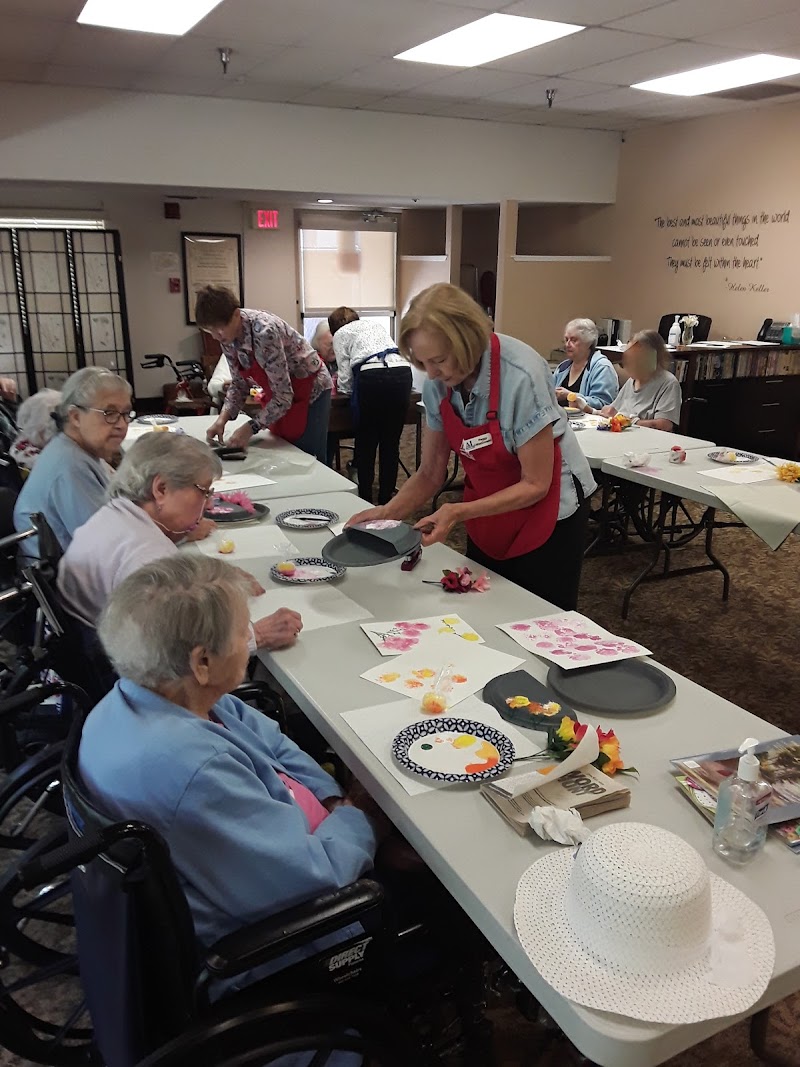
Who Owns and Operates Gold Country?

GOLD COUNTRY HEALTH CENTER is owned by a for-profit company. For-profit facilities operate as businesses with obligations to shareholders or private owners. The facility is operated by CYPRESS HEALTHCARE GROUP, a chain that manages multiple nursing homes. With 68 certified beds and approximately 62 residents (about 91% occupancy), it is a smaller facility located in PLACERVILLE, California.

How Does Gold Country Compare to Other California Nursing Homes?

Compared to the 100 nursing homes in California, GOLD COUNTRY HEALTH CENTER's overall rating (3 stars) is below the state average of 3.1, staff turnover (49%) is near the state average of 46%, and health inspection rating (3 stars) is at the national benchmark.

What Should Families Ask When Visiting Gold Country?

Based on this facility's data, families visiting should ask: "Can I visit during a mealtime to observe dining assistance and food quality?" "How do you handle medical emergencies, and what is your hospital transfer rate?" "Can I speak with family members of current residents about their experience?"

Is Gold Country Safe?

Based on CMS inspection data, GOLD COUNTRY HEALTH CENTER has a clean safety record: no substantiated abuse findings (meaning no confirmed cases of resident harm), no Immediate Jeopardy citations (the most serious violation level indicating risk of serious injury or death), and is not on the Special Focus Facility watch list (a federal program monitoring the lowest-performing 1% of nursing homes). The facility has a 3-star overall rating and ranks #100 of 100 nursing homes in California. While no facility is perfect, families should still ask about staff-to-resident ratios and recent inspection results during their visit.

Do Nurses at Gold Country Stick Around?

GOLD COUNTRY HEALTH CENTER has a staff turnover rate of 49%, which is about average for California nursing homes (state average: 46%). Moderate turnover is common in nursing homes, but families should still ask about staff tenure and how the facility maintains care continuity when employees leave.

Was Gold Country Ever Fined?

GOLD COUNTRY HEALTH CENTER has been fined $14,886 across 2 penalty actions. This is below the California average of $33,228. While any fine indicates a compliance issue, fines under $50,000 are relatively common and typically reflect isolated problems that were subsequently corrected. Families should ask what specific issues led to these fines and confirm they've been resolved.

Is Gold Country on Any Federal Watch List?

GOLD COUNTRY HEALTH CENTER is not on any federal watch list. The most significant is the Special Focus Facility (SFF) program, which identifies the bottom 1% of nursing homes nationally based on persistent, serious quality problems. Not being on this list means the facility has avoided the pattern of deficiencies that triggers enhanced federal oversight. This is a positive indicator, though families should still review the facility's inspection history directly.