WESTERN SLOPE HEALTH CENTER


3280 WASHINGTON STREET, PLACERVILLE, CA 95667 (530) 622-6842
For profit - Limited Liability company 99 Beds PACS GROUP Data: November 2025
Trust Grade
68/100
#268 of 1155 in CA
Last Inspection: December 2024

Within standard 12-15 month inspection cycle. Federal law requires annual inspections.

Overview

Western Slope Health Center has a Trust Grade of C+, which means it is slightly above average but not exceptional. It ranks #268 out of 1,155 nursing homes in California, placing it in the top half of facilities statewide, and #2 out of 4 in El Dorado County, indicating only one local option is rated higher. The facility is improving, having reduced its issues from seven in 2024 to just one in 2025. However, staffing is a concern, with a 57% turnover rate, which is above the state average of 38%, and the RN coverage is lower than 86% of California facilities, meaning there could be less oversight for residents' care. Specific incidents raised during inspections include a serious case where a resident was given food despite being NPO (not allowed to eat), leading to choking and hospitalization, as well as concerns about food safety procedures and the qualifications of the dietary manager. While the facility has strengths, such as excellent quality measures, families should weigh these weaknesses when considering care for their loved ones.

Trust Score
C+
68/100
In California
#268/1155
Top 23%
Safety Record
Moderate
Needs review
Inspections
Getting Better
7 → 1 violations
Staff Stability
⚠ Watch
57% turnover. Above average. Higher turnover means staff may not know residents' routines.
Penalties
✓ Good
$8,412 in fines. Lower than most California facilities. Relatively clean record.
Skilled Nurses
⚠ Watch
Each resident gets only 19 minutes of Registered Nurse (RN) attention daily — below average for California. Fewer RN minutes means fewer trained eyes watching for problems.
Violations
⚠ Watch
46 deficiencies on record. Higher than average. Multiple issues found across inspections.
★★★★★
5.0
Overall Rating
★★★☆☆
3.0
Staff Levels
★★★★★
5.0
Care Quality
★★★★☆
4.0
Inspection Score
Stable
2024: 7 issues
2025: 1 issues

The Good

  • 5-Star Quality Measures · Strong clinical quality outcomes
  • Full Sprinkler Coverage · Fire safety systems throughout facility
  • No fines on record

Facility shows strength in quality measures, fire safety.

The Bad

Staff Turnover: 57%

10pts above California avg (46%)

Frequent staff changes - ask about care continuity

Federal Fines: $8,412

Below median ($33,413)

Minor penalties assessed

Chain: PACS GROUP

Part of a multi-facility chain

Ask about local staffing decisions and management

Staff turnover is elevated (57%)

9 points above California average of 48%

The Ugly 46 deficiencies on record

1 actual harm
Aug 2025 1 deficiency
CONCERN (D) 📢 Someone Reported This

A family member, employee, or ombudsman was alarmed enough to file a formal complaint

Potential for Harm - no one hurt, but risky conditions existed

Deficiency F0760 (Tag F0760)

Could have caused harm · This affected 1 resident

Based on interview and record review, the facility failed to ensure Resident 1 was free from significant medication error when Resident 1 did not receive prescribed antiarrhythmic medication (treat an...

Read full inspector narrative →
Based on interview and record review, the facility failed to ensure Resident 1 was free from significant medication error when Resident 1 did not receive prescribed antiarrhythmic medication (treat and prevent irregular heartbeats) in accordance with the physician's order.This failure had the potential to result in Resident 1 to have experienced irregular heartbeats and other unnecessary side effects which could have negatively affected Resident 1's health.Resident 1 was admitted to the facility in January 2025 with multiple diagnoses which included paroxysmal atrial fibrillation (fast, irregular heartbeat that comes and goes) and unspecified atrial flutter (abnormal heart rhythm that's too fast). A review of Minimum Data Set (MDS, an assessment tool), dated 1/29/25, indicated Resident 1 had intact cognition.A review of Resident 1's Order Summary Report, with start date 1/25/25, indicated, Amiodarone HCl [medication to treat and prevent irregular heartbeats] Oral Tablet 200 MG [milligrams-unit of measurement] Give 200 mg by mouth one time a day for AFIB [atrial fibrillation-irregular heartbeat].A review of Resident 1's Medication Administration Record (MAR-a legal document used to record medications given to the residents), for the month of January 2025, indicated Resident 1 did not receive the physician prescribed Amiodarone medication on 1/25/25, 1/26/25, 1/27/25, 1/28/25 and 1/29/25. During a concurrent interview and record review on 8/5/25, at 12:21 p.m., with the Director of Nursing (DON), the DON confirmed the expectation was for nursing staff to follow physician's orders and if a medication was not given, the physician was supposed to be notified. The DON reviewed Resident 1's MAR and confirmed Resident 1 did not receive the prescribed Amiodarone medication on 1/25/25, 1/26/25, 1/27/25, 1/28/25 and 1/29/25 because the medication was not available at the facility. The DON also reviewed Resident 1's medical chart and confirmed the physician was not notified on those days. DON stated Resident 1 did not receive her prescribed medication for five days and the physician should have been notified. DON further stated, Five days not receiving her heart medication .could be bad for her afib and heart condition.A review of the facility's policies and procedures (P&P) titled, Administering Medications, revised 4/2023, indicated, 2. Medications are administered in accordance with prescriber orders, including any required time frame.A review of the facility's P&P titled, Physician Orders, dated 10/2024, indicated, Physician medication and treatment orders will be carried out in accordance with the physician/nurse practitioner order.A review of the facility's P&P titled, Change in a Resident's Condition or Status, revised 4/2024, indicated, The nurse will notify the resident's Attending Physician/physician on call/nurse practitioner/physician assistant when there has been a(an).f. refusal of treatment or medications.
Dec 2024 4 deficiencies
CONCERN (D)

Potential for Harm - no one hurt, but risky conditions existed

Deficiency F0658 (Tag F0658)

Could have caused harm · This affected 1 resident

**NOTE- TERMS IN BRACKETS HAVE BEEN EDITED TO PROTECT CONFIDENTIALITY** Based on interview and record review, the facility failed to follow physician orders for two of 23 sampled residents (Resident 9...

Read full inspector narrative →
**NOTE- TERMS IN BRACKETS HAVE BEEN EDITED TO PROTECT CONFIDENTIALITY** Based on interview and record review, the facility failed to follow physician orders for two of 23 sampled residents (Resident 94 and Resident 6) when: 1. Anti-anxiety medication was given without first offering nonpharmacological interventions for Resident 94, and 2. Bladder scan was not completed for Resident 6. These failures placed Resident 94 at risk for unnecessary medication and increased the risk for Resident 6 for unmet care needs. Findings: 1. Resident 94 was admitted to the facility in late 2024 with diagnoses which included nerve pain, generalized anxiety and difficulty recovering after experiencing or witnessing a traumatic event. During a review of Resident 94's Minimum Data Set (MDS, an assessment tool), dated 11/26/24, the MDS indicated Resident 94 was able to independently make decisions regarding tasks of daily life without memory impairment. During a review of Resident 94's Clinical Physician Orders, the physician order indicated, Lorazepam [an anti-anxiety medication] Oral Tablet 0.5MG [milligram, unit of measurement for medication dosage] with start date of 11/13/24 at 5 p.m. During a review of Resident 94's Clinical Physician Orders, the physician order indicated, Attempt Non-Pharmacological Approaches Prior To Anti-Anxiety Med .Document On Emar (electronic medication administration) Attempts Taken with start date of 11/13/24 at 4 p.m. During a review of Resident 94's MEDICATION ADMINISTRATION RECORD (MAR), the MAR indicated, Resident 94 received Lorazepam Oral Tablet 0.5 MG on the following dates: 11/14/24, 11/15/24, 11/16/24, twice on 11/17/24, 11/19/24, 11/20/24, 11/21/24, and on 11/26/24 without any documented evidence of attempts for non-pharmacological approach. During an interview on 12/4/24 at 2:42 p.m. with Licensed Nurse (LN 4), LN 4 stated that staff should prioritize non-pharmacological interventions before administering anti-anxiety medications. LN 4 stated that the MAR required documentation of interventions. LN 4 stated that residents may develop medication tolerance due to frequent administration, especially when non-pharmacological approaches could be effective. During a concurrent interview and records review on 12/4/24 at 3:01 a.m. with the Director of Nursing (DON), the DON confirmed that Lorazepam 0.5 MG was administered without documentations of non-pharmacological approach on the MAR. The DON stated he expected the nurses to make sure to follow physician orders before administering medications for residents. 2. Resident 6 was admitted to the facility in mid-2022 with diagnoses which included discomfort when urinating, difficulty emptying the bladder and improperly functioning bladder muscles. During a review of Resident 6's MDS, dated [DATE], the MDS indicated Resident 6 had a Brief Interview for Mental Status (BIMS, a cognitive screening tool) score of 15 out of 15, with no memory impairment. During a review of Resident 6's AFTER VISIT SUMMARY, dated 11/21/24, the summary indicated, Instructions .Please bladder scan x 3 [three times in the AM, PM and evening] after each void please records (sic) results please complete by 11/25 . During a review of Resident 6's MEDICATION ADMINISTRATION RECORD [MAR], dated 11/22/24, the MAR indicated, Bladder scan resident 3x day and record results . Bladder scan results were not recorded in the MAR for 11/22, 11/23, 11/24, or 11/25/24. During an interview on 12/2/24 at 3:44 p.m. with Resident 6, Resident 6 stated, I am supposed to be bladder scanned after every pee. They said they lost the bladder scanner. They have not scanned my bladder once. During an interview on 12/4/24 at 10:12 a.m. with LN 4, LN 4 confirmed there was no documented bladder scan completed for Resident 6 and stated, I don't see anything about the physician being notified it [bladder scan] was not done . LN 4 indicated the bladder scan was important to determine if Resident 6 was having urinary retention and Stated, Urologist requested it. If it's important to him, it's important to us . During an interview on 12/5/24 at 10:15 a.m. with the DON, the DON stated he expected physician orders to be carried out by the nurse. Our bladder scan was taken. I had instructed the nurse to notify the physician .from what I see in the notes it was not documented . During a review of the facility's policy and procedure (P&P) titled, Physician Orders, dated 10/24, the P&P indicated, Prescribed medication and treatment orders will be carried out in accordance with the physician/nurse practitioner order .The licensed staff shall carry out physician/nurse practitioner's orders as prescribed .
CONCERN (D)

Potential for Harm - no one hurt, but risky conditions existed

Deficiency F0761 (Tag F0761)

Could have caused harm · This affected 1 resident

**NOTE- TERMS IN BRACKETS HAVE BEEN EDITED TO PROTECT CONFIDENTIALITY** Based on observation, interview, and record review, the facility failed to ensure opened medications were dated and properly sto...

Read full inspector narrative →
**NOTE- TERMS IN BRACKETS HAVE BEEN EDITED TO PROTECT CONFIDENTIALITY** Based on observation, interview, and record review, the facility failed to ensure opened medications were dated and properly stored for two residents (Resident 31 and Resident 16) for a census of 90. This failure had the potential for residents to receive medications with unsafe or reduced potency from improper storage for Resident 16 or being used past their expiration date for Resident 31. Findings: During an observation and interview on [DATE] at 9:32 a.m., with the Director of Nursing (DON) in Medication room [ROOM NUMBER], an opened Ozempic (a medication used to treat Type 2 Diabetes) injection pen for Resident 31 was observed to be stored inside a resealable bag without a written opened date on the label. There was another open Ozempic injection pen for Resident 16 in the resealable bag without a pen cap to cover the pen window where the needle was attached. During an interview on [DATE] at 9:30 a.m. with Licensed Nurse 5 (LN 5), LN 5 stated the importance of dating and labeling Ozempic when opened to avoid using expired medication which could be less effective. LN 5 stated that storing Ozempic without a cap could increase the risk of contamination and potentially leading to adverse effects for residents. In an interview on [DATE] at 2:59 p.m., the DON stated staff should verify expiration dates on Ozempic injection pens, record the date when a pen was first opened, and ensure proper storage of these medications. Review of manufacturer's instruction for Ozempic, dated 11/2024, indicated, Store your pen in use for 56 days at room temperature .The OZEMPIC pen you are using should be disposed of (thrown away) after 56 days, even if it still has OZEMPIC left in it .Keep the pen cap on when not in use .
CONCERN (D)

Potential for Harm - no one hurt, but risky conditions existed

Infection Control (Tag F0880)

Could have caused harm · This affected 1 resident

**NOTE- TERMS IN BRACKETS HAVE BEEN EDITED TO PROTECT CONFIDENTIALITY** Based on observation, interview and record review, the facility failed to follow infection prevention guidelines for a census of...

Read full inspector narrative →
**NOTE- TERMS IN BRACKETS HAVE BEEN EDITED TO PROTECT CONFIDENTIALITY** Based on observation, interview and record review, the facility failed to follow infection prevention guidelines for a census of 90 residents when: 1. Personal wash basins were unlabeled, and 2. Male urinals were inconsistently labeled. These failures had the increased potential to place the residents at risk for infection. Findings: 1. Resident 299 was admitted to the facility in the summer of 2024 with diagnoses which included adult failure to thrive. During a review of Resident 299's Minimum Data Set (MDS, an assessment tool), dated 9/19/24, the MDS indicated Resident 299 had moderate memory impairment and required set up or clean up assistance with toileting and personal hygiene. During a review of Resident 299's care plan (CP) titled ADL/Mobility .Resident .is at risk for .decline and requires assistance related to .failure to thrive, dated 6/16/24, the CP indicated Hygiene .set up assist . During an observation on 12/2/24 at 9:44 a.m., a poster titled Enhanced Barrier Precautions [EBP, an infection control method that involves wearing gowns and gloves during high-contact care activities for residents in nursing homes] was pinned outside the door of Resident 299 and Resident 75's shared room. Resident 75 was admitted to the facility in the spring of 2024 with diagnoses which included resistance to drugs that kills microorganisms. During a review of Resident 75's MDS, dated [DATE], the MDS indicated Resident 75 was alert, oriented, and dependent on staff for showers, bathing and personal hygiene. During a review of Resident 75's CP, titled ADL[Activities of Daily Living, basic self-care tasks people perform to live independently including eating, dressing, bathing, toileting, etc]/Mobility .requires assistance related to bed-bound status , dated 3/29/24, the CP indicated, Hygiene .Assist of (dependent) . During and observation on 12/2/24 at 9:47 a.m., Resident 75 was in bed, snoring with a urinary catheter hanging from the left side of the bed frame. During a concurrent observation and interview on 12/2/24 at 9:50 a.m., with Certified Occupational Therapy Assistant (COTA) 1, COTA 1 verified two gray basins on back of the toilet shared by Resident 299 and Resident 75 had no names. The COTA stated, I believe they are supposed to be labeled with [a] minimum [of] first and last name and the bed, at least .I would. I discussed it with the Director of Rehab [rehabilitation], and we don't put names on because of HIPPA [HIPAA is an acronym for the Health Insurance Portability and Accountability Act, a federal law that protects the privacy and security of medical records and other personal health information] but you should have the room number. Resident 70 was admitted to the facility in the summer of 2023 with diagnosis which included inflammation of the tube leading from the throat to the stomach and a condition in which small, bulging pouches from the walls of the colon that could become inflamed and infected. During a review of Resident 70's MDS, dated [DATE], the MDS indicated Resident 70 was alert and oriented, able to make her needs known. She required maximal assistance for personal hygiene and was dependent on staff for showering and bathing. During a review of Resident 70's CP titled ADL/Mobility .requires assistance related to fluctuating ADLs ., dated 12/4/24, the CP indicated Hygiene .Assist .partial/mod [moderate] . During an interview on 12/2/24 at 10:22 a.m. with Resident 70, she was lying in bed in her room across from Resident 43 and stated she had been experiencing diarrhea for two months. Resident 43 was readmitted to the facility in the winter of 2021 with diagnoses which included a condition that causes a gradual decline in memory and inability to control of feces and urine. During a review of Resident 43's MDS, dated [DATE], the MDS indicated Resident 43 was alert and oriented but dependent on staff for personal hygiene, showers and bathing. During a review of Resident 43's CP titled, ADL .Requires assist in the following areas .Personal Hygiene .Bathing, dated 12/16/22, the CP indicated. Assist with maintaining good personal hygiene . During a concurrent observation and interview with Resident 43 on 12/2/24 at 10:31 a.m., Resident 43 indicated she was incontinent of both urine and feces. During a concurrent observation and interview on 12/2/24 at 10:36 a.m. with Certified Nurse's Assistant (CNA) 2, there was an unlabeled gray basin on the back of the toilet in the bathroom shared by Resident 43 and Resident 70. CNA 2 verified the basin was unlabeled and said, I personally use these for bed baths .I don't know whose it is. During an interview with the Director of Staff Development (DSD) on 2/5/24 at 9:09 a.m., the DSD stated her expectation for CNAs was to label the basins with the name, not the room number, because of frequent room changes. They should be labeled. During a review of the facility policy and procedure (P&P) titled Infection Prevention and Control, revised 8/24, the P&P indicated Important facets of infection prevention include .instituting measures to avoid complication or dissemination .educating staff and ensuring that they adhere to proper techniques and procedures . 2. Resident 67 was admitted to the facility in the mid 2024 with diagnoses which included paralysis of the arm, leg, and trunk on the same side of the body and one-sided muscle weakness. During a review of Resident 67's MDS, dated [DATE], the MDS indicated Resident 67 had occasional urinary and bowel incontinence. During a review of Resident 67's undated Care Plan indicated Bladder: (Resident name) is at risk for complications with urinary system related to both stress and urge . During an observation on 12/2/24 at 9:11 a.m., in Resident 67's room, an undated male urinal with Residents 67's last name and UA collection written was hanging on bedside with amber colored liquid inside. Resident 45 was admitted to the facility in the mid 2024 with diagnoses which included heart failure and lung problem. During a review of Resident 45's undated Care Plan indicated, Bladder: is at risk for complications with urinary system related to Benign Prostatic Hyperplasia [enlargement of the prostate gland that could cause frequent urination, difficulty starting or stopping urination] . During an observation on 12/2/24 at 9:11 a.m., in Resident 45's room, an empty male urinal dated 7/12/24 with Resident 45's last name was hanging on bedside. Resident 79 was admitted to the facility in the mid 2024 with diagnoses which included chronic lung problem and shortness of breath. During a review of Resident 79's undated Care Plan indicated Bladder: at risk for complications with urinary system related to resolved hx [history] of AKI [Acute Kidney Injury] . During an observation on 12/2/24 at 10:49 a.m., in Resident 79's room, an unlabeled empty male urinal was hanging on bedside. Resident 43 was admitted to the facility in the early 2023 with diagnoses which included a chronic, progressive disease involving damage to the nerve cells in the brain and spinal cord and difficulty swallowing. During a review of Resident 43's undated Care Plan indicated Bladder: At risk for complications with urinary system related to urinary retention. During an observation on 12/2/24 at 10:49 a.m., in Resident 43's room, a male urinal that contained a dark ambered liquid with Residents 43's room and bed was on Resident 43's bedside table. Resident 43 stated, I can't remember them changing it [urinal]. During an interview on 12/4/24 at 9:45 a.m., with License Nurse 6 (LN 6), LN 6 confirmed the findings acknowledged that urinals should be changed because of risk for urinary tract infection especially for patients in long term care. LN 6 stated that the urinals should be dated so staff knew when to change them. During an interview on 12/4/24 on 11:58 a.m., with the DON, the DON confirmed the findings and stated he expected nurses and CNAs to make sure that male urinals were changed every two weeks and that it should contain residents name and date of when the male urinals were changed.
CONCERN (E)

Potential for Harm - no one hurt, but risky conditions existed

Food Safety (Tag F0812)

Could have caused harm · This affected multiple residents

Based on observation, interview, and record review, the facility failed to safely store foods according to professional practice standards for a census of 90 residents when: 1. Potentially Hazardous F...

Read full inspector narrative →
Based on observation, interview, and record review, the facility failed to safely store foods according to professional practice standards for a census of 90 residents when: 1. Potentially Hazardous Food (PHF) such as unpasteurized eggs, cheese, half and half, turkey, and ham was left unattended on the floor and shelving outside of the kitchen refrigerator for longer than two hours; 2. Expired banana pudding was found in the kitchen refrigerator available for use; and, 3. Twelve individual containers of salad dressing were stored unlabeled and undated in the kitchen refrigerator available for use. These failures had the potential to cause a widespread foodborne illness among residents from consumption of contaminated, spoiled or unlabeled foods. Findings: 1. During a concurrent initial kitchen observation and interview on 12/2/24 at 8:46 a.m. with [NAME] (CK) in front of the walk-in refrigerator in the kitchen, there were boxes of unpasteurized eggs, cheese, half and half, turkey, and ham observed left unattended on the floor and shelving. CK verified the words Keep Refrigerated were printed on the boxes. CK stated the boxes had been there since she arrived at work that morning before 6 a.m. CK stated her boss usually put the food away, but he was on vacation. When asked if the food was safe, the CK stated, I don't know if it's still good. During an interview on 12/2/24 at 9:07 a.m. with Registered Dietitian (RD) in the kitchen outside of the refrigerator, RD stated the boxes of food delivered should be out no more than two hours. RD would check the invoice delivery time and throw out the boxes if greater than two hours. During an interview on 12/4/24 at 11:23 a.m. with the Dietary Manager (DM), DM reported food delivered should be put away immediately as soon as it arrived. DM stated, We don't want refrigerated food sitting out longer than one to two hours. The DM reported if refrigerated food was left out longer than two hours, staff would go by protocol and toss the food out. During an interview on 12/5/24 at 10:20 a.m. with Dietary Consultant (DC), Registered Dietitian (RD), and Dietary Manager (DM), DC, RD, and DM all verbalized refrigerated food should be thrown out after two hours if not stored in the refrigerator. During a review of the facility's policy and procedure titled, General Receiving of Delivery of Food and Supplies, dated 2023, indicated, Deliveries will be scheduled .when trained staff are available to .store food promptly and in a safe manner. The policy further indicated, Deliveries are to be put away as quickly as possible. Begin with refrigerated items . During a review of 4 Steps to Food Safety, Foodsafety.gov, 18 Sep. 2023, <https://www.foodsafety.gov/keep-food-safe/4-steps-to-food-safety>, retrireved on 12/9/24, it was recommended to, Never leave perishable foods out of refrigeration for more than 2 hours and Refrigerate perishable foods within 2 hours as Bacteria that cause food poisoning multiply quickest between 40°F (4°C) and 140°F (60°C). 2. During a concurrent initial kitchen observation and interview on 12/2/24 at 9 a.m. with CK in the facility's refrigerator, CK verified a container labeled, Banana Pudding with a prepared date of 1/27 and a use by date of 1/29. CK stated, It's [pudding] not good. CK also reported the label was dated incorrectly and should have had a prepared date of 11/27 and a discard date of 11/29. During an interview on 12/4/24 at 11:23 a.m. with DM, the DM indicated the banana puddings should have been discarded, as he did not want any of his residents to get sick. During a review of the facility's policy and procedure titled, Refrigerated Storage Guide, dated 2023, indicated, the maximum refrigeration time for prepared desserts .including puddings . was three days. 3. During a concurrent observation and interview on 12/2/24 at 9 a.m. with CK in the facility's walk-in refrigerator, CK verified there were twelve individual containers of salad dressing stored on a tray were not labeled either on the individual containers or on the tray the containers were stored on. During a review of the facility's policy and procedure titled, Labeling and Dating of Foods, dated 2023, indicated, All prepared foods need to be covered, labeled, and dated. Items can be dated individually or in bulk stored on a tray with masking tape if going to be used for meal service [i.e. salads, drinks, and other miscellaneous items for tray line.]
Sept 2024 1 deficiency
CONCERN (D) 📢 Someone Reported This

A family member, employee, or ombudsman was alarmed enough to file a formal complaint

Potential for Harm - no one hurt, but risky conditions existed

Deficiency F0725 (Tag F0725)

Could have caused harm · This affected 1 resident

Based on interview and record review, the facility failed to ensure the minimal staffing reqirements were met when: 1. A minimum of 3.5 direct care services hours per day (DHPPD - a tool to assess the...

Read full inspector narrative →
Based on interview and record review, the facility failed to ensure the minimal staffing reqirements were met when: 1. A minimum of 3.5 direct care services hours per day (DHPPD - a tool to assess the value nursing staff provides to patient safety and care quality) were not met for three out of 23 days audited; and, 2. A minimum of 2.4 Certified Nursing Assistant (CNA) DHPPD for 21 out of 23 days audited were not met. These failures had the potential to prevent residents from receiving necessary care and maintaining the highest practicable physical, mental, and psychological well-being. Findings: A review of the facility's NHPPD Scheduled Daily Staffing Overview . forms indicated the facility did not meet a minimum of 3.5 DHPPD on: 9/1/24 with 3.10 hours, 9/8/24 with 3.34 hours, and 9/16/24 - with 3.41 hours. A review of the facility's NHPPD Scheduled Daily Staffing Overview . forms indicated the facility did not meet a minimum of 2.4 CNA DHPPD hours on: 9/1/24 with 2.32 hours, 9/2/24 with 2.32 hours, 9/3/24 with 2.32 hours, 9/4/24 with 2.37 hours, 9/5/24 with 2.29 hours, 9/6/24 with 2.37 hours, 9/7/24 with 2.37 hours, 9/8/24 with 2.29 hours, 9/9/24 with 2.20 hours, 9/12/24 with 2.37 hours, 9/13/24 with 1.62 hours, 9/14/24 with 1.95 hours, 9/15/24 with 1.79 hours, 9/16/24 with 1.77 hours, 9/17/24 with 1.74 hours, 9/18/24 with 2.13 hours, 9/19/24 with 1.91 hours, 9/20/24 with 2.00 hours, 9/21/24 with 1.81 hours, 9/22/24 with 1.98 hours, and 9/23/24 with 2.00 hours. During an interview on 9/23/24 at 2:15 p.m. with the Certified Assistant Nurse/Ward Clerk (CNA/WC), the CNA/WC stated, Call lights are not answered timely since we don't have enough staff on the floor .There are some challenging times when it takes about 30 minutes for the call lights to be answered. Night shift staffing is bad and could contribute to call lights not being answered timely and could lead to falls and accidents. During an interview on 9/23/24 at 2:23 p.m. with CNA 1, CNA 1 stated, .Staffing can be better. It seems like we are always short-staffed .We have many call-offs, and there is registry staff in every shift. We need more CNAs to provide quality care to our residents and not put the residents at safety risk. During an interview on 9/23/24 at 2:37 p.m. with CNA 2, CNA 2 stated, .Facility uses a lot of registries in every shift, and you hear more and more complaints by the residents that call lights are not answered promptly .Call lights are often not answered for 15 to 20 minutes . It would be nice if everyone at the facility answered call lights when they were on. Just find out what the resident needs. During an interview on 9/23/24 at 2:51 p.m. with Licensed Nurse 1, LN 1 stated, CNAs are often short-staffed, leading to call lights not being answered promptly. During an interview on 9/23/24 at 4:03 p.m. with Resident 1, Resident stated, .It takes about 10 to 15 minutes to have my call light answered most of the time and takes even longer during the night shift . There are not enough CNAs to take care of us. During an interview on 9/23/24 at 4:18 p.m. with Resident 2, Resident 2 stated, .Call lights are not answered timely because the CNAs are very busy. During an interview on 9/23/24 at 4:24 p.m. with Resident 3, Resident 3 stated, .The call lights are not answered timely, and there could be a wait of about an hour, especially on the night shift . Registry CNAs do not know our routine, and it's challenging to keep repeating the same thing. I am here to be taken care of and not to give instructions daily on how much care should be given. I need consistency. During an interview on 9/23/24 at 5 p.m. with the DON and ADON, the DON and ADON responded, .It would be nice not to use registry and to have the facility have in-house staff . That could contribute to the call lights not being answered timely. During a review of the facility's policy and procedure (P&P) titled, Answering the Call Light, dated April 2024, the P&P indicated, .Answer the resident's call as soon as possible and as practicable . A review of the All Facilities Letters (AFL: a letter to healthcare facilities that communicates policy and guidance) 19-16, issued on 4/9/19, indicated, .To: SKILLED NURSING FACILITIES (SNFs) .The 3.5 DHPPD staffing requirement, of which 2.4 hours per patient day must be performed by CNAs, is a minimum requirement for SNFs. SNFs shall employ and schedule additional staff and anticipate individual patient needs for the activities of each shift, to ensure patients receive nursing care based on their needs . Only direct caregivers shall count toward the 3.5 and 2.4 DHPPD staffing standards . Any facility that falls below either the 3.5 or 2.4 DHPPD staffing requirement for any audited day is out of compliance .CDPH will issue one deficiency for non-compliance with each of the applicable staffing standards .regardless of the number of non-compliant days .
Jul 2024 2 deficiencies
CONCERN (E) 📢 Someone Reported This

A family member, employee, or ombudsman was alarmed enough to file a formal complaint

Potential for Harm - no one hurt, but risky conditions existed

Garbage Disposal (Tag F0814)

Could have caused harm · This affected multiple residents

Based on observation, interview, and record review, the facility failed to dispose of garbage and refuse properly for a census of 92 when the garbage dumpster was found with garbage bags rising out of...

Read full inspector narrative →
Based on observation, interview, and record review, the facility failed to dispose of garbage and refuse properly for a census of 92 when the garbage dumpster was found with garbage bags rising out of the top with the lid not properly closed. This failure had the potential to attract pests to the facility. Findings: During an observation on 7/23/24 at 2:17 p.m. at the garbage disposal area outside the facility, six trash bins and one biohazard bin were observed. One of the trash bins was observed with black trash bags rising out of the bin and the lid was not fully closed. During a concurrent observation and interview on 7/23/24 at 2:36 p.m. with Housekeeping Staff (HS) inside the laundry room, HS was observed holding a fly swatter and stated, There are a lot of flies here, it could be maybe from the garbage out there. During an interview on 7/23/24 at 3:03 p.m. with the Administrator (ADM), when a picture of the trash bin was shown to him, the ADM confirmed the trash bin was not properly closed and bag was propped open, and contacted the Maintenance Director (MTD). The ADM stated, There were residents leaving the door opened .Flies are coming from the outside .Spreading of infection and diseases is the biggest risks for having those things in the facility. During an interview on 7/23/24 at 4:08 p.m. with the MTD, the MTD confirmed the trash bin was not properly closed. During a review of the US FDA 2022 Food Code, section 5-501.15, titled, Outside Receptacles, 1/18/23 version, indicated, (A) Receptacles and waste handling units for REFUSE, recyclables, and returnables used with materials containing FOOD residue and used outside the FOOD ESTABLISHMENT shall be designed and constructed to have tight-fitting lids, doors, or covers. During a review of the facility's policy and procedure (P&P) titled, Pest Control, revised 4/2008, the P&P indicated, 5. Garbage and trash are not permitted to accumulate and are removed from the facility daily. During a review of the facility's P&P titled Garbage and Refuse Disposal, revised 12/2022, the P&P indicated, 2. All garbage and refuse containers are provided with lids or covers and must be kept covered when stored or not in continuous use .4. Garbage and refuse containing food wastes will be stored in a manner that prevent pests .6. Outside dumpsters provided by garbage pickup services will be kept closed.
CONCERN (E) 📢 Someone Reported This

A family member, employee, or ombudsman was alarmed enough to file a formal complaint

Potential for Harm - no one hurt, but risky conditions existed

Deficiency F0925 (Tag F0925)

Could have caused harm · This affected multiple residents

Based on observation, interview, and record review, the facility failed to maintain an effective pest control program for a census of 92 when flies were observed in hallways and in Resident 1's room. ...

Read full inspector narrative →
Based on observation, interview, and record review, the facility failed to maintain an effective pest control program for a census of 92 when flies were observed in hallways and in Resident 1's room. This failure had the potential to spread infections and diseases among the residents, staff and visitors. Findings: During a concurrent observation and interview on 7/23/24 at 1:39 p.m. with Resident 1 in his room, flies were observed moving around the room, on Resident 1's blanket, and on the curtains. Resident 1 stated, Everybody complains about the flies, and I complained too .They put a blanket on me, so I don't feel the flies. During an interview on 7/23/24 at 1:47 p.m. with Licensed Nurse (LN 1), LN 1 stated, I know you noticed the flies, the rooms are so smelly .we have lights outside the rooms, but they are not effective. During a concurrent observation and interview on 7/23/24 at 2:02 p.m. with LN 2 in Resident 1's room, LN 2 confirmed the presence of flies inside the room, on Resident 1's blanket and on the curtains. LN 2 stated, We have infestation of flies here, they put the lights but it's not effective. During a concurrent observation and interview on 7/23/24 at 2:06 p.m. with LN 3 in the hallway, LN 3 was observed clearing away flies using hands while being interviewed. LN 3 stated, I have seen a lot of flies, they have machine lights, but residents open the door frequently .I should add it in the maintenance log, there's a lot of flies here .it's an infection control issue and dignity issue. During a concurrent observation and interview on 7/23/24 at 2:36 p.m. with Housekeeping Staff (HS) inside the laundry room, HS was observed holding a fly swatter and stated, There are a lot of flies here, it could be maybe from the garbage out there. During an interview on 7/23/24 at 2:44 p.m. with the Maintenance Director (MTD), the MTD stated, We had a lot of trouble with flies, it's because of a lot of traffic .They come from outside . During an interview on 7/23/24 at 2:53 p.m. with the Director of Nursing (DON), the DON stated, I did notice flies around the facility .flies can get in food, everywhere, that's a huge infection control issue. When pictures of flies were shown, the DON stated, That's not good, we should do something about it. During an interview on 7/23/24 at 3:03 p.m. with the Administrator (ADM), the ADM stated, There were residents leaving the door opened .flies are coming from the outside .spreading of infection and diseases are the biggest risks for having those things in the facility. During a review of the facility's policy and procedure (P&P) titled, Physical Environment and Accommodations Policy, undated, the P&P indicated, (a) The facility shall be clean, safe, sanitary and in good repair at all times. Maintenance shall include provision of maintenance services and procedures for the safety and well-being of residents, employees and visitors. During a review of the facility's P&P titled Pest Control, revised 4/2008, the P&P indicated, Our facility shall maintain an effective pest control program .1. This facility maintains an on-going pest control program to ensure that the building is kept free of insects and rodents.
Nov 2023 14 deficiencies
CONCERN (D)

Potential for Harm - no one hurt, but risky conditions existed

Deficiency F0583 (Tag F0583)

Could have caused harm · This affected 1 resident

**NOTE- TERMS IN BRACKETS HAVE BEEN EDITED TO PROTECT CONFIDENTIALITY** Based on observation, interview, and record review, the facility failed to maintain the resident's right to privacy and confiden...

Read full inspector narrative →
**NOTE- TERMS IN BRACKETS HAVE BEEN EDITED TO PROTECT CONFIDENTIALITY** Based on observation, interview, and record review, the facility failed to maintain the resident's right to privacy and confidentiality of personal and medical records for two residents out of a census of 83 residents when computer screens showed a resident's photo and confidential personal and medical information were left unsecured. These failures had the potential to result in unauthorized access of residents' personal and medical information. Findings: 1. During an observation on 11/14/23, at 7:41 a.m., the computer screen on medication cart 2, located in River Road hallway, had a picture of a resident, resident's name, and a list of the resident's medications displayed. Medication cart 2 was left unattended with the computer screen facing towards the hall. During an interview on 11/14/23, at 7:47 a.m., with Licensed Nurse 3 (LN 3), LN 3 confirmed the computer screen on medication cart 2 displayed personal resident information and was accessible [to anyone walking down the hall]. LN 3 stated she should have closed the computer screen when she walked away from the medication cart. During an interview on 11/14/23, at 8:46 a.m., with the Assistant Director of Nursing (ADON), the ADON indicated it was not acceptable to leave the medication cart unattended with personal resident information displayed .the expectation was for staff to turn off the computer screen or have the privacy screen on when they walked away from the cart to prevent unauthorized viewing. 2. During an observation on 11/15/23 at 3:40 p.m. at Station 1&2, in front of room [ROOM NUMBER] and room [ROOM NUMBER], a computer attached to medication cart 2 with screen showing a resident's photo, complete name, medical record number, current room and bed number, gender, date of birth , age, attending physician, and other pertinent personal and medical information was left unattended facing the hallway. Two residents and two facility staff were observed passing by the medication cart. During a concurrent observation and interview on 11/15/23 at 3:45 p.m. with LN 9 at Station 1&2, in front of room [ROOM NUMBER] and room [ROOM NUMBER], LN 9 was observed going back to the medication cart 2 and started working on the computer. LN 9 confirmed the observation that the computer attached to medication cart 2 with screen showing a resident's photo and pertinent personal and medical information was left unattended and was facing the hallway. LN 9 stated he should have closed the computer screen before moving away. LN 9 further stated, .It's [leaving resident's personal and medical records unattended] a HIPAA (Health Insurance Portability and Accountability Act- a federal law that requires the creation of national standards to protect sensitive patient health information from being disclosed) violation .the personal information of the residents should not be accessible to unauthorized staff or other residents. During an interview on 11/16/23 at 9:17 a.m. with the ADON, the ADON stated she expects staff to protect and keep residents' information private. The ADON further started, Residents personal and medical information should remain private per HIPAA .If the nurse is away, the records [personal and medical records] should not be seen by other residents or other unauthorized staff .the computer screen should be closed or should be in privacy mode. A review of the facility's policy and procedure (P&P) titled, Protected Health Information (PHI), Management and protection, revised 4/2022, indicated, 1. It is the responsibility of personnel who have access to resident and facility information to ensure that such information is managed and protected to prevent unauthorized release or disclosure. A review of the facility's P&P titled, Administering Medications, revised 4/2021, indicated, .Access to resident personal and medical records will be limited to authorized staff.
CONCERN (D)

Potential for Harm - no one hurt, but risky conditions existed

Comprehensive Care Plan (Tag F0656)

Could have caused harm · This affected 1 resident

**NOTE- TERMS IN BRACKETS HAVE BEEN EDITED TO PROTECT CONFIDENTIALITY** Based on interview and record review, the facility failed to develop and implement comprehensive care plans for three out of 19 ...

Read full inspector narrative →
**NOTE- TERMS IN BRACKETS HAVE BEEN EDITED TO PROTECT CONFIDENTIALITY** Based on interview and record review, the facility failed to develop and implement comprehensive care plans for three out of 19 sampled residents (Resident 73, Resident 60, and Resident 15), when: 1. No care plan was developed or implemented for Resident 73's peripherally inserted central catheter (PICC) line (a tube inserted into a vein in the arm to access large veins near the heart for medications, liquid nutrition, and drawing blood); 2. No care plan was developed or implemented for Resident 60's renal dialysis (treatment that helps your body remove extra fluid and waste products from your blood when the kidneys are not able to); and 3. No smoking care plan was developed for Resident 15. These failures had the potential to result in residents not attaining their highest practicable physical, mental, and psychosocial well-being. Findings: 1. During a review of Resident 73's medical record, the record indicated Resident 73 was admitted in the Fall of 2023 with diagnoses that included severe sepsis (the body's extreme response to infection), open wound on right hip, idiopathic aseptic necrosis (death of bone tissue due to a lack of blood supply) of right femur, infection, and inflammatory reaction due to right hip prosthesis (an artificial body part), cellulitis (deep infection of the skin caused by bacteria) of right lower limb, and chronic osteomyelitis (bone infection). During a review of facility record titled, PICC Insertion Record, dated 10/13/23, the record indicated Resident 73's PICC line was inserted on 10/13/23. During a concurrent interview and record review on 11/15/23 at 11:59 a.m., with Licensed Nurse (LN 7), LN 7 confirmed there was no care plan regarding PICC Line. LN 7 stated, I'm not sure if we should have a care plan for that. That would be a question for the ADON (Assistant Director of Nursing) .care plan is a guide to anyone providing care and it lists your nursing diagnoses and interventions and goals. During a concurrent interview and record review on 11/15/23 at 12:02 p.m., with the ADON, the ADON stated, I don't see a PICC line care plan, we should have a care plan for that. There should be one in. There are IV medication orders and PICC line monitoring but there was no care plan, we will improve on that. 2. Resident 60 was admitted to the facility November 2023 with multiple diagnoses which included end stage renal disease (late stage of long-term kidney disease) and dependence on renal dialysis. A review of Resident 60's Minimum Data Set (MDS, an assessment tool) dated 11/8/23, indicated, Resident 60 was receiving dialysis while a resident. During an interview on 11/14/23, at 8:51 a.m., with LN 1, LN 1 stated Resident 60 left the facility for dialysis treatment three times a week. During a concurrent interview and record review on 11/15/23, at 2:59 p.m., with the ADON, the ADON stated Resident 60 was admitted to the facility receiving dialysis treatment. A review of Resident 60's clinical records with the ADON, the ADON confirmed there was no care plan for Resident 60's dialysis treatments. The ADON stated the resident should have been care planned for dialysis and it was the responsibility of the Supervisor to create the care plan on admission. The ADON stated, care plans are not where we want them to be, we are working on them. 3. Resident 15 was admitted to the facility June 2023 with diagnoses which included chronic pulmonary disease (group of diseases that cause airflow blockage and breathing problems), high blood pressure (force of blood flowing through blood vessels is consistently too high) and shortness of breath. A review of Resident 15's most recent MDS indicated Resident 15's BIMS (a brief interview for mental status) was 15, indicating Resident 15 was cognitively intact. During a review of Resident 15's MDS, dated [DATE], indicated Resident 15 was a smoker. During a concurrent interview and record review on 11/16/23, at 1:30 p.m., the ADON confirmed there was no smoking care plan for Resident 15. The ADON stated there should be a care plan based on the smoking assessment. The ADON stated, I will be honest there is no smoking care plan for this resident and there should be one. During a review of the facility's policy and procedure (P&P) titled, Care Planning - Interdisciplinary Team, revised 1/11, the P&P indicated, 1. A comprehensive care plan for each resident is developed within seven (7) days of completion of the resident assessment .2. The care plan is based on the resident's comprehensive assessment .
CONCERN (D)

Potential for Harm - no one hurt, but risky conditions existed

Deficiency F0692 (Tag F0692)

Could have caused harm · This affected 1 resident

Based on interview and record review, the facility failed to maintain an acceptable parameter of nutritional status when one out of 19 sampled residents (Resident 90) lost 11.1% of his body weight ove...

Read full inspector narrative →
Based on interview and record review, the facility failed to maintain an acceptable parameter of nutritional status when one out of 19 sampled residents (Resident 90) lost 11.1% of his body weight over an 18-day period. This failure placed Resident 90 at risk for potential muscle loss, increasing his susceptibility to infection and delayed wound healing. Findings: Resident 90 was admitted to the facility October 2023 with multiple diagnoses which included pressure ulcer (injury to skin and underlying tissue resulting from prolonged pressure on the skin) of sacral region (near base of the spine), pressure ulcer of right heel, and dysphagia (difficulty swallowing). During a review of Resident 90's Weights and Vitals Summary, between 10/25/2023 and 11/12/2023, the Weights and Vitals Summary indicated, Resident 90 weighed 153 pounds (a measure of weight) on 10/25/2023 and 136 pounds on 11/12/2023. This loss of 17 pounds was 11.1% of his body weight over an 18-day timespan. During an interview on 11/15/23, at 10:11 a.m., with the Registered Dietician (RD), RD stated she would implement interventions for a resident who has had a five pound or greater weight change. The RD confirmed she was aware of Resident 90's 17 pound weight loss and stated no interventions for his weight loss had been put in place. The RD stated she does not know if the physician had been notified. During an interview on 11/15/23, at 10:36 a.m., with Licensed Nurse 5 (LN 5), LN 5 stated there were no weight monitoring orders for Resident 90. During an interview on 11/15/23, at 11:46 a.m., with Restorative Nursing Assistant 1 (RNA 1), RNA 1 stated it was the RNAs' responsibility to weigh residents monthly or as ordered. RNA 1 stated the resident would be weighed twice to ensure accuracy and notify nursing staff of weight changes of five pounds or greater. During an interview on 11/15/23, at 11:54 a.m., with LN 1, LN 1 stated the expectation was for nurses to notify the physician for weight changes of five pounds or greater and to document when the physician was notified. During a concurrent interview and record review on 11/15/23, at 12:17 p.m., with the Assistant Director of Nursing (ADON), the ADON stated that the expectation was for the RD to notify the physician of weight changes of five pounds or greater and for the nursing staff to notify the physician of a change of condition including weight loss. A review of Resident 90's Progress Notes, with the ADON, the ADON confirmed there was no documentation showing the physician was notified of Resident 90's significant weight loss and there were no orders for addressing weight loss. The ADON stated, physician should have been notified. The ADON acknowledged not notifying the physician had put Resident 90 at risk for malnutrition and continued weight loss. During a review of Resident 90's care plan, dated on 11/2/23, indicated, Monitor for .change in condition which may contribute to risk of malnutrition, notify physician .monitor for signs of malnutrition .and notify physician if observed. During a review of the facility's Policy and Procedure (P&P) titled, Change in a Resident's Condition or Status, revised May 2023, the P&P indicated, .notify the resident's Attending Physician/physician on call .when there has been a .significant change in the resident's physical/emotional/mental condition . During a review of the facility's P&P titled, Weight Assessment and Intervention, reviewed 2023, the P&P indicated, 1 month - 5% weight loss is significant .Physician/nurse practitioner/physician assistant and the multidisciplinary team will identify conditions or medications that may be causing .weight loss or increasing the risk of weight loss.
CONCERN (D)

Potential for Harm - no one hurt, but risky conditions existed

Dental Services (Tag F0791)

Could have caused harm · This affected 1 resident

Based on observation, interview, and record review, the facility failed to provide dental services to one out of 19 sampled residents (Resident 23) when Resident 23 did not have any evaluation of dent...

Read full inspector narrative →
Based on observation, interview, and record review, the facility failed to provide dental services to one out of 19 sampled residents (Resident 23) when Resident 23 did not have any evaluation of dental needs. This failure had the potential to result in the facility to not be aware of Resident 23's dental needs and Resident 23 not provided with appropriate and adequate dental/oral care. Findings: A review of Resident 23's clinical record indicated Resident 23 was admitted Spring of 2022 and had diagnoses that included Parkinson's disease (a progressive disorder that affects the nervous system and parts of the body controlled by the nerves, often including tremors, stiffness or slowing of movement), dysphagia (swallowing difficulties), and depression. A review of Resident 23's Minimum Data Set (MDS- an assessment tool used to guide care) Cognitive Patterns, dated 9/8/23, indicated Resident 23 had short-term and long-term memory problems, and severely impaired cognitive skills for daily decision making. During a concurrent observation and interview on 11/13/23 at 10:18 a.m. with Resident 23 in Resident 23's room, Resident 23 was observed to have no top teeth and a few yellowish natural bottom teeth. Resident 23 was not wearing dentures. Resident 23 stated that sometimes he would have a hard time chewing his food so he would just not eat it. During an interview on 11/14/23 at 10:58 a.m. with the Social Services Director (SSD), the SSD stated the facility had an in-house dentist that attends to residents as needed for dental issues. The SSD also stated she had never been alerted in the past or had seen a note that Resident 23 had any dental concerns, so he was never referred to the dentist. The SSD further stated that every resident should be evaluated initially for dental needs, even if the resident did not have dental concerns, because it is part of the resident's initial assessment. The initial evaluation of Resident 23's dental needs was requested. During a concurrent interview and record review on 11/14/23 at 2:15 p.m. with the SSD, Resident 23's clinical records were reviewed. The SSD stated she was not able to locate any initial or annual dental assessment record for Resident 23 which would mean that the initial evaluation of Resident 23's dental needs was not done. The SSD further stated if the initial evaluation of a resident's dental needs was not done, the resident would not be provided with adequate dental/oral care. During an interview on 11/16/23 at 9:17 a.m. with the Assistant Director of Nursing (ADON), the ADON stated, .All residents should receive initial dental assessment .The risk [if residents had no initial evaluation for dental needs] is that we would not know the residents' baseline dental status and if there's anything wrong. A review of Resident 23's active physician's order, dated 10/31/22, indicated, Consult - Dental For Oral Hygiene With Follow-up And Treatment As Indicated. A review of Resident 23's speech therapy evaluation, dated 6/17/23, the oral peripheral exam section indicated, General, Facial and Dentition = Edentulous [lacking teeth] . A review of Resident 23's physician's progress note, dated 6/28/23, indicated, ENMT [Ear, Nose, Mouth, and Throat]: Lips, Teeth, and Gums: poor dentition. A review of the facility's policy and procedure, P&P titled, Dental Care, revised 4/2021, indicated, Each resident will receive appropriate dental care . 4. Our facility's routine dental care includes, but is not limited to: a. An initial evaluation of the resident's dental needs .
CONCERN (D)

Potential for Harm - no one hurt, but risky conditions existed

Deficiency F0810 (Tag F0810)

Could have caused harm · This affected 1 resident

**NOTE- TERMS IN BRACKETS HAVE BEEN EDITED TO PROTECT CONFIDENTIALITY** Based on observation, interview, and record review, the facility failed to provide appropriate assistive drinking equipment to o...

Read full inspector narrative →
**NOTE- TERMS IN BRACKETS HAVE BEEN EDITED TO PROTECT CONFIDENTIALITY** Based on observation, interview, and record review, the facility failed to provide appropriate assistive drinking equipment to one out of 19 sampled residents (Resident 23) when Resident 23 was not provided a specialized drinking cup during the 11/14/23 breakfast meal. This failure had the potential to result in Resident 23 not being able to safely drink and potential for hydration problems. Findings: A review of Resident 23's clinical record indicated Resident 23 was admitted Spring of 2022 and had diagnoses that included Parkinson's disease (a progressive disorder that affects the nervous system and parts of the body controlled by the nerves, often including tremors involuntary quivering movement, stiffness or slowing of movement), dysphagia (swallowing difficulties), bipolar disorder (a mental illness that causes unusual shifts in a person's mood, energy, activity levels, and concentration), and depression. A review of Resident 23's Minimum Data Set (MDS- an assessment tool used to guide care) Cognitive Patterns, dated 9/8/23, indicated Resident 23 had short-term and long-term memory problem, and severely impaired cognitive skills for daily decision making. A review of Resident 23's MDS Functional Status, dated 9/8/23, indicated Resident 23 needed supervision while eating with one-person physical assistance. During a concurrent observation and interview on 11/14/23 at 8:39 a.m. with Resident 23 in Resident 23's room, Resident 23 was observed almost done eating his breakfast meal. Resident 23 was also observed to have shaky hands. On the corners of Resident 23's meal tray were beverages which included a cup of milk in a regular 8 fl oz. (fluid ounce- unit of measurement) drinking cup which was still full, a cup of bright yellow beverage in a regular 4 fl oz. drinking cup with plastic lid still on, a cup of water in a regular 8 fl oz. drinking cup with plastic lid still on, and a mug of dark brown beverage in a regular 8 fl oz. plastic mug which was filled half way. Resident 23 stated it was hard for him to hold the regular cups because his hands get shaky, and he would like to have a better cup which he could hold more steady. A review of Resident 23's breakfast meal ticket, dated 11/14/23, indicated, .Adap. Equip. [adaptive equipment- any tool, device, utensil, or machine that is used to help with any task associated with daily living]: .Sippy Cup [a specialized drinking cup designed to be held more steady in several ways for people with tremors or reduced coordination] . During a concurrent observation and interview on 11/14/23 at 8:42 a.m. with Certified Nurse Assistant (CNA) 3 in Resident 23's room, CNA 3 confirmed that Resident 23 was not provided with sippy cups. CNA 3 stated Resident 23 sometimes had tremors on both hands which usually occurred in the morning. CNA 3 further stated, .He [Resident 23] needs those sippy cups so he can hold and safely drink his drinks. During an interview on 11/15/23 at 9:43 a.m. with the Registered Dietician (RD), the RD stated, .He [Resident 23] has Parkinson's so his hands were shaky .The sippy cup is generally for his shaking so he won't spill what he is drinking .If it [sippy cup] is in the meal ticket, it should always be provided to the resident every meal . The RD further stated, .the risk [if the sippy cup was not provided] is he would not be able to drink enough and could have potential dehydration problem. During an interview on 11/15/23 at 9:54 a.m. with the Speech-Language Pathologist (SLP), the SLP stated, .It [sippy cup] needs to be provided to him [Resident 23] .it [sippy cup] can control the flow of drink into his [Resident 23] mouth so to avoid fluid aspiration [fluid entering a person's airway and eventually the lungs by accident]. A review of Resident 23's occupational therapy Discharge summary, dated [DATE], indicated, Patient will improve ability to safely and efficiently perform eating tasks with Supervision or Touching Assistance with use of 2-handled mug [sippy cup] and weighted spoon to ensure adequate nutrition and hydration and to facilitate ability to live in environment with least amount of supervision and assistance. A review of Resident 23's nurse's progress note, dated 10/24/23, indicated, Family of [name of Resident 23] .called stating she is concerned [name of Resident 23] is dehydrated and that she has discussed this with the Charge Nurse who put him on charting for 3 days, for monitoring and encouraging fluid intake. A review of Resident 23's nurse's progress note, dated 10/24/23, indicated, Encouraging fluids for 3 days r/t [related to] resident being dehydrated . During an interview on 11/16/23 at 9:17 a.m. with the Assistant Director of Nursing (ADON), the ADON stated she would expect the staff to always check and provide all the adaptive equipment a resident needs during every meal. The ADON further stated, .if it [sippy cup] is ordered, then it should be followed .This [sippy cup not being provided] could affect the way the resident drinks. It could cause spillage of the drink, difficulty drinking, and potential for hydration problems. A review of Resident 23's care plan, dated 11/1/22, indicated, The resident has dehydration or potential fluid deficit . A review of Resident 23's care plan intervention, dated 11/2/22, indicated, [Provide] Adaptive devices as recommended by therapy or MD [doctor of medicine]. Monitor for safe use. Monitor/document to ensure appropriate use of safety/assistive devices. A review of the facility's policy and procedure titled, Assistance with Meals, revised 7/2021, indicated, Residents Who May Benefit from Assistive Devices: 1. Adaptive devices (special eating equipment and utensils) will be provided for residents who need or request them. These may include devices such as .specialized cups.
CONCERN (E)

Potential for Harm - no one hurt, but risky conditions existed

Respiratory Care (Tag F0695)

Could have caused harm · This affected multiple residents

3. During a review of Resident 15's clinical record, the record indicated Resident 15 was admitted to the facility in June of 2023 with multiple diagnoses which included chronic obstructive pulmonary ...

Read full inspector narrative →
3. During a review of Resident 15's clinical record, the record indicated Resident 15 was admitted to the facility in June of 2023 with multiple diagnoses which included chronic obstructive pulmonary disease (a group of lung disease that block airflow and make it difficult to breathe), anxiety disorder (significant and uncontrollable feelings of anxiety and fear), post-traumatic stress disorder (difficulty recovering after experiencing or witnessing a terrifying event), and shortness of breath. A BIMS, dated 10/18/23 indicated, Resident 15 was cognitively intact. During a review of Resident 15's physician order, dated 7/20/23, the order indicated, Oxygen @ [at] 2-4 liters/min [minute] via nasal cannula for respiratory comfort . During an observation on 11/13/23 at 10:45 a.m., in Resident 15's room, oxygen was observed turned on while not in use, set to 2 liters per minute, and the nasal cannula tubing was observed touching the floor. During a concurrent observation and interview on 11/13/23 at 11:05 a.m., with LN 6, LN 6 stated Resident 15 uses oxygen as needed. LN 6 confirmed that oxygen was turned on and the nasal canula tubing was on the floor. LN 6 was observed asking Resident 15 if the oxygen was needed and Resident 15 said no. LN 6 was observed turning off the oxygen and placing the nasal canula in the black pouch. LN 6 stated, It should not touch the floor, germs and bacteria on the floor are introduced to his nose and cause illness, if it touched the floor, we need to change it. During an interview on 11/14/23 at 10:25 a.m., with the Infection Preventionist (IP), the IP stated, Nasal cannula should be placed in black pouch when not in use. When asked about the cannula touching the floor, the IP stated, Change it immediately and label it with date. It can cause respiratory infection, hypoxia. During an interview on 11/15/23 at 1:12 p.m., with the ADON, when asked about the expectation on the nasal cannula touching the floor, the ADON stated, We are going to change it right away. Supposed to be in the bag and the oxygen turned off. That's very germy. It might touch the floor if not in the pouch. During a review of the facility's P&P titled, Respiratory Therapy including Oxygen Labeling, dated 11/21, the P&P indicated, Infection Control Considerations Related to Oxygen Administration .4. Keep the oxygen cannula and tubing used PRN in infection control pouches when not in use . Based on observation, interview, and record review, the facility failed to ensure proper storage, handling, and labeling of respiratory care equipment consistent with the facility's policy and procedures (P&P) for three out of 19 sampled residents when: 1. Resident 294's nasal cannula (a medical device with two prongs that is connected to an oxygen source used to deliver supplemental oxygen directly into the nostrils) was left wrapped around Resident 294's bed rail while not being used and was not labeled with the date it was first used; 2. Resident 47's nebulizer (machine that turns liquid medicine into a mist that can be easily inhaled) mouthpiece and tubing was left on top of the nebulizer machine after use and was not labeled with the date it was initially used; 3. Resident 15's nasal cannula was not placed in an infection control pouch and observed touching the floor when oxygen was not in use. These failures had the potential to result in unsafe and unsanitary delivery of oxygen to Resident 294 and Resident 15, and aerosol medication to Resident 47. Findings: 1. A review of Resident 294's clinical record indicated Resident 294 was admitted Spring of 2023 and had diagnoses that included congestive heart failure (a condition in which the heart cannot pump oxygen-rich blood efficiently to the rest of your body) and shortness of breath. A review of Resident 294's Minimum Data Set (MDS- an assessment tool used to guide care) Cognitive Patterns, dated 9/22/23, indicated Resident 294 had a Brief Interview for Mental Status (BIMS- a tool to assess cognition) score of 15 out of 15 which indicated Resident 294 had intact cognition. A review of Resident 294's MDS Health Conditions, dated 9/22/23, indicated Resident 294 had shortness of breath or trouble breathing with exertion such as walking, bathing, and transferring, and when lying flat. A review of Resident 294's MDS Special Treatments, Procedures, and Programs, dated 9/22/23, indicated Resident 294 had oxygen therapy while she is a resident in the facility. During a concurrent observation and interview on 11/13/23 at 8:50 a.m. with Resident 294 in Resident 294's room, Resident 294's nasal cannula was observed wrapped around the bed rail of Resident 294's bed while not being used. Resident 294's nasal cannula was also not labeled with the date of when it was first used. Resident 294 confirmed the observation. Resident 294 stated the last time she used her oxygen and nasal cannula was last night and she could not remember when the last time it was changed. During a concurrent observation and interview on 11/13/23 at 8:54 a.m. with Certified Nurse Assistant (CNA) 2 in Resident 294's room, CNA 2 confirmed that Resident 294's nasal cannula was left wrapped around Resident 294's bed rails while not in use and was not labeled with the date it was first used. CNA 2 stated the nasal cannula should be put inside a bag when not being used. CNA 2 further stated, .It [nasal cannula] should be labeled with the date it was first used because its only good for a certain amount of time .If it's not labeled, then we don't know how long it has been used or when to change it It's a risk for contamination and spread of infection. A review of Resident 294's active physicians' order, dated 10/12/22, indicated, O2 [oxygen] @ [at] 2L/min [2 liters per minute- unit of measurement for oxygen administration] via NC [nasal cannula] PRN [Pro Re Nata- as needed] for SOB [shortness of breath] every shift. A review of Resident 294's active physicians' order, dated 1/16/23, indicated, Change Nasal Cannula. every day shift every Wed [Wednesday] AND as needed. During an interview on 11/16/23 at 9:17 a.m., with the Assistant Director of Nursing (ADON), the ADON stated oxygen tubing and nasal cannula should always be placed inside a bag when not being used and should always be dated of when it was first used. The ADON further stated, .the risk [if nasal cannula is not properly stored and labeled] are infection control issues .we will not be able to track how long has it been used and when to change it .the nasal cannula will be exposed to germs which could lead to respiratory problems . A review of the facility's P&P titled, Respiratory Therapy including Oxygen Labeling, revised 11/2021, indicated, .Infection Control Considerations Related to Oxygen Administration .3. Change the oxygen cannula and tubing every seven (7) days, or as needed. 4. Keep the oxygen cannula and tubing used PRN in infection control pouches when not in use . 2. A review of Resident 47's clinical record indicated Resident 47 was admitted Winter of 2023 and had diagnoses that included congestive heart failure, chronic obstructive pulmonary disease (a group of diseases that causes airflow blockage and breathing-related problems), and atelectasis (the collapse of a part or of all part of a lung causing blockage of airflow). A review of Resident 47's MDS Cognitive Patterns, dated 9/5/23, indicated Resident 47 had a BIMS score of 15 out of 15 which indicated Resident 47 had intact cognition. A review of Resident 47's MDS Health Conditions, dated 9/22/23, indicated Resident 294 had shortness of breath or trouble breathing when lying flat. During a concurrent observation and interview on 11/13/23 at 9:29 a.m., with Resident 47 in Resident 47's room, Resident 47's nebulizer mouthpiece and tubing was observed left on top of the nebulizer machine which was placed on top of Resident 47's nightstand. Resident 47's nebulizer mouthpiece and tubing were also observed not labeled with the date it was initially used. Resident 47 confirmed the observation. Resident 47 stated he used the nebulizer yesterday and he does not think they had been putting it inside a bag after use. Resident 47 further stated, .I've been using it for at least 2 months, and I don't think they ever changed it . During a concurrent observation and interview on 11/13/23 at 9:33 a.m., with Licensed Nurse (LN) 6 in Resident 47's room, LN 6 confirmed that Resident 47's nebulizer mouthpiece and tubing was left on top of the nebulizer machine after use and was not labeled with the date it was initially used. LN 6 stated the nebulizer mouthpiece and tubing should be placed in an antimicrobial bag after use and should be labeled with the date it was initially used. LN 6 further stated, the risk [if the nebulizer mouthpiece and tubing was not stored and labeled properly] is that it can get confused with other residents tubing .It's a risk for growing of bacteria, cross-contamination (movement or transfer of harmful bacteria from one person, object, or place to another), and we would not know when it was first used and when to change it . A review of Resident 47's active physicians' order, dated 10/24/23, indicated, Albuterol Sulfate Inhalation Nebulization Solution [a liquid medicine used to prevent and treat difficulty breathing, shortness of breath, coughing, and chest tightness caused by lung diseases which is administered via nebulizer] (2.5 MG [milligrams- unit of measurement/3ML [milliliters- unit of measurement]) .3 ml inhale orally via nebulizer every 8 hours as needed for SOB [shortness of breath] and wheezing [a high-pitched whistling sound during breathing indicative of airway obstruction] . During an interview on 11/16/23 at 9:17 a.m., with the ADON, the ADON stated she expects nebulizer mouthpiece and tubing to be also treated like the other respiratory care equipment. The ADON further stated, .I expect it [nebulizer mouthpiece and tubing] to be clean, as clean as possible .it should also be bagged after use to prevent exposure to germs and be labelled with the date it was first used so we know when to change it .if not, it could lead to complications and possible respiratory problems . A review of the facility's P&P titled, Respiratory Therapy including Oxygen Labeling, revised 11/2021, indicated, .Infection Control Considerations Related to Medication Nebulizers/Continuous Aerosol: 1. Mouthpiece to be stored in infection control pouch when not in use. 2. Discard the administration set-up every seven (7) days.
CONCERN (E)

Potential for Harm - no one hurt, but risky conditions existed

Pharmacy Services (Tag F0755)

Could have caused harm · This affected multiple residents

Based on observation, interview, and record review, the facility failed to document the opening of an Emergency kit ([E-Kit], a limited supply of medications in the facility to use during an emergency...

Read full inspector narrative →
Based on observation, interview, and record review, the facility failed to document the opening of an Emergency kit ([E-Kit], a limited supply of medications in the facility to use during an emergency or after-hours) for a census of 83 residents. This failure had the potential to delay the replacement of the E-Kit and contribute to decreased availability of medications in an emergency. Findings: During a concurrent observation and interview on 11/13/23, at 9:57 a.m., with the Assistant Director of Nursing (ADON) in the Medication Storage Room, E-Kit 13 was observed to have been opened. The ADON stated she did not know when the E-Kit 13 was opened and therefore did not know when the E-Kit 13 should have been replaced. The ADON confirmed the opening of the E-Kit 13 was not logged in the E-Kit log book. The ADON stated all medication bottles were present in the E-Kit but acknowledged the E-Kit should be replaced within 72 hours after opening. During a review of the facility's policy and procedure (P&P) titled, Emergency Kits, dated 12/22, the P&P indicated, .opened kits are replaced with sealed kits within 72 hours of opening.
CONCERN (E)

Potential for Harm - no one hurt, but risky conditions existed

Unnecessary Medications (Tag F0759)

Could have caused harm · This affected multiple residents

Based on observation, interview, and record review, the facility had a 6.25% error rate when two medication errors out of 32 opportunities were observed during a medication pass for two of seven resid...

Read full inspector narrative →
Based on observation, interview, and record review, the facility had a 6.25% error rate when two medication errors out of 32 opportunities were observed during a medication pass for two of seven residents (Resident 50 and Resident 46). This failure resulted in medications not given in accordance with the prescriber's orders, which resulted in residents not receiving the intended therapeutic effect of the medications. Findings: During a medication pass observation on 11/14/23, at 7:44 a.m., with Licensed Nurse 3 (LN 3), LN 3 prepared seven medications for Resident 50 including one tablet docusate sodium (medication to treat constipation) 100 milligrams (mg, a unit of measurement). During a review of Resident 50's Order Summary Report, dated 11/14/23, indicated, Resident 50 had an order for Colace Capsule 100mg (Docusate Sodium) Give 200 mg by mouth one time a day for bowel regularity. During a medication pass observation on 11/14/23, at 8:26 a.m., with LN 3, LN 3 prepared nine medications for Resident 46 including one tablet famotidine (medication to decrease the production of stomach acid) 40 mg. Pharmacy label on the medication package indicated, take 1 tablet by mouth daily 30 min [minutes] before food for r/t [related to] acid suppression. During an interview on 11/14/23, at 8:33 a.m., with Resident 46 and her son, both stated Resident 46 had breakfast one hour ago and confirmed breakfast was delivered daily between 7 a.m. and 7:30 a.m. During a review of Resident 46's Medication Administration Record (MAR), dated 11/1/23 to 11/30/23, the MAR indicated, Resident 46 was administered famotidine 40 mg daily at 8 a.m. (after breakfast) from 11/1/23 to 11/15/23. During an interview on 11/14/23, at 10:41 a.m., with LN 3, LN 3 confirmed the order for docusate sodium for Resident 50 indicated 200 mg and she should have given him two tablets of the medication. LN 3 stated breakfast was served between 7 a.m. and 7:30 a.m. and Resident 46 should have had her famotidine before she ate breakfast. LN 3 stated, need to follow the instructions on the label. During an interview on 11/15/23, at 12:17 p.m., with the Assistant Director of Nursing (ADON), the ADON stated nursing staff were expected to follow the prescriber's order and to follow the instructions on the medication pharmacy label. The ADON confirmed nursing staff were able to call the pharmacy if they had any questions. During a review of the facility's policy and procedure (P&P) titled, Administering Medications, revised April 2021, the P&P indicated, Medications are administered in accordance with prescriber orders .medications are administered within .prescribed time, unless otherwise specified (for example, before or after meal orders).
CONCERN (E)

Potential for Harm - no one hurt, but risky conditions existed

Deficiency F0802 (Tag F0802)

Could have caused harm · This affected multiple residents

Based on observation, interview and record review, the facility failed to ensure two food service personnel were able to safely and effectively carry out the functions of the food and nutrition servic...

Read full inspector narrative →
Based on observation, interview and record review, the facility failed to ensure two food service personnel were able to safely and effectively carry out the functions of the food and nutrition services when: 1. One Dietary Aide (DA 1) was unable to demonstrate and verbalize the process of manual dishwashing by using a three-compartment sink (cross refer to F812, number 8), and 2. One [NAME] (Cook 1) was: a. unable to verbalize the proper cool down procedure for the cooked meats (cross refer to F812, number 9), and b. unable to follow a recipe or menu when preparing food for the lunch meal on 11/14/23 (cross refer to F803, number 5). These failures had the potential to place 81 out of 83 highly susceptible residents who received food from the kitchen at risk for food-borne illness. Findings: 1. During an interview on 11/13/23, at 9:50 a.m., DA 1 stated she never performed the manual dishwashing with the three-compartment sink. She stated the process was washing, rinsing, and sanitizing, but was not able to verbalize the water temperature of the process for washing, rinsing, and sanitizing. She stated she would immerse the dishes after washing and rinsing in the sanitizing solution for five to 10 minutes. DA 1 added to check the sanitizing solution concentration by using the test strip and it should be 200 ppm (parts per million, a unit to measure the sanitizing solution concentration). During an interview with the Registered Dietitian (RD) on 11/15/23, at 11:25 a.m., she stated the dietary aides who were in dishwasher positions should know the process of the manual dishwashing with the three-compartment sink in case the dishwashing machine was not working or there was a power outage. During an interview with the DM on 11/15/23, at 12:43 p.m., he explained how to read the facility documents, Verification of Job Competency Demonstration completed for the kitchen staff. He stated if he marked a D (Demonstration) or V (Verbal) next to the skill tasks that meant the staff was competent to those tasks. A review of competency audit of DA 1, titled Verification of Job Competency Demonstration, Employee Name: [DA 1's name], completed by the year of 2023 and evaluated by DM, showed DA 1 was not competent to the knowledge of emergency dish washing (three-compartment sink dishwashing) policy and when to use it. A review of a facility document, titled Food and Nutrition Services In-Service: 3-Compartment Sink, was done on 8/21/23 and completed by unknown person (not DM nor RD), the attendance sheet did not indicate DA 1 attended. A review of department policy and procedure, titled 3-Compartment Procedure for Manual Dishwashing, dated 2023, it indicated, .The first compartment is for washing. Fill .with detergent .and hot water (110 degrees - 120 degrees F) .The second compartment is for rinsing .with clean, clear hot water, (110-120 degrees F) .The third compartment is for sanitizing. Fill .with .sanitizer. Test the concentration with the appropriate test strip, which is dipped in the sanitizer solution 10 seconds before reading .must read 150-400 ppm. Immerse all washed items for 60 seconds (one minute) . 2. a. During an interview with [NAME] 1 regarding cooling down process of cooked (hot) food on 11/14/23, at 9:20 a.m., she stated she did not follow the cool down process for cooked food and sometimes they kept leftover food. [NAME] 1 explained the cooling down procedure. She stated she would put the cooked food in the other pan and put in the refrigerator, then she would check if the temperature reached at 40 degrees Fahrenheit (F) in two hours. [NAME] 1 stated she did not remember the proper process of cooked food cooling down and had the training or in-service a long time ago. During an interview with the RD on 11/15/23, at 11:25 a.m., she stated the [NAME] should have knowledge of the cooling down process of cooked food and it was food safety. A review of departmental policy and procedure, titled Cooling and Reheating Potentially Hazardous Foods, dated 3/2013, it indicated, Cooked potentially hazardous foods shall be cooled and reheated in a method to ensure food safety .when potentially hazardous cooked food will not be served right away it must be cooled as quickly as possible .The Two-Stage Method .cool cooked food from 140 degrees F to 70 degrees F within two hours .then cool from 70 degrees F to 41 degrees F or less in an additional four hours for a total cooling time of six hours .During the cooling process .measure the internal temperature of the food .note menu item, date, time, temperature and cook's initials on the Cool Down Log . b. During an observation of the preparation for pureed food, for the lunch meal on 11/14/23 and a concurrent interview conducted with [NAME] 1 on 11/14/23, at 11:30 a.m. Upon observation, it was noted the puree recipes (Vegetables, Meats, Starch) were on the prep table. [NAME] 1 stated she would prepare six servings of puree food. [NAME] 1 started to make puree rice, she scooped six servings of rice into the blender and added warm milk without measurement and started to blend. [NAME] 1 stated she was looking for the texture of pudding. Then she scooped six servings of carrots in the blender and added two cups of chicken broth to blend for puree carrots. She stated she was looking for the texture of mashed potatoes. Next, she put six pieces of (three oz.) fish fillets and added one and a quarter (1 ¼) cups of broth in the blender and blended to make puree fish. Then she added half of one-third (1/3) cup (approximately 2.5 tablespoons (Tbsp.) of food thickener. Observed [NAME] 1 did not read the puree recipes when preparing the puree foods. A concurrent review of undated recipes, titled Recipe: Puree Starch (Rice, Pasta, Potatoes), it showed making six servings of rice should add three-quarter (¾) to one and a half (1½) cups of warm milk. Recipe: Puree Vegetables, it showed making six servings of vegetable (carrot) should add two Tbsp. to 1/3 cup of warm milk or broth. During an interview with the DM on 11/14/23, at 1:16 p.m., he stated the staff and the cook needed to follow the menu and spreadsheet to give the right portion size and correct food items for the diet as ordered. During an interview with the RD on 11/15/23, at 11:25 a.m., she stated [NAME] 1 needed to follow the recipes, if not it may affect the nutritive values, textures, and taste of the puree foods. A review of facility document titled, Job Description: FNS (Food and Nutrition Services) Director, dated 2023, showed, .follow prepared menus and portion control guides .the preparation and service of all food and ensures that approved menus and accompanying recipes are followed . A review of facility document, titled Job description: Cook, dated 2023, it indicated a [NAME] should have, .ability to accurately measure food ingredients and portions .knowledge of basic principles of quantity food cooking and equipment use . A review of competency audit of [NAME] 1, titled Verification of Job Competency Demonstration, Employee Name: [Cook 1's name], completed by the year of 2023 and evaluated by DM, it showed [NAME] 1 was competent to the knowledges of Use of recipes, spread sheets .The danger zone temperature range and its importance .Leftovers usage and storage .reheating .Proper use of Cool Down Log . A review of departmental document, titled Food and Nutrition Services In-Service, Topic: Sanitization and Hot Food cool down process, completed on 9/23/23 and was given by a person (not DM nor RD). It showed [NAME] 1 attended the in-service. The in-service material/lesson plan did not include anything about Cool Down process of hot (cooked) food.
CONCERN (E)

Potential for Harm - no one hurt, but risky conditions existed

Menu Adequacy (Tag F0803)

Could have caused harm · This affected multiple residents

Based on observation, interview, and record review, the facility failed to ensure the menu was followed for a therapeutic diet during the lunch meals on 11/14/23 when: 1. 10 residents (Resident 2, 8, ...

Read full inspector narrative →
Based on observation, interview, and record review, the facility failed to ensure the menu was followed for a therapeutic diet during the lunch meals on 11/14/23 when: 1. 10 residents (Resident 2, 8, 20, 33, 35, 36, 43, 56, 59, and 295) who were on diets without fortification (addition to meats or vegetables to increase calories and/or protein) received fortified (butter) carrots; 2. 10 residents (Resident 7, 10, 18, 35, 43, 45, 56, 57, 63, and 80) who were with diets such as Heart Healthy/Cardiac (diet for people to manage heart disease) and (2-2.5 g (gram) Na (sodium=salt), and Low fat/low cholesterol (diet for people to control fat and cholesterol intake from food) received tartar sauce instead of a lemon wedge; 3. One resident (Resident 2) with CCHO diet (carbohydrate control diet to manage people's blood sugar level for diabetes) with small portion received three ounces (oz.) fish, a wheat roll, and margarine instead of two oz. of fish, no roll, and no margarine; 4. One resident (Resident 4) with a Renal diet (a diet for people to manage chronic kidney disease) received no dessert and should receive sherbet as dessert, and 5. One [NAME] (Cook 1) did not follow the recipe when preparing pureed foods for the lunch meal on 11/14/23. These failures had the potential to result in compromising the medical and nutrition status of those 18 residents. Findings: 1. During an observation of a lunch meal service on 11/14/23 beginning at 12:00 p.m., it was noted 10 residents (Resident 2, 8, 20, 33, 35, 36, 43, 56, 59, and 295) received fortified (added with two oz. melt butter) diced carrots. A concurrent review of the facility diet list (a list shows resident's ordered diet), indicated those residents were not on fortified diets. During an interview with [NAME] 1 on 11/14/23, at 12:03 p.m., [NAME] 1 stated she was not aware that she poured the melted butter on those plates and Oh, that's right, only the Residents with a fortified diet would get butter on the carrots. During an interview with the Dietary Manager (DM) on 11/14/23, at 1:16 p.m., he acknowledged 10 residents received fortified carrots with their diets without fortification ordered. During an interview with the Registered Dietitian (RD) on 11/15/23, at 11:25 a.m., she stated the fortified carrots should not be given to the residents with diets without fortified orders. 2. During an interview with the DM on 11/14/23, at 11:16 a.m., he confirmed that a heart healthy/cardiac diet order was equivalent to a low fat/low cholesterol diet. During an observation of the lunch meal service on 11/14/23, beginning at 12:00 p.m., it was noted there were 10 residents (Resident 7, 10, 18, 35, 43, 45, 56, 57, 63, and 80) with diets (2-2.5 g Na, Heart Healthy/Cardiac, or low fat/low cholesterol) who received tartar sauce. A concurrent review of undated facility document, titled Fall Menus, it indicated the diets of 2g Na, low fat/low cholesterol, or heart healthy/cardiac should receive a lemon wedge instead of tartar sauce. During an interview with DM on 11/14/23, at 1:16 p.m., he acknowledged those residents received tartar sauce instead of lemon wedges as stated in the menu/spreadsheet. During an interview and concurrent review of the Fall Menu with the RD on 11/15/23, at 11:25 a.m., she confirmed those residents with diets (2-2.5 g Na, Heart healthy/cardiac, or low fat/low cholesterol) should receive lemon wedges with the fish fillets. 3. During an observation of the lunch meal service on 11/14/23, beginning at 12:00 p.m., it was noted that Resident 2 with a CCHO diet with small portion received three oz. of fish fillet, a wheat roll, and one teaspoon of margarine. A concurrent review of undated facility document, titled Fall Menu, it indicated CCHO diet with small portion should receive two oz. of fish fillet, no wheat roll, and no margarine. During an interview with [NAME] 1 on 11/14/23, at 12:03 a.m., she confirmed that all the fish fillets that she prepared were three oz. During an interview with DM on 11/14/23, at 1:16 a.m., he acknowledged Resident 2 with CCHO diet with small portion received three oz. of fish fillet, a wheat roll, and margarine instead of two oz. of fish fillet, no roll, and no margarine. During an interview and concurrent review of the Fall Menu with the RD on 11/15/23, at 11:25 a.m., she confirmed Resident 2 with a CCHO diet with small portions should receive two oz. of fish fillet, no wheat roll, and no margarine. 4. During an observation of the lunch meal service on 11/14/23, beginning at 12:00 p.m., it was noted Resident 4 with a renal diet did not receive dessert. A concurrent review of an undated facility document, titled Fall Menu, it indicated the renal diet should receive sherbet as dessert. During an interview with the DM on 11/14/23, at 1:16 p.m., he acknowledged Resident 4 had a renal diet but did not receive dessert. During an interview and concurrent review of the Fall Menu with the RD on 11/15/23, at 11:25 a.m., she confirmed a renal diet should receive sherbet for dessert. 5. During an interview with [NAME] 1 and a concurrent observation of the preparation of the pureed food for the lunch meal on 11/14/23, at 11:30 a.m. [NAME] 1 started to make the puree food items, and it was noted the puree recipes (Vegetables, Meats, Starch) were on the prep table. [NAME] 1 stated she would prepare six servings of puree food. [NAME] 1 started to make the pureed rice, she scooped six servings of rice into the blender and added warm milk without measurement and started to blend. [NAME] 1 stated she was looked for the texture of pudding. Then she scooped six servings of diced carrots in the blender and added two cups of chicken broth to blend. She stated she was looking for the texture of mashed potatos. Next, she put six pieces of fish fillets (three oz.) and added one and a quarter (1 ¼) cups of broth in the blender and blended. Then she added half of one-third (1/3) cup (approximately 2.5 tablespoons (Tbsp.) of food thickener powder. [NAME] 1 was observed to not read the puree recipes when she prepared the pureed foods. A concurrent review of undated recipes, titled Recipe: Puree Starch (Rice, Pasta, Potatoes), it showed making six servings of rice should add three-quarter (¾) to one and a half (1½) cups of warm milk. Recipe: Puree Vegetables, it showed making six servings of vegetable (carrot) should add two Tbsp. to 1/3 cup of warm milk or broth. During an interview with the DM on 11/14/23, at 1:16 p.m., he stated the staff and the cook needed to follow the menu and spreadsheet to give the right portion size and correct food items for the diet as ordered. During an interview with RD on 11/15/23, at 11:25 a.m., she stated the kitchen staff should follow the menu, spreadsheet, and tray ticket to provide the correct meal and therapeutic diets to the residents. If not, the residents may be over- or under- nutrition. The RD also stated [NAME] 1 needed to follow the recipes, to ensure the correct nutritive values, textures, and taste of the pureed foods. A review of facility document titled, Job Description: FNS (Food and Nutrition Services) Director, dated 2023, showed, .follow prepared menus and portion control guides .the preparation and service of all food and ensures that approved menus and accompanying recipes are followed .
CONCERN (E)

Potential for Harm - no one hurt, but risky conditions existed

Infection Control (Tag F0880)

Could have caused harm · This affected multiple residents

**NOTE- TERMS IN BRACKETS HAVE BEEN EDITED TO PROTECT CONFIDENTIALITY** 3. During a review of Resident 73's medical record, the record indicated Resident 73 was admitted in the Fall of 2023 with diagn...

Read full inspector narrative →
**NOTE- TERMS IN BRACKETS HAVE BEEN EDITED TO PROTECT CONFIDENTIALITY** 3. During a review of Resident 73's medical record, the record indicated Resident 73 was admitted in the Fall of 2023 with diagnoses that included severe sepsis (the body's extreme response to infection), open wound on right hip, idiopathic aseptic necrosis (death of bone tissue due to a lack of blood supply) of right femur, infection, and inflammatory reaction due to right hip prosthesis (an artificial body part), cellulitis (deep infection of the skin caused by bacteria) of right lower limb, and chronic osteomyelitis (bone infection). During a review of facility record titled, PICC Insertion Record, dated 10/13/23, the record indicated Resident 73's PICC line was inserted on 10/13/23. During a concurrent observation and interview on 11/13/23 at 10:45 a.m. in Resident 73's room, the PICC line was observed without a written date to indicate when the dressing was changed. Resident 73 confirmed there was no date on the dressing. During an interview on 11/13/23 at 10:16 a.m. with LN 8, LN 8 confirmed there was no date on the dressing. LN 8 stated it is expected to have a date for infection control purposes. LN 8 stated, We don't know when it was changed. During an interview on 11/13/23 at 10:30 a.m. with LN 7, LN 7 stated PICC line dressings are to be changed every seven days and as needed. LN 7 confirmed the dressing was not dated and stated it should be dated. LN 7 stated there was a potential for infection if the dressing was not dated and staff did not know when to change the dressing. During an interview on 11/14/23 at 10:20 a.m. with the IP, the IP stated dressings should be changed every seven days using sterile dressing and should be labeled with initials and date. The IP stated, If there is no date on it, they should change it. During an interview on 11/15/23 at 1:06 p.m. with the ADON, the ADON stated dressings should be changed once a week by a registered nurse (RN), dated and documented. The ADON stated the date of the dressing should be on the site and it should have been changed again when there was no date. The ADON stated the dressing needed to be changed right away and [RNs] should not just base it on the date of the Electronic Medication Administration Record (E-MAR). The ADON stated, It needs to be done for infection control and to check for proper placement. We don't want infection at the site. During a review of Resident 73's medical record, the medical record indicated there were no care plans developed regarding care of PICC line. During a review of the facility's P&P titled Central Venous Catheter/Peripherally Inserted Central Catheter Dressing Changes, revised 4/21, the P&P indicated, Procedure to apply sterile dressing .6. Apply sterile transparent dressing (with or without gauze) to area .Label with initials, date and time. Based on observation, interview, and record review, the facility failed to follow and maintain an effective infection prevention and control program for a census of 83 residents when: 1. A facility staff entered a room requiring use of an N95 mask (a type of mask that filters up to 95% of particles in the air), face shield, gown, and gloves wearing only a surgical mask (a type of mask that protects the mouth and nose from splashes, sprays, and large droplets that may include microorganisms) and gloves; 2. A shared glucometer (a device which measures blood sugar using blood from the fingertip) was not cleaned and sanitized after use for resident care and before storage; and, 3. A peripherally inserted central catheter (PICC) Line (a tube inserted into a vein in the arm to access large veins near the heart for medications, liquid nutrition, and drawing blood) did not indicate a date when the dressing was last changed for Resident 73. These failures resulted in increased risk for cross-contamination (movement or transfer of harmful bacteria from one person, object, or place to another), potential for spread of germs, and may cause infection among residents, staff, and visitors. Findings: 1. During an interview on 11/13/23 at 8:54 a.m. with Certified Nurse Assistant (CNA) 2, CNA 2 stated the resident in room [ROOM NUMBER] bed B tested positive for COVID-19 (a highly contagious respiratory illness). During an observation on 11/14/23 at 10:10 a.m., room [ROOM NUMBER] had a red STOP sign posted on top of the room number sign which indicated, PLEASE FOLLOW CDC [Centers for Disease Control and Prevention] DONNING AND DOFFING [putting on and removing an item of clothing] PPE SEQUENCE .THIS ROOM REQUIRES N95 & FACE SHIELD. 1. SWITCH TO N95 AND FACE SHIELD PRIOR TO ENTRY. 2. REMOVE N95 AND FACE SHIELD AND DISCARD UPON EXIT . Below the room number sign was also a signage which indicated, SEQUENCE FOR PUTTING ON PERSONAL PROTECTIVE EQUIPMENT (PPE) . 1. GOWN . 2. MASK OR RESPIRATOR . 3. GOGGLES OR FACE SHIELD . 4. GLOVES . Licensed Nurse (LN) 3 was observed entering room [ROOM NUMBER] wearing a surgical mask and gloves. During a concurrent observation and interview on 11/14/23 at 10:13 a.m. with Licensed Nurse (LN) 3 in front of room [ROOM NUMBER], LN 3 confirmed that she entered room [ROOM NUMBER] and performed direct care to a resident in the room wearing only a surgical mask and gloves. LN 3 stated she is aware that a resident in room [ROOM NUMBER] tested positive for COVID19 and she knows about the sign posted by the door. LN 3 further stated, I'm sorry, I did not realize .We should always wear N95, face shield, gown-up and gloves before entering the room, and I did not .It's [not wearing required PPE] a risk for us and the residents, I could get covid and spread covid to others . During an interview on 11/15/23 at 1:12 p.m. with the Infection Preventionist (IP), the IP stated when a resident in a room tested positive for COVID-19, they would put the room under airborne precautions (used for patients known or suspected to be infected with pathogens transmitted by the airborne route) and post signage by the door to alert staff. The IP also stated she would expect everyone entering the room to follow the signage posted and to wear the proper PPE required before entering the room. The IP further stated, .It would be a risk of contaminating self and other resident if they're not wearing the required PPE .it could lead to possible spread of infection. During an interview on 11/16/23 at 9:17 a.m. with the Assistant Director of Nursing (ADON), the ADON stated she expects the staff to be aware and to know what to do before entering a room. The ADON also stated staff should always wear the required PPE when entering a room and performing direct care to either of the residents in the room. The ADON further stated, . [if staff are not wearing required PPE] they could spread infection, cross-contamination, spread the germs and putting other residents or staff at risk. A review of the facility's policy and procedure (P&P) titled, Isolation- Categories of Transmission-Based Precaution, revised 10/2018, indicated, Airborne Precautions. 1. Airborne precautions are indicated when an individual is infected with a pathogen that is very small and can be transmitted long distance through the air . 3. Any individual who enters the room of a resident placed on airborne precautions must wear approved respiratory protection. 2. During an observation on 11/14/23 at 10:10 a.m., LN 3 was observed checking a resident's blood sugar using a glucometer which was shared between residents. LN 3 used a lancet (a sharp piercing device) to pierce the resident's finger to get blood and then applied the blood to the test strip that was attached to the glucometer. LN 3 then exited the room, discarded the used lancet and test strip, put the glucometer back in a blue open container together with a canister of test strips and multiple lancets, and stored it in the bottom left drawer of medication cart 2. The bottom left drawer of medication cart 2 contained multiple resident's personal medication inhalers, multiple shared equipment, and care supplies. During a concurrent observation and interview on 11/14/23 at 10:13 a.m. with LN 3, LN 3 confirmed that she did not clean and sanitized the used glucometer before putting it back in the container and storing it in the medication cart. LN 3 stated, oh, I did not wipe it, grabbed the glucometer back from the container, started wiping the glucometer's outer surface with an alcohol prep pad (pads used to clean the skin prior to bandaging, wiping off surfaces like desks, sinks and counters, and cleaning hands) for less than 10 seconds and placed it on top of medication cart 2. LN 3 then stated, .I know at some facilities, they use an alcohol wipe for cleaning it [glucometer]. LN 3 further stated it would be a risk for spread of infection and cross-contamination if a glucometer is not cleaned after use and before storage. During an interview on 11/15/23 at 1:12 p.m. with the IP, the IP stated she expects glucometer to be cleaned after every use and staff should follow the facility's policy and the manufacturer's instructions on cleaning the glucometer. The IP further stated, They [staff] should always clean shared apparatus [glucometer] with bleach wipes for 3 minutes .They need to make sure it remains wet with the solution for 3 minutes . During an interview on 11/16/23 at 9:17 a.m. with the ADON, the ADON stated glucometers should always be wiped down with bleach and should remain wet for three minutes until dry. The ADON further stated, .glucometers should always be cleaned and sanitized in between residents, before and after use, and before putting it away .The risk [if shared equipment is not cleaned and sanitized properly] is contamination of other supplies and medications in the cart, and blood borne pathogens can spread. A review of the facility's P&P titled, Cleaning and Disinfection of Resident-Care Items, Surfaces and Equipment, revised 10/2021, indicated, .b. Semi-critical items consist of items that may come in contact with mucous membrane or non-intact skin .Such devices should be free from all microorganisms . d. Reusable items, including environmental surfaces will be cleaned and/or disinfected between residents . 4. Reusable resident care equipment will be decontaminated between residents according to manufacturers' instructions. A review of the glucometer manufacturer's instruction with brand name, EVENCARE G3 BLOOD GLUCOSE MONITORING SYSTEM, undated, the section on Cleaning and Disinfecting Procedures for the Meter indicated, The EVENCARE G3 Meter should be cleaned and disinfected between each patient .The following products have been approved for cleaning and disinfecting the EVENCARE G3 meter: .Clorox Healthcare Bleach Germicidal and Disinfectant Wipes . A review of the label of the facility's preferred anti-microbial wipe called, Clorox Healthcare Bleach Germicidal and Disinfectant Wipes, indicated .TO CLEAN AND DISINFECT .SURFACES: wipe surface to be disinfected .surface to remain visibly wet for the contact time .let stand for 3 minutes .
CONCERN (F)

Potential for Harm - no one hurt, but risky conditions existed

Deficiency F0801 (Tag F0801)

Could have caused harm · This affected most or all residents

Based on observation, interview, and record review, the facility failed to ensure the Dietary Manager (DM) met the state's education qualification requirements, as required per federal regulations, to...

Read full inspector narrative →
Based on observation, interview, and record review, the facility failed to ensure the Dietary Manager (DM) met the state's education qualification requirements, as required per federal regulations, to be the DM to carry out the functions of the food and nutrition services. In addition, the facility failed to ensure the full time Registered Dietitian (RD) provided frequently scheduled consultation to the DM to include overseeing food safety and sanitation, food preparation, meal service and food storage. As a result, there were lapses in the delivery of food and nutrition services associated with meal distribution accuracy (Cross Reference F803), and safe food handling and sanitation (Cross Reference F812), which lacked the benefit of a qualified Food and Nutrition Services Director (DM) responsible for the day-to-day food service operation for the skilled nursing facility. In addition, the facility lacked the benefit of the expertise of RD input when there was not sufficient oversight over the food service operations via frequently scheduled consultation to the DM by the RD, when the job description of the RD was essentially based on clinical nutrition. There was a total of 81 out of 83 residents receiving meals from the facility kitchen. Findings: During the annual recertification survey from 11/13 to 11/16, 2023, multiple issues surrounding the delivery of dietetic services were identified: 1. Meal distribution accuracy - the menu/recipes/meal spreadsheets were not followed, and the portion size of food items and fortification for the therapeutic diets were not served correctly, and 2. Safe food handling and sanitation: a. Improper labeling and dating for the food items in dry storage and walk-in refrigerator; b. Improper storage of opened packages of food items in dry storage and walk-in refrigerator; c. Ice machine in the kitchen was not clean with orange slimy and black substances were found in the ice maker (upper machinery unit); d. Lack of thawing process system (items were found in walk-in refrigerator): 1. The thawing meats had no date to show when they could be used and when they should be discarded, and 2. A box of cartons of supplement drinks (nutrition drinks provide additional nutrients and are perishable) were not dated to show when they would be used or discarded. e. Four individual ice cream cups were found in the reach-in refrigerator; f. Several various sizes of metal pans and dishes were found stacked and stored wet at the ready-to-use storage areas; g. Dietary Aide (DA) 1, was in dishwasher position, was not able to demonstrate and verbalized the process of manual dishwashing by the three-compartment sink, and h. [NAME] (Cook 1) was not able to verbalize the cooling down process of cooked (hot) food. During an initial kitchen tour and concurrent interview with the Dietary Manager (DM) on 11/13/23, at 8:35 a.m., DM stated he had no credential (not a DSS (Dietary Service Supervisor) nor CDM (Certified Dietary Manager), and stated he was still waiting to be approved from the administration to start the class of CDM. DM stated he worked at the dietary manager position for two years and before he worked as dietary assistance and dietary aide since 2021. DM stated his role was to manage the kitchen, staff, ordering, visiting residents to get their food preferences. He stated the facility had a full-time Registered Dietitian (RD) for doing assessments for the residents. During an interview with the RD on 11/13/23, at 12:48 p.m., RD stated she was a full-time in-house (not contracted) RD and worked in facility from Monday to Friday. She stated she was responsible to do monthly kitchen sanitation audits and monthly in-services for the kitchen staff. RD stated she was not overseeing day-to-day operation of the kitchen. She stated her overall workload for the facility was 10 percent for the foodservice work and 90 percent for the clinical work. She stated she would do all the assessments which included new admission, annual, quarterly, and significant changes, and she also completed the MDS (minimum data set - a standardized assessment tool that measure health status in nursing home residents). She stated she was responsible to attend the IDT (interdisciplinary team-development of professional plan to coordinate and deliver personalized health care for the residents) meeting and monitored and documented on weight status of the residents (weekly and monthly). During a follow up interview with the RD on 11/15/23, at 11:25 a.m., RD stated she had been told her primary focus was clinical nutrition and resident nutrition care upon hire. She stated she was not doing any day-to-day foodservice operation, and she did not have time for it because she had a lot to do in the clinical nutrition and visiting/interviewing residents. During an interview with the Administrator (ADM) on 11/15/23, at 2:51 p.m., ADM acknowledged the DM was not qualified for the DM position per federal/state regulation, and the full-time RD was not overseeing day-to-day foodservice operation. ADM stated the company was working on putting the DM on the CDM program. It was noted the DM was not qualified on the last annual recertification on 2022, and the POC (Plan of Correction) stated DM would start the CDM program on June 2022 and would be complete by June 2023. ADM stated he was not aware of it because he had not started working in the facility at that time. He stated the RD was new and still trying her best. He stated he would ask the RD to be more involved in the foodservice since she was the only qualified person. A review of the employee file for the DM, it indicated his hire date was on 10/22/21, and he got promoted to the DM position on 5/1/22. There was no competency or performance evaluation in file. His employee file had a California State Food Handling Training certificate, but no other credentials or certificates. A review of an employee file for the RD, it indicated her hire date on 2/20/23, and had a CDR (Commission of Dietetics Registration - a credentialing agency for the Academy of Nutrition and Dietetics) credential. There was no competency or performance evaluation in file. A review of an undated facility organizational chart, it indicated the DM position was responsible for the dietary department, managing the dietary staff, and reporting to the ADM. The RD position was not responsible for the dietary department and did not manage the dietary staff. The RD also reported to the ADM. A review of facility policy and procedure, titled Personnel Management, dated 2023, it indicated, .A qualified FNS (Food and Nutrition Services) Director (same as Dietary Manager-DM) .is responsible for the total operation of the FNS Department. All FNS is performed under their direction .If a person is not a Registered Dietitian, they must meet the Federal and State Law and receive regular consultation from a RD or have met equivalent requirements. A review of facility job description, titled Job Description: Dietary Supervisor (same as DM), dated 9/2016, it indicated, .Purpose: this position must provide supervision for the Dietary Department, ensuring quality food. The Dietary Supervisor will direct and assist the preparation and service of regular meals and therapeutic diets, order food and supplies, maintain area and equipment in sanitary condition, and assure the smooth operation with other nursing facilities department .Duties: .Direct and participate in food preparation and service of food that is safe .to meet each resident's needs in accordance with physicians order in compliance with approved menu .Assures that proper storage is available, and that handling of food and supplies complies with current state and federal guidelines .Maintain kitchen and food storage area in a safe, orderly, clean and sanitary manner .Check trays for accuracy before they are delivered .Plan and presents in-service education programs for the Dietary Department . Qualification .must be a graduate of an approved dietary manager's course that meet the state and federal care regulations . A review of the state's qualifying pathways to be a dietary manager as listed in the Health and Safety Code (H & SC) 1265.4, 72035. Dietetic Service Supervisor. Dietetic service supervisor means a person who has completed the training requirements specified in section 1265.4(b) of the Health and Safety Code. A review of facility job description, titled Job Description: Registered Dietitian, dated 9/2017, it indicated, .Purpose: Complete nutrition initial, quarterly, annual, and significant change reviews on residents according to federal and state guidelines. Assist in coordination of nutrition care services with Dietary Supervisor. Complete nutritional reviews monthly on high risk residents (significant weight loss/gain, pressure ulcer, hemodialysis, and tube fed) .Supervisory Requirement: Assists with the overall supervision and management of the dietary staff .
CONCERN (F)

Potential for Harm - no one hurt, but risky conditions existed

Food Safety (Tag F0812)

Could have caused harm · This affected most or all residents

Based on observation, interview, and record review, the facility failed to ensure food was prepared, stored, served, or distributed in accordance with professional standards of food serve safety when:...

Read full inspector narrative →
Based on observation, interview, and record review, the facility failed to ensure food was prepared, stored, served, or distributed in accordance with professional standards of food serve safety when: 1. Food items with missing or incorrect labeling and dating were found in dry storage and walk-in refrigerator; 2. Food items with opened packages were found not covered properly to prevent cross contamination in dry storage and walk-in refrigerator; 3. Ice machine was not clean; 4. Thawing meats found in the walk-in refrigerator were not dated to show when they were to be used or discarded; 5. A box of supplement shakes (nutrition drinks provide additional nutrients and are perishable) were not dated to show when they were to be used or discarded in the walk-in refrigerator; 6. Four individual ice cream cups were found in the reach-in refrigerator and were soft to touch; 7. Several various sizes of metal pans and dishes were found stacked and stored wet at the ready-to-use storage areas; 8. One dishwasher (Dietary Aide) (DA 1) was not able to demonstrate and verbalized the process of manual dishwashing by the three-compartment sink, and 9. One [NAME] (Cook 1) was not able to verbalize the cooling down process of cooked (hot) food. These failures had potential to cause food-borne illness in a highly susceptible population of 81 out of 83 residents who received food from the kitchen. Findings: 1. During an initial kitchen tour on 11/13/23, at 10:01 a.m. and 10:35 a.m., there were the following food items found opened and had no or improper labeling (stickers on the packages indicating opened date and used by date): In the walk-in refrigerator: -two bags of yellow shredded cheese (no used by date) -a bag of diced hard boiled eggs (no opened date and used by date) -a bag of Swiss cheese (no opened date and used by date) In dry storage: -six bags of dry pasta (no opened date and used by date) -a bag of croutons (no used by date) During an interview with the Dietary Manager (DM) on 11/13/23, at 10:15 a.m. and 10:45 a.m., he confirmed and stated the opened food items should be labeled with the opened date and used by date. During an interview with the Registered Dietitian (RD) on 11/15/23, at 11:25 a.m., she stated the food item packages were opened should be labeled with opened and used by dates. A review of departmental policy and procedure, titled Labeling and Dating of Foods, dated 2023, indicated Newly opened food items will need to be closed and labeled with an open date and used by date that follows the various storage guidelines . 2. During an initial kitchen tour on 11/13/23, at 10:01 a.m. and 10:35 a.m., there were the following food items found opened and not securely or improperly covered: In the walk-in refrigerator: -a big of Swiss cheese (closed with a paper clip) -a big of diced hard boiled eggs (closed with a paper clip) In the dry storage: -6 bags of dry pasta (were not covered securely) -a bag of croutons (used a rubber band to close the package opening) -a box of hot wheat cereal and a box of cream of rice (were in the ziplock bags individually but not zipped) -a bag of white cake mixed powder (closed with a paper clip) During an interview with DM on 11/13/23, at 10:15 a.m. and 10:45 a.m., he confirmed and stated the opened food items should be stored in a bag or container that could closed securely to prevent pests and rodents. DM stated the use of paper clips to close the opened packages was not acceptable. During an interview with the RD on 11/15/23, at 11:25 a.m., she stated the opened food items should be stored in an enclosed bag or container and sealed tightly. A review of departmental policy and procedure, titled Storage of Food and Supplies, dated 2023, it indicated .Dry food items which have been opened, such as .biscuit mix, pancake mix, dry cereal .noodles, etc., will be tightly closed . 3. During an inspection of the ice machine in the kitchen on 11/13/23, at 8:41 a.m., the Maintenance Supervisor (MS) removed the ice machine's top access panel to reveal the water curtain (a white plastic cover to prevent the ice from shooting out and direct the ice back into the ice storage bin). Upon the water curtain dissembled, there was orangish/pink slimy substances found inside part of the curtain and could be wiped off with paper towel. There were orangish/pink slimy substances found at the opening of the ice chute (the passage through which ice falls into the ice storage bin) and could be easily wiped off with paper towel. There were significant black substances on the left and right panels of the ice evaporator unit (a unit that makes cold liquid flow into the evaporator and freeze to make ice). A concurrent interview with the MS, he confirmed and agreed the substances were found. He stated the maintenance department was responsible for the deep cleaning (clean and sanitize the machinery part of the machine and the ice storage bin) monthly. MS stated he would dissemble the part apart to clean, scrub, and sanitize. Also, he would clean and sanitize the ice storage bin. MS stated his last deep clean of the ice machine and ice storage bin was on 10/16/23. He stated the facility hired the outside vendor to run the chemical (cleaner and sanitizer solutions) for the cleaning and sanitizing cycles and changed the water filter together annually. During an interview with RD on 11/15/23, at 11:25 a.m., she stated the ice machine should have regular maintenance, cleaning and sanitizing to keep it clean because ice was food and needed to be in a safe environment. A review of the facility document, titled [Outside Vendor Company Name] Invoice, dated 12/8/2022, it showed maintenance service completed and the water filter was changed on 12/8/2022. It also had a description on the invoice stated the ice machine was leaking. A review of the ice machine manual, titled, [Manufacturer's brand] Instruction Manual, dated 4/16/2019, it indicated, .Maintenance .Maintenance Schedule .More Frequent maintenance may be required depending on water quality, the appliance's environment, and local sanitation regulations .The icemaker must be cleaned and sanitized at least once a year. More frequent cleaning and sanitizing may require in some water conditions . According to 2022 FDA (Food and Drug Administration) Food Code, on section 4-602.11 Equipment Food-Contact Surface and Utensils, it stated equipment like ice makers and ice bins must be cleaned on a routine basis to prevent the development of slime, mold, or soil residue that may contribute to an accumulation of microorganisms (a living thing that is so small it must be viewed with a microscope, such as bacteria or algae). 4. During an initial kitchen tour on 11/13/23, at 9:50 a.m., and a concurrent interview with the DM, there were thawing meats observed on the bottom shelf of the storage rack in the walk-in refrigerator without a pull-out date (date for when pulled out from the freezer and placed in the refrigerator to thaw) and used by date: -a half loaf of ham -a box of turkey breast -a tray of five loaves of pork loins -a box of beef roast -a tray of seven packs of turkey deli meat The interview with the DM, he stated the thawed meats should have a label of pull-out date from the freezer and the used by date. The DM stated the kitchen had a system for thawing meats, but the staff did not date the meats and they needed an in-service. During an interview with the RD on 11/15/23, at 11:25 a.m., she stated the staff should put the date when they pulled out the meats from the freezer and the used by date. The RD added, the dates would easily identify when the thawing meats were pulled and when to be used. If not, the thawing meats may pass the used by date and not safe to use. A review of departmental policy and procedure, titled Procedure for Refrigerated Storage, dated 2023, it indicated, .Frozen food should be left in a refrigerator to thaw. Once thawed, uncooked meat is to be used with 2 days. The exception is cured meats, which are to be used within 5 days .Dating the packages or containers will facilitate this practice . 5. During an observation of the walk-in refrigerator on 11/13/23, at 10:27 a.m., there was a box that contained cartons of supplement drinks that did not have the date they were pulled out from the freezer or a use by date after being thawed. A concurrent review of the supplement shake's storage instruction, which was printed on the carton with the DM, it showed the shakes had to be stored frozen and once thawed in the refrigerator the shakes had to be used within 14 days. A concurrent interview with the DM, he stated he could not determine when the kitchen staff started thawing the shakes because they had no dates on them. He stated he was not aware the instructions indicated the shakes needed to be used by 14 days after being thawed. The DM agreed that the kitchen did not have a system to track the shakes and the staff should be trained about the tracking system with the pull-out date and used by date. During an interview with RD on 11/15/23, at 11:25 a.m., she stated the staff should put the pull-out date when they pulled out the supplement shakes from the freezer and the shakes had 14 days to store in the refrigerator for use after thawed. RD stated if the staff did not have a system for storage and handling the shakes, they could not track when they pulled them out, and when they could be used by. She added it could be food safety issue if the shakes still in use when they passed the 14 days of use. A review of departmental policy and procedure, titled Procedure for Refrigerated Storage, dated 2023, it indicated, .Supplemental shakes which are taken from the frozen state and thawed in the refrigerator must be dated as soon as they are placed in the refrigerator. Follow the manufacturer's recommendation (specifications) for shelf life . 6. During an initial kitchen tour on 11/13/23, at 9:30 a.m., there were four individual ice cream cups found in the reach-in refrigerator with internal temperature of 36 degrees Fahrenheits (F) that were soft to touch. A concurrent confirmation with the RD, she stated the ice cream should not be stored in the refrigerator and should be stored in the freezer. During an interview with the DM on 11/13/23, at 10:55 a.m., he stated ice cream should be stored in the freezer and not in the refrigerator, and the ice cream should be solid and not soft to touch. He stated the soft ice cream should be discarded. A review of departmental policy and procedure, titled Procedure for Freezer Storage, dated 2023, it indicated, .Frozen food should be maintained at a temperature of zero-degree F or lower .Freezer Storage Guidelines .All foods which need to be kept in the freezer can be stored frozen .item: .ice cream . 7. During an observation on the initial tour in the kitchen, and concurrent interview with the DM on 11/13/23, at 9:13 a.m. there were the following items found stacked and stored wet in the ready-to-use storage areas: -six of full sheet metal trays -one insulated cover (food cover to maintain freshness and temperature) -one insulated base (food cover base to hold the food plate to help hold the temperature) -11 of one-sixth (1/6) sheet metal pans -four of one-fourth (1/4) sheet metal pans -four of one-half (1/2) sheet metal pans -five of full sheet metal pans The DM confirmed the metal pans were wet and stacked on top of each other. He stated all dishes/pots/pans should be completely dry before they were stored away. The DM stated dishes needed to be dry because the moisture from the wetness would promote bacteria. During an interview with the RD on 11/15/23, at 11:25 a.m., she stated the dishes/pots/pans should be completely dry before stored away and should not be wet because the moisture could promote bacteria growth. A review of an undated departmental policy and procedure, titled Dish Washing, it indicated, .Dishes are to be air dried in racks before stacking and storing . According to 2022 FDA Food Code, under section 4-901.11 Equipment and Utensils, Air-Drying Required, it stated, .Items must be allowed to drain and to air-dry before being stacked or stored. Stacking wet items such as pans prevents them from drying and may allow an environment where microorganisms can begin to grow . 8. During the kitchen tour and a concurrent interview with a Dietary Aide (DA 1) regarding the manual dishware washing by the three-compartment sink was conducted on 11/13/23, at 9:50 a.m. The DA 1 stated she never performed the manual dishware washing with the three-compartment sink. She explained the process and stated there were sinks for washing, rinsing, and sanitizing. The DA 1 did not know what the water temperature of washing and rinsing should be, and the temperature of the sanitizing solution. She stated after washing and rinsing, she would immerse the dishes in the sanitizing solution for five to 10 minutes, and then air dried. She stated she would use the test strips to check the sanitizing solution and it should be at 200 ppm (parts per million, a unit to measure the solution concentration). During an interview with the RD on 11/15/23, at 11:25 a.m., she stated the dietary aide who worked in a dishwashing position should have knowledge about manual dishwashing with a three-compartment sink in case the dishwashing machine was not working or there was a power outage. A review of department policy and procedure, titled 3-Compartment Procedure for Manual Dishwashing, dated 2023, it indicated, .The first compartment is for washing. Fill .with detergent .and hot water (110 degrees - 120 degrees F) .The second compartment is for rinsing .with clean, clear hot water, (110-120 degrees F) .The third compartment is for sanitizing. Fill .with .sanitizer. Test the concentration with the appropriate test strip, which is dipped in the sanitizer solution 10 seconds before reading .must read 150-400 ppm. Immerse all washed items for 60 seconds (one minute) . 9. During the follow up kitchen tour and concurrent interview regarding cooling down process of cooked (hot) food on 11/14/23, at 9:20 a.m. [NAME] 1 stated she did not do cool down for cooked food but sometimes they kept leftover food. She stated she would put the food in another pan and put in the refrigerator, and then checked if the temperature reached at 40 degrees F in two hours. [NAME] 1 stated she did not remember the proper process of cooked food cooling down and had the training or in-service a long time ago. During an interview with the RD on 11/15/23, at 11:25 a.m., she stated the [NAME] should have knowledge of the cool down process of cooked food. A review of departmental policy and procedure, titled Cooling and Reheating Potentially Hazardous Foods, dated 3/2013, it indicated, Cooked potentially hazardous foods shall be cooled and reheated in a method to ensure food safety .when potentially hazardous cooked food will not be served right away it must be cooled as quickly as possible .The Two-Stage Method .cool cooked food from 140 degrees F to 70 degrees F within two hours .then cool from 70 degrees F to 41 degrees F or less in an additional four hours for a total cooling time of six hours .During the cooling process .measure the internal temperature of the food .note menu item, date, time, temperature and cook's initials on the Cool Down Log .
CONCERN (F)

Potential for Harm - no one hurt, but risky conditions existed

Garbage Disposal (Tag F0814)

Could have caused harm · This affected most or all residents

Based on observation and interview, the facility failed to provide a clean environment for the residents and visitors when one out of four garbage disposal bins, located outside by the kitchen, was ov...

Read full inspector narrative →
Based on observation and interview, the facility failed to provide a clean environment for the residents and visitors when one out of four garbage disposal bins, located outside by the kitchen, was overflowing with bags of trash and was not securely closed. This failure had the potential for an unsafe environment for the residents and visitors due to possible pest infestation and spread of diseases in the facility. Findings: During an initial tour observation of the kitchen and a concurrent interview with the Registered Dietitian (RD), on November 13, 2023, at 10:32 a.m., one dumpster garbage bin located just outside the facility kitchen was not securely closed by the lid, and there were bags of trash that were overflowing on top of the bin. In addition, the lid was deformed (bent) which prevented it to completely closed. The RD confirmed and stated the trash should not be overflowing and the lid should completely closed. A review of undated facility policy and procedure, titled Miscellaneous Areas: Garbage and Trash, it stated, .All Food waste must be placed in sealed containers .The trash collection area is a potential feeding ground for vermin and rodents .if a commercial rubbish service is used, arrangements must be made for periodic exchange of trash bins . According to Federal Food Code 2022, section 5-501.15 Outside Receptacles, it indicated the receptacles (containers) and waste handling units for refuse, recyclables, and returnables used with materials containing food residue and used outside the food establishment must be designed and constructed to have tight-fitting lids, doors, or covers.
Sept 2023 1 deficiency 1 Harm
SERIOUS (G) 📢 Someone Reported This

A family member, employee, or ombudsman was alarmed enough to file a formal complaint

Actual Harm - a resident was hurt due to facility failures

Accident Prevention (Tag F0689)

A resident was harmed · This affected 1 resident

**NOTE- TERMS IN BRACKETS HAVE BEEN EDITED TO PROTECT CONFIDENTIALITY** Based on interview, record review and policy and procedure review, the facility failed to ensure one of three sampled residents ...

Read full inspector narrative →
**NOTE- TERMS IN BRACKETS HAVE BEEN EDITED TO PROTECT CONFIDENTIALITY** Based on interview, record review and policy and procedure review, the facility failed to ensure one of three sampled residents (Resident 1) was free of accident hazards when Resident 1, who had an order to not be fed any food or water by mouth (NPO), was given a meal tray. This failure resulted in Resident 1 to choke evidenced by coughing, labored breathing, and low oxygen levels. He was subsequently transferred to the hospital and passed away. Findings: Resident 1 was admitted to the facility on [DATE] with diagnoses that included dysphagia (difficulty swallowing) and had a Gastrotomy Tube (G-Tube, a tube inserted through the stomach that brings nutrition, hydration, and medications). Review of Resident 1's Order Summary Report, revealed an order dated 8/18/23 for NPO diet. Review of Resident 1's Nutritional Risk Assessment (Admission/Annual)-V 3.0, dated 8/18/23, the assessment indicated, Resident is strict NPO-nutrition through G-tube related to dysphagia from throat cancer. During a review of Resident 1's Progress Notes (PNs), dated 8/18/23 at 11:12 a.m., the PNs indicated at 8:30 a.m. Resident 1 was accidently served a breakfast tray while on NPO status. Resident 1 was observed coughing while eating the foods on his tray. The food tray was immediately removed. While continuing to monitor resident's condition, resident noted to be coughing out thick yellow mucus, having labored breathing, desatting (low oxygen level) at 89% on 3.5 L (liters) oxygen, BP (blood pressure) 190/75, HR (heart rate) 103, RR (respiratory rate) 24. Lungs sounds diminished, whooshing sounds noted bil (bilateral, both lungs). Attending physician was notified of Resident 1's symptoms and an order was received to transfer Resident 1 to the hospital. Review of Resident 1's Hospitalist admission History & Physical, dated 8/18/23, indicated, Chief Complaint: Cough and shortness of breath patient had an aspiration event today at the skilled nursing facility was sent in for choking. Patient was sent in by the local skilled facility because of a choking event. Patient does have cough and congestion . Under the section Assessment & Plan indicated Aspiration pneumonia (a lung infection that develops after you inhale food, liquid, or vomit into your lungs) of both lungs, unspecified aspiration pneumonia type, unspecified part of lung/acute hypoxic (absence of enough oxygen) respiratory failure . During a review of Resident 1's hospital Discharge Summary, dated 8/23/23 indicated, Discharge Diagnosis: Acute on chronic respiratory failure aspiration pneumonia. The Discharge Summary indicated, Patient was treated with antibiotics and diuretics (medicines that help reduce fluid buildup int the body). He did not improved (sic). Patient started requesting AIM (Advanced Illness Management-hospital based Palliative Care team) consultation .Patient was made DNR (Do Not Resuscitate). Subsequently to which patient has progressively gotten worse . Resident 1 expired on 8/23/23 at 2:38 p.m. During an interview on 8/31/23 at 9:48 a.m., with the Director of Nursing (DON), The DON stated Resident 1 was given a breakfast tray by accident by Certified Nursing Assistant (CNA) 1. A nurse was walking by and noticed Resident 1 was coughing while eating his breakfast and immediately removed the tray. The DON confirmed Resident 1 had a diet order of NPO. The DON stated an investigation was conducted and it was determined that Resident 1 was asking for food. CNA 1 proceeded to the kitchen to get Resident 1 a breakfast tray. The DON stated this is not the facility ' s protocol. If a resident doesn't have a meal tray, the CNA should have informed the nurse. The nurse is then to print out the diet order and bring the printed-out order to the kitchen. The DON stated nurses are to check meal trays before they are to be delivered to the residents. During a telephone interview on, 9/26/23 at 10:15 a.m., with CNA 1, she confirmed she worked the a.m. shift on 8/18/23. CNA 1 stated she noticed Resident 1 did not get a tray. CNA 1 stated she then proceeded to the kitchen to get a meal tray for Resident 1. CNA 1 stated she received a regular diet, meal tray for Resident 1. She took the meal tray to Resident 1 and placed it within reach of Resident 1. CNA 1 confirmed, upon coming onto her shift, she had received report from the night CNA but was not told Resident 1 was NPO. CNA 1 also confirmed the a.m. LN did not inform her that Resident 1 was NPO. CNA 1 stated she was not aware of any facility practice that LNs check trays on the floor before CNAs start passing them to the residents. During a review of the facility's policy and procedure (P&P) titled, NPO Orders, revised April 2007, the P&P indicated, A resident's food tray shall be held as necessary to perform a test or treatment ordered by the Attending Physician. The Nursing staff will use the diet change notification form to notify Food Services staff when it is necessary to hold a resident's food tray, and also when the tray delivery can resume. During a review of the facility ' s P&P titled, Tray Identification, revised April 2007, the P&P indicated, Nursing staff shall check each food tray for the correct diet before serving the residents.
Aug 2023 1 deficiency
CONCERN (D) 📢 Someone Reported This

A family member, employee, or ombudsman was alarmed enough to file a formal complaint

Potential for Harm - no one hurt, but risky conditions existed

Quality of Care (Tag F0684)

Could have caused harm · This affected 1 resident

Based on observation, interview, and record review, the facility failed to ensure one resident (Resident 1) of eight sampled residents was administered medications as prescribed when the Licensed Nurs...

Read full inspector narrative →
Based on observation, interview, and record review, the facility failed to ensure one resident (Resident 1) of eight sampled residents was administered medications as prescribed when the Licensed Nurse (LN) did not observe Resident 1 take their morning medications. This failure resulted in Resident 1 missing prescribed medications and had the potential to lead to worsening of Resident 1's health conditions. Findings: A review of Resident 1's admission record, dated 8/11/23, indicated Resident 1 was admitted in September of 2021 with several diagnoses which included dysphagia (difficulty swallowing), hypertension (high blood pressure that can cause damage to arteries and could lead to heart attack or stroke), history of falling, and malnutrition (a condition when the body is deprived of vitamins, minerals, and nutrients). During an observation on 8/11/23 at 9:52 a.m. in Resident 1's room, Resident 1 was lying in bed and one round orange pill was lying on her chest. In an interview on 8/11/23 at 10:03 a.m., LN 1 stated he, tried to give Resident 1 her medications this morning but, [Resident 1] likes to take her time so he left the medication with her and did not stay to watch her take them. During a concurrent observation and interview on 8/11/23 at 10:05 a.m. with LN 1 in Resident 1's room, LN 1 found one round orange pill and two additional white pills lying on Resident 1. LN 1 stated he documented Resident 1 had taken all her morning medications and, while he could not recall the facility's policy on medication administration, he believed Resident 1 could self-administer her medications. In an interview on 8/11/23 at 10:15 a.m., the Director of Nursing (DON) stated none of the residents in the facility have been approved for medication self-administration. The DON added she expected LNs to witness residents take medications and not to leave medications in the resident's room. The DON clarified LN 1 should not have documented medications as administered if he had not witnessed the resident take them. In an interview on 8/11/23 at 10:30 a.m., the DON stated the three medications found on Resident 1 were identified as bisoprolol fumarate (medication to treat hypertension), meclizine (medication to vertigo, a condition that causes dizziness and a loss of balance), and a multi-vitamin (supplement to treat or prevent vitamin deficiency). A review of Resident 1's Medication Administration Record (MAR), dated August 2023, indicated, .Meclizine HCl Tablet 25 MG (MG, milligram, a unit of measure), Give 25 mg by mouth in the morning for Vertigo, Multi-Vitamin/Minerals Tablet (Multiple Vitamins-Minerals) Give 1 tablet by mouth in the morning for Dietary supplement, Bisoprolol Fumarate Oral Tablet 5 MG (Bisoprolol Fumarate) Give 1 tablet by mouth one time a day for htn [hypertension] had been documented as administered for the morning of 8/11/23. A review of the facility's policy and procedure (P&P) titled, Medication Administration-General Guidelines, effective March 2018, indicated, Medications are administered as prescribed in accordance with good nursing principles and practices .The person who prepares the dose for administration is the person who administers the dose .Residents are allowed to self-administer medication when specifically authorized by the attending physician and in accordance with procedures for self-administration of medications .The resident is always observed after administration to ensure that the dose was completely ingested .
Aug 2023 1 deficiency
CONCERN (D) 📢 Someone Reported This

A family member, employee, or ombudsman was alarmed enough to file a formal complaint

Potential for Harm - no one hurt, but risky conditions existed

Report Alleged Abuse (Tag F0609)

Could have caused harm · This affected 1 resident

**NOTE- TERMS IN BRACKETS HAVE BEEN EDITED TO PROTECT CONFIDENTIALITY** Based on interview and record review, the facility failed to report immediately to the Department an alleged violation of physic...

Read full inspector narrative →
**NOTE- TERMS IN BRACKETS HAVE BEEN EDITED TO PROTECT CONFIDENTIALITY** Based on interview and record review, the facility failed to report immediately to the Department an alleged violation of physical abuse to one Resident (Resident 1) of a census of 88, when the Department received the report of alleged violation after two hours of occurrence. This failure decreased the facility's potential to protect vulnerable residents and provide a safe environment. Findings: A review of an admission record indicated Resident 1 was admitted to the facility in February 2021 with diagnoses including dementia (impaired ability to remember, think, or make decisions that interferes with doing everyday activities), anxiety, and depression. A review of Resident 1's Minimum Data Set (MDS; an assessment tool), dated 5/16/23, indicated the BIMS (Brief Interview of Mental Status) score was nine with memory problems. During an interview on 8/17/23 at 10:39 a.m. with Resident 1, Resident 1 stated two days ago at 10 p.m., he was sitting at the edge of his bed when certified nursing assistant 1 (CNA 1) came to his room and for no reason punched him on his face close to his right eye, hurt him, and went back home. Resident 1 further stated he reported the incident to everyone including the Licensed Nurse 3 (LN 3) and another nurse and Resident 2 saw what happened. During an interview on 8/17/23 at 10:59 a.m. with Resident 2, Resident 2 stated two days ago around 10 p.m. he saw Resident 1 sitting at the edge of the bed when CNA 1 came to his room and asked him to lie down, Resident 1 refused and wanted to sit, then CNA 1 hit him on his right cheek bone, Resident 1 fell on the bed, and Resident 2 pushed CNA 1 and told him to leave the room because he was abusing Resident 1. Resident 2 further stated he reported the incident to the nurse working that night and to another staff on the next day. During an interview on 8/17/23 at 12:34 p.m. with LN 3, LN 3 stated she was passing medications on 8/14/23 around 10 p.m., when she heard a commotion in Resident 1's room and saw CNA 1 upset and yelling. CNA 1 kept yelling at the nursing station, was not acting his normal, was out of control, and refused to leave. LN 3 further stated, she didn't report the incident to anyone. During an interview on 8/17/23 at 11:19 a.m. with CNA 2, CNA 2 stated on the morning of 8/15/23, Resident 1 reported to her that CNA 1 hit him on his right cheek bone, and she reported the incident to Social Services Assistant (SSA). During an interview on 8/17/23 at 11:25 a.m. with LN 2, LN 2 stated it was either 8/15/23 or 8/16/23, she received two reports from the night nurse and Resident 1 indicating on the last night at 10 p.m., CNA 1 hit Resident 1 on his face's right side. LN 2 further stated, after she received the reports she reported the incident to Social Services Director (SSD). During an interview on 8/17/23 at 11:43 a.m. with SSA, SSA stated on 8/15/23 around 11:30 a.m., CNA 2 reported to her that CNA 1 hit Resident 1 on his face. SSA further stated after she received the report she immediately interviewed Resident 1 and Resident 2 and, around noon time, she reported the incident to SSD. A review of Resident 1's Interdisciplinary Team (IDT) note, dated 8/16/23, indicated on 8/15/23, Resident 1 and Resident 2 reported to SSA that CNA 1 punched Resident 1 on his face and SSA immediately notified SSD about the incident which occurred on late night shift of 8/14/23. IDT note further indicated SSD went after she received the report and interviewed both residents. Resident 1 stated his call light was on, CNA 1 came to his room and appeared to be in a rage, and punched him in his face near his right eye. Resident 2 reported he heard Resident 1 and CNA 1 arguing, saw CNA 1 punching Resident 1 in his face, so he stood up for Resident 1 and pushed CNA 1 and demanded him to leave the room. During an interview on 8/17/23 at 11:50 a.m. with SSD, SSD stated, on 8/15/23 after lunch time, SSA reported the incident to her, so she reported the alleged abuse incident to the Director of Nursing and Administrator (ADM). SSD further stated, she faxed the alleged abuse report to the Department on the morning of 8/16/23. A review of a document titled, Send Result Report, dated 8/16/23, indicated SSD faxed the alleged abuse report to the Department on 8/16/23 at 8:33 a.m. During an interview on 8/17/23 at 12:03 p.m. with ADM, ADM stated, on 8/15/23 around 2 p.m. he was made aware by SSD about the alleged abuse incident, and he asked her over the phone to report it to the Department. ADM further stated, SSD faxed the report on 8/16/23 at 8:33 a.m. and it should have been reported to the Department within two hours after being notified of the incident's occurrence. A review of the facility's policy and procedure titled, Abuse, Neglect, Exploitation or Misappropriation - Reporting and Investigating, dated 9/22, indicated, All reports of resident abuse .are reported to local, state, and federal agencies .If resident abuse .is suspected, the suspicion must be reported immediately to the administrator and to other officials according to state law .Immediately is defined as: within two hours of an allegation involving abuse . Based on interview and record review, the facility failed to report immediately to the Department an alleged violation of physical abuse to one Resident (Resident 1) of a census of 88, when the Department received the report of alleged violation after two hours of occurrence. This failure decreased the facility's potential to protect vulnerable residents and provide a safe environment. Findings: A review of an admission record indicated Resident 1 was admitted to the facility on [DATE] with diagnoses including dementia (impaired ability to remember, think, or make decisions that interferes with doing everyday activities), anxiety, and depression. A review of Resident 1's Minimum Data Set (MDS; an assessment tool), dated 5/16/23, indicated BIMS (Brief Interview of Mental Status) score was nine with memory problems. During an interview on 8/17/23 at 10:39 a.m. with Resident 1, Resident 1 stated two days ago at 10 p.m. he was sitting at the edge of his bed when certified nursing assistant 1 (CNA 1) came to his room and for no reason punched him on his face close to his right eye, hurt him, and went back home. Resident 1 further stated he reported the incident to everyone including the Licensed Nurse 3 (LN 3) and another nurse and Resident 2 saw what happened. During an interview on 8/17/23 at 10:59 a.m. with Resident 2, Resident 2 stated two days ago around 10 p.m. he saw Resident 1 sitting at the edge of the bed when CNA 1 came to his room and asked him to lie down, Resident 1 refused and wanted to sit, then CNA 1 hit him on his right cheek bone, Resident 1 fell on the bed, and Resident 2 pushed CNA 1 and told him to leave the room because he was abusing Resident 1. Resident 2 further stated he reported the incident to the nurse working on that night and to another staff on the next day. During an interview on 8/17/23 at 12:34 p.m. with LN 3, LN 3 stated she was passing medications on 8/14/23 around 10 p.m., when she heard a commotion in Resident 1's room and saw CNA 1 upset and yelling. CNA 1 kept yelling at the nursing station, was not acting his normal, was out of control, and refused to leave. LN 3 further stated, she didn't report the incident to anyone. During an interview on 8/17/23 at 11:19 a.m. with CNA 2, CNA 2 stated, on the morning of 8/15/23 Resident 1 reported to her that CNA 1 hit him on his right cheek bone, and she reported the incident to Social Services Assistant (SSA). During an interview on 8/17/23 at 11:25 a.m. with LN 2, LN 2 stated it was either 8/15/23 or 8/16/23 she received two reports from the night nurse and Resident 1 indicating on the last night at 10 p.m., CNA 1 hit Resident 1 on his face's right side. LN 2 further stated, after she received the reports she reported the incident to Social Services Director (SSD). During an interview on 8/17/23 at 11:43 a.m. with SSA, SSA stated on 8/15/23 around 11:30 a.m. CNA 2 reported to her that CNA 1 hit Resident 1 on his face. SSA further stated after she received the report she immediately interviewed Resident 1 and Resident 2 and around noon time she reported the incident to SSD. A review of Resident 1's Interdisciplinary Team (IDT) note, dated 8/16/23, indicated on 8/15/23 Resident 1 and Resident 2 reported to SSA that CNA 1 punched Resident 1 on his face and SSA immediately notified SSD about the incident which occurred on late night shift of 8/14/23. IDT note further indicated SSD went after she received the report and interviewed both residents. Resident 1 stated his call light was on, CNA 1 came to his room and appeared to be in a rage, and punched him in his face near his right eye. Resident 2 reported he heard Resident 1 and CNA 1 arguing, saw CNA 1 punching Resident 1 in his face, so he stood up for Resident 1 and pushed CNA 1 and demanded him to leave the room. During an interview on 8/17/23 at 11:50 a.m. with SSD, SSD stated, on 8/15/23 after lunch time, SSA reported to her the incident, so she reported the alleged abuse incident to the Director of Nursing and Administrator (ADM). SSD further stated, she faxed the alleged abuse report to the Department on the morning of 8/16/23. A review of a document titled, Send Result Report, dated 8/16/23, indicated SSD faxed the alleged abuse report to the Department on 8/16/23 at 8:33 a.m. During an interview on 8/17/23 at 12:03 p.m. with ADM, ADM stated, on 8/15/23 around 2 p.m. he was made aware by SSD about the alleged abuse incident, and he asked her over the phone to report it to the Department. ADM further stated, SSD faxed the report on 8/16/23 at 8:33 a.m. and it should have been reported to the Department within two hours after being notified of the incident's occurrence. A review of the facility's policy and procedure titled, Abuse, Neglect, Exploitation or Misappropriation – Reporting and Investigating, dated 9/22, indicated, All reports of resident abuse .are reported to local, state, and federal agencies .If resident abuse .is suspected, the suspicion must be reported immediately to the administrator and to other officials according to state law .Immediately is defined as: within two hours of an allegation involving abuse .
Jul 2023 1 deficiency
CONCERN (D) 📢 Someone Reported This

A family member, employee, or ombudsman was alarmed enough to file a formal complaint

Potential for Harm - no one hurt, but risky conditions existed

Grievances (Tag F0585)

Could have caused harm · This affected 1 resident

Based on interview and record review, the facility failed to ensure one of three sampled residents (Resident 1's) missing personal properties were investigated and/or resolved when the facility had no...

Read full inspector narrative →
Based on interview and record review, the facility failed to ensure one of three sampled residents (Resident 1's) missing personal properties were investigated and/or resolved when the facility had no system in place to track the reported grievances. This failure resulted in Resident 1's lost personal items were not recovered or reimbursed. Findings: Resident 1 was a long-term resident in the facility with diagnoses that included memory problem and the resident had a history of falls. In an interview on 7/12/23 starting at 1:04 p.m., the Social Service Director (SSD) stated Resident 1's daughter reported to her in person that the resident had lost a pair of sparkly sandals and a newly purchased red hat in the facility. The SSD stated she witnessed the resident wore the sparkly sandals after the daughter reported they were missing but the resident's red hat had not been found. The SSD stated she requested the resident's daughter to bring the receipt of the red hat for reimbursement, but the daughter had not brought it. The SSD explained the facility kept a theft/lost binder for the missing items that were reimbursed separately from the grievance binder. Review of both the Theft/Lost Binder and the Grievance Binder included no documented evidence that Resident 1's daughter reported to the SSD of the resident's missing personal items; there were no grievance form or theft/lost form in the binders related to Resident 1. There was no record of the description of Resident 1's missing items, what actions the facility took for investigation or when and how the issue had been resolved after the facility became aware of the missing items. Review of the facility's policy and procedure, Theft and Loss of Personal Property, dated July 2012, stipulated the facility was to document each reported missing item in order to facilitate the resident's right to retain and use personal property, A report will be completed on each property loss that is reported .the report will contain a description of the items, the value, and the efforts taken to locate the item .If the investigation and resolution process cannot be completed within five working days, it should be documented on the Grievance/Concern form along with the reason resolution was not completed and when resolution is expected. In addition, the policy and procedure stipulated the facility to maintain evidence of the result of all grievances for 3 years from the date the grievance decision was issued. In an interview and a concurrent review of the facility's Theft/Lost Binder and the Grievance Binder on 7/12/23 starting at 1:04 p.m., the SSD stated she documented and filed the Theft/Lost Form only for those reported missing items that the facility reimbursed. The SSD explained the facility reimbursed residents lost items when the resident or family member provided the proof of purchase or the reported missing items were listed in the resident's inventory sheet, otherwise the facility had no grievance or theft/lost records. The SSD stated Resident 1's missing items were not documented in the Grievance Binder or filed in the Theft/Lost Binder because they were not reimbursed. The SSD stated she tried to resolve all reported missing items as soon as possible; however, acknowledged the facility had no system in place to track and resolve other reported missing items that were not reimbursed by the facility. In an interview on 7/12/23 at 1:45 p.m., the Administrator, with the Director of Nursing (DON) present, stated, It should have been documented referring to the daughter's concern of Resident 1's missing items. The Administrator and the DON agreed that the facility should document and resolve all missing items and grievances reported by the resident and family members whether the facility reimbursed the lost items or not.
May 2023 1 deficiency
CONCERN (D) 📢 Someone Reported This

A family member, employee, or ombudsman was alarmed enough to file a formal complaint

Potential for Harm - no one hurt, but risky conditions existed

Free from Abuse/Neglect (Tag F0600)

Could have caused harm · This affected 1 resident

**NOTE- TERMS IN BRACKETS HAVE BEEN EDITED TO PROTECT CONFIDENTIALITY** Based on interview and record review, the facility failed to ensure that one of five sampled residents (Resident 1) was free fro...

Read full inspector narrative →
**NOTE- TERMS IN BRACKETS HAVE BEEN EDITED TO PROTECT CONFIDENTIALITY** Based on interview and record review, the facility failed to ensure that one of five sampled residents (Resident 1) was free from physical abuse when Resident 3 hit Resident 1 on the head with a television (TV) remote. This failure resulted in Resident 1 to sustain redness on the head and suffer from unnecessary pain on the area that was hit. Findings: A review of Resident 1's clinical record indicated the resident was admitted on [DATE] with diagnoses that included dementia (memory loss that interferes with daily functions). A Minimum Data Set (MDS, an assessment tool), dated 4/6/23, indicated Resident 1 had moderate cognitive impairment. A review of Resident 3's clinical record indicated the resident was admitted on [DATE] with diagnoses that included dementia. An MDS, dated [DATE], indicated Resident 3 had moderate cognitive impairment. A review of facility document titled, Incident/Accident Report, dated 4/7/23, indicated, Resident [Resident 1] stated she was sitting in bed .and her roommate [Resident 3] just came up to her and hit her on the head with TV remote. Location of injury: head, Type of injury: redness. During an interview on 4/20/23, at 11:01 a.m., with Resident 1, Resident 1 stated, .she [Resident 3] hit me on the head with the TV remote, it [the area that was hit] still sores until now. Resident 1 further stated, It [the area that was hit] was bruised a little . A review of Resident 1's progress note, dated 4/7/23, indicated, .resident [Resident 1] stated her head hurt c/o [complaint of] pain 4/10 [Four out of 10 numeric pain scale: moderated pain] . During an interview on 4/20/23, at 11:29 a.m., with Resident 3, Resident 3 stated, Resident 1 was her roommate before, and they had moments where they would shout at each other. A review of Resident 3's progress note, dated 4/7/23, indicated, Resident 3 said she hit her roommate because she was mean. Resident 3 was noted to be more confused and agitated than normal. During an interview on 4/20/23, at 11:57 a.m., with Certified Nurse Assistant (CNA) 1, CNA 1 stated, Resident 3 sometimes got violent and had outbursts of verbal aggression. CNA 1 also stated, Resident 3 never liked any of her roommates and had a hard time getting along with them. Staff thought that Resident 3 was finally getting along with Resident 1. CNA 1 also stated that Resident 1's head was red after it was hit. During an interview on 4/20/23, at 12:22 p.m., with Licensed Nurse (LN) 1, LN 1 stated, Resident 3 had behavioral issues and had exhibited verbal aggressions in the past. LN 1 also said, Resident 3 had been taking lorazepam (a medicine that slows brain activity to allow relaxation) previously, but it was discontinued. After that, she noticed Resident 3 began to have more verbal aggressions and frequent changes in mental functioning. LN 1 further stated, Resident 1 only began complaining about the soreness on the area that was hit after the incident. A review of Resident 3's progress note, dated 3/28/23, indicated, Resident 3 was noted with increased agitation from her usual baseline. Physician was notified that resident was noted with unusual behavior after routine Lorazepam every 24 hours was discontinued. A review of Resident 3's progress note, dated 4/16/23, indicated, Patient [Resident 3] having increasingly aggressive, erratic and self harm type behavior . During an interview on 4/20/23, at 12:44 p.m., with LN 2, LN 2 stated, they tried to put Resident 3 in different rooms, but she gets so easily upset with her roommates. LN 2 further stated, it was good that Resident 3 was moved to a private room after the incident because she does not have any roommate in there. During a concurrent interview and record review of Resident 3's clinical record on 4/20/23, at 3:28 p.m., with the Assistant Director of Nursing (ADON), the ADON confirmed that Resident 3 had multiple room changes in the past. The ADON also verified that Resident 3 had a recent discontinuation of her Seroquel (a medicine used to control aggression) and said that days after the Seroquel was discontinued, the incident happened. The ADON further stated, Resident 3 had bouts of aggression before, and she might have had a momentary lapse or change of behavior at the time of the incident. During an interview on 4/20/23, at 3:28 p.m., with the ADON, the ADON stated, I expect residents to be protected from harm. Their safety is our number one priority. A review of facility's policy and procedure titled, Abuse Prevention Program, revised 8/2011, indicated, Our facility is committed to protecting our residents from abuse by . other residents .
Jan 2023 1 deficiency
CONCERN (D) 📢 Someone Reported This

A family member, employee, or ombudsman was alarmed enough to file a formal complaint

Potential for Harm - no one hurt, but risky conditions existed

Quality of Care (Tag F0684)

Could have caused harm · This affected 1 resident

**NOTE- TERMS IN BRACKETS HAVE BEEN EDITED TO PROTECT CONFIDENTIALITY** Based on interviews, record review and facility's document review, the facility failed to ensure each resident received an accur...

Read full inspector narrative →
**NOTE- TERMS IN BRACKETS HAVE BEEN EDITED TO PROTECT CONFIDENTIALITY** Based on interviews, record review and facility's document review, the facility failed to ensure each resident received an accurate assessment reflective of the resident's status at the time of the assessment for 1 of 3 sampled residents (Resident 1). This failure resulted in Resident 1 being transferred to the Emergency Department (ED) for stroke like symptoms instead of a hypoglycemic (low blood sugar) episode. Findings: Review of Resident 1's medical record indicated he was admitted to the facility on [DATE] with diagnoses that included cerebral infarction (stroke) and diabetes. Resident 1's Quarterly MDS (Minimum Data Set-an assessment tool) dated 10/5/22 described Resident 1 as able to make himself understood and able to understand others. Resident 1's BIMS (a brief screening that aids in detecting cognitive impairment) score was 15 which indicated he was cognitively intact. The MDS described Resident 1 as having no delirium or behavioral symptoms. The MDS also described Resident 1 as needing limited assistance with bed mobility, transfers, dressing and personal hygiene. Review of Resident 1's medical record contained a care plan dated 4/7/22 regarding, DM (diabetes mellitus) Care Plan with altered Blood Glucose AEB (as evidenced by): Fluctuating blood sugars. At risk for ill effects such as Hypoglycemia (Tremors, Confusion, and Diaphoresis (sweating)) . Under the section Approach was listed Monitor for signs of hypoglycemia & notify MD as ordered. Review of Resident 1's progress notes dated at 12/27/22 at 5:11 a.m., the Licensed Nurse (LN) documented, CNA asked that I check patient, stating that he does not look right. CNA stated the patient usually talks and he was not. Upon entering patients room patient was laying on his left side, he had saliva draining of his left side of his mouth. When I asked patient his name he garbled/mumbled. This nurse was not able to understand patient, he appeared to be post ictal (seizure). Vital signs obtained on call PA (Physician Assistant) phoned, spoke with [PA] order given to suction to maintain airway and to monitor for 1 hour and call back. Review of Resident 1's progress notes dated at 12/27/22 at 6:55 a.m., Phoned on call provider spoke with [PA] notified her of patient status. Patient has not changed appears to be stearing (sic) out in space, nonverbal, staed (sic) to phone family to see what they want done. Called #1 point of contact (sister) stated she wanted to come see patient first. Review of Resident 1's progress notes dated at 12/27/22 at 2:27 p.m. Pt (patient) noted to be non-rousable on shift change. Per report pt thought to have a stroke, was presenting with stroke like symptoms, per report. Pt family had been notified and per report sister was on her way and wanted us to wait for her. I received word that she had arrived slightly after 7:30 am, and after explaining the r/b (sic) to her regarding waiting or sending him out, she asked to wait until the other sister arrived and could see him. I informed PA, as well as RN super (supervisor). Pt able to make some vocalization, unable to swallow, call to ST (speech therapy) for eval due to COC (change of condition). Per ST pt unable to safely swallow at this time must remain NPO (nothing by mouth) until hospice referral decision made. Pt able to answer yes/no questions appropriately. LOC (level of consciousness) x 3 Pt family stated that they were still waiting for a sister to arrive before making the decision. Relayed info to management. Family wanted to wait for the doctor to assess, informed the family that the MD (sic) wasn't due until later today. They said they would wait. Pt able to verbalize need for cigarettes, order achieved for PA for Nicotine patch. Pt family members visiting throughout the shift. MD arrived and assessed pt, MD came back to me and stated that he was to be sent out per family request. Review of Resident 1's physician orders revealed he was receiving the following medications for diabetes: -A physician's order dated 10/3/22 for Metformin (used to treat high blood sugar levels) 500 mg (milligrams) by mouth two times a day for Diabetic Management. Give with food. -A physician's order dated 11/7/22 for Lantus Solution 100 Units/ML (milliliter) Inject 36 unit subcutaneously at bedtime for DM Management. Hold for FSBS (finger stick blood sugar) <100. If FSBS <70 and resident conscious, administer 4 oz (ounces) OJ with 2 packets of sugar. If FSBS <70 and resident unconscious administer 1 mg (milligram) Glucagon (used to treat severe low blood sugar) IM (intramuscular) STAT (immediately). Review of Resident 1's PACS- Medication Administration Record indicated on 12/26/22 at 10 p.m. Resident 1 ' s FSBS was 203 and 36 units of Lantus was given as ordered. Review of Resident 1's PACS- Medication Administration Record indicated on 12/27/22 at 8 a.m. Resident 1 ' s Metformin was held. Review of Resident 1's 12/27/22-ED in Marshall Medical Emergency Department indicated under Chief Complaint Patient was in from western slope for stroke symptoms. Reportedly left sided paralysis and expressive aphasia, reportedly was acute since last seen normal last night found around 4 AM this morning with symptoms. Blood sugar was 38, was given D 10 (used to treat hypoglycemia) with complete resolution of his symptoms. Patient reports of previous CVA (Cerebral Vascular Accident-stroke) with chronic left-sided deficits unchanged from his normal baseline. He is a diabetic receives insulin. Is unsure if it last time he ate. Review of 12/27/22-ED in Marshall Medical Emergency Department under Assessment & Plan indicated He reportedly was found around 4 AM this morning with left- sided paralysis and expressive aphasia. There was some issue in regard to family wanting the patient transported to the ER, he was found to be hypoglycemic per EMS (Emergency Medical Services) received D 10 with complete resolution of his aphasia Repeat blood glucose improved. Attempted to contact Western Slope to get a hold of any nurse and was taking care of him however when it was unable to. Unsure if they checked a blood glucose when he was found altered around 4-5 AM this morning. He was not given anything to eat or drink given his aphasia and concerns for difficult swallowing. Review of Resident 1's medical record revealed no documentation Resident 1's blood sugar was checked on 12/27/22 around 5:11 a.m., when Resident 1 was found and was described as he does not look right and when the LN went to assess him described Resident 1 as laying on his left side, he had saliva draining of his left side of his mouth and speech was described as garbled/mumbled. Review of Resident 1's medical record revealed vital signs were taken on 12/17/22 at 8:23 a.m. There was no documentation Resident 1's vital signs or blood sugar were checked anytime on 12/27/22 after 8:23 a.m. and until he was transferred to the Emergency Department on 12/27/22 around 2:30 p.m. Review of the facility's policy Change in a Resident's Condition or Status, undated indicated Prior to notifying the Physician or healthcare provider, the nurse will make detailed observations and gather relevant and pertinent information for the provider (including for example) information prompted by the Interact SBAR Communication Form (a tool that helps provide essential, concise information usually during crucial situation). During an interview with the Director of Nursing (DON) on 1/13/23 at 9:12 a.m. she confirmed there was no documentation Resident 1's blood sugar was checked at the time of his change of condition on 12/27/22 around 5 a.m. The DON also confirmed there was no documentation Resident 1's vital signs or blood sugar were checked between 12/17/22 at 8:23 a.m. and the time he was transferred to the Emergency Department on 12/27/22 around 2:30 p.m. The DON confirmed the LN should have checked Resident ' s blood sugar when found in the morning and vital signs should have been taken throughout the day. The DON stated if the LN had used the SBAR Communication Form it would have prompted her to check the resident ' s blood sugar.
May 2022 18 deficiencies
CONCERN (D)

Potential for Harm - no one hurt, but risky conditions existed

Dental Services (Tag F0791)

Could have caused harm · This affected 1 resident

Based on observation, interview, and record review, the facility failed to ensure one of 25 sampled residents (Resident 86) received dental services while residing in the facility. This failure had t...

Read full inspector narrative →
Based on observation, interview, and record review, the facility failed to ensure one of 25 sampled residents (Resident 86) received dental services while residing in the facility. This failure had the potential result in Resident 86 not achieving the highest practicable level of physical and psychosocial well-being. Findings: Resident 86 was admitted to the facility in the spring of 2022 with multiple diagnoses which included diabetes (high blood sugar levels), malnutrition, difficulty swallowing, unsteadiness on feet, and muscle weakness. During a review of Resident 86's Minimum Data Set (MDS, an assessment tool), dated 5/4/22, the MDS indicated Resident 86 was cognitively intact. During a review of Resident 86's Physician Order Report (POR), dated 5/11/22, the POR indicated, Diet Order: Fortified pureed diet with extra sauce/gravy, NAS [no salt added], CCHO [consistent, constant, controlled carbohydrate diet], thin liquid. During a review of Resident 86's POR, dated 4/28/22, the POR indicated, Consult-Dental for Oral Hygiene With Follow-up And Treatment As Indicated. During a review of Resident 86's Progress Notes (PN), dated 3/30/22, the PN indicated, Resident .has no teeth as he states he had been in the process of getting dentures .SSD [Social Services Director] will continue to follow up and assist with referrals . During a review of Resident 86's Speech Therapy (ST) notes, dated 5/2/22, titled, SLP Evaluation and Plan of Treatment, the ST notes indicated, [Resident 86] provided with PO [by mouth] trials of thin, puree and soft bite size solids .Bolus [food chewed into an easy to swallow mass] formation impacted by no dentition [teeth]. During a concurrent observation and interview on 5/24/22 at 7:30 a.m., in Resident 86's room, Resident 86 was noted to be without teeth or dentures in his mouth. Resident 86 indicated he had a new set of dentures from [Name of Dental Facility] almost ready for pick-up, but had not received any assistance from facility staff with obtaining the dentures. During an interview on 5/25/22 at 10:47 a.m., with the Social Services Assistant (SSA), the SSA was asked about Social Services role in dental referrals. The SSA stated, For dentures, I make the appointments and set referrals. The SSA confirmed she had not provided any dental service referrals or appointments for Resident 86. During a concurrent interview and record review on 5/25/22 at 4:13 p.m., with the Director of Nursing (DON), Resident 86's progress note from the Social Services Director (SSD), dated 3/30/22, was reviewed. The DON stated, If [Resident 86] was mentioning it, 'my dentures were ready,' maybe we should have checked. The DON was asked about the expectations for dental referrals and stated, My expectation would be, where are you in that process and to assist [the resident] . During an interview on 5/26/22 at 11:28 a.m., with the SSD, the SSD was asked about any services the facility provided to assist Resident 86 with obtaining his dentures. The SSD confirmed no dental services had been arranged, and stated, I must have failed on my end to follow up, and I didn't feel he [Resident 86] had any issues. During a review of the facility's policy and procedure (P&P) titled Social Services, dated 10/10, the P&P indicated, Medically-related social services is provided to maintain or improve each resident's ability to control everyday physical needs .mental and psychosocial needs.
CONCERN (D)

Potential for Harm - no one hurt, but risky conditions existed

Deficiency F0914 (Tag F0914)

Could have caused harm · This affected 1 resident

Based on observation, interview and record review, the facility failed to provide total visual privacy one of 25 sampled residents (Resident 71), when the ceiling suspended curtains did not extend com...

Read full inspector narrative →
Based on observation, interview and record review, the facility failed to provide total visual privacy one of 25 sampled residents (Resident 71), when the ceiling suspended curtains did not extend completely around the resident's bed. This failure had the potential to result in resident's lowered self-worth and embarrassment. Findings: Resident 71 was admitted to the facility in the spring of 2021 with diagnoses which included memory impairment and a urinary catheter (tube leading from the bladder to drain urine into a collection bag hung at the side of the bed). During a review of Resident 71's Minimum Data Set (MDS, an assessment tool), dated 3/22/22, the MDS indicated Resident 71 was alert and oriented, able to make his needs known, and required supervision for most activities of daily living (ADLs). During an observation on 5/23/22 at 9:07 a.m., Resident 71 did not have a curtain to enclose the end of the bed to give complete visual privacy. One curtain was pulled across from the roommate's bed when needed. The middle curtain separating both beds did not reach completely from the wall to the foot of the bed. The two curtains did not meet. During a concurrent observation and interview on 5/23/22 at 9:15 a.m., with Certified Nursing Assistant 7 (CNA 7), CNA 7 verified the privacy curtain at the end of the beds did not cover both beds for privacy at the same time. CNA 7 said, That should have been reported to maintenance. I didn't notice it. During an interview on 5/23/22 at 9:20 a.m., with Resident 71, Resident 71 stated, It has been like that for over a year. During a concurrent observation and interview on 5/23/22 at 9:25 a.m. with the Maintenance Supervisor (MS), the MS verified the center divider did not reach from the wall to the foot of the bed, leaving an approximate 18 inch gap, and said, If both residents need care, we close the door for privacy. During an interview on 5/25/22 at 7:38 a.m. with the Director of Nurses (DON), the DON was asked what her expectations were for privacy curtains, and said, Residents should have a private space. Curtains should provide privacy. During an interview on 5/26/22 at 9:33 a.m. with Resident 71, Resident 71 was asked how it made him feel when the center and end curtains did not come together leaving a gap. Resident 71 said, .It didn't give me privacy. The curtain closed only part way. You closed it on one side and it opened on the other. Review of the facility document titled Departmental Maintenance Worksheet [station 3 of 4], dated 5/5/22 to 5/23/22, the document had no request for repair of privacy curtains for the room of Resident 71. During a review of the facility's policy and procedure (P&P) titled Quality of Life - Dignity, revised 2009, the P&P indicated, Staff shall promote, maintain and protect resident privacy, including bodily privacy during assistance with personal care and during treatment procedures .
CONCERN (D)

Potential for Harm - no one hurt, but risky conditions existed

Deficiency F0919 (Tag F0919)

Could have caused harm · This affected 1 resident

Based on observation, interview and record review, the facility failed to ensure the call light was working for one of 25 sampled residents (Resident 73), when the call light button was broken. This ...

Read full inspector narrative →
Based on observation, interview and record review, the facility failed to ensure the call light was working for one of 25 sampled residents (Resident 73), when the call light button was broken. This failure had the potential for the resident assisted in a timely manner. Findings: Resident 73 was admitted to the facility in the summer of 2021 with diagnoses which included memory problem, dizziness, difficulty walking, a history of falling, and an inability to talk. During a review of the facility document titled, Resident Progress Notes ., dated 4/15/22, the progress notes indicated, [Resident 73] is rarely/never understood .A&O [alert and oriented] to self and relies on staff for most needs . During a review of Resident 73's Minimum Data Set (MDS, an assessment tool), dated 4/15/22, the MDS indicated Resident 73 required limited to extensive assistance with activities of daily living (ADLs). During an observation on 5/23/22 at 9:53 a.m., the call light of Resident 73 was not working. The call light button was pushed in and loose and did not light up. There was no call bell at the bedside for an alternative means of alerting staff. Resident 73 appeared confused and did not answer questions. During a concurrent observation and interview on 5/23/22 at 9:55 a.m. with Certified Nurses Assistant 7(CNA 7), CNA 7 verified the call light button was not working, and said, The call light is broken .[Resident 73] can't use the call light. During a review of the facility document titled Departmental Maintenance Worksheet [station 3 of 4], dated 5/5/22 to 5/20/22, the document indicated there was no written request for the repair for Resident 73's call light. During a review of the facility policy and procedure (P&P) titled Work Orders, Maintenance, revised 4/2010, the P&P indicated, In order to establish a priority of maintenance service, work orders must be filled out and forwarded to the Maintenance Director.
CONCERN (E)

Potential for Harm - no one hurt, but risky conditions existed

Resident Rights (Tag F0550)

Could have caused harm · This affected multiple residents

Based on observation, interview, and record review, the facility failed to ensure dignity was promoted for two of 25 sampled residents (Resident 40 and Resident 190), when their urinary catheter bags ...

Read full inspector narrative →
Based on observation, interview, and record review, the facility failed to ensure dignity was promoted for two of 25 sampled residents (Resident 40 and Resident 190), when their urinary catheter bags were not covered for privacy. This failure had the potential to negatively impact the residents' psychosocial well-being. Findings: 1. Resident 40 was admitted in early 2022 with diagnoses which included quadriplegia (four-limb paralysis), hip fracture, urinary tract infection, and depression. During a review of Resident 40's Minimum Data Set (MDS, an assessment tool) dated 3/27/22, the MDS indicated Resident 40 had no memory impairment, required a urinary catheter, and totally dependent with activities of daily living (ADLs). During an observation on 5/23/22 at 10:15 a.m., a urinary catheter bag with no privacy bag hung at the bedside of Resident 40, with the privacy curtain opened. During a concurrent observation and interview on 5/23/22 at 10:17 a.m., with Certified Nursing Assistant 1 (CNA 1) and Resident 40, CNA 1 verified the uncovered urinary catheter bag, and stated, I've never seen a privacy bag on a urinary catheter. We have a catheter bag that has the cover with it, but this one has none. Resident 40 stated, They [urinary catheters] usually have a cover for them. During an interview on 5/23/22 at 10:18 a.m., with Resident 40, Resident 40 stated, The cover is needed for privacy and to preserve my dignity. They put a hole on my stomach and connected a urinary catheter instead of connecting it to my penis. That bag should be covered all the time. During an interview on 5/23/22 at 12:56 p.m., with Resident 40, Resident 40 stated, The [urinary] bag should always be covered so other people will not know what I am going through. 2. Resident 190 was admitted in the middle of 2022 with diagnoses which included elevated blood pressure, urinary tract infection, and urinary retention. During an observation on 5/23/22 at 10:33 a.m., Resident 190 was in bed asleep, and found below the bed was a urinary catheter with no privacy bag and the privacy curtain opened. During a concurrent observation and interview on 5/23/22 at 10:34 a.m., with CNA 3, CNA 3 verified the uncovered catheter bag, and stated, The urinary bag should be covered for privacy. During a concurrent observation and interview on 5/23/22 at 10:35 a.m., with CNA 4, CNA 4 confirmed the catheter bag was not covered, and stated, It should be covered. During an interview on 5/23/22 at 1:15 p.m., Resident 190 stated, I am just new in here. I just got admitted yesterday. [Staff] just put a cover to my catheter bag earlier. I am not used to these kinds of situations. I am embarrassed. During an interview on 5/23/22 at 1:30 p.m., with Licensed Nurse 1 ( LN 1), LN 1 stated, There is a bag used to cover the urinary catheter bag to provide privacy and maintain the dignity of the resident. During a review of the facility's policy and procedure (P&P) titled, Resident Rights, revised 12/16, the P&P indicated, Federal and state laws guarantee certain basic rights to all residents of this facility. These rights include the resident's right to: a dignified existence; be treated with respect, kindness, and dignity . During a review of the facility's P&P titled, Quality of Life - Dignity, dated 8/09, the P&P indicated, Each resident shall be cared for in a manner that promotes and enhances quality of life, dignity, respect and individuality .Treated with dignity means the resident will be assisted in maintaining and enhancing his or her self-esteem and self-worth .Residents' private space . shall be respected at all time(s).
CONCERN (E)

Potential for Harm - no one hurt, but risky conditions existed

Deficiency F0554 (Tag F0554)

Could have caused harm · This affected multiple residents

Based on observation, interview, and record review, the facility failed to implement their policy and ensure safety of self-administered medications for two out of 25 sampled residents (Residents 41 a...

Read full inspector narrative →
Based on observation, interview, and record review, the facility failed to implement their policy and ensure safety of self-administered medications for two out of 25 sampled residents (Residents 41 and 75), when an inhaler and a nasal spray were incorrectly self-administered and without a physician's order. This failure increased the potential for unwanted side effects and residents not receiving full therapeutic effects of the medications. Findings: 1. During a medication pass observation on 5/23/22, at 9:49 a.m., with Licensed Nurse 2 (LN 2), LN 2 was observed preparing nine medications for Resident 41, including a Flovent HFA inhaler (a medication used to open the airways to improve breathing) and left it on the resident's bedside table. During a review of Resident 41's medical record indicated a physician's order, dated 4/21/22, for Flovent HFA 110 microgram (mcg) inhale 2 puffs every 12 hours. Rinse with water after each use. During an observation on 5/23/22, at 10:19 a.m., Resident 41 took the Flovent HFA inhaler from the bedside table, removed the cap that covered the mouthpiece, and self-administered 2 puffs. Afterwards, he replaced the cap onto the mouthpiece and gave it back to LN 2. The resident did not rinse and spit afterwards. During an interview on 5/23/22, at 1:45 p.m., with LN 2, LN 2 confirmed that Resident 41 self-administered the medication and did not rinse and spit. She stated she thought since he was drinking water that it was not necessary for him to rinse his mouth and spit after using the inhaler. LN 2 acknowledged and agreed that it would have been appropriate to rinse and spit afterwards. A review of the manufacturer's instructions for administration indicated, Rinse mouth with water (without swallowing) after each use. During an interview on 5/24/22, at 9 a.m., with the Director of Nursing (DON), DON confirmed a physician's order was required in order to allow residents to self-administer medications. The DON stated the facility did not routinely give orders for self-administration because it required staff to monitor the resident and they were not able to do so. During a concurrent interview and record review on 5/24/22, at 9:04 a.m., with DON, a review of Resident 41's orders did not indicate a physician's order to allow the resident to self-administer medications. 2. During a medication pass observation on 5/23/22, at 8:14 a.m., with LN 2, LN 2 handed Resident 75 a fluticasone (medication used for allergy symptoms) nasal spray. Resident 75 self-administered 2 sprays into each nostril. A review of Resident 75's medical record indicated a physician's order, dated 10/29/21, for fluticasone nasal spray, 1 spray to each nostril once daily. During an interview on 5/23/22, at 12:23 p.m., with LN 2, when asked if Resident 75 was determined to be capable of self-administering medications, LN 2 stated there was no official assessment she was aware of. LN 2 stated she allowed Resident 75 to self-administer the fluticasone nasal spray because, a lot of people don't like having someone else squirt something up their nose. LN 2 acknowledged and confirmed Resident 75 used two sprays in each nostril (when the physician's order was for 1 spray in each nostril) but was, not sure what to do in that situation. During a concurrent interview and record review on 5/24/22, at 9 a.m., with the DON, the DON confirmed Resident 75 did not have a physician's order in her medical record to allow for self-administration of medications. The DON stated she did not know how Resident 75 was able to convince the nurse to allow her to self-administer the fluticasone nasal spray, and that the nurse should have helped her with it. A review of the facility policy titled Section II: Medication Administration, dated 3/18, indicated, Residents are allowed to self-administer medications when specifically authorized by the attending physician .
CONCERN (E)

Potential for Harm - no one hurt, but risky conditions existed

Deficiency F0558 (Tag F0558)

Could have caused harm · This affected multiple residents

**NOTE- TERMS IN BRACKETS HAVE BEEN EDITED TO PROTECT CONFIDENTIALITY** Based on observation, interview and record review, the facility failed to accommodate the needs of one of 25 sampled residents (...

Read full inspector narrative →
**NOTE- TERMS IN BRACKETS HAVE BEEN EDITED TO PROTECT CONFIDENTIALITY** Based on observation, interview and record review, the facility failed to accommodate the needs of one of 25 sampled residents (Resident 86) and one of 70 unsampled residents (Resident 10) when an exit door on the back patio was not easily accessible to residents in wheelchairs. This failure had the potential to result in physical harm to Resident 10 and Resident 86 when trying to enter and exit through the back patio door. Findings: Resident 10 was admitted to the facility in Spring of 2022 with multiple diagnoses which included enlargement of the prostate with lower urinary tract symptoms, difficulty in walking, muscle weakness and spinal fusions. During a review of Resident 10, Minimum Data Set (MDS, an assessment tool), dated 3/15/22, the MDS indicated Resident 10 was cognitively intact. Resident 86 was admitted to the facility spring of 2022 with multiple diagnoses which included diabetes (high blood sugar), malnutrition, difficulty swallowing, unsteadiness on feet, and muscle weakness. During a review of Resident 86's MDS, dated [DATE], the MDS indicated Resident 86 was cognitively intact. During a review of Resident 86's Nursing Care Plan (NCP), dated 4/29/22, titled Adaptive Equipment, the NCP indicated, Long Term Goal .Will be able to have safe mobility. During an interview on 5/24/22 at 10:47 a.m., with Resident 10, Resident 10 was seated in a wheelchair. Resident 10 stated, I talked with [Administrator's name] about putting an electric handicapped door on the back .The door caused bruises in my arm to open the door when I come in. I asked that in February (2022). I did not put it [request] in writing . During an observation on 5/24/22 at 12:50 p.m., at the back patio door, Resident 10 had difficulty trying to push open the exit door onto the patio. When Resident 10 tried to pass through the doorway, he also had difficulty holding the door open while maneuvering the wheelchair through the doorway. There were no staff visible nearby, and no one came to assist Resident 10. During an interview on 5/26/22 at 8:35 a.m., at the back patio with Resident 86, Resident 86 was seated in a wheelchair. Resident 86 was asked about using the patio door, and stated, Some people struggle with getting out [side]. My biggest problem is I have one [working] arm. A lot of times there is staff, but sometimes not. During a concurrent observation and interview on 5/26/22 at 9:13 a.m., with the Maintenance Supervisor (MS) and the Maintenance Assistant (MA), the door to the back patio was viewed. The MS demonstrated how the door was manually pushed open. When the MS was asked about how residents in wheelchairs accessed the patio through the door, the MS stated, I feel like the door operates properly and am well within my wheel-house [expertise] within the property. During a concurrent observation and interview on 5/26/22 at 9:58 a.m., with the Administrator (ADM), the door to the back patio was viewed. The ADM was asked about the process for residents to enter and exit the back patio, and stated, It's never been brought to our attention. Typically, if a resident needs assistance, they will have an aide [Certified Nursing Assistant] with them. Yeah, the residents who are able to go through the doors have no issues. During a subsequent observation on 5/26/22 at 10:03 a.m., with the ADM in the hallway, Resident 10 was trying to open the door to come in the facility but not able to fully open the door. No staff on the patio assisted Resident 10 with accessing the door. Eventually, a staff member walked down the inside hallway and opened the door for Resident 10 to come inside. During a review of the facility's policy and procedure (P&P) titled, Quality of Life - Accommodation of Needs, dated 8/09, the P&P indicated, Our facility's environment and staff behaviors are directed toward assisting the resident in maintaining and/or achieving independent functioning, dignity and well-being .The resident's individual needs and preferences shall be accommodated to the extent possible.
CONCERN (E)

Potential for Harm - no one hurt, but risky conditions existed

Safe Environment (Tag F0584)

Could have caused harm · This affected multiple residents

2. Resident 387 was admitted to the facility in spring of 2022 with multiple diagnoses including high blood pressure, kidney disease and diabetes (high blood sugar). Resident 388 was admitted to the f...

Read full inspector narrative →
2. Resident 387 was admitted to the facility in spring of 2022 with multiple diagnoses including high blood pressure, kidney disease and diabetes (high blood sugar). Resident 388 was admitted to the facility in the spring of 2022 with multiple diagnoses which included diabetes and low blood pressure. During an observation on 5/23/22 at 1:15 p.m. on Resident 387 and 388's room, black stains on the floor on the corner of the door and baseboard, and spider webs on the ceiling near the air conditioning were found, while both residents were in bed. During an interview on 5/24/22 at 1:20 p.m., Resident 387 stated, I don't like the spider web up there. That goes to show they [staff] don't clean the room. During an interview on 5/24/22 at 1:25 p.m., Resident 388 stated, Look at that corner of the door. It has not been cleaned for the last two weeks since we were transferred to this room. During a concurrent observation and interview on 5/25/22 at 9:30 a.m., with the Housekeeping Supervisor (HS), the HS indicated the black stain on the corner of the door in Resident 387 and 388's room was an accumulation of dust. The HS stated, There is a spider web in the ceiling and should not be there. The HS tried to wipe the black stain with a paper towel and showed the paper towel full of dusty black particles. The HS stated, It should be cleaned. During an interview on 5/25/22 at 2 p.m., with Licensed Nurse 6 (LN 6), LN 6 stated, The floor near the door in [Resident 387 and 388's] room looks like a dirt build up. LN 6 verified the dust near the vent as cobwebs, and stated, They should have been cleaned. During a review of the facility's policy and procedure (P&P) titled, Cleaning and Disinfection of Environmental Surfaces, dated 6/09, the P&P indicated, Housekeeping surfaces (e.g., floors, tabletops) will be cleaned on a regular basis or when these surfaces are visibly soiled .Horizontal surfaces will be wet dusted regularly. Based on observation, interview, and record review, the facility failed to ensure a safe and sanitary environment was provided for four of 25 sampled residents (Resident 10, Resident 14, Resident 387 and Resident 388), when: 1. Resident 10 and Resident 14's shared bathroom ceiling had peeling paint and cracked grout; and 2. Resident 387 and Resident 388's room had black stains on the floor and spider web on the ceiling. These failures resulted in the residents living in an unclean and uncomfortable room environment. Findings: 1. Resident 14 was admitted to the facility in winter of 2022 with multiple diagnoses which included urinary tract infection, muscle weakness, chronic kidney disease, anxiety, and depression. Resident 10 was admitted to the facility in spring of 2022 with multiple diagnoses which included enlarged prostate with urinary symptoms, difficulty in walking, and muscle weakness. During a review of Resident 10's Minimum Data Set (MDS, an assessment tool), dated 3/15/22, the MDS indicated Resident 10 was cognitively intact. During a concurrent observation and interview on 5/26/22, at 8:55 a.m., with the Assistant Director of Nursing (ADON), Resident 10 and Resident 14's shared bathroom ceiling had peeling paint and cracked grout in one corner. The ADON was asked about building maintenance and stated, Everything should be maintained. During a concurrent observation and interview on 5/26/22, at 9:05 a.m., with the Maintenance Supervisor (MS) and the Maintenance Assistant (MA), Resident 10 and Resident 14's bathroom ceiling with peeling paint and cracked grout was viewed. The MS was asked about the process for building maintenance and stated, [I] didn't know, and it should be written in the maintenance log, but wasn't. During a record review on 5/26/22 at 9:24 a.m., with the MS and MA, the facility maintenance log binder was reviewed. There was no documentation for peeling paint or cracked grout in Resident 10 and Resident 14's bathroom. During an interview on 5/26/22 at 9:55 a.m., with the Administrator (ADM), the ADM was asked about the expectations for building maintenance. The ADM stated, Staff needs to report it in maintenance log if it is brought to our attention. If it's not on our maintenance [log], it should be caught on maintenance rounds. During a review of the facility's policy and procedure (P&P), dated 12/09, titled Maintenance Service, the P&P indicated, Maintenance service shall be provided to all areas of the building, grounds, and equipment.
CONCERN (E)

Potential for Harm - no one hurt, but risky conditions existed

Assessment Accuracy (Tag F0641)

Could have caused harm · This affected multiple residents

**NOTE- TERMS IN BRACKETS HAVE BEEN EDITED TO PROTECT CONFIDENTIALITY** Based on observation, interview and record review, the facility failed to ensure an accurate assessment reflected the residents'...

Read full inspector narrative →
**NOTE- TERMS IN BRACKETS HAVE BEEN EDITED TO PROTECT CONFIDENTIALITY** Based on observation, interview and record review, the facility failed to ensure an accurate assessment reflected the residents' use of bed side rails for 16 out of 25 sampled residents, (Resident 11, 14, 30, 40, 41, 44, 45, 58, 65, 67, 70, 75, 81, 86, 188, and 387), when use of bed rails were coded as restraints in the Minimum Data Set (MDS, an assessment tool). This failure resulted in inaccurate assessment reported to the Centers for Medicare and Medicaid (CMS). Findings: Resident 11 was admitted in late 2021 with diagnoses which included muscle weakness and low back pain. During a review of Resident 11's MDS, dated [DATE], the MDS indicated Resident 11 used bed rail daily as a restraint. Resident 14 was admitted in early 2022 with diagnoses which included muscle weakness and abnormalities of walking and mobility. During a review of Resident 14's MDS, dated [DATE], the MDS indicated Resident 14 used bed rail daily as a restraint. Resident 30 was admitted in early 2022 with diagnoses which included weight loss and muscle weakness. During a review of Resident 30's MDS, dated [DATE], the MDS indicated Resident 30 had moderate memory impairment, and used bed rail daily as a restraint. During a concurrent observation and interview on 5/23/22 at 12:35 p.m., with Resident 30, Resident 30's half rails were up. When asked if the side rails were restricting his mobility in bed, Resident 30 stated, I don't have any problem with my side rails. It is not restricting my movement in bed. Resident 40 was admitted in early 2022 with diagnoses which included hip fracture. During a review of Resident 40's MDS, dated [DATE], the MDS indicated Resident 40 had no memory impairment, and used bed rail daily as a restraint. During a concurrent observation and interview on 5/23/22 at 1:03 p.m., with Resident 40, Resident 40 was lying in bed comfortably. When asked if the side rails were restricting his mobility in bed, Resident 40 stated, No, the bed rails don't bother me. Resident 41 was admitted in early 2022 with diagnoses which included heart failure and muscle weakness. During a review of Resident 41's MDS, dated [DATE], the MDS indicated Resident 41 had mild memory impairment, and used bed rail daily as a restraint. During a concurrent observation and interview on 5/24/22 at 10 a.m., with Resident 41, Resident 41 sat in a wheelchair. When asked if the side rails restricted his activities in going in and out of bed, Resident 41 stated, The rails aided me in going in and out of bed. I'm glad I'm going home, I don't have to deal with it. Resident 44 was admitted in early 2022 with diagnoses which included hip fracture and difficulty walking. During a review of Resident 44's MDS, dated [DATE], the MDS indicated Resident 44 had memory impairment, and used bed rail daily as a restraint. During a concurrent observation and interview on 5/23/22 at 1:22 p.m., with Resident 44, Resident 44 had lunch in bed with the half side rails raised. When asked if the rails prevented her from moving in and out of the bed, Resident 44 stated, Not really, it helps me from getting around. It does not prevent me from positioning myself in bed. Resident 45 was admitted in early 2022 with diagnoses which included stroke and muscle weakness. During a review of Resident 45's MDS dated , 5/9/22, the MDS indicated Resident 45 used bed rail daily as a restraint. Resident 58 was admitted in late 2020 with diagnoses which included stroke. During a review of Resident 58's MDS, dated [DATE], the MDS indicated Resident 58 used bed rail daily as a restraint. Resident 65 was admitted in late 2021 with diagnoses which included stroke. During a review of Resident 65's MDS, dated [DATE], the MDS indicated Resident 65 used bed rail daily as a restraint. Resident 67 was admitted in early 2022 with diagnoses which included memory impairment and anxiety. During a review of Resident 67's MDS, dated [DATE], the MDS indicated Resident 67 used bed rail daily as a restraint. During an interview on 5/25/22 at 9:52 a.m., with the Director of Staff Development (DSD), the DSD indicated the use of quarter rails was ordered by the physician, and stated, Quarter rails is now considered a restraint, so you have to have an order for it. We do have a consent for bed rails. Resident 67 couldn't give consent. Her daughter did. Resident 70 was admitted in early 2022 with diagnoses which included muscle weakness and unsteadiness on feet. During a review of Resident 70's MDS, dated [DATE] , the MDS indicated Resident 70 used bed rail daily as a restraint. Resident 75 was admitted in late 2021 with diagnoses which included hip fracture and unsteadiness on feet. During a review of Resident 75's MDS, dated [DATE], the MDS indicated Resident 75 had no memory impairment, and used bed rail daily as a restraint. During a concurrent observation and interview on 5/23/22 at 10:07 a.m., with Resident 75, Resident 75 sat in a wheelchair, awake and alert, and stated, I am free to move around. The bed rails are not preventing me from moving in and out of my bed. Resident 81 was admitted in early 2022 with diagnoses which included bone pain and muscle weakness. During a review of Resident 81's MDS, dated [DATE], the MDS indicated Resident 81 had no memory impairment, and used bed rail daily as a restraint. Resident 86 was admitted in early 2022 with diagnoses which included muscle weakness and unsteadiness on feet. During a review of Resident 86's MDS, dated [DATE], the MDS indicated Resident 86 used bed rail daily as a restraint. Resident 188 was admitted in early 2022 with diagnoses which included stroke and right heel pressure. During a review of Resident 188's MDS, dated [DATE], the MDS indicated Resident 188 had memory impairment, and used bed rail daily as a restraint. During a concurrent observation and interview on 5/23/22 at 1:33 p.m., with Resident 188, Resident 188 sat on a wheelchair in front of the bedside table. When asked if his bed rails prevent him from moving around, Resident 188 stated, No. The rails only help me from turning side to side in my bed. Resident 387 was admitted in the middle of 2022 with diagnoses which included infection and difficulty walking. During a review of Resident 387's MDS, dated [DATE], the MDS indicated Resident 387 used bed rail daily as a restraint. During a concurrent observation and interview on 5/23/22 at 10:20 a.m., with Resident 387, Resident 387's bed rails were up. When asked about the use of the side rails, Resident 387 stated, It does not restrict my movement. It is helpful for me to get up in bed. I feel safe with the bed rails up. During an interview on 5/25/22 at 10:06 a.m., with the MDS Coordinator (MDSC), when asked what the process for obtaining a bedside rail as a restraint was, the MDSC stated, The quarter rails of the residents are not restrictive. They are being used as means for the residents to move around in bed. They are used for mobility. The quarter rails are not used as a restraint. In MDS, they are coded as restraints used daily .I agree that they were coded incorrectly because they are not used as restraints. During an interview on 5/25/22 at 1:43 p.m., with the Director of Nursing (DON), the DON indicated the bed side rails were not restraints, and stated, Bed rails, quarter rails, are not restraints. During a review of the facility's policy and procedures (P&P) titled, Use of Restraints, dated 12/07, the P&P indicated, Physical restraints are defined as any manual method or physical or mechanical device, material or equipment attached or adjacent to the resident's body that the individual cannot remove easily, which restricts freedom of movement or restricts normal access to one's body.
CONCERN (E)

Potential for Harm - no one hurt, but risky conditions existed

Accident Prevention (Tag F0689)

Could have caused harm · This affected multiple residents

**NOTE- TERMS IN BRACKETS HAVE BEEN EDITED TO PROTECT CONFIDENTIALITY** Based on observation, interview and record review, the facility failed to ensure resident safety was maintained for a census of ...

Read full inspector narrative →
**NOTE- TERMS IN BRACKETS HAVE BEEN EDITED TO PROTECT CONFIDENTIALITY** Based on observation, interview and record review, the facility failed to ensure resident safety was maintained for a census of 95 residents when: 1. Two chain link barriers were placed across a resident hallway; and 2. An open ladder was left unattended on a resident courtyard patio. This failure had the potential to result in physical harm to all residents in the facility. Findings: 1. During a concurrent observation and interview on 5/23/22 at 3:40 p.m., a chain link barrier, attached to the hallway handrails, was stretched across each end of a resident hallway. The Administrator (ADM) stated, This chain was discussed previously [with the county health department] as a way to section off yellow zone areas. The ADM was asked if the placement of the chain link could be a safety issue, and the ADM stated the chain link, could be a safety concern for residents. During a concurrent observation and interview on 5/23/22 at 3:57 p.m., with Certified Nursing Assistant 5 (CNA 5), the chain link barrier in the hallway was observed. CNA 5 was asked about the chain link barrier, and stated, A resident might hike over it .It is a little unsafe. A resident with dementia [memory impairment] might try to hike over it. During a concurrent observation and interview on 5/23/22 at 4 p.m., with Licensed Nurse 7 (LN 7), the chain link barrier in the hallway was observed. LN 7 stated, I don't know how long it's been up. We've had a chain up before. It could be a safety issue if a patient is confused. During a review of the facility's policy and procedure (P&P), dated 1/11, titled, Safety and Supervision of Residents, the P&P indicated, Resident safety and supervision and assistance to prevent accidents are facility-wide priorities. 2. Resident 37 was admitted to the facility in the spring of 2022 with multiple diagnoses which included unsteadiness on feet, generalized muscle weakness, and a history of falls. During a review of Resident 37's MDS, dated [DATE], the MDS indicated Resident 37 was cognitively intact. During a concurrent observation and interview on 5/24/22 at 7:35 a.m., on the courtyard patio adjacent to multiple resident exit doorways, an opened and upright ladder was noticed. No facility staff were present on the courtyard. Resident 37 stated, That is a safety hazard. I could go over and close it [ladder]. During a concurrent observation and interview on 5/24/22, at 7:40 a.m., with the Maintenance Supervisor (MS), the outside resident courtyard with the opened and unattended ladder was observed. The MS stated, I wouldn't have left it like that. It must have been my assistant. During an interview on 5/24/22, at 8:20 a.m., with the Maintenance Assistant (MA), the MA was asked about leaving a ladder opened and unattended on the courtyard patio. The MA stated, It must have been the landscaper who left the ladder like this. During an interview on 5/24/22, at 9:02 a.m., with the Administrator (ADM), the ADM was asked about expectations for resident safety regarding leaving an opened ladder unattended within resident access. The ADM stated, That ladder should not have been there. It's our responsibility. Someone should have caught [detected] that. During a review of the facility's policy and procedure (P&P) titled, Quality of Life - Accommodation of Needs, dated 8/09, the P&P indicated, Our facility's environment and staff behaviors are directed toward assisting the resident in maintaining and/or achieving independent functioning, dignity and well-being .The resident's individual needs and preferences shall be accommodated to the extent possible. During a review of the facility's policy and procedure (P&P), dated 12/09, titled Maintenance Service, the P&P indicated, The Maintenance Department is responsible for maintaining the buildings, grounds, and equipment in a safe and operable manner at all times. During a review of the facility's P&P, dated 1/11, titled, Safety and Supervision of Residents, the P&P indicated, Resident supervision may need to be increased when there are temporary hazards in the environment (such as construction) .
CONCERN (E)

Potential for Harm - no one hurt, but risky conditions existed

Staffing Information (Tag F0732)

Could have caused harm · This affected multiple residents

Based on observation, interview, and record review, the facility failed to post accurate and reviewed daily DHPPD (Direct Care Service Hours Per Patient Day) nursing hours in a visible location to res...

Read full inspector narrative →
Based on observation, interview, and record review, the facility failed to post accurate and reviewed daily DHPPD (Direct Care Service Hours Per Patient Day) nursing hours in a visible location to residents and visitors. This failure had the potential to result in residents and visitors not being fully informed of staffing levels and staff being unaware of necessary staffing based on current resident needs. Findings: During an observation on 5/25/22, at 11:30 a.m., in the front lobby, the DHPPD form was dated 5/24/22 and not signed as reviewed by the Director of Nursing (DON) or designee. During a concurrent interview and record review on 5/25/22 at 11:35 a.m., with the Assistant Director of Nursing (ADON), the DHPPD form posted in the front lobby was reviewed. The ADON confirmed the date was from the day before, 5/24/22, and a current daily staffing form had not been posted for 5/25/22. During a concurrent interview and record review on 5/25/22 at 11:52 a.m., with the Human Resources Department (HRD), the DHPPD forms for the months of April 2022 and May 2022 were reviewed. The HR confirmed none of the reviewed DHPPD forms had been signed as reviewed by the DON or designee. The HR stated, I have not been told it needs to be signed. No one from nursing reviews this form. During a concurrent interview and record review on 5/25/22 at 1:29 p.m., with the DON, the DHPPD forms for 4/22 were reviewed. The DON stated, [I] signed them in the past but haven't been real good about it lately. During a review of the facility's policy and procedure (P&P), dated 7/16, titled Posting Direct Care Daily Staffing Numbers, the P&P indicated, Our facility will post, on a daily basis for each shift, the number of nursing personnel responsible for providing direct care to residents, and, Within two (2) hours of the beginning of each shift, the number of Licensed Nurses (RNs, LPNs, and LVNs) and the number of unlicensed nursing personnel (CNAs) directly responsible for resident care will be posted in a prominent location (accessible to residents and visitors) and in a clear and readable format. During a review of the facility's P&P, dated 10/17, titled Staffing, the P&P indicated, Staffing number and the skill requirements of direct care staff are determined by the needs of the residents .
CONCERN (E)

Potential for Harm - no one hurt, but risky conditions existed

Pharmacy Services (Tag F0755)

Could have caused harm · This affected multiple residents

Based on observation, interview, and record review, the facility failed to ensure accurate accountability and effective storage of controlled medications (those with high potential for abuse or addict...

Read full inspector narrative →
Based on observation, interview, and record review, the facility failed to ensure accurate accountability and effective storage of controlled medications (those with high potential for abuse or addiction) when random controlled medication use audits for two out of six residents (Residents 2 and 4) did not reconcile. The medications were signed out of the Controlled Drug Record (CDR, an inventory sheet that keeps record of the usage of controlled medications) but not documented on the Medication Administration Record (MAR) to indicate they were given to the residents. This failure resulted in the facility not having accurate accountability of controlled substance (CS) medications and potential for abuse or misuse of these medications. Findings: 1. The controlled medication CDR for six random residents receiving as-needed controlled medications were requested for review during the survey. During an interview on 5/24/22, at 11:33 a.m., with the Director of Nursing (DON), the DON stated the expectation was that anytime a nurse needed to administer a controlled medication, they were expected to sign it out of the CDR and document on the MAR. 1a. Resident 2 had a physician's order for tramadol 50 milligram (mg) (a pain medication), 1 tablet every 6 hours as needed, dated 11/11/21. During a concurrent interview and record review on 5/24/22 at 11:07 a.m., with Licensed Nurse 1 (LN 1), a review of Resident 2's CDR for tramadol and 4/2022 and 5/2022 MAR indicated the nursing staff removed the following from the medication cart without their administration on the MAR: 1 tablet on 4/26/22 at 9 p.m. and 1 tablet on 5/10/22 at 7:27 a.m. LN 1 verified this finding and confirmed they should have been documented in the MAR. During a concurrent interview and record review on 5/24/22 at 11:33 a.m. with the DON, a review of Resident 2's CDR for tramadol and 4/2022 and 5/2022 MAR confirmed the 2 tramadol tablets were not accounted for in the MAR. The DON confirmed that each time the tramadol was administered, it should have been documented in the MAR, and stated, That's not good to not have it in the MAR especially with a narcotic. 1b. Resident 4 had a physician's order for Percocet 5/325 mg (a pain medication), 1 tablet every 6 hours as needed, dated 2/25/21. During a concurrent interview and record review on 5/24/22 at 11:20 a.m., with LN 5, a review of Resident 4's CDR for Percocet and May 2022 MAR reflected the nursing staff removed 1 tablet on 5/8/22 at 6:25 p.m. from the medication cart and documented on the CDR without documenting the respective administration on the MAR. LN 5 verified this finding and stated that the tablet removed from the medication cart should have been documented in the MAR. She stated that when a controlled substance was removed from the medication cart, it was to be documented in the CDR as well as in MAR. During a concurrent interview and record review on 5/24/22 at 11:37 a.m., with the DON, a review of Resident 4's CDR for Percocet and May 2022 MAR confirmed the above finding. DON stated the Percocet tablet removed on 5/8/22 at 6:25 p.m. from the medication cart should have been documented in the MAR, and confirmed that it was unaccounted for. A review of the facility policy titled Section II: Medication Administration, IIA-7 Controlled Medications, dated 3/18, indicated, When a controlled medication is administered, the licensed nurse administering the medication immediately enters the following information on the accountability record and the medication administration record (MAR): 1) Date and time of administration 2) Amount administered 3) Signature of the nurse administering the dose, completed after the medication is actually administered. A review of the facility policy titled Section II: Medication Administration, IIA-2 Medication Administration- General Guidelines, dated March 2018, indicated, The individual who administers the medication dose records the administration on the resident's MAR directly after the medication is given. In no case should the individual who administered the medications report off-duty without first recording the administration of any medications.
CONCERN (E)

Potential for Harm - no one hurt, but risky conditions existed

Unnecessary Medications (Tag F0759)

Could have caused harm · This affected multiple residents

Based on observation, interview, and record review, the facility had a 5.41% error rate when 2 medication errors occurred out of 37 opportunities. Resident 30 did not receive a magnesium dose as sched...

Read full inspector narrative →
Based on observation, interview, and record review, the facility had a 5.41% error rate when 2 medication errors occurred out of 37 opportunities. Resident 30 did not receive a magnesium dose as scheduled; and the incorrect dose of Vitamin D was administered to the resident. The failure resulted in medications not given as ordered and had the potential to negatively affect the resident's health. Findings: 1. During a medication pass observation on 5/23/22, at 9:09 a.m., with LN 2 (Licensed Nurse 2), LN 2 was observed preparing seven medications, including a vitamin D3 capsule. A review of Resident 30's medical record indicated a physician's order, dated 4/28/22, for vitamin D3 25 microgram (mcg) 1 capsule daily. During an interview on 5/23/22, at 12:39 p.m., with LN 2, LN 2 confirmed she gave Resident 30 vitamin D3 10 mcg, less than half the prescribed dose. During a review of the facility's policy and procedure (P&P) titled, Section II: Medication Administration, dated 3/18, indicated, Prior to administration, the medication and dosage schedule on the resident's medication administration record (MAR) is compared with the medication label . the physician's orders are checked for the correct dosage schedule. The policy indicated, Medications are administered in accordance with written orders of the attending physician. 2. A review of Resident 30's medical record indicated a physician's order, dated 4/28/22, for magnesium 30 milligram (mg) 1 tablet daily. It was scheduled to be administered daily at 8 a.m. During the same medication pass observation on 5/23/22, at 9:09 a.m., with LN 2, LN 2 was observed preparing medications for Resident 30 and was not able to locate the magnesium 30 mg tablets. During an interview on 5/23/22, at 10:09 a.m., with the Assistant Director of Nursing (ADON), the ADON stated magnesium 30 mg tablets were not regularly stocked in the medication carts and that a message would be sent to the physician to change the order to 400 mg. During an interview on 5/23/22, at 12:39 p.m., with LN 2, LN 2 stated she was not able to find magnesium 30 mg tablets upon further search and that it was not administered to Resident 30. LN 2 stated the physician changed the order to magnesium 400 mg 1 tablet daily. A review of Resident 30's medication orders indicated the physician discontinued magnesium 30 mg on 5/23/22 at 10:30 a.m. During a review of the facility's P&P titled, Section II: Medication Administration, dated 3/18, the P&P indicated, Medications are administered within 60 minutes of scheduled time .
CONCERN (E)

Potential for Harm - no one hurt, but risky conditions existed

Deficiency F0761 (Tag F0761)

Could have caused harm · This affected multiple residents

Based on observation, interview, and record review, the facility failed to ensure: Nine opened biologicals, multi-dose vaccine vials and inhalers were dated with an open and discard date, to make sure...

Read full inspector narrative →
Based on observation, interview, and record review, the facility failed to ensure: Nine opened biologicals, multi-dose vaccine vials and inhalers were dated with an open and discard date, to make sure they were not used beyond the discard date; three expired medications were not available for resident use; and, a nasal spray was labeled properly with a pharmacy label to ensure it was used for the right resident The deficient practices had a potential for residents to receive vaccine and medications with unsafe and reduced potency from being used past their discard date. Findings: 1. During an inspection of the Medication Storage Room on 5/23/22 at 10:40 a.m, alongside the Director of Nursing (DON), 1 vial Tubersol (a vaccine for tuberculosis, respiratory disease) and 1 vial influenza (flu) vaccine were identified, both opened and undated. The DON confirmed that once the Tubersol and influenza vaccine were opened, they must be dated to ensure they are not used beyond their expiration date. A review of the facility policy titled, Dating of Containers When Opened, dated 3/18, indicated, Medication in Multi-dose (injection) vials: are to be dated when opened and discarded after 28 days unless the manufacturer recommends shorter expiration date. 2. On 5/23/22 at 12:57 a.m., a concurrent interview and inspection of Medication Cart 3 (Med Cart 3) with Licensed Nurse 2 (LN 2) identified and confirmed the following: - Torn pharmacy label with unidentifiable resident name: - 1 fluticasone nasal spray (medication used to treat allergies) - Opened and unlabeled with opened date: - 3 symbicort (medication used to treat asthma) (with no date opened sticker affixed) - 2 vials Evencare Blood Glucose test strips (used to test blood sugar levels) - Expired medications: - 2 vials Humalog (a rapid-acting insulin, medication for elevated blood sugar levels) - 1 Combivent Respimat inhaler (medication used to treat asthma and chronic obstructive pulmonary disease) During an interview on 5/23/22, at approximately 1 p.m., with LN 2, LN 2 agreed the fluticasone nasal spray should have an untorn pharmacy label affixed to it to ensure it was used for the right resident. During a review of the facility's policy and procedure (P&P) titled, Medication Storage in the Facility, dated 3/18, the P&P indicated, The facility must label drugs and biologicals in accordance with currently accepted professional principles, and include the appropriate accessory and cautionary instructions, and the expiration date. During a review of the facility's P&P titled, Dating of Containers When Opened, dated 3/18, the P&P indicated, Glucose meter test strips need to be dated when opened and discarded after the specified number of days per manufacturer directions. During a review of the manufacturer's labeling for Evencare Blood Glucose test strips with LN 2, the labeling indicated, Use within 6 months after first opening . LN 2 acknowledged and agreed that the vials should have been marked with an opened date. During an interview on 5/23/22, at 1:21 p.m., with the DON, the DON agreed and confirmed that the symbicort inhalers inside Med Cart 3 should have been dated once opened but were not. During an interview on 5/24/22 at approximately 8:40 a.m., with the DON, the DON stated that the expired vials of insulin should not have been in the medication cart. During a review of the facility's P&P titled, Medication Storage in the Facility, dated 3/18, the P&P indicated, Outdated .medications .are immediately removed from stock. 3. During an inspection of Medication Cart 1 (Med Cart 1), on 5/23/22 at 3:31 p.m., alongside LN 4 identified 1 vial opened and undated Evencare Blood Glucose test strips. LN 4 acknowledged and confirmed that the test strips should have been dated once opened. During an interview on 5/24/22, at 8:36 a.m., with LN 1, LN 1 confirmed and agreed that once an inhaler was opened, it should be marked with an opened date. During a second inspection of Med Cart 1, on 5/24/22, at 10:04 a.m., alongside LN 3, the same opened and undated Evencare Blood Glucose test strips was again identified. LN 3 confirmed and agreed that it should have been labeled with an opened date after it was first opened. During the inspection with LN 3, a symbicort inhaler (with no date opened sticker affixed) was identified and confirmed opened and unlabeled with opened date. During an interview on 5/24/22, at 12:14 p.m., with the Consultant Pharmacist (CP), the CP stated the labels the pharmacy provided preprinted a 6-month expiration date (6 months from the date it was dispensed from the pharmacy) on the prescription label. The CP confirmed that Symbicort and Combivent Respimat inhalers had less than 6-month expiration dating once opened and that the facility must write the opened date on those products once used. During a review of the facility's P&P titled, Dating of Containers When Opened, dated 3/18, the P&P indicated, Inhalers dispensed by [supplier pharmacy] will either have a 'date opened' sticker placed on the inhaler container or a shortened expiration date placed on the prescription label if once in use there is a shortened expiration date. During a review of the manufacturer's labeling for Symbicort, the labeling indicated, Discard inhaler after the labeled number of inhalations have been used (the dose counter will read 0) or within 3 months after removal from foil pouch.
CONCERN (E)

Potential for Harm - no one hurt, but risky conditions existed

Deficiency F0801 (Tag F0801)

Could have caused harm · This affected multiple residents

**NOTE- TERMS IN BRACKETS HAVE BEEN EDITED TO PROTECT CONFIDENTIALITY** Based on observation, interview and record review, the facility failed to ensure a dietary staff with the appropriate competenci...

Read full inspector narrative →
**NOTE- TERMS IN BRACKETS HAVE BEEN EDITED TO PROTECT CONFIDENTIALITY** Based on observation, interview and record review, the facility failed to ensure a dietary staff with the appropriate competencies and skills sets needed for the functions of Food and Nutrition Service (FNS) in accordance with the facility assessment for a census of 95, when the Dietary Manager (DM) did not have the required qualifications and training. This failure had the potential to result in risks of inaccurate assessments, evaluations, care plans and interventions for residents' food and nutrition issues and concerns. Findings: Resident 75 was admitted in late 2021 with diagnoses which included difficulty swallowing and diabetes (abnormal blood sugar levels). During a review of Resident 75's Minimum Data Set (MDS, an assessment tool), dated 4/1/22, the MDS indicated Resident 75 had no memory impairment, had no complaints of difficulty swallowing, and received insulin (medication for elevated blood sugar level) injections. During a concurrent observation and interview on 5/23/22 at 10:07 a.m., with Resident 75, Resident 75 sat in a wheelchair having lunch, awake and alert, and stated, Food here is bad. I am diabetic and they keep giving me food with too much sugar. I would hope they would look at that. I have been telling them. I've been here for nine months. I was ordered soft food, but most of the time they give me hard food. During a interview on 5/23/22 at 12:47 p.m., with Resident 75, Resident 75 stated, Sometimes the food is questionable .The food served is not consistent. During a concurrent observation and interview on 5/24/22 at 1:03 p.m., with Resident 75, Resident 75 had no meal tray for lunch, and stated, I am diabetic and they gave me food full of carbohydrates. I didn't eat. I lose my appetite. Resident 81 was admitted in early 2022 with diagnoses which included bone pain and muscle weakness. During a review of Resident 81's MDS, dated [DATE], the MDS indicated Resident 81 had no memory impairment, and required one person physical assistance with eating. During an interview on 5/23/22 at 1:05 p.m., with Resident 81, Resident 81 pointed at the pieces of potato in a plate with a fork, and stated, They don't give me what I want. They never give any butter on my bread, and I ask them all the time .The potatoes are very hard. I could hardly chew. The juice is lousy tasting, and my water has been here for two days. During an interview on 5/25/22 at 10:50 a.m., with the Dietary Consultant (DC), the DC stated, The DM is new in his position. The [DM] is trying his best to make sure everything is in order in the kitchen. The [DM] is in the process of being enrolled in a program for dietary certification. I am not sure when he is going to start the program. During an interview on 5/25/22 at 11:05 a.m., with the Registered Dietary Nutritionist (RDN), the RDN stated, The DM is new in his position, and he is in the process of getting his dietary certification .The DM is responsible for making sure the food preferences, food allergies, likes and dislikes of the residents are documented and make sure the listed preferences are printed in the meal tray ticket to prevent adverse reactions from the residents. During an interview on 5/25/22 at 1:45 p.m., with the DM, the DM stated, I am new to the position and I have not met all the residents for interview to check their food allergies, preferences, likes and dislikes. During an interview on 5/26/27 at 11:35 a.m., with the Administrator (ADM), the ADM stated, The DM is not certified, and the plan is to obtain his certification soon. During a review of a facility document titled JOB DESCRIPTION, POSITION: FNS Director [Dietary Manager], dated 2018, the document indicated, QUALIFICATIONS: Must meet the qualifications of a FNS Director as stated under State & Federal regulations. DUTIES AND RESPONSIBILITIES: Maintains current Food Safety Certificate.
CONCERN (E)

Potential for Harm - no one hurt, but risky conditions existed

Menu Adequacy (Tag F0803)

Could have caused harm · This affected multiple residents

**NOTE- TERMS IN BRACKETS HAVE BEEN EDITED TO PROTECT CONFIDENTIALITY** 2. Resident 45 was admitted to the facility in winter of 2022 with multiple diagnoses which included heart failure, diabetes (hi...

Read full inspector narrative →
**NOTE- TERMS IN BRACKETS HAVE BEEN EDITED TO PROTECT CONFIDENTIALITY** 2. Resident 45 was admitted to the facility in winter of 2022 with multiple diagnoses which included heart failure, diabetes (high blood sugar levels), hypertension (high blood pressure), hyperlipidemia (elevated fats in the blood) hypercholesterolemia (high cholesterol levels). During a review of Resident 45's POR, dated 2/13/22, the POR indicated, Diet Order: Cardiac (low fat, low cholesterol), NAS [no added salt], CCHO, regular texture, thin liquids. During a review of Resident 45's MDS, dated [DATE], the MDS indicated Resident 45 was cognitively intact. 4. Resident 86 was admitted to the facility spring of 2022 with multiple diagnoses which included diabetes (high blood sugar), malnutrition, difficulty swallowing, unsteadiness on feet, and muscle weakness. During a review of Resident 86's MDS, dated [DATE], the MDS indicated Resident 86 was cognitively intact. During a review of Resident 86's POR, dated 5/11/22, the POR indicated, Diet Order: Fortified pureed diet with extra sauce/gravy, NAS, CCHO, thin liquid. Review weekly by LN. During a review of Resident 86's Nursing Care Plan (NCP), dated 4/29/22, titled Nutrition Care Plan, indicated, Resident will tolerate food/beverages without choking or aspiration .Diet as ordered. During a concurrent observation and interview on 5/24/22, at 7:45 a.m., during breakfast, Resident 45 and Resident 86 were given each other's meal tray by Certified Nursing Assistant (CNA) 9. No meal ticket accompanied the meal containers for either resident. CNA 9 did not check the resident's identity at the time of meal delivery. Resident 45 stated, This happened the other day too. CNA 9 confirmed both meal trays had been given to the wrong resident. During an interview on 5/24/22 at 9:12 a.m., with CNA 1, CNA 1 was asked the process for meal delivery and stated, On the tray, we double check the resident's name. The name on the door and on the patient wrist band. During a subsequent interview on 5/24/22 at 9:19 a.m., with CNA 9, CNA 9 was asked about the meal tray delivery for Resident 45 and Resident 86. CNA 1 stated, I double checked the trays, but [Resident 45's name] and [Resident 86's name] sound alike. During an interview on 5/25/22 1:52 p.m., with the Assistant Director of Nursing (ADON) was asked the process for resident identification, and stated, If the patient is alert, they can ask. You can use their name band or in [Name of electronic health record software] you can verify. During an interview on 5/25/22 at 1:53 p.m., with the Director of Nursing (DON), the DON was asked about the importance of residents receiving the ordered diet. The DON stated, We have patients who are at risk for choking. That is the biggest deal . During an interview on 5/26/22 at 10:23 a.m., with the Dietary Manager (DM), the DM stated, It is the CNAs responsibility to make sure the [meal tray] goes to the right person. They should be checking it before they hand it to make sure it's the correct diet . A policy on resident identification was requested but not received. Based on observation, interview and record review, the facility failed to meet the nutritional needs for four of 25 sampled residents (Resident 75, Resident 81, Resident 45 and Resident 86), when: 1. Resident 75 and Resident 81 meal trays served did not reflect the ordered menus, nutritional screening and assessments not updated periodically, nor reviewed by clinically qualified professional for nutritional adequacy; and 2. Resident 45 and Resident 86 meal trays served were not correctly identified. These failures had the potential to result in the residents receiving food that did not meet their nutritional needs. 1. Resident 75 was admitted in late 2021 with diagnoses which included difficulty swallowing and diabetes (abnormal blood sugar levels). During a review of Resident 75's Progress Notes (PN), dated 1/9/22, the PN indicated, [Resident 75] is diabetic and covered with insulin .with NCS [no concentrated sugar] Cardiac Mech [mechanical] soft diet. The latest dietary manager's nutritional screening documented was on 9/27/21. There was no documented evidence the registered dietitian and the dietary manager had done quarterly nutritional assessments for Resident 75. During a review of Resident 75's Minimum Data Set (MDS, an assessment tool), dated 4/1/22, the MDS indicated Resident 75 had no memory impairment, had no complaints of difficulty swallowing, and had received insulin (medication for elevated blood sugar level) injections. During a review of Resident 75's Physician Order Report (POR), dated 3/8/22, the POR indicated, Diet Order: CCHO [consistent, constant, controlled carbohydrate diet], cardiac, Mechanical soft texture, thin liquids . During a concurrent observation and interview on 5/23/22 at 10:07 a.m.,with Resident 75, Resident 75 sat in a wheelchair having lunch, awake and alert, and stated, Food here is bad. I am diabetic and they keep giving me food with too much sugar. I would hope they would look at that. I have been telling them. I've been here for nine months. I was ordered soft food, but most of the time they give me hard food. During a concurrent interview on 5/23/22 at 12:47 p.m., with Resident 75 and CNA 2, Resident 75 stated, Sometimes the food is questionable .The food served is not consistent. CNA 2 stated, [Resident 75] loves cream of wheat. I know she is diabetic. During a concurrent observation and interview on 5/24/22 at 1:03 p.m., with Resident 75, Resident 75 had no meal tray for lunch, and stated, I am diabetic and they gave me food full of carbohydrates. I didn't eat. I lose my appetite. During an interview on 5/25/22 at 1:47 p.m., with the DM, the DM indicated there were no documented screening on record for likes, dislikes or food preferences for Resident 75. The DM stated, I am new to the position and I have not met all the residents for interview to check their food allergies, preferences, likes and dislikes. Resident 81 was admitted in early 2022 with diagnoses which included bone pain and muscle weakness. During a review of Resident 81's POR, dated 4/27/22, the POR indicated, Diet Order: Regular Diet, Regular Texture, Thin Liquids . During a review of Resident 81's MDS, dated [DATE], the MDS indicated Resident 81 had no memory impairment and required one person to physically assist with eating. During a review of Resident 81's PN, dated 5/2/22, the PN indicated, Inadequate oral intake AEB [as evidenced by] poor PO [by mouth] intake on admit . There was no documented evidence the dietary manager had done initial nutritional screening or assessment for Resident 81. During an interview on 5/23/22 at 1:05 p.m., with Resident 81, Resident 81 was upset and looked disappointed, pointed at the pieces of potato in her plate with a fork, and stated, They don't give me what I want. They never give any butter on my bread, and I ask them all the time .The potatoes are very hard. I could hardly chew. The juice is lousy tasting, and my water has been here for two days. During a concurrent observation and interview on 5/23/22 at 1:10 p.m., with CNA 3 and Resident 81, CNA 3 entered the room and asked the resident what the problem was. Resident 81 stated, They gave me a piece of bread but they did not give me butter. This potato is very hard. They did not cook it right. The CNA verified there was no butter and the potato was hard, and stated, [Resident 81] said she already lost her appetite .I agree, the potato is hard and that's not right. During an interview on 5/23/22 at 1:15 p.m., with CNA 3, When asked how Resident 81 behaved during meal time, CNA 3 stated, [Resident 81] is very nice and she does not complain .I think her concern is legitimate. During a concurrent observation and interview on 5/24/22 at 12:34 p.m., with Resident 81, Resident 81 pointed at the food items in her plate, and stated, We never get what we need. How can you eat this (pointed at the bread stuffing) without any gravy? I can't even eat this. It is so dry. The meat is okay except I need gravy. I need more salad dressing on the vegetable. The meat needs to be cut into small pieces. My shoulder is weak, and I cannot cut the meat. I need help. They should at least cut the meat before they served. The vegetable needs to be softer. It is hard to chew. During a concurrent observation and interview on 5/24/22 at 12:38 p.m., with Resident 81 and CNA 6, CNA 6 entered the room and asked what the resident needed. Resident 81 stated, I have a bad shoulder and it is hard for me to cut the meat, and I need gravy for my bread stuffing. During an interview on 5/25/22 at 11:05 a.m., with the Registered Dietary Nutritionist (RDN), the RDN stated, The Dietary Manager is responsible for making sure the food preferences, food allergies, likes and dislikes of the resident are documented and make sure the listed preferences are printed in the meal tray ticket to prevent adverse reactions from the residents .Right now, the meal tickets do not contain the food items .The meal tray ticket does not contain the likes and dislikes. The DM is in the process in making the system works. During an interview on 5/25/22 at 1:45 p.m., with the DM, the DM stated, The [food] items contained in the tray cards include preferences, likes/dislikes .Right now, we don't have that in place where the menu and the likes, dislikes and food preferences are written. I think it is important that the residents should know what they are eating. During an interview on 5/25/22 at 1:47 p.m., with the DM, the DM indicated there were no documented evidence of the likes, dislikes or food preferences for Residents 75 and Resident 81. The DM stated, I am new to the position and I have not met all the residents for interview to check their food allergies, preferences, likes and dislikes. During an interview on 5/26/22 at 10:50 a.m., with the Dietary Consultant (DC), the DC stated, The dietary manager interviews the residents and asks for their food preferences, their likes and dislikes, and food allergies, etc., and will check regularly for any diet changes. During a review of a facility document titled JOB DESCRIPTION, POSITION: FNS (Food and Nutrition Service) Director, dated 2018, the document indicated, DUTIES AND RESPONSIBILITIES: Is responsible for the preparation and service of all food and ensures that approved menus and accompanying recipes are followed .Make menu adjustments as needed to food costs, season availability, resident request .Maintain resident diet card card-ex in order and current .Check trays to ensure diets are served as ordered.
CONCERN (E)

Potential for Harm - no one hurt, but risky conditions existed

Deficiency F0806 (Tag F0806)

Could have caused harm · This affected multiple residents

**NOTE- TERMS IN BRACKETS HAVE BEEN EDITED TO PROTECT CONFIDENTIALITY** Based on observation, interview, and record review, the facility failed to ensure resident preferences were accommodated for thr...

Read full inspector narrative →
**NOTE- TERMS IN BRACKETS HAVE BEEN EDITED TO PROTECT CONFIDENTIALITY** Based on observation, interview, and record review, the facility failed to ensure resident preferences were accommodated for three of 25 sampled residents (Resident 75, Resident 81 and Resident 188), when the Dietary Manager (DM) did not do screening of the residents' likes, dislikes, food allergies and preferences. This failure resulted to the residents' emotional distress, and had the potential to result in not meeting their highest emotional, mental and psychosocial practicable well-being. Findings: 1. Resident 75 was admitted in late 2021 with diagnoses which included difficulty swallowing and diabetes (abnormal blood sugar levels). During a review of Resident 75's Minimum Data Set (MDS, an assessment tool), dated 12/13/21, the MDS indicated Resident 75 had no memory impairment, had no difficulty swallowing, and required one person physical assistance with eating. During a concurrent observation and interview on 5/23/22 at 10:07 a.m., Resident 75 sat in a wheelchair, awake and alert, and stated, Food here is bad. I am diabetic and they keep giving me food with too much sugar. I would hope they would look at that. I have been telling them. I've been here for nine months. I was ordered soft food, but most of the time they give me hard food. During a concurrent interview on 5/23/22 at 12:47 p.m., with Resident 75 and CNA 2, Resident 75 stated, Sometimes the food is questionable .The food served is not consistent. CNA 2 stated, [Resident 75] loves cream of wheat. I know she is diabetic. During a concurrent observation and interview on 5/24/22 at 1:03 p.m., with Resident 75, Resident 75 had no meal tray for lunch at her table, and stated, I am diabetic and they gave me food full of carbohydrates. I didn't eat. I lose my appetite. 2. Resident 81 was admitted in early 2022 with diagnoses which included bone pain and muscle weakness. During a review of Resident 81's MDS, dated [DATE], the MDS indicated Resident 81 had no memory impairment, and required one person physical assistance with eating. During an interview on 5/23/22 at 1:05 p.m., with Resident 81, Resident 81 was upset and looked disappointed, pointing the pieces of potato in her plate with a fork, and stated, They don't give me what I want. They never give any butter on my bread, and I ask them all the time .The potatoes are very hard. I could hardly chew. The juice is lousy tasting, and my water has been here for two days. During a concurrent observation and interview on 5/23/22 at 1:10 p.m., with CNA 3 and Resident 81, CNA 3 entered the room and asked Resident 81 what the problem was. Resident 81 stated, They gave me a piece of bread but they did not give me butter. This potato is very hard. They did not cook it right. The CNA verified there was no butter, and stated, [Resident 81]said she already lost her appetite. I agree. The potato is hard and that's not right. During an interview on 5/23/22 at 1:15 p.m., with CNA 3, When asked how Resident 81 behaved during meal time, CNA 3 stated, [Resident 81] is very nice and she does not complaint .I think her concern is legitimate. During a concurrent observation and interview on 5/24/22 at 12:34 p.m., with Resident 81, Resident 81 pointed at the her meal tray, and stated, We never get what we need. How can you eat this (pointed at the bread stuffing) without any gravy? I can't even eat this. It is so dry .I need gravy. I need more salad dressing on the vegetable. The meat needs to be cut into small pieces. My shoulder is weak, and I cannot cut the meat. I need help. They should at least cut the meat before they served .It is hard to chew. During a concurrent observation and interview on 5/24/22 at 12:38 p.m., with Resident 81 and CNA 6, CNA 6 entered and asked what the resident needed. Resident 81 stated, I have a bad shoulder and it is hard for me to cut the meat, and I need gravy for my bread stuffing. During a concurrent observation and interview on 5/24/22 at 12:48 p.m., with Resident 81 and CNA 11, CNA 11 brought the gravy from the kitchen and handed it to Resident 81. Resident 81 stated, That is not gravy. I want a brown gravy. I don't like cranberry gravy. CNA 11 stated, I understand. I don't like cranberry gravy either. During a concurrent observation and interview on 5/24/22 at 12:58 p.m., with Resident 81 and CNA 12, CNA 12 entered the room and brought a new meal tray with brown gravy. Resident 81 stated, This is better. I like brown gravy. I don't know why they didn't put gravy in the first place. 3. Resident 388 was admitted in the middle of 2022 with diagnoses which included hip fracture and depression. During a review of Resident 388's Physician Order Report (POR), dated 5/5/22, the POR indicated, Resident Is Capable Of Understanding Rights, Responsibilities, And Informed Consent. During an interview on 5/25/22 at 2 p.m., with Resident 388, Resident 388 stated, My wife gave me food today. It would be good if during admission, the facility would give us a form to fill up to indicate the food we don't like, and if there is an option for the food we prefer. During an interview on 5/25/22 at 11:05 am., with the Registered Dietitian Nutritionist (RDN), the RDN stated, The DM is responsible for making sure the food preferences, food allergies, likes and dislikes of the resident are documented and make sure the listed preferences are printed in the meal tray ticket to prevent adverse reactions from the residents. During an interview on 5/25/22 at 1:45 p.m., with the DM, the DM stated, The food items contained in the tray cards include preferences, likes/dislikes, room number name, as well as their ordered diet .We are trying to find a new system .to implement and make sure that the residents know what they are getting. Right now, we don't have that in place where the menu and the likes and preferences are written. I think it is important that the residents should know what they are eating .it would be important for the CNAs to know what they are serving for the safety of the residents. During an interview on 5/25/22 at 1:47 p.m., with the DM, the DM indicated there were no documentation on record of the screening of the likes, dislikes, food preferences or food allergies for Resident 75, Resident 81 and Resident 388. The DM stated, I am new to the position and I have not met all the residents for interview to check their food allergies, preferences, likes and dislikes. During an interview on 5/26/22 at 10:50 a.m., with the Dietary Consultant (DC), the DC stated, The dietary manager interviews the residents and asks for their food preferences, their likes and dislikes, and food allergies, etc., and will check regularly for any diet changes. During a review of the facility's policy and procedure (P&P) titled, Quality of Life - Accommodation of Needs, dated 8/09, the P&P indicated, Our facility's environment and staff behaviors are directed toward assisting the resident in maintaining and/or achieving independent functioning, dignity and well-being .The resident's individual needs and preferences shall be accommodated to the extent possible. During a review of a facility document titled JOB DESCRIPTION, POSITION: FNS (Food and Nutrition Service) Director, dated 2018, the document indicated, DUTIES AND RESPONSIBILITIES: Visiting residents to determine food acceptance and preferences. Complete Nutritional Screening form on new residents, MDS and documents on all residents quarterly. Maintain resident diet card card-ex in order and current .Check trays to ensure diets are served as ordered. During a review of the facility's P&P titled, FOOD PREFERENCES, dated 2018, the P&P indicated, Resident's food preferences will be adhered to within reason. Substitutes for all food dislikes will be given from the appropriate food group .Food preferences will be obtained as soon as possible through the initial resident screen. Assessment must be completed within 7 days of admission by the FNS Director [Dietary Manager]. Food preferences can be obtained from the resident, family or staff members. Updating of food preferences will be done as resident's needs change and/or during the quarterly review.
CONCERN (E)

Potential for Harm - no one hurt, but risky conditions existed

Food Safety (Tag F0812)

Could have caused harm · This affected multiple residents

Based on observation, interview and record review, the facility failed to store, prepare, distribute and serve food in accordance with professional standards for food service safety in a census of 95,...

Read full inspector narrative →
Based on observation, interview and record review, the facility failed to store, prepare, distribute and serve food in accordance with professional standards for food service safety in a census of 95, when: 1. No thermometers were found in the walk-in freezer; 2. A bag of frozen mixed vegetables was unlabeled and undated; 3. A container of approximately 2 cups of tuna salad mixture was outdated and available for use; 4. A mask was worn under the nose by a dietary staff; 5. Hair nets did not completely cover the hair; and 6. Staff touched hair and continued to serve food. These failures increased the risk for food-borne illness. Findings: 1. During an initial tour observation of the kitchen on 5/23/22 beginning at 8:10 a.m., no thermometer was located in the walk-in freezer. During a concurrent observation and interview on 5/23/22 at 8:26 a.m. with the Dietary Manager (DM), the DM verified the observation, and said, There should be two thermometers [in here]. During an interview on 5/25/22 at 9:40 a.m. with the Registered Dietician (RD), the RD was asked what her expectations were regarding thermometers in refrigerators and freezer, and said, There should be one to two thermometers in every fridge and freezer. 2. During an observation on 5/23/22 at 8:29 a.m., a clear plastic bag of mixed frozen vegetables was found unlabeled, undated on the bottom shelf of the freezer, and available for use. During a concurrent observation and interview on 5/23/22 at 8:30 a.m. with the DM, the DM verified the observation and said, It's about a pound. There's no date. It should be [labeled and] dated. During an interview on 5/25/22 at 9:40 a.m. with the RD, the RD was asked what her expectations were regarding the labeling and dating of foods and said, Food should be labeled with the open date, discard or use by date, and contents. During a review of the facility policy and procedure (P&P) titled LABELING AND DATING OF FOODS, dated 2020, the P&P indicated, All food items in the .refrigerator, and freezer need to be labeled and dated . 3. During an observation of the walk-in refrigerator on 5/23/22 at 8:35 a.m., a partial container of tuna salad was dated 5/17/22 and available for use. During a concurrent observation and interview on 5/23/22 at 8:36 a.m. with the Dietary Aide (DA), the DA verified the undated container of tuna, and said, It should have been used by yesterday [5/22/22]. During an interview on 5/25/22 at 9:40 a.m. with the RD, the RD was asked what her expectations were regarding leftover tuna salad, and said, Fish with mayonnaise should be discarded after 3 days. 4. During an observation of the tray line on 5/24/22 at 11:29 a.m., [NAME] 1 was wearing a face mask under the nose while serving food at the steam table. During a concurrent observation and interview on 5/24/22 at 11:30 a.m. with the Dietary Consultant (DC), DC verified the observation and said, [Cook 1] should be wearing her N95 [face mask] above the nose. During a review of the facility in-service class document titled Respiratory Protection Program, dated 1/10/22 to 1/14/22, the document indicated, Putting on the mask .Place the mask over the nose and mouth . During a review of the facility P&P titled Infection Prevention and Control Program, revised 2018, the P&P indicated, Prevention of Infection .educating staff and ensuring they adhere to proper techniques and procedures .Monitoring Employee Health and Safety .The facility provides personal protective equipment, checks for it's proper use . 5. During an observation on 5/24/22 at 11:29 a.m., with the DC, the Dietary Supervisor (DS) had her hair tied up in a bun on the top of head with the hair net only covering the bun. [NAME] 2 had strands and wisps of hair showing around the hair net. The DM was wearing baseball cap with thick uncovered hair, 1-2 inches long, showing at the back of the baseball cap. During an interview on 5/25/22 at 9:40 a.m. with the RD, the RD was asked what her expectations were regarding hair nets, and said, Hair nets should cover the hair completely. During a review of the facility P&P titled, DRESS CODE, dated 2018, the P&P indicated, PROPER DRESS .Hair net or hat which completely covers the hair . 6. During an observation on 05/24/22 at 1:07 p.m., with the DC, [NAME] 1 scratched her head which was covered by a fine hair net and continued to serve meals at the steam table without washing her hands. During an interview on 5/25/22 at 9:40 a.m. with the RD, the RD was asked what her expectations were regarding touching the hair while serving food, and said, If staff touch their face, hair or mouth, they should wash their hands immediately or use hand gel. During a review of the facility's P&P titled, FOOD HANDLING, dated 2018, the P&P indicated, Food will be prepared and served in a sanitary manner .personnel will wash their hands prior to handling all food .
CONCERN (F)

Potential for Harm - no one hurt, but risky conditions existed

Infection Control (Tag F0880)

Could have caused harm · This affected most or all residents

**NOTE- TERMS IN BRACKETS HAVE BEEN EDITED TO PROTECT CONFIDENTIALITY** 6. During a medication pass observation on 5/23/22, at 8:22 a.m., with Licensed Nurse 2 (LN 2), LN 2 prepared a glucometer (a me...

Read full inspector narrative →
**NOTE- TERMS IN BRACKETS HAVE BEEN EDITED TO PROTECT CONFIDENTIALITY** 6. During a medication pass observation on 5/23/22, at 8:22 a.m., with Licensed Nurse 2 (LN 2), LN 2 prepared a glucometer (a medical device used to measure blood sugar levels) to test Resident 188's blood sugar (BS). LN 2 removed the glucometer from the medication cart, inserted a test strip into the glucometer, and poked the resident's finger using a lancet. LN 2 discarded the used test strip and wiped the glucometer with a Hand and Face Cleansing Towelette. During an interview on 5/23/22, at 8:22 a.m., with LN 2, LN 2 stated she doubted the Hand and Face Cleansing Towelettes were appropriate for disinfecting the glucometer, but that those were the ones that were placed on the medication cart. LN 2 indicated bleach wipes were usually used, but the facility had been moving away from using them because they had to be locked away. LN 2 stated the reason the bleach wipes were kept locked away was due to them being considered hazardous to the residents. When asked how it was expected to appropriately disinfect the glucometer if bleach wipes were not readily available, LN 2 stated, That's a good question. LN 2 agreed Hand and Face Cleansing Towelettes were not sufficient or acceptable. During an interview on 5/23/22, at 8:35 a.m., with Director of Staff Development (DSD), DSD confirmed bleach wipes were allowed to be stored on the medication carts. During an interview on 5/24/22, at 9 a.m., with Director of Nursing (DON), the DON indicated Hand and Face Cleansing Towelettes were not acceptable for glucometer disinfection, and stated, Bleach wipes were to be used to disinfect the glucometer after each use. During an interview on 5/24/22, at 9:59 a.m., with the ICN/IP, the ICN/IP confirmed bleach wipes should be used for glucometer disinfection, and Hand and Face Cleansing Towelettes were not appropriate. During a concurrent interview and facility P&P review on 5/25/22, at 11:44 a.m. with the DON, the DON confirmed the facility policy for glucometer disinfection titled Cleaning and Disinfection of Resident-Care Items and Equipment, dated 8/2014, indicated, Reusable items are cleaned and disinfected or sterilized between resident, and Reusable resident care equipment will be decontaminated and/or sterilized between residents according to manufacturers' instructions. A review of the glucometer manufacturer's cleaning and disinfecting instructions indicated, The following products have been approved for cleaning and disinfecting the Evencare G3 Meter [glucometer]: Dispatch Hospital Cleaner Disinfectant towels with bleach, Medline Micro-Kill+ Disinfecting, Deodorizing, Cleaning Wipes with Alcohol, Clorox Healthcare Bleach Germicidal and Disinfectant Wipes, Medline Micro-Kill Bleach Germicidal Bleach Wipes. 3. During an interview on 5/23/22 at 8:05 a.m., with the Administrator (ADM), the ADM indicated the facility had yellow zone areas related to staff recently tested positive for Covid-19 with potential exposure of residents and staff. During an observation on 5/23/22 at 8:13 a.m., residents' rooms were noted to have signage next to the door that indicated, YELLOW ZONE .STOP, N95 MASK, FACE SHIELD, GOWN AND GLOVES REQUIRED. DON [put on] and DOFF [take off] PPE [personal protective equipment] after each resident. During a concurrent observation and interview on 5/23/22, at 8:19 a.m., with Janitor 1 ([DATE]), [DATE] went into a resident's yellow zone (isolation) room wearing a surgical mask and goggles. [DATE] did not put on an N95 mask, gown, or gloves prior to entering the room. When [DATE] was asked about the process for entering a yellow zone room, [DATE] stated, You can go into the room without PPE as long as you aren't doing patient care. During an interview with the Infection Control Nurse/Infection Preventionist (ICN/IP) on 5/23/22 at 9:03 a.m., the ICN/IP was asked about expectations for staff using PPE to enter yellow zone rooms. The ICN/IP stated, Expectation's that they [staff] don their PPE every time they break that threshold barrier [enter the room]. During a concurrent observation and interview on 5/23/22 at 9:15 a.m., with the Activities Director (AD), the AD entered a yellow zone room without putting gloves and gown on. When asked about the process for entering a yellow zone room, the AD stated, My understanding is, to get supplies, we don't [have to put PPE on], but if we are entering the room and touching the resident we do [have to wear PPE]. During a review of the facility's P&P, dated 10/18, titled Personal Protective Equipment, the P&P indicated, Personal protective equipment appropriate to specific task requirements is available at all times. 4. During an observation on 5/23/22, at 8:15 a.m., on resident hallway 200, there were no designated garbage cans for yellow zone rooms. During an interview on 5/24/22 at 7:27 a.m., with the Housekeeper (HSK), the HSK was about the process for garbage cans in yellow zone (isolation) rooms. The HSK stated, [The garbage cans were] supposed to have a covered top or lid for yellow zone rooms. During a review of the facility's P&P dated, 1/12, titled, Transmission-Based Precautions, the P&P indicated, When Transmission-Based Precautions are implemented, the Infection Preventionist (or designee) shall .Ensure that an appropriate linen barrel/hamper and waste container, with an appropriate liner are placed in or near the resident's room. 5. Resident 40 was admitted in early 2022 with diagnoses which included quadriplegia (four-limb paralysis), hip fracture, and urinary tract infection. During an observation on 5/23/22 at 10:15 a.m., Resident 40 was lying in bed. Found at the bedside was a urinal with no labeled name or date. During a concurrent observation and interview on 5/23/22 at 10:16 a.m., with CNA 1, CNA 1 verified the unlabeled urinal, and stated, We usually label the urinals to prevent infection. Resident 187 was admitted in the middle of 2022 with diagnoses which included heart failure and chronic cough. During a concurrent observation and interview on 5/23/22 at 9:30 a.m., Resident 187 was lying in bed connected to an unlabeled oxygen tubing to his nose. Resident 187 stated, I think they [staff] changed it [oxygen tubing] two days ago. I am not sure about that, but you can ask them. Found at the bedside was a urinal with no labeled name or date. During a concurrent observation and interview on 5/23/22 at 9:32 a.m., with CNA 2, CNA 2 verified the oxygen tubing, and stated, There is no label or tag on the tubing. The nurse usually puts a label or date on the tubing. When I see that there is no label, I put label on them, to prevent infection. CNA 2 verified the urinal at the bedside, and stated, There is no label on the urinal. Resident 188 was admitted in early 2022 with diagnoses which included stroke and pressure ulcer. During a concurrent observation and interview on 5/23/22 at 9:38 a.m., Resident 188 sat on a wheelchair at the with an unlabeled urinal at the bedside in front of him, and stated, I am just new here. Sometimes they [staff] are busy and cannot do their job. During concurrent observation and interview on 5/23/22 at 9:41 a.m., with CNA 1, CNA 1 verified the urinal was not labeled, and stated, I put the date all the time. Let me get a sharpie and label it right now. During an interview on 5/23/22 at 9:45 a.m., with the Infection Control Nurse/Infection Preventionist (ICN/IP), the ICN/IP stated, All tubings should be labeled when they are changed. Urinals should be labeled also for infection control and prevention. During an interview on 5/23/22 at 1:30 p.m., with LN 1, LN 1 stated, Personal equipment like urinals, bedpans, and tubings used by the residents are labeled and dated to prevent cross contamination and infection.Based on observation, interview and record review, the facility failed to ensure infection prevention and control program guidelines and procedures were maintained for a census of 95, when: 1. Residents' wheelchairs were in disrepair and unable to be sanitized; 2. Staff entered and exited yellow zone rooms without gowns and gloves; 3. Guidelines on PPE (Personal Protective Equipment) use was not followed on yellow zone areas; 4. Covered garbage cans were not provided in yellow zone rooms; 5. Urinals and oxygen tubing were not labeled or dated; and 6. Glucometer (equipment to check blood sugar levels) was not sanitized after use during medication administration. These failures had the potential to result in transmission of infection in a vulnerable population. Findings: 1. Resident 8 was admitted to the facility in the winter of 2022 with diagnoses which included pain in multiple joints, arthritis, deformity of lower limbs, and a history of falls. During a review of Resident 8's Minimum Data Set (MDS, an assessment tool), dated 3/22/22, the MDS indicated Resident 8 was alert and oriented, able to make his needs known, required limited assistance with most ADLs (activities of daily living), and used a wheelchair. During a review of Resident 8's nursing care plan (NCP) titled, ADL CARE PLAN , dated 3/11/22, the NCP indicated, Mobility devices .for .locomotion in facility. During an observation on 5/23/22 at 8:55 a.m., Resident 8's right wheelchair arm rest was worn down to the mesh lining without a plastic coating. Resident 71 was admitted to the facility in the spring of 2021 with diagnoses which included memory impairment and a history of falling. During a review of Resident 71's MDS, dated [DATE], the MDS indicated Resident 71 was alert and oriented, able to make his needs known, required supervision with most ADLs, and used a wheelchair. During a review of Resident 71's Social Services Progress Note (PN), dated 3/23/22, the progress notes indicated, Resident [71] was sitting up in his w/c [wheelchair] in his room. During a concurrent observation and interview on 5/23/ 22 at 9:07 a.m., the right arm rest of Resident 71's wheelchair was ripped approximately 1 and 1/2 inches with padding showing through. Resident 71 indicated the rip had been present for less than one year. During a concurrent observation and interview on 5/23/22 at 9:15 a.m. with Certified Nurses Assistant 7 (CNA 7) , CNA 7 verified the the ripped arm rest, and said, I'd report it. I haven't seen it. There's a maintenance log to put repairs in . During a concurrent observation and interview on 5/23/22 at 9:30 a.m., with the Maintenance Supervisor (MS), the MS verified the ripped arm rest, and said, The wheelchair can't be sanitized .They should tell me if they're ripped. During an interview on 5/25/22 at 7:15 a.m. with Janitor 1 ([DATE]), [DATE] was asked about the checking of wheelchair armrests, and said, I check wheelchairs in one hall once week. If I see a crack or tear or worn down, I usually write it in the maintenance log and tell the maintenance staff. During an interview on 5/25/22 at 7:18 a.m., with the Housekeeper Supervisor (HS), the HS was asked what the process was for identifying and reporting damage to wheelchairs, and said, As soon as they find a rip in the arm rest or it's worn down, they should tell maintenance staff so they can repair it. They [rip and worn down arm rest] can't be sanitized adequately. During an interview on 5/25/22 at 9:40 a.m., with the Director of Nurses (DON), the DON was asked what her expectations were for the repair and sanitizing of wheelchairs, and said, They [CNAs] should talk to therapy first and I expect them to remove the wheelchair that is damaged and put in a request in the maintenance binder for repair. A copy of the last documented cleaning of the wheelchairs for Resident 8 and Resident 71 was requested. The facility document titled WHEELCHAIR CLEANING DAY EVERY WEDNESDAY AT 4:30 AM, dated 3/3/22, 4/20/22 and 5/19/22 was blank for Resident 8 and Resident 71's rooms. During a review of the facility document titled Departmental Maintenance Worksheet [Station 3 of 4], dated 5/5/22-5/20/22, the document did not have a documented request for the repair of Resident 8 or 71's wheelchair armrests prior to the recertification survey. A policy and procedure (P&P) for repair and cleaning of wheelchairs was requested but not provided. 2. Resident 18 was admitted to the facility in the spring of 2022 with diagnoses which included Contact with and (suspected) exposure to COVID -19 [a respiratory illness] . During a review of Resident 18's MDS, dated [DATE], the MDS indicated Resident 18 was alert and oriented, able to make his needs known, and required limited assistance with his ADLs. During a review of Resident 18's document titled [Physician] General Order, dated 5/23/22, the document indicated, Strict contact and droplet isolation precaution r/t [related to] possible COVID exposure. During a review of Resident 18's care plan titled Resident at Risk for Viral Infection related to possible exposure to Potential COVID 19 Positive Patient, dated 5/23/22, the care plan indicated, [Resident 18] will be placed on droplet Isolation Precaution until exposure is confirmed. Resident 69 was admitted to the facility in the spring of 2022 with diagnoses which included Contact with and (suspected) exposure to COVID -19 . During a review of Resident 69's MDS, dated [DATE], the MDS indicated Resident 18 was cognitively intact, able to make his needs known, and required supervision to limited assistance with his ADLs. During a review of Resident 69's document titled [Physician] General Order, dated 5/23/22, the document indicated, Strict contact and droplet isolation precaution r/t possible COVID exposure. During a review of Resident 69's nursing care plan (NCP) titled Resident at Risk for Viral Infection related to possible exposure to Potential COVID 19 Positive Patient, dated 5/23/22, the NCP indicated, Resident will be placed on droplet Isolation Precaution until exposure is confirmed. During an observation on 5/24/22 at 11 a.m., Physical Therapy Assistant (PTA) and Occupational Therapist (OT) walked into the center of Resident 18 and Resident 69's room without gown and gloves, turned around and left the room. The PTA quickly left the area while the OT exclaimed, I was just looking for a walker. During an interview on 5/25/22 at 11:10 a m., with the Director of Rehab (DOR), the DOR was asked what her expectations were for therapy staff entering isolation rooms, and said, If going into the yellow [exposed residents] zone, if they [staff] cross the threshold, they should be wearing an N95 [face mask], goggles or shield, gown and gloves. During an observation on 5/25/22 at 2:02 p.m., Licensed Nurse 5 (LN 5) was seen sitting at the nurse's station with her face mask off and face shield pushed up to the top of her head. During a concurrent interview on 5/25/22 at 2:05 p.m. with LN 5, when asked why she was not wearing face mask and face shield, LN 5 said, I've been so stressed since you came, my stomach was hurting, so I popped a piece of bread. LN 5 was asked if she should be eating at the nurse's station, and replied, Not at all .I dropped the ball. Review of the facility's P&P titled Infection Prevention and Control Program, revised 10/2018, the P&P indicated, Outbreak Management .preventing the spread to other residents .Prevention of Infection .educating staff and ensuring they adhere to proper techniques and procedures .Monitoring Employee Health and Safety .The facility provides personal protective equipment, checks for it's proper use .
Understanding Severity Codes (click to expand)
Life-Threatening (Immediate Jeopardy)
J - Isolated K - Pattern L - Widespread
Actual Harm
G - Isolated H - Pattern I - Widespread
Potential for Harm
D - Isolated E - Pattern F - Widespread
No Harm (Minor)
A - Isolated B - Pattern C - Widespread

Questions to Ask on Your Visit

  • "Why is there high staff turnover? How do you retain staff?"
  • "Can I speak with families of current residents?"
  • "What's your RN coverage like on weekends and overnight?"

Our Honest Assessment

Strengths
  • • Licensed and certified facility. Meets minimum state requirements.
Concerns
  • • 46 deficiencies on record, including 1 serious (caused harm) violation. Ask about corrective actions taken.
  • • 57% turnover. Above average. Higher turnover means staff may not know residents' routines.
Bottom line: Mixed indicators with Trust Score of 68/100. Visit in person and ask pointed questions.

About This Facility

What is Western Slope's CMS Rating?

CMS assigns WESTERN SLOPE HEALTH CENTER an overall rating of 5 out of 5 stars, which is considered much above average nationally. Within California, this rating places the facility higher than 99% of the state's 100 nursing homes. This rating reflects solid performance across the metrics CMS uses to evaluate nursing home quality.

How is Western Slope Staffed?

CMS rates WESTERN SLOPE HEALTH CENTER's staffing level at 3 out of 5 stars, which is average compared to other nursing homes. Staff turnover is 57%, which is 10 percentage points above the California average of 46%. High turnover can affect care consistency as new staff learn residents' individual needs.

What Have Inspectors Found at Western Slope?

State health inspectors documented 46 deficiencies at WESTERN SLOPE HEALTH CENTER during 2022 to 2025. These included: 1 that caused actual resident harm and 45 with potential for harm. Deficiencies causing actual harm indicate documented cases where residents experienced negative health consequences.
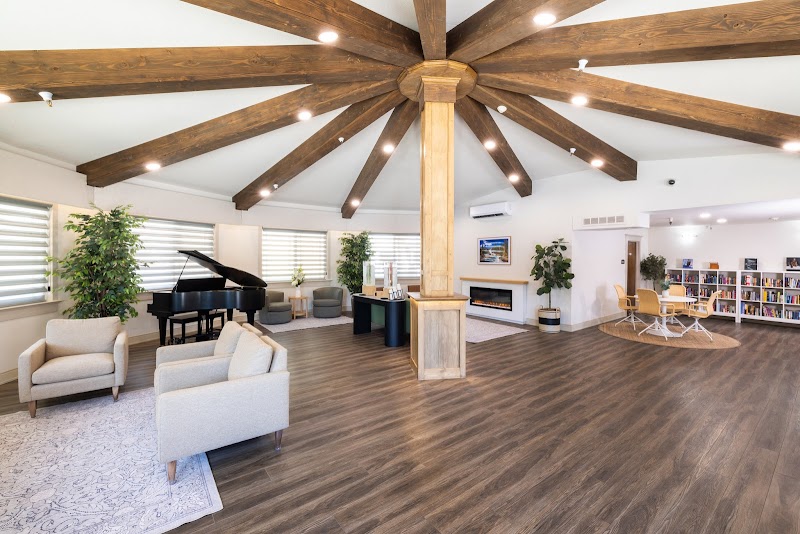
Who Owns and Operates Western Slope?

WESTERN SLOPE HEALTH CENTER is owned by a for-profit company. For-profit facilities operate as businesses with obligations to shareholders or private owners. The facility is operated by PACS GROUP, a chain that manages multiple nursing homes. With 99 certified beds and approximately 91 residents (about 92% occupancy), it is a smaller facility located in PLACERVILLE, California.

How Does Western Slope Compare to Other California Nursing Homes?

Compared to the 100 nursing homes in California, WESTERN SLOPE HEALTH CENTER's overall rating (5 stars) is above the state average of 3.2, staff turnover (57%) is significantly higher than the state average of 46%, and health inspection rating (4 stars) is above the national benchmark.

What Should Families Ask When Visiting Western Slope?

Based on this facility's data, families visiting should ask: "How do you ensure continuity of care given staff turnover, and what is your staff retention strategy?" "Can I visit during a mealtime to observe dining assistance and food quality?" "How do you handle medical emergencies, and what is your hospital transfer rate?" "Can I speak with family members of current residents about their experience?" These questions are particularly relevant given the facility's high staff turnover rate.

Is Western Slope Safe?

Based on CMS inspection data, WESTERN SLOPE HEALTH CENTER has a clean safety record: no substantiated abuse findings (meaning no confirmed cases of resident harm), no Immediate Jeopardy citations (the most serious violation level indicating risk of serious injury or death), and is not on the Special Focus Facility watch list (a federal program monitoring the lowest-performing 1% of nursing homes). The facility has a 5-star overall rating and ranks #1 of 100 nursing homes in California. While no facility is perfect, families should still ask about staff-to-resident ratios and recent inspection results during their visit.

Do Nurses at Western Slope Stick Around?

Staff turnover at WESTERN SLOPE HEALTH CENTER is high. At 57%, the facility is 10 percentage points above the California average of 46%. High turnover means new staff may not know residents' individual needs, medications, or preferences. It can also be disorienting for residents, especially those with dementia who rely on familiar faces. Families should ask: What is causing the turnover? What retention programs are in place? How do you ensure care continuity during staff transitions?

Was Western Slope Ever Fined?

WESTERN SLOPE HEALTH CENTER has been fined $8,412 across 1 penalty action. This is below the California average of $33,163. While any fine indicates a compliance issue, fines under $50,000 are relatively common and typically reflect isolated problems that were subsequently corrected. Families should ask what specific issues led to these fines and confirm they've been resolved.

Is Western Slope on Any Federal Watch List?

WESTERN SLOPE HEALTH CENTER is not on any federal watch list. The most significant is the Special Focus Facility (SFF) program, which identifies the bottom 1% of nursing homes nationally based on persistent, serious quality problems. Not being on this list means the facility has avoided the pattern of deficiencies that triggers enhanced federal oversight. This is a positive indicator, though families should still review the facility's inspection history directly.