WINDSOR ROSEWOOD CARE CENTER
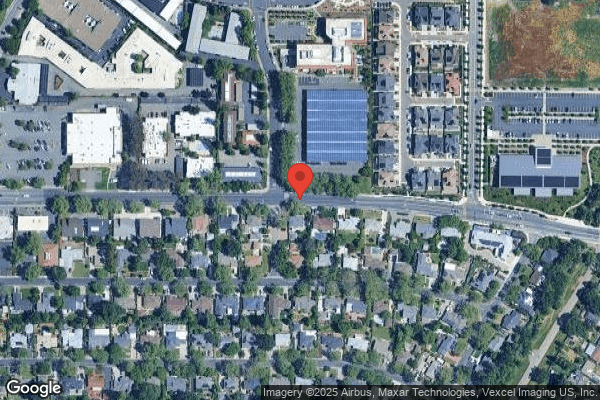
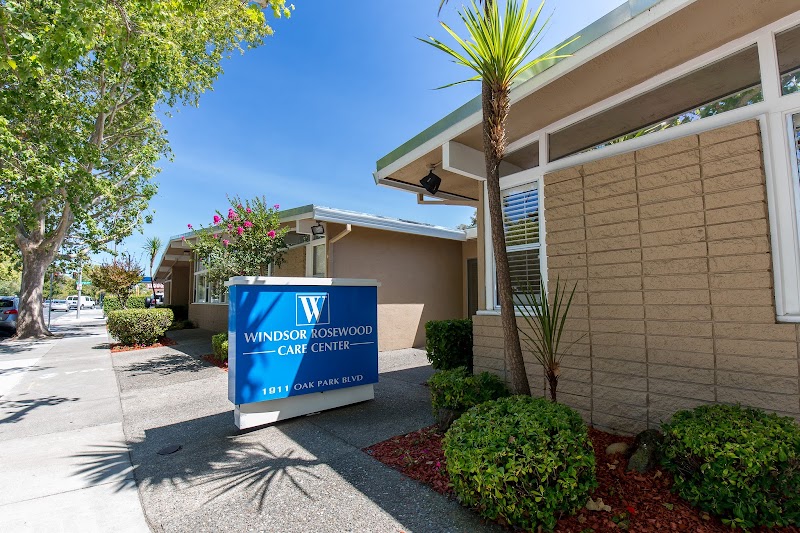
1911 OAK PARK BOULEVARD, PLEASANT HILL, CA 94523 (925) 935-6630
For profit - Corporation 113 Beds WINDSOR Data: November 2025
Trust Grade
63/100
#513 of 1155 in CA
Last Inspection: September 2023

Over 2 years since last inspection. Current conditions may differ from available data.

Overview

Windsor Rosewood Care Center has a Trust Grade of C+, which means it is slightly above average but still has room for improvement. It ranks #513 out of 1,155 facilities in California, placing it in the top half, but is #22 out of 30 in Contra Costa County, indicating that there are only a few local options that are better. The facility is improving, with issues decreasing from four in 2024 to one in 2025. Staffing is rated average, with a 3/5 star rating and a turnover rate of 44%, which is typical for the state. However, it boasts more RN coverage than 91% of California facilities, which is a strength as RNs can identify issues that CNAs might miss. On the downside, the facility has been fined $7,443, which is average, but still raises concerns about compliance. Notable incidents include a resident suffering a fracture after being left unattended during a transfer, and failures in food safety and medication administration, which put residents at risk for foodborne illnesses and missed medications. These findings highlight areas where the facility needs to improve to ensure resident safety and care quality.

Trust Score
C+
63/100
In California
#513/1155
Top 44%
Safety Record
Moderate
Needs review
Inspections
Getting Better
4 → 1 violations
Staff Stability
○ Average
44% turnover. Near California's 48% average. Typical for the industry.
Penalties
○ Average
$7,443 in fines. Higher than 52% of California facilities. Some compliance issues.
Skilled Nurses
✓ Good
Each resident gets 59 minutes of Registered Nurse (RN) attention daily — more than average for California. RNs are trained to catch health problems early.
Violations
⚠ Watch
37 deficiencies on record. Higher than average. Multiple issues found across inspections.
★★★★☆
4.0
Overall Rating
★★★☆☆
3.0
Staff Levels
★★★★☆
4.0
Care Quality
★★★★☆
4.0
Inspection Score
Stable
2024: 4 issues
2025: 1 issues

The Good

  • 4-Star Quality Measures · Strong clinical quality outcomes
  • Full Sprinkler Coverage · Fire safety systems throughout facility
  • No fines on record
  • Staff turnover below average (44%)

    4 points below California average of 48%

Facility shows strength in quality measures, fire safety.

The Bad

Staff Turnover: 44%

Near California avg (46%)

Typical for the industry

Federal Fines: $7,443

Below median ($33,413)

Minor penalties assessed

Chain: WINDSOR

Part of a multi-facility chain

Ask about local staffing decisions and management

The Ugly 37 deficiencies on record

1 actual harm
Jun 2025 1 deficiency
CONCERN (D) 📢 Someone Reported This

A family member, employee, or ombudsman was alarmed enough to file a formal complaint

Potential for Harm - no one hurt, but risky conditions existed

Notification of Changes (Tag F0580)

Could have caused harm · This affected 1 resident

**NOTE- TERMS IN BRACKETS HAVE BEEN EDITED TO PROTECT CONFIDENTIALITY** Based on interview and record review the facility failed to ensure the Responsible Party (RP is the person designated as being r...

Read full inspector narrative →
**NOTE- TERMS IN BRACKETS HAVE BEEN EDITED TO PROTECT CONFIDENTIALITY** Based on interview and record review the facility failed to ensure the Responsible Party (RP is the person designated as being responsible for another person's medical and financial decisions) of Resident 1 ' s change of condition (COC). This failure resulted in Resident 1 ' s RP being uninformed and unaware of Resident 1 ' s COC. Findings: During a review of Resident 1's admission Record, dated 5/21/25, indicated Resident 1 was admitted to the facility on [DATE] with diagnoses that included cognitive communication deficit (communication difficulties)and aphasia (a language disorder that affects the ability to communicate). Review of Resident 1 ' s Minimum Data Set (an assessment tool) dated 4/22/25, indicated he had a brief interview for mental status or BIMS of 0 (BIMS score of 0-7 indicates severe cognitive impairment). During a review of the clinical record for Resident 1, the progress notes documented by Registered Nurse (RN) 1 dated 2/19/25 at 8:46 a.m., indicated, Right foot big toe have a foul smell. Will be referred to Podiatry( Podiatry is a branch of medicine that focuses on the diagnosis, treatment, and prevention of disorders of the feet, ankles and lower legs). During a concurrent joint interview and record review with the Director of Nursing (DON) and RN 1 on 5/21/25 , at 1:16 p.m., RN 1 and DON could not find the documentation that Resident 1 ' s RP was informed of the resident ' s foul smelling right big toe. RN 1 acknowledged she could not recall that she informed Resident 1 ' s RP about the the resident's toe. During an interview with the DON on 5/21/25 at 1:36 p.m., DON stated the facility had to notify the physician and the RP if there was a COC. During a review of the facility's policy and procedure (P&P) titled, Change of Condition: Notification of, dated 8/25/21 the P&P indicated, I. Purpose: To ensure residents, family, legal representatives, and physicians are informed of changes in the resident ' s condition. II. Policy: A facility must immediately inform the resident, consult with the Resident ' s physician . and notify, consistent with his/her authority, Resident Representative where there is: . A significant change in the Resident ' s physical, mental or psychosocial status . A need to alter treatment significantly (that is, a need to discontinue or change an existing form of treatment .or to commence a new form of treatment) .
Aug 2024 2 deficiencies
CONCERN (D) 📢 Someone Reported This

A family member, employee, or ombudsman was alarmed enough to file a formal complaint

Potential for Harm - no one hurt, but risky conditions existed

Quality of Care (Tag F0684)

Could have caused harm · This affected 1 resident

Based on interview and record review, for two of three sampled residents (Resident 2 and Resident 3), the facility failed to provide treatment and care in accordance with professional standards of pra...

Read full inspector narrative →
Based on interview and record review, for two of three sampled residents (Resident 2 and Resident 3), the facility failed to provide treatment and care in accordance with professional standards of practice and the comprehensive care plan when: 1. For Resident 2, physician's orders to monitor Foley (a type of an indwelling urinary catheter, a flexible tube that is passed into the bladder to drain urine) catheter urine output was not followed and change in urine character/characteristics was not reported to the physician as ordered. This failure resulted in Resident 2's transfer to the hospital that required intravenous (administration of fluids into the person's veins) antibiotics to treat a urinary tract infection. 2. For Resident 3, physician's orders to monitor Foley catheter urine output was not followed and change in urine character/characteristics was not reported to the physician as ordered. This failure had the potential to result in undetected urinary tract infection and delayed management and treatment. 3. Foley catheter flush/irrigation was done without a physician's order. This failure had the potential to contribute to the development of a urinary tract infection. Findings: 1. During a review of Resident 2's admission Record, the admission Record indicated Resident 2 was admitted to the facility in April 2024 with diagnoses that included persistent vegetative state (no signs of awareness of their surroundings, may have eye movements and yawning but no awareness of self) and cognitive communication deficit. During a review of Resident 2's Minimum Data Set (MDS, a resident assessment instrument used to identify resident care problems to be addressed in an individualized care plan), dated 4/5/24, the MDS indicated Resident 2 had an indwelling urinary catheter. During a review of Resident 2's Progress Notes, dated 7/22/24, the Progress Notes indicated, Registered Nurse (RN) 1 tried to flush the catheter with 60 milliliters (ml) of normal saline but was unable to flush the catheter. The notes indicated, RN 1 removed the Foley catheter and inserted a new one. RN 1 flushed the newly inserted catheter with 60 ml NS and observed cloudy urine with Lots of sediments. The notes indicated after RN 1 noted hematuria (blood in urine) and bleeding from the penile area, Attending Physician (AP) was notified, and Resident 2 was transferred to the hospital via 911. During a review of Resident 's ED (Emergency Department) Provider Notes, dated 7/22/24, the ED Provider Notes indicated Resident 2 had diagnoses that included sepsis (life-threatening medical emergency that occurs when the body's immune system has an extreme response to an infection), gross hematuria (visible blood in urine), and urinary tract infection. Resident 2 received intravenous antibiotics to treat the urinary infection. During a review of Resident 2's Order Summary Report, as of 7/22/24, the Order Summary Report indicated the following physician's orders: a. Monitor for change in urine character: document 0=none, C=cloudiness, S=Sediment, FS=Foul Smell, B=Blood in urine, DC=Deepening or Concentrating urine output. Notify MD for potential UTI every shift. b. Monitor for signs and symptoms of possible urinary infection and notify MD. Document 0= none, FP=Flank Pain, SP=Suprapubic Pain or T=Tenderness, CU=Change in character of urine (new bloody urine; foul smell of urine or change in urinary sediment, MC=Mental Change, FC=Functional change worsening of status. c. Perform Foley catheter care every shift and as needed. During an interview and concurrent record review on 8/8/24 at 2:07 p.m. with Director of Nursing (DON), Resident 2's Treatment Administration Record (TAR) for June 2024 and July 2024 were reviewed. Resident 2's June 2024 TAR indicated Resident 2 had blood in urine on 6/23/24. DON stated, on 6/23/24, there was a physician's order to hold heparin (a blood thinner) for one day and re-evaluate. The June 2024 TAR indicated blood in urine continued until 6/25/24, with missing documentation of Resident 2's urine character monitoring five out of 24 times from 6/23/24 until 6/30/24. Resident 2's July 2024 TAR indicated from 7/1/24 to 7/22/24, Resident 2's urine appeared cloudy and with sediment. DON stated the clinical record indicated the attending physician was not notified of these observations. During a telephone interview on 8/12/24 at 3:45 p.m. with RN 1, RN 1 stated she flushed Resident 2's catheter with 60 ml NS after Resident 2's Foley catheter was observed leaking. RN 1 stated most residents who have a Foley catheter, that included Resident 2, have a written physician order to flush with 60 ml NS. During a review of Resident 2's Order Summary Report, as of 7/22/24, the Order Summary Report did not indicate a written order to flush Resident 2's Foley catheter. During a review of Resident 2's TAR for July 2024, the TAR did not indicate that flushing of the foley catheter was done. During a review of Resident 2's Foley Catheter Care Plan, initiated on 6/18/24, the care plan indicated the goal for Resident 2 was to not to have signs and symptoms of a urinary tract infection for 90 days. The care plan indicated the following interventions: a. Monitor for signs and symptoms of infection and report to the physician. b. Monitor urine output for odor, color, consistency, and amount. c. Monitor urine for sediment, cloudy, odor, blood, and amount. d. Report to physician promptly if the urine contains any sediment, or blood, is cloudy, or odorous, or if the resident has a fever. 2. During a review of Resident 3's admission Record, dated 8/8/24, the admission Record indicated Resident 3 was admitted to the facility in May 2024 with diagnoses that included chronic kidney disease (a long-term condition where the kidneys do not work as well as they should), urinary retention (a condition that occurs when someone is unable to fully empty their bladder), and severe sepsis with septic shock (a life-threatening condition that occurs when sepsis, a severe reaction to an infection, causes dangerously low blood pressure). During a review of Resident 3's MDS, dated 5/21/24, the MDS indicated Resident 3 had an indwelling urinary catheter. During a review of Resident 3's Order Summary Report, as of 8/9/24, the Order Summary Report indicated the following physician's orders: a. Monitor for change in urine character: document 0=none, C=cloudiness, S=Sediment, FS=Foul Smell, B=Blood in urine, DC=Deepening or Concentrating urine output. Notify MD for potential UTI every shift. b. Monitor for signs and symptoms of possible urinary infection and notify MD. Document 0= none, FP=Flank Pain, SP=Suprapubic Pain or T=Tenderness, CU=Change in character of urine (new bloody urine; foul smell of urine or change in urinary sediment, MC=Mental Change, FC=Functional change worsening of status. c. Perform Foley catheter care every shift and as needed. During a review of Resident 3's Foley Catheter Care Plan, initiated on 5/1/24, the care plan indicated the goal for Resident 3 was to not to have signs and symptoms of a urinary tract infection for 90 days. The care plan indicated the following interventions: a. Monitor for signs and symptoms of infection and report to the physician. b. Monitor urine output for odor, color, consistency, and amount. c. Monitor urine for sediment, cloudy, odor, blood, and amount. d. Report to physician promptly if the urine contains any sediment, or blood, is cloudy, or odorous, or if the resident has a fever. During a review of Resident 3's TAR for July 2024, the TAR indicated Resident 3's urine was observed to have sediment from 7/1/24 to 7/23/24 with cloudiness on 7/18/24. The TAR also indicated a foul smell was observed every shift from 7/24/24 to 7/29/24. During an interview and concurrent review of Resident 3's clinical record on 8/8/24 at 2:52 p.m. with DON, DON stated Resident 3's Situation, Background, Appearance, Review/Notify (SBAR, a structured communication framework that can help teams share information about the condition of a patient) dated 7/19/24, 7/22/24, and 7126/24 did not address Resident 3's change in urine character. During an interview on 8/8/24 at 3:08 p.m. with Sub-Acute Manager (SAM), SAM stated presence of sediments and bloody urine are not considered normal and therefore warrant physician notification so that appropriate diagnostic procedures like obtaining laboratory examinations, like urine analysis, could be done. During an interview on 8/8/24 at 3:12 p.m. with Licensed Vocational Nurse (LVN) 2, LVN 2 stated Foley catheter care for Resident 3 included watching out for signs and symptoms of infection like presence of cloudy urine output and sediment, and report to MD. LVN 2 also stated to flush the Foley catheter every shift and change the drainage bag every week and as needed. During a review of Resident 3's Order Summary Report, as of 8/9/24, the Order Summary Report did not indicate an order to flush Resident 3's Foley catheter. During a review of Resident 3's TAR for July 2024, the TAR did not indicate that flushing of the foley catheter was done. During an interview on 8/8/24 at 2:40 p.m. with LVN 1, LVN 1 stated if a resident's urine output is cloudy and has evidence of bleeding, one must check if there is an existing physician order to flush the catheter, if there is an order, flush the catheter following the written physician's order. LVN 1 stated, if there is no written order, one must call the MD to obtain a flush order and discuss with the MD if urine analysis is indicated. During a telephone interview on 8/16/24 at 9:38 a.m. with Attending Physician (AP) 1, AP 1 stated for cloudy urine with sediment, AP would order flushing of the catheter with 50 ml of NS, which is a standard protocol for most residents with Foley catheter. The amount of the flush would depend on the residents' situation. During a review of the facility's policy and procedure (P&P) titled Catheter Irrigation, Open System, last revised October 2010, the P&P indicated steps in the procedure that included instilling 30 ml of the prescribed solution into the catheter and allow the catheter to drain into a sterile collection basin via gravity. The resident's clinical record should indicate the date and time the procedure was performed, name and title of the individual who performed the procedure, the amount of solution used to irrigate, amount returned as drainage and the amount of urine drained, and the signature and title of the person recording the data.
CONCERN (D) 📢 Someone Reported This

A family member, employee, or ombudsman was alarmed enough to file a formal complaint

Potential for Harm - no one hurt, but risky conditions existed

Accident Prevention (Tag F0689)

Could have caused harm · This affected 1 resident

Based on observation, interview, and record review, for one of three sampled residents (Resident 1), the facility failed to provide assistive device and adequate supervision to prevent accidents when ...

Read full inspector narrative →
Based on observation, interview, and record review, for one of three sampled residents (Resident 1), the facility failed to provide assistive device and adequate supervision to prevent accidents when a two-person assist during Activities of Daily Living (ADLs, activities needed for self-care and mobility and include activities such as bathing, dressing, grooming, oral care, ambulation, toileting, eating, transferring, and communicating) for bed mobility (moving from one bed position to another like rolling from side to side in bed) care was not provided. This failure resulted in Resident 1 falling out of bed and sustaining a nasal bone fracture and facial bruising. Findings: During a review of Resident 1's admission Record, the admission Record indicated Resident 1 was admitted to the facility in April 2020 with diagnoses that included hemiplegia (paralysis of one side of the body) and hemiparesis (weakness of one side of the body) affecting the right dominant side, morbid obesity, and weakness. During a review of Resident 1's Minimum Data Set (MDS, a resident assessment instrument used to identify resident care problems to be addressed in an individualized care plan), dated 5/12/24, the MDS indicated a Brief Interview for Mental Status (BIMS, a scoring system used to determine the resident's cognitive status in regard to attention, orientation, and ability to register and recall information) score of 13. A BIMS score of 13-15 is an indication of intact cognitive status. During an observation and concurrent interview on 8/8/24 at 11:40 a.m. with Resident 1, Resident 1 stated she fell out of the right side of the bed during ADL care. Resident 1 stated, I fell on my face! There was profuse bleeding from the nose, left eye was swollen shut and had severe pain on the face. Resident 1 stated, when Certified Nursing Assistant (CNA) 1 had Resident 1 turn to the right side, there was no bed rail that Resident 1 could hold onto. Resident 1's entire left side of the face, including around the left eye, was purplish with visible swelling on the left cheek. There were two quarter side rails on each side of the bed. Resident 1 stated the facility provided a bigger bed after the fall incident. During an interview on 8/8/24 at 11:48 a.m. with CNA 1, CNA 1 stated being inside Resident 1's room with a student CNA to provide ADL care when Resident 1 told the student CNA to leave the room. CNA 1 stated, after student CNA left the room, CNA 1 proceeded with ADL care by having Resident 1 turn to a right side-lying position, facing the window. CNA 1 stated being on Resident 1's left side of the bed, facing and cleaning Resident 1's back. CNA 1 stated she turned away to grab a towel, when Resident 1 rolled over and fell on the right side of the bed. CNA 1 stated she went to call Licensed Vocational Nurse (LVN) 1 for help. CNA 1 stated Resident 1 had always needed a two-person assist with ADLs. CNA 1 stated she should have told LVN 1 when student CNA left the room, in order to get another staff to assist. CNA 1 also stated not knowing Resident 1 did not have side rails on the right side of the bed to aid with turning and repositioning. During a review of Resident 1's Progress Notes dated 7/21/24, the Progress Notes indicated CNA 1 called LVN 1 after Resident 1 rolled over the right side of the bed and fell on the floor. The notes indicated Resident 1 was found on the floor, face down, and lying on the left side. The notes also indicated a Large amount of blood was on the floor with more blood coming out from Resident 1's nose. Resident 1 was transferred to the hospital via 911. During a review of the Interdisciplinary Fall (IDT, a team that includes staff members from multiple disciplines such as nursing, therapy, physicians, and other advanced practitioners), dated 7/21/24, the Interdisciplinary Fall indicated, under Safety review, several safety issues were identified that included, Resident is obese and needs at least 2 person assist/max [maximum] assist for all ADLs. During an interview on 8/8/24 at 2:48 p.m. with LVN 1, LVN 1 stated on 7/21/24, CNA 1 approached LVN 1 and said Resident 1 had rolled out of bed. LVN 1 stated she went to the room and saw Resident 1's face was planted on the floor on a left side-lying position. LVN 1 stated there was a large amount of blood already on the floor while Resident 1's nose was still bleeding profusely. LVN 1 stated she did not know the student CNA had left the room, leaving CNA 1 to do ADL care by herself. LVN 1 stated had she known, LVN 1 stated she would have helped CNA 1 with ADL care. LVN 1 also stated Resident 1 had always required a two-person assist, and it was again discussed in an in-service few weeks ago that residents with bigger frame, like Resident 1, needed to have two-person assist for ADL care. During an interview and concurrent review on 8/9/24 at 12:50 p.m. with Director of Staff Development (DSD), Inservice Attendance Record Sign-In Sheet, dated 5/29/24, with a subject, Assisting with Positioning a Patient in Bed was reviewed. DSD stated it was an in-service education given for CNAs to provide two-person assist during ADL care to residents like Resident 1. The sign-in sheet indicated CNA 1 attended the in-service education. During a review of Resident 1's Weekly Summary Documentation, the documents indicated the following: 1. Effective date 6/18/24, Resident 1 was totally dependent and needed two-person assist with bed mobility. 2. Effective date 6/25/24, Resident 1 was totally dependent and needed two-person assist with bed mobility. 3. Effective date 7/9/24, Resident 1 was totally dependent and needed two-person assist with bed mobility. 4. Effective date 7/16/24, Resident 1 needed extensive assistance, with two-person assist with bed mobility. During a review of Resident 1's ADL Care Plan, last revised 1/28/24, the care plan indicated to provide Resident 1 a positioning bar/rail in bed as an enabler, upper bilateral quarter rails. The care plan did not indicate the need to provide two-person assist with bed mobility as documented in the Weekly Summary Documentation. During a review of Resident 1's Hospitalist Discharge Summary, dated 8/5/24, the Hospitalist Discharge Summary indicated Resident 1 had a closed fracture of the nasal bone and traumatic ecchymosis (medical term for bruises, which form when blood pools under your skin, caused by a blood vessel break) of face.
Jul 2024 2 deficiencies
CONCERN (D) 📢 Someone Reported This

A family member, employee, or ombudsman was alarmed enough to file a formal complaint

Potential for Harm - no one hurt, but risky conditions existed

Free from Abuse/Neglect (Tag F0600)

Could have caused harm · This affected 1 resident

Based on interview and record review, for one of four sampled residents (Resident 1), the facility failed to ensure Resident 1 was free from verbal abuse when Certified Nursing Assistant (CNA) 1 yelle...

Read full inspector narrative →
Based on interview and record review, for one of four sampled residents (Resident 1), the facility failed to ensure Resident 1 was free from verbal abuse when Certified Nursing Assistant (CNA) 1 yelled at Resident 1 Why don't you shut the hell up! during a verbal altercation. This failure had the potential to result in further conflict and emotional distress. Findings: During a review of Resident 1's admission Record, the admission Record indicated Resident 1 was admitted to the facility in July 2022 with diagnoses that included alcohol abuse with intoxication and anxiety disorder (mental health disorder characterized by feelings of worry, anxiety, or fear that are strong enough to interfere with one's daily activities). During a review of Resident 1's Minimum Data Set (MDS, a resident assessment instrument used to identify resident care problems to be addressed in an individualized care plan), dated 7/12/24, the MDS indicated a Brief Interview for Mental Status (BIMS, a scoring system used to determine the resident's cognitive status in regard to attention, orientation, and ability to register and recall information) score of 15. A BIMS score of 13-15 is an indication of intact cognitive status. During an interview on 7/24/24 at 11:50 a.m. with Resident 1, Resident 1 stated on 7/6/24, CNA 1 entered the room and went to Resident 2's bedside (Resident 1's roommate). Resident 1 stated while CNA 1 was at Resident 2's bedside, Resident 2 hollered and cried even louder. Resident 1 stated the privacy curtains were drawn and Resident 1 thought CNA 1 might have harmed Resident 2. Resident 1 stated telling CNA 1 to leave the room to get the charge nurse. Resident 1 stated that was when CNA 1 yelled back Why don't you shut the hell up? at Resident 1. Resident 1 stated feeling uncomfortable and told CNA 1 Do not talk to me like that, who the hell you think you are? During an interview on 7/24/24 at 11:45 a.m. with CNA 1, CNA 1 stated passing by Resident 1's room when Resident 2 started to holler and cry. CNA 1 stated she went to Resident 2's side of the room to offer help. CNA 1 stated Resident 2 continued to holler, while Resident 1 repeatedly, and loudly, yelled at CNA 1 to get out of the room. CNA 1 stated between Resident 2 hollering and Resident 1 yelling, she was not being able to hear what Resident 2 was trying to say. CNA 1 stated she yelled at Resident 1 Why don't you shut the hell up!. During a review of Resident 1's Care Plan for Exhibiting Verbal Behaviors toward staff, initiated on 4/10/24, the care plan indicated interventions that included for staff to; Allow time for expression of feelings, provide empathy, encouragement, and reassurance .If resident becomes combative or resistive, postpone care activity and allow time for him/her to regain composure .Remove resident/patient from environment, if needed. Gently guide the resident from the environment while speaking in a calm, reassuring voice. During a review of another care plan for Resident 1's History of Verbal Outbursts Directed Toward Others, initiated on 5/5/24, the care plan indicated for staff to provide a calm, quiet, well-lit environment.
CONCERN (D) 📢 Someone Reported This

A family member, employee, or ombudsman was alarmed enough to file a formal complaint

Potential for Harm - no one hurt, but risky conditions existed

Abuse Prevention Policies (Tag F0607)

Could have caused harm · This affected 1 resident

Based on interview and record review, the facility failed to implement written policies and procedures that prohibit and prevent abuse when facility did not conduct reference check on Certified Nursin...

Read full inspector narrative →
Based on interview and record review, the facility failed to implement written policies and procedures that prohibit and prevent abuse when facility did not conduct reference check on Certified Nursing Assistant (CNA) 1 prior to hiring. This failure had the potential to result in exposing residents to staff that may have propensity for abusive behavior. Findings: During a review of Resident 1's admission Record, the admission Record indicated Resident 1 was admitted to the facility in July 2022 with diagnoses that included alcohol abuse with intoxication and anxiety disorder (mental health disorder characterized by feelings of worry, anxiety, or fear that are strong enough to interfere with one's daily activities). During a review of Resident 1's Progress Notes dated 7/6/24, the Progress Notes indicated Resident 1, while intoxicated, had a verbal altercation with CNA 1 when CNA 1 told Resident 1 to Shut the hell up after Resident 1 told CNA 1 to be careful with assisting roommate. During an interview on 7/24/24 at 11:45 a.m. with CNA 1, CNA 1 stated passing by Resident 1's room when Resident 1's roommate (Resident 2) started to holler and cry. CNA 1 stated entering the room towards Resident 2's side of the room to offer help. CNA 1 stated, Resident 2 continued to holler, Resident 1 repeatedly yelled at CNA 1 to get out of the room. CNA 1 stated, between Resident 2 hollering and Resident 1 yelling, CNA 1 stated not being able to hear what Resident 2 was trying to say. CNA 1 stated yelling at Resident 1 Why don't you shut the hell up!. During a review of CNA 1's employee files on 7/24/24 at 10:40 a.m., the employee files indicated, CNA 1 had entered two previous employers but a reference check was not done. During an interview on 7/24/24 at 11:41 a.m. with Director of Staff Development (DSD), DSD stated background screening/checks for prospective employees were done but not reference check. DSD stated there was no documentation that CNA 1's previous or current employers were contacted. During a review of the facility's policy and procedure P&P titled Abuse Prohibition & Prevention and Reporting Reasonable Suspicion of a Crime in the Facility, last revised August 2022, the P&P indicated, under Screening, the facility will review prospective employee's employment history, will check information from previous/current employers and will make reasonable efforts to uncover information about past disciplinary actions/ criminal prosecutions.
Sept 2023 5 deficiencies
CONCERN (D)

Potential for Harm - no one hurt, but risky conditions existed

Assessment Accuracy (Tag F0641)

Could have caused harm · This affected 1 resident

**NOTE- TERMS IN BRACKETS HAVE BEEN EDITED TO PROTECT CONFIDENTIALITY** Based on interview, and record review, the facility failed to provide an accurate Minimum Data Assessment (MDS- an assessment us...

Read full inspector narrative →
**NOTE- TERMS IN BRACKETS HAVE BEEN EDITED TO PROTECT CONFIDENTIALITY** Based on interview, and record review, the facility failed to provide an accurate Minimum Data Assessment (MDS- an assessment used to guide plan of care) for one of 20 sampled residents (Resident 392) for Resident 392's Hospice (the provision of care, comfort, and quality of life of a person with a serious illness who is approaching the end of life) care status. This deficient practice resulted in reflecting inaccurate care status for Resident 392 and had the potential for Resident 392 to receive care that was not appropriate to his medical, functional and/or psychosocial needs. Findings: During a review of Resident 392's admission Record dated 9/28/23, the record showed Resident 392 was admitted to the facility on [DATE] with a diagnosis of Palliative Care (focused care providing relief of discomfort). During a record review of Resident 392's physician orders document titled, Order Details dated 9/6/23, the record showed Resident 392 was ordered to the care of Hospice (the provision of care, comfort, and quality of life of a person with a serious illness who is approaching the end of life) Care Services for End Stage Vascular Dementia (changes to memory, thinking and behavior resulting from damaged blood vessels in the brain). During an interview and record review with the Minimum Data Set Coordinator 1 (MDSC1) on 9/27/23 at 9:15 a.m., Resident 392's admission MDS assessment dated [DATE] was reviewed. MDSC1 stated Section O of the MDS assessment did not indicate if Resident 392 was under Hospice Care. MDSC1 stated the facility's regional Registered Nurse (RN) completed Resident 392's MDS assessment. MDSC 1 stated the RN was usually not onsite at the facility. The MDSC 1 stated that he and Minimum Data Set Coordinator 2 (MDSC 2) reviewed Resident 392's MDS assessment for accuracy, however Resident 392's admission MDS assessment was missed. MDSC1 stated the facility's failure to code Resident 392 as being under Hospice care resulted in inaccuracy of Resident 392's MDS assessment.
CONCERN (E)

Potential for Harm - no one hurt, but risky conditions existed

Unnecessary Medications (Tag F0759)

Could have caused harm · This affected multiple residents

**NOTE- TERMS IN BRACKETS HAVE BEEN EDITED TO PROTECT CONFIDENTIALITY** Based on observation, interview and record review, the facility failed to administer medications below a five percent (5%) error...

Read full inspector narrative →
**NOTE- TERMS IN BRACKETS HAVE BEEN EDITED TO PROTECT CONFIDENTIALITY** Based on observation, interview and record review, the facility failed to administer medications below a five percent (5%) error rate when: 1. A Licensed Vocational Nurse (LVN 1) did not administer sertraline (a drug used to treat depression; a mental health disorder associated with low mood) 100mg and lidocaine patch (a patch used for temporary pain relief) 4% to one (Resident 31) of 19 sampled residents. 2. A second Licensed Vocational Nurse (LVN 2) did not administer chlorhexidine mouthwash (a prescribed mouthwash that decreases bacteria in the mouth) to one (Resident 83) out of 19 sampled residents. These errors have resulted in Resident 31 and 83, not receiving medication as prescribed by their physicians. Findings: 1. During a concurrent observation and interview on 9/26/23 at 8:10 a.m. with Licensed Vocational Nurse (LVN 1), LVN 1 was observed preparing medications for Resident 31. LVN 1 stated there was no more lidocaine patch 4% and no sertraline 100mg in the medication cart so she is unable to give those medications. LVN 1 stated Resident 31's sertraline was reordered on 9/24/23, but was not available. During a concurrent interview and record review on 9/26/23 at 11:53 a.m., with LVN 1, Resident 31's physician orders were reviewed. The physician orders indicated sertraline 100mg, give 1 tablet by mouth daily for depression m/b (manifested by) sad facial expression. LVN 1 stated if Resident 31 did not receive sertraline, potential consequences include becoming more sad or anxious. 2. During a concurrent observation and interview on 9/26/23 at 11:43 a.m., Licensed Vocational Nurse (LVN 2) was observed preparing six medications for Resident 83. LVN 2 looked through Medication Cart 1, and stated she was unable to find Resident 83's Chlorhexadine mouthwash so she would not be able to give it. During a concurrent interview on 9/28/23 at 9:17 a.m., with Director of Nursing (DON), the DON stated resident medication lists are located in the Cubex (an automatic medication dispensing machine) and the Cubex has most routine medications. The DON stated there is no reason for residents not to get routine medications and that not giving a medication as ordered is considered a medication error. During a review of the facility's policy and procedure titled, Medication Errors, dated [DATE], indicated a medication error is defined as administration to a resident .omission of the prescribed medication .
CONCERN (E)

Potential for Harm - no one hurt, but risky conditions existed

Deficiency F0761 (Tag F0761)

Could have caused harm · This affected multiple residents

**NOTE- TERMS IN BRACKETS HAVE BEEN EDITED TO PROTECT CONFIDENTIALITY** Based on observation, interview, and record review, the facility failed to ensure that biologicals were labeled and stored accor...

Read full inspector narrative →
**NOTE- TERMS IN BRACKETS HAVE BEEN EDITED TO PROTECT CONFIDENTIALITY** Based on observation, interview, and record review, the facility failed to ensure that biologicals were labeled and stored according to professional standards when 1. Aluminum packages of 55 vials of ipratropium-albuterol inhalation solution were left open to air and light 2. A vial of timolol maleate ophthalmic solution was unlabeled and undated. This failure had the potential to result in administering ineffective medications to residents which could lead to residents health care needs being unmet and potential hospitalization. Findings 1 . During a concurrent medication storage observation and interview on 9/27/23 at 11:15 a.m., with Registered Nurse (RN 1), four aluminum packages were observed unrolled and left open and without open dates at Station 1's Medication Cart 2. Inside the four aluminum packages were a total of 55 vials of ipratropium-albuterol 0.5-2.5 (3) mg/3mL (a combination of two medications given through a mask to help open the airway in lungs) solution. RN 1 stated that this medication needs to be protected from light. RN 1 stated that if exposed to light, the medication could lose effectiveness and residents could have breathing issues since this medications helps open the airway. During an interview on 9/28/23 at 10:42 a.m., with Pharmacy Consultant (PC), PC stated the expectation is for Duoneb (the brand name for ipratropium-albuterol) to be preserved in foil packaging, following manufacturer guidelines. PC stated the foil packaging is to protect the integrity of the medication. During a review of the manufacturer's storage guidelines, dated [DATE], the guidelines indicated that vials should be protected from light before use, therefore, keep unused vials in the foil pouch or carton. During a review of facility's policy and procedure titled, Medication Storage in the Faciity, dated April 2008, indicated Medications and biologicals are stored .following manufacturer's recommendations . 2. During a concurrent medication storage observation and interview on 9/27/23 at 10:42 a.m., with Registered Nurse (RN 1), one vial of timolol maleate (a medication to decrease the pressure in the eye to prevent blindness) had no label and no open date at Station 1's Medication Cart 1. RN 1 stated that once opened, eye drops are good for 28 days so there should be an open date to let nurses know how long the bottle has been open. During an interview on 9/28/232 at 8:54 a.m., with Director of Nursing (DON), the DON stated eye drops need to have open dates. During a review of facility's policy and procedure titled Medication Ordering and Receiving from Pharmacy (undated), indicated .e.g. eye drops .B. each prescription medication label includes: 1) resident name .5) prescriber's name, 6) date dispensed, 7) expiration date of medication .
CONCERN (F)

Potential for Harm - no one hurt, but risky conditions existed

Food Safety (Tag F0812)

Could have caused harm · This affected most or all residents

Based on observation, interview and record review, the facility failed to ensure the dietary staff stored and prepared food under sanitary conditions for 89 of 97 residents whose food were prepared in...

Read full inspector narrative →
Based on observation, interview and record review, the facility failed to ensure the dietary staff stored and prepared food under sanitary conditions for 89 of 97 residents whose food were prepared in the kitchen. These deficient practices placed the residents at risk for foodborne illnesses (refers to illness caused by the ingestion of contaminated food or beverages). Findings: During an initial tour of the kitchen with the Dietary Supervisor (DS) on 9/25/23 at 9:40 A.M., the following were observed: - A jar of Kikkoman soy sauce had a use by date of 9/24/23. - A 4.5lb container of sweet and sour sauce did not have an open date and a use by date. - A one-gallon jar of mayonnaise had no open date and use by date. - Four dented cannisters of oats with ill-fitting lids were on the emergency supply shelf. - There were hamburger patties in the freezer with an expiration date of 9/24/23. - Enchiladas in the freezer had an expiration date of 8/27/23. - Ten pounds of ground beef in the freezer had a use by date of 9/24/23. - Five pieces of bell pepper and two containers of strawberries in the refrigerator were rotten. - An open pack of American cheese did not have an open date and a use by date. - A pack of lemon bars had an expiration date of 8/6/23. - Farina Hot Meal Cereal had an expiration date of 5/24/23. - The following food items in the Unit 2 refrigerator did not have use by dates: ten pounds diced chicken, cooked turkey breast, a bag of meat balls, a bag of breaded fish. During an interview on 9/25/23 at 9:40 a.m., the DS stated expired food items and other food items that were not consumed before the use by date should be discarded because these could be a source of foodborne illness. A review of the facility's undated policy titled: Labeling and Dating of Food indicated: all food will be dated, labeled, and prepared for storage to prevent contamination, deterioration, and dehydration .
MINOR (B)

Minor Issue - procedural, no safety impact

Deficiency F0912 (Tag F0912)

Minor procedural issue · This affected multiple residents

Based on observation, interview, and record review, the facility failed to provide no less than 80 square feet per resident for 18 of 51 rooms (Rooms 103, 105, 109, 111, 112, 114, 115, 118, 123, 124, ...

Read full inspector narrative →
Based on observation, interview, and record review, the facility failed to provide no less than 80 square feet per resident for 18 of 51 rooms (Rooms 103, 105, 109, 111, 112, 114, 115, 118, 123, 124, 200, 201, 202, 203, 204, 206, 208, and 210). This failed practice had the potential to result in lack of sufficient space for staff to deliver care and provide storage space for resident belongings. Findings: During the initial tour on 9/28/23 at 9:30 a.m., the living space for Rooms 103, 105, 109, 111, 112, 114, 115, 118, 123, 124, 200, 201, 202, 203, 204, 206, 208, and 210 were observed as follows: Room [103] had 2 beds and measured 149.58 square feet, providing 74.79 square feet per resident. Room [105] had 2 beds and measured 145.12 square feet, providing 72.55 square feet per resident. Room [109] had 2 beds and measured 149.62 square feet, providing 74.79 square feet per resident. Room [111] had 2 beds and measured 151.77 square feet, providing 75.88 square feet per resident. Room [112] had 2 beds and measured 153.54 square feet, providing 76.77 square feet per resident. Room [114] had 2 beds and measured 151.39 square feet, providing 75.69 square feet per resident. Room [115] had 2 beds and measured 152.39 square feet, providing 76.19 square feet per resident. Room [118] had 2 beds and measured 149.62 square feet, providing 74.79 square feet per resident. Room [123] had 2 beds and measured 152.13 square feet, providing 76.06 square feet per resident. Room [124] had 2 beds and measured 156.74 square feet, providing 78.37 square feet per resident. Room [200] had 2 beds and measured 151.39 square feet, providing 75.69 square feet per resident. Room [201] had 2 beds and measured 151.39 square feet, providing 75.69 square feet per resident. Room [202] had 2 beds and measured 152.13 square feet, providing 76.06 square feet per resident. Room [203] had 2 beds and measured 154.68 square feet, providing 77.34 square feet per resident. Room [204] had 2 beds and measured 146.84 square feet, providing 73.42 square feet per resident. Room [206] had 2 beds and measured 150.26 square feet, providing 75.13 square feet per resident. Room [208] had 2 beds and measured 149.38 square feet, providing 74.69 square feet per resident. Room [210] had 2 beds and measured 151.39 square feet, providing 75.69 square feet per resident. Residents in the affected rooms by observation, had privacy, storage space for personal belongings and there were no complaints received from those residents. The facility's staff were observed to be able to provide nursing services to meet the individual needs of each resident within those affected rooms. During the group interview on 9/28/23 at 11:00 a.m., the residents stated they had no issues with their private space and had enough room for their personal items. There were no negative consequences attributable to the decreased space (less than 80 square feet) in Rooms 103, 105, 109, 111, 112, 114, 115, 118, 123, 124, 200, 201, 202, 203, 204, 206, 208, and 210. During the entrance conference on 9/25/23 at 09:40 a.m., the facility's administrator (ADM) stated the facility would be requesting room waivers for Rooms 103, 105, 109, 111, 112, 114, 115, 118, 123, 124, 200, 201, 202, 203, 204, 206, 208, and 210.
May 2023 1 deficiency
CONCERN (D) 📢 Someone Reported This

A family member, employee, or ombudsman was alarmed enough to file a formal complaint

Potential for Harm - no one hurt, but risky conditions existed

Free from Abuse/Neglect (Tag F0600)

Could have caused harm · This affected 1 resident

Deficiency Text Not Available

Read full inspector narrative →
Deficiency Text Not Available
Dec 2022 1 deficiency 1 Harm
SERIOUS (G) 📢 Someone Reported This

A family member, employee, or ombudsman was alarmed enough to file a formal complaint

Actual Harm - a resident was hurt due to facility failures

Accident Prevention (Tag F0689)

A resident was harmed · This affected 1 resident

**NOTE- TERMS IN BRACKETS HAVE BEEN EDITED TO PROTECT CONFIDENTIALITY** Based on observation, interview and record review, the facility failed to adequately supervise one of three totally dependent (t...

Read full inspector narrative →
**NOTE- TERMS IN BRACKETS HAVE BEEN EDITED TO PROTECT CONFIDENTIALITY** Based on observation, interview and record review, the facility failed to adequately supervise one of three totally dependent (the resident needs the staff to completely and totally perform the task) on staff residents (Resident 1) after transferring her back to bed. Certified Nursing Assistants (CNA 2 and CNA 3) left her in bed, unattended, and unsupervised resulting in an avoidable fall out of bed. This failure resulted in Resident 1 sustaining a right leg fracture (broken bone), pain, and a transfer to Acute Care Hospital (ACH 1) for follow up care. Findings: During a record review of Resident 1 ' s admission Record dated 11/14/22, the record showed Resident 1was admitted to the facility in 08/15/2015. During a record review of Resident 1 ' s Annual Minimum Data Set (MDS - an assessment tool used to guide care) assessment dated [DATE], the assessment showed Resident 1 had unclear speech, was sometimes able to understand others and make self-understood. The assessment also showed Resident 1 was totally dependent on staff for Activities of Daily Living (ADLs, Activities related to personal care, such as bathing, bed mobility, transfers, personal hygine, etc.), had limited range of motion in both upper and lower extremities. During a record review of Resident 1 ' s Physician Progress Notes dated 09/23/22, the progress notes showed Resident 1 had diagnosis of Cerebral Palsy (According to Centers for Disease Control and Prevention (CDC), Cerebral Palsy (CP) is a group of disorders that affect a person ' s ability to move and maintain balance and posture), Ankylosing Spondylosis (According to Mayo Clinic it ' s an inflammatory disease that, over time, can cause some of the bones in the spine (vertebrae) to fuse. This fusing makes the spine less flexible and can result in a hunched posture). The Physician progress notes also showed Resident 1 was at a High Risk for Falls. During an interview on 11/14/22, at 10:16 a.m., Licensed Vocational Nurse (LVN 1) stated Resident 1 was at risk for falls and she recently fell in the evening on 10/23/22 causing a fracture in right lower extremity. LVN 1 also stated Resident 1 was not able to move in bed independently and was totally dependent on the staff for Activities of Daily Living (ADLs). During a review of Resident 1 ' s Fall risk assessment dated [DATE], the assessment showed Resident 1 was at risk for falls related to inability to stand, need of assistance to move from place to place, decreased muscle coordination. During a record review of Fall-risk Care Plan ' , revised 10/17/22, showed Resident 1 is high risk for falls [related to] Unaware safety needs, Poor communication/comprehension, Deconditioning, poor trunk control, Incontinence (lack of voluntary control over urination or defecation), Chair bound. The care plan showed, facility ' s goal was The [Resident 1] will not sustain serious injury . and the interventions as Two-person assistance with transfers, bed mobility . During an observation and interview on 11/14/22, at 10:00 a.m., with Certified Nursing Assistant (CNA1), Resident 1 was sitting in a wheelchair in the hallway outside her room. CNA 1 stated Resident 1 had communication difficulties, but staff was able to understand her needs. CNA 1 then walked in Resident 1 ' s room, Resident 1 ' s bed was the first bed next to the door with foot of the bed facing the cabinets and drawers in the room. During a phone interview on 11/14/22, at 12:07 p.m., Certified Nursing Assistant (CNA2) stated she was not assigned staff on 10/23/22 but she helped the assigned staff (CNA 3) to transfer Resident 1 from wheelchair to bed. CNA 2 stated around 09:30 p.m., CNA 3 called her to help with the transfer. During a phone interview on 11/18/22, at 2:36 p.m., CNA 2 stated on 10/23/22 evening, after transferring Resident 1, she moved the wheelchair by the door and closed the curtain, obstructing her view of Resident 1. CNA 2 stated CNA3 was at the closet by the foot end of the bed with her back turned towards Resident 1. CNA 2 stated CNA 3 was facing the closet and the door, searching for incontinence supplies with one hand in the closet and talking to CNA 2., who was standing by the door. CNA 2 stated CNA3 turned around and saw Resident 1 rolling from bed, and asked CNA 2 who was closer to Resident 1 ' s bed, to grab her. CNA 2 stated she did not let Resident 1 go on the floor and grabbed Resident 1 by her belly, while Resident 1 hit her leg with the bed frame or the floor. CNA 2 stated Resident 1 started screaming in pain. CNA 2 stated without notifying the Charge Nurse on duty and completing a post fall assessment, CNA 2 put Resident 1 back to bed by herself. CNA 2 stated it was an avoidable situation, if CNA 3 had put all of Resdient 1's stuff (night gown, briefs) next to Resident 1's bedside and was prepared to complete ADL care, instead of searching for ADL care supplies in the closet where CNA 3 did not have a direct view of Resident 1. During a phone interview on 11/14/22, at 12:28 p.m., Certified Nursing Assistant (CNA3) stated she was the assigned direct care staff for Resident 1 on the evening of 10/23/22. CNA 3 stated she asked CNA 2 to assist her to put Resident 1 back to bed out of the wheelchair. CNA 3 stated she was at the foot of the bed getting briefs from the closet while CNA 2 transferred Resident 1 and put her in bed. CNA 3 stated CNA 2 put Resident 1 on her right side with her legs at the right edge of the bed, and bottom towards the middle of the bed. CNA 3 stated as she was turning around from the closet, she noticed Resident 1 ' s both legs were swinging on the right side of the bed while CNA 2 was by the door leaving the room. CNA 3 stated she yelled grab her, she is going to fall CNA 2 grabbed Resident 1, while Resident 1's both knees touched the floor on the right side of the bed. CNA 3 stated there were no fall protection padded mats on the floor. CNA 3 stated the fall was avoidable because Resident 1 was already at the edge of the bed and weight of her knees made her move . During a record review of Resident 1 ' s Progress Notes dated 10/23/22, Licensed Vocational Nurse (LVN3) documented Reported by CNA, [Resident 1] was in her bed and rolling out of the bed. CNA who was closer to [Resident 1] caught her up to prevent the fall. She was holding [Resident 1] from the back and was not sure if [Resident 1] hit the ground or bed frame. Head to toe assessment was done, [Resident 1] was [complained of] pain to right knee and lower leg skin discoloration noted .able to move all extremities except right lower leg .[physician] was notified with order for stat [immediate] X-Ray [images of internal bones, and organs] to right knee and leg . During a phone interview on 11/14/22, at 12:48 p.m., with Licensed Vocational Nurse (LVN3), LVN3 stated she was the assigned charge nurse for Resident 1 on 10/23/22. LVN 3 stated she thought Resident 1 ' s fall out of bed was questionable as she was not sure if the staff safely transferred and positioned her in bed. LVN3 stated that Resident 1 does not roll, she is always on one side, I have never seen her move, she cannot move, can barely flex, and extend, can only wiggle her toes and fingers . For her to roll to another side, it ' s not possible. LVN 3 also stated after the fall on 10/23/22, Resident 1 was crying in pain in right lower extremity during her post fall assessment and told her, It hurt, it hurt and she gave her Tylenol [pain reliver] 650 milligrams [unit of measurement] for pain at 10:00 pm. During a record review of Radiology Results Report, dated 10/24/2022, showed Resident 1 had malaligned Acute (sudden onset) Proximal Tibia/Fibula ( top/knee end of two long bones in lower leg) Fractures (broken bone). During a record review of nursing Progress Notes, dated 10/24/2022, indicated Resident 1 was transferred to ACH on 10/24/22 for Fracture. During a review of ACH 1 Emergency Department after visit summary dated 10/24/22, the summary showed Resident 1 ' s right lower leg was splinted and was given pain medication for right leg fracture.
Mar 2020 13 deficiencies
CONCERN (D)

Potential for Harm - no one hurt, but risky conditions existed

Deficiency F0578 (Tag F0578)

Could have caused harm · This affected 1 resident

Based on interview and record review, the facility did not have a complete POLST (Physician Orders for Life-Sustaining Treatment) for two of 13 sampled residents (Residents 26 and 73). The Advanced Di...

Read full inspector narrative →
Based on interview and record review, the facility did not have a complete POLST (Physician Orders for Life-Sustaining Treatment) for two of 13 sampled residents (Residents 26 and 73). The Advanced Directive (a legal document in which a person specifies which actions should be taken for the resident's health if they are no longer able to make decisions for themselves) was incomplete. This failure resulted in not having a designated person to communicate the resident's preferred health care needs in an emergency or provide assistance in formulating an advanced directive. Findings: A record review and concurrent interview on 3/10/20 at 11:53 a.m., of Residents 26 and 73 POLSTS, showed the advanced directive sections were left blank. The facility's Director of Nursing (DON) stated it was important for staff to complete the advanced directive section in the event there was a sudden deterioration in the resident's health status. Furthermore, DON stated staff need to know who is in charge and what steps should be taken. The record review of the facility's policy and procedure, The Advanced Directives System dated 2012 indicated, An umbrella term covering the choices a resident has made about how much or what kinds of medical treatment they are to receive at the time of a medical crisis. This term also includes designating who can make medical/or financial decisions for the resident if the resident is unable to communicate such, or is incapacitated. These are decisions that are made in advance of the decisions being needed.
CONCERN (D)

Potential for Harm - no one hurt, but risky conditions existed

Comprehensive Assessments (Tag F0636)

Could have caused harm · This affected 1 resident

**NOTE- TERMS IN BRACKETS HAVE BEEN EDITED TO PROTECT CONFIDENTIALITY** Based on interview and record review, for one (Resident 352) of 16 sampled residents, the facility failed to complete Resident 3...

Read full inspector narrative →
**NOTE- TERMS IN BRACKETS HAVE BEEN EDITED TO PROTECT CONFIDENTIALITY** Based on interview and record review, for one (Resident 352) of 16 sampled residents, the facility failed to complete Resident 352's admission Minimum Data Set (MDS - an assessment tool used to direct care) Assessment in a timely manner. This deficient practice resulted in the delay of obtaining Resident 352's health information for planning and providing care. Findings: A record review of the admission Record on 3/9/20 indicated, Resident 352 was admitted to the facility on [DATE]. Record review of Resident 352's admission MDS assessment dated [DATE] indicated the Entry Date was 2/6/20. Further review reflected the Section Z -Assessment Administration, B. Date RN Assessment Coordinator signed assessment as complete was 2/21/20. During an interview with the Minimum Data Set Coordinator (MDSC) on 3/9/20 at 10:49 a.m., MDSC stated Resident 352 was initially admitted to the facility on [DATE], and the admission MDS was completed on 2/21/20. MDSC further stated the admission MDS assessment needed to be completed within 14 days of admission. MDSC stated Resident 352's admission MDS was completed late. Review of the facility's Final Validation Report, dated 2/24/20, indicated Resident 352's admission MDS assessment was completed late. The record review of the facility's policy and procedure titled, Minimum Data Set (MDS)-Resident Assessment Instrument (RAI), dated 11/2017, indicated .a. Initiate the assessment process during the specified look back period in accordance with the established Assessment Reference Date (ARD) to complete the Minimum Data Set (MDS) following the current RAI Manual and the required time frames set forth by CMS .A registered nurse (RN) shall be responsible for coordinating the input from the appropriate health disciplines to complete the Minimum Data Set (MDS) timely .
CONCERN (D)

Potential for Harm - no one hurt, but risky conditions existed

MDS Data Transmission (Tag F0640)

Could have caused harm · This affected 1 resident

**NOTE- TERMS IN BRACKETS HAVE BEEN EDITED TO PROTECT CONFIDENTIALITY** Based on interview and record review, the admission Minimum Data Set (MDS) used to assess the resident's health status for plann...

Read full inspector narrative →
**NOTE- TERMS IN BRACKETS HAVE BEEN EDITED TO PROTECT CONFIDENTIALITY** Based on interview and record review, the admission Minimum Data Set (MDS) used to assess the resident's health status for planning care was not transmitted in a timely manner for one (Resident 352). During an interview and record review on 03/09/20 at 10:49 a.m., Resident 352 was originally admitted to the facility on [DATE] and discharged on 2/13/20. Resident 352 had returned back to the facility on 3/6/20. The ARD (assessment reference date) was 2/13/20. The admission MDS was completed on 2/21/20 and submitted on 2/24/20, and it was transmitted late. During an interview on 03/12/20 at 10:26 a.m., MDS Coordinator (MDSC) stated the MDS needed to be transmitted within 14 days of the entry date which was 2/6/20, and was transmitted late on 2/24/20.
CONCERN (D)

Potential for Harm - no one hurt, but risky conditions existed

Comprehensive Care Plan (Tag F0656)

Could have caused harm · This affected 1 resident

**NOTE- TERMS IN BRACKETS HAVE BEEN EDITED TO PROTECT CONFIDENTIALITY** Based on interview and record review, for one (Resident 352) of 16 sampled residents, the facility failed to complete Resident 3...

Read full inspector narrative →
**NOTE- TERMS IN BRACKETS HAVE BEEN EDITED TO PROTECT CONFIDENTIALITY** Based on interview and record review, for one (Resident 352) of 16 sampled residents, the facility failed to complete Resident 352's admission Minimum Data Set (MDS - an assessment tool used to direct care) Assessment in a timely manner. This deficient practice resulted in the delay of obtaining Resident 352's health information for planning and providing care. Findings: A record review of the admission Record on 3/9/20 indicated, Resident 352 was admitted to the facility on [DATE]. Record review of Resident 352's admission MDS assessment dated [DATE] indicated the Entry Date was 2/6/20. Further review reflected the Section Z -Assessment Administration, B. Date RN Assessment Coordinator signed assessment as complete was 2/21/20. During an interview with the Minimum Data Set Coordinator (MDSC) on 3/9/20 at 10:49 a.m., MDSC stated Resident 352 was initially admitted to the facility on [DATE], and the admission MDS was completed on 2/21/20. MDSC further stated the admission MDS assessment needed to be completed within 14 days of admission. MDSC stated Resident 352's admission MDS was completed late. Review of the facility's Final Validation Report, dated 2/24/20, indicated Resident 352's admission MDS assessment was completed late. The record review of the facility's policy and procedure titled, Minimum Data Set (MDS)-Resident Assessment Instrument (RAI), dated 11/2017, indicated .a. Initiate the assessment process during the specified look back period in accordance with the established Assessment Reference Date (ARD) to complete the Minimum Data Set (MDS) following the current RAI Manual and the required time frames set forth by CMS (Centers for Medicare and Medicaid Service) .A registered nurse (RN) shall be responsible for coordinating the input from the appropriate health disciplines to complete the Minimum Data Set (MDS) timely .
CONCERN (D)

Potential for Harm - no one hurt, but risky conditions existed

Deficiency F0687 (Tag F0687)

Could have caused harm · This affected 1 resident

Based on observation, interview, and record review, the facility failed to ensure one of 16 sampled residents (Resident 71) received foot care. This failure resulted in Resident 71's big toe toenails...

Read full inspector narrative →
Based on observation, interview, and record review, the facility failed to ensure one of 16 sampled residents (Resident 71) received foot care. This failure resulted in Resident 71's big toe toenails being very long and had the potential for injury. Findings: During a review of Resident 71's Minimum Data Set (MDS - an assessment tool used to plan care) dated 2/11/20, indicated Resident 71's ability to remember was severely impaired. Resident 71 needed extensive assistance with personal hygiene. During an observation on 3/9/20 at 11:34 a.m., Resident 71's big toe toenails were noticeably very long. During a concurrent observation and interview on 3/11/20 at 9:25 a.m., with Licensed Vocational Nurse 1 (LVN 1), LVN 1 stated Resident 71's toenails were too long and he needed to see the podiatrist (foot specialist). LVN 1 stated Resident 71's toenails were cut by a podiatrist, and not nursing staff. During an interview on 3/11/20 at 9:55 a.m., with Social Service Director (SSD), SSD stated she was responsible for arranging the podiatrist to evaluate and treat residents. During a concurrent interview and record review on 3/12/20 at 10:03 a.m., with SSD, the (contracted company name) Healthcare Podiatric Evaluation & Treatment Form dated 12/14/18 was reviewed. SSD stated Resident 71 had not been seen by a podiatrist since 12/14/18 which was three months and 3 days ago. During an interview on 3/11/20 at 11:23 a.m., with the Director of Nursing (DON), DON confirmed the podiatrist cuts the toenails, and the certified nursing assistants providing daily care, should tell the charge nurse when a resident needs to have the toenails cut. DON further stated the charge nurse should have told SSD when a resident needs podiatry services after performing a weekly skin and toenail assessment. During a review of Resident 71's Order Summary Report dated 5/3/17, indicated the doctor ordered Resident 71 to have a podiatry evaluation and treatment as needed. During a review of the facility's policy and procedure titled, Fingernails/Toenails, Care of dated 11/2012, indicated residents' nails were trimmed regularly. During a concurrent interview and record reviews on 3/12/20 at 8:10 a.m., of Resident 71's Nurses' Weekly Look Back Summary and Weekly Skin Check - V 3 each dated 3/8/20, DON stated there was no documentation about the toenails, therefore, the toe nails were not assessed. During a concurrent interview and record review on 3/12/20 at 8:10 a.m., with DON, of Resident 71's, DON stated there was no documented toenail assessment.
CONCERN (D)

Potential for Harm - no one hurt, but risky conditions existed

Accident Prevention (Tag F0689)

Could have caused harm · This affected 1 resident

Based on observation, interview, and record review, the facility failed to provide adequate assistance during dining for one (Resident 19) of 16 sampled residents when a Resident Representative (RR) w...

Read full inspector narrative →
Based on observation, interview, and record review, the facility failed to provide adequate assistance during dining for one (Resident 19) of 16 sampled residents when a Resident Representative (RR) was allowed to feed Resident 19. For Resident 19, this deficient practice had the potential to result in aspiration (accidental ingestion of a fluid or solid into the windpipe or lungs) and choking. Findings: Review of the admission Record, printed 3/9/20, indicated Resident 19 was admitted to the facility with diagnoses that included dysphagia (difficulty in swallowing). During a dining room observation and concurrent interview on 3/9/20 at 12:45 p.m., Resident 19 was being fed by her RR. RR was observed putting food in Resident 19's mouth at a fast pace. RR stated she usually feeds Resident 19. A record review of Resident 19's Physician's orders dated 3/9/20 indicated Resident 19 had an order for a fortified pureed texture, thin liquids consistency diet. During a concurrent interview and record review with the Director of Nursing (DON) on 3/9/20 at 12:45 p.m., DON confirmed Resident 19 was on a pureed diet and could be fed by RR, if RR received training. DON was unable to provide a care plan that RR was trained on feeding the resident to prevent aspiration or choking. During an interview with RR on 3/9/20 at 12:54 p.m., RR stated she did not remember if she received training on feeding Resident 19 because she fed Resident 19 lunch almost every day. During an interview with DON on 3/10/20 at 7:38 a.m., DON stated Resident 19's RR needed to be trained on how to feed because Resident 19 was a high risk for aspiration, and RR needed to know the proper feeding techniques to prevent aspiration. A record review of the facility's policy and procedure titled, Feeding a Resident revised 11/2012 indicated, .Proper Dysphagia Management: DO-Feed/Eat Slowly-Small Bites. DON'T-Rush resident to eat too fast .
CONCERN (D)

Potential for Harm - no one hurt, but risky conditions existed

Drug Regimen Review (Tag F0756)

Could have caused harm · This affected 1 resident

Based on interview and record review, the facility did not act upon the pharmacist's recommendation for monitoring side effects for one (Resident 94) of 16 sampled residents. Resident 94 received anti...

Read full inspector narrative →
Based on interview and record review, the facility did not act upon the pharmacist's recommendation for monitoring side effects for one (Resident 94) of 16 sampled residents. Resident 94 received anti-anxiety medication that was not monitored accurately. This failure resulted in incomplete assessment and documentation of the medication's potential side-effects. Findings: Record review on 3/12/20 of the Consultant Pharmacist's Medication Regimen Review, dated 1/31/20 and 2/14/20, indicated the consultant pharmacist documented, (Resident's name) has all side effect monitors that are recorded with check marks as opposed to what is listed in the key (chart code). Would you please adjust the monitors? During review of the document, Medication Administration Record (MAR) dated February 2020 indicated Resident 94 received Klonopin (anti-anxiety) tablet, 0.5 milligram (mg). Give 0.25 mg via GT (gastrostomy or stomach tube) in the morning for anxiety. Klonopin 0.5 mg twice a day start: 2/3/20 to 2/11/20. Klonopin 0.5 mg in the evening (5 PM) start: 2/12/20 to 2/29/20. Klonopin 1 mg via GT at bedtime 2/4/20 to 2/10/20. Klonopin 0.75 mg via GT at bedtime starting 2/11/20 to 2/28/20. Further review of the MAR showed licensed nursing staff were to, Monitor side effects of the anti-anxiety agent. Chart 0 for none or Use 1st Letters SDAP, S= sedation, D= Dizziness, A = Ataxia (impaired balance or coordination); P= Paradoxical (opposite effect than expected) excitation every shift for anxiety. Further record review of the MAR showed licensed nursing staff had marked the monitoring section for the month of February with a check mark which indicated they were monitoring the effects of the medication. However, there were no code entries according to the SDAP letter chart for monitoring side effects. In an interview and concurrent observation on 3/12/20 at 9:05 a.m., the facility's Director of Nursing (DON) confirmed there were no codes documented in regards to the effects of Resident 94's anti-anxiety medication, and did not specifically show the effect of the medication. Review of the facility's policy and procedure, Psychoactive Drug Use dated 11/28/17, indicated staff were to Initiate assessment upon admission/readmission. Staff were to, Implement a behavior monitoring log or similar mechanisms to document need for and response to drug therapy.
CONCERN (D)

Potential for Harm - no one hurt, but risky conditions existed

Deficiency F0825 (Tag F0825)

Could have caused harm · This affected 1 resident

Based on observation, interview and record review, the facility did not provide the rehabilitative services in a timely manner for one (Resident 40) of 16 sampled residents. Resident 40's feet were ex...

Read full inspector narrative →
Based on observation, interview and record review, the facility did not provide the rehabilitative services in a timely manner for one (Resident 40) of 16 sampled residents. Resident 40's feet were extended with pointed toes, also known as foot drop. Foot drop is a general term to describe difficulty lifting the front part of the foot caused by weakness or paralysis of the muscles. This failure resulted in the potential delay in meeting established health care goals. Findings: Record review of the document titled, admission Record showed the facility admitted Resident 40 on 4/19/19. The diagnoses included muscle weakness. During the initial tour on 3/9/20 at 8:30 a.m., Resident 40 was observed to be non-responsive to voice with bilateral foot drop noted. Record review of the nursing Progress Notes, dated 2/27/20, showed Resident 40 had no speech and was rarely/never understood and rarely/never understood others. Resident 40 was totally dependent on staff for physical assistance. Mobility devices included the use of pillows for turning and repositioning. In an interview on 3/11/20 at 9:53 a.m., Registered Nurse 1 (RN 1) confirmed Resident 40 had bilateral foot drop without any supportive foot devices. Review of the clinical record showed no documentation which indicated Resident 40 had foot drop. In an interview on 3/11/20 at 12:42 p.m., the facility's Director of Nursing (DON) stated she was not sure when Resident 40 began to show signs of foot drop and confirmed there was no documentation in the clinical record. Record review of the document, Physical Therapy Plan of Care dated 2/27/20, showed the long term goal was to .prevent decline. Review of the facility's policy and procedure, Therapy Documentation dated 11/2017 showed, Record weekly progress notes which include the resident's progress toward the care plan goals. Review the Certified Nursing Assistant's (CNA) Notes and Licensed Nurse's Weekly Summaries to ensure that the functional assessment and resident's progress are coordinating appropriately. Follow-up with the Director of Nursing Services as necessary to ensure there is consistency with the collaboration of the 2 departments to assist resident in meeting his/her goals.
CONCERN (D)

Potential for Harm - no one hurt, but risky conditions existed

Infection Control (Tag F0880)

Could have caused harm · This affected 1 resident

**NOTE- TERMS IN BRACKETS HAVE BEEN EDITED TO PROTECT CONFIDENTIALITY** 2. During a concurrent observation and interview on 3/9/20, at 10 a.m., in room [ROOM NUMBER], CNA 4 was wearing her face mask b...

Read full inspector narrative →
**NOTE- TERMS IN BRACKETS HAVE BEEN EDITED TO PROTECT CONFIDENTIALITY** 2. During a concurrent observation and interview on 3/9/20, at 10 a.m., in room [ROOM NUMBER], CNA 4 was wearing her face mask below her nose and mouth while feeding Resident 41. CNA 4 stated she did not get a flu shot so she had to wear a mask. CNA 4 stated the mask should be worn over her mouth and nose. A second observation was made on 3/10/20 at 8:45 a.m. of CNA 4 wearing her mask below her nose while delivering care to Resident 49 in room [ROOM NUMBER]. A third observation was made on 3/11/20 at 7:30 a.m. of CNA 4 wearing her mask below her nose in the hallway. During an interview on 3/11/20, at 11:20 a.m., with the Director of Staff Development (DSD), DSD stated everyone received the in-service on how to wear a face mask before flu season. DSD further stated if staff did not get a flu shot, they are instructed to wear a face mask to cover the nose and mouth. Record review of the in-service material (not dated) indicated the flexible band of the mask should be fit to the bridge of the nose and fit snug to face and below chin. Based on observation, interview, and record review, the facility failed to implement their infection control policy and procedures when: 1. A Certified Nursing Assistant (CNA) spat in a handwashing sink at the nurse's station. 2. A CNA did not correctly wear personal protective equipment (PPE) while delivering resident care. These deficient practices had the potential to result in the spread of germs. Findings: 1. During an observation on 3/11/20 at 1:40 p.m., CNA 2 washed her hands, lifted her face mask and then spat in the handwashing sink at Nurses' station 3. During an interview with CNA 2 on 3/11/20 at 1:44 p.m., she stated when she spat in the sink because her mouth was dry from wearing the mask. CNA 2 stated she had been so busy that she did not think about what she had done. CNA 2 stated she wore the mask because she had not received the flu vaccine. CNA 2 stated she knew it was not okay to spit in the sink because people wash their hands at that sink and because of cross contamination. During an interview with the Director of Staff Development (DSD) on 3/11/20 at 1:52 p.m., DSD stated spitting in the handwashing sink is unacceptable because germs come out of people through their spit. DSD further stated the handwashing sink at Nurses' station 3 was used for obtaining water for residents sometimes and for staff to wash their hands. DSD stated spitting into the handwashing sink was unsanitary. Review of the facility's policy and procedure titled, Environmental Services Infection Prevention & Control, revised 1/10/19, indicated .Effective maintenance of a good hygienic environment will assist in reducing the number of microorganisms which might cause these hazards.
CONCERN (D)

Potential for Harm - no one hurt, but risky conditions existed

Deficiency F0912 (Tag F0912)

Could have caused harm · This affected 1 resident

**NOTE- TERMS IN BRACKETS HAVE BEEN EDITED TO PROTECT CONFIDENTIALITY** Based on observation, interview, and record review, the facility failed to provide no less than 80 square feet per resident for ...

Read full inspector narrative →
**NOTE- TERMS IN BRACKETS HAVE BEEN EDITED TO PROTECT CONFIDENTIALITY** Based on observation, interview, and record review, the facility failed to provide no less than 80 square feet per resident for 18 of 51 rooms (Rooms 103, 105, 109, 111, 112, 114, 115, 118, 123, 124, 200, 201, 202, 203, 204, 206, 208, and 210). This failed practice had the potential to result in lack of sufficient space for staff to deliver care and provide storage space for resident belongings. Findings: During the initial tour on 3/9/20 at 8:30 a.m., the living space for Rooms 103, 105, 109, 111, 112, 114, 115, 118, 123, 124, 200, 201, 202, 203, 204, 206, 208, and 210 were observed as follows: room [ROOM NUMBER] had 2 beds and measured 149.58 square feet, providing 74.79 square feet per resident. room [ROOM NUMBER] had 2 beds and measured 145.12 square feet, providing 72.55 square feet per resident. room [ROOM NUMBER] had 2 beds and measured 149.62 square feet, providing 74.79 square feet per resident. room [ROOM NUMBER] had 2 beds and measured 151.77 square feet, providing 75.88 square feet per resident. room [ROOM NUMBER] had 2 beds and measured 153.54 square feet, providing 76.77 square feet per resident. room [ROOM NUMBER] had 2 beds and measured 151.39 square feet, providing 75.69 square feet per resident. room [ROOM NUMBER] had 2 beds and measured 152.39 square feet, providing 76.19 square feet per resident. room [ROOM NUMBER] had 2 beds and measured 149.62 square feet, providing 74.79 square feet per resident. room [ROOM NUMBER] had 2 beds and measured 152.13 square feet, providing 76.06 square feet per resident. room [ROOM NUMBER] had 2 beds and measured 156.74 square feet, providing 78.37 square feet per resident. room [ROOM NUMBER] had 2 beds and measured 151.39 square feet, providing 75.69 square feet per resident. room [ROOM NUMBER] had 2 beds and measured 151.39 square feet, providing 75.69 square feet per resident. room [ROOM NUMBER] had 2 beds and measured 152.13 square feet, providing 76.06 square feet per resident. room [ROOM NUMBER] had 2 beds and measured 154.68 square feet, providing 77.34 square feet per resident. room [ROOM NUMBER] had 2 beds and measured 146.84 square feet, providing 73.42 square feet per resident. room [ROOM NUMBER] had 2 beds and measured 150.26 square feet, providing 75.13 square feet per resident. room [ROOM NUMBER] had 2 beds and measured 149.38 square feet, providing 74.69 square feet per resident. room [ROOM NUMBER] had 2 beds and measured 151.39 square feet, providing 75.69 square feet per resident. Residents in the affected rooms had privacy, storage space for personal belongings and there were no complaints received from those residents. The facility's staff were able to provide nursing services to meet the individual needs of each resident within those affected rooms. During the group interview on 3/9/12 at 11:00 a.m., the residents stated they had no issues with their private space and had enough room for their personal items. There were no negative consequences attributable to the decreased space (less than 80 square feet) in Rooms 103, 105, 109, 111, 112, 114, 115, 118, 123, 124, 200, 201, 202, 203, 204, 206, 208, and 210. During the entrance conference on 3/9/20 at 8:00 a.m., the facility's administrator (ADM) stated the facility would be requesting room waivers for Rooms 103, 105, 109, 111, 112, 114, 115, 118, 123, 124, 200, 201, 202, 203, 204, 206, 208, and 210.
CONCERN (E)

Potential for Harm - no one hurt, but risky conditions existed

Safe Environment (Tag F0584)

Could have caused harm · This affected multiple residents

**NOTE- TERMS IN BRACKETS HAVE BEEN EDITED TO PROTECT CONFIDENTIALITY** 2. During an interview on 3/9/20 at 10:42 a.m., with the Resident Representative 2 (RR 2), RR 2 stated the shower was dirty, and...

Read full inspector narrative →
**NOTE- TERMS IN BRACKETS HAVE BEEN EDITED TO PROTECT CONFIDENTIALITY** 2. During an interview on 3/9/20 at 10:42 a.m., with the Resident Representative 2 (RR 2), RR 2 stated the shower was dirty, and there was mold and mildew on the grout of the tile. During an observation on 3/9/20 at 10:45 a.m., the shower across the hall from room [ROOM NUMBER] smelled musty. The tile grout on the lower two rows of tile was black, the tile grout on the floor of the tile was black, and there was a black substance where the tile wall met the tile floor. During an interview on 3/12/20 at 12:57 p.m. with Maintenance Director (MD), MD stated he cleaned the shower when it was needed, there was no regular cleaning schedule. MD stated the shower needed to be cleaned. There was a lot of mildew. During a review of the policy on Environmental Services Infection Prevention and Control, dated 1/10/19, the section of the policy on Shower Room Cleaning indicated, All showers will be on a schedule and cleaned thoroughly using the approved disinfectant. Any mildew or mold will be reported and cleaned. Based on observation and interview, the facility did not maintain a clean, home-like environment. A dusty fan in a resident's room was blowing directly onto Resident 94. A bathroom was musty with mildew. These failures contributed to Resident 94's eye irritation and the spread of germs in one bathroom of the facility. Findings: 1. In an interview on 3/9/20 at 10:54 a.m., Certified Nursing Assistant 5 (CNA 5) stated Resident 94's eyes got watery and slightly red. In a concurrent observation, CNA 5 confirmed a dusty fan was blowing directly onto Resident 94. In an interview on 3/9/20 at 12:30 p.m., Resident 94 stated her eyes felt, puffy but was not sure why. In a concurrent observation and interview, Registered Nurse 2 confirmed the dusty fan was blowing directly onto Resident 94 which could possibly be the cause of her eye irritation.
CONCERN (E)

Potential for Harm - no one hurt, but risky conditions existed

Food Safety (Tag F0812)

Could have caused harm · This affected multiple residents

Based on observation, interview, and record review, the facility failed to follow safe food practices when gray, brown, and white matter were found inside one panel of the ice machine. Staff assisted ...

Read full inspector narrative →
Based on observation, interview, and record review, the facility failed to follow safe food practices when gray, brown, and white matter were found inside one panel of the ice machine. Staff assisted with feeding a resident without performing proper hand hygiene. These failures had the potential for food-borne illnesses. Findings: During a concurrent observation and interview on 3/9/20 at 9:40 a.m., with Maintenance Director (MD), in the kitchen, the outside panel of the ice machine had a build-up of brown and gray matter. MD removed this panel and brown, gray, and white matter was seen inside the ice machine. MD stated he had forgotten to clean the outside and inside the panel of the ice machine. During an interview on 3/12/20 at 8:25 a.m., with the facility administrator (ADM), ADM stated MD was responsible to clean the ice machine pursuant to the facility's policy. MD stated the ice machine needs to be clean for infection control purposes, and MD told him he had not cleaned one side of the ice machine. During a review of the facility's policy and procedure (P&P) titled, Ice Machine Cleaning dated 11/2012 indicated, the ice machine was to be cleaned every two weeks or more often, as needed. During an observation on 3/9/20 at 12:26 p.m., in the small dining room, the Certified Nursing Assistant 3 (CNA 3) washed her hands and then walked towards the residents seated at the dining tables. While walking, CNA 3 touched her clothing, hair and eye glasses with her hands. CNA 3 sat down and assisted feeding a resident without again performing hand hygiene. During an interview on 3/10/20 at 10:57 a.m., with CNA 3, CNA 3 stated after touching her clothes, hair, and glasses, she should have washed her hands again before she started feeding residents. During an interview on 3/12/20 at 9:35 a.m., with the Director of Staff Development (DSD), DSD stated CNA 3's hands were contaminated when CNA 3 touched her clothes, hair and glasses. DSD further stated CNA 3 must perform hand hygiene after contaminating her hands, and before feeding residents. During a record review with DSD on 3/12/20 at 9:40 a.m., of the In-service Attendance Record Sign-In Sheet titled, Infection Control- Hand Washing dated 1/29/19, indicated CNA 3 attended the in-service. During an interview on 3/1/20 at 8:25 a.m., with the Director of Nursing (DON), DON stated CNA 3 had contaminated her hands by touching her clothes, hair, and glasses. DON stated CNA 3 should have washed her contaminated hands before feeding a resident for infection control purposes. During a review of the facility's policy and procedure (P&P), Hand Hygiene P&P dated 1/10/19 indicated, employees were required to practice effective hand hygiene and to thoroughly wash their hands before feeding residents.
CONCERN (E)

Potential for Harm - no one hurt, but risky conditions existed

Garbage Disposal (Tag F0814)

Could have caused harm · This affected multiple residents

Based on observation, interview, and record review, the facility failed to ensure one of two dumpsters was covered when closed. This failure resulted in one dumpster being left opened which had the po...

Read full inspector narrative →
Based on observation, interview, and record review, the facility failed to ensure one of two dumpsters was covered when closed. This failure resulted in one dumpster being left opened which had the potential to attract pests. Findings; During a concurrent observation and interview on 3/11/20 at 8:41 a.m., with Maintenance Director (MD), one garbage dumpster's lid was partially open. MD stated the dumpster's lid had been broken since the previous week, and could not be completely closed. The garbage was open to the air. MD stated the lid should be closed to be sanitary. During an interview on 3/11/20 at 10:20 a.m., with the Registered Dietician (RD), RD stated the garbage dumpster is required to be covered for infection prevention and control. During an interview on 3/12/20 at 8:25 a.m., with the Administrator (ADM), ADM stated the garbage dumpster must be covered for infection control. During a review of the facility's policy and procedure titled, Maintenance Department, Infection Prevention dated 1/10/19 indicated, Dumpster . 7 b. Movable bins when used for storage or transporting solid waste shall have tight-fitting covers and are kept closed when not being loaded. c. Maintain moveable bins in good repair, be leak proof and protect contents from flies, insects, rats, and other rodents and animals.
Feb 2019 12 deficiencies
CONCERN (D)

Potential for Harm - no one hurt, but risky conditions existed

Resident Rights (Tag F0550)

Could have caused harm · This affected 1 resident

Based on observation, interview and record review, the facility failed to ensure one of 22 sampled residents (Resident 19) was fed in a dignified manner. This deficient practice had the potential for ...

Read full inspector narrative →
Based on observation, interview and record review, the facility failed to ensure one of 22 sampled residents (Resident 19) was fed in a dignified manner. This deficient practice had the potential for Resident 19 to feel uncomfortable during meal time feedings in the main dining room. Findings: Resident 19 was admitted to the facility with multiple chronic diagnoses including dysphagia (difficulty swallowing). According to Resident 19's Minimum Data Set (MDS- assessment tool used to guide car areas) dated 10/4/18, he required supervision and cueing for decision making. Resident 19 needed extensive assistance for Activities of Daily Living (ADL-eating, bed mobility, transfers, dressing and personal hygiene). Resident 19 was totally dependent on staff for toileting and bathing. Resident 19 was on a mechanically altered (moist, soft, easily chewable) diet. During an observation of the main dining room on 1/29/19 at 12:46 p.m., Certified Nursing Assistant (CNA) 1 was standing over Resident 19 while feeding him. During an interview with CNA 1 on 1/29/19 at 12:48 p.m., CNA 1 stated she was standing because there were no extra chairs. CNA 1 stated she should be seated so she was at the same eye level with the residents. During an interview with Director of Staff Development (DSD) on 1/29/19 at 2:25 p.m., DSD stated CNA 1 attended an in service earlier in the month regarding dining and should have been sitting while feeding the resident. Record review of the document titled, Dementia: Dining with Dignity (in-service), dated 1/3/19, indicated standing over residents while assisting them to eat should be avoided to promote resident independence and dignity. A record review of the In-service Attendance Record Sign-In Sheet indicated CNA 1 attended the in service and signed the record on 1/8/19.
CONCERN (D)

Potential for Harm - no one hurt, but risky conditions existed

Transfer Notice (Tag F0623)

Could have caused harm · This affected 1 resident

**NOTE- TERMS IN BRACKETS HAVE BEEN EDITED TO PROTECT CONFIDENTIALITY** Based on interviews and record reviews, the facility failed to notify Long Term Care (LTC) Ombudsman for three of three sampled ...

Read full inspector narrative →
**NOTE- TERMS IN BRACKETS HAVE BEEN EDITED TO PROTECT CONFIDENTIALITY** Based on interviews and record reviews, the facility failed to notify Long Term Care (LTC) Ombudsman for three of three sampled residents (Resident 49, Resident 35, and Resident 86) who were transferred to Acute Care Hospital (ACH). This deficient practice has a potential for Residents to not receive advocate support. Findings: 1. According to Face Sheet dated 1/31/19, Resident 49 was initially admitted to the facility on [DATE] and was re-admitted on [DATE]. According to Face Sheet dated 1/31/19, Resident 35 was admitted to facility on 7/9/18. Record Review of Resident 49's Minimum Data Set (MDS - an assessment tool) dated 12/4/18, indicated Resident 49 was cognitively intact. Record Review of Resident 35's MDS dated [DATE], indicated Resident 35 is comatose. Record Review of Resident 49's admission Face Sheet dated 1/11/19 indicated Resident 49 was admitted to an ACH on 12/5/18. Record Review of Resident 35's Hospitalist Discharge summary dated [DATE], indicated Resident 35 was admitted to an ACH on 11/27/18. During an Interview with Registered Nurse (RN) 1 on 1/31/19 12:00 p.m., RN 1 stated the protocol for Resident transfer was to notify the doctor of Resident's condition, the doctor will then give order for Resident transfer to the Acute hospital. Responsible party would be notified by the Social Services Director (SSD). RN 1 further added, the facility was responsible for calling the Emergency Department/Hospital to notify that a Resident was on the way. RN 1 indicated she did not notify the Ombudsman of any Resident transfers because it was not in the protocol. During an interview with Director of Social Services (SSD) on 01/31/19 12:09 p.m., SSD stated the only time Ombudsman was notified of Resident transfer, was if a Resident was being discharged to the community. SSD did not notify Ombudsman of any resident transfers to the hospital. 2. Review of Resident 86's face sheet, dated 11/26/18, indicated he was originally admitted to the facility on [DATE] and re-admitted on [DATE]. According to the Annual Minimum Data Set (MDS - an assessment tool) dated 3/7/18, his diagnoses include quadriplegia (paralysis of all four limbs), seizure disorder, chronic pain syndrome, and muscle spasm. The Annual MDS dated [DATE] described Resident 86 as cognitively intact; able to make himself understood; able to understand others; and as having adequate hearing, clear speech and adequate vision. Review of Resident 86's chart showed a physician order to send the resident to the emergency room on [DATE] and on 11/18/18. No notifications to the Ombudsman were found for the transfers on 11/11/18 and 11/18/18. During an interview with the Director of Nursing and the Director of Social Services (SSD) on 1/31/19 at 3:15 p.m., the SSD stated that she filled out notifications to the Ombudsman for planned discharges to the community or another facility. When asked if the Ombudsman was notified when residents are transferred to the emergency room or acute care hospital, she stated that was not her job. Review of the facility's policy and procedure for Transfer and Discharge Notice, reviewed/revised on 2/2014 and 6/2017, indicated for Emergency Transfers that, When a resident is temporarily transferred on an emergency basis to an acute care facility, the written notice is to be provided as soon as practicable. Copies of these notices are to be sent to the State LTC (long term care) Ombudsman Office. Based on interviews and record reviews, the facility failed to notify Long Term Care (LTC) Ombudsman for three of three sampled residents (Resident 49, Resident 35, and Resident 86) of Resident transfers to Acute Hospital. This deficient practice has a potential for Residents to not receive advocate support. Findings: 1. According to Face Sheet dated 1/31/19, Resident 49 was initially admitted to facility on 10/20/14 and was re-admitted on [DATE]. According to Face Sheet dated 1/31/19, Resident 35 was admitted to facility on 7/9/18. Record Review of Resident 49's Minimum Data Set (MDS - an assessment tool) dated 12/4/18, indicated Resident 49's Brief Interview for Mental Status Score (BIMS is 15), able to understand and understood others. Record Review of Resident 35's MDS dated [DATE], indicated Resident 35 is comatose. Record Review of Resident 49's admission Face Sheet dated 1/11/19 to University of California San Francisco (UCSF) Medical Center, indicated Resident 49 was admitted to UCSF on 12/5/18. Record Review of Resident 35's Hospitalist Discharge summary dated [DATE], indicated Resident 35 was admitted to [NAME] Muir Hospital, Concord Campus on 11/27/18. During an Interview with Registered Nurse (RN) 1 on 1/31/19 12:00 p.m., stated the protocol for Resident transfer was to notify the doctor of Resident's condition, the doctor will then give order for Resident transfer to the Acute hospital. Responsible party will be notified by the Social Services Director (SSD). (RN) 1 further added, the facility is responsible for calling the Emergency Department/Hospital to notify that a Resident is on the way. (RN) 1 indicated, she does not notify the Ombudsman of any Resident transfers because it is not in the protocol. During an interview with the SSD, Director of Social Services on 01/31/19 12:09 p.m., stated the only time Ombudsman is notified of Resident transfer, is if a Resident is being discharged to the community. Further added, SSD does not notify Ombudsman of any resident transfers to the hospital. Record Review of facility Policy and Procedure on Transfer and Discharge Notice, Reviewed/Revised 2/2014; 6/2017, under Guidelines: 1. A written Notice of transfer or discharge shall be provided to the resident and resident's representative(s) as outlined: a. Facility-Initiated Transfers and Discharges: Notice of Transfer/Discharge is required. Emergency Transfers: When a resident is temporarily transferred on an emergency basis to an acute care facility, the written notice is to be provided as soon as practicable. Copies of these notices are to be sent to the LTC Ombudsman on a monthly basis.
CONCERN (D)

Potential for Harm - no one hurt, but risky conditions existed

Assessment Accuracy (Tag F0641)

Could have caused harm · This affected 1 resident

**NOTE- TERMS IN BRACKETS HAVE BEEN EDITED TO PROTECT CONFIDENTIALITY** Based on observation, interview, and record review, the facility failed to ensure one of 22 sampled residents (Resident 86) was ...

Read full inspector narrative →
**NOTE- TERMS IN BRACKETS HAVE BEEN EDITED TO PROTECT CONFIDENTIALITY** Based on observation, interview, and record review, the facility failed to ensure one of 22 sampled residents (Resident 86) was accurately assessed using the Minimum Data Set (MDS - an assessment tool), when Resident 86's MDS was inaccurate for dental status. This deficient practice could lead to Resident 86's unmet care needs. Findings: Review of Resident 86's face sheet, dated 11/26/18, indicated he was originally admitted to the facility on [DATE] and re-admitted on [DATE]. According to the Annual MDS dated [DATE], his diagnoses include quadriplegia (paralysis of all four limbs), seizure disorder, chronic pain syndrome, and muscle spasm. The Annual MDS dated [DATE] described Resident 86 as cognitively intact; able to make himself understood; able to understand others; and as having adequate hearing, clear speech and adequate vision. During an observation on 1/29/19 at 9:54 a.m., Resident 86 was noted to have no top or bottom teeth. Resident 86 stated he had all of his teeth pulled in 2014. He stated he had dentures but chose not to wear them as they are uncomfortable. The Psychosocial Assessment and Social History, signed 3/17/15, stated Resident has new full dentures, but he prefers not wearing them. Under the Dental section of the Annual MDS, dated [DATE], the box next to No was checked for No natural teeth or tooth fragment(s) (edentulous). During an interview with the MDS coordinator on 1/31/19 at 3:22 p.m., the MDS coordinator stated the dietary manager was responsible for filling out the Dental section of the MDS. The MDS coordinator stated the dietary manager should be assessing residents when she filled out the MDS. During an interview with the Dietary Manager (DM) on 1/31/19 at 3:28 p.m., the DM stated Resident 86 did not have teeth and that the box next to No on the Annual MDS was incorrect.
CONCERN (D)

Potential for Harm - no one hurt, but risky conditions existed

Pressure Ulcer Prevention (Tag F0686)

Could have caused harm · This affected 1 resident

**NOTE- TERMS IN BRACKETS HAVE BEEN EDITED TO PROTECT CONFIDENTIALITY** 2. Review of Resident 60's face sheet, dated 10/1/8, indicated he was originally admitted to the facility on [DATE] and re-admit...

Read full inspector narrative →
**NOTE- TERMS IN BRACKETS HAVE BEEN EDITED TO PROTECT CONFIDENTIALITY** 2. Review of Resident 60's face sheet, dated 10/1/8, indicated he was originally admitted to the facility on [DATE] and re-admitted on [DATE]. According to the Annual MDS (MDS - an assessment tool)dated 8/15/18, he had severe cognitive impairment. His diagnoses included non-Alzheimer's dementia, seizure disorder, traumatic brain injury, hemiplegia (total or partial paralysis of one side of the body) or hemiparesis (muscle weakness or partial paralysis restricted to one side of the body), and muscle weakness. During an observation on 1/31/19 at 3:08 p.m., Resident 60 was noted to have a dark red ulcer on his left first toe with dried skin surrounding it. This observation was witnessed by Certified Nursing Assistant (CNA) 2. During an interview on 1/31/19 at 3:25 p.m. with Registered Nurse (RN) 1, he stated he was not aware of Resident 60's left first toe ulcer. There was no mention of any issues with the left first toe on the Treatment Administration Record for January 2019. During an interview with RN 1 on 1/31/19 at 3:30 p.m., RN 1 described the left first toe ulcer as 0.6 centimeters by 0.7 centimeters in diameter and red in color. Based on interviews, observations and record reviews, the facility failed to ensure two of 22 sampled residents (Resident 17 and Resident 60) have pressure ulcer (damage to skin or underlying tissue that usually occur over a bony prominence as a result of pressure) assessment needed to promote healing of pressure ulcers. These deficient practices resulted in Resident 17 to develope worsened pressure ulcer and Resident 60 being at risk for developing new and additional pressure ulcers and untreated wounds. Findings: 1.According to face sheet, Resident 17 was admitted to the facility on [DATE]. Review of clinical record indicated Resident 17 has diagnoses for anemia (lowered ability of blood to carry oxygen), cerebrovascular accident (stroke), hemiplegia or hemiparesis (paralysis on one side of the body) and respiratory failure. Record review of Braden Scale (a tool to assess patient's risk for developing pressure ulcer) upon admission dated 12/26/18 indicated Resident 17 was very high risk to develop pressure ulcer. Review of Skin Assessment upon admission dated 12/27/18 did not indicate pressure ulcer in the body. Review of care plan for Higher Risk for Pressure Ulcer Development created on 12/29/18 indicated interventions included to monitor/document/report to MD PRN changes in skin status. Record review of the initial Wound assessment dated [DATE], indicated measurement of right ischium 2.02x0.96 cm (centimeters) x uta (unstageable) with thin adherent slough (dead tissue) on the wound. Interview with Treatment Nurse (TX 1) on 1/31/19 at 2:39 p.m., TX 1 stated there was slough when the wound was discovered and first assessed. Record review of wound measurement from 1/30/19 indicated 9.3 by 3.4 by 3.4 cm with slough and was unstageable. Document review of Physician's order dated 1/24/19 with TX 2 for right ischium (forms the lower and back part of the hip bone) wound was Cleanse with normal saline, pat dry, apply hydrogel with Ag (Silver) to open area on wound margin. Apply Santyl (sterile debriding ointment-removes dead tissue on the wound) to wound bed-nickel thick from edge-to-edge. Review of Pressure Ulcer Risk Assessment/Policy and Procedure indicated skin will be assessed for the presence of developing pressure ulcers on a weekly basis or more frequently if indicated. During a record review on 1/31/19 at 12:21p.m. there was no care plan for the right ischium pressure ulcer. During an interview and record review with Licensed Vocational Nurse-Minimum Data Set Coordinator in-Training (LVN/MDS) on 1/31/19 at 12:43p.m. she stated she could not find the care plan for right ischium, there was no care plan on the computer.
CONCERN (D)

Potential for Harm - no one hurt, but risky conditions existed

Tube Feeding (Tag F0693)

Could have caused harm · This affected 1 resident

Based on observation, interview, and record review, the facility failed to ensure physicians' orders were followed for flushing between medications administered through a feeding tube (tube to adminis...

Read full inspector narrative →
Based on observation, interview, and record review, the facility failed to ensure physicians' orders were followed for flushing between medications administered through a feeding tube (tube to administer nutrition). Resident 17 and 31 had orders to flush with five milliliters (ml) of water between medications. The facility did not flush with water between the medications as ordered. These failures resulted in the potential for exposing residents to preventable medication errors. Findings: During an observation and record review, on 1/30/19 at 7:30 a.m., Licensed Vocation Nurse (LVN 4) identified Resident 17. LVN 4 prepared (crushed) seven medications on top of a medication cart. LVN 4 administered the seven medication through Resident 17's feeding tube. LVN 4 did not flush with water between the seven medications. During an observation on 1/30/19 at 8:48 a.m. LVN 4 was observed crushing medications for Resident 31. LVN 4 placed each one in a medication cup with five ml of water. LVN 4 then attached a syringe to the feeding tube of Resident 31 and poured each medication into the syringe using gravity to infuse. LVN 4 did not flush between medications. During a record review, on 1/30/19 at 10:59 a.m., Resident 31's orders showed that medication administration was to occur via the feeding tube with 50 ml of water flush prior to medication administration, five ml of water flush between each medication administered and 50 ml flush after medication administration. During an interview on 1/31/19 at 11:18 a.m. LVN 4 stated, we know how much to flush on medications because of physician's order. LVN 4 opened orders for Resident 31 to show orders for flush. LVN 4 verified order was 50 ml before and after medications with 5 ml between each medication. LVN 4 stated he did this during medication pass for Resident 31 on 1/30/19. LVN 4 stated that the five ml in each medication cup was the flush between medications. During an interview on 1/31/19 at 2:15 p.m. with Director of Nursing (DON), the DON stated that nurses were to follow the physician's order for flushing when administering medications through a feeding tube. During an administrative record review, of Resident 17's medication review report (orders) date ranged 1/1/19-1/31/19 showed, Enteral Feed Order every shift 50 ml free water before and after meds with 5ml between meds. Record review of the facility's policy and procedure for HA2: Medication Administration-General Guidelines (Effective Date: October 2017) showed, Procedures, B. Administration, 2) Medications are administered in accordance with written orders of the attending physician.
CONCERN (D)

Potential for Harm - no one hurt, but risky conditions existed

Unnecessary Medications (Tag F0759)

Could have caused harm · This affected 1 resident

Based on observation, interview, and record review, the facility failed to ensure a medication error rate of less than 5%. There were 2 medication administration errors out of 28 observations. The fac...

Read full inspector narrative →
Based on observation, interview, and record review, the facility failed to ensure a medication error rate of less than 5%. There were 2 medication administration errors out of 28 observations. The facility's medication administration error rate was 7.14%. These failures resulted in the potential for residents to be exposed to preventable medication errors. Findings: During an observation and record review, on 1/30/19 at 7:30 a.m., Licensed Vocation Nurse (LVN 4) identified Resident 17. LVN 4 prepared (crushed) seven medications on top of a medication cart. LVN 4 administered the seven medication through Resident 17's feeding tube (tube for administering nutrition). LVN 4 did not flush with water between the seven medications. Not flushing between medications was counted as one error. During an observation on 1/30/19 at 8:48 a.m. LVN 4 was observed crushing medications to be administered to Resident 31 and placing them in individual medication cups with five milliliters (ml) of water. LVN 4 then attached a syringe to the feeding tube of Resident 31 and poured each medication into the syringe using gravity to infuse. LVN 4 did not flush between medications. Not flushing between medications was counted as one error. During a record review, on 1/30/19 at 10:59 a.m., Resident 31's orders showed that medication administration was to occur via the feeding tube with 50 ml of water flush prior to medication administration, five ml of water flush between each medication administered and 50 ml flush after medication administration. During an interview on 1/31/19 at 2:15 p.m. with Director of Nursing (DON) he stated that nurses are to follow the physician's order for flushing when administering medications through a feeding tube. During an administrative record review, of Resident 17's medication review report (orders) date range 1/1/19-1/31/19 showed, Enteral Feed Order every shift 50 ml free water before and after meds with 5ml between meds. Record review of the facility's policy and procedure for HA2: Medication Administration-General Guidelines (Effective Date: October 2017) showed, Procedures, B. Administration, 2) Medications are administered in accordance with written orders of the attending physician.
CONCERN (D)

Potential for Harm - no one hurt, but risky conditions existed

Food Safety (Tag F0812)

Could have caused harm · This affected 1 resident

Based on observation and interview, the facility failed to ensure produce, plates, and canned goods were stored under sanitary conditions. This deficient practice placed residents at risk for food-bo...

Read full inspector narrative →
Based on observation and interview, the facility failed to ensure produce, plates, and canned goods were stored under sanitary conditions. This deficient practice placed residents at risk for food-borne illnesses. Findings: During an initial observation of the dietary department and concurrent interview with the Dietary Manager (DM) on 1/29/19 at 8:54 a.m., ten rotten cucumbers were observed in refrigerator number three and an open undated bag of frozen vegetables was observed in freezer number two. The DM stated she would throw out the cucumbers. The DM stated the bag of frozen vegetables should be dated. During a second observation of the dietary department on 1/30/19 at 11:41 a.m., the following were observed: 1. Two dirty plates and one dirty dessert bowl were located in the stacks of ready-to-use plates and bowls. 2. One of five chopping boards was dirty. 3. Areas of brown discoloration were noted on top of one tapioca pudding can. 4. One can of cream of celery soup was dented. During an interview with the DM on 1/30/19 at 12:05 p.m., the DM stated the brown discoloration on top of the tapioca pudding can was from wiping the cans too much.
CONCERN (D)

Potential for Harm - no one hurt, but risky conditions existed

Infection Control (Tag F0880)

Could have caused harm · This affected 1 resident

**NOTE- TERMS IN BRACKETS HAVE BEEN EDITED TO PROTECT CONFIDENTIALITY** Based on observation, interview, and record review, the facility failed to ensure intravenous (IV, directly into a vein) supplie...

Read full inspector narrative →
**NOTE- TERMS IN BRACKETS HAVE BEEN EDITED TO PROTECT CONFIDENTIALITY** Based on observation, interview, and record review, the facility failed to ensure intravenous (IV, directly into a vein) supplies were not stored under a sink. The facility stored IV line caps (device to seal the end of an IV line) under a sink. This failure resulted in the potential for patients to be exposed to preventable infections. Findings: During a concurrent observation, interview, and record review, on 1/31/19 at 10:20 a.m., in medication room [ROOM NUMBER], Licensed Vocation Nurse (LVN 2) identified a cabinet under the sink. Inspection of the cabinet showed that it contained a large plastic bag full of IV line caps. LVN 2 was asked if it was the policy of the facility to store IV supplies under a sink. LVN 2 stated that the IV line caps should not be stored under the sink. An administrative record review, of the facility's policy and procedure for HA1: Equipment and Supplies for Administering Medications (Effective Date: April 2008) showed, Procedures, B. The medication nurse on duty ensures that equipment and supplies relating to medication administration are clean and orderly.
CONCERN (E)

Potential for Harm - no one hurt, but risky conditions existed

Deficiency F0761 (Tag F0761)

Could have caused harm · This affected multiple residents

**NOTE- TERMS IN BRACKETS HAVE BEEN EDITED TO PROTECT CONFIDENTIALITY** Based on observation, interview, and record review, the facility failed to ensure the proper storage and labeling of medications...

Read full inspector narrative →
**NOTE- TERMS IN BRACKETS HAVE BEEN EDITED TO PROTECT CONFIDENTIALITY** Based on observation, interview, and record review, the facility failed to ensure the proper storage and labeling of medications as evidenced by: 1. The facility failed to ensure medication storage temperatures were monitored as often as required. The facility maintained temperature logs for medication storage refrigerators and medication storage rooms. The logs required each refrigerator to be monitored twice a day and each room to be monitored once a day. The logs were incomplete. These failures resulted in the potential for residents to receive medications at other that labeled strength. 2. The facility failed to ensure medication containers were labeled with an opening date. The facility had several medications that were not labeled with the date they were opened. These failures resulted in the potential for patients to receive medications at other than labeled strength. 3. The facility failed to ensure the proper storage of medication requiring refrigeration. The facility stored liquid gabapentin (medication that required refrigeration) outside of the refrigerator. The gabapentin was required to be stored in a refrigerator. This failure resulted in the potential for patients to receive medications at other than labeled strength. Findings: 1. During a concurrent observation, interview, and record review, on 1/29/19 at 10:20 a.m., in medication room [ROOM NUMBER], Licensed Vocational Nurse (LVN 2) identified two medication storage refrigerators. Inspection of med cart 1's refrigerator showed that it contained a 30 milliliter vial of 20% acetylcysteine (medication that required refrigeration). Continued inspection showed, on top of the refrigerators, two temperature monitoring logs. The logs documented both room and refrigerator temperatures. Inspection of both logs showed that they were incomplete. LVN 2 acknowledged that both logs were incomplete. During an interview, on 1/31/19 at 2:25 p.m., the incomplete temperature logs were described to the Director of Nursing (DON). DON stated that the logs were not completed to the facility's expectation. An administrative record review, of the facility's Medication Refrigerator Daily Temperature Record, Dated [DATE], for 1/1-1/29/19, for medication room [ROOM NUMBER] showed nine days the day shift refrigerator temperature was not recorded. The second sheet showed 20 temperatures (both refrigerator and room) that were not recorded. The sub-acute log, for the month of 12/18 showed 44 temperatures (both refrigerator and room) that were not recorded. An administrative record review, of the facility's policy and procedure for Medication Storage (Effective Date: April 2008), did not show a process to monitor and log drug storage temperatures. 2. During a concurrent observation, interview, and record review, on 1/29/19 at 10:20 a.m., in medication room [ROOM NUMBER], Licensed Vocational Nurse (LNV 2) identified two medication storage refrigerators. Inspection of med cart 1's refrigerator showed that it contained a 30 milliliter vial of 20% acetylcysteine (medication for breathing). Inspection of the medication showed that it was open. Continued inspection did not show it was labeled with the date of opening. LVN 2 was asked what was the expiration date of the medication. LVN 2 stated that the vial was undated and the expiration date could not be determined. Further inspection of refrigerator 1 showed, two open undated multi-dose (more than one dose) vials of flu vaccine and one open undated multi-dose vial of Purified Protein Derivative (used to test for tuberculosis, an airborne disease that primarily affects the lungs). LVN 1 acknowledged the multi-dose vials were missing the date open marking when first accessed (needle-punctured). During a concurrent observation, interview, and record review, on 1/31/19 at 10:45 a.m., Sub-Acute Director (SD) identified a respiratory treatment cart. Inspection of the cart showed, for Resident 12, one opened foil package of ipratropium (breathing medication) and one opened foil package of albuterol (breathing medication). Continued inspection showed, for Resident 83, one opened foil package of ipratropium and one opened foil package of albuterol. Each package was not labeled with the date they were opened. Inspection of the foil package showed the medications were good for 2 weeks from the date the package was opened. SD acknowledged the packages should have been labeled with the open date. During an interview, on 1/31/19 at 2:25 p.m., the opened medications were described to the Director of Nursing (DON). DON stated that the medications should have been labeled with the opening date. An administrative record review, of the facility's policy and procedure for Specific Medication Administration Procedures (Effective Date: April 2008), Procedures, E. Check expiration date on package/container. When opening a multi-dose container, place the date on the container. 3. During a concurrent observation, interview, and record review, on 1/29/19 at medication station 1, cart 4, Licensed Vocational Nurse (LNV 4) identified a bottle of gabapentin, LVN 4 stated the gabapentin was stored at room temperature for the past four days. Inspection of the medication label showed it was to be stored in the refrigerator. During an interview, on 1/31/19 at 2:30 p.m., the storage of the gabapentin was described to the Director of Nursing. The DON stated that the gabapentin should have been stored in the refrigerator. An administrative record review, of the facility's policy and procedure for IDI: Storage of Medications (Effective Date: April 2008) showed, Procedures, K., Medications requiring refrigeration or temperatures between 2 degrees C (36 degrees F) and 8 degrees C (46 degrees F) are kept in a refrigerator with a thermometer to allow temperature monitoring.
CONCERN (E)

Potential for Harm - no one hurt, but risky conditions existed

Deficiency F0912 (Tag F0912)

Could have caused harm · This affected multiple residents

Based on observation and interview, the facility failed to provide at least 80 square feet for each resident in multiple resident bedrooms (Room numbers: 103, 105, 108, 109, 110, 111, 112, 114, 115, 1...

Read full inspector narrative →
Based on observation and interview, the facility failed to provide at least 80 square feet for each resident in multiple resident bedrooms (Room numbers: 103, 105, 108, 109, 110, 111, 112, 114, 115, 116, 118, 123, 124, 200, 201, 202, 203, 204, 206, 208, 210, 212, 215, 319, 321, 323, 324, 325, 326, 327, 329, 330, 331 and 332). This failure had the potential to result in a lack of sufficient space for the provision of care by facility staff and increased the risk of not having enough room for their belongings at their bedside for 64 out of 100 residents who resided in those rooms. Findings: By observation on 1/29/19 between 9:30 a.m. to 12p.m., rooms 103, 105, 108, 109, 110, 111, 112, 114, 115, 116, 118, 123, 124, 200, 201, 202, 203, 204, 206, 208, 210, 212, 215, 319, 321, 323, 324, 325, 326, 327, 329, 330, 331 and 332 had two or three residents per room and all were less than 80 square feet per residents. By observation from 1/29/19 through 2/1/19, there were adequate space for residents' belongings and for caregivers to provide care in all of the rooms listed. There were no complaints from residents or staff regarding the room space. In an interview on 1/29/19 at 8:40 a.m. the Administrator stated that the facility had a room waiver for the affected rooms and that every year the facility sends a letter request to the Center for Medicare and Medicaid for the room waiver. Recommendation given to the facility to renew the room size waiver. The 34 rooms that were identified and the square footage per resident are as follows: Room number Size Floor area 103 133 x 162 74.79 105 162 x 129 72.55 108 164 x 133 75.3 109 162 x 133 74.79 110 166 x 133 76.6 111 164 x 134 75.88 112 165 x 134 76.72 114 164 x 133 75.34 115 165 x 133 76.17 116 166 x 133 76.7 118 162 x 133 74.79 123 166 x 132 75.9 124 166 x 136 78.18 200 164 x 133 75.34 201 164 x 133 75.34 202 166 x 132 75.9 203 165 x 135 77.3 204 164 x 129 73.1 206 164 x 132 74.8 208 163 x 132 74.25 210 164 x 133 75.34 212 166 x 135 77.62 215 166 x 133 76.45 319 164 x 132 74.8 321 162 x 132 74.25 323 163 x 132 74.25 324 163 x 133 74.79 325 166 x 135 77.62 326 164 x 135 76.8 327 166 x 132 75.9 329 165 x 133 76.17 330 163 x 133 74.79 331 165 x 135 77.3 332 163 x 133 74.79
MINOR (B)

Minor Issue - procedural, no safety impact

Deficiency F0577 (Tag F0577)

Minor procedural issue · This affected multiple residents

Based on observation and interview, the facility failed to post the results of the previous State surveys in a prominent manner, when the State survey results binder was not noticeable to the Resident...

Read full inspector narrative →
Based on observation and interview, the facility failed to post the results of the previous State surveys in a prominent manner, when the State survey results binder was not noticeable to the Resident Council. This deficient practice had the potential for residents to not know where to find the results of the previous State surveys. Findings: During an interview with the residents attending the Resident Council meeting on 1/29/19 at 2:46 p.m., none of the residents knew where to find the results of the previous State surveys. During an observation of the facility on 1/29/19 at 3:05 p.m., the State survey results binder was located in a black slot near the front entrance. The label on the binder was not visible without removing the binder from the black slot, particularly from a seated position. During an interview with the Director of Nursing (DON) on 1/29/19 at 3:05 p.m., the DON stated the binder label could not be seen.
MINOR (B)

Minor Issue - procedural, no safety impact

Medical Records (Tag F0842)

Minor procedural issue · This affected multiple residents

**NOTE- TERMS IN BRACKETS HAVE BEEN EDITED TO PROTECT CONFIDENTIALITY** Based on observation, interview, and record review, the facility failed to ensure the medical records for five of 22 sampled res...

Read full inspector narrative →
**NOTE- TERMS IN BRACKETS HAVE BEEN EDITED TO PROTECT CONFIDENTIALITY** Based on observation, interview, and record review, the facility failed to ensure the medical records for five of 22 sampled residents (Residents 52, 60, 86, 543, and 17) were accurate and complete. Resident 5's medical records were found in Resident 52's paper chart. Resident 60's evaluation for tooth pain was not documented in the medical chart. Resident 86 and Resident 543's Physician Orders for Life Sustaining Treatment (POLST - a form documenting a person's wishes for end of life treatment) forms were not signed by the physician. Resident 543 and Resident 17's Wound Care consent forms were not signed by the physician. Resident 543's Consent to Treatment - After Hours form was not signed by the physician. This deficient practice had the potential for Resident 5's medical information to be exposed, for miscommunication about Resident 60's clinical status to occur, for Resident 86 and Resident 543 to not have appropriate documentation of end of life decisions, for Resident 543 and Resident 17 to not receive wound care, and for Resident 543 to not receive after hours care. Findings: 1. Review of Resident 5's face sheet, dated 1/17/19, indicated he was admitted to the facility on [DATE]. According to the Annual Minimum Data Set (MDS - an assessment tool) dated 5/10/18, he had severe cognitive impairment. His diagnoses included non-Alzheimer's dementia (cognitive impairment) and psychotic disorder. Resident 5's medical information was found within Resident 52's paper chart. During an interview with the Medical Records (MR) on 1/31/19 at 9:47 a.m., the MR stated no when asked if Resident 5's medical records should be in Resident 52's paper chart. Review of Resident 60's face sheet, dated 10/1/8, indicated he was originally admitted to the facility on [DATE] and re-admitted on [DATE]. According to the Annual MDS dated [DATE], he had severe cognitive impairment. His diagnoses included non-Alzheimer's dementia, seizure disorder, traumatic brain injury, hemiplegia (total or partial paralysis of one side of the body) or hemiparesis (muscle weakness or partial paralysis restricted to one side of the body), and muscle weakness. During an interview with Resident 60 on 1/29/19 at 11:49 a.m., he stated his teeth hurt every day while chewing. Licensed Vocational Nurse (LVN) 1 witnessed the interview with Resident 60. Review of Resident 60's chart showed no nursing note for 1/29/19. During an interview with LVN 1 on 1/31/19 at 12:17 p.m., she stated she spoke with Resident 60's physician regarding his dental pain and scheduled him for a dental re-evaluation. When asked if the encounter with Resident 60 or the telephone encounter with the physician were documented, she stated she did not document the encounters. The care plan for Oral/Dental Health Problems, dated 12/4/13 and revised on 9/20/18, advises staff to Monitor/document/report signs or symptoms of oral/dental problems to the physician as needed, including pain. Review of Resident 86's face sheet, dated 11/26/18, indicated he was originally admitted to the facility on [DATE] and re-admitted on [DATE]. According to the Annual MDS dated [DATE], his diagnoses include quadriplegia (paralysis of all four limbs), seizure disorder, chronic pain syndrome, and muscle spasm. The Annual MDS dated [DATE] described Resident 86 as cognitively intact; able to make himself understood; able to understand others; and as having adequate hearing, clear speech and adequate vision. Resident 86's POLST form dated 11/16/18 was not signed by the physician. Review of Resident 543's face sheet, dated 1/24/19, indicated he was admitted to the facility on [DATE]. The face sheet documented diagnoses of Alzheimer's disease, dementia, and history of falling. Resident 543's POLST form dated 1/24/19 was not signed by the physician. Resident 543's Wound Care consent form signed 1/25/19, and Consent to Treatment - After Hours form signed 1/24/19 were not signed by the physician. During an interview with the Subacute Director (SD) on 1/30/19 at 10:24 a.m., the SD stated the physician needs to sign admission orders within 72 hours of a resident arriving. The SD stated the POLST form is an admission order. During an interview with the Medical Records (MR) on 1/31/19 at 8:47 a.m., the MR stated the After Hours and Wound Care consent forms were admission forms. The facility's policy and procedure on Physician Orders for Life Sustaining Treatment (POLST), dated 11/2017, states the POLST form MUST be signed by a physician. It instructs staff to notify the attending physician promptly when the POLST form is completed by the resident or resident representative, and to fax the POLST to the physician to obtain his or her signature and date. The facility's policy and procedure on Purpose and Ownership of the Clinical Record, dated January 2009, states It is the policy of SNF (skilled nursing facility) Management to maintain a complete and accurate Clinical Record for all residents admitted to any of SNF Management Facilities.
Understanding Severity Codes (click to expand)
Life-Threatening (Immediate Jeopardy)
J - Isolated K - Pattern L - Widespread
Actual Harm
G - Isolated H - Pattern I - Widespread
Potential for Harm
D - Isolated E - Pattern F - Widespread
No Harm (Minor)
A - Isolated B - Pattern C - Widespread

Questions to Ask on Your Visit

  • "Can I speak with families of current residents?"
  • "What's your RN coverage like on weekends and overnight?"

Our Honest Assessment

Strengths
  • • 44% turnover. Below California's 48% average. Good staff retention means consistent care.
Concerns
  • • 37 deficiencies on record, including 1 serious (caused harm) violation. Ask about corrective actions taken.
Bottom line: Mixed indicators with Trust Score of 63/100. Visit in person and ask pointed questions.

About This Facility

What is Windsor Rosewood's CMS Rating?

CMS assigns WINDSOR ROSEWOOD CARE CENTER an overall rating of 4 out of 5 stars, which is considered above average nationally. Within California, this rating places the facility higher than 99% of the state's 100 nursing homes. This rating reflects solid performance across the metrics CMS uses to evaluate nursing home quality.
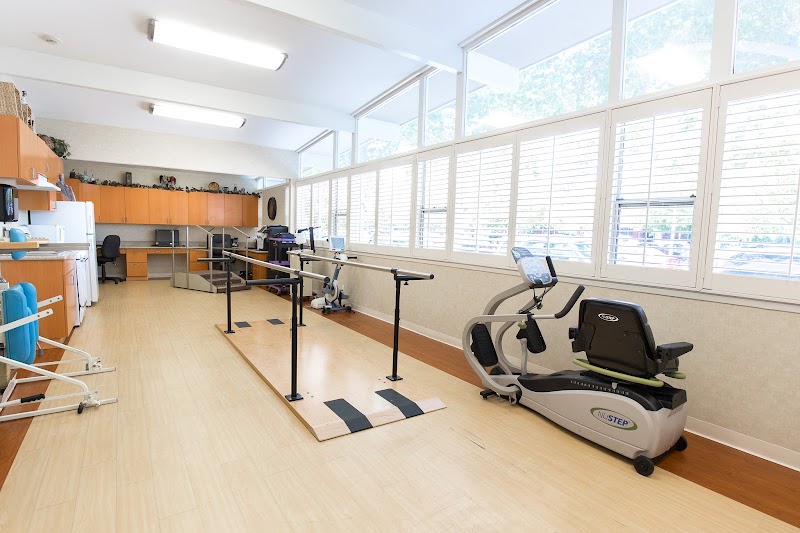
How is Windsor Rosewood Staffed?

CMS rates WINDSOR ROSEWOOD CARE CENTER's staffing level at 3 out of 5 stars, which is average compared to other nursing homes. Staff turnover is 44%, compared to the California average of 46%. This relatively stable workforce can support continuity of care.

What Have Inspectors Found at Windsor Rosewood?

State health inspectors documented 37 deficiencies at WINDSOR ROSEWOOD CARE CENTER during 2019 to 2025. These included: 1 that caused actual resident harm, 33 with potential for harm, and 3 minor or isolated issues. Deficiencies causing actual harm indicate documented cases where residents experienced negative health consequences.

Who Owns and Operates Windsor Rosewood?

WINDSOR ROSEWOOD CARE CENTER is owned by a for-profit company. For-profit facilities operate as businesses with obligations to shareholders or private owners. The facility is operated by WINDSOR, a chain that manages multiple nursing homes. With 113 certified beds and approximately 97 residents (about 86% occupancy), it is a mid-sized facility located in PLEASANT HILL, California.
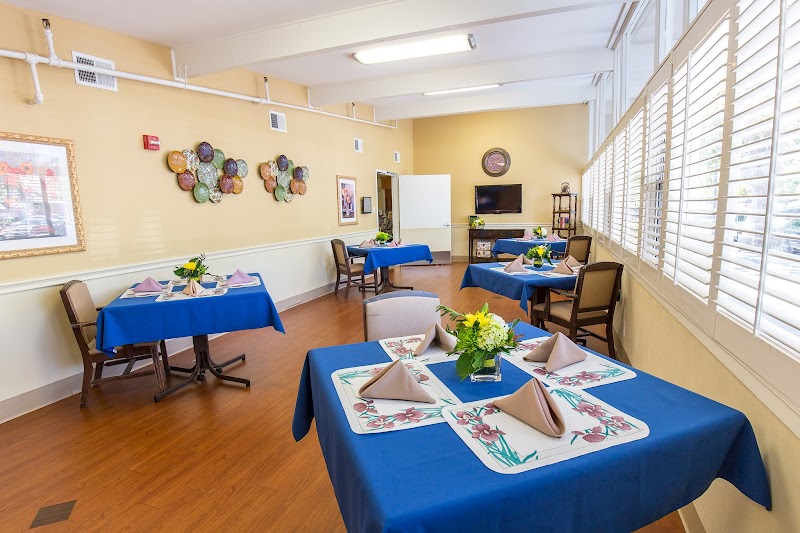
How Does Windsor Rosewood Compare to Other California Nursing Homes?

Compared to the 100 nursing homes in California, WINDSOR ROSEWOOD CARE CENTER's overall rating (4 stars) is above the state average of 3.2, staff turnover (44%) is near the state average of 46%, and health inspection rating (4 stars) is above the national benchmark.

What Should Families Ask When Visiting Windsor Rosewood?

Based on this facility's data, families visiting should ask: "Can I visit during a mealtime to observe dining assistance and food quality?" "How do you handle medical emergencies, and what is your hospital transfer rate?" "Can I speak with family members of current residents about their experience?"

Is Windsor Rosewood Safe?

Based on CMS inspection data, WINDSOR ROSEWOOD CARE CENTER has a clean safety record: no substantiated abuse findings (meaning no confirmed cases of resident harm), no Immediate Jeopardy citations (the most serious violation level indicating risk of serious injury or death), and is not on the Special Focus Facility watch list (a federal program monitoring the lowest-performing 1% of nursing homes). The facility has a 4-star overall rating and ranks #1 of 100 nursing homes in California. While no facility is perfect, families should still ask about staff-to-resident ratios and recent inspection results during their visit.

Do Nurses at Windsor Rosewood Stick Around?

WINDSOR ROSEWOOD CARE CENTER has a staff turnover rate of 44%, which is about average for California nursing homes (state average: 46%). Moderate turnover is common in nursing homes, but families should still ask about staff tenure and how the facility maintains care continuity when employees leave.

Was Windsor Rosewood Ever Fined?

WINDSOR ROSEWOOD CARE CENTER has been fined $7,443 across 1 penalty action. This is below the California average of $33,153. While any fine indicates a compliance issue, fines under $50,000 are relatively common and typically reflect isolated problems that were subsequently corrected. Families should ask what specific issues led to these fines and confirm they've been resolved.

Is Windsor Rosewood on Any Federal Watch List?

WINDSOR ROSEWOOD CARE CENTER is not on any federal watch list. The most significant is the Special Focus Facility (SFF) program, which identifies the bottom 1% of nursing homes nationally based on persistent, serious quality problems. Not being on this list means the facility has avoided the pattern of deficiencies that triggers enhanced federal oversight. This is a positive indicator, though families should still review the facility's inspection history directly.