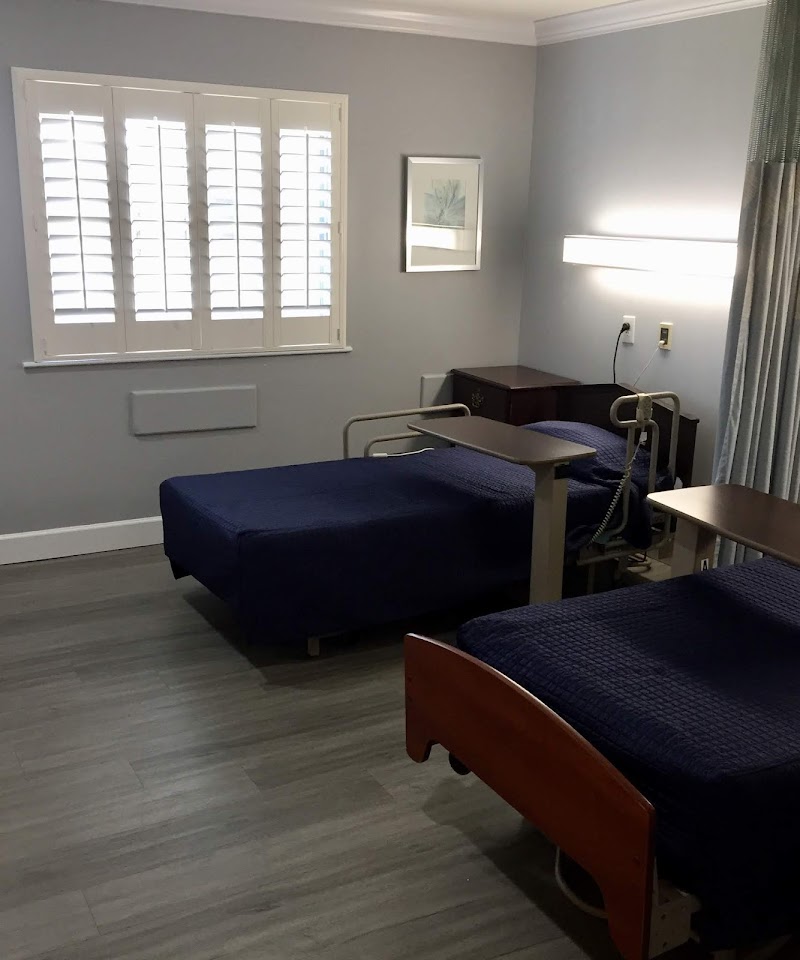
GATEWAY POST ACUTE

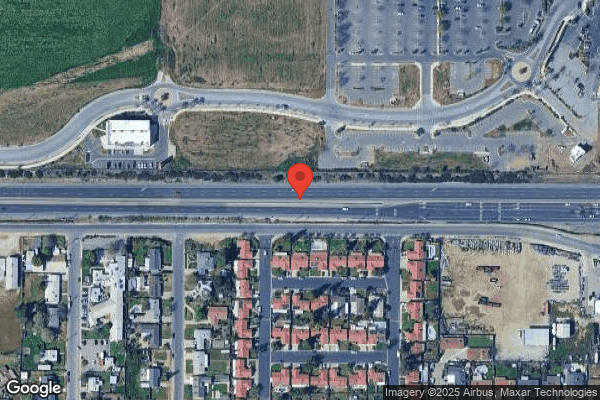
661 WEST POPLAR, PORTERVILLE, CA 93257 (559) 784-8371
For profit - Limited Liability company 62 Beds PACS GROUP Data: November 2025
Trust Grade
53/100
#586 of 1155 in CA
Last Inspection: October 2024

Within standard 12-15 month inspection cycle. Federal law requires annual inspections.

Overview

Gateway Post Acute in Porterville, California, has a Trust Grade of C, meaning it is average and ranks in the middle of the pack for nursing homes. It ranks #586 out of 1,155 facilities in California, placing it in the bottom half, but it is #7 out of 16 in Tulare County, indicating only a few local options are better. The facility is showing improvement, with issues decreasing from 24 in 2024 to just 1 in 2025. However, staffing is a concern, with a rating of 2 out of 5 stars and a high turnover rate of 49%, which is above the state average. Notable incidents include a resident experiencing severe pain during a wound dressing change due to inadequate pain management and failures in infection control practices, such as improper use of personal protective equipment and lack of effective antibiotic stewardship, which could affect resident safety. Families should weigh these strengths and weaknesses when considering this facility.

Trust Score
C
53/100
In California
#586/1155
Top 50%
Safety Record
Moderate
Needs review
Inspections
Getting Better
24 → 1 violations
Staff Stability
⚠ Watch
49% turnover. Above average. Higher turnover means staff may not know residents' routines.
Penalties
○ Average
$8,018 in fines. Higher than 50% of California facilities. Some compliance issues.
Skilled Nurses
⚠ Watch
Each resident gets only 19 minutes of Registered Nurse (RN) attention daily — below average for California. Fewer RN minutes means fewer trained eyes watching for problems.
Violations
⚠ Watch
54 deficiencies on record. Higher than average. Multiple issues found across inspections.
★★★☆☆
3.0
Overall Rating
★★☆☆☆
2.0
Staff Levels
★★★★★
5.0
Care Quality
★★☆☆☆
2.0
Inspection Score
Stable
2024: 24 issues
2025: 1 issues

The Good

  • 5-Star Quality Measures · Strong clinical quality outcomes
  • Full Sprinkler Coverage · Fire safety systems throughout facility
  • No fines on record

Facility shows strength in quality measures, fire safety.

The Bad

3-Star Overall Rating

Near California average (3.1)

Meets federal standards, typical of most facilities

Staff Turnover: 49%

Near California avg (46%)

Higher turnover may affect care consistency

Federal Fines: $8,018

Below median ($33,413)

Minor penalties assessed

Chain: PACS GROUP

Part of a multi-facility chain

Ask about local staffing decisions and management

The Ugly 54 deficiencies on record

1 actual harm
Jun 2025 1 deficiency
CONCERN (D) 📢 Someone Reported This

A family member, employee, or ombudsman was alarmed enough to file a formal complaint

Potential for Harm - no one hurt, but risky conditions existed

Deficiency F0776 (Tag F0776)

Could have caused harm · This affected 1 resident

Based on observation, interview, and record review, the facility failed to meet the needs for one of two sampled residents (Resident 1) when a STAT (immediately) x-ray (takes pictures of areas inside ...

Read full inspector narrative →
Based on observation, interview, and record review, the facility failed to meet the needs for one of two sampled residents (Resident 1) when a STAT (immediately) x-ray (takes pictures of areas inside the body) ordered by the physician was not completed timely. This failure has the potential for a delay in care for Resident 1. Findings: During a concurrent observation and interview on 6/4/25 at 10:53 a.m. with Resident 1 in resident's room, Resident 1 was lying in bed with her left arm wrapped in an immobilizer sling (device used to support and keep still an injured part of the body). Resident 1 stated her left arm was broken. During a concurrent interview and record review on 6/4/29 at 11:09 a.m. with Licensed Vocation Nurse (LVN), LVN stated Resident 1 had a fall on 5/28/25. LVN stated on 5/29/25 at 3:19 p.m. a physician's order was obtained for a stat x-ray to the left hip and the left shoulder. LVN stated the x-ray technician arrived on 5/30/25 at approximately 10:30 a.m. (approximately 19 hours after the stat physician's order was obtained) to obtain the x-ray of Resident 1's left hip and left shoulder. LVN stated a STAT physician's order should be completed within 4-6 hours. LVN stated Resident 1's x-ray results indicated a left clavicle (collarbone) fracture. During a concurrent interview and record on 6/4/25 at 11:34 a.m. with Director of Nurses (DON), DON stated Resident 1 fell off her bed on 5/28/25 during the night shift. DON stated a physician's order for a stat x-ray to the left hip and the left shoulder was obtained on 5/29/25 at 3:19 p.m. due to Resident 1 complaining of increase pain. DON sated the x-ray technician arrived on 5/30/25 at approximately 11 a.m. (approximately 19 hours after order was obtained) to obtain the x-ray for Resident 1. DON stated it was the facility's practice for STAT physician's orders to be completed within 4-6 hours. DON confirmed the stat x-ray was not obtained in a timely manner. During a review of Resident 1's Physician Order, (PO) dated 5/29/25 at 3:19 p.m. the PO indicated, STAT XRAY LEFT HIP & LT (LEFT) SHOULDER. During a concurrent interview and record review on 6/17/25 at 8:58 a.m. with Regional Manager (x-ray company RM), the Portable Service Agreement (PSA), was reviewed. RM stated STAT physician's orders should be completed within 6-8 hours. During a review of the facility's policy and procedures (P&P), titled, Request for Diagnostic Services, dated 2007, the P&P indicated, 4. All urgent radiological requests should be labeled STAT and carried out in a timely manner according to contracted agency policy.
Oct 2024 22 deficiencies 1 Harm
SERIOUS (G)

Actual Harm - a resident was hurt due to facility failures

Deficiency F0697 (Tag F0697)

A resident was harmed · This affected 1 resident

**NOTE- TERMS IN BRACKETS HAVE BEEN EDITED TO PROTECT CONFIDENTIALITY** Based on observation, interview, and record review, the facility failed to ensure the Infection Preventionist (IP-responsible fo...

Read full inspector narrative →
**NOTE- TERMS IN BRACKETS HAVE BEEN EDITED TO PROTECT CONFIDENTIALITY** Based on observation, interview, and record review, the facility failed to ensure the Infection Preventionist (IP-responsible for the implementation and review of the facility's infection prevention program) managed pain for one of one sampled resident (Resident 51) during wound dressing change on the open wound to the amputated left big toe and the vascular wound on the inner aspect of the left ankle. This failure resulted in Resident 51 experiencing pain as evidenced by facial expressions and pain level of nine out of 10 (0-no pain, 1-verbal, 3-mild pain,4-5 moderate pain, 6-9 severe pain, 10-excruciating pain). Findings: During a review of Resident 51's admission Record (AR), the AR indicated Resident 51 was admitted to the facility on [DATE] with diagnoses which included acute osteomyelitis (inflammation and swelling in the bones) left ankle and foot, Type 2 diabetes mellitus (DM- chronic condition with persistent high blood sugar levels) with diabetic neuropathy (nerve damage in the legs and feet) and other skin ulcers. During a review of Resident 51's Operative Report (OR), dated 9/20/24, the OR indicated, Post-Op (after surgery) Diagnosis: Left first toe gangrene (dead tissue caused by an infection or lack of blood flow). Procedure: Transmetatarsal amputation (surgical removal of a part of the severely infected foot) of left first toe. During a concurrent observation and interview on 10/15/24 at 9:15 a.m. with IP in Resident 51's room, IP began cutting and removing Resident 51's dressing from his left foot. Resident 51 exhibited signs of pain with redness to his face, facial grimacing, clenching jaw, and tight fist to the left hand. IP did not assess Resident 51's pain level. Surveyor asked Resident 51 what his pain level was and Resident 51 reported a pain level of 9 out of 10. After IP removed the dressing on the left foot, Resident 51 had an amputation of the left big toe, and an open wound closed to the surgically removed left big toe. The wound sutures (stiches) appeared to have not closed and the sutures were noted to be embedded in the skin inside the open wound to the amputated left toe and on its side. The open wound was deep, red in color and skin abraded. IP stated Resident 51 was admitted with his wound in that condition. A second open wound located on the inner aspect of the left ankle was observed. IP stated it was a vascular wound (wound on the skin that is shallow, with a red base, covered by a yellow tissue resulting from poor blood circulation) about six centimeters (unit of measure) by six cm previously measured and documented on Resident 51's wound assessment. IP started flushing (rinsing wound) the open wounds to the amputated left big toe with Daikin solution (wound cleanser) using a syringe. Resident 5's face was red while he clenched his jaw, and grimaced during the procedure. Resident 51 verbalized pain, but IP continued to flush and irrigate (run a stream of solution into the wound) the open wounds to the amputated left big toe and the vascular wound on the inner aspect of the left ankle. IP stated she would tell the other nurse to give you pain medication after treatment. IP continued to clean the wound with betadine solution (antiseptic to treat/kill skin infection). Resident 51 continued exhibiting signs of pain with redness in his face, facial grimacing, clenching his jaw, and his left hand. IP informed Resident 51 he would be medicated with pain medication after the treatment. Resident 51 told IP he had a new pain medication Morphine (narcotic pain medication). IP did not pause the treatment to address Resident 51's pain. IP applied dressings to the open wound on the amputated left big toe. IP placed the wound packing into the wounds on the amputated left big toe and the vascular wounds on the inner aspect of the left ankle. Resident 51 silently moaned, clenched his jaw, made facial grimaces, and his left hand was in a tight fist. IP asked Resident 51 to raise his left leg so IP could rewrap the foot with gauze dressing. Resident 51 exhibited pain as he raised his left leg up. IP did not pause the treatment and continued to apply the elastic bandage around the ankle and the left foot. IP did not assess Resident 51 after the dressing change on the open wounds to the amputated left big toe and the vascular wound to the inner aspect of the left ankle. During an interview on 10/15/24 at 9:22 a.m. with IP, IP stated Resident 51 showed signs of pain during the wound care treatment and she did not provide pain medication. During a concurrent interview and review on 10/15/25 at 9:26 a.m. with LVN 1, Resident 51's Medication Administration Record (MAR), dated 10/2024, was reviewed. The MAR indicated, Norco 10/325 milligram (mg) (narcotic pain medication) one tablet was given for pain at 4:53 a.m. LVN 1 stated Resident 1 had not received any other pain medication. During a review of Resident 51's Physician's Order Recap Report (PORP), dated 9/1/24-10/16/24, the PORP indicated the following: 10/13/24 -Hydrocodone Acetaminophen (narcotic pain medication)10/325 mg. Give one tablet by mouth every six hours as needed for pain. Discontinue on 10/15/24 at 12:32 p.m. 10/15/24 - Morphine Sulfate ER Tablet Extended Release (narcotic pain medication)15 mg. Give one tablet every 12 hours for pain. Discontinue on 10/15/24 at 12:34 p.m. During a review of Resident 51's Care Plan, dated 9/26/24, the care plan indicated Focus: Surgical incision: Resident has a surgical incision to left (L) great toe and is at risk for dehiscence (wound opening), delayed healing, and infection. Interventions: Monitor pain pre (before), during, and post treatment. Intervene PRN (as needed). 10/15/24 Focus: Skin: Resident has a venous stasis ulcer [refers to the vascular wound on the inner aspect of the left ankle caused from poor blood circulation] to left lower extremity and is at risk for further breakdown, and/or slow, delayed healing related to impaired circulation. Goal: Pain will be alleviated to a tolerable level. Intervention: Administer pain medication as ordered 10/14/24. During a review of the facility's policy and procedure (P&P) titled, Pain Assessment and Management, dated 10/2022, the P&P indicated, Assessing Pain: 1. Assess the resident at [sic] admission and during ongoing assessments to help identify the resident who is experiencing pain or for whom pain may be anticipated during specific procedures, care, or treatment .Identifying the cause of pain: 2, In addition, common procedures such as moving the resident, physical therapies, or wound care can cause the resident pain.
CONCERN (D)

Potential for Harm - no one hurt, but risky conditions existed

Deficiency F0554 (Tag F0554)

Could have caused harm · This affected 1 resident

Based on observation, interview, and record review, the facility failed to ensure one of one sampled resident (Resident 51) was assessed and determined to be competent to self-administer medication. T...

Read full inspector narrative →
Based on observation, interview, and record review, the facility failed to ensure one of one sampled resident (Resident 51) was assessed and determined to be competent to self-administer medication. This failure had the potential for medication administration error and serious health risk. Findings: During a concurrent observation and interview on 10/14/24 at 11:34 a.m. with Resident 51 in Resident 51's room, a bottle of eye drops was on top of the bedside table. Resident 51 stated the nurse leaves the eye drops there so he can put the eye drops in his eyes. Resident 51 stated he had the eye drops in his room for over two months. During a concurrent observation and interview on 10/14/24 at 11:40 a.m. with Licensed Vocational Nurse (LVN) 1 in Resident 51's room, LVN 1 removed the bottle eye drops from Resident 51's bedside table and stated Resident 51 was not to have the eye drops at the bedside. LVN 1 stated it was not acceptable to have the eye drops on Resident 51's bedside table. During a concurrent interview and record review on 10/16/24 at 8:58 a.m. with Minimum Data Set (resident assessment tool) Coordinator (MDSC) 1, Resident 51's medical record was reviewed. MDSC 1 was unable to find documentation of a physician order for Resident 51 to self-administer the eye drop medications. During a concurrent interview and record review on 10/16/24 at 5:05 p.m. with MDSC 2, Resident 51's medical record was reviewed. MDSC 2 was unable to find IDT documentation addressing Resident 51's ability to self-administer medication. During a review of the facility's policy and procedure (P&P) titled, Self-Administration of Medications, dated 2021, the P&P indicated, Residents have the right to self-administer medications if the interdisciplinary team has determined that it is clinically appropriate and safe for the resident to do so. 1. As part of the evaluation comprehensive assessment, the interdisciplinary team (IDT) assesses each resident's cognitive and physical abilities to determine whether self-administering medication is safe and clinically appropriate for the resident.
CONCERN (D)

Potential for Harm - no one hurt, but risky conditions existed

Notification of Changes (Tag F0580)

Could have caused harm · This affected 1 resident

Based on interview and record review, the facility failed to: 1. Notify the physician for the discontinuation of the restorative therapy (therapeutic and rehabilitative techniques provided by speciall...

Read full inspector narrative →
Based on interview and record review, the facility failed to: 1. Notify the physician for the discontinuation of the restorative therapy (therapeutic and rehabilitative techniques provided by specially trained restorative nursing assistant [RNA]) for one of one sampled resident (Resident 21). This failure had the potential for Resident 21 to not meet his full potential for mobility. 2. Notify the physician for the swelling and purplish discoloration of the left big toe and wounds on the left big toe for one of one sampled resident (Resident 2). This failure had the potential for Resident 2's wounds to be untreated. Findings: 1. During a review of Resident 21's admission Record (AR), dated 2/21/20, the AR indicated, Resident 21 was admitted with diagnosis including post-laminectomy syndrome (chronic pain following spinal surgery), cord compression (happens when pressure on the spinal cord stops the nerves from working normally causing back pain, arm or leg weakness, and difficulty walking) and muscle weakness. During a concurrent observation and interview on 10/14/24 at 3:48 p.m. with Resident 21 in Resident 21's room, Resident 21 was in supine (flat in back) position. Resident 21 stated he could not move himself and required staff assistance due to spinal cord injury and muscle weakness. During a concurrent interview and record review on 10/15/24 at 11:40 a.m. with Director of Rehabilitation Services (DRS), Resident 21's Physical Therapy Notes, dated 3/21/24 was reviewed. DRS stated Resident 21 was on a telehealth therapy (physical therapy provided by the physical therapist assistant onsite under the supervision of a licensed therapist virtually). DRS stated Resident 21's last therapy was on 3/21/24. DRS was unable to find documentation Resident 21 was placed on a Restorative Nursing Assistant (RNA) program. DRS stated the licensed therapist determines whether the resident meets the criteria to continue with rehabilitation therapy. During a concurrent interview and record review on 10/15/24 at 11:46 a.m. with Director of Staff Development (DSD), Resident 21's RNA Therapy Notes, dated 11/30/23 was reviewed. DSD stated Resident 21's RNA was established on 11/30/23. DSD stated because of Resident 21's refusal to participate in the RNA program, the restorative therapy was discontinued. DSD was unable to provide documentation physician was notified when the RNA therapy was stopped. DSD stated since then Resident 21 had not been on any therapy or received range of motion (how far and in what direction one can move a joint or muscle) exercises. Facility policy and procedure was requested related to physician documentation, none was provided. 2. During a concurrent observation and interview on 10/14/24 at 8:57 a.m. with Certified Nursing Assistant (CNA) 1 in Resident 2's room, Resident 2's left big toe was red and swollen. The skin at the back was purplish in color, swollen, and with a cut on the soft tissue of the left big toe. Another wound was found on the joint of the left big toe. The left foot was dry and scaly. CNA 1 stated any abnormality on the skin condition was reported to the nurse, but she was not sure if the nurse had been notified about Resident 2's wounds. CNA 1 stated during resident shower days we observed the residents' skin and any abnormality to the skin, we notify the nurse and document the skin findings on the person-figure of the shower form. During a concurrent interview and record review on 10/15/24 at 9 a.m. with MDSC 1, Resident 2's Nursing Assessment, dated 10/15/24 was reviewed. MDSC 1 was unable to find documentation of a nursing assessment related to Resident 2's wounds on the left toe. MDSC 1 stated there should be a nursing assessment done daily as well as weekly nursing summary. A review of Resident 2's Weekly Nursing Assessments, dated 10/1/24, 10/7/24, and 10/14/24 did not indicate the nurse performed a weekly nursing assessment of the wounds on the left big toe. MDSC 1 also did not find a nursing documentation physician was notified about Resident 2's wounds on the left big toe. During a review of the facility's policy and procedure (P&P) titled Skin Assessment: Best Practice, dated 9/8/22, the P&P indicated, Weekly Skin Assessment: A weekly skin assessment is completed once a week and describes the current condition of the patient's skin. Facility policy and procedure on physician notification was requested, none was provided.
CONCERN (D)

Potential for Harm - no one hurt, but risky conditions existed

Safe Environment (Tag F0584)

Could have caused harm · This affected 1 resident

Based on observation, interview, and record review, the facility failed to maintain a homelike environment for two of 15 sampled residents (Resident 46 and Resident 162). This failure resulted in thes...

Read full inspector narrative →
Based on observation, interview, and record review, the facility failed to maintain a homelike environment for two of 15 sampled residents (Resident 46 and Resident 162). This failure resulted in these residents living in an unkempt environment. Findings: a. During a concurrent observation and interview on 10/14/24 at 3:39 p.m. with Resident 162 in Resident 162's restroom, a dark brown ring was on the inside of the toilet bowl. Resident 162 stated she did not know the last time her toilet had been cleaned. During a concurrent observation and interview on 10/15/24 at 8:32 a.m. with Maintenance Supervisor (MS) and Housekeeping staff member (HSM) in Resident 162's restroom, MS and HSM observed the toilet and confirmed there was a dark brown ring on the inside of the toilet bowl MS and HSM stated the toilet was stained and should be replaced. During a concurrent observation and interview on 10/15/24 at 8:56 a.m. with Administrator in Resident 162's restroom, Administrator stated the toilet was stained and should be replaced. b. During a concurrent observation and interview on 10/15/24 at 11:22 a.m. with Administrator and MS in Resident 46's room, there were broken and missing tiles with a sticky black substance in the corner entrance of the restroom. Administrator stated, It looks like they [staff] started to finish it and never did. It does look bad and should have been fixed. MS stated the restroom should not have broken and missing tiles and it should be fixed. During a review of the facility's policy and procedure (P&P) titled, Homelike Environment, dated 2/2021, the P&P indicated, Residents are provided with a safe, clean, comfortable and homelike environment. 2. The facility staff and management maximizes, to the extent possible, the characteristics of the facility that reflects a personalized, homelike setting. These characteristics include: a. clean, sanitary, and orderly environment.
CONCERN (D)

Potential for Harm - no one hurt, but risky conditions existed

Assessment Accuracy (Tag F0641)

Could have caused harm · This affected 1 resident

Based on observation, interview, and record review, the facility failed to follow their policy and procedures (P&P) titled, Certifying Accuracy of the Resident Assessment, for one of one sampled resid...

Read full inspector narrative →
Based on observation, interview, and record review, the facility failed to follow their policy and procedures (P&P) titled, Certifying Accuracy of the Resident Assessment, for one of one sampled resident (Resident 35). This failure had the potential to not meet Resident 35's dental needs. Findings: During a concurrent observation and interview on 10/15/24 at 8:43 a.m. with Resident 35 in Resident 35's room, Resident 35 pointed to his upper tooth and complained of pain. During a concurrent interview and record review on 10/17/24 at 9:01 a.m. with Minimum Data Set (resident assessment tool) Consultant (MDSC) 2, Resident 35's MDS, Section K (Swallowing/Nutritional Status), dated 8/15/24 was reviewed. The MDS indicated Resident 35 had Broken or loosely fitting full or partial denture and no natural teeth or tooth fragment(s). MDSC 2 stated Resident 35's MDS was incorrect. During a review of Resident 35's COMPREHENSIVE SKILLED REVIEW NOTE [CSRN], dated 1/15/24 was reviewed. The CSRN indicated, III. SOCIAL SERVICES. [Resident 35] has his own teeth with some missing. During a review of the facility's P&P titled, Certifying Accuracy of the Resident Assessment, dated 11/2019, the P&P indicated, Policy Statement.Any person completing a portion of the Minimum Data Set/MDS (Resident Assessment Instrument) must sign and certify the accuracy of that portion of the assessment. Policy Interpretation and Implementation. 2. Any person who completes any portion of the MDS assessment.is required to sign the assessment certifying the accuracy of that portion of that assessment. 3. The information captured on the assessment reflects the status of the resident during the observation (look-back) period for that assessment.
CONCERN (D)

Potential for Harm - no one hurt, but risky conditions existed

PASARR Coordination (Tag F0644)

Could have caused harm · This affected 1 resident

Based on interview and record review, the facility failed to ensure one of two sampled residents (Resident 3) had a psychiatric and a Preadmission Screening and Resident Review (PASRR- a federal requi...

Read full inspector narrative →
Based on interview and record review, the facility failed to ensure one of two sampled residents (Resident 3) had a psychiatric and a Preadmission Screening and Resident Review (PASRR- a federal requirement to help ensure placement in nursing facility was appropriate) Level 2 evaluation after a PASRR Level 1 indicated the need for evaluation of his mental disorder. This failure had the potential for Resident 3 to be inappropriately placed in a nursing home and had the potential to not receive the mental health treatment needed. During a concurrent interview and record review on 10/15/24 at 10:15 a.m. with Minimum Data Set (resident assessment tool) Coordinator (MDSC) 1, Resident 3's PASRR Level 1 Screening, dated 1/15/24 was reviewed. Resident 3's PASRR Level 1 indicated Level 1 Screening: Positive. Section III Serious Mental Disorder: Yes Diagnosis: Schizophrenia (a serious mental illness that affects how a person thinks, feels, and behaves), anxiety disorder (a condition in which a person has excessive worry and feelings of fear, dread, and uneasiness), major depressive disorder (condition that causes a persistently low or depressed mood, and a loss of interest in activities that once brought joy). Prescribed Psychotropic (drug that affects how the brain works and causes changes in mood, awareness, thoughts, feelings, or behavior) Medication: Yes: Hydroxyzine Hydrochloride (medication to treat anxiety)10 milligram (mg) tablet. MDSC 1 stated Resident 3 had no psychiatric evaluation and no PASRR 2 follow up for the PASRR Level 1 evaluation dated 1/15/24. MDSC 2 provided Resident 3's PASRR 2 evaluation dated 6/2020. During a concurrent interview and record review on 10/15/24 at 10:25 a.m. with MDSC 2, Resident 3's Physician's Order, dated 10/2024 was reviewed. MDSC 2 was unable to find documentation of a physician's referral to a psychiatrist for a psychiatric evaluation after a positive Level 1 PASRR. During a concurrent interview and record review on 10/15/24 at 10:30 a.m. with MDSC 2, Resident 3's Physician Progress Notes were reviewed. MDSC 2 was unable to find documentation of a physician progress notes regarding psychiatric evaluation. MDSC 2 stated there was nothing she could find. During a review of the article of the Department of Health Care Services (DHCS) titled, Preadmission Screening and Resident Review (PASRR), Level 2 Screening Process dated 9/2024, the article indicated, If the Level 1 Screening is positive, a PASRR Level 2 Evaluation will be performed. A Level 2 Evaluation is a person-centered evaluation that is completed for anyone identified by the Level 1 Screening as having, or suspected of having, a PASRR condition, i.e., serious mental illness (SMI), intellectual disability (ID), developmental disability (DD), or related condition (RC). The Level 2 Evaluation helps determine the most appropriate placement of an individual, considering the least restrictive setting, and whether specialized services are needed. The Level 2 Evaluation has three main goals: Confirm whether the individual has an SMI or ID/DD or RC; Assess the individual ' s need for Medicaid certified nursing facility (NF) services; and Assess whether the individual requires specialized services.
CONCERN (D)

Potential for Harm - no one hurt, but risky conditions existed

Deficiency F0655 (Tag F0655)

Could have caused harm · This affected 1 resident

**NOTE- TERMS IN BRACKETS HAVE BEEN EDITED TO PROTECT CONFIDENTIALITY** Based on interview and record review, the facility failed to complete and provide two of two newly admitted sampled residents (R...

Read full inspector narrative →
**NOTE- TERMS IN BRACKETS HAVE BEEN EDITED TO PROTECT CONFIDENTIALITY** Based on interview and record review, the facility failed to complete and provide two of two newly admitted sampled residents (Resident 51 and Resident 109) and/or their representatives a summary of the baseline care plan (BCP-the minimum healthcare information to care for each resident upon admission) within 48 hours of admission. This failure had the potential for unmet care needs. Findings: 1. During a review of Resident 51's admission Record (AR), the AR indicated, Resident 51 was admitted on [DATE] with diagnoses including acute osteomyelitis (inflammation and swelling in the bones) left ankle and foot, Type 2 diabetes mellitus (DM- chronic condition with persistent high blood sugar levels) with diabetic neuropathy (nerve damage in the legs and feet in people with diabetes) and other skin ulcers. During a review of Resident 51's Operative Report (OR), dated 9/20/24, the OR indicated, Post-Op [after surgery] Diagnosis: Left first toe gangrene [dead tissue caused by an infection or lack of blood flow]. Procedure: Transmetatarsal amputation [surgical removal of a part of the severely infected foot] of left first toe. During a concurrent interview and record review on 10/16/24 at 5 p.m. with Minimum Data Set (resident assessment tool) Coordinator (MDSC) 1, Resident 51's BCP, dated 9/26/24, was reviewed. The BCP was not complete. MDSC 1 stated Resident 51 and/or patient representative was not provided a summary of the BCP for post-operative care. 2. During a review of Resident 109's AR, the AR indicated, Resident 109 was admitted on [DATE] with diagnoses including, Aftercare following surgical amputation, Diabetes Mellitus with diabetic neuropathy, and cellulitis [bacterial infection of the skin and underlying tissues] left upper limb. During a review of Resident 109's OR, dated 9/26/24, the OR indicated, Procedure: Amputation of the third, fourth, and fifth toes left foot at transmetatarsal level. During a concurrent interview and record review on 10/16/24 at 5:11 p.m. with MDSC 1, Resident 109's BCP, dated 10/1/24, was reviewed. The BCP was not complete. MDSC 1 stated Resident 109 and/or patient representative was not provided a summary of the BCP for post-operative care. During a review of the facility's policy and procedure (P&P) titled, Baseline Care Plan, dated 2001, the P&P indicated, A baseline plan of care to meet the resident's immediate health and safety needs is developed for each resident within forty-eight (48) hours of admission .4. The resident and/or representative are provided a written summary of the baseline care plan (in a language that the resident/representative can understand) that includes, but is not limited to the following: a. The stated goals and objectives of the resident; b. A summary of the resident's medications and dietary instructions; c. Any services and treatments to be administered by the facility and personnel acting on behalf of the facility; and d. Any updated information based on the details of the comprehensive care plan, as necessary.
CONCERN (D)

Potential for Harm - no one hurt, but risky conditions existed

Comprehensive Care Plan (Tag F0656)

Could have caused harm · This affected 1 resident

Based on interview and record review, the facility failed to follow their policy and procedure (P&P) titled, Care Plans, Comprehensive Person-Centered, for one of 18 sampled residents (Resident 22). T...

Read full inspector narrative →
Based on interview and record review, the facility failed to follow their policy and procedure (P&P) titled, Care Plans, Comprehensive Person-Centered, for one of 18 sampled residents (Resident 22). This failure had the potential to not meet Resident 22's physical, psychosocial (related to thought or behavior), and functional needs. Findings: During a review of Resident 22's Order Listing Report (OLR), dated 8/23/24, the OLR indicated, admitted under the care of [Name of Hospice]. During a review of Resident 22's Minimum Data Set (MDS-resident assessment tool), dated 8/23/24, the MDS Section O (Special Treatments, Procedures, and Programs), indicated Resident 22 received hospice care while Resident 22 was in the facility. During a concurrent interview and record review on 10/16/24 at 3:32 p.m. with MDS Consultant (MDSC) 2, Resident 22's Care Plans (CP) were reviewed. MDSC 2 stated there was no End of Life or Hospice CP for Resident 22 and there should have been a CP developed after Resident 22 was admitted to hospice. During a review of the facility's P&P titled, Care Plans, Comprehensive Person-Centered, dated 3/2022, the P&P indicated, A comprehensive, person-centered care plan should include measurable objectives and timetables to meet the resident's physical, psychosocial and functional needs. Interpretation and Implementation. 8. The interdisciplinary team should review and update the care plan: a. When there has been a significant change in the resident's condition. c. At least quarterly, in conjunction with the required quarterly MDS assessment.
CONCERN (D)

Potential for Harm - no one hurt, but risky conditions existed

Deficiency F0658 (Tag F0658)

Could have caused harm · This affected 1 resident

**NOTE- TERMS IN BRACKETS HAVE BEEN EDITED TO PROTECT CONFIDENTIALITY** Based on interview and record review, the facility failed to ensure to one of 11 sampled residents (Resident 5) were administere...

Read full inspector narrative →
**NOTE- TERMS IN BRACKETS HAVE BEEN EDITED TO PROTECT CONFIDENTIALITY** Based on interview and record review, the facility failed to ensure to one of 11 sampled residents (Resident 5) were administered medications according to physician orders. This failure had the potential for Resident 5 to have adverse medication outcomes. Findings: During a review of Resident 5's Care Plan (CP), dated 8/9/17, the CP indicated Resident 5 had hypertension (High blood pressure). The CP indicated, Interventions/Tasks.Give anti hypertensive [sic] medications as ordered. During a review of Resident 5's CP, dated 11/21/20, the CP indicated, Resident 5 has alteration in comfort related to shoulder and knee pain. The CP indicated, Interventions/Tasks. Administer pain medications as ordered. During a review of Resident 5's Medication Administration Record (MAR), dated 10/2024, the MAR indicated the following: a. AmLODPine Besylate [medication to lower blood pressure] Tablet 5 MG [milligrams] Give 1 tablet by mouth one time a day for HTN [hypertension-high blood pressure] hold if SBP [systolic blood pressure - the pressure in blood vessels when the heart contracts] is less than 110 or DBP [diastolic blood pressure - the pressure in blood vessels when the heart is at rest between beats] is less than 60. Resident 5 was administered AmLODPine on 8/14/24 with a blood pressure of 103/63. b. HYDROcodone-Acetaminophen [medication for severe pain] Oral Tablet 5-325 MG (Hydrocodone-Acetaminophen) Give 1 tablet by mouth one time a day for severe pain [pain level of 7-10]. Resident 5 was administered HYDROcodone-Acetaminophen Oral Tablet 5-325 MG on [DATE], 3, 6, 7, 8, 9, 10, 11, 12, 13, 14, 15, 2024 for pain level of 0 (no pain) and 10/5/24 for pain level of 2 (pain level of 1-3 mild). During an interview on 10/16/24 at 10:40 a.m. with Licensed Vocational Nurse (LVN) 2, LVN 2 stated severe pain was a pain level of seven to 10. LVN 2 stated she would administer severe pain medication for a pain level less than seven if it is scheduled and patient requested it. LVN 2 stated she would hold the anti-hypertensive medication with holding parameters for SBP < (less than)110 if the SBP is 103 because she would not want the Resident's blood pressure to drop. During an interview on 10/16/24 at 10:45 a.m. with LVN 3, LVN 3 stated she would not be following physician's order if she administered the pain medication for pain level less than 7. During a review of the facility's policy and procedures (P&P) titled, Administrating Medications, dated April 2019, indicated, Policy Statement. Medications are administered in a safe and timely manner, and as prescribed. Policy Interpretation and Implementation. 4. Medications are administered in accordance with prescriber orders, including any required time frame.
CONCERN (D)

Potential for Harm - no one hurt, but risky conditions existed

Deficiency F0679 (Tag F0679)

Could have caused harm · This affected 1 resident

**NOTE- TERMS IN BRACKETS HAVE BEEN EDITED TO PROTECT CONFIDENTIALITY** Based on observation, interview, and record review, the facility failed to ensure one of 18 sampled residents (Resident 7) was p...

Read full inspector narrative →
**NOTE- TERMS IN BRACKETS HAVE BEEN EDITED TO PROTECT CONFIDENTIALITY** Based on observation, interview, and record review, the facility failed to ensure one of 18 sampled residents (Resident 7) was provided activities of her choice. This failure resulted in Resident 7 not participating in person centered activities. Findings: During a review of Resident 7's admission Record (AR), dated 10/17/24, the AR indicated Resident 7 was admitted to the facility on [DATE] with diagnoses including major depressive disorder (mental disorder that affects how a person feels, thinks, and acts), Alzheimer's Disease (brain disorder that gradually destroys memory and thinking skills, and eventually the ability to perform everyday tasks) and need for assistance with personal care. During a review of Resident 7's Minimum Data Set (MDS - an assessment tool), dated 7/18/24, the MDS section F - Preferences for Customary Routine Activities, indicated, it was very important to Resident 7 to do things with groups of people, do her favorite activities, and go outside to get fresh air when the weather is good. During a review of Resident 7's MDS, dated 7/18/24, the MDS section GG - Functional Abilities and Goals indicated Resident 7 used a wheelchair and needed maximum assistance for mobility activities. During review of Resident 7's Activity Assessment (AA), dated 7/22/24, the AA indicated, it was very important to Resident 7 to listen to music she liked, be around animals, participate in group activities, participate in her favorite activities, and go outside to get fresh air when the weather is good. Resident 7's other interests included spending time with family and word puzzles. During a concurrent observation and interview on 10/16/24 at 10 a.m. with Resident 7 in Resident 7's room, Resident 7 was sitting in bed with the television turned off. Resident 7 stated she likes to read the Bible a little each day. Resident 7 stated she used to love to knit and do needle point but had not done that in a while. She enjoyed seeing the kittens outside her window and they reminded her of her cat at home. Resident 7 stated she wished the staff would come take her outside or to the activities room, but she only goes out of the room to therapy or for a shower. During a concurrent interview and record review on 10/17/24 at 9:49 a.m. with MDS Consultant (MDSC) 2, Resident 7's medical record was reviewed. No activities CP was found in Resident 7's medical record. MDSC 2 stated there was no activities CP for Resident 7 and there should be one. During a concurrent interview and record review on 10/17/24 at 9:55 a.m. with Director of Activities (DOA), Resident 7's Activities Notes (ANs) and CP's, dated 8/12/24, 8/25/24, 9/1/24, 9/29/24, and 10/13/24 were reviewed. The ANs indicated, Resident 7 refused activities participation on 8/12/24. The DOA stated the expectation was that Resident 7 would receive visits from activities staff, two times per week and stated she was unable to find any AN's between 7/22/24 - 8/12/24 that indicated Resident 7 was offered activities. The staff should document progress (AN) notes for activity visits or Resident 7's refusal of participation. DOA stated she was responsible for developing the activities CP. DOA stated activities CP was not done for Resident 7. DOA stated the activities CP should reflect Resident 7's refusal to participate, what was being done to help encourage Resident 7 to participate and should be individualized to include activity preferences. During a review of the facility's policy and procedure (P&P) titled, Care Plans, Comprehensive Person Centered, dated March 2022, the P&P indicated, A comprehensive, person-centered care plan for the resident should be developed by the interdisciplinary team (IDT), with input from the resident, and his/her family or legal representative. 2. The Comprehensive person-centered care plan should be developed within the seven (7) days of the completion of the required MDS assessment. (Admission, Annual, or significant change in status), and should be completed within 21 days of admission. 6. The comprehensive, person-centered care plan should: a. Include measurable objectives and time frames; b. Describe the services that are to be furnished in an attempt to assist the resident attain or maintain that level of physical, mental, and psychosocial wellbeing that the resident desires or that is possible. During a review of the facility's P&P titled, Documentation, Activities, dated January 2020, the P&P indicated, The activity director/coordinator is responsible for maintaining appropriate departmental documentation. Policy Interpretation and Implementation 1. Record keeping is a vital part of the activity programs. 2. The following records, at a minimum, are maintained by the activity department personnel: . d. Activity progress notes; and e. Individualized activities care plan or activities portion of the comprehensive care plan. 3. The activity director/coordinator is responsible for ensuring that activity documentation is completed and maintained.
CONCERN (D)

Potential for Harm - no one hurt, but risky conditions existed

Quality of Care (Tag F0684)

Could have caused harm · This affected 1 resident

**NOTE- TERMS IN BRACKETS HAVE BEEN EDITED TO PROTECT CONFIDENTIALITY** Based on observation, interview and record review, the facility failed to ensure one of 18 sampled patients (Patient 15) was pro...

Read full inspector narrative →
**NOTE- TERMS IN BRACKETS HAVE BEEN EDITED TO PROTECT CONFIDENTIALITY** Based on observation, interview and record review, the facility failed to ensure one of 18 sampled patients (Patient 15) was provided quality care when: 1. A Care Plan (CP) for pain management was not developed. 2. The admission Nursing - Pain Observation and Assessment (NPOA) was incomplete, and reassessment was not done. These failures resulted in Patient 15 experiencing unrelieved pain and a feeling of isolation. Findings: 1. During a review of Patient 15's admission Record (AR), dated 10/16/24, the AR indicated, Patient 15 was admitted to the facility on [DATE] with diagnoses including, hemiplegia (partial or complete paralysis of one side of the body) and hemiparesis (partial paralysis or weakness on one side of the body) following Cerebral Infarction (stroke - disrupted blood flow to the brain) affecting right side, muscle weakness, and need for assistance with personal care. During a review of Patient 15's History and Physical Examination (H&P), dated 8/9/24, the H&P indicated This resident [Patient 15] has the capacity [ability] to understand and make decisions. During a concurrent observation and interview on 10/15/24 at 10:02 a.m. with Patient 15 in Patient 15's room, Patient 15 was laying supine (on back) in bed, room lights out and blinds closed. Patient 15 stated he had a tremendous amount of pain and does not get out of bed very often. Patient 15 stated it was important to him to be able to get up and go outside but, he was in so much pain he could not get up to the wheelchair and leave his room. During a concurrent interview and record review on 10/16/24 at 1:52 p.m. with Registered Nurse Consultant (RNC) 2, Patient 15's Physicians Progress Note (PPN), dated 8/20/24, was reviewed. The PPN indicated, HPI [history of present illness]: . Patient [Patient 15] admitted to SNF [skilled nursing facility]. Patient [Patient 15] was asked to be seen by the interdisciplinary team to optimize therapy, pain control, and discharge planning. RNC 2 stated Patient 15 was admitted to the facility on [DATE] for therapy and pain control after having a stroke. During a concurrent interview and record review on 10/16/24 at 2:30 p.m. with RNC 2, Patient 15's Care Plan (CPs), was reviewed. RNC 2 stated Patient 15 did not have a CP for pain management and needed one. During a review of the facility's P&P titled, Care Plans, Comprehensive Person-Centered, dated March 2022, the P&P indicated, A comprehensive, person-centered care plan for the resident should be developed by the interdisciplinary team (IDT), with input from the resident, and his/her family or legal representative. 2. The Comprehensive person-centered care plan should be developed within the seven (7) days of the completion of the required MDS assessment. (Admission, Annual, or significant change in status), and should be completed within 21 days of admission. 6. The comprehensive, person-centered care plan should: a. Include measurable objectives and time frames; b. Describe the services that are to be furnished in an attempt to assist the resident attain or maintain that level of physical, mental, and psychosocial wellbeing that the resident desires or that is possible. During a review of the facility's P&P titled, Pain Assessment and Management, dated October 2022, the P&P indicated, Purpose The purposes [sic] of this procedure are to help the staff identify pain in the resident, and to develop interventions that are consistent with the resident's goals and needs and that address the underlying causes of pain. General Guidelines 1. The pain management program is based on a facility-wide commitment to appropriate assessment and treatment of pain, based on professional standards of practice, the comprehensive care plan, and the resident's choices related to pain management. Defining Goals and Appropriate Interventions 1. The pain management interventions are consistent with the resident's goals for treatment which are defined and documented in the care plan. Pain management interventions reflect the sources, type and severity of pain. 2. Pain management interventions shall address the underlying causes of the resident's pain. 2. During a concurrent interview and record review on 10/16/24 at 2:35 p.m. with RNC 2, Patient 15's Nursing - Pain Observation/Assessment (NPOA), dated 8/7/24 was reviewed. The NPOA did not indicate type of pain, duration, frequency, and whether the pain was continuous or intermittent. The NPOA indicated: A. Location- right and left front lower legs. B. Current Pain Level 4. Moderate pain [numeric pain scale 1-10, 0: No pain, 1: Very mild pain, barely noticeable, 2: Minor pain, 3: Noticeable and distracting pain, 4: Moderate pain, 5: Moderately strong pain, 6: Moderately strong pain that interferes with normal daily activities, 7: Severe pain that dominates your senses, 8: Intense pain, 9: Excruciating pain, 10: Unspeakable pain]. C. What makes the pain better? na [not applicable]. What is the level of pain at its least? 4. Moderate pain. D. What makes the pain worse? na. What is the level of pain at its worst? 4. Moderate pain. E. Effects of pain on ADLs [activities of daily living - basic tasks people do each day to be safe, healthy, and clean including but not limited to bathing, dressing, and using the toilet.] 1. Sleep and rest UTD [unable to determine]. 2. Social activities UTD. 3. Appetite UTD 4. Physical activity and mobility UTD. 5. Emotions UTD. 6. Emotions UTD. 7. Initmacy [sic] UTD. F. Medications/Treatments/Modalities [ 1. Describe all methods of alleviating pain and their effectiveness: NA [not applicable] RNC 2 stated the NPOA was incomplete and did not accurately represent the condition of Patient 15. RNC 2 stated if the pain assessment had been completed it would have triggered the physician to be notified and new orders could have been given to better address Patient 15's pain. During a concurrent interview and record review on 10/16/24 at 2:43 p.m. with RNC 2, Patient 15's Medication Administration Record (MAR), dated 8/2024, 9/2024 and 10/2024, were reviewed. The MAR indicated, Patient 15 received Oxycodone HCL [a medication used to treat moderate to severe pain] 5 MG [milligrams] 1 tablet by mouth as needed for pain Patient 15 received Oxycodone daily for pain scale ratings of seven through nine. RNC 2 stated based on review of the MAR, Patient 15's daily use of pain medication, and the NPOA, there needs to be additional pain management care interventions to address Patient 15's pain. During a review of the facility's policy and procedure (P&P) titled, Pain Assessment and Management, dated October 2022, the P&P indicated, Purpose The purposes [sic] of this procedure are to help the staff identify pain in the resident, and to develop interventions that are consistent with the resident's goals and needs and that address the underlying causes of pain. Assessing Pain. 5. During the pain assessment gather the following information as indicated from the resident (or legal representative).c. Characteristic of pain: (1) Location of pain; (2) Intensity of pain (as measured on a standardized pain scale); (3) Characteristics of pain (e.g. [for example], aching, burning, crushing, numbness, burning, etc.); (4) Pattern of pain (e.g., constant or intermittent); and (5) Frequency, timing and duration of pain; d. Impact of pain on quality of life; e. Factors such as activities, care or treatment that precipitate [cause] or exacerbate [make worse] pain; f. Factors and strategies that reduce pain . h. Physical and psychosocial issues (physical examination of the site of the pain, movement, or activity that causes the pain, as well as any discussion with resident about any psychological or psychosocial concerns that may be causing or exacerbating the pain). j. The resident's goals for pain management and his or her satisfaction with the current level of pain control.
CONCERN (D)

Potential for Harm - no one hurt, but risky conditions existed

Pressure Ulcer Prevention (Tag F0686)

Could have caused harm · This affected 1 resident

The facility failed to follow its policy and procedure (P&P) titled Repositioning for one of one Residents (Resident 22). This failure had the potential for Resident 22 to develop pressure ulcers. Fin...

Read full inspector narrative →
The facility failed to follow its policy and procedure (P&P) titled Repositioning for one of one Residents (Resident 22). This failure had the potential for Resident 22 to develop pressure ulcers. Findings: During a review of Resident 22's CP, dated 10/7/20, the CP indicated, [Resident 22] has potential for pressure ulcer development r/t Alzheimer's [a disease that destroys memory and other mental functions].Interventions/Tasks. [Resident 22] requires monitoring/reminding/assistance to turn/reposition at least every 2 hours, more often as needed as requested. During a review of Resident 22's MDS Section GG, dated 8/23/24, the MDS GG indicated Resident 22 is dependent and unable to roll left or right on her own. During a concurrent interview and record review on 10/17/24 at 3:03 p.m. with RNC 2, Resident 22's TR, dated 8/2024 was reviewed. The TR indicated, on the following dates Resident 22 was not repositioned and turned during day shift: 8/1, 8/18, and 8/26. The TR indicated, on the following dates Resident 22 was not reposition and turned during night shift: 8/1, 8/2, 8/7, 8/8, 8/9, 8/11, 8/13, 8/14, 8/17, 8/18, 8/19, 8/22, 8/23, 8/27, 8/28, and 8/31. RNC 2 stated the way the turning and repositioning is being documented every shift is not consistent with the Repositioning policy and it also does not indicate the position which the resident was turned. RNC 2 stated if it [Resident 22's turn and reposition] is not documented it is not done. During a review of the facility's policy and procedure (P&P) titled, Repositioning, revised 5/2013, the P&P indicated, General Guidelines: 1. Repositioning is a common, effective intervention for preventing skin breakdown, promoting circulation, and providing pressure relief .3. Repositioning is critical for a resident who is immobile or dependent upon staff for repositioning .Interventions: 3. Residents who are in bed should be on at least every two-hour repositioning schedule.
CONCERN (D)

Potential for Harm - no one hurt, but risky conditions existed

Deficiency F0692 (Tag F0692)

Could have caused harm · This affected 1 resident

Based on observation, interview, and record review, the facility failed to ensure an appropriate diet texture (consistency of food or the size of food pieces) was provided to one of 15 sampled residen...

Read full inspector narrative →
Based on observation, interview, and record review, the facility failed to ensure an appropriate diet texture (consistency of food or the size of food pieces) was provided to one of 15 sampled residents (Resident 16). This failure had the potential to cause Resident 16 to choke on her food or have an adverse outcome. Findings: During a review of Resident 16's admission Record (AR), dated 6/8/22, the AR indicated, Resident 16 had a diagnosis of dysphasia (difficulty swallowing) and feeding difficulties. During a concurrent observation and interview on 10/14/24 at 12:44 p.m. with FM 1 in Resident 16's room, Resident 16 was served lunch which included a regular textured meatball sandwich on a hoagie bun. Resident 16 was missing most of her top teeth. FM1 stated Resident 16 she does not wear her top dentures anymore because family was afraid she would swallow them. FM 1 stated, [Resident 16] pockets [holds food in her cheeks] her food and will hold on to big pieces. FM 1 stated Resident 16's food never comes chopped up and is always a regular texture. During a review of Resident 16's Order Summary Report (OSR), dated 10/1/24, the OSR indicated, CCHO [consistent Carbohydrates], diet Regular texture, thin liquids consistency. During a review of Resident 16's Care Plan (CP), dated 1/8/24, the CP indicated, Nutrition Status: [Resident 16] is at risk for weight loss, dehydration, skin breakdown and altered nutritional status r/t [related to] medical condition/dx [diagnosis]: Dysphasia. During a concurrent interview and record review on 10/16/24 at 1:58 p.m. with Speech Language Pathologist (SLP), Resident 16's Speech Therapy Evaluation (STE), dated 8/29/24 was reviewed. The STE indicated, Prior level of function: Intake/Diet Level = mechanical soft (foods that are easy to chew); Swallowing Abilities = Min[minimal]/Close supervision. Overall Abilities: Swallowing Abilities = Mild. Assessment Summary Clinical Impressions: Pt [Resident 16] has a moderate oropharyngeal dysphasia [inability to empty material from the throat into the stomach] with a mild aspiration [choking] risk. SLP services for dysphasia are warranted to assess/evaluate least restrictive oral intake.Risk Factors: Due to the documented physical impairments and associated functional deficits without skilled therapeutic intervention, the patient is at risk for: aspiration. Recommendations: Intake- solids= Mechanical Soft Textures. SLP stated Resident 16 is getting speech therapy because she tends to pocket bites of food. SLP stated Resident 16 is currently getting a regular textured diet and could benefit from a mechanical soft food texture. During an interview on 10/16/24 at 3:46 p.m. with Registered Dietician (RD), RD stated Resident 16 has recently been pocketing her food and was referred to Speech Therapy. RD stated she follows the speech therapist recommendations for diet changes and stated she had not seen any new recommendations to change Resident 16's diet. During a review of the facilities policy and procedure (P&P) titled, Dysphasia-Clinical Protocol, dated 9/2017, the P&P indicated, Treatment/Management 2. The staff and physician will first try to identify and implement simple interventions to manage the situation; for example, cutting food into smaller pieces; 5. If a modified consistency diet or other restrictions are indicated, nursing will obtain an order for such restrictions from the physician. B. (1) Example of situations in which speech therapy interventions may be helpful include individual who have had a recent stroke with subsequent impaired chewing and swallowing.
CONCERN (D)

Potential for Harm - no one hurt, but risky conditions existed

Deficiency F0698 (Tag F0698)

Could have caused harm · This affected 1 resident

**NOTE- TERMS IN BRACKETS HAVE BEEN EDITED TO PROTECT CONFIDENTIALITY** Based on interview and record review, the facility failed to ensure one of two sampled residents (Resident 17) had complete pre-...

Read full inspector narrative →
**NOTE- TERMS IN BRACKETS HAVE BEEN EDITED TO PROTECT CONFIDENTIALITY** Based on interview and record review, the facility failed to ensure one of two sampled residents (Resident 17) had complete pre-dialysis and post dialysis communication assessments. This failure had the potential for Resident 17 to have a change of condition that was not communicated and could result in negative health outcomes. Findings: During a review of Resident 17's admission Record (AR), dated 10/17/24, the AR indicated Resident 17 was admitted to the facility on [DATE] with diagnoses including end stage renal disease (ESRD - kidneys can no longer function properly) and dependence on renal dialysis (treatment that removes excess water and toxins from the blood when kidneys no longer function). During a review of Resident 17's Order Entry (OE), dated 8/20/24, the OE indicated, Dialysis Orders, Dialysis Center: [identification number] Days and time of treatment: M [Monday] - W [Wednesday] - F [Friday]. During a concurrent interview and record review on 10/17/24 at 10:13 a.m. with Director of Staff Development (DSD), Resident 17's Nursing - Hemodialysis Communication Observation/Assessments (HCOAs - consists of two assessments: Facility Pre-Dialysis and Dialysis Center) dated October 2024 were reviewed. The HCOAs indicated, I. Facility Pre-Dialysis [assessment] 1. Instructions Complete prior to dialysis session and send with the resident to the dialysis center. on: 10/2/24 was not done 10/4/24 was not done 10/9/24 in progress (only pre-assessment completed) 10/11/24 in progress (only pre-assessment completed) 10/14/24 was not done 10/16/24 was not done The HCOAs indicated, II. Dialysis Center [assessment] a. Instructions **Attention Dialysis Center** Please complete this section of the Dialysis Assessment and return with the patient or via fax to maintain regulatory communication requirements was not completed and returned to the facility on: 10/2/24, 10/4/24, 10/7/24, 10/9/24, 10/11/24, 10/14/24, and 10/16/24. DSD stated the facility are to send pre and post assessments forms with the resident to the dialysis center. The dialysis center was to fill out the documents and return with the resident. DSD stated the nurse assigned to care for the resident is responsible for completing the pre-dialysis assessment and obtaining the dialysis center post-dialysis assessment to be placed in resident's medical record. DSD stated the pre-dialysis assessment and obtaining the dialysis center post-dialysis assessment should be completed the same day that dialysis was performed. DSD stated it was important for these assessments to be complete to ensure communication between the facility and the dialysis center regarding the resident's condition including, level of consciousness, identification of any skin issues, medications and vital signs. During a review of the facility's policy and procedure (P&P) titled, End-Stage Renal Disease, Care of a Resident with, dated September 2010, the P&P indicated, Residents with end-stage renal disease (ESRD) will be cared for according to currently recognized standards of care. Policy Interpretation and Implementation. 4. Agreements between this facility and the contracted ESRD facility [Dialysis Center] include all aspects of how the resident's care will be managed, including: b. how information will be exchanged between the facilities.
CONCERN (D)

Potential for Harm - no one hurt, but risky conditions existed

Deficiency F0700 (Tag F0700)

Could have caused harm · This affected 1 resident

**NOTE- TERMS IN BRACKETS HAVE BEEN EDITED TO PROTECT CONFIDENTIALITY** Based on observation, interview, and record review, the facility failed to follow their policy and procedure (P&P) titled, Bed S...

Read full inspector narrative →
**NOTE- TERMS IN BRACKETS HAVE BEEN EDITED TO PROTECT CONFIDENTIALITY** Based on observation, interview, and record review, the facility failed to follow their policy and procedure (P&P) titled, Bed Safety and Bed Rails, for one of 18 sampled residents (Resident 55) when: 1. The bed rail and entrapment risk observation/assessment (BEAR) was inaccurate and incomplete. 2. The Interdisciplinary Team (IDT - team of health care professionals) was not involved in the review of use of bed rails. 3. There was no physician's order for continuous use of bilateral (right and left) bed rails. 4. There was no Care Plan (CP) for use of bilateral bed rails. This failure resulted in Resident 55's IDT had the potential to put Resident 51's safety and health at risk. Findings: 1. During a review of Resident 55's admission Record (AR), dated 10/17/24, the AR indicated Resident 55 was admitted to the facility on [DATE] with diagnoses including encephalopathy (general term for a brain disorder), muscle weakness, dysphasia (condition that affects a person's ability to understand and speak). During an observation on 10/14/24 at 9:22 a.m. outside of Resident 55's room, Resident 55 was sitting in bed with bilateral bed rails up and foam wedges between Resident 55 and bed rails. The bed rails were positioned halfway between the head and foot on each side of the bed (measuring approximately three feet in length) which left an open space at the head and foot of bed (measuring approximately one and a half feet each). During an observation on 10/16/24 at 7:10 a.m. in Resident 55's room, Resident 55 was lying in bed with bilateral bed rails up and foam wedges between Resident 55 and bed rails. During an observation on 10/17/24 at 8:05 a.m. outside of Resident 55's room, Resident 55 was lying in bed with bilateral bed rails up and foam wedges between Resident 55 and bed rails. During a concurrent interview and record review on 10/17/24 at 9:22 a.m. with MDS Consultant (MDSC) 2, Resident 55's Nursing - Bed Rail and Entrapment Risk Observation/Assessment (BEAR), dated 8/22/24 was reviewed. The BEAR indicated, Based on IDT review and Physician Consultation: Use of bed rails was recommended per family request no indication for bed rails was documented. MDSC 2 stated there should have been documentation which indicated the reason the family requested for use of bed rails. 2. During a concurrent interview and record review on 10/17/24 at 9:22 a.m. with MDSC 2, Resident 55's BEAR, dated 8/22/24 was reviewed. The BEAR indicated, E. Section V Based on IDT Review and Physician consultation: . 7. IDT members participating in review(s) and date: (Enter full name and title), was blank. MDSC 2 confirmed the IDT members and physician consultation was not documented. MDSC 2 was unable to provide documentation of IDT review or physician consultation regarding the use of bilateral bed rails for Resident 55. 3. During a concurrent interview and record review on 10/17/24 at 9:22 a.m. with MDSC 2, Resident 55's Physicians Orders (PO), were reviewed. No PO for use of bilateral bedrails was found. MDSC 2 stated there is no PO for use of bilateral bedrails or foam wedges for Resident 55. MDSC 2 stated there should be a PO for the use of bilateral bedrails which indicated the specific reason for use. 4. During a concurrent interview and record review on 10/17/24 at 9:22 a.m. with MDSC 2, Resident 55's medical record was reviewed. MDSC 2 stated there was no care plan for use of bilateral bedrails or foam wedges and a care plan should have been initiated for Resident 51. During a review the facility's policy and procedure (P&P) titled, Bed Safety and Bed Rails, dated August 2022, the P&P indicated, Use of Bed Rails .3. the use of bed rails or side rails (including temporarily raising the side rails for episodic use during care) is prohibited unless the criteria for use of bed rails have been met, including attempts to use alternatives, interdisciplinary evaluation, resident assessment, and informed consent. 5. If attempted alternatives do not adequately meet the resident's needs the resident may be evaluated for the use of bed rails. This interdisciplinary evaluation includes: .d. consultation with the attending physician.
CONCERN (D)

Potential for Harm - no one hurt, but risky conditions existed

Deficiency F0727 (Tag F0727)

Could have caused harm · This affected 1 resident

Based on interview, and record review, the facility failed to employ a full time Director of Nursing (DON) for a facility licensed for 62-beds. This failure resulted in lack of oversight on the total ...

Read full inspector narrative →
Based on interview, and record review, the facility failed to employ a full time Director of Nursing (DON) for a facility licensed for 62-beds. This failure resulted in lack of oversight on the total operation of nursing services and provision of quality of care. Findings: During entrance conference on 10/14/24 at 9:15 a.m. with Administrator, Administrator stated, The facility does not have a director of nursing. During a concurrent interview and record review on 10/15/24 at 2:30 p.m. with Director of Staff Development (DSD), the facility Payroll Based Journal (PBJ) dated 9/5/24 and 9/17/24 was reviewed. DSD stated there was no DON for over a year now, and she was assigned to calculate the nursing staffing hours and submit the report to PBJ. DSD stated there was no DON to review the nursing staffing hours for accuracy. DSD stated the Administrator or Registered Nurse Consultant (RNC) 1 did not provide oversight and recheck the reports submitted. During an interview on 10/17/24 at 8:15 a.m. with Infection Preventionist (IP), IP stated the facility did not have a DON to provide her the guidance and direction she needed to manage infection control program, especially with antibiotic stewardship. IP stated whenever she needed to consult on infection control issues IP would call the County Health Department Nurse, or the Infection Control Consultant (ICC).
CONCERN (D)

Potential for Harm - no one hurt, but risky conditions existed

Pharmacy Services (Tag F0755)

Could have caused harm · This affected 1 resident

Based on observation, interview, and record review, the facility failed to ensure one of three medication carts did not contain expired medication. This failure had the potential for a medication with...

Read full inspector narrative →
Based on observation, interview, and record review, the facility failed to ensure one of three medication carts did not contain expired medication. This failure had the potential for a medication with reduced effectiveness to be administered to a resident. Findings: During a concurrent observation and interview on 10/16/24 at 10:18 a.m. with Licensed Vocational Nurse (LVN) 4 at Medication Cart 3 (MC3), an Advair Diskus Inhaler [medication used to treat difficulty breathing] was labeled with a discard date of 10/8/24. LVN 4 stated the inhaler should have been discarded by 10/8/24. LVN 4 stated it is the responsibility of the nurse who is assigned to the medication cart to check the expiration dates and dispose of any expired medications or supplies. During a review of the facility's policy and procedure (P&P) titled, Medication Storage, dated 2019, the P&P indicated, N. Outdated, contaminated, or deteriorated medications and those in containers that are cracked, soiled, or without secure closures are immediately removed from stock, disposed of according to procedures for medication disposal.
CONCERN (D)

Potential for Harm - no one hurt, but risky conditions existed

Unnecessary Medications (Tag F0759)

Could have caused harm · This affected 1 resident

Based on observation, interview, and record review, the facility failed to ensure the medication error rate was five percent or less when two medication errors were observed out of 25 medication admin...

Read full inspector narrative →
Based on observation, interview, and record review, the facility failed to ensure the medication error rate was five percent or less when two medication errors were observed out of 25 medication administration opportunities, which resulted in a medication error rate of 8%. These failures had the potential for residents to not receive the therapeutic effects of the medication. Findings: 1, During a concurrent observation and interview on 10/16/24 at 11:12 a.m. with Licensed Vocational Nurse (LVN) 4 outside of Resident 109's room, LVN 4 prepared Resident 109's medication for administration. LVN 4 took Resident 109's blood sugar and the blood sugar was 236 (normal range 60-99 mg/dl [milligram per deciliter]). LVN 4 stated Resident 109 had a insulin sliding scale (amount of insulin given is based on blood sugar level) order for insulin to be administered before all meals. LVN 4 stated Resident 109's blood sugar was 236 therefore he would receive four units of Humalog insulin. LVN 4 stated Resident 109 also was to receive six units of Humalog insulin before all meals. LVN 4 administered 10 Units of Humalog insulin to Resident 109. During a concurrent interview and record review on 10/17/24 at 8:15 a.m. with LVN 4, Resident 109's Physician's Orders (PO), dated 10/2024 were reviewed. No order for six Units of Humalog insulin solution 100 Unit per ml before all meals was found in Resident 109's POs. LVN 4 stated he gave Resident 109 an additional six units of insulin before each meal per Resident 109's request. LVN 4 stated there is no PO for Resident 109 to receive six units of Humalog insulin before each meals. LVN 4 stated he did not document the six units of Humalog insulin he gave Resident 109. During a concurrent interview and record review on 10/17/24 at 9:11 a.m. with Minimum Data Set Consultant (MDSC) 2, Resident 109's POs were reviewed. The MDSC 2 stated Resident 109 did not have an PO for Humalog insulin six units before each meal. During an interview on 10/17/24 at 11:13 a.m. with Director of Staff Development (DSD), DSD stated it was not acceptable for LVN 4 to give the additional six units of insulin even if Resident 109 requested it. DSD stated it was standard practice to get a PO before giving medication. DSD stated too much insulin could cause Resident 109 to become hypoglycemic (low blood sugar). 2. During an observation on 10/16/24 at 4:08 p.m. outside Resident 5's room, LVN 2 prepared Resident 5's medication for administration. LVN 2 administered two 325 milligram (mg) tablets of Tylenol (acetaminophen - medication used for mild to moderate pain) to Resident 5. During a review of Resident 5's Order Entry (OE), dated 3/30/22, the OE indicated, Tylenol Tablet 325 MG [milligrams] Give 2 tablets by mouth every 6 hours for Pain. During a concurrent interview and record review on 10/17/24 at 11:20 a.m. with DSD, Resident 5's Medication Administration Record (MAR), dated 10/16/24 was reviewed. The MAR indicated, Resident 5 was given two tablets of Tylenol 325 mg at on 10/16/24 at 12 p.m. DSD stated Resident 5's Tylenol that was given on 10/16/24 at 4:08 p.m. was administered two hours early. During a review of the facility's policy and procedure titled, Administering Medication, dated April 2019, the P&P indicated, Medications are administered in a safe and timely manner, and as prescribed. 4. Medications are administered in accordance with prescribe orders, including any required time frame.
CONCERN (D)

Potential for Harm - no one hurt, but risky conditions existed

Deficiency F0760 (Tag F0760)

Could have caused harm · This affected 1 resident

Based on observation, interview, and record review, the facility failed to ensure one of 10 sampled residents (Resident 109) was free from a significant medication error. This failure had the potentia...

Read full inspector narrative →
Based on observation, interview, and record review, the facility failed to ensure one of 10 sampled residents (Resident 109) was free from a significant medication error. This failure had the potential for Resident 109 to adverse health outcomes. Findings: During a concurrent observation and interview on 10/16/24 at 11:12 a.m. with Licensed Vocational Nurse (LVN) 4 outside of Resident 109's room, LVN 4 prepared Resident 109's medication for administration. LVN 4 took Resident 109's blood sugar and the blood sugar was 236 (normal range 60-99 mg/dl [milligram per deciliter]). LVN 4 stated Resident 109 had a insulin sliding scale (amount of insulin given is based on blood sugar level) order for insulin to be administered before all meals. LVN 4 stated Resident 109's blood sugar was 236 therefore he would receive four units of Humalog insulin. LVN 4 stated Resident 109 also was to receive six units of Humalog insulin before all meals. LVN 4 administered 10 Units of Humalog insulin to Resident 109. During a concurrent interview and record review on 10/17/24 at 8:15 a.m. with LVN 4, Resident 109's Physician's Orders (PO), dated 10/2024 were reviewed. No order for six Units of Humalog insulin solution 100 Unit per ml before all meals was found in Resident 109's POs. LVN 4 stated he gave Resident 109 an additional six units of insulin before each meal per Resident 109's request. LVN 4 stated there is no PO for Resident 109 to receive six units of Humalog insulin before each meals. LVN 4 stated he did not document the six units of Humalog insulin he gave Resident 109. During a concurrent interview and record review on 10/17/24 at 9:11 a.m. with Minimum Data Set Consultant (MDSC) 2, Resident 109's POs were reviewed. The MDSC 2 stated Resident 109 did not have an PO for Humalog insulin six units before each meal. During an interview on 10/17/24 at 11:13 a.m. with Director of Staff Development (DSD), DSD stated it was not acceptable for LVN 4 to give the additional six units of insulin even if Resident 109 requested it. DSD stated it was standard practice to get a PO before giving medication. DSD stated too much insulin could cause Resident 109 to become hypoglycemic (low blood sugar). During a review of the facility's policy and procedure titled, Administering Medication, dated April 2019, the P&P indicated, Medications are administered in a safe and timely manner, and as prescribed. 4. Medications are administered in accordance with prescribe orders, including any required time frame.
CONCERN (D)

Potential for Harm - no one hurt, but risky conditions existed

Food Safety (Tag F0812)

Could have caused harm · This affected 1 resident

Based on observation, interview, and record review, the facility failed to ensure two of three kitchen staff (Dietary Service Supervisor [DSS] and Kitchen [NAME] [KC])followed their policy and procedu...

Read full inspector narrative →
Based on observation, interview, and record review, the facility failed to ensure two of three kitchen staff (Dietary Service Supervisor [DSS] and Kitchen [NAME] [KC])followed their policy and procedures (P&P) titled, DRESS CODE FOR WOMEN AND MEN, This failure had the potential for food contamination. Findings: During an observation on 10/14/24 at 9:03 a.m. in the kitchen, DSS and KC had a beard and mustache on their face. DSS and KC wore a beard restraint (net used to cover facial hair) which left their mustaches exposed. During an interview on 10/14/24 at 9:36 a.m. with DSS, DSS stated mustaches were okay to have exposed if the mustache was trimmed. During a review of the facility's policy and procedures (P&P) titled, DRESS CODE FOR WOMEN AND MEN, dated 2018, the P&P indicated, PURPOSE: Appropriate dress in the Food & Nutrition Department Personal hygiene and appropriate dress are a very important part of the total appearance of the Food & Nutrition Service Department. Appearance is very important in maintaining a high standard of food service.PROPER DRESS.Men.8. Beards and mustaches (any facial hair) must wear beard restraint.
CONCERN (F)

Potential for Harm - no one hurt, but risky conditions existed

Infection Control (Tag F0880)

Could have caused harm · This affected most or all residents

Based on observation, interview, and record review, the facility failed to implement infection control practices when: 1. The Infection Preventionist (IP) did not use appropriate personal protective e...

Read full inspector narrative →
Based on observation, interview, and record review, the facility failed to implement infection control practices when: 1. The Infection Preventionist (IP) did not use appropriate personal protective equipment (PPE-refers to gowns, gloves, masks, face shields, goggles to protect the individual from injury or infection) and did not perform appropriate hand hygiene for one of one sampled Residents (Resident 51), 2. Conduct an effective infection control surveillance activity through data collection, data analysis, track, and trending for 57 of 57 residents residing in the facility. These failures had the potential to transmit infectious diseases. Findings: 1. During a concurrent observation and interview on 10/15/24 at 9:15 a.m. with IP in Resident 51's room a sign on the door indicated Enhanced Barrier Precaution (EBP- precautionary measure to reduce the spread of bacteria). IP put on an isolation gown and gloves before entering Resident 51's room. IP irrigated the open wound of the amputated left toe and the vascular wound (wounds caused by poor blood circulation) on the left ankle. IP did not remove gloves and opened the clean dressings and applied to the open wound on the left toe and the vascular wound on the left ankle. During a concurrent observation and interview on 10/15/24 at 9:22 a.m. with Resident 51 and IP in Resident 51's room, IP did not perform hand hygiene after dressing change. IP gathered the trash, placed in a trash bag, and while holding the trash with one hand, pulled the medication cart key out of her pocket and opened the medication cart. IP returned the bottles of antiseptic and rolls of gauze in a plastic bag inside the medication cart. IP walked out of the room into the hallway carrying the trash bag and then handed the trash bag to another staff member. IP did not perform hand hygiene. During an interview on 10/15/24 at 9:32 a.m. with IP and Administrator, IP stated she did not wear a face shield/goggle and she did not change gloves, and wash hands during the treatment and dressing change. During an interview on 10/17/24 at 2 p.m. with Infection Control Consultant (ICC), ICC stated nurses should use a face shield/goggle when there is a potential for a splash during a treatment or procedure. During a review of the facility's policy and procedure (P&P) titled, Personal Protective Equipment, revised 10/2018, the P&P indicated, 1. Personnel who perform tasks that may involve exposure to blood/body fluids are provided appropriate personal protective equipment (PPE) . 3. Not all tasks involve the same risk of exposure, or the same extent of protection. The type of PPE required for a task is based on a. the type of transmission-based precaution, b. the fluid or tissue to which there is a potential exposure, c. the likelihood of exposure . During a review of the facility's P&P titled, Handwashing/Hand Hygiene, revised 10/2023, the P&P indicated, 2. All personnel are expected to adhere to hand hygiene policies and practices to help prevent the spread of infections to other personnel, residents, and visitors . Indications for hand hygiene: a. immediately before touching a resident . d. after touching a resident . f. before moving from work on a soiled body site to a clean body site on the same resident g. immediately after glove removal. 2. During an interview on 10/17/24 at 11:20 a.m. with IP, IP stated the Infection Control Surveillance Activities (ICSA), were on hand hygiene and cleaning of blood glucose meters (a medical device to check blood sugar level). IP stated she had not done any surveillance on cleaning blood glucose meters. During an interview on 10/17/24 at 11:30 a.m. with IP, IP stated she could only observe the day shift staff because I do not work nights. IP stated she did not know how to conduct infection control surveillance. IP stated she had no previous data collected, had not analyzed results of surveillance, and had no tracking and trending of hand hygiene surveillance. IP stated there was no Director of Nursing to provide guidance. Facility documents on the facility infection control surveillance program were requested from the IP, none were provided. During a review of the facility's P&P titled, Infection Control, revised 10/2018, the P&P indicated, The facility's infection control policies and procedures are intended to facilitate a safe, sanitary, and comfortable environment and to help prevent and manage transmission of diseases and infections .6. Inquiries concerning our infection control policies and facility practices should be referred to the Infection Preventionist or Director of Nursing Services. During a review of the facility's P&P titled, Surveillance for Infections, revised 9/2017, the P&P indicated, The infection Preventionist will conduct ongoing surveillance for Healthcare Associated Infections (HAI) and other epidemiologically [relates to incidence, distribution , and control of diseases] significant infections that have substantial impact on potential resident outcome and that may require transmission-based precautions [infection control measures used when patients already have been confirmed or suspected infections] and other preventive measures . Gathering Surveillance Data: The Infection Preventionist or designated infection control personnel is responsible for gathering and interpreting surveillance data . Interpreting Surveillance Data: 1. Analyze the data to identify trends .
CONCERN (F)

Potential for Harm - no one hurt, but risky conditions existed

Antibiotic Stewardship (Tag F0881)

Could have caused harm · This affected most or all residents

**NOTE- TERMS IN BRACKETS HAVE BEEN EDITED TO PROTECT CONFIDENTIALITY** Based on interview and record review, the facility failed to implement Antibiotic Stewardship (pharmacy-driven initiative dedica...

Read full inspector narrative →
**NOTE- TERMS IN BRACKETS HAVE BEEN EDITED TO PROTECT CONFIDENTIALITY** Based on interview and record review, the facility failed to implement Antibiotic Stewardship (pharmacy-driven initiative dedicated to improve antibiotic [medications to treat bacteria] / antifungal [medications to treat fungus] use in nursing homes). This failure had the potential for residents to receive antibiotic and/or antifungal medications unnecessarily, which could be detrimental to residents' health. Findings: 1. During an interview on 10/17/24 at 8:20 a.m. with Infection Preventionist (IP), IP stated she was responsible for the antibiotic stewardship program in the facility. IP stated the pharmacist did not participate in the antibiotic stewardship progrm. IP stated there were no antibiotic stewardship meetings. During a concurrent interview and record review on 10/17/24 at 9 a.m. with IP, the Infection Control Committee Meeting Attendance Records (ICCMAR), dated 8/2024, 9/2024, and 10/2024, were reviewed. The ICCMAR for the last three months did not include a pharmacist, a medical director, or a director of nursing in attendance. IP was unable to provide documentation of antibiotic stewardship was part of the infection control committee agenda. During a concurrent interview and record review on 10/17/24 at 9:19 a.m. with IP, the Infection Prevention and Control Surveillance Log (IPCSL-line-list of residents on antibiotics in relation to the signs and symptoms and diagnosis), dated 10/2024, was reviewed. Resident 160's IPCSL indicated, Urine Infection, Date of Onset: 10/4/24. Signs and Symptoms: Incontinence (inability to control the flow of urine), dysuria (painful urination), urgency (sudden and strong need to urinate). Treatment: Levoflaxin (antibiotic) 250 milligram (mg) daily times 10 days. IP stated she followed the McGreer Criteria (set of guidelines for antibiotic use) for suspected urinary tract infection (UTI). During a concurrent interview and record review on 10/17/24 at 9:20 a.m. with IP, Resident 160's Infection Screening Evaluation (ISE), dated 10/4/24 was reviewed. The ISE indicated Resident 160 was afebrile (no fever), with new onset confusion, urinary frequency, urinary incontinence, and urinary urgency. IP stated Resident 160's ISE triggered McGreer Criteria for UTI. During a concurrent interview and record review on 10/17/24 at 9:19 a.m. with IP, Resident 160's Urinalysis and Urine Culture results (UUC), was reviewed. IP was unable to find documentation of Resident 160's UUC. IP stated she notified the physician that Resident 160 did not have a urine culture, but physician advised her to continue the antibiotics. IP stated she referred to the urinalysis results sent from the hospital when Resident 160 was admitted on [DATE]. IP stated the urinalysis results were normal. IP stated there was no indication for the use of antibiotic, but she followed the physician's order. IP stated she did not consult anyone but agreed to continue Resident 160's antibiotic. IP stated this case should have been discussed in the antibiotic stewardship meeting. During a review of the McGreer Criteria Notes [undated], the notes indicated, UTI should be diagnosed when there are localizing genitourinary (kidneys and bladder) signs and symptoms and a positive urine culture result. Evidence suggests most of these episodes are likely not due to infection of a urinary source. 2. During a concurrent interview and record review on 10/17/24 at 9:36 a.m. with IP, Resident 159's IPCSL, dated 10/2024 was reviewed. The IPCSL indicated, Respiratory Infection, Date of Onset: 9/7/24, Signs and Symptoms: admitted with DX [diagnosis] Valley Fever [fungal lung infection], Treatment: Fluconazole [used to treat serious fungal infections] 200 milligram [mg] tablet daily. Comment: Indefinite treatment. IP stated Resident 159 came in with a diagnosis of valley fever. During a concurrent interview and record review on 10/15/24 at 9:38 a.m. with IP, Resident 159's laboratory tests were reviewed. IP was unable to provide documentation of laboratory test to confirm diagnosis of valley fever. During a concurrent interview and record review on 10/15/24 at 9:40 a.m. with IP, Resident 159's History & Physical (H&P), dated 9/7/24, was reviewed. IP stated Valley Fever was not mentioned in Resident 159's H&P. IP was unable to find a physician documentation regarding valley fever diagnosis. During an interview on 10/15/24 at 9:50 a.m. with IP, IP stated Resident 159 needed to be reevaluated for his valley fever. IP stated Resident 159 had been on fluconazole 200 mg since 9/7/24 and there was no physician evaluation and laboratory tests done to determine if Resident 159 was responding to treatment. IP stated there was also no referral for Resident 159 to see an infectious disease specialist. During a review of the facility's P&P titled, Antibiotic Stewardship, dated 12/2016, the P&P indicated, 1. The purpose is to monitor the use of antibiotics in our residents . 5. When a resident is admitted from an emergency department, acute care facility, or other care facility, the admitting nurse will review discharge and transfer paperwork for current antibiotic/anti-infective [used to treat or prevent infections] orders . During a review of the facility's P&P titled, Antibiotic Stewardship-Review and Surveillance of Antibiotic Use and Outcomes, dated 12/2016, the P&P indicated, 1. As part of the facility's antibiotic stewardship program, all clinical infections treated with antibiotics will undergo review by the Infection Preventionist, or designee. 2. The IP or designee, will review antibiotic utilization as part of the antibiotic stewardship program and identify specific situations that are not consistent with the appropriate use of antibiotics. 3. At the conclusion of the review, the provider will be notified of the review findings.
Sept 2024 1 deficiency
CONCERN (D) 📢 Someone Reported This

A family member, employee, or ombudsman was alarmed enough to file a formal complaint

Potential for Harm - no one hurt, but risky conditions existed

Deficiency F0692 (Tag F0692)

Could have caused harm · This affected 1 resident

Based on interview and record review, the facility failed to ensure intake and output was monitored for one of four sampled residents (Resident 1) when Resident 1 was on a fluid restriction. This fail...

Read full inspector narrative →
Based on interview and record review, the facility failed to ensure intake and output was monitored for one of four sampled residents (Resident 1) when Resident 1 was on a fluid restriction. This failure resulted in the facility being unaware of Resident 1 ' s fluid intake and output. Findings: During a review of Resident 1 ' s Order Summary Report (OSR), dated 9/9/24, the OSR indicated, Admission.6/27/24.Resident has fluid restriction of 1.8 liters (unit of measurement)/24 hrs (hours).Order date.6/27/24. During an interview on 9/17/24 at 11:55 with Registered Nurse (RN), RN stated when a resident was on a fluid restriction, their intake and output should be monitored daily. During a concurrent interview and record review on 9/17/24 at 3:17 p.m. with Director of Staff Development (DSD), Resident 1 ' s clinical record was reviewed. DSD was unable to provide any intake and output monitoring documentation for Resident 1. DSD stated, Resident 1 ' s intake and output was only monitored during the first 30 days after admission, and it should have been ongoing due to the fluid restriction. During a review of the facility ' s policy and procedure (P&P) titled Encouraging and Restricting Fluids dated 2001, the P&P indicated, Restricting Fluids.Record the amount of fluid consumed on the intake side of the intake and output record.
Jan 2024 1 deficiency
CONCERN (D) 📢 Someone Reported This

A family member, employee, or ombudsman was alarmed enough to file a formal complaint

Potential for Harm - no one hurt, but risky conditions existed

Comprehensive Care Plan (Tag F0656)

Could have caused harm · This affected 1 resident

Based on interview and record review, the facility failed to develop a Care Plan (CP) for one of three sampled residents (Resident 1) after a fall. This failure had the potential for Resident 1 to exp...

Read full inspector narrative →
Based on interview and record review, the facility failed to develop a Care Plan (CP) for one of three sampled residents (Resident 1) after a fall. This failure had the potential for Resident 1 to experience further falls. Findings: During a review of Resident 1 ' s S [Situation] B [Background] A [Appearance] R [Review and Notify] (SBAR), dated 12/6/23, the SBAR indicated, During morning med (medication) pass in a well lit room resident was found on floor and reported that she slipped off her bed. During a review of Resident 1 ' s Progress Notes (PN), dated 12/7/23 at 3:08 p.m., the PN indicated, 12/6/23 at approximately 1150 resident was found on floor sitting next to her bed.Current Intervention(s): Non skid socks on at all times. During a concurrent interview and record review on 12/12/23 at 2:48 p.m., with Registered Nurse (RN) 1, Resident 1 ' s CP's were reviewed. There was no CP developed after Resident 1 ' s fall. RN 1 stated, the CP should have been completed after the fall. During a review of the facility ' s policy and procedure (P&P) titled Falls and Fall Risk, Managing dated 3/2018, the P&P indicated, Resident centered fall prevention plans should be reviewed and revised as appropriate.
Dec 2023 1 deficiency
CONCERN (D) 📢 Someone Reported This

A family member, employee, or ombudsman was alarmed enough to file a formal complaint

Potential for Harm - no one hurt, but risky conditions existed

Accident Prevention (Tag F0689)

Could have caused harm · This affected 1 resident

Based on observation, interview, and record review, the facility failed to ensure one of two sampled residents (Resident 1) was properly secured during transportation when: 1. Seatbelt was loosely fas...

Read full inspector narrative →
Based on observation, interview, and record review, the facility failed to ensure one of two sampled residents (Resident 1) was properly secured during transportation when: 1. Seatbelt was loosely fastened unto Resident 1's wheelchair. 2. Footrest (a removable footplate where the feet are placed to avoid injury and maintain balance) was missing from Resident 1's wheelchair. These failures resulted in Resident 1 falling out of wheelchair, sustaining skin tear to right wrist and abrasion (scrape) to right shin. Findings: 1. During an interview on 11/13/23 at 12:45 p.m. with Licensed Vocational Nurse (LVN), LVN stated Resident 1 was taken to a doctor's appointment on 10/20/23, using the facility van. LVN stated on the way to the appointment, Resident 1's seat belt was placed too loose causing Resident 1 to slid out of the wheelchair and landing on his knees. During a concurrent observation and interview on 11/13/23 at 1:06 p.m. in Resident 1's room, Resident 1 stated during the car ride to the doctor's appointment on 10/20/23, the transport driver had to immediately hit the break on the van to avoid colliding into a car that had gone in-front of them. Resident 1 stated the sudden stop caused him to fall forward in between the front driver and passenger seat, landing on his knees. Resident 1 stated he was not buckled in properly. During a review of Resident 1's Minimum Data Set (MDS - a standardized, comprehensive assessment tool) dated 11/13/23, the MDS indicated, Resident 1 had a BIMS (Brief Interview for Mental Status - which evaluates cognition, the ability to remember and think clearly) score of 14 (score range from 13-15 cognitively intact). During an interview on 11/14/23 at 4:10 p.m. with Activities Assistant (AA), AA stated on 10/20/23, she had transported Resident 1 using the facility van. AA stated another car had gone in-front of the van causing her to make a sudden stop. AA stated the sudden stop caused Resident 1 to slide out of his wheelchair, landing on his knees, with the lap belt ending up on his face. AA stated, the belt was too loose, that's how he fell. During a review of Resident 1's Nurse's Note (NN), dated 10/20/23 at 11:16 a.m. the NN indicated, Resident returned from appointment with skin tear to right lateral wrist and abrasion also noted with abrasion to right shin. During a review of the job description titled, Driver, undated, the job description indicated several duties including, Properly securing WC [wheelchair] bound residents into bays in Vans. 2. During a concurrent observation and interview on 11/13/23 at 1:06 p.m. with Resident 1 in his room, Resident 1 stated he was transported to his doctor's appointment on 10/20/23, without footrest on his wheelchair. During an interview on 11/14/23 at 4:10 p.m. with AA, AA stated Resident 1 was transported to his doctor's appointment on 10/20/23, without footrest on his wheelchair. AA stated, I didn't ask the CNA [certified nursing assistant] to put it [footrest] on because it was running late. AA stated placing footrest on Resident 1's wheelchair could have made a difference in preventing Resident 1 from sliding off his wheelchair. AA stated, He is supposed to have one [footrest].
Aug 2023 1 deficiency
CONCERN (D) 📢 Someone Reported This

A family member, employee, or ombudsman was alarmed enough to file a formal complaint

Potential for Harm - no one hurt, but risky conditions existed

Deficiency F0658 (Tag F0658)

Could have caused harm · This affected 1 resident

Based on interview and record review, the facility failed to ensure Computed Tomography (CT-diagnostic imaging procedure that uses a combination of x-rays and computer technology to produce images of ...

Read full inspector narrative →
Based on interview and record review, the facility failed to ensure Computed Tomography (CT-diagnostic imaging procedure that uses a combination of x-rays and computer technology to produce images of the inside of the body) results for one of three sampled residents (Resident 1) were received. This failure resulted in the facility being unaware of Resident 1's CT results. Findings: During a review of Resident 1 ' s Order Details (OD), dated 6/23/23, the OD indicated, Appointment: CT Scan R) [right] hip. During a review of Resident 1 ' s [Hospital 1] Imaging Report (IR), dated 6/26/23, the IR indicated, CT right hip.Acute appearing impacted left subcapital (femoral neck-thigh bone) hip fracture.Consider MRI [magnetic resonance imaging-a type of scan that uses strong magnetic fields and radio waves to produce detailed images of the inside of the body] left hip without contrast follow-up for confirmation as clinically warranted. During an interview with Licensed Vocational Nurse (LVN) 1, on 7/11/23, at 11:32 a.m., LVN 1 stated, Resident 1 had a CT of the right hip done on 6/26/23. LVN 1 stated, no one followed up on getting the results of the CT. LVN 1 stated, the nurses were responsible to follow up and get the CT results. During an interview with Administrator, on 7/11/23, at 12:26 p.m., Administrator stated, after the CT was completed on 6/26/23, the nurses should have followed up for the results. During a review of the facility ' s policy and procedure (P&P) titled, Lab and Diagnostic Test Results – Clinical Protocol dated 9/2012, the P&P indicated, A nurse will review all results. Nursing staff will consider the following factors to help identify situations requiring physician notification concerning lab or diagnostic test results.The result is something that should be conveyed to a physician regardless of other circumstances.
Apr 2023 2 deficiencies
CONCERN (D) 📢 Someone Reported This

A family member, employee, or ombudsman was alarmed enough to file a formal complaint

Potential for Harm - no one hurt, but risky conditions existed

Notification of Changes (Tag F0580)

Could have caused harm · This affected 1 resident

Based on interview and record review, the facility failed to ensure the physician and Responsible Party (RP) were notified in a timely manner when there was a change in condition for one of three samp...

Read full inspector narrative →
Based on interview and record review, the facility failed to ensure the physician and Responsible Party (RP) were notified in a timely manner when there was a change in condition for one of three sampled residents (Resident 1). This failure resulted in a delay of the physician and RP being made aware of a fall incident. Findings: During an interview on 3/14/23, at 9:28 AM, with RP, RP stated on 3/5/23, in the evening, she was notified by a Certified Nursing Assistant (CNA) Resident 1 had fallen out of bed on 3/3/23, around 2 AM. RP stated she was not notified of the fall prior to 3/5/23. During a review of Resident 1's Change in Condition Evaluation (COCE) dated 3/6/23 (3 days post fall), at 3:09 PM, the COCE indicated, The change in condition, symptom or sign.Falls.this started on 3/3/23.Were the change in condition and notifications reported to primary care clinician.Yes.Date and time of clinician notification: 3/6/23 . During a concurrent interview and record review, on 3/15/23, at 1:55 PM, with Administrator, Resident 1's Progress Notes (PN) dated 3/6/23, at 10:26 AM, was reviewed. The PN indicated, Late entry for unwitnessed fall 3/3/23 2 AM Per staff CNA interview: Resident was observed on floormat nedt [sic] to bed. There was no documentation indicating the physician and the RP were notified of the resident's fall incident. Administrator confirmed the findings and stated the nurse did not do anything when the resident fell. Administrator stated when Resident 1 fell, the nurse should have notified the physician and the RP. During an interview on 4/18/23, at 10:12 AM, with Licensed Vocational Nurse (LVN) 1, LVN 1 stated she was assigned to Resident 1 on 3/3/23, when Resident 1 was found on the floor mat next to the bed. LVN 1 stated she did not notify the RP of the fall incident but notified the physician of the fall via voicemail. There was no documentation indicating the physician or the RP was notified. LVN 1 stated she was aware there was no documentation but did not know why. LVN 1 stated after the fall incident it was the responsibility of the nurse to notify the physician and RP. During a review of the facility's policy and procedure (P&P) titled, Change in a Resident's Condition or Status dated 2/21, the P&P indicated, The nurse will notify the resident's attending physician or physician on call when there has been a(an): a. accident or incident involving the resident.Unless otherwise instructed by the resident, a nurse will notify the resident's representative when: a. the resident is involved in any accident. During a review of the facility's policy and procedure (P&P) titled, Charting and Documentation dated, 12/22, the P&P indicated, Any notable changes in the resident's medical, physical, functional, or psychosocial condition observed by staff, should be documented in the resident's medical record. details, including items such as: a. The date and time the for the individual(s) who provided the care; b. The name and title of the individual(s) who provided the care; c. The assessment data and/or any unusual findings obtained during the procedure/treatment, if applicable.e. Notification of family, physician or other staff, if indicated; and f. The signature and title of the individual documenting.
CONCERN (D) 📢 Someone Reported This

A family member, employee, or ombudsman was alarmed enough to file a formal complaint

Potential for Harm - no one hurt, but risky conditions existed

Quality of Care (Tag F0684)

Could have caused harm · This affected 1 resident

Based on interview and record review, the facility failed to ensure one of three sampled residents (Resident 1) was assessed by a nurse, in a timely manner after a fall incident. This failure resulted...

Read full inspector narrative →
Based on interview and record review, the facility failed to ensure one of three sampled residents (Resident 1) was assessed by a nurse, in a timely manner after a fall incident. This failure resulted in Resident 1 experiencing a delay in care and the potential for staff to be unaware of injuries. Findings: During a review of Resident1's Change in Condition Evaluation (COCE) dated 3/6/23, at 3:09 PM, indicated, The change in condition, symptom or sign.Falls.this started on 3/3/23.Were the change in condition and notifications reported to primary care clinician.Yes.Date and time of clinician notification: 3/6/23 (3 days post fall). During a concurrent interview and record review, on 3/15/23, at 1:55 PM, with Administrator, Resident 1's Progress Notes (PN) dated 3/6/23, at 10:26 AM, was reviewed. The PN indicated, Late entry for unwitnessed fall 3/3/23 2 AM Per staff CNA (Certified Nursing Assistant) interview: Resident was observed on floormat nedt [sic] to bed. There was no documentation regarding the 3/3/23 fall incident until 3/6/23 (3 days later) by the Director of Nursing. Administrator confirmed the findings and stated the nurse did not do anything when the resident fell. Administrator stated when Resident 1 fell, it was the responsibility of the nurse to assess the resident, do a change of condition, notify the physician and the Responsible Party (RP) and document all the communication. During an interview on 4/18/23, at 5:52 AM, with CNA 1, CNA 1 stated on 3/3/23 between 2 AM and 3 AM, he was called to Resident 1's room to assist Licensed Vocational Nurse (LVN) 1 with putting Resident 1 back to bed. CNA 1 stated Resident 1 had fallen from the bed and was face down on the floor mat. CNA 1 stated LVN 1 told him because Resident 1 had fallen on a mat, nothing needed to be documented regarding the fall incident. CNA 1 stated he told the oncoming CNA (CNA 2) about the fall incident and asked her to monitor Resident 1 for any delayed injuries. During an interview on 4/18/23, at 10:12 AM, with LVN 1, LVN 1 stated on 3/3/23 around 2 AM, Resident 1 had an unwitnessed fall and was found down on a fall mat beside the bed. LVN 1 stated she and CNA 1 assessed Resident 1 for injuries. LVN 1 stated at the time of the fall incident the nurse was responsible to assess the resident, notify the physician and RP then document in the medical record regarding the fall incident and the notifications that were made. LVN 1 stated she had documented in the medical record but had no explanation as to why the documentation was not in the medical record. During a concurrent interview and record review, on 4/18/23, at 10:22 AM, with Assistant Director of Nursing (ADON), ADON reviewed Resident 1's clinical record and was unable to provide any documentation on Resident 1's 3/3/23 fall incident prior to 3/6/23. ADON stated there was no documentation until 3/6/23, when a late entry was made by the Director of Nursing. ADON stated, when Resident 1 fell the nurse should have assessed Resident 1 for injuries, notified the physician and the RP, document the incident and continue to monitor the resident for 72 hours after the fall incident. During an interview on 4/18/23, at 10:39 AM, with LVN 2, LVN 2 stated CNA 2 had reported Resident 1's fall incident to her. LVN 2 stated when CNA 2 reported the fall incident, there was no documentation or initiation of the fall incident in the medical record. During an interview on 4/19/23, at 10:18 AM, with CNA 2, CNA 2 stated she was made aware of Resident 1's fall incident on 3/3/23, by CNA 1 and she notified LVN 2. CNA 1 stated when she notified LVN 2 of the fall incident, LVN 2 was unaware Resident 1 had fallen. During a review of the facility's policy and procedure (P&P) titled, Falls and Fall Risk, Managing dated 3/18, the P&P indicated, The staff will monitor and document each resident's response to interventions intended to reduce falling or the risks of falling.If the resident continues to fall, staff will re-evaluate the situation and whether it is appropriate to continue or change current interventions. As needed, the attending physician will help the staff reconsider possible causes that may not previously have been identified. During a review of the facility's policy and procedure (P&P) titled, Charting and Documentation dated, 12/22, the P&P indicated, Any notable changes in the resident's medical, physical, functional, or psychosocial condition observed by staff, should be documented in the resident's medical record. details, including items such as: a. The date and time the for the individual(s) who provided the care; b. The name and title of the individual(s) who provided the care; c. The assessment data and/or any unusual findings obtained during the procedure/treatment, if applicable.e. Notification of family, physician or other staff, if indicated; and f. The signature and title of the individual documenting.
Dec 2022 1 deficiency
CONCERN (D) 📢 Someone Reported This

A family member, employee, or ombudsman was alarmed enough to file a formal complaint

Potential for Harm - no one hurt, but risky conditions existed

Report Alleged Abuse (Tag F0609)

Could have caused harm · This affected 1 resident

Based on interview and record review, the facility failed to ensure an allegation of abuse for one of three sampled residents (Resident 1) was reported within 24 hours. This had the potential for all ...

Read full inspector narrative →
Based on interview and record review, the facility failed to ensure an allegation of abuse for one of three sampled residents (Resident 1) was reported within 24 hours. This had the potential for all Resident's to be at risk for abuse. Findings: During a concurrent interview and record review, on 11/14/22 at 12:30 PM, with Administrator, Resident 1's Progress Notes (PN), dated 11/12/22 at 7:45 AM, was reviewed. The PN indicated, .as resident [Resident 1] was smoking outside resident proceeded to call 911 emergency services, resident [Resident 1] claimed that she was being abused by staff and needed law enforcement. The abuse allegation was not reported to the administrator or other officials according to state law. Administrator confirmed the finding and stated, the abuse allegation should have been reported immediately. During an interview on 11/30/22, at 9:03 PM, with Licensed Vocational Nurse (LVN) 1, LVN 1 stated, When the police arrived she [Resident 1] said we were abusing her. LVN 1 stated, the abuse allegation was not reported. LVN 1 stated, when an abuse allegation is made it should be reported to the Director of Nursing or the Administrator as soon as possible. During a review of the facility's policy and procedure (P&P) titled, Abuse, Neglect, Exploitation or Misappropriation - Reporting and Investigating dated 9/22, the P&P indicated, If resident abuse, neglect, exploitation, misappropriation of resident property or injury of unknown source is suspected, the suspician must be reported immediately to the administrator and to other officials according to state law. Immediately is defined as: a. within 24 hours of an allegation that does not involve abuse or result in serious bodily injury.
Nov 2022 12 deficiencies
CONCERN (D)

Potential for Harm - no one hurt, but risky conditions existed

Deficiency F0658 (Tag F0658)

Could have caused harm · This affected 1 resident

2. During a concurrent observation and interview on 11/2/22, at 9:38 AM, with Registered Nurse (RN) 1, in Resident 14's room, Resident 14 was observed awake, lying-in bed, without a nasal cannula (a s...

Read full inspector narrative →
2. During a concurrent observation and interview on 11/2/22, at 9:38 AM, with Registered Nurse (RN) 1, in Resident 14's room, Resident 14 was observed awake, lying-in bed, without a nasal cannula (a small tube in the nose used to deliver supplemental oxygen), or oxygen tank (a small tank containing oxygen), or oxygen concentrator (a medical device that gives you extra oxygen) observed in the room. RN 1 confirmed [Resident 14] was not receiving oxygen and no oxygen tank or concentrator was observed in the resident's room. RN 1 stated, [Resident 14] had not been receiving oxygen for a while. The resident does not receive oxygen on a regular basis, only when she needs it. During a concurrent interview and record review, on 11/2/22, at 9:40 AM, with RN 1, Resident's 14's Physician's order (PO), dated 8/2/22, was reviewed. Resident 14's PO indicated, O2 [oxygen] @ 2 Liter per min [a unit of measurement] via nasal cannula continuous per concentrator/tank. Frequency every shift, for Acute respiratory failure [a serious condition that makes it difficult to breath] with hypoxia [low oxygen]. RN 1 confirmed the orders. During a review of the facility's policy and procedure (P&P) titled, Oxygen Administration, dated 10/2010, the P&P indicated, 1. Verify that there is a physician's order for this procedure. Review the physician's orders or facility protocol for oxygen administration. Based on observation, interview, and record review, the facility failed to: 1. Follow its policy and procedure (P&P) for administering medications through an enteral tube (GT- Gastrostomy tube, surgically placed through the abdominal wall to the stomach) by gravity flow for one of 33 sampled residents (Resident 2). This failure had the potential for Resident 2 to experience aspiration pneumonia (occurs when food or liquid is breathed into the airways or lungs). 2. Follow physician's orders for administration of oxygen (a colorless, odorless reactive gas, a life-supporting component of the air) for one of 33 sampled residents (Resident 14). This had the potential to result in unmet care needs and adversely affect resident's health. Findings: 1. During an observation on 11/4/22, at 8:54 AM, outside Resident 2's room, Licensed Vocational Nurse (LVN ) 2 was observed preparing Resident 2's medication administration . LVN 2 crushed each of the following tablets with a pill crusher and placed separately in a 30 milliliter (ml - unit of measure) medication cup: Magnesium Oxide (dietary supplement) 500 milligrams (mg-unit of measure) tablet, Metformin (anti-diabetic medication) 850 mg tablet, Cholecalciferol (dietary supplement)1000 International Units (IU-unit of measurement); She poured Active liquid (protein supplement) 30 ml into a medication cup; She was observed inside resident 2's room, poured water on each of the three medication cups containing crushed tablets and mixed each medication using an irrigation syringe; LVN 2 drew each mixed medication from the medication cup using the tip of irrigation syringe and connected onto the tip of Resident 2's G-tube. Then she pushed each medication by using the plunger of irrigation syringe into the G-tube and pushed with water before and after each medication. During a concurrent observation and interview on 11/4/22, at 9:30 AM, with Director of Nursing (DON), in the hallway outside Resident 2's room, each of the used four medication cups were observed on top of the medication cart. DON stated, yes, there were still remaining chunks of medication left in three of four medication cups and it was not all fully given to the resident. During an interview on 11/4/22, at 9:35 AM, with LVN 2, LVN 2 stated, I should administer the medications via enteral feeding by flow of gravity, but because there was a resistance already which is why I pushed the med's with the plunger. During a review of the facility's policy and procedure (P&P) titled, Administering medications through an enteral tube, dated 11/18, the P&P indicated, Purpose: The purpose of this procedure is to provide guidelines for the safe administration of medications through an enteral tube . Steps in the procedure . 10. Administer medication separately, 11. Reattach syringe (without plunger) to the end of the tubing, 12. Administer medication by gravity flow. a. Pour diluted medication into the barrel of the syringe while holding the tubing slightly above the level of insertion. b. Open the clamp and deliver the medication slowly. c. Begin flush before the tubing drains completely.
CONCERN (D)

Potential for Harm - no one hurt, but risky conditions existed

ADL Care (Tag F0677)

Could have caused harm · This affected 1 resident

Based on observation, interview, and record review, the facility failed to provide care and services to maintain good oral hygiene for one of 33 sampled residents (Resident 2). This failure resulted i...

Read full inspector narrative →
Based on observation, interview, and record review, the facility failed to provide care and services to maintain good oral hygiene for one of 33 sampled residents (Resident 2). This failure resulted in Resident 2's having poor oral hygiene with presence of cracked dry lips and can lead to dental and gum disease. Findings: During a concurrent observation and interview on 11/1/22, at 11 AM, with Certified Nursing Assistant (CNA) 2, inside Resident 2's room, Resident 2 was observed in bed with dry cracked lips. CNA 2 stated, Residents with G-tubes (GT- Gastrostomy tube, surgically placed through the abdominal wall to the stomach) should be provided with oral care every two hours by swabbing with a green sponge soaked with Listerine (mouthwash) to prevent cracked dry lips. During a concurrent observation and interview on 11/1/22, at 11:10 AM, with Licensed Vocational Nurse (LVN) 1, Resident 2 was in bed with dry cracked lips. LVN 1 stated, He [Resident 2] should not have dry cracked lips and oral care should be done every shift; otherwise, he [Resident 2] may have something accumulating in his mouth if it was not cleaned. During a review of the facility's policy and procedure (P&P) titled, Activities of Daily Living (ADLs), Supporting, the P&P indicated, Policy- Statement - Residents will be provided with care, treatment and services as appropriate, to maintain or improve their ability to carry out activities of daily living (ADLs). Residents who are unable to carry out activities of daily living independently will receive the services necessary to maintain good nutrition, grooming, personal and oral hygiene.
CONCERN (D)

Potential for Harm - no one hurt, but risky conditions existed

Deficiency F0678 (Tag F0678)

Could have caused harm · This affected 1 resident

**NOTE- TERMS IN BRACKETS HAVE BEEN EDITED TO PROTECT CONFIDENTIALITY** Based on interview and record review, the facility failed to clearly document in the clinical record for one of 33 sampled resid...

Read full inspector narrative →
**NOTE- TERMS IN BRACKETS HAVE BEEN EDITED TO PROTECT CONFIDENTIALITY** Based on interview and record review, the facility failed to clearly document in the clinical record for one of 33 sampled residents (Resident 35's) wishes in the event of cardio-pulmonary arrest (heart stops, no breathing). This had the potential for staff not knowing if they should perform cardio-pulmonary resuscitation (CPR, when trained staff give chest compressions and rescue breathing) to Resident 35. Findings: During a review of the facility Policy and Procedure (P&P) titled, Emergency Procedure - Cardiopulmonary Resuscitation, dated 2/18, the P&P indicated, If an individual. is found unresponsive and not breathing normally, a licensed staff member who is certified in CPR . shall initiate CPR unless: a. it is known that a Do Not Resuscitate (DNR) order that specifically prohibits CPR . exists for that individual. During a review of Resident 35's Physician's Orders for Life-Sustaining Treatment (POLST), dated [DATE], the POLST indicated, Do Not Attempt Resuscitation/DNR. During a review of Resident 35's Care Plan, dated as Last Care Plan Review Completed on [DATE], the Care Plan indicated, POLST/Full Code Status will be followed [CPR will be attempted], and Full Code POLST form will be in the medical records at all times. During a concurrent interview and record review on [DATE], at 3:05 PM, with Director of Nursing (DON), Resident 35's POLST and Care Plan were reviewed. The DON stated, It is confusing for me to determine if staff is to perform CPR on Resident 35 in the event he experienced a cardio-pulmonary arrest.
CONCERN (D)

Potential for Harm - no one hurt, but risky conditions existed

Deficiency F0679 (Tag F0679)

Could have caused harm · This affected 1 resident

Based on observation, interview and record review, the facility failed to provide appropriate activities based on interest and preferences for one of 33 sampled residents (Resident 34). This failure h...

Read full inspector narrative →
Based on observation, interview and record review, the facility failed to provide appropriate activities based on interest and preferences for one of 33 sampled residents (Resident 34). This failure had the potential to negatively impact Resident 34's psycosocial well-being. Findings: During a concurrent observation and interview on 11/1/22, at 2 PM, with Resident 34, inside Resident 34's room, Resident 34 was observed in bed scratching his arms and rubbing his back against his bed. Resident 34 stated, I cannot get out of bed because the nurses complained that it was a hassle to bring in the machine [Hoyer lift patient lift used by caregivers to safely transfer patients from one place to another] to help lift me out from the bed to the chair. During an interview on 11/3/22, at 3:30 PM, with Activity Assistant (AA), AA stated, Resident 34 came down to activities for Bible study every Wednesday at 2 PM, but not anymore. During a review of Resident 34's Minimum Data Set (MDS assessment- screening tool), Section F-Activity Preferences, dated 3/27/22, MDS indicated, the following: Doing his favorite activities - was somewhat important. Going outside to get fresh air when the weather is good - was somewhat important. Participating in religious services or practices - was somewhat important. Resident 34 required extensive one-person assistance from staff during transfers to or from bed or wheelchair. During an interview on 11/3/22, at 3:35 PM, with Certified Nursing Assistant (CNA) 2, CNA 2 stated, Resident 34 was not participating in the activities because according to Resident 34 the facility did not have a chair for him and the staff complained that the lift machine was a pain to bring in his room. During an interview on 11/4/22, at 8:45 AM, with Activity Director (AD), AD stated, the goal for Resident 34's activities was to ask him to come over to the activities and participate, but if Resident 34 was refusing to participate, it should have been communicated with the Interdisciplinary Team (IDT). No IDT notes provided from AD. During a review of the facility's policy and procedure (P&P) titled, Activities Attendance, dated 06/18, the P&P indicated, Policy statement: the activity department records activities attendance and participation of all residents . 2. Records are reviewed on a regular basis, and at least quarterly, to determine any changes in resident participation that might indicate a change in condition and lead to reassessment and care plan review.
CONCERN (D)

Potential for Harm - no one hurt, but risky conditions existed

Deficiency F0685 (Tag F0685)

Could have caused harm · This affected 1 resident

Based on observation, interview, and record review, the facility failed to facilitate an audiology consult for one of 33 sampled residents (Resident 160). This failure resulted in a delay in the provi...

Read full inspector narrative →
Based on observation, interview, and record review, the facility failed to facilitate an audiology consult for one of 33 sampled residents (Resident 160). This failure resulted in a delay in the provision of assisstive hearing devices which hindered Resident 160's ability to communicate effectively. Findings: During a concurrent observation and interview on 11/1/22, at 10:15 AM, with Resident 160, Resident 160 was observed in bed and had difficulty hearing. Resident 160 stated, I cannot hear you. I don't have a hearing aid. When asked if he (Resident 160) would like a hearing aid, Resident 160 stated, Yes. During a concurrent interview and record review, on 11/4/22, at 11:30 AM, with Social Service Director (SSD), Resident 160's Social Service Notes (SSN) dated 9/2/22 were reviewed. The SSN indicated, Resident 160 observed to be a little hard of hearing. SSN, dated 9/15/22, indicated, no ancillary service concern at this time for Resident 160. SSD confirmed, Resident 160 was hard of hearing at the time of assessment. During a review of the facility's policy and procedure (P&P) titled, Audiology Consult, dated 4/07, the P&P indicated, Policy statement, audiology care shall be provided through the service of a consultant audiology. Policy interpretation and implementation . 2.b. Providing audiology assessment of each resident within 90 days of admission. c. performing or supervising an annual audiology reevaluation for each resident. d. providing staff in-service education.
CONCERN (D)

Potential for Harm - no one hurt, but risky conditions existed

Deficiency F0687 (Tag F0687)

Could have caused harm · This affected 1 resident

Based on observation and interview, the facility failed to refer and provide podiatry (treatment of the feet) service for two of 33 sampled residents (Resident 2 and Resident 160). This failure result...

Read full inspector narrative →
Based on observation and interview, the facility failed to refer and provide podiatry (treatment of the feet) service for two of 33 sampled residents (Resident 2 and Resident 160). This failure resulted on not meeting the care needs of Resident 2 and 160. Findings: During an concurrent observation and interview on 11/1/22, at 10:30 AM, with Resident 160, inside Resident 160's room, Resident 160 was observed with long and crooked toenails. Resident 160 stated, Yes, both were too long and my son have to get something to clip it. During a concurrent observation and interview on 11/1/22, at 11 AM, with Certified Nursing Assistant (CNA) 1, inside Resident 160's room, Resident 160 was observed in bed with long and crooked toenails. CNA 1 confirmed the findings and stated, His toenails were long, and it should not be that way. During a concurrent observation and interview on 11/4/22, at 9:30 AM, with the Director of Nursing (DON), inside Resident 2's room, Resident 2 was observed in bed with long toenails. DON confirmed, Resident 2's toenails were long. Policy and procedure was requested and not provided by the facility.
CONCERN (D)

Potential for Harm - no one hurt, but risky conditions existed

Deficiency F0726 (Tag F0726)

Could have caused harm · This affected 1 resident

Based on interview and record review, the facility failed to ensure nursing competency assessments for 2 of 5 sampled staff (LVN 7 and CNA 8) were completed. This failure had the potential for unquali...

Read full inspector narrative →
Based on interview and record review, the facility failed to ensure nursing competency assessments for 2 of 5 sampled staff (LVN 7 and CNA 8) were completed. This failure had the potential for unqualified nursing staff to provide the health care needs of Residents. Findings: During a concurrent interview and record review, on 11/4/22, at 11:42 AM, with Director of Staff Development (DSD), five personnel file's (for the year 2020, 2021) were reviewed. The personnel files indicated, there were no assessments of the level of competencies for Licensed Vocational Nurse (LVN) 7 and Certified Nursing Assistant (CNA) 8. DSD stated, she could not locate the competency/assessments in the personnel file. DSD confirmed the findings and stated the competency assessments should be done annually. DSD stated, there was no documentation that annual in-service training on abuse prevention and reporting was conducted for LVN 7 and CNA 8. The facility was not able to provide a copy of policy and procedures for nursing competencies.
CONCERN (D)

Potential for Harm - no one hurt, but risky conditions existed

Deficiency F0730 (Tag F0730)

Could have caused harm · This affected 1 resident

Based on interview and record review, the facility failed to conduct a performance review at least once a year for one of five sampled Certified Nursing Assistant (CNA) 8. This failure had the potenti...

Read full inspector narrative →
Based on interview and record review, the facility failed to conduct a performance review at least once a year for one of five sampled Certified Nursing Assistant (CNA) 8. This failure had the potential for CNA 8 to not provide the appropriate care to residents. Findings: During a concurrent interview and record review, on 11/4/22, at 11:42 AM, with Director of Staff Development (DSD), CNA's 8 personnel file for the year 2020, 2021 were reviewed. It was noted there were no annual performance review for CNA 8 in 2021. DSD confirmed the findings and stated she could not locate the annual performance review in the personnel file. She also stated there was no documentation on annual in-service training in abuse prevention and reporting was conducted for CNA 8. The facility was not able to provide a copy of the policy and procedures for nursing competencies.
CONCERN (D)

Potential for Harm - no one hurt, but risky conditions existed

Deficiency F0740 (Tag F0740)

Could have caused harm · This affected 1 resident

**NOTE- TERMS IN BRACKETS HAVE BEEN EDITED TO PROTECT CONFIDENTIALITY** Based on observation, interview, and record review, the facility failed to follow its policy and procedure (P&P) to provide nece...

Read full inspector narrative →
**NOTE- TERMS IN BRACKETS HAVE BEEN EDITED TO PROTECT CONFIDENTIALITY** Based on observation, interview, and record review, the facility failed to follow its policy and procedure (P&P) to provide necessary behavioral health services for one of 33 residents (Resident 45). This failure had the potential to result in Resident 45's inability to attain the highest practicable physical, mental, and psychosocial well-being. Findings: During a review of Resident 45's admission Record (AR), dated 11/22, the AR indicated, Resident 45 was [AGE] years old and had the following diagnoses: End Stage Renal Disease, Dependence on Renal Dialysis (a procedure used to remove fluid and waste products from the blood), Cirrhosis of Liver (late stage of scarring of the liver), Diabetes Mellitus (body's inability to regulate sugar in the bloodstream), Hypertension (high blood pressure), Anxiety Disorder (a disorder causing one to feel nervous, restless, tense, have a sense of impending danger or panic, trouble sleeping, trouble concentrating, feeling weak or tired, and/or avoiding things that trigger anxiety), Legal Blindness, Patient's Noncompliance with Renal Dialysis, and Patient's Noncompliance with other Medical Treatment and Regimen. During a concurrent observation and interview on 11/1/22, at 2:47 PM, in Resident 45's room, with Resident 45 and Certified Nursing Assistant (CNA) 3, Resident 45 was observed sitting on the edge of his bed wearing a dirty blue t-shirt, unshaved, with dirty fingernails, and a wet brief. A hemodialysis (a procedure used to remove fluid and waste products from the blood) catheter (a thin, flexible tube used to carry blood into and out of the body) was observed hanging out of the left side of the brief on the thigh. Resident 45 was observed to be unable to answer interview questions. Resident 45 stated, Malo (Spanish word for bad) when asked how he was doing. CNA 3 stated, Resident 45 goes out for dialysis on Monday, Wednesday, and Friday. CNA 3 stated, Resident 45 refuses a lot of care. He refuses most showers and hates bed baths. CNA 3 stated, Resident 45 might shower three times a month. CNA 3 stated, He hates our food. He only wants Mexican food and gets really upset if it isn't Mexican food. CNA 3 stated, Resident 45 was recently in the hospital because of his non-compliance. During a concurrent interview and record review, on 11/4/22, at 10:51 AM, with Director of Nursing (DON), the following records were reviewed: Resident 45's Care Plans (CPs), dated 2/22, indicated, Non-compliance with MD [physician] orders. Refuses medications, therapy, weight measurements, diet order compliance, makes false accusation, refusing ADL [activities of daily living] care, refuses staff assistance with eating, Hitting Staff, cursing at staff, self-limiting behaviors, non-compliant with fluid restriction, will attempt to self-transfer and ambulate without assistance . resident will refuse dressing changes on port and can be very negative making false accusations . Date initiated 2/23/22. Resident 45's CPs indicated, [Resident 45] is at risk for decreased psychosocial well being related to: DX [diagnosis] End stage renal disease . being blind, anxiety, sadness due to decline in health and being away from home, refusing care/ medications/ ADL care . Interventions . Psych [psychologist/psychiatrist consult as needed. Date initiated: 2/25/22. Social Services Progress Notes (SSPN), dated 5/10/22, indicated, IDT [interdisciplinary team] care plan team met with resident at bedside for scheduled care conference . resident was defensive right away when asked why he is refusing his medication and not wanting to shower. Resident verbalized that we are all lying and that he doesn't get offered showers. Resident was reminded that social Services has been present many times with staff in many attempts to convinces resident to shower and the importance of doing so and resident refused every time. Resident gave no reasons why he keeps refusing his medication . Resident reported that facility is starving him and not feeding him or sending lunches to Dialysis. Resident reassured that he gets meals 3 times a day, lunches made for sending with him to dialysis that he refuses to take due to not liking the food . Brother is aware and was present to talk to resident yesterday about his behaviors, resulting in no positive outcome considering resident continued behaviors and negative attitude . Continue plan of care in place. The facility's P&P titled, Behavioral Assessment, Intervention and Monitoring, dated 3/19, indicated, Policy Statement 1. The facility will provide and residents will receive behavioral health services as needed to attain or maintain the highest practicable physical, mental and psychosocial well-being in accordance with the comprehensive assessment and plan of care. DON stated, When we do their care conference, we discuss behavior. If the team feels that a resident needs outside referral, then the team would get an order. DON stated, based on Resident 45's IDT care conference notes, his documented symptoms of non-compliance, and his care plans, Resident 45 should have been sent for a psych evaluation. DON stated the facility did not follow the P&P for Resident 45 to receive behavioral health services as indicated in his plan of care.
CONCERN (D)

Potential for Harm - no one hurt, but risky conditions existed

Unnecessary Medications (Tag F0759)

Could have caused harm · This affected 1 resident

Based on observation, interview, and record review, the facility failed to maintain a medication error rate of less than five percent (%) when three medication errors occurred out of 30 opportunities ...

Read full inspector narrative →
Based on observation, interview, and record review, the facility failed to maintain a medication error rate of less than five percent (%) when three medication errors occurred out of 30 opportunities during gastrostomy tube (GT- surgically placed tube through the abdominal wall and into the stomach) medication pass for one of five sampled residents (Resident 2). The medication error rate was 10%. This failure had the potential to cause serious harm and injury to resident for not receiving the full dosage of medications ordered by the physician. Findings: During a concurrent observation and interview on 11/4/22, at 8:54 AM, outside Resident 2's room, Licensed Vocational Nurse (LVN) 2 was observed preparing medication administration for Resident 2 when: a. LVN 2 crushed each of the following tablets with a pill crusher and placed separately in a 30 milliliter (ml - unit of measure) medication cup: Magnesium Oxide (dietary supplement) 500 milligrams (mg-unit of measure) tablet, Metformin (anti-diabetic medication) 850 mg tablet, Cholecalciferol (dietary supplement) 1000 International Units (IU-unit of measurement) b. LVN 2 poured Active liquid (protein supplement) into a 30 ml medication cup. c. LVN 2 was observed inside Resident 2's room, poured water on each of the three medication cups containing crushed tablets, and mixed each medication using an irrigation syringe. d. LVN 2 drew each mixed medication from the medication cup using the tip of irrigation syringe and connected onto the tip of Resident 2's G-tube, pushed each medication by using the plunger of irrigation syringe into the G-tube, and pushed with water before and after each medication. LVN 2 confirmed the findings. During a concurrent observation and interview on 11/4/22, at 9:30 AM, with the Director of Nursing (DON), in the hallway outside Resident 2's room, each of the used four medication cups were observed on top of the medication cart. DON stated, There were still remaining medications left in three of four medication cups and it was not all fully given to the resident. During a review of the facility's policy and procedure (P&P) titled,Medication Administration-General Guidelines, (undated), the P&P indicated, Policy, Medications are administered as prescribed in accordance with good nursing principles and practices and only persons legally authorized to do so . Procedures A. Preparation . 5. d. If the resident is tube-fed, medications are crushed finely to prevent clogging the tube. This is best accomplished using a mortar and pestle. If it is not possible to use paper cups to prevent direct contact of medications with the mortar and pestle, the mortar and pestle are cleaned thoroughly each use.
CONCERN (E)

Potential for Harm - no one hurt, but risky conditions existed

Deficiency F0578 (Tag F0578)

Could have caused harm · This affected multiple residents

Based on interview and record review, the facility failed to follow its policy and procedure (P&P) titled Advance Directives (a document indicating a person's wishes for end-of-life care) when staff d...

Read full inspector narrative →
Based on interview and record review, the facility failed to follow its policy and procedure (P&P) titled Advance Directives (a document indicating a person's wishes for end-of-life care) when staff did not facilitate formulation of Advance Directives for 7 of 33 sampled residents (Resident 1, Resident 22, Resident 26, Resident 35, Resident 41, Resident 43, and Resident 45). This failure had the potential for staff to be unaware of the medical treatment to be provided to resident, when they no longer able to make decisions in the event of an emergency. Findings: During an interview on 11/3/22, at 9:13 AM, with Admissions Coordinator (AC), AC stated, When they (residents) come in with family (on admission), we ask if they have an advance directive. If they do, we get a copy. If not, then we refer to social services to get one going. AC stated, no specific form is signed by the resident or family member indicating if they have an advance directive or wish to formulate one. AC stated, there should be documentation in PCC (Point, Click, Care- electronic medical record) notes. During a concurrent interview and record review, on 11/3/22, at 9:33 AM, with AC, Resident 41's and Resident 45's electronic medical records (e-MRs) were reviewed. The e-MRs indicated, there were no ADs or documentation of assistance to formulate ADs. AC confirmed the findings and stated, I do not believe he (Resident 45) has one. AC stated, I do not believe she (Resident 41) has one either. During a concurrent interview and record review, on 11/3/22, at 10:13 AM, with AC, Resident 22's e-MR was reviewed. The MR indicated, there was no AD or documentation of assistance to formulate an AD. AC confirmed the findings and stated, I cannot find an Advance Directive (for Resident 22). During a concurrent interview and record review, on 11/3/22, at 10:15 AM, with AC, Resident 43's e-MR was reviewed. The e-MR indicated, there was no AD or documentation of assistance to formulate an AD. AC confirmed the findings and stated, I cannot find an Advance Directive (for Resident 43). During a concurrent interview and record review, on 11/3/22, at 2:51 PM, with AC, Resident 1's, Resident 26's, and Resident 35's e-MRs were reviewed. The e-MRs indicated, there were no ADs or documentation of assistance to formulate ADs. AC confirmed the findings and AC stated, I don't see it in here, but I'll check with medical records. During an interview on 11/3/22, at 3:08 PM, with AC, AC stated, she reviewed Resident 1's, Resident 22's, Resident 26's, Resident 35's, Resident 41's, Resident 43's, and Resident 45's paper medical records and did not find any ADs or documentation of assistance to formulate ADs. During a concurrent interview and record review, on 11/3/22, at 3:09 PM, with AC, the facility's P&P titled, Advance Directives, dated 9/22, was reviewed. The P&P indicated, The resident has the right to formulate an advance directive . Determining Existence of Advance Directive 1. Prior to or upon admission of a resident, the social services director or designee inquires of the resident, his/her family members and/or his or her legal representative, about the existence of any written advance directive. 2. The resident or representative is provided with written information concerning the right to refuse or accept medical or surgical treatment and to formulate an advance directive if he or she chooses to do so . If the Resident Does not have an Advance Directive 1. If the resident or representative indicates that he or she has not established advance directives, the facility staff will offer assistance in establishing advance directives. a. The resident or representative is given the option to accept or decline assistance, and care will not be contingent on either decision. B. Nursing staff will document in the medical record the offer to assist and the residents decision to accept or decline assistance. 2. Information about whether or not the resident has executed an advance directive is displayed prominently in the medical record in a section of the record that is retrievable by any staff. If the Resident has an Advance Directive 1. If the resident or the residents representative has executed one or more advance directive(s), or executes one upon admission, copies of these documents are obtained and maintained in the same section of the residents medical record and are readily retrievable by any facility staff. AC confirmed the findings and stated, documentation if a resident had an advance directive or wanted assistance to formulate one should be in the medical record and none were found. AC stated, the facility did not follow its policy and procedure for advance directives.
MINOR (B)

Minor Issue - procedural, no safety impact

Deficiency F0912 (Tag F0912)

Minor procedural issue · This affected multiple residents

**NOTE- TERMS IN BRACKETS HAVE BEEN EDITED TO PROTECT CONFIDENTIALITY** Based on observation and interview, the facility failed to provide the required minimum square footage (sq. ft. - 80 sq. ft. per...

Read full inspector narrative →
**NOTE- TERMS IN BRACKETS HAVE BEEN EDITED TO PROTECT CONFIDENTIALITY** Based on observation and interview, the facility failed to provide the required minimum square footage (sq. ft. - 80 sq. ft. per resident for multiple resident rooms is the minimum required by regulation) in two of 26 rooms. This failure had the potential to affect the care of the residents in those rooms. Findings: During a concurrent observation and interview on 11/2/22, at 2:30 PM, of the facility with the Administrator, the following rooms did not provide the minimum sq. ft. as required by regulation for the following resident rooms: room [ROOM NUMBER]: 279 square feet; 4 residents room [ROOM NUMBER]: 283 square feet; 4 residents The Administrator verified the finding. Although they did not provide the minimum sq. ft. as required by regulation, variations were in accordance with the particular needs of the residents. The residents had a reasonable amount of privacy. Closets and storage were adequate. Bedside stands were available. There was sufficient space for nursing care and for residents to ambulate or use wheelchairs. Toilet facilities were accessible. The health and safety of the residents will not be adversely affected by a room waiver.
Jun 2019 12 deficiencies
CONCERN (D)

Potential for Harm - no one hurt, but risky conditions existed

Deficiency F0658 (Tag F0658)

Could have caused harm · This affected 1 resident

Based on interview and record review, the facility failed to ensure the physician's orders (PO) were followed for one of 30 sampled residents (Resident 40). This failure had the potential to result in...

Read full inspector narrative →
Based on interview and record review, the facility failed to ensure the physician's orders (PO) were followed for one of 30 sampled residents (Resident 40). This failure had the potential to result in adverse outcomes for Resident 40. Findings: During an interview with Resident 40, on 6/24/19, at 4:20 PM, Resident 40 stated she was constipated. She stated her last bowel movement (BM) was on 6/22/19. During an interview with Resident 40, on 6/26/19, at 9:45 AM, Resident 40 stated she was still constipated and had not had a BM since 6/22/19. During an interview with the Minimum Data Set Nurse (MDSN) and review of the clinical record for Resident 40, on 6/26/19, at 9:58 AM, the Bowel Continence documentation indicated Resident 40's last BM was on 6/22/19, at 10:23 AM. The MDSN stated when a resident is constipated, a bowel protocol is initiated after two days. Resident 40's PO dated 5/17/19, indicated Milk of Magnesia Suspension [MOM - a medication used to treat constipation] 400 mg [milligrams - a unit of measurement]/5 ml [milliliters - a unit of measurement] - Give 30 ml by mouth every 24 hours as needed for constipation no BM for 2 days . Dulcolax Suppository [a medication inserted rectally] 10 mg Insert 1 suppository rectally every 48 hours as needed for constipation. To be administered by the following shift if MOM is ineffective. The MDSN stated he was unaware Resident 40 had not had a BM in four days and Resident 40 had not received MOM or a suppository since her last BM.
CONCERN (D)

Potential for Harm - no one hurt, but risky conditions existed

Deficiency F0698 (Tag F0698)

Could have caused harm · This affected 1 resident

Based on interview and record review, the facility failed to ensure assessments after dialysis (a process where blood is filtered outside of a person's body - used for people whose kidneys don't work ...

Read full inspector narrative →
Based on interview and record review, the facility failed to ensure assessments after dialysis (a process where blood is filtered outside of a person's body - used for people whose kidneys don't work well) were completed for one of 30 sampled residents (Resident 36). This failure had the potential to result in Resident 36 not receiving the necessary care after dialysis. Findings: During a review of the clinical record for Resident 36, a physician's order (PO) dated 11/19/18 indicated the resident was to receive dialysis every Tuesday, Thursday and Saturday. During an interview with the Assistant Director of Nursing (ADON) and review of the clinical record for Resident 36, on 6/26/19, at 2:57 PM, the ADON was unable to provide evidence a post-dialysis assessment was performed on 6/4/19, 6/18/19, and 6/22/19. She stated a post-dialysis assessment should be completed after every treatment, but at times, dialysis does not send the communication sheet back with the resident, so the post-dialysis assessments cannot get done. The facility policy and procedure titled End-Stage Renal Disease, Care of a Resident with dated 9/10, indicated Residents with end-stage renal disease (ESRD) will be cared for according to currently recognized standards of care. 1. Staff for residents with ESRD, including residents receiving dialysis care outside the facility, shall be trained in the care and special needs of these residents. 2. Education and training of staff includes specifically: b. The type of assessment data that is to be gathered about the resident's condition on a daily or per shift basis.
CONCERN (D)

Potential for Harm - no one hurt, but risky conditions existed

Deficiency F0725 (Tag F0725)

Could have caused harm · This affected 1 resident

Based on interview and record review, the facility failed to ensure nursing staff was competent to care for one of 30 sampled residents receiving dialysis (a process where blood is filtered outside of...

Read full inspector narrative →
Based on interview and record review, the facility failed to ensure nursing staff was competent to care for one of 30 sampled residents receiving dialysis (a process where blood is filtered outside of a person's body - used for people whose kidneys don't work well) (Resident 156). This failure had the potential to result in Resident 156 having unmet care needs. Findings: During an interview with Resident 156, on 6/25/19, at 9:09 AM, Resident 156 stated he receives dialysis. Resident 156 stated his dialysis access point is a Vascath (a flexible catheter which is inserted into vessel in a person's neck - used when access is needed repeatedly to a person's blood, as with dialysis). Resident 156 stated he did not have a fistula (also known as an arteriovenous [AV] shunt - surgically created connection between an artery and a vein, used for dialysis). During an interview with the Director of Nursing (DON) and review of the clinical record for Resident 156, on 6/26/19, at 10:23 AM, the DON stated Resident 156's initial nursing assessment indicated Resident 156 has a Vascath. The physician's orders (PO) dated 6/21/19, indicated Check AV shunt for presence of bruit (auscultation [listening with a stethoscope to] artery) and thrill (palpate [feel for] vibration) upon return from dialysis. The DON confirmed bruit and thrill could not be assessed with a Vascath. Resident 156's treatment administration record (TAR) for 6/19 indicated nurses documented they had assessed for bruit and thrill ten times between 6/21/19 and 6/25/19. During an interview with Licensed Vocational Nurse 1 (LVN 1) and review of Resident 156's TAR, on 6/26/19, at 12:07 PM, LVN 1 confirmed she documented she had assessed Resident 156's AV shunt for bruit and thrill on 6/23/19. LVN 1 stated she documented that because she was not sure what an AV shunt is, she thought it was the same as a Vascath. LVN 1 could not verbalize how she would assess a bruit or thrill. The facility policy and procedure titled End-Stage Renal Disease [ESRD], Care of a Resident with dated 9/10, indicated 1. Staff caring for residents with ESRD, including residents receiving dialysis care outside the facility, shall be trained in the care and special needs of these residents.
CONCERN (D)

Potential for Harm - no one hurt, but risky conditions existed

Medication Errors (Tag F0758)

Could have caused harm · This affected 1 resident

Based on interview and record review, the facility failed to attempt a gradual dose reduction (GDR) of psychotropic medication (drug that affects brain activities associated with mental processes and ...

Read full inspector narrative →
Based on interview and record review, the facility failed to attempt a gradual dose reduction (GDR) of psychotropic medication (drug that affects brain activities associated with mental processes and behavior) for one of 30 sampled residents (Resident 36). This failure had the potential to result in unnecessary prolonged use of a psychotropic medication, placing Resident 36 at risk for adverse consequences. Findings: During an interview with the Director of Nursing (DON) and review of the clinical record for Resident 36, on 6/26/19, at 11:21 AM, the Order Summary Report dated 6/26/19, at 9:02 AM, indicated Doxepin HCL [medication used to treat depression] Capsule 25 MG [milligrams - a unit of measurement] by mouth at bedtime for Depression M/B [manifested by] sadness or crying . Start Date 5/7/18. The DON reviewed the clinical record and stated a GDR had not been attempted and should be attempted annually. The facility policy and procedure titled Behavior Management dated 12/31/15, indicated 5. Dosage reduction or re-evaluations are provided according to CMS [Center for Medicare and Medicaid Services] OBRA [federal oversight] regulatory guidance: Anti-psychotropic medications: every 6 months of continuous use. Twice within the first year.
CONCERN (D)

Potential for Harm - no one hurt, but risky conditions existed

Deficiency F0761 (Tag F0761)

Could have caused harm · This affected 1 resident

Based on observation, interview, and record review, the facility failed to remove expired medication from storage. This failure had the potential for expired medications to be administered to resident...

Read full inspector narrative →
Based on observation, interview, and record review, the facility failed to remove expired medication from storage. This failure had the potential for expired medications to be administered to residents. Findings: During an observation of Medication Cart 2 and interview with Licensed Vocational Nurse 2 (LVN 2), on 6/26/19, at 1:45 PM, a bottle of Latanoprost eye drops (eye drops to treat damage and high pressure in the eyes) labeled with a discard date of 6/21/19 was in a drawer. LVN 1 verified the finding and stated It [Lantanoprost] is expired. During an observation of Medication Cart 1 and interview with LVN 3, on 6/26/19, at 1:58 PM, a bottle of Travatan Z eye drops (eye drops that treat high pressure in the eyes) labeled with a discard date of 5/8/19 was in a drawer. LVN 2 verified the finding. The facility policy and procedure titled Storage of Medications dated 4/19, indicated The facility stores all drugs and biologicals in a safe, secure, and orderly manner. 5. Discontinued, outdated, or deteriorated drugs or biologicals are returned to the dispensing pharmacy or destroyed.
CONCERN (D)

Potential for Harm - no one hurt, but risky conditions existed

Deficiency F0806 (Tag F0806)

Could have caused harm · This affected 1 resident

Based on observation, interview, and record review, the facility failed to ensure food preferences and allergies were respected for two of 30 sampled residents (Resident 30 and Resident 54). This fail...

Read full inspector narrative →
Based on observation, interview, and record review, the facility failed to ensure food preferences and allergies were respected for two of 30 sampled residents (Resident 30 and Resident 54). This failure had the potential to result in nutritional deficiencies for Resident 30 and Resident 54. Findings: During an observation in the dining room, interview with Certified Nurse Assistant 1 (CNA 1), and review of Resident 30's tray ticket, on 6/24/19, at 12:08 PM, Resident 30 had a dark brown pureed main dish on his plate. CNA 1 stated the dark brown pureed food was roast beef. Resident 30's tray ticket in front of his plate indicated Dislikes: NO BEEF OF ANY KIND. CNA 1 confirmed the finding and stated Resident 30 should not have been served roast beef. During an interview with Resident 54, on 6/26/19, at 4:15 PM, Resident 54 stated he has been in the facility for three weeks. Resident 54 stated he is allergic to beef, he informed the facility of the allergy when he was admitted , and the allergy is noted on his tray ticket. Resident 54 stated he received beef on his tray twice since admission. He stated he had to send both trays back and request other meals. During a review of Resident 54's Brief Interview for Mental Status (BIMS - an assessment which indicates a resident's cognitive function), dated 6/11/19, it indicated Resident 54 had a BIMS of 15 (indicating Resident 54 was cognitively intact). Resident 54's tray ticket indicated Allergies: Beef, Beef Products. The facility policy and procedure titled Resident Food Preferences dated 7/17, indicated 1. Upon the resident's admission. the Dietitian/Certified Dietary Manager/Designee or nursing staff will identify a resident's food preferences.
CONCERN (D)

Potential for Harm - no one hurt, but risky conditions existed

Deficiency F0810 (Tag F0810)

Could have caused harm · This affected 1 resident

Based on observation, interview, and record review, the facility failed to ensure a physician-ordered assistive meal device was provided for one of 30 sampled residents (Resident 11). This failure had...

Read full inspector narrative →
Based on observation, interview, and record review, the facility failed to ensure a physician-ordered assistive meal device was provided for one of 30 sampled residents (Resident 11). This failure had the potential to result in Resident 11 not being able to optimally feed himself. Findings: During a meal observation, interview with Certified Nurse Assistant 1 (CNA 1), and review of Resident 11's tray ticket, on 6/24/19, at 12:01 PM, Resident 11 was eating his lunch using a regular-sized spoon. Resident 11's tray ticket in front of his plate indicated Tray/Aids. Ice Tea Spoon (Long Handle). CNA 1 confirmed Resident 11 was not provided a long-handled spoon and stated the facility was out of long-handled spoons. CNA 1 stated the facility is sometimes out of assistive aids and they just have to make do. During a review of Resident 11's clinical record, the physician's order dated 3/15/19, indicated Regular diet, pureed texture, regular consistency, fortified, large portions on divided plate, straw sippy cup and ice tea spoon (long handle) . The facility policy and procedure titled Assistance with Meals dated 7/17, indicated 1. Adaptive devices (special eating equipment and utensils) will be provided for residents who need or request them.
CONCERN (D)

Potential for Harm - no one hurt, but risky conditions existed

Deficiency F0883 (Tag F0883)

Could have caused harm · This affected 1 resident

**NOTE- TERMS IN BRACKETS HAVE BEEN EDITED TO PROTECT CONFIDENTIALITY** Based on interview and record review, the facility failed to follow their policy for influenza (flu) vaccinations for one of 30 ...

Read full inspector narrative →
**NOTE- TERMS IN BRACKETS HAVE BEEN EDITED TO PROTECT CONFIDENTIALITY** Based on interview and record review, the facility failed to follow their policy for influenza (flu) vaccinations for one of 30 sampled residents (Resident 6). This failure had the potential to result in Resident 6 not having the option to receive a vaccination. Findings: During an interview with the Director of Nursing (DON) and review of the clinical record for Resident 6, on 6/26/19, at 3 PM, Resident 6's face sheet indicated Resident 6 was admitted to the facility on [DATE]. The DON was unable to provide documentation Resident 6 had been offered or administered a flu vaccination. During an interview with Resident 6, on 6/26/19, at 3:50 PM, Resident 6 stated he had not been offered a flu vaccination since admission. The facility policy and procedure titled Influenza Vaccine dated 8/16, indicated 1. Between October 1st and March 31st each year, the influenza vaccine shall be offered to residents.
CONCERN (E)

Potential for Harm - no one hurt, but risky conditions existed

Deficiency F0804 (Tag F0804)

Could have caused harm · This affected multiple residents

Based on observation, interview, and record review, the facility failed to provide palatable food to residents. This failure had the potential to result in residents not eating or enjoying eating, aff...

Read full inspector narrative →
Based on observation, interview, and record review, the facility failed to provide palatable food to residents. This failure had the potential to result in residents not eating or enjoying eating, affecting nutrition. Findings: During an observation of the tray line and interview with the Kitchen [NAME] (KC), on 6/26/19, at 6:30 AM, the hot cereal was noted to be watery. The KC stated she made the hot cereal and followed the facility recipe. During an interview with the Certified Dietary Manager (CDM) and the Registered Dietician (RD) on 6/26/19, at 6:55 AM, the RD stated, The hot cereal looks a little bit watery. The CDM verified the hot cereal appeared watery also. The RD provided a copy of the facility recipe for hot cereal. The facility's Recipe: Hot Cereals/Fortified Cereals undated, indicated Directions:. 2. Stir dry cereal gradually into boiling water, using wire whisk. Stir until some thickening is apparent. Reduce heat and cook until cereal reaches desired consistency. Cereal should be thick and creamy. During an interview with Resident 22, on 6/26/19, at 9:13 AM, she stated, I had the hot cereal this morning. It was thin and runny. I only ate it because I know it's good for me. It was tasteless. During an interview with Resident 15, on 6/26/19, at 9:30 AM, he stated, Breakfast was awful today. The hot cereal was so runny I didn't even try it. During an interview with Resident 54, on 6/26/19, at 2:47 PM, he was asked if he ate the hot cereal at breakfast. He stated, I drank it today! Since I've been here [three weeks], it runs the gamut of thick, just right, and thin. It's really important I eat healthy. That's why I ate it.
CONCERN (F)

Potential for Harm - no one hurt, but risky conditions existed

Deficiency F0727 (Tag F0727)

Could have caused harm · This affected most or all residents

Based on interview and record review, the facility failed to provide registered nurse (RN) coverage in the facility at least eight hours a day, seven days a week. This failure had the potential to res...

Read full inspector narrative →
Based on interview and record review, the facility failed to provide registered nurse (RN) coverage in the facility at least eight hours a day, seven days a week. This failure had the potential to result in unmet care needs for residents. Findings: During an interview with the Director of Nursing (DON) and review of the facility staffing sheets for 4/19, 5/19, and 6/19, the facility did not have documented RN coverage at least eight hours a day, seven days a week. The DON confirmed the finding. She stated she is currently the only RN employed by the facility and works five, eight-hour shifts a week.
CONCERN (F)

Potential for Harm - no one hurt, but risky conditions existed

Antibiotic Stewardship (Tag F0881)

Could have caused harm · This affected most or all residents

Based on interview and record review, the facility failed to follow their policy and procedure for antibiotic (medication to treat bacterial infections) stewardship (AS) when: 1. The facility did not...

Read full inspector narrative →
Based on interview and record review, the facility failed to follow their policy and procedure for antibiotic (medication to treat bacterial infections) stewardship (AS) when: 1. The facility did not educate staff regarding safe and appropriate antibiotic use. 2. The facility did not follow and utilize their job aids for AS for one of 30 sampled residents (Resident 38). 3. The facility did not monitor appropriateness of antibiotic therapy. 4. The facility did not have a Infections Prevention and Control Committee (IPCC) that met regularly to discuss, address, and evaluate antibiotic therapy for residents. These failures had the potential to result in the facility not having an effective facility-wide system to monitor the safe and appropriate use of antibiotics. Findings: During an interview on 6/27/19, at 9:35 AM, the MDS (Minimum Data Set, an assessment tool) Nurse (MDSN) stated, The Director of Nursing (DON) and Administrator assigned me the position of Infection Preventionist (IP) and I am also in charge of AS as of 6/17/19. The MDSN stated he had not received any orientation to the facility's AS program. During an interview on 6/27/19, at 10:39 AM, the Assistant Director of Nurses (ADON) stated she had been IP and in charge of AS for the previous three-and-a-half months. She stated she had no orientation to the facility's AS program during that time. During an interview on 6/27/19, at 10:45 AM, the DON stated she had not received orientation to the facility's AS program during the six weeks she had been employed in the facility. The facility policy and procedure titled Antibiotic Stewardship--Staff and Clinician Training and Roles revised 12/16, indicated The facility will educate and train staff and practitioners about the facility Antibiotic Stewardship Program, including appropriate prescribing, monitoring, and surveillance of antibiotic use and outcomes. Director of Nursing (DON) and Infection Preventionist (IP) 1. Administrative and management personnel with clinical oversight responsibilities will receive initial orientation and ongoing training on: a. The facility's Antibiotic Stewardship Program;. i. Individual roles and responsibilities in maintaining antibiotic stewardship. 2. During a an interview with the DON and review of the facility's SBAR (Situation, Background, Assessment, Recommendation) for MD call, on 6/27/19, at 10:45 AM. The form indicated Nursing to complete prior to calling MD for fever or suspected infection. The DON stated the form was a very individual assessment of the resident's medical history and health status to be communicated by the charge nurse or the IP when calling the resident's physician. During an interview with the ADON and MDSN and review of the clinical record for Resident 38, on 6/27/19, at 11:53 AM, the physician's order dated 6/26/19 indicated Urinalysis [a test of urine for bacteria and infection], C&S [culture and sensitivity - an evaluation of which antibiotics should be prescribed]. The ADON was unable to locate a SBAR form completed when the physician was called. The MDSN stated, I didn't fill one out because the lab results were not back. Then I'll fill one out. The ADON stated the SBAR was intended to be filled out when the MD was initially called regarding a fever or suspected infection. 3. During an interview with the MDSN and review of the facility's AS documentation, on 6/27/19, at 9:45 AM, the facility's Infection Prevention and Control Surveillance Sample Log for 6/19 was reviewed. Nine residents were identified as having been prescribed antibiotics by their physician. The MDSN verified C&S were not ordered or completed for any of them. The MDSN stated, I can't evaluate any of these antibiotic usages [for appropriate antibiotic type] without a C&S. The MDSN stated C&S were not ordered by the residents' physicians. During a review of the Infection Prevention and Control Surveillance Sample Logs from 8/18 to 6/19, there were 66 residents identified as receiving antibiotics. 61 did not have C&S ordered or completed. One resident had the bacteria identified, but no identified sensitivity. During an interview with the DON on 6/27/19, at 10:50 AM, she stated, If the physician ordering an antibiotic doesn't order a C&S, we don't do one. The DON stated the facility's Medical Director had not been asked to intervene regarding physicians not ordering C&S. The facility policy and procedure titled Antibiotic Stewardship--Staff and Clinician Training and Roles revised 12/16, indicated 2. The DON will monitor individual resident antibiotic regimens, including: a. Reviewing clinical documentation supporting antibiotic orders; 3. The IP will audit and the DON will provide feedback to providers [physicians] on antibiotic prescribing practices. 4. During an interview with the DON and review of the facility's AS documentation, on 6/27/19, at 10:48 AM, she was unable to provide evidence of IPCC meetings in the past year. The DON stated, There were no meetings of the IPCC in the last year. The facility policy and procedure titled Antibiotic Stewardship--Staff and Clinician Training and Roles, revised 12/16, it indicated . g. How and when to gather data to present to the Infections Prevention and Control Committee (IPCC) for scheduled meetings. 4. The IP will monitor over time and report to the IPCC: a. Measures of antibiotic use b. Antibiotic susceptibility patterns. 6. The IP and DON will participate in IPCC meetings on a regular basis.
MINOR (B)

Minor Issue - procedural, no safety impact

Deficiency F0912 (Tag F0912)

Minor procedural issue · This affected multiple residents

**NOTE- TERMS IN BRACKETS HAVE BEEN EDITED TO PROTECT CONFIDENTIALITY** Based on observation and interview, the facility failed to provide the required minimum square footage (sq. ft. - 80 sq. ft. per...

Read full inspector narrative →
**NOTE- TERMS IN BRACKETS HAVE BEEN EDITED TO PROTECT CONFIDENTIALITY** Based on observation and interview, the facility failed to provide the required minimum square footage (sq. ft. - 80 sq. ft. per resident for multiple resident rooms is the minimum required by regulation) in two of 26 rooms. This failure had the potential to affect the care of the residents in those rooms. Findings: During a general observation of the facility, on 6/24/19, at 1:30 PM, the following rooms did not provide the minimum sq. ft. as required by regulation: room [ROOM NUMBER]: 279 square feet; 4 residents room [ROOM NUMBER]: 283 square feet; 4 residents During an interview with the Administrator, on 6/26/19, at 2 PM, he verified the finding. Although they did not provide the minimum sq. ft. as required by regulation, variations were in accordance with the particular needs of the residents. The residents had a reasonable amount of privacy. Closets and storage were adequate. Bedside stands were available. There was sufficient space for nursing care and for residents to ambulate or use wheelchairs. Toilet facilities were accessible. The health and safety of the residents will not be adversely affected by a room waiver.
Understanding Severity Codes (click to expand)
Life-Threatening (Immediate Jeopardy)
J - Isolated K - Pattern L - Widespread
Actual Harm
G - Isolated H - Pattern I - Widespread
Potential for Harm
D - Isolated E - Pattern F - Widespread
No Harm (Minor)
A - Isolated B - Pattern C - Widespread

Questions to Ask on Your Visit

  • "Can I speak with families of current residents?"
  • "What's your RN coverage like on weekends and overnight?"

Our Honest Assessment

Strengths
  • • Licensed and certified facility. Meets minimum state requirements.
Concerns
  • • 54 deficiencies on record, including 1 serious (caused harm) violation. Ask about corrective actions taken.
  • • Grade C (53/100). Below average facility with significant concerns.
Bottom line: Mixed indicators with Trust Score of 53/100. Visit in person and ask pointed questions.

About This Facility

What is Gateway Post Acute's CMS Rating?

CMS assigns GATEWAY POST ACUTE an overall rating of 3 out of 5 stars, which is considered average nationally. Within California, this rating places the facility higher than 0% of the state's 100 nursing homes. This mid-range rating indicates the facility meets federal standards but may have areas for improvement.

How is Gateway Post Acute Staffed?

CMS rates GATEWAY POST ACUTE's staffing level at 2 out of 5 stars, which is below average compared to other nursing homes. Staff turnover is 49%, compared to the California average of 46%.

What Have Inspectors Found at Gateway Post Acute?

State health inspectors documented 54 deficiencies at GATEWAY POST ACUTE during 2019 to 2025. These included: 1 that caused actual resident harm, 51 with potential for harm, and 2 minor or isolated issues. Deficiencies causing actual harm indicate documented cases where residents experienced negative health consequences.

Who Owns and Operates Gateway Post Acute?

GATEWAY POST ACUTE is owned by a for-profit company. For-profit facilities operate as businesses with obligations to shareholders or private owners. The facility is operated by PACS GROUP, a chain that manages multiple nursing homes. With 62 certified beds and approximately 57 residents (about 92% occupancy), it is a smaller facility located in PORTERVILLE, California.

How Does Gateway Post Acute Compare to Other California Nursing Homes?

Compared to the 100 nursing homes in California, GATEWAY POST ACUTE's overall rating (3 stars) is below the state average of 3.1, staff turnover (49%) is near the state average of 46%, and health inspection rating (2 stars) is below the national benchmark.

What Should Families Ask When Visiting Gateway Post Acute?

Based on this facility's data, families visiting should ask: "Can you walk me through typical staffing levels on day, evening, and night shifts?" "Can I visit during a mealtime to observe dining assistance and food quality?" "How do you handle medical emergencies, and what is your hospital transfer rate?" "Can I speak with family members of current residents about their experience?" These questions are particularly relevant given the below-average staffing rating.

Is Gateway Post Acute Safe?

Based on CMS inspection data, GATEWAY POST ACUTE has a clean safety record: no substantiated abuse findings (meaning no confirmed cases of resident harm), no Immediate Jeopardy citations (the most serious violation level indicating risk of serious injury or death), and is not on the Special Focus Facility watch list (a federal program monitoring the lowest-performing 1% of nursing homes). The facility has a 3-star overall rating and ranks #100 of 100 nursing homes in California. While no facility is perfect, families should still ask about staff-to-resident ratios and recent inspection results during their visit.

Do Nurses at Gateway Post Acute Stick Around?

GATEWAY POST ACUTE has a staff turnover rate of 49%, which is about average for California nursing homes (state average: 46%). Moderate turnover is common in nursing homes, but families should still ask about staff tenure and how the facility maintains care continuity when employees leave.

Was Gateway Post Acute Ever Fined?

GATEWAY POST ACUTE has been fined $8,018 across 1 penalty action. This is below the California average of $33,159. While any fine indicates a compliance issue, fines under $50,000 are relatively common and typically reflect isolated problems that were subsequently corrected. Families should ask what specific issues led to these fines and confirm they've been resolved.

Is Gateway Post Acute on Any Federal Watch List?

GATEWAY POST ACUTE is not on any federal watch list. The most significant is the Special Focus Facility (SFF) program, which identifies the bottom 1% of nursing homes nationally based on persistent, serious quality problems. Not being on this list means the facility has avoided the pattern of deficiencies that triggers enhanced federal oversight. This is a positive indicator, though families should still review the facility's inspection history directly.