RIVER WALK CARE CENTER
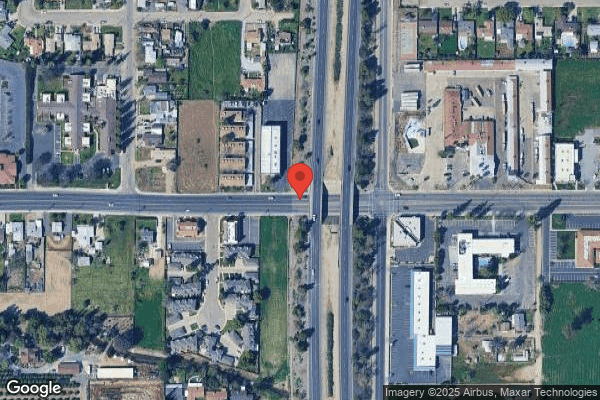
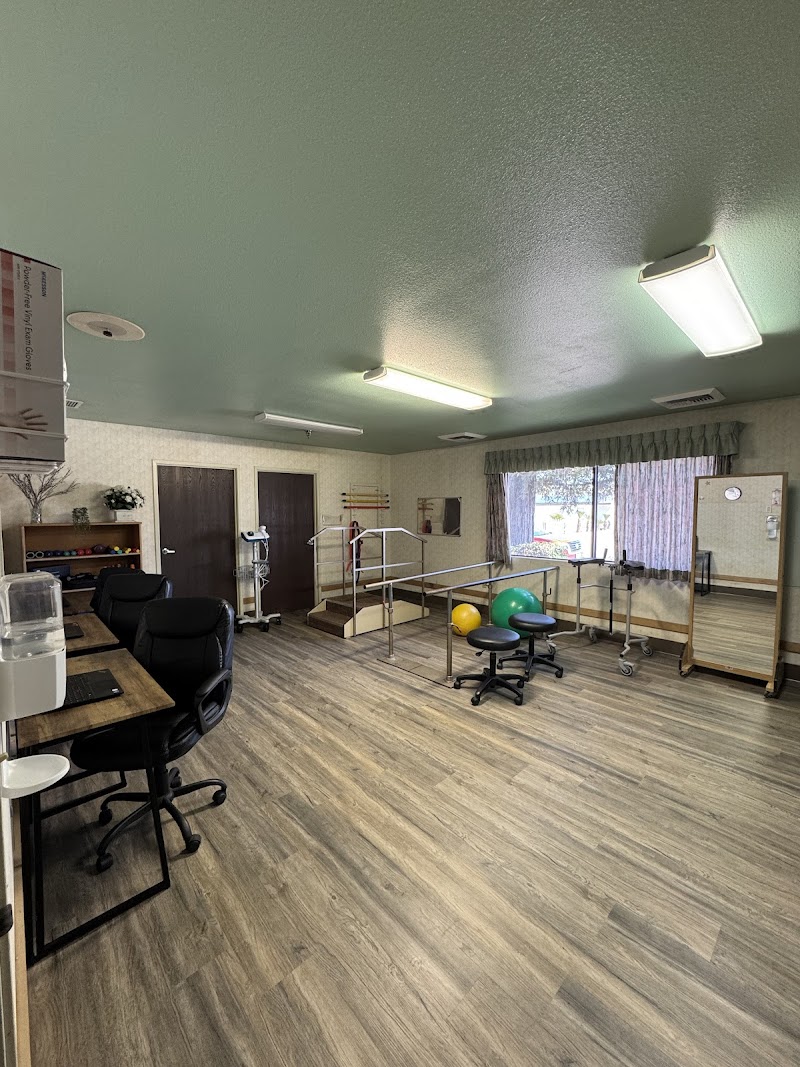
1100 WEST MORTON AVENUE, PORTERVILLE, CA 93257 (559) 782-1509
For profit - Limited Liability company 99 Beds Independent Data: November 2025
Trust Grade
15/100
#892 of 1155 in CA
Last Inspection: October 2024

Within standard 12-15 month inspection cycle. Federal law requires annual inspections.

Overview

River Walk Care Center in Porterville, California, has received a Trust Grade of F, indicating significant concerns about the quality of care provided. Ranking #892 out of 1155 facilities in California places it in the bottom half, and #10 out of 16 in Tulare County suggests there are only a few local options that perform better. The facility's trend is stable, with 10 issues identified in both 2024 and 2025, but it has concerning fines totaling $148,878, which is higher than 95% of California facilities, indicating serious compliance issues. Staffing is average with a turnover rate of 39%, and while RN coverage is also average, there have been serious incidents, including a resident not receiving necessary restorative therapy, leading to a decline in mobility, and another resident falling multiple times due to inadequate care plan implementation, resulting in fractures. Families should weigh these significant weaknesses against the average staffing and RN coverage when considering this facility.

Trust Score
F
15/100
In California
#892/1155
Bottom 23%
Safety Record
High Risk
Review needed
Inspections
Holding Steady
10 → 10 violations
Staff Stability
○ Average
39% turnover. Near California's 48% average. Typical for the industry.
Penalties
⚠ Watch
$148,878 in fines. Higher than 84% of California facilities, suggesting repeated compliance issues.
Skilled Nurses
⚠ Watch
Each resident gets only 22 minutes of Registered Nurse (RN) attention daily — below average for California. Fewer RN minutes means fewer trained eyes watching for problems.
Violations
⚠ Watch
53 deficiencies on record. Higher than average. Multiple issues found across inspections.
★★☆☆☆
2.0
Overall Rating
★★☆☆☆
2.0
Staff Levels
★★★☆☆
3.0
Care Quality
★★☆☆☆
2.0
Inspection Score
Stable
2024: 10 issues
2025: 10 issues

The Good

  • Full Sprinkler Coverage · Fire safety systems throughout facility
  • No fines on record
  • Staff turnover below average (39%)

    9 points below California average of 48%

Facility shows strength in fire safety.

The Bad

2-Star Overall Rating

Below California average (3.1)

Below average - review inspection findings carefully

Staff Turnover: 39%

Near California avg (46%)

Typical for the industry

Federal Fines: $148,878

Well above median ($33,413)

Significant penalties indicating serious issues

The Ugly 53 deficiencies on record

4 actual harm
Aug 2025 1 deficiency
CONCERN (D) 📢 Someone Reported This

A family member, employee, or ombudsman was alarmed enough to file a formal complaint

Potential for Harm - no one hurt, but risky conditions existed

Notification of Changes (Tag F0580)

Could have caused harm · This affected 1 resident

Based on interview and record review, the facility failed to notify the physician when one of two sampled residents (Resident 1) had blue discoloration to his left foot. This failure resulted in the f...

Read full inspector narrative →
Based on interview and record review, the facility failed to notify the physician when one of two sampled residents (Resident 1) had blue discoloration to his left foot. This failure resulted in the facility being unaware of Resident 1's nondisplaced (bone fragments are in their original position) fracture (break in the bone) proximal (closer to the center) aspect proximal phalanx (toe bone) left first digit and a delay in care.Findings:During a review of the Progress Notes (PN) dated 8/11/25 at 10:26 p.m. (documented by Licensed Vocational Nurse (LVN) 3), the PN indicated, Resident is being monitored for s/s (signs and symptoms) of edema (swelling that occurs when fluid builds up in the body's tissues) to BLEs (bilateral lower extremities), will encourage resident to elevate legs. Denies pain and discomfort at this time. Resident has bluish discoloration noted on left foot.During a review of the PN dated 8/12/25 at 12:03 p.m. (documented by LVN 2), the PN indicated, Resident has bluish discoloration noted on left foot.During a review of the PN dated 8/12/25 at 8:26 p.m. (documented by LVN 2), the PN indicated, Resident has bluish discoloration noted on left foot.During a review of the PN dated 8/13/25 at 3:12 a.m., the PN indicated, .blueish discoloration to the left foot. Will cont. (continue) to observe and evaluate for acute changes.During a review of the PN dated 8/13/25 at 12:38 p.m. (documented by LVN 1), the PN indicated, Edema noted to bilateral extremities and reddish in color. Discoloration also noted to toes on LLE (left lower extremity).During a review of the PN dated 8/13/25 at 5:49 p.m., the PN indicated, Resident's daughter in to visit. Requesting resident be sent to (hospital name) for evaluation of lower extremity edema and discoloration. MD notified and received order to send to ER (emergency room) for further evaluation and treatment as indicated.During a review of the Imaging Report (IR-from the acute hospital) dated 8/13/25, the IR indicated, .suspicious for nondisplaced (bone fragments that are in their original position) fracture (break in the bone) proximal (closer to the center) aspect proximal phalanx (toe bone) left first digit.During a review of Resident 1's emergency room Note (ERN) dated 8/13/25 at 6:39 p.m., the ERN indicated, Patient does have 2+ (swelling where the affected area retains fluid and leaves a visible indentation when pressed) bilateral lower extremity edema. Along with bruising on the right third toe and left 2-43 (sic) toe.Patient's foot x-ray that showed a nondisplaced proximal left great toe fracture.During an interview on 8/21/25 at 12:43 p.m. with LVN 1, LVN 1 stated the discoloration to Resident 1's left foot was noticed a couple of days before she returned to work from her days off. LVN 1 stated Resident 1 was monitored at the time it was discovered and then sent to the hospital.During a concurrent interview and record review, on 8/21/25 at 1:15 p.m. with Assistant Director of Nursing (ADON), Resident 1's PN's were reviewed. ADON stated bluish discoloration was documented to Resident 1's left foot on 8/11/25, 8/12/25 and 8/13/25. ADON was unable to provide documentation the physician was notified of the discoloration until 8/13/25. ADON stated when the discoloration was noted the physician should have been notified.During an interview on 8/21/25 at 2:20 p.m. with LVN 2, LVN 2 stated she did not recall notifying the physician of the discoloration to Resident 1's foot. LVN 2 stated when the discoloration was discovered the physician should have been notified. During an interview on 8/21/25 at 2:34 pm with LVN 3, LVN 3 stated she was aware of the discoloration to Resident 1's foot on 8/11/25 and did not notify the physician.During a review of the facility's policy and procedure (P&P) titled, Notification of Changes dated 2024, the P&P indicated, The facility must inform the resident, consult with the resident's physician and/or notify the resident's family member or legal representative when there is a change requiring such notification.Circumstances requiring notification include.significant change in the resident's physical, mental or psychosocial condition such as deterioration in health, mental or psychosocial status.clinical complications.
May 2025 1 deficiency
CONCERN (D) 📢 Someone Reported This

A family member, employee, or ombudsman was alarmed enough to file a formal complaint

Potential for Harm - no one hurt, but risky conditions existed

Deficiency F0658 (Tag F0658)

Could have caused harm · This affected 1 resident

**NOTE- TERMS IN BRACKETS HAVE BEEN EDITED TO PROTECT CONFIDENTIALITY** Based on interview and record review, the facility failed to follow Physicians Order (PO) for one of three sampled residents (Re...

Read full inspector narrative →
**NOTE- TERMS IN BRACKETS HAVE BEEN EDITED TO PROTECT CONFIDENTIALITY** Based on interview and record review, the facility failed to follow Physicians Order (PO) for one of three sampled residents (Resident 1) when a follow up wound clinic appointment was not scheduled. This failure had the potential for Resident 1's wound to worsen. Findings: During a review of Resident 1's Discharge Activity Instructions ([NAME]), dated 4/29/25, the [NAME] indicted, Follow up at [clinic name] Wound Healing Clinic to resume grafix (skin graft) and wound vac (machine used for wound healing) therapy. During an interview on 5/28/25 at 1:30 p.m. with Wound Nurse (WN), WN stated Resident 1 was admitted on [DATE] from the hospital with multiple wounds including unstageable (depth and stage cannot be determined) to right buttocks and stage 3 (full-thickness loss of skin. Dead and black tissue may be visible) to left buttock and sacrum. WN stated she was not aware of Resident 1 having a follow up order at the wound clinic. During a concurrent interview and record review on 5/28/25 at 1:39 p.m. with Registered Nurse (RN), Resident 1's Order Summary Report (OSR), dated 5/1/25 was reviewed. The OSR indicated, order date 4/29/25 Follow up at [clinic name] Wound Healing Clinic to resume grafix and wound vac therapy. RN was unable to find documented evidence a follow up appointment was scheduled at the wound clinic for Resident 1. During a concurrent interview and record review on 5/28/25 at 1:59 p.m. with the Director of Nurses (DON), Resident 1's clinical record was reviewed. DON confirmed Resident 1 had a discharge order for a follow-up appointment at the wound clinic. DON was unable to find documented evidence a follow-up appointment was scheduled at the wound clinic for Resident 1. DON stated it was the facility practice to treat hospital discharge orders as physicians order. DON stated a follow up appointment at the wound clinic should have been made for Resident 1. During a review of the facility's policy and procedure (P&P) titled, Medication Orders dated 2025, the P&P indicated, c. Written Transfer Orders (sent with a resident by a hospital or other health care facility)-Implement a transfer order without further validation.
Apr 2025 4 deficiencies
CONCERN (D) 📢 Someone Reported This

A family member, employee, or ombudsman was alarmed enough to file a formal complaint

Potential for Harm - no one hurt, but risky conditions existed

Notification of Changes (Tag F0580)

Could have caused harm · This affected 1 resident

Based on interview and record review, the facility failed to follow its policy and procedure for a change of condition for one of three sampled residents (Resident 1) when a S (Situation) B (Backgroun...

Read full inspector narrative →
Based on interview and record review, the facility failed to follow its policy and procedure for a change of condition for one of three sampled residents (Resident 1) when a S (Situation) B (Background) A (Appearance) R (Review and Notify) (SBAR-document used to notify the physician of a change of condition) was not completed, and Resident 1 was not monitored for a change of condition when experiencing a dislocated hip. This failure had the potential for staff to be unaware of Resident 1's worsening condition and the potential for a delay in care. Findings: During a review of Resident 1's Progress Notes (PN) dated 1/27/25 at 1:58 p.m., the PN indicated, Xray results received. The prosthetic (artificial body part) head is dislocated (joint that is no longer in proper alignment) superior (above another structure) to the acetabular cup (a prosthetic implant used in total hip replacement surgery to replace the natural acetabulum). No evidence of acute fracture or dislocation. [Physician name] made aware. New orders: Refer to [Physician name] . During a review of Resident 1's PN dated 1/29/25 (two days after the facility was aware of the dislocation) at 2:28 p.m., the PN indicated, T.O. (telephone order) noted by (Physician name) to send resident to ER (Emergency Room) (Hospital name) for eval (evaluation) and treat as indicated to Rt (right) hip per family request. Resident and daughter R/P (responsible party) aware. During a review of Resident 1's PN dated 1/29/25 at 2:51 p.m., the PN indicated, Radiology Result.Resident c/o (complain of) pain d/t (due to) dislocation of prosthetic head of left hip arthroplasty (damaged parts of a joint are removed and replaced with artificial components). Resident has sustained no falls or trauma. Resident and family stated that resident has history of spontaneous dislocation, but it normally resets itself. Due to continued pain and dislocation, received order to send to ER for further eval and treatment. During a review of Resident 1's PN dated 1/30/25 at 7:36 a.m., the PN indicated, This nurse called (hospital name) for update. Resident was admitted to med (medical) surg (surgical) for left hip dislocation. Pending orthopedic surgeon (physician that treats disorders of the bones, joints, ligaments, tendons and muscles) consult. During a concurrent interview and record review on 4/22/25 at 2:31 p.m. with Director of Nursing (DON), Resident 1's PN's were reviewed. DON was unable to provide a completed SBAR and monitoring for Resident 1 regarding the dislocation. DON stated there should have been an SBAR completed when notifying the physician of the change of condition and Resident 1 should have been monitored for any changes. During a review of the facility's policy and procedure (P&P) titled Change in a Resident's Condition or Status dated 2/2021, the P&P indicated, Prior to notifying the physician or healthcare provider, the nurse will make detailed observations and gather relevant and pertinent information for the provider, including (for example) information prompted by the Interact SBAR Communication Form.The nurse will record in the resident's medial record information relative to changes in the resident's medical/mental condition or status.
CONCERN (D) 📢 Someone Reported This

A family member, employee, or ombudsman was alarmed enough to file a formal complaint

Potential for Harm - no one hurt, but risky conditions existed

Transfer Requirements (Tag F0622)

Could have caused harm · This affected 1 resident

Based on interview and record review, the facility failed to ensure one of three sampled residents (Resident 1) was provided with a detailed discharge summary. This failure had the potential for Resid...

Read full inspector narrative →
Based on interview and record review, the facility failed to ensure one of three sampled residents (Resident 1) was provided with a detailed discharge summary. This failure had the potential for Resident 1 to be unaware of how to care for his wounds and the potential for the wounds to worsen. Findings: During a review of Resident 1's Order Summary Report (OSR-physicians orders) dated 12/1/24, the OSR indicated, L (left) back of heel diabetic ulcer (open sores or wounds on the feet of people with diabetes [high blood sugar]) 1.3 cm (centimeters-a unit of measurement) x 1.1 cm cleanse with wound cleaner, pay [sic] dry and swab with betadine.start date 8/21/24.unstageable pressure injury (pressure ulcer [injury to skin and underlying tissue resulting from prolonged pressure on the skin] where the depth and extent of the tissue damage cannot be determined) to L inner heel cleanse with wound cleaner and swab with betadine.start date 11/19/24.unstageable pressure injury to L medial foot cleanse with wound cleanser and swab with betadine.start date 11/19/24. During a review of Resident 1's Progress Note Details (PND-completed by the wound doctor) dated 12/5/24 (5 days before discharge), the PND indicated Wound Assessment(s).wound #3 left heel is a deep tissue pressure injury (injury where damage occurs deep within the soft tissues).and has received a status of not healed.wound #8 left Achilles (tendon that connects the calf muscles to the heel bone) is a diabetic ulcer (open sores or wounds on the feet of people with diabetes, usually on the bottom of the foot) and has received a status of not healed.wound #9 left, medial foot is a pressure ulcer and has received a status of not healed. During a review of Resident 1's Discharge Summary/Instructions (DSI) dated 12/10/24 at 10:52 a.m., the DSI indicated, Date of Discharge.12/11/24.skin condition.blank (no wounds were identified) .wound care supplies.blank (indicated no supplies were being used) .wound care instructions (if needed) .blank (indicating no wound care was needed) .patient/representative signature.blank (no signature) . During a concurrent interview and record review, on 4/22/25 at 2:31 p.m. with Director of Nursing (DON), DON reviewed Resident 1's DSI dated 12/10/24. DON stated at the time of Resident 1's discharge, Resident 1 was being treated for three wounds. DON stated the DSI did not contain any documentation regarding Resident 1's wounds or the wound care he was to receive. DON stated when Resident 1 was discharged the DSI should have contained the wound documentation, wound treatments and the resident or the person caring for him should have been educated on the wounds and signed the DSI prior to Resident 1 discharged . During an interview on 4/29/25 at 1:47 p.m. with Licensed Vocational Nurse (LVN) 1, LVN 1 stated when a resident is for discharge home with wounds, the physician orders for the wound care should be discussed with the resident or the person that will be taking care of them and they are provided discharge instructions that are signed prior to discharging the facility. During a review of the facility's policy and procedure (P&P) titled Transfer or Discharge, Resident Initiated dated 10/22, the P&P indicated, Information Conveyed to Receiving Provider.All special instructions and/or precautions for ongoing care, as appropriate such as: treatments and devices.
CONCERN (D) 📢 Someone Reported This

A family member, employee, or ombudsman was alarmed enough to file a formal complaint

Potential for Harm - no one hurt, but risky conditions existed

Deficiency F0658 (Tag F0658)

Could have caused harm · This affected 1 resident

Based on interview and record review, the facility failed to ensure physician's orders were followed for one of three sampled residents (Resident 1) when: 1. The physician was not notified when blood ...

Read full inspector narrative →
Based on interview and record review, the facility failed to ensure physician's orders were followed for one of three sampled residents (Resident 1) when: 1. The physician was not notified when blood sugar results were greater than 400; 2. Antibiotics were not administered for osteomyelitis (bone infection). These failures had the potential for Resident 1 to experience adverse side effects such as delayed wound healing and the potential for wounds to worsen. Findings: 1. During a review of Resident 1's Order Summary Report (OSR-physician orders) dated 1/1/25, the OSR indicated, Humulin R (medication used to control high blood sugar).inject as per sliding scale: if 70-200 = 0 (units); 201-250 = 2; 251-300 = 4; 301-350 = 6; 351-400 = 8, subcutaneously (under the skin) three times a day for diabetes mellitus (chronic metabolic disorder characterized by high blood sugar levels, due to a deficiency in insulin production or the body's inability to effectively use insulin) hold if BS (blood sugar) < (less than) 70 or > (greater than) 400. Notify MD. During a review of Resident 1's OSR dated 2/1/25, the OSR indicated, Humulin R. inject as per sliding scale: if 70-150 = 0 (units); 151-200 = 2 units; 201-250 = 4 units; 251-300 = 6 units; 301-350 = 8 units, 351-400 = 10 units; 401+ = 12 units, subcutaneously three times a day for diabetes mellitus fingerstick prior to administration. Hold if BS <100. Notify MD if BS <70 or > 400. During a review of Resident 1's OSR dated 3/1/25, the OSR indicated, Novolin R.inject as per sliding scale: if 0-150 = 0; 151-200 = 2 units; 201-250 = 4 units; 251-300 = 6 units; 301-350 = 8 units, 351-400 = 10 units; 401+ = 12 units, subcutaneously before meals for DM2 (diabetes mellitus type 2) fingerstick prior to administration. Hold if BS <100. Notify MD if BS <70 or > 400. During a concurrent interview and record review on 4/22/25 at 2:31 p.m. with Director of Nursing (DON), Resident 1's Medication Administration Record (MAR)'s dated 1/2025, 2/2025 and 3/2025, were reviewed. Resident 1's blood sugars were as follows: 1/20/25 6:06 a.m. 415 2/1/25 4:30 p.m. 445 2/13/25 4:30 p.m. 401 2/14/25 4:30 p.m. 456 2/16/25 6:00 a.m. 510 3/7/25 4:30 p.m. 413. DON was unable to provide documentation the physician was notified of the blood sugars greater than 400. DON stated the physician should have been notified when the blood sugar result was greater than 400. 2. During a review of Resident 1's OSR dated 1/1/25-1/31/25, the OSR indicated, ceftriaxone (medication used to treat infection) .use 2 gram intravenously (administered through the vein) every 24 hours for infection related to other chronic osteomyelitis, left ankle and foot.until 2/4/25. During a concurrent interview and record review on 4/22/25 at 2:33 p.m. with DON, Resident 1's 1/2025 MAR was reviewed. The MAR indicated Resident 1 did not receive ceftriaxone on 1/21, 1/22 and 1/28. DON was unable to provide documentation the medication was administered. DON stated when medication was administered the nurse was expected to document it in the medical record. DON stated if it was not documented there was no way to know if Resident 1 received the medication. During a review of the facility's policy and procedure (P&P) titled Diabetes – clinical protocol dated 11/2020, the P&P indicated, The Physician will order desired parameters for monitoring and reporting information related to blood sugar management. a. The staff will incorporate such parameters into the Medication Administration Record and care plan.The staff will identify and report issues that may affect, or be affected by, a patient's diabetes and diabetes management such as foot infections, skin ulceration. During a review of the facility's policy and procedure (P&P) titled Administering Medications dated 4/19, the P&P indicated, Medications are administered in accordance with prescriber orders, including any required time frame.The individual administering the medication initials the resident's MAR on the appropriate line after giving each medication and before administering the next ones.
CONCERN (D) 📢 Someone Reported This

A family member, employee, or ombudsman was alarmed enough to file a formal complaint

Potential for Harm - no one hurt, but risky conditions existed

Deficiency F0808 (Tag F0808)

Could have caused harm · This affected 1 resident

Based on observation, interview, and record review, the facility failed to ensure the therapeutic menu was followed for one of three sampled residents (Resident 1). This failure resulted in Resident 1...

Read full inspector narrative →
Based on observation, interview, and record review, the facility failed to ensure the therapeutic menu was followed for one of three sampled residents (Resident 1). This failure resulted in Resident 1 being served the incorrect dessert. Findings: During a review of Resident 1's Order Summary Report (OSR-physician orders) dated 4/1/25, the OSR indicated, CCHO (consistent carbohydrate diet for diabetes [condition where the body either doesn't produce enough insulin or can't effectively use the insulin it does produce, leading to high blood sugar levels])/NAS (no added salt) diet. During a review of the Cooks Spreadsheet (CS) dated 4/22/25, the CS indicated, the CCHO diet was to be served vanilla mousse no chocolate chips. During a concurrent observation and interview on 4/22/25 at 12:30 p.m. with Certified Nursing Assistant (CNA) 1, in Resident 1's room, Resident 1's lunch tray was sitting on the over bed table. The lunch tray contained vanilla mousse pudding with chocolate chips. CNA 1 stated Resident 1 was provided pudding with chocolate chips. During an interview on 4/30/25 at 3:16 p.m. with Dietary Services Supervisor (DSS), DSS stated Resident 1 was on a CCHO/NAS diet and should not have been served the vanilla mousse with chocolate chips. During a review of the facility's policy and procedure (P&P) titled, Menu planning dated 2023, the P&P indicated, 1. The facility's diet manual and the diets ordered by the physician should mirror the nutritional care provided by the facility. 2. Menus are written for regular and therapeutic diets in compliance with the diet manual.
Mar 2025 2 deficiencies 1 Harm
SERIOUS (G) 📢 Someone Reported This

A family member, employee, or ombudsman was alarmed enough to file a formal complaint

Actual Harm - a resident was hurt due to facility failures

Deficiency F0688 (Tag F0688)

A resident was harmed · This affected 1 resident

**NOTE- TERMS IN BRACKETS HAVE BEEN EDITED TO PROTECT CONFIDENTIALITY** Based on interview and record review, the facility failed to ensure one of three sampled residents (Resident 1) was provided: 1....

Read full inspector narrative →
**NOTE- TERMS IN BRACKETS HAVE BEEN EDITED TO PROTECT CONFIDENTIALITY** Based on interview and record review, the facility failed to ensure one of three sampled residents (Resident 1) was provided: 1. A restorative nursing program (program where restorative nursing assistants [RNA]-assist residents with performing exercises to maintain their ability to perform daily activities and tasks, impacting their quality of life and overall well-being and independence) from February 2024-December 2024. 2. Physical therapy (PT-exercises, massages and various treatments used to relieve pain, help you move better or strengthen weakened muscles) and Occupational therapy (OT-focuses on everyday tasks and activities that people value and need to do, such as self-care, work, play, and social participation) as ordered by the physician in August 2024 and December 2024. These failures resulted in a decline in Resident 1's bed mobility (ability to move around in bed, including scooting, rolling, and moving from lying to sitting and back) which can lead to a decline in Resident 1's ability to participate in daily activities of living (ADL's) and the potential for developing pressure ulcers (damage to an area of the skin caused by constant pressure on the area for a long time). Findings: During a review of Resident 1's admission Record (AR) dated 3/26/25, the AR indicated, Resident 1 was admitted to the facility on [DATE], with diagnoses including metabolic encephalopathy (condition where the brain does not receive enough nutrients or oxygen to function properly, leading to altered brain function).Type 2 diabetes mellitus without complications (condition in which the body has trouble controlling blood sugar and using it for energy).Personal history of transient ischemic attack (TIA-episode of nervous system (complex network of cells, tissues, and organs that controls and coordinates all bodily functions) dysfunction due to inadequate blood supply). During a review of Resident 1's Quarterly Minimum Data Set (MDS-resident assessment tool) dated 2/28/25, the MDS indicated, Brief Interview for Mental Status (BIMS-used to identify cognitive impairment) .08 (moderately impaired cognition-the ways people think, process information, and make judgments). 1. During a review of Resident 1's PT Discharge Summary (PDS) dated 2/27/24, the PDS indicated, Discharge Recommendations: discharge to restorative.Restorative Program Established/Trained = Restorative Bed Mobility Program.Prognosis (outcome of a disease) to Maintain CLOF (current level of function-how well a resident is currently able to perform everyday tasks and activities in their daily life) = good with consistent staff follow-through. During a review of Resident 1's admission MDS dated [DATE], the MDS indicated, Restorative Nursing Programs.Number of days.0 (look back period 5/16/24-5/22/24) During a review of Resident 1's Quarterly MDS dated [DATE], the MDS indicated, Restorative Nursing Programs.Number of days.0 (look back period 8/15/24-8/21/24) During a review of Resident 1's PT Evaluation & Plan of Treatment (PEPT) dated 10/17/24 (approximately eight months after RNA program was recommended on 2/27/24), the PEPT indicated, Current Referral.Pt (patient) presents to therapy with significant deficits in bed mobility and functional transfers (safe and effective movement from one surface or position to another), as well as increased risk for falls (to move downward, typically rapidly and freely without control, from a higher to a lower level), immobility and further deconditioning (decline that occurs due to prolonged inactivity or reduced physical activity). During an interview on 3/24/25 at 11:17 a.m. with Director of Rehabilitation (DOR-a healthcare leader who plans, administers, and directs the operation of the rehabilitation program), DOR stated Resident 1 received PT services from 2/8/24-2/26/24 and when Resident 1 was discharged from PT services, there was an RNA (Restorative Nursing Assistant) program recommended by the physical therapist. DOR stated the facility's practice was for the PT to provide the nursing department the RNA program recommendations, nursing department was to input the physician orders and schedule the RNA program. DOR stated the RNA program recommended on 2/27/24 for Resident 1 was a bed mobility program designed to keep Resident 1 active, avoid general decline (like bed mobility and transfers) and help to minimize, decrease or prevent pressure ulcers. During a concurrent interview and record review on 3/24/25 at 12:21 p.m. with Licensed Vocational Nurse (LVN) 1, Resident 1's clinical record was reviewed. LVN 1 stated when PT recommended Resident 1 for an RNA program on 2/27/24, it was the responsibility of the PT to enter the RNA program physician orders into the clinical record and it was her (LVN 1) responsibility to schedule the RNA program. LVN 1 was unable to provide documentation indicating the RNA program was provided to Resident 1 (2/27/24). LVN 1 stated there was no physician order for RNA program in the clinical record nor was there a record of the RNA program being provided. During a concurrent interview and record review on 3/25/25 at 3:24 p.m. with DOR, Resident 1's clinical record was reviewed. DOR was unable to locate the physician orders for the RNA program to be provided when Resident 1 was discharged from PT on 2/27/24. DOR stated the physician orders should have been entered in the clinical record by nursing and Resident 1 should have been provided the RNA program recommended on 2/27/24 to prevent/minimize resident from developing a pressure ulcer. During an interview on 3/26/25 at 12:14 p.m. with RNA, RNA stated she could not recall Resident 1 being provided an RNA program (2/27/24-12/2024). During a concurrent interview and record review on 4/1/25 at 3:55 p.m. with Director of Nursing (DON), Resident 1's clinical record was reviewed. DON was unable to provide documentation indicating RNA program was provided and there was no care plan (outlines specific healthcare needs, goals, and interventions for an individual resident) developed for RNA program. DON stated the RNA program was not provided when PT recommended it on 2/27/24. During a review of the facility's policy and procedure (P&P) titled Restorative Nursing Services dated 7/2017, the P&P indicated, Restorative nursing care consists of nursing interventions that may or may not be accompanied by formalized rehabilitative (restore to a good condition or a useful and constructive activity) services.resident may be started on a restorative nursing program upon admission, during the course of stay or when discharged from rehabilitative services.restorative goals and objectives are individualized and are resident-centered, and outlined in the residents plan of care. 2. During a review of Resident 1's Order Summary Report (OSR-Physician's orders) dated 8/31/24, the OSR indicated, Occupational therapy evaluation and treatment as indicated.start date 8/29/24.Physical therapy evaluation and treatment as indicated.start date 8/29/24. During a review of Resident 1's OSR dated 12/31/24, the OSR indicated, Occupational therapy evaluation and treatment as indicated.order date 12/31/24.Physical therapy evaluation and treatment as indicated.order date 12/31/24. During a review of Resident 1's Quarterly MDS dated [DATE], the MDS indicated, .Functional Abilities and Goals.Functional Limitation in Range of Motion (ROM- extent and direction to which a joint can move).No impairment.roll left and right.02.sit to lying.03 (Partial/moderate assistance-helper does more than half the effort) .lying to sitting on side of bed.03. During a review of Resident 1's OT evaluation & Plan of Treatment (OTPT) dated 8/30/24, the OTPT indicated, Patient Goals: I wanted to get stronger as pt (patient) stated.Patient demonstrates good rehab (rehabilitation-restoring function) potential as evidence by ability to follow multi-step directions and motivated to participate. Focus on Plan of Treatment = Restoration.Reason for skilled services (specialized form of nursing) .patient presents with impairments in mobility and strength resulting in limitations and/or participation restrictions in the areas of self-care and general tasks and demands which requires skilled (treatment provided by licensed therapist) OT services to increase independence with ADLs (activities of daily living) and increase functional activity tolerance. During a review of Resident 1's Quarterly MDS dated [DATE] (three months after OT evaluation was completed and after the last MDS [8/21/24]), the MDS indicated, Functional Abilities and Goals .Functional Limitation in Range of Motion. 2 (impairment on both sides [a decline from MDS 8/21/24]) lower extremities (hip, knee, ankle, foot).roll left and right.01 (dependent -helper does all of the effort [a decline from MDS 8/21/24]).sit to lying.88 (not attempted due to medical condition or safety concerns).lying to sitting on side of bed.88. During a review of Resident 1's Significant change MDS dated [DATE] (three months after prior assessment 11/21/24), the MDS indicated, Functional Abilities and Goals.Functional Limitation in Range of Motion. 2 (impairment on both sides) lower extremities (hip, knee, ankle, foot).roll left and right.01 (dependent -helper does all of the effort).sit to lying.01.lying to sitting on side of bed.01. During a concurrent interview and record review on 3/25/25 at 3:24 p.m. with DOR, Resident 1's clinical record was reviewed. DOR stated Resident 1 had developed foot drop (condition where it is difficult or impossible to lift the front part of the foot, causing it to drag on the ground while walking, often due to nerve or muscle weakness) due to a TIA. During an interview on 3/26/25 at 11:38 a.m. with DON, DON stated she was made aware of Resident 1's decline during the investigation and stated physician orders were received on 8/29/24 and 12/31/24 for Resident 1 to be evaluated and treated by PT and OT to assess Resident 1 for a change in function and the need for therapy (PT/OT). DON stated Resident 1 did not receive a PT evaluation on 8/29/24 or 12/31/24 nor did she receive the PT and OT treatments that were ordered on 8/29/24 and 12/31/24. DON stated when Resident 1 was noted with a decline the nurses should have made her or therapy aware so the facility could get to the root cause of what was happening and intervene. DON stated somewhere between nursing and therapy communication fell between the cracks and nothing was put into place when Resident 1 declined and there should have been. During an interview on 3/27/25 at 10:36 a.m. with DOR, DOR stated Resident 1 had physician orders for PT and OT evaluations and treatment on 8/29/24 and 12/31/24. DOR stated Resident 1 received an OT evaluation on 8/31/24 but did not receive OT treatment or PT evaluation and treatment. DOR stated when the OT evaluation was completed a need for treatment was identified but due to Resident 1's insurance (provides financial protection against healthcare costs) not covering therapy treatment services, only the OT evaluation was completed. DOR stated Resident 1 was dropped from OT therapy on 8/31/24 and no PT services were provided. DOR stated RNA program should have been established to continue the bed mobility program and it would have prevented some of the decline in Resident 1's bed mobility. During a review of the facility's policy and procedure (P&P) titled, Functional Impairment – Clinical Protocol dated 3/2018, the P&P indicated, Upon admission to the facility, whenever a significant change of condition occurs, and periodically during a resident/patient's stay, the physician and staff will assess the resident/patient's function along with their physical condition.The staff and physician will identify individuals with potential for significant improvement in function or significant decline in function, including the ability to perform activities of daily living (ADLs).The staff and physician will collaborate to identify a rehabilitative or restorative care plan to help improve function and quality of life and meet a resident/patient's goals and needs and attain other desired outcomes such as discharge to the community.Based on a review of available information (including results of the evaluation), the physician will determine if a resident/patient meets the criteria for skilled therapy services.The staff will monitor and document the resident/patient's function (for example, evidence of reduced ADL dependency, improved ambulation, improved balance and gait, etc.) and will discuss this with the physician periodically in conjunction with a discussion of medical interventions and plans of care.The physician will identify the subsequent relevance of therapy services, based on reviewing the resident/patient's progress relative to his/her care goals (e.g., functional stabilization or improvement) and the status of conditions and the current treatment regimen that have been identified as affecting his/her function.
CONCERN (D) 📢 Someone Reported This

A family member, employee, or ombudsman was alarmed enough to file a formal complaint

Potential for Harm - no one hurt, but risky conditions existed

Pressure Ulcer Prevention (Tag F0686)

Could have caused harm · This affected 1 resident

Based on interview, and record review, the facility failed to ensure physician orders were followed for one of three sampled residents (Resident 1) when treatments were not done as ordered. This failu...

Read full inspector narrative →
Based on interview, and record review, the facility failed to ensure physician orders were followed for one of three sampled residents (Resident 1) when treatments were not done as ordered. This failure had the potential for Resident 1's wounds to worsen. Findings: During a review of Resident 1's Treatment Administration Record (TAR) dated 9/2024, the TAR indicated, Cleanse right side of abdomen with wound cleanser pat dry and leave open to air one time a day for abrasion start date 9/13/24.cleanse with Dakin's (antiseptic solution), pat dry, apply dakins soaked gauze and cover with abd (abdominal) pad, and enforce with tape one time a day for abd post surgical old scar tissue open area start date 9/10/24.L (left) heel diabetic blister cleanse with wound cleanser, pat dry and swab with betadine.one time a day start date 9/13/24.R (right) heel diabetic blister.cleanse with wound cleanser, pat dry and swab with betadine one time a day start date 9/13/24.sacrum shearing.cleanse with wound cleanser pat dry and apply calmoseptine (medication) one time a day for shearing start date 9/13/24.R heel diabetic blister.keep elevated to prevent pressure every shift start date 9/13/24.Enhanced barrier precautions every shift for wound start date 8/30/24.Keep L heel elevated to prevent pressure every shift start date 9/6/24.Keep R heel elevated to prevent pressure start date 9/13/24.L heel diabetic blister.monitor for s/s of infection or worsening every shift start date 9/6/24.Monitor Abd post-surgical old scar tissue open area.every shift for s/sx ) signs and symptoms) infection or worsening start date 8/30/24.Monitor discoloration to BUE (bilateral upper extremity) every shift for s/sx infection or worsening start date 8/30/24. Monitor R heel diabetic blister.for s/s of infection or worsening every shift start date 9/13/24.Monitor right abdomen for s/s of infection every shift for observation start date 9/12/24. The TAR indicated R heel blister.keep elevated to prevent pressure every shift start date 9/6/24.L heel diabetic blister.monitor for s/s (signs and symptoms) of infection or worsening start date 9/13/24. Monitor R heel blister.for s/s of infection or worsening every shift start date 9/6/24. Monitor sacrum for s/s of infection every shift for observation start date 9/12/24. The TAR contained blanks on 9/12/24 and 9/14/24 (indicating the treatment was not done). During a review of Resident 1's TAR dated 1/2025, the TAR indicated, left lower abd auto immune wound .cleanse with wound cleanse pat dry and swab with betadine one time a day.cleanse left lateral leg with wound cleanser apply medihoney (medication) then cover with dry dressing change daily one time a day for re-opening of old scar tissue.air mattress with halos on low pressure mode @ (at) 0210 lbs. (pounds) every shift.Abd fold MASD (moisture associated skin damage) cleanse with wound cleaner, pat dry, and apply antifungal cream every shift.bariatric air mattress with ½ upper rails bilat (bilateral) with setting of alternating mode with cycle time of 20 minutes and pt weight of <250 every shift.Bariatric bed with air mattress on alternate mode, level 5 @ 20 min for wound healing every shift.F/C care every shift.IAD to peri area cleans with wound cleanser, pat dry and apply calmoseptine .L lat (lateral) leg discoloration monitor for s/s of infection or worsening every shift.monitor abd fold MASD for s/s of infection or worsening every shift.monitor BUE (bilateral upper extremity) discoloration or worsening.monitor L Abd full thickness.for s/s of infection or worsening every shift.monitor L arm scab.for s/s of infection or worsening.monitor left lower abd auto immune wound.monitor for s/s of infection or worsening.monitor R abd full thickness trauma.for s/s of infection or worsening every shift.monitor right ankle scab.for s/s of infection or worsening every shift.monitor R lower leg venous ulcer.for s/s of infection or worsening every shift.monitor unstageable to sacrum.for s/s of infection or worsening every shift.negative heel pressure at all times. The TAR contained blanks 1/1-1/2, 1/4-1/6, 1/8-1/10, and 1/13-1/31. During a review of Resident 1's TAR dated 2/25, the TAR indicated, Abd fold MASD cleanse with wound cleaner, pat dry and apply antifungal cream every shift.bariatric air mattress with ½ upper rails bilat (bilateral) with setting of alternating mode with cycle time of 20 minutes and pt weight of < 250 every shift.L lat leg discoloration monitor for s/s of infection or worsening every shift.monitor abd fold MASD for s/s of infection or worsening every shift.monitor BUE discoloration or worsening every shift.monitor L abd full thickness.for s/s of infection or worsening every shift.monitor R abd full thickness trauma.for s/s of infection or worsening every shift.monitor R ankle scab.for s/s of infection or worsening every shift.monitor R lower leg venous ulcer.for s/s of infection or worsening.monitor unstageable to sacrum.for s/s of infection or worsening.negative heel pressure at all times every shift.The TAR contained blanks on 2/1, 2/4-2/6, and 2/13-2/14. During a concurrent interview and record review on 3/26/24 at 11:38 a.m. with Director of Nursing (DON), DON reviewed the TAR's dated 9/24, 1/25 and 2/25. DON stated when the treatment was completed, the nurse should have documented it on the TAR and there was no way of knowing if the treatment was done. During a review of the facility's policy and procedure (P&P) titled Wound care dated 10/10, the P&P indicated, The purpose of this procedure is to provide guidelines for the care of wounds to promote healing.The following information should be recorded in the resident's medical record.The type of wound care given.the date and time the wound care was given.the name and title of the individual performing the wound care.the signature and title of the person recording the data. During a review of the facility's policy and procedure titled Pressure Ulcers/Skin Breakdown – Clinical Protocol dated 4/18, the P&P indicated, In addition, the nurse shall describe and document/report the following.current treatments, including support surfaces.The physician will order pertinent wound treatments, including pressure reduction surfaces, wound cleansing and debridement approaches, dressings (occlusive, absorptive, etc.), and application of topical agents.
Mar 2025 2 deficiencies
CONCERN (D) 📢 Someone Reported This

A family member, employee, or ombudsman was alarmed enough to file a formal complaint

Potential for Harm - no one hurt, but risky conditions existed

Deficiency F0658 (Tag F0658)

Could have caused harm · This affected 1 resident

Based on observation, interview, and record review, the facility failed to ensure professional standard of care for one of two sampled residents (Resident 1) when blood glucose (sugar) test (measures ...

Read full inspector narrative →
Based on observation, interview, and record review, the facility failed to ensure professional standard of care for one of two sampled residents (Resident 1) when blood glucose (sugar) test (measures the sugar level in the blood) was not checked timely as ordered by the physician. This failure had the potential for Resident 1 to have adverse health outcomes. Findings: During a concurrent observation and interview on 3/12/25 at 11:05 a.m. with Resident 1, Resident 1 was in her room, sitting in a wheelchair. Resident 1 stated her blood sugar was checked four times a day, before each meal and at bedtime. Resident 1 stated Registered Nurse (RN) does not check her blood sugar before dinner. Resident 1 stated, [RN] checks it [blood sugar level] either while I'm already eating or after I'm done eating and by that time it [sugar level] is high and he gives me more insulin (lowers blood sugar level). During a review of Resident 1's Quarterly Minimum Data Set (MDS - a standardized, comprehensive assessment tool) dated 12/30/24, indicated, Resident 1 had a BIMS (Brief Interview for Mental Status - which evaluates cognition, the ability to remember and think clearly) score of 15 (score range from 13 to 15 intact cognition). During an interview on 3/12/25 at 11:28 a.m. with Licensed Vocational Nurse (LVN), LVN stated it was the facility protocol and physicians order for blood sugar to be check prior to each meal. LVN stated checking during and after meals can result in a higher/inaccurate blood sugar level. During a review of Resident 1's medication administration record (MAR) dated 2/27/25 thru 3/9/25 the following blood sugar level were not checked timely as ordered: Blood sugar level was ordered to be checked before each meal at 6:30 a.m., 11:30 a.m., and 4:30 p.m., record indicated it was checked at: 2/27- 7:49 p.m. (3 hour and 19 minutes late) 2/28- 5:47 p.m. (1 hour and 17 minutes late) 3/1- 6:47 p.m. (2 hours and 17 minutes late) 3/2- 7:31 p.m. (3 hours and 1 minute late) 3/6- 6:07 p.m. (1 hour and 37 minutes late) 3/7- 6:07 p.m. (1 hour and 37minutes late) 3/8- 9:16 p.m. (4 hours and 46 minutes late) During an interview on 3/12/25 at 11:40 a.m. with Director of Nursing (DON), DON stated dinner was served at 5 p.m. and Resident 1 had an order for blood sugar to be checked at 4:30 p.m. DON stated she reviewed Resident 1's medication administration record dated 2/27/25 thru 3/9/25. DON confirmed Resident 1's blood sugar for 2/27, 2/28, 3/1, 3/2, 3/6, 3/7 and 3/8 were not checked timely per physician order. DON stated it was the facility protocol to follow physician order for blood sugar to be checked before each meal to get an accurate result. During an interview on 3/12/25 at 2:07 p.m. with RN, RN stated Resident 1 prefers to have her blood sugar check prior to eating dinner. RN stated, sometimes she [Resident 1] is not in her room, she is in dining area. Dining is far away from her room; it would take too long in looking for her [Resident 1]. RN stated blood sugar check was not always done prior to meals for Resident 1. During a review of the facility's policy and procedure (P&P) titled, Insulin Administration, dated 2014, the P&P indicated, Steps in the Procedure (Insulin Injections via Syringe) .2. Check blood glucose per physician order or facility protocol.
CONCERN (D) 📢 Someone Reported This

A family member, employee, or ombudsman was alarmed enough to file a formal complaint

Potential for Harm - no one hurt, but risky conditions existed

Deficiency F0726 (Tag F0726)

Could have caused harm · This affected 1 resident

Based on observation, interview, and record review, the facility failed to ensure medication administration competency assessment was completed for one of two licensed nurses (Registered Nurse-RN). Th...

Read full inspector narrative →
Based on observation, interview, and record review, the facility failed to ensure medication administration competency assessment was completed for one of two licensed nurses (Registered Nurse-RN). This failure had the potential for medication errors and unmet care needs. Findings: During a review of RN's employee file, RN was hired on 12/30/24. There was no medication administration competency assessment noted in RN's employee file. During an interview on 3/12/25 at 2:07 p.m. with RN, RN stated he had been working at the facility for approximately three months and had not been assessed for medication administration competency. During a concurrent interview and record review on 3/18/25 at 12:25 p.m. with Director of Nurses (DON), DON reviewed RN's employee file and confirmed medication administration competency for RN was not completed. DON stated it was the facility practice for medication administration assessment to be completed upon hire. During a review of the facility's policy and procedure (P&P) titled, Staffing, Sufficient and Competent Nursing, dated 2022, the P&P indicated, Competent Staff 1. Competency is a measurable pattern of knowledge, skills, abilities, behaviors, and other characteristics that an individual needs to perform work roles or occupational functions successfully. 2. All nursing staff must meet the specific competency requirements of their respective licensure and certification requirements defined by state law.
Nov 2024 1 deficiency
CONCERN (D) 📢 Someone Reported This

A family member, employee, or ombudsman was alarmed enough to file a formal complaint

Potential for Harm - no one hurt, but risky conditions existed

Quality of Care (Tag F0684)

Could have caused harm · This affected 1 resident

**NOTE- TERMS IN BRACKETS HAVE BEEN EDITED TO PROTECT CONFIDENTIALITY** Based on observation, interview, and record review, the facility failed to provide supervision for one of two sampled residents ...

Read full inspector narrative →
**NOTE- TERMS IN BRACKETS HAVE BEEN EDITED TO PROTECT CONFIDENTIALITY** Based on observation, interview, and record review, the facility failed to provide supervision for one of two sampled residents (Resident 1) with a diagnosis of dementia (a progressive state of decline in mental abilities), is a high risk for elopement and had a history of elopement. This failure resulted in Resident 1 eloping from the facility without staff being aware and potential for harm. Findings: During a review of Resident 1's admission Record (AR), undated, the AR indicated Resident 1 was admitted on [DATE]. During a review of Resident 1's Progress Note (PN), dated 11/2/24, at 5:46 p.m. the PN indicated, Another resident [Resident 2] stated that resident [Resident 1] walked out the front door and turned right, and left the facility. Staff member ended up finding resident walking on the sidewalk and brought him back to the facility via car. Resident 1's Elopement Evaluation dated 5/1/24, 7/19/24, and 10/11/24 indicated Resident 1 was a high risk for elopement. Resident 1's quarterly Minimum Data Set (MDS – a federally mandated resident assessment tool) dated 9/13/24 indicated Resident 1 had a BIMS (Brief Interview for Mental Status-an assessment tool used by facilities to screen and identify memory, orientation, and judgement status of the resident) score of 12 (8-12 moderate cognitive impairment). During an interview on 11/8/24 at 11:39 a.m. with Director of Nurses (DON), DON stated Resident 1 had a history of elopement. DON stated Resident 1 had eloped on 10/11/24 and 11/2/24 without staff being aware. During a concurrent observation and interview on 11/8/24 at 11:57 a.m. Resident 1 was in the dining room sitting at a table. Resident 1 stated he did not have any family and did not know where he was at. During an interview on 11/8/24 at 12:12 p.m. with Licensed Vocational Nurse (LVN), LVN stated on 11/2/24 at 4:45 p.m. he was passing medications when Certified Nursing Assistant (CNA) was going up and down the hall looking for Resident 1. LVN stated Resident 1 was found at approximately 5:30 p.m. approximately one mile away from the facility. During an interview on 11/18/24 at 12:20 p.m. with CNA, CNA stated on 11/2/24 at 4:15 p.m. she was looking for Resident 1 to take to the dining room for dinner. CNA stated she looked for Resident 1 everywhere in the facility but was unable to find Resident 1. CNA 1 stated Resident 1 was found at 5:05 p.m. walking on the side of the road approximately one mile away from the facility. During an interview on 11/8/24 at 12:31 p.m. with Resident 2, Resident 2 stated he had seen Resident 1 pushing the door open and walking out of the facility. During a review of the facility's policy and procedure (P&P) titled, Safety and Supervision of Residents dated 7/17, the P&P indicated, Systems Approach to Safety. 2. Resident supervision is a core component of the systems approach to safety. The type and frequency of the resident supervision is determined by the individual resident's assessed needs and identified hazards in the environment.
Oct 2024 8 deficiencies 1 Harm
SERIOUS (G) 📢 Someone Reported This

A family member, employee, or ombudsman was alarmed enough to file a formal complaint

Actual Harm - a resident was hurt due to facility failures

Accident Prevention (Tag F0689)

A resident was harmed · This affected 1 resident

**NOTE- TERMS IN BRACKETS HAVE BEEN EDITED TO PROTECT CONFIDENTIALITY** Based on interview and record review, the facility failed to follow its policy and procedure on Care Plans, Comprehensive Person...

Read full inspector narrative →
**NOTE- TERMS IN BRACKETS HAVE BEEN EDITED TO PROTECT CONFIDENTIALITY** Based on interview and record review, the facility failed to follow its policy and procedure on Care Plans, Comprehensive Person-Centered for one of three sampled residents (Resident 341) to reduce the risk of falls and minimize injuries. This failure resulted in Resident 341 falling multiple times in six months and sustaining a fracture (broken bone) to his left hip and left shoulder requiring surgical repair. Findings: During a review of Resident 341 admission Record (AR) dated 4/2/24, the AR indicated, Resident 341 was admitted on [DATE]. Resident 341 diagnosis including metabolic encephalopathy (brain dysfunction caused by a chemical im-balance in the blood that affects the brain) difficulty in walking, and muscle weakness (generalized). During a review of Resident 341 Minimum Data Set (MDS- a resident assessment tool) dated 04/2/24, the MDS indicated, Resident 341 had significant cognitive impairment (problem with a person's ability to think, learn, remember, use judgement, and make decisions) with a Brief Interview for Mental Status (BIMS-assesses mental processes) score of 7 (score of 0-7 [significant impairment]). During a review of Resident 341 Fall Risk Evaluation (FRE) dated 4/4/24, the FRE indicated, Fall Risk Evaluation Score: 11.High Fall Risk. During a review of Resident 341 MDS dated [DATE], the MDS indicated, Resident 341 required partial /moderate assistance (helper lifts, holds, or supports trunk or limbs, but provides less than half the effort) for chair/bed-to-chair transfer and toilet transfer. A. During a concurrent interview and record review on 10/14/24 at 12:44 p.m. with Director of Nursing (DON), Resident 341 Progress Notes (PN), dated 7/12/24 was reviewed. The PN indicated, IDT (group of professionals with different areas of expertise who work together to achieve a common goal).On 7/11/24 @ (at) 1:45 p.m. licensed nurse was notified by CNA (Certified Nursing Assistant) that (Resident 341) was observed on the floor in tv (television) room in front of sofa and w/c (wheelchair) was beside him.Recommendations: 72-hour nursing post fall review.72-hour neuro (neurological- to assess the function of the brain) checks, pharmacy IMRR (Interim Medication Regimen Review).rehabilitation post fall review.New Fall interventions: Physical Therapy (PT) to review (Resident 341) wheelchair brake management. There was no updated care plan noted on this fall incident (7/11/24). DON confirmed the findings and stated the care plan should have been updated after the fall incident. During a concurrent interview and record review on 10/14/24 at 12:44 p.m. with DON, Resident 341 IMRR dated 7/12/2024, was reviewed. The IMRR indicated, Type of Review: Change of Condition.Fall.Recommendation.BMP (basic metabolic panel-a common blood test that can be used to screen for, diagnose, or monitor health conditions).TSH (thyroid stimulating hormone-blood test that measures the amount of TSH in the blood).BP (blood pressure).HR (heart rate).Check orthostatic (blood pressure taken when standing up from a sitting or lying position) BPS (blood pressures) Q (every) Shift X (times) 3 days. Notify MD (Doctor of Medicine) if resident experiences orthostasis (drop in blood pressure when standing). There was no evidence of the recommendations being implemented. DON confirmed the findings and stated the IMRR recommendations should have been implemented. B. During a concurrent interview and record review on 10/14/24 at 12:44 p.m. with DON, Resident 341 Care Plan (CP) dated 7/18/24 was reviewed. The CP indicated, (Resident 341) had an unwitnessed fall with no injury on 7/18/24.Interventions.Monitoring for 72 hrs (hours) for any delayed injuries.Pharmacy IMMR.Rehab (Rehabilitation post fall evaluation) .Staff advised to do frequent (frequency not indicated) rounds on resident. There was no IDT noted and no evidence of the frequent rounds being implemented. DON confirmed the findings and stated there should have been an IDT conducted and DON was unable to provide evidence of frequent rounding. C. During a review of Resident 341 IDT-Interdisciplinary Post Event Note (IDT) dated 8/23/24 was reviewed. The IDT indicated, Two staff members notified this writer that resident was on his buttock on the ground floor of his restroom with noted urine on the floor.Date and Time of Event 8/22/24 7:45 p.m .New Interventions.neuro-check.Rehab (rehabilitation) Referral.Care Plan Revision. During a concurrent interview and record review on 10/14/24 at 12:44 p.m. with DON, Resident 341 CP dated 8/23/24 was reviewed. The CP indicated, Resident sustained an unwitnessed fall w/o (without) injury on 8/22/24.Continue s/p (status post-shorthand term used to describe a patient's condition after a specific event or procedure) neuro check monitoring.monitor for any delay injuries & or pain.Notify MD of any changes. There were no new interventions implemented after the fall. The interventions indicated were the same as the fall incident on 7/18/24. DON confirmed the findings and stated the facility should initiate new interventions after the fall incident on 8/22/24. D. During a concurrent interview and record review on 10/14/24 at 12:44 p.m. with DON, Resident 341 IDT dated 9/18/24 was reviewed. The IDT indicated, On 9/16/24 @ 2145 (9:45 pm) license nurse was notified of an observed fall and rushed to his side. He (Resident 341) was asked what happened and stated in that he did not know, and his back and head were hurting.CNA stated (Resident 341) was walking out of his room, his shoes were unbuckled, he started stumbling and lost his balance and before the CNA could intervene (Resident 341) fell and hit his head on the tile.Date and time of event 9:45 p.m.Injury Present.Yes.Indicate Injury.Resident noted to have two staples to his R (right) upper eyebrow, report also determined a contusion (bruise) to right elbow.New Interventions.Neuro-Check.Medication Review.Rehab referral. There was no CP developed or new interventions implemented after the fall incident on 9/16/24. DON confirmed the findings and stated there should have been a care plan developed and new interventions implemented after the fall incident on 9/16/24. During a concurrent interview and record review on 10/14/24 at 12:44 p.m. with DON, Resident 341 IMRR, dated 9/23/24 (Medication review from fall incident on 9/16/24) was reviewed. The IMRR indicated, Type of Review: Change of condition.Fall.Recommendation.BMP.BP.HR.Check orthostatic BPS Q Shift X3 days. Notify MD if resident experiences orthostasis. There was no evidence of the recommendations being implemented. DON confirmed the findings and stated the IMRR recommendations should have been implemented. E. During a concurrent interview and record review on 10/14/24 at 12:44 p.m. with DON, Resident 341 CP dated 9/22/24 was reviewed. The CP indicated, Resident had an unwitnessed fall with no suspected injuries on 9/22/24.Interventions.Assist resident to the restroom as needed.Maintain bed at a low safe position.provide pain management as needed.report abnormal vital signs and any complications to MD. There was no IDT completed after this fall incident on 9/22/24. DON confirmed the findings and stated there should have been an IDT completed after the fall incident on 9/22/24. F. During a concurrent interview and record review on 9/14/24 at 12:44 p.m. with DON, Resident 341 Change in Condition Evaluation (COCE) dated 9/28/24 was reviewed. The COCE indicated, The change in condition.Falls.9/28/24.Resident attempts to self-transfer from bed to chair and chair to bed. Resident should be monitored for attempting to transfer without assistance. The CP was not revised, there were no new interventions implemented and there was no IDT completed after the fall incident on 9/28/24. DON confirmed the findings. G. During a review of Resident 341 PN dated 10/4/24, the PN indicated, IDT.On 10/1/24 @ 9 p.m. this nurse heard a low cry for help. (Resident 341) was observed laying on the ground floor on his right side near the entrance to (Resident 341) room. He was wearing sweatpants that were around his knees and he was not wearing any shoes.@ 2300 (11 pm) (Resident 341) was receiving care and cried out in pain.was reassessed and observed guarding his left arm.Dr (Doctor). notified and directed he be sent to the ER (emergency room) due to SP (status post) fall with pain to left upper extremity.Contacted ER.who stated that he is admitted with a fracture to the left femur (bone of the thigh) and left shoulder. During a review of Resident 341 History and Physical Report (H&P) (completed at hospital 1) dated 10/2/24, the H&P indicated, Patient is .year-old male with.history of recurrent fall who presented to the emergency room via EMS (emergency medical services) from SNF (skilled nursing facility) for unwitnessed fall.Assessment and Plan.Left shoulder displacement (not in alignment) & hip fracture.Recurrent unwitnessed fall. During a review of Resident 341 Imaging Report (IR) (completed at hospital 1) dated 10/2/24, the IR indicated, Patient fell today with injury to the left hip, left hip pain.Findings: acute (severe and sudden in onset) impacted (lodged or wedged) left sub-capital (fracture in the neck of the thigh bone) hip fracture. During a review of Resident 341 IR (completed at hospital 1) dated 10/2/24, the IR indicated, Left shoulder pain today.Impression: Impacted comminuted (bone broken into more than two pieces) fractures proximal (near the center) humerus (the bone of the upper arm). During a review of Resident 341's Consultation (CS) (completed at hospital 1) dated 10/2/24, the CS indicated, X-ray of the left shoulder was obtained. It revealed a fracture of the upper shaft of the left humerus with little impaction and mild displacement. X-ray of the left hip revealed subcapital fracture.Recommendations: Left hip surgical procedure was discussed. I explained that I will put a screw and the plate. During an interview on 10/14/24 at 12:44 p.m. with DON, DON stated after a fall incident It was the responsibility of the nurse to put in a short-term care plan and then within one business day an IDT should be held to discuss the root cause of the fall and determine an intervention to address the cause of the fall. DON stated a new intervention should be implemented after each fall and the recommendations from the IMRR should be implemented. During a review of the facility's policy and procedure titled Care Plans, Comprehensive Person-Centered dated 3/22, the P&P indicated, Care plan interventions are chosen only after data gathering, proper sequencing of events, careful consideration of the relationship between the resident's problem areas and their causes, and relevant clinical decision making.When possible interventions address the underlying source(s) of the problem area(s), not just symptoms or triggers.Assessments of residents are ongoing and care plans are revised as information about the residents and the residents' conditions change.The interdisciplinary team reviews and updates the care plan: a. when there has been a significant change in the resident's condition; b. when the desired outcome is not met. During a review of the facility's policy and procedure (P&P) titled Falls-Clinical Protocol dated 3/18, the P&P indicated, Based on the preceding assessment, the staff and physician will identify pertinent interventions to try to prevent subsequent falls and to address the risks of clinically significant consequences of falling.If underlying causes cannot be readily identified or corrected, staff will try various relevant interventions, based on assessment of the nature or category of falling, until falling reduces or stops or until a reason is identified for its continuation.The staff and physician will monitor and document the individual's response to interventions intended to reduce falling or the consequences of falling.If the individual continues to fall, the staff and physician will re-evaluate the situation and reconsider possible reasons for the resident's falling.and also reconsider the current interventions.
CONCERN (D) 📢 Someone Reported This

A family member, employee, or ombudsman was alarmed enough to file a formal complaint

Potential for Harm - no one hurt, but risky conditions existed

Safe Environment (Tag F0584)

Could have caused harm · This affected 1 resident

Based on observation, interview, and record review the facility failed to follow their policy and procedure (P&P) titled, Laundry and Bedding, Soiled, when one of eight sampled residents (Resident 60)...

Read full inspector narrative →
Based on observation, interview, and record review the facility failed to follow their policy and procedure (P&P) titled, Laundry and Bedding, Soiled, when one of eight sampled residents (Resident 60) was observed with brown stains on the bed linen. This failure had the potential for Resident 60 to be exposed to infectious disease. During a concurrent observation and interview on 10/14/24 at 10:34 a.m. with Family Member (FM) 2 in Resident 60's room, an unoccupied bed had multiple brown spots on the bed linen. FM 2 stated the bed linen has been dirty for 2 days. FM 2 stated she did not want to sit in a room with dirty bed linen. During a concurrent observation and interview on 10/14/24 at 10:40 a.m. with House Keeping (HK) 1 in Resident 60's room, HK 1 confirmed there were dried brown colored spots on the bed linen. HK 1 stated dirty bed linen should be changed. HK 1 stated it was the responsibility of the Certified Nursing Assistant (CNA) to change the bed linen. During a concurrent observation and interview on 10/14/24 at 10:46 a.m. with CNA 6, in Resident 60's room, CNA 6 stated the brown colored spots looked like poop (feces) on the bed linen. CNA 6 stated the linen on the bed needed to be changed. During an interview on 10/15/24 at 11:43 a.m. with Infection Preventionist (IP), IP stated the bed linen should have been changed immediately and that dirty bed linen was not acceptable. During a review of the facility's P&P titled, Laundry and Bedding, Soiled, dated 9/22, the P&P indicated, Soiled laundry/bedding shall be handled, transported, and processed according to best practices for infection prevention and control. 1. All used laundry is handled as potentially contaminated using standard precautions. Moisture -resistant mattress covers are cleaned and disinfected using EPA-registered disinfectants between uses by different residents. Fabric mattress covers are laundered between uses by different residents.
CONCERN (D) 📢 Someone Reported This

A family member, employee, or ombudsman was alarmed enough to file a formal complaint

Potential for Harm - no one hurt, but risky conditions existed

ADL Care (Tag F0677)

Could have caused harm · This affected 1 resident

Based on observation, interview, and record review, the facility failed to follow their policy and procedure (P&P) titled, Activities of Daily Living (ADL), Supporting, when oral care was not provided...

Read full inspector narrative →
Based on observation, interview, and record review, the facility failed to follow their policy and procedure (P&P) titled, Activities of Daily Living (ADL), Supporting, when oral care was not provided for one of eight sampled residents (Resident 51). This failure had the potential to result in oral discomfort or infections and dental cavities. Findings: During a review of Resident 51's Minimum Data Set (MDS- a federally mandated resident assessment tool), the MDS indicated Resident 51 had a diagnosis of a stroke (brain attack when blood flow to the brain is disrupted causing brain cell death) with hemiplegia (total paralysis of the arm, leg, and trunk on the same side of the body), was fed via a gastrostomy tube (a surgical opening fitted with a device to allow feedings to be administered directly to the stomach common for people with swallowing problems), and was dependent (required another person to perfom task) for oral hygiene. During a review of Resident 51's Order Care Summary (OCS), dated 10/16/24, the OCS indicated, Enteral Feed Order every shift Ensure Oral Care is provided. During a concurrent observation and interview on 10/15/24 at 10:01 a.m. with Licensed Vocational Nurse (LVN) 2 in Resident 51's room, Resident 51's lips and teeth were covered with a brown film. Resident 51's lips were dry and cracked. LVN 2 stated Resident 51's oral care should have already been done this morning. During an interview on 10/15/24 at 10:10 a.m. with Resident 51's Family Member (FM) 3, FM 3 stated, Every time I come in here his mouth is all crusted up. During an interview on 10/17/24 at 2:05 p.m. with Director of Nursing (DON), DON stated oral care should be done multiple times a day for a resident who is not taking anything by mouth. DON stated the resident's mouth should be moisturized at least every two hours. During a review of the facility's P&P titled, Activities of Daily Living (ADL), Supporting, dated 3/2018, the P&P indicated, Residents who are unable to carry out activities of daily living independently will receive the services necessary to maintain good nutrition, grooming and personal and oral hygiene .2. Appropriate care and services will be provided for residents who are unable to carry out ADLs independently, with the consent of the resident and in accordace with the plan of care .a. hygiene (bathing, dressing, grooming, and oral care) .
CONCERN (D) 📢 Someone Reported This

A family member, employee, or ombudsman was alarmed enough to file a formal complaint

Potential for Harm - no one hurt, but risky conditions existed

Tube Feeding (Tag F0693)

Could have caused harm · This affected 1 resident

**NOTE- TERMS IN BRACKETS HAVE BEEN EDITED TO PROTECT CONFIDENTIALITY** Based on observation, interview, and record review, the facility failed to follow their policy and procedure (P&P) titled, Enter...

Read full inspector narrative →
**NOTE- TERMS IN BRACKETS HAVE BEEN EDITED TO PROTECT CONFIDENTIALITY** Based on observation, interview, and record review, the facility failed to follow their policy and procedure (P&P) titled, Enteral Feedings - Safety Precautions, for one of four sampled residents (Resident 51) when: 1. Enteral nutrition feeding bottle was not labeled. This failure had the potential for old, spoiled, or expired nutritional feedings to be administered to Resident 51. 2. Enteral tubing was disconnected from gastrostomy (G-tube - a surgical inserted tube that provides direct access into the stomach) site a three-way-valve. The three-way-valve was not closed, and stomach contents were leaking onto Resident 51's abdomen and clothing. This failure had the potential for Resident 51's skin to develop sores. Findings: During a review of Resident 51's Minimum Data Set (MDS- resident assessment tool), the MDS indicated Resident 51 had a diagnosis of a stroke (brain attack when blood flow to the brain is disrupted causing brain cell death) with hemiplegia (total paralysis of the arm, leg, and trunk on the same side of the body) and was fed via a G-tube. 1. During a review of Resident 51's Order Summary Report (OSR), dated [DATE], the OSR indicated, Enteral Feed Order two times a day Glucerna [nutritional supplement] 1.5 via gtube @70ml/hr . Off at 0800 [8 a.m.] On 1200 [12 a.m.] or infused until volume completed. During a concurrent observation and interview on [DATE] at 9:53 a.m. with Licensed Vocational Nurse (LVN) 3 in Resident 51's room, Resident 51's Enteral Nutrition feeding bottle was not labeled with the resident's name, date or time. LVN 3 stated the bottle should have been labeled. LVN 3 stated, We don't know when it was hanging. During an interview on [DATE] at 2:06 p.m. with the Director of Nursing (DON), DON stated the enteral nutrition feeding bottle should be labeled with the resident's name, date, time started, and rate. During a review of the facility's P&P titled, Enteral Feedings- Safety Precautions, dated 11/2018, the P&P indicated, Preparation 1. All personnel responsible for preparing, storing and administering enteral nutrition formulas will be trained, qualified and competent in his or her responsibilites. 2. The facility will remain current in and follow accepted best practices in enteral nutrition. d. Use closed enteral nutritional systems when possible. 2. Maintain strict adherence to storage conditions and timeframes. 3. Maintain strict adherence to maximum hang times. 4. Administration set changes: a. Change administration sets for open-systerm enteral feedings at least every 24 hours . Preventing errors in administration. 2. On the formula label document initials, date and time the formula was hung, and initial the label was checked against the order. 2. During a concurrent observation and interview on [DATE] at 9:53 a.m. with LVN 3 in Resident 51's room, Resident 51's G-tube three-way-valve was open with stomach contents flowing directly onto his abdomen and brief (underpants). LVN 3 stated, That's stomach acid on his skin and it will alter his skin integrity (undamaged skin). During an interview on [DATE] at 2:06 p.m. with DON, DON stated whenever the feeding tube is disconnected, the three-way-valve should be closed. During a review of the facility's P&P titled, Enteral Feedings- Safety Precautions, dated 11/2018, the P&P indicated, Preventing errors in administration. 2. On the formula label document initials, date and time the formula was hung, and initial the label was checked against the order. Preventing misconnection errors . 2. Notify all non-clinical staff, residents and visitors not to reconnect any tubing or lines, but instead to notify a nurse if tubing becomes disconnected. 3. Regularly inspect tubing for proper and secure connection. Preventing skin breakdown 1. Keep the skin aroudn the exit site clean, dry and lubricated (as necessary). 2. Assess for leaking around the gastrostomy . frequently during the first 48 hours after tube insertion, and then with each feeding or medication administration. 3. Observe for signs of skin breakdown, infection, and irritation.
CONCERN (D) 📢 Someone Reported This

A family member, employee, or ombudsman was alarmed enough to file a formal complaint

Potential for Harm - no one hurt, but risky conditions existed

Drug Regimen Review (Tag F0756)

Could have caused harm · This affected 1 resident

Based on interview and record review, the facility failed to implement pharmacy recommendations for one of 19 sampled residents (Resident 341) after multiple falls. This failure had the potential for ...

Read full inspector narrative →
Based on interview and record review, the facility failed to implement pharmacy recommendations for one of 19 sampled residents (Resident 341) after multiple falls. This failure had the potential for staff to be unaware of Resident 341 experiencing adverse consequences from medication and Resident 341 to experience subsequent falls. Findings: During a review of Resident 341's Interim Medication Regimen Review (IMRR), dated 5/11/2024, the IMRR indicated, Type of Review: Change of Condition.Fall.Recommendation.BMP (basic metabolic panel-a common blood test that can be used to screen for, diagnosis[sic], or monitor health conditions).TSH (thyroid-stimulating hormone-blood test that measures the amount of TSH in the blood).BP (blood pressure).HR (Heart Rate).Check orthostatic BPS (blood pressure taken when standing up from a sitting or lying position) Q (every) Shift X (times) 3 days. Notify MD if resident experiences orthostasis (drop in blood pressure when standing). During a review of Resident 341's IMRR, dated 7/12/2024, the IMRR indicated, Type of Review: Change of Condition.Fall.Recommendation.BMP.TSH.BP.HR.Check orthostatic BPS Q Shift X3 days. Notify MD if resident experiences orthostasis. During a review of Resident 341's IMRR, dated 9/23/2024, the IMRR indicated, Type of Review: Change of condition.Fall.Recommendation.BMP.BP.HR.Check orthostatic BPS Q Shift X3 days. Notify MD if resident experiences orthostasis. During a concurrent interview and record review on 10/14/2024 at 12:44 pm with Director of Nursing (DON), Resident 341's IMRR's were reviewed. DON was unable to provide evidence that the recommendations were implemented. DON stated, the IMRR recommendations should have been implemented. During a review of the facility's policy and procedure (P&P) titled, Medication Regimen Review and Reporting dated 9/18, the P&P indicated, Medication Regimen Review (MRR) or Drug Regimen Review is a thorough evaluation of the medication regimen of a resident, with the goal of promoting positive outcomes and minimizing adverse consequences and potential risks associated with medication. The MRR includes review of the medical record in order to prevent, identify, report, and resolve medication-related problems, medication errors, or other irregularities. More frequent medication regimen reviews may be deemed necessary. This may include when the resident experiences an acute change of condition, or the resident is experiencing an acute change of condition. Resident-specific MRR recommendations and findings are documented and acted upon by the nursing care center and/or physician.The nursing care center follows up on the recommendations to verify that appropriate action has been taken.
CONCERN (D) 📢 Someone Reported This

A family member, employee, or ombudsman was alarmed enough to file a formal complaint

Potential for Harm - no one hurt, but risky conditions existed

Deficiency F0810 (Tag F0810)

Could have caused harm · This affected 1 resident

Based on observation, interview, and record review, the facility failed to follow its policy and procedure (P&P) titled, Activities of Daily Living (ADL), Supporting, for providing services for mainta...

Read full inspector narrative →
Based on observation, interview, and record review, the facility failed to follow its policy and procedure (P&P) titled, Activities of Daily Living (ADL), Supporting, for providing services for maintaining independence in activities of daily living (ADLs - routine tasks/activities such as eating, bathing, dressing) for one of three sampled residents (Resident 52) when Resident 52 did not have an adaptive device to enable her to drink water independently. This failure resulted in Resident 52 to be dependent upon facility staff. Findings: During a concurrent observation and interview on 10/14/24 at 9:30 a.m. with Resident 52, Resident 52's water cup was on the bedside table out of Resident 52's reach. Resident 52 had contractures (a stiffening/shortening at any joint, that reduces the joint's range of motion) in both hands. Resident 52 stated she was not able to reach her water. Resident 52 stated when she can reach her water cup, it was very difficult to drink without spilling the water. During a concurrent observation and interview on 10/15/24 at 8:15 a.m. with Resident 52, Resident 52's water cup was on the bedside table. Resident 52 stated she was not able to reach her water cup and she was thirsty. During a concurrent observation and interview on 10/16/24 at 8:45 a.m. with Certified Nursing Assistant (CNA) 7 and Resident 52, Resident 52's water cup was on the bedside table and out of Resident 52's reach. CNA 7 stated Resident 52 was not able reach her water and due to the contractures in her hands, it was difficult for Resident 52 to drink water independently. During a concurrent interview and record review on 10/16/24 at 10:11 a.m. with Minimum Data Set Nurse (MDSN), Resident 52's MDS (MDS - a federally mandated resident assessment tool), dated 9/16/24 was reviewed. The MDS, Section GG- Functional Abilities and Goals, indicated Resident [52] needed partial assistance from another person to complete any activities. Upper extremity (shoulder, elbow, wrist, hand). MDS stated Resident 52 would have difficulty drinking water with hand contractions and should have an adaptive device. During a concurrent interview and record review on 10/16/24 at 10:11 a.m. with MDSN, Resident 52's Care Plan (CP), revised on 10/1/24, was reviewed. The CP indicated, [Resident 52] is at risk for. dehydration. [right] hand contracture. MDSN stated Resident 52 should have an assistive device so she could drink water without assistance from another person. During a concurrent interview and record review on 10/16/24 at 3:02 p.m. with Occupational Therapist (OT), Resident 52's OT Evaluation & Plan of Treatment (OTEPT), dated 8/31/22, OTEPT indicated, bilateral hand contractions. OT stated Resident 52 should have been evaluated for adaptive devices. During a review of the facility's policy and procedure (P&P) titled, Activities of Daily Living (ADL), Supporting, revised March 2018, the P&P indicated, Residents will be provided with care, treatment, and services as appropriate to maintain or improve their ability to carry out activities of daily living (ADLs). Residents who are unable to carry out activities of daily living independently will receive the servises necessary to maintain good nutrition. 1. Residents will be provided with care, treatment, and services to ensure that their activities of daily living do not diminish.
CONCERN (D) 📢 Someone Reported This

A family member, employee, or ombudsman was alarmed enough to file a formal complaint

Potential for Harm - no one hurt, but risky conditions existed

Deficiency F0947 (Tag F0947)

Could have caused harm · This affected 1 resident

Based on interview and record review, the facility failed to ensure staff were in-serviced on the elopement binder. This failure had the potential for staff to be unaware of residents that were at ris...

Read full inspector narrative →
Based on interview and record review, the facility failed to ensure staff were in-serviced on the elopement binder. This failure had the potential for staff to be unaware of residents that were at risk for elopement. Findings: During a review of the Elopement Binder (EB), the EB indicated, Resident 40, Resident 69, Resident 74, Resident 75, Resident 76, and Resident 294 were high risk for elopement. During a review of the facility's ETP Attendance Roster (ETPAR), dated 2/8/24, the ETPAR indicated, Course Title(s): Elopement Risk/Charge Nurse responsibilities. There were 19 staff that attended the in-service. During an interview on 10/14/24 at 3:35 p.m. with Certified Nursing Assistant (CNA) 1, CNA 1 stated she was unaware of the residents that were at risk for elopement. During an interview on 10/14/24 at 3:44 p.m. with CNA 2, CNA 2 stated the residents at risk for elopement always had a staff with them and all the residents at the facility were elopement risk. During an interview on 10/14/24 at 4:16 p.m. with Administrator, Administrator stated there was an elopement binder located at the nurse's station that indicated the residents that were at high risk for elopement. During an interview on 10/15/24 at 2:46 p.m. with CNA 3, CNA 3 stated there was no way to know who was an elopement risk unless there was a meeting or an in-service. CNA 3 stated there was no elopement binder or list available. During an interview on 10/15/24 at 2:52 p.m. with CNA 4, CNA 4 stated she was made aware of the residents that were elopement risk by word of mouth. During an interview on 10/15/24 at 3:08 p.m. with CNA 5, CNA 5 stated she would have to ask the other staff which residents were at risk for elopement. During an interview on 10/15/24 at 3:12 p.m. with Licensed Vocational Nurse (LVN) 1, LVN 1 stated when a resident was admitted to the facility, the staff were made aware of the residents that were an elopement risk and it was documented in the resident's care plan. During an interview on 10/15/24 at 3:27 p.m. with Administrator, Administrator stated staff were educated on the elopement binder during orientation and the annual in-service. Administrator stated at the time of the last annual in-service there were approximately 100 employees working at the facility and only 19 attended the in-service. Administrator stated this was unacceptable and staff were expected to know where to locate the elopement binder. During a review of the facility's policy and procedure (P&P) titled, Elopements and Wandering Residents dated 6/1/22, the P&P indicated, The facility shall establish and utilize a systematic approach to monitoring and managing residents at risk for elopement or unsafe wandering. Interventions to increase staff awareness of the resident's risk, modify the resident's behavior, or to minimize risks associated with hazards will be added to the resident's care plan and communicated to appropriate staff. During a review of the In-service training program for certified nurse assistants, (ITPCNA) (undated), the ITPCNA indicated, The content of the in-service training program shall enhance knowledge and skills learned in the certification training program and shall also address areas of weakness as determined by a nurse assistant's performance reviews, areas of special needs of the patients, including those with cognitive needs, and areas wherein the facility received deficiencies related to patient care following the last licensing survey. the facility must provide a minimum of 24 hours of varied in-service training every year.course title.Wandering/Elopement.
CONCERN (F) 📢 Someone Reported This

A family member, employee, or ombudsman was alarmed enough to file a formal complaint

Potential for Harm - no one hurt, but risky conditions existed

Deficiency F0578 (Tag F0578)

Could have caused harm · This affected most or all residents

Based on interview, and record review, the facility failed to follow the facility's policy and procedure (P&P) titled, Advanced Directives, when 26 of 30 sampled residents (Resident 292, Resident 63, ...

Read full inspector narrative →
Based on interview, and record review, the facility failed to follow the facility's policy and procedure (P&P) titled, Advanced Directives, when 26 of 30 sampled residents (Resident 292, Resident 63, Resident 341, Resident 49, Resident 17, Resident 50, Resident 32, Resident 61, Resident 46, Resident 52, Resident 2, Resident 12, Resident 5, Resident 4, Resident 65, Resident 15, Resident 85, Resident 60, Resident 56, Resident 35, Resident 31, Resident 23, Resident 57, Resident 69, Resident 78, and Resident 39) did not have an Advance Directive, including the right to accept or refuse medical or surgical treatment, in the residents' medical record. This failure had the potential for the facility to provide treatment and services against multiple residents wishes. Findings: During an interview on 10/15/24 at 12:51 p.m. with admission Coordinator, (AC), AC stated, it was very important for Resident 341 to have Advance Directive. AC stated, the Advanced Directive allowed the facility to know the resident's wishes. During an interview on 10/15/24 at 4:17 p.m. with Resident 292, Resident 292 stated he did not remember signing an Advanced Directive or being asked to sign an Advanced Directive. During an interview on 10/15/24 at 4:18 p.m. with Family Member (FM) 1, FM 1 stated she did not remember the Advance Directive being offered in the paperwork. During an interview on 10/16/24 at 8:48 a.m. with Resident 63, Resident 63 stated she had been admitted to the facility back in March of this year [2024], Resident 63 stated she and her daughter had completed the paper work when she was admitted to the facility. Resident 63 reviewed a copy of her Advance Directive and verified her initials on the document. She stated she did not remember completing the form. Resident 63 stated, I don't remember anything. Resident 63 stated she did not remember what she wanted on the Advance Directive. Other than the resident's initials and name, the Advance Directive did not indicate Resident 63's wishes. During a concurrent interview and record review on 10/17/24 at 9:55 a.m. with the AC, AC stated the Advance Directive was completed when the admission packet is completed. AC reviewed the following residents' medical records for the Advance Directive: 1. Resident 341- AC stated, No, I don't believe there is an Advance Directive. 2. Resident 49 - Advance Directive not found in medical record. 3. Resident 2 - Advance Directive not found in medical record. 4. Resident 12 - Resident had an advance directive form that was not completed or signed by the Resident or Responsible party. 5. Resident 292 - Advance Directive not found in medical record. 6. Resident 52 - Advance Directive not found in medical record. 7. Resident 46 - Advance Directive not found in medical record. 8. Resident 61 - Advance Directive not found in medical record. 9. Resident 32 - Advance Directive not found in medical record. 10. Resident 50 - Advance Directive not found in medical record. 11. Resident 17 - Advance Directive not found in medical record. 12. Resident 5 - Advance Directive not found in medical record. 13. Resident 4 - Advance Directive not found in medical record. 14. Resident 65 - Advance Directive not found in medical record. 15. Resident 15 - AC confirmed Resident 15's Advance Directive was not filled out, and only had resident name (Resident signature only) with none of the boxes checked to indicate Residents 15's wishes. 16. Resident 85 - Advance Directive not found in medical record. 17. Resident 60 - Advance Directive not found in medical record. 18. Resident 56 - Advance Directive not found in medical record. 19. Resident 35 - Advance Directive not found in medical record. 20. Resident 31 - Advance Directive not found in medical record. 21. Resident 23 - Advance Directive not found in medical record. 22. Resident 57 - Advance Directive not found in medical record. 23. Resident 69 - Advance Directive not found in medical record. 24. Resident 78 - Advance Directive not found in medical record. 25. Resident 39 - Advance Directive not found in medical record. 26. Resident 63 - Advance Directive not found in medical record. AC confirmed the above findings and stated when she started working at the facility as AC the form [Advance Directive] had not been available. AC stated the facility process was to ask the Resident or Resident representative if they had an Advance Directive or if they would like to have one. AC stated, we, meet, with social services and set up the Advance Directive, we don't have any documentation. During a review of the facility's policy and procedure (P&P) titled, Advanced Directives dated 2022, the P&P indicated, Policy Statement, The resident has the right to formulate an advance directive, including the right to accept or refuse medical or surgical treatment. Advance Directives are honored in accordance with state law and facility policy. Definitions 1. The facility define the following in accordance with current OBRA definitions and guidelines: a. Advance care planning - process of communication between individuals and their healthcare agents to understand, reflect on discuss and plan for future healthcare decisions for a time when individuals are not able to make their own healthcare decisions. b. Advance Directive a written instruction, such an living will or durable power of attorney for health care, recognized by state law (whether statutory or as recognized by the courts of the state), relating to provisions of health care when the individual is incapacitated .
Oct 2024 1 deficiency
CONCERN (D) 📢 Someone Reported This

A family member, employee, or ombudsman was alarmed enough to file a formal complaint

Potential for Harm - no one hurt, but risky conditions existed

Resident Rights (Tag F0550)

Could have caused harm · This affected 1 resident

**NOTE- TERMS IN BRACKETS HAVE BEEN EDITED TO PROTECT CONFIDENTIALITY** Based on observation, interview, and record review, the facility failed to treat one of three sampled residents (Resident 1) wit...

Read full inspector narrative →
**NOTE- TERMS IN BRACKETS HAVE BEEN EDITED TO PROTECT CONFIDENTIALITY** Based on observation, interview, and record review, the facility failed to treat one of three sampled residents (Resident 1) with dignity and respect when Certified Nursing Assistant (CNA 1) used foul language and shooed (make someone go away) Resident 1 away with her hands. This failure resulted in Resident 1 becoming agitated (to feel bothered or worried) and violated Resident 1 ' s rights. Findings: During an interview on 10/3/24 at 10:15 a.m. with Social Service Designee (DSD) and Director of Nurses (DON), SSD stated on 9/28/24 during night shift, two staff (CNA 2 and CNA 3) witnessed CNA 1 using foul language towards Resident 1. DON stated using foul language towards any resident was not acceptable. During a concurrent observation and interview on 10/3/24 at 10:53 a.m. in the dining room, Resident 1 was sitting in a table by himself. Resident 1 was verbal but was unable to answer any questions appropriately. During a review of Resident 1 ' s admission Record (AR), undated, the AR indicated, Resident 1 had a diagnosis of Lewy body Dementia (condition that affects thinking, movement, behaviors, and mood). Resident 1 ' s quarterly BIMS (Brief Interview for Mental Status-an assessment tool used by facilities to screen and identify memory, orientation, and judgement status of the resident) score dated 7/20/24 indicated, a score of six (a score of 0-7 severely impaired cognition). During a review of Resident 1 ' s Nurses Notes (NN), dated 9/28/24 at 11:37 p.m., the NN indicated, CNA (CNA 1) cussing at resident at around 2245 (10:45 p.m.) . saw the resident (Resident 1) walking by and said ' Eww [NAME], get the fuck away from me, I don ' t fucking like you ' . CNA (CNA 1) turned around and cussed at resident (Resident 1) again telling him to get away from her. During an interview on 10/3/24 at 11:24 a.m. with CNA 2, CNA 2 stated Resident 1 had behaviors of wandering, attempting to leave the facility and likes to go behind staff members and follows them around. CNA 2 stated on 9/28/24 at around 11 p.m. he heard CNA 1 telling Resident 1 to get the fuck away from me, don ' t fucken touch me. CNA 2 stated CNA 1 did not treat Resident 1 with respect. During an interview on 10/3/24 at 4:46 p.m. with CNA 3, CNA 3 stated on 9/28/24 she was assigned 1:1 (staff to resident continuous observation) with Resident 1. CNA 3 stated at 10:45 p.m. when Resident 1 stood from the nurse station, CNA 1 told Resident 1 ' eww get the F away from me I don ' t F like you ' and used her hands to shoo him away. At around 2 a.m. while sitting again at the nurse station with Resident 1, Resident 1 became agitated when he saw CNA 1. CNA 3 stated CNA 1 told Resident 1 to ' get the F away from me, your mean I don ' t F like you ' and slammed the door. During an interview on 10/4/24 at 4:05 p.m. with CNA 1, CNA 1 stated on 9/28/24 during night shift, she did not want to get hit by Resident 1, so she shooed him away and told Resident 1 some foul words. CNA 1 stated, It was not appropriate for me to say those words to him (Resident 1) During a review of the facility ' s policy and procedure (P&P) titled, Resident Rights, dated 2/21, the P&P indicated, Employee shall treat all residents with kindness, respect, and dignity. a. a dignified existence;
Oct 2023 1 deficiency
CONCERN (E) 📢 Someone Reported This

A family member, employee, or ombudsman was alarmed enough to file a formal complaint

Potential for Harm - no one hurt, but risky conditions existed

Deficiency F0658 (Tag F0658)

Could have caused harm · This affected multiple residents

Based on interview and record review, the facility failed to ensure wound treatments were completed for three of three sampled residents (Resident 1, Resident 2, and Resident 3). This failure had the ...

Read full inspector narrative →
Based on interview and record review, the facility failed to ensure wound treatments were completed for three of three sampled residents (Resident 1, Resident 2, and Resident 3). This failure had the potential for the residents' wounds to worsen. Findings: 1. During a review of Resident 1's Order Summary Report (OSR), dated 9/20/23, the OSR indicated, Flagyl [antibiotic] Oral Tablet.apply to right hip topically every day shift for Stage IV (full thickness skin loss with extensive destruction, exposed bone, tendon, or muscle).Start Date 8/31/23. During a review of Resident 1's Treatment Administration Record (TAR), dated 9/2023, the TAR indicated, Flagyl [antibiotic] Oral Tablet.apply to right hip topically every day shift for Stage IV. There were missing signatures indicating the treatment was not done on 9/9, 9/10, and 9/15. 2. During a review of Resident 2's OSR, dated 9/1/23, the OSR indicated, Cleanse Stage II (shallow open ulcer with a red or pink wound bed) to coccyx (tailbone) with NS, pat dry, apply medihoney (used to decrease bacterial growth in a wound), and cover with Allevyn dressing every day shift for 30 days.Start Date.8/16/23. During a review of Resident 2's TAR, dated 9/2023, the TAR indicated, Cleanse Stage II to coccyx with NS, pat dry apply medihoney, and cover with Allevyn dressing Every day shift for 30 days. There were missing signatures indicating the treatment was not done 9/9 and 9/10. 3. During a review of Resident 3's OSR, dated 10/16/23, the OSR indicated, Cleanse SDTI [Suspected Deep Tissue Injury-discolored intact skin or blood-filled blister] to left great toe with NS, pat dry, apply betadine and leave open to air, every day shift for 30 days.Start Date 8/16/23. During a review of Resident 3's OSR, dated 10/16/23, the OSR indicated, Cleanse SDTI to left great toe with NS, pat dry, apply Dakins (used for wounds to separate dead tissue from living tissue) soaked gauze with santyl (ointment used to remove dead tissue from wounds) cove [sic] with dry dressing every day shift for 30 days.Start Date 9/14/23. During a review of Resident 3's OSR, dated 10/16/23, the OSR indicated, Cleanse SDTI to left heel with NS, pat dry, apply betadine, and cover with Allevyn dressing. Every day shift for 30 days.Start Date 8/16/23. During a review of Resident 3's OSR, dated 10/16/23, the OSR indicated, Cleanse SDTI to left heel with NS, pat dry, apply Dakins soaked gauze with santyl cover with foam dressing every day shift for 30 days.Start Date 9/14/23. During a review of Resident 3's OSR, dated 10/16/23, the OSR indicated, Cleanse SDTI to right great toe with NS, pat dry, apply betadine and leave open to air, every day shift for 30 days.Start Date 8/16/23. During a review of Resident 3's TAR, dated 9/2023, the TAR indicated, Cleanse SDTI to left great toe with NS, pat dry, apply betadine and leave open to air. Every day shift for 30 days.Start date 8/16/23. There was missing signature indicating the treatment was not done on 9/9/23. During a review of Resident 3's TAR, dated 9/2023, the TAR indicated, Cleanse SDTI to left great toe with NS, pat dry, apply Dakins soaked gauze with santyl cove [sic] with dry dressing every day shift for 30 days.Start Date 9/14/23. There was missing signature indicating the treatment was not done on 9/16/23. During a review of Resident 3's TAR, dated 9/2023, the TAR indicated, Cleanse SDTI to left heel with NS, pat dry, apply betadine, and cover with Allevyn dressing every day shift for 30 Days. Start Date.8/16/23. There was missing signature indicating the treatment was not done on 9/9/23. During a review of Resident 3's TAR, dated 9/2023, the TAR indicated, Cleanse SDTI to left heel with NS, pat dry apply Dakins soaked gauze with santyl cover with foam dressing every day shift for 30 days.Start Date.9/14/23. There was missing signature indicating the treatment was not done on 9/15/23. During a review of Resident 3's TAR, dated 9/2023, the TAR indicated, Cleanse SDTI to right great toe with NS, pat dry, apply betadine and leave open to air every shift for 30 days.Start Date 8/16/23. There was missing signature indicating the treatment was not done on 9/9. During a review of Resident 3's TAR, dated 9/2023, the TAR indicated, Cleanse with SDTI to right great toe with NS, pat dry, apply Dakin's soaked gauze with Santyl and cover with dry dressing every day shift for 30 Days.Start Date.9/14/23. There was missing signature indicating the treatment was not done on 9/15/23. During a concurrent interview and record review, on 9/20/23 at 1:40 p.m., with Director of Nursing (DON), Resident 1, Resident 2, and Resident 3's OSR's and TAR's were reviewed. DON stated, when the treatments were completed by the nurse they should have been documented on the TAR indicating the treatment was completed. During a review of the facility's policy and procedure (P&P) titled Wound Treatment Management dated 6/1/22, the P&P indicated, Wound treatments will be provided in accordance with physician orders, including the cleansing method, type of dressing, and frequency of dressing change.Treatments will be documented on the Treatment Administration Record.
Jul 2023 1 deficiency
CONCERN (D) 📢 Someone Reported This

A family member, employee, or ombudsman was alarmed enough to file a formal complaint

Potential for Harm - no one hurt, but risky conditions existed

Tube Feeding (Tag F0693)

Could have caused harm · This affected 1 resident

Based on interview and record review, the facility failed to ensure treatment for one of three sampled residents (Resident 1) gastrostomy site (a surgical opening through the skin of the abdomen to th...

Read full inspector narrative →
Based on interview and record review, the facility failed to ensure treatment for one of three sampled residents (Resident 1) gastrostomy site (a surgical opening through the skin of the abdomen to the stomach) was performed as ordered by the physician. This failure had the potential for Resident 1 ' s gastrostomy site to be infected. Findings: During a review of Resident 1 ' s Physicians Order (PO), dated August 2022, the PO indicated, Cleanse Gtube [gastrostomy] site with wound cleanser pat dry apply dry dressing one time a day. Resident 1 ' s Treatment Administration Record (TAR), dated August 2022, was reviewed. The TAR indicated no evidence the gastrostomy treatment was completed on 8/12, 8/13, 8/14. During a concurrent interview and record review on 5/25/23, at 10:35 AM, with Interim Director of Nurses (IDON), Resident 1 ' s PO, dated August 2022, was reviewed. IDON confirmed Resident 1 had a daily gastrostomy treatment order. IDON reviewed Resident 1 ' s TAR dated August 2022, and confirmed there were no signatures on 8/12, 8/13, 8/14. IDON stated, the TAR should have been signed to indicate the ordered treatment was completed. During a review of the facility ' s policy and procedure (P&P) titled, Care and Treatment of Feeding Tubes, dated 6/1/22, the P&P indicated, It is a policy of this facility to utilize feeding tubes in accordance with current clinical standards of practice, with interventions to prevent complications to the extend possible. c. Examination and cleaning of the insertion site in order to identify, lessen, or resolve possible skin irritation and local infection.
Jun 2023 1 deficiency 1 Harm
SERIOUS (G) 📢 Someone Reported This

A family member, employee, or ombudsman was alarmed enough to file a formal complaint

Actual Harm - a resident was hurt due to facility failures

Accident Prevention (Tag F0689)

A resident was harmed · This affected 1 resident

Based on observation, interview, and record review, the facility failed to ensure one of two sampled resident (Resident 1) was safely moved in bed by one Certified Nursing Assistant (CNA) while provid...

Read full inspector narrative →
Based on observation, interview, and record review, the facility failed to ensure one of two sampled resident (Resident 1) was safely moved in bed by one Certified Nursing Assistant (CNA) while providing care. This failure resulted in Resident 1 rolling out of the bed, falling to the floor, and sustaining a fracture (broken bone) to the collar bone. Findings: During a review of Resident 1's Care Plan titled Activity of Daily Living (ADL), dated 9/26/21, the CP indicated, Bed mobility; extensive (resident involved in activity; staff provide guided maneuvering of limbs or other non-weight-bearing assistance) assistance. There was no documentation under approaches/plan the resident required two-person assistance with bed mobility. During a review of Resident 1 ' s CP dated, 11/12/22, the CP indicated, a CP for high risk for falls related to gait/balance, vision/hearing problems. The goals for this care plan indicated the resident will be free from falls. Interventions include: The resident needs a safe environment with (Specify: even floors free from spills and/or clutter; glare-free light, a working and reachable call light, the bed in low position at night; Side rails as ordered, handrails on the walls, and personal items within reach). During a review of Resident 1's Fall Risk Assessment dated 9/20/22, the Fall Risk Assessment indicated, High Risk for Falls. 5. Motor control c. Poor balance. 5.a Notes: Res [Resident] is non ambulatory (not able to walk around). 2 person assist with transfers. During a review of Resident 1 ' s Minimum Data Set (MDS - a comprehensive assessment tool), dated 12/21/22, the MDS indicated under Brief Interview of Mental Status (BIMS - an assessment to determine a resident's cognition status) a score of 8 (moderately impaired cognition), and indicated under Section G (Functional Status- Activity of Daily Living Assistance), Resident 1 required extensive assistance with bed mobility (how the resident moves to and from lying position, turns side to side and positions body while in bed) which means the resident is involved in the activity, with staff providing weight-bearing support and two-person physical assistance. During a review of the facility document, untitled, dated 1/23/23, indicated, On 1/21/2023 @ [at] 2127 [9:27 p.m.] [Resident 1] was being changed by [CNA 1] and while [Resident 1] was on her right side she rolled from the bed [to the floor]. [Resident 1] was assessed for any injury and then transferred from the floor back on to the bed. No s/s (sign and symptoms) of fx [fracture] noted. [Resident 1] verbalized feeling pain from the initial fall but denies pain afterwards . Physician has ordered follow-up with orthopedist (medical specialty focusing on injuries and diseases affecting bones, muscles, joints, and soft tissue). During a review of Resident 1's Xray Report, dated 1/23/23, the Xray report indicated, Right shoulder, findings Bones: Non-displaced (in which the bone cracks or breaks but retains its proper alignment) acute [not chronic]/subacute [rather recent onset or somewhat rapid change] fracture distal [further away from the center of the body] portion clavical [collar bone]. During a review of Resident 1 ' s Progress Notes (PN) dated 1/24/23, at 11:28 a.m. the PN indicated, [Resident 1] was being changed by CNA [1] and while resident was on the right-side resident rolled off the bed. [Resident 1] was assessed for any injury and then transferred from floor back on to the bed. During a concurrent interview and record review, on 3/27/23, at 9:10 a.m. with Minimum Data Set Coordinator (MDSC) 1, Resident 1's Late Loss ADL's, [activity of daily living] were reviewed. The Late Loss ADL (self-performance for bed mobility, transfer, eating and toileting) documentation indicates the amount of assistance a resident requires. The Late Loss ADL indicated the following for Resident 1's bed mobility: A. 1/21/23, [1:12 a.m.] - bed mobility score of 3 (extensive assistance required) - Resident involved in activity, staff provided weight bearing support (allowing the person to help support their weight), 2 - one-person physical assist. B. 1/21/23, [2:18 p.m.] - bed mobility score of 3 - Resident involved in activity, staff provided weight bearing support, 2 - one-person physical assist. C. 1/21/23, [10:40 a.m.] - bed mobility score of 2 (limited assistance required) - Resident highly involved in activity; staff provide guided maneuvering of limbs or other non-weight -bearing assistance, 2 - One-person physical assist. MDSC stated, the above is what the CNAs documented about the assistance Resident 1 required. During a concurrent observation and interview on, 1/25/23, 2:43 p.m. with Resident 1, Resident 1 was noted to have bruising approximately 6 centimeters (cm - unit of measurement) by 6 cm to her right shoulder. Resident 1 stated, I had a bad fall, I think they were changing me. They put me on my side, the next thing I knew I was on the floor. During an interview on 1/25/23, at 2:52 p.m. with CNA 1, CNA 1 stated, When I was changing her [Resident 1] I turned her onto her side to change her. Resident 1 was lying on her left side in the bed with her back to [CNA 1] who was standing on the right side of the resident's bed. She [Resident 1] started rolling by herself. She rolled off the bed. The resident rolled onto her right shoulder on the floor. CNA 1 stated, he was standing on the right side of the bed and the resident was on her left side. During an interview on 3/23/23, at 10:57 a.m. with CNA 1, CNA 1 stated, [Resident 1] was just a one-person assist from the beginning when I started working with her. CNA 1 [since 9/12/2022]. I was never told otherwise she was two-person assist with bed mobility. Usually when we would change her in bed, she's one-person assist. CNA 1 stated, he usually did not ask for assistance, we [staff] do it, one-person assist when changing her in bed. During an interview on 3/27/23, at 9:10 a.m. with MDS Coordinator (MDSC 1), MDSC 1 confirmed Resident 1 should have been a two-person assist with bed mobility based on the MDS section G. During an interview on 4/18/23, at 11:13 a.m. with CNA 1, CNA 1 stated, Resident 1 was a resident of the facility when the CNA started working at the facility (since 9/12/22). CNA 1 stated, No they did not tell me she was two-persons assist. During an interview on 5/8/23, at 3:15 p.m. with CNA 1, CNA 1 stated, Resident 1 had one side rail up on the right side of the bed on the day of the fall and no side rail on the left side of the bed. During a review of the facility policy and procedure titled Fall Prevention Program dated 6/1/22, indicated under Policy: Each resident will be assessed for fall risk and will receive care and services in accordance with their individualized level of risk to minimize the likelihood of falls. Indicated under Policy Explanation and Compliance Guidelines: .8. Each resident's risk factors and environmental hazards will be evaluated when developing the resident's comprehensive plan of care.
Apr 2023 1 deficiency 1 Harm
SERIOUS (G) 📢 Someone Reported This

A family member, employee, or ombudsman was alarmed enough to file a formal complaint

Actual Harm - a resident was hurt due to facility failures

Deficiency F0602 (Tag F0602)

A resident was harmed · This affected 1 resident

**NOTE- TERMS IN BRACKETS HAVE BEEN EDITED TO PROTECT CONFIDENTIALITY** Based on observation, interview, and record review, the facility failed to ensure one of four sampled residents (Resident 1) was...

Read full inspector narrative →
**NOTE- TERMS IN BRACKETS HAVE BEEN EDITED TO PROTECT CONFIDENTIALITY** Based on observation, interview, and record review, the facility failed to ensure one of four sampled residents (Resident 1) was free from abuse when Certified Nursing Assistant (CNA 1) physically hit Resident 1 resulting in injuries to the resident's face, back of head, right hand and both arms. Findings: During a review of Resident 1's Face Sheet (FS), dated 12/27/2022, the FS indicated, Resident 1 was a [AGE] year-old male with a history of hypo-osmolality (low nutrients in the blood) and hyponatremia (low sodium), hypertension (high blood pressure), Schizophrenia (effects one ability to think), and a history of COVID – 19 (contagious respiratory infection), depression (mood disorder). During a review of the Minimum Data Set assessment (MDS – a comprehensive assessment tool) dated 11/16/2022, the MDS Section C, which assesses a resident's cognitive ability indicated the resident's Brief Interview for Mental Status (BIMs- an assessment to determine a resident's cognitive status) score was Seven which indicated the resident had severe cognitive impairment. The MDS assessment Section E which assesses a resident's behavior indicated Resident 1 had no behaviors. During a review of the facility document titled, Body Assessment dated 12/24/2022, at 10:45 PM, indicated, swelling to left periorbital area [left eye].swelling to nasal bridge, bruise, back of scalp 1 cm (centimeter - unit of measurement) x 1.5 cm.generalized bruising and ecchymosis (discoloration of the skin resulting from bleeding underneath) to BUE [bilateral upper extremities].1 cm skin tear to left back of hand.right back of hand 0.5 cm skin tear. During a review of the facility document, untitled, dated 12/29/2022, the document indicated, On 12/24/22, @ [at] 2245 [10:45 PM], the (licensed Vocational Nurse [LVN] 1) was at nursing station charting and was summoned by one of the CNA's [Certified Nurse Assistant 2] in 600 hall to see the resident . Upon observing [Resident 1] it appeared resident has swelling and redness to left periorbital (around the eye) area and bridge of the nose. [Resident 1] also had a skin tear to back of the right hand measuring 0.5 cm (centimeter- unit of measurement) and back of left hand measuring 1 cm. [Resident 1] also observed to have a laceration (a cut) on back of head measuring 1 cm x 0.5 cm. Generalized bruising noted to bilateral forearms. When [Resident 1] was asked what happened he stated that [NAME] beat the hell out of him. During an attempted interview on, 12/28/2022, at 3:12 PM, with CNA 1, CNA 1 stated, He was advised to wait for legal counsel . He was advised not to talk to anyone. During an interview on, 1/28/2023, at 10 AM, with Resident 2, Resident 2 stated, he heard what sounded like a belt whipping sound. Resident 2 was in the bedroom with Resident 2 at the time of the incident. During an interview on, 1/28/2023, at 2:12 PM, with LVN 1, LVN 1 stated, on 12/24/2022 at approximately 10:45 PM, when CNA 2 called LVN 1 to check the condition of Resident 1. LVN 1 proceeded to go down the hall to Resident 1's bedroom. LVN 1 observed Resident 1 was seated in his wheelchair outside his bedroom. LVN 1 stated, Resident 1 appeared to have bruising to his left eye and the left side of his nose. There was bruising to the back of both upper hands. LVN 1 stated, she noticed a laceration (cut) to the back of Resident 1's head. LVN 1 stated, when the police department arrived at the facility she remained in the room. Resident 1 informed the police that [NAME] used his fist on his face, and had a towel wrapped around his hand when he was hitting the resident's face. During an interview on, 2/2/2023, at 2:38 PM, with CNA 2, CNA 2 stated, it was around 10:30 PM, on 12/24/2022. Resident 1 was outside his bedroom CNA 2 went up to the resident and asked him to put his mask on. CNA 2 did not notice any injuries to the resident at this time. CNA 2 stated, she went into another room to assist a resident across the hall from Resident 1's bedroom. CNA 2 stated, it was around 10:45 PM she heard yelling, she heard someone say, Are you ready to be changed dumb ass. CNA 2 stated, she went outside to check. CNA 2 stated, she looked into Resident 1's bedroom and CNA 1 was in the room with Residents 1. CNA 1 was using one hand to hold on to Resident 1's wheelchair and the other hand was in the closet. She went back to the across the hallway from Resident 1's. CNA 2 stated she saw CNA 1 later exit Resident 1' bedroom and put linen into the dirty laundry hamper outside Resident 1's bedroom. CNA 2 stated, two to three minutes later she saw Resident 1 exit his bedroom. CNA 2 stated, she looked and glanced a second time at Resident 1, because Resident 1 face was so red, CNA 2 stated, WOW because the resident's face was so red, and Resident 1 had a cut under the left eye. The right side of Resident 1's face had a lump near the cheek, his hands were scratched up. CNA 1 stated, she ran to the nurses' station to get help. During a review of the Police Department Report dated 12/25/2022, the following was noted: [CNA 2] stated on 12/24/2022 at approximately 2240 hours (10:40 PM), [LVN 1] was working at the facility, beginning her shift. [LVN 1] stated at approximately 2245 (10:45 PM) hours, she was advised by a CNA, who she identified as [CNA 2], to come check on a [Resident 1], referring to [Resident 1], regarding an injury. [LVN 1] stated upon observing [Resident 1], she observed his left eye to have redness and was swollen, his nose to be red with a small laceration, and observed on his left hand in between his index finger and thumb had a small laceration. [LVN 1] stated all these injuries appeared to be fresh. [LVN 1] stated, she asked [Resident 1] what had happened, to which he stated a subject who he identified as [NAME] had 'beat the hell out of him.' [LVN 1] stated she asked [Resident 1] to elaborate on what he meant, to which [Resident 1] became agitated, [LVN 1] stated [Resident 1] stated, 'Do you know what it is to get your ass beat?' . [LVN 1] stated [Resident 1] then proceeded to the exit [facility] west exit, where she observed the back of his head to have a small laceration . [LVN 1] stated her supervisor, [Director of Nursing], asked her which CNA was in charge of the area where [Resident 1] was located, [LVN 1] stated it was [CNA 1]. [CNA 2] stated at approximately 2230 hours (10:30 PM), she came into work at the [facility]. [CNA 2] stated during this time, she was checking on her residents that stay in the in the west part of the hospital, including [Resident 1]. [CNA 1] stated she observed [Resident 1] in the nearby area and did not observe him to be injured, nor show any kind of distress. [CNA 2] stated at approximately 2240 (10:40 PM) hours, while she was checking on her residents in the hospital [nursing home], she observed a commotion coming from [Resident 1] room . [CNA 2] stated after she heard a commotion coming from the room, she looked in the room's direction, in which she stated she saw [Resident 1] in his wheelchair on the northeast end of the room, where [CNA 1] was holding [Resident 1's] wheelchair, leaning on its back two wheels up against the wall with his right hand and was digging through a nearby cabinet with his left hand. [CNA 2] stated during this time, she overheard [CNA 1] asking [Resident 1] in an aggressive manner, 'Are you wet? Do you need me to change your smelly ass?' [CNA 2] stated [CNA 1] observed her looking in his direction, to which [CNA 1] then closed the curtain, preventing her from looking in his immediate direction. [CNA 2] stated immediately after, she was no longer able to see [CNA 1] and [Resident 1] . [CNA 2] stated while [CNA 1] was outside, she then observed [Resident 1] step out of the room . [CNA 1] stated during that time, she observed [Resident 1] to have visible injuries to his face, and [Resident 1] appeared to be startled. [CNA 2] stated she asked [Resident 1] what had happened, to which [Resident] stated a subject who [Resident 1] identified as [NAME] 'beat the s .t out of him.' [CNA 2] stated, [Resident 1] went back to his room as [CNA 1] walked back into the [Facility]. [CNA 2] stated, she observed [CNA 1] enter 603, collect [Resident 1's] dirty clothes, and store them outside of the room. [CNA 2] stated while [CNA 1] was exiting the [Facility], he stated to her, 'I know you're not going to say anything, but that m .f .r is going to get me caught up. He's putting my life in jeopardy. I hate that asshole.' [Resident 1] stated, 'I got beat up'.: [Officer] asked [Resident 1] if his body was still in pain, to which [Resident 1] stated it was . [Officer] asked [Resident 1] if he was able to provide a name for the subject who caused him injury, to which [Resident] stated it was '[NAME]. [Officer] asked [Resident 1] to describe the subject he identified as [NAME], to which [Resident 1] stated he was a big guy, tall, works at the [Facility], was possibly Caucasian, and sees him on a frequent basis. [Officer] asked [Resident 1] if he observed the subject who had injured him and if he would be able to identify him, to which he stated he would. [Officer] asked [Resident 1] how the subject he identified as [NAME] had hurt him, to which [Resident 1] stated, his hands to punch his face . [Resident 1] stated he instructed [NAME] to stop, to which he said no.[Resident 1] continued to state his face hurt during my investigation. On 12/25/2022 at approximately 1940 hours [7:40 PM], I contacted [CNA 1] regarding the incident from the day prior.[CNA 1] stated [Resident 1] is known to get irate when he does not get a cigarette, suing the incident as an example. [CNA 1] was placed into custody and escorted to the back of my patrol unit.I read [CNA 1] his rights per [NAME] in which he stated he understood and did not wish to speak without a lawyer. Narrative: On 01/03/[2023] [Officer] was assigned .I was briefed on this investigation as well as recent development regarding the passing away of [Resident 1]. At approximately 0918 hours [9:18 AM] made contact with [Resident 1's] next of kin. she was not made aware of the assault.I advised. of the requirement of an autopsy to rule out any trauma as an attribute to. [Resident 1's] death. On 01/06/[23] .Upon competition of the autopsy by [Coroner] noted there was evidence of trauma to the [Resident 1's] left eye, blood on the exterior of the rear of the decedents scalp. During a review of the facility policy and procedure (P&P) titled, Abuse Prevention/Prohibition, 11/2018, indicated, The Facility does not condone any form of resident abuse, neglect, misappropriation of the resident property, exploitation and/or mistreatment, and develops Facility policies, procedures, training programs, and systems in order to promote an environmental free form abuse and mistreatment.'Abuse' is defined as the willful infliction of injury.physical, or chemical restraint not required to treat the residents' symptoms, intimidation, or punishment with resulting physical harm, pain.'Physical Abuse' is defined as hitting, slapping, pinching, and/or kicking.Staff Training.Understanding behavioral symptoms of residents that may increase the risk of abuse and neglect and how to respond. These symptoms, include.Aggressive and/or catastrophic reactions of residents.Resistance to care.Outbursts or yelling out.
Oct 2022 17 deficiencies
CONCERN (D)

Potential for Harm - no one hurt, but risky conditions existed

Deficiency F0645 (Tag F0645)

Could have caused harm · This affected 1 resident

Based on interview and record review, the facility failed to accurately complete the annual Pre-admission Screening Assessment and Resident Review (PASARR-federal requirement to help ensure that indiv...

Read full inspector narrative →
Based on interview and record review, the facility failed to accurately complete the annual Pre-admission Screening Assessment and Resident Review (PASARR-federal requirement to help ensure that individuals are not incorrectly placed in nursing homes or long term care instead of a psychiatric setting) for one out of one sampled residents (Resident 23). This failure had the potential for Resident 23 to be placed in an inappropriate setting and not receive required services. Findings: During a concurrent interview and record review, on 10/20/22, at 10:35 AM, with Minimum Data Set Coordinator (MDSC), Resident 23's PASARR assessment, dated 5/23/22, was reviewed. The PASARR for Resident 23 indicated she did not have a diagnosed mental disorder such as schizophrenia (a serious mental disorder, characterized by seeing or hearing things that are not there, and disorganized thinking). MDSC stated, she was aware Resident 23's diagnosis of schizophrenia. The MDSC stated, she completed the PASARR, and it was incorrect by not documenting Resident 23's schizophrenia diagnosis.
CONCERN (D)

Potential for Harm - no one hurt, but risky conditions existed

Deficiency F0655 (Tag F0655)

Could have caused harm · This affected 1 resident

Based on observation, interview, and record review, the facility failed to ensure a baseline care plan was developed and implemented for one of one edentulous [no natural teeth] residents (Resident 41...

Read full inspector narrative →
Based on observation, interview, and record review, the facility failed to ensure a baseline care plan was developed and implemented for one of one edentulous [no natural teeth] residents (Resident 41). This failure had the potential for Resident 41 to have unmet care needs. Findings: During a concurrent observation and interview on 10/18/22, at 9:05 AM, with Family Member (FM) 3, in Resident 41's room, Resident 41 was observed with no upper and lower teeth. FM 3 stated, Her [Resident 41] dentures are at home. She doesn't want to wear them. They may be loose. During a concurrent interview and record review on 10/19/22, at 9:15 AM, with Infection Preventionist (IP/LVN), Resident 41's plan of care were reviewed. IP/LVN was unable to find a plan of care initiated and developed to address Resident 41 lack of teeth and dentures. During a review of the facilities policy and procedure (P&P) titled, Dental Services, dated 6/1/22, the P&P indicated, Policy Explanation and Compliance Guidelines. 1. The dental needs of each resident are identified through. MDS [Minimum Data Set an assessment tool] processes, and are addressed in each resident's plan of care.
CONCERN (D)

Potential for Harm - no one hurt, but risky conditions existed

Comprehensive Care Plan (Tag F0656)

Could have caused harm · This affected 1 resident

Based on observation, interview, and record review, the facility failed to ensure two of 39 sampled residents (Resident 23 and Resident 71) had comprehensive care plans developed and implemented for t...

Read full inspector narrative →
Based on observation, interview, and record review, the facility failed to ensure two of 39 sampled residents (Resident 23 and Resident 71) had comprehensive care plans developed and implemented for their person-centered care. This failure resulted in Resident 23 and Resident 71 not having their needs met. Findings: During an observation on 10/17/22, at 1:34 PM, in Resident 71's room, Resident 71's legs were swollen from the knees down and had a shiny appearance. Resident 71 was noted sitting in a recliner with the footrest down, wearing sandals, with no compression stockings [specialized hosiery designed to help prevent the occurrence of edema/swelling] on. During a review of Resident 71's physician order (PO), dated 9/30/22, the PO indicated, Resident 71 had an order for compression stockings to be applied daily to BLE (Bilateral Lower Extremities) for Edema in the morning and remove per schedule. During a review of Resident 71's Comprehensive Care Plans, Resident 71's Comprehensive Care Plans did not include a care plan for Resident 71's bilateral lower extremity edema or compression stockings. During an interview on 10/19/22, at 12 PM, with Registered Nurse (RN) 2, RN 2 stated, Resident 71 should have a care plan in place to care for her bilateral lower extremity edema. 2. During an observation of Resident 23, on 10/18/22, at 10:14 AM, Resident 23 was noted to be in bed in her room crying out in pain. Resident 23 stated, My right leg hurts bad. I am in a lot of pain. Resident 23's right leg was noted to be bent (contracted) at the knee, with sole of foot resting against the inner thigh of upper left leg. During an observation 10/19/22, at 10:16 AM, with Certified Nursing Assistant (CNA) 1, and Licensed Vocational Nurse (LVN) 1 in Resident 23's room, Resident 23 refused treatment and care from both CNA 1 and LVN 1. Resident 1 stated, I don't want no more treatment. Leave me alone! I don't want to be turned. Don't touch me, you bother me everyday. and I am going to call police. You are going to jail. Don't ever come in here again. During a concurrent observation and interview on 10/20/22, at 2:02 PM, with Social Services Manager (SSM), in Resident 23's room, Resident 23 was noted to be missing her right eye, with no artificial (prosthetic) replacement. SSM stated, Resident 23 used to wear a prosthetic eye. During a concurrent interview and record review on 10/24/22, at 10:26 AM, with the Assistant Director of Nursing (ADON), the ADON stated, she could not find a care plan that addressed Resident 23's prosthetic eye, her behavior of refusing care, or her contracture (stiffening of joints) to the right leg. The ADON stated, They [care plans] should be there. During a review of the facility's policy and procedure (P&P) titled Comprehensive Care Plans, dated 6/1/22, the P&P indicated, the comprehensive care plan will describe all services that are to be furnished to attain or maintain the residents highest practicable physical, mental and psychosocial well-being as well as any services that would otherwise be furnished, but are not provided due to the residents' exercise of his or her right to refuse treatment. The physician, other practitioner, or professional will inform the resident and/or resident representative of the risks and benefits of proposed care, treatment, and treatment alternatives/options. The facility will attempt alternate methods for refusal of treatment and services and document such attempts in the clinical record, including discussions with the resident and/or resident representative.
CONCERN (D)

Potential for Harm - no one hurt, but risky conditions existed

Deficiency F0676 (Tag F0676)

Could have caused harm · This affected 1 resident

Based on observation, interview and record review, the facility failed to provide hearing aids or other devices to maintain resident's communication abilities for one of one sampled residents identifi...

Read full inspector narrative →
Based on observation, interview and record review, the facility failed to provide hearing aids or other devices to maintain resident's communication abilities for one of one sampled residents identified of being hard of hearing (Resident 71). This failure resulted in Resident 71 not being able to communicate effectively. Findings: During an observation on 10/17/22, at 3:34 PM, in Resident 71's room, Resident 71 was very hard of hearing and only understood if spoken to loudly, directly into her ears. No hearing aids were seen. During a concurrent interview and record review on 10/19/22, at 2:55 PM, with Social Services Manager (SSM), Resident 71's Physician's Order (PO) dated 9/30/22 was reviewed. The PO indicated, on 8/30/22, a hearing aid consult was ordered. SSM stated, the hearing consult didn't happen due to other more critical things going on with the Resident 71 and the facility decided to wait on the consultation. SSM stated, FM 2 was informed Resident 71's hearing consult was put on hold. SSM unable to provide documentation of a completed hearing aid consultation for Resident 71. During an interview on 10/20/22, at 10:06 AM, with Resident 71, Resident 71 stated, if she had hearing aids that she would love to try them. Resident 71 stated, nobody here at the facility had talked to her about hearing aids. During an interview on 10/24/22, at 11:30 AM, with FM 2, FM 2 stated, she didn't know why Resident 71's hearing aid consult was not done. FM 2 stated, she has been waiting to hear back on the results of the hearing consultation. During a review of the facility's policy and procedure (P&P) titled, Use of Assistive Devices, dated 06/01/22, the P&P indicated, 3. The facility will provide Assistive devices for residents who need them.nursing, social services.will work together to ensure that the resident can use the Assistive devices.
CONCERN (D)

Potential for Harm - no one hurt, but risky conditions existed

ADL Care (Tag F0677)

Could have caused harm · This affected 1 resident

Based on observation, interview, and record review, the facility failed to ensure an alternative means of communication for one of one sampled non-English speaking residents (Resident 41). This failur...

Read full inspector narrative →
Based on observation, interview, and record review, the facility failed to ensure an alternative means of communication for one of one sampled non-English speaking residents (Resident 41). This failure resulted in Resident 41 unable to communicate her needs and had the potential for unmet care needs. Findings: During a concurrent observation and interview on 10/17/22, at 1:10 PM, with Infection Preventionist/Licensed Vocational Nurse (IP/LVN), in Resident 41's room, Resident 41 was lying in bed, awake, and verbally responsive. IP/LVN stated, She [Resident 41] doesn't speak English. She's from [Name of country]. IP/LVN stated, Resident 41 should have a communication card at bedside. IP/LVN was unable to find a communication card at Resident 41's bedside. During a review of the facility's policy and procedure (P&P) titled, Communicating with Persons with Limited English Proficiency, dated 6/1/22, the P&P indicated, It is the policy of this facility to take reasonable steps to ensure that persons with Limited English Proficiency (LEP) have meaningful access and an equal opportunity to participate in our services, activities, programs, and other benefits. The policy also provides for communication of information contained in vital documents. d. The facility will provide translation for other written materials, if needed, as well as written notice of the availability of translation.
CONCERN (D)

Potential for Harm - no one hurt, but risky conditions existed

Deficiency F0687 (Tag F0687)

Could have caused harm · This affected 1 resident

Based on an observation, interview, and record review, the facility failed to provide foot care for one of two sampled residents (Resident 53). This failure resulted in Resident 53 having untrimmed to...

Read full inspector narrative →
Based on an observation, interview, and record review, the facility failed to provide foot care for one of two sampled residents (Resident 53). This failure resulted in Resident 53 having untrimmed toenails which had the potential to result in skin irritation including skin tears/damage and toenail infections. Findings: During a concurrent observation and interview on 10/20/22, at 10:14 AM, in Resident 53's room, with Certified Nursing Assistant (CNA) 4, Resident 53's toenails were noted to extend beyond the nailbed, were thick and curled. CNA 4 stated, Resident 53's toenails were long and needed to be trimmed. During an observation and interview on 10/20/22, at 2:02 PM, in Resident 53's room, with Social Services Manager (SSM), Resident 53's toenails were noted as long, jagged, and sharp with the large toe nail curling under. SSM stated, the toenails could cut Resident 53. During a concurrent interview and record review on 10/20/22, at 1:50 PM, with SSM, Resident 53's clinical record was reviewed. SSM stated, there were no records of podiatry services for Resident 53. SSM stated, Resident 53 had a physician order, dated 6/1/22, for podiatry care. The facility Podiatry Worksheet, dated 8/22/22, indicated, Resident 53 did not receive the physician ordered podiatry care. During an interview on 10/20/22, at 2:30 PM, with the Administrator, the Administrator stated, the process of obtaining podiatry services for a private pay resident was the social worker notifies the responsible party to arrange payment and then if there was a financial issue social services would work on obtaining such services. During a concurrent observation and interview on 10/20/22, at 2:43 PM, with Licensed Vocational Nurse (LVN) 1, while viewing Resident 53's toenails, LVN 1 stated, They [toenails] are long and need to be trimmed. LVN 1 stated, Resident 53's toenails are about 1 inch long and curled under. LVN 1 stated, Resident 53 needed podiatry services. During a review of the facility's policy and procedure titled, Skin Integrity - Foot Care, dated 6/1/22, indicated, Referrals to . podiatrists will be made when appropriate. The facility will arrange for transportation to and from any appointments. b. Medical conditions will be managed and interventions will be implemented in accordance with professional standards of practice to prevent complications of medical conditions.
CONCERN (D)

Potential for Harm - no one hurt, but risky conditions existed

Accident Prevention (Tag F0689)

Could have caused harm · This affected 1 resident

**NOTE- TERMS IN BRACKETS HAVE BEEN EDITED TO PROTECT CONFIDENTIALITY** 2. During a review of Resident 54's MDS, dated [DATE], the MDS indicated, Resident 54 required extensive one-person physical ass...

Read full inspector narrative →
**NOTE- TERMS IN BRACKETS HAVE BEEN EDITED TO PROTECT CONFIDENTIALITY** 2. During a review of Resident 54's MDS, dated [DATE], the MDS indicated, Resident 54 required extensive one-person physical assistance from staff during transfers. During a concurrent observation and interview on 10/18/22, at 9:58 AM, with Infection Preventionist (IP/LVN), inside Resident 54's room, Resident 54 was observed sleeping in bed. IP/LVN stated, Resident 54 had declined recently after coming back from the hospital. He was a bit more independent before. During a concurrent interview and record review, on 10/20/22, at 10 AM, with Assistant Director of Nursing (ADON) and Medical Record Director (MRD), Resident 54's Nursing Progress Notes, (NPN), dated 1/28/22, 1/29/22,4/1/22, 6/7/22, 7/31/22, 8/1/22, 10/18/22, and physician order, dated 8/2/22, were reviewed: a. Resident 54's first unwitnessed fall: The NPN dated 1/28/22, at 2:30 PM, indicated, Resident 54 was observed sitting on the floor outside his room. Resident 54 had skin tears on his right forearm, right elbow, and left ring finger. Resident 54 complained of left hip pain of 4/10 when he was assisted back to his wheelchair. MRD unable to provide a post fall monitoring and neuro check assessment from the night shift and morning shift nurses. The NPN, dated 1/29/22, at 11:26 AM, indicated, Resident 54 complained of left hip pain of 4/10 (0-3 mild pain, 4-6 moderate pain, 7-10 severe pain) and swelling to left lower extremity, physician ordered transfer to hospital on 1/29/22 at 10:10 AM. On 2/1/22, at 12:16 AM, the hospital informed the facility of Resident 54's left hip fracture and had left hip surgery. b. Resident 54's second unwitnessed fall: NPN dated 4/1/22, at 8:03 AM, indicated, Resident 54 was observed lying flat on the floor with legs bent near the end of his bed while his arms were extended out to the side. Resident 54 sustained a knot (lump, puffiness or localized swelling) on the back of his head and a skin tear on his right hand. Resident was assisted back to his bed. MRD unable to provide a seven-day post fall monitoring and neuro check assessments per Interdisciplinary Team (IDT) recommendations dated 4/4/22, at 10:09 AM. c. Resident 54's third unwitnessed fall: The NPN, dated 6/7/22, at 2 PM, indicated, Resident 54 was found on the floor beside his bed with his right hand on his left elbow. Resident 54 was transferred by nurse to bed with no pain. MRD unable to provide neuro check assessments and a post fall monitoring for 6/8/22 from the night shift nurse. d. Resident 54's fourth unwitnessed fall: The NPN, dated 6/9/22, at 12 PM, indicated, Resident 54 was found sitting on the floor outside his room with his wheelchair by his back and leaning into it. Resident was assisted back to his wheelchair. MRD unable to provide neuro check assessments and post fall monitoring for 6/9/22 night shift nurse and for 6/10/22 morning shift nurse. e. Resident 54's fifth unwitnessed fall: The NPN, dated 7/31/22, at 4 PM, indicated, Resident 54 was found sitting on the floor, trying to sit up and started to slide off from his bed. Resident 54 was assisted to his wheelchair. MRD unable to provide neuro check assessment. f. Resident 54's sixth unwitnessed fall: The NPN, dated 8/1/22, at 6:55 PM, indicated, Resident 54 was found on the floor lying on his left side. Resident stated, he rolled out of bed and hit his head, complained of headache, left shoulder pain and left hip pain. Resident 54 was assisted back to bed. MRD unable to provide neuro check assessments and post fall monitoring for fall incident on 8/1/22. The physician order, dated 8/2/22, at 4:44 PM, indicated, Resident 54 complained of increased pain on left shoulder with movement. Resident 54 was transferred to the hospital and readmitted back on the same date at 11:30 PM with a left shoulder fracture. MRD unable to provide neuro check assessments and post fall monitoring after readmission from hospital. g. Resident 54's seventh fall incident: The NPN dated 10/18/22, at 8:25 PM, indicated, Resident 54 fell out of his wheelchair in the hallway while wheeling himself, landed on his bottom and leaned against the wall in a slouched (sitting) posture. Resident 54 was transferred back from the floor to his wheelchair. MRD unable to provide neuro check assessments and post fall monitoring. During an interview on 10/20/22, at 3 PM, with ADON, ADON stated, it was the facility protocol for nurses to perform neuro check assessments (paper form) and to monitor the resident for 72 hours for any changes in level of consciousness, delayed visible injuries, swelling with every unwitnessed fall incident otherwise whatever was missed may result in delayed care. During an interview on 10/24/22, at 10:21 AM, Licensed Vocational Nurse (LVN) 4, LVN 4 stated, Resident 54 was a big fall risk, he was better with the one-on-one care previously in the alcove (place where one staff can be assigned specifically as one-on-one assistance in-between visible four rooms - enhanced close monitoring). LVN 4 stated, We have a fall packet in the nursing station, as a guide to perform for every fall incident and neuro check assessment forms with post fall monitoring included. During an interview on 10/24/22, at 10:30 AM, with Registered Nurse (RN) 1, RN 1 stated, We should not move the resident from unwitnessed falls without performing neuro checks and assessment for pain, visible injuries and range of motion limitations because it may worsen any injuries or fractures. During a review of the facility's policy and procedure (P&P), titled Fall Prevention Management, dated 6/1/22, P&P indicated, Policy: Each resident will be assessed for fall risk and will receive care and services in individualized level of risk to minimize the likelihood of falls . 9. When any resident experiences a fall, the facility will: a. Assess the resident, b. complete a post-fall assessment, c. complete an incident report, d. notify physician and family, e. review the resident's care plan and update as indicated, f. document all assessments and actions, g. obtain witness statements in the case of injury. Based on interview and record review, the facility failed to ensure a safe environment for two of two sampled residents (Resident 41 and Resident 54) when: 1. One screener (unlicensed, untrained person, whose function is to screen visitors and staff for symptoms of COVID-19) assisted Resident 41 with a transfer from her bed to her wheelchair. This failure resulted in Resident 41's fall during transfer from her bed to the wheelchair. 2. Licensed nurses did not complete the post fall monitoring and a neuro checks for Resident 54 for multiple unwitnessed falls. This failure had the potential for Resident 54 to have unknown injuries during seven unwitnessed falls and two fractures. Findings : 1. During an interview on 10/18/22, at 12:15 PM, with Family Member (FM) 3, FM 3 stated, [Resident 41] fell the first time she got here while she was in therapy [8/17/22]. She also fell three weeks ago during transfer from bed to wheelchair with one [Certified Nursing Assistant (CNA)]. FM 3 stated, Resident 41 needed two person assist with transfer. During a review of Resident 41's Minimum Data Set (MDS - an assessment tool), dated 8/20/22, the MDS indicated, Resident 41 required extensive assistance with two+ persons physical assistance with transfers. During a review of Resident 41's Clinical Health Status with Baseline Care Plan (BCP), dated 8/16/22, the BCP indicated, ADL [Activities of Daily Living]/Functional Devices 1. Transfer Ability. Two+ persons physical assist. During a concurrent interview and record review, on 10/19/22, at 11:15 AM, with Director of Nursing (DON), DON was unable to find documentation when Resident 41 had a fall approximately three weeks ago. DON stated, after she spoke to FM 3 on 10/19/22, FM 3 reported Resident 41 fell in her room during transfer with one Certified Nursing Assistant (CNA) from bed to wheelchair three weeks ago. DON stated, FM 3 was unable to state the specific date and time when the resident fell. DON stated, the CNA did not report the fall incident to the charge nurse. DON stated, We'll do our documentation as of today about the fall and follow-up with the CNA who was involved with the fall incident for Resident 41. During an interview on 10/24/22, at 9:45 AM, with Assistant Director of Nursing (ADON), ADON stated, It was CNA 5 who was with the resident [Resident 41] when she fell. During an interview on 10/24/22, at 9:51 AM, with Director of Staff Development (DSD), DSD stated, CNA 5 reported it to the charge nurse on PM shift [LVN 4]. DSD stated, The nurse should go and assess resident for any injuries, notify the doctor, monitor the resident for any delayed injuries for seven days and if there's a head injury do a neuro check for 72 hours. Notify the resident representative if they have their own representative and resident has no mental capacity. [LVN 4] was the charge nurse whom the CNA had reported about the fall. During an interview on 10/24/22, at 10:39 AM, with Licensed Vocational Nurse (LVN) 4, LVN 4 stated, I didn't know she [Resident 41] fell. I help transfer her [Resident 41] if CNA needs help. She [Resident 41] is a two person assist with transfer. She is not very stable. She's always been a two person assist with transfer. She can't grab on to you. No arm strength, even the medicine I have to spoon feed her. I have to help her and she gets tired really quick. It was not [CNA 5], who transferred her from bed to wheelchair. The staff who assisted her with the transfer from bed to wheelchair, was not a CNA, she was an unlicensed staff and I just heard about it. CNA 5 was her CNA but she was not the one who transferred her. Family was very involved but they didn't report it to me. I don't remember that she had fallen. During an interview on 10/24/22, at 11:16 AM, with Occupational Therapist (OT) 2, OT 2 stated, There are days her [Resident 41] legs would tend to buckle. She used a walker for transfer. I would recommend two person assist for safety during transfer. During an interview on 10/24/22, at 11:25 AM, with DSD, DSD stated, It was [Screener] who was with the resident. She [Screener] opened the blind for her [FM 3]. She [FM 3] had her kids with her and she wanted to visit outside by the patio. Family was there outside her glass window. She [Screener] asked her [Resident 41] if she can stand up and transfer. She [Resident 41] said she could. It should not have happened. She should have called somebody, the CNA and/or a licensed nurse. She didn't physically touch her. CNA 5 reported it to the charge nurse. During an interview on 10/24/22, at 11:38 AM, with the Screener, Screener stated, [FM 3] called me first she's gonna have an outside visit in the back patio. I went to her [Resident 41's] room and opened the blinds. I asked [Resident 41] if she can transfer from bed to wheelchair. I put the wheelchair closer to her [Resident 41] bed for her to transfer. Then she let me know that she was going down. I was kind of behind her and letting her go down the floor. I reported it to [CNA 5]. I was told later that I should have called the CNA or the licensed staff and I was told I should have not done that. I'm not a CNA. I told the [FM 3] what happened. During a review of the facility's policy and procedure (P&P) titled, Fall Prevention Program, dated 6/1/22, the P&P indicated, Each resident will be assessed for fall risk and will receive care and services in accordance with their individualized level of risk to minimize the likelihood of falls. When any resident experience a fall, the facility will: a. Assess the resident. b. Complete post-fall assessment. c. Complete an incident report. d. Notify physician and family. e. Review the resident's care plan and update as indicated. f. Document all assessments and actions.
CONCERN (D)

Potential for Harm - no one hurt, but risky conditions existed

Deficiency F0696 (Tag F0696)

Could have caused harm · This affected 1 resident

Based on observation, interview and record review, the facility failed to develop and implement a plan of care for one of one sampled resident's (Resident 23) prosthetic (artificial device to replace ...

Read full inspector narrative →
Based on observation, interview and record review, the facility failed to develop and implement a plan of care for one of one sampled resident's (Resident 23) prosthetic (artificial device to replace a missing body part) eye. This failure resulted in the staff being unaware of the plan of care for Resident 23's missing eye. Findings: During an interview on 10/19/22, at 6:52 PM, with Family Member (FM) 1, FM 1 asked about the resident's prosthetic eye. FM 1 stated, when she last visited, Resident 23 was not wearing the prosthetic eye. During a concurrent observation and interview on 10/20/22, at 2:02 PM, with Social Services Manager (SSM), in Resident 23's room, Resident 23 was noted not wearing the prosthetic eye. SSM stated, Resident 23 used to have a prosthetic eye,But I haven't seen it in a long time. During a concurrent interview and record review on 10/24/22, at 10:26 AM, with the Assistant Director of Nursing (ADON), the ADON stated, she could not find a care plan that addressed the prosthetic eye. The ADON stated, she could not find a physician's order that addressed the care for Resident 23's prosthetic eye.
CONCERN (D)

Potential for Harm - no one hurt, but risky conditions existed

Deficiency F0697 (Tag F0697)

Could have caused harm · This affected 1 resident

Based on observation, interview and record review, the facility failed to provide effective pain management for one of one sampled residents (Resident 23). This failure resulted in Resident 23's unman...

Read full inspector narrative →
Based on observation, interview and record review, the facility failed to provide effective pain management for one of one sampled residents (Resident 23). This failure resulted in Resident 23's unmanaged pain, psychological distress, and refusal of care. Findings: During an observation on 10/18/22, at 10:14 AM, Resident 23 was noted to be crying out in pain, stating her right leg hurts bad, I am in a lot of pain. Resident 23's right leg was noted to be contracted (stiffening of the joints) and bent at the knee, with sole of her foot resting against the inner thigh of her upper left leg. During a concurrent observation and interview on 10/19/22, at 7:48 AM, with Resident 23, Resident 23 was noted to be yelling and crying out from down the hall. Upon entering the room, Resident 23 was noted to be crying and cradling her left hand. Resident 23 stated, my left hand is in a lot of pain, I don't know why. Resident 23's left hand was noted with severe contracture, and had a foam hand roll in the palm. Tears were noted to Resident 23's cheeks. Resident 23 rated her pain on a scale between 0-10 (0-3 mild pain, 4-6 moderate pain, 7-10 severe pain) and she stated, I don't know, probably a 10. Licensed Vocational Nurse (LVN) 1 was notified at 7: 51 AM of Resident 23's complaint of pain. During a concurrent interview and record review, on 10/19/22, at 7:58 AM, with LVN 1, LVN 1 was asked if she had assessed Resident 23's pain. LVN 1 stated, yes it's a 10. LVN 1 stated that Resident 23 only has a physician's order for Tylenol, which was indicated for a pain of 1-4, on a scale of 1-10, 10 being worst. LVN 1 stated, I will give the Tylenol and see if that works. During a review of Resident 23's Medication Administration Record (MAR), the MAR indicated that Resident 23 received Tylenol on 10/2/22, for a pain level of 5/10. On 10/19/22, Resident 23 received Tylenol for a reported pain level of 10/10. The physician's order for Tylenol specified that it is to be given for a pain level of 1-4. There was no physician's order for a medication to be given for a pain level of 5-10. During a concurrent observation and interview on 10/19/22, at 9:34 AM, with Resident 23, Resident 23 was noted to be watching TV. Resident 23 stated that her pain came down from a 10. Resident 23 stated, It's a 5. Certified Nursing Assistant (CNA) 1 notified LVN 1 of Resident 23's reported pain level. During a concurrent observation and interview on 10/19/22, at 2:27 PM, with Resident 23 and Social Services Manager (SSM), inside Resident 23's room, Resident 23 stated, Leave me alone, let me rest. I'm in pain, I don't want to hurt anymore. Resident 23 rated her pain 11/10. During a review of the Treatment Administration Record (TAR), dated 10/19/22, the TAR indicated, on 10/13/22, 10/14/22, 10/15/22, 10/17/22, and 10/18/22, staff did not assess Resident 23 for pain during a wound treatment per physicians' order. During a concurrent interview and record review on 10/21/22, at 9:35 AM, with Medical Doctor (MD) 3, MD 3 stated, he was not aware of Resident 23's pain issues. MD 3 stated, Resident 23 had a Tylenol order for normal arthritis (joint) pain. MD 3 stated, he was not aware Resident 23 had multiple contractures, and that She only became my patient a few months ago. When asked if unmanaged pain could be contributing to Resident 23's behaviors of refusing care, crying, and striking out, MD 3 stated, absolutely. During a review of Resident 23's Care Plan: Comfort, dated 11/29/21, the Care Plan: Comfort indicated, that the facility would notify the Medical Doctor if pain is unrelieved. During a review of the facility's policy and procedure (P&P) titled Pain Management, dated 6/1/22, the P&P indicated that facility staff will observe for nonverbal indicators which may indicate the presence of pain. These indicators but are not limited to: . behaviors such as: resisting care, irritability, depressed mood. difficulty sleeping. , and negative vocalizations (e.g. groaning, crying, whimpering, or screaming) . The facility will use a pain assessment tool, which is appropriate for the resident's cognitive status, to assist staff in consistent assessment of a resident's pain [by, a partial list] . Reviewing the resident's current medical conditions (e.g. pressure injuries. immobility . [and] Physical and psychosocial issues that might be causing or exacerbating the pain. If re-assessment findings indicate pain is not adequately controlled, the pain management regimen and plan of care will be revised as indicated.
CONCERN (D)

Potential for Harm - no one hurt, but risky conditions existed

Medication Errors (Tag F0758)

Could have caused harm · This affected 1 resident

Based on interview and record review, the facility failed to ensure staff provided non-pharmological interventions for one of one sampled residents (Resident 33) on a psychotropic medication (medicati...

Read full inspector narrative →
Based on interview and record review, the facility failed to ensure staff provided non-pharmological interventions for one of one sampled residents (Resident 33) on a psychotropic medication (medication that affects brain activities associated with mental processes and behavior). This failure had the potential for Resident 33 to experience increased risks such as dizziness, severe drowsiness, loss of consciousness and nausea or vomiting associated with the use of Buspirone HCL [hydrochloride] [Buspar - a psychotropic medication used to treat anxiety]. Findings: During a review of Psychiatric F/U (Follow-up) Note (PFUN), dated 6/13/22, the PFUN indicated, Buspirone HCL 15 mg [milligram - a unit of measurement] via GT [gastrostomy tube - a tube inserted through the stomach) Q [every] 12 hours. During a review of Resident 33's Order Summary Report (OSM), dated 9/27/22, the OSM indicated, buspPIRone [sic] 15 mg Give 1 tablet via G-Tube three times a day for anxiety. During a concurrent interview and record review on 10/19/22, at 10:09 AM, with Infection Preventionist/Licensed Vocational Nurse (IP/LVN), Resident 33's Medication Administration Record (MAR), was reviewed. IP/LVN was unable to find documentation for non-pharmacological interventions prior to increasing the Buspar HCL 15 mg medication from twice a day to three times a day on 9/27/22. IP/LVN stated, nursing documentation of non-pharmacological interventions should have been done prior to increasing the Buspar medication. During a review of the facility's policy and procedure (P&P) titled, Use of Psychotropic Medication, dated 6/1/22, the P&P indicated, For psychotropic drugs that are initiated after admission to the facility, documentation shall include the specific condition as diagnosed by the physician. ii. Non - pharmacological interventions [including music therapy, behavioral therapy, reality orientation, physical exercises) that have been attempted.
CONCERN (D)

Potential for Harm - no one hurt, but risky conditions existed

Deficiency F0790 (Tag F0790)

Could have caused harm · This affected 1 resident

Based on observation, interview and record review, the facility failed to ensure a dental follow-up and services were provided to one of one sampled residents (Resident 41) with dentures. This failure...

Read full inspector narrative →
Based on observation, interview and record review, the facility failed to ensure a dental follow-up and services were provided to one of one sampled residents (Resident 41) with dentures. This failure resulted in Resident 41 not receiving dental services. Findings: During a concurrent observation and interview on 10/18/22, at 9:05 AM, with Family Member (FM) 3, in Resident 41's room, Resident 41 was observed with no upper and lower teeth (edentulous). FM 3 stated, Resident 41's dentures were at home. FM 3 stated, Resident 41 doesn't like to wear the dentures because they are loose in her mouth. During a concurrent interview and record review on 10/19/22, at 9:15 AM, with Infection Preventionist/Licensed Vocational Nurse (IP/LVN), Resident 41's assessments and documentation were reviewed. IP/LVN stated, Resident 41 was edentulous. IP/LVN was unable to find documentation Resident 41 had a referral to a dentist. During a concurrent interview and record review on 10/19/22, at 9:25 AM, with Social Service Manager (SSM), SSM assessment and progress notes were reviewed. SSM was unable to find documentation, a dental follow-up was provided to Resident 41. SSM stated, Resident needed a referral and follow-up with the dentist. During a review of the facility's policy and procedure (P&P) titled. Dental Services, dated 6/1/22, the P&P indicated, It is the policy of this facility to assist residents in obtaining routine (to the extent covered under the State plan) and emergency dental care. Oral/dental status shall be documented according to assessment findings. c. Referrals to. dental provider shall be made as appropriate.
CONCERN (D)

Potential for Harm - no one hurt, but risky conditions existed

Medical Records (Tag F0842)

Could have caused harm · This affected 1 resident

Based on interview and record review, the facility failed to ensure an accurate Treatment Administration Record (TAR), for one of one sampled residents (Resident 71). This failure resulted in the inco...

Read full inspector narrative →
Based on interview and record review, the facility failed to ensure an accurate Treatment Administration Record (TAR), for one of one sampled residents (Resident 71). This failure resulted in the incorrect documentation of Resident 71 had compression stockings (specialized hosiery for residents with swollen legs) applied according to the physician order (PO). Findings: During a review of Resident 71's Physician Orders (PO), dated 9/30/22, the PO indicated, Resident 71 had a PO for Compression stockings to be applied daily to BLE [Bilateral Lower Extremities] for Edema (swelling) in the morning and remove per schedule. During a concurrent observation and interview on 10/19/22, at 11:55 AM, with Registered Nurse (RN) 2, and Resident 71, in Resident 71's room, Resident 71's bilateral legs and ankles were swollen and shiny in appearance. RN 2 confirmed Resident 71 was not wearing compression stockings. Resident 71 stated, They've [staff] never put them on me, but if I had some [compression stockings] I would try them, my legs are so big! During a concurrent interview and record review, on 10/19/22, at 11:57 AM, RN 2, Resident 71's Treatment Administration Record (TAR), dated 10/22 was reviewed. The TAR indicated, on 10/19/22, RN 2 documented in the clinical record, at 9 AM, that Resident 71's compression stockings had been applied. RN 2 stated, I documented it and forgot to go do it. During an interview on 10/20/22, at 8:40 AM, with Director of Nursing (DON), DON stated, it was her expectation that licensed nurses not sign off on orders that were not completed. During a review of the facility's policy and procedure (P&P), titled, Documentation in Medical Record, dated 06/01/22, the P&P indicated, Each resident's medical record shall contain an accurate representation of the actual experiences of the resident and include enough information to provide a picture of the resident's progress through complete, accurate, and timely documentation. Documentation shall be completed at the time of service. a. Documentation shall be factual, objective, and resident centered. b. Documentation shall be accurate, relevant, and complete, containing sufficient details about the resident's care and/or responses to care.
CONCERN (D)

Potential for Harm - no one hurt, but risky conditions existed

Infection Control (Tag F0880)

Could have caused harm · This affected 1 resident

Based on observation, interview, and record review, the facility failed to: 1. Label and date irrigation syringes for two of two sampled residents (Resident 80 and Resident 33) with gastrostomy tube (...

Read full inspector narrative →
Based on observation, interview, and record review, the facility failed to: 1. Label and date irrigation syringes for two of two sampled residents (Resident 80 and Resident 33) with gastrostomy tube (G-tube - a feeding tube inserted through the stomach) feedings. 2. Follow facility policy and procedure (P&P) for hand hygiene for two of two sampled residents (Resident 33 and Resident 67) when exiting or entering resident rooms and between resident care 3. Follow facility policy and procedure (P&P) for hand hygiene for one of one sampled residents (Resident 78) during wound care. These failures had the potential to place residents, staff, and visitors at risk for infection. Findings: 1 a. During a concurrent observation and interview on 10/17/22, at 12:46 PM, with Infection Preventionist/Licensed Vocational Nurse (IP/LVN), in Resident 80's room, Resident 80 was lying in bed, with a G-tube feeding administered with G-tube pump. One irrigation syringe (used to administer G-tube feeding and medications) hung on the G-tube pump pole. The used irrigation syringe was neither labeled nor dated when it was changed. IP/LVN stated, the night shift licensed nurse changed the feeding water and the irrigation syringes. IP/LVN stated, the irrigation syringes should have been dated when it was changed. IP/LVN stated, the G-tube set including the irrigation set was changed every day, and should be labeled and dated when it was changed. b. During a concurrent observation and interview on 10/18/22, at 8:44 AM, with Licensed Vocational Nurse (LVN) 4, in Resident 33's room. Resident 33 had two opened irrigation syringes on his bedside table. LVN 4 checked the two open irrigation syringes. LVN 4 was unable to find the dates when the two irrigation syringes were opened and changed. 2 a. During a concurrent observation and interview on 10/18/22, at 8:45 AM, with LVN 4, LVN 4 exited Resident 33's room without performing hand hygiene. LVN 4 entered Resident 67's room and administered medications through the G-tube without performing hand hygiene. LVN 4 stated, he should perform hand hygiene in between residents. 3. During a concurrent observation and interview on 10/19/22, at 2:45 PM, with LVN 6, Resident 78 had a wound dressing on her right lower leg/shin. LVN 6 removed the old dressing and disposed of the old dressing in the plastic trash bag. LVN 6 did not perform hand hygiene after removing the used gloves. LVN 6 put on the new pair of gloves to perform the treatment on Resident 78's right leg wound. LVN 6 did not perform hand hygiene after touching the old dressing and changing the dressing to a new one. LVN 6 stated, he should have performed hand hygiene. During a review of the facility's Lesson Plan for Hand Hygiene/Hand Washing in-service, dated 10/3/22, the Lesson Plan indicated, Staff is to wash hands with soap and water when visibly dirty or contaminated. If hands are not visibly soiled you may use an alcohol based rub for decontaminating hands. Decontaminate hands before donning sterile gloves after contact with patient's skin, if moving from contaminated body site to clean body site. Wash hands after removing gloves. During a review of the facility's policy and procedure (P&P) titled, Hand Hygiene, dated 6/1/22, the P&P indicated, All staff will perform hand hygiene procedures to prevent the spread of infection to other personnel, residents, and visitors. Additional considerations: a. The use of gloves does not replace hand hygiene. If your task requires gloves, perform hand hygiene prior to donning gloves, and immediately after removing gloves.
CONCERN (E)

Potential for Harm - no one hurt, but risky conditions existed

Safe Environment (Tag F0584)

Could have caused harm · This affected multiple residents

**NOTE- TERMS IN BRACKETS HAVE BEEN EDITED TO PROTECT CONFIDENTIALITY** 3. During an interview on 10/17/22, at 12:20 PM, with Resident 53, Resident 53 stated, staff are loud and sometimes scream at ea...

Read full inspector narrative →
**NOTE- TERMS IN BRACKETS HAVE BEEN EDITED TO PROTECT CONFIDENTIALITY** 3. During an interview on 10/17/22, at 12:20 PM, with Resident 53, Resident 53 stated, staff are loud and sometimes scream at each other. During a review of the Resident Council Department Response Form, dated 9/28/22, the Resident Council Department Response Form indicated, two out of four residents that attended Resident Council September 2022, complained that the Certified Nursing Assistants were being very loud and noisy during PM shift. During a group interview on 10/18/22, at 9:40 AM, with six confidential residents, five of six confidential residents reported that the staff are loud and sometimes forget where they are. One of the confidential residents stated, residents are in bed in the evening and staff are being verbally inappropriate and using profane language with each other. Five out of six confidential residents stated, staff cuss loudly at night. During an interview with the Activities Director (AD) on 10/20/22, at 11 AM, AD stated, the noise complaint made at Resident Council last month was regarding PM shift from about 2:30 PM until 10:30 PM. During a review of the facility's P&P titled, Environmental Services Inspection, dated 6/1/22, the P&P indicated, 8. The facility will maintain comfortable sound levels in the facility. 2. During a concurrent observation and interview on 10/18/22, at 9:03 AM, with Licensed Vocational Nurse (LVN) 4, in Resident 33's bedroom, Broken baseboard along the wall at the top of Resident 33's bed was noted. The broken baseboard was approximately one foot in length and six inches in width. LVN 4 stated, the resident [Resident 33] must have done that. During a review of the facility's policy and procedure (P&P) titled, Environmental Services Inspection, dated 6/1/22, the P&P indicated, It is the policy of this facility to regularly monitor environmental services to ensure the facility is maintained in a safe and sanitary manner and assessed on a regular basis. 1. The Director of Environmental Services will perform random and/or routine inspection. 2. All opportunities will be corrected immediately by environmental services personnel. 4. Follow up inspection or spot checks will be conducted as needed to ensure that corrections have been made. Based on observation, interview and record review, the facility failed to maintain a safe and homelike environment when: 1. Eight of 39 sampled residents (Resident 24, Resident 53, Resident 30, Resident 32, Resident 43, Resident 22, Resident 67, and Resident 74) had holes in the ceiling and dark brown/black stained ceiling tiles in their rooms. This failure resulted in Resident 24, Resident 53, Resident 30, Resident 32, Resident 43, Resident 22, Resident 67, and Resident 74 not having a home like environment and had the potential to adversely affect the health and safety of the residents residing in the facility. 2. The baseboard along the wall of the head of one of one resident's (Resident 33) bed was broken. This failure resulted Resident 33 not having a home like environment and the potential for exposure to vermin infestation. 3. Comfortable sound levels were not ensured during the evening shift for five of six confidential residents and Resident 35 when staff used loud, vulgar, and profane language. This failure resulted in residents experiencing distress and sleeplessness. Findings: 1. During a concurrent observation and interview, on 10/18/22, at 9:58 AM, with Certified Nursing Assistant (CNA) 6, inside Resident 24 and Resident 53's room, a hole in one corner of the ceiling was noted. [NAME] hung from the hole and surrounding tiles had chipped paint. CNA 6 stated, when it rained it started leaking through the ceiling, and that is not good, it might have molds. During an interview, on 10/18/22, at 10:47 AM, with Resident 30, inside her room, Resident 30 stated, a couple months ago, it rained hard at night. I woke up and heard water like loud swishing. The staff put buckets under that hole pointing to the right corner because it was leaking from the rain. The staff also put a bucket under the other hole by the door. I was worried about it. The staff did not even move me out of the room. My room mate doesn't talk so I don't know if she got wet. I hope it is fixed before it rains again. During an observation on 10/18/22 at 10:30 AM, evidence of leaks in the ceilings of room [ROOM NUMBER] and room [ROOM NUMBER] were noted. During an interview on 10/18/22, at 11 AM, with roofing contractor (RC), RC stated, the facility had multiple leaks in the building and the leaking has been going on for quite some time. The former management company did not want to do anything. The new management company called me and I gave the new company a quote to repair the roof and seal it with silicone (coating to create a resilient barrier). Last week I provided the facility and management company with ta diagram of completed roof repairs and invoice for the repairs. During a concurrent observation and interview, on 10/19/22, at 9 AM, with the Administrator, Administrator stated, he did not have documentation of the leaking roof from April when it leaked in the kitchen, nor for the leaks in the resident rooms from September to October. Administrator stated, he got verbal reports from maintenance and approved the repairs. During an interview on 10/19/22, at 9:38 AM, with Assistant Director of Nursing (ADON) and infection preventionist (IP/LVN), ADON and IP/LVN stated, eight residents were potentially exposed to safety hazards and risk of infection such as respiratory issues inhaling the black-colored mold-like holes. ADON stated, Residents could possibly drink contaminated water from the pitcher that was placed underneath each of the broken ceilings. During a concurrent observation and interview, on 10/19/22, at 11:30 AM, with Maintenance Supervisor (MS) and Assistant Director of Nursing (ADON), inside Resident 24 and 53's room, MS measured the broken ceiling area horizontally and vertically. MS stated, the area measured 17 inches by 12 inches (17X12in - unit of measurement). ADON repeated measurement and wrote the measurement on a map of the facility. During a concurrent observation and interview, on 10/19/22, at 11:31 AM, with MS and ADON, inside Resident 32 and 43's room, MS measured the broken ceiling area, horizontally and vertically. MS stated, the area measured 17X12 in. ADON repeated measurement and wrote the measurement on a map of the facility. During a concurrent observation and interview, on 10/19/22, at 11:32 AM, with MS and ADON, inside Resident 22 and 30's room, MS measured the broken ceiling area, horizontally and vertically. MS stated, the area measured 24X9 in. ADON repeated measurement and wrote the measurement on a map of the facility. During a concurrent observation and interview, on 10/19/22, at 11:35 AM, with MS and ADON, inside Resident 67 and 74's room, MS measured the broken ceiling area, horizontally and vertically. MS stated, the area measured 13X25 in. ADON repeated measurement and wrote the measurement on a map of the facility. During a review of the facility's policy and procedure titled, Safe and Homelike Environment, dated 6/1/22, P&P indicated, Policy: In accordance with resident's rights, the facility will provide a safe, clean, comfortable and homelike environment, .and does not pose a safety risk .9. General Considerations. f. report any unresolved environmental concerns to the Administrator.
CONCERN (E)

Potential for Harm - no one hurt, but risky conditions existed

Free from Abuse/Neglect (Tag F0600)

Could have caused harm · This affected multiple residents

Based on observation, interview, and record review, the facility failed to ensure five of five sampled residents (Resident 6, Resident 23, Resident 3, Resident 39 and Resident 51) were free from verba...

Read full inspector narrative →
Based on observation, interview, and record review, the facility failed to ensure five of five sampled residents (Resident 6, Resident 23, Resident 3, Resident 39 and Resident 51) were free from verbal abuse, when Resident 6 and Resident 23 repeatedly yelled/screamed at each other. This failure resulted in Resident 6, Resident 23, Resident 3, Resident 39, and Resident 51 experiencing mental distress and discomfort, including weeping. Findings: During an observation on 10/17/22, at 3:56 PM, outside of Resident 6 and Resident 23's shared room, voices yelling shut up was heard through the closed door. During an observation on 10/18/22, at 8:36 AM, inside Resident 6 and Resident 23's shared room, two residents could be heard screaming. Resident 6 (in the B bed) was screaming at Resident 23 (in the C bed), You have the face of a bitch, just kill yourself! You are a bastard! Resident 23 replied to Resident 6, Stop bothering me! Resident 6 then said, Shut up, your ugly face bothers you! During this exchange, uniformed staff were observed walking past room without intervening. During an observation on 10/18/22, at 10:12 AM, inside Resident 6 and Resident 23's shared room, with the door opened, Resident 23 asked for her mother. Resident 6 screamed, Your mother's dead! Resident 23 began to cry, with tears noted on her cheek. Uniformed staff came into Resident 6 and Resident 23's shared room, looking for a walker, then walked out without intervening. Two other uniformed staff members were noted walking by the open door to Resident 6 and Resident 23's shared room, without intervening. During an interview on 10/18/22, at 11:50 AM, with the Social Services Manager (SSM). SSM stated, Resident 3 was in the A bed of Resident 6 and Resident 23's room and had been moved out of that room on 10/14/22, because of the noise from voices. SSM stated, Resident 3 insisted on moving out of the shared room, even though her mother had just paid a lot of money to install a telephone in the room. During an interview on 10/19/22, at 7:51 AM, with Licensed Vocational Nurse, (LVN) 1, LVN 1 stated, there had been issues between Resident 23 and Resident 6, with the two of them yelling at each other and calling each other names, and, Yeah, it has happened before. It's been on and off for the past couple of months. LVN 1 stated, the Director of Nursing (DON) and SSM are aware. During an interview on 10/19/22, at 3:03 PM, with Certified Nursing Assistant (CNA) 2, CNA 2 stated, she would often hear Resident 6 and Resident 23 yelling back and forth at each other. CNA 2 stated, she let the nurses know but they didn't do much. CNA 2 stated, I would try to redirect them [Resident 6 and Resident 23]. [Resident 3 (formerly in the shared room with Resident 6 and Resident 23)] would complain and tell them to shut up, so they moved her. They [Resident 6 and Resident 23] cry and yell a lot, all the time. During an interview on 10/19/22, at 3:10 PM, with Resident 51, Resident 51 stated, Resident 6 and Resident 23 Holler too much. That [Resident 6] is just mean, always yelling stuff like your momma's a whore and stuff like that. She is evil, [Resident 23] is always crying! Resident 51 stated, She has been doing this for about 3 months. I can't rest. During an interview on 10/19/22, at 3:11 PM, with Resident 39, Resident 39 stated, We tell the staff all the time [about Resident 6 and Resident 23 yelling at each other] and they just say, 'if you want to find a room for her, then go ahead.' I'm glad they finally moved [Resident 23], maybe I can get some sleep now. During an interview on 10/20/22, at 3:04 PM, with Activities Assistant (AA), AA stated, Resident 6 and Resident 23 yell at each other back and forth. AA stated, they would antagonize each other all the time, and I told the nurse. During an interview on 10/20/22, at 3:49 PM, with CNA 3, CNA 3 stated, When I worked on the opposite side, I would hear them [Resident 6 and Resident 23] being vulgar and demeaning to each other all the time when I would work. Just being really ugly, you know? CNA 3 stated, he reported it once to his charge nurse, I believe I reported it, like two weeks ago. During a review of the Resident 6's Progress Notes, dated 10/5/22, the Progress Notes indicated, there was a recommendation to start the anti-anxiety medication Buspar 7.5 milligrams twice daily for anxiety related to unprovoked yelling/screaming. During an interview on 10/24/22, at 10:45 AM, with Registered Nurse (RN) 1, RN 1 stated, she would hear Resident 6 and Resident 23 yelling at each other on and off for the last 2 or 3 weeks. During a review of the facility's policy and procedure titled, Abuse Reporting and Investigation, dated 6/21, the policy indicated, The Abuse Coordinator will provide a safe environment for the resident as indicated by the situation. If the suspected perpetrator is another resident, separate the residents so they do not interact with each other until the circumstances of the reported incident can be clarified.
CONCERN (E)

Potential for Harm - no one hurt, but risky conditions existed

Deficiency F0658 (Tag F0658)

Could have caused harm · This affected multiple residents

**NOTE- TERMS IN BRACKETS HAVE BEEN EDITED TO PROTECT CONFIDENTIALITY** 4. During an observation on 10/17/22, at 1:34 PM, in Resident 71's room, Resident 71's legs were swollen from the knees down and...

Read full inspector narrative →
**NOTE- TERMS IN BRACKETS HAVE BEEN EDITED TO PROTECT CONFIDENTIALITY** 4. During an observation on 10/17/22, at 1:34 PM, in Resident 71's room, Resident 71's legs were swollen from the knees down and had a shiny appearance. Resident 71 was noted to be sitting in a recliner with footrest down, wearing sandals, with no compression stockings (Specialized hosiery designed to help prevent the occurrence of swelling) on. During a review of Resident 71's Physician Orders (PO), dated 9/30/22, the PO indicated, Compression stockings to be applied daily to BLE [Bilateral Lower Extremities] for Edema (swelling) in the morning and remove per schedule. During a concurrent observation and interview on 10/18/22, at 9:19 AM, with Licensed Vocational Nurse (LVN) 3, in Resident 71's room, Resident 71 was lying in her bed, in a gown, both of her legs were swollen and had a shiny appearance. Resident 71 was not wearing compression stockings. LVN 3 stated, Resident 71 recently had her diuretic (water pill) decreased and ever since then, her legs have been swelling. LVN 3 stated, she had not seen Resident 71 in compression stockings. During a concurrent observation and interview on 10/19/22, at 11:55 AM, with Registered Nurse (RN) 2, in Resident 71's room, Resident's bilateral legs and ankles were swollen and shiny in appearance. RN 2 confirmed Resident 71 was not wearing compression stockings. Resident 71 stated, They've [staff] never put them on me, but if I had some [compression stockings], I would try them, my legs are so big! During a concurrent interview and record review, on 10/19/22, at 11:57 AM, with RN 2, Resident 71's Treatment Administration Record (TAR), dated 10/22, was reviewed. The TAR indicated, on 10/19/22, RN 2 checked off at 9 AM that Resident 71's compression stockings were applied. RN 2 stated, I documented it and forgot to go do it. During an interview on 10/20/22, at 8:40 AM, with Director of Nursing (DON), DON stated, it was her expectation that licensed nurses not sign off on orders that were not completed. During an interview on 10/24/22, at 11:31 AM, with Family Member (FM) 2, FM 2 stated, she had never seen Resident 71 wearing compression stockings. FM 2 stated, she really could use compression stockings. 5. During an observation on 10/17/22, at 3:34 PM, in Resident 71's room, Resident 71 was very hard of hearing and only understood if spoken to loudly into her ears. No hearing aids were seen. During a concurrent interview and record review on 10/19/22, at 2:55 PM, with Social Services Manager (SSM), Resident 71's PO, dated 9/30/22, was reviewed. The PO indicated, on 8/30/22, a hearing aid consult was ordered. SSM stated, the hearing consult didn't happen due to other more critical things going on with the resident [Resident 71] and they [facility] decided to wait on them. SSM stated, Resident 71's daughter was made aware that hearing consult was put on hold. SSM was unable to provide documentation that a follow up on the consult was done. SSM was unable to find documentation that FM 2 was contacted. During a review of the facility's policy and procedure (P&P) titled, Use of Assistive Devices, dated 06/01/22, the P&P indicated the use of assistive devices will be based on the resident's comprehensive treatment .The facility will provide assistive devices for residents who need them .A nurse with responsibility for the resident will monitor for the consistent use of the device .Refusals of use, or problems with device, will be documented in the medical record. 2. During a concurrent interview and record review on 10/20/22, at 8:40 AM, with Assistant Director of Nursing (ADON), Resident 33's Order Summary Report (OSM), dated 6/27/22, was reviewed. The OSM indicated, Change [NAME] valve QD (once a day) on fourth Wednesday of each month for G-tube maintenance and as needed for plugging or loosening. ADON stated, the physician's order for changing the [NAME] valve was scheduled to be changed on 10/15/22 by the licensed nurse as indicated in the Medication Administration Record (MAR). ADON was unable to find documentation the [NAME] valve was changed on the scheduled date of 10/15/22 in the MAR. ADON stated, the [NAME] valve should have been changed on 10/15/22 as scheduled. 3. During a concurrent interview and record review on 10/20/22, at 8:40 AM, with ADON, Resident 33's OSM dated 6/27/22, was reviewed. The OSM indicated, a licensed nurse was to clean the G-tube site daily. ADON was unable to find documentation the G-tube was cleaned on 10/5/22 and 10/8/22. ADON stated, It [G-tube cleaned] should have been done as ordered and documented the reason why it was not done. During a review of the facility's policy and procedure (P&P) titled, Care and Treatment of Feeding Tubes, dated 6/1/22, the P&P indicated, It is the policy of this facility to utilize feeding tubes in accordance with current clinical standards of practice, with interventions to prevent complications to the extent possible. c. Examination and cleaning of the insertion site in order to identify, lessen, or resolve possible skin irritation and local infection. Based on interview and record review, the facility failed to follow standard practices of care when: 1. Physician was not informed of one of one sampled resident's (Resident 23) ongoing and increased behaviors related to schizophrenia (a mental disorder)], which resulted in a discontinuation of Zyprexa [a psychotropic medication used to treat mental disorders]. This failure resulted in the unmet care needs for Resident 23's ongoing psychological conditions. 2. Staff did not follow physician orders to change [NAME] valve (a device which allows the administration of medications and feeding through a gastrostomy tube (G-Tube, a feeding tube inserted through the stomach) for one of one sampled G-Tube residents (Resident 33). 3. Staff did not follow physician orders to clean G-tube site as ordered for one of one sampled G-Tube residents (Resident 33). 4. Staff did not follow physician orders to apply Compression Stockings (specialized hosiery designed to help prevent the occurrence of edema/swelling) daily for one of one sampled residents (Resident 71) with edema. 5. Staff did not ensure a hearing aid consult was done for one of one sampled residents who were identified as hard of hearing. (Resident 71). These failures had the potential for Resident 33 and Resident 71 not to receive care to meet their needs. Findings: 1. During several observations of Resident 23 from 10/17/22 to 10/24/22, Resident 23 was noted to be verbally abusive toward her roommate, displayed verbal outbursts, refusal of care, and striking out toward caregivers. [Cross Reference with F600]. During several interviews with facility staff and other residents from 10/17/22 to 10/24/22, they stated Resident 23 displayed verbal outbursts over a period of 2-3 weeks to 2 months. [Cross Reference with F600]. During a review of the physicians' orders for Resident 23, dated 10/18/22, the physician's orders indicated, Resident 23 was not monitored currently for any behaviors and was not receiving any psychotropic medications (used to treat mental disorders). During a concurrent observation and interview on 10/19/22, at 10:16 AM, with Certified Nursing Assistant (CNA) 1, in Resident 23's room, CNA 1 told the resident the nurse was getting ready to do her treatment. Resident 23 yelled, I don't want no more treatment, leave me alone! CNA 1 went to turn Resident 23 and he yelled, I don't want to be turned. Resident 23 was crying out, stating don't touch me, you bother me every day. Resident 23 struck Licensed Vocational Nurse (LVN) 1. Resident 23 continued to yell throughout the treatment that she was going to call the police. She said to LVN 1, you are going to jail, get out! I'll get you fired, you g**-d*** b**** [expletive]. Don't ever come in here again. During an interview on 10/21/22, at 9:35 AM, with MD (Medical Doctor) 3, Resident 23's observed behavior of verbal outbursts, refusals of care, striking out and crying, was discussed. MD 3 stated, We need to treat these behaviors. I depend on them [facility staff] to tell me; I cannot be there 24/7. During a concurrent interview and record review of Resident 23's care plans and active physician orders, on 10/24/22, at 10:26 AM, with the Assistant Director of Nursing (ADON), the ADON stated that she could not find a care plan or physician's order that addressed Resident 23's behavior of refusing care or striking out. During a review of Resident 23's Care Plan Schizophrenia, dated 11/29/21, the care plan indicated, Resident 23 was at increased risk for confusion and disorganized thinking. The Schizophrenia care plan indicated, interventions included facility staff will notify the Medical Doctor (MD) if this behavior interferes with functioning. During a review of Resident 23's Psychiatric [Follow Up] Note, dated 8/3/22, the Note indicated, Resident 23 suffers from restlessness, disorganized thinking, significantly impaired coping skills, auditory hallucinations and unprovoked verbal outbursts that cause distress. During a review of the facility's policy and procedure (P&P) titled Behavioral Health Services, dated 6/1/22, the P&P indicated, Schizophrenia is a serious mental disorder that may interfere with a person's ability to think clearly, manage emotions, make decisions, and relate to others. The resident, and as appropriate the residents' family, are included in the comprehensive assessment process along with the interdisciplinary team and outside sources as indicated.
CONCERN (F)

Potential for Harm - no one hurt, but risky conditions existed

Food Safety (Tag F0812)

Could have caused harm · This affected most or all residents

Based on observation, interview, and record review, the facility failed to monitor the temperature in the dry food storage room. This failure had the potential to decrease quality and palatability in ...

Read full inspector narrative →
Based on observation, interview, and record review, the facility failed to monitor the temperature in the dry food storage room. This failure had the potential to decrease quality and palatability in the food items being stored. Findings: During a concurrent observation and interview on 10/17/22, at 12:20 PM, with Dietary Supervisor (DS), in the dry food storage room, no thermometer was found. DS stated, the thermometer in the dry storage room broke a while ago and we have not replaced it, which we should have. DS stated, they had not kept a temperature log for the dry storage room. During a review of the facility's policy and procedure (P&P) titled, Storage and Food Supplies, dated 2020, the P&P indicated, The storeroom should be well-lighted, well -ventilated, cool, dry, and clean at all times. Thermometers should be placed in all storage areas and checked frequently. Recommended temperature is 50-85º F. If dry food storage goes over 85º F take corrective action.
Mar 2019 12 deficiencies
CONCERN (D)

Potential for Harm - no one hurt, but risky conditions existed

Resident Rights (Tag F0550)

Could have caused harm · This affected 1 resident

Based on observation, interview, and record review, the facility failed to ensure effective nail care was provided for one of 38 sampled residents (Resident 31). This failure had the potential to resu...

Read full inspector narrative →
Based on observation, interview, and record review, the facility failed to ensure effective nail care was provided for one of 38 sampled residents (Resident 31). This failure had the potential to result in a loss of dignity for Resident 31. Findings: During an observation on 3/26/19, at 9:07 AM, in Resident 31's room, Resident 31 was laying in bed with her hands on top of the sheets. Resident 31's left hand had thick, dark brown debris under all the nails. During an interview with Certified Nurse Assistant 3 (CNA 3), on 3/26/19, at 9:30 AM, CNA 3 confirmed Resident 31 had dark brown debris under her fingernails. CNA 3 stated CNAs are responsible for providing nail care, but do not document when it is performed. The facility policy and procedure titled Dignity dated 3/16, indicated Treating residents with dignity and respect maintains and enhances each resident's self-worth and improves his or her psychosocial well-being and quality of life. Through example, education, and monitoring, the social services staff will perform the following type of staff interactions with resident, which maintain their dignity. Advocating that residents be groomed as they wish to be (e.g. hair combed, beards shaved/trimmed, nails clean).
CONCERN (D)

Potential for Harm - no one hurt, but risky conditions existed

Deficiency F0552 (Tag F0552)

Could have caused harm · This affected 1 resident

**NOTE- TERMS IN BRACKETS HAVE BEEN EDITED TO PROTECT CONFIDENTIALITY** Based on interview and record review, the facility failed to ensure appropriate informed consent was obtained prior to the adjus...

Read full inspector narrative →
**NOTE- TERMS IN BRACKETS HAVE BEEN EDITED TO PROTECT CONFIDENTIALITY** Based on interview and record review, the facility failed to ensure appropriate informed consent was obtained prior to the adjustment of an antipsychotic (used to treat psychiatric disorders) medication dosage for one of 38 sampled residents (Resident 19). This failure had the potential to result in Resident 19 being unaware of his treatment. Findings: During a concurrent interview with the Director of Nursing (DON) and review of the clinical record for Resident 19, on 3/27/19, at 2:48 PM, the DON stated Resident 19 was taking Abilify (an antipsychotic medication). The DON stated the dosage of Abilify was recently increased from 2.5 milligrams (mg - a unit of measurement) a day to 10 mg a day. The Psychoactive Medication Informed Consent form dated 2/23/19, indicated A physician has prescribed the following psychoactive medications:. Abilify 10 mg 1 tab[let] PO [by mouth] every day for schizophrenia [psychiatric disorder]. Next to Resident or Representative Signature, it indicated Verbal consent obtained from Resident Representative [name]. The DON stated the name on the form is Resident 19's sister. The facility face sheet for Resident 19 indicated Resident 19 is his own representative. The History and Physical Examination, completed by Resident 19's doctor, dated 5/14/18, indicated This resident has the capacity to understand and make decisions. The DON was unable to provide documentation Resident 19 had been informed of the medication dosage adjustment and had consented. The DON confirmed the findings and stated Resident 19 should have been the individual providing consent, not his sister. During an interview with Resident 19, on 3/27/19, at 3:50 PM, Resident 19 stated the facility talks to him about his medications sometimes, but did not recall if his Abilify dosage adjustment had been discussed with him. The facility policy and procedure titled Informed Consent - Psychotropic Drugs (California) dated 7/11, indicated Before initiating the administration of any psychotherapeutic drug, the facility shall verify the patient's health record contains documentation that the patient has given informed consent prior to the initiation of the proposed medication.
CONCERN (D)

Potential for Harm - no one hurt, but risky conditions existed

Deficiency F0554 (Tag F0554)

Could have caused harm · This affected 1 resident

Based on interview and record review, the facility failed to evaluate one of 38 sampled residents (Resident 130) for the ability to self administer a prescribed medication after she requested to do so...

Read full inspector narrative →
Based on interview and record review, the facility failed to evaluate one of 38 sampled residents (Resident 130) for the ability to self administer a prescribed medication after she requested to do so. This violated the rights of Resident 130, and had the potential to cause distress when she could not self administer her breathing medicine when she had difficulty breathing. Findings: During an interview with Resident 130, on 3/26/19, at 10 AM, she stated she arrived at the facility with prescribed breathing medication in her purse. Resident 130 stated she asked the staff if she could keep her breathing medication (in the form of a hand-held inhaler device that ejects a puff of medicine that is then inhaled) with her since she had breathing problems, and had self medicated with this inhaler at home. Resident 130 stated she was told by facility staff No, and was told to surrender her inhaler. Resident 130 stated she was not allowed to keep her inhaler. Resident 130 stated when she would have difficulty breathing, she would ask the nursing staff to bring the inhaler, and would sometimes have to wait an hour. During a review of the clinical record for Resident 130, the physician orders indicated she had an order for an inhaler medication upon her admission to the facility on 3/4/19, to be administered every four hours as needed for wheezing. During an interview with Licensed Vocational Nurse 1 (LVN 1), on 3/27/19, at 10:52 AM, she stated she was the medication nurse for Resident 130. LVN 1 stated she was unsure what to do if a resident asked to keep her own medication and self medicate. During an interview with the Minimum Data Set Coordinator (MDSC), on 3/27/19, at 10:57 AM, she stated she organized the facility's Interdisciplinary Team (IDT) meetings. The MDSC stated the IDT evaluates resident requests to self medicate, and if the IDT approved the request, the resident can self medicate. The MDSC stated no staff informed her that Resident 130 had made such a request.
CONCERN (D)

Potential for Harm - no one hurt, but risky conditions existed

Deficiency F0655 (Tag F0655)

Could have caused harm · This affected 1 resident

**NOTE- TERMS IN BRACKETS HAVE BEEN EDITED TO PROTECT CONFIDENTIALITY** Based on interview and record review, the facility failed to ensure baseline care plans were provided to residents within 48 hou...

Read full inspector narrative →
**NOTE- TERMS IN BRACKETS HAVE BEEN EDITED TO PROTECT CONFIDENTIALITY** Based on interview and record review, the facility failed to ensure baseline care plans were provided to residents within 48 hours of admission for one of 38 sampled residents (Resident 330). This failure had the potential for the resident to be unaware of the care that was to be provided by the facility. Findings: During an interview with Resident 330, on 3/25/19, at 3:16 PM, he stated he was unaware of his treatment plan and had not been provided with a care plan indicating the treatment he was to be provided. During a concurrent interview with the Director of Clinical Operations (DCO), and review of the clinical record for Resident 330, on 3/27/19, at 3:37 PM, the Clinical Health Status with Baseline Care Plan dated 3/23/19, indicated Resident 330 was admitted [DATE], and contained the care that was to be provided to the resident. There was no documentation indicating the information was provided to Resident 330. The DCO confirmed the findings and stated it should have been documented. A review of the facility policy and procedure titled Care Planning Process undated, indicated [u][NAME] admission to the center, a baseline care plan will be developed within 48 hours. 2. A written summary of the baseline care plan will be presented to the patient/resident and if applicable, the resident representative, before the comprehensive care plan is completed.
CONCERN (D)

Potential for Harm - no one hurt, but risky conditions existed

Deficiency F0685 (Tag F0685)

Could have caused harm · This affected 1 resident

Based on interview and record review, the facility failed to follow up on a missing pair of prescription glasses for one of 38 sampled residents (Resident 41). This failure had the potential to result...

Read full inspector narrative →
Based on interview and record review, the facility failed to follow up on a missing pair of prescription glasses for one of 38 sampled residents (Resident 41). This failure had the potential to result in Resident 41 being unable to see properly. Findings: During an interview with Family Member 1 (FM 1), on 3/26/19, at 10:52 AM, she stated her mother's eye glasses have been missing for two months. FM 1 stated she told the social worker but had not heard anything about the missing glasses. During an interview with the Social Service Director, on 3/27/19, at 2:54 PM, she stated she did not complete a lost property report in mid-February 2019, when the missing glasses were reported to her. The facility policy and procedure titled Theft and Loss Program undated, indicated, A lost property report shall be completed as soon as possible, but no later than 24 hours after the loss is discovered.
CONCERN (D)

Potential for Harm - no one hurt, but risky conditions existed

Respiratory Care (Tag F0695)

Could have caused harm · This affected 1 resident

Based on observation, interview, and record review, the facility failed to ensure oxygen was being provided as ordered by the physician for one of 38 sampled residents (Resident 54). This failure had ...

Read full inspector narrative →
Based on observation, interview, and record review, the facility failed to ensure oxygen was being provided as ordered by the physician for one of 38 sampled residents (Resident 54). This failure had the potential for Resident 54 to have difficulty breathing. Findings: During a concurrent observation and interview with the Director of Nursing (DON), on 3/28/19, at 11:49 AM, at the nurses station, Resident 54 was observed in her electric wheelchair with an oxygen tank present but not in use. The DON confirmed the finding. During a concurrent interview with the DON, and review of the clinical record for Resident 54, on 3/28/19, at 11:55 AM, it indicated she had a chronic breathing disease and had a physicians order for continuous oxygen. The DON confirmed the findings and stated she should be using supplemental oxygen continuously. The facility policy and procedure titled Medication Administration-General Guidelines dated 2010, indicated Medications are administered as prescribed in accordance with good nursing principles and practices and only by persons legally authorized to do so. Medications are administered in accordance with written orders of the attending physician.
CONCERN (D)

Potential for Harm - no one hurt, but risky conditions existed

Deficiency F0730 (Tag F0730)

Could have caused harm · This affected 1 resident

Based on interview and record review, the facility failed to have an effective Certified Nurse Assistant (CNA) performance evaluation and annual in-service program when: 1. Two of four sampled CNAs (...

Read full inspector narrative →
Based on interview and record review, the facility failed to have an effective Certified Nurse Assistant (CNA) performance evaluation and annual in-service program when: 1. Two of four sampled CNAs (CNA 4 and CNA 5) did not receive a performance evaluation every 12 months. 2. The facility did not have a system for ensuring all CNAs received 12 hours of in-service education a year. This failure had the potential to result in CNAs not having appropriate knowledge to care for residents. Findings: 1. During a concurrent interview with the Director of Staff Development (DSD/ICP) and review of the facility's performance evaluation documents, on 3/28/19, at 9:34 AM, CNA 4's date of hire was 2/7/18. The DSD/ICP was unable to provide evidence CNA 4 had been provided a performance evaluation since she was hired. The DSD/ICP stated she had not done one yet. CNA 5's most recent performance evaluation was dated 2/6/18. The DSD/ICP confirmed she had not been provided a performance evaluation since then. The DSD/ICP stated performance evaluations are supposed to be provided every 12 months. The facility policy and procedure titled Performance Evaluations dated 8/18, indicated To provide employees with the necessary feedback about job performance, employees will receive annual performance evaluations. 2. During a concurrent interview with the DSD/ICP and review of the facility's in-service education documents, on 3/28/19, at 8:39 AM, the DSD/ICP stated the facility is not currently tracking how many hours of in-service education each CNA receives. The DSD/ICP stated the facility currently does not evaluate whether each CNA receives the required amount of in-service training per year. The facility was unable to provide a policy and procedure regarding employee training.
CONCERN (D)

Potential for Harm - no one hurt, but risky conditions existed

Deficiency F0761 (Tag F0761)

Could have caused harm · This affected 1 resident

Based on observation, interview, and record review the facility failed to ensure: 1. A biological agent was removed from floor supply after it expired. 2. One medication was labeled correctly. This...

Read full inspector narrative →
Based on observation, interview, and record review the facility failed to ensure: 1. A biological agent was removed from floor supply after it expired. 2. One medication was labeled correctly. This failure had the potential for the residents to receive expired medications and biologicals. Findings: 1. During a concurrent observation and interview with the Director of Nursing (DON), on 3/27/19, at 8:33 AM, in the medication storage room, one vial of PPD (purified protein derivative - used in a skin test to help diagnose tuberculosis [TB] infection), with an open date of 2/23/19 (32 days prior), was in the medication storage refrigerator. The label on the box of medication indicated once medication was opened to discard after 30 days. The DON confirmed the finding. The facility policy and procedure titled Medication Storage in the Facility dated 2010, indicated All PPD bottles are to be dated when opened and discard after 30 days of opening. 2. During a concurrent observation and interview with the Assistant Director of Nursing Services (ADNS), on 3/27/19, at 8:45 AM, in the medication room, one bottle of Pepcid (used to treat heartburn) was in the medication refrigerator. On the label, the expiration date of the medication was crossed out and replaced with an open date of 3/16/19. The ADNS confirmed the findings and stated the nurse wrote over the expiration date. A review of the facility policy and procedure titled Medication Ordering and Receiving from Pharmacy dated 2011, indicated Each prescription medication label includes:. Expiration date of the effectiveness of the medication dispensed F. Medication labels are not altered, modified, or marked in any way by nursing personnel.
CONCERN (D)

Potential for Harm - no one hurt, but risky conditions existed

Infection Control (Tag F0880)

Could have caused harm · This affected 1 resident

Based on interview and record review, the facility failed to ensure two of two housekeepers (HKR 1 and HKR 2) were following the appropriate methods to disinfect resident rooms belonging to residents ...

Read full inspector narrative →
Based on interview and record review, the facility failed to ensure two of two housekeepers (HKR 1 and HKR 2) were following the appropriate methods to disinfect resident rooms belonging to residents with serious infections. This had the potential to spread serious infections to other residents, staff, and visitors. Findings: During an interview with HKR 1, on 3/28/19, at 10 AM, he stated he used the product called Microdot bleach wipes when cleaning resident rooms for those With infections. HKR 1 stated he used the wipes to disinfect The bedside table, side rails, bed frames, mattress, the whole beds, door knobs. Areas [the residents] touch mostly. I wipe the surfaces, and let it air dry. The surfaces stay wet for about 30-45 seconds. During an interview with HKR 2, on 3/28/19, at 2:30 PM, she stated the Microdot bleach wipes are used for residents in isolation, such as C diff. (Clostridium difficile is a serious and hard to treat infectious disease.) HKR 2 stated the surfaces are wet for 30-45 seconds, and she used them for walls, beds, side rails, table tops, handles, door knobs, and light switches. During an interview with the Director of Staff Development/Infection Control Preventionist (DSD/ICP), on 3/28/19, at 2:31 PM, she stated the facility had A couple of residents within the last year with C diff. The DSD/ICP stated a 30-45 second contact time is not long enough to kill C diff. The DSD/ICP stated the housekeepers should follow directions on the Microdot bleach wipe containers to ensure the C diff germs are killed, as this was an important infection control concern. The Microdot bleach wipe container label indicated a 3 minute contact time is required to kill Clostridium difficile spores. The facility policy and procedure titled Infection Prevention and Control, dated 1/26/18, indicated Components of an Infection Prevention and Control Program [are] Education, including training in infection prevention and control practices. ensures that reusable equipment is appropriately cleaned, disinfected, or reprocessed. Essential topics of infection control training include, but are not limited to, routes of disease transmission [and] sanitation procedures.
CONCERN (E)

Potential for Harm - no one hurt, but risky conditions existed

Safe Environment (Tag F0584)

Could have caused harm · This affected multiple residents

Based on observation and interview, the facility failed to provide a sufficient amount of washcloths for many of the 84 residents residing in the facility. This failure had the potential to result in ...

Read full inspector narrative →
Based on observation and interview, the facility failed to provide a sufficient amount of washcloths for many of the 84 residents residing in the facility. This failure had the potential to result in unmet care needs for many residents. Findings: During a concurrent observation of the facility's linen carts and interview with the Administrator on 3/27/19, at 9:54 AM, two of the three linen carts had no washcloths. Two washcloths were found on the 400 wing linen cart, none on the 500 wing linen cart, and none on the 600 wing linen cart. The Administrator stated there should be more washcloths for use. During an interview with Resident 24, on 3/28/19, at 8:30 AM, she stated there are times she had to use a sock to clean herself instead of a washcloth, because there were no washcloths. During an interview with Certified Nurse Assistant 1 (CNA 1), on 3/28/19, at 9 AM, she stated the facility does not have enough washcloths. She stated the CNAs have to use the edge of a towel or a pillowcase to help residents wash sometimes. During an interview with CNA 2, on 3/28/19, at 9:15 AM, she stated the facility has not had enough washcloths for a while. The facility was unable to provide a policy and procedure regarding laundry.
CONCERN (E)

Potential for Harm - no one hurt, but risky conditions existed

Deficiency F0679 (Tag F0679)

Could have caused harm · This affected multiple residents

During a concurrent interview with the AA, on 3/27/19, at 2:16 PM, and review of the clinical records for Resident 24, Resident 230, Resident 71, Resident 53, Resident 51, and Resident 75, the records...

Read full inspector narrative →
During a concurrent interview with the AA, on 3/27/19, at 2:16 PM, and review of the clinical records for Resident 24, Resident 230, Resident 71, Resident 53, Resident 51, and Resident 75, the records indicated there were no activities care plans present. The AA confirmed the findings and stated there should be care plans present for the residents. Based on observation, interview, and record review, the facility failed to have an activities care plan for seven of 38 sampled residents (Residents 21, Resident 24, Resident 230, Resident 71, Resident 53, Resident 51, and Resident 75). This had the potential to negatively impact residents' care. Findings: 1. During an observation on 3/25/19, at 3 PM, Resident 21 was noted to be sitting in her room in a wheelchair, placed directly in front of a television. Her eyes were open and did not respond to questions. During a review of the clinical record for Resident 21, it indicated she had severe cognitive impairments. She had no care plan addressing her activity needs, or how to ensure she received appropriate activities with respect to her cognitive impairments. During a second observation of Resident 21, on 3/27/19, at 2 PM, she was in a reclining wheelchair, in front of her room, with the door closed. Her eyes were open and she did not respond to questions. During an interview with the Activities Assistant (AA), on 3/27/19, at 2 PM, she indicated Resident 21 had no activity care plan, and she should have one.
CONCERN (E)

Potential for Harm - no one hurt, but risky conditions existed

Deficiency F0807 (Tag F0807)

Could have caused harm · This affected multiple residents

Based on interview and record review, the facility failed to consistently provide water to four of seven confidential residents (Confidential Resident A, Confidential Resident C, Confidential Resident...

Read full inspector narrative →
Based on interview and record review, the facility failed to consistently provide water to four of seven confidential residents (Confidential Resident A, Confidential Resident C, Confidential Resident D, and Confidential Resident E) throughout the day. This resulted in four residents not receiving water per their preferences. Findings: During a confidential group interview with seven residents, on 3/26/19 at 10 AM, Confidential Residents A, D, and E stated their water pitchers are not filled frequently, not kept full, and frequently empty. Resident C stated he/she did not have water all day yesterday, and had to to ask for water. Residents D and E stated they feel like You better not ask for a second glass of water. Resident E stated he/she felt like he/she can not ask for a second glass of water. Resident D stated he/she felt this is because staff roll their eyes when asked to get more water. During an interview with Certified Nursing Assistant 6 (CNA 6), on 3/27/19, at 8:52 AM, she stated she does not routinely provide water to residents during her morning shift, she only does so if they ask for it. During an interview with CNA 2, on 3/28/19, at 8:12 AM, she stated water gets filled twice daily, on the evening and night shifts. CNA 2 stated the morning shift only provides water if asked to by the resident. During an interview with the Director of Nursing (DON), on 3/28/19, at 9:30 AM, she stated the facility changed to a new water pitcher policy about one month ago. The DON stated the staff was inserviced on the new expectations. The DON stated the changes were made due to Infection Control concerns, since the ice scoop can touch a water pitcher. During a review of the facility document provided by the DON regarding the new water pitcher policy, titled Topic of Training: Resident Council Meeting February, dated 2/28/19, it indicated Provide residents with fresh ice water at least every shift. CNAs must check water pitchers during rounds and offer water to residents to promote hydration.
Understanding Severity Codes (click to expand)
Life-Threatening (Immediate Jeopardy)
J - Isolated K - Pattern L - Widespread
Actual Harm
G - Isolated H - Pattern I - Widespread
Potential for Harm
D - Isolated E - Pattern F - Widespread
No Harm (Minor)
A - Isolated B - Pattern C - Widespread

Questions to Ask on Your Visit

  • "Can I speak with families of current residents?"
  • "What's your RN coverage like on weekends and overnight?"

Our Honest Assessment

Strengths
  • • 39% turnover. Below California's 48% average. Good staff retention means consistent care.
Concerns
  • • Multiple safety concerns identified: 4 harm violation(s), $148,878 in fines, Payment denial on record. Review inspection reports carefully.
  • • 53 deficiencies on record, including 4 serious (caused harm) violations. Ask about corrective actions taken.
  • • $148,878 in fines. Extremely high, among the most fined facilities in California. Major compliance failures.
  • • Grade F (15/100). Below average facility with significant concerns.
Bottom line: Trust Score of 15/100 indicates significant concerns. Thoroughly evaluate alternatives.

About This Facility

What is River Walk's CMS Rating?

CMS assigns RIVER WALK CARE CENTER an overall rating of 2 out of 5 stars, which is considered below average nationally. Within California, this rating places the facility higher than 0% of the state's 100 nursing homes. A rating at this level reflects concerns identified through health inspections, staffing assessments, or quality measures that families should carefully consider.
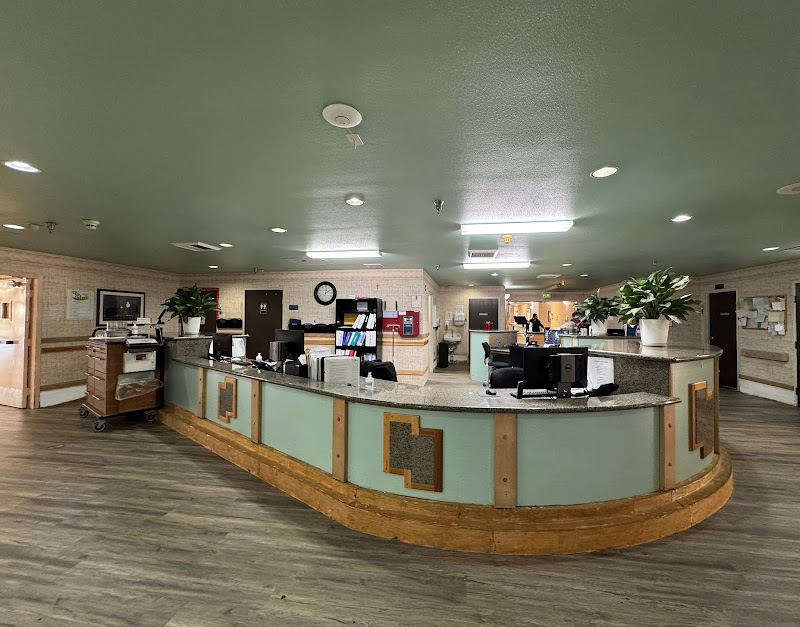
How is River Walk Staffed?

CMS rates RIVER WALK CARE CENTER's staffing level at 2 out of 5 stars, which is below average compared to other nursing homes. Staff turnover is 39%, compared to the California average of 46%. This relatively stable workforce can support continuity of care. RN turnover specifically is 60%, which is notably high. RNs provide skilled clinical oversight, so turnover in this role can affect medical care quality.

What Have Inspectors Found at River Walk?

State health inspectors documented 53 deficiencies at RIVER WALK CARE CENTER during 2019 to 2025. These included: 4 that caused actual resident harm and 49 with potential for harm. Deficiencies causing actual harm indicate documented cases where residents experienced negative health consequences.
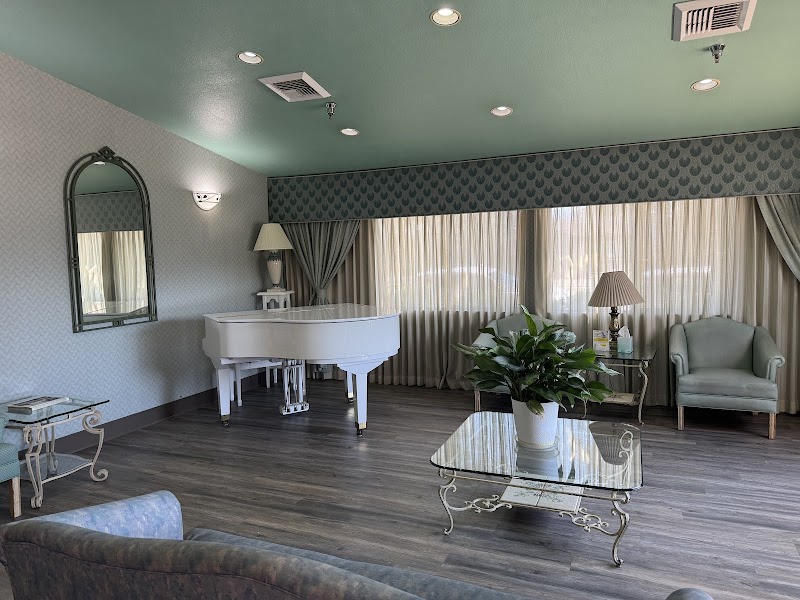
Who Owns and Operates River Walk?

RIVER WALK CARE CENTER is owned by a for-profit company. For-profit facilities operate as businesses with obligations to shareholders or private owners. The facility operates independently rather than as part of a larger chain. With 99 certified beds and approximately 87 residents (about 88% occupancy), it is a smaller facility located in PORTERVILLE, California.
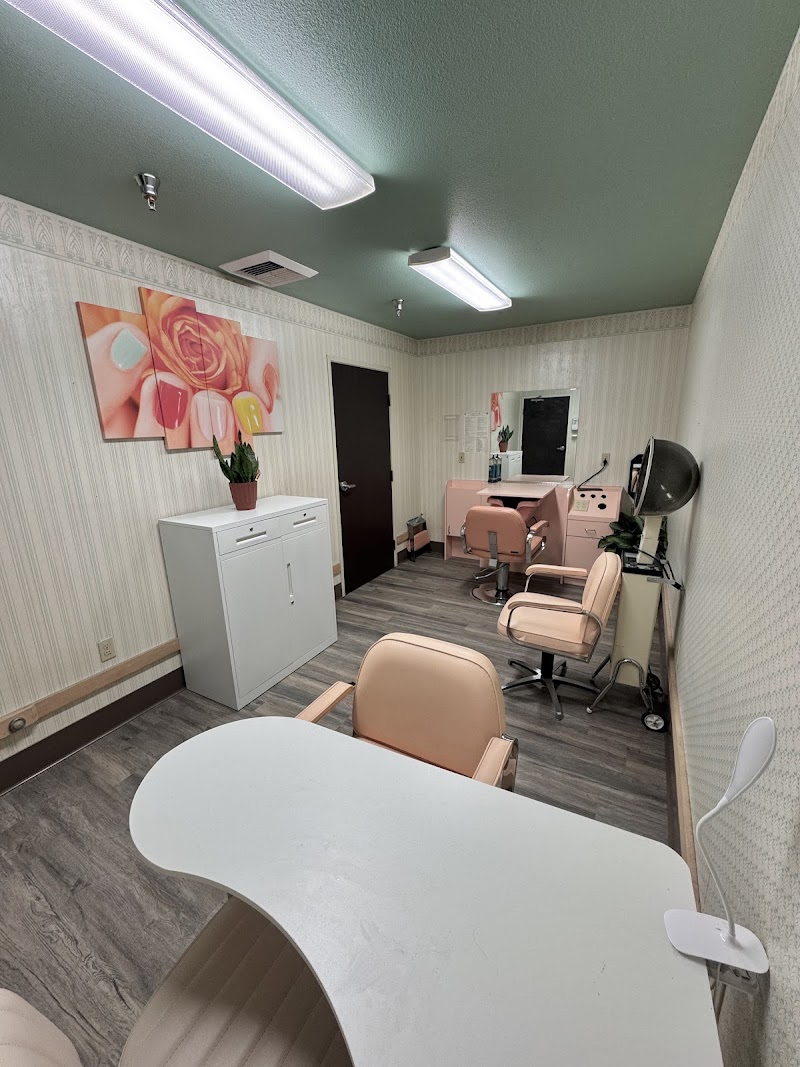
How Does River Walk Compare to Other California Nursing Homes?

Compared to the 100 nursing homes in California, RIVER WALK CARE CENTER's overall rating (2 stars) is below the state average of 3.1, staff turnover (39%) is near the state average of 46%, and health inspection rating (2 stars) is below the national benchmark.

What Should Families Ask When Visiting River Walk?

Based on this facility's data, families visiting should ask: "Can you walk me through typical staffing levels on day, evening, and night shifts?" "Can I visit during a mealtime to observe dining assistance and food quality?" "How do you handle medical emergencies, and what is your hospital transfer rate?" "Can I speak with family members of current residents about their experience?" These questions are particularly relevant given the below-average staffing rating.

Is River Walk Safe?

Based on CMS inspection data, RIVER WALK CARE CENTER has a clean safety record: no substantiated abuse findings (meaning no confirmed cases of resident harm), no Immediate Jeopardy citations (the most serious violation level indicating risk of serious injury or death), and is not on the Special Focus Facility watch list (a federal program monitoring the lowest-performing 1% of nursing homes). The facility has a 2-star overall rating and ranks #100 of 100 nursing homes in California. While no facility is perfect, families should still ask about staff-to-resident ratios and recent inspection results during their visit.

Do Nurses at River Walk Stick Around?

RIVER WALK CARE CENTER has a staff turnover rate of 39%, which is about average for California nursing homes (state average: 46%). Moderate turnover is common in nursing homes, but families should still ask about staff tenure and how the facility maintains care continuity when employees leave.

Was River Walk Ever Fined?

RIVER WALK CARE CENTER has been fined $148,878 across 3 penalty actions. This is 4.3x the California average of $34,568. Fines at this level are uncommon and typically indicate a pattern of serious deficiencies, repeated violations, or failure to correct problems promptly. CMS reserves penalties of this magnitude for facilities that pose significant, documented risk to resident health or safety. Families should request specific documentation of what issues led to these fines and what systemic changes have been implemented.

Is River Walk on Any Federal Watch List?

RIVER WALK CARE CENTER is not on any federal watch list. The most significant is the Special Focus Facility (SFF) program, which identifies the bottom 1% of nursing homes nationally based on persistent, serious quality problems. Not being on this list means the facility has avoided the pattern of deficiencies that triggers enhanced federal oversight. This is a positive indicator, though families should still review the facility's inspection history directly.