SIERRA VALLEY REHAB CENTER
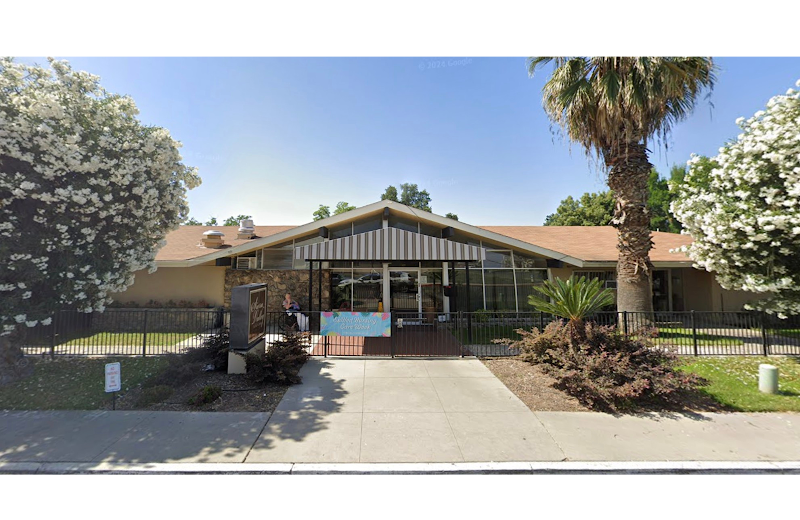
301 WEST PUTNAM, PORTERVILLE, CA 93257 (559) 784-7375
For profit - Limited Liability company 139 Beds CHARIS TRUST DTD 12/22/16 Data: November 2025
Trust Grade
38/100
#907 of 1155 in CA
Last Inspection: February 2025

Within standard 12-15 month inspection cycle. Federal law requires annual inspections.

Overview

Sierra Valley Rehab Center has received a Trust Grade of F, indicating significant concerns with the quality of care provided, placing it in the bottom tier of facilities in California. It ranks #907 out of 1155 statewide, meaning it is in the lower half of nursing homes, and #11 out of 16 in Tulare County, suggesting limited local options for better care. The facility is showing signs of improvement, as it reduced issues from 33 in 2024 to 17 in 2025. However, staffing is a concern with only 2 out of 5 stars, and RN coverage is less than 92% of other California facilities, which may impact the quality of care residents receive. Specific incidents highlight serious issues, such as a resident suffering multiple falls and fractures due to improper assistance during transfers, and a dietary aide failing to wash hands, risking food contamination. While there are some positive aspects, such as a good quality measures rating, the overall picture suggests families should carefully consider these factors when choosing a care facility.

Trust Score
F
38/100
In California
#907/1155
Bottom 22%
Safety Record
Moderate
Needs review
Inspections
Getting Better
33 → 17 violations
Staff Stability
⚠ Watch
47% turnover. Above average. Higher turnover means staff may not know residents' routines.
Penalties
✓ Good
$8,190 in fines. Lower than most California facilities. Relatively clean record.
Skilled Nurses
⚠ Watch
Each resident gets only 15 minutes of Registered Nurse (RN) attention daily — below average for California. Fewer RN minutes means fewer trained eyes watching for problems.
Violations
⚠ Watch
68 deficiencies on record. Higher than average. Multiple issues found across inspections.
★★☆☆☆
2.0
Overall Rating
★★☆☆☆
2.0
Staff Levels
★★★★☆
4.0
Care Quality
★★☆☆☆
2.0
Inspection Score
Stable
2024: 33 issues
2025: 17 issues

The Good

  • 4-Star Quality Measures · Strong clinical quality outcomes
  • Full Sprinkler Coverage · Fire safety systems throughout facility
  • No fines on record

Facility shows strength in quality measures, fire safety.

The Bad

2-Star Overall Rating

Below California average (3.1)

Below average - review inspection findings carefully

Staff Turnover: 47%

Near California avg (46%)

Higher turnover may affect care consistency

Federal Fines: $8,190

Below median ($33,413)

Minor penalties assessed

Chain: CHARIS TRUST DTD 12/22/16

Part of a multi-facility chain

Ask about local staffing decisions and management

The Ugly 68 deficiencies on record

2 actual harm
Jul 2025 1 deficiency
CONCERN (D) 📢 Someone Reported This

A family member, employee, or ombudsman was alarmed enough to file a formal complaint

Potential for Harm - no one hurt, but risky conditions existed

Deficiency F0658 (Tag F0658)

Could have caused harm · This affected 1 resident

Based on interview and record review, the facility failed to ensure physician orders were followed for one of three sampled residents (Resident 1). This failure resulted in a delay of care.Findings:Du...

Read full inspector narrative →
Based on interview and record review, the facility failed to ensure physician orders were followed for one of three sampled residents (Resident 1). This failure resulted in a delay of care.Findings:During a review of Resident 1's Physician Progress Note (PN)'s dated 7/17/25 at 5 p.m., the PN indicated, Assessment/Plan.Recommend checking UA (urinalysis-analyzes a sample of urine to detect and measure various substances and conditions) given chronic indwelling catheter and history of UTIs (urinary tract infections) with presence of spasms - discussed with nursing on date of service.During a review of the Order Summary Report (OSR) dated 7/23/25, the OSR indicated there was no order for a UA on 7/17/25.During a concurrent interview and record review on 8/4/25 at 1:01 p.m. with Licensed Vocational Nurse (LVN) 1, Resident 1's Progress Notes were reviewed. LVN 1 stated she was assigned to Resident 1 on 7/17/25 when the physician ordered the UA and she did not enter the physician order.During an interview on 8/4/25 at 2:10 p.m. with Director of Nursing (DON), DON stated when the physician ordered the UA on 7/17/25 the order should have been put in physician orders and collected on the next lab day.During a review of the facility's policy and procedure (P&P) titled, Implementation and Management of Physician Orders dated 9/13/13, the P&P indicated, Order entry and MAR (Medication Administration Record)/eMar (electronic Medication Administration Record) updates.Nurses are responsible for ensuring that new and changed medication orders are transcribed or entered the MAR/eMAR accurately and promptly.
Feb 2025 14 deficiencies
CONCERN (D)

Potential for Harm - no one hurt, but risky conditions existed

Assessment Accuracy (Tag F0641)

Could have caused harm · This affected 1 resident

Based on interview and record review, the facility failed to accurately complete MDS (Minimum Data Set- A tool used to collect data to establish person-centered care needs) for one of 55 sampled resid...

Read full inspector narrative →
Based on interview and record review, the facility failed to accurately complete MDS (Minimum Data Set- A tool used to collect data to establish person-centered care needs) for one of 55 sampled residents (Resident 47). This failure had the potential for Resident 47 to not receive care based on his specific needs. Findings: During a concurrent interview and record review on 2/25/25 at 2:50 p.m. with MDS consultant (MDSC) and MDS nurse (MDSN), Resident 47's, MDS-Section N-Medications (MDS-N), dated 1/6/25, and Medication Administration Record (MAR), dated 2/2025 were reviewed. MDSN was unable to provide documentation Resident 47 was on anticoagulant medications (delay blood clot formation). MDSC stated Resident 47 was prescribed Aspirin (helps prevent blood clots) which should not have been coded as an anticoagulant on the MDS. MDSN stated, It [coding Aspirin as an anticoagulant medication] was a mistake on my part. During a review of Center for Medicare and Medi-Cal (CMS) Resident Assessment Instructions (RAI) Manual Version 3.0 for MDS (CMS RAI), [undated], the CMS RAI indicated, Planning of care: Medications are an integral part of the care provided to residents of nursing homes. They are administered to try to achieve various outcomes, such as curing an illness, diagnosing a disease or condition, arresting or slowing a disease's progress, reducing or eliminating symptoms, or preventing a disease or symptom.Steps for assessment: 1. Review the resident's medical record for documentation that any of these medications were received by the resident and for the indication of their use. Coding Instructions: .Anticoagulant (e.g., warfarin, heparin, or low-molecular weight heparin): Check if an anticoagulant medication was taken by the resident at any time during the 7-day look-back period (or since admission/entry or reentry if less than 7 days).Anticoagulant: Check if there is an indication noted for all anticoagulant medications taken by the resident any time during the observation period (or since admission/entry or reentry if less than 7 days). Do not code antiplatelet medications such as aspirin/extended release. as N0415E, Anticoagulant.
CONCERN (D)

Potential for Harm - no one hurt, but risky conditions existed

Comprehensive Care Plan (Tag F0656)

Could have caused harm · This affected 1 resident

**NOTE- TERMS IN BRACKETS HAVE BEEN EDITED TO PROTECT CONFIDENTIALITY** Based on interview and record review, the facility failed to follow their policy and procedure (P&P) titled, Care Plans, Compreh...

Read full inspector narrative →
**NOTE- TERMS IN BRACKETS HAVE BEEN EDITED TO PROTECT CONFIDENTIALITY** Based on interview and record review, the facility failed to follow their policy and procedure (P&P) titled, Care Plans, Comprehensive Person-Centered, for one of 55 sampled residents (Resident 329) when communication interventions were not developed and implemented. This failure had the potential for Resident 329's communication and care needs to not be met. Findings: During a review of Resident 329's Care Plan Report (CPR), dated [DATE], the CPR indicated, Communication: [Resident 329] is at risk for impaired communication related to primary language is Spanish. Goal.Will be able to make needs known. Will have needs met. Will have no declines in communication.Interventions [none]. During an interview on [DATE] at 2:30 p.m. with Resident 329, Resident 329 stated she was Spanish speaking only. Resident 329 stated at times English speaking staff did not understand her and she does not understand English. Resident 329 stated staff use an interpreter when they communicated with her. Resident 329 stated the staff would only check her brief and change it when she called for assistance. Resident 329 stated she would have preferred someone who could communicate with her in her language. During an interview on [DATE] at 9:40 a.m. with Registered Nurse Consultant (RNC) 1, RNC 1 stated Resident care plans are required to have interventions listed. During a review of the facility's P&P titled, Care Plans, Comprehensive Person-Centered, dated [DATE], the P&P indicated, A comprehensive, person-centered care plan that includes measurable objectives and timetables to meet the resident's physical, psychosocial and functional needs is developed and implemented for each resident. Policy Interpretation and Implementation.4. Each resident's comprehensive person-centered care plan is consistent with the resident's rights to participate in the development and implementation of his or her plan of care, including the right to. g. receive the services and/or items included in the plan of care. 7. The comprehensive, personal-centered care plan.10. When possible, interventions address the underlying source(s) of the problem area(s).
CONCERN (D)

Potential for Harm - no one hurt, but risky conditions existed

Deficiency F0658 (Tag F0658)

Could have caused harm · This affected 1 resident

Based on observation, interview, and record review the facility failed to follow medication orders for one of 13 residents (Resident 76). These failures had the potential for Resident 76 to not receiv...

Read full inspector narrative →
Based on observation, interview, and record review the facility failed to follow medication orders for one of 13 residents (Resident 76). These failures had the potential for Resident 76 to not receive the full effect of the medication. Findings: During an observation on 2/26/25 at 2:20 p.m. in the doorway of Resident 76's room, Licensed Vocational Nurse (LVN) 9 was preparing to administer medication to Resident 76. LVN 9 removed a package of Potassium Chloride tablets (medicine to treat or prevent low blood levels of potassium) ER (extended release) 20 MEQ [milliequivalent- unit of measure] from her medication cart and compared the medication package with Resident 76's Medication Administration Record (MAR). LVN 9 removed two Potassium Chloride ER 20 MEQ tablets from the medication package. LVN 9 crushed the two tablets of Potassium Chloride ER 20 MEQ. LVN 9 placed the crushed Potassium Chloride tablets in a small cup of apple sauce. LVN 9 fed Resident 76 the apple sauce with the crushed Potassium Chloride ER 20 MEQ tablets. During a concurrent interview and record review on 2/26/25 at 3:42 p.m. with Director or Nursing (DON), Resident 76's Order Listing Report (OLR), dated 2/27/25 was reviewed. The OLR indicated, Potassium oral tablet (Potassium) give 40 mEq by mouth three times a day for Hypokalemia [low potassium]. Resident 76's MAR, dated 2/2025 was reviewed. The MAR indicated, Potassium oral tablet (Potassium) give 40 mEq by mouth three times a day for Hypokalemia. DON stated the LVN should have clarified why the Potassium oral tablet ER medication package did not match with the MAR and OLR which did not indicate Potassium Chloride ER. Resident 76's Potassium Chloride ER tablet package label was reviewed. The package label indicated Potassium CHL (chloride) ER 20 MEQ. DON stated the pill package label indicated Potassium Chloride ER. DON stated LVN 9 should not have crushed the ER medication. During an interview on 2/26/25 at 3:48 p.m. with Pharmacist, Pharmacist was asked if Potassium ER tablets could be crushed. Pharmacist stated Potassium ER should not be crushed. During a review of a Cleveland Clinic Medication Article (CCMC), [undated], the CCMC indicated, Potassium Chloride Extended-Release Tablet.Take it as directed on the prescription label at the same time every day. Take it with food. Do not cut, crush, chew, or suck this medication. Swallow the capsules whole. During a review of the facility's policy and procedure (P&P) titled, Appendix 6: Medication Crushing Guidelines, dated 2019, the P&P indicated, Medications that should not be crushed or chewed. When a resident's condition prohibits the administration of solid dosage forms (tablets, capsules, etc.) the nurse administering the medication should check to see that there is no contraindication to crushing the medications in question. If crushing is contraindicated, the nurse should consult the pharmacist for assistance to obtaining the medication in liquid form, if possible. The rationale for not crushing some medication includes.Time released tablets are designed to release medication over a sustained period, usually 8 to 24 hours. These formulations are utilized to reduce stomach irritation in some cases and to achieve prolonged medication action. During a review of the facility's P&P titled, Administering Medications, revision date 2019, the P&P indicated, The individual administering the medication checks the label three (3) times to verify the right resident, right medication, right dose, right time and right method (route) of administration before giving the medication.
CONCERN (D)

Potential for Harm - no one hurt, but risky conditions existed

Quality of Care (Tag F0684)

Could have caused harm · This affected 1 resident

Based on interview and record review, the facility failed to implement their policy and procedure (P&P) titled, Physician Orders, Accepting, Transcribing, Carrying Out and Implementing (Noting), for o...

Read full inspector narrative →
Based on interview and record review, the facility failed to implement their policy and procedure (P&P) titled, Physician Orders, Accepting, Transcribing, Carrying Out and Implementing (Noting), for one of two sampled residents (Resident 126) when Resident 126's wound treatment orders were not implemented. This failure resulted wound care not being provided for Resident 126's right heel blister which had the potential for development of infection and delayed wound healing. Findings: During a concurrent interview and record review on 2/27/25 at 11:26 a.m. with Registered Nurse Consultant (RNC) 1, Resident 126's SBAR [Situation, Background, Assessment, Recommendation] Communication Form and Progress Note for RNs [Registered Nurse]/LPN [Licensed Practice Nurse]/LVNs [Licensed Vocational Nurse] (SBAR), dated 2/19/25 was reviewed. The SBAR indicated, Resident 126 developed a right heel blister, the primary care clinician was notified and a wound treatment was ordered on 2/19/25. The SBAR indicated, Cleanse [right heel blister] with NS [Normal Saline - irrigating fluid], pat dry, paint with Betadine [antiseptic] BID [twice a day]. RNC 1 stated based on Resident 126's SBAR, the physician ordered a wound treatment for the right heel blister and the physician's order was not recorded in Resident 126's medical record. RNC 1 was unable to provide a physician's order for treatment of Resident 126's right heel blister. RNC 1 stated the Resident 126's physician's treatment order for the right heel blister was not implemented. During a review of the facility's P&P titled, Physician Orders, Accepting, Transcribing, Carrying Out and Implementing (Noting), [undated], the P&P indicated, Licensed nursing personnel will ensure that telephone and verbal orders will be recorded and implemented. All physician orders are to be complete and clearly defined to ensure accurate implementation. Procedure 1. Telephone and Verbal Orders. b) Record the actual order received from the physician with the date and time that the order was received. c) The nurse taking the order will sign with a full signature. Telephone and verbal orders shall be immediately recorded on the resident's Clinical Record. 2. Implementation of Orders. a) Licensed nursing shall verify each order for completeness, clarify and appropriateness of doses and allergies.
CONCERN (D)

Potential for Harm - no one hurt, but risky conditions existed

Deficiency F0685 (Tag F0685)

Could have caused harm · This affected 1 resident

Based on interview and record review, the facility failed to provide hearing aids for one of one sampled resident (Resident 22). This failure had the potential to affect Resident 22's quality of life....

Read full inspector narrative →
Based on interview and record review, the facility failed to provide hearing aids for one of one sampled resident (Resident 22). This failure had the potential to affect Resident 22's quality of life. Findings: During a review of Resident 22's Initial ENT (Ears, Nose, Throat) Consultant (IENTC), dated 6/11/24, the IENTC indicated, REASON FOR VISIT.#2 Difficulty Hearing. #6 Stuffy Ears. REFERRALS. Audiogram [test for hearing loss] Recommended: Yes - Hearing abnormal by observation and patient also c/o [complain of] hearing problems. During a review of Resident 22's Audiogram, dated 7/10/24, the Audiogram indicated, Qualified Hearing Loss for Hearing Aids: Y [yes]. Eligibility: Y. Recommendation: Hearing Aids. Notes: The patient [Resident 22] has hearing loss significant enough to qualify for hearing aids. The patient has a greater hearing loss at higher frequencies in the right ear, meaning the patient has greater difficulty discriminating between different sounds during conversation and hearing higher-pitched voices and sounds. During an interview on 2/24/25 at 12 p.m. with Resident 22, Resident 22 stated she does not have hearing aids and was not seen by a hearing doctor recently. During an interview on 2/26/25 at 11:52 a.m. with Social Service Director Case Manager (SSDCM), SSDCM stated she was not aware Resident 22's audiogram on 7/10/24 had recommended hearing aids. During an interview on 2/26/25 at 3:09 p.m. with Social Services (SS), SS stated she was unaware Resident 22 needed hearing aids and stated it was her mistake for not following up after Resident 22's audiogram was completed. During a review of the facility's policy and procedure (P&P) titled, Hearing and Vision Services, [undated], the P&P indicated, It is the policy of this facility to ensure that all residents have access to hearing and vision services and receive adaptive equipment as indicated. Policy Explanation and Compliance Guidelines. 3. The social worker/social service designee is responsible for assisting residents, and their families, in locating and utilizing any available resources. for the provision of the vision and hearing services the resident needs. 6. Assistive devices to maintain hearing include, but are not limited to, hearing aids and amplifiers.
CONCERN (D)

Potential for Harm - no one hurt, but risky conditions existed

Deficiency F0694 (Tag F0694)

Could have caused harm · This affected 1 resident

Based on observation, interview and record review, the facility failed to follow their policy and procedure (P&P) titled, Administration Set/Tubing Changes for one of one sampled resident (Resident 32...

Read full inspector narrative →
Based on observation, interview and record review, the facility failed to follow their policy and procedure (P&P) titled, Administration Set/Tubing Changes for one of one sampled resident (Resident 329). This failure had the potential to place Resident 329 at risk for infection. Findings: During a concurrent observation and interview with Licensed Vocational Nurse (LVN) 1 in Resident 329's room, Resident 329's Intravenous (IV-flexible tube is inserted into a vein to administer fluids, medications, or blood products directly into the bloodstream) tubing was not labeled. LVN 1 stated the IV tubing should have been labeled with date and time of when the IV tubing was hung and the initials of who hung the IV tubing. During a review of the facility's P&P titled, Administration Set/Tubing Changes, dated February 2023, the P&P indicated, The purpose of this procedure is to provide guidelines for aseptic administration set changes in order to prevent infections associated with contaminated IV therapy equipment. General Guidelines. 4. Label tubing with date, time and initials. If facility requires, label may include the date and time that tubing was initiated and when tubing should be discontinued or changed. 5. Any tubing that is found not labeled must be changed and then labeled accordingly.
CONCERN (D)

Potential for Harm - no one hurt, but risky conditions existed

Deficiency F0730 (Tag F0730)

Could have caused harm · This affected 1 resident

Based on interview and record review, the facility failed to ensure annual competencies were completed for one of five sampled Certified Nursing Assistants (CNA) 1. This failure had the potential for ...

Read full inspector narrative →
Based on interview and record review, the facility failed to ensure annual competencies were completed for one of five sampled Certified Nursing Assistants (CNA) 1. This failure had the potential for CNA 1 to not be competent when providing care to residents. Findings: During a concurrent interview and record review on 2/26/25 at 3:47 p.m. with Director of Staff Development (DSD), CNA 1's Employee Orientation Checklist (EOC), undated was reviewed. The EOC indicated, CNA 1 date of hire was 12/26/23. CNA 1's new employee orientation began on 12/26/23 and was completed on 12/27/23. CNA 1's Nurse Assistant Competency Checklist (NACC), [undated] was reviewed. The NACC indicated, CNA 1 had completed the competency checklist on 12/27/23. DSD was unable to provide a 2024 annual competency for CNA 1. DSD stated CNA 1 did not have a current annual competency completed as required. Policy requested from facility and was not provided.
CONCERN (D)

Potential for Harm - no one hurt, but risky conditions existed

Menu Adequacy (Tag F0803)

Could have caused harm · This affected 1 resident

Based on observation, interview, and record review, the facility failed to follow their policy and procedure (P&P) titled, Food Preparation, for one of one cooks (Cook 1) when [NAME] 1 did not measure...

Read full inspector narrative →
Based on observation, interview, and record review, the facility failed to follow their policy and procedure (P&P) titled, Food Preparation, for one of one cooks (Cook 1) when [NAME] 1 did not measure recipe ingredients. This failure had the potential for residents' nutritional needs to not be met. Findings: During a review of the facility's RECIPE: ZESTY SPINACH, (RZS) dated 2/24/25, the RZS indicated, add 1 tsp to 1 1/2 tsp of garlic powder, add 1/4 tsp to 3/4 tsp of salt, and add 1/2 tsp to 1 tsp of red pepper flakes. During a concurrent observation and interview on 2/25/25 at 9:14 a.m. with [NAME] 1, Certified Dietary Manager (CDM), and Registered Dietician (RD), in the kitchen, [NAME] 1 was preparing spinach to be pureed. [NAME] 1 poured all the pureed spinach into a larger dish then added unmeasured amounts of garlic powder, iodized salt, chili powder, and melted butter into the spinach. [NAME] 1 stated she does not use the recipe, she went by taste. [NAME] 1 stated she should have measured the seasoning as listed in the RZS. During an interview on 2/25/25 at 3:17 p.m. with CDM, CDM stated [NAME] 1 should have followed the RZA and measured the spices prior to adding to the spinach dish. During a review of the P&P titled, Food Preparation, dated 2023, the P&P indicated, food shall be prepared by methods that conserve nutritive value, flavor, and appearance. 1. The facility will use approved recipes, standardized to meet the resident census. 2. Recipes are specific as to portion yield, method of preparation, quantities of ingredients, and time and temperature guidelines.
CONCERN (D)

Potential for Harm - no one hurt, but risky conditions existed

Deficiency F0810 (Tag F0810)

Could have caused harm · This affected 1 resident

**NOTE- TERMS IN BRACKETS HAVE BEEN EDITED TO PROTECT CONFIDENTIALITY** Based on observation, interview, and record review, the facility failed to ensure assistive feeding devices were available for o...

Read full inspector narrative →
**NOTE- TERMS IN BRACKETS HAVE BEEN EDITED TO PROTECT CONFIDENTIALITY** Based on observation, interview, and record review, the facility failed to ensure assistive feeding devices were available for one of one sampled resident (Resident 72). This failure had the potential to prevent Resident 72 from maintaining or improving his independence in self-feeding skills when consuming meals and snacks. Findings: During a review of Resident 72's admission Record (AR), dated 2/27/25, the AR indicated, Resident 72 was readmitted on [DATE] with a diagnosis hemiplegia (inability to move one side of the body) following cerebral infarction (stroke resulting in blockage in the blood vessels supplying blood to the brain) affecting right dominate side. During a concurrent observation and interview on 2/24/25 at 1:34 p.m. with Resident 72 in Resident 72's room, Resident 72's lunch tray had a cup of tea with one handle, four small bowls containing pureed food, and two regular eating spoons. Resident 72's meal ticket was reviewed. The meal ticket indicated ADAP [adaptive] Equip [equipment] 2 Handle sip cup, coated spoon, [NAME] grip spoon. Resident 72 stated she had not received or used a cup with 2-handles or special spoons in a while. During a concurrent interview and record review on 2/26/25 at 3:56 p.m. with Registered Dietician (RD) in the conference room, RD was shown a picture of Resident 72's lunch tray and meal ticket. RD stated the adaptive eating or drinking devices listed on Resident 72's meal ticket was not on Resident 72's lunch tray. RD stated the kitchen staff are responsible to follow the meal ticket and place the appropriate adaptive equipment on the Resident's meal tray. During a concurrent interview and record review on 2/26/25 at 4:15 p.m. with Certified Dietary Manager (CDM), Resident 72's Adaptive Equipment Tally Report (AETR), dated 2/24/25 was reviewed. The AETR indicted, Resident 72 should have had adaptive Equipment which included 2-Handle sip cup, coated Spoon, and [NAME] grip spoon. CDM stated the kitchen staff should have provided Resident 72 with the appropriate adaptive devices for meals. During a review of Resident 72's Occupational Therapy Treatment Encounter Notes ([NAME]), dated 10/23/24, the [NAME] indicated, Date of service 10/23/24: skilled interventions to facilitate Independence with Self Feeding abilities included compensatory training to increase independence in self-feeding, adaptive equipment instruction to facilitate safety, analysis of performance with adaptive equipment and self-feeding techniques. Pt [Patient-Resident 72] attempted use of built-up handle and ucuff [universal cuff - a leather cuff that fits around the palm of the user's hand and is secured with an elastic strap for better control with utensils] for self-feeding. Pt was able to use both successfully with dycem [a non-slip surface] required to keep plate from sliding. Spoke with OT [occupational therapist] and did right (sic) orders for kitchen to have Pt with built up utensil, maroon spoon, dycem and plate guard as needed for each meal. During a review of Resident 72's Order Listing Report (OLR), dated 2/27/25, the OLR indicted, Resident 72 will use Universal Cuff, built up utensil (plastic, maroon spoon), dycem, and plate guard during all mealtimes as needed to facilitate independence during feeding. During a review of the facility's policy and procedure (P&P) titled, Assistive Devices and Equipment, [undated], the P&P indicated, Policy Statement. Our facility maintains and supervises the use of assistive devices and equipment for residents. Policy Interpretation and Implementation 1. Certain devices and equipment that assist with resident mobility, safety and independence are provided for residents. These may include (but are not limited to): a. specialized eating utensils and equipment.
CONCERN (D)

Potential for Harm - no one hurt, but risky conditions existed

Smoking Policies (Tag F0926)

Could have caused harm · This affected 1 resident

Based on observation, interview, and record review, the facility failed implement its Policy and Procedure (P&P) titled, Smoking, for one of 21 Residents (Resident 4) when tobacco was at the bedside, ...

Read full inspector narrative →
Based on observation, interview, and record review, the facility failed implement its Policy and Procedure (P&P) titled, Smoking, for one of 21 Residents (Resident 4) when tobacco was at the bedside, a smoking care plan and smoking assessment were not completed. These failures had the potential to place residents, visitors, and staff at risk for injury/harm due to potential unsafe smoking practices and access to tobacco. Findings: During a concurrent observation and interview on 2/25/25 at 11:31 a.m. with Licensed Vocational Nurse (LVN) 4 in Resident 4's room, Resident 4 had a can of tobacco at the bedside. LVN 4 stated the tobacco should be locked up and not left at the bedside. During an interview on 2/26/25 at 11:18 a.m. with Activities Assistant (AA), AA stated, If [Resident 4] had full access to his chewing tobacco he will use too much .It is supposed to be locked up. During a concurrent interview and record review on 2/27/25 at 11:52 a.m. with Director of Nursing (DON), Resident 4's, clinical record was reviewed. DON was stated there was no tobacco use care plan or safe smoking evaluation for Resident 4. DON stated Resident 4 should not have tobacco products at the bedside and there should be a tobacco use evaluation and tobacco care plan in place before he is able to use the tobacco. During an interview on 2/27/25 at 2:34 p.m. with Family Member (FM) 1, FM 1 stated, His [Resident 4] tobacco pouches have always been at the bedside but I noticed today they aren't, he needs that, he has been using tobacco for over 25 years. During a review of the facility's P&P titled, Smoking, dated 2001, the P&P indicated, This facility has established and maintains safe resident smoking practices. 6. Resident smoking status is evaluated upon admission. If a smoker, the evaluation includes a. current level of tobacco consumption; b. method of tobacco consumption (traditional cigarettes, electronic cigarettes; pipe, etc.); c. desire to quit smoking; and d. ability to smoke safely with or without supervision (per a completed safe smoking evaluation). 7. The staff consults with the attending physician and the director of nursing services (DNS) to determine if safety restrictions need to be placed on a resident's smoking privileges based on the safe smoking evaluation. 8. A resident's ability to smoke safely is reevaluated quarterly, upon a significant change (physical or cognitive) and as determined by the staff. 9. Any smoking-related privileges, restrictions, and concerns (for example, need for close monitoring) are noted on the care plan, and all personnel caring for the resident shall be alerted to these issues. 13. Residents with smoking privileges may not have or keep any smoking items, including cigarettes, tobacco, etc., except under direct supervision.
CONCERN (E)

Potential for Harm - no one hurt, but risky conditions existed

Deficiency F0847 (Tag F0847)

Could have caused harm · This affected multiple residents

**NOTE- TERMS IN BRACKETS HAVE BEEN EDITED TO PROTECT CONFIDENTIALITY** Based on interview and record review, the facility failed to ensure the binding Arbitration Agreement (a contract that requires ...

Read full inspector narrative →
**NOTE- TERMS IN BRACKETS HAVE BEEN EDITED TO PROTECT CONFIDENTIALITY** Based on interview and record review, the facility failed to ensure the binding Arbitration Agreement (a contract that requires parties to resolve disputes outside of court) was written in a form and manner resident could understand for three of three sampled residents (Resident 44, Resident 70, and Resident 329). This failure had the potential for Resident 44, Resident 70, and Resident 329 to sign the Arbitration Agreement without understanding the implications. Findings: During a review of the facility's ARBITRATION AGREEMENT (AA), 1/20/22, the AA indicated, The Resident and/or Resident's agent certifies that he/she has read this Agreement and has been given a copy of this Agreement, and affirmatively represents that he/she is duly authorized by virtue of the Resident's consent, instruction, and/or durable power of attorney, to execute this Agreement and accept its terms. During a review of Resident 44's admission RECORD (AR), dated 2/26/25, the AR indicated, Primary [NAME]. [language] Spanish. During a review of Resident 44's AA, dated 5/31/24, the AA (printed in English) indicated the AA was signed by Resident 44 on 5/31/24. During an interview on 2/26/25 at 2:58 p.m. with Resident 44, Resident 44 stated she does not read, speak, or understand English. Resident 44 stated she did not know what an arbitration agreement was and did not remember signing the AA printed in English. Resident 44 stated she would have preferred to have the AA written in Spanish. During a review of Resident 70's AR, dated 2/26/25, the AR indicated, Primary [NAME]. Spanish. During a review of Resident 70's AA, dated 11/24/23, the AA (printed in English) indicated the AA was signed by Resident 70 on 11/24/23. During an interview on 2/26/25 at 2:51 p.m. with Resident 70, Resident 70 stated he did not read English and understood very little spoken English. Resident 70 stated he did not know what an AA was and did not remember signing an AA. During a review of Resident 329's AR, dated 2/26/25, the AR indicated, Primary [NAME]. Spanish. During a review of Resident 329's signed AA, dated 2/6/25, the AA (printed in English) indicated the AA was signed by Resident 329 on 2/6/25. During an interview on 2/26/25 at 2:41 p.m. with Resident 329, Resident 329 stated she did not understand, speak or read English. Resident 329 stated she spoke only Spanish and she did not understand the AA she signed. During an interview on 2/26/25 at 3:22 p.m. with admission Coordinator (AC), AC stated she tells residents that the AA can be rescinded/canceled within 30 days after signing the legal document. AC stated the AA was written in English which would prevent the Spanish speaking residents from reviewing the AA to see if they would like to rescind the AA. During an interview on 2/27/25 at 2:19 p.m. with Administrator, Administrator stated the facility has a Spanish speaking population which is greater than 5% and stated the importance of having vital information like the AA written in the residents' preferred language. During a review of the facility's policy and procedures (P&P) titled, Translation and/or Interpretation of Facility Services, dated November 2020, the P&P indicated, Policy Statement. This facility's language access program will ensure that individuals with limited English proficiency (LEP) shall have meaningful access to information and services provided by the facility. Policy Interpretation and Implementation. 6. This facility shall provide written translation of vital information pertaining to health services, resident rights and facility policy if the limited English proficiency (LEP) population represents at least five (5) percent of the population of 1000 people eligible to be served by the facility (whichever is fewer). During a review of the facility's P&P titled, Binding Arbitration Agreements, dated November 2023, the P&P indicated, Policy Statement. Residents (or representatives) are informed of the nature and implications of any proposed binding arbitration agreements so as to make informed decisions on whether to enter into such agreements. Policy Interpretation and Implementation. 1. Residents (or representatives) have the right to make informed decisions about important aspects of their health, welfare and safety. 6. The terms and conditions of a binding arbitration agreement are explained to the resident (or representative) in a form and manner that he or she understands, taking in to consideration the resident's (or representation) language, literacy and stated preference for learning.8. Residents (or representatives) are provided 30 days after signing to fully review and rescind any agreement not understood at the time of admission.
CONCERN (E)

Potential for Harm - no one hurt, but risky conditions existed

Infection Control (Tag F0880)

Could have caused harm · This affected multiple residents

Based on observation, interview, and record review, the facility failed to follow standards of practice for infection control when: 1. One of one sampled resident (Resident 42) presented with signs an...

Read full inspector narrative →
Based on observation, interview, and record review, the facility failed to follow standards of practice for infection control when: 1. One of one sampled resident (Resident 42) presented with signs and symptoms of a cough and treated with Influenza (flu-a contagious respiratory virus) medication was not put in Droplet Isolation Precautions (Isolation for residents with contagious respiratory symptoms requiring resident to be isolated and staff/visitors to wear a gown, gloves, and a mask. 2. Two of two sample residents (Resident 4 and Resident 42) requiring oxygen, did not have the tubing on their oxygen and nebulizer machine dated and timed and oxygen tubing found on the floor uncovered. 3. One of one resident (Resident 229) requiring portable suction machine [used to clear secretions from resident mouth and throat], did not having the tubing and canister dated or timed and the suction tip of the machine was left at bedside uncovered. 4. One of one sampled resident (Resident 86) was provided hand hygiene before being served lunch. These failures had the potential to result in infections or viruses for Resident 4, Resident 42, Resident 229, Resident 86 and staff/visitors. Findings: 1. During a concurrent observation and interview on 2/24/25 at 10:38 a.m. with Resident 42, in Resident 42's room, Resident 42 had a wet cough and stated it started last Friday and his roommate and family was concerned about him being contagious. During a concurrent interview and record review on 2/27/25 at 11:08 a.m. with Director of Nursing (DON), Resident 42's, Clinical Record (CR), multiple dates, were reviewed. The CR indicated, on 2/15/25 Resident 42's physician was notified Resident 42 was not feeling well and had a cough. On 2/15/25 Nursing Note indicated, MD [Medical Doctor] made aware received new order to start Xofluza [medication used to treat the flu] 80 mg [milligram] 1 tab[tablet] for one time, Tamiflu [medication used to treat the flu] 75 mg bid [twice a day] for 5 days and prednisone [medication used to treat inflammation] 10mg daily for 10 days r/t [related to] flu. Interdisciplinary team (a group of department leaders that meet to discuss resident needs) note dated 2/17/25 at 9:22 a.m. indicated, Change of condition- Flu like symptoms with Interventions: Medications as ordered. Respiratory assessments - ongoing, O2 as ordered. Physician and Responsible Party notified. DON stated there is no documentation supporting or showing that Resident 42 was put on Droplet Isolation Precautions and stated if a resident is on Tamiflu and Xofluza they should be on isolation precautions to protect staff and visitors. During an interview on 2/27/25 at 11:14 a.m. with Infection Preventionist (IP). IP stated, The medications were given because [Resident 42] had a cough and was refusing to go to the ER, so MD put him on Tamiflu just in case it was the flu. During an interview on 2/27/25 at 11:32 a.m. with Registered Nurse Consultant (RNC) 2, RNC 2 stated if a resident is being treated with virus medication and symptomatic with respiratory sign and symptoms, the resident should be placed in Droplet Precautions. RNC 2 stated there is no evidence that Resident 42 was placed in Droplet Precautions. During a review of the facility's policy and procedure (P&P) titled, Isolation- Categories of Transmission-Based Precautions, dated September 2022, the P&P indicated, Transmission-based precautions are initiated when a resident develops signs and symptom of a transmissible infection, arrives for admission with symptoms of an infection.and is at risk of transmitting the infection to other residents. 2. Transmission-based precautions are additional measures that protect staff, visitors, and other residents from becoming infected. These measures are determined by the specific pathogen and how it is spread from person to person.Droplet Precautions 1. Droplet precautions are implemented for an individual documented or suspected to be infected with microorganisms transmitted by droplets . that can be generated by the individual coughing, sneezing, talking.2. Residents on droplet precautions are placed in a private room if possible. 3. Masks are worn when entering the room. 4. Gloves, gown, and goggles are worn if there is risk of spraying respiratory secretions. 2. During a concurrent observation and interview on 2/24/25 at 10:33 a.m. with Licensed Vocational Nurse (LVN) 4, in Resident 42's Room, Resident 42 was wearing oxygen tubing that was connected to a oxygen machine next to his bed. There was no date or time on the tubing. There was also a Nebulizer Machine at the bedside with tubing and a mask without date or time. LVN 4 stated the tubing on both machines were supposed to be changed every Sunday and should have had a label on them and stated neither of them were labeled. During a record review of Resident 42's, Order Summary (OS), dated February 2025, the OS indicated, CHANGE O2 [Oxygen] TUBING EVERY WEEK every Sat [Saturday]. O2 AT 2 LITERS/MINUTE VIA NASAL CANULA [oxygen tubing] PRN [as needed] FOR SOB [Shortness of Breath]. During a concurrent observation and interview on 2/24/25 at 10:50 a.m. with LVN 4, in Resident 4's room, there was an oxygen machine by the bed with oxygen tubing that connects to the resident on the ground. No date on the oxygen tubing. There was a nebulizer machine also at bedside. Facemask and tubing not dated. The pouch holding the mask was dated 1/9/25. LVN 4 stated the oxygen tubing should not be on the floor and should have a date on it. LVN 4 stated the nebulizer mask and tubing should have a date on it. During a review of Resident 4's, OS, dated February 2025, the OS indicated, Oxygen at 2 liters per minute via nasal cannula as needed. CHANGE O2 TUBING every night shift every Sat. [Saturday] 3. During an observation on 2/24/25 at 11:45 a.m. in Resident 229's room, there was a suction canister noted at bedside. The suction tip was sitting on bedside table, not covered or in a package. The suction canister contained liquid that was not labeled or dated. During a concurrent observation and interview on 2/25/25 at 10:20 a.m. with LVN 3, in Resident 229's room, the suction canister was still at the bedside with the suction tip on the bedside table uncovered. The suction canister still had the same liquid as the day before without a date or label. LVN 3 stated the suction canister should have a date and time on it and the suction tip should not be uncovered. During an interview on 2/27/25 at 11:43 a.m. with DON, DON stated the suction machine canister should have a date and time and the suction tip should be covered in a package or a bag. During a review of Resident 229's, OS, dated February 2025, the OS indicated, CHANGE SUCTION CANISTERS 2X/WEEK [two times a week] ON WEDNESDAY & SATURDAY & PRN [as needed] every night shift every Wed [Wednesday], Sat [Saturday] AND as needed. During a review of the facility's P&P titled, Suctioning, dated August 2014, the P&P indicated, The purpose of this procedure is to help prevent infections associated with suctioning and to prevent transmission of such infections to residents and staff. General guidelines: 12. The suction collection canister should be emptied and cleaned daily and changed or decontaminated as necessary. 4. During a concurrent observation and interview on 2/24/25 at 1:07 p.m. with Licensed Vocational Nurse (LVN) 10 in Resident 86's room, LVN 10 delivered Resident 86's lunch tray. LVN 10 was asked if she had provided hand hygiene to Resident 86 prior to her giving him his lunch tray. LVN 10 stated she had not provided hand hygiene to Resident 86 and stated she should have. During a review of the facility P&P titled, Hand Hygiene Policy for Patients before and after Meals, [undated]. The P&P indicated, Hand Hygiene Before Meals.Nursing staff must assist resident who are unable to wash their hands by: providing hand wipes or sanitizer or assisting with handwashing at a sink if needed.
CONCERN (E)

Potential for Harm - no one hurt, but risky conditions existed

Deficiency F0920 (Tag F0920)

Could have caused harm · This affected multiple residents

Based on observation and interview, the facility failed to ensure the dining room was accessible and had space to accommodate the 132 Residents who reside at the facility. This failure had the potenti...

Read full inspector narrative →
Based on observation and interview, the facility failed to ensure the dining room was accessible and had space to accommodate the 132 Residents who reside at the facility. This failure had the potential to negatively affect the resident's social interaction, physical, mental, and psychosocial well-being. Findings: During a concurrent observation and interview on 2/24/25 at 12:13 p.m. with Assistant Director of Nursing (ADON) in the dining room, the dining room door was closed and had a coded lock. There were seven round tables. There was a seating chart on the wall that listed where 15 residents would sit. Eight residents were waiting for lunch to be served. ADON stated they usually have around eight residents in the dining room at one time. ADON stated the facility does not have the space for more than eight reisents at one time in the dining room. ADON stated the residents wait in the hallway until the other residents finish their meal and leave the dining room before they enter the dining room for their meal. ADON stated the coded lock on the door is to ensure only staff can open the dining room door. During a concurrent observation and interview at 2/26/25 at 11:27 a.m. with ADON in the dining room, there were six residents sitting at the tables waiting for lunch to be served. DON stated there were 10 residents in the hallway waiting to enter the dining room. Door was closed. ADON stated the10 residents in the hallway were waiting for the other six residents to finish eating before they entered the dining room. During a concurrent observation and interview on 2/26/25 at 11:50 a.m. with Certified Dietary Manager (CDM) outside the locked and closed dining room door. Ten residents were waiting for lunch outside of dining room. CDM stated the dining room door was always closed and locked as not to be accessible to residents. CDM stated I am not sure why that is. CDM stated the dining room is not big enough to accommodate the 10 residents waiting in the hall in addition to the six residents that were already in the dining room. During an interview on 2/27/25 at 11:31 a.m. with Administrator, Administrator stated the dining room will accommodate no more than 15 residents. The dining room should not have a closed locked door. Administrator stated the dining room should be a common space area allowing Residents to come and go. A Policy and Procedure addressing dining room space was requested and not provided.
MINOR (B)

Minor Issue - procedural, no safety impact

Deficiency F0912 (Tag F0912)

Minor procedural issue · This affected multiple residents

**NOTE- TERMS IN BRACKETS HAVE BEEN EDITED TO PROTECT CONFIDENTIALITY** Based on observation and interview, the facility failed to provide the minimum square footage as required by regulation in 20 of...

Read full inspector narrative →
**NOTE- TERMS IN BRACKETS HAVE BEEN EDITED TO PROTECT CONFIDENTIALITY** Based on observation and interview, the facility failed to provide the minimum square footage as required by regulation in 20 of 48 facility bedrooms. This failure had the potential to affect the care and safety of residents. Findings: During a concurrent observation and interview on 2/27/25 at 10:13 a.m. with Environmental Services Director (ESD), in the facility's multiple occupancy rooms, the multiple occupancy rooms were measured. ESD stated the following rooms did not provide the minimum square footage (sq. ft.) as required by regulation (80 sq. ft. per resident for multi-occupation rooms): room [ROOM NUMBER] measured 239 inches (in.) x (by) 132 in. (219 sq. ft.) and had three resident beds; room [ROOM NUMBER] measured 239 in. x 132 in. (219 sq. ft.) and had three resident beds; room [ROOM NUMBER] measured 238 in. x 130 in. (215 sq. ft.) and had three resident beds; room [ROOM NUMBER] measured 238 in. x 129 in. (213 sq. ft.) and had three resident beds; room [ROOM NUMBER] measured 238 in. x 130 in. (215 sq. ft.) and had three resident beds; room [ROOM NUMBER] measured 238 in. x 128 in. (211 sq. ft.) and had three resident beds; room [ROOM NUMBER] measured 238 in. x 130 in. (215 sq. ft.) and had three resident beds; room [ROOM NUMBER] measured 238 in. x 132 in. (218 sq. ft.) and had three resident beds; room [ROOM NUMBER] measured 240 in. x 126 in. (210 sq. ft.) and had three resident beds; room [ROOM NUMBER] measured 240 in. x 130 in. (217 sq. ft.) and had three resident beds; room [ROOM NUMBER] measured 239 in. x 129 in. (214 sq. ft.) and had three resident beds; room [ROOM NUMBER] measured 239 in. x 130 in. (216 sq. ft.) and had three resident beds; room [ROOM NUMBER] measured 240 in. x 130 in. (217 sq. ft.) and had three resident beds; room [ROOM NUMBER] measured 297 in. x 128 in. (264 sq. ft.) and had four resident beds; room [ROOM NUMBER] measured 238 in. x 129 in. (213 sq. ft.) and had three resident beds; room [ROOM NUMBER] measured 238 in. x 129 in. (213 sq. ft.) and had three resident beds; room [ROOM NUMBER] measured 238 in. x 126 in. (208 sq. ft.) and had three resident beds; room [ROOM NUMBER] measured 238 in. x 132 in. (218 sq. ft.) and had three resident beds; room [ROOM NUMBER] measured 238 in. x 130 in. (215 sq. ft.) and had three resident beds; room [ROOM NUMBER] measured 238 in. x 130 in. (215 sq. ft.) and had three resident beds. ESD stated there had not been any adjustments to room sizes or the facility floor plan since the previous survey. During an interview on 2/27/25 at 11:17 a.m. with Administrator, Administrator stated there had been no changes to resident room sizes. Administrator stated although 20 of the resident rooms did not provide the minimum sq. ft. as required by regulation, residents had reasonable amount of privacy, closets, adequate storage, bedside tables, and there was sufficient space to ambulate and/or use their wheelchair. Requested a copy of previous room waiver, unable to provide.
Feb 2025 2 deficiencies
CONCERN (D) 📢 Someone Reported This

A family member, employee, or ombudsman was alarmed enough to file a formal complaint

Potential for Harm - no one hurt, but risky conditions existed

Free from Abuse/Neglect (Tag F0600)

Could have caused harm · This affected 1 resident

**NOTE- TERMS IN BRACKETS HAVE BEEN EDITED TO PROTECT CONFIDENTIALITY** Based on interview and record review, the facility failed to protect one of three sampled residents (Resident 1) from verbal abu...

Read full inspector narrative →
**NOTE- TERMS IN BRACKETS HAVE BEEN EDITED TO PROTECT CONFIDENTIALITY** Based on interview and record review, the facility failed to protect one of three sampled residents (Resident 1) from verbal abuse inflicted by his roommate (Resident 2). This failure resulted in Resident 1 being agitated, noisy, restless and the inability to sleep with the potential for psychosocial harm. Findings: During a review of Resident 1's Minimum Data Set (MDS), dated [DATE], the MDS indicated, Brief Interview for Mental Status (BIMS).05 (severe cognitive impairment). During a review of Resident 2's MDS dated [DATE], the MDS indicated, BIMS.13 (cognition is intact). During a review of Resident 1's admission Record (AR), dated 3/3/25, the AR indicated, Resident 1 was admitted [DATE] and had the following diagnoses.quadriplegia c-1-c-4 complete (spinal cord injury resulting in total paralysis of both arms and legs), dysphasia (condition that affects the ability to understand, use, or produce language) following cerebral infarction (lack of oxygen causing an area of dead tissue in the brain). During a review of the facility's Report of Suspected Dependent Adult/Elder Abuse (SOC341), dated 1/23/25, the SOC 341 indicated, It was reported today to Abuse Coordinator/Administrator and designee (Social Services Director) that the alleged aggressor, (Resident 2), displayed angry outbursts toward his roommate, (Resident 1). During a review of Resident 1's and Resident 2's Census List (CL), dated 2/7/25, the CL indicated, Resident 1 and Resident 2 had been roommates since 6/7/23 (approximately one year and 7 months). During an interview on 2/3/25 at 12:30 p.m. with Certified Nursing Assistant (CNA) 2, CNA 2 stated when Resident 1 and Resident 2 shared a room, Resident 2 would call Resident 1 a pedophile (person sexually attracted to children) and cuss at him. CNA 1 stated Resident 1 was unable to talk but would make grunting noises. CNA 1 stated after Resident 1 and Resident 2 were separated (1/23/25), Resident 1 yelled out less, slept more and seemed more comfortable. During an interview on 2/3/25 at 12:46 p.m. with Licensed Vocational Nurse (LVN) 1, LVN 1 stated Resident 2 would yell at Resident 1 when he was moaning and groaning. LVN 1 stated Resident 2 was verbally aggressive towards Resident 1. LVN 1 stated after Resident 1 was moved to a different room, Resident 1 was resting more. During an interview on 2/3/25 at 12:54 p.m. with Social Service Director (SSD), SSD stated Resident 2 would have angry outburst towards others no matter how much he was redirected. During an interview on 2/3/25 at 1:37 p.m. with Director of Staff Development (DSD), DSD stated on 1/23/24, Resident 2 was telling Resident 1 to shut up you f****** baby. DSD stated it was unfair for Resident 1 to hear those words on a day-to-day basis. DSD stated Resident 2 would say shut the f*** up all the time to Resident 1. DSD stated Resident 2 has always said (bad) words to Resident 1. DSD stated she reported it on 1/23/24 because when she went to ask Resident 2 to stop, Resident 2 told her to get the f*** out and if he was verbally abusive to her, she could only imagine what he said to Resident 1. DSD stated after Resident 1 was moved to a different room, Resident 1 was happier, sleeping more and he could moan without being called names. DSD stated Resident 2's verbally abusive behaviors should have been reported to the Administrator when it was happening in the past to protect Resident 1. During an interview on 2/6/25 at 3:55 p.m. with CNA 1, CNA 1 stated Resident 1 could not talk but was able to moan and yell out. CNA 1 stated Resident 2 would get mad at Resident 1 and tell him to shut up. CNA 1 stated when Resident 1 and Resident 2 shared a room together it was stressful to go in the room to provide care to Resident 1 because Resident 2 would call Resident 1 a dirty Mexican, say racial slurs and tell Resident 1 he was gay. CNA 1 stated Resident 1 and Resident 2 had shared a room together for a year. CNA 1 stated when she would report the verbal altercations to the nurses, they would say they were going to make a note of the behavior and care plan it. CNA 1 stated several CNAs said Resident 2 was verbally abusive to Resident 1. During an interview on 2/20/25 at 3:49 p.m. with Administrator, Administrator stated staff had never reported Resident 1 being verbally abusive to Resident 2. Administrator stated the staff should have reported the verbal abuse to him or the Director of Nursing (DON). During a review of the lesson plan titled Abuse: Reporting Requirement & Procedures.What constitutes Abuse? (ARRPWCA), dated 11/19/24 at 2 p.m., the ARRPWCA indicated, Abuse Reporting & Investigations.What are the 7 types of abuse.verbal abuse.five things to do if you witness an abuse: Protect the victim.call for help.report.Resident Rights.Be free from abuse and neglect. During a review of the facility policy and procedure titled, Behavioral Assessment, Intervention and Monitoring dated 3/19, the P&P indicated, The interdisciplinary team will evaluate behavioral symptoms in residents to determine the degree of severity, distress and potential safety risk to the resident, and develop a plan of care accordingly. Safety strategies will be implemented immediately if necessary to protect the resident and others from harm. During a review of the facility policy and procedure (P&P) titled, Abuse, Neglect, Exploitation or Misappropriation-Reporting and Investigating dated 9/22, the P&P indicated If resident abuse, neglect, exploitation, misappropriation of resident property or injury or unknown source is suspected, the suspicion must be reported immediately to the administrator and to other officials according to state law.Immediately is defined as within two hours of an allegation involving abuse resulting in serious bodily injury.within 24 hours of an allegation that does not involve abuse or result in serious bodily injury.
CONCERN (D) 📢 Someone Reported This

A family member, employee, or ombudsman was alarmed enough to file a formal complaint

Potential for Harm - no one hurt, but risky conditions existed

Abuse Prevention Policies (Tag F0607)

Could have caused harm · This affected 1 resident

**NOTE- TERMS IN BRACKETS HAVE BEEN EDITED TO PROTECT CONFIDENTIALITY** Based on interview and record review, the facility failed to follow its policy and procedure for one of three sampled residents ...

Read full inspector narrative →
**NOTE- TERMS IN BRACKETS HAVE BEEN EDITED TO PROTECT CONFIDENTIALITY** Based on interview and record review, the facility failed to follow its policy and procedure for one of three sampled residents (Resident 1) when verbal abuse was not reported to the Administrator. This failure resulted in Resident 1 experiencing persistent verbal abuse from his roommate (Resident 2). Findings: During a review of Resident 1's Minimum Data Set (MDS), dated [DATE], the MDS indicated, Brief Interview for Mental Status (BIMS).05 (severe cognitive impairment). During a review of Resident 2's MDS dated [DATE], the MDS indicated, BIMS.13 (cognition is intact). During a review of Resident 1's admission Record (AR), dated 3/3/25, the AR indicated, Resident 1 was admitted [DATE] and had the following diagnoses.quadriplegia c-1-c-4 complete (spinal cord injury resulting in total paralysis of both arms and legs), dysphasia (condition that affects the ability to understand, use, or produce language) following cerebral infarction (lack of oxygen causing an area of necrotic tissue in the brain). During a review of Resident 1's and Resident 2's Census List (CL), dated 2/7/25, the CL indicated, Resident 1 and Resident 2 had been roommates since 6/7/23 (approximately one year and 7 months). During a review of Resident 1's Psychiatric Consultation (PC), dated 12/9/24, the PC indicated, Patient.seen in room.shows an inability to relax, as evidenced by calling out and episodes of crying. During a review of Resident 2's PC dated 12/9/24, the PC indicated, Patient.seen in room.exhibiting irrational outbursts of anger.Behavior.aggressive.angry.agitated. During an interview on 2/3/25 at 12:30 p.m. with Certified Nursing Assistant (CNA) 2, CNA 2 stated when Resident 1 and Resident 2 shared a room, Resident 2 would call Resident 1 a pedophile (person sexually attracted to children) and cuss at him. CNA 1 stated Resident 1 was unable to talk but would make grunting noises. CNA 1 stated after Resident 1 and Resident 2 were separated (1/23/25), Resident 1 yelled out less, slept more and seemed more comfortable. During an interview on 2/3/25 at 12:46 p.m. with Licensed Vocational Nurse (LVN) 1, LVN 1 stated Resident 2 would yell at Resident 1 when he was moaning and groaning. LVN 1 stated Resident 2 was verbally aggressive towards Resident 1. LVN 1 stated after Resident 1 was moved to a different room, Resident 1 was resting more. During an interview on 2/3/25 at 12:54 p.m. with Social Service Director (SSD), SSD stated Resident 2 has angry outburst towards others no matter how much he is redirected. SSD stated when Resident 2 was calling Resident 1 names the staff should have reported it. During an interview on 2/3/25 at 1:37 p.m. with Director of Staff Development (DSD), DSD stated on 1/23/24, Resident 2 was telling Resident 1 to shut up you f****** baby. DSD stated it was unfair for Resident 1 to hear those words on a day-to-day basis. DSD stated Resident 2 says shut the f*** up all the time to Resident 1. DSD stated Resident 2 has always said (bad) words to Resident 1. DSD stated she reported it on 1/23/24 because when she went to ask Resident 2 to stop, Resident 2 told her to get the f*** out and if he was verbally abusive to her, she could only imagine what he says to the roommate. DSD stated after Resident 1 was moved to a different room, Resident 1 was happier, sleeping and he could moan without being called names. DSD stated, Resident 2's verbally abusive behaviors should have been reported to the Administrator when it was happening in the past to protect Resident 1. During an interview on 2/3/25 at 1:55 p.m. with Director of Nursing (DON), DON stated when staff were aware of an abuse allegation it was their responsibility to report it to the administrator. DON stated no allegations of verbal abuse to Resident 1 were reported by staff. During an interview on 2/6/25 at 3:55 p.m. with CNA 1, CNA 1 stated Resident 1 could not talk but was able to moan and yell out. CNA 1 stated, Resident 2 would get mad at Resident 1 and tell him to shut up. CNA 1 stated when Resident 1 and Resident 2 shared a room together it was stressful to go in the room to provide care to Resident 1 because Resident 2 would call Resident 1 a dirty Mexican, say racial slurs and tell Resident 1 he was gay. CNA 1 stated Resident 1 and Resident 2 had shared a room together for a year. CNA 1 stated when she would report the verbal altercations to the nurses, they would say they were going to make a note of the behavior and care plan it. CNA 1 stated several CNAs said Resident 2 was verbally abusive to Resident 1. During an interview on 2/6/25 at 3:54 p.m. with LVN 2, LVN 2 stated Resident 1 would make sounds and wake up Resident 2 at night and Resident 2 would tell Resident 1 to shut the f*** up, you retard. LVN 2 stated Resident 2 was mean, vulgar and verbally abusive to Resident 1 and staff. LVN 2 was unaware if the verbal abuse was reported. LVN 2 stated when Resident 1 was sharing a room with Resident 2 he was up more at night and since the room change, he was resting more. During an interview on 2/6/25 at 4:39 p.m. with CNA 3, CNA 3 stated Resident 2 was verbally abusive to Resident 1 and would tell Resident 1 he was a child predator, baby [NAME] and make fun of his disabilities. CNA 3 stated it had been going on for years and it made Resident 1 feel helpless and upset. CNA 3 stated he had reported the verbal abuse to the nurses and the Director of Staff Development (DSD) in the past. CNA 3 stated since Resident 1 was moved to a different room he had calmed down. During an interview on 2/20/25 at 3:49 p.m. with Administrator, Administrator stated staff had never reported Resident 1 being verbally abusive to Resident 2. Administrator stated the staff should have reported the verbal abuse to him or the Director of Nursing (DON). During a review of the lesson plan titled Abuse: Reporting Requirement & Procedures.What constitutes Abuse? (ARRPWCA), dated 11/19/24 at 2 p.m., the ARRPWCA indicated, Abuse Reporting & Investigations.What are the 7 types of abuse.verbal abuse.five things to do if you witness an abuse: Protect the victim.call for help.report.Resident Rights.Be free from abuse and neglect. During a review of the facility policy and procedure (P&P) titled, Abuse, Neglect, Exploitation or Misappropriation-Reporting and Investigating dated 9/22, the P&P indicated If resident abuse, neglect, exploitation, misappropriation of resident property or injury or unknown source is suspected, the suspicion must be reported immediately to the administrator and to other officials according to state law.Immediately is defined as within two hours of an allegation involving abuse resulting in serious bodily injury.within 24 hours of an allegation that does not involve abuse or result in serious bodily injury.
Dec 2024 5 deficiencies
CONCERN (D) 📢 Someone Reported This

A family member, employee, or ombudsman was alarmed enough to file a formal complaint

Potential for Harm - no one hurt, but risky conditions existed

Abuse Prevention Policies (Tag F0607)

Could have caused harm · This affected 1 resident

Based on interview and record review, the facility failed to follow their policy and procedure when a resident-to-resident allegation of abuse was not reported to California Department of Public Healt...

Read full inspector narrative →
Based on interview and record review, the facility failed to follow their policy and procedure when a resident-to-resident allegation of abuse was not reported to California Department of Public Health (CDPH-state agency) per facility policy and procedure for two of two sampled residents (Resident 4 and Resident 5). This failure resulted in the allegation of abuse not being reported to CDPH timely. Findings: During a review of the Initial Facility Reported Event (IFRE), (undated), the IFRE indicated, Date/Time Reported: 12/16/24 approx. (approximately) 5 p.m. CDPH.Obtained knowledge 12/16/24 of incident on 12/14/24 at approx. 5:44 p.m. (approximately 48 hours prior to the abuse being reported) .Type of Incident. resident-to-resident physical contact.An incident of resident-to-resident mistreatment occurred between (Resident 5) and (Resident 4). Per staff witness, both residents were initially arguing when (Resident 4) kicked (Resident 5). During a review of Resident 4's Minimum Data Set (MDS-resident assessment tool) dated 12/8/24, the MDS indicated, Brief Interview for Mental Status (BIMS).12 (moderately impaired cognitively). During a review of Resident 5's Minimum Data Set (MDS-resident assessment tool) dated 12/7/24, the MDS indicated, Brief Interview for Mental Status (BIMS). 03 (severe cognitive impairment). During an interview on 12/16/24 at 4:22 p.m. with Administrator (prior to the facility reporting the incident), Administrator stated he was not aware of the resident-to-resident (Resident 4 and Resident 5) altercation on 12/14/24, but it should have been reported to CDPH. During an interview on 12/30/24 at 2:28 p.m. with Social Services Director (SSD), SSD stated when the resident-to-resident (Resident 4 and Resident 5) altercation occurred, the staff should have notified the abuse coordinator right away and it should have been reported to CDPH per facility policy. During a review of the facility's policy and procedure (P&P) titled Abuse, Neglect, Exploitation or Misappropriation – Reporting and Investigating the P&P indicated If resident abuse, neglect, exploitation, misappropriation of resident property or injury of unknown source is suspected, the suspicion must be reported immediately to the administrator and to other officials according to state law.Immediately is defined as. within two hours of an allegation involving abuse or result in serious bodily injury.
CONCERN (D) 📢 Someone Reported This

A family member, employee, or ombudsman was alarmed enough to file a formal complaint

Potential for Harm - no one hurt, but risky conditions existed

Comprehensive Care Plan (Tag F0656)

Could have caused harm · This affected 1 resident

Based on observation, interview, and record review, the facility failed to ensure the care plan was followed for one of three sampled residents (Resident 3) when the mesh stop sign on Resident 3's doo...

Read full inspector narrative →
Based on observation, interview, and record review, the facility failed to ensure the care plan was followed for one of three sampled residents (Resident 3) when the mesh stop sign on Resident 3's door was not in use. This failure had the potential for residents to wander into Resident 3's room. Findings: During a review of Resident 3's Care Plan (CP), (undated), the CP indicated, 12/3/24 Alleged receiver of inappropriate touching from another resident.Interventions/Tasks.Place a bright colored stop sign at the entrance to deter wandering residents. During a concurrent observation and interview on 12/30/24 at 3:29 p.m. with Certified Nursing Assistant (CNA) 1 in the hallway, the mesh stop sign on Resident 3's door was not in use. CNA 1 confirmed the findings and stated the mesh stop sign was used to keep wandering resident's out of Resident 3's room and it should have been in use. During an interview on 12/30/24 at 3:45 p.m. with Social Service Director (SSD), SSD stated Resident 3's stop sign should always be used to deter the wandering residents from entering the room. During a review of the facility's policy and procedure (P&P) titled, Care Plans, Comprehensive Person-Centered dated 3/22, the P&P indicated, The comprehensive, person-centered care plan.describes the services that are to be furnished to attain or maintain the resident's highest practicable physical, mental, and psychological well-being.
CONCERN (D) 📢 Someone Reported This

A family member, employee, or ombudsman was alarmed enough to file a formal complaint

Potential for Harm - no one hurt, but risky conditions existed

Deficiency F0658 (Tag F0658)

Could have caused harm · This affected 1 resident

Based on interview and record review, the facility failed to ensure the physician orders were implemented for one of three sampled residents (Resident 3). This failure resulted in Resident 3 not recei...

Read full inspector narrative →
Based on interview and record review, the facility failed to ensure the physician orders were implemented for one of three sampled residents (Resident 3). This failure resulted in Resident 3 not receiving the medication as ordered by the physician and had the potential for adverse health outcomes. Findings: During a review of Resident 3's Physician's Orders (PO), dated 12/11/24, the PO indicated, 12/11/24 Increase Xanax (medication used to treat anxiety) 1mg (milligram-a unit of measurement) TID (three times a day). During a review of Resident 3's Order Summary Report (OSR), dated 12/30/24, the OSR indicated, Resident 3 had a physician order for Alprazolam (also known as Xanax) oral tablet 1 mg give 1 tablet by mouth two times a day.start date 10/24/24. During a review of Resident 3's Medication Administration Record (MAR), dated 12/24, the MAR indicated, Alprazolam.1 mg. two times a day was being administered daily. During an interview on 12/30/24 at 2:34 p.m. with Social Service Director (SSD), SSD stated she was the one who received Resident 3's PO from the psychologist. SSD stated she did not provide nursing with the PO and she should have. SSD stated Resident 3 should have been receiving Xanax 1 mg TID and not the Xanax two times daily. During a review of the facility's policy and procedure (P&P) titled Administering Medications dated 4/19, the P&P indicated, Medications are administered in accordance with prescriber orders, including any required time frame.
CONCERN (D) 📢 Someone Reported This

A family member, employee, or ombudsman was alarmed enough to file a formal complaint

Potential for Harm - no one hurt, but risky conditions existed

Deficiency F0726 (Tag F0726)

Could have caused harm · This affected 1 resident

Based on interview and record review, the facility failed to ensure one of three sampled staff Licensed Vocational Nurses (LVN 1) competencies were completed. This failure had the potential for LVN 1 ...

Read full inspector narrative →
Based on interview and record review, the facility failed to ensure one of three sampled staff Licensed Vocational Nurses (LVN 1) competencies were completed. This failure had the potential for LVN 1 to be incompetent when providing care for the residents'. Findings: During a review of LVN 1's L.V.N. Competency Skills Checklist (LVNCSC) (undated), the LVNCSC indicated, Competency 2.Communicates effectively in professional relationships.Competency 3.Utilizes the nursing process in providing nursing care to residents.Competency 5.Provides nursing care based on scientific principles and sound theoretical knowledge.Competency 6.Demonstrates knowledge of emergency procedures.Competency 7.Demonstrates knowledge of unit rounds and nursing documentation.Competency 8.Transcribes and administers medications according to policy and procedures.Competency 9.Demonstrates knowledge of principles of Pain Management Program.Competency 10.Demonstrates knowledge of discharge process.Competency 11.Verbalizes the importance of acting as a resident advocate.Competency 12.Verbalizes accountability for one's own professional practice.Competency 13.Participates in the Quality Improvement/Risk Management process at the unit level. The above competencies were noted to be incomplete. During a concurrent interview and record review on 12/4/24 at 3:47 p.m. with Director of Staff Development (DSD), LVN 1's competencies were reviewed. DSD stated LVN 1's competencies were incomplete. During an interview on 12/18/24 at 2:42 p.m. with LVN 1, LVN 1 stated he had been assigned and worked in all three stations in the facility providing medications to the residents. During an interview on 12/19/24 at 1:02 p.m. with Administrator, Administrator stated he would have expected LVN 1's competencies to be completed prior to passing medications independently. During a review of the facility's policy and procedure (P&P) titled, Licensed Nurse Competency Evaluation Guidelines dated 12/31/15, the P&P indicated, Onboarding is the introductory period of employment, generally the first 90 days. Competencies required during on-boarding must be validated prior to the nurse performing the skill independently.Until the nurse meets the competency required, the nurse may not perform the skill, unless done so under direct supervision of a competent nurse.
CONCERN (D) 📢 Someone Reported This

A family member, employee, or ombudsman was alarmed enough to file a formal complaint

Potential for Harm - no one hurt, but risky conditions existed

Pharmacy Services (Tag F0755)

Could have caused harm · This affected 1 resident

Based on interview and record review, the facility failed to ensure medication was documented when administered for one of three sampled residents (Resident 1). This failure had the potential for Resi...

Read full inspector narrative →
Based on interview and record review, the facility failed to ensure medication was documented when administered for one of three sampled residents (Resident 1). This failure had the potential for Resident 1's medical record to be inaccurate. Findings: During an interview on 12/16/24 at 1:05 p.m. with Resident 1, Resident 1 stated she does not receive her medications that are scheduled at 6 a.m. on time. During a concurrent interview and record review on 12/30/24 at 2:30 p.m. with Assistant Director of Nursing (ADON) 2, Resident 2's Administration History (AH), dated 12/30/24 was reviewed. The AH indicated, Levothyroxine Sodium (thyroid medication) oral tablet 150 mcg (micrograms-a unit of measurement) .scheduled for 6 am on 12/9/24. The AH indicated, Administration by (ADON 2) .Documented 12/19/24 (10 days after administration) 1:19 p.m. ADON 2 stated she administered Resident 2's Levothyroxine Sodium on 12/9 (no time given) but did not document it until 12/19. ADON 2 stated when the medication was administered it should have been documented as soon as it was given. During a review of the facility's policy and procedure (P&P) titled, Administering Medications dated 4/19, the P&P indicated, The individual administering the medication initials the resident's MAR on the appropriate line after giving each medication and before administering the next ones.
Nov 2024 1 deficiency 1 Harm
SERIOUS (G) 📢 Someone Reported This

A family member, employee, or ombudsman was alarmed enough to file a formal complaint

Actual Harm - a resident was hurt due to facility failures

Comprehensive Care Plan (Tag F0656)

A resident was harmed · This affected 1 resident

**NOTE- TERMS IN BRACKETS HAVE BEEN EDITED TO PROTECT CONFIDENTIALITY** Based on observation, interview, and record review, the facility failed to implement comprehensive person-centered care plan for...

Read full inspector narrative →
**NOTE- TERMS IN BRACKETS HAVE BEEN EDITED TO PROTECT CONFIDENTIALITY** Based on observation, interview, and record review, the facility failed to implement comprehensive person-centered care plan for activities of a daily living (ADL) when Hoyer (mechanical, device used to safely lift and transfer patients who have limited mobility) lift was not used to transfer one of three sampled residents (Resident 1) from wheelchair to bed. This failure resulted in Resident 1 falling multiple times and sustaining two broken bones in each lower leg, requiring an open reduction and internal fixation (ORIF, surgical procedure to repair broken bones that may include use of screws, rods, or plates) of the left upper tibia and lateral tibial plateau plate (shin bone). Findings: During a review of Resident 1's admission Record (AR), dated 10/08/22, the AR indicated, Resident 1 was a readmission on [DATE] with diagnoses of difficulty in walking, and muscle wasting in right and left lower legs, difficulty in walking, generalized muscle weakness, other- lack of coordination, abnormality of gait (walking) and mobility, hypertensive (the heart has to work hard to pump blood against high blood pressure) heart disease with heart failure. During a review of Resident 1's MDS dated 8/14/24, the MDS, the MDS indicated Section GG - Functional Abilities and Goals GG indicated A. Roll left and Right, Resident 1's score was 01 (score of 01 means dependent, indicating Helper does ALL of the effort). The MDS indicated E. chair/bed-to chair transfer: Resident 1's score was 01. During a review of Resident 1's Fall Risk Observation/Assessment (FROA), dated 8/14/24, the FROA indicated Resident 1 score was 20 (score of 16-42 means high risk for falls). During a review of Resident 1's Care Plan (CP), dated 8/19/24, the CP indicated Resident 1 requires a Hoyer lift for transfer. During an interview on 10/2/24 at 9:00 a.m. with Director of Nursing (DON), DON stated Resident 1 required a Hoyer lift for transfers. DON stated therapy (OT) uses the sliding board (a flat board used to move individuals from one place to another) and standing pivot (assisting with guided transfer movement). During an interview on 10/22/24 at 11:50 a.m. with Occupational Therapist (OT), OT stated on 9/12/24 Resident 1 was a stand and pivot with therapy and a maximum (Hoyer lift) for staff. During an interview on 10/22/24 at 11:52 a.m. with Certified Nursing Assistant (CNA) 2, CNA 2 stated, During report, I was told that therapy had given CNAs the okay to transfer the resident from walker to bed. I was helping Resident [1] go from the chair to the bed on 9/12/24 when Resident [1] was already standing, and she [Resident 1] stated she was tired, and she started to go down. CNA 2 stated, I assisted her [Resident 1] to the floor. During a review of Resident 1's Interdisciplinary Team Progress Notes (ITPN), dated 9/13/24 at 2:56 p.m., the ITPN indicated interventions for Resident 1: ADL: dependent assist with ADLs and transfers. Anticipate resident needs, provide verbal cue, and safety education. During an interview on 10/22/24 at 1:27 p.m. with Licensed Vocational Nurse (LVN) 2, LVN 2 stated, She [Resident 1] was assisted by three staff, they used a gait belt [a device that helps with mobility issues to move safely, a thick, woven strap that's placed around a resident's waist and fastened with a buckle] that is why I found a bruise on the left upper arm bicep [a large muscle in the upper arm] area on 9/13/24. During a concurrent observation and interview on 11/4/24 at 10:10 a.m. with Resident 1, in Resident 1 ' s room, Resident 1 was lying in bed with casts (holds a broken bone/fracture in place and prevents the area from moving as it heals) on both lower legs. Resident 1 stated she had two recent falls this month. Resident 1 stated her first fall was on 9/12/24. Resident 1 stated, CNA [2] asked me to stand and use the board. Resident 1 stated she tried to turn her body and fell. Resident 1 stated she had a second fall on 9/20/24. Resident 1 stated every morning the staff has her stand and use the walker from the wheelchair, and the Hoyer lift is never used. Resident 1 stated, CNA [1] asked me to stand. Resident 1 stated she felt weak, and CNA 1 stated, You can do it and next thing I remember is I am on the floor. Resident 1 stated when she was on the floor her knees were bent and she was sitting on her legs. Resident 1 stated a therapist picked her up by her waist and tossed her on the bed. During a review of Resident 1's Minimum Data Set (MDS- a resident assessment tool), dated 8/14/24, the MDS indicated Resident 1 had a Brief for Mental Status (BIMS) score of 14 (score of 13-15 means cognitively intact). During a review of the Resident 1's Progress Notes (PN), dated 9/21/24 at 8:30 a.m., the PN indicated, [Resident 1] had bruising to bilateral lower extremities painful/hot to touch. Pain was 8/10 [using pain scale 0-10, with 0 representing no pain and 10 representing the worst pain possible] and physician was notified, and [Resident 1] was transferred to a local hospital. During a review of the hospital's Image Report (IR), dated 9/23/24, the IR indicated Resident 1 had comminuted displacement fracture (where the bones are broken in several places) to both right and left tibia (inner larger bones between the knee and the ankle on the inside) and fibula (the outer smaller bones between the knee and the ankle). During a review of the hospital's Emergency Department Note (EDN), dated 9/21/24, the EDN indicated, Recommends admission in the hospital and will perform surgery on Monday. During a review of the hospital's Operative Report (OR), dated 9/23/24, the OR indicated, Pre-op diagnosis: Displaced fracture (broken bone not in alignment) right upper tibia (shinbone) and displaced fracture left upper tibia. The OR report indicated (Resident 1) had a surgical procedure for open reduction and internal fixation of the left upper tibia and lateral tibial plateau plate of each leg. During a review of the facility's policy and procedure (P&P), titled, Falls - Clinical Protocol, dated 2001, the P&P indicated, Treatment/Management: 1. Will identify pertinent interventions to try to prevent subsequent falls and to address risks of serious consequences of falling. During a review of the facility's P&P, Care Plans, Comprehensive Person-Centered, dated 2001, the P&P indicated, A comprehensive, person-centered care plan that includes measurable objectives and timetables to meet the resident's physical, psychosocial and functional needs is developed and implemented for each resident.
Oct 2024 1 deficiency
CONCERN (D) 📢 Someone Reported This

A family member, employee, or ombudsman was alarmed enough to file a formal complaint

Potential for Harm - no one hurt, but risky conditions existed

Deficiency F0692 (Tag F0692)

Could have caused harm · This affected 1 resident

Based on interview and record review, the facility failed to ensure nutritional interventions were implemented for one of three sampled residents (Resident 1). This failure had the potential for Resid...

Read full inspector narrative →
Based on interview and record review, the facility failed to ensure nutritional interventions were implemented for one of three sampled residents (Resident 1). This failure had the potential for Resident 1 to have unmet nutritional needs. Findings: During a review of Resident 1 ' s Nutritional Risk Assessment (NRA), dated 9/6/24, the NRA indicated, Recommendations.recommend to add boost (nutritional supplement) 4oz (ounce-unit of measurement) QD (every day) prostat (protein supplement) 30ml (milliliters-unit of measurement), zinc (mineral supplement), and vitamin C (supplement). During a concurrent interview and record review, on 10/1/24 at 11:44 a.m. with Director of Nursing (DON), Resident 1 ' s clinical record was reviewed. DON was unable to provide evidence of the nutritional recommendations being implemented. DON stated the nutritional recommendations were not carried out and they should have been addressed within 72 hours. During a review of the facility ' s policy and procedure (P&P) titled, Nutritional Screening/Assessments/Resident Care Plan dated 2023, the P&P indicated, The FNS (Food and Nutrition Services) Director and/or Facility Registered Dietitian will participate in resident care planning to contribute pertinent nutritional information to the medical and nursing team. The FNS Director will complete the dietary recommendations within three days.
Jul 2024 2 deficiencies
CONCERN (D) 📢 Someone Reported This

A family member, employee, or ombudsman was alarmed enough to file a formal complaint

Potential for Harm - no one hurt, but risky conditions existed

Comprehensive Care Plan (Tag F0656)

Could have caused harm · This affected 1 resident

Based on observation, interview, and record review, the facility failed to ensure the care plan was implemented for one of six sampled residents (Resident 1) when Resident 1 was not provided a bed ala...

Read full inspector narrative →
Based on observation, interview, and record review, the facility failed to ensure the care plan was implemented for one of six sampled residents (Resident 1) when Resident 1 was not provided a bed alarm (device that alerts staff when a resident gets out of bed). This failure had the potential to place Resident 1 at risk for falls resulting in injuries. Findings: During a review of Resident 1's Care Plan (CP) , dated 5/16/17, the CP indicated, [Resident 1] is at risk for falls with or without injury related to poor safety awareness. Interventions: Bed alarm, ensure in proper working order, answer promptly. During an observation on 7/19/24 at 11:30 a.m. in Resident 1's room, Resident 1 did not have a bed alarm on his bed. During an interview on 7/19/24 at 12:35 p.m. with Assistant Director of Nursing (ADON), ADON stated Resident 1 is at risk for falls. ADON stated, [Resident 1] will hang his feet on the side of the bed. He will attempt to transfer. During an interview on 7/19/24 at 12:39 p.m. with Minimum Data Set Coordinator (MDSC), MDSC stated, [Resident 1] tries to get out of bed occasionally. During a review of Resident 1's Fall Risk Observation/Assessment (FROA), dated 7/5/24, the FROA indicated Resident 1 had a score of 24 (score of 16-42 means high risk for falls). During an interview on 7/19/24 at 12:52 p.m. with ADON, ADON stated Resident 1's care plan was not followed and she expects Resident 1 to have a bed alarm. During a review of the facility's policy and procedure (P&P) titled, Care Plans, Comprehensive Person-Centered, dated December 2016, the P&P indicated, A comprehensive, person-centered care plan that includes measurable objectives and timetables to meet the resident's physical, psychosocial and functional needs is developed and implemented for each resident.
CONCERN (D) 📢 Someone Reported This

A family member, employee, or ombudsman was alarmed enough to file a formal complaint

Potential for Harm - no one hurt, but risky conditions existed

Deficiency F0919 (Tag F0919)

Could have caused harm · This affected 1 resident

Based on observation, interview, and record review, the facility failed to ensure the call light was within reach for one of six sampled residents (Resident 5). This failure had the potential for Resi...

Read full inspector narrative →
Based on observation, interview, and record review, the facility failed to ensure the call light was within reach for one of six sampled residents (Resident 5). This failure had the potential for Resident 5 to be unable to call for help and his needs not being met. Findings: During a concurrent observation and interview on 7/24/24 at 11:46 a.m. with Resident 5 in Resident 5's room, Resident 5 was lying in bed and his call light was hanging on the wall behind his bedside drawer. Resident 5 stated he cannot find his call light. He stated, Where is it [call light]? During an interview on 7/24/24 at 11:50 a.m. with Certified Nursing Assistant (CNA) 2, CNA 2 stated Resident 5's call light was not within his reach. CNA 2 stated Resident 5's call light should have been placed within his reach. During a review of Resident 5's Minimum Data Set (MDS – an assessment tool), dated 5/17/24, the MDS indicated Resident 5 had a BIMS (Brief Interview for Mental Status) of 7 (score of 0-7 means severe cognitive impairment). The MDS indicated Resident 5's both lower extremities have limitation that interfered with daily functions. During a review of Resident 5's Care Plan (CP), CP indicated, [Resident 5] has an ADL [Activities of daily living – activities related to personal care] self care performance deficit r/t [related to] general weakness/impaired balance/transfer, bilateral AKA [Above the knee amputation- both lower limbs were surgically removed], need assistance for personal care. Interventions: Bed Mobility: dependent. Dressing: dependent. Personal Hygiene: dependent. Toileting: dependent. During a review of the facility's policy and procedure (P&P) titled, Call Light, Use of, dated 2018, the P&P indicated, Be sure all call lights are placed within the reach of each resident, never on the floor or bedside stand.
Feb 2024 24 deficiencies
CONCERN (D)

Potential for Harm - no one hurt, but risky conditions existed

Deficiency F0554 (Tag F0554)

Could have caused harm · This affected 1 resident

Based on observation, interview, and record review, the facility failed to ensure one of one sampled resident (Resident 53) was assessed by the Interdisciplinary Team (IDT) for his ability to safely s...

Read full inspector narrative →
Based on observation, interview, and record review, the facility failed to ensure one of one sampled resident (Resident 53) was assessed by the Interdisciplinary Team (IDT) for his ability to safely self-administer medication Cough Drops Mouth/Throat Lozenge 5.8 MG [milligrams-metric unit of weight]. This failure had the potential to adversely affect Resident 53's health condition. Findings: During an observation on 1/29/24 at 9:55 a.m. in Resident 53's room, Resident 53 was in his bed with his eyes closed and cough drops were on his bedside table. During a concurrent observation and interview on 1/29/24 at 10:03 a.m. with Licensed Vocational Nurse (LVN) 2 in Resident 53's room, LVN 2 pointed to the bedside table with a locked drawer. LVN 2 stated the cough drops should have been locked up in the drawer. LVN 2 stated Resident 53 should have had a care plan, an assessment, and an order for the cough drops before he was permitted to keep them at the bedside. During a concurrent interview and record review on 2/1/24 at 5:41 p.m. with Minimum Data Set Coordinator (MDSC), Resident 53's Clinical Record (CR), was reviewed. The CR indicated, no IDT was done to determine Resident 53 was safe to self-administer cough drops. MDSC stated the IDT should have been done before the order was written for Resident 53 to self-administer the cough drops. During a review of Resident 53's Order Summary Report (OSR), dated 1/31/24, the OSR indicated, Cough Drops Mouth/Throat Lozenge 5.8 MG. unsupervised self-administration. During a review of Resident 53's Care Plan (CP), dated 4/9/20, the CP indicated, [Resident 53] has episodes of forgetfulness/selective forgetfulness m/b [manifested by] -stating he does not recall getting certain medication. Remind resident of what medications he is taking each time the resident takes medication. During a review of the facility's policy and procedure (P&P) titled, Self-Administration of Medications, dated February 2021, the P&P indicated, Residents have the right to self-administer medications if the interdisciplinary team has determined that it is clinically appropriate and safe for the resident to do so. As part of the evaluation comprehensive assessment [sic], the interdisciplinary team (IDT) assesses each resident's cognitive and physical abilities to determine whether self-administering medications is safe and clinically appropriate for the resident. If it is deemed safe and appropriate for a resident to self-administer medications, this is documented in the medical record and the care plan. Self-administered medications are stored in a safe and secure place, which is not accessible by other residents.
CONCERN (D)

Potential for Harm - no one hurt, but risky conditions existed

Deficiency F0655 (Tag F0655)

Could have caused harm · This affected 1 resident

Based on interview and record review, the facility failed to ensure one of 50 sampled residents (Resident 119) and her Responsible Party (RP) were provided a copy of the baseline care plan (BCP). This...

Read full inspector narrative →
Based on interview and record review, the facility failed to ensure one of 50 sampled residents (Resident 119) and her Responsible Party (RP) were provided a copy of the baseline care plan (BCP). This failure had the potential for Resident 119 and her RP to be unaware of her plan of care. Findings: During a concurrent interview and record review on 2/1/24 at 1:58 p.m. with Medical Records (MR) staff, Resident 119's BCP, dated 1/4/24 was reviewed. MR staff stated Resident 119 had an incomplete BCP because there was no indication a printed copy of the BCP was given to Resident 119 or Resident 119's RP. MR staff stated she reviewed Resident 119's clinical record and there was no documentation that a printed copy of the BCP was given. During a review of the facility's policy and procedure (P&P) titled, Care Plans-Baseline, dated 2022, the P&P indicated, 1. The baseline care plan should include instructions needed to provide effective, person-centered care of the resident.4. The resident and/or representative should be provided a written summary of the baseline care plan.
CONCERN (D)

Potential for Harm - no one hurt, but risky conditions existed

Comprehensive Care Plan (Tag F0656)

Could have caused harm · This affected 1 resident

Based on interview, and record review, the facility failed to develop and implement a person-centered care plan for 1 of 50 sampled residents (Resident 18) when the facility continued to offer an oral...

Read full inspector narrative →
Based on interview, and record review, the facility failed to develop and implement a person-centered care plan for 1 of 50 sampled residents (Resident 18) when the facility continued to offer an oral nutrition supplement (ONS) after Resident 18 expressed dislike of the ONS. This failure had the potential to result in further significant weight loss. Findings: During a review of Resident 18's Weights and Vitals Summary (WVS), the WVS indicated the following weights: 8/1/23 - 151 pounds (lbs) 9/5/23 - 144 lbs 10/3/23 - 142 lbs 11/7/23 - 142 lbs 12/27/23 - 132 lbs 1/23/24 - 135 lbs During a review of Resident 18's WVS, the WVS indicated from 8/1/23 to 1/23/24, she had a significant weight changed of 16 lbs/10.6 %. During a review of Resident 18's Order Listing Report(OLR), dated 8/11/23, the OLR indicated, Boost Glucose Control Oral Liquid (Nutritional Supplements) Give 4 ml [milliliter-unit of volume] by mouth two times a day for supplement give after meals. During a review of Resident 18's IDT [interdisciplinary team] Significant Weight Change (IDTSWC), dated 12/29/23, the IDTSWC indicated, Boost intake % [percent] average at this time: ref [refused]. During a review of Resident 18's RD [registered dietician] weight review (RDWR), dated 1/01/24, the RDWR indicated, Wts [weights] 132 # [pounds].Per the nurse, res [resident] will drink the boost supplement at times, and she easily gets tired of it. During a review of Resident 18's IDTSWC, dated 1/12/24, the IDTSWC indicated, Boost % average intake: 7%. During a review of Resident 18's IDTSWC progress notes, dated 1/19/24, the IDTSWC progress notes, indicated, Boost intake % average at this time: 0% During a review of Resident 18's IDT weight meeting (wt mtg), notes dated 1/9/24, the IDT wt mtg notes indicated, Current weight 126 lbs, Boost % average intake: 7% .team recommends continuing with current plan of care. During an interview on 1/29/24 at 12:30 p.m. with Licensed Vocational Nurse (LVN) 4, LVN 4 stated Resident 18 does not like Boost. During an interview on 1/30/24 at 12:05 p.m. with Resident 18 in her room, Resident 18 stated she does not like the Boost drinks. Resident 18 stated she had not been asked about her supplement preferences. During a concurrent interview and record review on 1/30/24 at 2:17 p.m. with RD 1 and RD 2, Resident 18's RDWR, dated 1/29/24 was reviewed. The RDWR indicated, -30# (-19.2%) x 6 months.supplement: Boost Glucose Control Oral Liquid 4 oz [ounces-unit of weight] BID [twice a day] after meals.Res. usually refuses the boost supplement per eMAR [electronic medication administration record]. RD 2 stated she reviewed Resident 18's MAR for January 2024 and Resident 18 had only consumed 300 ml of Boost Glucose Control (ONS) for the month. During a review of Resident 18's Medication Administration Record (MAR), for 12/2023, the MAR indicated Resident 18 consumed 500 ml of the ONS for that month. RD 1 stated the reason why she continued to provide the Boost Glucose Control supplement even though she was aware Resident 18 did not like it was because the only other supplement the facility had available to offer was very similar to Boost, in that it was vanilla, milk based and sweet. RD 1 stated she had not asked Resident 18 what kind of ONS she would prefer because she did not have anything else to offer. RD 1 and RD 2 stated the IDT Nutrition care plan was not person-centered and did not reflect Resident 18's preferences, and dislikes. During a review of Resident 18's IDT nutrition care plan (IDTNCP), date initiated on 01/20/2020, the IDTNCP indicated, Interventions/Tasks: .Boost Glucose Control Oral Liquid 4 oz. BID after meals . During a review of Resident 18's Care Plan (CP), with a focus of right to self-direct or to refuse care dated 1/30/24, the CP indicated, Episodes of refusing meals/supplements.Interventions/Tasks.Address all concerns, allow resident to participate in care decisions. CP indicated, no documented alternative nutrition approaches to address supplement refusals. During a review of the facility's policy and procedure (P&P) titled, Care Plans, Comprehensive Person-Centered, dated 1/2/18, the P&P indicated, A comprehensive, person-centered care plan that includes measurable objectives and timetables to meet the resident's physical, psychosocial and functional needs is developed and implemented for each resident.The Interdisciplinary Team (IDT), in conjunction with the resident and his/her family or legal representative, develops and implements a comprehensive, person-centered care plan for each resident.Reflect the resident's expressed wishes regarding care and treatment goals. During a review of the facility's P&P titled, Weight Assessment and Intervention, dated March 2022, the P&P indicated, Care Planning: 1. Care planning for weight loss or impaired nutrition is a multidisciplinary effort and includes the physician, nursing staff, the dietitian, the consultant pharmacist, and the resident or resident's legal surrogate.Interventions for undesirable weight loss are based on careful consideration of the following: a. Resident choice and preferences.
CONCERN (D)

Potential for Harm - no one hurt, but risky conditions existed

Deficiency F0657 (Tag F0657)

Could have caused harm · This affected 1 resident

Based on interview and record review, the facility failed to ensure one of 50 sampled residents (Resident 10) care plan was updated and revised after Resident 10's order for tube feeding (TF-a way to ...

Read full inspector narrative →
Based on interview and record review, the facility failed to ensure one of 50 sampled residents (Resident 10) care plan was updated and revised after Resident 10's order for tube feeding (TF-a way to provide nutrition when you cannot eat or drink safely by mouth) was changed. This failure had the potential to result in further significant weight loss. Findings: During a review of Resident 10's RD [Registered Dietitian] Tube Feeding / wt [weight] (RDTF), note dated 1/27/24, the RDTF note indicated, TF order: 2 cans of Jevity 1.2 [liquid nutrition for TF) via G-Tube [a tube inserted through the belly that brings nutrition directly to the stomach] at 0600 [6:00 a.m.], 1200 [12:00 p.m.], 1800 [6:00 p.m.], and 1 can Jevity 1.2 (8 oz [ounces- unit of weight]) at 0000 [12:00 a.m.].Totals 7 cans, Res [resident] was reviewed d/t [due to] wt [weight] loss of.-13# [pounds] (-7.7%) [of body weight] x 3 m [months], likely d/t inadequate intake of TF. Recommend adding 1 can Jevity 1.2 (8 oz) at 0900 [9:00 a.m.]. During an interview on 2/1/24 at 11:19 a.m. with Assistant Director of Nursing (ADON), ADON stated she obtained a telephone order on 1/29/24 to add a can of Jevity 1.2 at 9:00 a.m. for Resident 10. During a review of Resident 10's Order Summary Report (OSR), dated 2/1/24, the OSR indicated, Order Date: 02/01/2024.Start Date 02/02/2024.Give 2 cans (16 oz.) of Jevity 1.2 via G-Tube at 0600 [6:00 a.m.], 1200 [12:00 p.m.], 1800 [6:00 p.m.], and 1 can Jevity 1.2 (8 oz) at 0000 [12:00 a.m.] and 0900 [9:00 a.m. During a concurrent interview and record review on 2/1/24 at 10:37 a.m. with Consultant 1, Resident 10's CP's were reviewed. The CP's indicated, there were no revisions to resident 10's CP to reflect the current order for TF. Consultant 1 stated, she could not find any updates regarding TF order change. During a concurrent interview and record review on 2/1/24 at 11:19 a.m. with ADON, Resident 10's CP's, were reviewed. The CP's indicated, there were no revisions to resident 10's CP to reflect the current order for TF. ADON stated, it was her responsibility to have updated and revised the CP to reflect the change to the TF order, and had not. During a review of the facility's policy and procedure (P&P) titled, Care Plans, Comprehensive Person-Centered, dated 1/2/18, the P&P indicated, The comprehensive, person-centered care plan will.b. Describe the services that are to be furnished to attain or maintain the resident's highest practicable physical, mental, and psychosocial well-being.Assessments of residents are ongoing and care plans are revised as information about the residents and the residents' conditions change. The Interdisciplinary Team must review and update the care plan: a. When there has been a significant change in the resident's condition. During a review of the facility's P&P titled, Weight Change Protocol, dated 2023, the P&P indicated, A care plan is to be developed stating the problems, the goal, and the approaches, interventions to accomplish the goal. The PES [nutrition diagnosis to include problem, etiology (cause), signs/symptoms] statement should be in the care plan as in the assessment. The care plan must be revised as goals and interventions change. The goals, interventions in the care plan should match the latest assessment.
CONCERN (D)

Potential for Harm - no one hurt, but risky conditions existed

ADL Care (Tag F0677)

Could have caused harm · This affected 1 resident

Based on observation, interview, and record review, the facility failed to ensure nail care was provided for two of 50 sampled residents (Resident 42 and Resident 10). This failure had the potential t...

Read full inspector narrative →
Based on observation, interview, and record review, the facility failed to ensure nail care was provided for two of 50 sampled residents (Resident 42 and Resident 10). This failure had the potential to result in skin injuries, infections, and pain. Findings: During a concurrent observation and interview on 1/29/24 at 9:12 a.m. with Resident 42 outside of Resident 42's room, Resident 42's nails were long, thick and brown in color. Resident 42 stated she would love to get some help cutting them and thought she might need a specialist because of how long and thick they were. Resident 42 stated they were painful anytime they got caught on something. During an interview on 2/1/24 at 9:57 a.m. with Registered Nurse (RN) 1, RN 1 stated she thinks Resident 42 had fungus under her nails and Resident 42's nails would not have been so difficult to cut if it had been taken care of sooner. RN 1 stated she did not notify the doctor of the suspected fungal infection because the social services department had already been working on a referral to a specialist. During an interview on 2/1/24 at 9:59 a.m. with Resident 42, Resident 42 stated she has had this issue with her nails for a while, even before she was admitted over a year ago. During an interview on 2/1/24 at 11:13 a.m. with Social Services Director (SSD), SSD stated she was not made aware of issue with Resident 42's nails prior to Monday 1/29/24 and had not made any referrals for nail care. SSD stated the nursing staff should have addressed the possible nail fungus with the physician to obtain an order to refer Resident 42 to a specialist. During a review of Resident 42's admission Record (AR), dated 1/31/24, the AR indicated, NEED FOR ASSISSTANCE WITH PERSONAL CARE as a current diagnosis with an onset of 10/24/22. During a concurrent observation and interview on 1/29/24 at 2:55 p.m. with Administrator and Infection Preventionist (IP), outside of Resident 10's room, Resident 10's nails were long and jagged. Administrator stated Resident 10's nails were too long and needed to be taken care of. Administrator asked IP to cut Resident 10's nails. IP stated Resident 10's nail length could cause him to get scratched, and could contribute to infection. During a review of Resident 10's AR, dated 1/31/24, the AR indicated, NEED FOR ASSISSTANCE WITH PERSONAL CARE as a current diagnosis with an onset of 3/23/23. During a review of the facility's policy and procedure (P&P) titled, Fingernails/Toenails, Care of, dated February 2019, the P&P indicated, The purposes of this procedure are to clean the nail bed, to keep nails trimmed, and to prevent infections. 1. Nail care includes daily cleaning and regular trimming. 2. Proper nail care can aid in the prevention of skin problems around the nail bed. 4. Trimmed and smooth nails prevent the resident from accidentally scratching and injuring his or her skin. 5. Watch for and report any changes in the color of the skin around the nail bed.Stop and report to the nurse supervisor if there is evidence of ingrown nails, infections, pain, or if nails are too hard or too thick to cut with ease.
CONCERN (D)

Potential for Harm - no one hurt, but risky conditions existed

Quality of Care (Tag F0684)

Could have caused harm · This affected 1 resident

Based on interview and record review, the facility failed to ensure one of 50 sampled residents (Resident 18) bowel (the tubes in your body through which digested food passes from your stomach to your...

Read full inspector narrative →
Based on interview and record review, the facility failed to ensure one of 50 sampled residents (Resident 18) bowel (the tubes in your body through which digested food passes from your stomach to your anus) management protocol was followed. This failure resulted in Resident 18 not having bowel movement for four days and had the potential to result in worsening of his health condition. Findings: During a concurrent interview and record review on 1/31/24 at 3:41 p.m. with Director of Nursing (DON), Resident 18's Task: Bowel Continence (BC), dated 1/18/24 through 1/27/24 was reviewed. The BC indicated, Resident 18 did not have a bowel movement (BM) from 1/22/24 through 1/25/24 (four days) as indicated by a check mark in the column labeled as No Bowel Movement. DON stated the facility's bowel protocol was not followed when Resident 18 did not receive treatment in a timely manner, after having no bowel movement for four (4) consecutive days, as treatment should have been provided after three (3) days of no BM. During a concurrent interview and record review on 1/31/24 at 3:43 p.m. with DON, Resident 18's Medication Administration Record (MAR), dated 1/2024 was reviewed. The MAR indicated, Milk of Magnesia (MOM). give.as needed for constipation if no BM for 3 consecutive day ordered on 7/24/2023 PRN (as needed). DON stated the MAR indicated on 1/26/24 at 8:40 a.m. administration time, MOM was provided after 4 days of no BM. DON verified Resident 18 did not receive treatment for constipation until the 5th consecutive day of no bowel movement. During a concurrent interview and record review on 1/31/24 at 3:44 p.m with DON, Resident 18's Nursing Progress Notes (NPNs), dated 1/22/24 through 1/25/24, were reviewed. The NPN indicated, Resident 18 did not refuse bowl management protocol treatments. DON stated there was no documentation in the NPNs from 1/22/2024 through 1/25/2024, to indicate the nurses were aware of Resident 18 not having a bowel movement for four days, nor that Resident 18 was offered treatment and refused. During a review of the facility's policy and procedure (P&P) titled, Bowel Management Protocol, dated 2/15/15, the P&P indicated, It is the policy of this facility to ensure that residents are free from complications secondary to constipation. This will be accomplished through adequate assessment, tracking and treatment as indicated. Definition: Normal bowel pattern is once every day up to once every three (3) days. Constipation results from factors such as immobility, decreased activity, and as a side effect of numerous medications.Procedure: 1. Medicate with daily stool softeners and/or bulk formers as per physician order.3. Encourage fluid intake as allowed and tolerated. Prune juice may be given daily.5. The 3-11 [3 pm to 11 pm shift] House Supervisor [HS] (or charge nurse in the event of no HS) will review the resident flow record daily and compose a list of those residents not having had a BM in three (3) days and record it on the appropriate bowel care list. 6. The 3-11 nurse will provide medication as ordered by the physician or obtain a physician's order, to residents on the bowel care list. The medication given should be recorded on the MAR and the bowel care list.
CONCERN (D)

Potential for Harm - no one hurt, but risky conditions existed

Accident Prevention (Tag F0689)

Could have caused harm · This affected 1 resident

Based on observation, interview, and record review, the facility failed to ensure one of one sampled resident (Resident 10) was accurately assess for risk of elopement (leaving an area without supervi...

Read full inspector narrative →
Based on observation, interview, and record review, the facility failed to ensure one of one sampled resident (Resident 10) was accurately assess for risk of elopement (leaving an area without supervision or permission). This failure had the potential for Resident 10 to get out of the facility without supervision and compromise his safety. Findings: During a concurrent observation and interview on 1/29/24 at 12:15 p.m. in Resident 10's room with Licensed Vocational Nurse (LVN) 7, Resident 10 was wearing a code alert bracelet on his right wrist. LVN 7 stated Resident 10 used to get sad and would try to leave. During an interview on 2/1/24 at 11:27 a.m. with Assistant Director of Nursing (ADON), ADON stated Resident 10 tries to leave the facility at times. During a concurrent interview and record review on 2/1/24 at 11:37 a.m. with Administrator, Resident 10's Elopement Risk Observation/Assessment (EROA), dated 12/2/23 was reviewed. The EROA indicated, Elopement Risk Score 8. If the total score is 10 or greater, the Resident would be considered to be At Risk for Elopement. Administrator stated Resident 10's EROA completed on 12/2/23 was not completed correctly because Resident 10 takes the medication Keppra (medication used to treat and prevent uncontrolled movements called seizures or convulsions). Administrator stated if the assessment had been completed correctly, Resident 10 would have scored At Risk for Elopement on the EROA. During a review of the facility's policy and procedure (P&P) titled, Wandering and Elopements, dated March 2019, the P&P indicated, The facility will identify residents who are at risk of unsafe wandering and strive to prevent harm while maintaining the least restrictive environment for residents . If identified as at risk for wandering, elopement, or other safety issues, the residents care plan will include strategies and interventions to maintain the resident's safety.
CONCERN (D)

Potential for Harm - no one hurt, but risky conditions existed

Incontinence Care (Tag F0690)

Could have caused harm · This affected 1 resident

Based on observation, interview, and record review, the facility failed to ensure one of four sampled resident's (Resident 54) Foley Catheter (FC - flexible tube inserted into the bladder to drain uri...

Read full inspector narrative →
Based on observation, interview, and record review, the facility failed to ensure one of four sampled resident's (Resident 54) Foley Catheter (FC - flexible tube inserted into the bladder to drain urine) was monitored. This failure had the potential to result in FC dislodgement. Findings: During a concurrent observation and interview on 1/31/24 at 7 a.m. with Minimum Data Set Coordinator (MDSC) in front of nurses' station 2, Resident 54 was sitting in his wheelchair with the tubing for his Foley catheter on the floor, laying directly behind the front wheel of the wheelchair. MDSC stated the tubing could have been pulled out and caused pain. MDSC stated the tubing being on the floor could have also caused infection. MDSC stated the Foley catheter tubing should have been positioned off the ground. During a review of Resident 54's Physician's Order (PO), dated 4/21/23, the PO indicated, Monitor Foley Catheter induced laceration [cut] to Penis for signs of worsening and infection. During a review of the facility's policy and procedure (P&P) titled, Catheter Care, Urinary, dated August 2022, the P&P indicated, Be sure the catheter tubing and drainage bag are kept off of the floor.
CONCERN (D)

Potential for Harm - no one hurt, but risky conditions existed

Deficiency F0692 (Tag F0692)

Could have caused harm · This affected 1 resident

Based on interview, and record review the facility failed to ensure timeliness of Registered Dietitian (RD) nutrition assessment after a significant weight loss for one of four sampled residents (Resi...

Read full inspector narrative →
Based on interview, and record review the facility failed to ensure timeliness of Registered Dietitian (RD) nutrition assessment after a significant weight loss for one of four sampled residents (Resident 10) who received nutrition via G-tube (a tube inserted through the belly that brings nutrition directly to the stomach). This failure resulted in delayed nutrition interventions. Findings: During a review of Resident 10's Weights and Vitals Summary (WVS), the WVS indicated, the following weights: 7/25/23 - 174 pounds (lbs) 8/29/23 - 168 lbs 9/26/23 - 167 lbs 10/10/23 - 168 lbs 11/14/23 - 164 lbs 12/12/23 - 161 lbs 1/16/24 - 155 lbs 1/23/24 - 152 lbs During a concurrent interview and record review on 1/31/24 at 1:59 p.m. with RD 1, Resident 10's IDT [interdisciplinary] Significant Weight Change (IDTSWC), dated 1/19/24 was reviewed. The IDTSWC indicated, Resident 10 had a significant weight change as of 1/16/24 of - 6 lb x 1 month 3.7% [loss of body weight], -13 lb x 3 month 7.7%, -18 lb x 6 month 10.4%, Current weight: 155# [pounds].Current Diet: GTube Feeding Jevity 1.2 [a nutrition liquid formula delivered via a tube].IDT recommends: Unintentional weight loss. Tolerating well with a couple refusals. Team recommends weekly weights and continuing with current plan of care. Continue to monitor weight changes .IDT members present 1/19/2024: DON [Director of Nursing], ADON [Assistant Director of Nursing], DOR [Director of Rehabilitation], DSD [Director of Staff Development], IP [Infection Preventionist], SSD [Social Services Director], RD. RD 1 stated there was no documented root cause analysis to help determine the reason for the significant unplanned weight loss, and no new nutrition interventions developed that would add calories and/or protein to address the weight loss noted. RD stated, there was no RD present for the IDT and she was not involved in the IDT for Resident 10 even though an RD is listed as having been present. During a review of Resident 10's RD Tube Feeding [a way to provide nutrition when you cannot eat or drink safely by mouth]/wt [weight] (RDTF), note dated 1/27/24, the RDTF note indicated, TF [tube feeding] order: 2 cans of Jevity 1.2 [liquid nutrition for TF) via G-Tube [a tube inserted through the belly that brings nutrition directly to the stomach] at 0600 [6:00 a.m.], 1200 [12:00 p.m.], 1800 [6:00 p.m.], and 1 can Jevity 1.2 (8 oz) at 0000 [12:00 a.m.].Totals 7 cans, Res [resident] was reviewed d/t [due to] wt loss of.-13# (pounds) (-7.7%) x 3 m [months], likely d/t inadequate intake of TF.Recommend adding 1 can Jevity 1.2 (8 oz [ounces]) at 0900 [9:00 a.m.]. During an interview on 1/27/24 at 2:05 p.m. with RD 1, RD 1 stated the RDTF, dated 1/27/24 was the first RD evaluation and nutrition recommendations to address Resident 10's significant unplanned weight loss since it occurred on 1/16/24, 10 days later. RD 1 stated she evaluated one of the root cause for the unplanned weight loss was resident's numerous refusals of his scheduled midnight bolus tube feeding. RD 1 stated she recommended a nutrition intervention to add one can of Jevity 1.2 at 9 a.m. to increase the likelihood the nutrition would be delivered to Resident 10's stomach via G-tube. RD 1 stated a 10 day delay in an RD assessment and RD nutrition recommendations to address significant weight loss was not timely. RD 1 stated Resident 10 could have benefited from the implementation of nutrition intervention to add calories and protein 10 days earlier to help prevent or minimize further weight loss. During a review of the facility's policy and procedure (P&P) titled, Weight Change Protocol, dated 2023, the P&P indicated, Early identification of a weight problem and possible cause(s) can minimize complications. Assessment of residents experiencing weight changes should be completed in a timely manner.
CONCERN (D)

Potential for Harm - no one hurt, but risky conditions existed

Pharmacy Services (Tag F0755)

Could have caused harm · This affected 1 resident

Based on observation, interview, and record review, the facility failed to follow its policy and procedure (P&P) titled, Medication Administration for one of six sampled residents (Resident 93) when n...

Read full inspector narrative →
Based on observation, interview, and record review, the facility failed to follow its policy and procedure (P&P) titled, Medication Administration for one of six sampled residents (Resident 93) when nursing staff did not administer the correct medication and dose ordered by the physician. This failure had the potential to adversely affect Resident 93's health condition. Findings: During an observation on 1/31/24 at 7:40 a.m. outside of Resident 93's room, Licensed Vocational Nurse (LVN) 1 prepared and administered 2 tablets of Oyster Shell Calcium (calcium supplement) 500 milligrams (mg-metric unit of weight). During a review of the Order Summary Report (OSR), dated 1/31/24, the OSR indicated, Oyster Calcium + D Oral Tablet 250-3.125 MG-MCG [microgram-unit of weight] (Calcium Carbonate [calcium supplement]-Vitamin D [supplement essential in the absorption of calcium]) Give 2 tablet by mouth one time a day for supplement. During an interview on 1/31/24 at 11:58 a.m. with LVN 1, LVN 1 stated she gave Resident 93 the wrong oyster shell calcium. During a review of the facility's P&P titled, Medication Administration, dated 2023, the P&P indicated, Medications are administered in accordance with written orders of the attending physician.
CONCERN (D)

Potential for Harm - no one hurt, but risky conditions existed

Drug Regimen Review (Tag F0756)

Could have caused harm · This affected 1 resident

**NOTE- TERMS IN BRACKETS HAVE BEEN EDITED TO PROTECT CONFIDENTIALITY** Based on interview and record review, the facility failed to: 1. Obtain a physician's order for one of four sampled residents (R...

Read full inspector narrative →
**NOTE- TERMS IN BRACKETS HAVE BEEN EDITED TO PROTECT CONFIDENTIALITY** Based on interview and record review, the facility failed to: 1. Obtain a physician's order for one of four sampled residents (Resident 95) to discontinue Seroquel (medication used to treat mental disorders that affect a person's ability to think, feel, and behave clearly) after the physician had agreed to the recommendation of the pharmacy consultant. 2. Follow-up/obtain physician's order for one of four sampled residents (Resident 42) to include parameter/recommendation by pharmacy consultant in administering Percocet (Oxycodone-Acetaminophen - pain medication used to treat moderate to severe pain, known to cause drowsiness and respiratory distress or even death when taken in high doses or combined with other substances). These failures had the potential for Resident 95 and Resident 42 to received unnecessary medications for prolonged period of time. Findings: 1. During a review of Resident 95's Consultant Pharmacist's Recommendation To Inter-Disciplinary Team (CPRIDT), dated [DATE], the CPRIDT indicated, This resident is currently administered Seroquel 25mg [milligram-metric unit of weight] qhs [every evening] . since [DATE]. Since last review, behaviors have declined quite a bit. Her anxiety [feelings of worry] behaviors have also decreased. I defer it to your opinion if we may . D/C [Discontinue] Seroquel (dose at 25mg is more sedative [causing sleep] than anything else). Resident 95's physician circled the recommendation to d/c seroquel. The physician signed and dated the pharmacy recommendation on [DATE]. During a concurrent interview and record review on [DATE] at 12:40 p.m. with Minimum Data Set Coordinator (MDSC), Resident 95's Order Summary Report (OSR), dated [DATE], and the pharmacy recommendation signed by Resident 95's physician were reviewed. The OSR indicated, Seroquel Tablet 25 MG . Give 1 tablet by mouth in the evening. Order Status Active. Start Date [DATE]. Reviewed Pharmacy recommendation indicating physician agreed to discontinue seroquel. MDSC stated Seroquel was not discontinued and should have been. 2. During a review of Director of Nursing Summary Report (DNSR), dated [DATE], the DNSR indicated, Pharmacy Consultant MMR [Medication Regimen Review] Date: [DATE] Please hold routine Percocet for O2 sat <90 [oxygen saturation less than 90 percent-indicating low oxygen levels in the blood], RR <12 [respiratory rate less than 12 breaths per minute], and overt sedation [decreased awareness or responsiveness] for Resident 42. During a concurrent interview and record review on [DATE] at 2:03 p.m. with MDSC, Resident 42's OSR, dated [DATE] was reviewed. The OSR indicated, (Oxycodone w/ Acetaminophen) Give 1 tablet by mouth two times a day. There were no parameters to hold the medication included in the order. MDSC stated she looked through the previous orders and could not find any evidence the recommendation from the pharmacy consultant on [DATE] was carried out. MDSC stated it should have been. During a review of the facility's policy and procedure (P&P) titled, MEDICATION MONITORING AND MANAGEMENT, dated 2023, the P&P indicated, In order to optimize the therapeutic benefit of medication therapy and minimize or prevent potential adverse consequences, facility staff, the attending physician/prescriber, and the consultant pharmacist perform ongoing monitoring for appropriate, effective, and safe medication use. When selecting medications and non-pharmacological interventions, members of the interdisciplinary team participate in the care process to identify, assess, address, advocate for, monitor, and communicate the resident's needs and changes in condition.
CONCERN (D)

Potential for Harm - no one hurt, but risky conditions existed

Deficiency F0757 (Tag F0757)

Could have caused harm · This affected 1 resident

Based on interview and record review, the facility failed to ensure one of one sampled resident (Resident 15) pain level was properly assess prior to administering narcotic (highly addictive controlle...

Read full inspector narrative →
Based on interview and record review, the facility failed to ensure one of one sampled resident (Resident 15) pain level was properly assess prior to administering narcotic (highly addictive controlled medication used to relieve pain) pain medication. This failure had the potential for Resident 15's pain to not appropriately treated and worsening of her health condition. Finding: During a review of Resident's 15 Medication Administration Note (MAN), dated 1/8/24, the MAN indicated, Percocet [narcotic pain medication] Tablet 5-325 MG [milligram -a unit of measure] Give 1 tablet by mouth every 6 hours as needed for Moderate to Severe Pain (4-10) [0 no pain, 1-3 mild pain, 4-6 moderate pain, and 7-10 severe pain]. During an interview on 2/1/24 at 2:08 p.m. with Licensed Vocational Nurse (LVN) 4, LVN 4 stated Resident 15 is only able to verbalize two words, mama and yes. During a concurrent interview and record review on 2/1/24 at 3:24 p.m. with Minimum Data Set Coordinator (MDSC), Resident's 15's Medication Administration Record (MAR), dated October 2023, November 2023, December 2023 and January 2024 were reviewed. The MAR indicated the following: 10/1/23 at 12:27 a.m. Percocet given for pain level 3; 10/2/23 at 12:47 a.m. Percocet given for pain level 3; 12/9/23 at 12:34 a.m. Percocet given for pain level 3; 12/12/23 at 1:31 a.m. Percocet given for pain level 3; 12/14/23 at 12:22 a.m. Percocent given for pain level 3; 12/18/23 at 2:26 a.m. Percocet given for pain level 3; 12/19/23 at 12:23 a.m. Percocet given for pain level 3; 12/20/23 at 12:11 a.m. Percocet given for pain level 3; 1/10/24 at 6:05 p.m. Percocet given for pain level 3; 1/26/24 at 11:29 p.m. Percocet given for pain level at 0; 1/28/24 at 1:00 a.m. Percocet given for pain level 3. MDSC stated licensed nurses should give medication within the parameters of the physicians orders. MDSC stated nurses should call physician for clarification of orders as needed. During an interview on 2/1/2024 at 4:52 p.m. with LVN 6, LVN 6 stated if a resident is not able to verbally say they are in pain, staff should look for facial cues. During a review of facility's policy and procedure (P&P) titled, Medication Administration, dated 2023, the P&P indicated, Medications are administered only by licensed nursing, medical, pharmacy or other personnel authorized by state laws and regulations to administer medications. 2)Medications are administered in accordance with written orders of the attending physician. 3) If a dose seems excessive considering the resident's age and condition, or a medication order seems to be unrelated to the resident's current diagnoses or conditions, the nurse calls the provider pharmacy for clarification prior to the administration of the medication or if necessary contacts the prescriber for clarification. This interaction with the pharmacy and/or prescriber and the resulting order clarification are documented in the nursing notes and elsewhere in the medical record as appropriate.
CONCERN (D)

Potential for Harm - no one hurt, but risky conditions existed

Deficiency F0802 (Tag F0802)

Could have caused harm · This affected 1 resident

Based on observation, interview, and record review, the facility failed to ensure one of one sampled Dietary Aide (DA)1 demonstrated the correct technique for testing the sanitation of dishes after ru...

Read full inspector narrative →
Based on observation, interview, and record review, the facility failed to ensure one of one sampled Dietary Aide (DA)1 demonstrated the correct technique for testing the sanitation of dishes after running dishes through the low temperature dish machine. This failure had the potential to cause foodborne illness (illness caused by contaminated food). Findings: During a concurrent observation and interview on 1/29/24 at 9:15 a.m. with DA 1, in the facility's kitchen, DA 1 obtained a chlorine (chemical element) chemistry strip (strip used to check concentration of sanitizer) and inserted it into the low temperature dish machine's water tank. DA 1 compared the chemistry strip to the color-coded graph on the chlorine vial. DA 1 stated it was 100 PPM [parts per million]. During an interview on 1/29/24 at 9:17 a.m. with Dietary Services Supervisor (DSS), DSS stated DA 1 should have checked the sanitizer concentration at the plate level to ensure the dishes were properly sanitized. DSS stated DA 1 did not demonstrate the correct way to test the sanitizer concentration to ensure the dishes were properly sanitized. During a review of the facility's policy and procedure (P&P) titled, Dishwashing, (undated), the P&P indicated, Low-temperature machine.The chlorine should read 50-100 ppm on dish surface in final rinse. The proper chlorine level is crucial in sanitizing the dishes.
CONCERN (D)

Potential for Harm - no one hurt, but risky conditions existed

Menu Adequacy (Tag F0803)

Could have caused harm · This affected 1 resident

Based on observation, interview, and record review, the facility failed to follow the menu and/or facility's diet manual as planned for two of eight sampled residents (Resident 23 and Resident 85) whe...

Read full inspector narrative →
Based on observation, interview, and record review, the facility failed to follow the menu and/or facility's diet manual as planned for two of eight sampled residents (Resident 23 and Resident 85) when: 1. Lettuce in the tossed green salad and whole, sliced tomatoes were served that were larger than 1/2 (inch) pieces for Resident 23's mechanical soft (diet designed for people that have trouble chewing and swallowing) diet order. 2. Entree alternates were not nutritionally evaluated by a registered dietitian (RD) for Resident 85's CCHO (controlled carbohydrate diet for diabetes) diet. This failure had the potential for Resident 23 to choke and Resident 85 to have elevated blood sugars. Findings: 1. During a concurrent observation and interview on 1/29/24 at 11:56 a.m. with Resident 23 in Station 3 Dining Room, Resident 23 ate all the food that was on her tray except for most of the salad. Resident 23 stated she would have eaten all of her salad if it was cut up smaller. During a concurrent observation and interview on 1/29/24 at 12:08 p.m. with Certified Nursing Assistant (CNA) 1, CNA 1 stated Resident 23's tray only had the salad left. CNA 1 stated the lettuce in the salad was cut to about an inch in length and width. During a concurrent observation and interview on 1/29/24, at 12:24 p.m. with Dietary Services Supervisor (DSS), in front of Station 3 Dining Room, Resident 23's lunch meal tray was on the dirty meal delivery cart. DSS stated the pieces of lettuce were too large for a mechanical soft diet. DSS went into the kitchen and pointed to the planned menu for the therapeutic mechanical soft diet that indicated 1/2 or less for the tossed green salad. DSS stated the planned menu for the therapeutic mechanical soft diet was not followed. During an observation on 1/30/24 at 11 a.m. in the kitchen, the Dietary [NAME] (DC) placed two tomato slices on Resident 23's lunch meal tray. During an observation on 1/30/24 at 11:18 a.m. in the kitchen, Resident 23's lunch meal tray was placed on the meal delivery cart with two slices of tomato with the skin on. During a concurrent observation and interview on 01/30/24, at 11:19 a.m. with Registered Dietitian (RD) 1, RD 1 removed Resident 23's meal tray from the meal delivery cart to check it for accuracy. RD 1 stated, The tomatoes should be smaller, chopped. During a review of Resident 23's meal tray ticket (MTT), dated 1/30/24, the MTT indicated, Diet Order: Mechanical Soft, *Regular, -Thin Liquids. During a review of Resident 23's admission Record (AR), dated January 2024, the AR indicated, a diagnosis of Dysphagia [difficulty swallowing food or liquid], oropharyngeal phase [moving the food or fluid posteriorly through the oral cavity with the tongue into the back of the throat]. During a review of Resident 23's Nutrition Care Plan (NTC), dated 1/21/19, the NTC indicated, Provide diet as ordered. During a review of the facility's Diet Manual (DM), the DM indicated, Regular Mechanical Soft Diet.Avoid any raw vegetables unless chopped ½ or smaller and Whole tomatoes. Must be chopped ½ or smaller. 2. During a concurrent observation and interview on 1/29/24 at 12 p.m. with Licensed Vocational Nurse (LVN) 1, in Resident 85's room, LVN 1 stated Resident 85's finger stick blood sugar was 276 mg (milligram-unit of measurement of weight)/dL (deciliter - a unit of measurement of volume). During a concurrent observation and interview on 1/29/24 at 12:07 p.m. with CNA 2, in Resident 85's room, Resident 85 was in her room with her lunch tray on the overbed table. Resident 85 stated she did not like the chilli and requested an alternative. Resident 85 was served two large tamales as an entrée alternative to the planned menu item of 3 (three) bean chili onto her lunch meal tray, in addition to other items on her tray with the CCHO planned menu. During a concurrent observation and interview on 1/29/24 at 12:32 p.m. with DSS in the hallway adjacent to the kitchen, the Alternative Menu (Alt. Menu) was posted on a bulletin board. DSS stated, the Alt. Menu was available for those residents who requested an alternative entrée. DSS stated he had developed the Alt. Menu based on food preferences and did not take theraputic diets into consideration. During a concurrent interview and record review on 1/29/24 at 3:13 p.m. with RD 1, RD 1 stated the facility had not developed an Alt. Menu for therapeutic diets to include direction to dietary staff on what food to serve and quantity to be in accordance with therapeutic diet orders, including CCHO diet. RD 1 stated, she verified with DSS that Resident 85 was served two large tamales, along with other carbohydrate (CHO) foods that were on the planned CCHO menu, to include cornbread, milk, and dessert with whipped topping. RD 1 stated Resident 85 was provided 85 grams (unit of weight measurement) of CHO for lunch on 1/29/24. RD 1 stated the facility's Diet Manual for CCHO was planned for 55-65 grams of CHO for lunch meals. RD 1 stated, Resident 85's CCHO diet was not followed as listed in the Diet Manual. RD 1 stated it was the RD's responsibility to evaluate menus, to include alternate menus, for nutritional adequacy for regular and therapeutic diets, and that had not been done. During a review of Resident 85's Physician's Orders (PO), dated 11/15/23, the PO indicated, CCHO diet. During a review of the facility's policy and procedure (P&P) titled, Menu Planning, dated 2023, the P&P indicated, The menus are planned to meet nutritional needs of residents in accordance with established national guidelines, Physician's orders.Menus are to be approved by the Facility Registered Dietitian. Procedures: 1. The facility's diet manual and the diets ordered by the physician should mirror the nutritional care provided by the facility. During a review of the facility's Diet Manual (DM), dated 2023, the DM indicated, Description: A controlled carbohydrate diet, (CCHO), is a meal plan without specific calorie levels typically used for diabetic residents and those with other metabolic concerns. Instead of counting calories, the carbohydrates are evenly, systematically, and consistently distributed through three meals and H.S. [bedtime] snack in an effort to maintain stable blood sugar level throughout the day.The carbohydrates are controlled through portion control and avoiding some concentrated sweets.Carbohydrates: Regular [regular portion] Lunch - 55 - 65 gms. During a review of the facility's P&P titled, Food Substitutions For Residents Who Refuse The Meal, dated 2023, the P&P indicated, Policy: Residents will be provided a suitable nourishing alternate meal after the planned, served meal has been refused. Procedure: Nursing personnel will ask any resident who does not eat his meal or food item as to why he is not eating and offer a food substitution in accordance with the resident's diet order.
CONCERN (D)

Potential for Harm - no one hurt, but risky conditions existed

Food Safety (Tag F0812)

Could have caused harm · This affected 1 resident

Based on observation, interview, and record review, the facility failed to ensure safe food handling and sanitation when: 1. A Time Temperature Control for Safety (TCS- food that requires time-temper...

Read full inspector narrative →
Based on observation, interview, and record review, the facility failed to ensure safe food handling and sanitation when: 1. A Time Temperature Control for Safety (TCS- food that requires time-temperature control to prevent the growth of bacteria) food was not cooled down according to facility's policy. 2. One of one sampled dietary aide (DA 2) washed her hands after handling dirty dishes and prior to handling clean dishes. These failures had the potential to result in the development of foodborne (caused by contaminated food) illness. Findings: 1. During a concurrent interview and record review on 1/30/24 at 9:08 a.m. with Dietary Services Supervisor (DSS), the facility's Cooling/Chilling Temperature Control Log (CTCL), dated October 2023 to January 2024 were reviewed. The CTCL indicated, on 11/14/23, roast beef was documented at a starting cooling temperature (temp) of 179 degrees (°) Fahrenheit (F- unit of temperature measurement) at 1 p.m. The next temperature noted in the log was documented at 3:30 p.m. 2 1/2 (two and half hours) after the start of the initial cool down. The DSS stated the cook should have checked the temperature no later than 2 hours after the start of the initial cool down for food safety. DSS stated one out of three dietary staff who documented on the cooling log needed to be re-trained on safe cooling of TCS foods. The CTCL had directions on the log that indicated, Cooling Temperature: 135°F -> [to] 70° F in 2 hours, then 70° F to 41° F in 4 additional hours. During a review of the FDA Food Code (FFC), dated 2022, the FFC indicated, Cooked time/temperature control for safety food shall be cooled within 2 hours from 135° F to 70° F and within a total of 6 hours from 135° F to 41° F or less.Bacterial growth and/or toxin production can occur if time/temperature control for safety food remains in the temperature Danger Zone of 41° F to 135° F too long. During a review of the facility's policy and procedure (P&P) titled, Cooling and Reheating of Potentially Hazardous [dangerous] or Time/Temperature Control for Safety Food, dated 2023, the P&P indicated, Cool cooked food from 140° F to 70° F within two hours. Then cool from 70° F to 41° F or less in an additional four hours for a total cooling time of six hours. 2. During an observation on 1/30/24 at 11:26 a.m. in the kitchen, DA 2 used hand sanitizer [a product used to reduce or eliminate germs] from a dispenser that was affixed to the wall after handling dirty utensils/dishes. DA 2 proceeded to handle clean dishes that came out of the low temperature dish machine before placing them on a shelf, without washing her hands at the hand washing sink. During an interview on 1/30/24 at 11:35 a.m. with DA 2, DA 2 stated she used hand sanitizer after handling dirty utensils/dishes and then handled clean dishes, without washing her hands. DA 2 stated the hand sanitizer was there to be used for touching the door knob for going in and out of the kitchen, and during dish washing. During an interview on 1/30/24 at 11:38 a.m. with DSS, DSS stated he trained dietary staff that hand sanitizer could be used as a hand wash alternative since it was a food grade hand sanitizer. During review of the FFC, dated 2022, the FFC indicated, if a facility chooses to use hand antiseptic (EPA approved for food contact] shall be applied only to hands that are cleaned by handwashing with soap; rub together vigorously, to create friction, for at least 10 to 15 seconds. (2-301.16, 2-301.12). During a concurrent interview and record on 1/31/24 at 10:17 a.m. with DSS, the facility's P&P titled, Hand Washing Procedure, dated 2023 was reviewed. The P&P indicated, When hands need to be washed. 2. After handling soiled dishes and utensils. DSS stated, the kitchen staff need to be hand washing in the kitchen after handling dirty dishes and not using the hand sanitizer.
CONCERN (D)

Potential for Harm - no one hurt, but risky conditions existed

Medical Records (Tag F0842)

Could have caused harm · This affected 1 resident

2. During an interview on 1/29/24 at 11:15 a.m. with Resident 52, Resident 52 stated he had not been asked to participate in his care planning conferences. During a concurrent interview and record rev...

Read full inspector narrative →
2. During an interview on 1/29/24 at 11:15 a.m. with Resident 52, Resident 52 stated he had not been asked to participate in his care planning conferences. During a concurrent interview and record review on 2/1/24 at 9:57 a.m. with MDSC and Social Services Director (SSD), Resident 52's Care Plan Conference Reports (CPCR), dated 1/18/23, 2/15/23, and 5/2/23 were reviewed. The following were noted: Care Plan Conference Report dated 1/18/23 indicated, Care Plan Participation. Did Resident/RP [Responsible Party]/Legal Representative Attend Yes? No ? If no, state reason. Was Family/RP Notified of Care Plan Conference? Yes ? Date Notified: 1/16/23 By: SSD ? In Person. List of family members that need to be involved with resident's care: SELF. Neither Yes or No were checked for resident attendance and the reason for not attending was blank. Care Plan Conference Report dated 2/15/23 indicated, Care Plan Participation. Did Resident/RP [Responsible Party]/Legal Representative Attend Yes? No ? If no, state reason. Was Family/RP Notified of Care Plan Conference? Yes ? Date Notified: 2/13/23 By: SSD ? In Person. List of family members that need to be involved with resident's care: SELF. Neither Yes or No were checked for resident attendance and the reason for not attending was blank. Care Plan Conference Report dated 5/2/23 indicated, Care Plan Participation. Did Resident/RP [Responsible Party]/Legal Representative Attend Yes? No ? If no, state reason. Was Family/RP Notified of Care Plan Conference? Yes ? Date Notified: 5/1/23 By: SSD ? In Person. List of family members that need to be involved with resident's care: SELF. Neither Yes or No were checked for resident attendance and the reason for not attending was blank. SSD stated the lack of documentation does not clarify who attended the care conference sessions. SSD stated care conferences are conducted quarterly and as needed. Requested Care Plan Conference Report from 5/2/23 to 2/1/24. Facility was unable to find documentation for care conferences for the period of 5/2/23 to 2/1/24. During a review of the facility's P&P titled, Resident Participation - Assessment/Care Plans dated 2/21, the P&P indicated, The resident and his or her representative are encouraged to participate in the resident's assessment and in the development and implementation of the resident's care plan. 1. The resident and his or her legal representative are encouraged to attend and participate in the resident's assessment and in the development of the resident's person-centered care plan.3. The resident/representative's right to participate in the development and implementation of his or her plan of care includes the right to: a. participate in the planning process; b. identify individuals to be included in the planning process; c. request meetings; d. request revisions to the plan of care; e. participate in establishing his or her goals and expected outcomes of care; f. participate in the type, amount, frequency and duration of care; g. receive the services and/or items included in the care plan; h. be informed, in advance, of changes to the plan of care; i. refuse, request changes to and/or discontinue care or treatment offered or proposed; j. be informed, in advance (by the physician, practitioner or professional), of the risks and benefits of the care or treatment proposed; k. have access to and review the care plan; and l. review and sign care plan after any significant changes are made. 4. The care planning process: a. facilitates the inclusion of the resident and/or representative; b. includes an assessment of the resident's strengths and his or her needs; and c. incorporates the resident's personal and cultural preferences in establishing goals of care. 5. Facility staff supports and encourages resident/representative participation in the care planning process by: a. ensuring that residents, representatives and families understand the care planning process; b. holding care planning meetings at times of day when the resident, representative and family members can attend and are functioning at their best; c. providing sufficient notice in advance of the meeting; and d. planning for enough time for exchange of information and decision making.8. A seven (7) day advance notice of the care planning conference is provided to the resident and his or her representative. Such notice is made by mail and/or telephone. 9. The social services director or designee is responsible for notifying the resident/representative and for maintaining records of such notices. Notices include: a. the date, time and location of the conference; b. the name of each person contacted and the date he or she was contacted; c. the method of contact (e.g., mail, telephone, email, etc.); d. input from the resident or representative if they are not able to attend; e. refusal of participation, if applicable; and f. the date and signature of the individual making the contact. Based on interview, and record review, the facility failed to: 1. Ensure an accurate and complete clinical record (CR) for one of one sampled resident (Resident 10). This failure resulted in weight loss interventions not carried out in a timely manner. 2. Follow its policy and procedure (P&P) titled, Resident Participation - Assessment/Care Plans for one of six sampled residents (Resident 52). This failure had the potential for Resident 52 to not have the opportunity to participate in, be aware of and develop care goals and outcomes, and incorporate his personal and cultural preferences. Findings: 1. During a concurrent interview and record review on 1/31/24 at 1:59 p.m. with RD 1, Resident 10's IDT [interdisciplinary] Significant Weight Change (IDTSWC), dated 1/19/24 was reviewed. The IDTSWC indicated, Resident 10 had a significant weight change as of 1/16/24 of - 6 lb x 1 month 3.7% [loss of body weight], -13 lb x 3 month 7.7%, -18 lb x 6 month 10.4%, Current weight: 155# [pounds].Current Diet: GTube Feeding Jevity 1.2 [a nutrition liquid formula delivered via a tube].IDT recommends: Unintentional weight loss. Tolerating well with a couple refusals. Team recommends weekly weights and continuing with current plan of care. Continue to monitor weight changes .IDT members present 1/19/2024: DON [Director of Nursing], ADON [Assistant Director of Nursing], DOR [Director of Rehabilitation], DSD [Director of Staff Development], IP [Infection Preventionist], SSD [Social Services Director], RD. RD 1 stated there was no documented root cause analysis to help determine the reason for the significant unplanned weight loss, and no new nutrition interventions developed that would add calories and/or protein to address the weight loss noted. RD stated, there was no RD present for the IDT and she was not involved in the IDT for Resident 10 even though an RD is listed as having been present. During an interview on 2/1/24 at 12:20 p.m. with Administrator and facility corporate consultant (CC), Administrator and CC stated the clinical record needs to be accurate and complete. During a review of the facility's policy and procedure (P&P) titled, Health Information/Record Manual, revised 12/27/20, the P&P indicated, Policy: Clinical records, paper or electronic, shall be kept for each resident admitted for care. Content shall be in compliance with licensing and certifying governmental agency requirements and professional standards.The clinical record provides for.Communicating effectively. Records shall be reviewed periodically for currency and completion, while the resident is in the facility.
CONCERN (D)

Potential for Harm - no one hurt, but risky conditions existed

Infection Control (Tag F0880)

Could have caused harm · This affected 1 resident

Based on observation, interview, and record review, the facility failed to follow its policy and procedure (P&P) titled, Handwashing/Hand Hygiene when a Licensed Vocational Nurse (LVN) 1 did not chang...

Read full inspector narrative →
Based on observation, interview, and record review, the facility failed to follow its policy and procedure (P&P) titled, Handwashing/Hand Hygiene when a Licensed Vocational Nurse (LVN) 1 did not change gloves or perform hand hygiene after checking the blood sugar for one of two sampled residents (Resident 126). This failure had the potential to result in the spread of bloodborne pathogens (germs that are carried in the blood and can cause disease in people). Findings: During an observation on 1/31/24 11:12 a.m. in Resident 126's room, LVN 1 applied gloves and tested the blood sugar for Resident 126. There was an error with test strip. LVN 1 grabbed a new test strip from the vial of test strips on the medication cart but did not change her gloves or wash her hands. During an interview on 1/31/24 at 11:16 a.m. with LVN 1, LVN 1 stated she did not wash hands or change gloves after she checked Resident 126's blood sugar. LVN 1 stated she should have changed her gloves before grabbing a new strip and taking the Resident 126's blood sugar a second time. During an interview on 2/1/24 at 5:03 p.m. with Infection Preventionist (IP), IP stated nurses should change their gloves if a new test strip is needed to check a blood sugar. IP stated LVN 1 should not have gone back to get a new test strip without changing her gloves and washing her hands. During a review of the facility's P&P titled, Handwashing/Hand Hygiene, dated 11/22/19, the P&P indicated, All personnel shall follow the handwashing/hand hygiene procedures to help prevent the spread of infections to other personnel, residents, and visitors. Use an alcohol-based hand rub containing at least 60% alcohol; or, alternatively, soap. and water for the following situations. Before and after direct contact with the residents. Before and after handling an invasive device. After removing gloves. Hand hygiene is the final step after removing and disposing of personal protective equipment. The use of gloves does not replace hand washing/hand hygiene.
CONCERN (D)

Potential for Harm - no one hurt, but risky conditions existed

Deficiency F0883 (Tag F0883)

Could have caused harm · This affected 1 resident

Based on interview and record review the facility failed to follow its policy and procedure titled Consent to Treat for three of 50 sampled residents (Resident 10, Resident 280, and Resident 282 when:...

Read full inspector narrative →
Based on interview and record review the facility failed to follow its policy and procedure titled Consent to Treat for three of 50 sampled residents (Resident 10, Resident 280, and Resident 282 when: 1. Resident 10 was given Flu (contagious respiratory illness) vaccine without obtaining a consent. 2. Resident 280 and Resident 282 were not assessed and offered Flu vaccines on admission. These failures had the potential to spread miss information and infectious diseases. Finding: 1. During an interview on 2/1/24 at 1:22 p.m. with Administrator, Administrator stated he could not find a consent for Flu vaccine for Resident 10 and he should have a consent. During a review of Resident 10's Infection Note (IN), dated 9/26/23, the IN indicated, To receive season influenza vaccine administer 0.5 ml IM (intramuscular- muscle to absorbing administered medication) one time. Administer per facility protocol. Orders carried out as planned no signs and symptoms of adverse reaction. 2. During a concurrent interview and record review on 1/31/24 at 1:42 p.m. with Infection Preventionist (IP), Resident 282's vaccines records were reviewed. IP stated honestly, I didn't recheck with the resident. IP stated our policy is to offer vaccines on admission. During a concurrent interview and record review on 1/31/24 at 1: 48 p.m. with IP, Resident 280's vaccines records were reviewed. IP stated, I haven't gone back, and I usually go back in a week to offer vaccines. During a review of the facility's policy and procedure (P&P) titled California Standard admission Agreement for Skilled Nursing Facilities and Intermediate Care Facilities, dated May 2011, the p & p indicated, . (e)Patients' rights policies and procedures established under this section concerning consent, informed consent and refusal of treatments or procedures shall include, but not limited to the following: . (a)Patients have the rights enumerated in this section and the facility shall ensure that these rights are not violated. The facility shall establish and implement written policies and procedures which include these rights and shall make a copy of these policies and procedures which include these rights and shall make a copy of these policies available to the patient and any representative of the patient . (4) To consent to or to refuse any treatment or procedure or participation in experimental research. During a review of the facility policy and procedure (P &P) titled, Consent to Treat, undated, the p &p indicated, The resident acknowledges that he/she is under the medical treatment and care of an Attending Physician, and that the facility renders services to the resident under the general specific instructions of said physician. The resident and/or authorized representative hereby consents to the facility providing such routine nursing care as maybe directed by said Attending Physician. I have been personally advised and have received a copy of this consent to treat statement.
CONCERN (E)

Potential for Harm - no one hurt, but risky conditions existed

Deficiency F0698 (Tag F0698)

Could have caused harm · This affected multiple residents

During an interview on 2/1/24 at 12:17 p.m. with LVN 7, LVN 7 stated the Certified Nursing Assistant (CNA) does the vitals when the patient comes back from dialysis. LVN 7 stated she only takes Reside...

Read full inspector narrative →
During an interview on 2/1/24 at 12:17 p.m. with LVN 7, LVN 7 stated the Certified Nursing Assistant (CNA) does the vitals when the patient comes back from dialysis. LVN 7 stated she only takes Resident 49's blood pressure after dialysis if he needs medication. During a concurrent interview and record review at 12:18 p.m. with LVN 7, Resident 49's CR was reviewed. LVN 7 stated she was unable to locate documentation for assessments completed before and after dialysis treatment on 1/30/24. During a review of the facility's policy and procedure (IP&IP) titled, Charting and Documentation, dated 2022, the P&P indicated, The services provided to the resident progress toward the care plan goals. [sic] Any notable changes in the resident's medical, physical, functional, or psychosocial condition observed by staff, should be documented in the resident's medical record. 7) Documentation of procedures and treatments should include care-specific details, including items such as: a. The date and time the procedure/treatment was provided; b. The name and title of the individual(s) who provided the care; c. The assessment data and/or any unusual findings obtained during the procedure/treatment, if applicable. D. Whether the resident refused the procedure/treatment; e. Notification of family, physician, or other staff, if indicated; and f. The signature and title of the individual documenting. During a review of the facility's P&P titled, End-Stage Renal Disease, Care of a Resident with, dated 2010, the P&P indicated, Residents with end-stage renal disease (ESRD) will be cared for according to currently recognized standards of care.1. Staff caring for residents with ESRD, including residents receiving dialysis care outside of the facility, shall be trained in the care and special needs of the residents. 2. Education and training of staff includes.a. The nature and clinical management.b. The type of assessment data that is to be gathered about the resident's condition on a daily or per shift basis. 4. Agreements between this facility and the contracted ESRD facility [dialysis center] include all aspects of how the resident's care will be managed, including. How information will be exchanged between the facilities. During an interview on 1/30/24 at 11:20 a.m. with Resident 281, Resident 281 stated she receives dialysis every Monday, Wednesday, and Friday. Resident 281 stated vital signs are only checked when the nurses make their rounds. Resident 281 stated she is not assessed, and her vitals are not taken before or after dialysis. During a concurrent interview and record review on 2/1/24 at 11:45 a.m. with Registered Nurse (RN) 2, Resident 281's clinical record (CR) was reviewed. The CR indicated, on 1/24/24 and 1/26/24 there were assessments completed before or after Resident 281's dialysis treatments. RN 2 stated there should have been an assessment done prior to and after Resident 281's dialysis treatment. During a review of Resident 281's Order Summary Report (OSR), dated 1/22/24, the OSR indicated, VITAL SIGNS PRE [before] AND POST [after] DIALYSIS. Based on observation, interview, and record review, the facility failed to ensure three of four sampled residents (Resident 103, Resident 281, and Resident 49) dialysis (procedure to mechanically remove waste products and excess fluid from the blood when the kidneys stop working properly) assessments were completed. This failure had the potential for dialysis related complications to occur/worsening of residents health condition. Findings: During a concurrent observation and interview on 1/29/24 at 9:46 a.m. with Licensed Vocational Nurse (LVN) 1, in Resident 103's room, Resident 103 was not in his room. LVN 1 stated Resident 103 was at dialysis. During a concurrent observation and interview on 1/30/24 at 10:07 a.m. with Resident 103, in Resident 103's room, Resident 103 stated he goes for dialysis on Mondays, Wednesdays, and Fridays. Resident 103 pointed to an area on his upper right arm where an AV fistula (connection made between an artery and a vein for dialysis access) could be seen. During a concurrent interview and record review on 2/1/24 at 9:54 a.m. with Minimum Data Set Coordinator (MDSC), Resident 103's medical record was reviewed. The following were noted: Dialysis Assessment Record (DAR) dated 1/15/24 indicated the Pre-Dialysis Assessment (PDA) was to be completed by [facility] nurse was missing the time, vital signs, and a nurse's signature. The section of the form To be completed at the dialysis center was blank. DAR dated 1/17/24 indicated the section of the form To be completed at the dialysis center was blank. DAR dated 1/19/24 indicated the section of the form To be completed at the dialysis center was blank. MDSC was unable to find a Dialysis Assessment Record for 1/22/24. DAR dated 1/24/24 indicated the section of the form To be completed at the dialysis center was blank. MDSC was unable to find a Dialysis Assessment Record for 1/26/24. DAR dated 1/29/24 indicated the section of the form To be completed at the dialysis center was blank. MDSC was unable to find any documentation for Resident 103 from the dialysis center for 1/15/24, 1/17/24, 1/19/24, 1/22/24, 1/24/24, 1/26/24, or 1/29/24. During an interview on 2/1/24 at 10:34 a.m. with Administrator, Administrator stated the missing information is important and We need to fix that system [how facility and dialysis center exchange resident information].
CONCERN (E)

Potential for Harm - no one hurt, but risky conditions existed

Deficiency F0726 (Tag F0726)

Could have caused harm · This affected multiple residents

Based on interview and record review the facility failed to develop a system to demonstrate nursing competencies for licensed nursing staff. This failure had the potential to result in nursing staff n...

Read full inspector narrative →
Based on interview and record review the facility failed to develop a system to demonstrate nursing competencies for licensed nursing staff. This failure had the potential to result in nursing staff not being competently skilled to meet the care needs of the facility's residents. Findings: During a concurrent interview and record review of personnel files on 2/1/24 at 3:47 p.m. with Staff Development Designee (SDD) and Consultant 1, Licensed Nurse Skills Inventory lists were reviewed, and the following were noted: Licensed Vocational Nurse (LVN) 6's skills inventory was signed off as completed by the Director of Nursing (DON) on 1/17/24. LVN 1's skills inventory was signed off as completed by the DON on 1/28/24. LVN 7's skills inventory was signed off and completed by the DON on 3/31/21. The skills lists did not indicate if competency was shown by a return demonstration, or by pre- or post-testing. SDD stated the skills lists are done on hire and annually. The Licensed Nurse Skills Inventory indicated Prepare, administer and record medications and treatments- see separate MED [medication] PASS skills checklist. The facility did not provide completed MED PASS skills checklist[s] for LVN 1 or LVN 7. No other form of proven competency (lecture with return demonstration, pre- and post-test, or demonstrated ability) for licensed nursing staff was provided. SDD acknowledged the findings. During a concurrent interview and record review on 2/1/24 with Consultant 1, Resident 282's Treatment Administration Record (TAR), dated January 2024 was reviewed. The TAR indicated, Registered Nurse (RN) 3 provided Peripherally Inserted Central Catheter (PICC - tube inserted into a vein in the arm, leg or neck for long-term antibiotics, nutrition, medications, and blood draws) line care on 1/27/24 and 1/28/24. Consultant 1 stated there was no competency for PICC line care for RN 3. During a review of the facility's policy and procedure (P&P) titled, Staffing, Sufficient and Competent Nursing, dated August 2022, the P&P indicated, Our facility provides sufficient numbers of nursing staff with the appropriate skills and competency necessary to provide nursing and related care and services for all residents in accordance with resident care plans and the facility assessment.
CONCERN (E)

Potential for Harm - no one hurt, but risky conditions existed

Medication Errors (Tag F0758)

Could have caused harm · This affected multiple residents

**NOTE- TERMS IN BRACKETS HAVE BEEN EDITED TO PROTECT CONFIDENTIALITY** Based on interview and record review, the facility failed to discontinue Seroquel (a psychotropic medication used to treat menta...

Read full inspector narrative →
**NOTE- TERMS IN BRACKETS HAVE BEEN EDITED TO PROTECT CONFIDENTIALITY** Based on interview and record review, the facility failed to discontinue Seroquel (a psychotropic medication used to treat mental disorders that affect a person's ability to think, feel, and behave clearly) for one of four sampled residents (Resident 95) when the physician agreed with the pharmacist's recommendation to discontinue the medication. This failure resulted in Resident 95 receiving a mind-altering medication unnecessarily for 89 days. Findings: During a review of Resident 95's Consultant Pharmacist's Recommendation To Inter-Disciplinary Team (CPRIDT), dated [DATE], the CPRIDT indicated, This resident is currently administered Seroquel 25 mg [milligram-metric unit of weight] qhs [every evening] . since [DATE]. Since last review, behaviors have declined quite a bit. Her anxiety [feelings of worry] behaviors have also decreased. I defer it to your opinion if we may . D/C [Discontinue] Seroquel (dose at 25mg is more sedative [causing sleep] than anything else). Resident 95's physician circled the recommendation to d/c seroquel. The physician signed and dated the pharmacy recommendation on [DATE]. During a concurrent interview and record review on [DATE] at 12:40 p.m. with Minimum Data Set Coordinator (MDSC), Resident 95's Order Summary Report (OSR), dated [DATE], and the pharmacy recommendation signed by Resident 95's physician were reviewed. The OSR indicated, SEROquel Tablet 25 MG. Give 1 tablet by mouth in the evening. Order Status Active. Start Date [DATE]. Pharmacy recommendation dated [DATE] indicated physician agreed to discontinue Seroquel. MDSC stated Seroquel was not discontinued and should have been discontinued on [DATE] when the physician signed and agreed with the pharmacy recommendation. During a review of Resident 95's Medication Administration Record (MAR), dated [DATE], the MAR indicated, Resident 95 received Seroquel every evening in [DATE]. During a review of Resident 95's MAR, dated [DATE], the MAR indicated, Resident 95 received Seroquel every evening in [DATE]. During a review of Resident 95's MAR, dated [DATE], the MAR indicated, Resident 95 received Seroquel every evening in [DATE]. During a review of the facility's policy and procedure (P&P) titled, MEDICATION MONITORING AND MANAGEMENT, dated 2023, the P&P indicated, In order to optimize the therapeutic benefit of medication therapy and minimize or prevent potential adverse consequences, facility staff, the attending physician/prescriber, and the consultant pharmacist perform ongoing monitoring for appropriate, effective, and safe medication use. When selecting medications and non-pharmacological interventions, members of the interdisciplinary team participate in the care process to identify, assess, address, advocate for, monitor, and communicate the resident's needs and changes in condition. During a review of the facility's P&P titled, Medication Administration, dated 2023, the P&P indicated, Medications are administered in accordance with written orders of the attending physician.
CONCERN (E)

Potential for Harm - no one hurt, but risky conditions existed

Deficiency F0801 (Tag F0801)

Could have caused harm · This affected multiple residents

Based on interview, and record review, the facility failed to utilize the Registered Dietitian(s) (RD) expertise and skills sets to carry out the functions of the food and nutrition services when: 1....

Read full inspector narrative →
Based on interview, and record review, the facility failed to utilize the Registered Dietitian(s) (RD) expertise and skills sets to carry out the functions of the food and nutrition services when: 1. The RD documented imposed limitations of allowed hours the RD had at the facility impeded the following: timely weight reviews for residents, timely admission nutrition assessments for residents (Resident 18 and Resident 23), and inconsistent ability to conduct a monthly kitchen inspection to provide oversight over food safety, sanitation, evaluation of menus and therapeutic diets and lack of nutritional products/resources to offer choices to residents, when needed. 2. The RD was not incorporated into the IDT (interdisciplinary) weight review (care planning for weight change), in a timely manner, to address Resident's 10 significant weight loss. 3. The facility did not ensure the RD's skills sets were sufficiently incorporated into the facility's quality assurance and performance improvement (QAPI) by the facility not requiring the participation of the RD during the QAPI meetings. These failures resulted in the facility failing to utilize the RDs expertise in the development of resident care related to purchasing of supplies to have choices available for residents to ensure resident(s) nutritional needs were met, and to ensure the facility provides care and services in accordance with current standards of practice, that meet residents' nutritional needs in a timely manner. Findings: 1. During a concurrent interview and record review on 1/30/24 at 3 p.m. with RD 1, and RD 2, RD 1 stated she did not have adequate time to accomplish RD's duties in a complete and timely manner that affects the nutritional care provided at the facility. RD 1 stated she did not have time to provide sufficient oversight over food and nutrition services as she was unable to complete monthly kitchen inspections as expected. RD 2 stated she agreed with RD 1 about not having adequate time to accomplish RD duties. RD 1 and RD 2 stated they have completed their RD Nutrition Consultant Reports as required per their contract with the facility which includes communication to Administration of their concerns due to lack of contracted RD hours. RD 1 and RD 2 stated that they only have 8 hours a week to carry out RD duties to ensure residents nutritional needs were met for all resident in the facility. RD 1 and RD 2 stated the communication had not resulted in an action plan to assist the RDs to be able to carry out RD functions for food and nutrition services. A review of the RD(s) Nutrition Consultant Report (NCR), dated 11/9/23 to 1/12/24 was reviewed. Five of ten NCR's indicated, weight reviews (to identify and address unplanned weight loss or weight gain) were not being completed due to limited hours. Two of ten NCR's indicated, the monthly kitchen inspection was not done d/t [due to] limited hours. An NCR, dated 1/12/24, indicated, The facility has 7 new admissions [Residents admitted to the facility who would require a comprehensive nutrition assessment to be completed by an RD to meet resident's clinical nutrition needs] and 5 readmissions [5 residents returned to residing at the facility and were required to have a comprehensive nutrition assessment to meet their clinical nutrition needs] this week, but only finish 8 of them. Did not update or review the monthly weight d/t limited hours [ability to identify significant weight changes to plan nutrition interventions to prevent or minimize nutritional and/or medical complications]. RD 1 and RD 2 stated the NCR reports go to the facility's Administrator. During a concurrent interview and record review on 1/30/24 at 2:17 p.m. with RD 1 and RD 2, Resident 18's RD weight review (RDWR), dated 1/29/24, was reviewed. The RDWR indicated, -30#[pounds] (-19.2%) x 6 months.supplement: Boost Glucose [oral nutrition supplement used to add calories and protein] Control Oral Liquid [ONS] 4 oz [unit of weight] BID [twice a day] after meals.Res [resident] usually refuses the boost supplement per eMAR [electronic medication administration record]. RD 2 stated she reviewed the eMAR for January 2024 and Resident 18 had only consumed 300 ml total consumption of ONS for the month. During a review of Resident 18's eMAR for December 2023, the eMAR indicated Resident 18 consumed 500 ml of the ONS for that month. RD 1 stated the reason why she continued to provide the Boost Glucose Control supplement even though she was aware the resident did not like it was because the only other supplement the facility had available to offer was very similar to the Boost, in that it was vanilla, milk based and sweet. RD 1 stated she had not asked Resident 18 what kind of oral nutrition supplement she would prefer because she did not have anything else to offer. RD 1 and RD 2 stated the IDT Nutrition care plan was not person-centered and did not reflect Resident 18's preferences, and dislikes, when Boost Glucose Control ONS continued to be provided two times a day after facility staff was aware Resident 18 did not like it. RD 1 stated she had communicated her concern of lack of nutritional products to offer residents to provide choices in order to honor food preferences, but the concern went unmet by administration. During a review of the facility's job description titled Registered Dietician (JDRD), the JDRD indicated, Complete nutritional initial, quarterly, annual and significant change reviews on residents according to federal and state guidelines. Assist in coordination of nutrition care services with Dietary Supervisor. Complete nutritional reviews monthly on high risk residents (significant weight loss/gain, pressure ulcer, hemodialysis, and tube fed). Essential Duties.Attends and participates in morning meetings/stand up to facilitate communications with the team. Assess nutritional needs, diet restrictions and current health plans in order to develop and implement dietary care plans and provides nutritional counseling as needed. Monitor food services operations to ensure conformance to nutritional, safety, and sanitation and quality standards, as well as state and federal regulations. Monitor.preparation methods.in order to ensure that food is prepared and presented in an acceptable manner. Inspect diet trays for conformance to physician's diet orders prior to delivery. During a review of the facility's Agreement to Provide Consultant Services (RD Contract), dated 10/1/18, the RD Contract indicated, Purpose: The purpose of this agreement is to provide a qualified RDN Consultant. The RDN's sole responsibility shall be guidance and council to the Nutrition Services Department.Responsibilities of the consultant.Provides consultation to administration regarding planning, policy development, and priority-setting, based on initial and ongoing evaluations of the food service needs.Maintains a summary of consultation activities by the consultant.Assess resident's nutritional needs. Documents nutritional information in accordance with the policies of the facility and accepted professional practice. This function is performed by the RDN (Registered Dietitian Nutritionist; interchangeable with RD) for all Initial Assessments, Annuals, and Change of Condition. Participates in care planning meetings.Reviews sanitation [of food service operations] in accordance with current regulatory standards.Maintains and provides written reports of each visit to the facility. This will include any audits performed, summary of performance, goals and recommendations to the facility. 2. During a concurrent interview and record review on 1/31/24 at 1:59 p.m. with RD 1, Resident 10's IDT [interdisciplinary] Significant Weight Change (IDTSWC), dated 1/19/24 was reviewed. The IDTSWC indicated, Resident 10 had a significant weight change as of 1/16/2024 of - 6 lb x 1 month 3.7% [loss of body weight], -13 lb x 3 month 7.7%, -18 lb x 6 month 10.4%, Current weight: 155# [lbs].Current Diet: GTube Feeding Jevity 1.2 [a nutrition liquid formula delivered via a tube].IDT recommends: Unintentional weight loss. Tolerating well with a couple refusals. Team recommends weekly weights and continuing with current plan of care. Continue to monitor weight changes.IDT members present 1/19/2024: DON [Director of Nursing], ADON [Assistant Director of Nursing], DOR [Director of Rehabilitation], DSD [Director of Staff Development], IP [Infection Preventionist], SSD [Social Services Director], RD. RD 1 stated there was no documented root cause analysis to help determine the reason for the significant unplanned weight loss, and no new nutrition interventions developed that would add calories and/or protein to address the weight loss noted, at that time. RD stated there was no RD present for the IDT and she was not involved in the IDT for Resident 10 even though an RD is listed as having been present. During an interview on 1/27/24 at 02:05 p.m. with RD 1, RD 1 stated the RDTF, dated 1/27/24, was the first RD evaluation and nutrition recommendations to address Resident 10's significant unplanned weight loss since it occurred on 1/16/24, 10 days later. During a review of the facility's RD Contract, dated 10/1/18, the RD Contract indicated, Participates in care planning meetings. 3. During an interview on 1/30/24 at 2:17 p.m. with RD 1 and RD 2, RD 1 and RD 2 stated they were contracted consultant RD's, and did not work for the company of the skilled nursing facility. RD 1 stated Resident 23's admission nutrition assessment, dated 1/28/24 did not include Resident 23's usual body weight (UBW), which was nutrition care standards of practice for a comprehensive nutrition assessment. RD 1 stated the nutrition assessment form located in the electronic healthcare record (EHR) used to have a spot for UBW but one day it was no longer there. RD 1 and RD 2 stated they had not brought their concern to QAPI (quality assurance performance improvement- a committee that oversees the identification and handling of quality issues) because they do not attend the QAPI meetings. RD 1 and RD 2 stated the Dietary Services Supervisor (DSS) attends QAPI and they have only been asked to provide the DSS with the resident's weights for the DSS to report during QAPI meetings. RD 1 and RD 2 stated a DSS does not have clinical nutrition care scope of practice and therefore the Food and Nutrition Services (FANS) department was not fully represented during QAPI. During a concurrent interview and record review on 1/30/24 at 2:17 p.m. with RD 1 and RD 2, Resident 18's RDWR, dated 1/29/24 was reviewed. The RDWR included, -30# (-19.2%) x 6 months.supplement: Boost Glucose Control Oral Liquid 4 oz BID after meals.Res [resident] usually refuses the boost supplement per eMAR RD 2 stated she reviewed the eMAR for 1/2024 and Resident 18 had only consumed 300 ml total consumption of ONS for the month. During a review of Resident 18's eMAR for December 2023, the eMAR indicated Resident 18 consumed 500 ml of the ONS for that month. RD 1 stated the reason why she continued to provide the Boost Glucose Control supplement even though she was aware Resident 18 did not like it was because the only other supplement the facility had available to offer was very similar to the Boost, in that it was vanilla, milk based and sweet. RD 1 stated she had not asked Resident 18 what kind of ONS she would prefer because she did not have anything else to offer. RD 1 and RD 2 stated the CP was not person-centered and did not reflect Resident 18's preferences, and dislikes, when ONS continued to be provided two times a day after facility staff were aware Resident 18 did not like it. RD 1 and RD 2 stated they had communicated the lack of nutrition products/resources available to them to offer choices to residents for those who needed extra support to meet their nutritional needs. RD 1 and RD 2 stated they had not brought the issue to QAPI in order to discuss the need for performance improvement and advocate for the residents. RD 1 and RD 2 stated that administration had not asked RDs to participate in the facility's QAPI meetings. During a review of the facility's QAA Committee Information (QAACI - Name of Contact, Names of Members and Frequency of Meetings), the QAACI indicated, Name of Meetings: Quality Assurance - monthly, Infection Control; Pharmacy - Quarterly, Patient Care, Patient Safety - Annually; Attendees: Activities Director, Administrator, Admissions Director, Business Office Manager, Dietary Supervisor, Director of Rehab [Rehabilitation], DON [Director of Nursing], DONAC [Assistant Director of Nursing], DSD [Director of Staff Development], Environmental Services Director, Infection Control Preventionist, MDS [Minimum Data Set] Coordinator, Medical Director, Medical Records Supervisor, Pharmacist, Social Services Director. During a review of the facility's policy and procedure (P&P) titled Quality Assessment and Assurance Committee, dated August 2006, the P&P indicated, Policy Statement: This facility shall establish and maintain a Quality Assessment and Assurance Committee that oversees the identification and handling of quality issues. Policy Interpretation and Implementation: 1. The Administrator shall delegate the necessary authority for actions and processes to the Quality Assessment and Assurance Committee. 2. The committee shall be a standing committee of the facility, and shall provide reports to the Administrator and governing board (body). Goals of the Committee: The primary goals of the Quality Assessment and Assurance Committee are.To oversee facility systems and processes related to improving quality of care and services.To help identify negative outcomes relative to resident care and resolve them appropriately; To help departments, consultants and ancillary services implement plans to correct identified issues in quality of care; To coordinate the development, implementation, monitoring, and evaluation of action plans to achieve specified quality goals; To help departments, consultants and ancillary services establish effective accountability for care quality.
CONCERN (E)

Potential for Harm - no one hurt, but risky conditions existed

Deficiency F0840 (Tag F0840)

Could have caused harm · This affected multiple residents

Based on interview, and record review, the facility failed to ensure the contract for Registered Dietitian (RD) services included clear guidelines for the development of action plans, prompt implement...

Read full inspector narrative →
Based on interview, and record review, the facility failed to ensure the contract for Registered Dietitian (RD) services included clear guidelines for the development of action plans, prompt implementation and monitoring of the Registered Dietitian's recommendations to address the nutritional needs of the residents. This failure resulted in an untimely RD assessment for Resident 10, and had the potential for delay in identifying and addressing other residents' nutritional needs in a timely manner. Findings: During a concurrent interview and record review on 2/1/24 at 12:24 p.m. with Administrator and Corporate Consultant (CC), RD's Nutrition Consultant Report (NCR), dated 11/9/23 to 1/12/24 were reviewed. The NCR's indicated, concerns with insufficient time to work on QAPI (quality assurance performance improvement-committee that addresses quality concerns), monthly kitchen inspections being missed, incomplete reviews of monthly weights, and not an adequate amount of time to meet the required comprehensive admission nutrition assessments in a timely manner for residents. Administrator stated he was aware RD's completed NCR reports every time they worked at the building and had not reviewed the NCR consultation reports. Administrator stated the NCR reports go to the dietary services supervisor (DSS) and possibly to the DON [Director of Nursing]. Administrator stated he should have been receiving and reviewing the NCR's in order to develop action plans to address the concerns communicated and had not. During an interview on 1/27/24 at 2:05 p.m. with RD 1, RD 1 stated Resident 10 had a nutrition evaluation with nutrition recommendations provided, 10 days after Resident 10 had a significant weight loss. RD 1 stated that an IDT (interdisciplinary) weight review was conducted 10 days earlier for Resident 10 without the presence of an RD to provide recommendations for a nutrition intervention. RD 1 stated the majority of IDT weight reviews were conducted at the facility without an RD present. RD 1 stated she was limited to eight hours a week to conduct RD related duties to meet the nutritional needs of approximately 122 residents. RD 1 stated eight hours a week was insufficient to meet the nutritional needs of the residents in a timely manner, and to provide frequently scheduled consultation to the DSS. RD 1 stated the facility had not communicated what the expectations were for timeliness of the RD nutrition assessments. RD stated she was unaware if there was a policy and procedure (P&P) on timeliness of RD assessments. During a concurrent interview and record review on 2/1/24 at 9:28 a.m. with DSS, the facility's P&P titled Weight Change Protocol, dated 2023, the P&P indicated, Residents who experience significant changes in weight or insidious weight loss will be assessed by the Facility RD. DSS stated there are no other policy's that address timeliness of RD assessments. During a review of the facility's Agreement to Provide Consultant Services (RD Contract), dated 10/1/18, the RD Contract lacked specifications that the facility assumes responsibility for the timeliness of the services. The RD Contract indicated, Contracted hours for the facility will be 32 - 48 hrs per month and additional hours as negotiated with [name of contracted company] and administrator. The number of hours shall be determined by the needs of the facility. Hours will be based on the average census, acuity rate of the facility and qualifications of the Director of Food and Nutrition Services [DSS]. During a review of RD's Nutrition Consultant Report(NCR), dated 11/9/23 to 1/12/24 the following were noted: The NCR dated 11/16/23 indicated, tasks the RD had completed during that visit and noted, Will take 45 mins [minutes] off next time, no overtime for facility. The NCR dated 11/24/23 indicated, Worked 8 hr [hours] 45 mins last week, will take off 45 mins next time. The NCR dated 12/15/23 indicated, Worked 8 hr 45 mins on 11/10, will take off 45 mins next time. The NCR dated 12/29/23 indicated, Worked 8 hr 45 mins on 11/10, so worked 7 hr 15 mins this week (no overtime). During interview on 2/1/24 at 12:46 p.m. with Administrator and CC, Administrator and CC stated it was not acceptable for a facility to take ten days to ensure a resident's nutritional needs are evaluated and addressed after a significant change of condition. Administrator and CC stated timeliness expectation had not been communicated in writing via RD contracted services, P&P or in person to the RDs. Administrator and CC stated without written, clear expectations of what timeliness meant in terms of RD contracted services meeting the nutritional needs of residents it was difficult to evaluate the effectiveness of RD contracted services. Administrator and CC stated that timeliness of facility's outside RD Contracted Services should have been formalized, and was not. During an interview on 1/30/24 at 2:17 p.m. with RD 1 and RD 2, RD 1 and RD 2 stated they were contracted consultant RDs and did not work for the company of the skilled nursing facility. RD 1 and RD 2 stated they had not been asked to attend QAPI meetings for the facility. RD 1 and RD 2 stated they had only been asked to provide the DSS with the resident's weights for the DSS to report during QAPI meetings. RD 1 and RD 2 stated the DSS does not have clinical nutrition care scope of practice and therefore, the Food and Nutrition Services (FANS) department was not fully represented during QAPI in order to provide quality assurance and performance improvement in clinical nutritional care to meet the nutritional needs of the residents. During an interview on 2/1/24 at 1 p.m. with Administrator and CC, Administrator stated the facility did not require RD's to attend QAPI and RD's have not attended. Administrator stated the DSS attends QAPI. During a review of the facility's Agreement to Provide Consultant Services (RD Contract), dated 10/1/18, the RD Contract indicated, Purpose: The purpose of this agreement is to provide a qualified RDN Consultant. The RDN's sole responsibility shall be guidance and council to the Nutrition Services Department.Responsibilities of the consultant.Provides consultation to administration regarding planning, policy development, and priority-setting, based on initial and ongoing evaluations of the food service needs.Maintains a summary of consultation activities by the consultant.Assess resident's nutritional needs. Documents nutritional information in accordance with the policies of the facility and accepted professional practice. This function is performed by the RDN (Registered Dietitian Nutritionist; interchangeable with RD) for all Initial Assessments, Annuals, and Change of Condition. Participates in care planning meetings.Reviews sanitation [of foodservice operations] in accordance with current regulatory standards.Maintains and provides written reports of each visit to the facility. This will include any audits performed, summary of performance, goals and recommendations to the facility. During a review of the facility's job description titled Registered Dietician (JDRD), the JDRD indicated, Complete nutritional initial, quarterly, annual and significant change reviews on residents according to federal and state guidelines. Assist in coordination of nutrition care services with Dietary Supervisor. Complete nutritional reviews monthly on high risk residents (significant weight loss/gain, pressure ulcer, hemodialysis [a machine filters wastes, salts and fluid from your blood when your kidneys are no longer healthy enough to do this work adequately] and tube fed). Essential Duties.Attends and participates in morning meetings/stand up to facilitate communications with the team. Assess nutritional needs, diet restrictions and current health plans in order to develop and implement dietary care plans and provides nutritional counseling as needed. Monitor food services operations to ensure conformance to nutritional, safety, and sanitation and quality standards, as well as state and federal regulations. Monitor.preparation methods.in order to ensure that food is prepared and presented in an acceptable manner. Inspect diet trays for conformance to physician's diet orders prior to delivery.
MINOR (B)

Minor Issue - procedural, no safety impact

Deficiency F0912 (Tag F0912)

Minor procedural issue · This affected multiple residents

**NOTE- TERMS IN BRACKETS HAVE BEEN EDITED TO PROTECT CONFIDENTIALITY** Based on observation, interview, and record review, the facility failed to provide the minimum square footage as required by reg...

Read full inspector narrative →
**NOTE- TERMS IN BRACKETS HAVE BEEN EDITED TO PROTECT CONFIDENTIALITY** Based on observation, interview, and record review, the facility failed to provide the minimum square footage as required by regulation in 20 of the facility's bedrooms. This had the potential to affect the care and safety of residents. Findings: During a concurrent observation and interview on 2/1/24 at 5:21 p.m. with Maintenance Supervisor (MS) and the Administrator, the facility's multiple occupancy rooms were observed, measured and the facility floor plan was reviewed. MS stated, the residents' rooms square footage is the same as what is on the floor plan. The floor plan indicated the following rooms did not provide the minimum square footage (sq. ft.) as required by regulation (80 sq. ft. per resident for multi-occupation rooms): room [ROOM NUMBER] - 220.4 square feet- 3 residents. room [ROOM NUMBER]- 220.4 square feet- 3 residents. room [ROOM NUMBER] - 217.3 square feet- 3 residents. room [ROOM NUMBER]- 217 square feet- 3 residents. room [ROOM NUMBER] - 218 square feet- 3 residents. room [ROOM NUMBER] - 219 square feet- 3 residents. room [ROOM NUMBER] - 218 square feet- 3 residents. room [ROOM NUMBER] - 221 square feet- 3 residents. room [ROOM NUMBER] - 214 square feet- 3 residents. room [ROOM NUMBER] - 217 square feet- 3 residents. room [ROOM NUMBER] - 217 square feet- 3 residents. room [ROOM NUMBER]- 217 square feet- 3 residents. room [ROOM NUMBER] - 218 square feet- 3 residents. room [ROOM NUMBER]- 301 square feet- 4 residents. room [ROOM NUMBER]- 217 square feet- 3 residents. room [ROOM NUMBER] - 219 square feet- 3 residents. room [ROOM NUMBER] - 219 square feet- 3 residents. room [ROOM NUMBER] - 217 square feet- 3 residents. room [ROOM NUMBER] - 217 square feet- 3 residents. room [ROOM NUMBER] - 218 square feet- 3 residents. The Administrator stated the residents' room sizes on the floorplan are correct. Administrator stated although the residents' rooms did not provide the minimum sq. ft. as required by regulation, variations were in accordance with the needs of the residents. Residents had a reasonable amount of privacy. Closets and storage were adequate. Bedside stands were available. There was sufficient space for nursing care and for residents to ambulate and/or use their wheelchairs. Toilet facilities were accessible. The health and safety of the residents will not be adversely affected by the room waiver.
Sept 2023 1 deficiency
CONCERN (D) 📢 Someone Reported This

A family member, employee, or ombudsman was alarmed enough to file a formal complaint

Potential for Harm - no one hurt, but risky conditions existed

Comprehensive Care Plan (Tag F0656)

Could have caused harm · This affected 1 resident

**NOTE- TERMS IN BRACKETS HAVE BEEN EDITED TO PROTECT CONFIDENTIALITY** Based on interview and record review, the facility failed to ensure one of three sampled residents (Resident 1) was transferred ...

Read full inspector narrative →
**NOTE- TERMS IN BRACKETS HAVE BEEN EDITED TO PROTECT CONFIDENTIALITY** Based on interview and record review, the facility failed to ensure one of three sampled residents (Resident 1) was transferred using a Hoyer (assistive device that allows patients to be transferred between a bed and a chair) lift according to the comprehensive care plan. This failure resulted in Resident 1 falling and sustaining an acute intertrochanteric (fracture [broken bone] of the proximal [near the center of the body] femur [thigh bone] that occur between the greater and lesser trochanter [part of the femur near its joint with the hip bone]) fracture to the left hip. Findings: During a review of Resident 1's admission Record (AR), dated 7/27/23, the AR indicated, Resident 1 was admitted on [DATE], diagnoses included hemiplegia (paralysis of one side of the body) and hemiparesis (muscle weakness or partial paralysis on one side of the body) following cerebral (brain) infarction (obstruction of the blood supply to an organ or region of tissue) affecting left dominant side. During a review of Resident 1's Quarterly Minimum Data Set (MDS-Resident Assessment Tool), dated 6/5/23, the MDS indicated, Brief Interview for Mental Status (BIMS).BIMS Summary Score.09 (8 to 12 indicates moderately impaired).Functional Status.Transfer-how resident moves between surfaces including to or from: bed, chair, wheelchair, standing position.Self Performance 4 (Total dependence) Support 3 (Two+ persons physical assist) .Functional Limitation in Range of Motion.1. Impairment on one side [left side].Lower extremity. During a review of Resident 1's Fall Risk Evaluation (FRE), dated 6/5/23, the FRE indicated, Score: 7.Moderate Risk.Gait/Balance.N/A-not able to perform function (unable to assess due to the residents limitations). During a review of Resident 1's Progress Notes (PN), dated 7/18/23, at 2:15 p.m. the PN indicated, During ADL (Activities of Daily Living) care cna (certified nursing assistant [CNA 2]) reported resident had reported to [CNA 2] [Resident 1] had fall yesterday on 07.17.2023. Resident has no change in LOC (level of consciousness), complaining of pain to left lower extremity, pain med [medication] administered. MD [Medical Doctor] aware with new order to send resident to ER (Emergency Room) for further eval [evaluation]. [Resident 1] stated when [CNA 1] transferred [Resident 1] from bed to wheelchair [Resident 1] had fall. During a review of Resident 1's Physician Order (PO), dated 7/18/23 at 2:37 p.m. the PO indicated, send to ER for further evaluation second [sic] to pain to left knee. During a review of Resident 1's History and Physical Report (HPR) (acute hospital), dated 7/18/23, the HPR indicated, Chief complaint: Left leg pain.presented to the ED (Emergency Department) on 7/18/23 EMS (Emergency Medical Services) from [Facility Name] for left leg injury.patient was being transferred by staff at rehab (rehabilitation) facility when she was accidentally dropped onto her [Resident 1] left leg. Patient c/o (complain of) left hip and left shin pain.Assessment & Plan.Left hip fracture: Hip CT (Computed tomography-a noninvasive medical examination or procedure that uses specialized X-ray equipment to produce cross-sectional images of the body) showed acute intertrochanteric fracture left hip. During a review of Resident 1's [acute hospital] Imaging Report (HIR), dated 7/18/23, the HIR indicated, Procedure(s): XR [X-ray] hip LT [Left].Impression: Acute left hip fracture. During a review of Resident 1's Care Plan (CP), revised 6/10/21, the CP indicated, [Resident 1] has self care performance deficit r/t (related to) general weakness/impaired balance/transfer, Hx (history) of CVA (cerebral vascular accident-damage to the brain from interruption of its blood supply) At risk for further functional decline.Date Initiated: 4/30/21.Goal.Proper ADL support will be provided through next 3 months.Revision on: 5/29/23.Interventions/Tasks.Transfer: Total using Hoyer lift Assist: x2 person. During a review of Resident 1's Visual/Bedside [NAME] Report (VBKR-document created by the care plan information that indicates how to provide care to the resident), dated 7/19/23, the VBKR indicated, Transferring.Transfer: Total using Hoyer lift Assist: x (times) 2 person. During a review of Resident 1's PN, dated 7/25/23, the PN indicated, IDT [Interdisciplinary Team-group of health care professionals who work together to provide you with the care you need) Note.Alleged fall with major injury.ADLs.Two-person transfer with Hoyer lift. During ADL care staff reported to charge nurse resident stated [Resident 1] had a fall previous day 7/17/2023. Charge nurse immediately responded, and assessment completed. Resident noted to have no injuries. No change in LOC, has increase pain to left lower extremity.Resident stated to charge nurse when staff [CNA 1] transferred [Resident 1] from bed to wheelchair [Resident 1] had fall. MD aware with new order to send to ED [emergency department] for further eval.Resident returned from acute in stable condition with new [sic] for pillow splinting for immobilization to left extremity.Interventions.Transfer via Hoyer lift for safety. During an interview, on 7/27/23, at 10:43 a.m. with Director of Nursing (DON), DON stated, on 7/18/23, Resident 1 reported to CNA 2 on 7/17/23, while CNA 1 was caring for Resident 1, CNA 1 accidently dropped Resident 1 while transferring Resident 1 from the bed to the wheelchair. DON stated, Resident 1 complained of left hip pain and was transferred to the acute hospital was diagnosed with an acute left hip fracture. During an interview, on 7/27/23, at 12:53 p.m. with CNA 2, CNA 2 stated, on 7/18/23, she was assigned to Resident 1 from 6:45 a.m. to 3:15 p.m. Resident 1 was complaining of pain to her left extremity and told her on 7/17/23, CNA 1 dropped her while transferring and put her back to bed herself. CNA 2 stated, Resident 1 should have been transferred with the use of a Hoyer lift and two staff per the VBKR. During an interview, on 7/27/23, at 1:05 p.m. with CNA 3, CNA 3 stated, Resident 1 Always [required the use of] two people with a Hoyer lift to transfer because she was unable to bear weight (left side of the body). During a concurrent interview and record review, on 7/27/23, at 1:18 p.m. with DON, Resident 1's VBKR dated 7/19/23 was reviewed. DON stated, the VBKR indicated Resident 1 was to be transferred with the use of a Hoyer lift and two staff. DON stated on 7/17/23, CNA 1 transferred Resident 1 twice without the use of a Hoyer lift and another staff. DON stated, Resident 1 Should have been transferred by [the use of a] Hoyer lift with two people [staff]. During an interview, on 8/9/23, at 10:43 a.m. with CNA 1, CNA 1 stated, she was assigned to Resident 1 on 7/17/23. CNA 1 stated, on 7/17/23 when she arrived to work, Resident 1 was up in a wheelchair. CNA 1 stated, during the shift from 6:45 a.m. to 3:15 p.m., [CNA 1] transferred Resident 1 to the bed to provide personal care and then transferred Resident 1 back to the wheelchair. CNA 1 stated, when transferring Resident 1 [CNA 1] did not use the Hoyer lift. CNA 1 stated, when transferring Resident 1 from the wheelchair to the bed, Resident 1 stood on her left leg, CNA 1 assisted with guiding Resident 1 up and Resident 1 pivoted (to turn or rotate) to the bed. When Resident 1 was transferred from the bed back to the wheelchair, the wheelchair was placed on Resident 1's left side and Resident 1 stood from the bed and pivoted back into the wheelchair. CNA 1 stated, she had been told by some staff, Resident 1 was transferred with a one person transfer and some staff said [Resident 1] was transferred with the use of a Hoyer lift and two staff. CNA 1 stated, the care plan and VBKR should have been checked prior to transferring Resident 1 and [Resident 1] should have been transferred with the use of a Hoyer lift and two staff. During a concurrent interview and record review on 7/27/23 at 1:19 p.m. with the DON, the facility's P&P titled, Care Plans, Comprehensive Person-Centered revised 1/2/18, was reviewed. The P&P indicated, The comprehensive, person-centered care plan will: a. includes measurable objectives and timeframes; b. Describe the services that are to be furnished to attain or maintain the resident's highest practicable physical, mental, and psychosocial well-being. The DON stated, Resident 1's care plan should have been followed. During an interview on 9/12/23, at 10:30 a.m. with Assistant Director of Nursing (ADON), ADON stated, the VBKR information was populated from the care plan and was available on the Point of Care (POC-informs CNA's how to care for the resident and used by the CNA's to document how care was provided to the resident). ADON stated, the facility did not have a policy on the VBKR but the staff were provided inservices on the use of the VBKR and it was the facility's practice to use it. During a review of the facility's policy and procedure (P&P) titled, Hoyer Lift undated, the P&P indicated, Purpose: To move a resident by a mechanical means. To move and lift a resident safety.1. Assemble equipment at the bedside 2. Explain the procedure t [sic] the resident and screen resident. 3. Assist the resident to turn on his side facing away from you. 4. Fanfold top covers to the foot the bed. 5. Assist the resident to turn to his other side so that he is facing you. 6. Get the fan folded section of the sling or seat out so there are no [NAME] [sic] under it. 7. Position the resident on his back so that he is in the center of the sling or seat. Bring the resident's hands across his abdomen to prevent any injury to the resident once the move the [sic] started. 8. Tighten the control valve on the lift completely to the right. 9. Position the Hoyer Lift by placing the foot of the lift under the bed. 10. Attach the chain(s) to the sling or the seat. The shorter chain is attached nearest the head of the resident with the hooks pointing to the outside. 11. Pump the lift handle until the buttocks clears the mattress. 12. Move the lift slowly from the bed. During a review of the facility's P&P titled, Fall Prevention Program dated 10/30/19, the P&P indicated, Based on previous evaluations and current data, the staff will identify interventions related to the resident's specific risks and causes to try to prevent the resident from falling and to try to minimize complications from falling.Staff will be alerted to those residents at risk, and made aware of the care plan interventions designed to prevent or reduce repeated falls.
Sept 2023 1 deficiency
CONCERN (D) 📢 Someone Reported This

A family member, employee, or ombudsman was alarmed enough to file a formal complaint

Potential for Harm - no one hurt, but risky conditions existed

Deficiency F0658 (Tag F0658)

Could have caused harm · This affected 1 resident

Based on observation, interview, and record review, the facility failed to follow the physician's order to apply an immobilizer (or sling to reduce or eliminate motion of the body or a part of the bod...

Read full inspector narrative →
Based on observation, interview, and record review, the facility failed to follow the physician's order to apply an immobilizer (or sling to reduce or eliminate motion of the body or a part of the body) for one of three sampled residents (Resident 1). This failure had the potential to result in worsening of Resident 1 ' s fracture (broken bone) of the right upper arm. Findings: During a review of Resident 1 ' s MD Progress Notes (PN), dated July 31, 2023, the PN indicated, Right proximal spiral humerus fracture (broken bone of the upper arm). Right arm sling (a device to limit movement, also known as immobilizer). During a review of Resident 1 ' s Care Plan (CP), dated, July 31, 2023, the CP indicated, Focus: Pain due to right shoulder fracture. Intervention: Use immobilizer per MD (Medical Doctor) order. During a review of Resident 1 ' s IDT (Interdisciplinary team - collaborative care, where physicians, nurses, therapists, social workers, and other professionals work together to plan and coordinate resident care) Care Conference (IDTCC), dated July 31, 2023, the IDTCC indicated, Reason for IDT: Right shoulder fracture. Total assist with ADLs (activities of daily living), two people, transfer with Hoyer lift (a mobility/lifting tool used to help transfer residents). Interventions: Use immobilizer to right shoulder per MD order. During a review of Resident 1 ' s Nurses ' Notes (NN), dated August 4, 2023, the NN indicated, Situation: Update MD of the recent changes to the fracture area to the right upper arm, it is bruised, swelled, and hard to touch. Recommendation: Sent to emergency room to rule out compartment syndrome [painful condition that occurs when pressure within the muscles builds to dangerous levels]. During an observation on 8/9/23 at 10:25 a.m., in Resident 1 ' s room, Resident 1 was observed in his bed with a blanket covering to his waist, wearing a hospital gown. Resident 1 ' s right arm was elevated on pillows. Resident 1 had no right arm immobilizer/sling applied. During a concurrent observation and interview ON 8/9/23 at 10:50 a.m., in Resident 1's room, with Licensed Vocational Nurse (LVN) 1, Resident 1 had swelling and bruising from right shoulder blade to the right elbow. LVN 1 stated, The bruising and swelling appear to be spreading, the color of the bruising is changed, and it ' s swollen to his elbow now. During a review of Resident 1 ' s IDT, dated August 9, 2023, the IDT indicated, Current Interventions: We encourage resident to use the immobilizer. During a review of Resident 1 ' s Orthopedic Surgery Note (OSN), dated August 11, 2023, the OSN indicated, Physical examination shows that he (Resident 1) has some swelling of the proximal humerus. He (Resident 1) has a spiral fracture (a type of broken bone, when one of your bones is broken with a twisting motion) involving a large area. Plan: He (Resident 1) can be treated in a sling. During a review of Resident 1 ' s NN, dated August 11, 2023, the NN indicated, Resident went to appointment with (Surgeon) returned with the following orders: Sling to right arm shoulder. During a review of the facility policy and procedure (P&P) titled, Care Plans, Comprehensive Person-Centered, dated December 2018, the P&P indicated, A comprehensive, person-centered care plan that includes measurable objectives and timetables to meet the residents physical, psychosocial and functional needs is developed and implemented for each resident.
May 2023 1 deficiency
CONCERN (D) 📢 Someone Reported This

A family member, employee, or ombudsman was alarmed enough to file a formal complaint

Potential for Harm - no one hurt, but risky conditions existed

Deficiency F0658 (Tag F0658)

Could have caused harm · This affected 1 resident

Based on interview and record review, the facility failed to ensure one of three sampled residents (Resident 1) was monitored after a change of condition. This failure had the potential for staff to b...

Read full inspector narrative →
Based on interview and record review, the facility failed to ensure one of three sampled residents (Resident 1) was monitored after a change of condition. This failure had the potential for staff to be unaware of Resident 1 experiencing psychological and/or physical injury. Findings: During a review of the Facility Reported Event (FRE), dated 4/18/23, the FRE indicated, On 4/17/23 at approximately 2pm [Resident 1] stated that a staff member slapped her wrist when placing sling under her to change her matters [sic]. During a concurrent interview and record review, on 5/4/23, at 2:53 PM, with Director of Nursing (DON), Resident 1's clinical record was reviewed. DON was unable to provide documentation Resident 1 was monitored for any injuries. DON stated Resident 1 should have been monitored for 72 hours by nursing after the allegation was made. During a review of the facility policy and procedure (P&P) titled, Condition Change of the Resident dated 2018, the P&P indicated, After all resident falls, possible injuries, or changes in physical or mental function: q. Assess the resident's need for immediate care/medical attention.4. Assessment and monitoring include, but are not limited to, the following: Swelling and discoloration.Pain.Personality changes.Monitor resident's condition frequently until stable.Document assessment observations in medical record.
Mar 2023 2 deficiencies
CONCERN (D) 📢 Someone Reported This

A family member, employee, or ombudsman was alarmed enough to file a formal complaint

Potential for Harm - no one hurt, but risky conditions existed

Free from Abuse/Neglect (Tag F0600)

Could have caused harm · This affected 1 resident

Based on interview, and record review, the facility failed to ensure one of three sampled residents (Resident 1) was free from abuse when Certified Nursing Assistant (CNA) 1 slapped Resident 1 to prev...

Read full inspector narrative →
Based on interview, and record review, the facility failed to ensure one of three sampled residents (Resident 1) was free from abuse when Certified Nursing Assistant (CNA) 1 slapped Resident 1 to prevent Resident 1 from inappropriately touching the staff. This had the potential to result in injury. Findings: During a review of Resident 1 ' s admission Record (AR), 9/16/22, the AR indicated, Resident 1 has generalized anxiety disorder (a condition in which a person has excessive worry and feelings of fear, dread, and uneasiness), schizoaffective disorder (a mental health disorder that is marked by a combination of schizophrenia symptoms such as hallucinations or delusion and mood disorder symptoms), major depressive disorder (is a mood disorder that cause a persistent feeling of sadness and loss of interest). During a review of Resident 1 ' s Minimum Data Set (MDS - a comprehensive assessment tool) dated 12/28/22, indicated Resident 1 has a Brief interview for Mental Status (BIMS) score of 15. (A score of 13-15 suggests that resident is cognitively intact. The BIMS score is a list of questions to determine how well the resident is functioning cognitively at the moment). During a review of Resident 1 ' s History and Physical Examination (H&P) by the physician, dated 9/22, the H&P indicated Resident 1 has the capacity to understand and make decisions. During a review of Resident 1 ' s Physician Note dated 2/2/22, the Physician Note indicated the resident had behavioral symptoms and was being monitored for wandering into resident rooms [and] grabbing others inappropriate. During an interview on 2/9/23, at 9:45 AM, with CNA 3, CNA 3 stated, Resident 1 calls them names and touches them inappropriately. CNA 3 stated, He [Resident 1] tried to touch my boobs. During an interview on 2/9/23, at 9:55 AM, with Sitter 2 (assigned to monitor the resident for safety and assist the resident with daily care needs), Sitter 2 stated, Sometimes the resident [1] makes weird comments, for example I like your legs. During an interview on 2/9/23, at 10:25 AM, with Licensed Vocational Nurse (LVN) 1. LVN 1 stated, Resident does make sexual comments and grabs any body part. I don ' t think it is appropriate to smack resident. During an interview on 2/9/23, at 10:35 AM, with LVN 2, LVN 2 stated, she was passing medications on 2/1/23 around 4:30 PM, when she heard a slap noise. After putting the medications in the medication cart, she went and saw CNA 1 and CNA 2 walking out of Resident 1's room. Upon asking Sitter 1 what happen, Sitter 1 stated CNA 1 struck out at Resident 1. LVN 2 stated, Smacking a resident is not acceptable. LVN 2 stated CNA 1 was sent home right away and has not returned to work. During an interview on 2/9/23, at 11:15 AM, with Social Service Director (SSD), SSD stated, they knew on admission Resident 1 had sexual behaviors because the previous facility and Resident 1 ' s mom told the facility about the behaviors. During an interview on 2/9/23, at 2:10 PM, with CNA 1, CNA 1 stated, He [Resident 1] was trying to grab [CNA 2 ' s] butt on 2/1/23.He [Resident 1] went in between the bed rail and was trying to grab her [CNA 2's] butt. I grabbed his arm and tried to put it back under the sheet so he wouldn ' t try to grab her again, and while we were talking, he tried grabbing her again and I said 'no'. When he finally put his arm back in, I put the sheet over and turned. Later when I was standing by the foot of his bed with my back towards him, [Resident 1], with his foot he went under my butt and caressed my butt up. Because, again, I ' m a victim, as a reflex, to get his foot out of the way, I told him again not be touching or grabbing me. During an interview on 2/13/23 at 1:45 PM, with CNA 2, CNA 2 stated, CNA 1 was doing vital signs and she went into the room to tell CNA 1 something. While CNA 2 was facing B bed, Resident 1 tried to touch CNA 2's butt, and CNA 1 told Resident 1 not to touch my butt and then she closed the curtain. CNA 1 was standing towards the end of Resident 1 ' s bed when Resident 1 stretched his right foot and poked CNA 1 in her butt. CNA 1 turned around and smacked him [Resident 1] on his right leg. During a review of the Progress Note, dated 2/1/23, the Progress Note indicated, LVN 2 was passing medications on 2/1/23 around 4:30 PM, when LVN 2 heard a slap noise. After putting the medications in the medication cart, LVN 2 went and saw CNA 1 and CNA 2 walking out of the resident room. Upon asking Sitter 1 what happen, Sitter 1 stated CNA 1 struck out at Resident 1. LVN 2 assessed Resident 1. No visual injuries or redness noted. LVN 2 asked Resident 1 what happen, and Resident 1 was unable to answer the question. During a review of the facility ' s policy and procedure (P&P) titled, Abuse Prevention Program, dated March 2017, the P&P indicated, Our residents have the right to be free from abuse, neglect, misappropriation of resident property and exploitation. This includes but is not limited to freedom from corporal punishment, involuntary seclusion, verbal, mental, sexual or physician abuse, and physical or chemical restraint not required to treat the resident ' s symptoms. Protect our residents from abuse by anyone . During an interview on 2/13/23 at 1:45 PM, with Administrator (Admin), Admin stated CNA 1 is not coming back to work anymore. Based on interview, and record review, the facility failed to ensure one of three sampled residents (Resident 1) was free from abuse when Certified Nursing Assistant (CNA) 1 slapped Resident 1 to prevent Resident 1 from inappropriately touching the staff. This had the potential to result in injury. Findings: During a review of Resident 1's admission Record (AR) , 9/16/22, the AR indicated, Resident 1 has generalized anxiety disorder (a condition in which a person has excessive worry and feelings of fear, dread, and uneasiness), schizoaffective disorder (a mental health disorder that is marked by a combination of schizophrenia symptoms such as hallucinations or delusion and mood disorder symptoms), major depressive disorder (is a mood disorder that cause a persistent feeling of sadness and loss of interest). During a review of Resident 1's Minimum Data Set (MDS – a comprehensive assessment tool) dated 12/28/22, indicated Resident 1 has a Brief interview for Mental Status (BIMS) score of 15. (A score of 13-15 suggests that resident is cognitively intact. The BIMS score is a list of questions to determine how well the resident is functioning cognitively at the moment). During a review of Resident 1's History and Physical Examination (H&P) by the physician, dated 9/22, the H&P indicated Resident 1 has the capacity to understand and make decisions. During a review of Resident 1's Physician Note dated 2/2/22, the Physician Note indicated the resident had behavioral symptoms and was being monitored for wandering into resident rooms [and] grabbing others inappropriate . During an interview on 2/9/23, at 9:45 AM, with CNA 3, CNA 3 stated, Resident 1 calls them names and touches them inappropriately. CNA 3 stated, He [Resident 1] tried to touch my boobs. During an interview on 2/9/23, at 9:55 AM, with Sitter 2 (assigned to monitor the resident for safety and assist the resident with daily care needs), Sitter 2 stated, Sometimes the resident [1] makes weird comments, for example I like your legs. During an interview on 2/9/23, at 10:25 AM, with Licensed Vocational Nurse (LVN) 1. LVN 1 stated, Resident does make sexual comments and grabs any body part. I don't think it is appropriate to smack resident. During an interview on 2/9/23, at 10:35 AM, with LVN 2, LVN 2 stated, she was passing medications on 2/1/23 around 4:30 PM, when she heard a slap noise. After putting the medications in the medication cart, she went and saw CNA 1 and CNA 2 walking out of Resident 1's room. Upon asking Sitter 1 what happen, Sitter 1 stated CNA 1 struck out at Resident 1. LVN 2 stated, Smacking a resident is not acceptable. LVN 2 stated CNA 1 was sent home right away and has not returned to work. During an interview on 2/9/23, at 11:15 AM, with Social Service Director (SSD), SSD stated, they knew on admission Resident 1 had sexual behaviors because the previous facility and Resident 1's mom told the facility about the behaviors. During an interview on 2/9/23, at 2:10 PM, with CNA 1, CNA 1 stated, He [Resident 1] was trying to grab [CNA 2's] butt on 2/1/23.He [Resident 1] went in between the bed rail and was trying to grab her [CNA 2's] butt. I grabbed his arm and tried to put it back under the sheet so he wouldn't try to grab her again, and while we were talking, he tried grabbing her again and I said 'no'. When he finally put his arm back in, I put the sheet over and turned. Later when I was standing by the foot of his bed with my back towards him, [Resident 1], with his foot he went under my butt and caressed my butt up. Because, again, I'm a victim, as a reflex, to get his foot out of the way, I told him again not be touching or grabbing me. During an interview on 2/13/23 at 1:45 PM, with CNA 2, CNA 2 stated, CNA 1 was doing vital signs and she went into the room to tell CNA 1 something. While CNA 2 was facing B bed, Resident 1 tried to touch CNA 2's butt, and CNA 1 told Resident 1 not to touch my butt and then she closed the curtain. CNA 1 was standing towards the end of Resident 1's bed when Resident 1 stretched his right foot and poked CNA 1 in her butt. CNA 1 turned around and smacked him [Resident 1] on his right leg. During a review of the Progress Note, dated 2/1/23, the Progress Note indicated, LVN 2 was passing medications on 2/1/23 around 4:30 PM, when LVN 2 heard a slap noise. After putting the medications in the medication cart, LVN 2 went and saw CNA 1 and CNA 2 walking out of the resident room. Upon asking Sitter 1 what happen, Sitter 1 stated CNA 1 struck out at Resident 1. LVN 2 assessed Resident 1. No visual injuries or redness noted. LVN 2 asked Resident 1 what happen, and Resident 1 was unable to answer the question. During a review of the facility's policy and procedure (P&P) titled, Abuse Prevention Program, dated March 2017, the P&P indicated, Our residents have the right to be free from abuse, neglect, misappropriation of resident property and exploitation. This includes but is not limited to freedom from corporal punishment, involuntary seclusion, verbal, mental, sexual or physician abuse, and physical or chemical restraint not required to treat the resident's symptoms. Protect our residents from abuse by anyone . During an interview on 2/13/23 at 1:45 PM, with Administrator (Admin), Admin stated CNA 1 is not coming back to work anymore.
CONCERN (D) 📢 Someone Reported This

A family member, employee, or ombudsman was alarmed enough to file a formal complaint

Potential for Harm - no one hurt, but risky conditions existed

Comprehensive Care Plan (Tag F0656)

Could have caused harm · This affected 1 resident

Based on Interview and record review, the facility failed to develop a resident specific comprehensive care plan to address each of one of three sampled resident's (Resident 1) behaviors. This failure...

Read full inspector narrative →
Based on Interview and record review, the facility failed to develop a resident specific comprehensive care plan to address each of one of three sampled resident's (Resident 1) behaviors. This failure resulted in one staff member (Certified Nursing Assistant-CNA 1) failing to appropriately redirect a resident when the resident was displaying sexually inappropriate behavior. Finding: During an interview on 2/13/23 at 1:45 PM, with CNA 2, CNA 2 stated, CNA 1 was obtaining vital signs and she went into the room to tell CNA 1 something. While CNA 2 was facing B bed, Resident 1 tried to touch CNA 2's butt, and CNA 1 told Resident 1 not to touch my butt and then she closed the curtain. CNA 1 was standing towards the end of Resident 1 ' s bed when Resident 1 stretched his right foot and poked CNA 1 in her butt. CNA 1 turned around and smacked him [Resident 1] on his right leg. During a concurrent interview and record review, on 3/1/23, at 10:50 AM, with Director of Nurses (DON), the Care Plan, dated 9/22 was reviewed. The Care plan indicated, Resident has problem with behavior related to socially inappropriate/disruptive behavior manifested by inappropriate sexual behavior. Resident has episode of being verbally aggressive. Resident has episodes of physical aggressive. Resident has episodes of grabbing staff. Resident has episodes of eating other resident food. Resident has episodes of wandering into resident room. Resident has episodes of hitting/slapping staff. Resident has episodes of grabbing others in their private areas such as genitalia, breasts, and buttocks. Interventions are to handle resident gently during areas, Inform family responsible for controllable behavior. Observe and assess for possible cause of shouting and intervene immediately. Position comfortably in bed. Redirect resident as needed of inappropriate behavior. Report Medical Doctor (MD) if with uncontrollable shouting. DON stated, This is the only care plan we have, and these are the only interventions we have. DON stated, interventions could be more specific to each behavior. During a review of the facility ' s policy and procedure (P&P) titled, Care Plans-Comprehensive dated 12/14, the P&P indicated, An individualized comprehensive care plan that includes measurable objectives and timetables to meet the resident ' s medical, nursing mental and psychological needs is developed for each resident. Care plan interventions are designed after careful consideration of the relationship between the resident ' s problem areas and their causes. When possible, interventions address the underlying source(s) of the problem area(s), rather than addressing only symptoms or triggers. It is recognized that care planning individual symptoms or Care Area Triggers in isolation may have little, if any, benefit for the resident. Identify problem areas and their causes and developing interventions that are targeted and meaningful to the resident are interdisciplinary processes that require careful data gathering, proper sequencing of events and complex clinical decision making. No single discipline can manage the task in isolation. The resident ' s physician (or primary healthcare provider) is integral to this process. Assessments of residents are ongoing and care plans are revised as information about the resident and the resident ' s condition change. Based on Interview and record review, the facility failed to develop a resident specific comprehensive care plan to address each of one of three sampled resident's (Resident 1) behaviors. This failure resulted in one staff member (Certified Nursing Assistant-CNA 1) failing to appropriately redirect a resident when the resident was displaying sexually inappropriate behavior. Finding: During an interview on 2/13/23 at 1:45 PM, with CNA 2, CNA 2 stated, CNA 1 was obtaining vital signs and she went into the room to tell CNA 1 something. While CNA 2 was facing B bed, Resident 1 tried to touch CNA 2's butt, and CNA 1 told Resident 1 not to touch my butt and then she closed the curtain. CNA 1 was standing towards the end of Resident 1's bed when Resident 1 stretched his right foot and poked CNA 1 in her butt. CNA 1 turned around and smacked him [Resident 1] on his right leg. During a concurrent interview and record review, on 3/1/23, at 10:50 AM, with Director of Nurses (DON), the Care Plan, dated 9/22 was reviewed. The Care plan indicated, Resident has problem with behavior related to socially inappropriate/disruptive behavior manifested by inappropriate sexual behavior. Resident has episode of being verbally aggressive. Resident has episodes of physical aggressive. Resident has episodes of grabbing staff. Resident has episodes of eating other resident food. Resident has episodes of wandering into resident room. Resident has episodes of hitting/slapping staff. Resident has episodes of grabbing others in their private areas such as genitalia, breasts, and buttocks. Interventions are to handle resident gently during areas, Inform family responsible for controllable behavior. Observe and assess for possible cause of shouting and intervene immediately. Position comfortably in bed. Redirect resident as needed of inappropriate behavior. Report Medical Doctor (MD) if with uncontrollable shouting. DON stated, This is the only care plan we have, and these are the only interventions we have. DON stated, interventions could be more specific to each behavior. During a review of the facility's policy and procedure (P&P) titled, Care Plans-Comprehensive dated 12/14, the P&P indicated, An individualized comprehensive care plan that includes measurable objectives and timetables to meet the resident's medical, nursing mental and psychological needs is developed for each resident. Care plan interventions are designed after careful consideration of the relationship between the resident's problem areas and their causes. When possible, interventions address the underlying source(s) of the problem area(s), rather than addressing only symptoms or triggers. It is recognized that care planning individual symptoms or Care Area Triggers in isolation may have little, if any, benefit for the resident. Identify problem areas and their causes and developing interventions that are targeted and meaningful to the resident are interdisciplinary processes that require careful data gathering, proper sequencing of events and complex clinical decision making. No single discipline can manage the task in isolation. The resident's physician (or primary healthcare provider) is integral to this process. Assessments of residents are ongoing and care plans are revised as information about the resident and the resident's condition change.
Feb 2023 2 deficiencies 1 Harm
SERIOUS (G) 📢 Someone Reported This

A family member, employee, or ombudsman was alarmed enough to file a formal complaint

Actual Harm - a resident was hurt due to facility failures

Accident Prevention (Tag F0689)

A resident was harmed · This affected 1 resident

**NOTE- TERMS IN BRACKETS HAVE BEEN EDITED TO PROTECT CONFIDENTIALITY** Based on interview and record review, the facility failed to provide the necessary assistance for one of one sampled resident (R...

Read full inspector narrative →
**NOTE- TERMS IN BRACKETS HAVE BEEN EDITED TO PROTECT CONFIDENTIALITY** Based on interview and record review, the facility failed to provide the necessary assistance for one of one sampled resident (Resident 1) when Certifed Nursing Assistant (CNA) 1 attempted to transfer the resident with no assistance from another staff resulting in the resident falling to the ground. The facility also failed to complete the Fall Risk Evaluation (FRE – an assessment containing a series of questions which are used to determine if a resident is at risk of falling. A score of under 10 is low risk for falls and a score of 10 or greater is a high risk for falls) to accurately reflect Resident 1's risk of falling and failed to update the Communication Document (CD – document located at the nursing station which documents the required level of assistance for each resident) for Resident 1 to accurately reflect the level of assistance required when transferring the resident from the chair to the bed. These failures resulted in the Resident 1 falling to the floor and sustaining a fracture of the right femur (thigh bone). Findings: During a review of Resident 1's admission RECORD (AR) dated 11/2/22, the AR indicated Resident 1 had diagnoses of muscle weakness, abnormality of mobility and gait (manner of walking), need for assistance with personal care, reduced mobility, repeated falls, and cerebral infarction (disruption of blood flow resulting in lack of oxygen to the brain). During an interview on 11/2/22, at 11:41 AM, with Certified Nursing Assistant (CNA 1), CNA 1 stated on 10/21/22 she assisted the resident with a shower. CNA 1 stated after assisting the resident with the shower she rolled the resident back to her room via the shower chair (specially designed rollable, waterproof chair used to shower a resident) to place the resident back to bed. CNA 1 stated she was by herself when she tried to transfer Resident 1 back to her bed from the shower chair. CNA 1 stated she was holding Resident 1's left arm when Resident 1 stood up. CNA 1 stated when Resident 1 stood up to transfer from the shower chair to the bed, the resident started to slide down to the floor. CNA 1 stated she shouted for help as Resident 1 fell to the floor. Resident 1 landed on the floor with her legs in a spread open position. CNA 1 stated after the fall to the floor Resident 1's right leg looked, swollen. CNA 1 stated the CD form located at the nurse's station indicated Resident 1 required one person to assist the resident with transferring from a chair to the bed and from the bed to the chair. CNA 1 stated she was not aware Resident 1 required two persons to assist the resident with transferring until after the resident fell on [DATE]. During a concurrent interview and record review on 11/2/22, at 12:56 PM, with Minimum Data Set Nurse (MDSN 1), Resident 1's Fall Risk Evaluation (FRE), was reviewed. The FRE indicated the following: A. 3/3/22 – Resident 1 had a fall risk score of 15 (high fall risk) B. 6/3/22 – Resident 1 had a fall risk score of 11 (high fall risk) C. 9/2/22 – Resident 1 had a fall risk score of 5 (low fall risk). MDSN 1 stated she did not accurately complete the 9/2/22, FRE when she marked Resident 1's cognitive status as cognitively alert and oriented x4 (the resident can state their name, place, time and date) and that was the reason Resident 1's fall risk score changed from a high risk for falling on 6/3/22 to a low risk for falling on 9/2/22. MDSN 1 stated if a resident is a high fall risk for fall versus a low fall risk, the facility would implement more actions to prevent a fall (for example increased monitoring of the resident's whereabouts, placing the bed in the lowest position, fall mats on the floor on both sides of the bed). MDSN 1 stated the facility had an IDT (Interdisciplinary Team – a meeting of various professionals that meet to discuss resident concerns and issues) meeting on 9/2/22 that consisted of the Director of Nursing (DON), Activities Director (AD), Physical Therapist (PT), Dietary Director (DD), MDSN 1 and MDSN 2 to discuss Resident 1's fall risk assessment. MDSN 1 stated the IDT did not identify the inaccuracies in Resident 1's FRE which resulted in the low fall risk score of 5. During a concurrent interview and record review on 11/2/22, at 12:56 PM, with MDSN 2, Resident 1's MDS section titled Functional Status (FS), dated 9/3/22 was reviewed. The FS indicated Resident 1 required extensive two-person assistance for transfers (the residents' ability to transfer in and out of bed), bed mobility, dressing, and toilet use. Resident 1's Care Plan (CP) dated 4/14/21 was reviewed. The CP indicated Resident 1 required extensive two-person assistance for bed mobility and transfers from bed to chair and chair to bed. MDSN 2 stated this information is relayed to nursing staff via the CD located at each nursing station. MDSN 2 reviewed the CD for Resident 1 located at the nursing station and stated the document inaccurately documented Resident 1's required level of assistance. MDSN 2 stated the CD indicated Resident 1 only required one-person assistance to transfer Resident 1 from the chair to the bed and the bed to the chair. MDSN 2 stated the nursing staff used the CD information to determine Resident 1's level of assistance required by staff. MDSN 1 stated the CD did not accurately reflect what Resident 1's need were as indicated by the FS assessment and the CP. During a review of Resident 1's facility Radiology Results Report (RRR), dated 10/23/22, at 1:31 PM, the RRR indicated, Resident 1 had an acute (new) fracture (break in the bone) of her femur (large thigh bone). During a review of Resident 1's emergency room Note (ERN), dated 10/23/22, at 3:09 PM, the ERN indicated Resident 1 presented to the Emergency Department with leg pain. Resident 1 had a pain level of six to eight out of 0 to10 pain scale when motionless (a numerical pain scale is used to assess a patient's pain level with a score of zero – no pain, one to three is considered mild pain, four to six is considered to be moderate pain, and seven to nine is considered to be severe pain, and a score of 10 is very severe pain). During a review of Resident 1's Acute Hospital History and Physical Report (HPR), dated 10/23/22, at 9:51 PM, the HPR indicated, [Resident 1] is a [AGE] year-old [sic] female . who presented to the ED [Emergency Department] after sustaining a fall at her [facility] on Thursday of this week, approximately 3 days ago. On reevaluation, the patient [Resident 1] was fairly somnolent [drowsy] after receiving fentanyl [a narcotic pain medication] for severe pain. Per the patient's [Resident 1] son, they were unaware of the fall at [facility] until earlier today [10/23/22] . Femur CT [Computed Tomography – a form of Xray] demonstrated distal fracture at the [right] femur. Plan . Orthopedic [specialized medical field regarding bones] surgery [consult] . low-dose morphine [narcotic pain medication] for pain control . During a review of the facility's policy and procedure (P&P) titled, MDS ASSESSMENT, undated, the P&P indicated, It is the policy of this facility to conduct and document a comprehensive assessment on all residents.for patient care planning in order to coordinate all data collected, assess all resident's level of function and develop a plan of care.
CONCERN (D) 📢 Someone Reported This

A family member, employee, or ombudsman was alarmed enough to file a formal complaint

Potential for Harm - no one hurt, but risky conditions existed

Quality of Care (Tag F0684)

Could have caused harm · This affected 1 resident

**NOTE- TERMS IN BRACKETS HAVE BEEN EDITED TO PROTECT CONFIDENTIALITY** Based on interview and record review, the facility failed to provide quality care for one of one sampled resident (Resident 1) w...

Read full inspector narrative →
**NOTE- TERMS IN BRACKETS HAVE BEEN EDITED TO PROTECT CONFIDENTIALITY** Based on interview and record review, the facility failed to provide quality care for one of one sampled resident (Resident 1) when the facility failed to: 1. Conduct a nursing assessment of Resident 1 after Resident 1 fell to the floor and prior to moving Resident 1 to bed. 2. Implement monitoring (assessment of the resident on a timed continuous basis [usually done once a shift for 72 hours] to ensure there are no negative health effects and/or to identify resident needs) after Resident 1 fell. 3. Notify a Medical Doctor (MD) and family/Representative Party (RP - a person who is acting in the capacity of a representative or guardian of a resident) after Resident 1 fell. 4. Conduct an x-ray after Resident 1 fell. These failures resulted in Resident 1 to have a delay in diagnosis of Resident 1's fracture (break in the bone) of the right femur (thigh bone), a delay in receiving a higher level of care assessment/treatment and contributing to Resident 1's pain. Findings: During a review of Resident 1's admission RECORD (AR) dated 11/2/22, the AR indicated Resident 1 was a [AGE] year-old female with diagnoses of muscle weakness, abnormality of mobility and gait (manner of walking), need for assistance with personal care, reduced mobility, repeated falls, and cerebral infarction (disruption of blood flow resulting in lack of oxygen to the brain). During a review of Resident 1's Minimum Data Set assessment (MDS – comprehensive assessment tool), dated 9/3/22, the MDS indicated Resident 1's Brief Interview for Mental Status (BIMS – an assessment of a resident's cognition) score was eight out of 15 (a score of 8 indicates the resident had moderate impairment in cognition). 1. During an interview on 11/2/22, at 11:41 AM, with Certified Nursing Assistant (CNA 1), CNA 1 stated on 10/21/22 Resident 1 had a fall to the floor during the provision of care in which CNA 1 attempted to transfer Resident 1 from a shower chair to bed. CNA 1 stated she shouted out for help when Resident 1 was falling but by time help arrived Resident 1 had fallen. CNA 1 stated Rehab Nursing Assistant (RNA) 1 had arrived to assist her. CNA 1 stated RNA 1 assisted in transferring Resident 1 from the floor back into bed prior to alerting Licensed Vocational Nurse (LVN) 1 about the fall. CNA 1 verified that a resident is not supposed to be moved after a fall prior to being assessed by a licensed nurse. During an interview on 11/2/22, at 11:57 AM, with RNA 1, RNA 1 stated she heard CNA 1 calling for help. RNA 1 stated she entered Resident 1's room and observed Resident 1 with her buttock on the floor and her legs spread out in an open position. RNA 1 stated she assisted CNA 1 by placing an arm under each of Resident 1's arms and placing Resident 1 back into the bed. During an interview on 11/2/22, at 12:22 PM, with LVN 1, LVN 1 stated, she was assigned to Resident 1 on 10/21/22 when she had fell to the floor. LVN 1 stated she was notified by CNA 1 about the fall and went to Resident 1's room to assess her. LVN 1 stated when she entered the room Resident 1 was already in bed. LVN 1 stated after a resident falls, the licensed nurse should assess the resident in the position they fell in. LVN 1 stated CNA 1 and RNA 1 should not have moved Resident 1 to her bed until after she had assessed the resident. LVN 1 stated she did not document any type of assessment after Resident 1's fall. During an interview on 11/2/22, at 2:19 PM, with DON, DON stated when a resident is guided to the floor it is definitely considered a fall. DON stated staff should notify the licensed nurse of a resident fall prior to moving the resident. DON stated the reason for notifying the licensednNurse is to ensure the resident is safe to be moved. DON stated Resident 1 should not have been moved until after LVN 1 assessed Resident ). 2. During an interview on 11/2/22, at 12:22 PM, with LVN 1, LVN 1 stated she was assigned to Resident 1 on 10/21/22 when Resident 1 fell to the floor. LVN 1 stated Resident 1 complained of pain (numerical pain scale number not given) and requested a pain pill. LVN 1 stated the facility process is after a resident falls, the licensed nurse should monitor the resident every shift for a minimum of 72 hours. LVN 1 stated she did not initiate monitoring for Resident 1, nor did she report Resident 1's fall to the oncoming shift. LVN 1 stated the purpose of the 72-hour monitoring is, To ensure resident[s] [have] no changes and to address any changes that may [have] occurred. During an interview on 11/2/22, at 2:19 PM, with DON, DON stated the licensed nurses should have begun monitoring Resident 1 after the fall. During a review of the facility's P&P titled, Condition Change of the Resident, Undated, the P&P indicated, After all resident falls, possible injuries or changes in . physical or mental function can occur. Assessment and monitoring include, but are not limited to, the following . gait, posture, or balance change. 3. During an interview on 11/2/22, at 12:22 PM, with LVN 1, LVN 1 stated she was assigned to Resident 1 on 10/21/22 when she fell to the floor. LVN 1 stated it is facility protocol to notify the MD and the resident's RP after a fall. LVN 1 stated she had not notified Resident 1's MD and family/RP after the resident fell. During an interview on 11/2/22, at 2:19 PM, with DON, DON stated Resident 1's MD and family/RP should have been notified after she fell. No documented evidence the MD or the RP were notified. During a review of the facility's P&P titled, Change in a Resident's Condition or Status, 5/2017, the P&P indicated, Our facility shall promptly notify the resident, his or her Attending Physician [MD], and representative (sponsor) of changes in the resident's medical/mental condition and/or status . The nurse will notify the resident's Attending Physician or physician on call when there has been . accident or incident involving the resident . Unless otherwise instructed by the resident, a nurse will notify the resident's representative when . The resident is involved in any accident or incident that results in an injury including injuries of unknown source . 4. During an interview on 11/2/22, at 11:41 AM, with CNA 1, CNA 1 stated on 10/21/22 Resident 1 fell to the floor during provision of care. CNA 1 stated after the fall Resident 1's right leg looked, swollen. During an interview on 11/2/22, at 12:22 PM, with LVN 1, LVN 1 stated she was assigned to Resident 1 on 10/21/22 when she fell to the floor. LVN 1 stated Resident 1 complained of pain (pain scale not given) and requested a pain pill. LVN 1 stated she gave Resident 1 a Norco (narcotic pain medication) for her complaint of pain. During a review of Resident 1's MEDICATION ADMINISTRATION RECORD (MAR) dated 10/2022, the MAR indicated Resident 1 had complained of pain on a scale of seven out of 10 (severe pain) on 10/21/22 and 10/22/22. The MAR indicated Resident 1 complained of pain on a scale of eight (very severe) out of 10 on 10/23/22. The MAR indicated Resident 1 received Norco 5/325 mg (mg – milligram a unit of measurement) for her complaints of pain on 10/21/22 at 10 AM, on 10/22/22 at 7: 52 PM and on 10/23/22 at 6:20 AM. During a review of Resident 1's Pain Evaluation (PE), dated 10/22/22, at 8:26 PM, the PE indicated Resident 1 complained of sharp stabbing pain to her right knee. Resident 1's pain was scaled at a level between six to eight. Resident 1's pain was, present upon waking up . worse in the morning. Resident 1 received pain medication (specific type of pain medication not indicated). During a review of Resident 1's Health Status Note (HSN), dated 10/22/22, at 1:30 PM, the HSN indicated Resident 1 stated her right knee hurt when trying to get up from bed. Upon assessment noted edema [swelling] to her [Resident 1's] right knee, when asked what happened she [Resident 1] claimed that she slid down wheel chair 2 days before. During an interview on 11/2/22, at 2:19 PM, with DON, DON stated, on 10/22/22 at approximately 2 PM she was informed Resident 1 had fell (no indication of which staff member informed DON) and was having mobility issues with her right leg and grimacing with movement. DON stated she instructed staff (no indication who) to call the MD and obtain an order for an X-ray. DON stated he X-ray was completed the next day 10/23/22 at approximately 1:31 PM. DON stated the X-ray should have been completed stat (immediately) as she had instructed staff (no indication who) to place the order stat. DON stated when she called the facility the next day (10/23/22) to follow up on the X-ray results, she learned radiology had just completed the X-ray and that the order for the X-ray was not written as stat order. DON stated the amount of time that passed for Resident 1 to get an X-ray was not timely. During a review of Resident 1's Radiology Results Report (RRR), dated 10/23/22, the RRR indicated Resident 1 had an acute (new) fracture of her femur. During a review of Resident 1's Progress Notes (PN), dated 10/23/22, at 3:25 PM, the PN indicated, Resident 1's MD ordered the facility to send Resident 1 to the Emergency Room. The PN indicated, The resident [Resident 1] was transferred to the acute [hospital] for further treatment as their [Resident 1's] needs cannot be met at the facility at this time. During a review of Resident 1's emergency room Note (ERN), dated 10/23/22, the ERN indicated Resident 1 presented to the Emergency Department with leg pain. Resident 1 had pain from six to an eight out of 10 pain when motionless. During a review of Resident 1's Acute Hospital History and Physical Report HPR , dated 10/23/22, the HPR indicated [Resident 1] is a [AGE] year-old [sic] female . who presented to the ED [Emergency Department] after sustaining a fall at her [facility] on Thursday of this week, approximately 3 days ago. On reevaluation, the patient [Resident 1] was fairly somnolent [drowsy] after receiving fentanyl [a narcotic pain medication] for severe pain. Per the patient's [Resident 1] son, they were unaware of the fall at [facility] until earlier today [10/23/22] . Femur CT [Computed Tomography – a form of Xray] demonstrated distal fracture at the [right] femur. Plan . Orthopedic [specialized medical field regarding bones] surgery [consult] . low-dose morphine [narcotic pain medication] for pain control .
Nov 2022 1 deficiency
CONCERN (D) 📢 Someone Reported This

A family member, employee, or ombudsman was alarmed enough to file a formal complaint

Potential for Harm - no one hurt, but risky conditions existed

Quality of Care (Tag F0684)

Could have caused harm · This affected 1 resident

Based on interview and record review, the facility failed to: 1. Notify a Medical Doctor (MD) of a change in condition for one of one sampled residents (Resident 1). 2. Monitor one of one sampled resi...

Read full inspector narrative →
Based on interview and record review, the facility failed to: 1. Notify a Medical Doctor (MD) of a change in condition for one of one sampled residents (Resident 1). 2. Monitor one of one sampled resident (Resident 1) per policy and procedure (P&P) after a change of condition was identified. These failures resulted in Resident 1 ' s identified pain to not be treated and delayed a referral for higher level of care. Findings: 1. During an interview on 10/11/22, at 4:17 PM, with Assistant Director of Nursing (ADON), ADON stated she was informed by License Vocational Nurse (LVN) 1, Resident 1 was noted with swelling to her whole right leg on 6/9/22. ADON stated she assessed Resident 1 and noted swelling to the right leg. She also stated Resident 1 ' s right leg swelling, was out of the ordinary [for Resident 1]. ADON stated Resident 1 ' s swelling to her right leg was a change of condition and she instructed LVN 1 to call the MD. ADON stated she was not sure if the MD was ever notified. During a concurrent interview and record review, on 10/11/22, at 4:30 PM, with ADON, Resident 1's change of condition dated 6/9/22 was reviewed and confirmed Resident 1 ' s MD was not notified about the swelling to the right leg. During an interview on 10/11/22, at 4:42 PM, with LVN 1, LVN 1 stated she was the nurse in charge for Resident 1 on 6/9/22. LVN 1 stated Certified Nursing Assistant (CNA) 1 had informed her Resident 1 ' s right leg looked different. LVN 1 stated she assessed Resident 1 ' s right leg and noticed the right leg was different than the left (no specific information given). LVN 1 stated Resident 1 had a behavior of repeatedly stating the words, mama over and over again and during this time of assessment Resident 1 was repeating the words mama but in a higher tone than usual as if in pain. LVN 1 stated she notified ADON about Resident 1 ' s swolen right leg. LVN 1 stated ADON instructed her to give Resident 1 Tylenol for pain. LVN 1 stated she was never told by ADON to inform the MD regarding the resident's swollen right leg. 2. During a concurrent interview and record review on 10/11/22, at 4:17 PM, with ADON, Resident 1 ' s change of condition dated 6/9/22 was reviewed. ADON stated Resident 1 ' s swelling to the right leg on 6/9/22, was a change of condition and she had instructed LVN 1 to monitor the resident. ADON stated when a resident had a change of condition the standard facility practice is to notify the MD, notify the resident ' s RP (responsible party), implement relevant interventions, and monitor every shift [facility has three shifts morning, afternoon, and night] for at least 72 hours. ADON stated she did not follow up with Resident 1 until 6/14/22 (five days after initial change of condition was noted) when Resident 1 was sent out to the hospital with a fractured (broken bone) femur (leg bone) to her right leg. ADON stated there were no monitoring or documentation in the clinical record regarding Resident 1's swelling to her right leg until the date she was sent out to the hospital on 6/14/22, with a diagnosis of right femur fracture. During an interview on 10/11/22, at 4:42 PM, with LVN 1, LVN 1 stated she was the nurse in charge for Resident 1 on 6/9/22. LVN 1 stated she had been instructed by ADON to monitor Resident 1 ' s right leg due to swelling. LVN 1 stated she had monitored Resident 1 and endorsed to the next shift to monitor as well but did not document any of it. LVN 1 stated she could not recall who she told on the next oncoming shift about Resident 1 ' s right leg swelling. During an interview on 10/11/22, at 4:59 PM, with CNA 1, CNA 1 stated, on 6/9/22, at 6 PM, he was getting ready to change Resident 1 when he noticed her right leg was swollen. CNA 1 stated he informed LVN 1 about the swelling and asked if Resident 1 could be given something for pain. CNA 1 stated he knew Resident 1 was in pain because Resident 1 ' s normal behavior is to repeat the word mama. CNA 1 stated Resident 1 was repeating the word mama but in a loud high-pitched tone that was not her normal. CNA 1 stated it was the way Resident 1 kept saying mama in a type of yell that caused him concern for her having pain. CNA 1 stated Resident 1 kept repeating mama in a loud yell type tone all the way to the end of his shift (11:15 PM). During a review of Resident 1 ' s EMERGENCY DEPARTMENT NOTE (EDN), dated 6/14/22, the EDN indicated, Resident 1, GENERAL APPEARANCE . patient [Resident 1] screaming nonstop . obvious fracture of the supracondylar of the right distal femur [where the thigh bone breaks at the knee portion]. With angulation [formation of a sharp angle] and displacement [out of its normal place]. Positive for soft tissue [tissue such as tendon, muscle, fat] swelling. We need to observe and monitor the patient [Resident 1] for any potential compartment syndrome [a dangerous condition resulting from increased pressure within a confined body space, especially of the leg or forearm]. as well as admission for pain control. During a review of the facility ' s policy and procedure (P&P) titled, Change in Resident ' s Condition or Status, dated 5/2017, the P&P indicated, Our facility shall promptly notify the resident, his or her attending Physician, and representative (sponsor) of changes in the resident ' s medical/mental condition and/or status . The nurse will notify the resident ' s Attending Physician or physician on call when there has been a(an) . discovery of injuries of unknown sourc . Prior to notifying the Physician or healthcare provider, the nurse will make detailed observations and gather relevant pertinent information for the provider. The nurse will record in the resident ' s medical record information relative to changes in the resident ' s medical/mental condition or status. If a significant change in the resident ' s physical or mental condition occurs, a comprehensive assessment of the resident ' s condition will be conducted .
Mar 2022 10 deficiencies
CONCERN (D)

Potential for Harm - no one hurt, but risky conditions existed

Resident Rights (Tag F0550)

Could have caused harm · This affected 1 resident

Based on observation, interview, and record review, the facility failed to ensure dignity was maintained for two of 33 sampled residents (Resident 17 and Resident 71) when: 1. Licensed Vocational Nurs...

Read full inspector narrative →
Based on observation, interview, and record review, the facility failed to ensure dignity was maintained for two of 33 sampled residents (Resident 17 and Resident 71) when: 1. Licensed Vocational Nurse (LVN) 3 did not pull the privacy curtain while administering medication to Resident 17's gastrostomy tube (G-tube - tube inserted through the stomach that brings nutrition directly to the stomach). 2. Resident 71's urinary catheter drainage bag (bag that collects urine) was not covered with a privacy bag. These failures had the potential for Resident 17 and Resident 71 to have a decrease in feelings of self worth and self esteem. Findings: 1. During a concurrent observation and interview on 3/9/22, at 4:20 PM, with LVN 3, of a medication pass administration to Resident 17, LVN 3 lifted up Resident 17's gown exposing Resident 17's abdominal area to access Resident 17's G-tube. Resident 17's bed was located next to the door and the door and privacy curtain were open. LVN 3 stated, she had realized she had not pulled and closed the privacy curtain. 2. During a review of Resident 71's Minimum Data Set (MDS - standardized resident screening Assessment), dated 1/18/22, Resident 71's MDS indicated, Section C - Brief Interview for Mental Status (BI MS) score was seven indicating severe cognitive impairment. During an observation on 3/7/22, at 10:38 AM, in Resident 71's room, Resident 71's was sitting up in his bed, with a urinary drainage bag without a privacy cover. During a concurrent observation and interview on 3/7/22, at 2:43 PM, with LVN 4, in Resident 71's room, LVN 4 stated, Resident 71's urinary drainage bag should have a privacy cover. During a review of the facility's policy and procedure (P&P) titled, Quality of Life - Dignity, dated 7/3/22, the P&P indicated, Each resident shall be cared for in a manner that promotes and enhances quality of life, dignity, respect and individuality. 1. Residents shall be treated with dignity and respect at all times . 5. Residents shall be encouraged and assisted to use dignity bags to cover catheter bags . 12. Staff shall promote, maintain and protect resident privacy, including bodily privacy during assistance with personal care and during treatment procedures.
CONCERN (D)

Potential for Harm - no one hurt, but risky conditions existed

Comprehensive Care Plan (Tag F0656)

Could have caused harm · This affected 1 resident

Based on interview and record review, the facility failed to develop a care plan for a diabetic ulcer (injury to the skin) for one of 33 sampled residents, (Resident 296). This failure had the potenti...

Read full inspector narrative →
Based on interview and record review, the facility failed to develop a care plan for a diabetic ulcer (injury to the skin) for one of 33 sampled residents, (Resident 296). This failure had the potential for not providing the appropriate care and adversely affect Resident 296's health condition. Findings: During a review of Resident 296's Physician's Orders (PO), dated 3/4/22, the PO indicated, Betadine (solution used to prevent and treat infection) diabetic ulcer to right heel, notify Medical Doctor (MD) of worsening every shift. During a concurrent interview and record review, on 3/9/22, at 9:44 AM, with Minimum Data Set Supervisor (MDSS), Resident 296's Care Plans (CP) were reviewed. MDSS reviewed Resident 296's CP, and did not find a CP addressing Resident 296's diabetic ulcer. MDSS stated, there should have been a care plan written. During a review of the facility's policy and procedure (P&P) titled, Care Plans, Comprehensive Person- Centered, dated 1/18, the P&P indicated, A comprehensive, person-centered care plan that includes measurable objectives and timetables to meet the resident's physical, psychosocial and functional needs is developed and implemented for each resident.
CONCERN (D)

Potential for Harm - no one hurt, but risky conditions existed

Deficiency F0658 (Tag F0658)

Could have caused harm · This affected 1 resident

Based on observation, interview, and record review, the facility failed to ensure physician's orders were followed for two of 33 sampled residents (Resident 32 and Resident 71). These failures had the...

Read full inspector narrative →
Based on observation, interview, and record review, the facility failed to ensure physician's orders were followed for two of 33 sampled residents (Resident 32 and Resident 71). These failures had the potential for adverse outcomes of residents care. Findings: During a concurrent observation and interview on 3/10/22, at 7:55 AM, with Licensed Vocational Nurse (LVN) 1, of a medication pass preparation, LVN 1 was preparing medications to be administered to Resident 32 for his morning medications. LVN 1 stated, she would not be able to administer Residents 32's physicians order for Cranberry supplement (pill that provides nutrients) 400 milligram (mg - a unit of measure) as in her medication cart were only Cranberry supplements of 425 mgs. During a review of Resident 32's Order Summary Report (OSR), dated 3/10/22, the OSR indicated, Cranberry Tablet 400 mg give 1 tablet by mouth one time a day for Supplement. During a concurrent observation and interview on 3/10/22, at 8:32 AM, with Assistant Director of Nursing (ADON), in the medication storage room, ADON stated, the facility only stored Cranberry supplements of 425 mgs but not in the 400 mgs per the physician orders for Resident 32. During a concurrent interview and record review on 3/10/22, at 8:38 AM, with ADON, Resident 32's Medication Administration Record (MAR), dated 3/1/22 - 3/31/22 was reviewed. The MAR indicated, Cranberry 400 mg tablets were administered on 3/1/22 - 3/9/22. ADON stated, the nurses should not have given the incorrect dose of cranberry tablet 400 mg. ADON stated, the nurses should have notified the physician as they did not follow the correct physician's order. During a concurrent observation and interview on 03/09/22, at 10:13 AM, with LVN 2, in Resident's 71's room, LVN 2, stated there was no mat (floor pad) next to Resident 71's bed. During a concurrent interview and record review, on 3/09/22, at 10:14 AM, with LVN 2, Resident 71's Active Orders (AO), dated 3/10/22, were reviewed. The AO indicated, Mat on floor next to bed for safety and to decrease risk for injury. FIDGETS OUT OF BED. LVN 2 stated, there was an order for a mat on the floor, and the order was not followed.
CONCERN (D)

Potential for Harm - no one hurt, but risky conditions existed

Deficiency F0688 (Tag F0688)

Could have caused harm · This affected 1 resident

**NOTE- TERMS IN BRACKETS HAVE BEEN EDITED TO PROTECT CONFIDENTIALITY** Based on observation, interview, and record review, the facility failed to provide services to ensure residents maintain the hig...

Read full inspector narrative →
**NOTE- TERMS IN BRACKETS HAVE BEEN EDITED TO PROTECT CONFIDENTIALITY** Based on observation, interview, and record review, the facility failed to provide services to ensure residents maintain the highest level of range of motion (ROM - measurement of movement around a specific joint or body part) and mobility (the ability to move or be moved freely and easily), for two of 33 sampled residents, (Resident 46, and Resident 36). These failures had the potential for a decline in ROM and an avoidable change of condition. Findings: During an observation on 3/7/22, at 11 AM, Resident 46 was observed in bed watching TV, with a left wrist contracture (a permanent tightening of the muscles, tendons, skin that causes the joints to shorten and become very stiff) without a rolled towel inside her hand. Resident 46's both feet were observed with foot drop (weakness or difficulty lifting both the front part of the foot) without an Ankle Foot Orthosis (AFO- brace worn around the lower leg and foot to support the ankle and holds both foot and ankle in a flexed position). During a review of Resident 46's admission Record, (AR) [undated], Resident 46's AR indicated, Resident 46 was initially admitted to the facility on [DATE], and readmitted on [DATE], with diagnoses including Hemiplegia (paralysis on one side of the body) and hemiparesis (loss of strength on one side of the body) affecting left non-dominant side. During a review of Resident 46's Minimum Data Set (MDS - standardized resident screening Assessment), dated 1/4/22, Resident 46's MDS indicated, Resident 46's cognition was intact. During a review of Resident 46's Order Summary Report (OSR), dated 3/1/22, Resident 46's OSR indicated, Resident 46 to wear a previar boot (a device worn on the calf and foot to relieve pressure on heels) to left foot to be worn in bed. During a review of Resident 46's Occupational Therapy Evaluation and Plan of Treatment (OTEPT - treatment of injured, ill, or disabled patients through therapeutic use of everyday activities), dated 12/31/21, Resident 46's OTEPT indicated, Pt is being referred to OT services to assess and fit for anti-deformity hand splint to prevent further contracture, manage pain, and promote normal position of her L [left] dominate hand. During a review of Resident 46's Occupational Therapy Discharge Summary (OTDS), dated 2/14/22, Resident 46's OTDS indicated, PROM (Passive Range of Motion) not done by self, would benefit from skilled RNA [a type of nursing assistant trained to help nurses in restoring mobility to patients) program to maintain ROM in B [bilateral] UE [upper extremity], PROM of LUE [left upper extremity] and placement of towel rolled up to prevent further contracture . Discharge Recommendations: RNP [rehabilitation nursing personnel] program to maintain ROM of BUE, PROM continued of B hands. During an observation on 3/10/22, at 9:17 AM, inside Resident 46's room, Restorative Nursing Assistant (RNA) 1 was observed performing PROM to Resident 46 while in bed. RNA 1 asked Resident 46, it's okay? while stretching Resident 46's contracted fingers on left hand one by one. RNA 1 told Resident 46, I'll do your legs, okay? and lifted Resident 46's left leg in an upward motion. After five times of lifting Resident 46's left leg, RNA 1 stated, now sideways. During a concurrent interview and record review, on 3/10/22, at 9:34 AM, with RNA 1, Resident 46's Restorative Care Flow Record (RCFR), dated 3/22, was reviewed. The RCFR indicated, Goal: Maintain Range Prevent Contractures; Treatment plan and frequency: ROM to B LE [lower extremity + ROM to B UE as tol [tolerated] 3X/wk. [three times a week]. RNA 1 stated,I have been working in the facility for over 20 years and I did not have any annual competencies, yes, it will be very helpful to refresh my training . nobody trained me on what type of exercises were included in PROM exercises, just from my knowledge and certification, a long time ago. During a review of Resident 36's admission Record, (AR), Resident 36's AR indicated, Resident 36 was initially admitted to the facility on [DATE] and readmitted on [DATE], with diagnoses including Quadriplegia (paralysis of all four extremities). During a review of Resident 36's Significant Change of Status Assessment (SCSA) MDS, dated [DATE], Resident 36's MDS indicated, Resident 36's cognition was moderately impaired. Resident 36 required extensive two person staff assistance with bed mobility, transfers, dressing, eating and total dependence from staff with toilet use. During a concurrent interview and record review, on 3/9/22, at 3:11 PM, with the Director of Staff Development (DSD), Resident 36's Joint Mobility Evaluation (JME - refers to the movement around a joint), dated 12/13/21, Resident 36's JME limitation (reduction of freedom of movement in one or more joint) indicated, Resident 36's right shoulder was within functional limit (a person's ability is outside of the normal range, but it is sufficient for activities of daily living). Resident 36's JME limitation, dated 6/4/21, Resident 36's JME limitation indicated, Resident 36's right shoulder was moderate. DSD stated, it was a decline in her ROM in her right shoulder. During an interview on 3/9/22, at 4:09 PM, with the Assistant Director of Nursing (ADON), ADON stated, if the resident was admitted with limited mobility the resident gets assessed by the Physical Therapy (PT - an exercise treatment for patients who have been immobilized or impaired in their movement and flexibility), if the resident was not picked up by PT, the resident will be carried over to the RNA. ADON stated, we go over the RNA weekly meeting by going over the resident's RNA orders and asked RNAs if the resident was having pain or difficulty with joint mobility, however, these meetings were just all verbal and no documentation indicating we met. During a review of the facility's policy and procedure (P&P), titled Range of Motion Exercises, dated 3/9/22, the P&P indicated, Purpose: Move the resident's joints through as full a range of motion as possible, improve or maintain joint mobility and muscle strength, prevent contractures . may include but not limited to: . assistive devices required.
CONCERN (D)

Potential for Harm - no one hurt, but risky conditions existed

Staffing Information (Tag F0732)

Could have caused harm · This affected 1 resident

Based on observation, interview, and record review, the facility failed to ensure the nurse staffing information was posted daily, readily accessible and visible to all residents and visitors for one ...

Read full inspector narrative →
Based on observation, interview, and record review, the facility failed to ensure the nurse staffing information was posted daily, readily accessible and visible to all residents and visitors for one of three nursing stations (Nursing Station One). This failure had the potential to result in data regarding the number of staff and the actual hours worked of staff was not accurate, accessible and posted visibly by residents and visitors. Findings: During a concurrent observation and interview on 3/7/22, at 12 PM, with Director of Staff Development (DSD), across Nursing Station One, a tall white partition (divider) was observed against the wall. DSD stated, the posted nurse staffing was posted at the back of the tall white partition. DSD stated, it should be visible and not covered by the tall white partition. During a concurrent interview and record review on 3/7/22, at 12:05 PM, with the DSD, the facility's Posted Nurse Staffing Information (PNSI), dated 3/6/22 was reviewed. DSD stated, the PNSI should be updated to 3/7/22 and not yesterday's date. The facility's PNSI policy was not provided at the time of request.
CONCERN (D)

Potential for Harm - no one hurt, but risky conditions existed

Medication Errors (Tag F0758)

Could have caused harm · This affected 1 resident

**NOTE- TERMS IN BRACKETS HAVE BEEN EDITED TO PROTECT CONFIDENTIALITY** Based on interview and record review, the facility failed to ensure the pharmacist psychotropic medication (drug that affects br...

Read full inspector narrative →
**NOTE- TERMS IN BRACKETS HAVE BEEN EDITED TO PROTECT CONFIDENTIALITY** Based on interview and record review, the facility failed to ensure the pharmacist psychotropic medication (drug that affects brain activities associated with mental processes and behaviors) recommendation was acted upon for one of 33 sampled residents (Resident 66). This failure had the potential for adverse drug reactions, excessive duration, excessive dose and/or unnecessary use of psychotropic medication. Findings: During a review of Resident 66's Director of Nursing Summary Report (DNSR), dated 2/28/22, Resident 66's DNSR indicated, the resident is currently administered Lexapro (a drug used to treat depression or anxiety) 5 milligrams (mg - unit of measure) daily (QD - everyday) this dose was last assessed back in September of 2020. Since this assessment, his behaviors have been noted as minimal . may we discontinue/GDR [gradual dose reduction - tapering of a dose to determine if symptoms, conditions, or risks can be managed by a lower dose or can be discontinued] Lexapro therapy due to over all clinical stability? During a review of Resident 66's admission Record (AR), [undated], Resident 66's AR indicated, Resident 66 was admitted to the facility on [DATE] with diagnoses including major depressive disorder (a mental health disorder characterized by persistent sadness or loss of interest in activities in daily life). During a review of Resident 66's Order Summary Report (OSR), dated 3/1/22, Resident 66's OSR indicated, Resident 66 was receiving Lexapro tablet 5mg by mouth one time daily for depression manifested by (m/b) sad facial expression, with order date of 7/1/21. During an interview on 3/9/22, at 4 PM, with the Director of Nursing (DON), DON stated, pharmacy recommendations should be acted upon as soon as possible. During a review of the facility's policy and procedure (P&P), titled Drug Regimen Review (DRR), dated 3/9/22, the P&P indicated, Policy: The consultant pharmacist is to provide an in-depth clinical drug regimen review on all of the facility's residents at least once a month. A report or recommendations should be addressed to the Director of Nursing, the Attending Physician or both. The facility is to follow-up on the recommendations in a timely manner.
CONCERN (D)

Potential for Harm - no one hurt, but risky conditions existed

Infection Control (Tag F0880)

Could have caused harm · This affected 1 resident

Based on observation, interview and record review, the facility failed to implement infection prevention and control standards, when a certified nursing assistant (CNA) 1 did not don (put on) the prop...

Read full inspector narrative →
Based on observation, interview and record review, the facility failed to implement infection prevention and control standards, when a certified nursing assistant (CNA) 1 did not don (put on) the proper personal protective equipment (PPE - protective clothing designed to protect the wearer's body from injury or clothing). This failure had the potential to result in spreading infection to residents, other staff, and visitors. Findings: During an observation on 3/10/22, at 10:52 AM, at nursing station one, CNA 1 demonstrated the process of donning and doffing (taking off) PPE. CNA 1 failed to remove her surgical mask and replace it with an N-95 respirator (specialty mask capable of filtering up to 95% of airborne particles) as required by the Centers for Disease Control and Prevention (CDC) for preventing the spread of COVID-19 (highly contagious virus which resulted in a global pandemic). During an interview on 3/10/22, at 11:05 AM, with CNA 1, CNA 1 stated, I forgot to put on the N-95 mask. During a review of the facility's Infection Prevention Quality Control Program (IPQCP), [undated], the IPQCP indicated, Employees . participate in performance improvement activities by promoting enhanced hand hygiene, appropriate use of personal protective equipment (PPE) and adherence to respiratory hygiene/cough protocols.
CONCERN (E)

Potential for Harm - no one hurt, but risky conditions existed

Deficiency F0726 (Tag F0726)

Could have caused harm · This affected multiple residents

Based on observation, interview, and record review, the facility failed to ensure nursing staff have competencies necessary to care for two of 33 sampled residents (Resident 32, Resident 46) based on ...

Read full inspector narrative →
Based on observation, interview, and record review, the facility failed to ensure nursing staff have competencies necessary to care for two of 33 sampled residents (Resident 32, Resident 46) based on the resident's needs. This failure had the potential for the resident's unmet care needs and delay in provision of care and services. Findings: During a review of Resident 32's Order Summary Report (OSR), dated 3/10/22, the OSR indicated, Cranberry Tablet 400 mg give 1 tablet by mouth one time a day for Supplement. During a concurrent observation and interview on 3/10/22, at 8:32 AM, with Assistant Director of Nursing (ADON), in the medication storage room, ADON stated, the facility only stored Cranberry supplements of 425 mgs but not in the 400 mgs per the physician orders for Resident 32. During an interview on 3/10/22, at 7:55 AM, with Licensed Vocational Nurse (LVN) 1, while being followed for Medication Administration for Resident 32, LVN 1 stated, I am a registry nurse. I am nervous. This is my first day here. I thought I'd get an orientation like a run down of the facility. I just walked in and they gave me a report sheet, and we did a narcotic count. LVN 1 stated, she was not oriented to any safety issues. During a concurrent interview and record review on 3/10/22, at 8:38 AM, with ADON, Resident 32's Medication Administration Record (MAR), dated 3/1/22 - 3/31/22 was reviewed. The MAR indicated, Cranberry 400 mg tablets were administered on 3/1/22 - 3/9/22. ADON stated, the nurses should not have given the incorrect dose of cranberry tablet 400 mg. ADON stated, the nurses should have notified the physician as they did not follow the correct physician's order. During an observation, on 3/10/22, at 9:17 AM, inside Resident 46's room, Restorative Nursing Assistant (RNA- a type of nursing assistant trained to help nurses in restoring mobility to patients) was observed performing Passive Range of Motion (PROM - exercises designed to increase the movement possible in a joint or limb by carefully stretching the muscles and tendons) to Resident 46 while in bed, RNA 1 asked Resident 46, it's okay? while stretching Resident 46's contracted fingers on left hand one by one. RNA told Resident 46, I'll do your legs okay? and lifted Resident 46's left leg in an upward motion. After five times of lifting Resident 46's left leg, RNA stated, now sideways. During a concurrent interview and record review, on 3/10/22, at 9:34 AM, with RNA 1, Resident 46's Restorative Care Flow Record (RCFR), dated 3/22, was reviewed. The RCFR indicated, Goal: Maintain Range Prevent Contractures; Treatment plan and frequency: ROM to B [Bilatera] LE [lower extremity] + ROM to B UE [upper extremity] as tol [tolerated] 3X/wk. [three times a week]. RNA stated,I have been working in the facility for over 20 years and I did not have any annual competencies, yes, it will be very helpful to refresh my training . nobody trained me on what type of exercises were included in PROM exercises, just from my knowledge and certification, a long time ago. During an interview on 3/10/22, at 10:04 AM, with Director of Nursing (DON), DON stated, The Rehabilitation (Rehab) department were the ones providing annual competencies to the Restorative Nursing Assistants (RNA). When I was Director of Staff Development (DSD), I did not realize I was the one who was supposed to provide annual competencies to RNAs to ensure that they were doing correctly what they were supposed to do. During a review of the Facility Assessment (FA), dated 9/21, the FA indicated, Staff training/education and competencies, 3.4. The two DSD [Director of Staff Development] and/or designee are responsible for nursing staff orientation, training, and education and competencies that are necessary to provide the level and types of support and care needed for the facility's resident population . facility test the following competencies upon hire and annually thereafter. During a review of the facility's policy and procedure (P&P) titled, Competency of Nursing Staff, [undated], the P&P indicated, 1. The staff development and training program is created by the nursing leadership and is designed to train nursing staff to deliver individualized, safe, quality care and services for the residents. Training and competency evaluations include elements of critical thinking and processes necessary to identify and report resident changes of condition . Facility and resident-specific competency evaluations will be conducted upon hire, annually and as deemed necessary based on the facility assessment. During a review of the Facility's Contract with Staffing Agency (FCSA), dated 7/1/21, the FCSA indicated, Client's duties and responsibilities: The Client (facility) will: a. Properly supervise Assigned Employees performing its work and be responsible for its business operations, services, and confidential information; b. Properly supervise, control, and safeguard its premises, processes, or systems .c. Provide Assign Employees with a safe work site and provided appropriate information, training, and safety equipment with respect to any hazardous substances or conditions to which they may be exposed at the work site.
CONCERN (F)

Potential for Harm - no one hurt, but risky conditions existed

Food Safety (Tag F0812)

Could have caused harm · This affected most or all residents

Based on observation, interview, and record review, the facility failed to ensure one of five dietary aides (DA) performed handwashing upon entering the kitchen. This failure had the potential to resu...

Read full inspector narrative →
Based on observation, interview, and record review, the facility failed to ensure one of five dietary aides (DA) performed handwashing upon entering the kitchen. This failure had the potential to result in contamination of residents' food which may lead to foodborne illnesses. Findings: During a concurrent observation and interview, on 3/9/22, at 11:20 AM, with Dietary Manager (DM) in the kitchen tray line, DA was observed pushing the lunch tray carts out of the kitchen and coming back to the kitchen tray line without performing handwashing. DM stated, it would be a nice practice to wash her (DA) hands after pushing out the cart, and coming back inside. During a review of the facility's policy and procedure (P&P) titled, Sanitation and Infection Control, [undated], the P&P indicated, Subject: Handwashing; Policy: The food service workers will keep their hands and exposed portion of their arms clean. Hands must be properly and frequently washed to prevent cross contamination . Procedures: 1. All food service employees are educated on the importance of hand washing at orientation and retention and reminder as necessary to ensure compliance and prevent cross contamination . 2. When to wash hands, A. Before starting work in the kitchen, B. After handling carts, soiled dishes and utensils.
MINOR (B)

Minor Issue - procedural, no safety impact

Deficiency F0912 (Tag F0912)

Minor procedural issue · This affected multiple residents

**NOTE- TERMS IN BRACKETS HAVE BEEN EDITED TO PROTECT CONFIDENTIALITY** Based on observation and record review, the facility failed to provide the minimum square footage as required by regulations in ...

Read full inspector narrative →
**NOTE- TERMS IN BRACKETS HAVE BEEN EDITED TO PROTECT CONFIDENTIALITY** Based on observation and record review, the facility failed to provide the minimum square footage as required by regulations in 19 of the facility's bedrooms. This had the potential to affect the care the residents receive in these rooms. Findings: During a concurrent observation of the facility, interview with the Administrator, and review of the facility's floor plan, on 3/10/22, at 10 AM, the floor plan indicated the following rooms did not provide the minimum square footage (sq. ft.) as required by regulation (80 sq. ft. per resident for multi-occupation rooms): room [ROOM NUMBER] -220.4 square feet- 3 residents. room [ROOM NUMBER] -220.4 square feet- 3 residents. room [ROOM NUMBER] -217.3 square feet- 3 residents. room [ROOM NUMBER] -217 square feet- 3 residents. room [ROOM NUMBER] -218 square feet- 3 residents. room [ROOM NUMBER] -219 square feet- 3 residents. room [ROOM NUMBER] -218 square feet- 3 residents room [ROOM NUMBER] -221 square feet- 3 residents. room [ROOM NUMBER] -214 square feet- 3 residents. room [ROOM NUMBER] -217 square feet- 3 residents. room [ROOM NUMBER] -217 square feet- 3 residents. room [ROOM NUMBER] -217 square feet- 3 residents. room [ROOM NUMBER] -218 square feet- 3 residents. room [ROOM NUMBER] -217 square feet- 3 residents. room [ROOM NUMBER] -219 square feet- 3 residents. room [ROOM NUMBER] -219 square feet- 3 residents. room [ROOM NUMBER] -217 square feet- 3 residents. room [ROOM NUMBER] -217 square feet- 3 residents. room [ROOM NUMBER] -218 square feet- 3 residents. The Administrator confirmed the resident bedroom sizes on the floor plan. He stated although they did not provide the minimum sq. ft. as required by regulation, variations were in accordance with the particular needs of the residents. The residents had a reasonable amount of privacy. Closets and storage were adequate. Bedside stands were available. There was sufficient space for nursing care and for residents to ambulate and/or use wheelchairs. Toilet facilities were accessible. The health and safety of the residents will not be adversely affected by the room waiver.
Understanding Severity Codes (click to expand)
Life-Threatening (Immediate Jeopardy)
J - Isolated K - Pattern L - Widespread
Actual Harm
G - Isolated H - Pattern I - Widespread
Potential for Harm
D - Isolated E - Pattern F - Widespread
No Harm (Minor)
A - Isolated B - Pattern C - Widespread

Questions to Ask on Your Visit

  • "Can I speak with families of current residents?"
  • "What's your RN coverage like on weekends and overnight?"

Our Honest Assessment

Strengths
  • • Licensed and certified facility. Meets minimum state requirements.
Concerns
  • • 68 deficiencies on record, including 2 serious (caused harm) violations. Ask about corrective actions taken.
  • • Grade F (38/100). Below average facility with significant concerns.
Bottom line: Trust Score of 38/100 indicates significant concerns. Thoroughly evaluate alternatives.

About This Facility

What is Sierra Valley Rehab Center's CMS Rating?

CMS assigns SIERRA VALLEY REHAB CENTER an overall rating of 2 out of 5 stars, which is considered below average nationally. Within California, this rating places the facility higher than 0% of the state's 100 nursing homes. A rating at this level reflects concerns identified through health inspections, staffing assessments, or quality measures that families should carefully consider.
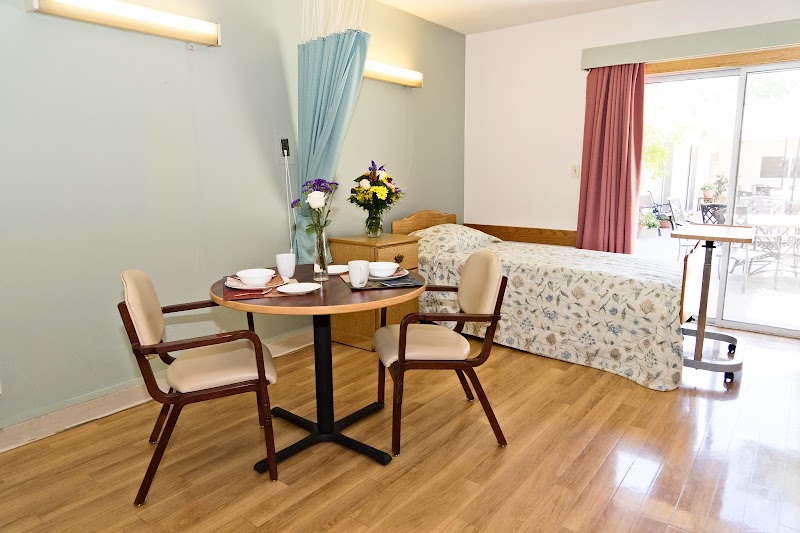
How is Sierra Valley Rehab Center Staffed?

CMS rates SIERRA VALLEY REHAB CENTER's staffing level at 2 out of 5 stars, which is below average compared to other nursing homes. Staff turnover is 47%, compared to the California average of 46%.

What Have Inspectors Found at Sierra Valley Rehab Center?

State health inspectors documented 68 deficiencies at SIERRA VALLEY REHAB CENTER during 2022 to 2025. These included: 2 that caused actual resident harm, 63 with potential for harm, and 3 minor or isolated issues. Deficiencies causing actual harm indicate documented cases where residents experienced negative health consequences.
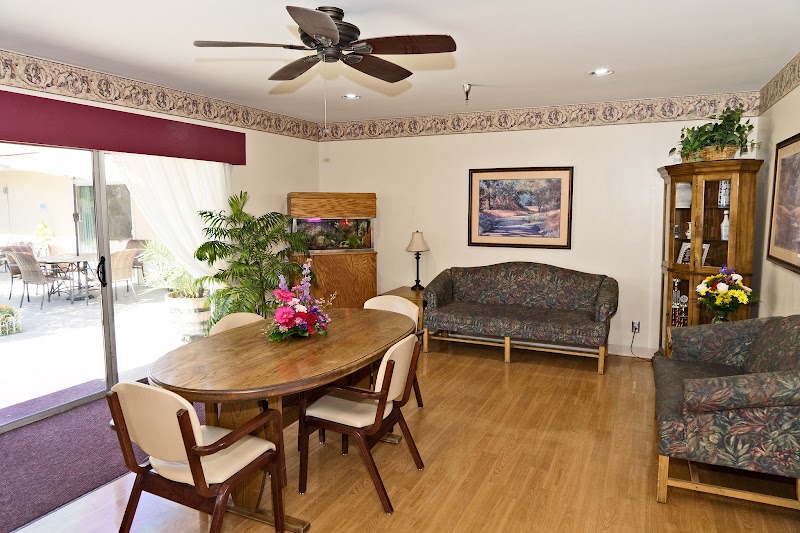
Who Owns and Operates Sierra Valley Rehab Center?

SIERRA VALLEY REHAB CENTER is owned by a for-profit company. For-profit facilities operate as businesses with obligations to shareholders or private owners. The facility is operated by CHARIS TRUST DTD 12/22/16, a chain that manages multiple nursing homes. With 139 certified beds and approximately 125 residents (about 90% occupancy), it is a mid-sized facility located in PORTERVILLE, California.
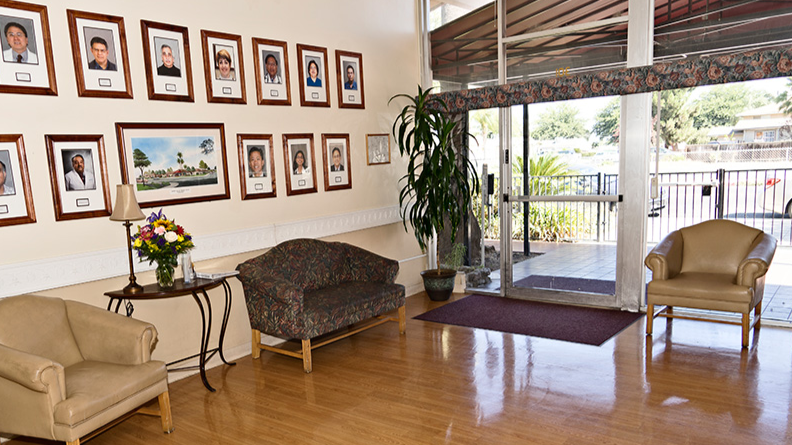
How Does Sierra Valley Rehab Center Compare to Other California Nursing Homes?

Compared to the 100 nursing homes in California, SIERRA VALLEY REHAB CENTER's overall rating (2 stars) is below the state average of 3.1, staff turnover (47%) is near the state average of 46%, and health inspection rating (2 stars) is below the national benchmark.

What Should Families Ask When Visiting Sierra Valley Rehab Center?

Based on this facility's data, families visiting should ask: "Can you walk me through typical staffing levels on day, evening, and night shifts?" "Can I visit during a mealtime to observe dining assistance and food quality?" "How do you handle medical emergencies, and what is your hospital transfer rate?" "Can I speak with family members of current residents about their experience?" These questions are particularly relevant given the below-average staffing rating.

Is Sierra Valley Rehab Center Safe?

Based on CMS inspection data, SIERRA VALLEY REHAB CENTER has a clean safety record: no substantiated abuse findings (meaning no confirmed cases of resident harm), no Immediate Jeopardy citations (the most serious violation level indicating risk of serious injury or death), and is not on the Special Focus Facility watch list (a federal program monitoring the lowest-performing 1% of nursing homes). The facility has a 2-star overall rating and ranks #100 of 100 nursing homes in California. While no facility is perfect, families should still ask about staff-to-resident ratios and recent inspection results during their visit.

Do Nurses at Sierra Valley Rehab Center Stick Around?

SIERRA VALLEY REHAB CENTER has a staff turnover rate of 47%, which is about average for California nursing homes (state average: 46%). Moderate turnover is common in nursing homes, but families should still ask about staff tenure and how the facility maintains care continuity when employees leave.

Was Sierra Valley Rehab Center Ever Fined?

SIERRA VALLEY REHAB CENTER has been fined $8,190 across 1 penalty action. This is below the California average of $33,161. While any fine indicates a compliance issue, fines under $50,000 are relatively common and typically reflect isolated problems that were subsequently corrected. Families should ask what specific issues led to these fines and confirm they've been resolved.

Is Sierra Valley Rehab Center on Any Federal Watch List?

SIERRA VALLEY REHAB CENTER is not on any federal watch list. The most significant is the Special Focus Facility (SFF) program, which identifies the bottom 1% of nursing homes nationally based on persistent, serious quality problems. Not being on this list means the facility has avoided the pattern of deficiencies that triggers enhanced federal oversight. This is a positive indicator, though families should still review the facility's inspection history directly.