SIERRA VIEW MEDICAL CENTER
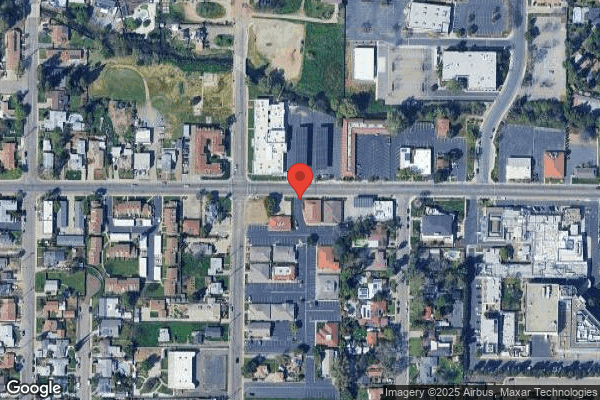

465 W PUTNAM AVE, PORTERVILLE, CA 93257 (559) 788-6157
For profit - Corporation 35 Beds Independent Data: November 2025
Trust Grade
75/100
#462 of 1155 in CA
Last Inspection: April 2025

Within standard 12-15 month inspection cycle. Federal law requires annual inspections.

Overview

Sierra View Medical Center in Porterville, California, has a Trust Grade of B, indicating it is a good choice among nursing facilities. It ranks #462 out of 1155 in California, placing it in the top half, and #6 out of 16 in Tulare County, meaning there are only a few local options that are better. The facility is showing improvement, with reported issues decreasing from 8 in 2024 to 4 in 2025. Staffing is rated average with a 3 out of 5 stars and a turnover rate of 35%, which is lower than the state average, suggesting staff stability. Notably, there have been no fines, and the facility boasts more registered nurse coverage than 90% of California facilities, which is a significant strength. However, there are concerns, such as the failure to ensure the crash cart was inspected daily, potentially putting residents at risk during emergencies, and the lack of a qualified professional overseeing the activities program for over six months, which affected all residents. Additionally, there were instances where the head of residents’ beds were not elevated to the required levels during tube feedings, which is critical for their safety. Overall, while there are strengths, families should be aware of these significant weaknesses.

Trust Score
B
75/100
In California
#462/1155
Top 40%
Safety Record
Low Risk
No red flags
Inspections
Getting Better
8 → 4 violations
Staff Stability
○ Average
35% turnover. Near California's 48% average. Typical for the industry.
Penalties
✓ Good
No fines on record. Clean compliance history, better than most California facilities.
Skilled Nurses
✓ Good
Each resident gets 109 minutes of Registered Nurse (RN) attention daily — more than 97% of California nursing homes. RNs are the most trained staff who catch health problems before they become serious.
Violations
⚠ Watch
19 deficiencies on record. Higher than average. Multiple issues found across inspections.
★★★★☆
4.0
Overall Rating
★★★☆☆
3.0
Staff Levels
★★★★☆
4.0
Care Quality
★★★★☆
4.0
Inspection Score
Stable
2024: 8 issues
2025: 4 issues

The Good

  • 4-Star Quality Measures · Strong clinical quality outcomes
  • Full Sprinkler Coverage · Fire safety systems throughout facility
  • No fines on record
  • Staff turnover below average (35%)

    13 points below California average of 48%

Facility shows strength in quality measures, fire safety.

The Bad

Staff Turnover: 35%

11pts below California avg (46%)

Typical for the industry

The Ugly 19 deficiencies on record

Apr 2025 4 deficiencies
CONCERN (E)

Potential for Harm - no one hurt, but risky conditions existed

Tube Feeding (Tag F0693)

Could have caused harm · This affected multiple residents

d. During an observation and interview on 4/6/25 at 11:20 a.m. with Licensed Vocational Nurse (LVN) 1 in Resident 6's room, Resident 6 was receiving a tube feeding via a feeding pump connected to Resi...

Read full inspector narrative →
d. During an observation and interview on 4/6/25 at 11:20 a.m. with Licensed Vocational Nurse (LVN) 1 in Resident 6's room, Resident 6 was receiving a tube feeding via a feeding pump connected to Resident 6's G-tube . Resident 6's head of bed (HOB) was elevated 27 degrees (measured by the bed electronically). LVN 1 stated the HOB should be at least 30 degrees while receiving tube feeding. During a review of Resident 6's, Tube Feeding Order (TFO), dated 6/13/24, the TFO indicated, Promote with fiber [tube feeding formula] to 55 ml/hr [milliliters per hour] x 22 hrs [hours] via GT by pump. During a review of Resident 6's, Tube Feeding Care Plan (TFCP), dated 1/31/24, the TFCP indicated, HOB at least 35 degrees during feedings. e. During an observation and interview on 4/8/25 at 11:15 a.m. with LVN 1 in Resident 134's Room, Resident 134 was receiving Jevity via a feeding pump connected to Resident 134's G-tube . Resident 134's HOB was elevated 26 degrees (measured by the bed electronically). LVN 1 stated the HOB should be 30-35 degrees while receiving tube feeding. During a review of 134's, TFO, dated 4/4/25, the TFO indicated, Jevity 1.2 @[at] 70 ml/hr x 22 hrs via G tube by pump. During a review of the facility's policy and procedure (P&P) titled, ADMINISTRATION OF FORMULA VIA FEEDING TUBE GRAVITY, BOLUS, PUMP. (undated), the P&P indicated, POLICY: Residents of [facility name] will receive enteral nutrition according to physician orders.PROCEDURE.Elevate head of bed at a 35-45 degree angle during feeding and for at least one hour after the feeding. Based on observation, interview, and record review, the facility failed to ensure five of 28 sampled resident's (Resident 184, Resident 20, Resident 9, Resident 6, and Resident 134) head of bed (HOB) was elevated during G-tube feeding (gastrostomy tube - G tube a small flexible to tube surgical inserted through the abdomen and placed into the stomach to deliver nutrition, fluids, and medication directly into stomach). This failure had the potential to cause aspiration (liquid or food enters into the lungs instead of the stomach) and choking for Resident 184, Resident 20, Resident 9, Resident 6, and Resident 134. Findings: a. During a concurrent observation and interview on 4/6/25 at 11:06 a.m. with Registered Nurse Supervisor (RNS) in Resident 184's room, Resident 184 was laying in bed with the HOB elevated to 18 degrees (measured by the bed electronically). Resident 184 was receiving Jevity (tube feeding formula) 1.5 via a feeding pump connected to Resident 184's G-tube at a rate of 45 ml/hr. RNS stated Resident 184's HOB was elevated to 18 degrees and should have been elevated to 35 degrees while receiving G - tube feedings. During a review of Resident 184's Current Active Orders (CAO), dated 3/22/25, the CAO indicated, Jevity.Instructions: Run at 45 ml/hr x 22 hrs via pump.Ensure HOB is elevated to at least 35 degrees during feeding. b. During a concurrent observation and interview on 4/6/25 at 11:21 a.m. with Registered Nurse (RN) 1 in Resident 20's room, Resident 20 was laying in bed with the HOB elevated to 20 degrees. Resident 20 was receiving Jevity via a feeding pump connected to Resident 20's G-tube at a rate of 60 ml/hr. RN 1 stated Resident 20's HOB was elevated to 20 degrees and should have been elevated to 30 degrees while receiving G- tube feedings. During a review of Resident 20's Current Active Orders (CAO), dated 1/17/25, the CAO indicated, Jevity.Instructions: Via pump at 60 ml/hr for 22 hrs.Ensure HOB is elevated to at least 35 degrees during feeding. During a review of Resident 20's, Tube Feeding Care Plan (TFCP), dated 12/15/23, the TFCP indicated, [Resident 20's] HOB will be elevated to at least 35 degrees to preventing aspirations. c. During a concurrent observation and interview on 4/8/25 at 10:26 a.m. with Director of Nursing (DON) in Resident 9's room, Resident 9 was laying in bed with the HOB elevated to 23 degrees(measured by the bed electronically). Resident 9 was receiving Jevity via a feeding pump connected to Resident 9's G-tube at a rate of 45 ml/hr. DON stated Resident 9's HOB was elevated to 20 degrees and should have been elevated to 30 degrees unless there was a TFCP to indicate that 30 degrees was not tolerated by resident. During a concurrent observation and interview on 4/8/25 at 10:29 a.m. with RN 1 in Resident 9's room, Resident 9 was laying in bed with the HOB elevated to 23 degrees. Resident 9 was receiving Jevity via a feeding pump connected to Resident 9's G-tube at a rate of 45 ml/hr. RN 1 stated Resident 9's HOB should have been elevated to 30 degrees while receiving tube feeding. During a review of Resident 9's Current Active Orders (CAO), dated 9/1/23, the CAO indicated, Jevity.Instructions: Ensure HOB is at least 35 degrees during feeding.45 ml/he x 22 hrs. During a review of Resident 9's, Tube Feeding Care Plan (TFCP), dated 9/13/23, the TFCP indicated, Ensure HOB elevate to 35 degrees during feeding.
CONCERN (E)

Potential for Harm - no one hurt, but risky conditions existed

Pharmacy Services (Tag F0755)

Could have caused harm · This affected multiple residents

Based on interview and record review, the facility failed to ensure their Policy and Procedure (P&P) titled, Medication Storage was followed when four of six sampled [facility name] Narcotic count che...

Read full inspector narrative →
Based on interview and record review, the facility failed to ensure their Policy and Procedure (P&P) titled, Medication Storage was followed when four of six sampled [facility name] Narcotic count check sheets [NCCS-requires two licensed nurses to sign and verify count accuracy], were not consistently completed. This failure had the potential for narcotic count errors, narcotic diversion [illegal use of controlled substance] or theft to not be identified. Findings: During a concurrent interview and record review on 4/8/25 at 10:10 a.m. with Registered Nurse Supervisor (RNS), the NCCS, dated November 2024, December 2024, January 2025, February 2025, March 2025, and April 2025 were reviewed. The NCCS' indicated the following: November 2024: 11/2/24 at 7 p.m. no licensed nurse signed. 11/7/24 at 7 p.m. one licensed nurse signed. 11/8/24 at 7 a.m. one licensed nurse signed. 11/12/24 at 7 p.m. one licensed nurse signed. 11/30/24 at 7 a.m. no licensed nurses signed. December 2024: 12/12/24 at 7 p.m. no licensed nurses signed. 12/17/24 at 7 a.m. one licensed nurse signed. 12/31/24 at 7a.m. no license nurses signed. January 2025: 1/14/25 at 7 a.m. one licensed nurse signed. 1/20/25 at 7 a.m. no licensed nurses signed. 1/28/25 at 7 a.m. no licensed nurses signed. 1/31/25 at 7 a.m. one licensed nurse signed. March 2025: 3/18/25 at 7 a.m. no licensed nurses signed. RNS stated two nurses required to complete the narcotic count at the beginning of each shift and should sign the NCCS to verify the narcotic count was completed. RNS stated dates and/or signature should not be missing on the NCCS logs. During an interview on 4/8/25 at 2:43 p.m. with Director of Nursing (DON), DON stated two nurses are responsible to count the narcotics at the beginning and end of each shift. The two nurses are to complete the NCCS. DON stated there should not be missing signatures on the NCCS. During a review of the facility's policy and procedure (P&P) titled, Controlled Medication Storage, the P&P indicated, Medications included in the Drug Enforcement Administration (DEA) classification as controlled substances are subject to special handling, storage, disposal and recordkeeping in the facility in accordance with federal, state and other applicable laws and regulations. D. At each shift change, a physical inventory of all controlled medications in Scheduled II-IV, including the emergency supply, is conducted by two license nurses and is documented on the controlled medication accountability record.
CONCERN (E)

Potential for Harm - no one hurt, but risky conditions existed

Food Safety (Tag F0812)

Could have caused harm · This affected multiple residents

Based on observation, interview, and record review, the facility failed to ensure pre-made food items were labeled with the use-by date and opened food items were labeled with the opened date. These f...

Read full inspector narrative →
Based on observation, interview, and record review, the facility failed to ensure pre-made food items were labeled with the use-by date and opened food items were labeled with the opened date. These failures had the potential to result in decreased palatability (tastiness) and foodborne illnesses for residents. Findings: During a concurrent observation and interview on 4/6/25 at 9:47 a.m. with Nutritional Lead (NL) 1 in the kitchen, 12 individual containers containing approximately one cup of sliced strawberries were in the refrigerator unlabeled and undated. NL 1 stated the strawberries should have been labeled with the prepared and use by date. During a concurrent observation and interview on 4/6/25 at 10:17 a.m. with NL 1 in the kitchen, the tray line refrigerator contained two uncovered and undated containers of strawberry puree and one uncovered and undated container of mixed fruit. NL 1 stated these food items should have been covered and dated with prepared and used by date. During a concurrent observation and interview on 4/6/25 at 10:04 a.m. with [NAME] 1 in the kitchen, [NAME] 1 removed an open 25-pound bag of brown rice from a plastic bin. The 25-pound bag of brown rice did not have an open date. [NAME] 1 stated the brown rice should have been dated with the opened date. During a concurrent observation and interview on 4/6/25 at 10:06 a.m. with [NAME] 1 in the kitchen, [NAME] 1 removed an open 25-pound bag of Panko [brand name] dry breadcrumbs from a plastic bin. The 25-pound bag of breadcrumbs did not have an open date. [NAME] 1 stated the breadcrumbs should have been dated with the opened date. During a review of the facility's policy and procedure (P&P) titled, FOOD SUPPLIES AND STORAGE, (undated), the P&P indicated, Food and supplies will be stored within regulatory guidelines to maintain optimal nutritional composition and prevent all sources of contamination.All foods in process will be covered, labeled when not clearly identifiable, and dated with the expiration date.Foods predated with an expiration date.will be dated the day the container was opened.
CONCERN (E)

Potential for Harm - no one hurt, but risky conditions existed

Infection Control (Tag F0880)

Could have caused harm · This affected multiple residents

2. During an observation on 4/6/25 at 11:00 a.m. outside of Resident 18's room, there was signage on his door indicating he was on contact precautions. During a concurrent observation and interview o...

Read full inspector narrative →
2. During an observation on 4/6/25 at 11:00 a.m. outside of Resident 18's room, there was signage on his door indicating he was on contact precautions. During a concurrent observation and interview on 4/7/25 at 9:25 a.m. with LVN 2 in Resident 18's room, LVN 2 entered Resident 18's room. Resident 18 was coughing. LVN 2 stated to Resident 18, I am going to suction [when secretions are sucked out of the throat and mouth] you. LVN 2 proceeded to suction Resident 18. LVN 2 was not wearing an isolation gown during suction treatments. LVN 2 stated Resident 18 was on contact precautions and enhanced barrier precautions (precautions used for a resident susceptible to infection). LVN 2 stated, I probably should have been wearing a gown, but I just tried not to get to close to the resident. During a review of facility's policy and procedure (P&P) titled, Contact Precautions, (undated), the P&P indicated, Contact Precautions shall be applied when a microorganism is identified or suspected in a resident that requires precautions beyond standard precautions. Direct contact transmission involves a direct body surface to body surface contact and physical transfer of microorganisms between a susceptible host and a person with known infection or a bacterial colonization as may occur when. resident care activities which require direct personal contact.2. Barrier Protection a. Staff members and visitors should wear gloves and gowns when entering the room. b. wear a gown when entering the room if substantial contact with the resident, body fluids, or environmental surface is anticipated. Based on observation, interview, and record review, the facility failed to follow standard practice for infection control when: 1. Water in the facility was not tested for legionella (bacteria found in various water sources and can pose a health risk when the bacteria grows and is inhaled by humans). 2. One of One Licensed Vocational Nurses (LVN) 2 did not wear proper Personal Protective Equipment (PPE-garment or device worn to shield an individual from potential harm) while providing respiratory care for one of two sampled residents (Resident 18) who were on contact precaution (Isolation of a resident when there is a high chance to spread contagious bacteria). These failures had the potential to spread disease causing organisms to residents, staff, and visitors. Findings: During a concurrent interview and record review on 4/9/25 at 2:57 p.m. with Safety and Security Manager (SSM), the facility's Variable Legionella Analysis (VLA), dated 3/15/24, 6/3/24, 9/12/24, 12/9/24 and 2/25/25 were reviewed. The VLA dated 3/15/24 indicated, the facility was located on the first floor of the building and a staff restroom sink was tested for legionella. The VLA dated 6/3/24, 9/12/24, 12/9/24 and 2/25/25 indicated no areas of the facility were tested. SSM stated the facility was not tested for legionella on 6/3/24, 9/12/24, 12/9/24 and 2/25/24. SSM stated he was not sure why the facility's water had not been tested for legionella. SSM stated there was a request to start testing this facility for legionella last year and did not know why it was no longer on the list of areas to test. SSM stated the facility should have been tested for legionella on a quarterly basis. SSM stated the facility pipes and water faucets that connect to the hot water heaters should have been tested for legionella. During an interview on 4/10/25 at 9:50 a.m. with Director of Nursing (DON), DON stated she was unaware that the facility was not being tested for legionella. During a review of the facility's Water Management Program (WMP), dated 2024, the WMP indicated, This management plan is designed to control and manage microorganisms in water systems.To ensure levels remain at or below recommended levels, Legionella may be tested on a routine basis upon the discretion of the facility's Water Safety Team. Section 6 provides the details.6. Program Monitoring and Action Plans.Quarterly recommended Total: 26 Legionella samples.
Mar 2024 8 deficiencies
CONCERN (D)

Potential for Harm - no one hurt, but risky conditions existed

Deficiency F0604 (Tag F0604)

Could have caused harm · This affected 1 resident

Based on observation, interview, and record review, the facility failed to re-evaluate the need for a left-hand mitten (physical restraint used to prevent a person from scratching or pulling at life s...

Read full inspector narrative →
Based on observation, interview, and record review, the facility failed to re-evaluate the need for a left-hand mitten (physical restraint used to prevent a person from scratching or pulling at life sustaining equipment) after 90 days per physician's order for one of four sampled residents (Resident 14). This failure had the potential to result in Resident 14 being physically restrained without a physician's authorization. Findings: During an observation on 3/25/24 at 9:42 a.m. in Resident 14's room, there was a hand mitten restraint on the over bed table. During a concurrent interview and record review on 3/25/24 at 2:46 p.m. with Regulatory Registered Nurse (RRN), Resident 14's Physician's Order (PO), dated 12/12/23 was reviewed. The PO indicated, Left hand mitten to prevent from pulling at life sustaining tubes x 90 days, re-eval [re-evaluate]. RRN stated the order for restraints was out of compliance and should have been renewed on 3/12/24. During a concurrent interview and record review on 3/27/24 at 3:46 p.m. with Administrator/Director of Nursing (Admin/DON), Admin/DON stated there is no current physician's order for the left-hand mitten restraint since the charge nurse did not re-evaluate the need for restraint after 90 days per physicians' order. During a review of the facility's policy and procedure (P&P) titled, Restraint Use -Non-Violent, Non Self-Destructive (NVNSD) And Emergency-Violent Self Destructive (VSD), (undated), the P&P indicated, Orders: Restraint will be initiated or continued at the order of the physician.
CONCERN (D)

Potential for Harm - no one hurt, but risky conditions existed

Tube Feeding (Tag F0693)

Could have caused harm · This affected 1 resident

Based on observation, interview, and record review, the facility failed to ensure the head of bed was raised at least 35 degrees while receiving gastrostomy tube (g-tube - tube inserted directly into ...

Read full inspector narrative →
Based on observation, interview, and record review, the facility failed to ensure the head of bed was raised at least 35 degrees while receiving gastrostomy tube (g-tube - tube inserted directly into the stomach through the abdominal wall, for administration of nutrition and medication) feedings for one of eight sampled residents (Resident 22). This failure had the potential for aspiration (inhaling into lungs) of stomach contents and risk for developing a respiratory infection. Findings: During an observation on 3/25/24 at 9:48 a.m. in Resident 22's room, Resident 22's head of bed was in a 25 degree position while g-tube feeding was being administered via g-tube pump at bedside. During a concurrent observation and interview on 3/25/24 at 9:54 a.m. with Licensed Vocational Nurse (LVN) 3, in Resident 22's room, Resident 22's head of bed was in a 25 degree position. LVN 3 stated Resident 22's head of bed was at 25 degrees and should be at least 35 degrees while the tube feeding is running to decrease the risk of aspiration. During a review of Resident 22's Physician's Order (PO), dated 8/30/23, the PO indicated, Gastrostomy Tube Management Routine.Instructions. Elevate HOB [Head of Bed] 30-35 degrees during feeding. During a review of the facility's policy and procedure (P&P) titled, Administration of Formula via Feeding Tube Gravity, Bolus, Pump, (undated), the P&P indicated, B. Enteral [delivery of nutrients directly into the stomach] Feeding . 5. Elevate head of bed at a 35 - 45 degree angle during the feeding and for at least one hour after feeding.
CONCERN (D)

Potential for Harm - no one hurt, but risky conditions existed

Pharmacy Services (Tag F0755)

Could have caused harm · This affected 1 resident

Based on observation, interview, and record review, the facility failed to ensure physician's ordered medication was available for administration to one of 30 sampled residents (Resident 17). This fai...

Read full inspector narrative →
Based on observation, interview, and record review, the facility failed to ensure physician's ordered medication was available for administration to one of 30 sampled residents (Resident 17). This failure resulted in Resident 17 not receiving medication to reduce excessive stomach acid. Findings: During a review of Resident 17's Active Orders (AO), dated 3/28/24, the AO indicated, Pantoprazole [Protonix - medication used to decrease the amount of stomach acid] 40 mg [milligrams] GT [gastric tube - a tube inserted directly into the stomach through the abdominal wall, for administration of nutrition and medication] QDAY [every day]. During a concurrent observation and interview on 3/27/24 at 9:14 a.m. with Licensed Vocational Nurse (LVN) 3 outside of Resident 17's room, LVN 3 was preparing medications to be administered. LVN 3 stated Resident 17's dose of Protonix was not available in the facility to be administered. During a concurrent interview and record review on 3/28/24 at 9:26 a.m. with Registered Nurse (RN) 2, the Pharmacy Order/Change Form (POF), dated 3/26/24 was reviewed. The POF indicated Protonix was ordered from the pharmacy on 3/26/24. RN 2 stated the facility had not received the medication yet. During a review of the faciliy's policy and procedure (P&P) titled, Medication Administration - DP/SNF (undated), the P&P indicated, To assure the most complete and accurate implementation of physicians' medication orders and to optomize drug therapy for each resident by providing for administration of drugs in an accurate, safe, timely, and sanitary manner.
CONCERN (D)

Potential for Harm - no one hurt, but risky conditions existed

Deficiency F0847 (Tag F0847)

Could have caused harm · This affected 1 resident

Based on interview and record review, the facility failed to ensure the required language was written into signed arbitration agreements for two of 30 sampled residents (Resident 10 and Resident 12). ...

Read full inspector narrative →
Based on interview and record review, the facility failed to ensure the required language was written into signed arbitration agreements for two of 30 sampled residents (Resident 10 and Resident 12). This failure had the potential for Resident 10, Resident 12, and their representatives to not be aware of their rights to communicate with federal, state, or local officials such as federal and state surveyors, other federal or state health department employees and representative of the Office of the State Long Term Care Ombudsman. Findings: During an interview on 3/25/24 at 9:05 a.m. with Administrator/Director of Nursing (Admin/DON), Admin/DON stated the facility does not offer arbitration agreements. During a review of Resident 10's medical record, a signed arbitration agreement dated 6/29/19 was noted. The arbitration agreement did not have language regarding the right for Resident 10 or his representative to communicate with federal, state, or local officials such as federal and state surveyors, other federal or state health department employees and representative of the Office of the State Long Term Care Ombudsman. During a concurrent interview and record review on 3/27/24 at 3:33 p.m. with Admin/DON, Admin/DON stated the facility has no arbitration agreement policy because residents are not being asked to sign one during the admission process. Admin/DON reviewed Resident 10's signed admission agreement and stated he did have a signed arbitration agreement. During a concurrent interview and record review on 3/27/24 at 4:50 p.m. with Social Services (SS), SS stated she found a signed arbitration agreement for Resident 12. The arbitration agreement was reviewed and lacked the language regarding the right for Resident 12 or his representative to communicate with federal, state, or local officials such as federal and state surveyors, other federal or state health department employees and representative of the Office of the State Long Term Care Ombudsman. The facility was requested for a copy of the policy and procedure for arbitration agreements, none was provided.
CONCERN (E)

Potential for Harm - no one hurt, but risky conditions existed

Deficiency F0551 (Tag F0551)

Could have caused harm · This affected multiple residents

**NOTE- TERMS IN BRACKETS HAVE BEEN EDITED TO PROTECT CONFIDENTIALITY** Based on interview and record review, the facility failed to ensure two of 30 sampled residents (Resident 2 and Resident 7) were...

Read full inspector narrative →
**NOTE- TERMS IN BRACKETS HAVE BEEN EDITED TO PROTECT CONFIDENTIALITY** Based on interview and record review, the facility failed to ensure two of 30 sampled residents (Resident 2 and Resident 7) were represented with an individual or entity other than the facility's Interdisciplinary Team (IDT- group of health care professionals including doctors, nurses, pharmacists, social workers, and dieticians who coordinate care). This failure resulted in Resident 2's and Resident 7's right to have a surrogate decision-maker not being honored. Findings: During a review of Resident 2's Facesheet, undated, the Facesheet indicated the Next of Kin section was blank. The Person to Notify indicated, Team, Interdisciplinary SNF [skilled nursing facility] . will call [facility's medical director]. During a review of Resident 7's Facesheet, undated, the Facesheet indicated the Next of Kin section was blank. The Person to Notify indicated, Team, Interdisciplinary SNF . will call [facility's medical director]. During a concurrent interview and record review on [DATE] 8:48 a.m. with Admin/DON, Resident 2's Facesheet, undated was reviewed. Admin/DON stated the Ombudsman (representative who assists residents in long-term care facilities with issues related to day-to-day care, health, safety, and personal preferences) no longer comes to care planning sessions. Admin/DON stated the IDT is Resident 2's only source of advocacy. During an interview on [DATE] 3:24 p.m. with Admin/DON, Admin/DON stated Resident 2 and Resident 7 have no resident representatives and were both represented by the facility's IDT. During an interview on [DATE] at 9:14 a.m. with Social Services (SS), SS stated Resident 2 has no family or conservator. SS stated IDT team manages Resident 2's care. SS stated a state agency for aging is notified if consents are needed for invasive procedures but not for vaccinations. During a concurrent interview and record review on [DATE] at 4:15 p.m. with SS, Resident 2's History and Physical (H&P), undated was reviewed. The H&P indicated Resident 2 was in a persistent vegetative state [person is awake but is showing no signs of awareness] for more than 20 years. A Social Services Note dated [DATE] indicated, SS received phone call from Ombudsman [name of ombudsman] to inform us she will no longer be attending IDT meetings due to recommendation made by state ombudsman . Resident [2] currently is represented by IDT as she [sic] does not have family involved to assist with decision making or care. SS to reach out to [public conservatorship agency] for guidance on who will continue to represent resident. A Social Services Note dated [DATE] indicated SS spoke with an individual at a public conservatorship agency but no conservatorship was obtained and Resident 2 will continue to [be] represented by IDT for decision making. During a review of Resident 7's H&P, dated [DATE], the H&P indicated, PVS [persistent vegetative state] no cognitive ability [lacks knowledge and reasoning skills]. A Social Services Note dated [DATE] indicated, SS received phone call from Ombudsman [name of ombudsman] to inform us she will no longer be attending IDT meetings due to recommendation made by state ombudsman . Resident [7] currently is represented by IDT as she does not have family involved to assist with decision making or care. SS to reach out to [public conservatorship agency] for guidance on who will continue to represent resident. A Social Services Note dated [DATE] indicated SS spoke with an individual at a public conservatorship agency but no conservatorship was obtained and Resident 7 will continue to [be] represented by IDT for decision making. During a review of the facility's policy and procedure (P&P) titled, Surrogate Decision Maker, Selection Of, (undated), the P&P indicated, The following procedures will be followed for selecting a surrogate [substitute] decision maker when a patient lacks decision-making capacity and lacks a written advance directive for health care or a court appointed conservator [when a judge appoints another person to act or make decisions for the person who needs help] . If the patient has not appointed a surrogate or agent through a valid written or oral directive and if there is no court appointed conservator for health care decision making; or if the designated surrogate, agent [sic] or conservator is not reasonably available, it may be necessary to rely upon the consent given be a relative to make health care decisions on behalf of the patient . If the patient's relatives cannot agree as to who shall be the surrogate decision maker for the patient, then a multi-disciplinary team to include an attending physician, nurse familiar with the patient, social worker familiar with the patient, and a representative from Risk Management will appoint a surrogate. During a review of All Facilities Letter (AFL- letter from state health care agencies to health facilities that are licensed or certified by the state) 23-18 indicated, Effective [DATE], the [state's] Department of Aging's . [and] Long-Term Care Patient Representative Program (LTCPRP) is operational. The Office of the Long-Term Care Patient Representative (OLTCPR) provides public patient representatives to participate in the IDT process for residents who require a medical intervention that requires informed consent in the absence of a conservator, family member, friend, or legal surrogate decision maker.
CONCERN (E)

Potential for Harm - no one hurt, but risky conditions existed

Respiratory Care (Tag F0695)

Could have caused harm · This affected multiple residents

Based on observation, interview, and record review, the facility failed to ensure two of two sampled Respiratory Care Practitioners (RCP 1 and RCP 2) were competent to set up and manage respiratory ca...

Read full inspector narrative →
Based on observation, interview, and record review, the facility failed to ensure two of two sampled Respiratory Care Practitioners (RCP 1 and RCP 2) were competent to set up and manage respiratory care equipment for three of six residents (Resident 8, Resident 6, and Resident 10) according to facility policy. This failure had the potential to result in contaminated respiratory equipment being used and respiratory infections to develop in residents with compromised respiratory systems. Findings: During a concurrent observation and interview on 3/26/24 at 8:37 a.m. with Regulatory Registered Nurse (RRN) in Resident 8's room, corrugated tubing with oxygen flowing was laying on the floor. RRN stated the tubing is supposed to be placed into the clear bag when it has been disconnected from the resident, so it does not become contaminated. During an observation on 3/26/24 at 8:43 a.m. in Resident 6's room, corrugated tubing was laying on Resident 6's empty bed. During an observation on 3/26/24 at 8:44 a.m. in Resident 10's room, corrugated tubing was laying on Resident 10's empty bed and touching the headboard. During an interview on 3/26/24 at 8:48 a.m. with RCP 1, RCP 1 stated staff should have placed the tubing in the clear plastic bag that hangs at each resident's bedside when the resident is disconnected from the tubing. During an interview on 3/26/24 at 2:20 p.m. with Infection Preventionist (IP), IP stated it was unacceptable for tubing to be placed on the resident's bed and not changed. IP stated the RCP should have changed the tubing when they were notified it had been contaminated. During an interview on 3/26/24 at 3:18 p.m. with RCP 1, RCP 1 stated she changed the corrugated tubing for Resident 10 and Resident 8 but not for Resident 6. RCP 1 stated the tubing should have been changed before Resident 6 was reconnected because it was contaminated. RCP 1 stated weekly tubing changes are documented but not the as needed (PRN) tubing changes. RCP stated when tubing is changed, the water trap (drain cup used to collect excess water in the tubing caused by humidification) is dated. During an observation on 3/26/24 at 3:20 p.m. in Resident 10's room, tubing was checked for a date, the date on the water trap was 3/21, indicating the tubing had not been changed. During a concurrent observation and interview on 3/27/24 at 9:05 a.m. with RCP 2 in Resident 10's room, the water trap was dated 3/21. RCP 2 stated water trap is supposed to be changed when the tubing is changed because the tubing connects to the water trap and if the tubing is contaminated so is the water trap. RCP 2 stated the tubing and water trap should have been changed. RCP 2 stated RCPs do not document PRN tubing changes, only the weekly changes. RCP 2 left Resident 10's room and did not change tubing. During an interview on 3/27/24 at 9:37 a.m. with IP, IP stated the tubing, including the water trap or drain cup should have been changed and documented. IP stated RCP 2 should have changed it when it was brought to his attention. IP stated staff did not follow the policy. During a concurrent interview and record review on 3/27/24 at 12:13 p.m. with Manager of Respiratory Care Services (MRCS), RCP 1's 2023 Annual Competency Review Respiratory Care Services (2023 ACRRCS), dated 10/4/23 and RCP 2's 2023 ACRRCS, dated 10/5/23 were reviewed. The competency did not include evaluation of RCP's ability to maintain infection control practices during the set up and changing of the tubing. MRCS stated the initial and annual competencies do not cover those practices because they are expected to know how to set up the tubing in a way that prevents infections as a part of their basic training. MRCS stated that should have been a part of the competency and needs to be incorporated. MRCS stated the 2023 ACRRCS did not evaluate RCP 1 or RCP 2 for the set up and management of respiratory equipment. MRCS stated it is an issue because the residents are high risk for serious respiratory infections. During a review of the facility's P&P titled, Competency Assessment Process, (undated), the P&P indicated, Annual competency assessment may include validation of the following . High-risk, low-volume job functions and accountabilities . Competencies will reflect the employee's job description, focuses on performance standards and behaviors necessary to perform core job functions.
CONCERN (E)

Potential for Harm - no one hurt, but risky conditions existed

Infection Control (Tag F0880)

Could have caused harm · This affected multiple residents

6. During an observation on 3/27/24 at 8:25 a.m. outside of Resident 20's room, LVN 4 did not perform hand hygiene before putting on gloves and going to Resident 20's bedside to administer medications...

Read full inspector narrative →
6. During an observation on 3/27/24 at 8:25 a.m. outside of Resident 20's room, LVN 4 did not perform hand hygiene before putting on gloves and going to Resident 20's bedside to administer medications. LVN 4 gave eyedrops to both of Resident 20's eyes, removed her gloves, put on new gloves without performing hand hygiene, then gave medications through Resident 20's gastrostomy tube (g-tube - tube inserted directly into the stomach through the abdominal wall, for administration of nutrition and medication). While wearing the same gloves used while handling Resident 20's g-tube, LVN 4 suctioned (way to clear the airway when the individual cannot clear it) Resident 20's airway through the tracheostomy. LVN 4 removed the gloves, did not perform hand hygiene, and put on new gloves to clean up and dispose of supplies on bedside table. During an observation on 3/27/24 at 8:49 a.m. outside Resident 2's room, LVN 4 did not perform hand hygiene before putting on gloves and going to Resident 2's bedside to give medications through Resident 2's g-tube. LVN 4 removed gloves after giving medications, without performing hand hygiene. LVN 4 put on new gloves to suction Resident 2's airway through the tracheostomy. LVN 4 removed the gloves, did not perform hand hygiene, and put on new gloves to clean up and dispose of supplies on bedside table. During an interview on 3/27/24 at 9:10 a.m. with LVN 4, LVN 4 stated she should have performed hand hygiene when taking off and putting on new gloves and between the g-tube and tracheostomy care. During a concurrent interview and record review on 3/28/24 at 10 a.m. with Administrator/Director of Nursing (Admin/DON), the facility's P&P titled, Handwashing, (undated) was reviewed. The P&P indicated, Policy: All employees, volunteers, contractors, medical staff, students, and instructors shall wash their hands frequently with soap, friction, and running water or alcohol-based hand rub/sanitizer to minimize the likelihood of hands serving as a mode of transmission for healthcare acquired infections (HAI's). *Handwashing Indications . 2. Before and after performing invasive procedures 3. Healthcare Personnel (HCP) need to perform hand hygiene before and after all patient contact 4. Before and after taking care of particularly susceptible patients such as those who are severely immunocompromised [lacking ability to prevent or fight infection] . 6. After contact with potentially infectious material in situations during which microbial [germs] contamination of hands is likely to occur, especially those involving contact with mucous membranes, blood, body fluids, secretions, excretions, and/or other potentially infectious materials (OPIM) . Hand Hygiene Indications . 8. Decontaminate hands before donning (putting on) and after doffing (removing) gloves and reused PPE (mask, goggles/face shields and gowns). Admin/DON stated staff are expected to perform hand hygiene before and after glove use, to help prevent the spread of infection among residents. Based on observation, interview, and record review, the facility failed to follow standard infection control practices when staff did not: 1. Change the suction canister liner (containing respiratory secretions) when over three quarters full for one of six sampled residents (Resident 21). 2. Change the Yaunker (suction catheter used to clear excess secretions from the mouth) per policy for one of six sampled residents (Resident 9). 3. Discard an unlabeled, undated, and contaminated T-piece (connection device used in oxygen delivery) for one of six sampled residents (Resident 10). 4. Store and secure aerosol tubing (oxygen delivery system) in a way that prevented contamination for three of six sampled residents (Resident 8, Resident 10, and Resident 6). 5. Discard and replace contaminated aerosol tubing before reconnecting for two of three sampled residents (Resident 6 and Resident 10). 6. Perform hand hygiene for two of two sampled residents (Resident 20 and Resident 2) while providing care. These failures had the potential to result in respiratory infections in residents with compromised respiratory systems. Findings: 1. During a concurrent observation and interview on 3/25/24 at 9:49 a.m. with Registered Nurse (RN) 1, in Resident 21's room, the suction canister was filled to 800 milliliters (ml). Resident 21 was coughing and had sputum filling his tracheostomy (opening in the airway from outside the neck to allow for breathing) tubing and dripping from the end of it. RN 1 stated Resident 21 should have been suctioned. RN 1 stated the suction canister should have been changed when it was three quarters full. During an interview on 3/26/24 at 8:36 a.m. with Administrator/Director of Nursing (Admin/DON), Admin/DON stated her expectation is for the cannister to be changed at the time it reaches 750 ml. 2. During a concurrent observation and interview on 3/25/24 at 9:38 a.m. with Certified Nursing Assistant (CNA) 1 in Resident 9's room, an open Yaunker was on the over bed table. CNA 1 stated the package had been opened and was dated as opened 3/20/24. During an interview on 3/25/24 at 9:40 a.m. with Licensed Vocational Nurse (LVN) 2, LVN 2 stated the Yaunker was opened and dated 3/20/24. LVN 2 stated since it was opened, it should have been replaced 3/23/24. 3. During a concurrent observation and interview on 3/26/24 at 8:20 a.m. with LVN 1 in Resident 10's room, a T-piece with dried mucus was hanging at the bedside in a clear plastic bag with no name and no date. LVN 1 stated the bag should have been labeled and dated. During an interview on 3/26/24 at 8:33 a.m. with Respiratory Care Practitioner (RCP) 1, RCP 1 stated because the T-piece hanging in bag was not labeled and dated, it should have been discarded and replaced. 4. During a concurrent observation and interview on 3/26/24 at 8:37 a.m. with Regulatory Registered Nurse (RRN) in Resident 8's room, corrugated tubing with oxygen flowing was laying on the floor. RRN stated the tubing is supposed to be placed into the clear bag when it has been disconnected from the resident so it does not become contaminated. During an observation on 3/26/24 at 8:43 a.m. in Resident 6's room, corrugated tubing was laying on Resident 6's empty bed. During an observation on 3/26/24 at 8:44 a.m. in Resident 10's room, corrugated tubing was laying on Resident 10's empty bed and touching the headboard. During an interview on 3/26/24 at 8:48 a.m. with RCP 1, RCP 1 stated staff should have placed the tubing in the clear plastic bag that hangs at each resident's bedside when the resident is disconnected. During an interview on 3/26/24 at 8:51 a.m. with RRN, RRN stated the staff should have put the tubing into the bag when the residents were disconnected because the tubing could become contaminated and cause respiratory infections. During an interview on 3/26/24 at 2:20 p.m. with Infection Preventionist (IP), IP stated it is unacceptable for tubing to be placed on the resident's bed and not get changed. IP stated the RCP should have changed the tubing when they were notified it had been contaminated. 5. During an interview on 3/26/24 at 3:18 p.m. with RCP 1, RCP 1 stated she changed the corrugated tubing for Resident 10 and Resident 8 but not for Resident 6. RCP 1 stated the tubing should have been changed before Resident 6 was reconnected because it was contaminated. RCP 1 stated weekly tubing changes are documented but not the as needed (PRN) tubing changes. RCP stated when tubing is changed, the water trap (drain cup used to collect excess water in the tubing caused by humidification) is dated. During an observation on 3/26/24 at 3:20 p.m. in Resident 10's room, tubing was checked for a date, the date on the water trap was 3/21, indicating the tubing had not been changed. During a concurrent observation and interview on 3/27/24 at 9:05 a.m. with RCP 2 in Resident 10's room, the water trap was dated 3/21. RCP 2 stated water trap is supposed to be changed when the tubing is changed because the tubing connects to the water trap and if the tubing is contaminated so is the water trap. RCP 2 stated the tubing and water trap should have been changed. RCP 2 stated RCPs do not document PRN tubing changes, only the weekly changes. RCP 2 left Resident 10's room and did not change tubing. During a concurrent interview and record review on 3/27/24 at 9:37 a.m. with IP, the facility's policy and procedure (P&P) titled, Tracheostomy Care-DP [Distinct Part]/SNF [Skilled Nursing Facility], (undated), was reviewed. The P&P indicated, Attach tracheostomy to tubing of suction catheter at T-piece . Discard all contaminated items . INFECTION CONTROL . Change suction canister liners every three (3) days, odd rooms on night shift and even rooms on day shift. Change suction canister liners as needed when three (3) quarters full . Change Yaunkers every Tuesday and Saturday, if opened, and as needed. IP stated the tubing, including the water trap or drain cup should have been changed and documented. IP stated RCP 2 should have changed it when it was brought to his attention. IP stated staff did not follow the policy. During a review of the facility's P&P titled, Bland Aerosol Administration, (undated), the P&P indicated, INFECTION CONTROL. Management of the Bland Aerosol delivery system is performed in order to limit the occurrence of nosocomial infections [infections acquired inside of a healthcare setting, not present on admission] and to assure that the circuit maintains it's physical integrity. Aerosol set up, including tubing, drain cup and suction will be changed weekly and PRN, documented at the time of the change, on the patient treatment sheet by the Respiratory Care Practitioner. In addition, the new circuit will be dated at the time of change, usually on the drain cup itself.
CONCERN (F)

Potential for Harm - no one hurt, but risky conditions existed

Deficiency F0658 (Tag F0658)

Could have caused harm · This affected most or all residents

**NOTE- TERMS IN BRACKETS HAVE BEEN EDITED TO PROTECT CONFIDENTIALITY** Based on interview and record review, the facility failed to ensure the Crash Cart (emergency cart used to transport and store e...

Read full inspector narrative →
**NOTE- TERMS IN BRACKETS HAVE BEEN EDITED TO PROTECT CONFIDENTIALITY** Based on interview and record review, the facility failed to ensure the Crash Cart (emergency cart used to transport and store emergency medications and supplies) used for 30 of 30 sampled residents, was inspected daily. This failure had the potential to result in necessary supplies and medications to be unavailable in an emergency. Findings: During a concurrent interview and record review on [DATE] at 11:37 a.m. with Registered Nurse (RN) 1, the Crash Cart Integrity Check List (CCICL), dated [DATE] through [DATE] were reviewed. The CCICL was not completed on the following dates: [DATE], [DATE], [DATE], [DATE], [DATE], [DATE], [DATE], [DATE], [DATE], [DATE], [DATE], [DATE], [DATE]. RN 1 stated the crash cart is supposed to be checked every night shift. RN 1 stated, If it's blank, it means it wasn't checked. RN 1 stated the cart needed to be checked because the crash cart supplies and medication might not be functioning and available if it is needed in an emergency. RN 1 stated it should have been checked and CCICL should have been completed. During a review of the facility's policy and procedure (P&P) titled, Crash Carts-Exchanging, Restocking, Security And Verification, (undated) the P&P indicated, Daily Inspection 1. The nurse will assure that: a. The defibrillator [device used in an emergency that applies an electric charge or current to the heart to restore a normal heartbeat] is plugged into the RED electrical outlet and charged. b. Test the defibrillator daily . The initials of the staff nurse performing the check will document that this is completed. 2. Check the contents on top of the crash carts, assuring none of the supplies are compromised or expired. 3. Check the oxygen cylinder for adequate content . Make sure the contents of the Crash Cart are secure by verifying tamper-evident seals are locked and that the lock number corresponds to the number recorded on the log. If the lock is broken, the cart is NOT to be used . Sign the Crash Cart Integrity Check List that is attached to the Crash Cart.
Oct 2023 1 deficiency
CONCERN (D) 📢 Someone Reported This

A family member, employee, or ombudsman was alarmed enough to file a formal complaint

Potential for Harm - no one hurt, but risky conditions existed

Deficiency F0658 (Tag F0658)

Could have caused harm · This affected 1 resident

Based on observation, interview, and record review, the facility failed to administer ordered medication for two of eight sampled residents (Resident 1, Resident 2). This failure had the potential for...

Read full inspector narrative →
Based on observation, interview, and record review, the facility failed to administer ordered medication for two of eight sampled residents (Resident 1, Resident 2). This failure had the potential for adverse effects. Findings: During a review of Resident 1's Medication Record (MR), dated 8/11/23, the MR indicated, Resident 1 was to be given 180 ml (milligram) of Glucerna (nutritional liquid supplement) at 8 p.m., and Senna (stool softener) 8.6 mg (milligrams) one tablet at 9 p.m. The MR dated 8/12/23 indicated, Resident 1 was to be given 22 units of Basaglar insulin (used to control high blood sugar) injection at 6 a.m. There was no signatures on 8/11/23 and 8/12/23 for the medications Senna, Glucerna, and Basaglar insulin to indicate it was given. During a review of Resident 2's MR, dated 8/11/23, the MR indicated, Resident 2 was to be given Senna 8.6 mg one tablet at 9 p.m. and Propranolol (high blood pressure medication) 20 mg one tablet at 10 p.m. The MR dated 8/12/23 indicated, Resident was to be given Gabapentin (used for pain) 300 mg one capsule and Baclofen (used for muscle spasm) 20 mg one table at 6 a.m. There was no signatures on 8/11/23 and 8/12/23 for the medications Senna, Propranolol, Gabapentin and Baclofen to indicate it was given. During a concurrent interview and record review on 8/30/23 at 12:30 p.m. with Director of Nurses (DON), Resident 1 and Resident 2's MR were reviewed. DON confirmed the ordered medications for Resident 1 and Resident 2 dated 8/11/23 and 8/12/23 had no signatures. DON stated the medications were not given. During a review of the facility's policy and procedure (P&P) titled, Medication Administration-DP/SNF, undated, the P&P indicated, DOCUMENTATION REQUIREMENTS a. Licensed personnel shall make all entries in the health record involving medications. c. Two staff are required to check and sign for certain medications, . d. Documentation of medication doses administered shall be charted as soon as possible after administration to any individual resident.
Dec 2022 5 deficiencies
CONCERN (D)

Potential for Harm - no one hurt, but risky conditions existed

Deficiency F0658 (Tag F0658)

Could have caused harm · This affected 1 resident

Based on observation, interview, and record review, the facility failed to meet professional standards during medication administration when physician orders were not followed for two of five sampled ...

Read full inspector narrative →
Based on observation, interview, and record review, the facility failed to meet professional standards during medication administration when physician orders were not followed for two of five sampled residents (Resident 28 and Resident 30). This failure had the potential to result in adverse drug interactions. Findings: During an observation on 12/6/22, at 8:41 AM, in Resident 28's room, Registered Nurse (RN) 2 gave Resident 28 the following medications: Cholecalciferol (also known as Vitamin D3-made by the skin when exposed to sunlight) 25 mcg (microgram-unit of measurement), Cyanocobalamin (also known as Vitamin B12) indicated for Vitamin B12 deficiency 1000mcg, Finasteride (medication given for enlarged prostate) 5mg (milligram-unit of measurement), Famotidine (medication used for acid reflux) 20mg, Acidophilus (probiotic-taken for stomach health) , Calcium Carbonate (dietary supplement used when calcium in the diet is not enough) 1250mg. All medications were given through Resident's Gastric Tube (A tube inserted through the wall of the abdomen directly into the stomach). No water flushes were given in between these medications. During a concurrent interview and record review, on 12/6/22, at 8:45 AM, with RN 2, Resident 28's Medication Administration Record (MAR), dated November 2022 was reviewed. The MAR indicated, Flush with a minimum of 15ml [milliliter-unit of measure] H2O [water] in between each medication given. RN 2 stated, Resident 28 should have gotten the flushes. During an observation on 12/6/22, at 8:57 AM, in Resident 30's room, RN 2 gave Resident 30 Carvedilol (medication used to treat high blood pressure) 6.25 mg (mg-unit of measurement), Senna (medication to treat constipation) 8.6mg, and Vitamin B12 2,000U (U-Unit of measurement) through his gastric tube. No water flushes were given in between these three medications. During a concurrent interview and record review, on 12/6/22, at 9 AM, with RN 2, Resident 30's MAR, dated November 2022 was reviewed. The MAR indicated, Flush with a minimum of 15ml H2O in between each medication given. RN 2 stated, she did not do this and should have followed the MAR. During a review of the facility's policy and procedure (P&P) titled, Medication Administration-DP/SNF [Distinct Part-Skilled Nursing Facility], (undated), the P&P indicated, Purpose: to assure the most complete and accurate implementation of physicians' medication orders and to optimize drug therapy for each resident by providing for administration of drugs in an accurate, safe, timely, and sanitary manner. Tube administration (Gastric). 12. Flush tube with minimum of 15 ml of water after each medication.
CONCERN (D)

Potential for Harm - no one hurt, but risky conditions existed

Unnecessary Medications (Tag F0759)

Could have caused harm · This affected 1 resident

Based on observation, interview, and record review, the facility failed to ensure it was free from a medication error rate of five percent (%) or greater during the medication pass observation. The fa...

Read full inspector narrative →
Based on observation, interview, and record review, the facility failed to ensure it was free from a medication error rate of five percent (%) or greater during the medication pass observation. The facility had a cumulative medication rate of 7.14% consisting of two errors in a sample size of 28 opportunities for error. The medication errors consisted of giving two residents (Resident 28 and Resident 30) medications through their Gastric Tubes (Tube going directly into the stomach) without flushing with 15 milliliter (ml-unit of measure) water in between each medication. These failures had the potential to result in adverse drug interactions. Findings: During an observation on 12/6/22, at 8:41 AM, in Resident 28's room, Registered Nurse (RN) 2 gave Resident 28 the following medications: Cholecalciferol (also known as Vitamin D3-made by the skin when exposed to sunlight) 25 mcg (mcg-unit of measurement), Cyanocobalamin (also known as Vitamin B12) indicated for Vitamin B12 deficiency 1000mcg, Finasteride (medication given for enlarged prostate) 5mg (mg-unit of measurement), Famotidine (medication used for acid reflux) 20mg, Acidophilus (probiotic-taken for stomach health) , Calcium Carbonate (dietary supplement used when calcium in the diet is not enough) 1250mg. All medications were given through Resident's Gastric Tube (A tube inserted through the wall of the abdomen directly into the stomach). No water flushes were given in between these medications. During a concurrent interview and record review on 12/6/22, at 8:45 AM, with RN 2, Resident 28's Medication Administration Record (MAR), dated November 2022 was reviewed. The MAR indicated, Flush with a minimum of 15ml H2O [water] in between each medication given. RN 2 stated, Resident 28 should have gotten the flushes. During an observation on 12/6/22, at 8:57 AM, in Resident 30's room, RN 2 gave Resident 30 Carvedilol (medication used to treat high blood pressure) 6.25 mg (mg-unit of measurement), Senna (medication to treat constipation) 8.6mg, and Vitamin B12 2,000U (U-Unit of measurement) through his gastric tube. No water flushes were given in between these three medications. During a concurrent interview and record review, on 12/6/22, at 9 AM, with RN 2, Resident 30's MAR, dated November 2022 was reviewed. The MAR indicated, Flush with a minimum of 15ml H2O in between each medication given. RN 2 stated, she did not do this and should have followed the MAR. During a review of the facility's policy and procedure (P&P) titled, Medication Administration-DP/SNF [Distinct Part-Skilled Nursing Facility], (undated), the P&P indicated, Purpose: to assure the most complete and accurate implementation of physicians' medication orders and to optimize drug therapy for each resident by providing for administration of drugs in an accurate, safe, timely, and sanitary manner. Tube administration (Gastric). 12. Flush tube with minimum of 15 ml of water after each medication.
CONCERN (D)

Potential for Harm - no one hurt, but risky conditions existed

Infection Control (Tag F0880)

Could have caused harm · This affected 1 resident

Based on observation, interview, and record review, the facility failed to implement infection control practices when Licensed Vocational Nurse (LVN) 1 did not change her gloves and perform hand hygie...

Read full inspector narrative →
Based on observation, interview, and record review, the facility failed to implement infection control practices when Licensed Vocational Nurse (LVN) 1 did not change her gloves and perform hand hygiene before giving eye drop medication and after giving medication through Gastric tube (Tube going directly into the stomach) for one of five sampled residents (Resident 31). This failure had the potential for transmission of infection to Resident 31. Findings: During a concurrent observation and interview on 12/6/22, at 9:50 AM, with LVN 1, in Resident 31's room, LVN 1 put on a pair of gloves and gave Resident 31 Baclofen (medication used for muscle spasms) 20 mg (mg-unit of measurement), Lovenox (medication used to thin blood) 40mg (injected into the abdomen), and Keppra (medication used for seizures[involuntary movements]) 100mg through Resident 31's Gastric tube. LVN 1 then proceeded to give Resident 31 Genteal tears (lubricant for the eyes) one drop to both eyes while wearing the same pair of gloves. LVN 1 stated, she should have washed her hands after administration of medication through the gastric tube and put on a new pair of gloves before instilling eye drops to Resident 31's eyes. During a review of the facility's policy and procedure (P&P) titled, Medication Administration-D/P SNF [Distinct Part-Skilled Nursing Facility] , (undated), the P&P indicated, Tube Administration 16. discard all other supplies appropriately. 17. Wash Hands. Ophthalmic medications: 3. Use a clean gauze pad for each stroke and wipe the eye from inside to outside. 10. dispose of supplies appropriately. 11. Wash Hands
CONCERN (E)

Potential for Harm - no one hurt, but risky conditions existed

Deficiency F0679 (Tag F0679)

Could have caused harm · This affected multiple residents

Based on interview and record review, the facility failed to ensure a comprehensive activities assessment was conducted and activities care plan developed specific to the preferences of four of 33 sam...

Read full inspector narrative →
Based on interview and record review, the facility failed to ensure a comprehensive activities assessment was conducted and activities care plan developed specific to the preferences of four of 33 sampled Residents (Resident 334, Resident 29, Resident 28, and Resident 30). This failure resulted in Resident 334, Resident 29, Resident 28, and Resident 30 not receiving activities specific to their preference or choice. Findings: During a concurrent interview and record review on 12/8/22, at 10:47 AM, with Certified Nurse Assistant (CNA) 1, the individualized Patient Care Plan for Activities located in the activities binder on the activity cart were reviewed. Resident 334, Resident 29, Resident 28, and Resident 30, did not have a copy of the Patient Care Plan for Activities in the activities binder. CNA 1 stated, she has been helping in activities since 8/22, while the Activity Director (AD) was on leave. CNA 1 stated, she used the activity binder when providing activities to the residents to know what each resident's specific likes and dislikes are. CNA 1 stated, each resident has a copy of their individualized Patient Care Plan for Activities with their specific likes and/or dislikes in the binder (e.g., likes the Los Angeles Dodgers baseball team, or likes country music, or likes books from a favorite author being read). CNA 1 confirmed Resident 334, Resident 29, Resident 28, and Resident 30 did not have a copy of the Patient Care Plan for Activities in the activities binder. CNA 1 stated, she did not know where to find the Activity care plan or who makes the care plans, but AD is responsible for updating the activities binder. During an interview on 12/8/22, at 12:52 PM, with Clinical Manager (CM), CM stated, the facility's AD had been on leave since 5/21/22, and the position had not been replaced. The CM stated, CNA's and Licensed Vocational Nurses had filled in, but there had been no AD since 5/21/22. During an interview on 12/8/22, at 2:42 PM, with Registered Nurse (RN) 1, RN 1 stated, no one has been doing the Activities Assessment since the AD has been on leave. During an interview on 12/8/22, at 4:05 PM, with CM, CM stated, the full activities assessment, that has resident specific likes or dislikes, has not been completed for residents that have been admitted since the AD went on leave (on 5/21/22). CM stated, Yes, the care plan should be specific to the interests of the residents. During a review of the facility's Job Description for Activities Director, revised 7/20, indicated, Responsibilities and Essential Functions: 2 * Completes assessment and care plan for each resident within (7) days after admission, with initial assessment accomplished within 24 hours.
CONCERN (F)

Potential for Harm - no one hurt, but risky conditions existed

Deficiency F0680 (Tag F0680)

Could have caused harm · This affected most or all residents

Based on interview and record review, the facility failed to ensure a qualified professional directed the activities program from 5/21/22 through the recertification survey, which concluded on 12/8/22...

Read full inspector narrative →
Based on interview and record review, the facility failed to ensure a qualified professional directed the activities program from 5/21/22 through the recertification survey, which concluded on 12/8/22 (six and a half months). This failure resulted in 34 of 34 sampled residents (Resident 1, Resident 2, Resident 3, Resident 4, Resident 5, Resident 6, Resident 7, Resident 8, Resident 9, Resident 10, Resident 11, Resident 12, Resident 13, Resident 14, Resident 15, Resident 16, Resident 17, Resident 18, Resident 19, Resident 20, Resident 21, Resident 22, Resident 23, Resident 24, Resident 25, Resident 26, Resident 27, Resident 28, Resident 29, Resident 30, Resident 31, Resident 32, Resident 33, Resident 334) not receiving activities directed by a qualified professional. Findings: During an interview on 12/6/22, at 8:20 AM, with Clinical Manager (CM], CM stated, the facility has not had an Activity Director (AD) since April 2022. CM stated, facility's AD was out on leave, and the facility has not yet replaced the AD. CM stated, the facility has been using Certified Nursing Assistants (CNAs) and Licensed Vocational Nurses (LVNs) to fill in and provide activities to all the residents since April 2022. CM stated, CNA 1 had been providing activities to the residents for the last several weeks. During an interview on 12/6/22, at 8:45 AM, with CNA 1, CNA 1 stated, she has been helping provide activities to the residents of the facility. She is not the facility's Activities Director, her title is Certified Nursing Assistant. During an interview on 12/8/22, at 12:52 PM, with CM, CM stated, CNA 2 had filled in for the AD through 5/21/22 through 8/5/22. CM stated, CNA 2 does not have the required training or certification to be an AD. CM stated, CNA 1 filled in for the AD when CNA 2 went on leave 8/5/22. CM stated, [CNA 1] is not the Activity Director. During an interview on 12/8/22, at 2:42 PM, with Registered Nurse (RN) 1, RN 1 stated, no one has been doing the activities assessment since the AD has been on leave [since 5/21/22]. During a review of the facility's Job Description for Activities Director, revised 7/20, the Job Description indicated, Position Summary: Under the direction of the Department Director, The Activities Director assumes responsibility for planning and carrying out social and other purposeful independent or group activities to meet the patients' individual needs. Education/Training/Experience: Completion of 36 hours Activities Program Course Training and Certification of such.
Nov 2022 1 deficiency
CONCERN (D) 📢 Someone Reported This

A family member, employee, or ombudsman was alarmed enough to file a formal complaint

Potential for Harm - no one hurt, but risky conditions existed

Resident Rights (Tag F0550)

Could have caused harm · This affected 1 resident

Based on observation, interview, and record review, the facility failed to ensure one of three sampled residents (Resident 1) was treated with respect and dignity when Respiratory Technician (RT 1) co...

Read full inspector narrative →
Based on observation, interview, and record review, the facility failed to ensure one of three sampled residents (Resident 1) was treated with respect and dignity when Respiratory Technician (RT 1) continued to provide tracheostomy (also known as trach-a surgical hole on neck to allow breathing) care when Resident 1 refused. This failure resulted in violation of Resident 1 ' s rights. Findings: During an interview on 9/30/22, at 10:06 AM, with Clinical Manager (CM), CM stated on 9/29/22, CM and Director of Nurses (DON) was notified of an incident witnessed by Psychiatric Technician Student (PTS). CM stated on 9/29/22, PTS witnessed Resident 1 refusing trach care from Respiratory Technician (RT 1) and signaling RT 1 to leave her room. CM stated RT 1 continued to provide trach care even when Resident 1 had refused. During a concurrent observation and interview on 9/30/22, at 10:49 AM, Resident 1 was observed in activity room lying in bed with eyes closed. Resident 1 was noted with a trach tube (a plastic curved tube inserted into the trach to ensure opening is clear) with a trach collar (a device used to keep trach tube in place) around neck. During an interview on 9/30/22, at 11:30 AM, with RT 2, RT 2 stated when Resident 1 becomes agitated during trach care, RT 2 will attempt to calm Resident 1 and/or find another staff to help assist with trach care. RT 2 stated if Resident 1 continues to refuse trach care, she would leave Resident 1 and attempt to provide trach care at a later time. During an interview on 9/30/22, at 4:30 PM, with PTS, PTS stated upon entering Resident 1 ' s room on 9/29/22, PTS had noticed RT 1 standing by Resident 1. PTS stated Resident 1 was agitated and when PTS asked Resident 1 if she was ok, Resident 1 shook her head no and pointed her left hand to RT 1 and told RT 1 to get out. PTS stated RT 1, grabbed her [Resident 1 ' s] wrist and held it down on the bed and continued to provide trach care. During an interview on 10/4/22, at 8:22 AM, with RT 1, RT 1 stated on 9/29/22, she had gone into Resident 1 ' s room to provide trach care. RT 1 stated Resident 1 ' s trach was visibly soiled and continued with trach care even when Resident 1 became agitated and refused trach care. RT 1 stated, I didn ' t want it [trach] to be soiled. RT 1 stated her actions was inappropriate. I should have respected her wishes. During a review of the facility policy and procedure (P&P) titled, Resident ' s Rights, undated, the P&P indicated, Residents shall have the right to: 3. Reside in the facility with reasonable accommodation of individual needs and preferences, except when the health or safety of other Residents would be endangered. 7. Make choices about aspects of his/her life in the facility that are significant to Resident.
Understanding Severity Codes (click to expand)
Life-Threatening (Immediate Jeopardy)
J - Isolated K - Pattern L - Widespread
Actual Harm
G - Isolated H - Pattern I - Widespread
Potential for Harm
D - Isolated E - Pattern F - Widespread
No Harm (Minor)
A - Isolated B - Pattern C - Widespread

Questions to Ask on Your Visit

  • "Can I speak with families of current residents?"
  • "What's your RN coverage like on weekends and overnight?"

Our Honest Assessment

Strengths
  • • No major safety red flags. No abuse findings, life-threatening violations, or SFF status.
  • • No fines on record. Clean compliance history, better than most California facilities.
  • • 35% turnover. Below California's 48% average. Good staff retention means consistent care.
Concerns
  • • 19 deficiencies on record. Higher than average. Multiple issues found across inspections.
Bottom line: Generally positive indicators. Standard due diligence and a personal visit recommended.

About This Facility

What is Sierra View Medical Center's CMS Rating?

CMS assigns SIERRA VIEW MEDICAL CENTER an overall rating of 4 out of 5 stars, which is considered above average nationally. Within California, this rating places the facility higher than 99% of the state's 100 nursing homes. This rating reflects solid performance across the metrics CMS uses to evaluate nursing home quality.
How is Sierra View Medical Center Staffed?

CMS rates SIERRA VIEW MEDICAL CENTER's staffing level at 3 out of 5 stars, which is average compared to other nursing homes. Staff turnover is 35%, compared to the California average of 46%. This relatively stable workforce can support continuity of care.

What Have Inspectors Found at Sierra View Medical Center?

State health inspectors documented 19 deficiencies at SIERRA VIEW MEDICAL CENTER during 2022 to 2025. These included: 19 with potential for harm.
Who Owns and Operates Sierra View Medical Center?

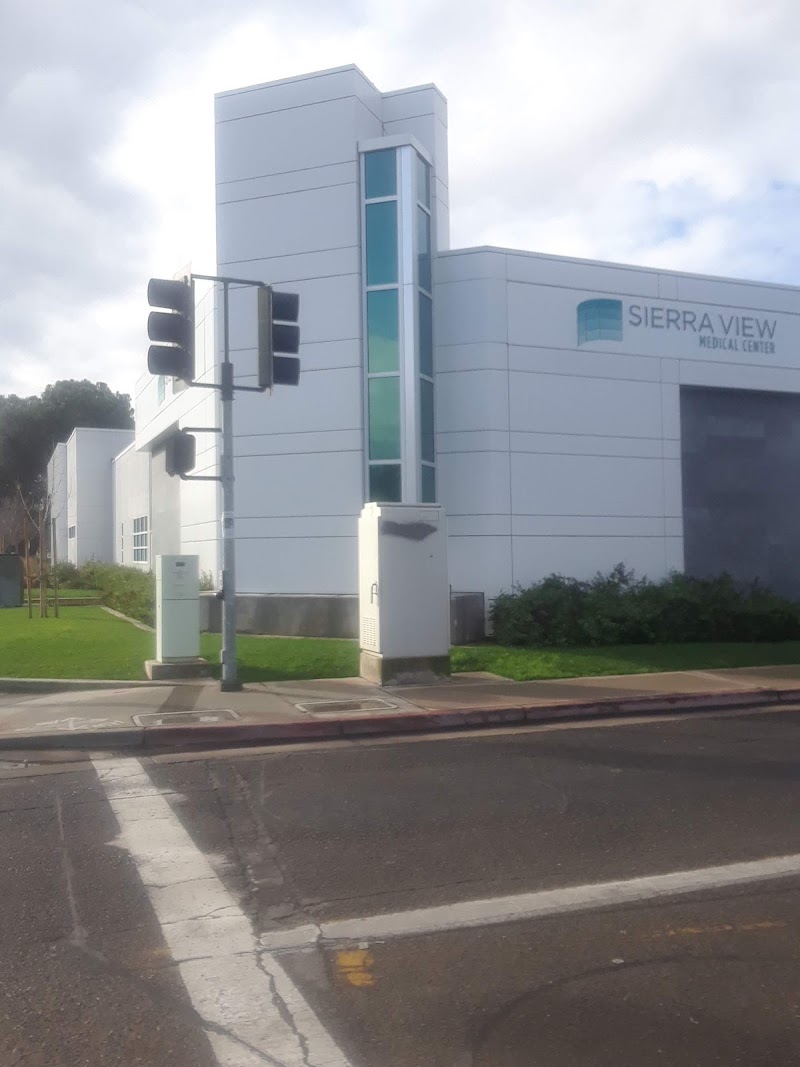
SIERRA VIEW MEDICAL CENTER is owned by a for-profit company. For-profit facilities operate as businesses with obligations to shareholders or private owners. The facility operates independently rather than as part of a larger chain. With 35 certified beds and approximately 32 residents (about 91% occupancy), it is a smaller facility located in PORTERVILLE, California.
How Does Sierra View Medical Center Compare to Other California Nursing Homes?

Compared to the 100 nursing homes in California, SIERRA VIEW MEDICAL CENTER's overall rating (4 stars) is above the state average of 3.2, staff turnover (35%) is significantly lower than the state average of 46%, and health inspection rating (4 stars) is above the national benchmark.

What Should Families Ask When Visiting Sierra View Medical Center?

Based on this facility's data, families visiting should ask: "Can I visit during a mealtime to observe dining assistance and food quality?" "How do you handle medical emergencies, and what is your hospital transfer rate?" "Can I speak with family members of current residents about their experience?"

Is Sierra View Medical Center Safe?

Based on CMS inspection data, SIERRA VIEW MEDICAL CENTER has a clean safety record: no substantiated abuse findings (meaning no confirmed cases of resident harm), no Immediate Jeopardy citations (the most serious violation level indicating risk of serious injury or death), and is not on the Special Focus Facility watch list (a federal program monitoring the lowest-performing 1% of nursing homes). The facility has a 4-star overall rating and ranks #1 of 100 nursing homes in California. While no facility is perfect, families should still ask about staff-to-resident ratios and recent inspection results during their visit.

Do Nurses at Sierra View Medical Center Stick Around?

SIERRA VIEW MEDICAL CENTER has a staff turnover rate of 35%, which is about average for California nursing homes (state average: 46%). Moderate turnover is common in nursing homes, but families should still ask about staff tenure and how the facility maintains care continuity when employees leave.

Was Sierra View Medical Center Ever Fined?

SIERRA VIEW MEDICAL CENTER has no federal fines on record. CMS issues fines when nursing homes fail to meet care standards or don't correct problems found during inspections. The absence of fines suggests the facility has either maintained compliance or corrected any issues before penalties were assessed. This is a positive indicator, though families should still review recent inspection reports for the full picture.

Is Sierra View Medical Center on Any Federal Watch List?

SIERRA VIEW MEDICAL CENTER is not on any federal watch list. The most significant is the Special Focus Facility (SFF) program, which identifies the bottom 1% of nursing homes nationally based on persistent, serious quality problems. Not being on this list means the facility has avoided the pattern of deficiencies that triggers enhanced federal oversight. This is a positive indicator, though families should still review the facility's inspection history directly.