POWAY HEALTHCARE CENTER
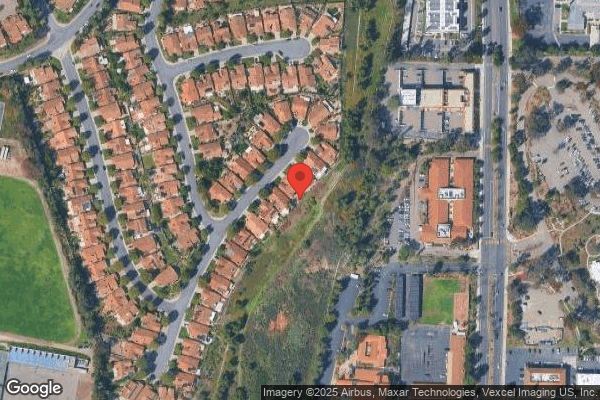
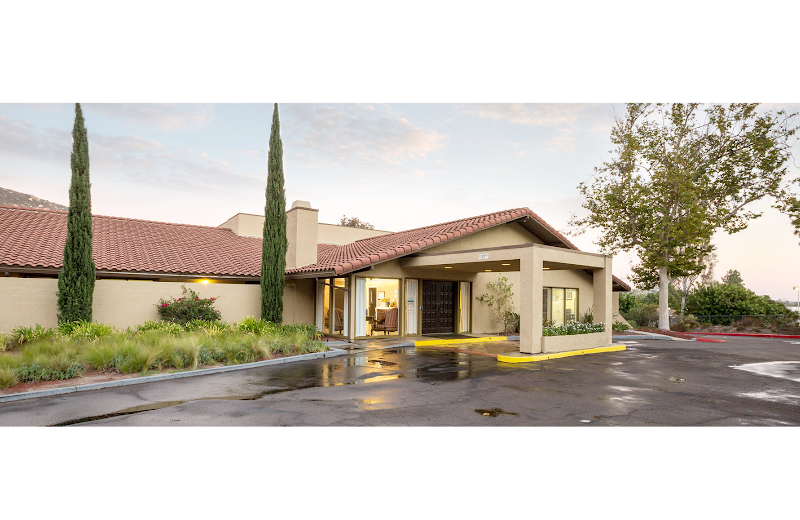
15632 POMERADO ROAD, POWAY, CA 92064 (858) 485-5153
For profit - Limited Liability company 99 Beds PACS GROUP Data: November 2025
Trust Grade
80/100
#169 of 1155 in CA
Last Inspection: May 2025

Inspected within the last 6 months. Data reflects current conditions.

Overview

Poway Healthcare Center has a Trust Grade of B+, indicating it is above average and recommended for families considering care options. It ranks #169 out of 1,155 facilities in California, placing it in the top half, and #23 out of 81 in San Diego County, meaning only a few local facilities perform better. However, the facility is experiencing a worsening trend, with the number of reported issues increasing from 3 in 2024 to 7 in 2025. Staffing is a noted weakness, with a rating of 2 out of 5 stars and a turnover rate of 52%, higher than the California average, suggesting challenges in keeping consistent staff. While there have been no fines recorded, which is positive, recent inspection findings revealed significant concerns, including failure to obtain consent for the use of bed rails for residents and inadequate infection control measures for respiratory equipment, indicating potential risks to resident safety.

Trust Score
B+
80/100
In California
#169/1155
Top 14%
Safety Record
Low Risk
No red flags
Inspections
Getting Worse
3 → 7 violations
Staff Stability
⚠ Watch
52% turnover. Above average. Higher turnover means staff may not know residents' routines.
Penalties
✓ Good
No fines on record. Clean compliance history, better than most California facilities.
Skilled Nurses
○ Average
Each resident gets 35 minutes of Registered Nurse (RN) attention daily — about average for California. RNs are the most trained staff who monitor for health changes.
Violations
⚠ Watch
41 deficiencies on record. Higher than average. Multiple issues found across inspections.
★★★★★
5.0
Overall Rating
★★☆☆☆
2.0
Staff Levels
★★★★★
5.0
Care Quality
★★★★☆
4.0
Inspection Score
Stable
2024: 3 issues
2025: 7 issues

The Good

  • 5-Star Quality Measures · Strong clinical quality outcomes
  • Full Sprinkler Coverage · Fire safety systems throughout facility
  • No fines on record

Facility shows strength in quality measures, fire safety.

The Bad

Staff Turnover: 52%

Near California avg (46%)

Higher turnover may affect care consistency

Chain: PACS GROUP

Part of a multi-facility chain

Ask about local staffing decisions and management

The Ugly 41 deficiencies on record

Aug 2025 1 deficiency
CONCERN (D) 📢 Someone Reported This

A family member, employee, or ombudsman was alarmed enough to file a formal complaint

Potential for Harm - no one hurt, but risky conditions existed

Investigate Abuse (Tag F0610)

Could have caused harm · This affected 1 resident

**NOTE- TERMS IN BRACKETS HAVE BEEN EDITED TO PROTECT CONFIDENTIALITY** Based on observation, interview, and record review, the facility failed to ensure one resident (Resident 1) was protected from a...

Read full inspector narrative →
**NOTE- TERMS IN BRACKETS HAVE BEEN EDITED TO PROTECT CONFIDENTIALITY** Based on observation, interview, and record review, the facility failed to ensure one resident (Resident 1) was protected from abuse when Resident 1's wife was allowed to visit Resident 1 without close monitoring. This failure had the potential to affect Resident 1's safety and well-being. Findings:Resident 1 was admitted to the facility on [DATE] with diagnoses including severe protein-calorie malnutrition (inadequate intake of nutrients to meet the body's needs) and dementia (an impairment of brain function, such as memory loss and judgment) according to the facility's admission Record. A review of Resident 1's progress notes (PN) in the electronic medical record (EMR) was conducted. The PN dated 8/17/25 at 12:08 P.M. indicated Resident 1 reported to staff that his wife smacked him on his thighs.during assessment, resident told writer [Licensed Nurse 5] the spouse slapped him on the cheek. During an interview on 8/28/25 at 9:33 A.M. with the Administrator, the Administrator stated Resident 1's wife has been limited to visiting Resident 1 in the common areas for close monitoring of the resident. The Administrator stated Resident 1's wife was not allowed to visit Resident 1 in the room alone. An observation and interview with Resident 1 was conducted on 8/28/25 at 10:21 A.M. Resident 1 was lying in bed with oxygen on via nasal cannula (tubing through the nose). Resident 1 stated he just returned from therapy and his wife visited earlier. Resident 1 stated his wife has done unusual things in the past such as throwing a book at him while he and his wife were sitting around the dining table. Resident 1 stated there was some kind of altercation between him and his wife recently. Resident 1 stated he did not remember what happened, but something happened. Resident 1 stated he was unsure if it was safe to be with his wife but it was fine for her to visit. During an interview on 8/28/25 at 10:38 A.M. with Resident 1's assigned certified nurse assistant (CNA) 1, CNA 1 stated she was not aware of the abuse allegation involving Resident 1 and the wife. CNA 1 stated Resident 1's wife arrived around 9 A.M. and assisted Resident 1 with breakfast in Resident 1's room. CNA 1 stated Resident 1's wife was allowed to visit in the room without being closely monitored. An interview on 8/28/25 at 10:46 A.M. was conducted with licensed nurse (LN) 2. LN 2 stated she was aware of the allegation that Resident 1's wife smacked Resident 1. LN 2 stated the plan of care was to ensure Resident 1's safety and visitations should be in the common area only. LN 2 stated staff assigned to Resident 1 should be monitoring and should be aware of the incident. During an interview on 8/28/25 at 10:54 A.M. with CNA 2, CNA 2 stated Resident 1's wife used the microwave the day before on 8/27/25 then proceeded to go into Resident 1's room without being monitored. CNA 2 stated she was not aware that Resident 1's wife was not supposed to be in Resident 1's room alone. During an interview on 8/28/25 at 11:04 A.M. with LN 4 (Resident 1's assigned LN), LN 4 stated she did not receive report regarding Resident 1's abuse allegation and was not aware of the plan of care that Resident 1's visits with his wife should be monitored/ or that the visits should only be in the common area. An interview on 8/29/25 at 10:59 A.M. was conducted with the Director of Nursing (DON). The DON stated Resident 1's wife was allowed to visit Resident 1 in public areas such as the TV room or activity room, where the visits may be monitored, and not in Resident 1's room. The DON acknowledged that staff should monitor Resident 1 whenever his wife visits, to protect the resident from abuse. A review of the facility's policy and procedure (P&P) titled, Abuse, Neglect, Exploitation or Misappropriation - Reporting and Investigating, dated September 2022 was conducted. The P&P did not provide guidance for corrective actions when a family member was the alleged perpetrator. A review of the facility's policy and procedure (P&P) titled. Visitation, dated September 2022 was conducted. The P&P indicated, Some visitation may be subject to reasonable clinical and safety restrictions that protect the health, safety, security and/or rights of the facility's residents such as.denying access or providing limited and supervised access to an individual if that individual is suspected of abusing.a resident.
Aug 2025 1 deficiency
CONCERN (D) 📢 Someone Reported This

A family member, employee, or ombudsman was alarmed enough to file a formal complaint

Potential for Harm - no one hurt, but risky conditions existed

Deficiency F0573 (Tag F0573)

Could have caused harm · This affected 1 resident

**NOTE- TERMS IN BRACKETS HAVE BEEN EDITED TO PROTECT CONFIDENTIALITY** Based on interview and record review, the facility failed to provide copies of medical records within two business days of the r...

Read full inspector narrative →
**NOTE- TERMS IN BRACKETS HAVE BEEN EDITED TO PROTECT CONFIDENTIALITY** Based on interview and record review, the facility failed to provide copies of medical records within two business days of the request for one of two sampled residents (1). As a result, Resident 1's family member was not aware of her medical status.Findings: Per the facility's admission record, Resident 1 was admitted to the facility on [DATE] with diagnoses to include a history of falls. On 8/21/25 at 12:20 P.M., an interview was conducted with the Medical Records Director (MRD). The MRD stated, Resident 1's family member submitted a request for copies of medical records from the facility on 8/15/25 (four business days prior to the interview) and the facility was still working on completing the record request. The MRD stated that she planned on completing the record request within five business days of the request. Per the facility's Authorization Form For the Release of Health Information, dated 8/15/25, the family member of Resident 1 requested copies of Resident 1's medical records. Per the facility's policy, titled Release of Information, revised November 2009, 10. A resident may obtain photocopies of his or her records by providing the facility with at least a forty-eight (48) hour (excluding weekends and holidays) advance notice of such a request.
Aug 2025 1 deficiency
CONCERN (D) 📢 Someone Reported This

A family member, employee, or ombudsman was alarmed enough to file a formal complaint

Potential for Harm - no one hurt, but risky conditions existed

Pharmacy Services (Tag F0755)

Could have caused harm · This affected 1 resident

**NOTE- TERMS IN BRACKETS HAVE BEEN EDITED TO PROTECT CONFIDENTIALITY** Based on observation, interview, and record review, the facility failed to ensure prescribed medications (meds) were administere...

Read full inspector narrative →
**NOTE- TERMS IN BRACKETS HAVE BEEN EDITED TO PROTECT CONFIDENTIALITY** Based on observation, interview, and record review, the facility failed to ensure prescribed medications (meds) were administered as ordered by the physician for two of two sampled residents (Resident 1, Resident 2) As a result, Resident 1 was found unresponsive and life sustaining measures were performed including cardiopulmonary resuscitation (CPR). A. Resident 1 was admitted to the facility on [DATE] at 1:37 P.M., with a diagnosis of atherosclerotic heart disease of native coronary artery and atrial fibrillation (irregular heartbeat that affects blood flow) per the facilities admission record and admission note. A review of Resident 1's physicians orders (PO), dated [DATE], Indicated Resident 1 was a full code The PO's indicated Resident 1 was prescribed the following meds to be administered on [DATE] at 9 P.M. Risperidone (mood disorder med) 2 mg (milligram), one tablet (tab) by mouth (PO) in the evening. Trazodone HCl (an antidepressant) 50 mg, one tab PO at bedtime. Budesonide-Formoterol Fumarate (inhaler for chronic obstructive pulmonary disorder, COPD) 80-4.5 MCG (microgram)/ACT (actuation), 2 puffs twice a day. Carvedilol (cardiac med for high blood pressure) 25 mg, one tablet PO two times a day. Dronedarone HCL (med that helps maintain normal heart rhythm) 400 mg, one tablet PO, two times a day. Eliquis (blood thinner for clot prevention) 5 mg, one tablet PO, two times a day. A review of Resident 1's nursing note, dated [DATE] at 4:35 A.M., indicated, .New Admit, monitoring resident alert able to make simple needs known appears somewhat confused at times. A review of Resident 1's progress note, dated [DATE] at 7:58 A.M., indicated, . resident found not breathing, non-responsive by CNA, code blue immediately initiated. During an interview on [DATE] at 1:43 P.M, licensed nurse (LN) 1 stated, the LN should notify the pharmacy a new admission's medication orders, and the pharmacy will deliver the medications. LN 1 stated, if a new admission's evening medications are not delivered by administration time, the LN should pull the scheduled medications from the e-kit pyxis (emergency medication storage machine) if they are available. LN 1 stated nurses are instructed to call the pharmacy if the medication is an important medication and not available for administration. LN 1 stated if the medication is important enough to be in the e-kit, it is important to remove and give at the ordered time of administration. During an observation, interview and record review on [DATE] at 2:15 P.M., the assistant director of nursing (ADON) and director of nursing (DON) reviewed med inventory of the facility's e-kit pyxis. The inventory indicated the e-kit pyxis contained three of Resident 1's six prescribed evening meds including: 10 tabs of Eliquis 2.5mg 10 tabs of Carvedilol 6.25mg 18 tabs of Trazodone 50mg The e-kit pyxis did not contain any doses of Risperidone, Budesonide-Formoterol, or Dronedarone. A review of Resident 1's eMAR (electronic medication administration record) dated [DATE] indicated Resident 1 did not receive the following scheduled medications at 9 PM as ordered: RisperiDONE 2 mg PO TraZODone HCl 50 mg PO Budesonide-Formoterol Fumarate 80-4.5 MCG/ACT inhaler Carvedilol 25 mg PO Dronedarone HCl 400 mg PO Eliquis 5 mg PO A review of the e-kit transaction history dated, [DATE]-[DATE], indicated none of the three available medications in the e-kit were ever removed to be administered to Resident 1. A review of Resident 1's medication administration progress notes, dated [DATE], indicated , .New admit; meds not here yet. , as the reason all six medications, scheduled for 9:00 P.M., were not administered. During an interview on [DATE] at 3:55 P.M., LN 2 stated upon admission to the facility a resident's medication orders will be reconciled and approved and submitted to be filled and delivered by the pharmacy. LN 2 stated the nurse will access medications in the ekit pyxis if they have not been delivered to the facility by the time of medication pass. LN 2 stated the physician should be notified if the med has not been delivered and is not in the ekit by the time of scheduled administration. Once the nurse administers the medication it should be charted as given in the medication administration record (MAR). LN 2 stated a resident who has a diagnosis of heart disease or atrial fibrillation would be at risk for developing cardiac complications such as a blood clots, headache, or chest pain if they did not receive ordered cardiac medications. During an interview on [DATE] at 3:31 P.M., the Nurse Practitioner (NP), stated the licensed nurse is supposed to notify the NP or physician when a new admission arrives to the facility and obtain verbal authorization over the phone for the resident's medications. The NP stated the approved resident medication list should be sent or called into the pharmacy and the medications should be delivered by the pharmacy. The NP stated if a resident is admitted to the facility at 4 P.M. and does not receive their evening medications the NP or the physician should be notified. A review of Resident 1's progress notes did not indicate the NP or the physician were notified Resident 1 did not receive evening medications or that the medications had not been delivered from the pharmacy. During an interview and record review on [DATE] at 4:39 P.M., the DON reviewed Resident 1's MAR and progress notes, dated [DATE]. The DON acknowledged the MAR indicated Resident 1 did not receive multiple medications scheduled for the 9:00pm Med pas on [DATE], including cardiac medications, carvedilol and Eliquis, which were available to withdraw from the e-kit pyxis. The DON stated if Resident 1 was admitted to the facility at 1:37 P.M. the 9:00 P.M. medications should have been given. The DON stated if the medications had not arrived from the pharmacy by medication pass they should have been pulled out of the e-kit pyxis. The DON stated Resident 1 was admitted to the facility after a hospital stay where he had elevated troponins (blood marker for heart attack) and an abnormal EKG (electrocardiogram that reads the rhythm and rate of the heart). The DON stated, I don't know what to say. They should have checked the pyxis. The DON stated medication nurses were expected to pull needed medication from the pyxis if medication had not arrived by the time of scheduled administration. During an interview on [DATE] at 10:42 A.M., the facility pharmacist (FP), stated Resident 1's orders were received by the pharmacy on [DATE] at 8:33 P.M., and delivered to the facility on [DATE] at 2:42 A.M. The FP stated once orders are sent to the pharmacy, they will be filled and sent to the facility on the next shipment. The FP stated they have several deliveries a day. The FP stated the facility is able to call in a one-time dose if a prescribed medication is not in the ekit. B. Resident 2 was admitted to the facility on [DATE] with a diagnosis of COPD and pneumonia (respiratory infection) per the facility admission record. During an interview on [DATE] at 2:35 P.M., Resident 2 stated she was admitted a few days ago from a local hospital following a respiratory infection. Resident 2 stated she arrived at the facility after dinner the day she was admitted . Resident 2 stated she did not get all her evening medications or ordered respiratory treatments but was unable to recall which medications she did not get. A review of Resident 2's Physician's orders, EMAR, and progress notes, dated [DATE], indicated the following medications were scheduled for 9:00 P.M and charted as not given: Ipratropium Bromide Inhalation Solution 0.02%, via nebulizer Atrovent HFA Inhalation Aerosol Solution 17 MCG/ACT, inhaler Ipratropium-Albuterol Inhalation Solution 2.5-0.5 MG/3 ML, via nebulizer A review of the facility policy titled, Administering Medications, revised [DATE], indicated, Policy Statement: Medications are administered in a safe and timely manner, and as prescribed. 4. Medications are administered in accordance with prescriber orders, including any required time frame. 5. Medication administration times are determined by resident need and benefit, not staff convenience. Factors that are considered include: a. enhancing optimal therapeutic effect of the medication. 7. Medications are administered within one (1) hour of their prescribed time
May 2025 3 deficiencies
CONCERN (D)

Potential for Harm - no one hurt, but risky conditions existed

Assessment Accuracy (Tag F0641)

Could have caused harm · This affected 1 resident

Based on interview, record review, and facility policy review, the facility failed to ensure a Minimum Data Set (MDS) was accurately coded regarding a feeding tube for 1 (Resident #2) of 2 sampled res...

Read full inspector narrative →
Based on interview, record review, and facility policy review, the facility failed to ensure a Minimum Data Set (MDS) was accurately coded regarding a feeding tube for 1 (Resident #2) of 2 sampled residents reviewed for tube feeding. Findings included: A facility policy titled, Resident Assessments, revised 10/2023, revealed, 10. Assessments are completed by staff members who have the skills and qualifications to assess relevant care areas and who are knowledgeable about the resident's strengths and areas of decline. 11. All persons who have completed any portion of the MDS resident assessment form must sign the document attesting to the accuracy of such information. 12. Information in the MDS assessment will consistently reflect information in the progress notes, plans of care, and resident observation/interviews. An admission Record indicated the facility admitted Resident #2 on 01/06/2024. According to the admission Record, the resident had a medical history that included diagnoses of malignant neoplasm (cancer) of the tongue, irritative hyperplasia (overgrowth of cells due to chronic irritation) of the oral mucosa, moderate protein calorie malnutrition, dysphagia (difficulty swallowing), and gastrostomy (a surgical procedure to create an opening in the stomach, through which food and medication are administered). Resident #2's Order Listing, revealed the resident's enteral feeding order was discontinued on 10/09/2024. Resident #2's medication administration record for the timeframe from 01/01/2025 through 01/31/2025, revealed no evidence to indicate the resident received nutrition by way of a feeding tube. A quarterly MDS, with an Assessment Reference Date (ARD) of 01/11/2025, revealed Resident #2 had a Brief Interview for Mental Status (BIMS) score of 15, which indicated the resident had intact cognition The MDS indicated that the resident had a feeding tube and received 50% or more of their total calories and 500 cubic centimeters per day or less of fluids through a tube feeding. During an interview on 05/06/2025 at 11:14 AM, Resident #2 stated they no longer had a feeding tube. Licensed Vocational Nurse #5 verified Resident #2's feeding tube was removed on 10/02/2024 and since then, the resident received nutrition orally. During an interview on 05/06/2025 at 11:44 AM, the MDS Coordinator reviewed Resident #2's electronic medical record and verified the resident's quarterly MDS with an ARD of 01/11/2025 should not indicate the resident received a tube feeding. During an interview on 05/06/2025 at 11:55 AM, the Registered Dietician stated Resident #2's quarterly MDS should not show the resident received a tube feeding. During an interview on 05/08/2025 at 9:50 AM, the Director of Nursing (DON) stated she expected all staff members who completed sections of the MDS to collect and include all data, to ensure the MDS was completed and accurate. The DON stated Resident #2's feeding tube was pulled out and not replaced, per the resident's request. The DON reviewed Resident #2's MDS with an ARD of 01/11/2025 and stated the MDS should not reflect that the resident received nutrition from a feeding tube. During an interview on 05/08/2025 at 10:31 AM, the Administrator stated he expected MDS to be accurate.
CONCERN (E)

Potential for Harm - no one hurt, but risky conditions existed

Deficiency F0700 (Tag F0700)

Could have caused harm · This affected multiple residents

Based on observation, interview, record review, and facility policy review, the facility failed to obtain consent for the use of bed rails for 2 (Resident #9 and Resident #24) of 3 sampled residents w...

Read full inspector narrative →
Based on observation, interview, record review, and facility policy review, the facility failed to obtain consent for the use of bed rails for 2 (Resident #9 and Resident #24) of 3 sampled residents with bed rails installed; and failed to complete assessments for the continued use of bed rails for 3 (Residents #9, #24, and #54) of 3 sampled residents reviewed for accidents. Findings included: A facility policy titled, Bed Safety and Bed Rails, revised 08/2022, revealed, 3. The use of bed rails or side rails (including temporarily raising the side rails for episodic use during care) is prohibited unless the criteria for use of bed rails have been met, including attempts to use alternatives, interdisciplinary evaluation, resident assessment, and informed consent. The policy specified, 8. Before using bed rails for any reason, the staff shall inform the resident or representative about the benefits and potential hazards associated with bed rails and obtain informed consent. 1. An admission Record revealed the facility admitted Resident #9 on 03/13/2021. According to the admission Record, the resident had a medical history that included diagnoses of senile degeneration of the brain, dementia, history of traumatic brain injury, and a history of falling. An annual Minimum Data Set (MDS), with an Assessment Reference Date (ARD) of 03/09/2025, revealed Resident #9 had a Brief Interview for Mental Status (BIMS) score of 0, which indicated the resident had severe cognitive impairment. According to the MDS, Resident #9 required partial/moderate assistance with rolling from lying on their back to the left and right sides, with moving from sitting on the side of the bed to lying flat on the bed, and with moving from lying on their back to sitting on the side of the bed. Resident #9's Care Plan Report, included a focus area revised 09/20/2024, that indicated the resident was at risk for altered activities of daily living (ADL) related to a decline in functional ADL activity such as bed mobility and transfers. Interventions directed staff to provide bilateral quarter bed rails to assist the resident with bed mobility, getting out of bed, turning and repositioning, supporting themselves during care, and entering/exiting the bed more safely (initiated 06/15/2022). Resident #9's Order Summary Report, revealed an order dated 10/20/2022, for Side/Bed Rail(s) Up x 2 for Bed Mobility (Turning & Positioning). Resident #9's Bed Rail Observation/Assessment forms dated 03/18/2022, 06/14/2022, 06/18/2022, 09/08/2022, 12/08/2022, 03/08/2023, and 06/08/2023, revealed recommendations for bilateral upper quarter bed rails. The section of the assessments titled, Risks, Benefits and Informed Consent was blank on all documents, and there was no evidence that Resident #9 or their representative was informed of the medical necessity to use side rails or the associated risks and benefits. The assessment forms did not include signatures for Resident #9 or their representative to validate informed consent for the use of side rails was obtained. Resident #9's Progress Notes, for the timeframe from 06/08/2023 through 05/03/2025 revealed no documentation of informed consent or additional assessments for the use of bed rails. An observation on 05/07/2025 at 1:09 PM revealed Resident #9 was in bed with bilateral side rails up. During an interview on 05/07/2025 at 1:29 PM, the Director of Nursing stated the facility was not able to locate the initial consent form for Resident #9's side rails. During an interview on 05/08/2025 at 9:28 AM, Certified Nurse Assistant #4 stated Resident #9 used their side rails for turning and positioning. 2. An admission Record revealed the facility admitted Resident #24 on 09/27/2015. According to the admission Record, Resident #24 had a medical history that included diagnoses of dementia, osteoarthritis of bilateral knees, and age-related physical debility. A quarterly Minimum Data Set (MDS), with an Assessment Reference Date (ARD) of 03/08/2025, revealed Resident #24 had a Brief Interview for Mental Status (BIMS) score of 7, which indicated the resident had severe cognitive impairment. According to the MDS, Resident #24 required substantial/maximal assistance with rolling from lying on their back to the left and right sides, with moving from sitting on the side of the bed to lying flat on the bed, and with moving from lying on their back to sitting on the side of the bed. Resident #24's Care Plan Report, included a focus area initiated 03/15/2022, that indicated the resident was at risk for altered activities of daily living (ADL) related to a decline in functional ADL activity such as bed mobility and transfers. Interventions directed staff to provide bilateral quarter bedside rails for bed mobility and transfers (initiated 03/15/2022). Resident #24's Order Summary Report, revealed an order dated 10/20/2022, for Side/Bed Rail(s) Up x 2 for Bed Mobility (Turning & Positioning). Resident #24's Side/Bed Rail Evaluation/Consent, dated 03/03/2018, revealed an evaluation showed the resident had medical symptoms of generalized weakness and balance deficits, and they required bed rails for bed mobility and boundary identification. The Side/Bed Rail Evaluation/Consent included a recommendation for bilateral quarter side rails at the top of the resident's bed. Further review of the document revealed Resident #24 was informed of the risks and benefits of the side rails, but there was no signature to validate informed consent for the use of side rails was obtained. Resident #24's Bed Rail Observation/Assessment forms dated 03/16/2022, 06/01/2022, 09/05/2022, 12/05/2022, 03/06/2023, 09/06/2023, 12/06/2023, 03/06/2024, and 06/06/2024 revealed recommendations for bilateral upper quarter bed rails. The section of the assessments titled, Risks, Benefits and Informed Consent was blank on all documents, and there was no evidence that Resident #24 or their representative was informed of the medical necessity to use side rails or the associated risks and benefits. The assessment forms did not include signatures for Resident #24 or their representative to validate informed consent was obtained for the use of side rails. Resident #24's Progress Notes, for the timeframe from 12/11/2024 through 05/07/2025 revealed no documentation of informed consent or additional assessments for the use of bed rails. An observation on 05/07/2025 at 12:56 PM revealed Resident #24 was in bed with bilateral side rails up. During an interview and observation on 05/08/2025 at 7:44 AM, Resident #24 stated they used the side rails to reposition themselves in bed and demonstrated use of the side rail. 3. An admission Record revealed the facility admitted Resident #54 on 01/12/2022. According to the admission Record, Resident #54 had a medical history that included diagnoses of osteoarthritis of the right ankle and foot, generalized muscle weakness, and lack of coordination. A quarterly Minimum Data Set (MDS), with an Assessment Reference Date (ARD) of 04/14/2025, revealed Resident #54 had a Brief Interview for Mental Status (BIMS) score of 2, which indicated the resident had severe cognitive impairment. According to the MDS, Resident #54 required partial/moderate assistance with rolling from lying on their back to the left and right sides, with moving from sitting on the side of the bed to lying flat on the bed, and with moving from lying on their back to sitting on the side of the bed. Resident #54's Care Plan Report, included a focus area revised 04/24/2022, that indicated the resident was at risk for altered activities of daily living (ADL) related to decline in functional ADL activity such as altered bed mobility and transfers. The focus area specified Resident #54 required quarter side rails for bed mobility, turning, and repositioning. Interventions directed staff to provide bilateral quarter bedside rails to assist with bed mobility (initiated 03/16/2023). Resident #54's Order Summary Report, revealed an order dated 10/20/2022, for Side/Bed Rail(s) Up x 2 for Bed Mobility (Turning & Positioning). A Side/Bed Rail Evaluation/Consent, dated 01/12/2022, revealed Resident #54 was evaluated for the use of side rails and found to have medical symptoms of generalized weakness and balance deficits. The document contained a recommendation for bilateral quarter side rails at the top of the bed. The Side/Bed Rail Evaluation/Consent was signed by Resident #54 to validate they were informed of risks and benefits and gave consent for the use of the side rails. Resident #54's Bed Rail Observation/Assessment forms dated 03/26/2022, 06/26/2022, 07/15/2022, 10/14/2022, 01/01/2023, 04/13/2023, and 07/14/2023 revealed recommendations for bilateral upper quarter bed rails. The section of the assessments titled, Risks, Benefits and Informed Consent was blank on all documents, and there was no evidence that Resident #54 or their representative was informed of the medical necessity to use side rails or the associated risks and benefits. The assessment forms did not include signatures for Resident #54 or their representative to validate informed consent for the use of side rails was obtained. Resident #54's Progress Notes, for the timeframe from 07/12/2023 through 05/07/2025 revealed no documentation of informed consent or additional assessments for the use of bed rails. An observation on 05/05/2025 at 10:10 AM revealed Resident #54 had quarter side rails on their bed. An observation on 05/06/2025 at 1:46 PM revealed Resident #54 was in bed with bilateral side rails up. During an interview on 05/07/2025 at 1:29 PM, the Director of Nursing confirmed Resident #54's last side rail assessment was completed on 07/14/2023. During an interview on 05/07/2025 at 10:03 AM, the Assistant Director of Nursing (ADON) stated the admitting nurse would assess residents to determine if they needed side rails for mobility and obtain consents. The ADON stated residents should have a side rail assessment completed at least quarterly, according to the MDS calendar. The ADON said the MDS Coordinator was responsible for determining if there was continued need for side rails. During an interview on 05/07/2025 at 10:38 AM, the MDS Coordinator stated the admitting nurse completed residents' initial side rail assessments and obtained consent from the residents or their representatives. Per the MDS Coordinator, the facility provided quarter side rails to help with turning and repositioning. She stated nurses must complete annual and quarterly assessments for the continued use of the side rails. During an interview on 05/07/2025 at 1:29 PM, the Director of Nursing confirmed the facility had not completed side rails assessments for Residents #9, #24, and #54. She stated the facility changed electronic medical record systems and the MDS Coordinator informed her the assessments had not been triggered in the current system. During an interview on 05/08/2025 at 9:15 AM, the Medical Director (MD) stated residents used side rails for turning and positioning. The MD stated the residents should be assessed at least quarterly to ensure the continued use of the rails was necessary. During an interview on 05/08/2025 at 10:39 AM, the Administrator stated the residents could use the side rails for repositioning themselves in bed. The Administrator stated his expectations were nurses would ensure consents were completed prior to installing side rails, and staff would complete quarterly assessments related to the continued use of side rails.
CONCERN (E)

Potential for Harm - no one hurt, but risky conditions existed

Infection Control (Tag F0880)

Could have caused harm · This affected multiple residents

Based on observation, interview, record review, and facility policy review, the facility failed to store continuous positive airway pressure (CPAP) masks in a manner that limited the spread of infecti...

Read full inspector narrative →
Based on observation, interview, record review, and facility policy review, the facility failed to store continuous positive airway pressure (CPAP) masks in a manner that limited the spread of infection for 2 (Resident #22 and Resident #47) of 2 sampled residents reviewed for respiratory care. Findings included: A facility policy titled, CPAP/BiPAP [bilevel positive airway pressure] Support, revised 03/2015, revealed, General Guidelines for Cleaning, that specified, 9. Storage of equipment: Head gear/mask/nasal pillows when not in use will be stored in a bag labeled with date and changed weekly. 1. An admission Record revealed the facility admitted Resident #22 on 03/05/2025. According to the admission Record, the resident had a medical history that included diagnoses of cancer of the left bronchus or lung, obstructive sleep apnea, and shortness of breath. An admission Minimum Data Set (MDS), with an Assessment Reference Date (ARD) of 03/12/2025, revealed Resident #22 had a Brief Interview for Mental Status (BIMS) score of 15, which indicated the resident had intact cognition. The MDS indicated Resident #22 received intermittent oxygen therapy and utilized a CPAP machine as a non-invasive mechanical ventilator. Resident #22's Care Plan Report, included a focus area initiated 03/06/2025, that indicated the resident was at risk of complications with the respiratory system due to lung cancer with shortness of breath and sleep apnea. Interventions directed staff to provide CPAP as ordered (initiated 03/06/2025). Resident #22's Order Summary Report, revealed an order dated 03/05/2025, for CPAP/BiPAP at bedtime for sleep apnea. An observation on 05/05/2025 at 2:07 PM revealed Resident #22's CPAP mask was on top of the dresser next to the resident's bed. The CPAP mask was not in a bag, and it was in direct contact with the surface of the dresser. An observation on 05/06/2025 at 8:49 AM revealed Resident #22's CPAP equipment, including the CPAP mask and tubing, was on top of the dresser. The CPAP mask was uncovered and was placed directly on the top of the dresser. 2. An admission Record revealed the facility admitted Resident #47 on 03/10/2025. According to the admission Record, the resident had a medical history that included diagnoses of asthma, obstructive sleep apnea, atelectasis (collapsed lung), and shortness of breath. An admission Minimum Data Set (MDS), with an Assessment Reference Date (ARD) of 03/13/2025, revealed Resident #47 had a Brief Interview for Mental Status (BIMS) score of 11, which indicated the resident had moderate cognitive impairment. The MDS indicated Resident #47 utilized a CPAP machine as a non-invasive mechanical ventilator. Resident #47's Care Plan Report, included a focus area initiated 03/22/2025, that indicated the resident had CIPAP/BiPAP therapy related to obstructive sleep apnea. Interventions directed staff to provide CPAP at the setting of 7-20 (initiated 03/22/2025). Resident #47's Order Summary Report, revealed an order dated 03/10/2025, for CPAP/BiPAP at bedtime for sleep apnea. An observation on 05/05/2025 at 11:46 AM revealed Resident #47's CPAP machine was on the dresser on the right side of the bed. The mask and tubing were uncovered and rested on the top surface of the dresser. An observation on 05/06/2025 at 8:47 AM revealed the CPAP mask was uncovered, on top of Resident #47's dresser. During an interview on 05/07/2025 at 12:08 PM, Licensed Vocational Nurse (LVN) #2 stated she was currently assigned to Resident #47, and also cared for the resident on 05/06/2025. LVN #2 confirmed the resident's CPAP mask should be stored in a bag. LVN #2 said the night shift nurse was responsible for ensuring CPAP equipment was stored properly. During an interview on 05/07/2025 at 10:00 AM, Certified Nurse Assistant (CNA) #1 stated that when residents finished using their CPAP machines, the equipment should be kept in a bag. CNA #1 stated nurses were responsible for ensuring CPAP masks were placed inside bags. During an interview on 05/07/2025 at 10:11 AM, the Assistant Director of Nursing (ADON) stated nursing staff should ensure CPAP masks and tubing were stored in bags after use. She stated masks should not be left on the top of residents' dressers without being placed in bags related to infection control practice, as they could get dirty or fall to the floor. During an interview on 05/07/2025 at 11:53 AM, the Infection Preventionist (IP) confirmed that a CPAP mask should not be uncovered on a resident's dresser. The IP stated CPAP masks should be placed inside dated bags which were hung on the CPAP machines. The IP stated the date should reflect when the mask was last cleaned. The IP stated she previously had to redirect staff regarding not leaving CPAP masks on dressers to ensure masks did not fall to the floor or get dirt or debris inside them. During an interview on 05/08/2025 at 7:13 AM, LVN #3 stated that after a resident had completed using the CPAP machine, the mask should be cleaned and placed inside a bag. During an interview on 05/08/2025 at 10:07 AM, the Director of Nursing (DON) stated the expectation was nurses would place CPAP masks in bags after use. The DON stated bags should be dated and changed every week and as needed. The DON said if CNAs noticed that a mask was not in a bag, they should place it in a bag for infection control. During an interview on 05/08/2025 at 10:53 AM, the Administrator stated staff thought the respiratory therapist was responsible for placing CPAP equipment into a bag. The Administrator stated the facility staff dropped the ball and did not ensure the CPAP equipment was placed in bags and dated.
Apr 2025 1 deficiency
CONCERN (D) 📢 Someone Reported This

A family member, employee, or ombudsman was alarmed enough to file a formal complaint

Potential for Harm - no one hurt, but risky conditions existed

Safe Environment (Tag F0584)

Could have caused harm · This affected 1 resident

Based on observation, interview, and record review, the facility failed to keep room temperatures between 71°F and 81°F for four of six sampled residents (1, 2, 3, 4). As a result, residents f...

Read full inspector narrative →
Based on observation, interview, and record review, the facility failed to keep room temperatures between 71°F and 81°F for four of six sampled residents (1, 2, 3, 4). As a result, residents felt uncomfortably cold. Findings: On 4/8/25 at 10:20 A.M., an interview and observation of resident room temperatures was conducted with the Maintenance Director (MD). The room temperatures read 64°F, 68°F, 69°F, 68°F, 72°F, and 72°F. The MD stated, resident rooms should have been between 71°F and 81°F. On 4/8/25 at 10:28 A.M., an interview was conducted with Resident 1 (room temperature 64). Resident 1 stated he felt that his room was too cold. On 4/8/25 at 10:33 A.M., an interview was conducted with the Responsible Party of Resident 2 (RP 2). RP 2 stated, he thought that Resident 2's room was too cold for her. RP 2 further stated, he visited Resident 2 regularly, and she often complained to him that the room was too cold. Per the facility's policy, titled Homelike Environment, revised February 2021, .The facility staff and management maximizes .the characteristics of the facility that reflect a personalized, homelike setting. These characteristics include .comfortable and safe temperatures (71°F - 81°F) .
Oct 2024 1 deficiency
CONCERN (D) 📢 Someone Reported This

A family member, employee, or ombudsman was alarmed enough to file a formal complaint

Potential for Harm - no one hurt, but risky conditions existed

Medical Records (Tag F0842)

Could have caused harm · This affected 1 resident

**NOTE- TERMS IN BRACKETS HAVE BEEN EDITED TO PROTECT CONFIDENTIALITY** Based on interview and record review, the facility failed to ensure resident records for a resident who left the facility agains...

Read full inspector narrative →
**NOTE- TERMS IN BRACKETS HAVE BEEN EDITED TO PROTECT CONFIDENTIALITY** Based on interview and record review, the facility failed to ensure resident records for a resident who left the facility against medical advice (AMA) was accurate and complete for one of two residents (Resident 5) reviewed for complete medical record when: 1. There was no documentation regarding Resident 5 ' s AMA and physician notification. 2. The hospital discharge medication list for Resident 5 was not accurately transcribed. These failures had the potential to cause miscommunication among care providers affecting residents ' treatment and safety, and use of unnecessary medication for the residents. Findings: On 10/10/24 at 9 A.M., an unannounced onsite visit at the facility was conducted related to a complaint. 1. Resident 5 was admitted to the facility on [DATE] with diagnoses including hepatic encephalopathy (brain dysfunction due to liver disease) according to the facility ' s admission Record. During a review of progress notes (PN) for Resident 5 dated 9/28/24 at ., the PN indicated, .AMA. The PN did not have information regarding events leading to the AMA and there was no documented physician notification. An interview and concurrent record review of Resident 5 ' s progress notes was conducted with the social service director (SSD) on 10/10/24 at 11:34 A.M. The SSD stated she and the facility ' s case manager were assigned to coordinate discharge planning for resident. The SSD reviewed the PN for Resident 5 and stated the PN for Resident 5 indicated, .9/27/24 .Pt [patient] reported to this SN (skilled nurse) that she had an uncomfortable conversation with Dr. [NAME] at bedside early in the morning . The SSD stated the PN on 9/27/24 did not indicate the incident of Resident 5 leaving AMA or physician notification. The SSD stated the progress notes should have a reason why Resident 5 requested to leave AMA, what the facility can address, educate Resident 5 of risks and a physician notification. The SSD further stated it was important to have complete documentation for communication purposes and to know what transcribed on 9/27/24. On 10/10/24 at 11:57 A.M. a concurrent record review and interview was conducted with licensed nurse (LN) 3. LN 3 stated on 9/27/24 he saw Resident 5 walk out of her room carrying some of her belongings. LN 3 stated he walked with Resident 5 to the lobby and Resident 5 sat on a chair. LN 3 stated he was notified by Resident 5 that she was ready to go home, and her wife will take care of everything. LN 3 reviewed Resident 5 ' s PN and stated he did not document the conversation with Resident 5 and that Resident 5 left the facility AMA. LN 3 further stated there was no physician notification documented. During an interview and concurrent record review on 10/10/24 at 12:15 P.M. with registered nurse supervisor (RNS), the RNS stated she was at the back station when the director of staff development (DSD- a licensed nurse certified for staff training) notified her that Resident 5 wanted to leave. The RNS stated she went to the front station and saw Resident 5 at the nurse ' s station. The RNS stated Resident 5 told her she was leaving because she can walk and take care of herself. The RNS reviewed Resident 5 ' s PN. The RNS stated she did not document the conversation with Resident 5 and there was no physician notification documented. The RNS stated a complete documentation was needed for reference. The RNS further stated if documentation was not complete, there will be no clear picture of what happened to the resident. 2. During a review of Resident 5 ' s hospital record titled, Discharge Summary, date 9/25/24, the discharge summary indicated a list of medications for Resident 5 upon discharge from the hospital. On page four through six of the discharge summary titled .Discharge Medications . Discontinued Medications . indicated, .spironolactone (a medication that helps the body get rid of excess fluid and salt by having an increased release of urine) 25 mg (milligram) tablet . Page 23-24 of the discharge summary indicated, .spironolactone . 25mg . 9/19/24 0904 (9:04 A.M.) Held by provider .9/19/24 0930 (9:30 A.M.) Dose Auto Held .9/20/24 0900 (9:00 A.M.) Dose Auto Held . 9/21/24 0900 Dose Auto Held . 9/22/24 0900 Dose Auto Held . A review of the facility ' s physician ' s orders for Resident 5 was conducted. The facility ' s physician ' s orders titled, Order Summary Report, indicated, . Active Orders As Of: 09/25/24 . Spironolactone Oral Tablet 25 MG . Give 1 tablet by mouth one time a day . A telephone interview conducted on 10/11/24 at 1:07 p.m. with the RNS to verify Resident 5 ' s admission orders and hospital discharge medications. The RNS stated she did not know how to view admission orders for Resident 5 in the electronic medical record because Resident 5 was already discharged from the facility. A telephone interview was conducted on 10/11/24 at 1:30 p.m. with the DSD. The DSD stated she had the copies of the hospital discharge summary and admission orders for Resident 5.The DSD stated licensed nurses were responsible for reviewing residents ' medications from the hospital and then transcribe them as admission orders at the facility. The DSD stated she reviewed the copies of Resident 5 ' s hospital discharge summary and Resident 5 was taking spironolactone at the hospital. The DSD stated she did not see the discontinued medication list on the discharge summary. An interview with the Director of Nurses (DON) was conducted on 10/10/24 at 3:13 P.M. The DON stated it was important to provide a proper discharge for residents and document in the resident ' s record as evidence of conversation with the resident and the physician. The DON further stated DON stated medications were reconciled upon resident ' s admission to the facility to avoid errors and ensure accuracy of medications. A review of the facility ' s policy and procedure (P&P) titled, Discharging a Resident without a Physician ' s Approval, dated October 2022 was conducted. The P&P indicated, . Should a resident, or his or her representative (sponsor), request an immediate discharge, the resident ' s attending physician is promptly notified . During a review of the facility ' s P&P titled, Charting and Documentation, dated July 2017, the P&P indicated, . The medical record should facilitate communication between interdisciplinary team [IDT: team members with various areas of expertise who work together toward the goals of their residents] regarding the resident ' s condition and response to care . The following information is to be documented in the resident medical record . Events, incidents or accidents involving the resident . A review of the facility ' s policy and procedure (P&P) titled, Reconciliation of Medications on Admission, dated July 2017 was conducted. The P&P indicated, . Purpose . to ensure medication safety by accurately accounting for the resident ' s medications, routes and dosages upon admission . Medication reconciliation is the process of comparing pre-discharge medications to post-discharge medications by creating an accurate list of both prescription and over the counter medications .
Mar 2024 1 deficiency
CONCERN (D) 📢 Someone Reported This

A family member, employee, or ombudsman was alarmed enough to file a formal complaint

Potential for Harm - no one hurt, but risky conditions existed

Medical Records (Tag F0842)

Could have caused harm · This affected 1 resident

**NOTE- TERMS IN BRACKETS HAVE BEEN EDITED TO PROTECT CONFIDENTIALITY** Based on interview and record reviews, the facility failed to consistently document a change of condition assessment for two of ...

Read full inspector narrative →
**NOTE- TERMS IN BRACKETS HAVE BEEN EDITED TO PROTECT CONFIDENTIALITY** Based on interview and record reviews, the facility failed to consistently document a change of condition assessment for two of three residents reviewed for changes in condition. (Resident 6 and Resident 7) This failure had the potential to promptly identify and delay the necessary treatments for the residents ' declining condition. Findings: 1. Resident 6 was re-admitted to the facility on [DATE] with diagnoses including myocardial infarction (heart attack) and cerebrovascular disease (stroke) according to the facility ' s admission Record. Resident 6 was discharged to the hospital on 1/10/24 according to the facility ' s Progress Notes (PN) dated 1/10/24. During an interview on 3/7/24, at 9:50 A.M. with Licensed Nurse (LN) 2, LN 2stated it was facility policy to notify the attending physician for a resident ' s change in condition. LN 2 stated an assessment of the resident will be conducted prior to calling the physician and the resident will be monitored every shift for 72 hours. During an interview on 3/7/24, at 10:02 A.M. with LN 1, LN 1 stated a resident who was not feeling well was considered a change in condition. LN1stated vital signs (the body ' s temperature, heart rate, respirations and blood pressure) will be taken, the physician will be notified and an SBAR (situation, background, assessment, recommendation- a communication tool used during crucial situations) change in condition will be created in the resident ' s EMR (electronic medical record). LN 2 further stated the resident with a change in condition should be monitored every shift for 72 hours and documented in the progress notes. A review of the facility ' s PN for Resident 6 was reviewed. The PN dated 1/2/24, 8:47 A.M., the PN indicated, .Note Text: resident with episode of vomiting . PN dated 1/2/24, 10:15 A.M. indicated, .change in condition . Resident with x 1 episode of vomiting before breakfast, unable to take all due medications and did not want to have breakfast .Blood Pressure 96/56 . PN dated 1/2/23, 11:02 P.M. indicated to continue intravenous hydration due to elevated BUN (blood urea nitrogen- blood test to check kidney function). There was no PN documented regarding Resident 6 ' s change in condition on 1/3/24 A.M. shift and on 1/4/24 A.M. shift. During a review of PN dated 1/7/24 written at 7:48 P.M., the PN indicated LN 3 documented Resident 6 had, Increased confusion and does not make eye contact. During a phone interview on 3/12/24, at 12:52 P.M. with LN 3, LN3 stated a change in Resident 6 ' s condition must have an entry for every shift charting for monitoring. LN 3 reviewed Resident 6 ' s PN and stated that every shift charting was not completed for 1/7/24 on night shift, 1/8/24 all shifts, and 1/9/24 all shifts. LN 3 further stated Resident 6 had another change in condition on 1/10/24 and was sent out to the hospital. 2. Resident 7 was re-admitted to the facility on [DATE] with diagnoses including pneumonitis (inflammation of lung tissue) due to inhalation of food and vomit according to the facility ' s admission Record. During a review of the facility ' s PN for Resident 7, the PN indicated a change in condition documentation dated 1/10/24, 3:14 P.M. The PN indicated .Observe resident blood dripping from the nose . There was no assessment of Resident 7 ' s condition in the PN for A.M. shift on 1/11/24. On 1/11/24, 9:52 P.M. the PN indicated Resident 7 ' s lab results were sent to the nurse practitioner. The PN indicated the nurse practitioner ordered iron and intravenous (IV-into the vein) hydration and blood draw. On 1/12/24, 1:54 A.M. the PN indicated Resident 7 had abnormal lab results. There were no assessments of Resident 7 ' s change in condition that were documented on the PN for 1/12/24 for the A.M. and P.M. shift. During a review of the facility ' s PN for 1/13/24, there were no assessments of Resident 7 ' s change in condition for the A.M. and P.M. shifts. On 1/14/24 2:07 A.M. the PN indicated Resident 7 had difficulty breathing with oxygen level that dropped from 89% to 79% (how well the lungs are working with normal range of 95-100%). The PN further indicated 911 was called and Resident 7 was sent out to hospital. An interview with the Director of Nursing (DON) was conducted on 3/18/24, at 12:15 P.M. The DON stated it was his expectation for nursing staff to complete an alert charting every shift for 72 hours for residents with changes in condition. The DON stated the physician may have orders in which nursing staff would have to follow and monitor for worsening of the resident ' s condition. During a review of the facility ' s policy and procedure (P&P) titled Change in a Resident ' s Condition or Status, dated February 2021, the P&P did not provide guidance to staff regarding the expectation and frequency of assessing a resident with a change in condition.
Feb 2024 1 deficiency
CONCERN (D) 📢 Someone Reported This

A family member, employee, or ombudsman was alarmed enough to file a formal complaint

Potential for Harm - no one hurt, but risky conditions existed

Deficiency F0658 (Tag F0658)

Could have caused harm · This affected 1 resident

**NOTE- TERMS IN BRACKETS HAVE BEEN EDITED TO PROTECT CONFIDENTIALITY** Based on interview and record review, the facility failed to hold a blood pressure (BP) medication as prescribed by the physicia...

Read full inspector narrative →
**NOTE- TERMS IN BRACKETS HAVE BEEN EDITED TO PROTECT CONFIDENTIALITY** Based on interview and record review, the facility failed to hold a blood pressure (BP) medication as prescribed by the physician for one resident (Resident 1) with a low BP. As a result, Resident 1's BP had the potential to further decrease below normal and increase the risk of harmful side effects. Findings: Resident 1 was admitted to the facility on [DATE] with heart failure (a condition where the heart dose not pump enough oxygen rich blood to the body), per the resident's admission record. A review of Resident 1's physician orders, active January 2024, indicated Resident 1 was prescribed one 25 milligram (mg) tablet of metoprolol (a medication used to decrease blood pressure and heart rate) two times a day for hypertension (high blood pressure). The physician's order indicated instructions to hold the metoprolol if Resident 1's systolic blood pressure (SBP, the number of the BP reading that indicates the pressure on the blood vessels when it contracts) number was below 110 or heart rate below 60. On 2/14/24 at 3:10 P.M., an interview and concurrent record review was conducted with the infection preventionist/Licensed Nurse (IP/LN). Resident 1's medication administration record (MAR) was reviewed with IP/LN. The IP/LN stated the physician's administration instructions on the MAR indicated Resident 1's metoprolol should held if the SBP reading was below 110. The MAR indicated the IP/LN had documented Resident 1's BP was 102/86 on 1/24/24 at 9:00 A.M., and that she had administered one 25 mg tablet of metoprolol to Resident 1. The IP/LN stated she should not have given Resident 1 the metoprolol on 1/24/24 because his BP was below 110. The IP/LN stated it was important to check physician orders before administering medication because if it is given when it should not be it could cause harm to the resident. A record review was conducted of Resident 1's January 2024 MAR. The MAR indicated Resident 1 was administered one tablet of metoprolol 25mg when his SBP was below 110 on the following dates: 1/5/24 at 9:00 A.M., BP 109/59 admin by LN 31/8/24 at 5:00 P.M., BP 94/64 admin by LN 41/14/24 at 9:00 A.M., BP 97/53 admin by LN 31/24/24 at 9:00 A.M., BP 102/86 admin by IP/LN On 2/24/24 at 3:20 P.M., an interview and concurrent record review of Resident 1's January MAR was conducted with the director of nursing (DON). The DON stated the LN's should have known to check Resident 1's BP against the physician's order instructions for metoprolol. The DON stated Resident 1 should not have received metoprolol if his SBP was under 110. A review of the facility policy titled, Medication and Treatment Orders, revised July 2016, did not address withholding resident medications under physician's ordered parameters.
Dec 2023 1 deficiency
CONCERN (D) 📢 Someone Reported This

A family member, employee, or ombudsman was alarmed enough to file a formal complaint

Potential for Harm - no one hurt, but risky conditions existed

Deficiency F0882 (Tag F0882)

Could have caused harm · This affected 1 resident

Based on interview and record review, the facility failed to employ a qualified full time Infection Preventionist (IP, the person(s) designated by the facility to be responsible for the infection prev...

Read full inspector narrative →
Based on interview and record review, the facility failed to employ a qualified full time Infection Preventionist (IP, the person(s) designated by the facility to be responsible for the infection prevention and control program) with primary professional training, education, and experience as a Licensed Nurse. This failure had the potential to compromise the facility's ability to maintain a safe and effective infection prevention and control program (IPCP) for all residents residing in the facility. Findings: On 11/28/23 at 12:17 PM an interview was conducted with Licensed Nurse (LN) 1. LN 1 stated the facility's current infection preventionist was IP/CNA (certified nursing assistant). On 11/28/23 at 1:36 PM an interview was conducted with the IP/CNA. The IP/CNA stated she had been working in role of IP since May 2023. The IP stated she was responsible for educating staff on infection control practices and transmission-based precautions as well as the monitoring and reporting of disease outbreaks in the facility. The IP/CNA stated she had worked in the facility as a Certified Nursing Assistant (CNA) and a Unit Clerk prior to being hired in the IP role. The IP/CNA stated she was not a licensed nurse and had not completed primary professional training in nursing. The IP stated she was responsible for updating residents' vaccine status on the CAIR (California Immunization Registry) website but because she was not a licensed provider, she had to use the previous infection preventionist's login information to sign on. On 11/28/23 at 2:29 PM an interview with the director of nursing (DON) was conducted. The DON stated the IP was hired in the role of infection preventionist in May 2023. The DON stated the IP was not a licensed nurse and had not completed primary professional training or earned an advanced degree in another health-related field. The DON stated he oversaw the clinical side of the infection prevention control program and that he fulfilled any clinical duties in the role. A record review of the facility's job description, titled Infection Control Nurse was conducted. The job description was signed by the IP on 7/4/22, which indicated, .Must maintain all required continuing education for licensing. Must remain in good standing with the State Board of Nursing at all times . On 5/11/23, A review of the All Facilities letter (AFL 21-51), dated December 13, 2021, titled Assembly [NAME] (AB) 1585 - Expansion of SNF (skilled nursing facility) Infection Preventionist (IP) Minimum Qualifications, indicated, Effective January 1, 2022, AB 1585 expands existing eligibility and minimum qualifications for a SNF's IP. The IP must have primary professional training as a licensed nurse, medical technologist, microbiologist, epidemiologist .
Jul 2023 1 deficiency
CONCERN (D) 📢 Someone Reported This

A family member, employee, or ombudsman was alarmed enough to file a formal complaint

Potential for Harm - no one hurt, but risky conditions existed

Accident Prevention (Tag F0689)

Could have caused harm · This affected 1 resident

**NOTE- TERMS IN BRACKETS HAVE BEEN EDITED TO PROTECT CONFIDENTIALITY** Based on observation, interview, and record review, the facility failed to ensure the safety for one of three sampled residents ...

Read full inspector narrative →
**NOTE- TERMS IN BRACKETS HAVE BEEN EDITED TO PROTECT CONFIDENTIALITY** Based on observation, interview, and record review, the facility failed to ensure the safety for one of three sampled residents (Resident 1) when: 1a. Resident 1 was left unsupervised, eating in the dining room. 1 b.Resident 1 was left unsupervised in her wheelchair in the hallway. These failures had the potential to cause harm and affect the Resident 1 ' s well-being. Findings: 1a. A review of Resident 1 ' s admission record indicated, Resident 1 was admitted to the facility on [DATE] with medical diagnoses of dysphagia (inability to swallow). Alzheimer ' s disease (altered memory). A review of Resident 1's minimum data set (MDS- an assessment tool) dated 7/4/23 indicated, Resident 1's BIM's score summary was 2 which meant, the resident was unable to complete the interview. The same MDS assessment, under Functional status indicated, Resident 1 required staff supervision with eating. An observation was conducted on 6/8/23 at 1:25 P.M. in the facility dining room. Resident 1 was observed eating her pureed (ground pressed) food unsupervised. An interview and record review was conducted on 6/8/23 at 1:29 P.M. with certified nursing assistant (CNA 2). CNA 2 stated Resident 1 should have been supervised while eating to prevent her from choking. A review of Resident 1 ' s meal ticket (meal information) indicated, Feeding supervision with assistance. An interview was conducted with licensed nurse (LN 2) on 6/8/23 at 2:17 P.M. LN 2 stated Resident 1 should have been supervised while eating to monitor for safety. During an interview on 7/20/23 at 2:34 P.M. with the Director of Nursing (DON), the DON stated residents who required attention in the dining room should be supervised for safety. A review of the facility ' s policy titled, Assistance with Meals, (revised 3/2022), indicated, Residents shall receive assistance with meals in a manner that meets the individual needs of each resident. Facility staff will serve resident trays and will help residents who require assistance with eating. 1b. A review of Resident 1 ' s minimum data set (MDS, an assessment tool) assessment dated [DATE] indicated, Resident 1's BIM's score summary was 2 which meant, the resident was unable to complete the interview. The same MDS assessment indicated, Resident 1 ' s functional status on locomotion off unit (areas set aside for dining, activities or treatments) required one-person physical assist. A phone interview conducted on 6/26/23 at 3:21 P.M., with the facility housekeeper (FHK). The FHK stated Resident 1 was wheeling herself back to her bedroom without supervision from the nursing staff on 6/6/23 between 6:00 P.M. -6:30 P.M. The FHK stated he wheeled Resident 1 inside her bedroom because there was no nursing staff available. The FHK further stated assisting residents in wheelchair was not part of his job description and he should have informed qualified staff that Resident 1 needed transfer assistance. An interview was conducted on 7/20/23 at 2:35 P.M. with the DON. The DON stated qualified facility staff may have been busy on the evening of 6/6/23 and failed to supervise the transfer needs of Resident 1. A review of facility ' s Job description: Housekeeper (undated) indicated Notify the Director of Housekeeping, Administrator, or Director of Nursing immediately regarding safety issues or concerns.
May 2023 1 deficiency
CONCERN (D) 📢 Someone Reported This

A family member, employee, or ombudsman was alarmed enough to file a formal complaint

Potential for Harm - no one hurt, but risky conditions existed

Quality of Care (Tag F0684)

Could have caused harm · This affected 1 resident

**NOTE- TERMS IN BRACKETS HAVE BEEN EDITED TO PROTECT CONFIDENTIALITY** Based on interview and record review, the facility failed to monitor and provide bowel management (process an impaired person us...

Read full inspector narrative →
**NOTE- TERMS IN BRACKETS HAVE BEEN EDITED TO PROTECT CONFIDENTIALITY** Based on interview and record review, the facility failed to monitor and provide bowel management (process an impaired person uses to control his defecation) to one of three residents (Resident 1). This failure had the potential to cause discomfort and progression of bowel complications. Findings: A review of Resident 1 ' s face sheet (document that gives patient information) indicated she was admitted to the facility on [DATE] with medical diagnoses of fracture of left ulna (one of the two bones in the left forearm), dementia (impaired memory and thinking), muscle weakness. An interview conducted with licensed nurse (LN A) on 5/10/23 at 10:13 A.M. LN A stated residents who did not have bowel movement for three days should be given the bowel protocol (routine mediations to move bowel). A record review of Resident 1 ' s activities of daily living (ADL, refers to people ' s daily self-care activities) charting with the LN A on 5/10/23 at 10:30 A.M indicated, Resident 1 did not have a bowel movement from 4/19/23 to 4/25/23. There was no evidence Resident 1 refused her medications after 4/20/23. A concurrent interview with LN A confirmed Resident 1 should have been offered and given the bowel protocol. Review of the facility ' s policy Bowel Management Protocol dated indicated The 3-11 House Supervisor will review the resident flow record and compose a list of those residents not having a bowel movement in 3 days. 6. The 3-11 nurse will provide medication as ordered by the physician or obtain a physician ' s order. The medication could consist of a. suppository b. Milk of Magnesia 30-60 cc c. Lactulose.
May 2023 1 deficiency
CONCERN (D) 📢 Someone Reported This

A family member, employee, or ombudsman was alarmed enough to file a formal complaint

Potential for Harm - no one hurt, but risky conditions existed

Deficiency F0583 (Tag F0583)

Could have caused harm · This affected 1 resident

**NOTE- TERMS IN BRACKETS HAVE BEEN EDITED TO PROTECT CONFIDENTIALITY** Based on observation, interview and record review, the facility failed to ensure personal privacy was maintained to one of three...

Read full inspector narrative →
**NOTE- TERMS IN BRACKETS HAVE BEEN EDITED TO PROTECT CONFIDENTIALITY** Based on observation, interview and record review, the facility failed to ensure personal privacy was maintained to one of three residents (Resident 1) when Resident 1 ' s incontinence (lack of control over urination and defecation) brief, foley catheter tubing, and drainage bag (tubing inserted into the bladder attached to a bag to collect urine) were exposed to the public walking in the facility hallway. This failure had the potential to affect the resident ' s wellbeing. Findings: Review of Resident 1 ' s face sheet indicated she was admitted on [DATE] with diagnoses including hemiplegia (inability to move one part of the body) cognitive communication deficit (difficulty with thinking and expressing oneself), cerebral infarction (blockage in the brain) neurogenic bladder (lack of bladder control due to brain problem. Review of Resident 1 ' s minimum data assessment (MDS, an assessment tool) indicated she was cognitively impaired. An observation was conducted on 4/17/23 at 10:15 A.M. in the facility hallway. Resident 1 was lying in bed inside her room, and bed close to the door. Her gown was observed pulled upwards exposing her bilateral legs, incontinence brief, foley catheter with a urine drainage bag hanging by the side of her bed. On 4/17/23 at 10:23 A.M., an interview with licensed nurse (LN A) was conducted. LN A stated Resident 1 was dependent to staff for care. LN A confirmed the above observation and stated the resident should have been covered to avoid exposure of her incontinence brief including the foley catheter tubing and the urinary drainage. An interview with the director of nursing (DON) was conducted on 4/17/23 at 1:45 P.M. The DON stated all residents should be treated with dignity by protecting their privacy and preserving their dignity regardless of their mental status. Review of the facility ' s policy Dignity revised February 2021 indicated Resident are always treated with dignity and respect. Staff promote, maintain and protect resident privacy including bodily privacy. Staff are expected to promote dignity and assist residents; for example: keep the urinary catheter bags covered.
Apr 2023 2 deficiencies
CONCERN (D) 📢 Someone Reported This

A family member, employee, or ombudsman was alarmed enough to file a formal complaint

Potential for Harm - no one hurt, but risky conditions existed

Comprehensive Care Plan (Tag F0656)

Could have caused harm · This affected 1 resident

**NOTE- TERMS IN BRACKETS HAVE BEEN EDITED TO PROTECT CONFIDENTIALITY** Based on observation, interview, and record review, the facility failed to develop and implement a care plan for elopement (a fo...

Read full inspector narrative →
**NOTE- TERMS IN BRACKETS HAVE BEEN EDITED TO PROTECT CONFIDENTIALITY** Based on observation, interview, and record review, the facility failed to develop and implement a care plan for elopement (a form of unsupervised wandering that leads to a resident leaving the facility without staff being aware), for one of four residents (Resident 1) reviewed for accidents. As a result, Resident 1 was at risk, when a plan of care with interventions was not developed to prevent future elopements. Findings: Resident 1 was admitted to the facility on [DATE], with diagnoses which included traumatic subarachnoid hemorrhage (bleeding in the brain), cognitive communication deficit (difficulty with thinking and communicating), and abnormal gait and mobility (when a person is unable to walk the usual way), per the facility ' s admission Record. On 3/7/23 at 4:25 P.M., an interview was conducted with the complainant. The complainant stated he left his local church on 3/6/23 around 10:30 P.M., and while driving home when he noticed an elderly man in a wheelchair, wheeling himself slowly down a sidewalk. The complainant stated the man was not dressed appropriately for the cold weather, so he stopped his vehicle to inquire. The complainant stated the elderly man seemed confused and disoriented, saying he was going to church. The complainant stated he was aware a nursing home was nearby, up a hill and adjacent to the church, so he wheeled the elderly man back to the facility. On 3/14/23 at 11:35 A.M. and observation and interview was conducted with Resident 1 as he laid in bed. Resident 1 could not recall leaving the facility or anyone bringing him back. On 3/14/23, Resident 1 ' s clinical record was reviewed: According to Minimum Data Set (a clinical assessment tool) dated 2/21/23, Resident 1 had a cognitive score of 7, indicating severe impaired cognition. The Functional Status indicated a one-person staff assist was required for transferring, dressing, and toiletry for Resident 1. There was no documented evidence of the elopement in the nursing Progress Notes after the resident was returned. There was no documented evidence an Interdisciplinary Team (IDT-team member from different disciplines working together to set goals and to make decisions involving resident care), was conducted after the elopement was reported. According to the facility ' s quarterly Wandering Risk Observation/Assessment evaluations, dated 1/8/23, Resident 1 was scored at 9, indicated At risk to Wander. There was no documented evidence a care plan or other interventions were in place to prevent an elopement. On 3/14/23 at 1:04 P.M., an interview was conducted with the ADON. The ADON stated when Resident 1 was returned to the facility on the evening of 3/6/23, he informed the Director of Nursing (DON) of the elopement via text and asked what procedures should he followed regarding Resident 1 ' s elopement. The ADON stated he was instructed to complete a Change of Condition form and notify the physician and family. The ADON stated he was unaware he should have completed a care plan for an actual elopement. The ADON was unaware if an IDT conference had been conducted to prevent Resident 1 from future elopements. On 3/14/23 at 1:18 P.M., an interview was conducted with Licensed Nurse 3 (LN 3). LN 3 stated care plans were started as a baseline (to outline a process for development of an initial person-centered care plan withing 48 hours of admission, that will provide instructions for care) and then added on later to the care plan. new problems when identified. LN 3 stated once a problem had been identified, interventions needed to be put in place, so staff were consistently providing care and treating the problem. On 3/14/23 at 1:25 P.M., an interview was conducted with the Director of Staff Development (DSD). The DSD stated if an elopement occurred, a care plan should be developed immediately to prevent additional elopements from occurring. The DSD stated care plans provided a history of events and listed interventions put in place for all staff to apply consistently. The DSD stated if a resident was identified as a potential wanderer or elopement risk during their quarterly assessments, a care plan should have been developed at that time to prevent any future elopements. On 3/14/23 at 1:39 P.M., an interview and record review was conducted with the DON. The DON stated Resident 1 ' s elopement should have been documented and investigated better. The DON stated interventions and a care plan should have been in place before the elopement, because the facility ' s elopement assessment score of 9, identified him as an At risk for wandering. The DON stated by not developing a care plan and having an IDT meeting, Resident 1 ' s safety was at risk. According to the facility ' s policy, titled Care Planning-Interdisciplinary Team, dated March 2022, .2. Comprehensive, person-centered care plans are based on resident assessments and developed by an interdisciplinary team (IDT) .) Based on observation, interview, and record review, the facility failed to develop and implement a care plan for elopement (a form of unsupervised wandering that leads to a resident leaving the facility without staff being aware), for one of four residents (Resident 1) reviewed for accidents. As a result, Resident 1 was at risk, when a plan of care with interventions was not developed to prevent future elopements. Findings: Resident 1 was admitted to the facility on [DATE], with diagnoses which included traumatic subarachnoid hemorrhage (bleeding in the brain), cognitive communication deficit (difficulty with thinking and communicating), and abnormal gait and mobility (when a person is unable to walk the usual way), per the facility's admission Record. On 3/7/23 at 4:25 P.M., an interview was conducted with the complainant. The complainant stated he left his local church on 3/6/23 around 10:30 P.M., and while driving home when he noticed an elderly man in a wheelchair, wheeling himself slowly down a sidewalk. The complainant stated the man was not dressed appropriately for the cold weather, so he stopped his vehicle to inquire. The complainant stated the elderly man seemed confused and disoriented, saying he was going to church. The complainant stated he was aware a nursing home was nearby, up a hill and adjacent to the church, so he wheeled the elderly man back to the facility. On 3/14/23 at 11:35 A.M. and observation and interview was conducted with Resident 1 as he laid in bed. Resident 1 could not recall leaving the facility or anyone bringing him back. On 3/14/23, Resident 1's clinical record was reviewed: According to Minimum Data Set (a clinical assessment tool) dated 2/21/23, Resident 1 had a cognitive score of 7, indicating severe impaired cognition. The Functional Status indicated a one-person staff assist was required for transferring, dressing, and toiletry for Resident 1. There was no documented evidence of the elopement in the nursing Progress Notes after the resident was returned. There was no documented evidence an Interdisciplinary Team (IDT-team member from different disciplines working together to set goals and to make decisions involving resident care), was conducted after the elopement was reported. According to the facility's quarterly Wandering Risk Observation/Assessment evaluations, dated 1/8/23, Resident 1 was scored at 9, indicated At risk to Wander. There was no documented evidence a care plan or other interventions were in place to prevent an elopement. On 3/14/23 at 1:04 P.M., an interview was conducted with the ADON. The ADON stated when Resident 1 was returned to the facility on the evening of 3/6/23, he informed the Director of Nursing (DON) of the elopement via text and asked what procedures should he followed regarding Resident 1's elopement. The ADON stated he was instructed to complete a Change of Condition form and notify the physician and family. The ADON stated he was unaware he should have completed a care plan for an actual elopement. The ADON was unaware if an IDT conference had been conducted to prevent Resident 1 from future elopements. On 3/14/23 at 1:18 P.M., an interview was conducted with Licensed Nurse 3 (LN 3). LN 3 stated care plans were started as a baseline (to outline a process for development of an initial person-centered care plan withing 48 hours of admission, that will provide instructions for care) and then added on later to the care plan. new problems when identified. LN 3 stated once a problem had been identified, interventions needed to be put in place, so staff were consistently providing care and treating the problem. On 3/14/23 at 1:25 P.M., an interview was conducted with the Director of Staff Development (DSD). The DSD stated if an elopement occurred, a care plan should be developed immediately to prevent additional elopements from occurring. The DSD stated care plans provided a history of events and listed interventions put in place for all staff to apply consistently. The DSD stated if a resident was identified as a potential wanderer or elopement risk during their quarterly assessments, a care plan should have been developed at that time to prevent any future elopements. On 3/14/23 at 1:39 P.M., an interview and record review was conducted with the DON. The DON stated Resident 1's elopement should have been documented and investigated better. The DON stated interventions and a care plan should have been in place before the elopement, because the facility's elopement assessment score of 9, identified him as an At risk for wandering. The DON stated by not developing a care plan and having an IDT meeting, Resident 1's safety was at risk. According to the facility's policy, titled Care Planning-Interdisciplinary Team, dated March 2022, .2. Comprehensive, person-centered care plans are based on resident assessments and developed by an interdisciplinary team (IDT) .)
CONCERN (D) 📢 Someone Reported This

A family member, employee, or ombudsman was alarmed enough to file a formal complaint

Potential for Harm - no one hurt, but risky conditions existed

Accident Prevention (Tag F0689)

Could have caused harm · This affected 1 resident

**NOTE- TERMS IN BRACKETS HAVE BEEN EDITED TO PROTECT CONFIDENTIALITY** Based on observation, interview, and record review, the facility failed to ensure resident safety after an elopement occurred fo...

Read full inspector narrative →
**NOTE- TERMS IN BRACKETS HAVE BEEN EDITED TO PROTECT CONFIDENTIALITY** Based on observation, interview, and record review, the facility failed to ensure resident safety after an elopement occurred for one of four residents (Resident 1) reviewed for accidents. As a result, Resident I left the building unnoticed, and was at risk for injuries, falls, and environmental exposure to cold weather. Findings: Resident 1 was admitted to the facility on [DATE], with diagnoses which included traumatic subarachnoid hemorrhage (bleeding in the brain), cognitive communication deficit (difficulty with thinking and communicating), and abnormal gait and mobility (when a person is unable to walk the usual way). On 3/7/23 at 4:25 P.M., an interview was conducted with the complainant. The complainant stated he had left his local church around 10:30 P.M., and while driving he noticed an elderly man in a wheelchair, wheeling himself slowly down a sidewalk. The complainant stated the man was not dressed appropriately for the cold weather, so he stopped his vehicle to inquire. The complainant stated the elderly man seemed confused and disoriented. The complainant stated he was aware a nursing home was nearby, up a hill and adjacent to the church, so he wheeled the elderly man back to the facility. The complainant continued to state he kept ringing the buzzard outside of the facility until someone came to the door. The complainant, spoke with the Assistant Director of Nursing (ADON) of the facility, who was unaware the resident had been missing. On 3/14/23 at 11:35 A.M. and observation and interview was conducted with Resident 1 as he laid in bed. Resident 1 could not recall leaving the facility or anyone bringing him back. On 3/14/23, Resident 1 ' s clinical record was reviewed: According to Minimum Data Set (a clinical assessment tool) dated 2/21/23, Resident 1 had a cognitive score of 7, which indicated severe impaired cognition. The Functional Status indicated a one-person staff assist was required for transferring, dressing, and toiletry for Resident 1. According to facility ' s Change of Condition note, dated 3/6/23 at 10:35 P.M., Resident found wandering outside of facility . According to the facility ' s quarterly Wandering Risk Observations/Assessments, dated 1/8/23, Resident 1 had a wandering risk score of 9, indicating, At risk to wander. There was no documented evidence a care plan or other interventions were in place to prevent an elopement. On 3/14/23 at 1:04 P.M., an interview was conducted with the ADON. The ADON stated the facility doors were all locked at 7 P.M., for the night. The ADON believed the only way Resident 1 made it outside was through an employee door, near the laundry room in the back. The back door should have alarmed when opened. The ADON stated when Resident 1 was returned by the private citizen, the facility was unaware the resident had been missing. The ADON stated he asked the Director of Nursing (DON) what he should do via text. The ADON stated he was instructed to complete a change of condition form and notify the physician and family. The ADON stated he was unaware he was required to take any other actions related to the incident. On 3/14/23 at 1:25 P.M., an interview was conducted with the Director of Staff Development (DSD). The DSD stated the doors were all locked at 7 P.M. The only door left with access was the service entrance that alarms at nursing Station 2. The DSD stated all staff should be aware of the location of their residents. The DSD stated if a resident eloped, the facility was required to look for the resident inside and outside, notify the police, the physician, the residents ' family, the Administrator, the DON, and the California Department of Public Health. On 3/14/23 at 1:39 P.M., an interview and record review was conducted with the DON. The DON stated Resident 1 ' s elopement should have been documented and investigated better. The DON stated interventions and a care plan should have been in place before the elopement, because the facility ' s elopement assessment score of 9, identified him as an At risk for wandering. The DON stated by not developing a care plan or having an IDT meeting, Resident 1 ' s safety was at risk. According to the facility ' s policy, titled Wandering and Elopements, dated March 2019, The facility will identify residents who are at risk of unsafe wandering .1. If identified as at risk for wandering, elopement, or other safety issues, the residents ' care plan will include strategies and interventions to maintain the residents ' safety . Based on observation, interview, and record review, the facility failed to ensure resident safety after an elopement occurred for one of four residents (Resident 1) reviewed for accidents. As a result, Resident I left the building unnoticed, and was at risk for injuries, falls, and environmental exposure to cold weather. Findings: Resident 1 was admitted to the facility on [DATE], with diagnoses which included traumatic subarachnoid hemorrhage (bleeding in the brain), cognitive communication deficit (difficulty with thinking and communicating), and abnormal gait and mobility (when a person is unable to walk the usual way). On 3/7/23 at 4:25 P.M., an interview was conducted with the complainant. The complainant stated he had left his local church around 10:30 P.M., and while driving he noticed an elderly man in a wheelchair, wheeling himself slowly down a sidewalk. The complainant stated the man was not dressed appropriately for the cold weather, so he stopped his vehicle to inquire. The complainant stated the elderly man seemed confused and disoriented. The complainant stated he was aware a nursing home was nearby, up a hill and adjacent to the church, so he wheeled the elderly man back to the facility. The complainant continued to state he kept ringing the buzzard outside of the facility until someone came to the door. The complainant, spoke with the Assistant Director of Nursing (ADON) of the facility, who was unaware the resident had been missing. On 3/14/23 at 11:35 A.M. and observation and interview was conducted with Resident 1 as he laid in bed. Resident 1 could not recall leaving the facility or anyone bringing him back. On 3/14/23, Resident 1's clinical record was reviewed: According to Minimum Data Set (a clinical assessment tool) dated 2/21/23, Resident 1 had a cognitive score of 7, which indicated severe impaired cognition. The Functional Status indicated a one-person staff assist was required for transferring, dressing, and toiletry for Resident 1. According to facility's Change of Condition note, dated 3/6/23 at 10:35 P.M., Resident found wandering outside of facility . According to the facility's quarterly Wandering Risk Observations/Assessments, dated 1/8/23, Resident 1 had a wandering risk score of 9, indicating, At risk to wander. There was no documented evidence a care plan or other interventions were in place to prevent an elopement. On 3/14/23 at 1:04 P.M., an interview was conducted with the ADON. The ADON stated the facility doors were all locked at 7 P.M., for the night. The ADON believed the only way Resident 1 made it outside was through an employee door, near the laundry room in the back. The back door should have alarmed when opened. The ADON stated when Resident 1 was returned by the private citizen, the facility was unaware the resident had been missing. The ADON stated he asked the Director of Nursing (DON) what he should do via text. The ADON stated he was instructed to complete a change of condition form and notify the physician and family. The ADON stated he was unaware he was required to take any other actions related to the incident. On 3/14/23 at 1:25 P.M., an interview was conducted with the Director of Staff Development (DSD). The DSD stated the doors were all locked at 7 P.M. The only door left with access was the service entrance that alarms at nursing Station 2. The DSD stated all staff should be aware of the location of their residents. The DSD stated if a resident eloped, the facility was required to look for the resident inside and outside, notify the police, the physician, the residents' family, the Administrator, the DON, and the California Department of Public Health. On 3/14/23 at 1:39 P.M., an interview and record review was conducted with the DON. The DON stated Resident 1's elopement should have been documented and investigated better. The DON stated interventions and a care plan should have been in place before the elopement, because the facility's elopement assessment score of 9, identified him as an At risk for wandering. The DON stated by not developing a care plan or having an IDT meeting, Resident 1's safety was at risk. According to the facility's policy, titled Wandering and Elopements, dated March 2019, The facility will identify residents who are at risk of unsafe wandering .1. If identified as at risk for wandering, elopement, or other safety issues, the residents' care plan will include strategies and interventions to maintain the residents' safety .
Mar 2023 2 deficiencies
CONCERN (D) 📢 Someone Reported This

A family member, employee, or ombudsman was alarmed enough to file a formal complaint

Potential for Harm - no one hurt, but risky conditions existed

Deficiency F0578 (Tag F0578)

Could have caused harm · This affected 1 resident

**NOTE- TERMS IN BRACKETS HAVE BEEN EDITED TO PROTECT CONFIDENTIALITY** Based on interview and record review, the facility failed to honor and promote a resident's rights for full resuscitation effort...

Read full inspector narrative →
**NOTE- TERMS IN BRACKETS HAVE BEEN EDITED TO PROTECT CONFIDENTIALITY** Based on interview and record review, the facility failed to honor and promote a resident's rights for full resuscitation efforts for one of seven residents (Resident 1), reviewed for expiration. As a result, Resident 1's wishes of full resuscitation were not honored or attempted. Findings: Resident 1 was admitted to the facility on [DATE], with diagnoses which included fracture of left pubic hip. On [DATE], Resident 1's clinical record was reviewed: According to the physician orders, dated [DATE], .Full Code (if a person's heart stops, full resuscitative measures are to occur) . According to the Physician Orders for Life-Sustaining Treatment (POLST) form, dated 11/2122, Resident 1 indicated, Attempt resuscitation/CPR, Full Treatment , was checked off. The physician's History and Physical, dated, [DATE], indicated Resident 1, .has the capacity to understand and make decisions . On [DATE] at 9:41 A.M., an interview was conducted with LN 2. LN 2 stated she arrived for work around 7 A.M., on [DATE]. LN 2 stated the CNA's informed her Resident 1 was unresponsive. LN 2 stated she went to Resident 1's room and LN 1 was present. LN 2 stated she asked about Resident's code status and asked someone to go check it in the chart. LN 2 stated Resident 1 was pulseless and had a stiff jaw, when she tried to move it. LN 3 had arrived with the crash cart, and they made the decision to pronounce Resident 1 expired. LN 2 stated CPR was never performed or attempted. On [DATE] at 5:43 A.M., an interview was conducted with LN 1. LN 1 stated on day shift CNA 2 came in early and informed him Resident 1 was unresponsive. LN 1 stated the morning nurse supervisor had arrived and made the decision to pronounce the resident was dead without performing CPR. On [DATE] at 12:48 P.M., an interview was conducted with LN 4. LN 4 stated if a resident was found in full cardiac arrest, she would want to know what the resident's code status was. LN 4 stated if the resident was listed as full code, CPR should be started and 911 needed to be called. LN 4 stated it was the facility's obligation to honor the resident's code preference and every attempt should be made to meet the resident's wishes. On [DATE] at 1:39 A.M., the DON was interviewed. The DON stated since Resident 1 was a full code, he expected LN 1 to initiate CPR, until the physician or two registered nurses arrived to call the code. On [DATE] at 8:05 P.M., an interview was conducted with CNA 2. CNA 2 stated she arrived late on the morning of [DATE]. She was supposed to be at work at 6:30 A.M., and she actually arrived at 6:40 A.M. CNA 2 stated the previous registry (a private company who supplies temporary staff to facilities) CNA for that section was already gone, so she never received report. CNA 2 stated she started doing rounds and found Resident 1 unresponsive. CNA 2 stated she immediately informed the LN, and did not start CPR, because she was unaware of what the residents code status was. The Registry CNA 3 could not be located through the registry company and therefore was unavailable for interview. According to the facility's policy, titled Resident Rights, dated [DATE], .1. Federal and state laws guarantee certain basic rights to all residents of this facility. These rights include the resident's right to: .g. exercise his or her rights as a resident of the facility .h. be supported by the facility in exercising his or her rights; . 2. In order to facilitate resident choices, the administration and staff will .b. gather information about the residents' personal preferences on initial assessment and periodically thereafter, and document these preferences in the medical record; . According to the facility's policy, titled Emergency Procedure-Cardiopulmonary Resuscitation, dated February 2018, .6. If an individual is found unresponsive .licensed staff members who is certified in CPR/BLS shall initiate CPR . 7. If the resident's DNR (do not resuscitate) status is unclear, CPR will be initiated until it is determined that is a DNR or physician's order not to administer CPR .
CONCERN (D) 📢 Someone Reported This

A family member, employee, or ombudsman was alarmed enough to file a formal complaint

Potential for Harm - no one hurt, but risky conditions existed

Medical Records (Tag F0842)

Could have caused harm · This affected 1 resident

**NOTE- TERMS IN BRACKETS HAVE BEEN EDITED TO PROTECT CONFIDENTIALITY** Based on interview and record review, the facility failed to ensure accurate documentation was completed by a licensed nurse (LN...

Read full inspector narrative →
**NOTE- TERMS IN BRACKETS HAVE BEEN EDITED TO PROTECT CONFIDENTIALITY** Based on interview and record review, the facility failed to ensure accurate documentation was completed by a licensed nurse (LN) regarding the events of a cardiac arrest and resuscitation efforts, for one of seven residents (Resident 1) who expired, reviewed for Resident Records. As a result, Resident 1's resuscitative efforts were inaccurate and misleading. Finding: Resident 1 was admitted to the facility on [DATE], with diagnoses which included fracture of left pubic (hip), fracture of T5-T8 vertebra (spine, upper back), and multiple fractures of ribs, right side, per the facility's admission Record. On [DATE], Resident 1's clinical record was reviewed: According to the physician orders, dated [DATE], .Full Code (if a person's heart stops, full resuscitative measures are to occur) . According to the Physician Orders for Life-Sustaining Treatment (POLST) form, dated 11/2122, Resident 1 indicated, Attempt resuscitation/CPR, Full Treatment , was checked off. The physician's History and Physical, dated, [DATE], indicated Resident 1, .has the capacity to understand and make decisions . According to the Progress Notes, dated [DATE], 6:50 A.M., Licensed nurse 1 (LN 1) CNA (certified nursing assistant), notified licensed nurse (LN) that patient was unresponsive and not breathing .0652, initiated code blue (start resuscitative efforts), started chest compressions 5 rounds of CPR was conducted and at 0700 (7 A.M.) resident was pronounced by MD (Medical Doctor) .Resident RP (responsible party) was notified .death confirmed at 0700. According to the Progress Notes, dated [DATE], 7:27 A.M., LN 1's typed nurses note weres crossed out in its entirety, and labeled, Incorrect documentation-06:50 CNA make LN that resident is expired because she is pale and unable to wake resident up. LN goes to assess resident while nurse supervisor and other RN (registered nurse) to assess resident. Both RN's come to resident room and assess resident while I check resident code status and state she is expired and decided not to initiate CPR. I let them know she is full code. Last time I had seen resident was around 0530-0600 (5:30 A.M.-6 A.M.) when I assisted NOC (night shift 11:30-7 A.M.), CNA change resident. Resident was fine and no COC (change of condition) was noted at that time. On [DATE] at 11:34 P.M., an interview was conducted with the Director of Nursing (DON). The DON stated he learned of Resident 1's death on the morning of [DATE]. When he arrived at the facility he reviewed Resident 1's nurses notes. The DON stated LN 1's initial nursing notes, were not thorough and clear, so he asked LN 1 to document the event better. On [DATE] at 9:41 A.M., an interview was conducted with LN 2. LN 2 stated she arrived for work around 7 A.M., on [DATE]. LN 2 stated CNA's Informed her Resident 1 was unresponsive. LN 2 stated she went to Resident 1's room and LN 1 was present. LN 2 stated she asked about Resident's code status and asked someone to go check it in the chart. LN 2 stated Resident 1 was pulseless and had a stiff jaw, when she tried to move it. LN 3 had arrived with the crash cart, and they made the decision Resident 1 had expired. LN 2 stated CPR was never performed. LN 2 instructed LN 1 to document what happened, while LN 2 notified the physician, the DON, and the family. On [DATE] at 5:43 A.M., an interview was conducted with LN 1. LN 1 stated he last saw Resident 1 around 5:30 A.M., when he helped the CAN, change the resident. LN 1 stated the day shift CNA came in early and informed him Resident 1 was unresponsive. LN 1 stated the day LN's and supervisor arrived and made the decision to pronounce the resident without performing CPR because she was cold. LN 1 stated he crossed out his original documentation and made another entry indicating CPR was performed. LN 1 stated he crossed out and rewrote the entry because his superior told him the original documentation made it sound like he was incriminating the day nurses, for pronouncing death. LN 1 stated The DON provided a hand written note of what he wanted LN 1 to write. LN 1 stated he felt he had no choice, thinking he would be fired, so he charted what the DON wanted. LN 1 stated he charted that CPR was performed when it really was not, and his charting did not reflect the true events that had occured. On [DATE] at 1:39 A.M., a subsequent interview was conducted with the DON. The DON stated he would never ask a staff member to chart something that was not accurate, under any circumstances. The DON stated if documentation was ever changed, it should only be to be more accurate and precise. The DON stated since Resident 1 was a full code, he expected LN 1 to initiate CPR, until the physician or two registered nurses called the code. According to the facility's policy, titled Death of a Resident, Documenting, dated [DATE], Appropriate documentation shall be made in the clinical record concerning the death of a resident. 1. A resident may be declared dead by a Licensed Physician or Registered Nurse with physician authorization in accordance with State law. According to the facility's policy, titled Charting and Documentation, dated [DATE], .3. Documentation in the medical record will be objective, complete, and accurate . According to the facility's policy, titled Emergency Procedure-Cardiopulmonary Resuscitation, dated February 2018, .6. If an individual is found unresponsive .licensed staff members who is certified in CPR/BLS shall initiate CPR unless: .b. There are obvious signs of irreversible death (e.g. rigor mortis (stiffing of the muscles). 7. If the resident's DNR (do not resuscitate) status is unclear, CPR will be initiated until it is determined that is a DNR or physician's order not to administer CPR .
Mar 2022 10 deficiencies
CONCERN (D)

Potential for Harm - no one hurt, but risky conditions existed

Deficiency F0557 (Tag F0557)

Could have caused harm · This affected 1 resident

**NOTE- TERMS IN BRACKETS HAVE BEEN EDITED TO PROTECT CONFIDENTIALITY** Based on observation, interview, and record review, the facility failed to ensure a resident was treated with dignity for one of...

Read full inspector narrative →
**NOTE- TERMS IN BRACKETS HAVE BEEN EDITED TO PROTECT CONFIDENTIALITY** Based on observation, interview, and record review, the facility failed to ensure a resident was treated with dignity for one of one sampled resident (79) reviewed for dignity. This failure had the potential to affect Resident 79's dignity, causing a negative effect on his quality of life. Findings: Resident 79 was admitted to the facility on [DATE], with a diagnoses that included nonspecific developmental delay (a brain disorder affecting ability to function cognitively and physically), per the facility's admission Record. The following observations of Resident 79's Foley (brand) urinary catheter bag were conducted: On 3/14/22 at 10:52 A.M., Resident 79 was inside his room with a urinary bag hanging on the right side of the resident's bed without a cover, visible from the hallway. On 3/15/22 at 1:32 P.M., Resident 79 was inside his room with a urinary bag hanging on the left side of his bed without a cover. On 3/16/22 at 12:38 P.M., Resident 79 was in the common dining room seated on a wheelchair with a urinary catheter bag hanging underneath the seat of the wheelchair without a cover. On 3/17/22 at 9:22 A.M., Resident 79 was inside his room with a urinary bag hanging on the right side of resident's bed without a cover, visible from the hallway. On 3/17/22 at 10:11 A.M., an observation and interview was conducted with Certified Nurse Assistant (CNA) 7. CNA 7 stated, he was the assigned CNA providing care for Resident 79. CNA 7 stated, the facility had dignity bag supplies available to cover resident's urinary bag. CNA 7 stated Resident 79's urinary bag did not have a dignity bag cover. CNA 7 acknowledged Resident 79's urine bag should have had a dignity bag cover over it. On 3/17/22 at 3:00 P.M., an interview and review of the policy was conducted with the Director of Staff Development (DSD). The DSD stated, Resident 79's urinary bag should have had a dignity bag cover over it. The DSD stated, the staff were expected to follow the facility policy for providing dignity to all residents. The DSD further stated, the staff were not following the facility policy. On 3/17/22 at 3:52 P.M., an interview and policy review was conducted with the Director of Nursing (DON). The DON stated, it was an expectation for all staff to respect the dignity of all residents by having a dignity bag covering over their urinary bag. The DON stated, it was important to treat residents with dignity to promote a quality of life. The DON further stated, the staff needed to follow the facility policy and procedure and they were not. According to the facility's policy, titled Quality of Life - Dignity, dated 8/09, indicated, .11. Demeaning practices and standards of care that compromise dignity are prohibited. Staff shall promote dignity and assist residents as needed by: a. Helping the resident to keep urinary catheter bags covered.
CONCERN (D)

Potential for Harm - no one hurt, but risky conditions existed

ADL Care (Tag F0677)

Could have caused harm · This affected 1 resident

**NOTE- TERMS IN BRACKETS HAVE BEEN EDITED TO PROTECT CONFIDENTIALITY** Based on observation, interview, and record review, the facility failed to provide nail care to a resident who was dependent on ...

Read full inspector narrative →
**NOTE- TERMS IN BRACKETS HAVE BEEN EDITED TO PROTECT CONFIDENTIALITY** Based on observation, interview, and record review, the facility failed to provide nail care to a resident who was dependent on staff for activities of daily living (ADL-basic hygiene) for one of one resident, (Resident 27) reviewed for ADL care. This failure had the potential to result in Resident 27 to experience psychosocial distress, infection and compromised hygiene. Findings: Resident 27 was admitted to the facility on [DATE] with diagnoses which included hemiplegia (weakness on one side of the body), per the facility's Record of Admission. A review of Resident 27's Minimum Data Set (MDS - assessment tool) and comprehensive assessment of a resident's mental and functional capabilities sections C, G and GG, dated 1/10/22, indicated Resident 27 had a Brief Interview of Mental Status (BIMS) score of 99 (unable to complete) and required extensive assistance with ADL (activities of daily living) care. On 3/15/22 at 9:54 A.M., an observation of Resident 27 in his room was conducted. Resident 27 was awake, smiling with incomprehensible speech. Resident 27's fingernails on both hands had a build up of black colored dirt underneath the nail beds and had an unkempt appearance. According to the facility's shower schedule and the Certified Nurse Assistant (CNA) reminder sheet, Resident 27's scheduled shower days were Tuesdays and Fridays, PM shift (3 PM - 11 PM). Resident 27's last shower was on Friday 3/11/22 on the PM shift. There was no documentation by the CNA that nailcare was performed. A review of the undated facility CNA reminder sheet indicated, Trim/File Fingernails in showers and every Sunday. On 3/15/22 at 12:21 P.M., an observation of Resident 27 in the dining room was conducted. Resident 27 was observed using his fingers to feed himself - hand to mouth. Resident 27's appearance of dirt under the fingernails had not changed from previous observation. On 3/15/22 at 12:25 P.M., an interview was conducted with CNA 1. CNA 1 stated, Resident 27 uses his hands to eat as this is the residents' preference due to his stroke (loss of blood flow to part of the brain. CNA 1 stated, Resident 27's hands were cleaned with ABHR (alcohol based hand rub) prior to eating his lunch, but she did not notice the dirt underneath his fingernails. CNA 1 stated, she should have cleaned underneath Resident 27's fingernails prior to bringing him into the dining room to eat. On 3/15/22 at 1:37 P.M., a record review of Resident 27's care plan was conducted. The care plan, titled ADL, dated 9/10/18, indicated, Resident 27 preferred to use his fingers to eat. On 3/15/22 at 2:35 P.M., an interview was conducted with LN 2. LN 2 stated, CNAs should have provided fingernail care to Resident 27. On 3/17/22 at 3:42 P.M., an interview and policy review was conducted with the Director of Nursing (DON). The DON stated, it was her expectation that staff provide residents with nailcare during scheduled shower days and or on Sundays which was nailcare day. The DON stated, the staff needed to follow the facility nail care policy in order to maintain good hygiene and prevent transmission of infection. The DON further stated, the staff were not following the policy. According to the facility's policy, titled Care of Fingernails / Toenails, dated 2/18, Purpose . 1.clean the nailbed, to keep nails trimmed, and to prevent infections. General Guidelines: 1.Nail care includes daily cleaning and regular trimming .
CONCERN (D)

Potential for Harm - no one hurt, but risky conditions existed

Accident Prevention (Tag F0689)

Could have caused harm · This affected 1 resident

**NOTE- TERMS IN BRACKETS HAVE BEEN EDITED TO PROTECT CONFIDENTIALITY** Based on observation, interview and record review, the facility failed to provide one to one (1:1) feeding assistance (staff sit...

Read full inspector narrative →
**NOTE- TERMS IN BRACKETS HAVE BEEN EDITED TO PROTECT CONFIDENTIALITY** Based on observation, interview and record review, the facility failed to provide one to one (1:1) feeding assistance (staff sit and assist resident with eating) and supervision in the dining room during a lunch meal for one of one resident, (Resident 24), reviewed for Supervision. As a result, Resident 24 was unsupervised and grabbed another resident's food bowl and spilled the food content onto herself, while attempting to ingest the food contents. Findings: Resident 24 was admitted to the facility on [DATE], with a diagnoses which included dementia (progressive memory loss), per the facility's admission Record. On 3/17/22 a review of Resident 24's medical record was conducted: The MDS (Minimum Data Set- an assessment tool) and comprehensive assessment sections C and G, dated 1/5/22, indicated Resident 24's Cognitive Patterns were severely impaired. Section G Functional Status indicated the resident was dependent on staff for activities of daily living (ADL). Per the facility Order Summary Report, dated 2/7/22, indicated .1:1 feeding assist/supervision, seated at a table by herself ., with no end date (stopping the order). On 3/17/22, at 12:50 P.M., an observation of Resident 24 was conducted in the dining room. Resident 24 was seated at a table with a Certified Nurse Assistant (CNA) and another resident. The CNA was seated with Resident 24 on her left side and another resident was seated on the CNAs right side. The CNA was assisting both the residents with eating lunch. The CNA got up from the table and wheeled to the right seated resident out of the dining room area, leaving Resident 24 alone at the dining table. Resident 24 grabbed the other residents' food bowl from across the table and brought it to her mouth. Resident 24 spilled the food bowl's content onto herself. On 3/17/22 at 12:54 P.M., an observation, interview, and document review of the meal ticket with the Minimum Data Set Nurse (MDSN) in the dining room. The MDS nurse stated, she was one of the staff assigned to supervise the lunch meal on this day. The MDSN stated, she was not aware that Resident 24 was left alone at the dining table until she heard a noise (Resident 24 reaching over to grab another residents' bowl). The MDS nurse stated, the CNA should not have left Resident 24 by herself, she needs to be supervised, as stated on her meal ticket. On 3/17/22 at 2:24 P.M., an interview and record review with CNA 9 was conducted. CNA 9 stated, she was assigned to Resident 24 this day in the dining room. CNA 9 stated, Resident 24 was not a 1:1, only supervised. CNA 9 stated, she left Resident 24 by herself at the table in the dining room and did not give a handoff report to another staff member prior to leaving the dining room. CNA 9 stated, she should not have left Resident 24 by herself in the dining room. On 3/17/22 at 3:59 P.M., an interview and policy review with the DON was conducted. The DON stated, it was her expectation that staff follow the facility policy for supervision of the residents, to prevent accidents and promote an environment of safety. The staff should not have left Resident 24 alone in the dining room. Per the facility's policy and procedure, titled Safety and Supervision of Residents, revised July 2017, . Resident safety and supervision and assistance to prevent accidents are facility-wide priorities .
CONCERN (D)

Potential for Harm - no one hurt, but risky conditions existed

Deficiency F0726 (Tag F0726)

Could have caused harm · This affected 1 resident

**NOTE- TERMS IN BRACKETS HAVE BEEN EDITED TO PROTECT CONFIDENTIALITY** Based on observation, interview and policy review the facility failed to ensure: 1. Licensed nursing staff demonstrated suffici...

Read full inspector narrative →
**NOTE- TERMS IN BRACKETS HAVE BEEN EDITED TO PROTECT CONFIDENTIALITY** Based on observation, interview and policy review the facility failed to ensure: 1. Licensed nursing staff demonstrated sufficient knowledge with monitoring and documenting continuous tube feeding (a flexible tube surgically inserted into the body to provide nourishment) for one of one residents (Resident 6), reviewed for tube feeding; and 2. The facility did not have or use a standardized pain assessment tool with parameters to determine the amount of pain medication to be administered for one of one resident, (Resident 69), reviewed for pain. This failure had the potential to adversely impact Resident's 6 and Resident's 69's care. Findings: 1. Resident 6 was admitted to the facility on [DATE], with diagnoses that included Alzheimer's disease (a progressive brain disorder affecting memory) and dysphagia (difficulty with swallowing), per the facility admission Record. On 3/14/22 at 10:26 A.M., an observation of Resident 6 was conducted in her room. The following was noted: Resident 6 was laying in a bed with the head of bed elevated, and was awake but nonverbal. A feeding pump (a machine that assists nutritional supplement to be delivered into a resident's stomach) connected to a tube feed via gastric tube (G-tube-flexible tube inserted into the stomach) was on the left side of the bed. The feeding solution bag was hanging on a pole labeled, Jevity (brand name) 1.2 calories (nutritional supplement), . start date 3/12, time: 23:00 (11:00 P.M.), . rate: 55mls (milliliters)/hour. Hanging next to the Jevity was a clear plastic bag with an unlabeled 60 ml flush syringe (used to check feeding tube patency and residual contents). On 3/14/20 at 11:02 A.M., a review of Resident 6's medical record was conducted: The History and Physical, dated 11/11/21, indicated the resident was unable to communicate, and the cognition was severely impaired. The Order Summary Report, dated 2/7/22, indicated, .Jevity 1.2 Cal Liquid. Give 55 ml hr (hour) via G-tube every shift for . x 24 hours = 1320mls . Every shift Flush with water minimum of 175 ml's every 4 hours via feeding pump .Every shift check Gastric Residual Volume (GRV-the amount of feeding left in the stomach) every shift. If GRV greater than 250 ml, hold further feeding and notify M.D. (medical doctor). Recheck in 1 hour and if the GRV is more than 250 ml continue to with hold feeding and notify the MD . The Medication Administration Record (MAR) dated, March 2022 for the above listed order indicated, no checks, (LN initials on each day for each shift) Day/Evenin/Night). On 3/14/22 at 10:46 A.M., an observation, interview, and record review with Licensed Nurse (LN) 8 was conducted. LN 8 stated, she had already given Resident 6's morning medication via her G-tube. LN 8 stated she did not know when the current Jevity 1.2 Cal Liquid (tube feed) was started or when it would end as she did not read the label on the tube feed container. LN 8 also stated, she was unable to locate in Resident 6's MAR the section for LN documentation for the where, when, who, what time or how much tube feed Resident 6 had received, or the last time a new tube feeding bag had been hung. LN 8 further stated, she was not sure how long a newly hung bag of tube feed was good for. LN 8 further stated, this tube feed had been infusing since 3/12/22 at 23:00 (11:00 P.M.), and should have been finished by now. On 3/14/22 at 3:48 P.M., an observation, interview, and record review with LN 9 was conducted. LN 9 stated, he checked Resident 6's tube feeding pump and gathered the total amount of feeding solution, in order to document in Resident 6's MAR. LN 9 stated, he was not sure where to document this information in the EMR (electronic medical record), and admitted he did not know where to locate the most current documentation by other LN staff, regarding Resident 6's tube feed. LN 9 further stated, he was not sure how long each bag of tube feed was good for. On 3/16/22 at 8:36 P.M., an observation, interview, and record review with LN 10 was conducted. LN 10 stated, she was she was putting up a new bag of tube feed and syringe for Resident 6, since she was not sure when the current tube feed had been started. LN 10 stated, she was not sure were to locate the most current LN documentation in the EMR for the where, when, who, what time or how much tube feed Resident 6 has already had. LN 10 stated, she was not sure where in the EMR she will document this new tube feed start and that she received limited training on this system. LN 10 further stated, she forgot to check the GRV prior to starting the new tube feed bag. On 3/17/22 at 3:00 P.M., an interview and record review with the Director of Staff Development (DSD) was conducted. The DSD stated, the LN staff should checked the tube feed each shift and document feeding totals. The DSD stated, LN 10 should have checked Resident 6's GRV prior to starting tube feed to assure Resident 6 was tolerating the feedings. The DSD stated, she was not sure where in the EMR the current or historical documentation of tube feed was listed by the LN staff. On 3/17/22 at 4:03 P.M., an interview and record review with the Director of Nursing (DON) was conducted. The DON stated the LN staff should have checked the tube feeding, document, and monitor every shift. The DON stated, the LN staff needed to check GRV prior to hanging new tube feedings, in order to know if the resident is tolerating the feedings. The DON stated, the LN staff needed to know where to document pertinent information in the EMR. The DON stated, it was her expectation that staff follow the facility's policy and procedures and this was not done. According to the facility's policy, titled Enteral Tube Feeding via Continuous Pump, revised March 2015, indicated, . 18.Check gastric residual volume (GRV) to assess for placement and tolerance of enteral feeding.27.A new syringe is provided daily .The syringe and or the protective plastic bag are labeled and dated. According to the facility's policy, titled Documentation of Medication Administration, revised April 2007, indicated, A nurse .shall document all medications administered to each resident on a the resident's medication administration record (MAR) . 3. Documentation must include, as a minimum: . d. Date and time of administration 2. Resident 69 was admitted to the facility on [DATE] with a diagnoses which included Diabetes (a disease where the body has elevated blood sugar levels), per the facility's admission Record. A review of Resident 69's MDS (Minimum Data Set- an assessment tool) and comprehensive assessment of a resident's mental and functional capabilities sections C, dated 2/15/22, indicated, Resident 69's BIMS Score (test for cognitive function) was 9 out of 15, indicating moderately impaired. On 3/17/22 at 11:25 A.M., an observation and interview with Resident 69 was conducted in his room. Resident 69 was in bed, dressed in his own clothes awake, alert, oriented to person, place and day. Resident 69 stated, I take Norco (brand name) pain medication every four hours, I just ask the nurses to get it for me. Resident stated, the medication controlled his pain fairly well. On 3/17/22 a review of Resident 69's medical record was conducted: The Nursing Pain Observation and Assessment on Admission, dated 2/10/22, indicated the following: Location of pain: Sacral (lower spine) and buttocks. Current pain level 0-10 scale response: 5 moderate pain. What makes it better? Norco. What makes it worst? Movement. Worst pain level 0-10 response? 10 severe pain. The Order Summary Report dated 2/10/22, indicated, .Norco 10/325 mg (milligrams) give 1 tab (tablet) by mouth every 4 hours as needed for (Pain). Start date of 2/10/22 .Norco 5/325mg Give 1 tablet by mouth every 4 hours as needed for (Moderate Pain) Start date 2/10/22. The Medication Administration Record (MAR) from March 1st through 16th 2022, was reviewed: Norco 10/325mg give 1 tab by mouth every 4 hours as needed for (Pain). Start date of 2/10/22. 3/1/22 pain 5 out of 10 (scale-1 being minimal pain, and 10 being the worst pain) 3/6/22 pain 7/10 3/7/22 pain 7/10, and later 7/10 3/8/22 pain 7/10 3/9/22 pain 7/10 3/12/22 pain 7/10 and later 7/10 3/14/22 pain 7/10, later, 7/10 ,and again 7/10 3/15 pain 7/10 Norco 5/325mg Give 1 tablet by mouth every 4 hours as needed for (Moderate Pain) Start date 2/10/22. 3/1 pain 8/10 3/3 pain 8/10, later 6/10, and again 6/10 3/4 pain 8/10, 7/10 3/5 pain 7/10, 7/10 3/6 pain 7/10, 7/10 3/7 pain 8/10 3/8 pain 6/10 3/9 pain 6/10 3/10 pain 6/10 3/11 pain 7/10 3/13 pain 6/10 3/15 pain 7/10 On 3/15/22 at 2:47 P.M., an interview and record review with Licensed Nurse (LN) 8 was conducted. LN 8 stated, Resident 69 was able to make his needs known to staff. LN 8 stated, Resident 69 has two orders for pain medication Norco 5/325mg for moderate pain and Norco 10/325mg for other pain, but the resident usually only requested Norco 10/325mg for his pain. LN 8 stated, she was not sure which pain scale tool was being used in the facility. LN 8 stated, she considered mild pain being a score of 1 through 4, moderate pain was a score of 4 through 7, and severe pain was considered a score from 8 through 10. LN 8 stated she was not sure if her this scoring level was in the policy. LN 8 stated, she was not sure what severity of pain the Norco 10/325mg was being used for, someone should have called the physician for clarification. On 3/15/22 at 3:56 P.M., an interview and record review with LN 9 was conducted. LN 9 stated, he was familiar with Resident 69 because the resident was always asking for Norco pain medication and was very specific about requesting the Norco 10/325mg and not Norco 5/325. LN 9 stated Resident 69's Norco 10/325mg was for severe pain, but this was not indicated in the current MD order. LN 9 stated, he did not know the which pain score tool was being used in the facility, but stated each resident had a pain scale with faces posted in their room, to indicate their level of pain. LN 9 stated, he considered mild pain to be 0 through 3, moderate pain was considered 4 through 7, and severe pain was 8 through 10. LN 9 was unable to verbalize where he got this pain scale rating from. On 3/17/22 at 3:17 P.M., an interview and record review with the Director of Staff Development (DSD) was conducted. The DSD stated, the pain tool being used in the facility is the Universal Pain Assessment Tool. The DSD stated, mild pain was 1-3, moderate pain 4-6 and severe pain 7-10, but she could not cite a resource for this information. The DSD further stated, Resident 69's Norco pain medication had a pain level listed: Norco 10/325 mg for severe pain and Norco 5/325 mg for moderate pain. On 3/17/22 at 3:57 P.M., an interview and record review with the Director of Nursing (DON) was conducted. The DON stated, the MD orders needed to have a pain scale to differentiate between moderate pain 4-6 and severe 7-10 pain; in order for the LN's to know which dose of Norco to administer to the resident. The DON stated, LNs should have clarified the order with the doctor and they did not. The DON further stated, the LNs are not medicating Resident 69 correctly. Per the facility's policy, titled Pain Assessment and Management, revised March /2015, Equipment and Supplies .1. Pain assessment tool, as indicated per facility protocol Assessing Pain: . 2. Assess pain using a consistent approach and a standardized pain assessment instrument appropriate to the resident's cognitive level .
CONCERN (D)

Potential for Harm - no one hurt, but risky conditions existed

Unnecessary Medications (Tag F0759)

Could have caused harm · This affected 1 resident

**NOTE- TERMS IN BRACKETS HAVE BEEN EDITED TO PROTECT CONFIDENTIALITY** Based on observation, interview, and document review, the facility failed to ensure the medication error rate was less than five...

Read full inspector narrative →
**NOTE- TERMS IN BRACKETS HAVE BEEN EDITED TO PROTECT CONFIDENTIALITY** Based on observation, interview, and document review, the facility failed to ensure the medication error rate was less than five percent. The facility's medication error rate was 6.25 percent. Two (2) medications were omitted for one of six residents (Resident 47), randomly selected for medication administration. As a result, Resident 47 did not receive two anti-depressant medications (to prevent and treat depression) which had the potential for mood alternations. Findings: Resident 47 was re-admitted to the facility on [DATE], with diagnoses which included depressive disorder and schizoaffective (a mental health disease) disorder, per the facility's admission Record. On 3/16/22 at 9:34 A.M. an observation and interview was conducted with Licensed Nurse (LN) 3, who was administering medication on the Heritage medication cart of Station 2. LN 3 was preparing morning medication for Resident 47. LN 3 stated Resident 47 was recently admitted to hospice (a care focused to a terminally ill patients) on the and her depression medications were re-ordered yesterday and have not yet arrived. LN 3 continued, stating the missing medications were Bupropion (an anti-depressant) and Fluoxetine (treats depression). LN 3 stated the facility recently contracted with a new pharmacy. On 3/17/22 at 8:44 A.M., a subsequent interview was conducted with LN 3. LN 3 stated Resident 47's depression medication had still not arrived and he just called the pharmacy and hospice agency. LN 3 stated he was concerned for Resident 47's mood, since it did seem to fluctuate at times. On 3/17/22, Resident 47's clinical record was reviewed. According to the physician's order, dated 2/11/22, Bupropion HCL ER (SR) tablet 150 mg one time a day (Depression), Fluoxetine HCL tablet 20 mg one time a day (Depression) .Monitor for episodes of depression manifested by verbalization of sadness every shift According to the MAR, Bupropion and Fluoxetine was not administered on 3/16/22 and 3/17/22 with LN 3 documenting on order from pharmacy, awaiting arrival. According to the care plan, titled PSYCH: verbalization of sadness withdrawal from activities, dated 3/25/22, list interventions Administer medication per MD (medical doctor) order/dose/schedule. On 3/17/22 at 9:03 A.M., an interview was conducted with the Director of Nursing (DON). The DON stated her expectation was that medications should always be available and if not, they should be delivered within 24 hours. On 3/17/22 at 1:44 P.M., a follow up interview was conducted with LN 3. LN 3 stated Resident 47's medication had still not arrived. LN 3 stated he called hospice and re-faxed the request to the pharmacy. Per the facility's policy, titled Medication Therapy, dated April 2007, .All medication orders will be supported by appropriate care processes and practices .
CONCERN (D)

Potential for Harm - no one hurt, but risky conditions existed

Deficiency F0813 (Tag F0813)

Could have caused harm · This affected 1 resident

Based on observation, interview and facility policy review, the facility failed to implement their policy and procedure related to storing of food items for one of one resident reviewed for Resident F...

Read full inspector narrative →
Based on observation, interview and facility policy review, the facility failed to implement their policy and procedure related to storing of food items for one of one resident reviewed for Resident Food Storage. The food stored inside the refrigerator were not labeled, dated, and expired food were not discarded. This failure had the potential to expose the facility's residents to unsafe food storage practices which could lead to foodborne-illnesses. Findings: On 3/14/22, at 11:58 A.M., an observation and interview with Certified Nurse Assistant (CNA) 6 of the residents' refrigerator on station 2 was conducted. The following food items were observed without label when it was opened, received, and expiration date: a. An undated clear plastic bag with a candy bar and a residents' first name and room number on it. b. An undated opened plastic store bought juice container with a residents' first name and room number. c. An undated bag, pre-printer biohazard with five unopened store bought protein shakes with a residents' initials and room number. d. An undated Target bad with an unopened store bought smoothie bottle with a residents' room number. CNA 6 stated the above listed food items were not properly labeled. CNA 6 stated, he was familiar with the facility's policy and procedure for the storage of resident food, but did not know who was responsible for the disposal of expired food from the resident refrigerator. CNA 6 stated, the food items found in the resident refrigerator should have been labeled with the resident(s) name, room number, if opened the open date, and a discard date, and this was not done. CNA 6 stated, staff were not following the facility's policy. On 03/15/22, at 9:17 A.M., an observation, interview, and policy review with Licensed Nurse (LN) 6. LN 6 stated, she was aware of the resident's refrigerator, but was not familiar with the facility's policy and procedure for the storage of resident food. LN 6 stated, she was not sure how long the food brought into the facility was stored in the refrigerator, and if it was not expired yet. LN 6 stated, the CNAs were responsible for the storage of the resident food brought into the facility, but was not sure who was responsible for the disposal of the expired food in the resident refrigerator. LN 6 stated, food in the resident refrigerator should have been labeled as per the policy, and this was not done. LN 6 further stated, I guess we are not following the facility's policy. On 3/15/22, at 11:12 A.M., an observation in the kitchen, interview, and policy review with the Registered Dietitian (RD) was conducted. The RD stated, it was the nursing staff who were responsible for the labeling and disposal of resident food in the resident refrigerator. The RD further stated, the nursing staff were not following the policy and procedure for the storage and disposal of resident food. On 3/17/22, at 3:37 P.M., an interview and policy review with the Director of Nursing (DON) was conducted. The DON stated, the nursing staff was responsible for the storage, labeling, and discarding of resident food from the resident refrigerator. The DON stated, resident food in the resident refrigerator was to be discarded as per the discard date on the label. The DON stated, the staff were expected to follow the facility policy and procedure to prevent foodborne illnesses. The DON further stated, we were not following the facility's policy and procedure. According to the facility's policy, titled Food brought by Family / Visitor, revised 11/2017, indicated, .6 .labeled with the resident's name, .and the used by date .7. The nursing staff is responsible for discarding perishable foods on or before the used by date.
CONCERN (D)

Potential for Harm - no one hurt, but risky conditions existed

Medical Records (Tag F0842)

Could have caused harm · This affected 1 resident

**NOTE- TERMS IN BRACKETS HAVE BEEN EDITED TO PROTECT CONFIDENTIALITY** Based on observation, interview, and record review, the facility failed to accurately document fluid intake and output (I&0), fo...

Read full inspector narrative →
**NOTE- TERMS IN BRACKETS HAVE BEEN EDITED TO PROTECT CONFIDENTIALITY** Based on observation, interview, and record review, the facility failed to accurately document fluid intake and output (I&0), for one of two residents (Resident 43), reviewed for hydration. This failure had the potential to inaccurately portray Resident 43's current hydration status. Findings: Resident 43 was admitted to the facility on [DATE], with diagnoses which included infection to urethral catheter (a flexible tube that is inserted in the body to drain urine from the bladder into an external collection bag), per the facility's admission Record. On 3/14/22 at 10:20 A.M., Resident 43 was observed in bed with a urinary drainage bag hanging from the left bed frame. The urinary drainage had a blue covering as a dignity bag. On 3/15/22, Resident 43's clinical record was reviewed: According to the physician's order, dated 2/9/22, .Indwelling urinary catheter .Hydration-Record intake and output every shift . The Medication Administration Record (MARs) Hydration-Record Intake and Output, was reviewed from 3/1/22 through 3/16/22: The P.M. shift (3 P.M. - 11:30 P.M.) documented urine output on 3/4/22 as large. On 3/13/22 urine output was documented as x 2 (twice) and on 3/14/22 output was recorded as L, instead of a measurable fluid amount. The night shift (11 P.M. - 7:30 A.M.) documented urine output on 3/2/22 as NA (not applicable). On 3/3/22 and 3/4/22, the output was recorded as Large. On 3/6/22, the output was recorded L, and on 3/2/22 and 3/15/22, the urine output was recorded as 0. The output on 3/12/22 and 3/13/22, was documented as X 2, instead of a measurable fluid amount. According to the care plan, titled Nutritional/Dehydration risk, dated 2/9/22, an intervention was listed as .monitor intake and output every meal .monitor for signs of dehydration . On 3/16/22 at 8:53 A.M., an interview was conducted with Certified Nurse Assistant (CNA) 1. CNA 1 stated I&O meant documenting all fluids consumed and measuring the urine output. CNA 1 stated I&O monitoring was important to ensure residents were adequately hydrated. On 3/16/22 at 9:25 A.M., an interview was conducted with CNA 2. CNA 2 stated glasses of water or juice were 120 ml (milliliter) each of fluids, so staff would document how many glasses of fluids consumed during your shift. CNA 2 stated if the resident had a urinary catheter, staff would drain the collection bag and measure the urine output in ml and document that. CNA 2 stated if the resident had an incontinence brief and no catheter bag, staff could measure the urinary output by a subjective amount, such as small, medium, or large. On 3/16/22 at 12:51 P.M., Resident 43 was asleep in bed with a glass of water and juice on her bedside table. On 3/17/22 at 8:16 A.M., an interview was conducted with Licensed Nurse (LN) 2. LN 2 stated if a resident had a urinary catheter and was on I&O monitoring, the output should never be recorded as anything other than in a measurable amount such as ml's of cc's (cubic centimeters). LN 2 stated if someone documented something other than a measurable amount, it was not acceptable, because it did not accurately reflect what the output was. On 3/17/22 at 9:03 A.M., an interview and record review was conducted with the Director of Nursing (DON). The DON reviewed Resident 43's March 2022 I&O MAR. The DON stated the output was not recorded correctly and should not have anything other than a measurable fluid amount. The DON stated the I&O MAR does not accurately reflect Resident 43's current hydration status. Per the facility's policy, titled Hydration/Intake and Output, dated December 2011, .determine the amount of liquid a resident consumes and the amount that a resident excretes in a 24-hour period .2. Indwelling catheter monitoring .16. Intake will be documented in the medical record .
CONCERN (E)

Potential for Harm - no one hurt, but risky conditions existed

Deficiency F0558 (Tag F0558)

Could have caused harm · This affected multiple residents

**NOTE- TERMS IN BRACKETS HAVE BEEN EDITED TO PROTECT CONFIDENTIALITY** Based on observation, interview, and record review, the facility failed to consistently provide non-English communication boards...

Read full inspector narrative →
**NOTE- TERMS IN BRACKETS HAVE BEEN EDITED TO PROTECT CONFIDENTIALITY** Based on observation, interview, and record review, the facility failed to consistently provide non-English communication boards (a board in a specific language use to communicate) to non- English speaking residents for one of one sampled resident (Resident 53) and three non-sampled residents (Resident 141, 140, 46) reviewed for communication. This failure had the potential for Residents' 46, 53, 140, and 141, to not have their needs known or met, and for decreased socialization. 1. Resident 141 was admitted to the facility on [DATE], with diagnoses which included dementia (progressive memory loss), per the facility's admission Record. On 3/14/22 at 9 A.M., an observation was conducted inside Resident 141's room. Resident 141 was lying flat in bed with his eyes open, with the lights off, curtain pulled, and no TV or radio on. Resident 141 did not communicate when questions were asked. The wall near the foot of the bed, and the bedside night stand had no communication board or communication tools available for use. Resident 141 yelled in a foreign language when his door was not fully closed. On 3/16/22, Resident 141's clinical record was reviewed. According to the MDS (Minimum Data Set- a clinical assessment tool), dated 3/9/22, Section A-Identification Information indicated, Resident 141 spoke . [foreign language]. The cognitive assessment score was 4, indicating severely impaired cognition. On 3/16/22 at 9:57 A.M., an observation was conducted in Resident 141's room. Resident 141 was lying flat in bed with his eyes open. No communication board or language phone number was posted on the wall, near the foot of the bed. A review of the care plan was conducted. The initial care plan dated 3/3/22, titled, Communication problem related to communication barrier. The care plan indicated, Resident 141 preferred to communicate his own language. A copy of the care plan was requested from the staff. The care plan was updated on 3/16/22 after the review, and added an approach Use language line. 2. Resident 140 was admitted to the facility on [DATE], with diagnoses which included dementia (progressive memory loss), per the facility's admission Record. On 3/14/22 at 9:04 A.M., Resident 140 was observed lying flat in bed and smiled when spoken to, but did not answer the questions. The wall near the foot of the bed, had a posted board which was a pain reference board, with 10 faces for different levels of pain and discomfort. No other communication boards were found on the wall or at the bedside nightstand. On 3/15/22 at 12:34 P.M., an observation and interview was conducted with Resident 140's two family members (FM), inside the resident's room. Resident 140 was in bed and was communicating with FM 1 in a foreign language. FM 2 stated, the facility staff has called her at home to assist with interpretation when the resident tried to communicate something. FM 2 stated she would like to see some type of communication board in the resident's room, so he could make his needs known to staff. There was no communication boards or communication tools posted on the wall at the foot of the bed except for the pain assessment board. On 3/16/22 Resident 140's clinical record was reviewed. According to the MDS (Minimum Data Set- an assessment tool), dated 3/8/22, Section A-Identification Information, Resident 140 spoke . [foreign language]. The cognitive assessment score was 10, indicating moderately impaired cognition. A review of the care plan was conducted. According to the initial care plan dated 3/5/22, Communication related to hard of hearing. No intervention or approach was written. A copy of the care plan was requested from the staff. The care plan was updated after the review on 3/16/22 and added Using communication board. 3. Resident 46 was admitted to the facility on [DATE], with diagnoses which included dementia (progressive memory loss), per the facility's admission Record. On 3/14/22 at 9:08 A.M., Resident 46 was observed sitting up in bed. No communication board was posted on the wall or on the bedside table. Resident 46 shook his head no when spoken to. On 3/15/22 at 12:37 P.M. an observation was conducted in Resident 46's room. A picture board (pictures of items such as bathroom, eating, time, etc.) was now on the wall near the foot of the bed, along with a fluorescent orange piece of paper titled, Language Line with a phone number and access code. On 3/16/22 Resident 46's clinical record was reviewed. According to the MDS (Minimum Data Set- an assessment tool), dated 1/29/22, Section A-Identification Information, Resident 46 spoke ./[foreign language]/English. The cognitive assessment score was 6, indicating severely impaired cognition. According to the care plan, titled Language Barrier, developed and dated 3/15/22, indicated, Assist with communication board. 4. Resident 53 was admitted to the facility on [DATE], with diagnoses which included dementia (progressive memory loss), per the facility's admission Record. On 3/14/22 at 10:02 A.M., an observation was conducted with Resident 53 in her room, as she sat in a wheelchair. Resident 53 smiled and said no English, Farsi. The wall near the foot of the bed and on the bedside table, no communication boards could be located in attempts to communicate with the resident. On 3/14/22 at 3:20 P.M., an interview was conducted with Certified Nurse Assistant (CNA) 3 inside Resident 53's room. CNA 3 stated she was new to this section and was still figuring out how to communicate with the resident. CNA 3 stated she usually points to things and communicates by using hand gestures. On 3/15/22 at 12:41 P.M., an interview was conducted with CNA 15. CNA 15 stated when he had trouble communicating with a resident, he would use hand gestures, try to call the family, use a language board or try the language line. CNA 15 stated he had been working at the facility for nine years and never use the language line. CNA 15 stated he did not know if the facility had a portable phone or how he would get a phone into the room to call the language line, if using it to communicate. On 3/15/22 at 1:20 P.M., an interview was conducted with CNA 5. CNA 5 stated she would use the facility's language line to communicate if nothing else worked. CNA 5 stated each resident had a telephone in their room and could call the language line from that phone. On 3/16/22 at 2:56 P.M., an interview was conducted with the Minimum Data Set Nurse (MDSN). The MDSN stated, on admission the residents and their families were interviewed for language preferences. The MDS was coded for that specific language. The MDSN stated the Social Services Director (SSD) was responsible for providing language boards for each non-English speaking resident. On 3/16/22 at 3:06 P.M., an observation and interview was conducted with the SSD. The SSD stated she was responsible for providing communication boards to the residents. The SSD stated they had very few language boards, and use picture boards with pictures, such as sleep, hungry, bathroom, time etc. The SSD reviewed which communication boards was available in her office. The SSD stated she had one Farsi communication board remaining and no other communication boards available for Mandarin or Vietnamese speaking residents. The SSD went to Resident 141's room and Resident 46's room. The SSD stated there were no communication boards or language lines phone numbers posted in either rooms and there should have been. The SSD stated she will post the Farsi communication board up for Resident 141. The SSD stated by not having communication boards in the resident's room, residents might not be able to communicate their needs. On 3/17/22 at 9:03 A.M., an interview was conducted with the Director of Nursing (DON). The DON stated language boards were extremely important for residents who were non-English speaking. The DON stated if residents were unable to communicate, they could not make their needs known to staff. Per the facility's policy, titled Communication Language Barrier, dated March 2017, .1. Provide one of the following methods of translation . a. Telephone Translation Services .Facility personnel who may translate .Utilize visual aids .
CONCERN (E)

Potential for Harm - no one hurt, but risky conditions existed

Deficiency F0658 (Tag F0658)

Could have caused harm · This affected multiple residents

**NOTE- TERMS IN BRACKETS HAVE BEEN EDITED TO PROTECT CONFIDENTIALITY** Based on observation, interview, and record review, the facility failed to ensure nursing standards of practice were followed wh...

Read full inspector narrative →
**NOTE- TERMS IN BRACKETS HAVE BEEN EDITED TO PROTECT CONFIDENTIALITY** Based on observation, interview, and record review, the facility failed to ensure nursing standards of practice were followed when: 1a. A peripherally inserted central catheter (PICC-a main intravenous line) was not consistently monitored or documented for one of two residents (Resident 11), reviewed for Professional Standards of Practice; 1b. Intravenous (IV) antibiotic medication was not documented as administered via the PICC line for one of two residents (Resident 11), reviewed for Professional Standards of Practice; and 2. Medication injection sites were not consistently rotated for two of two residents (Residents 4 and 22), reviewed for medication administration of insulin (a hormone normally produced by the body, which regulates sugar in the blood). As a result, there was a potential for occlusion (blockage) of Resident 11's PICC line and worsening of infection due to the antibiotics not consistently being administered. In addition, there was the potential for insulin to not be fully absorbed by the body, due to scar tissue built up near the repeated injection site. Findings: 1a. Resident 11 was admitted to the facility on [DATE], with diagnoses which included Acute Osteomyelitis (bone infection), right ankle and foot, per the facility's admission Record. On 03/17/22, at 9:45 A.M., a joint interview and record review was conducted with the Director of Nursing (DON). The DON stated Resident 11 had a PICC (Peripherally Inserted Central Catheter) line, but no specific PICC line flushes (clearing the IV line with normal saline solution for patency) were ordered by the physician. The DON stated Resident 11's PICC line flushes should have been done anyway and documented every shift, and before and after medication administration because it was a standard of care. The DON stated regular PICC line maintenance was important for Resident 11's PICC line for patency and infection prevention. The DON stated the facility's PICC line maintenance policy was not followed. On 3/17/22, Resident 11's clinical record was reviewed: According to the physician's Order Summary Report, dated March 2022, there were no physician's order for Resident 11's PICC line flush. According to the Medication Administration Record (MAR) dated, March 2022, there were no entries for monitoring and documenting Resident 11's PICC line flush. On 3/17/22, at 10:58 A.M., a joint interview and record review was conducted with Licensed Nurse (LN) 11. LN 11 stated there was no documentation Resident 11's PICC line was flushed. LN 11 stated Resident 11's PICC line could have possibly become occluded, if not flushed regularly. According to the facility's policy, titled Central Venous (PICC line) and Midline Catheter Flushing, dated 4/16, .Purpose .to maintain patency of .central venous catheters .Flushing Protocol 1. Flush catheters at regular intervals to maintain patency AND before and after the following: .b. administration of medication .Documentation .The following information should be recorded in the resident's medical record: .2. Total amount of flush administered . 1b. On 3/17/22, Resident 11's clinical record was reviewed: According to the Medication Administration Record (MAR), dated March 2022, , .(name of antibiotic) Solution Use 1.2 gram intravenously every 12 hours for osteomyelitis .Start Date-03/03/2022 . D/C (discharge) date- 03/11/2022 . Medication administration entries were missing for 3/6/22 and 3/7/22. On 3/17/22, at 9:45 A.M., a joint interview and record review was conducted with the DON. The DON stated Resident 11's IV antibiotic was not documented as administered on 3/6/22, and 3/7/22. The DON stated it could not be confirmed Resident 11's antibiotic was administered, because it had not been documented. The DON stated Resident 11's missed antibiotic could have increased Resident 11's risk of infection. On 03/17/22, at 2:59 P.M., a subsequent interview and record review was conducted with the DON. A copy of the previously reviewed MAR had been requested. When reviewing the entries from the printed request, the blank entries from 3/6/22 and 3/7/22, had been filled in as administered. The DON was unable to explain the discrepancy between Resident 11's electronic MAR and the printed copy. According to the facility's policy, titled Charting and Documentation, dated 7/17, .All services provided to the resident .shall be documented in the resident's medical record .Policy Interpretation and Implementation .2. The following information is to be documented in the resident medical record: .b. Medications administered; c. Treatments or services performed . 3a. Resident 4 was admitted to the facility on [DATE], with diagnoses which included diabetes (abnormal blood sugar levels) and long-term use of insulin (a hormone normally produced by the body, which regulates sugar in the blood), per the facility's admission Record. On 3/16/22 at 8:57 A.M., an observation was conducted with Licensed Nurse (LN) 1 inside Resident 4's room. LN 1 tested Resident 4's blood sugar with a glucometer (a device used to measure blood glucose levels). The glucometer registered a blood sugar level of 215 (normal 70-100). LN 1 prepared insulin for administration. On 3/16/22 at 9:09 A.M., LN 1 was observed giving Resident 4 a subcutaneous (SQ-fatty part of the skin), injection on the right lower quadrant abdomen. On 3/16/22 Resident 4's clinical record was reviewed: According to the Minimum Data Set (MDS- a clinical assessment tool), dated 3/2/22, the cognitive assessment score was listed as 9, which indicates moderately impaired cognition. According to the physician's order, dated 2/2/22, .Humalog (brand of insulin) 100 units/ml, Inject 8 units subcutaneous with meals for diabetes**Rotate injection sites** . The Medication Administration Record (MAR), Location of Administration Record, was reviewed from 3/4/22 through 3/16/22. On 3/4/22 at 7:17 P.M., 3/5/22 at 9:31 A.M., and 3/5/22 at 1:01 P.M., insulin were administered on same site of abdomen-left lower quadrant. On 3/7/22 at 9:06 P.M., 3/8/22 at 7:29 P.M., 3/9/22 at 10:01 A.M., and 3/9/22 at 1:33 P.M., insulin were administered on same me site on left arm. On 3/11/22 at 11:18 A.M., and 3/11/22 at 1:38 P.M., insulin were administered on same site of abdomen-left lower quadrant. On 3/15/22 9:52 A.M., and 3/15/22 at 12:26 P.M., insulin were administered on same site on abdomen-right upper quadrant. The rotation of injection sites were not followed according to the physician's instruction. 3b. Resident 22 was admitted to the facility on [DATE], with diagnoses which included diabetes and long-term use of insulin (a hormone normally produced by the body, which regulates sugar in the blood), per the facility's admission Record. On 3/16/22 at 9:11 A.M., an observation was conducted with Licensed Nurse (LN) 1 inside Resident 22's room. LN 1 tested Resident 22's blood sugar with a glucometer (a device used to measure blood glucose levels). The glucometer registered a blood sugar level of 247 (normal 70-100). LN 1 prepared insulin for administration. On 3/16/22 at 9:16 A.M., LN 1 was observed giving Resident 22 a subcutaneous injection on the left lower quadrant. On 3/16/22 Resident 22's clinical record was reviewed. According to the MDS (Minimum Data Set- an assessment tool), dated 1/2/22, a cognitive assessment score was listed as 13, indicating cognition was intact. The physician's order, dated 2/2/22, .Insulin Glargine (brand of insulin) Solution 100 units/ml (milliliter), Inject 18 units subcutaneous one time a day for diabetes**Rotate injection sites** .Novolog (brand of insulin) Solution 100 units/ml after meals for diabetes **Rotate injection sites** . The Medication Administration Record (MAR), Location of Administration Record, for Glargine Solution was reviewed from 3/3/22 through 3/11/22. Injection sites were not rotated for consecutive injections on the following dates: On 3/3/22 at 12:40 P.M. and 3/4/22 at 10:02 A.M., insulin were administered on same site of abdomen-left lower quadrant. On 3/7/22 at 12:06 P.M., and 3/8/22 at 12:06 P.M., insulin were administered on same site of abdomen-right lower quadrant. On 3/9/22 at 8:52 A.M., 3/10/22 at 10:56 A.M., and 3/11/22 at 10:53 A.M., insulin were administered on same site of abdomen, left lower quadrant. On 3/12/22 at 8:54 A.M., and 3/13/22 at 1:19 P.M., insulin were administered on same site of abdomen-right lower quadrant. The MAR, location of Administration Record, for Novolog was reviewed from 3/4/22 through 3/11/22. On 3/4/22 at 10:03 A.M., and 3/4/22 at 12:05 P.M., insulin were administered on same site of abdomen-right lower quadrant. On 3/4/2 at 6:45 P.M., 3/5/22 at 9:53 A.M., and 3/5/22 at 12:47 P.M., insulin were administered on same site of abdomen-left lower quadrant. On 3/6/22 at 9:11 A.M., and 3/6/22 at 12:15 P.M., insulin were administered on same site of arm-left On 3/8/22 at 5:05 P.M., and 3/9/22 at 9:07 A.M., insulin were administered on same site of abdomen-right lower quadrant. On 3/10/22 10:59 A.M., and 3/10/22 at 1:20 P.M., insulin was administered on same site of abdomen-left lower quadrant. On 3/11/22 at 10:50 A.M., and 3/10/22 at 12:57 P.M., insulin were administered on same site of abdomen- left lower quadrant. The rotation of injection sites were not followed according to the physician's instruction. On 3/17/22 at 8:16 A.M., an interview was conducted with LN 2. LN 2 stated insulin injection sites needed to be rotated because if there were not, the medication would not absorb as well, and the resident would not get the full effect of the medication. LN 1 stated this was a nursing standard of practice to rotate the injection site and document in the MAR, in order to communicate to the next shift. On 3/17/22 at 8:49 A.M., an interview was conducted with LN 1. LN 1 stated by not rotating injections sites, scar tissue could build up, which would lower the medication absorption rate. LN 1 stated repeated injections at the same site could also cause bruising. LN 1 stated nurses did not need a physician's order to rotate injection sites, because it was a standard of nursing practice. On 3/17/22 at 9:03 A.M., an interview was conducted with the Director of Nursing (DON). The DON stated she expected all nurses to review the MAR prior to an injection, to see where the last injection was given, and to rotate the injection sites. The DON stated rotating injection sites was a standard of nursing practice. The DON could not verbalize which nursing standard of practice guidelines the facility used for a reference. The facility could not provide a policy related to rotating injection sites.
CONCERN (E)

Potential for Harm - no one hurt, but risky conditions existed

Infection Control (Tag F0880)

Could have caused harm · This affected multiple residents

**NOTE- TERMS IN BRACKETS HAVE BEEN EDITED TO PROTECT CONFIDENTIALITY** 2. Resident 79 was admitted to the facility on [DATE], with diagnoses that included nonspecific developmental delay (a brain dis...

Read full inspector narrative →
**NOTE- TERMS IN BRACKETS HAVE BEEN EDITED TO PROTECT CONFIDENTIALITY** 2. Resident 79 was admitted to the facility on [DATE], with diagnoses that included nonspecific developmental delay (a brain disorder affecting ability to function cognitively and physically), per the facility's admission Record. Observations of Resident 79's urinary catheter bag was conducted in contact with the floor on the following dates, times and locations: On 3/14/22 at 10:52 A. M., in the residents' room hanging from the right side of the bed, visible from the hallway. On 3/15/22 at 1:32 P.M., in the residents' room hanging on the left side of resident bed. On 3/16/22 at 12:38 P.M., in the common dining room Resident 79 sitting upright in wheelchair with the foley bag hanging underneath wheelchair. On 3/17/22 at 9:22 A.M., in the residents' room hanging on the right side of the bed, visible from the hallway. On 3/17/22 at 10:11 A.M., an observation and interview was conducted with Certified Nurse Assistant (CNA) 7. CNA 7 stated, he was the assigned CNA caring for Resident 79 this day. CNA 7 stated, he did not realize the foley bag was touching the floor. CNA 7 acknowledged, he was aware of the facility policy regarding urinary catheter care and should not be touching the floor. On 3/17/22 at 3:20 P.M., an interview and policy review was conducted with the Infection Control Nurse (ICN). The ICN stated, Resident 79's urine bag should have not been on the floor. The ICN stated, the staff were expected to follow the facility's policy and procedure and should have made sure the urine bag was not in contact with he floor to prevent infection. The ICN further stated, the staff are not following the facility policy. On 3/17/22 at 3:48 P.M., an interview and policy review was conducted with the Director of Nursing (DON). The DON stated, it was her expectation that all staff follow the facility policy and procedure for urinary catheter care. The DON stated, it was important for the staff to follow the facility policy and procedure to prevent the spread of infection to the resident. The DON further stated, the were not following the facility policy and procedure. According to the facility's policy, titled Catheter Care, Urinary, dated 9/14, indicated, .2.b .catheter tubing and drainage bag are kept off the floor. Based on observation, interview, and record review, the facility failed to follow infection control practices when: 1. A glucometer (a device used for measuring sugar levels in the blood) was not disinfected between the use of two of two residents (Resident 4 and 22), observed for medication administration. 2. A urinary Foley (brand name) catheter bag was touching the floor for one of one resident, (Resident 79), reviewed for urinary catheter care. As a result, there was the potential for Residents 4, 22, and 79 to be at risk for a facility acquired infection, which would negatively impact their quality of life. Findings: 1a. Resident 4 was admitted to the facility on [DATE], with diagnoses which included diabetes (abnormal blood sugar levels) and long-term use of insulin (a hormone normally produced by the body, which regulates sugar in the blood), per the facility's admission Record. On 3/16/22 at 8:57 A.M., an observation was conducted with Licensed Nurse (LN) 1 on the Cambridge Medication cart for Station 1. LN 1 took a glucometer from the top of the medication cart without disinfecting it first, along with a lancet (a sharp pointed instrument, used to pick the skin in order to obtain a blood droplet) and a blood glucose strip (disposable strip that fits inside a glucometer for measuring blood sugar level). LN 1 went inside Resident 4's room and obtained a blood sample from the resident's left index finger. The glucometer displayed a blood sugar level of 215 (normal 70-100) LN 1 returned to the medication cart and placed the glucometer on top of the medication cart without sanitizing, and prepared an insulin dose. On 3/16/22 at 9:09 A.M., LN 1 was observed giving Resident 4 a subcutaneous (SQ-fatty part of the tissue), injection on the right lower quadrant (abdomen). LN 1 returned to the cart and proceeded to document the injection. The glucometer remained on the top of the medication cart, unsanitized. 1.b Resident 22 was admitted to the facility on [DATE], with diagnoses which included diabetes and long-term use of insulin (a hormone normally produced by the body, which regulates sugar in the blood), per the facility's admission Record. On 3/16/22 at 9:11 A.M., an observation was conducted with LN 1 as she reviewed Resident 22's medication order. LN 1 took the glucometer machine, a lancet and glucose strip into Resident 22's room, without disinfecting the equipment prior to entering the room. LN 1 tested Resident 22's blood sugar with a glucometer machine. The glucometer registered a blood sugar level of 247 (normal 70-100). LN 1 returned to the medication cart to prepare the medication for administration. The glucometer machine was placed on top of the medication cart without cleaning or disinfecting after use. On 3/16/22 at 9:16 A.M., LN 1 was observed giving Resident 22 a subcutaneous injection on the left lower quadrant. LN 1 returned to the medication cart and placed the glucometer inside the upper left drawer of the medication cart without cleaning or disinfecting it. On 3/16/22 at 9:22 A.M., an interview was conducted with LN 1. LN 1 stated she did not clean the glucometer between resident's use, and she should have. LN 1 stated to clean the glucometer, she would use alcohol wipes or a disinfectant. LN 1 stated, by not cleaning the glucometer between use, she was putting residents at risk for cross contamination of blood exposure. On 3/16/22 at 9:58 A.M., an interview was conducted with LN 2. LN 2 stated glucometer should always be cleaned before and after use with bleach wipes. LN 2 stated by not cleaning glucometer between resident use, there was a risk of cross contamination and it would be an infection control issue. On 3/16/22 at 10:29 A.M., an interview was conducted with the Infection Control Nurse (ICN). The ICN stated if glucometer were not disinfected with bleach wipes between use, other residents could become infected with blood from the machine, which would be cross contamination. The ICN stated glucometer should always had to be disinfected between use with bleach wipes and there were no exceptions. On 3/17/22 at 9:03 A.M., an interview was conducted with the Director of Nursing (DON). The DON stated her expectation was for all nurses to wipe the glucometer before and after each use with bleach wipes, along with allowing an adequate dry time, for infection prevention purposes. The DON stated if cleaning and disinfecting the glucometer was not done every time, all diabetic residents were at risk for infection. Per the facility's policy, titled Obtaining a Fingerstick Glucose Level, dated October 2011, .Equipment and Supplies: .3. Disinfect blood glucose meter (glucometer) .Steps in Procedure: .18. Clean and disinfect reusable equipment between uses .infection control standards of practice .
Apr 2019 13 deficiencies
CONCERN (D)

Potential for Harm - no one hurt, but risky conditions existed

Deficiency F0557 (Tag F0557)

Could have caused harm · This affected 1 resident

**NOTE- TERMS IN BRACKETS HAVE BEEN EDITED TO PROTECT CONFIDENTIALITY** Based on interview and record review, the facility failed to ensure staff answered residents' call lights in a timely manner for...

Read full inspector narrative →
**NOTE- TERMS IN BRACKETS HAVE BEEN EDITED TO PROTECT CONFIDENTIALITY** Based on interview and record review, the facility failed to ensure staff answered residents' call lights in a timely manner for one of one residents reviewed for dignity (55), two confidential residents (CR 1, CR 3) interviewed during a confidential group, and an unsampled resident (86). These failures resulted in residents dignity and needs to not be met in a timely manner, which had the potential to result in physical and psychosocial harm. Findings: 1. Resident 55 was admitted to the facility on [DATE] with diagnoses to include muscle weakness, difficulty in walking, and lack of coordination, per the facility's Resident Face Sheet. On 4/8/19 at 1:35 P.M., an interview with Resident 55 was conducted. Resident 55 stated, staff response to call lights were slow, many times over 20 minutes. Resident 55 stated, he had bowel movements in bed several times because the staff did not come fast enough. Resident 55 further stated, he was left on the toilet for at least a half hour, which made me really angry. Resident 55 stated, staff came in, turned his call light off and said they would return. Resident 55 further stated, he waited for staff to return for a long time, but no one came and he would turn his call light back on. On 4/9/19 at 4:30 P.M., an interview with Resident 55 was conducted. Resident 55 stated he would look at the clock and would wait 15 to 20 minutes for staff to answer his call light. Resident 55 stated the night shift and the day shift were the worst. Resident 55 further stated, two weeks ago a CNA left him on the toilet and never came back. Resident 55 stated staff had told him the CNA went home. Resident 55 further stated, They need more staff here, and they don't have enough people here to help out. 2. An interview with CR 3 was conducted. CR 3 stated, call light response time would improve, but then got worse, with the P.M. shift (3 P.M. to 11 P.M.) shift being the worst shift. An interview with CR 1 was conducted. CR 1 stated the P.M. shift's response to call lights was delayed. 3. On 4/10/19 at 8:17 A.M., an interview with Resident 86 was conducted. Resident 86 stated staff took a long time to answer the call lights on all three shifts, sometimes 20 to 30 minutes. Resident 86 stated, the staff would say they would come back, but never did. On 4/11/19 at 4:12 P.M., an interview with the DON was conducted. The DON stated staff were expected to answer call lights as soon as possible, and expected to provide the needed care for the residents in a timely manner. The DON stated, everyone is responsible for the call lights, not just nursing. A review of the facility's policy and procedure, titled, Answering the Call Light, dated 2001, indicated, .answer the resident's call as soon as possible Do what the resident asks of you, if permitted If you have promised the resident you will return ., do so promptly
CONCERN (D)

Potential for Harm - no one hurt, but risky conditions existed

Deficiency F0558 (Tag F0558)

Could have caused harm · This affected 1 resident

**NOTE- TERMS IN BRACKETS HAVE BEEN EDITED TO PROTECT CONFIDENTIALITY** Based on observation, interview, and record review, the facility failed to ensure a language line for personal interpretation vi...

Read full inspector narrative →
**NOTE- TERMS IN BRACKETS HAVE BEEN EDITED TO PROTECT CONFIDENTIALITY** Based on observation, interview, and record review, the facility failed to ensure a language line for personal interpretation via telephone was available or utilized to communicate with two of two residents (40, 60) reviewed for language/communication who did not speak English. As a result, Resident's 40 and 60 may not have had their need mets. Findings: 1. Resident 40 was admitted to the facility on [DATE], per the Resident Face sheet. A review of Resident 40's clinical record was conducted on [DATE]. The Resident Face sheet indicated Resident 40 did not speak English. On [DATE] at 10:03 A.M., an interview was conducted with the SSD in Resident 40's room. Resident 40 was lying in bed and waved when the SSD asked if she could come into the residents' room. The SSD confirmed the facility did not have an onsite interpreter who spoke Resident 40's language. The SSD stated the facility used the foreign translation services to communicate with Resident 40. When the SSD used the residents' telephone to call the foreign translation service, she was told the service had expired. On [DATE] at 1:30 P.M., an interview with CNA 11 was conducted. CNA 11 stated she had cared for the resident on and off for several months, and she used her hands to communicate with Resident 40. CNA 11 stated she had not been trained on the use of the foreign translation services and had not used it. On [DATE] at 1:42 P.M., a concurrent observation and interview with LN 11 was conducted. LN 11 called the foreign translation services but requested a different language than what Resident 40 spoke. LN 11 handed the phone to Resident 40 who spoke to the interpreter. The language line interpreter stated she was unable to understand the resident. LN 11 had worked for the facility for six months and confirmed he had not used the language line. 2. Resident 60 was readmitted to the facility on [DATE], per the Resident Face sheet. A review of Resident 60 's clinical record was conducted on [DATE]. Resident 60 had a care plan, dated [DATE], which listed .At risk for Altered Communication R/T (related to): Language barrier . The care plan listed under Approach, Use language Line Personal Interpreter Services to assist with translation services . On [DATE] at 3:05 P.M., an interview was conducted with LN 8. LN 8 stated no one in the facility spoke Resident 60's language. LN 8 stated he had not used the language line interpreter for Resident 60. LN 8 further stated the CNA's definitely should know how to use the service. On [DATE] at 10:24 A.M., an interview with the DON was conducted. The DON stated the facility staff should adapt their communication to meet Resident 40 and Resident 60's needs. The DON stated using the language line interupter was a part of accommodating the needs of the residents who spoke a different language. The DON stated all staff should know how to use the foreign translation services. Per the facility's policy, dated 9/2017, titled Communication Language Barrier . it is the policy of this facility to assist and provide appropriate communication for residents who have barriers to communicate. Residents with .language barriers will be provided an equal opportunity to participate in and benefit from these services .Interpreter services are also available through the foreign translation services .
CONCERN (D)

Potential for Harm - no one hurt, but risky conditions existed

Quality of Care (Tag F0684)

Could have caused harm · This affected 1 resident

**NOTE- TERMS IN BRACKETS HAVE BEEN EDITED TO PROTECT CONFIDENTIALITY** Based on observation, interview, and record review, the facility failed to provide treatments according to the physician's order...

Read full inspector narrative →
**NOTE- TERMS IN BRACKETS HAVE BEEN EDITED TO PROTECT CONFIDENTIALITY** Based on observation, interview, and record review, the facility failed to provide treatments according to the physician's order when surgical wound dressing changes were not done as ordered, for one of one resident (34) reviewed for dressing changes. This failure had the potential to cause infection and delayed healing of the surgical wound. Findings: Resident 34 was admitted to the facility on [DATE], with diagnoses to include left below the knee amputation (BKA), which required dressing changes, per the facility's Resident Face Sheet. Resident 34's MDS (an assessment tool), dated 2/4/19, indicated Resident 34 had a BIMS (mental status assessment tool) score of 15 (13-15 is considered cognitively intact). On 4/8/19 at 11:15 A.M., an observation and interview with Resident 34 was conducted. Resident 34 was in his room, sitting up in his wheelchair with a special sock over his left BKA stump. Resident 34 stated, when LN 16, the treatment nurse, was not working, the LNs did the dressing changes. Resident 34 stated, twice the dressing changes were not done by the LNs. Resident 34 stated, I can't risk getting another infection on my leg . and it's frustrating. On 4/10/19 at 10:16 A.M., a concurrent interview and record review with LN 16 was conducted. Resident 34's physician wrote an order, dated 2/1/19, for daily wound care. Resident 34's care plan, titled Surgical Incision Care Plan, dated 2/13/19, indicated the approach, Dressing change per physician order. Resident 34's treatment record did not have documented evidence by the LN's that wound care was provided on 2/17, 2/21, and 3/9/19. On 4/10/19 at 2:52 P.M., a concurrent interview and record review with LN 16 was conducted. LN 16 stated in his absence, all LNs were expected to perform dressing changes. LN 16 stated, the LNs did not provide physician-ordered dressing changes on 2/17, 2/21, and 3/9/19, which were his days off. On 4/11/19 at 2:11 P.M., an interview and record review with the DON was conducted. The DON stated, Resident 34's dressing changes were not completed on 2/17, 2/21, and 3/9/19. The DON further stated, when the treatment LN was not working, the charge nurses were responsible and expected to complete the dressing changes as ordered. A review of the facility's policy and procedure titled, Physician Orders, revised 8/2017, indicated, .Physician orders must be .carried out
CONCERN (D)

Potential for Harm - no one hurt, but risky conditions existed

Deficiency F0698 (Tag F0698)

Could have caused harm · This affected 1 resident

**NOTE- TERMS IN BRACKETS HAVE BEEN EDITED TO PROTECT CONFIDENTIALITY** Based on observation, interview, and record review, the facility failed to ensure standards of practice were followed for one of...

Read full inspector narrative →
**NOTE- TERMS IN BRACKETS HAVE BEEN EDITED TO PROTECT CONFIDENTIALITY** Based on observation, interview, and record review, the facility failed to ensure standards of practice were followed for one of one residents (48) reviewed for dialysis (blood is cleaned by a machine then returned to the body) when the pressure dressing (a gauze and tape dressing which stops a dialysis site from bleeding) was not removed in a timely manner. As a result, there was a potential for Resident 48 to have complications that may not have been identified. Findings: 1. Resident 48 was admitted to the facility on [DATE] with diagnoses to include chronic kidney disease and dependence on dialysis, per the Resident Face Sheet. On 4/11/19 at 8:24 A.M., a concurrent interview and observation was conducted with LN 1 in Resident 48's room. LN 1 pulled up Resident 48's left arm sleeve, showing a pressure dressing, which covered Resident 48's fistula (an access site for dialysis). LN 1 stated the dressing should have been removed the evening before, when Resident 48 returned to the facility. Per LN 1, We need to see the site, to assess it. We can't do that if it's covered with a dressing. LN 1 stated, the dressing had been on too long, which could cause the fistula to clot. On 4/11/19 at 8:40 A.M., a concurrent interview and record review was conducted with LN 1. LN 1 reviewed the Dialysis Communication Form, dated 4/10/19 at 4:34 P.M. Per LN 1, LN 2 was identified as the nurse who received the resident from dialysis, and who should have removed the dressing on the evening of 4/10/19. On 4/11/19 at 8:55 A.M., an interview was conducted with the DON. Per the DON, the dressing should have been removed approximately four hours after the resident returned from dialysis. The DON stated the pressure dressing had not been removed when it should have been, which could result in an injury to the resident. On 4/11/19 at 9:49 A.M., a telephone message was left for LN 2, requesting a return call. No return call was received. A facility policy, revised September 2010 and titled Hemodialysis Access Care, did not address the removal of the pressure dressing.
CONCERN (D)

Potential for Harm - no one hurt, but risky conditions existed

Deficiency F0725 (Tag F0725)

Could have caused harm · This affected 1 resident

**NOTE- TERMS IN BRACKETS HAVE BEEN EDITED TO PROTECT CONFIDENTIALITY** Based on interview and record review, the facility failed to ensure sufficient staff were available to answer residents' call li...

Read full inspector narrative →
**NOTE- TERMS IN BRACKETS HAVE BEEN EDITED TO PROTECT CONFIDENTIALITY** Based on interview and record review, the facility failed to ensure sufficient staff were available to answer residents' call lights in a timely manner for one of one residents reviewed for dignity (55), two confidential residents (CR 1, CR 3) interviewed during a confidential group, and an unsampled resident (86). These failures resulted in residents not having their needs met in a timely manner, which had the potential to result in physical and psychosocial harm. Findings: 1. Resident 55 was admitted to the facility on [DATE] with diagnoses to include muscle weakness, difficulty in walking, and lack of coordination, per the facility's Resident Face Sheet. On 4/8/19 at 1:35 P.M., an interview with Resident 55 was conducted. Resident 55 stated, staff response to call lights were slow, many times over 20 minutes. Resident 55 stated, he had bowel movements in bed several times because the staff did not come fast enough. Resident 55 further stated, he was left on the toilet for at least a half hour, which made me really angry. Resident 55 stated, staff came in, turned his call light off and said they would return. Resident 55 further stated, he waited for staff to return for a long time, but no one came and he would turn his call light back on. On 4/9/19 at 4:30 P.M., an interview with Resident 55 was conducted. Resident 55 stated he would look at the clock and would wait 15 to 20 minutes for staff to answer his call light. Resident 55 stated the night shift and the day shift were the worst. Resident 55 further stated, two weeks ago a CNA left him on the toilet and never came back. Resident 55 stated staff had told him the CNA went home. Resident 55 further stated, They need more staff here, and they don't have enough people here to help out. 2. On 4/9/19, a review of the Resident Council Meeting minutes, from January to March 2019, was conducted. The minutes for all three months indicated an ongoing concern regarding the staff's response to call lights. An interview with CR 3 was conducted. CR 3 stated, call light response time would improve, but then got worse, with the P.M. shift (3 P.M. to 11 P.M.) shift being the worst shift. An interview with CR 1 was conducted. CR 1 stated the P.M. shift's response to call lights was delayed. 3. On 4/10/19 at 8:17 A.M., an interview with Resident 86 was conducted. Resident 86 stated staff took a long time to answer the call lights on all three shifts, sometimes 20 to 30 minutes. Resident 86 stated, the staff would say they would come back, but never did. On 4/11/19 at 4:12 P.M., an interview with the DON was conducted. The DON stated staff were expected to answer call lights as soon as possible, and expected to provide the needed care for the residents in a timely manner. The DON stated, everyone is responsible for the call lights, not just nursing. A review of the facility's policy and procedure, titled, Answering the Call Light, dated 2001, indicated, .answer the resident's call as soon as possible Do what the resident asks of you, if permitted If you have promised the resident you will return ., do so promptly
CONCERN (D)

Potential for Harm - no one hurt, but risky conditions existed

Pharmacy Services (Tag F0755)

Could have caused harm · This affected 1 resident

**NOTE- TERMS IN BRACKETS HAVE BEEN EDITED TO PROTECT CONFIDENTIALITY** Based on observation, interview, and record review, the facility failed to ensure a medication order for Ativan (lorazepam - an ...

Read full inspector narrative →
**NOTE- TERMS IN BRACKETS HAVE BEEN EDITED TO PROTECT CONFIDENTIALITY** Based on observation, interview, and record review, the facility failed to ensure a medication order for Ativan (lorazepam - an anxiety reducing medication) was processed in a timely manner for one of one residents (45) reviewed for discharge. This failure had the potential to have caused Resident 45 to experience anxiety unnecessarily in the final days of his life (Resident 45 expired on [DATE]). Findings: Resident 45 was readmitted to the facility on [DATE] with diagnoses which included lung cancer and chronic obstructive pulmonary disease (a progressive lung disease making breathing difficult), per the Resident Face Sheet. The clinical record of Resident 45 was reviewed. Physician Orders for Resident 45 showed an order was written on [DATE] for Ativan .tablet, 0.5 mg, oral, every 4 hours as needed . Resident Progress Notes for Resident 45 showed an entry on [DATE] at 2:58 P.M., .resident has an episode of anxiety and family wants him to have antianxiety medication. MD notified and got an order for Ativan 0.5 mg PO Q4 prn (by mouth every four hours as needed) . There was no documented evidence that Resident 45 recieved antianxiety medication during the episode on [DATE]. The Progress Notes for Resident 45 showed an entry on [DATE] at 11:28 A.M., unable to receive ativan from cubex (an automated dispensing system to get emergency medications when a medication not available), called pharmacy, pharmacy stated order was not received, order for ativan faxed, will follow up and administer. The Progress Notes for Resident 45 showed an entry on [DATE] at 11:35 A.M., pharmacy granted access to cubex to pull ativan .patient reassessed and calm, ativan effective . The Progress Notes for Resident 45 showed an entry on [DATE] at 9:01 P.M. from the physician, .goals of care are to provide him comfort from pain, fear and anxiety . On [DATE] at 4:08 P.M., an interview was conducted with the DON. The DON stated, Looking at the progress notes we have to assume the Ativan didn't get here for two days. I will look into this to see why the pharmacy didn't get the order. The facility's policy titled, Medication Ordering and Receiving from Pharmacy, revised 6/2018, indicated, Medications and related products are received from the dispensing pharmacy on a timely basis .
CONCERN (D)

Potential for Harm - no one hurt, but risky conditions existed

Medication Errors (Tag F0758)

Could have caused harm · This affected 1 resident

**NOTE- TERMS IN BRACKETS HAVE BEEN EDITED TO PROTECT CONFIDENTIALITY** 2. Resident 58 was readmitted to the facility on [DATE] with diagnoses which included insomnia per the Resident Face Sheet. On ...

Read full inspector narrative →
**NOTE- TERMS IN BRACKETS HAVE BEEN EDITED TO PROTECT CONFIDENTIALITY** 2. Resident 58 was readmitted to the facility on [DATE] with diagnoses which included insomnia per the Resident Face Sheet. On 4/8/19, a record review of Resident 58's chart was conducted. The physician's admission orders, dated 4/2/19, included an order for a psychotropic medication, Ambien (sleep inducing drug) 5 mg as needed. On 4/9/19 at 11:02 A.M., an interview was conducted with Resident 58. Resident 58 stated it was hard for her to sleep when her roommate was snoring all the time at night. Resident 58 stated she had requested a room change, but nothing had happened. On 4/10/19 at 2:14 P.M., an interview was conducted with LN 11. LN 11 stated Resident 58's record lacked an assessment of Resident 58's insomnia. LN 11 stated Resident 58's records did not indicate if the facility implemented non-pharmacological interventions for Resident 58's insomnia before ordering the psychotropic medication on 4/2/19. On 4/10/19 at 2:24 P.M., an interview and record review was conducted with the DON. The DON stated Resident 58's record lacked an assessment for the reason the resident had trouble with sleep. The DON confirmed the facility had not implemented non-pharmacological interventions before initiating a psychotropic drug for Resident 58. Per the facility's policy, revised 11/17 and titled Psychotropic Medication Use, . psychotropic medication management for the resident will involve .Identifying person -centered non-pharmacological interventions .To meet the individual needs of the resident, and minimize .the use of psychotropic medication . Based on observation, interview, and record review, the facility failed to provide: 1. Documentation of clinical justification for not performing a gradual dose reduction (GDR) on a psychotropic (drugs that affect mental state) medication for one of three residents (16) reviewed for psychotropic medications, and 2. Non-pharmacological interventions (methods, programs or services that aim to prevent, care, or cure health problems) for one of three residents (58) reviewed for the use of psychotropic medications. These failures created the potential for Resident's 16 and 58 to receive unnecessary medications. Findings: 1. Resident 16 was readmitted to the facility on [DATE] with diagnoses that included depression and insomnia, per the Resident Face Sheet. The clinical record for Resident 16 was reviewed on 4/9/19. The Physician Order Report, indicated trazodone (a psychotropic medication used to treat depression and insomnia) was ordered and initiated on 10/4/18 for insomnia at bedtime. The Consultant Pharmacist's Medication Regimen Review, dated 1/12/19, indicated .trazodone, please eval for gradual dose reduction. If it is not appropriate to GDR at this time please document why. Physician should document in writing why it is not appropriate. We should try GDR twice the first year of initiating med . Provider Progress notes signed by the NP on 1/31/19 indicated, .continue trazodone for depression aeb (as evidenced by) insomnia . The progress notes did not contain a clinical contraindication for not performing a GDR on trazodone. On 4/9/19 at 4:24 P.M., a concurrent interview and record review was conducted with the DON. The DON stated the NP must have forgotten to document clinical contraindication for not performing a GDR on Resident 16's trazodone. On 4/9/19 at 4:35 P.M., an interview was conducted with the DON. The DON stated the NP had confirmed she did not document a clinical contraindication for continuing trazodone without a GDR. The facility's policy titled, Gradual Dose Reduction Psychotropic Medication, revised 3/2018, indicated, .Psychotropic drugs will be subject to gradual dose reductions .within the first year .after prescribing practitioner has initiated a psychotropic medication, a GDR will be attempted in two separate quarters .unless clinically contraindicated.
CONCERN (D)

Potential for Harm - no one hurt, but risky conditions existed

Menu Adequacy (Tag F0803)

Could have caused harm · This affected 1 resident

**NOTE- TERMS IN BRACKETS HAVE BEEN EDITED TO PROTECT CONFIDENTIALITY** Based on observation, interview, and record review, the facility failed to: 1. Provide a breakfast which followed the physician'...

Read full inspector narrative →
**NOTE- TERMS IN BRACKETS HAVE BEEN EDITED TO PROTECT CONFIDENTIALITY** Based on observation, interview, and record review, the facility failed to: 1. Provide a breakfast which followed the physician's orders for one resident reviewed for dialysis care (48), and 2. Obtain input from residents and resident groups regarding a new menu implementation. These failures had the potential to place Resident 48 at risk for complications related to his kidney failure, and placed all residents at risk for poor nutrition intake and weight loss. Findings: 1. Resident 48 was admitted to the facility on [DATE] with diagnoses to include end stage kidney disease and dependence on renal dialysis (blood is cleaned by a machine then returned to the body), per the Resident Face Sheet. On 4/10/19 at 8:00 A.M., 8:15 A.M., and 8:30 A.M., Resident 48 was observed sitting up in bed, with an over-bed table positioned over his lap. No breakfast tray was on the table. A record review was conducted. Resident 48 was scheduled for dialysis on 4/10/19 at 10 A.M. A physician's order, dated 4/3/19 listed Resident 48's diet as regular mechanical soft ground meat diet (no citrus, bananas). Fortified cereal-breakfast. Fluid restriction-dietary provides 240 ml each meal. On 4/10/19 at 8:50 A.M., the DSD delivered a tray to Resident 48. The tray had ground meat, french toast, a bowl of sliced bananas, four ounces of apple juice, and eight ounces of milk. No fortified cereal was on the tray. Resident 48 was eating the foods provided. No ticket was on the tray, listing the diet or restrictions. On 4/10/19 at 8:55 A.M., an interview was conducted with the DSD. Per the DSD, she had gone to the kitchen to pick up a tray for Resident 48 when his did not arrive. The DSD stated the tray provided should be based on his diet order. She stated she would have to check his diet, but didn't know anything was wrong with the tray she delivered. On 4/10/19 at 11:16 A.M., an interview was conducted with the RD. Per the RD, all trays leaving the kitchen should have a ticket on it, with the diet and any restrictions listed. The RD stated Resident 48's tray should not have had bananas on it, and should only have 8 total ounces of fluids. The RD stated Resident 48 had received too much fluid and the bananas were too high in potassium for someone on dialysis. The RD stated, There was no quality control of this today. We need to follow the physician's orders for all diets. 2. Resident 52 was admitted to the facility on [DATE], per the Resident Face Sheet. On 4/8/19 at 3:51 P.M., an interview was conducted with Resident 52. Resident 52 stated the food used to be better, but a new corporate menu had been implemented a few months ago. Per Resident 52, They switched the big meal to dinner time, and the smaller meal to lunch time. Nobody likes it, and the menu is the same for months. Resident 52 added, her opinion had not been asked prior to or since the menu was put in place. On 4/9/19 at 1:37 P.M., an interview was conducted with a confidential group (CR) of residents. Three of four residents stated the new menu, implemented around January 2019 was not discussed with them prior to, or since initiation. Three of four residents stated the new menu was worse then the old one, but occasionally a good food item was added. One of the four residents stated per the facility, the heavier menu at dinner was changed due to there being too much time between dinner and breakfast. Three of four residents complained about not enough variety in the soup rotation, stating only four soups rotated through the menu. On 4/10/19 at 9:48 A.M., an interview was conducted with the Admin and the RD. Per the Admin, the menu was changed due to a new food vendor. He stated the decision to change the menu, providing the heavier meal in the evening, was based on many factors and the DSS was primarily responsible. Per the Admin, the DSS was not available during the recertification survey. The RD stated she did not know the rationale for providing the bigger meal in the evening. Both the Admin and the RD were not aware of any resident concerns, and stated the facility had not surveyed or asked residents for feedback. On 4/11/19 at 8:13 A.M., an interview was conducted with an unsampled resident, Resident 6. Per Resident 6, the heavier meal in the evening was a problem for her. She stated she tried to eat light in the evening for weight reasons. Resident 6 stated she liked the soups on the old menu, and now there was only one to choose from daily. Per Resident 6, I've never been asked what I'd like to have on the menu.
CONCERN (D)

Potential for Harm - no one hurt, but risky conditions existed

Deficiency F0805 (Tag F0805)

Could have caused harm · This affected 1 resident

**NOTE- TERMS IN BRACKETS HAVE BEEN EDITED TO PROTECT CONFIDENTIALITY** Based on observation, interview, and record review the facility failed to ensure a physician ordered therapeutic diet was provid...

Read full inspector narrative →
**NOTE- TERMS IN BRACKETS HAVE BEEN EDITED TO PROTECT CONFIDENTIALITY** Based on observation, interview, and record review the facility failed to ensure a physician ordered therapeutic diet was provided to one sampled resident (48). As a result, Resident 48 did not receive an appropriate meal to take with him during his dialysis (a treatment using a machine to clean and filter a person blood) treatment. Findings: Resident 48 was admitted to the facility on [DATE] with diagnoses to include chronic kidney disease and dependence on dialysis, per the Resident Face Sheet. On 4/10/19 at 10:10 A.M., Resident 48 was observed preparing to be transported to dialysis. The facility provided a cooler bag with lunch items for the resident. The bag contained a turkey sandwich, vanilla pudding, sugar-free cookies, and a 12-ounce bottle of water. A record review was conducted. Per Resident 48's physician's orders, the diet was regular with ground meat, and a fluid restriction of 1200 ml per day. On 4/10/19 at 10:20 A.M., a concurrent interview and observation was conducted in the kitchen. DA 1 and DA 2 attempted to locate a list of the foods allowed for a resident going to dialysis. They were unable to locate the list of foods. On 4/10/19 at 1:30 P.M., a concurrent interview and record review was conducted with the RD. The RD provided a copy of a policy, titled, Portable Sack Meal Policy For Dialysis Residents, dated 2018. The RD stated the meal provided to Resident 48 did not follow the physician's order for ground meat, and should not have included the 12-ounce bottle of water. The RD further stated the meal did not adhere to their Portable Sack Meal policy.
CONCERN (D)

Potential for Harm - no one hurt, but risky conditions existed

Food Safety (Tag F0812)

Could have caused harm · This affected 1 resident

Based on observation, interview, and record review, the facility failed to maintain the proper air gap between the dishwasher drain pipe and the flood level rim (kitchen floor level) of the floor drai...

Read full inspector narrative →
Based on observation, interview, and record review, the facility failed to maintain the proper air gap between the dishwasher drain pipe and the flood level rim (kitchen floor level) of the floor drain apparatus (a drain that is set approximately six inches below the level of a kitchen floor). This failure created the potential for contaminated water to go back up into the dishwasher potentially causing the dishwasher to operate with unclean water and cause residents to be eating from unsanitized dishes. Findings: On 4/9/19 at 10:35 A.M., an observation was made of the dishwasher dirty water discharge drain pipe. The discharge end of the drain pipe was approximately one inch below the flood level rim of the floor drain. The drain pipe was observed to be held in place by plastic wrap. On 4/9/19 at 11:01 A.M., a concurrent interview and observation was conducted with the RD. The RD confirmed the drain pipe was about one inch below the level of the kitchen floor (flood level rim of the floor drain), and not at the correct height. The RD confirmed the drain pipe was being held in place by plastic wrap, and acknowledged the pipe needed to be more securely anchored in the proper position. On 4/9/19 at 11:05 A.M., a concurrent interview and observation was conducted with the MW. The MW stated he wasn't sure how high the pipe should be above the top of the floor drain, but he would remove the plastic wrap and make sure the pipe was held in place by something sturdy. A review of the Owner's Manual for the CMA Dishmachines dishwasher that were in use in the facility kitchen, section 2.2.4, Installers Checklist, .Drain pipe is installed with adequate air gap (must meet local codes) . A review of the FDA Food Code, 2017, Section 5-202.13 Backflow Prevention, Air Gap, indicated .An air gap between the water supply inlet and the flood level rim of the PLUMBING FIXTURE, EQUIPMENT, or non-FOOD EQUIPMENT shall be at least twice the diameter of the water supply inlet and may not be less than 25 mm (1 inch). During periods of extraordinary demand, drinking water systems may develop negative pressure in portions of the system. If a connection exists between the system and a source of contaminated water during times of negative pressure, contaminated water may be drawn into and foul the entire system. Standing water in sinks, dipper wells, steam kettles, and other equipment may become contaminated with cleaning chemicals or food residue. An air gap is used to prevent the introduction of this liquid into the water supply through back siphonage .Providing an air gap between the water supply outlet and the flood level rim of a plumbing fixture or equipment prevents contamination that may be caused by backflow .
CONCERN (D)

Potential for Harm - no one hurt, but risky conditions existed

Deficiency F0838 (Tag F0838)

Could have caused harm · This affected 1 resident

Based on interview and record review, the facility failed to ensure a comprehensive facility assessment was completed. The facility assessment failed to include the care and resources required for the...

Read full inspector narrative →
Based on interview and record review, the facility failed to ensure a comprehensive facility assessment was completed. The facility assessment failed to include the care and resources required for the resident population it serves. This deficient practice had the potential to place residents at risk of the inability to identify their needs, and evaluating the resources needed to provide the care and services necessary. Findings: On 4/11/19 at 3 P.M., an interview and record review was conducted with the Admin and DON. The document provided, dated 4/8/19 and titled Survey Report was reviewed. The facility assessment includes a minimum of 11 components, the Survey Report provided had only three of the components. The Admin stated he did not know what additional information needed to be included in the Facility Assessment. The facility was unable to provide a policy on Facility Assessment.
CONCERN (D)

Potential for Harm - no one hurt, but risky conditions existed

Medical Records (Tag F0842)

Could have caused harm · This affected 1 resident

**NOTE- TERMS IN BRACKETS HAVE BEEN EDITED TO PROTECT CONFIDENTIALITY** Based on interview and record review, the facility failed to ensure medical records were complete and accurate for one sampled r...

Read full inspector narrative →
**NOTE- TERMS IN BRACKETS HAVE BEEN EDITED TO PROTECT CONFIDENTIALITY** Based on interview and record review, the facility failed to ensure medical records were complete and accurate for one sampled resident (16) when: 1. A consent was not completed related to an increased dose of a psychotropic (drugs that affect mental state) medication, and; 2. Multiple medication administrations were not charted at the time the medications were given. These failures had the potential for incorrect information to be shared between staff in regards to whether Resident 16 received knowledge of the risk and benefits related to the increased dose in medication or if the medication was administered on time. Findings: 1a. Resident 16 was readmitted to the facility on [DATE] with diagnoses which included depression, per the Resident Face Sheet. The clinical record for Resident 16 was reviewed on 4/9/19. A physicians order for sertraline (an antidepressant medication) 25 mg, once a day, was initiated on 10/4/18. A physicians order to increase sertraline to 50 mg, once a day, was initiated on 10/4/18. The Consultant Pharmacist's Medication Regimen Review for Resident 16, dated 2/16/19, indicated, Please provide new consent for sertraline dose increase. On 3/12/19 the pharmacist's review for Resident 16 again indicated, Please provide new consent for sertraline dose increase. On 4/9/19 at 4:35 P.M., a concurrent interview and record review was conducted with the DON. The DON acknowledged there was no consent for sertraline when the dose increased to 50 mg on 2/2/19. On 4/11/19 at 10:22 A.M., an interview was conducted with the DON. The DON stated consents were necessary because without it, the facility cannot verify that the patient was aware of risks and side effects. The facility policy titled Psychotropic Medication Use, revised 11/2017, indicated, .A new informed consent will be obtained for dosage increases of antipsychotic medication . 1b. Resident 16 was readmitted to the facility on [DATE], with diagnoses which included heart disease and diabetes Type 2 (body does not process sugar correctly) with complications including left and right leg amputations, per the Resident Face Sheet. A record review was conducted on 4/10/19. The physician's order, dated 10/4/18, indicated Resident 16 had an order for amiodarone (a heart medication), to be given daily at 9 P.M. The Medication Administration History for Resident 16 showed on four occasions, from 4/1/19 to 4/10/19, the amiodarone was charted as Late Administration: Charted late, Comment: Given on time. The physician order, dated 10/4/18, indicated Resident 16 had an order for Humalog Insulin (a diabetes medication), administer with meals. The Medication Administration History for Resident 16 showed on four occasions, from 4/1/19 to 4/10/19, Humalog Insulin was charted as Late Administration: Charted late, Comment: Given on time. On 4/10/19 at 3:50 P.M., an interview was conducted with LN 6. LN 6 stated, There are so many distractions. LN 6 stated she should chart right away, I like to think I can give meds in a two hour period and get charting done but it does not always happen. On 4/10/19 at 3:55 P.M., an interview was conducted with LN 7. LN 7 stated, I would rather get meds out on time instead of getting bogged down so a lot of times I give meds and then come back later to chart giving them. On 4/10/19 at 4:12 P.M., an interview was conducted with the DON. The DON stated, I agree there is a problem that so many meds are charted late even if they were given on time. The facilitys' policy, Documentation of Electronic Medication Administration, revised April 2016, did not provide facility guidance on when
CONCERN (E)

Potential for Harm - no one hurt, but risky conditions existed

Infection Control (Tag F0880)

Could have caused harm · This affected multiple residents

Based on observation, interview, and record review, the facility failed to establish and implement a routine monitoring of the disinfecting system within the laundry area. This failure had a potentia...

Read full inspector narrative →
Based on observation, interview, and record review, the facility failed to establish and implement a routine monitoring of the disinfecting system within the laundry area. This failure had a potential to put residents' linens and personal laundry at risk for contamination of pathogens (organisms causing disease). Findings: On 4/11/19 at 8:48 A.M., a joint observation, interview, and record review with LS 1 was conducted. LS 1 explained the laundry process. LS 1 stated every morning he recorded the temperature of the hot water tank. The logs only contained daily temperature readings of 154°F to 159°F (F, a temperature scale). LS 1 did not know the temperature goal, or why the water needed to be hot. LS 1 stated, They did not explain to me. Three stainless-steel tubes, with blue ultra-violet (UV) lights, were connected to the washers. LS 1 stated he did not know what the stainless-steel tubes were for. LS 1 stated, only non-facility service men came twice a month to check the stainless-steel tubes. On 4/11/19 at 9:18 A.M., an observation and interview with the HD and the DOM was conducted. The DOM stated the facility started a new disinfecting system with a new company. The HD could not state how they ensured the disinfecting system was working properly. The HD stated the facility's role was to ensure the tubes of chemicals were full and intact. The HD stated, only the outside company checked and serviced the disinfecting system twice a month. On 4/11/19 at 9:35 A.M., a joint interview and record review with the HD was conducted. Per the HD, the facility did not have a procedure manual on how to check the disinfecting system and the outside company took care of everything else. On 4/11/19 at 1:30 P.M., an interview and record review with the Admin was conducted. The Admin could not state how they ensured the disinfecting system was working properly on a daily basis. The facility's Laundry Service Reports did not indicate to check the disinfecting system. There were no other monitoring logs indicating to check the disinfecting system. A review of the facility's policy and procedure, titled Departmental .Laundry and Linen, revised 1/14, indicated, .b. Ozone cleaning systems are .acceptable means of processing laundry Follow manufacturer's instructions for all laundry processing A review of the manufacturer's guidelines, titled, Omni Solutions Manufacturer Suggested Operating Procedures, updated 3/19, indicated, .To verify the generators .are working properly, look for the blue light at the end of the stainless-steel tubes .If the UV light inside the generator is on .disinfection will be complete .Failure to follow .result in less than optimal disinfection
Understanding Severity Codes (click to expand)
Life-Threatening (Immediate Jeopardy)
J - Isolated K - Pattern L - Widespread
Actual Harm
G - Isolated H - Pattern I - Widespread
Potential for Harm
D - Isolated E - Pattern F - Widespread
No Harm (Minor)
A - Isolated B - Pattern C - Widespread

Questions to Ask on Your Visit

  • "Can I speak with families of current residents?"
  • "What's your RN coverage like on weekends and overnight?"

Our Honest Assessment

Strengths
  • • Grade B+ (80/100). Above average facility, better than most options in California.
  • • No major safety red flags. No abuse findings, life-threatening violations, or SFF status.
  • • No fines on record. Clean compliance history, better than most California facilities.
Concerns
  • • 41 deficiencies on record. Higher than average. Multiple issues found across inspections.
Bottom line: Generally positive indicators. Standard due diligence and a personal visit recommended.

About This Facility

What is Poway Healthcare Center's CMS Rating?

CMS assigns POWAY HEALTHCARE CENTER an overall rating of 5 out of 5 stars, which is considered much above average nationally. Within California, this rating places the facility higher than 99% of the state's 100 nursing homes. This rating reflects solid performance across the metrics CMS uses to evaluate nursing home quality.
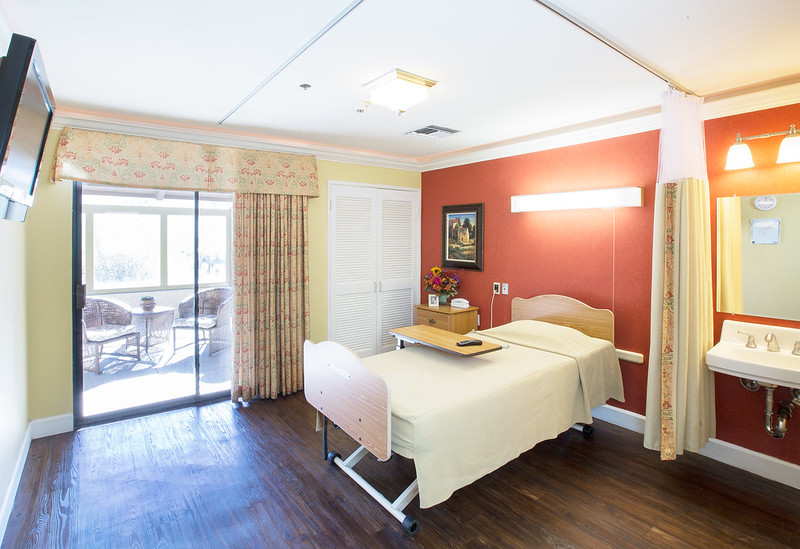
How is Poway Healthcare Center Staffed?

CMS rates POWAY HEALTHCARE CENTER's staffing level at 2 out of 5 stars, which is below average compared to other nursing homes. Staff turnover is 52%, compared to the California average of 46%. RN turnover specifically is 57%, which is notably high. RNs provide skilled clinical oversight, so turnover in this role can affect medical care quality.

What Have Inspectors Found at Poway Healthcare Center?

State health inspectors documented 41 deficiencies at POWAY HEALTHCARE CENTER during 2019 to 2025. These included: 41 with potential for harm.
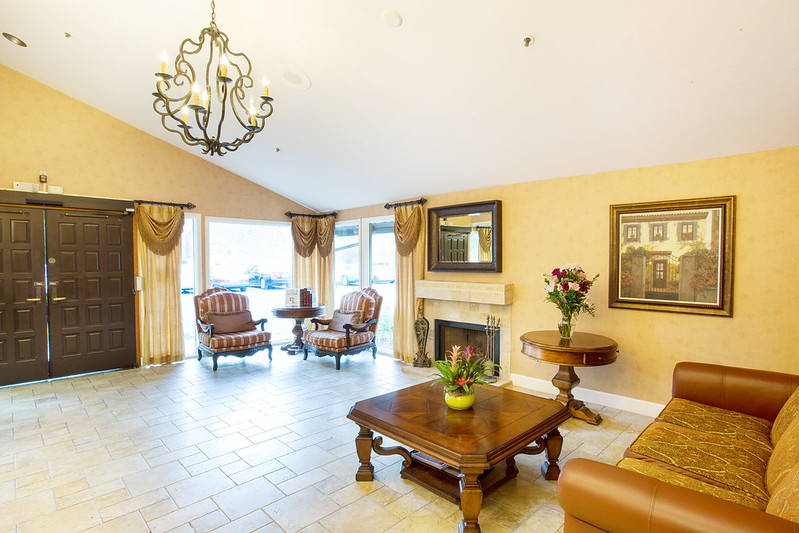
Who Owns and Operates Poway Healthcare Center?

POWAY HEALTHCARE CENTER is owned by a for-profit company. For-profit facilities operate as businesses with obligations to shareholders or private owners. The facility is operated by PACS GROUP, a chain that manages multiple nursing homes. With 99 certified beds and approximately 96 residents (about 97% occupancy), it is a smaller facility located in POWAY, California.
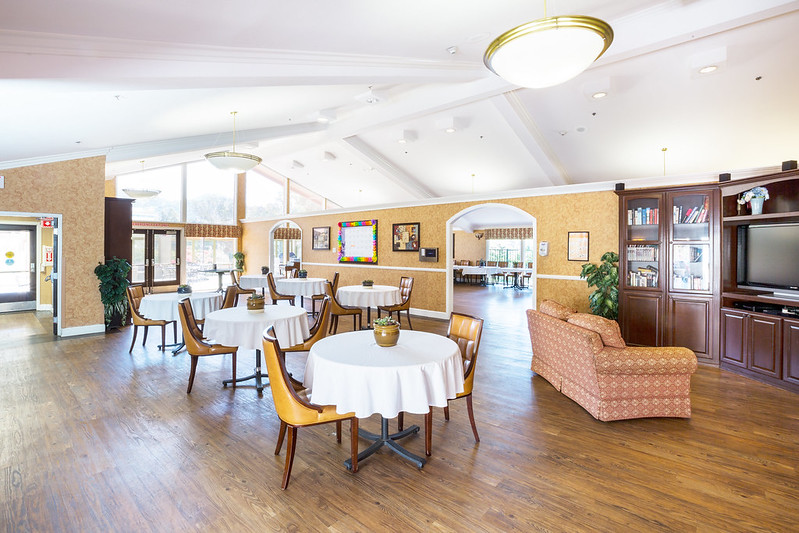
How Does Poway Healthcare Center Compare to Other California Nursing Homes?

Compared to the 100 nursing homes in California, POWAY HEALTHCARE CENTER's overall rating (5 stars) is above the state average of 3.2, staff turnover (52%) is near the state average of 46%, and health inspection rating (4 stars) is above the national benchmark.

What Should Families Ask When Visiting Poway Healthcare Center?

Based on this facility's data, families visiting should ask: "Can you walk me through typical staffing levels on day, evening, and night shifts?" "Can I visit during a mealtime to observe dining assistance and food quality?" "How do you handle medical emergencies, and what is your hospital transfer rate?" "Can I speak with family members of current residents about their experience?" These questions are particularly relevant given the below-average staffing rating.

Is Poway Healthcare Center Safe?

Based on CMS inspection data, POWAY HEALTHCARE CENTER has a clean safety record: no substantiated abuse findings (meaning no confirmed cases of resident harm), no Immediate Jeopardy citations (the most serious violation level indicating risk of serious injury or death), and is not on the Special Focus Facility watch list (a federal program monitoring the lowest-performing 1% of nursing homes). The facility has a 5-star overall rating and ranks #1 of 100 nursing homes in California. While no facility is perfect, families should still ask about staff-to-resident ratios and recent inspection results during their visit.

Do Nurses at Poway Healthcare Center Stick Around?

POWAY HEALTHCARE CENTER has a staff turnover rate of 52%, which is 5 percentage points above the California average of 46%. Moderate turnover is common in nursing homes, but families should still ask about staff tenure and how the facility maintains care continuity when employees leave.

Was Poway Healthcare Center Ever Fined?

POWAY HEALTHCARE CENTER has no federal fines on record. CMS issues fines when nursing homes fail to meet care standards or don't correct problems found during inspections. The absence of fines suggests the facility has either maintained compliance or corrected any issues before penalties were assessed. This is a positive indicator, though families should still review recent inspection reports for the full picture.

Is Poway Healthcare Center on Any Federal Watch List?

POWAY HEALTHCARE CENTER is not on any federal watch list. The most significant is the Special Focus Facility (SFF) program, which identifies the bottom 1% of nursing homes nationally based on persistent, serious quality problems. Not being on this list means the facility has avoided the pattern of deficiencies that triggers enhanced federal oversight. This is a positive indicator, though families should still review the facility's inspection history directly.