COPPER RIDGE CARE CENTER
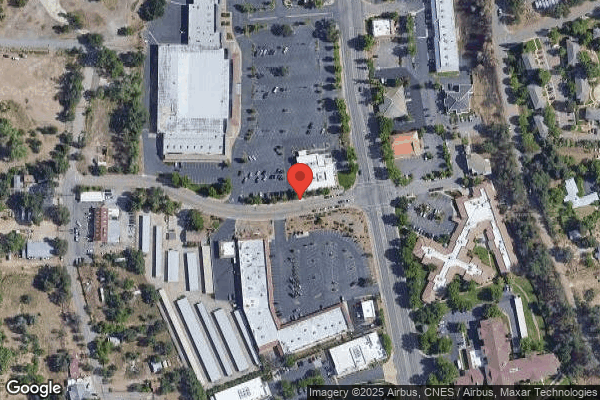
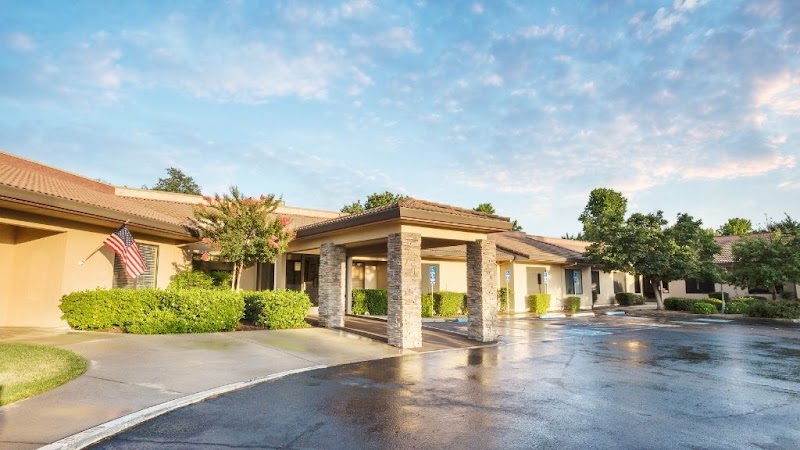
201 HARTNELL AVENUE, REDDING, CA 96002 (530) 222-2273
For profit - Limited Liability company 125 Beds PACS GROUP Data: November 2025
Trust Grade
80/100
#55 of 1155 in CA
Last Inspection: September 2024

Within standard 12-15 month inspection cycle. Federal law requires annual inspections.

Overview

Copper Ridge Care Center in Redding, California, holds a Trust Grade of B+, indicating it is above average and recommended for families considering care options. It ranks #55 out of 1,155 nursing homes in California, placing it in the top half, and is the best option out of 10 facilities in Shasta County. The facility is showing an improving trend, with issues decreasing from seven in 2024 to one in 2025. However, staffing is a weakness, as it received a 2/5 star rating, with a turnover rate of 46%, which is close to the state average. While the center has no fines, indicating good compliance, there have been serious concerns, including a failure to properly monitor a resident's warfarin treatment, which could lead to severe complications, and issues with cleanliness in the kitchen and medication management that could impact infection control.

Trust Score
B+
80/100
In California
#55/1155
Top 4%
Safety Record
Moderate
Needs review
Inspections
Getting Better
7 → 1 violations
Staff Stability
⚠ Watch
46% turnover. Above average. Higher turnover means staff may not know residents' routines.
Penalties
✓ Good
No fines on record. Clean compliance history, better than most California facilities.
Skilled Nurses
⚠ Watch
Each resident gets only 21 minutes of Registered Nurse (RN) attention daily — below average for California. Fewer RN minutes means fewer trained eyes watching for problems.
Violations
⚠ Watch
19 deficiencies on record. Higher than average. Multiple issues found across inspections.
★★★★★
5.0
Overall Rating
★★☆☆☆
2.0
Staff Levels
★★★★★
5.0
Care Quality
★★★★★
5.0
Inspection Score
Stable
2024: 7 issues
2025: 1 issues

The Good

  • 5-Star Quality Measures · Strong clinical quality outcomes
  • Full Sprinkler Coverage · Fire safety systems throughout facility
  • No fines on record

Facility shows strength in quality measures, fire safety.

The Bad

Staff Turnover: 46%

Near California avg (46%)

Higher turnover may affect care consistency

Chain: PACS GROUP

Part of a multi-facility chain

Ask about local staffing decisions and management

The Ugly 19 deficiencies on record

1 actual harm
Jun 2025 1 deficiency
CONCERN (D) 📢 Someone Reported This

A family member, employee, or ombudsman was alarmed enough to file a formal complaint

Potential for Harm - no one hurt, but risky conditions existed

Deficiency F0694 (Tag F0694)

Could have caused harm · This affected 1 resident

**NOTE- TERMS IN BRACKETS HAVE BEEN EDITED TO PROTECT CONFIDENTIALITY** Based on interview, and record review, the facility failed to ensure that one of three sampled residents (Resident 1) received h...

Read full inspector narrative →
**NOTE- TERMS IN BRACKETS HAVE BEEN EDITED TO PROTECT CONFIDENTIALITY** Based on interview, and record review, the facility failed to ensure that one of three sampled residents (Resident 1) received her intravenous (IV, a way to give fluids, medicine, nutrition, or blood directly into the blood stream through a vein) antibiotic called ceftriaxone (a medication used to treat bacterial infections) in a manner consistent with professional standards of practice and in accordance with the facility's policy to treat her urinary tract infection (infection of the kidneys and bladder) when: 1. Resident 1 did not receive her IV ceftriaxone until more than 4 hours after the physician ordered it. 2. The physician's order for the IV antibiotic ceftriaxone did not have an infusion rate (how fast an IV medication is given). These failures resulted in: 1. A delay in treatment of Resident 1's urinary tract infection. 2. The potential to infuse the ceftriaxone too fast or too slow to be effective or safe for Resident 1, and no way for nursing staff to document the rate the IV ceftriaxone was infused. Findings: Review of admission records for Resident 1 indicated she was admitted to the facility on [DATE], with diagnoses including weakness and paralysis on the left side of her body due to a stroke (loss of blood flow to a part of the brain), and atrial fibrillation (a-fib, an irregular and often very fast heartbeat that can cause poor blood flow). Review of Resident 1's admission Minimum Data Set (MDS, an assessment tool), dated 3/21/25, completed by Licensed Nurse (LN) B, indicated a BIMS (Brief Interview for Mental Status, an assessment to screen and identify memory, orientation, and judgement status of the resident), score of 7 out of 15, indicating severe cognitive impairment. A review of Resident 1's Physician's Orders for April 2025, indicated that on 4/22/25 at 5:17 pm, her physician had ordered IV ceftriaxone. The order had not contained the rate (over how many minutes) the IV infusion was to be given. During a review of Resident 1's April 2025 medication administration record (MAR), the MAR indicated that Resident 1 received the first dose of IV ceftriaxone on 4/23/25 at 8:00 am, nearly 15 hours later. During an interview on 6/12/25 at 8:03 am with Resident 1's Family Member (FM), the FM indicated that they were not sure if Resident 1's antibiotics were started when they should have been. Review of a facility policy titled, Administering Medications by IV dated October 2024, indicated, Document the following in the resident's medical record: 4. Total time infused. During a concurrent interview and record review on 6/11/25 at 2:35 pm, with the Director of Nursing (DON), the DON indicated that antibiotics should be given within 4 hours of the time the physician orders them. The DON confirmed that Resident 1's first dose of IV ceftriaxone was not given within 4 hours from the time her physician gave the order, and should have been. During a concurrent interview and record review on 6/12/25 at 10:25 am, with the DON, the DON confirmed the physicians order for Resident 1's IV ceftriaxone, had not inclued an infusion rate, and therefore, the order was incomplete.
Dec 2024 1 deficiency 1 Harm
SERIOUS (G) 📢 Someone Reported This

A family member, employee, or ombudsman was alarmed enough to file a formal complaint

Actual Harm - a resident was hurt due to facility failures

Deficiency F0760 (Tag F0760)

A resident was harmed · This affected 1 resident

**NOTE- TERMS IN BRACKETS HAVE BEEN EDITED TO PROTECT CONFIDENTIALITY** Based on interview, record, and policy review, the facility failed to follow physician's orders and complete monitoring and adju...

Read full inspector narrative →
**NOTE- TERMS IN BRACKETS HAVE BEEN EDITED TO PROTECT CONFIDENTIALITY** Based on interview, record, and policy review, the facility failed to follow physician's orders and complete monitoring and adjustment of warfarin (also called Coumadin, a high-risk medication used to prevent blood clots by thinning the blood and has a significant risk for bleeding complications), for one of four residents sampled for warfarin use (Resident 1), when Licensed Nurse (LN) A incorrectly revised Resident 1's physician's order for a lab test for a prothrombin time and International Normalized Ratio (PT/INR, the laboratory testing parameter utilized to monitor warfarin therapy. The PT is the number of seconds required for the blood to clot, and the INR is the standardized ratio of the PT), and caused the order not to populate on to Resident 1's Electronic Health Record (EHR). This lapse in clinical oversight eliminated opportunities for timely intervention, which could have mitigated the risk of bleeding complications and prevented Resident 1 from enduring serious clinical harm which necessitated emergency treatments and a prolonged 12-day hospitalization. This had the potential to affect all residents who take warfarin. Findings: A review of the facility's policy titled, Anticoagulant [blood thinners] -Clinical Protocol revised November 2018, indicated, a. Assess for any signs or symptoms related to adverse drug reactions due to the medication alone or in combination with other medications. b. Assess for evidence or effects related to the subtherapeutic [less than expected result] or greater than therapeutic drug level related to that particular drug (for example, a resident with an above therapeutic level of an anticoagulation medication should be assessed for bleeding). In addition, the nurse shall assess and document/report the following: a. Current anticoagulation therapy (blood thinning), including drug and current dosage. b. Recent labs, including therapeutic dose monitoring . A review of National Library of Medicine (NIH, a nationally recognized professional resource for healthcare providers), at ncbi.nlm.nih.gov, dated January 2024, indicated; Severe adverse effects of warfarin include bleeding and significant hemorrhage (severe blood loss). Significant hemorrhage, examples of which include intracranial (brain) hemorrhage, gastrointestinal (stomach) bleeding, hematemesis (vomiting blood), intraocular (eye) bleeding, and hemarthrosis (bleeding in a joint), can occur at virtually any body site .Patients should undergo a risk assessment, with appropriate adjustments to their treatment plan made accordingly. Other adverse effects include nausea, vomiting, abdominal pain, bloating, flatulence (gas), and an altered sense of taste .Monitoring: Consistent monitoring of INR levels is essential for all patients receiving warfarin sodium therapy .Patients receiving treatment with warfarin should be closely monitored to ensure the safety and efficacy [desired result] of the medication. Periodic blood testing is recommended to assess the PT and INR .Routine assessment of INR is essential for patients receiving warfarin therapy. The INR of a healthy patient not on anticoagulation therapy is approximately 1.0. Therefore, a patient with an INR of 2.0 or 3.0 requires 2 or 3 times longer for their blood to clot .Most patients receiving warfarin have an INR goal of 2 to 3 .Close INR monitoring is strongly recommended for patients initiating warfarin therapy. This parameter requires more frequent monitoring after beginning a warfarin regimen .More frequent monitoring is necessary for patients with supratherapeutic or subtherapeutic INR to evaluate the safety and efficacy of treatment. Also, the patient's INR requires assessment when initiating, discontinuing, or changing doses .Patients also require close monitoring for signs and symptoms of active bleeding throughout their treatment. Close monitoring for signs and symptoms of bleeding, such as dark, tarry stools, nosebleeds, and hematomas (bruises), is necessary. Toxicity [poisonous]: Warfarin toxicity may be assessed by observing the signs and symptoms of bleeding, as well as the determination of a supratherapeutic INR level. The risk of bleeding is significantly greater for patients with an elevated INR, especially above 5.0. Nurses must recognize the signs of warfarin toxicity so they can alert the attending or prescribing clinician. Review of the facility's policy titled, Medication and Treatment Orders dated July 2016 indicated, 14. Orders for anti-coagulants will be prescribed only with appropriate clinical and laboratory monitoring. Review of admission records for Resident 1 indicated Resident 1 was admitted to the facility on [DATE], with diagnoses that included fracture of right femur (broken hip). A review of a Brief Interview for Mental Status screening (BIMS - an assessment tool used to screen and identify resident memory, orientation, and judgement problems), reflected that Resident 1 scored 12 out of 15, which indicated that she had good memory and ability to make decisions. A review of Resident 1's Physician's Orders, dated for the month of September 2024, was conducted and reflected the following: On 9/5/24, Resident 1's Attending Physician (AP), ordered warfarin 3.5 milligrams (mg, a unit of measure) to be given once a day and to check her PT/INR by lab testing, on 9/6/24. On 9/7/24, AP increased Resident 1's warfarin to 5 mg once a day and ordered to recheck her PT/INR on 9/9/24. On 9/9/24, AP increased Resident 1's warfarin to 7.5 mg once a day and ordered to recheck her PT/INR on 9/12/24. On 9/13/24, AP increased Resident 1's warfarin to 9 mg once a day and to recheck her PT/INR on 9/16/24. A review of Resident 1's PT/INR lab testing results for the months of September and October 2024, was conducted and reflected the following: On 9/6/24, the PT was 17 and the INR 1.4. On 9/9/24, the PT was 17.4 and the INR 1.4 On 9/12/24, the PT was 18.9 and the INR 1.6 There was no evidence that the PT/INR lab test was done on 9/16/24. On 9/30/24, a PT/INR was done and the results were too high for the laboratory equipment to analyze. On 10/1/24, a PT/INR was done and Resident 1's PT was greater than 120 and her INR was greater than 16 (a critical lab result). A review of Resident 1's Progress Notes for September and October 2024, was conducted and documentation reflected the following; On 9/28/24, Resident 1 had blood in her urine. On 9/29/24, at 5:55 AM, Resident 1 complained of nausea and vomiting, she didn ' t feel like eating, had not eaten much the night before, had mostly drank water that day and had only soup for dinner the night before. At 10:25 AM, Resident 1 complained of left abdomen pain, she had the urge to urinate and could not. Resident 1 had not eaten much and had only eaten one yogurt and half of a banana for breakfast. At 6:10 PM, Resident 1 had blood in her urine and was having difficulty urinating and pain in her left side. At 8:15 PM, a urine sample was collected from Resident 1 for a urinalysis (UA, a test done on urine to check for signs of infection), and the urine was bloody. A review was conducted of Resident 1's Lab Results Report for the UA dated 9/29/24 at 10:06 PM, and indicated, Unable to perform chemical analysis due to color interference caused by the grossly [extremely obvious just by looking at it] bloody specimen received. A review of Resident 1's Progress Notes dated 9/30/24, nursing documentation showed that at 8:51 AM, Resident 1 reported nausea and vomiting. At 9:01 AM, an order was obtained for a PT/INR to be done which was done at 12:53 PM. At 2:55 PM, lab called stated the PT/INR level was so high it could not be read. At 3:48 PM, the Physician's Assistant (PA) was notified and ordered Vitamin K (a medication that reverses the effects of too much warfarin and helps the blood clot), 1 Gram, hold warfarin for 3 days, and do a PT/INR daily for 3 days. At 5:09 PM, another UA was collected from Resident 1 and sent to the lab and the urine was noted by the nurse to be tinted red. A review of Resident 1's Lab Results Report dated 10/1/24, indicated a PT of greater than 120 seconds (PT greater than 27 is a critical value and indicates an increased risk of bleeding), and an INR of greater than 16 (INR greater than 5 is a critical value and indicates an increased risk of bleeding). A review of Resident 1's Progress Notes dated 10/1/24, reflected at 11:43 AM the nurse received a phone call with critical labs of an INR greater than 16. At 12:31 PM, a new order was obtained from the PA for Vitamin K 2.5 milligrams (mg, a unit of measure) by mouth one time. At 11:07 PM, Resident 1 stated she was nauseated and the Zofran (a medication for nausea), was not helping her. A review of Resident 1's Progress Notes dated 10/2/24 reflected at 1:02 PM, a nurse documented that the facility received a phone call from the lab reporting Resident 1's PT/INR was still critical with a PT greater than 120 and INR greater than 16. At 2:23 PM, nursing documentation reflected that Resident 1 requested to be sent to the hospital and was transferred to the hospital by ambulance at 2:25 PM. A review of Resident 1's, SNF/NF to Hospital Transfer Form dated 10/2/24 at 1:45 PM reflected that Resident 1 was on warfarin and her last INR was done on 10/2/24 and was critical at greater than 16. Under the GU/Urine [the urinary and bladder system] Evaluation the box blood in urine was checked. A review of Resident 1's hospital emergency room [ER] documentation, dated 10/2/24, reflected that the physician's preliminary concerns were that Resident 1 had a spontaneous retroperitoneal hematoma (internal bleeding around the kidneys), the high INR, acute kidney injury (a condition in which the kidneys suddenly can't filter waste from the blood), and possible sepsis (a life-threatening blood infection) related to a urinary tract infection (UTI, an infection of any part of the urinary system) and low urine output. A Computed Tomography scan (a CT scan is a medical imaging procedure that uses x-rays to make detailed images of the body), of Resident 1's abdomen and pelvis was done and indicated fluid that was suspicious for internal bleeding. A review of Resident 1's hospital History and Physical dated 10/2/24, reflected that Resident 1's lab testing at the ER showed a PT greater than 120 and an INR of greater than 12 (both critical). The physician documented that Resident 1 had, warfarin coagulopathy (a bleeding complication due to too much warfarin in the blood stream), which caused blood in her urine and internal bleeding around her kidneys and upper ureters (thin tubes that connect the kidneys to the bladder). Resident 1 was given Kcentra (a medication given for urgent reversal of warfarin overdose), and Vitamin K. A review of Resident 1's, Hospital Record Progress Notes dated 10/2/24, reflected diagnoses of internal bleeding around the kidneys, high INR, Acute Kidney Injury (AKI), metabolic acidosis (the buildup of acid in the body due to kidney disease or kidney failure), and diabetes insipidus (a condition that causes the body to make large amounts of urine and excessive thirst and causes the fluids in the body to be out of balance). During an interview on 11/26/24 at 2:50 PM, with the Medical Director (MD), the MD stated that when the warfarin dosage is being adjusted there should be PT/INR monitoring in about 2 days. During an interview on 11/26/24 at 3:09 PM, with PA, the PA indicated Resident 1's PT/INR lab test, that was ordered for 9/16/24, may have been missed due to the order being put in the wrong place in Resident 1's EHR. The PA indicated that her understanding was that there were two places lab orders could be within a resident's EHR. The PA indicated the Attending Physician (AP) hand writes the orders directly on the lab results report and faxes it back to the nurses. The nurses would then enter any new orders into the residents EHR. During an interview on 11/26/24 at 3:15 PM, with the Director of Nursing (DON), the DON stated that she was not sure what caused the PT/INR to not populate on Resident 1's EHR, after LN A revised the order. The DON confirmed that the order was not in Resident 1's EHR and the PT/INR was not done. The DON indicated she caught this 14 days later, after Resident 1 began having active bleeding, it was an oversight. During an interview on 12/5/24 at 2:51 PM, with the PA, the PA confirmed she saw Resident 1 on 9/25/24, and had not recognized that the PT/INR, that was to be done on 9/16/24, was missed. A review of Resident 1's Progress Notes dated 9/25/24, reflected that PA saw Resident 1 on 9/25/24 and made a note that Resident 1 was taking warfarin, but had not addressed that the PT/INR that was ordered by AP to be done on 9/16/24, had not been done. During an interview on 12/5/24 at 3:29 PM, with the DON, the DON stated that nurses enter physician's orders into the EHR LAB flow sheet, and from there every night a nurse runs a report for lab tests that are to be done for that day. The nurse then filled out lab requisition (request) form which indicated what lab tests were to be done each day. The DON stated that if the physician's orders do not make it on to the LAB flow sheet, the labs may not show up on the report thererfore, will not likely get done. During an interview on 12/6/24 at 11:36 AM, with the MD, the MD stated that acute retroperitoneal hemorrhage is very common complication when too much warfarin is taken and PT/INRs are too high. The MD stated that after a review the PT/INR lab results, a physician would be expected to give orders to the nurses that would include; when to get the next PT/INR, change or hold the warfarin dose, either verbally (in person or on the phone), or by handwritten orders directly on the lab result sheet and faxed to the nurse. The nurses would then enter the physician's order into the resident's EHR. During an interview on 12/11/24 at 9:05 AM, with Resident 1, Resident 1 indicated that the nurses had not listened to her when she told them she had been sick for days, so she asked to be sent to the hospital. Resident 1 stated, I was bleeding from my mouth, nose, and vagina, and it was very much a nightmare and I felt like I was dying. During an interview on 12/12/24 at 1:12 PM, with LN A, LN A indicated that Resident 1's PT/INR lab testing order that was to be done on 9/16/24, was on the wrong MAR. LN A indicated that there were MARs for medications and different MARs for Lab testing. LN A indicated that her intention was to move the PT/INR lab test order from the medication MAR to the lab MAR, and had not recognized that the order never made it to the lab MAR. LN A indicated that she does not know how that happened. During an interview on 12/12/24 at 3:59 PM, with the Assistant Director of Nursing (ADON), the ADON confirmed that nursing staff received training on the facility's EHR system upon hire and and when any changes to the system occur.
Oct 2024 1 deficiency
CONCERN (D) 📢 Someone Reported This

A family member, employee, or ombudsman was alarmed enough to file a formal complaint

Potential for Harm - no one hurt, but risky conditions existed

Pharmacy Services (Tag F0755)

Could have caused harm · This affected 1 resident

**NOTE- TERMS IN BRACKETS HAVE BEEN EDITED TO PROTECT CONFIDENTIALITY** Based on observation, interview, and record review, the facility failed to ensure that Licensed Nurses administered medication i...

Read full inspector narrative →
**NOTE- TERMS IN BRACKETS HAVE BEEN EDITED TO PROTECT CONFIDENTIALITY** Based on observation, interview, and record review, the facility failed to ensure that Licensed Nurses administered medication in accordance with their Medication Administration Policy for one of four sampled residents (Resident 1), when 4 and a half Norco tablets (a narcotic pain pill), were found in a container in Resident 1 ' s room. This failure had the potential to lead to possible overdose (when a person takes more than the recommended amount of a medication which can lead to serious harm or death), drug diversion (the illegal distribution, or abuse of prescription drugs, or their use for purposes not intended by the prescriber), and possible exposure of other residents to potentially hazardous substances. Findings: Review of Resident 1 ' s admission Record indicated that Resident 1 was admitted to the facility on [DATE] and had diagnoses which included anxiety disorder (worrying that interferes with daily activities) and major depressive disorder (sad mood or the loss of interest or pleasure in nearly all activities). Review of Resident 1 ' s care plan regarding mood dated 9/23/24 indicated that Resident 1 was at risk for poor impulse control. Review of the facility ' s policy titled, Administering Medications dated April 2023 indicated, Only persons licensed or permitted by this state to prepare, administer and document the administration of medication may do so and Residents may self-administer their own medications only if the Attending Physician, in conjunction with the Interdisciplinary Care Planning Team, has determined that they have the decision-making capacity to do so safely. During a concurrent observation and interview, on 10/3/24, at 3:15 PM, Resident 1 stated that she found pain pills in her bed and kept them in a small, black, round container while she pointed to the container on her bedside table. Review of Resident 1 ' s Nurse ' s Notes dated 9/28/24 at 12:18 PM indicated that Resident 1 ' s nurse was notified by a Certified Nursing Assistant (CNA) that Resident 1 had put pills into a black, round container on her bedside table. The nurse went into the room and located the container in which 4 whole tablets and ½ tablet of Norco (a narcotic pain medication) 5/325 milligrams (mg – a unit of measure) were found. Review of Resident 1 ' s current Order Summary Report indicated that on 3/3/24, Resident 1 ' s physician ordered Norco 5/325 mg, to be given by mouth every 6 hours. On 8/2/24, Resident 1 ' s physician added Norco 5/325 mg to be given by mouth every 4 hours as needed (PRN). During an interview, on 10/30/24, at 2:52 PM, the Director of Nursing (DON) stated that her expectation for the facility ' s nurses when giving medications was that the nurses would stay throughout the patients taking the medications and if the nurses needed to leave the room before the patient took the medications, the nurses would take all the medications with them and destroy the medications and bring fresh medications when they returned to the patients ' rooms to complete medication administration.
Sept 2024 1 deficiency
CONCERN (D)

Potential for Harm - no one hurt, but risky conditions existed

Assessment Accuracy (Tag F0641)

Could have caused harm · This affected 1 resident

**NOTE- TERMS IN BRACKETS HAVE BEEN EDITED TO PROTECT CONFIDENTIALITY** Based on interview, record review, and facility policy review, the facility failed to ensure the Minimum Data Set (MDS) assessme...

Read full inspector narrative →
**NOTE- TERMS IN BRACKETS HAVE BEEN EDITED TO PROTECT CONFIDENTIALITY** Based on interview, record review, and facility policy review, the facility failed to ensure the Minimum Data Set (MDS) assessment was accurate for the disposition of a resident at the time of discharge for 1 (Resident #102) of 23 sampled residents. Findings included: A facility policy titled Resident Assessments, revised 10/2023, indicated, 11. All persons who have completed any portion of the MDS resident assessment form must sign the document attesting to the accuracy of such information. An admission Record indicated the facility admitted Resident #102 on 07/05/2024. According to the admission Record, the resident had a medical history that included diagnoses of arthritis and type 2 diabetes mellitus. Per the admission Record, Resident #102 discharged home on [DATE]. Resident #102's care plan included a focus are initiated 07/10/2024, that indicated the resident and their responsible party/family member indicated a preference for the resident to discharge home/community with family/friend support. Resident #102's Discharge Summary dated 07/26/2024, indicated the resident reached and maintained goals for a safe transition home with home health services. Resident #102's Progress Notes, dated 07/27/2024, indicated the resident discharged home on [DATE]. The discharge MDS, with an Assessment Reference Date (ARD) of 07/27/2024, indicated Resident #102 discharged to a short-term general hospital on [DATE]. During a concurrent record review and interview on 09/25/2024 at 12:29 PM, the MDS Coordinator reviewed Resident #102's discharge MDS dated [DATE] which indicated the resident discharged to the hospital. The MDS Coordinator stated that according to the resident's progress notes, Resident #102 discharged home. The MDS Coordinator stated the MDS was not coded accurately as it reflected the resident discharged to hospital. The MDS Coordinator stated it was coded in error. During an interview on 09/25/2024 at 1:29 PM, the Director of Nursing (DON) stated her expectations were for MDS assessments to be coded accurately. The DON stated accurate coding was important because it told the story of the resident. During an interview on 09/25/2024 at 1:45 PM, the Administrator stated he was aware of the MDS process, but he was not involved in the process. The Administrator stated he would expect MDS assessments to be coded accurately.
Aug 2024 1 deficiency
CONCERN (D) 📢 Someone Reported This

A family member, employee, or ombudsman was alarmed enough to file a formal complaint

Potential for Harm - no one hurt, but risky conditions existed

Infection Control (Tag F0880)

Could have caused harm · This affected 1 resident

Based on observation, interview, and record review, the facility failed to ensure safe infection control practices were followed when staff did not properly wear a surgical mask (face covering) and a ...

Read full inspector narrative →
Based on observation, interview, and record review, the facility failed to ensure safe infection control practices were followed when staff did not properly wear a surgical mask (face covering) and a Certified Nurse Assistant (CNA) drank water while walking down a hallway that contained COVID-19 positive residents. This failure had the potential to spread COVID-19 to other residents, potentially leading to a decline in health status. Findings: A review of an undated document titled, Important Reminders, indicated, the Proper way to wear a mask, was for the mask to cover the nose, mouth, and chin. Important Reminders indicated, Personal food and drink was not allowed in hallways or at nurse ' s station. The image of a properly worn mask, that was included in the Important Reminders, included a person wearing a surgical mask. During an observation on 8/21/22 at 2:00 pm, located on Cherry Hall (the name of the unit that contained residents who tested positive for COVID-19), CNA B was observed walking down the entire length of Cherry Hall wearing a surgical mask that did not cover her nose. While CNA B walked down the hallway, CNA B was observed pulling the surgical mask below her chin and drinking water from a cup that had no lid, on three separate occasions. During an interview on 8/21/24 at 2:06 pm, CNA B stated, surgical masks were required to be worn by staff on Cherry Hall due to COVID-19 positive residents. CNA B confirmed, the surgical mask was not being worn properly and stated, it should have covered her nose and was not. CNA B was asked about removing mask from face to drink water while walking down Cherry Hall, and CNA B stated, unawareness that CNA B could not drink water while walking down Cherry Hall. During an observation on 8/21/24 at 2:33 pm, the facility ' s Treatment Nurse (TN, performed resident wound care treatments), had been observed standing at the nurse ' s station, located on Cherry Hall. TN was observed talking to Licensed Nurse (LN A) and two other staff members at the nurse ' s station. TN's surgical mask was not covering the nose for the entirety of the observation. TN was observed walking away from the nurse ' s station. After TN walked past a room with an open door, TN pulled the surgical mask up and covered TN ' s nose. The sign located outside of the room with an open door indicated, the resident was positive for COVID-19. During an interview on 8/21/24 at 3:10 pm, TN stated, surgical masks should cover the nose, mouth, and chin. TN was asked about the observation made while TN was at the nurse ' s station on Cherry Hall. TN confirmed, having a conversation with facility staff at the nurse ' s station and stated, the observation made, of TN wearing the surgical mask under her nose, was incorrect. During a concurrent observation and interview, on 8/21/24 at 3:45 pm, LN A was observed standing at the nurse ' s station on Cherry Hall. LN A ' s surgical mask was not covering the mouth or nose. Upon arrival to the nurse ' s station, LN A repositioned the surgical mask and covered up the mouth and nose. LN A confirmed, LN A ' s mouth and nose was not covered and should have been. LN A confirmed being present at the observation made earlier at 3:10 pm. LN A confirmed, while TN was at the nurse ' s station, TN ' s nose was not covered by the surgical mask. During an interview on 8/22/24 at 4:08 pm, Director of Staff Development (DSD, responsible for training staff and was also the CNA supervisor) stated, education had been provided to the facility staff regarding proper use of the surgical mask. DSD stated, the surgical mask should cover the nose, mouth, and chin. DSD stated, staff should not drink water in the hallways of the facility and stated, CNA B should have utilized the staff ' s breakroom. During a concurrent interview and record review on 8/22/24 at 12:38 pm, Infection Preventionist (IP), stated, on 8/7/24 an in-service training was provided to staff regarding infection control. IP stated, a properly worn surgical mask covered the nose, mouth, and chin. IP confirmed, facility staff were not permitted to eat or drink at the nurse ' s station or in the facility hallways.
May 2024 3 deficiencies
CONCERN (D) 📢 Someone Reported This

A family member, employee, or ombudsman was alarmed enough to file a formal complaint

Potential for Harm - no one hurt, but risky conditions existed

Deficiency F0553 (Tag F0553)

Could have caused harm · This affected 1 resident

**NOTE- TERMS IN BRACKETS HAVE BEEN EDITED TO PROTECT CONFIDENTIALITY** Based on interview and record review, the facility failed to honor resident rights for one out of three sampled residents (Resid...

Read full inspector narrative →
**NOTE- TERMS IN BRACKETS HAVE BEEN EDITED TO PROTECT CONFIDENTIALITY** Based on interview and record review, the facility failed to honor resident rights for one out of three sampled residents (Resident 1) when Resident 1's caregiver (CG) requested a nurse to be present at the care conference meeting (a group of medical professionals that met to discuss resident care and care planning with the resident, family members, or caregivers), and nursing was not notified of the request. This failure had the potential for Resident 1 and Resident 1's representatives to not be allowed to participate in resident care planning. Findings: A review of the facility's policy and procedure titled, Care Planning- Interdisciplinary Team, revised 3/1/22, indicated, the Interdisciplinary Team (IDT, a group of medical professions that meet to discuss resident care and care planning) was responsible for .the development of resident care plans and nursing was included in the IDT. A review of the undated admission Record, indicated, Resident 1 was admitted to the facility on [DATE] with the diagnoses of hypertensive heart disease (heart problems that were caused by high blood pressure) and diabetes. Resident 1 was her own responsible party (made own decisions about heath care). During an interview on 5/14/24 at 12:27 pm, CG stated, CG had a conversation with the facility's social worker (SW) and requested nursing to be present at Resident 1's care conference meeting due to concerns of diabetes and bathroom assistance. During a concurrent record review and interview, on 5/31/24 at 9:29 am, with SW, Resident 1's Care Conference Meeting note, dated 4/22/24 was reviewed. SW confirmed a request had been made for nursing to be present at Resident 1's care conference meeting. SW stated, the Care Conference Meeting note indicated, the IDT team members present included the SW, physical therapy, and the occupational therapist. SW stated, Resident 1 was medically stable, and didn't require nursing to be present, and the care conference meeting was focused on care received from physical therapy and occupational therapy. SW confirmed, nursing should have been included in the care conference and was not. During an interview, on 5/31/24 at 10:26 am, Director of Nursing (DON) stated the SW had not informed DON there was a request made for nursing to be present at the care conference meeting and confirmed DON was not present at the care conference meeting that occurred on 4/22/24.
CONCERN (D) 📢 Someone Reported This

A family member, employee, or ombudsman was alarmed enough to file a formal complaint

Potential for Harm - no one hurt, but risky conditions existed

Food Safety (Tag F0812)

Could have caused harm · This affected 1 resident

Based on interview and record review, the facility failed to provided one out of three sampled residents (Resident 2) with food that was served in a safe manner when Resident 2 was served a chef's sal...

Read full inspector narrative →
Based on interview and record review, the facility failed to provided one out of three sampled residents (Resident 2) with food that was served in a safe manner when Resident 2 was served a chef's salad that contained moldy cherry tomatoes. This failure had the potential for spoiled food to be eaten and could cause illness. Findings: A review of the facility's policy and procedure titled, Food and Nutrition Services, revised 10/1/17, indicated, Food and nutrition services staff will inspect food trays to ensure that the correct meal is provided to each resident, the food appears palatable and attractive, and it is served at a safe and appetizing temperature. A review of the undated Admissions Record, indicated, Resident 2 was admitted to the facility 5/3/24 with the diagnoses of depression (a sad mood) and atrial fibrillation (an irregular heartbeat that caused poor blood flow and had the potential to cause blood clots to form in the heart). Resident 2 was her own responsible party and made her own decisions. During an interview on 5/17/24 at 10:48 am, Resident 2 stated, she had been served moldy tomatoes. During an interview on 5/31/24 at 8:35 am, the facility's dietary manager in training/lead cook (DM) stated, Resident 2 had ordered a chef's salad and Resident 2 had sent back the chef's salad due to moldy cherry tomatoes. DM stated performing a visual inspection of the chef salad and confirmed, Resident 2 had been served a chef salad with moldy cherry tomatoes. During an interview on 5/31/24 at 11:38 am, Registered Dietician (RD) stated, RD was notified that Resident 2 had been served a chef salad with moldy cherry tomatoes and observed a photo of the moldy cherry tomatoes taken with Resident 2's cell phone. RD stated the expectancy was for staff to visually inspect food prior to serving it to the residents and stated, the chef salad should not have been served.
CONCERN (D) 📢 Someone Reported This

A family member, employee, or ombudsman was alarmed enough to file a formal complaint

Potential for Harm - no one hurt, but risky conditions existed

Deficiency F0840 (Tag F0840)

Could have caused harm · This affected 1 resident

**NOTE- TERMS IN BRACKETS HAVE BEEN EDITED TO PROTECT CONFIDENTIALITY** Based on interview and record review the facility failed to provide one out of three sampled residents (Resident 1) with outside...

Read full inspector narrative →
**NOTE- TERMS IN BRACKETS HAVE BEEN EDITED TO PROTECT CONFIDENTIALITY** Based on interview and record review the facility failed to provide one out of three sampled residents (Resident 1) with outside services when a request was made for Resident 1 to be seen by her cardiologist (doctor that specialized in the heart) and a referral was not initiated. This had the potential for a decline in resident health status. Findings: A review of the facility's policy and procedure (P&P) titled, Referrals, revised 12/1/08, indicated Social Services or designee shall coordinate most resident referrals. The P&P indicated, Social Services or designee will document the referral in the resident's medical record. A review of the undated admission Record, indicated, Resident 1 was admitted to the facility on [DATE] with the diagnoses of hypertensive heart disease (heart problems that were caused by high blood pressure) and diabetes. Resident 1 was her own responsible party (made own decisions about heath care). During an interview on 5/14/24 at 12:27 pm, Resident 1's care giver (CG) stated, during a care conference meeting (a group of medical professionals that met to discuss resident care and care planning with the resident, family members, or caregivers), the social worker (SW) had been informed that Resident 1 wanted to been seen by Resident 1's cardiologist. CG stated, Resident 1 had not been seen by the cardiologist and had concerns due to Resident 1's history of heart problems. During a concurrent interview and record review on 5/31/24 at 9:29 am, Resident 1's Care Conference Meeting note, dated 4/22/24 was reviewed with SW. SW stated, the Care Conference Meting note, indicated, the next step was to make a cardiology appointment for Resident 1. SW stated inability to find the documents that would be faxed to the cardiologist requesting an appointment for Resident 1 and confirmed there was no documentation in Resident 1's medical records that supported a referral had been made.
Feb 2022 3 deficiencies
CONCERN (D)

Potential for Harm - no one hurt, but risky conditions existed

Pharmacy Services (Tag F0755)

Could have caused harm · This affected 1 resident

**NOTE- TERMS IN BRACKETS HAVE BEEN EDITED TO PROTECT CONFIDENTIALITY** Based on observation, record review and interview the facility failed to ensure that outdated drugs were removed from the medica...

Read full inspector narrative →
**NOTE- TERMS IN BRACKETS HAVE BEEN EDITED TO PROTECT CONFIDENTIALITY** Based on observation, record review and interview the facility failed to ensure that outdated drugs were removed from the medication storage room when an expired bag of medication was found in the medication refrigerator in the main medication storage area. This could have led to a resident receiving an ineffective dose of medication that had expired. During a concurrent observation and interview, on [DATE] at 10:20 am, in Medication Storage room [ROOM NUMBER] with Assistant Director of Nursing (ADON), Pharmacist (Pharm), and pharmacy manager (Pharm Manager), a bag of Engerix B (a vaccine for Hepatitis, a blood infection) 20 mcg/ml (microgram per milliliter) was noted to have an expiration date of 12/21. ADON stated that this should have been removed, and did remove it immediately. Pharm stated that it was their job (contracted pharmacy vendor) to check for out dated medications monthly. Pharm and Pharm Manager were observed doing their February inspection of the medications. A review of the facility's policy entitled Storage of Medications revised [DATE], indicated that The facility stores all drugs and biologicals in a safe, secure and orderly manner, that nursing staff is responsible for maintaining medication storage and preparation areas in a clean safe, and sanitary manner, and that discontinued, outdated, or deteriorated drugs or biologicals are returned to the dispensing pharmacy or destroyed.
CONCERN (E)

Potential for Harm - no one hurt, but risky conditions existed

Food Safety (Tag F0812)

Could have caused harm · This affected multiple residents

Based on observation and interview the facility did not store cooking utensils in a sanitary manner when serving scoops were observed to be stored in a drawer containing dark colored water and food pa...

Read full inspector narrative →
Based on observation and interview the facility did not store cooking utensils in a sanitary manner when serving scoops were observed to be stored in a drawer containing dark colored water and food particles. The failure to maintain cleanliness in storage of serving utensils has the potential to cause the spread of food borne illness leading to adverse resident clinical outcomes. Findings: During a concurrent kitchen observation and interview, on 2/15/22 at 8:32 AM with the dietitian, three of four utensil drawers were observed to have food particulate matter within. One drawer was observed to have dark fluid accumulated in contact with food serving scoops. The dietitian commented that, This is unusual. I don't know how that got in there. We will change the location of the scoops so this doesn't happen again. As to the food particles the dietitian stated, It must have come during food prep. Remediation was instituted immediately. During a concurrent kitchen observation and interview, on 02/15/22 at 8:37 AM with the dietitian, a pie serving utensil and a spatula in a storage drawer were observed to have dried food particulate matter present. The dietitian removed the utensils and stated, They (staff) must not have seen that. They will be reminded to observe for that closely. The utensils were handed off to the kitchen assistant who acknowledged the presence of the food particles on the utensils and returned them to the dishwashing area to be cleaned.
CONCERN (E)

Potential for Harm - no one hurt, but risky conditions existed

Infection Control (Tag F0880)

Could have caused harm · This affected multiple residents

**NOTE- TERMS IN BRACKETS HAVE BEEN EDITED TO PROTECT CONFIDENTIALITY** A review of the facility's policy titled Infection Prevention and Control Program revised 10/2018 indicated that the facility's ...

Read full inspector narrative →
**NOTE- TERMS IN BRACKETS HAVE BEEN EDITED TO PROTECT CONFIDENTIALITY** A review of the facility's policy titled Infection Prevention and Control Program revised 10/2018 indicated that the facility's policy was established and maintained to provide a safe, sanitary and comfortable environment and to help prevent the development and transmission of communicable diseases and infections. 2. During an observation on 2/14/22 at 9:00 AM LN 1 used a pill cutter to cut an oral medication and then replaced it back into her medication cart (medication cart 1), without cleaning it. Debris from the pill could be seen in the pill cutter. During a concurrent observation and interview of LN 3 with ADON on 2/14/22 at 10:45 AM 1 of 2 pill cutters on LN3's medication cart (medication cart 2), was observed to have white powdery debris inside. Both LN 3 and ADON stated that the pill cutter appeared dirty and had not been cleaned after prior use. ADON stated that it was her expectation that the multipatient use pill cutters be cleaned after each use with soap and water to avoid contamination between patients. During a concurrent observation and interview on 2/14/22 at 11:00 AM LN 1 and ADON opened the pill cutter from medication cart 1 and it was observed to have white powdery debris in it. Both LN 1 and ADON stated that the pill cutter was dirty and should have been cleaned after use. 3. During an observation on 2/15/22 LN 1 used a glucometer (device used by several patients to measure blood sugar), and was observed to wipe it with a bleach wipe for 30 seconds and then placed it back into the medication cart drawer. No dwell time (time a product must remain wet on a surface to kill all germs) was observed. During a review of the bleach wipe product used for this cleaning (PDI Sani-Cloth Bleach) the product directions indicate that a treated surface must remain visibly wet for a full 4 minutes. Use additional wipes if needed to assure continuous 4 minute wet contact time. During an interview on 2/15/22 at 1:00 PM with Infection Preventionist (IP), IP stated that all staff are trained to use bleach wipes from a packet and let sit for 10 minutes. IP stated that she believed the product would remain wet on the device for 10 minutes. A review of the bleach wipe packet product (MedLine Micro-Kill Bleach) packet instructions indicate that a 30 second contact time is required to kill all bacteria and viruses the label except a 1 minute contact time is required to kill Candida albicans and trichophyton mentagrophytes (specific germs) and a 3 minute contact time is required to kill Clostridium Difficile spores ( a germ that can spread rapidly in a nursing home setting and can cause significant illness and death.) During an interview with DON on 2/17/22 at 10:00 AM DON stated that obtaining standardized cleaning and disinfecting products during the pandemic had been difficult and acknowledged that staff could be confused when different products require different wet times and usage instructions. Based on observation, interview, and record review, the facility failed to prevent the spread of infection when: 1. a staff member entered an isolation room of a resident who was under observation for exposure to the COVID-19 virus without donning (putting on) appropriate Personal Protective Equipment (PPE); 2. two of three pill cutters had not been cleaned between uses; 3. one of three glucometers (a device used to measure blood sugar) was not cleaned according to manufacturer's guidelines between uses. This failure had the potential to spread germs from resident to resident or staff which could have caused illness or outbreaks of infectious disease. Findings: 1. Review of the facility policy, titled, Care & Placement of Residents/Patients with Known or Suspected COVID-19, or Undiagnosed Respiratory Infection, undated, indicated that COVID-19 was most often transmitted from a person with close contact by way of respiratory droplets produced when an infected person coughed or sneezed, similar to how the flu and other respiratory germs spread. Residents who had potentially been exposed to COVID-19 were placed in designated areas called Yellow Zones or Units to be quarantined or isolated from other residents. All Yellow Zone residents were considered potentially contagious until that possibility was ruled out, and strict precautions were to be adhered to at all times. PPE to be used in the Yellow Zone included N95 respirators (masks), eye shields, disposable gowns, and gloves. In addition to an N95 and protective eyewear, staff were to don gowns and gloves upon entry into the room or at any time in the room when exposure to resident secretions was likely. Staff were to remove the PPE and discard it at the doorway prior to exiting the resident room, perform hand hygiene upon completion of contact with the resident, after doffing (removing) the PPE. During a concurrent observation and interview, on 2/15/22, at 8:15 AM, Housekeeper (HSK) delivered some clothing on hangers to room [ROOM NUMBER] and placed them in the closet. HSK wore an N95 mask and eye shield, but no isolation gown or gloves. HSK exited the room without sanitizing their hands. When asked, HSK confirmed they were not wearing a gown and gloves and didn't sanitize their hands, but normally would have.
Mar 2020 8 deficiencies
CONCERN (D)

Potential for Harm - no one hurt, but risky conditions existed

Deficiency F0657 (Tag F0657)

Could have caused harm · This affected 1 resident

**NOTE- TERMS IN BRACKETS HAVE BEEN EDITED TO PROTECT CONFIDENTIALITY** Based on observation, interview, and record review, the facility failed to revise the care plan and include interventions to pre...

Read full inspector narrative →
**NOTE- TERMS IN BRACKETS HAVE BEEN EDITED TO PROTECT CONFIDENTIALITY** Based on observation, interview, and record review, the facility failed to revise the care plan and include interventions to prevent a skin tear for one of 24 sampled residents (Resident 7). This caused or contributed to an additional skin tear. Findings: A review of Resident 7's record indicated she was readmitted on [DATE], with diagnoses that included dementia, muscle weakness, Parkinson's (disease of the central nervous system that affects movement, often including tremors), and Rheumatoid arthritis (a chronic progressive disease in the joints and resulting in painful deformity and immobility especially in the fingers, wrists, feet, and ankles). During a concurrent observation and interview on 3/9/20 at 3:37 pm, Resident 7's responsible party said there was a new skin tear on Resident 7's right elbow arm area. She pulled up the resident's sleeve and there was a bruise with a horseshoe shaped skin tear with four steri-strips. The shirt sleeve had a reddish-brown stain. She said Resident 7 has had other prior skin tears and staff were supposed to use sleeve covers during transfers to prevent skin tears. The notes for skin tears which had happened since readmission and care plan revisions were reviewed. On 11/5/19 a skin tear occurred during a Hoyer (assistive device that allows patients to be transferred between bed and chair) transfer. The care plan was not revised. On 12/11/19, another skin tear occurred and the reason was not clear but the care plan was revised to include sleeve covers during Hoyer transfers. No skin tears during Hoyer transfers occurred after this intervention was started. Another skin tear occurred on 3/9/20 while dressing Resident 7 with a tight long sleeve shirt and the care plan was revised to use only loose long sleeves. During an interview on 3/12/20 at 8:20 am, the Director of Nurses (DON) confirmed Resident 7's care plan was updated to include additional interventions after the skin tear on 12/11/19 and 3/9/20, but the care plan had not been revised after the initial skin tear on 11/5/19.
CONCERN (D)

Potential for Harm - no one hurt, but risky conditions existed

Deficiency F0688 (Tag F0688)

Could have caused harm · This affected 1 resident

**NOTE- TERMS IN BRACKETS HAVE BEEN EDITED TO PROTECT CONFIDENTIALITY** Based on interview and record review, the facility failed to provide restorative nursing aide (RNA) therapy (services to ensure ...

Read full inspector narrative →
**NOTE- TERMS IN BRACKETS HAVE BEEN EDITED TO PROTECT CONFIDENTIALITY** Based on interview and record review, the facility failed to provide restorative nursing aide (RNA) therapy (services to ensure a resident's range of motion (ROM) did not decrease) to one of two residents (Resident 7), as often as ordered by the physician. This had the potential to result in a decrease in Resident 7's range of motion and optimum level of functioning. Findings: A review of Resident 7's record indicated she was readmitted on [DATE], with diagnoses that included dementia, muscle weakness, Parkinson's (disease of the central nervous system that affects movement, often including tremors), and Rheumatoid arthritis (a chronic progressive disease in the joints and resulting in painful deformity and immobility especially in the fingers, wrists, feet, and ankles). The physician's orders included RNA therapy for ROM five times per week to maintain joint mobility. During an interview on 3/9/20 at 3:53 pm, Resident 7's responsible party (RP) said she was unsure how often ROM exercises were being done with Resident 7. A review of the RNA weekly notes since 1/1/20 indicated for nine of eleven weeks, Resident 7 received RNA therapy from three to four times per week, instead of five times per week, as ordered by the physician. During a concurrent interview and record review on 3/12/20 at 1 pm, the Director of Nursing (DON) confirmed there were two weeks, during the period from 1/1/20 to present, when Resident 7 had RNA therapy five times per week. DON stated they have been short staffed due to illness and some staff being on a leave of absence. She said she will have Resident 7 rescreened by Physical Therapy.
CONCERN (D)

Potential for Harm - no one hurt, but risky conditions existed

Accident Prevention (Tag F0689)

Could have caused harm · This affected 1 resident

**NOTE- TERMS IN BRACKETS HAVE BEEN EDITED TO PROTECT CONFIDENTIALITY** Based on observation, interview, and record review, the facility failed to ensure one of six residents (Resident 74) who smoked ...

Read full inspector narrative →
**NOTE- TERMS IN BRACKETS HAVE BEEN EDITED TO PROTECT CONFIDENTIALITY** Based on observation, interview, and record review, the facility failed to ensure one of six residents (Resident 74) who smoked received adequate supervision. This had the potential to result in an accident related to smoking including burns. Findings: A review of Resident 74's record indicated he was admitted on [DATE], with diagnoses that included peripheral vascular disease (a circulatory condition in which narrowed blood vessels reduce blood flow to the limbs), muscle weakness, and heart disease. A review of the smoking assessment and interdisciplinary team note, indicated Resident 74 was safe to smoke and agreed to smoke only with a designated smoking aide or family member present. On 3/9/20 at 4:06 pm, Resident 74 was observed out in the smoking area with another resident. Resident 74 was smoking and ash fell from his cigarette onto the ground. He stopped smoking as soon as the surveyor arrived at the smoking area. No staff were present. A very short time later (approximately one minute), two other residents came out as well as the designated smoking aide (AA 1) who offered Resident 74 a smoking apron. Resident 74 accepted the smoking apron and put it on prior to starting to smoke again. The above observation was discussed with the Director of Nurses (DON) on 3/10/20 at 8:59 am. The DON said staff from various departments are assigned to be with residents at designated smoking times. She said according to their policy, staff should be present when residents are smoking, although their policy does allow a visitor to be present at times. She said they try to get residents to wear smoking aprons and Resident 74 was willing to wear one. The DON said Resident 74 had a visitor yesterday and she would see if he left cigarettes for this resident, but otherwise the cigarettes were kept locked up in a box in the medication room. The facility's Smoking Policy - Residents, revised 9/2017, was reviewed. It indicated, all residents with smoking privileges shall have the direct supervision of a staff member, resident representative, family member, volunteer worker, or other person deemed safe by the facility at all times while smoking.
CONCERN (D)

Potential for Harm - no one hurt, but risky conditions existed

Pharmacy Services (Tag F0755)

Could have caused harm · This affected 1 resident

**NOTE- TERMS IN BRACKETS HAVE BEEN EDITED TO PROTECT CONFIDENTIALITY** Based on observation, interview and record review, the facility failed to consistently follow a medication order and did not fol...

Read full inspector narrative →
**NOTE- TERMS IN BRACKETS HAVE BEEN EDITED TO PROTECT CONFIDENTIALITY** Based on observation, interview and record review, the facility failed to consistently follow a medication order and did not follow medication administration policy when they did not notify the doctor or pharmacist of a pattern of refusal for diclofenac ointment (Nonsteroidal anti-inflammatory drug) for one of 24 sampled residents (Resident 42). This failure delayed the doctor from assessing and adjusting an individualized medication regimen that met the wishes and needs of Resident 42. Findings: A review of the medical record for Resident 42 indicated he was last admitted on [DATE] from the hospital with heart and lung problems, back pain, swollen legs, peripheral neuropathy (nerve pain in the hands and fingers). Resident 42 was his own responsible party. A review of a facility policy, titled, Administering Medications, revised 4/2019, indicated that medications should be administered in accordance with prescriber orders. Identified concerns should be communicated to the prescribing doctor. A review of a facility policy, titled, Medication Regimen Reviews, Revised 7/2018, indicated the Pharmacist will identify any irregularities and provide timely communication to the attending physician, the facility's Medical Director and to the Director of Nursing (DON). A review of the physician orders for Resident 42 indicated, on 12/26/19, the doctor ordered diclofenac sodium gel 1%, 4 grams, topically applied twice a day to the left thumb joint area due to gout (inflammatory arthritis characterized by recurrent attacks of a red, tender, hot, and swollen joint). During observation of a medication administration on the [NAME] Wing, on 3/11/20 at 9:18 AM, Licensed Nurse (LN) A stated she was going to ask Resident 42 if he wanted to refuse the diclofenac gel that the doctor had ordered. During an interview with LN A, on 3/11/20 at 9:35 AM, she stated she did not give this ointment to him daily as he usually did not want it. During an observation of LN A interacting with Resident 42, on 3/11/20 at 9:40 AM, she instructed Resident 42 that he should let her give him the diclofenac ointment since surveyors wanted to watch her conduct a medication administration. Resident 42 agreed to let her apply the ointment but stated that he did not need it. LN A applied the diclofenac gel to Resident 42's left thumb. During an interview with Resident 42, on 3/11/20 at 09:48 AM, he stated he did not want to rely on pain medications, so he refused them often. Resident 42 stated he would rather just ask for the ointment when he felt he needed it. He stated the nurses and doctors had never discussed changing the medication from routine to as needed. During an interview with LN A, on 3/11/20 at 9:55 AM, she stated she had not spoken to the doctor about how often Resident 42 refused the medication. She stated she usually did not get the medication ready to offer as Resident 42 as he usually refused it. When asked if he would be more likely to accept the ointment if it were ready to apply, LN A said possibly but it would still get thrown away most of the time. During a concurrent interview and review of Resident 42's orders, medication administration records (MAR) and progress notes with the DON, on 3/11/20 at 3:00 PM, the MAR indicated several stretches of refusals that started in 1/2020 and continued through 3/2020. When asked if a care conference should recognize and address patterns of medication refusal, DON stated they should have reviewed current medications and discussed with Resident 42 if any medications should be changed or discontinued. There should have been a referral to the doctor to change the diclofenac gel to PRN (as needed) and then Resident 42 would have to ask for it. DON confirmed there had been a pattern of refusal. She stated they should have identified the root cause for the refusals, but that the pattern had not been captured in the progress notes. Nurses would not know about the pattern of refusal unless they printed out the MAR and did an intentional review. It should have been the responsibility of the nurse to notify the doctor of three or more days in a row of refusal to accept the ointment. A review of the 2020 Medication Administration History for Resident 42 indicated the following refusals for the diclofenac sodium gel: January 10, 17-19, 24-26 February 1, 2, 7-9, 14-16, 21-23, 28-29 March 1, 2, 4, 6-8 A review of the Pharmacy Consultant's Medication Regimen Review indicated, for 1/2020 and 2/2020, she did not address the pattern of refusal by Resident 42 for the diclofenac gel. During an interview with the Pharmacy Consultant (PC), on 3/12/20 at 8:36 AM, she stated that the nurses were responsible to alert the doctors and pharmacist if a chronic medication had a pattern of refusal. PC stated the pharmacists checked PRN medications (ordered as needed) for patterns of refusal, but did not check routine medications for patterns of refusal.
CONCERN (E)

Potential for Harm - no one hurt, but risky conditions existed

Safe Environment (Tag F0584)

Could have caused harm · This affected multiple residents

2. On 3/10/20 @ 10:30 AM during an observation of the facility utility rooms and physical therapy gym, two wall mounted room fans were observed to have dust accumulation on the fan blades and wire bla...

Read full inspector narrative →
2. On 3/10/20 @ 10:30 AM during an observation of the facility utility rooms and physical therapy gym, two wall mounted room fans were observed to have dust accumulation on the fan blades and wire blade cover. The fan in the physical therapy room had a strand of dust, approximately 2 ½ inches long hanging from a fan blade. On 3/10/20 @ 10:40 AM CNA 3 was asked about the condition of the fan and stated, It looks kind of gross. Lint, yes. It needs to be cleaned. I will get housekeeping; they should have cleaned it. Shortly after, Housekeeper 2 entered the utility room and viewed the fan. I will take care of it right now was her response when viewing the condition of the fan. On 3/10/20 at 10:45 AM the fan in the physical therapy gym was called to the attention of staff. Physical Rehabilitation Aid acknowledged lint present on the fan. Housekeeping staff were summoned to clean the fan. Based on observation and interview the facility failed to maintain clean and sanitary conditions when: 1. Two clean utility room under-sink cabinets were observed to be soiled. 2. Two room fans were observed to have lint on the fan blades and wire cage of the fan. These failures created the potential for environmental contamination with bacteria, viruses and allergens, not facilitating a homelike environment that could lead to negative clinical outcomes. Findings: 1. During an initial tour of the Cherry wing and concurrent interview on 3/9/20 at 9:37 AM, the clean utility room was observed with Certified Nursing Assistant (CNA) 2. CNA 2 confirmed the area under the sink was soiled with a blackish brown substance and trash bags in a corrugated cardboard box were being stored. CNA 2 stated items should not be stored under the sink. During an observation and concurrent interview on 3/9/20 at 9:47 AM, CNA 2 returned to the clean utility room and removed the box of trash can liners that were being stored under the sink and stated she would notify housekeeping to clean under the sink. During an observation on 3/11/20 at 10:30 AM, the Peach wing clean utility room was observed. The under-sink cabinet, where items were being stored, was soiled with a blackish brown substance.
CONCERN (E)

Potential for Harm - no one hurt, but risky conditions existed

Deficiency F0761 (Tag F0761)

Could have caused harm · This affected multiple residents

**NOTE- TERMS IN BRACKETS HAVE BEEN EDITED TO PROTECT CONFIDENTIALITY** Based on observation, interview and record review, the facility failed to follow the standard of practice and manufacturer's rec...

Read full inspector narrative →
**NOTE- TERMS IN BRACKETS HAVE BEEN EDITED TO PROTECT CONFIDENTIALITY** Based on observation, interview and record review, the facility failed to follow the standard of practice and manufacturer's recommendations for identifying expiration dates when it did not label blood sugar testing strips and solutions with the date they were opened, and when an expired bottle of Hibiclens (a solution used to kill germs on skin) was not labeled with the date it was opened and was still in use. This failure had the potential to cause inaccurate blood sugar test results and insulin medication errors, and to ineffectively kill germs during wound care treatments, increasing the risk of infection. Findings: A review of a facility policy, titled, Storage of Medications, revised 4/2019, indicated that all drugs and biologicals would be stored in a safe, secure and orderly manner. Nursing staff was responsible for maintaining medication storage in a clean, safe and sanitary manner. Outdated drugs or biologicals would be destroyed. Antiseptics, disinfectants and germicides used in any aspect of resident care must be clearly labeled with directions for use. During an observation of a Treatment Nurse's (TN) treatment cart, on [DATE] at 3:45 PM, a bottle of Hibiclens solution had an expiration date of 12/2019. During an interview with TN, on [DATE] at 3:50 PM, she confirmed that the bottle did not have a date written on it for when it was first opened and that the expiration date from the manufacturer had expired. TN stated that staff routinely refill the expired bottle with solution from a larger bottle. She discarded the expired bottle and stated they would change their process to avoid potential infection control issues. During an observation of a medication cart on Cherry Wing, on [DATE] at 11:35 AM, the blood sugar device testing strips and control solution bottles (used to determine if the device is working accurately) were not labeled with the date when they were opened. The strips and solutions were in containers that identified the manufacturer. During an interview with a Licensed Nurse (LN) C, on [DATE] at 11:40 AM, she confirmed the bottles of test strips and control solutions were not labeled with the date they were opened. She stated that staff would use the expiration dates stamped on the bottles by the manufacturer to stop using those bottles. LN C was not aware of any other time frame after they were opened where they should be considered expired. During an interview with the Assistant Director of Nurses (ADON), on [DATE] 11:49 AM, she stated that staff go by the expiration date for test strips and solutions. A review of the manufacturer's recommendation for the blood sugar device test strips and control solution, on [DATE] at 11:58 AM, indicated they were good for 3 months after opening. During an observation of a medication cart in front of Apple Wing, on [DATE] at 12:25 PM, the blood sugar device testing strips and control solution bottles were not labeled with the date when they were opened. During an interview with LN D and ADON, on [DATE] at 12:16 PM, they stated they do not label the test strips or control solutions with the date they are first opened. When advised of the manufacturer's recommendations to stop using them within three months of being opened, they stated all the bottles would need to be labeled for staff to identify when three months had passed. During an interview with the Pharmacy Consultant, on [DATE] at 8:36 AM, she stated all medications used in patient care should be labeled with the date they are opened, including glucometer control solutions (used to verify accuracy of blood sugar testing devices).
CONCERN (E)

Potential for Harm - no one hurt, but risky conditions existed

Infection Control (Tag F0880)

Could have caused harm · This affected multiple residents

**NOTE- TERMS IN BRACKETS HAVE BEEN EDITED TO PROTECT CONFIDENTIALITY** 2. A review of a facility policy, titled, Cleaning and Disinfection of Resident-Care Items and Equipment, revised 10/2018, indic...

Read full inspector narrative →
**NOTE- TERMS IN BRACKETS HAVE BEEN EDITED TO PROTECT CONFIDENTIALITY** 2. A review of a facility policy, titled, Cleaning and Disinfection of Resident-Care Items and Equipment, revised 10/2018, indicated that reusable items were to be cleaned and disinfected between residents. Reusable resident care equipment would be decontaminated between residents according to manufacturer's recommendations. During observation of the [NAME] Wing hallway, on 3/11/20 at 9:20 AM, a vital signs machine plugged into the wall by the medication cart was observed to have yellow-brown fluid, partially dried, and splattered around the base of the machine. During an observation of medication administration on [NAME] Wing, on 3/11/20 at 10:09 AM, a Licensed Nurse (LN A) did not wipe down the vital signs machine before or after she used it on Resident 19 and placed it in the hallway. During an interview with LN A, on 3/11/20 at 10:15 AM, she stated that each resident has their own blood pressure cuff that did not need to be wiped down between uses. LN A stated the vital signs machine should be wiped down between patients if soiled or if it contacts a resident. She stated she did not need to wipe down the entire machine at that time. During an interview on 3/11/20 at 3:22 PM, the Infection Control Nurse said the portable vital sign machine should be cleaned with a bleach wipe between residents. During concurrent observation and interview with the Director of Nurses (DON), on 3/11/20 at 3:24 PM, she confirmed that the vital signs machine on the [NAME] Wing was visibly dirty around the base and should have been cleaned. DON stated that the nurses and aides were responsible to clean the devices between patients. During an interview with LN B, 03/12/20 10:05 AM, she sated the vital sings machine should be cleaned between patients. She would wipe down any parts that were touched. LN B stated that if visibly soiled, she would clean the machine down to its base. Based on observation, interview, and document review, the facility failed to ensure it maintained an infection control and prevention program to provide a safe and sanitary environment when: 1. RNA (restorative nursing aide) 1 wore a wrist splint while providing care to residents; and 2. The portable vital signs machine had not been properly cleaned between residents. This had the potential to spread infection and communicable diseases between residents. Findings: 1. On 3/9/20 at 12:18 pm, RNA 1 was seen in the Assisted Dining Room wearing a wrist brace on her right hand, wrist, and forearm while feeding Resident 7. On 3/9/20 at 2:11 pm, RNA 1 was observed entering room [ROOM NUMBER] and closing the door. RNA 1 had used hand sanitizer to hands and brace before entering the room. During an interview on 3/10/20 at 9:58 am, RNA 1 said she works as an RNA not Certified Nursing Assistant. She said she can put her wrist splint in the washer and does so frequently. She also said she can take it off to wash her hands and it can be wiped down with alcohol. She said she does not change residents or shower them but only does RNA services like taking residents down to therapy room and helping them onto the bicycle. During an interview on 3/10/20 at 11:09 am, the infection control nurse (ICN) said portable equipment that is used for multiple residents, such as a vital sign machine, was cleaned between residents with bleach germicidal wipes. RNA 1's splint was discussed with ICN since RNA 1 was providing RNA services to more than one resident. ICN said she would expect RNA 1 to clean her splint between residents with a bleach germicidal wipe and would give her packets to keep in her pocket.
CONCERN (E)

Potential for Harm - no one hurt, but risky conditions existed

Safe Environment (Tag F0921)

Could have caused harm · This affected multiple residents

**NOTE- TERMS IN BRACKETS HAVE BEEN EDITED TO PROTECT CONFIDENTIALITY** Based on observation, interview and document review, the facility failed to provide a safe and sanitary environment when: 1. Tw...

Read full inspector narrative →
**NOTE- TERMS IN BRACKETS HAVE BEEN EDITED TO PROTECT CONFIDENTIALITY** Based on observation, interview and document review, the facility failed to provide a safe and sanitary environment when: 1. Two sit-to-stand patient lifts were observed with visibly dirty foot sections. 2. The bathroom toilet shared by Residents 104 & 109, was visibly soiled with a brown substance. 3. A partially filled corrugated box of isolation gowns was stored on top of a clean linen cart, within approximately eight inches of the ceiling, in a clean utility room. These failures had the potential for cross-contamination of bacteria and viruses between residents and to impede the function of the fire suspension sprinklers in the event of a fire. Findings: 1. Review of the facility's policy and procedure titled Cleaning and Disinfection of Resident-Care Items and Equipment, dated 10/1/18, indicated reusable items are cleaned and disinfected or sterilized between residents. Reusable resident care equipment will be decontaminated and/or sterilized between residents according to manufacturers' instructions. Manufacturer instructions provided by the facility for the sit-to-stand lifts, titled Disinfection, Cleaning and Maintenance, not dated, indicated Unless otherwise stated, before each and every use follow the cleaning, care and inspection procedures . The lift should be cleaned before it is used by another patient. [NAME] Anti-Slip Tape application instructions, provided by the facility, not dated, indicated to keep tape surface clean. Use mild floor cleaners as directed. During an initial tour of the facility on 3/9/20 at 8:51 AM, a sit-to-stand patient lift was observed in the exit hallway on the Cherry wing with a visibly soiled foot section, with what looked like skin flakes. During an observation and concurrent interview on 3/09/20 at 9:34 AM with Certified Nursing Assistant (CNA) 1, a sit-to-stand lift was observed in the hallway, across from the nurse's station on the Cherry wing. CNA 1 confirmed the foot section of the lift was dirty. She stated the lifts were wiped down with bleach wipes between use and deep cleaned by housekeeping. CNA 1 stated the lift had been deep cleaned last week. She agreed the dirty foot section of the lift was an infection control issue and that she would deep clean the lift. CNA 1 stated it was difficult to clean the foot sections of the lifts, due to the anti-slip surface. During an observation and concurrent interview on 3/09/20 at 10:37 AM with Housekeeper (HSK) 1, a sit-to-stand lift was observed outside of room [ROOM NUMBER]. HSK 1 confirmed the foot section of the lift was dirty. She stated she was not sure if housekeeping cleaned the lifts and would need to check with her supervisor. During an observation and concurrent interview on 3/09/20 at 11:28 AM with Administrator (Admin), he confirmed the lift in the hallway outside of resident room [ROOM NUMBER] was dirty. During an interview on 3/12/20 at 8:20 AM with Assistant Director of Nursing (ADON) at the nurse's station on the Cherry wing, she stated staff were expected to clean the patient lifts between each use, using bleach wipes. ADON stated that maintenance staff were responsible for deep cleaning the lifts weekly and kept a cleaning log. Review of the facility's Resident Council Minutes, dated 4/9/19, indicated Hoyer & sit-to-stand wheels need to be cleaned clogged with excess hair. 2. Review of the facility's policy and procedure titled Cleaning and Disinfecting Residents' Rooms, dated 8/1/13, indicated environmental surfaces will be disinfected (or cleaned) on a regular basis .and when surfaces are visibly soiled. During an observation and concurrent interview on 3/09/20 at 10:33 AM, the bathroom in room [ROOM NUMBER], shared by Residents 104 and 109 was observed. The toilet and elevated toilet were not clean. A brown substance was smeared on the toilet seat and the toilet bowl was splattered with what appeared to be fecal material. There was no liner in trash can. HSK 1 confirmed the toilet and elevated seat were not clean. She stated the toilet had been used since she cleaned it earlier and confirmed the trash can should have had a liner. During an observation on 3/11/20 at 7:34 AM the bathroom in resident room [ROOM NUMBER] was observed. The sides of the toilet bowl were splattered with a brown substance that appeared to be fecal material. 3. Review of the facility's policy and procedure titled Receipt and Storage of Supplies and Equipment, dated 11/1/09, indicated .must be properly stored and labeled in accordance with current regulations. During an observation and concurrent interview on 3/09/20 at 9:37 AM the Cherry wing clean utility room was observed. A corrugated cardboard box with isolation gowns was observed on top of the clean linen cart, within approximately eight inches of the ceiling and a fire suppression sprinkler head. Certified Nursing Assistant (CNA) 2 confirmed the box was stored too close in proximity to the sprinkler head. She did not know the specific distance standard for storage of supplies in proximity to a sprinkler and stated she would need to ask someone. During an observation and concurrent interview on 3/09/20 at 9:47 AM, the Cherry wing clean utility room was observed. CNA 2 returned to the room and stated storage was supposed to be 18 from the ceiling. She removed the box of isolation gowns stored on top of the linen cart. Review of the National Fire Protection Agency (NFPA) Standard 13 for the installation of Sprinkler Systems 2019 indicated there needs to be a minimum clearance to storage of 18 inches between the top of storage and ceiling sprinkler.
Understanding Severity Codes (click to expand)
Life-Threatening (Immediate Jeopardy)
J - Isolated K - Pattern L - Widespread
Actual Harm
G - Isolated H - Pattern I - Widespread
Potential for Harm
D - Isolated E - Pattern F - Widespread
No Harm (Minor)
A - Isolated B - Pattern C - Widespread

Questions to Ask on Your Visit

  • "Can I speak with families of current residents?"
  • "What's your RN coverage like on weekends and overnight?"

Our Honest Assessment

Strengths
  • • Grade B+ (80/100). Above average facility, better than most options in California.
  • • No fines on record. Clean compliance history, better than most California facilities.
Concerns
  • • 19 deficiencies on record, including 1 serious (caused harm) violation. Ask about corrective actions taken.
Bottom line: Generally positive indicators. Standard due diligence and a personal visit recommended.

About This Facility

What is Copper Ridge's CMS Rating?

CMS assigns COPPER RIDGE CARE CENTER an overall rating of 5 out of 5 stars, which is considered much above average nationally. Within California, this rating places the facility higher than 99% of the state's 100 nursing homes. This rating reflects solid performance across the metrics CMS uses to evaluate nursing home quality.
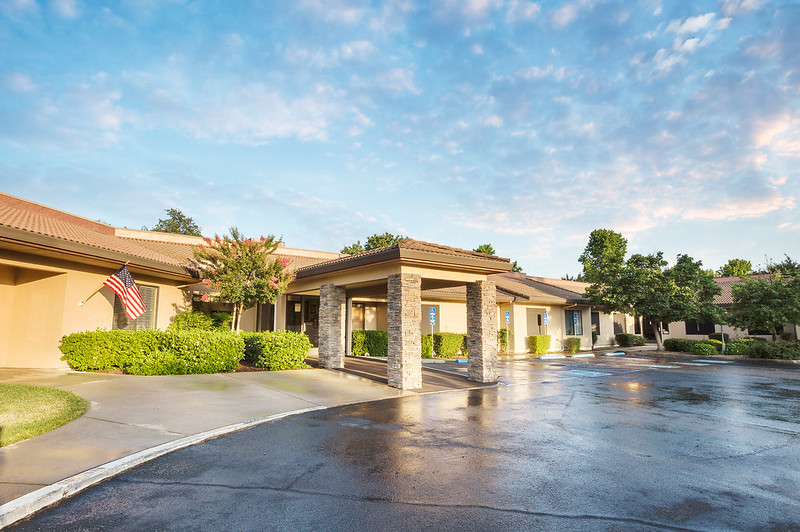
How is Copper Ridge Staffed?

CMS rates COPPER RIDGE CARE CENTER's staffing level at 2 out of 5 stars, which is below average compared to other nursing homes. Staff turnover is 46%, compared to the California average of 46%. This relatively stable workforce can support continuity of care.

What Have Inspectors Found at Copper Ridge?

State health inspectors documented 19 deficiencies at COPPER RIDGE CARE CENTER during 2020 to 2025. These included: 1 that caused actual resident harm and 18 with potential for harm. Deficiencies causing actual harm indicate documented cases where residents experienced negative health consequences.

Who Owns and Operates Copper Ridge?

COPPER RIDGE CARE CENTER is owned by a for-profit company. For-profit facilities operate as businesses with obligations to shareholders or private owners. The facility is operated by PACS GROUP, a chain that manages multiple nursing homes. With 125 certified beds and approximately 116 residents (about 93% occupancy), it is a mid-sized facility located in REDDING, California.
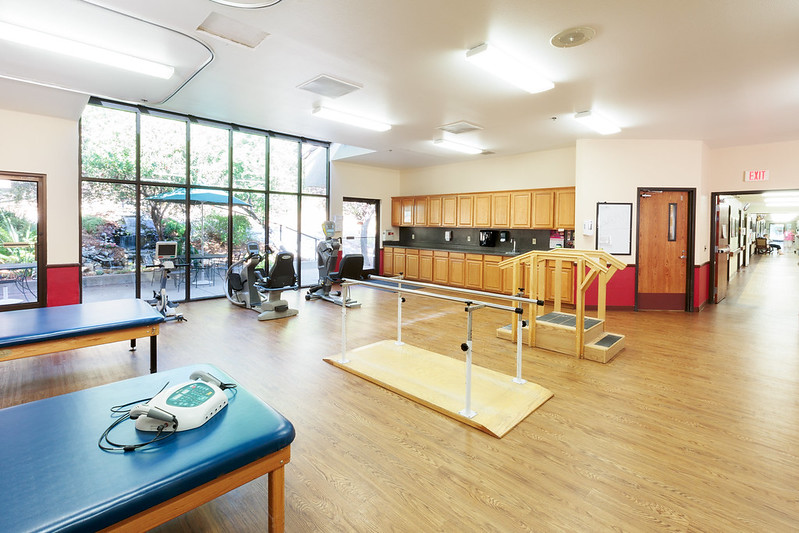
How Does Copper Ridge Compare to Other California Nursing Homes?

Compared to the 100 nursing homes in California, COPPER RIDGE CARE CENTER's overall rating (5 stars) is above the state average of 3.2, staff turnover (46%) is near the state average of 46%, and health inspection rating (5 stars) is much above the national benchmark.

What Should Families Ask When Visiting Copper Ridge?

Based on this facility's data, families visiting should ask: "Can you walk me through typical staffing levels on day, evening, and night shifts?" "Can I visit during a mealtime to observe dining assistance and food quality?" "How do you handle medical emergencies, and what is your hospital transfer rate?" "Can I speak with family members of current residents about their experience?" These questions are particularly relevant given the below-average staffing rating.

Is Copper Ridge Safe?

Based on CMS inspection data, COPPER RIDGE CARE CENTER has a clean safety record: no substantiated abuse findings (meaning no confirmed cases of resident harm), no Immediate Jeopardy citations (the most serious violation level indicating risk of serious injury or death), and is not on the Special Focus Facility watch list (a federal program monitoring the lowest-performing 1% of nursing homes). The facility has a 5-star overall rating and ranks #1 of 100 nursing homes in California. While no facility is perfect, families should still ask about staff-to-resident ratios and recent inspection results during their visit.

Do Nurses at Copper Ridge Stick Around?

COPPER RIDGE CARE CENTER has a staff turnover rate of 46%, which is about average for California nursing homes (state average: 46%). Moderate turnover is common in nursing homes, but families should still ask about staff tenure and how the facility maintains care continuity when employees leave.

Was Copper Ridge Ever Fined?

COPPER RIDGE CARE CENTER has no federal fines on record. CMS issues fines when nursing homes fail to meet care standards or don't correct problems found during inspections. The absence of fines suggests the facility has either maintained compliance or corrected any issues before penalties were assessed. This is a positive indicator, though families should still review recent inspection reports for the full picture.

Is Copper Ridge on Any Federal Watch List?

COPPER RIDGE CARE CENTER is not on any federal watch list. The most significant is the Special Focus Facility (SFF) program, which identifies the bottom 1% of nursing homes nationally based on persistent, serious quality problems. Not being on this list means the facility has avoided the pattern of deficiencies that triggers enhanced federal oversight. This is a positive indicator, though families should still review the facility's inspection history directly.