Crestwood Wellness and Recovery Center
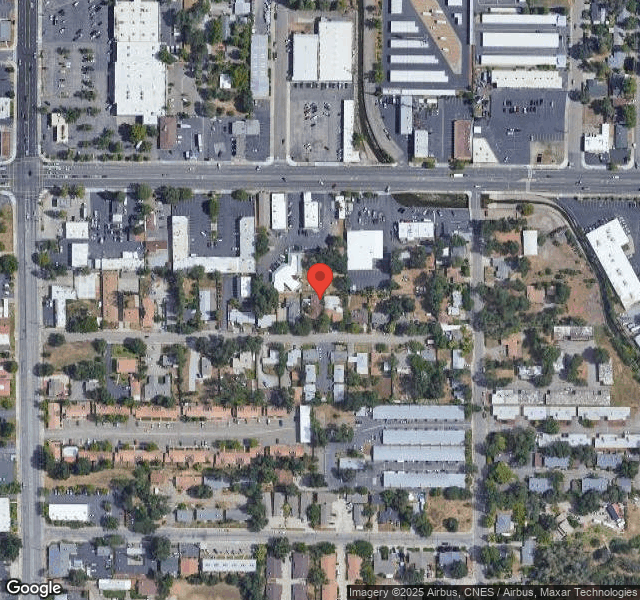
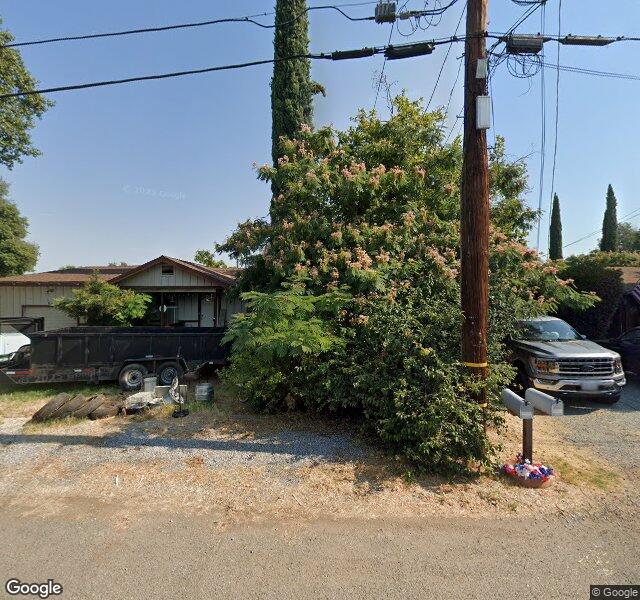
3062 CHURN CREEK RD., REDDING, CA 96002 (530) 221-0976
For profit - Corporation 99 Beds Independent Data: November 2025
Trust Grade
50/100
#566 of 1155 in CA
Last Inspection: June 2025

Inspected within the last 6 months. Data reflects current conditions.

Overview

Crestwood Wellness and Recovery Center in Redding, California, has a Trust Grade of C, which means it is average and middle of the pack among nursing homes. It ranks #566 out of 1155 facilities in California, placing it in the top half, but #7 out of 10 in Shasta County suggests there are only a few local options that are better. The facility is improving, having reduced its issues from 3 in 2024 to 2 in 2025. Staffing is a strength here, with a 3-star rating and a turnover of 35%, which is lower than the state average, indicating that staff members tend to stay longer and know the residents well. There have been no fines, which is a positive sign, and while RN coverage is average, they have had concerning incidents, such as failing to ensure proper food storage, which could lead to foodborne illnesses, and incidents of physical abuse between residents, raising concerns about safety and care. Overall, while there are strengths, families should be aware of these weaknesses when considering this facility.

Trust Score
C
50/100
In California
#566/1155
Top 49%
Safety Record
High Risk
Review needed
Inspections
Getting Better
3 → 2 violations
Staff Stability
○ Average
35% turnover. Near California's 48% average. Typical for the industry.
Penalties
✓ Good
No fines on record. Clean compliance history, better than most California facilities.
Skilled Nurses
⚠ Watch
Each resident gets only 17 minutes of Registered Nurse (RN) attention daily — below average for California. Fewer RN minutes means fewer trained eyes watching for problems.
Violations
⚠ Watch
13 deficiencies on record. Higher than average. Multiple issues found across inspections.
★★★☆☆
3.0
Overall Rating
★★★☆☆
3.0
Staff Levels
★★★★★
5.0
Care Quality
★★☆☆☆
2.0
Inspection Score
Stable
2024: 3 issues
2025: 2 issues

The Good

  • 5-Star Quality Measures · Strong clinical quality outcomes
  • Full Sprinkler Coverage · Fire safety systems throughout facility
  • No fines on record
  • Staff turnover below average (35%)

    13 points below California average of 48%

Facility shows strength in quality measures, fire safety.

The Bad

3-Star Overall Rating

Near California average (3.1)

Meets federal standards, typical of most facilities

Staff Turnover: 35%

11pts below California avg (46%)

Typical for the industry

The Ugly 13 deficiencies on record

Jun 2025 2 deficiencies
CONCERN (D) 📢 Someone Reported This

A family member, employee, or ombudsman was alarmed enough to file a formal complaint

Potential for Harm - no one hurt, but risky conditions existed

Free from Abuse/Neglect (Tag F0600)

Could have caused harm · This affected 1 resident

**NOTE- TERMS IN BRACKETS HAVE BEEN EDITED TO PROTECT CONFIDENTIALITY** Based on interview, and record review, the facility failed to ensure that one of 25 sampled Residents (Resident 56) was protecte...

Read full inspector narrative →
**NOTE- TERMS IN BRACKETS HAVE BEEN EDITED TO PROTECT CONFIDENTIALITY** Based on interview, and record review, the facility failed to ensure that one of 25 sampled Residents (Resident 56) was protected from verbal and physical abuse when Resident 38 yelled at Resident 56 calling him names and hit Resident 56 with a closed fist to his head, then continued to chase Resident 56 down the hall until staff could intervene. This failure resulted in increased anxiety, and the potential to result in emotional stress, anger, depression, feelings of neglect, and the potential for negative clinical outcomes for Resident 56. Findings: A review of the facility's policy revised 10/2024, titled, Client Abuse Prevention, indicated this facility will take all appropriate preventative measures to ensure that clients are not at risk for abuse. All Clients will be afforded the right to be free from verbal, sexual, physical, and mental abuse, corporal punishment, involuntary seclusion, mistreatment, and misappropriation of client property. During a review of Resident 38's medical record, the Admisison Record, indicated Resident 38 was admitted to the facility on [DATE] with diagnoses that included schizophrenia unspecified (a serious brain injury that affects how a person thinks, feels and behaves which may include false beliefs), psychoactive substance abuse (uncontrolled use of drugs or other substances that affect how the brain works including mood, thoughts, and behaviors), and visual hallucinations (seeing things that are not really there). A review of the most recent Minimum Data Set, (MDS, a resident assessment tool) dated 4/14/25, indicated that Resident 38 had a Brief Interview for Mental Status, (BIMS) score of 15 out of 15 and was cognitively intact (able to think and reason). During a record review for Resident 38, a document dated 5/23/25, titled, Progress Notes, indicated, Staff was alerted to the dining room at 8:00 pm due to an altercation between a peer and [Resident 56]. The peer [Resident 38] was yelling at [Resident 56] stating you are a rapist, a pedophile, then jumped out of his chair and starting punching [Resident 56]. [Resident 56] got up and tried to run away but [Resident 38] proceeded to run after [Resident 56] down the hallway. Staff intervened and separated the two clients. During a review of Resident 56's medical record, the Admisison Record, indicated Resident 56 was admitted to the facility on [DATE] with diagnoses that included schizoaffective disorder, bi-polar type (hallucinations and delusions, and extreme mood swings between mania and depression; a mix of psychosis and mood instability), myopia (near sightedness, objects far away appear blurry) and self-reported anxiety (feeling of worry, nervousness or unease). A review of the most recent MDS dated [DATE], indicated that Resident 56 had a BIMS score of 15 out of 15 and was cognitively intact. During a record review for Resident 56, a document dated 5/24/25, titled, Progress Notes, indicated, Spoke with [Resident 56] regarding an altercation between him and another resident. [Resident 56] stated he was feeling fine, but his head felt tender. During an interview on 6/2/25 at 10:15 am, Resident 56 stated, I have anxiety. I remember the incident. It happened in the dining room, [Resident 36] even hit a staff member the next day. To be honest I blacked out for most of it, I was upset. I tried to block it out. Resident 56 demonstrated where he was hit, leaned head over and pointed to the top back part of his head. Resident 56 stated, The staff continued to check on me. I feel safe for the most part, if the man who hit me never comes back, I did not do anything to cause it. I have mental illness. During a concurrent interview and record review on 6/3/25 at 10:03 am, the Director of Nursing (DON) confirmed Resident 56 was hit by Resident 38 on 5/23/25, and was placed on every 15 minutes neurological checks (monitoring alertness) and for mental well-being, while they were trying to find placement for Resident 38. DON stated, [Resident 56] does have anxiety, and [Resident 38] no longer lives here, he was moved to a higher level of care.
CONCERN (E)

Potential for Harm - no one hurt, but risky conditions existed

Food Safety (Tag F0812)

Could have caused harm · This affected multiple residents

Based on observation, interview, and record review the facility failed to store food in accordance with professional standards when they failed to label and date food product bags after opening the ba...

Read full inspector narrative →
Based on observation, interview, and record review the facility failed to store food in accordance with professional standards when they failed to label and date food product bags after opening the bags for use. The open, unlabeled, and undated product bags contained frozen soy chicken patties, frozen fried eggs, and frozen soy beef patties. This failure had the potential for the food products to be used for meals in an untimely manner leading to bacterial or fungal growth resulting in food borne illnesses amongst residents. Findings: During a review of the facility's policy and procedure titled, Labeling and Dating of Foods, dated 2020, indicated, Newly opened food items will need to be closed and labeled with an open date and used by the date that follows guidelines . During a concurrent observation and interview on 6/1/25 at 2:30 pm, with Food Service Supervisor (FSS), in the kitchen at the second freezer, a package of frozen fried eggs, a package of frozen soy chicken patties, and a package of frozen soy beef patties were observed open and unlabeled. FSS confirmed the bags were previously opened for use and no apparent label was present. FSS confirmed once product packaging is open for use the products are to be labeled with an open date.
Dec 2024 1 deficiency
CONCERN (D) 📢 Someone Reported This

A family member, employee, or ombudsman was alarmed enough to file a formal complaint

Potential for Harm - no one hurt, but risky conditions existed

Accident Prevention (Tag F0689)

Could have caused harm · This affected 1 resident

**NOTE- TERMS IN BRACKETS HAVE BEEN EDITED TO PROTECT CONFIDENTIALITY** Based on observation, interview, and record review, the facility failed to ensure the safety and security for one of two clients...

Read full inspector narrative →
**NOTE- TERMS IN BRACKETS HAVE BEEN EDITED TO PROTECT CONFIDENTIALITY** Based on observation, interview, and record review, the facility failed to ensure the safety and security for one of two clients (Client 1) when: 1. The facility security door locking system malfunctioned and Client 1 eloped from the facility. 2. The Temporary-Office Assistant (TOA) did not recognize Client 1 as a client, when she passed through the front lobby and eloped out the front doors. 3. Program Staff (PS, an employee that does activities with clients), saw Client 1 outside the facility and made no inquiries as to why Client 1 was outside. This disregard for client safety allowed Client 1 to go missing from the facility and her whereabouts were unknown for 8 hours, which put Client 1 at risk for injury and exposure to cold weather and had the potential to negatively impact on Client 1's health, safety, and welfare. Findings: A review of the facility's policy titled, AWOL (absent without leave) updated 9/23/24, indicated, If a client goes absent without leave (AWOL), the proper authorities will be notified, and steps taken to hasten their return. 4. In the event an AWOL is witnessed, do not chase the client if not appropriate, as this may lead to impulsive behavior (i.e., running into traffic, etc.); however, efforts may be taken to voluntarily prompt the client to return to the facility. If unable to successfully prompt client to return, attempt to keep visual line of sight on client to support safety. 1.A review of Client 1's admission Record (undated), indicated Client 1 was admitted to the facility on [DATE] with diagnoses including paranoid schizophrenia (a type of psychosis which means your mind doesn't agree with reality). Client 1 had a conservator (a legal arrangement that allows a judge to appoint a guardian to manage the personal and financial affairs of another person) who made life decisions for her. A review of a facility reported incident dated 12/2/24, indicated that on 11/29/24 Client 1 was noted to be missing from the facility at approx. 6:18 pm. Facility reviewed cameras and found Client 1 was able to exit through an automatic locking door that had not sealed at 4:22 pm. A review of a facility's five day follow up report, dated 11/30/24, documented the shift coordinator initiated notification of missing client (on 11/29/24) to the Administrator at 6:29 pm, the Police Department at 6:34 pm, the Medical Director and Psychiatrist at 6:47 pm, and the Conservator at 6:47 pm. The shift coordinator also initiated staff search outside the facility. [Client name] was not able to be located at that time. A review of Client 1's progress notes dated 11/29/24 at 8:50 pm, showed that Licensed Nurse A (LN A) documented, Nursing staff was notified of [Client 1's name] not attending dinner at approx. 1815 [6:15 pm]. Room checks were completed, and client [Client 1] was unable to be located. During an observation on 12/2/24 at 10:00 am, the facility lobby and south door that led into the client care area was observed. The Administrator (Admin) placed a key in a key slot mounted in the wall to the right of the doors. A faint click sound was heard and then we were able to push open the push bar on the right side of the double doors and enter the client care area. The doors closed behind us and automatically locked. During an interview on 12/2/24 at 10:30 am, Admin indicated that she reviewed video footage of the south door that led into the client care area. The Admin stated, A nurse walked through the south door and into the client care area. The nurse reached back and put her hand on the door to assure it was closed. A few minutes later, at 4:22 pm, Client 1 was noted to push open the south door and walk through it and into the front lobby. Admin indicated the doors can only be opened with a key. Admin indicated that through their investigation of the event it was noted that the magnetic lock on the south door was malfunctioning intermittently. Admin indicated the locking system was replaced the evening of 11/29/24, after the incident and the staff were being educated to always check the doors behind them to make sure the locking system was working. 2. During an interview on 12/2/24 at 12:46 pm, the TOA indicated she was working at the front desk in the front lobby when Client 1 came out the south doors and into the lobby. TOA stated, It was at a time when staff were coming and going because the time clock was up here by the desk. Client 1 came into the lobby thru the door, I smiled, and she smiled back, and I thought she was an employee. TOA indicated she was the only person working at the front desk at that time. TOA stated, I started back in August and am unfamiliar with the residents. During an interview on 12/2/24 at 1:01 pm, the Director of Nursing (DON) indicated TOA did not know the clients. DON stated, She does not need to know the clients but now since this happened, she should have to know the clients. 3. A review of Client 1's progress notes dated 11/29/24 at 8:50 pm, showed that LN A documented, Writer was notified by Program Staff [PS] that [Client 1] was seen outside the lobby doors near the parking lot pacing. During a concurrent interview with the Admin and a record review on 12/2/24 at 12:47 pm, the documented statement of what PS saw, dated 11/30/24, was reviewed. PS documented, He (PS) was walking towards the building and seen [Client 1's name] standing by the mailbox. Then seen [the Central Supply and Scheduling Personal, CSS name] walking out of the facility and thought she was taking her [Client 1] on an outing. [PS name] stated he felt relieved and made his way back into the facility. During an interview with the Admin on 12/2/24 at 1:00 pm, the Admin indicated that PS should have stopped and at least checked on Client 1. During an interview with CSS on 12/2/24 at 1:15 pm, CSS indicated she was coming up the parking lot from the back door to clock out (in the front lobby). It was about 4:30 pm, on 11/29/24. CSS indicated she did see PS but when she came up to the front breezeway (by the mailbox), she did not see anyone standing there. CSS indicated that she never saw Client 1 and PS did not ask her about Client 1. On 12/2/24 at 1:23 pm, an interview and review of the video footage, dated 11/29/24 at 4:22 pm, was conducted with the DON. The video showed Client 1 standing at the mailbox at the end of the front porch outside of the facility. Client 1 was looking towards the parking lot. PS was viewed coming up behind Client 1 and walking past Client 1. At the same time CSS, looking at her phone, was walking from the back door of the facility and walking up the sidewalk alongside the parking lot towards the left side of Client 1. As soon as PS passed Client 1, Client 1 turns toward the street and walks away from the facility. During an interview on 12/2/24 at 1:26 pm, Admin indicated PS should have stayed with Client 1 and followed their facility policy. A review of Client 1's progress notes dated 11/30/24 at 4:58 am, by LN B, indicated Client 1 was discovered walking down a sidewalk a few blocks from the facility on 11/30/24 at 12:15 am, eight hours after Client 1 left facility.
Jun 2024 2 deficiencies
CONCERN (E) 📢 Someone Reported This

A family member, employee, or ombudsman was alarmed enough to file a formal complaint

Potential for Harm - no one hurt, but risky conditions existed

Free from Abuse/Neglect (Tag F0600)

Could have caused harm · This affected multiple residents

**NOTE- TERMS IN BRACKETS HAVE BEEN EDITED TO PROTECT CONFIDENTIALITY** Based on interview and record review, the facility failed to ensure that two of 20 sampled residents (Residents 3 and 82) were p...

Read full inspector narrative →
**NOTE- TERMS IN BRACKETS HAVE BEEN EDITED TO PROTECT CONFIDENTIALITY** Based on interview and record review, the facility failed to ensure that two of 20 sampled residents (Residents 3 and 82) were protected from physical abuse when: 1. On 6/12/24, Resident 84 struck Resident 82 in the face. 2. On 5/22/24, Resident 84 placed their hands around Resident 3's throat. This failure resulted in bleeding injuries to Resident 82, and had the potential to threaten the physical, emotional and psychological health and well-being of both residents. Findings: A facility policy, titled, Client (resident) Abuse Prevention, updated 4/5/22, was reviewed. The policy indicated clients should not have been subjected to verbal or physical abuse of any kind and clients should not have disciplined other clients. During pre-admission screening, all clients would have been assessed for history of poor impulse control, combativeness and assault to self and others. The interdisciplinary team (IDT-a group of professionals from different disciplines that met to discuss the residents' care) would have identified which clients, per history treatment plan or active treatment plan, needed treatment planning and would have followed up after any incidents to update interventions and decrease potential reoccurrence. A review of Resident 84's clinical record indicated they were admitted to the faciltiy on 2/26/24. Resident 84's diagnoses included paranoid schizophrenia (a severe mental disorder that resulted in hallucinations, delusions, and extremely disordered thinking and behavior), and unspecified psychosis (a mental disorder characterized by a disconnection from the ability to perceive what is real and what is not), and tachycardia (fast heart rate). The Minimum Data Set (MDS, tool for evaluating and implementing a standardized assessment) Brief Interview for Mental Status (BIMS, Section C assessing cognitive function), dated 5/7/24, indicated Resident 84 rated 15/15, which equated to being cognitively intact. Resident 84 was legally conserved (a judge appointed an individual to make decisions to protect and manage a needy individual's life choices and personal needs). 1. A review of Resident 82's medical record indicated that Resident 82 was admitted on [DATE] with diagnoses that included, schizophrenia, cerebral palsy (neurological disorder, damage to the developing brain appearing in infancy affecting movement and muscle coordination), and chronic obstructive pulmonary disease (COPD, inflammatory lung diseases that block airflow and make it difficult to breathe). The MDS BIMS Section C assessing cognitive function, dated 5/7/24, indicated Resident 82 rated 15/15, which equated to being cognitively intact. Resident 82 was legally conserved. During an interview on 6/18/24 at 3:00 pm with Resident 82 in the resident's room, Resident 82 stated he had just returned to the room following a shower, went to the bathroom in the room, and was walking past Resident 84's bed which was closest to the door. Resident 84 made the statement that Resident 82 had spit on them. Resident 82 replied they were not close enough to spit on them and Resident 84 got up and punched Resident 82 in the nose and face four to five times causing Resident 82's nose to bleed heavily. Immediately following the injury, Resident 82 struck out at Resident 84 in order to escape from the attack and retreat to the nursing station for assistance. During an interview, on 6/18/24, at 3:30 pm, with the Administrator (ADMIN) in the conference room, ADMIN confirmed the incident did occur and was substantiated in the facility investigation. The facility staff did not expect any such incident as there had been no indication of aggression from Resident 84 towards the roommate Resident 82. Believes hallucinations were involved in the incident. Conveyed Resident 84's conservator was, at the time the incident took place, looking for a facility more suitable for the very impulsive, aggressive behaviors, and inappropriate interactions commonly demonstrated by Resident 84. 2. Review of Resident 3's clinical record indicated they were originally admitted to the facility on [DATE]. Resident 3's diagnoses included schizoaffective disorder (a chronic mental health condition characterized by symptoms of schizophrenia and a mood disorder, such as mania and depression), and attention-deficit hyperactivity disorder (ADHD--an ongoing pattern of inattention and/or hyperactivity-impulsivity). Record review of a Nurses Note, dated 5/22/24 (21 days prior to the incident with Resident 82), at 2:34 AM, by Licensed Nurse (LN) A, showed a description of an incident. At approximately 2:15 AM staff was crossing through the day room and witnessed [Resident 84] standing over the top of [Resident 3], who was positioned reclined in a chair. [Resident 84] had his hands grasped around [Resident 3's] throat at the time and was bearing down on him. Staff immediately separated the clients from each other. The residents were both assessed for injuries and had none. Record review of an IDT Progress Note, dated 5/22/24, at 12:30 PM, by ADMIN, showed a note about a conversation with Resident 84. ADMIN wrote, Client [Resident 84] thought peer [Resident 3] was calling him names. Education provided regarding safety and nonviolent conflict resolution. [Resident 84] stated understanding related to not putting hands on peers. A Welfare Checks note, dated 5/22/24, at 3:41 PM, by the Service Coordinator (SC), was reviewed. The note indicated, [Resident 84] is on welfare checks Q15 (every 15 minutes) for aggressive behavior. SC spoke with [Resident 84] about the incident last night and he said he doesn't remember it and said, 'It's all hazy.' No further issues and will continue to monitor. Record review of a Telepsychiatry (a clinical visit with a psychiatrist done remotely via computer) Progress Note, dated 5/23/24, at 11:32 AM, by a Psychiatric Nurse Practitioner (NP), showed a summary of the visit with Resident 84. NP wrote, Denies any violence except hitting a cop before his last hospitalization, and Resident 84 stated, I'm ok except that I got mad at some [NAME] the other day and I ended up choking him because of the way that he was talking to me. NP also wrote, 'When asked what made him feel the need to choke the other patient, he stated, 'it doesn't matter while, it was stupid. I understand that I shouldn't have done that and I am not going to do it again.' Throughout the entire conversation, patient was smiling and laughing. Patient does not appear to have any insight to his wrongdoing/inappropriate behavior and is a safety risk for the environment in which he is currently in. During a concurrent observation and interview, on 6/17/24, at 10:41 AM, Resident 3 was calm and answered questions while sitting in his room. Resident 3 stated he got along with others, once in a while got in fights. Said he practiced [NAME] arts. Seemed to [NAME] off into other topics and was not able to speak specifically about the incident on 5/22/24. During an interview, on 6/19/24, at 8:40 AM, LN A described the incident from 5/22/24. LN A stated that Certified Nursing Assistant (CNA) B discovered the incident in the day room and called a Code Three (emergency situation alert). Then LN A and another nurse responded. LN A could only see the back of Resident 84 standing over Resident 3. Resident 3 was in a recliner chair and didn't appear to be in distress, but CNA B had separated the two. LN A said clients are up at all hours [NAME] around. LN A stated that Resident 84's behavior was sporadic and unpredictable and there was no warning beforehand. During an interview, on 6/20/24, at 7:15 AM, CNA B they were going through the day room on 5/22/24 at 2 AM, and saw Resident 84 choking Resident 3. CNA B stated they pulled Resident 84's hands off Resident 3's neck. Then Resident 84 backed off. Resident 3 was in a recliner chair. Both residents answered that they were OK. CNA B stated Resident 84 was kind of in a daze, not angry or anything else. CNA B stated there were other residents in the day room at the time who started yelling, then other staff came in to help.
CONCERN (E) 📢 Someone Reported This

A family member, employee, or ombudsman was alarmed enough to file a formal complaint

Potential for Harm - no one hurt, but risky conditions existed

Food Safety (Tag F0812)

Could have caused harm · This affected multiple residents

Based on observation, interview, and record review the facility failed to store food in accordance with professional standards when they failed to label and date food containers/ product bags of froze...

Read full inspector narrative →
Based on observation, interview, and record review the facility failed to store food in accordance with professional standards when they failed to label and date food containers/ product bags of frozen breaded fish, frozen fried eggs, frozen hashbrowns, frozen frenchtoast, pepperoni, and peeled garlic cloves with open dates after the packages were open and the products being used for meals. This failure had the potential to allow food products to sit an inappropriate amount of time after the packaging was open with no dating label adehered leading to bacterial or fungal growth causing food borne illnesses amongst residents if the product was served for meals and not used by an appropriate date following guidelines. Findings: During a review of the facility's policy and procedure titled, Labeling and Dating of Foods, dated 2020, indicated, Newly opened food items will need to be closed and labeled with an open date and used by the date that follows guidelines . During a concurrent observation and interview on 6/17/24 at 11:18 am with [NAME] in the kitchen, multiple packages were observed in the freezer unit open and unlabeled, including frozen breaded fish, frozen frenchtoast, frozen hashbrowns, and frozen fried eggs. [NAME] stated, I just opened and used some of those, I forgot to label them. During a concurrent observation and interview on 6/17/24 at 11:18 am with Food Service Supervisor (FSS) in the walk-in refrigerator, a package of fresh pepperoni and a bag of peeled garlic cloves were observed open and unlabeled. FSS confirmed the bags were previously opened with no label applied nor present. During an interview on 6/19/24 at 10:45 am with FSS in the kitchen by the back sink, FSS confirmed once product packaging is open for use the products are to be labeled with an open date.
Sept 2023 1 deficiency
CONCERN (D) 📢 Someone Reported This

A family member, employee, or ombudsman was alarmed enough to file a formal complaint

Potential for Harm - no one hurt, but risky conditions existed

Medical Records (Tag F0842)

Could have caused harm · This affected 1 resident

Based on observation, interview, and record review, the facility failed to maintain medical records that were complete and accurate for two out of two sampled clients (Client 1 and Client 2) when ther...

Read full inspector narrative →
Based on observation, interview, and record review, the facility failed to maintain medical records that were complete and accurate for two out of two sampled clients (Client 1 and Client 2) when there was not a process in place for updating and maintaining the Personal Property Inventory sheet (PPI, a document that described what personal items a client had at the facility). This failure had the potential to inaccurately capture client personal property which could cause frustration for clients. Findings: During a review of the facility's policy and procedure (P&P) titled, Medical Records, updated 10/13/03, indicated, Clients' health records are current and kept in detail consistent with good medical and professional practice During an interview on 9/8/23 at 10:46 am, Client 1 stated when he had been admitted to the facility, he had an Xbox (video game system) and two cell phones that had been listed on his PPI. Client 1 stated he had previously sold the Xbox and was upset because the PPI was inaccurate and indicated he had an Xbox when he did not. During a concurrent interview and record review on 9/8/23 at 11:28 am, with AM Service Coordinator (AMSC), Client 1's PPI sheet dated 3/3/22 through 5/31/23, was reviewed. AMSC stated Client 1's PPI indicated that Client 1 had an Xbox with two controllers and two cellphones but had not included what staff had added these items and there was not date. AMSC stated when staff updated the PPI sheet, staff were expected to initial and date each item that was added or removed from the client's inventory. During a concurrent observation, record review, and interview on 9/8/23 at 11:44 am, in Client 2's room with AMSC and Client 2, Client 2 was observed in his room playing a video game. Client 2 stated his brother had given him two Xboxes and a PS2 (gaming system). Client 2 pointed to a black Xbox sitting next to the television and pointed to a white PS2 located on the floor. Client 1 stated the second Xbox was in the facility storage room. Client 2's PPI dated 4/11/16 through 8/28/23, was reviewed. AMSC stated Client 2's PPI had not included one of the Xboxes or the PS2 and should have. During an interview on 9/8/23 at 11:56 am, with Program Director (PD), PD stated after a search of the facility's storage area, it was confirmed there were no cell phones or an Xbox that belonged to Client 1, but they had found an Xbox that belonged to Client 2. During a concurrent interview and record review on 9/8/23 at 3:42 pm, with Director of Staff Development (DSD) and Director of Nursing (DON), Client 1 and Client 2's PPI records dated 3/3/22 through 5/31/23 and 4/11/16 through 8/28/23, were reviewed. DON confirmed both PPIs were missing dates, missing staff initials, and stated the PPI sheets did not accurately reflect Client 1 or Client 2's personal inventory. DON stated when staff discovered Client 1 had sold his Xbox, the PPI should have been updated and was not. DON stated staff were expected to initial and date the PPI when client belongings were brought in to, or taken out of the facility. DSD was asked what process was in place for training staff on completing the PPI and DSD stated, which ever Mental Health Aide (MHA) was assigned to train the new MHA, was responsible for PPI documentation training. DSD and DON reviewed an undated copy of the, MHA Orientation/Competency Checklist and confirmed the MHA Orientation/Competency Checklist did not include a competency (understanding or knowledge), check off for filling out or updating the PPI sheet. DON stated, currently there was not a process in place to ensure client PPI forms were being updated for accuracy or completeness.
Nov 2022 1 deficiency
CONCERN (D) 📢 Someone Reported This

A family member, employee, or ombudsman was alarmed enough to file a formal complaint

Potential for Harm - no one hurt, but risky conditions existed

Deficiency F0602 (Tag F0602)

Could have caused harm · This affected 1 resident

**NOTE- TERMS IN BRACKETS HAVE BEEN EDITED TO PROTECT CONFIDENTIALITY** Based on interview and record review, the facility failed to protect 3 of 3 sampled clients (Clients 1, 2 and 3) from abuse and/...

Read full inspector narrative →
**NOTE- TERMS IN BRACKETS HAVE BEEN EDITED TO PROTECT CONFIDENTIALITY** Based on interview and record review, the facility failed to protect 3 of 3 sampled clients (Clients 1, 2 and 3) from abuse and/or exploitation when Housekeeper (HSK A) gave a marijuana vape pen (a vaporizing device used to smoke marijuana) to Client's 1, 2 and 3 to vape marijuana in their bedrooms. This resulted in Client's 1 and 2 requiring a hospital transfer due to marijuana intoxication and adverse clinical outcomes. Findings: The facility's policy titled, Client Abuse Prevention dated 4/5/22, indicated that, All staff receive orientation from the Director of Staff Development on subjects of abuse, theft and loss, and reporting allegations. Ongoing inservice training will be scheduled which will include the category of Patient Rights. On October 8, 2022, the facility reported that Client's 1 and 2 (C1 and C2), were observed by other peers inhaling a substance through a vape device (electronic smoking device). After the inhalation both C1 and C2 suffered altered levels of consciousness and were transferred to the local hospital for emergency care. Record review showed that C1 was admitted to the facility on [DATE], with a diagnoses that included traumatic brain injury and paranoia (mental illness). C1 had an assessment of his mental function known as a Brief Interview for Mental Status (BIMS) and scored 14 of 15. The score reflects a high level of mental function for C1 however, due to mental illness C1 is unable to make decisions about healthcare, has an appointed guardian for all decision making, and resides in a locked facility for his own safety. Record review showed that C2 was admitted to the facility on [DATE], with a diagnosis of delusions and paranoia (mental illness). C2's BIMS score was 15. The score reflects a high level of mental function for C2 however, due to mental illness C2 is unable to make decisions about healthcare, has an appointed guardian for all decision making and resides in a locked facility for his own safety. Record review showed that C3 was admitted to the facility on [DATE], with a diagnosis of paranoia (mental illness). C3's BIMS score was 15. The score reflects a high level of mental function for C3 however, due to mental illness C3 is unable to make decisions about healthcare, has an appointed guardian for all decision making and resides in a locked facility for his own safety. On 10/19/2022 at 9:00 AM, during a concurrent record reviews and interview the Director of Nursing (DON) stated, They got ahold of a vape with marijuana and had reactions to it. With the other medications they are on they shouldn't do that. They know it. But the housekeeper brought it in. The DON confirmed that documentation in the records of C1 and C2 reflected the altered levels of consciousness after using the vape pen as well as transfers to the emergency room. On 10/19/2022 at 2:15 PM, C3 was interviewed. C3 stated, The housekeeper, she was the one that brought it in . she did on her break. It was definitely the housekeeping lady [HSK A] and not someone on pass. I took a hit of it. C3 also confirmed that C1 and C2 were sent to the hospital as a result of vaping that marijuana. On 10/19/2022 at 2:45 PM, the DON confirmed that Client's 1, 2 and 3 smoked marijuanna that was provided to them by HSK A and that Client's 1 and 2 required a transfer to the emergency room following their use of that marijuana. The DON stated that HSK A was terminated as a result of her actions which violated Client 1, 2 and 3's right to be free from abuse and exploitation. Documentation of HSK A's termination was provided for review and confirmation.
Apr 2022 6 deficiencies
CONCERN (D)

Potential for Harm - no one hurt, but risky conditions existed

Report Alleged Abuse (Tag F0609)

Could have caused harm · This affected 1 resident

**NOTE- TERMS IN BRACKETS HAVE BEEN EDITED TO PROTECT CONFIDENTIALITY** Based on interview and record review the facility did not report a Clients allegation of rape to the California Department of He...

Read full inspector narrative →
**NOTE- TERMS IN BRACKETS HAVE BEEN EDITED TO PROTECT CONFIDENTIALITY** Based on interview and record review the facility did not report a Clients allegation of rape to the California Department of Health as required. By not reporting the allegation of rape the facility created the possibility for ongoing abuse of the Client potentially causing mental anguish and physical injuries leading to adverse clinical outcomes. Findings: On 4/5/22 at 10:45 AM Client 50's medical record was reviewed. Client 50 was admitted to the facility on [DATE] with diagnosis that includes Schizoaffective Disorder, Bipolar Type (mental illness). On 2/24/2022 Client 50 reported to her Conservator (RP) (person that makes medical decisions) that she had been violated. The medical record does not reflect the facilities required reporting to the California Department of Public Health (CDPH) was completed. On 4/5/22 at 02:30 PM during an interview with the Director of Nursing (DON) regarding the rape allegation the DON stated, We found out about it when the police showed up. She has reported rape in the past. This time she reported it to the Conservator, and we found out about it when the police arrived. When asked about notifying CDPH the DON stated, We didn't fill out the abuse reporting form because the conservator had already reported it. It was reported to the police and CDPH by the conservator. On 4/5/22 at 03:15 PM during an interview with the Facility Administrator (FA) the allegations were discussed. The FA stated, We know the Clients and if they continually report they have been raped as part of their delusions we do investigate and depending on what we find we might report it. If we were to report all of them, we would have a lot of investigations by the State. On 4/5/22 at 04:20 PM, the FA provided a copy of the facility policy titled, IDENTIFICATION, REPORTING AND INVESTIGATION: REPORTING ALLEGED CLIENT ABUSE. The policy quotes regulatory requirements however, the policy does not include specifically required reporting of abuse allegations to CDPH. In addition, the reporting timeframe found on page two, paragraph two states 36 hours rather than the required 2- or 24-hour abuse reporting. FA is aware of the timeframe differences as discussed. On 04/06/22 at 09:46 AM The RP was called to clarify the reported abuse. The RP stated, I got a call from her and she left a message. I called her back and she told me she felt she was violated at night. I reported it to the local Police (PD), Adult Protective Services (APS), the Patient Advocate and Ombudsman. I filled out the [abuse reporting form] form and sent it to APS. The police investigator got back to me and said it was 'unfound' and he was forwarding it to their investigations for review. 04/06/22 11:20 AM Discussion with FA and DON regarding failure to report. The FA stated .that the reporting timeframe should be revised to 2 hours instead of 36. To correct the issue the DON stated, staff training will include that all staff are mandated reporters. The FA and DON agree that they will report all here forward and communicate with CDPH more frequently when there are multiple delusional allegations.
CONCERN (D)

Potential for Harm - no one hurt, but risky conditions existed

Deficiency F0635 (Tag F0635)

Could have caused harm · This affected 1 resident

**NOTE- TERMS IN BRACKETS HAVE BEEN EDITED TO PROTECT CONFIDENTIALITY** Based on observation, interview and record review, the facility failed to ensure that one of one sampled residents had complete ...

Read full inspector narrative →
**NOTE- TERMS IN BRACKETS HAVE BEEN EDITED TO PROTECT CONFIDENTIALITY** Based on observation, interview and record review, the facility failed to ensure that one of one sampled residents had complete admission orders when Resident 185 had a urinary catheter (a tube that drains urine from the bladder) and there were no Physician's Orders that included the use of a catheter. This had the potential for Resident 185 not to receive the necessary care he needed to prevent malfunctioning of the catheter and avoid bladder infections. Findings: Resident 185 was admitted on [DATE] and readmitted on [DATE]. His diagnoses included; disorganized schizophrenia (disorganized behavior and speech and a disturbance in emotional expression), severe chronic kidney disease (kidneys do not filter waste from the blood), a neurogenic bladder (inability to drain the bladder) and bladder cancer. His most recent Minimum Data Set (MDS a standardized assessment tool used by all skilled nursing facilities), dated 1/4/22, showed that he was alert and oriented and used a urinary catheter. On 4/5/22 at 9:30am, Resident 185 was observed in his room. He had a urinary catheter in place. A review of Resident 185's admission Physician's Orders for March 2022, had not included immediate orders for the care and management of his bladder catheter. The current orders for April 2022, also had not contained any orders for a bladder catheter. A review of the facility's policy titled, admission of Resident/Client dated 9/1/2013, directed that a Licensed Nurse will inform the physician of arrival and .body check findings that require treatment. Verify, and clarify .all of the physician's orders . A review of the facility's policy titled, Foley Catheter Drainage Charting And Documentation updated 11/19/10, was reviewed. The policy directed that the following information must be documented in the client's clinical record, the need for an indwelling catheter, the type of catheter, the type and frequency of care and symptoms which would precipitate catheter change. On 4/5/22 at 2:15pm, during an interview and record review, the Director of Nursing (DON) confirmed that Resident 185's admission orders did not contain orders for the use of a bladder catheter and should have.
CONCERN (D)

Potential for Harm - no one hurt, but risky conditions existed

Deficiency F0655 (Tag F0655)

Could have caused harm · This affected 1 resident

**NOTE- TERMS IN BRACKETS HAVE BEEN EDITED TO PROTECT CONFIDENTIALITY** Based on observation, interview and record review, the facility failed to ensure that 1 of 22 sampled residents had Baseline Car...

Read full inspector narrative →
**NOTE- TERMS IN BRACKETS HAVE BEEN EDITED TO PROTECT CONFIDENTIALITY** Based on observation, interview and record review, the facility failed to ensure that 1 of 22 sampled residents had Baseline Care Plans developed within 48 hours after admission. (Resident 185) This failure to identify Resident 185's immediate basic health and safety needs had the potential to negatively impact his physical and psychosocial well-being. Findings: Resident 185 was admitted on [DATE] and readmitted on [DATE]. His diagnoses included; disorganized schizophrenia (disorganized behavior and speech and a disturbance in emotional expression), severe chronic kidney disease (kidneys do not filter waste from the blood), a neurogenic bladder (inability to drain the bladder) and bladder cancer. His most recent Minimum Data Set (MDS, a standardized assessment used by all skilled nursing facilities), dated 1/4/22, showed that he was alert and oriented, had a urinary catheter and was taking psychotropic (alters mood and behavior) medications. On 4/5/22 at 11am, during an observation and interview, Resident 185 was observed with a urinary catheter and was sitting in a wheelchair. He stated that he did not go outside of his room because he felt, a little paranoid. A review of Resident 185's record showed that there were no Baseline care plans developed within 48 hours after he was admitted . Therefore, his needs were not identified and there were no instructions for staff to follow to ensure that his basic needs were met. A review of the facility's policy titled, admission of Resident/Client dated 9/1/13, directed that the Licensed Nurse will initiate care plan entries for immediate care needs. On 4/5/22 at 2:15pm, an interview and care plan review was conducted with the Director of Nursing (DON). The DON confirmed that Baseline care plans were not developed for Resident 185 within 48 hours after he was admitted and stated, they were not done and should have been.
CONCERN (D)

Potential for Harm - no one hurt, but risky conditions existed

Comprehensive Care Plan (Tag F0656)

Could have caused harm · This affected 1 resident

**NOTE- TERMS IN BRACKETS HAVE BEEN EDITED TO PROTECT CONFIDENTIALITY** 3. Resident 81 was admitted on [DATE] with diagnoses that included schizoaffective disorder, Bipolar type (a mental health disor...

Read full inspector narrative →
**NOTE- TERMS IN BRACKETS HAVE BEEN EDITED TO PROTECT CONFIDENTIALITY** 3. Resident 81 was admitted on [DATE] with diagnoses that included schizoaffective disorder, Bipolar type (a mental health disorder that is marked by a combination of schizophrenia symptoms, such as hallucinations or delusions, and mood disorder symptoms, such as depression or mania), Insomnia, heart disease, and a history of Transient Ischemic Attacks (TIA - temporary symptoms that can mimic a stroke.) Her physicians orders for four medications were reviewed. A physician's order, dated 9/18/20, indicated; Invega (an atypical antipsychotic) extended release 3 mg PO QAM (orally every morning) and 6 mg PO QPM (total daily dose 9 mg) schizoaffective Bipolar type. A physician's order, dated 9/18/20 indicated, Seroquel (atypical antipsychotic) 25 mg PO QHS for insomnia. A physician's order, dated 10/13/21 indicated, Trazadone 25 mg (half tablet, total dose 12.5 mg) PO QHS for insomnia. A physician's order, dated 9/22/18 indicated,Aspirin 81 mg PO QAM for cardiac health. The record for Resident 81 was reviewed on 4/7/22 at 09:20 am. Four care plans for Resident 81 were reviewed. A . A care plan dated 8/18/19 and revised 2/22/22 indicated; Ct (Resident 81) has delusions r/t (related to) Schizoaffective Disorder Bipolar Type. The goal of the plan was for the resident to have no delusions. There were two listed interventions Medicate as ordered by MD and Monitor and document through BDC's The medication to be administered was not included. Behaviors to be monitored were not included. There were no non-pharmacological (not medication based) interventions. B. A care plan dated 9/21/18 and revised 9/21/21 indicated The client uses psychotropic medications r/t Disease process schizophrenia. The goal listed for this plan was The client will be/remain free of psychotropic drug related complications . The care plan included the following interventions, Administer psychotropic medications . monitor for side effects and Discuss with MD . ongoing need for use of medication. Review behaviors/interventions and alternate therapies attempted and their effectiveness per facility policy The plan did not identify any of the psychotropic medications Resident 81 is currently prescribed. The care plan did not identify what behaviors should be monitored. The care plan did not identify any alternate therapies attempted or include any non-pharmacological interventions. C. A care plan dated 9/22/18 indicated, Client has insomnia. The intervention listed was administer medication as ordered The care plan did not indicate which medication (Resident 81 prescribed two different medication Trazadone and Seroquel). The care plan did not include any non-pharmacological interventions. D. A care plan dated 4/1/19 and revised 5/14/21 indicated Client has diagnoses of TIA, aortic valve stenosis and NSTEMI (a type of heart attack). The goal was Client will be compliant with treatment The care plan included three interventions Administer medications . Follow up with cardiologist . and Notify MD immediately if symptoms occur. The care plan did not identify the medication being used and listed none of the symptoms which would indicate the physician should be notified. During an interview and concurrent record review on 4/7/22 at 11:07 am with DON, she reviewed the care plans related to the use of psychotherapeutic medications and/or psychiatric diagnoses for Resident 81. DON confirmed that the care plans did not indicate the names of medications and there were no nonpharmacological interventions included for the three care plans. DON reviewed Resident 81's care plan for cardiac concerns. DON acknowledged the care plan did not identify the medication. Initially DON stated Resident 81 may not have been prescribed any medication. DON clarified that care plans include medicate as ordered in case a medication is ordered, but that does not indicate a medication has been ordered. After review of Resident 81's current physician orders, DON stated the medication referenced in the care plan could be Aspirin. DON acknowledged the care plan did not identify the medication ordered or symptoms to be monitored and reported. DON stated the facility expectation is for the nurses to know the medication and symptoms to monitor, so there is no reason to include it in the care plan. During an interview and concurrent record review conducted on 4/7/22 at 2:05 pm with the Program Director (PD) she stated that staff document behavioral and symptom monitoring under the heading TASKS. PD confirmed staff were monitoring the following, episodes of delusional statements Q shift, episodes of isolative behavior, and hours of sleep. PD reviewed the Care Plans for Resident 81 and confirmed that care plans did not include any non-pharmacological interventions, did not include specific behaviors/symptoms to monitor, or identify which medication is being referenced. PD clarified that she had not been involved in Resident 81's care plans, and was unable to clarify why this information was not included. PD showed surveyor out of sample resident care plans that did include this information, and clarified that this information should be included in the care plan. Based on observation, interview and record review, the facility failed to develop comprehensive care plans for 3 of 22 sampled residents (Residents 185, 75 and 81) when: 1. Resident 185 had one care plan developed for his isolation problem but no other problems were identified or care planned. 2. Resident 75 did not have a care plan developed for his need to be straight cathed (insertion of a tube in the bladder to remove urine intermittently as needed, instead of having a permanent catheter in the bladder). 3. Resident 81's care plans did not identify medications, symptoms to monitor or report, or any non-pharmacological interventions. These failures had the potential for these Resident's needs to go unrecognized and untreated and negatively impact their ability to attain or maintain their highest practicable level of physical and emotional well-being. Findings: 1. Resident 185 was admitted on [DATE] and readmitted on [DATE]. His diagnoses included; disorganized schizophrenia (disorganized behavior and speech and a disturbance in emotional expression), severe chronic kidney disease (kidneys do not filter waste from the blood), a neurogenic bladder (inability to drain the bladder) and bladder cancer. His most recent Minimum Data Set (MDS, a standardized assessment used by all skilled nursing facilities), dated 1/4/22, showed that he had a urinary catheter and was taking psychotropic (alters mood and behavior) medications. On 4/5/22 at 11 am, during an observation and interview, Resident 185 was observed with a urinary catheter and was sitting in a wheelchair. He stated that he did not go outside of his room because he felt, a little paranoid. A review of Resident 185's care plans showed that he only had one care plan developed which addressed that he isolated himself in his room due to Schizophrenia. There were no other care plans developed for his physical needs, safety, or other psychosocial needs. A review of the facility's policy titled, Documentation of Client Care Planning updated 12/31/15, directed that a resident's care plan will include the identifying condition, brief history of the condition, a goal, an objective that is measurable and time specific, a target date for completion and interventions specific to a designated discipline and responsible person. On 4/5/22 at 2:15 pm, a care plan review and interview was conducted with the Director of Nursing (DON). The DON confirmed that Resident 185 did not have care plans developed for all of his needs and stated, He was considered a new admission and all new care plans should have been developed. 2. A review of Resident 75's record indicated he was admitted with diagnoses that included schizoaffective disorder (a combination of symptoms of schizophrenia and mood disorder such as depression or bipolar disorder), diabetes, lung disease, and benign prostatic hyperplasia (BPH, a non-cancerous condition in which an overgrowth of prostate tissue pushes against the urethra and the bladder, blocking the flow of urine). There was a physician's order, dated 8/13/20, to straight cath (insert a catheter or tube into the bladder, drain the urine then remove the catheter) as needed for signs or symptoms of urinary retention (inability to empty the bladder). There was another physician's order, dated 3/21/22, to straight cath after voiding (urinating) every day shift. A care plan for BPH included, give medication as ordered as the only intervention. A care plan for urinary retention included, give medication as ordered and treatment as needed as the only interventions. There were no care plans relating to Resident 75's need to be catheterized or the specific physician ordered interventions. During a concurrent interview and record review on 4/6/22 at 4:35 pm, the care plans were reviewed with the DON. She confirmed the care plans did not include catheterizing Resident 75. She said this should have been included in the care plan.
CONCERN (D)

Potential for Harm - no one hurt, but risky conditions existed

Accident Prevention (Tag F0689)

Could have caused harm · This affected 1 resident

**NOTE- TERMS IN BRACKETS HAVE BEEN EDITED TO PROTECT CONFIDENTIALITY** Based on interview and record review, the facility failed to ensure a post fall injury, including a bump on the head, was monito...

Read full inspector narrative →
**NOTE- TERMS IN BRACKETS HAVE BEEN EDITED TO PROTECT CONFIDENTIALITY** Based on interview and record review, the facility failed to ensure a post fall injury, including a bump on the head, was monitored according to facility policy, and a fall assessment done, upon readmission, was completed accurately, for one of two residents (Resident 48), with a history of falls. This had the potential to result in a delay in the recognition of a worsening injury and result in more falls with major injuries. Findings: The facility's Fall Prevention & Management policy, dated 4/3/20, was reviewed. It indicated, Upon admission, each resident is assessed using a Fall Risk Assessment Tool to determine possible risk for sustaining a fall. The procedure for responding to a fall included, Resident is to be placed on observation of vital signs, pain and other post-fall complications. Fall details, assessment findings, interventions & notifications are to be documented in the resident's clinical record & care plan updated accordingly. Continued monitoring is necessary, as symptoms may present at any time, even days following the actual event. Follow-up orthostatic vital signs (a series of vital signs of a patient taken while the patient is supine then again while standing), assessment pain evaluations, and neurological checks (when indicated) will be conducted for a minimum of 72 hours for any actual or suspected fall, with or without injury. A review of Resident 48's record indicated she was originally admitted on [DATE], with diagnoses that included Schizoaffective disorder, bipolar type (a combination of symptoms of schizophrenia and mood disorder such as bipolar disorder, a condition marked by unusual shifts in mood, energy, activity levels and the ability to carry out day to day tasks). Resident 48 fell on 9/7/21 and suffered no injuries. She fell again on 11/30/21 and suffered a bump on the head, as a result of that fall. She was discharged on 12/4/21 to a higher level of care and readmitted on [DATE]. During an interview on 4/6/22 at 3:10 pm, the Medical Records manager (MR A) said this resident did not trigger as being a high risk for a fall, during the fall readmission assessment done, on 1/25/22. She provided a copy of that assessment which indicated Resident 48's fall score was a 9. A score of 10 was high risk. The fall risk assessment done upon readmission was reviewed. Section F included taking the resident's blood pressure (BP). No points were added to the score if there was no noted drop between the lying and standing BP, two points added if there was a drop in the BP of less than 20 between lying and standing, and four points added if there was a drop in the BP of more than 20 between lying and standing. There was a place for the BP findings to be documented but it had been left blank. After Resident 48 fell on [DATE] it was noted in the initial post fall assessment that she had received a bump to her head. Neurological checks (to check a person's nervous system and cognition) were done for 24 hours but made no mention of the bump on the head. Further assessments for the next 72 hours in the nursing progress notes indicated there were no adverse side effects from the fall, but make no mention of the bump on resident's head, its size, or how long it remained. During a concurrent interview and record review on 4/7/22 at 9:10 am the follow up assessments of Resident 48's injury after her fall on 11/30/21 was discussed with the Director of Nurses (DON). She said there was an order to monitor the bump to Resident 48's right temple, but there was nothing charted about it, including the size from 11/30/21 through 12/2/21. On 12/3/21, there was a note that the resident refused assessments including vital signs (BP, pulse, respirations), then she was transferred to the other facility on 12/4/21. She agreed the bump to the head was something that should have been monitored after the fall on 11/30/21. The fall risk assessment done upon readmission on [DATE] was reviewed with the DON. It indicated a score of 9, and a score of 10 was a high risk. A review of the fall assessment indicated there was a space under section F for the BP findings and this section of the falls assessment dealt with drops in BP between lying and standing. DON said this section should have been completed since the fall assessment was part of their policy. She reviewed the vital signs section of the electronic health record and although there are BP's charted on 1/25/22, they do not indicate if the BP was taken with the resident standing or lying.
CONCERN (D)

Potential for Harm - no one hurt, but risky conditions existed

Drug Regimen Review (Tag F0756)

Could have caused harm · This affected 1 resident

**NOTE- TERMS IN BRACKETS HAVE BEEN EDITED TO PROTECT CONFIDENTIALITY** Based on interview and record review: 1. The facility's pharmacy consultant failed to identify drug irregularities which includ...

Read full inspector narrative →
**NOTE- TERMS IN BRACKETS HAVE BEEN EDITED TO PROTECT CONFIDENTIALITY** Based on interview and record review: 1. The facility's pharmacy consultant failed to identify drug irregularities which included duplicate therapy (more than one medication for the same purpose without a clear distinction of when one medication should be given over another medication), for one of six sampled residents (Resident 48) whose records were reviewed for unnecessary drugs. Resident 48 had orders, for two as needed (prn) medications, used to treat anxiety or agitation, without any direction from the physician, as to which medication to use first or why both medications were needed, on a prn basis. This had the potential to result in Resident 48 receiving unnecessary drugs with potential adverse side effects. 2. The facility failed to ensure their pharmacy consultant provided documentation for each resident when the medication regimen review was done on a monthly basis. There was nothing in each resident's medical record to indicate that a medication regimen review was done, if there were no drug irregularities found. The facility's pharmacy consultant instead provided a summary with the names of all residents, when no irregularities had been found. This resulted in the inability to ensure that each resident had a monthly medication regimen review. Findings: The facility's pharmacy consultant policy and procedure manual was reviewed. The medication regimen review policy, dated 12/8/06, indicated, as required by state regulations and as specified by contract, consultant pharmacists will perform medication regimen reviews monthly or more frequently as appropriate to the resident's needs. The review included preventing, identifying, reporting, and resolving medication-related problems, medication errors, or other irregularities, and collaborating with other members of the interdisciplinary team. Significant findings or irregularities will be communicated to the attending Physician/prescriber, director of nursing, and other appropriate individuals. Process 2. The consultant pharmacist conducts a comprehensive resident-specific review of medication therapy. Analysis of the medication regimen includes reviewing for: 2.3 Use of a medication in an excessive dose (including duplicate therapy) . 2.11 PRN drug use. 5. Medication Regimen Review Documentation: 5.1 The pharmacist dates and signs the resident's record on the designated form when the review is completed. This form is part of the resident's permanent medical record. 6.1 If no irregularities are observed, the consultant pharmacist documents this in the resident's permanent medical record. 1. A review of Resident 48's record indicated she was originally admitted on [DATE], with diagnoses that included Schizoaffective disorder, bipolar type (a combination of symptoms of schizophrenia and mood disorder such as bipolar disorder, a condition marked by unusual shifts in mood, energy, activity levels and the ability to carry out day to day tasks). She was discharged on 12/4/21 to a higher level of care and readmitted on [DATE]. A review of the physician orders included an order, dated 1/26/22, for Lorazepam (drug used to treat anxiety) one milligram (mg) every eight hours as needed (prn) for anxiety and/or agitation. There was also a physician's order, dated 1/25/22, for Hydroxyzine (drug used to treat anxiety) 50 mg every six hours prn for anxiety/agitation. There was nothing in the record to indicate which medication should be used first, or why Resident 48 needed both these medications, on an as needed basis, to treat the same symptom. The medication regimen review (MRR) could not be located in the record. During an interview on 4/7/22 at 9:34 am, the facility's pharmacy consultant was asked to provide a copy of the drug reviews done for this resident, since her readmission on [DATE], and send to the DON via email. During a concurrent interview and record review, on 4/7/22 at 11:15 am, the DON provided the above mentioned physician's orders for the Hydroxyzine and Lorazepam. She was asked how her staff would know which medication to give should the resident become anxious or agitated and need one of these medications, since they were both ordered for the same symptom. The DON said they would not know which one to give as the order does not specify this. She agreed this was duplicate therapy and said she had not looked into the orders in great detail because their pharmacy consultant should have done this. The DON provided a copy of the MRR done by their pharmacy consultant for this resident, dated 3/3/22 and 4/4/22, and no irregularities or recommendations were noted. 2. During an interview on 4/6/22 at 2:45 pm, the DON said she does not get a separate page for each resident, who gets reviewed by the pharmacist, if there were no recommendations or drug irregularities found for those residents. During an interview on 4/7/22 at 9:34 am, the facility's pharmacy consultant said she provides a list to the facility, with the names of all residents, with no recommendations or drug irregularities, as opposed to a separate page for each of these residents.
Understanding Severity Codes (click to expand)
Life-Threatening (Immediate Jeopardy)
J - Isolated K - Pattern L - Widespread
Actual Harm
G - Isolated H - Pattern I - Widespread
Potential for Harm
D - Isolated E - Pattern F - Widespread
No Harm (Minor)
A - Isolated B - Pattern C - Widespread

Questions to Ask on Your Visit

  • "What safeguards are in place to prevent abuse and neglect?"
  • "Can I speak with families of current residents?"
  • "What's your RN coverage like on weekends and overnight?"

Our Honest Assessment

Strengths
  • • No fines on record. Clean compliance history, better than most California facilities.
  • • 35% turnover. Below California's 48% average. Good staff retention means consistent care.
Concerns
  • • Multiple safety concerns identified: Federal abuse finding. Review inspection reports carefully.
  • • 13 deficiencies on record. Higher than average. Multiple issues found across inspections.
  • • Grade C (50/100). Below average facility with significant concerns.
Bottom line: This facility has a substantiated abuse finding. Extreme caution advised. Explore alternatives.

About This Facility

What is Crestwood Wellness And Recovery Center's CMS Rating?

CMS assigns Crestwood Wellness and Recovery Center an overall rating of 3 out of 5 stars, which is considered average nationally. Within California, this rating places the facility higher than 0% of the state's 100 nursing homes. This mid-range rating indicates the facility meets federal standards but may have areas for improvement.

How is Crestwood Wellness And Recovery Center Staffed?

CMS rates Crestwood Wellness and Recovery Center's staffing level at 3 out of 5 stars, which is average compared to other nursing homes. Staff turnover is 35%, compared to the California average of 46%. This relatively stable workforce can support continuity of care.

What Have Inspectors Found at Crestwood Wellness And Recovery Center?

State health inspectors documented 13 deficiencies at Crestwood Wellness and Recovery Center during 2022 to 2025. These included: 13 with potential for harm.

Who Owns and Operates Crestwood Wellness And Recovery Center?

Crestwood Wellness and Recovery Center is owned by a for-profit company. For-profit facilities operate as businesses with obligations to shareholders or private owners. The facility operates independently rather than as part of a larger chain. With 99 certified beds and approximately 91 residents (about 92% occupancy), it is a smaller facility located in REDDING, California.

How Does Crestwood Wellness And Recovery Center Compare to Other California Nursing Homes?

Compared to the 100 nursing homes in California, Crestwood Wellness and Recovery Center's overall rating (3 stars) is below the state average of 3.1, staff turnover (35%) is significantly lower than the state average of 46%, and health inspection rating (2 stars) is below the national benchmark.

What Should Families Ask When Visiting Crestwood Wellness And Recovery Center?

Based on this facility's data, families visiting should ask: "What safeguards and monitoring systems are in place to protect residents from abuse or neglect?" "Can I visit during a mealtime to observe dining assistance and food quality?" "How do you handle medical emergencies, and what is your hospital transfer rate?" "Can I speak with family members of current residents about their experience?" These questions are particularly relevant given the substantiated abuse finding on record.

Is Crestwood Wellness And Recovery Center Safe?

Based on CMS inspection data, Crestwood Wellness and Recovery Center has documented safety concerns. The facility has 1 substantiated abuse finding (meaning confirmed case of resident harm by staff or other residents). The facility has a 3-star overall rating and ranks #100 of 100 nursing homes in California. Families considering this facility should ask detailed questions about what corrective actions have been taken since these incidents.

Do Nurses at Crestwood Wellness And Recovery Center Stick Around?

Crestwood Wellness and Recovery Center has a staff turnover rate of 35%, which is about average for California nursing homes (state average: 46%). Moderate turnover is common in nursing homes, but families should still ask about staff tenure and how the facility maintains care continuity when employees leave.

Was Crestwood Wellness And Recovery Center Ever Fined?

Crestwood Wellness and Recovery Center has no federal fines on record. CMS issues fines when nursing homes fail to meet care standards or don't correct problems found during inspections. The absence of fines suggests the facility has either maintained compliance or corrected any issues before penalties were assessed. This is a positive indicator, though families should still review recent inspection reports for the full picture.

Is Crestwood Wellness And Recovery Center on Any Federal Watch List?

Crestwood Wellness and Recovery Center is not on any federal watch list. The most significant is the Special Focus Facility (SFF) program, which identifies the bottom 1% of nursing homes nationally based on persistent, serious quality problems. Not being on this list means the facility has avoided the pattern of deficiencies that triggers enhanced federal oversight. This is a positive indicator, though families should still review the facility's inspection history directly.