MARQUIS CARE AT SHASTA
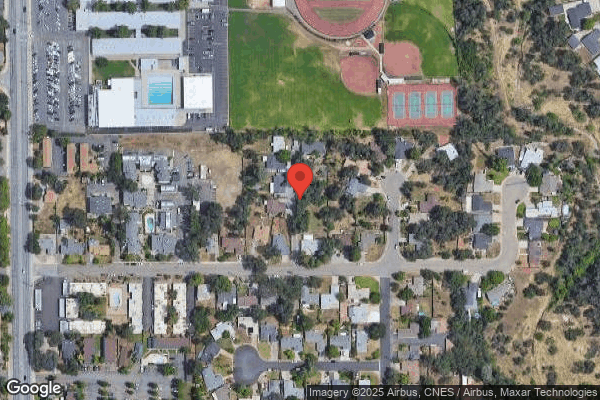
3550 CHURN CREEK RD., REDDING, CA 96002 (530) 222-3630
For profit - Corporation 180 Beds MARQUIS COMPANIES Data: November 2025
Trust Grade
50/100
#847 of 1155 in CA
Last Inspection: October 2024

Within standard 12-15 month inspection cycle. Federal law requires annual inspections.

Overview

Marquis Care at Shasta has a Trust Grade of C, which means it is average and falls in the middle of the pack. It ranks #9 out of 10 in Shasta County, indicating that there is only one local option that is better. The facility is improving, with issues decreasing from 19 in 2024 to just 3 in 2025. Staffing is rated 4 out of 5 stars, which is a strength, although the turnover rate at 45% is on par with the state average. There have been no fines, which is a positive sign, and the RN coverage is average; however, some concerning incidents were reported, such as failure to follow dietary requirements for pureed food, leading to unappetizing meals for residents, and not honoring residents' food preferences, which could affect their nutritional intake. Overall, while there are notable strengths, families should be aware of the weaknesses related to food quality and preferences.

Trust Score
C
50/100
In California
#847/1155
Bottom 27%
Safety Record
Low Risk
No red flags
Inspections
Getting Better
19 → 3 violations
Staff Stability
○ Average
45% turnover. Near California's 48% average. Typical for the industry.
Penalties
✓ Good
No fines on record. Clean compliance history, better than most California facilities.
Skilled Nurses
○ Average
Each resident gets 33 minutes of Registered Nurse (RN) attention daily — about average for California. RNs are the most trained staff who monitor for health changes.
Violations
⚠ Watch
49 deficiencies on record. Higher than average. Multiple issues found across inspections.
★★☆☆☆
2.0
Overall Rating
★★★★☆
4.0
Staff Levels
★★★★☆
4.0
Care Quality
★★☆☆☆
2.0
Inspection Score
Stable
2024: 19 issues
2025: 3 issues

The Good

  • 4-Star Staffing Rating · Above-average nurse staffing levels
  • 4-Star Quality Measures · Strong clinical quality outcomes
  • Full Sprinkler Coverage · Fire safety systems throughout facility
  • No fines on record
  • Staff turnover below average (45%)

    3 points below California average of 48%

Facility shows strength in staffing levels, quality measures, fire safety.

The Bad

2-Star Overall Rating

Below California average (3.1)

Below average - review inspection findings carefully

Staff Turnover: 45%

Near California avg (46%)

Typical for the industry

Chain: MARQUIS COMPANIES

Part of a multi-facility chain

Ask about local staffing decisions and management

The Ugly 49 deficiencies on record

Sept 2025 1 deficiency
CONCERN (D) 📢 Someone Reported This

A family member, employee, or ombudsman was alarmed enough to file a formal complaint

Potential for Harm - no one hurt, but risky conditions existed

Deficiency F0557 (Tag F0557)

Could have caused harm · This affected 1 resident

Based on interview, and record review, the facility failed to ensure one of three sampled residents, (Resident 1) was treated with respect and dignity during direct personal care when Certified Nursin...

Read full inspector narrative →
Based on interview, and record review, the facility failed to ensure one of three sampled residents, (Resident 1) was treated with respect and dignity during direct personal care when Certified Nursing Assistant (CNA) I rushed Resident 1 and held his arms to prevent hitting staff when the bed linen was changed. This failure had the potential to result in emotional stress, embarrassment, feelings of neglect, and the potential for negative clinical outcomes.Findings: During a review of the facility's policy revised 8/2017, titled, Quality of Life-Dignity, indicated each resident shall be cared for in a manner that promotes and enhances quality of life, dignity, respect and individuality. Residents shall be treated with respect and dignity at all times. Treated with respect and dignity means the resident will be assisted in maintaining and enhancing his or her self-esteem and self-worth. This facility's policy indicated staff shall treat cognitively impaired residents with dignity and sensitivity addressing the underlying motives or root causes for behavior and not challenging or contradicting the residents' beliefs or statements. During a review of Resident 1's record titled admission Record, indicated Resident 1 was admitted the facility on 7/30/25 with diagnoses that included Alzheimer's disease (a progressive brain disorder that slowly destroys a person's memory and thinking skills, eventually leading to dementia), vascular dementia with agitation (brain damage that affects communication, behaviors, slowed thinking, frustration and agitation), delusional disorder (a fixed, false belief), cerebral infarction (commonly known as stroke), diabetes (too much sugar in the blood), atrial fibrillation (irregular and fast heart beat), depression (persistent feelings of sadness and loss of interest), anxiety (a feeling of fear, dread, and uneasiness), chronic pain (ongoing persistent pain), malignant neoplasm of the kidney (kidney cancer), dysphagia (difficulty swallowing) and metabolic encephalopathy (a brain dysfunction caused by an underlying condition). During a review of Resident 1's record titled, Minimum Data Set, (MDS, a resident assessment), dated 8/1/25, indicated Resident 1 had a severe cognitive impairment with a brief interview for mental status (BIMS) score of 1of 15 and and is unable to make his own decisions. Section GG of the MDS indicated Resident 1 needed maximum assistance (helper does more than half the work) for incontinent care and personal hygiene. During a review of a record dated 7/10/25, titled, CNA/HHA/CHT Report Of Misconduct, indicated It is reported during resident care on 7/9/25 at 11:00 pm, the resident became agitated and combative, twisting and punching at staff. In house staff (CNA G) reported that a local registry staff (CNA I) had held Resident 1's hands down on his chest. CNA G told CNA I to stop three times before she would let go. During an interview on 9/10/25 at 1:23 pm, the administrator (Admin) stated, [Resident 1] has hurt some of our staff with combative behaviors, but we terminated CNA I for misconduct. I do think [Resident 1]'s rights and dignity was violated during the incident on 7/9/25 providing direct care. During an interview on 9/10/25 at 1:35 pm, the Director of Nursing (DON) stated, I am not making excuses for CNA I's conduct, but I do believe she was trying to protect herself from getting hurt. I agree [Resident 1] has combative behaviors but he has the right to be treated with respect and dignity in spite of any behaviors. During an interview on 9/10/25 2:25 Licensed Nurse (LN) C stated, [Resident 1] has delusions causing fear. I do know right in the middle of direct care, when you are not expecting he will just start hitting at you. I do confirm no staff should hold [Resident 1]'s hands or continue care if he is really upset or hitting, they should walk away and come back later. During an interview on 9/10/25 at 2:55 pm, CNA G stated, I did witness CNA I hold [Resident 1]'s hands down to his chest while we were changing the linen during direct personal care. I told her to leave the room, and I had another staff member help me complete the bed change. I reported CNA I immediately for her behavior. During an interview on 9/10/25 at 3:30 pm, the Admin and DON confirmed CNA I had not treated Resident 1 with respect and dignity while providing care, which was a violation of Resident 1's rights. Both Admin and DON confirmed treating any resident in a rude, disrespectful manner, or holding their hands down for any amount of time is unacceptable and will not be tolerated under any circumstances.
Mar 2025 2 deficiencies
CONCERN (D) 📢 Someone Reported This

A family member, employee, or ombudsman was alarmed enough to file a formal complaint

Potential for Harm - no one hurt, but risky conditions existed

Resident Rights (Tag F0550)

Could have caused harm · This affected 1 resident

**NOTE- TERMS IN BRACKETS HAVE BEEN EDITED TO PROTECT CONFIDENTIALITY** Based on observation, interview, and record review, the facility failed to ensure that staff responded in a timely manner to res...

Read full inspector narrative →
**NOTE- TERMS IN BRACKETS HAVE BEEN EDITED TO PROTECT CONFIDENTIALITY** Based on observation, interview, and record review, the facility failed to ensure that staff responded in a timely manner to residents' requests for assistance for one of four sampled residents, (Resident 1), when call-lights were not answered for greater than 20 minutes multiple times. These failures had the potential to negatively impact residents' physical, emotional and psychosocial well-being and left Resident 4 feeling unfairly treated. Findings: During a review of the facility policy titled, Resident Rights dated 5/2010, the policy indicated that 3. Our facility will make every effort to assist each resident in exercising his/her rights to assure that the resident is always treated with respect, kindness, and dignity . Review of admission records for Resident 4 indicated Resident 4 was admitted to the facility on [DATE], with diagnoses including depression, adult failure to thrive (a decline caused by chronic diseases and functional impairments which can cause weight loss, decreased appetite, poor nutrition, and inactivity), diabetes, insomnia, high blood pressure, chronic obstructive pulmonary disease (COPD-a chronic lung disease causing difficulty in breathing), pressure ulcer (localized, pressure-related damage to the skin and/or underlying tissue), muscle weakness. A review of Resident 4's Minimum Data Set (MDS, an assessment tool), Resident 4 had a BIMS (Brief Interview for Mental Status-an assessment tool used by facilities to screen and identify memory, orientation, and judgement status of the resident) of 13 out of 15, which indicated she was able to make her own decisions. During an interview on 2/27/25 at 11:38 AM, with Resident 4, Resident 4 stated that she frequently had to wait for the call light to be answered for a long time. Resident 4 stated that this made her feel that facility staff were being unfair to her. During a concurrent interview and record review on 2/28/25 at 11:56 AM, with the Director of Staff Development (DSD) of call light logs for Resident 4 for 2/14/25 to 2/28/25 indicated 54 instances of call light responses being 20 minutes or longer. The longest wait time being 1 hour occurring on 2/16/24, 2/17/25, 2/18/25, and 2/20/25. The DSD stated that staff are expected to answer call lights as soon as possible.
CONCERN (D) 📢 Someone Reported This

A family member, employee, or ombudsman was alarmed enough to file a formal complaint

Potential for Harm - no one hurt, but risky conditions existed

Deficiency F0657 (Tag F0657)

Could have caused harm · This affected 1 resident

**NOTE- TERMS IN BRACKETS HAVE BEEN EDITED TO PROTECT CONFIDENTIALITY** Based on interview, and record review, the facility failed to review and revise the care plan for one of four sampled residents ...

Read full inspector narrative →
**NOTE- TERMS IN BRACKETS HAVE BEEN EDITED TO PROTECT CONFIDENTIALITY** Based on interview, and record review, the facility failed to review and revise the care plan for one of four sampled residents (Resident 4), when Resident 4 had an unintentional significant weight loss of 5 percent (%) in one month. This failure had to potential for Resident 4 to have unwanted weight loss and negatively impact his physical well-being. Findings: Review of admission records for Resident 4 indicated Resident 4 was admitted to the facility on [DATE], with diagnoses including depression, adult failure to thrive (a decline caused by chronic diseases and functional impairments which can cause weight loss, decreased appetite, poor nutrition, and inactivity), diabetes, insomnia, high blood pressure, chronic obstructive pulmonary disease (COPD-a chronic lung disease causing difficulty in breathing), pressure ulcer (localized, pressure-related damage to the skin and/or underlying tissue), muscle weakness. Review of the facility's policy titled, Weight Assessment and Intervention dated 5/2018, indicated, 3. Any weight change of 5 pounds or more since the last weight assessment .will be retaken the next day for confirmation , 4. The Dietitian will respond either in person, phone consult or through electronic consult , 1 month – 5% wt loss is significant . , 2. Individualized care plans shall address .a. The identified causes of weight loss, b. Goals and benchmarks for improvement; and c. Time frames and parameters for monitoring and reassessment . During an interview on 2/27/25 at 11:38 AM, with Resident 4, Resident 4 indicated that she had lost weight and wanted to gain some weight back. During a review of Resident 4's meal monitoring documentation for 1/29/25 to 2/27/25 indicated that out of 86 meals, Resident 4 consumed 25% or less of the meals 63 times. During a review of Resident 4's Weights and Vitals Summary, the document indicated Resident 4 weighed in on the following dates: 1/14/25 175.8 lbs 1/21/25 173.3 lbs 2/4/25 171 lbs 2/11/25 167.3 Additionally, the document noted, MDS: -5.0% change over 30 day(s) [Comparison Weight 01/14/2025, 176.0 lbs, -5.1%, -9.0 lbs] During a review of Resident 4's Dietary admission dated 9/24/24, the document indicated that Resident 4 had lost weight and, Resident stated she has lost a significant amount of weight and would like to gain some back and that her nutritional goal was To gain some weight back . During a concurrent interview and record review on 2/27/25 at 2:14 PM, with the Registered Dietitian (RD), the RD stated that Resident 4's weight loss was considered a significant weight loss. The RD stated that she had not spoken to Resident 4 about the weight loss. The RD confirmed that Resident 4's care plan had not been revised to reflect Resident 4's significant weight loss. During a concurrent interview and record review on 2/28/25 at 8:51 AM, with the Resident Care Manager (RCM), the RCM stated that the facility usually re-weighs residents after a weight change to confirm that the resident's weight actually changed. The RCM stated that Resident 4 had not allowed them to re-weigh her, so they didn't know for sure if there was a weight loss. Review of the facility's document titled, NAR (Nutrition At Risk) no date, the document indicated that, Every morning review weights and vitals portal. Weekly run a weights and vitals summary report and review , If a weight change of 5# [pounds] or more has occurred- need reweigh-within 24 hours . The document was in flow chart form and gives two options, either the reweigh confirms the weight loss or the reweigh does not confirmed the weight loss. There is no option for how to proceed in the flow chart if the resident refuses to be weighed. During an interview on 2/28/25 at 9:49 AM, with the facility Administrator (ADM), the ADM confirmed that there should have been a care plan item that reflected Resident 4's significant weight loss.
Nov 2024 1 deficiency
CONCERN (E) 📢 Someone Reported This

A family member, employee, or ombudsman was alarmed enough to file a formal complaint

Potential for Harm - no one hurt, but risky conditions existed

Deficiency F0726 (Tag F0726)

Could have caused harm · This affected multiple residents

**NOTE- TERMS IN BRACKETS HAVE BEEN EDITED TO PROTECT CONFIDENTIALITY** Based on interview and record review, the facility failed to ensure staff demonstrated appropriate competencies (knowledge, skil...

Read full inspector narrative →
**NOTE- TERMS IN BRACKETS HAVE BEEN EDITED TO PROTECT CONFIDENTIALITY** Based on interview and record review, the facility failed to ensure staff demonstrated appropriate competencies (knowledge, skills, and abilities that were required to provide safe and effective care to residents) when providing care for three out of three sampled residents (Residents 1, 2, and 3) when: 1. Licensed Nurses (LN) did not perform an assessment of Resident 1 ' s surgical site. 2. A Certified Nurse Assistant (CNA) documented Resident 2 received a shower when Resident 2 did not receive a shower. 3. Residents 1, 2, and 3 experienced long call light wait times. 4. The competency checklist for registry staff (third party staff, employed by a registry agency and travels to different facilities to work) consisted of a self-evaluation and did not include oversight for evaluation of competencies or skills. These failures had the potential for an infection to go unnoticed and to negatively impact resident ' s physical, mental, and psychosocial well-being. Findings: 1. A review of the facility ' s policy and procedure (P&P) titled, Wound Care-Level II, revised 3/1/17, indicated, the purpose of the P&P was to .provide guidelines for the care of wounds to promote healing and documentation progress. The P&P indicated, LN would document wound assessments and progress of wound healing that included a description of the wound, including the size of the wound, drainage amount, or if there was a change in the condition of the wound. A review of the undated Admissions Record, indicated, Resident 1 was admitted to the facility on [DATE] with the diagnoses of weakness and encounter for surgical aftercare following surgery on the nervous system (surgery performed on the back near or on the spine). Resident 1 was her own responsible party (RP, made own decisions). A review of the admission Minimum Data Set (MDS, an assessment tool), dated 10/16/24, Section C, indicated, Resident 1 had a Brief Interview for Mental Status (BIMS, tested a resident ' s ability to recall information and memory). Resident 1 scored a 15, (the test was scored from 0-15 where 0 meant the resident was not able to remember and 15 meant the resident had intact memory). A review of Resident 1 ' s Nursing admission Assessment, dated, 10/15/24, indicated, Resident 1 was admitted to the facility with a surgical incision and there were no signs or symptoms of an infection to the surgical site. A review of Resident 1 ' s Skilled Nursing Progress Note, dated 10/19/24, indicated, Resident 1 ' s had a surgical incision present and the incision was well approximated (the edges of the surgical incision fit together nicely) and there were no signs or symptoms of an infection. During a concurrent interview and record review on 10/30/24 at 2:10 pm, with LN A, Resident 1 ' s Skilled Nursing Progress Note, dated 10/20/24 was reviewed. LN A stated, the Skilled Nursing Progress Note indicated, Resident 1 did not have a surgical incision. LN A confirmed, LN A performed Resident 1 ' s assessment and completed the Skilled Nursing Progress Note documentation. LN A stated, Resident 1 did have a surgical incision, located on her back, and that LN A failed to document the surgical incision site on the Skilled Nursing Progress Note. During a concurrent interview and record review on 10/30/24 at 2:59 pm, with LN B, Resident 1 ' s Skilled Nursing Progress Note, dated 10/21/24 was reviewed. LN B stated, the Skilled Nursing Progress Note, indicated, Resident 1 did not have a surgical incision. LN B confirmed, LN B performed Resident 1 ' s assessment and completed the Skilled Nursing Progress Note documentation. LN B stated, Resident 1 did have a surgical incision on her back and that LN B failed to document the surgical incision site on the Skilled Nursing Progress Note. A review of Resident 1 ' s IDT Progress Note, dated 10/21/24, indicated, Resident 1 ' s . incision to spine found inflamed and hot to touch ., and there was purulent drainage (a thick, milky discharge that usually indicated the wound was infected). The IDT Progress Note, indicated, Resident 1 stated the surgical site itched and was painful. A review of Resident 1 ' s IDT Progress Note, dated 10/21/24 (written on the same date with a different time stamp), indicated, the facility ' s physician ordered an antibiotic (a medication that treated infections) for Resident 1. During a concurrent interview and record review on 11/1/24 at 8:55 am, with Director of Nursing (DON), Resident 1 ' s progress notes, dated 10/16/24 through 10/21/24 was reviewed. DON confirmed, the Skilled Nursing Progress Note, dated 10/20/24 and 10/21/24 indicated, Resident 1 did not have a surgical incision. DON confirmed, Resident 1 did have a surgical incision and stated, the expectancy was for LNs to describe what the incision looked like and if there were signs and symptoms of an infection. DON reviewed both of Resident 1 ' s IDT Progress Notes, dated 10/21/24 and confirmed, the facility ' s physician ordered an antibiotic due to an infection at the surgical site and stated there was no other documentation in Resident 1 ' s medical records that indicated when Resident 1 ' s surgical incision developed drainage or signs and symptoms of an infection and should have. 2. A review of the facility ' s P&P titled, Charting and Documentation, revised 5/1/10, indicated, all services provided to residents would be documented in the resident ' s medical record. A review of the facility ' s P&P titled, Shower/Tub-Level II, revised 8/1/17, indicated, that each time a resident received a shower or bath, the date and time would be documented in the resident ' s medical record. A review of the undated, admission Record, indicated, Resident 2 was admitted to the facility on [DATE] with the diagnoses of surgical aftercare following surgery on the nervous system and depression. Resident 2 was her own RP. A review of the admission MDS, section C, dated 10/29/24, indicated, Resident 2 had a BIMS score of 15. Section GG of the MDS, indicated, Resident 2 was dependent upon facility staff for showers and baths. During an interview on 10/30/24, at 9:28 am, Resident 2 stated that her hair was dirty, and it was driving Resident 2 nuts and had not received a shower since admission to the facility, five days ago. Resident 2 stated, facility staff had also not offered a bed bath or provided Resident 2 with wash cloths so that Resident 2 could clean herself. During a concurrent interview and record review on 10/30/24 at 10:30 am, with Director of Staff Development (DSD), the Schedule for October 2024 (documentation for care provided by CNAs), dated 10/1/24 through 10/30/24 was reviewed. DSD stated, Resident 2 was scheduled to receive a shower on 10/29/24 and stated the documentation indicated, Resident 2 had received a shower on 10/29/24. During an interview on 10/30/24 at 11:45 am, CNA D confirmed, being responsible for providing Resident 2 with a shower on 10/29/24. CNA D confirmed, Resident 2 did not receive a shower or a bed bath and stated, CNA D documented that Resident 2 received a shower by mistake. 3. A review of the facility ' s P&P titled, Answering the Call Light- Level 1, revised 8/1/17, indicated all facility staff was responsible for answering call lights as soon as possible. A review of the undated admission Record, indicated, Resident 3 was admitted to the facility on [DATE] with the diagnoses of respiratory failure, weakness, and repeated falls. Resident 3 was his own RP. A review of the Resident Council Minutes (a group of residents that met monthly to discuss resident rights and concerns), dated 4/30/24, indicated, residents of the facility had experienced long call light wait times that lasted up to 30 minutes. A review of the admission MDS, section C, dated 10/29/24, indicated, Resident 3 had a BIMS score of 14. The admission MDS section GG indicated; Resident 3 could not move from a sit to stand position without moderate assistance from staff. During an interview on 10/25/24 at 1:27 pm, Resident 1 stated, I pressed the call light one time when . Resident 1 needed assistance to utilize the bathroom. Resident 1 stated, the call light rang for 45 minutes before staff came into the room. Resident 1 stated, I needed to use the bathroom. I ended up wetting myself and the nurse said my dressing [wound bandage located on Resident 1 ' s back] had urine on it. Resident 1 stated, due to long call light wait times, Resident 1 would have to yell out for staff to come assist her, and that it made Resident 1 feel uncomfortable living at the facility. During an interview on 10/25/24 at 9:11 am, Resident 3 stated, waiting up to 45 minutes for facility staff to answer the call light. Resident 3 stated, usually, Resident 3 pressed the call light when Resident 3 needed water or to use the bathroom. During an interview on 10/30/24 at 9:28 am, Resident 2 stated on 10/28/24, it took facility staff one hour to answer the call light. Resident 2 stated inability to recall if Resident 2 needed assistance due to urinating on herself or if she pressed her call bell due to having pain. Resident 2 stated, being angry that facility staff did not answer the call light and utilized her phone to call the facility to request assistance. During a concurrent interview and record review on 10/30/24 at 10:30 am, with DSD, the electronic time log (Call History, captured how long it took staff to answer call lights), dated 10/10/24 through 10/30/24 was reviewed. DSD stated the Call History indicated long call light wait times for Resident 1 on: 10/17/24 at 12:51 pm for 34 minutes, 10/17/24 at 5:25 pm for 30 minutes, 10/20/24 at 7:42 am for 33 minutes, 10/21/24 at 2:24 pm for 39 minutes, 10/22/24 at 9:51 am for 47 minutes, and 10/23/24 at 5:30 pm for 41 minutes. DSD reviewed Resident 2 ' s Call History, dated 10/28/24, and confirmed at 8:35 am, Resident 2 experienced a one-hour call light wait time. DSD stated, it was everyone ' s responsibility to answer call lights as soon as possible and confirmed Resident 1 and 2 experienced long call light wait times. During a concurrent interview and record review, on 10/30/24 at 2:49 pm, with DSD, Resident 3 ' s Call History, dated 10/11/24 through 10/16/24 was reviewed. DSD confirmed, the Call History indicated Resident 3 had experienced long call light wait times, over 20 minutes, on two different occasions, and should not have. Upon further review of Resident 3 ' s Call History, the Call History indicated long call light wait times for Resident 3 on: 10/11/24 at 6:51 pm for 36 minutes, 10/12/24 at 1:02 pm for 26 minutes, 10/12/24 at 2:49 pm for 24 minutes, 10/15/24 at 2:42 pm for 32 minutes, and 10/16/24 at 1:26 pm for 25 minutes. 4. The State Operations Manual (SOM), dated 8/8/24, defined competency as a measurable pattern of knowledge, skills, abilities, behaviors, and other characteristics that an individual needs to perform work roles or occupational functions successfully. The SOM indicated, Examples for evaluating competencies may include but are not limited to: . lectures, testing, and demonstration. During a concurrent interview and record review on 11/1/24 at 9:38 am, with the facility ' s Administrator (ADMIN), LN A ' s Med Surg/Skilled Nursing Skills Checklist, dated 7/3/23 and CNA D ' s CNA Skills Checklist, dated 4/17/24, was reviewed. Admin stated, the skills check lists for LN A and CNA D indicated that it was a self-assessment (where a person self-identified if they were competent or not in providing safe care to residents). ADMIN reviewed LN A ' s check list in its entirety and confirmed, the self-assessment of LN A ' s competencies and skills did not include whether LN A was competent or had appropriate skills regarding assessing wounds or providing wound care. At 9:54 am, the DSD joined the interview and record review. DSD confirmed, LN A and CNA D ' s check lists indicated they were self-assessments and stated, the facility did not validate registry staff ' s competencies and relied upon the staffing agency to do that.
Oct 2024 16 deficiencies
CONCERN (D)

Potential for Harm - no one hurt, but risky conditions existed

Resident Rights (Tag F0550)

Could have caused harm · This affected 1 resident

**NOTE- TERMS IN BRACKETS HAVE BEEN EDITED TO PROTECT CONFIDENTIALITY** Based on observation, interview, and record review, the facility failed to ensure the dignity of one of eight sampled residents ...

Read full inspector narrative →
**NOTE- TERMS IN BRACKETS HAVE BEEN EDITED TO PROTECT CONFIDENTIALITY** Based on observation, interview, and record review, the facility failed to ensure the dignity of one of eight sampled residents (Resident 36) when she was left in a soiled brief, and not changed in a timely manner. This failure resulted in Resident 36 to feel increased anxiety, and depression and had the potential to result in emotional stress, embarrassment, feelings of neglect, and the potential for negative clinical outcomes. Findings: The facility's policy revised 8/2017 titled, Quality of Life-Dignity, indicated each resident shall be cared for in a manner that promotes and enhances quality of life, dignity, respect, and individuality. Residents shall be treated with dignity and respect at all times, to include promptly responding to the resident's request for toileting assistance. The facility's policy revised 5/2010 titled, Resident Rights, indicated employees shall treat all residents with kindness, respect, and dignity. This facility's policy indicated the facility will make every effort to assure each resident is always treated with dignity and respect. A review of Resident 36's clinical record indicated Resident 36 was admitted to the facility on [DATE] with diagnoses that included hypokalemia (low potassium), insomnia (difficulty sleeping), anxiety (a feeling of fear, dread, and uneasiness), depression (constant feeling of sadness and loss of interest), high blood pressure, heart disease, gastroenteritis (inflammation of the stomach and small intestine), and colitis (inflammation of the colon). A review of the most recent Minimum Data Set, (MDS, a resident assessment tool) for Resident 36 dated 8/19/24, indicated that Resident 36 had no cognitive deficit, with a brief interview for mental status (BIMS) score of 14 out of 15, could verbalize her needs, and was totally dependent for staff with toileting and transfers. During an interview on 10/9/24 at 3:20 pm, Resident 36 stated, I am ok, I just wish the staff would stop telling me they have other residents to take care of when I ask for help with my incontinence. They tell me they will be back, and they have other residents to take care of, so I have to wait my turn. I cannot get up to the bathroom my myself, I would rather use the bathroom. The wait time varies, but sometimes it can be up to 30 minutes to an hour, and I cannot hold it that long. During a follow up interview on 10/10/24 at 10:05 am, Resident 36 confirmed she felt bad and had increased anxiety when she had to wait on staff for an extended time when she needed toileting assistance. Resident 36 stated, Yes, it makes me feel bad, and waiting increases my anxiety when the staff tells me they have other residents to take care of. I need help too and would like to get up to use the bathroom, but I need staff to get out of bed. During an interview on 10/10/24 at 9:35 am, the Director of Social Services (DSS) confirmed Resident 36 is not demanding, very cooperative and does have anxiety waiting on staff to return while waiting for toileting. During an interview on 10/10/24 at 10:11 am, the Resident Care Manager (RCM) 1, confirmed Resident 36 should have the choice to use the bathroom and not be left waiting on staff in a soiled brief. RCM 1 confirmed this failure was a loss of dignity and violated her resident rights. RCM 1 stated, I will update the care plan today and educate the staff they need to get her up and not leave her in the bed waiting when she needs to use the bathroom. During an interview on 10/10/24 at 10:55 am, the Director of Nursing (DON) confirmed leaving Resident 36 waiting to use the bathroom and telling her there are other residents to take care of is a violation of her rights, and loss of dignity. DON stated, I read the note, and I will talk to the staff immediately to fix this problem. This will not happen again.
CONCERN (D)

Potential for Harm - no one hurt, but risky conditions existed

Deficiency F0558 (Tag F0558)

Could have caused harm · This affected 1 resident

**NOTE- TERMS IN BRACKETS HAVE BEEN EDITED TO PROTECT CONFIDENTIALITY** Based on observation, interview, and record review, the facility failed to ensure that one of eight sampled residents' bedroom (...

Read full inspector narrative →
**NOTE- TERMS IN BRACKETS HAVE BEEN EDITED TO PROTECT CONFIDENTIALITY** Based on observation, interview, and record review, the facility failed to ensure that one of eight sampled residents' bedroom (Resident 29) was maintained in a comfortable and homelike setting, when Resident 29 could not see his wife's pictures due to clutter on his dresser. This failure resulted in Resident 29 becoming frustrated and violated the right to have a home like environment. Findings: A review of the facility's policy dated 5/2011 titled, Quality of Life-Homelike Environment, indicated residents are provided with a safe, clean, comfortable, and homelike environment and encouraged to use their personal belongings to the extent possible. This policy also indicated the facility staff and management shall maximize, to the extent possible, the characteristics of the facility that reflect a personalized, homelike setting. These characteristics include cleanliness and order, personalized furniture, and room arrangements. A review of Resident 29's clinical record indicated Resident 29 was admitted to the facility on [DATE] with diagnoses that included anxiety (a feeling of fear, dread, and uneasiness), hyperkalemia (high potassium), sepsis (a severe reaction to an infection), urinary tract infection (bladder infection), depression (constant feeling of sadness and loss of interest), and heart disease. During a concurrent observation and interview in Resident 29's room on 10/8/24 at 8:50 am, Resident 29 stated, Can you move that junk off the dresser, I cannot see my wife's picture. I would like someone to clean up around here. I was a [NAME] and I am used to things be in order. During an interview on 10/8/24 at 8:40 am, with Certified Nursing Assistant (CNA) A, CNA A confirmed there was clutter and an entire unkept area on the dresser and Resident 29 was unable to see his personal pictures of his wife. During an interview with CNA B at 9:30 am, CNA B confirmed there was clutter on the dresser and Resident 29 was unable to view his wife's pictures, and the hygiene products should not be left out in the open for all visitors to observe. During an interview on 10/9/24 at 3:15 pm, with the Director of Social Services (DSS), DSS confirmed Resident 29 was a [NAME] and prefers all things in order, and he should be able to see his personal pictures in his room. DSS stated, I agree this is all residents' rights, but of all people [Resident 29] would be upset with all the clutter because he was a [NAME]. During an interview on 10/9/24 at 2:45 pm, the Director of Nursing confirmed Resident 29 should have a homelike environment, and the clutter and personal care items should be removed from his dresser, so family pictures can be viewed.
CONCERN (D)

Potential for Harm - no one hurt, but risky conditions existed

Deficiency F0692 (Tag F0692)

Could have caused harm · This affected 1 resident

**NOTE- TERMS IN BRACKETS HAVE BEEN EDITED TO PROTECT CONFIDENTIALITY** Based on observation, interview, medical record review and Policy and Procedure (P&P) review, the facility failed to ensure one ...

Read full inspector narrative →
**NOTE- TERMS IN BRACKETS HAVE BEEN EDITED TO PROTECT CONFIDENTIALITY** Based on observation, interview, medical record review and Policy and Procedure (P&P) review, the facility failed to ensure one of 25 sampled residents (Resident 19), received acceptable nutritional services when: 1. Resident 19's nutritional status was not assessed by the Registered Dietitian (RD) upon admission. 2. Resident 19's significant unplanned weight loss was not assessed by the RD and the Interdisciplinary Team (IDT, facility managers who discuss resident concerns and develop plans to correct them). 3. Resident 19's admission weight was not obtained in a timely manner upon readmission, in accordance with the facility policy. As a result of these failures, Resident 19's compromised nutritional status was not addressed timely, which could lead to further medical complications. Findings: 1. A review of the facility policy titled, Nutritional Assessment revised 5/2028, showed, that a nutrition assessment, including current nutritional status and risk factors for impaired nutrition, shall be conducted for each resident. 1. The Dietitian will conduct a nutritional assessment for each new admit within the first seven to 21 days of admission, or as requested by nursing staff or Medical Prescriber. Nursing and/or Medical Prescriber may request Dietitian assessment sooner, as indicated by resident nutritional needs and/or a change in condition that places the resident at risk for impaired nutrition. A review of Resident 19's medical record showed Resident 19 was admitted to the facility on [DATE] and readmitted on [DATE] with diagnoses which included acute respiratory failure with hypoxia (a condition that occurs when the body's tissues do not receive enough oxygen), and dementia. A review of the most recent Minimum Data Set, (MDS, a resident assessment tool) for Resident 19 dated 9/17/24, showed that Resident 19 had severe cognitive impairment with a brief interview for mental status (BIMS) score of 2 out of 15. A review of Resident 19's medical record titled, Active Orders 10/1/24 to 10/31/24, showed the Physician ordered a Consistent Carbohydrate diet (a diet for diabetes management) pureed texture, mildly thick consistency, NEM (Nutrition Enhanced Meal), Large portion of meat and vegetables. On 9/25/24 the Physician ordered house supplement (drink to add calories), no sugar added 120 ml four times a day. On 10/9/24 at 1:40 pm, a review of Resident 19's medical record and concurrent interview was conducted with the RD. The RD was asked what was the expected time frame for nutritional assessments when a resident was admitted . The RD stated 14 days. The RD confirmed Resident 19's nutritional status had not been assessed since he was readmitted to the facility on [DATE]. The RD was asked how she was notified of new admissions. The RD stated she ran a report on the computer weekly. The RD was asked if she had a system in place to prevent missed nutritional assessments. The RD confirmed she did not have a system in place to prevent missed nutritional assessments. 2. A professional reference review of, American Academy of Family Physicians Journal titled, Unintentional Weight Loss in Older Adults, dated 2014 showed, Unintentional weight loss (i.e., more than a 5% reduction in body weight within six to 12 months) occurs in 15% to 20% of older adults and is associated with increased morbidity and mortality. In this population, unintentional weight loss can lead to functional decline in activities of daily living, increased in-hospital morbidity, increased risk of hip fracture in women, and increased overall mortality. Further, cachexia (loss of muscle mass with or without loss of fat) has been associated with negative effects such as increased infections, pressure ulcers, and failure to respond to medical treatments . https://www.aafp.org/afp/2014/0501/p718.html - afp20140501p718-b1. A review of the facility's policy revised 5/2018, titled, Weight Assessment and Intervention, indicated that the multidisciplinary team will strive to prevent, monitor, and intervene for undesirable weight loss for our residents. The nursing staff nursing staff will measure resident weights on admission (within 72 hours) .Any weight change of five pounds (lbs. a unit of measurement) or more since the last weight assessment (if the resident weighs 100 lbs. or more) if verified, nursing will notify the Dietician. The Dietician will respond, and the facility will review monthly weight variances to follow individual weight trends over time. The threshold for significant unplanned and undesired weight loss will be based on the following criteria [where percentage of body weight loss = (usual weight - actual weight)/(usual weight) x 100]: one month: 5% weight loss is significant; greater than 5% is severe. Three months: 7.5% weight loss is significant; greater than 7.5% is severe. Six months: 10% weight loss is significant; greater than 10% is severe. This facility's policy also indicated care planning for weight loss or impaired nutrition will be a multidisciplinary effort and will include the Medical Prescriber, Nursing staff, Registered Dietician, Consultant Pharmacy, and the resident or resident's Responsible party. Individualized care plans shall identify causes of weight loss, goals and benchmarks for improvement, and time frames and parameters for monitoring and reassessment. Interventions for undesirable weight loss shall be based on careful considerations of the following: Resident choice and preference, nutrition and hydration need of the resident and other factors that could inhibit eating and swallowing. A review of the most recent MDS for Resident 19 dated 9/17/24, showed, Section K - Swallowing/Nutritional Status, Resident 19 weighed 195 lbs. and had experienced a 5% or more weight loss in the last month or a 10% or more weight loss in the past six months and he was not on a physician-prescribed weight-loss program. A review of Resident 19's medical record titled, Weights and Vitals Summary dated 9/3/24, showed, Resident 19 weighed 200.4 lbs. On 9/17/24 Resident 19 weighed 194.8 lbs. a 5.6 lb. unplanned weight loss from his previous admission weight. On 10/2/24 Resident 19 weighed 192.4 lbs., a 23 lb., 10.6% severe unplanned weight loss in six months; comparison weight 4/8/24 215.4 lbs. 10/9/24 at 1:40 pm, a review of Resident 19's medical record and concurrent interview was conducted with the RD. The RD confirmed Resident 19 had experienced a 5.6 lb. unplanned weight loss on readmission and a 23 lb. 10.6% severe unplanned weight loss since 4/8/24. The RD confirmed she had not assessed Resident 19's 5.6 lb. weight loss upon readmission and the severe unplanned weight loss of 23 lbs. 10.6% since 4/8/24. The RD further confirmed there was no documented evidence Resident 19's unplanned weight loss of 5.6 lbs. on readmission and the 23 lbs., 10.6% severe unplanned weight loss had been addressed by the IDT in the Nutrition at Risk (NAR) meeting. On 10/10/24 at 9:25 am, an interview was conducted with Licensed Nurse (LN) 8. LN 8 confirmed on 9/17/24 Resident 19 weighed 194.8 lbs., a 5.6 lb. weight loss since his previous admission. LN 8 was asked if nursing notified the RD of Resident 19's weight loss. LN 8 stated nursing did not notify the RD of Resident 19's weight loss, since the RD was in charge of weights. LN 8 was asked about the NAR meetings to address resident weight loss. LN 8 stated she entered a progress note dated 9/25/24 which indicated, per NAR meeting, frequency of NSA (no sugar added) house supplement increased to QID (four times a day) related to resident weight loss. LN 8 was asked to show the NAR meeting documentation to support the progress note. LN 8 was not able to show any documentation the NAR meeting was held. LN 8 stated she was not sure if the IDT documented when NAR meetings were held. On 10/10/24 at 9:41 am, an interview was conducted with the RD. The RD was asked how she was notified of resident weight loss. The RD stated she would be notified of resident weight loss in the stand-up meetings (daily meeting for all facility managers), but stated she wasn't sure she had been notified of Resident 19's 5.6 lb. weight loss upon readmission or the severe unplanned weight loss of 23 lbs. 10.6% in six months. The RD was asked about NAR meeting documentation. The RD stated she was responsible to document NAR meetings in the resident's clinical record. The RD confirmed she had not documented any NAR meetings for Resident 19 which addressed the 5.6 lb. weight loss on readmission or the 23 lb., 10.6% weight loss since 4/8/24. On 10/10/24 at 10:35 am, an interview was conducted with the Director of Nursing (DON). The DON confirmed if a resident had experienced weight loss the RD must be notified. The DON added there was a weight board that reflected resident's weights and the RD could refer to that. On 10/10/24 at 11:09 am, an additional interview was conducted with LN 8. LN 8 was asked how resident orders were entered in the clinical record. LN 8 stated if there was a recommendation from the NAR meeting, she would enter the order in the computer. LN 8 confirmed there was no order which reflected the recommendation on 9/25/24 to increase Resident 19's NSA house supplement to four times a day. On 10/10/24 an observation of Resident 19 during the lunch meal and concurrent interview was conducted with Resident 19's wife. Resident 19's wife stated she came at least once a day to feed her husband to ensure he ate at least one meal. Resident 19's wife stated yesterday when she came at lunch time, she found Resident 19 sitting unattended while eating. Resident 19's wife stated Resident 19 should not eat alone. Resident 19's wife complained the puree meat served at the facility had small chunks of meat in it and Resident 19 had a history of aspiration pneumonia and she was concerned he could choke. Resident 19 was observed with several small pieces of meat on his clothing protector. Resident 19's wife stated Resident 19 spit out the meat that was not completely pureed. 3. A review of the facility's policy revised 5/2018, titled, Weight Assessment and Intervention, The multidisciplinary team will strive to prevent, monitor, and intervene for undesirable weight loss for our residents. The nursing staff nursing staff will measure resident weights on admission (within 72 hours) . A review of Resident 19's clinical record titled, Weights and Vitals Summary dated 9/17/24, showed Resident 19 weighed 194.8 lbs. On 10/9/24 at 2:42 pm, a review of Resident 19's clinical record and concurrent interview was conducted with LN 8. LN 8 was asked the expected time frame to obtain a resident's weight upon admission. LN 8 stated newly admitted residents should be weighed the day of admission or the day after admission. LN 8 confirmed Resident 19 was readmitted to the facility on [DATE]. LN 8 confirmed Resident 19 was not weighed until four days after admission. LN 8 was asked when the facility would address resident weight loss. LN 8 stated the facility would address 5% weight loss in 30 days. LN 8 confirmed Resident 19 triggered for significant weight loss on 10/2/24. LN 8 stated the RD was responsible to document the IDT NAR meeting. LN 8 confirmed there was no documentation the IDT held a NAR meeting that addressed Resident 19's severe unplanned weight loss of 23 lbs., 10.6% since 4/8/24. LN 8 further confirmed Resident 19's severe unplanned weight loss had not been addressed on Resident 19's care plan.
CONCERN (D)

Potential for Harm - no one hurt, but risky conditions existed

Deficiency F0801 (Tag F0801)

Could have caused harm · This affected 1 resident

Based on observation, and interview, the facility failed to ensure federal regulations related to the education qualification requirements of the dietary manager were followed as outlined in the Calif...

Read full inspector narrative →
Based on observation, and interview, the facility failed to ensure federal regulations related to the education qualification requirements of the dietary manager were followed as outlined in the California Code, Health and Safety Code (HSC 1265.4). This failure had the potential to result in inadequate oversight of the food and nutrition services department associated with meal distribution accuracy, safe food handling and sanitation guidelines. Findings: According to the HSC 1265.4, (4) Is a graduate of a dietetic services training program approved by the Dietary Managers Association and is a certified dietary manager credentialed by the Certifying Board of the Dietary Managers Association, maintains this certification, and has received at least six hours of in-service training on the specific California dietary service requirements contained in Title 22 of the California Code of Regulations prior to assuming full-time duties as a dietetic services supervisor at the health facility. On 10/7/24 at 10:31 AM, an interview was conducted with the Certified Dietary Manager (CDM). The CDM stated he received his CDM certificate from the University of Florida. The CDM confirmed he had not received specific California dietary service requirements contained in Title 22 of the California Code of Regulations prior to assuming full-time duties as a dietetic services supervisor at the health facility.
CONCERN (D)

Potential for Harm - no one hurt, but risky conditions existed

Deficiency F0805 (Tag F0805)

Could have caused harm · This affected 1 resident

**NOTE- TERMS IN BRACKETS HAVE BEEN EDITED TO PROTECT CONFIDENTIALITY** Based on observation, interview and facility record review, the facility failed to ensure one of 116 resident's (Resident 48) re...

Read full inspector narrative →
**NOTE- TERMS IN BRACKETS HAVE BEEN EDITED TO PROTECT CONFIDENTIALITY** Based on observation, interview and facility record review, the facility failed to ensure one of 116 resident's (Resident 48) received the appropriate textured diet when chopped meats were not the appropriate size. This failure had the potential for residents who received chopped meats to not receive the appropriate texture which could lead to chewing and/or swallowing concerns. Findings: Review of the facility document titled, Therapeutic Spreadsheet Week 2 Monday dated 10/7/24, showed Easy to Chew diets should have received chopped meat for the lunch meal. Review of the facility Diet Manual, revised September 2024, showed, Mechanical Soft diet Recommendations: All meat (such as beef, fish, poultry and pork), should be ground or chopped. Definition of Menu Terms: Chopped was defined as ¼ inch to ½ inch pieces. A review of Resident 48's clinical record showed Resident 48 was admitted to the facility on [DATE] with diagnoses which included fracture of left humerus (upper arm), unspecified dementia, and major depression. Review of the facility meal ticket for Resident 48 showed Fat/Cholesterol Restricted Diet Regular Chopped meat texture, thin liquid consistency. During a lunch meal observation on 10/7/24 at 1:00 pm, in the dining room, Resident 48 was observed with her lunch meal tray. The lunch meal contained cut up pork in approximately one to one and a half inch pieces. One piece of pork had been chewed and spit out on the plate. Resident 48 stated she did not like the meat. On 10/8/24 at 3:31 pm, an interview was conducted with the Certified Dietary Manager (CDM). The CDM was asked to define a Regular chopped meat diet. The CDM confirmed a Regular chopped meat diet was not on the therapeutic spreadsheet (describes how much and what type of food each diet type should be served). The CDM was asked to define the size of chopped meats. The CDM stated he did not know the specific size for chopped meats but would check the diet manual for specifics on the appropriate size of chopped meats.
CONCERN (D)

Potential for Harm - no one hurt, but risky conditions existed

Garbage Disposal (Tag F0814)

Could have caused harm · This affected 1 resident

Based on observation, interview, and record review, the facility failed to dispose of garbage properly. These failures had the potential to result in attracting insects and rodents affecting all 116 r...

Read full inspector narrative →
Based on observation, interview, and record review, the facility failed to dispose of garbage properly. These failures had the potential to result in attracting insects and rodents affecting all 116 residents who resided in the facility. Findings: According to the USDA Food Code 2022, Section 5-501.19 Storage Areas, Redeeming Machines, Receptacles and Waste Handling Units, Location. (A) An area designated for refuse, recyclables, returnables, and, except as specified in (B) of this section, a redeeming machine for recyclables or returnables shall be located so that it is separate from food, equipment, utensils, linens, and single-service and single-use articles and a public health hazard or nuisance is not created. According to the USDA Food Code 2022, Section 5-501.110 Storing Refuse, Recyclables, and Returnables. refuse, recyclables, and returnables shall be stored in receptacles or waste handling units so that they are inaccessible to insects and rodents. A review of the facility's policy titled, Food/Waste Disposal, dated 8/2/24 indicated, The Food and Nutrition Services Department will be free of waste and clutter at all times, Cardboard boxes are to be broken down before being placed in the dumpsite or storage area, and Dumpsters and dumpsite area to be kept clean and free of debris. 1. During the initial tour of the kitchen on 10/7/24 at 10:40 am, with the Certified Dietary Manager (CDM) greater than ten broken down cardboard boxes were observed on a kitchen cart sitting in the kitchen, and two broken down cardboard boxes were observed tucked next to the food preparation table. During an interview on 10/8/24 at 3:31 pm, with the CDM, the CDM confirmed that the boxes were collected in the kitchen then taken outside at the end of shift. 2. During a concurrent observation and interview on 10/7/24 at 11:57 am, with Plant Operations Manager (POM), outside the kitchen door, dietary carts, linen carts, mattresses, and wheelchair parts were sitting against or near a portable storage container next to the kitchen loading dock. The POM stated that as far as he knew the items around the kitchen loading dock (where food supplies are delivered), were not broken, and that nobody was assigned to pick up trash. During a concurrent observation and interview on 10/8/24 at 10:21 am, with the Central Supply Clerk (CSC), the CSC stated that maintenance took care of the loading dock area. During an interview on 10/9/24 at 8:51 am, with the Administrator (ADM), when asked who is in charge of the area outside the kitchen door, the ADM stated that there was not one person assigned, that they did rounds on the area. The ADM stated that there should not be trash there and that someone may have left equipment there and not communicated it. The ADM stated that the POM takes items that need to be discarded to the dump.
CONCERN (D)

Potential for Harm - no one hurt, but risky conditions existed

Deficiency F0849 (Tag F0849)

Could have caused harm · This affected 1 resident

**NOTE- TERMS IN BRACKETS HAVE BEEN EDITED TO PROTECT CONFIDENTIALITY** Based on observation, interview, and record review, the facility failed to ensure they coordinated resident care needs with the ...

Read full inspector narrative →
**NOTE- TERMS IN BRACKETS HAVE BEEN EDITED TO PROTECT CONFIDENTIALITY** Based on observation, interview, and record review, the facility failed to ensure they coordinated resident care needs with the Hospice Agency (an outside agency that specializes in end of life care), for one of four sampled residents (Resident 112). This failure caused a delay in personal care, comfort, and had the potential to result in emotional stress, feelings of neglect, and negative clinical outcomes for residents who received Hospice services. Findings: A review of the facility's policy dated 5/2010 titled, Hospice Program, indicated the facility contracts for hospice services for residents who wish to participate in such programs. A Coordinated Plan of Care between the facility, hospice agency, and resident/family will be developed and shall include directives for managing pain and other uncomfortable symptoms. The care plan shall be revised and updated as necessary to reflect the resident's current status. A review of Resident 112's clinical record indicated Resident 112 was admitted to the facility on [DATE] with diagnoses that included adult failure to thrive (syndrome of weight loss, poor nutrition, impaired immune system, loss of appetite and inactivity), heart disease, high blood pressure, unspecified severe protein-calorie malnutrition (poor nutrition), anxiety (a feeling of fear, dread, and uneasiness), diabetes (too much sugar in the blood), and repeated falls. Resident 112 was receiving Hospice services. A review of the most recent Minimum Data Set (MDS, a resident assessment tool), for Resident 112 dated 8/4/24, indicated that Resident 112 had a severe cognitive deficit, with a brief interview for mental status (BIMS) score of 2 out of 15, and was totally dependent for staff with all activities of daily living (ADLs, basic needs as personal hygiene, dressing, toileting, transferring, walking, and eating). During an interview on 10/8/24 at 10:33 am, Licensed Nurse (LN) 2 indicated that LN 4 had informed her that Resident 112 refused a shower that morning. During an interview on 10/8/24 at 2:59 pm, Resident Care Manager (RCM) 1 confirmed LN 4 and all nursing staff should coordinate all care with any hospice agency, and it was the facility's responsibility to make sure Resident 112 received a shower or bath at least two times weekly, and as needed. RCM 1 confirmed there was a lack of communication between the Hospice agency nurses and the facility, and that Resident 112's care plan was not updated. During a phone interview on 10/8/24 at 3:28 pm, the Director of Patient Care (DPC), from the Hospice agency, indicated that Resident 112 was admitted to their Hospice services on 10/2/24, and the plan for end of life care and ADL care needs had been sent to the facility in order to coordinate Resident 112's care between the Hospice agency and the facility. DPC also confirmed it was the expectation of the Hospice agency that any changes to the plan of care would be updated by the facility. DPC indicated changes would be communicated to the Hospice agency to ensure quality of care and allow for revisions in how often the Hospice agency would visit Resident 112. During a review of 112's clinical record, a document dated 10/2/24 through 12/30/24, titled, Hospice Certification and Plan of Care (POC, or Physician Orders), orders and treatments indicated Hospice nurse to coordinate plan of care with facility staff. Facility staff to provide the following daily nursing care: Medication administration, and coordination with hospice for any changes in condition. During a review of 112's clinical record a document dated 10/2/24 through 12/30/24, titled, POC [Plan of Care], goals indicated, Facility staff is knowledgeable and involved in hospice plan of care for patient through end of episode. During an interview on 10/10/24 at 10:40 am, RCM 1 stated, I confirm there was no care coordination with the Hospice agency for [Resident 112] for end-of-life care, to include symptom management and ADLs to promote comfort. I confirm there was no communication to make sure all the needs for [Resident 112] were met, and all residents with end-of-life care should be coordinated with any outside agency per our facility's policy. During an interview on 10/10/24 at 11:10 am, the Director of Nursing confirmed Resident 112 needed care coordination for end-of-life care for all needs to be identified and met, and the facility did not follow their policy for end-of-life care.
CONCERN (E)

Potential for Harm - no one hurt, but risky conditions existed

Deficiency F0657 (Tag F0657)

Could have caused harm · This affected multiple residents

**NOTE- TERMS IN BRACKETS HAVE BEEN EDITED TO PROTECT CONFIDENTIALITY** Based on observation, interview, and record review, the facility failed to ensure four out of 25 sampled residents' (Resident 19...

Read full inspector narrative →
**NOTE- TERMS IN BRACKETS HAVE BEEN EDITED TO PROTECT CONFIDENTIALITY** Based on observation, interview, and record review, the facility failed to ensure four out of 25 sampled residents' (Resident 19, 36, 112, and Resident 121) care plans were develped, reviewed and revised when: 1. Significant unplanned weight loss for Resident 19 was not updated on the care plan. 2. Unplanned weight loss and a room change for Resident 36 was not updated on the care plan. 3. End of life care for Resident 112 was not updated on the care plan. 4. A Urinary Tract Infection (UTI, a bladder infection), for Resident 121 was not updated on the care plan. These failures had the potential to result in the residents' needs not being identified, and resident's feeling depressed with poor self-esteem, and had the potential to contribute to skin breakdown, infection, and negatively impact their ability to attain or maintain their highest practicable level of well-being. Findings: 1. A review of the facility's policy revised 11/2017 titled, Care Plans-Person Centered Comprehensive, indicated an individualized person-centered comprehensive care plan that includes objectives and goals to meet the resident's medical, nursing, mental and psychological needs is developed for each resident based on the resident strengths, needs, and preferences. This facility's policy also indicated assessments of residents are ongoing care plans revised as information about the resident and the resident's condition change. A review of the facility's policy revised 5/2018 titled, Weight Assessment and Intervention, indicated care planning for weight loss or impaired nutrition will be a multidisciplinary effort and will include the Medical Prescriber, Nursing staff, Registered Dietician, Consultant Pharmacy, and the resident or resident's Responsible party. Individualized care plans shall identify causes of weight loss, goals and benchmarks for improvement, and time frames and parameters for monitoring and reassessment. Interventions for undesirable weight loss shall be based on careful considerations of the following: Resident choice and preference, nutrition and hydration need of the resident .and other factors that could inhibit eating and swallowing. A review of Resident 19's clinical record indicated Resident 19 was admitted to the facility on [DATE] and readmitted on [DATE], with diagnoses which included acute respiratory failure with hypoxia (a condition that occurs when the body's tissues do not receive enough oxygen), and dementia. A review of the most recent Minimum Data Set, (MDS, a resident assessment tool) for Resident 19 dated 9/17/24, indicated that Resident 19 had severe cognitive impairment with a brief interview for mental status (BIMS) score of 2 out of 15 and had experienced a significant unplanned weight loss of 5% or more in the last month or 10% or more in the last six months. On 10/9/24 at 1:40 pm, a review of Resident 19's clinical record and concurrent interview was conducted with the Registered Dietitian (RD). The RD confirmed Resident 19 had experienced a significant unplanned weight loss of 23 pounds, 10.7% from 4/8/24 to 10/2/24. The RD stated she, or nursing, were responsible to update the resident care plan with significant weight changes. The RD confirmed Resident 19's care plan was not revised to reflect the significant unplanned weight loss of 10.7%. 2. A review of Resident 36's clinical record indicated Resident 36 was admitted to the facility on [DATE] with diagnoses that included hypokalemia (low potassium), insomnia (difficulty sleeping), anxiety (a feeling of fear, dread, and uneasiness), depression (constant feeling of sadness and loss of interest), high blood pressure, heart disease, gastroenteritis (inflammation of the stomach and small intestine), and colitis (inflammation of the colon). A review of the most recent Minimum Data Set, (MDS, a resident assessment tool) for Resident 36 dated 8/19/24, indicated that Resident 36 had no cognitive deficit, with a BIMS score of 14 out of 15, could verbalize her needs, and was totally dependent for staff with toileting and transfers. A review of the most recent comprehensive care plan for Resident 36 dated 10/9/24, there were no revised needs identified after Resident 36 moved to a new room. The care plans had not included Resident 36's preference to be asssited in using the bathroom. During an interview on 10/10/24 at 10:21 am, the Resident Care Manager (RCM) 1, confirmed Resident 36 should have the choice to use the bathroom and not be left waiting on staff in a soiled brief. RCM 1 stated, I will update the care plan today and educate the staff they need to get her up and not leave her in the bed waiting when she needs to use the bathroom. I have not updated [Resident 36's] care plan since she moved over here for long term care. During a concurrent interview and record review 10/10/24 at 9:38 am, the Registered Dietician (RD) confirmed Resident 36 had a weight loss greater than five pounds since admission, and no Nutritional at Risk Assessment had been completed per the facility's weight loss policy. The RD confirmed [Resident 36's] assessment was due 9/24/24, and a revised care plan with new interventions for weight loss should have been developed and interventions started to prevent further weight loss. 3. A review of Resident 112's clinical record indicated Resident 112 was admitted to the facility on [DATE] with diagnoses that included adult failure to thrive (syndrome of weight loss, poor nutrition, impaired immune system, loss of appetite and inactivity), heart disease, high blood pressure, unspecified severe protein-calorie malnutrition (poor nutrition), anxiety (a feeling of fear, dread, and uneasiness), diabetes (too much sugar in the blood), and repeated falls. A review of the most recent MDS, for Resident 112 dated 8/4/24, indicated that Resident 112 had a severe cognitive deficit, with a BIMS score of 2 out of 15, and was totally dependent for staff with all activities of daily living (ADLs, basic needs as personal hygiene, dressing, toileting, transferring, walking, and eating). A review of the most recent comprehensive care plan for Resident 112, dated 10/9/24, indicated that there were no revised needs identified or goals for end-of- life care, these revisions should have been added on 10/2/24, when Resident 112 chose Hospice services (treatment focused on end of life choices). During an interview on 10/8/24 at 2:59 pm, RCM 1 confirmed all nursing staff should coordinate all care with any Hospice agency. RCM 1 confirmed there was a lack of communication between the facility and the Hospice agency, and that Resident 112's care plans had not been updated. During a review of 112's clinical record, a document dated 10/2/24 through 12/30/24, titled, Hospice Plan of Care, goals indicated facility staff is knowledgeable and involved in Hospice plan of care for patient through end of episode. During an interview on 10/10/24 at 10:15 am, RCM 1 stated, I confirm Hospice was not on Resident 121's care plan and I added the end of life care this morning. I confirm it should have been added on 10/2/24, when resident 112 was admitted to Hospice services. During an interview on 10/10/24 at 11:10 am, the Director of Nursing (DON) confirmed the care plan had not been updated for Resident 112 for end-of-life Hospice care as of 10/9/24. 4. A review of Resident 121's clinical record indicated Resident 121 was admitted to the facility on [DATE], with diagnoses that included dementia (a decline in thinking, memory, and reasoning), depression (constant feeling of sadness and loss of interest), sepsis (a response to a severe infection), and anxiety (a feeling of fear, dread, and uneasiness), and history of UTIs. A review of the most recent MDS, for Resident 121 dated 9/13/24, indicated that Resident 121 had a severe cognitive (term for mental processes) deficit, with a BIMS score of 3 out of 15, and was totally dependent for staff with all ADLs. During a record review a document dated 9/30/24 titled, Active Orders, indicated Resident 121 was ordered Ciprofloxacin (an antibiotic), give 500 milligrams (mg, a unit of measure), by mouth two times daily for a UTI for seven days. A review of the most recent comprehensive care plan for Resident 121 dated 10/9/24, reflected no revised identified needs or goals for the UTI discovered on 9/30/24. During an interview on 10/9/24 at 2:50 pm, RCM 1 confirmed the care plan for Resident 121 was never revised to include a new UTI that was diagnosed on [DATE]. RCM 1 stated, I confirm the UTI was diagnosed on [DATE], and the UTI needs to be on the care plan, but I did not get to it. During an interview on 10/9/24 at 11:15 am, the DON confirmed the care plans were not either developed, reviewed or revised for Resident's 19, 36, 112, and 121.
CONCERN (E)

Potential for Harm - no one hurt, but risky conditions existed

ADL Care (Tag F0677)

Could have caused harm · This affected multiple residents

**NOTE- TERMS IN BRACKETS HAVE BEEN EDITED TO PROTECT CONFIDENTIALITY** Based on observation, interview, and record review, the facility failed to ensure activities of daily living (ADLs, basic needs ...

Read full inspector narrative →
**NOTE- TERMS IN BRACKETS HAVE BEEN EDITED TO PROTECT CONFIDENTIALITY** Based on observation, interview, and record review, the facility failed to ensure activities of daily living (ADLs, basic needs as personal hygiene, dressing, toileting, transferring, walking, and eating), were provided for three of eight sampled dependent residents (residents who depend on staff to help them), (Resident's 2, 29 and 112), when: 1. Routine grooming activities were not completed for Resident 2 and Resident 29. 2. Routine and scheduled showers were not completed for Resident 112. These failures had the potential to result in the residents feeling depressed with poor self-esteem, and had the potential to contribute to skin breakdown, infection, and negatively impact their ability to attain or maintain their highest practicable level of well-being. Findings: 1. During a review of the facility's policy revised 8/2017 titled, Care of Fingernails/Toenails-Level II, indicated this purpose of this procedure are to clean the nail bed, to keep nails trimmed, and to prevent infection. Nail care includes daily cleaning and regular trimming. Proper nail care can aid in the prevention of skin problems around the nail bed. During a review of the facility's policy, not dated, titled, Facility's Standard of Care, indicated shower/tub bath two times weekly, according to schedule, resident preferences, and as directed by Licensed Nurse (LN). During a review of the facility's policy revised 8/2017, titled, Shower/Tub Bath-Level II, indicated the purposes of this procedure are to promote cleanliness, provide comfort to the resident and to observe the condition of the resident's skin. Trim the resident's toe nails or fingernails except resident with Diabetes or as identified on the resident's plan of care. Report other information in accordance with facility policy and professional standards of care. A review of Resident 2's clinical record indicated Resident 2 was admitted to the facility on [DATE] with diagnoses that included contracture (joints that have become stiff and unable to move), diabetes (too much sugar in the blood), quadriplegia (paralyzed, unable to move arms or legs), and mild intellectual ability (cognitive deficit such as learning, problem solving, and judgement). A review of the most recent Minimum Data Set, (MDS, a resident assessment tool) for Resident 2 dated 8/30/24, indicated that Resident 2 had a moderate to severe cognitive deficit, with a brief interview for mental status (BIMS) score of 8 out of 15, and was totally dependent for staff with all activities of daily living (ADLs, basic needs as personal hygiene, dressing, toileting, transferring, walking, and eating). During a concurrent interview and observation on 10/8/24 at 1:53 pm, Certified Nurse Assistant (CNA) C confirmed Resident 2's fingernails were long and irregularly jagged with sharp edges. Resident 2's right hand fingernails were pushing into his right hand due to contractures of all right fingers, and Resident 2 was wearing a splint on his right hand for stability. During a concurrent observation and interview on 10/8/24 at 1:50 pm, Licensed Nurse (LN) 4 confirmed Resident 2 had not had his fingernails trimmed and since he had diabetes a nurse would need to trim his nails. LN 4 stated, I confirm [Resident 2] does need all his nails trimmed, and Resident 2 does have the risk of skin problems due to his contractures. A review of Resident 29's clinical record indicated Resident 29 was admitted to the facility on [DATE] with diagnoses that included anxiety (a feeling of fear, dread, and uneasiness), hyperkalemia (high potassium), sepsis (a severe reaction to an infection), urinary tract infection (bladder infection), depression (constant feeling of sadness and loss of interest), and heart disease. A review of the most recent MDS for Resident 29 dated 9/10/24, indicated that Resident 29 had a moderate cognitive deficit, with a BIMS score of 99; which indicated that Resident 29 was not able to participate in the interview. Resident 29 was able to verbalize needs and was totally dependent for staff with all ADLs. During a concurrent observation and interview on 10/8/24 at 8:48 am, Resident 29 had long, jagged, uneven fingernails with sharp edges. Resident stated, Yes, I would like my fingernails trimmed, I just lay here and think of things to do, but I cannot cut my nails, someone has to do it for me. During a concurrent interview and observation on 10/8/24 at 10:05 am, CNA A confirmed Resident 29's fingernails were long and irregularly jagged with sharp edges and not filed. During an interview on 10/8/24 at 10:08 am, CNA C stated, I agree [Resident 29's] fingernails are too long. [Resident 29] is not a diabetic, I can trim his fingernails. During an interview on 10/8/24 at 3:35 pm, the Director of Nursing (DON) confirmed Resident 2 and Resident 29 needed their nails trimmed. DON confirmed the facility's policy for nail care was not followed. 2. During a review of the facility's policy, not dated, titled, Facility's Standard of Care, indicated shower/tub bath two times weekly, according to schedule, resident preferences, and as directed by a LN. During a review of the facility's policy revised 8/2017 titled, Shower/Tub Bath-Level II, indicated the purposes of this procedure are to promote cleanliness, provide comfort to the resident and to observe the condition of the resident's skin. This policy also indicated to notify the LN if the resident declines the shower/tub bath. Report other information in accordance with facility policy and professional standards of care. A review of Resident 112's clinical record indicated Resident 112 was admitted to the facility on [DATE] with diagnoses that included adult failure to thrive (syndrome of weight loss, poor nutrition, impaired immune system, loss of appetite and inactivity), heart disease, high blood pressure, unspecified severe protein-calorie malnutrition (poor nutrition), anxiety (a feeling of fear, dread, and uneasiness), diabetes (too much sugar in the blood), and repeated falls. A review of the most recent MDS for Resident 112 dated 8/4/24, indicated that Resident 112 had a severe cognitive deficit, with a BIMS score of 2 out of 15, and was totally dependent for staff with all ADLs. A review of Resident 112's clinical record document dated 8/01/2024 through 8/31/2024 titled, Follow up question report for Bath/Shower, indicated Resident 112 had eight scheduled showers, and only received three on 8/5/24, 8/15/24, and 8/22/24. No refusals were documented, No was documented if the task of a shower or bath had been completed on all other days of August 2024. A review of Resident 112's clinical record document dated 9/01/2024 through 9/30/2024, titled, Follow up question report for Bath/Shower, indicated Resident 112 had eight showers scheduled and received four on 9/2/24, 9/9/24, 9/16/24 and 9/30/24. No refusals were documented, No was documented if the task of a shower or bath had been completed on all other days of September 2024. A review of Resident 112's clinical record document dated 10/01/2024 through 10/10/2024, titled, Follow up question report for Bath/Shower, indicated Resident 112 should of had four showers, and received one shower on 10/9/24. No refusals were documented, No was documented if the task of a shower or bath had been completed for the other days in October 2024. During an interview on 10/8/24 at 10:40 am, LN 4 confirmed that the CNAs had not reported to her that Resident 112 had refused any showers. During an interview on 10/8/24 at 2:59 pm, Resident Care Manager (RCM) 1 confirmed that it was the facility's responsibility to make sure Resident 112 received a bath at least two times a week. During an interview on 10/10/24 at 11:17 am, the DON confirmed Resident 112 should have been showered twice a week and any refusals should have been documented by the CNAs and followed up on by the LNs.
CONCERN (E)

Potential for Harm - no one hurt, but risky conditions existed

Pharmacy Services (Tag F0755)

Could have caused harm · This affected multiple residents

Based on observation, interview, and record review the facility failed to provide pharmaceutical services to meet the needs of each resident when expired medications and an expired Emergency Drug Kit ...

Read full inspector narrative →
Based on observation, interview, and record review the facility failed to provide pharmaceutical services to meet the needs of each resident when expired medications and an expired Emergency Drug Kit (E-Kit, medications that are readily available for use when the Pharmacy is closed), were available for use in the [NAME] Unit medication room. This had the potential for the residents to receive expired medications that are no longer considered viable, safe or effective for treating their illnesses. Findings: During an observation of the [NAME] Unit medication room conducted on 10/09/24 at 1:13 pm, the following expired medications were found to be available for resident use; Two bottles of unopened Acetaminophen (pain reliever and fever reducer), 500 milligram tablet (mg, a unit of measure), expired 09/2024. Soothing 12 Hour Nasal Decongestant (relieves nasal congestion) Spray, 30 milliliter (ml, a unit of measure), expired 09/2024. An E-Kit that expired 09/2024, and contained the following; Cefazolin (antibiotic), 1 gram (gm, a unit of measure), 4 vials Cefepime (antibiotic),1 gm, 2 vials Ceftazidime (antibiotic), 1 gm, 2 vials Ceftriaxone (antibiotic), 2 gm, 1 vial Ceftriaxone (antibiotic), 1 gm, 2 vials Ertapenem (antibiotic), 1 gm, 1 vial Levofloxacin (antibiotic), 500 mg, 1 bag (for intravenous use, IV-administered in the veins) Meropenem (antibiotic), 1 gm, 2 vials Vancomycin (antibiotic), 500 mg, 2 vial Vancomycin (antibiotic), 1 gm, 3 vials Piperacillin/Tazobactam (antibiotic), 3.375 gm, 2 vials Water, 20 ml, 3 vials Sodium Chloride (salt water for IV), 0.9%, 100 ml, 4 mini bags Sodium Chloride (for IV), 0.9%, 100 ml, 2 single bags Sodium Chloride (for IV), 0.9%, 250 ml, 2 bags Dextrose (sugar water for IV), 5%, 250 ml, 2 bags Vial Mate Adapter (medical device), 3 devices During an interview conducted on 10/09/24 at 3:23 pm, the Director of Nursing (DON) stated that a medication review for expired medications should be conducted monthly, but admitted she was unsure why expired medications were still present despite the review schedule. She further stated that nurses should ideally check for expired medications every 2 to 4 weeks, and the consultant pharmacist is expected to perform a similar review every 3 months. However, the DON clarified that there doesn't appear to be a strictly established schedule for these reviews.
CONCERN (E)

Potential for Harm - no one hurt, but risky conditions existed

Unnecessary Medications (Tag F0759)

Could have caused harm · This affected multiple residents

**NOTE- TERMS IN BRACKETS HAVE BEEN EDITED TO PROTECT CONFIDENTIALITY** Based on observations, interviews, and record reviews, the facility failed to maintain a medication error rate below five percen...

Read full inspector narrative →
**NOTE- TERMS IN BRACKETS HAVE BEEN EDITED TO PROTECT CONFIDENTIALITY** Based on observations, interviews, and record reviews, the facility failed to maintain a medication error rate below five percent (5%). During the medication pass on 10/08/24 and 10/09/24, four medication errors were observed out of twenty-seven opportunities for four of six residents (Residents 17, 328, 103), which resulted in an overall medication error rate of 14.81%, when: 1. Licensed Nurse (LN) 4 administered an iron supplement to Resident 17 with milk. This failure had the potential to reduce absorption of the iron supplement. 2. LN 6 did not follow the manufacturer's instruction for administration of the Breo Ellipta Inhaler (a medical device for administering a respiratory medication, which is to be inhaled). This failure had the potential for Resident 328 to not receive the full dose of the medication and could possibly cause contamination of the inhaler and its contents. 3. LN 7 did not follow the manufacturer's instruction for administration the Breo Ellipta Inhaler. The omissions in instruction could potentially result in inadequate delivery of the medication to the Resident 328's lungs. 4. Registered Nurse (RN) 1 crushed medications with special coatings for Resident 103. Compromising the coatings could cause suboptimal (not at the best possible level) absorption and a reduced therapeutic (helps to heal or restore health) effect for Resident 103. Findings: 1. A review of the facility's policy and procedure titled, Administering Medications, revised 8/2017, indicated the purpose of this policy is to ensure medications will be given in a safe and timely manner, and as prescribed. One way to accomplish this, the policy indicated at paragraph number 7, that those administering medications must check and verify the several Resident Rights. One in particular is the right method of administration before administering a medication. According to medical guidelines from nationally recognized organizations such as the American Academy of Family Physicians (AAFP), American Medical Association (AMA), and the American Gastroenterological Association ([NAME]), iron supplements like iron sulfate should not be consumed alongside milk or other calcium-rich foods. The rationale behind this recommendation is that calcium has been found to impede the absorption of iron, thereby decreasing its efficacy in treating iron deficiency anemia (disorder in which the blood has a reduced ability to carry oxygen). Supporting these guidelines, a study published in the National Library of Medicine (available at https://pmc.ncbi.nlm.nih.gov/articles/PMC9219084/) confirms that specific dietary components can impact iron absorption. The study identifies calcium as one such inhibitor that can hinder the absorption of iron, further emphasizing the importance of avoiding the co-ingestion of calcium-rich foods and iron supplements. During an observation on 10/08/24 at 8:11 am, LN 4 administered ferrous sulfate (iron supplement) to Resident 17. It was observed that Resident 17 took all her medications with milk. During an interview on 10/08/24 at 2:26 pm, LN 4 stated that she was not aware that milk affected the absorption of iron. 2. A review of the manufacturer insert for the Breo Ellipta Inhaler, 100-25 microgram (µg, a unit of measurement), indicated to properly administer the medication, it is essential to follow the manufacturer's instructions. Begin by opening the cover of the inhaler to expose the mouthpiece. A click sound should be heard and the counter will count-down by one digit. You do not need to shake this inhaler before using. The inhaler is ready for use. While keeping the inhaler away from the mouth, exhale deeply through the mouth and breathe out fully to completely empty the lungs. Then place the inhaler at your mouth and tightly close your lips on the mouthpiece. Inhale, taking one long, steady deep breath in through your mouth. Do not block the vent that sits below the mouthpiece with your fingers. Remove the inhaler and hold your breath for 3 to 4 seconds to allow the medication to distribute through the lungs. Then exhale a slow and gentle breathe. Close the inhaler by sliding the cover up and over the mouthpiece as far as it will go. Rinse your mouth with water and spit out the water once done. Do not swallow. By carefully following these steps, you can ensure that the medication is administered effectively, reaches the lungs, and maintains the integrity of the medication and dispenser, which will provide the intended therapeutic effect. During an observation on 10/08/24 at 12:48 pm, LN 6 administered the Breo Ellipta Inhaler, 100-25 µg, to Resident 328. Resident 328 covered the vent with two fingers. The resident also did not hold her breath for a count of 3 to 4 seconds, and before removing the inhaler from her mouth, the resident started exhaling. During an interview on 10/08/24 at 2:32 pm, LN 6 acknowledged that Resident 328 possibly did not receive the full dose of the administered medication, due to the vent being covered by two fingers of the resident. Additionally, LN 6 acknowledged that the resident did not hold her breathe for 3 to 4 seconds, which is an important step in ensuring proper medication dosing. LN 6 confirmed he was unaware that Resident 328 began exhaling before removing the inhaler. 3. During an observation on 10/09/24 at 8:17 am, of the administration of Breo Ellipta Inhaler to Resident 328, it was observed that LN 7 did not provide adequate instruction for proper inhalation technique. Specifically, LN 7 failed to inform Resident 328 to exhale before inhaling the medication and did not instruct the resident to hold their breath for the recommended 3 to 4 seconds. During an interview on 10/09/24 at 8:33 am, LN 7 stated that she did not provide specific instructions to Resident 328 regarding the proper use of the Breo Ellipta inhaler. LN 7 confirmed that she did not advise the resident to hold her breath for 3 to 4 seconds or instruct her to exhale before taking in the medication, as required by the proper administration technique for the Breo Ellipta Inhaler. 4. A review of the facility's policy and procedure titled, Crushing Medications, revised 08/2017, indicated the purpose of this policy is to ensure medications are crushed only when it is appropriate and safe to do so, consistent with the physician orders. To capture this, the policy defines specific steps to ensure acceptable medication administration. First, the Medical Director and Director of Nursing, along with a Consultant Pharmacist, will identify appropriate indications and procedures for crushing of medications. Secondly, if there is an order to crush a medication, Nursing Staff and/or the Consultant Pharmacist will notify the Attending Physician if a manufacturer states that a specific medication should not be crushed. By adhering to this facility policy, medications will be appropriately administered and will minimize the risks of adverse events and/or complications. During an observation on 10/09/24 at 8:52 am, Registered Nurse (RN) 1 was observed crushing Resident 103's pills prior to administering them. Upon examination of the resident's medications, it was discovered that two of the crushed pills, Aspirin (pain reliever, fever, and inflammation reducer), 81 milligram (mg, a unit of measure), enteric coated (the coating prevents the breakdown of the medication in the stomach and helps protect the stomach lining and prevent bleeding and ulcers), and Metoprolol Succinate (treats chest pain and high blood pressure), 100 mg, delayed release (the release of the medication is intended to be slowly over many hours, instead of all at once which can happen when crushed and cause serious adverse effects). During an interview on 10/09/24 at 9:43 am, RN 1 confirmed that Enteric Coated and Delayed Release medications should not be crushed and will consult with the attending physician and request alternative medications that can be crushed.
CONCERN (E)

Potential for Harm - no one hurt, but risky conditions existed

Deficiency F0925 (Tag F0925)

Could have caused harm · This affected multiple residents

Based on observation, interview and facility document review, the facility failed to ensure the facility was free from pests. This failure posed the risk of 116 residents who resided in the facility t...

Read full inspector narrative →
Based on observation, interview and facility document review, the facility failed to ensure the facility was free from pests. This failure posed the risk of 116 residents who resided in the facility to be exposed to pests. Findings: Review of the facility policy titled, Vermin Control dated 4/2018, showed the Food and Nutrition Services Department must be free from vermin (pests), at all times. The Food and Nutrition Services Department must be kept free of soil and clutter. Arrangements will be made by the Administrator for an effective pest control program to provide routine service. Review of the facility documents from the outside pest company dated 7/18/24, 8/13/24 and 9/19/24 showed that two fly bait stations located in the kitchen and one fly bait station located outside the facility were serviced. During the initial tour of the kitchen on 10/7/24 at 10:40 am, with the Certified Dietary Manager (CDM), one fly was observed in the kitchen near the food preparation sink. On 10/7/24 at 11:49 an, an observation of the kitchen was conducted. The air curtain, a device used to prevent flying insects from entering the kitchen, which was located above the back door of the kitchen was not operable. On 10/7/24 at 12:10 pm, an interview was conducted with the Plant Operations Manager (POM). The POM was asked how the facility prevented pests. The POM stated the facility used an outside company to control pests. The POM stated the kitchen had two bug lights and one air curtain to control flying pests. The POM added the bug lights were located near the back door and in the dish room. One fly was observed flying around the kitchen then landed on the meal tray line. When asked about the air curtain, the POM stated the air curtain above the back door of the kitchen was not turned on and should be turned on all the time. The POM turned the air curtain on from the circuit breaker located in the dry storeroom and stated that should make a big difference in the number of flying pests. During an observation on 10/7/24 at 12:35 pm, in the Assisted Dining Room, residents were still awaiting trays. Multiple flies were noted darting throughout the dining area. During an observation on 10/8/24 at 9:24 am, a fly was observed flying in the dish room. During an observation on 10/8/24 at 10:00 am, multiple fruit flies and one fly were observed in the dry storeroom. During an observation on 10/8/24 at 10:28 am, a fly was observed in the hall outside the dining room. On 10/8/24 at 10:33 am, an interview was conducted with the CDM. The CDM was asked how he ensured the air curtain used to prevent flying insects from entering the kitchen, was always turned on. The CDM stated the morning crew were responsible to turn the air curtain on and the evening crew were responsible to make sure the air curtain was turned off. When asked if the CDM ever turned on the air curtain, he stated he had never turned the air curtain on. The CDM confirmed he had not noticed the air curtain was not functioning on 10/7/24. On 10/8/24 at 11:05 am, one fly was observed in the kitchen in the food preparation area. On 10/8/24 at 11:07 am, during an interview with Diet Aid 5, a fly was observed on the CDM's desk. On 10/8/24 at 11:10 am, an interview was conducted with Diet Aid 1. Diet Aid 1 stated her shift started at 5:30 am. When asked if she was responsible to turn on the air curtain above the back door of the kitchen, Diet Aid 1 stated she did not touch the air curtain. On 10/8/24 at 11:18 am, an interview was conducted with [NAME] 1. [NAME] 1 stated his shift started at 4:30 am. When asked if he turned the air curtain on, [NAME] 1 stated he did not turn on the air curtain because it is was always on. [NAME] 1 stated he had worked at the facility for two years and had never touched the air curtain. On 10/8/24 at 11:19 am, an interview was conducted with Diet Aide 3. Diet Aid 3 stated she didn't touch anything mechanical and had never turned the air curtain on in the morning. On 10/8/24 at 12:05 pm, a fly was observed in the food preparation area of the kitchen. During a test tray audit on 10/8/24 at 12:54 pm, on the 400 unit, a fly was observed to land on the resident lunch meal tray cart. On 10/9/24 at 9:20 am, an interview was conducted with the CDM. The CDM stated pest control was completed monthly. The CDM stated the POM was responsible for the facility pest control. The CDM was asked if flies were an issue in the kitchen could he contact the outside pest control company. The CDM stated he would contact the POM if flies were an issue in the kitchen. The CDM confirmed he had not contacted the POM regarding the flies seen in the kitchen. During an observation on 10/10/24 at 2:08 pm, flies were noted in the conference room.
CONCERN (F)

Potential for Harm - no one hurt, but risky conditions existed

Menu Adequacy (Tag F0803)

Could have caused harm · This affected most or all residents

Based on observation, interview, and record review, the facility failed to ensure that the pureed food (food that is either ground, mashed or blended into a pudding like consistency), recipes were fol...

Read full inspector narrative →
Based on observation, interview, and record review, the facility failed to ensure that the pureed food (food that is either ground, mashed or blended into a pudding like consistency), recipes were followed. This failure resulted in unappetizing food and had the potential for 11 residents who received pureed food, to receive diets that had not met their nutritional needs. Findings: A review of the facility Matrix (a record of residents and their needs), showed that 11 of 115 residents received pureed diets. A review of the facility's policy titled, Cooking Food dated 8/23/23, indicated, Recipes will be followed for the menu items. A review of the facility's recipe titled, P Seas Spinach no date, indicated that this recipe made 5 servings and called for 2.5 cups of seas spinach, and 3 tablespoons of thickener. The recipe provided instructions to reserve cooking liquid and add the liquid back to the spinach when pureeing it in the Robot Coupe (RC a device used to grind or puree food), and reheat to 165 degrees Fahrenheit (F). During a concurrent observation and interview on 10/8/24 at 11:23 am, [NAME] 1, was observed adding 11 number 8 scoops (equivalent to five and a half cups) of cooked spinach into the RC, instead of 2 and a half cups as the recipe indicated. [NAME] 1 then added an unmeasured amount of hot water to the spinach. [NAME] 1 was observed adding one fourth of a cup, instead of 3 tablespoons, of thickener to the cooked spinach in the RC and blended the product until smooth. A review of the facility's recipe titled, P Cornbread/Marg no date, indicated that this recipe made 20 pureed cornbread muffins. The recipe directed to use 1 quart of hot water and 1 teaspoon of margarine for each cornbread muffin. The recipe provided instructions to place the cornbread muffins and margarine into the RC and process until fine crumbs, then add warm milk or water until smooth. During an observation on 10/8/24 at 11:31 am, [NAME] 1 was observed adding 11 cornbread muffins, instead of 20, into the RC and added hot water from a pitcher without measuring the water and blended the product until smooth. A review of the facility's recipe titled, Sweet Potatoes no date, indicated that this recipe made 50 pureed servings and called for 10 pounds plus 6 and a half ounces of potato, sweet, chunks, frozen and 1 and a half teaspoons of spice, nutmeg, ground. The recipe provided instructions to sprinkle the sweet potatoes with nutmeg, heat thoroughly until tender, and for puree to place portions needed into the RC and process until smooth and reheat to 165 degrees F. During an observation on 10/8/24 at 11:38 am, observed [NAME] 1 take the sweet potatoes out of the foil they had been cooked in, then peeled the skins off, and added 20 sweet potatoes, instead of the frozen sweet potato chuncks, into the RC. [NAME] 1 then added hot water from a pitcher without measuring the water, and blended the product until smooth. A review of the facility's recipe titled, P Roast Turkey no date, indicated that this recipe made 5 servings of pureed turkey. The recipe called for 10 ounces of roast turkey, one fourth cup of thickener, and 1 cup of hot liquid, hot water, or low sodium broth. The recipe provided instructions to grind the turkey to a fine texture, prepare a slurry with thickener and hot liquid and mix well with a wire whip, add half the slurry to the processed roast turkey, process for 1 minute and if too dry add more slurry until meat is a pudding consistency, scrape down sides of the RC bowl and reprocess for 30 seconds, and reheat to 165 degrees F. During an observation on 10/8/24 at 12:05 pm, observed [NAME] 1 add 11 two-ounce pieces (22 ounces), of cooked turkey, an unmeasured amount of hot water from a pitcher, and add an unmeasured amount of thickener from an amber colored pitcher with visible white debris on the inside, outside, and handle of the pitcher to the RC and blend the product until smooth. During an interview on 10/10/24 at 9:46 am, with the Registered Dietitian (RD), the RD confirmed that she expected the cooks to follow the recipes exactly. The RD confirmed that recipes could not be altered or revised, without the RD's approval.
CONCERN (F)

Potential for Harm - no one hurt, but risky conditions existed

Deficiency F0804 (Tag F0804)

Could have caused harm · This affected most or all residents

**NOTE- TERMS IN BRACKETS HAVE BEEN EDITED TO PROTECT CONFIDENTIALITY** Based on observations and interviews, the facility failed to ensure the facility food was appetizing and palatable when 14 of 11...

Read full inspector narrative →
**NOTE- TERMS IN BRACKETS HAVE BEEN EDITED TO PROTECT CONFIDENTIALITY** Based on observations and interviews, the facility failed to ensure the facility food was appetizing and palatable when 14 of 115 residents (Residents 328, 329, 36, 576, 72, 26, 529, 86, 580, 119, 587 and three confidential residents), who received food prepared in the facility kitchen were not satisfied with the facility food. This failure had the potential for 14 residents to have decreased intake which could lead to unplanned weight loss and other medically related concerns. Findings: 1. A review of Resident 328's medical record indicated that Resident 328 was admitted on [DATE] with diagnoses that included Hypertension, Atrial Fibrillation (irregular, often rapid heart rate causes poor blood flow), and Chronic Obstructive Pulmonary Disease (COPD, a group of lung diseases that blocks airflow and make it difficult to breathe). A review of Resident 328's Minimum Data Set, (MDS, a standardized assessment tool), dated 10/2/24, indicated that the Brief Interview for Mental Status (BIMS) score in Section C, rated 15/15, which equates to cognition intact. Resident 329 was their own Responsible Party (RP), and made their own medical decisions. During an interview on 10/7/24 at 11:30 am, with Resident 328 while in the resident's room at the bedside, Resident 328 stated, Food is not good, it is not to my taste. 2. A review of Resident 329's medical record indicated that Resident 329 was admitted on [DATE] with diagnoses that included Squamous cell carcinoma of skin (skin cancer), Diabetes Mellitus (DM, abnormal blood sugar levels), and Hypertension (high blood pressure). The MDS, dated [DATE], indicated Resident 329 rated 15/15, which equates to cognition intact. Resident 329 was their own RP, and made their own medical decisions. During an interview on 10/07/24 at 11:30 am, with Resident 329 while in the resident's room at the bedside, Resident 329 stated, Food is not always warm, and is not very good. 3. A review of Resident 36's clinical record indicated Resident 36 was admitted to the facility on [DATE] with diagnoses that included hypokalemia (low potassium), insomnia (difficulty sleeping), anxiety (a feeling of fear, dread, and uneasiness), depression (constant feeling of sadness and loss of interest), high blood pressure, heart disease, gastroenteritis (inflammation of the stomach and small intestine), and colitis (inflammation of the colon). A review of Resident 36's most recent MDS, dated [DATE], indicated that Resident 36 had no cognitive deficit, with a BIMS score of 14 out of 15, and could verbalize her needs. During an interview on 10/7/24 at 11:54 am, Resident 36 stated, The food is sometimes cold, and the alternates are not good. I don't ask them to warm it up, they do sometimes, but not often. During a follow up interview on 10/10/24 at 10:18 am, Resident 36 stated, The food is cold sometimes, and I don't like a lot of their alternate choices. During an interview on 10/10/24 at 9:38 am, the Registered Dietician (RD) confirmed Resident 36 had a weight loss, and no Nutritional at Risk Assessment had been completed. RD stated, I am running late on assessments, but supplements are now indicated for Resident 36 to be offered daily. 4. During a review of Resident 576's clinical record, Resident 576 was admitted to the facility on [DATE] with diagnoses that included, diabetes, right ankle sprain, irregular heart rate, and falls. A review of Resident 576's most recent MDS, dated [DATE], indicated that Resident 576 was cognitively intact (able to think and reason). During an interview on 10/07/24 at 12:18 pm, with Resident 576, Resident 576 stated, Sometimes the meat is very hard. Like a hockey puck. Last week I had lemon chicken, and it was rock hard. 5. A review of Resident 72's medical record showed Resident 72 was admitted to the facility on [DATE] with diagnoses which included hemiplegia (paralysis of one side of the body), and hemiparesis (weakness of one side of the body) following a cerebral infarction (ischemic stroke). On 10/7/24 at 12:55 pm, an observation of the lunch meal in the dining room and concurrent interview was conducted with Resident 72. Resident 72 stated the food served at the facility was horrible. The fresh fruit was often spoiled, vegetables were overcooked and mushy, and eggs were horrible. Resident 72 stated tossed salads were served in small plastic cups making it difficult to eat. Resident 72 stated hot dogs were served instead of the planned entrée two days in a row. 6. A review of Resident 26's medical record showed Resident 26 was admitted to the facility on [DATE] with diagnoses which included infectious gastroenteritis and colitis (inflammation of the digestive tract) and cerebral palsy (congenital disorder of movement and muscle tone). On 10/7/24 at 1:00 pm, an observation of the lunch meal in the dining room and concurrent interview was conducted with Resident 26. Resident 26 stated the meat was awful and the kitchen runs out of food often. 7. During a review of Resident 579's clinical record. Resident 579 was admitted to the facility on [DATE] with diagnoses that included, diabetes, anxiety (fear of unknown), Alzheimer's (a condition that permanently affects the brain), and edema (swelling). A review of Resident 579's most recent MDS, dated [DATE], indicated, Resident 579's cognition was severely impaired. During an interview on 10/07/24 at 3:21 pm, with Resident 579, Resident 579 stated, The food is not good. I circle what I want on the menu the day before. But I never receive what I actually order. 8. A review of Resident 86's clinical record indicated Resident 86 was admitted to the facility on [DATE] with diagnoses that included anxiety, thyroid disease, unspecified severe protein-calorie malnutrition (poor nutrition, commonly caused by not eating enough of the right nutrients), depression, and heart disease. A review of the most recent MDS for Resident 86, dated 8/20/24, indicated that Resident 86 had a moderate cognitive deficit, with a BIMS score of 8 out of 15, but Resident 86 could verbalize needs. During an interview on 10/7/24 at 3:31 pm, Resident 86 stated, I have a complaint about all the meals. The oatmeal is not cooked all the way, and it is cold at times. The staff does heat it up, but it is an ongoing problem. They never bring the condiments like syrup I use for the oatmeal, and there are not enough straws. My wife fills out the menu, but I never get what I want. 9. During a review of Resident 580's clinical record. Resident 580 was admitted to the facility on [DATE] with diagnoses that included, diabetes, sleep apnea (periods of not breathing when sleeping), high blood pressure, and a left knee fracture. A review of Resident 590's most recent MDS, dated [DATE], indicated Resident 580 was cognitively intact. During an interview on 10/08/24 at 9:18 am, with Resident 580, Resident 580 stated, Sometimes the hot food is cold. 10. Review of Resident 119's medical record indicated that Resident 119 was admitted on [DATE] with diagnoses that included, Traumatic Brain Injury (a head injury), Diabetes, and Acute Kidney Failure (AKF, kidney(s) cannot filter waste from blood). A review of Resident 119's most recent MDS, dated [DATE], indicated a BIMS score of 8/15, which equates to moderate cognitive impairment. Resident 119 was not their own RP and did not make their own medical decisions, but could verbalize needs and preferences. During an interview on 10/8/24 at 9:48 am, with resident 119 while in the resident's room at the bedside, Resident 119 stated, Food is terrible. They gave me a green glob to eat. I thought it was seaweed Awful food. 11. During a review of Resident 587's clinical record. Resident 587 was admitted to the facility on [DATE] with diagnoses that included, depression, diabetes, a neck fracture, below the knee left amputation (leg removed just below the knee), and left leg above the knee fracture. A review of Resident 587's most recent MDS, dated [DATE], indicated that Resident 587 was cognitively intact. During an interview on 10/08/24 at 12:20 pm, with Resident 587, Resident 587 stated, The food tastes bland and not very good. I don't always get what I pick on the menu the day before. 12. During confidential interviews conducted during Resident Council (a group of residents who discuss concerns about the facility), on 10/9/2024 at 2:30 pm, three of eight confidentially interviewed residents stated they were generally dissatisfied with the quality of their meals. All three residents stated that items were often missing from their trays, both food and condiments. All three residents stated that food served was not always the correct temperature, and food was not hot enough. On 10/8/24 at 3:31 pm, an interview was conducted with the Certified Dietary Manager (CDM). The CDM was asked how he ensured the residents were happy with the facility food. The CDM stated he had a great relationship with the residents and attended resident council meetings monthly. The CDM also stated he handed out food satisfaction questionnaires monthly to 10% of the census (total number of residents), with a 1-5 rating system with 5 being excellent. The CDM stated 3 was the threshold for satisfaction of meals.
CONCERN (F)

Potential for Harm - no one hurt, but risky conditions existed

Deficiency F0806 (Tag F0806)

Could have caused harm · This affected most or all residents

**NOTE- TERMS IN BRACKETS HAVE BEEN EDITED TO PROTECT CONFIDENTIALITY** Based on observation, interview, facility document, and policy and procedure review, the facility failed to ensure seven of 116 ...

Read full inspector narrative →
**NOTE- TERMS IN BRACKETS HAVE BEEN EDITED TO PROTECT CONFIDENTIALITY** Based on observation, interview, facility document, and policy and procedure review, the facility failed to ensure seven of 116 resident's (Resident 577, 61, 579, 580, 69, 587 and 114) food preferences were honored. This failure posed the potential for facility residents to not be satisfied with their meals which could contribute to decreased intake and further lead to unintentional weight loss. Findings: Review of the facility policy titled, Resident Food Preferences updated May 12, 2021, showed nutritional assessments will include an evaluation of individual food preferences. 1. During a review of Resident 577's clinical record. Resident 577 was admitted to the facility on [DATE] with diagnoses that included, numbness of feet and hands, irregular heart rate, and wounds to right foot and left foot. The most recent Minimum Data Set, (MDS, an assessment tool), dated 09/27/24, indicated that Resident 577 was cognitively intact. During an interview on 10/07/24 at 12:28 pm, with Resident 577. Resident 577 stated, I fill out my menu the day before but, I do not get what I ordered. When I don't get what I ordered on the menu, my tray card comes blank. I do not like ham, but I get ham with some of my meals. The meat is sometimes hard as a rock, and I cannot cut it up to eat it. I have open wounds on both of my feet and I need the protein to help heal my feet but if the meat is to hard I don't eat it. 2. A review of Resident 61's clinical record indicated Resident 61 was admitted to the facility on 8/9//24 with diagnoses which included fall with nasal fracture, fracture of left index finger, and a fracture of the left hand. Review of the facility document titled, Therapeutic Spreadsheet dated 10/7/24, showed the lunch meal for regular diets were to be served polish sausage, german potato salad, sauerkraut, bavarian roll, and apple strudel. Review of the lunch meal ticket for Resident 61 showed she had selected a pork chop for the main entrée. During the lunch meal observation on 10/7/24 at 12:55 pm, in the main dining room, Resident 61 was observed eating soup. Resident 61's meal tray consisted of soup, polish sausage, sauerkraut, and german potato salad. Resident 61 stated the soup was too spicy and usually soup was the only food she liked of the meals served at the facility. Resident 61 did not eat the other food served with her meal. Resident 61 was questioned about her meal ticket. Resident 61 stated she had selected the pork chop by circling it on the lunch menu the previous day. When asked why she received polish sausage, Resident 61 stated, It's a crapshoot with meals, you never know what you will get. On 10/8/24 at 10:33 am, an interview was conducted the Certified Dietary Manager (CDM) regarding resident menu selections. The CDM explained menus were handed out each day on the breakfast trays and collected at 2:00 pm, the following day. On 10/08/24 at 3:31 pm, an interview was conducted with the CDM. The CDM was unable to explain why the menu Resident 61 received did not match the menu served on 10/7/24, but confirmed Resident 61 should have received what she ordered. 3. During a review of Resident 579's clinical record. Resident 579 was admitted to the facility on [DATE] with diagnoses that included, diabetes, anxiety (fear of unknown), Alzheimer's (a condition that permanently affects the brain), and edema (swelling). The most recent MDS, dated [DATE], indicated, Resident 579 was severely cognitively impaired. During an interview on 10/07/24 at 3:21 pm, with Resident 579, Resident 579 stated, The food is not good. I circle what I want on the menu the day before. But I never receive what I actually order. 4. During a review of Resident 580's clinical record. Resident 580 was admitted to the facility on [DATE] with diagnoses that included, diabetes, sleep apnea (short periods of not breathing during sleep), high blood pressure, and left knee fracture. The most recent MDS, dated [DATE], indicated that Resident 580 was cognitively intact. During an interview on 10/08/24 at 9:18 am, with Resident 580, Resident 580 stated, I asked for a ham sandwich but was told they did not have ham. I then asked for a turkey sandwich with cheese, and I was told they did not have cheese. Sometimes the hot food is cold. 5. During a review of Resident 69's clinical record. Resident 69 was admitted to the facility 9/27/2020 with diagnoses that included chronic pain and adult failure to thrive (decline in function that includes weakness and loss of appetite). Her most recent MDS, dated [DATE], indicated she had a moderate cognitive impairement. Resident 69 was her own responsible party and made decisions about her care independently. During an interview on 10/08/24 10:40 am, with Resident 69 she expressed generalized food complaints. Resident 69 stated she fills out her menu daily but does not always recieve what she ordered, as the kitchen staff make subsititutions. During an interview on 10/10/24 at 10:15 am, with Resident 69 and her daughter, her daughter stated she has also observed that what the resident ordered and what she recieves on her meal tray do not always match. Resident 69's daughter stated she visits most often on Sunday during meals when she's noted substitutions. Both the resident and her daughter expressed discomfort about complaining to the staff, and their understanding that the kitchen had run out of the requested item.
CONCERN (F)

Potential for Harm - no one hurt, but risky conditions existed

Food Safety (Tag F0812)

Could have caused harm · This affected most or all residents

Based on observation, interview, and record review, the facility failed to ensure food safety and sanitation guidelines were followed when: 1. The cool down process for time, temperature control, and ...

Read full inspector narrative →
Based on observation, interview, and record review, the facility failed to ensure food safety and sanitation guidelines were followed when: 1. The cool down process for time, temperature control, and safety of food (TSC, foods that need to be kept at specific temperatures to prevent bacteria growth and foodborne illness), was not monitored. 2. Dish machine wash and rinse temperatures did not meet manufacturer's guidelines. 3. Hair restraints were not worn. 4. Food preparation equipment was not in proper working order. 5. Kitchen equipment was not clean. 6. Food preparation equipment and silverware were not air dried. 7. Food was not stored properly in the kitchen. 8. Kitchen cleaning supplies were not stored properly. 9. Non-functioning kitchen equipment was not discarded. These failures had the potential of causing foodborne illness in 115 of 116 residents who consumed food prepared in the facility's kitchen. Findings: A review of the facility Matrix (a list of residents and thieir care needs), showed that 115 of 116 residents consumed food prepared in the kitchen. 1. A review of the USDA Food Code 2022, Section 3-501.14 Cooling. (B) indicated Time/temperature control for safety food shall be cooled within 4 hours to 41 degrees Fahrenheit (F) or less if prepared from ingredients at ambient temperature, such as reconstituted FOODS and canned tuna. A review of the facility's policy titled, Cooling Policy, dated 2/27/2020, indicated that using the One-stage Method, Food must be cooled to 41 degrees F or lower in less than four hours. A review of the facility's menu titled, Cycle 3 2024, indicated that in week 2 Tuna Salad/Croissant was served, week 3 Seafood Salad/Croissant and Chicken Salad/Sandwich was served. During an interview with [NAME] 1 on 10/8/24 at 8:41 am, [NAME] 1 stated that he does not make the tuna or chicken salad at the facility and that he was not sure if they used a cooling log to monitor the temperature of the tuna or chicken salad while cooling. During an interview with the Certified Dietary Manager (CDM) on 10/8/24 at 3:31 pm, in the empty resident dining room the CDM confirmed that the facility does not use a cool down log to ensure safe temperatures for ambient (room temperature) food items such as tuna or chicken salad prepared with mayonnaise and that he avoids using cooling logs. 2. A review of the instruction signage plate on the front of the dishwasher titled, NSF Data Plate located on the dish machine indicated, Hot water sanitizing - final sanitizing rinse minimum temperature: 180 degrees F and Wash tank minimum temperature: 150 degrees F. During an interview and observation with Diet Aid 1 (DA) 1 on 10/8/24 at 9:09 am, DA 1 stated that the wash temperature for the dishwasher should be 150 degrees F and the rinse cycle should be180 degrees F. The temperature gauges on the dishwasher indicated 142 degrees F for the wash temperature and 146 degrees F for the rinse cycle. During an interview and observation with the Plant Operations Manager (POM) on 10/8/24 at 9:16 am, the POM stated that the dishwasher had a dish machine booster (an extra water heater) that ran automatically and that the booster raised the temperature to 190 degrees F. After the POM adjusted the dish machine booster, the rinse cycle then registered 170 degrees F. The POM stated that the dishwasher also had a chemical back up to ensure the dishes in the dishwasher were sanitized. As the POM left the kitchen, he told the staff in the dishwashing area to let him know if the dishwasher did not maintain the correct temperatures. During an interview with DA 1 on 10/8/24 at 9:18 am, DA 1 stated that the sanitizer is automatic and confirmed she did not check the sanitizer for the correct parts per million (ppm), of chlorine. During an interview with the CDM on 10/8/24 at 9:31 am, the CDM confirmed that the facility did not have chlorine test strips to test the chemicals used in the dishwasher to ensure the dishes were sanitized. The CDM stated that the dishwasher booster (extra water heater) should be on at all times and that the dishwasher booster needed to be fixed by maintenance every other day. The CDM also stated that the chemical sanitizer for the dishwasher was a backup for the dishwasher booster. 3. A review of the facility's policy titled, Employee Cleanliness, dated 2/27/20, indicated that, A hairnet, hat or bouffant disposable cap must be worn and must cover hair completely including bangs and Facial hair must be completely covered with a beard net. During an observation on 10/7/24 at 10:40 am, DA 2 was not wearing a hair net in the kitchen. During an observation on 10/7/24 at 10:41 am, [NAME] 1 was not wearing a hair net or beard net in the kitchen. During an observation on 10/7/24 at 10:42 am, the CDM was not wearing a beard net in the kitchen. During an interview on 10/7/24 at 10:45 am, CDM stated that they don't have beard nets and that staffs' hair needed to be covered by a hat. 4. According to the USDA Food Code 2022, Section 4-501.11 Good Repair and Proper Adjustment, (C) Cutting or piercing parts of can openers shall be kept sharp to minimize the creation of metal fragments that can contaminate FOOD when the container is opened. During a kitchen observation on 10/7/24 at 11:20 am, the can opener blade was worn. During an interview with the CDM on 10/7/24 at 11:23 am, the CDM confirmed that the can opener blade needed to be replaced. According to the USDA Food Code 2022 Annex Chapter 4. Equipment, Utensils, and Linens, 4-101.11 Characteristics. Multiuse equipment is subject to deterioration because of its nature, i.e., intended use over an extended period of time. Certain materials allow harmful chemicals to be transferred to the food being prepared which could lead to foodborne illness. In addition, some materials can affect the taste of the food being prepared. Surfaces that are unable to be routinely cleaned and sanitized because of the materials used could harbor foodborne pathogens. Deterioration of the surfaces of equipment such as pitting may inhibit adequate cleaning of the surfaces of equipment, so that food prepared on or in the equipment becomes contaminated. Inability to effectively wash, rinse and sanitize the surfaces of food equipment may lead to the buildup of pathogenic organisms transmissible through food. Studies regarding the rigor required to remove biofilms from smooth surfaces highlight the need for materials of optimal quality in multiuse equipment. During a kitchen observation on 10/7/24 at 11:39 am, two of three rubber spatulas in a drawer under the food preparation table were chipped and discolored. During an interview with the CDM on 10/7/24 at 11:41 am, the CDM confirmed that the chipped spatulas should not be used. During a kitchen observation on 10/8/24 at 11:38 am, [NAME] 1 used a chipped spatula to scrape sweet potato puree into a holding pan. During and observation and interview with the CDM during the initial tour of kitchen on 10/7/24 at 10:40 am, four of four heavily scratched cutting boards for food preparation were observed on the food preparation table in a rack. The CDM confirmed that the cutting boards were heavily scratched, and indicated that the facility replaces them every 6 months. During a kitchen observation on 10/8/24 at 11:23 am, the CDM and [NAME] 1 used deeply scratched cutting boards to cut up vegetables and meat. 5. According to the USDA Food Code 2022, Section 4-601.11, Food Contact Surfaces, Nonfood Contact Surfaces, and Utensils (A) Equipment, food contact surfaces, and utensils shall be clean to sight and touch, (C) Nonfood contact surfaces of equipment shall be kept free of an accumulation of dust, dirt, food residue, and other debris. A review of the facility's policy titled, Knife Safety, dated 4/2020, indicated, Knife rack, knife holder, or if using a separate drawer for storage shall be kept clean from dust or debris. A review of the facility's policy titled, Floor Safety, dated 4/2018, indicated that, Floors will be kept clean and dry. A review of the facility's policy titled, Shelves and Other Surfaces, dated 4/27/20, indicated, Walls, ceilings and vents must be washed thoroughly at least quarterly. Heavily soiled surfaces must be cleaned more frequently, Removable drawer should be removed and washed, Clean cabinets and drawers on a weekly basis, or more often as needed. A review of the facility's policy titled, Can Opener, dated 4/2018, regarding cleaning the can opener indicated; Use the following procedure to thoroughly clean the can opener after each use: 1. Wash the handle portion of the can opener in the dish machine or the pot and pan sink. 2. Wash the base with a brush, cloth and a detergent solution, making sure the shaft cavity is clean. 3. Rinse base with fresh water. 4. Sanitize with appropriate strength solution and allow to air dry. Note: Unbolt the base from the table as needed for deep cleaning. Wash and sanitize the base as well as the area on the table where the base rests. During the initial tour of the kitchen on 10/7/24 at 10:40 am, with the CDM, the following were observed and confirmed by the CDM: -the knife holder was not clean -the floors were not clean -the walls were not clean -the drawers under the food preparation table were not clean -the food preparation table was not clean -two cookie pans were not clean -two food storage bins were not clean -the wire shelf storing clean food service utensils was not clean -the standing fan in the kitchen was not clean -the can opener and base were not clean -the mixer and area around it were not clean -the fryer was not clean During an observation and interview on 10/7/24 at 3:10 pm, with the POM a black substance was observed on the left side of the ice storage bin of the ice machine. The POM confirmed that the inside of the ice storage bin was not clean. During an observation and interview on 10/8/24 at 9:05 am, with the CDM dome racks (racks used to air dry the plate covers used to protect residents' food during transport from the kitchen to the dining room), were observed to have dust and debris on them. The CDM confirmed that they were not clean. During an observation on 10/8/24 at 9:05 am, with the CDM 4 large frying pans were observed with hard, black residue around the insides of the pans. During an interview on 10/8/24 at 9:24 am, the CDM confirmed that the above pans were not clean. During an observation on 10/8/24 at 12:05 pm, observed [NAME] 1 add 11 two-ounce pieces of cooked turkey and add thickener from an amber colored pitcher with visible white debris on the inside, outside, and handle of the pitcher to the Robot Coupe (RC - a device used to grind and puree foods). During an interview on 10/9/24 at 9:28 am, the CDM confirmed that the amber colored pitcher used for the thickener was only washed once per shift. 6. According to the USDA Food Code 2022, 4-901.11 Equipment and Utensils, Air-Drying Required. After cleaning and sanitizing, equipment and utensils: (A) Shall be air-dried or used after adequate draining as specified in the first paragraph of 40 CFR 180.940 Tolerance exemptions for active and inert ingredients for use in antimicrobial formulations (food-contact surface sanitizing solutions), before contact with food. During the initial tour on 10/7/24 at 10:40 am, with the CDM two steam table pans were stacked on the shelf wet. During an observation on 10/8/24 at 9:01 am, the RC and the blender were stored with the tops on and wet inside. During an observation on 10/8/23 at 9:23 am, a Diet Aide put wet glasses from the dishwasher on a tray right side up and stacked another tray on top of the glasses. During an interview on 10/8/24 at 9:35 am, the CDM confirmed that they are not air drying the glasses, the RC, or the blender. 7. According to the USDA Food Code 2022, 3-305.11 Food Storage. (A) Except as specified in (B) and (C) of this section, food shall be protected from contamination by storing the food: (1) In a clean, dry location; (2) Where it is not exposed to splash, dust, or other contamination; and (3) At least 15 cm (6 inches) above the floor. During an observation on 10/8/24 at 4:01 pm, a cooking oil container was observed on the floor by the hand washing station in the kitchen. During an interview on 10/9/24 at 9:20 am, the CDM confirmed that the cooking oil container on the floor by the hand washing station should not have been stored on the floor. 8. According to the USDA Food Code 2022 Section 6-501.113 .Maintenance tools such as brooms, mops, vacuum cleaners, and similar items shall be (B)Stored in an orderly manner that facilitates cleaning the area used for storing the maintenance tools. During the initial tour of the kitchen on 10/7/24 at 10:40 am, with the CDM, a broom was observed being stored on the floor of the chemical closet of the kitchen. The CDM confirmed that the broom should have been hung up on the racks on the wall of the chemical closet. 9. According to the USDA Foor Code 2022, Section 6-501.114 Maintaining Premises, Unnecessary Items and Litter. The premises shall be free of, (A) Items that are unnecessary to the operation or maintenance of the establishment such as equipment that is nonfunctional or no longer used. A review of the facility's policy titled, Equipment Safety not dated, indicated that, Any equipment that is not functioning properly, including exposed electrical components, must not be used. Notify Director of Nutritional Services who will then notify Maintenance of the needed repair. During the initial tour of the kitchen on 10/7/24 at 10:40 am, with the CDM, two broken RCs were observed on the floor in the kitchen next to the back door. The CDM confirmed that they were there awaiting repair. During an interview on 10/9/24 at 9:20 am, with the CDM, the CDM confirmed that the broken RCs on the kitchen floor should have been discarded a year ago.
May 2024 1 deficiency
CONCERN (D) 📢 Someone Reported This

A family member, employee, or ombudsman was alarmed enough to file a formal complaint

Potential for Harm - no one hurt, but risky conditions existed

Free from Abuse/Neglect (Tag F0600)

Could have caused harm · This affected 1 resident

**NOTE- TERMS IN BRACKETS HAVE BEEN EDITED TO PROTECT CONFIDENTIALITY** Based on observation, interview and record review, the facility failed to protect one of three residents sampled for abuse (Resi...

Read full inspector narrative →
**NOTE- TERMS IN BRACKETS HAVE BEEN EDITED TO PROTECT CONFIDENTIALITY** Based on observation, interview and record review, the facility failed to protect one of three residents sampled for abuse (Resident 1), from physical abuse received by staff, when a registry staff aggressively grabbed the resident ' s wrists while providing care. This failure had the potential to result in long term ill effects on the residents physical and mental health resulting in the resident ' s lack of trust towards staff for all care and negative emotional interactions. Findings: A review of Resident 1 ' s medical record indicated that Resident 1 was admitted on [DATE] with diagnoses that included, Hemiplegia and Hemiparesis following Cerebral infarct (weakness and paralysis on one side of the body following a disruption of blood supply and restricted oxygen to the brain resulting in an area of necrotic tissue in the brain), Vascular dementia (brain damage from impaired blood flow to the brain causing problems with reasoning judgment, and thought process), and Kidney Cancer. During a review of the facility ' s policy and procedure titled, Abuse Prevention Program, dated 12/2020, indicated Our residents have the right to be free from abuse .and corporal punishment ., and Our facility is committed to protecting our residents from abuse by anyone including, but not necessarily limited to: .staff from other agencies . During an interview on 5/16/24 at 2:00 pm, with Resident 1, stated, Someone had grabbed my wrists a bit roughly. During an interview on 5/16/24 at 3:00 pm, with Certified Nursing Assistant (CNA) B, stated, CNA C grabbed Resident 1 ' s arms and pushed them down to his chest. When CNA C grabbed his wrists, CNA C said don ' t in a very aggressive voice. During an interview on 5/17/24 at 1:00 pm, with CNA C, stated, she was trying to avoid Resident 1 ' s attacks and grabbed his wrists. During an interview on 5/17/24 at 3:00 pm, with Admin, stated, the incident occurred, we substantiated it in our investigation.
Apr 2024 1 deficiency
CONCERN (D) 📢 Someone Reported This

A family member, employee, or ombudsman was alarmed enough to file a formal complaint

Potential for Harm - no one hurt, but risky conditions existed

Free from Abuse/Neglect (Tag F0600)

Could have caused harm · This affected 1 resident

**NOTE- TERMS IN BRACKETS HAVE BEEN EDITED TO PROTECT CONFIDENTIALITY** Based on interview and record review, the facility failed to ensure one of three sampled residents (Resident 1) was free from ve...

Read full inspector narrative →
**NOTE- TERMS IN BRACKETS HAVE BEEN EDITED TO PROTECT CONFIDENTIALITY** Based on interview and record review, the facility failed to ensure one of three sampled residents (Resident 1) was free from verbal abuse when Certified Nursing Assistant (CNA) 1 cursed at her while providing care. This had the potential to cause a decline in Resident 1's psychosocial well being. Findings: A review of the facility's Abuse Prevention Program policy, dated 12/2020, included the following policy statement, Our residents have the right to be free from abuse, neglect, exploitation and misappropriation of resident property, corporal punishment and involuntary seclusion. A review of the facility's Resident Rights policy, dated 5/2010, included the following policy statement, Employees shall treat all residents with kindness, respect, and dignity. A review of Resident 1's record indicated she was admitted on [DATE] with diagnoses that include intracranial hemorrhage (bleeding in the brain), anxiety, and dementia. The California Department of Public Health received a report from the facility of possible verbal abuse, on 3/15/24, by CNA 1 towards Resident 1. In a follow up report, dated 3/19/24, the Administrator (Admin) indicated another staff witnessed CNA 1 called Resident 1 a F---- B----. CNA 1 was immediately suspended. Resident 1 had no recollection of the incident. A review of CNA 1's employee file indicated she was hired and had abuse training, on 10/24/23. There were no disciplinary action relating to abuse or neglect in her file until this incident. She was suspended on 3/15/24 and terminated on 3/19/24. The termination notice, dated 3/19/24, indicated the employee verbally abused a resident. During an interview on 3/26/24 at 3:15 pm, CNA 2 said she was giving Resident 1 a shower when the resident became combative and started swinging at her. She asked CNA 1 to help her get Resident 1 back to bed. Resident 1 became more agitated and she kept hitting CNA 1 and was more aggressive towards CNA 1. CNA 1 made a comment to Resident 1 that she was acting like a F----- B-----. She said they got Resident 1 dressed and in bed. She reported the incident immediately to the charge nurse who asked her to write a statement. When she got back, CNA 1 was no longer on the unit. After the incident, Resident 1 seemed to not recognize that this happened and did not recall anything. She said she thought the resident had dementia. During an interview on 4/2/24 at 2:45 pm, CNA 1 said due to a recent death in the family and a recent return to full duty, she had been under a lot of stress. Resident 1 was being very aggressive, taking her glasses off her face and she let her emotions get the better of her. She said she asked Resident 1, why are you acting like a F------ B----. CNA 1 said this was the first time anything like this has happened. She said she asked Resident 1 why she was acting like a F------ B----but did not call her a F------ B---- but she knows it was uncalled for. During an interview on 3/26/24 at 3:45 pm, the Director of Staff Development (DSD) said CNA 1 cried when they to her and admitted saying that. CNA 1 said she did not mean it and knew it was wrong as soon as it left her mouth.
Aug 2023 1 deficiency
CONCERN (D) 📢 Someone Reported This

A family member, employee, or ombudsman was alarmed enough to file a formal complaint

Potential for Harm - no one hurt, but risky conditions existed

Deficiency F0757 (Tag F0757)

Could have caused harm · This affected 1 resident

**NOTE- TERMS IN BRACKETS HAVE BEEN EDITED TO PROTECT CONFIDENTIALITY** Based on interview and record review the facility failed to ensure two of three sampled Hospice (end of life care) residents (Re...

Read full inspector narrative →
**NOTE- TERMS IN BRACKETS HAVE BEEN EDITED TO PROTECT CONFIDENTIALITY** Based on interview and record review the facility failed to ensure two of three sampled Hospice (end of life care) residents (Residents 1 and 2), were free from unnecessary medications when: 1. Resident 1 was ordered morphine sulfate (an opioid narcotic), without adequate indications of what level of pain (mild, moderate or severe), this medication was expected to treat. 2. Resident 2 was ordered Dilaudid (an opioid narcotic), without adequate indications of what level of pain the medication was expected to treat. This failure had the potential for Licensed Nursing (LN) to administer too much pain medication which could lead to over sedation and negative clinical outcomes, or give too little and subject the residents to uncontrolled pain, which could have a negative psychosocial and emotional impact on the quality of end of life care that Residents 1 and 2 received. Findings: 1. A review of the facility's policy and procedure titled, Medication Orders , revised 5/1/10, indicated, When recording PRN pain medication orders, specify: the type, route, dosage, frequency, strength, and reason for administration. A review of Resident 1's record indicated that she was admitted to the facility on [DATE] for Hospice care with the diagnosis of congestive heart failure, (heart does not pump blood as it should). Resident 1 was not capable of making her own health care decisions. During a review of Resident 1's Order Summary Report Active Orders, dated 8/15/23, the Order Summary Report Active Orders , indicated, Resident 1 had been ordered morphine sulfate (concentrate) oral solution 20MG/ML (unit of measure, MG, milligrams, ML, milliliters), give 0.25 ml by mouth every one hour as needed for pain and SOB [shortness of breath] , on 7/29/23. The order had not included if this dose was for mild, moderate or severe pain and indicated that there was only one dose for all levels of pain. During a concurrent interview and record review, on 8/15/23 at 9:52 am, with LN A, Resident 1's Orders were reviewed. LN A confirmed the Orders indicated that Resident 1 had been prescribed morphine sulfate 0.25 ml by mouth every one hour as needed for pain and SOB. LN A stated Resident 1 was on Hospice and the morphine order did not need to identify what level of pain it was expected to treat. 2. A review if Resident 2's records indicated admission to the facility 8/2/23 for Hospice care with the diagnosis of bone cancer and lung cancer. Resident 2 had good cognition and was her own RP. During a review of Resident 2's, Order Summary Report Active Orders, dated 8/15/23, the record indicated, Resident 2 had been ordered, dilaudid oral liquid 1MG/ML give two mg by mouth every two hours as needed for pain or SOB. The order had not included whether this dose was to relieve mild, moderate or severe pain and indicated that all levels of pain were to be treated with this one dose. During a concurrent interview and record review on 8/18/23 at 9:42 am, with LN C, Resident 1's Orders were reviewed. LN C confirmed that the Orders indicated, Resident 2 had been prescribed Dilaudid oral liquid, give 2 mg by mouth every two hours and had not included whether this was to relieve mild, moderate or severe pain. LN C stated Resident 2 was on Hospice and parameters for when and how to use Dilaudid was not required. During a concurrent interview and record review on 8/15/23 at 10:00 am, with LN B, Resident 1's, Order Summary Report Active Orders, dated 8/15/23, and Resident 2's Order Summary Report Active Orders, dated 8/15/23, were reviewed. LN B confirmed Resident 1's morphine sulfate order as written, was supposed to cover any pain level, mild, moderate and severe, and that the pain medication order should have been specific as to what level of pain it was expected to treat. During a concurrent interview and record review on 8/15/23 at 12:21 pm, with Resident Care Manager (RCM), Resident 1's, Order Summary Report Active Orders, dated 8/15/23, and Resident 2's Order Summary Report Active Orders, dated 8/15/23, were reviewed. RCM confirmed Resident 1 and 2's orders for pain medication had not covered pain management for all three levels of pain, mild, moderate and severe, and should have. RCM confirmed that the pain medication orders indicated that Resident 1 and 2 only had one option for pain relief, regardless of how bad the pain was.
Jan 2023 15 deficiencies
CONCERN (D)

Potential for Harm - no one hurt, but risky conditions existed

Deficiency F0657 (Tag F0657)

Could have caused harm · This affected 1 resident

**NOTE- TERMS IN BRACKETS HAVE BEEN EDITED TO PROTECT CONFIDENTIALITY** Based on observation, interview, and record review, the facility failed to review and revise the care plan for one of 25 sampled...

Read full inspector narrative →
**NOTE- TERMS IN BRACKETS HAVE BEEN EDITED TO PROTECT CONFIDENTIALITY** Based on observation, interview, and record review, the facility failed to review and revise the care plan for one of 25 sampled residents (Resident 41), when the resident experienced a series of falls. This lack of revision had the potential for interventions to be inconsistently utilized placing Resident 41 at risk of further falls that could result in injury, or further negative clinical outcomes. Findings: Resident 41's medical record was reviewed. Resident 41 was admitted on [DATE], with diagnoses that included Adult Failure to Thrive (syndrome of weight loss, decreased appetite and poor nutrition, accompanied by dehydration, and impaired immune function) Cerebral infarction with monoplegia of lower limb (a stroke which effected the ability to use and move one leg), and a history of falls. Resident 41's most recent MDS (Minimum Data Set, a resident assessment tool) dated 10/27/22, indicated that Resident 41 required the extensive assistance of two staff for her to change position while in bed, or when transferring out of her bed to a wheel chair. Resident 41 required the extensive assistance of one staff member to use the toilet per this assessment. During an observation, and interview, on 1/9/23 at 10 am, Resident 41 reported, that she had experienced multiple falls while in the facility. She was unclear about the dates and number of falls, but clearly recalled that no staff had been present and she had been found on the floor. The resident's room mate stated that she heard Resident 41 fall, and put on her own call light to alert staff. Resident 41 complained that it often takes staff a long time for staff to respond to call lights, and that her inability to wait had contributed to her fall. Resident 41 was observed to be in almost constant motion while in bed. Her mattress was noted to have elevated soft sides, and bilateral bedcanes but was not placed in lowest position. A fall mat was in place on the left side of the bed. Resident 41 repeatedly pointed to the right side of the bed that did not have a fall mat in place when describing how she fell out of bed. During an interview, and concurrent record review, on 1/11/23 12:59 pm, with Licensed Nurse (LN) F, she confirmed that Resident 41 had multiple falls while in the facility with falls on 11/25/22, 12/28/22, and 1/2/23. LN F stated Resident 41 is confused and believes she can walk, which she can not, and attempts to get out of bed without asking staff for assistance. LN F stated, that Resident 41 spends most of her time in bed, as she poorly tolerates being seated in a chair. LN F reviewed the Post Fall Assessments for each fall. She confirmed the Post Fall Assessment for 11/25/22, indicated that the resident had rolled over and fell out of bed. Preventive measures already in place at that time included a fall mat. The new intervention indicated was for the resident's bed to be kept in low position. LN F reviewed the Post Fall Assessment, dated 12/28/22, it indicated that Resident 41 had fallen and was found on the floor by staff on the right side on a fall mat. A bolster for the resident's mattress was the new intervention implemented. LN F reviewed the Post Fall Assessment, dated 1/2/23, it indicated that Resident 41 was found on the floor when the resident fell attempting to get out of bed without assistance. The new intervention indicated was for Resident 41 to be more closely supervised by being seated at the nurses station. LN F reviewed the current Care Plan for Resident 41's titled, Risk for Falls. She confirmed that interventions were generalized, rather than specific to the resident's individual risks and interventions. LN F stated her expectation is that the care plan would include specific interventions to address the root cause of each fall Resident 41 had experienced. LN F confirmed the care plan for Resident 41's Risk for Falls had not been revised, and updated with interventions including the bed being kept in low position, or the use of fall mats. LN F confirmed that Resident 41's care plan did not indicate that the resident was unable to tolerate sitting up at the nurses station for increased supervision. The facility's policy titled, Care Planning - Interdisciplinary Team, revised 11/17, was reviewed, and indicated that the comprehensive care plan for each resident is developed within seven (7) days after the completion of the resident admission assessment (MDS) and reviewed, and revised as needed.
CONCERN (D)

Potential for Harm - no one hurt, but risky conditions existed

Deficiency F0658 (Tag F0658)

Could have caused harm · This affected 1 resident

Based on interview, and record review, medication administration did not meet professional standards of quality, when laxatives (treats constipation) were not given according to the physician orders, ...

Read full inspector narrative →
Based on interview, and record review, medication administration did not meet professional standards of quality, when laxatives (treats constipation) were not given according to the physician orders, for one of 25 sampled residents (Resident 77). This had the potential to result in severe constipation or intestinal blockage, which could lead to negative clinical outcomes. Findings: Resident 77's medical record was reviewed. Resident 77 was admitted with diagnoses that included cognitive decline, diabetes, depression, and chorea (abnormal involuntary movement disorder). A review of physician's orders included to give Senna if there was no bowel movement after two days, give Milk of Magnesia (MOM) if there was no bowel movement after three days, then give a Bisacodyl suppository (inserted in rectum) if MOM was ineffective, then a Fleets enema rectally if suppository was ineffective. A review of the bowel movements records indicated, that Resident 77 had no bowel movements from 12/30/22, until 1/6/23 (seven days). She was given Senna on 1/2/23, but did not have a bowel movement. MOM was not given as ordered on the third day, with no bowel movement. Resident 77 was not given a suppository until three days after the MOM was given, on 1/5/23. She had a bowel movement the following day. During a concurrent interview, and record review, on 1/11/23 at 8:10 am, the Director of Nurses confirmed the above in Resident 77's record. She said she was out on sick leave during this time, and would ask the Resident Care Manager (RCM) to talk to me about this. During a concurrent interview, and record review, on 1/11/23 at 8:28 am, RCM 1 reviewed Resident 77's records, but said that she was not sure why Resident 77 had not been given laxatives, by the nurses, as ordered by her physician.
CONCERN (D)

Potential for Harm - no one hurt, but risky conditions existed

ADL Care (Tag F0677)

Could have caused harm · This affected 1 resident

**NOTE- TERMS IN BRACKETS HAVE BEEN EDITED TO PROTECT CONFIDENTIALITY** Based on observation, interview, and record review, the facility failed to provide grooming and hygiene when one of 25 sampled r...

Read full inspector narrative →
**NOTE- TERMS IN BRACKETS HAVE BEEN EDITED TO PROTECT CONFIDENTIALITY** Based on observation, interview, and record review, the facility failed to provide grooming and hygiene when one of 25 sampled residents (Resident 18) had long, dirty fingernails. This failure had the potential to cause skin scratches that could have become infected which could lead to negative clinical outcomes. Findings: The facility's policy titled, Care of Fingernails/Toenails - Level II, revised 8/1/17, was reviewed, and indicated that staff are to clean the nail beds, to keep the nails trimmed, and to prevent infection. Diabetic nail care was to be completed by a Licensed Nurse. Nail care included daily cleaning and regular trimming. Trimmed and smooth nails prevented the resident from accidentally scratching and injuring their skin. The policy indicated that the steps in the procedure for nail care included gently removing the dirt from around each nail with an orange stick, and smoothing the nails with a file or emery board. Resident 18's medical record was reviewed. Resident 18 was admitted to the facility on [DATE], with diagnoses that included diabetes mellitus (a disorder of blood sugar regulation), anxiety, seizures (a disorder of the nervous system that could cause sudden, violent uncontrolled movements of the body), and chronic pain. Resident 18's Care Plan, dated, 4/8/21, was reviewed, and indicated that Resident 18 required assistance for bathing and personal hygiene. Among the goals listed were to wash hands and face, and to have personal hygiene needs met. During a concurrent interview, and observation, on 1/9/23 at 5:02 pm, at Resident 18's bedside, Nursing Assistant (NA) 1 confirmed that Resident 18's fingernails were long and dirty, with brown material beneath the left thumb nail. NA 1 stated that Resident 18 was a diabetic, and they didn't trim those fingernails. Resident 18 stated they he would have liked to have their nails cut.
CONCERN (D)

Potential for Harm - no one hurt, but risky conditions existed

Deficiency F0692 (Tag F0692)

Could have caused harm · This affected 1 resident

**NOTE- TERMS IN BRACKETS HAVE BEEN EDITED TO PROTECT CONFIDENTIALITY** During an interview, with the Registered Dietitian (RD) on 1/11/23 at 2:50 PM she stated that she monitored residents through da...

Read full inspector narrative →
**NOTE- TERMS IN BRACKETS HAVE BEEN EDITED TO PROTECT CONFIDENTIALITY** During an interview, with the Registered Dietitian (RD) on 1/11/23 at 2:50 PM she stated that she monitored residents through daily review of resident weights reports. She asked for residents to be re-weighed, then investigated and followed up weight loss. Residents who were nutritionally at risk were referred to the Nutrition At Risk (NAR) Committee, comprised of the Resident Care Manager (RCM), RD, and Director of Nursing (DON), who met weekly. NAR meetings were documented as Nutrition Weight Notes in the progress notes. The RD stated the facility's weight change standards mirrored those in the MDS (a report submitted to CMS), and she looked for insidious weight loss (slow, gradual weight loss over time) when she reviewed resident weight data daily. When asked if she saw residents in person, the RD stated if the resident was eating well, she just went off of what was in the DSS's Dietary admission Assessment, and if there were no nutrition triggers, she didn't go to see them. When asked about the types of interventions employed when residents were losing weight the RD replied they generally obtained/expanded the residents' food preferences, and potentially included provision of house supplement or higher calorie formula, added ice cream or froze it like a popsicle; provided extra protein, provided snacks, identified (and provided) if the resident needed more assistance, identified and addressed if the food textures/consistencies were appropriate for the resident. The RD was asked about Resident 41 and her Adult Failure to Thrive (AFTT) diagnosis. How did that diagnosis change what the facility did for her? The RD stated it was depended on the resident, because AFTT residents often had comfort care orders, however Resident 41 did not. The RD stated they provided whatever interventions the resident would let them provide, and Resident 41 had been referred to the Nutrition At Risk committee in the past. When asked why Resident 41's care plan did not include assistance with her menu, the RD stated that she had resolved that 2 years ago, then added that she would start following Resident 41 more closely. The facility's policy titled, Weight Assessment and Intervention, revised 5/18, was reviewed, and indicated the following parameters for the evaluation of significant weight loss: Interval Significant Loss Severe Loss 1 month 5% Greater than 5% 3 months 7.5% Greater than 7.5% 6 months 10% Greater than 10% It also indicated that care planning for weight loss or impaired nutrition will be a multidisciplinary effort. Individualized care plans shall address, to the extent possible, the identified causes of weight loss, goals and benchmarks for improvement. Interventions for undesirable weight loss shall be based on careful consideration of the following: Resident choice and preferences, nutrition and hydration needs, chewing and swallowing abnormalities, and the need for diet modifications. A review of Resident 41's Care Plan, with last review completion of 11/14/2022, indicated that there was no mention of assisting Resident 41 with her menu, or expanding her list of food preferences to help improve her nutrition intake. Based on observation, interview, and record review, the facility failed to ensure that one of 25 sampled residents (Resident 41) maintained acceptable parameters of nutritional status. This failure had the potential for the lack of nutritional goals to be maintained which could lead to negative clinical outcomes. Findings: Resident 41's medical record was reviewed. Resident 41 was admitted on [DATE], with diagnoses that included Adult Failure to Thrive (syndrome of weight loss, decreased appetite and poor nutrition, often accompanied by dehydration, and impaired immune function), cerebral infarction with monoplegia of lower limb (a stroke which effected the ability to use and move one leg), and a history of falls. Resident 41's physician's orders, dated 1/11/23, indicated, Regular diet, mechanical soft, easy to chew texture, NEM (Nutritionally Enhanced Meal - indicated that staff was to add extra butter and gravy to meals). A physician's order, dated 5/10/22, indicated, House Supplement three times a day, for nutritional support, and to prevent weight loss. Resident 41's most recent Dietary Summary, dated 10/27/22, indicated that Resident 41 was, consuming 51 - 75% of her meals, and had experienced a significant and ongoing weight loss of 7.4% in 30-days. Resident 41's Care Plan, titled, I have Potential/Impaired nutrition related to: multiple dislikes/intolerance. Under the section Goals, the plan indicated, Expected weight loss related to disease process (Adult Failure to Thrive) and for Resident 41 to eat greater than or equal to 50% of her meals. Interventions did not outline any of the dislikes, or intolerances known for Resident 41, or address how her meals would accommodate her preferences. Resident 41's documented weights were reviewed, indicating a pattern of ongoing and significant weight loss. On 1/30/22, staff documented that Resident 41 weighed 143.2 pounds (lb). Resident 41 began to experience a slow decline in weight. On 5/8/22, staff documented Resident 41 had experienced a significant weight loss, with a documented weight of 130.7 lbs (loss of 12.5 lb). Resident 41's weight continued to drop, with staff documenting another significant weight loss on 11/27/22, when Resident 41 weighed 116.5 lbs (loss of 14.2 lb. A total loss of 26.7 pounds. During an interview, on 1/9/23 at 10 am, Resident 41 complained that her food is cold by the time staff set up her meal and it is not appetizing. During a meal observation, and follow up interview, on 1/9/23 at 12:28 pm, all clients were served in their rooms, related to isolation related restrictions. Resident 41 waited for ten minutes from the time her meal was delivered until staff returned to assist her by setting up her tray so that she could dine. Resident 41 complained that her food wasn't hot enough. During a meal observation, and follow up interview, on 1/11/23 at 8 am, Resident 41 reported that her breakfast meal was not hot enough. Resident 41 complained her eggs were cold and, tasted funny. During an interview, and concurrent record review, on 1/11/23 at 1:09 pm, with Resident Care Manager (RCM) 2, she confirmed that Resident 41 had significant and ongoing weight loss. RCM 2 clarified that this was related to Resident 41's diagnosis of adult failure to thrive, and explained that when a resident has been given this diagnosis staff normally stop weighing the resident as further loss is expected. RCM 2 stated she was not sure why weights were continued for Resident 41. RCM 2 was unable to clarify how staff would be able to asses or monitor the Resident's risk related to her diagnosis of adult failure to thrive, deferring to the dietician.
CONCERN (D)

Potential for Harm - no one hurt, but risky conditions existed

Drug Regimen Review (Tag F0756)

Could have caused harm · This affected 1 resident

Based on interview, and record review, the facility's pharmacy consultant failed to identify drug irregularities which included Centers for Medicare and Medicaid Services' (CMS) requirement to limit a...

Read full inspector narrative →
Based on interview, and record review, the facility's pharmacy consultant failed to identify drug irregularities which included Centers for Medicare and Medicaid Services' (CMS) requirement to limit as needed (PRN) psychotropic (any drug that affects brain activities associated with mental processes and behavior) medications to 14 days, unless there was a documented rationale which included why the medication needed to be extended past 14 days, and the duration, for one of five sampled resident records reviewed for unnecessary medications (Resident 65). This resulted in, or had the potential to result in residents receiving unnecessary medication with adverse side effects, some of which could include permanent neurological side effects, and a deterioration in the clinical condition of residents. Findings: Resident 65's medical record was reviewed. Resident 65 was admitted with diagnoses that included unspecified dementia with behavioral disturbances, delusional disorder (characterized by the presence of one or more delusions that persist for at least one month), and anxiety disorder. A review of the Resident 65's Physician's Orders included an order, dated 9/14/22, for Ativan (anti-anxiety medication) 0.25 milligrams (mg) once per day for anxiety related to unspecified dementia with behavioral disturbance as exhibited by repetitive statements and restlessness, and Ativan 0.5 mg every six hours PRN order. There was an order dated 11/4/22, which indicated it was OK for PRN Ativan use greater than 14 days for resident's psychosocial well being due to fluctuating anxiety levels related to her diagnoses. There was no duration for this order. A review of the monthly medication regimen reviews by the pharmacist did not include mention of any need for the physician to include the duration for this PRN order, as required by the regulation. During a concurrent record review, and interview, on 1/12/23 at 9:45 am, Resident 65's record was reviewed with the Administrator, and Director of Nurses (DON). The DON confirmed there was no duration included with the order to extend Ativan greater than 14 days. The DON was advised their consultant pharmacist did not identify this drug irregularity in this resident's monthly medication regimen reviews. The DON was asked to review all the drug regimen reviews, and any other information, to see if she saw any mention of this irregularity, but no additional information was provided by the DON.
CONCERN (D)

Potential for Harm - no one hurt, but risky conditions existed

Deficiency F0760 (Tag F0760)

Could have caused harm · This affected 1 resident

**NOTE- TERMS IN BRACKETS HAVE BEEN EDITED TO PROTECT CONFIDENTIALITY** Based on observation, interview, and record review, the facility failed to make sure that one resident (Resident 46) was free of...

Read full inspector narrative →
**NOTE- TERMS IN BRACKETS HAVE BEEN EDITED TO PROTECT CONFIDENTIALITY** Based on observation, interview, and record review, the facility failed to make sure that one resident (Resident 46) was free of significant medication errors when they received less than the prescribed dose of aspirin (an anti-platelet agent given to prevent blood clots). This failure had the potential to threaten Resident 46's health and well-being, which could lead to negative clinical outcomes. Findings: Resident 46's medical record was reviewed. Resident 46's was admitted to the facility on [DATE], with diagnoses that included malignant neoplasm of the brain (brain cancer), high blood pressure, and cerebral infarction (a stroke). A review of Resident 46's physician's orders, dated 1/11/23, indicated an order for Aspirin 325 mg (milligrams), one tablet by mouth, one time a day, related to cerebral infarction. The order had been written on 10/31/17. During a medication administration observation, on 1/11/23, at 9:50 am, Licensed Nurse (LN) D administered one Aspirin 81 mg enteric coated from a stock supply bottle to Resident 46. This was less than the prescribed amount of 325 mg. During a concurrent interview, and observation, on 1/11/23, at 11:20 am, LN D double checked the stock medication bottles in the top drawer of the medication cart. LN D had dispensed 81 mg of EC Aspirin from a stock bottle to Resident 46. There was no pharmacy-prepared card from which to dispense the 325 mg dose Aspirin tablets. LN D located a bottle of EC Aspirin 325 mg in the central supply cupboard, which was almost identical in size and shape to the 81 mg tablet bottle. Resident Care Manager 3 confirmed the bottle of 325 mg EC Aspirin was not stocked in the medication cart and Resident 46 received the 81 mg tablet.
CONCERN (D)

Potential for Harm - no one hurt, but risky conditions existed

Deficiency F0806 (Tag F0806)

Could have caused harm · This affected 1 resident

**NOTE- TERMS IN BRACKETS HAVE BEEN EDITED TO PROTECT CONFIDENTIALITY** 2. During an observation of lunch tray-line on 1/10/23 at 12:05 pm, Resident 70 received Chicken Cordon Bleu, with soup and dess...

Read full inspector narrative →
**NOTE- TERMS IN BRACKETS HAVE BEEN EDITED TO PROTECT CONFIDENTIALITY** 2. During an observation of lunch tray-line on 1/10/23 at 12:05 pm, Resident 70 received Chicken Cordon Bleu, with soup and dessert on the side. There were no vegetables or starch served. A concurrent review, of Resident 70's meal tray ticket showed she was on a CC (consistent carbohydrate), NEM (nutritionally enhanced meal) diet with small portions, and put gravy on the side. No gravy was observed on the tray. During an interview, with [NAME] 1 on 1/10/23 at 12:05 pm, he stated NEM diets received extra gravy, and extra butter for vegetables. During an interview, with Resident 70 in her room with her son, on 1/09/23 at 1:15 pm she stated she had been there for about a month, her son marked her menus for that week, and at lunch she received Chicken Cordon Bleu, the soup of the day, and Tiramisu as requested. Resident 70 and her son, stated that they wished the Registered Dietitian (RD) would come into speak with them about Resident 70's food needs and concerns. The son shared he kept copies of the marked menus in the drawer, however nursing wasn't always aware of them. The son stated he brought foods Resident 70 liked, and wanted, and stored them in the resident food refrigerator at the nursing station - baby carrots, yogurt, ranch dressing. Resident 70 and her son, stated that they were unaware they could order alternative foods and did not know what alternative foods the facility could or could not provide. He stated the Chef, came and talked with them when his mother first got there, but they had not seen the RD, or Dietary Services Supervisor (DSS). Resident 70's medical record was reviewed. Resident 70 was admitted [DATE], with diagnoses including chronic kidney disease, type 2 diabetes, pneumonia, and adult failure to thrive. The Dietary admission assessment dated [DATE], was completed by the Dietary Services Supervisor (DSS). It indicated, that Resident 70 reported that she had difficulty chewing if the food was dry or tough, and she requested extra gravy on the side, and small portions. The DSS documented there were no food likes or dislikes stated. There was no evidence that the DSS revisited the resident after 12/15/22, to check in with her or gather any additional food preferences. There was no evidence the RD had seen Resident 70, or completed an admission nutrition assessment. During an interview, with the DSS on 1/11/23 at 7:44 am, she stated that alternative menu choices were on the lunch and dinner menus. The nurses know (about alternative menu choices), or they should know, and residents should know, and the more alert residents wrote their (alternate) choices on the menus. The DSS stated sometimes she recorded resident preferences on the Dietary Screening Form (the Dietary admission Assessment), in the electronic medical record. When residents were difficult to please she just kept trying (to make them happy), and sometimes she had to go to the store. The DSS stated she gave residents a printout of alternative food choices when she screened them on admission. She visited residents again, generally once or twice in the next week following their admission assessment, but the timing depended on the residents' individual needs. During further interview, with the DSS on 1/11/23 at 7:53 am, she stated menu default selections were made when residents didn't mark their menu. She explained the default selections were the main item in each section of the menu, and, My staff know the residents, and what they like. A review of the facility's policy titled, Select Menus, dated 11/26/18, indicated that select menus will offer choice at meals. There are House Favorite Menu choices served on a daily basis. Residents will be allowed to make a selection by circling their choices on a preprinted menu that is specific to their diet. Based on observation, interview, and record review, the facility failed to ensure that resident preferences were honored for two of 25 sampled residents (Residents 9, and 70). This failure not to provide food in accordance with resident preferences could result in decreased meal satisfaction and overall caloric intake which could lead to undesired weight loss. Findings: 1. During an interview, on 1/09/23 at 11 am, Resident 9 said she gets to pick her food preferences from a select menu, when staff bring it in, which is not every day. She said even when she does select her food from the menu, she still often does not get what she asks for, and she hasn't been eating as much as a result. She showed surveyor the white menu and it was blank for breakfast, although she said she had completed it. She said the residents get a pink menu and they circle their selection or write it on the menu, then the Certified Nursing Assistants (CNAs) write the resident choices on a white menu that goes to the kitchen, but that does not always get done, or not done accurately. During a breakfast observation, on 1/10/23 at 7:53 am, Resident 9's select menu showed plain yogurt and granola. She had received strawberry yogurt which was not what she had selected. During an interview, on 1/10/23 at 12:30 pm, Resident 9 said she asked for chicken and potato salad for lunch and did not get the potato salad on her tray, but she told the CNA who got some for her from the kitchen. On 1/11/23 at 7:50 am, it was observed Resident 9's select menu card on her tray had been left blank and not completed. A review, of Resident 9's record indicated that she had been readmitted on [DATE], with diagnoses that included anemia, heart failure, and diabetes. She had a care plan for impaired nutrition which included an intervention for staff to help her complete her select menu. During an interview, on 1/11/23 at 10:43 am, Resident Care Manager (RCM) 1 said, before all the residents were placed on isolation, the CNAs took the select menus from the residents and gave them directly to the kitchen. When all the residents were placed on isolation, the CNAs took the menus, then transcribed what was written onto another sheet, and that one was sent to the kitchen. She said the extra step that involved the CNA copying the preferences, could be the reason for mistakes in preferences.
CONCERN (D)

Potential for Harm - no one hurt, but risky conditions existed

Deficiency F0808 (Tag F0808)

Could have caused harm · This affected 1 resident

**NOTE- TERMS IN BRACKETS HAVE BEEN EDITED TO PROTECT CONFIDENTIALITY** Based on observation, interview, and record review, the facility failed to provide the physician ordered diet for one of six sam...

Read full inspector narrative →
**NOTE- TERMS IN BRACKETS HAVE BEEN EDITED TO PROTECT CONFIDENTIALITY** Based on observation, interview, and record review, the facility failed to provide the physician ordered diet for one of six sampled residents, (Resident 56) when the Consistent-Carbohydrate Diet (CC), diet for diabetics to control blood sugar management) was not followed. This failure resulted in high blood sugars and did cause Resident 56 increased anxiety, which could lead to negative clinical outcomes. Findings: The facility's policy, revised 5/21, titled, Therapeutic Diets, indicated that diets modified for medical needs will be considered therapeutic diets. A therapeutic diet must be prescribed by the resident's attending physician and the terminology used by food services. The regular diet will be modified by the Registered Dietician (RD), for therapeutic diets, with input from the Dietary Manager (DM), for feasibility of kitchen production. The DM will establish and use tray identification system to ensure each resident receives his or her diet as ordered. Residents on therapeutic diets will not receive extra or reduced portions, or modifications that are not part of the diet, unless approved by the attending physician, with the RD. Any snacks provided must be compatible with the therapeutic diet. A review of an undated facility document titled, Consistent-Carbohydrate (CC) Diet, indicated that this diet is used to achieve and maintain glycemic control alone, or in conjunction with medication. This diet may be appropriate for, but not limited to residents with diabetes, impaired glucose tolerance, and hypoglycemia. In this CC diet, priority is given to the total amount of carbohydrate consumed at each meal and snack rather than to the specific source of the carbohydrate. Use sugar substitutes for sweetening agents. To encourage increased fluid intake and proper hydration, diet beverages and diet gelatin are served on this diet. Blood glucose monitoring should be employed to maintain adequate glycemic control. Resident 56's medical record was reviewed. Resident 56 was admitted to the facility on [DATE], with diagnoses of diabetes, heart disease, and high blood pressure. Resident 56's Minimum Data Set (MDS, a resident assessment tool) dated 12/12/22, which included a brief interview for mental status (BIMS) score of 13, which indicated this resident was cognitively intact. A review of a physician orders, dated 12/6/22, indicated a diet ordered for Resident 56 as follows: Consistent Carbohydrate diet, regular texture, thin consistency, related to type two diabetes mellitus without complications. Resident 56's records were reviewed, 12/6/22 through 1/11/23, titled Vitals Summary: Blood Sugar, recorded the value for Resident 56's blood sugars ordered four times daily and as needed. The normal range for blood sugars for residents with diabetes is no greater than 200 milligrams per deciliter, (mg/dL, a unit of measurement). This record indicated fasting blood sugar levels were over 400 mg/dL on 1/3/23, 1/6/23, 1/7/23, and 1/8/23. This record also indicated blood sugars were over 300 mg/dL on 12/7/22, 12/17/22, 1/2/23, 1/3/23, 1/4/23, 1/5/23, 1/6/23, 1/7/23, and 1/9/23. During an interview, on 1/9/23 at 10:22 am, Resident 56 stated, I am a diabetic, they don't give me any diabetic foods, this morning I had scrambled powder eggs, two pieces of bacon, and a cinnamon bun. The food is always cold. My blood sugar has been in the 400's, so I try not to eat a snack. I ate a snack at night at home but not here. I am worried about them running so high, I have never had such high blood sugars. During an interview, on 1/10/23 at 10:05 am, Resident 56 stated, They brought me a waffle I did not order, I had to ask them for sugar free syrup. I ordered eggs and sausage. During concurrent observation, and interview, on 1/10/23 at 12:33 pm, the diet on the tray was not therapeutic, and the Licensed Nurse (LN) B on the hall, LN B confirmed the dessert was not for the CC diet and compared to another tray on the 100 hall with a small piece of dessert. LN B stated, I normally work in the evenings, this is one thing I always worry about, the diet orders especially with the diabetics. I offer them more choices, if I am here like cottage cheese, peanut butter, but I know if there is a communication problem with dietary. During an interview, on 1/11/22 at 3:10 pm, the Director of Nursing confirmed the safety and concern for not following the CC diet order prescribed by the physician, for Resident 56. And further confirmed that high blood sugars, and the negative outcomes that could occur with unstable blood sugars.
CONCERN (E)

Potential for Harm - no one hurt, but risky conditions existed

Grievances (Tag F0585)

Could have caused harm · This affected multiple residents

Based on observation, interview, and record review, the facility failed to ensure resident grievances and complaints were promptly reviewed, investigated, resolved, and documented for five confidentia...

Read full inspector narrative →
Based on observation, interview, and record review, the facility failed to ensure resident grievances and complaints were promptly reviewed, investigated, resolved, and documented for five confidential residents. This failure resulted in the loss of personal property, and the potential for psychosocial issues and concerns related to the resident's loss of personal property. Findings: The facility's policy, revised 11/16, titled, Concerns and Grievances, was reviewed, and indicated that any resident, or representative may voice or file a grievance, or complaint regarding theft, or loss of property without reprisal in any form. The filing of a grievance can be done anonymously. This policy also indicated upon receipt of a grievance or complaint, the facility will investigate the allegations and resolve the grievance promptly. The grievance official in the facility shall be the Social Services Director (SSD), or as designated by the facility. The grievance officer will maintain a log of concerns and grievance reports to be used in Quality Assurance, (QAPI) monitoring of resident rights. The facility staff will inform the resident, or person acting upon their behalf that they may file a grievance complaint with the Ombudsman, and/or the Department of Public Health. The facility's policy, dated 4/19, titled, Misappropriation of Property-Lost Items, was reviewed, and indicated that reports of misappropriation of resident property shall be promptly and thoroughly investigated. This policy indicated the investigation will consist of an interview with the resident, or person reporting the missing items, interviews of any persons with knowledge of the missing items, a review of the resident's personal property inventory, a search of the laundry room for missing articles of clothing, and a search of the resident's room with permission for the missing items. The results of the investigation will be reported to the Administrator within five working days of the reported incident, and all completed investigations will be retained for a minimum of three years. The (SSD) will document as needed (prn), in the resident's record any psychosocial issues and concerns related to the resident's loss of personal property. The SSD will adjust the resident's care plan prn to reflect the person centered interventions. During a record review, a facility document titled, Grievance Log, for the year of 2022, there was no record of a complaint or grievance related to missing clothing. There were only six grievances recorded in this log for the entire year of 2022. During a record review, a facility document titled, Lost Resident Property Log, there were no recorded items for four of the five residents who lost property, and reported the lost items to the facility staff. During a confidential group interview, on 1/10/23 at 2:40 pm, one resident stated she had missing laundry and turned in a list to the SSD. Two other residents had multiple pieces of clothing items missing, one sentimental item, and did not know who to report these lost items to. It was discussed during the group interview, that many items of personal belongings had been lost prior to the recent room changes. During a confidential group interview, on 1/10/23 at 2:55 pm, only one of five residents knew the correct person to file a complaint or grievance to, but did no know the forms or the process. Four residents stated they did not know who to tell if they had a complaint or grievance, and did not understand the process and forms to complete. During an interview, on 1/11/23 at 3:15 pm, the SSD stated the team, which included all department supervisors, and the Director of Nursing (DON), and the Administrator (Admin), discussed lost clothing in the morning staff meetings called stand up, but she did not have the grievances from the residents. During a concurrent observation, and interview, on 1/11/23 at 4 pm, a covered laundry storage rack with shelves, on wheels was full of residents' clothing, pillows, and blankets with a label titled, Lost Clothing, it had approximately 200 pieces of residents' clothing. The Environmental Services Supervisor stated, We have the clothes, but they are not labeled. We tell them in stand up meeting every morning. Sometimes the staff will bring residents back to the laundry room to look at these clothes. During an interview, on 1/11/23 at 4:15 pm, the DON confirmed the facility needed to get a process for lost clothing. The DON stated, We have added this problem to QAPI for missing clothes, she confirmed that they needed a better process, and that they need to fix this problem. During an interview, on 1/11/23 at 4:25 pm, the Admin stated, Yes, we are doing QAPI to fix this problem, I agree we need to make sure the clothes are checked in correctly, and the residents get all their belongings back. During a concurrent observation, and interview, in the facility's Laundry Room on 1/11/23 at 4:35 pm, the Director of Staff Development, stated, There are a lot of clothes and blankets here, I will start a new process for lost clothing. I will do an in-service on how to check all the clothes in, I think there were a lot of items at Christmas we could have missed. I agree this is a big problem, and I will include the activities department to help.
CONCERN (E)

Potential for Harm - no one hurt, but risky conditions existed

Deficiency F0725 (Tag F0725)

Could have caused harm · This affected multiple residents

**NOTE- TERMS IN BRACKETS HAVE BEEN EDITED TO PROTECT CONFIDENTIALITY** 2. During a record review, of a facility's document titled, Grievance Log, indicated that four of six complaints were related to...

Read full inspector narrative →
**NOTE- TERMS IN BRACKETS HAVE BEEN EDITED TO PROTECT CONFIDENTIALITY** 2. During a record review, of a facility's document titled, Grievance Log, indicated that four of six complaints were related to short staffing. On 3/23/22, 5/10/22, 8/5/22, and 8/15/22, grievances were recorded on the grievance log for, Frustrated with staffing. During an interview, on 1/9/23 at 10:05 am, Resident 409 stated, I am ok, they need more staff, mostly on the weekends, but I am trying to go home. During an interview, on 1/9/23 at 10:25 am, Resident 56 stated, They are short staffed, I am always waiting on staff, last night I had to ask four times to get my oxygen water bottle changed. During an interview, on 1/9/22 at 5:15 pm, Resident 53 stated, They need more staff, especially on the weekends. I have been here since October, and I have to wait on help. During an interview, on 1/10/23 at 8:24 am, Resident 68 stated, They are short staffed, especially on the weekends. Today my food is warm, but it is usually not. During an interview, on 1/10/23 at 8:34 am, CNA A stated I have been here almost a year. The staffing here varies, we have good days, and we have bad days, two days ago, (Saturday), it was really crazy. A lot of people calling in, we need more help, a lot of staff call in on the weekends. During an interview, on 1/10/23 at 8:40 am, CNA B stated, Staffing is rough, we are short staffed. They do not offer bonuses, they were doing hiring and referring bonuses to recruit, but not now. During a confidential group interview, on 1/11/23 at 2:45 pm, three of five residents stated the facility was short staffed, they had to wait on call lights to be answered during meals because they did not have enough staff. One resident stated she soiled herself waiting on the staff for over thirty minutes to answer her call light. During an interview, on 1/11/23 at 4:16 pm, the Director of Nursing (DON), confirmed staffing had been challenging, especially since they had many recent outbreaks with staff and residents. 3. Resident 41 was admitted on [DATE], with diagnoses that included Adult Failure to Thrive (syndrome of weight loss, decreased appetite and poor nutrition, accompanied by dehydration, and impaired immune function) cerebral infarction with monoplegia of lower limb (a stroke which effected the ability to use and move one leg), and a history of falls. During an interview, on 1/9/23 at 10 am, Resident 41 reported she had experienced multiple falls while in the facility. She was unclear about the dates and number of falls but clearly recalled that no staff had been present and she had been found on the floor. The resident's room mate stated that she heard Resident 41 fall and put on her own call light to alert staff. Resident 41 complained that it often takes staff a long time to respond to call lights, and that her inability to wait had contributed to her fall. Resident 41 also complained that her food is cold by the time staff set up her meal and it is not appetizing. During a meal observation, and follow up interview, on 1/9/23 at 12:28 pm, staff were observed passing all resident trays before returning to provide assistance to resident's that required it. Resident 41 was observed to wait ten minutes from the time her meal was delivered, until staff returned to assist her by setting up her tray so that she could dine. Resident 81 stated, that her food was not hot enough to be palatable. 4. Resident 70 was admitted on [DATE], with diagnoses that included type 2 diabetes, Vitamin D deficiency, and adult failure to thrive. During an interview, on 1/9/23 at 10:31 am, Resident 70 complained that she often has to wait a long time for staff to respond to her call light. Resident 70 stated, that she had wet herself waiting for staff to assist her to the bathroom. 5. Resident 32 was admitted on [DATE], with diagnoses that included adult failure to thrive, type 2 diabetes, and age-related osteoporosis. During an interview, on 1/9/23 at 11:17 am, Resident 32 stated, that it often takes staff a long time to respond to her call light, and that she had wet herself waiting for staff to assist her to the bathroom. 6. Resident 93 was admitted on [DATE], with diagnoses that included type 2 diabetes with hypoglycemia (episodes of low blood sugar), and dehydration. During an interview, on 1/9/23 12:10 pm, Resident 93 complained of long wait times for staff to respond to her call light. Based on interview, and record review, the facility failed to provide sufficient staff to meet the individual care needs for one out of sample resident (Resident 24), three of five confidentially interviewed residents, and eight of 25 sampled residents (Residents 32, 41, 53, 56, 68, 70, 93, and 409), when these residents complained of long wait times (up to 30 minutes) for their calls for staff assistance to be answered. The facility's failure to ensure sufficient staff to answer resident calls for assistance promptly contributed to residents' frustration and had the potential to cause emotional and physical harm to residents who did not receive the care when needed. Findings: 1. During an interview, on 1/09/23 at 3:45 pm, Resident 24 said they are short staffed especially on the night shift when sometimes there are only two Certified Nursing Assistants (CNAs) on the whole side. Resident 24 said that she is incontinent so sometimes it takes a while to get cleaned up. Resident 24 was alert and oriented. A review of Resident's 24's record included a Minimum Data Set (MDS, a resident assessment tool) dated 10/16/22, which included a brief interview for mental status (BIMS) score of 15, indicating this resident was cognitively intact. On 1/12/23 at 9 am, the facility's staffing provided by the Administrator, was reviewed. On night shift on Sunday 1/1/23, and 1/8/23, there were a total of six staff including nurses, and CNAs. On night shift on Tuesday 1/3/23, there were nine staff and on 1/10/23, there were ten staff. Night shift on the above Sundays, had three to four staff less than night shift on Tuesdays. During a concurrent record review, and interview, on 1/12/23 at 9:35 am, the above staffing review was discussed with the Administrator, as well as resident complaints from the initial tour and other confidential resident interviews, where residents complained about waiting a long time, for call lights to be answered, especially on weekends and night shift. She said the census for 1/1/23 was 102, 1/3/23 was 99, 1/8/23 was 98, and 1/10/23 was 97. She said recently they have had a large number of sick calls, and had a lot of staff that were out sick, and so they have been struggling with staffing.
CONCERN (E)

Potential for Harm - no one hurt, but risky conditions existed

Deficiency F0761 (Tag F0761)

Could have caused harm · This affected multiple residents

**NOTE- TERMS IN BRACKETS HAVE BEEN EDITED TO PROTECT CONFIDENTIALITY** Based on observation, interview, and record review, the facility failed to properly label and store medications and biologicals ...

Read full inspector narrative →
**NOTE- TERMS IN BRACKETS HAVE BEEN EDITED TO PROTECT CONFIDENTIALITY** Based on observation, interview, and record review, the facility failed to properly label and store medications and biologicals when: 1. Glucometer (a small portable device used for blood sugar testing) calibration control solution had expired on the Transitional Care Unit (TCU)-B medication cart which affected two residents (Residents 97, and 410). 2. Blood specimen collection tubes had expired in the [NAME] Hall Medication Room. 3. Loose wasted pills and a used bupenorphine (narcotic medication) patch were in a large, unlocked bin in the TCU Medication Room. 4. Two signed prescriptions for a controlled substance written on a physician prescription pad for two residents (Residents 31, and 36) were loose in the [NAME] Hall Medication Room. This failure had the potential to cause Residents 97, and 410, to receive care and treatment based on inaccurate blood glucose level results; to cause residents who had blood work done to receive care and treatment based on inaccurate lab values; to risk exposure of residents to toxic waste and controlled substances; and to risk diversion (illegal distribution or abuse) of medications intended for Residents 31, and 36. Findings: 1. During a concurrent interview, and observation, on [DATE], at 10:55 am, Licensed Nurse (LN) E assisted with an inspection of the TCU-B Medication Cart. Each medication cart had its own glucometer. The night shift staff calibrated (tested the devices with a test strip and standard control solution) the glucometers every 24 hours and recorded the values in a logbook. A bottle of Assure® Dose Control Solution that was used for calibration was in a box that had a hand-written date of [DATE], on the top of it. The expiration date printed on the bottle was [DATE]. Also on the bottle were the instructions, Use within 90-days of first opening. LN E confirmed the dates written on the box, and printed on the bottle. The manufacturer's instructions for the Assure® Dose Control Solution, revised [DATE], were reviewed. The instructions directed to use the control solution within 90-days (three months) of first opening, and to dispose of the opened solution after 90-days. The instructions also indicated to use the control solution before the expiration date printed on the bottle. A review of the TCU-B Blood Glucose System Logbook showed only the lot numbers of the test strips and control ranges were recorded, but not the lot numbers or expiration dates of the control solution used. A review of Resident 97's clinical record showed they were admitted to the facility on [DATE]. Resident 97's diagnoses included diabetes mellitus (a disease of blood sugar regulation), sepsis (a blood infection) and transient ischemic attacks (episodes of inadequate circulation to the brain). Resident 97's room was in the hallway served by TCU-B medication cart. A review of Resident 97's physician orders, dated [DATE], showed an order for capillary blood glucose (CBG-a blood glucose level obtained from a drop of blood from the resident's finger) before meals and at bedtime. Another order, dated [DATE], directed staff to perform a CBG test as needed for signs and symptoms of hypoglycemia (low blood sugar). A review of Resident 410's clinical record indicated an admission to the facility on [DATE]. Resident 410's diagnoses included diabetes mellitus, Parkinson's disease (a chronic disease of the central nervous system that affected movement, thought, and mood), and chronic obstructive pulmonary disease (a breathing disorder). Resident 410's room was in the hallway served by the TCU-B medication cart. A review of Resident 410's physician orders, dated [DATE], showed an order for CBG before meals and at bedtime, and also as needed for signs and symptoms of hypoglycemia. 2. During a concurrent interview, and observation, on [DATE] at 12:46 pm, Resident Care Manager (RCM) 1 assisted with an inspection of the [NAME] Hall Medication Room. Among the VACUETTE® blood specimen collection tubes stored in the room were six with blue tops that had an expiration date of [DATE], three red tops with an expiration date of [DATE], and two green tops with an expiration date of [DATE]. A review of the [NAME] Bio-One VACUETTE® information online, revised [DATE], (https://shop.gbo.com/en/usa/products/preanalytics/venous-blood-collection/) indicated the VACUETTE® tubes were used to collect, transport and process blood for testing serum, plasma or whole blood in the clinical laboratory. The different colored tops on the tubes indicated which additives they contained and what tests they were used for. The tubes were not to be used beyond their expiration dates. 3. A review of the United States Drug Enforcement Administration (DEA) website (https://www.dea.gov/drug-information/drug-scheduling) showed that the Controlled Substances Act of 1970 placed all substances which were in some manner regulated under existing federal law into one of five categories or schedules. Drugs, substances, and certain chemicals used to make drugs were classified depending on the drug's acceptable medical use and the drug's abuse or dependency potential. These categories were numbered using [NAME] numerals. Schedule I drugs had a high potential for abuse and the potential to create severe psychological and/or physical dependence; Schedule II substances, or chemicals were defined as drugs with a high potential for abuse, with use potentially leading to severe psychological or physical dependence; Schedule III drugs, substances, or chemicals were defined as drugs with a moderate to low potential for physical and psychological dependence; Schedule IV drugs substances, or chemicals were defined as drugs with a low potential for abuse and low risk of dependence; and Schedule V drugs, substances, or chemicals were defined as drugs with lower potential for abuse than Schedule IV and consisted of preparations containing limited quantities of certain narcotics. During a concurrent interview, and observation, on [DATE], at 1:18 pm, LN E assisted with an inspection of the TCU Medication Room. A large, rectangular plastic bin held loose pills, and among the pills was a used buprenorphine (a Schedule III Controlled Substance) transdermal system patch with a dose of 15 mcg (micrograms) per hour and a handwritten date of [DATE] on it. There was no solidifying solution (a liquid used to bind the pills and render them unusable) in the bin and the lid was lying on top and easily removed. LN E confirmed the used medications were in the bin. 4. During a concurrent interview, and observation, on [DATE] at 12:46 pm, RCM 1 assisted with an inspection of the [NAME] Hall Medication Room. Two pages from the Medical Director's (MD) prescription pad, which included MD's DEA and California license numbers, had been taped to the shelf and hung near the door. One page contained a prescription for Resident 31 for Ativan (lorazepam, a medication for anxiety) 0.5 mg (milligrams) by mouth, every six hours as needed, quantity 60, dated [DATE], and signed by MD The second page was a prescription for Resident 36 for Ativan 0.5 mg one-half tablet by mouth, every 12 hours as needed for anxiety, quantity 30, dated [DATE], and signed by MD. RCM 1 wasn't sure why the prescriptions were hanging there and stated they normally went back to the pharmacy, and could have been old prescriptions. A review of Resident 31's clinical record showed they were originally admitted to the facility on [DATE]. Resident 31's diagnoses included anxiety, chronic (over a long period of time) pain, and depression. A review of Resident 31's physician orders, indicated an order for Comfort Care with no further weights or vital signs monitoring written on [DATE]. An order for Ativan 0.5 mg by mouth every four hours as needed was written on [DATE]. A review of Resident 36's clinical record showed they were admitted to the facility on [DATE]. Resident 36's diagnoses included Parkinson's disease, dementia (a mental disorder that caused memory loss and confusion), and depression. A review of Resident 36's physician orders indicated no orders for Ativan. During a concurrent interview, and record review, on [DATE] at 9:52 am, the Director of Nursing (DON) described their medication disposal procedure. The pharmacist came to the facility once a month and they took the discarded medications from the locked cabinet in the med room and the DON, pharmacist, and a Registered Nurse all destroyed the medications together. The pills were placed in a sealed container with a solidifying solution in it, and the medical waste disposal company came at least once a week to pick up. Medication patches should have been folded in half, sticky sides together before discarding into the sealed container with solidifier. The disposal container should have been tamper-proof, and loose pills in an open container was not the proper method of disposal. During an interview, on [DATE] at 10:11 am, DON stated that MD sometimes wrote a 30-day supply on handwritten prescription pads to send home with residents. MD could have been reordering for the pharmacy. MD had an office in the same building. DON stated they didn't know why the prescriptions were taped to the shelf in the med room. Pharmacy routinely sent a little black box for medication deliveries, and they usually put the prescriptions in the box. The DON stated that because the prescriptions were not completely filled out with the residents' addresses, dates of birth, and gender, the pharmacy would not have filled them.
CONCERN (E)

Potential for Harm - no one hurt, but risky conditions existed

Deficiency F0801 (Tag F0801)

Could have caused harm · This affected multiple residents

**NOTE- TERMS IN BRACKETS HAVE BEEN EDITED TO PROTECT CONFIDENTIALITY** Based on observation, interview, and facility document review, the facility failed to ensure the qualifications, competencies, a...

Read full inspector narrative →
**NOTE- TERMS IN BRACKETS HAVE BEEN EDITED TO PROTECT CONFIDENTIALITY** Based on observation, interview, and facility document review, the facility failed to ensure the qualifications, competencies, and skill sets of the Registered Dietitian (RD), and the Dietary Services Supervisor (DSS) were in place and supported to carry out the functions of the food and nutrition service when: 1. There was inadequate oversight and mentoring provided by the RD to the DSS to make sure an effective system was in place to ensure food was prepared in a safe and sanitary environment. 2. The RD and Certified Dietary Manager (CDM) had ineffective oversight, training, and competence of staff. 3. Nutrition assessment, monitoring, and response to resident weight loss were not performed timely. These failures had the potential to result in foodborne illness, compromised nutritional status, ineffective resident care interventions, and decreased quality of life impacting all residents in the facility which could lead to negative clinical outcomes. Findings: A review of an undated facility's job description titled, Registered Dietitian, indicated that in this role, you will work with the Dietary Department on clinical charting and ensuring that they are maintaining regulatory compliance. The RD will perform initial nutrition assessments, nutrition at-risk charting and monthly sanitation inspections. The job responsibilities included to plan, develop, organize, implement, evaluate, and direct the Dietary Department, its programs and activities. Visit residents on admission and routinely for the purpose of obtaining food preferences, determining nutritional needs, plan of care, and minimizing nutritional complications. Interview residents or family members, as necessary, to obtain their diet history. Ensure that charted dietary progress notes are informative and descriptive of the services provided and of the resident's response to the service. Review the dietary requirements of each resident admitted to the facility and assist the attending physician in planning for the residents prescribed diet plan. Assist in developing diet plans for individual residents. Develop preliminary and comprehensive assessments of the dietary needs of each resident. Develop a written dietary plan of care (preliminary and comprehensive) that identifies the dietary problem/ needs of the resident and the goals to be accomplished for each dietary problem/need identified. A review of an undated facility's job description titled,Dietary Manager, (DSS) indicated that the primary purpose of the job is to assist the dietitian in planning, organizing, developing and directing the overall operations of the Dietary Department. The job responsibilities included managing and ensuring quality food, maintaining area and equipment in sanitary condition. Assist in planning, developing, organizing, implementing, evaluating, and directing the Dietary Department. Assist in developing diet plans for individual residents. Ensure that dietary service work areas are maintained in a clean and sanitary manner. Inspect food storage rooms, utility/janitorial closets, for upkeep and supply control. Interview residents or family members, as necessary, to obtain diet history. Visit resident periodically to evaluate the quality of meals served, likes and dislikes. Assist in .interviewing and selection of dietary personnel. Follow all established safety policies and procedures. Ensure the effective training and competency of staff was not mentioned. During an interview, with the DSS on 1/9/23 at 9:48 am, she stated she had worked full-time at the facility for four years. During an interview, with the RD on 1/11/23 at 2:50 pm, she stated she had worked full-time at the facility for more than five years. 1. There was inadequate oversight and mentoring provided by the RD to the DSS to make sure an effective system was in place to ensure food was prepared in a safe and sanitary environment. During multiple observations, in the kitchen between 1/9/23 at 9:38 am, and 1/12/23 at 2:30 pm, kitchen equipment was not clean (mixer, toaster, range, can opener, shelves, ice machine, etc.), staff did not ensure professional standards of practice to prevent cross contamination (glove use, rags/towels left unattended on work surfaces, personal belongings and beverages in food preparation areas), and safety precaution practices were not employed (electrical cord trip hazard, chemicals not labeled or safely stored, cleaning equipment not safely stored, ice on floor of walk-in freezer). A review of facility's documents titled, Dietary Department Cleaning Assignments, dated 12/22, and 1/23, for Positions 1, 2, 3, 4, 5, 6, 7, 8 and 9 showed 100% of all cleaning assignments were completed by staff, and signed off by the supervisor daily, including these tasks: Wipe down cook's area: ovens, stove & grill; wipe down cook's prep table & drawers; clean/sanitize (food processor), microwave, blender; wipe down back of stove; clean/organize prep station; wash/scrub prep table; clean floor mixer & table; wipe down toaster. A review of a facility's policy titled, Shelves and Other Surfaces, dated 4/18, indicated to wash with detergent and warm water. Rinse with a clean sponge or cloth. Use appropriate strength solutions for sanitizing. A review of facility's documents titled, Kitchen Inspection, dated 6/22 through 12/22, and completed by the RD monthly indicated: Can opener (no food buildup, rust or gear shavings) - Needs improvement (6/22, 7/22, 8/22, 9/22). Mixer - Needs Improvement (6/22, 8/22, 9/22) with comments 8/22, 9/22, 10/22- Dirty. Instruct staff to wipe down after each use. Range and Grease Trap - Needs Improvement (6/22, 7/22, 8/22, 9/22, 10/22, 11/22). Toaster - Needs Improvement (9/22, 10/22). Ice machine is free from bacteria and mold inside, cover is free from dust and scoop is stored in clean, dry, vented, covered container? - Needs improvement 6/22, with comment Some spots of mold. The documents did not include RD inspection of nursing unit resident food pantries where expired resident food was found in two out of three pantries on 1/9/23 between 4:30 pm, and 5:05 pm. They also did not identify presence of staff personal property and beverages in food preparation areas as a potential source of cross contamination. Further review, of the facility's documents titled, Dietary Department Cleaning Assignments, dated 12/22, and 1/23, indicated that the cleaning assignments for the nine kitchen positions directed staff to wipe down, equipment instead of cleaning and sanitizing it in 28 out of 48 assignments, where there was potential for cross contamination, and cleaning (wash, rinse, sanitize) should have been involved, including food preparation tables, drawers, prep sinks and counters; interior of reach-in refrigerators, the steam table, small appliances, stove, carts, and doors. Despite the completed cleaning assignment logs, some areas were cited repeatedly (not resolved), in the RD's monthly kitchen audit reports, and many were identified again during survey. During an interview, with the RD on 1/12/23 at 10:22 am, she stated her role in the kitchen was to conduct monthly sanitation audits and provide reports to the DSS, Administrator, and Corporate RD. She stated she had daily communication with the DSS regarding resident concerns, diet order changes and corrections, menu changes, and resident menu requests. The RD stated that she was not involved in any Nutritional Services performance improvement activities at this time. 2. The RD and DSS showed ineffective oversight, training, and competency of staff when: 2A. Chemical Handling and Labeling. During observations, in the Dish Room on 1/9/23, and 1/10/23, chemical spray bottles were in use, but not labeled. During an observation, with concurrent interviews, in the Dish Room on 1/10/23 at 8:29 am, Dietary Aide (DA) 4 was cleaning resident meal carts using an unlabeled spray bottle and a cloth. He stated he worked at the facility for 11 years, the spray bottles were for Brutab (disinfectant) and should be labeled, but did not stop his work to label them. He explained Brutab was mixed daily using, one tab, no two tabs, per spray bottle full of water. In a concurrent interview, [NAME] 2, also working in the Dish Room, corrected DA 4 stating No, 4 tabs. DA 4 stated he used Brutab to clean carts, sprayed it on, let it sit for a couple of minutes, wiped it off, and then wiped it down again with quat sanitizer. During a review, of the manufacturer's product information accessed online indicated that Brutab 3.3 tablets provided a food safe disinfectant requiring a 4-minute to 10-minute contact time (wet time) depending on the number of tablets used. 2B. Dish Machine Temperatures. During interviews, in the Dish room [ROOM NUMBER]/10/23 at 10:52 am, and 3:47 pm, three out of three Dietary Aides (DA) 3, 4, and 7) were unable to state the correct dish machine temperatures despite the manufacturer's temperature specifications being posted prominently on the machine. A review of facility's documents titled, Nutrition Services Orientation List, and Food and Nutrition Competency Test, (Test #1, and Test #2) for these three staff indicated that they had been trained on the dish machine temperatures, and answered the temperature question correctly by their second competency test. 2C. Quat Sanitizer Concentration. During observations, and interviews, in the kitchen on 1/9/23 at 11:30 am, and 1/10/23 at 4:07 pm, two out of two staff (DA 2, and DA 6) stated that Quaternary Ammonia Sanitizer test strips should be dipped in the sanitizer for 30 seconds, when the manufacturer's instructions specified 10 seconds. A review of facility's documents titled, Kitchen Inspection, dated 6/22 through 12/22, and completed by the RD monthly indicated that staff tested sanitizer concentration incorrectly in four out of six months, that she had observed the staff do that process. 2D. Labeling and Dating. During an observation, and concurrent interview, with DA 1 and the DSS on 1/1/9/23 at 10:37 am, they were unable to state how expiration dates were determined for food. A review of the facility's policy titled, Storage or Dry Food and Supplies dated 4/20 indicated, that all food (including bulk items) should be labeled and dated. Food storage guidelines should be followed for items that do not have expiration dates. A review of facility's documents titled, Food and Nutrition Services (FANS) Orientation List, indicated that FANS staff were oriented regarding labeling and dating, however the Food and Nutrition Competency Tests indicated that staff competency in labeling and dating was not evaluated. Labeling and Dating by Nursing. Expired food was found in two out of three nursing pantry resident refrigerators on 1/9/23. Nursing training and competency regarding food storage and labeling and dating of food was not provided. A review of the facility's policy titled, Foods Brought by Family/Visitors, revised 5/21, indicated that the nursing staff was responsible for discarding perishable food on or before the use by date. 3. Nutrition assessment, monitoring, and response to resident weight loss were not performed timely. During an interview, with Resident 70, and her son on 1/9/23, they stated the RD had not been to see them to discuss Resident 70's food preferences, texture needs, menu and other food related concerns. A review of the medical record on 1/9/23 at 3:15 am, indicate that the RD had not yet provided an admission assessment for Resident 70, who was admitted [DATE], had mostly poor meal intakes, and had lost weight. A review of they facility's policy titled, Dietitian Referrals and Documentation, dated 4/18, indicated that a Dietitian Assessment will be completed for new admits (usually day 7 to day 14 depending on scheduled visits by the RD). During an interview, with the RD, and concurrent medical record review, for Resident 70 on 1/11/23 at 2:50 pm, the RD acknowledged that she had not completed a Nutrition Assessment or Nutrition Progress Note for Resident 70 after her admission on [DATE]. The RD was asked if she saw residents in person. She replied if the resident was eating well, she just went off what was in the DSS's dietary admission assessment. If there were no triggers, she did not go to see the resident.
CONCERN (E)

Potential for Harm - no one hurt, but risky conditions existed

Deficiency F0802 (Tag F0802)

Could have caused harm · This affected multiple residents

**NOTE- TERMS IN BRACKETS HAVE BEEN EDITED TO PROTECT CONFIDENTIALITY** Based on observation, interview, and record review, the facility failed to ensure kitchen staff were competent to carry out the ...

Read full inspector narrative →
**NOTE- TERMS IN BRACKETS HAVE BEEN EDITED TO PROTECT CONFIDENTIALITY** Based on observation, interview, and record review, the facility failed to ensure kitchen staff were competent to carry out the responsibilities of the Food and Nutrition Services when: 1. Staff were unable to determine food use-by dates. 2. The Dish Room staff were unclear regarding dish machine water temperature requirements in a machine that used hot water to sanitize dishes. 3. Staff did not state or follow manufacturer's instructions when testing quaternary ammonia sanitizer concentration. 4. Staff did not label or store chemicals per policy, and two staff interviewed were unclear regarding the correct number of tablets to use for the disinfectant they mixed. 5. Staff did not follow professional standards of practice These failures had the potential to result in foodborne illness, decreased nutritional status, decreased meal satisfaction, and medical decline for residents consuming food prepared in the kitchen and food areas. [ Findings: A review of an undated facility's job description titled, Cook, was reviewed, and indicated that as a cook, the primary purpose of the job is to prepare food in accordance with current and applicable federal, state and local standards, guidelines and regulations, with our established policies and procedures, and as may be directed by the Dietary Manager. The job responsibilities/essential tasks included prepare and serve meals in accordance with planned menus. Prepare and serve food in accordance with sanitary regulations as well as our established policies and procedures. Ensure that the department is maintained in a clean and safe manner by assuring that necessary equipment and supplies are maintained. Assist and maintain food storage areas in a clean and properly arranged manner at all times. Dispose of food and waste in accordance with established policies. Assist in inventorying and the storing of in-coming food, supplies, as necessary. A review of an undated facility's job description titled, Dietary Aide/Dishwasher, was reviewed, and indicated that their job responsibilities/essential tasks included wash dishes, glassware, flatware, pots and/or pans using dishwasher and/or by hand. Stock supplies such as food, dishes and utensils in serving stations, cupboards, refrigerators, salad bars or in most appropriate location. Ensure that work/assignment areas are clean and that equipment, tools, supplies, are properly stored at all times, as well as before leaving such areas for breaks, meal times and the end of the work day. Follow all established safety policies and procedures when performing tasks and when using equipment and supplies. During an observation in the kitchen's dry storage area on 1/9/23 at 10:37 am, Dietary Aide (DA) put away cans from their morning delivery. In a concurrent interview, with DA 1, she stated she knew products expired, when we get a new batch. Further observation, showed multiple small white baskets contained items such as packages of pudding mix, condiments, and cookies. Each basket contained a label stating what the food was and the date the product was received. A bin labeled chocolate pudding showed a received-on date 9/29/22. A date on the back of the pudding package showed 07SEP2022 (September 7, 2022). In a concurrent interview, with the Dietary Services Supervisor (DSS) and DA 1, they did not know if that was an expiration date, or other date since the product was received on 9/29/22, and they no longer had the delivery box to check it. The DSS and DA 1 were unable to determine what the use-by date for the pudding mix should be, or how staff could figure out when a product would expire. During an observation, of the [NAME] Wing Nursing Food Pantry on 1/9/23 at 4:30 pm, a refrigerator used to store resident food, contained expired food. In a concurrent interview, Licensed Nurse (LN) F stated, that the process for resident food brought from home was nursing staff were to date it upon receipt, and then it could only be in the refrigerator for three days. An observation of a facility document posted on the wall between the cooks area and the tray line area on 1/9/23 at 10:08 am, indicated that the proper food labeling needs to include: Item contents, Date made/Opened, Date Expired. Food will be thrown out, if not labeled correctly. During an observation, in the TCU (Transitional Care Unit) Nursing Unit pantry on 1/9/23 at 4:48 pm, a white refrigerator used to store resident food contained expired food. In a concurrent interview, LN G stated that he had no idea that the items had expired. The facility's policy titled, Storage or Dry Food and Supplies, dated 4/20, was reviewed, and indicated that all food (including bulk items) should be labeled and dated. Food storage guidelines should be followed for items that do not have expiration dates. The policy did not define what a food label should contain. During an interview, on 1/10/23 at 9 am, the DSS showed they had food storage guidelines as a reference for dating foods, and that she and DA 1 had forgotten the guidelines existed when asked about expiration dates the previous day. A review of an undated facility document titled, Food Storage Guidelines, indicated that pudding, and dry mixes, should be used within 12-months. The document did not explain within 12-months, and did not guide staff regarding use of manufacturer's use-by dates in relation to the Food Storage Guidelines. A review of the facility's policy titled, Foods Brought by Family/Visitors, revised 5/21, was reviewed, and indicated that perishable foods must be stored in re-sealable containers with tight fitting lids in the refrigerator. Containers will be labeled with the resident's name, the item, and the use by, date. The nursing staff is responsible for discarding perishable food on or before the use by, date. A review of the facility's titled, Resident Refrigerators, dated 4/18, was reviewed, and indicated that all items need to have an expiration date, or be dated when it was put into the refrigerator (i.e. leftovers). No food should be stored past the expiration date. Leftovers are only good for three days, and should be discarded on day four. During an interview, in the Dish Room on 1/10/23 at 10:52 am, two Dish Room staff (DA 3, and DA 4) were unable to clarify what the dish machine wash, rinse and final rinse temperatures should be for proper function. DA 4 stated he looked at the temperature dials to know the dish machine was working properly but was unable to state what the temperatures should be, and that he would have to ask the Dietary Services Supervisor (DSS) about that. DA 3 stated the wash should be 165 degrees or greater, the first rinse should be 190 degrees, and he would have to ask the DSS what the second rinse should be. He further stated they document dish machine temperatures three times daily after meals. During an interview, with DA 7 on 1/10/23 at 3:47 pm, he stated he knew if the dish machine was working correctly by checking the temperatures. He stated the wash, rinse and final rinse should all be around 180 degrees. He further stated the temperatures were checked three times a day after meals, but staff didn't pay much attention to the temperature dials other than that. During an interview, with the DSS on 1/10/23 at 4:30 pm, she confirmed the dishwashing machine is a high temperature, hot water sanitizing dish machine. A review of the manufacturer's NSF Data Plate, affixed to the dish machine showed to achieve hot water sanitizing, the wash temperature should be minimum 150 degrees, the first rinse should be minimum 160 degrees, and the final sanitizing rinse should be minimum 180 degrees. A review of facility documents titled, Food and Nutrition Services Orientation List, indicated that staff training included dish machine: operation - high temp, safety, maintenance/daily cleaning. Washing procedures, temperatures and chemical checks. Dates of staff training indicated: DA 3 on 8/13/19, DA 7 on 6/14/22, [NAME] 2 on 3/12/20. The DSS stated she did not have orientation lists for staff with longevity at the facility (DA 4). A review of facility documents titled, Food and Nutrition Competency Test #2, indicated that staff had been quizzed about the proper temperature/ppm is appropriate for the dish machine. During a concurrent observation, and interview, on 1/09/23 at 11:30 am in the kitchen, DA 2 used the [NAME] Sanitizer testing strips to test the appropriate level of the sanitizer buckets in the kitchen. DA 2 stated that the goal for the strip is to be about 300 parts per million and each bucket is tested every four hours. DA 2 continued to dip the test strip in the sanitizer bucket for 30-seconds stating, 30 seconds is a long time. The packaging of Hydrion QT-40 test strips that were used states, Immerse for 10 seconds. Compare when wet. During an interview, with DA 6 on 1/10/23 at 4:07 pm, she stated to dip the Hydrion QT-40 sanitization test strips in the sanitizer buckets for 30-seconds, and afterwards corrected stating, No, wait. It is 10-seconds. During an observation, on 1/9/23 at 11:40 am, it was found that several brooms and wet floor signs were left out by the three-compartment dishwashing sink. There were also large containers found under the dishwashing sink that were labeled, Mop Heads Only, and, Towels and Rags Only. During a concurrent observation, and interview, on 1/10/23 at 8:35 am with DA 4, several chemicals were stored on the side counter of the three-compartment dishwashing sink. This included a gallon container of Mean [NAME], cleaner. DA 4 stated, Mean [NAME], is used to clean the floor, and it is supposed to stay in the chemical closet. Another gallon container of Mean [NAME], was observed on the floor between the hand washing sink and the mixer, and a third gallon container of Mean [NAME], was on the floor in a back corner between the trash can and exit door. Four unlabeled spray bottles containing unknown substance were also on the counter next to the three-compartment dishwashing sink. DA 4 described one unlabeled spray bottle as a BruTab spray. DA 4 acknowledged, that this spray bottle had no label stating, It should be, but put the spray bottle down and continued with cleaning meal cart. He did not correct the unlabeled spray bottles. During an interview, on 1/11/23 at 8:12 am with the DSS, she stated that the chemicals, brooms and wet floor signs were to be stored in the chemical closet. She further stated that if a spray bottle is in use, it must always have a label on the spray bottle. During an interview, with the housekeeping supervisor (HKS) on 1/11/23 at 9:52 am, she stated chemical spray bottles are to be labeled. She further stated she taught this requirement for chemical bottle labeling during new employee training and annual safety training, and that chemical labels were always sent to her by the vendor and given to the department. During an observation, on 1/9/23 at 11:51 am, approximately 9 minutes before the start of tray line, DA 2 wore clean gloves and waited to start lunch tray line. DA 2 was observed 3 times touching their clothes and face with their gloved hands, then proceeded to use the same gloves to complete tray line and touch each resident's trays. During observations, beginning 1/9/23 at 9:08 am, through four out of four days of the survey, Nutritional Services staff personal belongings and beverages were observed in the kitchen. There were personal items (such as phone chargers) and beverages observed on clean, working surfaces on the cook's food preparation counter. This includes a personal beverage bottle observed on 1/10/23 at 11:16 am, on the clean, working surface. A review of the facility's policy titled, Employee Cleanliness, dated 4/18, indicated that eating (except tasting), drinking and gum chewing are not permitted in the department. Beverages for hydration purposes are allowed away from food preparation area (covered with a straw). Personal items are to be located in a designated area away from food preparation, service and storage areas. During an observation, on 1/10/23 at 4:05 pm, [NAME] 3 had only one hand gloved and was touching food with this gloved hand. [NAME] 3 was observed at this time touching face, hat, and glasses with the gloved hand during the preparation of food for the residents. During an interview, with DSS on 1/11/23 at 8:11 am, she stated all drinks are supposed to be kept back by her desk, and are supposed to have lids. She stated that she was unaware of the phone chargers, energy drinks, and personal beverages throughout the kitchen.
CONCERN (E)

Potential for Harm - no one hurt, but risky conditions existed

Deficiency F0804 (Tag F0804)

Could have caused harm · This affected multiple residents

**NOTE- TERMS IN BRACKETS HAVE BEEN EDITED TO PROTECT CONFIDENTIALITY** 6. During an interview, on 1/9/23 at 10:05 am, Resident 409 stated, The food is sometimes cold, they need more staff, but I am t...

Read full inspector narrative →
**NOTE- TERMS IN BRACKETS HAVE BEEN EDITED TO PROTECT CONFIDENTIALITY** 6. During an interview, on 1/9/23 at 10:05 am, Resident 409 stated, The food is sometimes cold, they need more staff, but I am trying to go home. 7. During an interview, on 1/9/23 at 10:25 am, Resident 56 stated, The food is cold, usually we are waiting on the staff. 8. During an interview, on 1/9/23 at 5:15 pm, Resident 53 stated, They need more staff, especially on the weekends. The food is sometimes cold, not warm, it depends on their staffing. 9. During an interview, on 1/10/23 at 8:24 am, Resident 68 stated, Today my food was warm, it is usually not, but better this morning. They stay short staffed. 10. During an observation of lunch tray line on 1/9/23 at 12 pm, meals were placed in disposable clamshell containers instead of on warm china plates with covers. In a concurrent interview, with [NAME] 1, he stated all resident meals were served in disposable clamshell containers due to the facility's current outbreak. 11. During an interview, with Resident 70 and her son on 1/9/23 at 1:15 pm, she stated her meals were cold by the time they got to her. Some foods were too spicy. Eggs were always cold and salty. Soup was often very salty. She did not order cooked vegetables because they were not good when they were cold. She normally liked vegetables at home, but at the facility they were overcooked and cold. In general, food was often not hot. 12. During a test tray observation on the 400's Wing on 1/10/22 beginning at 12:22 pm, it was observed that the the kitchen staff had placed the test trays on warm china plates with covers instead of into disposable Styrofoam clamshell containers as received by the residents. The temperature results from the china test tray plates were not representative of the temperatures resident's experienced with disposable service-ware. DSS Temp Surveyor Temp (degrees Fahrenheit - °F) Pureed Chicken 126 126 Spinach 127 129 Bread 129 126 Potato Salad 58 59 Regular Chicken 133 133 Spinach 132 127 Potato Salad 54 58 During the taste-testing of the lunch meal, the surveyor stated the pureed chicken tasted peppery. The DSS stated, Tastes like chicken. The DSS re-tasted it and stated, I can taste the pepper. We'll have to ask (Cook 1) what he did. Pureed bread - tasted good. Pureed spinach - DSS stated, they liked the spinach, I would have added more seasoning, but can't do that with all the different diets. But residents can add it themselves. Regular chicken - moist, tender, NOT peppery. During an additional test tray observation at the breakfast meal on the 400's Wing on 1/11/22, the first cart left the kitchen at 7:07 am, and arrived on the nursing unit at 7:08 am. An additional small cart carrying two trays, and the test trays left the kitchen at 7:08 am, and arrived on the nursing unit at 7:09 am. At 7:12 am, nursing began to check the trays on the carts, small cart first, and nursing staff started passing meals. The last tray was removed from the large cart at 7:23 am. Resident 77, who required feeding assistance, was the last resident to receive the opportunity to start eating at 7:30 am. During an observation, on 1/11/23 at 7:30 am, the test trays were wheeled into a staff work room to conduct the test tray study. The DSS used the facility thermometer to obtain the DSS food temperatures. DSS Temp HFEN Temp (°F) Pureed Pureed Denver Eggs 117 115 Scone Cinnamon Sugar 115 110 Regular Denver Scrambled Eggs 94 96 Scone Berry 99 95 The DSS and surveyors agreed the food had good flavor, but was not hot. During an interview, on 1/11/23 at 10:42 am, [NAME] 1 stated he didn't add any extra seasoning to the pureed barbecue chicken the previous day, but he did use Fajita boneless chicken thighs because there were no plain boneless chicken thighs available. During an interview, with the DSS on 1/12/23 at 10:35 am, she was told [NAME] 1 stated that he used boneless fajita chicken thighs for the pureed/texture modified diets for the barbecued chicken at lunch on 1/11/23, because plain boneless chicken thighs were not available. She replied, Well, that would do it (cause the peppery flavor). During an interview, with the Dietary Services Supervisor and the Registered Dietiean, on 1/12/23 at 10:35 am, it was discussed that the use of disposable meal service-ware during the outbreak, and the resident complaints of cold food were likely connected. A review of CDC COVID-19 guidelines regarding meal service-ware (accessed 1/23/23) https://www.cdc.gov/coronavirus/2019-ncov/easy-to-read/if-you-are-sick/care-for-someone.html indicated, Wash dishes in the dishwasher if possible. A Review of FDA food service guidelines during COVID-19 (accessed 1/23/23), https://www.fda.gov/food/food-safety-during-emergencies/best-practices-retail-food-stores-restaurants-and-food-pick-updelivery-services-during-covid-19#operations indicated, Prepare and use sanitizers according to label instructions. Wash, rinse, and sanitize food contact surfaces dishware, utensils, food preparation surfaces, and beverage equipment after use. The FDA's Best Practices for Retail Food Stores, Restaurants, and Food Pick-Up/Delivery Services During the COVID-19 Pandemic, https://www.fda.gov/media/136811/download (accessed 1/23/2023), indicated, continue to use sanitizers and disinfectants for their designed purposes. Verify that your ware-washing machines are operating at the required wash and rinse temperatures and with the appropriate detergents and sanitizers. Remember that hot water can be used in place of chemicals to sanitize equipment and utensils in manual ware-washing machines. It did not direct the use of disposable service-ware during COVID-19. Based on observation, interview, and record review, the facility failed to ensure that all resident meals were palatable when 5 of the 25 sampled residents (Resident 32, 41, 70, 81, and 93) complained that their meals were consistently served too cold. This failure had the potential to negatively affect the health and nutrition of all residents and may have contributed to ongoing and significant weight loss for the residents leading to negative clinical outcomes. Findings: During interviews, conducted during initial tour, on 1/9/23 at 10 am, five sampled residents (Resident 32, 41, 70, 81, and 93) all stated that the meals they are served at the facility are consistently too cold, making the food unpalatable. 1. Resident 32's medical record was reviewed. Resident 32 was admitted on [DATE], with diagnoses that included adult failure to thrive (syndrome of weight loss, decreased appetite and poor nutrition, often accompanied by dehydration and impaired immune function), type 2 diabetes, and age-related osteoporosis. During a meal observation and follow up interview on 1/11/23 at 8 am, Resident 32 reported that their meal was not hot enough. 2. Resident 41's medical record was reviewed. Resident 41 was admitted on [DATE], with diagnoses that included adult failure to thrive, cerebral infarction with monoplegia of lower limb (a stroke which effected the ability to use and move one leg), and a history of falls. During a meal observation and follow up interview on 1/11/23 at 8 am, Resident 41 reported that their meal was not hot enough. Resident 41 stated her eggs were cold and tasted funny. 3. Resident 70's medical record was reviewed. Resident 70 was admitted on [DATE], with diagnoses that included type 2 diabetes, Vitamin D Deficiency, and adult failure to thrive. Her physician's order, dated 12/13/22, indicated, consistent carbohydrate diet, regular texture. During a meal observation, and follow up interview, on 1/9/23 at 12:45 pm, Resident 70 stated that her meal was not hot enough, and that she had difficulty chewing the chicken. 4. Resident 81's medical record was reviewed. Resident 81 was admitted on [DATE], with diagnoses that included adult failure to thrive, hyperkalemia, and Vitamin B 12 Deficiency anemia. During a meal observation, and follow up interview, on 1/9/22 at 12:55 pm, Resident 81 stated that their food was not hot enough to be palatable. 5. Resident 93's medical record was reviewed. Resident 93 was admitted on [DATE], with diagnoses that included type 2 diabetes with hypoglycemia (episodes of low blood sugar), hypokalemia (a lack of adequate potassium - an essential nutrient), and dehydration. During a meal observation, and follow up interview, on 1/9/22 at 12:55 pm, Resident 93 stated that their food was not hot enough to be palatable. During a meal observation, and follow up interview, on 1/9/23 at 12:28, all resident meals were served in a Styrofoam clam shell style containers. All residents were served in their rooms, related to isolation related restrictions. Resident 41 waited for ten minutes from the time her meal was delivered until staff returned to assist her by setting up her tray so she could dine. Staff could be heard telling residents that all meals must be delivered before staff can begin assisting residents to eat. Resident 41 complained that the food was not hot enough, but she was reluctant to complain as staff are busy. Resident 32 stated her food was also not hot enough, even though she did not have to wait for staff to return so she could eat.
CONCERN (F)

Potential for Harm - no one hurt, but risky conditions existed

Food Safety (Tag F0812)

Could have caused harm · This affected most or all residents

**NOTE- TERMS IN BRACKETS HAVE BEEN EDITED TO PROTECT CONFIDENTIALITY** Based on observation, interview, and record review, the facility failed to ensure food was stored, prepared, and distributed in ...

Read full inspector narrative →
**NOTE- TERMS IN BRACKETS HAVE BEEN EDITED TO PROTECT CONFIDENTIALITY** Based on observation, interview, and record review, the facility failed to ensure food was stored, prepared, and distributed in accordance with professional food safety standards when: 1. Kitchen staff did not follow professional standards of practice to minimize cross contamination. 2. Two out of three observed nursing unit pantries contained expired resident food. 3. Kitchen equipment was not maintained in a sanitary manner These practices had the potential to result in foodborne illness for residents consuming food in the facility, which could lead to negative clinical outcomes. Findings: During observations, beginning 1/9/23 at 9:08 am, through four out of four days of the survey, Nutritional Services staff personal items were observed in the kitchen. This included a used N 95 mask on the dish machine, a used face shield on top of the coffee maker, two phone charger cords and a container of energy drink mix in the cook's area, a can of personal energy drink on the shelf in the walk-in refrigerator, and partially consumed water bottles sitting amidst chemical containers in the Dish Room. It was also observed, that there were personal items and beverages on clean, working surfaces on the cook's food preparation counter. This included a personal beverage bottle found on 1/10/23 at 11:16 am, on the clean, working surface. During an interview, with [NAME] 1 on 1/10/23 at 9:08 am, he stated staff were allowed to have a beverage in the kitchen as long as it had a lid and was not near food. When asked about items on the shelf above the cook's prep area, he stated the phone charger was a staff personal item, and the Dragon Fruit was, someone's drink mix - not sure about it. During an interview, with the Dietary Services Supervisor (DSS) on 1/11/23 at 8:11 am, she stated that all drinks were supposed to be kept at a desk away from the working stations with a lid on them. She stated she was unaware of the cell phone chargers, beverages, and energy drinks in the kitchen, and that the used face mask on the dish machine, and used face shield on the coffee maker were not ok. A review of the facility's policy titled, Employee Cleanliness, dated 4/18, indicated that eating (except tasting), drinking and gum chewing are not permitted in the department. Beverages for hydration purposes are allowed away from food preparation area (covered with a straw). Personal items are to be located in a designated area away from food preparation, service and storage areas. During multiple observations, beginning on 1/9/23 at 11:27 am, and through four out of four days of the survey, used/wet rags were left unattended on surfaces throughout the kitchen including the cooks prep area, tray line, the cold prep area, and the Dish Room. During an interview, with the DSS, and Registered Dietician (RD) on 1/12/23 at 10:35 am, the DSS stated the cooks told her some of the rags observed by surveyors were clean. A review of the facility's policy titled, Sanitizer Buckets and Cloths, dated 3/27/20, indicated that buckets with sanitizer (quaternary ammonium) & water will be placed in different workstations in the kitchen to allow surface cleaning of work space. Microfiber cloths that are used for cleaning purposes should be stored in sanitize solution between uses. During an observation, in the kitchen during lunch tray-line on 1/9/23 at 12 pm, Dietary Aide (DA) 2 touched his clothes, hair, and face with clean gloved hands, did not change his gloves or wash his hands, and continued to touch residents' food with the same potentially contaminated gloved hands. A review of the facility's policy titled, Employee Cleanliness, dated 4/18, indicated that gloves will be changed anytime there is a potential risk for cross-contamination. During an observation, on 1/10/23 at 10:40 am, DA 3 washed his hands. Approximately 18 to 24 inches of paper towel hung from the dispenser above the trash can. DA 3 grabbed the paper towel, the dispenser automatically dispensed the next 18-24 inches of paper towel, and when DA 3 opened the trash can to throw his paper towel away, the lid touched the paper towel hanging down from the dispenser. In a concurrent interview, DA 3 stated yes, it was a problem that the towels hung down so far above the trash can that they touched. During an observation, in the [NAME] Wing Nursing Unit Pantry on 1/9/23 at 4:30 pm, a refrigerator used to store resident food, contained expired food. One container of Tahoe Creamery Strawberry Slopes Forever ice cream with the expiration date 8/27/22, was noted. A clear plastic food storage container with a blue lid contained what appeared to be a casserole. It was labeled (Resident first name) 12/25/22. In a concurrent interview, Licensed Nurse (LN) F stated the process for resident food brought from home was nursing staff were to date it upon receipt, and then it could only be in the refrigerator for three days. She agreed the ice cream and casserole were expired. LN F stated she wanted to confirm her understanding of the process was correct and went across the hall to consult with Resident Care Manager (RCM) 2. LN F returned and reported night shift nursing was supposed to be going through the refrigerator each night to ensure the refrigerator was clean, and expired items were discarded. During an observation, in the TCU (Transitional Care Unit) Nursing Unit Pantry on 1/9/23 at 4:48 pm, a white refrigerator used to store resident food contained expired food. A container of almond milk was labeled with an illegible resident name. Review of the manufacturer's label showed a use-by date 2/1/2023. In addition, it showed Must be refrigerated. Stays fresh 7-10 days after opening. The carton did not have an opened-on, date to know if it was still fresh or expired. A container of Coconut Milk Beverage showed manufacturer's use-by date 1/6/23. In addition, the label indicated, Perishable. Keep refrigerated .will stay fresh 7-10 days in refrigerator after opening. The carton was labeled with the residents' name and room number, but in addition to being expired, did not show an opened-on date to guide staff to discard it after 7-10 days. In a concurrent interview, LN G stated he had no idea the almond milk, or coconut milk were expired, or that they expired after 7-10 days. During an interview, with DA 3 on 1/10/23 at 9:13 am, he stated that the food he was preparing was for the resident snack refrigerators on the nursing units. He explained he only took care of food from the Nutrition Services Department, ensuring it's rotated and discarded as needed. He stated he did not look at resident's food or their dates at all. DA 3 stated that this was a nursing responsibility. During an interview, with the Director of Nursing (DON) on 1/12/23 at 11:59 am, she stated the Dietary department checked the dates on food in resident refrigerators, but nursing also needed to do it. A review of the facility policy titled, Foods Brought by Family/Visitors, revised 5/21, indicated that perishable foods must be stored in re-sealable containers with tight fitting lids in the refrigerator. Containers will be labeled with the resident's name, the item, and the use by date. The nursing staff is responsible for discarding perishable food on or before the use by date. The policy did not define or guide staff regarding how long food without manufacturer's use-by dates will be kept before the facility considers it expired. A review of the facility's policy titled, Resident Refrigerators, dated 4/18, indicated that all items need to have an expiration date or be dated when it was put into the refrigerator (i.e. leftovers). No food should be stored past the expiration date. Leftovers are only good for three days and should be discarded on day four. A review of facility's documents completed monthly by the RD titled, Kitchen Inspection, dated 6/22 through 12/22, indicated that it did not include RD review of the nursing unit food storage areas for residents. A review of the 2022 FDA Food Code 4-610.11(A-C) indicated: (A) Equipment food-contact surfaces and utensils shall be clean to sight and touch. (B) The food-contact surfaces of cooking equipment and pans shall be kept free of encrusted grease deposits and other soil accumulation. (C) Nonfood-contact surfaces of equipment shall be kept free of an accumulation of dust, dirt, food residue and other debris. Handwashing Sink. During an observation, in the kitchen on 1/9/23 at 9:50 am, the handwashing sink was unclean with several apparent yellow stains. This continued to be noted on four out of four days of the survey. During an interview, with the DSS and RD on 1/12/23 at 10:35 am, the DSS stated she had scrubbed the handwashing sink and it no longer looked clean because the finish on the sink was degraded. During an observation, in the kitchen, on 1/9/23 at 9:48 am, multiple pieces of equipment had a buildup of grime and debris including the mixer, the mixer table, the toaster, and the top of the dish machine. The stove and oven controls were heavily soiled and had a buildup of black grime. The back of the stove and the exterior of pots and pans on the stove showed black encrusted grease buildup. The shelf above the cooks' prep counter had a buildup of tape (tape adheres to other substances, causing cross contamination). In the cold food prep area, the bottom shelf containing disposable service-ware was sticky and gray with grime. In a concurrent interview the DSS stated,It's a little sticky. The lid of a plastic container of croutons had an accumulation of a dark sticky substance on it. The DSS stated it was from their food labeling stickers. During an observation, on 1/9/23 at 11:56 am, the lower shelves under the steam table, and the shelves below the cook's prep counter near tray line had a buildup of grime and food debris. During an observation, in the cook's area on 1/10/23 at 8:45 am, the can opener was unclean. There was black grime around the edges of the mount. The handle was sticky. When the can opener was pulled out of the mount it showed a buildup of food debris and grime on the blade and down the rest of the device below the blade. The blue square part of the mount was crusted with food debris and grime. In a concurrent interview, [NAME] 2 stated the can opener was put through the dishwasher and scrubbed with a stainless-steel scrubber at least once a week. [NAME] 2 agreed the can opener was not clean. A review of facility's documents completed monthly by the RD titled, Kitchen Inspection, dated 6/22 through 12/22 indicated: can opener (no food buildup, rust or gear shavings) - Needs improvement (6/22, 7/22, 8/22, 9/22). Mixer - Needs Improvement (6/22, 8/22, 9/22) Comments: 7/22- Minimal amount of food dust from mix in the [NAME]. 8/22, 9/22, 10/22- Dirty. Instruct staff to wipe down after each use. Harder to clean up .(unreadable). Range and Grease Trap - Needs Improvement (6/22, 7/22, 8/22, 9/22, 10/22, 11/22). During a concurrent observation, and interview, in the ice machine room with the Maintenance Director (MAINT) on 1/10/23 at 4:10 pm, he stated the ice machine was new (8/22), was easier to clean, and he followed the manufacturer's instructions to clean it. The MAINT stated he cleaned the ice machine last month, and cleaned it quarterly even though the manufacturer's instructions only required it to be done every six months. When asked to describe the process used to clean the ice machine, the MAINT pulled a laminated copy of the manufacturer's instructions from a pocket on the wall and read them to the surveyors. He showed the manufacturer approved cleaning and sanitizing chemicals used and removed the cover from the ice machine. During further observation, the ice machine was not clean. A white paper towel wiped across the bottom of the trough/sump returned an orange/brown substance. A white paper towel wiped across the rim of the opening of the ice bin produced a black substance resembling mold. A white paper towel wiped across the top of the ice bin returned a dark brown substance resembling mold. The MAINT agreed the above areas of the ice machine were not clean. A review of the manufacturer's instructions titled, Ice-O-Matic Cleaning/Sanitizing Procedures, indicated that proper cleaning of an ice machine requires two parts: descaling and sanitizing. Descaling should be scheduled at minimum of twice per year but no more than once per month. Sanitizing should be performed after each descaling but no more than once per month. Step 15 of the cleaning procedure indicated, remove the upper evaporator cover and lower evaporator curtain. Using a solution of cleaner (descaler or sanitizer), wipe down with a clean, soft cloth the evaporator, water spillway, water distributor, upper evaporator cover, lower evaporator curtain and all splash surfaces. Verify that all residue and residual minerals have been removed. It is recommended to clean (descale and sanitize) the storage means (ice bin) after cleaning the ice machine. A review of facility's document titled, Work History Report, with the timeframe of the last 12 Months, indicated that the ice machine had been cleaned, on time, and was cleaned on 10/25/22, and 1/4/23, since the new ice machine was purchased. A review of facility's documents completed monthly by the RD titled, Kitchen Inspection, dated 6/22 through 12/22, indicated, Ice machine is free from bacteria and mold inside, cover is free from dust and scoop is stored in clean, dry, vented, covered container? - Needs improvement 6/22, with the comment, Some spots of mold.
Nov 2019 11 deficiencies
CONCERN (D)

Potential for Harm - no one hurt, but risky conditions existed

Deficiency F0578 (Tag F0578)

Could have caused harm · This affected 1 resident

**NOTE- TERMS IN BRACKETS HAVE BEEN EDITED TO PROTECT CONFIDENTIALITY** Based on medical record review, policy review, and interview, the facility failed to ensure Resident (R) 9's electronic medical ...

Read full inspector narrative →
**NOTE- TERMS IN BRACKETS HAVE BEEN EDITED TO PROTECT CONFIDENTIALITY** Based on medical record review, policy review, and interview, the facility failed to ensure Resident (R) 9's electronic medical record (EMR), and paper medical record were updated to reflect R9's correct code status per R9's wishes. The Advance Directive in the EMR and in the physician's order failed to reflect his correct code status of CPR/resuscitate. This could have resulted in R9 not receiving CPR per his wishes in the event he coded. This involved one (Resident 9) of 33 residents reviewed for code status. Findings include: Review of Resident 9's EMR revealed his code status on the main screen read Code Status: DNR, Comfort focused TX, No artificial means of nutrition, and review of his current physician's order under the orders tab of EMR documented Code Status: DNR, Comfort focused treatment, no artificial means of nutrition. This order had an order date of [DATE]. Per R9's admission record, in the profile tab of the EMR, his diagnoses that included abnormalities of the gait and mobility, adult failure to thrive, cerebral infarction without residual, dyspnea, muscle weakness, anxiety disorder, major depressive disorder, cerebrovascular disease, and type 2 diabetes, R9's Brief Interview for Mental Status (BIMS) at section C (Cognitive Status) was 15 out of 15 on both the quarterly Minimum Date Set (MDS) assessment with an assessment reference date (ARD) of [DATE] and the most recent quarterly MDS assessment with an ARD of [DATE], indicating he was cognitively intact and able to make his own decisions at the time of the assessments. The last/most recent Physician Capacity assessment located under the miscellaneous tab of the EMR dated [DATE] stated R9 had the capacity to make health care decisions. Review of the electronic record revealed the resident had a Physician Orders for Life-Sustaining Treatment POLST form in the miscellaneous tab of EMR signed by the wife that had check marks next to Do Not Attempt Resuscitation/DNR (Allow Natural Death) at section A (Cardiopulmonary Resuscitation); and Full Treatment: primary goal of prolonging life by all medically effective means and Comfort-Focused Treatment - primary goal of maximizing comfort at section B Medical Interventions section of the form. This POLST was signed by his wife and a physician and was dated [DATE]. It was not signed by the resident. Review of a pink colored paper POLST located in a paper chart and located behind the nursing station had Attempt resuscitation/CPR check marked at section A (Cardiopulmonary Resuscitation (CPR)) and Medical interventions Full Treatment-primary goal of prolonging life by all medically effective means check marked at section B (Medical Intervention) section of the form. This POLST was signed and dated by R9 on [DATE] and a physician on [DATE]. This POLST was not available in the electronic medical record. Also located in the paper chart was a California Advance Health Care Directive, designating a representative for R9 on page two (2) of eight (8) of the form and on page four (4) of eight (8) of the form the resident's initials were marked next to Choice to Prolong Life: I want my life to be prolonged as long as possible within the limits of generally accepted healthcare standards. This form was signed by the resident and two witnesses on [DATE]. On [DATE] at 10:02 AM Licensed Vocational Nurse (LVN) 1 verified the code status as listed in the EMR and the physician's order did not correctly reflect R9's wishes for Resuscitation/CPR. She verified it was listed as DNR, Comfort Focused TX, no artificial means of nutrition and it should have read Resuscitation/CPR. On [DATE] LVN 2 LVN 3, LVN 4, LVN 5, LVN 6, and LVN 7 were interviewed individually between 10:01 AM and 10:41 AM. Two of the six Licensed Vocational Nurses interviewed failed to state they would check the paper record and stated they would only check the code status as listed on the front screen of the EMR. On [DATE] at 10:31 AM LVN 4 stated she would check the status in EMR and if the code status was full code or CPR, she would start chest compressions and if it was DNR she would not. When asked if she would do anything else, LVN4 stated she would call for help so the other staff could call 911 and assist with the compressions. She did not mention checking the code status in the paper chart. On [DATE] at 10:41 AM LVN 7 stated he would check the code status in the computer and complete CPR only if it was marked in the EMR. He did not mention checking the paper chart or any further documentation. In an interview in his room on [DATE] at 1:13 PM, R9 responded to the query if he wanted to be resuscitated and have CPR performed if he were in need, stating he would want CPR performed to resuscitate him. On [DATE] R9 was ask if he had always wanted CPR and he stated at one time he did not, but he changed his mind. When asked when he changed his mind, he stated he could not remember. When ask if it was within the last 5 years, or last year, he stated he thought maybe within the last year. On [DATE] at 4:20 PM an attempt was made to contact R9's spouse via telephone. The wife was not home however R9's daughter stated she was also involved in the resident's care. Upon query, she stated the last she spoke with her father about DNR/CPR, he desired to have CPR performed. She added that R9's doctor has told them he (R9) was his own person and could make his own decision and they could not make it for him. According to the facility policy Do Not Resuscitate Order, last revised 05/2010: Policy Statement: Our facility will not use cardiopulmonary resuscitation and related emergency measures to maintain life functions on a resident when there is a Do Not Resuscitate Order in effect. Policy Interpretation and Implementation: 1. Do not resuscitate orders must be signed by the resident's Attending Physician on the physician's order sheet maintained in the resident's medical record. 2. A Do Not Resuscitate Order (DNRO) form must be completed and signed by the Attending Physician and resident (or resident's legal surrogate, as permitted by State law) and placed in the front of the resident's medical record. (Note: Use on State approved DNRO forms i.e., POLST. If no State form is required, use facility approved form.) Code status is also noted in the EHR; resident record, Orders, POC and EMAR. 4. Do not resuscitate orders (DNRO) will remain in effect until the resident (or legal surrogate) provides the facility with a signed and dated request to end the DNR order. (Note: Verbal orders to cease the DNRO will be permitted when two (2) staff members witness such request. Both witnesses must have heard the request and both individuals must document such information on the physician's order sheet. The Attending Physician must be informed of the resident's request to cease the DNR order.) 5. The Interdisciplinary Care Planning Team will review advance directives with the resident during quarterly care planning sessions to determine if the resident wishes to make changes in such directives. Review of the facility policy Cardiopulmonary Resuscitation (CPR) and Basic Life Support (BLS), last revised 07/2014; Purpose: The purpose of this procedure is to provide guidelines for the initiation of Cardiopulmonary Resuscitation (CPR)/Basic Life Support (BLS) in victims of sudden cardiac arrest. Note: In facilities with AED devices, see also AED policy. General Guidelines: . 7. If an individual (resident, visitor, or staff) is found unresponsive and without a pulse, a licensed staff person who is certified in CPR/BLS shall initiate CPR unless: a. It is known that a Do Not Resuscitate (DNR) order that specifically prohibits CPR and/or external defibrillation exists for that individual; or b. There are obvious signs of irreversible death (e.g., rigor mortis).
CONCERN (D)

Potential for Harm - no one hurt, but risky conditions existed

Deficiency F0583 (Tag F0583)

Could have caused harm · This affected 1 resident

**NOTE- TERMS IN BRACKETS HAVE BEEN EDITED TO PROTECT CONFIDENTIALITY** Based on observation, record review, and interview, the facility failed to ensure full visual privacy was provided for one (Resi...

Read full inspector narrative →
**NOTE- TERMS IN BRACKETS HAVE BEEN EDITED TO PROTECT CONFIDENTIALITY** Based on observation, record review, and interview, the facility failed to ensure full visual privacy was provided for one (Resident (R) 16) one of 25 sampled resident reviewed for privacy. The deficient practice had the potential to allow the resident's privacy to be violated during the provision of care. Findings include: The resident rights, located in the California Standard admission Agreement for Skilled Nursing Facilities and Intermediate Care Facilities packet, dated 05/2011, which was given the to resident/resident representative upon admission, and provided to the survey team by the facility, documented: .Privacy and confidentiality. The resident has the right to personal privacy.Personal privacy includes accommodations. The admission Record, found in the electronic medical record (EMR) in the Profile tab, documented R16 was admitted to the facility on [DATE] with diagnoses which included diabetes mellitus type II. The resident's quarterly Minimum Data Set (MDS), an assessment tool completed by the facility staff used to identify resident care problems and assist with care planning, found in the EMR in the MDS tab, with an Assessment Reference Date (ARD), the end-point of the evaluation period, of 07/29/19, was reviewed. The document specified under Section C: Cognitive Patterns, the resident had a Brief Interview for Mental Status (BIMS) (a cognitive evaluation) of 14 out of 15, which indicated the resident was cognitively intact. The MDS specified under Section G: Functional Status the resident required extensive assistance with bed mobility, transfer, dressing, toilet use, personal hygiene, and bathing. It specified under Section H: Bowel and Bladder the resident was frequently incontinent of bowel and bladder. The care plan, most recently reviewed/revised 08/12/19, found in the EMR in the Care Plan tab, documented the resident's problems included the resident's requirement for assistance to function at maximum self-sufficiency for bathing and personal hygiene, preferred to stay in bed most of the day and did not like to get up. An intervention was for one person to provide physical assistance with bathing. The care plan documented the resident needed assistance to function at maximum level related to incontinence of bowel and bladder. Interventions included staff provision of supervision and physical assistance with toileting. On 11/05/19 at 8:56 AM, during an interview with R16, she stated she did not like to get out of bed. She stated was incontinent of bowel and bladder and was provided incontinent care through day and night. She stated staff gave her bed baths, which she preferred over a shower. The resident stated the privacy curtains did not go all the way around her bed. She stated her roommate, in the second bed by the window, could ambulate with a walker and frequently walked by her bed while she, the resident, was receiving a bed bath or incontinent care by staff. The resident stated she was exposed to her roommate because the privacy curtains did not close all the way around her bed. The surveyor observed an approximate 4-foot gap where the track of the resident's privacy curtain did not meet the track of the privacy curtain on the roommate's side of the room. This 4-foot gap would not allow full visual privacy during the provision of care for R16. On 11/07/19 at 2:00 PM, Certified Nurse Aide (CNA) 39 was asked if she provided care for R16. She stated she did. She stated the resident required incontinent care throughout the day. The CNA acknowledged the resident's roommate ambulated in/out of the room past the resident independently. When asked if the roommate walked by R16's area while R16 was receiving care, the CNA responded, Yes. The CNA was shown the 4-foot gap of the resident's privacy curtain track and was asked if full visual privacy could be provided during the provision of care. She stated, No, not really. On 11/07/19 at 2:15 PM, Licensed Vocational Nurse (LVN)13 was shown the 4-foot gap of the resident's privacy curtain track. When asked if full visual privacy could be provided for the resident during the provision of care, she stated, No. It doesn't appear so.
CONCERN (D)

Potential for Harm - no one hurt, but risky conditions existed

Assessment Accuracy (Tag F0641)

Could have caused harm · This affected 1 resident

**NOTE- TERMS IN BRACKETS HAVE BEEN EDITED TO PROTECT CONFIDENTIALITY** Based on record review and interview, the facility failed to ensure the discharge assessment was accurate for one of three Resid...

Read full inspector narrative →
**NOTE- TERMS IN BRACKETS HAVE BEEN EDITED TO PROTECT CONFIDENTIALITY** Based on record review and interview, the facility failed to ensure the discharge assessment was accurate for one of three Residents (R) 105) selected for closed record review. This has the potential to affect any resident discharged from the facility that may require other services. Findings include: A review of R105's admission Record, (a document with demographic and limited medical information) showed an admission date to the facility of 09/07/19; with medical diagnoses that included multiple rib fractures, diabetes mellitus, major depressive disorder, hypertension, atrial fibrillation, and chronic pain syndrome. Review of R105's Minimum Data Set (MDS), an assessment tool completed by the facility staff used to identify resident care problems and assist with care planning, with an Assessment Reference Date (ARD), the end-point of the evaluation period, of 09/27/19 showed the resident was discharged to an acute care hospital on [DATE]. Review of R105's Progress Notes in the electronic medical record (EMR) an entry which showed 9/26/2019 15:03 [3:03 PM] Social Service Note . SW [Social Worker] received call from resident's son about being here 9/27 to pick up resident. Review of the EMR entry on 9/27/2019 10:31 [10:31 AM] Discharge Note . Patient is discharging home today. Patient has progressed with PT [physical therapy] and will discharge home today with home health services. Discharge instructions have been reviewed/signed and patient has verbalized understanding. Medication list reviewed and will be sent home with patient with instructions given to patient to f/u [follow up] at this VA [Veterans Administration] clinic for refills. All personal belongs packed and ready to go. Inventory list signed. Patient awaiting ride home. Patient is alert/oriented with no s/s of acute pain/distress. Review of an entry on 10/1/2019 11:28 [11:28 AM] Social Service Note . SW spoke with [home health agency name] who said they have no [sic] been able to contact resident to start services. SW informed them that resident's son has the phone, and has it turned off most of the time due to working and it may be beneficial to do a drive by. [Employee's name from home health agency] said she would do a drive by. SW called resident's son and left a voicemail stating that [home health agency name] was trying to contact them to start up HHS [home health services]. In an interview on 11/08/19 at 9:40 AM regarding the discharge status of R105, Resident Care Manager (RCM)5 stated, He went home. In an interview on 11/08/19 at 9:43 AM, the Medical Records Director, (and the person that coded the 09/27/19 MDS discharge return not anticipated assessment), stated He discharged to - [looking at MDS assessment] he didn't go to the hospital, he went home. Oh no. We have to fix that. Yes, I'm confirming that was coded incorrectly.
CONCERN (D)

Potential for Harm - no one hurt, but risky conditions existed

Deficiency F0658 (Tag F0658)

Could have caused harm · This affected 1 resident

**NOTE- TERMS IN BRACKETS HAVE BEEN EDITED TO PROTECT CONFIDENTIALITY** Based on observation, record review, and interview, the facility failed to ensure standards of practice were followed during the...

Read full inspector narrative →
**NOTE- TERMS IN BRACKETS HAVE BEEN EDITED TO PROTECT CONFIDENTIALITY** Based on observation, record review, and interview, the facility failed to ensure standards of practice were followed during the administration of medications via a gastrostomy tube for one (Resident (R) 59) of one sample resident observed during the administration of medications via gastrostomy tube. This failure had the potential to compromise gastrostomy tube access for nutrition, hydration, and medication administration. No additional residents in the facility received medications via a gastrostomy tube. Findings include: The facility's Enteral Tube Medication Administration policy and procedure, revised 03/04/14, provided to the survey team by the facility, documented: .11) Remove the plunger from the 60mL [milliliter] catheter-tipped syringe and connect syringe to clamped tubing. 12) Put 15-30 mL of water in syringe and flush tubing using gravity flow. Clamp tubing after the syringe is empty, allowing water to remain in the tube. 13) Pour dissolved/dilute medication in syringe and unclamp tubing, allowing medication to flow by gravity. 14) Flush with 5-10 ml warm water between each medication.15) Flush tubing with 15-30 mL of water, or prescribed amount. If administering more than one medication, flush with 15-30 mL of water, or prescribed amount (minimum of 5 ml if fluid restricted), between each medication, or per physician's orders. Allow water to remain in tubing. The admission Record, found in the electronic medical record (EMR) under the Profile tab, for R59, documented he had been admitted to the facility on [DATE] with diagnoses which included dysphagia following cerebral infarction, and gastrostomy status. The care plan, found in the EMR under the Care Plan tab, most recently reviewed/revised 08/07/19, documented the resident had a gastrostomy tube. Interventions included to maintain the gastrostomy tube for feeding/hydration purposes and to provide medication for pain per the physician's order. A physician's order, originally dated 08/18/18, found in the Orders tab in the EMR, documented: Enteral Feed Order.Flush enteral tube with 30ml [milliliters] H2O [water] before and after each medication administration. 5-10 ml between each medication. Dilute/dissolve each non-liquid medication with 15 ml fluid. A physician's order, originally dated 07/01/19, found in the Orders tab in the EMR, documented: Enteral Feed Order every 4 hours Water Flush: 300 ml via [gastrostomy] tube. On 11/06/19 at 3:55 PM, Licensed Vocational Nurse (LVN) 36 was observed as she administered medication via a gastrostomy tube to R59. After the LVN checked for placement of the tube and residual, she proceeded to use a 60 ml syringe and plunger to administer approximately 30 ml of water to flush the tubing. She then administered a medication dissolved in approximately 15 ml of water with the syringe and plunger. The LVN then administered approximately 15 ml of water using the syringe and plunger to flush the tubing. She administered a second medication dissolved in approximately 15 ml water using the syringe and plunger. To flush the tubing, the LVN administered approximately 30 ml of water using the syringe and plunger. She then administered 300 ml of water into the gastrostomy tube by gravity. On 11/06/19 at 3:59 PM, when asked if the medications were supposed to be pushed in with the syringe and plunger, the LVN stated she pushed the water flushes and medications but administered the 300 ml bolus of water by gravity. On 11/08/19 at 1:17 PM, the Director of Nursing (DON) was interviewed. When asked if medications administered via gastrostomy tube should be administered by pushing the medications with a syringe/plunder or if medications should be administered by gravity, the DON stated, If I was to educate somebody, I would tell them to try to use gravity first. The facility's policy and procedure for enteral medication administration and the above referenced observation of LVN36 using a syringe/plunger to push water flushes and medications were reviewed with the DON. When asked if the LVN followed the facility's policy and procedure for the administration of medications via gastrostomy tube, she stated, From what you're telling me, no. When asked if the facility's pharmacy consultant company, who had developed the enteral medication administration policy and procedure, would incorporate professional standards when developing the policy and procedure, the DON stated, Absolutely. When asked if LVN36 had used professional standards to administer medications via gastrostomy tube to R59, the DON responded, From what you're telling me, she did not. I wasn't' there. On 11/08/19 at 3:59 PM, LVN36 was contacted by telephone. The facility's enteral medication administration policy and procedure and the above observations of the administration of medication via gastrostomy tube were reviewed with LVN36. She acknowledged she had used the syringe and plunger to administer the water flushes and the medication. When asked if she had followed the facility's policy and procedure for the administration of medications via gastrostomy tube, she stated, No.
CONCERN (D)

Potential for Harm - no one hurt, but risky conditions existed

ADL Care (Tag F0677)

Could have caused harm · This affected 1 resident

**NOTE- TERMS IN BRACKETS HAVE BEEN EDITED TO PROTECT CONFIDENTIALITY** Based on facility policy review, observation, interviews, and record reviews, the facility failed to provide incontinent care fo...

Read full inspector narrative →
**NOTE- TERMS IN BRACKETS HAVE BEEN EDITED TO PROTECT CONFIDENTIALITY** Based on facility policy review, observation, interviews, and record reviews, the facility failed to provide incontinent care for one of one sampled resident (Resident (R)10. This failure had the potential to further compromise the resident's skin integrity and had the potential to affect 81 residents identified as being incontinent of bladder and 61 residents identified as being incontinent of bowel. Findings include: The facility's undated Standards of Care, specified, . Peri-care after each incontinence each shift and as directed by licensed nurse . Review of R10's Face Sheet (a document that includes the resident's demographic data and a list of the dates of the diagnoses were assigned), located in the Profile section of the resident's electronic medical record (EMR) revealed the resident was admitted to the facility on [DATE] with diagnoses that included traumatic brain injury. A Skin/Wound Note, dated 7/22/2019 at 2:28 PM and found in R10's EMR under the Progress Notes section, indicated, . Assessed lt. [left] buttock per Primary Nurse request. Resident has reoccurring MASD [moisture-associated skin damage] to lt. buttock with denuded skin. Area is red in color with surrounding skin being normal in color . Review of the resident's quarterly Minimum Data Set (MDS), an assessment tool completed by the facility staff used to identify resident care problems and assist with care planning, with an Assessment Reference Date (ARD), the end-point of the evaluation period, of 07/25/19 specified under Section C: Cognitive Patterns, the resident had a Brief Interview for Mental Status (BIMS) (a cognitive evaluation) score of three out of 15, which indicated the resident was severely impaired in cognitive skills. It was also specified under Section G: Functional Status, the resident required extensive assistance with toileting. Additionally, it was specified under Section H: Bladder and Bowel, the resident was always incontinent of urine and frequently incontinent of bowel. A Skin/Wound Note, dated 10/25/19 at 9:56 PM and found in R10's EMR under the Progress Notes section, indicated, . while aide was doing care she noticed resident was more inflamed in peri area and crease of her buttocks, painful when doing care . An IDT [Interdisciplinary Team] Progress Note, dated 10/28/2019 at 8:01 AM and found in R10's EMR under the Progress Notes section, indicated, . resident continues to have redness in peri area and buttocks. On 11/06/19 at 10:07 AM, the resident's representative stated she had been notified during the previous week the resident had excoriation to the perineal area once again. She stated she felt it was due to the resident's incontinent briefs not being changed frequently enough. The resident's Care Plan, revised 11/07/19, indicated a problem, . Urinary or bowel Incontinence characterized by inability to control urination or bowel movements . The goal was, . To be clean, dry and odor free . Interventions included, . Total incontinence--check and change of incontinent products . On 11/07/19 at 9:17 AM, R10 was assisted to her room by certified nurse aide (CNA)24. CNA 24 stated she was putting the resident to bed. CNA24 transferred the resident to bed. She pulled the waist portion of the resident's pants out in the front, turned the resident to the left slightly, and then pulled the wait portion of the resident's pants out in the back. CNA24 did not unfasten the resident's brief to check for bladder or bowel incontinence. She then covered the resident with a blanket, placed a pillow under the resident's feet, gave the resident her call light and purse, and placed a fall mat at the side of the resident's bed. She turned the lights down and left the room. On 11/07/19 at 10:51 AM, licensed vocational nurse (LVN) 23 entered the residents' room to provide a treatment to the resident's perineal area. LVN23 pulled the resident's pants down and unfastened her brief. The resident was incontinent of bowel. LVN23 cleaned the resident. The resident's labia, leg creases and perineal area were observed to be bright red from the resident's labia around to the anal area. LVN23 stated the resident should be checked for bowel and bladder incontinence at least every two hours and more often if necessary. She stated the resident should be checked for incontinence when laid down in bed. On 11/07/19 at 12:06 PM, CNA29 stated the resident needed full assistance with toileting. She stated the resident was checked for sure every two hours and more often if needed. She stated the resident was to be checked and changed if necessary when she arose in the mornings and when laid down after meals. She stated you checked for incontinence by opening the brief to check for bowel incontinence. She stated the incontinent briefs had a stripe in the front that changed colors when wet, but she did not always trust that. CNA29 stated the resident's perineal area was red sometimes, but not always. On 11/07/19 at 3:57 PM, LVN1 stated the facility's policy on checking for incontinence was to check at least every two hours, unless the care plan stated otherwise. She stated it was her expectation for residents to be checked for incontinence when they were laid down for naps. She stated the brief should be opened or checked at the bottom edge for incontinence. She was informed of the observation with R10. LVN1 stated the facility's policy did not specify the manner in which to check for incontinence, but I would have expected them to have pulled the brief down and check for bowel movement.
CONCERN (D)

Potential for Harm - no one hurt, but risky conditions existed

Deficiency F0679 (Tag F0679)

Could have caused harm · This affected 1 resident

**NOTE- TERMS IN BRACKETS HAVE BEEN EDITED TO PROTECT CONFIDENTIALITY** Based on facility policy review, observations, interviews, and record reviews, the facility failed to implement an activity prog...

Read full inspector narrative →
**NOTE- TERMS IN BRACKETS HAVE BEEN EDITED TO PROTECT CONFIDENTIALITY** Based on facility policy review, observations, interviews, and record reviews, the facility failed to implement an activity program and seek resident participation in activities for three of eight sampled residents (Resident (R)10, R44, and R99). This failure had the potential to affect the residents' opportunities to have meaningful and resident-centered activities and had the potential to affect 96 residents who required assistance in attending group activities. Findings include: The facility's policy titled, Activity Participation and Records, dated 12/2016, specified, . Each resident will be provided activity opportunities based on their person-centered plan of care. They will be informed, invited and assisted (as needed) to the group activities of their interest. Residents who are not interested or are unable to attend group activities will be provided person centered 1:1 visits to engage them in the activities of their preference and needs . The facility's undated process titled Process of gathering residents for activities, specified, . Each resident is assessed for what group activities they are interested in attending. Those interests are seen in the resident's Care Plan and [NAME]. Staff are trained to refer to each resident's Care Plan/[NAME] to determine what group activities they are interested in attending and participating. Staff go around the facility notifying interested residents of the specific group activity being offered and provide residents with assistance to and from the group as needed. Staff then chart resident's attendance as: attended group, declined invitation or unavailable. 1. R99's Face Sheet, (a document that includes the resident's demographic data and a list of the dates of the diagnoses were assigned) located in the Profile section of the resident's electronic medical record (EMR), indicated the resident was admitted to the facility on [DATE] with diagnoses that included macular degeneration and major depressive disorder. Review of the resident's annual Minimum Data Set (MDS), an assessment tool completed by the facility staff used to identify resident care problems and assist with care planning, with an Assessment Reference Date (ARD), the end-point of the evaluation period, of 07/11/19 specified under Section C: Cognitive Patterns, the resident had a Brief Interview for Mental Status (BIMS) (a cognitive evaluation) score of 13 out of 15, which indicated the resident was cognitively intact. It was also specified under Section F: Preferences for Customary Routines and Activities, that music, favorite activities, going outside, and religious services were very important to the resident. Additionally, it was specified under Section G: Functional Status, the resident required extensive assistance with locomotion. Review of R99's Care Plan,revised 11/07/19, indicated, . My focus is remain familiar with my current routine and preferences. I prefer activities such as watching TV and attending music activities when I am awake . The goal was, . My goal is to participate in some faith based music activities when I am feeling well . I inform the activities department of my needs and preferences 2- 3x/week during meet and greet visits . Interventions included, . Some of the activities I enjoy include . attending some group activities that promote socialization and contain music, primarily religious music . I enjoy being informed of upcoming activities and events. I will verbalize my desire to participate upon invitation . I am a Christian but am not currently attending any church. I would however enjoy participating in some faith based activities during my stay . R99's activity Documentation Survey Report v (version) 2, dated 11/05/19 and provided by the activity director (AD), indicated the resident had been unavailable for Meet and Greet. On 11/05/19 at 10:55 AM, 12:52 PM, 1:14 PM, and 3:00 PM, the resident was observed seated in her wheelchair in her room. The facility's activity calendar for 11/06/19, indicated the following activities: 10:15 AM -Local Weather, 10:30 AM - Grace Baptist, 3:15 PM - Karaoke, and 6:30 PM - Movie Night Pt 1. R99's activity Documentation Survey Report v2, dated 11/06/19 and provided by the Activity Director (AD), indicated the resident had been unavailable for Meet and Greet. On 11/06/19 at 9:30 AM, R99 was interviewed in her room. R99 stated staff did not come to get her for activities. She stated she would like to go as she enjoyed them, but staff did not come to get her. On 11/06/19 at 10:20 AM, the resident was observed sitting in her wheelchair in her room. The Local Weather activity was occurring in the main dining room. On 11/06/19 at 11:05 AM, the resident was observed sitting in her wheelchair in her room while the Grace Baptist activity was occurring in the main dining room. The facility's activity calendar for 11/07/19, indicated the following activities: 10:00 AM - The Price Is Right & Gourmet Coffee, 11:00 AM - Morning Paper, 3:15 - Bingo, and 6:30 Movie Night Pt 2. On 11/07/19 at 9:45 AM, R99 was observed in her room, sitting in her wheelchair. At 9:50 AM, activities assistant (AA) 67 was observed to walk past R99's room, look into the resident's room, and then leave. He did not invite the resident to participate in the 10:00 AM activity. On 11/07/19 at 3:01 PM, the AD stated the resident was hard of hearing and had visual impairments but enjoyed any activity with music. She stated each hall had a designated activity staff member that would go to their assigned hall each day and inform the residents of the activities for the day. She stated if a resident expressed interest in the activity, then staff would go and get the resident for the activity. She stated R99 had been attending a Bible activity on Thursdays but had not been coming lately because she had been sleeping. The AD stated the resident's family visited often but had been out of town. She stated staff had been stopping by the resident's room and conducting Meet and Greets more, but the resident had been sleeping more. The AD stated there was no documentation the resident had been invited to or refused to attend the Grace Baptist religious activity held on 11/06/19. She stated the resident did not attend the activity. The AD stated there was no documentation the resident had been invited to or refused to participate in any of the activities held on 11/06/19. The AD was informed the resident had not been invited to participate in the morning activity held on 11/07/19. She stated the activity staff member who was assigned to the resident's hall did not arrive at the facility until approximately noon on 11/07/19, so the staff member hosting the activity was supposed to go to the hall and invite the residents prior to the activity. She stated the resident had been sleeping more, but staff could find a way to politely wake the resident and invite her to activities. On 11/08/19 at 3:52 PM, the AD stated the facility did not follow their policy related to activity participation when R99 was not invited to participate in activities. 2. R44's Face Sheet, located in the Profile section of the resident's EMR, indicated the resident was admitted to the facility on [DATE] with diagnoses that included Alzheimer's disease. Review of the resident's significant change MDS, with an ARD of 11/28/18 specified under Section C: Cognitive Patterns, the resident had a BIMS score of three out of 15, which indicated the resident was severely impaired in cognitive skills, and under Section F: Preferences for Customary Routines and Activities, the resident found music, animals, group activities, participation in activities, and being outside as very important activities. The resident's Care Plan, revised 09/13/19, indicated, . My focus . is staying active in both my independent and group activities of interest, when tolerated. I will often refuse group activities but like to be invited. The goal was, My goal is to participate in some group activities during my stay as tolerated . Interventions included, . I am somewhat interested in participating in facility offered activities. I will most likely refuse group activities. Please inform me of upcoming activities that reflect my preferences and I will verbalize my desire to participate upon invitation . The facility's activity calendar for 11/06/19, indicated the following activities: 10:15 AM - Local Weather, 10:30 AM - Grace Baptist, 3:15 PM - Karaoke, and 6:30 PM - Movie Night Pt 1. On 11/06/19 at 10:15 AM, the resident was observed seated in his wheelchair by the nurses' station on hall 500. The Local Weather activity was occurring in the main dining room. At 11:07 AM, the resident was observed seated in his wheelchair by the nurses' station on hall 500. The Grace Baptist activity was occurring in the main dining room. R44's activity Documentation Survey Report v2, dated 11/06/19 and provided by the AD, had no documentation of activities for the resident. The facility's activity calendar for 11/07/19, indicated the following activities: 10:00 AM - The Price Is Right & Gourmet Coffee, 11:00 AM - Morning Paper, 3:15 - Bingo, and 6:30 - Movie Night Pt 2. On 11/07/19 at 9:50 AM, the resident was observed seated in his wheelchair by the nurses' station on hall 500. AA67 was observed to walk past the resident, touch his shoulder, and say good morning to the resident. He did not invite the resident to participate in the 10:00 AM activity. On 11/07/19 at 3:17 PM, the AD stated the resident's spouse brought him to activities two to three times per week. She stated the resident had behaviors at times and staff was afraid he might try to hit the other residents. She stated they were afraid the resident might try to stand up. She stated, He's really good with a small group. She stated the one on one sensory programs were working excellently for the resident. The AD was informed the resident was observed sitting in the hallway on 11/06/19 during the activities at 10:00 AM and 10:30 AM. When asked why the resident was not invited to the activities on 11/06/19, she stated the resident would have participated in the sensory activity occurring between 2:30 PM to 3:00 PM. She stated there was no documentation the resident had participated in the activity or refused it though. The AD was informed the resident was not invited to participate in the activities for the morning on 11/07/19. She stated there was no documentation the resident had participated. She stated the activities would have been appropriate for the resident as they were not large groups that would have over stimulated him. 3. R10's Face Sheet, located in the Profile section of the resident's EMR, indicated the resident was admitted to the facility on [DATE] with diagnoses that included traumatic brain injury. Review of the resident's quarterly MDS, with an ARD of 07/25/19 specified under Section C: Cognitive Patterns, the resident had a BIMS score of three out of 15, which indicated the resident was severely impaired in cognitive skills. R10's Care Plan, revised 08/08/19, indicated, . My focus is to have a daily routine that is consistent with my activity preferences. I enjoy a social environment and groups such as live music . The goal was, . is to be encouraged to participate in group activities reflecting my preferences and as tolerated . Interventions included, . In a group atmosphere I may enjoy listening to music . socializing with residents/staff . The facility's activity calendar for 11/05/19 indicated an activity Accordion by Sherry was to occur at 10:30 AM. On 11/05/19 at 10:54 AM, the resident was observed lying in bed as the activity was occurring. R10's activity Documentation Survey Report v2, dated 11/05/19 and provided by the AD, indicated the resident participated in an individual music activity but no group music activity. On 11/06/19 at 9:35 AM, the resident's representative stated staff would put the resident to bed if she was bored and asked to be put to bed. She stated, Sometimes I wish they would involve her more in the activities instead of lying in bed all the time. The facility's activity calendar for 11/07/19, indicated the following activities: 10:00 AM - The Price Is Right & Gourmet Coffee, 11:00 AM - Morning Paper, 3:15 - Bingo, and 6:30 - Movie Night Pt 2. On 11/07/19 at 9:18 AM, R10 was observed being placed in bed by certified nurse aide (CNA) 24. At 9:50, AA67 was observed on hall 500. He did not invite R10 to participate in the 10:00 AM activity. On 11/07/19 at 12:09 PM, CNA29 stated the aides took residents to activities if they asked or if the activity the aides knew the residents liked. She stated, A lot of times in the morning I ask [R10] if she wants to lay down or see about the activities. She stated a lot of times the aides asked the residents if they wanted to go to activities. She stated R10 had participated in activities twice during the current week. She stated the resident had gone to Grace Baptist. She stated the resident had attended a newspaper activity as well. CNA29 stated, She went to that and then she wanted to go to bed. On 11/07/19 at 3:32 PM, the AD stated the resident often refused activities. She was informed the resident was not invited to participate in the activity on the morning of 11/07/19. She stated there was no documentation as to whether the resident was invited to the activities on 11/06/19 and 11/07/19 or if she refused. On 11/08/19 at 3:52 PM, the AD stated the facility did not follow their policy related to activity participation when R10 was not invited to participate in activities.
CONCERN (D)

Potential for Harm - no one hurt, but risky conditions existed

Quality of Care (Tag F0684)

Could have caused harm · This affected 1 resident

**NOTE- TERMS IN BRACKETS HAVE BEEN EDITED TO PROTECT CONFIDENTIALITY** Based on review of facility procedures, observations, interviews, and record reviews, the facility failed to assess and monitor ...

Read full inspector narrative →
**NOTE- TERMS IN BRACKETS HAVE BEEN EDITED TO PROTECT CONFIDENTIALITY** Based on review of facility procedures, observations, interviews, and record reviews, the facility failed to assess and monitor pedal edema for one of 25 sampled resident (Residents (R) 36) and the potential to affect 28 residents identified to have edema to not receive necessary care and treatment and had the potential for the residents to develop further exacerbated medical complications. Findings include: The facility's procedure titled Resident Examination and Assessment, revised 08/2017, specified, . The purpose of this procedure is to examine and assess the resident for any abnormalities in health status, which provides a basis for the care plan. Review the resident's admission assessment and/or preliminary care plan to assess for any special situations regarding the resident's care . Examine and note the following, as applicable . peripheral pulses . presence of . edema . Report other information in accordance with facility policy and professional standards of practice . Review of R36's, Face Sheet, located in the Profile section of the resident's electronic medical record (EMR), indicated the resident was admitted to the facility on [DATE] with diagnoses that included edema, atrial fibrillation, and anxiety. Review of the resident's quarterly Minimum Data Set (MDS), an assessment tool completed by the facility staff used to identify resident care problems and assist with care planning, with an Assessment Reference Date (ARD), the end-point of the evaluation period, of 08/18/19 specified under Section C: Cognitive Patterns, the resident had a Brief Interview for Mental Status (BIMS) (a cognitive evaluation) score of 15 out of 15, which indicated the resident was cognitively intact. An Interdisciplinary [IDT] Progress Note, dated 09/08/19 at 9:58 PM and located in Progress Note section of the resident's EMR indicated, . increased edema this shift to LE [lower extremities] LLE [left lower extremity] edema without pitting and RLE [right lower extremity] 2+ pitting edema . An IDT Progress Note, dated 09/09/19 at 10:14 AM and located in Progress Note section of the resident's EMR, indicated, . [physician name withheld] in this am [morning] to see Res. [resident] regarding increased edema to BLE [bilateral lower extremities]. He wrote an H&P [history and physical] and wrote an order for Lasix [a diuretic] 20 mg [ milligrams] PO QD [by mouth every day] and K-Dur [a potassium supplement] 10 mEq [milli-equivalents] PO QD. He also signed fax and wrote . for compression to BLE of ace [compression wraps] or ted [thromboembolic disease] hose if Res. willing. Res. agrees with new orders but refused any compression to BLE . An IDT Progress Note, dated 09/24/19 at 2:06 PM, and located in Progress Note section of the resident's EMR, indicated, . at this time resident declined Lasix and K+ [potassium], states they are not helping, her feet are +2 pitting edema, continues to decline [sic] to elevate, wear TED hose or ACE wrap them . during the day she kept c/o [complaining of] her feet and would not go lay down, has been educated multiple time [sic] about what can and will happen if she does not start following the MD [physician] orders, also educated her on keeping her feet covered while she has the blisters so they do not become infected and she does not go septic, she states she understands and then starts giving excuses and wants to argue, I have informed her that I am not here to argue with her and if she does not want to follow the MD or listen to my education that is her choice . Review of the resident's EMR, from 09/24/19 through 10/23/19, revealed documentation staff assessed and monitored the resident's pedal edema and provided education to the resident on following physician orders. R36's Care Plan, revised on 09/25/19, indicated a problem, . Atrial Fibrillation, edema . The goal was, . No acute exacerbation. Worsening edema expected r/t [related to] non-compliance with interventions . Interventions included, . See Resident Care Standards for Edema Monitoring . An IDT Progress Note, dated 10/23/19 at 12:52 PM and located in Progress Note section of the resident's EMR, indicated, . resident right foot appears to be the same as it was yesterday, great toe is not red, inflamed or warm/hot to touch, able to touch it without resident saying it hurts . +2 pitting edema bilateral feet . An IDT Progress Note, dated 10/25/19 at 10:38 PM and located in Progress Note section of the resident's EMR, indicated, . continues to decline TED hose or ACE wraps, wheels self around facility instead of elevating legs . Review of the resident's EMR, from 10/26/19 through 11/05/19, revealed no documentation the resident's pedal edema had been assessed or monitored. On 11/05/19 at 10:19 AM, R36 was observed to have extensive, bilateral pedal edema. The forefoot and midfoot of both feet were domed, and the skin appeared shiny and taunt. The skin around the left lateral ankle area hung downward and appeared to be fluid filled. The resident stated she was taking Lasix for the edema. On 11/08/19 at 9:02 AM, licensed vocational nurse (LVN) 8 stated the resident had just recently began to have pedal edema. She stated the resident remained in her chair most of the day. She stated the resident was taking Lasix and was noncompliant with wearing TED hose or ace wraps. She stated the resident does her own thing. She stated the resident had refused all the interventions they had tried. LVN8 stated the staff documented their monitoring of the resident's edema in the EMR. She stated there was an Edema Monitoring tab in the EMR. She stated sometimes staff would document the monitoring on the treatment record. She reviewed the EMR and stated, I think we are doing checks on her. She stated, I don't see it in the thing [EMR]. I swear we used to. It is showing it is resolved. LVN8 reviewed the EMR and stated it appeared the prompt to complete edema monitoring had been discontinued during 06/2019. On 11/08/19 at 9:15 AM, LVN3 stated she monitored the resident's edema every morning when the resident left her room with her feet and legs exposed. She stated she believed there was a prompt on the EMR for edema monitoring for the resident. LVN3 stated to assess and monitor the edema, you would push down on the lower extremities and see if there was an indentation and assess if there was no edema, nonpitting edema, or 1+ to 4+ edema. She stated that was documented in the EMR. She reviewed the EMR and stated she could not find any documentation since 10/25/19. On 11/08/19 at 9:20 AM, LVN8 stated she had re-initiated the edema monitoring prompt during her conversation with the surveyor at 9:02 AM. She stated the resident did not have edema for quite some time, so the prompt had been canceled. She stated it should have been re-initiated when the resident began to have edema again and just probably got overlooked. On 11/08/19 at 10:28 AM, LVN1 stated the facility did not have a set policy on monitoring for edema. She stated it was a nursing standard, so it was care planned when edema was noted. LVN1 stated the Resident Care Standards for Edema Monitoring, referred to in the resident's care plan, was a nursing standard. LVN1 stated the resident refused TED hose and ACE wraps, refused to elevate her lower extremities, and refused higher doses of Lasix. She stated the resident was her own responsible party and was noncompliant with all nursing measures and physician orders that addressed her edema. LVN1 stated the resident had bilateral lower extremity edema. She stated the resident generally had 2+ edema to both legs. LVN1 reviewed the EMR and stated the last documentation she saw related to the resident's edema was on 10/25/19 when it was documented the resident had 2+ edema. She stated there was quite a bit of documentation during 09/2019, but she did not see any documentation since 10/25/19. LVN1 stated her expectation was for staff to document if there was a change in the resident's edema because her 2+ edema was the resident's baseline due to her noncompliance. She stated nursing staff would know there was a change in the edema because they saw the resident every day. On 11/08/19 at 10:47 AM, LVN1 was asked to assess the resident's edema. She completed the assessment and stated, Yes, she is 4+ [edema].
CONCERN (D)

Potential for Harm - no one hurt, but risky conditions existed

Deficiency F0761 (Tag F0761)

Could have caused harm · This affected 1 resident

Based on observation, interview and policy review, the facility failed to ensure a medication cart was locked when unattended during the medication pass observation for one (Resident (R) 204) of 11 re...

Read full inspector narrative →
Based on observation, interview and policy review, the facility failed to ensure a medication cart was locked when unattended during the medication pass observation for one (Resident (R) 204) of 11 residents observed receiving medication or a capillary blood glucose (CBG). The deficient practice had the potential to allow residents access to medication. The medication cart was left unlocked in an area frequented by many residents. One hundred twenty-four residents resided in the facility. Findings include: The facility's Storage of Medication policy and procedure, revised 05/2010, provided to the survey team by the facility, documented: .Compartments (including, but not limited to, drawers, cabinets, rooms, refrigerators, carts, and boxes.) containing drugs, and biologicals shall be locked when not in use, and trays or carts to transport such items shall not be left unattended if open or otherwise potentially available to others. On 11/06/19 at 11:28 AM, Licensed Vocational Nurse (LVN) 7 was observed at his medication cart as he prepared medication and supplies for a CBG for R204. The LVN left the medication cart unlocked and unattended when he went into the resident's room to administer her medication and perform her CBG. On 11/06/19 at 11:33 AM, LVN7 returned to the medication cart, realized he had left it unlocked while he was in the room of R204, and locked the cart at that time. On 11/06/19 at 11:34 AM, the LVN was asked if he had left the medication cart unlocked and unattended. He stated, Yes.
CONCERN (E)

Potential for Harm - no one hurt, but risky conditions existed

Resident Rights (Tag F0550)

Could have caused harm · This affected multiple residents

Based on observations, interview, and record review the facility failed to ensure resident dignity was respected during dining for five of 15 residents (Resident (R) 24, R38, R76, R100, and R304) obse...

Read full inspector narrative →
Based on observations, interview, and record review the facility failed to ensure resident dignity was respected during dining for five of 15 residents (Resident (R) 24, R38, R76, R100, and R304) observed in the assisted dining room at two meals. Specifically, the facility failed to ensure residents were assisted in a timely manner, hot food was left covered until staff was available to assist the residents, and residents were fed inappropriate bite sizes. The facility's failure to assist residents in a timely manner, serve food that was not kept warm, and feed large bites of food had the potential to cause weight loss due to food that was not at a palatable temperature and create a potential choking hazard when residents were fed large bites of food, heaping spoonful's approximately ½ inch above the rim of the spoon. Findings include: 1. Observation of the lunch meal in the assisted dining room on 11/05/19 from 12:45 PM until 1:30 PM, revealed 15 residents who required assistance or cueing with their meals. During observations of the noon meal on 11/05/19 and 11/06/19, Certified Nurse Aide (CNA)56 was observed to feed R100 her pureed diet. CNA56 was observed to provide one heaping spoonful of pureed food after another to the resident and did not provide any liquids between the bites. She did not ask the resident if the resident was ready for another bite before shoveling the next bite into their mouth and rarely conversed with the resident. 2. Observation of the lunch meal in the assisted dining room on 11/06/19 from 12:34 PM until 1:20 PM, revealed 15 residents who required assistance or cueing with their meals. The meals trays had been passed to the residents prior to 12:34 PM and were placed in front of the residents. The insulated cover used on the plates of hot food had been removed from each tray but one which remained covered. There were three CNAs in the dining room at the time the trays were served to the residents. During the lunch meal on 11/06/19 at 12:34 PM, R76 was observed in his wheelchair at a table in the assisted dining room. His tray was on the table in front of him and the thermal cover of the hot food plate was not on the plate. At 12:55 PM, CNA24 arrived in the dining room and started feeding R76. Observation of the resident 11/06/19 12:55 PM revealed when asked a question he would blink but no verbal response to interview questions. Review of the Face Sheet under the Profile tab in the Electronic Medical Record (EMR), indicated R76 had diagnoses which included Parkinson's Disease, dementia with Lewy Bodies, dysphagia, and pancreatic cancer. Review of the resident's Minimum Data Set (MDS), an assessment tool completed by the facility staff used to identify resident care problems and assist with care planning, with an Assessment Reference Date (ARD), the end-point of the evaluation period, of 10/03/19, specified under Section C: Cognitive Patterns, the resident had a Brief Interview for Mental Status (BIMS) (a cognitive evaluation) score of 12 out of 15, which indicated the resident was moderately cognitively impaired. Section G: Functional Status, specified the resident required extensive assistance with eating. Review of R76's Care Plan, under the care plan tab in the EMR, dated 04/26/19, directed the staff to . Provide ample time to eat, offer to reheat food. I need Total assist with meals. 3. During the lunch meal on 11/06/19 at 12:34 PM, R300 was observed in her wheelchair at a table in the assisted dining room. Her tray was on the table in front of her and the thermal cover of the hot food plate was not on the plate. She was served the physician ordered pureed diet with moderately thick liquids. She did not initiate feeding herself. At 1:00 PM, CNA24 who was assisting R76 realized R300 was not eating and repositioned her chair so he could also assist R300. CNA 21 took over feeding the resident at 1:22 PM. Review of the Face Sheet under the Profile tab in the Electronic Medical Record (EMR), indicated R300 had diagnoses which included hemiplegia and hemiparesis affecting the right dominant side, dementia, dysphagia, adult failure to thrive, and Type II diabetes mellitus with hyperglycemia. Review of the resident's Minimum Data Set (MDS), an assessment tool completed by the facility staff used to identify resident care problems and assist with care planning, with an Assessment Reference Date (ARD), the end-point of the evaluation period, of 09/13/19, specified under Section C: Cognitive Patterns, the resident had a Brief Interview for Mental Status (BIMS) (a cognitive evaluation) score of three out of 15, which indicated the resident was severely cognitively impaired. Section G: Functional Status, specified the resident required extensive assistance with eating. Section K: Nutrition specified complaints of difficulty swallowing or pain with swallowing. Review of R300's Care Plan, under the care plan tab in the EMR, dated 08/20/19, directed the staff to . Provide ample time to eat, offer to reheat food. I need assistance with meals. Aspiration Precautions. Supervision for all my PO [by mouth] intake. 4. During the lunch meal on 11/06/19 at 12:34 PM, R38 was observed in his wheelchair near a table in the assisted dining room. Resident's eyes closed and head hanging down, did not seem to know what was going on around him. His tray was on the table and the hot food remained covered with the insulated lid. At 12:50 PM, CNA21 entered the dining room and stated to R38, I am going to move your chair to the table. I will feed you in a few minutes. At 1:01 PM, she gave R38 a bite of food. CNA21 tried to provide another bite of food however, R38 would not accept additional food. He was taken back to his room at 1:20 PM. Review of the Face Sheet under the Profile tab in the Electronic Medical Record (EMR), indicated R38 had diagnoses which included early onset Alzheimer's Disease, other dementia, and drug induced Parkinsonism. Review of the resident's Minimum Data Set (MDS), an assessment tool completed by the facility staff used to identify resident care problems and assist with care planning, with an Assessment Reference Date (ARD), the end-point of the evaluation period, of 08/23/19, specified under Section C: Cognitive Patterns, specified the resident had severely impaired cognition. Section G: Functional Status, specified the resident required extensive assistance with eating. Review of R38's Care Plan, under the care plan tab in the EMR, initiated on 01/14/19 and revised on 06/14/19, directed the staff to . I need constant encouragement and physical assistance, remain with me CNA during meals. I do not reach out for items, they need to be handed to me. I drink well with a straw but have a tendency to drink very fast, please remind me to slow down. 5. During the lunch meal on 11/06/19 at 12:34 PM, R24 was observed in his wheelchair at a table in the assisted dining room. Resident's eyes closed and his head hanging down. His tray was on the table and the hot food was not covered. At 12:50 PM, CNA21 entered the dining room. At 12:58 PM she attempted to get the resident to eat. He ate three bites and then quit accepting food. He was taken back to his room at 1:20 PM. Review of the Face Sheet under the Profile tab in the Electronic Medical Record (EMR), indicated R24 had diagnoses which included dementia, dysphagia, anemia, and abnormal albumin levels. Review of the resident's Minimum Data Set (MDS), an assessment tool completed by the facility staff used to identify resident care problems and assist with care planning, with an Assessment Reference Date (ARD), the end-point of the evaluation period, of 08/06/19, specified under Section C: Cognitive Patterns, specified the resident had severely impaired cognition. Section G: Functional Status, specified the resident required extensive assistance with eating. Review of R24's Care Plan, under the care plan tab in the EMR, initiated on 06/12/14 and revised on 07/15/19, directed the staff to . Eating: I need constant assistance and supervision. Aspiration precautions. During interview with the Director of Staff Development (DSD) on 11/08/19 at 3:00 PM, the DSD was asked if she had identified any concerns during her observation of the lunch meals in the assisted dining room on 11/05/19 and 11/06/19. She stated she had identified the CNAs feeding large bites of food to the residents and one CNA not providing fluids between bites. She stated, We will be providing training on that. She was asked about the lack of staff available to assist the resident's at lunch on 11/06/19. She stated, The CNAs were on the hall and I went and pulled them from the floor to assist with feeding. Review of the facility policy Quality of life - Dignity dated as revised on 08/2017 indicated, Policy Statement: Each resident shall be cared for in a manner that promotes and enhances quality of life, dignity, respect and individuality. The Policy Interpretation and Implementation. 1. Residents shall be treated with dignity and respect at all times. 2. Treated with dignity means the resident will be assisted in maintaining and enhancing his or her self-esteem and self-worth. The policy was not specific to dignity in dining.
CONCERN (E)

Potential for Harm - no one hurt, but risky conditions existed

Infection Control (Tag F0880)

Could have caused harm · This affected multiple residents

Based on observation, record review and interview, the facility failed to ensure: a. glucose meters were cleaned with an Environmental Protection Agency (EPA) approved disinfectant for one (Resident (...

Read full inspector narrative →
Based on observation, record review and interview, the facility failed to ensure: a. glucose meters were cleaned with an Environmental Protection Agency (EPA) approved disinfectant for one (Resident (R) of six residents observed for glucose meter disinfection following a capillary blood glucose (CBG). This had the potential to affect a total of 44 residents who received CBGs. b. clean supplies were placed on a clean surface or barrier during administration of medications via gastrostomy tube for one (R59) on one sampled resident observed during the administration of medication via gastrostomy tube. No additional residents in the facility received medications via gastrostomy tube. c. good hand hygiene was implemented during a wound treatment for one (R98) of one sampled resident observed during wound treatment. No additional residents in the facility received a wound treatment. These failures had the potential for cross contamination of pathogens from one resident to another. Findings include: The facility's Cleaning and Disinfection of Resident-Care Items and Equipment policy and procedure, revised 12/2015, provided to the survey team by the facility, documented: . Reusable resident care equipment will be decontaminated.between residents according to the manufacturer's instructions. The owner's manual for the glucose meter used by the facility, provided to the survey team by the facility, documented: .We recommend for meter cleaning and disinfection you should use EPA registered germicidal or bleach wipes that are approved for use in healthcare settings and for surface cleaning, and are affective against the Human Immunodeficiency Virus (HIV), the Hepatitis B Virus (HBV), and the Hepatis C Virus (HCV). The facility's Enteral Tube Medication Administration policy and procedure, revised 03/04/14, provided to the survey team by the facility, did not address using a clean barrier on which to set clean supplies for the administration of medications via a gastrostomy tube. The facility's Pressure Injury Treatment policy and procedure, revised 05/2018, provided to the survey team by the facility, documented in the Steps in the Procedure: .Apply gloves.Remove soiled dressing and place in opened plastic bag. Also, remove soiled gloves and place in plastic bag.Perform hand hygiene.Apply gloves.Clean area with normal saline.and pat dry. Discard supplies in plastic bag.Remove gloves and perform hand hygiene. 1. On 11/06/19 at 11:28 AM, Licensed Vocational Nurse (LVN)7 was observed as he performed a CBG for R204. After he obtained the CBG, the LVN took the blood glucose meter into the resident's bathroom and, without changing gloves, used a 1-inch by 1-inch alcohol prep pad to clean the blood glucose meter. The LVN then placed the blood glucose meter into a plastic cup which was setting inside a small plastic basket with other CBG supplies, removed and discarded his gloves, washed his hands and carried the basket to the medication cart. Without further disinfection of the blood glucose meter, the LVN placed the basket into the bottom drawer of the medication cart. On 11/06/19 at 11:55 AM, the LVN was asked if the facility's policy and procedure required any further disinfection of the blood glucose meter. He stated, I did clean it. He was asked if he had used an alcohol pad to clean the glucose meter. He stated, Yes. On 11/07/19 at 5:29 PM, the Director of Nursing (DON) was asked how a glucose meter should be cleaned. She stated a Sani Cloth should be used. She stated the policy documented the glucose meter should be cleaned according to the manufacturer's instructions. On 11/08/19 1:17 PM, the facility's policy and procedure for cleaning/disinfection of equipment was reviewed with the DON. She was informed of the observation of LVN7 using an alcohol prep pad to clean the blood glucose meter. When asked if the LVN had followed the facility's policy and procedure and/or the manufacturer's recommendations for cleaning the blood glucose meter, the DON stated, No. When asked if the failure to clean the blood glucose meter with the recommended disinfectant had the potential for cross contaminations of pathogens from one resident to another, she stated, I would have to research that. 2. On 11/06/19 at 3:55 PM, LVN36 was observed as she administered medications via gastrostomy tube to R59. Upon entering the resident's room, the LVN set a plastic canister with the feeding syringe inside and plastic medication cups onto the overbed table surface without using a clean barrier. During the process of administering the medications via feeding tube, the LVN intermittently set the syringe and the syringe plunger onto the unclean surface of the overbed table. On 11/06/19 at 4:03 PM, the LVN was asked if the facility's policy and procedure for administration of medications via a gastrostomy tube allowed placement of clean supplies onto an unclean surface. She stated, Probably not. On 11/08/19 at 1:19 PM, the DON was asked if clean supplies should be set upon an unclean overbed table or night stand? She stated, Technically, they should have a barrier. The facility's enteral medication administration policy and procedure was reviewed with the DON. When asked if, although the facility's policy and procedure did not document clean supplies should be set on a clean barrier, would her expectation be that staff should set clean supplies onto a disinfected surface or a clean barrier? She stated, Yes. 3. On 11/07/19 at 3:49 PM, LVN23 was observed as she performed a wound treatment with the assistance of LVN38 for R98. Following removal of the soiled dressing, LVN23 removed her gloves, washed her hands, and donned clean gloves. Prior to cleaning the resident's wound, LVN23 adjusted the bed height using the bed control. Without changing gloves and performing hand hygiene, LVN23 proceeded to clean the resident's wound with normal saline and gauze pads. With the same gloved hands, LVN23 held up the resident's leg while LVN38 moved a trash container closer to the bed. Without removing her gloves, performing hand hygiene, and donning clean gloves, LVN23 continued to clean the wound. On 11/07/19 at 4:11 PM, the above observations were reviewed with LVN23. When asked if she had contaminated her gloves when she handled the bed control, she stated she had. She stated and she did not believe touching the resident's leg with gloved hands would have resulted in any cross contamination. On 11/08/19 at 1:38 PM, the above observation of LVN23 touching the bed control and handling the resident's leg was reviewed with the DON. When asked if the LVN should have washed her hands and donned clean gloves after touching the bed control, handling the leg, prior to cleaning the wound, the DON stated, Absolutely.
CONCERN (F)

Potential for Harm - no one hurt, but risky conditions existed

Food Safety (Tag F0812)

Could have caused harm · This affected most or all residents

Based on observation, interview, and policy review, dietary employees failed to use soap when washing hands. Failure to wash hands thoroughly using soap leaves the potential for food borne illness cau...

Read full inspector narrative →
Based on observation, interview, and policy review, dietary employees failed to use soap when washing hands. Failure to wash hands thoroughly using soap leaves the potential for food borne illness causing resident illness. This had the potential to affect 124 of 124 residents in the facility. Findings include: On 11/07/19 at 11:35 AM the soap dispenser located above the handwashing sink in the kitchen just out side the dishwashing room did not dispense soap when the surveyor attempted to wash her hands. On 11/07/19 at 11:40 AM Dietary Employee (DE) 74 entered the main kitchen from the dishwashing area and was observed to turn the water on using his bare hands and then put his hands under the soap dispenser three times without any soap dispensing. He them put his hands back under the water for a couple of seconds and turned off the water using a paper towel. The employee did not attempt to wash his hands in another sink nor replace the empty soap container and returned to the tray line arranging container of food in bins on the tray line without properly washing his hands. On 11/07/19 at 11:41 AM Dietary Employee (DE) 32 was observed to approach the hand sink and turn the water on using her bare hands. She attempted to get soap out of the dispenser two times and when no soap dispensed, she wet her hands again under the running water; turned off the water; and returned to the tray line where she proceeded to uncover the food on the tray line. On 11/07/19 at 11:43 AM the Dietary Manager attempted to wash her hands in the same hand sink. When no soap dispensed, she opened the dispenser and stated the dispenser was not dispensing any soap because it was empty. The Dietary Manager was informed that DE 74 and DE 32 had washed their hands and no soap dispensed when they washed their hands. The Dietary Manager immediately informed both employees to wash their hands using soap and replaced the empty soap dispenser. Review of undated facility policy titled Hand Washing, the facility requires employees to use soap and to rub soapy hands together for 20 seconds scrubbing the fingertips, between fingers, under finger nails, backs of hands, and forearms to just below the elbow when washing hands.
Understanding Severity Codes (click to expand)
Life-Threatening (Immediate Jeopardy)
J - Isolated K - Pattern L - Widespread
Actual Harm
G - Isolated H - Pattern I - Widespread
Potential for Harm
D - Isolated E - Pattern F - Widespread
No Harm (Minor)
A - Isolated B - Pattern C - Widespread

Questions to Ask on Your Visit

  • "Can I speak with families of current residents?"
  • "What's your RN coverage like on weekends and overnight?"

Our Honest Assessment

Strengths
  • • No major safety red flags. No abuse findings, life-threatening violations, or SFF status.
  • • No fines on record. Clean compliance history, better than most California facilities.
  • • 45% turnover. Below California's 48% average. Good staff retention means consistent care.
Concerns
  • • 49 deficiencies on record. Higher than average. Multiple issues found across inspections.
  • • Grade C (50/100). Below average facility with significant concerns.
Bottom line: Mixed indicators with Trust Score of 50/100. Visit in person and ask pointed questions.

About This Facility

What is Marquis Care At Shasta's CMS Rating?

CMS assigns MARQUIS CARE AT SHASTA an overall rating of 2 out of 5 stars, which is considered below average nationally. Within California, this rating places the facility higher than 0% of the state's 100 nursing homes. A rating at this level reflects concerns identified through health inspections, staffing assessments, or quality measures that families should carefully consider.
How is Marquis Care At Shasta Staffed?

CMS rates MARQUIS CARE AT SHASTA's staffing level at 4 out of 5 stars, which is above average compared to other nursing homes. Staff turnover is 45%, compared to the California average of 46%. This relatively stable workforce can support continuity of care.

What Have Inspectors Found at Marquis Care At Shasta?

State health inspectors documented 49 deficiencies at MARQUIS CARE AT SHASTA during 2019 to 2025. These included: 49 with potential for harm.
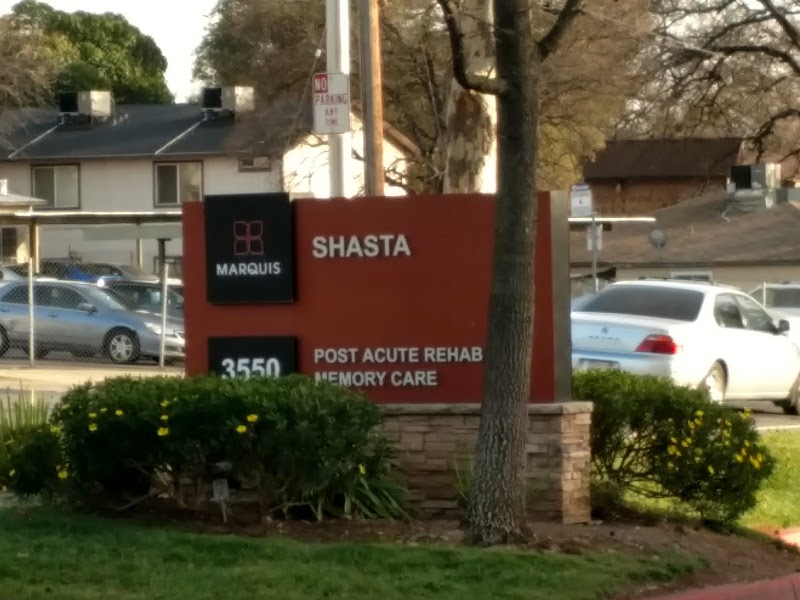
Who Owns and Operates Marquis Care At Shasta?

MARQUIS CARE AT SHASTA is owned by a for-profit company. For-profit facilities operate as businesses with obligations to shareholders or private owners. The facility is operated by MARQUIS COMPANIES, a chain that manages multiple nursing homes. With 180 certified beds and approximately 116 residents (about 64% occupancy), it is a mid-sized facility located in REDDING, California.
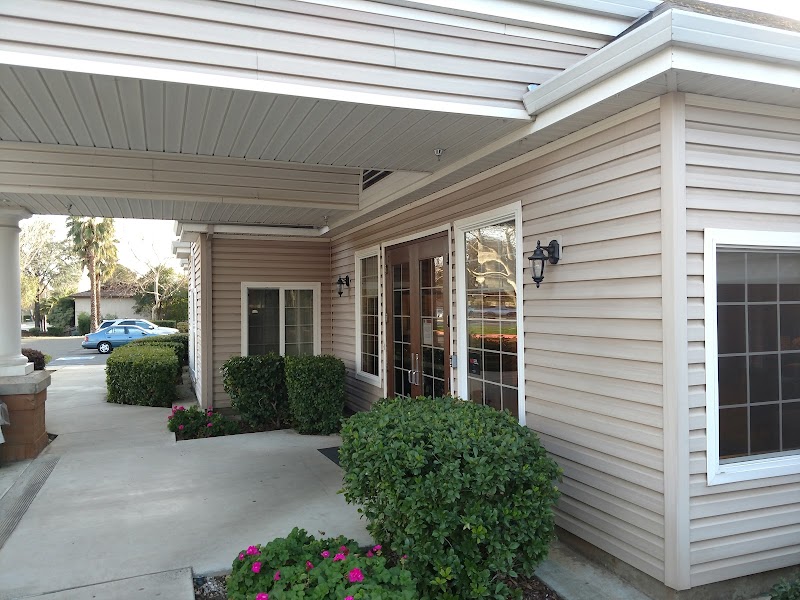
How Does Marquis Care At Shasta Compare to Other California Nursing Homes?

Compared to the 100 nursing homes in California, MARQUIS CARE AT SHASTA's overall rating (2 stars) is below the state average of 3.1, staff turnover (45%) is near the state average of 46%, and health inspection rating (2 stars) is below the national benchmark.

What Should Families Ask When Visiting Marquis Care At Shasta?

Based on this facility's data, families visiting should ask: "Can I visit during a mealtime to observe dining assistance and food quality?" "How do you handle medical emergencies, and what is your hospital transfer rate?" "Can I speak with family members of current residents about their experience?"

Is Marquis Care At Shasta Safe?

Based on CMS inspection data, MARQUIS CARE AT SHASTA has a clean safety record: no substantiated abuse findings (meaning no confirmed cases of resident harm), no Immediate Jeopardy citations (the most serious violation level indicating risk of serious injury or death), and is not on the Special Focus Facility watch list (a federal program monitoring the lowest-performing 1% of nursing homes). The facility has a 2-star overall rating and ranks #100 of 100 nursing homes in California. While no facility is perfect, families should still ask about staff-to-resident ratios and recent inspection results during their visit.

Do Nurses at Marquis Care At Shasta Stick Around?

MARQUIS CARE AT SHASTA has a staff turnover rate of 45%, which is about average for California nursing homes (state average: 46%). Moderate turnover is common in nursing homes, but families should still ask about staff tenure and how the facility maintains care continuity when employees leave.

Was Marquis Care At Shasta Ever Fined?

MARQUIS CARE AT SHASTA has no federal fines on record. CMS issues fines when nursing homes fail to meet care standards or don't correct problems found during inspections. The absence of fines suggests the facility has either maintained compliance or corrected any issues before penalties were assessed. This is a positive indicator, though families should still review recent inspection reports for the full picture.

Is Marquis Care At Shasta on Any Federal Watch List?

MARQUIS CARE AT SHASTA is not on any federal watch list. The most significant is the Special Focus Facility (SFF) program, which identifies the bottom 1% of nursing homes nationally based on persistent, serious quality problems. Not being on this list means the facility has avoided the pattern of deficiencies that triggers enhanced federal oversight. This is a positive indicator, though families should still review the facility's inspection history directly.