RIVER VALLEY HEALTHCARE & WELLNESS CENTRE, LP
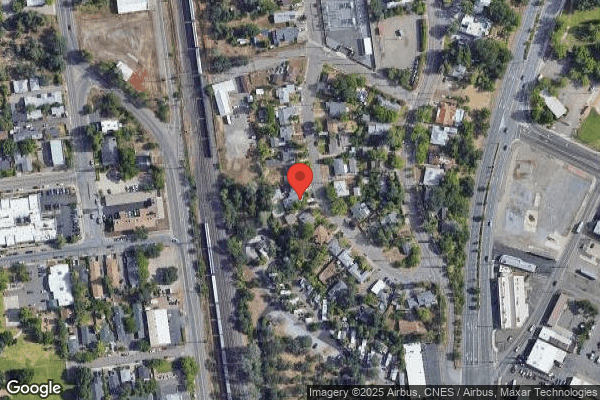

2490 COURT STREET, REDDING, CA 96001 (530) 246-0600
For profit - Partnership 113 Beds SHLOMO RECHNITZ Data: November 2025
Trust Grade
50/100
#669 of 1155 in CA
Last Inspection: November 2024

Within standard 12-15 month inspection cycle. Federal law requires annual inspections.

Overview

River Valley Healthcare & Wellness Centre in Redding, California, has a Trust Grade of C, indicating that it is average and in the middle of the pack among nursing homes. It ranks #669 out of 1,155 facilities in California, placing it in the bottom half, and #8 out of 10 in Shasta County, meaning there are only two better options locally. The facility is showing improvement, reducing its issues from 19 in 2024 to 4 in 2025. Staffing is a concern with a turnover rate of 53%, which is higher than the state average of 38%, while RN coverage is considered average. Although the facility has not incurred any fines, there have been serious incidents, such as a resident experiencing significant weight loss without a physician-ordered program and failures in monitoring catheter output, which could jeopardize resident safety. Overall, while there are some strengths, such as a lack of fines, there are notable weaknesses that families should consider.

Trust Score
C
50/100
In California
#669/1155
Bottom 43%
Safety Record
Moderate
Needs review
Inspections
Getting Better
19 → 4 violations
Staff Stability
⚠ Watch
53% turnover. Above average. Higher turnover means staff may not know residents' routines.
Penalties
✓ Good
No fines on record. Clean compliance history, better than most California facilities.
Skilled Nurses
⚠ Watch
Each resident gets only 29 minutes of Registered Nurse (RN) attention daily — below average for California. Fewer RN minutes means fewer trained eyes watching for problems.
Violations
⚠ Watch
45 deficiencies on record. Higher than average. Multiple issues found across inspections.
★★★☆☆
3.0
Overall Rating
★★★☆☆
3.0
Staff Levels
★★★☆☆
3.0
Care Quality
★★★☆☆
3.0
Inspection Score
Stable
2024: 19 issues
2025: 4 issues

The Good

  • Full Sprinkler Coverage · Fire safety systems throughout facility
  • No fines on record

Facility shows strength in fire safety.

The Bad

3-Star Overall Rating

Near California average (3.1)

Meets federal standards, typical of most facilities

Staff Turnover: 53%

Near California avg (46%)

Higher turnover may affect care consistency

Chain: SHLOMO RECHNITZ

Part of a multi-facility chain

Ask about local staffing decisions and management

The Ugly 45 deficiencies on record

2 actual harm
May 2025 1 deficiency
CONCERN (D) 📢 Someone Reported This

A family member, employee, or ombudsman was alarmed enough to file a formal complaint

Potential for Harm - no one hurt, but risky conditions existed

Infection Control (Tag F0880)

Could have caused harm · This affected 1 resident

Based on interview and record review, the facility failed to report an outbreak of gastroenteritis (symptoms could include vomiting and diarrhea, which could be caused by an infection) to the Californ...

Read full inspector narrative →
Based on interview and record review, the facility failed to report an outbreak of gastroenteritis (symptoms could include vomiting and diarrhea, which could be caused by an infection) to the California Department of Public Health (CDPH, responsible to protect the health of the public) in a timely manner. This failure had the potential for infection to spread to all residents, facility staff, and the community. Findings: A review of the All Facilities Letter 23-08 (a letter from the Center for Health Care Quality, responsible for regulatory oversight, that contained reminders, recommendations, or information regarding changes in healthcare requirements), dated 1/18/23, indicated, an outbreak was defined as a disease or condition that affected more residents than expected, included gastroenteritis (an illness that caused vomiting, diarrhea, and stomach pain), and Outbreaks of any condition should generally be reported. A review of the facility ' s policy and procedure titled, Unusual Occurrence Reporting, revised 5/30/24, indicated, unusual occurrences would be reported to the appropriate agencies within 24 hours. A review of Unusual occurrence for unknown gastrointestinal [involved the mouth, stomach, and intestines] outbreak, dated, 5/5/25, indicated, two residents vomited on 5/1/25, three residents vomited on 5/3/25, and five residents had vomited on 5/4/25. During a concurrent interview and record review on 5/14/24 at 11:55 am, with Infection Preventionist (IP), the LTC Acute Gastroenteritis Surveillance Line List (line list) for residents, dated 5/2/25 was reviewed. IP confirmed, the line list indicated, symptoms of gastroenteritis, that included vomiting and/or diarrhea, were experienced by 12 residents from 5/1/25 through 5/5/25 and seven residents experienced symptoms that included vomiting, diarrhea, and/or a fever, from 5/6/25 through 5/13/25. IP confirmed, CDPH was notified by the Director of Nursing (DON) on 5/5/25. During an interview on 5/14/25 at 12:51 pm, DON confirmed that the facility reported a suspicion of gastrointestinal outbreak on 5/5/25 and was not reported in a timely manner.
Apr 2025 1 deficiency
CONCERN (E) 📢 Someone Reported This

A family member, employee, or ombudsman was alarmed enough to file a formal complaint

Potential for Harm - no one hurt, but risky conditions existed

Incontinence Care (Tag F0690)

Could have caused harm · This affected multiple residents

**NOTE- TERMS IN BRACKETS HAVE BEEN EDITED TO PROTECT CONFIDENTIALITY** Based on interview and record review, the facility failed to monitor output of foley catheters (FC - a thin, flexible tube that ...

Read full inspector narrative →
**NOTE- TERMS IN BRACKETS HAVE BEEN EDITED TO PROTECT CONFIDENTIALITY** Based on interview and record review, the facility failed to monitor output of foley catheters (FC - a thin, flexible tube that drains urine from the bladder into a bag) per facility policy and physician orders for three of three sampled residents (Resident 1, 2, 3). This failure had the potential to endanger the residents and cause complications due to inaccuracies in fluid balance monitoring. Findings: A record review of facility policy Catheter – Care of dated 6/10/21 indicated Nursing staff will assess urinary drainage for signs and symptoms of infection, noting cloudiness, color, sediment, blood, odor, and amount of urine. A record review of Resident 1 ' s admission record indicated Resident 1 was admitted to the facility on [DATE] with diagnoses that included obstructive and reflux uropathy (here there's a blockage in the urinary tract, preventing the normal flow of urine), atrial fibrillation (a type of irregular heartbeat where the upper chambers of the heart beat out of sync and very rapidly), and metabolic encephalopathy (a brain dysfunction caused by problems with the body's metabolism or other systemic illnesses). A record review of facility physician orders dated 3/5/25 indicated staff were to assess urinary drainage for signs and symptoms of infection, noting cloudiness, color, sediment, blood, odor and amount of urine output, every shift. A record review of Resident 1 ' s Intake and Output record dated 3/5/25 to 3/26/25 indicated no output from Resident 1 was documented. A record review of Resident 1 ' s Bladder Report dated 2/26/25 to 3/26/25 indicated no output from Resident 1 was documented. A record review of Resident 2 ' s admission record indicated Resident 2 was admitted to the facility on [DATE] with diagnoses that included retention of urine (the inability to completely empty the bladder, either suddenly (acute) or over time (chronic), metabolic encephalopathy, congestive heart failure (a condition where the heart can't pump enough blood to meet the body's needs), and benign prostatic hyperplasia (where the prostate gland grows larger than normal). A record review of facility physician orders dated 1/30/25 indicated staff were to assess urinary drainage for signs and symptoms of infection, noting cloudiness, color, sediment, blood, odor and amount of urine output, every shift. A record review of Resident 3 ' s admission record indicated Resident 3 was admitted to the facility on [DATE] with diagnoses that included chronic obstructive pulmonary disease (COPD - lung disease causing restricted airflow and breathing problems), acute respiratory failure with hypoxia (the respiratory system cannot adequately oxygenate the blood, resulting in low blood oxygen levels), irritable bowel syndrome (IBS - a functional gastrointestinal (GI) disorder characterized by abdominal pain and changes in bowel habits, such as diarrhea, constipation, or both), and constipation (where bowel movements occur less than three times a week, and stools are hard, dry, or difficult to pass). A record review of facility physician orders dated 3/18/25 indicated staff were to assess urinary drainage for signs and symptoms of infection, noting cloudiness, color, sediment, blood, odor and amount of urine output, every shift. During a concurrent interview with the Director of Nursing (DON) on 4/10/25 at 12:01 pm, DON confirmed there was no output documented for Resident 2 and Resident 3 on their facility Intake and Output reports and Bladder reports from January 2025 to April 2025. DON also confirmed physician orders for Resident 1, 2, and 3 ordered output from FC bags to be documented. DON confirmed facility policy indicated staff was supposed to document FC bag output. DON confirmed FC bag output was not documented for Resident 1, 2 and 3, per policy. DON stated facility catheter policy and physician orders were not followed, and should have been.
Feb 2025 2 deficiencies
CONCERN (D) 📢 Someone Reported This

A family member, employee, or ombudsman was alarmed enough to file a formal complaint

Potential for Harm - no one hurt, but risky conditions existed

Notification of Changes (Tag F0580)

Could have caused harm · This affected 1 resident

**NOTE- TERMS IN BRACKETS HAVE BEEN EDITED TO PROTECT CONFIDENTIALITY** Based on interview and record review, the facility failed to inform one of three sampled resident's (Resident 1) representative ...

Read full inspector narrative →
**NOTE- TERMS IN BRACKETS HAVE BEEN EDITED TO PROTECT CONFIDENTIALITY** Based on interview and record review, the facility failed to inform one of three sampled resident's (Resident 1) representative (RP), of a change in Resident 1's condition which required the resident to have oxygen administered. This failure violated Resident 1 and her RP's right to be fully informed of a need to alter treatment before the treatment was initiated, and make choices that were consistent with Resident 1's wishes. Findings: During a review of the facility's policy and procedure (P&P) titled, Change of Condition Notification dated April 1, 2015, Change of Condition Notification indicated, The Licensed Nurse will notify the family/surrogate decision-makers of any changes in the resident's condition as soon as possible. A review of Resident 1's medical record indicated that Resident 1 was admitted on [DATE] with diagnoses that included Metabolic Encephalopathy (a problem in the brain caused by a chemical imbalance in the blood due to illness or organs not working adequately), Urinary Tract Infection, and Severe Protein Calorie Malnutrition (poor nutritional intake). A review of Resident 1's Minimum Data Set (MDS, an assessment tool) dated 10/23/24, indicated a Brief Interview for Mental Status (BIMS, an assessment of memory and decision making abilities), was 2 out of 15, which indicated Resident 1 had poor decision making skills and memory recall. During a record review of Resident 1's Medication Administration Record (MAR) for December 2024, the MAR indicated that on 12/28/24 Resident 1 was given oxygen (O2) at 2 liters (2L, a unit of measure) by nasal cannula (a tube in the nose). During an interview on 1/2/25 at 11:30 am, with Resident Representative (RP) on the phone, RP stated, The facility put oxygen on [Resident 1] without notifying me. I went in to visit and discovered [Resident 1] was wearing oxygen around her nose. [Resident 1] had never used oxygen before. I talked to [Licensed Nurse (LN 2] who apologized for not notifying me. I have asked to be notified about anything and everything. During a concurrent interview and record review on 1/2/25 at 12:00 pm, with LN 2 at the nurse's station, LN 2 reviewed Resident 1's MAR for December 2024 and confirmed Resident 1 was given O2 on 12/28/24, due to an O2 sat (reading of low oxygen in the blood by a device placed on a finger) of 88 percent (normal is between 92 to 100 percent). LN 2 confirmed that Resident 1's RP was not notified and indicated that LN 2 was responsible to notify Resident 1's RP as the desk nurse on duty. During a concurrent interview and record review on 1/23/25 at 3:00 pm, with Director of Nurses (DON) in the conference room, DON acknowledged there was no documentation to indicate Resident 1's RP had been notified when Resident 1's condition changed and she required oxygen use.
CONCERN (D) 📢 Someone Reported This

A family member, employee, or ombudsman was alarmed enough to file a formal complaint

Potential for Harm - no one hurt, but risky conditions existed

Respiratory Care (Tag F0695)

Could have caused harm · This affected 1 resident

**NOTE- TERMS IN BRACKETS HAVE BEEN EDITED TO PROTECT CONFIDENTIALITY** Based on interview and record review, the facility administered oxygen (02) without a physician's order to one of three sampled ...

Read full inspector narrative →
**NOTE- TERMS IN BRACKETS HAVE BEEN EDITED TO PROTECT CONFIDENTIALITY** Based on interview and record review, the facility administered oxygen (02) without a physician's order to one of three sampled residents (Resident 1). This failure had the potential to lead to negative resident clinical outcomes when nurses choose to administer medications without an order to do so by a physician. Findings: During a review of the facility ' s policy and procedure (P&P) titled, Medication Administration, dated January 1, 2012, Medication Administration indicated, Medication will be administered directly by a licensed nurse and upon the order of a physician or licensed independent practitioner. A review of Resident 1 ' s medical record indicated that Resident 1 was admitted on [DATE] with diagnoses that included Metabolic Encephalopathy (a problem in the brain caused by a chemical imbalance in the blood due to illness or organs not working adequately), Urinary Tract Infection, and Severe Protein Calorie Malnutrition (poor nutritional intake). A review of Resident 1's Minimum Data Set (MDS, a standardized assessment), Brief Interview for Mental Status (BIMS, Section C an assessment of memory and decision making ability) score dated 10/23/2024, indicated Resident 1 rated 2 of 15, which indicated a severe impairment in memory and ability to make decisions. During a record review of Resident 1's Medication Administration Record (MAR) for December 2024, the MAR indicated that on 12/28/24 oxygen was administered to Resident 1 at a rate of 2 liters (L, a unit of measurement) by nasal cannula (nose applicators) for an oxygen saturation (O2 sat, a measurement of the amount of oxygen in the blood by placing a device on a finger) of 88 percent (%, normal O2 sat is considered between 92 to 100%). During a concurrent interview and record review on 1/2/25 at 12:00 pm, with Licensed Nurse (LN) 2 at the nurse ' s station, LN 2 reviewed Resident 1's MAR and Physician's Orders for December 2024, LN 2 confirmed that he applied O2 to Resident 1 on 12/28/24 and confirmed he did not get a physician's order to do so. LN 2 stated, Applying oxygen was an acceptable nursing intervention for immediate treatment. During a concurrent interview and record review on 1/23/25 at 3:00 pm, with Director of Nurses (DON) in the conference room while reviewing Resident 1's MAR and Physician's Orders for December 2024, DON confirmed that O2 is considered a medication and requires a physician's order for a nurse to administer.
Nov 2024 7 deficiencies
CONCERN (D)

Potential for Harm - no one hurt, but risky conditions existed

Notification of Changes (Tag F0580)

Could have caused harm · This affected 1 resident

Based on interview, record review, and facility policy review, the facility failed to notify the physician when a medication was not available for administration for 1 (Resident #58) of 6 residents re...

Read full inspector narrative →
Based on interview, record review, and facility policy review, the facility failed to notify the physician when a medication was not available for administration for 1 (Resident #58) of 6 residents reviewed for unnecessary medications. Findings included: A facility policy titled, Medication Orders, dated 04/2008, specified, The prescriber is contacted for direction when the medication will not be available. An admission Record indicated the facility admitted Resident #58 on 08/17/2022. According to the admission Record, the resident had a medical history that included a diagnosis of bipolar disorder. A quarterly Minimum Data Set (MDS), with an Assessment Reference Date (ARD) of 08/27/2024, revealed Resident #58 had a Brief Interview for Mental Status (BIMS) score of 14, which indicated the resident had intact cognition. Resident #58's care plan included a focus area initiated 05/31/2023 that indicated the resident used psychotropic medications related to bipolar disorder. Interventions directed staff to administer psychotropic medications as ordered by the physician and monitor for side effects and effectiveness every shift. Resident #58's September 2024 Medication Administration Record [MAR] revealed a transcription of an order for Depakote tablet delayed release 250 milligrams (mg) with instructions to give 250 mg by mouth at bedtime for bipolar disorder. The MAR revealed that on 09/29/2024 and 09/30/2024 Depakote was coded 9 (other/see progress notes). Resident #58's Progress Notes revealed an Orders-Administration Note dated 09/29/2024 that indicated the resident's Depakote was not available in the facility. An Orders-Administration Note dated 09/30/2024 indicated the resident's Depakote was reordered and was not available in the facility. Resident #58's October 2024 MAR revealed a transcription of an order for Depakote tablet delayed release 250 mg with instructions to give 250 mg by mouth at bedtime for bipolar disorder. The MAR revealed that on 10/07/2024, 10/08/2024, 10/10/2024, and 10/12/2024 through 10/17/2024 Depakote was coded 9 (other/see progress notes). Resident #58's Progress Notes revealed an Orders-Administration Note dated 10/07/2024 and 10/08/2024 that indicated the resident's Depakote was not available in the facility. Resident #58's Progress Notes revealed an Orders-Administration Note dated 10/10/2024 that indicated the resident's Depakote was reordered and had not been received. Resident #58's Progress Notes revealed an Orders-Administration Note dated 10/12/2024 that indicated the resident's Depakote was reordered. Resident #58's Progress Notes revealed an Orders-Administration Note dated 10/13/2024 that indicated they were waiting on delivery of the resident's Depakote from the pharmacy. Resident #58's Progress Notes revealed an Orders-Administration Note dated 10/14/2024 that indicated the resident's Depakote had not been received. Resident #58's Progress Notes revealed an Orders-Administration Note dated 10/15/2024 that indicated the Depakote was unavailable. Resident #58's Progress Notes revealed an Orders-Administration Note dated 10/16/2024 that indicated they were waiting for delivery of the resident's Depakote. Resident #58's Progress Notes revealed an Orders-Administration Note dated 10/17/2024 that indicated the resident's Depakote had not been received. Resident #58's Progress Notes for the timeframe from 09/29/2024 through 10/17/2024 revealed no evidence that staff contacted the physician about the resident's Depakote not being available from the pharmacy and not being administered. During an interview on 11/06/2024 at 2:52 PM, Licensed Vocational Nurse (LVN) #2 stated if a medication were not available during the medication pass, she would fax the physician and let him know. She stated the faxes should be kept in the resident's medical record. LVN #2 stated she did not recall if she notified the physician about Resident #58's Depakote not being available but stated if she did, she would have sent him a fax and those were kept in medical records. During an interview on 11/06/2024 at 3:03 PM, LVN #3 stated she would fax the physician to notify him if a resident's medications were not available from the pharmacy to administer, and the fax should be kept in the resident's medical record. During an interview on 11/07/2024 at 11:01 AM, LVN #4 stated if a resident missed a dose of medication, she would call the physician and the responsible party, and it should be documented in a progress note. During an interview on 11/07/2024 at 11:05 AM, LVN #5 stated the physician should be notified any time a resident missed a dose of medication, and if it were due to not being available from the pharmacy, she would get an order to administer the medication when it arrived from the facility. During an interview on 11/07/2024 at 11:07 AM, LVN #6 stated if a medication was not available from the pharmacy to administer, they should call the physician and let them know, document it in a progress note, and place the resident on alert charting. She stated in Resident #58's situation, the pharmacy, physician, and the Director of Nursing (DON) should have been called, and the resident should not have gone that many days without the medication. During an interview on 11/07/2024 at 11:31 AM, the Medical Records Supervisor stated they did not have any faxes to the physician regarding Resident #58's Depakote not being available. During an interview on 11/07/2024 at 11:54 AM, the Medical Director stated he would get over 50 faxes a day and did not recall receiving information that Resident #58 did not receive their Depakote. During an interview on 11/07/2024 at 1:11 PM, the DON stated if the nurse was not able to receive and administer a medication by the end of their shift, then they should let the physician know. She stated she was not aware of Resident #58's Depakote not being available. She stated the physician should have been notified and it should have been documented. During an interview on 11/07/2024 at 1:50 PM, the Administrator stated if a medication was not available from the pharmacy, they should notify the physician and the DON but deferred any specifics to the DON.
CONCERN (D)

Potential for Harm - no one hurt, but risky conditions existed

Assessment Accuracy (Tag F0641)

Could have caused harm · This affected 1 resident

2. An admission Record indicated the facility admitted Resident #44 on 12/12/2019. According to the admission Record, the resident had a medical history that included diagnoses of obstructive sleep ap...

Read full inspector narrative →
2. An admission Record indicated the facility admitted Resident #44 on 12/12/2019. According to the admission Record, the resident had a medical history that included diagnoses of obstructive sleep apnea and dependence on supplemental oxygen. An annual MDS, with an Assessment Reference Date (ARD) of 09/02/2024, revealed Resident #44 had a Brief Interview for Mental Status (BIMS) score of 9, which indicated the resident had moderate cognitive impairment. The MDS did not indicate the resident used a non-invasive mechanical ventilator. Resident #44's care plan included a focus area revised 10/06/2022 that indicated the resident used oxygen therapy. Interventions directed staff to apply supplemental oxygen as ordered and monitor oxygen saturation and liters per minute every shift. Further review revealed the resident did not have a care plan for the use of continuous positive air pressure (CPAP) therapy (a type of non-invasive mechanical ventilation). Resident #44's Order Recap [Recapitulation] Report for orders from 08/01/2024 through 11/07/2024 revealed an order dated 10/02/2024 for CPAP therapy continuous at night for sleep apnea. The order indicated the settings on the CPAP machine should be at 4-20 centimeter of water (cmH20) and the water chamber should be emptied and filled with distilled water every night at bedtime. Resident #44's Progress Notes revealed a Long-Term Care Evaluation dated 08/30/2024 that indicated the resident received supplemental oxygen via CPAP. An observation on 11/04/2024 at 10:52 AM revealed a CPAP machine on Resident #44's nightstand with the tubing and mask attached and lying on top of the machine with dried debris in the mask. During an interview on 11/07/2024 at 9:22 AM, the MDS Coordinator stated the MDS showed a picture of the person, and their care plan was based upon it. She stated the information came from the chart history and interviews with the patient, staff, and therapy. She stated she was responsible for the accuracy of the MDS. She stated if a resident used a CPAP machine, it should be coded on the MDS. She stated Resident #44 did use a CPAP machine, and it should have been coded on the MDS if they used it during that time frame. During an interview on 11/07/2024 at 1:11 PM, the Director of Nursing (DON) stated the accuracy of the MDS was important because it was a picture of what was going on with the resident and any type of assessment on the resident needed to be accurate. She stated it was a snapshot of the resident for a period of time. She stated the MDS nurse was responsible for the accuracy of the MDS. During an interview on 11/07/2024 at 1:50 PM, the Administrator stated she expected the MDS to be accurate because it affected all resident care and communication of care but deferred any specifics to the DON. She stated she expected the staff to follow all rules and regulations and their policy and procedures. 3. An admission Record indicated the facility admitted Resident #25 on 03/16/2023. According to the admission Record, the resident had a medical history that included diagnoses of bipolar disorder, unspecified psychosis, and major depressive disorder. An annual MDS, with an Assessment Reference Date (ARD) of 03/23/2024, revealed the resident had modified independence in cognitive skills for daily decision-making and had a short-term and long-term memory problem per a Staff Assessment of Mental Status (SAMS). The MDS indicated the resident was not considered by the state Level II Preadmission Screening and Resident Review (PASRR) process to have a serious mental illness and/or intellectual disability or a related condition. Resident #25's Preadmission Screening and Resident Review (PASRR) Level I Screening dated 03/16/2023 indicated the results of the screening were positive for suspected mental illness. Resident #25's Preadmission Screening and Resident Review (PASRR) Individualized Determination Letter, dated 03/24/2023, indicated specialized services were recommended that included services and supports that supplement nursing facility care to address mental health needs. The letter indicated recommendations included medication education and training, activities of daily living (ADL) training/reinforcement, supportive services, neuropsychology consultation, psychiatry consultation and/or follow-up care, safety monitors, and behavior monitors. The letters indicated additional functional/medical recommendations included an internal medicine consultation, pain services education, physical therapy, occupational therapy and speech therapy consultations, a dietary consultation, social services consultation, and a continence evaluation. During an interview on 11/07/2024 at 9:22 AM, the MDS Coordinator stated the MDS showed a picture of the person, and their care plan was based upon it. She stated the information came from the chart history and interviews with the patient, staff, and therapy. She stated she was responsible for the accuracy of the MDS. She stated if the resident had a Level II PASRR it was included on the MDS. The MDS Coordinator confirmed the Level II PASRR was not coded on the MDS for Resident #25 but should have been. She stated the Level II PASRR was supposed to be downloaded in the electronic health record or was kept in the back of their hard paper chart. During an interview on 11/07/2024 at 1:11 PM, the Director of Nursing (DON) stated she expected the MDS to be accurate in relation to the PASRR. She stated if the resident had a level II PASRR it should be coded on the MDS. She stated the accuracy of the MDS was important because it was a picture of what was going on with the resident and any type of assessment on the resident needed to be accurate. The DON stated the MDS was a snapshot of the resident for a period of time. She stated the MDS nurse was responsible for the accuracy of the MDS. During an interview on 11/07/2024 at 1:50 PM, the Administrator stated she expected the MDS to be accurate because it affected all resident care and communication of care but deferred any specifics to the DON. She stated she expected the staff to follow all rules and regulations and their policy and procedures. Based on observation, record review, interview, and review of the Centers for Medicare & Medicaid (CMS) Resident Assessment Instrument (RAI) 3.0 User's Manual, the facility failed to ensure staff accurately coded a Minimum Data Set (MDS) for 4 (Residents #8, #25, #44, and #52) of 22 sampled residents. Findings included: The Centers for Medicare & Medicaid Resident Assessment Instrument 3.0 User's Manual version 1.19.1 dated 10/2024 indicated, 1.3 Completion of the RAI included Over time, the various uses of the MDS have expanded. While its primary purpose as an assessment instrument is to identify resident care problems that are addressed in an individualized care plan, data collected from MDS assessments are also used for the Skilled Nursing Facility Prospective Payment System (SNF PPS) Medicare reimbursement system, many State Medicaid reimbursement systems, and monitoring the quality of care provided to nursing home residents. The manual indicated, The RAI process has multiple regulatory requirements that require (1) the assessment accurately reflects the resident's status. The manual indicated, Given the requirements of participation of appropriate health professionals and direct care staff, completion of the RAI is best accomplished by an interdisciplinary team (IDT) that includes nursing home staff with varied clinical backgrounds, including nursing staff and the resident's physician. The manual indicated, In addition, an accurate assessment requires collecting information from multiple sources, some of which are mandated by regulations. Per the manual, It is important to note here that information obtained should cover the same observation period as specified by the MDS items on the assessment and should be validated for accuracy (what the resident's actual status was during that observation period) by the IDT completing the assessment. As such, nursing homes are responsible for ensuring that all participants in the assessment process have the requisite knowledge to complete an accurate assessment. 1. An admission Record indicated the facility admitted Resident #8 on 07/21/2024. According to the admission Record, Resident #8 had a medical history that included diagnoses of unspecified diastolic (congestive) heart failure, type 2 diabetes mellitus without complications, other obsessive-compulsive disorder, and other abnormalities of gait and mobility. A quarterly MDS, with an Assessment Reference Date (ARD) of 07/30/2024, revealed Resident #8 had a Brief Interview for Mental Status (BIMS) score of 14, which indicated the resident had intact cognition. The MDS also indicated that they used another physical restraint in chair or out of bed. Resident #8's care plan did not include any information regarding the use of a restraint. An observation on 11/04/2024 at 2:19 PM, revealed Resident #8 was in their wheelchair at activities watching movies with five other residents eating from a snack bag of sour cream and onion chips. No restraints were observed. An observation on 11/06/2024 at 2:31 PM, revealed Resident #8 was in their wheelchair in their room going through some of their personal items and surrounded by personal clutter. No restraints were observed. During an interview on 11/06/2024 at 2:35 PM, Certified Nursing Aide (CNA) #11 stated that she was not aware of any type of restraint used on Resident #8. She further stated that Resident #8 transferred themself and took themself about the facility. During an interview on 11/06/2024 at 2:40 PM, the MDS Coordinator stated that the facility did not have anyone utilizing any type of restraint. After looking at Resident #8's MDS with an ARD of 07/30/2024, she stated that she must have entered restraints by mistake. She stated that it was important that the MDS be accurate because it helped guide their care plan interventions. She stated that she was responsible for ensuring the MDSs were accurate. During an interview on 11/07/2024 at 1:27 PM, the Director of Nurses (DON) stated that she expected that the MDSs be accurate. She stated that it was important for the MDS to be accurate because it needed to be an accurate reflection of the resident, a snapshot of how they were taking care of that person and what their needs were. She stated that the MDS nurse was responsible for ensuring the MDSs were accurate. She stated that her expectation was the MDS Coordinator pull the resident's diagnosis, their care plans, and orders, do a head-to-toe assessment at their bedside, and all information should match. An interview was held with the Administrator on 11/07/2024 at 1:55 PM. She said that she expected the MDSs to be accurate because it affected patient care. She stated that she expected staff to follow all facility policy and procedures and regulatory guidance. 4. An admission Record indicated the facility admitted Resident #52 on 03/30/2022. According to the admission Record, Resident #52 had a medical history that included unspecified anxiety disorder, recurrent major depressive disorder, post-traumatic stress disorder (PTSD), unspecified obsessive-compulsive disorder, and unspecified bipolar disorder. An annual MDS with an Assessment Reference Date (ARD) of 07/08/2024, revealed Resident #52 had a Brief Interview for Mental Status (BIMS) score of 15, which indicated the resident had intact cognition. The MDS did not reveal Resident #52 had a Level II Preadmission Screening and Resident Review (PASRR). The MDS revealed Resident #52 rejected care one to three days during the assessment period. The MDS revealed the resident had diagnoses that included anxiety disorder, depression, bipolar disorder, and PTSD. Resident #52's Preadmission Screening and Resident Review (PASRR) Level I Screening dated 09/13/2022, revealed Resident #52 had serious mental illness and had been prescribed psychotropic medications for mental illness. The screening revealed that due to the positive Level I PASRR, the state agency determined a Level II mental health evaluation was required. Resident #52's Preadmission Screening and Resident Review (PASRR) Individualized Determination Report, dated 10/17/2022, revealed there were personal goals recommended for specialized services for Resident #52. During an interview on 11/07/2024 at 8:55 AM, the MDS Coordinator stated that Resident #52's designation as a resident with a Level II PASRR had not been included on the annual MDS assessment and should have been included. The MDS Coordinator stated when coding the MDS she reviewed the resident's electronic medical record and the hard chart for information regarding the PASRR status. The MDS Coordinator stated she was responsible for the completion of the section of the MDS where that PASRR was coded. The Director of Nursing (DON) was interviewed on 11/07/2024 at 1:24 PM. The DON stated she expected the MDS to be accurate and record a resident's Level II PASRR in the correct area. The DON stated the accuracy of the MDS was important because the MDS painted a picture of the resident. The Administrator was interviewed on 11/07/2024 at 1:50 PM and stated she expected accuracy in documentation on the MDS due to the MDS affected resident care.
CONCERN (D)

Potential for Harm - no one hurt, but risky conditions existed

Deficiency F0645 (Tag F0645)

Could have caused harm · This affected 1 resident

Based on interview, record review, and facility policy review, the facility failed to accurately complete a Level I Pre-admission Screening and Resident Review (PASRR) for 2 (Resident #6 and Resident ...

Read full inspector narrative →
Based on interview, record review, and facility policy review, the facility failed to accurately complete a Level I Pre-admission Screening and Resident Review (PASRR) for 2 (Resident #6 and Resident #18) of 6 residents reviewed for PASRR. Findings included: A facility policy titled, P-NP04 admission Screening Resident Review (PASRR), revised on 04/24/2024, indicated, 5. The Facility MDS [Minimum Data Set] Coordinator will be responsible for accessing and ensure updates to the PASRR are completed per MDS guidelines. 1. An admission Record revealed the facility admitted Resident #6 on 07/21/2023. According to the admission Record, the resident had a medical history that included diagnoses of unspecified bipolar disorder (onset date 07/31/2023), mild recurrent major depressive disorder (onset date 07/31/2023), and generalized anxiety disorder (onset date 07/31/2023). An annual MDS, with an Assessment Reference Date (ARD) of 08/07/2024, revealed Resident #6 had a Brief Interview for Mental Status (BIMS) score of 10, which indicated the resident had moderate cognitive impairment. The MDS indicated Resident #6 rejected care one to three days during the assessment period. The MDS also revealed the resident had diagnoses of anxiety disorder, depression, and bipolar disorder. Resident #6's Preadmission Screening and Resident Review (PASRR) Level I Screening dated 07/29/2023 revealed the screening was Negative due to No Serious Mental Illness. During an interview on 11/07/2024 at 8:40 AM, the Business Office Manager (BOM) stated residents' PASRRs were completed by the hospital and sent over with the referral or the facility was able to print the PASRR from a website. The BOM stated she was unsure who was responsible for checking the PASRR for accuracy. The BOM stated after admission it was the responsibility of the MDS nurse to check the PASRR to ensure all diagnoses had been included. The MDS Coordinator was interviewed on 11/07/2024 at 8:55 AM. The MDS Coordinator stated the PASRR was completed at the hospital prior to the resident's admission, the facility printed the PASRR, and she was responsible for making sure the PASRR was completed. The MDS Coordinator stated she was also responsible for making sure all needed diagnoses were included and accurate and if the PASRR was not accurate she completed a new one. The MDS Coordinator stated she was unsure who had put the codes for the psychiatric diagnoses into the electronic medical record after Resident #6 was admitted , but stated a new PASRR should have been completed. The MDS Coordinator stated she had not completed a new PASRR for the resident. The MDS Coordinator stated the care Resident #6 received was patient centered and knowing the resident's psychiatric diagnoses could have helped to have more resident centered approaches in caring for the resident. The Director of Nursing (DON) was interviewed on 11/07/2024 at 1:11 PM. The DON stated she expected the PASRR to be accurate and include accurate diagnoses. The DON stated if Resident #6's PASRR Level I had been accurately completed, a Level II PASRR would have been triggered. The DON stated she did not think having a Level II PASRR would have had influence in the care received by Resident #6. The Administrator was interviewed on 1107/2024 at 1:50 PM and stated she expected documentation to be accurate since the documentation affected resident care. 2. An admission Record revealed the facility admitted Resident #18 on 05/14/2014 and most recently on 05/11/2023. According to the admission Record, the resident had a medical history that included diagnoses of unspecified bipolar disorder (onset date 10/03/2019), recurrent major depressive disorder (onset date 10/04/2014), and unspecified anxiety disorder (onset date 10/04/2014). A quarterly MDS, with an Assessment Reference Date (ARD) of 08/18/2024, revealed Resident #18 had a Brief Interview for Mental Status (BIMS) score of 00, which indicated the resident had severe cognitive impairment. The MDS also revealed the resident had diagnoses of anxiety disorder, depression, and bipolar disorder. Resident #18's care plan included a focus area revised on 08/14/2024, that indicated the resident received an antidepressant medication related to depression as evidenced by verbalizations of sadness. The care plan included a focus area revised on 09/18/2024, that indicated Resident #18 received an antipsychotic medication for a diagnosis of bipolar disorder as evidence by the resident continuously shouted out when needs were met. The care plan included a focus area revised on 08/14/2024 that indicated the resident was on a medication for mood stabilization related to behavioral disturbances that included striking out. Resident #18's Preadmission Screening and Resident Review (PASRR) Level I Screening Document, dated 11/05/2020, revealed the screening was Negative; there was no reason documented as to why the screening was negative. Further review revealed the area to document mental illness, and psychotropic medications had not been completed. During an interview on 11/07/2024 at 8:40 AM, the Business Office Manager (BOM) stated residents' PASRRs were completed by the hospital and sent over with the referral or the facility was able to print the PASRR from a website. The BOM stated she was unsure who was responsible for checking the PASRR for accuracy. The BOM stated after admission it was the responsibility of the MDS nurse to check the PASRR to ensure all diagnoses had been included. The MDS Coordinator was interviewed on 11/07/2024 at 8:55 AM. The MDS Coordinator stated the PASRR was completed at the hospital prior to the resident's admission, the facility printed the PASRR, and she was responsible for making sure the PASRR was completed. The MDS Coordinator stated she was also responsible for making sure all needed diagnoses were included and accurate and if the PASRR was not accurate she completed a new one. The MDS Coordinator reviewed Resident #18's PASRR and stated without the resident's psychiatric diagnoses the Level I PASRR for the resident was inaccurate and therefore a Level II PASRR had not been completed. The Director of Nursing (DON) was interviewed on 11/07/2024 at 1:11 PM. The DON stated she expected the PASRR to be accurate and to include accurate diagnoses. The DON stated if Resident #18's PASRR had been accurate the resident would have triggered for a Level II PASRR to be completed. The DON stated she did not think having a completed Level II PASSR would have had influence in the care provided for Resident #18. The Administrator was interviewed on 11/07/2024 at 1:50 PM and stated she expected documentation to be accurate since the documentation affected resident care.
CONCERN (D)

Potential for Harm - no one hurt, but risky conditions existed

Comprehensive Care Plan (Tag F0656)

Could have caused harm · This affected 1 resident

Based on observation, interview, record review, and facility policy review, the facility failed to have a person-centered comprehensive care plan for 2 (Resident #44 and Resident #52) of 22 sampled re...

Read full inspector narrative →
Based on observation, interview, record review, and facility policy review, the facility failed to have a person-centered comprehensive care plan for 2 (Resident #44 and Resident #52) of 22 sampled residents. Specifically, the facility failed to include the use of a non-invasive mechanical ventilator for Resident #44 and Level II Preadmission Screening and Resident Review (PASRR) results for Resident #52 on the comprehensive care plan. Findings included: A facility policy titled, Care Planning, revised 03/01/2014, indicated, It is the policy of this Facility to provide person-centered, comprehensive and interdisciplinary care that reflects best practice standards for meeting health, safety, psychosocial, behavioral, and environmental needs of residents in order to obtain or maintain the highest physical, mental, and psychosocial well-being. 1. An admission Record indicated the facility admitted Resident #44 on 12/12/2019. According to the admission Record, the resident had a medical history that included diagnoses of obstructive sleep apnea and dependence on supplemental oxygen. An annual Minimum Data Set (MDS), with an Assessment Reference Date (ARD) of 09/02/2024, revealed Resident #44 had a Brief Interview for Mental Status (BIMS) score of 9, which indicated the resident had moderate cognitive impairment. The MDS did not indicate the resident used a non-invasive mechanical ventilator. Resident #44's care plan included a focus area revised 10/06/2022 that indicated the resident used oxygen therapy. Interventions directed staff to apply supplemental oxygen as ordered and monitor oxygen saturation and liters per minute every shift. Further review revealed the resident did not have a care plan for the use of continuous positive air pressure (CPAP) therapy (a type of non-invasive mechanical ventilation). Resident #44's Order Recap [Recapitulation] Report for orders from 08/01/2024 through 11/07/2024 revealed an order dated 10/02/2024 for CPAP therapy continuous at night for sleep apnea. The order indicated the settings on the CPAP machine should be at 4-20 centimeter of water (cmH20) and the water chamber should be emptied and filled with distilled water every night at bedtime. Resident #44's October 2024 and November 2024 Medication Administration Record [MAR] revealed staff documented that the residents CPAP machine was used every night shift. Resident #44's Progress Notes revealed a Long-Term Care Evaluation dated 08/30/2024, 09/06/2024, 09/13/2024, 10/04/2024, 10/25/2024, and 11/01/2024 that indicated the resident received supplemental oxygen via CPAP. An observation on 11/04/2024 at 10:52 AM revealed a CPAP machine on Resident #44's nightstand with the tubing and mask attached and lying on top of the machine with dried debris in the mask. During an interview on 11/07/2024 at 9:22 AM, the MDS Coordinator stated she did most of the care planning. She stated the care plan should include anything to let the staff know how to understand and care for a resident. She stated the use of a CPAP machine should be included on the care plan. During an interview on 11/07/2024 at 11:01 AM, Licensed Vocational Nurse (LVN) #4 stated if a resident used a CPAP machine, it should be included on the care plan. During an interview on 11/07/2024 at 11:05 AM, LVN #5 stated the use of a CPAP machine should be included on the care plan, and the care plan was the responsibility of the MDS Coordinator. During an interview on 11/07/2024 at 1:11 PM, the Director of Nursing (DON) stated she expected the use of a CPAP machine to be included on the care plan. During an interview on 11/07/2024 at 1:50 PM, the Administrator stated the use of CPAP should be included on the care plan. She stated she expected her staff to follow all rules and regulations and the facility's policy and procedures. 2. An admission Record indicated the facility admitted Resident #52 on 03/30/2022. According to the admission Record, Resident #52 had a medical history that included diagnoses of unspecified anxiety disorder, recurrent major depressive disorder, post-traumatic stress disorder (PTSD), unspecified obsessive-compulsive disorder, and unspecified bipolar disorder. An annual Minimum Data Set (MDS), with an Assessment Reference Date (ARD) of 07/08/2024, revealed Resident #52 had a Brief Interview for Mental Status (BIMS) score of 15, which indicated the resident had intact cognition. The MDS did not reveal Resident #52 had a Level II PASRR. The MDS revealed Resident #52 rejected care one to three days during the assessment period. The MDS revealed Resident #52 had diagnoses that included anxiety disorder, depression, bipolar disorder, and PTSD. Resident #52's Preadmission Screening and Resident Review (PASRR) Individualized Determination Report, dated 10/17/2022, revealed that personal goals were considered in making recommendations for specialized services and included increased contact with the resident's family, address the resident's weight concerns, improve the resident's dentition, improve hearing and mobility, request in home care assistance, podiatry services, improve memory, reduce depression, improve well-being, and provide a neurological assessment. Resident #52's care plan revealed no evidence of a focus area for Resident #52's Level II PASRR and the personal goals and individualized recommendations given for specialized services included on the resident's 10/17/2022 Preadmission Screening and Resident Review (PASRR) Individualized Determination Report. The MDS Coordinator was interviewed on 11/07/2024 at 8:55 AM. The MDS Coordinator stated because Resident #52 had a Level II PASRR with additional services, the Level II PASRR designation and the additional services should have been care planned. The MDS Coordinator stated she was responsible for most of the care plans, and it was her fault Resident #52's Level II PASRR had not been included in the resident's care plan. The Director of Nursing (DON) was interviewed on 11/07/2024 at 1:24 PM. The DON stated if Resident #52 had a Level II PASRR with specific recommendations from the reviewer she expected both the Level II designation, and the recommendations would be care planned.
CONCERN (D)

Potential for Harm - no one hurt, but risky conditions existed

Respiratory Care (Tag F0695)

Could have caused harm · This affected 1 resident

Based on observation, interview, record review, and facility policy review, the facility failed to ensure non-invasive mechanical ventilation equipment was cleaned and stored properly for 1 (Resident ...

Read full inspector narrative →
Based on observation, interview, record review, and facility policy review, the facility failed to ensure non-invasive mechanical ventilation equipment was cleaned and stored properly for 1 (Resident #44) of 3 residents reviewed for respiratory care. Findings included: A facility policy titled, BiPAP [bilevel positive airway pressure] and CPAP [continuous positive airway pressure], dated 09/10/2020, specified, Continuous Positive Airway Pressure (CPAP) is delivered in a single constant pressure during inhalation and exhalation. BiPAP is the Bilevel Positive Airway Pressure or Non-Invasive Positive Pressure Ventilation (NPPV) that delivers two pressures, lesser pressure delivered on exhalation and a second greater pressure on inhalation. The policy also indicated, VIII. Cleaning included A. Keep the outside of the machine free from dust and debris. Clean using a cloth and disinfectant weekly and as needed. B. Replace the hose weekly and as needed. C. Disassemble the CPAP/BiPAP mask by removing the head hear (straps) and cushion from face D. Replace head gear (straps) weekly or as needed for soiling. E. As needed, wash mask with warm soapy water (no fragrance or colored soap), rinse and dry F. Daily and/or after every use, wash humidification chamber with warm soapy water (no fragrance or colored soap) G. All equipment should be kept in a plastic bag or container labeled with the Resident's name when not in use H. Filters should be changed every two weeks or as specified by the manufacturer. An admission Record indicated the facility admitted Resident #44 on 12/12/2019. According to the admission Record, the resident had a medical history that included diagnoses of obstructive sleep apnea and dependence on supplemental oxygen. An annual Minimum Data Set (MDS), with an Assessment Reference Date (ARD) of 09/02/2024, revealed Resident #44 had a Brief Interview for Mental Status (BIMS) score of 9, which indicated the resident had moderate cognitive impairment. The MDS did not indicate the resident used a non-invasive mechanical ventilator. Resident #44's care plan included a focus area revised 10/06/2022 that indicated the resident used oxygen therapy. Interventions directed staff to apply supplemental oxygen as ordered and monitor oxygen saturation and liters per minute every shift. Further review revealed the resident did not have a care plan to address the use of CPAP therapy. Resident #44's Order Recap [Recapitulation] Report for orders from 08/01/2024 through 11/07/2024 revealed an order dated 10/02/2024 for CPAP therapy continuous at night for sleep apnea. The order indicated the settings on the CPAP machine should be at 4-20 centimeter of water (cmH20) and the water chamber should be emptied and filled with distilled water every night at bedtime. Resident #44's October 2024 and November 2024 Medication Administration Record [MAR] revealed staff documented that the residents CPAP machine was used every night shift. An observation on 11/04/2024 at 10:52 AM revealed a CPAP machine on Resident #44's nightstand with the tubing and mask attached and lying on top of the machine with dried debris in the mask. Observations on 11/05/2024 at 11:54 AM, 11/06/2024 at 8:32 AM, and 11/07/2024 at 9:11 AM, revealed Resident #44's CPAP machine on the nightstand had no water in the humidifier chamber, and the mask and tubing were attached lying on top of the machine with dried debris in the mask. During an interview on 11/07/2024 at 11:01 AM, Licensed Vocational Nurse (LVN) #4 stated respiratory equipment should be stored in a plastic bag that kept it free from bacteria for infection control. She stated the resident should have a holder to keep the equipment in and the equipment was changed once a week by whatever shift it was scheduled on the MAR. During an interview on 11/07/2024 at 11:05 AM, LVN #5 stated that when respiratory equipment was not in use it should be stored in a bag for infection control purposes. During an interview on 11/07/2024 at 11:07 AM, LVN #6 stated the CPAP mask should be stored inside a bag when not in use and the mask should be wiped off after each use. She confirmed that Resident #44's CPAP mask was not clean or being stored appropriately. She stated they should be using distilled water in the humidifier chamber, and it was kept in the medication room. During an interview on 11/07/2024 at 1:11 PM, the Director of Nursing (DON) stated respiratory equipment should be cleaned after each use, and the residents had microbial bags to store them in. She stated the CPAP mask should be cleaned daily after use, the whole headgear should be cleaned weekly, and the filter changed every two weeks. During an interview on 11/07/2024 at 1:50 PM, the Administrator stated the staff should be following the facility policy and procedures and thought the respiratory equipment should be stored in a bag but deferred all nursing and care related subjects to the DON.
CONCERN (D)

Potential for Harm - no one hurt, but risky conditions existed

Pharmacy Services (Tag F0755)

Could have caused harm · This affected 1 resident

Based on interview, record review, facility document review, and facility policy review, the facility failed to ensure medications were received from the pharmacy in a timely manner for 1 (Resident #5...

Read full inspector narrative →
Based on interview, record review, facility document review, and facility policy review, the facility failed to ensure medications were received from the pharmacy in a timely manner for 1 (Resident #58) of 6 residents reviewed for unnecessary medications. Findings included: A facility policy titled, Medication Ordering and Receiving From Pharmacy, dated 02/2008, indicated, Medications and related products are received from the dispensing pharmacy on a timely basis. An admission Record indicated the facility admitted Resident #58 on 08/17/2022. According to the admission Record, the resident had a medical history that included a diagnosis of bipolar disorder. A quarterly Minimum Data Set (MDS), with an Assessment Reference Date (ARD) of 08/27/2024, revealed Resident #58 had a Brief Interview for Mental Status (BIMS) score of 14, which indicated the resident had intact cognition. Resident #58's care plan included a focus area initiated 05/31/2023 that indicated the resident used psychotropic medications related to bipolar disorder. Interventions directed staff to administer psychotropic medications as ordered by the physician and monitor for side effects and effectiveness every shift. Resident #58's September 2024 Medication Administration Record [MAR] revealed a transcription of an order for Depakote tablet delayed release 250 milligrams (mg) with instructions to give 250 mg by mouth at bedtime for bipolar disorder. The MAR revealed that on 09/29/2024 and 09/30/2024 Depakote was coded 9 (other/see progress notes). Resident #58's Progress Notes revealed an Orders-Administration Note dated 09/29/2024 that indicated the resident's Depakote was not available in the facility. An Orders-Administration Note dated 09/30/2024 indicated the resident's Depakote was reordered and was not available in the facility. Resident #58's October 2024 MAR revealed a transcription of an order for Depakote tablet delayed release 250 mg with instructions to give 250 mg by mouth at bedtime for bipolar disorder. The MAR revealed that on 10/07/2024, 10/08/2024, 10/10/2024, and 10/12/2024 through 10/17/2024 Depakote was coded 9 (other/see progress notes). Resident #58's Progress Notes revealed an Orders-Administration Note dated 10/07/2024 and 10/08/2024 that indicated the resident's Depakote was not available in the facility. Resident #58's Progress Notes revealed an Orders-Administration Note dated 10/10/2024 that indicated the resident's Depakote was reordered and had not been received. Resident #58's Progress Notes revealed an Orders-Administration Note dated 10/12/2024 that indicated the resident's Depakote was reordered. Resident #58's Progress Notes revealed an Orders-Administration Note dated 10/13/2024 that indicated they were waiting on delivery of the resident's Depakote from the pharmacy. Resident #58's Progress Notes revealed an Orders-Administration Note dated 10/14/2024 that indicated the resident's Depakote had not been received. Resident #58's Progress Notes revealed an Orders-Administration Note dated 10/15/2024 that indicated the resident's Depakote was unavailable. Resident #58's Progress Notes revealed an Orders-Administration Note dated 10/16/2024 that indicated they were waiting for delivery of the resident's Depakote. Resident #58's Progress Notes revealed an Orders-Administration Note dated 10/17/2024 that indicated the resident's Depakote had not been received. A Packing Slip, dated 08/29/2024, indicated Resident #58 had 30 tablets of divalproex (Depakote) 250 mg delivered from the pharmacy and signed for by facility staff. A Packing Slip, dated 10/18/2024, indicated Resident #58 had 30 tablets of divalproex (Depakote) 250 mg delivered from the pharmacy and signed for by facility staff. During an interview on 11/06/2024 at 2:41 PM, Licensed Vocational Nurse (LVN) #1 stated if a medication were not available while passing medications, she would look for the medication in the cart and throughout the facility. She stated she would check the kit that they had for emergency medications to see if it was available. She stated if the medications were not in the facility, she would notify the resident, the resident representative, physician, and pharmacy. She stated she would call the pharmacy to find out when it was coming and let the physician know and get orders from the physician to hold the medication until it arrived. She stated if she came in the next day and the medication was still not there, she would repeat the process. She stated it would be up to the physician to determine if a new order was needed. She stated she only worked every two weeks and did not specifically remember the Depakote not being available for Resident #58 or what she did about it. During an interview on 11/06/2024 at 2:52 PM, LVN #2 stated if a medication were not available, she would look at the overflow medications and then she would check to see if it was reordered. She stated, if it were reordered, she would call the pharmacy to find out where it was and when it was going to arrive. She stated she would fax the physician and let him know. She stated the faxes should be kept in the resident's medical record. LVN #2 stated a resident should not go longer than 24 hours without receiving their medication. She stated she was having a lot of trouble getting Resident #58's Depakote from the pharmacy and had to keep calling them. She stated she did not notify any of the nurse managers or Director of Nursing (DON). She stated she did not recall if she notified the physician but would have sent him a fax, and those were kept in medical records. During an interview on 11/06/2024 at 3:03 PM, LVN #3 stated if a medication were not available, she would look in the cart and the overflow medications and check other residents' medications to make sure it did not get mixed up with them. She stated if she were not able to find the medication then she would call the pharmacy, fax the physician that the medication was not available, notify the family or responsible party, and monitor for side effects. She stated she could not remember if she notified the physician but stated if she did, the fax should be in the resident's medical record. During an interview on 11/07/2024 at 11:01 AM, LVN #4 stated if a medication was not available, she would look in the cart and the medication room, check the emergency medication kit, and call the pharmacy, and if a dose was missed, then she would call the physician and the responsible party. She stated a resident should not go longer than 24 hours without their medication and the DON should be notified right away so she could follow up on it. During an interview on 11/07/2024 at 11:05 AM, LVN #5 stated if a medication were not available during medication pass, she would look in the overflow medications, medication room, and other carts. She would check to see if it was available in the emergency kit, and if it was still not available, she would call the pharmacy to see if it was ordered and when it could be delivered. She stated the physician should be notified if the resident missed a dose and to get an order to administer the medication when it arrived from the pharmacy. She stated a resident should not go longer than a day without their medication. She stated if she had difficulty getting the medication, she would notify the DON and the physician, because they may want to change the medication. During an interview on 11/07/2024 at 11:07 AM, LVN #6 stated if a medication was not available, she would check inside the medication room, see if it was available in the emergency kit, and if it was not there, then she would call the pharmacy and have them deliver it. She stated if she came back the next day, and the medication was still not available, she would call the pharmacy back and call the physician, responsible party, and the DON to let them know. She stated a resident should not miss any doses of medications but definitely not go longer than a shift without the medication being obtained. She stated she would document the missed dose in a progress note and place the resident on alert charting to monitor for adverse effects. LVN #6 stated the DON should have been notified when the nurse was not able to get Resident #58's Depakote from the pharmacy, and the resident should not have gone that many days without the medication. During an interview on 11/07/2024 at 11:31 AM, the Medical Records Supervisor stated they did not have any faxes to the physician regarding Resident #58's Depakote not being available. During an interview on 11/07/2024 at 11:54 AM, the Medical Director stated he would get over 50 faxes a day and did not recall receiving information that Resident #58 did not receive their Depakote. He stated he did not know why the medication would not be available from the pharmacy. He stated the resident took the Depakote as a mood stabilizer and since they did not get it, they could possibly have an unstable mood. The Medical Director stated if the resident was stable after missing the doses, it would have actually been a good gradual dose reduction. During an interview on 11/07/2024 at 12:45 PM, a Pharmacy Representative stated they got a fax on 10/18/2024 for a request for the Depakote for Resident #58, and it was delivered that day. She stated otherwise they did not have a way of telling when the facility ordered a medication, only when it was delivered. During an interview on 11/07/2024 at 1:11 PM, the DON stated the process the nurses should follow when a medication was not available was to call the pharmacy, and if they were not able to get the medication during their shift, they should let the physician know. She stated they may be able to get the medication from the emergency medication kit or get the physicians to change the order to something else that was available in the emergency kit if needed. She stated a missed dose was a missed dose and should be followed up on immediately. She stated she was not aware of Resident #58's Depakote not being available and had not been notified by any of the staff. During an interview on 11/07/2024 at 1:50 PM, the Administrator stated if a medication was not available, the nurse should notify the physician and the DON but deferred specifics to the DON.
CONCERN (D)

Potential for Harm - no one hurt, but risky conditions existed

Drug Regimen Review (Tag F0756)

Could have caused harm · This affected 1 resident

Based on interview, record review, and facility policy review, the facility failed to notify the physician of pharmacy consultant recommendations for 1 (Resident #56) of 6 residents reviewed for unnec...

Read full inspector narrative →
Based on interview, record review, and facility policy review, the facility failed to notify the physician of pharmacy consultant recommendations for 1 (Resident #56) of 6 residents reviewed for unnecessary medications. Findings included: A facility policy titled, Consultant Pharmacist Reports IIIAI: Medication Regimen Review, revised 01/2018, indicated, All findings and recommendations are reported to the director of nursing and the attending physician the medical director and the administrator. The policy also indicated, G. Recommendations are acted upon and documented by the facility staff and/or the prescriber. An admission Record indicated the facility admitted Resident #56 on 07/11/2022. According to the admission Record, the resident had a medical history that included a diagnosis of major depressive disorder. A quarterly Minimum Data Set (MDS), with an Assessment Reference Date (ARD) of 10/21/2024, revealed Resident #56 had a Brief Interview for Mental Status (BIMS) score of 11, which indicated the resident had moderate cognitive impairment. The MDS indicated the resident received an antidepressant during the last seven days of the assessment period. Resident #56's care plan included a focus area revised 10/27/2024 that indicated the resident used an antidepressant medication for depression as evidenced by withdrawal from activities of interest. Interventions directed staff to administer antidepressant medications ordered by the physician and monitor and document side effects and effectiveness every shift. Resident #56's physician orders revealed an order dated 08/24/2023 for escitalopram oxalate 5 milligrams (mg) by mouth one time a day for depression. Resident #56's August 2024 Medication Administration Record [MAR] revealed staff documented that the resident received escitalopram oxalate 5 mg by mouth every day at 8:00 AM. Resident #56's Consultant Pharmacist's Report dated 08/26/2024 indicated the resident had been receiving escitalopram 5 mg by mouth every day since 07/11/2022. The report recommended evaluating this therapy to determine if symptoms, conditions, or risks could be managed by a lower dose or if the medication could be discontinued. The report indicated to document if a gradual dose reduction (GDR) or discontinuing the medication was clinically contraindicated. Further review revealed the report had not been signed or dated by the prescriber. During an interview on 11/07/2024 at 1:11 PM, the Director of Nursing (DON) stated it was her responsibility to follow up on the pharmacy recommendations. She stated they were not able to find the follow up for the recommendations for Resident #56's GDR for the month of August 2024. She stated the pharmacy consultant reviewed records monthly, and they were to be faxed to the DON the following day and then she would follow up on them immediately. During an interview on 11/07/2024 at 1:50 PM, the Administrator deferred all nursing and related subjects to the DON but stated she expected the staff to follow all rules and regulations and their policy and procedure.
Oct 2024 1 deficiency
CONCERN (D) 📢 Someone Reported This

A family member, employee, or ombudsman was alarmed enough to file a formal complaint

Potential for Harm - no one hurt, but risky conditions existed

Deficiency F0657 (Tag F0657)

Could have caused harm · This affected 1 resident

**NOTE- TERMS IN BRACKETS HAVE BEEN EDITED TO PROTECT CONFIDENTIALITY** Based on interview and record review, the facility failed to update care plans (a plan that outlined resident goals, care needed...

Read full inspector narrative →
**NOTE- TERMS IN BRACKETS HAVE BEEN EDITED TO PROTECT CONFIDENTIALITY** Based on interview and record review, the facility failed to update care plans (a plan that outlined resident goals, care needed, and support the facility staff would provide) for two out of three sampled residents (Residents 2 and 7) when Licensed Nurses (LN) did not update the care plan after Residents 2 and 7 had a fall. This had the potential for an increase in falls and injuries. Findings: A review of the facility ' s policy and procedure (P&P) titled, Fall Prevention and Management Program, revised, 8/1/14, indicated, after a resident fell, the care plan would be initiated or updated. A review of the facility ' s P&P titled, Comprehensive Person-Centered Care Planning, revised 11/1/18, indicated, Additional changes or updates to the resident ' s comprehensive care plan will be made based on the assessed needs of the resident. A review of the undated admission Record, indicated, Resident 2 was admitted to the facility on [DATE] with the diagnoses of dementia (memory loss), epilepsy (brain disorder that caused uncontrolled seizures [uncontrolled shaking of body]), and muscle weakness. Resident 2 was not her own responsible party (RP, decision maker). A review of resident 2 ' s Minimum Data Set (MDS, a federally mandated resident assessment tool), dated 7/20/24, indicated, Resident 2 had no previous falls in the facility and required supervision when walking 10 feet or more. A review of the undated admission Record, indicated, Resident 7 was admitted to the facility on [DATE] with the diagnoses of syncope and collapse (fainted and fell), amputation (removal) of left lower leg below the knee, repeated falls, and muscle weakness. Resident 7 was not his own RP. A review of Resident 7 ' s MDS, dated [DATE], indicated, Resident 7 required the use of a walker (a frame that was held onto while walking that provided support), wheelchair, or limb prosthesis (an artificial body part, used in place of Resident 7 ' s amputated left leg) to move about the facility and required substantial assistance from staff to utilize the bathroom. The MDS indicated, Resident 7 had not had any previous falls in the facility. During an interview on 10/23/24 at 1:19 pm, LN A stated, after a resident in the facility fell, the LN was responsible to initiate an Actual Fall care plan. LN A stated, the Interdisciplinary Team (IDT, group of facility staff with knowledge of the resident that met to discuss resident care needs and update care plans as needed) would meet and determine if the care plan needed to be revised and IDT made care plan changes as necessary. During an interview on 10/23/24 at 1:33 pm, LN C stated, after a resident fell, the LN was responsible to revise or initiate a care plan. LN C stated, LNs were required to utilize a fall packet (documentation that was required from the LN regarding the fall) and the fall packet included a check list for the LN to follow. A review of the undated document titled, Fall Incident Checklist, indicated, LN was responsible for initiating an Actual Fall care plan after a resident experienced a fall. During a concurrent interview and record review on 10/23/24 at 3:09 pm, with Director of Nursing (DON), Resident 7 ' s Post Fall Evaluation, dated 10/2/24 and care plans dated 2/8/24 through 10/23/24 was reviewed. DON stated, the Post Fall Evaluation, indicated, Resident 7 had an actual fall on 10/2/24. DON confirmed, after a resident experienced a fall, the LN was responsible for initiating an Actual Fall care plan and IDT would evaluate the care plan and make changes to the care plan if needed. DON reviewed Resident 7 ' s care plans and confirmed, there was no Actual Fall care plan present regarding Resident 7 ' s fall on 10/2/24 and stated, there should have been. During a concurrent interview and record review on 10/23/24 at 3:09 pm, with DON, Resident 2 ' s Post Fall Evaluation, dated 10/14/24, and care plans, dated 1/11/23 through 10/23/24 was reviewed. DON stated, the Post Fall Evaluation, indicated, Resident 2 had an actual fall on 10/14/24. DON stated, there was no Actual Fall care plan present and there should have been. DON reviewed Resident 2 ' s care plan titled, Moderate Fall Risk, dated 1/11/23 and stated, the LN could have updated the Moderate Fall Risk care plan and did not.
Sept 2024 1 deficiency
CONCERN (E) 📢 Someone Reported This

A family member, employee, or ombudsman was alarmed enough to file a formal complaint

Potential for Harm - no one hurt, but risky conditions existed

Infection Control (Tag F0880)

Could have caused harm · This affected multiple residents

**NOTE- TERMS IN BRACKETS HAVE BEEN EDITED TO PROTECT CONFIDENTIALITY** Based on observation and interview, the facility failed to ensure proper infection control procedures were followed when two sta...

Read full inspector narrative →
**NOTE- TERMS IN BRACKETS HAVE BEEN EDITED TO PROTECT CONFIDENTIALITY** Based on observation and interview, the facility failed to ensure proper infection control procedures were followed when two staff members were observed not wearing proper personal protective equipment (PPE-equipment worn to create a barrier between infectious material and a person including, gloves, gown, N95 (specialized mask), and eye shields) in COVID-19 (a highly contagious respiratory disease caused by the coronavirus) positive resident rooms. This failure had the potential to spread infection among residents, visitors, and staff. Findings: During an observation in Station 1 ' s hallway on 9/23/24 at 9:10 AM, eight rooms (23, 24, 29, 31, 33, 34, 35, and 36) were observed having isolation signs outside their doors. The signs posted read Isolation room with instructions indicating that prior to entering the room, one must clean hands (hand hygiene), don (put on) gown, N95 (mask), eye protection (eye shield) and gloves. During a concurrent observation and interview, on 9/23/24 at 9:31 AM, Licensed Vocational Nurse (LVN) A was observed coming out of isolation room [ROOM NUMBER]. LVN A took off her gown, gloves and did hand hygiene. She was wearing an N95 mask but was not wearing an eye shield. LVN A indicated the residents in the room had COVID-19. LVN A indicated she was not wearing an eye shield while taking care of the COVID-19 positive residents because she did not think she needed to. During a concurrent observation and interview, on 9/23/24 at 9:34 AM, Registered Nurse (RN) B was observed coming out of isolation room [ROOM NUMBER]. RN A took off her gown, gloves and did hand hygiene. She was wearing an N95 mask and her own prescription glasses which had slid to the end of her nose. She confirmed this was an isolation room for COVID-19. She indicated she thought it was ok to wear her glasses as an eye shield. During an interview on 9/23/24 at 9:39 AM, the Infection Preventionist (IP) indicated that it was expected for staff to wear eye shields (also called face shields or goggles) in COVID-19 isolation rooms. IP stated, regular prescription glasses do not count as eye shields. IP indicated she would need to reeducate her staff on proper PPE for isolation rooms.
Sept 2024 1 deficiency
CONCERN (D) 📢 Someone Reported This

A family member, employee, or ombudsman was alarmed enough to file a formal complaint

Potential for Harm - no one hurt, but risky conditions existed

Report Alleged Abuse (Tag F0609)

Could have caused harm · This affected 1 resident

**NOTE- TERMS IN BRACKETS HAVE BEEN EDITED TO PROTECT CONFIDENTIALITY** Based on interview and record review, the facility failed to follow their abuse policy and procedure (P&P) for an abuse allegati...

Read full inspector narrative →
**NOTE- TERMS IN BRACKETS HAVE BEEN EDITED TO PROTECT CONFIDENTIALITY** Based on interview and record review, the facility failed to follow their abuse policy and procedure (P&P) for an abuse allegation that involved two out of four sampled residents (Residents 1 and 2) when the facility did not provide the State Survey Agency (SA) with results of the facility ' s investigation of the alleged abuse within five (5) working days. The lack of facility oversight placed residents at risk for further potential abuse. Findings: A review of the facility ' s P&P titled, Reporting Abuse, revised 1/8/14, indicated, The Administrator, or his designee, shall provide the appropriate agencies or individuals with a written report of the findings of the investigation withing five (5) working days of the incident A review of Resident 1 ' s undated admission Record, indicated, Resident 1 was admitted to the facility on [DATE] with the diagnoses of high blood pressure and anxiety. Resident 1 was not her own responsible party (RP, person that made decisions). A review of Resident 2 ' s undated admission Record, indicated, Resident 2 was admitted to the facility on [DATE] with the diagnosis of memory deficit following cerebrovascular disease (memory loss due to a stroke). Resident 2 was not her own RP. A review of the Intake Information, dated 7/30/24, received by SA, the facility had reported an allegation of resident-to-resident abuse. The Intake Information, indicated that Resident 1 hit Resident 2 with a pillow. During a concurrent interview and record review on 9/11/24 with the facility ' s interim Assistant Director of Nurses (IADON), a file that contained documents regarding the alleged abuse between Residents 1 and 2 was reviewed. The IADON stated the file did not contain the 5-day investigation report. During an interview on 9/19/24 at 11:40 a.m., the facility ' s Interim Administrator (IADMIN) stated, when there was an allegation of abuse, the facility ' s Administrator (ADMIN) performed an investigation and provided the SA the results of the investigation within 5 working days. IADMIN confirmed, the facility ' s previous ADMIN had not provide the SA with a 5-day investigation report and should have.
Sept 2024 1 deficiency
CONCERN (D) 📢 Someone Reported This

A family member, employee, or ombudsman was alarmed enough to file a formal complaint

Potential for Harm - no one hurt, but risky conditions existed

Accident Prevention (Tag F0689)

Could have caused harm · This affected 1 resident

**NOTE- TERMS IN BRACKETS HAVE BEEN EDITED TO PROTECT CONFIDENTIALITY** Based on observation, interview, and record review, the facility failed to identify specific risk factors (root cause, the reaso...

Read full inspector narrative →
**NOTE- TERMS IN BRACKETS HAVE BEEN EDITED TO PROTECT CONFIDENTIALITY** Based on observation, interview, and record review, the facility failed to identify specific risk factors (root cause, the reason why), reevaluate interventions (written instructions that described care provided), monitor interventions for effectiveness, and follow their policies and procedures (P&P) for one out of three sampled residents (Resident 1) that were identified as an elopement (leave without supervision) risk. This failure resulted in Resident 1 ' s second elopement on 9/7/24 and placed Resident 1 at an increased risk for continued elopement and injury. Findings: A review of the facility ' s P&P titled, Wandering and Elopement, revised 7/1/17, indicated, the Interdisciplinary Team (IDT, a group of medical professionals that discussed resident concerns and required care needs) would review, re-evaluate, and develop a care plan (a plan that included interventions and care the resident required) that included individual risk factors for residents that were identified as elopement risks. The P&P indicated, Licensed Nurses (LN) would document how the elopement occurred, the facility would make necessary reports to state agencies, and the residents Physician and responsible party (RP, person who made decisions for a resident) would be notified. The P&P indicated; the LN would assess the resident when the resident returned to the facility. Review of the facility ' s P&P titled Elopement Risk Reduction Approaches, revised 11/1/12, indicated, staff would Promote identification of residents who are at risk for elopement. A review of Resident 1 ' s undated admission Record, indicated Resident 1 was admitted to the facility on [DATE] with the diagnoses of memory deficient following cerebral infarction (memory loss following a stroke), muscle weakness, and unsteadiness on feet. Resident 1 was not his own RP. A review of Resident 1 ' s admission Minimum Data Set (MDS, an assessment) dated 2/10/24, indicated, Resident 1 had a BIMS (a memory assessment, where a score of 15 out of 15 meant intact memory) score of 3 out of 15, indicating severe cognitive decline. The MDS indicated, Resident 1 was not at risk for elopement and did not wander. The MDS indicated, Resident 1 required the use of a walker and assistance of staff to safely walk 50 feet. A review of Resident 1 ' s Progress Notes (PN) dated 7/30/24, indicated, Resident 1 eloped from the facility and was missing for approximately one hour on 7/30/24. The PN indicated, Resident 1 was offered a wander guard transmitter (wander guard, a sensor device that was worn on the ankle or wrist that triggered an alarm when the exit door was opened), refused to wear the wander guard, and was provided one-on-one supervision (a staff member always kept eyes on resident). A review of Resident 1 ' s care plan titled, Risk for Elopement/Wandering Risk dated 7/30/24, indicated, on 7/30/24, interventions in place for Resident 1 ' s wandering included: identifying wandering/elopement triggers, specific times of the day Resident 1 attempted to elope, what de-escalation behaviors worked, and that facility staff would schedule time for regular walks/appropriate activity. During a concurrent interview and record review on 9/11/24 at 3:15 p.m., with LN B, Resident 1 ' s Medication Administration Record (MAR, a document that described what medications were provided and what monitors were in place for a resident) dated 9/1/24 through 9/30/24 was reviewed. LN B stated, the MAR indicated, Resident 1 had a wander guard located on the right ankle that required LN B to monitor every two hours for placement. LN B stated, LN B was Resident 1 ' s nurse for the day and was unaware that Resident 1 had been identified as being at risk for elopement. LN B stated, LN B was not aware that Resident 1 had eloped on 7/30/24. LN B stated, resident information was provided in a verbal report from LN to LN during shift change, LN B should have been made aware that Resident 1 had eloped in the past, and no LN had shared that information during report. LN B stated, LN B could utilize the residents care plan and progress notes to obtain resident information and stated, LN B did not have enough time to review resident medical records. LN B was asked how often Resident 1 ' s wander guard was tested for functionality. LN B stated unawareness of who performed or how often the wander guard functionality test was required to be performed. LN B reviewed all the active orders in Resident 1 ' s record, dated 7/30/24 through 9/11/24. LN B stated, there was no order in place for LN to check the wander guard for functionality or to perform weekly skin assessments to ensure the wander guard did not cause skin breakdown. During a concurrent interview and record review on 9/11/24 at 3:33 p.m., with Registered Nurse (RN), Resident 1 ' s active orders dated 7/30/24 through 9/11/24 were reviewed. RN confirmed there was no order in place that instructed the LN to monitor Resident 1 ' s wander guard for functionality. RN stated, there was a box (transmitter tester) located on each medication cart that was used to test the wander guard ' s functionality and the LN who oversaw Resident 1 ' s care was responsible to check the wander guard ' s functionality daily. RN stated, the LN was responsible to perform a weekly skin assessment. RN confirmed, there was no order to perform weekly skin assessments at the wander guard ' s location site. RN stated, each nurse station had a binder that contained documentation for each resident that was at risk for wandering or elopement. During a concurrent observation, interview, and record review, on 9/11/24 at 3:40 p.m., the Unit 2 Nurse Station was observed to have several binders along the length of the Nurse Station. While looking for the binder that contained documentation for elopement risk residents, the facility ' s interim (temporary) Assistant Director of Nurses (IADON) arrived. IADON assisted with locating the binder. IADON found a binder with the words Wing 2 Elopement written on the side. IADON stated, the binder was not easily visible and confirmed, all residents that were at risk for elopement were in the binder, including Resident 1. While reviewing the binder, LN B approached and stated, LN B had no awareness that there was an elopement binder. A review of Resident 1 ' s quarterly MDS dated [DATE], indicated, Resident 1 had scored 9 out of 15 on the BIMS assessment, indicating moderate cognitive decline. The MDS indicated, Resident 1 was identified as a risk for wandering. The MDS indicated, Resident 1 required the use of a walker or a cane to walk and was able to safely walk 150 feet independently. During an observation on 9/11/24 at 3:50 p.m., Resident 1 was observed walking out of his room and into the hallway. Resident 1 utilized a cane, had an unsteady gait (abnormal, uncoordinated, or unsteady), and was walking fast. IADON utilized the transmitter tester to test Resident 1 ' s wander guard for functionality. LN B was observed talking to the IADON and LN B stated, unawareness that the transmitter tester was in the medication cart and had not used the transmitter tester to test any wander guards since being employed at the facility. During a concurrent interview and record review on 9/11/24 at 4:23 p.m., with IADON, the facility ' s manufacture recommendations titled, Wander Management Transmitters, dated 11/1/18, was reviewed. IADON acknowledged, the manufacture recommendations indicated, residents who wore a wander guard required weekly testing to assure alarm transmitter functionality and the facility staff would document testing results. IADON confirmed, facility staff was not documenting or monitoring Resident 1 ' s wander guard for functionality and stated they should have. The wander guard P&P was requested from the IADON, but not provided. During an interview on 9/12/24 at 1:40 p.m., Resident 1 ' s RP stated, Resident 1 had called RP on 9/7/24, and told RP that Resident 1 had walked to the park across the street by himself because Resident 1 needed some fresh air. RP stated, the facility did not call RP and notify of Resident 1 ' s elopement on 9/7/24. During an interview on 9/13/24 at 10:05 a.m., Resident 1 confirmed, on 9/7/24, Resident 1 walked across the street and went to the park without alerting facility staff. Resident 1 stated, I leave this place once a week and facility staff did not know about it. Resident 1 stated, he liked to walk outside, go to the park, and get fresh air. During a concurrent interview and record review on 9/13/24 at 10:15 a.m., with MDS nurse, Resident 1 ' s progress notes, dated 7/30/24 through 8/1/24 was reviewed. MDS nurse stated, the progress note dated 7/30/24 indicated, Resident 1 eloped from the facility and had been missing for approximately one hour. MDS nurse stated, when a resident eloped, an IDT meeting was held and the team reviewed what happened, what triggered the elopement, and the care plan would be developed or revised. MDS confirmed, there was no IDT post elopement documentation and stated there should have been. MDS nurse reviewed Resident 1 ' s care plan titled, Risk for Wandering/Elopement Identified, dated 7/30/24. MDS nurse stated, the care plan was revised on 8/12/24 with the focus of Resident 1 having a wander guard in place. MDS nurse was not able to find documentation that indicated when Resident 1 was taken off one-on-one supervision or when Resident 1 agreed to wear the wander guard. MDS nurse stated, the care plan should have been updated when Resident 1 ' s wander guard was placed. MDS stated, the reason for Resident 1 ' s elopement and elopement attempts were that Resident 1 did not want to be here. MDS stated, not having awareness that Resident 1 had eloped on 9/7/24. During a concurrent record review and interview on 9/13/24 at 11:14 a.m., Resident 1 ' s medical records were reviewed. IADON stated, IADON stopped by the facility on 9/7/24, to retrieve an item left behind, and it was IADON ' s day off. IADON stated, overhearing a staff member state Resident 1 had got out and housekeeping (HSK) was bringing Resident 1 back into the facility. IADON stated, telling LN A (Resident 1 ' s primary nurse for the day), the elopement did not need to be reported, due to Resident 1 being observed while attempting to elope. IADON stated being told multiple versions of what had happened, and was not sure if Resident 1 had eloped or attempted to elope. IADON reviewed PN dated 9/7/24 through 9/13/24 and stated, there was no documentation present that indicated Resident 1 had eloped or attempted to elope. IADON reviewed the care plan titled, Risk for Elopement/Wandering Risk dated 7/30/24. IADON confirmed, the care plan indicated interventions in place for Resident 1 ' s wandering included: identifying wandering/elopement triggers, specific times of the day Resident 1 attempted to elope, what de-escalation behaviors worked, and that facility staff would schedule time for regular walks/appropriate activity. IADON confirmed, there was no documentation in Resident 1 ' s PN or MAR dated 7/30/24 through 9/13/24, that supported staff was monitoring which interventions were working and there was no documentation or schedule that indicated staff had scheduled walks for Resident 1. IADON confirmed, the care plan had not been updated, and there was no documentation that indicated Resident 1 ' s individual risks or root cause for elopement. IADON reviewed Resident 1 ' s PN dated 8/1/24 and stated the PN indicated Resident 1 had a wander guard in place. IADON reviewed Resident 1 ' s MAR dated 7/1/24 through 7/31/24, and stated, the MAR indicated, on 7/31/24, staff were to monitor Resident 1 ' s wander guard, located on the right ankle, every two hours. IADON confirmed, there was no documentation present that indicated the date LN had placed the wander guard on Resident 1 and stated, documentation was lacking. During a concurrent record review and interview on 9/13/24 at 1:58 p.m., HSK stated, on 9/7/24, HSK had walked outside to take a break with a coworker. HSK stated, the coworker noticed a resident across the street at the park. HSK confirmed, Resident 1 was across the street, in the park near the garbage cans, alone at approximately 10:15 a.m HSK stated, he had last seen resident 1 leaving the resident smoking area around 9:15 am. HSK stated, when assisting Resident 1 back into the facility, the wander guard alarm triggered, the alarm was heard by staff, and a lot of staff arrived. HSK stated, that was the first time HSK had heard the alarm during that day. HSK stated, upon returning Resident 1 to the facility, LN A was observed talking to Resident 1 outside the facility. HSK stated, alerting LN C of what had happened. IADON was present during HSK ' s interview and stated, after hearing HKS statements during the interview, it was clear that Resident 1 had eloped the facility on 9/7/24. IADON reviewed the P&P titled, Wandering and Elopement, revised 7/1/17, and confirmed the P&P indicated, after a resident eloped the facility, the IDT would review the elopement, re-evaluate interventons, and revise the care plan. IADON confirmed, the P&P indicated, LN would document how the elopement occurred, the facility would make necessary reports to state agencies, and the residents Physician and RP would be notified. IADON confirmed, the P&P indicated; the LN would assess the resident when the resident returned to the facility. IADON stated, none of what the P&P described had occurred for Resident 1 ' s elopement on 9/7/24 and confirmed, the P&P had not been followed. During an interview on 9/13/24 at 2:14 p.m., LN C confirmed, HSK had notified LN C of Resident 1 ' s elopement on 9/7/24. LN C stated, LN A was Resident 1 ' s primary nurse on 9/7/24, and was not able to recall if LN A had been notified that HSK found Resident 1 across the street at the park. During a concurrent observation and interview on 9/13/24 at 2:27 p.m., Maintenance Director (MD) was observed testing the door alarm, located next to the resident dining area. The door alarm rang at the door and the nurse ' s station. MD and IADON were observed walking out the door and to a large metal gate that had a hook with a chain that was utilized to keep the gate closed. The hook was easily removed. MD and IADON walked off the facility grounds and stopped at the curb next to a street. HSK appeared and pointed to an enclosed dumpster that was located across the street, in the park, and stated that was where HSK had found Resident 1 on 9/7/24. MD and IADON stated, the enclosed dumpster was approximately 125 to 150 feet away. IADON and MD confirmed, for Resident 1 to get to the enclosed dumpster, Resident 1 was required to step down off the curb into a busy road that was uneven, cross the street and walk up the area where cars pulled into the parking lot of the park, cross the uneven parking lot, step up onto a curb and walk through the grass. During an interview on 9/13/24 at 2:44 p.m., Resident 1 stated, the door alarm did not go off when Resident 1 eloped on 9/7/24. Resident 1 stated, having knowledge of how to get out without triggering the facility ' s door alarms.
Sept 2024 1 deficiency
CONCERN (D) 📢 Someone Reported This

A family member, employee, or ombudsman was alarmed enough to file a formal complaint

Potential for Harm - no one hurt, but risky conditions existed

Report Alleged Abuse (Tag F0609)

Could have caused harm · This affected 1 resident

Based on interview, record review, and policy review the facility failed to report the results of the facility investigation with corrective actions related to abuse, per state law and the facility po...

Read full inspector narrative →
Based on interview, record review, and policy review the facility failed to report the results of the facility investigation with corrective actions related to abuse, per state law and the facility policy, to the State Survey Agency within five (5) working days of the incident, when one of two sampled resident ' s abuse incidents (Resident 1 and 2) was not reported to the California Department of Public Health (CDPH) within 5 working days of the alleged abuse incidents occurring and presumptively being investigated with result determination and corrective action taken. This failure to report that an abuse incident was investigated resulting in a determination with corrective action taken by the facility had the potential to subject residents to continued abuse situations with no oversight. Findings: The facility reported to CDPH on 8/2/24 that Residents 1 and 2 were involved in an altercation where Resident 1 slapped Resident 2 on the arm on 8/1/24. During a review of the facility ' s policy and procedure titled, Reporting Abuse, dated 1/18/14, indicated, The Administrator, or his or her designee, shall provide the appropriate agencies .a written report of the findings of the investigation within 5 working days of the incident, and if the alleged violation is verified appropriate corrective action must be taken and documented. During a concurrent interview and record review on 9/12/24 at 1:00 pm, with Assistant Director of Nursing (ADON) in the ADON ' s office, the Facility Reported Incident abuse case folder of a resident-to-resident altercation involving Resident 1 and 2 was reviewed, there had been no written report of results and conclusions of the abuse investigation submitted to CDPH within 5 working days after the incident. ADON confirmed there was no 5 day follow up report prepared and provided to CDPH for the Resident 1 and 2 abuse investigation, including results and corrective actions.
Sept 2024 1 deficiency
CONCERN (D) 📢 Someone Reported This

A family member, employee, or ombudsman was alarmed enough to file a formal complaint

Potential for Harm - no one hurt, but risky conditions existed

Deficiency F0576 (Tag F0576)

Could have caused harm · This affected 1 resident

**NOTE- TERMS IN BRACKETS HAVE BEEN EDITED TO PROTECT CONFIDENTIALITY** Based on interview and record review, the facility failed to ensure one of two sampled residents (Resident 1) mail was delivered...

Read full inspector narrative →
**NOTE- TERMS IN BRACKETS HAVE BEEN EDITED TO PROTECT CONFIDENTIALITY** Based on interview and record review, the facility failed to ensure one of two sampled residents (Resident 1) mail was delivered unopened and within 24 hours, per facility policy. This failure resulted in violating Resident 1's right to forms of communication with privacy and the potential for mental anguish. Findings: During a review of the facility ' s policy titled, Resident Rights-Mail revised 1/1/12, the policy indicated, Mail is delivered to the resident unopened. Mail is delivered to the resident within twenty-four (24) hours of delivery to premises or to the Facility ' s post office box (including Saturday deliveries). A review of Resident 1's admission Record (undated), indicated she was admitted on [DATE] with diagnoses that included, bone infection of the left leg, anxiety, cancer, and homelessness. A review of Resident 1's admission Minimum Data Set (MDS, a standardized assessment of an adult's functional, medical, psychosocial, and cognitive status), dated 7/10/24, indicated Resident 1's Brief Interview for Mental Status (BIMS, an evaluation of a person's cognition, [ability to think, learn, remember, use judgement, and make decisions] with scores from 00 to 15) was 15, which indicated Resident 1's cognition was intact. During an interview on 9/10/24 at 3:00 pm, Resident 1 indicated a package had been mailed to the facility for her and the facility staff signed for it on Friday 9/6/24, but she did not receive it until today (9/10/24). During an interview on 9/10/24 at 3:40 pm, Social Service Director (SSD) indicated that if a package was delivered for a resident and if that resident was capable of opening the package, then the resident was to open it and staff should not open it unless asked. SSD indicated that Resident 1 was capable of opening her own mail but that Resident 1 had received medications in the mail before so staff should supervise Resident 1 opening her mail. SSD indicated that residents are not to have medications in their room for their own safety and the safety of other residents. SSD confirmed that a package was delivered to the facility for Resident 1 on Friday (9/6/24), but Resident 1 did not receive it until this morning (9/10/24). SSD confirmed that the package had been opened by staff before Resident 1 had received it and it should not have been. A review of Resident 1's care plan indicated no documentation about Resident 1 needing supervision when opening her mail. During an interview on 9/10/24 at 4:14 pm, Assistant Director of Nursing (ADON) indicated he was notified on Saturday 9/7/24 that the facility had received a package for Resident 1 and Licensed Nurse (LN) A had opened it and found a syringe filled with a milky white cream labeled Testosterone (a medication for a type of hormone therapy) 8 mg (milligrams, a measurement). ADON instructed the staff to lock up the medication. During an interview on 9/10/24 at 4:40 pm, Resident 1 indicated the package had been signed by facility staff as received on 9/6/24 at 12:45 pm. Resident 1 indicated she was given the package today (9/10/24), and the package had already been opened. She stated, they opened my package, and they shouldn ' t have. During an interview on 9/10/24 at 5:05 pm, the ADON confirmed the package was opened by facility staff without Resident 1's knowledge or permission and it should not have been.
Aug 2024 1 deficiency
CONCERN (D) 📢 Someone Reported This

A family member, employee, or ombudsman was alarmed enough to file a formal complaint

Potential for Harm - no one hurt, but risky conditions existed

Quality of Care (Tag F0684)

Could have caused harm · This affected 1 resident

**NOTE- TERMS IN BRACKETS HAVE BEEN EDITED TO PROTECT CONFIDENTIALITY** Based on interview and record review, the facility failed to effectively assess and obtain a wound care treatment order for a su...

Read full inspector narrative →
**NOTE- TERMS IN BRACKETS HAVE BEEN EDITED TO PROTECT CONFIDENTIALITY** Based on interview and record review, the facility failed to effectively assess and obtain a wound care treatment order for a surgical wound for two weeks after admission, for one of three sampled residents (Resident 1), when Resident 1 was admitted with a surgical wound that Resident 1 refused to have assessed by staff, and the facility waited two weeks for the Orthopedic (Ortho, medical branch concerned with conditions involving the musculoskeletal system), follow-up appointment to obtain an order for Resident 1's wound care and treatment. This failure had the potential to result in increased health and healing deterioration including worsening of the wound, heightened infection issues, including sepsis, loss of limb, and death, and aggravated mental and psychosocial decline. Findings: During a review of the facility's policy and procedure titled, admission and Orientation of Residents , dated October 2017, the admission and Orientation of Residents indicated, Upon admission, the resident's Attending Physician will provide .Routine care orders to maintain or improve the resident's function . During a review of the facility's policy and procedure titled, Skin and Wound Management , dated January 1, 2012, the Skin and Wound Management indicated, Facility staff will take appropriate measures to prevent and reduce the likelihood that residents will develop .skin conditions. A licensed nurse will perform a skin assessment upon admission for each resident . During a review of the facility's policy and procedure titled, Skin Integrity Management , dated revised 6/27/24, the Skin Integrity Management indicated, Treatments to .skin integrity conditions will be ordered by the physician . A review of Resident 1's medical record indicated that Resident 1 was admitted on [DATE] with diagnoses that included, Osteomyelitis Left Tibia and Fibula (bone infection of the lower leg), Cellulitis of Left Lower Limb (bacterial skin infection), Methicillin Resistant Staphylococcus (Staph) Aureus Infection (MRSA, bacterial infection caused by a Staph bacteria that has become resistant to antibiotics). A review of the Minimum Data Set (MDS, tool for evaluating and implementing a standardized assessment) Brief Interview for Mental Status (BIMS, Section C assessing cognitive function) dated 7/10/24 indicated Resident 1 rates 15/15, which equates to being cognitively intact. Resident 1 makes their own decisions. During a concurrent interview and record review on 7/23/24 at 12:00 pm, with Licensed Vocational Nurse 1 (LN) 1 in the conference room, Rehabilitation (Rehab) Post operation (op) orders , dated 7/19/24, and the Order Details , dated 7/20/24 at 16:41 pm (4:41 pm), were reviewed. The Rehab Post op orders indicated, orders were being submitted from Resident 1's follow up appointment for Wound care evaluation (eval) and treat for left leg wound . The Order Details indicated, Cleanse Left (L) shin with normal saline (NS, liquid mixture of sodium chloride and water), pat dry, apply saline moistened gauze (open weave wound dressing), abdominal (abd) pad (large thick dressing), wrap with kerlix (a brand of gauze bandage roll), and secure with ace wrap (elastic bandage used to cover, wrap, or bind) every day (QD) . LN1 stated, the Patient was adamant that we were not to remove the brace and said the doctor put it on and they were not letting us remove it for any reason, so, the wound was not assessed. LN 1 indicated that Resident 1 is alert and oriented and their own representative (RP), and the brace was not removed. Resident 1 did not allow the brace to come off until the Ortho follow up on 7/19/24. After the Ortho follow up appointment, we received orders for evaluation and treatment and then were able to get treatment orders from the doctor, we did not assess the wound prior to the follow up, thus, there were no prior orders to treat the wound. These were the first orders related to the wound. During an interview on 7/23/24 at 1:00 pm, with Resident 1 in the resident's room, Resident 1 stated, These folks have not done anything for my wound since I came in. The people should have shown me the order from the doctor that it was ok for them to look at my wound. I might have approved that they look. During an interview on 7/24/24 at 9:00 am, with Administrator (Admin), Admin stated, We did not look at the wound because the resident was adamant that we were not to touch the brace or leg. I can recognize that something should have been done since that is what [Resident 1] was sent to us for and treatment was expected and needed.
Aug 2024 3 deficiencies
CONCERN (D) 📢 Someone Reported This

A family member, employee, or ombudsman was alarmed enough to file a formal complaint

Potential for Harm - no one hurt, but risky conditions existed

Deficiency F0552 (Tag F0552)

Could have caused harm · This affected 1 resident

**NOTE- TERMS IN BRACKETS HAVE BEEN EDITED TO PROTECT CONFIDENTIALITY** Based on observation and interview, the facility failed to ensure that one of four sampled residents (Resident 1) got an activit...

Read full inspector narrative →
**NOTE- TERMS IN BRACKETS HAVE BEEN EDITED TO PROTECT CONFIDENTIALITY** Based on observation and interview, the facility failed to ensure that one of four sampled residents (Resident 1) got an activities schedule and a newletter (a written document about facility news and upcoming activities), for the months of June and July 2024. These failures caused Resident 1 to not know when activities were scheduled, what activities were being offered, or what the current news of the facility was, which violated his right to be informed and make decisions regarding his activities. Findings: Review of Resident 1's Face Sheet (a document in a patient's medical chart or electronic health record that summarizes important information about the patient), indicated that Resident 1 was admitted to the facility on [DATE] with diagnoses that included Epilepsy (seizure disorder which is caused by excessive and abnormal nerve cell activity in the brain), muscle weakness, difficulty walking, and depression. During an interview and observation on 7/2/24 at 2:30 PM, in Resident 1's room, Resident 1 pointed out a clear plastic wall sign holder and stated that it used to have a calendar that informed him what activities were going on in the facility for the month, and it had been empty for the entire month of June 2024. Resident 1 stated that the residents used to get a schedule of activities but have not been provided with this schedule, for the month of June 2024. Resident 1 stated the last newsletter he received was May 6, 2024. During an interview and observation on 7/24/24 at 12:02 PM, in Resident 1's room, the clear plastic wall sign holder did not contain a calendar of activities. Resident 1 stated there was a new activities director, and activities were being conducted. Resident 1 stated that there were some activities going on now, but he did not know when the activities were happening or what they were because there was no activities calendar in his room, as there was in the past. Resident 1 stated he was tired of watching TV and reading the newspaper as his only activities. During an interview on 7/24/24 at 2:14 PM, with the Administrator (ADM), the ADM stated the facility's weekly activities room calendars and newsletter were not being made or put in resident rooms during the time when the facility did not have an activities director.
CONCERN (D) 📢 Someone Reported This

A family member, employee, or ombudsman was alarmed enough to file a formal complaint

Potential for Harm - no one hurt, but risky conditions existed

Deficiency F0557 (Tag F0557)

Could have caused harm · This affected 1 resident

**NOTE- TERMS IN BRACKETS HAVE BEEN EDITED TO PROTECT CONFIDENTIALITY** Based on interview and record review, the facility failed to ensure one or four sampled residents (Resident 2's) dignity was hon...

Read full inspector narrative →
**NOTE- TERMS IN BRACKETS HAVE BEEN EDITED TO PROTECT CONFIDENTIALITY** Based on interview and record review, the facility failed to ensure one or four sampled residents (Resident 2's) dignity was honored and that Resident 2 was respected when Certified Nursing Assistant (CNA) X did not stop when Resident 2 asked CNA X to stop trying to move her without the help of another person. This failure resulted in Resident 2 feeling afraid because the lack of respect shown by CNA X triggered Resident 2's Post Traumatic Stress Disorder (PTSD - anxiety and flashbacks triggered by a traumatic event). Findings: Review of Resident 2's Face Sheet (a document in a patient's medical chart or electronic health record that summarizes important information about the patient), indicated that Resident 2 was admitted to the facility on [DATE] with diagnoses that included depression, morbid obesity (body weight more than 80-100 pounds above their ideal body weight, Epilepsy (seizure disorder which is caused by excessive and abnormal nerve cell activity in the brain), PTSD, developmental delay (when a child falls behind other children of the same age in one or more area of emotional, mental, or physical growth), previous surgery of the nervous system (surgery that involves diagnosing and treating injuries and disease of the nervous system, including the brain, spinal cord, and nerves), and difficulty with mobility (moving of the body). Review of Resident 2's progress notes Lookback weekly evaluation (a weekly assessment of the facility's residents' conditions completed by a facility nurse) on 7/1/24 indicated that Resident 2 weighed 470 pounds. During an interview on 7/2/24 at 2:20 PM, with Resident 2 in her room, Resident 2 stated that she told CNA X to stop and ouch it hurts when CNA X was trying to roll Resident 2 in bed to provide cleaning for incontinence (inability to control the flow of urine from the bladder or the escape of feces from the rectum). CNA X did not request the help of another staff member with rolling and cleaning Resident 2 and continued to physically help roll her onto her side, even though Resident 2 asked CNA X to stop and get help. During a review of a written signed account by CNA X of this incident with Resident 2 (physical copy provided by the facility Administrator), undated, CNA X wrote, The other CNAs were busy doing their rooms and their rounds . and I tried to tend to [Resident 2] by myself . The end of the letter indicated that CNA X completed the task of rolling and cleaning Resident 2 alone. During an interview on 8/1/24 at 12:50 PM, with CNA X, CNA X stated that she wrote an account of this incident with Resident 2, and she had never worked with Resident 2 before 7/1/24. CNA X indicated that she normally works night shift, and did not know how many people were needed to assist Resident 2 with rolling in bed when the incident happened on 7/2/24, and was unprepared for Resident 2's size. During a review of a document titled, 5-Day Report (a document used by the facility to summarize the facility's internal investigation and steps taken after the event, and written by the facility's administrator), the document indicated that CNA X took accountability for handing the resident in a way that may not have been sensitive enough to her unique needs. During an interview on 7/9/24 at 1:08 PM, with Licensed Vocational Nurse (LVN) A, LVN A stated that Resident 2 complained of being afraid when CNA X rolled her over in bed on 7/2/24. During a review of Resident 2's Activities of Daily Living care plan dated 3/31/22, the document indicated Resident 2 needed extensive assistance with one to two persons to help (helper does ALL the effort, resident does none of the effort to complete the activity) to roll over in bed. A review of Resident 2's Activities of Daily Living (ADLs, CNA documentation of what kind of activities residents are doing and how much help they need to do the activities), dated 6/16/24 to 6/28/24, indicated that CNAs documented the following support that Resident 2 required, when rolling onto her side: Resident 2 needed dependent (helper does ALL the effort, resident does none of the effort to complete the activity), help 13 out of 35 incidents of rolling in bed to reposition for incontinent care or other activities that required rolling in bed. Resident 2 needed substantial/maximal (helper does MORE THAN HALF the effort to complete the activity), help 19 out of 35 incidents of rolling in bed to reposition for incontinent care or other activities that required rolling in bed. Resident 2 needed partial/moderate (helper does LESS THAN HALF the effort to complete the activity), help 2 out of 35 incidents of rolling in bed to reposition for incontinen care or other activities that required rolling in bed. Resident 2 was independent (resident completes the activity by themselves with no assistance from a helper), 1 out of 35 incidents of rolling in bed to reposition for incontinent care or other activities that required rolling in bed. During a review of Resident 2's progress notes titled, Lookback weekly evaluation (a weekly assessment of the residents' conditions completed by a facility nurse), from 4/7/24 to 7/1/24 indicated that Resident 2's range of motion (ability to move the body) was assessed by facility nurses to be impaired in both legs and both arms on 6 out of 12 assessments. During a review of Resident 2's Minimum Data Set (MDS, a standardized assessment tool that measures the health status in nursing home residents), dated 7/8/24, section GG assessment for functional mobility (assessment information on a residents need for assistance with moving), indicated that Resident 2 needed partial/moderate assistance to roll left to right and substantial/maximal assistance for toileting hygiene (the ability to clean after urinating or having a bowel movement and adjusting clothing before and after toileting). During an interview on 7/24/24 at 2:18 PM, with the ADM (Administrator), the ADM stated that there are several ways that a CNA can get information on how many people are needed to assist a resident with moving, such as the resident's care plan or asking the resident's nurse. The ADM stated that their expectation is that the CNAs communicate and ask for help when they need it.
CONCERN (D) 📢 Someone Reported This

A family member, employee, or ombudsman was alarmed enough to file a formal complaint

Potential for Harm - no one hurt, but risky conditions existed

Deficiency F0726 (Tag F0726)

Could have caused harm · This affected 1 resident

**NOTE- TERMS IN BRACKETS HAVE BEEN EDITED TO PROTECT CONFIDENTIALITY** Based on interview and record review, the facility failed to ensure Certified Nursing Assistant (CNA) X had knowledge about how ...

Read full inspector narrative →
**NOTE- TERMS IN BRACKETS HAVE BEEN EDITED TO PROTECT CONFIDENTIALITY** Based on interview and record review, the facility failed to ensure Certified Nursing Assistant (CNA) X had knowledge about how much assistance was needed for one of four sampled residents (Resident 2), when CNA X provided cleaning for incontinence (inability to control the flow of urine from the bladder or the escape of feces from the rectum), without the help of a second person to roll Resident 2 in bed. This failure resulted in Resident 2 experiencing unnecessary discomfort during incontinent care. Findings: Review of Resident 2's Face Sheet (a document in a patient's medical chart or electronic health record that summarizes important information about the patient), indicated that Resident 2 was admitted to the facility on [DATE] with diagnoses that included depression, morbid obesity (body weight more than 80-100 pounds above their ideal body weight), Epilepsy (seizure disorder which is caused by excessive and abnormal nerve cell activity in the brain), Post Traumatic Stress Disorder (PTSD - anxiety and flashbacks triggered by a traumatic event), developmental delay (when a child falls behind other children of the same age in one or more area of emotional, mental, or physical growth), previous surgery of the nervous system (surgery that involves diagnosing and treating injuries and disease of the nervous system, including the brain, spinal cord, and nerves), and difficulty with mobility (moving of the body). A review of Resident 2's progress notes Lookback weekly evaluations (weekly assessments of the facility's residents' conditions completed by a facility nurse) for 7/1/24 indicated that Resident 2 weighed 470 pounds. During an interview on 7/2/24 at 2:20 PM, with Resident 2, in Resident 2's room, she stated that she had told CNA X to, stop trying to move her and ouch it hurts when CNA X was trying to reposition Resident 2 in bed by pushing on her right shoulder to roll Resident 2 over onto her side, and that CNA X did not request the help of another staff member with rolling and cleaning Resident 2 and continued to roll and clean her without the help of a second person. During an interview on 7/9/24 at 1:08 PM, with Licensed Vocational Nurse (LVN) A, LVN A stated that Resident 2 complained to her the morning of the incident at 7:30 AM on 7/2/24, of being afraid due to CNA X not stopping when Resident 2 told her to stop trying to roll her without the help of a second person. During an interview on 7/24/24 at 2:18 PM, with the ADM (Administrator), the ADM stated that there are several ways that a CNA can get information on how many people are needed to assist a resident with moving, such as the resident's care plan or asking the resident's nurse. The ADM stated that the expectation is that the CNAs communicate and ask for help when they need it. During an interview on 8/1/24 at 12:50 PM, with CNA X, CNA X stated that she had only worked for this facility for about a month and usually worked night shift. CNA X stated she wrote an account of this incident that happened on 7/2/24 with Resident 2, and she had never worked with Resident 2 before 7/1/24. CNA X stated that she did not know how many people were needed to assist Resident 2 with rolling in bed. CNA X stated that no one told her this resident needed two people to assist with moving her and that she was unprepared for Resident 2's size. CNA X stated she was told that Resident 2 needed two people to assist with moving her. CNA X stated she thought that Resident 2 needed three people to assist with moving her. Review of Resident 2's Minimum Data Set (MDS, a standardized assessment tool that measures the health status of nursing home residents), dated 7/8/24, section GG assessment for functional mobility (assessment information on a resident's need for assistance with moving) dated 7/8/24 indicated that for roll left to right Resident 2 needed partial/moderate assistance (Helper does LESS THAN HALF the effort. Helper lifts, holds, or supports trunk or limbs, but provides less than half the effort.) And for toileting hygiene (the ability to clean after urinating or defecating and adjusting clothing before and after toileting) Resident 2 needed substantial/maximal assistance (Helper does MORE THAN HALF the effort. Helper lifts or holds trunk or limbs and provides more than half the effort.) During a review of Resident 2's Activities of Daily Living (ADL) chart, dated 6/16/24 to 6/28/24 (ADL - a chart used by CNAs to record what kind of activities residents are doing and how much help they need to do them) indicated that the facility's CNAs documented that for rolling left to right (the movement residents need to make to move and reposition in bed): Resident 2 needed dependent (helper does ALL the effort, resident does none of the effort to complete the activity) help 13 out of 35 incidents of rolling in bed to reposition for incontinence care or other activities that required rolling in bed. Resident 2 needed substantial/maximal (helper does MORE THAN HALF the effort to complete the activity) help 19 out of 35 incidents of rolling in bed to reposition for incontinence care or other activities that required rolling in bed. Resident 2 needed partial/moderate (helper does LESS THAN HALF the effort to complete the activity) help 2 out of 35 incidents of rolling in bed to reposition for incontinence care or other activities that required rolling in bed. Resident 2 was independent (resident completes the activity by themselves with no assistance from a helper) 1 out of 35 incidents of rolling in bed to reposition for incontinence care or other activities that required rolling in bed. Review of Resident 2's progress notes Lookback weekly evaluation (a weekly assessment of the facility's residents' conditions completed by facility nurses) from 4/7/24 to indicated that Resident 2's range of motion (ability to move the body) was assessed by facility nurses to be impaired in both legs and both arms 6 out of 12 assessments. During a review of a written and signed account of the incident of 7/2/24 between Resident 2 and CNA X, written by CNA X, undated, CNA X wrote, I've never tended to [Resident 2] before 7/1/24. So I was unfamiliar with her and not prepared for her size. During a review of a document titled, 5-Day Report (a document used by the facility to summarize the facility's internal investigation and steps taken after the event and written by the facility administrator), about the incident of 7/2/24 between Resident 2 and CNA X, the facility administrator wrote that CNA X .lacked the expertise to facilitate high quality care. Review of a document titled, In-Service/Meeting Sign-In Sheet dated 7/3/24, the day after the incident, indicated that CNA X attended a training which indicated that the Employee was educated on always having at least 2 staff members when caring for patients. During an interview on 7/9/24 at with the ADM, he stated that the Director of Staff Development (DSD, a nurse who coordinates the education, competencies, and staff development programs for nursing staff in healthcare facilities), had been out for two months and she was not expected back until August 2024. The ADM stated that he had requested help for the DSD's position from the facility's corporate office in June 2024 via email. A review of an email document titled, DSD dated 6/17/24 written by the ADM to the facility's corporate office indicated, We are overwhelmed and need support. We need someone to step in and fulfill the DSD duties such as orientation, competencies [Competencies is a combination of knowledge, skills, and judgement needed by nursing staff to provide safe care to patients]), staff inservices, license verification, etc.
Jul 2024 1 deficiency
CONCERN (E) 📢 Someone Reported This

A family member, employee, or ombudsman was alarmed enough to file a formal complaint

Potential for Harm - no one hurt, but risky conditions existed

Deficiency F0698 (Tag F0698)

Could have caused harm · This affected multiple residents

**NOTE- TERMS IN BRACKETS HAVE BEEN EDITED TO PROTECT CONFIDENTIALITY** Based on interview and record review, the facility failed to follow their dialysis policy and procedure (P&P) for four out of fo...

Read full inspector narrative →
**NOTE- TERMS IN BRACKETS HAVE BEEN EDITED TO PROTECT CONFIDENTIALITY** Based on interview and record review, the facility failed to follow their dialysis policy and procedure (P&P) for four out of four sampled residents (Residents 1, 3, 4, and 5) when: 1. Resident 1 was not provided lunch before leaving the facility for a dialysis (a procedure to remove waste products and excess fluid from the blood when the kidneys stopped working) appointment, was not provided a meal to take to dialysis, and was not provided a meal upon return to the facility after her dialysis appointment. 2. Pre (before), during, and post (after) dialysis assessments (the assessment included information regarding the residents before, during, and after dialysis, such as, vital signs, lung sounds, skin condition, dialysis access site, weight, and if a meal was sent) were not completed consistently for Residents 1, 3, 4, and 5). These failures had the potential for decline in health to go unnoticed and negatively impact resident health status. Findings: 1. A review of the facility's P&P titled, Dialysis Management, revised 1/25/24, indicated, the facility would arrange for residents to take meals with them to dialysis if needed. The P&P indicated, the Licensed Nurse (LN) would perform a pre and post dialysis assessment for each resident that received dialysis and that the facility would make arrangements for communication between the dialysis center and the facility. A review of Resident 1's undated admission Record, indicated, Resident 1 was admitted to the facility on Thursday, 7/18/24, with the diagnoses of type 2 diabetes with diabetic chronic kidney disease (the body could not regulate sugar in the blood, kidneys became damaged because of poorly controlled diabetes) and was dependent upon dialysis. A review of Resident 1's Active Orders, dated 7/18/24, indicated, Resident 1 received dialysis three times a week, every Tuesday, Thursday, and Saturday. A review of the Progress Note, dated 7/18/24, indicated Resident 1 was alert and oriented (knew who she was, where she was, and what time it was). The Progress Note, indicated, when Resident 1 was admitted to the facility, on 7/18/24, her arrival to the facility was at 11:50 am. A review of the Active Orders, dated 7/18/24, indicated, Resident 1 could make her own healthcare decisions. During an interview on 7/26/24 at 9:35 am, Certified Nurse Assistant (CNA) B stated, the CNAs provided residents with meals or snacks to take to dialysis and the LN would follow up with the resident to assure the resident was provided a meal or snacks prior to leaving the facility for their dialysis appointment. During an interview on 7/26/24 at 9:39 am, LN A stated, when a resident left the facility for dialysis, if the resident returned to the facility shortly after the regular mealtime, staff would hold the meal tray to assure the resident did not miss a meal. During an interview on 7/26/24 at 10:54 am, Resident 1 stated, upon admission to the facility, Resident 1 did not receive lunch. Resident 1 stated, she had left the facility between the hours of 1:30 pm and 2:00 pm for her dialysis appointment and was not provided with a sack lunch or any snacks. Resident 1 stated, when she returned to the facility at approximately 7:00 pm, she was not provided dinner. Resident 1 stated, she had asked a CNA for something to eat and was upset due to no one providing her with lunch or dinner. Resident 1 stated, an hour later, she received a peanut butter and jelly sandwich. During a concurrent interview and record review on 7/26/24 at 2:07 pm, with CNA B, Resident 1's meal percentages (a numeric value placed on the amount of food eaten and liquid drank) was reviewed. CNA B stated the meal percentages for lunch and dinner on 7/18/24 was blank. CNA B confirmed, the lack of documentation indicated, Resident 1 did not have lunch or dinner on 7/18/24. The facility's Administrator (Admin) was present during the interview and reviewed Resident 1's meal percentages. Admin confirmed, the record indicated Resident 1 did not receive lunch, dinner, or a meal during the dialysis appointment, and should have. 2. A review of Resident 3's undated admission Record, indicated, Resident 3 was admitted to the facility on [DATE] with the diagnoses of type 2 diabetes with diabetic chronic kidney disease and was dependent upon dialysis. The admission Record indicated, Resident 3 was her own responsible party (RP, able to make her own healthcare decisions). A review of Resident 3's Active Orders, dated, 6/21/24, indicated, Resident 3 received dialysis three times a week, every Monday, Wednesday, and Friday. A review of Resident 4's undated admission Record, indicated, Resident 4 was admitted to the facility on [DATE] with the diagnoses of type 2 diabetes with diabetic chronic kidney disease (the body could not regulate sugar in the blood, kidneys became damaged because of poorly controlled diabetes) and was dependent upon dialysis. A review of Resident 4's Active Orders, dated 7/11/24, indicated, Resident 4 could make his own healthcare decisions and received dialysis three times a week, every Tuesday, Thursday, and Saturday. A review of Resident 5's undated admission Record, indicated, Resident 5 was admitted to the facility on [DATE] with the diagnoses of type 2 diabetes with diabetic chronic kidney disease and was dependent upon dialysis. The admission Record, indicated, Resident 5 was able to make her own healthcare decisions. A review of Resident 5's Active Orders, dated 6/21/24, indicated, Resident 5 received dialysis three times a week, every Tuesday, Thursday, and Saturday. During a concurrent interview and record review, on 7/26/24 at 2:26 pm, with LN C, Resident 1's electronic medical records (EMR) was reviewed. LN C reviewed the section titled Assessments, dated 7/18/24. LN C stated, there was no pre or post dialysis assessment located in the EMR for Resident 1 and stated, there should be. LN C reviewed Assessments, for Residents 3, 4, and 5, dated 7/15/24 through 7/26/24. LN C stated, there was no post dialysis assessment documented in the EMR for all three residents. LN C stated, sometimes, the LN completed the pre and post dialysis assessment on paper (documentation that was written by hand on paper). During a concurrent interview and record review, on 7/30/24 at 9:15 am, with Director of Nursing (DON), Resident 1's paper records and the EMR was reviewed. DON stated, the pre and post dialysis assessment included three assessments. DON stated, LN were expected to assess the resident just prior to leaving for dialysis (pre), the dialysis staff would assess the resident while at the dialysis center (during), then the LN would assess the resident upon return to the facility after dialysis was completed (post). DON confirmed, LN did not document a pre and post assessment on 7/18/24 for Resident 1 and should have. DON reviewed Resident 3's paper records and EMR, dated 7/8/24 through 7/19/24. DON confirmed, Resident 3's post dialysis assessment, dated 7/10/24, was not completed and left blank. DON confirmed, Resident 3's dialysis assessment, dated 7/17/24, was not completed. DON confirmed, there was no documentation that indicated Resident 3 received an assessment before, during, or after dialysis on 7/12/24, 7/17/24, or 7/19/24 and should have. DON reviewed Resident 4's paper records and EMR, dated 7/9/24 through 7/20/24. DON confirmed, the post dialysis assessment for Resident 4, dated 7/20/24, was not completed and left blank. DON confirmed, there was no documentation that indicated Resident 4 received an assessment before, during, or after dialysis on 7/11/24, 7/13/24, or 7/18/24 and should have. DON reviewed Resident 5's paper records and EMR, dated 7/9/24 through 7/20/24. DON confirmed, there was no documentation that indicated Resident 5 received an assessment pre, during, or post dialysis on 7/9/24, 7/11/24, 7/13/24, 7/16/24, 7/18/24, or 7/20/24 and should have.
Feb 2024 1 deficiency
CONCERN (D) 📢 Someone Reported This

A family member, employee, or ombudsman was alarmed enough to file a formal complaint

Potential for Harm - no one hurt, but risky conditions existed

Resident Rights (Tag F0550)

Could have caused harm · This affected 1 resident

**NOTE- TERMS IN BRACKETS HAVE BEEN EDITED TO PROTECT CONFIDENTIALITY** Based on observation, interview, and record review, the facility failed to protect the resident ' s rights of being treated in a...

Read full inspector narrative →
**NOTE- TERMS IN BRACKETS HAVE BEEN EDITED TO PROTECT CONFIDENTIALITY** Based on observation, interview, and record review, the facility failed to protect the resident ' s rights of being treated in a dignified manner for one of three sampled residents (Resident 2), when Certified Nursing Assistant (CNA) 1, rolled Resident 2 from side to side during changing her brief, and Resident 2 thought she smacked her on the hip which made her feel violated and indignant. This failure had the potential to cause harm both physically and emotionally leading to a decline in health status due to possible withdrawal and desolation from care providers and the care being provided. Findings: Resident 2's record was reviewed. Resident 2 was admitted to the facility on [DATE], with diagnoses that included, a stroke, diabetes, and high blood pressure. The Minimum Data Set (MDS, tool for resident assessment and care screening), dated 9/29/2023, indicated that Resident 2 ' s Brief Interview for Mental Status (BIMs), revealed Resident 2 was assessed at 15/15, no cognitive deficits. During a review of Resident [NAME] of Rights, dated 05/11, this indicated that the resident has the right, To be treated with consideration, respect and full recognition of dignity and individuality During an interview on 12/28/23 at 1:30 pm, with Licensed Nurse (LN) C in the conference room, she stated that Resident 2 was completely alert and oriented to herself, dates, times and situations. LN C added that, [Resident 2] is reliable . I have no reason to doubt what she says. During a concurrent observation and interview on 12/28/23 at 1:50 pm, with Resident 2 in Resident 2 ' s room, she was observed in bed with limited range of motion (movement) capabilities and mostly dependent for care. Resident 2 stated, I don ' t think it was totally intentional. [CNA 1] smacked me with an open hand on the hip area I believe, when she rolled me ove to change me. I'm just not positive what actually happened. That is what it felt like. [CNA 1] is disrespectful and does not treat you with dignity. During an interview on 12/29/23 at 10 am, with CNA 1, she confirmed that she changed Resident 2's brief on 12/27/23 around 9 am. CNA 1 indicated that Resident 2 usually grabs the side rail and helps with turning over, but she kept rolling on to her back, She is a large lady and I am small, it takes some push to keep her on her side and indicated that she had not smacked or slapped Resident 2. During an interview on 1/3/24 at 10:00 am, with Director of Nursing, in the conference room, she stated, We substantiated [Resident 2's] complaint .we do not know exactly what happened .we believe that something occurred that was upsetting to the resident. During an interview on 1/3/24 at 10:00 am, with Administrator in the conference room he stated, We substantiated that something occurred that the resident felt offended by, and we cannot allow anything like that to be perpetuated against our residents.
Sept 2023 1 deficiency
CONCERN (D) 📢 Someone Reported This

A family member, employee, or ombudsman was alarmed enough to file a formal complaint

Potential for Harm - no one hurt, but risky conditions existed

Infection Control (Tag F0880)

Could have caused harm · This affected 1 resident

Based on interview and record review, the facility failed to maintain a safe infection control program when unlicensed staff performed COVID-19 (COVID, a respiratory illness that caused many elderly p...

Read full inspector narrative →
Based on interview and record review, the facility failed to maintain a safe infection control program when unlicensed staff performed COVID-19 (COVID, a respiratory illness that caused many elderly people to be hospitalized ) testing on residents of the facility and COVID testing in-service (education and training provided to staff) documentation was not available. This failure had the potential to result in harm to residents and for COVID specimen samples to be collected incorrectly which could cause a false negative or false positive test result. Findings: During a review of Frequently Asked Questions (FAQ), revised 6/28/23, (a document created by the California Department of Public Health (CDPH) Center for Health Care Quality) utilized by skilled nursing facilities, the FAQ clarified information and instructions that were discussed during Infection Prevention Calls regarding COVID. The FAQ indicated, Certified Nurse Assistant (CNA, unlicensed assistive personnel) could observe someone who performed a self-swab COVID test and were not permitted to perform a COVID swab test (inserting a swab into a person's nose to collect a specimen). During a review of Unlicensed Assistive Personnel, from the Board of Registered Nursing, dated 11/1/10, the Unlicensed Assistive Personnel indicated, unlicensed staff could not perform invasive procedures (access into the body) and were not permitted to perform Moderate complexity laboratory tests. During a review of the facility's policy and procedure (P&P) titled, In-Service Training and Record Keeping, revised 2/20/20, the P&P indicated, Training program documents (lessons, plans, written exams) and attendance records (in-service sign in sheets) for CNAs will be kept for four (4) years. During a review of the ITD Note, dated 9/1/23, the IDT Note indicated, Certified Nursing Assistant (CNA) A had attempted to complete COVID testing on Resident 1. During an interview on 9/15/23 at 2:15 pm, CNA A stated on 9/1/23, CNA A attempted to perform a COVID test on Resident 1. CNA A was asked if performing a COVID test was out of the CNAs scope of practice (actions, procedures, or processes that were allowed to be performed under the CNAs professional certification) and if COVID testing was considered an invasive procedure. CNA A stated that CNA A thought it was an invasive procedure and was provided training so CNA A was allowed to perform COVID testing. During an interview on 9/19/23 at 11:04 am, CNA A described how to perform a COVID swab test and stated the swab was inserted approximately half an inch up into each nostril and then swirled around five to 10 times. CNA A stated all CNA's had been provided an in-service on COVID testing. CNA A was not able to state the date of the in-service and stated CNAs started COVID testing residents about one year ago. A review of the Employee List, dated 9/15/23, the Employee List indicated, CNA A's position title as a CNA. During an interview on 9/19/23 at 11:14 am, with CNA B, CNA B stated sometimes the CNAs would perform COVID testing on residents of the facility, but CNA B did not normally perform COVID testing. CNA B stated COVID testing residents made CNA B feel nervous because it was out of the CNAs scope of practice. During an interview on 9/19/23 at 11:27 am, with Infection Preventionist (IP) 1, IP 1 stated CNA A had been in-serviced on COVID testing, had assisted with performing and collecting COVID tests on the facility residents, and confirmed CNA A had, in the past, performed COVID testing on facility residents without supervision. IP 1 stated the practice of utilizing CNAs to perform COVID testing on facility residents had been in place prior to becoming the facility's IP. IP 1 stated it had been approximately nine months since assuming the IP role. During a concurrent record review and interview on 9/19/23 at 12:18 pm, with Director of Staff Development (DSD), In-Service/Meeting Sign-In Sheet, dated 2/1/23, was reviewed. DSD stated the in-service provided to CNA A on 2/1/23 was the only COVID testing in-service documentation available. DSD stated IP 2 and IP 3 had purged and destroyed in-service documentation prior to leaving the facility's employment. DSD confirmed in-services provided to facility staff was required to be maintained by the facility and not destroyed. DSD stated IP 2 began utilizing CNAs to assist with resident COVID testing during the COVID pandemic in 2020. IP 2 educated facility staff that there had been documentation to support utilizing CNAs for resident COVID testing would be allowed when the facility was short staffed. During a concurrent record review and interview on 9/19/23 at 12:30 pm, with IP 1 and DSD, an undated document titled, Who Can Perform Swabbing for COVID-19 Tests was reviewed. DSD and IP 1 stated the document indicated that CNAs could perform COVID testing. Upon further evaluation of the document, IP 1 and DSD confirmed the document indicated that a CNA could observe someone who performed a self-swab COVID test, and that CNAs were not permitted to perform swabbing for a COVID test. During an interview on 9/19/23 at 1:19 pm, the facility's Administrator (ADMIN) stated during an Interdisciplinary Team (IDT, a meeting that consisted of facility department managers who discussed resident care) meeting last week, ADMIN brought up the topic of CNAs performing COVID testing on the facility residents. ADMIN stated some of the staff members that were present in the meeting included the facility's Director of Nurses, Assistant Director of Nurses, IP 1, DSD, Social Services Director, and the Business Office Manager. ADMIN stated the members of the IDT team had reviewed the COVID test instructions, located on the COVID test box, and all members of the IDT team agreed that CNAs could perform COVID testing on the facility's residents, and that COVID testing was not viewed as an invasive procedure. ADMIN stated the practice of utilizing CNAs to perform COVID testing on facility residents had been in place prior to becoming the facility's ADMIN. ADMIN confirmed IP 2 and IP 3 had destroyed facility records prior to leaving the facility's employment and was not able to provide in-services or competency check lists (a document that assessed a skill or performance level), that pertained to the CNAs performing COVID testing.
Jul 2023 1 deficiency
CONCERN (D) 📢 Someone Reported This

A family member, employee, or ombudsman was alarmed enough to file a formal complaint

Potential for Harm - no one hurt, but risky conditions existed

Pressure Ulcer Prevention (Tag F0686)

Could have caused harm · This affected 1 resident

**NOTE- TERMS IN BRACKETS HAVE BEEN EDITED TO PROTECT CONFIDENTIALITY** Based on observation, interview, and record review, because of short staffing, the facility failed to provide wound care treatme...

Read full inspector narrative →
**NOTE- TERMS IN BRACKETS HAVE BEEN EDITED TO PROTECT CONFIDENTIALITY** Based on observation, interview, and record review, because of short staffing, the facility failed to provide wound care treatments to one of three sampled residents (Resident 1) with pressure injuries (PI, localized damage to the skin and/or underlying soft tissue usually over a bony prominence caused by unrelieved pressure on the skin). This failure had the potential to result in a worsening of Resident 1's existing pressure injuries which could also lead to an overall decline in her condition. Continued short staffing had the potential to result in a decline for all residents in the facility who have pressure injuries. Findings: A review of the facility's Pressure Injury and Skin Integrity Treatment policy, dated 8/12/16, indicated, Treatments to pressure injuries and other skin integrity problems will be provided as ordered by the physician. A review of Resident 1's record indicated she was admitted on [DATE] with diagnoses that included metabolic encephalopathy (a problem in the brain caused by a chemical imbalance in the blood), kidney disease, and two unstageable (full-thickness skin and tissue loss in which the extent of tissue damage within the ulcer cannot be confirmed because the wound bed is obscured by slough or eschar) PIs to the left ear, an unstageable PI to sacrum (lower back), an unstageable PI to the left upper buttock, L posterior ankle and heel deep tissue injury (DTI, skin with localized area of persistent non-blanchable deep red, maroon or purple discoloration due to damage of underlying soft tissue), unstageable PI to the left dorsal foot, left foot surgical site with 5th toe amputation, and right lateral foot and great toe non-blanching redness. The physician had ordered daily treatments to these areas. The treatment administration record (TAR) showed missed treatments for these areas on 6/23/23. Resident was transferred to the hospital due to a decline in her condition on 6/28/23 at 8:50 pm. During a concurrent interview and document review of staffing sheets on 7/10/23 at 10:25 am, the Director of Staff Development (DSD) said the treatment nurse (TN) did not work as treatment nurse on 6/23/23 and instead worked night shift because the night shift nurse for Wing 1 called in sick. DSD confirmed they were short staffed on that date. After review of staffing sheets from 6/23/23 through 6/30/23, DSD said they were short staffed on all days. She said their direct care service hours per patient per day (direct care provided to a patient by all staff) and/or Certified Nursing Assistant (CNA) direct care service hours per patient per day (direct care provided to a patient by a CNA) were less than the minimum required for all those days. During a concurrent interview and record review on 7/10/23 at 11:50 am, the Director of Nurses (DON) confirmed Resident 1's Treatment Administration Record (TAR) indicated the treatments for her pressure injuries were not done on 6/23/23. She also confirmed they were short staffed and this was the day TN worked in place of the night shift nurse who was sick. During an interview on 7/24/23 at 9:10 am, TN said she was aware of a treatment not getting done on Wing 1 for a resident on a day when they were short staffed. TN said she was not doing treatments that day.
Apr 2023 1 deficiency
CONCERN (D) 📢 Someone Reported This

A family member, employee, or ombudsman was alarmed enough to file a formal complaint

Potential for Harm - no one hurt, but risky conditions existed

Resident Rights (Tag F0550)

Could have caused harm · This affected 1 resident

**NOTE- TERMS IN BRACKETS HAVE BEEN EDITED TO PROTECT CONFIDENTIALITY** Based on observation, interview, and record review the facility failed to ensure that all residents were treated with dignity wh...

Read full inspector narrative →
**NOTE- TERMS IN BRACKETS HAVE BEEN EDITED TO PROTECT CONFIDENTIALITY** Based on observation, interview, and record review the facility failed to ensure that all residents were treated with dignity when Certified Nurse Aid (CNA) A provided rough care to Resident 1. This resulted in Resident 1 experiencing increased pain. Findings: Resident 1 was admitted on [DATE] with diagnoses that included fracture of the right leg, dementia, and generalized muscle weakness. During an interview and concurrent record review with the Administrator (Admin) Admin, on 3/28/23 at 10:30 am, he confirmed that Resident 1 made an allegation of abuse against CNA A. After the facility completed their investigation, it was determined the resident had not been abused but had received rough care when CNA A assisted the resident to toilet. Admin stated that CNA A had been terminated. During an interview with the Director of Staff Development (DSD), on 3/28/23 at 10:45 am, she stated that Resident 1 complained of pain in her right shoulder after she made an allegation against CNA A. DSD clarified that no injury was visible and follow up x rays indicated no new injuries. During an interview with Resident 1, on 3/28/23 at 11:50 am, she described rough care she received from a CNA. Resident 1 was unable to state the exact date or name of the staff member but clarified it happened a little bit ago and stated about the CNA I got her fired. Resident 1 described that she was returning to bed from the bathroom and had not called for staff assistance. Resident 1 stated she fell but was not injured. A female CNA found Resident 1 on the floor. The CNA then lifted the resident by her right arm and put her back in bed. Resident 1 stated the staff member seemed angry and she felt frightened. Resident 1 described that she had terrible pain in her shoulder after the CNA returned her to bed. Resident 1 clarified that she has chronic pain in her right shoulder and is no longer fearful. The Record for Resident 1 was reviewed. Resident 1's most recent Minimum Date Set (MDS - a resident assesment tool) dated 1/17, indicated Resident 1 had a BIMs (test to identify confusion or issues with memory) of 15, indicating she had no significant impairement. The MDS indicated Resident 1 required the extensive assist of one staff when transferring in and out of bed to her wheelchair. Resident 1 also required the extensive assistance of one staff when toileting. A Social Services Note, dated 2/16/23 indicated Resident 1 was attempting to get out of bed without assistance. CNA A observed the resident, picked the resident up, and returned her to bed. Resident 1 complained that she did not like being treated like a child and being reprimanded every five minutes. The resident reported that CNA returned and apologized to her.
Dec 2021 15 deficiencies 2 Harm
SERIOUS (G)

Actual Harm - a resident was hurt due to facility failures

Pressure Ulcer Prevention (Tag F0686)

A resident was harmed · This affected 1 resident

**NOTE- TERMS IN BRACKETS HAVE BEEN EDITED TO PROTECT CONFIDENTIALITY** 2. Resident 37's medical record was reviewed. Resident 37 was admitted to the facility on [DATE], with diagnoses that included d...

Read full inspector narrative →
**NOTE- TERMS IN BRACKETS HAVE BEEN EDITED TO PROTECT CONFIDENTIALITY** 2. Resident 37's medical record was reviewed. Resident 37 was admitted to the facility on [DATE], with diagnoses that included diabetes, protein-calorie malnutrition (not enough nutrients to meet the body's needs), and generalized muscle weakness. Resident 37's Admit/Readmit Assessment, dated 4/13/21, indicated that they were total dependence for toilet use, extensive assistance required for personal hygiene, and abrasions and open areas on the skin of the left knee, right lower leg, and right foot. No wounds or skin conditions were noted on the sacral or coccyx areas. A review of a Nurses Progress Note, dated 10/30/21, at 1:42 pm, by Licensed Nurse (LN) 6, indicated that a Certified Nursing Assistant (CNA) alerted LN 6 to some redness on Resident 37's skin during perineal (groin area) care. LN 6 assessed Resident 37's coccyx area and described it as blanching redness (meaning when touched lightly the skin would turn white, then return to its previous color). LN 6 wrote that Resident 37 preferred to sleep on their back and was educated about turning off their back for skin care. Zinc oxide was ordered to apply to the coccyx skin once every shift. A review of an IDT Progress Note, dated 11/4/21, at 12:17 pm, by TN, indicated the Wound Doctor (WD) had seen Resident 37 on 11/2/21, and described a new wound as, distal (furthest from the center of the body) sacrum shear. A review of a Skin/Wound Note, dated 11/7/21, at 8:52 am, by TN, indicated the coccyx wound was macerated (moist and soft). A review of a Weekly Summary, dated 11/7/21, at 3:58 pm, by LN 2, indicated, Skin normal (assessment not indicated). A review of a Health Status Note, dated 11/13/21, at 3:22 am, by a LN, indicated Resident 37's sacral wound was greyish in appearance, malodorous, with reddened edges and painful to touch. Resident 37's laboratory report, dated 11/16/21, indicated a culture report report for the swab of the drainage from Resident 37's sacral wound. The culture produced four types of bacteria, and indicated an infected wound. A review of WD Note, dated 11/16/21, indicated a, shear wound of the distal sacrum - deteriorated due to generalized decline of patient, infection, full thickness. A review of a WD Note, dated 11/23/21, indicated, unstageable DTI of the distal sacrum - deteriorated due to generalized decline of patient, full thickness. Resident 37's WD note, dated 11/30/21, indicated, unstageable DTI of the distal sacrum - improved evidenced by decreased surface area, decreased necrotic (dead) tissue, full thickness. Review of a WD Note, dated 12/7/21, indicated, Stage IV pressure wound of the distal sacrum - improved evidenced by decreased surface, increased granulation (new tissue growth), full thickness. As per the NPIAP and the facility's policy, no staging numbers were assigned to Resident 37's sacral wound until 37-days after it had first appeared as redness, and had progressed to a Stage IV. Review of Resident 37's Care Plan showed no registered dietician evaluation among the interventions listed for the new sacral pressure wound problem. No registered dietician evaluation was completed after the wound was identified. A review of three Weekly Skin Check sheets showed the following descriptions of skin irregularities under Section Two, Condition of Skin. On 11/17/21, shear distal sacrum. On 11/24/21, DTI of the distal sacrum 8 cm x 6.8 cm. On 12/1/21, DTI of the distal sacrum 8.5 cm x 6 cm. Review of Resident 37's Treatment Administration Record (TAR) for the months of 11/21 and 12/21, indicated orders to treat the resident's distal sacrum wound. For orders that were to have been done once a shift (three times a day), there was no documentation for the following dates and shifts: 11/1/21 PM shift; 11/17/21 PM shift; 11/22/21 PM shift; 11/12/21 AM, PM, and NOC (night) shifts; 11/24/21 PM shift; 11/26/21 PM shift; 11/29/21 and 11/30/21 PM shift; 12/1/21 PM shift; 12/4/21 and 12/5/21 PM shift. During a concurrent observation, and interview, on 12/821, at 9:26 am, TN and CNA 8 repositioned Resident 37, and changed the distal sacrum wound dressing. An incontinence brief that was taped closed appeared saturated with urine. A foam dressing covered the wound. The wound was raw, open, with moist pink tissue in the woundbed, and yellow areas that appeared to be subcutaneous tissue in the woundbed. TN stated that the doctor had debrided the wound yesterday. During a concurrent observation, and interview, on 12/09/21, at 10:45 am, the DSD removed a soiled incontinence brief, and changed changed Resident 37's distal sacrum wound dressing. The gauze DSD removed was saturated with pale green-colored drainage, and the edge of the gauze contained stool. DSD stated that they didn't usually measure the wounds during dressing changes. During an interview, on 12/09/21, at 2:48 pm, the MDS Nurse answered questions about a significant change in status assessment, and whether or not Resident 37's distal sacrum wound would have triggered one to be done since its discovery in early November. MDS stated they weren't sure and were waiting to hear back from the consultant about it. Based on observation, interview, and record review, the facility failed to evaluate, assess, and provide wound care treatments to three of eight sampled resident's (Residents 37, 42, and 211). The facility also failed to use professionally recognized standards for documenting, and staging pressure injuries. These failed practices resulted in the developing of new, or worsening of existing pressure injuries (wounds caused by unrelieved pressure on the skin) for these residents, which could lead to negative clinical outcomes. Findings: According to the National Pressure Injury Advisory Panel (NPIAP an internationally used, and professionally recognized pressure injury resource), revised 2016, Staging pressure injuries are important to ensure appropriate treatment, and the understanding of anatomy is essential when evaluating the type of tissue present in a wound. A review of the facility's policy titled, Pressure Injury and Skin Integrity Treatment, revised 8/12/16, was reviewed, and indicated the following pressure injury staging definitions. Stage 1: Non-blanchable erythema (redness/warmth) of intact skin. Stage 2: Partial thickness skin loss with exposed dermis (layer of skin under the surface). Wound bed is viable, pink or red, moist, and may also present as an intact serum-filled blister. Adipose (fat) is not visible and deeper tissues are not visible. Granulation tissue, slough and eschar (dead, black tissue) are not present. Stage 3: Full-thickness loss of skin, in which adipose (fat) is visible in the ulcer and granulation tissue and epibole (rolled wound edges) are often present. Slough and/or eschar may be visible. The depth of tissue damage varies by anatomical location; areas of significant adiposity can develop deeper wounds. Undermining, and tunneling may occur. Fascia, muscle, tendon, ligament, cartilage, and/or bone are not exposed. If slough or eschar obscures the extent of tissue loss this is an Unstageable Pressure Injury. Stage 4: Full-thickness skin and tissue loss with exposed or directly palpable fascia, muscle, tendon, ligament. Cartilage, or bone in the ulcer. Slough and/or eschar may be visible. Epibole (rolled edges), undermining, and/or tunneling often occur. Depth varies by anatomical location. If slough or eschar obscures the extent of tissue loss this is an Unstageable Pressure Injury. Unstageable Pressure Injury: Full-thickness skin and tissue loss in which the extent of tissue damage within the ulcer cannot be confirmed because it is obscured by slough or eschar. If slough or eschar is removed, a Stage 3 or Stage 4 pressure injury will be revealed. Deep Tissue Pressure Injury: Intact or non-intact skin with localized area of persistent non-blanchable deep red, maroon, purple discoloration or epidermal separation revealing a dark wound bed or blood filled blister. This policy indicated that a licensed nurse will initiate a Pressure Injury Progress Report, when a resident is admitted with a pressure injury, or if a pressure injury develops. The Pressure Injury Progress Report will be updated weekly by the licensed nurse. A consultation from a wound care physician will be obtained upon an order from the attending physician. The resident's dietary needs will be evaluated by the Registered Dietitian on admission, and when there is a significant change in the skin condition. The diet should contain adequate calories, nutrients and fluids to support wound healing. The preventive measures may be documented on the Treatment Administration Record (TAR), the Activities of Daily Living (ADL) flowsheet, the Licensed Nurses Progress Note, or the Licensed Nurses Weekly Summary. The licensed nurse will document the status of all skin conditions at least weekly, or as otherwise indicated in the resident's care plan. The licensed nurses will document effectiveness of current treatment for skin integrity problems in the resident's medical record on a weekly basis. The interdisciplinary team (IDT)- Skin Committee will document discussion and recommendations for all skin integrity problems that do not respond to treatment, worsen or increase in size. Complaints of increased pain, discomfort or decrease in mobility by a resident. The presence of exudates, odor or necrosis. The residents refusing treatment, or other problems that may hinder healing. Documentation of all notifications to the family, resident and/or responsible party when there is a change in the resident's skin condition. The resident's care plan will be updated as necessary. The policy further indicated that a risk assessment for developing pressure injuries will be completed upon admission, weekly and for four consecutive weeks after admission, quarterly and when there is a significant change in condition. Regardless of the risk score, the licensed nurse will develop an individualized care plan for the resident's risk factors in consultation with the following; attending physician, IDT, Registered Dietitian, and Director of Rehabilitation Services. The nursing staff will implement interventions identified in the care plan which may include, but are not limited to, the following; pressure redistributing devices for bed and chair, repositioning and turning, bowel and bladder training, scheduled tolieting or incontinence management programs, bed trapeze bar, draw sheets, mechanical lifts, positioning aides, to reduce friction and shear when repositioning. The nursing staff will observe for any signs of potential or active pressure injury daily while providing nursing care. The licensed nurses will document the effectiveness of the pressure injury prevention techniques in the resident's medical record on a weekly basis. Skin assessments are performed on admission, then weekly for four weeks, quarterly and when there is a significant change of condition. The resident's care plan will be initiated on admission, and updated as necessary. 1. Resident 211's medical record was reviewed. Resident 211 was admitted to the facility on [DATE], with diagnoses that included the repair of a broken left hip, a bladder infection, dementia, high blood pressure and COVID-19 (a serious respiratory virus). Resident 211's most recent MDS (Minimum Data Set, a standardized assessment tool), dated 11/19/21, indicated that Resident 211 was dependent on staff for bed mobility, transfers, eating, dressing, bathing, grooming, incontinent of bowel and bladder, and that she had one Deep Tissue Injury present. On 11/12/21 at 10:26 am, Resident 211's Admit/Readmit Assessment, skin assessment was done. Section C titled, Skin Integrity, contained a picture of human body with numbered pressure area sites where the nurse documents all skin concerns upon admission, including pressure injuries. This area was blank with a notation that read, See admit note for skin assessment. The Admit Note, did not included an actual assessment either. The hospital transfer record dated 11/12/21, indicated that Resident 211 did not have any pressure injuries at the time she was discharged from the hospital. Therefore, Resident 211's pressure injuries were considered acquired, in this facility. A review of Resident 211's Progress Notes, indicated that the first documented skin assessment was on 11/12/21 at 12 pm, when a licensed nurse documented that she had superficial shearing to coccyx (tailbone area). On 11/14/21 at 8:38 am, two days later, the Treatment Nurse (TN) documented that Resident 211 had a pressure injury to her sacrum [area above the tailbone] that measured 4 centimeters (cm), and the wound bed was 100% slough (a yellowish-white material in the wound bed that consists of dead cells, and delays wound healing). The pressure injury was not staged and according to the facility's Pressure Injury Prevention policy, this would have been considered an Unstageable Pressure Injury. At 11:06 am, the same day, TN identified a second pressure injury to Resident 211's right buttock that measured 1 cm x 1 cm. The TN described the wound as, shearing [from skin rubbing on sheets or sliding down in bed]. According to the policy, this was a Stage 2 pressure injury. There was only one weekly Skin/Wound, progress note, done on 12/7/21 at 7:29 am, three weeks after the pressure injuries were identified. The TN documented that the sacral wound then measured 3 cm x 3.5 cm and had started out as a sheer, but worsened because Resident 211 was scooting herself all over her bed. There were no documented or care planned interventions in place that addressed how Resident 211's constant movement impacted the healing of her pressure injuries. There were only two Weekly Skin Check, assessments done on 11/14/21, and 11/27/21. The skin assessment on 11/14/21, was still identifying shearing, to the right buttock and had not mentioned the sacrum. The skin assessment on 11/27/21, included an open wound, on the sacrum but was still not staged after two weeks. Only one Weekly Nursing Summary, was done on 12/3/21, three weeks after admission, and the general skin condition, was left blank. On 11/17, and 11/18/21, nursing progress notes, incorrectly reflected that Resident 211's skin was not being assessed when the licensed nurses documented only redness or shearing to the buttock area. On 11/16, 11/29, 12/1, and 12/3/21, the licensed nurse's documentation indicated that Resident 211 was anxious, extremely restless, in pain, agitated and constantly moving in bed. There was no evidence that the IDT had met to discuss, evaluate and develop a plan of care to resolve Resident 211's acquired pressure injuries. There was no evidence that a Registered Dietitian (RD) had evaluated Resident 211's nutritional needs, as their policy directed. A review of Resident 211's Physician's Orders, indicated that there had been an order since 11/12/21, to obtain a consultation by a wound physician. The wound physician had not been asked to evaluate Resident 211, even though he was in the facility every Tuesday. On 11/14/21, an order to put Zinc (a thick white barrier cream like Desitin diaper rash cream) on Resident 211's right buttock for shearing, but the right buttock actually had a Stage 2 pressure injury. Incorrect staging of pressure injuries can result in obtaining the wrong treatments. An order for an air mattress, was not written until 12/9/21, nearly one month, after the facility had identified Resident 211's acquired pressure injuries. On 12/08/21 at 9:00 am, an observation, and concurrent interview, of Resident 211's pressure injuries was conducted with TN. Resident 211 was asleep and lying on her left side. She was on a standard house mattress. Both the right buttock and sacral pressure injury wounds were missing their dressings. The right buttock Stage 2 pressure injury contained 100% slough therefore, it had worsened to an Unstageable pressure injury. The sacrum wound was deep and contained 25% slough and according to the pressure staging guidelines, would be considered a Stage 3. The TN stated, The wounds appear to have worsened since three days ago. TN confirmed that she still has not asked the wound physician to see Resident 211. On 12/08/21 at 4:23 pm, TN was interviewed, in the conference room. TN stated that she has been in this position since 7/2021, and only received two-days of training. The TN stated, I don't know what I am doing. I don't have a clue what I am looking at on these wounds. I stage everything as a DTI [deep tissue injury] because I don't know how to stage wounds. I wait for the wound doctor to do the rest. TN confirmed that she had not evaluated Resident 211's skin until two-days after she was admitted , and had incorrectly staged her pressure injuries, but then so did the other nurses. TN stated, that Resident 211 should have already been placed on an air bed, and seen the wound doctor by now. TN confirmed that the weekly Skin/Wound assessments were not done, I am very behind on documentation. TN confirmed that the RD had not evaluated Resident 211 for nutritional needs, and stated, we haven't had one for a few months. TN confirmed that these combined failures and her lack of knowledge most likely contributed to the worsening of Resident 211's pressure injuries. On 12/09/21 at 8:35 am, an interview, and concurrent record review, was conducted with the Director of Nursing (DON). The DON confirmed that there was no record that any physician had evaluated Resident 211's pressure injuries since she was admitted . The DON stated that a request should have been sent to the wound physician on 11/14/21, when the pressure injuries were first identified. The DON confirmed that the admission Skin Assessment was blank. The DON confirmed that there were several missing Weekly Skin Check, Weekly Nursing Summary and Skin/Wound assessments and stated, those should have been done every week, either by the treatment nurse, or the floor nurse. The DON confirmed that it is the policy of the facility for the registered dietician to evaluate and participate in recommending dietary supplements such as vitamins, minerals and protein for residents with pressure injuries, and that was not done. The DON confirmed that there had been no wound IDT meetings to discuss Resident 211's pressure injuries, and added, up to now, I thought she just had some shearing, this is all very confusing. On 12/9/21 at 11:15 am, an observation, of Resident 211's pressure injuries and concurrent interview, was conducted with the Director of Staff Development (DSD). The DSD stated that she considered herself experienced and knowledgeable about pressure injuries, and staging. The observation revealed that the right buttock wound was covered in slough 100%, the DSD stated, that would be considered an Unstageable pressure injury because you can't tell how deep it is until the slough is gone, then it will most likely be a stage 3 or 4. The sacral wound had full thickness skin loss and exposed fat with 25% slough, the DSD stated, this would be a Stage 3. The DSD added, these wounds are definitely not DTI's, and the staff need training. 3. Resident 42's medical record was reviewed. Resident 42 was admitted on [DATE], with diagnoses that included a Stage 4 pressure injury, and stroke. On 5/7/21, another diagnosis of adult failure to thrive (those with multiple chronic medical conditions resulting in a downward spiral of poor nutrition, weight loss, inactivity, depression and decreasing functional ability) was added. Resident 42 had a left trochanter (bony prominence near the end of the thighbone) Stage 4 pressure injury for which he was receiving treatment. During an interview, on 12/08/21 at 10:05 am, the TN said a physician who specializes in wound care was treating Resident 42's wound. She said this was a long term wound greater than two-years that had shown slow improvement during that time. On 12/09/21, wound treatment records were reviewed for 9/2021 through 11/2021. Treatments had been ordered twice per day in 9/21. On 9/3/21, 9/4/21, 9/6/21, and 9/7/21, only one treatment, instead of two treatments, per day was documented as done. The order was then changed, on 9/8/21, to a weekly treatment, and no treatment was documented 9/15/21. In 10/21, treatments were changed to Tuesday, Thursday, and Saturday in 10/21. Treatments were not documented as done, on 10/19/21, and 10/23/21. Treatments were then changed to daily, on 10/24/21, and his treatment was not documented on 10/27/21. Daily treatments continued in 11/21. Treatments were not documented on 11/12/21, 11/13/21, 11/19/21, and 11/24/21. During a concurrent record review, and interview, on 12/09/21 at 11:35 am, the missing treatments were discussed with the Director of Nurses (DON) who confirmed the above. She said when the treatment nurse was not working, the nurses assigned to pass medications does the residents' treatments. The DON said if she found any more documentation or other information regarding these missing treatments she would let me know, but nothing additional was provided.
SERIOUS (G)

Actual Harm - a resident was hurt due to facility failures

Deficiency F0692 (Tag F0692)

A resident was harmed · This affected 1 resident

**NOTE- TERMS IN BRACKETS HAVE BEEN EDITED TO PROTECT CONFIDENTIALITY** 2. Resident 47's medical record was reviewed. Resident 47's was admitted to the facility on [DATE], from an acute care hospital ...

Read full inspector narrative →
**NOTE- TERMS IN BRACKETS HAVE BEEN EDITED TO PROTECT CONFIDENTIALITY** 2. Resident 47's medical record was reviewed. Resident 47's was admitted to the facility on [DATE], from an acute care hospital following a hip fracture. She had a history of high blood pressure and diabetes mellitus (elevated blood sugars) without complications. On admission her height was 63 inches, weight 183 pounds (lbs). Resident 47's weight on 9/20/21 was 178.8 lbs. On 10/2/21, Resident 47 was hospitalized with pneumonia/COVID-19, and was placed on a ventilator. Resident 47 returned to the facility on [DATE]. readmission weight dated 10/25/21, was 134.6 lbs. Her weight continued to decline, reaching 125.4 lbs on 11/29/21, an additional 9.2 pounds/ 7% loss in 6 weeks. A review of the Facility Matrix document on 12/07/21 at 9:30 am, indicated that Resident 47 exhibited excessive weight loss without a physician-ordered weight loss program. A review of the MDS (Minimum Data Set, a resident assessment tool, with information sent from facility to CMS data base) dated 12/1/21, indicated that Resident 47 had no swallowing issues, and had weight loss of 5% or more in the last month, or 10% or more in the last 6-months, and was not on a physician-prescribed weight loss regimen. During an interview with Resident 47 on 12/07/21 at 9:40 am, she stated that her usual weight was 170 pounds (lbs), Now I weigh 140 lbs. She stated she got COVID-19 at this facility, lost her sense of taste, was sent to a hospital, and was put on a ventilator. When asked about her continued weight loss Resident 47 stated, I don't like their food. It has no flavor. It is terrible. It has no flavor, and no taste. I have no teeth, and so they think everything needs to be like baby food. I don't need it pureed. I usually order out from a restaurant tacos, or pizza. The following, Weights and Vitals Summary, for Resident 47 indicated: 10/25/21 Weight 134.6 lbs 11/08/21 Weight 128.2 lbs 11/15/21 Weight 127.1 lbs 11/22/21 Weight 126.7 lbs 11/29/21 Weight 125.4 lbs This represented a 6.8% weight loss in one month which is considered severe. Resident 47's nursing notes titled, re-admission Note/Care Conference dated 10/21/21, noted that the facility was not using a current weight, rather utilized a weight prior to hospitalization. Progress Notes, dated 10/29/21, titled Weekly Assessment, failed to mention the 4.75 lb weight loss, since readmission. A follow up IDT note, dated 11/04/21, titled IDT Progress Note - Behavior Management, noted the current admission weight, however failed to recognize the weight loss during hospitalization. An IDT progress note, dated 11/18/21 at 9:09 am, indicated a review of a fall. There was no mention of resident's weight loss, or of poor meal intakes. Remaining Progress Notes, dated 10/18/21 through 12/8/21, made no mention of weight loss since re-admission. A review of the Dietary Profile performed by the Dietary Services Supervisor (DSS) showed Effective Date 9/2/21, Signature by the DSS on 9/22/21, and admission [DATE]. The DSS documented, Resident states she can tolerate regular texture, informed SLP (Speech and Language Pathologist). Review of the Nutritional Risk Assessment, completed by the Regional RD on 11/5/21 indicated: * Resident 47 had a diet order for a CCHO, mechanical soft ground texture, thin liquids diet. Meal and fluid intakes averaged 50-75%. * Estimated energy needs were 1550-1850 kcal (kilocalories)/day, and 68-74 grams protein/day. * The RRD noted Resident 47 had no swallowing difficulty, but needed mechanical soft ground texture food due to no teeth or dentures. * The RRD also commented that fasting serum blood sugars were in good control, resident would likely benefit from liberalizing the CCHO diet, and resident had specific ethnic or religious food preferences/ likes & dislikes - refer to the dietary profile . kitchen has been honoring food preferences and providing pudding as HS (evening) snack. * The RRD summarized that Resident 47 had inadequate nutrient intake related to acute illness, meal intake 25-100%, 44.2 lbs/24.7% weight loss in 16 days of hospitalization. Resident 47 was willing to be weighed and accept a nutrition supplement with her medications. * The goals for Resident 47 were to consume greater than 50% of meals, and achieve body weight 135 lbs +/- 5% for 3 months. A recommendation was made to liberalize the diet to regular (no restrictions) but continue current texture modifications, add nutrition supplement with medication pass, and record amount taken, and consider lab tests. A review of an SBAR (Situation, Background, Assessment, Recommendation) form dated 11/12/21, indicated that RD recommendation - liberalizing CCHO (diet) to Reg (Regular diet), add Med Plus 1.7 90 mL (milliliter) TID (three times a day) - record % consumes. In a response, dated 11/15/21, the doctor wrote, No, and Continues with elevated blood sugar! regarding liberalizing the diet, and OK to the Med Plus Nutrition Supplement. A verbal order for speech therapy was obtained 11/9/21. Review of the Speech Therapy SLP Evaluation and Plan of Treatment, document dated 11/9/21, and signed by the physician 11/16/21, indicated that Resident 47 had some dysphagia (difficulty swallowing) but had good rehab potential. Diet textures were not changed. Patient needs further progress in the area of oral functions and strength of swallow to improve nutritional intake. The patient is at risk for aspiration and decreased leisure task participation. Patient has severe decreased food intake and needs further evaluation in this area to determine reason for discomfort. A review of the ADL (Activities of Daily Living) Flowsheet for Resident 47 indicated in October 2021 Resident 47's meal consumption averaged 39%, of the 33 meals documented. In 11/21 21, Resident 47's meal consumption averaged 47% of the 85 meals documented. Based on the caloric content of the facility's CCHO diet, Resident 47 would have needed to consume an average of 82% to 93%, of her meals, in order to meet her estimated energy needs. The facility's policy titled, Food Intake - Recording Percentage & Nutritional Assessment, revised 1/12, was reviewed and indicated that if any resident refuses a meal, or the food eaten is less than 50%, a nourishment (snack) or meal replacement will be offered. The amount of supplement or nourishment taken as a meal replacement will be recorded on the resident food intake record after each meal. A review of the Nutrition Care Plan for Resident 47 indicated: 9/27/21 a weekly weight loss of 5.5 lbs, 3.1%, 3-month weight loss of 20.2%. The goals initiated on 9/6/21 were to maintain admission weight (183 lbs) +/- 5%, resident to consume at least 75% of meals x 3 months, resident will tolerate diet without chewing difficulty, swallowing difficulty or GI distress x 3 months. Interventions initiated on 9/6/21, were to offer substitutes if intake less than or equal to 75%, provide and honor preferences. On 11/5/21, the RRD added interventions requesting lab work and 1.7 calorie/mL nutrition supplement three times daily with nursing medication pass, record % taken. The provision of snacks were not included in the care plan. A review of the facility's policy titled, Nutritional Assessment, revised 2/1/14, was reviewed and indicated that its purpose was to ensure that residents are properly assessed for dietary needs. The Dietitian will complete the Nutritional Assessment within fourteen (14) days of admission. The Nutritional Assessment must be signed and dated by the Dietitian on the day of completion. During an interview, with the RD, and Dietary Services Supervisor (DSS) on 12/8/21 at 11:20 am, it was reported that the previous RD had been gone from this facility since mid-September, and there was no facility RD until the previous Friday, 12/3/21. The DSS stated if problems came up she would communicate with the nurse or doctor. They would consult the Regional Registered Dietitian (RRD) for more complicated residents. She was not sure who did the initial nutrition assessments. When asked how often the RRD came to the facility the DSS replied she wasn't sure. She thought the RRD maybe came every 2-weeks, but she didn't always connect with the kitchen. During an interview, with the Director of Nursing (DON) on 12/8/21 at 3:15 pm, she acknowledged their previous RD left mid-September, the new RD started Friday 12/3. The DON stated the RRD had been at the facility twice since the previous RD left in September. The DON acknowledged that nutrition needs of Resident 47 were not met when resident weight loss, and poor meal intakes were not addressed timely and per policy. Based on interview, and record review, the facility failed to ensure that two of 22 sampled residents (Residents 37, and 47), whose weights were not within acceptable parameters of nutritional status, received adequate evaluations, interventions, and monitoring. These failures resulted in significant weight loss for these residents, and had the potential to lead to a decline in their overall health condition. Findings: The facility's policy titled, Evaluation of Weight and Nutritional Status, dated 1/19, was reviewed, and indicated that its purpose was to ensure that residents maintain acceptable parameters of nutritional status through evaluation of their weight and diet. The facility will work to maintain an acceptable nutritional status for residents, and will do this by monitoring the following: A. The resident's nutritional status and the factors that put the resident at risk of not maintaining acceptable parameters of nutritional status. B. Analyzing the assessment information to identify the medical condition, causes and/or problems related to the resident's condition and needs. C. Defining and implementing interventions for maintaining, or improving nutritional status that are consistent with resident needs, goals and recognized standards of practice. D. Monitoring and evaluating the resident's response, or lack of response to the interventions. E. Revising or discontinuing the approaches as appropriate, or justifying the continuation of current approaches. This policy provided the following definitions: weight loss - significant weight loss 2% in one week, 5% &/or 5 lb [pounds] in one month, 7.5% in three months, or 10% in six months, as well as unplanned weight loss that occurs over time that does not meet the guidelines for significant weight loss, and does not trigger review of the Nutritional Status CAA [care area assessment]. Avoidable - the resident did not maintain acceptable parameters of nutritional status and the facility did not do one or more of the following: 1. Evaluate the resident's clinical condition and nutritional risk factors; 2. Define and implement interventions that are consistent with resident needs, resident goals, and recognized standards of practice; 3. Monitor and evaluate the impact of interventions; or 4. Revise the interventions as appropriate. Any resident weight that varies from the previous reporting period by 5% in 30 days, 7.5% in 90 days, 10% in 180 days, will be evaluated by the IDT (Interdisciplinary Team)- Nutrition & Weight Variance Committee to determine the cause of weight loss/gain and the intervention(s) required. Once weight gain, or loss as described above is identified, the IDT - Nutrition & Weight Variance Committee will: a. Identify and implement appropriate interventions; b. Update and revise the care plan, as appropriate; c. Notify the responsible party; d. Notify the Attending Physician; and e. Notify the Registered Dietitian (RD). The Centers for Medicare and Medicaid (CMS) included the following in their interpretive guidelines for this regulation; Failure to identify residents at risk for compromised nutrition and hydration may be associated with an increased risk of mortality and other negative outcomes, such as impairment of anticipated wound healing, decline in function, fluid and electrolyte imbalance/dehydration, and unplanned weight change. 1. Resident 37's medical record was reviewed. Resident 37 was admitted on [DATE], with diagnoses that included cerebrovascular disease (condition that affects blood flow to the brain), metabolic encephalopathy (problem in the brain caused by a chemical imbalance in the blood), high blood pressure, heart disease, and diabetes. In the past three months (from 9/7/21 to 12/8/21), Resident 37 had a weight loss of 19.8%, or 36.9 pounds. The facility's Weights Vitals Summary form documented the following weights, and comparisons for Resident 37: 5/3/21: 186 lbs (pounds) 6/7/21: 179.6 lbs 7/6/21: 178.2 lbs 8/3/21: 184.1 lbs 9/7/21: 185.9 lbs There was no weight for 10/2021. 11/8/21: 157.2 lbs (comparison weight 9/7/21, 185.9 lbs, -16.2%, -30.1 lbs) 11/15/21: 155.8 lbs (comparison weight 9/7/21, 185.9 lbs, -15.6%, -28.7 lbs) 11/22/21: 152.7 lbs (comparison weight 9/7/21, 185.9 lbs, -17.9%, -33.2 lbs) 11/29/21: 148.8 lbs (comparison weight 9/7/21, 185.9 lbs, - 20%, 37.1 lbs) 12/8/21: 149 lbs (comparison weight 9/7/21, 185.9 lbs, -19.8%, 36.9 lbs) Further review, of Resident 37's record indicated that he had been on a Consistent Carbohydrate Diet (CCHO, focus is to eat the same amount of carbohydrates every day to keep blood sugar stable). A copy of the Activities of Daily Living (ADL, daily routine activities that people do such as eating) flowsheets, where the nursing assistants charted the amount of each meal eaten by the resident, were provided. For half of all meals for the months of 10/2021 and 11/2021, Resident 37 had refused or eaten less than 25% of recorded meals, for these two months. No additional supplements for weight loss were added until frozen shakes were added twice per day on 11/28/21 (by this time he had lost 20% of his weight, and this was three weeks since facility staff knew of the severe weight loss noted on 11/8/21). There was a draft note (note made in the electronic record but not yet signed as complete), by the RD, on 11/5/21. There were no nutritional supplements recommended at that time, as the RD noted his last weight of 185.9 lbs on 9/7/21. There was no RD evaluation, or assessment of Resident 37's weight loss, after the facility knew of the weight loss on 11/8/21. There was also no IDT note in the record relating to his weight loss. During an interview, on 12/09/21 at 1:30 pm, the Director of Nurses (DON) was asked to provide any information she had regarding Resident 37's weight loss, and nutrition provided to him for this weight loss. During an interview, on 12/09/21 at 2:30 pm, the DON said this resident had Vitamin C ordered, and given in October for his wound. She provided a physician's order for Vitamin C starting on 10/2/21, and ending on 10/17/21, fifteen days. She provided a copy of the facility's December monthly weights (not part of the record) and for this resident, it indicated he had refused weights in October and November. She said he had COVID-19 (a serious respiratory virus) in October and lost weight. The weights documented in the resident's electronic record were then reviewed with the DON, which showed he did not refuse weights in November, and, in fact, had been weighed weekly, and lost 28-pounds from 9/7/21 to 11/8/21, and had continued weight loss after that. During the above continued interview, starting at 2:30 pm on 12/9/21, the DON confirmed the facility's prior RD left in mid-September 2021 and the facility's new RD started last week, on 12/3/21. She said, a corporate regional RD came to the facility twice during this period of time (mid-September to 12/3/2021). The draft note from the corporate regional RD, dated 11/5/21, which listed the September weight of 185.9 lbs, was then reviewed with the DON. DON said this note had been made by the corporate RD during one of the times she came to the facility. The DON was asked if she thought the RD may have changed, or added recommendations to her note, had she been told there was a 28-pound weight loss, documented on 11/8, three days after she made her note. The DON confirmed there was no RD evaluation after Resident 37's weight loss, and said she would check for further information. She provided a nourishment roster that indicated a sandwich was passed to Resident 37 in the morning, and at bedtime. A review of the ADL sheets indicated a space for nourishment three times each day. For November, there was documentation that he accepted nourishment 10 out of 90 possible times, but only consumed 100% of the nourishment on two days. During a concurrent record review, and interview, on 12/09/21 at 3:46 pm, the DON said she had no other information, and she had checked for physician notes that addressed the weight loss but could find none, and also no IDT notes. The nutrition care plan which was started on 4/14/21, was reviewed. The focus was updated to include weight loss on 12/8/21 (after the start of the survey) but the interventions, which had been started on 4/14/21 (when Resident 37 had been first admitted ), had not been updated. These interventions included reporting to the physician signs and symptoms of malnutrition and specified 3-pounds in one week, greater than 5% in one month, greater than 7.5% in three months and greater then 10% in six months, and RD evaluation as needed. The DON confirmed no new interventions for weight loss had been added to Resident 37's care plan.
CONCERN (D)

Potential for Harm - no one hurt, but risky conditions existed

Deficiency F0655 (Tag F0655)

Could have caused harm · This affected 1 resident

**NOTE- TERMS IN BRACKETS HAVE BEEN EDITED TO PROTECT CONFIDENTIALITY** Based on interview, and record review, the facility failed to develop an initial baseline care plan within 48-hours of admission...

Read full inspector narrative →
**NOTE- TERMS IN BRACKETS HAVE BEEN EDITED TO PROTECT CONFIDENTIALITY** Based on interview, and record review, the facility failed to develop an initial baseline care plan within 48-hours of admission, for one of four newly admitted residents (Resident 112). Resident 112 was admitted with known skin issues, and the baseline care plan did not include this problem. This failure had the potential to result in the worsening of the skin problems, which could lead to negative clinical outcomes. Findings: The facility's policy titled, Comprehensive Person-Centered Care Planning, dated 11/2018, was reviewed, and indicated that the baseline care plan must include the minimum healthcare information necessary to properly care for each resident immediately upon their admission. It should address resident specific health and safety concerns to prevent decline or injury, and would identify needs for supervision, behavioral interventions, and assistance with activities of daily living, as necessary. Resident 112's medical record was reviewed. Resident 112 was admitted on [DATE], with diagnoses that included liver, lung, and heart disease, and diabetes. The nursing admission assessment noted that she had a Deep Tissue Injury (DTI, Intact or non-intact skin with localized area of persistent non-bleachable deep red, maroon, purple discoloration or epidermal separation revealing a dark wound bed or blood filled blister. This injury results from intense and/or prolonged pressure, and shear forces at the bone-muscle interface. The wound may evolve rapidly to reveal the actual extent of tissue injury or may resolve without tissue loss) on her buttocks. The skin care plan could not be located in the electronic health record for Resident 112. During an interview, on 12/07/21 at 3 pm, the MDS nurse (nurse who completes the minimum data set, which is a standardized resident assessment tool) provided a copy of a handwritten initial baseline care plan. This document listed needs which did not include any skin problems, and also did not include interventions and goals for skin. During a concurrent interview, and record review, on 12/07/21 at 3:20 pm, the above was discussed with the Director of Nurses (DON), who confirmed that there was no care plan for skin. The DON reviewed the Braden assessment (tool for assessing resident risk of developing a pressure ulcer or bedsore), which assessed Resident 112 as low risk, (even though she was admitted with a DTI on both left and right buttocks, and therefore was inaccurate). The DON confirmed that this resident had skin problems upon admission, and there was no initial care plan for this problem, as there should have been.
CONCERN (D)

Potential for Harm - no one hurt, but risky conditions existed

Comprehensive Care Plan (Tag F0656)

Could have caused harm · This affected 1 resident

**NOTE- TERMS IN BRACKETS HAVE BEEN EDITED TO PROTECT CONFIDENTIALITY** 2. The facility's policy titled, Fall Management Program, revised 3/13/21, was reviewed, and indicated that following every resi...

Read full inspector narrative →
**NOTE- TERMS IN BRACKETS HAVE BEEN EDITED TO PROTECT CONFIDENTIALITY** 2. The facility's policy titled, Fall Management Program, revised 3/13/21, was reviewed, and indicated that following every resident fall, the licensed nurse will perform a post-fall evaluation and update, initiate or revise the resident's care plan as necessary. For an unwitnessed fall, or a witnessed fall with suspected or known head injury, the licensed nurse will complete neurological checks for 72-hours following the fall incident. Resident 63's medical record was reviewed. Resident 63 was admitted to the facility on [DATE], with diagnoses that included; a pubic rami fracture (fracture of the ring of bones near the tailbone), a right femur (upper leg bone) fracture, diabetes (high blood sugar), dementia, anxiety, and high blood pressure. Resident 63's record indicated that on 9/17/21, Resident 63 had an unwitnessed fall. A fall care plan was not developed until 9/24/21, seven days after the fall. The care plan problem had not included the root cause of the fall therefore, no new interventions were developed. Neurological assessment monitoring (an important assessment to determine if a head injury exists) was not included, as their policy directed for an unwitnessed fall. On 9/21/21, Resident 63 was found to have a large bruise and hematoma (bruise) above her left eye. Her care plan had not addressed her medical needs when the problem had not identified Resident 63's risk for neurological deficits related to her head injury. The goal only addressed resolving the bruising, and there were no interventions to monitor her for neurological problems, or other associated problems that may develop following a head injury. Resident 63 sustained another unwitnessed fall on 10/7/21 at 6:45 am. She was found on the floor on her knees with her upper body still on the bed. Her care plan goal was not to have a major injury but there were no interventions developed on how the facility was going to assess for major injuries, or what they were going to do if an injury was identified. On 12/09/21 at 7:45 am, during an interview, and concurrent record review, with the DON. The DON confirmed that Resident 63's care plans had not addressed her medical needs following falls, and a head injury and stated, the care plans did not follow our policy, and were vague. Based on observation, interview, and record review, for three of 22 residents (Residents 36, 42, and 63) the facility: 1. Failed to provide care in accordance with the comprehensive care plan for Residents 36, and 42 when they remained in bed all day on 12/6/21, and 12/7/21. 2. Failed to implement and update the care plan for Resident 63, after she fell on 9/17, and 10/7/21, and develop a comprehensive and individualized care plan that met Resident 63's needs following a head injury on 9/21/21. These failures had the potential to result in increased weakness and decline for Residents 36, and 42, and result in additional falls with injury, or unrecognized head injury, for Resident 63. Findings: 1. Resident 42/s medical record was reviewed. Resident 42 record was admitted on [DATE], with diagnoses that included a Stage 4 pressure ulcer (bedsore, full-thickness skin and tissue loss with exposed or directly palpable fascia, muscle, tendon, ligament, cartilage, or bone in the ulcer. Slough and/or eschar may be visible), and stroke. On 5/7/21, another diagnosis of adult failure to thrive (those with multiple chronic medical conditions resulting in a downward spiral of poor nutrition, weight loss, inactivity, depression and decreasing functional ability) was added. Resident 36's medical record was reviewed. Resident 36 was admitted on [DATE], with diagnoses that included Huntington's Disease (an inherited condition in which nerve cells in the brain break down over time and results in progressive jerking movements and muscle problems), and adult failure to thrive. Observations done throughout the day on 12/6/21 and 12/7/21, for Residents 36 and 42, who were roommates, showed they remained in bed both days and were not assisted up in their wheelchairs. A review of their care plans indicated both should be up in their wheelchairs daily. During a concurrent interview, and record review, on 12/08/21 at 7:25 am, the MDS Nurse (nurse who completes the minimum data set, which is a standardized resident assessment tool) confirmed she reviews the care plans quarterly when she does the quarterly MDS. She confirmed according to the care plan Resident 42 should be up in his wheelchair and out of bed 1 1/2 hours per day, and Resident 36 should be encouraged to be out of bed. She provided a copy of this portion of the care plan and highlighted it. During an interview, on 12/08/21 at 8:30 am, the above observations were discussed with the Director of Nurses (DON), specifically that the residents remained in bed all day, on 12/6/21 and 12/7/21. The DON confirmed they should have been out of bed, and reported they had a meeting with staff yesterday, in order discuss issues like this. The facility's policy titled, Comprehensive Person-Centered Care Planning, policy, dated 11/18, was reviewed, and indicated that additional changes or updates to the resident's comprehensive care plan will be made based on the assessed needs of the resident. The comprehensive care plan will be periodically reviewed and revised by the IDT after each assessment, which means after each MDS assessment as required, except discharge assessments. In addition, the comprehensive care plan will also be reviewed and revised at the following times: onset of new problems, change of condition, in preparation for discharge, to address changes in behavior and care, and other times as appropriate or necessary.
CONCERN (D)

Potential for Harm - no one hurt, but risky conditions existed

Deficiency F0679 (Tag F0679)

Could have caused harm · This affected 1 resident

**NOTE- TERMS IN BRACKETS HAVE BEEN EDITED TO PROTECT CONFIDENTIALITY** Based on observation, interview, and record review, for two of 22 residents (Residents 36 and 42), the facility failed to provid...

Read full inspector narrative →
**NOTE- TERMS IN BRACKETS HAVE BEEN EDITED TO PROTECT CONFIDENTIALITY** Based on observation, interview, and record review, for two of 22 residents (Residents 36 and 42), the facility failed to provide activities as indicated in their comprehensive care plans. This failure had the potential to result in a decline in their mental and psychosocial well-being, which could lead to negative clinical outcomes. Findings: The facility's policy titled, Activities Program, dated 11/1/13, was reviewed and indicated that its purpose was, to encourage residents to participate in activities to make life more meaningful, to stimulate and support physical and mental capabilities to the fullest extent, and to enable the resident to maintain their highest attainable social, physical, and emotional functioning. The policy indicated that after completion of the initial Activity Assessment and the MDS, an individualized Care Plan will be developed and implemented for each resident. The resident's activity plan will be reviewed, and up-dated at least quarterly and with any change of condition. As needed, activities are tailored to meet the needs of residents with cognitive impairment, or other special needs. Resident 42's medical record was reviewed. Resident 42 was a [AGE] year old admitted , on 12/3/15, with diagnoses that included Stage 4 pressure ulcer (bedsore, full-thickness skin and tissue loss with exposed or directly palpable fascia, muscle, tendon, ligament, cartilage, or bone in the ulcer. Slough and/or eschar may be visible), and stroke. On 5/7/21, another diagnosis of adult failure to thrive (those with multiple chronic medical conditions resulting in a downward spiral of poor nutrition, weight loss, inactivity, depression and decreasing functional ability) was added. Resident 42 was non-ambulatory (unable to walk), and had severe cognitive impairment. Resident's 36 medical record was reviewed. Resident 36's record indicated that he was a [AGE] year old admitted , on 12/29/12, with diagnoses that included Huntington's Disease (an inherited condition in which nerve cells in the brain break down over time, and results in progressive jerking movements and muscle problems, and adult failure to thrive). Resident 36 was non-ambulatory, and had severe cognitive impairment. Observations completed throughout the day, on 12/6/21 and 12/7/21, for Residents 36, and 42, who were roommates, showed they remained in bed both days. During an observation, in the afternoon on 12/6/21, and 12/7/21, the TV was turned on, and one of the Twilight, movies (romantic vampire movie primarily aimed at teenagers, and young adults) was being shown. During an interview, on 12/08/21 at 10:30 am, the Activities Director (AD) reported that she had started at the facility around the end of 9/2021, then was out of the area from 10/12 until 10/29/21. The AD was asked about Residents 36 and 42, and provided daily logs to show their activities. She was asked about music/radio and the music and memory (activity to stimulate and bring back memories) activity. The AD provided a copy of the names of the residents on the music and memory activity which included Residents 36, and 42. During a concurrent interview, and care plan review on 10/08/21 at 10:35 am, the MDS nurse (nurse who completed the minimum data set, a standardized resident assessment tool) confirmed the care plans included music/radio, and music and memory and provided a copy of the activity care plans. Resident 36's care plan indicated he liked music and memory three times per week, watching TV and Elvis movies. Resident 42's care plan indicated he liked music and memory, music, TV, and movies. A copy of the activity logs for 10/21 and 11/21, were provided by the Medical Records Director. A review of these logs indicated that while both residents received numerous days of music and memory in 11/21, they had only four days in 10/21, which was on 10/1, 10/2, 10/30, and 10/31/21. No music or radio had been offered to either Resident 36 or 42, during the months of 10/21, 11/21, and thus far for 12/21. Copies of the logs thus far for 12/21 were received. During a concurrent review of the log, and interview, on 12/08/21 at 11:50 am, the AD confirmed it showed no entries for music and memory. The AD confirmed they were on the music and memory list. The Activities Assistant (AA) said these two residents have been sleeping most of the day on Monday, and Tuesday and S (to show sleeping) was noted under room visit, activity for these two days. AD said that could be why some of the activities haven't been done. The lack of music and memory activities in 10/21 was discussed with AD, who said she was out of the area during that time. S for sleeping was noted for Resident 36, only 7 days in 10/21 under room visit, and S was noted for Resident 42, only three days, in 10/21 under room visit. There was a notice in both Resident 36, and 42's record that indicated the following: Please Note: Yellow Zone; All activities are closed until further notice due to a confirmed case of COVID-19 (a serious respiratory virus). All residents are asked to stay in their rooms. Activities will be provide 1:1 in-room visits, and a cart will be available daily with in-room activities. This notice was signed by AD, and the Director of Nurses and was not dated.
CONCERN (D)

Potential for Harm - no one hurt, but risky conditions existed

Accident Prevention (Tag F0689)

Could have caused harm · This affected 1 resident

**NOTE- TERMS IN BRACKETS HAVE BEEN EDITED TO PROTECT CONFIDENTIALITY** Based on interview, and record review, the facility failed to implement their fall management policy for one of five sampled res...

Read full inspector narrative →
**NOTE- TERMS IN BRACKETS HAVE BEEN EDITED TO PROTECT CONFIDENTIALITY** Based on interview, and record review, the facility failed to implement their fall management policy for one of five sampled residents (Resident 63) when they failed to initiate appropriate assessments and monitoring following multiple falls. This had the potential for post fall injuries and changes in condition to go unrecognized, and therefore untreated which could lead to negative clinical outcomes. Findings: The facility's policy titled, Fall Management Program, revised 3/13/21, was reviewed and indicated that following every resident fall, the licensed nurse will perform a post-fall evaluation and update, initiate or revise the resident's care plan as necessary. For an unwitnessed fall or a witnessed fall with suspected or known head injury, the licensed nurse will complete neurological checks (which includes monitoring for injuries associated with head trauma) for 72-hours following the fall incident. The neurological checks are ordered at the following frequency listed equaling a total of 72-hours. a. Every 15-minutes for 1-hour, then b. Every 30-minutes for 1-hour, then c. Every hour for 4-hours, then d. Every 4-hours for 72-hours, if the resident's condition is stable and not showing signs or symptoms of neurological (head) injury. This policy further indicated that the following information will be documented in the resident's medical record post fall. Time, date, location of the fall, detailed description of the incident, and resident condition. The IDT (Interdisciplinary team, a multidisciplinary group of staff with the facility) will investigate the fall including a review of the Resident's medical record. The IDT will review the circumstances surrounding the fall, and then summarize their conclusions on an IDT note. Resident 63's medical record was reviewed. Resident 63 was admitted to the facility on [DATE], with diagnoses that included; a pubic rami fracture (fracture of the ring of bones, near the tailbone), a right femur (upper leg bone) fracture, diabetes (high blood sugar), dementia, anxiety, and high blood pressure. The facility reported to the California Department of Public Health (CDPH) on 9/22/21, that Resident 63 had sustained a left hip fracture and a bruise over her left eye of unknown origin. The facility determined that the left hip fracture was most likely a delayed injury from a fall that Resident 63 had sustained on 9/17/21, although she had no signs of a fractured hip at that time. A review Resident 63's Progress Notes, indicated that there was no documentation by the nurse regarding Resident 63's fall that had occurred on 9/17/21. There was no nursing progress notes, or an SBAR note. A Neurological Flow Sheet was started on 9/17/21 at 4:05 pm, however, only contained vital signs (temperature, pulse, respirations and blood pressure) for the first 5-hours and was blank where the level of consciousness (how alert), movement, hand grasps (are they able to grab your hand), pupil size checks, pupil reaction check (pupil size that is large and sluggish to react are signs of a head injury), and speech (slurred or not able to talk) should have been assessed. On 9/21/21 at 11 am, Resident 63 was found to have a large bruise and hematoma (bruise) above her left eye. The facility had not witnessed this injury and through their investigation determined that Resident 63 must have injured herself by hitting her eye on her bedrail or furniture in her room. A Neurological Flow Sheet was not done on 9/21/21, after Resident 63's head injury was discovered. Although Resident 63 was transferred to the hospital on 9/21/21 around 7 pm, because her left hip was fractured, she was still in the facility for 8-hours after her head injury, which was ample time to have assessed her neurological status. There was no evidence that an IDT meeting was held to discuss Resident 63's head injury, fractured left hip, hospital transfer or her return post surgery. Resident 63 sustained another unwitnessed fall on 10/7/21 at 6:45 am. She was found on the floor on her knees with her upper body still on the bed. Resident 63's record did not contain a post-fall neurological flow sheet, there was no 72-hour post-fall nursing documentation, and no post-fall IDT review. On 12/9/21 at 10:29 am, the Medical Records Director (MRD) confirmed that Resident 63's record, paper and electronic, had no evidence of neurological flow sheets being completed on 9/21, 9/24, or 10/7/21. On 12/09/21 7:45 am, an interview and concurrent record review, was conducted with the Director of Nursing (DON) in her office. The DON confirmed that when Resident 63 fell on 9/17/21, her neurological assessment was incomplete, an SBAR was not created, a nursing progress note was not done, and the IDT had not conducted a post-fall meeting until 10/7/21. The DON confirmed that Resident 63's neurological status was not assessed on 9/21/21, after a head injury was discovered or on 9/24/21, when she returned from the hospital with the same head injury, those assessments definitely should have been done because she hit her head. The DON confirmed that when Resident 63 fell on [DATE], nursing had not done any post-fall documentation, neurological assessments were not done, and the IDT had not met to review her fall. The DON added, We did not follow our policy, all unwitnessed falls require neurochecks. to be completed for 72-hours.
CONCERN (D)

Potential for Harm - no one hurt, but risky conditions existed

Pharmacy Services (Tag F0755)

Could have caused harm · This affected 1 resident

Based on observation, and interview, the facility failed to make sure that there was a secure, and safe method for disposal of medications and narcotics (strong pain medications). This failure had the...

Read full inspector narrative →
Based on observation, and interview, the facility failed to make sure that there was a secure, and safe method for disposal of medications and narcotics (strong pain medications). This failure had the potential to lead to drug diversion (the illegal distribution, or abuse of prescription drugs, or their use for purposes not intended by the prescriber) and possible exposure of the residents to potentially hazardous substances. Findings: The facility policy titled, Controlled Substance Disposal, revised 1/1/18, was reviewed, and indicated that medications included in the Drug Enforcement Administration (DEA) classification as controlled substances were subject to special handling, storage, disposal, and recordkeeping in the facility in accordance with federal and state laws and regulations. The Director of Nursing (DON), in collaboration with the consultant pharmacist, are responsible for the facility's compliance with federal and state laws and regulations in the handling of controlled medications. When a dose of a controlled medication was removed from the container for administration but refused by the resident or not given for any reason, it was not placed back in the container. It will be destroyed in the presence of two licensed nurses, and the disposal is documented on the accountability record/book on the line representing that dose. The same process applied to the disposal of unused partial tablets, and unused portions of single dose ampules and doses of controlled substances wasted for any reason. A review of the prescribing information for Duragesic® fentanyl (a powerful opioid drug used to treat severe pain) transdermal patch (an adhesive patch placed on the skin to slowly release the medication into the bloodstream) indicated that a considerable amount of active fentanyl remained in the patches even after use as directed. Placing the patch in the mouth, chewing it, swallowing it, or using it in ways other than indicated may cause an overdose that could result in death. Improper disposal of fentanyl patches have resulted in accidental exposures and deaths. A review of Title 21 of the Code of Federal Regulations, Chapter II, Part 1317, Subpart C - Destruction of Controlled Substances, indicated, (b) Where multiple controlled substances are comingled, the method of destruction shall be sufficient to render all such controlled substances non-retrievable. When the actual substances collected for destruction were unknown but may have reasonably included controlled substances, the method of destruction should have been sufficient to render non-retrievable any controlled substance likely to be present. And, (c) The method of destruction should have been consistent with the purpose of rendering all controlled substances to a non-retrievable state in order to prevent diversion of any such substance to illicit purposes and to protect the public health and safety. During a concurrent observation, and interview, on 12/08/21, at 3:19 pm, Licensed Nurse (LN) 2 stated that a plastic bin in the Wing One Medication Room was the receptacle for discarded medications. LN 2 stated that a layer of red liquid in the bottom of the bin was not a drug destruction solution, but possibly a liquid medication. All wasted medications, including narcotics, were placed in the unlocked bin. The bin had a loose-fitting lid that could easily be removed. During a concurrent observation, and interview, on 12/09/21, at 7:30 am, LN 5 stated that a plastic bin in the Wing Two Medication Room was the receptacle for medication disposal. A layer of red liquid was in the bottom of the bin, less than one inch deep. Loose white pills were visible in the bin on top of other material. The lid to the bin was loose and could easily be removed. LN 5 stated that narcotics were disposed of in this bin, in addition to all other medications that were discarded. During an observation, on 12/09/21, at 10:12 am, LN 5 disposed of a used fentanyl patch in the disposal bin in the Wing Two Medication Room by placing the whole patch adhesive side down on top of other material. No other staff member was present in the medication room to witness the disposal of the used patch. During an interview, on 12/09/21, at 10:16 am, LN 5 stated that the other nurse would have to look at the fentanyl patch in the disposal bin, and they would both sign off on the Medication Administration Record. During a concurrent observation, and interview, on 12/09/21, at 10:18 am, the DON stated that the usual disposal procedure for fentanyl patches was to cut them in half, or two or three time,s and have a second nurse witness. The DON confirmed that a whole used fentanyl patch was lying in the bin in the Wing Two Medication Room, adhesive side down, on top of other used medications. The DON stated peroxide should have been poured on top of the patch. The DON confirmed that there were also whole dry pills accessible in the bin, and that it was not locked. During an interview, on 12/09/21, at 10:21 am, the DON stated that the pharmacy was not in charge of the disposal bins. The incinerator company came and picked up the bins for disposal. The DON did not keep track of the pick up schedule, and did not have a record of when the bins were replaced or their fill level. The DON did not keep any documentation about the disposal bins.
CONCERN (D)

Potential for Harm - no one hurt, but risky conditions existed

Safe Environment (Tag F0921)

Could have caused harm · This affected 1 resident

Based on observation, interview, and record review, the facility did not ensure a safe, functional and sanitary environment when: 1. The floors, walls, ceiling, cabinets and shelving in the Food and N...

Read full inspector narrative →
Based on observation, interview, and record review, the facility did not ensure a safe, functional and sanitary environment when: 1. The floors, walls, ceiling, cabinets and shelving in the Food and Nutrition Services kitchen were not maintained clean and in good repair. 2. The walk-in refrigerator fans and light were not maintained sanitary and it good repair. These failures have the potential to negatively impact the food safety and sanitation of food service areas and can be a safety issue for staff. Findings: During an observation, and concurrent record review, and interview, with the Dietary Services Supervisor (DSS) on 12/6/21 at 9:30 am, in the Ice Room, metal shelving storing dietary services supplies were rusty. The ceiling in the ice room had broken tiles, a water stain, and an opening larger than the two tubes running through the ceiling to the top of the ice machine. The ceiling vent was rusty, and built up with grime. Paint on the walls and door frame was chipped and uncleanable. The exterior of the ice machine was covered with a white substance resembling mineral deposits, and a gray substance resembling dust. The door of the ice bin was broken. A review of a facility document titled, Ice Machine Cleaning and Sanitizing Log, indicated that that the ice machine was last cleaned on 10/21/21. During an observation, and concurrent interview, with the Dietary Services Supervisor (DSS) in the Walk-in Refrigerator on 12/6/21 at 9:30 am, two fans had buildup of grime and a gray substance resembling dust. The fans blew grime and dust over food stored in the refrigerator, potentially contaminating it. Grime from the fans coated the refrigerator ceiling and opposite wall. The light fixture on the ceiling had water visible inside it, and the metal shelves storing food had rust. Rust occurs when metal is broken down by moisture, oxygen or other substances. Rust creates an uncleanable surface. During an observation, and concurrent record review, and interview, with the DSS in the spice area, on 12/6/21 at 10:25 am, the door to the dining room had a coating of fuzzy gray material resembling dust. During an observation, and concurrent interview, with the DSS in the cook's area on 12/6/21 at 10:26 am, the ceiling between the hood and the ceiling vent had a large black area. The DSS stated it was a stain. She had scrubbed at it, but it wouldn't come off. She didn't know what caused it. Paint on the cooks island shelving was chipped, worn and uncleanable. During an observation, and concurrent interview, with the Maintenance Director (MD) on 12/6/21 at 1:40 pm, he asked to see surveyor concerns in the kitchen and was shown the ice room, the walk-in freezer and the uncleanable surfaces in the department. The MD stated they've been short staffed so he hadn't gotten to some things. He agreed approximately seven floor tiles near kitchen door to dining room were broken. During an observation, with concurrent interview, and record review, in the Ice Room on 12/8/21 at 1 pm, the MD stated he is both Maintenance Director and Housekeeping Director. He reported that he didn't have any real schedule or checklist for monitoring the condition of the kitchen. The kitchen had a maintenance log and the frequency of his monitoring the condition of the kitchen depended on the logbook. He noticed things that needed repair when he was in there repairing other things. When asked about his monitoring of the condition of ceiling vents the MD stated he visually monitored them when he looked at the HVAC vents for the whole facility. He stated he asked a previous administration to replace the rusty shelves in the kitchen but it was not funded.
CONCERN (E)

Potential for Harm - no one hurt, but risky conditions existed

Deficiency F0725 (Tag F0725)

Could have caused harm · This affected multiple residents

Based on interview, and record review, the facility did not have sufficient Certified Nursing Assistant staffing to provide timely care of residents, answering of call lights and prevention of inconti...

Read full inspector narrative →
Based on interview, and record review, the facility did not have sufficient Certified Nursing Assistant staffing to provide timely care of residents, answering of call lights and prevention of incontinence. This failure has the potential to cause mental distress, anguish and adverse clinical outcomes. Findings: During private interviews on 12/07/21 at 10:01 am, three residents reported that they have to wait up to a half hour for CNA's to answer call lights. They reported that the slow responses have been more frequent lately and on the night shift. The residents have reported that they have had some accidents because of having to wait. All residents interviewed, were and oriented. During a concurrent record review, and interview, on 12/7/21 at 3:30 pm, with the Director of Nursing (DON). She reviewed staffing sheets for Station 2, dated 10/29/21, and 10/30/21. The DON stated, There are between 55-60 Residents on Station Two, and we should have one licensed nurse and three CNAs on the night shift. The night shift staffing sheets on 10/29/21, 10/30/21, and 12/04/21, had two or fewer CNAs listed as working. The DON checked for documentation of additional staff coverage but was not able to demonstrate more CNAs being on for those shifts. For the 55-60 Residents the night shift had 1 licensed staff, and 1 ½ to 2 CNAs documented as working. Station 2 staffing sheets for 11/26/21, and 11/27/21, were reviewed with the DON. Documentation of staffing for the night shift reflected one licensed staff, and one CNA. When asked what would be desirable CNA staffing the DON replied, Three. The DON acknowledged that staffing was short, and certianly could impact the provision of care.
CONCERN (E)

Potential for Harm - no one hurt, but risky conditions existed

Deficiency F0801 (Tag F0801)

Could have caused harm · This affected multiple residents

Based on observation, interview and record review the facility failed to ensure food safety and resident nutrition care processes were adequately in place when: 1. There was no facility Registered Die...

Read full inspector narrative →
Based on observation, interview and record review the facility failed to ensure food safety and resident nutrition care processes were adequately in place when: 1. There was no facility Registered Dietitian (RD) from mid-September 2021 through 12/3/2021. 2. Regular monthly food safety and sanitation inspections were not consistently performed by the RD to monitor food safety, sanitation and resident nutrition care processes, and identified deficiencies in the Dietary Department, that would then be addressed or resolved timely. 3. There was not an effective or consistent system in place to ensure timely communication between nursing services, and dietary services related to resident nutrition care. These failures have the potential to result in foodborne illness, negatively impact resolution of resident food preference and quality concerns, decrease timely and effective nutrition care, and negatively impact the health of residents living in the facility. Findings: 1. The facility did not have a Registered Dietitian from mid-September 2021 to 12/3/2021. The facility's document titled, Job Description Registered Dietitian (RD), effective 11/27/17, was reviewed, and indicated that essential duties and responsibilities of this position was to evaluate the medical nutrition therapy needs of the residents, and implement appropriate interventions to improve their nutritional status. The RD coordinates the resident care with the Interdisciplinary Team (a group of individuals that represent different facility disciplines). The RD coordinates with the Nutrition Services Supervisor/Manager, in order to review and customize the regular and therapeutic menus. The RD conducts meal rounds and interviews staff and residents to ensure residents are receiving foods in the amount, type, consistency and frequency required to maintain or improve nutritional status. The RD routinely inspects the food service area(s) and practices for compliance with company policies, procedures, standards, and applicable federal, state, and local regulations. The RD provides in-service training to nursing center staff on topics related to Nutrition and Foodservice. The RD has kitchen oversight responsibility for safe food services. During an interview, with the Registered Dietitian (RD) and DSS (Dietary Services Supervisor) on 12/08/21 at 11:20 am, they reported that the previous RD left in mid-September, and they did not have an RD until the current RD started on Friday 12/3. The DSS stated, if there were (resident care) concerns during that time, the DSS would communicate with the nurse or doctor. They would consult the Regional Registered Dietitian (RRD) for more complicated concerns. The DSS stated she was not sure who did the nutrition assessments during this time. The DSS was not sure how often the RRD came there. During an interview, with the Director of Nursing (DON) on 12/09/21 at 2:30 pm, she confirmed there was no facility RD between mid-September when the previous RD left, and 12/03/21, when the new RD arrived. The DON stated the RRD came to the facility twice during that time to help with RD responsibilities, and was available to staff by phone. During interviews, with multiple residents (Resident 48 on 12/6/21 at 1:35 pm, Resident 47 on 12/07/21 at 9:40 am, and 12/08/21 at 9 am, and two confidential interviews) residents complained of poor food quality and palatability, a lack of variety in menu and snacks, food preferences not being honored, and difficulty ordering alternative foods (See F 804, F 806, F 813, and F 692). 2. Regular monthly food safety and sanitation inspections were not consistently performed by the Registered Dietitian (RD) to monitor food safety and sanitation and resident nutrition care processes, and there was no effective system in place to ensure identified deficiencies in the Food and Nutrition Services Department were addressed. A facility document titled, Director of Nutritional Services Job Description, containing only an employee signature, dated 4/28/21, indicated that the principle responsibilities of this position was to maintains a safe and sanitary working environment. During observations, interviews and record reviews, occurring in Food Service areas between 12/06/21 at 9:00 am, and 12/9/21 at 4 PM, the following was noted. Areas of the kitchen were not clean, including but not limited to drawers, utensils and can opener in the cook's area (See F 812); Fans, ceiling and walls in the walk-in refrigerator were covered with grime and a gray fuzzy substance resembling dust, with potential cross contamination of food. (See F 921); Surfaces in multiple areas were uncleanable due to chipped/damaged paint on cabinets and walls, and rust on shelving (See F 921). A review of facility document titled, Dietary Quality Control Review, indicated that monthly kitchen inspections were performed by the facility RD on 5/26/21, 6/29/21, 7/27/21, 8/24/21, and 10/24/21. September and November 2021, monthly inspections were missing, however Facility Visit Report - Nutritional Services, performed by the Regional Registered Dietitian (RRD) on 6/23/21 through 6/25/21, and 9/01/21, were also provided and reviewed. There was no evidence that an inspection was done by an RD in November 2021. This documents showed repetitive issues with: Kitchen Sanitation: * Drawers and utensils are soiled - 5/26/21, 6/24/21 (including Staff keys stored in clean scoops drawer), 7/27/21, and 10/27/21. * Can Opener is not clean - 5/26/21, 6/23/21, 6/29/21, 7/27/21, 8/24/21, and 9/1/21. Food Labeling and Dating - Kitchen: * Kitchen - Items without correct labeling, dating, freeze/thaw dates, or discard (expired) products: 5/26/21, 6/24/21, 6/29/21, 7/27/21, 8/24/21- Bulk rolling container (with thickener) not labeled or dated, 9/01/21, and 10/27/21. Resident Food Refrigerators on Nursing Stations: * Labeling and Dating - Resident food refrigerators had multiple foods/beverages did not have use-by dates/labeling, foods without opened on date: 6/24/21, 7/27/21, and 8/24/21. * Refrigerator/Freezer Temperatures - 6/24/21 No internal thermometer in freezer. 6/29/21 Temps out of range and not addressed. Written in all-capital letters: This has been a recurrent finding and area of investigation in all recent surveys! 7/27/21 No freezer thermometer or freezer temp log found, 8/24/21 No freezer thermometer or freezer temperature log. Kitchen Maintenance: * Ice Machine: 6/24/21 Ice machine with calcification on the internal upper part. 8/24/21 Last logged ice machine cleaning 6/29/21. 10/27/21 Ice machine has not been cleaned or sanitized this month. * Uncleanable surfaces/peeling paint: 6/24/21, and 9/01/21. * Cracked Floor Tile: 5/26/21, 6/24/21, 6/29/21, 7/27/21, 8/24/21 Cracked tiles near kitchen door. * Maintenance Binder/Log Not Signed/Up To Date: 6/24/21, 6/29/21 * Walk in Refrigerator 6/24/21 Walk in refrigerator - repair/replace * Ceiling Vents are dusty/not clean - 5/26/21, 6/29/21, and 8/24/21, . * Refrigerator Shelves Rust - 5/26/21, 6/29/21, 7/27/21, and 8/24/21, * Refrigerator Fans - 5/26/21 dusty fan and ceiling, 8/24/21 Refrigerator walls with dust, fan covers are rusty, 9/1/21, and 10/27/21 Refrigerator fan cover is dirty. Identified food safety and sanitation problem areas continued unresolved over multiple months. 3. There was not an effective or consistent system in place to ensure timely communication between nursing services, and dietary services regarding resident care issues. A review of a facility document titled, Facility Visit Report - Nutritional Services, performed by the Regional Registered Dietitian (RRD) on 06/23/21 through 06/25/21, indicated that per the DSS there is a continued lack of diet communication between nursing and dietary for new admits/readmits, diet change and residents discharge/acute transfers. During an observation, of lunch meal tray assembly and concurrent interview, with the Dietary Services Supervisor (DSS) and Registered Dietitian (RD) on 12/6/21 at 12:05 pm, the dietary department was not informed of two residents residing in the facility that had been identified COVID-19 (a serious respiratory virus) positive at approximately 9:30 - 9:45 that morning. This did not allow the Dietary Department to opportunity to implement their department's infection prevention processes to protect residents, and dietary staff until the surveyor alerted the DSS. During an interview, with RD and DSS on 12/9/21 at 10:12 am, the DSS stated communication from nursing was often not timely. DSS stated, sometimes it feels like they (nursing) don't ask enough patients what they want (alternate foods). This would include diet order changes, supplement and snack changes - (the kitchen) needs to receive them as soon as possible. During an interview, with the RD and DSS on 12/7/21 at 10:50 am, the DSS explained the alternative menu process. The receptionist gives the residents small copies of the meal alternatives menu, nursing will circle the resident's choice, and give that form to Dietary. All communication about resident alternative meal choices was done through the nurse or CNA.
CONCERN (E)

Potential for Harm - no one hurt, but risky conditions existed

Deficiency F0804 (Tag F0804)

Could have caused harm · This affected multiple residents

Based on observation, interview and record review, the facility failed to provide food that was flavorful and prepared by methods that conserved nutritive value. This failure has the potential to neg...

Read full inspector narrative →
Based on observation, interview and record review, the facility failed to provide food that was flavorful and prepared by methods that conserved nutritive value. This failure has the potential to negatively impact resident's nutrition intake, health, and quality of life. Findings: On 12/6/21 at 10:20 am, surveyors stated that during initial interviews, that multiple residents had complained about mushy vegetables, and one complained of no salt being available. During an interview, in the dining room with Resident 48 on 12/6/21 at 1:35 pm, he stated he is not a picky eater, but they don't put enough seasoning in the food. During a confidential interview, on 12/6/21 at 1:45 pm, a resident stated that the breakfast toast was stale. It's served without jelly, and seems a lot like it is not toasted. I am not getting any jam at all. During an interview, with Resident 47 on 12/7/21 at 9:40 am, she complained I don't like their food. It has no flavor. It's terrible. It has no flavor, no taste. The pasta has no salt. Salt and pepper packets are provided on meal trays, but the food is still terrible. They serve a fried egg on cold toast, that is terrible. During an observation, and concurrent interview, with the Registered Dietician (RD) and Dietary Services Supervisor (DSS) in the kitchen on 12/7/21 at 10:50 am, a full pan of creamed corn was boiling vigorously on the stove. When asked about resident complaints of mushy, overcooked vegetables, and most vegetables being too soft the DSS replied her cooks try to be conscientious. Cooks keep the vegetables in the steam wells. She confirmed, It's hard to keep them a little bit crisp. During an interview, with [NAME] 1 on 12/7/21 at 10:55 am, he stated the alternative foods he had for lunch tray line today were cream of corn, chicken tenders, and egg salad sandwich. During an interview, with [NAME] 1 on 12/7/21 at 11:15 am, he stated that he does the texture modification two-hours before meal service. During an observation, in the kitchen, on 12/7/21 at 11:40 am, [NAME] 1 prepared for tray line. He put food from the oven into the steam table. The beef was uncovered. Food appeared to have a dry crust on top despite being covered with plastic wrap. The mechanical soft beef had a dry crust on top. The mashed potatoes were yellow, with a dry crust on top. The rice had a crust on top, and appeared hard with dark brown around the edges. [NAME] 1 took food temperatures, and the tray line started at 12:01 pm. During an observation, and concurrent interview, with the RD on Nursing Wing 1 on 12/7/21 at 1:20 pm, a test tray was evaluated by the RD, and surveyors. The RD took food temperatures using digital thermometer, and food was tasted by the RD, and surveyors. The Pureed Tray: pureed meat was 124.3° (degrees) F (Fahrenheit), pureed bread 126.8° F, mashed potato 137.8° F, pureed spinach 122° F. Regular Tray: meat 131.5° F, spinach 127° F, potato 140° F. The RD stated that the meat tasted good. He agreed that the pureed spinach taste came through after the initial starch (thickener) taste. He agreed the pureed and regular spinach was not Zesty, as described on the menu. He stated the mashed potatoes had good potato flavor, but residents may like it better if they added the salt packet from trays to taste. The surveyor agreed that the meat tasted good, but the rest of the meal was very bland, and lacked flavor. When the RD was asked what his expectations would be regarding when the vegetables should be cooked, the RD replied they should be cooked at the last minute, especially with foods like carrots and peas. He stated with some frozen vegetables, such as frozen spinach, the texture wouldn't change so much if it was cooked earlier. When asked how soon before tray line texture modification should be done the RD replied it needed to be done earlier in order to have enough time for the food temperature to recover, since it would lose heat during the texture modification process, maybe an hour before tray line. He further stated cooks need to do things far enough in advance to ensure they have everything ready to start tray line on time. [NAME] 1 previously stated he started texture modification 2-hours before tray line. The facility's policy titled, Vegetable Cookery, revised 7/1/14, was reviewed, and indicated that the dietary department employees should ensure that food is prepared in a manner that preserves quality, (and) maximizes nutrient retention. Vegetables will be prepared as close to time of service as possible. Vegetables will be steamed or cooked in as small amount of water as possible. When canned vegetables are used, add vegetables to a pan of hot liquid, reduce heat to a simmer, allowing vegetables to heat, but not to boil, to maintain the highest quality possible for canned vegetables. A review of the standardized recipe for Zesty Spinach showed 48-servings should contain: 1.5 teaspoons (tsp) to 1 tablespoon (1 Tbsp) garlic powder (provides 3/100th to 6/100th teaspoon garlic powder per serving), 1.5 tsp salt (3/100th teaspoon salt per serving), and 2 tsp to 1 Tbsp red pepper flakes (4/100ths teaspoon to 6/100ths teaspoon per serving). A review of the standardized recipe for 48-servings of Mashed Potatoes (packaged) indicated to follow the directions on the package. The directions from the package were not provided. During an interview, with the DSS on 12/9/21 at 10:12 am, she stated they have not had a resident council meeting for many months due to COVID-19, so she has not received feedback from residents regarding satisfaction with food, unless she is called to come talk with them, or discusses it with them during their quarterly reviews.
CONCERN (E)

Potential for Harm - no one hurt, but risky conditions existed

Deficiency F0806 (Tag F0806)

Could have caused harm · This affected multiple residents

Based on observation, interview, and record review, the facility failed to create and implement a menu system that met resident food preferences into the facility menu cycle. This failure has the po...

Read full inspector narrative →
Based on observation, interview, and record review, the facility failed to create and implement a menu system that met resident food preferences into the facility menu cycle. This failure has the potential to result in resident dissatisfaction with the meal service, decrease meal intakes, and increase the risk for weight loss, malnutrition, and overall health decline. Findings: During an interview, in the dining room with Resident 48 on 12/6/21 at 1:35 pm, he stated he is not a picky eater, but they don't put enough seasoning in the food. A review of Resident 48's meal tray ticket, printed 12/8/21, indicated that he was on a Fortified diet (provides extra calories) with regular consistency. Dislikes listed were rolls and bread. There were no Likes, listed. During a confidential interview, a resident stated if you wanted a food substitute you had to let the kitchen know two-hours in advance. Like fish and chips, I may not know (it's being served), and then it is too soon for getting the substitute. The posted menu is now what I get. My room is too far away for my (alternative) menu's (choices) to get returned to the kitchen. The kitchen says they never receive it. I only know it doesn't happen. We get lots of pasta. The administrator told me it should be presented a little differently so it wouldn't seem like we were getting the same thing. Meals are repetitive: spaghetti, rotini or fusilli. Breakfast toast is stale, served without jelly, and seems a lot like it is not toasted. I am not getting any jam at all. I am not on a sugar restriction. Snacks are scheduled in the morning, afternoon and evening. There is no variety. During a concurrent confidential interview, on 12/6/21 at 1:45 pm, with a different resident, the resident stated they agreed with statements made about a lack of meal variety and lots of pasta. The resident stated sometimes they (the kitchen) sent you food without getting a menu and it was the same thing all the time. A review of facility's menus titled, Winter Menus, dated 2021-2022 indicated a 4-week menu cycle. Pasta/Noodles were served 5 out of 28 lunch meals, and 7 out of 28 dinner meals (21% of all lunch, and dinner meals). A review of the facility's Meal Service Alternatives, dated Winter 2021-2022 reflected three meal alternatives: Cheese Quesadilla with Refried Beans, Grilled Ham & Cheese Sandwich, and Tuna Salad Sandwich. During an interview, with Licensed Nurse 4 (LN 4) and the Treatment Nurse (TN) in the Wing 2 Nurses Station on 12/8/21 at 10:20 am, LN-4 stated the kitchen needed to be notified of resident alternate meal requests 2-hours in advance of meals. LN 4 further stated that the RD and DSS saw residents, and obtained food preferences. Some residents wanted certain things all the time, and they (the kitchen) couldn't always accommodate everything. During an interview, with the DSS and RD on 12/8/21 at 11:05 am, the DSS stated scheduled (ordered) snacks for individual residents were sent at 10 am, 2 pm, and 8 pm. If any residents wanted something different or a snack not scheduled, nursing requested it from the kitchen. The kitchen provided each nursing station with a box of non-perishable snacks each evening to meet all residents' evening food needs. During an interview, with the RD and DSS on 12/9/21 at 10:12 am, the DSS stated snack sticker labels were printed out daily for ordered snacks. When asked if residents received a variety of ordered snacks, or if they got the same thing every day, the DSS stated the label entry often listed one food, OR another food, to provide variety, but there was not a snack rotation cycle. A review of an untitled log in the kitchen spice area on 12/6/21 at 10:25 am, had 22 entries dated 11/3/21 through 12/5/21. The DSS stated the logs documented food items requested by residents, and were used to track frequent requests, resident preferences, and provide historical information if residents had weight changes. The requested foods included ice cream, sherbet, popsicles, sandwiches, and juice. During an interview, with Resident 47 on 12/7/21 at 9:40 am, she stated, She lost a lot of weight due to COVID-19 (a serious respiratory virus) hospitalization, and I don't like their food. It has no flavor. It's terrible. It has no flavor, no taste. The pasta has no salt. Salt and pepper packets are provided on meal trays, but the food is still terrible. She dislikes their spaghetti with red sauce. They serve a fried egg on cold toast that is terrible. They won't give me any sugar packets, and I won't eat cereal without it. I do not like sugar substitute and do not put artificial foods in my body. When asked if the facility talked with her about her food preferences, she stated They try but they don't carry through. I have no teeth, so they think everything needs to be like baby food. I don't need it pureed. Resident 47 expressed that she wants to cut up her own food, for example pork chops and applesauce, but the kitchen purees it. I've had trouble with the kitchen, they don't listen. A review of Resident 47's lunch meal tray ticket on 12/6/21, indicated that she was on a CCHO (controlled carbohydrate) mechanical soft diet. It listed her Dislikes, as Ground Beef, Rice, Corn, Yogurt, Sugar Substitute, Lasagna. The dislikes listed did not include spaghetti with red sauce, or cold toast. The Likes section was blank, and did not include her preference for chopped green salad. A review of a document titled, Controlled Carbohydrate Diet (CCHO), from the facility's diet manual, dated 2020, indicated that this diet distributed carbohydrates evenly through meals and snacks to help control blood sugars, providing 60-70 grams of carbohydrate at breakfast, 55-65 grams of carbohydrate at lunch, 60-70 grams of carbohydrate at dinner. A review of diet guidelines for diabetes in the Nutrition Care Manual by the Academy of Nutrition and Dietetics, indicated that 1 serving of carbohydrate (examples - 1 slice bread, 1 piece fruit, ½ cup mashed potatoes) had about 15 grams of carbohydrate. 1 teaspoon of sugar had about 5 grams of carbohydrate. A review of a document titled, Regular Mechanical Soft Diet, from the facility diet manual, dated 2020 indicated that it was for residents with chewing or swallowing limitations. It allowed ground meat and chopped salads (less than ½ inch). It allowed chopped meat only when ordered by a Speech Therapist. A review of the Dietary Profile performed by the Dietary Services Supervisor (DSS) and signed 9/22/21, indicated that resident dislikes sugar substitutes and requests real sugar, wants snacks between meals. Resident states she can tolerate regular texture, informed SLP (Speech and Language Pathologist). Resident 47 wanted regular size portions, had a fair appetite, had no problems chewing but some difficulty swallowing. Likes: cream of wheat, pudding, ice cream, apple sauce, cottage cheese. Dislikes: ground beef, corn, yogurt, rice. A review of the Nutritional Risk Assessment, performed by the Regional Registered Dietitian (RRD) and signed 11/5/21, indicated that Resident 47 had specific ethnic or religious food preferences/ likes & dislikes - refer to the dietary profile .kitchen has been honoring food preferences. It recommended liberalizing the diet to regular (no restrictions) but continue current texture modifications. A referral was again made to SLP regarding resident's request to change texture modification, and speech therapy was ordered 11/09/21. A review of an SBAR (Situation, Background, Assessment, Recommendation) form dated 11/12/21, indicated that the RD recommendation - liberalizing CCHO (diet) to Reg (Regular diet). It showed the doctor's response dated 11/15/21, was No due to resident's elevated blood sugars. During an interview, with the RD and DSS on 12/7/21 at 10:50 am, the DSS explained the alternative menu process: The receptionist gave residents small copies of the meal alternatives menu, nursing circled the resident's choice and gave the form to Dietary. If the resident asked for something not on the alternate choice menu, Dietary tried to accommodate it. If they couldn't accommodate it (e.g. the chicken was frozen), available alternative options were communicated to the resident. All communication about resident alternative meal choices was done through the nurse or CNA. During an interview, with the DSS and RD on 12/8/21 at 11:05 am, the DSS stated when residents expressed unhappiness with their food, she tried to get the diet order liberalized, talked to the resident as many times as necessary, and talked with the family to request they bring food in for the resident. During an interview, with [NAME] 1 on 12/7/21 at 10:50 am, he stated the alternative foods he made for lunch tray line that day were cream of corn, chicken tenders, and an egg salad sandwich. There was no schedule or plan to ensure alternative foods had variety, but he would know what alternates were served on previous days by looking at the spreadsheets where cooks documented tray line food temperatures. During an interview, with the RD on 12/7/21 at 1:20 pm, he was asked what should happen if a resident with diabetes wanted real sugar on their trays, and wouldn't eat sugar substitute. He stated he would work with and educate the resident in an effort to find solutions compliant to the diet order, adjust the care plan, and notify the doctor regarding the resident's non-compliance with the diet order. The RD further stated, The resident has a right to be non-compliant. A review of a document titled, Diet Order & Communication, dated 12/8/21 at 6:18 am, indicated that Resident 47, requests egg salad or chicken salad sandwich each HS (evening) for snack each evening. Dislikes peanut butter + crackers, peanut butter + jelly. A review of Resident 47's lunch tray ticket printed on 12/8/21, and reviewed at 8:50 am, indicated, Dislikes, ground beef, rice, corn, yogurt, sugar substitute, Lasagna, Peanut Butter and Jelly (sandwiches), Peanut Butter. The Likes section remained blank. It did not communicate Resident 47's preference for egg salad or chicken salad sandwiches. Without this communication of likes, on the tray ticket, the cook would not be aware of Resident 47's preference for egg salad sandwiches when plating her meal. During an interview, with the RD and DSS on 12/8/21 at 11:05 am, the DSS stated they preferred to have 45-minutes notice before meals for resident alternate meal choices. The DSS stated she told residents on admission that if they got a meal they didn't like, the CNA could ask the kitchen for something different for them. The RD stated, in addition to the dislikes, they (Dietary) needed to find out what the resident liked to eat, and add that into the computer system. During an interview, with the RD and DSS on 12/8/21 at 11:20 am, the DSS stated if a resident requested food items the kitchen didn't normally stock, she tried to keep what they liked on hand. She ordered everything from her primary vendor (Sysco). They've always had everything she needed. The RD stated he has gone to the store for other items. The DSS then stated she went to the store occasionally as needed. During an interview, with Director of Nursing (DON) on 12/8/21 3:15 pm, regarding food brought in from the outside that did not comply with diet orders the DON replied, If the resident is their own responsible person (RP) they can choose to have whatever they want. When this happens the doctor is notified the same day.
CONCERN (E)

Potential for Harm - no one hurt, but risky conditions existed

Food Safety (Tag F0812)

Could have caused harm · This affected multiple residents

Based on observation, interview, and record review, the facility failed to ensure that food was stored, prepared and distributed in accordance with professional food safety standards when: 1. Staff f...

Read full inspector narrative →
Based on observation, interview, and record review, the facility failed to ensure that food was stored, prepared and distributed in accordance with professional food safety standards when: 1. Staff failed to wash hands, change gloves between tasks, and use gloves as personal protective equipment, increasing the potential for cross contamination to occur. 2. Staff did not consistently wear aprons, potentially resulting in cross-contamination between staff clothing, food, and equipment during food preparation meal service, and dish washing processes. 3. The kitchen was not sanitary. 4. Fixed equipment (equipment that cannot be cleaned in the dish washer or in the three-compartment sink) was not washed and rinsed prior to sanitizing, and air dry. 5. Food was not stored, labeled, dated or discarded appropriately. 6. Produce was not washed according to professional standards of practice. These practices have the potential to result in foodborne illness for residents consuming food from the facility food services which could lead to negative clinical outcomes. Findings: 1. Staff failed to wash hands, change gloves between tasks, or use gloves as personal protective equipment which increased the likelihood of cross contamination. During an observation, and concurrent interview, in the kitchen on 12/6/21 at 9:15 am, the handwashing sink had no paper towels to dry hands. The Dietary Services Supervisor (DSS) stated she would call maintenance to get more paper towels loaded (into the machine), and brought out an end roll of paper towels. During an observation, in the dish room on 12/6/21 at 1:35 pm, Dietary Aide 4 (DA 4) handled soiled dishes from resident meal trays with bare hands. He used bare hands to bring a black cart into the dish room that contained two soiled meal trays wrapped in a clear plastic bag, that had come from a room with two COVID-19 (a serious respiratory virus) positive residents. He opened the bag with bare hands, sprayed the trays with bleach, and used bare hands to put them in a rack to be washed. During an observation, on 12/7/21 at 11:15 am, Diet Aide 1 (DA 1) put on gloves without washing her hands first. She dished applesauce, removed her gloves, and touched multiple refrigerator and drawers, as she gathered the food and equipment needed to dish yogurt. She did not wash her hands prior to donning gloves, and beginning the next food preparation task. During an observation, on 12/7/21 at 11:59 am, DA 1 removed the gloves she was wearing for food preparation and donned new gloves without washing her hands. She touched meal carts, equipment carts, and other kitchen surfaces and then participated in lunch tray line, where she touched resident meal trays, dishes and meal carts, with the same potentially contaminated gloves on. The facility's policy titled, Dietary Department - Infection Control for Dietary Employees, dated 11/9/16, was reviewed, and indicated that to ensure that the dietary department is maintained in a sanitary condition in order to prevent food contamination and the growth of disease producing organisms and toxins. Proper handwashing by Personnel will be done as follows . After handling soiled equipment or utensils; During food preparation, as often as necessary to remove soil and contamination and to prevent cross-contamination when changing tasks . Before initially donning gloves for working with food; Before dispensing or serving food or handling clean tableware and serving utensils in the food service area; After engaging in any other activities that contaminate the hands. Hand washing facilities with soap, running water and individual towels shall be provided. 2. Staff did not consistently wear aprons, potentially resulting in cross contamination between staff clothing, food and equipment during food preparation meal service and dish washing processes. A review of the FDA Food Code 2017, 2-304.11 indicated that food employees shall wear clean outer clothing to prevent contamination of food, equipment, utensils, linens, and single-service and single-use articles. The facility's policy titled, Dietary Department - Infection Control for Dietary Employees, dated 11/9/16, indicates that personal cleanliness is required in sanitary food preparation. Clean working attire will be worn . Clean aprons are provided and should be changed as often as needed. During an observation, in the dish room on 12/6/21 at 10:25 am, Dish Room Dietary Aide 2 (DA 2) did not wear an apron while working on the dirty side of the dish machine. During an observation, of lunch meal service (tray line) on 12/6/21 at 11:55 am, no staff wore aprons. During an observation, near the entry door into the kitchen on 12/6/21 at 12:32 pm, DA 4 arrived for work wearing a soiled gray sweatshirt covered with what appeared to be white/gray animal hair all over it. DA 4 donned a hair net and N-95 mask, and proceeded to handwashing and then working in the dish room with his soiled sweatshirt on. During an observation, in the dish room on 12/6/21 at 1:30 pm, DA 4 worked on the dirty side of the dish machine without gloves. It appeared someone had cleaned the animal hair off his sweatshirt, and he now wore a disposable apron. During an interview, with the DSS on 12/8/21 at 11:50 am, they were asked if staff should be wearing aprons. The DSS stated the kitchen had plastic disposable aprons, but it was optional for staff to wear them. The DSS stated aprons were highly encouraged for the dish room staff, yet the only DA 4 was observed wearing one during the entirety of the survey. During an interview, with the Registered Dietitian (RD) and DSS on 12/9/21 at 10:12 am, they were asked about grooming, aprons, and infection prevention for employees. The DSS stated they don't have any cloth aprons for the staff. The potential for cross contamination to occur when staff wear street cloths and don't wear aprons was discussed. When asked about the animal hair observed on staff clothing, the DSS stated We have a roller, to remove lint/hair. 3. The kitchen was not sanitary. During an observation, in the Walk-in Refrigerator on 12/6/21 at 9:30 am, two fans had buildup of grime and a gray substance resembling dust. The fans blew grime and dust over food stored in the refrigerator, potentially contaminating it. Grime from the fans coated the refrigerator ceiling and opposite wall. Refrigerator shelves had rust and were uncleanable. (See F 921). During an observation, and concurrent interview, in the Cook's area on 12/6/21 at 1:45 pm, the shelves and supporting posts on the cook's island were soiled. Four out of 5 binders used by the cooks had a buildup of grime. [NAME] 2 agreed they were not clean and stated, They need to be cleaned. During an observation, and concurrent interview, with the RD on 12/7/21 at 11:15 am, two drawers in the cook's island were soiled inside and contained soiled equipment (measuring cup, spatulas, scissors, peeler). The RD agreed they were not clean, sent the equipment back to the dish room and directed the cook to clean the drawers. There was also a key on a ring comingled with the cooking equipment. The RD identified it as a door key, and moved it to a container within the drawer that contained additional keys. During an observation, and concurrent interview, with the RD and DSS on 12/9/21 at 10:12 am, there was a buildup of grime on the can opener and can opener mount. Dietary Aide 3 (DA 3) told the DSS that staff didn't have the tools to remove the mount to clean it. She responded the tools were in the office. DA 3 also stated they, cleaned it (the can opener) the other day. The DSS noted cleaning the can opener was on the cook's daily cleaning list, then clarified the Dietary Aides run the removable part of the can opener through the dish machine. The facility's policy titled, Cleaning Schedule, revised 10/1/14, was reviewed, and indicated that the dietary staff will maintain a sanitary environment in the dietary department by complying with the routine cleaning scheduled developed by the dietary manager. The Dietary Manager will develop a cleaning schedule that includes the frequency of which equipment and areas are to be cleaned. The cleaning schedule includes tasks assigned to specific positions within the dietary department. A review of facility documents titled, Cleaning Log, dated October 2021 and November 2021, indicated that the AM Cooks and PM Cooks did not have an assignment to clean drawers, or binders in their area. The logs showed the PM Aides A3 position was assigned Prep Table Shelves Clean/Organize, and Prep Table Drawers Clean/Organize, that were 100% signed off both months. They showed the AM Aides 2 position was assigned Clean/Organize Drawers, and Clean/Organize Shelves. The logs did not specify which drawers, or shelves but they were 100% signed off as completed in both months. 4A. Fixed equipment (equipment that cannot be cleaned in the dish washer or in the three-compartment sink) was not washed and rinsed prior to sanitizing and air drying. The facility's policy titled, Cart Cleaning, revised 10/1/14, was reviewed, and indicated that carts will be sanitized after each meal. Procedure: 1. Sanitation After Each Meal: Wash inside (sides, top, bottom, tray guides, and inside of door) with detergent solution and a clean cloth. Rinse the inside of the cart with clean, warm water and a clean cloth. Sanitize using sanitizing solution and a clean cloth. Allow the inside of the cart to air dry. During an observation, and concurrent interview, in the dish room on 12/6/21 at 10:25 am, DA 2 worked the dirty side of the dish machine, and wore no apron. When asked how he cleaned the meal carts he replied he sprayed them with bleach, rinsed them with sanitizer water, and then wiped it all down with a cloth. The DSS added they rinse (the bleach off) with water, then rinse with the sanitizer. 4B. Resident Food Refrigerators were not sanitary. During an observation, and concurrent interview, with the Treatment Nurse (TN) at the Wing 2 Nurses' Station on 12/7/21 at 2:25 pm, she agreed the resident food refrigerator was not clean, did not have a thermometer in the freezer, and freezer temperatures were not monitored/logged. TN stated it was the responsibility of the med cart nurse to document refrigerator/ freezer temperatures. During an observation, and concurrent interview, at the Wing 2 Nursing Station with TN and Licensed Nurse 4 (LN 4) on 12/8/21 at 10:20 am, TN stated Housekeeping was supposed to clean the resident food refrigerators. During an interview, with the RD and DSS on 12/8/21 at 11:05 am, regarding food from home/outside sources, the DSS stated there were resident food refrigerators on both nursing stations. The Dietary A2 position takes a peek, (monitors) at them when he/she delivers the evening snacks. The RD and the DSS also take a look, (monitor) at them occasionally. There was no schedule for this to be done. The DSS stated My understanding is that it's housekeeping's responsibility to keep it clean but my staff still monitors. During an interview, with the Director of Nursing (DON) on 12/8/21 at 3:15 pm, she stated Housekeepers are responsible for cleaning the resident food refrigerators on the nursing units. During an interview, with the Maintenance Director (MD) on 12/8/21 at 3:30 pm, he stated Housekeeping was responsible for cleaning the resident food refrigerators on the nursing units, but his department was short staffed so many tasks were not being done or were put on the back burner. He stated the process for cleaning the refrigerators was: Clean with a food safe cleaner/sanitizer. They use Diversey J-512 Sanitizer. Then they use Virex or most commonly Bleach (1:10 solution). Then go over everything with sanitizer. We've used soapy water (in the past). First we use disinfectant, then sanitizer. During an interview, with a technical support staff at Diversey Corporation on 12/16/21 at 9:30 am, it was reported that Diversey J-512 Sanitizer is food safe, but Virex is not food safe. (See F 813). 5. Food was not stored, labeled, dated or discarded appropriately. The facility's policy titled, Food Storage, revised 7/25/19, was reviewed, and indicated that food items will be stored, thawed, and prepared in accordance with good sanitary practice. All items will be correctly labeled and dated. During an observation, and concurrent interview, in the dry storage room on 12/6/21 at 9:30 am a large, wheeled bin with a clear lid contained a white powdery substance. There was no label or date. The DSS stated it was thickener. There's supposed to be a label - I can't see one. During an observation, in the walk-in refrigerator on 12/6/21 at 9:30 am, cheddar cheese in a plastic container had a use-by date 11/30/21. An opened container of Chicken Base, had no opened-on, or use-by dates. The DSS discarded the products. During an observation, and concurrent interview, in the Spice Area on 12/6/21 at 10:25 am, two packages of flour tortillas had a manufacturer's use-by date 8/21/21. The DSS stated the tortillas were, good for 7-days after pulled from freezer. They were pulled yesterday. There was no pulled-on date (pulled from the freezer), or an updated use-by date. A review of the FDA (Food and Drug Administration) Food Code 2017, 3-302.12 indicated that except for containers holding food that can be readily and unmistakably recognized such as dry pasta, working containers holding food or food ingredients that are removed from their original packages for use in the food establishment, such as cooking oils, flour, herbs, potato flakes, salt, spices, and sugar shall be identified with the common name of the food. The FDA Food Code 2017 3-501.17 (A) (B) (C) (D) further directs that the day the original container is opened in the food establishment shall be counted as Day 1. The date marked shall not exceed a manufacturer's use-by date, mark the date or day of preparation, with a procedure to discard the food on or before the last date or day by which the food must be consumed on the premises. 6. Produce was not washed according to professional standards of practice. During an observation, and concurrent interview, in the cook's area on 12/6/21 at 12:43 pm, [NAME] 2 soaked celery in a metal pan of water in the cook's prep sink. He lifted the celery out of the water and took it to the cutting board to chop it. When asked how they clean produce, [NAME] 2 stated they rinse it in a pan of water, Whatever size pan fits the produce. The produce was not cleaned using a colander or running water. During an interview, with the RD and the DSS on 12/9/21 at 10:12 am, they were asked how staff were expected to wash produce. The DSS stated staff should rinse produce thoroughly in the food production sink. They should use a clean container or colander in the sink, rinse and rub the produce with their hands and running water. A review of the facility's policy titled, Vegetable Cookery, revised 7/1/21, indicated that fresh vegetables will be washed and rinsed well to remove solid and pesticide residue. A review of the FDA Food Code 2017 §3-302.15 directs that raw fruits and vegetables shall be thoroughly washed in water to remove soil and other contaminants before being cut, combined with other ingredients, cooked, served, or offered for human consumption in READY-TO-EAT form.
CONCERN (E)

Potential for Harm - no one hurt, but risky conditions existed

QAPI Program (Tag F0867)

Could have caused harm · This affected multiple residents

Based on interview, and record review, the facility's Quality Assessment and Assurance and Performance Improvement (QAPI) committee failed to identify, develop, and implement a plan of action to corre...

Read full inspector narrative →
Based on interview, and record review, the facility's Quality Assessment and Assurance and Performance Improvement (QAPI) committee failed to identify, develop, and implement a plan of action to correct deficiencies related to residents receiving adequate nutrition to prevent significant weight loss, and facility acquired pressure ulcers. As a result of this failure deficiencies were present regarding severe weight loss for two residents, and facility acquired pressure ulcers for two residents. (Refer to F 686 and 692) Findings: During an interview, on 12/09/21 at 2:57 pm, the Administrator (Admin) reported that he started in his current position around 45-days ago. The Admin reported that the Quality committee meets monthly now, but before he arrived, the committee had been meeting quarterly, which he did not think was sufficient. When he first started as Administrator, they had a QAPI meeting to help staff focus on issues. The issues identified included weight loss, pressure ulcers, falls, staffing, and gradual dose reductions for psychotropic medications (drugs used to control behavior). The Admin said the transition from one Registered Dietitian (RD) to another (the facility's current RD started on 12/3/21), plus some residents had COVID-19 (a severe respiratory virus) with loss of appetite, and that was the cause of weight loss for some of the residents. He said their prior treatment nurse had quit, and they tried to hire another one but she quit after three weeks. The Admin was asked what QAPI committee was doing for the 10-11 months before he started working here. The Regional RAI specialist (RRAI), who was present during this interview, said the prior committee had reviewed data but not analyzed it. The Admin reported that education to Certified Nursing Assistants was being done for turning and proper skin cushions, and this had been discussed during prior QAPI prior meetings along with falls, staffing, and incontinence care. He was unable to say, how timely follow up on weight loss, did not occur since it was being tracked. He said problems within the areas of pressure ulcers and weight loss were identified by the prior QAPI committee, but he did not have a lot of other information, since he just started at the facility in 10/21.
CONCERN (E)

Potential for Harm - no one hurt, but risky conditions existed

Deficiency F0883 (Tag F0883)

Could have caused harm · This affected multiple residents

**NOTE- TERMS IN BRACKETS HAVE BEEN EDITED TO PROTECT CONFIDENTIALITY** Based on interview, and record review, the facility failed to ensure its policies regarding pneumococcal immunizations (vaccines...

Read full inspector narrative →
**NOTE- TERMS IN BRACKETS HAVE BEEN EDITED TO PROTECT CONFIDENTIALITY** Based on interview, and record review, the facility failed to ensure its policies regarding pneumococcal immunizations (vaccines to prevent pneumonia) were followed when three of five randomly sampled residents (Residents 26, 28, and 49) had not received both pneumococcal immunizations. This failure had the potential to result in these residents, and other residents residing in the facility becoming ill with pneumonia. Findings: The facility's policy titled, Pneumococcal Disease Prevention, dated 2/18/21, was reviewed, and indicated that the facility will offer pneumococcal immunizations to each Resident, according to Centers for Disease Control and Prevention (CDC) recommendations, unless it is medically contraindicated, or the Resident has already been immunized. Pneumococcal vaccination is recommended for the following residents: Adults 65-years old and older, residents of nursing homes or long term care facilities. The policy indicated that two pneumococcal vaccines are currently approved for adult use in the United States; 13-valent pneumococcal conjugate vaccine (PCV13, Prevnar 13) and 23- valent pneumococcal polysaccharide vaccine (PPSV23, Pneumovax 23). The Advisory Committee of Immunization Practices (ACIP) recommends PCV13 for adults aged 19-years or older (including those [AGE] year old and older) with immunocompromising conditions. If a decision to administer PCV 13 is made, the the PCV13 should be administered first, followed by PPSV23 at least one year later. The Centers for Medicare and Medicaid (CMS) noted the following in its interpretive guidelines for this regulation, as of the date of publication of this guidance, ACIP recommends that, both 23-valent pneumococcal polysaccharide vaccine (PPSV23) and 13-valent pneumococcal conjugate vaccine (PCV13) vaccines should be administered routinely in series to all adults aged > 65 years. ACIP explained that PPSV23 is effective in preventing invasive pneumococcal disease (IPD) but the effectiveness of PPSV23 in preventing non-bacteremic pneumococcal pneumonia has been inconsistent. ACIP expects administration of both PCV13 and PPSV23 will provide optimal protection against pneumococcal infections. During a concurrent record review, and interview, on 12/08/21 starting at 3:23 pm, the Infection Prevention Nurse (IP) confirmed the following: 1. Resident 49 was given the flu vaccine on 10/15/21, second dose of COVID-19 (a serious respiratory virus) vaccine on 1/29/21, and one dose of pneumonia vaccine on 6/13/20. 2. Resident 38 was given the second dose of COVID-19 vaccine on 1/29/21, flu vaccine on 10/15/21, and one dose of pneumonia vaccine on 10/18/19. 3. Resident 46 was given the flu vaccine on 10/15/21, pneumonia vaccines on 12/2019, and 5/10/18; and the second COVID-19 vaccine on 1/29/21. 4. Resident 26 was given the flu vaccine on 10/15/21, pneumonia vaccine on 4/30/20, and second dose of COVID-19 vaccine on 1/29/21. 5. Resident 19 was given the flu vaccine on 10/19/21, the second dose of COVID-19 vaccine on 2/17/21, and not eligible, was noted under the pneumonia vaccine. The IP reviewed Resident 19, and 46's records, and confirmed both these residents had received both of the pneumonia vaccines. The IP confirmed that Residents 26, 38, and 49, had not received both pneumonia vaccines, although their first dose had been given greater than one year ago.
Oct 2019 4 deficiencies
CONCERN (D)

Potential for Harm - no one hurt, but risky conditions existed

Comprehensive Care Plan (Tag F0656)

Could have caused harm · This affected 1 resident

**NOTE- TERMS IN BRACKETS HAVE BEEN EDITED TO PROTECT CONFIDENTIALITY** Based on interview, record review, and policy review, the facility failed to ensure residents had person-centered care plans for...

Read full inspector narrative →
**NOTE- TERMS IN BRACKETS HAVE BEEN EDITED TO PROTECT CONFIDENTIALITY** Based on interview, record review, and policy review, the facility failed to ensure residents had person-centered care plans for one of three dialysis residents (Resident (R)31). This failure had the potential to affect all three dialysis patients currently at the facility. Findings include: Review of R31's Face Sheet located in the resident's electronic health record (EHR) indicated the resident was admitted to the facility on [DATE] with diagnoses which included end stage renal disease (a disease when dialysis is necessary to stay alive). Review of R31's Physician Orders, dated 08/06/19, revealed hemodialysis 3 times a week every Tue, Thur, Sat, pickup at 0445. Review of R31's Care Plan, dated, 07/24/19, revealed the facility identified the resident had the potential for complications from End Stage Renal Disease (ESRD)/dialysis. The resident's care plan included an intervention of Assist in coordination of dialysis schedule as ordered; however, the care plan did not include the interventions of the access site/location, type of access, address of dialysis facility, phone number, frequency of dialysis, name of the transportation company, phone number of transportation company, time of pickup, or the Nephrologist name or phone number. Interview, on 10/30/19 at 9:00 AM, with the Minimum Data Set (MDS) Coordinator revealed the information was not added when the care plan was developed but the information should have been included on R31's care plan. The MDS Coordinator stated she was the person who was responsible for ensuring this was on the resident's care plan. Review of the facility's policies titled Comprehensive Person-Centered Care Plan dated November 2017 and Dialysis Care Plan dated January 2012, revealed the policies did not identify the need for the type of access, address of facility, phone number, frequency of dialysis, name of the transportation company, phone number of the transportation company, time of pickup or the Nephrologist and phone number to be identified in the care plan.
CONCERN (D)

Potential for Harm - no one hurt, but risky conditions existed

Deficiency F0726 (Tag F0726)

Could have caused harm · This affected 1 resident

**NOTE- TERMS IN BRACKETS HAVE BEEN EDITED TO PROTECT CONFIDENTIALITY** Based on observations, interview, record review, and review of the glucometer manufacturers Assurance Brilliance Comprehensive &...

Read full inspector narrative →
**NOTE- TERMS IN BRACKETS HAVE BEEN EDITED TO PROTECT CONFIDENTIALITY** Based on observations, interview, record review, and review of the glucometer manufacturers Assurance Brilliance Comprehensive &[and] Support Program, it was determined the facility failed to ensure nurses were competent to provide safe nursing care for two of three residents (Resident (R) 28 and R71) receiving fingerstick blood sugar (FSBS) testing. Observation on 10/29/19 revealed Licensed Vocational Nurse (LVN) 1, failed to appropriately sanitize the multi-resident use glucometer per the manufacturers recommended cleaning instructions, between each resident. This failure had the potential to allow unsanitary equipment to be utilized for more than one resident, allowing for the potential of cross-contamination of possible bloodborne pathogens. Findings include: Review of R71's Face Sheet, revealed the resident was admitted to the facility on [DATE] with diagnoses which included diabetes type 2, without complications. The resident's Order Summary, dated 10/29/19, located in the Electronic Medical Record (EMR), under orders tab, revealed orders for sliding scale insulin (Lispro) for glucose readings of 150-400 .before meals and at bedtime for diabetes. The order noted parameters for notification of the resident's physician. Review of R28's Face Sheet, revealed the resident was admitted to the facility 04/02/03 and readmitted on [DATE] with diagnoses which included diabetes type 2 without complications. Record review of R28's Order Summary, dated 10/29/19, located in the EMR under the orders tab, revealed an order for a sliding scale insulin (Insulin Aspart) for glucose readings of 200-500 .after meals for sliding scale high blood sugars. On 10/29/19 11:40 AM, LVN1 was observed preparing to check R71's glucose fingerstick with a multi-resident use glucometer (a glucometer is a meter used to assess the blood sugar level of diabetic residents). After removing the meter from a drawer on the medication cart, the nurse entered the resident's room and completed the test. Continued observation revealed after completing the test and returning to the medication cart, located in the hallway of Wing 2, LVN1 removed a small package from the cart and took out a swab and began to clean the glucometer. When asked what she was using to clean the machine, LVN1 stated, alcohol. After observations of a similar package, provided by LVN1, it was determined the package read, .isopropyl alcohol 70% . Observation on 10/29/18 at 11:48 AM, immediately after cleaning the glucometer with the alcohol swab, LVN1 entered R28's room to complete FSBS testing. Review of the facility's policy titled, Blood Glucose Monitor, revised January 01, 2012, revealed under the Procedure, section VII. The blood glucose meter will be cleaned after each use as noted in the manufacturer's instructions. Review of the manufacturer's instructions for the Assurance Brilliance meter revealed, The meter should be cleaned and disinfected after use on each patient. Cleaning and Disinfecting: The cleaning procedure is needed to clean dirt, blood and other bodily fluids off the exterior of the meter before performing the disinfection procedure. The disinfection procedure is needed to prevent the transmission of blood-borne pathogens. Environmental Protection Agency {EPA) registered disinfectant product may be used to clean and disinfect the blood glucose meter. The disinfectant wipes listed below have been shown to be safe for use with this meter. Please read the manufacturer's instructions before using their wipes on the meter. The instructions further listed a number of products, from various manufacturers, that have been shown effective on disinfecting the meters; however, isopropyl alcohol was not included as an effective disinfecting product. During an interview with the Director of Nursing (DON), on 10/30/19 12:11 PM, she revealed her expectations related to sanitizing the glucometers was that staff would all use the Clorox bleach wipes. The DON stated the nursing staff should routinely use the Clorox bleach wipes and that the facility always had a supply in their Central Supply area. The DON also stated LVN1 should have had Clorox bleach wipes on her cart.
CONCERN (D)

Potential for Harm - no one hurt, but risky conditions existed

Infection Control (Tag F0880)

Could have caused harm · This affected 1 resident

**NOTE- TERMS IN BRACKETS HAVE BEEN EDITED TO PROTECT CONFIDENTIALITY** Based on observations, interviews, record review, and review of a manufacturer's instructions manual, it was determined the faci...

Read full inspector narrative →
**NOTE- TERMS IN BRACKETS HAVE BEEN EDITED TO PROTECT CONFIDENTIALITY** Based on observations, interviews, record review, and review of a manufacturer's instructions manual, it was determined the facility failed to ensure adequate infection control standards of practice and manufacturers recommended cleaning instructions were implemented to prevent the spread of infections for two of three residents observed receiving fingerstick blood sugar (FSBS) testing (Resident (R) 38 and R71). By utilizing ineffective cleaning procedures, residents receiving blood testing via fingersticks, had the potential to contract potential blood-borne pathogens that could have contaminated the equipment. According to a list provided by the facility, there were 27 facility residents receiving blood glucose monitoring. Findings include: Review of R71's Face Sheet, revealed the resident was admitted to the facility on [DATE] with diagnoses which included diabetes type 2, without complications. The resident's Order Summary, dated 10/29/19, located in the Electronic Medical Record (EMR), under orders tab, revealed orders for sliding scale insulin (Lispro) for glucose readings of 150-400 .before meals and at bedtime for diabetes. The order noted parameters for notification of the resident's physician. Review of R28's Face Sheet, revealed the resident was admitted to the facility 04/02/03 and readmitted on [DATE] with diagnoses which included diabetes type 2 without complications. Record review of R28's Order Summary, dated 10/29/19, located in the EMR under the orders tab, revealed an order for a sliding scale insulin (Insulin Aspart) for glucose readings of 200-500 .after meals for sliding scale high blood sugars. Observation on 10/29/19 at 11:40 AM, revealed Licensed Vocational Nurse (LVN) 1 cleaned a multi-resident use glucometer with an alcohol swab, after use on two residents; one at 11:40 AM after R71 and then again at 11:48 AM after R28. Both times LVN1 verbally acknowledge that she was using an alcohol swab. Review of the facility's training records, with a title that included .Glucometer Protocol Cleaning . dated 06/07/19 at 2:30 PM, revealed an Inservice provided by the facility for its nursing staff. LVN1 was in attendance, according to her printed name and signature on the sign-in sheet. During an interview with the facility's Director of Staff Development/Infection Preventionist (DSD/IP), on 10/30/19 at12:11 PM, it was determined that in-services were conducted with the nurses related to cleaning of the glucometers. The DSD/IP revealed the last in-service was on 03/18/19. She said as part of the Infection Control Program she performed spot checks, to assure resident equipment was cleaned between residents. According to the DSD/IP, the night shift nurses were responsible for ensuring the meters were cleaned and controls were checked.
MINOR (B)

Minor Issue - procedural, no safety impact

Deficiency F0582 (Tag F0582)

Minor procedural issue · This affected multiple residents

Based on interview and record review the facility failed to issue a written CMS (Centers for Medicare and Medicaid Services)-10123 form, Notice of Medicare Non-Coverage (NOMNC) or the CMS-10055 form, ...

Read full inspector narrative →
Based on interview and record review the facility failed to issue a written CMS (Centers for Medicare and Medicaid Services)-10123 form, Notice of Medicare Non-Coverage (NOMNC) or the CMS-10055 form, Skilled Nursing Facility Advanced Beneficiary Notice (SNFABN) to one of three residents (Resident (R) 231), when Medicare Part A services for therapy were ending. This failure had the possibility of a resident or representative not knowing there was an appeal process available. Findings include: During the SNF Beneficiary Protection Notification Review task, copies of the notices provided to R231 were requested for review. The Business Office Manager (BOM) returned the completed form and written on the form was, Pt [patient] responsible party in the facility daily-Informed verbally for both notices. R231's last covered day of therapy was 10/13/19. Interview with the BOM on 10/28/19 at 2:14 PM, revealed she was not sure why the resident and her responsible party didn't get a notice. She stated therapy was responsible for issuing the notices when the resident was only receiving therapy services. Interview also revealed R231's wife visited the resident daily. The BOM stated, I assumed that therapy spoke with her. The BOM also stated she had already spoken to the Administrator about the issue and they both agreed that written notice should have been issued. and, in the future, the BOM will ensure that notices were given appropriately. The BOM stated in the future, she would ensure the notices would be appropriately given. On 10/28/19 at 2:35 PM, during an interview with Family Member (F) 231's, who was R231's responsible party, revealed someone in therapy told her R231's Medicare A service was ending but they didn't give me anything in writing or tell me I could appeal the decision. In an interview on 10/30/19 at 8:38 AM, with the Director of Rehabilitation (DOR) she stated they [therapy] provided an informal notice to the Minimum Data Set (MDS) Coordinator so they could determine if there was a nursing skill under which R231 could continue to receive Medicare A services. The DOR stated she was unaware that therapy was supposed to issue the CMS-10055 and CMS-10123. Review of the facility policy titled, Medicare Denial Process, revised July 1, 2013 revealed, Medicare beneficiaries will be promptly notified when it is determined that they do not meet the requirements for covered skilled services under the Medicare program. The policy went on to provide a process for issuing the notices. The BOM or designee prepares and issues the appropriate denial notice . to the beneficiary or representative . The beneficiary or representative will sign and date the applicable Generic Notice acknowledging that it was received. If the Facility is unable to personally deliver the Generic Notice to a person legally acting on behalf of the beneficiary, then the Facility must contact the representative via telephone . The policy did not provide instructions for issuing the CMS-10055 to Part A recipients.
Understanding Severity Codes (click to expand)
Life-Threatening (Immediate Jeopardy)
J - Isolated K - Pattern L - Widespread
Actual Harm
G - Isolated H - Pattern I - Widespread
Potential for Harm
D - Isolated E - Pattern F - Widespread
No Harm (Minor)
A - Isolated B - Pattern C - Widespread

Questions to Ask on Your Visit

  • "Can I speak with families of current residents?"
  • "What's your RN coverage like on weekends and overnight?"

Our Honest Assessment

Strengths
  • • No fines on record. Clean compliance history, better than most California facilities.
Concerns
  • • 45 deficiencies on record, including 2 serious (caused harm) violations. Ask about corrective actions taken.
  • • Grade C (50/100). Below average facility with significant concerns.
Bottom line: Mixed indicators with Trust Score of 50/100. Visit in person and ask pointed questions.

About This Facility

What is River Valley Healthcare & Wellness Centre, Lp's CMS Rating?

CMS assigns RIVER VALLEY HEALTHCARE & WELLNESS CENTRE, LP an overall rating of 3 out of 5 stars, which is considered average nationally. Within California, this rating places the facility higher than 0% of the state's 100 nursing homes. This mid-range rating indicates the facility meets federal standards but may have areas for improvement.

How is River Valley Healthcare & Wellness Centre, Lp Staffed?

CMS rates RIVER VALLEY HEALTHCARE & WELLNESS CENTRE, LP's staffing level at 3 out of 5 stars, which is average compared to other nursing homes. Staff turnover is 53%, compared to the California average of 46%.

What Have Inspectors Found at River Valley Healthcare & Wellness Centre, Lp?

State health inspectors documented 45 deficiencies at RIVER VALLEY HEALTHCARE & WELLNESS CENTRE, LP during 2019 to 2025. These included: 2 that caused actual resident harm, 42 with potential for harm, and 1 minor or isolated issues. Deficiencies causing actual harm indicate documented cases where residents experienced negative health consequences.

Who Owns and Operates River Valley Healthcare & Wellness Centre, Lp?

RIVER VALLEY HEALTHCARE & WELLNESS CENTRE, LP is owned by a for-profit company. For-profit facilities operate as businesses with obligations to shareholders or private owners. The facility is operated by SHLOMO RECHNITZ, a chain that manages multiple nursing homes. With 113 certified beds and approximately 103 residents (about 91% occupancy), it is a mid-sized facility located in REDDING, California.

How Does River Valley Healthcare & Wellness Centre, Lp Compare to Other California Nursing Homes?

Compared to the 100 nursing homes in California, RIVER VALLEY HEALTHCARE & WELLNESS CENTRE, LP's overall rating (3 stars) is below the state average of 3.1, staff turnover (53%) is near the state average of 46%, and health inspection rating (3 stars) is at the national benchmark.

What Should Families Ask When Visiting River Valley Healthcare & Wellness Centre, Lp?

Based on this facility's data, families visiting should ask: "Can I visit during a mealtime to observe dining assistance and food quality?" "How do you handle medical emergencies, and what is your hospital transfer rate?" "Can I speak with family members of current residents about their experience?"

Is River Valley Healthcare & Wellness Centre, Lp Safe?

Based on CMS inspection data, RIVER VALLEY HEALTHCARE & WELLNESS CENTRE, LP has a clean safety record: no substantiated abuse findings (meaning no confirmed cases of resident harm), no Immediate Jeopardy citations (the most serious violation level indicating risk of serious injury or death), and is not on the Special Focus Facility watch list (a federal program monitoring the lowest-performing 1% of nursing homes). The facility has a 3-star overall rating and ranks #100 of 100 nursing homes in California. While no facility is perfect, families should still ask about staff-to-resident ratios and recent inspection results during their visit.

Do Nurses at River Valley Healthcare & Wellness Centre, Lp Stick Around?

RIVER VALLEY HEALTHCARE & WELLNESS CENTRE, LP has a staff turnover rate of 53%, which is 7 percentage points above the California average of 46%. Moderate turnover is common in nursing homes, but families should still ask about staff tenure and how the facility maintains care continuity when employees leave.

Was River Valley Healthcare & Wellness Centre, Lp Ever Fined?

RIVER VALLEY HEALTHCARE & WELLNESS CENTRE, LP has no federal fines on record. CMS issues fines when nursing homes fail to meet care standards or don't correct problems found during inspections. The absence of fines suggests the facility has either maintained compliance or corrected any issues before penalties were assessed. This is a positive indicator, though families should still review recent inspection reports for the full picture.

Is River Valley Healthcare & Wellness Centre, Lp on Any Federal Watch List?

RIVER VALLEY HEALTHCARE & WELLNESS CENTRE, LP is not on any federal watch list. The most significant is the Special Focus Facility (SFF) program, which identifies the bottom 1% of nursing homes nationally based on persistent, serious quality problems. Not being on this list means the facility has avoided the pattern of deficiencies that triggers enhanced federal oversight. This is a positive indicator, though families should still review the facility's inspection history directly.