DEVONSHIRE OAKS NURSING CENTER
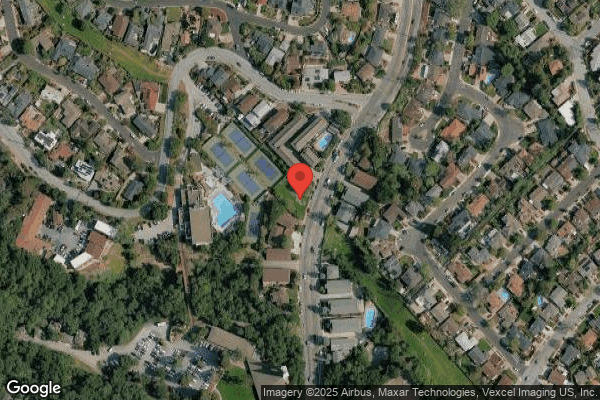

3635 JEFFERSON AVENUE, REDWOOD CITY, CA 94062 (650) 366-9503
For profit - Corporation 38 Beds Independent Data: November 2025
Trust Grade
60/100
#335 of 1155 in CA
Last Inspection: January 2025

Within standard 12-15 month inspection cycle. Federal law requires annual inspections.

Overview

Devonshire Oaks Nursing Center has a Trust Grade of C+, indicating it is decent and slightly above average compared to other facilities. Ranked #335 out of 1155 in California, it sits in the top half, but at #8 of 14 in San Mateo County, there are better options nearby. Although the facility is improving overall, with a decrease in issues from 16 in 2023 to just 6 in 2025, it still has a concerning 60% staff turnover rate, higher than the state average. On a positive note, it has no fines recorded and boasts excellent RN coverage, being better than 95% of California facilities, which can help catch potential issues early. However, there have been serious incidents, such as a resident falling out of bed due to inadequate supervision and multiple food safety concerns, including improper handling and storage of food that could risk residents' health.

Trust Score
C+
60/100
In California
#335/1155
Top 29%
Safety Record
Moderate
Needs review
Inspections
Getting Better
16 → 6 violations
Staff Stability
⚠ Watch
60% turnover. Above average. Higher turnover means staff may not know residents' routines.
Penalties
✓ Good
No fines on record. Clean compliance history, better than most California facilities.
Skilled Nurses
✓ Good
Each resident gets 73 minutes of Registered Nurse (RN) attention daily — more than 97% of California nursing homes. RNs are the most trained staff who catch health problems before they become serious.
Violations
⚠ Watch
28 deficiencies on record. Higher than average. Multiple issues found across inspections.
★★★★☆
4.0
Overall Rating
★★★★☆
4.0
Staff Levels
★★★★☆
4.0
Care Quality
★★★★☆
4.0
Inspection Score
Stable
2023: 16 issues
2025: 6 issues

The Good

  • 4-Star Staffing Rating · Above-average nurse staffing levels
  • 4-Star Quality Measures · Strong clinical quality outcomes
  • Full Sprinkler Coverage · Fire safety systems throughout facility
  • No fines on record

Facility shows strength in staffing levels, quality measures, fire safety.

The Bad

Staff Turnover: 60%

14pts above California avg (46%)

Frequent staff changes - ask about care continuity

Staff turnover is elevated (60%)

12 points above California average of 48%

The Ugly 28 deficiencies on record

1 actual harm
Jan 2025 6 deficiencies
CONCERN (D)

Potential for Harm - no one hurt, but risky conditions existed

Deficiency F0655 (Tag F0655)

Could have caused harm · This affected 1 resident

**NOTE- TERMS IN BRACKETS HAVE BEEN EDITED TO PROTECT CONFIDENTIALITY** Based on interview and record review, the facility failed to develop and implement a baseline care plan within 48 hours of admis...

Read full inspector narrative →
**NOTE- TERMS IN BRACKETS HAVE BEEN EDITED TO PROTECT CONFIDENTIALITY** Based on interview and record review, the facility failed to develop and implement a baseline care plan within 48 hours of admission for two of two new admissions: Residents 18 and 36. This failure had the potential to negatively affect continuity of care and communication for nursing staff, decreasing resident safety, and an inability to monitor the resident's progress based on their changing needs and preferences. Findings: During a concurrent interview and record review on 1/14/25 at 3:55 p.m., with the Minimum Data Set (MDS- a standardized assessment tool used to comprehensively evaluate the health status of each resident) Coordinator, the facility's policy and procedure (P&P) titled, Preliminary Care Plans, dated August 2006 was reviewed. The P&P indicated a preliminary plan of care to meet the resident's immediate needs shall be developed for each resident within twenty- four (24) hours of admission . to assure that the resident's immediate care needs are met and maintained. Resident 18 was admitted on [DATE]. In review of Resident 18's electronic medical record in the three care areas of pain management, position/mobility, and anticoagulant (AC- is commonly known as a blood thinner, is a chemical substance that prevents or reduces the coagulation of blood, prolonging the clotting time), the MDS Coordinator was unable to find any baseline care plan, and stated there is none. During a concurrent interview and record review on 1/17/25 at 9:15 a.m., with the MDS Coordinator in his office, Resident 36's baseline care plan was reviewed. Resident's 36's care plan indicated there was no care plan for Activities of Daily Living (ADL- the basic tasks people perform every day to care for themselves like bathing, dressing, eating, etc.) and position/mobility. MDS Coordinator acknowledged there was no care plan.
CONCERN (D)

Potential for Harm - no one hurt, but risky conditions existed

Comprehensive Care Plan (Tag F0656)

Could have caused harm · This affected 1 resident

**NOTE- TERMS IN BRACKETS HAVE BEEN EDITED TO PROTECT CONFIDENTIALITY** Based on observation, interview, and record review the facility failed to complete a comprehensive care plan for one of three sa...

Read full inspector narrative →
**NOTE- TERMS IN BRACKETS HAVE BEEN EDITED TO PROTECT CONFIDENTIALITY** Based on observation, interview, and record review the facility failed to complete a comprehensive care plan for one of three sampled resident (Resident 4) when there was no evidence of documentation of a completed comprehensive care plan for foley catheter for Resident 4 This deficient practice had the potential to result in inadequate care and services rendered to Resident 4. Findings: Review of the admission Record, dated 1/15/2025, indicated, Resident 4 was readmitted to the facility on [DATE], original admission date 10/1/2024. Review of the admission History and Physical, dated 12/5/2024 indicated, the diagnoses that included, Hemiplegia and Hemiparesis (both are terms to describe weakness or inability to move muscles on one side of the body) following a cerebrovascular disease (disrupt blood flow to the brain leadin to lack of oxygen and nutrients) affecting left non dominant side, retention of urine, unspecified. During an interview on 1/16/2025 at 11:26 a.m., with Social Services (SS), SS stated, we still didn't do Interdisciplinary Team (IDT) meeting for resident 4 because we don't have time yet, but I already communicate with the family about it. During an observation on 1/16/2025 at 3:09 p.m., at room [ROOM NUMBER]B, Certified Nursing Assistant 1 (CNA1) entered the room and went directly to bed B then started searching for something on the sides of the bed, CNA1 found the urinary bag beside the left hip of resident 4. In concurrent record review and interview dated 01/16/2025 at 3:20 p.m., Director of Nursing (DON) stated there was no comprehensive care plan regarding urinary catheter, sorry i missed it, and acknowledged that there was no evidence of documentation of a completed comprehensive care plan for Resident 4. A review of the Policy and Procedure titled, Care Plans, Comprehensive revised 10/2010, the policy statement indicated, An individualized comprehensive care plan that includes measurable objectives and timetables to meet the resident's medical, nursing, mental and psychological needs is developed for each resident. Policy Interpretation and Implementation 1. Our facility's care planning/Interdisciplinary Team, in coordination with the resident, his family or representative (sponsor), develops and maintains a comprehensive care plan for each resident that identifies the highest level of functioning the resident may be expected to attain. 3. Each resident's comprehensive care plan is designed to: a. incorporate identified problem areas b. Incorporate risk factors associated with identified problems, f. Identify the professional services that are responsible for each element of care .
CONCERN (D)

Potential for Harm - no one hurt, but risky conditions existed

Quality of Care (Tag F0684)

Could have caused harm · This affected 1 resident

**NOTE- TERMS IN BRACKETS HAVE BEEN EDITED TO PROTECT CONFIDENTIALITY** Based on observation, interview, and record review, the facility failed to assess and review resident's status after an identifi...

Read full inspector narrative →
**NOTE- TERMS IN BRACKETS HAVE BEEN EDITED TO PROTECT CONFIDENTIALITY** Based on observation, interview, and record review, the facility failed to assess and review resident's status after an identified change of condition on one resident (Resident 12), when resident 12 had a change of condition on 1/5/25, no care plan and no interdisciplinary documentation and monitoring of change of status. This failure has potential for resident's needs not being met. Findings: Review of Resident 12' s, admission record, dated 1/16/25, indicated, admitted on [DATE] with diagnoses including: Dementia (progressive decline in cognitive abilities such as memory, thinking, reasoning, and problem-solving) without behavioral disturbance, Other Seizures (uncontrolled movements, behaviors, sensations or states of awareness), Diabetes Mellitus (increased blood sugar requiring medication), Down Syndrome (a genetic disorder that causes distinct facial appearance and developmental delays). Review of facility progress notes, dated 1/5/25 at 11:58 p.m., indicated, around 6:48 p.m., the resident has an episode of seizure lasted 15 seconds and episode of desaturation (decrease of oxygen in the blood) around 88% RA (room air), BP 154/78, PR-98, Temp 98.3 RR-19. Blood sugar 273 md/dl. Gave oxygen at 2Lpm o2 sat increased to 95% via nasal cannula. No sob (shortness of breath - difficulty breathing) noted, not in distress. Informed MD via tigerconnect with order of STAT (immediate) CBC (blood work), CMP (blood work to check certain proteins, electrolytes, and minerals in the body) , stat Chest x-ray and follow up with neurologist (a medical doctor specializing in diagnosing, treating, and managing disorders of the brain, spinal cord, and nerves) . Also left voicemail to Responsible Party (RP) regarding the resident's condition Review of Physician Order, dated 1/7/25, indicated, Dextrose Intravenous Solution 5% (Dextrose) (a type of sterile water with sugar). Use 50 cc intravenously every shift for supplement x 2 liters. Ceftriaxone (a medication to treat infections) Sodium Solution Reconstituted 1 GM use 1 gram intravenously (given through a vein) every 24 hours for infection until 1/15/25. During a concurrent interview and record review on 1/14/25 at 12:00 p.m., with Director of Nursing (DON), DON stated resident had a change of condition on 1/5/25, resident is non verbally responsive, but alert. DON stated, there should be a care plan for UTI (urinary tract infection), she is on IV antibiotic, urine C&S (culture and sensitivity - bacteria are grown and identified to make treatment more specific) was collected and waiting for result. DON stated resident is on IV hydration due to kidney failure. DON acknowledged no care plan for UTI and for dehydration. During an interview on 1/16/25 at 10:00 a.m., with MDS(Minimum Data Set) Nurse, per MDS, there should be a care plan and IDT (interdisciplinary Team meeting - a team of individuals with different expertise coming together to achieve a common goal) after a change of condition. We are in the 14-day assessment period if new MDS will be completed for the significant change of condition. MDS acknowledged there is no care plan and no IDT meetings documented at the start of the change of condition on 1/5/25.
CONCERN (D)

Potential for Harm - no one hurt, but risky conditions existed

Pharmacy Services (Tag F0755)

Could have caused harm · This affected 1 resident

**NOTE- TERMS IN BRACKETS HAVE BEEN EDITED TO PROTECT CONFIDENTIALITY** Based on interview and record review, the facility failed to ensure controlled medications (medications that can be easily abuse...

Read full inspector narrative →
**NOTE- TERMS IN BRACKETS HAVE BEEN EDITED TO PROTECT CONFIDENTIALITY** Based on interview and record review, the facility failed to ensure controlled medications (medications that can be easily abused and are under strict government control) without witness signatures for two residents, Resident 1 and Resident 2. This failure had the potential for controlled drug abuse or diversion (when the transfer of any legally prescribed substance from the individual for whom it was prescribed to another person for any illicit use). Findings: During a concurrent interview and record review on [DATE] at 3:31 p.m., with Director of Nursing (DON) in the med room, the Polaris Rx Narcotic (a drug or other substance that affects mood or behavior and is consumed for nonmedical purposes, especially one sold illegally) Destruction Log dated [DATE] was reviewed. The Polaris Rx Narcotic Destruction Log indicated there were no signatures or dates of destruction witnessing the waste (drugs that can no longer be used because of being expired, unused, spilled, withdrawn, recalled, damaged, contaminated, or for any other reason) of: • lorazepam (a medication prescribed for anxiety and sleep) 0.5 mg, 26 tabs, for Resident 1 • morphine sulfate (an oral liquid medication prescribed for severe pain) 20 mg/ml sol, 30 ml for Resident 1 • morphine sulfate 20 mg/ml sol, 30 ml for Resident 1 • lorazepam 0.5 mg, 5 tabs, for Resident 1 • oxycodone (a medication prescribed for severe pain) 5 mg, 16 tabs, for Resident 2 During a concurrent interview and record review on [DATE] at 9:40 a.m., with the Licensed Nursing Home Administrator (LNHA) and Business Office Associate, in the LNHA's office, the Polaris Rx Narcotic Destruction Log dated [DATE] was shown to them and reviewed. The LNHA stated, Everyone knows that two signatures are required by a registered pharmacist and licensed nurse, especially for controlled substances. During a concurrent phone interview and record review on [DATE] at 2:00 pm with the Consulting Pharmacist (CP), the Polaris Rx Narcotic Destruction Log dated [DATE] was reviewed. CP confirmed he signed/witnessed the same March Narcotic Destruction Log for three other medications on [DATE]; however, did not recall Residents 1 and 2, had no recall of the disposition of the five unwitnessed, undated narcotics. Additionally, he states that the next monthly narcotic destruction log is dated [DATE]. The facility's policy and procedure (P&P) titled, Disposal of Medications and Medication-Related Supplies, dated [DATE] was reviewed. The P&P indicated, D. Scheduled II-V controlled substances remaining in the facility after a resident has been discharged , or the order discontinued, are disposed of in the facility by the director of nursing or designated facility registered nurse in conjunction with the pharmacist . F. The nurse(s) and/or pharmacist witnessing the destruction ensures that the following information is entered on the individual controlled substance accountability record/book: 1. Date of destruction 2. Resident's name 3. Name and strength of medication 4. Prescription number 5. Amount of medication destroyed 6. Signatures of witnesses
CONCERN (D)

Potential for Harm - no one hurt, but risky conditions existed

Deficiency F0849 (Tag F0849)

Could have caused harm · This affected 1 resident

**NOTE- TERMS IN BRACKETS HAVE BEEN EDITED TO PROTECT CONFIDENTIALITY** Based on observation, interview and record review, the facility failed to develop a coordinated plan of care and communication p...

Read full inspector narrative →
**NOTE- TERMS IN BRACKETS HAVE BEEN EDITED TO PROTECT CONFIDENTIALITY** Based on observation, interview and record review, the facility failed to develop a coordinated plan of care and communication process with the Hospice agency, when there was no care plan to address what services Hospice will provide and for facility and when to notify Hospice for two of two Hospice residents, (Resident 4 and Resident 28). This failure has the potential to place residents health and well -being at risk of harm. FINDINGS: 1. Review of Resident 28's admission record dated [DATE], indicated admitted to SNF under Hospice Services 10/24 with diagnosis of End Stage of Alzheimer's Dementia (a terminal decline in cognition including memory, problem-solving., thinking, and reasoning). Review of untitled document, indicated, [DATE], admitted to (name of Hospice) Care, alert and verbally responsive, incontinent of bowel and bladder, fell yesterday at home. She is No CPR, comfort care measures only . During an interview on [DATE] at 11:00 a.m., with Resident 28's family member, family member stated she took off work for months to take care of (Resident 28) at home. It was getting very hard, cannot manage her at home, so we decided to bring her here for care. She is under Hospice care here. She is much better here. Family Member comes daily to see resident. Review of facility Order Summary Report, dated [DATE], indicated, admitted to (Hospice) on [DATE] with Terminal Dx of End Stage Alzheimer's Disease, order date is [DATE]. No Physician Order on admission. During an interview and record review on [DATE] at 10:00 a.m., with Registered Nurse (RN1), RN 1 stated she cannot find a Physician's order for Hospice Admission. No documentation on family meetings and Interdisciplinary meetings found in chart. RN 1 further stated there should have been an IDT meeting during admission assessments. Per RN, she does not know the Hospice schedule, maybe 2 to 3 times a week. During an interview on [DATE] at 10:30 a.m., with Social Services (SS), SS stated, Hospice is contracted with facility, Hospice comes weekly. Hospice schedule is in the binder at the nursing station. SS stated, I talk to Hospice staff when they come, asked about care plan collaboration with the agency, not charted, will do that calling them for funeral arrangements and do quarterly notes. During an interview and record review on [DATE] at 11:00 a.m., with Director of Nursing (DON), per DON looking at the care plans, reason for Hospice admission is End Stage Alzheimer's Dementia, care plan created [DATE], no baseline care plan. DON stated Hospice is mentioned in the care plan to work cooperatively with the hospice team to ensure the resident's spiritual, emotional, intellectual, physical and social needs are met. DON did not find coordinated plan and directives to include managing pain and other comfortable measures in the care plan. 2. Review of the order summary report dated [DATE], resident 4 was admitted to (Hospice) on [DATE] with terminal diagnosis of Ileus (a condition where the intestines stop working properly, leading to a blockage), CerebroVascular Accident (CVA - stroke), [NAME] Syndrome (is the acute dilatation of the colon in the absence of any functional obstruction in severely ill patients) During a concurrent record review and interview on [DATE] at 12:33 p.m., with the Director of Nursing (DON), DON stated that Resident 4 was admitted straight from acute care hospital on hospice and additionally I admit that I can't see care plan which includes the communication between the facility and the hospice agency. During a concurrent record review and interview on [DATE] at 3:16 p.m. with Registered Nurse (RN1), the progress notes from the hospice chart dated [DATE] were reviewed and indicated redness on buttocks area, and has a 0.5x0.5cm open area on left buttocks, denies any pain . RN 1 stated , I didn't know about that nurse note from the hospice nurse, she didn't say anything when she came here at the facility, they only do it by themselves without asking us or communicating with us moreover I don't see a care plan for hospice, I know that if no documentation, it means no justification. Review of facility document, Hospice Program dated 1/14, indicated, Policy Statement: Our facility contracts for Hospice services for residents who wish to participate in such programs. Policy Interpretation and Implementation: 4. When a resident participates in the Hospice program, a coordinated plan of care between the facility, hospice agency and resident/family will be developed and shall include directives for managing pain and other uncomfortable symptoms. The care plan shall be revised and updated as necessary to reflect the resident's current status.
CONCERN (F)

Potential for Harm - no one hurt, but risky conditions existed

Food Safety (Tag F0812)

Could have caused harm · This affected most or all residents

Based on interview and record review, the facility failed to 1. offer snacks to every resident who did not have contraindications. Total residents' census on 1/13/2025 was 29 residents. 2. Unpasteuri...

Read full inspector narrative →
Based on interview and record review, the facility failed to 1. offer snacks to every resident who did not have contraindications. Total residents' census on 1/13/2025 was 29 residents. 2. Unpasteurized eggs were provided to residents who wanted fried eggs for breakfast on 1/14/2025. 3. The temperature of the water at the handwashing sink in the kitchen did not reach a level warm enough for washing hands. This failure resulted in possible contaminated food to residents, residents who did not receive a snack, and insufficient warm water for kitchen staff to wash their hands with. Findings: 1.) During an interview on 1/15/2025, at 10:20 a.m., the Dietary Manager stated, Residents have to ask for snacks because a lot of it gets thrown away and wasted . Residents who can't ask for snacks need a recommendation by the dietician, nurse or doctor. Review of Nourishment Policy, dated 2023, indicated, Policy: Nourishments or between meal snacks shall be provided when required by the diet prescription. Bedtime snacks of a nourishing quality will be offered routinely to all residents unless contraindicated . It is the Nursing department's responsibility to see that each resident receives the nourishments, as ordered . 2.) During a concurrent observation and interview on 1/15/2025 at 10:20 a.m., the Dietary Manager, 12 dozen unpasteurized eggs were in the refrigerator. Dietary Manager stated, the resident's were given unpasteurized eggs for breakfast on 1/14/2025. The pasteurized eggs are hard to get, they don't have any. Dietary Manager stated he orders pasteurized eggs but he receives unpasteurized eggs because the company doesn't have pasteurized eggs. Review of the facility Menu for the period January 13 - 19, 2025 indicated for Tuesday, January 14, 2025 breakfast consisted of: Fried Egg, Buttered Wheat Toast, Raisin Bran, Pineapple Juice. Review of the Dietary Manager's invoice egg order, dated 12/26/2024, showed an order for one case of 15 dozen shell eggs, pasteurized, not ordered. An order for 15-2 lb. cartons of liquid eggs, pasteurized, was ordered, on the same invoice. Review of the Dietary Manager's invoices for period covering 10/10/2024-12/26/2024, indicated shell eggs were either not ordered or ordered and pasteurized was not requested. 3.) The temperature of the water on 1/13/2025 at the kitchen hand washing sink was 96.6 degrees Fahrenheit, at its highest, and felt cold to the touch. During observations of the water temperature to the touch on 1/14/2025, 1/15/2025, and 1/16/2025, the water was cold. During an interview on 1/17/2025, at 10:30 AM, Dietary Manager stated the water temperature is usually about 100 degrees Fahrenheit he agreed it felt cold.
Oct 2023 15 deficiencies
CONCERN (D)

Potential for Harm - no one hurt, but risky conditions existed

Resident Rights (Tag F0550)

Could have caused harm · This affected 1 resident

Based on observation, interview, and record review, the facility failed to provide Resident 227, one of 14 sampled residents, with a dignified existence when the resident was the last resident to be f...

Read full inspector narrative →
Based on observation, interview, and record review, the facility failed to provide Resident 227, one of 14 sampled residents, with a dignified existence when the resident was the last resident to be fed lunch after all the other residents. This failure has the potential for physical and psychosocial harm by neglecting and delaying meals to resident. Findings: Resident 227 was admitted to facility on 5/10/22 with diagnoses including dementia (impaired memory and judgement which interferes with daily functioning), brain disease, hydrocephalus (buildup of fluid on the brain causing difficulty walking, memory problems, problems with balance and coordination, is incurable), and hypertension. Resident's Minimal Data Set (MDS, an assessment tool), indicated impaired cognition (thinking ability), inability to ambulate (requires reclining wheelchair for mobility), unable to communicate, requires assistance to eat, requires total assistance to reposition in bed or transfer to chair/bed. During a dining observation on 10/23/23 at 12:35 PM, Resident 227 was in the dining room, in the reclining wheelchair, at the small, round, dining table waiting to eat lunch with two other residents. Lunch trays arrived at 12:35 PM. The resident closest to Resident 227 was continually yelling and was assisted to eat at 12:45 PM. She stopped yelling at that time. The second resident at the table, who was quiet, was assisted to eat at 12:52 PM. There were no other assistants available to help Resident 227 to eat. Resident 227 was assisted to eat, a pureed diet, at 1:04 PM. Resident waited over 30 minutes to begin eating. He was the last resident in the dining room to eat. During an interview on 10/25/23 at 1:45 PM, with the Activity Coordinator, when questioned about the late feeding of Resident 227, stated they needed more staff to help feed all the residents. Review of facility's Meal Service policy, with no approval or revised date, indicated, Meals that meet the nutritional needs of the resident will be served in an accurate and efficient manner and served at the appropriate temperatures .Lunch trays arrive at 12:00 PM .All residents at the same table should be served at the same time .
CONCERN (D)

Potential for Harm - no one hurt, but risky conditions existed

Deficiency F0557 (Tag F0557)

Could have caused harm · This affected 1 resident

**NOTE- TERMS IN BRACKETS HAVE BEEN EDITED TO PROTECT CONFIDENTIALITY** Based on observation. interview, and record review, the facility failed to treat Resident 16, one of 14 sampled residents, with ...

Read full inspector narrative →
**NOTE- TERMS IN BRACKETS HAVE BEEN EDITED TO PROTECT CONFIDENTIALITY** Based on observation. interview, and record review, the facility failed to treat Resident 16, one of 14 sampled residents, with respect and dignity when the residents room door was found closed, and the resident, who was non-speaking, was observed in bed, wide awake, with one blanket, no sheets, or bed pillow, in a bare, two bed room, with minimal furniture, bare walls, with the residents nurse call light on the other side of the room, no drinking water or water pitcher, a bare over-bed table which was standing in the middle of the room and the bathroom door was blocked, from entering the bathroom, with a medium-sized nightstand. This failure had the potential to depress and isolate the resident resulting in mental distress and causing the resident to feel helpless, excluded and outcast from the facility. Findings: Resident 16 was admitted to the facility on [DATE] with diagnoses including dementia (impaired memory and judgement which interferes with daily functioning), kidney disease, depression (feeling of sadness and loss of interest), and high blood pressure. Resident's Minimal Data Set (MDS, an assessment tool) indicated difficulty with cognition (thinking ability), required assistance to eat, and substantial/maximal assistance to bathe, dress, required partial/moderate assistance to reposition in bed, and transfer to chair/bed. Resident spoke very little. In an observation during the initial tour on 10/23/23, at 9:45 AM, Resident 16's room door was closed. Resident's room doors on either side of the hall were open. After knocking on the door, identifying myself, and asking for entrance and no reply, I opened the door slightly. Peeking in the room and asking for permission to enter again. The Resident did not speak, she was in bed, eyes wide open and looking apprehensive, holding the edge of the one blanket on her bed up to her neck. The bed was situated at an angle in the room and not in it's bed space. There were no sheets on the bed, no pillow on the bed, no nurse call light within reaching distance. The call light was located hanging on the wall above the second bed's area. The resident's over-bed table was bare and raised to the highest height and standing in the middle of the room blocking the path into the room. There was no drinking water or water pitcher in the room. The room walls were bare. There was minimal furniture in the room. A medium-sized bed night stand had been placed in front of the door to the bathroom, blocking entrance into the bathroom. The resident never replied to any inquiries. In an interview on 10/23/23 at 10:00 AM, CNA (Certifed Nurse Aide) 1 was questioned why the resident had no drinking water, no reachable nurse call light, no bed pillow and why was the bathroom door blocked? The CNA did not respond to my questions and proceeded to move the resident's nurse call light hanging on the wall on the other side of the room to attach to Resident 16's bed side rails. He stated she did not use her call light but agreed the call light should be in reachable distance. CNA 1 went to bring resident drinking water, a bed pillow with pillowcase, and moved the night stand from blocking the residents bathroom door. In an observation on 10/23/23, starting at 12:45 PM, in the dining room, Resident 16 was observed dressed and sitting at dining table, with other residents, being fed by a staff member, and consuming her meal. She spoke little. In an observation on 10/26/23 at 1:30 PM, Resident 16 was in her room in a patient gown and pacing in her room with door closed. She looked disheveled. In an observation on 10/27/23 at 11:20 AM, Resident 16 was in her room sitting on bed in patient gown with door closed. Her hair was uncombed and her face looked unwashed. She did not speak when spoken to. In a consecutive interview , CNA 1 stated resident was sleepy and did not want to get up. In an interview with Director Of Nurses (DON) on 10/27/23 at 11:30 AM, when questioned why Resident 16 was not dressed and in activity room? DON stated she would be looking into the matter and addressing the problem today.
CONCERN (D)

Potential for Harm - no one hurt, but risky conditions existed

Deficiency F0558 (Tag F0558)

Could have caused harm · This affected 1 resident

Based on observation, interview, and record review, the facility failed to accomodate resident needs for Resident 127, one of 14 sampled residents, when the resident, who is bed-bound, had an improper...

Read full inspector narrative →
Based on observation, interview, and record review, the facility failed to accomodate resident needs for Resident 127, one of 14 sampled residents, when the resident, who is bed-bound, had an improperly functioning television since his admission, over ten days ago. This failure had the potential to cause the resident feelings of depression (feeling of sadness and loss of interest), frustration, and resentment. Findings: Resident 127 was admitted to facility on 10/12/23 with diagnoses including cellulitis (serious bacterial skin infection), with draining wounds to both knees, arthritis, diabetes (elevated levels of sugar in the blood), and muscle weakness, due to medically complex conditions. Resident could not walk or stand and was restricted to bed. During an observation on the initial tour, 10/23/23 at 10:30 AM, Resident 127 was lying in bed, not moving, on his back, looking up at the television which he stated only receives one station. He stated he was annoyed that he could not view other stations. He stated he told the facility engineer about the problem before he went on vacation but the television was not fixed. During an interview on 10/23/23 at 2:35 PM, Director of Nurses (DON) stated the facility engineer had gone on vacation and would be back in a month. Review of the Maintenance Service policy, revised December, 2009, indicated, Maintenance service shall be provided to all areas of the building, grounds, and equipment .1. The Maintenance Department is responsible for maintaining the buildings, grounds, and equipment in a safe and operable manner at all times .i. Providing routinely scheduled maintenance service to all areas .
CONCERN (D)

Potential for Harm - no one hurt, but risky conditions existed

Safe Environment (Tag F0584)

Could have caused harm · This affected 1 resident

Based on observation, interview, and record review, the facility failed to provide a safe, clean, comfortable, environment when the women's bathroom, in the main hallway of the facility, was not worki...

Read full inspector narrative →
Based on observation, interview, and record review, the facility failed to provide a safe, clean, comfortable, environment when the women's bathroom, in the main hallway of the facility, was not working properly for four days and there was no maintenance personnel available to maintain equipment. This failure had the potential to cause frustration, impatience, and disappointment for staff, visitors, and residents who utilize and require facility services. Findings: In an observation on 10/23/23, at 10:35 AM, the facility women's bathroom located in the main hallway of the facility did not work properly. During an interview with the Director of Nurses (DON) on 10/23/23, at 11:15 AM, DON stated the facility Engineer went on vacation last Friday, 10/20/23, for one month. The DON stated another Engineer will be coming today. In an observation on 10/24/23, at 10:00 AM, the women's bathroom in the main hallway was not working properly. The Engineer did not arrive yesterday, 10/23/23. During a concurrent interview with the DON, DON stated the Engineer was expected today. In an observation on 10/24/23 at 3:00 PM, the Engineer did not arrive today. In an observation on 10/25/23 at 10:15 AM, the women's bathroom was not working properly. During a concurrent interview with the DON, she stated the Engineer was expected today. During an observation on 10/25/23, at 10:40 AM, a contractor arrived. He was asked to repair the women's bathroom. In an observation on 10/26/23 at 9:45 AM, the women's bathroom in the main hallway was not working properly. During an observation and interview with the DON, on 10/26/23 at 1:30 PM, an Engineer arrived. He was asked to fix the women's bathroom. Review of facility policy on Maintenance Service indicated, Maintenance Service shall be provided to all areas of the building, grounds and equipment. The Maintenance Director is responsible for developing and maintaining a schedule of maintenance service to assure that the buildings, grounds, and equipment are maintained in a safe and operable manner .
CONCERN (D) 📢 Someone Reported This

A family member, employee, or ombudsman was alarmed enough to file a formal complaint

Potential for Harm - no one hurt, but risky conditions existed

Transfer Notice (Tag F0623)

Could have caused harm · This affected 1 resident

**NOTE- TERMS IN BRACKETS HAVE BEEN EDITED TO PROTECT CONFIDENTIALITY** Based on interview and record review, the facility failed to provide notice of discharge in writing to resident and or family me...

Read full inspector narrative →
**NOTE- TERMS IN BRACKETS HAVE BEEN EDITED TO PROTECT CONFIDENTIALITY** Based on interview and record review, the facility failed to provide notice of discharge in writing to resident and or family member, when one of 3 discharged residents (Resident 177) did not have discharge summary and notice of discharge in writing before the discharge date . This failure has potential for resident not knowing her appeal rights and not receiving treatment and services due to lack of continuity of care. Findings: Review of Resident 177's admission Record, dated, 10/26/23, indicated, Resident 177 was admitted on [DATE] with diagnoses including: Polymyositis, (a disease that causes the muscles to become irritated and inflamed), Cerebral Infarction (disrupted blood and oxygen supply to an area in the brain), otherwise known as Stroke, Dementia (symptoms of forgetfulness, limited social skills and impaired thinking abilities that interferes with daily functioning). Resident 177 was discharged to home on 4/22/22. During an interview on 10/26/23 at 11:00 AM, with the Director of Nursing (DON), DON stated, There is no reported complaint from family. Social Worker (SW) from hospital, was the one who called for follow up of Home Health (HH) referral and DME (Durable Medical Equipment). The facility SW followed up from the Home Health Agency, and gave the start date for HH services to the hospital SW. The facility SW is not here anymore. Unable to interview a SW, no SW in the building at this time. Review of Resident 177's, facility document, Notice of Medicare Non- Coverage, indicated, The Effective Coverage of your Current Skilled Nursing Facility will end : April 21,2022. Signature to indicate received and understood this notice, dated 4/22/22. During an interview on 10/26/23 at 11:00 AM with the DON, DON reviewed Resident 177's clinical record and confirmed no discharge summary and no post-discharge plan was on record. Review of facility Policy and Procedure, Transfer or Discharge, Preparing a Resident for, dated 12/16, indicated, Policy: Residents will be prepared in advance for discharge. 1. When a resident is scheduled for transfer or discharge, the business office will notify nursing services .so that appropriate procedures can be implemented. 2. A post-discharge plan is developed for each resident prior to the discharge or transfer. This plan will be reviewed with the resident, and family. At least twenty four (24) hours before the resident's discharge or transfer from the facility. 3. Nursing will be responsible for: a. obtain orders for discharge or transfer, as well as the recommended discharge services and equipment. b. Preparing the discharge summary and post-discharge plan. c. providing the resident or representative (sponsor) with required documents (i.e. Discharge Summary and Plan). h. Completing Discharge note in the medical record.
CONCERN (D)

Potential for Harm - no one hurt, but risky conditions existed

Deficiency F0655 (Tag F0655)

Could have caused harm · This affected 1 resident

**NOTE- TERMS IN BRACKETS HAVE BEEN EDITED TO PROTECT CONFIDENTIALITY** Based on interview and record review, the facility failed to create a baseline care plan based on Admitting orders for one of th...

Read full inspector narrative →
**NOTE- TERMS IN BRACKETS HAVE BEEN EDITED TO PROTECT CONFIDENTIALITY** Based on interview and record review, the facility failed to create a baseline care plan based on Admitting orders for one of three residents (Resident 3) reviewed when Resident 3 admitted [DATE] with Diagnosis of Cancer (abnormal cells) of the Breast, had no initial care plan. This failure could result in Resident 3 not getting the follow up care needed for Cancer treatment. Findings: A review of Resident 3's admission Record dated, 10/26/23, indicated, admitted to facility on 9/26/22 with diagnosis of Malignant Neoplasm of Unspecified site of Right Female Breast (Cancer of the Breast). A review of Nutrition/Dietary Note, Initial Assessment 9/27/22, indicated, admitted with Cancer of the Breast. On 12/2/22 , weight trending down since admit. On 9/29/23, RD indicated, weight loss continues. No care plan by RD to include Cancer of the Breast. A review of the facility Care Plan, initiated 10/2/22, no care plan found to address Diagnosis of Breast Cancer and its treatment plan and follow up visits. A review of Interdisciplinary (IDT, group of healthcare professionals working together towards their client's goals) Note, dated 2/20/23, indicated, Oncology recommendation for Palliative Care Consult. During an interview on 10/25/23 at 2:00 PM with the Medical Director (MD), MD stated, not aware of the recommendation from Oncologist, Resident has Breast Cancer as diagnosis. When patient has gradual loss, we monitor, we do bloodworks, recheck weights, dietician consult etc. Will consider Hospice at sometime .This gradual loss is Unavoidable, its probably the progression of the disease. During an interview and concurrent chart review on 10/25/23 at 2:29 PM, with the Director of Nursing (DON), DON stated, Care plan does not address Breast Cancer as diagnosis. I don't see one in the chart. During a review of facility document, titled, Care Plans- Baseline dated 12/2016, indicated, A baseline plan of care to meet the resident's immediate needs shall be developed for each resident within forty eight (48) hours of admission. 2. The Interdisciplinary Team will review the healthcare practitioners' orders (e.g., dietary needs, medications, routine treatment, etc) and implement limited to : a. Initial goals based on admission orders; b. Physician's Orders .
CONCERN (D)

Potential for Harm - no one hurt, but risky conditions existed

Deficiency F0657 (Tag F0657)

Could have caused harm · This affected 1 resident

Based on interview, and record review, the facility failed to revise the fall care plan for one of three sampled residents (Resident 9) after her fall incident on 7/29/23 and 8/3/23. This failure had ...

Read full inspector narrative →
Based on interview, and record review, the facility failed to revise the fall care plan for one of three sampled residents (Resident 9) after her fall incident on 7/29/23 and 8/3/23. This failure had the potential not to prevent from another fall. Findings: Review of Resident 9's clinical record indicated, Resident 9 was admitted to the facility with diagnoses including dementia (memory loss), anxiety disorder (a mental health illness characterized by feelings of worry, anxiety, or fear that are strong enough to interfere with one's daily activities), restlessness and agitation (extreme motor activity or inner restlessness). Review of Resident 9's clinical record titled, SBAR (Situation, Background, Assessment, Recommendation) and Progress Note for COC (Change of Condition) dated 7/29/23 indicated, . unwitnessed fall . 07/29/2023 . At around 1930 (7:30 p.m.), resident found on the floor . unable to determined what happened. Denies pain, no skin discoloration noted . no change in LOC (Level of Consciousness, a resident's level of arousal and awareness) . Resident able to ambulate with assistant . Review of Resident 9's clinical record titled, SBAR (Situation, Background, Assessment, Recommendation) and Progress Note for COC (Change of Condition) dated 8/3/23 indicated, . Witnessed fall . 08/03/2023 . Resident had witnessed fall approximately 1300 (1:00 p.m.) Resident was in the dining room and got upset and punch staff on the chest when staff tried to help her. Resident knees buckled and fell . no injury noted no redness or swelling noted . resident was able to walk without c/o (complains of) pain . During a concurrent interview and record review on 10/26/23 at 11:56 a.m. with Infection Preventionist (IP), IP stated there was no care plans for Resident 9's fall after she fell on 7/29/23 and 8/3/23. IP acknowledged, Nothing . There is no updated care plan, when asked. IP stated, When the patient fell, do assessment then they should update the long-term care plan . They should have a care plan . when asked. IP stated, Resident 9 was often agitated. IP stated, Because of her behavior . She self-ambulates . when she is upset, she punches the staff, then falls . when asked. IP verified, Resident 9 did not have an injury due to her falls. During a concurrent interview and record review, on 10/26/23 at 1:35 p.m. with IP, Resident 9's MDS (Minimum Data Set, an assessment tool), dated 6/13/23 was reviewed. The MDS indicated, BIMS (Brief Interview for Mental Status, a tool used to screen and identify the cognitive condition of residents) Summary Score was 99. IP stated, 99 means she was not able to complete the interview because she is confused due to dementia, when asked. Review of the facility's P&P titled, Fall and Fall Risk, Managing, revised in March, 2018 indicated, . Based on previous evaluations and current data, the staff will identify interventions related to the resident's specific risks and causes to try to prevent the resident from falling and to try to minimize complications from falling . 3. If the resident continues to fall, staff will re-evaluate the situation and whether it is appropriate to continue or change current interventions . Review of the facility's P&P titled, Care plans, Comprehensive Person-Centered, revised in December 2016 indicated, . A comprehensive, person-centered care plan that includes measurable objectives and timetables to meet the resident's physical, psychosocial and functional needs is developed and implemented for each resident . 10. Identifying problem areas and their causes, and developing interventions that are targeted and meaningful to the resident, are the endpoint of an interdisciplinary process . 13. Assessments of residents are ongoing and care plans are revised as information about the residents and the residents' conditions change. 14. The Interdisciplinary Team must review and update the care plan: a. When there has been a significant change in the resident's condition; b. When the desired outcome is not met .
CONCERN (D)

Potential for Harm - no one hurt, but risky conditions existed

Staffing Information (Tag F0732)

Could have caused harm · This affected 1 resident

Based on observation, interview, and record review, the facility failed to post the daily Staffing Assignment Schedule, in a prominent place, at the beginning of each shift, in a clear and readable fo...

Read full inspector narrative →
Based on observation, interview, and record review, the facility failed to post the daily Staffing Assignment Schedule, in a prominent place, at the beginning of each shift, in a clear and readable format, accessible to residents and visitors, when the schedule was kept stored in a binder, behind the nurses desk, on a shelf, instead of an easily located place for everyone, etc., to find and read. This failure had the potential for visitors, family, staff, residents, etc., not to find the appropriate assigned staff who should provide needed care to a resident and could lead to inadequate care to residents. Findings: In an observation on 10/23/23 at 10:20 AM, there was no visible posting of the Staffing Assignment Schedule, in a prominent place, at the nurses station near the facility entrance. During a consecutive interview with the Director of Nurses (DON), she stated she would locate the Staffing Assignment Schedule and post it. In a consecutive observation of the DON, she found a binder located behind the nurses station filed on a shelf. She located the Staffing Assignment Schedule after looking through the pages of the binder. She posted it on the counter of the nurses station. Review of the facility policy on Postings Direct Care Daily Staffings Numbers, revised 7/2016, indicated, Our facility will post on a daily basis for each shift, the number of nursing personnel responsible for providing direct care to residents . 1. Within two hours of the beginning of each shift, the number of Licensed Nurses (RNs, LPNs, and LVNs) and the number of unlicensed nursing personnel (CNAs), directly responsible for resident care will be posted in a prominent location(accessible to residents and visitors) and in a clear and readable format .
CONCERN (D)

Potential for Harm - no one hurt, but risky conditions existed

Deficiency F0761 (Tag F0761)

Could have caused harm · This affected 1 resident

**NOTE- TERMS IN BRACKETS HAVE BEEN EDITED TO PROTECT CONFIDENTIALITY** Based on observation, interview, and record review, the facility failed to assure medical supplies were not expired when review ...

Read full inspector narrative →
**NOTE- TERMS IN BRACKETS HAVE BEEN EDITED TO PROTECT CONFIDENTIALITY** Based on observation, interview, and record review, the facility failed to assure medical supplies were not expired when review of stored medical supplies showed some supplies had an expired date. This failure would have resulted in questionable integrity of the medical supplies and deliver poor quality of care to the residents. Findings: During a review of stored medical supplies on [DATE], at 2:30 PM, accompanied by the Director of Nursing (DON) it was discovered that: One Tuberculin syringe had expired [DATE], 30 packets Veltassa oral suspension (treats high blood potassium) 8.4 gm (gram, a unit of measure) pack had expired October, 2023, Eleven (11) catheter stabilization devices (PICC Plus) had expired [DATE], Forty-three (43) specimen collection kit swabs (throat cultures) had expired [DATE], (300 + 6) Accuchek Fast Clix (lancing devices) had expired Nov. 2021, (100) 3 cc [NAME] syringe without needles had expired [DATE], Five [NAME] Control Solution for glucose test strips, 3 milliliters, 1 per box, had expired October, 2023. In a consecutive interview with the DON, she stated she would discard the expired medical supplies. Review of facility policy on Storage of Medications indicated: Outdated, contaminated, discontinued or deteriorated medications or cracked, soiled or insecure closures are immediately removed from stock .
CONCERN (D)

Potential for Harm - no one hurt, but risky conditions existed

Deficiency F0801 (Tag F0801)

Could have caused harm · This affected 1 resident

Based on dietetic staff observations, dietary staff interview and departmental document review the facility failed to ensure employment of a full-time qualified individual to manage and oversee dietar...

Read full inspector narrative →
Based on dietetic staff observations, dietary staff interview and departmental document review the facility failed to ensure employment of a full-time qualified individual to manage and oversee dietary services. Failure to employ staff with the skills and abilities to effectively implement departmental processes in accordance with physician's orders and standards of practice may jeopardize the health and well being of the 30 residents in the facility. Findings: During initial tour of dietetic services on 10/23/23, Dietary Staff 2 (DS 2) indicated the was the cook for the next meal as well as the supervisor for the kitchen staff. It was also noted on the door leading to the office the facility posted a county required food handler's certificate. In an interview with the Registered Dietitian on 10/24/23 beginning at 2:10 PM., the surveyor asked her to describe the qualification for Dietary Staff 2 (DS 2). The RD acknowledged she was aware DS 2 was not qualified to hold the position in accordance with regulatory requirements. The RD also stated while she had approached her to take the required educational/testing courses she had not done anything further. In an interview on 10/25/23 at 10:30 AM, Dietary Staff (DS) 2 stated she was a certified nursing assistant (CNA) by training and when initially hired was fulfilling that role. DS 2 further stated that she has worked in a local general acute care hospital as a diet aide. DS 2 indicated the facility used to have a qualified person for daily kitchen oversight, but at one point that person stopped coming to work at which point the facility Administrator, at the time, assigned her to the kitchen since she had some dietetic services working experience. DS 2 indicated her passion was working as a CNA but also felt if she wasn't there to work in the kitchen, residents wouldn't get fed. DS 2 indicated she has been working in this capacity since March 2023. Review of facility document titled Director of Food Services dated 2003 listed qualifications as .Be a graduate of an accredited course in dietetic training approved by the American Dietetic Association and experience as a .minimum of five (5) years experience in a supervisory capacity in a hospital, nursing care facility, or other related medical facility . Review on 10/24/23 at 4:30 PM of DS 2's employee file revealed the employment application was listed as a CNA position. In addition, competencies that were included in the employee file were intended for the necessary skills required of a CNA. There was no Administrator employed by the facility during the survey timeframe of 10/23/23-10/27/23 as he resigned on 10/20/23.
CONCERN (E)

Potential for Harm - no one hurt, but risky conditions existed

Deficiency F0661 (Tag F0661)

Could have caused harm · This affected multiple residents

**NOTE- TERMS IN BRACKETS HAVE BEEN EDITED TO PROTECT CONFIDENTIALITY** Based on interview and record review, the facility failed to provide discharge summaries for two (Resident 24, Resident 25) of t...

Read full inspector narrative →
**NOTE- TERMS IN BRACKETS HAVE BEEN EDITED TO PROTECT CONFIDENTIALITY** Based on interview and record review, the facility failed to provide discharge summaries for two (Resident 24, Resident 25) of three discharged patients reviewed when Residents 24 and 25 did not have discharge summaries in their clinical records. This failure had the potential for residents not to have follow up care in their homes and could lead to a lack of continuity of care in the community. Findings: 1. A review of Resident 25's facility document, admission Record, dated 10/26/23, indicated, Resident 25 was .admitted to facility on 6/8/23 with diagnoses including: Fracture of T11-T12 Vertebra (compression fracture of the bottom part of the thoracic spine), Dizziness (a sense of disorientation or lightheadedness), Osteoarthritis (a type of degenerative joint disease with symptoms of joint pain and stiffness) . discharge date : [DATE]. A review of Resident 25's facility document, Order Summary Report, order date range 6/8/23-9/1/23, indicated, RNA program 3x/week x 3 months (1). Ambulate pt using FWW with supervision as tolerated, (2). Perform BUE/BLE active range of motion exercises in all available planes as tolerated Start date 6/28/23, end date 9/28/23. A review of Resident 25's clinical documents, Progress Notes, undated, indicated, Resident picked up by caregiver and out on pass. There was no follow up documentation. Facility has no Social Services at this time to interview. An interview and concurrent chart review on 10/26/23 at 12:25 PM, with the Director of Nursing (DON), DON stated, Patient went out on pass on 8/30/23, picked up by caregiver. No further documentation, licensed nurse is not here anymore. No social services to interview. No discharge summary in the chart. A review of Resident 25's nursing weekly notes, dated 8/26/23, indicated, resident is independent with ADLs. Discharge Planning review on 6/11/23, indicated, 'Discharge to another LTC (long term care) center'. No discharge note found. 2. A review of Resident 24's facility document, admission Record, dated 10/26/23, indicated, Resident 24 was . admitted on [DATE] with admitting diagnoses including: Syncope and Collapse ( known as fainting or passing out, a loss of consciousness), Hypoglycemia (low blood sugar), Presence of Artificial Hip Joint, bilateral . discharge date : [DATE]. A review of Resident 24's facility document, Order Summary Report, date range 10/1/23-10/31/23, indicated, May discharge home 10/6/23 with HH RN/PT/OT with DME: wheelchair, walker. A review of Resident 24's Physical Therapy Discharge summary, dated [DATE], indicated, Bed mobility: Mod Independent, Transfer -sit to stand: Mod Independent, Gait: SBA with FWW, 80 ft. Patient progress: Patient made consistent progress with skilled interventions. Patient requested to DC home. An interview and concurrent chart review on 10/26/23 at 11:30 AM, with the DON, DON stated, Patient admitted [DATE], I can't find discharge notes, when patient was discharged . No social services last month till now .Per PT notes on 10/5/23, patient is supervised for all ADLs, independent with toileting and dressing. Has a [family member] who lives with patient. PT recommends HH referral. No SS notes on discharge planning. There is no Discharge Summary in chart. A review of facility document, Transfer or Discharge, Preparing a Resident for, dated 12/2016, indicated, A post-discharge plan is developed for each resident prior to his /her transfer. This plan will be reviewed with the resident, and family at least twenty four( 24) hours before the resident's discharge or transfer from the facility. Nursing Service will be responsible for: a. Obtaining orders for discharge or transfer, as well as the recommended discharge service and equipment; b. preparing the discharge summary and post-discharge plan; d. providing the resident or representative with required documents,(i.e. Discharge Summary and Plan ). h. completing discharge note in the medical record.
CONCERN (E)

Potential for Harm - no one hurt, but risky conditions existed

Deficiency F0802 (Tag F0802)

Could have caused harm · This affected multiple residents

Based on food production observations, dietary staff interview and dietary department document review the facility failed to ensure adequate staffing and staff competency when 1) dietary department st...

Read full inspector narrative →
Based on food production observations, dietary staff interview and dietary department document review the facility failed to ensure adequate staffing and staff competency when 1) dietary department staffing did not allow for adequate food production staff which resulted in the Director of Food Services routinely covering food production positions/duties and 2) Dietary Staff 1 was unable to demonstrate proper thermometer use and 3) Dietary Staff 1 did not prepare meals in accordance with standardized recipes. Failure to ensure adequate staff and staff competency may result in meals not prepared in accordance with resident preferences and acceptable standards of practice further compromising medical status. Findings: 1. During initial tour on 10/23/23 beginning at 9:30 AM, Dietary Staff 2 introduced herself as the Director of Food Services. DS 2 also indicated she was covering for the [NAME] as the person who was scheduled to cook was ill. DS 2 indicated for this morning it would be herself and one diet aid responsible for all food production activities for breakfast and lunch. DS 2 also indicated the evening cook would be coming at 11 a.m., to help out. Concurrent review of the posted weekly employee schedule revealed DS 2 was routinely scheduled with food production duties. In an interview on 10/24/23 beginning at 2:00 PM, DS 3 was observed coming to work. In a concurrent interview DS 3 stated she also worked in another licensed facility and was not readily available for any additional shifts. DS 3 stated she had limited availability to work at this facility. In an interview on 10/24/23 beginning at 2:10 PM, the Registered Dietitian (RD) indicated she was contracted for 15 hours per month. The RD indicated her primary duties were limited to the provision of clinical nutrition care and the monthly sanitation inspection. The RD indicated she would check with Dietary Staff 2 and do a brief walk through during weekly visits. The RD indicated while the facility may need additional RD hours, she has not asked the Administrator for increased contract hours. In an interview on 10/25/23 at 10:30 AM, DS 2 indicated she needed to cover the duties of the cook's helper today as that person was on leave. The surveyor asked DS 2 to describe the dietary department staffing schedule. DS 2 stated she has routinely asked the Administrator for additional staff, however, has not heard anything. DS 2 indicated there was no relief cook or relief diet aid positions which meant that either employees were working with limited or no days off or she would fill in for the position. Additionally, DS 2 stated she was often required to work as the cook or as the cook's helper since she knew if she didn't come residents would not get fed. DS 2 also stated there were no relief or per diem positions built in the schedule when staff were ill or on leave. DS 2 also expressed concern in a few months one staff member would be going out on leave and she would be the only available coverage. There was no Administrator onsite for interview during the survey as he resigned his position effective 10/20/23. Review of facility document titled Facility Assessment dated January 2022 under Component 1: Resident Population Listed Dietary Services as a dietary services manager, registered dietitian and support staff. There was no indication the facility assessed the number and/or positions required to effectively run the department. Also, under Component 2: Center Resources failed to assess staffing needs to ensure delivered dietetic services were in accordance with the needs of the resident population as well as accepted standards of practice. 2. The standard of practice would be to ensure thermometers are utilized in accordance with manufacturer's specification. For accurate temperature measurement, the probe of the bimetallic-coil thermometer must be inserted the full length of the sensing area (usually 2 to 3 inches). In contrast a digital thermometer has the semiconductor in the tip, and can measure temperature in thin foods, as well as thick foods (USDA Food Safety and Inspection Services). During general food distribution observations on 10/24/23 at 11:55 AM, Dietary Staff 1 (DS 1) was observed taking the temperature of a slice of pork, by inserting the thermometer vertically into the slice of meat, each piece measuring roughly 3/8 inch deep, using a bimetallic coil thermometer. In a concurrent observation there was a yellow digital thermometer lying on the counter. In a concurrent interview the surveyor asked DS 1 if he received training in the use of thermometers. DS 1 replied he received training on thermometer calibration, however, was not trained on the different types of thermometers. In a concurrent interview DS 2 confirmed staff received training on thermometer calibration. In an interview on 10/24/23 beginning at 2:10 PM, the Registered Dietitian (RD) indicated she relied on DS 2 to do in-service training of staff. The RD also stated if an issue is identified during the monthly sanitation rounds it was addressed at that time with staff and DS 2. Review of training documents beginning February 2023 revealed while staff received training there was no training or competency evaluation on the different types of thermometers present in the facility and the proper use of each type. 3. A standardized recipe is a set of written instructions used to consistently prepare a known quantity and quality of food for a specific location. A standardized recipe will produce a product that is close to identical in taste and yield every time it is made, no matter who follows the directions (University of Pennsylvania Press). During initial tour on 10/23/23 beginning at 9:20 AM, in the outdoor freezer there were four packages of unlabeled, frozen meat, which were flat, tan colored packages. In a follow up observation and interview on 10/24/23, beginning at 10:00 AM, it was noted two of four packages remained in the freezer. The other two were gone. DS 2 identified the remaining packages as pork belly. DS 2 also indicated the other two items are being used for the noon meal. During general meal production observation on 10/24/23 beginning at 10:15 AM, and concurrent review of the daily menu revealed the noon meal was listed as pacific rim pork roast, pacific rim gravy, red beans and rice, carrots with parsley, and apple bread pudding. During the observation DS 1 stated the pork for the meal was in the oven. The pork was sliced and in the oven with a small amount of clear liquid. In a concurrent interview DS 1 stated it was broth to keep the meat moist. It was also noted there were diced carrots on the portable steam table. DS 1 stated the carrots were completed at approximately 10 AM. DS 1 had also placed plain brown rice and in a separate steam pan of beans on the steam table. DS 1 confirmed the beans were a canned baked bean product. DS 1 also stated he completed the meals early since he was going to help DS 2 in putting away groceries. During meal plating observation on 10/24/23 beginning at 11:55 AM, DS 1 began serving the meal. It was noted the prepared meal was not consistent with the standardized recipe. The pork was heated with broth and plated with the pacific pork rim gravy on top. It was also noted the meat slices had a significant amount of fat running through them. It was also noted during meal plating DS 1 served an individual ½ cup of brown rice as well as an individual ½ cup of baked beans. In an interview on 10/24/23 beginning at 2:10 PM, the Registered Dietitian (RD) indicated her primary role was to complete the clinical nutrition care of residents. The RD stated she did a monthly sanitation check and would check in with DS 2 when she was in the building. The RD indicated she was in the building 15 hours per month. Review of the departmental document titled Pacific Rim Pork Roast guided staff to prepare a marinade, place the pork roast and cover and refrigerate for a minimum of two hours, preferably overnight. It was also noted the recipe called for a boneless pork roast, loin or leg. Review of departmental document titled Red Beans and Rice guided the staff to prepare the starch by sautéing onions, celery, brown rice as well as additional spices and green peppers, then adding chicken broth and red beans. Similarly, the recipe titled Carrots with Parsley guided staff to cook the carrots using salt for 10-20 minutes, then add melted margarine and parsley flakes. Review of departmental documents titled Consultant Dietitian Report dated 4/30, 5/31, 6/30, 8/31 and 9/30/23 failed to identify staff did not consistently use standardized recipes. Facility position description titled Cook guided cooks to .Prepare food in accordance with standardized recipes . Review on 10/25/23 at 4:15 PM, of Dietary 1's employee file revealed the facility could not demonstrate comprehensive training and/or orientation of DS 1 to the cook's position.
CONCERN (E)

Potential for Harm - no one hurt, but risky conditions existed

Menu Adequacy (Tag F0803)

Could have caused harm · This affected multiple residents

Based on meal distribution observations, dietetic staff interview and departmental document review the facility failed to ensure meals were distributed in accordance with resident preferences and phys...

Read full inspector narrative →
Based on meal distribution observations, dietetic staff interview and departmental document review the facility failed to ensure meals were distributed in accordance with resident preferences and physician ordered diets when 1) staff did not follow a vegetarian menu/plan and 2) three residents with physician ordered mechanical soft received the same lettuce as those on regular diets in a feeding census of 29. Failure to ensure residents receive meals in accordance with approved menus may result in compromising nutritional and/or medical status. Findings: During meal distribution observation on 10/23/23 and 10/24/23 beginning at 12:00 PM, it was noted dietary staff were not following the menu written for physician ordered diets. On 10/23/23 there was one resident whose preference was a vegetarian diet. Dietary 3 plated the meal as ½ cup of pasta, 1 slice bread, ½ cup zucchini and 2 slices cheese. Similarly, during the noon meal on 10/24/23 the vegetarian diet's meal plate was limited to ½ cup brown rice, ½ cup beans and ½ cup carrots. It was also noted residents on physician ordered mechanical diets should have received a tossed salad where the lettuce was chopped. In a concurrent observation it was noted the lettuce was placed in bowls. The pieces of lettuce were not consistent in size, while some met the ½ inch size, as outlined on the menu, others were larger. In an interview on 10/24/23 at 1:00 PM, Dietary Staff 1 acknowledged he used a bag of pre-washed lettuce and placed it in bowls directly from the packaging. In an interview on 10/24/23 beginning at 2:10 PM, the Registered Dietitian described her typical duties as primarily completing the clinical nutrition care of residents. The RD stated she also briefly checks the kitchen at each visit and completes a monthly sanitation report. The RD stated she believed the facility had a vegetarian menu and would expect staff to follow it. The RD also stated with the exception of portion sizes she has not identified any issues related to accuracy of meal delivery. Review of undated departmental document titled Vegetarian Menus listed the intent of the menu was to make the vegetarian diet as close to the regular menu as possible. It also guided staff to select a vegetarian product from the selection of available vegetarian entrees. The departmental document titled Spreadsheet for Vegetarian guided staff to follow daily vegetarian alternatives by replacing the meat entree with a selected vegetarian entree following the provided recipe. Review of departmental training dated 2/22/23 indicated staff was trained on the preparation of .D. Mechanical Soft Diet . which indicated while the mechanical soft diet consists of nearly regular textures some foods must be chopped, ground or shredded to make them easier to chew of swallow. Departmental policy titled Meal Service Accuracy dated 1/6/20 indicated meal service accuracy refers to .b. The resident receives the consistency of the diet prescribed by the physician . Review of departmental document titled Diet Type Report printed 10/24/23 revealed there were 3 residents with physician ordered mechanical soft diets.
CONCERN (E)

Potential for Harm - no one hurt, but risky conditions existed

Deficiency F0804 (Tag F0804)

Could have caused harm · This affected multiple residents

**NOTE- TERMS IN BRACKETS HAVE BEEN EDITED TO PROTECT CONFIDENTIALITY** Based on observation, interview and record review, the facility failed to ensure hot food was served that is palatable, in prope...

Read full inspector narrative →
**NOTE- TERMS IN BRACKETS HAVE BEEN EDITED TO PROTECT CONFIDENTIALITY** Based on observation, interview and record review, the facility failed to ensure hot food was served that is palatable, in proper temperature and appetizing texture, when test tray temperature was not in range per policy. This practice had the potential to negatively impact the resident's dining experience which may result in poor dietary intake potentially compromising health and nutritional status of 30 residents. Definitions: 1. Food palatability - refers to the taste and/or flavor of the food acceptable to the taste. 2. Proper (safe and appetizing) temperature - both appetizing to the resident and minimizing the risk for scalding and burns. Findings: The guidance per the State Operations Manual (SOM) Appendix PP dated 2/3/23, from the Centers for Medicare and Medicaid Services (CMS) indicated, food should be palatable, attractive, and at a safe and appetizing temperature as determined by the type of food to ensure resident's satisfaction. Appendix PP also indicated, providing palatable, attractive and appetizing food and drink to residents helps encourage residents to increase the amount they eat and drink. During the resident council meeting on 10/23/23 at 2:14 PM, Resident 18, stated,food palatability has been ongoing issue for last 3 weeks since she has been here. Resident 8, stated, food palatability has been ongoing for last 3 months. During an observation and concurrent interview on 10/24/23 at 1:13 PM, with Dietary Staff 2, a test tray, reflecting a regular and pureed diet, was conducted near room [ROOM NUMBER] and 9. The test tray temperatures were taken by DS 2 using the facility's thermometer. Recorded temperatures were as follows: For regular tray: meat - 129 degrees Fahrenheit, rice- 131 degrees Fahrenheit, bean - 128 degrees Fahrenheit, carrot - 131 degrees Fahrenheit. For pureed: carrot - 100 degrees Fahrenheit, meat - 102 degrees Fahrenheit, rice- 97 degrees Fahrenheit, beans - 126 degrees Fahrenheit. DS 2 stated, the facility's policy is that meal hot food temperature should be at goal at 150 degrees Fahrenheit. During the test tray on 10/24/23 at 1:13 PM, the pureed food was sticky, had no taste and was cold. The regular food, meat was salty, rice sticky and carrots were soggy. Review of the facility's document titled, Meal Service, dated 2018, 3. Hot food serving temperature must be at or above minimum holding temperature of 140 degrees Fahrenheit . 7. Temperature of the food when the residents receive it is based on palatability. The goal is to serve cold food cold and hot food hot.
CONCERN (F)

Potential for Harm - no one hurt, but risky conditions existed

Food Safety (Tag F0812)

Could have caused harm · This affected most or all residents

Based on observation, interview and, record review, the facility failed to ensure food safety standards of practice when 1) frozen meat was thawed using water with no system for time/temperature contr...

Read full inspector narrative →
Based on observation, interview and, record review, the facility failed to ensure food safety standards of practice when 1) frozen meat was thawed using water with no system for time/temperature control monitoring; 2) use of sanitizer that was not in accordance with manufacturer's recommendations; 3) use of drying cloth on cleaned/sanitized food production equipment and utensils; 4) lack of an air gap in food production related equipment; 5) lack of overall kitchen cleanliness; 6) storage of unlabeled, undated and spoiled foods; and 7) presence of an open rodent bait station. Failure to implement and maintain food safety standards may put the facility census of 30 residents at risk for foodborne illness or contamination of food which may result in decreased intake and weight loss further compromising medical status. Findings: 1. The standard of practice when thawing meats is to ensure time/temperature control for food safety. There are several ways in which meat can be thawed, one of which would be to utilize running water as a method. When using running water, the food product cannot remain in the temperature danger zone (41 degrees to 140 degrees Fahrenheit) for more than four hours, which includes the time the food is thawed. Food safety also dictates when water is used as the thawing method the product must be used immediately. In the outdoor freezer there were four frozen tan-colored items resembling meat. Each piece measured approximately 12 (inches) long, 5 wide and 1-1/2 thick. During an observation and concurrent interview on 10/24/23 at 10:00 AM, it was noted two of the tan colored meats were gone. Dietary Staff (DS) 2, stated the remaining tan colored meat was pork belly. DS 2 further stated the other 2 pieces of meat are being used in the noon meal. During food production observation on 10/24/23 beginning at 10:30 AM, it was noted Dietary Staff (DS) 1 was preparing the noon meal which consisted of soy glazed pork. In a concurrent interview, DS 1 indicated the meat was fully thawed when he arrived. During an observation and concurrent interview on 10/24/23, at 3:00 PM, DS 4 indicated it takes 2 days to thaw frozen meats and to ensure meats are ready to use the following day she routinely thawed under running water. The surveyor asked whether during the process was there any time/temperature monitoring. DS 4 indicated there was no system for thawing under running water. DS 4 also stated as an example, she was the evening cook yesterday and the meat for the evening meal on 10/24/23 was frozen. DS 4 indicated she thawed the meat using water yesterday evening, and once it was thawed placed it in the refrigerator to use this evening. DS 4 confirmed there was no time/temperature monitoring for food safety during the thawing process when using water as the thawing method. Review of the facility document, titled, Food Preparation. Policy: Thawing of Meats indicated, 3. Submerge under running, potable water at a temperature of 70 degrees Fahrenheit or lower, with a pressure sufficient to flush away loose particles. The policy did not reflect the current standard of practice to monitor time/temperature. 2. During general kitchen observations and concurrent interview on 10/24/23 beginning at 10:30 AM, with DS 1, the surveyor inquired how he cleaned food production surfaces. DS 1 stated he used a sanitizer from the red bucket which was dispensed from a pump station located on the wall above the 2-compartment sink. DS 1 indicated he used the solution to wipe down counters and patient meal carts then allowing it to air dry. DS 2 indicated the chemical was placed by the facility's chemical vendor. Manufacturer's instructions from the chemical vendor received on 10/25/23 at 2:46 PM, listed conditions of use as To disinfect food service establishment or restaurant food contact surfaces .Apply solution with a cloth, sponge or hand pump trigger sprayer so as to wet all surfaces thoroughly. Allow the surface to remain visibly wet for 10 minutes, then remove excess liquid and rinse the surface with potable water. Do not use on utensils, dishes, glasses or cookware. 3. Food safety requires that cloth drying of equipment and utensils is prohibited to prevent the possible transfer of microorganisms to equipment or utensils (Food Code, 2023). During dishwashing and pureed food preparation observation on 10/25/23 at 11:00 AM, DS 2, picked up the cleaned and sanitized blender and wiped it with a microfiber cloth. DS 2 was also observed using paper towels to wipe the inside of beverage cups. A review of facility document, Pot and Pan Washing, dated 2018, indicated, Policy: Pots and pans will be properly sanitized .Allow items to AIR DRY ONLY. Do not wipe dry. 4. The standard of practice is to ensure food production related equipment is installed in a manner that includes an air gap. Food production related equipment would include food production sinks and ice machines. An air gap is a physical separation between a potable and non-potable system. A rule-of-thumb dictates that air gaps should be not less than one inch. This method is both the simplest and most effective for preventing back siphonage and backflow (Food Code 2023). During a general kitchen observation and concurrent interview on 10/25/23, at 10:00 AM, it was noted there were no air gaps for ice machine or the food production sink. The food production sink was plumbed directly into the wastewater system. The ice machine condensation line was connected to a plastic pipe which went through the exterior wall and was connected directly to a grey water outlet. Greywater is wastewater from non-toilet plumbing systems such as hand basins, washing machines, showers, and baths. DS 2 stated, this is an old building, there are no air gaps in this building. 5. The standard of practice is that equipment, food-contact surfaces, nonfood-contact surfaces, and utensils are clean to both sight and touch. Non-food contact surfaces shall be kept free of an accumulation of dust, dirt, food residue, and other debris (Food Code, 2022). During kitchen observation on 10/25/23, at 10:00 AM, the interior of multiple drawers had unidentified dried on food particles and areas with a yellow sticky substance. In addition, the lower cabinet doors also had unidentified dried on food particles, an accumulation of dark grey material resembling dust and a grey grease-like substance on the handles and cabinet front protrusions. During an interview on 10/25/23 at 10:00 AM, DS 1 stated, After cooking I clean the countertops and equipment I used, no schedule for cleaning the drawers and cabinets. During a review of facility document, titled, Sanitation, dated, 2018, indicated, 9. All utensils, counters, shelves and equipment shall be kept clean, maintained, in good repair and shall be free from breaks, corrosions, open seam, cracks and chipped areas . During a review of facility document, tilted, Cabinets and Drawers, dated 2018, indicated, Clean cabinets and drawers on a weekly basis. 1. Use mild detergent per manufacturer's instruction and water. Removable drawers should be removed and washed. Rinse shelves and drawers with a clean sponge and dry. 2. Do not use contact paper to line drawers or shelves. Drawers can be lined with plastic net liner. 6. During the initial tour observation on 10/23/23, beginning at 9:30 AM, the following was noted: a. In the outdoor freezer there were four frozen tan-colored items resembling meat. Each piece measured approximately 12 (inches) long, 5 wide and 1-1/2 thick. There were also four opened packages of meat, resembling cooked chicken, that were unlabeled/undated. Additionally, there were two packages of frozen beef, each weighing approximately five pounds that were unlabeled/undated. b. In refrigerator #1, spoiled cabbage in a grocery bag with black spots, resembling decaying product. There was also green and yellow peppers with black dots as well as celery in a sealed plastic bag with a slimy, milky fluid. During an observation and concurrent interview on 10/24/23 at 10:00 AM, Dietary Staff (DS) 2, stated, they are meat products, diced chicken and grilled chicken thigh It should be labeled and dated. It was also noted two of the tan colored meats were gone. DS 2 stated these items were pork belly which was used in the noon meal. It was also noted in the outdoor refrigerator there were two packages of beef, identified, by DS 2 as stew meat, which were fully thawed. DS 2 also stated our supply comes every Tuesday; we replace them when supplies come. During a review of facility document titled, Labeling and Dating of Foods, dated 2020, indicated, Policy: all food items in the storeroom, refrigerator, and freezer need to be labeled and dated Newly opened food items will need to be closed and labeled with an open date and used by date that follows guidelines Produce is to be dated with received dates. During a review of facility document, Procedure for Refrigerated Storage, dated 2019, indicated, 15. Produce will be delivered frequently and rotated in the order it is delivered to assure that a fresh produce is used, free of any wilting or spoilage. 7. The standard of practice is to ensure rodent bait stations shall be contained in a covered, tamper-resistant bait station (Food Code, 2022). During a general kitchen observation on 10/25/23, at 10:00 AM, there was an open mouse trap found behind the ice machine. In a concurrent interview, DS 2 stated she was unaware the bait station was there. DS 2 also indicated Ecolab puts those traps in the kitchen.
Aug 2023 1 deficiency 1 Harm
SERIOUS (G) 📢 Someone Reported This

A family member, employee, or ombudsman was alarmed enough to file a formal complaint

Actual Harm - a resident was hurt due to facility failures

Accident Prevention (Tag F0689)

A resident was harmed · This affected 1 resident

**NOTE- TERMS IN BRACKETS HAVE BEEN EDITED TO PROTECT CONFIDENTIALITY** Based on observation, interview, and record review, the facility failed to prevent a fall for one of one sampled resident (Resid...

Read full inspector narrative →
**NOTE- TERMS IN BRACKETS HAVE BEEN EDITED TO PROTECT CONFIDENTIALITY** Based on observation, interview, and record review, the facility failed to prevent a fall for one of one sampled resident (Resident 1) when the Certified Nurse Assistant (CNA, caregiver) left Resident 1 on right side lying position in bed and without supervision. The facility failure resulted to Resident 1 falling out of bed and sustained a skin tear over a bump above the left eyebrow/forehead, bruising of the left eye, left side of the face, to the left side of the neck and the left upper chest). Findings: A review of the face sheet indicated Resident 1 was admitted with diagnoses including cerebrovascular accident (stroke), epilepsy and tachycardia (abnormally rapid heartbeat). A review of the quarterly Minimum Data Set (MDS, a standard Assessment tool) dated 1/2/23 Brief interview of mental status (BIMS, a brief memory test to help determine cognitive function) indicated severe cognitive impairment. Resident 1 has no speech. Under functional status, Resident 1 required extensive assistance of two persons physical assist with bed mobility, transfer (how the resident moves, including to and from bed and chair), dressing and toilet use (includes how resident provides self-care after elimination). Resident 1 was incontinent (loss of control or in holding in) of bladder (urine)and bowel (stools) function. Resident 1 is non ambulatory (unable to walk). A review of the quarterly Fall assessment dated [DATE], Resident 1 was a high risk for potential falls. The assessment revealed the following: .Evaluate the resident status in the eight (8) clinical condition parameters listed . by selecting the button that corresponds to the appropriate answer . A score will be calculated .If the total score is 10 or greater, the resident should be considered a High Risk for potential falls . 1. Level of consciousness/Mental status: Disoriented (three times) X3 at times, score of 2. 2. History of falls: No falls the past three months, score of 0. 3. Ambulation/Elimination status: chairbound, score of 2. 4. Vision status: adequate, score of 0. 5. Gait/balance: Not applicable (NA) not able to perform, score of 2. 6. Systolic blood pressure (pressure in the arteries [blood vessel, transports blood throughout the body] when your heart beats): No drop between lying and standing, score of 0. 7 Predisposing diseases: three or more present, score of 4. 8. Scoring: High risk for potential for falls 10 or greater. A review of the care plan initiated on 11/6/21 addressing Resident 1 risk for Falls and injuries, indicated .related to (r/t) .Cognitive Impairment, weakness, right (R) hemiplegia (weakness of one side of the body), (HX) of cerebrovascular accident (CVA, stroke), indicated .Interventions: Assess toileting needs and address toileting needs. Encourage use of call light. Instruct to avoid sudden position change. Keep call light within reach. Keep environment clutter free. Keep personal belongings within reach. Low bed. Notify medical doctor (MD) and responsible party (RP) for all fall incidents with (w/) or without (w/o) injury, Observe for side effects of medications (meds). Observe for unsteady gait or balance. Orient to new room/environment. Occupational therapy and treatment as indicated. Provide adequate lighting. Provide verbal cues. Provide/reinforce use of assistive devices: wheelchair. Provide reinforce use of nonskid footwear. Physical therapy evaluation and treatment as indicated . A review of the care plan initiated on 11/6/21 addressing Resident 1's Activities of Daily Living (ADL's, indicated, .The resident has an activity of daily living (ADL) self-care performance deficit related to (r/t) right (R) hemiplegia (weakness of one side of the body), history (HX) of cerebrovascular accident (stroke) .Interventions .bed mobility: The resident is totally dependent on one to two (1-2) staff for positioning and turning in bed frequently and as necessary . The care plans were not revised and did not include the MDS assessment dated [DATE] to address that Resident 1 required extensive assistance with two-person physical assistance on bed mobility. During observation and interview on 7/10/23. at 11:46 AM, Resident 1 was sitting up in bed, awake, eyes were not tracking movement, has no verbal response. He has contracture (deformity and stiffness of the joints) to the right elbow and to the right hand. Certified Nurse Assistant (CNA, a caregiver) 1 stated, He [Resident 1] cannot do anything for himself. He is total dependent with care. During an interview on 7/10/23, at 1:26 PM, CNA 2 stated, On February 25 this year (2023), it was around 9:00 PM, I went to the resident to change his diaper. I turned him [Resident 1] to his right side towards me. I was not able to prepare the diaper ready. The diapers were kept at the shelf where the TV was, at the foot of his bed. I am confident that he will not move. So, I left to get the diaper. The resident rolled over and fell off the bed. He [Resident 1] had some bleeding and a bump on the forehead, above the left eyebrow. I ask the CNA who was in the hallway to call for the nurse. The nurse put a band aid on the skin tear. After the fall incident, the Director of Staff Development (DSD, facility educator) gave Inservice that from then there has to be two CNA's present when giving care to the resident (Resident 1). Before he had a fall, I used to care for him (Resident 1) by myself. A review of the facility communication tool (SBAR) and progress noted for change of condition (COC) dated 2/25/23, at 9:15 PM, indicated Resident 1 was assessed and noted, .abrasions (when your skin rubs off) on right (r) knee and bump on the forehead A review of the post fall documentation dated 2/26/23, indicated, . upon arrival on the night shift, the CNA noted bleeding on the left side of the residents (Resident 1) forehead .scant bleeding and skin discoloration on the resident ' s forehead and around his left eye . A review of Emergency Department visits notes dated 2/26/23, indicated, .Discharge diagnosis: head contusion (caused by a direct blow), traumatic hematoma (blood that gathers, get thick [makes a clot]) of the forehead . A review of the physician (medical doctor) progress notes dated 2/28/23, indicated, .status post fall (s/p, a fall recently occurred) 2/25/23, rolled out of bed .General appearance: forehead hematoma, bruising of face, extends down neck to clavicle (collarbone, located on the upper chest) area . During an interview on 7/10/23 at 1:05 PM, Licensed Vocational Nurse 1 (LVN 1) stated that some of the interventions for fall were not applicable knowing the conditions of Resident 1 and stated, The resident (Resident 1) does not move, unless you move him. He is unable to talk. He does not understand. He is totally dependent with care. During an interview on 8/1/23, at 11:00 AM, CNA 3 stated, It is safer for the resident laying on his back. The resident was left in right side lying position. He was turned on his weak side when he rolled out of bed and fell. Now, we need two CNAs when giving him (Resident 1) care. During an interview on 8/9/23, at 11:04 AM, the Director of Staff Development (DSD) stated, During the licensed nurses and CNA's Inservice after the fall incident, I addressed that he (Resident 1) was extensive to totally dependent and required two staff present when providing care. I told the (CNA 1 named) to ask for help from now on. The DSD also stated, The nurse communicates with the CNAs and tell them what the resident's needs are. CNAs has no access to the resident's care plan. The MDS Nurse (Assessment Nurse) particularly is responsible for updating resident's care plan after they completed an assessment. A review of the Policy and Procedure titled, Fall and Fall Risk Managing dated 3/2018. indicated, Based on previous evaluations and current data the staff will identify intervention related the resident's specific risks and causes to try to prevent the resident from falling and to try to minimize complications from falling .Residents conditions that may contribute to risk of fall includes: fever, infection, delirium (disturbance in mental abilities) or cognitive impairment (decline in memory or thinking skills) , pain, lower extremity (legs) weakness, poor grip strength, medication side effects, orthostatic hypotension (when the blood pressure drops when you stand up), functional impairments, visual deficits, and incontinence. Medical factors that contribute to the risk of falls include: arthritis (pain and inflammation of the joints), heart failure ( when the heart muscle doesn ' t pump as strong as it should) , anemia (abnormally low red blood cell count), neurological (including the brain) disorders and balance and gait (manner of walking) disorders .Resident-Centered approaches to Managing Falls and fall risk: .staff will implement additional or different intervention, or indicate why the current approach remains relevant .staff will try various interventions, based on assessment of the nature are category of falling, until falling is reduced or stopped, or until the reason for the continuation of the falling is identified as unavoidable .
Nov 2021 6 deficiencies
CONCERN (D)

Potential for Harm - no one hurt, but risky conditions existed

Accident Prevention (Tag F0689)

Could have caused harm · This affected 1 resident

**NOTE- TERMS IN BRACKETS HAVE BEEN EDITED TO PROTECT CONFIDENTIALITY** Based on observation, interview, and record review, the facility failed to provide supervision for safe smoking for one of 12 sa...

Read full inspector narrative →
**NOTE- TERMS IN BRACKETS HAVE BEEN EDITED TO PROTECT CONFIDENTIALITY** Based on observation, interview, and record review, the facility failed to provide supervision for safe smoking for one of 12 sampled residents (Resident 11). The deficient practice had the potential to result in accidents, including burns, harm and even death. Findings: Resident 11 was admitted on [DATE], with diagnoses including hypotension (low blood pressure), nontraumatic intracerebral hemorrhage (a life-threatening type of stroke caused by bleeding in the brain), diabetes mellitus (high blood sugar), and muscle weakness. During a review of the clinical record for Resident 11, the Smoking-Safety Screen dated 8/18/21 indicated, resident smoke two to five cigarettes per day and like to smoke in the morning and afternoon. The Smoking-Safety Screen indicated, . 8.resident need facility to store lighter and cigarettes . F. IDTC DECISION: resident requires supervision on smoking time . Safe to smoke with supervision . Alert and oriented but requires supevision. During an observation on 11/8/21, at 12:40 PM, at the outside patio by the kitchen, Resident 11 was sitting on a chair under an umbrella, took out a lighter and a cigarette from his pocket and started to smoke by himself. Resident 11 did not have a smoking apron and there was no staff in the vicinity while the resident was smoking . During an interview with Resident 11 on 11/8/21, at 1:56 PM, Resident 11 stated he goes out to smoke by himself and was allowed to have smoking paraphernalia (equipment used for smoking such as cigarettes, lighter, matches) in his possession at all times. Resident 11 stated he was not aware that he was required to wear an apron while smoking. During an interview with Certified Nursing Assistant (CNA) 2 on 11/8/21, at 2:38 PM, CNA 2 acknowledged Resident 11 needs staff supervision when smoking and stated that the CNA assigned will supervise the resident during smoking time. During a review of the clinical record for Resident 11 and concurrent interview with Licensed Vocational Nurse (LVN) 1, on 11/9/21, at 10:27 AM, LVN 1 confirmed Resident 11 (a) requires supervision on smoking time, and (b) resident need facility to store lighter and cigarettes as indicated in the Smoking-Safety Screen. LVN 1 stated she was aware that Resident 11 goes out to smoke by himself and that he keeps his own smoking paraphernalia. During a review of Resident 11's care plan titled, The resident is a smoker, [revised] 11/8/21, indicated, . The resident will not smoke without supervision . Instruct resident about the facility policy on smoking: . times: 9am-10am; 2pm-3pm; 6pm-7pm . Observe clothing and skin for signs of burns . resident can smoke UNSUPERVISED . facility to store lighter and cigarettes . resident requires a smoking apron while smoking . During a concurrent interview with LVN 1 on 11/9/21, at 10:29 AM, LVN 1 confirmed Resident 11 required supervision and smoking apron while smoking. LVN 1 stated, I don't know why it says here unsupervised . resident is high risk for fall and have a low blood pressure. LVN 1 added, she had not seen Resident 11 wearing a smoking apron when smoking. Review of the facility's policy and procedure titled, Smoking Policy - Residents, revised July 2017, indicated, . 6. The resident will be evaluated on admission to determine if he or she is a smoker or non-smoker. If a smoker, the evaluation will include: . d. Ability to smoke safely with or without supervision (per a completed Safe Smoking Evaluation). 9. Any smoking-related privileges, restrictions, and concerns (for example, need for close monitoring) shall be noted to the care plan, and all personnel caring for the resident shall be alerted of these issues. 10. The facility may impose smoking restrictions on a resident at any time if it is determined that the resident cannot smoke safely with the available levels of support and supervision. 11. Any resident with restricted smoking privileges requiring monitoring shall have the direct supervision of a staff member . at all times while smoking. 14. Residents without independent smoking privileges may not have or keep any smoking articles .
CONCERN (D)

Potential for Harm - no one hurt, but risky conditions existed

Deficiency F0802 (Tag F0802)

Could have caused harm · This affected 1 resident

Based on observation, interview, and record review, the facility failed to ensure the competency of one kitchen staff (KS) when the standardized recipes were not followed during the noon meal on 11/9/...

Read full inspector narrative →
Based on observation, interview, and record review, the facility failed to ensure the competency of one kitchen staff (KS) when the standardized recipes were not followed during the noon meal on 11/9/21. Findings: During an observation of food production activities on 11/9/21 beginning at 9:51 AM, Kitchen Staff (KS) did not consistently follow recipes (Cross Reference F804). In an interview on 11/10/21 at 9:46 AM with the Dietary Supervisor (DS), DS described guidance to dietary staff as informal discussions during food production activities if issues or concerns are observed. DS stated, I check everything what my staff do. Training documents were requested and review of training records revealed there was no documented in-service training related to preparing and following standardized recipes. DS said that in-service training will be given later that day.
CONCERN (E)

Potential for Harm - no one hurt, but risky conditions existed

Unnecessary Medications (Tag F0759)

Could have caused harm · This affected multiple residents

Based on observation, interview and record review, the facility had an 8.57 % error rate when 3 medication errors out of 35 opportunities were observed during a medication pass for Resident 11 and Res...

Read full inspector narrative →
Based on observation, interview and record review, the facility had an 8.57 % error rate when 3 medication errors out of 35 opportunities were observed during a medication pass for Resident 11 and Resident 13. These deficient practice resulted in medications not given in accordance to the manufacturer's specification which may result in residents not receiving the full therapeutic effect of the medications. Findings: 1. During a medication pass observation, on 11/9/21 at 8:45 AM, Licensed Vocational Nurse (LVN)1, administered Olopatadine Hydrochloride Ophthalmic Solution (a solution indicated for the treatment of signs and symptoms of allergic conjunctivitis) one drop each eye to Resident 13. LVN 1 did not instruct resident to close eyes slowly after the drop and to keep eyes closed for 3 minutes. LVN wiped eyes with tissue, did not compress inner canthus for 1-2 minutes. During an interview on 11/9/21 at 11:40 AM, LVN 1 stated, I did not put pressure on the inner corner of the eye that long. Review of the clinical record for Resident 13 indicated, a physician order dated 6/8/21 for: Olopatadine HCI Solution 0.1% Instill 1 drop in both eyes two times a day for eye allergies. Review of the facility's Policy and Procedure (P&P), titled Medication Administration Eye Drops dated 5/16 indicated, . 9. Instruct resident to close eyes slowly to allow for even distribution over surface of the eye. The resident should refrain from blinking or squeezing eyes shut. 10. while eye is closed, use one finger to compress the tear duct in the inner corner (inner canthus) of the eye for 1-2 minutes. This reduces systemic absorption of the medication. Alternatively, the resident may keep eyes closed for approximately three minutes . According to Lexicomp, a nationally recognized drug reference, Olopatadine Hydrochloride Opthalmic solution, .After use, keep your eyes closed. Put pressure on the inside corner of the eye. Do this for 1 to 2 minutes. This keeps the drug in your eye . 2. During a medication pass observation, on 11/9/21 at 9 AM, LVN 1, administered to Resident 11, 1. Basaglar Kwikpen Solution Pen-Injector 100 Units/ml Insulin (indicated to improve blood sugar control)15 units Subcutaneously (SQ) on Right upper abdomen. 2. Novolog Solution 100 units/ml 12 units SQ on left upper abdomen. LVN 1 pulled the needle and did not apply firm pressure over site. During an interview on 11/9/21 at 11:45 AM, LVN 1 acknowledged that she did not apply pressure over the site and stated, I pulled off the needle right away. Review of the clinical record for Resident 11 indicated, a physician order dated 7/11/21 and 7/9/21 for: 1. Basaglar Kwikpen Solution Pen-Injector 100 Units/ML 15 units (Insulin Glargine) Inject 15 units subcutaneously every 12 hours for Type 1 Diabetes Mellitus. 2. Novolog Solution100 Unit/ML (Insulin Aspart) Inject 12 Units SQ with meals for Diabetes. Hold if NPO or BG <110. Review of the facility's P&P, titled Medication Administration Subcutaneous Insulin dated 5/16 indicated, .17. Inject Insulin slowly. Leave needle in the skin for several seconds after injection with finger on the plunger or per manufacturer's recommendation. 18. Remove needle and apply firm pressure over site to prevent seepage of Insulin. Do not rub area . According to Manufacturer's Guide for Insulin Aspart (Injection) dated 11/19, indicated, . Instruct patients that when injecting Insulin Aspart, they must press and hold down the dose until the dose counter shows 0 and then keep the needle in the skin and count slowly to 6 as the prescribed dose is not completely delivered until 6 seconds later. If the needle is removed earlier, the full dose may not be delivered (a possible under-dose may occur by as much as 20%) . 3. During a medication pass observation on 11/10/21 at 9:38 AM on Resident 13, LVN 2 administered Olopatadine Hydrochloride Ophthalmic Solution (a solution indicated for the treatment of signs and symptoms of allergic conjunctivitis) one drop each eye to Resident 13. LVN 2 did not instruct resident to close eyes slowly after the drop and to keep eyes closed for 3 minutes. LVN 2 put thumb and forefinger to both inner canthus for short 30 seconds. During an interview on 11/10/21 at 10:30 AM, LVN 2 admitted she did not keep the pressure long enough, stated, I only held for not even a minute. Review of the facility's Policy and Procedure (P&P), titled Medication Administration Eye Drops dated 5/16 indicated, .9. Instruct resident to close eyes slowly to allow for even distribution over surface of the eye. The resident should refrain from blinking or squeezing eyes shut. 10. while eye is closed, use one finger to compress the tear duct in the inner corner (inner canthus) of the eye for 1-2 minutes. This reduces systemic absorption of the medication. Alternatively, the resident may keep eyes closed for approximately three minutes . According to Lexicomp, a nationally recognized drug reference, Olopatadine HCI, . After use, keep your eyes closed. Put pressure on the inside corner of the eye. Do this for 1 to 2 minutes. This keeps the drug in your eye .
CONCERN (E)

Potential for Harm - no one hurt, but risky conditions existed

Food Safety (Tag F0812)

Could have caused harm · This affected multiple residents

Based on dietetic services observation, dietary staff interview, and dietary record review, the facility failed to ensure dietetic services were implemented in accordance with facility policy and acce...

Read full inspector narrative →
Based on dietetic services observation, dietary staff interview, and dietary record review, the facility failed to ensure dietetic services were implemented in accordance with facility policy and acceptable standards of practice when: 1. A red bucket with chemical sanitizer was directly adjacent to single-use articles; 2. Scoop for uncooked regular rice was kept inside the bin. These deficient practices had the potential to subject residents to foodborne illnesses. Findings: 1. During the initial kitchen tour observation and concurrent interview on 11/8/21 at 10:00 AM with the Dietary Supervisor (DS), a red bucket containing chemical sanitizing solution with a soaked wiping cloth, was stored inside the cabinet together with clean single-use items such as cups and bowls. The DS acknowledged that the chemical solution in the bucket was used for cleaning surfaces and stated, It (the bucket) should not be kept here with the clean items. Review of facility policy titled Sanitation indicated, .Procedure .21. The FNS (Food & Nutrition Service) Director is responsible for instructing employees in the fundamentals of sanitation in food service . 2. During the initial kitchen tour observation in the dry storage room and concurrent interview on 11/8/21 at 10:09 AM with the DS, a scoop was kept inside a white plastic bin that contained uncooked rice. The DS stated, It should not be left inside the bin for infection control. Review of facility policy titled Storage of Food and Supplies indicated, .Policy: Food and supplies will be stored properly and in a safe manner .Procedures for Dry Storage: .6. Dry bulk foods .should be stored in .plastic containers with tight covers .Scoops should not be left in the containers . According to the FDA (Food & Drug Administration) Food Code 2017, .3-304.12 .During pauses in food preparation or dispensing, food preparation and dispensing utensils shall be stored: .E. In a clean, protected location if the utensils .are used only with a food that is not time/temperature control for safety food .3-304.14 .E. Containers of chemical sanitizing solutions .in which wet wiping cloths are held between uses shall be stored off the floor and used in a manner that prevents contamination of .single-service or single-use articles . [fda.gov/food/fda-food-code/food-code-2017]
CONCERN (F)

Potential for Harm - no one hurt, but risky conditions existed

Deficiency F0804 (Tag F0804)

Could have caused harm · This affected most or all residents

Based on food production observations, resident and dietary staff interview, and dietary document review, the facility failed to ensure meal palatability and menu meets nutritional requirement when: 1...

Read full inspector narrative →
Based on food production observations, resident and dietary staff interview, and dietary document review, the facility failed to ensure meal palatability and menu meets nutritional requirement when: 1. The noon meal on 11/9/21 lacked flavor; 2. The recipes were not followed for two lunch items per the planned menu on 11/9/21 for 23 residents. These deficient practices could negatively affect the caloric and nutrient intake needs of the residents. Findings: 1. During an initial tour interview on 11/8/21 at 10:05 AM, Resident 10 had concerns about food served. Resident 10 stated, Sometimes the food is salty, sometimes it doesn't have taste. I couldn't eat it it's not food appropriate for nursing home . Resident 10 said that staff were aware of the issues. During an initial tour interview on 11/8/21 at 10:12 AM, Resident 25 stated she had concerns regarding the food served. Resident 25 stated, I don't like the food . there's too much sauce on the meatballs . the food is salty . During a concurrent observation and interview with Resident 7 on 11/8/21 at 12:23 PM, in resident's room, Resident 7 was eating lunch consisted of pot roast, mashed potato, brussels sprouts, and corn salad. Resident 7 stated, The meat is tender but salty. Review of the Resident Council Meeting Minutes dated 8/31/21 indicated, .Food is cold when served . meat served with bone, hard to cut . During a tray line observation on 11/9/21 starting at 11:54 AM, five trays did not have sauce on the pasta. At around 12:18 PM, lunch cart #1 was brought out from the kitchen. While trays were being checked by Licensed Vocational Nurse 2 before distribution, it was noted that the lunch trays for Residents 25, 16, 7, 11 and 13 did not have sauce on their pasta. During a concurrent observation and interview on 11/9/21 at 12:29 PM, in resident's room, Certified Nursing Assistant (CNA) 2 was setting up the lunch tray for Resident 25 . The lunch tray consisted of pasta, baked chicken, and spinach. Resident 25 stated, I like a little bit of sauce. CNA 2 acknowledged the pasta served did not have sauce and stated, There's no sauce. During an interview on 11/9/21 at 12:35 PM with CNA 1, CNA 1 acknowledged that Resident 7's pasta did not have sauce and stated, No sauce. It's plain. During an observation on 11/9/21 at 12:38 PM, in resident's room, Resident 16 was eating lunch consisted of pasta, baked chicken, and spinach. The pasta served for Resident 16 did not have sauce on it. During a concurrent observation and interview on 11/9/21 at 12:41 PM, in the dining room, Resident 13 was eating lunch consisted of pasta, baked chicken, and spinach. CNA 1 acknowledged there was no sauce on Resident 13's pasta. During a test tray with the Dietary Supervisor (DS) on 11/9/21 at 12:41 PM, DS said the lunch menu for the day consisted of baked chicken, pasta with creamy italian sauce and spinach. Test tray for the regular diet consisted of baked chicken, pasta with creamy italian sauce and spinach. The test tray for the pureed diet consisted of pasta and spinach. The food served had a watered down flavor. During a concurrent interview, DS stated, It's bland. No taste. During an interview with the DS on 11/10/21 at 9:46 AM, DS stated, The problem is, when the recipe is not followed, the taste is compromised. Review of facility policy titled Meal Service dated 2018 indicated, .Procedure .8. Nursing personnel will serve the trays immediately upon checking the tray to be sure nothing is missing from the tray . 2. During food production observation on 11/9/21 beginning at 9:51 AM, it was noted kitchen staff (KS) was preparing creamy italian sauce in a large pot. KS placed the following ingredients into the pot without measuring: two slices of butter, flour, milk, ground oregano, basil leaves, black pepper, salt and garlic powder. During a concurrent interview, KS said that the butter was about three ounces. KS did not taste test the sauce. Review of standardized recipe for Creamy Italian Sauce listed ingredients as margarine, pepper, italian seasoning, salt, all-purpose flour and milk; with their corresponding measurements for 24 servings. During another food production observation on 11/9/21 starting at 10:08 AM, it was noted KS was preparing the marinade for brown sugar baked chicken. In a small stainless bowl, without measuring, KS placed and mixed the following ingredients : oil, fresh garlic, paprika, ground oregano, salt and black pepper. KS also put three tablespoons of dark brown sugar. Furthermore, using his gloved hand, KS scooped and added three handful of parsley flakes to the bowl. With a brush, KS coated 22 pieces of chicken thighs with the marinade mixture. During an interview on 11/9/21 at 10:24 AM, when asked how the ingredients for both recipes were measured, KS stated, I just eyeballed it. During a food production observation on 11/9/21 at 10:28 AM, without measuring the ingredients, KS prepared another marinade for brown sugar baked chicken by combining the following: oil, paprika, black pepper, garlic powder, parsley flakes. A tablespoon of brown sugar was added. With a brush, KS coated 4 pieces of chicken thighs with the marinade mixture. Review of standardized recipe for Brown Sugar Baked Chicken listed ingredients as chicken thighs, oil, brown sugar, paprika, dried oregano, garlic powder, salt and pepper; with their corresponding measurements for 24 servings. Review of the written menu for Week 2 Tuesday lunch for 11/9/21 indicated, .Brown Sugar Baked Chicken .Seasoned Pasta with Creamy Italian Sauce . During an interview with the DS on 11/9/21 at 11:27 AM, DS expected the staff to follow the recipe and stated, Follow the measurements also .so that nutrients are there . Review of facility document titled Job Description indicated, Position: [NAME] A .Qualifications: .3. Ability to accurately measure food ingredients and portions .Duties and Responsibilities: 1. Responsible for the preparation of food for .noon meals . Review of facility policy titled Food Preparation dated 2018 indicated, Policy: Food shall be prepared by methods that conserve nutritive value, flavor and appearance. Procedure: .2. Recipes are specific as to .amounts of ingredients .3. Prepared food will be sampled. The Food & Nutrition Services employee who prepares the food will sample it to be sure the food has a satisfactory flavor .4. Poorly prepared food will not be served. Such food is to either be improved, prepared again or replaced . The purpose of using standardized, tested recipes is for consistent food quality and to ensure the best possible food items are produced every time (National Food Service Management Institute, 2017).
CONCERN (F)

Potential for Harm - no one hurt, but risky conditions existed

QAPI Program (Tag F0867)

Could have caused harm · This affected most or all residents

Based on interview and record review, the facility failed to implement its Quality Assurance and Performance Improvement (QAPI)/Quality Assessment and Assurance (QAA) Program when corrective actions w...

Read full inspector narrative →
Based on interview and record review, the facility failed to implement its Quality Assurance and Performance Improvement (QAPI)/Quality Assessment and Assurance (QAA) Program when corrective actions were not developed to address issues about food preparation and food palatability (refers to the taste and/or flavor of the food). (Refer to F804) Failure to develop quality assurance plan and corrective actions had the potential to negatively affect the resident's nutrition and hydration status. Findings: Review of the facility's Resident Council Meeting Minutes dated 8/31/21, indicated, . food is cold when served every meal, served too much food, meat served with bone hard to cut . Review of the facility's Quality Assurance and Assessment/Quality Assurance & Performance Improvement, dated 7/15/21 and 10/27/21, indicated, no corrective actions were developed to address the issues/concerns about food being served to the residents. During an interview with the Administrator (ADM) and Director of Nursing (DON) on 11/10/21, at 1:38 PM, the ADM stated the residents' complaint about food palatability has been on-going and was discussed with the department heads during the stand-up meeting but was not aware there were issues on the standard recipes not being followed. The ADM acknowledged these issues were not discussed in the QAPI/QAA meeting and stated, we did not formally do a root cause analysis of the issue. Review of the facility's policy and procedure titled, Resident Council, dated 04/2017, indicated, .5. A Resident Council Response Form will be utilized to track issues and their resolution. the facility department related to any issues will be responsible for addressing the item(s) of concern. 6. The Quality Assurance and Performance Improvement (QAPI) Committee will review information and feedback from the Resident Council as part of their quality review. issues documented on council response forms may be referred to the QAPI Committee, if applicable (i.e. the issue is of serious nature or if there is a pattern, etc.). Review of the facility's policy and procedure titled, Quality Assurance and Performance Improvement (QAPI) Program, dated 04/2014, indicated, This facility shall develop, implement, and maintain an ongoing, facility-wide QAPI program that builds on the Quality Assessment and Assurance Program to actively pursue quality of care and quality of life goals. 1. (c) It covers all systems of care and management practices, with priority given to quality of care, quality of life and resident choice. 3. Feedback, data systems and monitoring: a. Systems are in place to monitor care and services. 4. (a) Performance improvement projects (PIPs) are initiated when problems are identified. (b) PIPs involve systematically gathering information to clarify issues and to intervene for improvements. 5. (a) Root Cause Analysis (RCA) is used to determine whether identified issues are exacerbated by the way care and services are organized or delivered, and if so, how. (b) RCA serves as a highly structured approach to fully understanding the nature of an identified problem, its cause and the implications of making changes to improve the problem. QAPI Action Steps 9. Establishing a QAPI Plan that guides quality efforts and serves as the main document that supports the QAPI implementation. 10. Communicating the QAPI plan and principles to all caregivers, including consultants, contractors and business associates. 13. Gathering and using QAPI data in an organized and meaningful way. Areas that may be appropriate to monitor and evaluate include: . (b) Complaints from residents and families; . 17. Prioritizing identified quality issues based on risk of harm and frequency of occurrence, and determining which will become the focus of PIPs. 18. Planning, conducting, and documenting PIPs. 19. Conducting Root Cause Analysis to identify the underlying issues that contribute to recognized problems. 20. Taking systematic action targeted at the root causes of identified problems. This encompasses the utilization of corrective actions that provide significant and meaningful steps to improve processes and do not depend on staff to simply do the right thing.
Understanding Severity Codes (click to expand)
Life-Threatening (Immediate Jeopardy)
J - Isolated K - Pattern L - Widespread
Actual Harm
G - Isolated H - Pattern I - Widespread
Potential for Harm
D - Isolated E - Pattern F - Widespread
No Harm (Minor)
A - Isolated B - Pattern C - Widespread

Questions to Ask on Your Visit

  • "Why is there high staff turnover? How do you retain staff?"
  • "Can I speak with families of current residents?"
  • "What's your RN coverage like on weekends and overnight?"

Our Honest Assessment

Strengths
  • • No fines on record. Clean compliance history, better than most California facilities.
Concerns
  • • 28 deficiencies on record, including 1 serious (caused harm) violation. Ask about corrective actions taken.
  • • 60% turnover. Above average. Higher turnover means staff may not know residents' routines.
Bottom line: Mixed indicators with Trust Score of 60/100. Visit in person and ask pointed questions.

About This Facility

What is Devonshire Oaks Nursing Center's CMS Rating?

CMS assigns DEVONSHIRE OAKS NURSING CENTER an overall rating of 4 out of 5 stars, which is considered above average nationally. Within California, this rating places the facility higher than 99% of the state's 100 nursing homes. This rating reflects solid performance across the metrics CMS uses to evaluate nursing home quality.

How is Devonshire Oaks Nursing Center Staffed?

CMS rates DEVONSHIRE OAKS NURSING CENTER's staffing level at 4 out of 5 stars, which is above average compared to other nursing homes. Staff turnover is 60%, which is 14 percentage points above the California average of 46%. High turnover can affect care consistency as new staff learn residents' individual needs.

What Have Inspectors Found at Devonshire Oaks Nursing Center?

State health inspectors documented 28 deficiencies at DEVONSHIRE OAKS NURSING CENTER during 2021 to 2025. These included: 1 that caused actual resident harm and 27 with potential for harm. Deficiencies causing actual harm indicate documented cases where residents experienced negative health consequences.

Who Owns and Operates Devonshire Oaks Nursing Center?

DEVONSHIRE OAKS NURSING CENTER is owned by a for-profit company. For-profit facilities operate as businesses with obligations to shareholders or private owners. The facility operates independently rather than as part of a larger chain. With 38 certified beds and approximately 32 residents (about 84% occupancy), it is a smaller facility located in REDWOOD CITY, California.

How Does Devonshire Oaks Nursing Center Compare to Other California Nursing Homes?

Compared to the 100 nursing homes in California, DEVONSHIRE OAKS NURSING CENTER's overall rating (4 stars) is above the state average of 3.2, staff turnover (60%) is significantly higher than the state average of 46%, and health inspection rating (4 stars) is above the national benchmark.

What Should Families Ask When Visiting Devonshire Oaks Nursing Center?

Based on this facility's data, families visiting should ask: "How do you ensure continuity of care given staff turnover, and what is your staff retention strategy?" "Can I visit during a mealtime to observe dining assistance and food quality?" "How do you handle medical emergencies, and what is your hospital transfer rate?" "Can I speak with family members of current residents about their experience?" These questions are particularly relevant given the facility's high staff turnover rate.

Is Devonshire Oaks Nursing Center Safe?

Based on CMS inspection data, DEVONSHIRE OAKS NURSING CENTER has a clean safety record: no substantiated abuse findings (meaning no confirmed cases of resident harm), no Immediate Jeopardy citations (the most serious violation level indicating risk of serious injury or death), and is not on the Special Focus Facility watch list (a federal program monitoring the lowest-performing 1% of nursing homes). The facility has a 4-star overall rating and ranks #1 of 100 nursing homes in California. While no facility is perfect, families should still ask about staff-to-resident ratios and recent inspection results during their visit.

Do Nurses at Devonshire Oaks Nursing Center Stick Around?

Staff turnover at DEVONSHIRE OAKS NURSING CENTER is high. At 60%, the facility is 14 percentage points above the California average of 46%. High turnover means new staff may not know residents' individual needs, medications, or preferences. It can also be disorienting for residents, especially those with dementia who rely on familiar faces. Families should ask: What is causing the turnover? What retention programs are in place? How do you ensure care continuity during staff transitions?

Was Devonshire Oaks Nursing Center Ever Fined?

DEVONSHIRE OAKS NURSING CENTER has no federal fines on record. CMS issues fines when nursing homes fail to meet care standards or don't correct problems found during inspections. The absence of fines suggests the facility has either maintained compliance or corrected any issues before penalties were assessed. This is a positive indicator, though families should still review recent inspection reports for the full picture.

Is Devonshire Oaks Nursing Center on Any Federal Watch List?

DEVONSHIRE OAKS NURSING CENTER is not on any federal watch list. The most significant is the Special Focus Facility (SFF) program, which identifies the bottom 1% of nursing homes nationally based on persistent, serious quality problems. Not being on this list means the facility has avoided the pattern of deficiencies that triggers enhanced federal oversight. This is a positive indicator, though families should still review the facility's inspection history directly.