VINEYARD CARE CENTER
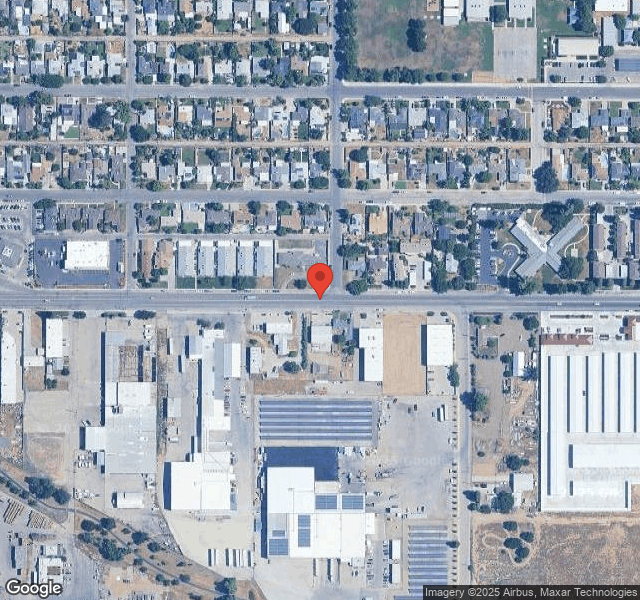
1090 EAST DINUBA AVENUE, REEDLEY, CA 93654 (559) 638-3577
For profit - Limited Liability company 56 Beds BAYSHIRE SENIOR COMMUNITIES Data: November 2025
Trust Grade
55/100
#712 of 1155 in CA
Last Inspection: February 2025

Within standard 12-15 month inspection cycle. Federal law requires annual inspections.

Overview

Vineyard Care Center in Reedley, California, has a Trust Grade of C, indicating that it is average and in the middle of the pack among nursing homes. It ranks #712 out of 1155 facilities in California, which places it in the bottom half, and #19 out of 30 in Fresno County, meaning there are only a few local options that are better. The facility is currently worsening, with issues increasing from 2 in 2024 to 13 in 2025. Staffing is average with a 3 out of 5 rating and a 41% turnover rate, which is similar to the state average. Fortunately, they have not incurred any fines, indicating no major compliance issues. However, there are some serious concerns; for instance, a resident experienced significant weight loss without timely intervention from the dietitian, leading to further health complications. Additionally, the environment has been noted as unsanitary, with housekeeping areas showing signs of neglect, which could pose health risks. Residents have also reported issues with food quality, including temperature and variety, which could affect their nutritional intake. Overall, while there are strengths in staffing stability and no fines, the facility has significant areas that need improvement.

Trust Score
C
55/100
In California
#712/1155
Bottom 39%
Safety Record
Moderate
Needs review
Inspections
Getting Worse
2 → 13 violations
Staff Stability
○ Average
41% turnover. Near California's 48% average. Typical for the industry.
Penalties
✓ Good
No fines on record. Clean compliance history, better than most California facilities.
Skilled Nurses
⚠ Watch
Each resident gets only 21 minutes of Registered Nurse (RN) attention daily — below average for California. Fewer RN minutes means fewer trained eyes watching for problems.
Violations
⚠ Watch
42 deficiencies on record. Higher than average. Multiple issues found across inspections.
★★★☆☆
3.0
Overall Rating
★★★☆☆
3.0
Staff Levels
★★★★☆
4.0
Care Quality
★★★☆☆
3.0
Inspection Score
Stable
2024: 2 issues
2025: 13 issues

The Good

  • 4-Star Quality Measures · Strong clinical quality outcomes
  • Full Sprinkler Coverage · Fire safety systems throughout facility
  • No fines on record
  • Staff turnover below average (41%)

    7 points below California average of 48%

Facility shows strength in quality measures, fire safety.

The Bad

3-Star Overall Rating

Near California average (3.1)

Meets federal standards, typical of most facilities

Staff Turnover: 41%

Near California avg (46%)

Typical for the industry

Chain: BAYSHIRE SENIOR COMMUNITIES

Part of a multi-facility chain

Ask about local staffing decisions and management

The Ugly 42 deficiencies on record

1 actual harm
Feb 2025 13 deficiencies
CONCERN (D)

Potential for Harm - no one hurt, but risky conditions existed

Report Alleged Abuse (Tag F0609)

Could have caused harm · This affected 1 resident

**NOTE- TERMS IN BRACKETS HAVE BEEN EDITED TO PROTECT CONFIDENTIALITY** Based on interview and record review, the facility failed to report an unwitnessed fall with injury to the California Department...

Read full inspector narrative →
**NOTE- TERMS IN BRACKETS HAVE BEEN EDITED TO PROTECT CONFIDENTIALITY** Based on interview and record review, the facility failed to report an unwitnessed fall with injury to the California Department of Public Health within the required time frame for one of three sampled residents (Resident 13) when Resident 13 fell from her wheelchair on 1/8/25, hit her head and was unconscious which led Resident 13 being transferred to the General Acute Care Hospital for further evaluation. This failure resulted in Resident 13's fall not investigated timely within the required time frame and had the potential to result in Resident 13's safety needs not met. Findings: During an observation on 2/18/25 at 10:30 a.m. in Resident 13's room, Resident 13 was observed dressed asleep in bed, fall mat observed on left side. During a review of Resident 13's admission Record (AR - a summary of information regarding a patient which includes patient identification, past medical history, insurance status, care providers, family contact information and other pertinent information), dated 2/24/25, the AR indicated Resident 1 was admitted to the facility from the acute care hospital on [DATE] with diagnoses of cerebral infarction (damage to tissues in the brain due to a loss of oxygen to the area), Alzheimer's disease (a brain disorder that slowly destroys memory and thinking skills, and eventually, the ability to carry out the simplest tasks), schizophrenia (a disorder that affects a person's ability to think, feel, and behave clearly), major depressive disorder (a mental health disorder characterized by persistently depressed mood or loss of interest in activities), and history of falling. During a review of Resident 13's Minimum Data Set (MDS - a resident assessment tool used to identify cognitive [mental processes] and physical functional level assessment), dated 12/9/24, the MDS section C indicated Resident 13 had a Brief Interview for Mental Status (BIMS - a test given by medical professionals to determine cognitive (involving the process of thinking, learning and understanding) understanding on a scale of 1-15 ) score of 99 which indicated Resident 13 was unable to complete the interview. During an interview and record review on 2/21/25 at 3:24 p.m. with the Infection Preventionist (IP), Resident 13's Progress Note, dated 1/9/25 was reviewed. The Progress Note indicated, . Interdisciplinary Team (IDT) review of : Witnessed fall . LN (Licensed Nurse) witnessed resident lean forward and fall out of her wheelchair (w/c) in front of nurse's station and hit her head . per the LN the resident was unresponsive and not able to respond to her Name or pain . Emergency Medical Service (EMS) was called . Director of Nursing (DON) notified by phone . The IP stated if a resident fell, and needed to be sent to the hospital, the nurse would have completed an investigation packet and would have filled out forms for notifications to Responsible Party (RP), physician, DON and Administrator (ADM). The IP stated there was not a form in the packet to notify the State or Authorities. The DON and ADM would have determined if the fall needed to be reported to the State office. During a concurrent interview and record review on 2/21/25 at 5:05 p.m. with the DON, Resident 13's SBAR (situation, background, assessment, recommendation-a communication tool used by healthcare workers when there is a change of condition among the residents) dated 1/8/25 was reviewed. The SBAR indicated Resident 13 had a post fall assessment with abnormal neuro (relating to the nervous system) checks and unable to answer questions. The DON stated the facility would have reported incidences to the State Office if a resident fell with a major injury, or closed head injuries with altered consciousness. The DON stated Resident 13 had a loss of consciousness which was a reportable incident. During an interview on 2/24/25 at 9:50 a.m. with Licensed Vocational Nurse (LVN) 1, LVN 1 stated she was washing her hands with her back to the resident, when she heard a loud noise. LVN 1 stated Resident 13 was observed on the floor, lying on her right side. LVN 1 stated Resident 13 had hit her head and was unconscious. LVN 1 stated she performed a sternal rub (a method of applying pain by rubbing the center of the chest with the knuckles of closed fist to determine if a person is unresponsive), to Resident 13 and Resident 13 was non-responsive. LVN 1 stated she called EMS and continued performing sternal rub on Resident 13. LVN 1 stated Resident 13 opened her eyes when EMS arrived. LVN 1 stated she faxed the transfer notice to the ombudsman. LVN 1 stated Resident 13's fall happened after breakfast in the morning, and the DON and ADM were present. During an interview on 2/24/25 at 10:31 a.m. with the ADM, the ADM stated after Resident 13's fall was brought to her attention, she reviewed Resident 13's fall incident and submitted a late report to the State office, as the report was not submitted at the time of Resident 13's fall. During a review of the facility policy and procedure (P&P) titled, Unusual Occurrence Reporting, dated 12/2007, indicated, . as required by federal or state regulations, our facility reports unusual occurrences or other reportable events which affect the health, safety, or welfare of our residents, employees or visitors . our facility will report the following events to appropriate agencies: . falls with major injury (e.g., .closed head injuries with altered consciousness . ) . unusual occurrences shall be reported via telephone to appropriate agencies as required by current law and/or regulations within twenty-four (24) hours of such incident or as otherwise required by federal and state regulations . a written report detailing the incident and actions taken by the facility after the event shall be sent or delivered to the state agency . within forty-eight (48) hours of reporting the event .
CONCERN (D)

Potential for Harm - no one hurt, but risky conditions existed

Comprehensive Care Plan (Tag F0656)

Could have caused harm · This affected 1 resident

Based on observation, interview, and record review, the facility failed to develop and implement a comprehensive person-centered care plan for one of 10 sampled residents (Resident 25) when Resident 2...

Read full inspector narrative →
Based on observation, interview, and record review, the facility failed to develop and implement a comprehensive person-centered care plan for one of 10 sampled residents (Resident 25) when Resident 25 did not have a care plan for behavior monitoring while receiving an anti-psychotic (a medication used to treat a collection of symptoms that affect your ability to tell what's real and what is not ) medication. This failure had the potential to result in Resident 25's prescribed anti-psychotic medication not having measurable objectives in place to meet Resident 25's mental and psychosocial needs. Findings: During a concurrent observation and interview on 2/18/25 at 10:47 a.m. with Resident 25 in Resident 25's room, Resident 25 was observed dressed, laying in bed, listening to music on her phone. Resident 25 stated she was doing good, then stated she did not want to answer questions. Resident 25 stated she did not know how long she had been at the facility, and she was unable to walk. During a review of Resident 25's admission Record (AR - a summary of information regarding a patient which includes patient identification, past medical history, insurance status, care providers, family contact information and other pertinent information), the AR indicated Resident 25 was admitted to the facility from the acute care hospital on 9/14/22 with diagnoses of Parkinson's disease (a progressive disease of the nervous system marked by tremor, muscular rigidity, and slow, imprecise movements), respiratory failure (a serious condition that occurs when the lungs cannot get enough oxygen into the blood or remove enough carbon dioxide [a waste gas] from the blood), heart failure (a condition when the heart muscle doesn't pump enough blood to meet the body's needs which can cause fatigue and shortness of breath), schizoaffective disorder (a mental illness that can affect thoughts, mood, and behavior), dementia (loss of memory, language, problem-solving and other thinking abilities that are severe enough to interfere with daily life), and major depressive disorder (a mental health disorder characterized by persistently depressed mood or loss of interest in activities). During a review of Resident 25's Minimum Data Set (MDS - a resident assessment tool used to identify cognitive [mental processes] and physical functional level assessment), dated 12/19/24, the MDS section C indicated Resident 25 had a Brief Interview for Mental Status (BIMS - a test given by medical professionals to determine cognitive (involving the process of thinking, learning and understanding) understanding on a scale of 1-15 ) score of 12 (a score of 0-7 suggests severe cognitive impairment, 8-12 suggests moderately impaired, 13-15 suggests cognitively intact), which suggested Resident 25 was moderately impaired. During an interview on 2/20/25 at 3:12 p.m. with Certified Nursing Assistant (CNA) 1, CNA 1 stated CNAs would have documented if a resident had behaviors and would have informed the Charge Nurse. CNA 1 stated there was a behavior monitoring questionnaire for different types of behaviors, such as excessive picking at wounds or aggressive behavior that the CNAs completed when the resident had behaviors. During a concurrent interview and record review on 2/24/25 at 9:54 a.m. with Licensed Vocational Nurse (LVN) 1, Resident 25's Care Plan, undated was reviewed. Resident 25's care plan did not have a behavior monitoring. LVN 1 stated there should have been a care plan for behavior monitoring for anti-psychotic medication for Resident 25. LVN 1 stated a care plan for behavior monitoring wound have ensured Resident 25 received the best care and minimal side effects from the use of the anti-psychotic medication. LVN 1 stated staff would have monitored Resident 25 to verify if the anti-psychotic medication was working for Resident 25 or if it was not working. During an interview on 2/24/25 at 2:30 p.m. with the Pharmacy Consultant (PC), the PC stated her expectations were to have resident behaviors monitored if the resident was taking an anti-psychotic or psychotropic (a drug or other substance that affects how the brain works and causes changes in mood, awareness, thoughts, feelings, or behavior) medication. The PC stated monitoring resident behaviors helped her to know if the medication was working. The PC stated monitoring resident behaviors was proof the psychiatrist looked at for a reason to increase the medication, or if no behavior maybe a lower dose would be required. The PC stated she reviewed resident monitoring in the facility's electronic chart in the behavior section, not in the Medication Administration Record (MAR). The PC stated the residents should have had a care plan for behavior monitoring if on an antipsychotic or psychotropic medication. During an interview on 2/24/25 at 4:47 p.m. with the Administrator (ADM), the ADM stated every resident should have an individualized care plan. The ADM stated individualized care plans were important since every resident was different and required different care. The ADM stated the individualized care plan indicated what care was needed for each resident. During a review of the facility's policy and procedure (P&P) titled, Person Centered Care Planning, dated 9/27/24, indicated, . the care planning process will include an assessment of the resident's strengths and needs . During a review of the facility's P&P titled, Behavior Management, undated, indicated, . to assure that each resident receives an appropriate assessment of their behavioral symptoms with appropriate interventions prior to starting psychotherapeutic medications as well as after starting psychotherapeutic medications . the attending physician is to assess and document the behavior or manifestation of disorder thought process that is to be treated with the medication . the resident's care plan is to be updated with the behavior . being treated . as well as data to be collected in order to determine effectiveness of the medication . During a review of the facility's P&P titled, Jericho Care Group, dated 9/27/24, indicated, . residents are not given psychotropic drugs unless the medication is necessary to treat a specific condition . demonstrated by monitoring and documentation of the resident's response to the medication(s) . the effects of the psychotropic medications on a resident's physical, mental, and psychosocial well-being will be evaluated on an ongoing basis in accordance with nurse assessments and medication monitoring .
CONCERN (D)

Potential for Harm - no one hurt, but risky conditions existed

Deficiency F0658 (Tag F0658)

Could have caused harm · This affected 1 resident

Based on observation, interview, and record review, the facility failed to ensure services provided met professional standards of quality for one of eight sampled residents (Resident 3) when Resident ...

Read full inspector narrative →
Based on observation, interview, and record review, the facility failed to ensure services provided met professional standards of quality for one of eight sampled residents (Resident 3) when Resident 3 was receiving oxygen at 2.5 Liters Per Minute (L/min - a unit of measurement for oxygen flow rate) instead of the physician prescribed 3 L/min. This failure placed Resident 3's respiratory needs to go unmet and increased her risk to experience episodes of shortness of breath, fatigue and respiratory distress. Findings: During a concurrent observation and interview on 2/18/25 at 10:13 a.m. with Resident 3 in Resident 3's room, Resident 3's oxygen was at 2.5 L/min. Resident 3 stated she had been at the facility for two to three years. During a review of Resident 3's admission Record (AR - a summary of information regarding a patient which includes patient identification, past medical history, insurance status, care providers, family contact information and other pertinent information), dated 2/24/25, the AR indicated Resident 3 was admitted to the facility from the acute care hospital on 5/25/22 with diagnoses of Congestive heart failure (CHF-a heart disorder which causes the heart to not pump the blood efficiently, sometimes resulting in leg swelling), Type 2 Diabetes Mellitus (when the blood sugar levels in the body are too high), morbid obesity (a serious health condition that results from an abnormally high body mass) due to excess calories, shortness of breath (SOB), end stage renal disease (ESRD - a condition where the kidneys can no longer function on their own and dialysis [a process of removing excess water, and waste products from the blood] or kidney transplant is required to survive), chronic gout (repeated episodes of pain and inflammation of a joint caused by the buildup of uric acid [a waste product in the body]), anxiety disorder (a mental health disorder characterized by feelings of worry, anxiety, or fear that are strong enough to interfere with one's daily activities), and depression (feeling of sadness and loss of interest). During a review of Resident 3's Minimum Data Set (MDS - a resident assessment tool used to identify cognitive [mental processes] and physical functional level assessment), dated 12/30/24, the MDS section C indicated Resident 3 had a Brief Interview for Mental Status (BIMS - a test given by medical professionals to determine cognitive (involving the process of thinking, learning and understanding) understanding on a scale of 1-15 ) score of 14 (a score of 0-7 suggests severe cognitive impairment, 8-12 suggests moderately impaired, 13-15 suggests cognitively intact), which indicated Resident 3 was cognitively intact. During a concurrent observation, interview and record review on 2/20/25 at 5:48 p.m. with Licensed Vocational Nurse (LVN) 1 in resident 3's room, LVN 1 stated Resident 3's oxygen was at 2.5 L/min. LVN 1 reviewed Resident 3's Order Summary Report, dated 2/24/25 which indicated, . Oxygen Therapy Continuous - 3 Liters/Per Minute Via Nasal Cannula. Every shift for (SOB related: ESRD) . order date . 7/26/23 . LVN 1 stated Resident 3's oxygen rate should have been set to 3L/min. LVN 1 stated Resident 3 could experience shortness of breath and not get enough oxygen. LVN 1 stated Resident 3 could die from being deprived of oxygen. LVN 1 stated every LVN was responsible for checking resident's oxygen rate settings. LVN 1 stated it was important to follow physician orders to prevent errors that could lead to resident complications and make residents' conditions worse. During an interview on 2/21/25 at 10:11 a.m. with the Director of Nursing (DON), the DON stated the Licensed Nurses should have followed the physician's order for setting the resident's oxygen rate. The DON stated it was important to set the oxygen at the correct liter flow rate to ensure the resident was getting the proper dose of oxygen. The DON stated if the resident's oxygen was not at the correct rate, the resident could have had a low saturation reading of oxygen in the blood (de-sat) or had a change in condition. The DON stated the resident could have had respiratory issues and potentially had a change in their level of conscious (awareness of one's surroundings). The DON stated the Licensed Nurses were responsible for residents' oxygen to be at the correct setting. The DON stated the resident's oxygen setting should have been checked at least once per shift and as needed. During a review of the facility policy and procedure (P&P) titled, Oxygen Administration, dated 10/2010, indicated, .The purpose of this procedure is to provide guidelines for safe oxygen administration . verify that there is a physician's order for this procedure. Review the physician's orders . start the flow of oxygen . adjust the oxygen delivery device so it is comfortable for the resident and the proper flow of oxygen is being administered .
CONCERN (D)

Potential for Harm - no one hurt, but risky conditions existed

Deficiency F0660 (Tag F0660)

Could have caused harm · This affected 1 resident

**NOTE- TERMS IN BRACKETS HAVE BEEN EDITED TO PROTECT CONFIDENTIALITY** Based on interview and record review, the facility failed to implement an effective discharge planning process for one of four s...

Read full inspector narrative →
**NOTE- TERMS IN BRACKETS HAVE BEEN EDITED TO PROTECT CONFIDENTIALITY** Based on interview and record review, the facility failed to implement an effective discharge planning process for one of four sample residents (Resident 60) when Representative (RP) 2 was not involved and notified of Resident 60 ' s discharge from the facility on 12/22/24. This failure resulted in Resident 60 being discharged without RP 2 ' s knowledge or consent and placed Resident 2 ' s safety at risk. Findings: During a review of Resident 60's admission Record (AR), dated 2/24/25, the AR indicated, Resident 60 was admitted to the facility on [DATE] with diagnoses which included stable burst fracture (an injury in which the vertebra, the primary bone of the spine, breaks in multiple directions) of the lumbar (the lower part of the back) vertebra, fracture with routine healing, and unspecified dementia (the loss of the ability to think, remember, and reason to levels that affect daily life and activities). During a review of Resident 60's Progress Note dated 12/20/24, the Progress Note indicated, .past medical history of .dementia . The Progress Note indicated, Family unable to take care of patient and wanting placement .patient becomes agitated and uncooperative at times .patient was discharged to .nursing facility for further rehab (rehabilitation-the the process of returning to a healthy or good way of life) management on 12/19/24 . During a review of Resident 60's Minimum Data Set (MDS-a federally mandated resident assessment tool), dated 12/22/24, the MDS section C indicated, Resident 60 had a Brief Interview for Mental Status (BIMS-an assessment tool used by facilities to screen and identify memory, orientation, and judgement status of the resident) score of 5 (a score of 0 - 7 indicated severe impairment, 8 - 12 indicated moderate impairment, and 13 - 15 indicated minimal to no impairment). During a review of Resident 60's Against Medical Advice (AMA- a decision made by the patient to leave the healthcare facility before the treating physician recommends discharge) form dated 12/22/24, the AMA form indicated, Other Family (OF) 1 signed as the representative. Resident 60's admission record dated 2/24/25 was reviewed. The admission record indicated RP 2 was Resident 60's designated representative. During a telephone interview with RP 2 with the assistance of a Spanish interpreter on 2/24/25 at 9:18 a.m., RP 2 stated, They took her out of there without my consent .they didn't let me know. RP 2 indicated Resident 60 left with OF 1 and no one from the facility contacted her. During a concurrent interview and record review on 2/24/25 at 9:36 a.m. with the Social Services Director (SSD), Resident 60's AR dated 2/24/25 was reviewed. The AR indicated, RP 2 was Resident 60's designated representative. The SSD stated, .daughter is the representative, RP 2. Resident 60's Progress Note dated 12/22/24 was reviewed. The Progress Note indicated, .resident's family signed AMA . OF 1 .signed the paperwork . The SSD stated, It is not documented anywhere that I spoke with the representative. The SSD stated, It should have been documented. The SSD stated, It is important to call the representative because they are responsible for the resident. During a concurrent interview and record review on 2/24/25 at 10:28 a.m. with the Director of Nursing (DON), Resident 60's AR dated 2/24/25 was reviewed. The AR indicated, RP 2 was Resident 60's designated representative. The DON stated, RP 2 is listed as the representative. Resident 60's Progress Note dated 12/22/24 was reviewed. The Progress Note indicated, .[Resident 60's family] signed AMA .OF 1 .signed the paperwork . The DON stated, This documentation is not sufficient. The DON stated, It should say the representative was made aware. The DON stated, If a resident wants to go AMA and another person comes to sign out the resident, you still have to go through the representative. During a review of the facility's policy and procedure (P&P) titled, Discharging a Resident without a Physician's Approval, dated October 2012, the P&P indicated, If the resident .insists upon being discharged without the approval of the attending physician, the resident and/or representative (sponsor) must sign a release of responsibility form .
CONCERN (D)

Potential for Harm - no one hurt, but risky conditions existed

Quality of Care (Tag F0684)

Could have caused harm · This affected 1 resident

**NOTE- TERMS IN BRACKETS HAVE BEEN EDITED TO PROTECT CONFIDENTIALITY** Based on observation, interview, and record review, the facility failed to ensure residents received treatment and care in accor...

Read full inspector narrative →
**NOTE- TERMS IN BRACKETS HAVE BEEN EDITED TO PROTECT CONFIDENTIALITY** Based on observation, interview, and record review, the facility failed to ensure residents received treatment and care in accordance with professional standards of practice and the comprehensive person-centered care plan for one of three sampled residents (Resident 21) when Resident 21 had an order of prn (as needed) oxygen and received oxygen continuously due to episodes of increasing shortness of breath and Licensed Nurses (LNs) did not notify his Attending Physician (AP) of the change of condition. This failure placed Resident 21's respiratory needs to go unmet and increased his risk to experience frequent episodes of shortness of breath. Findings: During an observation and interview on 2/18/25, at 11:12 a.m. in Resident 21's room, Resident 21 was using oxygen via nasal cannula (N/C- a medical device that provides supplemental oxygen therapy to people who have lower oxygen levels). Resident 21 stated he was using the oxygen continuously and was short of breath without it. During an interview on 2/20/25 at 3:23 p.m. with License Vocational Nurse (LVN) 1, LVN 1 stated Resident 21 was using oxygen continuously for more than one month. LVN 1 stated she should have notified Resident 21's AP of the continuous use of oxygen. LVN 1 stated, continuous use of oxygen was considered a change in condition. LVN 1 stated, Resident's 21 care plan should have been updated to reflect the new baseline (starting point used for comparisons). LVN 1 stated the care plan and physician order should have been updated to state Resident 21 was using the oxygen continuously. During an interview on 2/21/25 at 10:12 a.m. with the Director of Nursing (DON), the DON stated Licensed Nurses should have notified the AP when Resident 21 was using oxygen continuously for more than three days. The DON stated the License Nurse should have contacted the AP to get an order for continuous oxygen for Resident 21. The DON stated it was a change in condition when Resident 21 required the use of oxygen continuously and not as needed. The DON stated the care plan should have been updated to reflect the continuous use of oxygen. The DON stated the Licensed Nurses were responsible to notify the AP regarding the change in condition. The DON stated the oxygen order should have been changed to give Resident 21 proper care. During a review of Resident 21's admission Record (AR - a summary of information regarding a patient which includes patient identification, past medical history, insurance status, care providers, family contact information and other pertinent information), dated 2/21/25, the AR indicated Resident 21 was admitted on [DATE], with diagnoses of shortness of breath (difficulty breathing), acute respiratory failure with hypoxia (a medical condition where the lungs are unable to adequately exchange oxygen, leading to a dangerously low level of oxygen in the blood (hypoxia), heart failure (a serious condition that occurs when the heart can't pump enough blood and oxygen to the body)), hypertension (high blood pressure), obstructive sleep apnea (a sleep disorder characterized by recurrent episodes of complete or partial blockage of the upper airway during sleep, leading to reduced or absent breathing) and muscle weakness. During a review of Resident 21's Minimum Data Set (MDS - a resident assessment tool used to identify cognitive [mental processes] and physical functional level assessment), dated 11/25/24 the MDS section C indicated Resident 21 had a Brief Interview for Mental Status (BIMS - a test given by medical professionals to determine cognitive understanding on a scale of 1-15 ) score of 14 (a score of 0-7 suggests severe cognitive impairment, 8-12 suggests moderately impaired, 13-15 suggests cognitively intact), which indicated Resident 21 was cognition intact. During a review of the facility's policy and procedure (P&P), titled, Change in a Resident's Condition or Status, dated revised 11/15, the P&P indicated, Our facility shall promptly notify the resident, his or her Attending Physician .The Nurse Supervisor/Charge Nurse will notify the resident's Attending Physician or On-Call Physician when there has been: e. A need to alter the resident's medical treatment significantly .A Significant change of condition is a decline or improvement in the resident's status that. revision to the care plan .
CONCERN (D)

Potential for Harm - no one hurt, but risky conditions existed

Deficiency F0697 (Tag F0697)

Could have caused harm · This affected 1 resident

Based on observation, interview, and record review, the facility failed to ensure effective pain management was provided consistent with professional standards of practice and comprehensive person-cen...

Read full inspector narrative →
Based on observation, interview, and record review, the facility failed to ensure effective pain management was provided consistent with professional standards of practice and comprehensive person-centered care plan for one of 10 sampled residents (Resident 3) when Licensed Nurses did not address Resident 3's frequent complaints of pain to her right knee. This failure resulted in Resident 3's frequent complaints of pain going unrelieved and limited her ability to participate in physical therapy on multiple occasions meant to support her physical well-being. Findings: During a concurrent observation and interview on 2/18/25 at 10:13 a.m. with Resident 3 in Resident 3's room, Resident 3 was observed laying in bed watching the television (TV) wearing a gown over her shirt and wearing oxygen tubing via nasal cannula (a small plastic tube, which fits into the person's nostrils for providing supplemental oxygen). Resident 3 stated she had been at the facility for two to three years because she could not walk. Resident 3 stated she had been having knee pain for four days. Observed a surgical scar over Resident 3's right knee. Resident 3 stated she took a pain medication that helped with her knee pain. During a review of Resident 3's admission Record (AR - a summary of information regarding a patient which includes patient identification, past medical history, insurance status, care providers, family contact information and other pertinent information), dated 2/24/25, the AR indicated Resident 3 was admitted to the facility from the acute care hospital on 5/25/22 with diagnoses of Congestive heart failure (CHF-a heart disorder which causes the heart to not pump the blood efficiently, sometimes resulting in leg swelling), Type 2 Diabetes Mellitus (when the blood sugar levels in the body are too high), morbid obesity (a serious health condition that results from an abnormally high body mass) due to excess calories, shortness of breath (SOB), end stage renal disease (ESRD - a condition where the kidneys can no longer function on their own and dialysis [a process of removing excess water, and waste products from the blood] or kidney transplant is required to survive), chronic gout (repeated episodes of pain and inflammation of a joint caused by the buildup of uric acid [a waste product in the body]), anxiety disorder (a mental health disorder characterized by feelings of worry, anxiety, or fear that are strong enough to interfere with one's daily activities), and depression (feeling of sadness and loss of interest). During a review of Resident 3's Minimum Data Set (MDS - a resident assessment tool used to identify cognitive [mental processes] and physical functional level assessment), dated 12/30/24, the MDS section C indicated Resident 3 had a Brief Interview for Mental Status (BIMS - a test given by medical professionals to determine cognitive (involving the process of thinking, learning and understanding) understanding on a scale of 1-15 ) score of 14 (a score of 0-7 suggests severe cognitive impairment, 8-12 suggests moderately impaired, 13-15 suggests cognitively intact), which indicated Resident 3 was cognitively intact. During a review of Resident 3's Care Plan, Undated, the Care Plan indicated, . Goal . will maintain and/or improve the current functional status through next review . date initiated: 9/8/24 . interventions . report if resident declines to participate in program to Interdisciplinary Team (IDT) as applicable . date initiated: 09/08/24 . notify nurse and/or physician of complications - pain, discomfort, significant change in range of motion, ambulation . Focus . [Resident 3] has pain to her right knee . date initiated 02/13/25 . Goal . no worsening through review date . Interventions/Tasks . monitor for changes and report to MD . monitor and report changes in Range Of Motion (ROM) ability . therapy to eval (evaluate) . x-ray . During a concurrent observation and interview on 2/20/25 at 12:45 p.m. with Resident 3 in Resident 3's room, Resident 3 was observed lying in bed dressed in a gown over her shirt. Resident 3 stated she still had right knee pain. Resident 3 stated she was not getting physical therapy due to her pain. During an interview on 2/20/25 at 3:31 p.m. with CNA 1, CNA 1 stated if a resident complained of pain, the CNAs should have informed the Charge Nurse. CNA 1 stated Resident 3 had not been getting physical therapy (PT) due to right knee pain. CNA 1 stated she was not sure what was happening with Resident 3's therapy. During a concurrent interview and record review on 2/20/25 at 5:48 p.m. with Licensed Vocational Nurse (LVN) 1, Resident 3's Progress Notes, dated 2/13/25 and 2/14/25 were reviewed. The Progress Notes indicated, . 09:51 . resident complained of (c/o) right knee pain 3/10 . resident medicated [brand name] prn with effective outcome . resident requesting x ray . received new orders for x ray to right knee and therapy to eval . author: (LVN 2) 16:17 . LATE ENTRY . Resident refuses Restorative Nursing Assistant (RNA) due to pain in left knee . author: (LVN 2) . Resident 3's Progress Note, dated 2/14/25 was reviewed. The Progress Note indicated, right knee x ray results reviewed . no acute concerns . continue to monitor . LVN 1 stated pain medication [brand name] had been helping Resident 3's pain. LVN 1 stated if Resident 3 was not getting therapy due to pain, the Restorative Nursing Assistant (RNA) should have informed the LVN she was refusing therapy. LVN 1 stated she had not been notified Resident 3 had been refusing therapy. During an interview on 2/21/25 at 10:45 a.m. with the RNA, the RNA stated Resident 3 had been refusing therapy last week and yesterday. The RNA stated Resident 3 would get therapy three times a week on her non-dialysis days. The RNA stated Resident 3 was refusing therapy by pointing to her knee and saying no. The RNA stated Resident 3 had refused two times since last week. The RNA stated he had already reported Resident 3's refusal for therapy to the Licensed Nurse. The RNA stated he was not aware of a new therapy evaluation request. During an interview on 2/21/25 at 4:41 p.m. with the Infection Preventionist Nurse (IP), the IP stated the Licensed Nurse should have been notified of a resident refusing therapy due to pain every time the resident refused. The IP stated the physician should have been notified after the third refusal of therapy due to pain, or if there were consecutive refusals due to pain. The IP stated if a resident was having increased pain, it would be considered a change of condition, and a change of condition should have been done. During an interview on 2/21/25 at 5:05 p.m. with the Director of Nursing (DON), the DON stated if a resident was refusing therapy due to pain, the Licensed Nurse should have notified the physician to get an order to pre-medicate the resident prior to therapy. The DON stated the Licensed Nurse should have given the resident pain medication prior to therapy to prevent refusal of therapy. The DON stated if a resident was refusing therapy due to pain, the Licensed Nurse should have notified the physician right away and not have waited for further refusals. During an interview on 2/24/25 at 4:47 p.m. with the Administrator (ADM), the ADM stated resident change of conditions were important for updating resident status. The ADM stated everything needed to be captured. The ADM stated it was hard to say what could have happened if a resident's status was not updated. The ADM stated resident care plans needed to be revised and individualized, if the care plan was not updated it was not considered individualized care for the resident. The ADM stated Individualized care plans were important because every resident was different, with different things going on. The ADM stated the care plan indicated the care for each resident and each resident needed to have a care plan that reflected their individualized care. During a revie of the facility's policy and procedure (P&P) titled, Pain Assessment and Management, dated 10/2015, indicated, . the purposes of this procedure are to promote residents' quality of life, to help the staff identify pain in the resident, and to develop interventions that are consistent with the resident's goals and needs and that address the underlying causes of pain . pain management is a multidisciplinary care process that includes . assessing the potential for pain . effectively recognizing the presence of pain . developing and implementing approaches to pain management . assess or observe the resident's pain and consequences of pain at each shift to identify or ascertain acute pain or significant changes in levels of chronic pain . observe the resident for . signs of pain . resisting care . review the medication record . review the resident's treatment record . identify any situations or interventions where an increase in the resident's pain may be anticipated, for example . ambulation or physical therapy . During a review of the facility P&P titled, Restorative Nursing Documentation, dated 9/2/2022, indicated, . treatment provided as part of a restorative nursing program will be documented on a daily basis by the restorative aide . if the treatment is refused or withheld, a narrative note will be written explaining why . the licensed nurse will document an evaluation . the resident's plan of care will be updated at routine intervals and as indicated . During a review of the facility's job description document titled, Restorative Nursing Assistant, dated 11/1/2022, indicated, . honor the resident's refusal of treatment request. Report such requests to your supervisor .
CONCERN (D)

Potential for Harm - no one hurt, but risky conditions existed

Deficiency F0805 (Tag F0805)

Could have caused harm · This affected 1 resident

**NOTE- TERMS IN BRACKETS HAVE BEEN EDITED TO PROTECT CONFIDENTIALITY** Based on observation, interview, and record review, the facility failed to provide food prepared in a form designated to meet in...

Read full inspector narrative →
**NOTE- TERMS IN BRACKETS HAVE BEEN EDITED TO PROTECT CONFIDENTIALITY** Based on observation, interview, and record review, the facility failed to provide food prepared in a form designated to meet individual needs for one of 10 sampled residents (Resident 311) on a mechanical soft (chopped, ground and pureed food designed for people who have trouble chewing and swallowing) diet was served with a regular diet. This failure placed residents with difficulty chewing or swallowing and, on a physician prescribed mechanical soft diet at risk of choking. Findings: During an observation on 2/18/25 at 11:50 a.m. with Resident 311 in the dining room, Resident 311 was served a plate with chunks of cooked meat in an orange gravy, yellow tinted rice with flecks of green leaves, a whole flour tortilla and a side dish of fresh tomato cut into small pieces. Resident 311 was alert, sitting in a wheelchair with a cloth drape to protect her clothing. Resident 311 had eaten less than 10% of her food. The lunch meal ticket, dated 2/18/25, indicated, Resident 311 was on a mechanical soft diet. During a review of Resident 311's admission Record (AR), dated 2/21/25, the AR indicated, Resident 311 was admitted to the facility on [DATE] for hospice (care focused on comfort and quality of life for a person approaching the end of life) care with diagnoses: Alzheimer's (brain disorder causing memory loss and thinking problems) Disease, depression (a serious medical illness where the feelings of sadness does not go away and affect everyday life), anxiety (feelings of worry, tension and stress), and Type 2 Diabetes Mellitus (a condition that happens when your blood sugar is too high). During a review of Resident 311's Minimum Data Set (MDS-a federally mandated resident assessment tool), dated 2/21/25, the MDS section C indicated, Resident 311 had a Brief Interview for Mental Status (BIMS-an assessment tool used by facilities to screen and identify memory, orientation, and judgement status of the resident) score of 3, which indicated Resident 311 was severely cognitively impaired (someone with significant difficulty with thinking, remembering and reasoning abilities). During an interview on 2/21/25 at 10:36 a.m. with the Activities Assistant (AA) in the hallway next to the kitchen, the AA stated she worked as a Certified Nurse Assistant (CNA) for 6 years and recently changed positions to the AA. The AA stated as a CNA, she would compare the resident's meal ticket to what was plated to ensure the meal matched the diet order before delivering the meal to the resident. The AA stated if the CNA noted a resident on a mechanical soft order was served a regular diet, they would alert the Licensed Nurse and return the tray to the kitchen for correction. During a concurrent interview and record review on 2/21/25 at 12:14 p.m. in the dining room with the Dietary [NAME] (DC) 3, the 2/18/25 lunch photo for Resident 311 was reviewed. The lunch photo indicated, Resident 311's meal ticket noted mechanical soft diet was prescribed and a plate with chunks of cooked meat in an orange gravy, yellow tinted rice with flecks of green leaves, a whole flour tortilla and a side dish of fresh tomato cut into small pieces. DC 3 stated the food on the plate was a regular diet meal and she did not know why the resident was not served a mechanical soft meal. DC 3 stated mechanical soft protein would be prepared with a food processor to chop the meat. DC 3 stated mechanical diet texture were for residents with swallowing issues. DC 3 stated there would be an increased risk of choking for residents on mechanical soft diet who were served regular diet texture foods. During a concurrent interview and record review on 2/21/25 at 12:20 p.m. in the dining room with Dietary Aide (DA) 2, the 2/18/25 lunch photo for Resident 311 was reviewed. The lunch photo indicated Resident 311's meal ticket was noted mechanical soft diet as prescribed and a plate with chunks of cooked meat in an orange gravy, yellow tinted rice with flecks of green leaves, a whole flour tortilla and a side dish of fresh tomato cut into small pieces. The DA 2 stated the plate in the photo had a regular diet texture as regular meat would be in one-piece and mechanical soft would be blended/crumbled. DA 2 stated the resident would be at risk of choking if served the wrong textured food. During a concurrent interview and record review on 2/21/25 at 12:29 p.m. with the Director of Culinary Services (DCS) in the dining room, the 2/18/25 lunch photo for Resident 311 was reviewed. The lunch photo indicated, Resident 311's meal ticket was noted mechanical soft diet as prescribed and a plate with chunks of cooked meat in an orange gravy, yellow tinted rice with flecks of green leaves, a whole flour tortilla and a side dish of fresh tomato cut into small pieces. The DCS stated the photo did not reflect ground Chile Verde was served and stated the meal served is pretty close. The DCS stated there would be an increased risk of choking if a resident received a regular diet meal instead of the prescribed mechanical soft diet. During a concurrent interview and record review on 2/21/25 at 3:06 p.m. with the Registered Dietician (RD) in the conference room, the 2/18/25 lunch photo for Resident 311 and the Diet Spreadsheet were reviewed. The lunch photo indicated, Resident 311's meal ticket mechanical soft diet as prescribed and a plate with chunks of cooked meat in an orange gravy, yellow tinted rice with flecks of green leaves, a whole flour tortilla and a side dish of fresh tomato cut into small pieces. The Diet Spreadsheet indicated Ground Pork Chile Verde for mechanical soft lunch. RD stated the lunch photo did not reflect ground Chile Verde, and the resident was not served the correct textured food for lunch. The RD stated there would be a potential risk of choking and/or death to a resident who was served a regular diet textured meal when a mechanical soft diet was ordered. During an interview on 2/21/25 at 3:34 p.m. with the Director of Nurses (DON), the DON stated the Licensed Nurse would check the meal trays and compare the meal ticket to what was plated and once verified, the CNA would be cleared to pass the tray to the resident. The DON stated the risk of a resident not receiving a mechanical diet textured meal could lead to aspiration (sucking food into the airway), choking or death. During a review of Resident 311's Order Summary Report, the Dietary-Diet indicated consistent carbohydrate diet (equal number of fruits, vegetables, grains, dairy products with each meal to avoid high blood sugar)-mechanical soft texture . During a review of the List of Residents on Therapeutic Diets, not dated, indicated Residents 4, 13, 212, 161, 211, 311, 6, 39, 47, 10 were on a mechanical soft diet. During a review of Ground Pork Chile Verde recipe, dated 2024, the recipe indicated, 1. Season pork cubes with salt and pepper .2. [NAME] the cubes .remove from pan and place in the food processor. Grind to the size and texture of fine hamburger . During a review of Job Description Position Title: Dietary Aide, dated 3/19/23, the Position Summary indicated .is responsible for taking food orders, accurately communicating .orders to the kitchen and then delivering or serving the food as ordered . During a review of Job Description Position Title: Cook, dated 11/1/16, the Position Summary indicated the cook is Responsible for preparing meals .in accordance with the menu, approved recipes, standards, and federal, state and local regulations . During a review of Job Description Position Title: Certified Dietary Manager, dated 11/1/16, the Essential Duties indicated the and essential duty is to .implement and maintain departmental policies. Ensure staff is aware of and follows established policies. During a review of Job Description Position Title: Registered Dietician (RD), dated 11/1/16, the Essential Duties indicated the RD will .ensure patient's meal trays are consistent with the prescribed diet . During a review of the facility's policy and procedure (P&P) titled, Food Preparation Guidelines Policy Explanation and Compliance Guidelines, dated 12/19/22, the P&P indicated 4. Food shall be provided in a form (i.e. regular, cut, chopped, ground, pureed) that meets each resident's individual needs in accordance with his or her assessment, Diet Rx and care plan.
CONCERN (D)

Potential for Harm - no one hurt, but risky conditions existed

Infection Control (Tag F0880)

Could have caused harm · This affected 1 resident

Based on observation, interview, and record review, the facility failed to establish and maintain an effective infection prevention and control program for one of eight sampled residents when: 1. Regi...

Read full inspector narrative →
Based on observation, interview, and record review, the facility failed to establish and maintain an effective infection prevention and control program for one of eight sampled residents when: 1. Registered Nurse (RN) 1 did not change her gloves after cleansing a wound, and before applying medication and a clean dressing to Resident 41 during a dressing change. RN 1 did not perform hand hygiene after removing her gown and exiting Resident 41's room after performing the dressing change on Resident 41 who was on Enhanced Barrier Precautions (EBP- an infection control intervention designed to reduce transmission of resistant organisms [bacteria that have become resistant to certain antibiotics] that requires gown and glove use during high contact resident care activities). 2. Licensed Vocational Nurse (LVN) 1 did not perform hand hygiene before entering and exiting resident's rooms and in-between residents during the administration of medications to residents in one of three facility wings (wing C [a designated area where residents reside]). These failures placed residents at risk for cross-contamination. Findings: 1. During a concurrent observation and interview on 2/18/25 at 11:07 a.m. with Resident 41, in Resident 41's room, an EBP sticker was posted next to Resident 41's name tag outside his room. There was a cart with gowns and gloves outside Resident 41's room. Resident 41 had a visitor in his room and the visitor was observed to lift and bend Resident 41's legs while Resident 41 was lying in bed. Resident 41's visitor did not wear a gown. Resident 41 had difficulty answering questions. During a review of Resident 41's admission Record (AR - a summary of information regarding a patient which includes patient identification, past medical history, insurance status, care providers, family contact information and other pertinent information), dated 2/24/25, the AR indicated Resident 41 was admitted to the facility from the acute care hospital on 2/4/23 with diagnoses of hemiplegia (paralysis [the loss of the ability to move and sometimes to feel anything] of one side of the body) and hemiparesis (muscle weakness or partial paralysis on one side of the body that can affect the arms, legs, and facial muscles) following a cerebral infarction (damage to tissues in the brain due to a loss of oxygen to the area), dysphagia (difficulty swallowing), Parkinson's disease (a progressive disease of the nervous system marked by tremor, muscular rigidity, and slow, imprecise movements), respiratory failure (a serious condition that occurs when the lungs cannot get enough oxygen into the blood or remove enough carbon dioxide [a waste gas] from the blood), and dementia (loss of memory, language, problem-solving and other thinking abilities that are severe enough to interfere with daily life). During a review of Resident 41's Minimum Data Set (MDS - a resident assessment tool used to identify cognitive [mental processes] and physical functional level assessment), dated 2/1/25, the MDS section C indicated Resident 41 had a Brief Interview for Mental Status (BIMS - a test given by medical professionals to determine cognitive (involving the process of thinking, learning and understanding) understanding on a scale of 1-15 ) score of 12 (a score of 0-7 suggests severe cognitive impairment, 8-12 suggests moderately impaired, 13-15 suggests cognitively intact), which suggested Resident 41 was moderately impaired. During a review of Resident 41's Order Summary Report, dated 2/24/25, the Order Summary Report indicated, . EBP Precautions . order date . 02/18/25 . During a review of Resident 41's Care Plan Report CP), undated, the CP indicated, . **ENHANCED BARRIER PRECAUTIONS** Resident requires enhanced barrier precautions during high-contact resident care activities due to the presence of Chronic Wound(s) .interventions . hand hygiene utilizing alcohol-based hand rub . During a concurrent observation and interview on 2/19/25 at 11:21 a.m. with RN 1 in Resident 41's room, RN 1 started to prepare the dressing change for Resident 41's sacral (the triangular shaped bone at the base of the back) wound. RN 1 stated she was the wound nurse for the facility. RN 1 wore gloves to get supplies out of the treatment cart (a cart that holds supplies for resident treatments). Certified Nursing Assistant (CNA) 1 donned a gown and gloves to clean Resident 41 and assist with Resident 41's wound dressing change. RN 1 stated Resident 41 was bedridden and incontinent. RN 1 donned a gown and gloves and entered Resident 41's room with the treatment supplies, placed the supplies on Resident 41's bedside table, next to his water pitcher without sanitizing the table. CNA 1 completed changing Resident 41's soiled brief, then moved to the other side of the bed to hold Resident 41 on his side and did not change her gloves. CNA 1 discarded the soiled dressing while holding Resident 41 on his side. RN 1 applied a new dressing on Resident 41's wound without changing her gloves. RN 1 discarded her supplies and gloves and performed hand washing. RN 1 removed her gown before exiting Resident 41's room and proceeded to chart and did not perform hand hygiene after discarding the used gown. RN 1 stated she should have discarded her gloves after she removed Resident 41's soiled dressing. RN 1 stated she should have donned a new pair of gloves before applying medication and a new dressing to Resident 41's wound. RN 1 stated not changing gloves was an infection control risk and had the potential to transmit viruses or bacteria to Resident 41. RN 1 stated not performing hand hygiene or using a sanitizer after removing a dirty gown had the potential to transfer viruses and bacteria to other residents. RN 1 stated it was important to perform hand hygiene as part of infection safety protocol and to avoid cross-contamination. During an interview on 2/21/25 at 10:11 a.m. with the Director of Nursing (DON), the DON stated RN 1 should have performed hand hygiene before starting a dressing change. The DON stated RN 1 should have removed her used gloves after removing a soiled dressing, performed hand hygiene and donned new gloves. The DON stated RN 1 should have removed her gloves and sanitized her hands after the dressing change was completed and after she left the resident's room, RN 1 should have performed hand hygiene. The DON stated if RN 1 performed treatment on a resident with EBP, RN 1 should have performed hand hygiene after removing her gown and re-sanitized her hands after leaving the resident's room. The DON stated if RN 1 did not change her gloves during the resident's treatment, RN 1 could have introduced bacteria to the resident, which was a potential for the resident to get an infection. The DON stated RN 1 should have performed hand hygiene after leaving the resident's room. The DON stated RN 1 could have transferred bacteria to the next resident she treated and there was the potential to spread bacteria to other residents. The DON stated the facility had a compromised, vulnerable population and some residents could have been exposed to bacteria and infection easier than others. 2. During an observation on 2/19/25 at 7:36 a.m. with LVN 1 in the C-Wing Unit, LVN 1 was observed passing medications to the resident in bed A without performing hand hygiene after gathering bed A's medication and entering the resident's room. LVN 1 gathered and administered medications for the resident in bed B. LVN 1 did not perform hand hygiene after she exited the room and began gathering medications for the next resident's medications in another room. During an interview on 2/19/25 at 8:47 a.m. with LVN 1, LVN 1 stated she should have performed hand hygiene when she entered and exited resident rooms prior to pulling medications. LVN 1 stated hand hygiene between each resident's medication pass was important to not contaminate medications and to not transfer germs to other residents. During an interview on 2/21/25 at 10:11 a.m. with the DON, the DON stated the License Nurse passing medications should have performed hand hygiene before entering and after exiting resident rooms and between each resident's medication pass. The DON stated the License Nurse could have transferred germs to the next resident if she did not perform proper hand hygiene. During an interview on 2/24/25 at 4:47 p.m. with the Administrator (ADM), the ADM stated her expectation was that all staff adhere to infection control policies to prevent the spread of infection. The ADM stated all standards of infection control were important, including hand hygiene, wound care, medication passes, all resident care. The ADM stated all residents require infection control. The ADM stated License Nurses should be following infection control practices for appropriate PPE and hand hygiene. During a review of the facility's policy and procedure (P&P) titled, Handwashing/Hand Hygiene, dated 8/2019, indicated, .this facility considers hand hygiene the primary means to prevent the spread of infections . all personnel shall be trained and regularly in-serviced on the importance of hand hygiene in preventing the transmission of healthcare-associated infections . all personnel shall follow the handwashing/hand hygiene procedures to help prevent the spread of infections to other personnel, residents, and visitors . use an alcohol-based hand rub containing at least 62% alcohol; or, alternatively, soap (antimicrobial or non-antimicrobial) and water for the following situations . before and after direct contact with residents . before preparing or handling medications . before handling clean or soiled dressings, gauze pads, etc. before moving from a contaminated body site to a clean body site during resident care . after contact with a resident's intact skin . after handling used dressings, contaminated equipment, etc. after removing gloves . before and after entering isolation precaution settings . hand hygiene is the final step after removing and disposing of personal protective equipment . During a review of the facility's P&P titled, Administering Medications, dated 4/2019, indicated, . staff follows established facility infection control procedures (e.g., handwashing, antiseptic technique, gloves, isolation precautions, etc.) for the administration of medications, as applicable .
CONCERN (E)

Potential for Harm - no one hurt, but risky conditions existed

Deficiency F0761 (Tag F0761)

Could have caused harm · This affected multiple residents

**NOTE- TERMS IN BRACKETS HAVE BEEN EDITED TO PROTECT CONFIDENTIALITY** Based on observation, interview, and record review, the facility failed to ensure drugs and biologicals used in the facility wer...

Read full inspector narrative →
**NOTE- TERMS IN BRACKETS HAVE BEEN EDITED TO PROTECT CONFIDENTIALITY** Based on observation, interview, and record review, the facility failed to ensure drugs and biologicals used in the facility were stored and labeled in accordance with current accepted professional principles when: 1.15 of 383 sampled medication blister packs (a form of tamper-proof packaging where an individual pushes individually sealed tablets through the foil to take the medication) were without a visible expiration date. 2. A liquid narcotic medication was found expired in medication cart one for one (Resident 16) of 56 sampled residents. These failures had the potential for medications without a visible expiration date to be administered to residents which can lead to medication errors and placed residents' safety at risk. 3.An unlocked medication cart was found on the back patio which contained 10 unidentified loose pills. This failure had the potential for unauthorized access of medications by residents, staff and visitors which increased the risk of medication errors. Findings: 1. During a concurrent observation and interview on 2/19/25, at 3:38 p.m., with the Director of Nursing (DON) at medication cart 1, seven medication blister pack labels were observed without an expiration date. The DON stated, Medications should have an expiration label. The DON stated, the medication needs to be reordered. The DON stated, If a medication is not labeled with an expiration date, it could be expired. During a concurrent observation an interview on 2/19/25 at 4:10 p.m., with Licensed Vocational Nurse (LVN) 1 at medication cart 2, eight medication blister pack labels were observed without an expiration date. LVN 1 stated, The expiration date should show on the label. During an interview on 2/20/25 at 11:41 a.m. with LVN 4, LVN 4 stated, We .check something on the medication carts every day, including the resident medication blister packs to see what .is expired. During a telephone interview on 2/24/25 at 2:08 p.m. with the Pharmacy Consultant (PC), the PC stated, she checks the medication carts. The PC stated, the medication labels should have a visible expiration date. The PC stated, If not labeled with an expiration date, the staff should contact the pharmacy to get a new label or a new medication. The PC stated, If a medication is given to a resident without an expiration date, you worry about the effectiveness of the medication. The PC stated, If a resident takes a medication that is not effective, then the dosage may need to be increased when it should not. During a telephone interview on 2/24/25 at 2:35 p.m. with PC 2, PC 2 stated, We had an issue with our printer . and the labels .got off the lines a little bit. PC 2 stated, The expiration date should always be on the medications. During a review of the Licensed Vocational Nurse Job Description dated 11/16, the LVN Job Description indicated, Implement and maintain established policies and procedures . During a review of the Director of Nursing Job Description dated 11/16, DON Job Description indicated, Manage the delivery, central storage, and disposal of medication. During a review of the [Name of Pharmacy] LTC Pharmacy: Pharmaceutical Services Agreement (undated), the Pharmaceutical Services Agreement indicated, The facility will be responsible for the implementation of the Pharmacy's policies and procedures upon the commencement of this agreement. During a review of the facility's Policy and Procedure titled, [Name of Pharmacy] LTC Pharmacy: Medication Ordering and Receiving from Pharmacy, dated January 2018, indicated, B. Each prescription medication label includes: 8) Beyond use (or expiration) date of medication. During a review of the facility's Policy and Procedure titled, [Name of Pharmacy] LTC Pharmacy: Consultant Pharmacist Services Provider Requirements, dated 1/22, indicated, Specific activities that the consultant pharmacist performs included, but it not limited to .Checking the . medication carts (at least quarterly), for proper storage and labeling of medications . During a review of the facility's Policy and Procedure titled, [Name of Pharmacy] LTC Pharmacy: Provider Pharmacy Requirements, dated January 2022, indicated, Labeling all medications dispensed in accordance with the medication labeling policy .and with state and federal requirements. During a review of the facility's Policy and Procedure titled, Medication Storage, dated 9/2/22, indicated, The pharmacy and all medication rooms are routinely inspected by the consultant pharmacist for .missing labels. 2. During an observation on 2/19/25 at 4:03 p.m. at the nursing station, medication cart one had Resident 16's liquid narcotic with an expiration date of 8/30/24 stored in the locked drawer. During an interview on 2/19/25 at 4:03 p.m. with LVN 1 at the nurses' station, LVN 1 stated the liquid narcotic was for Resident 16 who was on hospice. LVN 1 stated when medication is expired, the Licensed Nurse will review with the DON who will log the expired narcotic and hold it in a double locked area until pharmacy comes to review, sign and dispose the expired medication. During a record review of Resident 16's admission Record (AR), dated 2/21/25, the AR indicated, Resident 16 was admitted to the facility on [DATE] for hospice (care focused on comfort and quality of life for a person approaching the end of life) care with diagnoses: Alzheimer's (brain disorder causing memory loss and thinking problems) Disease, Dementia, Schizophrenia, Major Depressive Disorder (a serious medical illness where the feelings of sadness does not go away and affect everyday life) and anxiety (feelings of worry, tension and stress). During a review of Resident 16's Minimum Data Set (MDS-a federally mandated resident assessment tool), dated 2/21/25, the MDS section C indicated, Resident 16 had a Brief Interview for Mental Status (BIMS-an assessment tool used by facilities to screen and identify memory, orientation, and judgement status of the resident) score of 99, which indicated Resident 16 was unable to complete the interview. During an interview on 2/21/25 at 3:34 p.m. with the DON, the DON stated the Licensed Nurse was responsible to check the expiration dates on all medication. The DON stated the Pharmacist Consultants (PC) review the medication carts for expired medications and the pharmacist and the DON waste narcotic monthly. During a telephone interview on 2/24/25 at 2:08 p.m. with the PC, the PC stated the pharmacist was responsible to check on staff and ensure medications are safe and in order, destroy narcotics and spot check the medication cart for discontinued, defective, outdated or deteriorated medications, illegible or missing labels. The PC stated the pharmacist is onsite once a month to destroy narcotics and expired or discontinued medication. The PC stated there would be potential risk that expired medication may not work as well as the potency may be affected which could lead to a risk of increased dosing when the medication should not be increased. During a telephone interview on 2/24/25 at 2:35 with the PC 2, the PC 2 stated the contracted pharmacy would deliver ordered medication and provided pharmacy consultant onsite monthly to dispose of medication, conduct facility audits such as medication storage inspection. The PC2 stated the pharmacy consults was supposed to review the medication carts, medication storage room to pull expired medications. The PC 2 stated there would be little risk if a resident was given an expired medication as the medication does not usually lose potency. During a review of Resident 16's Order Summary Report, dated 2/21/25, Morphine Sulfate (Concentrate) Oral Solution 20 milligrams (a unit of mass that is equal to 0.001 grams)/milliliter (ml-one thousandth of a liter) give 0.25 ml by mouth every six hours as needed for pain/shortness of breath under the tongue was ordered 8/22/23. During a review of Job Description Position Titled: Director of Nursing, dated 11/1/16, the Essential Duties indicated .manage the delivery, central storage and disposal of medications . During a review of the job description Job Title: Consultant Pharmacist, not dated, the Position Summary indicated the consultant pharmacist will be responsible for performing drug regimen reviews and nursing unit inspections. The Essential Duties indicated 6. Assist client facilities in developing and implementing policies and procedures .9. Perform duties as outline in Star Pharmacy Pharmacist Consultant Standards. During a review of the facility's policy and procedure titled, Administering Medications, dated 2/19, the policy interpretation and implementation indicated 2. The Director of Nursing Services supervises and directs all personnel who administer medications and/or have related functions. During a review of the facility's policy and procedure titled, Medication Storage, dated 9/22/22, the Policy Explanation and Compliance Guidelines indicated 8. Unused Medications: The pharmacy and all medication rooms are routinely inspected by the consultant pharmacist for discontinued, outdated .medications. These medications are destroyed accordance with facility policy. During a review of the facility's policy and procedure titled, [Name of Pharmacy] LTC Pharmacy ID1: Storage of Medications, dated 1/22, the policy indicated Expiration Dating (Beyond-use dating) A. Expiration dates (beyond-use date) of dispensed medications shall be determined by the pharmacist at the time of dispensing .12. The expiration/beyond use date on the medication label is check prior to administering . During a review of [Name of Pharmacy] LTC Pharmacy Pharmaceutical Services Agreement, dated 1/12/23, the II Facility Obligations indicated 2.1 Operational. The Facility will be responsible for the implementation of the Pharmacy's policies and procedures upon the commencement of this agreement .2.8 Clinical Monitoring. Facility shall be responsible for the overall clinical monitoring of a patient's drug therapy . 3. During a concurrent observation and interview on 2/18/25 at 3:02 p.m. with the Maintenance Director (MAIND), an unlocked medication cart containing 10 unidentified, loose pills were observed. The MAIND stated, The cart was brought out last night to be pressure washed. The MAIND stated, If an unlocked cart is found outside .with pills in it, all kinds of things could happen. During an interview on 2/18/25 at 3:02 p.m. with the Director of Staff Development (DSD), the DSD stated, Nurses are in charge of cleaning out the carts before they are brought outside. The DSD stated, For anything that was spilled in the cart, it should be emptied. The DSD stated, The pills should have been taken out. The DSD stated, With the pills, we do not know what interactions someone could have if they take them. During an interview on 2/18/25 at 3:35 p.m. with the DON, the DON stated, I don't know what the pills are. The DON stated, It would be hard to tell what they are since they are not in a package. The DON stated, We do not know what medication is there, so there could be a possible overdose or allergic reaction. The DON stated, Before this cart came out, everything should have been properly disposed. During an interview on at with LVN 4, LVN 4 stated, We clean out medication carts once a week. LVN 4 stated, Any loose pills .goes back to the DON. During an interview on 2/21/25 at 3:34 p.m. with the DON, the DON stated, For the Deep Clean Medication Cart Policy, the licensed nurse would be responsible for removing the medications from the cart . During a telephone interview on 2/24/25 at 2:08 p.m. with the PC, the PC stated, .medications in the cart should not be loose. The PC stated, That should be brought to the attention of the DON or pharmacist. The PC stated, They should document if the medications are loose .the pharmacy should be contacted so new medications can be sent. The PC stated, We need to know how the medication is stored for the safety of the resident. The PC stated, We don't want anyone taking the medication because we don't know what side-effects they can have. The PC stated, If we don't know what medication someone has taken, we don't know how to treat them. The PC stated, It could cause serious injury. During a telephone interview on 2/24/25 at 2:35 p.m. with the PC 2, the PC 2 stated, It is not acceptable to have a medication cart outside, unlocked, with loose medications in the drawer. The PC 2 stated, The risk is going to be that someone gets a hold of something they should not have. The PC 2 stated, There could be negative side-effects or allergic reaction since they don't know what they're taking. During a review of the Licensed Vocational Nurse Job Description dated 11/16, the LVN Job Description indicated, Implement and maintain established policies and procedures . During a review of the Director of Nursing Job Description dated N 11/16, DON Job Description indicated, Manage the delivery, central storage, and disposal of medication. During a review of the facility's Policy and Procedure titled, Policy and Procedure for Deep Cleaning a Medication Cart (undated), the P&P indicated, Ensure all medications are properly labeled and organized . During a review of the facility's Policy and Procedure titled, Medication Storage dated 9/2/2022, the P&P indicated, All drugs and biologicals will be stored in locked compartments (i.e. medication carts .) .
CONCERN (E)

Potential for Harm - no one hurt, but risky conditions existed

Deficiency F0802 (Tag F0802)

Could have caused harm · This affected multiple residents

Based on observation, interview, and record review, the facility failed to ensure Dietary [NAME] (DC) 1, DC 2 and Maintenance Director (MAIND) had the appropriate competencies to carry out the functio...

Read full inspector narrative →
Based on observation, interview, and record review, the facility failed to ensure Dietary [NAME] (DC) 1, DC 2 and Maintenance Director (MAIND) had the appropriate competencies to carry out the functions of the food and nutrition services safely and effectively for 50 of 51 residents when: 1. MAIND did not demonstrate or verbalize proper cleaning procedure for the ice machine according to the manufacturer's guideline. This failure had the potential for contaminated ice to be served to residents and placed residents at risk of foodborne illness and infection. 2. DC 1 did not demonstrate or verbalize the proper use of a test strip (paper that measure the concentration of quaternary ammonium compounds [chemicals that kills germs on surfaces]) for the sanitizing bucket (a container used to store and mix a chemical solution that reduces germs on surfaces). This failure had the potential to result for improper disinfection and sanitation of surfaces which could increase the risk of pathogen transmission and foodborne illness among residents. 3. DC 2 did not demonstrate or verbalize recalibration of thermometer according to the facility's policy and procedure (P&P) titled, Thermometer Calibration. This failure had the potential for incorrect temperature reading during food preparation which placed residents at risk of foodborne illness. Findings: 1. During a concurrent observation and interview on 2/18/25 at 3:28 p.m. in the dining room with the MAIND, the MAIND mixed four ounces (oz-unit of measurement) of ice machine sanitizer with four gallons of water and used the solution to clean inside the ice machine. The MAIND stated he sanitized the ice machine monthly. The MAIND stated he emptied, cleaned, and sanitized the components inside the ice machine every three months. The MAIND stated, I took everything out, washed and sanitized it and rise it in hot water. The MAIND stated, We cleaned the parts of the ice machine with four oz. of [Brand name] ice machine sanitizer with four gallons of water. The MAIND stated he soaked the components in in the solution mixed with four oz of sanitizer mixed with four-gallon solution. The MAIND used the solution to wipe the inside of the ice machine. The MAIND stated, I do not take the grate apart; after I wipe it, I let the machine run one cycle. The MAIND stated, I cleaned the back of the ice machine, rise and then put the components back. The MAIND stated, I had no training. I use my training from my previous job to clean the ice machine. I piece it together using personal experiences. The MAIND stated he did not know what the buttons for on the ice machine were for. During an interview on 2/20/25 at 11:51 a.m. with the Directory of Culinary Services (DCS), the DCS stated the ice machine was cleaned every six months. The DCS stated the ice machine was purchased on 11/6/24. The DCS stated the MAIND did not demonstrate competency in cleaning the ice machine and should have used the right solution mixture to clean it. The DCS stated the ice-machine was used for residents and was a big issue if not cleaned correctly. The DCS stated, It is easy to spread black mold in the ice machine when not cleaned properly. The DCS stated the black mold could have caused cross-contamination and gotten resident sicks. The DCS stated it was the responsibility of the MAIND to learn how to clean the ice machine correctly. The DCS stated the kitchen staff cleaned the outside of the ice-machine and not the inside. The DCS stated the facility should have trained more than one person to clean the ice machine. During an interview on 2/20/25 at 12:38 p.m. with the Registered Dietitian (RD), the RD stated, The person who is servicing [ice-machine] should be competent in knowing what they are doing. The RD stated, It is important to make sure they are removing pathogen and bacterial from the ice. The RD stated, Resident could have gotten foodborne illness and cause death from cross-contamination The RD stated, It might not be safe for now. The RD stated the ice machine should have been spotless. The RD stated the MAIND was not competent in cleaning the ice machine when he did not follow the manufacturer's guidelines. During a review of the facility's policy and procedure (P&P) titled, Cleaning Instructions: Ice Machine and Equipment the P&P indicated, Ice machine and equipment will be kept clean and sanitized, according to the manufacturer's procedure . During a review of the manufacturer's operation instruction titled, [Brand name] Undercounter Ice Machines Installation, Operation and Maintenance Manual dated 8/22, the manufacturer's operation instruction indicated, .While components are soaking, use half descaler and water solution to clean all foodzone surfaces of the ice machine and bin .Mix a solution of sanitizer with warm water. Solution type: sanitizer. Water: 3 gal (gallon-unit of measurement) Mixed with: 2 oz (60 ml (milliliter- a unit used to measure capacity) . 2. During a concurrent observation and interview, on 2/19/25, at 8: 43 a.m. in the kitchen, DC 1 placed a test strip into the red sanitizing bucket. DC 1 took out the test strips and compared the color of the strips to the bottom and stated it was at 400 ppm (parts per million- a unit of measurement used to describe the concentration of a substance in a mixture). DC 1 stated 400 ppm was good. DC 1 stated she was responsible to prepare the sanitizing bucket. DC 1 stated, I put the test strip in the red bucket until it changes color. DC 1 stated, I put the test strip in the bucket for 20 seconds. DC 1 stated the strip color should range between 400-500 ppm. The DC stated she received some training at her job last year from another facility and four days of training from the DCS. DC 1 stated it was important to properly test the sanitizing to ensure the solution was within range. DC 1 stated when the range was not correct, she would repeat it. DC stated the solution in the bucket was used to clean the germs in the kitchen. DC 1 stated residents could get sick from cross contamination. During an interview on 2/20/25 at 11:46 a.m. with the DCS, the DCS stated, DC 1 should have grabbed the test strip and put into the sanitation solution for 10 seconds and removed the test strip and compare it to the bottle. The DCS stated the acceptable range for the test strips should have been between 150-200 ppm. The DCS stated it was important to ensure the sanitizing solution was within acceptable range to disinfect the kitchen. The DCS stated sanitizing solution below 150 ppm would have not killed the bacterial and potentially spread the bacteria. The DCS stated residents could have gotten foodborne illness. The DCS stated DC 1 should have followed the direction on the test container and did not demonstrate competency in checking the sanitation bucket. During an interview on2/20/25 at12:32 p.m. with the RD, the RD stated, DC 1 should have grabbed a test strip and check for the expiration date before putting it into the sanitizing bucket. The RD stated DC 1 should have counted for 10 seconds before removing the test strip from the sanitizing bucket. The RD stated DC 1 did not demonstrate competency in testing the solution for the sanitizing bucket. The RD stated, Low levels of sanitizing solution concentration would have not sanitized anything. The RD stated, High levels of sanitizing bucket solution could have been a chemical hazard for residents. The RD stated, There can be cross-contamination, food borne illness since we are not following the sanitization procedure. The RD stated, Residents can become sick and potentially die. The RD stated the DCS and RD were responsible to ensure the DC 1 demonstrate competency in checking the sanitizing solution bucket. During a review of the facility's P&P titled, Sanitizing and Disinfectant Solutions dated 2020, the P&P indicated, if a solution must be prepared, guidelines for preparation will be posted or available to staff. The staff member will prepare the solution in accordance with the posted or available instruction and test with a test tap/strip before use . During a review of the manufacture's instruction titled, [Manufacture's name] QT-40 Instructions dated no date the Manufacture's Instruction indicate, Dip paper in quat solution not foam surface, for 10 seconds . 3. During a concurrent observation and interview, on 2/19/25, at 10:35 a.m. with DC 2, DC 2 placed a thermometer into a cup of ice water letting the tip of the thermometer hit the bottom of the cup. DC 2 stated she placed the thermometer in the ice cup water for five minutes and waited until the thermometer reaches a temperature of 32° F (Fahrenheit-unit of measure for temperature). DC 2 stated it was important to make sure the thermometer was calibrated correctly to ensure food was checked at the correct temperature. DC 2 stated thermometer with an incorrect calibration could have resulted in food being in the danger zone and could have gotten residents sick with foodborne illness. DC 2 stated she could not remember when her last training on thermometer recalibration was. During an interview on 2/20/25 at 11:39 a.m. with the DCS, the DCS stated he expected all the dietary cooks to be able to recalibrate the thermometer. The DCS stated it was important to calibrate the thermometer correctly so make sure the food was in the right temperature. The DC stated DC 2 did not demonstrate competency in calibrating the thermometer. During an interview on 2/20/25 at 12:19 p.m. with the RD, the RD stated she had an in-service with the dietary cooks, and they should have been able to recalibrate the thermometer. The RD stated the tip of the thermometer should have not touch the bottom of the cup. The RD stated, The temperature of the food would not have been accurate, food can be under cook or higher than what it was. The RD stated residents could have gotten foodborne illness which can be deadly especially to the geriatric (older) population. The RD stated, the DSC and RD were responsible and should have made sure DC 2 demonstrate competency to recalibrate the thermometer. During a review of the facility's P&P titled, Thermometer Calibration dated 2020, the P&P indicated, One of the two following procedures shall be used to recalibrate thermometers: Fill a large container (16 oz) with finely crushed ice, add clean tap water to fill the glass, stir well. Immerse thermometer stem a minimum of two inches, touching neither the sides nor the bottom of the glass, and hold for minimum of 30 seconds. Without removing stem from glass, hold and adjust the thermometer head with an appropriate tool and turn head so pointer reads 32° F .
CONCERN (E)

Potential for Harm - no one hurt, but risky conditions existed

Menu Adequacy (Tag F0803)

Could have caused harm · This affected multiple residents

**NOTE- TERMS IN BRACKETS HAVE BEEN EDITED TO PROTECT CONFIDENTIALITY** Based on observation, interview, and record review, the facility failed to ensure the menus for proper portion control were foll...

Read full inspector narrative →
**NOTE- TERMS IN BRACKETS HAVE BEEN EDITED TO PROTECT CONFIDENTIALITY** Based on observation, interview, and record review, the facility failed to ensure the menus for proper portion control were followed for Resident 54 when the roast turkey was not weighed in accordance with the dietary spreadsheet (a spreadsheet that tracks food intake and other dietary information). This failure had the potential for Resident 54 to receive an incorrect amount of food portion which could lead to an unplanned weight gain. Findings: During an observation on 2/19/25 at 11: 40 a.m., during the tray line (food service system where workers assemble meals), Dietary [NAME] (DC) 2 grabbed the roast turkey from the regular portion container and started cutting the meat without weighing it. During an interview on 2/19/25 at 1:00 p.m . with DC 2, DC 2 stated she did not weigh the roast turkey prior to cutting up and serving it. DC 2 stated it was important to weigh the meat to ensure the meat was at 2 oz (ounces-unit of measurement). DC 2 stated Resident 54 could have consumed more than the amount ordered and could have gained weight. DC 2 stated she should have followed the dietary spreadsheet and meal card (print ticket with diet order). During an interview on 2/20/25 at 11:42 a.m. with the Director of Culinary Services (DCS), the DCS stated, DC 2 should have prepared the cooked roast turkey by cutting the meat and weighing the portion prior to putting it into the steam table. The DCS stated Resident 54 could have gained weight when the portion was not weighed out. The DCS stated DC did not follow the dietary spreadsheet and small portion size on the meal card when she grabbed the roast turkey from the regular portion without weighing it. During an interview on 2/20/25 at 12:26 p.m. with the Registered Dietitian (RD), the RD stated She [DC 2] should have used the scale to measure it [roast turkey]. The RD stated, It is important to make sure Resident 54 was getting the correct calories and proteins for his therapeutic diet (a specialized meal plan designed to treat or manage specific medical conditions). The RD stated the therapeutic diet for small portion was not accurate when DC 2 did not weigh the roast turkey. The RD stated Resident 54 could have experience unplanned weight gain since the roast turkey was not followed according to the dietary spreadsheet small portion size and meal card. During a review of Resident 54's admission Record (AR - a summary of information regarding a patient which includes patient identification, past medical history, insurance status, care providers, family contact information and other pertinent information), dated 2/20/2025, the AR indicated Resident 54 was admitted on [DATE], with diagnoses of type 2 diabetes mellitus (a chronic condition that happens when you have persistently high blood sugar level), atrial flutter (a type of abnormal heart rhythm where the upper chambers of the heart (atria) beat rapidly and regular) hypertension (high blood pressure) and abnormal weight gain. During a review of Resident 54's Minimum Data Set (MDS - a resident assessment tool used to identify cognitive [mental processes] and physical functional level assessment), dated 1/8/25 the MDS section C indicated Resident 54 had a Brief Interview for Mental Status (BIMS - a test given by medical professionals to determine cognitive understanding on a scale of 1-15 ) score of 13 (a score of 0-7 suggests severe cognitive impairment, 8-12 suggests moderately impaired, 13-15 suggests cognitively intact), which indicated Resident 54 was cognitively intact. During a review of Resident 54's Meal Card, dated 2/20/25, the meal card indicated, Order Summary: NAS Small Portion diet Chopped Meat Texture, Regular (thin) consistency . During a review of the facility's Diet Spreadsheet (DS) titled, Diet Spreadsheet Menu: [Facility name] Southwest Menu, dated 2024, the DS indicated, [box] Small Portion .[Box] Roast Turkey 2 oz . During a review of the facility's policy and procedures (P&P) titled, Portion Variations dated 2011, the P&P indicated, Information on the meal card and other communication tool is used to guide serving served .
CONCERN (E)

Potential for Harm - no one hurt, but risky conditions existed

Food Safety (Tag F0812)

Could have caused harm · This affected multiple residents

Based on observation, interview, and record review, the facility failed to ensure food was stored, prepared, distributed and served in accordance with professional standards for food service safety fo...

Read full inspector narrative →
Based on observation, interview, and record review, the facility failed to ensure food was stored, prepared, distributed and served in accordance with professional standards for food service safety for 50 of 51 residents who received food in the kitchen when: 1. A open box of green tea was not labeled with an open and received date. 2. An expired ground rosemary seasoning was found on the shelf with other seasonings. 3. Black particles were found on top of a red wine vinegar bottle. 4. Spider cobwebs and brown and black particles were found behind the ice machine. 5. Maintenance Director (MAIND) did not wear a beard net when cleaning the ice-machine. 6. Black substances were found inside the ice compartment during cleaning. These failures placed residents at risk for foodborne illness (a condition where a person becomes sick after consuming contaminated food or beverages. It is caused by the ingestion of harmful microorganisms, such as bacteria, viruses, parasites, or toxins). Findings: 1. During a concurrent observation and interview, on 2/18/25, at 8:53 a.m. with the Directory of Culinary Services (DCS), an open box of green tea was not labeled. The DCS stated the open box of green tea should have been labeled with an open date and received date. The DSC stated it was important to have an open and received date to ensure the residents were not served with an expired tea. The DSC stated residents had the potential to get sick from drinking an expired green tea. The DSC stated it was the kitchen aid's responsibility to label the green tea with its open and received date and the kitchen aid did not do it. During an interview on 2/20/25 at 12:45 p.m. with the Registered Dietitian (RD), the RD stated The [kitchen] staff should have labeled the [green tea box] with its receive, open and use-by-date. The RD stated, It was important to know how long [green tea box] was sitting there and to know when it was [expired]. The RD stated facility staff could have served expired items to residents. The RD stated residents had the potential top get sick with foodborne illness. The RD stated the pantry should have been checked by the dietary cooks, dietary aides, and DSC daily and the RD monthly to ensure all items were labeled and not expired. During a review of the facility's policy and procedure (P&P) titled, Food Storage (Dry, Refrigerated, and Frozen) dated 2020, the P&P indicated, .1. General storage guidelines to be followed: a. All food items will be labeled. The label must include the name of the food and the date by which it should be sold, consumed, or discarded . 2. During an observation on 2/18/25 at 9:40 a.m. in the kitchen shelf, a rosemary spice bottled was labeled with an open date of 12/2/23 and a use-by-date of 11/2/24. During an interview on 2/20/25 at 11:59 a.m. with the DCS, the DCS stated the kitchen staff should have tossed the expired items. The DSC stated the kitchen should not have any expired items. The DCS stated expired items were spoiled and not recommended for use. The DCS stated expired food items had the potential to not be palatable and could cause foodborne illness. During an interview on 2/20/25 at 12:44 p.m. with the RD, the RD stated expired items in the kitchen should have been tossed. The RD stated dietary cooks, dietary aides and DCS should have checked the items daily. The RD stated she checked kitchen items monthly. The RD stated residents could get sick with foodborne illness. During a review of the facility's P& titled, Food Storage (Dry, Refrigerated, and Frozen) dated 2020, the P&P indicated, C. Discard food that has passed the expiration date, and discard food that has been prepared in the facility after 7 days of storing under proper refrigeration . 3. During a concurrent observation and interview on 2/18/25 at 9:50 a.m. in the kitchen, a bottle of red wine vinegar had black particles on top of it. The DCS stated the black particles could have been dust from the top drawn when staff opened it. The DCS stated the black particles should have been cleaned. The DCS stated the red wine vinegar could have been contaminated from the black particles. The DCS stated the black particles could have contained spores (reproductive cell that can survive harsh conditions and can develop into a new organism without fusing with another reproductive cell). The DCS stated, the spores could have cause cross-contamination (the physical movement or transfer of harmful bacteria from one person, object, or place to another) and resident could have gotten sick. The DCS stated. I am responsible to check on it [the bottle]. During an interview on 2/20/25 at 12:48 p.m. with the RD , the RD stated the kitchen staff were expected to clean and check on the wine vinegar bottles daily. The RD stated the black particles on the wine vinegar bottle could have caused physical contamination (when food is contaminated by foreign objects, such as sharp objects, dirt, or animal parts) in the resident food. The RD stated the physical contaminated food was a risk for residents to develop foodborne illness.The RD stated Dietary aides and the DCS should have checked on food items daily as part of the kitchen task. The RD stated the food was not free from contaminate when black particles were on top of the red wine vinegar bottle. During a review of the facility's P&P titled, Food Storage (Dry, Refrigerated, and Frozen) dated 2020, the P&P indicated, Food shall be stored on shelves in a clean, dry area free from contaminants . 4. During a concurrent observation and interview, on 2/18/25 at 3:02 p.m., with Dietary Aide (DA), in the dining room, the DA stated there were spider webs and black and brown particles behind the ice-machine. The DA stated it should have not been there. The DA stated housekeeping were responsible for cleaning the dining area. The DA stated the spider webs and brown and black particles could have attracted bugs and could have contaminated the ice. The DA stated cross-contaminated ice could make residents sick. The DA stated it should have been cleaned. The DA stated she should have notified the DCS to let him know the area was not cleaned. The DA stated the morning and afternoon kitchen staff should have checked on the area daily. The DA stated she did not check it. During an interview on 2/18.25 at 3:19 p.m. with the DCS, the DCS stated there were spider webs and black and brown particles behind the ice machine. The DCS stated the area could have attracted pest. The DCS stated pest, black and brown particles could have contaminated the ice and make the residents sick. During a concurrent interview and record review, on 2/20/25, at 12:09 p.m., with the DCS, the facility's P&P titled, Cleaning Instructions: Ice and Equipment dated 2020 was reviewed. The P&P indicated, Clean underneath and around the machine . The DCS stated the facility did not follow the P&P. During an interview on 2/20/25 at 12:51 p.m. with the RD, the RD stated, The area behind the ice machine should be cleaned all the time. The RD stated, I am not sure who is responsible for cleaning. The RD stated spider webs and black and brown particles could contaminate the ice. The RD stated, Residents could have gotten sick and can potentially die from consuming the cross-contaminated ice. 5. During an observation on 2/18/25 at 3:28 p.m., with the MAIND, the MAIND did not wear a beard net while cleaning the ice machine. The MAIND stated, I should have worn a beard net when handling the ice. The MAIND stated, I normally have my beard shorter. The MAIND stated, It is important to wear a beard net to prevent cross-contamination. The MAIND stated, Residents could have gotten sick from consuming the cross-contaminated ice. During an interview on 2/20/25 at 12:57 p.m. with the RD, the RD stated kitchen staff should always have a hair net and beard net when handling ice machine. The RD stated it was important to have a beard net to prevent hair from falling into the ice. The RD stated the hair from the beard could contaminate the ice and had the potential to cause foodborne illness. The RD stated the MAIND did not follow the policy and procedure. During a review of the review of the facility's P&P titled, Hair Restraints dated 2020, the P&P indicated, Hair restraints, hats, and/or beard guards shall be used to prevent hair from contacting exposed food. Facial hair is discouraged. Any facial hair that is longer than the eyebrow shall require coverage with a beard guard in the production and dishwashing areas . 6. During an observation on 2/18/25 at 3:35 p.m., with the MAIND, the ice machine had black substance on a towel when it was wiped down. The MAIND stated the ice machine was due for cleaning and the black substance was a little build up from the ice. During an interview on 2/20/25 at 12:38 p.m. with the RD, the RD stated there should not be any black substance in the ice machine. The RD stated it was important to remove black substance from the ice machine. The RD stated the black substance could have been from dust, bacteria, mold, and other pathogen build up. The RD stated the black substance could have contaminated the ice. The RD stated residents could get sick with foodborne illness from consuming cross-contaminated ice. The RD stated the ice was not stored in a sanitary manner. During a review of the facility's P&P titled, Ice-Handling and Cleaning dated 2020, the P&P indicated, Ice will be stored and served to residents in a sanitary manner .ice machine will be emptied at least quarterly and thoroughly cleaned with an approved sanitizer to remove any settlement or mineral build-up in the ice discharged area .
CONCERN (F)

Potential for Harm - no one hurt, but risky conditions existed

Safe Environment (Tag F0921)

Could have caused harm · This affected most or all residents

Based on observation, interview, and record review, the facility failed to provide a safe and sanitary environment when: 1. The housekeeping closet on Wing B was found to have brown/gray and white res...

Read full inspector narrative →
Based on observation, interview, and record review, the facility failed to provide a safe and sanitary environment when: 1. The housekeeping closet on Wing B was found to have brown/gray and white residue on the floor, 2. The walls were missing plastic baseboards exposing multiple layered hole near the base of the left wall. 3. A metal drain was found to have rust colored debris and uneven untiled surface, the front of the sink piping had peeling paint and brown colored staining. These failures had the potential to result in cross contamination (the spread of harmful bacteria, viruses, or parasites from one person, object or place to another) between staff, residents and visitors which could lead to illness, sepsis (a life-threatening condition and occurs when the body's immune system overreacts to an infection) or death. Findings: During a concurrent observation and interview on 2/21/25 at 10:20 a.m. with the housekeeper (HSKP) in the doorway of the housekeeping closet on Wing B, the closet had a large hole on the bottom of the left wall where the vacuum was stored. The view from the door revealed sink piping with dark and light brown staining and a peeling paint exposed the uneven surfaces. The tile flooring was spotted with dark and light gray staining throughout. A square area on the floor had a raised metal drain in the middle of an untiled uneven surface that was sprinkled with pieces of white paper and plastic debris. The back left wall of the closet had white patched areas at the level of the sink. The flooring beneath the sink was covered in a thick layer of fine gray particles extending from where the pipe connected to the floor to the back wall along the gray colored plastic baseboard. The floor had multiple shaped debris some chunk sized others smaller (shades of white, a dark loose screw, white specks, tan/white). The sink had uneven surfaces exposed rust colored staining, greenish residue with peeling, scraped and oxidizing paint. The wall behind the sink was uneven, with a peeling white material covered with fine gray particles nestled into the cracks of the uneven surface near where the pipe connects into the wall. The right side of the closet had a tile stained with various small and large gray spots. The right-side walls were missing the baseboard which exposed damaged uneven wall surfaces and peeled paint where the floor and wall connect. The HSKP stated the janitor was responsible to clean the closet. During an interview on 2/21/25 at 10:23 a.m. with the Administrator (ADM) and the Infection Preventionist/Minimum Data Set Nurse (IP/MDSN) at the nursing station, the IP/MDSN stated there was no janitor on duty until the evening shift. The IP/MDSN stated the janitor was scheduled for the evening shift. During a concurrent observation and interview, on 2/21/25 at 10:25 a.m. at the doorway of the housekeeping closet on Wing B, the closet had a large hole on the bottom of the left wall where the vacuum was stored. The door view of the sink piping had dark and light brown staining with peeling paint leaving uneven surfaces. The tile flooring was spotted with dark and light gray staining throughout. A square area was noted on the floor with a raised metal drain in the middle of untiled uneven surface that was sprinkled with white paper and plastic debris. The wall to the left of the closet entry had white patched areas at the level of the sink. The flooring beneath the sink was covered in a thick layer of fine gray particles extending from where the pipe connected to the floor to the back wall along the gray colored plastic baseboard. The floor had multiple shaped debris some chunk sized others smaller (shades of white, a dark loose screw, white specks, tan/white). The sink had uneven surfaces exposed rust colored staining, greenish residue with peeling, scraped and oxidizing paint. The wall behind the sink was uneven, peeling white material covered with fine gray particles nestled into the cracks of the uneven surface near where the pipe connects into the wall. The right side of the closet had tile stained with various small and large gray spots. The right-side walls were missing the baseboard which exposed damaged uneven wall surfaces and peeled paint where the floor and wall connect. The ADM stated the closet dry wall needed to be swept, the floors striped and waxed for stains on the tile. The ADM stated the area under the sink needed to be striped and waxed. The ADM stated she would expect the floor to be cleaned as needed and deep cleaned on the 6th of the month per the Deep Clean Schedule. During an interview on 2/21/25 at 10:25 a.m. with the IP/MDSN at the doorway of the housekeeping closet wing B, the IP/MDSN stated the floor was stained and the facility had many stains. The IP/MDSN stated the closet floor should be swept and the current condition of the closet would require as needed cleaning. During an interview on 2/21/25 at 2:43 p.m. with the IP/MDSN at the nursing station, the IP/MDSN stated the if the facility had rust, that would be a general concern because a rusty pipe could leak and cause other problems. The IP/MDSN stated the rusty pipe may be an infection control concern. The IP/MDSN stated uneven surfaces may pose a safety hazard as someone could trip and fall. During a concurrent observation and interview on 2/21/25 at 2:52 p.m. with Maintenance Director (MAIND) and the IP/MDSN at the doorway of the housekeeping closet on Wing B, the floor was cleared of equipment and was in the wax stripping process. The tiled floor had brown liquid covering areas with darker debris and liquid streaks, patches of gray spot and debris throughout the flooring. A square section of the floor was missing a tile in front of the sink. A raised round metal drain lay in the middle of the tile-free uneven surface section of floor. The wall to the left of the doorway had a large hole which exposed multiple layers of wall components. The MAIND stated the wall damage was from the vacuum hitting against the wall without the baseboard protector. The MAIND stated the liquid was stripper fluid and the debris was the wax lifting off the floor. The MAIND stated the plastic baseboards had dislodged from the wall which exposed unfinished wall surface. The MAIND stated the wall would need to be repaired with cement compound before replacing the plastic baseboards. The IP/MDSN stated the uneven drain surface in the housekeeping closet was not a surface that could be sanitized. The IP/MDSN stated the staff's shoes could create a mode for cross contamination which could result in residents getting sick and was an infection control issue. During an interview on 2/24/25 at 3:17 p.m. with the ADM, the ADM stated the facility should always be maintained in a safe, clean and sanitary manner and was part of her role as the facility's ADM. The ADM stated the facility had many active performance improvement projects which included the physical environment. The ADM stated the facility had limited resources within the building and continued to struggle with barriers such as budgeting, scheduling and provider availability. During a review of Deep Cleaning Schedule, dated 2/25, the housekeeping closets were scheduled to be deep cleaned on the 6th day of the month and were initialed completed. During a review of Job Description Position Titled: Housekeeper (HSKP), dated 3/7/24, the Position Summary indicated the HSKP Reports to: Maintenance Director (MAIND). The Essential Duties indicated the HSKP ensure cleaning and work schedules are followed .Responsible for ensuring infection control and universal precautions and best practices are followed at all times when performing housekeeping duties .Maintain a safe and secure environment for all staff, residents and guests, following established safety standards. During a review of Job Description Position Title: Maintenance Director (MAIND), dated 12/18/23, the Position Summary indicated the MAIND is Responsible for the building, the equipment and other materials located in and around the physical property. Implementing .and organized system to maintain the operations of the property and maintain it in good, clean and safe order .Reports to: Executive Director. During a review of Job Description Position Title: Infection Preventionist (IP/MDSN), dated 1/1/22, the Essential Duties of the IP/MDSN indicated the IP/MDSN will provide Oversight of the Infection Prevention Control Program (IPCP), which includes at a minimum, the following elements: a system of preventing, identifying .infections and communicable diseases for all residents, staff, volunteers, visitors, and other individuals .based upon the facility assessment .and following accepted national standards .Assess the need for, develop, and present IPCP in-service education for individual departments .education includes .cleaning, disinfection, and sterilization. During a review of Administrator Job Description, dated 4/1/12, the Administrative Functions indicated, the ADM will .maintain written policies and procedures that govern the operation of the facility .Make routine inspections of the facility to assure that established policies and procedures are being implemented and followed .Ensure that all facility personnel .follow established safety regulations, to include .infection control . During a review of the facility's policy and procedure (P&P) titled, Infection Prevention and Control Program, dated 9/22/22, the P&P indicated, . This facility has established and maintains an infection prevention and control program designed to provide a safe, sanitary .environment and to help prevent the development and transmission of communicable diseases and infections as per accepted national standards and guidelines . The 4. Standard Precautions: e, indicated, environmental cleaning and disinfection shall be performed according to the facility policy. All staff have responsibilities related to the cleanliness of the facility and are to report problems outside of their scope to the appropriate department . During a review of the facility's policy and procedure titled, Policy and Procedure on Housekeeping and Facility Cleanliness, the policy indicated .housekeeping staff will follow a standardized cleaning protocol to minimize the risk of infection and maintain the overall cleanliness of the facility .
Nov 2024 2 deficiencies
CONCERN (E) 📢 Someone Reported This

A family member, employee, or ombudsman was alarmed enough to file a formal complaint

Potential for Harm - no one hurt, but risky conditions existed

Comprehensive Care Plan (Tag F0656)

Could have caused harm · This affected multiple residents

Based on observation, interview, and record review, the facility failed to develop and implement a comprehensive person-centered care plans (CP- a detailed approach to care customized to an individual...

Read full inspector narrative →
Based on observation, interview, and record review, the facility failed to develop and implement a comprehensive person-centered care plans (CP- a detailed approach to care customized to an individual resident's needs) for one of three sampled residents (Resident 1) when Resident 1 was bedbound for eight months and did not have an activity care plan. This failure resulted to Resident 1 spending her waking hours picking on her skin and resulted to excoriations to her various body parts, including her abdomen, left hip and right hip. Findings: During a review of Resident 1's admission Record (AR- a document that provides resident contact details, a brief medical history, level of functioning, preferences, and wishes), dated 11/26/24, the AR indicated, Resident 1 was re-admitted from the home on 4/2/24 to the facility, with diagnoses that included Parkinson's disease (a progressive disease of the nervous system marked by tremor, muscular rigidity, and slow, imprecise movement), Congestive Heart Failure (CHF - weakness in the heart where fluid accumulates in the lungs), Major depressive disorder (a mood disorder that causes a persistent feeling of sadness and loss of interest) Contracture of Muscle left and right lower leg (permanent tightening of the muscle tissues, causing the joints to shorten and become very stiff), and Paraplegia (paralysis of the legs and lower body, typically caused by spinal injury or disease). During a review of Resident 1's Minimum Data Set (MDS, an assessment tool which indicates physical, medical, and cognitive abilities), dated 9/5/24, the MDS indicated Resident 1's Brief Interview for Mental Status (BIMS) score was 11 out of 15 (0-7 indicated severe cognitive impairment - [memory loss, poor decision making-skills], 8-12 moderate cognitive impairment, 13-15 cognitively intact). During a concurrent observation and interview on 11/26/24, at 9:00 a.m., with Resident 1, inside Resident 1's room. Resident 1 was observed staring at the ceiling and stated she was bored. Resident 1 was observed scratching her abdominal area using both of her hands, and the television set in the room was turned off. During a concurrent observation and interview on 11/26/24, at 10:50 a.m., with Licensed Vocational 1 (LVN) 1 and Infection Preventionist (IP), inside Resident 1's room. LVN 1 was observed conducting a skin assessment prior to changing Resident 1's wound dressing to her buttocks. LVN 1 stated, Resident 1 was bedbound due to paraplegia, pressure ulcer (open wound), and generalized weakness. LVN 1 stated, Resident 1 has multiple self-inflicted scratches to her abdomen, left hip and right hip. LVN 1 stated, Resident 1 stays in bed all day and with limited bed mobility. During a concurrent interview and record review on 11/26/24 at 11:34 a.m., with the Activity Director (AD), Resident 1's current Care Plan (CP), undated was reviewed. The AD stated, she cannot find Resident 1's activity care plan and one should have been created at the time of admission. The AD stated, she was responsible in creating Resident 1's activity care plan and it was not done. The AD stated, the care plan should be tailored to Resident's interests and specific needs. The AD stated, Resident 1 was bedbound and her lack of activity care plan could result to boredom. The AD stated, Resident 1's behavior of picking on her skin could be a result of lack of activities. During a concurrent interview and record review on 11/26/24 at 11:40 a.m., with Licensed Vocational Nurse / Minimum Date Set Nurse (MDSN), Resident 1's current Care Plan, undated was reviewed. The MDSN stated, she cannot find Resident 1's activity care plan. The MDSN stated, Resident 1's activity care plan should include activities to address boredom, her likes and dislikes, such as watching TV shows, reading newspaper, listening to music, or participating in activities that she's interested in. The MDSN stated, Resident 1's behavior of picking on her skin could have been avoided if she was provided with appropriate activities. During a concurrent interview and record review on 11/26/24 at 11:46 a.m., with the Director of Nursing (DON) , Resident 1's CP, undated was reviewed. The DON stated a resident specific care plan should have been developed to address Resident 1's activity needs and it was not done. The DON stated without a resident specific activity care plan, Resident 1 could experience depression, boredom, restlessness, or agitation. During a review of Resident 1's Physician Order Summary (POS), dated 11/26/24, the POS indicated, . Scattered excoriations to abdomen cleanse with normal saline pat dry with 4x4 gauze and apply betadine topically . Order Date 11/15/24 . Scattered excoriations to left hip cleanse with normal saline pat dry with 4x4 gauze apply betadine topically . Order Date 11/15/24 . Scattered excoriations to right hip cleanse with normal saline pat dry with 4x4 gauze apply betadine topically . Order Date 11/15/24 . During a review of the facility's policy and procedure (P&P) titled, Care Plans, Comprehensive Person Centered, dated 3/22, the P&P indicated, . The interdisciplinary team (IDT), in conjunction with the resident and his/her family or legal representative, develops and implements a comprehensive, person-centered care plan for each resident .
CONCERN (E) 📢 Someone Reported This

A family member, employee, or ombudsman was alarmed enough to file a formal complaint

Potential for Harm - no one hurt, but risky conditions existed

Deficiency F0919 (Tag F0919)

Could have caused harm · This affected multiple residents

**NOTE- TERMS IN BRACKETS HAVE BEEN EDITED TO PROTECT CONFIDENTIALITY** Based on observation, interview, and record review the facility failed to maintain a functioning communication system (call ligh...

Read full inspector narrative →
**NOTE- TERMS IN BRACKETS HAVE BEEN EDITED TO PROTECT CONFIDENTIALITY** Based on observation, interview, and record review the facility failed to maintain a functioning communication system (call light system-an alerting device used by residents to request assistance) when seven (14 A, 14 B, 14 C, 13 A, 18 B, 19 B and 20 A) of 56 resident call lights were not functioning properly. This failure had the potential for resident needs to go unmet and placed resident's health and safety at risk. Findings: During a concurrent observation and interview on 12/4/24 at 12:21 p.m. with Resident 2, a bell was heard ringing from the wing B hallway. Resident 2 stated she heard the bell ringing frequently. During an interview on 12/4/24 at 12:27 p.m. with Certified Nursing Assistant (CNA) 2, CNA 2 stated the bell sound was from the resident in room [ROOM NUMBER] A (Resident 5). CNA 2 stated the call light in 14 A had not functioned for a couple of months, so the resident used a handbell. During a concurrent observation and interview on 12/4/24 at 12:33 p.m. with CNA 2, in room [ROOM NUMBER] A, Resident 5 was in bed and the handbell was under his bed. Resident 5 stated he dropped the handbell. CNA 2 checked Resident 5's call light and the light did not light up or sound. Resident 5 stated the call light had not been working for several weeks so he was given the handbell to ring when he needed assistance. CNA 2 pressed the call light button for bed 14 B and 14 C, the call lights did not alert (make sound or light up). CNA 2 stated she did not know the call lights in 14 B and 14 C did not work. CNA 2 stated it was important for the call lights to work so the residents could call for help and to meet their needs. During a concurrent observation and interview on 12/4/24 at 12:38 p.m. with CNA 2, in room [ROOM NUMBER], CNA 2 pressed the 13 A call, and it did not alert. During a concurrent observation and interview on 12/4/24 at 12:44 p.m. with the Director of Maintenance (DOM), the bed call lights throughout the facility were tested. The DOM stated there was an issue with room [ROOM NUMBER] but the lights had been fixed a few weeks ago. The DOM stated he did not do routine checks of the call lights for function. The DOM stated he relied on the staff to report any issues. The DOM pressed the call lights for 14 A, 14 B and 14 C, the lights did not work. The DOM stated he did not know the call lights did not work. room [ROOM NUMBER] A was checked and did not work. The DOM stated he was unaware there was an issue with the call light. The DOM pressed the call lights for 18 B, 19 B and 20 A, the lights did not work. The DOM stated the call buttons were bad and needed to be replaced. The DOM stated he had not been notified there were call lights not working. The DOM stated the call lights needed to function properly to meet the resident's needs and not being able to call for help could affect a resident's life. During an interview on 12/4/24 at 1:39 p.m. with the Administrator (ADM), the ADM stated the call system was recently fixed because room [ROOM NUMBER] had not been functioning correctly. The ADM stated she was unaware there were multiple call lights in the facility not working properly. The ADM stated the call lights needed to function properly to meet resident needs. During an interview on 12/4/24 at 1:45 p.m. with CNA 3, CNA 3 stated she was assigned to room [ROOM NUMBER]. CNA 3 stated the call lights in room [ROOM NUMBER] had not worked for two months. CNA 3 stated the call lights were important so the residents could call for help in case of an emergency. During an interview on 12/4/24 at 4:59 p.m. with the Director of Staff Development (DSD) the DSD stated she was assigned to do rounds on room [ROOM NUMBER] every day. The DSD stated during rounds she would check the room for trash, clutter and to see if call lights were within reach. The DSD stated she was aware the call light in 14 A did not work properly. The DSD stated Resident 5 had the handbell to call for help. The DSD stated the room [ROOM NUMBER] A call light would malfunction. The DSD stated, sometimes the lights do work and sometimes they don't. During a review of the facility's policy and procedure (P&P) titled Call Light System, undated, the P&P indicated, . Purpose . respond to resident's requests and needs . It is the policy of this facility that each resident's call light will be within reach, operable and will be answered by any staff . The facility is equipped with a resident all system that allows calls to be received at the nurse's station from a resident's room . The call light system is to be inspected routinely by a designee of the maintenance department to ensure it remains in good operation at all times. Staff are to report to the maintenance department any call light discovered to be non-operable . During a review of the facility's P&P titled, Maintenance Service, dated 12/2009, the P&P indicated, . Maintenance service shall be provided to all areas of the building . Functions of maintenance personnel include . maintaining the building in compliance with current federal, state, and local laws, regulations, and guidelines . maintaining the building in good repair . maintaining the paging system in good working order .
Dec 2023 9 deficiencies
CONCERN (D)

Potential for Harm - no one hurt, but risky conditions existed

Pharmacy Services (Tag F0755)

Could have caused harm · This affected 1 resident

**NOTE- TERMS IN BRACKETS HAVE BEEN EDITED TO PROTECT CONFIDENTIALITY** Based on observation, interview, and record review, the facility failed to provide pharmaceutical services on acquiring, receivi...

Read full inspector narrative →
**NOTE- TERMS IN BRACKETS HAVE BEEN EDITED TO PROTECT CONFIDENTIALITY** Based on observation, interview, and record review, the facility failed to provide pharmaceutical services on acquiring, receiving, dispensing, and administering of all drugs to meet the needs of each resident for one of 12 sampled residents (Resident 31) when the contracted pharmacy for the facility did not deliver Resident 31's prescribed Clonazepam (a medication used to treat severe anxiety, panic disorders, and seizures) between 12/8/23 and 12/12/23. This failure resulted in Resident 31 to experience increased anxiety and restlessness which caused disturbance to other facility residents. Findings: During a review of Resident 31's admission Record (AR- a document that provides resident contact details, a brief medical history, level of functioning, preferences, and wishes), dated 12/14/23, the AR indicated, Resident 31 was admitted from the acute care hospital on 4/25/21 to the facility, with diagnoses that included Alzheimer's Disease (loss of memory and ability to carry simple tasks), Anxiety Disorder (a mental health illness characterized by a sudden feeling of panic and fear, restlessness, and uneasiness), Major Depressive Disorder (a mood disorder that causes a persistent feeling of sadness and loss of interest), Insomnia (difficulty sleeping), and Palliative Care (specialized medical care to ease symptoms without curing the underlying disease for people living with a serious illness). During a review of Resident 31's Minimum Data Set (MDS, an assessment tool which indicates physical, medical, and cognitive abilities), dated 12/11/23, the MDS indicated Resident 31's Cognitive Skills for Daily Decision Making was severely impaired. During an observation on 12/12/23, at 10:30 a.m., in the main hallway facing the nurses station, Resident 31 was observed sitting in a geri-chair (are large padded chairs with wheeled bases, and are designed to assist seniors with limited mobility( restless and yelling incomprehensible words. A female certified nursing assisant (CNA) tried to redirect by offering fluids but was not effective. Resident 31 continued to kick his feet and yell incomprehensible words. During an observation on 12/12/23, at 2:32 p.m., in the main hallway facing the nurses station, Resident 31 was observed sitting in a geri-chair, restless and yelling incomprehensible words. A female CNA was sitting beside Resident 31 providing 1:1 care and offering redirection but was not effective. During a concurrent interview and record review on 12/12/23 at 2:25 p.m., with Licensed Vocational Nurse/Infection Preventionist (IP), Resident 31's Physician Order (PO), dated 12/8/23 was reviewed. The PO indicated, . ClonazePAM Oral tablet 0.5 milligram (mg, unit of measurement) Give 0.25 mg by mouth every 6 hours as needed for Anxiety and yelling out . Start Date 12/8/23 1345 [1:45 p.m.] . IP stated Resident 31's ClonazePAM was not delivered by the pharmacy for the last four days [12/8/23 to 12/12/23]. IP stated Resident 31 was seen by a Psychologist on 12/8/23 and he recommended to discontinue the previous anti-anxiety medication due to ineffectiveness and start on ClonazePAM. IP stated Resident 31 was restless and yelling for several days. IP stated the new medication should have been delivered within 24 hour and it was not. IP stated the pharmacy failed to deliver Resident 31's anti-anxiety medication in a timely manner. During an interview on 12/12/23, at 3:00 p.m., with Resident 2, in the main hallway facing the nurses station, Resident 2 stated he was bothered by Resident 31's behavior. Resident 2 stated, He was yelling and screaming for several days and I didn't sleep at night because of the noise his making. During a concurrent interview and record review on, 12/14/23, at 1:41 p.m., with the Director of Nursing (DON), Resident 31's PO dated 12/8/23 and Medication Administration Record (MRR) were reviewed. The PO indicated, . ClonazePAM Oral tablet 0.5 mg. Give 0.25 mg by mouth every 6 hours as needed for Anxiety and yelling out . Start Date 12/8/23 1345 [1:45 p.m.] . The DON reviewed Resident 31's MAR, dated 12/23 and stated Resident 31's ClonazePAM 0.5 mg. was unavailable and was not administered on 12/8/23, 12/9/23, 12/10/23, and 12/11/23. The DON stated the Clonazepam 0.5 mg. was first administered on 12/12/23 at 9:19 p.m The DON stated the Clonazepam was delivered to the facility on [DATE], between the hours of 7:00 p.m. and 9:00 p.m. The DON stated the Licensed Nurses should have notified the physician and pharmacy of the unavailability of ClonazePAM on 12/8/23, 12/9/23, 12/10/23, and 12/11/23 and it was not done. The DON stated the medication should have been delivered by the contracted pharmacy to the facility within 24 hours and it was not. The DON stated the goal of comfort for Resident 31 was not met due to the delay in the delivery of ClonazePAM. During a review of Resident 31's Progress Note (PN), dated 12/8/23, the PN indicated, . Psychologist visit for consultation on behaviors for Resident. He is in constant motion and yelling out constantly without any need. Recommendation were to discontinue the Lorazepam Concentrate . and start Clonazepam 0.25 mg every 6 hours as needed for behaviors, anxiety, yelling out. Continue order for 14 days then re-evaluate. Hospice to call [son], he is in agreement of order. Order entered into PCC [Electronic Health Record]. Awaiting for pharmacy to deliver . signed [DON] . During a review of Resident 31's Care plan, dated 12/8/23, the care plan indicated, . Focus: I get nervous and anxious manifested by (m/b) repetitive physical movements (kicking legs in air). Resident agitated m/b constant loud yelling . Goal: I will have less than 4 episode of anxiety . Interventions/Tasks . Referred and seen by psychologist with recommendation . Notified and updated Responsible Party of new behavior and new medication . Order ClonazePAM tablet . During a review of Pharmaceutical Services Agreement, undated, the agreement indicated, . Duties and Responsibilities of Pharmacy . 1.9 Delivery Schedule. [Pharmacy] will perform deliveries (3) times/day, 7 days a week, Monday through Sunday. [Pharmacy] will also provide emergency deliveries as requested by the Facility . During a review of the facility's document titled, Job Description: Licensed Vocational Nurse (LVN), dated 11/16, the document indicated, . The LVN is also responsible for the delivery of medications to residents in accordance with physician's orders and the direction of Resident Services Director . During a review of Professional reference from https://www.fda.gov/drugs/special-features/why-you-need-take-your-medications-prescribed-or-instructed, titled, Why You Need to Take Your Medications as Prescribed or Instructed dated 2/16, indicated, . Sticking to your medication routine (or medication adherence) means taking your medications as prescribed - the right dose, at the right time, in the right way and frequency . not taking your medicine as prescribed by a doctor or instructed by a pharmacist could lead to your disease getting worse, hospitalization, even death .
CONCERN (D)

Potential for Harm - no one hurt, but risky conditions existed

Deficiency F0757 (Tag F0757)

Could have caused harm · This affected 1 resident

**NOTE- TERMS IN BRACKETS HAVE BEEN EDITED TO PROTECT CONFIDENTIALITY** Based on observation, interview and record review, the facility failed to ensure residents were free from unnecessary medication...

Read full inspector narrative →
**NOTE- TERMS IN BRACKETS HAVE BEEN EDITED TO PROTECT CONFIDENTIALITY** Based on observation, interview and record review, the facility failed to ensure residents were free from unnecessary medications in their treatment plan for one of 12 sampled residents (Resident 18) when Resident 18 had no appropriate indication and monitoring for the use of Atorvastatin (a medication used to lower cholesterol levels in the blood). This failure placed Resident 18 to be at risk of being administered Atorvastatin unnecessarily which could potentially lead to constipation, muscle pain and liver damage. Findings: During a review of Resident 18's admission Record (AR- a document that provides resident contact details, a brief medical history, level of functioning, preferences, and wishes), dated 12/14/23, the AR indicated, Resident 18 was admitted from the acute care hospital on [DATE] to the facility, with diagnoses that included Dementia (a decline in memory or other thinking skills severe enough to reduce a person's ability to perform everyday activities), Hypertension (high blood pressure), Generalized Muscle Weakness, Myocardial Infarction (heart attack), History of Falling, and Hyperlipidemia (elevated cholesterol level). Resident 18's height was 55 inches, weight was 69 pounds, and Body Mass Index (BMI, measure of body fat) was 16 (underweight; BMI index of less than 18.5 is underweight, Normal BMI is between 18.5 to 24.9, Overweight is between 25 to 29.9). During a concurrent observation and interview, on 12/12/23, at 1:00 p.m., with Resident 18's daughter/Responsible Party (RP) in the main hallway facing the nurses station, Resident 18 was observed sleeping while sitting in a wheelchair, very thin and no muscle mass seen on both arms were observed. RP stated Resident 18 recently turned 101 [birthdate was [DATE]] and was surprised to learn that Resident 18 was prescribed and receiving Atorvastatin 40 milligram (mg, unit of measurement). RP stated her mother stopped taking Atorvastatin prior to her hospitalization. RP stated, She don't need it. My mother is [AGE] years old. During a concurrent interview and record review, on 12/13/23 at 11:18 a.m., with Licensed Vocational Nurse/Infection Preventionist (IP), Resident 18's Physician Order (PO), dated 11/6/23 and admission Record (AR), dated 12/14/23 were reviewed. The PO indicated, . Atorvastatin Calcium Oral Tablet 40 mg. Give 1 tablet by mouth at bedtime for Hyperlipidemia . IP reviewed the medical record from acute hospital and stated there was no record of Resident 18's Lipid Panel (blood test to check for cholesterol level). The IP stated Resident 18's Attending Physician ordered two blood tests on 11/8/23 and 12/12/23, but not for lipid panel. The IP stated Lipid Panel was used to determine if a resident needs to take a cholesterol lowering medication or to reduce the dosage of the current cholesterol lowering medication. The IP stated Resident 18 could potentially experience the side effects from taking Atorvastatin such as constipation, headache, diarrhea, back pain, liver, kidney and severe muscle damage. During a concurrent interview and record review, on 12/14/23, at 3:30 p.m., with the Director of Nursing (DON), Resident 18's Physician Order (PO), dated 11/6/23 and admission Record (AR), dated 12/14/23 were reviewed. The PO indicated, . Atorvastatin Calcium Oral Tablet 40 mg. Give 1 tablet by mouth at bedtime for Hyperlipidemia . The DON stated she was unable to find any Lipid Panel values from the hospital record and there was no record that a Lipid Panel was ordered by the Attending Physician since Resident 18's admission to the facility. The DON stated, If I were the physician, I will order a lipid panel to check her [Resident 18] cholesterol level. The DON stated Resident 18's use of Atorvastatin could be unnecessary and could potentially cause Resident 18 to experience leg cramps, elevated enzymes (inflammation or damage to liver), and constipation. The DON stated Resident 18's BMI was 16 and considered as underweight. During a concurrent phone interview and record review on, 12/14/23, at 4:15 p.m., with the Pharmacy Consultant (PC), Resident 18's Physician Order (PO), dated 11/6/23 and admission Record (AR), dated 12/14/23 were reviewed. The PC stated there was no Lipid Panel values from the hospital record. The PC stated Resident 18 was admitted to the facility for more than a month and must have a lipid panel blood test to assist in determining if the Atorvastatin 40 mg was appropriately prescribed. The PC stated she would recommend to the Attending Physician to discontinue the Atorvastatin due to Resident 18's current age and BMI. The PC stated Resident 18 could potentially experience muscle pain and liver damage from taking Atorvastatin. During a review of the facility's Policy and Procedure (P&P) titled, Medication Therapy, dated 4/07, the P&P indicated, . 1. Each resident's medication regimen shall include only those medications necessary to treat existing conditions and address significant risks . 2. Medication use shall be consistent with an individual's condition, prognosis, values, wishes, and responses to such treatments .
CONCERN (D)

Potential for Harm - no one hurt, but risky conditions existed

Menu Adequacy (Tag F0803)

Could have caused harm · This affected 1 resident

Based on observation, interview, and record review, the facility did not ensure the menu was followed for the grilled cheese offered as an alternate menu item. This failure had the potential to alter...

Read full inspector narrative →
Based on observation, interview, and record review, the facility did not ensure the menu was followed for the grilled cheese offered as an alternate menu item. This failure had the potential to alter the palatability and nutritional value of the food, which could decrease food intake and compromise the resident's nutritional status. The facility census was 45. Findings: During a review of the facility's Alternate Menu, the alternate menu indicated the menu items were .Lunch/Dinner Alternates: Cheese Quesadilla, Turkey sandwich with lettuce leaf and tomato slice, Grilled cheese sandwich . During an interview in the kitchen on 12/13/23 at 10:05 AM with the [NAME] (CK) 2, CK 2 was observed making two grilled cheese sandwiches on the grill station. CK 2 stated she used two slices of processed American cheese and two slices of white bread to make the grilled cheese sandwiches. CK 2 stated she did not use shredded cheese or weigh the American cheese slices, as mentioned in the grilled cheese recipe. CK 2 further stated at least three grilled cheese sandwiches are made daily at lunch and three at dinner for the alternate menu selections. During a review of the recipe titled Grilled Cheese Sandwich, the recipe indicated Ingredients: Cheese of choice: Cheddar, Monterey Jack, or combination of both sliced or shredded) Be sure to weigh cheese (in bold), wheat bread, melted margarine .*Sliced cheese may not weigh 1 oz. per slice. Make sure to weigh cheese to know how many slices equal 2 oz. If using shredded cheese, ½ cup = 2 oz. cheese. *Do not use American Cheese . During a review of the processed American cheese slices manufacturer's label, the label indicated one serving size equaled one slice of cheese and a total weight of 19 grams. The serving size provided 70 calories and 3 grams of protein per serving. Two slices of cheese weighed 38 grams and equaled 140 calories and 6 grams of protein. One ounce of cheese weighs 28 grams, so 2 oz. of cheese requires at least 3 slices of the sliced cheese. During a review of the facility document titled Nutritional Breakdown, dated Winter 2023-24, the document indicated average daily nutrient analysis for the Regular menu was 2177 calories, 98 grams of protein . The average calories for the Regular diet per daily meal would range from 500-600 calories and 26 grams of protein per meal. The Alternate menu grilled cheese sandwich prepared by CK 2 provided less than the regular diet calories and protein nutrients. During an interview on 12/13/23 at 4:48 P.M. with the Registered Dietitian (RD), the RD stated the recipes and menus have been analyzed to provide appropriate nutrients to meet the resident's needs. The RD stated it was important for the Cooks to follow the recipes as printed. During a review of the facility's policy and procedure (P&P) dated 2023, titled Menu Planning, the P&P indicated .Procedures .4. Standardized recipes adjusted to appropriate yield shall be maintained and used in food preparation .
CONCERN (D)

Potential for Harm - no one hurt, but risky conditions existed

Infection Control (Tag F0880)

Could have caused harm · This affected 1 resident

Based on observation, interview and record review, the facility failed to follow CDC guidance and facility policy and procedure for the prevention of infections when the Director of Nursing (DON) did ...

Read full inspector narrative →
Based on observation, interview and record review, the facility failed to follow CDC guidance and facility policy and procedure for the prevention of infections when the Director of Nursing (DON) did not provide evidence of vaccination and did not wear a surgical mask in accordance with written standards. This failure resulted in the increased risk of the spread of infectious diseases. Findings: During an observation on 12/12/23 at 9:45 a.m., the DON was observed in resident care areas, conversing, and assisting residents and interacting with other staff members without a surgical mask or other facial covering over her nose or mouth. During an observation on 12/13/23 at 9 a.m., the DON was observed in resident care areas, conversing, and assisting residents and interacting with other staff members without a surgical mask or other facial covering over her nose or mouth. During an observation on 12/14/23 at 7:30 a.m., the DON was observed in resident care areas, conversing, and assisting residents and interacting with other staff members without a surgical mask or other facial covering over her nose or mouth. During a concurrent interview and record review on 12/14/23 at 8:30 a.m. with Infection Preventionist (IP), the facility Staff Vaccination Documentation (SVD), for 2023 was reviewed. The SVD included signed and dated Employee Consent/Declination of Influenza Vaccination for six staff members including the DON. The DON indicated she declined the vaccination due to a personal history of Guillain-Barré syndrome (GBS - is a rare condition in which a person's immune system attacks the peripheral nerves that branch out from the brain and spinal cord) dated 10/16/23. IP stated staff members were instructed at time of declining the vaccination that a surgical mask must be worn at all times while in the facility. IP stated DON is aware she should be wearing a surgical face mask. IP stated DON should be wearing face mask to prevent the potential transmission of infectious diseases to residents and other staff members. During a concurrent interview and record review on 12/14/23 at 1:39 p.m., with DON, the Employee Consent/Declination of Influenza Vaccination dated 10/16/23, signed by the DON was reviewed. The Employee Consent/Declination of Influenza Vaccination indicated, the DON declined to receive the Influenza Vaccination due to personal history of GBS. DON stated that was her declination and she should be wearing a face mask. DON stated it is the facility policy to have unvaccinated staff members wear a face mask during flu season. DON stated the reason for wearing a face mask is to prevent harm to the residents in the facility. During a concurrent interview and record review on 12/15/23 with Administrator (ADM), the facility's policy and procedure (P&P) titled Influenza Vaccine dated 11/2012 was reviewed. The P&P Indicated, .11. Administration of the influenza vaccine will be made in accordance with current Centers for Disease Control and Prevention (CDC) recommendations at the time of vaccination . The ADM stated the DON should have worn a mask to prevent the transmission of the influenza virus. During a review of the CDC Menu of State Long-Term Care Facility Influenza Vaccination Laws dated 3/6/23, the Menu of State Long-Term Care Facility Influenza Vaccination Laws indicated, . Surgical Mask Requirements The healthcare worker must wear a surgical mask during influenza (flu) season if he or she has been exempted from or declined flu vaccination .
CONCERN (E)

Potential for Harm - no one hurt, but risky conditions existed

Comprehensive Care Plan (Tag F0656)

Could have caused harm · This affected multiple residents

**NOTE- TERMS IN BRACKETS HAVE BEEN EDITED TO PROTECT CONFIDENTIALITY** Based on observation, interview, and record review, the facility failed to develop and implement a comprehensive person-centered...

Read full inspector narrative →
**NOTE- TERMS IN BRACKETS HAVE BEEN EDITED TO PROTECT CONFIDENTIALITY** Based on observation, interview, and record review, the facility failed to develop and implement a comprehensive person-centered care plans (CP- a detailed approach to care customized to an individual resident's needs) for two of 12 sampled residents (Resident 17 and Resident 47) when: 1. Resident 17's activity care plan did not have individualized interventions. 2. Resident 47 did not have an activity [NAME] plan. These failures had the potential to prevent the residents from receiving appropriate, and individualized care and services consistent with their needs. Findings: 1. During a review of Resident 17's admission Record (AR- a document that provides resident contact details, a brief medical history, level of functioning, preferences, and wishes), dated 12/14/23, the AR indicated, Resident 17 was admitted from the acute care hospital on 5/3/23 to the facility, with diagnoses that included End Stage Renal Disease (ESRD, a medical condition in which a person's kidneys cease functioning on a permanent basis leading to the need for a regular course of long-term dialysis or a kidney transplant to maintain life), Muscle Weakness, Type 2 Diabetes Mellitus (a disorder in which blood sugar or glucose levels are abnormally high), and Hyperlipidemia (high cholesterol). During a review of Resident 17's Minimum Data Set (MDS, an assessment tool which indicates physical, medical, and cognitive abilities), dated 12/11/23, the MDS indicated Resident 17's Brief Interview for Mental Status (BIMS) score was 11 out of 15 (0-7 indicated severe cognitive impairment - [memory loss, poor decision making-skills], 8-12 moderate cognitive impairment, 13-15 cognitively intact). During an interview on 12/13/23, at 9:00 a.m., with Resident 17, inside Resident 17's room. Resident 17 stated he was bored and wanting something else to do aside from watching TV. During a concurrent interview and record review on 12/13/23 at 10:01 a.m., with Licensed Vocational Nurse / Infection Preventionist (IP), Resident 17's Care Plan (CP) titled Focus: ACTIVITY CARE PLAN, dated 12/10/23 was reviewed. The CP indicated, . Will Participate and Benefit from Activities In or Out of Room of Choice and Interest . Goal The resident will maintain involvement in cognitive stimulation, social activities as desired through the next review date . Interventions/Tasks . Invite the resident to scheduled programs . Date Initiated . 12/8/23 Created by [Activity Director] . IP stated Resident 17's activity care plan was not specific to Resident 17's current needs. The IP stated Resident 17's activity care plan should include his likes and dislikes, such as watching TV shows, reading newspaper, sitting outside, or participating in activities that he's interested. During a concurrent interview and record review on 12/14/23 at 2:30 p.m., with the Activity Director (AD), Resident 17's Care Plan (CP) titled Focus: ACTIVITY CARE PLAN, dated 12/10/23 was reviewed. The AD stated Resident 17's activity care plan was not specific to Resident 17's current needs and it should. The AD stated Resident 17's activity care plan should be tailored to his interest and specific needs. During a concurrent interview and record review on 12/14/23 at 2:40 p.m., with the Director of Nursing (DON), Resident 17's CP, dated 12/10/23, was reviewed. The DON stated a resident specific care plan should have been developed to address Resident 17's activity needs and it was not done. The DON stated without a resident specific activity care plan, Resident 17 could experience depression, boredom, restlessness, or agitation. During a review of the facility's policy and procedure (P&P) titled, Care Plans, Comprehensive Person Centered, dated 3/22, the P&P indicated, . The interdisciplinary team (IDT), in conjunction with the resident and his/her family or legal representative, develops and implements a comprehensive, person-centered care plan for each resident . 2. During a review of Resident 47's AR dated 12/14/23, the AR indicated, Resident 47 was admitted to the facility on [DATE] with diagnoses which included recent hip joint replacement, Depression ( a condition of constant sadness and loss of interests that once brought pleasure), Dementia (decline of cognitive functions including memory) and paralytic syndrome (continual weakness to matching sides of the body) leaving resident wheelchair bound. During a review of Resident 47's MDS assessment dated [DATE], the MDS indicated Resident 47's BIMS score was 15 of 15 points which indicated Resident 47 was cognitively intact. During an interview on 12/14/23 at 11:28 a.m. with the MDS coordinator, the MDS coordinator stated Resident 47 did not have an Activity Care Plan. The MDS coordinator stated per facility policy, every resident needs an activity care plan. The MDS coordinator stated without an activity care plan, Resident 47 could become bored and depressed. During an interview on 12/14/23 at 11:35 a.m. with the Activities Director (AD), the AD stated Resident 47 did not have an Activity Care Plan. The AD stated it was her responsibility to ensure each resident has an activity care plan in place. The AD stated without an Activity Care Plan, the other staff caring for Resident 47 would not know his preferences and Resident 47 could have a poor quality of life. During an interview on 12/14/23 at 1:39 p.m. with the DON, the DON stated her expectation was for each resident in the facility to have an activity care plan. The DON stated, Residents without an activity care plan could compromise their health, and become bored and lonely. During a review of the facility's P&P titled, Care Plans, Comprehensive Person Centered, dated 3/22, the P&P indicated, . The interdisciplinary team (IDT), in conjunction with the resident and his/her family or legal representative, develops and implements a comprehensive, person-centered care plan for each resident .
CONCERN (E)

Potential for Harm - no one hurt, but risky conditions existed

Deficiency F0726 (Tag F0726)

Could have caused harm · This affected multiple residents

Based on interview and record review, the facility failed to complete an annual performance review of licensed nurses (LN) for two of nine sampled licensed nurses (Registered Nurse [RN] 1 and Infectio...

Read full inspector narrative →
Based on interview and record review, the facility failed to complete an annual performance review of licensed nurses (LN) for two of nine sampled licensed nurses (Registered Nurse [RN] 1 and Infection Preventionist [IP]) when RN 1 and IP did not have annual performance evaluations and skills competencies review from 2022 to 2023. This failure had the potential to result in RN 1 and IP to not develop or maintain competencies to provide residents with needed and appropriate care and services. Findings: During an interview on 12/13/23 at 1:14 p.m., with Licensed Vocational Nurse/Infection Preventionist (IP), the IP stated she can't recall if she had her annual performance evaluation for the past 12 months. The IP stated, I am not sure. Maybe last year with the previous Director of Nursing (DON). The IP stated her role required her to be updated with new infection control regulations and best practices. The IP stated she occasionally performs medication pass and treatments. The IP stated without the annual performance evaluation, she does not have any idea if she was meeting the standards of care in the skilled nursing facility (SNF). During a concurrent interview and record review ,on 12/14/23 at 9:16 a.m., with the Director of Staff Development (DSD) and the DON, the Employee Performance Evaluations for the previous 12 months, dated 2023 was reviewed. The DSD reviewed the employee performance annual evaluations completed for the previous three years and stated RN 1 and IP did not receive their annual performance evaluations for 2022 and 2023. The DSD stated RN 1's annual performance evaluation was completed on 12/21/21 and there was no evaluation conducted for 2022 and 2023. The DSD stated the IP's annual performance evaluation was completed on 12/3/20 and there was nothing for 2021, 2022 and 2023. The DSD stated RN 1 and the IP's skills competencies should have been evaluated within the 12-month period and that did not occur. The DSD stated without the annual performance evaluations, she can't validate the skills and competency of RN 1 and IP. During an interview on 8/23/18 at 9:12 a.m., with the DON, the DON stated the annual performance evaluation of the licensed nurses was very important as it tracks the LN's progress and that did not happen. The DON stated the annual performance evaluation was one of many means to assess the type of in-services the facility should provide to the facility staff to improve the LN's knowledge and skills. The DON stated the potential outcome of not performing the LN's annual performance evaluation could be poor care and not meeting the needs of facility residents. During a review of the facility document titled, Job Description Licensed Vocational Nurse, dated 11/16, the Job Description indicated, . POSITION SUMMARY . The LVN is responsible for assisting with resident care under the medical direction and supervisor of the resident's attending physicians in order to ensure the resident remains as independent as possible . Will be in compliance with federal and state laws and regulations and community policies and procedures . During a review of the facility document titled, Job Description Registered Nurse, dated 11/16, the Job Description indicated, . POSITION SUMMARY . The RN is responsible for assisting with resident care under the medical direction and supervisor of the resident's attending physicians in order to ensure the resident remains as independent as possible . Will be in compliance with federal and state laws and regulations and community policies and procedures . During a review of the facility document titled, Job Description Director of Staff Development, dated 11/23, the Job Description indicated, . POSITION SUMMARY . The primary purpose of the DSD position is to plan, organize, develop, and direct all in-service educations programs throughout the facility . Conduct departmental performance evaluations in accordance with the facility's policies and procedures . During a review of the facility document titled, Job Description Director of Nursing, dated 11/16, the Job Description indicated, . POSITION SUMMARY . To assist in the management and direction of the Nursing Department in accordance with current federal, state, and local standards, guidelines, and regulations that govern our facility, and as may be directed by the Administrator and Medical Director, to ensure that the highest degree of quality care is maintained at all times . The facility's policy and procedure for annual performance evaluation was requested but was not available.
CONCERN (E)

Potential for Harm - no one hurt, but risky conditions existed

Deficiency F0730 (Tag F0730)

Could have caused harm · This affected multiple residents

Based on interview and record review, the facility failed to complete a performance review of a nurse aide for three of 12 sampled Certified Nursing Assistants (CNA 1, CNA 2 and CNA 3) when CNA 1, CNA...

Read full inspector narrative →
Based on interview and record review, the facility failed to complete a performance review of a nurse aide for three of 12 sampled Certified Nursing Assistants (CNA 1, CNA 2 and CNA 3) when CNA 1, CNA 2 and CNA 3 did not have annual performance evaluations and skills competencies review within the last 12 months. This failure had the potential to result in CNA 1, CNA 2 and CNA 3 to not develop or maintain competencies to provide residents with needed and appropriate care and services. Findings: During an interview on 12/13/23 at 1:00 p.m., with CNA 1, CNA 1 stated he could not recall if he had his annual performance evaluation for the past 12 months. CNA 1 stated the Director of Staff Development (DSD) usually schedules his annual evaluation and discuss his work performance and areas for improvement. CNA 1 stated without the annual performance evaluation he does not have any idea if he is meeting the standards of care in skilled nursing facility (SNF). During a concurrent interview and record review on 12/14/23 at 8:59 a.m., with the DSD, the Employee Performance Evaluations for the previous 12 months, dated 2023 was reviewed. The DSD reviewed the employee performance annual evaluations completed for the previous 12 months and stated CNA 1, CNA 2 and CNA 3 did not receive their annual performance evaluations for 2023. The DSD stated CNA 1's annual performance evaluation was completed on 11/20/22 and there was no evaluation conducted for 2023. The DSD stated CNA 2's annual performance evaluation was completed on 11/13/22 and there was nothing for 2023. The DSD stated CNA 3's annual performance evaluation was completed on 12/3/22 and there was nothing for 2023. The DSD stated CNA 1, CNA 2 and CNA 3 skills competencies should have been evaluated within the 12-month period and that did not occur. The DSD stated without the annual performance evaluations she can't validate the skills and competency of CNA 1, CNA 2 and CNA 3. During an interview on 8/23/18 at 2:30 p.m. with the Director of Nursing (DON), the DON stated the annual performance evaluation of the CNAs is very important as it tracks the CNA's progress and that did not happen. The DON stated the annual performance evaluation was one of many means to assess the type of in-services the facility should provide to the facility staff to improve the CNA's knowledge and skills. The DON stated the potential outcome of not performing the CNA annual performance evaluation could be poor care and not meeting the needs of facility residents. During a review of the facility document titled, Job Description Certified Nursing Assistant, dated 12/23, the Job Description indicated, . POSITION SUMMARY . Responsible for providing assistance with Activities of Daily Living and assisting with routine daily nursing care needs and services in accordance with resident's assessment and service plan . During a review of the facility document titled, Job Description Director of Staff Development, dated 11/23, the Job Description indicated, . POSITION SUMMARY . The primary purpose of the DSD position is to plan, organize, develop, and direct all in-service educations programs throughout the facility . Conduct departmental performance evaluations in accordance with the facility's policies and procedures . The facility's policy and procedure for annual performance evaluation was requested but was not available.
CONCERN (E)

Potential for Harm - no one hurt, but risky conditions existed

Food Safety (Tag F0812)

Could have caused harm · This affected multiple residents

Based on observation, interview, and record review, the facility failed to ensure safe and sanitary conditions were maintained in the kitchen for food preparation tools and food storage methods, accor...

Read full inspector narrative →
Based on observation, interview, and record review, the facility failed to ensure safe and sanitary conditions were maintained in the kitchen for food preparation tools and food storage methods, according to standards of practice and facility policy when: 1. Two cutting boards were found visibly worn with multiple tears and discolorations. 2. A case of molded onions was found on a shelf underneath the Cook's prep counter. 3. A case of Corn tortillas and a bag of Parsley did not have use by dates. These failures had the potential to expose residents to contaminants that could cause foodborne illness. The facility census was 45. Findings: During the initial kitchen tour on 12/12/23 at 9:33 a.m., observations of unsanitary and unsafe food practices and interviews with the Food and Nutrition Services Director (FSD), Registered Dietitian (RD), and [NAME] (CK) 1 were conducted. 1. A green cutting board and a red cutting board were found visibly worn with several tears, rips, discolorations, and indentations in them. CK 1 stated she used the cutting boards to chop vegetables and the red board to chop meats during food production. CK 1 did not remember when the cutting boards were last cleaned. The RD stated the worn condition of the cutting boards and stated surfaces could hold bacteria in them. According to the 2022 Federal FDA Food Code, section 4-602.11, titled Equipment Food-Contact Surfaces and Utensils, Microorganisms may be transmitted from a food to other foods by utensils, cutting boards, thermometers, or other food-contact surfaces. Food-contact .should be cleaned as needed throughout the day but must be cleaned no less than every 4 hours to prevent the growth of microorganisms on those surfaces. 2. A large black rubber bin with a use-by date of 11-30-23 had 40 onions had gray, light brown and green colored substances resembling mold on them. The FSD stated the bin of onions with the mold-like substances and stated, they should have been thrown out. 3. A case with 10 bags of individually wrapped corn tortillas had a manufacturer's date of 9/17/23 and did not have a use by date. A plastic bag of parsley dated 12/8/23 was found in the reach-in refrigerator #2 without a receive or a use by date. The FSD stated the case of tortillas and the parsley did not have either a use-by date or a received date. The FSD stated she was unsure if the 12/8/23 date on the bag of parsley was the received date or use-by date. The FSD stated the case of tortillas and bag of parsley should have been properly dated according to the policy. According to the 2022 Federal FDA Food Code, section 3-501.17 (A) (B) (C) (D) indicate .the day the original container is opened in the food establishment shall be counted as Day 1 .The date marked shall not exceed a manufacturer's use-by date .mark the date or day of preparation, with a procedure to discard the food on or before the last date or day by which the food must be consumed on the premises . During a review of the facility's policy and procedure (P&P) dated 2023 titled Labeling and Dating the P&P indicated .Food delivered to facility needs to be marked with a .dated .Newly marked food items will need to be .labeled with an open date and used by date that follows .storage guidelines .
CONCERN (F)

Potential for Harm - no one hurt, but risky conditions existed

Deficiency F0804 (Tag F0804)

Could have caused harm · This affected most or all residents

Based on observation, interview, and record review, the facility failed to ensure food was palatable and served at an acceptable temperature to the residents in accordance with the facility policy and...

Read full inspector narrative →
Based on observation, interview, and record review, the facility failed to ensure food was palatable and served at an acceptable temperature to the residents in accordance with the facility policy and procedure. This failure had the potential to affect meal and food intake which could impair the nutrition status for 45 of 45 residents who are served food from the kitchen. Findings: During the initial survey resident screening process on 12/12/23 at 9:53 a.m., multiple interviews with residents were conducted, and the residents had complaints of lack of food variety, food temperature and palatability concerns. During a test tray evaluation of the lunch meal for the Regular Diet and Pureed Diet on 12/13/23 at 12:37 p.m., an observation and interview was conducted with the FSD and the Registered Dietitian (RD). The Regular tator tots were 116 degrees fahrenheit (F-measure of temperature) and the Pureed tator tots were 118 degrees F. Both the Regular and Pureed diet tator tots were lukewarm to bland without any flavor to taste. The Pureed carrots were 116 degrees F with a gritty taste somewhat like carrots. The Pureed bread was flavorless and did not taste like bread. The FSD and RD stated the temperature and taste of the test tray food items. The RD stated it was important for the food to be flavorful and palatable so the residents will eat and enjoy it. During an interview on 12/13/23 at 4:48 p.m., with the RD, the RD stated it was important for the menu to have an adequate variety of foods to meet the residents' food preferences and choices. The RD stated the facility menu needed to be reviewed for additional food variety. During a review of the facility's policy and procedure (P&P) dated 2023, titled Meal Service, the P&P indicated .7. Temperature of the food when the resident receives it is based on palatability. The goal is to serve cold food cold and hot food hot .Recommended Temp at Delivery to Resident .milk/cold beverage - less than or equal to 45 degrees F(Fahrenheit), hot entrée- less than or equal to 120 degrees F, starch - less than or equal to 120 degrees F, vegetables - less than or equal to 120 degrees F.
Mar 2023 2 deficiencies
CONCERN (D) 📢 Someone Reported This

A family member, employee, or ombudsman was alarmed enough to file a formal complaint

Potential for Harm - no one hurt, but risky conditions existed

Deficiency F0658 (Tag F0658)

Could have caused harm · This affected 1 resident

Based on interview, and record review, the facility failed to ensure services provided meet professional standards of quality for one of six sampled residents (Resident 1) when the facility failed to ...

Read full inspector narrative →
Based on interview, and record review, the facility failed to ensure services provided meet professional standards of quality for one of six sampled residents (Resident 1) when the facility failed to communicate the Psychologist ' s recommendation to increase Resident 1 ' s Mirtazapine (medication to treat Depression and Anxiety) from 30 milligram (mg – a unit of measurement) to 45 mg. to the Attending Physician. This failure placed Resident 1 at risk to experience increased sadness and anxiety. Findings: During a concurrent interview and record review, on 5/16/22, at 1:20 p.m., with the Director of Staff Development (DSD), Resident 1 ' s Psychologist Consultation Note (CN), dated 1/3/22 was reviewed. The CN indicated, . Treatment Plans/Recommendations: Change Mirtazapine [from 30 mg] to 45 mg QHS [at bedtime] for Depression manifested by suicidal statements . The DSD stated the Attending Physician was notified of the Psychologist ' s recommendation on 2/4/22. The DSD stated the nurse who received the Psychologist CN on 1/3/22 failed to notify the Attending Physician in a timely manner. The DSD stated the delay in relaying the Psychologist ' s recommendation to the Attending Physician could potentially result for Resident 1 to experience increased sadness and anxiety. During a concurrent interview and record review , on 5/16/22, at 1:25 p.m., with the DSD, Resident 1 ' s Nursing Progress Note (PN), dated 1/3/22 was reviewed. The DSD stated there was no record the Attending Physician was notified of the Psychologist ' s recommendation. During an interview on 5/16/22, at 4:20 p.m., with Resident 1 ' s Attending Physician, the Attending Physician stated she was not made aware of the Psychologist ' s recommendation on 1/3/22 to increase the Mirtazapine from 30 mg. to 45 mg. The Attending Physician stated she received a copy of the Psychologist ' s recommendation via fax on 2/4/22. The Attending Physician stated her expectation was for the facility nurses to notify her of the Psychologist ' s recommendation as soon as possible. The Attending Physician stated without timely interventions, Resident 1 ' s Depression and Anxiety could worsen. During an interview on 5/16/22, at 4:30 p.m., with the Director of Nursing (DON), the DON stated her expectation was for the Licensed Nurses to ensure that all Psychologist Consultation Notes were communicated to the Attending Physician during their shift and document the response from the Attending Physician. The DON stated the delay in relaying the Psychologist ' s recommendation to the Attending Physician could result in Resident 1 ' s depression to worsen and potentially lead to a negative outcome. During a review of Resident 1's admission Record (AR- a document that provides resident contact details, a brief medical history, level of functioning, preferences, and wishes), dated 5/13/22, the AR indicated, . admission Date 2/25/20 . Diagnosis Information . Protein-Calorie Malnutrition (not consuming enough protein and calories), Anxiety Disorder (a mental health illness characterized by a sudden feeling of panic and fear, restlessness, and uneasiness), and Major Depressive Disorder (a mood disorder that causes a persistent feeling of sadness and loss of interest). During a review of Resident 1's Order Summary Report (OSR), dated 5/13/22, the OSR indicated, . Mirtazapine Tablet Give 45 mg. by mouth at bedtime related to Major Depressive Disorder . m/b [manifested by] eating less than 50% [percent] of meals . Order Date . 2/4/22 . During a review of Resident 1's Order Summary Report (OSR), dated 5/16/22, the OSR indicated, . Mirtazapine Tablet Give 30 mg. by mouth at bedtime related to Major Depressive Disorder . m/b eating less than 50% of meals . Order Date . 2/12/21 . Discontinued Date . 2/4/22 . During a review of Resident 1's Nursing Care Plan (CP), dated 7/15/21, the CP indicated, . Focus . At times I feel sad and have episodes of depression m/b poor appetite, eating less than 50% of meals . Interventions . Please give my medications that help me with my depression and manage any side effects . Date Initiated . 9/24/20 . During a review of the facility's document titled, Charge Nurse Licensed Vocational Nurse (LVN), dated 8/2015, the document indicated, . Assure that effective quality nursing care is delivered which is outcome focused through utilization of nursing process . Deliver and maintain optimum resident care and comfort by demonstrating knowledge and skills of current nursing practices . During a review of the facility policy and procedure (P&P) titled, Behavioral Health Services, dated 2/2019, the P&P indicated, . Behavioral health services are provided to residents as needed as part of the interdisciplinary, person-centered approach care . Behavioral health services are provided by staff who are qualified and competent in behavioral health and trauma-informed care .
CONCERN (E) 📢 Someone Reported This

A family member, employee, or ombudsman was alarmed enough to file a formal complaint

Potential for Harm - no one hurt, but risky conditions existed

Deficiency F0849 (Tag F0849)

Could have caused harm · This affected multiple residents

Based on interview and record review, the facility failed to follow its Hospice policy and procedure for six of six sampled residents (Resident 1, 2, 3, 4, 5 and 6) when: 1. The facility failed to ens...

Read full inspector narrative →
Based on interview and record review, the facility failed to follow its Hospice policy and procedure for six of six sampled residents (Resident 1, 2, 3, 4, 5 and 6) when: 1. The facility failed to ensure a designated Interdisciplinary Team (IDT) member was appointed to coordinate care between the facility and the hospice agency. 2. The facility failed to ensure that hospice personnel caring for residents under hospice care were provided orientation to the facility ' s policies and procedures. These failures had the potential to place Residents 1, 2, 3, 4, 5 and 6 at risk of not receiving appropriate medical, physical, psychosocial, and spiritual support to manage symptoms associated with terminal illness. Findings: 1. During a concurrent interview and record review on 5/16/22, at 1:15 p.m., with the Director of Staff Development (DSD), the facility ' s Hospice Policy and Procedure (P&P), undated was reviewed. The P&P indicated, . 5. The center will designate an IDT member with a clinical background to work with the hospice representative to coordinate care . The DSD stated, I do not know who the designated IDT member in our facility. Today is my first time to read the Hospice P&P. DSD stated she did not know there was one. The DSD stated she called the hospice agency when she had concerns about a hospice resident. During a concurrent interview and record review on 5/16/22, at 1:45 p.m., with the Minimum Data Set Nurse (MDSN), the facility ' s Hospice P&P, undated was reviewed. The P&P indicated, . 5. The center will designate an IDT member with a clinical background to work with the hospice representative to coordinate care . The MDSN stated, I do not know who the designated IDT member in our facility, maybe the Administrator or the Assistant Administrator. MDSN stated he called the hospice nurse or hospice agency when he had concerns about a hospice resident. During a concurrent interview and record review on 5/16/22, at 4:03 p.m., with the Director of Nursing (DON), the facility ' s Hospice P&P, undated was reviewed. The P&P indicated, . 5. The center will designate an IDT member with a clinical background to work with the hospice representative to coordinate care . The DON stated, I do not know who the designated IDT member in our facility. I am not familiar with the hospice P&P. The DON stated she would advise her nurses to call the hospice agency for any concerns about a hospice resident. During a phone interview on 5/16/22, at 5:06 p.m., with the Administrator (ADM), the ADM stated the hospice coordinator was the DON. The ADM stated, I thought I told her in one of our stand-up meetings. The ADM stated the facility failed to follow its own hospice policy and procedure. The ADM stated the lack of a designated facility coordinator could potentially result to not meeting the medical, physical, psychosocial, and spiritual needs of Residents 1, 2, 3, 4, 5, and 6. During a review of Resident 1's admission Record (AR- a document that provides resident contact details, a brief medical history, level of functioning, preferences, and wishes), dated 5/13/22, the AR indicated, . admission Date 2/25/20 . Diagnosis Information . Protein-Calorie Malnutrition (not consuming enough protein and calories), Anxiety Disorder (a mental health illness characterized by a sudden feeling of panic and fear, restlessness, and uneasiness), and Major Depressive Disorder (a mood disorder that causes a persistent feeling of sadness and loss of interest). During a review of Resident 1's Order Summary Report (OSR), dated 5/13/22, the OSR indicated, . admitted to Hospice [Agency A] with terminal diagnosis: Severe Protein Calorie Malnutrition . Order Date . 9/27/21 . During a review of Resident 1's Nursing Care Plan (CP), dated 5/16/22, the CP indicated, . LTCP: Patient is on Hospice care related to comfort measures, End of Life Care . Interventions . Coordinate Care Plan with Hospice . Date Initiated . 3/20/20 . During a review of Resident 2's AR, dated 5/16/22, the AR indicated, . admission Date 4/15/22 . Diagnosis Information . Epilepsy (a brain disorder that causes seizures), Dementia (a decline in memory or other thinking skills severe enough to reduce a person's ability to perform everyday activities) and Hypertension (elevated blood pressure). During a review of Resident 2's OSR, dated 5/16/22, the OSR indicated, . May admit to Hospice [Agency B] . Order Date . 4/15/22 . During a review of Resident 2's CP, dated 5/16/22, the CP indicated, . LTCP: Patient is on Hospice care related to comfort measures, End of Life Care . Interventions . Coordinate Care Plan with Hospice . Date Initiated . 4/15/22 . During a review of Resident 3's AR, dated 5/16/22, the AR indicated, . admission Date 5/17/17 . Diagnosis Information . Protein Calorie Malnutrition, Hypertension and Dyspnea (shortness of breath). During a review of Resident 3's OSR, dated 5/16/22, the OSR indicated, . Admit patient to Hospice [Agency A] with terminal diagnosis of Dementia . Order Date . 8/10/20 . During a review of Resident 3's CP, dated 5/16/22, the CP indicated, . LTCP: Patient is on Hospice care related to comfort measures, End of Life Care . Interventions . Coordinate Care Plan with Hospice . Date Initiated . 3/4/21 . During a review of Resident 4's AR, dated 5/16/22, the AR indicated, . admission Date 4/25/21 . Diagnosis Information . Dementia, Major Depressive Disorder (a mood disorder that causes a persistent feeling of sadness and loss of interest) and Hypertension. During a review of Resident 4's OSR, dated 5/16/22, the OSR indicated, . Resident admit to [Agency C] . Order Date . 6/30/21 . During a review of Resident 4's CP, dated 5/16/22, the CP indicated, . LTCP: resident admitted on hospice . Interventions . Asses for comfort, if resident [exhibit] signs and symptoms of discomfort notify hospice team . Date Initiated . 7/13/21 . During a review of Resident 5's AR, dated 5/16/22, the AR indicated, . admission Date 11/24/20 . Diagnosis Information . Alzheimer ' s Disease (a decline in memory or other thinking skills severe enough to reduce a person's ability to perform everyday activities), Major Depressive Disorder and Repeated Falls. During a review of Resident 5's OSR, dated 5/16/22, the OSR indicated, . Admit patient to Hospice [Agency A] with terminal diagnosis of Alzheimer ' s Disease . Order Date . 3/8/21 . During a review of Resident 5's CP, dated 5/16/22, the CP indicated, . LTCP: Patient is on Hospice care related to comfort measures, End of Life Care . Interventions . Coordinate Care Plan with Hospice . Date Initiated . 3/8/21 . During a review of Resident 6's AR, dated 5/16/22, the AR indicated, . admission Date 9/10/21 . Diagnosis Information . Cirrhosis of the Liver (severe scarring of the liver), Cerebral Infarction (stroke), Major Depressive Disorder, and Hypertension. During a review of Resident 6's OSR, dated 5/16/22, the OSR indicated, . Admit patient to Hospice [Agency A] . Order Date . 10/16/21 . During a review of Resident 6's CP, dated 5/16/22, the CP indicated, . LTCP: Patient is on Hospice care related to comfort measures, End of Life Care . Interventions . Coordinate Care Plan with Hospice . Date Initiated . 10/17/21 . During a review of the facility's P&P titled, Hospice, undated, the P&P indicated, . The center will designate an interdisciplinary team (IDT) member with a clinical background to work with the hospice representative to coordinate care. The designated center hospice coordinator is responsible for coordinating and collaborating activities between the center and the hospice . 2. During a concurrent interview and record review on 5/16/22, at 4:10 p.m., with the Director of Nursing (DON), the facility ' s Hospice Policy and Procedure (P&P), undated was reviewed. The P&P indicated, . 9. The care center hospice coordinator will assure that hospice personnel caring for the resident are provided orientation to the center ' s policies and procedures . The DON stated, I do not know who the designated IDT member in our facility. I am not familiar with the hospice P&P. We currently do not provide orientation to the center ' s policies and procedure to hospice personnel caring for our residents who are under hospice care. The DON stated the facility failed to follow its own hospice policy. The DON stated the lack of orientation to the facility ' s policy and procedure to hospice personnel could potentially result to not meeting the medical, physical, psychosocial, and spiritual needs of Residents 1, 2, 3, 4, 5, and 6. During a review of Resident 1's admission Record (AR- a document that provides resident contact details, a brief medical history, level of functioning, preferences, and wishes), dated 5/13/22, the AR indicated, . admission Date 2/25/20 . Diagnosis Information . Protein-Calorie Malnutrition (not consuming enough protein and calories), Anxiety Disorder (a mental health illness characterized by a sudden feeling of panic and fear, restlessness, and uneasiness), and Major Depressive Disorder (a mood disorder that causes a persistent feeling of sadness and loss of interest). During a review of Resident 1's Order Summary Report (OSR), dated 5/13/22, the OSR indicated, . admitted to Hospice [Agency A] with terminal diagnosis: Severe Protein Calorie Malnutrition . Order Date . 9/27/21 . During a review of Resident 1's Nursing Care Plan (CP), dated 5/16/22, the CP indicated, . LTCP: Patient is on Hospice care related to comfort measures, End of Life Care . Interventions . Coordinate Care Plan with Hospice . Date Initiated . 9/27/21 . During a review of Resident 2's AR, dated 5/16/22, the AR indicated, . admission Date 4/15/22 . Diagnosis Information . Epilepsy (a brain disorder that causes seizures), Dementia (a decline in memory or other thinking skills severe enough to reduce a person's ability to perform everyday activities) and Hypertension (elevated blood pressure). During a review of Resident 2's OSR, dated 5/16/22, the OSR indicated, . May admit to Hospice [Agency B] . Order Date . 4/15/22 . During a review of Resident 2's CP, dated 5/16/22, the CP indicated, . LTCP: Patient is on Hospice care related to comfort measures, End of Life Care . Interventions . Coordinate Care Plan with Hospice . Date Initiated . 4/15/22 . During a review of Resident 3's AR, dated 5/16/22, the AR indicated, . admission Date 5/17/17 . Diagnosis Information . Protein Calorie Malnutrition, Hypertension and Dyspnea (shortness of breath). During a review of Resident 3's OSR, dated 5/16/22, the OSR indicated, . Admit patient to Hospice [Agency A] with terminal diagnosis of Dementia . Order Date . 8/10/20 . During a review of Resident 3's CP, dated 5/16/22, the CP indicated, . LTCP: Patient is on Hospice care related to comfort measures, End of Life Care . Interventions . Coordinate Care Plan with Hospice . Date Initiated . 3/4/21 . During a review of Resident 4's AR, dated 5/16/22, the AR indicated, . admission Date 4/25/21 . Diagnosis Information . Dementia, Major Depressive Disorder (a mood disorder that causes a persistent feeling of sadness and loss of interest) and Hypertension. During a review of Resident 4's OSR, dated 5/16/22, the OSR indicated, . Resident admit to [Agency C] . Order Date . 6/30/21 . During a review of Resident 4's CP, dated 5/16/22, the CP indicated, . LTCP: resident admitted on hospice . Interventions . Asses for comfort, if resident [exhibit] signs and symptoms of discomfort notify hospice team . Date Initiated . 7/13/21 . During a review of Resident 5's AR, dated 5/16/22, the AR indicated, . admission Date 11/24/20 . Diagnosis Information . Alzheimer ' s Disease (a decline in memory or other thinking skills severe enough to reduce a person's ability to perform everyday activities), Major Depressive Disorder and Repeated Falls. During a review of Resident 5's OSR, dated 5/16/22, the OSR indicated, . Admit patient to Hospice [Agency A] with terminal diagnosis of Alzheimer ' s Disease . Order Date . 3/8/21 . During a review of Resident 5's CP, dated 5/16/22, the CP indicated, . LTCP: Patient is on Hospice care related to comfort measures, End of Life Care . Interventions . Coordinate Care Plan with Hospice . Date Initiated . 3/8/21 . During a review of Resident 6's AR, dated 5/16/22, the AR indicated, . admission Date 9/10/21 . Diagnosis Information . Cirrhosis of the Liver (severe scarring of the liver), Cerebral Infarction (stroke), Major Depressive Disorder, and Hypertension. During a review of Resident 6's OSR, dated 5/16/22, the OSR indicated, . Admit patient to Hospice [Agency A] . Order Date . 10/16/21 . During a review of Resident 6's CP, dated 5/16/22, the CP indicated, . LTCP: Patient is on Hospice care related to comfort measures, End of Life Care . Interventions . Coordinate Care Plan with Hospice . Date Initiated . 10/17/21 . During a review of the facility's P&P titled, Hospice, undated, the P&P indicated, . 9. The care center hospice coordinator will assure that hospice personnel caring for the resident are provided orientation to the center ' s policies and procedures .
Feb 2023 1 deficiency
CONCERN (D) 📢 Someone Reported This

A family member, employee, or ombudsman was alarmed enough to file a formal complaint

Potential for Harm - no one hurt, but risky conditions existed

Comprehensive Care Plan (Tag F0656)

Could have caused harm · This affected 1 resident

Based on observation, interview, and record review, the facility failed to develop and implement a comprehensive person-centered care plan for one of three sampled residents (Resident 2) when Resident...

Read full inspector narrative →
Based on observation, interview, and record review, the facility failed to develop and implement a comprehensive person-centered care plan for one of three sampled residents (Resident 2) when Resident 2 was identified as having a behavior of being easily angered and yelling out toward staff on 4/4/21 and licensed nursing staff did not develop an individualized care plan and implement effective interventions. This failure had the potential for Resident 2 to not receive appropriate care and not meet his health, safety, psychosocial, and behavioral needs. Findings: 1. During a concurrent interview and record review on 4/27/22, at 2:20 p.m., with Registered Nurse (RN) 1, Resident 2's Nursing Care Plan (CP), dated 4/4/21 was reviewed. The CP indicated, . Focus: . I sometimes have behaviors which include easily angered and yelling toward staff . Interventions . Attempt interventions before my behaviors begin . Let my physician know if my behaviors are interfering with my daily living . Please refer me to my psychologist/psychiatrist as needed . RN 1 reviewed Resident 2's CP interventions and stated there were no specific interventions to address Resident 2 ' s behavior of being easily angered and yelling towards staff on 4/4/21. RN 1 stated there was no behavior monitoring related to Resident 2 ' s behavior of being easily angered and yelling out towards staff. RN 1 stated specific nursing interventions and monitoring should be created on the same day the behavior was observed. RN 1 stated without specific nursing interventions and monitoring, Resident 2 ' s behavior of being easily angered and yelling out towards staff could worsen. During a concurrent interview and record review on 4/27/22, at 2:45 p.m., with the Minimum Data Set Nurse (MDSN), Resident 2's CP, dated 4/4/21 was reviewed. The CP indicated, . Focus: . I sometimes have behaviors which include easily angered and yelling toward staff . Interventions . Attempt interventions before my behaviors begin . Let my physician know if my behaviors are interfering with my daily living . Please refer me to my psychologist/psychiatrist as needed . The MDSN reviewed Resident 2's CP interventions and stated there were no specific interventions to address Resident 2 ' s behavior of being easily angered and yelling out toward staff on 4/4/21. The MDSN stated encouraging Resident 2 to attend group activities or 1:1 activity was an example of resident specific intervention. The MDSN stated there was no behavior monitoring related to Resident 2 ' s behavior of being easily angered and yelling out towards staff on 4/4/21. The MDSN stated specific nursing interventions and monitoring should have been created on the same day the behavior was observed to meet Resident 2 ' s needs. During an interview with the Director of Nursing (DON) on 4/27/22, at 2:56 p.m., the DON stated Resident 2 ' s nursing care plan and interventions should have been created on the same day the behavior was observed to meet Resident 2 ' s needs. The DON stated nursing interventions serves as a guide for care staff on how to properly address the identified behavior. The DON stated offering snacks, walking outside the building, and encouraging Resident 2 to attend group activities or 1:1 activity were examples of resident specific interventions. The DON stated without resident specific interventions, Resident 2 ' s behavior could worsen. During a review of Resident 2's admission Record (AR, a document that provides resident contact details, a brief medical history, level of functioning, preferences, and wishes), dated 4/27/22, the AR indicated, Resident 2 was admitted from an acute care hospital on 9/30/20 to the facility, with diagnoses which included Anxiety Disorder (a mental health illness characterized by a sudden feeling of panic and fear, restlessness, and uneasiness), Alcohol abuse (excessive use of alcohol), Cerebral Infarction (stroke), and Seizure Disorder (uncontrolled shaking of the body). During a review of Resident 2's Minimum Data Set (MDS, an assessment tool which indicates physical, medical and cognitive abilities), dated 2/14/22, the MDS indicated Resident 2's Brief Interview for Mental Status (BIMS) score was 2 out of 15 (0-7 indicated severe cognitive impairment - [memory loss, poor decision making-skills], 8-12 moderate cognitive impairment, 13-15 cognitively intact). During a review of the facility ' s policy and procedure (P&P) titled, Care Planning Process, dated 12/2017, the P&P indicated, . The interdisciplinary team shall prepare a comprehensive person centered are plan with patient/resident . to assist the patient/resident to reach his/her highest practicable level . 4. The care plan will be person centered and incorporate the patient/resident ' s goals of care and treatment .
Nov 2022 1 deficiency
CONCERN (D) 📢 Someone Reported This

A family member, employee, or ombudsman was alarmed enough to file a formal complaint

Potential for Harm - no one hurt, but risky conditions existed

Free from Abuse/Neglect (Tag F0600)

Could have caused harm · This affected 1 resident

**NOTE- TERMS IN BRACKETS HAVE BEEN EDITED TO PROTECT CONFIDENTIALITY** Based on observation, interview, and record review, the facility failed to ensure one of three sampled residents (Resident 1) wa...

Read full inspector narrative →
**NOTE- TERMS IN BRACKETS HAVE BEEN EDITED TO PROTECT CONFIDENTIALITY** Based on observation, interview, and record review, the facility failed to ensure one of three sampled residents (Resident 1) was free from verbal and physical abuse when facility staff were aware of ongoing verbal altercations between Residents 1 and 2 and failed to implement effective interventions to protect and keep Resident 1 safe. This failure had the potential to cause Resident 1 severe bodily harm and emotional distress. Findings: During a review of Resident 1 ' s admission Record, 11/8/22, the admission record indicated, Resident 1 was admitted to the facility on [DATE] with diagnoses which included chronic gout (form of arthritis characterized by severe pain, redness, and tenderness in joint), asthma (condition in which a person's airways become inflamed, narrow and swell, and produce extra mucus, which makes it difficult to breathe), type 2 diabetes mellitus (chronic condition that affects the way the body processes blood sugar), congestive heart failure (chronic condition in which the heart doesn't pump blood as well as it should) and dependence on supplemental oxygen (treatment that provides you with extra oxygen to breathe in). During a review of Resident 1's Minimum Data Set (MDS - a resident assessment tool used to identify resident cognitive and physical function) assessment dated [DATE], indicated Resident 1's Brief Interview for Mental Status (BIMS -assessment of cognitive status for memory and judgment) scored15 out of 15 (a score of 13-15 indicates cognitively intact, 08-12 indicates moderately impaired, and 00-07 indicates severe impairment). The BIMS assessment indicated Resident 1 was cognitively iintact. During a review of Resident 2 ' s admission Record, 11/8/22, the admission record indicated, Resident 2 was admitted to the facility on [DATE] with diagnoses which included moderate protein-calorie malnutrition (a lack of dietary protein [nutrient to build and maintain bones, muscles and skin]), Alzheimer ' s Disease (progressive disease that destroys memory and other important mental functions.), depression (serious medical illness that negatively affects how you feel, the way you think and how you act) and anxiety disorder (persistent and excessive anxiety and worry). During a review of Resident 2's Minimum Data Set (MDS - a resident assessment tool used to identify resident cognitive and physical function) assessment dated [DATE], indicated Resident 2's Brief Interview for Mental Status (BIMS -assessment of cognitive status for memory and judgment) scored 04 out of 15 (a score of 13-15 indicates cognitively intact, 08-12 indicates moderately impaired, and 00-07 indicates severe impairment). The BIMS assessment indicated Resident 1 was severely cognitively impaired. During a concurrent observation and interview on 11/8/22, at 9:24 a.m., with Resident 1, Resident 1 laid in bed and was wearing oxygen via nasal cannula. Resident 1 stated on the day of the altercation (10/29/22) with Resident 2 (her roommate), Resident 2 had come into their room in her wheelchair and tried to turn off her oxygen concentrator (medical device that gives you extra oxygen). Resident 1 stated she told Resident 2 to stop it, don ' t grab it [the concentrator] and Resident 2 became upset and hit her in the arm. Resident 1 lifted her sleeve and exposed her right upper arm and indicated where she had been hit. Resident 1 ' s right upper arm was observed and had no discoloration to the area she indicated, there was a small quarter size dark discoloration towards the back of the arm. Resident 1 stated she gets bruises sometimes from her insulin (a hormone which controls the amount of sugar in the blood) shots because she is on a blood thinner. Resident 1 stated Resident 2 had played with the knobs on her oxygen concentrator before and would do other things to bother her, but she would call the staff and they would take Resident 2 out of the room. During an interview on 11/8/22, at 11:18 a.m., with Licensed Vocational Nurse (LVN) 1, LVN 1 stated Resident 2 would scream and yell at staff every day. LVN 1 stated Resident 2 was easily provoked and Residents 1 and 2 had a history of verbal altercations. LVN 1 stated Resident 2 would enter their room and take Resident 1 ' s television remote or grab the curtain in their room and rip it open. LVN 1 stated Resident 1 would call staff when these altercations happened, and the staff would redirect Resident 2 by taking her out of their room. During an interview on 11/8/22, at 11:32 a.m., with Social Services Worker (SSW), SSW stated Resident 2 had been at the facility for almost a year. SSW stated Resident 2 had issues with adapting to the facility. SSW stated Resident 2 occasionally had angry outbursts. During an interview on 11/8/22, at 12:57 p.m., with LVN 2, LVN 2 stated Resident 2 ' s behaviors were unpredictable, and she would yell leave me alone. Get out of my way. LVN 2 stated Resident 2 would yell at everybody, staff and other residents. LVN 2 stated Resident 2 would frequently take other people ' s belongings. During an interview on 11/8/22, at 2:25 p.m., with Certified Nursing Assistant (CNA) 3, CNA 3 stated she was assigned to Residents 1 and 2 on the day of the altercation (10/29/22). CNA 3 stated when she did last rounds, around 10:00 p.m., Resident 1 told her Resident 2 had hit her earlier in the day. CNA 3 stated she reported this to Registered Nurse (RN) 1. CNA 3 stated Resident 1 frequently complained to staff Resident 2 bothered her, tried to take her fan, was touching her things, would ' mess ' with the oxygen concentrator, the fan and the cooler (air conditioner). CNA 3 stated Resident 2 always thought everything, and everyone, was in her way and would move them. CNA 3 stated [Resident 1] is very outspoken. You can hear her screaming to stop when [Resident 2] bugs her. CNA 3 stated the staff would remove Resident 2 from their room when Resident 1 was upset because Resident 2 was touching her belongings. During an interview on 11/8/22, at 2:57 p.m., with RN 1, RN 1 stated on 10/29/22 at 10:00 p.m., her CNA (CNA 3) came to her and reported Resident 1 had told her she was hit by Resident 2 earlier in the day. RN 1 stated she went in to assess Resident 1 and Resident 1 told her Resident 2 had messed with her oxygen and when she told Resident 2 no, Resident 2 hit her with her hand on the right upper arm earlier in the day. RN 1 stated Resident 1 appeared tense and her voice sounded a little scared as she described what had happened. RN 1 stated Resident 1 ' s right upper arm was discolored with scattered bruising which was normal for her. RN 1 stated Resident 1 frequently bruised from her insulin injections. RN 1 stated Resident 2 had dementia and was known to have episodes of aggression. RN 1 stated Resident 2 would yell and scream at staff frequently. RN 1 stated she would hear Residents 1 and 2 shouting at each other in their room and Resident 1 would use call light for assistance. RN 1 stated they continued to be roommates because the verbal altercations did not happen every day. RN 1 stated Resident 2 is at high risk for altercations. During an interview on 11/8/22, at 3:27 p.m., with the Director of Nursing (DON), the DON stated Residents 1 and 2 had an altercation on 10/29/22. The DON stated She [Resident 2] can calm one minute and then be yelling the next. The DON stated Residents 1 and 2 had issues with each other prior to the physical altercation. The DON stated Resident 2 would go into their room and turn off the air conditioning unit, but she did not remember how Resident 1 responded. The DON stated if two residents had an ongoing irritation they would be separated. The DON stated the altercation was the first time she had heard there were any problem between Residents 1 and 2. The DON stated, If I had known, I definitely wouldn ' t have left them in the same room. During an interview on 11/8/22, at 5:00 p.m., with the Administrator (ADM), The ADM stated he was told Resident 2 had hit Resident 1 earlier in the day on 10/29/22. The ADM stated he came to the facility after he received the phone call. The ADM stated he was not familiar with Resident 2. The ADM stated if staff had knowledge residents in the same room had verbal altercations, they should report it to the charge nurse, DON or himself and one roommate should be moved out of the room. During a review of Resident 1 ' s IDT (interdisciplinary team- group of professional and direct care staff that have primary responsibility for the development of a plan for the care) progress note, dated 10/31/22, at 9:03 a.m., the IDT note indicated, .writer informed of resident to resident altercation, when interviewing resident (victim) about incident resident stated ' I was laying in my bed when the lady came and punched me in my arm ' During a review of Resident 2 ' s IDT progress note, dated 10/31/22, at 8:58 a.m., the IDT note indicated, .Writer informed of resident-to-resident altercation, when interviewing resident (aggressor about incident resident stated I don ' t know what you [sic] talking about, I have not had any problems with anyone . During a review Resident 2 ' s behavior care plans, dated 10/29/22, the care plan indicated, .Focus . Resident [had] aggressive behavior towards other resident (hitting with hand [and] fist) . will separate resident to other resident [sic] during aggressive behavior . assessed hands for bruising and complication . monitor resident q [every] 15 mins. [minutes] . monitor vitals . Redirect by giving her valuable things . During a review of the facility ' s policy and procedure (P&P), titled Abuse, Neglect, Exploitation and Misappropriation Prevention Program, dated April 2021, was reviewed. The P&P indicated, .Residents have the right to be free from abuse, neglect . The resident abuse, neglect and exploitation prevention program consists of a facility-wide commitment and resource allocation to support the following objectives . 1. Protect residents from abuse, neglect and exploitation or misappropriation of property by anyone including, but not necessarily limited to . b. other residents . 2. Develop and implement policies and protocols to prevent and identify . a. abuse or mistreatment of residents . 6. Provide staff orientation and training/orientation programs that include topics such as abuse prevention, identification . and handling verbally or physically aggressive resident behavior . 10. Protect residents from any further harm during investigations . During a review of the facility ' s policy and procedure titled Preventing, Investigating, and Reporting Alleged Sexual and Abuse Violations, dated 1/22/2018, was reviewed. The P&P indicated, .It is the policy of this center to take appropriate steps to prevent the occurrence of: abuse . Physical abuse includes hitting, slapping . Prevention . The executive director (ED) and director of nursing services (DNS) itdentify, intervene and correct situations in which abuse, neglect . is more likely to occur . Resident protection . If the circumstances require if, the DNS or his/her designee removes a resident suspected of being the subject of an alleged violation to an environment where the resident ' s safety can be protected . if the suspected perpetrator iss . another resident- the DNS or designee separates the residents so they do not have access to each other until the circumstances of the alleged incident can be determined . Investigation . The ED or DNS conducts all investigations. In the event an alleged violation occurs when neither is in the center, the charge nurse is responsible for initiating the investigation .Appropriate steps are taken to prevent recurrence .
Jul 2021 14 deficiencies 1 Harm
SERIOUS (H)

Actual Harm - a resident was hurt due to facility failures

Deficiency F0692 (Tag F0692)

A resident was harmed · This affected multiple residents

**NOTE- TERMS IN BRACKETS HAVE BEEN EDITED TO PROTECT CONFIDENTIALITY** Based on observation, interview, and record review, the facility failed to implement a comprehensive systemic approach, to ensur...

Read full inspector narrative →
**NOTE- TERMS IN BRACKETS HAVE BEEN EDITED TO PROTECT CONFIDENTIALITY** Based on observation, interview, and record review, the facility failed to implement a comprehensive systemic approach, to ensure effective monitoring and systems to maintain acceptable parameters of nutritional status, when: 1. The facility failed to ensure a Registered Dietitian (RD) evaluated or reassessed Resident 31's nutritional status timely, in order to recommend nutritional interventions, after an unplanned severe and continuous weight loss of 23.9% (percent) over eight months. The facility failed to intervene timely when Resident 31's weight loss began despite documented meetings acknowledging weight loss. There was no evidence demonstrating recommended interventions were implemented from 2/21 to 7/21. The was no plan of care to address the weight loss and prevent further weight loss. During the weight loss, Resident 31 also acquired a pressure ulcer to the coccyx. 2. The facility's Registered Dietitian failed to identify an unplanned severe weight loss in a timely manner or to recommend nutritional interventions for Resident 5, during which time the weight loss had continued. Resident 5 had a severe weight loss of 10 pounds (5.1%) in one week and 20 pounds (9.7%) in one month. As a result, the facility's system was not effective at ensuring the Registered Dietitian evaluated unplanned severe weight loss. The facility failed to consistently ensure that nutrition interventions to address identified nutritional concerns were implemented. These failures resulted in Resident 31 experiencing an unplanned severe weight loss of 29 pounds in eight months, which put the resident at risk for further decline in health and for Resident 5 at risk for undesirable weight loss. Findings: During a review of the facility's policy and procedure titled Weight Monitoring dated 12/31/16, indicated in order to monitor nutrition and hydration, height and weight would be obtained. It indicated weight is recorded by the nursing department upon admission, monthly and often if risk is identified. It indicated all weights will be reviewed by the Interdisciplinary team (IDT). The IDT will determine all referrals to other healthcare professionals. It indicated when weight change is significant or severe, the licensed nurse will notify the resident's physician and notify the resident's family member. It indicated the facility will have a Nutrition Risk Committee and this committee should meet regularly to determine possible reasons for weight loss and make recommendations to prevent further unplanned changes. It indicated suggested parameters for evaluating significant of unplanned and undesired weight loss: One month - 5% significant loss, greater than 5% severe loss Three month - 7.5% significant loss, greater than 7.5% severe loss Six months - 10% significant loss, greater than 10% severe loss According to the American Academy of Family Physician journal, indicated Elderly patients with unintentional weight loss are at higher risk for infection, depression and death. (American Family Physician, February 15, 2002/Volume 65, Number 4) According to the American Academy of Family Physician journal, indicated Involuntary weight loss can lead to muscle wasting, .depression and an increased rate of disease complications. Various studies demonstrated a strong correlation between weight loss and morbidity and mortality. One study showed that nursing home patients had a significantly higher mortality rate in the six months after losing 10 percent of their body weight, irrespective of diagnoses or cause of death. In another study, institutionalized elderly patients who lost 5 percent of their body weight in one month were found to be four times more likely to die within one year. (February 15, 2002/Volume 65, Number 4 www.aafp.org/afp American Family Physician) According to the 2009 National Pressure Ulcer Advisory Panel [NAME] Paper, indicated Compromised nutritional status such as unintentional weight loss, undernutrition, protein energy malnutrition (PEM), and dehydration deficits are known risk factors for pressure ulcer development. (The Role of Nutrition in Pressure Ulcer Prevention and Treatment: National Pressure Ulcer Advisory Panel [NAME] Paper, 2009) 1. During a review of Resident 31's admission Face Sheet, indicated Resident 31 was admitted to the facility on [DATE]. Resident 31's diagnoses included Type 2 Diabetes Mellitus [adult onset diabetes, when the pancreas (a large gland behind the stomach) does not produce enough insulin - a hormone that regulates the movement of sugar into your cells - and cells respond poorly to insulin and take in less sugar], Gastro-esophageal reflux disease (a condition in which acidic gastric fluid flows backward into the esophagus - connects the throat to the stomach, resulting in heartburn), generalized anxiety disorder, major depressive disorder (a mental disorder characterized by a persistently depressed mood and long-term loss of pleasure or interest in life), recurrent chronic pain and unspecified dementia (a chronic or persistent disorder of the mental processes caused by brain disease or injury and marked by memory disorders, personality changes, and impaired reasoning) without behavioral disturbance to name a few. During a review of Resident 31's Minimum Data Set (MDS), a standardized assessment and care-planning tool, dated 5/28/2021, the MDS indicated Resident 31 had a BIMS (Brief Interview for Mental Status) score of 14 which indicates cognitively (thought process) intact. The MDS indicated Resident 31's Mood regarding poor appetite was present. The MDS indicated Resident 31 was not on a physician-prescribed weight loss regimen. During a review of the physician's orders dated, showed the following: 2/11/20, a regular diet; 2/11/20 Mitazapine (Remeron - medication for depression and may cause weight gain) 15 milligrams (mg) for depression 2/22/20 Remeron 15 mg for appetite 7/15/20 Remeron 7.5 mg until discontinued 7/9/21 6/14/21, a Controlled Carbohydrate Diet (CCHO - a diet for people with diabetes (disorder in which the body does not produce enough or respond normally to insulin [hormone that regulates the amount of glucose in the blood], causing blood sugar (glucose) levels to be abnormally high) to help stabilize blood glucose levels [sugar in the blood]); 6/28/21, an order to admit resident to hospice (providing care for the sick or terminally ill) with terminal diagnosis (disease which can not be cured and likely to dead to death) Alzheimer's disease (progressive mental deterioration, due to generalized degeneration of the brain); 7/8/21, showed a regular diet; and 7/15/21 showed regular diet, puree texture, honey thickened liquids (slightly thicker, less pourable and drizzle from a cup). During a review of Resident 31's weights and vitals summary showed: 10/1/20 - 119 pounds (lbs.) 11/2/20 - 121 lbs. 12/1/20 - 119 lbs. 1/4/21 - 115 lbs. 2/1/21 - 112 lbs. 3/2/21 - 109 lbs. 4/2/21 - 105 lbs. 5/1/21 - 104 lbs. 6/2/21 - 100 lbs. 7/1/21 - 92 lbs. Based on the weight history from 11/20-1/21 it was noted Resident 31 lost 6 pounds (4.9%), while it did not reach the threshold of significant or severe weight loss in accordance with the Weight Monitoring policy it demonstrated a pattern for concern. There was no indication the facility recognized or evaluated this weight loss pattern. Beginning in January 2021 Resident 31 consistently demonstrated significant and severe weight loss, in accordance with the Weight Monitoring policy, through multiple timeframes. A loss of 9 pounds (7.4%) from 11/20-2/1/21, 7.5% is considered significant. A weight loss of 14 pounds (11.76%) from 10/20-4/21 is considered severe. Resident 31 lost a total of Resident 31 lost a total of 29 pounds (23.9%) from 11/20-7/21. According to the Journal of the American Dietetic Association (currently called the Academy of Nutrition and Dietetics), indicated Unintended weight loss is defined as a gradual, unplanned weight loss that may occur slowly over time or have a rapid onset. In older adults, a 5% or more unplanned weight loss in 30 days often results in protein-energy undernutrition as critical lean body mass is lost. (Journal of the American Dietetic Association, October 2010/Volume 110, Number 10). During a review of the facility's nutrient analysis for the menu, indicated on average the regular diet provided 2220 calories, 97 grams of protein per day. During a review of Resident 31's meal intake record from 11/20 to 12/20, Resident 31's oral intake had an average range from 43% to 49%. Resident 31's meal intake provided approximately on average 1021 calories and 44 grams of protein when compared to the facility menu's nutrient analysis. Resident 31's meal intake record from 1/21 to 2/21, had an average range from 48% to 51%. Resident 31's meal intake provided approximately on average 1100 calories and 48 grams of protein when compared to the facility menu's nutrient analysis. Resident 31's meal intake record from 3/21 to 4/21, average range from 54% to 61%. Resident 31's meal intake provided approximately on average 1275 calories and 56 grams of protein when compared to the facility menu's nutrient analysis. Resident 31's meal intake record from 6/21 to 7/21, average range from 21% to 39%. Resident 31's meal intake provided approximately on average 660 calories and 29 grams of protein when compared to the facility menu's nutrient analysis. During a review of Resident 31's Nutrition Note dated 2/11/21, Registered Dietitian (RD) 2 notes indicated resident expressed difficulty chewing meat, she refused alterations to the texture of the meat and requested partials for missing teeth. RD 2 indicated Resident 31's request was discussed with interdisciplinary team (IDT). There was no mention of the weight loss. There was no documentation of nutritional interventions. During a review of Resident 31's Nutrition Data note dated 2/25/21, completed by the Dietetic Service Supervisor (DSS 2), indicated Resident 31's oral intake was 65% and her weight was down by 2.6% in one (1) month, following a 5% loss in six (6) months. DSS 2 indicated she offered Resident 31 a supplement (oral nutrition supplement) due to decreased intake and that resident remains in room for all meals due to protocol for COVID-19 (a highly contagious viral lung infection) pandemic and that they will continue to monitor monthly weights and intake. While there was recognition of decreased oral intake it was not possible to determine if and when the supplement was initiated. During a review of Resident 31's Nutrition assessment dated [DATE], completed by RD 2, indicated Resident 31 estimated needs were 1300 calories and 50 grams protein, and that her intake was meeting her estimated needs. It indicated there was no significant nutrition issues, current nutrition interventions and nutrition goals were not applicable (n/a). It indicated Resident 31 had gained 7 lbs. per year, her intake averaged >25% this past week on the regular diet and no physical signs of malnutrition. It stated Resident 31 refuses a texture change and stated, I need partials. RD 2 indicated that Resident 31 was at risk for weight loss. There was no mention of the 9 lbs. (7.4%) weight loss that occurred in the previous three (3) months or the monthly 3 lbs. (2.6%) weight loss. There was no timely follow up. During a concurrent interview and review of Resident 31's clinical record with RD 1 on 7/15/21 at 11:06 AM, she stated for weights they monitor significant changes which are 5% in one month, 7.5% in three (3) months or 10% in six months for either a gain or loss but focus is on weight loss. When asked about if a resident is at 7.4% in 3 months, RD 1 stated yes we want to look at that but we aren't there yet with this group and the goal is to look at those so they do not flip over to a significant weight loss. RD 1 stated it looked like at their report that Resident 31 triggered for weight loss in April. When reviewing RD 2's Nutrition assessment dated [DATE], RD 1 acknowledged RD 2 was looking at the annual weights not what was going on currently. During a review of Resident 31's Nutrition Data note dated 5/28/21, completed by DSS 2, indicated Resident 31's weight was 104 lbs., had weight loss of 10% or more in the last six (6) months (11/20-5/21) and was not on a prescribed weight-loss regimen. It indicated Resident 31's average oral intake was 75% per day. DSS 2 indicated a supplement was offered due to decreased intake and there was noted a pressure ulcer (injuries to the skin and underlying tissue, primarily caused by prolonged pressure on the skin on coccyx (base of the spinal column). DSS 2 indicated will continue to monitor monthly weights and intake. Despite a recognized severe weight loss indicated on the Weight and Vitals Summary, there was no indication Resident 31 was referred to the RD. While the note documented offering a supplement, there was no indication when and if the supplement was implemented. Review of Resident 31's weight note dated 5/28/21, completed by the Director of Nurses (DON), indicated Resident 31 had lost 17 lbs. in six (6) months (11/20-5/21) and had been staying in her room since the pandemic. It indicated prior to pandemic resident was up and about eating snacks often, has acquired a pressure ulcer and her current intake fluctuates. It indicated will have staff encourage resident to get up in wheelchair and will add protein to her diet. While the note identified a change in eating patterns, there was no indication the facility attempted to reinstate Resident 31's snack pattern. Similarly, the DON recommended the addition of extra protein to facilitate wound healing, there was no indication of implementation. During an interview with DSS on 7/15/21 3:08 PM, while looking at computer with Resident 31's profile card to see if resident on any supplements or added protein. DSS stated the House Supplement (oral liquid supplement) three times a day (TID) changed to honey thick liquids today. DSS stated she is notified by nursing of supplement orders and nursing will write that on a paper then she would shred it. When asked how we would see if there is more protein added on the meal ticket for Resident 31, the DSS stated we would see the profile card show more protein at each meal, but she does not see anything like that. DSS stated she was not sure if it ever came by a paper document from nursing since she shreds them. DSS stated she cannot tell when house supplement was added in her computer system but getting it three times a day. There was no evidence that the recommendations from 5/28/21 were implemented. It is unclear what date the supplements were started to know how long they were in place. During a review of Resident 31's general note completed by Social Services Director (SSD) dated 5/28/21, indicated they asked Resident 31 if she was interested in being referred to the dentist for dentures. Resident 31 wanted the referral since she only had eight (8) teeth then later came back and said she did not want dentures. This was three (3) months after Resident 31 requested partial dentures to RD 2 and RD 2 stated she would request to the IDT in the Nutrition Note dated 2/11/21. During a review of Resident 31's weight note dated 6/16/21, indicated Resident 31 had an additional nine pound (7.5%) weight loss since March, on Mitazapine (Remeron - medication for depression and may cause weight gain) 7.5 milligrams and she is on a CCHO diet with an intake of 48%. It indicated to ask the Physician if they can increase Remeron, sugar free house supplements (liquid nutrition supplement) twice a day, and a multivitamin with mineral daily. It indicated to continue weekly weights. RD 1, DON, DSS present for the weight meeting. There was no evidence provided to show this recommendation was communicated to the physician. During a clinical record review of Resident 31 and concurrent interview with RD 1 on 7/15/21 at 11:06 AM, RD 1 stated we need to see if there is documentation in other binder to see if Resident 31 was put on weekly weights in May or June. During an interview with DON on 7/15/21 at 3:38 PM, DON confirmed there was no weekly weights ever taken on Resident 31 for that time. Review of Resident 31's weight note dated 7/8/21, indicated Resident 31 was admitted to hospice on 6/28/21 and she had a pressure ulcer to the coccyx. It indicated Resident 31 is down eight (8) lbs. over the last month and the oral intake has been 26% over the last week. It indicated Resident 31's weight is down 23 pounds over the last six months (1/21-7/21). The IDT recommended health shakes (oral nutrition supplement) twice a day, multivitamin with minerals once a day, discontinue CCHO diet and to increase Remeron. DON, DSS, RD 1 and SSD present for the weight meeting. During a review of Resident 31's Care Plans, there were only two care plans that mentioned appetite. Care Plan with focus indicated the resident felt sad and had no appetite dated 2/18/20, showed an intervention to offer me food and beverages I like initiated 2/18/20. It further showed all the interventions/tasks were initiated 2/18/20 and 2/28/20. There were no updated interventions after 2/28/20. Care Plan with focus indicated had behaviors which include episodes of depression m/b poor appetite of eating less than 50% dated 2/21/20, showed an intervention to offer me food and beverages I like initiated 5/27/20. There were no updated interventions since 5/27/20. There were no Care Plans specific to Nutrition or weight loss in the clinical record. Review of Resident 31's clinical record, indicated Resident 31 expired on 7/16/21. During an interview and concurrent review of Resident 31's clinical record with DON 7/15/21 at 4:11 PM, DON confirmed she could not find any orders for any of the recommendations made by the IDT in the clinical record. DON stated there should be an order for the house supplement in the clinical record. DON stated Resident 31 used to come to buy snacks of Cheetos and Pepsi before Covid-19 pandemic and get 5 bags of the chips at a time. DON stated prior to Covid-19 the family would also buy and bring in Cheetos, but they offered these snacks during Covid-19 but Resident 31 did not want that anymore. During a review of the facility's document titled DTH Nutrition Intervention Flow Sheet revised 1/2018, indicated if there was severe/significant weight loss or need for increased calories due to wound healing or other causes gave examples of 32 different types of interventions such as: monitoring weights weekly, involving speech therapy (evaluation of swallowing), to changing diet orders to include fortified foods (adding additional calories and/or protein to foods) and using foods first approach, adding supplements, meal time assistance, adding snacks, adding a med pass 2.0 supplement protocol (oral nutrition supplement), request psych referral and med review for depression and consider appetite stimulants. The document also indicated IDT considerations/areas to evaluate when determining root cause for weight loss or poor intake. The document listed approximately five to 10 things under each group ranging from suggestions for family, checklist for nurse, labs, food considerations, environmental considerations and a list of changes in taste/sensory, dental, feeding ability, motor agitation. 2. According to the Nutrition in Clinical Practice journal, indicated Adequate nutrients from oral intake should be demonstrated prior to discontinuing tube feeding. (Nutrition in Clinical Practice, August 2014, Volume 29, Number 4) During a review of Resident 5's admission Face Sheet, the Face Sheet indicated Resident 5 was admitted to the facility on [DATE]. Resident 5's diagnoses included Gastrostomy (G-tube, an opening into the stomach from the abdominal wall, made surgically for the introduction of food) and Gastrointestinal hemorrhage (Gastrointestinal (GI) bleeding is a symptom of a disorder in your digestive tract), to name a few. admission weight was 195 pounds. admission diet order was tube feeding of Jevity 1.2 (liquid nutrition) 100 milliliters (ml) for a total 1500 ml and 1800 calories. During a review of Resident 5's Minimum Data Set (MDS), a standardized assessment and care-planning tool, dated 4/8/21, the MDS indicated Resident 5 had a BIMS (Brief Interview for Mental Status) of 13 to indicate cognitively intact (no evidence for dementia or cognitive impairment). The MDS indicated Resident 5 was not on a physician-prescribed weight loss regimen. During a review of the physician's orders for Resident 5, dated 4/1/21 the diet was changed to a regular mechanical soft diet (soft and easy to chew). During a review of Resident 5's Weights and Vitals Summary, showed: 3/26/21: 195 lbs. 4/2/21: 185 lbs. 4/12/21: 179 lbs. 4/19/21: 180 lbs. 4/26/21: 176 lbs. Based on the weight history, Resident 5 had 10 lbs. (5%) severe weight loss in the first week and 19 lbs. (9.74%) severe weight loss in the month (one month). During an interview with Resident 5 on 7/15/21 at 9:28 AM, Resident 5 stated he got the Gastrostomy tube (G-tube) placed at hospital since he had a GI bleed. Resident 5 stated he was told he lost weight and quite a bit of it a while back. Resident 5 stated he did not want to lose weight. He stated the SSD told him he had lost weight but no one else did. He stated his appetite is good and he doesn't have any problems with chewing or swallowing. He stated he will eat sometimes snacks at night if he wants them. When asked, Resident 5 stated no one talked to him about slowing down the Tube feeding from the tube slowly while he was starting to eat by mouth. Resident 5 stated no one talked to him about losing weight slowly/gradually. Resident 5 stated he doesn't remember the dietitian (RD) or anyone from the kitchen ever coming in to talk to him about his weight or adding anything to his meals to slow his weight loss. During a review of Resident 5's Nutrition Data dated 4/7/21, completed by DSS 2, at the time of admission indicated Resident 5 was a readmission to the facility. Resident 5 was noted to have a G-tube and receiving Jevity 1.2 100 ml which was on hold since 3/30/21. It indicated Resident 5 had swallowing and dental problems and with an average oral intake of 52%. DSS 2 indicated Resident 5's weight was 196 lbs. on 9/2/20, and when Resident 5 returned to the facility on 3/26/21 the resident was 195 lbs. and was 185 lbs at the time the note was written. The note also indicated a 10 lbs. weight loss (5.1%), which is considered severe in accordance with the Weight Monitoring policy. It indicated Resident 5 was not on a prescribed weight loss regimen. DSS 2 indicated will monitor. No interventions were done at this time. During a review of Resident 5's Nutrition Note dated 4/13/21, RD 2 indicated Resident 5 lost six (6) lbs. in one week (4/2/21-4/12/21). RD 2 indicated Resident 5 expressed difficulty eating toast, requesting softer foods like pancakes and French toast, fruit and peanut butter. RD 2 indicated food preferences were updated. RD 2 did not mention Resident 5 had lost 16 lbs. (8.2%) since admission (18 days). During a review of Resident 5's meal intake record dated 4/1/21 to 4/30/21, indicated Resident 5 on average was eating 59% of his meals. During a review of the facility's nutrient analysis for the menu, indicated on average the regular diet provided 2220 calories, 97 grams of protein per day. Resident 5's meal intake provided approximately on average 1300 calories and 57 grams of protein when compared to the facility menu's nutrient analysis. During a review of Resident 5's Nutrition assessment dated [DATE], RD 2 indicated Resident 5's estimated nutrition needs were 2100 calories and 80 grams protein. RD 2 indicated the total nutrition intake meets estimated nutrition needs and a Nutrition Diagnosis of Swallowing difficulty related to medical diagnosis as evidence by need for mechanically soft diet and history of G-tube. RD 2 indicated the current interventions were the mechanical soft diet and a nutrition goal to consume greater than 75% of meals. RD 2 indicated his intake fluctuated this past week and diet was appropriate. RD 2 indicated Resident 5 was at risk for weight loss, pressure injury, dehydration and nutrition needs were met. RD 2 did not acknowledge Resident 5 had 15 lbs. (7.6%) weight loss since admission (3/26-4/26/21, 27 days prior). There were no interventions at this time for his weight loss. During a concurrent interview and review of Resident 5's admission Face Sheet, Nutrition Note, Nutrition Assessment, IDT note, physician orders with RD 1 on 7/15/21 starting at 10:24 AM, RD 1 stated she would expect RD 2 would acknowledge the weight loss in that time frame and that did not happen. During an interview with RD 1 on 7/15/21 at 10:43 AM, she stated the facility may have weight meetings and could be somewhere else other than the electronic medical record. RD 1 stated the facility should schedule a weight meeting within two weeks after the weight loss occurs. RD 1 stated two weeks would be the longest window before meeting about the weight loss. RD 1 acknowledged that she could not find anything in clinical record to see that happened and she would expect interventions should be done during that window when weight loss was occurring. During an interview with DON on 7/15/21 at 4:17 PM, the DON confirmed that she could not find any interventions or other weight notes for the resident during the one-month weight loss (3/26-4/26/21). During an interview with on 7/16/21 at 11:25 AM, RD 1 stated in general the gradual slowing of the tube feeding formula (liquid nutrition), would include continuing the tube feeding in conjunction with oral intake. Once the oral intake was adequate, the tube feeding would be discontinued.
CONCERN (D)

Potential for Harm - no one hurt, but risky conditions existed

Medication Errors (Tag F0758)

Could have caused harm · This affected 1 resident

**NOTE- TERMS IN BRACKETS HAVE BEEN EDITED TO PROTECT CONFIDENTIALITY** Based on interview, and record review, the facility failed to ensure a sampled resident (Resident 17) was free from an unnecessa...

Read full inspector narrative →
**NOTE- TERMS IN BRACKETS HAVE BEEN EDITED TO PROTECT CONFIDENTIALITY** Based on interview, and record review, the facility failed to ensure a sampled resident (Resident 17) was free from an unnecessary psychotropic (drugs that affects brain activities associated with mental processes and behavior) medication when licensed nurses administered sertraline (medication for depression) without consistently doing a monthly monitoring and evaluation of resident-specific behavioral symptoms, and did not attempt non-pharmacological interventions prior to the intiation of mirtazapine (medication for depression). These failures increased the potential for medication interactions, adverse reactions, and unidentified risks associated with the use of psychotropic medications that included but not limited to sedation, respiratory depression, constipation, anxiety, agitation, and memory loss. Findings: During a review of Resident 17's admission Record, dated 7/15/21, the admission Record indicated, Resident 17 was a [AGE] year-old female admitted to the facility on [DATE] and readmitted to the facility on [DATE], whose diagnoses included depression, end stage renal disease (decrease in how kidney, a vital organ of the body works), and muscle weakness. During a review of Resident 17's Order Summary Report, dated 7/15/21, the Order Summary Report indicated a provider order for sertraline (anti-depression medication) 50 mg (milligram- unit of measure) daily for negative statements about self, complain of hopelessness related to major depressive disorder, start date 2/12/21. During a concurrent interview and record review on 7/15/21 at 10:57 a.m., with Licensed Vocational Nurse (LVN) 3, Resident 17's Order Summary Report dated May 2021, April 2021, March 2021, and February 2021 were reviewed. LVN 3 stated licensed nurses were expected to monitor Resident 17's behavior of negative statements about self and complaints of hopelessness on the medication administration record (MAR) every shift, and the total number of behaviors were tallied at the end of each month. Resident 17's Order Summary Report dated May 2021, April 2021, March 2021, and February 2021, indicated, Resident has had _ episodes of Depression M/B [manifested by] negative statements about self, c/o [complains of] hopelessness in the last month. 2) Status of behavioral problem, incr [increase]_ Decr [decrease]_ No change_ . 3) Drug effectiveness, Yes_No_ Somewhat_. If yes, type_ Nurse_Date_.every shift. LVN 3 stated, monthly tallying is to look at trends, if notice behavior consistently through shifts, will notify doctor. LVN 3 acknowledged the total number of behaviors were not tallied at the end of May 2021, April 2021, March 2021, and February 2021, and Resident 17's behaviors of hopelessness and negative statements about self were not being consistently monitored on a monthly basis or evaluated. During a review of Resident 17's Care Plan for Depression dated 7/15/21, Resident 17's Care Plan for Depression indicated, Please tell my doctor if my symptoms are not improving to see if I need a change in my medication. During a concurrent interview and record review on 7/15/21 at 1:20 p.m., with LVN 1, Resident 17's Clinical Physician Orders on Point Click Care (PCC-electronic record system that stores clinical information of residents), the Clinical Physician Orders were reviewed. LVN 1 stated, Resident 17 was initiated on mirtazapine (medication for depression) 45 mg on 5/22/19, doses were changed and mirtazapine was discontinued on 6/11/21. LVN 1 also stated Resident 17 was initiated on sertraline 50 mg on 2/28/2020, discontinued on 6/19/2020 and re-initiated on 12/2/2020. LVN 1 stated, there was no documentation in Resident 17's clinical records that indicated Resident 17 received non-pharmacological (non-drug approach) interventions prior to initiation of mirtazapine. During an interview on 7/15/21 at 1:58 p.m., with Resident 17, in Resident 17's room, Resident 17 stated, I used to be depressed but I don't feel depressed because my neighbor, we talk a lot, I talk to a lot of friends a lot, and my daughter visits me a lot. I was depressed because I thought my family didn't want to come, but now I'm understanding why. I talk to my kids every day. My daughter I talk to her every day, son calls a lot, Johnny, I talk to him every night time. During an interview on 7/15/21 at 2:09 p.m., with Director of Nursing (DON), DON stated, Nurses are expected to do monthly tallies, observe the trend to see if medication is effective . if still having issues, notify doctor . if no behaviors can ask for a GDR [graduation dose reduction of the medication] During a follow up interview on 7/15/21 at 3:58 p.m., with DON, DON stated, there was no documentation in Resident 17's clinical records that indicated Resident 17 received non-pharmacological interventions prior to initiation of mirtazapine. DON stated, We do not want to just medicate residents with unnecessary medications . interactions with other meds they are taking; she [Resident 17] is on dialysis, her kidneys are not functioning so want to give her least amount of medications but have her function well.
CONCERN (E)

Potential for Harm - no one hurt, but risky conditions existed

Comprehensive Care Plan (Tag F0656)

Could have caused harm · This affected multiple residents

**NOTE- TERMS IN BRACKETS HAVE BEEN EDITED TO PROTECT CONFIDENTIALITY** Based on observation, interview, and record review, the facility failed to ensure a comprehensive, person-centered care plan (a ...

Read full inspector narrative →
**NOTE- TERMS IN BRACKETS HAVE BEEN EDITED TO PROTECT CONFIDENTIALITY** Based on observation, interview, and record review, the facility failed to ensure a comprehensive, person-centered care plan (a plan that provides direction for individualized care of the resident) was developed and implemented to meet the identified needs of the residents for three of five sampled residents (Resident 2, Resident 28 and Resident 31) when: 1. Resident 28 and 31 did not have a resident-centered care plan intervention for safe handling, humidification (process to provide moisture content to the air), and cleaning of oxygen (O2 - supplemental oxygen to supply oxygen to the lungs) therapy use; and 2. Resident 2 did not have the use of fall prevention signs implement in her room as one of the interventions to prevent falls. These failures had the potential to result in Resident 2, 28, and 31's identified care needs to go unmet. Findings: During an observation with Resident 31, on 7/13/21, at 12:19 p.m., in Resident 31's room, Resident 31 laid comfortably on the bed with O2 concentration at 4.5 liters per minute (lpm- unit per measure) via nasal cannula (a small flexible tube that contains two open prongs inside nostrils) with no date label, and no water in the unlabeled humidifier bottle (to provide moisture and prevent airways from getting too dry especially for long-term use). During an observation with Resident 31, on 7/14/21, at 1:40 p.m., in Resident 31's room, Resident 31 laid comfortably on bed with O2 concentration at 4.5 liters per minute (lpm) via nasal cannula with an unlabeled empty humidifier bottle. During a review of Resident 31's Face Sheet (resident profile information), dated 7/14/21, the face sheet indicated, Resident 31 was admitted to the facility on [DATE] with diagnoses which included, Type 2 diabetes mellitus (high blood sugar level), asthma (a respiratory condition marked by spasms in the bronchi of the lungs, causing difficulty in breathing), generalized anxiety disorder (a disorder characterized by feelings of apprehension, worry, uneasiness), chronic pain and hypertension (high blood pressure). During a review of Resident's 31's Order Summary Report, dated 7/14/21, the order summary indicated, oxygen at 2 lpm via nasal cannula or mask prn (as needed) for dyspnea (labored breathing). Call hospice (care for the sick or terminally ill) with titration (measure and adjust according to response) if needed. Resident 31 was transitioned (changed) from long term care to hospice on 6/28/21. During a review of Resident 28's Face Sheet, dated 7/14/21, the face sheet indicated, Resident 28 was admitted to the facility on [DATE] with diagnoses which included, morbid obesity, obstructive sleep apnea (slowed or stopped breathing), hypertension (high blood pressure), claustrophobia (extreme fear of confined places). During a review of Resident 28's Order Summary Report, dated 7/14/21, the order summary report indicated, O2 at 2 liters to 4 liters via nasal cannula or mask as needed for shortness of breath. During a concurrent observation and interview, with Licensed Vocational Nurse (LVN) 1 and Director of Staff Development (DSD), on 7/14/21, at 1:52 p.m., in Resident 31's room, LVN 1/DSD validated Resident 31's O2 had an undated nasal cannula and the unlabeled humidifier bottle had no water in it. LVN 1/DSD stated, Resident 31's humidifier was not changed and recognized the humidifier bottle was from hospice care. LVN 1 /DSD stated, the purpose of water in the humidifier was to keep resident's nose from getting dry and routine changing of the cannula will prevent build-up of bacteria, which may lead to infection. LVN 1/DSD stated, the expectation was for the licensed nurses to change the nasal cannula and humidifier bottle every Sunday night or sooner as needed. During a concurrent observation and interview, with LVN 1 /DSD, on 7/14/21, at 2:10 p.m., in Resident 28's room, LVN 1/DSD stated, Resident 28's nasal cannula and humidifier bottle were not labeled with date changed. She stated Resident 31's cannula and humidifier should had a labeled date to ensure both (cannula and humidifier bottle) were changed on a weekly basis. During a concurrent interview and record review, on 7/14/21, at 2:36 p.m., with Minimum Data Set Coordinator (MDSC), Resident 31's Care Plan and Treatment Medication Record (TAR) dated 7/14/21 was reviewed. The TAR for Resident 31 indicated, it had no respiratory care plan interventions, they had no assessments and monitoring for resident's use of oxygen, care, risks, and complications such as skin integrity issues with the long term use of nasal cannula and humidifier. MDSC stated, the admitting licensed nurse should had initiated Resident 31's care plan for oxygen use on admission from transitioned to hospice care on 6/28/21. During a concurrent interview and record review, on 7/16/21, at 1:30 p.m., with Infection Preventionist (IP), Resident 28's Clinical Records was reviewed. IP stated, Resident 28's oxygen use was ordered 4/26/21 and had no documentation in place for Resident 28's oxygen care plan interventions and monitoring [date label water change humidifier]. During an interview on 7/19/21 at 2:06 p.m., with Director of Nursing (DON), DON stated, licensed nurses should be responsible in initiating a resident's care plan on admission and the Interdisciplinary Team (IDT- a group of health care professionals with different areas of expertise who work together towards the goals of the resident) should discuss, review and revise the care plan interventions for all residents. During a review of the facility's policy and procedure titled, Oxygen Administration (via Nasal Cannula), undated, indicated, . Procedure: (for humidified oxygen): Observe for patient sensitivity to oxygen administration, such as nasal dryness, which may indicate the need for humidification .Infection Prevention: Replace tubing and cannula weekly or as needed .Documentation: Date and time, method of oxygen administration and rate of flow, patient's response to oxygen therapy .as ordered . 2. During a concurrent interview and record review, on 7/15/21, at 2:04 p.m., with Infection Preventionist (IP), Resident 2's Fall Care Plan Interventions dated 6/27/21 was reviewed. The fall care plan intervention indicated, Staff to place reminders in room to call for staff when requiring assistance. The IP stated Resident 2 transferred herself to and from her wheelchair and required limited assistance. During a concurrent observation, interview, and record review, on 7/16/21 at 2:25 p.m., with Licensed Vocational Nurse (LVN) 2, Resident 2's Care Plan for the fall, dated 6/27/21 was reviewed. The care plan indicated, place reminder signage in the room to call for staff when requiring assistance. LVN 2 observed Resident 2's room and stated there were no signs up and did not recall they had been up. LVN 2 stated, Resident 2 could read signs and the reminder could had helped prevent a fall. LVN 2 stated, the interdisciplinary team (IDT - a team of staff members who coordinate care and document communication related to resident's plan of care and treatment goals) had initiated the intervention. LVN 2 stated, usually one of the IDT members would had put up signs and communicate verbally with the nursing staff. LVN 2 stated she had not seen the updated care plan intervention to put up signs in Resident 2's room. During an interview on 7/16/21, at 3:08 p.m., with the Social Service Director (SSD), the SSD stated, the IDT discussed the intervention for the care plan and should had been communicated to the nurse. The SSD stated, signs were important to be placed in Resident 2's room since Resident 2 needed reminders to call for assistance. During an interview on 7/16/21, at 3:32 p.m., with the Minimal Data Set Coordinator (MDSC - responsible for resident comprehensive standardized assessment of resident function and health needs), the MDSC stated, the IDT updated the care plan with the new intervention. The MDSC stated, it was the usual practice of an IDT member to inform the certified nurse assistants (CNA's) and nurses to put signs in Resident 2's room. The MDSC stated, it was important to put up signs for Resident 2's safety. During an interview on 7/16/21, at 3:45 p.m., with the Director of Nurses (DON), the DON stated, signs should had been put in Resident 2's room to decrease the risk of a fall. The DON stated, After we [IDT] reviewed [the fall], we agreed on interventions then signs were to be made and put in room. I recalled we made the signs, and someone put them up .I'm shocked it's[the signs] were not there During a review of Resident 2's Long term care plan, dated 12/23/2020, the long term care plan indicated, At risk for falls related to Dx ([Diagnosis) of DM (diabetes mellitus - high blood sugar) and HTN (hypertension-high blood pressure) .Interventions .6/28/21 .Staff to place reminders in room to call for staff when requiring assistance. During a review of Resident 2's Brief Interview for Mental Status (BIMS-structured evaluation aimed at evaluating aspects of cognition in elderly residents), dated 7/1/21, the BIMS indicated, summary score 7 (significant cognitive impairment). During a review of the facility's policy and procedure titled, Care Planning Process dated 12/11/17, indicated, .The interdisciplinary team should prepare a comprehensive person centered care plan with the patient/resident and if applicable, the resident representative, to assist the patient/resident to reach his/her highest practicable level. The care planning process will begin upon admission to the center . 4. The care plan will be person centered and incorporate the patient/resident's goals of care and treatment.
CONCERN (E)

Potential for Harm - no one hurt, but risky conditions existed

Pharmacy Services (Tag F0755)

Could have caused harm · This affected multiple residents

**NOTE- TERMS IN BRACKETS HAVE BEEN EDITED TO PROTECT CONFIDENTIALITY** Based on observation, interview, and record review, the facility failed to ensure: 1. Controlled (drugs with high abuse potenti...

Read full inspector narrative →
**NOTE- TERMS IN BRACKETS HAVE BEEN EDITED TO PROTECT CONFIDENTIALITY** Based on observation, interview, and record review, the facility failed to ensure: 1. Controlled (drugs with high abuse potential subject to special handling, storage, disposal, and record keeping) drug accountability, when Resident 197's medication, a controlled medication was only accessible to authorized personnel 2. Provider's orders were carried out for Resident 46 These failures increased potential for drug diversion by allowing unauthorized access to Resident 197's controlled medication, and delayed the administration of medication for Resident 46. Findings: 1. During a concurrent observation and interview on 7/13/21, at 9:20 a.m. in the facility's medication room, with Licensed Vocational Nurse (LVN) 2, tramadol, a controlled medication for pain, was observed in a black bag on top of the counter. LVN 2 stated when the tramadol was discontinued for Resident 1, and acknowledged it should not have been left on the counter. LVN 2 stated, controls should not be left in bag, someone did not go through bag . control meds should be double locked in medication cards so no one but licensed nurses get to it . control was not logged in, process is to make a count sheet and count all medication that was brought in. During a review of the facility's Medication Reconciliation record for Resident 1, the Medication Reconciliation record indicated, Resident 1's provider discontinued tramadol on 7/3/21. During an interview on 7/13/21, at 2:59 p.m., with Director of Nursing (DON), DON stated the expectation for staff regarding controlled medications brought in by resident was for two nurses to count the controlled medication and document on a count sheet. If the controlled medication is discontinued, it should be handed to the DON, locked in a separate compartment and later destroyed. DON acknowledged the potential for diversion if a control medication was not counted, logged and separated locked, and easily accessible to unauthorized staff. During a review of the facility's policy and procedure (P&P) titled, Drug Disposition, the P&P indicated, Discontinued or outdated controlled drugs are to be delivered to the Director of Nursing for storage in an appropriately locked and secured storage area separated from other discontinued drugs until disposed properly according to policy. 2. During a concurrent observation and interview on 7/14/21, at 8:44 a.m., with LVN 2 during medication pass (medication administered to residents), LVN 2 stated pharmacy had delivered esomeprazole (medication for reflux) capsules instead of packets as ordered by the provider for Resident 46. LVN 2 stated she will follow up with pharmacy to deliver esomoeprazole packets as ordered by the provider. During a review of Resident 46's admission Records, dated 7/15/21, the admission Records indicated, Resident 46 was admitted to the facility on [DATE] with diagnoses including Gastrostomy (surgical opening in stomach made for food). During a review of Resident 46's Order Summary Report, dated 7/15/21, the Order Summary Report indicated a provider order for esomeprazole 40 mg (milligram- unit of measure), give one packet one time a day. During a concurrent interview and record review on 7/15/21, at 10:13 a.m., with LVN 3, LVN 3 stated she did not administer esomeprazole to Resident 46, because she did not see the esomeprazole packet. LVN 3 stated LVN 2 followed up with the pharmacy; however, they did not deliver the medication during their scheduled deliveries at noon or evening. During a review of Resident 46's Progress Notes, dated 7/15/21, the Progress Notes indicated, 7/14/21 8:13 [a.m.] Phone call placed to Dr [doctor] to update on esomeprazole was sent in capsule DR [delay release] form instead of packet as ordered. MD [doctor] gave order to hold today and resume tomorrow with correct form of medication. During a review of Resident 46's Medication Administration Record (MAR), dated 7/1/21 to 7/31/21, the MAR indicated the administration time for esomeprazole was 8 a.m. 7/14/21 9:51 [a.m.] Phone call placed to [] pharmacy and will be sending medication on next pharmacy delivery. Phone call to [] r/p and updated on medication on hold until medication is delivered and gave understanding. LVN 3 acknowledged the administration time for esomeprazole was 8 a.m., and she did not follow the provider's order to resume esomeprazole in the morning of 7/15/21. During an interview on 7/15/21, at 2:35 p.m., with DON, DON acknowledged pharmacy had not delivered Resident 46's esomeprazole packets in a timely manner and LVN 3 did not administer Resident 46's medication as ordered by the provider. During a review of the facility's policy and procedure (P&P) titled, Medication Administration, the P&P indicated, medications are administered in accordance with the written orders of the attending physician.
CONCERN (E)

Potential for Harm - no one hurt, but risky conditions existed

Deficiency F0761 (Tag F0761)

Could have caused harm · This affected multiple residents

**NOTE- TERMS IN BRACKETS HAVE BEEN EDITED TO PROTECT CONFIDENTIALITY** Based on observation, interview, and record review, the facility failed to ensure medications had proper storage and labeling wh...

Read full inspector narrative →
**NOTE- TERMS IN BRACKETS HAVE BEEN EDITED TO PROTECT CONFIDENTIALITY** Based on observation, interview, and record review, the facility failed to ensure medications had proper storage and labeling when: a. Medication room and fridge temperature not monitored consistently; b. For Resident 1, an eye drop that required to be dated when opened, did not have an expiration date/date open sticker; c. For Resident 37, a morphine (pain medication) solution was incorrectly labeled with another resident's identifier These failures had the potential to decrease medication potency that could compromise the therapeutic effectiveness of stored medications, medications for Residents 1, and 37. Findings: a. During a concurrent observation and interview on 7/13/21, at 9:40 a.m., in the facility's medication room, with Licensed Vocational Nurse (LVN) 2, the temperature log for medication/vaccine refrigerator and room temperature was noted to be incomplete, with entries missing for 7/2/21 night shift; 7/4/21 pm shift; 7/6/21 am and pm shift; 7/10/21 night and am shift; 7/11/21 am and pm shift. LVN 2 acknowledged the refrigerator and room temperature log was incomplete and stated the expectation was for staff to complete the log at the beginning of each am, pm and overnight shift. During an interview on 7/13/21, at 3:02 p.m., with Director of Nursing (DON), DON stated, expectation is to keep temperature log up to date and if temperature not in range, they need to bring it up to me . if out of range, it can affect the strength of medication, medication might not be as effective. During a review of the facility's policy and procedure (P&P) titled, Drug Storage and Labeling, the P&P indicated, Drugs that are stored at room temperature will be stored in an area no warmer than 86F. Drugs stored under refrigeration will be stored between 36F [Fahrenheit-measure for temperature] & [and] 46F. b. During a concurrent observation and interview on 7/13/21, at 10:06 a.m., during medication cart check with LVN 3, a 5 ml (milliliters- unit of measure) eye drop solution for Resident 1 that required to be dated when opened was observed to not have an expiration date/date open sticker. LVN 3 acknowledged the bottle has been opened and used to administer medication to Resident 1 but was unable to determine when the bottle was opened. LVN 3 stated, No, there's no date on there, important to have a date so know when expiration . could harm resident, strength of medication can decrease. During a review of Resident 1's admission Records, dated 7/14/21, the admission Records indicated Resident 1 was admitted to the facility on [DATE]. During a review of Resident 1's Medication Administration Record (MAR), dated 7/1/21 to 7/31/21, the MAR, indicated a provider's order for Olopatadine, instill one drop in both eyes once daily for itching eyes was administered to Resident 1 from 7/1/21 to 7/14/21. c. During a concurrent observation and interview on 7/13/21, at 10:06 a.m., during medication cart check with LVN 3, a 30 ml morphine (pain medication) solution for Resident 37 was incorrectly labeled with another resident's identifier. LVN 3 acknowledged the morphine solution was incorrectly labeled, and stated, . having two labels can cause medication to be given to incorrect resident. During a review of Resident 37's Order Summary Report, dated 7/14/21, the Order Summary Report, indicated a physician's order for morphine solution 100 mg (milligram- unit of measure) per 5 ml (milliliters- unit of measure), give 0.5 ml by mouth every 6 hours as needed for pain. During an interview on 7/13/21, at 3:10 p.m. with DON, DON stated expectation for staff was to label residents' medications properly. DON stated, if not [medication] labeled, could be a potential for med error. During a review of the facility's policy and procedure (P&P) titled, Drug Storage and Labeling, the P&P indicated, Improperly labeled containers will not be allowed for use and will be returned to the pharmacy as soon as possible.
CONCERN (E)

Potential for Harm - no one hurt, but risky conditions existed

Menu Adequacy (Tag F0803)

Could have caused harm · This affected multiple residents

**NOTE- TERMS IN BRACKETS HAVE BEEN EDITED TO PROTECT CONFIDENTIALITY** Based on observation, staff interview, and facility document review, the facility failed to ensure the planned menu was followed...

Read full inspector narrative →
**NOTE- TERMS IN BRACKETS HAVE BEEN EDITED TO PROTECT CONFIDENTIALITY** Based on observation, staff interview, and facility document review, the facility failed to ensure the planned menu was followed for: 1) a. 14 out of 14 residents (Residents # 6, 8, 12, 15, 16, 17, 19, 26, 38, 39, 41, 42, 45, 97) on Regular Controlled Carbohydrate diets, b. One out of one residents (Resident #1) on Small Controlled Carbohydrate diet; and 2) Three out of three residents (Residents #15, 20, 33) on Pureed diets did not receive the correct portion sizes of foods. This failure had the potential to result in not meeting the nutritional needs further compromising the medical status of the residents. Findings: 1. Review of the facility menu titled Summer Menus Cooks Spreadsheet for Week 2 Tuesday 7/13/21 indicated for the Regular and Small CCHO (Carbohydrate controlled diet -therapeutic diets designed for people with diabetes to keep the carbohydrate levels in meals evenly spaced throughout the day), the following items: Regular: Chicken with [NAME] Sauce 3 oz (ounce), 1 oz sauce, Diced Fried Potatoes #16 (#16 Scoop size= ¼ cup), Baked Fresh Zucchini 1/2 c (cup); Small: Same as above except Chicken 2 oz. During the observation of the lunch meal service starting on 7/13/21at 11:49 am: a. Resident #6, 8, 12, 15, 16, 17, 19, 26, 38, 39, 41, 42, 45, 97's trays were called, Food Service Worker 2 (FSW 2) placed a piece of chicken with sauce, #8 (1/2 cup) scoop of diced fried potatoes, and a #8 (1/2 cup) scoop of zucchini on the plates. b. Resident #1's tray was called, FSW 2 placed a piece of chicken with sauce, a #10 (3/8 cup) scoop of diced potatoes, and a #8 scoop of zucchini on the plate. Review of the lunch meal tray tickets from 7/13/21 for Residents # 6, 8, 12, 15, 16, 17, 19, 26, 38, 39, 41, 42, 45, 97 indicated under Special diets: Controlled Carbohydrate and for Resident #1 indicated under Special diets: Controlled Carbohydrate, Small Portions. During an interview with FSW 2 after the completion of the lunch meal service on 7/13/21 at 12:17 pm, FSW 2 confirmed she did not use the #16 scoop for the CCHO regular and small diets, and confirmed she used #8 scoop for regular CCHO and #10 for small CCHO for the potatoes. 2. Review of the facility menu titled Summer Menus Cooks Spreadsheet for Week 2 Tuesday 7/13/21 indicated for the puree diet the following items: Chicken with [NAME] Sauce P #8 P-sauce (Puree #8 scoop = ½ cup, Puree sauce), Diced Fried Potatoes P (Puree), and Baked Fresh Zucchini P#12 (Puree #12 scoop = 1/3 cup). During the observation of the lunch meal service starting on 7/13/21at 11:49 am, when Resident #15, 20, 33's tray tickets were called out for pureed diet, FSW 2 placed a #12 (1/3 cup) scoop of pureed chicken, #12 scoop (1/3 cup) of pureed zucchini and a #12 scoop (1/3 cup) of pureed diced fried potatoes on the plates. Review of the lunch meal tray tickets from 7/13/21 for Residents #15, 20, 33 indicated under Texture: Level 1 Puree. During an interview with FSW 2 in the presence of Dietary Services Supervisor (DSS) after the completion of the lunch meal service on 7/13/21 at 12:17 pm, FSW 2 confirmed that she used the #12 (1/3 cup) scoop for the puree food items. FSW 2 stated they always use #12 scoops for puree. During a concurrent interview and record review of the Summer Menus Cooks Spreadsheet for Week 2 Tuesday 7/13/21 showed a P for serving size for the potatoes. FSW 2 stated that she was not sure what scoop size that would be for the potatoes. DSS stated when there is no scoop size indicated on the menu spreadsheet then the scoop size would be the same as the regular serving size. Review of the Summer Menus Cooks Spreadsheet for Week 2 Tuesday 7/13/21 showed the Regular serving size for the Diced Fried Potatoes was a #8 scoop (1/2 cup). During a telephone interview on 7/16/21 starting at 10:32 AM with Registered Dietitian (RD 1), RD 1 stated she expects staff to follow the menus.
CONCERN (E)

Potential for Harm - no one hurt, but risky conditions existed

Deficiency F0805 (Tag F0805)

Could have caused harm · This affected multiple residents

**NOTE- TERMS IN BRACKETS HAVE BEEN EDITED TO PROTECT CONFIDENTIALITY** Based on observation, staff interview, and facility document review, the facility failed to ensure food was served in the proper...

Read full inspector narrative →
**NOTE- TERMS IN BRACKETS HAVE BEEN EDITED TO PROTECT CONFIDENTIALITY** Based on observation, staff interview, and facility document review, the facility failed to ensure food was served in the proper size for five of five residents (Resident #19, 30, 38, 47, 297) on chopped meat diet when they received chicken cut in approximately 1 inch squares during the lunch meal service on 7/13/21. This failure had the potential to place residents on a chopped meat diet at an increased risk for choking. Findings: During an observation of the lunch meal service starting on 7/13/21at 11:50 am, when Resident #19, 30, 38, 47, 297's tray tickets were called out for chopped diet, Food Service Worker 2 (FSW 2) placed Chicken with [NAME] Sauce on a plate and cut it in half then in thirds with the serving tongs. Food Service Worker 1 (FSW 1) and Dietary Services Supervisor (DSS) then placed the plates on trays in the meal delivery cart for delivery. During an interview with FSW 2 on 7/13/21 at 12:17 pm once the lunch meal service was completed, FSW 1 indicated for chopped meat diets she cuts the meat in half then in thirds with whatever tool she is serving with but did not know what size to cut the meat into. During an interview on 7/14/21 at 8:48 AM with the DSS, she indicated chopped meat is described on the bottom of menu spreadsheet and meat should be cut into 1/2 inch pieces. Review of the tray tickets for Residents #19, 30, 38, 47, 297 under Texture, indicated Chopped meats. Review of the facility menu titled Summer Menus Cooks Spreadsheet for Week 2 Tuesday 7/13/21, indicated Chopped - ½ or less at the bottom. During a telephone interview on 7/16/21 starting at 10:32 AM with Registered Dietitian (RD 1), RD 1 stated she expects staff to follow the menus and that chopped meat should be cut into 1/2 inch pieces. RD 1 further indicated that an in-service on texture modification had been conducted in June. Review of facility document titled Summary Report of Meeting Types of Meeting: In-Service Dining Services Education Session conducted by RD 1 dated 6/9/21 at 1:00 pm, showed FSW 2 in attendance. Subjects covered showed Dysphagia/Mechanically Altered Diets. Review of the content of the in-service provided by the facility, showed no discussion of chopped meat diets specifically.
CONCERN (E)

Potential for Harm - no one hurt, but risky conditions existed

Deficiency F0808 (Tag F0808)

Could have caused harm · This affected multiple residents

**NOTE- TERMS IN BRACKETS HAVE BEEN EDITED TO PROTECT CONFIDENTIALITY** Based on observation, staff interview, and facility document review, the facility failed to ensure residents are receiving thera...

Read full inspector narrative →
**NOTE- TERMS IN BRACKETS HAVE BEEN EDITED TO PROTECT CONFIDENTIALITY** Based on observation, staff interview, and facility document review, the facility failed to ensure residents are receiving therapeutic diets as prescribed by the physician when: 1. Two residents (Resident # 2 and 40) did not receive carbohydrate controlled diets (a therapeutic diet designed for people with diabetes to keep the carbohydrate levels in meals evenly spaced throughout the day), and 2. Six resident's (Resident # 3, 9, 45, 197, 297, 298) tray tickets did not match their physician prescribed diets. This failure could result in further compromising resident medical status or unnecessarily restricting a resident's diet. Findings: 1. Review of the facility menu titled Summer Menus Cooks Spreadsheet for Week 2 Thursday 7/15/21, indicated for the Regular CCHO diet (carbohydrate controlled diet) the following items: Roast Pork Loin 3 oz (ounce), Spiced Apples 1 oz, Ranch Style Beans #12 (#12 scoop= 1/3 cup), Southern Style [NAME] Beans #12, Cornbread (2 x 2 ½ inch square) ½ serving, Vanilla Mousse No chocolate chips #12 (#12 scoop = 1/3 cup). For the Regular diet, the menu indicated Roast Pork Loin 3 oz, Spiced Apples 1 oz, Ranch Style Beans #12, Southern Style [NAME] Beans #12, Cornbread 2 x 2 ½ inch square 1 serving, Vanilla Mousse Chocolate chip garnish #12. For the mechanical soft diet, the menu indicated Roast Pork Loin Ground #10 (#10 scoop = 3/8 cup) moisten with juice, Spiced Apples 1 oz, Ranch Style Beans #12, Cornbread 2 x 2 ½ inch square blank, Vanilla Mousse Chocolate chip garnish blank. At the bottom of the menu spreadsheet, it noted If a square is blank it means you may give the item on the menu. a. During an observation of the lunch meal service on 7/15/21 starting at 11:55 am, Food Service Worker 4 (FSW 4) called Mechanical for Resident #40. FSW 2 served the same portions as other Level 3 advanced diets (diets with texture modifications for people with difficulty chewing or swallowing, often referred to as mechanical soft) being served during the same meal service. An observation of Resident #40's meal tray on the cart ready for service found vanilla mousse with chocolate chips on top. Review of the tray ticket for Resident #40 for the lunch meal on 7/15/21 indicated the diet order was Level 3 Advanced, No added salt. Review of the diet list titled Order Listing Report dated 7/15/21 showed Resident #40's diet order was Controlled Carbohydrate, NAS (no added salt) diet Mechanical soft texture, regular (thin) consistency. A review of Resident # 40's clinical record showed a physician order on 7/7/21 for a controlled carbohydrate NAS diet, mechanical soft texture regular (thin) consistency. Resident #40 was admitted to the facility on [DATE]. b. During an observation of the lunch meal service on 7/15/21 starting at 11:55 am, FSW 4 called regular for Resident #2. FSW 2 served the same portions as other regular diets being served during the same meal service. During the observation, the sheet pan containing the cornbread was cut into squares that were all the same size. Review of the tray ticket for Resident #2 for the lunch meal on 7/15/21 indicated the diet order was Regular. Review of the diet list titled Order Listing Report dated 7/15/21 at 5:17 pm, showed Resident #2's diet order was Controlled Carbohydrate diet, regular texture. A review of Resident # 2's clinical record showed a physician order on 6/14/21 for a controlled carbohydrate diet, regular texture. Resident #2 was admitted to the facility on [DATE]. 2. A review of facility document titled Diet Type Report dated 7/13/21 3:11 pm showed Diet type for Resident #197 was Regular, Chopped meat. A review of Resident # 197 's clinical physician orders showed a physician order on 7/3/21 for a regular diet, chopped meat texture, regular (thin) consistency (for liquids). Resident #197 was admitted on [DATE]. A review of Resident #197's tray ticket from the breakfast, lunch, and dinner meals on 7/13/21 indicated Regular No added salt and did not indicate chopped meat texture. Review of the diet list titled Order Listing Report dated 7/15/21, showed: a. Resident # 9's diet order was Regular diet, mechanical soft texture, chop all vegetables. b. Resident # 45's diet order was Controlled carbohydrate, regular texture, regular (thin) consistency, request soups with lunch and dinner. c. Resident # 3's diet order was Regular diet, regular texture, regular (thin) consistency. d. Resident # 297's was not listed. e. Resident # 298's diet order was regular diet mechanical soft texture, thickened liquid honey consistency. Review of tray tickets for 7/15/21, showed: a. Resident #9's diet order was Level 3 advanced and did not indicate to chop all vegetables. b. Resident #45's diet order was Regular, controlled carbohydrate and did not indicate soups with lunch and dinner. c. Resident #3's diet order was regular, controlled carbohydrate. Review of Resident 3's clinical physician orders showed no record of a controlled carbohydrate diet being ordered for Resident 3. d. Resident #297's diet order was chopped meats. e. Residents #298's diet order was blank. During an interview with the Dietary Services Supervisor (DSS) at 8:40 am on 7/15/21 regarding Resident #197's tray ticket from 7/13/21 which showed Regular, NAS and did not show chopped meat as prescribed by the physician, DSS stated sometimes not everything transferred over from the clinical record to the tray card system. DSS confirmed both systems were from the same medical record system and that a couple times a week she goes through and checks the diet orders against the tray tickets to ensure accuracy. Resident #197 was admitted to the facility on [DATE], it was not clear why this tray ticket was still incorrect. During a telephone interview with Registered Dietitian 1 (RD 1) starting at 10:32 am on 7/16/21, she indicated the DSS and cooks are responsible for accuracy of the diets. Review of facility document titled Diet Manuals and Diet Orders undated, indicated a diet order is a prescription written by the attending physician to change a resident's diet or establish a diet.
CONCERN (E)

Potential for Harm - no one hurt, but risky conditions existed

Infection Control (Tag F0880)

Could have caused harm · This affected multiple residents

**NOTE- TERMS IN BRACKETS HAVE BEEN EDITED TO PROTECT CONFIDENTIALITY** Based on observation, interview, and record review, the facility failed to implement and maintain an infection control procedure...

Read full inspector narrative →
**NOTE- TERMS IN BRACKETS HAVE BEEN EDITED TO PROTECT CONFIDENTIALITY** Based on observation, interview, and record review, the facility failed to implement and maintain an infection control procedures when: 1. Licensed Vocational Nurse (LVN) 2 failed to observe infection control measures by failing to properly disinfect resident's glucometer for one randomly selected resident (Resident 41) according to manufacturer's specifications 2. two (Resident 28 and Resident 31) of four sampled residents' nasal cannula and humidifier container of oxygen therapy (also called supplemetal oxygen) were not changed and not labeled with date changed in accordance to facility's policies and procedures. These deficient practices had the potential for the development and the spread of infection to all residents, and for Resident 28, and Resident 31's nasal cannula build up of bacteria which could lead to infections and result in adverse reactions on Resident 28 and 31's respiratory treatments. Findings: 1. During a review of Resident 41's admission Records, dated 7/15/21, the admission Records indicated Resident 41 was admitted to the facility on [DATE] with diagnoses including acute kidney failure, diabetes, and presence of a cardiac pacemaker. During a review of Resident 41's Order Summary Report, dated 7/15/21, the Order Summary Report, indicated a provider order for blood glucose check before meals and at bedtime, starting 6/25/21. During an observation on 7/14/21 at 11:20 a.m., during the medication pass observation, LVN 2 was observed using a glucometer to check Resident 41's concentration of blood glucose. LVN 2 was observed wiping the glucometer with bleach disposable wipes for approximately 12 seconds, then placing the glucometer on medication cart. During an interview on 7/14/21 at 2:26 p.m., with LVN 2, LVN 2 stated she had cleaned the glucometer and used it to check blood glucose for the next resident. When asked what the dwell time was (the time the glucometer was to be in contact with the bleach disposable wipes), LVN 2 stated, I wiped the glucometer .no, I don't know what dwell time is. During an interview on 7/14/21 at 2:38 p.m., with Infection Control Preventionist (IP), IP stated after the glucometer was cleaned, the expectation was for staff to leave the glucometer in the bleach wipes for 5 minutes to make sure all blood borne pathogens are killed. IP stated, not cleaning [glucometer] correctly can cause cross contamination and spread infections. During an interview on 7/15/21, at 2:25 p.m., with Director of Nursing (DON), DON acknowledged LVN 2 did not follow the manufacturer's guidelines for disinfecting the glucometer after use. DON stated it was important to wrap the glucometer in bleach wipes to keep it wet and to leave it for appropriate dwell time to prevent blood borne pathogen infections. During a review of the facility's policy and procedure (P&P) titled, Cleaning Glucometers, the P&P indicated, Starting from the top, wipre around side of glucometer, finish where started. Discard used bleach wipe. Place clean bleach wipe on clean surface and place glucometer on top of wipe. Wrap entire glucometer and let sit for 5 minutes. During a review of the manufacturer's instructions for dwell time for the bleach wipes provided by the facility, the manufacturer's instructions indicated, bacteridal [bacteria killing], fungicidal [fungus killing], tuberculocidal [tuberculosis killing], and virucidal [virus killing] in 4 minutes. Findings: 2. During an observation with Resident 31, on 7/13/21, at 12:19 p.m., in Resident 31's room, Resident 31 laid comfortably on bed with O2 concentration at 4.5 liters per minute (lpm) via nasal cannula (a small flexible tube that contains two open prongs inside nostrils) with no date label, and no water on unlabeled humidifier bottle (to provide moisture and prevent airways from getting too dry especially for long-term use). During an observation with Resident 31, on 7/14/21, at 1:40 p.m., in Resident 31's room, Resident 31 laid comfortably on bed with O2 concentration at 4.5 liters per minute (lpm) via nasal cannula with unlabeled empty humidifier bottle. During a review of Resident 31's face sheet (resident profile information) indicated Resident 31 was admitted to the facility on [DATE] with diagnoses which included, Type 2 diabetes mellitus (high blood sugar level), asthma (a respiratory condition marked by spasms in the bronchi of the lungs, causing difficulty in breathing, generalized anxiety disorder (a disorder characterized by feelings of apprehension, worry, uneasiness), chronic pain and hypertension (high blood pressure). During a review of Resident's 31 order summary report dated 7/14/21, indicated oxygen at 2 lpm via nasal cannula or mask prn (as needed) for dyspnea. Call hospice (care for the sick or terminally ill) with titration (measure and adjust according to response) if needed. Resident 31 was transitioned from long term care to hospice on 6/28/21. During a review of Resident 28's face sheet (resident profile information) indicated Resident 28 was admitted to the facility on [DATE] with diagnoses which included, morbid obesity, obstructive sleep apnea (slowed or stopped breathing), hypertension (high blood pressure), claustrophobia (extreme fear of confined places). Resident 28's order summary report dated 7/14/21 indicated O2 at 2 liters to 4 liters via nasal cannula or mask as needed for shortness of breath. During a concurrent observation and interview, with Licensed Vocational Nurse 1 and Director of Staff Development (LVN 1/DSD), on 7/14/21, at 1:52 p.m., in Resident 31's room, LVN 1/DSD validated Resident 31's O2 had undated nasal cannula and the unlabeled humidifier bottle had no water on it. LVN 1/DSD stated Resident 31's humidifier was not changed and recognized the humidifier bottle was from hospice care. LVN 1 /DSD stated the purpose of water in humidifier was to keep resident's nose from getting dry and routine changing of cannula will prevent build-up of bacteria which may lead to infection. LVN 1/DSD stated the expectation was for the licensed nurses to change the nasal cannula and humidifier bottle every Sunday night or sooner as needed. During a concurrent observation and interview, with LVN 1 /DSD, on 7/14/21, at 2:10 p.m., in Resident 28's room, LVN 1/DSD stated Resident 28's nasal cannula and humidifier bottle were not labeled with date changed. She stated Resident 31's cannula and humidifier should have a labeled date to ensure both (cannula and humidifier bottle) were changed on weekly basis. During a concurrent interview and record review, on 7/14/21, at 2:36 p.m., Minimum Data Set Coordinator (MDSC) reviewed Resident 31's care plan and treatment medication record (TAR) and indicated Resident 31 did not have respiratory care plan interventions and there were no assessments and monitoring for resident's use of oxygen and care, risks, and complications such as skin integrity issues with the long term use of nasal cannula and humidifier. MDSC stated the admitting licensed nurse should have initiated Resident 31's care plan for oxygen use on admission from transitioned to hospice care on 6/28/21. During a concurrent interview and record review, with Infection Preventionist (IP), on 7/16/21, at 1:30 p.m., IP reviewed Resident 28's clinical records and stated, Resident 28's oxygen use was ordered 4/26/21 and there were no documentation in place for Resident 28's oxygen care plan interventions and monitoring [date label water change humidifier]. During an interview with Director of Nursing (DON), on 07/19/21, at 2:06 p.m., DON stated licensed nurses should be responsible in initiating a resident's care plan on admission and the Interdisciplinary Team (IDT) should discuss, review and revise the care plan interventions for all residents. During a review of the undated facility's policy and procedure titled, Oxygen Administration (via Nasal Cannula), indicated, . Procedure: (for humidified oxygen): Observe for patient sensitivity to oxygen administration, such as nasal dryness, which may indicate the need for humidification .Infection Prevention: Replace tubing and cannula weekly or as needed .Documentation: Date and time, method of oxygen administration and rate of flow, patient's response to oxygen therapy .as ordered . During a review of the facility's policy and procedure titled, Infection Prevention and Control Program dated 10/18, indicated, .6. Policies and procedures (1) Updating or supplementing policies and procedures as needed . 11. Prevention of Infection .(1) identifying possible infections or potential complications of existing infections (2) insttuting measures to avoid complications or dissemination. During a review of prefessional reference found at https://www.verywellhealth.com/nasal-cannulas-914867 dated 8/5/2020, indicated, .One side effect of using a nasal cannula is ensuing nasal dryness, which is fairly common as cold, dry oxygen is streamed into your nostrils. However, some oxygen units come equipped with warming humidifiers, or these may be available as a separate attachment. Warm, moist air combats the effects of dryness . While generally regarded as safe, there are several risks to consider before using any form of supplemental oxygen. Namely, long-term use has been linked to lung damage, eye damage (resulting from pressure buildup), and a condition called pulmonary oxygen toxicity, in which too much oxygen exists in the body and may result in damage to airways . Most manufacturers advise that patients change their nasal cannulas once a week for regular daily use . You can prolong the life of your cannula by taking proper care of it and washing it regularly. The biggest danger in not doing so is a buildup of bacteria, which may lead to infection.
CONCERN (F)

Potential for Harm - no one hurt, but risky conditions existed

Deficiency F0801 (Tag F0801)

Could have caused harm · This affected most or all residents

**NOTE- TERMS IN BRACKETS HAVE BEEN EDITED TO PROTECT CONFIDENTIALITY** Based on food services observations, staff interview and departmental document review the facility failed to ensure a Registered...

Read full inspector narrative →
**NOTE- TERMS IN BRACKETS HAVE BEEN EDITED TO PROTECT CONFIDENTIALITY** Based on food services observations, staff interview and departmental document review the facility failed to ensure a Registered Dietitian and Dietetic Services Supervisor comprehensively evaluated the effectiveness of food service operations as evidenced by lapses in the delivery of services associated with meal distribution accuracy and nutritional value of menus (Cross Reference F803, F805, and F808 ), and food safety (Cross Reference F812). Failure to ensure food and nutrition services systems are accurately and effectively delivered may result in compromising the nutritional status of residents through the potential transmission of foodborne illness and incorrect plating of physician ordered therapeutic diets for the 52 residents at the facility. Findings: During the annual recertification survey from 7/13 - 7/16/21, there were multiple lapses in the delivery of food services including incorrect portion sizes, food in the improper form, not providing physician prescribed therapeutic diets and in relation to sanitation (Cross Reference F803, F805, F808, F812). During an interview on 7/13/21 at 11:22 AM, the Dietetic Services Supervisor (DSS) stated she started at facility on 5/24/21. During an interview and concurrent document review with the DSS on 7/15/21 at 8:40 AM, Resident #197's tray ticket, from 7/13/21, indicated a diet order of Regular, NAS (No Added Salt). It did not show chopped meat as prescribed by the physician. The DSS stated sometimes not everything transferred over from the clinical record to the tray card system. The DSS confirmed both systems were from the same electronic medical record system and that a couple times each week she goes through and checks the diet orders against the tray tickets to ensure accuracy. Resident 197 was admitted to the facility on [DATE], it was not clear why this tray ticket was still incorrect. During a telephone interview with RD 1 on 7/16/21 at 10:35 AM, RD 1 stated her first visit at the facility was 6/3/21 (approximately 6 weeks prior). RD 1 stated her consultant role at the facility consisted of her being at the facility 8 hours a week. She also stated her tasks, in relation to federal regulations, are to monitor food service, sanitation and departmental safety checks. RD 1 stated she has been supporting the DSS since it has been overwhelming and helping her prioritize identified issues. RD 1 stated she does sanitation audits done monthly and observes meal service during each visit but will not do a checklist every time. RD 1 stated she reviews at the steam table and looks at menus, recipes, and alternates. RD 1 stated if she sees things at that time, she will document it on her form at the end of the month. RD 1 stated the menu spreadsheet contains much detail and instructions for the menu are below, however the staff get confused. RD 1 stated the DSS and cooks are responsible for the accuracy of the menus. As part of the facility's Plan of Correction from a complaint investigated on 2/25/21, Food and Nutrition services started conducting an audit of Trayline/Meal Assembly, Meal Monitoring Checklists, as well as Kitchen and Dining Observations. Review of 11 facility documents titled Trayline/Meal Assembly Evaluation Form dated 5/31/21 - 7/12/21 and signed by the DSS, showed evaluation of multiple areas including: portion sizes served correctly, mechanical textures correct, and puree textures correct. No issues were identified with portion sizes or improper size of foods for chopped diets. Review of 31 facility documents titled DDS Meal Monitoring Checklist dated 4/5/21 to 6/25/21 completed by DSS (10 forms), RD 2 (17 forms), and DSS 3 (3 forms) showed 31 items on the checklist being evaluated related to menus and meal service. The bottom of the checklist indicated Need written plan of correction for any items marked no. Out of the 31 checklists, one audit indicated a one-time issue with Reviewed for correct preferences and accuracy of tray ticket? and one time issue with Correct dishers/scoops/utensils are being use with a written note: slotted spoons. No other issues related to portion sizes or chopped diets were identified. No written plan of correction was on the checklist for these two issues. Review of two facility documents titled Dining Observation dated 5/11/21 and 6/23/21, completed by DSS 2 and DSS 1 respectively, showed no identification of anything related to residents receiving therapeutic diets as prescribed by the physician. Review of two facility documents titled 'Kitchen Observation' dated 3/19/21, and 4/26/21, completed by RD 2, and one dated 6/23/21 completed by RD 1, showed RD 2 identified areas pertaining to dirty floor drain and prep areas not cleaned after use. Items identified did not have an action plan to address or fix the concerns. RD 1 identified bowls were being stacked wet with an action plan to purchase mesh to put down on trays. During the recertification survey it was noted the mesh was purchased and used however staff continued to stack items wet. It was also noted the floors were still dirty, cabinets, walls, drawers. No concerns relating to following menus or food not being provided in the proper form were identified. Review of the RD job description dated 10/27/15, showed the Registered Dietitian essential job duties included evaluation of food handling, sanitation, preparation, food service procedures and equipment, evaluate and provide guidance on provision of dining delivery and customer service. Review of the Manager of Dining Services (DSS) job description dated 9/27/15, signed by the DSS on 5/24/21, showed the general purpose of the position was to manage operation of the Dietary Department to including food preparation and clean-up in accordance with facility policies, physician orders, and appropriate regulations. It further included essential job duties as: ensure food is prepared per menu and recipes, monitor food production maintaining use of standardized recipes and menus while ensuring proper preparation, storage of supplies, create cleaning schedules, provide ongoing education and training to all kitchen staff, and maintain records per policy.
CONCERN (F)

Potential for Harm - no one hurt, but risky conditions existed

Food Safety (Tag F0812)

Could have caused harm · This affected most or all residents

Based on observation, interview and facility document review, the facility failed to ensure food was stored, prepared, distributed, and served in accordance with professional standards for food servic...

Read full inspector narrative →
Based on observation, interview and facility document review, the facility failed to ensure food was stored, prepared, distributed, and served in accordance with professional standards for food service safety when: 1. Time/Temperature Control for Safety (TCS) foods (food that requires time/temperature control for safety to limit the growth of pathogens (i.e., bacterial or viral organisms capable of causing a disease or toxin formation) were not properly monitored for cool down; 2. TCS foods were not properly labeled and expired items were in the refrigerator; 3. Cups for resident drinks were stored wet and stacked or wet with lids on; 4. A utensil storage drawer, cabinets, and walls were not clean; and 5. Air gaps were not present in the ice machine and food preparation sink. These failures had the potential to cause the growth of microorganisms which could cause foodborne illness or cross contaminate food (cross contamination occurs when unclean surfaces or utensils spread germs to food and can potentially cause foodborne illness) for the 49 residents eating at the facility. Findings: 1. During the initial kitchen tour on 7/13/21 starting at 9:01 am, cooked pasta was in the reach in refrigerator labeled 7/12/21 and use by 7/15. During an interview with Food Service Worker 3 (FSW 3) on 7/13/21 at 2:54 pm, when asked how he monitors cool down of hot foods, FSW 3 stated he put the pork roast in freezer at 12pm when it was 120 degrees F, he checked it at 2pm and it was 70 degrees F then he will check it again at 4 pm. He wants it to be 41 degrees F at 4 pm, if not, he would by start over by reheating and cooling the roast. During an interview on 7/14/21 at 10:23 am with FSW 3, he stated the noodles were used yesterday for the lunch meal service for the renal patient. He stated the noodles are good as long as they are used between the dates on the label. A review of facility document titled Cooling Log dated July 2021 found 2 entries on the log: 7/13/21 for Pork Roast and 7/13/21 Carnitas Pork. No entry was written down for the pasta dated 7/12/21. A review of the facility policy document titled Cooling indicated any cooked potentially hazardous food will be cooled to a safe temperature in the limited time period noted and be monitored to assure the cooling process is meeting the Time/Temperature Control for Safe foods. The document also noted cooling time starts when hot food reaches 135 degrees F. A review of facility document titled Cooling Procedure indicated Potentially hazardous hot foods must be cooled from 135F to 70F in 2 hours, then cooled from 70F to 41F or less within an additional 4 hours for 6 hours total, examples are: meat, ., pasta. The document further states use cooling log to keep record steps for cooling potentially hazardous foods. According to the 2017 Food and Drug Administration (FDA) Food Code, Section 3-501.14, Cooling: (A) Cooked TIME/TEMPERATURE CONTROL FOR SAFETY FOOD shall be cooled: (1) Within 2 hours from 57ºC (135ºF) to 21ºC (70°F); and (2) Within a total of 6 hours from 57ºC (135ºF) to 5ºC (41°F) or less. 2.a. During the initial kitchen tour starting on 7/13/21 at 9:01 am, the following was noted inside the reach in refrigerator near the dietary services office: *One container (46 ounces) of Moderately Thickened Lemon Flavored Water was stamped with the date 7/6/21. The container was opened and felt half full. A concurrent interview was conducted at that time with Food Service Worker 2 (FSW 2) who stated the stamp was a received dated and the container should have had an open date written on it. Review of the manufacturer's information on the side of the container indicated once opened the drink can be kept up to 7 days under refrigeration. *A container (46 ounces) of Moderately Thick Apple Juice had written dates of 7/4/21 and 7/7/21 on the top of the container. FSW 2 stated it was opened on the 7/4/21 and was to be used by the 7/7/21. Review of the manufacturer's information on the side of the container indicated once opened the drink can be kept up to 7 days under refrigeration. *Two 46 ounce containers of Moderately Thickened Cranberry Juice had a manufacturer's best buy date of 7/12/21. During the initial kitchen tour starting on 7/13/21 at 9:01 am, approximately 30 vanilla No sugar added and 1 chocolate shake were in a bin in the reach in refrigerator located in the back corner of the kitchen, labeled with the dates 7/12 and use by 8/12/21. Review of the manufacturer's information on the side of carton stated use within 14 days of defrosting. During an interview with Dietary Services Supervisor (DSS) on 7/13/21 at 3:13 pm, she stated the shakes come in frozen and once thawed, they are to be used in 14 days. DSS acknowledged the label stated good until 8/12 and stated maybe the staff who labeled the shakes incorrectly were tired and in a hurry and labeled the bin with wrong date. b. During an observation and concurrent interview on 7/14/21 at 11:16 am in the nursing Utility Room in the presence of LVN1/DSD, one container of Vanilla Med Pass 2 was in the nursing refrigerator and was opened with no date on the container. LVN 1/DSD confirmed the Vanilla Med Pass 2.0 was opened, undated, and was supposed to be dated once opened. During a telephone interview with Registered Dietitian 1 (RD 1) on 716/21 starting at 10:32 am, she stated foods should be labeled with the date opened and a use by date unless dairy which has an expiration date on it. Review of facility document titled Cold Food Storage, undated, indicated All opened container should have date opened marked to assure correct rotation. Use the following guideline for dating foods stored in the refrigerator.Thickened liquids Commercial Manufacturer's use by date or days to store after opening .Frozen Supplements Lyon's thawed Shakes 14 days. Review of facility document titled Storage of Refrigerated Foods undated indicated Monitor all items daily for expiration dates or use by dates and discard all expired/outdated items immediately. 3. During the initial kitchen tour on 7/31/21 starting at 9:01 am, inside a closed storage cabinet were two shelves of plastic cups. There were approximately 28 cups that were wet inside and stacked in threes upside down on trays. During an interview with Food Service Worker 1 (FSW 1) on 7/13/21 at 9:21 am at the dish machine, she stated for drying equipment she would let the just washed equipment sit while she ran another load of equipment through the dishwasher, then she would remove the clean equipment and put it away. FSW 1 stated she doesn't want the equipment dripping wet when she puts it away. During an interview with Foodservice Worker 4 (FSW 4) on 7/14/21 at 9:21 am at the dish machine, she stated that when the equipment is dry you put it away and that you can see when it is dry. During an observation on 7/14/21 at 9:28 am, there were eleven stacked plastic cups and three handled cups with lids on that were wet inside stored inside the closed storage cabinet. During a concurrent interview with FSW 4, she acknowledged the cups were wet inside and then unstacked the wet cups. She stated the cups should be still drying on the tray in the cabinet and not stacked. When asked if the lids of the handled cups should be on when the cups were wet inside, she stated that is how she does it and they will still dry. FSW 4 then asked if she should put the cups and lids away separately until dried. During a telephone interview with Registered Dietitian 1 (RD 1) on 7/16/21 starting at 10:32 am, she stated any dishware should be air dried, and not with lid on which would seal in moisture. She also stated bar mesh on the trays under the cups allows for air drying if cups are inverted and not stacked. Review of facility document titled Dish Machine Use and Care, undated, indicated Allow all items to thoroughly dry before unloading and storing. Store all items completely free of moisture. Glasses should be stored unstacked but inverted. According to the 2017 Food and Drug Administration (FDA) Food Code, Section 4-901.11 Equipment and Utensils, Air-Drying Required, After cleaning and sanitizing, equipment and utensils: shall be air-dried . According to the FDA Food Code 2017 Annex 4-901.11 items must be allowed to drain and to air-dry before being stacked or stored. Stacking wet items such as pans prevents them from drying and may allow an environment where microorganisms can begin to grow. 4. a. During an observation of the can opener on 7/13/21 at 9:32 am in the presence of FSW 2, on the tip of blade there was black liquid substance which also ran down the shaft of the can opener. The substance could be wiped off by a paper towel. There was black substance in the teeth of the gear of the can opener and rust. During an interview with FSW 2, she stated she had been off the last two days, but the can opener should be cleaned after each use. She stated she had not used it today. FSW 2 stated she needed to clean the can opener. FSW 2 stated the rust had been there awhile. Review of facility document titled Cleaning Can Opener, undated, indicated Follow the steps below after each use to clean can openers: Step 1. Wash the handle portion (stand) of the can opener in the dish machine or pot and pan sink, 2. Sanitize and air dry, 3. Wash gears and blade with soft bristle brush if needed, 4. Wash the base with a detergent solution, using a brush and cloth; assure the shaft cavity is clean b. During an observation in the kitchen on 7/13/21at 9:34 am, the following observations were made: *a drawer with serving utensils contained dirt like substance on bottom and along the edges of the drawer. When wiped, the substance came off on hand and paper towel. * The wall behind garbage can adjacent food preparation area had black spots on it. * The cabinets and ceiling above food preparation table was splattered with gray fuzzy material and the white cabinets had gray smudges around the handles. During an interview on 7/13/21at 3:04 pm, FSW 3 stated he is not responsible to clean the drawers and is not sure if someone in the morning is but he will have it cleaned tonight. During an interview on 7/13/21at 3:13 pm, DSS stated they just changed out a table and they weren't able to clean the wall yet today. She stated that the drawers should be cleaned weekly and the walls should be cleaned daily. During a telephone interview with Registered Dietitian 1 (RD 1) on 7/16/21 starting at 10:32 am, she stated cleaning walls, cabinets, and drawers is on the monthly cleaning schedule and that is a duty of the DSS to check those. Review of facility document titled Daily Cleaning Schedule, undated, indicated Walls Stoves/steamtable area, Dishwasher area and Walls, and Can Opener had been cleaned on a daily basis for the past six weeks. There was no indication that cabinets or drawers are cleaned. A document review of the 2017 Food and Drug Administration (FDA) Food Code, Section 4-602.13 states Nonfood-contact surfaces of equipment shall be cleaned at a frequency necessary to preclude accumulation of soil residues. It is the standard of practice to ensure non-food contact surfaces of equipment shall be kept free of an accumulation of dust, dirt, food residue, and other debris (FDA Food Code, 2017 4-601.11). Additionally, the presence of food debris or dirt on nonfood contact surfaces may provide a suitable environment for the growth of microorganisms which employees may inadvertently transfer to food. If these areas are not kept clean, they may also provide harborage for insects, rodents, and other pests (FDA Food Code Annex 4-602.13). 5. During an interview on 7/14/21at 8:42 am, FSW 2 stated the middle compartment of the three compartment sink is used to wash fresh fruit. During an observation in the dining room and kitchen on 7/14/21 at 2:03 pm in the presence of the Maintenance Supervisor (MS), the middle compartment of the three compartment sink was directly connected to the drain and the ice machine drain pipe was sitting directly on the floor drain grate with no gap of space. MS confirmed that the sink was directly connected and the ice machine drain pipe was touching the floor drain. According to standards of practice within the foodservice industry, an air gap between the water supply inlet (drain pipe) and the flood level rim of the plumbing fixture (floor sink drain), equipment or non-food equipment shall be at least twice the diameter of the water supply inlet and may not be less than one inch. During periods of extraordinary demand, drinking water systems may develop negative pressure in portions of the system. If a connection exists between the system and a source of contaminated water during times of negative pressure, contaminated water may be drawn into and foul the entire system. (2017 FDA Food Code) According to the 2017 Food and Drug Administration (FDA) Food Code, Section 5-402.11 Backflow Prevention, a direct connection may not exist between the sewage system and a drain originating from equipment in which food, portable equipment or utensils are placed.
CONCERN (F)

Potential for Harm - no one hurt, but risky conditions existed

QAPI Program (Tag F0867)

Could have caused harm · This affected most or all residents

Based on interview and record review, the facility's Quality Assurance and Performance Improvement (QAPI, a program that enables the facility to evaluate and improve the quality of resident care and s...

Read full inspector narrative →
Based on interview and record review, the facility's Quality Assurance and Performance Improvement (QAPI, a program that enables the facility to evaluate and improve the quality of resident care and services through data collection, staff input, and other information) program failed to implement their action plans which include monitoring and sustaining the appropriate plan of actions to correct the identified quality deficiencies in accordance with their plan of correction from the last re-certification survey completed on 1/30/2020 when: 1. Quality care issues were not identified with an appropriate action plans developed to correct the identified deficient practices (cross reference F656, F801, F808, F812, F880); and 2. When four of ten interviewed facility staff were unable to identify the purpose of QAPI and current QAPI projects. These failures resulted in an ineffective QAPI program to improve quality of care for all residents in the facility. Findings: During an interview on 7/16/21, at 1:43 p.m., with Administrator (ADM) and Director of Nursing (DON), ADM stated, the current QAPI projects included call lights, bowel and bladder program (help residents manage incidence of , fall prevention, care planning, kitchen sanitation, infection control and antibiotic stewardship (the effort to measure and improve how antibiotics are prescribed by clinicians and used by patients). During an interview on 7/16/21, at 1:50 p.m., with ADM and DON, the ADM stated, she was hired in the facility last March, 2021 and was aware of the repeated identified concerns from the last recertification survey (1/30/2020) regarding care planning (cross reference F656), dietary concerns (cross reference F801, F808, F812) , and infection control (F880). The ADM stated the facility was in the process of monitoring and working on identified concerns. During an interview on 7/16/21, at 2:02 p.m., with ADM and DON, the ADM stated, the staff were informed of the QAPI projects through departmental staff meetings. The ADM stated variance meetings (a management of significant clinical concerns on weight loss or weight gain) were conducted by the DON and Registered Dietitian (RD) every month. The DON stated, I don't have the minutes and documentation of the weight variance meetings conducted. The facility was unable to provide the monthly weight variance meetings. During an interview on 7/16/21, at 2:48 p.m., with Maintenance Supervisor (MS), the MS stated, he was not aware of any facility quality improvement projects. During an interviewmon7/16/21, at 2:51 p.m., with Director of Staff Development (DSD), the DSD stated she was not attending QAPI meetings. During an interview on 7/19/21, at 3:07 p.m., with Housekeeping Supervisor (HS), the HS was unable to identify any facility quality improvement projects. During an interview on 7/16/21, at 2:43 p.m., with Certified Nursing Assistant (CNA) 3, CNA 3 stated she was unfamiliar of the QAPI and facility's current quality improvement projects. During an interview on 7/16/21, at 2:45 p.m., with CNA (5), CNA 5 was not able to identify the current facility quality improvement projects. During a review of the facility's policy and procedure (P&P) titled, Facility Assessment dated 10/18, the P&P indicated, . the QAPI committee is responsible for reviewing the facility and resident information quarterly to determine if a facility reassessment is warranted .
CONCERN (F)

Potential for Harm - no one hurt, but risky conditions existed

Room Equipment (Tag F0908)

Could have caused harm · This affected most or all residents

Based on observation, interview, record review, the facility failed to maintain an essential equipment in a safe operating condition when one of two laundry washer (washer 1) had unreadable water temp...

Read full inspector narrative →
Based on observation, interview, record review, the facility failed to maintain an essential equipment in a safe operating condition when one of two laundry washer (washer 1) had unreadable water temperature control to detect and measure recommended water temperature for laundry process of soiled resident's linens and clothes. This failure had the potential for residents to be exposed to unclean linens and microorganisms (bacteria, viruses, and fungi). Findings: During a concurrent observation and interview, on 7/15/21, at 8:45 a.m., with Housekeeper (HK) 2, in the laundry room, the two washers (washer 1 and 2) were running in washing and rinsing cycle with loads of linens. The washer 1 temperature screen was not readable to detect the water temperature in ongoing wash cycle mode. HK 2 stated, The machine [washer 1] is off. We [laundry staff] can't read the temperature of [washer 1]. It's been like this [washer 1] for a month. We can still use it [washer 1]. HK 2 stated, the defective temperature control of washer 1 had been reported to their office (outside source). During a concurrent interview and record, on 7/15/21, at 8:45 a.m., with HK 2, the facility's Water temperature log, dated June 1 - July 14, 2021 was reviewed. The temperature log indicated, there were water temperature readings written on washer 1 ranging from 161 F (Fahrenheit, unit of measure) to 169 F. HK 2 stated, We are still using washer 1 because it has the same water temperature with washer 2. The same water running and coming out from the same boiler (fuel container for heating water). During a concurrent interview and record review, on 7/15/21, at 1:46 p.m., with Maintenance Supervisor (MS), the facility's Maintenance binder (reporting system for defective items or equipment) was reviewed. MS was unable to find the report for washer 1's temperature reading control. MS stated, he was responsible for the maintenance of equipment in the facility which included the washer and dryer. MS stated, he was unaware washer 1's temperature reading control was defective and it should had been documented and reported in the maintenance binder. During an interview on 7/19/21, at 10:26 a.m., with ADM, ADM stated, the facility had no policies and procedures for building maintenance and repairs of the facility. During a review of facility's (outside source) titled, Operation Manual dated 1/16, indicated, .Operations: Description of steps in the laundry process .3) WASHING SOILED LINEN . Once the laundry is sorted into Whites . The wash cycle has one purpose; to get the linens clean. There are, however, several factors below that impact your ability to get linens clean . C. The temperature of the water used in the wash cycle . C. Usually high-water temperatures produce the best wash results . During a review of the facility Job Description titled, Specialist Maintenance dated 2/21/14, the job description indicated, Specialist Maintenance 1 .Assist in ensuring the building(s), equipment and utilities are maintained in good working order and grounds are properly maintained in accordance with company policies .Make rounds, assess, and make minor repairs. Assist with large repairs. Conduct preventative maintenance as assigned .
CONCERN (F)

Potential for Harm - no one hurt, but risky conditions existed

Safe Environment (Tag F0921)

Could have caused harm · This affected most or all residents

2. During a concurrent observation and interview with Licensed Vocational Nurse (LVN) 3, on 7/15/21, at 11:41 a.m., LVN 3 observed the rubber strip came loose at one end when it was walked on. LVN 3 o...

Read full inspector narrative →
2. During a concurrent observation and interview with Licensed Vocational Nurse (LVN) 3, on 7/15/21, at 11:41 a.m., LVN 3 observed the rubber strip came loose at one end when it was walked on. LVN 3 observed the strip curled away approximately six inches from joining the carpet and tile inside a Resident room. LVN 3 put the strip back in place and stated, Someone could get injured by tripping over it. I will tell maintenance. During a concurrent observation and interview with the Maintenance Supervisor (MS), on 7/15/21, at 11:53 a.m., the MS stated he did not know the rubber strip was loose. The MS stated, You [HFEN] are the first to notice it. The MS was at the resident room and glued down the loose rubber strip. During an interview with the Housekeeper (HK) 2, on 7/15/2, at 11:46 a.m., HK 2 stated she had seen the rubber strip loose the day before when a bed was pushed into the resident room. HK 2 stated the loose rubber strip was a hazard and could cause someone to trip and fall. HK 2 stated, I should have let maintenance know and put it in the maintenance log book. During an interview with the Housekeeping Supervisor (HS), 7/15/21, at 1:33 p.m., the HS stated the housekeepers would go to the MS to inform him of repairs that were needed. The HS stated, Someone could trip over [the loose rubber strip]. It [loose rubber strip] should be written in the log and told to the maintenance man. During an interview with the Administrator (ADM), on 7/19/21, at 10:26 a.m., the ADM stated the facility had no policies and procedures for building maintenance and repairs of the facility. 3. During a concurrent observation and interview, with HK 2, on 7/15/21, at 9:05 a.m., in laundry room, the paint was peeling from the walls of the laundry room, including above laundry sink (area where staff used to wash hands). The laundry sink (above and under), faucet, faucet handles, surfaces of the sink, and surfaces of the back area of washer 1 and 2 were stained with yellowish to brownish colored adhered to surfaces. HK 2 validated the findings. During an interview with MS, on 7/15/21, at 1:46 p.m., MS stated the walls of the laundry room above the laundry sink should be repainted to avoid flaking and to maintain sanitation and cleanliness of the laundry room. During a review of the facility Job Description, 2/21/2014, indicated, Specialist Maintenance 1 .Assist in ensuring the building(s), equipment and utilities are maintained in good working order and grounds are properly maintained in accordance with company policies .Make rounds, assess, and make minor repairs. Assist with large repairs. Conduct preventative maintenance as assigned . Based on observation, and staff interviews, the facility failed to provide a safe, sanitary, comfortable working environment for residents, staff, and the public when: 1. the kitchen's temperature readings exceeded 83 °F (Fahrenheit [temperature measure). This failure resulted in an unsuitable working environment for kitchen staff. 2. a rubber strip across doorway of a resident room came loose when it was walked on. This failure had the potential to cause tripping and injury to a resident, staff, or the public. 3. the paint from the walls of the laundry room, inlcuding above the laundry sink was peeling. The laundry sink, faucet, faucet handles, and surfaces of the sink were stained with grime (dirt ingrained on the surface). Findings: 1. During an observation on 7/13/21 at 11:27 AM, the Surveyor Thermometer in kitchen by stove across from tray line area showed 88.7 °F. During an observation on 7/13/21 at 11:31 AM, the Surveyor Thermometer showed 120 °F at stove in the kitchen. During an observation on 7/13/21 at 11:43 AM, in front of stove on steam table the surveyor thermometer showed 98.1°F. During an observation on 7/13/21 at 3:00 PM, the surveyor Thermometer in kitchen on table where steam table located showed 98.2 °F. During an interview with Food Service Worker (FSW) 3 on 7/13/21 at 3:04 PM, he stated that the kitchen has been very hot but last week they changed out the AC unit in the window on the back side of the kitchen last week and it works better than the other one but it is still hot in the kitchen. The AC unit in the window showed it was set to 65 °F. When asked if it would go lower, he stated he did not know. Stated the main AC in the kitchen was shut off because it was blowing dust into the kitchen from the vents. The Surveyor felt AC vents on ceiling and there was no air coming out. During an observation on 7/14/21 at 8:46 AM, the Surveyor Thermometer near steam table by coffee maker showed 85.3 °F. During an observation on 7/14/21 at 10:20 AM, the Surveyor Thermometer near the steam table showed 89.9 °F. During an interview on 7/14/21 at 10:23 AM, FSW 3 and the Dietetic Service Supervisor (DSS) were stating it was hot in the kitchen. During an observation on 7/14/21 at 11:59 AM, the Surveyor Thermometer near the steam table and coffee machine showed it was 91.8°F. During an observation on 7/14/21 at 2:11 PM, the Surveyor Thermometer on table near coffee machine steam table showed 88.8°F. During an observation on 7/14/21 at 2:17 PM, the Surveyor Thermometer in back of kitchen near AC window unit showed it was 83.1°F. During an observation on 7/14/21 at 4:34 PM, the Surveyor Thermometer showed it was 91.4 °F in the kitchen. During an observation of lunch meal service on 7/15/21 at 11:37 PM and 11:40 AM, the Surveyor Thermometer showed 91 °F in kitchen by steam table (Trayline). During an observation at 7/15/21 at 3:24 PM, the Surveyor Thermometer showed it was 93.6 °F. During a concurrent observation and interview with the Maintenance Supervisor (MS) on 7/15/21 at 3:42 PM, MS stated last week, maybe on Friday they got new AC unit for window in the kitchen. MS confirmed it was warm in the kitchen. MS stated he was not sure if the new AC unit helped the warmth in the kitchen and that kitchen staff would have to tell him since he doesn't work in the kitchen. MS stated there was an evaporator cooler/swamp cooler in kitchen but there is AC in the rest of the building and dining room that is attached. The Maintenance thermometer showed at the swamp cooler it was 94 °F and then another swamp cooler vent in window, his thermometer shower it was 81-83 °F. MS stated they had a policy on temperatures for resident rooms and would get a copy of that. During an interview with MS on 7/16/21 at 11:53 AM, MS stated the facility did not have a policy on room temperatures but stated rooms should be within 72-82F. During a review of facility policy and procedure titled, Test and log temperatures dated 4/29/21, indicated, . All buildings are required to maintain an ambient temperature throughout resident and patient areas in a temperature range of 71 to 81 degrees Fahrenheit or at a more restrictive range required by state or local requirements . According to the 2017 Federal Food and Drug Administration (FDA) Food Code, Ventilation Section 6-304.11 Mechanical, indicated If necessary to keep rooms free of excessive heat, steam, condensation, vapors, obnoxious odors, smoke, and fumes, mechanical ventilation of sufficient capacity shall be provided.
Understanding Severity Codes (click to expand)
Life-Threatening (Immediate Jeopardy)
J - Isolated K - Pattern L - Widespread
Actual Harm
G - Isolated H - Pattern I - Widespread
Potential for Harm
D - Isolated E - Pattern F - Widespread
No Harm (Minor)
A - Isolated B - Pattern C - Widespread

Questions to Ask on Your Visit

  • "Can I speak with families of current residents?"
  • "What's your RN coverage like on weekends and overnight?"

Our Honest Assessment

Strengths
  • • No fines on record. Clean compliance history, better than most California facilities.
  • • 41% turnover. Below California's 48% average. Good staff retention means consistent care.
Concerns
  • • 42 deficiencies on record, including 1 serious (caused harm) violation. Ask about corrective actions taken.
  • • Grade C (55/100). Below average facility with significant concerns.
Bottom line: Mixed indicators with Trust Score of 55/100. Visit in person and ask pointed questions.

About This Facility

What is Vineyard's CMS Rating?

CMS assigns VINEYARD CARE CENTER an overall rating of 3 out of 5 stars, which is considered average nationally. Within California, this rating places the facility higher than 0% of the state's 100 nursing homes. This mid-range rating indicates the facility meets federal standards but may have areas for improvement.

How is Vineyard Staffed?

CMS rates VINEYARD CARE CENTER's staffing level at 3 out of 5 stars, which is average compared to other nursing homes. Staff turnover is 41%, compared to the California average of 46%. This relatively stable workforce can support continuity of care. RN turnover specifically is 60%, which is notably high. RNs provide skilled clinical oversight, so turnover in this role can affect medical care quality.

What Have Inspectors Found at Vineyard?

State health inspectors documented 42 deficiencies at VINEYARD CARE CENTER during 2021 to 2025. These included: 1 that caused actual resident harm and 41 with potential for harm. Deficiencies causing actual harm indicate documented cases where residents experienced negative health consequences.

Who Owns and Operates Vineyard?

VINEYARD CARE CENTER is owned by a for-profit company. For-profit facilities operate as businesses with obligations to shareholders or private owners. The facility is operated by BAYSHIRE SENIOR COMMUNITIES, a chain that manages multiple nursing homes. With 56 certified beds and approximately 52 residents (about 93% occupancy), it is a smaller facility located in REEDLEY, California.

How Does Vineyard Compare to Other California Nursing Homes?

Compared to the 100 nursing homes in California, VINEYARD CARE CENTER's overall rating (3 stars) is below the state average of 3.1, staff turnover (41%) is near the state average of 46%, and health inspection rating (3 stars) is at the national benchmark.

What Should Families Ask When Visiting Vineyard?

Based on this facility's data, families visiting should ask: "Can I visit during a mealtime to observe dining assistance and food quality?" "How do you handle medical emergencies, and what is your hospital transfer rate?" "Can I speak with family members of current residents about their experience?"

Is Vineyard Safe?

Based on CMS inspection data, VINEYARD CARE CENTER has a clean safety record: no substantiated abuse findings (meaning no confirmed cases of resident harm), no Immediate Jeopardy citations (the most serious violation level indicating risk of serious injury or death), and is not on the Special Focus Facility watch list (a federal program monitoring the lowest-performing 1% of nursing homes). The facility has a 3-star overall rating and ranks #100 of 100 nursing homes in California. While no facility is perfect, families should still ask about staff-to-resident ratios and recent inspection results during their visit.

Do Nurses at Vineyard Stick Around?

VINEYARD CARE CENTER has a staff turnover rate of 41%, which is about average for California nursing homes (state average: 46%). Moderate turnover is common in nursing homes, but families should still ask about staff tenure and how the facility maintains care continuity when employees leave.

Was Vineyard Ever Fined?

VINEYARD CARE CENTER has no federal fines on record. CMS issues fines when nursing homes fail to meet care standards or don't correct problems found during inspections. The absence of fines suggests the facility has either maintained compliance or corrected any issues before penalties were assessed. This is a positive indicator, though families should still review recent inspection reports for the full picture.

Is Vineyard on Any Federal Watch List?

VINEYARD CARE CENTER is not on any federal watch list. The most significant is the Special Focus Facility (SFF) program, which identifies the bottom 1% of nursing homes nationally based on persistent, serious quality problems. Not being on this list means the facility has avoided the pattern of deficiencies that triggers enhanced federal oversight. This is a positive indicator, though families should still review the facility's inspection history directly.