RIDGECREST REGIONAL TRANSITIONAL CARE AND REHABILI

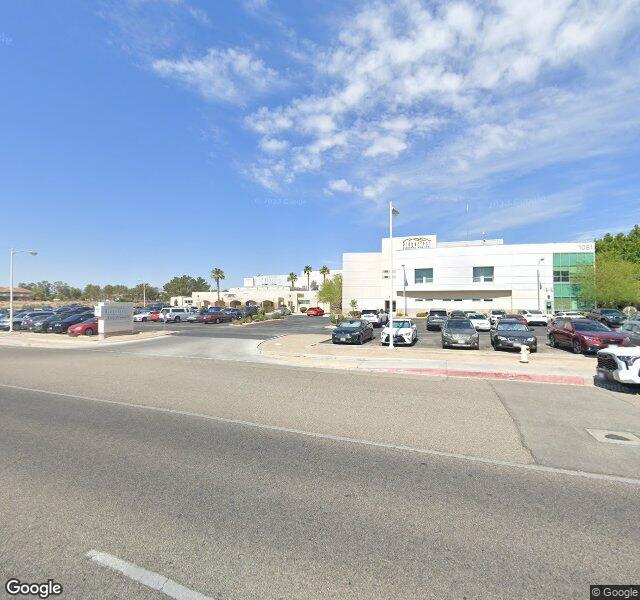
1081 NORTH CHINA LAKE BOULEVARD, RIDGECREST, CA 93555 (760) 446-3551
Non profit - Corporation 124 Beds Independent Data: November 2025
Trust Grade
40/100
#889 of 1155 in CA
Last Inspection: March 2025

Within standard 12-15 month inspection cycle. Federal law requires annual inspections.

Overview

Ridgecrest Regional Transitional Care and Rehabili has a Trust Grade of D, indicating below-average performance with some concerns. They rank #889 out of 1155 facilities in California, placing them in the bottom half, and #5 out of 17 in Kern County, meaning only a few local options are better. The facility is worsening, with issues increasing from 15 in 2024 to 17 in 2025. Staffing is average with a 3 out of 5 rating and a turnover rate of 42%, which is on par with the state average. However, they have concerning fines totaling $42,640, higher than 75% of California facilities, and less RN coverage than 76% of state facilities, which is a potential risk for residents. Specific incidents include a failure to protect a resident from abuse, where another resident with a history of inappropriate behavior was not adequately supervised, leading to an abusive situation. Additionally, there were issues with food safety protocols, such as raw eggs stored improperly above raw meat, which violates health standards and could lead to contamination. Lastly, essential kitchen equipment was not maintained safely, posing potential health hazards. Overall, while the staffing situation is somewhat stable, there are significant safety and care concerns that families should consider.

Trust Score
D
40/100
In California
#889/1155
Bottom 24%
Safety Record
Moderate
Needs review
Inspections
Getting Worse
15 → 17 violations
Staff Stability
○ Average
42% turnover. Near California's 48% average. Typical for the industry.
Penalties
⚠ Watch
$42,640 in fines. Higher than 96% of California facilities. Major compliance failures.
Skilled Nurses
⚠ Watch
Each resident gets only 23 minutes of Registered Nurse (RN) attention daily — below average for California. Fewer RN minutes means fewer trained eyes watching for problems.
Violations
⚠ Watch
50 deficiencies on record. Higher than average. Multiple issues found across inspections.
★★☆☆☆
2.0
Overall Rating
★★★☆☆
3.0
Staff Levels
★★★☆☆
3.0
Care Quality
★★☆☆☆
2.0
Inspection Score
Stable
2024: 15 issues
2025: 17 issues

The Good

  • Full Sprinkler Coverage · Fire safety systems throughout facility
  • No fines on record
  • Staff turnover below average (42%)

    6 points below California average of 48%

Facility shows strength in fire safety.

The Bad

2-Star Overall Rating

Below California average (3.1)

Below average - review inspection findings carefully

Staff Turnover: 42%

Near California avg (46%)

Typical for the industry

Federal Fines: $42,640

Above median ($33,413)

Moderate penalties - review what triggered them

The Ugly 50 deficiencies on record

1 actual harm
Mar 2025 16 deficiencies
CONCERN (D)

Potential for Harm - no one hurt, but risky conditions existed

Safe Environment (Tag F0584)

Could have caused harm · This affected 1 resident

Based on observation, interview, and record review, the facility failed to provide a home-like environment for one of six sampled residents (Resident 72) when the bathroom had an odor. This failure ha...

Read full inspector narrative →
Based on observation, interview, and record review, the facility failed to provide a home-like environment for one of six sampled residents (Resident 72) when the bathroom had an odor. This failure had the potential to cause a decrease in Resident 72 and visitors' comfort level and failed to protect Resident 72's right to a home-like environment. Findings: During a review of Resident 72's admission Record (AR), dated 12/6/25, the AR indicated, Resident 72's admission date was 12/6/25. During a concurrent observation and interview on 3/5/25 at 8:08 a.m. with Resident 72's family member (FM) in Resident 72's room, there was a strong odor of urine in the bathroom. FM stated when the bathroom door is left open, there was a strong stale urine smell. FM stated she had visited Resident 72 every day since he was admitted three weeks ago. During an interview on 3/5/25 at 8:16 a.m. with Resident 72, Resident 72 stated, The bathroom stinks. During a review of Resident 72's Minimum Data Set (MDS- a federally mandated resident assessment tool), dated 2/13/24, the MDS indicated Resident 72 had a Brief Interview for Mental Status (BIMS-an assessment tool used by facilities to screen and identify memory, orientation, and judgement status of the resident) score of 13 (score of 13-15 means cognitively intact). During an interview on 3/5/25 at 8:16 a.m. with Certified Nursing Assistant (CNA) 8, CNA 8 stated the shared bathroom for Resident 72 had a strong urine smell especially in the mornings. During an interview on 3/5/25 at 2:20 p.m. with Housekeeping Aide (HKA), HKA stated she was assigned Resident 72's room. HKA stated the shared bathroom always smelled like urine. HKA stated she cleaned the bathroom daily but the smell of urine lingered. During an interview on 3/6/25 at 10:07 a.m. with Environmental Services Supervisor (EVSS), EVSS stated Resident 72's bathroom urine smell was still there. During a review of the facility's policy and procedure (P&P) titled, Infection Prevention and Control Program, dated 10/2018, the P&P indicated, Policy Statement: An infection prevention and control program (IPCP) is established and maintained to provide a safe, sanitary, and comfortable environment.
CONCERN (D)

Potential for Harm - no one hurt, but risky conditions existed

Deficiency F0657 (Tag F0657)

Could have caused harm · This affected 1 resident

Based on interview and record review, the facility failed to follow its Policy and Procedure, Care Plans [CP], Comprehensive Person-Centered, when care plans were not developed and implemented for two...

Read full inspector narrative →
Based on interview and record review, the facility failed to follow its Policy and Procedure, Care Plans [CP], Comprehensive Person-Centered, when care plans were not developed and implemented for two of 38 sampled residents (Resident 32 and Resident 6) with infections. This failure had the potential to result in Resident 32 and Resident 6's individualized care needs to go unmet and negatively affect their health and recovery. Findings: During a concurrent observation and interview on 3/3/25 at 1:01 p.m. with Resident 32 in Resident 32's room, Resident 32 had an intravenous (IV- in the vein) catheter (small flexible tube used to administer medications) in his right wrist. Resident 32's room contained an IV bag labeled with an antibiotic (medication used to treat infections), with tubing attached and an IV infusion pump on a pole next to his bed. Resident 32 stated he had a urinary tract infection (UTI- microscopic organisms living in the urinary tract [bladder, ureters, urethra, or kidneys] causing pain while urinating, pain in the back or side, or needing to urinate often). During a concurrent interview and record review on 3/5/25 at 2:51 p.m. with Minimum Data Set Coordinator (MDSC) 1, Resident 32's electronic Medical Record (eMR) was reviewed. The eMR indicated Resident 32's first symptoms of a UTI begam on 2/26/25. Resident 32 was initially started on an oral antibiotics on 2/26/25. A urine culture (a lab test showing the type of microorganism growing and what antibiotics will kill it) results received on 2/28/25 indicated the antibiotics were not effective therefore IV antibiotics were started. MDSC 1 stated Resident 32 should have had a care plan developed and implemented that addressed his active UTI and she did not see one.During a review of Resident 6's Client Diagnosis Report (CDR), dated 3/5/25, the CDR indicated, Resident 6 had a diagnosis of Cellulitis of left lower limb. During a concurrent interview and record review on 3/5/25 at 3:12 p.m. with MDSC 2, Resident 6's Medical Recod was reviewed. MDSC 2 was unable to provide a CP for Resident 6's chronic wound cellulitis (bacterial infection of the skin) of the left lower limb. MDSC 2 stated a CP should have been developed and implemented by the nurses on the floor or the Infection Preventionist Nurse that addressed Resident 6's cellulitis of the left lower limb. During a review of the facility's P&P titled, Care Plans, Comprehensive Person-Centered, dated 3/2022, the P&P indicated, Assessments of residents are ongoing and care plans are revised as information about the residents and the residents' conditions change.
CONCERN (D)

Potential for Harm - no one hurt, but risky conditions existed

Deficiency F0658 (Tag F0658)

Could have caused harm · This affected 1 resident

Based on interview, and record review, the facility failed to ensure one of one sampled residents (Resident 31) diet order was clarified per Resident 31's preference for lacto-vegetarian (which includ...

Read full inspector narrative →
Based on interview, and record review, the facility failed to ensure one of one sampled residents (Resident 31) diet order was clarified per Resident 31's preference for lacto-vegetarian (which include dairy products but not egg products) diet, as orders are a plan of care and communication to the interdisciplinary team, including the physician responsible for the care of Resident 31. Facility failure to clarify the diet order with the physician responsible for prescribing diet orders had the potential for Resident 31's physician to be unaware Resident 31 excluded some foods that may lead to deficits in some nutrients, vitamins and minerals, in order for the doctor to evaluate if further tests or labs may be in order. Findings: During a review of Resident 31's Nutrition Risk Assessment (NRA), dated 7/16/24, the NRA indicated, Food/Cultural/Religious Preferences: Vegetarian diet -dairy ok. No eggs.Interventions; Recommend continue M/S [mechanical soft] diet as ordered.MVI [multivitamin] w/ [with] minerals requested. During a concurrent interview and record review on 03/05/25 at 11:50 a.m. with RD 1 and RD 2, Resident 31's Plan of Care NUT [nutrition](POCN), dated 7/16/24, was reviewed. The POCN indicated, Interventions.Provide diet as ordered - Mechanical soft, ground (vegetarian alternatives offered), Honor food/fluid preferences including religious, cultural & ethnic preferences and offer alternatives as needed. RD 2 stated vegetarian was a broad term and should be defined and resident specific. There was no documentation specifying what the preferences related to religious, cultural or ethnic would entail to pertain specifically to Resident 31, nor vegetarian alternatives was not specific to Resident 31's lacto-vegetarian preference for person centered care. RD 2 stated the RD's initiate, update and revise the IDT (interdisciplinary team) Nutrition Care Plan that was a communication tool to the IDT team caring for Resident 31. During a concurrent interview and record review on 03/05/25 at 11:53 a.m. with RD 1, Resident 31's Physician's Telephone Order; Mechanical [mech] Soft Ground Diet Oral information only, dated 7/16/24 was reviewed. RD 1 stated she was responsible for supervising the RD's. RD 1 stated it was standards of practice and her expectation for the RD who completed the nutrition assessment to get the diet order clarified with the physician to add lacto-vegetarian specifications to the mech soft ground diet order. During a review of the facility's policy and procedure (P&P) titled, Policy Statement, dated 2001, the P&P indicated, 1. The IDT including the dietitian will assess each resident's nutritional needs.2. A resident-centered diet and nutrition plan will be based on this assessment. During a review of the Academy of Nutrition and Dietetics Nutrition Care Manual (NCM), dated 2025, the NCM indicated, Diet names used in all areas should match: medical record documentation (electronic or paper), printed menus or tray tickets, diet manual, documents used by the kitchen staff (i.e. menu spreadsheets), diet guide sheets, and policies and procedures. During a review of the facility's diet manual for the diet titled Vegetarian & Vegan Diet (VVD), dated 2023, the VVD indicated, Diet orders need to clarify the correct category.There are four general categories.: Vegans.,Lacto-ovo-vegetarians.Lacto-vegetarians., semi-vegetarians.
CONCERN (D)

Potential for Harm - no one hurt, but risky conditions existed

Accident Prevention (Tag F0689)

Could have caused harm · This affected 1 resident

**NOTE- TERMS IN BRACKETS HAVE BEEN EDITED TO PROTECT CONFIDENTIALITY** Based on observation, interview, and record review, the facility failed to ensure two of two sampled residents (Resident 32 and ...

Read full inspector narrative →
**NOTE- TERMS IN BRACKETS HAVE BEEN EDITED TO PROTECT CONFIDENTIALITY** Based on observation, interview, and record review, the facility failed to ensure two of two sampled residents (Resident 32 and Resident 38) where not at risk for accident and injury when: 1. Resident 32's bathroom grab bar was slippery and grip tape (non-slip cover designed to maximize safety using hand hold surfaces) was not secured to grab bar. This failure had the potential to result in falls with injuries. 2. Resident 38 was left unsupervised while out on a patio and without means to call for assistance. This failure had the potential for Resident 38 to experience harm. Findings: 1. During a concurrent observation and interview on [DATE] at 1:01 p.m. with Resident 32 in Resident 32's room, a tube of silicone cream was on the resident 32's bed. In the bathroom, grab bars were on the left side of the toilet. No grip tape was on the grab bars. Resident 32 demonstrated how his hands slipped on the grab bars. Resident 32 stated his hands are slippery from silicone cream. Resident 32 stated the facility had put tape on the grab bars about a week ago, but it did not stick or stay on. During a concurrent observation and interview on [DATE] at 4:01 p.m. with Resident 32 in Resident 32's bathroom, blue tape was secured to the top surface of the grab bar and would not stay secured to the entire grab bar. Resident 32 stated he fell back onto the toilet seat about three weeks ago when he attempted to get up using the slippery grab bar. Resident 32 stated staff were aware of the fall. Resident 32 stated he was worried about breaking a hip if he fell. During a concurrent observation and interview on [DATE] at 11:40 a.m. with Resident 32 and Director of Nursing (DON) in Resident 32's bathroom, the grab bars on the left side of the toilet had blue tape on them. Some of the blue tape was wrapped around the bar and some was adhered to the top of the bar. Resident 32 demonstrated how slippery the top of the bar was when he gripped the grab bar with his hand. Resident 32 stated he did not feel safe. DON stated the grab bar was an accident hazard. During a review of the facility's policy and procedure (P&P) titled, Accommodation of Needs, dated 3/2021, the P&P indicated, Policy Statement Our facility's environment and staff behaviors are directed toward assisting the resident in maintaining and/or achieving safe independent functioning, dignity and well-being . 2. The resident's individual needs and preferences, including the need for adaptive devices and modifications to the physical environment, are evaluated upon admission and reviewed on an ongoing basis. 3. In order to accommodate individual needs and preferences, adaptations may be made to the physical environment, including the resident's bedroom and bathroom, as well as common areas in the facility. 2. During an interview on [DATE] at 10:06 a.m. with Resident 38, Resident 38 stated when she was outside, she was given a phone to call for assistance if needed but it did not work all the time. Resident 38 stated she was outside in the garden for 30 minutes and the phone did not work when she needed to go back into the facility. Resident 38 stated, I was mad, I had to yell out loud for someone to let me back in the facility. During an interview on [DATE] at 11:56 a.m. with Assistant Director of Nursing (ADON), ADON stated if a resident would like to go out to the patio a staff member should be there to frequently check on them. ADON stated staff can give a resident a phone to use and call when they are ready to come back inside. During a concurrent observation and interview on [DATE] at 12:03 p.m. with Director of Staff Development (DSD), at the nurses station, there was a portable electronic phone on a charging base. DSD stated the phone battery may have died on the phone if staff had not charged it. DSD stated if a resident was on the patio, staff are to round and check on them every 20 to 30 minutes. During an interview on [DATE] at 11:17 a.m. with Activities Director (AD), AD stated when we? are here, we check on residents outside on the patio every five minutes if they do not have capacity. AD stated residents were given a phone to call when they wanted to come in if they had capacity. During an interview on [DATE] at 8:42 a.m. with Certified Nursing Assistant (CNA) 8, CNA 8 stated Resident 38 goes out to the patio on Mondays, Tuesdays, and Thursdays. CNA 5 stated the process was to check on the resident every 20 minutes or there was a phone the resident could take with her. During a review of Resident 38's Plan of Care, (PC) dated [DATE], the PC indicated Resident 38's was dependent on staff for activities, cognitive stimulations, social interaction due to illness. During a review of Resident 38's Interdisciplinary Progress Note, (IPN) dated [DATE] through [DATE], the IPN indicated, Resident 38's activity was independent and Resident 38 enjoyed being outside. During a review of Resident 38's Brief Interview for Mental Status (BIMS - an assessment tool used by facilities to screen and identify memory, orientation, and judgement status of the resident), dated [DATE], the BIMS score was 12 (score of 8-12 means moderate cognitive impairment). During a review of the facility's policy and procedure (P&P) titled, Safety and Supervision of Residents, dated 7/2017, the P &P indicated, Employees shall be trained on potential accident hazards and demonstrate competency on how to identify and report accident hazards and try to prevent avoidable accidents.
CONCERN (D)

Potential for Harm - no one hurt, but risky conditions existed

Deficiency F0697 (Tag F0697)

Could have caused harm · This affected 1 resident

Based on interview and record review, the facility failed to monitor the effectiveness of pain medications for two of two sampled residents (Resident 35 and Resident 55). This failure had the potentia...

Read full inspector narrative →
Based on interview and record review, the facility failed to monitor the effectiveness of pain medications for two of two sampled residents (Resident 35 and Resident 55). This failure had the potential for Resident 35 and Resident 55 to experience uncontrolled pain. Findings: During an interview on 3/3/25 at 10:50 a.m. with Resident 35, Resident 35 stated she had uncontrolled pain. During a review of Resident 35's Order History (a record of the resident's current medication orders), undated, the Order History indicated the following order: Dilaudid [a narcotic pain medication] 2 mg to be administered every 6 hours as needed for pain. During an interview on 3/3/25 at 11:32 a.m. with Resident 55, Resident 55 stated she had uncontrolled pain. During a review of Resident 55's Order History, undated, the Order History indicated the following order: Norco [a narcotic pain medication] 5/325 mg [milligrams] to be administered every 6 hours for pain. During a concurrent interview and record review on 3/6/25 at 7:53 a.m. with the DON, Resident 55's medication MAR, for the period 3/4/25 to 3/6/25, was reviewed. The MAR indicated, Resident 55 was administered Norco 5/325 mg on 3/4/25 at 1:51 a.m. for a reported pain level of 8 (on a zero to 10 scale), 3/4/25 at 11:46 a.m. for a reported pain level of 7 (on a zero to 10 scale), 3/5/25 at 1:47 a.m. for a reported pain level of 8 (on a zero to 10 scale), and 3/5/25 at 3:18 p.m. for a reported pain level of 8 (on a zero to 10 scale) with no documentation of pain management effectiveness of the Norco. The DON stated nurses should check the effectiveness of pain medications after each administration and document it on the MAR. During a concurrent interview and record review on 3/6/25, at 8:08 a.m. with the Director of Nursing (DON), Resident 35's Medication Administration Record (MAR) (where nurses document medication administration), for the period 3/4/25 to 3/6/25, was reviewed. The MAR indicated, Resident 35 was administered Dilaudid 2 mg on 3/4/25 at 6:22 a.m. for a reported pain level of 7 (on a zero to 10 scale), 3/4/25 at 1:47 p.m. for a reported pain level of 7 (on a zero to 10 scale), and on 3/5/25 at 00:17 a.m. for a reported pain level of 8 (on a zero to 10 scale) with no documentation of the effectiveness of Dilaudid. The DON stated nurses should check the effectiveness of pain medications after each administration and document on the MAR. During a review of facility policy and procedure (P&P) titled Pain Assessment and Management, dated October 2022, the P&P indicated: When opioids are used for pain management, the resident is monitored for medication effectiveness.
CONCERN (D)

Potential for Harm - no one hurt, but risky conditions existed

Deficiency F0761 (Tag F0761)

Could have caused harm · This affected 1 resident

Based on observation, interview, and record review, the facility failed to ensure insulin (a medication to control blood sugar levels) vials were labeled with the resident's name for one of one sample...

Read full inspector narrative →
Based on observation, interview, and record review, the facility failed to ensure insulin (a medication to control blood sugar levels) vials were labeled with the resident's name for one of one sampled Resident (Resident 36). This failure had the potential for Residents 36 to receive another resident's insulin. Findings: During a concurrent observation and interview on 3/5/25 at 11:20 a.m. with Licensed Vocational Nurse (LVN) 1, during medication pass, LVN 1 was preparing to administer insulin to Resident 36. LVN 1 opened a drawer in the medication cart and removed a box labeled with Resident 36's name and Humulin (insulin used to treat high blood sugar) R ]Regular] 100u/mL [unit/milliunits-units of measure] Solution - Inject before meals LVN 1 opened the box and pulled a vial labeled Humulin REGULAR (Insulin Human) Injection. The vial did not have resident 36's name or other resident identifying information. LVN 1 stated each resident receiving insulin had their own dedicated insulin vial, but the resident's name was placed only on the outside box and not on the vial. During an interview on 3/5/25 at 4:40 p.m. with the Director of Nursing (DON), the DON stated insulin vials were not labeled with resident names. The DON stated the medication label with the resident names was placed on the box that contained the insulin vial. The DON stated there was no place in the insulin vials to add the resident names without covering the medication name. During an interview on 3/6/25 at 11:05 a.m. with the facility's Consultant Pharmacist (CP), the CP stated the best practice was to label insulin vials and the insulin box with the resident's name to avoid a resident's insulin vial being mistakenly used to give insulin to another resident. During a review of the National Library of Medicine (NLM) document titled A Clinical Reminder About The Safe Use of Insulin Vials, dated 2015, the document indicated, Vials of insulin dispensed from the pharmacy should be labeled appropriately and include the patient's name. During a review of facility policy and procedure (P&P) titled, Medication Labeling and Storage, dated February 2023, the P&P indicated, Labeling of medications and biologicals dispensed by the pharmacy is consistent with applicable federal and state requirements and currently accepted pharmaceutical practices.
CONCERN (D)

Potential for Harm - no one hurt, but risky conditions existed

Menu Adequacy (Tag F0803)

Could have caused harm · This affected 1 resident

Based on observation, interview, and record review, the facility failed to ensure: 1. The planned menu for a therapeutic renal diet (for kidney disease) was followed for one of one sampled resident (R...

Read full inspector narrative →
Based on observation, interview, and record review, the facility failed to ensure: 1. The planned menu for a therapeutic renal diet (for kidney disease) was followed for one of one sampled resident (Resident 43) when 2 oz. (ounces) of gravy was served instead of 1 oz. of gravy as planned. This failure had the potential for Resident 43 to not have her their individualized nutritional needs met. 2. A Registered Dietitian (RD) developed and prepared a lacto [dairy okay]-vegetarian menu to include an evaluation of nutritional adequacy for one of one sampled resident (Resident 31) with a lacto-vegetarian preference to meet Resident 31's choices and special dietary needs. A planned lacto-vegetarian menu was not prepared in advance to meet Resident 31's ordered textured diet of mechanical soft (M/S-foods that are soft and easy to chew and swallow) ground consistencies which resulted in whole blueberries with the skin on being served which was not allowed on a M/S diet. This failure resulted in Resident 31's special dietary needs to not be met and a variety of menu items to not be provided which failed to provide dignity and respect for Resident 31 who had dementia. 3. One of 38 sampled resident (Resident 19)'s food preference was honored when Resident 19 was served lasagna as observed on trayline, despite lasagna being listed as a food dislike on Resident 19's meal tray card (MTC-lists person-centered directions related to menu choices). This failure resulted in Resident 19's person-centered menu choices related to a food dislike to be not honored and placed the Resident 19 at risk of not meeting his individualized nutritional needs and could diminish quality of life. Findings: 1. During a concurrent observation and interview on 03/04/25 at 12:20 p.m. with Food Service Assistant (FSA) 1 and [NAME] 1 in the kitchen, [NAME] 1 was using a 2 oz. ladle to serve gravy on top of a turkey patty for Resident 43's lunch meal plate. FSA 1 placed Resident 43's lunch meal tray onto the meal delivery cart for distribution to the resident. [NAME] 1 stated he used a 2 oz. ladle to serve gravy for Resident 43's renal diet order. [NAME] 1 was asked to check the planned therapeutic menu spreadsheet for a renal diet, and [NAME] 1 stated it said 1 oz. of gravy for renal diet. [NAME] 1 stated the renal diet menu was not followed for Resident 43. During an interview on 03/04/25 at 03:37 p.m. with Dietary Manager (DM), DM stated [NAME] 1 had not followed the planned renal diet for Resident 43. [NAME] 1 stated FSA 1, who was checking trays for accuracy prior to placing the lunch meal tray onto the meal delivery cart, had not identified the error. During a review of Resident 43's MTC, dated 03/04/25, the MTC indicated, Diet: Renal 80 g [grams] Protein (pro), CCHO (consistent carbohydrate diet for diabetes care) - ok to have 1 salt pkt [packet] w/ [with] meals. During a review of the planned therapeutic menu spreadsheet for 80 gm [grams] pro/CCHO Low K+ [potassium] Low salt (renal), dated 03/04/25, the renal menu indicated, 3 oz. turkey patty 1 oz. gravy. During a review of the facility's policy and procedure (P&P) titled, Food and Nutrition Services, dated 2001, the P&P indicated, Each resident is provided with a nourishing, palatable, well-balanced diet that meets his or her daily nutritional and special dietary needs.Food and nutrition services staff will inspect food trays to ensure that the correct meal is provided to each resident. 2. During a concurrent observation and interview on 03/04/25 at 12:26 p.m. with FSA 1 in the kitchen, FSA 1 placed Resident 31's lunch meal tray (LMT), that was plated by [NAME] 1, onto the meal delivery cart for distribution. FSA 1 was asked to remove Resident 31's LMT from the meal delivery cart and check it for accuracy. FSA 1 read Resident 31's meal tray card (MTC) located on his LMT. The MTC indicated, Diet: Regular [not a therapeutic diet]- Vegetarian (Cheese OK, no egg) Food in bowls; Consistency: M/S [mechanical soft] grd [ground]- Food in bowls. FSA 1 stated [Resident 31] was served cottage cheese, whole blueberries, garlic toast and green beans and there were no concerns with the foods served. During a concurrent observation and interview on 03/04/25 at 12:22 p.m. in the kitchen with RD, RD was asked to re-check Resident 31's LMT. RD 1 removed the blueberries and replaced with applesauce. RD 1 stated the consistency listed on the MTC instructed to provide M/S ground consistency and blueberries should not have been plated. RD 1 stated the M/S diet was not followed when whole blueberries with the skin were placed onto Resident 31's lunch meal plate. During a review of the facility's P&P titled, Food and Nutrition Services, dated 2001, the P&P indicated, Food and nutrition services staff will inspect food trays to ensure that the correct meal is provided to each resident. During an interview on 03/04/25 at 03:37 p.m. with Dietary Manager (DM) and RD 1, RD 1 was asked if the facility had vegetarian menus. DM stated they had some vegetarian recipes in a binder in the kitchen. RD 1 stated the facility did not have vegetarian, lacto-vegetarian or vegan pre-planned menus to direct [NAME] 1 on specific food items to serve to Resident 31 whose preference was a lacto-vegetarian diet on a M/S ground consistency textured diet. During a review of Resident 31's Speech/Language Pathology [evaluating and treating difficulty with chewing/swallowing] Certification (SLP), dated 7/16/24, the SLP indicated, Patient is basically edentulous, having only one decayed tooth on lower right jaw.No clinical s/s [signs/symptoms] of aspiration [food or drink enters the lungs instead of the stomach].Recommend continued mech soft ground consistencies. During a review of Resident 31's Nutrition Risk Assessment (NRA), dated 7/16/24, the NRA indicated, Food/Cultural/Religious Preferences: Vegetarian diet -dairy ok. No eggs.Comments: M/S diet r/t [related to] having only 1 tooth left in the front per ST [speech therapist]. Interventions; Recommend continue M/S [mechanical soft] diet as ordered. During a review of Resident 31's Physician's Telephone Order (TO), dated 7/16/24, the TO indicated, Mechanical [mech] Soft Ground Diet Oral information only. During a concurrent interview and record review on 03/05/25 at 11:53 a.m. with RD, RD stated the facility had general guidance available to kitchen staff for those residents on vegetarian diets. The facility's general guidance titled, Vegetarian Diets, dated 2023 was reviewed. The Vegetarian Diets indicated, Provide at meals: Breakfast = 1 oz [ounce] pro equivalent, Lunch= 2 to 3 oz pro equivalent, Dinner= 2 oz pro equivalent, Each food item is listed according to the equivalent of 1 oz. of protein: cheese 1 oz, cottage cheese 1/4 cup, egg 1 [Resident 31 did not eat eggs], legumes 1/2 cup, peanut butter 2 tablespoons, peanuts 2 tablespoons, sunflower or sesame seeds 3-4 tablespoons, Tofu 1/4 cup, Walnuts 16 to 20 nuts, yogurt 8 oz. During a review of Resident 31's admission Minimum Data Set (MDS- a federally mandated resident assessment tool), dated 8/02/24 (Date Registered Nurse signed assessment as complete), the MDS indicated Resident 31's Brief Interview for Mental Status (BIMS-an assessment tool used by facilities to screen and identify memory, orientation, and judgement status of the resident) could not be completed due to Resident 31 had Severely impaired-never/rarely made decisions checked under the category C1000. Cognitive Skills for Daily Decision Making. Made decisions regarding tasks of daily life. During a review of the facility's diet manual for the Regular Mechanical Soft Diet (M/S), dated 2023, the M/S diet indicated, Description: The mechanical soft diet is designed for residents who experience chewing or swallowing limitations. The regular diet is modified by mechanically altering, chopped, or ground. Food that may need to be modified include proteins, raw vegetables, raw fruit, and all other fibrous foods. Foods Avoid: Yogurt with nuts, raw fruit with skins, chopped nuts, anything with seeds. During an interview on 03/05/25 at 11:57 a.m. with RD, RD stated it was an RDs responsibility to have planned lacto-vegetarian menus developed at least one week in advance for a three week menu cycle, which was the facility's process for any other type of diet order such as renal (for kidney disease) or CCHO (consistent carbohydrate for diabetes care). The planned lacto-vegetarian menu was to be evaluated for nutritional adequacy to meet the nutrition needs of Resident 31 who had been residing at the facility since 7/12/24. RD 1 stated an RD should have provided [NAME] 1 with a planned lacto-vegetarian diet menu/spreadsheet with specific foods and portions to have served to Resident 31 in accordance with the resident's assessed texture needs, developed within the expertise of an RD. During an interview on 03/05/25 at 12:12 p.m. with [NAME] 1, [NAME] 1 stated he was not told what to serve to [name of Resident 31] M/S ground consistency lacto-vegetarian diet during lunch trayline yesterday, there was no menu given to him. [NAME] 1 stated, I just got one today. During a review of the facility's P&P titled, Menus, dated 2001, the P&P indicated, Menus are developed and prepared to meet resident choices including religious, cultural and ethnic needs while following established national guidelines for nutritional adequacy. Policy Interpretation and Implementation: 1. Menus meet the nutritional needs of residents in accordance with the recommended dietary allowances of the Food and Nutrition Board (National Research Council and National Academy of Sciences). 2. Menus for regular and therapeutic diets are written at least two (2) weeks in advance, and are dated and posted in the kitchen at least one (1) week in advance.The dietitian reviews and approves all menus. Input from the resident is considered in menu planning. 3. During a concurrent observation and interview on 03/04/25 at 12:29 p.m. with FSA 1 in the kitchen, FSA 1 was placing Resident 19's lunch meal tray onto the meal delivery cart for distribution. FSA 1 was asked to remove Resident 19's lunch meal tray from the meal delivery cart and double check it for accuracy. FSA 1 reviewed Resident 19's MTC. The MTC indicated, Dislikes: Banana, Chunky Soups, Lasagna And Egg Noodles. Other Pasta Is Fine, Rice. FSA 1 stated lasagna should not have been served to Resident 19 because lasagna was listed as a food dislike on her MTC. During a review of the facility's P&P titled, Tray Card System (TCS), dated 2023, the P&P indicated, Policy: Each meal tray at breakfast, lunch, and dinner will have a tray card which designates the resident's name, diet, food dislikes, food requests, allergies, beverage preference, and portion size. During a review of the facility's P&P titled, Food Preferences (FP), dated 2023, the P&P indicated, Policy: Resident's food preferences will be adhered to within reason.Food preferences can be obtained from the resident, family, or staff members.
CONCERN (D)

Potential for Harm - no one hurt, but risky conditions existed

Deficiency F0882 (Tag F0882)

Could have caused harm · This affected 1 resident

**NOTE- TERMS IN BRACKETS HAVE BEEN EDITED TO PROTECT CONFIDENTIALITY** Based on observation, interview, and record review, the Infection Preventionist (IP) failed to demonstrate competency to carry o...

Read full inspector narrative →
**NOTE- TERMS IN BRACKETS HAVE BEEN EDITED TO PROTECT CONFIDENTIALITY** Based on observation, interview, and record review, the Infection Preventionist (IP) failed to demonstrate competency to carry out the functions of the Infection Prevention and Control Program for the facility when: 1. The IP did not follow the facility's policy and procedure (P&P) titled, Monitoring Compliance with Infection Control for surveillance (monitoring) activities, collecting, analyzing, tracking and trending of data. This failure had the potential for facility to be unaware of outbreaks and transmission of infectious diseases. [reference F880] 2. Enhanced Barrier Precaution were not implemented in the facility. This failure had the potential to spread infections to residents, staff, and visitors. [reference F880] Findings: 1. During a concurrent interview and record review on 3/5/25 at 8:53 a.m. with IP, the facility's surveillance activities for infection control were reviewed. IP stated he only monitored hand hygiene which included hand washing and hand rub, and donning on and doffing of Personal Protective Equipment (PPE- clothing and equipment that is worn or used to provide protection against hazardous substances and/or environments). IP stated I try to go out to the floor every other day and on every shift. IP stated he observed Certified Nursing Assistants, Licensed Vocational Nurses, Registered Nurses, Administrator, Physical Therapists, Transportation, and Environmental Services. IP stated the glucometer use and cleaning was not part of his surveillance. During a review of the facility's Hand Hygiene Monitoring Tool (HHMT), dated January 2025, February 2025, and March 2025, the HHMT did not indicate an adherence rate or the actions taken to correct non-compliance. IP stated he did on-the-spot education but did not document it. IP stated he only collected data. IP did not provide tracking and trending reports, analysis of surveillance, or actions taken to correct non-compliance. During a review of the facility's P&P titled, Monitoring Compliance with Infection Control, dated 8/2019, the P&P indicated, Policy Statement: Routine monitoring and surveillance of the workplace are conducted to determine compliance with infection prevention and control policies and practices. 6. The infection preventionist and/or the IPC committee provides reports to the QAPI [Quality Assurance and Performance Improvement] committee that reflect: all infection surveillance data. 2. During a concurrent observation and interview on 3/3/25 at 10:32 a.m. in Resident 6's room, Resident 6 had a dressing to right leg. Resident 6 state she had an ulcer (open sore) to right side of her heel. During a review of Resident 6's MDS dated [DATE], the MDS indicated Resident 6 had a BIMS score of 15. During an observation on 3/3/25 at 10:55 a.m. outside Resident 6's room, no EBP signage or PPE supplies were observed in Resident 6's room or outside the room. During a review of Resident 6's Active Orders Report (AOR), dated 3/5/25, the AOR indicated: 1.Venous wound to the Right/Left heel Cleanse venous wounds on the Right and Left heel with wound spray, pat dry, apply Xeroform [treats wounds], then apply non-adherent pad, wrap with Kerlix [gauze] . 2.Right Lower Extremity Open Wound Cleanse with wound spray, pat dry, apply adaptic, apply non-adhesive pad, wrap with kerlix .Non-pressure chronic ulcer [an open sore] of right calf with fat layer exposed. During a concurrent observation and interview on 3/3/25 at 10:39 a.m. in Resident 34's room, Resident 34 had swelling to bilateral legs with a dressing to her right leg. Resident 34 stated she had cellulitis (a skin infection that causes swelling and redness) to both of her legs. During a review of Resident 34's MDS dated [DATE], the MDS indicated Resident 34 had a BIMS score of 15. During an observation on 3/3/25 at 10:55 a.m. outside Resident 34's room, no EBP signage or PPE supplies were observed in Resident 34's room or outside the room. During a review of Resident 6's AOR dated 3/6/25, the AOR indicated, Cellulitis (bacterial infection of the skin) of right lower limb, Cellulitis of left lower limb. During an observation on 3/3/25 at 2:21 p.m. in Resident 11's room, Resident 11 was sitting in her wheelchair with Foley catheter (a hollow tube inserted into the bladder to drain or collect urine) bag in a private bag behind wheelchair. No EBP signage or PPE supplies were observed in Resident 11's room or outside the room. During a review of Resident 11's Physician's Telephone Order, (PTO) dated 3/5/25, the PTO indicated, FOLEY CATHETER .Retention of urine. During an interview on 3/5/25 at 10:05 a.m. with IP, IP stated EBP ws not really implemented in the facility, and he did not know what the criteria was to place residents on EBP. IP stated he did not know what type of PPE was used for EBP. During an interview on 3/5/25 at 10:41 a.m. with Licensed Vocational Nurse (LVN) 13, LVN 13 stated this was the first time hearing about EBP. During an interview on 3/5/25 at 10:47 a.m. with Certified Nursing Assistant (CNA) 9, CNA 9 stated she did not know what EBP was. During an interview on 3/5/25 at 10:52 a.m. with Assistant Director of Nursing (ADON) , ADON stated she did not know much about EBP. During an interview on 3/5/25 at 11:54 a.m. with Director of Staff Development (DSD), DSD stated, I haven't heard much about Evidence Based Precaution. During an interview on 3/5/25 at 12:35 p.m. with Director of Nursing (DON), DON stated she went to an infection prevention conference, but was not sure when EBP or the AFL (All Facilities Letter) was rolled out. During a review of the California Department of Health's AFL, (CDPHAFL) dated 6/13/24, the CDPHAFL indicated, On March 20, 2024, CMS [Centers for Medicare & Medicaid Services] distributed CMS QSO-24-089 NH (PDF), which updated its infection prevention and control guidance for long-term care facilities to include the CDC [Centers for Disease Control and Prevention] guidance for EBP. During a review of the facility's P&P titled, Enhance Barrier Precaution, dated 12/2024, the P&P indicated, 2. Enhance barrier precautions apply when: a. A resident is infected or colonized with a CDC-targeted MDRO .b. A resident is NOT known to be infected or colonized with any MDRO, has a wound or indwelling medical devices .5. Indwelling medical devices include .urinary catheters, feeding tubes .7. EBPs employ targeted gown and glove use in addition to standard precautions during high contact resident care activities. 8. Examples of high-contact resident care activities requiring the use of gown and gloves for EBPs include: a. dressing; b. bathing/showering, c. providing hygiene or grooming; d. changing briefs or assisting with toileting; e. transferring; f. providing bed mobility; g. changing linens; h. prolonged, high-contact with items in the resident's room, with resident's equipment, or with resident's clothing or skin .10. Residents on EBPs may come out of their rooms and participate in group activities and dining with other residents .16. Staff are trained prior to caring for residents on EBPs. 17. Signs are posted on the door or wall outside the residents' rooms which communicate the type of precautions and PPE required. 18. Personal protective equipment .are readily accessible to staff. During a review of the facility's CRITERIA-BASED JOB DESCRIPTION INFECTION PREVENTIONIST, (CBJDIP) dated 10/8/20, the CBJDIP indicated, This individual is accountable for decreasing the incidence and transmission of infectious diseases between patients, staff, visitors and the community. Through strategic planning, leadership and consultation, the individual will be the lead in the identification and implementation of infection prevention goals and objectives throughout the facility. During a review of the facility's P&P titled, Infection Prevention and Control Program, dated 10/2018, the P&P indicated, 3. The infection prevention and control programs a facility-wide effort involving all disciplines and individuals and is an integral part of the quality assurance and performance improvement program. 4. The elements of the infection program is coordination/oversight .surveillance, data analysis .5a. The infection prevention and control program is coordinated and overseen by an infection prevention specialist (infection preventionist). 7b .monitoring adherence to infection prevention and control practices. 9a. Data gathered during surveillance is used to oversee infections and spot trends. 11a. (3) educating staff and ensuring that they adhere to proper techniques and procedures .(8) following established general and disease-specific guidelines such as those of the Centers for Disease Control (CDC).
CONCERN (E)

Potential for Harm - no one hurt, but risky conditions existed

Deficiency F0558 (Tag F0558)

Could have caused harm · This affected multiple residents

Based on observation, interview, and record review, the facility failed to enusre call lights were withing reach for four of 36 sampled residents (Resident 47, Resident 61, Resident 16, Resident 15). ...

Read full inspector narrative →
Based on observation, interview, and record review, the facility failed to enusre call lights were withing reach for four of 36 sampled residents (Resident 47, Resident 61, Resident 16, Resident 15). This failure had the potential for residents' needs to go unmet and place residents' safety at risk. Findings: During an observation on 3/3/25 at 10:53 a.m. in Resident 47's room, Resident 47 was laying on her back toward her left side and was restless, moving both feet back and forth on the mattress. Resident 47's sensitive call light (a system to be used for limited mobility) was tied to the right upper side rail where she could activate or use call for assistance. During a concurrent observation and interview on 3/3/25 at 10:56 a.m. with Licensed Vocational Nurse (LVN) 1, Resident 47's call light was observed tied to the right upper side rail. LVN 1 stated Resident 47 was able to use the round sensitive call light and it should be within her reach. During an observation on 3/3/25 at 1:19 p.m. in Resident 61's room, Resident 61's call light was hanging over the headboard out of reach of Resident 61. During a concurrent observation and interview on 3/3/25 at 1:23 p.m. with Certified Nursing Assistant (CNA) 1, Resident 61's call light was located hanging over her headboard out of reach. CNA 1 stated Resident 61 should be able to reach her call light. During a concurrent observation and interview on 3/3/25 at 1:26 p.m. with Resident 16 in Resident 16's room, Resident 16 was up in a wheelchair sitting next to her bed without a call light. Resident 16 stated she did not know where her call light was but probably mixed up in the bed linens. Resident 16 stated she would use the call light to call for help. Resident 16 stated, Where is it [call light]? During a concurrent observation and interview on 3/3/25 at 1:28 p.m. with CNA 4 in Resident 16's room, Resident 16 was up in a wheelchair sitting next to bed without a call light within reach. CNA 4 stated Resident 16 should have had a call light within reach. During a concurrent observation and interview on 3/3/25 at 11:05 a.m. with CNA 7 in Resident 15's room, Resident 15's call light was on the floor. CNA 7 stated Resident 15's call light should be in Resident 15's hand or within her reach. During a review of the facility's Policy and Procedure P&P titled, Call System, Residents, undated, the P&P indicated, Policy Statement: Residents are provided with a means to call staff for assistance through a communication system that directly calls a staff member or a centralized work station. Policy Interpretation and Implementation: 6. Calls for assistance are answered as soon as possible and at a reasonable time. Urgent requests for assistance are addressed immediately.
CONCERN (E)

Potential for Harm - no one hurt, but risky conditions existed

Grievances (Tag F0585)

Could have caused harm · This affected multiple residents

**NOTE- TERMS IN BRACKETS HAVE BEEN EDITED TO PROTECT CONFIDENTIALITY** Based on observation, interview, and record review, the facility failed to ensure three of seven sampled residents (Resident 14,...

Read full inspector narrative →
**NOTE- TERMS IN BRACKETS HAVE BEEN EDITED TO PROTECT CONFIDENTIALITY** Based on observation, interview, and record review, the facility failed to ensure three of seven sampled residents (Resident 14, Resident 38, and Resident 56) were informed of the process to file a grievance (formal complaint) with the facility. This failure had the potential for residents' concerns to go unaddressed by the facility. Findings: During an interview on 3/4/25 at 10:04 a.m. with Resident 14, Resident 14 stated he did not know how to file a grievance. During a review of Resident 14's Minimum Data Set, (MDS- a federally mandated resident assessment tool) dated 1/17/25, the MDS indicated Resident 14 had a Brief Interview for Mental Status (BIMS - an assessment tool used by facilities to screen and identify memory, orientation, and judgement status of the resident) score of 13 (score of 13-15 means cognitively intact). During an interview on 3/4/25 at 10:05 a.m. with Resident 38, Resident 38 stated she does not remember if the facility informed her on how to file a grievance. Resident 38 stated she just goes directly to the person she had a problem with to address her issues. During a review of Resident 38's MDS dated [DATE], the MDS indicated Resident 38 had a BIMS score of 12 (score of 8-12 means moderate cognitive impairment). During an interview on 3/4/25 at 10:07 a.m. with Resident 56, Resident 56 stated she did not know how to file a grievance. Resident 56 stated the facility did not let her know how to file a grievance and who to file it with. During a review of Resident 56's MDS dated [DATE], the MDS indicated Resident 56 had a BIMS score of 15. During a review of the facility's policy and procedure (P&P) titled, Resident Rights, dated 2/2021, the P&P indicated, residents have the right to.voice grievances to the facility. During a review of the facility's P&P titled, Grievances/Complaints-Staff Responsibility, dated 10/2017, the P&P indicated, 3. Staff members will inform the resident or the person acting on the resident's behalf as to where to obtain a Resident Grievance/Complaint Form and where to locate the procedures for filing a grievance or complaint.
CONCERN (E)

Potential for Harm - no one hurt, but risky conditions existed

Deficiency F0725 (Tag F0725)

Could have caused harm · This affected multiple residents

Based on interview and record review the facility failed follow their Policy and Procedure (P&P) titled, Staffing, Sufficient and Competent Nursing, for all residents (73) when direct care service hou...

Read full inspector narrative →
Based on interview and record review the facility failed follow their Policy and Procedure (P&P) titled, Staffing, Sufficient and Competent Nursing, for all residents (73) when direct care service hours per patient day for Certified Nursing Assistants (CNAs) fell below the minimum standard of 2.4. This failure had the potential for residents care needs not to be met by staff. Findings: During an interview on 3/4/25 at 2:39 p.m. with Licensed Vocational Nurse (LVN) 3, LVN 3 stated when staff call off from work, they work short staffed. LVN 3 stated they would divide up the tasks that would have been completed by the staff who called off work. During an interview on 3/6/25 at 9:45 a.m. with Certified Nursing Assistant (CNA) 6, CNA 6 stated she has worked short staffed frequently. During a concurrent interview and record review on 3/6/25 at 11:12 p.m. with Director of Nursing (DON), Census and Direct Care Service Hours Per Patient Day (DHPPD), dated 3/1/25 and 3/2/25 were reviewed. DHPPD indicated on 3/1/25 actual CNA DHPPD was 2.31. A signature indicated the patient census and direct care service hours were reviewed and. acknowledge the information was true and correct. DHPPD indicated on 3/2/25 the actual CNA DHPPD was 2.24. DON stated some staff were unable to stay over to cover for the short staffed shifts. Facility DHPPD documents for the followed dates only: 2/6/25 2/25/25, 2/26/25, 2/27/25, and 2/28/25 3/3/2025. Requested 6 months DHPPD documetation, facility was unable to provide documentation all data. During a review of the facility's policy and procedure (P&P) titled Staffing, Sufficient and Competent Nursing, dated August 2022, the P &P indicated, Minimum staffing requirements imposed by the state, if applicable, are adhered to when determining staff ratios but are not necessarily considered a determinization of sufficient and competent staffing.
CONCERN (E)

Potential for Harm - no one hurt, but risky conditions existed

QAPI Program (Tag F0867)

Could have caused harm · This affected multiple residents

Based on observation, interview, and record review, the facility's Quality Assurance and Performance Improvement (QAPI) committee failed to identify, develop, and implement infection prevention and co...

Read full inspector narrative →
Based on observation, interview, and record review, the facility's Quality Assurance and Performance Improvement (QAPI) committee failed to identify, develop, and implement infection prevention and control action plans to correct infection control deficient practices identified by the survey team (Reference tags F-880, F-882 and F-945). This failure placed all 73 facility residents at risk for infectious diseases. Findings: During a concurrent interview and record review on 3/6/25 at 11:50 a.m. with the Administrator, the minutes of the facility's Quality Assurance and Performance Improvement (QAPI) (a committee that identifies quality deficits and implements corrective plans) meeting dated 1/23/25 (the most recent QAPI meeting) were reviewed. The Administrator indicated the 1/23/25 QAPI meeting covered the period of October, November, and December 2024. The facility's QAPI meeting minutes dated 1/23/25 were reviewed. The QAPI meeting minutes indicated a one page infection prevention control report titled Quarterly Report Infection Prevention 2024. The Quarterly Report Infection Prevention 2024 report indicated the rate of Urinary Tract Infections (UTIs) (infection of the urinary system), respiratory infections, and skin infections at the facility. No other infection and prevention control concerns or issues were documented in the 1/23/25 meeting minutes. The surveyor reviewed the survey team's infection prevention and control deficient practices identified during the current survey with the Administrator. The facility's deficient practices reviewed included failure to clean and disinfection glucometers (devices use to measure blood sugar levels) between resident use, infection prevention and control education not provided to staff, enhanced barrier precautions (an infection control strategy) not implemented in the facility, and failure to ensure the Infection Preventionist conducted surveillance activities (collecting, analyzing, and tracking and trending of infection control practices and data) (Reference tags F-880, F-882 and F-945). The Administrator stated the above infection control deficient practices had not been identified by the facility and were not covered during the most recent (1/23/25) QAPI meeting. During a review of the facility policy and procedure (P&P) titled QAPI [Facility Name], dated 1/18/24, the P&P indicated: Our QAPI activities will cross service areas and departments and we will work together to assure we address all concerns and strive to continuously improve the provided services.
CONCERN (E)

Potential for Harm - no one hurt, but risky conditions existed

Infection Control (Tag F0880)

Could have caused harm · This affected multiple residents

**NOTE- TERMS IN BRACKETS HAVE BEEN EDITED TO PROTECT CONFIDENTIALITY** 5. During a concurrent observation and interview on 3/5/25 at 11:20 a.m. with LVN 1, LVN 1 checked the blood sugar level of Resi...

Read full inspector narrative →
**NOTE- TERMS IN BRACKETS HAVE BEEN EDITED TO PROTECT CONFIDENTIALITY** 5. During a concurrent observation and interview on 3/5/25 at 11:20 a.m. with LVN 1, LVN 1 checked the blood sugar level of Resident 36 using an ACCU-CHEK Inform II (brand name) Glucometer and placed the glucometer on top of the medication cart without cleaning or disinfecting the device. After administering insulin (a medication to control high blood sugar levels) to Resident 36, LVN 1 took the same glucometer used for Resident 36 from the top of the medication cart, inserted a test strip, went into Resident 61's room, poked Resident 61's finger with a lancet (a small, sharp needle), brought the glucometer with the strip's tip towards Resident 61's finger when LVN 1 was stopped by the surveyor and questioned if she had cleaned and disinfected the glucometer after using it to check Resident 36's blood sugar. LVN 1 stated she had not cleaned the glucometer. During a concurrent observation and interview on 3/5/25 at 11:40 a.m. with LVN 2, LVN 2 checked the blood sugar level of Resident 10 using an ACCU-CHEK Inform II Glucometer and placed the glucometer on top of the medication cart without cleaning or disinfecting it. After administering insulin to Resident 10, LVN 2 took the same glucometer used for Resident 10 from the top of the medication cart, inserted a test strip, went into Resident 30's room, poked Resident 30's finger with a lancet, brought the glucometer with the strip's tip towards Resident 30's finger when LVN 2 was stopped by the surveyor and questioned if she had cleaned and disinfected the glucometer after using it to check Resident 10's blood sugar. LN 2 stated she had not cleaned the glucometer. During an interview on 3/6/25, at 10:45 a.m. with the facility's IP, IP stated nurses should clean and disinfect glucometers after each resident using purple wipes (Sani-Cloth Sanitizing Wipes - a type of healthcare disinfectant that kills bloodborne pathogens) observing a two-minute contact time (the amount of time the glucometer surfaces must be wet with the disinfectant solution to kill the pathogens). During a review of the ACCU-CHEK Inform II Glucometer Operator Manual (OM), undated, the OM indicated: The meter should be cleaned and disinfected between each patient use. During a review of the facility's policy and procedure (P&P) titled, Blood Sampling - Capillary (Finger Stick), dated September 2014, the P&P indicated, The purpose of this procedure is to guide the safe handling of capillary-blood sampling devices to prevent transmission of bloodborne diseases to residents and employees . Always ensure that blood glucose meters intended for reuse are cleaned and disinfected between resident uses . Following the manufacturer's instructions, clean and disinfect reusable equipment, parts, and/or devices after each use. Based on observation, interview, and record review, the facility failed to implement infection prevention and control practices when: 1. One of six sampled residents (Resident 6) had three opened gallons of distilled water on top of a commode. This failure had the potential for contamination of the distilled water. 2. Treatment Nurse (TN) dropped an item from the treatment cart, picked it up off the floor, and placed it back in the treatment cart. This failure had the potential for contamination of clean items in the treatment cart. 3. Infection Preventionist (IP) did not follow the facility's policy and procedure (P&P) titled, Monitoring Compliance with Infection Control for surveillance (monitoring) activities, collecting, analyzing, and tracking and trending of data. This failure had the potential for facility to be unaware of outbreaks and transmission of infectious diseases. 4. Enhanced Barrier Precaution (EBP-a set of infection control measures that use gowns and gloves to reduce the spread of multi-drug-resistant organisms [MDROs-bacteria resistant to antibiotics]) was not implemented for three of three sampled residents (Resident 6, Resident 31, and Resident 11). This failure had the potential to spread infections to residents, staff, and visitors. 5. The facility failed to clean and disinfect glucometers (medical devices that measure blood sugar levels) between resident use according to manufacturer's instructions for two of two sampled residents (Resident 30 and Resident 61). This failure placed Resident 30 and Resident 61 at risk for bloodborne (diseases that spread via the blood) infectious diseases. Findings: 1. During a concurrent observation and interview on 3/3/25 at 10:32 a.m. with Resident 6 in Resident 6's room, there were three opened gallons of distilled water on top of Resident 6's commode. Resident 6 stated the gallons of water were used for her continuous positive airway pressure machine (CPAP-a breathing machine designed to increase air pressure, keeping the airway open when the person breathes in). Resident 6 stated she used the commode occasionally. During a review of Resident 6's Minimum Data Set (MDS- a federally mandated resident assessment tool), dated 1/28/25, the MDS indicated Resident 6 had a Brief Interview for Mental Status (BIMS-an assessment tool used by facilities to screen and identify memory, orientation, and judgement status of the resident) score of 15 (score of 13-15 means cognitively intact). During a review of Resident 6's Client Diagnosis Report (CDR), dated 3/5/25, the CDR indicated Resident 6 had a diagnosis of Obstructive Sleep Apnea (airflow blockage during sleep). During a review of Resident 6's Physician's Telephone Order'' (PTO), dated 2/19/25, the PTO indicated, CPAP MACHINE WITH PRE-SET SETTINGS AT NIGHT WHILE SLEEPING EVERY BEDTIME. During an interview on 3/3/25 at 11:23 a.m. with IP, IP stated there were three gallons of used distilled water on top of Resident 6's commode. IP stated the distilled water was used for Resident 6's CPAP machine. IP stated the distilled gallons of water should not be stored on top of the Resident 6's commode. IP stated the water storage on top of the commode was unsanitary. 2. During an observation on 3/3/25 1:03 p.m. in the hallway, TN opened a drawer of the treatment cart, a packaged (medical device) kit fell out of the treatment cart, TN picked up the item from the floor, and placed item back into a drawer in the treatment cart. During a concurrent observation and interview on 3/3/25 at 1:04 p.m. with TN in the hallway, TN opened the drawer of the treatment cart and the packaged (medical device) kit that fell out of the cart was in the treatment cart next to an opened package of gauze. TN stated she should not have put the packaged item that fell on the floor back into the treatment cart. 3. During an interview on 3/5/25 at 8:53 a.m. with IP stated he only monitored hand hygiene which included hand washing and hand rub, and donning on and doffing (removing) of Personal Protective Equipment (PPE-clothing and equipment that is worn for protection against hazardous substances and/or environments). IP stated, I try to go out to the floor every other day and on every shift. IP stated glucometer use and cleaning was not part of his infection control surveillance. During a review of the facility's Hand Hygiene Monitoring Tool (HHMT), dated January 2025, February 2025, and March 2025, the HHMT did not indicate an adherence rate for staff hand hygiene compliance or actions taken to correct non-compliance with infection control practices. IP stated he did on-the-spot education with staff who are non compliant with hand hygiene but he did not document it. IP did not provide tracking and trending of the staff noncompliance of hand hygiene practices analysis of the surveillance, or actions taken to correct non-compliance. During a review of the facility's P&P titled, Monitoring Compliance with Infection Control, dated 8/2019, the P&P indicated, Policy Statement: Routine monitoring and surveillance of the workplace are conducted to determine compliance with infection prevention and control policies and practices. 6. The infection preventionist and/or the IPC committee provides reports to the QAPI [Quality Assurance and Performance Improvement] committee that reflect: all infection surveillance data. 4 a. During a concurrent observation and interview on 3/3/25 at 10:32 a.m. in Resident 6's room, Resident 6 had a dressing to the right leg. Resident 6 state she had an ulcer (open sore) on the right side of her heel. During a review of Resident 6's MDS dated [DATE], the MDS indicated Resident 6 had a BIMS score of 15. During a review of Resident 6's AOR dated 3/6/25, the AOR indicated, Cellulitis (bacterial infection of the skin) of right lower limb, Cellulitis of left lower limb. During an observation on 3/3/25 at 10:55 a.m. outside Resident 6's room, there was no EBP signage posted and there were no PPE supplies in Resident 6's room or outside the room. During a review of Resident 6's Active Orders Report (AOR), dated 3/5/25, the AOR indicated, Venous wound to the Right/Left heel Cleanse venous wounds on the Right and Left heel with wound spray, pat dry, apply Xeroform [treats wounds], then apply non-adherent pad, wrap with Kerlix [gauze] The AOR also indicated, Right Lower Extremity Open Wound Cleanse with wound spray, pat dry, apply adaptic, apply non-adhesive pad, wrap with kerlix .Non-pressure chronic ulcer [an open sore] of right calf with fat layer exposed. b. During a concurrent observation and interview on 3/3/25 at 10:39 a.m. in Resident 34's room, Resident 34 had swelling to bilateral legs with a dressing to her right leg. Resident 34 stated she had cellulitis (a skin infection that causes swelling and redness) to both of her legs. During a review of Resident 34's MDS dated [DATE], the MDS indicated Resident 34 had a BIMS score of 15. During an observation on 3/3/25 at 10:55 a.m. outside Resident 34's room, no EBP signage was observed and no PPE supplies were in Resident 34's room or outside the room. c. During an observation on 3/3/25 at 2:21 p.m. in Resident 11's room, Resident 11 was sitting in her wheelchair with a Foley catheter (a hollow tube inserted into the bladder to drain or collect urine) bag in a privacy bag behind wheelchair. No EBP signage was observed. No PPE supplies were in the resident's room or outside the room. During a review of Resident 11's Physician's Telephone Order, (PTO) dated 3/5/25, the PTO indicated, FOLEY CATHETER .Retention of urine. During an interview on 3/5/25 at 10:05 a.m. with IP, IP stated EBPs were not really implemented in the facility, and he did not know what the criteria was for EBP. IP stated he did not know what type of PPE was required for EBP. During an interview on 3/5/25 at 10:41 a.m. with Licensed Vocational Nurse (LVN) 13, LVN 13 stated this was the first time she heard about EBP. During an interview on 3/5/25 at 10:47 a.m. with Certified Nursing Assistant (CNA) 9, CNA 9 stated she was unaware of EBP. During an interview on 3/5/25 at 10:52 a.m. with Assistant Director of Nursing (ADON). ADON stated she did not know much about EBP. During an interview on 3/5/25 at 11:54 a.m. with Director of Staff Development (DSD), DSD stated she had not heard much about EBP. During an interview on 3/5/25 at 12:35 p.m. with Director of Nursing (DON), DON stated she went to an infection prevention conference, but was not sure when the AFL (All Facilities Letter) indicated EBPs were required. During a review of the California Department of Health's AFL (CDPHAFL), dated 6/13/24, the CDPHAFL indicated, On March 20, 2024, CMS [Centers for Medicare & Medicaid Services] distributed CMS QSO-24-089 NH (PDF), which updated its infection prevention and control guidance for long-term care facilities to include the CDC [Centers for Disease Control and Prevention] guidance for EBP. During a review of the facility's P&P titled, Enhance Barrier Precaution, dated 12/2024, the P&P indicated, 2. Enhanced barrier precautions apply when: a. A resident is infected or colonized with a CDC-targeted MDRO .b. A resident is NOT known to be infected or colonized with any MDRO, has a wound or indwelling medical devices .5. Indwelling medical devices include .urinary catheters, feeding tubes .7. EBPs employ targeted gown and glove use in addition to standard precautions during high contact resident care activities. 8. Examples of high-contact resident care activities requiring the use of gown and gloves for EBPs include: a. dressing; b. bathing/showering, c. providing hygiene or grooming; d. changing briefs or assisting with toileting; e. transferring; f. providing bed mobility; g. changing linens; h. prolonged, high-contact with items in the resident's room, with resident's equipment, or with resident's clothing or skin .10. Residents on EBPs may come out of their rooms and participate in group activities and dining with other residents .16. Staff are trained prior to caring for residents on EBPs. 17. Signs are posted on the door or wall outside the residents' rooms which communicate the type of precautions and PPE required. 18. Personal protective equipment .are readily accessible to staff.
CONCERN (E)

Potential for Harm - no one hurt, but risky conditions existed

Deficiency F0945 (Tag F0945)

Could have caused harm · This affected multiple residents

Based on interview, and record review, the facility failed to follow its Policy and Procedure titled, Employee Training on Infection Control, for 11 of 25 sampled Licensed Vocational Nurses (LVN) (LVN...

Read full inspector narrative →
Based on interview, and record review, the facility failed to follow its Policy and Procedure titled, Employee Training on Infection Control, for 11 of 25 sampled Licensed Vocational Nurses (LVN) (LVN 1, LVN 2, LVN 3, LVN 4, LVN 5, LVN 6, LVN 7, LVN 8, LVN 10, LVN 11, and LVN 12) and four of six sampled Registered Nurses (RN) (RN 1, RN 2, RN 4, and RN 5). This failure resulted in licensed nursing staff being unaware of standard infection prevention precautions, increasing the potential for the spread of infectious diseases to residents, staff, and visitors. Findings: During a concurrent interview and record review on 3/5/25 at 2:39 p.m. with Infection Preventionist (IP) the facility's education titled,Infection Prevention (IP), dated 6/18/24, 6/19/24, 1/24/24, and 1/25/24 was reviewed. The IP education indicated some of the topics that should have been covered during the training included: the six elements of Standard Precautions, the importance of hand hygiene, contact wet time of disinfectants, proper use of personal protective equipment, the difference between cleaning and disinfecting, and maintaining separation between clean and soiled devices to prevent the spread of infection. IP stated he did not remember what he trained staff on and did not provide training documents. During an interview on 3/6/25 at 10:27 a.m.with Licensed Vocational Nurse, (LVN)3, LVN 3 stated he could not remember the last Infection Control training he attended. During a review of the facility's policy and procedure (P&P) titled, Employee Training on Infection Control, dated January 2012, the P&P indicated all staff and personnel would complete orientation and training on preventing the transmission of healthcare associated infections.
CONCERN (F)

Potential for Harm - no one hurt, but risky conditions existed

Food Safety (Tag F0812)

Could have caused harm · This affected most or all residents

2. During a concurrent observation and interview on 03/04/25 at 8:53 a.m. with Dietary Manager (DM) in a walk-in refrigerator, a crate of raw pasteurized shell eggs located on a food storage tray on a...

Read full inspector narrative →
2. During a concurrent observation and interview on 03/04/25 at 8:53 a.m. with Dietary Manager (DM) in a walk-in refrigerator, a crate of raw pasteurized shell eggs located on a food storage tray on a rack was stored under a pan of covered, raw beef was placed on a food storage tray above the raw pasteurized shell eggs. DM stated he was not aware pasteurized shell eggs should be stored above raw meat. During a concurrent interview and record review on 03/04/25 at 9:40 a.m. with DM and Registered Dietitian (RD) inside the kitchen, a poster located on the door of the walk-in refrigerator titled Proper Refrigerator Storage; Policy #B006 (PRS), undated was reviewed. The PRS poster indicated the top shelf should store Raw Pasteurized Eggs and raw Whole Meat should be stored on the shelf below the raw pasteurized shell eggs. RD and DM stated the facility's policy on proper refrigerator storage was not followed. 3. During a concurrent observation and interview on 03/04/25 at 11:06 a.m. with DM in the kitchen, a floor sink drain located underneath the dish machine had extensive build-up of thick black and orange-colored substances on the sides, rims and floor of the floor sink drain. The floor sink drain's rim was chipped off one side. DM stated the floor sink drain was not maintained in a sanitary manner. During a concurrent interview and record review on 03/04/25 at 11:31 a.m. with DM in the kitchen, an accumulation of dust was on vents located on the ceiling directly over trayline with exposed food. The vents on the ceiling located in the dish machine room also had an accumulation of dust. DM stated they were not currently on a cleaning schedule because he only used the vents when the kitchen's swamp cooler and/or air conditioner was on during the hot summer. During a concurrent observation and interview on 3/4/25 at 11:34 a.m. with DM in the kitchen, located in an alcove room, back behind, and adjacent to the janitorial closet, was an ice-machine and a large drying rack that held clean foodservice equipment. A wire mesh covered a large drain located underneath the ice-machine. The wire mesh had extensive white and yellow colored dried discoloration on the floor in multiple areas underneath the ice-machine. A black round/elongated shape was observed under the ice-machine which was not identifiable by DM. DM stated the bad smell was strongest around that area. During a concurrent observation and interview on 3/4/25 at 11:35 a.m. with DM in the kitchen, a small flat floor drain located in front of the ice-machine had cracked/chipped flooring around one part of the drain and build -up of black/brownish colored debris with a small amount of pooled water. DM stated he did not think the water was coming up out of the drain but thought it was due to melted ice that was accidentally dropped when dietary staff obtained ice. DM stated he had not reported the cracked/chipped flooring to the maintenance supervisor and it should have been reported. During an interview on 3/4/25 at 11:36 a.m. with Food Service Assistant (FSA) 1 in the kitchen, FSA 1 stated she sometimes smelled a bad odor in that area where the dish machine and janitorial closet were located. During a concurrent interview and record review on 03/04/25 at 11:37 a.m. with DM in the kitchen, the Cleaning Schedule for Cook, undated, Cleaning Schedule for Trayside, undated, and Cleaning Schedule for Dish Room, undated, were reviewed. DM stated the facility's maintenance supervisor (MS) was not responsible for cleaning of the floor sink drains. DM stated the floor sink drains located in the kitchen were not noted on any of the cleaning schedules and were not being cleaned. During a review of the Food and Drug Administration Food Code Annex (FDAFCA), dated 2022, the FDAFCA indicated, Equipment, Food-Contact Surfaces, Nonfood-Contact Surfaces, and Utensils. The objective of cleaning focuses on the need to remove organic matter from food contact surfaces so that sanitization can occur and to remove soil from nonfood contact surfaces so that pathogenic microorganisms will not be allowed to accumulate and insects and rodents will not be attracted. (FDA Food Code Annex: 4-601.11) During an observation on 3/4/25 at 11:39 a.m. with DM in the kitchen, the vents on the ceiling located in the dish machine room had an accumulation of dust. During a concurrent observation and interview on 03/4/25 at 11:50 a.m. with [NAME] 1 in the kitchen, an elongated grated floor drain with thick black colored debris, located in front of the steamer, had chipped flooring near it and water around the drain. [NAME] 1 stated the water was from the steamer and demonstrated by opening and then closing the steamer door in which a significant amount of water began to leak from the bottom of a green hose connected to the steamer. The water fell, and pooled, directly on the floor and had not reached a drain. During a concurrent observation and interview on 03/4/25 at 11:55 a.m. with DM and RD 1 in the kitchen, a large floor drain, located under a small shelving rack, was covered with a grate that had extensive discoloration of a white and yellow colored substance. The shelving rack front right leg and back right leg were propped up on a white colored material with grooves that had build-up of white colored substance. RD and DM stated the area was not maintained in a sanitary manner. RD stated the legs were propped up because the floor was not even. During a concurrent observation and interview on 03/04/25 at 12:02 p.m. with DM and [NAME] 1 in the kitchen, a pipe was observed directly plumbed into the wall with the other end of the white colored plastic pipe coming out of the wall and connecting to a long thin pipe running underneath, and along the length of, a food preparation counter with the outlet of the pipe extending over a above-ground floor drain in which the water trap was filled with water. [NAME] 1 stated there was a work order for the backed up drain. In addition, the tile floor underneath the long food preparation counter was not clean as evidenced by extensive brownish color particularly along the rim of the floor and baseboard. During an interview on 03/04/25 at 12:05 p.m. with DM, DM stated once he entered the work order into the electronic software the facility used for work orders he could no longer see them or retrieve them. During a review of the FDAFCA, dated 2022, FDAFCA indicated, Liquid wastes need to be quickly carried away to prevent pooling which could attract pests such as insects and rodents. (FDA Food Code Annex; Chapter 6: Physical Facilities) During a review of the Food and Drug Administration Food Code [FDAFC], dated 2022, the FDAFC indicated, Floors.shall be designed, constructed, and installed so they are smooth and easily cleanable. During a review of the facility's policy and procedure (P&P) titled, Sanitization, dated November 2022, the P&P indicated, Policy Statement: The food service area is maintained in a clean and sanitary manner. 1. All kitchens, kitchen areas and dining areas are kept clean, free from garbage and debris, and protected from rodents and insects. 2. All.equipment are kept clean, maintained in good repair and are free from breaks, corrosions, open seams, cracks and chipped areas that may affect their use or proper. 4. During a concurrent observation and interview on 03/04/25 at 12:07 p.m. with DM in the kitchen, a light fixture located on the ceiling on the clean side of the dishmachine room, had a crack in the light cover. DM stated he had not identified the damaged light cover and thus had not reported the need for repair to maintenance. During a review of the facility's P&P titled, Walls, Ceilings, And Light Fixtures (WCL), dated 2023, the P&P indicated, Replace light fixtures as needed. 5. During a concurrent interview and record review on 03/06/25 at 10:08 a.m. with Maintenance Supervisor (MS), MS stated he was the one that cleaned the ice-machine located in the kitchen. MS showed a bottle labeled as Nu-Calgon Nickel-Safe Ice Machine Cleaner Food Grade.for removing scale deposits. MS stated he circulates the Nickel-Safe descaler which was both a cleaner and a sanitizer through the ice-making apparatus (top part of the ice machine) on a monthly basis. MS stated he used bleach only in the bin of the ice-machine to sanitize. MS was asked what product he circulated through the water distributor to sanitize and MS pointed to the bottle of Nickel-Safe Cleaner. MS stated that was all he had to use because it was both a cleaner and a sanitizer. During a concurrent interview and record review on 3/6/24 at 10:13 a.m. with MS, the manufacturer's label located on the bottle of Nu-Calgon Nickel-Safe Ice Machine Cleaner (IMC) was reviewed. The IMC label indicated, Rapid scale remover. The back of the IMC label indicated, 6. To clean evaporator and recirculating water system add Nickel-Safe Ice Machine Cleaner to the water in ice maker according to manufacturer's instructions. 7. Allow cleaning solution to circulate for up to 10 minutes.9. Recommend: Sanitize the machine with IMS-III Sanitizing concentrate. During a concurrent interview and record review on 03/06/25 at 10:46 a.m. with MS, the ice-machine manufacturer's guidelines (IMMGs) titled, Sanitizing and Water System Cleaning, undated, were reviewed. The IMMGs indicated, The water system is cleaned by pumping a mixture of water and nickel safe type ice machine cleaner through the water distributor, over the evaporator and back to the reservoir.Note: The ice making portion of the water system should be sanitized after cleaning by repeating steps 7-9, except substitute an approved sanitizing solution. MS stated IMMGs were for the ice-machine located in the kitchen. MS stated the ice machine's manufacturer's guidelines were not followed as MS missed the sanitizing step. During an interview on 03/06/25 at 10:50 a.m. with MS, MS stated he did the same cleaning process for the ice-machine located near 200 hall nursing station and for the ice-machine located near 300 hall nursing station. MS stated he thought the Nickel Safe Cleaner was also a sanitizer. During a review of the facility's P&P titled, Sanitization, dated November 2022, the P&P indicated, Ice machines and ice storage containers are drained, cleaned and sanitized per manufacturer's instructions. Based on observation, interview, and record review, the facility failed to ensure a sanitary environment within the foodservice operation and safe food handling when: 1. One of six sampled residents (Resident 34) had three unopened milk cartons left unrefrigerated in her room. This failure had the potential for Resident 34 to consume spoiled milk and develop foodborne illness. 2. Raw pasteurized shell eggs were stored under a pan of covered raw beef inside a walk-in refrigerator. This failure had the potential for cross-contamination and placed residents at an increased risk of foodborne illness. 3. There lacked adequate cleaning schedules, identifying, and reporting of unsanitary conditions in the kitchen by Dietary Manager (DM) and Registered Dietitian (RD) 1 when multiple drains were extensively covered with black, yellow and or white colored substances, an area of pooled water was on the floor near the steamer, accumulation of dust was on the ceiling vents, and there were cracked and/or chipped flooring and rims of the floor drains in various areas throughout the kitchen which impeded the ability to be effectively cleaned. These failures had the potential to cause foodborne illness. 4. A cracked cover to a light fixture, located in the dish machine room, was not identified and reported for repair. This failure posed a risk for an unrecognized fragment of foreign object to fall on or into a clean plate or serving pan and was a safety issue. 5. Three of three ice-machines were not sanitized in accordance with the manufacturer's guidelines. This failure placed the residents at an increased risk of foodborne illness. Findings: 1. During a concurrent observation and interview on 3/3/25 at 12:47 p.m. with Resident 34 in Resident 34's room, there were three unopened cartons of milk on Resident 34's bed side table. Resident 34 stated two of the unopened milk cartons had been in her room since 8 a.m. this morning and the other unopened carton of milk was from last night. During a review of Resident 34's Minimum Data Set (MDS- a federally mandated resident assessment tool), dated 2/8/25, the MDS indicated Resident 34 had a Brief Interview for Mental Status (BIMS-an assessment tool used by facilities to screen and identify memory, orientation, and judgement status of the resident) score of 15 (score of 13-15 means cognitively intact). During an observation on 3/3/25 at 12:51 p.m. in Resident 34's room, three cartons of unopened milk were still on Resident 34's bedside table. During a concurrent observation and interview with Registered Dietitian (RD) 1 in Resident 34's room, RD 1 took the temperature of the milk cartons with the facility's thermometer. The temperature readings were: Unopened milk carton one 73.6 Degrees Fahrenheit (°F-temperature scale) Unopened milk carton two 73.8 °F Unopened milk carton three 72.3 °F RD stated, I'm sure the milk temperature are out of temperature by now. During a review of the facility's policy and procedure (P&P) titled, Food Preparation and Service, dated 11/2022, the P&P indicated, Policy Statement: Food and nutrition services employees prepare, distribute and serve food in a manner that complies with safe food handling practices. Policy Interpretation and Implementation: 1. Danger Zone means temperatures above 41 degrees Fahrenheit (F) .that allow the rapid growth of pathogenic microorganisms that can cause foodborne illness. Potentially Hazardous Foods (PHF) or Time/Temperature Control for Safety (TCS) Foods held in the danger zone for more than 4 hours .may cause foodborne illness outbreak if consumed. 2. Potentially Hazardous Food (PHF) or Time/Temperature Control for Safety (TCS) Food means food that requires time/temperature control for safety to limit the growth of pathogens (i.e. [for example], bacterial or viral organisms capable of causing disease or toxin formation). Examples of PHF/TCS foods include .milk.
CONCERN (F)

Potential for Harm - no one hurt, but risky conditions existed

Room Equipment (Tag F0908)

Could have caused harm · This affected most or all residents

Based on observation, interview, and record review, the facility failed to ensure essential equipment was maintained in safe operating condition when: 1. A food preparation sink located in the kitchen...

Read full inspector narrative →
Based on observation, interview, and record review, the facility failed to ensure essential equipment was maintained in safe operating condition when: 1. A food preparation sink located in the kitchen had an air gap and floor sink drain in accordance with the Food and Drug Administration Food Code (FDAFC), dated 2022. Facility failure to ensure proper plumbing installation may result in potential health hazards such as cross connections, back siphonage or backflow. These conditions may result in the contamination of food, utensils, equipment, or other food-contact surfaces. (FDAFC, 5-402.11, 2022) 2. Two of two ice-machines located near two different nursing stations had an air gap per the ice-machine's manufacturer's guidelines (MG) and FDAFC, dated 2022. In addition, the ice-machine located near 300 hall nursing station was not stored in a manner that eliminates harborage of pests when there was opened holes/crevices between the baseboard and wall, peeling paint coming off the wall, and the floor was not clean with cracked tiles. Findings: 1. During an observation on 03/04/25 at 12:02 p.m. in the kitchen, a pipe was observed directly plumbed into the wall with the other end of the white colored plastic pipe coming out of the wall and connecting to a long thin pipe running underneath, and along the length of, a food preparation counter with the outlet of the pipe extending over a above-ground floor drain in which the water trap was filled with water. During an interview on 03/06/25 at 09:46 a.m. with Maintenance Supervisor (MS), MS stated the outlet for the hose connected to the coffee maker was draining into the above-floor drain which caused coffee grounds to accumulate in the drain which was why the drain had standing water. MS stated the pipe under the food prep sink was plumbed into the wall into the water system and the white colored pipe under the food prep sink was a P trap and that was why there was no outlet with an air gap nor a floor sink drain for the food prep sink. MS stated he was unaware of the requirement for a food prep sink to have an air gap per the FDA Food Code 2022. During a review of an e-mail communication on 03/07/25 at 6:29 a.m. with Compliance Officer (CO) from Department of Health Care Access and Information Office of Statewide Hospital Planning and Development (HCAI), after CO observed a picture of the plumbing structure located underneath the food preparation sink in the kitchen, the CO's e-mail indicated, The [food] prep sink is a problem, this sink is required to be discharged to a floor sink with copper DWV (Drain, Waste, and Vent) piping per the local health department requirements. During a review of California Health and Safety Code (HSC) Section 114193, dated 2024, the HSC indicated, All steam tables, ice machines and bins, food preparation sinks, warewashing sinks, display cases, walk-in refrigeration units, and other similar equipment that discharge liquid waste shall be drained by means of indirect waste pipes, and all wastes drained by them shall discharge through an airgap into a floor sink or other approved type of receptor. During a review of the FDAFC, dated 2022, the FDAFC indicated, An air gap between the water supply inlet and the flood level rim of the plumbing fixture [such as a food preparation sink], equipment, or nonfood equipment shall be at least twice the diameter of the water supply inlet and may not be less than 25 mm [millimeters] (1 inch). (FDAFC; 5-202.13 Backflow Prevention, Air Gap). During a review of the FDAFC, dated 2022, the FDAFC indicated, a direct connection may not exist between the sewage system and a drain originating from equipment in which food, portable equipment, or utensils are placed. During a review of an e-mail communication on 03/07/25 at 6:29 a.m. with Compliance Officer (CO) from HCAI, the e-mail indicated, The work at the prep sink will require a HCAI project record. The deficiencies.are beyond normal maintenance. 2. During a concurrent observation and interview on 03/06/25 at 10:46 a.m. with MS, an ice-machine near 200 hall nursing station was observed. MS stated the ice machine did not have a visible air gap nor a drain. During a concurrent interview and record review on 03/06/25 at 10:55 a.m. with MS, MS provided ice-machine manufacturer's guidelines and stated the MGs were for the ice-machine located near 200 hall nursing station. The MGs indicated, Maintain the air gap required by local code between the end of the drain tubes and the building drain receptacle. During a concurrent observation and interview on 03/06/25 at 11:33 a.m. with MS, an ice-machine near 300 hall nursing station was observed to have a pipe inserted into a white plastic pipe which did not allow for a 1 inch air gap of space that separates a water line from an ice machine drain. During a review of an e-mail communication on 03/07/25 at 6:29 a.m. with Compliance Officer (CO) from HCAI, after CO observed a picture of the plumbing structure for the ice machine located near 300 hall nursing station, the e-mail indicated, The ice machine fixed air gap is installed wrong. The pipe should terminate as high as possible in the air gap. The pipe is inserted into the air gap where any blockage would contaminate the pipe. The drain piping should be copper with DWV fittings. During an observation on 03/06/25 at 11:35 a.m. near 300 hall nursing station where the ice machine was located, the wall surrounding the ice machine above the baseboard had cracks and crevices due to the baseboard separating from the wall with extensive peeling paint coming off the wall. The floor was dirty with cracked tiles. During a review of the FDAFC, dated 2022, the FDAFC indicated, Floors that are smooth.are required to ensure effective cleaning is possible. During a review of the FDAFC, dated 2022, the FDAFC indicated, The presence of .dirt on nonfood contact surfaces may provide a suitable environment for the growth of microorganisms which employees may inadvertently transfer to food [ice is food]. If these areas are not kept clean, they may also provide harborage for insects, rodents, and other pests. During a review of the FDAFC, dated 2022, the FDAFC indicated, shall be protected against the entry of insects and rodents by: (1) Filling or closing holes and other gaps along floors, walls, and ceilings. During a review of the facility's policy and procedure (P&P) titled, Walls, Ceilings, And Light Fixtures (WCL), dated 2023, the P&P indicated, 1.Walls and ceilings must be free of chipped and/or peeling paint. 2. It is important to repair peeling paint areas as soon as they appear.
Jan 2025 1 deficiency
CONCERN (D) 📢 Someone Reported This

A family member, employee, or ombudsman was alarmed enough to file a formal complaint

Potential for Harm - no one hurt, but risky conditions existed

Pharmacy Services (Tag F0755)

Could have caused harm · This affected 1 resident

**NOTE- TERMS IN BRACKETS HAVE BEEN EDITED TO PROTECT CONFIDENTIALITY** Based on interview and record review, the facility failed to provide pharmaceutical services to meet the needs of one of four re...

Read full inspector narrative →
**NOTE- TERMS IN BRACKETS HAVE BEEN EDITED TO PROTECT CONFIDENTIALITY** Based on interview and record review, the facility failed to provide pharmaceutical services to meet the needs of one of four residents (Resident 1) when the facility did not provide a prescribed dose of Insulin Glargine (a medication to control blood sugar) and three prescribed doses of Potassium (a supplement for the prevention of kidney stones - a small, hard deposit that forms in the kidneys and is often painful when passed) for one of three sampled residents (Resident 1). These failures had the potential for Resident 1 to experience adverse health outcomes. Findings: During a review of Resident 1's Physician Orders , dated 1/1/25-1/31/25, the Physician Orders indicated Resident 1 was admitted to the facility on [DATE], had diagnoses including diabetes mellitus (a condition affecting blood sugar levels). The Physician Orders indicated the following medication orders: a) 1/24/25 (Insulin Glargine) BASAGLAR KWIKPEN.50 units subcutaneous TWICE DAILY AT 0900 & 2200 b) 5/2/24 (Potassium Citrate) POTASSIUM CITRATE 10 MEQ TABLET, EXTENDED RELEASE 1 TAB ORAL 3 TIMES DAILY for prophylactic [preventive] measures .for MANAGEMENT OF RENAL [kidney] STONES. During an interview on 1/29/25 at 1:50 p.m. with Resident 1, Resident 1 stated she had missed her morning dose of Insulin Glargine on 1/29/25, had not been given two doses of Potassium on 1/27/25, and also missed Potassium doses in other days in January (2025). Resident 1 stated she missed those doses because the facility ran out of the medications. During a review of Resident 1's Medication Administration Record (MAR-where licensed nurses document medications given to residents), dated 1/1/25-1/31/25, the MAR indicated a blank space in the administration field for the Insulin Glargine dose scheduled for 1/29/25 at 9 a.m. The MAR also indicated H [held] for the Potassium doses scheduled for 1/27/25 at 9 a.m. and 12 p.m. and 1/13/25 at 9 a.m. During a review of Resident 1's Order History (where licensed nurses document medication administration variances), for the Potassium order for the period 1/1/25-1/31/25, the Order History indicated the Potassium doses scheduled for 1/27/25 at 9 a.m. and 12 p.m. and 1/13/25 at 9 a.m. were not given because Medication not available. During an interview on 1/29/25, at 2:10 p.m., with Licensed Nurse A (LN) A, LN A stated she was Resident 1's nurse and had administered her medications on 1/29/25. LN A stated Resident 1 was not given her morning dose of Insulin Glargine on 1/29/25 because the facility ran out of the medication and the pharmacy did not deliver a new Insulin Glargine pen on time for the 9 a.m. dose. During an interview on 1/29/25, at 2:40 p.m., with Director of Nursing (DON), DON stated Resident 1 had missed the morning dose of Insulin Glargine on 1/29/25 and the Potassium doses on 1/27/25 at 9 a.m. and 12 p.m. and 1/13/25 at 9 a.m. During an interview on 2/27/25, at 3:02 p.m. with DON, DON stated, The responsibility to ensure residents' medications are available are the floor nurses [LVN's] who pass meds [medications]. If they [LVNs] notice a resident's medication supply is running low, they [LVNs] are responsible for reordering that medication before it [medications] runs out. During a review of facility policy and procedure (P&P) titled, Administering Medication, Revised April 2019, the P&P indicated, Medications are administered in a safe and timely manner, and as prescribed. Medications are administered in accordance with prescribed orders, including any required time frame.
Dec 2024 2 deficiencies
CONCERN (D) 📢 Someone Reported This

A family member, employee, or ombudsman was alarmed enough to file a formal complaint

Potential for Harm - no one hurt, but risky conditions existed

Grievances (Tag F0585)

Could have caused harm · This affected 1 resident

Based on interview and record review, the facility failed to follow its policy and procedure (P&P) on recording and investigating grievances or complaints for one of three sampled residents (Resident ...

Read full inspector narrative →
Based on interview and record review, the facility failed to follow its policy and procedure (P&P) on recording and investigating grievances or complaints for one of three sampled residents (Resident 1) when Resident 1's grievance reports were not resolved, and Resident 1 was not informed of the findings of the investigation, as well as any corrective actions recommended. This failure had the potential to result in Resident 1 to develop adverse health outcomes from potentially experiencing repeated concerns from unresolved grievances. Findings: During a review of Resident 1's Record of admission (ROA), dated 4/20/23, the ROA indicated, Admitting/Subsequent Diagnoses. Type 2 diabetes mellitus (a disease that occurs when the body does not use insulin [a hormone or medication that lowers blood sugar] properly, resulting in high blood sugar). During an interview on 12/18/24 at 11:14 a.m. with Resident 1, Resident 1 stated she had filed multiple grievances. Resident 1 stated she had not been informed of the findings, and the facility's corrective actions for some of her grievances. Resident 1 stated there was an incident on 11/26/24 when she did not receive a dinner tray and she had to buy food because she was scared her blood sugar will drop too low. Resident 1 stated, I filed a grievance, but nobody had talked to me about it. During a concurrent interview and record review on 12/18/24 at 12:49 p.m. with Social Services Designee (SSD), Resident 1's Resident/Family Concern/Grievance Report (RGR), dated 11/1/24 and 11/26/24 were reviewed. The RGR dated 11/1/24 indicated, The kitchen door slams loud. Please adjust the door mechanism, it's disturbing. The RGR dated 11/26/24 indicated, My dinner tray never showed up! I had to buy my food $25 KFC! It's now 7:30 pm no food from kitchen. New CNAs (Certified Nursing Assistant) did not deliver my tray. I got shaky w/ (with) insulin in me all that time! The RGRs indicated no documentation of the name of the person investigating the incident, the date the resident was informed of the findings, and the disposition of the grievance. SSD stated the RGRs were not resolved, and nobody had discussed the grievances with Resident 1. SSD stated grievances were supposed to be investigated and resolved within five working days. SSD stated, I've been a little bit all over the place with the grievances. During an interview on 12/18/24 at 1:34 p.m. with Administrator, Administrator stated the resolution for the grievances were supposed to be documented and discussed with the resident. Administrator stated, If it's (resolution) not documented, it didn't happen. Administrator stated the facility has 14 working days to notify the resident or the filing party of the grievance's findings and resolution. During an interview on 12/18/24 at 3:06 p.m. with Dietary Supervisor (DS), DS stated, I've never seen a grievance for the kitchen. I was not informed. During a review of the facility's P&P titled, Grievances/Complaints, Recording and Investigating, dated April 2017, the P&P indicated, All grievances and complaints filed with the facility will be investigated and corrective actions will be taken to resolve the grievance(s). The grievance officer will record and maintain all grievances and complaints on the Resident Grievance Complaint Log. The following information will be recorded and maintained in the log. The name of the person(s) investigating the incident; f. The date the resident, or interested party, was informed of the findings; and g. The disposition of the grievance (i.e., resolved, dispute, etc.) . The resident, or person acting on behalf of the resident, will be informed of the findings of the investigation, as well as any corrective actions recommended, within 14 working days of the filing of the grievance or complaint.
CONCERN (D) 📢 Someone Reported This

A family member, employee, or ombudsman was alarmed enough to file a formal complaint

Potential for Harm - no one hurt, but risky conditions existed

Deficiency F0658 (Tag F0658)

Could have caused harm · This affected 1 resident

Based on interview and record review, the facility failed to follow its policy and procedure (P&P) on administering medications for one of three sampled residents (Resident 1) when Resident 1's two in...

Read full inspector narrative →
Based on interview and record review, the facility failed to follow its policy and procedure (P&P) on administering medications for one of three sampled residents (Resident 1) when Resident 1's two insulin medications were not administered in a timely manner. This failure had the potential to result in Resident 1 to develop adverse health outcomes. Findings: During a review of Resident 1's Record of admission (ROA), dated 4/20/23, the ROA indicated, Admitting/Subsequent Diagnoses. Type 2 diabetes mellitus (a disease that occurs when the body does not use insulin [a hormone or medication that lowers blood sugar] properly, resulting in high blood sugar). During an interview on 12/18/24 at 11:14 a.m. with Resident 1, Resident 1 stated she has been getting her insulin more than an hour too late or too early. Resident 1 stated, It was making me anxious and nervous. I had shortness of breath. I was shaky. During a concurrent interview and record review on 12/18/24 at 2:32 p.m. with Director of Nursing (DON), Resident 1's Medication Administration Record (MAR), dated December 2024 was reviewed. The MAR indicated, ADMINISTRATION ORDER TEXT. Insulin Human Regular (short-acting type of insulin [starts to work quickly and taken before meals to prevent blood sugar levels from rising too high]). The MAR indicated Resident 1 did not receive her Insulin Human Regular as scheduled on the following dates: a. On 12/16/24, the insulin was scheduled at 11 a.m. and was given at 2:01 p.m. b. On 12/15/24, the insulin was scheduled at 9 p.m. and was given on 12/16/24 at 3:27 a.m. c. On 12/12/24, the insulin was scheduled at 11 a.m. and was given at 2:14 p.m. d. On 12/11/24, the insulin was scheduled at 11 a.m. and was given at 2:54 p.m. e. On 12/8/24, the insulin was scheduled at 6 a.m. and was given at 9:01 a.m. f. On 12/6/24, the insulin was scheduled at 11 a.m. and was given at 1:50 p.m. g. On 12/5/24, the insulin was scheduled at 11 a.m. and was given at 1:13 p.m. DON stated there was no documentation Resident 1 received her insulin on time. DON stated, I expect it (insulin) is given in a timely manner. I consider these, late administration. DON stated, Expectation for any medication is you chart it as you are giving it. During a concurrent interview and record review on 12/18/24 at 2:43 p.m. with DON, Resident 1's MAR, dated December 2024 was reviewed. The MAR indicated, ADMINISTRATION ORDER TEXT. Insulin Glargine (long-acting type of insulin [provides a slow and steady release of insulin into the blood]). The MAR indicated Resident 1 did not receive her Insulin Glargine as scheduled on the following dates: a. On 12/17/24, the insulin was scheduled at 9 a.m. and was given at 3 p.m. b. On 12/13/24, the insulin was scheduled at 9 a.m. and was given at 12:09 p.m. DON stated there was no documentation Resident 1 received her insulin on time. During an interview on 12/18/24 at 2:55 p.m. with Licensed Vocational Nurse (LVN) 1, LVN 1 stated, We (licensed nurses) have to document on the MAR right after giving it (medications). During an interview on 12/18/24 at 3:04 p.m. with LVN 2, LVN 2 stated medication administration is documented on the MAR right after the medication is given. LVN 2 stated, More than an hour (from scheduled time of medication order) is considered late. During a review of the facility's P&P titled, Administering Medications, dated April 2019, the P&P indicated, Medications are administered in a safe and timely manner, and as prescribed. The individual administering the medication initials the resident's MAR on the appropriate line after giving each medication and before administering the next ones.
Oct 2024 2 deficiencies
CONCERN (D) 📢 Someone Reported This

A family member, employee, or ombudsman was alarmed enough to file a formal complaint

Potential for Harm - no one hurt, but risky conditions existed

Deficiency F0558 (Tag F0558)

Could have caused harm · This affected 1 resident

Based on interview and record review, the facility failed to provide reasonable accommodations for two of three sampled resident (Resident 1 and Resident 2). This failure had the potential for delay i...

Read full inspector narrative →
Based on interview and record review, the facility failed to provide reasonable accommodations for two of three sampled resident (Resident 1 and Resident 2). This failure had the potential for delay in care. Findings: During an interview on 10/14/24 at 11:37 a.m. with Resident 2, Resident 2 stated call lights take 20 minutes to be answered sometimes. Resident 2 stated the wait time was not acceptable. Resident 2 stated what if there was an emergency. During a review of Resident 2's Minimum Data Set, (MDS - an assessment tool) dated 10/19/24, the MDS indicated, Resident 2's BIMS (Brief Interview for Mental Status) score was 15 (a score of 13 to 15 points indicates the resident has cognitive intactness). During an interview on 10/14/24 at 11:37 a.m. with Resident 1, Resident 1 stated the facility had lots of call offs recently. Resident 1 stated one day (no date given) there was an issue where she waited 2 hours in a wet brief. Resident 1 stated, I had to lay in my mess for two hours to be change. Resident 1 stated, Makes you fell less than human. During a review of Resident 1's MDS, dated 8/18/24, the MDS indicated, Resident 1's BIMS was 14. During an interview on 10/14/24 at 11:55 a.m. with Certified Nursing Assistant (CNA) 1, CNA 1 stated she can have 12 to 17 residents assigned to her on a day shift. CNA 1 stated she had 17 residents assigned to her 10/13/24. CNA 1 stated it was very hard to give showers and very hard to answer call lights. CNA 1 stated she feels rushed and hurried. CNA 1 stated the wait times are longer for the residents, and she was always apologizing for the wait time. During an interview on 10/14/24 at 12:08 p.m. with CNA 2, CNA 2 stated she had 11 to 14 residents assigned to her on a day shift. CNA 2 stated she had 14 residents more often than not. CNA 2 stated she always feels rushed and hurried. CNA 2 stated she often cannot take her 15-minute breaks. During a review of the facility ' s policy and procedure (P&P) titled, Staffing, Sufficient and Competent Nursing, revised August 2022, the P&P indicated, Sufficient Staff 1. Licensed nurses and certified nursing assistants are available 24 hours a day, seven days a week to provide competent resident care services including: a. assuring resident safety; b. attaining or maintaining the highest practicable physical, mental and psychosocial well-being of each resident; . c. responding to resident needs. During a review of the facility ' s P&P titled, Call System, Residents, revised September 2022, the P&P indicated, 6. Calls for assistance are answered as soon as possible, but no later than 5 minutes. Urgent requests for assistance are addressed immediately.
CONCERN (D) 📢 Someone Reported This

A family member, employee, or ombudsman was alarmed enough to file a formal complaint

Potential for Harm - no one hurt, but risky conditions existed

Deficiency F0658 (Tag F0658)

Could have caused harm · This affected 1 resident

Based interview and record review, the facility failed to ensure medication were administered as ordered for one of three sampled residents (Resident 1). This failure had the potential for Resident 1 ...

Read full inspector narrative →
Based interview and record review, the facility failed to ensure medication were administered as ordered for one of three sampled residents (Resident 1). This failure had the potential for Resident 1 to have adverse outcomes. Findings: During an interview on 10/14/24 at 11:37 a.m. with Resident 1, Resident 1 stated she was sent to an appointment out of town (no date given) with an insulin (medication used to treat diabetes [chronic disease that occurs when the body does not produce enough insulin or does not use insulin properly resulting in high blood sugar levels]) pen but no needle. Resident 1 stated she did not receive insulin before lunch recently (no date given). Resident 1 stated she was supposed to get her Ozempic (medication used to treat diabetes) on Friday but did not get it until Saturday. Resident 1 stated Ozempic should be given timely so it will be effective. During an interview on 10/14/24 at 12:46 p.m. with Licensed Vocational Nurse (LVN) 1, LVN 1 stated medications can be administered one hour before and one hour after scheduled time frame. During a concurrent interview and record review on 10/31/24 at 1:21 p.m. with Quality Assurance Nurse (QAN) Resident 1 ' s Medication Record, for September 2024 and October 2024, were reviewed. Resident 1 ' s Medication Record, for September 2024 09/20/24 . Ozempic 2 mg Doses 8 mg/3ml Solution Give 2 mg Subcutaneous Every Bedtime weekly On Friday . for . diabetes . The MR indicated, on 9/27/24 for the 9 p.m. administration time, H (medication was held) was documented, there were no licensed staff initials in the box for Resident 1 ' s Ozempic, to indicate the medication was administered. 4/21/24 . (Insulin . 100 u/1 ML solution. per sliding scale . injection before meals & nightly . for . diabetes . The MR indicated, on 9/5/24 for the 11 a.m. administration time, M (missed dose) was documented, there were no licensed staff initials in the box for Resident 1 ' s insulin, to indicate the medication was administered. 9/3/24 (Insulin . 100 u/1 ML solution give 32 units subcutaneous Twice daily . for . diabetes . The MR indicated, on 9/5/24 for the 9 a.m. administration time, M was documented, there were no licensed staff initials in the box for Resident 1 ' s insulin, to indicate the medication was administered. Resident 1 ' s Medication Record, for October 2024 09/20/24 . Ozempic 2 mg Doses 8 mg/3ml Solution Give 2 mg Subcutaneous Every Bedtime weekly On Friday . for . diabetes . The MR indicated, on 10/11/24 for the 9 p.m. administration time, M was documented, there were no licensed staff initials in the box for Resident 1 ' s Ozempic, to indicate the medication was administered. 9/16/24 (Insulin . 100 u/1 ML solution give 30 units subcutaneous Twice daily . for . diabetes . The MR indicated, on 10/3/24 for the 9 a.m. administration time, H was documented, there were no licensed staff initials in the box for Resident 1 ' s insulin, to indicate the medication was administered. 9/16/24 . (Insulin . 100 u/1 ML solution . per sliding scale . injection before meals & nightly . for . diabetes . The MR indicated, on 10/3/24 for the 11 a.m. administration time, H was documented, there were no licensed staff initials in the box for Resident 1 ' s insulin, to indicate the medication was administered. QAN confirmed the findings. QAN reviewed Resident 1 ' s medical record and was unable to find documentation for the missed medications. QAN stated the Ozempic was held (9/27/24) due to a data entry error QAN confirmed Resident 1 ' s Ozempic was not administered per order. QAN stated the facility would like to have a note indicating why the medications were held or missed. During a review of the facility ' s policy and procedure (P&P) titled, Administering Medications, revised April 2019, the P&P indicated, Medications are administered in a safe and timely manner, and as prescribed. 4. Medications are administered in accordance with prescriber orders, including any required time frame. 5. Medication administration times are determined by resident need and benefit, not staff convenience. Factors that are considered include: a. enhancing optimal therapeutic effect of the medication; . 7. Medication are administered within one (1) hour of their prescribed time, unless otherwise specified (for example, before and after meal orders). 21. If a drug is withheld, refused, or given at a time other than the scheduled time, the individual administering the medication shall initial and circle the MAR space provided for that drug and dose.
May 2024 3 deficiencies
CONCERN (D) 📢 Someone Reported This

A family member, employee, or ombudsman was alarmed enough to file a formal complaint

Potential for Harm - no one hurt, but risky conditions existed

Deficiency F0576 (Tag F0576)

Could have caused harm · This affected 1 resident

Based on interview and record review, the facility failed to ensure one of three sampled residents (Resident 1), mail was delivered unopened. This failure resulted in violation of Resident 1's residen...

Read full inspector narrative →
Based on interview and record review, the facility failed to ensure one of three sampled residents (Resident 1), mail was delivered unopened. This failure resulted in violation of Resident 1's resident rights and privacy. Findings: During an interview on 5/14/24 at 10:24 a.m. with Resident 1, Resident 1 stated Administrative Service Manager in Training (ASM) handed her a letter from her insurance company and the letter was addressed to her, with her name on it. Resident 1 stated the letter was opened without an envelope. Resident 1 stated she asked ASM who opened her mail, she stated ASM did not respond. During a review of Resident 1's Interdisciplinary Progress Note, (IDTPN) dated 5/7/24 at 3:46 p.m. the IDTPN indicated, In the office this writer [ASM] had and [insurance] letter for [Resident 1] which was unopened. In order to assist, this writer [ASM] assumed this must be the letter [Resident 1] was talking about as the resident only showered [sic] an email version, and [ASM] opened the letter. During an interview on 5/14/24 at 1:11 p.m. with ASM, ASM stated Resident 1 asked him for assistance with some medication issues with her insurance company, but Resident 1 did not provide him with any documentation. ASM stated he saw the letter from Resident 1's insurance company and he assumed it was what Resident 1 was taking about so he opened it. ASM confirmed he did not have Resident 1's permission to open her mail. During a review of the facility's policy and procedure (P&P) titled, Mail and Electronic Communication, revised May 2017, the P&P indicated Residents are allowed to communicate privately with individuals of their choice and may send and receive personal mail, email, and other electronic forms of communication confidentially. 1. Mail will be delivered to the resident unopened. 2. Staff members of this facility will not open mail for the resident unless the resident requests them to do so. (Such request will be documented in the resident's plan of care.)
CONCERN (D) 📢 Someone Reported This

A family member, employee, or ombudsman was alarmed enough to file a formal complaint

Potential for Harm - no one hurt, but risky conditions existed

Grievances (Tag F0585)

Could have caused harm · This affected 1 resident

Based on interview and record review, the facility failed to ensure one of three sampled residents (Resident 1) grievances were resolved. This failure had the potential for negative psychosocial outco...

Read full inspector narrative →
Based on interview and record review, the facility failed to ensure one of three sampled residents (Resident 1) grievances were resolved. This failure had the potential for negative psychosocial outcomes. Findings: During an interview on 5/14/24 at 10:24 a.m. with Resident 1, Resident 1 she stated she filed grievances, but the facility did not resolve her grievances. During a concurrent interview and record review on 5/14/24 at 3:13 p.m. with Administrative Service Manager in Training (ASM), ASM reviewed Resident 1's Resident/Family Concern/Grievance Report, (RFCGR) dated 4/22/24, 5/1/24. 5/4/24. ASM confirmed RFCGR were not completed (no follow up, no resolution, not signed off by administration, and the forms were not signed by Resident 1 concluding the grievances were resolved). ASM confirmed the findings and stated the resident did not sign the form to prove the grievances had been resolved. During a review of the facility's policy and procedure (P&P) titled, Grievances/Complaints, Filing, revised April 2017, the P&P indicated, The administrator and staff will make prompt efforts to resolve grievances to the satisfaction of the resident and/or representative. 8. Upon receipt of grievance and/or complaint, the grievance officer, will review and investigate the allegations and submit a written report of such findings to administrator within five (5) working days of receiving the grievance and or complaint.12. The resident, or person filing the grievance and/or complaint on behalf of the resident, will be informed (verbally and in writing) of the findings of the investigation and the actions that will be taken to correct any identified problems. a. The administrator, or his or her designee, will make such reports orally within [blank space] working days of the filing of the grievance or complaint with the facility. b. A written summary of the investigation will also be provided to the resident .
CONCERN (D) 📢 Someone Reported This

A family member, employee, or ombudsman was alarmed enough to file a formal complaint

Potential for Harm - no one hurt, but risky conditions existed

Administration (Tag F0835)

Could have caused harm · This affected 1 resident

Based on interview and record review, the facility failed to ensure adequate supplies were available for two of three sampled residents (Resident 1 and Resident 2). This failure had the potential for ...

Read full inspector narrative →
Based on interview and record review, the facility failed to ensure adequate supplies were available for two of three sampled residents (Resident 1 and Resident 2). This failure had the potential for Resident 1 and Resident 2 to have unmet care needs and discomfort. Findings: During an interview on 5/14/24 at 10:24 a.m. with Resident 1, Resident 1 stated the facility runs out of chux (underpads) and wipes, she stated they (facility) ran out last night. Resident 1 stated it happens usually at night. During an interview on 5/14/24 at 11:13 a.m. with Resident 2, Resident 2 stated the facility run out of large briefs and chux about twice a month. Resident 2 stated when they run out the staff will put a larger brief or a smaller brief on him. Resident 2 stated When the staff puts a larger brief it was not tight enough to hold the liquid in and cause leaks and when the staff puts the smaller one on it is too tight and uncomfortable. Resident 2 stated the facility should not run out briefs are a predictable item, they (facility) should learn for their mistakes. During an interview on 5/14/4 at 12:04 p.m. with Unit Secretary (US), US stated she was responsible for placing supply orders. US stated she received training on how to place the order, not how to ensure we do not run out of items. During an interview on 5/14/24 at 12:27 p.m. with Certified Nursing Assistant (CNA 1), CNA 1 stated the facility does run out of commode bags and briefs. CNA 1 stated she believes it is because of the facility's new admission, they are admitting new patient and not considering when ordering. During a review of the facility policy and procedure (P&P) titled, Covered Items and Services, revised April 2021, the P&P indicated, Residents are provided with information regarding covered and non-covered items and services provided by the facility. 1. During the course of covered Medicare/Medicaid stay, the following items and services are included: . e. Routine personal hygiene items and services as required to meet the resident's needs, including but not limited to: . (8) incontinence care supplies .
May 2024 1 deficiency
CONCERN (D) 📢 Someone Reported This

A family member, employee, or ombudsman was alarmed enough to file a formal complaint

Potential for Harm - no one hurt, but risky conditions existed

Comprehensive Care Plan (Tag F0656)

Could have caused harm · This affected 1 resident

Based on interview and record review, the facility failed to ensure care plan was implemented for one of three sampled residents (Resident 1) when the behaviors were not monitored hourly. This failure...

Read full inspector narrative →
Based on interview and record review, the facility failed to ensure care plan was implemented for one of three sampled residents (Resident 1) when the behaviors were not monitored hourly. This failure had the potential for Resident 1 to have increased behavioral changes due to unmonitored behaviors and delayed psychosocial interventions. Findings: During a review of Resident 1's SW (Social Worker) Note, dated 4/24/24, the SW Note indicated Resident 1 stated he will kill Licensed Vocational Nurse (LVN) 1. During a review of Resident 1's Care Plan (CP), dated 4/24/24, the CP indicated, Resident verbalized inappropriate statements including threat of life and safety of treatment nurse . Interventions .hourly rounding for location behavior and activity. During a review of Resident 1's Active Orders Report (AOR), dated 4/25/24, the AOR indicated, Hourly Rounding Monitor for location, behavior and activity. Document in comment section every hour. During a review of Resident 1's Administration Order Text (AOT), dated 4/25/24 and 4/26/24, the AOT indicated there were no documentation of behavior monitoring on the following dates and times: a. On 4/25/24 at 12 p.m., 1 p.m., 2 p.m., 3 p.m., 4 p.m., 5 p.m., 6 p.m., 7 p.m., 8 p.m., and 10 p.m. b. On 4/26/24 at 2 a.m., 3 a.m., 4 a.m., 5 a.m., 6 a.m., 7 a.m., 8 a.m., 9 a.m., 10 a.m., 11 a.m., 12 p.m., 1 p.m., 2 p.m., 3 p.m., 4 p.m., 5 p.m., 6 p.m., 7 p.m., 8 p.m., 9 p.m., 10 p.m., and 11 p.m. During an interview on 5/3/24 at 2:26 p.m. with Director of Nursing (DON), DON stated, I see that those [hourly documentation of behavior monitoring] are missing. During a review of the facility's policy and procedure (P&P) titled, Care Plans, Comprehensive Person-Centered, dated March 2022, the P&P indicated, A comprehensive, person-centered care plan that includes measurable objectives and timetables to meet the resident's physical, psychosocial and functional needs is developed and implemented for each resident.
Apr 2024 1 deficiency
CONCERN (D) 📢 Someone Reported This

A family member, employee, or ombudsman was alarmed enough to file a formal complaint

Potential for Harm - no one hurt, but risky conditions existed

Accident Prevention (Tag F0689)

Could have caused harm · This affected 1 resident

Based on observation, interview, and record review, the facility failed to monitor efficacy of the bed alarm to ensure it (bed alarm) was functioning for one of four sampled residents (Resident 1). Th...

Read full inspector narrative →
Based on observation, interview, and record review, the facility failed to monitor efficacy of the bed alarm to ensure it (bed alarm) was functioning for one of four sampled residents (Resident 1). This failure had the potential to result in Resident 1 having an unwitnessed fall and sustaining an injury. Findings: During an observation on 4/8/24 at 7:46 a.m. in Resident 1's room. Resident 1 was lying in bed with her eyes closed. Resident 1 had bilateral half upper side rails up, fall mats on both sides of bed, call light within reach, and room was free of clutter. Resident 1 opened her eyes slightly and then closed them again when being spoken to. Resident 1 did not say anything. During a review of Resident 1's Post Fall Review/Fall Risk Assessment (PFRFRA), dated 3/17/24, the PFRFRA indicated, 3/17/24 at 18:55 [6:55 p.m.] staff were alerted by tx [treatment] nurse [LVN 3]. Upon assessment resident [1] was laying on fall mat on side of bed closet to window; resident [1] was seated on bottom with knees bent. Resident [1] states she fell. Unwitnessed. Outcome: Major Injury. Transverse [crosswise] fracture of the right patella [bone at the front of the knee joint]. Contributing/Predisposing Factors: Forgetfulness, Impulsive Behavior/Practices, Impaired Balance, Cognitive Deficit [a loss/lacking], and Physical Deficit. Conclusion/Summary: Resident [1] attempted to get out of bed unassisted. Resident does not recall what she was trying to do at time of fall. LVN [Licensed Vocational Nurse] notes resident [1] was calling out for her mother. Resident [1] has occasional instances of attempting to get out of bed, brief was slightly wet; bed alarm was not activated. During a review of Resident 1's Plan of Care – FALLRISK, dated 3/28/22, the POCF indicated, At risk for falls and fall related injuries related to history of falls. Interventions. Effective date 3/10/23: Bed alarm when Resident [1] in bed. During a review of Resident 1's Minimum Data Set (MDS-assessment tool) dated 2/26/24, the MDS indicated, BIMS [Brief Interview for Mental Status] Summary Score 4 [severe cognitive impairment]. During a concurrent interview and record review on 4/19/24 at 1:58 p.m. with MDS Coordinator (MDSC), Resident 1's Quarterly Assessment (QA), dated 2/26/24 was reviewed. The QA indicated, Fall Risk Score 24. MDSC stated a fall risk score of 24 indicates Resident 1 is high risk for fall. During an interview on 4/8/24 at 11:53 a.m. with LVN 1, LVN 1 stated Resident 1 is dependent with staff on care. During a review of Resident 1's Minimum Data Set (MDS-standardized assessment tool that measures health status in nursing home residents), dated 2/26/24, Resident 1's MDS indicated Section GG (Functional Abilities and Goals) - Resident 1 is dependent on transfers to and from a bed to a chair. During an interview on 4/15/24 at 9:05 a.m. with LVN 2, LVN 2 stated, I do not know if her bed alarm was on. LVN 2 stated she does not remember hearing the bed alarm go off prior to Resident 1's unwitnessed fall. LVN 2 stated bed alarms helps staff check on residents before they attempt to get out of bed and assess if they are being restless. During an interview on 4/15/24 at 10:38 a.m. with LVN 3, LVN 3 stated she heard Resident 1 yelling from her room. LVN 3 stated she noticed Resident 1 was sitting on the fall mat on the floor with her knees bent, on kneeling position, and her right arm on the bed. LVN 3 stated she did not hear any alarm going off when Resident 1 was yelling. LVN 3 stated there was no bed alarm turned on. LVN 3 stated when bed alarms are in use and goes off, they help alert staff to go check on residents right away and assist them if needing help. During an interview on 4/15/24 at 10:58 a.m. with Certified Nurse Assistant (CNA) 1, CNA 1 stated the bed alarm should have been on for Resident 1. CNA 1 stated he did not turn on or off the alarm prior to the fall. CNA 1 stated Resident 1 does not frequently try to get out of bed, but she is not alert and oriented. During an interview on 4/24/24 at 3:33 p.m. with CNA 1, CNA 1 stated he was supposed to check the bed alarms every shift. CNA 1 stated on the day of Resident 1's fall, he did not verify the bed pad alarm was on. During an interview on 4/17/24 at 1:14 p.m. with Director of Nursing (DON), DON stated Resident 1's bed pad alarm should be on when Resident 1 is in bed. DON stated Resident 1's bed pad alarm did not alarm. DON stated the bed pad alarm are very sensitive and is not sure why it did not alarm. During a review of Resident 1's Summary of Bed Alarm Investigation and QA [Quality Assurance] Intervention Report (SBAIQAIR), undated, the SBAIQAIR indicated, 1. On 3/17/24 Resident [1] sustained a fall. Initial investigation shows bed alarm was not turned on by the staff and the bed and bed alarm was functioning properly. Bed alarm was turned on upon resident's [1] transfer back to bed. 2. On 3/19/24, QA nurse determined and confirmed bed alarm was not activated by staff. During an interview on 4/29/24 at 11:04 a.m. with Administrator (ADM), the ADM stated there is no way for us to know if the bed alarm is functioning correctly other than when we get the residents up or turn them. If it is not working, then staff need to report it and complete a work order. During a review of the facility's policy and procedure (P&P) titled, Falls and Fall Risk, Managing, dated March 2018, the P&P indicated, Based on previous evaluations and current data, the staff will identify interventions related to the resident's specific risks and causes to try to prevent the resident from falling and to try to minimize complications from falling. Fall Risk Factors. 8. Position-change alarms will not be used as the primary or sole intervention to prevent falls, but rather will be used to assist the staff identifying patterns and routines of the resident. The use of alarms will be monitored for efficacy and staff will respond to alarms in a timely manner.
Apr 2024 1 deficiency 1 Harm
SERIOUS (G) 📢 Someone Reported This

A family member, employee, or ombudsman was alarmed enough to file a formal complaint

Actual Harm - a resident was hurt due to facility failures

Free from Abuse/Neglect (Tag F0600)

A resident was harmed · This affected 1 resident

**NOTE- TERMS IN BRACKETS HAVE BEEN EDITED TO PROTECT CONFIDENTIALITY** Based on observation, interview, and record review, the facility failed to protect one of two sampled residents from abuse (Resi...

Read full inspector narrative →
**NOTE- TERMS IN BRACKETS HAVE BEEN EDITED TO PROTECT CONFIDENTIALITY** Based on observation, interview, and record review, the facility failed to protect one of two sampled residents from abuse (Resident 1) when Resident 2, who had a history of inappropriate behavior, was not adequately supervised. This failure resulted in abuse when Resident 2 touched Resident 1's breasts and perineal area. Findings: During a review of Resident 1's clinical record the Record of admission (ROA), indicated Resident 1 was admitted on [DATE]. The SOAP [Subjective, Objective, Assessment and Plan - method of documentation used by healthcare workers] Note dated 3/14/22 at 11:09 a.m., indicated, Major neurocognitive disorder [decreased mental function and loss of ability to do daily tasks] due to dementia [a group of symptoms affecting memory, thinking and social abilities], R/O [rule out] Alzheimer's disease [a progressive disease that destroys memory and other important mental functions]. The Minimum Data Set (MDS) assessment dated [DATE] indicated, Resident 1's Brief Interview for Mental Status (BIMS-screening tool to identify the cognitive condition of a resident with a scoring of 0 to 15, 15 being cognitively intact) assessment score was 4 which indicated Resident 1 has severe impaired cognitive ability. The MDS assessment dated [DATE] indicated Resident 1 is in a wheelchair and is not ambulatory. During a review of Resident 1's Plan of Care dated 3/30/24, the Plan of Care indicated, Victim: Resident [1] was inappropriately touched by another resident [Resident 2]. The interventions included: perform a body check, provide one-on-one reassurance, monitor for changes in mood, behavior, socialization, sleep, or appetite, and Social Services Director to provide supportive one-to-one visits. During a review of Resident 1's Physician Progress Note (PPN), dated 4/8/24 at 12:57 p.m., the PPN indicated, LATE ENTRY FOR 04/01/2024 08:30 [8:30 a.m.]: Patient [Resident 1] was involved in an incident with another resident [Resident 2] recently [3/30/24] but does not recall any of the details. She [Resident 1] continues to demonstrate cognitive [mental] decline/dementia. She continues to be unable to make her own medical decisions. She does have varying degrees of clarity and can carry on conversations and express her needs. Overall has poor safety awareness. When asked about these incidents she does not seem to recall any details of specifics. During a review of the facility's Initial and Final Report (IFR), dated 4/1/24, the IFR indicated, On 3/30/2024 at about 0900 [9 a.m.] hours [Resident 1] was found by the C.N.A. [Certified Nursing Assistant- CNA 2] lying on her bed with her adult brief down and [Resident 2] was standing on the right side of her bed. During a review of Resident 2's ROA, the ROA indicated Resident 2 was admitted on [DATE]. The MDS assessment dated [DATE] indicated Resident 2's BIMS score was 13 which indicates the resident is cognitively intact. Resident 2 is independent with mobility and can walk 150 feet independently. During a review of the Behavior Management Note (BMN), dated 2/22/24 at 6:50 p.m., the BMN indicated, Resident [Resident 2] provided comfort by touching resident [Resident 6] arm. Resident [6] later explained to writer that she does not prefer to be touched on the shoulder or arm when resident [Resident 1] comes to visit her. During a review of Resident 2's Nurses Notes (NN), dated 2/26/24 at 4:20 p.m., the NN indicated, Informed SS [Social Services] to work on setting healthy boundaries with him [Resident 2], in regards to friendship with another resident [Resident 1] telling her to move to Trona with him. During a review Resident 2's Behavioral Management Note, Alert Charting Note (BMNACN - when staff monitor and document a resident's change in condition every shift for 72 hours), dated 2/26/24 at 11:21 p.m., the BMNACN indicated, Resident [2] is on alert charting for behaviors relating to [Resident 1] and inappropriate sexual comments towards staff. Resident [2] was heard stating to CNA [Certified Nursing Assistant - unidentified] ' I would like to see more of your chest tattoo that is covered' and ' are there any tattoos you have tattoos are covered that I could see if you were naked' [sic]. Resident [2] also said to another CNA [unidentified] 'Your freckles look good all over your body'. CNA [unidentified] staff has reported many inappropriate comments from resident [2] today. During a review of Resident 2's Plan of Care dated 2/27/24, the Plan of Care indicated, Conflict: Resident [2] has been identified as having a high potential for conflict with staff/other residents/family. Resident [2] is at risk for conflict due to crossing professional boundaries with staff AEB [As evidence by]: asking to see staff tattoos and freckles under clothing. Potential for crossing platonic boundaries with other residents AEB: discussing moving with another resident. The interventions include: if resident is assigned one-on-one staff assignments will be rotated regularly to avoid burnout, staff will regularly document notes on behavior and refer to social services, Social Services will review resident chart documentation 1x monthly to identify any trends/issues. During a review of Resident 2's Plan of Care dated 3/30/24, the Plan of Care indicated, SEXUAL-BEHAVIORAL SYMPTOMS: PUBLIC SEXUAL ACTS: Resident [2] has engaged in sexual behaviors [with Resident 1] such as: Needs continual reminders of acceptable public behavior and of resident's rights. May be unable to comprehend or remember appropriate behavior related to a diagnosis of dementia The interventions include to schedule and coordinate a care conference with resident and family, provide secured privacy, explain acceptable behavior and expressions of sexuality based on cognitive evaluation, evaluate resident's cognitive status for memory and social reasoning, remind resident in a private setting of the need to observe specific limits, protect other residents by close monitoring, educate staff on behavior approaches designed to effectively manage unacceptable sexual advances, and psychiatric evaluation. During a review of Resident 2's Plan of Care dated 3/30/24, the Plan of Care indicated, SEXUAL-BEHAVIORAL SYMPTOMS: PUBLIC SEXUAL ACTS : Resident has engaged in sexual behaviors such as .touches/fondles other resident, Makes verbally explicit comments and suggestions Needs continual reminders of acceptable public behavior and of resident's rights.03/30/24: Resident [2] found in a female resident's room with door closed.Resident [2] initially reports he did not touch female resident [1]. Resident [2] later reported to staff that he touched female resident's [1's] breasts and he reported to state surveyor tht [that] he ' tickeld [tickled]' the same female resident's [1's] vagina. The goals include Resident [2] will not engage in sexual behavior in public by re-evaluation date [6/28/24], resident will not squeeze/slap/touch/fondle staff, resident will not make sexual advances to other non-consenting residents, and resident will respond to redirection and staff monitoring. The interventions include to protect other residents by close monitoring - every 15-minute checks x 3 days, every 30 minutes checks x 3 days and hourly checks x 14 days and re-evaluate for continued monitoring need, checks to include monitoring for activity and location and change room to near nursing station. During an interview on 4/8/24 at 11:24 a.m. with Resident 2, Resident 2 stated, I did pull her [Resident 1] clothes down. I wanted to see what she looked like. I wanted to tickle her. I did tickle her down there [in her private area]. I find her to be attractive and I was interested. During an observation and interview on 4/8/24 at 11:46 a.m. with Resident 1, in Resident 1's room, Resident 1 was sitting in her wheelchair. Resident 1 stated, I do not remember that this [sexual abuse] happened. What did he [Resident 2] do to me? I do not know who this resident [2] is. Resident 1 was unable to recall the 3/30/24 incident where Resident 2 admitted to touching Resident 1's breasts and perineal area. During an interview on 4/8/24 at 12:06 p.m. with Licensed Vocational Nurse (LVN) 1, LVN 1 stated Resident 1 touched staff members in their private parts. LVN 1 stated Resident 1 has been displaying these behaviors for almost a month. LVN 1 stated he would inform Resident 1 the behavior was not appropriate but LVN 1 did not report the behavior to anyone. During an interview on 4/8/24 at 12:16 p.m. with Certified Nursing Assistant (CNA) 1, CNA 1 stated Resident 2 was in Resident 1's room prior to the incident on 3/30/24. CNA 1 stated she keeps an eye on Resident 2 because she has noticed Resident 2 watches staff to see when they are busy and not at the nurses' station. CNA 1 stated Resident 2 is alert and oriented, and Resident 1 is confused. CNA 1 stated Resident 1 and Resident 2 would sit in the dining room holding hands. CNA 1 stated he seemed more interested in her [Resident 1] two weeks prior to the incident. During an interview on 4/8/24 at 2:15 p.m. with Director of Nursing (DON), DON stated she is aware Resident 2 has said inappropriate words to staff but was not aware of any other inappropriate behavior with other residents. During a concurrent interview and record review on 4/8/24 at 2:47 p.m., with Social Services Director (SSD) Resident 2's Plan of Care dated 3/30/24 the Plan of Care was reviewed. The Plan of Care indicated, SEXUAL-BEHAVIORAL SYMPTOMS: PUBLIC SEXUAL ACTS: Resident [2] has engaged in sexual behaviors such as touches/fondles other resident, Makes verbally explicit comments and suggestions Needs continual reminders of acceptable public behavior and of resident's rights.03/30/24: Resident [2] found in a female resident's room with door closed.Resident [2] initially reports he did not touch female resident [1]. Resident [2] later reported to staff that he touched female resident's [1's] breasts and he reported to state surveyor tht [that] he ' tickeld [tickled]' the same female resident's [1's] vagina. The goals include Resident will not engage in sexual behavior in public by re-evaluation date [6/28/24], resident will not squeeze/slap/touch/fondle staff, resident will not make sexual advances to other non-consenting residents, and resident will respond to redirection and staff monitoring. The interventions include to protect other residents by close monitoring - every 15-minute checks x 3 days, every 30 minutes checks x 3 days and hourly checks x 14 days and re-evaluate for continued monitoring need, checks to include monitoring for activity and location and change room to near nursing station (not added until 4/9/24). SSD stated close monitoring means just checking on him [Resident 2] when we are on the floor. I am not sure if it is specific enough. SSD stated to make sure close monitoring is occurring for Resident 2, he would review alert chartings (when staff monitor and document a resident's change in condition every shift for 72 hours). During a subsequent interview on 4/29/24 at 8:30 a.m., with SSD, SSD stated looking back now at the prior alert charting for Resident 2, shows the interventions were not effective. During an interview on 4/11/23 at 3:06 p.m. with CNA 2, CNA 2 stated Resident 1's room door was always open. On 3/30/24 after coming out of another resident's room, she noticed Resident 1's room door was closed and when she went in, she noticed Resident 2 was standing on Resident 1's right side and Resident 1's brief was all the way down to her ankles. CNA 2 stated Resident 1 and Resident 2 looked surprised. CNA 2 stated the time of the incident was right after breakfast during morning rounds approximately 9:30 a.m. CNA 2 stated this was the first time she noticed Resident 1 had her brief all the way down. CNA 2 stated she heard when the police [during the sexual assault incident that occurred on 3/30/24] asked Resident 1 if Resident 2 touched her breast, Resident 1 said yes. During an interview on 4/11/23 at 3:24 p.m. with LVN 3, LVN 3 stated she was notified of what CNA 2 witnessed [Resident 2 on the right side of Resident 1's bed and Resident 1 having her briefs down to her ankle] during med pass on 3/30/24. LVN 3 stated Resident 1 does not have the capacity to understand. LVN 3 stated she heard Resident 1 tell the police that Resident 2 touched her breast. During an interview on 4/29/24 at 9:46 a.m. with LVN 3, LVN 3 stated a few months ago Resident 2 had gone into Resident 1's room. LVN 3 stated Resident 2 had gone into Resident 1's room multiple times. LVN 3 stated during those incidents, she was made aware, and she informed staff to keep any eye on them [Resident 1 and Resident 2]. During a review of the Policy and Procedure (P&P) titled, Abuse, Neglect, Exploitation and Misappropriation Prevention Program, dated April 2021, the P&P indicated, Residents have the right to be free from abuse. The resident abuse, neglect and exploitation prevention program consists of a facility-wide commitment and resource allocation to support the following objectives: 1. Protect residents from abuse by anyone including, but not necessarily limited to: b. other residents. 8. Identify and investigate all possible incidents of abuse. 10. Protect residents from any further harm during investigations.
Mar 2024 5 deficiencies
CONCERN (D)

Potential for Harm - no one hurt, but risky conditions existed

Safe Environment (Tag F0584)

Could have caused harm · This affected 1 resident

Based on interview and record review, the facility failed to ensure one of 49 sampled residents (Resident 37) reported loss of personal belongings was investigated. This failure resulted in not recove...

Read full inspector narrative →
Based on interview and record review, the facility failed to ensure one of 49 sampled residents (Resident 37) reported loss of personal belongings was investigated. This failure resulted in not recovering Resident 37's lost of personal belongings and had the potential for the recurrence of lost personal belongings of other residents. Findings: During an interview on 3/12/24 at 10:53 a.m. with Resident 37, Resident 37 stated he had reported a loss of clothing (two shirts and two pajama pants) to social services over four months ago and the issue had not yet been resolved. During an interview on 3/13/24 at 1:40 p.m. with Social Service Designee (SSD), SSD stated, I am aware of the lost personal belongings, some shirts [for Resident 37]. SSD stated Social Service Manager (SSM) and I handle the grievance process together and the SSM was handling this issue with Resident 37. During an interview on 3/13/24 at 1:53 p.m. with SSM, SSM stated he recalled Resident 37 verbally telling him about his loss of two shirts and two pajama bottoms around December 23, 2023. SSM stated it slipped his mind and he had not documented, investigated, or replaced Resident 37's reported loss of personal items. During a review of the facility's policy and procedure (P&P) titled, Investigating Incidents of Theft and /or Misappropriation of Resident Property, dated 4/2021, the P&P indicated, All reports of exploitation, theft or misappropriation of resident property are promptly and thoroughly investigated.
CONCERN (D)

Potential for Harm - no one hurt, but risky conditions existed

Deficiency F0676 (Tag F0676)

Could have caused harm · This affected 1 resident

**NOTE- TERMS IN BRACKETS HAVE BEEN EDITED TO PROTECT CONFIDENTIALITY** 2. During a review of Resident 309's Record of admission (ROA), dated 3/6/24, the ROA indicated, Admitting .Diagnoses . Strain o...

Read full inspector narrative →
**NOTE- TERMS IN BRACKETS HAVE BEEN EDITED TO PROTECT CONFIDENTIALITY** 2. During a review of Resident 309's Record of admission (ROA), dated 3/6/24, the ROA indicated, Admitting .Diagnoses . Strain of muscle(s) and tendon(s) .Paraplegia. During an interview with Resident 309 on 3/12/24 at 8:45 a.m. Resident 309 stated he had not received any therapy since admission on [DATE]. Resident 309 stated he was admitted to the facility for rehabilitation therapy (restoring someone to health through therapy). During a concurrent interview and record review on 3/13/24 at 8:50 a.m. with DON, Resident 309's Physician Telephone Order (PTO), dated 3/7/24 was reviewed. The PTO indicated, RNA 5x/wk x 15 min per day [five times a week for 15 minutes each day] for 30 days as tolerated for RUE [right upper extremity] PROM [passive ROM- range of motion- how far a part of the body can move. Passive ROM- the patient does not perform any movement themselves; the RNA moves the limb around the stiff joint, gently stretching muscles] /AAROM [Active-assistive ROM- requires some help to move the joint to ensure further injury or damage does not occur] and BLE [bilateral lower extremity both legs]. DON stated Resident 309 should have received RNA treatments and did not. During a concurrent interview and record review on 03/13/24 at 9:46 a.m. with Occupational Therapist (OT- help clients meet goals to develop, recover, improve, and maintain skills needed for daily living and working) Resident 309's Interdisciplinary Progress Notes (IPR), dated 3/7/24 was reviewed. The IPR indicated, Screened for RNA ROM. OT stated she evaluated Resident 309 on 3/7/24 and recommended Resident 309 have PROM. OT stated she informed the Nurse Practitioner (NP), the Minimum Data Set Nurse (MDSN- collects and assesses information for the health and well-being of residents) and the Quality Assurance Registered Nurse (QARN) on 3/7/24 of her recommendation for RNA. OT stated she received a telephone order from the NP for RNA, and OT entered the order in Resident 309's medical record. During a concurrent interview and record review on 3/13/24 at 10:47 a.m. with RNA 1 and the Director of Staff Development (DSD), Resident 309's electronic medical record (EMR) was reviewed. The EMR did not indicate RNA was provided to Resident 309 on 3/8/24, 3/11/24, and 3/12/24. RNA 1 and the DSD stated if the RNA treatment was done, it would be documented in the EMR. DSD and RNA 1 confirmed the EMR did not indicate an RNA treatment for Resident 309 on 3/8/24, 3/11/24, or 3/12/24. RNA 1 stated RNA treatments should have been provided to Resident 309 on those three days and documented in the EMR. During a concurrent interview and record review on 3/13/24 at 2:25 p.m. with RNA 1, the facility's RNA Daily Worksheet (RNADW), dated 3/10/24-03/16/24 were reviewed. The RNADW indicated, . [Resident 309] ROM RUE PROM/AAROM/BLE PROM as tolerated 5X/wk x 15 min x 30 days. RNA 1 stated the RNADW is a document the facility uses to communicate with the RNAs about resident RNA treatments. RNA 1 stated RNA 2 should have printed the RNADW on 3/8/23 with dates 3/3/2024-3/9/2024 and provided RNA treatment to Resident 309 on 3/8/24. RNA 2 should have printed out the RNADW on 3/11/24 and provided RNA treatment to Resident 309 on 3/11/24 and 3/12/24. During a concurrent interview and record review on 03/14/24 at 08:42 a.m. with QARN, the RNADW dated 3/10/24-3/16/24 were reviewed. QARN stated she was not aware if RNA treatment was provided to Resident 309 on 3/8/24, 3/11/24, and 3/12/24 and she confirmed that RNA treatments were not documented. During a review of the facility's Criteria-Based Job Description (JD), for RNA, revised 6/30/21, the JD indicated, 3c. Promotes restorative nursing care as directed and instructed for individual patients . 4c. Records pertinent patient care activity information on appropriate flow sheets in an accurate/timely manner. Based on observation, interview, and record review, the facility failed to ensure two of 49 sampled residents (Resident 22 and Resident 309) were provided assistance with ADLs (ADL-tasks of everyday life including eating, dressing, getting in or out of a bed or chair, and bathing) when: 1. Resident 22 was not provided assistance with the use of her hearing aides. This failure resulted in Resident 22 not being able to communicate with the staff regarding her needs. 2. Resident 309 did not receive Restorative Nursing Assistant (RNA- nursing interventions that promote the ability to adapt and adjust to living as independently and safely as possible) treatments for three days. This failure had the potential for Resident 309 to have a decline in his ability to perform activities of daily living. Findings: 1. During a concurrent observation and interview on 3/11/24 at 10:37 a.m. in Resident 22's room, Resident 22 touched inside her ears and stated she was hard of hearing and wears hearing aides, and did not have them on. During an interview on 3/13/24 at 9:02 a.m. with Certified Nursing Assistant (CNA) 1, CNA 1 stated she thought Resident 22 wore hearing aides when she first arrived at the facility but was not sure. CNA 1 stated she did not know where the hearing aides were located and stated Resident 22 was not wearing her hearing aides. During a review of Resident 22's Minimum Data Set (MDS - assessment of all residents in nursing homes), dated 1/28/24, Resident 22's Section B - Hearing, Speech, and Vision indicated, Resident 22 wears hearing aides. During a review of Resident 22's Plan of Care (POC), dated 1/23/24, the POC indicated, Problems/Strengths Hearing - Hearing deficit: Goals Will wear hearing aids x (times) 90 days. During an interview on 3/13/24 at 9:41 a.m. with Director of Nursing (DON), DON stated Resident 22 should be wearing her hearing aides. During a review of the facility's policy and procedure (P&P) titled, Assistive Devices and Equipment, dated 1/2020, the P&P indicated, Our facility maintains and supervises the use of assistive devices and equipment for residents. 3. Recommendations for the use of devices and equipment are based on the comprehensive assessment and documented in the resident care plan.
CONCERN (D)

Potential for Harm - no one hurt, but risky conditions existed

Infection Control (Tag F0880)

Could have caused harm · This affected 1 resident

2. During an observation on 3/14/24 at 9:53 a.m. in Resident 32's room, Licensed Vocational Nurse (LVN) was changing Resident 32's dressing of the wound to coccyx area. LVN removed the wound dressing,...

Read full inspector narrative →
2. During an observation on 3/14/24 at 9:53 a.m. in Resident 32's room, Licensed Vocational Nurse (LVN) was changing Resident 32's dressing of the wound to coccyx area. LVN removed the wound dressing, discarded it and then changed her gloves. LVN did not wash her hands after removing the soiled gloves and before putting on clean gloves. During an interview on 3/14/24 at 9:55 a.m. with LVN, LVN stated she did not wash her hands before putting new gloves prior to treatment and washing hands after treatment. LVN also stated, No. I did not. I should have. Sorry. During a concurrent interview and record review with the Director of Staff Development (DSD), the facility's P&P titled, Dressings, Dry/Clean, dated 2013 was reviewed. The P&P indicated, Steps in the Procedure . 7. Pull gloves over dressing and discard into plastic or biohazard bag. 8. Wash and dry your hands thoroughly. DSD stated, She should have washed her hands prior to putting on clean gloves. Based on observation, interview, and record review, the facility failed to ensure infection control measures were done for two of 49 sampled residents (Resident 10 and Resident 32) when: 1. Certified Nursing Assistant (CNA) 2 did not assists Resident 10 with hand hygiene before eating. This failure had the potential to adversely affect Resident 10's health. 2. Licensed Vocational Nurse (LVN) did not wash her hands before and after wound treatment to Resident 32's wound in the coccyx (tailbone). This failure had the potential to result in infection of Resident 32's wound in the coccyx. Findings: 1. During a concurrent observation and interview on 3/11/24 at 12:31 p.m. with Certified Nursing Assistant (CNA) 2 in Resident 10's room, CNA 2 delivered Resident 10's lunch tray without providing hand hygiene to Resident 10 who eats with her hands. CNA 2 stated she should have provided hand hygiene for Resident 10 before delivering her lunch tray. During an interview on 3/11/24 at 12:58 p.m. with Resident 10, Resident 10 stated she had not had her hands washed before her lunch tray was brought out to her. She also stated she likes to eat with her hands due to difficulty seeing. During a review of the facility's policy and procedure (P&P) titled, Assisting the Resident with In-Room Meals, dated 2013, the P&P indicated, 8. Be sure the resident is prepared to receive the meal (i.e., offered bedpan or urinal, face and hands washed, hair combed. etc.).
CONCERN (E)

Potential for Harm - no one hurt, but risky conditions existed

Deficiency F0620 (Tag F0620)

Could have caused harm · This affected multiple residents

**NOTE- TERMS IN BRACKETS HAVE BEEN EDITED TO PROTECT CONFIDENTIALITY** Based on interview and record review, the facility failed to ensure five of 49 sampled residents (Resident 15, Resident 32, Resi...

Read full inspector narrative →
**NOTE- TERMS IN BRACKETS HAVE BEEN EDITED TO PROTECT CONFIDENTIALITY** Based on interview and record review, the facility failed to ensure five of 49 sampled residents (Resident 15, Resident 32, Resident 108, Resident 259, and Resident 260) were provided a copy of the facility's admission policies and procedures (P&P) upon admission. This failure had the potential for residents to be unaware of the facilities policies, financial obligations, and their rights. Findings: During an interview on 3/11/24 at 3:54 p.m. with Social Service Designee (SSD), SSD stated she is responsible for completing admission packets with resident and family upon admission. SSD stated the Administrator would fill out the packet but she would review it with the Resident and family and obtain their signatures. During a concurrent interview and record review on 3/12/24 at 8:15 a.m. with SSD, the facility's New Admissions in the Last 30 days who are still residing in the facility was reviewed. SSD stated Resident 15 was admitted on [DATE] and the California Standard admission Agreement for Skilled Nursing Facilities . (CSAG) was completed on 3/11/24 (31 days after admission). Resident 32 was admitted on [DATE] and the CSAG had not been completed (33 days after admission). Resident 108 was admitted on [DATE] and the CSAG had not been completed. (20 days after admission). Resident 259 was admitted on [DATE] and the CSAG was completed on 3/11/24 (10 days after admission). Resident 260 was admitted on [DATE] and the CSAG had not been completed (18 days after admission). During an interview on 3/12/24 at 8:25 a.m. with Administrator In Training (AIT), AIT stated she completes the admission packet and the admission packet should be reviewed with the family and resident within forty-eight hours after admission. During a review of the facility's P&P titled, admission Policies, dated 12/2006, the P&P indicated, Written policies and procedures governing admissions to the facility will be maintained on a current basis to ensure fair and impartial admission practices. 1. The primary purpose of our admission policies is to establish uniform guidelines for personnel to follow in admitting residents to the facility. 3. The objectives of our admission policies are to: a. provide uniform guidelines in the admission of residents to the facility; b. admit residents who can be adequately care for by the facility; c. reduce the fears and anxieties of the resident and family during the admission process; d. review with the resident/or his/her representative (sponsor), the facility's policies and procedures relating to resident rights, resident care, financial obligations, visiting hours, etc.; and e. assure that appropriate medical and financial records are provided to the facility prior to or upon the resident's admission. 4. It shall be the responsibility of the administrator, through the admissions department, to assure that the established admission policies, as they may apply, are followed by the facility and resident.
CONCERN (F)

Potential for Harm - no one hurt, but risky conditions existed

QAPI Program (Tag F0867)

Could have caused harm · This affected most or all residents

Based on interview and record review, the facility failed to develop and implement an action plan in the facility's Quality Assessment and Performance Improvement (QAPI), when the Pharmacist had ident...

Read full inspector narrative →
Based on interview and record review, the facility failed to develop and implement an action plan in the facility's Quality Assessment and Performance Improvement (QAPI), when the Pharmacist had identified significant medication errors during his monthly Medication Regiment Review (MRR) for 13 of 49 sampled residents (Resident 13, Resident 14, Resident 24, Resident 25, Resident 31, Resident 37, Resident 38, Resident 45, Resident 46, Resident 47, Resident 48, Resident 49, and Resident 51). This failure resulted in residents not receiving accurate medications and had the potential to cause adverse reactions from medications. Findings: During a concurrent interview and record review on 3/14/24 at 8:31 a.m. with Director of Nursing (DON), the facility's Consultant Pharmacist's Medication Regimen Review (CPMRR), book dated 5/2023, 6/2023, 7/2023, 11/2023, and 12/2023 were reviewed. The CPMRR indicated the following medication errors per month: 5/20/2023, 3 errors Resident 48 - Order: Novolin R (insulin - control blood sugar) 100 u/ml (unit/milliliter) per low dose sliding scale: BS (blood sugar) < . 121-150=2 units, 150-200=3 units . 251-300 units=6 units . 1). A dose of 2 units was inappropriately administered for a documented BS of 154 mg/dl which is an insufficient dose. 2). A dose of 4 units was insufficiently administered for a documented BS of 263 mg/dl. Resident 49 - Order: Ibuprofen (pain medication) 600 mg (milligram) 1 tablet q (every) 8 h (hour) prn (as needed) pain 1 to 4 3). Medication was inappropriately administered once when pain scale was 6. 6/2023, 7 errors Resident 24 - Order: Clonidine (treat high blood pressure) 0.1 mg q 8 h (hold for SBP [systolic blood pressure]<110) 1. Clonidine was given on 5/25/23 at 6 am when SBP was 109 2. Clonidine was given on 5/23/23 at 2 pm when SBP was 108 3. Clonidine was given on 6/1/23 at 10 pm when SBP level was not being recorded. Resident 37 - Order: Novolin R (insulin) inject subQ (subcutaneously [beneath the skin]) before meals and at bedtime BS<120 = 0 units. 151-200 = 6 units; 201- 250 = 8 units;.301-350 = 12 units; . 4. 10 units of insulin was given on 5/22/23 at 11 am when BS was 248 5. 4 units of insulin was given on 5/20/23 at 4 pm when BS was 362 6. 7 units of insulin was given on 6/5/23 at 4 pm when BS was 177. Order: Acetaminophen/Oxycodone (APAP-pain medication) 325-5 mg one tab (tablet) q4h prn pain 5-10 (NTE [not to exceed] 3 grams of APAP in 24 hours) 7. Acetaminophen/Oxycodone 325-5 mg was given on 5/15/23 when pain level was 2. 7/2023, 5 errors Resident 47 - Order: Novolin R subQ before meals and nightly BS< 120 = 0 units; 121-150 = 4 units; 151-200 = 5 units. 1. 4 units of insulin was given on 7/7/23 at 11:30 am when blood sugar was 172; 2. 5 units of insulin was given on 7/7 23 at 9 pm when blood sugar was 128 Resident 38 - Order: Ibupropen 800 mg - one tab by mouth every 8 hours as needed for pain 1-4 3. Ibuprofen was given on 6/21/23 when pain level was 5; 4. Ibuprofen was given on 6/23/23 when pain level was 5; 5. Ibuprofen was given on 7/2/23 when pain level was 6. 11/2023, 19 errors Resident 51 - Order: Acetaminophen/Hydrocodone (pain medication) 325-5mg - one tablet by mouth every 6 hours as needed for pain 3-5. 1. Acetaminophen/Hydrocodone was given on 10/19/23 at 9:30 pm when pain level was 7; 2. Acetaminophen/Hydrocodone was given on 10/23/23 at 4:58 pm when pain level was 7; 3. Acetaminophen/Hydrocodone was given on 10/24/23 at 9:33 pm when pain level was 7; 4. Acetaminophen/Hydrocodone was given on 10/31/23 at 10:18 am when pain level was 7; 5. Acetaminophen/Hydrocodone was given on 10/31/23 at 4:25 pm when pain level was 8; 6. Acetaminophen/Hydrocodone was given on 11/5/23 at 8:41 am when pain level was 6; 7. Acetaminophen/Hydrocodone was given on 11/6/23 at 8:54 am when pain level was 7; 8. Acetaminophen/Hydrocodone was given on 11/7/23 at 10:20 am when pain level was 7; 9. Acetaminophen/Hydrocodone was given on 11/7/23 at 9:32 pm when pain level was 7; 10. Acetaminophen/Hydrocodone was given on 11/9/23 at 5:41 pm when pain level was 6. Resident 45 - Order - Humulin R inject before meals BS<121 = 0 units; . 201-250 = 4 units; . 351-400 = 10 units. 11. 6 units of insulin was given on 11/7/23 at 6 am when BS was 364; 12. 3 units of insulin was given on 10/25/23 at 11 am when BS was 217 13. 6 units of insulin was given on 11/5/23 at 16:00 (4 pm) when BS was 246. Resident 13 - Order - Furosemide (diuretic - water pill) 40 mg - one tablet oce daily, hold for SBP < 90 . 14. Furosemide was given on 10/14/23 when SBP was 12 could be a documentation error. Order - Percocet 325/5 mg - one tab by mouth every 6 hours as needed for pain 6-10. 15. Percocet given on 11/12/23 at 17:00 (5 pm) without pain level being documented. Order - Novolin R - inject before meals and at night BS < 120 - 0 units . 201-250 = 6 units; 251-300 = 8 units . 16. 8 units of insulin was given on 11/1/23 at 11 am when BS was 202; 17. 10 units of insulin was given on 10/18/23 at 16:00 when BS was 268; 18. 4 units of insulin was given on 10/14/23 at 16:00 when BS was 212; 19. 8 units of insulin was given at 16:00 when BS was 227. 12/2023, 21 errors Resident 13 - Order - Novolin R - inject before meals and at bedtime BS< 120 = 0 units; .151-200 = 5 units; 201-250 = 6 units; . 1. On 11/19/23 at 4 pm, BS was 224, but 4 units of insulin was incorrectly given; 2. On 11/29/23 at 4 pm, BS was 176, but 6 units of insulin was incorrectly given; 3. On 11/23/23 at 9 pm, BS was 178, but 6 units of insulin was incorrectly given. Resident 14 - Order - Acetaminophen 325 mg - 2 tabs po q 6h prn for pain 1-3. 4. Acetaminophen was given on 11/29/23 when pain level was 8. Resident 31 - Order - Humulin R - inject before meals and at bedtime BS<120 = 0 units . 301-350 = 12 units; 351-400 = 14 units; >400 = 16 units and call provider . 5. On 11/16/23, at 4 pm, BS was 399, but 2 units of insulin was incorrectly given; 6. On 11/28/23 at 9 pm, BS was 437, but 14 units of insulin was incorrectly given; 7. On 11/29/23 at 9 pm, BS was 325 but 14 units of insulin was incorrectly given. Resident 45 - Order - Humulin R - before meals and at bedtime BS<121 = 0 units . 251-300 = 6 units . 8. On 11/17/23 at 11 am, BS was 251, but 10 units of insulin was inappropriately given; 9. On 12/13/23 at 11 am, BS was 260, but 4 units of insulin was inappropriately given. Resident 25 - Order - Acetaminophen 325 mg - 2 tabs q6h prn for pain 1-3 . 10. On 12/5/23, Acetaminophen was given without pain level being specified. Resident 46 - Order - Midodrine (treat low blood pressure) 10 mg - one tablet by mouth 3 times daily (hold for SBP >110). 11. On 11/30/23 at 6 am, Midodrine was given when SBP was 121; 12. On 12/01/23 at 6 am, Midodrine was given when SBP was 128; 13. On 11/24/23 at 12 pm, Midodrine was given when SBP was 120; 14. On 11/30/23 at 12 pm, Midodrine was given when SBP was 120; 15. On 12/3/23 at 12 pm, Midodrine was given when SBP was 125; 16. On 12/4/23 at 12 pm, Midodrine was given when SBP was 124; 17. On 12/8/23 at 12 pm, Midodrine was given when SBP was 116; 18. On 12/10/23 at 12 pm, Midodrine was given when SBP was 116; 19. On 12/13/23 at 12 pm, Midodrine was given when SBP was 112; 20. On 11/17/23 at 6 pm, Midodrine was given when SBP was 143; 21. On 11/30/23 at 6 pm, Midodrine was given when SBP was 138. DON stated the pharmacist reviews the monthly medication regimen review and if the pharmacist makes recommendations, the Quality Assurance Registered Nurse (QARN) reviews the recommendations and gives copies to the DON with the recommendations. DON stated she also reviews the recommendations and informs the Director of Staff Development (DSD) to provide in-services to the nursing staff regarding medication administration. During an interview on 3/14/23 at 9:06 a.m. with QARN, QARN stated she reviews the CPMRR and gives the pharmacy recommendations to the Nurse Practitioner (NP). The NP reviews the recommendations, indicating if he agrees or disagrees with the recommendations and why. QARN gives the DON the NP's recommendations. QARN stated she collects the data from the CPMRR indicating the identified errors. QARN stated she had not created data analysis. QARN stated she had reported the medication errors to QAPI but no action plan had been implemented. During a concurrent interview and record review on 3/14/24 at 10:01 a.m. with Administrator, Administrator in Training (AIT), and QARN, the Quality Assurance and Assessment Committee Agenda (QAACA), dated 1/18/24 was reviewed. The QAACA indicated, the facility had not implemented a corrective action plan or performance improvement project to improve the re-occurrences of medication errors. QARN stated they should have been tracking the trends of medication errors. Administrator stated the Pharmacist had reported to QAPI about the medication errors that were discovered during CPMRR. Administrator stated they had not developed or implemented a corrective action plan to monitor the medication errors found by the pharmacist. During a review of the facility QAPI Plan, dated 1/18/24, the QAPI plan indicated, Our QAPI plan includes the policies and procedures used to: Identify and use data to monitor or performance Establish goals and thresholds for our performance measurement Utilize resident, staff, and family input Identify and prioritize problems and opportunities for improvement Systematically analyze underlying causes of systematic problems and adverse events Develop corrective action or performance improvement activities. When the need is identified, we will implement corrective action plans or performance improvement project to improve processes, systems, outcomes and satisfaction. During a review of the facility's policy and procedure (P&P) titled, Quality Assurance and Performance Improvement (QAPI) Program, dated 2020, the P&P indicated, Implementation. 1. The QAPI committee oversees implementation of our QAPI plan, which is the written component describing the specifics of the QAPI program, how the facility will conduct its QAPI functions, and the activities of the QAPI committee. 2. The QAPI plan describes the process for identifying and correcting quality deficiencies. Key components of this process include: a. tracking and measuring performance; b. establishing goals and thresholds for performance measurement; c. identifying and prioritizing quality deficiencies; d. systematically analyzing underlying causes of systemic quality deficiencies; e. developing and implementing corrective action or performance improvement activities; f. monitoring or evaluating the effectiveness or corrective action/performance improvement activities and revising as needed.
Nov 2023 2 deficiencies
CONCERN (D) 📢 Someone Reported This

A family member, employee, or ombudsman was alarmed enough to file a formal complaint

Potential for Harm - no one hurt, but risky conditions existed

Deficiency F0604 (Tag F0604)

Could have caused harm · This affected 1 resident

Based on interview and record review the facility failed to prevent abuse for one of three sampled residents (Resident 1). This failure had the potential for negative consequences including physical h...

Read full inspector narrative →
Based on interview and record review the facility failed to prevent abuse for one of three sampled residents (Resident 1). This failure had the potential for negative consequences including physical harm and/or emotional harm for Resident 1 and other facility residents. Findings: During an interview on 10/17/23 at 12:05 p.m. with Minimum Data Set Nurse (MDSN), MDSN stated on 10/8/23 Resident 1 was found by Certified Nursing Assistant (CNA) 1 with her legs restrained by a sheet. MDSN stated an investigation was started but the facility was unable to determine who tied Resident 1's legs together. MDSN stated Resident 1 is cognitively (mental process that deals with thoughts, memory, skills) impaired. MDSN stated Resident 1 repeats words but does not remember much else. During a review of Resident 1's Brief Interview for Mental Status (BIMS), dated 9/14/23, the BIMS indicated, Resident 1 had a score of 6 (severely cognitively impaired). During a review of Resident 1's PHYSICIANS ORDERS (PO), dated 10/1/23, the PO indicated, there were no orders for the facility to use any type of restraint on Resident 1. During a review of Resident 1's INTERDISCIPLINARY PROGRESS NOTES (IPN), dated 10/8/23 at 4:09 p.m., the IPN indicated, At around [9:30 a.m.] today, [CNA 1] reported to writer that [Resident 1] was discovered with both legs tied down with a white sheet. Writer went to assess [Resident 1]. However, [Resident 1] could not recall how and when it happened. Tied up sheet immediately removed. During an interview on 10/17/23 at 2:14 p.m. with Resident 1, Resident 1 was unable to answer any questions. During an interview on 10/17/23 at 2:53 p.m. with Administrator, Administrator stated he received a call from staff on 10/8/23 regarding Resident 1 with her legs tied together by a sheet in a figure 8 type pattern. Administrator stated an investigation was started. Administrator stated the investigation was inconclusive as no one admitted to restraining Resident 1 and Resident 1 was unable to give a statement on who did it. Administrator stated, There is some noncompliance with our abuse and restraint policy, but we cannot find out who [restrained Resident 1]. During an interview on 10/18/23 at 1:30 p.m. with CNA 1, CNA 1 stated she was working from 6:30 a.m. to 3 p.m. on 10/8/23. CNA 1 stated she was assigned to Resident 1. CNA 1 stated Resident 1 during change of shift was up in her geri-chair (specialized reclining chair for the elderly) when she took over from the night shift. CNA 1 stated she did observational rounds with the night shift prior to taking over care for Resident 1 and everything appeared to be normal. CNA 1 stated at approximately 9:30 a.m. she entered Resident 1's room to place her back into bed to rest. CNA 1 stated, I noticed her [Resident 1] legs were tied. CNA 1 stated she observed Resident 1's legs to have a sheet wrapped around them and two knots placed one over the other toward the front portion of her legs. CNA 1 stated she had not noticed anyone entering or exiting Resident 1's room prior to the discovery of her legs tied but she was also busy attending other residents. CNA 1 stated she reported Resident 1's legs being tied to her supervisor immediately after discovering it. During a review of the facility's policy and procedure (P&P) titled, Abuse, Neglect, Exploitation and Misappropriation Prevention Program, dated 9/22, the P&P indicated, Residents have the right to be free from abuse, neglect, misappropriation of resident prope11y and exploitation. This includes but is not limited to freedom from corporal punishment, involuntary seclusion, verbal. mental, sexual, or physical abuse, and physical or chemical restraint not required to treat the resident's symptoms. During a review of the facility's P&P titled, Physical Restraint Application, dated 10/10, the P&P indicated, Physical restraints are defined by the Centers for Medicare and Medicaid Services (CMS) as any manual method or physical or mechanical device, material, or equipment attached or adjacent to the resident's body that the individual cannot remove easily which restricts freedom of movement or normal access to one's body. (Note: The definition of restraints is based on the functional status of the resident and not on the device, therefore any device that has the effect on the resident of restricting freedom of movement or normal access to one's body could be considered a restraint. The resident must be physically and cognitively able to self-release devices such as Velcro lap trays or tables, seat belts with velcro, or easy snap seat belts. If a resident cannot mentally and physically self-release, then the device is considered a restraint.)
CONCERN (D) 📢 Someone Reported This

A family member, employee, or ombudsman was alarmed enough to file a formal complaint

Potential for Harm - no one hurt, but risky conditions existed

Abuse Prevention Policies (Tag F0607)

Could have caused harm · This affected 1 resident

**NOTE- TERMS IN BRACKETS HAVE BEEN EDITED TO PROTECT CONFIDENTIALITY** Based on interview and record review the facility failed to implement its policy and procedure (P&P) regarding employee abuse tr...

Read full inspector narrative →
**NOTE- TERMS IN BRACKETS HAVE BEEN EDITED TO PROTECT CONFIDENTIALITY** Based on interview and record review the facility failed to implement its policy and procedure (P&P) regarding employee abuse training for one of three sampled Certified Nursing Assistants (CNA) 2. This failure had the potential for CNA 1 to not have knowledge on how to prevent, report and/or identify abuse in the facility. Findings: During a concurrent interview and record review on 10/17/23 at 12:55 p.m. with Director of Staff Development (DSD), the facility abuse education for staff ([NAME]) was reviewed. The [NAME] indicated CNA 2 had not received abuse training since 8/29/22. DSD stated abuse education is to be done minimally at least once a year or four hours of abuse training every two years for every staff member in the facility. DSD stated CNA 2 was out of compliance with her abuse training. During a review of the facility ' s policy and procedure (P&P) titled, IN-SERVICE TRAINING PROGRAM FOR CERTIFIED NURSE ASSISTANTS, not dated, the P&P indicated, SPECIAL NOTE: Each facility is required to complete four hours of instruction on resident abuse every 2 years, (i.e., every renewal period), California Health and Safety Code (HSC) §133-7.1(e-)(2) .
Oct 2023 3 deficiencies
CONCERN (D) 📢 Someone Reported This

A family member, employee, or ombudsman was alarmed enough to file a formal complaint

Potential for Harm - no one hurt, but risky conditions existed

Notification of Changes (Tag F0580)

Could have caused harm · This affected 1 resident

Based on interview and record review, the facility failed to notify one of three sampled residents (Resident 2) resident's representative (RR) regarding a change of condition. This failure resulted in...

Read full inspector narrative →
Based on interview and record review, the facility failed to notify one of three sampled residents (Resident 2) resident's representative (RR) regarding a change of condition. This failure resulted in Resident 2's RR to be unaware of Resident 2's fall incident. Findings: During a concurrent interview and record review on 9/13/23, at 12:24 p.m. with Licensed Vocational Nurse (LVN 1), LVN 1 reviewed Resident 2's Post Fall Risk Review/Fall Risk Assessment v1.4 Change in Condition, (COC) dated 9/11/23, LVN 1 confirmed Resident 2 had an unwitnessed fall and undergone neurological checks (an exam evaluates brain and nervous system functioning). LVN 1 confirmed Resident 2's RR was not notified of Resident 2's fall incident. LVN 1 reviewed Resident 2's Interdisciplinary Progress Notes, (IPN) dated 9/11/23 to 9/13/23. LVN 1 confirmed Resident 2's RR was not notified. During a review of Resident 2's Admissions Record (AR), the AR indicated, Resident 2 had a RR and a POA (power of attorney- a legal document that allows someone else to act on your behalf). During a review of Resident 2's Minimum Data Set, (MDS – an assessment tool) dated 7/18/23, the MDS indicated, Resident 2's BIMS (Brief Interview for Mental Status with a range of 0-15) score was 6 (a score of 0-7 suggests the resident had severely impaired cognition). During an interview on 9/13/23, at 2:16 p.m. with Administrator, Administrator stated for any COC the RR should be notified. During a review of the facility's policy and procedure (P&P) titled, Change in a Resident's Condition or Status, revised May 2017, the P&P indicated, 4. Unless otherwise instructed by the resident, a nurse will notify the resident's representative when: a. The resident is involved in any accident or incident that results in an injury .
CONCERN (D) 📢 Someone Reported This

A family member, employee, or ombudsman was alarmed enough to file a formal complaint

Potential for Harm - no one hurt, but risky conditions existed

Comprehensive Care Plan (Tag F0656)

Could have caused harm · This affected 1 resident

Based on observation, interview, and record review, the facility failed to implement the plan of care for one of three sampled residents (Resident 1). This failure had the potential for accidents and ...

Read full inspector narrative →
Based on observation, interview, and record review, the facility failed to implement the plan of care for one of three sampled residents (Resident 1). This failure had the potential for accidents and injuries. Findings: During a review of Resident 1 Post Fall Risk Review/Fall Risk Assessment v1.4 Change in Condition, (COC) dated 8/28/23, the COC indicated Resident 1 had a witnessed fall. The COC indicated, Recommendations- . Other: low bed with fall mats During a concurrent observation and interview on 9/13/23, at 11:24 a.m. with Certified Nursing Assistant (CNA 1), in Resident 1's room. CNA 1 confirmed Resident 1 was lying in bed and two mats were next to Resident 1's bed against the wall. CNA 1 stated The mats should be at bedside when (Resident 1) is in bed. During a concurrent interview and record review on 9/13/23, at 2:16 p.m. with Administrator, Administrator reviewed Resident 1's Plan of Care, (POC) with the focus on risk for falls, the POC indicated, Bilateral Fall mats effective date 8/31/23 . Administrator stated the plan of care should be resident specific documented and implement. During a review of the facility's policy and procedure (P&P) titled, Care Plans, Comprehensive Person-Centered, revised March 2022, the P&P indicated, A comprehensive, person-centered care plan, that includes measurable objectives and timetables to meet the resident's physical, psychosocial and functional needs is developed and implemented for each resident.
CONCERN (D) 📢 Someone Reported This

A family member, employee, or ombudsman was alarmed enough to file a formal complaint

Potential for Harm - no one hurt, but risky conditions existed

Deficiency F0658 (Tag F0658)

Could have caused harm · This affected 1 resident

**NOTE- TERMS IN BRACKETS HAVE BEEN EDITED TO PROTECT CONFIDENTIALITY** Based on interview and record review, the facility failed to: 1. Complete a Neurological Record (NR) for one of three sampled re...

Read full inspector narrative →
**NOTE- TERMS IN BRACKETS HAVE BEEN EDITED TO PROTECT CONFIDENTIALITY** Based on interview and record review, the facility failed to: 1. Complete a Neurological Record (NR) for one of three sampled residents (Resident 1) after an unwitnessed fall. This failure had the potential for Resident 1 to experience unnoticed neurological deficits. 2. Ensure Fall Prevention, procedures were followed for one of three sampled residents (Resident 3). This failure had the potential to result in serious injuries. Findings: 1. During a review of Resident 1's Post Fall Risk Review/Fall Risk Assessment v1.4 Change in Condition, (COC) dated 8/25/23, the COC indicated Resident 1 had an unwitnessed fall. During a concurrent interview and record review on 10/2/23, at 3:45 p.m. with Quality Assurance Nurse (QAN), QAN stated the NR should be initiated immediately after an unwitnessed fall incident and end after 72 hours per facility protocol. QAN reviewed Resident's NR and confirmed Resident 1's NR, initiated on 8/25/23 at 9 p.m. was not completed. QAN reviewed Resident 1's medical record and confirmed Resident 1 did not leave the facility during the 72-hour period. During a review of the facility's policy and procedure (P&P) titled, Neurological Assessment, revised October 2010, the P&P indicated, The purpose of this procedure is to provide guidelines for a neurological assessment: 1) upon physician order; 2) when following an unwitnessed fall; . 2. When assessing neurological status, always include frequent vital signs.3. Any change in vital signs or /neurological status in previously stable resident should be reported to the physician immediately. 2. During a review of Resident 3's COC dated 9/7/23, the COC indicated, Resident 3 had a witnessed fall. The COC indicated, [Resident 3] was transferred from floor to wheelchair. [Resident 3] is unable to flex [bend] and extend [straighten] her right leg, she said it's too painful to move it [sic] [Resident 3] was then transferred from wheelchair to bed. During an interview on 9/13/23, at 2:16 p.m. with Administrator, Administrator stated Licensed Vocational Nurse (LVN 2) did not assess Resident 3 prior to moving, LVN 2 panicked and lifted Resident 3 up without the use of the [NAME] lift (equipment which allow a person to be lifted and transferred with a minimum of physical effort). Administrator stated the use of the [NAME] lift is part of the facility's fall procedure. During an interview on 9/14/23, 2:16 p.m. with Certified Nursing Assistant (CNA 2), CNA 2 stated she was a witness to Residents 3's fall on 9/7/23. CNA 2 stated LVN 2 sat Resident 3 up and asked CNA 2 and CNA 3 Do you mind if we don't use the [NAME] [lift]? CNA 2 stated LVN 2 picked Resident 3 up by her arm pits and she appear unable to get her footing, so CNA 2 provided Resident 3 with a wheelchair. CNA 2 stated the proper procedure after a fall incident was to call for a nurse STAT (immediately), the nurse will come and do an assessment and use the [NAME] lift to transfer the resident. During an interview on 10/2/23, at 3:57 p.m. with Director of Nursing (DON), DON stated per our fall process it is a requirement the nurses use the lift to transfer the residents after a fall from floor to the bed. During a review of the facility provided procedure titled, Fall Prevention, undated, the procedure indicated, 3. Utilize total lift for transfer back to bed.
Jan 2023 1 deficiency
CONCERN (D) 📢 Someone Reported This

A family member, employee, or ombudsman was alarmed enough to file a formal complaint

Potential for Harm - no one hurt, but risky conditions existed

Report Alleged Abuse (Tag F0609)

Could have caused harm · This affected 1 resident

Based on interview and record review, the facility failed to ensure an allegation of verbal abuse was reported in a timely manner for one of 5 sampled residents (Resident 1). This failure resulted in ...

Read full inspector narrative →
Based on interview and record review, the facility failed to ensure an allegation of verbal abuse was reported in a timely manner for one of 5 sampled residents (Resident 1). This failure resulted in delayed investigation of alleged abuse and placed Resident 1 at potential risk for further abuse. Findings: During a review of Report of Suspected Dependent Adult/Elder Abuse (SOC 341), dated 9/13/22, the SOC 341 indicated, on 9/8/22 at 3 PM, Care Partner (CP) witnessed Certified Nursing Assistant (CNA) verbally abuse Resident 1. During an interview on 9/21/22, at 3:32 PM, with Care Partner (CP), CP stated, the alleged abuse was witnessed on 9/8/22. CP stated, It was late in the day, so I went home and wrote an Email the next day [9/9/22]. CP stated, she was given a form to sign on that Monday after the weekend [9/12/22]. During an interview on 9/21/22, at 3:45 PM, with Human Resources (HR), HR stated, CNA worked the weekend after the alleged incident. During a review of CNA ' s Timecard (TC), undated, the TC indicated, CNA worked on 9/9/21 from 2:44 PM until 10:55 PM and on 9/10/22 from 2:45 PM until 11:15 PM. During an interview on 9/21/22, at 3:47 PM, with Director of Nurses (DON), DON stated, the expectation would have been to report sooner, to avoid CNA from being on the floor for three additional days. During a review of the facility ' s policy and procedure (P&P) titled, Abuse, Neglect, Exploitation or Misappropriation-Reporting and Investigating, dated 2021, the P&P indicated, 1. If resident abuse, neglect, exploitation, misappropriation of resident property or injury of unknown source is suspected, the suspicion must be reported immediately to the administrator and to other officials according to stated law. 2. The administrator or the individual making the allegation immediately reports his or her suspicion to the following persons or agencies: a. The state licensing/certification agency responsible for surveying/licensing the facility; b. The local/state ombudsman. 3. Immediately is defined as: a. within two hours of an allegation involving abuse or result in a serious bodily injury; or b. withing 24 hours of an allegation that does not involve abuse or result in a bodily injury.
Jul 2022 12 deficiencies
CONCERN (D)

Potential for Harm - no one hurt, but risky conditions existed

Deficiency F0558 (Tag F0558)

Could have caused harm · This affected 1 resident

Based on observation, interview, and record review, the facility failed to: 1. Ensure a call light was placed within reach for one of 29 sampled residents (Resident 11). 2. Facilitate provision of he...

Read full inspector narrative →
Based on observation, interview, and record review, the facility failed to: 1. Ensure a call light was placed within reach for one of 29 sampled residents (Resident 11). 2. Facilitate provision of hearing aid for three of 29 sampled residents (Resident 2, Resident 18 and Resident 33). These failures resulted in not meeting the health care needs of Resident 11, Resident 2, Resident 18 and Resident 33. Findings: 1. During a concurrent observation and interview on 7/11/22, at 12:06 AM, with Resident 11, in Resident 11's room, Resident 11 was observed lying in bed, covered in blankets. Resident 11 was asked how she was able to call the nurse. Resident 11 looked through her blankets and on her side rail for her call light. Resident 11 stated she could not find her call light. During a concurrent observation and interview on 7/11/22, at 12:08 PM, with Licensed Vocational Nurse (LVN) 1, in Resident 11's room, Resident 11's call light was observed to be on the floor behind her bedside table. LVN 1 stated, the call light should have been next to the patient on the bed and not on the floor. During an interview on 7/14/22, at 9:34 AM, with LVN 3, LVN 3 stated, Call lights should be accessible to every resident, regardless of the orientation of the resident. During an interview on 7/14/22, at 10:01 AM, with Director of Nursing (DON), DON stated, every resident should have a call light accessible to them. During a review of the facility's policy and procedure (P&P) titled, Answering the Call Light, dated 3/21, the P&P indicated, 5. When the resident is in bed or confined to a chair be sure the call light is within easy reach of the resident. 2. During an interview on 7/11/22, at 11:55 AM, with Resident 18, Resident 18 stated, she was seen by the audiologist (assesses and diagnoses hearing issues) and spoke with Licensed Clinical Social Worker (LCSW), but it has taken too long and no one has updated her on her hearing aids. Resident 18 stated, she would like her hearing aids fixed. Resident 18 stated, she has not been able to hear since she was admitted and the amplifier (device with microphone and headphones which makes sounds louder) they gave her does not work. During a concurrent observation and interview on 7/12/22, at 10:06 AM, with Resident 33, in Resident 33's room, Resident 33 was in bed and the interview was conducted utilizing a hearing amplifier. Resident 33 stated, she was waiting for her hearing aids. Resident 33 was unable to hear me speak without the hearing amplifier. During an interview on 7/13/22, at 4:25 PM, with Director of Nursing (DON), DON stated, audiology visits are coordinated with social services. DON stated, it has been approximately three months since Resident 3, Resident 18, and Resident 33 were examined by the audiologist. During an interview on 7/14/22, at 9:49 AM with LCSW, LCSW stated, Resident 2, Resident 18, and Resident 33 were seen by Audiologist on 4/26/22. LCSW was unable to provide a social services note in the electronic medical record (EMR) documenting the audiologist visits with Resident 2, or Resident 18's Resident 33. LCSW stated, she did not record Resident 2, Resident 18, or Resident 33's audiologist visit in the EMR. LCSW was unable to provide Audiologist's consultation report, dated 4/26/22, for Resident 2 or Resident 33. LCSW stated, Resident 18's audiology consultation report dated 4/26/22, was received on 7/14/22. LCSW stated, the audiology reports should have been received a lot sooner. LCSW stated, I told nursing supervisor at the end of June but I should have escalated it. During an interview on 7/14/22, at 10:10 AM, with Resident 33, Resident 33 stated, she cannot hear without the hearing amplifier. Resident 33 stated, she wants hearing aids because she does not like putting the headphones on and holding the speaker microphone. Resident 33 stated, her hearing was checked by the doctor a long time ago and she was waiting for hearing aids. During a concurrent observation and interview, on 7/14/22, at 11:14 AM, with Resident 2, in Resident 2's room, Resident 2 did not respond when I spoke to him. Resident 2 provided a tablet and pen to communicate. Resident 2 stated, he was seen a while ago by the hearing doctor and has not been told anything about his hearing. Resident 2 stated, he wanted to hear instead of writing on a tablet.
CONCERN (D)

Potential for Harm - no one hurt, but risky conditions existed

Deficiency F0578 (Tag F0578)

Could have caused harm · This affected 1 resident

Based on interview and record review, the facility failed to ensure the advance directive (documentation indicating a person's wishes for end-of-life care) was prepared for one of four sampled residen...

Read full inspector narrative →
Based on interview and record review, the facility failed to ensure the advance directive (documentation indicating a person's wishes for end-of-life care) was prepared for one of four sampled residents (Resident 46). This failure had the potential for medical staff to be unaware of the medical treatments when Resident 46 is no longer able to make decisions due to severe illness or injury. Findings: During a concurrent interview and record review, on 7/13/22, at 10:02 AM, with Admissions Coordinator (AC), Resident 46's Advance Directive Acknowledgement [ADA], dated 5/9/22, was reviewed. The ADA indicated, Resident 46 had not chosen whether he had an advance directive or wanted to execute an advance directive. AC stated, Resident 46's ADA form was incomplete and there was no way to know if Resident 46 had or wanted to execute an advance directive. During a review of the facility's P&P titled, Advance Directives, dated 12/16, the P&P indicated, Advance directives will be respected in accordance with state law and facility policy . 7. Information about whether or not the resident has executed an advance directive shall be displayed prominently in the medical record. 8. If the resident indicates that he or she has not established advance directives, the facility staff will offer assistance in establishing advance directives. a. The resident will be given the option to accept or decline the assistance, and care will not be contingent on either decision. b. Nursing staff will document in the medical record the offer to assist and the resident's decision to accept or decline assistance.
CONCERN (D)

Potential for Harm - no one hurt, but risky conditions existed

Assessment Accuracy (Tag F0641)

Could have caused harm · This affected 1 resident

**NOTE- TERMS IN BRACKETS HAVE BEEN EDITED TO PROTECT CONFIDENTIALITY** Based on observation, interview, and record review, the facility failed to ensure nursing assessments were completed for one of ...

Read full inspector narrative →
**NOTE- TERMS IN BRACKETS HAVE BEEN EDITED TO PROTECT CONFIDENTIALITY** Based on observation, interview, and record review, the facility failed to ensure nursing assessments were completed for one of 29 sampled residents (Resident 35) when: 1. Resident 35's oral health was not assessed and documented. 2. Resident 35's weekly nursing assessments were not completed timely and accurately. These failures had the potential to result in inappropriate plan of care to address resident's health care needs. Findings: 1. During a concurrent observation and interview on 7/11/22, at 3:17 PM,with Resident 35, in Resident 35's room, Resident 35 was observed to have dark, discolored teeth and several missing teeth on the bottom front row. Resident 35 stated, he had not had any dental services while in the facility. During a concurrent interview and record review, on 7/13/22, at 8:33 AM, with Licensed Clinical Social Worker (LCSW), Resident 35's medical record was reviewed. LCSW stated, Resident 35 had not received dental care since being admitted on [DATE]. During an interview on 7/14/21, at 8:32 AM, with Licensed Vocational Nurse (LVN) 5. LVN 5 stated, when completing weekly assessments, he followed the prompts on the weekly summary form and would not necessarily assess the oral cavity, unless resident complained of an issue with the mouth. During a review of Resident 35's Plan of Care (POC), dated 11/01/21, the POC indicated, under Problems/Strengths column, DENTAL - Potential for oral/dental problems due to EDENTULOUS [lacking natural teeth]. Under Interventions column, the POC indicated, Examine mouth during care delivery for broken or loose teeth and report findings to physician. During an interview on 7/14/22, at 1:23 PM, with Director of Nursing (DON), DON stated, nurses do not assess oral health of residents during weekly summary assessments because nurses cannot diagnose cavities versus discolored teeth. During a concurrent interview and record review, on 7/14/22, at 2:04 PM, with Minimum Data Set Coordinator (MDSC), Resident 35's clinical record was reviewed. MDSC stated, there were no nursing notes related to Resident 35's oral health status. 2. During an interview on 7/13/22, at 11:06 AM, with LVN 5, LVN 5 stated, Nurses Weekly Summary (NWS) assessments are done weekly. During a concurrent interview and record review, on 7/13/22, at 11:14 AM, with MDSC, Resident 35's Nurses Weekly Summary (NWS), dated 6/23/22 and 7/7/22, were reviewed. MDSC stated, she was unable to find documentation of a NWS for 6/30/22. During an interview on 7/14/22, at 8:23 AM, with LVN 5, LVN 5 stated, NWS are completed weekly and are assigned by resident bed numbers and are divided among each shift. LVN 5 stated, if he gets too busy or forgets to complete a NWS, he receives an audit form in his facility mailbox from Medical Records Supervisor (MRS) making him aware of which task was not completed. LVN 5 stated, once the task is completed, he initials the form and returns it to MRS. LVN 5 stated, if he did not complete the NWS on the actual due date, he would look at nursing notes and complete the NWS and document it as a late entry. During an interview on 7/14/22, at 10:41 AM, with Medical Record Supervisor (MRS), MRS stated, audits for nursing tasks are done retrospectively. MRS stated, she was instructed to tell staff to complete the task and enter it as a late entry regardless of the task actually being completed. MRS stated, she was instructed to tell the nursing staff to complete the documentation and put late entry and the date. During an interview on 7/14/22, at 1:23 PM, with DON, DON stated, a late entry is only acceptable if the task was performed. During a review of the facility's policy and procedure (P&P) titled, Health Information/Record Manual, undated, the P&P indicated, 1. A clinic/health record shall be maintained for each resident, support the diagnosis, justify, the treatment, document the course in the facility, and facilitate continuity of care among health care providers. a. Contains an accurate and functional representation of the actual experience of the individual in the facility. b. Has adequate plans of care, and provides sufficient evidence of the effects of the care provided. c. Provides a picture of the resident's progress, including response to treatment, change in condition, and changes in treatment. 2. The clinical/health record shall be accurate, timely and authenticated either manually or via the computer system.
CONCERN (D)

Potential for Harm - no one hurt, but risky conditions existed

Deficiency F0657 (Tag F0657)

Could have caused harm · This affected 1 resident

Based on interview and record review, the facility failed to develop/update care plans for two of 29 sampled residents (Resident 26 and Resident 28) when they were tested positive for COVID-19 (highly...

Read full inspector narrative →
Based on interview and record review, the facility failed to develop/update care plans for two of 29 sampled residents (Resident 26 and Resident 28) when they were tested positive for COVID-19 (highly contagious virus resulting in worldwide pandemic). This failure had the potential for unmet care needs and spread of infections to other residents and staff. Findings: During a review of Resident 26's Interdisciplinary Progress Notes (IPN), dated 7/1/22, the IPN indicated, Talked to resident's Daughter and explained to her that her mother has Covid. During a review of Resident 28's Interdisciplinary Progress Notes (IPN), dated 7/1/22, the IPN indicated, Called and talked to [patient representative] and she now knows [Resident 28] has tested positive for Covid. During a concurrent interview and record review, on 7/13/22, at 11:33 AM, with Licensed Vocational Nurse (LVN) 4, Resident 26's and Resident 28's Medical Records (MR), dated 7/1/22 were reviewed. Resident 28's MR indicated, no care plans related to an active COVID-19 infection were initiated when she tested positive on 7/1/22. LVN 4 stated, I don't see one [COVID-19 infection prevention care plan]. Resident 26's MR indicated, a COVID-19 care plan was initiated on 7/12/22. LVN 4 stated, Resident 26 and Resident 28 both tested positive for COVID-19 on 7/1/22 and should have had care plans related to active COVID-19 infection initiated on that date (7/1/22). During an interview on 7/1/22, at 10:01 AM, with Director of Nursing (DON), DON stated, Care plans should be reviewed and updated quarterly and with any change of condition. Residents should have a care plan for COVID. DON stated, the care plans for COVID-19 were missed for Resident 26 and Resident 28; both should have been initiated when they tested positive. During a review of the facility's policy and procedure (P&P) titled, Care Plans, Comprehensive Person-Centered, dated 12/16, the P&P indicated, 12. The comprehensive, person-centered care plans are revised as information about the resident and the residents' conditions change. 13. Assessments of residents are ongoing and care plans are revised as information about the residents and the residents' condition change. 14. The Interdisciplinary Team must review and update the care plan: a. When there has been a significant change in the resident's condition.
CONCERN (D)

Potential for Harm - no one hurt, but risky conditions existed

ADL Care (Tag F0677)

Could have caused harm · This affected 1 resident

Based on observation, interview, and record review, the facility failed to provide appropriate services to maintain hygiene for one of 29 sampled residents (Resident 3) when showers were not given as ...

Read full inspector narrative →
Based on observation, interview, and record review, the facility failed to provide appropriate services to maintain hygiene for one of 29 sampled residents (Resident 3) when showers were not given as scheduled. This failure had the potential to result in skin breakdown, infection, loss of dignity, and psychosocial distress. Findings: During an observation on 7/11/22, at 12:35 PM, in Resident 3's room, Resident 3 was observed sitting up in a recliner chair with greasy, uncombed hair. During a concurrent interview and record review, on 7/13/22, at 3:09 PM, with the Minimum Data Set Coordinator (MDSC), Resident 3's CNA [Certified Nursing Assistant] Flowsheet (CNAF), ADL [Activities of Daily Living] 31 Day Look Back, (ADLLB) dated 6/1/22 to 6/30/22 and 7/1/22 to 7/13/22, and care plans (CP) were reviewed. The CNAF and ADLLB indicated, from 6/5/22 to 7/2/22 (four weeks), Resident 3 received only one shower or bed bath a week. The CP indicated, Resident 3 had no care plan for refusal of showers. MDSC stated, residents are bathed twice a week based on their room number. MDSC stated, based on the documentation, Resident 3 was not bathed twice a week. MDSC stated, refusal of showers is typically indicated on a skin care sheet, which she would need to obtain to find out if Resident 3 was refusing showers. During an interview on 7/13/22, at 3:33 PM, with CNA 1, CNA 1 stated Resident 3 should be bathed every Wednesday and Saturday on evening shifts. During an interview on 7/13/22, at 3:36 PM, with CNA 2, CNA 2 stated, Resident 3 was supposed to be showered twice a week. CNA 2 stated, refusal of showers is documented on the pink Skin Care Alert sheets (CNA skin assessment tool), but Resident 3 typically does not refuse showers. CNA 2 stated, Resident 3 gets really sweaty. Everyone should be showered twice a week but if the CNAs get behind then they catch up on Sunday. CNA 2 stated, if Resident 3's shower was missed today, then we would pick it up on Saturday. CNA 2 stated, this would mean that Resident 3 would only be getting one shower a week. During an interview on 7/13/22, at 3:45 PM, with Minimum Data Set Coordinator ( MDSC), MDSC stated, she was unable to provide Skin Care Alert sheets indicating Resident 3 had refused any showers. During an interview on 7/14/22, at 9:07 AM, with Licensed Vocational Nurse (LVN) 6, LVN 6 stated, the expectation is CNAs give showers as scheduled. CNAs should inform the LVNs if they are unable to complete their showers for the shift, so LVNs could assist them. LVN 6 stated, Patients need to have their dignity. It is not acceptable to skip showers. During an interview on 7/14/22, at 10:01 AM, with Director of Nursing (DON), DON stated, the expectation is every resident is showered twice weekly, or more frequently if desired. During a review of the facility's policy and procedure (P&P) titled, Activities of Daily Living (ADL), Supporting, dated 3/18, the P&P indicated, Residents who are unable to carry out activities of daily living independently will receive the services necessary to maintain good nutrition, grooming, and personal and oral hygiene . 2. Appropriate care and services will be provided for residents who are unable to carry out ADLs independently, with the consent of the resident and in accordance with the plan of care, including appropriate support and assistance with: a. Hygiene (bathing, dressing, grooming, and oral care).
CONCERN (D)

Potential for Harm - no one hurt, but risky conditions existed

Deficiency F0685 (Tag F0685)

Could have caused harm · This affected 1 resident

Based on observation, interview, and record review, the facility failed to ensure vision care and devices were provided for one of one sampled resident (Resident 35). This failure resulted in Resident...

Read full inspector narrative →
Based on observation, interview, and record review, the facility failed to ensure vision care and devices were provided for one of one sampled resident (Resident 35). This failure resulted in Resident 35 not having his pair of eyeglasses to meet his vision needs. Findings: During a concurrent observation and interview, on 7/11/22, at 3:22 PM,with Resident 35, in Resident 35's room, Resident 35 was not wearing eyeglasses. Resident 35 stated, his old glasses didn't work anymore and the facility told him they were going to make an appointment for him to have his eyes checked. Resident 35 stated, the eye appointment had not happened. During a review of Resident 35's Interdisciplinary Team Conference Record [ITCR- care meetings with various department staff members], dated 1/20/22, the ITCR indicated, Resident 35 was present for his care conference and Resident 35 requested to see an eye doctor. During a concurrent interview and record review, on 7/13/22, at 8:14 AM, with Licensed Clinical Social Worker (LCSW), LCSW stated, residents in the facility receive eye care services twice a year. LCSW stated, if the resident is not in the facility when the eye care team arrives at the facility, the missed opportunity is not rescheduled unless the resident is having eye or vision problems. Resident 35's eye care team's Doctor Summary Sheet [DSS], dated 4/8/22, was reviewed. The DSS, next to Resident 35's name, under Dx [diagnosis] Recommendation indicated, R/S. LCSW stated, R/S indicated Resident 35 either refused or was sleeping. LCSW could not confirm whether Resident 35 refused or was sleeping. LCSW stated, for appointments nursing staff notify social services (SS) or complete a referral, nursing places an order, and SS makes an appointment. LCSW stated, once the appointment is made, the order is changed to reflect the appointment date. LCSW stated, an eye appointment was not rescheduled for Resident 35. During an interview on 7/14/22, at 1:23 PM, with Director of Nursing (DON), DON stated, there was not a facility process for ensuring residents were informed prior to the eye service team arriving to the facility, and obtaining permission to wake sleeping residents for the services. DON stated, the eye care team was not provided a list of specific residents who requested to be seen. During a review of the facility's policy and procedure (P&P) titled, Referrals, Social Services, dated 12/08, the P&P indicated, Social Services personnel shall coordinate most resident referrals with outside agencies. 3. Social Services will collaborate with the nursing staff or other pertinent disciplines to arrange for services that have been ordered by a physician.
CONCERN (D)

Potential for Harm - no one hurt, but risky conditions existed

Deficiency F0688 (Tag F0688)

Could have caused harm · This affected 1 resident

Based on observation, interview, and record review, the facility failed to provide restorative services to prevent a decline in range of motion for one of one sampled resident (Resident 10). This fail...

Read full inspector narrative →
Based on observation, interview, and record review, the facility failed to provide restorative services to prevent a decline in range of motion for one of one sampled resident (Resident 10). This failure had the potential for a decline in Resident 10's mobility. Findings: During an observation on 7/11/22, at 11:13 AM, in Resident 10's room, Resident 10 was observed sleeping in her bed and the head of bed raised approximately 30-45 degrees. Resident 10 had a sequential compression device (inflatable sleeves worn on lower legs for patients/residents with limited mobility) on her lower legs. During a concurrent interview and record review, on 7/13/22, at 12:18 PM, with Minimum Data Set Coordinator (MDSC), Resident 10's Minimum Data Set [MDS-assessment tool] Section G Functional Status, dated 6/26/22, and Resident 10's Plan of Care [POC], dated 4/14/22, were reviewed. MDS indicated, G0400. Functional Limitation in Range of Motion Code for limitation that interfered with daily function or placed resident at risk of injury. G0400 was coded as, 2. Impairment on both sides . B. Lower extremity (hip, knee, ankle, foot). The POC indicated, generalized weakness, bilateral foot drop, pain. Bed mobility: Extensive 2 person assist and POC interventions, dated 8/28/20 indicated, RNA program per MD orders. MDSC stated, Resident 10 was dependent on staff for bed mobility. MDSC was unable to find orders for restorative nursing (RNA- nursing care and exercises designed to improve or maintain the functional ability of residents) services. MDSC was unable to find documentation of Resident 10 refusing RNA services. MDSC stated, Resident 10 probably qualifies for RNA services but she [Resident 10] would never allow the RNAs to work with her. During a review of Resident 10's Nurses Weekly Summary (NWS), dated 5/21/22, 6/2/22, 6/17/22, 6/23/22. and 7/3/22, the NWS indicated, Resident 10 needed assistance in range of motion, activities of daily living and restorative nursing. Resident was dependent in bed mobility. There were no current orders for Restorative Nursing Assistance (RNA) and PT/OT/ST services were not provided. The NSW dated 5/26/22, indicated, Resident 10 was dependent in bed mobility and ROM/ADL/Restorative Nursing. There were no current orders for RNA and PT/OT/ST services were not provided. During a review of the facility's policy and procedure (P&P) titled, Activities of Daily Living (ADL), Supporting, dated 3/18, the P&P indicated, Residents will be provided with care, treatment and services as appropriate to maintain or improve their ability to carry out activities of daily living (ADLs). 1. Residents will be provided with care, treatment and services to ensure that their activities of daily living (ADLs) do not diminish unless the circumstances of their clinical condition(s) demonstrate that diminishing ADLs are unavoidable.2. Appropriate care and services will be provided for residents who are unable to carry out ADLs independently, with the consent of the resident and in accordance with the plan of care, including appropriate support and assistance with. b. Mobility (transfer and ambulation, including walking).
CONCERN (D)

Potential for Harm - no one hurt, but risky conditions existed

Pharmacy Services (Tag F0755)

Could have caused harm · This affected 1 resident

4. During a concurrent observation, interview, and record review, on 7/13/22, at 12:14 PM, with Registered Nurse (RN), in Nurses' Station 1's medication room, the E-Kit was observed with a red plastic...

Read full inspector narrative →
4. During a concurrent observation, interview, and record review, on 7/13/22, at 12:14 PM, with Registered Nurse (RN), in Nurses' Station 1's medication room, the E-Kit was observed with a red plastic tag #8071198, indicating the kit was opened and resealed by staff at facility. The E-Kit Log, undated, was reviewed. The E-Kit log indicated, the last documented entry for medication removal was 12/2/17. Resident 32's Oxycodone, removed on 7/12/22, was not documented as being removed from the E-Kit. RN 1 stated, the nurse failed to document the medication in the E-Kit log. During an interview on 7/13/22, at 3:24 PM, with LVN 1, LVN 1 stated, she did not know the process of documenting removal of medication from the E-Kit in the log. During a review of the facility's P&P titled, Emergency Medications, dated 4/21, the P& P indicated, Any medications that is removed from the emergency kit [E-Kit] must be documented on the emergency medication administration log. Based on observation, interview, and record review, the facility failed to follow its policy and procedures (P&P) related to medication administration, controlled substances, and medication storage for four of four sampled residents (Resident 27, Resident 28, Resident 32 and Resident 47)when: 1. Resident 27 and Resident 28's medications were not administered as ordered by the physician. This failure resulted in Resident 27 and Resident 28 not receiving prescribed medications to treat their medical conditions. 2. Resident 32's Controlled Drug Record (CDR - accountability record of medications that are considered to have strong potential for abuse) did not match Resident 32's Medication Administration Record (MAR - legal record of drugs administered to a patient). This failure had the potential for medication errors or drug diversion (illegal distribution, abuse of prescription drugs, or their use for unintended purposes). 3. Director of Nursing (DON) did not verify Resident 47's quantity of controlled pain medication prior to taking custody of the medication. This failure had the potential for inaccurate reconciliation of controlled medication and inability to identify loss and drug diversion. 4. Resident 32's oxycodone (strong pain medication with potential for abuse) was not documented in E kit (emergency medication kit) narcotic log. This failure had the potential for inaccurate reconciliation of controlled medication and inability to identify loss and drug diversion. Findings: 1. During a concurrent observation, interview, and record review, on 7/12/22, at 10:36 AM, with Licensed Vocational Nurse (LVN) 1, outside Resident 27's room, LVN 1 was observed preparing Resident 27's morning medications. When LVN 1 opened Resident 27's eye drop medication box, the box was observed to be empty. LVN 1 stated, Resident 27's eye drops were not inside the medication cart. Resident 27's Medication Administration Record (MAR), dated 7/11/22-7/12/22, was reviewed. The MAR indicated, Resident 27 did not receive Pataday eye drops (used for allergies) on 7/11/22 or 7/12/22. During a review of Resident 27's Physician's Order (PO), dated 1/11/22, the PO indicated, Pataday [used for allergies] . apply one drop per eye daily for conjunctivitis [inflammation of the eyes]. During an interview on 7/12/22, at 10:45 AM, with LVN 1, LVN 1 stated, the eye drops should be requested for refill prior to the medication's last few doses. During a concurrent interview and record review, on 7/12/22, at 3 PM, with LVN 1, Resident 28's PO, dated 3/24/22, was reviewed. The PO indicated, Lasix [medication used to reduce extra fluid in the body] . one tablet oral [by mouth] daily. LVN 1 stated, Lasix was not available at the time of medication administration and should have been reported to the physician. During an interview on 7/14/22, at 9:42 AM, with DON, DON stated, licensed nurses should order resident's medications three days prior to running low on supply. During a review of the facility's P&P titled, Administering Medications, dated 4/19, the P&P indicated, Medications are administered in a safe and timely manner, and as prescribed . 4. Medications are administered in accordance with prescriber orders, including any required time frame. 2. During a concurrent observation, interview, and record review, on 7/13/22, at 12:03 PM, with LVN 1, at nursing station 1, Resident 32's Morphine (strong pain medication with potential for abuse) bubble pack (packaging with individual medication doses) was observed to have ten tablets. Resident 32's Controlled Drug Record [CDR], dated 7/11/22, indicated eleven tablets remaining. Resident 32's MAR, dated 7/11/22, indicated Morphine was given by LVN 1 earlier in the day. LVN 1 stated, she did not sign out the Morphine on the narcotic count sheet (CDR) when she gave the medication. During a review of the facility's P&P titled, Controlled Substances, dated 4/19, the P&P indicated, .10. Upon administration: a. The nurse administering the medication is responsible for recording: 1) Name of the resident receiving the medication; 2) name, strength, and dose of medication; 3) time of administration; 4) method of administration; 5) quantity of the medication remaining, and 6) signature of nurse administering the medication. 3. During a concurrent interview and record review, on 7/14/22, at 8:31 AM, with DON, Resident 47's Narcotic Transfer Custody to Director of Nursing, (NTCDON), dated 5/23/22, was reviewed. The NTCDON indicated, codeine (medication with potential for addiction) had 51 tablets returned, with one licensed nurse's signature but missing DON's signature. DON stated the facility was no longer using the NTCDON form. DON stated, I don't sign off on anything when the licensed nurse gives me the count sheet and bubble pack together, I only verify verbally. During a concurrent interview and record review, on 7/14/22, at 9:20 AM, with LVN 3, Resident 47's Controlled Drug Record (CDR), dated 5/13/22, was reviewed. The CDR indicated, 60 tablets of Codeine were received and signed for by LVN 3. LVN 3 stated, I signed the 51 tablets remaining before I returned to the DON. LVN 3 stated, the CDR of remaining doses was left blank, with missing signature and missing date of disposition. During a review of the facility's policy and procedure (P&P) titled, Controlled Substances, dated 4/19, the P&P indicated, 11. Upon disposition: a. Unless otherwise instructed by the Director of Nursing Services, when a resident refuses a non-unit medication (or is not given), or a resident receives partial tablets or single-dose ampules (or it is not given), the medication may not be returned to the container. b. Medications that are opened or subsequently not given (refused or only partly administered) are destroyed.c. Medications returned to the pharmacy are recorded and signed by the Director of Nursing (or designee) and the receiving pharmacy. During a review of the facility's policy and procedure (P&P) titled, Discarding and Destroying Medications, dated 4/19, the P&P indicated, Policy Interpretation and Implementation.3.b. a Registered Nurse employed by the facility sign in a separate log that lists the resident's name, the name, strength, prescription number (if applicable) and amount of the medication returned; and the date the medication was returned.
CONCERN (D)

Potential for Harm - no one hurt, but risky conditions existed

Deficiency F0761 (Tag F0761)

Could have caused harm · This affected 1 resident

2. During a concurrent interview and record review on 7/13/22, at 11:34 AM, with Registered Nurse (RN) 1, in nurses' station 1, at medication cart 1, Resident 3's package of unit dose vials containing...

Read full inspector narrative →
2. During a concurrent interview and record review on 7/13/22, at 11:34 AM, with Registered Nurse (RN) 1, in nurses' station 1, at medication cart 1, Resident 3's package of unit dose vials containing Ipratropium Bromide and Albuterol Sulfate (a combined medication used to treat breathing problems) Inhalation (any medication administered by inhaling into the lungs) Solution was reviewed. The package indicated, an expiration date of 6/22/22 and an open date written on the package of 9/18/21. The package instructions indicated, once removed from foil pouch, individual vials should be used within two weeks. RN 1 stated, the medication should not be used. During a concurrent observation and interview on 7/13/22, at 11:35 AM, with RN 1, in nurses' station 1, at medication cart 1, an unopened vial of Lantus (an type of insulin used to treat diabetes) for Resident 32, filled on 7/1/22, was observed in the first right draw of medication cart 1. RN 1 stated, the Lantus should be in the refrigerator if unopened. During a review of the facility's policy and procedure (P&P) titled, Storage of Medications, dated 11/20, the P&P indicated, Policy Statement: The facility stores all drugs and biologicals in safe, secure, and orderly manner. Policy interpretation and implementation . 4. Drug containers that have missing, incomplete, improper, or incorrect labels are returned to the pharmacy for proper labeling before storing. Discontinued, outdated, or deteriorated drugs or biologicals are returned to the dispensing pharmacy or destroyed. During a review of the facility's policy and procedure (P&P) titled, Storage of Medications, dated 11/20, the P&P indicated, 7. Medications requiring refrigeration are stored in a refrigerator located in the drug room at the nurses's station or other secured location. Based on observation, interview, and record review, the facility failed to ensure: 1. Medication labels were clear and readable for one of two sampled residents (Resident 28). This failure had the potential for Resident 28 to receive an incorrect medication, incorrect dose, and expired medication. 2. Medication was stored properly per manufacturer's instructions for two of two sampled residents (Resident 3 and Resident 32). This failure had the potential for Resident 3 and Resident 32 to receive contaminated and expired medications with reduced potency. Findings: 1. During a concurrent observation and interview on 7/12/22, at 11:22 AM, with LVN 1, outside Resident 28's room, Resident 28's eye drop medication label on the box was observed to have been water damaged, with the resident's name, type of medication, dosing instructions, and dates unreadable. LVN 1 stated, Resident 28's eye drop medication label was not clearly labeled and readable.
CONCERN (E)

Potential for Harm - no one hurt, but risky conditions existed

Food Safety (Tag F0812)

Could have caused harm · This affected multiple residents

Based on observation, interview, and record review, the facility failed to ensure a thermometer was placed inside the kitchen dry food storage room to monitor the temperature. This failure had the pot...

Read full inspector narrative →
Based on observation, interview, and record review, the facility failed to ensure a thermometer was placed inside the kitchen dry food storage room to monitor the temperature. This failure had the potential to place the residents at risk for developing foodborne illnesses. Findings: During a concurrent observation and interview on 7/12/22, at 2:52 PM, with Kitchen Manager (KM), in the dry food storage room, no thermometer was found. KM stated, We do not have a thermometer in the [dry] storage room. KM stated, they did not log the temperatures for the dry storage room. During a review of the facility's P&P titled, Food and Supply Storage, dated 2020, the P&P indicated, Maintain the temperature of dry food storage areas between 50º F [F- Fahrenheit- a unit of measurement] and 70º F.
CONCERN (E)

Potential for Harm - no one hurt, but risky conditions existed

Deficiency F0840 (Tag F0840)

Could have caused harm · This affected multiple residents

Based on interview and record review, the facility failed to follow its policy and procedure (P&P) when audiology (assess and diagnose hearing issues) services were provided to 3 of 3 sampled resident...

Read full inspector narrative →
Based on interview and record review, the facility failed to follow its policy and procedure (P&P) when audiology (assess and diagnose hearing issues) services were provided to 3 of 3 sampled residents (Resident 2, Resident 18, Resident 33) without a facility contract. This failure had the potential to negatively impact resident care services. Findings: During a concurrent interview and record review on 7/14/22, at 9:49 AM, with Licensed Clinical Social Worker (LCSW), the TCRU [transitional care unit/[Facility name] DAILY CENSUS [names of residents,] (Census) dated 4/25/22, was reviewed. LCSW stated, Resident 2, Resident 18, and Resident 33 received an audiology consultations by Audiologist, on 5/26/22. LCSW was unable to provide an audiology contract for Audiologist. LCSW stated, she obtained a copy of Audiologist 1's license but did not obtain a contract for his services. During an interview on 7/14/22, at 10:54 AM, with Director of Nursing (DON), DON stated, the facility utilizes the hospital's contracting and credential department. DON stated, the administrator should have sent Audiologist's information through the contracting and credentials department of the hospital prior to providing the consultations. DON stated, the LCSW provided no information about the audiologist to the administrator prior to providing services. During an interview on 7/14/22, at 2:06 PM, with DON, DON stated, the Audiologist was not evaluated per the facility's Policy & Procedure: Contracted Services Review. During a review of the facility's P&P titled, Policy & Procedure: Contracted Services Review, dated 1/21, the P&P indicated, [Facility name] must have a process in place to evaluate contracted services to ensure the contracted entity and/or individual is providing services/products in a safe and effective manner and complying with all state, federal and accrediting agency standards.The leaders responsible for the contract will submit the review.
CONCERN (E)

Potential for Harm - no one hurt, but risky conditions existed

Medical Records (Tag F0842)

Could have caused harm · This affected multiple residents

Based on observation, interview, and record review, the facility failed to ensure complete and accurate medical records for three of 29 sampled residents (Resident 2, Resident 18, Resident 33). This f...

Read full inspector narrative →
Based on observation, interview, and record review, the facility failed to ensure complete and accurate medical records for three of 29 sampled residents (Resident 2, Resident 18, Resident 33). This failure had the potential to delay treatment and receipt of assistive devices (hearing aids). Findings: During an interview on 7/11/22, at 11:55 AM, with Resident 18, Resident 18 stated, she was seen by the audiologist (assesses and diagnoses hearing issues) and spoke with Licensed Clinical Social Worker (LCSW), but it has taken too long and no one has updated her on her hearing aids. Resident 18 stated, she would like her hearing aids fixed. Resident 18 stated, she has not been able to hear since she was admitted and the amplifier (device with microphone and headphones which makes sounds louder) they gave her does not work. During a concurrent observation and interview on 7/12/22, at 10:06 AM, with Resident 33, in Resident 33's room, Resident 33 was in bed and the interview was conducted utilizing a hearing amplifier. Resident 33 stated, she was waiting for her hearing aids. Resident 33 was unable to hear me speak without the hearing amplifier. During an interview on 7/13/22, at 4:25 PM, with Director of Nursing (DON), DON stated, audiology visits are coordinated with social services. DON stated, it has been approximately three months since Resident 3, Resident 18, and Resident 33 were examined by the audiologist and the examination records have not been provided by the Audiologist for Resident 2, Resident 18, and Resident 33. DON stated, the consultant notes for that day should have been left with medical records to be scanned into Electronic Medical Record (EMR). Notes not left at the time of the consultation should be sent by the audiologist to the facility. DON stated, if the examination record was not received timely from Audiologist, LCSW should have escalated it to the administrator. During an interview on 7/14/22, at 9:49 AM with LCSW, LCSW stated, Resident 2, Resident 18, and Resident 33 were seen by Audiologist on 4/26/22. LCSW was unable to provide a social services note in the electronic medical record (EMR) documenting the audiologist visits with Resident 2, or Resident 18's Resident 33. LCSW stated, she did not record Resident 2, Resident 18, or Resident 33's audiologist visit in the EMR. LCSW was unable to provide Audiologist's consultation report, dated 4/26/22, for Resident 2 or Resident 33. LCSW stated, Resident 18's audiology consultation report dated 4/26/22, was received on 7/14/22. LCSW stated, the audiology reports should have been received a lot sooner. LCSW stated, I told nursing supervisor at the end of June but I should have escalated it. During an interview on 7/14/22, at 10:10 AM, with Resident 33, Resident 33 stated, she cannot hear without the hearing amplifier. Resident 33 stated, she wants hearing aids because she does not like putting the headphones on and holding the speaker microphone. Resident 33 stated, her hearing was checked by the doctor a long time ago and she was waiting for hearing aids. During a concurrent observation and interview, on 7/14/22, at 11:14 AM, with Resident 2, in Resident 2's room, Resident 2 did not respond when I spoke to him. Resident 2 provided a tablet and pen to communicate. Resident 2 stated, he was seen a while ago by the hearing doctor and has not been told anything about his hearing. Resident 2 stated, he wanted to hear instead of writing on a tablet. During a review of the facility's policy and procedure (P&P), titled, Resident Record content/Title 22, dated 2/05, the P&P indicated, A clinical/health record shall be maintained for each resident.contains accurate and functional representation of the actual experience of the individual in the facility.The clinical/health record shall be accurate, timely and authenticated.to include. Consultation Reports: Reports documenting clinical observations/services, as ordered by. other consultants must be signed by the person providing service.
Understanding Severity Codes (click to expand)
Life-Threatening (Immediate Jeopardy)
J - Isolated K - Pattern L - Widespread
Actual Harm
G - Isolated H - Pattern I - Widespread
Potential for Harm
D - Isolated E - Pattern F - Widespread
No Harm (Minor)
A - Isolated B - Pattern C - Widespread

Questions to Ask on Your Visit

  • "Can I speak with families of current residents?"
  • "What's your RN coverage like on weekends and overnight?"

Our Honest Assessment

Strengths
  • • 42% turnover. Below California's 48% average. Good staff retention means consistent care.
Concerns
  • • Multiple safety concerns identified: 1 harm violation(s), $42,640 in fines, Payment denial on record. Review inspection reports carefully.
  • • 50 deficiencies on record, including 1 serious (caused harm) violation. Ask about corrective actions taken.
  • • $42,640 in fines. Higher than 94% of California facilities, suggesting repeated compliance issues.
  • • Grade D (40/100). Below average facility with significant concerns.
Bottom line: Trust Score of 40/100 indicates significant concerns. Thoroughly evaluate alternatives.

About This Facility

What is Ridgecrest Regional Transitional Care And Rehabili's CMS Rating?

CMS assigns RIDGECREST REGIONAL TRANSITIONAL CARE AND REHABILI an overall rating of 2 out of 5 stars, which is considered below average nationally. Within California, this rating places the facility higher than 0% of the state's 100 nursing homes. A rating at this level reflects concerns identified through health inspections, staffing assessments, or quality measures that families should carefully consider.

How is Ridgecrest Regional Transitional Care And Rehabili Staffed?

CMS rates RIDGECREST REGIONAL TRANSITIONAL CARE AND REHABILI's staffing level at 3 out of 5 stars, which is average compared to other nursing homes. Staff turnover is 42%, compared to the California average of 46%. This relatively stable workforce can support continuity of care. RN turnover specifically is 62%, which is notably high. RNs provide skilled clinical oversight, so turnover in this role can affect medical care quality.

What Have Inspectors Found at Ridgecrest Regional Transitional Care And Rehabili?

State health inspectors documented 50 deficiencies at RIDGECREST REGIONAL TRANSITIONAL CARE AND REHABILI during 2022 to 2025. These included: 1 that caused actual resident harm and 49 with potential for harm. Deficiencies causing actual harm indicate documented cases where residents experienced negative health consequences.

Who Owns and Operates Ridgecrest Regional Transitional Care And Rehabili?

RIDGECREST REGIONAL TRANSITIONAL CARE AND REHABILI is owned by a non-profit organization. Non-profit facilities reinvest revenue into operations rather than distributing to shareholders. The facility operates independently rather than as part of a larger chain. With 124 certified beds and approximately 69 residents (about 56% occupancy), it is a mid-sized facility located in RIDGECREST, California.

How Does Ridgecrest Regional Transitional Care And Rehabili Compare to Other California Nursing Homes?

Compared to the 100 nursing homes in California, RIDGECREST REGIONAL TRANSITIONAL CARE AND REHABILI's overall rating (2 stars) is below the state average of 3.1, staff turnover (42%) is near the state average of 46%, and health inspection rating (2 stars) is below the national benchmark.

What Should Families Ask When Visiting Ridgecrest Regional Transitional Care And Rehabili?

Based on this facility's data, families visiting should ask: "Can I visit during a mealtime to observe dining assistance and food quality?" "How do you handle medical emergencies, and what is your hospital transfer rate?" "Can I speak with family members of current residents about their experience?"

Is Ridgecrest Regional Transitional Care And Rehabili Safe?

Based on CMS inspection data, RIDGECREST REGIONAL TRANSITIONAL CARE AND REHABILI has a clean safety record: no substantiated abuse findings (meaning no confirmed cases of resident harm), no Immediate Jeopardy citations (the most serious violation level indicating risk of serious injury or death), and is not on the Special Focus Facility watch list (a federal program monitoring the lowest-performing 1% of nursing homes). The facility has a 2-star overall rating and ranks #100 of 100 nursing homes in California. While no facility is perfect, families should still ask about staff-to-resident ratios and recent inspection results during their visit.

Do Nurses at Ridgecrest Regional Transitional Care And Rehabili Stick Around?

RIDGECREST REGIONAL TRANSITIONAL CARE AND REHABILI has a staff turnover rate of 42%, which is about average for California nursing homes (state average: 46%). Moderate turnover is common in nursing homes, but families should still ask about staff tenure and how the facility maintains care continuity when employees leave.

Was Ridgecrest Regional Transitional Care And Rehabili Ever Fined?

RIDGECREST REGIONAL TRANSITIONAL CARE AND REHABILI has been fined $42,640 across 1 penalty action. The California average is $33,505. While any fine indicates a compliance issue, fines under $50,000 are relatively common and typically reflect isolated problems that were subsequently corrected. Families should ask what specific issues led to these fines and confirm they've been resolved.

Is Ridgecrest Regional Transitional Care And Rehabili on Any Federal Watch List?

RIDGECREST REGIONAL TRANSITIONAL CARE AND REHABILI is not on any federal watch list. The most significant is the Special Focus Facility (SFF) program, which identifies the bottom 1% of nursing homes nationally based on persistent, serious quality problems. Not being on this list means the facility has avoided the pattern of deficiencies that triggers enhanced federal oversight. This is a positive indicator, though families should still review the facility's inspection history directly.