BETHANY HOME SOCIETY SAN JOAQUIN COUNTY
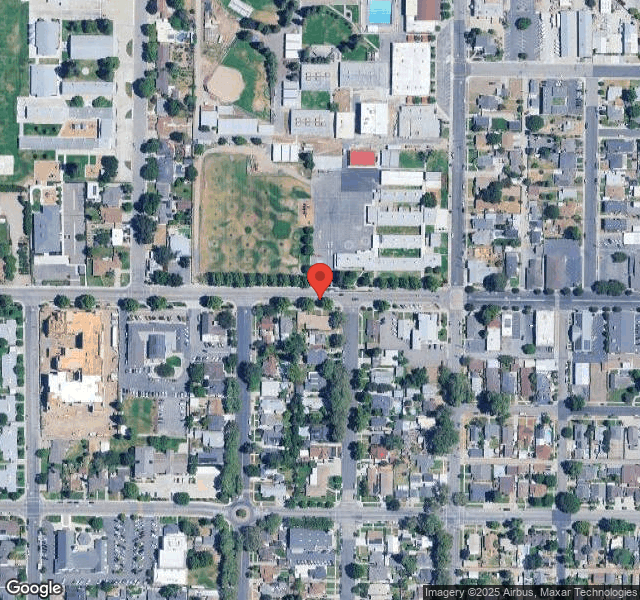
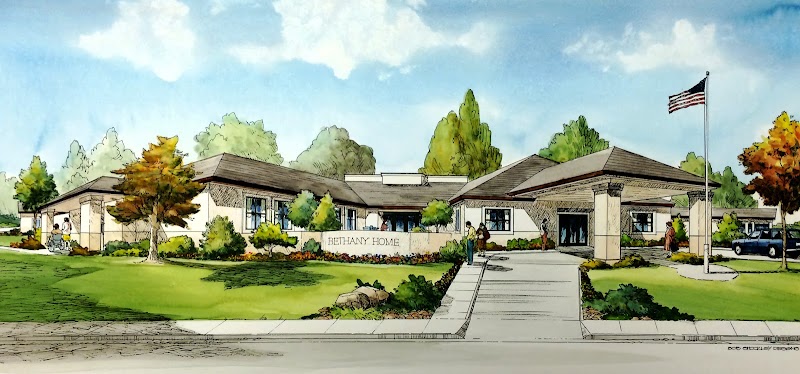
930 WEST MAIN STREET, RIPON, CA 95366 (209) 599-4221
Non profit - Corporation 92 Beds Independent Data: November 2025
Trust Grade
60/100
#533 of 1155 in CA
Last Inspection: November 2022

Over 2 years since last inspection. Current conditions may differ from available data.

Overview

Bethany Home Society in Ripon, California has a Trust Grade of C+, indicating it is slightly above average but not outstanding. It ranks #10 out of 24 facilities in San Joaquin County, which means there are only nine local options that are better. The facility's trend is stable, maintaining five issues since 2023. While staffing is a strength with a 4 out of 5 rating and a turnover rate of 36%, which is below the state average, the nursing home has less RN coverage than 75% of other facilities in California, which is concerning. Recent inspections revealed some issues, such as a failure to specify administration routes for medications for several residents, leading to potential risks in treatment, and a lack of sanitary conditions in the kitchen, where a staff member did not wear a hair covering during meal prep. Additionally, safety concerns were noted with water temperatures in resident restrooms being too hot and fall prevention measures not being implemented for some residents. Overall, while there are strengths in staffing, the facility has important areas that need improvement.

Trust Score
C+
60/100
In California
#533/1155
Top 46%
Safety Record
Low Risk
No red flags
Inspections
Holding Steady
5 → 5 violations
Staff Stability
○ Average
36% turnover. Near California's 48% average. Typical for the industry.
Penalties
✓ Good
No fines on record. Clean compliance history, better than most California facilities.
Skilled Nurses
⚠ Watch
Each resident gets only 22 minutes of Registered Nurse (RN) attention daily — below average for California. Fewer RN minutes means fewer trained eyes watching for problems.
Violations
⚠ Watch
23 deficiencies on record. Higher than average. Multiple issues found across inspections.
★★★☆☆
3.0
Overall Rating
★★★★☆
4.0
Staff Levels
★★★☆☆
3.0
Care Quality
★★★☆☆
3.0
Inspection Score
Stable
2023: 5 issues
2025: 5 issues

The Good

  • 4-Star Staffing Rating · Above-average nurse staffing levels
  • Full Sprinkler Coverage · Fire safety systems throughout facility
  • No fines on record
  • Staff turnover below average (36%)

    12 points below California average of 48%

Facility shows strength in staffing levels, fire safety.

The Bad

3-Star Overall Rating

Near California average (3.1)

Meets federal standards, typical of most facilities

Staff Turnover: 36%

10pts below California avg (46%)

Typical for the industry

The Ugly 23 deficiencies on record

Sept 2025 2 deficiencies
CONCERN (D) 📢 Someone Reported This

A family member, employee, or ombudsman was alarmed enough to file a formal complaint

Potential for Harm - no one hurt, but risky conditions existed

Deficiency F0658 (Tag F0658)

Could have caused harm · This affected 1 resident

Based on interview and record review, the facility failed to ensure safe monitoring practices for high-risk medication (drugs with potential to cause harm without monitoring) use in one out of four re...

Read full inspector narrative →
Based on interview and record review, the facility failed to ensure safe monitoring practices for high-risk medication (drugs with potential to cause harm without monitoring) use in one out of four residents (Resident 1) when:1. Resident 1 was prescribed metoprolol (a medication used to control heart rate and rhythm) without orders to monitor Resident 1's blood pressure or heart rate; and2. Resident 1's experienced syncopal episodes (a brief loss of consciousnesses caused by a temporary decrease in blood flow to the brain) during transfers, which were not adequately documented or addressed by the licensed nurse (LN).These failures had the potential to result in unsafe medication use and adverse consequences for Resident 1.1. Review of Resident 1's admission RECORD indicated Resident 1 was admitted to the facility with diagnoses that included but was not limited to atrial fibrillation (A-Fib; heart rhythm disorder) and hypertension (HTN; high blood pressure). During a concurrent interview and record review on 9/5/25 at 2:33 PM, Resident 1's Order Summary Report, dated 9/25 and Blood Pressure and Pulse Summary report, dated from 6/20/25 through 9/5/25, was reviewed with LN 1. LN 1 confirmed that Resident 1 had an order for .Metoprolol Succinate Oral Capsule ER [extended release] 24 Hour Sprinkle 50 MG [milligrams; a unit of measurement] (Metoprolol Succinate) Give 50 mg by mouth one time a day for A-fib. LN 1 confirmed Resident 1's metoprolol order did not include directions of when to hold or administer the medication based on the result of Resident 1's blood pressure or heart rate. LN 1 confirmed the following blood pressures (BP) and heart rate (HR) noted on Resident 1's vital summary report: 6/12/25 BP of 106/81, 6/27/25 HR of 128, 7/2/25 HR of 44, 7/4/25 HR of 113, 7/6/25 HR of 99 and BP of 99/60, 7/13/25 BP of 105/611, 7/18/25 BP of 106/70, 7/19/25 BP of 110/58, and 8/22/25 BP of 105/65. LN 1 stated that based on the review of Resident 1's blood pressures and heart rates, the results should have been reviewed with Resident 1's physician. LN 1 confirmed there was no documentation in Resident 1's electronic medical record that indicated that BP and HR results were reviewed with Resident 1's physician.During a concurrent interview and record review on 9/9/25 at 1:55 PM, Resident 1's physician order for Metoprolol Succinate, order dated 3/19/24, was reviewed with LN 2. LN 2 stated that Resident 1's physician order for the Metoprolol medication should have had parameters for blood pressure and heart rate monitoring and then, based on those parameters, the medication would then be administered or held. During a concurrent interview and record review on 9/15/25 at 3:10 PM, Resident 1's Consultant Pharmacist's Medication Regiment Review [an evaluation of a resident's entire medication list to ensure that the medication is safe, effective, and appropriate for their condition], dated 6/25, 7/25, and 8/25, were reviewed with the Pharmacy Consultant (PharmD). The PharmD stated that based on Resident 1's BP and HR results and with the history of syncope, he should have made a recommendation to the MD for Resident 1 to have daily monitoring of the blood pressure and heart rate prior to the administration of metoprolol.2. During a review of Resident 1's nurse progress notes, dated 6/26/25 and 6/27/25, indicated that Resident 1 became unresponsive while being transferred in the standing lift (a device designed to assist individual with limited mobility in going from a seated to a standing position) on 6/26/25 and 6/27/25.During an interview on 9/9/25 at 1:33 PM with Certified Nursing Assistant (CNA) 1, CNA 1 stated, Almost every time I work with [Resident 1], [Resident 1] becomes dizzy and lightheaded when I move [Resident 1] from a lying to sitting position or from sitting to standing using the standing lift. CNA 1 continued to state that Resident 1 must be sat back down or laid back down on the bed for fear that Resident 1 was going to pass out. CNA 1 stated that she did not always report these episodes to the licensed nurse (LN) because sometimes the episodes came and went very quickly.During a concurrent interview and record review on 9/5/25 at 2:33 PM, Resident 1's NURSES NOTE, dated 6/27/25, was reviewed with LN 1. LN 1 stated that Resident 1 had a history of syncopal episodes that occurred while in the standing lift. LN 1 confirmed there was no documentation that indicated that Resident 1 was assessed for orthostatic hypotension (form of low blood pressure that might cause dizziness, lightheadedness, or fainting when rising from sitting or lying down) or the possibility of completing orthostatic blood pressures (checking the BP and HR while lying, sitting, and standing) was discussed with Resident 1's physician. During an interview on 9/9/25 at 1:55 PM, LN 2 stated that Resident 1 did have a history of syncopal episodes that may be related to a drop in Resident 1's blood pressure or pulse from the Metoprolol medication. LN 2 stated that the licensed nurse should have initiated orthostatic blood pressures and heart rate checks after Resident 1's syncopal episode so that a more detailed and thorough report could have been given to Resident 1's physician.During a concurrent interview and record review on 9/9/25 at 4:04 PM with LN 3, Resident 1's NURSES NOTE, dated 6/27/25 was reviewed with LN 3. LN 3 stated that on 6/27/25, she assessed Resident 1 following a report that Resident 1 had become weak on the right side of the body then became confused during a transfer with the standing lift. LN 3 stated that Resident 1 had returned to baseline when LN 3 arrived in the room. LN 3 stated that she was aware of Resident 1's history of syncopal episodes during position changes between lying, sitting and standing and then stated that there was not a need to complete orthostatic blood pressure and heart rate checks since Resident 1 had returned to baseline at the time of LN 3's assessment. LN 3 further stated that a physician needed to add parameters for medication administration, not the licensed nurse and LN 3 had never seen a need to discuss that with Resident 1's physician even though there was a history of syncopal episodes.During an interview on 9/15/25 at 4:18 PM with LN 4, LN 4 confirmed that Resident 1 had a history of syncopal episodes. LN 4 stated that as a LN, she should have assessed Residents 1's blood pressure and heart rate further based on the syncopal episodes and the daily administration of metoprolol. LN 4 stated had that been done, the physician would have been able to make a more accurate assessment regarding the need for hold parameters on Resident 1's metoprolol order.During a concurrent interview and record review on 9/15/25 at 3:10 PM, Resident 1's Consultant Pharmacist's Medication Regiment Review, dated 6/25, 7/25, and 8/25, was reviewed with the PharmD. The PharmD stated if Resident 1 was having syncopal episodes during changes of position from lying, sitting and standing, then he would expect that the licensed nurse would check for orthostatic hypotension (low blood pressure) and report those results when reporting the syncopal episode to Resident 1's physician. PharmD further stated that since Resident 1 was having syncopal episodes it would have been beneficial to have parameters for blood pressure and heart rate monitoring along with the metoprolol medication order. PharmD stated that the licensed nurses had never notified him of these episodes during his drug regimen review while onsite at the facility, nor did he see the nurses progress notes regarding Resident 1's recent syncope episodes. PharmD stated if he had been notified, he would have made recommendations for blood pressure and heart rate monitoring and labs to help evaluate if the syncopal episode was related to the medication or another cause like dehydration.During a concurrent interview and record review on 9/8/25 at 3:56 PM, Resident 1's Order Summary Report, dated 9/25 and Blood Pressure and Pulse Summary report, dated from 6/20/25 through 9/5/25, was reviewed with the Director of Nursing (DON). The DON stated that the use of the standing lift to transfer Resident 1 was stopped on 7/2/25 not due to episodes of syncope, but due to a right shoulder dislocation (occurs when the ball-shaped top of the upper arm bone separates from the socket-shaped shoulder blade) and right humerus fracture (a break in the bone, located in the upper arm). The DON stated she was unaware that Resident 1 had multiple episodes of syncope, stating that she was only aware of one episode. During a review of Resident 1's blood pressure and heart rate entries, the DON acknowledged that Resident 1's did have high and low blood pressures and low heart rates that would have indicated a need to hold the Metoprolol, complete orthostatic blood pressures, and to notify the physician, especially if there was a history of syncope during transfers. The DON stated that the lack of further assessment into Resident 1's blood pressure and heart rate fluctuations by the nursing staff placed Resident 1 at risk for continued syncopal episodes which could result in a fall and further injury.During a review of the facility's policy and procedure (P&P) titled, Receiving Physician Medication Orders, dated 11/1/15, the P&P indicated, .Purpose: Clarification of Physician's orders - receiving orders for the medication for abnormal vital signs.B/P: Any abnormal B/P systolic > [greater than] 170 or < [less than] 100 diastolic [bottom number of BP reading] >90 or <40, physician notification is required.If an order is received, b/p parameters are to be included (i.e., Medication given for sbp [systolic blood pressure, top number of BP reading] >170 or hold medication for sbp <100).Pulse: Any abnormal pulse >100 or <60, physician notification is required.If an order is received for any medication, it must include the parameters.
CONCERN (D) 📢 Someone Reported This

A family member, employee, or ombudsman was alarmed enough to file a formal complaint

Potential for Harm - no one hurt, but risky conditions existed

Deficiency F0688 (Tag F0688)

Could have caused harm · This affected 1 resident

Based on interview and record review, the facility failed to revise the restorative nursing program (RNP-nursing intervention to increase or maintain resident's mobility and to prevent further decline...

Read full inspector narrative →
Based on interview and record review, the facility failed to revise the restorative nursing program (RNP-nursing intervention to increase or maintain resident's mobility and to prevent further decline in mobility) for one of four sampled residents (Resident 1) when the RNP plan of care for passive range of motion (PROM - the movement of a joint through the range of motion with no effort from the patient) exercises to Resident 1's upper extremities was not revised following a right shoulder dislocation and fracture.This failure placed Resident 1 at risk for further injury, pain and discomfort to the right shoulder and right arm.Findings:During a review of Resident 1's admission RECORD, indicated that Resident 1 was admitted to the facility with diagnoses that included but were not limited to dementia (a decline in mental ability severe enough to interfere with daily life), displaced fracture of upper end of right humerus (arm bone), and unspecified dislocation of right shoulder (when the ball shaped head of the humerus bone (upper arm) comes out of the socket in the shoulder blade).During a review of Resident 1's physician orders, dated 9/25, the following orders were indicated as active orders . (R) [right] Shoulder Dislocation: CHECK for IMMOBILIZER [a type of arm sling used to hold the arm against the body, restricting movement of the shoulder and upper arm to promote healing from injuries like dislocation and fracture] PLACEMENT: Monitor for swelling, tenderness, numbness, tingling, discoloration and circulation. every shift for Dislocation.RA [restorative assistant] for Passive ROM to upper and lower extremities three times weekly as tolerated.During a concurrent interview and record review on 9/8/25 at 2:29 PM Resident 1's RNP order and the recorded Restorative Nursing Assistant (RNA) documentation to the upper and lower extremities three times a week as tolerated was reviewed with RNA 1. RNA 1 confirmed that Resident 1 received treatment from the RNA on the following dates: 7/1/25, 7/3/25, 7/6/25, 7/8/25, 7/10/25, 7/13/25, 7/15/25, 7/20/25, 7/22/25, 7/24/25, 7/27/25, 7/29/25, 7/31/25, 8/26/25, 8/28/25, 8/31/25, 9/4/25 and 9/7/25. RNA 1 confirmed that for the month of July of 2025 and for the period from 8/26/25 through 9/7/25, there was no documentation in Resident 1's electronic medical record that indicated that the PROM exercises to Resident 1's right upper arm was held. RNA 1 stated that the RNP order should have reflected that exercises to the right upper arm were not to be done and that the immobilizer was to remain in place except for bathing and dressing. During a concurrent interview and record review on 9/5/25 at 3:53 PM Resident 1's RNP meeting agenda, RNP care plan, and the RNP order were reviewed with the Director of Staff Development (DSD). The DSD stated that part of the DSD duties included overseeing the RNP which included updating the MD and physical therapist for order initiation of a RNP or revision of the current RNP and any need for physical or occupational therapy screening. The DSD stated that Resident 1's RNP had last been reviewed by the RNP team on 6/5/25 and no changes in Resident 1's plan were recommended at that time. The DSD confirmed that Resident 1's RNP had not changed and that the RNP for Resident 1 was not reviewed in the RNP meeting that was held in July or August of 2025 when Resident 1 returned from the acute hospital on 7/2/25 with the new diagnoses of dislocation of the right shoulder and fracture of the right humerus. The DSD stated that Resident 1 should have been referred to physical therapy for screening. The DSD stated that not updating the RNP for Resident 1 so that PROM to the right upper extremity was excluded, placed Resident 1 at risk for further injury, pain and discomfort. The DSD further stated that there had been no training on the immobilizer placement or techniques in positioning and transferring Resident 1 to avoid further injury. The DSD stated that providing that type of training to the Certified Nursing Assistants (CNA) and RNAs would have been beneficial to prevent further pain or injury to Resident 1.During an interview on 9/5/25 at 3:59 PM, the Director of Rehabilitation (DOR) stated that Resident 1 had not been screened by physical therapy when Resident 1 was readmitted from the acute hospital on 7/2/25 with new diagnoses of right shoulder dislocation and right humorous fracture. The DOR further stated that the physical therapist should have screened Resident 1's mobility, reassessed Resident 1's ordered RNP, and provided education to the CNAs and RNAs to ensure they were able to properly place the right arm immobilizer.During a concurrent interview and record review on 9/5/25 at 3:53 PM, Resident 1's physician order for the immobilizer to the right arm, dated 7/7/25, and Resident 1's RNP order for PROM to the upper and lower extremities three times weekly as tolerated, dated 2/25/20, were reviewed with the Director of Nurses (DON). The DON stated that since the immobilizer was on Resident 1's right arm, the expectation was that the RNAs would know not to perform the PROM exercises or to remove the immobilizer even though Resident 1's RNP order had not been updated upon Resident 1's return from the acute hospital on 7/2/25. The DON further stated that updating the RNP order to exclude PROM to the right upper arm, as well as providing training to the RNA and CNA on removing and placing the immobilizer, techniques in positioning Resident 1's right upper arm during care tasks such as bathing, dressing, bed mobility and transferring to and from her bed and wheelchair should have been done to help reduce the risk of further injury to Resident 1's right upper arm and shoulder.A review of the facility's job description titled, JOB DESCRIPTION RESTORATIVE NURSING ASSISTANT, dated 8/15, the record indicated, .documents on e-chart [electronic medical record] all activities performed in restorative program and the progress and changes that are observed.A review of the facility's policy and procedure (P&P) titled, RANGE OF MOTION, dated 11/15, the P&P indicated .All residents admitted to [facility name] LTC [long term care] will be screened for current mobility status within 7 days from admission.Residents identified as having a decline in ROM [range of motion] will be referred to PT/TO [physical therapy/occupational therapy] for screening and recommendations.
Jul 2025 2 deficiencies
CONCERN (D) 📢 Someone Reported This

A family member, employee, or ombudsman was alarmed enough to file a formal complaint

Potential for Harm - no one hurt, but risky conditions existed

Deficiency F0657 (Tag F0657)

Could have caused harm · This affected 1 resident

Based on interview and record review the facility failed to revise a comprehensive elopement (leaving a designated area, often a place of supervision or care, without permission) risk care plan (a gui...

Read full inspector narrative →
Based on interview and record review the facility failed to revise a comprehensive elopement (leaving a designated area, often a place of supervision or care, without permission) risk care plan (a guide that healthcare workers used to ensure Resident 1 received tailored care to his/her individual needs and goals) for one of two residents at risk for elopement (Resident 1), when Resident 1 was seen by facility staff sitting outside of the building unattended.This failure placed Resident 1 at risk for elopement and injury. Findings:During a review of Resident 1's clinical record titled, admission RECORD, (a document that contained the resident's demographic information) indicated Resident 1 was admitted to the facility with a diagnoses that included Dementia (a condition which caused a decline in memory, reasoning, and other thinking skills), tremors (shaking), dizziness, and hypertension (high blood pressure - the force of blood pushing against the artery walls).A review of Resident 1's clinical record titled, BRIEF INTERVIEW FOR MENTAL STATUS, (BIMS - a screening tool used to measure short term memory and orientation) dated 5/6/25, indicated Resident 1 had a BIMS score of 99 (99 is scored when the resident was unable to complete the interview).During a concurrent interview and record review on 7/17/25 at 3:03 p.m. with the Assistant Director of Nursing (ADON), Resident 1's clinical record titled, Progress Notes, dated 5/27/25, was reviewed. The progress note indicated Resident 1 was found outside of the facility building by the therapy office. The ADON stated Resident 1 was not supposed to be in the therapy rooms unattended and could have potentially wandered further away from the facility.During an interview with LN 2 on 7/17/25, at 2:42 p.m., LN 2 stated when Resident 1 eloped he was at risk of injury, such as being hit by a car, and/or getting lost.During a concurrent interview and record review on 7/17/25 at 4:05 p.m. with the Administrator (ADM), Resident 1's care plan titled, I AM AN ELOPEMENT RISK, revised on 8/20/24, was reviewed. The care plan indicated a goal was to maintain safety through the review date. The ADM stated the care plan was not revised after Resident 1 eloped and it was her expectation that care plans should have been revised after any assessment or change of condition. The ADM further stated the care plan should have accurately reflected interventions in place that maintained Resident 1's safety, and that the effectiveness of the interventions was monitored.A review of the facility's policy and procedure titled, Care Plan Policy and Procedure, dated 11/28/16, indicated, .New or additional problems, goals and approach will be added to the care plan by the appropriate discipline as they arise.Care planned long term problems will be evaluated for appropriateness.Each care plan will be reviewed quarterly at the interdisciplinary team (IDT) meeting and at the time of a change in condition.
CONCERN (D) 📢 Someone Reported This

A family member, employee, or ombudsman was alarmed enough to file a formal complaint

Potential for Harm - no one hurt, but risky conditions existed

Accident Prevention (Tag F0689)

Could have caused harm · This affected 1 resident

Based on observation, interview, and record review, the facility failed to ensure adequate supervision for one of two sampled residents (Resident 1), at risk for elopement (leaving a designated area, ...

Read full inspector narrative →
Based on observation, interview, and record review, the facility failed to ensure adequate supervision for one of two sampled residents (Resident 1), at risk for elopement (leaving a designated area, often a place of supervision or care, without permission), when Resident 1 was found outside of the physical therapy office back door on 5/27/25 at approximately 5:00 p.m.This failure placed Resident 1 at risk of serious injury and harm.Findings:During a review of Resident 1's clinical record titled, admission RECORD, (a document that contained the resident's demographic information) indicated Resident 1 was admitted to the facility with a diagnoses that included Dementia (a condition which caused a decline in memory, reasoning, and other thinking skills), tremor (shaking), dizziness, and hypertension (high blood pressure- the force of blood pushing against the artery walls).A review of Resident 1's clinical record titled, Progress Notes, dated 5/27/25 at 10:37 p.m., written by the Licensed Nurse (LN) 1, indicated at approximately 5:00 p.m., Resident 1 was found outside by the physical therapy door by an activities team member.A review of Resident 1's clinical record titled, BRIEF INTERVIEW FOR MENTAL STATUS, (BIMS - a screening tool used to measure short term memory and orientation) dated 5/6/25, indicated Resident 1 had a BIMS score of 99 (99 was scored when the resident was unable to complete the interview).A review of Resident 1's care plan (a document that contained the resident's individualized problems, goals, and interventions) titled, I AM AN ELOPEMENT RISK, dated 8/20/24, indicated Resident 1's goal was to maintain safety through review date.During an interview with LN 2 on 7/17/25, at 2:42 p.m., LN 2 stated when Resident 1 eloped he was at risk of injury, such as being hit by a car, and/or getting lost.During an interview with the Assistant Director of Nursing (ADON) on 7/17/25, at 3:03 p.m., the ADON stated the physical therapy office back door did not have an alarm to alert staff when Resident 1 was found outside. The ADON further stated Resident 1 was not supposed to be in those rooms unattended and that therapy staff were responsible for the therapy room doors to be locked when not in use.During an interview with the Administrator (ADM) on 7/17/25, at 4:05 p.m., the ADM stated someone from the physical therapy department left the room unlocked, and it was her expectation that the physical therapy room was locked when not in use. The ADM further stated Resident 1 was a safety risk if left unattended because he could wander further away, get lost, or injured.A review of the facility's policy and procedure (P&P) titled, Resident Rights Policy and Procedure, dated November 28, 2016, was reviewed. The P&P indicated, .The resident has a right to a safe, clean, and comfortable and homelike environment, including but not limited to receiving treatment and supports for daily living safety.
Mar 2025 1 deficiency
CONCERN (D) 📢 Someone Reported This

A family member, employee, or ombudsman was alarmed enough to file a formal complaint

Potential for Harm - no one hurt, but risky conditions existed

Free from Abuse/Neglect (Tag F0600)

Could have caused harm · This affected 1 resident

Based on observation, interview, and record review, the facility failed to ensure a resident's right to be free from verbal abuse for one of sixteen sampled residents (Resident 44) when, Resident 44 w...

Read full inspector narrative →
Based on observation, interview, and record review, the facility failed to ensure a resident's right to be free from verbal abuse for one of sixteen sampled residents (Resident 44) when, Resident 44 was cursed at by Licensed Nurse (LN) 5. This failure had the potential to cause emotional distress and could negatively affect Resident 44's psychosocial well-being. Findings: Review of Resident 44's admission RECORD, indicated Resident 44 was admitted with diagnoses including depression (mental health condition characterized by persistent feelings of sadness) and anxiety (persistent worry) disorders. Review of Resident 44's Minimum Data Set [an assessment tool], dated 2/4/25, indicated Resident 44's Brief Interview for Mental Status score was 13 out of 15 suggesting an intact cognitive functioning (a person's mental processes, including thinking, learning, memory, and reasoning, are functioning normally and without any significant impairment). Review of Resident 44's IDT [Interdisciplinary Team; a group of healthcare professionals] Note, dated 11/13/24, indicated, .On 11/1/2024 [Resident 44] notified SSD [social services director] that he had a complaint of CN [charge nurse; LN 5] who cursed at him a couple of days ago. Resident could notrecall [sic] what the disagreement was about. On the same day CN approached DON [director of nursing] stating she was not getting along with resident and that a couple of days ago resident was following CN and interrupting her conversations she was having with CNA [certified nursing assistant], CN stated she tried to redirect him, and resident was angry and cursing at CN .CN then talked to SSD, asking resident not to bother CN during her shift .On 11/7/2024- A CNA notified DSD [director of staff development] that she had heard CN on 11/1/2024 telling another CNA that she cursed at the resident . During a concurrent observation and interview on 3/20/25, at 1:33 p.m., with Resident 44 in his room, Resident 44 stated he did not have any disagreement with any staff member and stated he felt safe in the facility and had been cared for. Resident 44 stated he did not want to answer any further questions. During a concurrent interview and record review on 3/20/25, at 3:04 p.m., with the Administrator (ADM) and Director of Nursing (DON), Resident 44's [Facility name] FACILITY EVENT REPORT [a detailed report regarding the investigation of the incident], dated 11/8/24, was reviewed. In the section of the facility event report titled, Describe Incident ., indicated, .the Social Services Director .notified the Administrator that [Resident 44] complained this morning about [LN 5] cursing at him a couple of days prior, saying I don't give a fuck at the end of a disagreement [LN 5] and [Resident 44] had. When [name of the SSD] had asked [Resident 44] what the disagreement was about, [Resident 44] could not remember .On the following Thursday afternoon, 11/7/24, a CNA confided to the DSD that she heard [LN 5] on 11/1/24 telling another CNA that she had told [Resident 44] to fuck off . The ADM explained, LN 5 admitted to Certified Nurse Assistant (CNA) 1 that she was working with at the time of the incident that LN 5 had used foul language toward Resident 44. The ADM stated, while LN 5 was explaining the events that had happened, CNA 2 had heard LN 5 admitting what she had done. The ADM further explained no staff had witnessed the disagreement between LN 5 and Resident 44. Further review of the facility event report in the section titled, What is the outcome?, indicated, .Through record review and interviews, it can now be substantiated that [LN 5] used a curse word in her interaction with [Resident 44]. Because of [Resident 44's] past propensity for using that sort of language toward staff and becoming demanding when patience is required, it was believed that there was a disagreement between [Resident 44] and [LN 5] and that [Resident 44] needed a break from [LN 5] providing care for him; however, with other staff reporting [LN 5's] admission to using that language with [Resident 44], though denying it when asked, [LN 5] will not be returning to work at [facility name] . During an interview on 3/21/25, at 10:05 a.m., the DON stated verbal abuse could have a negative effect on residents. The DON stated the residents should feel safe and comfortable in their own home and the facility was their home. The DON further stated verbal abuse could affect the residents psychologically, emotionally, and could manifest physical symptoms such as increased blood pressure and increased breathing. The DON stated residents needed to feel safe in the facility. Review of the facility's policy and procedure titled, Freedom from Abuse, Neglect, Exploitation, and Misappropriation of Resident Property Policy and Procedure, revised 3/8/24, indicated, .Each resident has the right to be free from abuse .VERBAL ABUSE: Verbal abuse includes the use of oral, written or gestured language that includes disparaging and derogatory terms to residents or their families. This would include use of swear words, making demeaning remarks about a person's appearance or use of such slang expressions such as shut up or be quiet .All residents of [facility name] shall be free from verbal, mental, sexual, physical abuse .Residents must not be subjected to abuse by anyone, including, but not limited to facility staff .
Oct 2023 1 deficiency
CONCERN (D) 📢 Someone Reported This

A family member, employee, or ombudsman was alarmed enough to file a formal complaint

Potential for Harm - no one hurt, but risky conditions existed

Notification of Changes (Tag F0580)

Could have caused harm · This affected 1 resident

**NOTE- TERMS IN BRACKETS HAVE BEEN EDITED TO PROTECT CONFIDENTIALITY** Based on interview and record review, the facility failed to notify the Medical Director (MD) in a timely manner with a change o...

Read full inspector narrative →
**NOTE- TERMS IN BRACKETS HAVE BEEN EDITED TO PROTECT CONFIDENTIALITY** Based on interview and record review, the facility failed to notify the Medical Director (MD) in a timely manner with a change of condition for one of 24 sampled residents (Resident 1) when Resident 1 fell and sustained a visible injury and possible non-visible injuries. This failure resulted in the MD not having immediate knowledge of the fall and/or the opportunity to order new treatment which could have provided comfort to Resident 1 and/or prevented his subsequential death. Findings: During a review of the facility's document titled, Discharge Summary, dated [DATE], at 3:20 PM, by the Nurse Practitioner (NP), indicated, Resident 1 had a fall at [MEMORY CARE FACILITY NAME]. Prior to the fall, Resident 1 was on Eliquis (blood thinning medication to reduce blood clots) for Atrial fibrillation (A-Fib, an irregular, rapid heart rhythm that can lead to blood clots in the heart and cause a stroke [when something blocks blood supply to the brain]). Resident 1 was brought in by ambulance to [ACUTE CARE HOSPITAL NAME] complaining of neck pain. Hospital Course: Resident 1 was evaluated and the work-up was significant for a Large Left Subdural Hematoma with a midline shift (buildup of blood on the surface of the brain which shifts brain tissue across the center line of the brain) and skin tears/scrapes to the right upper extremity (arm). Resident 1 received treatment in [ACUTE CARE HOSPITAL NAME] for six days. Resident 1 was discharged from [ACUTE CARE HOSPITAL NAME] to a Skilled Nursing Facility (SNF) for further Physical Therapy (PT) treatment. A review of Resident 1's clinical record titled, admission RECORD (a document which contains the resident's demographic information), indicated, Resident 1 was admitted to the facility (SNF) with a diagnosis of a recent traumatic subdural hemorrhage (head injury related to a fall or blow to the head resulting in a brain bleed), weakness, dementia (loss of memory, language, problem-solving, and other thinking abilities that interfere with daily life), and A-Fib. During an interview on [DATE] at 3:52 AM, with the Administrative Director of Nursing - Licensed Nurse (ADON-LN), stated, the facility's protocol after a fall would be to immediately notify the MD (to possibly receive new orders) and for the Licensed Nurse to inform the resident's representative of the fall. ADON-LN stated, if unable to reach the MD, he would try to contact the MD at least two more times on his shift. The ADON-LN stated two hours was too long to wait to notify MD of Resident 1's fall. During an interview on [DATE] at 11:25 AM, with LN 1, LN 1 stated, after Resident 1 fell, the MD should have been notified immediately, not two hours later. LN 1 stated the importance of notifying the MD immediately was to receive new orders and possibly transfer Resident 1 to an acute care hospital to receive medical care the SNF was unable to provide. LN 1 stated, Resident 1 was at increased risk of a brain bleed and death due to taking blood thinning medication. During a follow up interview on [DATE], at 1 PM, with the ADON-LN, the ADON-LN stated, he was unsure why the Licensed Nurse did not notify the MD immediately after Resident 1 fell. The ADON-LN stated, the Licensed Nurse possibly did not want to wake up the MD from his sleep and would inform the MD of the fall later in the morning. The ADON-LN stated, there shouldn ' t have been any delay in notifying the MD of the fall because the MD may have transferred Resident 1 to a hospital to receive a higher level of care sooner. During a phone interview on [DATE], at 10:45 AM, with the MD, the MD stated, it was his expectation to be notified of Resident 1's fall immediately, and not two hours after the fall. The MD stated, if he had been notified right away, he may have discontinued the blood thinning medication to possibly prevent bleeding in the brain. During a phone interview on [DATE], at 5:34 PM, with LN 2, LN 2 stated, she had been working at the facility for two months when Resident 1 fell. LN 2 stated, she was unsure of the protocol to follow following a fall. LN 2 stated, looking back, the MD may have given her additional orders to care for Resident 1 and she should have called the MD immediately and not waited two hours. A review of Resident 1's clinical record titled, NURSES NOTE, dated [DATE] at 7:23 AM, by LN 2 indicated, at approximately 5:10 AM, Resident 1 had an unwitnessed fall (second fall in five days) in his room. Resident 1 was found lying on the side of the bed on his stomach/face. Resident 1 had a bloody nose and an abrasion to the left knee. MD was notified at 7:05 AM. A review of Resident 1's clinical record titled, NURSES NOTE, dated [DATE] at 8:27 AM, by the ADON-LN, the record indicated, Resident 1 was noted to have a change of condition with an elevated temperature, low oxygen saturation (amount of oxygen in the blood), and loud rales (small clicking, bubbling, or rattling sounds in the lungs that is heard when fluid is in the lungs) in all areas of the lungs. A review of Resident 1's clinical record titled, NURSES NOTE, dated [DATE] at 9:10 AM, by the ADON-LN, the record indicated, at approximately 8:49 AM, Resident 1 was noted to be absent of all vital signs (heart rate per minute, respiratory rate per minute, oxygen saturation percentage, and blood pressure). A review of Resident 1's clinical record titled, Physician Discharge Summary, dated [DATE], by MD, indicated, Resident 1's cause of death on [DATE], was due to a subdural hemorrhage (brain bleed). A review of Resident 1's clinical record titled, Care Plan (an individualized plan of care which includes problems, goals, and a list of interventions to assist in meeting the goal), indicated, Resident 1 was at risk for falls. The interventions implemented to assist Resident 1 in meeting the goal of having no traumatic injuries from falls were: using a wheelchair for mobility, bed kept in the low position, review information on past falls and attempt to determine the cause of falls. Record possible root causes of falls and educate Resident 1, family, and caregivers as to the causes of the falls. During a concurrent interview and record review on [DATE], at 12:45 PM, with the Admininistator (Admin) and ADON-LN, the facility's Policy and Procedure (P&P), titled, FALLS, undated, was reviewed. The P&P indicated, POLICY: To assure a procedure is followed by all Licensed nurses when a fall occurs. PROCEDURE: 1. When a fall occurs it is immediately to be reported to the Licenses Nurse on duty . 2. A. No noted injury or minor injury i.e.: skin tear, bruise .3. The Licensed Nurse will notify the physician, and the resident's designated representative . B. Significant injury/potential significant injury i.e.: possible fracture or concussion . 4. The LN will notify the physician of incident. The LN will notify the resident's designated representative. The License Nurse will notify the on-call administrative nurse of incident . The Admin and ADON -LN acknowelged the P&P and the facility's expectations were not followed when the LN did not call MD immediately after Resident 1 fell. During a concurrent interview and record review on [DATE], at 1:00 PM, with the Admin and ADON-LN, the facility's P&P titled, Change of Condition Notification (Revised), dated [DATE], was reviewed. The P&P indicated, Purpose: To observe, record and report any change of condition to the physician so proper treatment may be implemented. Responsibility: It is the responsibility of the facility, through the nursing staff, to report any change of condition to the resident ' s attending physician or his designee, the resident, and/or the resident representative. Procedure: A. The Nursing Supervisor, or her designee, will notify the attending physician of the following: . 8. Any fall of a resident, with or without apparent injury, will be reported promptly . 8. Notification will be by personal contact or voice mail and indicated in the resident ' s chart . The Admin and ADON -LN acknowelged the P&P and facility ' s expectations were not followed when the LN did not call the MD immediately after Resident 1 fell. The ADON-LN and Admin stated the two-hour delay in notification of Resident 1 ' s fall to MD does not constitute prompt reporting to the physician. A review of the Job Description titled, Charge Nurse/ RN or LVN - Job Description, dated [DATE], indicated, . Summary: . Essential Duties and Responsibilities include the following . Their responsibilities include taking charge in an emergency of any kind and directing activities toward the safety and security of the residents according to policy and procedure . Notify the physician according to policy and procedure . Competencies . Problem Solving - Identifies and resolves problems in a timely manner; .
Oct 2023 1 deficiency
CONCERN (D) 📢 Someone Reported This

A family member, employee, or ombudsman was alarmed enough to file a formal complaint

Potential for Harm - no one hurt, but risky conditions existed

Deficiency F0658 (Tag F0658)

Could have caused harm · This affected 1 resident

Based on interview and record review, the facility failed to follow physician orders for one of three residents sampled (Resident 1) when Resident 1's order to monitor right lower extremity (leg) circ...

Read full inspector narrative →
Based on interview and record review, the facility failed to follow physician orders for one of three residents sampled (Resident 1) when Resident 1's order to monitor right lower extremity (leg) circulation, motion, and sensation (CMS) was not followed. This failure had the potential for Resident 1 to suffer impairment of the soft tissues and nerves in her right lower extremity which could potentially cause permanent damage to her limb. Findings: A review of Resident 1's admission RECORD, indicated she was readmitted to the facility in September 2023 with diagnoses which included fracture of lateral malleolus of right fibula (break of an ankle bone). A review of Resident 1's care plan initiated 10/2/2023, indicated, Problem .I have a right lateral malleolus fracture .Goal .the resident will not develop complications or permanent loss of mobility related to fracture . Interventions .soft splint in place to right ankle/lower leg-check CMS q [every] shift . A review of Resident 1's Order Details, dated 9/29/23, indicated, .soft splint in place to right ankle/lower leg-check CMS q shift . During a concurrent interview and record review on 10/12/23 at 3 PM, with the Administrator and licensed nurse (LN) 1, LN 1 confirmed there was no documentation to indicate Resident 1's CMS had been monitored every shift. LN 1 stated Resident 1's CMS should have been checked every shift per physician's order and the care plan. LN 1 further stated the order was not followed because it was not added to the treatment administration record. LN 1 stated the purpose of monitoring CMS was to assess for circulation, swelling and adequate blood flow, as an impairment could lead to infection, amputation, and other adverse reactions. LN 1 further stated if it was not documented then it was not done. The Administrator confirmed there was no documentation to indicate the order was implemented. A review of a facility Job Description (JD) titled, Charge Nurse/RN [registered nurse] or LVN [licensed vocational nurse], dated 9/1/2014, indicated, .to provide nursing services .to assure quality of care .Essential Duties and Responsibilities Include the following .Carrying out all treatment orders as ordered by the residents physician . A review of a facility policy and procedure titled, NOTING PHYSICIAN ORDERS, dated 11/12, indicated, .Additional orders and phone orders must be noted with the time, date, noted statement and signature of licensed nurse noting this order .Treatment orders, on treatment sheet .
Oct 2023 2 deficiencies
CONCERN (D) 📢 Someone Reported This

A family member, employee, or ombudsman was alarmed enough to file a formal complaint

Potential for Harm - no one hurt, but risky conditions existed

Comprehensive Care Plan (Tag F0656)

Could have caused harm · This affected 1 resident

Based on interview and record review, the facility failed to update one (1) of two resident's (Resident 1) care plan (a document that contains the resident's individualized problems, goals, and interv...

Read full inspector narrative →
Based on interview and record review, the facility failed to update one (1) of two resident's (Resident 1) care plan (a document that contains the resident's individualized problems, goals, and interventions) following Resident 1's four elopements (a vulnerable resident who leaves a facility unnoticed) from the facility during the night shift (11:00 PM through 7:00 AM) on 9/30/23. This failure resulted in the facility continuing to utilize ineffective interventions which jeopardized the health and safety of Resident 1, which could have resulted in injury or death. Findings: A review of Resident 1's clinical record titled, admission RECORD (a document that contains the resident's demographic information) indicated, Resident 1 was admitted to the facility with a diagnosis of sepsis (overwhelming infection) and Dementia (a condition which causes a decline in memory, reasoning, and other thinking skills). A review of Resident 1's clinical record titled, Progress Notes, dated 10/1/23 at 7:29 AM, by Licensed Nurse (LN 1), indicated, during the night shift of 9/30/23, Resident 1 eloped from the facility multiple times. The first incident was on 9/30/23 at 11:30 PM when Resident 1 eloped from the Hall B's alarmed exit door. The facility staff members went outside to bring Resident 1 back inside the facility; however, Resident 1 had quickly made her way towards the parking lot and was headed for the street. The police were called and assisted in deescalating the situation, resulting in Resident 1 returning to the facility. Once inside the facility, Lorazepam (antianxiety medication) was given. Shortly after medication administration, Resident 1 eloped from Hall A's alarmed exit door. The facility staff found Resident 1 in the facility's parking lot and Resident 1 was brought back inside the facility. The document further indicated, on 10/1/23, at 3:00 AM, the LN 1 went to check on Resident 1 and found other staff members looking for Resident 1 saying, Resident 1 was not in her room. The LN 1, another licensed nurse, and two Certified Nursing Assistants (CNA) began looking for Resident 1. Resident 1 was found outside the facility walking down the sidewalk. The facility staff were able to redirect Resident 1 back to the facility and to her room. At around 4:00 AM, Resident 1 exited the facility again for a very short time. The facility staff redirected Resident 1 back into the facility building. During an interview on 10/4/23 at 1:40 PM, with LN 2, LN 2 stated, when Resident 1 eloped from the facility, the care plan should have immediately been updated by the Licensed Nurse with new interventions. A review of the facility document titled, Job Title: Charge Nurse/Registered Nurse (RN) or Licensed Vocational Nurse (LVN), dated 9/1/14, indicated, Essential Duties and Responsibilities include the following . Maintains awareness of comfort and safety needs of the patient . Maintain resident ' s records in accordance with established procedures, including daily charting when appropriated, . updating according to schedule, nursing care plans . Monitor nursing staff for implementation of resident plan for care, expected outcome and the quality of care . Safety and Security - Observes safety and security procedures; Determines appropriate action beyond guidelines; reports potentially unsafe conditions . During a concurrent interview and review of Resident 1's clinical record, on 10/4/23, at 1:45 PM, with the Administrator (Admin) and Assistant Director of Nursing (ADON), the document titled, Care Plan, dated 9/15/23, was reviewed. The Care Plan indicated, Resident 1 had a history of wandering (walking around without any clear purpose or direction) and was an elopement risk. Resident 1's goal was to not leave the facility unattended. The interventions included distraction, diversions, activities, and re-orientation. The ADON stated, the care plan should have been updated with new interventions following the elopement. The Admin stated, she thought the care plan had been updated during the Interdisciplinary Team meeting (IDT - a multi-disciplinary group that meets to discuss the resident ' s current needs). The Admin and ADON acknowledged the care plan was not updated following Resident 1 ' s elopements from the facility. During a concurrent interview and record review on 10/4/23 at 2:00 PM, with the ADON, the facility ' s Policy and Procedure (P&P) titled, Comprehensive Person-Centered Care Planning Procedure, dated 11/15/23, was reviewed. The P&P indicated, 1. The Compressive Person-Centered care Plan is a document that is the written result of the inter-Disciplinary Team Assessment The comprehensive Person -Centered care Plan is the guide for care of the resident. I. notes strengths, potential and actual problems, and discharge planning 2. General Procedure . d. New or additional problems, goals and approach will be added to the Care Plan . as they arise . new interventions will be dated. The ADON stated, the P&P was not followed when the care plan was not updated with new interventions to keep the resident safe from eloping from the facility.
CONCERN (D) 📢 Someone Reported This

A family member, employee, or ombudsman was alarmed enough to file a formal complaint

Potential for Harm - no one hurt, but risky conditions existed

Accident Prevention (Tag F0689)

Could have caused harm · This affected 1 resident

Based on observation, interview, and record review, the facility failed to ensure adequate supervision for one (1) of two residents (Resident 1) at risk for elopement (a vulnerable resident who leaves...

Read full inspector narrative →
Based on observation, interview, and record review, the facility failed to ensure adequate supervision for one (1) of two residents (Resident 1) at risk for elopement (a vulnerable resident who leaves a facility unnoticed) when Resident 1 left the facility four times during the night shift (11:00 PM - 7:00 AM) on 9/30/23 through 10/1/23. This failure jeopardized the health and safety of Resident 1, which could have resulted in injury or death. Findings: A review of Resident 1's clinical record titled, admission RECORD (a document that contains the resident's demographic information) indicated, Resident 1 was admitted to the facility with a diagnosis of sepsis (overwhelming infection) and Dementia (a condition which causes a decline in memory, reasoning, and other thinking skills). A review of Resident 1's clinical record titled, Progress Notes, dated 10/1/23 at 7:29 AM, by Licensed Nurse (LN 1), indicated, during the night shift of 9/30/23, Resident 1 eloped from the facility multiple times. The first incident was on 9/30/23 at 11:30 PM when Resident 1 eloped from the Hall B's alarmed exit door. The facility staff members went outside to bring Resident 1 back inside the facility; however, Resident 1 had quickly made her way towards the parking lot and was headed for the street. The police were called and assisted in deescalating the situation, resulting in Resident 1 returning to the facility. Once inside the facility, Lorazepam (antianxiety medication) was given. Shortly after medication administration, Resident 1 eloped from Hall A's alarmed exit door. The facility staff found Resident 1 in the facility's parking lot and Resident 1 was brought back inside the facility. The document further indicated, on 10/1/23, at 3:00 AM, the LN 1 went to check on Resident 1 and found other staff members looking for Resident 1 saying, Resident 1 was not in her room. LN 1, another licensed nurse, and two Certified Nursing Assistants (CNA) began looking for Resident 1. Resident 1 was found outside the facility walking down the sidewalk. The facility staff were able to redirect Resident 1 back to the facility and to her room. At around 4:00 AM, Resident 1 exited the facility again for a very short time. The facility staff redirected Resident 1 back into the facility building. A review of Resident 1's clinical record titled, Progress Notes, dated 10/2/23 at 3:15 PM, written by the Administrator (Admin), indicated, on 10/1/23 at approximately 3:00 AM, Resident 1 was noted to be absent from her bed. The facility staff searched for Resident 1 and found her outside the facility on the sidewalk. It was determined Resident 1's wander guard alarm (a small alarm censored bracelet) did not activate because Resident 1 exited a side door which was not alarmed with the wander guard system. A review of Resident 1's clinical record titled, [FACILITY NAME] HOSPITALIST HISTORY AND PHYSICAL, dated 9/23/23, written by Physician (Phys.1), indicated, Resident 1 was unable to provide an accurate past medical history due to Dementia. Resident 1's medical history included frequent falls and shaking spells for the past three months (information was provided by Resident 1's husband). A review of Resident 1's clinical record titled, BRIEF INTERVIEW FOR MENTAL STATUS (BIMS - a screening tool used to measure short term memory and orientation), dated, 9/18/23, indicated, Resident 1 had a BIMS score of 7 (score of 0-7 = severe cognitive impairment). A review of Resident 1's clinical record titled, Minimum Data Set (MDS) Section E Behavior (a standardized assessment tool that measures the health status in nursing home residents), dated, 7/1/23, indicated, Resident 1 had a history of wandering (walking around without any clear purpose or direction) in the past 1-3 days and the wandering placed Resident 1 at a significant risk of going to a potentially dangerous place (e.g., stairs, outside of the facility). A review of Resident 1's clinical record titled, Care Plan (a document that contains the resident's individualized problems, goals, and interventions), dated 9/15/23, indicated, Resident 1 had a history of wandering and was an elopement risk. Resident 1's goal was to not leave the facility unattended. The interventions included distraction, diversions, activities, and re-orientation. During an interview on 10/4/23, at 10:00 AM, the Admin stated, on 9/10/23 through 10/1/23, the wander guard and door alarms were in working order, however; the problem was the side door alarm shuts off automatically when the door closes. Resident 1 exited through a side door and the elopement was undetected by staff. During a concurrent observation and interview on 10/4/23, at 10:30 AM, with the Maintenance Supervisor (MS), all the door alarms in the facility were tested. The observation yielded; the facility's side exit door alarms stopped alarming once the door was closed. The MS stated, Hall A's exit door, Hall B's exit door, Hall C's exit door, Hall D's exit door and the East Dining Room's exit door, have door alarms which are activated when the door opens, and the alarm stops automatically when the door closes. The MS stated, the front entrance door has a wander guard alarm system which only activates when a resident who has a wander guard on their person, exits the front entrance. The staff enter a code into the keypad to reset the alarm. The MS stated, the West Dining Hall door has an alarm system by [ALARM COMPANY NAME] and the alarm can be reset by the staff entering a code into the alarm keypad. The MS stated, there was a problem with the current alarm system because some of the exit doors stop alarming automatically and don't require a staff member to enter a code to reset the alarm. The MS stated, this placed Resident 1 at risk for harm. During an interview on 10/4/23, at 11:22 AM, CNA 1, stated, when the door alarm shuts off automatically, the staff could have had a false perception the resident was found. During an interview on 10/4/23, at 12:10 PM, with the Admin, stated, she was unaware the side door alarms stop alarming automatically when the doors shut. The Admin stated, this is not OK because it poses a safety risk to the residents. During a concurrent interview and record review on 10/4/23 at 12:15 PM, with the Assistant Director of Nursing (ADON), Resident 1's clinical record titled, MEDICATION ADMINISTRATION RECORD, dated, 10/1/23, was reviewed. The record indicated; Resident 1 received Lorazepam (an antianxiety medication) on 10/1/23 at 2:29 AM. The ADON stated, based on the time the staff administered Lorazepam and when Resident 1 was found outside (around 3:00 AM), it was concluded that Resident 1 had eloped from the facility and was undetected for approximately 30 minutes. The ADON stated, this was an avoidable accident because the door alarms should have been set up to require a staff member to reset the alarm with a code. A review of the facility document titled, Job Title: Charge Nurse/Registered Nurse (RN) or Licensed Vocational Nurse (LVN), dated 9/1/14, indicated, Essential Duties and Responsibilities include the following . Maintains awareness of comfort and safety needs of the patient . Safety and Security - Observes safety and security procedures; Determines appropriate action beyond guidelines; reports potentially unsafe conditions . During a concurrent interview and record review, on 10/4/23, at 1:57 PM, with the ADON, the facility's Policy and Procedure (P&P) titled, Resident Rights Policy and Procedure, dated November 28, 2016, was reviewed. The P&P indicated, Purpose: To inform resident of his or her rights as a resident . to ensure resident has the ability to exercise his or her rights in a secure and safe environment . I. Safe environment 1. The resident has a right to a safe, clean, comfortable and homelike environment, including but not limited to receiving treatment and supports for daily living safety. The ADON stated, the P&P was not followed when Resident 1 was not provided a safe environment.
Sept 2023 1 deficiency
CONCERN (D) 📢 Someone Reported This

A family member, employee, or ombudsman was alarmed enough to file a formal complaint

Potential for Harm - no one hurt, but risky conditions existed

Accident Prevention (Tag F0689)

Could have caused harm · This affected 1 resident

**NOTE- TERMS IN BRACKETS HAVE BEEN EDITED TO PROTECT CONFIDENTIALITY** Based on observation, interview, and record review, the facility failed to implement a fall intervention for one of two sampled ...

Read full inspector narrative →
**NOTE- TERMS IN BRACKETS HAVE BEEN EDITED TO PROTECT CONFIDENTIALITY** Based on observation, interview, and record review, the facility failed to implement a fall intervention for one of two sampled residents (Resident 1) when a fall mat was not placed on the floor while Resident 1 was in bed. This failure had the potential for Resident 1 to sustain further injuries due to a fall. Findings: During a review of Resident 1's admission Record, indicated Resident 1 had diagnoses of osteoporosis (a medical condition in which bones become weak and brittle) and fracture (a break in the bone) of the right shoulder. During a review of Resident 1's Minimum Data Set, (MDS-an assessment tool) dated 7/20/23, the MDS indicated Resident 1 scored 8 out of 15 in a Brief Interview for Mental Status (BIMS) which suggested Resident 1 had moderate cognitive impairment (reasoning, understanding and memory are affected). During a review of Resident 1's Fall Risk Form, (an assessment tool to determine fall risk factors and target interventions to reduce risks) dated 7/7/23, indicated Resident 1 scored 75. A score of 45 and higher was considered high risk for falls. During a review of Resident 1's Nurses Notes, dated 9/10/23, indicated Resident 1 was seen on the floor lying on her left side. The Nurses Notes further indicated on 9/11/23, Resident 1 had swelling and bruising to her right shoulder. The x-ray results indicated, .a fracture of the right humeral head/neck . (commonly known as the ball of the shoulder's ball-and-socket joint). During a review of Resident 1's Order Summary Report, dated 9/18/23 indicated, . may have floor matt [sic] by bedside, monitor for placement q [every] shift when in bed for safety. During an observation on 9/22/23, at 11:51 a.m. in Resident 1's room, Resident 1 was observed in bed sleeping. There was no floor mat by the bedside. A folded blue mat was observed under the wooden television stand. During an interview on 9/22/23, at 12:29 p.m. with Licensed Nurse (LN) 1, LN 1 stated the fall interventions to minimize incidents of falls or injuries from falls should always be implemented to ensure the safety of residents identified as high risk for falls. LN 1 stated the fall interventions including the placement of a fall mat while the resident was in bed should be followed. During a concurrent observation and interview on 9/22/23, at 1:01 p.m. with CNA 1 and CNA 2 in Resident 1's room, Resident 1 was asleep in bed without a floor mat by the bedside. Both CNA 1 and CNA 2 confirmed the floor mat was not in place. CNA 2 confirmed the floor mat was folded and kept under the wooden TV stand. CNA 2 stated the floor mat should have been always on the floor while resident was in bed except when performing care or resident was eating her meals at a bedside table. CNA 1 explained he did not return the floor mat back on the floor after providing care to Resident 1. CNA 1 further stated he should have placed the floor mat by the bedside before leaving Resident 1. CNA 1 also stated the floor mat would help Resident 1 prevent further injuries from fall. During a review of Resident 1's Fall Care Plan titled, I AM AT RISK FOR FALLS, dated 7/28/23, one of the interventions indicated, .I HAVE A BEDSIDE MAT, ENSURE PLACEMENT WHEN I AM IN BED . During an interview on 9/22/23, at 2:23 p.m. with the Director of Staff Development (DSD), the DSD stated CNAs were trained to follow and implement interventions that would prevent falls and reduce the risk for injuries due to falls. The DSD also stated the fall interventions that would apply to CNAs were documented in the [NAME] (a paper system in which nursing staff write out information for each resident daily as a means of communication among the nursing staff) including placement of floor mats for residents who were high risk for falls. The DSD further stated she expected the CNAs to follow the information on the [NAME] as well as facility procedures for fall prevention. The DSD stated the placement of floor mat should have been done. During a review of the facility's policy and procedure titled, Fall Prevention Program Policy and Procedure, dated 7/26/22, indicated, .To identify residents at risk for falls and provide interventions to reduce risk of falls and major injuries related to falls .Safety measures will be included in the plan of care for residents identified as having fall risks .
Nov 2022 6 deficiencies
CONCERN (E)

Potential for Harm - no one hurt, but risky conditions existed

Accident Prevention (Tag F0689)

Could have caused harm · This affected multiple residents

**NOTE- TERMS IN BRACKETS HAVE BEEN EDITED TO PROTECT CONFIDENTIALITY** Based on observation, interview, and record review, the facility failed to ensure a safe and hazard free environment for a censu...

Read full inspector narrative →
**NOTE- TERMS IN BRACKETS HAVE BEEN EDITED TO PROTECT CONFIDENTIALITY** Based on observation, interview, and record review, the facility failed to ensure a safe and hazard free environment for a census of 50 when: 1. Safe water temperatures were not maintained in resident restrooms for 3 out of 5 halls (Hall A, Hall B, and Hall C) in the facility; and, 2. Fall interventions were not implemented for 3 of 21 sampled residents (Resident 22, Resident 23, and Resident 49), when a fall mat was not placed on the floor at bedside for Resident 22, Resident 23, and Resident 49. These failures had the potential to cause physical harm to the residents in the facility. Findings: 1. During a concurrent observation and interview on 11/3/22, at 2:27 p.m., with the Maintenance Director (MAIN) in Hall B, the MAIN confirmed the sink hot water temperatures were measured ranging from 129.4- 129.6 degrees Fahrenheit (F-scale for measuring temperature) for resident rooms 10, 11, 12, 13, 14, 15, 16, 17, 18 and 19. The MAIN stated the sink hot water temperatures were too hot and the hot water temperature should not be above 120 degrees F. The MAIN further stated hot water temperatures above 120 degrees would increase the risk of burns for the elderly. During a concurrent observation and interview on 11/3/22, at 2:35 p.m., with the MAIN in Hall C, the MAIN confirmed the sink hot water temperatures were measured to be 129.6 degrees F for resident rooms [ROOM NUMBERS]. The MAIN stated the current sink hot water temperature was too hot and needed to be adjusted. During a concurrent observation and interview on 11/3/22, at 2:41 p.m., with the MAIN near the Hall A water heater, the MAIN confirmed the water heater temperature gauge was noted to be 134 degrees F. The MAIN stated the current temperature setting was too hot and it needed to be adjusted down to 120 degrees. The MAIN further stated this water heater supplied hot water to Halls A, B and half of Hall C so he expected all the resident restrooms in these halls to be affected. During a concurrent observation and interview on 11/3/22, at 2:45 p.m., with the MAIN in Hall A, the MAIN confirmed the sink hot water temperatures were measured ranging from 129.4- 129.6 degrees F for rooms 1, 2, 6 and 8. The MAIN stated the current sink hot water temperatures were too hot and needed to be adjusted. The MAIN confirmed there was no proof of documentation when the last time the water heater in Hall A was inspected to make sure it was set at the correct temperature setting. The MAIN further stated he expected all the water heaters to be inspected by maintenance on a weekly basis. During an interview with the Administrator (ADMIN) on 11/3/22, at 4:03 p.m., the ADMIN acknowledged the sink hot water temperatures for resident restrooms in Hall A, B and Hall C were noted to be above 120 degrees. The ADMIN stated hot water temperatures above 120 degrees could create a risk for burns for the residents in the facility. Review of an undated facility policy titled, Water Temperature and Control indicated, .Maintenance staff will check temperatures of water heaters, faucets, and showers daily .Temperature should be maintained between 110 F [Fahrenheit] and 120 F . 2a. A review of Resident 22's admission Record indicated Resident 22 was admitted to the facility in the Spring of 2017 with diagnoses which included difficulty in walking and a right knee contracture (loss of knee joint movement caused by changes in the surrounding tissue). A review of Resident 22's medical health record titled, Fall Risk Form, dated 9/21/22, indicated, .High Risk for Falling . Further review indicated Resident 22 had a history of falling. During a concurrent interview and record review with licensed nurse (LN) 6 on 11/3/22, at 5:51 p.m., LN 6 stated Resident 22 was considered to be at high risk for falls because sometimes she would try to get up from her wheelchair. LN 6 confirmed Resident 22's care plan indicated a mat was to be next to the bed as a fall intervention. During a concurrent observation and interview with LN 6 in Resident 22's room on 11/3/22, at 5:54 p.m., LN 6 confirmed there was no fall mat next to Resident 22's bed and a fall mat could not be found in the resident's room. LN 6 stated the fall mat should be in the resident's room. LN 6 further stated Resident 22's care plan was not being followed and it should be. LN 6 explained the risk for not following fall interventions could increase the potential for falls and injuries. 2b. A review of Resident 23's admission Record indicated Resident 23 was admitted to the facility in the Summer of 2021 with diagnoses which included dementia (impaired ability to remember, think, or make decisions that interferes with doing everyday activities), and osteoporosis (a medical condition in which bones become weak and brittle). A review of Resident 23's medical health record titled, Fall Risk Form, dated 7/12/22, indicated, .High Risk for Falling . Further review indicated Resident 23 had a history of falling. A review of Resident 23's progress notes titled, IDT [Interdisciplinary team- a team of professional staff or a care team consisting of different disciplines] note, dated 11/3/22, indicated, .Follow up on incident on 10/31/22 when [Resident 23] was found face down on the floor .she was trying to adjust herself in the bed .lost her balance and fell out of bed .resident has bruising to right side of the face .will continue with the plan of care . During an interview on 11/3/22, at 5:21 p.m., certified nursing assistant (CNA) 3 stated Resident 23 was considered a fall risk because she had a recent fall. CNA 3 further stated she did not know of any other fall interventions for Resident 23 except to keep her bed low. During a concurrent interview and record review with LN 6 on 11/3/22, at 5:46 p.m., LN 6 stated Resident 23 was considered to be at risk for falls. LN 6 confirmed Resident 23's care plan indicated a mat next to the bed was to be used as an intervention. During a concurrent observation and interview with LN 6 in Resident 23's room on 11/3/22, at 5:49 p.m., LN 6 confirmed there was no fall mat next to Resident 23's bed. LN 6 further confirmed a fall mat could not be found in Resident 23's room. LN 6 stated the fall mat should be in the resident's room because of the risk of fall and injury for the resident. LN 6 further stated Resident 23's care plan was not being followed and it should be. 2c. A review of Resident 49's admission Record indicated Resident 49 was admitted to the facility in the Summer of 2022 with diagnoses which included osteoporosis, difficulty in walking, a broken right upper arm bone and syncope (fainting or passing out with a sudden or temporary lack of blood flow to the brain). A review of Resident 49's medical health record titled, Fall Risk Form, dated 8/26/22, indicated, .High Risk for Falling . Further review indicated Resident 49 had a history of falling. During a concurrent observation and interview with CNA 4 in Resident 49's room on 11/3/22, at 5:59 p.m., CNA 4 stated Resident 49 was at risk for falling, and she did not know of any fall interventions for the resident. CNA 4 confirmed there was no fall mat found on the floor next to the resident's bed. CNA 4 continued to look in Resident 49's room and stated she was unable to locate a fall mat in the room. During an interview on 11/3/22, at 6:03 p.m., the Infection Preventionist (IP) stated the purpose of fall care plans were to prevent falls, and the licensed nurses were responsible to follow a resident's fall care plan. During an interview on 11/3/22, at 6:12 p.m., the MDS Coordinator (MDS) explained a fall intervention with a mat meant a fall mat was supposed to be used for safety, to cushion a resident's fall and it was to be placed on the floor next to the resident's bed. The MDS stated all licensed staff were responsible to check if a resident's fall interventions were being followed. During a concurrent interview and record review with MDS on 11/3/22, at 6:15 p.m., the MDS confirmed Resident 49's fall care plan listed a fall mat as an intervention. The MDS further stated Resident 49's care plan was not being followed because a fall mat was not found next to the resident's bed. Review of the facility policy titled, Fall Prevention Program Policy and Procedure, dated, 6/26/2018, indicated, .To identify residents at risk for falls and provide interventions to reduce risk of falls and major injuries related to falls .Safety measures will be included in the plan of care for residents identified as having fall risks. Interventions may include but not limited to any of the following: a) Use of personal alarms, b) Use of seating devices .
CONCERN (E)

Potential for Harm - no one hurt, but risky conditions existed

Deficiency F0757 (Tag F0757)

Could have caused harm · This affected multiple residents

Based on interview, observation, and record review the facility failed to ensure high risk medications (with potential to cause harm without careful monitoring) for diabetes (a disease that affect blo...

Read full inspector narrative →
Based on interview, observation, and record review the facility failed to ensure high risk medications (with potential to cause harm without careful monitoring) for diabetes (a disease that affect blood sugar) and a blood thinner (could cause bleeding) were monitored for possible adverse effects in two out of 21 sampled residents (Resident 10 and Resident 23). These failures had the potential to affect safe medication monitoring by licensed staff. Findings: 1. During a medication pass observation on 11/1/22, at 9:21 AM, accompanied with Licensed Nurse 4 (LN 4), in facility's hall A, LN 4 administered a medication called Eliquis (also known as Apixaban, a blood thinner) to Resident 10 for a heart problem. LN 4 did not look for any sign or symptoms of bleeding or bruising. During a review of Resident 10's electronic medical record titled Medication Administration Record (or MAR, a list of medications and interventions nursing staff followed and documented), with date ranges of 10-1-22 to 10-31-22 and 11-1-22 to 11-30-22, the MAR did not show any nursing monitoring order or documentation for the blood thinner for the Eliquis order as follows: Eliquis Tablet 5 MG (or Apixaban, a blood thinner; mg is measure of unit); Give 5 mg by mouth two times a day . -Start Date- 05/07/21. During a review of Resident 10's electronic medical record, titled Order Summary Report (a monthly summary of all medication and non-medication orders by doctors), dated 11/3/22, the Order Summary indicated two medications for control of blood sugar as follows: a. Lantus insulin . (or also called Insulin Glargine, medication to control blood sugar) Inject 15 unit subcutaneously (shot under the skin) at bedtime . (given as a shot under the skin; unit is a measure of quantity); Start Date 10/19/22. b. Metformin .Tablet 500 MG (or Glucophage, a medicine used to treat blood sugar), Give 500 mg by mouth two times a day .; Start Date 02/24/21. Further review of the Order Summary Report did not show any monitoring parameters for nursing staff to watch for in cases of fluctuating blood sugar symptoms. Review of Resident 10's Care Plan (a nursing plan of care), last updated on 10/22, the Care Plan indicated THE POTENTIAL FOR ADVERSE DRUG EVENTS DUE TO THE FOLLOWING MEDICATIONS: ., GLUCOPHAGE, LANTUS, and ELIQUIS. The Care Plan further indicated ANTICOAGULANTS -- ANY OF THESE MAY INDICATE ADE (Adverse Drug Effects): BLEEDING, ., BRUISING, NOSEBLEEDS, BLOOD IN URINE, COUGHING UP BLOOD, ABRUPT ONSET HYPOTENSION (low blood pressure). 2. During review of Resident 23's electronic medical record titled Medication Administration Record or MAR, dated 11/22, the MAR record indicated Resident 23 was taking four medications to treat blood sugar disease as follows: a. Januvia Tablet 50 MG (also known as SITagliptin, used for blood sugar disease); Give 50 mg by mouth one time a day for DM (DM is same as Diabetes Mellitus or blood sugar disease); Start Date- 06/22/21. b. glipiZIDE Tablet 5 MG (medicine for blood sugar disease); Give 5 mg by mouth two times a day for DM . ; Start Date- 06/21/21. c. metFORMIN . Tablet 1000 MG (medicine for blood sugar disease); Give 1000 mg by mouth two times a day for DM; Start Date- 06/21/21. d. Actos Tablet 15 MG (also known as Pioglitazone, used for blood sugar disease); Give 15 mg by mouth one time a day for Diabetes; Start Date-07/15/21. Further review of the MAR did not show if nursing staff were required to monitor, measure and/or document the side effects of medications used to treat blood sugar disease. Review of the Resident 23's Care Plan (a nursing plan of care), last updated on 10/22, the Care Plan indicated WILL HAVE NO UNRESOLVE EPISODES OF HYPER/HYPO GLYCEMIA [means having very high or very low blood sugar level]; . TAKE MEDICATIONS AS ORDERED: .GLIPIZIDE, JANUVIA, METFORMIN, ACTOS, . ;LABS WILL BE DONE AS ORDERED: HGB A1C (a blood test to measure long term sugar level in the body) EVERY THREE MONTHS . MY LAST HGB A1C WAS 6.O ON 2/17/22 . In an interview with Licensed Nurse (LN) 4 on 11/4/22, at 9:50 AM, at the main nursing station, LN 4 stated her work routine was to check for general side effects and if she noticed anything unusual, she would call the doctor and documented in the progress notes. LN 4 stated for blood thinner medication, she would check if resident had leg pain for possible blood clot and for diabetes, she would check for any mental status change if there was no order to measure the blood sugar. During an interview with the Infection Prevention Nurse (IP Nurse), on 11/04/22, at 2:45 PM, in the DON (Director of Nursing) office, the IP Nurse stated that side effect monitoring was not completed in the computerized chart due to a technological issue within the facility's computer system called PCC (Point Click Care; computerized charting system used by facility to document resident care). The IP Nurse stated that side effect monitoring records were not kept in the residents' paper chart (a hard copy/offline chart kept in the nursing station). In a telephone interview with Medical Doctor 1 (MD 1), on 11/4/22, at 11:09 AM, MD 1 stated he monitored a lab work (or blood test) called HGBA1C (a lab that measured blood sugar control over span of 3 months) to assess if the blood sugar was controlled on a long term basis. MD 1 stated he would check how nursing staff monitored the side effects of the medications including low blood sugar symptoms. Review of the facility's policy titled Medication Administration, dated 11/1/2015, the policy indicated Medications shall be administered by licensed Nursing staff according to good nursing procedure to limit error and to assure optimum desired effect from administered medications.
CONCERN (E)

Potential for Harm - no one hurt, but risky conditions existed

Medication Errors (Tag F0758)

Could have caused harm · This affected multiple residents

Based on interview and record review, the facility failed to ensure a system was in place to monitor psychotropic medications (mind altering drugs) for adverse effects in two out of 21 sampled residen...

Read full inspector narrative →
Based on interview and record review, the facility failed to ensure a system was in place to monitor psychotropic medications (mind altering drugs) for adverse effects in two out of 21 sampled residents (Resident 11 and Resident 40). These failures had the potential to affect safe medication use and monitoring by licensed staff. Findings: 1. During review of Resident 11's electronic medical record titled Medication Administration Record (or MAR, listed medications and interventions nursing staff followed and documented), with the date range of 10/1/22 to 10/31/22, the MAR indicated the following psychotropic medication were administered on a daily basis: a. Abilify Tablet 2 MG (known as Aripiprazole, mind altering medication for mood); MG is milligram and a unit of measure); Give 2 mg by mouth at bedtime for . Depression disorder M/B [manifested by] frequent tearfulness, sad facial expressions, loss of appetite; Start Date-10/19/22. b. Mirtazapine (medication used to help mood and appetite) Tablet 7.5 MG; Give 1 tablet by mouth at bedtime for Depression M/B sad facial expressions, verbalizations of sadness; decreased appetite; Start Date- 08/12/22. c. Bupropion HCl ER . Tablet Extended Release (medication to help elevate the mood; ER a type of slow-release medication) 12 Hour 150 MG; Give 150 mg by mouth every 12 hours for depression M/B sad facial expressions, verbalizations of sadness; Start Date-12/05/19. Further review of the MAR and doctor's orders did not show if the nursing staff were monitoring and/or documenting the possible side effects of these mind-altering medications. Review of Resident 11's medical record, dated 10/22, titled Care Plan (Nursing Plan of care), the Care Plan indicated TAKE MEDICATIONS AS ORDERED: BUPROPION, REMERON, . ABILIFY. MY DOCTOR HAS DISCUSSED RISK VERSUS BENEFITS OF PSYCHOTROPIC MEDICATIONS WITH ME AND MY FAMILY . STAFF OBSERVES FOR AND REPORT ANY SIDE EFFECTS FROM MEDICATIONS . STAFF WILL OBSERVE FOR AND REPORT ANY SIGNS OF DEPRESSION OR ANXIETY. Review of the facility's Consultant Pharmacist's (CP- a health care professional who monitored and helped with medications use) Medication Regimen Review (a review of medications for safe medication use) for Resident 11, dated 7/6/22, indicated Fall reported last month. Medications that may contribute to falls are listed below with incidents of ADR's (Adverse Drug Reactions) . The CP provided the names of mind-altering medications Resident 11 was receiving and the possible side effects. CP was not available for an interview. 2. During review of Resident 40's electronic medical record titled Medication Administration Record with the date range of 10/1/22 to 10/31/22, the MAR indicated the following psychotropic medication were administered on daily basis: a. LORazepam Tablet 0.5 MG (mind altering medication used for anxiety; Give 1 tablet by mouth two times a day for Dementia (a form of forgetfulness and mood change) with behaviors, increased anxiety; Start Date- 09/14/22 b. Tofranil Tablet 50 MG (known as Imipramine, medication used for mood, itching or sleep); Give 50 MG by mouth every 8 hours for depression m/b anxiousness, striking out at others, inability to console or redirect; Start Date- 09/10/22 Further review of the MAR and doctor's orders did not show if the nursing staff were monitoring and/or documenting the possible side effects of these mind-altering medications. Review of the facility's Consultant Pharmacist's Medication Regimen Review, for Resident 40, dated 7/6/22, the review indicated Fall reported last month. Medications that may contribute to falls are listed . for resident assessment. The CP provided the names of mind-altering medications Resident 40 was receiving and the possible side effects. CP was not available for an interview. Review of the Resident 40's medical record, dated 10/22, titled Care Plan (Nursing Plan of care), the Care Plan indicated TAKE MEDICATIONS AS ORDERED: ATIVAN, TOFRANIL. MY DOCTOR HAS DISCUSSED RISK VERSUS BENEFITS OF PSYCHOTROPIC MEDICATIONS WITH ME AND MY FAMILY . STAFF OBSERVES FOR AND REPORT ANY SIDE EFFECTS FROM MEDICATIONS . STAFF WILL OBSERVE FOR AND REPORT ANY SIGNS OF DEPRESSION OR ANXIETY. In a telephone interview with Resident 40's family member (FM) on 11/3/22, at 11:54 AM, the FM stated she visited Resident 40 regularly and the mind-altering medications were adjusted when he acted up. Resident 40's FM stated, a while ago, when he was hospitalized , they discontinued the Tofranil because of blood pressure or heart issues but later was needed to be restarted to help calm him down. The FM stated Resident 40 had many heart problems and all the medications should be looked at closely. In an interview with Medical Doctor 1 (MD 1), on 11/4/22, at 11:09 AM, MD 1 stated Resident 40's medications, specifically Tofranil (or imipramine), was adjusted based on his behavior and the degree of drowsiness it was causing. MD 1 stated he was aware of the imipramine's side effect on older adults considering Resident 40's heart issues. MD 1 stated Resident 40 has been using this medication for many years and was initially used for severe itching unresponsive to multiple other medications. MD 1 stated the family was closely involved on his mind altering medications use. In an interview with the Infection Prevention Nurse (IP Nurse), on 11/3/22, at 3:25 PM, the IP Nurse stated the facility was aware of lack of side effect monitoring for psychotropic medications. IP Nurse added, the facility's pharmacist brought that to their attention when they started a new computer system. IP Nurse stated the computer program did not allow them to link monitoring parameters to the individual medication. IP Nurse added he was working on a way to fix the issues. IP Nurse stated the facility was not using an alternative method for side effect monitoring documentation. In an interview with Licensed Nurse 4 (LN 4), on 11/4/22, at 9:50 AM, at the main nursing station, LN 4 stated her work routine was to check for general side effects and if she noticed anything unusual, she would call the doctor and a document it in the computer as a progress note. Review of the facility's policy, titled Psychotropic Drug Use, dated 11/28/17, the policy indicated Purpose: To monitor for adverse or side effects of psychotropic medication and to prevent unnecessary use of medications . All residents who receive a psychotropic medication will be monitored for side effects.
CONCERN (E)

Potential for Harm - no one hurt, but risky conditions existed

Deficiency F0761 (Tag F0761)

Could have caused harm · This affected multiple residents

Based on interview, observation, and record review the facility failed to ensure safe medication storage practices when: 1. Outdated medication and supplies were stored in the active storage areas in ...

Read full inspector narrative →
Based on interview, observation, and record review the facility failed to ensure safe medication storage practices when: 1. Outdated medication and supplies were stored in the active storage areas in one out of one medication storage room. 2. Emergency kit (or Ekit, a sealed and labeled medication box for emergency use) labeled as Ear and Eye Emergency Kit contained an outdated eye medication in one out of two inspected Ekits. 3. Refrigerated vaccines were stored with food items and the temperature was not monitored twice daily in one out of four medication refrigerators. These failures had potential for medication error and unsafe medication use. Findings: 1. During a concurrent observation and interview on 11/1/22, at 10:09 AM, accompanied by Licensed Nurse (LN )1, in the facility's medication room, the following outdated medication and supplies were noted in the locked storage cabinet. LN 1 acknowledged the findings as follows: a. Glucometer (a machine that measures blood sugar) control solution (solution used to calibrate the glucometer machine), brand name McKesson True Matrix Level 2, two bottles expired on 7/31/2022. b. Glucometer control solution, brand name McKesson True Matrix Level 3, one bottle expired on 9/30/2022. c. Ear drops (Carbamide Peroxide- used for Earwax removal), one 15 mL (mL is measure of volume) bottle expired on 6/2022. d. Perineal and Skin Cleanser Rinse-Free (product used to clean the skin), seven 8-ounce (ounce is measure of volume) bottles expired on 8/2022. e. Hydrocortisone cream 1% UD 0.9 gm packets, one box, (topical steroid cream used for itching or allergy; % or percent is the potency strength; UD is unit dose packet; gm is gram or measure of the weight) was expired on 8/2022. f. Hydrogen peroxide bottle (antiseptic or antimicrobe topical solution), one 8-ounce bottle expired on 2/2022. 2. During a concurrent observation and interview on 11/1/22, at 10:40 AM, accompanied by LN 1, in the facility's main nursing station, the Ekit for ear and eye medications contained an outdated medication for an eye medicine called Neosporin Opth Oint 3.5 gm (an eye antibiotic medicine; opth means for the eye; Oint or ointment means a topical oily-like medicine). LN 1 acknowledged the finding. 3. During a concurrent observation and interview on 11/3/22, at 3:25 PM, accompanied by the Infection Prevention Nurse (IP Nurse), in the Director of Nursing's (DON) office, the IP Nurse stated the vaccines were stored in a small refrigerator in the DON's office. Further inspection of the vaccine refrigerator, indicated food items were stored on the top shelf and the refrigerator's door. Review of the Refrigerator TEMP [temperature] Check Log, posted on the outer refrigerator door, indicated the temperature documentation was performed once a day and it was missing the weekend temperature checks. The IP Nurse acknowledged the findings and was not sure why the vaccines were stored in an office versus the medication room with a secure lock and twice daily monitoring by nursing staff. Review of the facility's policy titled Emergency Medication Kits, dated 3/14/2016, indicated Emergency kit supplies shall be checked at least monthly by the pharmacist. Review of the facility's policy, titled Pharmacy Services Policy and Procedure, dated 2/26/2019, indicated Expired medications will be removed from med cart; nursing supervisors and a pharmacy representative shall randomly check med carts for expired medications. The policy on section H did not address vaccine storage and/or frequency of refrigerator temperature monitoring. Review of the Center for Disease Control ( or CDC, a U.S. federal government agency whose mission is to protect public health) guideline titled Vaccine Storage and Handling Toolkit, dated 4/22, last accessed on 11/8/22, via https://www.cdc.gov/vaccines/hcp/admin/storage/toolkit/storage-handling-toolkit.pdf , indicated Vaccines must be stored properly from the time they are manufactured until they are administered. Potency is reduced every time a vaccine is exposed to an improper condition. This includes overexposure to heat, cold, or light at any step in the cold chain. Once lost, potency cannot be restored. Exposure to any inappropriate conditions can affect potency of any refrigerated vaccine, but a single exposure to freezing temperatures . can actually destroy potency. Liquid vaccines . can permanently lose potency when exposed to freezing temperatures. The guideline further indicated Failure to store and handle vaccines properly can reduce vaccine potency, resulting in inadequate immune responses in patients and poor protection against disease .check and record the current temperature a minimum of 2 times per workday (at the start and end of the workday).
CONCERN (E)

Potential for Harm - no one hurt, but risky conditions existed

Food Safety (Tag F0812)

Could have caused harm · This affected multiple residents

Based on observation, interview, and facility policy review, the facility failed to maintain cleanliness of the ice machine for a census of 50. This failure had the potential for the residents in the ...

Read full inspector narrative →
Based on observation, interview, and facility policy review, the facility failed to maintain cleanliness of the ice machine for a census of 50. This failure had the potential for the residents in the facility to receive water and ice with contaminants that could lead to water borne illness. Findings: During an observation of the facility's ice machine in the west dining area with Dietary Manager (DM) on 11/2/22, at 11:00 a.m., maintenance staff opened the ice machine. The panel in front of the ice grid was removed. Surrounding the grid perimeter were brown/ black markings of approximately ¼ inch (unit of measurement) thickness.The center of the panel covering the ice grid had similar brown/black marks of approximately ¼ inch thickness.The DM acknowledged the markings. During an interview on 11/3/22, at 12:03 p.m., with the Administrator (ADM) confirmed that the maintenance department had no cleaning log for the ice machine. During an interview on 11/3/22, at 1:39 p.m., with the Infection Preventionist (IP), the IP stated the ice machine was used by both staff and residents. The IP further stated this could lead to infection to those consuming the ice. Review of a facility provided policy Ice Machine Cleaning Procedures (RDs for Healthcare) included the following: .the ice machine needs to be cleaned and sanitized monthly. The internal component cleaned monthly . and the date recorded when cleaned. Maintenance supervisor can keep this record or it can be posted on the ice machine. The U.S. Food and Drug Administration Food Code defined ice as food. This mandates ice to the same handling and cleanliness standards as everything else in food. Ice machine cleaning is governed by Food Law 2009 Chapter 4-part 602.11 section (E) item (4a and b), which states that the machines must be cleaned at a frequency specified by the manufacturer, which in most instances ranges from two to four times per year, or at a frequency necessary to preclude accumulation of soil or mold.
CONCERN (E)

Potential for Harm - no one hurt, but risky conditions existed

Infection Control (Tag F0880)

Could have caused harm · This affected multiple residents

**NOTE- TERMS IN BRACKETS HAVE BEEN EDITED TO PROTECT CONFIDENTIALITY** Based on observation, interview, and record review, the facility failed to ensure safe infection control practices for a census ...

Read full inspector narrative →
**NOTE- TERMS IN BRACKETS HAVE BEEN EDITED TO PROTECT CONFIDENTIALITY** Based on observation, interview, and record review, the facility failed to ensure safe infection control practices for a census of 50 residents when: 1. Licensed staff did not perform hand hygiene with hand sanitizer or soap and water while providing care during medication administration for Resident 3 and Resident 25. 2. Medication tray (small tray used to carry medication and supplies into residents' rooms) was not sanitized in-between resident care for Resident 3 and Resident 25. 3. Two direct care staff members did not wear the required personal protective equipment (PPE, includes gowns, gloves, eye protection, facemasks or respirators worn to prevent the spread of germs and infection) when providing care to residents on transmission-based precautions (TBP- infection control precautions for known or suspected infectious agents). These failures had the potential to spread infection in the facility. Findings: 1. During a medication pass observation on 11/02/22, at 4:00 PM, accompanied by Licensed Nurse (LN) 3, in facility's Hall D, LN 3 donned (put on) gloves, and entered Resident 3's room without sanitizing hands first. At 4:09 PM, LN 3 left Resident 3's room and doffed (took off) gloves without sanitizing hands. During a medication pass observation on, 11/02/2022, at 4:41 PM, in facility's Hall D, LN 3 donned gloves and entered Resident 25's room without sanitizing hands. LN 3 exited Resident 25's room at 4:50 PM, doffed gloves, and used hand sanitizer. During an interview with LN 3, on 11/02/22, at 5:05 PM, in facility's Hall D, LN 3 stated that facility staff was required to use hand sanitizer upon entrance and exiting the resident's room. In an interview with the Infection Prevention Nurse (IP Nurse), on 11/04/22, at 2:12 PM, in the DON (Director of Nursing) office, IP Nurse stated the facility's staff were expected per facility policy, and current standard of practice, to wash or sanitize hands prior to and on leaving a resident's room with either hand sanitizer or soap and water. Review of the facility's policy, titled 'Hand Washing', dated 05/01/20, indicated Hands are to be cleansed: a. Between residents and b. Before passing out trays or handling food. The facility's handwashing policy further stated, Antimicrobial hand sanitizer may be used between residents. 2. During a medication pass observation on 11/02/22, at 4:00 PM, accompanied by Licensed Nurse (LN) 3, in facility's Hall D, LN 3 used a medication tray to carry medications and supplies into Resident 3's room to administer medication. LN 3 did not clean or sanitize the tray upon exiting Resident 3's room. LN 3 used the same tray to carry medication and supplies to Resident 25's room at 4:41 PM. During an interview with LN 3, on 11/02/22, at 5:08 PM, in facility's Hall D, LN 3 stated she would have cleaned the tray if it had come into direct contact with residents. LN 3 acknowledged that she placed the tray directly on Resident 3 and Resident 25's side table which could contribute to contamination and spread of infection. During an interview with IP Nurse, on 11/04/22, at 2:22 PM, in the DON office, IP Nurse stated the medication tray should have been cleaned and sanitized if taken into a resident's room. 3 a. During an observation on 11/2/22, at 12:09 p.m., certified nursing assistant (CNA) 2 entered room [ROOM NUMBER] without wearing a gown and gloves and closed the door. CNA 2 exited room [ROOM NUMBER] several minutes later with a black trash bag in her hands and walked down the hall to dispose the bag in another room. The outside of room [ROOM NUMBER] was noted with an enhanced standard/ barrier precautions sign. During an interview on 11/2/22, at 12:19 p.m., CNA 2 confirmed she was not wearing a gown and gloves when she entered room [ROOM NUMBER] before taking the resident to the bathroom. CNA 2 further confirmed room [ROOM NUMBER] was labeled as a room with TBP. CNA 2 stated the sign at the door meant all staff had to follow the instructions by performing hand hygiene, wear a gown, gloves and mask before entering the room. CNA 2 apologized and stated she should have worn the gown and gloves before entering room [ROOM NUMBER]. CNA 2 explained staff not wearing proper PPE created a risk for spreading infection to other residents. 3b. During an observation on 11/3/22, at 4:52 p.m., CNA 3 entered room [ROOM NUMBER] without wearing a gown and gloves and closed the door. CNA 3 exited room [ROOM NUMBER] several minutes later with a black trash bag in her hands and walked down the hall to dispose the bag in another room. The outside of room [ROOM NUMBER] was noted with an enhanced standard/ barrier precautions sign. During an interview on 11/3/22, at 5:08 p.m., CNA 3 confirmed she was not wearing a gown and gloves when she entered room [ROOM NUMBER] before taking the resident to the bathroom. CNA 3 further confirmed room [ROOM NUMBER] was labeled as a room with TBP. CNA 3 stated she initially did not see the sign but knew the sign at the door meant staff had to perform hand hygiene, wear a gown, gloves and mask before entering the room. CNA 3 stated she should have worn the gown and gloves before providing direct care to the resident. CNA 3 explained staff not wearing proper PPE was an infection control issue and it could be a risk to spread the disease. During an interview on 11/4/22, at 2:39 p.m., the Infection Preventionist (IP) acknowledged there were two staff members who did not wear the required PPE when providing direct care to residents on TBP. The IP stated he expected all staff members to wear a gown, gloves and/ or a face shield for possible splashing while providing care. The IP stated the signage posted for TBP gave step by step instructions for staff to follow before entering a resident's room to provide direct care. The IP explained some examples of direct care included changing a resident's brief or helping to toilet a resident. The IP stated he educated staff about wearing proper PPE when providing care to residents on TBP and it should have been done. The IP further stated staff not wearing proper PPE could risk the spread of infection to staff and residents in the facility.
May 2019 7 deficiencies
CONCERN (D)

Potential for Harm - no one hurt, but risky conditions existed

Deficiency F0582 (Tag F0582)

Could have caused harm · This affected 1 resident

Based on staff interview and document review, the facility did not provide 1 of 3 sampled residents (Resident 75) a Skilled Nursing Facility Advance Beneficiary Notice of Non-Coverage (SNF ABN). This ...

Read full inspector narrative →
Based on staff interview and document review, the facility did not provide 1 of 3 sampled residents (Resident 75) a Skilled Nursing Facility Advance Beneficiary Notice of Non-Coverage (SNF ABN). This failure placed Resident 75 at risk of not being informed of their responsibility to pay for any services received after their Medicare coverage ended. Findings: During a concurrent interview and record review with the executive director (ED) on 5/9/19 at 11:07 a.m., she verified Resident 75 was not provided a SNF ABN after her Medicare coverage ended. The ED acknowledged she was unaware that Resident 75 should have received a SNF ABN and stated it will be corrected.
CONCERN (D)

Potential for Harm - no one hurt, but risky conditions existed

Assessment Accuracy (Tag F0641)

Could have caused harm · This affected 1 resident

Based on observation, staff interviews, and record review, the facility failed to ensure the Minimum Data Set (MDS, an assessment tool) for 1 of 41 sampled residents (Resident 68) accurately reflected...

Read full inspector narrative →
Based on observation, staff interviews, and record review, the facility failed to ensure the Minimum Data Set (MDS, an assessment tool) for 1 of 41 sampled residents (Resident 68) accurately reflected the resident's functional status (individual's ability to perform activities of daily living [ADLs]). This failure had the potential for Resident 68 to receive inaccurate care. Findings: Resident 68 was admitted to the facility with diagnoses which included dementia (a decline in mental ability) and abnormalities of gait and mobility. Resident 68 was observed sitting in a geri chair (recliner chair with wheels) while in the dining room on 5/6/19, at 11:30 a.m. Resident 68 did not move their geri chair on their own; staff moved the geri chair for Resident 68. A review of Resident 68's clinical record revealed the following: 1) A licensed nurse weekly summary dated 11/12/18, indicated, .Transfers with a total lift and assist of one. Uses a wheelchair for mobility. Pushed by staff . 2) Section G of the 11/13/18 MDS (used to assess functional status of the resident) showed Section G0110B1 was coded as 3 and Section G0110B2 was coded as 2 which indicated Resident 68 required extensive assistance of one person to transfer to or from the bed and wheelchair; Section G0110E1 was coded as 3 and Section G0110E2 was coded as 2 which indicated Resident 68 required extensive assistance of one person to move their wheelchair around the unit. 3) A licensed nurse weekly summary dated 2/4/19, indicated, .Transfer with total lift assist of one. Use wheelchair for mobility, staff push . 4) The 2/6/19 MDS showed Section G0110B1 was coded as 3 and Section G0110B2 was coded as 2 which indicated Resident 68 required extensive assistance of one person to transfer to or from the bed and wheelchair; Section G0110E1 was coded as 3 and Section G0110E2 was coded as 2 which indicated Resident 68 required extensive assistance of one person to move their wheelchair around the unit. 5) A licensed nurse weekly summary dated 4/25/19, indicated, .Transfers with total lift and assist of one. Geri chair used for mobility, staff pushes . 6) The 4/25/19 MDS showed Section G0110B1 was coded as 4 and Section G0110B2 was coded as 2 which indicated Resident 68 was totally dependent on one person to transfer to or from the bed and wheelchair; Section G0110E1 was coded as 4 and Section G0110E2 was coded as 2 which indicated Resident 68 was totally dependent on one person to move their wheelchair around the unit. In an interview with the MDS coordinator (MDSC) on 5/8/19, at 2:58 p.m., the MDSC verified the information on Resident 68's 11/13/18, 2/6/19, and 4/25/19 MDS. She acknowledged Section G0110B1 and Section G0110E1 was coded as 4 on the 4/25/19 MDS and this MDS was different from the 11/13/18 and the 2/6/19 MDS. The code of 4 indicated Resident 68 was totally dependent on staff for transfers and mobility. The MDSC stated Resident 68 was able to bear weight for transfer but needed staff assistance for support. In an interview with the assistant director of nurses (ADON) on 5/9/19, at 2:46 p.m., she stated Resident 68 did not self propel their wheelchair or geri chair. In a subsequent interview with the MDSC on 5/9/19, at 2:51 p.m., she explained, There was no actual decline in Resident 68's functional status. The discrepancy [or change of code from 3 to 4] was because staff started to use the stand lift (a mechanical device used to assist a resident who can bear weight from sitting to standing position) for Resident 68 so the nurse who filled out the most current MDS coded it as a 4. The MDSC verbalized the MDS assessment was supposed to be based on the resident's ability and not what staff is doing for the resident.
CONCERN (D)

Potential for Harm - no one hurt, but risky conditions existed

Infection Control (Tag F0880)

Could have caused harm · This affected 1 resident

Based on observation, staff interviews, and record review, the facility failed to implement its infection control program for 6 residents (Resident 12, Resident 34, Resident 36, Resident 40, Resident ...

Read full inspector narrative →
Based on observation, staff interviews, and record review, the facility failed to implement its infection control program for 6 residents (Resident 12, Resident 34, Resident 36, Resident 40, Resident 41, and Resident 49) out of a census of 79 when staff did not perform proper hand hygiene while assisting residents with meals. This failure had the potential to spread infection to Resident 12, Resident 34, Resident 36, Resident 40, Resident 41, and Resident 49. Findings: 1. During dining observation on 5/6/19, at 12:22 p.m., certified nurse assistant (CNA) 1 touched Resident 68's pillow and geri chair (recliner chair with wheels) to assist another CNA to properly position Resident 68 for lunch. After touching Resident 68's pillow and geri chair, CNA 1 assisted Resident 34 to eat without performing hand hygiene first. In an interview with CNA 1 on 5/6/19, at 12:56 p.m., she stated she should have washed her hands after touching Resident 68's pillow and geri chair. 2. In a dining observation on 5/6/19, at 12:26 p.m., licensed nurse (LN) 3 touched a female resident's wheelchair to move the resident away from the exit door. LN 3 then went to Resident 12, lightly rubbed her on her chest and assisted Resident 12 to drink milk out of a glass without performing hand hygiene. LN 3 then sat down with Resident 41, touched Resident 41's spoon and glass of milk, and encouraged Resident 41 to eat and drink more. LN 3 then got up and pushed Resident 49's wheelchair as he headed out of the dining room. LN 3 then went over to Resident 40 and touched her glass and spoon, and encouraged her to eat more. LN 3 did not perform hand hygiene in between residents. In an interview with LN 3 on 5/6/19, at 12:54 p.m., she stated she was supposed to sanitize her hands after touching a resident's wheelchair. 3. In a dining observation on 5/6/19, at 12:34 p.m., CNA 2 moved a female resident's wheelchair away from the exit door and lightly rubbed the female resident's back. CNA 2 then sat down next to Resident 36, rubbed Resident 36's back, then touched Resident 36's glass of water to encourage Resident 36 to drink. CNA 2 did not perform hand hygiene in between residents. In an interview with CNA 2 on 5/6/19, at 12:50 p.m., she said she was supposed to wash hands or use hand sanitizer after touching a resident's wheelchair. In an interview with the infection control nurse (ICN) on 5/9/19, at 2:25 p.m., she said staff must wash hands before assisting a resident to eat. The ICN added staff must sanitize or wash their hands after touching a dirty surface. The ICN clarified, another resident's wheelchair or another resident was considered a dirty surface. The facility policy and procedure titled, Hand Washing dated 11/2015, indicated, .Hands are to be cleansed: a. between residents .b. before passing out trays or handling food .c. following any contact with any soiled items/surface .
CONCERN (E)

Potential for Harm - no one hurt, but risky conditions existed

Transfer Notice (Tag F0623)

Could have caused harm · This affected multiple residents

**NOTE- TERMS IN BRACKETS HAVE BEEN EDITED TO PROTECT CONFIDENTIALITY** Based on staff interviews and clinical record review, the facility failed to notify the local Long-Term Care (LTC) Ombudsman (ad...

Read full inspector narrative →
**NOTE- TERMS IN BRACKETS HAVE BEEN EDITED TO PROTECT CONFIDENTIALITY** Based on staff interviews and clinical record review, the facility failed to notify the local Long-Term Care (LTC) Ombudsman (advocate) of the residents' transfer to the local emergency room (ER) for 4 of 41 sampled residents, (Resident 51, Resident 5, Resident 73, and Resident 17). This failure denied Resident 51, Resident 5, Resident 73, and Resident 17 of the added protection of having the LTC Ombudsman being made aware of their transfer from the facility. Findings: Clinical record reviews revealed the following residents were transferred from the facility to the local ER: a. Resident 51 was transferred from the facility to the local ER on [DATE] and 4/12/19; b. Resident 5 was transferred from the facility to the local ER on [DATE] and 4/8/19; c. Resident 73 was transferred from the facility to the local ER on [DATE] and 4/5/19; and d. Resident 17 was transferred from the facility to the local ER on [DATE]. Further clinical record review revealed there was no documented evidence that a notice of transfer/discharge was sent to the LTC Ombudsman for any of the ER transfers regarding Resident 51, Resident 5, Resident 73, and Resident 17. In a concurrent interview and record review on 5/7/19, at 4:43 p.m., licensed nurse (LN) 4 stated the facility had not been notifying the LTC Ombudsman when residents transferred to the ER. LN 4 stated there were no written notification sent to LTC Ombudsman. In a concurrent interview and record review on 5/8/19, at 11:42 a.m., the executive director (ED) confirmed transfer/discharge notices were not being sent to the LTC Ombudsman. The ED explained the LTC Ombudsman Should have been notified [regarding residents transfer/discharge to ER]. A facility policy titled, Transfer to Acute Hospital, revised 3/2/18, indicated .To assure that the transfer of a resident for hospital admission or emergency room evaluation is carried out effectively by order of the physician and with knowledge of the resident, the resident representative and nursing supervisor . Procedure .5. Retain documents .b. Transfer/Discharge Notification: original to resident/resident representative, copy to admission, FAX copy to LTC Ombudsman office .
CONCERN (E)

Potential for Harm - no one hurt, but risky conditions existed

Accident Prevention (Tag F0689)

Could have caused harm · This affected multiple residents

Based on observations and interviews, the facility failed to ensure proper storage of and allowed access to chemicals when a liquid drug deactivation container (Brand Name product that uses activated ...

Read full inspector narrative →
Based on observations and interviews, the facility failed to ensure proper storage of and allowed access to chemicals when a liquid drug deactivation container (Brand Name product that uses activated charcoal to neutralize the chemicals in pills, liquids, controlled substances and transdermal patches) was stored on the outside of three medication carts for a census of 79. This failure had the potential for staff, visitors, and residents to ingest the liquid charcoal, resulting in vomiting, and skin or eye irritation. Findings: During a concurrent medication pass observation and interview on 5/8/19 at 8:25 a.m., licensed nurse (LN) 2 was administering medications to Resident 18. LN 2 was reviewing the medications with Resident 18. Resident 18 had a calcium with vitamin D tablet in her hand and stated to LN 2 that she did not want to take it; the tablet then fell on the floor. LN 2 picked up the medication and stated she would place it in the container with the [Brand Name] drug deactivation liquid. The container was located on the left side of the medication cart approximately 10 inches off the floor. LN 2 was observed placing the tablet into the container. In an observation on 5/8/19, at 2:40 p.m., there were three medication carts in the facility. Each of these carts had a container with the [Brand Name] liquid deactivation liquid stored on the left lower side of the cart. In a concurrent interview and observation on 5/8/19, at 2:55 p.m., with LN 1, LN 1 verified that the liquid drug deactivation containers were stored on the outside of the medication carts, were used to dispose of medication, and were accessible to anyone. In a concurrent interview and observation on 5/8/19, at 3:04 p.m., with the assistant director of nurses (ADON), the ADON stated the liquid drug deactivation container should be inside the medication cart as staff will not be able to monitor it at all times. An observation of the liquid drug deactivation container revealed it contained 16 ounces (a unit of measure) of activated carbon (charcoal), surfactants (substances that reduce surface tension), and neutralizing agents. The container indicated, Warnings Ingestion of this products will induce vomiting. Keep out of reach of children May be harmful if swallowed.First aide eyes: If contact with eyes occur, flush with plenty of cool water for 15 minutes. Consult a physician.
CONCERN (F)

Potential for Harm - no one hurt, but risky conditions existed

Pharmacy Services (Tag F0755)

Could have caused harm · This affected most or all residents

2. Resident 5, Resident 9, Resident 10, Resident 17, Resident 18, Resident 22, Resident 28, Resident 31, Resident 34, Resident 35, Resident 50, Resident 54, Resident 55, Resident 57, Resident 59, Resi...

Read full inspector narrative →
2. Resident 5, Resident 9, Resident 10, Resident 17, Resident 18, Resident 22, Resident 28, Resident 31, Resident 34, Resident 35, Resident 50, Resident 54, Resident 55, Resident 57, Resident 59, Resident 68, and Resident 77 were admitted to the facility with different diagnoses and on different dates. During a review of the clinical record for the aforementioned residents, the most current physician's orders and MARs included an order for, Bisacodyl suppository daily as needed for constipation or Bisacodyl suppository daily as needed for bowel care. The administration route for the Bisacodyl order was not specified on the physician's orders or the MARs. In an interview with the Assistant Director of Nurses (ADON) and with the Staff Developer (SD) on 5/9/19, at 2:25 p.m., they reviewed the clinical record for the aforementioned residents and were unable to find the administration route for bisacodyl suppository on the physician's orders and on the MARs. The ADON verified the administration route for medications must be specified in the physician's order. The facility policy and procedure titled Pharmacy Services Policy and Procedure dated 2/20/19, indicated, .No medications are administered to residents at [facility name] except upon the order of a person lawfully authorized to prescribe for and treat human illness. All such orders are given in writing, dated and signed by the person making the order. The name, quantity or duration of therapy, dosage, and time or frequency of administration, the route of administration, if other than oral, are all specified on the order . Based on observations, staff interviews, and record review, the facility failed to: 1. Ensure proper disposition of medication when a container with medications, under a sink, in an unlocked storage room was accessible to anyone for a census of 79. This failure had the potential for staff, visitors, and residents to ingest the medication resulting in an overdose or death. 2. Ensure the medication administration route for bisacodyl suppository (a laxative administered rectally) was specified in the physician's order and medication administration record (MAR) for 17 of 25 sampled residents (Resident 5, Resident 9, Resident 10, Resident 17, Resident 18, Resident 22, Resident 28, Resident 31, Resident 34, Resident 35, Resident 50, Resident 54, Resident 55, Resident 57, Resident 59, Resident 68, and Resident 77). This failure placed Resident 5, Resident 9, Resident 10, Resident 17, Resident 18, Resident 22, Resident 28, Resident 31, Resident 34, Resident 35, Resident 50, Resident 54, Resident 55, Resident 57, Resident 59, Resident 68, and Resident 77 at potential risk for a medication administration error. Findings: 1. In a concurrent interview and observation on 5/8/19, at 2:30 p.m. with licensed nurse (LN) 2, LN 2 stated controlled medication patches are removed from the resident and documented by two nurses. When asked where were the patches disposed of, LN 2 asked a peer nurse, LN 1, who indicated the patches are placed in the Drug Buster container on the medication cart or in the storage room. LN 2 took the Department to an unlocked storage room where she obtained a key Velcroed to a paper towel dispenser next to the sink. LN 2 used the key labeled, Under Sink Cabinet to open a cabinet door under the sink. LN 2 pointed to a blue and white plastic container which did not have a locked top and was not secured. LN 2 opened the top of the plastic container and said, See there's some fentanyl patches right there. The plastic container which was approximately 6 inches wide, 7 inches tall, and 8 inches deep was filled to within 2 inches from the top with discarded patches and multiple colored tablets/capsules. LN 2 stated anyone had access to this storage room. In a concurrent interview and observation on 5/8/19, at 3:04 p.m. with the assistant director of nurses (ADON), the ADON entered the unlocked storage room and confirmed there was a Velcroed key on the paper towel dispenser which opened the cabinet under the sink. The ADON confirmed there was a container, within this cabinet under the sink, that contained medication. The ADON stated this container of medication should have been picked up and incinerated a couple of months ago. The ADON verified the storage room was unlocked and anyone had access and the key was available to open the cabinet that stored the medication. Review of facility policy titled, Pharmacy Services Policy and Procedure updated 2/20/19 stipulated, Purpose 1. To ensure that medications are handled in this facility in a manner that protects the safety and welfare of the resident.VIII. Storage of Medication .C. Medications are made accessible only to licensed nursing, pharmacy and medical personnel at [facility name].G. Discontinued Controlled Drugs or Refused Controlled Drugs 1. Controlled drugs refused by a resident: .c. Refused medications are disposed of in a Drug Buster container .XII. Disposal of Medication and Supplies .D. CII discontinued medications will be disposed of in a Drug Buster container .E. Pharmaceutical waste will be stored in a Drug Buster container .
CONCERN (F)

Potential for Harm - no one hurt, but risky conditions existed

Food Safety (Tag F0812)

Could have caused harm · This affected most or all residents

Based on observation, interviews, and facility document review, the facility failed to maintain sanitary conditions during a meal preparation when a kitchen aide entered and walked around the kitchen ...

Read full inspector narrative →
Based on observation, interviews, and facility document review, the facility failed to maintain sanitary conditions during a meal preparation when a kitchen aide entered and walked around the kitchen without her hair being covered for a census of 79. This failure had the potential for food to be contaminated, placing the residents at risk of getting a food borne illness. Findings: During the Initial Tour of the kitchen on 5/6/19, at 7:45 a.m., the dietary supervisor (DS) stated when anyone enters the kitchen they are to put on a hair net. During an observation on 5/8/19, at 11:37 a.m., a female entered the kitchen through a door connected to a facility hallway. She walked from the door, the full length of the kitchen to the DS's office, passing the food holding area where lunch was being prepped, exited the office and then walked back the full length of the kitchen to a hallway next to the door she entered. She was not wearing any form of head covering to contain her hair. In an interview on 5/8/19, at 11:43 a.m. with the female (kitchen aide), who entered the kitchen with no head covering, she stated she worked in the kitchen for little over a month, three days a week. When she was asked about the facility policy on wearing hair nets, she stated one is to be worn while in the kitchen. She confirmed she walked into the kitchen, to the DS's office, and walked back through the kitchen without a hair net. A review of a facility document titled, Dress Code for Women and Men, dated 2018 stipulated, PROPER DRESS: Women: .6. Hair net or hat which completely covers the hair .Men: . 6. Hat for hair, if hair is short 7. Hair net for hair, if hair is long (over the ears or longer).
Understanding Severity Codes (click to expand)
Life-Threatening (Immediate Jeopardy)
J - Isolated K - Pattern L - Widespread
Actual Harm
G - Isolated H - Pattern I - Widespread
Potential for Harm
D - Isolated E - Pattern F - Widespread
No Harm (Minor)
A - Isolated B - Pattern C - Widespread

Questions to Ask on Your Visit

  • "Can I speak with families of current residents?"
  • "What's your RN coverage like on weekends and overnight?"

Our Honest Assessment

Strengths
  • • No major safety red flags. No abuse findings, life-threatening violations, or SFF status.
  • • No fines on record. Clean compliance history, better than most California facilities.
  • • 36% turnover. Below California's 48% average. Good staff retention means consistent care.
Concerns
  • • 23 deficiencies on record. Higher than average. Multiple issues found across inspections.
Bottom line: Mixed indicators with Trust Score of 60/100. Visit in person and ask pointed questions.

About This Facility

What is Bethany Home Society San Joaquin County's CMS Rating?

CMS assigns BETHANY HOME SOCIETY SAN JOAQUIN COUNTY an overall rating of 3 out of 5 stars, which is considered average nationally. Within California, this rating places the facility higher than 0% of the state's 100 nursing homes. This mid-range rating indicates the facility meets federal standards but may have areas for improvement.
How is Bethany Home Society San Joaquin County Staffed?

CMS rates BETHANY HOME SOCIETY SAN JOAQUIN COUNTY's staffing level at 4 out of 5 stars, which is above average compared to other nursing homes. Staff turnover is 36%, compared to the California average of 46%. This relatively stable workforce can support continuity of care.

What Have Inspectors Found at Bethany Home Society San Joaquin County?

State health inspectors documented 23 deficiencies at BETHANY HOME SOCIETY SAN JOAQUIN COUNTY during 2019 to 2025. These included: 23 with potential for harm.
Who Owns and Operates Bethany Home Society San Joaquin County?

BETHANY HOME SOCIETY SAN JOAQUIN COUNTY is owned by a non-profit organization. Non-profit facilities reinvest revenue into operations rather than distributing to shareholders. The facility operates independently rather than as part of a larger chain. With 92 certified beds and approximately 62 residents (about 67% occupancy), it is a smaller facility located in RIPON, California.
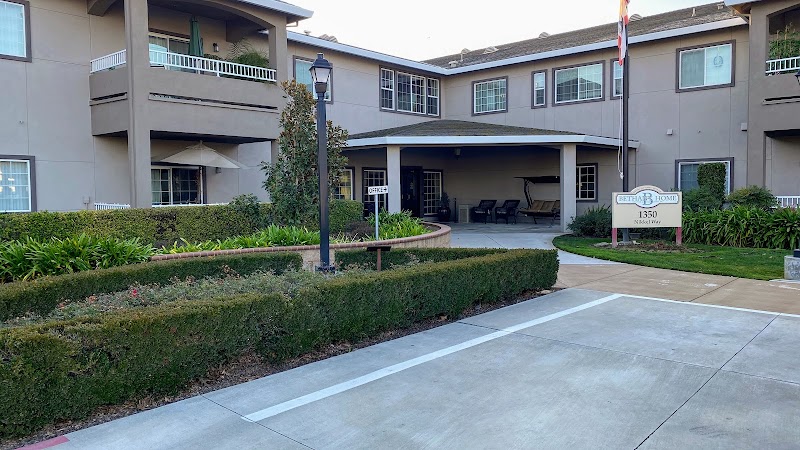
How Does Bethany Home Society San Joaquin County Compare to Other California Nursing Homes?

Compared to the 100 nursing homes in California, BETHANY HOME SOCIETY SAN JOAQUIN COUNTY's overall rating (3 stars) is below the state average of 3.1, staff turnover (36%) is significantly lower than the state average of 46%, and health inspection rating (3 stars) is at the national benchmark.

What Should Families Ask When Visiting Bethany Home Society San Joaquin County?

Based on this facility's data, families visiting should ask: "Can I visit during a mealtime to observe dining assistance and food quality?" "How do you handle medical emergencies, and what is your hospital transfer rate?" "Can I speak with family members of current residents about their experience?"

Is Bethany Home Society San Joaquin County Safe?

Based on CMS inspection data, BETHANY HOME SOCIETY SAN JOAQUIN COUNTY has a clean safety record: no substantiated abuse findings (meaning no confirmed cases of resident harm), no Immediate Jeopardy citations (the most serious violation level indicating risk of serious injury or death), and is not on the Special Focus Facility watch list (a federal program monitoring the lowest-performing 1% of nursing homes). The facility has a 3-star overall rating and ranks #100 of 100 nursing homes in California. While no facility is perfect, families should still ask about staff-to-resident ratios and recent inspection results during their visit.

Do Nurses at Bethany Home Society San Joaquin County Stick Around?

BETHANY HOME SOCIETY SAN JOAQUIN COUNTY has a staff turnover rate of 36%, which is about average for California nursing homes (state average: 46%). Moderate turnover is common in nursing homes, but families should still ask about staff tenure and how the facility maintains care continuity when employees leave.

Was Bethany Home Society San Joaquin County Ever Fined?

BETHANY HOME SOCIETY SAN JOAQUIN COUNTY has no federal fines on record. CMS issues fines when nursing homes fail to meet care standards or don't correct problems found during inspections. The absence of fines suggests the facility has either maintained compliance or corrected any issues before penalties were assessed. This is a positive indicator, though families should still review recent inspection reports for the full picture.

Is Bethany Home Society San Joaquin County on Any Federal Watch List?

BETHANY HOME SOCIETY SAN JOAQUIN COUNTY is not on any federal watch list. The most significant is the Special Focus Facility (SFF) program, which identifies the bottom 1% of nursing homes nationally based on persistent, serious quality problems. Not being on this list means the facility has avoided the pattern of deficiencies that triggers enhanced federal oversight. This is a positive indicator, though families should still review the facility's inspection history directly.