COMMUNITY CARE AND REHABILITATION CENTER

4070 JURUPA AVENUE, RIVERSIDE, CA 92506 (951) 680-6500
For profit - Limited Liability company 162 Beds DAVID & FRANK JOHNSON Data: November 2025
Trust Grade
50/100
#554 of 1155 in CA
Last Inspection: May 2025

Inspected within the last 6 months. Data reflects current conditions.

Overview

Community Care and Rehabilitation Center in Riverside, California has a Trust Grade of C, which means it is average and falls in the middle of the pack among nursing homes. It ranks #554 out of 1155 facilities in California, placing it in the top half of the state, and #21 out of 53 in Riverside County, indicating that there is only one local option that ranks higher. Unfortunately, the facility is trending worse, with issues identified increasing from 8 in 2024 to 23 in 2025. Staffing is a relative strength, rated at 4 out of 5 stars, but it has a 40% turnover rate, which is average. While the facility has not incurred any fines, which is positive, it also has less RN coverage than 78% of other California facilities, meaning residents may not receive the level of nursing care they need. Specific incidents include a resident developing a serious pressure injury due to a lack of proper skin assessments and treatment, and another resident was injured while smoking with supplemental oxygen, which created a dangerous situation for everyone. Overall, while there are some strengths, families should be aware of the concerning trends and specific care issues.

Trust Score
C
50/100
In California
#554/1155
Top 47%
Safety Record
Moderate
Needs review
Inspections
Getting Worse
8 → 23 violations
Staff Stability
○ Average
40% turnover. Near California's 48% average. Typical for the industry.
Penalties
✓ Good
No fines on record. Clean compliance history, better than most California facilities.
Skilled Nurses
⚠ Watch
Each resident gets only 20 minutes of Registered Nurse (RN) attention daily — below average for California. Fewer RN minutes means fewer trained eyes watching for problems.
Violations
⚠ Watch
50 deficiencies on record. Higher than average. Multiple issues found across inspections.
★★★☆☆
3.0
Overall Rating
★★★★☆
4.0
Staff Levels
★★★★★
5.0
Care Quality
★★☆☆☆
2.0
Inspection Score
Stable
2024: 8 issues
2025: 23 issues

The Good

  • 4-Star Staffing Rating · Above-average nurse staffing levels
  • 5-Star Quality Measures · Strong clinical quality outcomes
  • Full Sprinkler Coverage · Fire safety systems throughout facility
  • No fines on record
  • Staff turnover below average (40%)

    8 points below California average of 48%

Facility shows strength in staffing levels, quality measures, fire safety.

The Bad

3-Star Overall Rating

Near California average (3.1)

Meets federal standards, typical of most facilities

Staff Turnover: 40%

Near California avg (46%)

Typical for the industry

Chain: DAVID & FRANK JOHNSON

Part of a multi-facility chain

Ask about local staffing decisions and management

The Ugly 50 deficiencies on record

2 actual harm
Aug 2025 1 deficiency
CONCERN (D) 📢 Someone Reported This

A family member, employee, or ombudsman was alarmed enough to file a formal complaint

Potential for Harm - no one hurt, but risky conditions existed

Accident Prevention (Tag F0689)

Could have caused harm · This affected 1 resident

**NOTE- TERMS IN BRACKETS HAVE BEEN EDITED TO PROTECT CONFIDENTIALITY** Based on interview and record review, the facility failed to ensure one of four residents reviewed (Resident 1) was monitored an...

Read full inspector narrative →
**NOTE- TERMS IN BRACKETS HAVE BEEN EDITED TO PROTECT CONFIDENTIALITY** Based on interview and record review, the facility failed to ensure one of four residents reviewed (Resident 1) was monitored and supervised to prevent a fall. This failure had the potential to cause injury and harm to Resident 1.Findings: On August 21, 25, 26, 27, and 28, 2025, on-site visits at the facility were conducted to investigate a complaint regarding quality of care. On August 25, 2025, Resident 1's record was reviewed. Resident 1 was admitted to the facility on [DATE], with diagnoses which included fall, subdural hemorrhage (a pool of blood between the brain and its covering), urinary tract infection (UTI - an infection in the urinary tract), malignant neoplasm of the colon (cancer of the large intestine), and dementia (memory loss). A review of Resident 1's fall risk assessment dated [DATE], indicated a score of 15 (at risk for falls). A review of Resident 1's history and physical dated April 3, 2025, indicated Resident 1 did not have the capacity to make medical decisions. It also indicated Resident 1 was confused. A review of Resident 1's progress notes dated April 3, 2025, at 2:56 a.m., indicated a Certified Nursing Assistant (CNA) noted Resident 1's room door was closed. The CNA entered Resident 1's room and Resident 1 was found on the floor lying on her right side and watching the television. The 72 hour neuro check (a neurological assessment to evaluate potential brain or spinal cord injuries) post fall was initiated. A review of Resident 1's progress notes dated April 3, 2025, at 11: 10 a.m., indicated Resident 1 needed frequent monitoring due to poor safety awareness. A review of the progress notes dated April 3, 2025, at 8:40 p.m., indicated Resident 1's bed was in lowest position. Resident 1 crawled to the floor and started to scream and yell. Resident 1 was very agitated. A review of the progress notes dated April 3, 2025, at 11:06 p.m., indicated the CNA saw Resident 1 crawl out of the bed again and was put back in bed by the CNA. A review of Resident 1's change of condition, dated April 4, 2025, at 4:10 a.m., indicated, The Change in Condition/s reported.Falls.Mental Status Evaluation.No changes observed.Nursing observations, evaluation, and recommendations are.Resident extremely confused. There was no documented evidence Resident 1 was visually checked or monitored from April 3, 2025, at 11:06 p.m. to April 4, 2025, at 4:10 a.m., after Resident 1 was observed crawling out of bed twice before she had a fall. A review of Resident 1's care plan dated April 3, 2025, indicated, The resident is at risk for falls r/t (related to) Confusion.Interventions.Follow facility fall protocol.PROVIDE C NA (sic) AT BEDSIDE WHEN WAKEFUL OR AGITATED.Q1hour (every one hour) checks for increased super vision (sic). On August 26, 2025, at 9:57 a.m., during a concurrent interview and record with the Quality Assurance Nurse (QAN), she stated fall interventions included bed in lowest position, call light within the resident's reach, use of non-skid socks and frequent visual monitoring. The QAN stated Resident 1's care plan indicated Q1hr checks for increased supervision. She stated the care plan for Resident 1should have been followed. On August 26, 2025, at 11:09 a.m., a concurrent interview and record review was conducted with the Registered Nurse (RN). The RN stated Resident 1 was a high risk for fall based on the Fall Risk Assessment on April 2, 2025. The RN stated that when a resident was high risk for falls, the resident should been seen frequently to ensure safety. She also stated a care plan for fall should be developed and interventions should be followed. The RN stated Resident 1's care plan indicated she should have been seen every one hour for increased supervision. On August 27, 2025, at 8:33 a.m., a concurrent interview and record review was conducted with the Licensed Vocational Nurse (LVN). The LVN stated she worked the night of April 3, 2025, and was assigned to Resident 1. The LVN stated a CNA reported to her Resident 1 was on the floor. The LVN could not recall who the CNA was that reported to her. The LVN stated if the resident was a fall risk, the resident should have been checked frequently. The LVN stated Resident 1's care plan indicated Q1 hour monitoring for supervision. The LVN stated she did not have the time to do frequent visual checks on Resident 1. On August 28, 2025, at 1:45 p.m., during an interview with the Director of Nursing (DON), he stated when a resident was a fall risk, frequent visual checks should have been done. A review of the facility policy and procedure titled Fall Prevention Program, revised December 28, 2023, indicated, .Each resident will be assessed for fall risk and will receive care and services in accordance with their individualized level of risk to minimize the likelihood of falls.A fall is an event in which an individual unintentionally comes to rest on the ground, floor, or other level.The event may be.presumed when a resident is found on the floor or ground.Upon admission, the nurse will complete a fall risk assessment along with the admission assessment to determine the resident's level of fall risk.The nurse and/or interdisciplinary team will initiate interventions on the resident's care plan, in accordance with the resident's level of risk.At Risk Protocols.Provide additional interventions as directed by the resident's assessment, including but not limited to.Increased frequency of rounds.Sitter, if indicated.
May 2025 18 deficiencies
CONCERN (D)

Potential for Harm - no one hurt, but risky conditions existed

Deficiency F0605 (Tag F0605)

Could have caused harm · This affected 1 resident

**NOTE- TERMS IN BRACKETS HAVE BEEN EDITED TO PROTECT CONFIDENTIALITY** Based on interview and record review, the facility failed to ensure three (3) of five (5) residents reviewed (Residents 4, 10, 1...

Read full inspector narrative →
**NOTE- TERMS IN BRACKETS HAVE BEEN EDITED TO PROTECT CONFIDENTIALITY** Based on interview and record review, the facility failed to ensure three (3) of five (5) residents reviewed (Residents 4, 10, 182) were free from unnecessary psychotropic (drugs that affects brain activities associated with mental processes and behavior) medications including venlafaxine (an antidepressant medication used for depression [mental health condition characterized by persistent feelings of sadness] , anxiety [human emotion charaterized by feelings of unease, worry, or fear], and panic disorder [brief episode of intense anxiety, which causes the physical sensation of fear]) and Seroquel (an antipsychotic medication for bipolar disorder [disorder associated with episodes of mood swings ranging for depressive lows to manic highs], depression, and schizophrenia [chronic brain disorderthat affects thinking, feeling, and behavior]) when: 1. Residents 10 and 182 were administered venlafaxine without potential adverse effect monitoring documented during use of venlafaxine; and 2. Resident 4 was administered Seroquel without manufacturer specified monitoring during use of Seroquel. These failures resulted in unnecessary medications for Residents 4, 10, and 182, which increased the potential for medication interactions, adverse reactions, and unidentified risks associated with the use of psychotropic medications that included but not limited to sedation, respiratory depression, constipation, anxiety, agitation, and memory loss. Findings: 1a. A review of Resident 10's admission record indicated he was originally admitted to the facility on [DATE], and re-admitted to the facility on [DATE], with diagnoses which included depression. A review of Resident 10's medical record indicated he had been receiving Effexor (brand name for venlafaxine) XR (extended release, designed to release medicine slowly into to body over a prolonged period) in various doses since August 2024. A review of Resident 10's current Order Summary Report, dated May 9, 2025, indicated the following provider orders: . Effexor XR (venlafaxine) 75 mg (milligram, unit of measurement) one time a day for verbalization of feeling sad related to depression, dated May 1, 2025 .and Monitor for side effects related to use of psychotropic medications. My initials indicate absence of signs and symptoms of side effects, dated July 18, 2024 . During a concurrent interview and record review on May 8, 2025, at 11:55 a.m., with the Quality Assurance (QA) nurse, Resident 10's medical record was reviewed. When asked how nursing staff would know what side effects to monitor during the use of Effexor XR, the QA nurse stated side effects would have been listed on the resident's care plan. The QA nurse confirmed there was no care plan developed for depression and use of Effexor XR. The QA nurse acknowledged a care plan should have been developed. The QA nurse stated a care plan was needed for nursing staff to know how to manage side effects and evaluate the effectiveness of the medication. During an interview on May 8, 2025, at 4:19 p.m., with the Director of Nursing (DON), the DON stated the expectation was for nursing staff to have monitored for side effects and to have developed a care plan to ensure there was a guide to care for the resident. 1b. A review of Resident 182's admission record indicated she was initially admitted to the facility on [DATE] and then admitted again on May 4, 2025 with diagnoses which included depression. A review of Resident 182's current Order Summary Report, dated May 9, 2025, indicated a provider order for: venlafaxine 75 mg one time a day for verbalization of feeling sad related to depression, dated May 4, 2025. A review of Resident 182's clinical record on May 7, 2025, indicated there was no provider order to monitor side effects related to use of venlafaxine. During a concurrent interview and record review on May 8, 2025, at 12:11 p.m., with the QA nurse, Resident 182's medical record was reviewed. The QA nurse confirmed there was no provider order to monitor for side effects of venlafaxine and stated venlafaxine side effects would have been listed in the care plan. The QA nurse confirmed there was no care plan developed related to depression or use of venlafaxine. The QA nurse stated without a care plan nursing staff would not know what side effects to look for during use of venlafaxine. During an interview on May 8, 2025, at 4:22 p.m., with the DON, the DON acknowledged Resident 182 did not have a provider order to monitor for side effects related to the use of venlafaxine and stated there should have been an order to monitor for side effects. The DON stated the resident was re-admitted to the facility four (4) days ago and the policy was to develop a care plan within seven (7) days of admission. During a telephone interview on May 9, 2025 at 2:30 p.m. with the Consultant Pharmacist (CP) in the presence of the DON, the CP stated some of the potential side effects for venlafaxine that should have been monitored during the use were: sedation, dry mouth, and constipation. A review of the Prescribing Information (PI, detailed description of a drug's uses, doses, warnings, side effects, and drug-drug interactions) for venlafaxine tablets, dated April 2024, retrieved from DailyMed (a public website maintained by the U.S. Food and Drug Administration), indicated, Most common adverse reactions .nausea, somnolence (drowsiness), dry mouth, sweating .anorexia (loss of appetite), constipation . A review of the facility's policy and procedures titled Use of Psychotropic Medication, date revised December 19, 2022, indicated, The resident's response to the medication(s), including progress towards goals and presence/absence of adverse consequences, shall be documented in the resident's medical record. 2. A review of Resident 4's admission record indicated she was initially admitted to the facility on [DATE], and readmitted on [DATE], with diagnoses which included schizoaffective disorder (mental health condition characterized by psychotic symptoms like hallucinations/delusions and mood episodes like mania or depression). A review of Resident 4's medical record indicated she had been receiving Seroquel in various doses since February 2022. Resident 4's current Order Summary Report, dated May 9, 2025, indicated a provider order for: Seroquel 100 mg two times a day for visual hallucinations related to schizoaffective disorder, dated January 20, 2025. During a concurrent interview and record review on May 8, 2025, at 12:14 p.m., with the QA nurse, Resident 4's medical record was reviewed. The QA nurse confirmed Resident 4 was initially started on Seroquel on February 15, 2022. The QA nurse was unable to locate documentation of manufacturer's specified monitoring for lipids (blood cholesterol levels), TSH (a thyroid hormone), and Free T4 (the active form of the thyroid hormone in the blood). The QA nurse stated she would follow-up with medical records. During a follow-up interview on May 8, 2025, at 2:35 p.m. with the QA nurse, she verified no documentation of manufacturer's specified monitoring (lipids, TSH, or Free T4) during Seroquel use was found in Resident 4's medical records. During a concurrent interview and record review on May 8, 2025, at 4:38 p.m., with DON, the DON acknowledged there was no documentation of the manufacturer's specified monitoring (lipids, TSH, or Free T4) during Seroquel use in Resident 4's medical records. During a telephone interview on May 9, 2025, at 2:30 p.m. with the CP in the presence of the DON, the CP acknowledged Resident 4 did not have documentation of manufacturer specified monitoring (lipids, TSH, or Free T4) during Seroquel use and stated it should have been monitored. A review of the PI for Seroquel, dated January 2025, provided by the facility, indicated, .fasting blood lipid testing at the beginning of, and periodically, during treatment .both TSH and free T4, in addition to clinical assessment, should be measured at baseline and at follow-up. Further review of the facility's policy and procedures titled Use of Psychotropic Medication, date revised December 19, 2022, indicated, The effects of the psychotropic medications on a resident's physical, mental, and psychosocial well-being will be evaluated on an ongoing basis, such as but not limited to .in accordance with nurse assessments and medication monitoring parameters consistent with clinical standards of practice, manufacturer's specifications, and the residents comprehensive plan of care.
CONCERN (D) 📢 Someone Reported This

A family member, employee, or ombudsman was alarmed enough to file a formal complaint

Potential for Harm - no one hurt, but risky conditions existed

Report Alleged Abuse (Tag F0609)

Could have caused harm · This affected 1 resident

**NOTE- TERMS IN BRACKETS HAVE BEEN EDITED TO PROTECT CONFIDENTIALITY** Based on interview and record review, the facility failed to report an allegation of abuse involving one of three residents revi...

Read full inspector narrative →
**NOTE- TERMS IN BRACKETS HAVE BEEN EDITED TO PROTECT CONFIDENTIALITY** Based on interview and record review, the facility failed to report an allegation of abuse involving one of three residents reviewed (Resident 55) to California Department of Public Health (CDPH) immediately, but not later than 2 hours after the allegation was made. The facility staff was made aware on April 13, 2025. This failure resulted in the delay of abuse investigation, that placed Resident 55 and other residents at risk when the Certified Occupational Therapy Assistant (COTA) was not suspended immediately in accordance with the facility's policy and procedure. Findings: On May 5, 2025, a review of Resident 55's record indicated Resident 55 was admitted to the facility on [DATE], with diagnoses which included dysphagia (difficulty in swallowing)following cerebral infarction (also known as ishemic stroke, when the blood flow to the brain is blocked, causing the brain tissue to die), and aphasia (a disorder that affects the ability to speak and understand what others say). A review of the Minimum Data Set (MDS - an assessment tool) dated March 26, 2025, indicated Resident 55 had a Brief Interview for Mental Status (BIMS - an assessment used to screen for cognitive impairment) score of 11 (moderate cognitive impairment). A review of the nurses's progress notes dated April 14, 2025, at 9:30 a.m., indicated the following: .Resident 55 was alert and able to verbalize clearly to the charge nurse that she had a complaint about abuse .; .requested the presence of the Director of Rehab (DOR) and stated stated a male therapist touched her breast, being the second time .She did not report the first incident due to recent illness and weakness .happened a few weeks ago; and able to name such person and identify him .current incident occurred 4/13 in therapy room during therapy session . On May 6, 2025, at 3:44 p.m., the COTA was interviewed. The COTA stated on March 13, 2025, Resident 55 was at the therapy gym sitting in her wheelchair approximately at 11:30 a.m., when he greeted and touched her shoulder. He stated Resident 55 grabbed his hand suddenly and said why did you touched my breast. He stated he was surprised when Resident 55 said that to him. The COTA stated a family member (FM) approached him and asked what happened between him and Resident 55. He told the FM that Resident 55 accused him of touching her breast, and it never happened. He stated the FM believed it was not true. The COTA stated he did not notify his Director, or the Registered Nurse Supervisor (RNS) working on April 13, 2025. He stated he should have notified the Administrator. On May 6, 2025, at 3:23 p.m., the DOR was interviewed. The DOR stated she was not aware of Resident 55's allegation of abuse until April 14, 2025. She stated the COTA should have called her immediately when Resident 55 made the abuse allegation. She stated the COTA should have been suspended immediately and sent home. She was aware any allegation of abuse should be reported to CDPH immediately within two hours. On May 7, 2025, at 2:13 p.m., the Registered Nurse Supervisor (RNS) was interviewed. The RNS stated she was not aware of Resident 55's allegation of abuse. The COTA did not notify her or other satff about Resident 55's allegation of abuse. On May 8, 2025, at 9:22 a.m., the Nurse Educator (NE) was interviewed.The NE stated The COTA should have reported the incident of alleged abuse immediately to the Administrator. On May 8, 2025, at 2:24 p.m., Certified Nursing Assistant (CNA) 2 was interviewed. CNA 2 stated Resident 55 did not talk about her abuse allegation during her shift on April 13, 2025. On May 8, 2025, at 3:20 p.m., the Director of Nursing (DON) and the Administrator were interviewed. The DON stated the COTA should have reported Resident 55's allegation of abuse to him and the Administrator immediately. The DON stated the COTA did not follow the facility's policy of abuse reporting. A review of the facility's policy and procedure titled, Abuse, Neglect and Exploitation, dated September 2, 2022, indicated, .It is the policy of this facility to provide protections for the health, welfare and rights of each resident by developing and implementating written policies and procedures that prohibit and prevent abuse, neglect, exploitation .the facility will have written procedures that include .Reporting of all alleged violations to the Administrator, state agency .immediately, but not later than 2 hours .
CONCERN (D)

Potential for Harm - no one hurt, but risky conditions existed

Comprehensive Care Plan (Tag F0656)

Could have caused harm · This affected 1 resident

**NOTE- TERMS IN BRACKETS HAVE BEEN EDITED TO PROTECT CONFIDENTIALITY** 2.On May 5, 2025, at 11:53 a.m., a concurrent observation and interview was conducted with Resident 11. Resident 11 was observed...

Read full inspector narrative →
**NOTE- TERMS IN BRACKETS HAVE BEEN EDITED TO PROTECT CONFIDENTIALITY** 2.On May 5, 2025, at 11:53 a.m., a concurrent observation and interview was conducted with Resident 11. Resident 11 was observed awake, alert, oriented, and able to verbalize her needs. Resident 11 stated she fell at the independent living facility and shattered her bones on her right ankle. Resident showed her right leg, with old incision on both sides of her ankle. Resident 11 was observed with edema (swelling due to an accumulation of fluids in the body tissues) on her right lower leg. On May 6, 2025, at 3:32 p.m., Resident 11 was observed awake, alert, and able to verbalize her needs. She stated she walked today with the two therapists. She stated she felt much better today than yesterday. The edema on her right lower leg was still present. She stated she elevated her right legs on top of the two pillows. A review of Resident 11's record indicated, Resident 11 was admitted to the facility on [DATE], with diagnoses which included trimalleolar fracture (fracture that involves fractures in all three ankle bones: the medial - the inside of the ankle, the lateral - on the outside, and the posterior - the back) of the right ankle, status post fall from home. A review of the Minimum Data Set (MDS - an assessment tool) dated March 24, 2025, indicated resident's Brief Interview for Mental Status (BIMS - a cognitive tool) score of 13 (cognitively intact). Resident 11 needed moderate assistance with her activity of daily living (ADL). A review of the progress notes indicated the following: a. April 14, 2025, Resident 11 had Open Reduction Internal Fixation (ORIF - a surgical procedure used to repair fractures) of the right ankle. b. April 15, 2025, under education section, elevate extremity in attempt to improve edema . On May 8, 2025, at 10:38 a.m., Resident 11 was observed sitting upright in her bed, awake, alert, and able to verbalize her needs. Resident 11 was observed rubbing her right and left leg. The right leg edema was still present. The Quality Assurance (QA) nurse had entered Resident 11's room. A concurrent observation and interview was conducted with the QA nurse. The QA nurse acknowledged Resident 11's right leg edeam, with skin discoloration around the ankle. On May 8, 2025, at 2:15 p.m., a concurrent interview and record review was conducted with the Licensed Vocational Nurse (LVN) 1. LVN 1 stated Resident 11 has right leg edema. LVN 1 was not able to find a care plan for resident's right leg edema. She stated the licensed nurse who observed and assessed Resident 11's right leg edema should have initiated the care plan. On May 8, 2025, at 2:20 p.m., the QA nurse was interviewed. The QA nurse acknowledged Resident 11 had edema on her right leg. The QA nurse stated there was no care plan initiated for Resident 11, and the licensed staff should have initiated the care plan. A review of the facility's policy and procedure titled Comprehensive Care Plan, dated December 19, 2022, indicated, .facility to develop and implement a comprehensive person-centered care plan for each resident .includes measurable objectives and timeframes to meet a resident's medical, nursing, and mental and psychosocial needs that are identified in the resident's comprehensive assessment . Based on observation, interview, and record review, the facility failed to ensure the comprehensive care plans were developed and implemented when: 1. For Resident 10, the care plan for the use of Effexor (brand name for venlafaxine, an antidepressant medication used for depression, anxiety, and panic disorder) XR (extended release, designed to release medicine slowly into the body over a prolonged period) was not initiated and developed. This failure had the potential to increase Resident 10's risk of not being provided appropriate, consistent, and individualized care. 2. For Resident 11, the care plan for the right leg edema was not initiated and developed. This failure had the potential not to be able to meet the person-centered goals and objectives for Resident 11's right leg edema and delay the necessary care and services for her recovery and discharge. Findings: 1. A review of Resident 10's admission record indicated he was admitted to the facility on [DATE], with diagnoses which included depression. A review of Resident 10's medical record indicated he had been receiving Effexor (brand name for venlafaxine) XR (extended release, designed to release medicine slowly into to body over a prolonged period) in various doses since August 2024. A review of Resident 10's current Order Summary Report, dated May 9, 2025, indicated the following provider orders: - Effexor XR (venlafaxine) 75 mg (milligram, unit of measurement) one time a day for verbalization of feeling sad related to depression, dated May 1, 2025; and - Monitor for side effects related to use of psychotropic medications. My initials indicate absence of signs and symptoms of side effects, dated July 18, 2024. A review of Resident 10's clinical record indicated no care plan was developed and implemented for Resident 10's depression and use of Effexor XR. During a concurrent interview and record review on May 8, 2025, at 11:55 a.m., with the Quality Assurance (QA) nurse, Resident 10's medical record was reviewed. When asked how nursing staff would know what side effects to monitor during the use of Effexor XR, the QA nurse stated side effects would have been listed on the resident's care plan. The QA nurse confirmed there was no care plan developed for depression and use of Effexor XR. The QA nurse acknowledged a care plan should have been developed. The QA nurse stated a care plan was needed for nursing staff to know how to manage side effects and evaluate the effectiveness of the medication. During an interview on May 8, 2025, at 4:19 p.m., with the Director of Nursing (DON), the DON acknowledged Resident 10 did not have a care plan developed for depression and use of Effexor XR. The DON stated the expectation was for nursing staff to have developed a care plan to ensure there was a guide to care for the resident. A review of the facility's policy and procedures titled Comprehensive Care Plans, date revised December 19, 2022, indicated, The comprehensive care plan will be developed with 7 days after the completion of the comprehensive MDS [The Minimum Data Set, assessment tool used to assess the needs and characteristics of residents] assessment.
CONCERN (D)

Potential for Harm - no one hurt, but risky conditions existed

Accident Prevention (Tag F0689)

Could have caused harm · This affected 1 resident

**NOTE- TERMS IN BRACKETS HAVE BEEN EDITED TO PROTECT CONFIDENTIALITY** Based on observation, interview, and record review, the facility failed to ensure safe smoking practices were observed and imple...

Read full inspector narrative →
**NOTE- TERMS IN BRACKETS HAVE BEEN EDITED TO PROTECT CONFIDENTIALITY** Based on observation, interview, and record review, the facility failed to ensure safe smoking practices were observed and implemented for two of 12 residents reviewed for smoking, when: 1. Resident 29's cigarettes were not stored in the lock box provided by the facility; and 2. Resident 84's smoking materials (cigarettes and lighter) were not stored in the lock box provided by the facility. These failures had the potential to result in accidents or injuries to the facility residents. Findings: 1. On May 7, 2025, at 12:57 p.m., an observation was conducted with Resident 29. Resident 29 was observed in his room, sleeping in his bed. A pack of cigarettes was observed on Resident 29's nightstand open shelf, readily available. On March 7, 2025, at 1:05 p.m., an interview was conducted with the Activities Director (AD). The AD stated a Smoking Safety assessment is done for each resident upon admission and reviewed with nursing. The AD stated the decision whether a certain resident can smoke unsupervised or supervised is then reflected in the resident's Smoking Assessment and on the Smokers List. The AD stated all independent smokers (unsupervised) were provided with a lock box with a key or combination lock and the cigarettes need to be locked in the box. On March 7, 2025, at 1:30 p.m., the Smokers List with all the residents who smoke was reviewed. Resident 29 was identified as an independent smoker with a lock box. On March 7, 2025, at 1:43 p.m., a concurrent observation and interview was conducted with Licensed Vocational Nurse (LVN) 4. LVN 4 went to Resident 29's room and observed the pack of cigarettes on the open shelf, readily available. LVN 4 stated the cigarettes pack should not have been left on the open shelf and should have been locked in Resident 29's lock box. On March 7, 2025, at 1:57 p.m., a concurrent observation and interview was conducted with the Activities Assistant (AA). The AA stated Resident 29's cigarettes pack was brought to the Activities office for safekeeping by LVN 4, because the cigarettes pack was not locked in his lock box. On March 7, 2025, at 2:01 p.m., an interview was conducted with the AD. The AD stated LVN 4 brought the cigarettes pack from Resident 29's room to the Activities office for safekeeping. The AD stated Resident 29's cigarettes pack should have been locked in Resident 29's lock box for safety and not be left on the open shelf. Resident 29's record was reviewed. Resident 29 was admitted at the facility on February 27, 2025, with diagnoses which included nicotine dependence on cigarettes. Resident 29's Smoking Safety assessment, dated February 27, 2025, indicated, .Resident may smoke independently . The care plan for smoking, initiated on February 28, 2025, indicated: .Tobacco Resident at risk for injury related to resident choosing resident to smoke .Explain smoking policy to resident .Resident may smoke independently .Resident wishes to hold own smoking materials and has been provided a lock box to store smoking materials . 2. On May 6, 2025, at 11:33 a.m., Resident 84 was observed sitting in the wheelchair. Resident 84 was awake and alert. In a concurrent interview with Resident 84, he stated he was allowed to keep his smoking materials and smoked unsupervised. Resident 84 showed his lighter and a cigarette tucked in his shirt. On May 7, 2025, at 1:05 p.m., the AD was interviewed. She stated upon admission, the nursing staff would ask resident if he or she smokes. The AD stated if the resident smokes, a visual assessment will be performed and the Smoking Safety Assessment will indicate if the resident can smoke independently. She stated a lock box with a key, or a combination lock was provided to independent smokers. She stated all smoking materials for independent smokers should be locked in the lock box. She also stated the activities assistant or herself conducted a monthly audit to check if residents complied with the policy. On May 7, 2025, at 3 p.m., with the AD, Resident 84 was interviewed. A pack of cigarettes were found stored in the drawer of the resident's nightstand. Resident 84 was observed with a lighter and a stick of cigarette in his hand. The AD asked Resident 84 for the lock box provided for his smoking materials. Resident 84 told the AD he did not have a lock box for his smoking materials. The AD asked for Resident 84's permission to search in his belongings to locate the lock box. Resident 84's lock box was found on top of the nightstand covered with a folded shirt. Resident 84's lock box was unlocked and had his watch inside. On May 7, 2025, at 3:28 p.m., during an interview with the AD, she stated Resident 84's smoking materials should have been stored in the lock box as per the facility policy. Resident 84's record was reviewed. Resident 84 was admitted to the facility on [DATE], with diagnoses which included nicotine (a highly addictive substance found in tobacco and vaping products) dependence. The history and physical dated January 2, 2025, indicated Resident 84 had the capacity to understand and make decisions. Resident 84's Smoking Safety Assessment, dated October 24, 2024, indicated, .Resident may smoke independently . A review of the care plan for tobacco use, revised March 27, 2023, indicated, .Resident is at risk for injury related to resident choses to smoke .Resident will Adhere to the Tobacco/Smoking Policies of the Facility .explain smoking policy to resident/responsible party .Resident may smoke independently .Resident wishes to hold/store own smoking materials and has been given a lock box . The facility policy and procedure titled, Resident Smoking, revised December 19, 2022, indicated, .It is the policy of this facility to provide a safe and healthy environment for residents .including safety as related to smoking .All safe smoking measures will be documented on each resident's care plan and communicated to all staff .
CONCERN (D)

Potential for Harm - no one hurt, but risky conditions existed

Drug Regimen Review (Tag F0756)

Could have caused harm · This affected 1 resident

**NOTE- TERMS IN BRACKETS HAVE BEEN EDITED TO PROTECT CONFIDENTIALITY** Based on interview, and record review, the facility failed to ensure the Consultant Pharmacist (CP) identified and reported irre...

Read full inspector narrative →
**NOTE- TERMS IN BRACKETS HAVE BEEN EDITED TO PROTECT CONFIDENTIALITY** Based on interview, and record review, the facility failed to ensure the Consultant Pharmacist (CP) identified and reported irregularities during the monthly medication regimen review (MRR) when Resident 4 received Seroquel (an antipsychotic medication for bipolar disorder, depression, and schizophrenia) without manufacturer specified monitoring. This failure had the potential for medications not being optimized for best possible health outcome, and increased risk for adverse effects for the residents. Finding: A review of Resident 4's admission record indicated she was initially admitted to the facility on [DATE], and readmitted on [DATE], with diagnoses which included schizoaffective disorder (mental health condition characterized by psychotic symptoms like hallucinations/delusions and mood episodes like mania or depression). A review of Resident 4's medical record indicated she had been receiving Seroquel in various doses since February 2022. A review of Resident 4's current Order Summary Report, dated May 9, 2025, indicated a provider order for: Seroquel 100 mg two times a day for visual hallucinations related to schizoaffective disorder, dated January 20, 2025. During a concurrent interview and record review on May 8, 2025, at 12:14 p.m., with the QA nurse, Resident 4's medical record was reviewed. The QA nurse confirmed Resident 4 was initially started on Seroquel on February 15, 2022. The QA nurse was unable to locate documentation of manufacturer's specified monitoring for lipids (blood cholesterol levels), TSH (a thyroid hormone), and Free T4 (the active form of the thyroid hormone in the blood). The QA nurse stated she would follow-up with medical records. During a follow-up interview on May 8, 2025, at 2:35 p.m., with the QA nurse, she verified no documentation of manufacturer's specified monitoring (lipids, TSH, or Free T4) during Seroquel use was found in Resident 4's medical records. QA nurse stated the Consultant Pharmacist (CP) should have made recommendations for the required monitoring. A review of the CP's monthly MRRs for Resident 4 dated January 30, 2025, February 27, 2025, March 31, 2025, and April 30, 2025, indicated there were no recommendations from the CP related to manufacturer's specified monitoring of lipids, TSH, or Free T4 during Seroquel use. During a concurrent interview and record review on May 8, 2025, at 4:38 p.m., with the Director of Nursing (DON), the DON acknowledged there was no documentation of the manufacturer's specified monitoring (lipids, TSH, or Free T4) during Seroquel use in Resident 4's medical records. The DON stated the CP should have identified and reported the irregularity during the monthly MRRs. During a telephone interview on May 9, 2025, at 2:30 p.m., with the CP in the presence of the DON, the CP acknowledged Resident 4 did not have documentation of manufacturer specified monitoring (lipids, TSH, or Free T4) during Seroquel use and stated it should have been monitored. The CP stated when manufacturer specified monitoring was not being done, it should have been identified and reported to the facility during the monthly MRRs. A review of the PI (Prescribing Information - reflects Food and Drug Administration's finding regarding the safety and effectiveness of the human prescription drug under the labeled conditions of use) for Seroquel, dated January 2025, provided by the facility, indicated, .fasting blood lipid testing at the beginning of, and periodically, during treatment .both TSH and free T4, in addition to clinical assessment, should be measured at baseline and at follow-up. Further review of the facility's policy and procedures titled Use of Psychotropic Medication, date revised December 19, 2022, indicated, The effects of the psychotropic medications on a resident's physical, mental, and psychosocial well-being will be evaluated on an ongoing basis, such as but not limited to .in accordance with nurse assessments and medication monitoring parameters consistent with clinical standards of practice, manufacturer's specifications, and the residents comprehensive plan of care.
CONCERN (D)

Potential for Harm - no one hurt, but risky conditions existed

Deficiency F0761 (Tag F0761)

Could have caused harm · This affected 1 resident

**NOTE- TERMS IN BRACKETS HAVE BEEN EDITED TO PROTECT CONFIDENTIALITY** Based on observation, interview, and record review, the facility failed to ensure the lubricant eye drops solution was safely st...

Read full inspector narrative →
**NOTE- TERMS IN BRACKETS HAVE BEEN EDITED TO PROTECT CONFIDENTIALITY** Based on observation, interview, and record review, the facility failed to ensure the lubricant eye drops solution was safely stored for one of 28 residents reviewed (Resident 186). This failure resulted in Resident 186 administering the eye drops solution without physician's order, self-administration assessement, and supervision. In addition, this placed Resident 186 at risk for unsafe medication administration and has the potential to alter the efficacy of the eye drops solution being stored at resident's bedside. Findings: On May 6, 2025, at 3: 11 p.m., Resident 186 was observed lying in bed awake, alert, oriented and able to verbalize her needs. One eye drops lubricant solution was observed on top of her overbed table. She stated her family member brought the eye drops from home. She stated she had used the eye drops for years as needed for her left eye. The eye drops lubricant solution was labeled .equate Dry Eye Relief, Lubricant Eye Drops Soothing Relief for dryness and irritation 0.5 FL OZ (Fluid Ounces - a unit of measurement) 15 ml (milliliter - a unit of measurement) . On May 7, 2025, at 9:20 a.m., Resident 186 was awake, lying in bed with breakfast tray on top of the overbed table. The eye drops lubricant solution was observed on top of the overbed table. On May 7, 2025, at 1:23 p.m., Resident 186 was observed lying in bed, awake, alert and able to verbalize her needs. She stated she had lunch. The eye drops lubricant solution was observed on top of the overbed table. She stated she had not used the eye drops today. On May 7, 2025, at 1:43 p.m., a concurrent observation and interview was conducted with Licensed Vocational Nurse (LVN) 5, LVN 5 stated she did not notice the eye drops solution on top of Resident 185's overbed table yesterday and today. On May 7, 2025, at 1:58 p.m., the Assistant Director of Nursing (ADON) was interviewed. The ADON stated the eye drops lubricant solution should not be stored at Resident 186's bedside. The licensed nurses are responsible in making sure there were no medications brought by family members at the bedside. On May 7, 2025, at 2:43 p.m., the Director of Nursing (DON) was interviewed. The DON stated the Licensed Nurses should have checked Resident 186's bedside for any medications from home. A review of Resident 186's record indicated Resident 186 was admitted to the facility on [DATE], with the diagnoses which included heart failure and kidney disease. Resident 186's BIMS (Brief Interview for mental Status - a cognitive tool assessment) Score of 13 (cognitively intact). A review of the electronic Medication Administration Record (MAR) for the month of May 2025, indicated Resident 186 had an order for Prednisolone Acetate Ophthalmic (a type of eye drops) Solution 1 %, instill 1 drop in right eye three times a day for inflammation . There was no physician's order for the eye drops lubricant solution found at Resident 186's bedside. A review of the facility's policy and procedure titled. Medication Storage, dated December 19, 2022, indicated, .All drugs and biologicals will be stored in locked compartments .medication carts .Only authorized personnel will have access to the keys .
CONCERN (D)

Potential for Harm - no one hurt, but risky conditions existed

Deficiency F0801 (Tag F0801)

Could have caused harm · This affected 1 resident

Based on interview and record review, the facility failed to ensure the Dietary Supervisor (DSS - the position responsible for the day-to-day operation of the dietary department), met the educational ...

Read full inspector narrative →
Based on interview and record review, the facility failed to ensure the Dietary Supervisor (DSS - the position responsible for the day-to-day operation of the dietary department), met the educational requirements as outlined in the Federal Regulation, and California Health and Safety Code. Findings: According to California Code of Regulations, Title 22: Dietetic services are defined as the provision of safe, satisfying, and nutritionally adequate food for residents with appropriate staff, space, equipment, and supplies. Staffing requirements of dietetic services are such that if the position responsible for the day-to-day management of the department is not a registered dietitian there must be a full-time person who meets specific training requirements to be the dietetic services supervisor, responsible for the operation of the food service. According to the California, Health, and Safety Code - HSC § 1265.4: Qualifications of Dietary Supervisor: (b) The dietetic services supervisor shall have completed at least one of the following educational requirements: (1) A baccalaureate degree with major studies in food and nutrition, dietetics, or food management and has one year of experience in the dietetic service of a licensed health facility. (2) A graduate of a dietetic technician training program approved by the American Dietetic Association, accredited by the Commission on Accreditation for Dietetics Education, or currently registered by the Commission on Dietetic Registration. (3) A graduate of a dietetic assistant training program approved by the American Dietetic Association. (4) Is a graduate of a dietetic services training program approved by the Dietary Managers Association and is a certified dietary manager credentialed by the Certifying Board of the Dietary Managers Association, maintains this certification, and has received at least six hours of in-service training on the specific California dietary service requirements contained in Title 22 of the California Code of Regulations prior to assuming full-time duties as a dietetic services supervisor at the health facility. (5) Is a graduate of a college degree program with major studies in food and nutrition, dietetics, food management, culinary arts, or hotel and restaurant management and is a certified dietary manager credentialed by the Certifying Board of the Dietary Managers Association, maintains this certification, and has received at least six hours of in-service training on the specific California dietary service requirements contained in Title 22 of the California Code of Regulations prior to assuming full-time duties as a dietetic services supervisor at the health facility. (6) A graduate of a state approved program that provides 90 or more hours of classroom instruction in dietetic service supervision, or 90 hours or more of combined classroom instruction and instructor led interactive Web-based instruction in dietetic service supervision. (7) Received training experience in food service supervision and management in the military equivalent in content to paragraph (2), (3), or (6). On May 6, 2025, at 8:35 a.m., an interview was conducted with the Dietary Supervisor (DSS). The DSS stated he had been working in this facility for five years. The DSS stated he only had work experience and did not have any qualifications. On May 6, 2025, at 2:29 p.m., an interview was conducted with the Registered Dietitian (RD). The RD stated she worked as a full time RD in this facility. The RD stated her day-to-day responsibility was to perform clinical nutrition duties. She also indicated her only responsibility for dietetic services is to provide general oversight such as performing monthly kitchen sanitation inspections, test trays and in-service training, when requested. The RD stated the DSS was the person responsible for the day-to-day operation and supervision of the dietetic services department. On May 7, 2025, at 1:24 p.m., an interview was conducted with the Administrator (ADM) and the DSS. The ADM confirmed the DSS was the person responsible for the day-to-day operation and supervision of dietetic services. The ADM was not aware the DSS did not have the required State qualifications. The ADM confirmed with the DSS he did not have any qualifications. A review of the facility's policy and procedure (P&P) titled, FOOD AND NUTRITION SERVICES ORGANIZATION CHART, revised dated 9/11/2018, the P&P indicated, .POLICY: The Food and Nutrition Services Department should function within an organizational structure with sufficient staff to carry out the functions of the food and nutrition service. The organizational chart should explain the departmental chain of command. Communication, authority, and responsibility should be identified through the departmental organization structure. PROCEDURE .3. Cooks, Dietary Assistants, Diet Aides, Dishwashers, .are responsible to the Director of Food and Nutrition Services.5. The Director of Food and nutrition Services has responsibility for overall operation of the Food and Nutrition Services Department. A review of the facility's Job Description titled, DIRECTOR OF FOOD AND NUTRITION SERVICES DEPARTMENT, revised date 9/22/2022, indicated, .PRIMARY RESPONSIBILITY Organizes, coordinates, and supervises the Food and Nutrition Services Department personnel, work, food production and food service. QUALIFICATIONS .EDUCATION: .b. In States that have established standards for Food Service Managers (Dietary Supervisor) or Director of Food and nutrition Services, meets State requirements for Directors of Food and Nutrition Services; .SPECIFIC RESPONSIBILITIES 1. Supervise resident meal service planning and programs.2. Supervise personnel functions of Food and Nutrition Service Department.9. The Director of Food and Nutrition Services should provide the community with their current licenses and record of continuing education.
CONCERN (E)

Potential for Harm - no one hurt, but risky conditions existed

Quality of Care (Tag F0684)

Could have caused harm · This affected multiple residents

**NOTE- TERMS IN BRACKETS HAVE BEEN EDITED TO PROTECT CONFIDENTIALITY** 2. On May 7, 2025, Resident 187's record was reviewed. Resident 187 was admitted to the facility on [DATE], with diagnoses which...

Read full inspector narrative →
**NOTE- TERMS IN BRACKETS HAVE BEEN EDITED TO PROTECT CONFIDENTIALITY** 2. On May 7, 2025, Resident 187's record was reviewed. Resident 187 was admitted to the facility on [DATE], with diagnoses which included Chronic Obstructive Pulmonary Disease (COPD - a lung disease causing restricted airflow and breathing problems). A review of the physician's progress notes dated March 25, 2025, at 7:02 a.m., indicated, .breath sounds dull at bases with intermittent congestion .Resident had chronic respiratory failure and emphysema (long term lung condition that causes shortness of breath) . There was no respiratory rate documented on March 23, 24, and 25, 2025. Resident 187's care plan, initiated on August 26, 2024, indicated, .The Resident has potential altered respiratory status/difficulty breathing r/t (related to) COPD, Emphysema .Interventions .Monitor/document/report abnormal breathing patterns to MD (physician): increased rate, decreased rate . A review of Resident 187's weights and vitals summary, indicated nursing staff did not take and document the respiratory rate as indicated in the resident's care plan on March 23, 24, and 25, 2025. On May 8, 2025, at 10:21 a.m., Certified Nursing Assistant (CNA) 3 was interviewed. She stated resident's vital signs (V/S - measurement of a person's basic functions that provide insights into how the body is working and can indicate potential health problems or emergencies) were taken at least once a shift and as needed. She stated vital signs included temperature, blood pressure, heart rate, oxygen saturation (amount of oxygen in blood) and respiratory rate. CNA 3 stated V/S should be documented in the electronic medical record (EMR). On May 8, 2025, at 10:31 a.m., in a concurrent interview and record review with LVN 3, she stated V/S should be done at least once a shift if resident was stable. She stated V/S included temperature, pulse rate, respiratory rate, oxygen saturation, and blood pressure. She stated there was no need for a physician's order to do V/S. On May 8, 2025, at 10:45 a.m., a concurrent interview and record review with the Director for Staff Development (DSD) was conducted. The DSD stated Resident 187 was admitted with diagnoses which included COPD and emphysema. The DSD stated that residents with a diagnosis of COPD and emphysema should be monitored for respiratory rate and oxygen saturation. She stated V/S should be checked and documented at least once a shift. She stated the respiratory rate should have been taken and documented on March 23, 24, and 25, 2025. On May 8, 2025, at 2:45 p.m., the Director of Nursing (DON) was interviewed. The DON stated as a standard of practice, the CNAs take the V/S and document in EMR. He stated oxygen saturation and respiratory rate should be taken for residents with lung disease. A review of the facility policy and procedure titled, Vital Signs, revised December 19, 2022, indicated, .Vital signs are indicators of health status, including temperature, pulse, blood pressure, respiratory rate, oxygen saturation, and pain . Based on interview and record review, the facility failed to ensure five of 28 sampled residents (Residents 7, 10, 47, 182, and 187) received the necessary care and services to attain or maintain the highest practicable physical, mental, and psychosocial well-being, when: 1. For Residents 7, 10, 47, and 182, the nursing staff did not rotate subcutaneous (under the skin) insulin injection sites in accordance with the facility policy and procedures (P&P). Additionally, for Residents 7 and 47, the nursing staff did not notify the doctor when blood sugar (BS) results were below 70 in accordance with the doctor's insulin (medication to treat diabetes) sliding scale (a chart with insulin doses to maintain blood sugar levels) order; and 2. For Resident 187, the nursing staff did not monitor and document the respiratory rate as indicated in the resident's care plan on March 23, 24, and 25, 2025. These failures had the potential to compromise the resident's health and well-being. Findings: 1. During an interview on May 8, 2025 at 4:40 p.m., with the Director of Nursing (DON), regarding when a provider's insulin sliding scale orders indicated to call the doctor for BS less than 70, the DON stated the expectation was for nursing staff to have called the doctor and documented the communication with the doctor in the residents' medical record. Additionally, the DON stated the expectation was for nursing staff to have rotated the subcutaneous insulin injection site location for every dose of insulin administration. During an interview on May 9, 2025 at 12:06 p.m. with Licensed Vocational Nurse (LVN) 2. LVN 2 stated nursing staff should have followed the provider's insulin sliding scale order and notified the doctor when the residents' blood sugar levels were below 70, documented the communication with the doctor in the residents' medical record, and documented the BS result on the residents' medication administration record (MAR). Additionally, LVN 2 stated nurses were expected to rotate the subcutaneous insulin injection site location for every dose of insulin administration. 1a. A review of Resident 7's admission record indicated she was initially admitted to the facility on [DATE], and readmitted on [DATE], with diagnoses which included diabetes. A review of Resident 7's medical record indicated she had been receiving a prefilled insulin glargine (brand name: Lantus SoloStar pen, medication for diabetes) 100 units/milliliter (ml, unit of measurement) pen and Humalog (brand name for insulin lispro, medication for diabetes) 100 units/ml insulin sliding scale since December 2024. A review of Resident 7's current Order Summary Report, dated May 8, 2025, indicated the following provider orders: - April 28, 2025, Lantus SoloStar Pen-Injector 100 units/ml (insulin glargine), Inject 5 units subcutaneously two times a day related to diabetes; and - February 17, 2025, Humalog Injection Solution 100 units/ml (Insulin Lispro), Inject as per sliding scale if (BS) 0 - 150 = 0 unit (no insulin); 151 - 200 = 2 units; 201 - 250 = 4 units; 251 - 300 = 6 units; 301 - 350 = 8 units; BS > (greater than) 350 mg (milligram, unit of measurement) /dl (deciliter, unit of measurement) give 10 units & notify MD (medical doctor), also if BS < (less than) 70 mg/dl, subcutaneously before meals and at bedtime related to diabetes, check BS (blood sugar) before insulin administration, document, and rotate site. A review of Resident 7's blood sugar records indicated her BS was below 70 on the following dates and times: - January 29, 2025, at 13:15 (1:15 p.m.), BS = 68 mg/dl; - February 3, 2025, at 07:22 (7:22 a.m.), BS = 53 mg/dl; - February 4, 2025, at 20:51 (10:51 p.m.), BS = 54 mg/dl; - February 7, 2025, at 06:52 (6:52 a.m.), BS = 65 mg/dl; - February 23, 2025, at 17:12 (5:12 p.m.), BS = 35 mg/dl; and - March 8, 2025, at 17:20 (5:20 p.m.), BS = 49 mg/dl. A review of Resident 7's MARs dated January, February, and March 2025, indicated nursing staff documented Lantus SoloStar Pen-Injector and Humalog Injection Solution insulin sliding scale were not administered to Resident 7 on the above dates and times. A review of Resident 7's Orders - Administration Notes, dated February 3, 2025 at 07:22 (7:22 a.m.), February 4, 2025, at 20:51 (10:51 p.m.), February 7, 2025 at 06:52 (6:52 a.m.), February 23, 2025, at 17:12 (5:12 p.m.), and March 8, 2025, at 17:20 (5:20 p.m.), indicated there was no evidence of nursing documentation that the doctor was notified when Resident 7's blood sugar levels were below 70, as prescribed on the provider's order for Humalog Injection Solution 100 units/ml insulin sliding scale dated February 17, 2025. Additionally, there was no evidence of nursing documentation that the doctor was notified when Resident 7's blood sugar levels was below 70 on January 29, 2025 at 13:15 (1:15 p.m.) when BS was 68 mg/dl. Further review of Resident 7's MARs dated January 1, 2025 to May 8, 2025, indicated nursing staff administered Lantus SoloStar Pen-Injector and Humalog Injection Solution insulins by subcutaneous injections without rotating the injection site location for each dose in accordance with the facility's P&P on the following dates, times, and location of administration: For Lantus SoloStar Pen-Injector 100 units/ml insulin: Administered date, Time, and Location of administration - January 1, 2025, at 10:29 a.m., Arm - left; - January 1, 2025, at 17:26 (5:26 p.m.), Arm - left; - January 3, 2025, at 17:50 (5:50 p.m.), Arm - left; - January 4, 2025, at 10:28 a.m., Arm - left; - January 4, 2025, at 21:15 (9:19 p.m.), Arm - left; - January 5, 2025, at 17:10 (5:10 p.m.), Arm - left; - January 6, 2025, at 13:28 (1:28 p.m.), Arm - left; - January 11, 2025, at 13:57 (1:57 p.m.), Arm - right; - January 11, 2025, at 17:52 (5:52 p.m.), Arm - right; - January 12, 2025, at 08:32 (8:32 a.m.), Arm - left; - January 12, 2025, at 17:32 (5:32 p.m.), Arm - left; - January 15, 2025, at 09:29 (9:29 a.m.), Arm - left; - January 15, 2025, at 18:42 (6:42 p.m.), Arm - left; - January 16, 2025, at 10:49 a.m., Arm - right; - January 16, 2025, at 17:34 (5:34 p.m.), Arm - right; - January 22, 2025, at 16:48 (4:48 p.m.), Arm - left; - January 23, 2025, at 10:00 a.m., Arm - left; - January 23, 2025, at 16:31 (4:31 p.m.), Arm - left; - January 24, 2025, at 17:34 (5:34 p.m.), Arm - left; - January 25, 2025, at 09:41 (9:41 a.m.), Arm - left; - February 1, 2025, at 09:02 (9:02 a.m.:, Arm - right; - February 1, 2025, at 18:50 (6:50 p.m.) Arm - right; - February 2, 2025, at 10:02 a.m., Arm - right; - February 7, 2025, at 08:03 (8:03 a.m.), Arm - right; - February 8, 2025, at 10:01 a.m., Arm - right; - February 18, 2025, at 12:46 p.m., Arm - right; - February 18, 2025, at 17:38 (5:38 p.m.), Arm - right; - March 1, 2025, at 10:38 a.m., Arm - right; - March 1, 2025, at 17:14 (5:14 p.m.), Arm - right; - March 2, 2025, at 09:01 (9:01 a.m.), Arm - right; - March 2, 2025, at 17:22 (5:22 p.m.), Arm - right; - March 3, 2025, at 08:51 (8:51 a.m.), Arm - right; - March 4, 2025, at 08:52 (8:52 a.m.), Arm - right; - March 8, 2025, at 08:31 (8:31 a.m.), Arm - right; - March 9, 2025, at 10:15 a.m., Arm - right; - March 14, 2025, at 08:55 (8:55 a.m.), Arm - left; - March 14, 2025, at 17:19 (5:19 p.m.), Arm - left; - March 20, 2025, at 08:59 (8:59 a.m.), Arm - right; - March 20, 2025, at 17:21 (5:21 p.m.), Arm - right; - March 25, 2025, at 10:29 a.m., Arm - right; - March 25, 2025, at 17:29 (5:29 p.m.), Arm - right; - April 1, 2025, at 18:14 (6:14 p.m.), Arm - left; - April 2, 2025, at 09:50 (9:50 a.m.), Arm - left; - April 12, 2025, at 08:56 (8:56 a.m.), Arm - right; - April 12, 2025, at 17:48 (5:48 p.m.), Arm - right; - April 13, 2025, at 09:12 (9:12 a.m.), Arm - right; - April 13, 2025, at 18:21 (6:21 p.m.), Arm - right; - April 14, 2025, at 08:32 (8:32 a.m.), Arm - left; - April 14, 2025, at 17:47 (5:47 p.m.), Arm - left; - April 19, 2025, at 16:54 (4:54 p.m.), Arm - left; - April 20, 2025, at 12:02 p.m., Arm - left; - April 24, 2025, at 18:00 (6 p.m.), Arm - right; - April 25, 2025, at 09:10 (9:10 a.m.), Arm - right; - May 3, 2025, at 18:01 (6:01 p.m.), Abdomen - LUQ; and - May 4, 2025, at 18:16 (6:16 p.m.), Abdomen - LUQ. For Humalog Injection Solution 100 units/ml insulin: Administered date, Time, and Location of administration - January 7, 2025, at 12:50 p.m., Arm - left; - January 7, 2025, at 21:22 (9:22 p.m.), Arm - left; - January 8, 2025, at 06:30 (6:30 a.m.), Arm - left; - January 8, 2025, at 12:33 p.m., Arm - right; - January 8, 2025, at 16:37 (4:37 p.m.), Arm - right; - January 8, 2025, at 21:52 (9:52 p.m.), Arm - right; - January 10, 2025, at 06:38 (6:38 a.m.), Arm - left; - January 10, 2025, at 12:46 p.m., Arm - left; - January 11, 2025, at 13:57 (1:57 p.m.), Arm - right; - January 11, 2025, at 17:47 (5:47 p.m.), Arm - right; - January 11, 2025, at 20:45 (8:45 p.m.), Arm - left; - January 12, 2025, at 07:00 (7:00 a.m.), Arm - left; - January 13, 2025, at 17:20 (5:20 p.m.), Arm - left; - January 14, 2025, at 06:42 (6:42 a.m.), Arm - left; - January 14, 2025, at 18:36 (6:36 p.m.), Arm - Upper arm (rear) (left); - January 14, 2025, at 22:09 (10:09 p.m.), Arm - Upper arm (rear) (left); - January 15, 2025, at 18:37 (6:37 p.m.), Arm - left; - January 16, 2025, at 06:38 (6:38 a.m.), Arm - left; - January 19, 2025, at 13:03 (1:03 p.m.), Arm - right; - January 20, 2025, at 06:36 (6:36 a.m.), Arm - right; - January 22, 2025, at 12:25 p.m., Arm - left; - January 22, 2025, at 16:45 (4:45 p.m.), Arm - left; - January 23, 2025, at 21:57 (9:57 p.m.), Arm - left; - January 24, 2025, at 06:36 (6:36 a.m.), Arm - left; - January 24, 2025, at 12:53 p.m., Arm - left; - January 24, 2025, at 16:20 (4:20 p.m.), Arm - left; - January 30, 2025, at 11:59 a.m., Arm - right; - January 30, 2025, at 17:24 (5:24 p.m.), Arm - right; - January 31, 2025, at 12:31 p.m., Arm - right; - January 31, 2025, at 21:22 (9:22 p.m.), Arm - right; - February 1, 2025, at 18:45 (6:25 p.m.), Arm - left; - February 1, 2025, at 22:45 (10:45 p.m.), Arm - left; - February 4, 2025, at 06:29 (6:29 a.m.), Arm - left; - February 4, 2025, at 13:59 (1:59 p.m.), Arm - left; - February 4, 2025, at 17:36 (5:36 p.m.), Arm - left; - February 5, 2025, at 06:40 (6:40 a.m.), Arm - left; - February 6, 2025, at 06:37 (6:37 a.m.), Arm - left; - February 6, 2025, at 17:29 (5:29 p.m.), Arm - left; - February 19, 2025, at 17:59 (5:59 p.m.), Arm - Upper arm (rear) (left); - February 19, 2025, at 21:48 (9:48 p.m.), Arm - Upper arm (rear) (left); - February 20, 2025, at 17:28 (5:28 p.m.), Arm - Upper arm (rear) (left); - February 20, 2025, at 22:27 (5:27 p.m.), Arm - Upper arm (rear) (left); - March 1, 2025, at 06:39 (6:39 a.m.), Arm - left; - March 1, 2025, at 17:12 (5:12 p.m.), Arm - left; - March 2, 2025, at 06:39 (6:39 a.m.), Arm - left; - March 2, 2025, at 17:22 (5:22 p.m.), Arm - left; - March 6, 2025, at 19:20 (7:20 p.m.), Arm - Upper arm (rear) (right); - March 6, 2025, at 22:03 (10:03 p.m.), Arm - Upper arm (rear) (right); - March 7, 2025, at 17:21 (5:21 p.m.), Arm - left; - March 8, 2025, at 06:30 (6:30 a.m.), Arm - left; - March 10, 2025, at 06:59 (6:59 a.m.), Arm - left; - March 10, 2025, at 12:17 p.m., Arm - left; - March 11, 2025, at 06:45 (6:45 a.m.), Arm - left; - March 11, 2025, at 12:18 p.m., Arm - left; - March 12, 2025, at 19:38 (7:38 p.m.), Arm - Upper arm (rear) (right); - March 12, 2025, at 21:01 (9:01 p.m.), Arm - Upper arm (rear) (right); - March 13, 2025, at 06:39 (6:39 a.m.), Arm - left; - March 13, 2025, at 17:00 (5 p.m.), Arm - left; - March 14, 2025, at 06:25 (6:25 a.m.), Arm - left; - March 14, 2025, at 17:19 (5:19 p.m.), Arm - right; - March 14, 2025, at 22:00 (10 p.m.), Arm - left; - March 15, 2025, at 06:42 (6:42 a.m.), Arm - left; - March 15, 2025, at 18:03 (6:03 p.m.), Arm - Upper arm (rear) (right); - March 15, 2025, at 20:50 (8:50 p.m.), Arm - Upper arm (rear) (right); - March 16, 2025, at 17:36 (5:36 p.m.), Arm - Upper arm (rear) (right); - March 16, 2025, at 20:57 (8:57 p.m.), Arm - Upper arm (rear) (right); - March 19, 2025, at 06:46 (6:46 a.m.), Arm - left; - March 19, 2025, at 12:56 p.m., Arm - left; - March 20, 2025, at 06:39 (6:39 a.m.), Arm - left; - March 20, 2025, at 17:20 (5:20 p.m.), Arm - left; - March 23, 2025, at 18:37 (6:37 p.m.), Arm - Upper arm (rear) (right); - March 23, 2025, at 20:58 (8:58 p.m.), Arm - Upper arm (rear) (right); - March 25, 2025, at 17:28 (5:28 p.m.), Arm - left; - March 25, 2025, at 21:22 (9:22 p.m.), Arm - left; - March 26, 2025, at 07:03 (7:03 a.m.), Arm - left; - March 26, 2025, at 17:33 (5:33 p.m.), Arm - left; - March 26, 2025, at 21:36 (9:36 p.m.), Arm - left; - March 27, 2025, at 07:48 (7:48 a.m.), Arm - left; - April 1, 2025, at 06:53 (6:53 a.m.), Arm - left; - April 1, 2025, at 12:34 p.m., Arm - left; - April 1, 2025, at 21:42 (9:42 p.m.), Arm - left; - April 9, 2025, at 17:43 (5:43 p.m.), Arm - Upper arm (rear) (right); - April 9, 2025, at 21:57 (9:57 p.m.), Arm - Upper arm (rear) (right); - April 11, 2025, at 18:08 (6:08 p.m.), Arm - Upper arm (rear) (right); - April 11, 2025, at 21:50 (9:50 p.m.), Arm - Upper arm (rear) (right); - April 12, 2025, at 07:03 (7:03 a.m.), Arm - left; - April 12, 2025, at 17:05 (5: 05 p.m.), Arm - left; - April 12, 2025, at 22:04 (10:04 p.m.), Arm - left; - April 13, 2025, at 06:02 (6:02 a.m.), Arm - left; - April 13, 2025, at 17:26 (5: 26 p.m.), Arm - left; - April 13, 2025, at 22:00 (10 p.m.), Arm - left; - April 14, 2025, at 06:56 (6:56 a.m.), Arm - left; - April 18, 2025, at 12:41 p.m., Arm - right; - April 18, 2025, at 21:00 (9 p.m.), Arm - right; - April 19, 2025, at 12:50 p.m., Arm - right; - April 20, 2025, at 12 p.m., Arm - right; - April 24, 2025, at 06:34 (6:34 p.m.), Arm - left; - April 24, 2025, at 17:23 (5:23 p.m.), Arm - left; - April 24, 2025, at 21:20 (9:20 p.m.), Arm - left; - April 26, 2025, at 17:20 (5:20 p.m.), Arm - Upper arm (rear) (right); - April 26, 2025, at 21:12 (9:12 p.m.), Arm - Upper arm (rear) (right); - April 27, 2025, at 18:11 (6:11 p.m.), Arm - Upper arm (rear) (left); - April 27, 2025, at 21:39 (9:39 p.m.), Arm - Upper arm (rear) (left); - April 30, 2025, at 06:28 (6:28 a.m.), Arm - left; - April 30, 2025, at 17:27 (5:27 p.m.), Arm - left; - May, 7, 2025, at 12:48 p.m., Arm - left; and - May, 7, 2025, at 17:30 (5:30 p.m.), Arm - left. During a follow-up concurrent interview and record review on May 9, 2025 at 2:10 p.m., with the DON, Resident 7's medical record, including the MARs dated January 2025 to May 2025, and the Orders - Administration Notes listed above, were reviewed. The DON acknowledged there was no evidence in Resident 7's medical record of documentation by nursing staff that the doctor was notified when BS was less than 70 on the above dates and times and stated there should have been documentation. Additionally, the DON acknowledged nursing staff did not rotate insulin injection site locations on the above dates and times and stated the injection site locations should have been rotated for each dose of insulin. 1b. A review of Resident 47's admission record indicated she was initially admitted to the facility on [DATE], and readmitted on [DATE], with diagnoses which included diabetes. A review of Resident 47's medical record indicated she had been receiving a prefilled insulin glargine (brand name: Basaglar KwikPen, medication for diabetes) 100 units/ml pen since November 2024, and Humalog Solution (Insulin Lispro), insulin sliding scale since February 2025. A review of Resident 47's current Order Summary Report, dated May 9, 2025, indicated the following provider orders: - March 19, 2025, Basaglar KwikPen 100 units/ml (insulin glargine), Inject 12 units subcutaneously in the afternoon one time a day related to diabetes, hold if BS < 70 mg/dl, patient refuses to eat her meals or NPO (nothing by mouth), document and rotate [injection] site; - March 19, 2025, Basaglar KwikPen 100 units/ml (insulin glargine), Inject 15 units subcutaneously one time a day related to diabetes, hold if BS < 70 mg/dl, patient refuses to eat her meals or NPO (nothing by mouth), document and rotate [injection] site; and - March 19, 2025, Humalog Solution (Insulin Lispro), Inject as per sliding scale if [BS] 121 - 150 = 2 units;151 - 200 = 4 units; 201 - 250 = 6 units; 251 - 300 = 8 units; 301 - 350 = 10 units; 351 - 400 = 12 units; 401+ >400 or < 70 , Call MD. subcutaneously before meals related to diabetes, may hold 0730 (7:30 a.m.) and 1100 (11 a.m.) on HD (hemodialysis) days. A review of Resident 47's blood sugar records indicated her BS was below 70 on the following dates and times: - March 29, 2025, at 05:59 (5:59 a.m.), BS = 64 mg/dl; - March 31, 2025, at 06:10 (6:10 a.m.), BS = 65 mg/dl; - April 19, 2025, at 04:50 (4:50 a.m.), BS = 58.0 mg/dl; and - May 7, 2025, at 05:26 (5:26 a.m.), BS = 53.0 mg/dl. A review of Resident 47's MARs dated March, April, and May 2025 indicated nursing staff documented Basaglar KwikPen and Humalog Solution insulin sliding scale were not administered to Resident 47 on the above dates and times. A review of Resident 47's Orders - Administration Note, dated March 29, 2025, at 05:59 (5:59 a.m.), March 31, 2025, at 06:10 (6:10 a.m.), April 19, 2025, at 04:50 (4:50 a.m.), and May 7, 2025, at 05:26 (5:26 a.m.), indicated there was no evidence of nursing documentation that the doctor was notified when Resident 47's blood sugar levels were below 70, as prescribed on the provider's order for Humalog Solution (Insulin Lispro) insulin sliding scale dated March 19, 2025. Further review of Resident 47's MARs dated from March 1, 2025 to May 8, 2025 indicated nursing staff administered Basaglar KwikPen and Humalog Solution insulin sliding scale by subcutaneous injections without rotating the injection site location for each dose according to the facility's P&P on the following dates, times, and location of administration: For Basaglar KwikPen 100 units/ml (insulin glargine) insulin: Administered date, Time, and Location of administration - March 3, 2025, at 05:24 (5:24 a.m.), Arm - left; - March 4, 2025, at 05:17 (5:17 a.m.), Arm - left; - March 6, 2025, at 06:38 (6:38 a.m.), Arm - Upper arm (rear) (left); - March 7, 2025, at 06:30 (6:30 a.m.), Arm - Upper arm (rear) (left); - March 8, 2025, at 05:21 (5:21 a.m.), Arm - left; - March 9, 2025, at 06:58 ( 6:58 a.m.), Arm - left; - March 10, 2025, at 05:22 (5:22 a.m.), Arm - left; - March 24, 2025, at 16:52 (4:52 p.m.), Arm - Upper arm (rear) (left); - March 25, 2025, at 06:20 (6:20 a.m.), Arm - Upper arm (rear) (left); - April 12, 2025, at 17:29 (5:29 p.m.), Arm - Upper arm (rear) (left); - April 13, 2025, at 05:46 (5:46 a.m.), Arm - Upper arm (rear) (left); - April 19, 2025, at 17:13 (5:13 p.m.), Arm - left; - April 20, 2025, at 05:28 (5:28 a.m.), Arm - left; - May 3, 2025, at 16:34 (4:34 p.m.), Arm - left; - May 4, 2025, at 05:53 (5:53 a.m.), Arm - left; - May 6, 2025, at 17:21 (5:21 p.m.), Arm - right; and - May 7, 2025, at 17:03 (5:03 p.m.), Arm - right. For Humalog Solution insulin: Administered date, Time, and Location of administration - March 2, 2025, at 11:54 a.m., Arm - left; - March 2, 2025, at 17:32 (5:32 p.m.), Arm - left; - March 3, 2025, at 05:25 (5:25 a.m.), Arm - left; - March 3, 2025, at 11:13 a.m., Arm - left; - March 4, 2025, at 05:18 (5:18 a.m.), Arm - left; - March 7, 2025, at 16:47 (4:47 p.m.), Arm - left; - March 8, 2025, at 05:16 (5:16 a.m.), Arm - left; - March 8, 2025, at 16:50 (4:50 p.m.), Arm - left; - March 9, 2025, at 05:13 (5:13 a.m.), Arm - left; - March 9, 2025, at 11:08 a.m., Arm - left; - March 10, 2025, at 05:13 (5:13 a.m.), Arm - left; - March 10, 2025, at 12:16 p.m., Arm - left; - March 25, 2025, at 16:56 (4:56 p.m.), Arm - left; - March 26, 2025, at 12:59 p.m., Arm - left; - March 29, 2025, at 16:25 (4:25 p.m.), Arm - left; - March 30, 2025, at 11:06 a.m., Arm - left; - March 31, 2025, at 11:25 a.m., Arm - left; - March 31, 2025, at 17:15 (5:15 p.m.), Arm - left; - April 1, 2025, at 17:17 (5:17 p.m.), Arm - left; - April 2, 2025, at 11:52 a.m., Arm - left; - April 4, 2025, at 11:24 a.m., Arm - left; - April 4, 2025, at 17:06 (5:06 p.m.), Arm - left; - April 9, 2025, at 11:32 a.m., Arm - left; - April 9, 2025, at 17:25 (5:25 p.m.), Arm - left; - April 13, 2025, at 11:43 a.m., Arm - left; - April 13, 2025, at 17:11 (5:11 p.m.), Arm - left; - April 14, 2025, at 12:07 p.m., Arm - left; - April 15, 2025, at 16:13 (4:13 p.m.), Arm - left; - April 16, 2025, at 12:05 p.m., Arm - left; - April 19, 2025, at 17:14 (5:14 p.m.), Arm - left; - April 20, 2025, at 12:01 p.m., Arm - left; - April 21, 2025, at 05:35 (5:35 a.m.), Arm - left; - April 21, 2025, at 13:12 (1:12 p.m.), Arm - left; - April 24, 2025, at 17:32 (5:32 p.m.), Arm - left; - April 25, 2025, at 11:14 a.m., Arm - left; - April 30, 2025, at 12:39 p.m., Arm - left; - April 30, 2025, at 17:20 (5:20 p.m.), Arm - left; - May 1, 2025, at 17:15 (5:15 p.m.), Arm - left; - May 2, 2025, at 12:09 p.m., Arm - left; - May 3, 2025, at 16:33 (4:33 p.m.), Arm - left; - May 4, 2025, at 11:28 a.m., Arm - left; - May 5, 2025, at 12:06 p.m., Arm - left; - May 5, 2025, at 16:25 (4:25 p.m.), Arm - left; - May 6, 2025, at 17:22 (5:22 p.m.), Arm - left; - May 7, 2025, at 11:24 a.m., Arm - left; - May 7, 2025, at 17:10 (5:10 p.m.), Arm - right; and - May 8, 2025, at 12:29 p.m., Arm - right. During a follow-up concurrent interview and record review on May 9, 2025, at 2:20 p.m., with the DON, Resident 47's medical record, including the MARs dated March, April, and May 2025, and the Orders - Administration Notes listed above, were reviewed. The DON acknowledged there was no evidence in Resident 47's medical record of documentation by nursing staff that the doctor was notified when BS was less than 70 on the above dates and times and stated there should have been documentation. Additionally, the DON acknowledged nursing staff did not rotate insulin injection site locations on the above dates and times and stated the injection site locations should have been rotated for each dose of insulin. 1c. A review of Resident 10's admission record indicated he was admitted to the facility on [DATE], with diagnoses including diabetes. A review of Resident 10's MARs dated from March 1, 2025 to May 8, 2025, indicated the following provider orders: - November 10, 2024 to April 19, 2025, Humulin 70/30 (A combination of both short and intermediate-acting insulins, medication for diabetes) KwikPen Pen-injector 100 unit/ml, Inject 8 unit subcutaneously two times a day related to diabetes before breakfast and dinner; and - April 20, 2025, Novolin 70/30 (A combination of both short and intermediate-acting insulins, medication for diabetes) FlexPen Pen-injector 100 unit/ml, Inject 4 unit subcutaneously two times a day related to diabetes. Further review of Resident 10's MARs dated from March 1, 2025 to May 8, 2025 indicated nursing staff administered Humulin 70/30 KwikPen Pen-injector and Novolin 70/30 FlexPen Pen-injector insulin by subcutaneous injections without rotating the injection site location for each dose in acordance with the facility P&P on the following dates, times, and location of administration: For Humulin 70/30 KwikPen Pen-injector 100 unit/ml insulin: Administered date, Time, and Location of administration - March 2, 2025, at 17:37 (5:37 p.m.), Arm - right; - March 3, 2025, at 05:31 (5:31 a.m.), Arm - right; - March 7, 2025, at 17:05 (5:05 p.m.), Arm - right; - March 8, 2025, at 05:25 (5:25 a.m.), Arm - right; - March 8, 2025, at 16:57 (4:57 p.m.), Arm - right; - March 9, 2025, at 05:25 (5:25 a.m.), Arm - right; - March 10, 2025, at 16:45 (4:45 p.m.), Arm - Upper arm (rear) (right); - March 11, 2025, at 06:14 (6:14 a.m.), Arm - Upper arm (rear) (right); - March 11, 2025, at 16:12 (4:12 p.m.), Arm - Upper arm (rear) (left); - March 12, 2025, at 06:05 (6:05 a.m.), Arm - Upper arm (rear) (right) - March 13, 2025, at 17:16 (5:16 p.m.), Arm - right; - March 14, 2025, at 05:19 (5:19 p.m.), Arm - right; - March 16, 2025, at 16:47 (4:47 p.m.), Arm - Upper arm (rear) (right); - March 17, 2025, at 06:10 (6:10 a.m.), Arm - Upper arm (rear) (right); - March 26, 2025, at 17:39 (5:39 p.m.), Arm - right; - March 27, 2025, at 05:32 (5:32 a.m.), Arm - right; - April 7, 2025, at 17:30 (5:30 p.m.), Arm - right; - April 8, 2025, at 06:31 (6:31 a.m.), Arm - right; and - April 19, 2025, at 17:18 (5:18p.m.), Arm - left. For Novolin 70/30 FlexPen Pen-injector 100 unit/ml insulin: Administered date, Time, and Location of administration - April 20, 2025, at 05:31 Arm - left; - April 27, 2025, at 05:57 Arm - Upper arm (rear) (right); - April 28, 2025, at 06:29 Arm - Upper arm (rear) (right); - April 29, 2025, at 06:28 Arm - Upper arm (rear) (right); - April 30, 2025, at 06:23 Arm - Upper arm (rear) (right); - May 3, 2025, at 06:55 Arm - left; and - May 4, 2025, at 05:55 Arm - left. During a follow-up concurrent interview and record review on May 9, 2025, at 2:27 p.m., with the DON, Resident 10's medical record, including the MARs dated March, April, and May 2025, were reviewed. The DON acknowledged nursing staff did not rotate insulin injection site locations on the above dates and times and stated the injection site locations should have been rotated for each dose of insulin. 1d. A review of Resident 182's admission record indicated she was initially admitted to the facility on [DATE], and then admitted again on May 4, 2025, with diagnoses which included diabetes. A review of Resident 182's MARs dated from March 1, 2025 to May 8, 2025 indicated the following provider orders: - March 21, 2025 to April 3, 2025, Insulin Glargine (medication for diabetes) U100 (for every 1 ml of insulin, there are 100 units of insulin) Pen, Inject 28 units subcutaneously in the evening for diabetes. Check FS (fingerstick, method to check blood sugar) prior to administration. Hold (do not give insulin) if BS < 70 mg/dl or resident refusing meals. Rotate [injection] sites; - March 21, 2025 to April 11, 2025, Humalog KwikPen Pen-injector 100 unit/ml, Inject as per sliding scale if 0 - 150 = 0 unit; 151 - 200 = 2 units; 201 - 250 = 4 units; 251 - 300 = 6 units; 301 - 350 = 8 units; 351 - 400 = 10 units; BS > 400 mg/dl or < 70 mg/dl, notify MD., subcutaneously before meals for diabetes. Check BS fingerstick before insulin administration, document and rotate [injection] site; - April 4, 2025 to April 6, 2025, Lantus SoloStar Pen-Injector 100 units/ml (insulin glargine), Inject 26 units subcutaneously in the evening for diabetes, check BS fingerstick before insulin administration , hold if BS < 70 mg/dl or patient refuses; - April 7, 2025 to April 11, 2025, Insulin Glargine U100 Pen, Inject 26 units subcutaneously in the evening related to diabetes, Hold for BS < 70 mg/dl or resident is refusing meals; - May 5, 2025, Insulin Glargine Pen-Injector 100 units/ml, Inject 10 units subcutaneously in the evening related to diabetes. Check BS fingerstick before administration. Hold if BS < 70 mg/dl or patient is refusing her meals or NPO. Document and rotate [injection] sites; and - May 5, 2025, Humalog KwikPen Pen-injector 100 unit/ml, Inject as per sliding scale if 0 - 140 = 0 unit; 141 - 180 = 3 units; 181 - 220 = 6 units; 221 - 260 = 9 units; 261 - 300 = 12 units; 301 - 340 = 15 units; BS > 340 mg/dl give 18 units and notify MD. Also notify MD if BS < 70 mg/dl, subcutaneously before meals and at bedtime related to diabetes. Check BS fingerstick before insulin administration, document and rotate [injection] site. Further review of Resident 182's MARs dated from March 1, 2025 to May 8, 2025, indicated nursing staff administered Insulin Glargine U100 Pen, Humalog KwikPen Pen-injector 100 unit/ml, Lantus SoloStar Pen-Injector 100 units/ml, and Insulin Glargine Pen-Injector 100 units/ml insulin by subcutaneous injections without rotating the injection site location for each dose according to the facility's
CONCERN (E)

Potential for Harm - no one hurt, but risky conditions existed

Pharmacy Services (Tag F0755)

Could have caused harm · This affected multiple residents

Based on observation, interview, and record review, the facility failed to ensure provision of pharmacy services met the needs of the residents when three (3) of five (5) residents reviewed (Residents...

Read full inspector narrative →
Based on observation, interview, and record review, the facility failed to ensure provision of pharmacy services met the needs of the residents when three (3) of five (5) residents reviewed (Residents 94, 97, and 110) were missing documentation for the administration of controlled substance (CS, those with high potential for abuse and addiction) medications. The CS medication was signed out of the Controlled Drug Record (an inventory sheet that keeps record of the usage of controlled medications) but not documented on the Medication Administration Records (MAR) to indicate it was administered to the residents. These failures resulted in inaccurate accountability of CS medications, which had the potential for misuse or diversion. Findings: 1a. Resident 94 had a physician's order, dated April 10, 2025, for hydrocodone-acetaminophen (Norco, a potent controlled medication for pain) 5/325 mg (milligram, unit of measurement), 1 tablet by mouth every 4 hours as needed for moderate - severe pain. During a concurrent interview and record review on May 6, 2025, at 10:50 a.m., with Licensed Vocational Nurse (LVN) 5, a review of Resident 94's Count Sheet for Norco 5/325 mg and MAR dated May 2025, indicated the nursing staff signed out one tablet on May 3, 2025, at 9:09 a.m., but did not document the administration on the MAR. LVN 5 acknowledged one Norco 5/325 mg tablet for Resident 94 was unaccounted in May 2025, and stated nursing staff should have signed the count sheet and documented the administration in the MAR immediately. 1b. Resident 110 had a physician's order, dated April 16, 2025, for oxycodone-acetaminophen (a potent controlled medication for pain) 10/325 mg, 1 tablet by mouth every 8 hours as needed for severe pain. During a concurrent interview and record review on May 6, 2025, at 11:14 a.m., with LVN 6, a review of Resident 110's Count Sheet for oxycodone-acetaminophen 10/325 mg and MARs dated April and May 2025, indicated the nursing staff signed out one tablet on the following dates and times but did not document the administration on the MAR: - April 20, 2025, at 00:00 (or 12 a.m.); - April 29, 2025, at 01:00 (or 1 a.m.); and - May 4, 2025, at 00:00 (or 12 a.m.). LVN 6 acknowledged two oxycodone-acetaminophen 10/325 mg tablets for Resident 110 were unaccounted in April 2025, and one tablet was unaccounted in May 2025. LVN 6 stated nursing staff should have signed the count sheet and documented the administration in the MAR immediately. 1c. Resident 97 had a physician's order, dated April 23, 2025, Norco 5/325 mg, 1 tablet by mouth every 8 hours as needed for moderate - severe pain. During a concurrent interview and record review on May 6, 2025, at 11:35 a.m., with LVN 3, a review of Resident 97's Count Sheet for Norco 5/325 mg and MAR dated April 2025, indicated the nursing staff signed out one tablet on April 16, 2025, at 10:56 a.m. but did not document the administration on the MAR. LVN 3 acknowledged one Norco 5/325 mg tablet for Resident 97 was unaccounted in April 2025, and stated nursing staff should have documented the administration in the MAR. During an interview on May 6, 2025, at 2:58 p.m. with the Director of Nursing (DON), the DON stated the expectation for CS medication accountability was for nursing staff to have documented on the Count Sheet and in the MAR immediately. The DON confirmed the discrepancies and acknowledged the missing documentation in the MAR for the dates and times as listed above for Residents 94, 97, and 110. The DON stated the CS medication administrations as listed above should have been documented on the MAR. A review of the facility's Policy and Procedure (P&P) titled Medication Administration, revised date December 19, 2022, indicated, Sign MAR after administered .If medication is a controlled substance, sign narcotic book [count sheet] . A review of the facility's P&P, titled Controlled Substance Administration & Accountability, revised date December 19, 2022, indicated, All controlled substances obtained from non-automated medication cart or cabinet are recorded on the designated usage form. Written documentation must be clearly legible with all applicable information provided .In all cases, the dose noted on the usage form .must match the dose recorded on the Medication Administration Record (MAR), Controlled Drug Record, or other facility specified form and placed in the patient's medical record.
CONCERN (E)

Potential for Harm - no one hurt, but risky conditions existed

Deficiency F0802 (Tag F0802)

Could have caused harm · This affected multiple residents

Based on observation, interview, and record review the facility failed to ensure Food and Nutrition Services staff were trained and competent to carry out the functions of the department safely and ef...

Read full inspector narrative →
Based on observation, interview, and record review the facility failed to ensure Food and Nutrition Services staff were trained and competent to carry out the functions of the department safely and effectively when: 1. Multiple Food and Nutrition Services staff, including the Registered Dietitian, did not follow professional standards of practice using three separate steps (wash, rinse and sanitize) to clean and sanitize food contact surface. Failure to properly clean and sanitize food contact surface results in growth of microorganisms on food contact surface and could cross-contaminate food; 2. Two staff members (Cook 1 and [NAME] 2) did not know the correct concentration of the sanitizer (sanitizing solution used for sanitizing food contact surfaces); 3. A staff member (Dietary Aide 4) did not follow manufacturer's guideline time length in dipping the test strip into the sanitizer for testing the concentration of the sanitizer; 4. Multiple Food and Nutrition Services staff did not know the correct concentration of the Dishwasher sanitizer; and 5. Multiple Food and Nutrition Services staff did not recognize the dishwasher was operating inadequate manufacturer's guideline temperature. These failures had the potential to result in foodborne illnesses (are illnesses that results from ingesting contaminated foods) for 136 of 136 sampled residents who received food from the kitchen. Findings: 1. During a review of the U.S. FDA (Food and Drug Administration) Food Code 2022, Annex 3 Section 4-501.18 Warewashing Equipment, Clean Solutions, the Food Code indicated, Warewashing means the cleaning and SANITIZING of UTENSILS and FOOD-CONTACT SURFACES of EQUIPMENT. Failure to maintain clean wash, rinse, and sanitizing solutions adversely affects the warewashing operation. Equipment and utensils may not be sanitized, resulting in subsequent contamination of food. On May 5, 2025, at 10:05 a.m., an interview was conducted with [NAME] 3(CK 3) in the kitchen. CK 3 was asked to demonstrate how to clean and sanitize soiled stationary mixer. CK 3 stated she cleaned and sanitized the soiled mixer with soap and water and then sanitize with sanitizer. On May 5, 2025, at 10:25 a.m., a concurrent observation and interview was conducted with DA 5 in the dishwashing area. Concurrent observation and interview with CK 5, CK 5 demonstrated she only used sanitizer to clean the soiled meal carts. On May 5, 2025, at 10:51 a.m., an observation was conducted with CK 1 in the kitchen at cook area. CK 1 was observed cleaning the soiled working surface after he prepared Hamburger patties. CK 1 only used sanitizer to clean the working surface. On May 6, 2025, at 11:05 a.m., an interview was conducted with Dietary Aide 6 (DA 6) in the dishwashing area. DA 6 was asked to demonstrate how to clean and sanitize soiled meal carts. DA 6 demonstrated she was using sanitizer only to clean the soiled meal cart. On May 6, 2025, at 11:18 a.m., an observation was conducted with CK 4 at the cook area. CK 4 was observed only using the sanitizer to clean the working surface after she finished preparing the food. On May 6, 2025, at 3:57 p.m., an interview was conducted with the Registered Dietitian (RD) and Dietary Supervisor (DSS). The RD and DSS were asked to describe the correct procedures for cleaning and sanitizing food contact surface. The DSS stated first step was removing debris with disposable towel and then sanitize with sanitizer. The RD stated first procedure was removing dirt on the soil working surface with cloth and then sanitize with sanitizer. The RD stated that not properly cleaning and sanitizing food contact surfaces could promote bacteria and virus growth and could cause cross contamination which could lead to foodborne illnesses. 2. A review of the sanitizer manufacturer's guidelines posted above three compartment sinks (sink used to wash, rinse and sanitizing kitchenware). The sanitizer manufacturer's guidelines indicated, Solution (sanitizer) should be between 200-400 parts per million (ppm - a unit of measurement) On May 5, 2025, at 9:58 a.m., an interview was conducted with [NAME] 1 (CK 1). CK 1 was asked to demonstrate how to check the concentration of the sanitizer. CK 1 stated the concentration of sanitizer should be 200 -300 ppm, 400 ppm was not good because it was too concentrated. On May 5, 2025, at 11:11 a.m., an interview was conducted with CK 2. CK 2 was asked to demonstrate how to check the concentration of sanitizer. CK 2 stated the concentration of sanitizer should be 200 -300 ppm. On May 6, 2025, at 3:57 p.m., an interview was conducted with the RD and the DSS. The DSS stated sanitizer should be 200- 400 ppm. During a review of the facility's policy titled SANITIZERS, date revised 8/15/2017, the policy indicated, .Introduction: It is critical that staff not only know what type of sanitizers are being used, but are proficient in using sanitizer products. Proper sanitation is an important step to protecting residents from foodborne illness. Sanitizer .kitchen staff should: 1) Have read the manufacturer's guide, for use and testing and have demonstrated competency. 3. A review of the sanitizer test strip manufacturer's guidelines printed on the test strip container was conducted. The test strip manufacturer's guidelines indicated, Immerse strip for 10 seconds On May 5, 2025, at 9:58 a.m., a concurrent observation and interview was conducted with Dietary Aide 4 (DA 4). DA 4 was asked to demonstrate how to check the concentration of sanitizer. DA 4 was observed dipping the test strip into sanitizer for 3 seconds. On May 6, 2025, at 3:57 p.m., an interview was conducted with the RD. The RD stated dietary staff should dip the test strip for 10 seconds to check the concentration of the sanitizer. The RD explained if the dietary staff did not follow manufacturer's guidelines time length to dip into the sanitizer, it could result false reading of the concentration sanitizer. During a review of the facility's policy titled SANITIZERS, date revised 8/15/2017, the policy indicated, .Introduction: It is critical that staff not only know what type of sanitizers are being used, but are proficient in using sanitizer products. Proper sanitation is an important step to protecting residents from foodborne illness. Sanitizer .kitchen staff should: 1) Have read the manufacturer's guide, for use and testing and have demonstrated competency. 4. A review of the dishwasher manufacturer's guidelines indicated, Required: 50 ppm available Chlorine (chemical solution used to sanitize dishes). On May 5, 2025, at 10:31 a.m., an interview was conducted with DA 2, DA 3 and DA 5 at the dish washing area. DA 2, DA 3 and DA 5 stated dishwasher chlorine needed to be 100- 200 ppm. On May 6, 2025, at 11:05 a.m., an interview was conducted with DA 6 at the dishwashing area. DA 6 was asked to demonstrate how to check the concentration of chlorine. DA 6 dipped the test strip and stated chlorine needed to be 100 -200 ppm. On May 6, 2025, at 3:57 p.m., an interview was conducted with the RD and the DSS. The DSS stated dishwasher chlorine need to be 50 -100 ppm. The RD stated staff should follow manufacturer guidelines and the chorine should be 50- 100 ppm. The RD explained 100 -200 chlorine concentration was too high which would cause white stain on dishes and strong chlorine odor on dishes. During a review of the facility's policy titled SANITIZERS, date revised 8/15/2017, the policy indicated, .Introduction: It is critical that staff not only know what type of sanitizers are being used, but are proficient in using sanitizer products. Proper sanitation is an important step to protecting residents from foodborne illness.Criteria for Sanitizer in the Dishmachine (Dishwasher): Dishmachine temperatures and ppm per requirements: a. Check what the temperature requirements are for the dishmachine. Also know what type of sanitizer is used in a cold temperature dishmachine.c. Generally, for a cold temperature dishmachine, .the sanitizer is chlorine based, the litmus must test at 50 -100 ppm. kitchen staff should: 1) Have read the manufacturer's guide, for use and testing and have demonstrated competency. 5. A review of the dishwasher manufacturer's guidelines indicated, Wash Temperature: 120 degrees Fahrenheit (°F - a unit of measurement) minimum. On May 5, 2025, at 9:34 a.m., a concurrent interview and observation during the dishwasher operation was conducted with DA 2. The dishwasher temperature gauge indicated, 114 °F ; follow up on 9:35 a.m., the dishwasher temperature gauge indicated, 115 °F during operation; follow up on 9:38 a.m., the dishwasher temperature gauge indicated, 110 °F during operation. Confirmed with DA 2, dishwasher temperature gauge indications were lower than 120 °F. On May 5, 2025, at 10:28 a.m., a concurrent interview and observation during the dishwasher operation was conducted with DA 3. The dishwasher temperature gauge indicated, 108 °F ; follow up on 10:30 a.m., the dishwasher temperature gauge indicated, 108 °F during operation; follow up on 10:38 a.m., the dishwasher temperature gauge indicated, 100 °F during operation; follow up on 10:54 a.m., the dishwasher temperature gauge indicated, 110 °F during operation. Confirmed with DA 3, dishwasher temperature gauge indications were lower than 120 °F. On May 5, 2025, at 11:48 a.m., an observation was conducted with the dishwasher during operation. The dishwasher temperature gauge indicated, 114 °F . A review of the facility's dishwasher daily log indicated, Wash Temperature: 120 -140 °F During a review of the facility's policy titled Dishwasher Temperature, date revised 12/19/2022, the policy indicated, Policy: It is the policy of this facility to ensure dishes and utensils are cleaned under sanitary conditions through adequate dishwasher temperature. Policy Explanation and Compliance Guidelines: .2. Manufacturers' instructions shall be followed for machine washing and sanitizing. During a review of the facility's policy titled SANITIZERS, date revised 8/15/2017, the policy indicated, .Introduction: It is critical that staff not only know what type of sanitizers are being used, but are proficient in using sanitizer products. Proper sanitation is an important step to protecting residents from foodborne illness.Criteria for Sanitizer in the Dishmachine: Dishmachine temperatures and ppm per requirements: a. Check what the temperature requirements are for the dishmachine. Also know what type of sanitizer is used in a cold temperature dishmachine.c. Generally, for a cold temperature dishmachine, the wash temperature should be 120 -150 °F .kitchen staff should: 1) Have read the manufacturer's guide, for use . and have demonstrated competency.
CONCERN (E)

Potential for Harm - no one hurt, but risky conditions existed

Menu Adequacy (Tag F0803)

Could have caused harm · This affected multiple residents

**NOTE- TERMS IN BRACKETS HAVE BEEN EDITED TO PROTECT CONFIDENTIALITY** Based on dietary observations, dietary staff interviews and record reviews, the facility failed to ensure: 1. [NAME] 2 followed ...

Read full inspector narrative →
**NOTE- TERMS IN BRACKETS HAVE BEEN EDITED TO PROTECT CONFIDENTIALITY** Based on dietary observations, dietary staff interviews and record reviews, the facility failed to ensure: 1. [NAME] 2 followed the recipe when preparing an alternative meal during lunch on 5/5/25; 2. [NAME] 4 followed the recipe when preparing pureed bread during lunch on 5/6/25; and 3. [NAME] 4 folowed the recipe when preparing Buttered Carrots during lunch on 5/6/25. Failure to follow standardize recipes may result in the preparation of a meal that did not meet the physician ordered diet. Failure to follow recipes may also result in a product that is not palatable which may result in decreased meal intake in a medically vulnerable residents. Findings: A standardized recipe is a set of written instructions used to consistently prepare a known quantity and quality of food for a specific location. A standardized recipe will produce a product that is close to identical in taste and yield and nutritional value every time it is made, no matter who follows the directions (Pennsylvania University, 2024). On May 5, 2025, at 12:00 p.m., a concurrent observation and interview was conducted with [NAME] 2 (CK 2) at the cook area in kitchen. CK 2 was observed preparing Cheese quesadilla. CK 2 stated she was making six serving Cheese Quesadilla as alternative meal (substitution meal that serve to a resident if resident does not like provided menu on the day). CK 2 was observed using her hand, grabbed some shredded cheese from a container and sprinkled the shredded cheese on top of flour tortilla to make cheese quesadilla. CK 2 stated she needed to use a measuring scoop to scoop out 3 oz of shredded cheese to make cheese quesadilla. CK 2 was observed not using the recipe while making cheese quesadilla. On May 6, 2025, at 3:57 p.m., an interview was conducted with the Registered Dietitian (RD). The RD stated cooks needed to use measuring equipment to measure ingredients instead of using hands and should be following the recipe. The RD explained without measuring the cheese for the cheese quesadilla, cooks would not be putting the right amount of cheese which could alter the nutrition values. The RD claimed this could result in residents over or under obtained their calories, protein and nutrients needed. During a review of the facility provided recipe titled, Grilled Cheese Quesadilla - 2 oz, the recipe indicated, .Sprinkle ½ cup (2 oz) shredded cheese on top of tortilla . During a review of the facility's policy titled Standardized RECIPES, revised date 8/31/2013, the policy indicated, Standardized recipes will be used for all products prepared .Procedure: 1. Use standardized recipes .9. Recipes note how to prepare the food items in order to preserve vitamins, taste, and appearance During a review of the facility's policy titled Food Preparation Guidelines, revised date 12/19/2022, the policy indicated, Policy: It is the policy of this facility to prepare foods in a manner to preserve or enhance a resident's nutrition .Policy Explanation and Compliance Guidelines: 1. The cook, .shall prepare menu items following the facility's .standardized recipes. 2. Food shall be prepared by methods that conserve nutrition value .This includes, .Preparing foods as directed. 2. On May 6, 2025, at 10:49 a.m., a concurrent observation and interview was conducted with CK 4 at the cook area in the kitchen. CK 4 was observed preparing pureed bread. CK 4 was observed pouring two cartoon 32 fluid ounces (oz- a unit of measurement) soy milk into the blender. CK 4 stated she put 22 pieces of bread into the blender. Then CK 4 blended the bread and soy [NAME] together. CK 4 stated she added 1½ cup of thickener into the end product of pureed bread. During the whole process, CK 4 was observed not following the pureed bread products recipe. On May 6, 2025, at 3:57 p.m., an interview was conducted with the Registered Dietitian (RD). The RD stated CK 5 should follow the recipe while preparing the pureed bread otherwise it resulted in alternating the nutrition values of the pureed bread. During a review of the facility provided recipe titled, PUREED BREAD PRODUCTS, the recipe indicated, Ingredients: Bread product 5 each, *Milk Alternative ¾ cup, ** Food Thickener 1½ teaspoon. Directions 1.Gradually add liquid to bread while processing and PROCESS UNTIL SMOOTH. ALL LIQUID MAY NOT BE REQUIRED. 2. If consistency does not need thickener, DO NOT ADD. If thickener is needed, FOR BEST RESULTS, alternate adding thickener with processing, checking product consistency periodically until smooth. NOTE *Volume of liquid required may vary slightly, depending on the texture of the product. **Amount of thickener may need to be adjusted. Start with 1½ teaspoon and add more gradually until desired texture is achieved. During a review of the facility's policy titled Standardized RECIPES, revised date 8/31/2013, the policy indicated, Standardized recipes will be used for all products prepared .Procedure: 1. Use standardized recipes .9. Recipes note how to prepare the food items in order to preserve vitamins . During a review of the facility's policy titled Food Preparation Guidelines, revised date 12/19/2022, the policy indicated, Policy: It is the policy of this facility to prepare foods in a manner to preserve or enhance a resident's nutrition .Policy Explanation and Compliance Guidelines: 1. The cook, .shall prepare menu items following the facility's .standardized recipes. 2.Food shall be prepared by methods that conserve nutrition value .This includes, .Preparing foods as directed. 3. On May 6, 2025, at 11:35 a.m., a concurrent food production observation and interview was conducted with CK 4 at the cook area in the kitchen. There were three boiled carrots on the stove. CK 4 was observed pouring an unmeasured amount of yellow liquid into each pan of boiled carrots. CK 4 stated the yellow liquid was margarine and she was preparing Buttered Carrots for lunch. On May 6, 2025, at 3:57 p.m., an interview was conducted with the Registered Dietitian (RD). The RD explained without measuring the amount of margarine put into the Buttered Carrots, it resulted in altering the nutrition value of the Buttered Carrots. The RD stated the bottom line was dietary staff including cooks should follow recipes to make sure preparing the foods in a manner to enhance residents' nutrition needs according to planned menu. During a review of the facility provided recipe titled, Buttered Carrots, the recipe indicated, Ingredients: Sliced Carrots 5 pound, Margarine 2 oz for 25 servings During a review of the facility's policy titled Standardized RECIPES, revised date 8/31/2013, the policy indicated, Standardized recipes will be used for all products prepared .Procedure: 1. Use standardized recipes .9. Recipes note how to prepare the food items in order to preserve vitamins . During a review of the facility's policy titled Food Preparation Guidelines, revised date 12/19/2022, the policy indicated, Policy: It is the policy of this facility to prepare foods in a manner to preserve or enhance a resident's nutrition .Policy Explanation and Compliance Guidelines: 1. The cook, .shall prepare menu items following the facility's .standardized recipes. 2. Food shall be prepared by methods that conserve nutrition value .This includes, .Preparing foods as directed.
CONCERN (E)

Potential for Harm - no one hurt, but risky conditions existed

Deficiency F0805 (Tag F0805)

Could have caused harm · This affected multiple residents

Based on observation, interview, and record review, the facility failed to ensure the appropriate food textures was provided when two residents (Resident 15 and 81) out of two sampled residents who re...

Read full inspector narrative →
Based on observation, interview, and record review, the facility failed to ensure the appropriate food textures was provided when two residents (Resident 15 and 81) out of two sampled residents who receives Soft and Bite-Sized diet (a diet with food texture need to chop up or pureed into small piece for residents who have limited swallowing ability) received a regular texture bread stuffing without gravy for lunch on 5/5/2025. This failure had the potential to place the residents at risk of choking. Findings: A review of the facility [NAME] Spreadsheet (the document used to guide dietary staff on food items, portions, and therapeutic diet) dated on May 5, 2025, indicated, Soft and Bite-Sized diet: served puree bread stuffing with 1 ounce smooth thick gravy. On May 5, 2025, at 12:10 p.m., an observation was conducted at Trayline (a system of food preparation in which trays move along an assembly line) in the kitchen. Checking each food items were going to serve at the steam table. There was no puree bread stuffing available at the steamtable. On May 5, 2025, at 1:03 p.m., an observation was conducted with Resident 15 in the dining room. Resident 15's tray card indicated, Soft and Bite sized diet. Resident 15 was being served regular bread stuffing without gravy. On May 5, 2025, at 1:05 p.m., an observation was conducted with Resident 81 in the dining room. Resident 81's tray card indicated, Soft and Bite sized diet. Resident 81 was being served regular bread stuffing without gravy. On May 7, 2025, at 1:59 p.m., an interview was conducted with the RD. The RD stated cooks should follow [NAME] Spreadsheet to serve the food items as indicated on the [NAME] Spreadsheet. The RD stated serving regular texture food items to Soft and Bite sized diet residents could had potential risk of choking, and decreased meal intake. A review of the facility's policy titled Food Preparation Guidelines, revised date 12/19/2022, indicated, It is the policy of this facility to prepare foods in a manner to preserve or enhance a resident's nutrition .Policy Explanation and Compliance Guidelines: 1. The cook, .shall prepare menu items following the facility's written menus .4. Food shall be provided in a form (i.e. regular, cut, chopped, ground, pureed) that meets each resident's individual needs in accordance with his or her assessment, Diet Diagnosis (RX) and care plan. A review of the facility's policy titled THERAPEUTIC AND TEXTURE-MODIFIED DIETS, date 2021, the policy indicated, .Texture-modified diets are prepared and served as prescribed by the attending physician. These diets are also: Planned and approved by a Registered Dietitian (RD). Included on the menu extension and individual tray card .DEFINITIONS: .A texture-modified diet means one in which the texture of a diet is altered. When the texture is modified, the type of texture modification must be specific and part of the physician's order. A texture-modified diet is a mechanically altered diet, and is also defined as soft solids, pureed foods, ground meats, and thickened liquids. Procedure: .The RD, Director of Food and Nutrition .should frequently observe preparation and serving of meals for the following: a. The correct type .for texture-modified preparations. b. The correct type .for .serving of all diets. c. The daily spreadsheet extension is posted on the service line. Each food item is prepared and served accordingly for .texture modifications as indicated by .daily spreadsheet.
CONCERN (E)

Potential for Harm - no one hurt, but risky conditions existed

Deficiency F0808 (Tag F0808)

Could have caused harm · This affected multiple residents

Based on observation, interview, and record review, the facility failed to follow the physician's prescribed diet order when: 1. Heart Healthy diet was given the food item that was not consistent with...

Read full inspector narrative →
Based on observation, interview, and record review, the facility failed to follow the physician's prescribed diet order when: 1. Heart Healthy diet was given the food item that was not consistent with the [NAME] Spreadsheet; and 2. Renal and Liberal House Renal diets were given the food item that was not consistent with the [NAME] Spreadsheet on 5/525 and 5/6/25. These failures had the potential to negatively impact the residents' nutritional status and further compromising resident's medical status. Findings: 1. A review of the facility [NAME] Spreadsheet (the document used to guide dietary staff on food items, portions, and therapeutic diet) dated on May 5, 2025, indicated, Heart Healthy diet served seasoned Pasta. On May 5, 2025, at 12:10 p.m., during trayline (a system of food preparation in which trays move along an assembly line) observation in the kitchen. Checking each food items were going to serve at the steamtable. There was no pasta available at the steamtable. On May 5, 2025, at 12:56 p.m., an observation was conducted with Resident 66 in the dining room. Resident 66's meal ticket indicated, Heart Healthy diet. Resident 66 were being served regular bread stuffing instead of seasoned Pasta. On May 6, 2025, at 3:57 p.m., an interview was conducted with the Registered Dietitian (RD). The RD stated cooks should follow the cook spreadsheet to serve the food items as indicated on the spreadsheet. The RD explained serving the wrong food items on therapeutic diet could affect the health being of the residents. On May 7, 2025, at 2:09 p.m., an interview was conducted with the Director of Nursing (DON). The DON stated dietary staff should follow the cook spreadsheets providing the food items on therapeutic diets as ordered by the doctors. The DON explained doctor ordered therapeutic diets for the residents as part of the treatment. The DON stated not following therapeutic diets would have a negative impact on residents' health being. A review of the facility's provided physician diet orders, dated 5/6/2025, the physician diet orders indicated six residents (Residents 4, 18, 29, 65, 66, and 107) on Heart Healthy diet. A review of the facility provide diet definition titled, Heart Healthy Diet, indicated, The Hearth Healthy (Low Fat/Low Cholesterol/ 2-2.5 gram Sodium) diet is intended for lowering the risk of developing heart disease by limiting the intake of fat, cholesterol and sodium. A review of the facility's policy titled THERAPEUTIC AND TEXTURE- MODIFIED DIETS, date 5/7/2021, the policy indicated, Therapeutic .diets are prepared and served as prescribed by the attending physician. These diets are also: Planned and approved by a Registered Dietitian (RD). Included on the menu extension and individual tray card .DEFINITIONS: A therapeutic diet means a diet ordered by a physician as part of treatment for disease or clinical condition, or to eliminate or decrease specific nutrients in the diet (e.g., sodium), or to increase specific nutrients in the diet (e.g., potassium). PROCEDURE: .The RD, Director of Food and Nutrition .should frequently observe preparation and serving of meals for the following: a. The correct type .for therapeutic .preparations. b. The correct type .for .serving of all diets. c. The daily spreadsheet extension is posted on the service line. Each food item is prepared and served accordingly for the therapeutic .as indicated by .daily spreadsheet. A review of the facility's policy and procedure (P&P) titled, THERAPEUTIC DIETS , revised date 4/30/2021, the P&P indicated, POLICY: Therapeutic diets are prepared and served as prescribed by the attending physician .1. Therapeutic diets are planned, and served 2. Therapeutic diets are reflected on the menu extension (Cook spreadsheets) .PROCEDURE. The RD should frequently observe preparation and serving of meals. The RD and Director of Food and Nutrition Services must see that: a. The correct type .of food .for therapeutic diet preparation. B. The correct type for .serving of all diets.d. Each Food and Nutrition Service staff member involved with serving must refer to and follow the appropriate therapeutic diet on the daily menu.h. Correct diet served to residents. 2. A review of the facility [NAME] Spreadsheet dated on May 5, 2025 and May 6, 2025, indicated, Liberal House Renal diet and Renal diet served Bread or Roll (no whole gain). On May 5, 2025, at 11:13 a.m., a concurrent food production observation and interview was conducted with CK 1 at the cook area. CK 1 was observed preparing wheat roll for lunch. CK 1 stated all residents would get wheat roll except one resident who got white bread because she allergic to wheat. On May 5, 2025, at 3:21 p.m., a concurrent food production observation and interview was conducted with CK 2 at the cook area. CK 2 was observed preparing wheat roll for dinner. CK 2 stated she was preparing wheat roll for all residents except one resident who has allergy to wheat, so she got white bread. On May 6, 2025, at 11:44 a.m., a concurrent food production observation and interview was conducted with CK 4 at the cook area. CK 4 was observed preparing wheat roll for lunch. CK 4 stated she was preparing wheat roll for all residents except one resident who got white bread due to her allergy to wheat. On May 6, 2025, at 12:30 p.m., a concurrent observation and interview was conducted with Assistant Dietary Supervisor (ADS) and CK 4 at Trayline. Only wheat roll was available in Trayline. CK 4 confirmed all food items needed to be serve were on Trayline. The ADS confirmed all residents would be served wheat roll except one resident who has allergy to wheat got white bread. On May 6, 2025, at 3:57 p.m., a concurrent interview and [NAME] Spreadsheet dated 5/5/25 and 5/6/25 review was conducted with the Registered Dietitian (RD). The RD stated Renal diet residents could not have wheat roll because it could effect their blood electrolyte. The RD stated cooks should follow spreadsheet to provide food items as indicated on therapeutic diet. On May 7, 2025, at 2:09 p.m., an interview was conducted with the Director of Nursing (DON). The DON stated dietary staff should follow cook spreadsheets providing the food items on therapeutic diet as ordered by the doctors. The DON explained doctor ordered therapeutic diet for the residents as part of the treatment. Not following Renal diets effect the renal functions of residents which could lead to Renal disease complications, edema and dialysis. A review of the facility's provided physician diet orders, dated 5/7/2025, indicated, five residents (Residents 11, 41, 46, 73 and 89) on Liberal House Renal diet. A review of the facility's provided physician diet orders, dated 5/6/2025, indicated, one residents (Resident 10) on Renal diet. A review of the facility's policy titled THERAPEUTIC AND TEXTURE-MODIFIED DIETS, date 5/7/2021, indicated, Therapeutic .diets are prepared and served as prescribed by the attending physician. These diets are also: Planned and approved by a Registered Dietitian (RD). Included on the menu extension and individual tray card .DEFINITIONS: A therapeutic diet means a diet ordered by a physician as part of treatment for disease or clinical condition, or to eliminate or decrease specific nutrients in the diet (e.g., sodium), or to increase specific nutrients in the diet (e.g., potassium). PROCEDURE: .The RD, Director of Food and Nutrition .should frequently observe preparation and serving of meals for the following: a. The correct type .for therapeutic .preparations. b. The correct type .for .serving of all diets. c. The daily spreadsheet extension is posted on the service line. Each food item is prepared and served accordingly for the therapeutic .as indicated by .daily spreadsheet. A review of the facility's policy and procedure (P&P) titled, THERAPEUTIC DIETS , revised date 4/30/2021, the P&P indicated, POLICY: Therapeutic diets are prepared and served as prescribed by the attending physician .1. Therapeutic diets are planned, and served 2. Therapeutic diets are reflected on the menu extension (Cook spreadsheets) .PROCEDURE. The RD should frequently observe preparation and serving of meals. The RD and Director of Food and Nutrition Services must see that: a. The correct type .of food .for therapeutic diet preparation. B. The correct type for .serving of all diets.d. Each Food and Nutrition Service staff member involved with serving must refer to and follow the appropriate therapeutic diet on the daily menu.h. Correct diet served to residents.
CONCERN (E)

Potential for Harm - no one hurt, but risky conditions existed

Food Safety (Tag F0812)

Could have caused harm · This affected multiple residents

Based on observation, interview, and record review, the facility failed to maintain a sanitary environment, prepare, and served food in accordance with professional standards for food service safety w...

Read full inspector narrative →
Based on observation, interview, and record review, the facility failed to maintain a sanitary environment, prepare, and served food in accordance with professional standards for food service safety when: 1. Raw meats were holding for extended periods of time for thawing; 2. Multiple pieces of equipment that were not clean to sight and/or touch found in kitchen; 3. Multiple areas and pieces of equipment covered with dust were found in kitchen; 4. Storage shelves at dry storage did not have smooth surface; 5. Screened door at dry storage had gap; 6. Two non-dietary staff entered the kitchen without hairnets; 7. Personnel belongings found at dry storage; 8. Dry storage shared with dietary staff break room; and 9. Expired foods found at resident's refrigerator. These failures had the potential to result in cross contamination (bacteria are unintentionally transferred from one substance or object to another with harmful effect) and foodborne illnesses (are illnesses that results from ingesting contaminated foods) for 136 of 136 sampled residents who received foods from the kitchen. Findings: 1. On May 5, 2025, at 3:45 p.m., a concurrent observation and interview was conducted with the Registered Dietitian (RD) at the walk in refrigerator. There were two trays of 4 oz individual package beef patties stored on the bottom shelves for thawing. One of the beef patties tray labeled with dated prepared date: 5/1/25, used by date: 5/8/25. It was also noted there was bloody liquid in the bag. Another tray of beef patties labeled with dated with prepared date: 5/5/25, used by date: 5/12/25. On May 6, 2025, at 3:57 p.m., an interview was conducted with the Dietary Supervisor (DSS). The DSS stated beef thawing under refrigerator was no more than 3 days. The DSS explained holding raw meat for extended periods of time may result in inadvertent microbial growth. A review of the facility's policy titled MEAT COOKERY AND STORAGE, revised date 5/20/2020, indicated, .meat which needs defrosting should be pulled three days prior to service and defrosted in a dry, cool area at 41 degrees Fahrenheit (°F - a unit of measurement) or less. A review of the facility's policy titled Food Safety and Food Storage, revised date 11/4/2024, indicated, .Food will also be stored, prepared, distributed and served in accordance with professional standards for food service safety.Policy Explanation and Compliance Guidelines: 1. Food safety practices shall be flowed throughout the facility's entire food handling process.Storage of food in a manner that helps prevent deterioration . of the food, including from growth of microorganisms. 2. On May 5, 2025, at 9:17 a.m., a concurrent observation and interview was conducted with the DSS in the kitchen. The hot water dispenser was observed to have white grime buildup. The DSS confirmed white grime was calcium buildup and had potential risk in getting into the water. On May 5, 2025, at 9:25 a.m., during observation, the inside of the microwave in the kitchen, had grime buildup. On May 5, 2025, at 9:28 a.m., during observation, the plate based warmer in the kitchen had grime buildup. On May 5, 2025, at 9:52 a.m., during observation, the stationary mixer in the kitchen had grime buildup. On May 5, 2025, at 3:33 p.m., a concurrent observation and interview was conducted with the RD. The RD verified those equipment (microwave, plate based warmer, and stationary mixer) had buildup. The RD stated equipment in the kitchen should be kept clean to prevent cross contamination. On May 5, 2025, at 3:45 p.m., a concurrent observation and interview was conducted with the RD at the walk in refrigerator. The RD confirmed walk in refrigerator's gasket had black grime buildup, and the storage shelves were found grayish, whitish fussy, black particles buildup. A review of the facility's policy titled Sanitation Inspection, revised date 12/19/2022, indicated, It is the policy of this facility, as part of the department's sanitation program, to conduct inspections to ensure food service areas are clean, sanitary and in compliance with applicable state and federal regulations. Policy Explanation and Compliance Guidelines: 1. All food service areas shall be kept clean, sanitary . 3. A review of the U.S. Federal and Drug Administration (FDA) Food Code 2022, 4-602.13 Nonfood-Contact Surfaces , the Food code indicated, The presence of food debris or dirt on nonfood contact surfaces may provide a suitable environment for the growth of microorganisms which employees may inadvertently transfer to food. If these areas are not kept clean, they may also provide harborage for insects, rodents, and other pests. On May 5, 2025, at 9:15 a.m., a concurrent observation and interview was conducted with the DSS. The entrance kitchen's door frame was observed covered with black debris. The DSS stated it was dust on the entrance kitchen's door frame. On May 5, 2025, at 3:33 p.m., a concurrent observation and interview was conducted with the RD in the kitchen. The RD verified the back kitchen's door frame covered with dust and the fan in the dishwashing area covered with dust directly blew towards the cleaned dishes. The RD stated kitchen should be kept clean to prevent cross contamination. On May 6, 2025, at 10:36 a.m., a concurrent observation and interview was conducted with the DSS in the kitchen. [NAME] and black debris was observed hanging on the back of the oven. The DSS confirmed those brown and black debris was dust. A review of the facility's policy titled Sanitation Inspection, revised date 12/19/2022, indicated, It is the policy of this facility, as part of the department's sanitation program, to conduct inspections to ensure food service areas are clean, sanitary and in compliance with applicable state and federal regulations. Policy Explanation and Compliance Guidelines: 1. All food service areas shall be kept clean, sanitary . 4. A review of the U.S. Federal and Drug Administration (FDA) Food Code 2022, 4-101.11 Equipment, indicated, FOOD-CONTACT SURFACES of EQUIPMENT . to have a SMOOTH, EASILY CLEANABLE surface, . Resistant to pitting, chipping, crazing, scratching, scoring, distortion, and decomposition On May 5, 2025, at 9:15 a.m., a concurrent observation and interview was conducted with the RD at the dry storage room in the kitchen. The storage shelves was observed with brown grime buildup with losing coating which did not have smooth surface. The RD stated the storage shelves were worn out and old which needed to be replaced. 5. On May 6, 2025, at 2:20 p.m., a concurrent observation and interview was conducted with the RD at the dry storage room in the kitchen. The screened door was observed with gap. The RD stated insects could entered through the door gap. A review of the facility's policy titled Sanitation Inspection, revised date 12/19/2022, the policy indicated, It is the policy of this facility, as part of the department's sanitation program, to conduct inspections to ensure food service areas are clean, sanitary and in compliance with applicable state and federal regulations. Policy Explanation and Compliance Guidelines: 1. All food service areas shall .protected from rodents, roaches, flies and other insects. 6. On May 5, 2025, at 9:00 a.m., an observation was conducted with Certified Nurse Aide 1 (CNA 1) in the kitchen at the beverage area. CNA 1 without wearing hairnet was observed crossing the red line, entered into the kitchen making beverages. On May 5, 2025, at 9:09 a.m., an observation was conducted in the kitchen at the dry storage area. Maintenance staff without wearing a hairnet was observed talking with the Assistant Dietary Supervisor at the dry storage area. On May 6, 2025, at 3:57 p.m., an interview was conducted with Dietary Supervisor (DSS). The DSS stated non dietary staff could not pass over the red line, and enter the kitchen. Non dietary staff who need to work in the kitchen should wear a hairnet. A review of the facility's policy titled PERSONNEL ALLOWED IN THE FOOD AND NUTRITION SERVICES DEPARTMENT, revised date 9/14/2018, indicated, No one is allowed in the Food and Nutrition Services Department without the express authorization of the Administrator or the Director of Food and Nutrition services, except for dietary employees, Registered Dietitian and Administrator. PROCEDURE: .2. All unauthorized persons are to be discouraged from entering the Food and Nutrition Service Department.4. Everyone that enters the Food and Nutrition Services Department must .wear a hairnet. 7. A review of the U.S. Federal and Drug Administration (FDA) Food Code 2022, 6-403.11 Designated Areas, indicated, Because street clothing and personal belongings carry contaminants, areas designated to accommodate employees' personal needs must be carefully located. Food, food equipment and utensils, clean linens, and single-service and single-use articles must not be in jeopardy of contamination from these areas. On May 5, 2025, at 10:13 a.m., a concurrent observation and interview was conducted with the Assistant Dietary Supervisor (ADS) at the dry storage. Dietary staff personal belongings like jackets and backpacks were observed hanging on the wall near the back entrance door. The ADS confirmed dietary staff personal belongings hanging on the wall. 8. A review of the U.S. Federal and Drug Administration (FDA) Food Code 2022, 6-403.11 Designated Areas, the Food code indicated, Because employees could introduce pathogens to food by hand-to-mouth-to-food contact, areas designated to accommodate employees' personal needs must be carefully located. Food, food equipment and utensils, clean linens, and single-service and single-use articles must not be in jeopardy of contamination from these areas. On May 5, 2025, at 10:13 a.m., a concurrent observation and interview was conducted with the Assistant Dietary Supervisor (ADS) at dry storage. There was a few chairs and tables at the corner of the dry storage. The ADS stated they shared this dry storage room as a dietary staff break room. On May 5, 2025, at 3:54 p.m., a concurrent observation and interview was conducted with the RD at the dry storage. The RD stated the dry storage also was a break room for dietary staff. The RD stated dietary staff eat here. 9. On May 7, 2025, at 9:27 a.m., a concurrent observation and interview was conducted with the Quality Assurance (QA) Nurse at Station 1 at the resident's refrigerator. The QA Nurse stated, all food items stored in the refrigerator need to be labeled with resident's name and received dated. There were several expired food items found in the refrigerator. Expired food items listed as the following: 7 fluid (fl) ounce (oz- a unit of measurement) Guava yogurt drink: used by date: 4/21/2025; 6.7 fl oz Strawberry smoothie used by date: 4/25/2025; 16.4 fl oz Guanabana drink: used by date: 4/2024; ½ gallon 2 % milk: used by date: 4/9/2025; 32 fl oz Vanilla coffee creamer: used by date: 11/7/2024, 32 fl oz Hazelnut coffee creamer: used by date: 10/27/2024, 40 fl oz coffee: used by date: 9/15/2024; 32 fl oz Chocolate Oat milk: used by date: 1/5/2025; 33.8 fl oz coconut milk: used by: date 11/13/2024; There were two food items (a bowl of heavily freezer burn unable to identify food item and a bag of ice cream with 12 individual cups) found in the freezer did not have any label. The QAN stated those expired food items and heavily freezer burn food item should be discarded. The QA Nurse stated the bag of ice cream needed to be labeled with resident's name otherwise staff could not tell who it belonged to. A review of the facility's policy titled Food Safety and Food Storage, revised date 11/4/2024, indicated, .Food will also be stored, prepared, distributed and served in accordance with professional standards for food service safety.Policy Explanation and Compliance Guidelines: .3. Facility staff shall inspect all food, .and monitoring refrigerated food, .so it is used by its use-by date, .discarded .
CONCERN (E)

Potential for Harm - no one hurt, but risky conditions existed

Garbage Disposal (Tag F0814)

Could have caused harm · This affected multiple residents

Based on observation, interview and record review, the facility failed to dispose of garbage and refuse properly when trash were found outside on the floor surrounding the dumpsters. In addition, the ...

Read full inspector narrative →
Based on observation, interview and record review, the facility failed to dispose of garbage and refuse properly when trash were found outside on the floor surrounding the dumpsters. In addition, the lids of the dumpsters did not close properly. This failure had the potential to attract pests. Findings: On May 5, 2025, at 8:34 a.m., an observation was conducted outside the facility at the overflow parking lot. A green waste dumpster was observed widely open with some tree branches, and cardboard inside the dumpster. A pair of used blue glove, empty beverage cans, papers outside surrounding the dumpster. On May 5, 2025, at 2:11 p.m., and 4:43 p.m., an observation was conducted outside the facility at the overflow parking lot. The green waste dumpster was observed still widely open with green waste, and cardboard inside. And some trash surrounding the dumpster. On May 6, 2025, at 8:23 a.m., an observation was conducted outside the facility at the overflow parking lot. The green waste dumpster was observed still widely open with green waste, and cardboard inside. And some trash surrounding the dumpster. On May 6, 2025, at 8:35 a.m., an observation and interview was conducted with the Dietary Supervisor (DSS) at the back of the building where dumpsters were located. Five dumpsters were observed, one blue color dumpster used for recycling and another four gray color dumpsters used for trash. Three out of four gray dumpsters were observed overflowing with lids did not close properly. Trash were found outside on the floor surrounding the dumpsters. The DSS stated dumpsters' lids should close properly otherwise could attract pests. On May 6, 2025, at 8:45 a.m., an observation and interview was conducted with the DSS in the overflow parking lot. The green waste dumpster was observed still widely open with green waste, and cardboard inside. And some trash surrounding the dumpster. The DSS picked up trash surrounding the dumpster and closed the dumpster's lids. A review of the facility's policy titled Disposal of Garbage and Refuse, date revised 1/25/2024, indicated, Policy: The facility shall properly dispose of kitchen garbage and refuse. Policy Explanation and Compliance Guidelines: .7. Refuse containers and dumpsters kept outside the facility shall be designed and constructed to have tightly fitting lids, doors, or covers. Containers and dumpsters shall be kept covered when not being loaded. Surrounding area shall be kept clean so that accumulation of debris and insects/rodent attractions are minimized.
CONCERN (E)

Potential for Harm - no one hurt, but risky conditions existed

Infection Control (Tag F0880)

Could have caused harm · This affected multiple residents

**NOTE- TERMS IN BRACKETS HAVE BEEN EDITED TO PROTECT CONFIDENTIALITY** 2. On May 5, 2025, at 1:57 p.m., an observation and concurrent interview was conducted with Resident 183. Resident 183 was lying...

Read full inspector narrative →
**NOTE- TERMS IN BRACKETS HAVE BEEN EDITED TO PROTECT CONFIDENTIALITY** 2. On May 5, 2025, at 1:57 p.m., an observation and concurrent interview was conducted with Resident 183. Resident 183 was lying in bed, awake, alert, and able to verbalize his needs. An oxygen concentrator (a device that extracts oxygen from the air and delivers a concentrated oxygen to the patient) was observed at the bedside, with oxygen nasal cannula tubing (a thin flexible tube with two prongs that delivers oxygen through the nose) connected to the concentrator. The nasal cannula tubing was observed inside the upper drawer of the resident's nightstand. Resident 183 stated he had not used his oxygen for two weeks. He stated he felt fine without the oxygen. On May 6, 2025, at 2:03 p.m., an interview was conducted with Certified Nursing Assistant (CNA) 4. CNA 4 stated Resident 183 only used his oxygen as needed. She stated he went to the therapy today and was not sure if he had used his oxygen. CNA 4 acknowledged the oxygen nasal cannula tubing was coiled inside the top drawer of the nightstand. She stated the oxygen tubing should be inside the plastic bag. She stated it would be an infection control issue if the oxygen nasal cannula was not stored inside the plastic bag. On May 6, 2025, at 2:10 p.m., a concurrent observation and interview was conducted with the Assistant Director of Nursing (ADON). The ADON stated the oxygen tubing should not be kept inside the nightstand drawer. She stated the oxygen tubing should be inside the bag if not in use. On May 5, 2025, at 2:15 p.m., a concurrent observation and interview was conducted with the Infection Preventionist (IP). The IP stated the oxygen tubing should be inside the plastic bag if not in use. A review of Resident 183's record indicated, Resident 183 was admitted to the facility on [DATE], with diagnoses which included right leg deep vein thrombosis (DVT - a blood clot within a deep vein, usually in the leg). A review of the physician's order on admission indicated Resident 183 had an order for the oxygen through nasal cannula at two liters per minute as needed. A review of the nurse's progress notes from April 16, 2025, through May 5, 2025, indicated Resident 183 had used his oxygen on April 16, and April 17, 2025. There was no documented evidence Resident had used his oxygen after April 17, 2025. A review of the facility policy and procedure titled, Oxygen Administration, dated May 20, 2024, indicated, .Oxygen is administered to residents who need it, consistent with professional standards of practice .infection control measures include .keep delivery device covered in plastic bag when not in use . Based on observation, interview, and record review, the facility failed to ensure infection control practices were implemented when: 1. For Residents 41, 73, and 115, nursing staff failed to properly clean and disinfect shared blood pressure (BP-pressure of blood in blood vessels) cuffs and a shared glucometer (blood glucose meter to measure and display the amount of sugar [glucose] in your blood) in accordance with the disposable wipe manufacturer's specified contact time (the time the resident equipment was to be in contact with the disposable wipes to kill micro-organisms). In addition, nursing staff failed to properly clean and disinfect the shared BP cuff after use in accordance with the facility's policy. 2. For Resident 183, the oxygen nasal cannula (a device used to deliver oxygen through the nose) tubing was stored at the upper drawer of the resident's bedside nightstand. These failures had the potential for the vulnerable residents to be exposed to cross-contamination and the development of infections. Findings: 1. During a medication pass observation on May 5, 2025, at 9:35 a.m. with Licensed Vocational Nurse (LVN) 7. LVN 7 was observed using a shared automatic wrist BP cuff to measure Resident 115's BP. LVN 7 was observed wiping the shared automatic wrist BP cuff with a Sani-Cloth disposable wipe. LVN 7 said, Need to leave [BP cuff] to dry for 2 minutes. LVN 7 did not disinfect the automatic wrist BP cuff in accordance with the manufacturer's specified contact time. During a medication pass observation on May 5, 2025, at 9:55 a.m., with LVN 8. LVN 8 was observed using a shared glucometer to measure Resident 41's concentration of blood glucose. LVN 8 was observed wiping the glucometer with a Sani-Cloth disposable wipe and did not disinfect the glucometer in accordance with the manufacturer specified contact time. During the same medication pass observation, LVN 8 was observed using a shared automatic BP cuff to measure Resident 41's BP. After obtaining Resident 41's BP reading, LVN 8 removed the automatic BP cuff from Resident 41's right arm and placed the automatic BP cuff machine on top of the medication cart. LVN 8 was not observed to have disinfected the automatic BP cuff machine after it was used on Resident 41. During another medication pass observation on May 5, 2025, at 10:20 a.m., with LVN 8, LVN 8 retrieved the same automatic BP cuff machine (previously used on Resident 41) from on top of the medication cart and proceeded to Resident 73's room. LVN 8 applied the automatic BP cuff on Resident 73's left arm. LVN 8 was not observed to have disinfected the automatic BP cuff machine before it was used on Resident 73. During an interview on May 5, 2025, at 12:03 p.m., with LVN 7, LVN 7 stated nursing staff should wipe shared resident care equipment to disinfect after each use and let the equipment sit to dry for two minutes. During an interview on May 5, 2025, at 12:12 p.m., with LVN 9, LVN 9 stated nursing staff should use Sani-Cloth disposable wipes to disinfect shared resident care equipment, such as BP cuffs and glucometers, after each use. LVN 9 stated nursing staff should let the equipment dry after wiping to ensure it had been disinfected. During an interview on May 5, 2025, at 12:19 p.m., with the Infection Preventionist (IP), the IP stated nursing staff were expected to clean and disinfect all shared resident care equipment after use and before the next resident with Sani-Cloth disposable wipes. The IP stated nursing staff should wipe the equipment and keep equipment wet for two (2) minutes to achieve contact time when they wiped shared resident care equipment in accordance with the manufacturer's instructions. The IP stated it was important to follow the manufacturer's instructions to kill all germs. During an interview on May 5, 2025, at 2:52 p.m., with the Director of Nursing (DON), the DON stated nursing staff were expected to clean and disinfect all shared resident care equipment after each use in accordance with the policy and to follow the Sani-Cloth manufacturer's instructions for contact time to achieve proper kill time of organisms. The DON stated it was important to follow infection control policy and manufacturer's instructions to prevent the spread of infections. A review of the facility's policy and procedure (P&P) titled, Cleaning and Disinfection of Resident-Care Equipment, revised on December 19, 2022, indicated, Resident-care equipment can be a source of indirect transmission of pathogens. Reusable resident-care equipment will be cleaned and disinfected in accordance with current CDC (Centers for Disease Control and Prevention- a nationally recognized disease control and prevention organization) recommendations in order to break the chain of infection .Reusable multiple-resident items are items that may be used multiple times for multiple residents. Examples include .blood pressure cuffs .Multiple-resident use equipment shall be cleaned and disinfected after each use. A review of the manufacturer's instructions for contact time for the Sani-Wipes provided by the facility, indicated, Contact time .thoroughly wet surface. Allow surface to remain wet for two (2) minutes. Let air dry.
CONCERN (E)

Potential for Harm - no one hurt, but risky conditions existed

Deficiency F0919 (Tag F0919)

Could have caused harm · This affected multiple residents

**NOTE- TERMS IN BRACKETS HAVE BEEN EDITED TO PROTECT CONFIDENTIALITY** Based on observation, interview, and record review, the facility failed to ensure the call light system (a communication system ...

Read full inspector narrative →
**NOTE- TERMS IN BRACKETS HAVE BEEN EDITED TO PROTECT CONFIDENTIALITY** Based on observation, interview, and record review, the facility failed to ensure the call light system (a communication system that allow the resident to call for staff assistance) located in Station 2 had an adequate audible sound. This failure had the potential for the residents located in Station 2 not to receive assistance from the staff in a timely manner. Findings: On May 6, 2025, the Resident Council (a group of residents in the facility that meets regularly to address issues and concerns to improve resident satisfaction) meeting minutes for February 2025, March 2025, and April 2025, were reviewed. The minutes for March and April 2025, indicated the call lights were not answered in a timely manner. On March 6, 2025, at 2:03 p.m., the Resident Council meeting was conducted with six residents present. During the Resident Council meeting, the call-light response time for the evening shift in Station 2 was still a concern. Resident 73 stated he would get out of bed, walk to the door and yell out for attention. On May 8, 2025, at 3:59 p.m., while standing in front of Station 2, the call light panel located on the wall of Station 2 was observed with the light on for room [ROOM NUMBER]. The call light panel did not have an audible sound heard while the light was on in room [ROOM NUMBER]. There were two Licensed Vocational Nurses (LVN) at the nurse's station with their backs turned away from the call light panel. During a concurrent interview with LVN 3, she stated the call light system had a faint sound. She stated the sound was not loud enough because it was noisy at the nurse's station. LVN 3 stated the call-light sound was not audible outside the nurse's station. On May 8, 2025, at 4:09 p.m., a concurrent observation and interview was conducted with the maintenance staff (MS). The call light panels were tested in Stations 1, 2, and 3. The MS stated the call light system panel in Station 2 had a very faint sound and was not audible outside the nurse's station compared to Stations 1 and 3. On May 8, 2025, at 4:36 p.m., the Maintenance Director (MD) was interviewed. He stated he did not receive any order or report that the call light in Station 2 was not fully functional. He stated he would routinely check the call light system and would made sure the light will turn on in the resident's room and in the call light system panel located at the nurse's station. He stated he did not pay attention to the sound of the call light system. On May 8, 2025, at 5:25 p.m., the Administrator was interviewed. He stated he was aware of the issue of the call light response time but he was not aware there was an issue with the call light system. A review of the facility policy and procedure titled, Preventative Maintenance Program, revised December 12, 2022, indicated, .A Preventative Maintenance Program shall be developed and implemented to ensure the provision of a safe, functional .environment for residents .The Maintenance Director is responsible for developing and maintaining a schedule of maintenance services to ensure that the .equipments are maintained in a safe and operable manner .
MINOR (B)

Minor Issue - procedural, no safety impact

Deficiency F0912 (Tag F0912)

Minor procedural issue · This affected multiple residents

**NOTE- TERMS IN BRACKETS HAVE BEEN EDITED TO PROTECT CONFIDENTIALITY** Based on observation, interview, and record review, the facility failed to ensure that bedrooms measured at least 80 square (sq)...

Read full inspector narrative →
**NOTE- TERMS IN BRACKETS HAVE BEEN EDITED TO PROTECT CONFIDENTIALITY** Based on observation, interview, and record review, the facility failed to ensure that bedrooms measured at least 80 square (sq) feet (ft) per resident, in bedrooms occupied by multiple residents (Rooms 101, 106, 107, 112, 119, 121, 123, and 125). Findings: On May 5, 2025, during the initial tour of the facility, at 9:03 a.m., no residents reported any concern regarding the size of their rooms. Eight bedrooms occupied by multiple residents did not measure at least 80 sq. ft. per resident as required: - rooms [ROOM NUMBERS]: two residents; 156 total sq. ft.; 78 sq. ft. per resident; - rooms [ROOM NUMBERS]: three residents; 208 total sq. ft.; 69 sq. ft. per resident; - room [ROOM NUMBER]: two residents; 143 total sq. ft.; 71.5 sq. ft. per resident; - room [ROOM NUMBER]: four residents: 312 total sq. ft.; 78 sq. ft. per resident; and - rooms [ROOM NUMBERS]: two residents: 154 total sq. ft.; 77 sq. ft. per resident. On May 9, 2025, at 10:18 a.m., Resident 51 was observed entering her room in a wheelchair. In a concurrent interview, Resident 51 stated she had enough space and was able to move around the room in a wheelchair without any problem. On May 9, 2025, at 10:27 a.m., Resident 281 was observed in bed, awake and alert. In a concurrent interview, Resident 281 stated staff helped her to transfer from bed to chair and back with no issues. She also stated she was able to move in and out of the room with no issues. On May 9, 2025, at 10:43 a.m., Certified Nursing Assistant (CNA) 5, was interviewed. She stated she helped another staff to transfer a resident from bed to the Geri chair (Geriatric chair - a type of chair that provides support and comfort in a recliner) using the Hoyer lift (a device used to help caregivers safely lift and transfer patients who have mobility challenges) in room [ROOM NUMBER]. She stated, most of the time, rooms with small spaces were not filled so there would be more room to move around. On May 9, 2025, at 10:49 a.m., CNA 6 was interviewed. CNA 6 stated most of the time, room [ROOM NUMBER] was not full, or the other residents in the room were able to move in and out of the bed freely. On May 9, 2025, at 3:44 p.m., the Director of Nursing (DON) was interviewed. He stated for the rooms with waivers, the facility made sure the staff had enough space to work, and the residents were comfortable. He stated no residents on bariatric beds (wider and longer than a standard bed) were placed in the rooms with waivers. He also stated if a resident had a complaint or issue with the space and requested for a room change, the resident will be accommodated. He stated there was no complaint from the residents placed in the rooms with waivers. During the entire survey dates, there was no negative impact observed on the health and safety of the residents placed in the rooms with waivers. There were no complaints received from the residents regarding space. A review of the facility policy and procedure titled, Resident Rooms, revised December 2, 2024, indicated, .Resident bedrooms will measure at least 80 square feet per resident in multiple resident bedrooms and at least 100 square feet in single resident bedroom .
Mar 2025 4 deficiencies
CONCERN (D) 📢 Someone Reported This

A family member, employee, or ombudsman was alarmed enough to file a formal complaint

Potential for Harm - no one hurt, but risky conditions existed

Notification of Changes (Tag F0580)

Could have caused harm · This affected 1 resident

**NOTE- TERMS IN BRACKETS HAVE BEEN EDITED TO PROTECT CONFIDENTIALITY** Based on observation, interview, and record review, the facility failed to ensure for one of three residents (Resident 1), their...

Read full inspector narrative →
**NOTE- TERMS IN BRACKETS HAVE BEEN EDITED TO PROTECT CONFIDENTIALITY** Based on observation, interview, and record review, the facility failed to ensure for one of three residents (Resident 1), their family member was notified of Resident 1 's room change. This failure resulted in Resident 1 's Family Member, to be unaware of Resident 1's location within the facility. Findings: On March 6, 2025, at 9:26 a.m., during an interview, Resident 1 's Family Member (FM) 1 stated the facility did not notify FM 2 when they moved the resident to different rooms. On March 6, 2025, at 12:45 p.m., during a concurrent interview and observation, Resident 1 was in her current room, sitting in her wheelchair, wearing a neck brace. She was alert and conversant. Resident 1 stated she had remained in the same room since admission. A review of Resident 1's medical record indicated Resident 1 was admitted to the facility on [DATE], with diagnoses which included neck fracture (a break in the bone) and need for assistance with personal care. FM 2 was the listed as the primary contact under the CONTACTS section of her record. A review of Resident 1's HISTORY AND PHYSICAL dated December 11, 2024, indicated she had decision-making capacity. A review of Resident 1's .Change in Condition Evaluation forms indicated that FM 2 was notified when Resident 1 had changes of condition on December 13, 2024, January 3, 9, and February 16, 2025. A review of Resident 1's Census tab on PointClickCare (PCC- an electronic healthcare record software) indicated Resident 1 was in room [ROOM NUMBER]-A on December 4, 2024, room [ROOM NUMBER]-B on December 11, 2024, and room [ROOM NUMBER]-B on February 19, 2025. There was no documented evidence that FM 2 was notified about Resident 1 ' s room change from room [ROOM NUMBER]-A to room [ROOM NUMBER]-B. On March 7, 2025, at 3:28 p.m., during a concurrent interview with the Social Service Director (SSD), and a record review of Resident 1 ' s medical record, the SSD stated the resident is informed of room changes, and the FMs or whoever is listed as the responsible party, or was first on the contact list, is informed as well by phone call. She stated she documented the notification on a Notice of Room Change form. The SSD stated she did not notify FM 2 because Resident 1 was alert and oriented. On March 7, 2025, at 4:36 p.m., during an interview, the Director of Nursing (DON) stated the SSD should have notified FM 2 about Resident 1 's room change, and she should have documented it in Resident 1 's medical record. A review of the facility's policy and procedure titled Change of Room or Roommate dated December 19, 2022, indicated . Prior to making a room change . all persons involved in the change/assignment, such as residents and their representatives, will be given notice of such change as possible . The Social Service designee or Licensed Nurse should inform the resident's sponsor/family in advance of a change in the residents' room . A review of the facility's policy and procedure titled Notification of Changes dated December 19, 2022, indicated . The facility must inform the resident, consult with the resident's physician and or notify the resident's family member or legal representative when there is a change requiring such notification. Circumstances requiring notification include . A change of room or roommate assignment .
CONCERN (D) 📢 Someone Reported This

A family member, employee, or ombudsman was alarmed enough to file a formal complaint

Potential for Harm - no one hurt, but risky conditions existed

Quality of Care (Tag F0684)

Could have caused harm · This affected 1 resident

**NOTE- TERMS IN BRACKETS HAVE BEEN EDITED TO PROTECT CONFIDENTIALITY** Based on observation, interview, and record review, the facility failed to ensure for one of three residents, Resident 1, that h...

Read full inspector narrative →
**NOTE- TERMS IN BRACKETS HAVE BEEN EDITED TO PROTECT CONFIDENTIALITY** Based on observation, interview, and record review, the facility failed to ensure for one of three residents, Resident 1, that her open wound was assessed and treated after she informed a staff member about it. This failure resulted in the delay of assessment and treatment of Resident 1 's open wound and had the potential for the wound to become infected. Findings: On March 6 and 7, 2025, unannounced visits were conducted at the facility. On March 6, 2025, at 12:45 p.m., during a concurrent interview and observation in her room, Resident 1 was sitting in her wheelchair, wearing a neck brace. She was alert and conversant. Resident 1 stated she had wounds on her right lower leg and the dressing (a covering, often a bandage or pad, used to protect a wound and promote healing) had been changed earlier that day. Resident 1 also stated she bumped her left leg at the clinic where she had her CT scan (Computed Tomography scan- a medical imaging technique that reveal detailed images of the inside of the body) done either Monday (March 3, 2025) or Tuesday (March 4, 2025). Resident 1 was observed with a wound dressing on her left leg. Resident 1 couldn't say who placed the wound dressing on her left leg. A review of Resident 1's medical record indicated Resident 1 was admitted to the facility on [DATE], with diagnoses which included neck fracture (a break in the bone) and the need for assistance with personal care. A review of Resident 1's HISTORY AND PHYSICAL dated December 11, 2024, indicated she had decision-making capacity. A review of Resident 1's care plan titled, Resident 1 .is at continued risk for breakdown r/t (related to) .fragile skin was initiated on December 5, 2024, and revised on March 6, 2025, indicated interventions such as .Follow facility policies/protocols for the prevention/treatment of skin breakdown . There was no documented evidence that Resident 1 's physician was notified about the open wound on her left leg or that a treatment was initiated on March 3, 4, or 5, 2025. On March 6, 2025, at 2:00 p.m., during a concurrent observation of Resident 1 and an interview with Licensed Vocational Nurse (LVN) 1, LVN 1 stated Resident 1 had skin tears on her right lower leg, and they were providing treatment for those. LVN 1 stated Resident 1 had a wound dressing on her left leg, and he did not know why. LVN 1 was asked to remove the wound dressing. Resident 1 had an open wound that measured approximately the size of a nickel, with redness around the edges, a yellowish wound bed (the base or open area of a wound), and some scabbing. On March 6, 2025, at 2:42 p.m., during an interview with Certified Nursing Assistant (CNA) 1, she stated that Resident 1 informed her of a bump she had on her left leg on March 5, 2024, she notified LVN 2 and recorded it on the shower sheet. CNA 1 stated LVN 2 also signed the shower sheet. A review of the shower sheets from March 3, 4, and 5, 2025, indicated there was no documented evidence that CNA 1 reported Resident 1 ' s left leg wound to LVN 2. On March 6, 2025, at 3:42 p.m., during a telephone interview, LVN 2 stated she couldn't recall if she received a report about Resident 1 's left leg wound. LVN 2 stated if she received report that a resident had a new skin problem, she would initiate a change of condition report, notify the MD (medical doctor) and family, obtain a treatment order, and initiate a care plan on the same day. On March 7, 2025, at 4:36 p.m., during an interview, the Director of Nursing (DON) stated if a nurse was informed of any skin problem, the nurse should assess the resident ' s skin, verify the skin problem, notify the physician and family, and obtain a treatment order. The DON stated there was no documented evidence inResident 1 's medical record indicating Resident 1 's wound on the left leg was addressed on March 5, 2025. The DON stated if Resident 1's left leg wound was not addressed, her wound could have gotten bigger, and infected. A review of the facility's policy and procedure titled, Skin Assessment dated December 19, 2022, indicate .change of condition .Note any skin conditions such as redness, bruising, rashes, blisters, skin tears, open areas, ulcers, and lesions .Documentation of skin assessment .Include date and time of the assessment, your name, and position title. Document observations (e.g. skin conditions, how the resident tolerated the procedure, etc.) .Document type of wound .Describe wound (measurements, color, type of tissue in wound bed, drainage, odor, pain) .Document other information as indicated or appropriate .
CONCERN (D) 📢 Someone Reported This

A family member, employee, or ombudsman was alarmed enough to file a formal complaint

Potential for Harm - no one hurt, but risky conditions existed

Infection Control (Tag F0880)

Could have caused harm · This affected 1 resident

Based on observation, interview, and record review, the facility failed to ensure infection control practices were implemented when Certified Nurse Assistant (CNA) 2 did not wear the appropriate perso...

Read full inspector narrative →
Based on observation, interview, and record review, the facility failed to ensure infection control practices were implemented when Certified Nurse Assistant (CNA) 2 did not wear the appropriate personal protective equipment (PPE - specialized clothing or equipment worn to create a barrier between healthcare workers and potential sources of infection, like blood, body fluids, or other potentially infectious materials) when she entered the room of a COVID-19 (a highly contagious respiratory disease) positive resident. This failure had the potential to spread COVID-19 to other residents. Findings: On March 7, 2025, at 11:22 a.m., during an observation outside Resident 2's room, there were signs by the door indicating .CONTACT PRECAUTIONS .EVERYONE MUST Clean their hands, including before entering and when leaving the room. PROVIDERS AND STAFF MUST ALSO .Put on gloves before room entry .Put on gown before room entry .DROPLET PRECAUTIONS .EVERYONE MUST .Make sure their eyes, nose and mouth are fully covered before room entry . On March 7, 2025, at 11:25 a.m., during a concurrent observation and interview, Resident 2 was in her room, lying in bed, alert and conversant. Resident 2 stated she just found out earlier she tested positive for COVID-19. Resident 2 pressed on the call light because she wanted a chocolate protein drink. On March 7, 2025, at 11:28 a.m., CNA 2 was observed entering Resident 2's room wearing only surgical mask and gloves. On March 7, 2025, at 11:32 a.m., during an interview, CNA 2 stated she entered Resident 2's room wearing a surgical mask and gloves. CNA 2 stated she did not notice the signs at the door. CNA 2 stated she should have worn goggles, an N95 (a respiratory protective device designed to achieve a very close facial fit and very efficient filtration of airborne particles) mask, gown, and gloves before entering Resident 2's room to prevent contamination and spread of infection. On March 7, 2025, during an interview, the Infection Preventionist Nurse stated when there are contact and droplet precaution signs at the resident's door, the staff are expected to perform hand hygiene and wear necessary PPE such as gown, gloves, face shield and N95 mask. On March 7, 2025, at 4:36 p.m., during an interview, the Director of Nursing (DON) stated CNA 2 should have worn the proper PPE to help prevent the spread of COVID-19 and to protect herself and other residents. A review of the facility's policy and procedure titled, Personal Protective Equipment dated December 19, 2022, indicated .This facility promotes appropriate use of personal protective equipment to prevent the transmission of pathogens to residents, visitors, and other staff .All staff who have contact with residents and/or their environments must wear personal protective equipment as appropriate during resident care activities and at other times in which exposure to blood, body fluids, or potentially infectious materials is likely . A review of the facility's policy and procedure titled, Coronavirus Prevention and Response dated December 19, 2022, indicated .HCP (healthcare professional) who enter the room of a resident with suspected or confirmed SARS-CoV-2 (COVID-19) infection should adhere to standard precautions and use a .respirator with N95 filters or higher, gown, gloves, and eye protection .
CONCERN (D) 📢 Someone Reported This

A family member, employee, or ombudsman was alarmed enough to file a formal complaint

Potential for Harm - no one hurt, but risky conditions existed

Deficiency F0919 (Tag F0919)

Could have caused harm · This affected 1 resident

**NOTE- TERMS IN BRACKETS HAVE BEEN EDITED TO PROTECT CONFIDENTIALITY** Based on observation, interview, and record review, the facility failed to ensure the call light was functioning for one of thre...

Read full inspector narrative →
**NOTE- TERMS IN BRACKETS HAVE BEEN EDITED TO PROTECT CONFIDENTIALITY** Based on observation, interview, and record review, the facility failed to ensure the call light was functioning for one of three residents, Resident 3. This failure resulted in Resident 3 waiting for a long time to be assisted with toileting hygiene. Findings: On March 7, 2025, at 10:30 a.m., during a concurrent observation and interview, Resident 3 was in her room, lying in bed, wearing a neck brace. She was alert and conversant. Resident 3 stated on the evening of March 5, 2025, she pressed on her call light because she needed to be changed and she waited for a long time, about three or four hours and she was even banging on the wall, but nobody came to her until her daughter called the facility. Resident 3 stated that when the Certified Nursing Assistant (CNA) came to change her, the CNA informed her that her call light had malfunctioned, the light bulb outside her room was not lighting up. Resident 3 stated she was not provided with an alternative method to call out for help that night. Resident 3 stated she was now being checked hourly after her daughter spoke to the staff once again. A review of Resident 3's medical record indicated she was admitted to the facility on [DATE], with diagnoses which included nasal (nose) and occipital (base of the skull) fracture (a break in the bone) and need for assistance with personal care. A review of Resident 3's History and Physical Exam dated March 20, 2025, indicated Resident 3 has the capacity to understand and make decisions. A review of Resident 3's Minimum Data Assessment (an assessment tool) dated March 25, 2025, indicated Resident 3 required substantial/maximal assistance with toileting hygiene. On March 7, 2025, at 1:45 p.m., during a telephone interview, CNA 3 stated she was assigned to care for Resident 3 on March 5, 2025, for the evening shift (3:00 p.m. to 11:00 p.m.). She stated she never saw Resident 3's call light on. CNA 3 stated she was attending to another resident when she was informed that Resident 3 had been asking for help and the family had called the facility about it. CNA 3 stated Resident 3 was on isolation because of COVID-19, and she popped her head inside her room and informed Resident 3 that she was just finishing up providing care to another resident. CNA 3 stated when she attended to Resident 3, 30 to 40 minutes after she was informed that Resident 3 was asking for help, she checked her call light and found out the call light bulb outside the room did not turn on when the call light was pressed. CNA 3 stated she informed Registered Nurse (RN) 1. CNA 3 stated Resident 3 was provided with more frequent checks than usual. CNA 3 stated she did not document that she frequently checked Resident 3 that night. CNA 3 stated she did not check if Resident 3's call light was functioning in the beginning of her shift. On March 7, 2025, at 4:18 p.m., during an interview with RN 1, RN 1 stated CNA 3 informed her that Resident 3's call light had malfunctioned, and she wrote it on the maintenance log, the next shift was made aware, and she was placed on frequent visual checks. On March 19, 2025, at 2:10 p.m., during a telephone interview, the Director of Nursing (DON) stated the CNAs and Licensed Nurses are responsible for ensuring the residents' call lights are functioning. The DON stated when the staff knew that Resident 1's call light had malfunctioned, they should have switched out call lights from other rooms or transferred Resident 1 to a different room. The DON stated the facility did not have any policy when there is a call light malfunction.
Nov 2024 1 deficiency 1 Harm
SERIOUS (G) 📢 Someone Reported This

A family member, employee, or ombudsman was alarmed enough to file a formal complaint

Actual Harm - a resident was hurt due to facility failures

Pressure Ulcer Prevention (Tag F0686)

A resident was harmed · This affected 1 resident

**NOTE- TERMS IN BRACKETS HAVE BEEN EDITED TO PROTECT CONFIDENTIALITY** Based on interview and record review, the facility failed to ensure facility policy and procedures were implemented to prevent a...

Read full inspector narrative →
**NOTE- TERMS IN BRACKETS HAVE BEEN EDITED TO PROTECT CONFIDENTIALITY** Based on interview and record review, the facility failed to ensure facility policy and procedures were implemented to prevent and identify the development of a pressure injury (PI- bed sore) for one of two sampled residents (Resident 1), when an open area of the skin identified on Resident 1 ' s sacrum (a large, triangular bone at the base of the spine) on August 30, 2024, was not assessed and was not provided treatment. These failures resulted in Resident 1 developing a stage 3 PI (full -thickness tissue loss, exposing fat tissue) which was identified on September 13, 2024. Findings: On October 22, 23, and November 4, 2024, unannounced visits were conducted at the facility to investigate a complaint. A review of Resident 1's admission Record indicated Resident 1 was admitted to the facility on [DATE], with diagnoses which included paraplegia (inability to move the lower parts of the body), post-polio syndrome (a condition that causes gradual muscle weakness and muscle loss that can affect people who've had polio - polio a virus that causes paralysis), bullous pemphigoid (a rare skin condition that causes blisters on the skin) and dementia (loss of memory, language, problem-solving and other thinking abilities that are severe enough to interfere with daily life). A review of Resident 1 ' s care plan titled #16 CAA: PRESSURE INJURY/ULCER dated June 23, 2021, indicated The resident has potential/actual for pressure injury development/worsening r/t disease process .limited mobility, incontinence (no control of bowels and/or bladder), episodes of refusing showers, episodes of scratching/picking skin and episodes of refusing to have fingernails trimmed, refusal to get OOB (out of bed), prefers to be positioned in bed in high [NAME] ' s (head of the bed raised up to 90 degrees) while awake placing resident at risk for shearing (occurs when the skin moves in one direction while the tissue underneath moves in another) . The care plan goal dated November 1, 2021, with June 21, 2024, as the latest revision date, indicated . The resident will have intact skin, free of redness, blisters, or discoloration by/through review date .Target Date: December 10, 2024. The care plan interventions included .administer medications as ordered .educate the resident as to causes of skin breakdown; including transfer/ positioning requirements .encourage resident to shift weight in bed as necessary for pressure relief .monitor/document/ report PRN (as needed) any changes in skin status: appearance, color, wound healing, signs and symptoms of infection, wound size and stage . A review of Resident 1's History and Physical dated June 7, 2024, indicated she can make needs known but cannot make medical decisions. A review of Resident 1 ' s Braden Scale for Predicting Pressure Ulcer dated June 21, 2024, indicated she was a high risk for developing PI. On October 22, 2024, at 12:28 p.m., during an interview with Certified Nurse Assistant (CNA) 1, CNA 1 stated the residents' skin condition is monitored every day when their briefs are changed and during showers. CNA 1 stated new skin conditions are reported to the charge nurse. CNA 1 stated Resident 1 was a total care resident, required two-person-assist with most ADLs (activities of daily living), was incontinent, and often refused care. CNA 1 stated Resident 1 had a wound on her buttocks that looked and smelled very bad. CNA 1 stated she was not sure when Resident 1 developed the wound. On October 22. 2024, at 12:58 p.m., during an interview with Licensed Vocational Nurse (LVN) 1, LVN 1 stated the CNAs reported abnormal skin conditions to the licensed or the treatment nurses (TXN) and documented it on the shower sheets. On October 22, 2024, at 1:44 p.m., during an interview with TXN 1, TXN 1 stated residents are assessed for risks of developing skin conditions upon admission. TXN 1 stated the facility conducted skin sweeps where all residents are checked for their current skin condition. TXN 1 stated Resident 1 had a stage 3 PI identified on September 13, 2024. TXN 1 stated it did not make sense to her that Resident 1 ' s PI was at stage 3 when it was identified. TXN 1 stated there were different CNAs assigned to residents for each shift and someone should have noticed something. On October 23, 2024, at 1:09 p.m., during a concurrent interview and record review, the TXN 2 stated the following: a. The facility conducts skin sweep weekly or biweekly depending on staff availability. b. The skin inspection (shower sheet) dated August 10 and August 30, 2024, indicated Resident 1's skin was not intact and skin problem was identified by the CNA on the buttocks area and sacral area, respectively. c. The physician's orders, progress notes, and Treatment Administration Record (TAR), for August 2024, did not have documentation reflecting the skin issues identified on August 10 and August 30, 2024. Also, the TAR did not reflect treatment was initiated. d. A skin sweep was conducted on September 13, 2024, when Resident 1's stage 3 PI on the sacrococcyx extending to the right buttock was discovered. A review of Resident 1's weekly summaries indicated a weekly summary was not completed on August 31, 2024, to reflect the status of the skin issue on the sacral area identified on August 30, 2024, during skin inspection. On October 23, 2024, at 4:16 p.m., during an interview and concurrent record review with the Director of Nursing (DON), the DON stated the CNAs checked residents ' skin when they change them and during showers. The DON stated the CNAs uses shower sheets to document any skin issues and they would verbally communicate with the LVNs. The DON stated when CNAs report skin issues, the charge nurse needs to look at the patient and verify the skin issue. The DON stated if the skin issue was verified, the charge nurse communicates with the TXN so that the TXN can re-evaluate the resident. The DON stated the TXNs conducted a skin sweep for all residents monthly to ensure that no skin issue was missed. The DON stated the TXN conducted weekly skin evaluation, and the charge nurses conducted weekly summary where the residents' skin is assessed as well. The DON verified that Resident 1 did not have a weekly summary for August 24 and 31, 2024. The DON stated the nurses should be conducting their weekly summaries to document a summary of the residents ' condition. On November 4, 2024, at 11:28 a.m., a concurrent interview with CNA 2 and record review of Resident 1 ' s Skin Inspection dated August 30, 2024, was conducted. CNA 2 stated it was her signature on the document and she identified Resident 1 had redness on her right arm and a small open wound on her sacral area. CNA 1 stated she reported her findings to the charge nurse and treatment nurse that same day (August 30, 2024). A review of the Skin Only Evaluation dated September 13, 2024, indicated Resident 1 was noted with a stage 3 (full-thickness loss of skin tissue that appears as a crater-like sore, with dark patches of skin around the edges) pressure injury on her Sacro coccyx (tail bone) extending to the right buttock after conducting a skin sweep (checks the entire body for any skin wounds, as well as wound prevention). The wound measured 5.5. cm (length) x 2.5 cm (width) x 0.2 cm (depth), the wound bed was 80% slough (yellow/white material on the wound bed) and 20% granulation tissue a new connective tissue that forms in a wound during the healing process) with minimal serous drainage (clear fluid that leaks out of wounds), peri (around) wound is erythematous (inflamed skin). A review of Resident 1's physician's order, dated September 14, 2024, indicated, .Wound type: Stage 3 PI Wound site: Sacro coccyx Cleanse with: NS (normal saline), Pat dry Apply Santyl (an ointment) and Collagen (helps with wound healing), cover with foam dressing every day shift for Wound Healing for 30 days . A review of Resident 1 ' s progress notes and TAR for September 2024, indicated no documented evidence Resident 1 received wound treatment until September 15, 2024. A review of Resident 1's (name of wound specialist) Progress Notes dated September 26, 2024, indicated the sacrococcyx PI was reclassified to stage 4 (full thickness skin and tissue loss that exposes muscle, and bone). On November 4, 2024, at 11:55 a.m., during interview with TXN 2, TXN 2 stated when residents are identified with a wound, she would contact the doctor, would contact the family, and would write a treatment order following the facility wound treatment protocol, the day the wound was identified. TXN 2 verified Resident 1 ' s wound treatment was ordered on September 14, 2024, however; the TAR indicated Resident 1 received sacrococcyx wound treatment on September 15, 2024. (Two days after the PI was discovered). On November 4, 2024, at 1:44 p.m., during an interview with Registered Nurse (RN) 1, who was the Minimum Data Set (MDS - an assessment tool) Coordinator, RN 1 stated the interventions for residents identified as at risk for developing a PI include repositioning, encourage the resident to get out of bed as tolerated, provide moisture barrier cream, peri care, and a pressure reducing mattress. RN 1 stated all residents in the facility are provided with a pressure reducing mattress. RN 1 stated interventions for residents who are moderate and high risk for developing PI would be the same for those who are at risk because once a resident is identified as at risk for developing a PI, they implement all interventions right away to prevent the development of a wound. RN 1 stated the CNAs do not document turning and repositioning of the residents. RN 1 stated CNAs are trained to reposition residents every two hours and it was part of their daily routine. On November 12, 2024, at 10:00 a.m., during a telephone interview with the Director of Staff Development (DSD), the DSD stated when licensed nurses signed the Skin Inspection sheet, they acknowledged the wound or any skin issues reported by the CNA, and they should get a treatment order from the physician. A review of the facility ' s policy and procedure titled Skin Assessment dated December 19, 2022, indicated .It is our policy to perform a full body skin assessment as part of our systemic approach to pressure injury prevention and management .A full body, or head to toe, skin assessment will be conducted by a licensed or registered nurse upon admission/re-admission, and weekly thereafter .Documentation of skin assessment .Include date and time of the assessment, your name, and position title .Document observations .type of wound describe wound .document if resident refused assessment and why .other information as indicated or appropriate . A review of the facility's policy and procedure, titled Pressure Injury Prevention and Management, dated December 19, 2022, indicated .the facility shall establish and utilize a systematic approach for pressure injury and prevention and management, including prompt assessment and treatment; intervening to stabilize, reduce or remove underlying risk factors; monitoring the impact of interventions; and modifying the interventions as appropriate licensed nurses will conduct a pressure injury risk assessment, using the Braden Scale for Predicting pressure Ulcer Risk, on all residents upon admission/re-admission, weekly time 3 (sic) more weeks, then quarterly or whenever the resident's condition changes significantly .licensed nurses will conduct a full body skin assessment at least weekly after admission/re-admission. Findings will be documented in the medical record .Nursing assistants will inspect skin during bath and will report any concerns to the resident's nurse immediately after the task .after completing a thorough assessment/evaluation, the interdisciplinary team shall develop a relevant care plan that includes measurable goals for prevention and management of pressure injuries with appropriate interventions .basic routine care interventions could include, but are not limited to: redistribute pressure. minimize exposure to moisture and keep skin clean .provide appropriate pressure-redistributing, support surfaces .provide non-irritating surfaces; and . maintain or improve nutrition and hydration status, where feasible .
May 2024 2 deficiencies
CONCERN (D) 📢 Someone Reported This

A family member, employee, or ombudsman was alarmed enough to file a formal complaint

Potential for Harm - no one hurt, but risky conditions existed

Transfer Notice (Tag F0623)

Could have caused harm · This affected 1 resident

**NOTE- TERMS IN BRACKETS HAVE BEEN EDITED TO PROTECT CONFIDENTIALITY** Based on interview and record review, the facility failed to provide a notice of proposed discharge to one of three residents, R...

Read full inspector narrative →
**NOTE- TERMS IN BRACKETS HAVE BEEN EDITED TO PROTECT CONFIDENTIALITY** Based on interview and record review, the facility failed to provide a notice of proposed discharge to one of three residents, Resident 2, when Resident 2 was discharged from the facility after being transferred to the general acute care hospital (GACH). In addition, the facility failed to notify the Long-Term Care (LTC) Ombudsman (an advocate for residents and families in long-term care facilities) and Resident 2's family member (FM) of Resident 2 ' s discharge from the facility. This failure placed Resident 2 at an increased risk of being discharged without having an advocate to ensure a safe and effective transition of care, or without having a clear understanding of his appeal and discharge rights. Findings: A review of Resident 2 ' s medical record was conducted on April 29, 2024. Resident 2 was admitted to the facility on [DATE], with diagnoses which included cerebral infarction (damage to tissues in the brain due to loss of oxygen to the area), hypertension (high blood pressure), depression (mood disorder that causes a persistent feeling of sadness and loss of interest), schizoaffective disorder (a mental health disorder), and convulsions (the condition of uncontrollable shaking of the body). Resident 2's Change of Condition Progress Notes, dated, March 27, 2024, at 9:10 p.m., indicated Resident 2 was transferred to the GACH due to being unresponsive. On April 29, 2024, at 3:23 p.m., an interview was conducted with the Admissions Director (AD). The AD stated Resident 2 was at the hospital and that Resident 2 had been medically cleared to return to the facility on April 18, 2024. The AD stated Resident 2 was not allowed back to the facility because he required isolation and there was no isolation bed available. On May 1, 2024, at 12:45 p. m., a record review with the Administrator (ADM) of Resident 2 ' s medical record was conducted. The ADM verified Resident 2's bed hold ended April 3, 2024, and that the facility initiated Resident 2's discharge on [DATE]. The ADM was unable to provide Resident 2's discharge notification documents from the facility. There were no notes or documents noted in PCC (computer application for documentation) that the facility informed Resident 2, Resident 2's FM, or the LTC Ombudsman of Resident 2's discharge from the facility on April 3, 2024. On May 1, 2024, at 12:55 p.m., in an interview with the Social Services Director (SSD), the SSD stated the facility initiated Resident 2 ' s discharge from the facility on April 3, 2024, and there was no documentation Resident 2 ' s FM or that the LTC Ombudsman was notified Resident 2 would not be returning to the facility. Further review of Resident 2's medical record was conducted. There was no documented evidence that a written notice of discharge was provided to the LTC Ombudsman or to Resident 2 ' s FM when Resident 2 was discharged from the facility on April 3, 2024. A review of facility document titled Transfer and Discharge (including AMA) revised December 19, 2022, indicated, . It is the policy of this facility to permit each resident to remain in the facility, and not initiate transfer or discharge for the resident from the facility, except in limited circumstances . The facilities transfer/discharge notice will be provided to the resident and the residents representative in the language and manner in which they can understand .the facility will maintain evidence that the notice was sent to the Ombudsman . In situations where the facility has decided to discharge the resident while the resident is still hospitalized , the facility will send a notice of discharge to the resident and resident representative before the discharge and must also send a copy of the discharge notice to a representative of the Office of the State Long-Term Care Ombudsman. Notice to the Ombudsman will occur at the same time the notice of discharge is provided to the resident and resident representative .
CONCERN (D) 📢 Someone Reported This

A family member, employee, or ombudsman was alarmed enough to file a formal complaint

Potential for Harm - no one hurt, but risky conditions existed

Safe Transfer (Tag F0626)

Could have caused harm · This affected 1 resident

**NOTE- TERMS IN BRACKETS HAVE BEEN EDITED TO PROTECT CONFIDENTIALITY** Based on interview and record review, the facility failed to ensure, for one of three residents reviewed, Resident 2, who was tr...

Read full inspector narrative →
**NOTE- TERMS IN BRACKETS HAVE BEEN EDITED TO PROTECT CONFIDENTIALITY** Based on interview and record review, the facility failed to ensure, for one of three residents reviewed, Resident 2, who was transferred to General Acute Care Hospital (GACH) on March 27, 2024, was re-admitted back to the facility on the first available bed. This failure resulted to a violation of Resident 2's right to be re-admitted back to the facility to the first available bed and had the potential to cause emotional distress. Findings: On April 29, 2024, Resident 2's medical record was reviewed. Resident 2 was admitted to the facility on [DATE], with diagnoses which included cerebral infarction (damage to tissues in the brain due to a loss of oxygen to the area), hypertension (high blood pressure), depression (a depressed mood or loss of pleasure or interest in activities for long periods of time), schizoaffective disorder (a mental health disorder that is marked by a combination of symptoms such as hallucinations or delusions), and convulsions (condition in which muscles contract and relax quickly causing uncontrolled shaking of the body). The document titled, SBAR Communication Form (a change of condiiton document) dated March 27, 2024, indicated Resident 2 was transferred to the GACH. A review of a document titled, WellSky (communication between the facility and the GACH), indicated attempts were made by the GACH from April 18, 2024, through April 29, 2024, to re-admit Resident 2 back to the facility. In an interview with the Director of Business Development (DBD) on April 29, 2024, at 3:10 p. m., the DBD stated the Case Manager (CM) at the GACH asked if there was a plan to receive Resident 2 back to the facility. The DBD stated beds were available, however Resident 2 needed an isolation room, which they did not have at the time. The DBD stated as of April 29, 2024, there was still no available room. In an interview with the Admissions Director (AD) on April 29, 2024, at 3:23 p.m., the AD stated Resident 2 was medically cleared to return to the facility on April 18, 2024. The AD stated Resident 2 was on isolation while in the GACH, but the facility did not have an isolation room for Resident 2 to return. On May 1, 2024, at 1:50 p. m., during a record review and interview with the Infection Preventionist (IP), the IP stated she tracked all infections in the facility and residents with like isolations can cohort (a group of people with a shared characteristic). The IP stated there was one resident isolated for the same reason Resident 2 required isolation, from April 17, 2024 until April 25, 2024. The IP stated two isolation rooms had been available since April 25, 2024. The IP stated the rooms could have been used for isolation for Resident 2. During a concurrent record review of the document titled, (Name of Facility) -In House (a document of the facility's daily census) indicated two rooms rooms were available to use for isolation from April 25, 2024 until April, 29, 2024. A review of the facility policy titled, readmission to Facility revised December 19, 2022, indicated, .Residents who seek to return to the facility after the expiration of the bed-hold period or when state law does not provide for bed-holds, are allowed to return to their previous room if available or immediately to the first available bed in a semi-private room provided the resident .Still requires the services provide by the facility, and . Is eligible for Medicare skilled nursing facility or Medicaid nursing facility services .
Apr 2024 2 deficiencies
CONCERN (D)

Potential for Harm - no one hurt, but risky conditions existed

Assessment Accuracy (Tag F0641)

Could have caused harm · This affected 1 resident

**NOTE- TERMS IN BRACKETS HAVE BEEN EDITED TO PROTECT CONFIDENTIALITY** Based on record reviews, interviews, and facility policy review, the facility failed to ensure the Minimum Data Set assessments ...

Read full inspector narrative →
**NOTE- TERMS IN BRACKETS HAVE BEEN EDITED TO PROTECT CONFIDENTIALITY** Based on record reviews, interviews, and facility policy review, the facility failed to ensure the Minimum Data Set assessments were accurate for 2 (Resident #9 and Resident #147) of 29 sampled residents. Specifically, the facility incorrectly coded Resident #147 being discharged to the hospital instead of home and did not accurately code Resident #9's level II preadmission screening and resident review (PASARR) status. Findings included: A review of the facility policy titled, MDS 3.0 Completion, implemented on 12/19/2022, revealed, Policy: Residents are assessed, using a comprehensive assessment process, in order to identify care needs and to develop an interdisciplinary care plan. The policy revealed, Policy Explanation and Compliance Guidelines: 1. According to federal regulations, the facility conducts initially and periodically a comprehensive, accurate and standardized assessment of each resident' functional capacity, using the RAI [Resident Assessment Instrument] specified by the State. 1. A review of Resident #147's admission Record revealed the facility admitted the resident on 03/22/2024 with diagnoses that included non-infective gastroenteritis and colitis (inflammation of the lining of the stomach and intestines), echinococcosis (parasitic infection) of the liver, and enterocolitis (inflammation of the small intestine and colon) due to clostridium difficile (a bacteria). The admission Record revealed the resident discharged home with home health services on 03/30/2024. A review of Resident #147's care plan initiated on 03/27/2024, revealed the resident would be discharged home. A review of Resident #147's Order Summary Report, revealed an order dated 03/28/2024, that directed the staff to discharge the resident home with home health services and their medications. A review of Resident #147's Notice of Transfer/Discharge dated 03/28/2024, revealed effective 03/30/2024, the resident would be discharged home. A review of Resident #147's Progress Notes dated 03/30/2024 at 11:15 AM, revealed the resident discharged home. A review of Resident #147's Minimum Data Set (MDS), with an Assessment Reference Date (ARD) of 03/30/2024, revealed the resident discharged to a short-term general hospital on [DATE]. During an interview on 04/25/2024 at 8:57 AM, the Registered Nurse (RN) MDS Coordinator stated she was ultimately responsible to ensure the accuracy of the MDS assessments. The RN MDS Coordinator stated accuracy of the MDS was important for billing purposes and it ensured the facility provided the best care possible. The RN MDS Coordinator stated Resident #147's MDS was incorrect as the resident discharged home and not to the hospital. During an interview on 04/25/2024 at 9:36 AM, the Director of Nursing (DON) stated the RN MDS Coordinator was responsible to ensure the accuracy of the MDS assessment. Per the DON, the accuracy of the MDS was important not only for billing but to ensure residents received the type of care they needed. The DON stated the MDS should accurately reflect where a resident discharged to. During an interview on 04/25/2024 at 9:46 AM, the Administrator stated the accuracy of the MDS was important to ensure the facility provided all the care and services that the resident required. 2. A review of Resident #9's admission Record revealed the facility admitted the resident on 09/23/2022 with diagnoses to include dependence on supplemental oxygen, chronic obstructive pulmonary disease, schizophrenia, major depressive disorder, and anxiety disorder. A review of Resident #9's annual Minimum Data Set (MDS), with an Assessment Reference Date (ARD) of 04/10/2024, revealed the resident was not currently considered by the state level II PASARR to have a serious mental illness and/or intellectual disability or a related condition. During an interview on 04/25/2024 at 8:57 AM, the Registered Nurse (RN) MDS Coordinator stated she was ultimately responsible to ensure the accuracy of the MDS assessments. The RN MDS Coordinator stated accuracy of the MDS was important for billing purposes and it ensured the facility provided the best care possible. The RN MDS Coordinator stated Resident #9's MDS was incorrect as the resident had a serious mental illness. During an interview on 04/25/2024 at 9:36 AM, the Director of Nursing (DON) stated the RN MDS Coordinator was responsible to ensure the accuracy of the MDS assessment. Per the DON, the accuracy of the MDS was important not only for billing but to ensure residents received the type of care they needed. The DON stated the MDS should accurately reflect the resident's PASARR status. During an interview on 04/25/2024 at 9:46 AM, the Administrator stated the accuracy of the MDS was important to ensure the facility provided all the care and services that the resident required.
MINOR (B)

Minor Issue - procedural, no safety impact

Deficiency F0912 (Tag F0912)

Minor procedural issue · This affected multiple residents

**NOTE- TERMS IN BRACKETS HAVE BEEN EDITED TO PROTECT CONFIDENTIALITY** Based on observation, interviews, and facility policy review, the facility failed to ensure residents' rooms measured at least 8...

Read full inspector narrative →
**NOTE- TERMS IN BRACKETS HAVE BEEN EDITED TO PROTECT CONFIDENTIALITY** Based on observation, interviews, and facility policy review, the facility failed to ensure residents' rooms measured at least 80 square (sq) feet (ft) per resident in 8 (Rooms 101, 106, 107, 112, 119, 121, 123, and 125) of 71 resident rooms in the facility. Findings included: A review of the facility policy titled Residents Rooms reviewed/revised on 12/19/2022, revealed, 2. Resident bedrooms will measure at least 80 square feet per resident in multiple resident bedrooms and at least 100 square feet in single resident bedrooms. During a tour of the facility on 04/22/2024 beginning at 9:10 AM, no residents voiced any concerns regarding the size of their rooms. On 04/24/2024 at 3:00 PM, the Maintenance Supervisor measured the following rooms and confirmed the following dimensions: - In room [ROOM NUMBER], there was 78 sq ft for each resident. - In room [ROOM NUMBER], there was 70 sq ft for each resident. - In room [ROOM NUMBER], there was 70 sq ft for each resident. - In room [ROOM NUMBER], there was 78 sq ft for each resident. - In room [ROOM NUMBER], there was 72 sq ft for each resident. - In room [ROOM NUMBER], there was 78 sq ft for each resident. - In room [ROOM NUMBER], there was 77 sq ft for each resident. - In room [ROOM NUMBER], there was 77 sq ft for each resident. During an interview on 04/25/2024 at 8:40 AM, Certified Nursing Assistant (CNA) #1 stated he had no problems with providing care to residents due to the size of the rooms. During an interview on 04/25/2024 at 8:51 AM, CNA #2 stated she had no issues providing proper care to the residents due to the size of their rooms. During an interview on 04/25/2024 at 8:55 AM, CNA #3 stated she had plenty of room to provide care to the residents. During an interview on 04/25/2024 at 10:11 AM, the Director of Nursing (DON) stated resident rooms should be at least 80 sq ft for each resident. The DON stated resident rooms needed to be large enough to properly accommodate the residents and their belongings. During an interview on 04/25/2024 at 10:22 AM, the Administrator stated rooms had a minimum requirement of 80 sq ft for each resident. The Administrator stated he expected for resident rooms to meet or exceed 80 square feet per resident. Per the Administrator, resident rooms should be a minimum of 80 square feet to provide a comfortable living area for residents. The Administrator stated residents should have room for their belongings, to be able to navigate in their rooms, and staff should not be hindered in the provision of care for the residents due to the size of the rooms.
Feb 2024 3 deficiencies
CONCERN (D) 📢 Someone Reported This

A family member, employee, or ombudsman was alarmed enough to file a formal complaint

Potential for Harm - no one hurt, but risky conditions existed

Deficiency F0658 (Tag F0658)

Could have caused harm · This affected 1 resident

**NOTE- TERMS IN BRACKETS HAVE BEEN EDITED TO PROTECT CONFIDENTIALITY** Based on interview, and record review the facility failed to ensure, for one of five residents reviewed (Resident 1), profession...

Read full inspector narrative →
**NOTE- TERMS IN BRACKETS HAVE BEEN EDITED TO PROTECT CONFIDENTIALITY** Based on interview, and record review the facility failed to ensure, for one of five residents reviewed (Resident 1), professional standards of practice were followed when the physician ' s order for follow up appointment was not carried out on January 26, 2024. This failure had the potential for care and services for Resident 1 to be delayed. Findings: On February 20, 2024, the department received a complaint indicating Resident 1 had a follow up appointment with her spinal surgeon. The complainant indicated the day of Resident 1 ' s scheduled appointment she received notice that Resident 1 could not attend her appointment due to issues with transportation. On February 29, 2024, at 10:30 a.m., an unannounced visit was conducted at the facility for two complaints. On February 29, 2024, Resident 1 ' s record was reviewed. Resident 1 was admitted to the facility on [DATE], with diagnoses which included fracture of the first cervical vertebrae (bones in the neck/spine), fracture of the thoracic vertebrae (bones in the chest area of the spine), and history of falls. Review of Resident 1 ' s Physician Order Summary indicated, .F/U (follow up) appt (appointment) on 1/26/24 with spine surgeon . Review of Resident 1 ' s nursing progress notes dated January 26, 2024, indicated there was no documentation regarding Resident 1 ' s scheduled follow up appointment with the spinal surgeon. There was no documented evidence Resident 1 attended her appointment as ordered. There was no documentation transportation had been arranged for Resident 1 to attend her appointment. On February 29, 2024, at 3:25 p.m., an interview was conducted with the Social Service Director (SSD). The SSD stated when outside appointments were scheduled social service would assist with transportation as needed. The SSD stated the Case Manager (CM) would contact social services to arrange transportation and the request was placed on the calendar. During a concurrent record review, the SSD stated Resident 1 had an appointment for January 26, 2024, to follow up with the spinal surgeon. The SSD stated there was no documentation Resident 1 attended the appointment. The SSD stated there was no documentation on the calendar a ride was arranged for Resident 1 to attend the appointment. The SSD stated Resident 1 should have gone to the follow up appointment as scheduled, and transportation arranged. On February 29, 2024, at 3:45 p.m., an interview was conducted with the CM. The CM stated after nursing input an order for appointments, case management would work with the resident and/or families to assist with authorization and transportation. During a concurrent record review, the CM stated Resident 1 had a scheduled follow up appointment scheduled for January 26, 2024, with the spinal surgeon. The CM stated she had received authorization for the appointment on January 17, 2024, but had no other documentation regarding Resident 1 ' s appointment. The CM stated there was no documentation that indicated Resident 1 attended the physician ordered appointment. The CM stated there was no documentation transportation was arranged for Resident 1. The CM stated Resident 1 should have had transportation arranged and gone to her appointment as ordered. On February 29, 2024, at 4:10 p.m., an interview was conducted with the Director of Nursing (DON). The DON stated residents should go to scheduled appointments as ordered and the facility was responsible for helping with transportation as needed. The DON stated staff should chart when the resident left the facility and returned with any new orders received. The DON stated when a resident missed their appointment there should be documentation indicating why and any new appointments scheduled. The DON stated Resident 1 should have gone to the scheduled appointment as ordered and there was no documentation to indicate she did. Review of the facility document titled, Transportation revised January 22, 2024, indicated, .Our facility shall help arrange transportation for residents as needed .Social services will help the resident as needed to obtain transportation . Review of the facility document titled, Provision of Physician Ordered Services revised May 15, 2023, indicated, .The purpose of this policy is to provide a reliable process for the proper and consistent provision of physician ordered services according to professional standards of quality .Professional Standards of Quality means that care and services are provided according to accepted standards of clinical practice. Standards may apply to care provided by a particular clinical discipline or in a specific clinical situation or setting .the Physician has requested that the services be performed at an off-site facility, this facility will work with the resident and their family to secure appropriate transportation arrangements for such appointments .Follow-up appointments: Facility staff will assist residents in scheduling and attending follow-up appointments as ordered by the physician .Necessary documentation of scheduled appointments and resident attendance may be maintained .
CONCERN (D) 📢 Someone Reported This

A family member, employee, or ombudsman was alarmed enough to file a formal complaint

Potential for Harm - no one hurt, but risky conditions existed

Pressure Ulcer Prevention (Tag F0686)

Could have caused harm · This affected 1 resident

**NOTE- TERMS IN BRACKETS HAVE BEEN EDITED TO PROTECT CONFIDENTIALITY** Based on interview and record review, the facility failed to implement interventions which had the potential to result in, and/o...

Read full inspector narrative →
**NOTE- TERMS IN BRACKETS HAVE BEEN EDITED TO PROTECT CONFIDENTIALITY** Based on interview and record review, the facility failed to implement interventions which had the potential to result in, and/or contribute to, the worsening of a pressure injury/ulcer (injury to skin and underlying tissue resulting from prolonged pressure on the skin) for one of five residents (Resident 1), when Resident 1 was admitted to the facility with a pressure ulcer/injury on the coccyx (base of the spine) and there were no documented skin assessments after admission. This failure had the potential to place the resident at an increased risk for pain and infection. Findings: On February 29, 2024, at 10:30 a.m., an unannounced visit was conducted at the facility for two complaints. On February 29, 2024, Resident 1 ' s record was reviewed. Resident 1 was admitted to the facility on [DATE], with diagnoses which included fracture of the first cervical vertebrae (bones in the neck/spine), fracture of the thoracic vertebrae (bones in the chest area of the spine), and history of falls. Review of Resident 1 ' s COMS-Skin Only Evaluation dated January 15, 2024, at 2:35 p.m., indicated, .Skin Issue #1 Pressure Ulcer/Injury .Location .Coccyx Unstageable (unable to fully determine the extent of the injury due to obscured vision of the base due to slough [dead cells and substances] and/or eschar [dried blood and tissue]) .Length (cm[centimeters]) .4.1 .Width (cm) .3.5 .Depth (cm) .UTD (unstageable) .Wound bed .Slough . The only other nursing skin assessment for Resident 1 was dated February 2, 2024, at 4:06 p.m., the document was blank and did not have any entries. Review of Resident 1 ' s care plan dated January 25, 2024, indicated, .Focus .The resident had Unstageable PI (pressure injury) to coccyx .Goal .The resident ' s will (sic) Pressure ulcer will show signs of healing .Interventions .Assess/record/monitor wound healing on a weekly basis and as needed. Assess and document status of wound perimeter, wound bed and healing progress. Report improvements and declines to MD and resident/resident representative . Review of the facility document titled Surgical Consult dated February 1, 2024, (17 days after Resident 1 was admitted ) indicated, .Reason for visit .to manage a wound located on the sacrococcyx .wound area was 7 cm x 8 cm x Utd . Review of Resident 1 ' s nursing progress note dated February 9, 2024, at 10:10 a.m., indicated, .Resident d/c (discharged ) . There was no documented skin assessment. On February 29, 2024, at 2:38 p.m., an interview was conducted with the Treatment Nurse (TxN). The TxN stated a complete skin assessment was conducted on admission and discharge. The TxN stated when a pressure ulcer/injury was identified the wound was measured and assessed. The TxN stated the wound care physician would be notified for weekly treatments. The TxN stated the resident was then placed on daily wound care with weekly skin assessments to include measurements. The TxN stated when a resident admitted with wounds it was important to document the measurements to see if interventions and wound care were working. The TxN stated residents with pressure ulcers/injuries were also assessed upon discharge for follow-up wound care with home health. During a concurrent record review, the TxN stated Resident 1 admitted on [DATE] with a pressure ulcer/injury. The TxN stated Resident 1 received daily wound care but there was no documented weekly skin assessment to determine if the wound care was effective. The TxN stated the wound care physician was not notified until February 1, 2024, almost three weeks after Resident 1 ' s admission. The TxN stated when the wound care physician assessed Resident 1 ' s wound the wound had gotten worse. The TxN stated there was no way to determine when Resident 1 ' s pressure ulcer/injury deteriorated. The TxN stated Resident 1 should have had the wound care physician consulted sooner and had documented weekly skin assessments and she did not. The TxN stated Resident 1 ' s pressure ulcer/injury should have been assessed upon discharge and it was not. On February 29, 2024, at 3:10 p.m., an interview was conducted with the Wound Care Physician (WCP). The WCP stated he was at the facility every Thursday evaluating and doing wound care for residents. The WCP stated the first wound care assessment and treatment for Resident 1 was on February 1, 2024. The WCP stated Resident 1 ' s wound was terminal, but he should have been notified when she was admitted for assessment and weekly treatment evaluations. On February 29, 2024, at 4:10 p.m., an interview was conducted with the Director of Nursing (DON). The DON stated residents should have weekly skin assessments done and documented when they were identified with pressure ulcers/injuries on admission. The DON stated Resident 1 was admitted with a pressure ulcer/injury and the wound care physician should have been contacted sooner for treatment. The DON stated Resident 1 should have had weekly skin assessments done to determine if wound care and treatment were effective, and she did not. Review of the facility document titled, Skin Assessment revised December 19, 2022, indicated, .It is our policy to perform a full body skin assessment as part of our systemic approach to pressure injury prevention and management .A full body, or head to toe assessment will be conducted .upon admission/re-admission, and weekly thereafter .Document of skin assessment .include date and time .Document observations .type of wound .Describe wound (measurements, color, type of tissue in wound bed, drainage, odor, pain) . Review of the facility document titled, Pressure Injury Prevention and Management revised September 12, 2023, indicated, .This facility is committed to the prevention of avoidable pressure injuries, unless clinically unavoidable, and to provide treatment and services to heal the pressure ulcer/injury, prevent infection and the development of additional pressure ulcers/injuries .establish and utilize a systemic approach for pressure injury prevention and management, including prompt assessment and treatment .monitoring the impact of interventions; and modifying the interventions as appropriate .Licensed nurses will conduct a full body skin assessment at least weekly after admission .findings will be documented in the medical record .Monitoring .The progression towards healing, or lack of healing, of any pressure injuries weekly as needed .
CONCERN (E) 📢 Someone Reported This

A family member, employee, or ombudsman was alarmed enough to file a formal complaint

Potential for Harm - no one hurt, but risky conditions existed

Safe Environment (Tag F0584)

Could have caused harm · This affected multiple residents

**NOTE- TERMS IN BRACKETS HAVE BEEN EDITED TO PROTECT CONFIDENTIALITY** Based on observation, interview, and record review, the facility failed to ensure the resident's water temperatures were maintai...

Read full inspector narrative →
**NOTE- TERMS IN BRACKETS HAVE BEEN EDITED TO PROTECT CONFIDENTIALITY** Based on observation, interview, and record review, the facility failed to ensure the resident's water temperatures were maintained at a comfortable level for two of five residents reviewed (Resident 2 and 5) when the resident's and/or resident ' s representatives (RR) complained the hot water took too long to heat in their bathrooms. This failure had the potential for the residents to feel uncomfortable and affect their quality of life. Findings: On February 29, 2024, at 10:30 a.m., an unannounced visit was conducted at the facility for two complaint investigations. On February 29, 2024, at 11:02 a.m., Resident 2 was observed lying in bed receiving care from the Certified Nursing Assistant (CNA). Resident 2 was non-verbal. On February 29, 2024, Resident 2 ' s record was reviewed. Resident 2 was admitted to the facility on [DATE], and re-admitted on [DATE], with diagnoses which included quadriplegia (inability to move arms and legs), contractures (shortening or hardening of muscles, often leading to deformities) of multiple sites, and legal blindness. On February 29, 2024, at 1:25 p.m., an interview was conducted with the Maintenance Director (MD). The MD stated water temperature should be warm/hot for resident use within five minutes of turning the hot water on. On February 29, 2024, at 1:29 p.m., the MD was accompanied to Resident 2 ' s room, room [ROOM NUMBER], to test the bathroom water temperature. The MD stated the resident rooms in the 100 wing were far from the facility water heaters and did require time to have hot water available to the resident ' s rooms but the water should be warm within five minutes. Resident 2 ' s RR was observed in the room. Resident 2 ' s RR stated she had attempted to use the hot water in the bathroom and had left it running for several minutes without it getting warm. The hot water was observed turned on and the temperature measured by the MD was at 71.6 degrees. The hot water was left running for five minutes and the temperature was re-measured by the MD. At 1:34 p.m., the hot water in Resident 2 ' s bathroom was 79.4 degrees after running for five minutes. The MD stated the water was not warm and was cool to touch. The MD stated the water should be warm and comfortable for resident use. On February 29, 2024, at 1:35 p.m., the MD was observed going into room [ROOM NUMBER] to measure the temperature of the bathroom hot water. The bathroom hot water was observed turned on and measured at 76.1 degrees. The hot water was left running for five minutes and re-measured by the MD. At 1:40 p.m., the MD re-measured the hot water at 100.7 degrees. On February 29, 2024, at 1:41 p.m., the MD was observed going into room [ROOM NUMBER] to measure the bathroom hot water temperature. The bathroom hot water was observed turned on and measured at 87.8 degrees. The hot water was left running for five minutes and re-measured by the MD. At 1:45 p.m., the MD re-measured the hot water at 107 degrees. The MD stated the rooms hot water was getting warmer faster due to the water running for the past 15 minutes while measuring the water temperature in the previous rooms. On February 29, 2024, at 1:45 p.m., the MD was observed going into room [ROOM NUMBER] to measure the bathroom hot water temperature. The bathroom hot water was observed turned on and measured at 73.4 degrees. The hot water was left running for five minutes and re-measured by the MD. At 1:48 p.m., the MD re-measured the hot water temperature at 113 degrees. While measuring the water temperature in room [ROOM NUMBER], Resident 5 was observed dressed lying on the bed. During a concurrent interview, Resident 5 stated the bathroom did not have hot water for months. Resident 5 stated she only used the bathroom to wash her hands because it was too cold to wash anything else. Resident 5 stated sometimes she let the water run for up to an hour and it still did not get warm. On February 29, 2024, at 1:49 p.m., a follow-up interview was conducted with the MD. The MD stated the residents should have hot water available for use. The MD stated the residents should not have to run the water for long periods of time just to get hot water. The MD stated the water should be warm/hot within five minutes of turning on. On February 29, 2024, at 1:55 p.m., an interview was conducted with the Administrator (Adm). The Adm stated the facility water temperature should be between 105-120 degrees for resident comfort. The Adm stated it was reasonable to have the water warm within five minutes of turning the hot water on. The Adm stated the residents should not have to wait longer than five minutes to have access to warm water. On February 29, 2024, Resident 5's record was reviewed. Resident 5 was admitted to the facility on [DATE], and re-admitted [DATE], with diagnoses which included end stage renal disease (ESRD-kidneys cease to function properly requiring mechanical assistance from dialysis), diabetes mellitus (abnormal sugar in the blood), and legal blindness. Review of Resident 5's Physician History and Physical indicated Resident 5 had capacity to understand and make decisions. On February 29, 2024, at 2:38 p.m., an interview was conducted with the Treatment Nurse (TxN). The TxN stated residents should have hot water available for use. The TxN stated she used the resident bathrooms to wash her hands before and after wound care and it was important to have hot water available. On February 29, 2024, at 3:18 p.m., an interview was conducted with CNA 1. CNA 1 stated sometimes it took up to 15 minutes to get warm water in the resident bathrooms. CNA 1 stated some residents complained that care was delayed while they waited for the water to warm up. CNA 1 stated they used to resident ' s bathroom to get warm water to provide peri-care after brief (adult diapers) changes. On February 29, 2024, at 3:21 p.m., an interview was conducted with CNA 2. CNA 2 stated it took up to 15 minutes or longer to get warm water in some of the resident rooms. CNA 2 stated when a resident needed a brief changed, she would turn on the hot water, assist another resident and then return 10-15 minutes later to provide care. CNA 2 stated some residents did complain about not having warm water to provide care immediately. CNA 2 stated the residents should not have to wait to receive care just because the water was not warm timely. On February 29, 2024, at 4:10 p.m., an interview was conducted with the Director of Nursing (DON). The DON stated residents should not have to wait 15-20 minutes to have access to warm/hot water. The DON stated residents should have warm/hot water available to them. Review of the facility document titled, Safe Water Temperatures, revised January 19, 2022, indicated, .It is the policy of this facility to maintain appropriate water temperatures in resident care areas .Staff will report abnormal findings, such as complaints of water too cold .to the supervisor and/or maintenance staff . Review of the facility document titled, Safe and Homelike Environment, revised December 19, 2022, indicated, .In accordance with residents ' rights, the facility will provide a safe, clean, comfortable and homelike environment .Environment refers to any environment in the facility .including .the residents ' rooms, bathrooms .
Nov 2023 1 deficiency
CONCERN (D) 📢 Someone Reported This

A family member, employee, or ombudsman was alarmed enough to file a formal complaint

Potential for Harm - no one hurt, but risky conditions existed

Report Alleged Abuse (Tag F0609)

Could have caused harm · This affected 1 resident

**NOTE- TERMS IN BRACKETS HAVE BEEN EDITED TO PROTECT CONFIDENTIALITY** Based on interview and record review, the facility failed to report an allegation of verbal abuse involving a resident (Resident...

Read full inspector narrative →
**NOTE- TERMS IN BRACKETS HAVE BEEN EDITED TO PROTECT CONFIDENTIALITY** Based on interview and record review, the facility failed to report an allegation of verbal abuse involving a resident (Resident 1) and a Licensed Vocational Nurse (LVN 1) to the State Survey Agency immediately, but not later than two hours after the allegation was made. This failure had the potential to result in further abuse and harm for the resident involved. Findings: The California Department of Public Health (CDPH) received an allegation of abuse from the facility on November 8, 2023, at 4:30 p.m., when the facility reported it to CDPH. The allegation of abuse took place at the facility on November 5, 2023, at approximately 10:30 a.m. On November 15, 2023, at 9:40 a.m., during an interview with LVN 1, LVN 1 denied the abuse allegation involving Resident 1. LVN 1 stated she was not aware of the abuse allegation brought forth by CNA 1 on November 8, 2023. LVN 1 stated staff at the facility must report right away any abuse allegation to the abuse coordinator, which is the Administrator (ADM). On November 15, 2023, at 10:38 a.m., during an interview with CNA 2, CNA 2 stated if there was any allegation of abuse, staff at the facility must report it to the abuse coordinator (ADM) right away. On November 15, 2023, at 10:50 a.m., during an interview with the Quality Assurance Nurse (QA Nurse), the QA Nurse stated CNA 1 reported the abuse allegation late to the abuse coordinator. The QA nurse stated any allegation of abuse must be reported by employees right away to the ADM. On November 15, 2023, at 1:30 p.m., during an interview with the Administrator (ADM), the ADM stated facility found out about the abuse allegation involving Resident 1 and LVN 1, on November 8, 2023, at 4 p.m., when CNA 1 reported it to the Director of Nursing (DON) and the ADM. The ADM stated the allegation of abuse was made on November 5, 2023, around 10:30 a.m., but CNA 1 reported the allegation of abuse late, on November 8, 2023, at 4 p.m. The ADM stated CNA 1 should have reported the allegation of abuse immediately. On November 15, 2023, at 2:05 p.m., an interview with CNA 1 was conducted. CNA 1 stated the allegation of abuse was made on November 5, 2023, at around 10:30 a.m. CNA 1 stated she did not report the allegation of abuse to anybody at the facility on November 5, 2023. CNA 1 stated it was my mistake. CNA 1 stated she was aware any allegation of abuse should have been reported right away to the abuse coordinator. CNA 1 stated she reported the incident late to the DON and the ADM, on November 8, 2023, at around 4 p.m. On November 15, 2023, Resident 1's record was reviewed. Resident 1 was re-admitted to the facility on [DATE], with diagnoses which included hemiplegia and hemiparesis of right dominant side (paralysis of right side of the body); aphasia (difficulty with language communication); dysphagia (difficulty swallowing); traumatic brain injury; anxiety disorder and depression. A facility policy and procedure, revised December 19, 2022, titled, Compliance with Reporting Allegations of Abuse/Neglect/Exploitation, indicated, .It is the policy of this facility to report all allegations of abuse .immediately to the Administrator of the facility .
Oct 2023 1 deficiency
CONCERN (D) 📢 Someone Reported This

A family member, employee, or ombudsman was alarmed enough to file a formal complaint

Potential for Harm - no one hurt, but risky conditions existed

Notification of Changes (Tag F0580)

Could have caused harm · This affected 1 resident

**NOTE- TERMS IN BRACKETS HAVE BEEN EDITED TO PROTECT CONFIDENTIALITY** Based on interview, and record review, the facility failed to notify one (Resident 1) of three sampled residents Responsible Per...

Read full inspector narrative →
**NOTE- TERMS IN BRACKETS HAVE BEEN EDITED TO PROTECT CONFIDENTIALITY** Based on interview, and record review, the facility failed to notify one (Resident 1) of three sampled residents Responsible Person (RP; person designated as being responsible for another person's medical and financial decisions) of a change in condition and had to be admitted to the acute care hospital setting. This failure resulted in violation of Resident 1's rights. Findings: On September 08, 2023, at 4:05 p.m., the Department received a complaint, indicating Resident 1 was missing from the facility for over three days and facility did not inform the responsible person of Resident 1's transfer to acute care hospital. On September 14, 2023, at 8:48 a.m., an unannounced complaint investigation was conducted at the facility. Resident 1's record was reviewed. Resident 1 was admitted to the facility on [DATE], with a diagnosis that included a surgical aftercare following surgery of the circulatory system. Resident 1's profile indicated Resident 1 has emergency contact persons listed. Order dated September 31, 2023, indicated, may transfer to RCH-ER for further eval and management of episode of syncope r/t cardiac issues. Resident 1's nurses progress noted dated September 16, 2023, by Nurse Practitioner (NP 1) indicated, .pt was not responding while on wheelchair when staff saw pt .after continuous verbal and sternal stimulation pt woke up, alert, denies chest pain, SOB .transfer to ER for further workup on syncope .monitor vital signs till paramedics arrive. Transfer to RCH needs cardiology consult. Resident 1's SBAR (a report on situation, background, assessment, recommendation) dated September 16, 2023, Licensed Vocational Nurse (LVN 1) indicated, change of condition documentation .resident noted with episode of syncope during therapy .with N.O. (new orders) to send to hospital via non-emergency transport for cardiology consult .resident taken by AMR at 12:30 .AMR picked up resident at 12:30 and taken to RCH . On September 14, 2023, at 1:43 p.m., the DON (Director of Nursing) was interviewed. The DON stated there was no documentation evidence in Resident 1's record that her responsible person was notified of the change in condition and taken to acute care hospital on September 16, 2023. The facility policy and procedure tilted, Transfer and Discharge (including AMA) revised December 19, 2022, indicated, Non-Emergency Transfer or Discharges: Provide transfer/discharge notice to the resident/representative . The facility policy and procedure titled, Notification of Changes revised December 19, 2022, indicated, .Compliance Guidelines .Additional Consideration .when a resident is mentally competent, such a designated family member should be notified of significant changes in the resident's health status because the resident may not be able to notify them personally .
Oct 2023 1 deficiency
CONCERN (D) 📢 Someone Reported This

A family member, employee, or ombudsman was alarmed enough to file a formal complaint

Potential for Harm - no one hurt, but risky conditions existed

Accident Prevention (Tag F0689)

Could have caused harm · This affected 1 resident

**NOTE- TERMS IN BRACKETS HAVE BEEN EDITED TO PROTECT CONFIDENTIALITY** Based on observation, interview, and record review, the facility failed to maintain resident's safety and provide adequate super...

Read full inspector narrative →
**NOTE- TERMS IN BRACKETS HAVE BEEN EDITED TO PROTECT CONFIDENTIALITY** Based on observation, interview, and record review, the facility failed to maintain resident's safety and provide adequate supervision specific to residents with cognitive impairment, wandering behavior, and risk for elopement (leaving a facility without notice) for one of three residents reviewed (Resident 1). In addition, the facility failed to implement safety measures to secure the main entrance door where Resident 1 exited the facility. This failure resulted in Resident 1's elopement and increased the potential to expose Resident 1 to harm, accidents, injury and illnesses. Findings: On June 1, 2023, an unannounced visit to the facility was conducted to investigate one Facility Reported Incident. During a review of Resident 1's record on June 1, 2023, the record indicated Resident 1 was admitted to the facility on [DATE], with diagnoses which included Alzheimer's disease (a progressive disease that destroys memory and other mental functions). Resident 1's history and physical dated December 9, 2022, indicated Resident 1 did not have the capacity to understand and make decisions. The Minimum Data Set (MDS - an assessment tool) dated March 14, 2023, indicated Resident 1's Brief Interview for Mental Status (BIMS) Score of 7, as severely impaired cognition. The facility's documents titled, Elopement Risk Category: At Risk for Elopement, indicated the following: - Effective date: 12/23/22, Elopement Risk Score of 3 (Score > 1- At Risk for elopement); and - Effective date: 5/19/23, Elopement Risk Score of 4. The nursing progress notes indicated the following: - On 5/17/2023, at 3:15 a.m., Pt (patient) was spotted outside the facility, walking on the sidewalks by the CNA (Certified Nursing Assistant). He was directed back to his room, when asked why he went outside in the night, Pt stated he is trying to escape, he want to leave .; and - On 5/19/23, at 2:10 a.m., Supervisor was alerted Resident was not seen since 0200 (2 a.m.) .the resident was reported missing .at 0250 (2:50 a.m.) the RN (Registered Nurse) was notified by .PD (Police Department) that resident was located ., at 0300 (3 a.m.) the resident was returned to the facility by .PD . During a concurrent observation and interview on June 1, 2023, at 12:58 p.m., with the Assistant Director of Nursing (ADON), at the facility's main entrance, the sliding door was observed opening and closing. The ADON stated the entrance sliding door should be locked at about 8 p.m. During a concurrent observation and interview on June 1, 2023, at 1:15 p.m., with the Administrator (ADMIN), at the Human Resources (HR) office, where the facility's CC (closed circuit) TV Surveillance cameras system was located, the following were observed; - On May 19, 2023, at 1:06 a.m., a pharmacy delivery van was in front of the facility, with an unidentified person going in and out of the facility. There was no facility staff observed locking the main entrance door after the person had left the building; - On May 19, 2023, at 1:22 a.m., a facility staff, identified by the HR Director (HRD) as the night shift RN Supervisor, was observed leaving and returning through the main entrance door. The RN Supervisor was not observed locking the main entrance door after she returned back to the facility; - On May 19,2023, at 2 a.m., a resident, identified by the ADMIN and HRD as Resident 1, was observed walking out of the facility through the main entrance door, with the door opening and closing. There was no staff seen following Resident 1; - On May 19, 2023, at 2:03 a.m., Resident 1 was observed walking at the facility's parking area; - On May 19, 2023, at 2:38 a.m., facility's staff was observed walking around the parking area; and - On May 19, 2023, at 2:53 a.m., the police vehicle was observed at the front of the facility's main entrance, with a police officer and Resident 1. The ADMIN stated the RN Supervisor should have locked the main entrance door after she returned from outside the building. During an interview with the Director of Nursing (DON) on June 1, 2023, at 1:39 p.m., the DON stated there was no alarm system at the main entrance door. During an interview with the Charge Nurse (CN) on June 1, 2023, at 1:54 p.m., the CN stated the front entrance door should be locked after 8 p.m., by the RN Supervisor. During a review of the facility's policy and procedure titled, Elopements and Wandering Residents, dated December 19, 2022, indicated, .This facility ensures that residents who exhibit wandering behavior and/or are at risk for elopement receive adequate supervision to prevent accidents The facility is equipped with door locks/alarms to help avoid elopements. Alarms are not a replacement for necessary supervision .
Aug 2023 1 deficiency 1 Harm
SERIOUS (G) 📢 Someone Reported This

A family member, employee, or ombudsman was alarmed enough to file a formal complaint

Actual Harm - a resident was hurt due to facility failures

Accident Prevention (Tag F0689)

A resident was harmed · This affected 1 resident

**NOTE- TERMS IN BRACKETS HAVE BEEN EDITED TO PROTECT CONFIDENTIALITY** Based on observation, interview, and record review, the facility failed to ensure one of three sampled residents (Resident A), d...

Read full inspector narrative →
**NOTE- TERMS IN BRACKETS HAVE BEEN EDITED TO PROTECT CONFIDENTIALITY** Based on observation, interview, and record review, the facility failed to ensure one of three sampled residents (Resident A), did not use oxygen (O2) while smoking. Resident A lit a cigarette while receiving O2 resulting in burns to his face and the left side of his abdomen. This failure also created an unsafe environment for other residents who smoked. Findings: During an observation on June 26, 2023, at 2:11 p.m., Resident A was observed sitting in a wheelchair. Resident A was observed receiving O2 at six L (liters - a unit of measurement) via nasal cannula (N/C - a device used to deliver O2 through a tube and into the resident's nose) via the oxygen concentrator (a machine that converts room air to air with a higher oxygen level). Resident A was awake and alert with multiple facial wounds to his nose and cheeks, and redness and scabs to his face. A white colored cream covered Resident A's facial wounds. A second wheelchair was observed at Resident A's bedside that had an O2 tank attached at the back of the seat. Resident A's room was located adjacent to the smoking patio. The smoking patio could be accessed from Resident A's room via the glass sliding door. During a concurrent interview with Resident A, he stated he did not require supervision when smoking. Resident A stated he would turn off the O2 tank, remove the N/C from his face and place the N/C at the back of the seat of the wheelchair before he would light up a cigarette. Resident A stated he thought he had done that when he went to the smoking patio to smoke on June 22, 2023. Resident A stated he lit up the cigarette and before he knew it, his face was on fire. Resident A stated he removed the N/C from his face and put out the fire from his face by tapping his hands on the fire. Resident A stated he pulled the O2 cannula from the oxygen tank that was attached at the back of the seat of his wheelchair and turned off the valve. He stated he then noticed the left side of his abdomen was also on fire and started tapping his hands on it to put out the fire. During a review of Resident A's admission Record (AR), the AR indicated Resident A was admitted to the facility on [DATE], with diagnoses which included chronic obstructive pulmonary disease (COPD - a lung disease that blocks the air flow making it difficult to breath). During a review of Resident A's History and Physical (H&P), dated April 20, 2023, the H&P indicated Resident A had the mental capacity to understand and make decisions and Resident A was on hospice care (a specialized care that provides physical comfort and emotional, social and spiritual support for people nearing end of life). During a review of Resident A's Minimum Data Set (MDS - an assessment tool), dated April 25, 2023, the MDS indicated a BIMS (Brief Interview of Mental Status - an assessment tool to screen cognitive cognition) score of 14 (cognitively intact). Resident A's smoking assessments were reviewed and indicated the following: - April 19, 2021, resident may smoke independently; - August 8, 2021, resident may smoke independently; - October 5, 2022, resident may smoke independently; - April 19, 2023, resident may smoke independently; - June 22, 2023, resident may smoke independently; and - June 23, 2023, resident may smoke with supervision. During a review of Resident A's O2 order summary dated April 18, 2023, the order summary indicated, .Continuous Oxygen via nasal cannula at 5-6 liters per minute, for comfort and SOB (shortness of breath) every shift . During a review of Resident A's Progress Notes, dated June 22, 2023, at 5:26 p.m., the notes indicated, .Report received .that resident burned himself, on assessment, resident noted seated in the middle of the bed, noted blackish [NAME] [sic] (ashes) on both nose openings and left lateral abdomen; per resident, he was about to smoke, thought he has turned off his oxygen and was about to put the oxygen tubing behind his back; he just suddenly felt a burning sensation on his nose and left lateral abdomen . During a review of Resident A's SBAR (Situation, Background, Assessment, Recommendation - a form of nursing and physician communication), dated June 22, 2023, the SBAR indicated Resident A had burns on his face and on the left lateral side of his abdomen. During a review of Resident A's Care Plan (CP), the CP indicated, .AT RISK FOR INJURY RELATED TO RESIDENT CHOOSES TO SMOKE .Burns .At risk for falls/injuries 4/19/2022: Resident verbalized desire to smoke, explained risks, educated to ensure not using oxygen when going out to patio to smoke, verbalized understanding . One of the goals listed on the CP was Resident will have no injuries to smoking, which was initiated on April 19, 2023, with a revision date of May 4, 2023. During a concurrent observation and interview on June 26, 2023, at 2:42 p.m., Resident B was observed sitting in bed, awake and alert. He stated he was on the smoking patio when Resident A had the smoking incident on June 22, 2023. Resident B stated he did not pay attention to Resident A until he saw him go around the wheelchair to turn off the O2. Resident B stated he did not see Resident A's face on fire. Resident B added Resident A smoked unsupervised. Resident B stated Resident A usually used the wheelchair without the O2. During an interview with the Registered Nurse (RN) on June 26, 2023, at 3:35 p.m., the RN stated she did not witness the incident. The RN stated she was called to assess Resident A on June 22, 2023. The RN stated Resident A's nares (nostrils) and the left side of his abdomen had black soot. The RN stated when she asked Resident A what happened, he stated he thought he turned off the O2 and had removed the N/C from his face. The RN stated a 911 call (emergency call) was made and the hospice agency was notified. The RN stated the paramedics told her Resident A was stable and there was no need to send him to the hospital. During a concurrent observation and interview with Resident C on June 26, 2023, at 3:45 p.m., Resident C was observed awake, sitting in her bed. Resident C stated she was on the smoking patio when Resident A had the smoking incident. Resident C stated she did not see the fire. Resident C stated it was more of a flash and saw Resident A get out of the wheelchair, turn off the O2, and pull out the tubing from the O2 tank. Resident C stated she always saw Resident A smoke with the O2 tank at the back of the wheelchair with the O2 turned off. During an interview with Resident A on June 26, 2023, at 4:15 p.m., Resident A stated he went to the smoking patio on the day of the incident (June 22, 2023) and used the wheelchair that had the O2 tank. Resident A stated sometimes he would use the wheelchair without the O2 tank. Resident A stated nobody told him to use the wheelchair without the O2 tank when he smoked. During an interview with the Director of Nursing (DON) on June 26, 2023, at 4:40 p.m., the DON stated a staff member who passed by the smoking patio on June 22, 2022, saw Resident A kneeling on the ground and asked for help. The DON stated he was notified of the incident, and he assessed Resident A. The DON stated resident A had redness on his face and on the left side of his abdomen. The DON stated Resident A was alert, oriented, and was assessed as an unsupervised smoker. He stated Resident A was instructed to turn off the O2 when he smoked and was aware O2 was not allowed in the smoking patio. On July 26, 2023, at 9:35 a.m., a telephone interview was conducted with the DON. The DON stated that prior to the incident, Resident A was provided with a second wheelchair with the O2 tank and was instructed to use it when smoking. The DON stated it should have been Resident A's practice to use the wheelchair without the O2 tank when smoking. During a review of the facility's policy and procedure titled, Resident Smoking, dated December 19, 2022, the policy indicated, .It is the policy of this facility to provide a safe and healthy environment for residents, visitors and employees, including safety as related to smoking. Safety protections apply to smoking and non-smoking residents .Policy Explanation and Compliance Guidelines .Prohibition of oxygen use in the smoking area .Any resident who is deemed safe to smoke, with or without supervision, will be allowed to smoke in designated smoking areas .at designated times .and in accordance with his/her plan of care .All safe smoking measures will be documented on each resident's care plan and communicated to all staff, visitors and volunteers .
Aug 2023 1 deficiency
CONCERN (D) 📢 Someone Reported This

A family member, employee, or ombudsman was alarmed enough to file a formal complaint

Potential for Harm - no one hurt, but risky conditions existed

Deficiency F0790 (Tag F0790)

Could have caused harm · This affected 1 resident

**NOTE- TERMS IN BRACKETS HAVE BEEN EDITED TO PROTECT CONFIDENTIALITY** Based on interview, and record review, the facility failed to provide necessary dental services for one of four residents review...

Read full inspector narrative →
**NOTE- TERMS IN BRACKETS HAVE BEEN EDITED TO PROTECT CONFIDENTIALITY** Based on interview, and record review, the facility failed to provide necessary dental services for one of four residents reviewed, (Resident 2), when there was no follow up dental services to address Resident 2's full set of new dentures. This failure had the potential for Resident 2 to have increased pain due to poor fitting dentures. Findings: On June 19, 2023, at 12:14 p.m., an unannounced visit to the facility was initiated for a complaint investigation. A review of Resident 2's medical records indicated he was admitted on [DATE], and discharged on February 1, 2022, with diagnoses of benign prostatic hyperplasia, (BPH - enlargement of the prostate gland caused by a benign overgrowth of chiefly glandular tissue that occurs especially in some men over [AGE] years old and that tends to obstruct urination by constricting the urethra), hypothyroidism, (a condition resulting from decreased production of thyroid hormones), diabetes mellitus type 2, (a chronic condition that affects the way the body uses sugar. The body either resists the effects of insulin — a hormone that regulates the movement of sugar into the cells — or doesn't produce enough insulin to maintain normal sugar levels). Resident 2's History and Physical dated June 21, 2021, indicated he had fluctuating capacity to understand and make decisions. On June 19, 2023, at 1:28 p.m., an interview was conducted with the Social Service Aide, (SSA). The SSA stated Resident 2 had his teeth extracted and had a full set of dentures made prior to discharge. The SSA stated Resident 2 was in a hurry to discharge, and they wanted to ensure that he had his dentures prior to discharge. Resident 2's document titled Dental Progress Notes indicated the following: .December 15, 2021, surgical ext of teeth # s 1, 2, 3, 4, 5, 6, (7, 8) . .January 3, 2022, surgical ext of teeth # s 11, 13, 14, 15, 16 completed . .January 19, 2022, F2 impressions completed . .January 31, 2022, developed full dentures . Resident 2's document titled Post Discharge Plan of Care and Summary dated January 27, 2023, at 2:28 p.m., indicated there was no documented evidence of dental follow-up. On August 3, 2023, at 9:01 a.m., a telephone interview was conducted with the SSA. The SSA stated there was no follow up dental appointment with the dentist after discharge for Resident 2. The SSA stated Resident 2 was supposed to go to his own dentist in the community after discharge. The SSA stated that after a full set of dentures the resident can follow up with the dentist to realign the dentures if the dentures do not fit, especially if the resident had weight loss or weight gain. The SSA stated if Resident 2 was still in the facility they would have had the dentures realigned. On August 3, 2023, at 2:34 p.m. , a telephone interview was conducted with the Doctor of Dental Surgery, (DDS). The DDS stated that he did not recall Resident 2, however, he had his chart and would be able to provide information. The DDS stated that Resident 2's teeth were extracted because he had severe periodontal disease, bone loss, and fractured teeth. The DDS stated that there are no medical rules for when the dental impressions are completed, but generally will wait a few weeks to allow for the swelling to decrease. The DDS stated that realigning dentures is common, and dentures could be realigned with permanent liners within six months. The DDS stated if a resident is discharged soon after getting dentures, they would give instructions to seek outside dental services. The DDS stated Resident 2 could have called the office, but outside of their service area he would have given a referral. The DDS stated that Resident 2 should have been provided the dentists' phone number or a referral for dental services in his area for follow up upon discharge. On August 24, 2023, at 12:38 p.m., a telephone interview was conducted with the SSA. The SSA stated she did not know if Resident 2 had a dentist in the community, and did not provide Resident 2 with a list of Medicaid approved dentists in the community upon discharge.
Feb 2023 1 deficiency
CONCERN (D) 📢 Someone Reported This

A family member, employee, or ombudsman was alarmed enough to file a formal complaint

Potential for Harm - no one hurt, but risky conditions existed

Notification of Changes (Tag F0580)

Could have caused harm · This affected 1 resident

**NOTE- TERMS IN BRACKETS HAVE BEEN EDITED TO PROTECT CONFIDENTIALITY** Based on interview and record review, for one of four residents reviewed (Resident 1), the facility failed to inform Resident 1 ...

Read full inspector narrative →
**NOTE- TERMS IN BRACKETS HAVE BEEN EDITED TO PROTECT CONFIDENTIALITY** Based on interview and record review, for one of four residents reviewed (Resident 1), the facility failed to inform Resident 1 ' s family member (FM) of a change in the resident ' s condition on November 28, 2022. This facility failure resulted in a delay in notifying the FM that Resident 1 ' s health condition had deteriorated and required treatment and hospitalization. Findings: On January 4, 2023, at 10:50 a.m., the facility was visited for complaint Investigation. On January 4, 2023, Resident 1 ' s record was reviewed. Resident 1 was admitted to the facility on [DATE], for treatment and management of status post (S/P) perforated viscus (part of the intestinal organ) repair. Resident 1's diagnoses included Chronic Obstructive Pulmonary Disease (COPD- chronic inflammatory lung disease, a condition that block airflow and make it difficult to breath) and Cerebrovascular Disease (CVA- a stroke, interruption in the flow of blood to cells in the brain). There were three family members listed as emergency contacts on Resident 1's admission record. Resident 1 ' s Progress Note written by Licensed Vocational Nurse (LVN) 1 on November 28, 2022, at 8:03 p.m., indicated, CN (Charge Nurse) reported to (name of Physician Assistant) patient chest xray (Radiologic Imaging, a diagnostic test) and lab (Laboratory) results. WBC (White Blood Count-number of white cells in the blood) elevated of 16.8 (Normal is 4500–11000 per microliter) .Per (name of physician) will like patient to go to (name of hospital) for further evaluation .CN tried to call (name of FM) no answer. There was no documented evidence the facility had exhausted all measures to reach the FM and notify them of changes in Resident 1 ' s health condition and hospitalization. On February 14, 2023, at 8:44 a.m., the Director of Nursing (DON) was contacted to request an interview with LVN 1 regarding Resident 1 ' s transfer to the hospital on November 28, 2022. The DON provided information that LVN 1 no longer worked in the facility. On February 14, 2023, at 8:56 a.m., Resident 1 ' s FM (Emergency Contact 2) was interviewed by telephone. The FM verified he was not notified of Resident 1 ' s transfer to the hospital on November 28, 2022. The FM stated it was the facility ' s responsibility to call any member of the family on the contact list to let them know Resident 1 was hospitalized . On February 14, 2023, at 9:49 a.m., the DON was interviewed. The DON stated it was important to notify the family member when Resident 1 was hospitalized on [DATE]. The DON stated that the next step the nurse should have taken was to call the next person on the list of emergency contacts to make sure family members are updated and aware of the change of condition of the resident. A review of the facility ' s policy titled, Notification of Changes, dated September 2, 2022, indicated, The purpose of this policy is to ensure the facility promptly informs the resident .and notifies .the resident ' s representative when there is a change requiring notification .Significant change in resident ' s physical, mental or psychosocial condition such as deterioration in health, mental or psychosocial status. This may include .A transfer or discharge of the resident from the facility .
Jun 2021 13 deficiencies
CONCERN (D)

Potential for Harm - no one hurt, but risky conditions existed

Resident Rights (Tag F0550)

Could have caused harm · This affected 1 resident

**NOTE- TERMS IN BRACKETS HAVE BEEN EDITED TO PROTECT CONFIDENTIALITY** Based on observation, interview, and record review, the facility failed to provide meal service in a dignified manner for one of...

Read full inspector narrative →
**NOTE- TERMS IN BRACKETS HAVE BEEN EDITED TO PROTECT CONFIDENTIALITY** Based on observation, interview, and record review, the facility failed to provide meal service in a dignified manner for one of 10 residents (Resident 66) observed during lunch when the facility did not serve the resident's lunch at the same time as her roommate (Resident 36) while both residents were inside the room. This failure resulted in Resident 66 watching her roommate eat before she was served, which had the potential to cause feelings of decreased self worth. Findings: On June 7, 2021, at 12:20 p.m., the lunch meal service was observed in the hallway. The lunch meal cart arrived at Nurse's Station 2 and two licensed nurses checked the meal trays. On June 7, 2021, at 12:23 p.m., Resident 36 was wheeled inside room [ROOM NUMBER], and served the lunch meal. Resident 66 was observed in bed in an upright position, awake, staring at Resident 36 while she was eating. Resident 66 did not receive her meal at the same time as Resident 36. On June 7, 2021, at 12:25 p.m., Licensed Vocational Nurse (LVN) 1 was interviewed. LVN 1 was asked about Resident 66's lunch meal tray. LVN 1 stated Resident 66's lunch meal tray was not in the cart. She stated it will come later. On June 7, 2021, at 12:43 p.m., The Dietary Supervisor (DS) was interviewed. The DS stated the tray cart with pureed diets comes out first. The DS stated Resident 66 was not on a pureed diet which was the reason she did not receive her lunch tray at the same time as Resident 36. On June 7, 2021, at 12:55 p.m., Resident 66's lunch meal tray was served. Resident 66 started eating. Resident 66 waited 32 minutes before receiving her lunch meal. On June 7, 2021, at 12:56 p.m., Registered Nurse (RN) 1 was interviewed. RN 1 stated Resident 66's lunch meal tray should have been served at the same time as her roommate. The facility policy and procedure titled, Quality of Life - Dignity, dated October 2009, was reviewed. The policy indicated, .Each resident shall be cared for in a manner that promotes and enhances .dignity .Residents shall be treated with dignity .at all times .Treated with dignity means the resident will be assisted in maintaining and enhancing his or her self-esteem and self-worth .
CONCERN (D)

Potential for Harm - no one hurt, but risky conditions existed

Deficiency F0554 (Tag F0554)

Could have caused harm · This affected 1 resident

**NOTE- TERMS IN BRACKETS HAVE BEEN EDITED TO PROTECT CONFIDENTIALITY** Based on observation, interview, and record review, the facility failed to ensure the resident was safe to self-administer medic...

Read full inspector narrative →
**NOTE- TERMS IN BRACKETS HAVE BEEN EDITED TO PROTECT CONFIDENTIALITY** Based on observation, interview, and record review, the facility failed to ensure the resident was safe to self-administer medications, for one resident (Resident 60) reviewed for self-administration of medications. This failure had the potential for Resident 60 to self-administer medications unsafely. Findings: On June 8, 2021, at 2:51 p.m., Resident 60 was observed lying in bed, alert, and conversant. One bottle of Eye Relief (eye drop medication to treat dry eyes) was observed on top of Resident 60's bedside drawer. During a concurrent interview, Resident 60 stated she used eye drop medication when her eyes were dry. Resident 60 stated the nurses were aware she had the eye drop medication at her bedside. On June 8, 2021, Resident 60's record was reviewed. Resident 60 was admitted to the facility on [DATE]. The recapitulated physician order for May 2021, was reviewed. There was no physician order for the eye drop medication and no order to self-administer medication for Resident 60. On June 9, 2021, at 1:32 p.m., an interview and record review was conducted with Licensed Vocational Nurse (LVN) 1. LVN 1 reviewed Resident 60's record for eye drop medication. LVN 1 stated there was no order for eye drop medication. LVN 1 stated she was not aware Resident 60 self-medicated with eye drop medication. On June 9, 2021, at 1:35 p.m., the Director of Nursing (DON) was interviewed. The DON stated if the resident was appropriate to self-administer medication, there should have been an assessment, IDT (Interdisciplinary Team - a group of staff meeting and working together for the benefit of the resident) evaluation, physician order, and care plan. The DON stated there was no assessment, physician order, care plan, or IDT evaluation for Resident 60 to self-administer medication. The facility policy and procedure titled, Administering Medication, dated April 2008, was reviewed. The policy indicated, .Self-administration of drugs is permitted only when approved by the attending physician and an interdisciplinary team assessment indicated the resident is capable of safe administration .Residents are assessed for self-administration only when a desire to self administer is expressed .
CONCERN (D)

Potential for Harm - no one hurt, but risky conditions existed

Deficiency F0658 (Tag F0658)

Could have caused harm · This affected 1 resident

**NOTE- TERMS IN BRACKETS HAVE BEEN EDITED TO PROTECT CONFIDENTIALITY** Based on interview and record review, the facility failed to ensure, for one of eight sampled residents (Resident 8), the profes...

Read full inspector narrative →
**NOTE- TERMS IN BRACKETS HAVE BEEN EDITED TO PROTECT CONFIDENTIALITY** Based on interview and record review, the facility failed to ensure, for one of eight sampled residents (Resident 8), the professional standard of practice was followed when there was missing documentation to indicate nasal iodophor 10% antiseptic (a substance that stops or slows down the growth of microorganisms) was administered as ordered. This failure resulted in inaccurate documentation of Resident 8's care potentially resulting in unnecessary changes to Resident 8's plan of care. Findings: On June 10, 2021, Resident 8's record was reviewed. Resident 8 was admitted to the facility on [DATE]. The physician's order dated May 27, 2020, indicated, .Apply nasal iodophor 10% antiseptic single swab to each nostril routine cycle . unless allergic, every day and evening shift every two weeks on Mon, Tue, Wed, Thu, Fri for prophylaxis (measures designed to preserve health and prevent the spread of disease) . The Treatment Administration Record (TAR) for March and April 2021, indicated to administer the nasal swab on the day shift (7 a.m. to 3 p.m.) and the evening shift (3 p.m. to 11 p.m.). The TAR did not indicate the nasal swabs were signed as administered by the licensed nurses in the evening shift on the following dates: - March 16, 2021; - March 17, 2021; - March 18, 2021; - March 19, 2021; - March 29, 2021; - April 1, 2021; - April 2, 2021; - April 12, 2021; - April 13, 2021; - April 14, 2021; - April 15, 2021; - April 16, 2021; - April 26, 2021; - April 27, 2021; - April 28, 2021; - April 29, 2021; and, - April 30, 2021. On June 11, 2021, at 9:30 a.m., an interview was conducted with LVN 8. LVN 8 stated she worked the evening shift on the following dates: - March 18, 2021; - April 12, 2021; - April 29; and, - April 30, 2021. LVN 8 stated she rememberd applying the nasal swab to Resident 8 but forgot to enter her initials in the TAR. LVN 8 stated she should have recorded her initials on the TAR to indicate the medication was administered. On June 11, 2021, at 10:05 a.m., an interview was conducted with LVN 9. LVN 9 stated he worked the evening shift on the following dates: - March 16, 2021; - March 17, 2021; - March 19, 2021; - March 29, 2021; - April 1, 2021; - April 2, 2021; - April 13, 2021; - April 16, 2021; - April 26, 2021; - April 27, 2021; and, - April 28, 2021. LVN 9 stated he remembered applying the nasal swab to Resident 8 but admitted he forgot to document as administered on the TAR. LVN 9 stated he was supposed to document his initials on the TAR after the application of the nasal swab. The facility policy and procedure titled, Administering Medications, dated April 2008, was reviewed. The policy indicated, .When medications are administered, the individual administering the medication must record in the resident's medical record .The date and time the medication was administered .Dosage .Route of administration .Injection site (if applicable) .Complaints or symptoms for which the drug was administered .Any results achieved and the time such results were observed, and .The signature and title of the person administering the drug .
CONCERN (D)

Potential for Harm - no one hurt, but risky conditions existed

ADL Care (Tag F0677)

Could have caused harm · This affected 1 resident

**NOTE- TERMS IN BRACKETS HAVE BEEN EDITED TO PROTECT CONFIDENTIALITY** Based on observation, interview, and record review, the facility failed to ensure one of three residents (Resident 328) reviewed...

Read full inspector narrative →
**NOTE- TERMS IN BRACKETS HAVE BEEN EDITED TO PROTECT CONFIDENTIALITY** Based on observation, interview, and record review, the facility failed to ensure one of three residents (Resident 328) reviewed for ADL (Activities of Daily Living) was provided with nail care. This failure resulted in Resident 328 to not receive services for proper grooming and personal hygiene. Findings: Resident 328 was observed with long fingernails, approximately 0.4 centimeter (cm - a unit of measurement) beyond the fingertips, with yellowish brown matter underneath all fingernails on the following dates and times: - June 7, 2021, at 12:29 p.m.; - June 8, 2021, at 9:01 a.m.; - June 9, 2021, at 2:21 p.m.; and - June 10, 2021, at 8:14 a.m. On June 10, 2021, at 9:46 a.m., a concurrent observation and interview was conducted with Certified Nurse Assistant (CNA) 1. CNA 1 stated yes, her fingernails are long and need to be trimmed. CNA 1 stated Resident 328 was assigned to her care yesterday (June 9, 2021). CNA 1 stated she did not perform fingernail care yesterday. On June 10, 2021, at 9:48 a.m., a concurrent observation and interview was conducted with Licensed Vocational Nurse (LVN) 2. LVN 2 stated Resident 328's fingernails were long and dirty. LVN 2 stated Resident 328's fingernails needed to be trimmed. LVN 2 stated if residents do not have diabetes (high blood sugar) any CNA or Licensed Nurse can trim their fingernails. LVN 2 stated Resident 328 did not have diabetes. On June 10, 2021, Resident 328's record was reviewed. Resident 328 was admitted to the facility on [DATE], with diagnoses which included weakness and dementia (memory loss). The History and Physical Examination, dated March 15, 2021, indicated Resident 328 did not have the capacity to understand and make decisions. The facility policy and procedure titled, Care of Fingernails/Toenails, dated October 2010, was reviewed. The policy indicated, .Nail care included daily cleaning and regular trimming .Proper nail care can aid in the prevention of skin problems .
CONCERN (D)

Potential for Harm - no one hurt, but risky conditions existed

Accident Prevention (Tag F0689)

Could have caused harm · This affected 1 resident

**NOTE- TERMS IN BRACKETS HAVE BEEN EDITED TO PROTECT CONFIDENTIALITY** Based on observation, interview and record review, the facility failed to follow their policy and procedure on safe smoking prac...

Read full inspector narrative →
**NOTE- TERMS IN BRACKETS HAVE BEEN EDITED TO PROTECT CONFIDENTIALITY** Based on observation, interview and record review, the facility failed to follow their policy and procedure on safe smoking practices for three of 19 residents (Residents 1, 51 and 115) reviewed for smoking when: 1. Resident 1's smoking materials were not kept in a locked box. 2. Resident 51 smoked in his own patio and not in the designated smoking area; Further, he used oxygen at night and as needed during the day; and 3. Resident 151 did not have a smoking apron on while smoking, and was unsupervised by facility staff while smoking. These failures had the potential to increase the residents' risks for smoking related injuries and accidental fires. Findings: 1. On June 8, 2021, at 12:30 p.m., a concurrent observation with interview was conducted with Resident 1. Resident 1 stated, he smoked, and he kept his lighter and cigarettes with him. On June 8, 2021, at 12:35 p.m., an observation was conducted in Resident's 1's room. A No Smoking Oxygen in Use, sign was noted on the entry doorway. Resident 1's roommate had an oxygen concentrator machine (a device that delivers oxygen) running at two liters per minute. On June 8, 2021, at 5:51 p.m., a concurrent observation and interview was conducted with Resident 1. Resident 1 stated he kept his smoking materials in the compartment area of his front wheel walker. Resident 1 stated he did not normally store his smoking materials inside of the cabinet. The front wheel walker compartment was observed with no visible locking component. On June 11, 2021, at 8:34 a.m., an interview was conducted with Activities Director (AD). The AD stated residents who are assessed as independent smokers can keep their own lighter and cigarettes if they secure them in a locked cabinet or box located in the designated rooms. The AD stated if a resident who used continuous oxygen was in the same room as an independent smoker the concern should be addressed in Interdisciplinary Team (IDT) meeting. On June 11, 2021, at 8:56 a.m., a concurrent observation and interview was conducted with the AD. The AD asked Resident 1 if he had any smoking materials with him. Resident 1 stated he did not carry smoking materials with him, but he kept his stuff in the walker. The AD looked under the compartment of the front wheel walker and retrieved four lighters. The AD stated the lighters should not have been stored in the front wheel walker compartment because it was not secured. On June 7, 2021, Resident 1's record was reviewed. Resident 1 was admitted to the facility on [DATE]. The Physicians Order dated August 28, 2020, indicated, May smoke in designated smoking areas. The IDT Smoking Assessment dated May 24, 2021, indicated .if able to smoke .may smoke, independently . The Care Plan: Smoking, dated February 23, 2021, indicated Resident 1 was a current smoker, but the box to indicate .Resident will be compliant with facility smoking and storage of lighting materials policy and procedure x90 days was not checked, and the interventions box to indicate .Resident will be reminded of smoking materials and safe storage of lighting materials was not checked. 3. On June 7, 2021, at 12:10 p.m., Resident 115 was observed smoking at Nurses Station 1 on the outside patio. LVN 4 was by Nurses Station 1. Resident 115 went into the patio and lit the cigarette by himself and started to smoke. He had his own lighter and cigarette, no smoking apron (an apron made from fire resistant fabric that provides a protective covering to shield against hot ashes and dropped cigarettes) and was unsupervised. LVN 4 was observed by Nurses Station 1 facing the charts with her back turned against Resident 115 who was smoking on the outside patio. On June 8, 2021, at 9:01 a.m., Resident 115 was observed sitting in his wheelchair, smoking by himself by the Nurses Station 1 outside patio. Resident 115 had his own cigarettes and lighter, and he was not wearing a smoking apron. There was no staff supervision when Resident 115 was smoking. On June 8, 2021, at 9:07 a.m., a staff nurse was observed by Nurses Station 1. The same staff left while Resident 115 was still smoking on the outside patio. Another staff member was observed by Nurse Station 1 had her back turned against Resident 115. There was no staff supervision when Resident 115 was smoking. On June 8, 2021, at 5:19 p.m., an interview was conducted with Resident 115. Resident 115 stated nobody watched him when he went out to smoke on the outside patio by Nurses Station 1. He stated that he kept his own cigarettes and lighter, and he refused to wear the smoking apron. On June 8, 2021, at 6:31 p.m., an interview with a concurrent record review was conducted with LVN 4. LVN 4 stated Resident 115 needed to be supervised when smoking on the outside patio because Resident 115 had weakness on his right side. Resident was admitted to the facility on [DATE], with diagnoses which included asthma (type of respiratory condition causing difficulty in breathing) and nicotine dependence. The Resident Care Plan, dated November 25, 2020, indicated, .AT RISK FOR INJURY RELATED TO RESIDENT CHOOSES TO SMOKE .Respiratory distress .Burns .At risk for falls/injuries .Goals .Resident safety will be maintained at all times while smoking .Will have no injuries related to smoking .Interventions .Resident requires supervision at all times .Resident wishes nursing staff to store/hold cigarettes/lighter for safe keeping .Resident does require special (encouraged) equipment while smoking .smoking apron . On June 8, 2021, at 6:45 p.m., the Activities Director (AD) was interviewed. The AD stated Resident 115 needed supervision at all times when smoking. The AD stated the staff assigned to supervise the residents who smoked, should provide the cigarettes and lighter to the residents. The AD stated she was not aware Resident 115 smoked unsupervised. The facility's policy and procedure titled, Smoking, dated August 2017, was reviewed. The policy indicated, .Residents will not be permitted to keep smoking materials in their possession unless the interdisciplinary team determines they can manage them safely. If smoking materials are kept in the resident's possession they must be stored in a locked box or drawer. If the resident cannot safely manage their own smoking materials, they will be maintained by the facility staff and distributed to residents at their request .Residents who require supervision to smoke safely will have a schedule developed and the schedule will be included in the resident's care plan . 2. On June 8, 2021, at 9:05 a.m., a concurrent observation and interview was conducted with Resident 51. Resident 51 was observed in his room awake, seated at the side of his bed. An oxygen concentrator (a medical device that concentrates oxygen from environmental air) was observed at the right side of his bed, and was turned on. Resident 51 stated he used oxygen at night and as needed during the day. Resident 51 also stated he smoked on his own, usually out there by myself, in his own patio. Resident 51 stated it was more convenient to smoke in his own patio than go to the designated smoking area. Resident 51 stated he did not use a smoking apron. Resident 51 stated he kept his own cigarettes and cigarette lighter. At the foot of his bed an unlocked clear plastic container with two packs of cigarettes and one orange lighter inside the separate compartments was observed. There was no fire blanket, fire extinguisher, ash tray, or smoking apron on Resident 51's patio. On June 8, 2021, at 11:45 a.m., CNA 3 was interviewed. CNA 3 stated Resident 51 was an independent smoker, and should smoke in the designated smoking area. On June 9, 2021, Resident 51's record was reviewed. Resident 51 was admitted to the facility on [DATE]. The History and Physical, dated March 15, 2021, indicated Resident 51 had the capacity to understand and make decisions. The recapitulated physician's orders for June 2021, included an order dated April 30, 2021, which indicated, .May smoke in the designated smoking area. The IDT Smoking Assessment, dated April 16, 2021, indicated Resident 51 .May Smoke .Independently .Resident Informed .Of Smoking Policy and designated smoking areas and smoking schedule .Of Risk and Benefits of Smoking . The Resident Care Plan, dated March 1, 2021, indicated .Problems/Needs .AT RISK FOR INJURY RELATED TO RESIDENT CHOOSES TO SMOKE .Goals . Residents safety will be maintained at all times while smoking x 90 days .Will have no injuries related to smoking x 90 days .Interventions .Direct to designated smoking areas . On June 11, 2021, at 9:56 a.m., the Director of Staff Development (DSD) was interviewed. The DSD stated Resident 51 should not have smoked in his own patio. Resident 51 should have been directed by staff to the designated smoking area.
CONCERN (D)

Potential for Harm - no one hurt, but risky conditions existed

Menu Adequacy (Tag F0803)

Could have caused harm · This affected 1 resident

**NOTE- TERMS IN BRACKETS HAVE BEEN EDITED TO PROTECT CONFIDENTIALITY** Based on observation, interview, and record review, the facility failed to ensure that the menu was being followed for the thera...

Read full inspector narrative →
**NOTE- TERMS IN BRACKETS HAVE BEEN EDITED TO PROTECT CONFIDENTIALITY** Based on observation, interview, and record review, the facility failed to ensure that the menu was being followed for the therapeutic diet on June 7, 2021, during lunch meal observation when: 1. Resident 16, who was on a double portion regular texture NAS (no added salt) diet did not receive an orange or melon slice as indicated on the menu; and 2. Resident 36 who was on a regular puree (regular diet modifies in texture of a smooth and moist consistency and able to hold its shape. Foods usually in soft and smooth state such as pudding or mashed potatoes) diet did not receive egg noodles and parsley flakes as indicated on the menu. These failures had the potential to result in compromising the medical and nutritional status of Residents 16 and 36. Findings: 1. During the lunch meal observation on June 7, 2021, beginning at 12:37 p.m., Resident 16's meal tray was served to him in his room. Observed on his meal tray were the following: - two rolls of bread, one cup of coffee; - two cream packets; - two packets of crackers; - two four oz (ounces- a unit of measurement) glasses of apple juice; - one small raspberry parfait square; - butter; - mashed potatoes with gravy; - four meatballs with gravy; and - one cup carrots and zucchini. Resident 16's meal ticket was reviewed. The meal ticket indicated the following: - NAS (no added salt), large portions; - Swedish meatball- four Ea (each); - Gravy, three oz-Fresh Zucchini and Carrots- one cup; - Soup of the Day- six oz; - Crackers- two pkg (package); - Apple juice- eight oz; - Raspberry Parfait Square- 1 Srv (serving); - Melon or Orange Slices- 1 Ea; - Wheat roll- two Ea; Margarine- two Pkt; and - Mashed potato and gravy- four oz. There was no melon or orange slice on Resident 16's meal tray. On June 7, 2021, at 1:07 p.m., Resident 16 was interviewed. Resident 16 stated there was no melon or orange slice on his meal tray. On June 7, 2021, at 1:15 p.m., Resident 16's record was reviewed. The Medication Review Report for June 1, 20210 to June 30, 2021 included a diet order that indicated, .Diet .NAS diet Regular texture, Regular (Thin) consistency, LARGE PORTIONS . 2. During an observation of the lunch meal service on June 7, 2021, beginning at 12:23 p.m., Resident 36's meal tray was served to her in her room. Observed on Resident 36's meal tray were the following: - pureed meatballs; - gravy; - pureed carrots and zucchini, - mashed potatoes; - one serving of raspberry parfait; - pureed wheat roll; - one margarine; - four oz (ounce - unit of measurement) of milk; and - one cup of coffee. Resident 36's meal ticket was reviewed. The meal ticket indicated the following: NAS (no added salt) - Pureed; Pureed Swedish Meatballs - #8 Scp (scoop); Gravy - 2 oz; Pureed Fresh Zucchini and Carrots- #10 Scp; Pureed Egg Noodles - #8 Scp Fortified Mashed Potatoes - 1/2 Cup; Pureed [NAME] Parfait Square - 1 Srv (serving); Pureed Melon or orange Slices - 1 Ea (each); Pureed Wheat Roll - #16 Scp; and Margarine - 1 Pkt (packet). Resident 36 did not receive pureed egg noodles, and parley flakes. A concurrent review of the facility document titled, Summer Menus: Week 1 Monday, dated June 7, 2021, the lunch menu indicated Resident 36 should receive a pureed egg noodle and parsley flakes (as a subtitute for melon or orange slice) as a garnish. On June 7, 2021, at 1:16 p.m., the Dietary Supervisor (DS) was interviewed. The DS stated Resident 36 should have received an puree egg noodles and parsley flakes per the menu. The DS stated Resident 36's diet was not followed. On June 9, 2021, Resident 36's record was reviewed. The physician order dated March 10, 2021, indicated, Regular diet Pureed texture . The facility policy and procedure titled, MENU PLANNING, dated 2020, was reviewed. The policy indicated, .The menus are planned to meet nutritional needs of residents in accordance with established national guidelines .
CONCERN (D)

Potential for Harm - no one hurt, but risky conditions existed

Deficiency F0805 (Tag F0805)

Could have caused harm · This affected 1 resident

**NOTE- TERMS IN BRACKETS HAVE BEEN EDITED TO PROTECT CONFIDENTIALITY** Based on observation, interview, and record review, the facility failed to serve food to meet the individual needs for one of th...

Read full inspector narrative →
**NOTE- TERMS IN BRACKETS HAVE BEEN EDITED TO PROTECT CONFIDENTIALITY** Based on observation, interview, and record review, the facility failed to serve food to meet the individual needs for one of three sampled residents (Resident 380) reviewed for nutrition, when Resident 380 was served a puree (regular diet modified in texture to a smooth and moist consistency and able to hold its shape. Foods usually in a soft and smooth state such a spudding or mashed potato) diet for breakfast, lunch and dinner on June 9, 2021, inconsistent with the physician's diet order. The facility failure had the potential to negatively affect Resident 380's intake which could result in compromised nutritional status. Findings: On June 8, 2021, at 3:32 p.m., a concurrent observation and interview was conducted with Resident 380. Resident 380 was observed lying in bed, awake. Resident 380 stated the Speech Therapist advanced his diet to a regular diet from a pureed diet on June 7, 2021. Resident 380 stated he received a pureed diet for breakfast and lunch on June 8, 2021. Resident 380 stated he was disappointed he received a pureed diet when he was expecting a regular textured diet for his meals. On June 8, 2021, at 6:14 p.m., a concurrent observation, interview, and record review was conducted with CNA 4. CNA 4 was observed serving trays to Resident 380's room. CNA 4 stated Resident 380 was on pureed diet based on what was written on the meal ticket and the dinner tray contents. The dinner tray contained the following: - milk four oz (4 ounces- a unit of measurement); - one cup of soup, pureed; - pureed off white side dish with shredded parsley garnish; - pureed cream colored entrée; - one cup pureed watermelon; and - salt & pepper packets. The meal ticket indicated: - Carbohydate Controlled (CCHO) Puree; - Pureed Turkey Salad in a Croissant- 1 Ea (each); - Pureed Macaroni Salad- #8 (number eight) scoop; - Pureed Summer Time Lentil Soup- 8 oz; - Pureed Saltine Crackers 1/2 (one-half) Pkt (packet); - Milk- 4 oz; and - Pureed Chilled Melon- 4 oz. On June 8, 2021, at 6:20 p.m., a concurrent observation, interview, and record review was conducted with LVN 5. LVN 5 confirmed Resident 380's meal ticket indicated pureed diet and Resident 380 was served a pureed diet for dinner. Resident 380's physician's order was reviewed with LVN 5. LVN 5 stated Resident 380 had a diet order of Carbohydrate Controlled (CCHO) diet Regular texture, Thin consistency as indicated on the recapitulated physician's orders for June 2021. LVN 5 stated Resident 380's diet should have been changed as soon as the order was written and should have been communicated to the kitchen right away. LVN 5 further stated Resident 380 should have received a regular texture diet since breakfast on June 8, 2021. On June 8, 2021, Resident 380's records were reviewed. Resident 380 was admitted to the facility on [DATE], with diagnoses which included dysphagia (difficulty swallowing). The History and Physical, dated June 9, 2021, indicated Resident 380 had the capacity to understand and make decisions. The physician's orders, dated June 7, 2021, indicated the CCHO diet pureed texture was discontinued and a new order to upgrade Resident 380's CCHO diet to regular texture was written at 7:04 p.m. The Diet Requisition form indicating Resident 380 was to receive a CCHO regular textured diet was completed on June 8, 2021, at 6:20 p.m., after Resident 380 had already received a pureed diet for breakfast, lunch and dinner on June 8, 2021, a full day after his diet was upgraded. The Resident Care Plan, dated June 6, 2021, indicated, .Problems/Needs .Risk for Altered Nutrition status and/or dehydration R/T (related to) .Cancer (uncontrolled growth of abnormal cells anywhere in the body) .Diabetes (elevated sugar in the blood) .Interventions .Provide diet texture best tolerated .Honor food preferences within diet parameters . The facility policy and procedure titled Meal Distribution, dated September 2017, was reviewed. The policy indicated, .All meals will be assembled in accordance with the individual's diet order, plan of care, and preferences .
CONCERN (E)

Potential for Harm - no one hurt, but risky conditions existed

Deficiency F0578 (Tag F0578)

Could have caused harm · This affected multiple residents

**NOTE- TERMS IN BRACKETS HAVE BEEN EDITED TO PROTECT CONFIDENTIALITY** Based on interview and record review, the facility failed to ensure there was documented evidence Advance Directive (written ins...

Read full inspector narrative →
**NOTE- TERMS IN BRACKETS HAVE BEEN EDITED TO PROTECT CONFIDENTIALITY** Based on interview and record review, the facility failed to ensure there was documented evidence Advance Directive (written instruction related to the provision of health care when the resident is no longer able to make decisions) information was provided to the resident and/or responsible party (RP), for four of 22 residents reviewed (Resident 32, 75, 80, and 114). This failure had the potential for Residents 32, 75, 80, and 114, not to be able to exercise their rights to formulate an Advance Directive. Findings: 1. On June 7, 2021, Resident 32's record was reviewed. Resident 32 was admitted to the facility on [DATE]. The record indicated a family member was Resident 32's responsible party (RP). The physician history and physical dated December 30, 2020, indicated Resident 32 did not have the capacity to understand and make decisions. The Social Service notes dated March 17, 2021, were reviewed. There was no documented evidence the facility provided information to Resident 32's RP regarding the right to formulate an advance directive for Resident 32. On June 9, 2021, at 2:03 p.m., a concurrent record review and interview was conducted with the Social Service Designee (SSD). The SSD confirmed there was no documented evidence the facility provided information to Resident 32's RP regarding formulating an advance directive, or that the facility offered to assist Resident 32's RP in the formulation of an advance directive. The SSD stated an advance directive should have been discussed and offered to Resident 32's RP. 2. On June 7, 2021, Resident 75's record was reviewed. Resident 75 was admitted to the facility on [DATE]. The record indicated Resident 75 was self responsible. The physician history and physical dated January 19, 2021, indicated Resident 75 had the capacity to understand and make healthcare decisions. The Social Service notes dated January 29, 2021, were reviewed. There was no documented evidence the facility provided information to Resident 75 regarding the right to formulate an advance directive. On June 9, 2021, at 2:05 p.m., a concurrent record review and interview was conducted with with the Social Service Designee (SSD). The SSD confirmed there was no documented evidence the facility provided information to Resident 75 regarding formulating an advance directive, or that the facility offered to assist Resident 75 in the formulation of an advance directive. The SSD stated an advance directive should have been discussed and offered to Resident 75. 3. On June 7, 2021, Resident 80's record was reviewed. Resident 80 was admitted to the facility on [DATE]. The record indicated a family member was Resident 80's responsible party (RP). The physician history and physical dated April 24, 2021, indicated Resident 80 did not have the capacity to understand and make decisions. The Social Service notes dated April 30, 2021, were reviewed. There was no documented evidence the facility provided information to Resident 80's RP regarding their right to formulate an advance directive for Resident 80. On June 9, 2021, at 2:05 p.m., a concurrent record review and interview was conducted with the Social Service Designee (SSD). The SSD confirmed there was no documented evidence the facility provided information to Resident 80's RP regarding formulating an advance directive, or that the facility offered to assist Resident 80's RP in the formulation of an advance directive. The SSD stated an advance directive should have been discussed and offered to Resident 80's RP. 4. On June 7, 2021, Resident 114's record was reviewed. Resident 114 was admitted to the facility on [DATE]. The record indicated a family member was Resident 114's responsible party (RP). The Social Service notes dated April 30, 2021, were reviewed. There was no documented evidence the facility provided information to Resident 114's RP regarding their right to formulate an advance directive for Resident 114. On June 9, 2021, at 1:50 p.m., a concurrent record review and interview was conducted with the Social Service Designee (SSD). The SSD confirmed there was no documented evidence the facility provided information to Resident 114's RP regarding formulating an advance directive, or that the facility offered to assist Resident 114's RP in the formulation of an advance directive. The SSD stated an advance directive should have been discussed and offered to Resident 114's RP. The facility policy and procedure titled, Advance Directives, dated September 23, 2020, was reviewed. The policy indicated, .staff will provide the resident/resident representative written information regarding the resident's right to complete an advance directive .The staff will document on the Advance Directive Acknowledgement form that the resident/resident representative has been provided information regarding his/her right to complete an Advance Healthcare Directive .
CONCERN (E)

Potential for Harm - no one hurt, but risky conditions existed

Quality of Care (Tag F0684)

Could have caused harm · This affected multiple residents

**NOTE- TERMS IN BRACKETS HAVE BEEN EDITED TO PROTECT CONFIDENTIALITY** 4. On June 8, 2021, at 10:21 a.m., Resident 379 was observed to move her arms from under the blankets, exposing her hands. A lar...

Read full inspector narrative →
**NOTE- TERMS IN BRACKETS HAVE BEEN EDITED TO PROTECT CONFIDENTIALITY** 4. On June 8, 2021, at 10:21 a.m., Resident 379 was observed to move her arms from under the blankets, exposing her hands. A large purple discoloration (bruise) was observed on her right hand. In a concurrent interview, Resident 379 stated the skin discoloration was from an attempt to get an IV (intravenous-inside the vein) access from a few days ago. On June 8, 2021, at 12:45 p.m., Resident 379's records were reviewed. The recapitulated physician's orders for June 2021 indicated, .Heparin Sodium (Porcine) solution (an anticoagulant- blood thinner) 5,000 unit/ml (five thousand units per milliliter- a unit of measurement), inject 1 ml subcutaneously (under the skin) every 12 hours for DVT (deep vein thrombosis- a blood clot in the deep vein, usually in the legs) prophylaxis (prevention) . There was no documented evidence in the physician's orders to monitor side effects of anticoagulant medications. On June 10, 2021, a review of Resident 379's record was conducted. Resident 379 was admitted to the facility on [DATE], with diagnoses which included long term use of anticoagulants. There was no documented evidence in the Medication Administration Record and the Nurses' Notes the bruise on Resident 379's right hand was identified and reported to the physician for treatment orders. The Weekly Summary, dated June 2, 2021, did not indicate the bruise on Resident 379's right hand was identified by the licensed nurses. There was no documented evidence the skin discoloration on Resident 379's hand was identified and reported to the physician for treatment orders. The Resident Care Plan, dated May 20, 2021, indicated, .Problems/Needs .AT RISK FOR BRUISING AND/OR BLEEDING DUE TO: .Heparin Therapy .Fragile skin .Goals .Will have no episodes of bruising or bleeding qd x 90 days .Bruised areas will be identified promptly x 90 days .Interventions .Observe for s/sx (signs and symptoms) for bleeding: report to MD .Observe for bruising and report . On June 10, 2021, at 4:17 p.m., Resident 379 was interviewed. Resident 379 stated the bruise on her right hand had been there for more than a week and they're not watching it. Resident 379 stated she was bothered by the bruise on her right hand and was taking blood thinner medication. Resident 379's right hand had a purple skin discoloration approximately 2 inches by 3 inches in size. On June 10, 2021, at 4:26 p.m., a concurrent observation and interview on was conducted with Licensed Vocational Nurse (LVN) 3. LVN 3 confirmed Resident 379 had a bruise on her right hand. LVN 3 stated she did not notice Resident 379's right hand bruise today or yesterday. LVN 3 stated, I don't think we're monitoring this one (referring to the right hand bruise). On June 11, 2021, at 9:34 a.m. the Director of Staff Development (DSD) was interviewed. The DSD was asked about Resident 379's bruise on the right hand. The DSD stated Resident 379's bruise was from the use of the anticoagulant heparin. The DSD stated the licensed nurses were expected to assess the resident and report to the physician for further care and management. The DSD stated there was no monitoring for adverse effects for the use of heparin. The DSD further stated, whenever there was a change in a resident's condition, including bruises, licensed nurses should document on their weekly assessments and nurses' notes. The facility policy and procedure titled, Change in a resident's Condition or Status, dated January 2012, was reviewed. The policy indicated, Our facility shall promptly notify the resident, his or her attending physician, and representative (sponsor) of changes in the resident's medical/mental condition and/or status . 3. On June 8, 2021, at 3:30 p.m., an observation with a concurrent interview was conducted with Resident 100. Resident 100 was in bed alert and conversant. Two skin discolorations were observed on her right upper arm. The two skin discolorations were as follows: Site number (#) 1 - Fading purplish in color approximately 1.5 centimeter (cm- unit of measurement) by (x) 1.5 cm in size; and Site # 2 - Purplish green in color, approximately 3cm x 3cm in size. Resident 100 stated the skin discolorations on her right upper arm were from the previous IV (Intravenous - give medications through the vein) insertion attempts (procedure done by licensed nurses wherein a needle is inserted through the skin to reach the vein) by the nurse. Resident 100 stated she had the discolorations for about a week and the nurses knew about it. Resident 100 stated she was taking anticoagulant medication (blood thinning medication) so she bruised easily. On June 10, 2021, Resident 100's record was reviewed. Resident 100 was admitted to the facility on [DATE]. The following facility documents were reviewed: The RESIDENT CARE PLAN, dated May 21, 2021, indicated, .AT RISK FOR BRUISING AND/OR BLEEDING DUE TO .Fragile skin .Eliquis (brand name of an anticoagulant medication) Therapy .Goals .Will have no episode of bruising or bleeding qd (once a day) x (for) 90 days .Bruised areas will be identified promptly .Intervention .Observe for bruising and report . The Skin Inspection, (skin report filled out by Certified Nursing Assistants [CNA] after each resident shower), dated June 1, 4, and 8, did not indicate the skin discolorations on Resident 100's right forearm were identified by the CNAs. The Weekly Summary, dated May 30, 2021 and June 6, 2021, did not indicate the skin discolorations on Resident 100's forearm were identified by the licensed nurses. The Nurses Notes, dated June 1 to 6, 2021, did not indicate the skin discolorations on Resident 100's forearm were identified by the licensed nurses. There was no documented evidence the skin discolorations on Resident 100's right forearm were identified and reported to the physician for treatment orders. On June 10, 2021, at 11:51 a.m., an interview with a concurrent record review was conducted with the Assistant Director of Nursing (ADON). The ADON stated Resident 100's skin discolorations on her right forearm may have been a possible side effect of the anticoagulant medication Resident 100 was taking. The ADON stated there was no documented evidence the skin discolorations on Resident 100's right forearm were identified by the licensed nurses and reported to the physician. On June 10, 2021, at 3:29 p.m., Licensed Vocational Nurse (LVN) 1 was interviewed. LVN 1 stated she did not see the skin discolorations on Resident 100's forearm when she conducted the weekly skin assessment on June 6, 2021. LVN 1 stated she did not receive any report that Resident 100 had a bruise on her right forearm. LVN 1 stated she did not know when the skin discolorations on Resident 100's forearm developed. LVN 1 stated there was no care plan initiated to monitor changes on the resident's skin discolorations and/or condition. Based on observation, interview, and record review, the facility failed to ensure four of 32 residents reviewed for care and treatment (Residents 63, 75, 100, and 379) maintained their highest practicable physical well-being when the facility did not identify and assess a dark bluish skin discoloration (bruises) for Residents 63, 75, 100, and 379 in a timely manner. This failure had the potential for Residents 63, 75, 100, and 379, to not receive care and treatment for the skin discolorations and may result in a delay in the investigation to determine the cause of the skin discolorations. Findings: 1. On June 7, 2021, at 11:54 a.m., Resident 63 was observed sitting in the wheelchair, alert and conversant. Multiple dark bluish and fading skin discolorations on the resident's upper extremities were noted. On the right upper extremity there were 10 sites, and on the left upper extremity there were five sites observed. On June 10, 2021, at 10:36 a.m., the Director of Nursing (DON) was interviewed. The DON was asked about Resident 63's skin discolorations on the upper extremities. The DON stated Resident 63's bruises were from the use of aspirin (blood thinner medication). The DON reviewed Resident 63's record for the monitoring of adverse reaction for the use of aspirin. The DON stated there was no monitoring for adverse effects for the use of aspirin on the physician order and MAR (Medication Administration Record) for Resident 63. On June 10, 2021, at 3 p.m., a concurrent interview and record review was conducted with Licensed Vocational Nurse (LVN) 1. LVN 1 reviewed Resident 63's record and stated there was no incident report or change in condition documentation for Resident 63 regarding the multiple bruises on the upper extremities. LVN 1 stated she did not receive reports regarding Resident 63's multiple bruising on the upper extremities. On June 10, 2021, at 3:24 p.m., Certified Nursing Assistant (CNA) 2 was interviewed. CNA 2 stated he was not aware of Resident 63's multiple bruising on the upper extremities and he did not receive any communication regarding the multiple bruising. On June 10, 2021, at 3:33 p.m., Registered Nurse (RN) 2 was interviewed. RN 2 stated she was aware of Resident's 63's multiple bruises. RN stated there was no change in condition report or incident report regarding Resident 63's multiple bruises on the upper extremities. On June 10, 2021, Resident 63's record was reviewed. Resident 63 was admitted to the facility on [DATE], with diagnoses which included anemia (blood disorder), atrial fibrillation (fast and irregular heart beat), PVD (peripheral vascular disease - a blood circulation problem), dementia (memory loss), osteoporosis (brittle bone) with pathological fracture (a broken bone that's caused by a disease). The following facility documents were reviewed: The physician order dated February 12, 2021, indicated, Aspirin (blood thinner medication) Tablet 81 mg (milligram - unit of measurement) Give 1 tablet by mouth one time a day. The RESIDENT CARE PLAN, dated February 15, 2021, indicated, .AT RISK FOR BRUISING AND/OR BLEEDING DUE TO .ASA (Aspirin) .Fragile skin .Goals .Will have no episode of bruising or bleeding qd (once a day) x (for) 90 days .Bruised areas will be identified promptly .Intervention .Observe for bruising and report . The Weekly Summary, dated April 21, 2021, and June 7, 2021, there was no documentation the skin discolorations on Resident 63's upper extremities were identified by the licensed nurses. The Nurses Notes, dated March 2, 2021, to June 9, 2021, there was no documentation the skin discolorations on Resident 63's upper extemities were identified by the licensed nurses. There was no documented evidence the skin discolorations on Resident 63's upper extremities were identified and reported to the physician for treatment orders. 2. On June 7, 2021, at 11:54 a.m., Resident 75 was observed lying in bed awake, alert and conversant. The following were observed on the resident's skin: - Right hand - a dark bluish skin discoloration approximately six by seven cm (centimeter - a unit of measurement); - Right upper extremity - scattered multiple dark bluish and fading skin discolorations on right upper extremity, with 10 sites; and - Left upper extremity - large dark bluish skin discolorations approximately 20 by 10 cm in size, and four sites. On June 10, 2021, at 3 p.m., a concurrent interview and record review was conducted with Licensed Vocational Nurse (LVN) 1. LVN 1 reviewed Resident 75's record and stated there was no incident report or change in condition documentation for Resident 75 regarding multiple bruises. LVN 1 stated she did not receive reports regarding Resident 75's multiple bruises. On June 10, 2021, at 3:24 p.m., Certified Nursing Assistant (CNA) 2 was interviewed. CNA 2 stated he was not aware of Resident 75's multiple bruises and he did not receive any communication regarding Resident 75's multiple bruises. On June 10, 2021, at 3:33 p.m., Registered Nurse (RN) 2 was interviewed. RN 2 stated she was aware of Resident's 75's multiple bruises. RN stated there was no change in condition report or incident report regarding Resident 75's multiple bruises on the right hand and upper extremities. On June 10, 2021, at 3:44 p.m., the Director of Nursing (DON) was interviewed. The DON was asked about Resident 75's discoloration on the forearms. The DON stated Resident 75's bruises were from the use of eliquis and aspirin (blood thinner medication). The DON reviewed Resident 75's record for the monitoring of adverse reaction for the use of aspirin. The DON stated there was no monitoring for adverse effects for the use of eliquis and aspirin on the physician order and MAR (Medication Administration Record) for Resident 75. On June 10, 2021, Resident 75's record was reviewed. Resident 75 was admitted to the facility on [DATE], with diagnoses which included anemia (blood disorder), atrial fibrillation (fast and irregular heart beat), and long term use of anticoagulants (medication to prevent blood clot). The following facility documents were reviewed: The physician order dated February 24, 2021, indicated, Aspirin (blood thinner medication) Tablet Delayed Release Give 81 mg (milligram - unit of measurement) Give 1 tablet by mouth one time a day. The physician order dated January 18, 2021, indicated, Eliquis (blood thinner medication) Tablet 5 MG Give 1 tablet by mouth two times a day. The RESIDENT CARE PLAN, dated January 19, 2021, indicated, .AT RISK FOR BRUISING AND/OR BLEEDING DUE TO .ASA (Aspirin) .Eliquis .Fragile skin .Goals .Will have no episode of bruising or bleeding qd (once a day) x (for) 90 days .Bruised areas will be identified promptly .Intervention .Observe for bruising and report . The Weekly Summary, dated March 29, 2021 and June 6, 2021, did not indicate the skin discolorations on Resident 75's right hand and upper extremities were identified by the licensed nurses. The Skin Inspection, (skin report filled out by CNA after each resident shower), dated April 11, 13, 14, 2021, May 10, 13, 17, 2021, June 3, and 9, 2021, did not indicate the skin discolorations on Resident 75's right hand and upper extremities were identified by the CNAs. The Nurses Notes, dated January 19, 2021 to May 31, 2021, did not indicate the skin discolorations on Resident 75's right hand and upper extremities were identified by the licensed nurses. There was no documented evidence the skin discolorations on Resident 75's right hand and upper extremities were identified and reported to the physician for treatment orders.
CONCERN (E)

Potential for Harm - no one hurt, but risky conditions existed

Deficiency F0697 (Tag F0697)

Could have caused harm · This affected multiple residents

**NOTE- TERMS IN BRACKETS HAVE BEEN EDITED TO PROTECT CONFIDENTIALITY** Based on interview and record review, the facility failed for three sampled residents (Resident 42, 24, and 115) to ensure: 1. F...

Read full inspector narrative →
**NOTE- TERMS IN BRACKETS HAVE BEEN EDITED TO PROTECT CONFIDENTIALITY** Based on interview and record review, the facility failed for three sampled residents (Resident 42, 24, and 115) to ensure: 1. For Resident 42, a pain assessment was conducted and non-pharmacological interventions were provided by the licensed nurse prior to administering the PRN (medication taken only as needed) Percocet (a narcotic pain medication) on June 5, 6, 7, and 8, 2021; 2. For Resident 24, a pain assessment was conducted and non-pharmacological interventions were provided by the licensed nurse prior to administering the PRN Norco (a narcotic pain medication) on June 9, 2021; and 3. For Resident 117, a pain assessment was conducted and non-pharmacological interventions were provided by the licensed nurse prior to administering the PRN Norco on May 17, 18, and 30, 2021. These failures had the potential to increase usage of pain medications which could lead to drug tolerance (reduced reaction to a drug following repeated use) resulting in ineffective pain management and diminished quality of life. Findings: On June 10, 2021, the following resident records were reviewed with Licensed Vocational Nurses (LVN) 10 and LVN 8: 1. Resident 42 was admitted to the facility on [DATE], with diagnoses which included chronic pain. The physician order, dated January 26, 2021, indicated give Percocet 10-325 mg (milligram, a unit of measurement), one tablet by mouth every four hours as needed for moderate to severe pain. Resident 42's Care Plan, dated January 26, 2021, indicated, Problems/Needs .At risk for alteration in comfort .Chronic pain syndrome .Related to .Back pain .Will be free of pain within one hour of intervention every day .Interventions Assess pain level Medicate for pain as ordered and monitor for effectiveness .Position for comfort as needed .Reposition to maintain proper alignment .Assess type of pain, location, duration, and severity .Assess for factors that trigger or intensify pain .Encourage socialization and participation in activities as a therapeutic use of distraction .Assist and encourage use of relaxation techniques . The Medication Administration Record (MAR) for the month of June 2021, indicated Percocet 10-325 mg was administered by the licensed nurse on the following dates: June 5, 2021 at 8:00 p.m.; June 6, 2021 at 6:00 p.m.; June 6, 2021 at 10:00 p.m.; June 7, 2021 at 6:50 p.m.; June 7, 2021 at 10:30 p.m.; June 8, 2021 at 6:30 p.m.; and, June 8, 2021, at 10:30 p.m. There was no documented evidence the licensed nurse conducted a pain assessment and attempted non-pharmacological intervention prior to administering PRN Percocet to Resident 42 on those dates. On June 11, 2021, at 9:10 a.m., a telephone interview was conducted with LVN 10. LVN 10 stated she was the licensed nurse who administered PRN Percocet on: June 5, 2021 at 8:00 p.m.; June 6, 2021 at 6:00 p.m.; June 6, 2021 at 10:00 p.m.; June 7, 2021 at 6:50 p.m.; June 7, 2021 at 10:30 p.m.; June 8, 2021 at 6:30 p.m.; and, June 8, 2021, at 10:30 p.m. LVN 10 stated she should have conducted pain assessments and attempted non-pharmacological interentions prior to administering pain medication. 2. Resident 24 was admitted to the facility on [DATE], with a diagnoses which included cellulitis of the right and left lower limb, diabetes mellitus (high blood sugar), and stasis ulcers (a breakdown of the skin caused by fluid build-up in the skin from poor vein function). The physician order, dated April 22, 2021, indicated give Norco 5-325 mg (milligram, a unit of measurement), one tablet by mouth every six hours as needed for moderate to severe pain. Resident 24's Care Plan, dated March 10, 2021, indicated, Problems/Needs .At risk for alteration in comfort .Pain to bilateral lower extremities cellulitis .Will be free of pain within one hour of intervention every day for ninety days .Interventions .Assess pain level, code on scale of 1-10 .Medicate for pain as ordered and monitor for effectiveness .Position for comfort as needed .Asess type of pain, location, duration, and severity .Assess for factors that trigger or intensify pain .Assist and encourage use of relaxation techniques . The Medication Administration Record (MAR) for the month of June 2021, indicated Norco was administered by the licensed nurse on the following date: - June 9, 2021 at 3:00 a.m. There was no documented evidence the licensed nurse conducted a pain assessment and attempted non-pharmacological interventions prior to administering the Norco to Resident 24 on that date. On June 11, 2021, at 10:05 a.m., a telephone interview was conducted with LVN 8. LVN 8 stated she was the licensed nurse who administered the PRN Norco on June 9, 2021, at 3:00 a.m. LVN 8 stated she should have conducted a pain assessment and attempted non-pharmacological interventions prior to administering PRN pain medication. 3. Resident 117 was admitted to the facility on [DATE], with a diagnoses which included osteoporosis (a condition in which bones become brittle or fragile for loss of tissue). The physician order, dated May 21, 2021, indicated give Norco 10-325 mg tabs, one tablet by gastrostomy tube (GT- a feeding tube inserted through the stomach), every six hours as needed for pain. Resident 117's Care Plan dated March 21, 2021, indicated, Problems/Needs .At risk for alteration in comfort .Generalized body aches related to osteoporosis .Interventions .Assess pain level, code on scale of 1-10 . Medicate for pain as ordered and monitor for effectiveness .Position for comfort as needed .Reposition to maintain proper alignment .Assess type of pain, location, duration, and severity .Assess for factors that trigger or intensify pain .Encourage socialization and participation in activities as a therapeutic use of distraction .Provide rest periods between activities .Assist and encourage use of relaxation techniques . The Medication Administration Record (MAR) for the month of June 2021, indicated Norco was administered by the licensed nurse on the following dates: - May 18, 2021 at 6:00 p.m.; and, - May 30, 2021 at 8:00 p.m. There was no documented evidence the licensed nurse conducted pain assessments and attempted non-pharmacological interventions prior to administering PRN Norco to Resident 117 on those dates. On June 11, 2021, at 2:15 p.m., a telephone interview was conducted with LVN 8. LVN 8 stated she was the licensed nurse who administered the PRN Norco on: - May 18, 2021 at 6:00 p.m.; and, - May 30, 2021 at 8:00 p.m. LVN 8 stated she should have conducted a pain assessment and attempted non-pharmacological interventions prior to administering PRN pain medication. The facility policy and procedure titled, Pain Management, dated October 2017, indicated, .The Pain Assessment Flow Sheet will be initiated for residents who require PRN pain medications .after medications/interventions are implemented, re-evaluate the resident's level of pain within one hour .Following implementation of non-pharmacological intervention, the licensed nurse may administer pharmacological interventions as ordered and document .
CONCERN (E)

Potential for Harm - no one hurt, but risky conditions existed

Infection Control (Tag F0880)

Could have caused harm · This affected multiple residents

**NOTE- TERMS IN BRACKETS HAVE BEEN EDITED TO PROTECT CONFIDENTIALITY** 3. During the medication administration observation on June 10, 2021, beginning at 7:55 a.m., Licensed Vocational Nurse (LVN) 6 ...

Read full inspector narrative →
**NOTE- TERMS IN BRACKETS HAVE BEEN EDITED TO PROTECT CONFIDENTIALITY** 3. During the medication administration observation on June 10, 2021, beginning at 7:55 a.m., Licensed Vocational Nurse (LVN) 6 was observed wearing white gel nail polish (a type of artificial fingernail) on the first, second, third and fifth fingernails on both hands, as well as nail enhancements (crystals) on the second fingernails, and glitter on the fourth fingernails of both hands. During a concurrent interview, LVN 6 stated she was wearing gel nail polish and nail enhancements. LVN 6 was aware artificial fingernails were not allowed to be worn in the facility. LVN 6 stated she was not sure about the facility policy regarding nail enhancements. On June 10, 2021, at 9:26 a.m., the Infection Preventionist (IP) was interviewed. The IP stated LVN 6 should not have worn gel nail polish and nail enhancements. The IP stated artificial fingernails and nail enhancements were not allowed in the facility. The IP stated managers and licensed nurses should have been monitoring direct care staff to ensure there were no artificial fingernails when providing direct patient care. A concurrent review of the facility's dress code contained in the employee handbook was conducted with the IP. The facility Employee Handbook, dated November 2020, indicated, Direct Patient Care .Employees are prohibited from any form or (sic) artificial fingernails or fingernail enhancements or changes that have been found to increase the colonization and transmission of pathogens to patients .health care personnel observed wearing artificial nails or fingernail enhancement must be removed .Artificial and acrylic nails and acrylic overlays are not allowed to be worn by any employees whose job description includes direct resident care . According to the Centers for Disease Control and Prevention (CDC - a leading national public health institute in the United States) website, .Germs can live under artificial fingernails both before and after using an alcohol-based hand sanitizer and hand washing. It is recommended that healthcare providers do not wear artificial fingernails or extensions when having direct contact with patients at high risk .Keep natural nail tips less than 1/4 inch long. 2. On June 8, 2021, at 6:30 p.m., during dinner observation in room [ROOM NUMBER], Certified Nursing Assistant (CNA) 5 was observed wearing artificial fingernails when she was assisting 1:1 (one-to-one) with Resident 74, while the resident was eating inside her room. During a concurrent interview, CNA 5 stated she was wearing artificial fingernails. CNA 5 stated she was aware artificial fingernails were not allowed to be worn in the facility by direct care staff. On June 8, 2021, Resident 74's record was reviewed. Resident 74 was admitted to the facility on [DATE], with diagnoses that included dysphagia (difficulty in swallowing) following cerebral infarction (stroke). The physician order, dated April 27, 2021, indicated, .Regular diet Pureed texture, Thin consistency .PROVIDE 1:1 ASSISTANCE DURING ALL MEALS . On June 8, 2021, at 6:53 p.m., Licensed Vocational Nurse (LVN) 7 was observed wearing artificial fingernails, while assisting in checking residents' food trays in Station 1 hallway. During a concurrent interview, LVN 7 stated she was wearing artificial fingernails. LVN 7 stated she was aware artificial fingernails were not allowed to be worn in the facility by direct care staff. On June 8, 2021, at 7:07 p.m., the Infection Preventionist (IP) was interviewed. The IP stated artificial fingernails were not allowed to be worn by direct care staff in the facility. The IP stated direct care staff should have been monitored for wearing artificial fingernails while rendering care to the residents in the facility. On June 10, 2021, at 3:38 p.m., the Assistant Director of Nursing (ADON) was interviewed. The ADON stated direct care staff were not allowed to wear artificial fingernails while performing care in the facility. The IP and the Director of Staff Development (DSD) should have monitored direct care staff who were wearing artificial fingernails. The ADON stated the facility did not have a specific policy and procedure on staff wearing artificial fingernails. The ADON stated the facility Employee Handbook provided to employees prohibits wearing of artificial fingernails or fingernail enhancements by direct care staff. Based on observation, interview, and record review, the facility failed to implement infection control precautions to prevent cross contamination and maintain a sanitary environment when: 1. Two Treatment Nurses were observed providing wound care to Resident 7 after the lunch meal tray was served; 2. Two staff were observed to have artificial fingernails when assisting a resident while eating and when checking the resident's meal tray; and 3. One Licensed Nurse was observed wearing gel nail polish and nail enhancements during a medication administration observation. These failures increased the risk of cross-contamination which could result in the development and transmission of infections to a vulnerable population of 125 residents. Findings: 1. On June 7, 2021, during the lunch meal observation. The following was observed: - At 12:46 p.m., Resident 7's lunch meal tray was served in his room. - At 12:48 p.m., a treatment cart (cart containing wound care supplies) was observed in front of Resident 7's room. Resident 7 was sitting in the wheelchair with the lunch meal tray in front of him on an overbed table. Treatment Nurses (TN) 1 and (TN) 2 were providing wound care to Resident 7's foot. On June 7, 2021, at 12:55 p.m., TN 1 and (TN) 2 were interviewed. TN 1 and (TN) 2 stated they should have not conducted the wound care treatment for Resident 7 during his meal time. On June 7, 2021, at 12:58 p.m., Registered Nurse (RN) 2 was interviewed. RN 2 stated the treatment nurses should not have provided wound care treatment on Resident 7 during meal time. RN stated, it's an infection control precaution. The facility's policy and procedure titled, Infection Control, Standard Precaution, Meal Distribution, and Assistance with Meals was reviewed. The policy did not indicate no wound care was to be provided during meal time or when the residents meal tray was out.
CONCERN (F)

Potential for Harm - no one hurt, but risky conditions existed

Food Safety (Tag F0812)

Could have caused harm · This affected most or all residents

Based on observation, interview, and record review, the facility failed to ensure food safety requirements for food storage and preparation were followed when: 1(a) Multiple food items stored in the ...

Read full inspector narrative →
Based on observation, interview, and record review, the facility failed to ensure food safety requirements for food storage and preparation were followed when: 1(a) Multiple food items stored in the dry storage area were not labeled with the name of the food item, the opened date, or use-by date; 1(b) Multiple food items stored in the refrigerator were not labeled with opened dates or use-by dates; 2. The kitchen ice machine had a yellowish-brown slimy substance located on the inside cover; and 3. The kitchen manual can opener had an accumulation of a dry reddish brown stain on and around the blade and on the base of the can opener. These failures had the potential to place the residents of the facility at risk for food-borne illness in a medically vulnerable resident population who consumed food in the facility. The facility census was 125. Findings: 1(a) On June 7, 2021, beginning at 8:48 a.m., during the initial kitchen tour with the Dietary [NAME] the following were observed in the dry storage room: - five corn flakes in a styrofoam cup - with no name of the food item and was undated; and - one gallon of distilled vinegar - with no open date. 1(b) On June 7, 2021, beginning at 9 a.m., during the kitchen tour with the Dietary Supervisor (DS) the following were observed in the walk-in-refrigerator: - three fruit plates - with a used by date of June 6, 2021; and - one cheese salad in a large metal container - with a used by date of June 4, 2021. The following items were observed stored in the walk-in refrigerator without an opened or use-by date: - one pink color gelatin in a large metal tray; - five apple sauces; - three yogurts; - two half sandwiches of peanut butter and jelly; - three half sandwiches of roast beef with cheese; and - 22 cups of pudding in a clear plastic container; In a concurrent interview with the DS, the DS confirmed the items in the walk-in refrigerator were not labeled with a prepared date or use-by date, and stated the food items should have been labeled with a prepared date and use-by date. The facility policy and procedure titled, LABELING AND DATING OF FOODS, dated 2020, was reviewed. The policy indicated, All food items in the storeroom, refrigerator, and freezer need to be labeled and dated .All prepared foods needs to be covered, labeled and dated . 2. On June 8, 2021, at 9:01 a.m., during an observation and concurrent interview with the Dietary Supervisor (DS). The kitchen ice machine had a yellowish-brown slimy substance located on the inside cover when wiped with a paper towel. The DS confirmed the inside cover of the ice machine had a yellowish-brown slimy residue. The DS stated there should be no yellowish-brown slimy residue inside the kitchen ice machine. On June 8, 2021, at 9:35 a.m., the Maintenance Supervisor was interviewed. The MS stated he was responsible for the deep cleaning of the ice machine every three months and the last deep clean was on March 12, 2021. He stated the kitchen ice machine was due for cleaning. The facility policy and procedure titled, ICE MACHINE CLEANING PROCEDURES, dated 2020 (no month), was reviewed. The policy indicated, The ice machine needs to be cleaned and sanitized monthly. The internal components cleaned monthly .Be sure special attention is paid to cleaning the door molding and the lid of the machine . 3) On June 8, 2021, at 2:10 p.m., during an observation and concurrent interview with the Dietary Supervisor (DS). The kitchen's manual can opener attached to the table in the food preparation area was observed with a reddish brown stain on and around the blade and on the base of the can opener. In a concurrent interview with the DS, the DS confirmed there was a reddish brown stain on and around the blade and the base of the can opener. The DS stated the can opener should have been cleaned after each use.
MINOR (B)

Minor Issue - procedural, no safety impact

Deficiency F0912 (Tag F0912)

Minor procedural issue · This affected multiple residents

**NOTE- TERMS IN BRACKETS HAVE BEEN EDITED TO PROTECT CONFIDENTIALITY** Based on observation, interview, and record review, the facility failed to ensure, ten residents' bedrooms measured at least 80 ...

Read full inspector narrative →
**NOTE- TERMS IN BRACKETS HAVE BEEN EDITED TO PROTECT CONFIDENTIALITY** Based on observation, interview, and record review, the facility failed to ensure, ten residents' bedrooms measured at least 80 square feet (sq. ft.- a unit of measurement)) per resident, in bedrooms occupied by multiple residents (Rooms 101, 106, 107, 108, 112, 117, 119, 123, 125, and 217). These failures have the potential to have an adverse effect on the residents' health and safety, and may impede the ability of the residents in these rooms, to attain their highest practicable level of mental, physical, and psycho-social well-being. Findings: During the recertification survey at the facility on June 7 to 11, 2021, ten bedrooms occupied by residents, did not measure at least 80 sq. ft. per resident, as required: -room [ROOM NUMBER]: 2 residents per room; 156 total sq. ft.; 78 sq. ft. per resident; -room [ROOM NUMBER]: 3 residents per room; 224 total sq. ft.; 75 sq. ft. per resident; -room [ROOM NUMBER]: 3 residents per room; 224 total sq. ft.; 75 sq. ft. per resident; -room [ROOM NUMBER]: 4 residents per room; 240 total sq. ft.; 60 sq. ft. per resident; -room [ROOM NUMBER]: 2 residents per room; 156 total sq. ft.; 78 sq. ft. per resident; -room [ROOM NUMBER]: 2 residents per room; 156 total sq. ft.; 78 sq. ft. per resident; -room [ROOM NUMBER]: 2 residents per room; 156 total sq. ft.; 78 sq. ft. per resident; -room [ROOM NUMBER]: 2 residents per room; 156 total sq. ft.; 78 sq. ft. per resident; -room [ROOM NUMBER]: 2 residents per room; 156 total sq. ft.; 78 sq. ft. per resident; and -room [ROOM NUMBER]: 4 residents per room; 273 total sq. ft.; 68.3 sq. ft. per resident. During the entire survey dates, no negative impact was observed to the health and safety of the residents. Interviewable residents who were residing in these rooms stated they were comfortable and did not have any issues or concerns with the space provided. The facility policy and procedure titled, Admissions to the Facility, dated December 2014, was reviewed. The policy indicated, .Room Waiver .Rooms 101, 106, 107, 108, 112, 117, 119, 123, 125, and 217, do not meet the CMS (Centers for Medicare and Medicaid Services) requirement for the minimum 80 square feet per bed in multi-patient rooms .Every year a waiver will be submitted for approval for residents to live in these rooms .Residents will be admitted to these rooms as long as the waiver for the above room is approved and there is sufficent room: for provisions of nursing services and care .for safety and security .for the residents to ambulate .for the residents to have a reasonable amount of privacy as well as closet space and storage space .and there have been no concerns or complaints from the residents or responsible parties . The survey team recommend the room variance to continue, provided a yearly room waiver was requested and the health and safety of the residents were not adversely affected.
Understanding Severity Codes (click to expand)
Life-Threatening (Immediate Jeopardy)
J - Isolated K - Pattern L - Widespread
Actual Harm
G - Isolated H - Pattern I - Widespread
Potential for Harm
D - Isolated E - Pattern F - Widespread
No Harm (Minor)
A - Isolated B - Pattern C - Widespread

Questions to Ask on Your Visit

  • "Can I speak with families of current residents?"
  • "What's your RN coverage like on weekends and overnight?"

Our Honest Assessment

Strengths
  • • No fines on record. Clean compliance history, better than most California facilities.
  • • 40% turnover. Below California's 48% average. Good staff retention means consistent care.
Concerns
  • • 50 deficiencies on record, including 2 serious (caused harm) violations. Ask about corrective actions taken.
  • • Grade C (50/100). Below average facility with significant concerns.
Bottom line: Mixed indicators with Trust Score of 50/100. Visit in person and ask pointed questions.

About This Facility

What is Community Care And Rehabilitation Center's CMS Rating?

CMS assigns COMMUNITY CARE AND REHABILITATION CENTER an overall rating of 3 out of 5 stars, which is considered average nationally. Within California, this rating places the facility higher than 0% of the state's 100 nursing homes. This mid-range rating indicates the facility meets federal standards but may have areas for improvement.
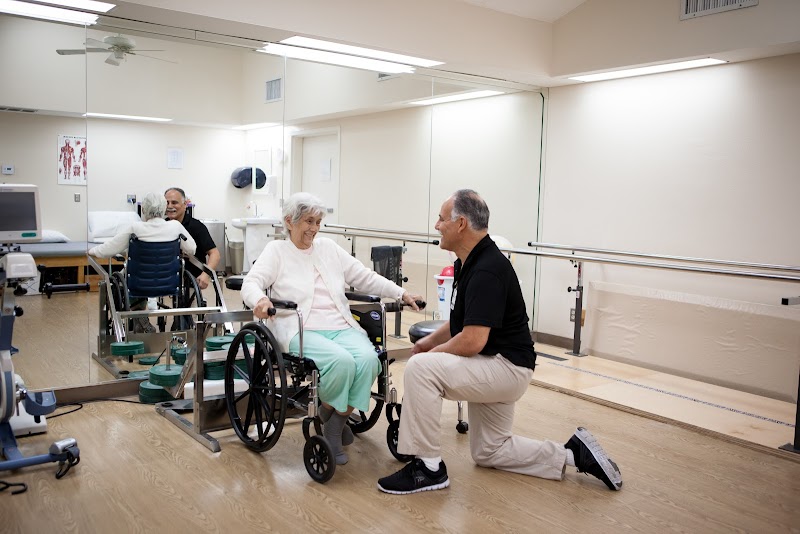
How is Community Care And Rehabilitation Center Staffed?

CMS rates COMMUNITY CARE AND REHABILITATION CENTER's staffing level at 4 out of 5 stars, which is above average compared to other nursing homes. Staff turnover is 40%, compared to the California average of 46%. This relatively stable workforce can support continuity of care.

What Have Inspectors Found at Community Care And Rehabilitation Center?

State health inspectors documented 50 deficiencies at COMMUNITY CARE AND REHABILITATION CENTER during 2021 to 2025. These included: 2 that caused actual resident harm, 45 with potential for harm, and 3 minor or isolated issues. Deficiencies causing actual harm indicate documented cases where residents experienced negative health consequences.

Who Owns and Operates Community Care And Rehabilitation Center?

COMMUNITY CARE AND REHABILITATION CENTER is owned by a for-profit company. For-profit facilities operate as businesses with obligations to shareholders or private owners. The facility is operated by DAVID & FRANK JOHNSON, a chain that manages multiple nursing homes. With 162 certified beds and approximately 143 residents (about 88% occupancy), it is a mid-sized facility located in RIVERSIDE, California.
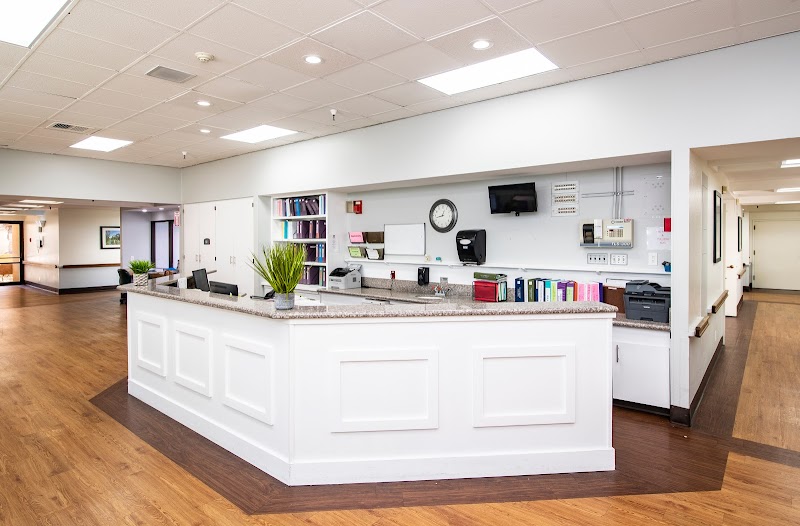
How Does Community Care And Rehabilitation Center Compare to Other California Nursing Homes?

Compared to the 100 nursing homes in California, COMMUNITY CARE AND REHABILITATION CENTER's overall rating (3 stars) is below the state average of 3.1, staff turnover (40%) is near the state average of 46%, and health inspection rating (2 stars) is below the national benchmark.

What Should Families Ask When Visiting Community Care And Rehabilitation Center?

Based on this facility's data, families visiting should ask: "Can I visit during a mealtime to observe dining assistance and food quality?" "How do you handle medical emergencies, and what is your hospital transfer rate?" "Can I speak with family members of current residents about their experience?"

Is Community Care And Rehabilitation Center Safe?

Based on CMS inspection data, COMMUNITY CARE AND REHABILITATION CENTER has a clean safety record: no substantiated abuse findings (meaning no confirmed cases of resident harm), no Immediate Jeopardy citations (the most serious violation level indicating risk of serious injury or death), and is not on the Special Focus Facility watch list (a federal program monitoring the lowest-performing 1% of nursing homes). The facility has a 3-star overall rating and ranks #100 of 100 nursing homes in California. While no facility is perfect, families should still ask about staff-to-resident ratios and recent inspection results during their visit.

Do Nurses at Community Care And Rehabilitation Center Stick Around?

COMMUNITY CARE AND REHABILITATION CENTER has a staff turnover rate of 40%, which is about average for California nursing homes (state average: 46%). Moderate turnover is common in nursing homes, but families should still ask about staff tenure and how the facility maintains care continuity when employees leave.

Was Community Care And Rehabilitation Center Ever Fined?

COMMUNITY CARE AND REHABILITATION CENTER has no federal fines on record. CMS issues fines when nursing homes fail to meet care standards or don't correct problems found during inspections. The absence of fines suggests the facility has either maintained compliance or corrected any issues before penalties were assessed. This is a positive indicator, though families should still review recent inspection reports for the full picture.

Is Community Care And Rehabilitation Center on Any Federal Watch List?

COMMUNITY CARE AND REHABILITATION CENTER is not on any federal watch list. The most significant is the Special Focus Facility (SFF) program, which identifies the bottom 1% of nursing homes nationally based on persistent, serious quality problems. Not being on this list means the facility has avoided the pattern of deficiencies that triggers enhanced federal oversight. This is a positive indicator, though families should still review the facility's inspection history directly.