COMMUNITY CARE ON PALM
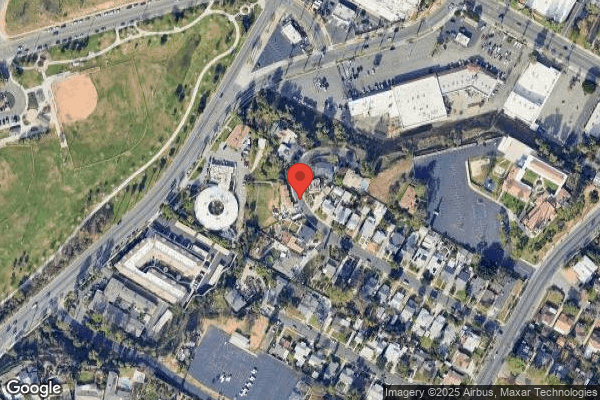

4768 PALM AVENUE, RIVERSIDE, CA 92501 (951) 686-9001
For profit - Limited Liability company 51 Beds Independent Data: November 2025
Trust Grade
50/100
#317 of 1155 in CA
Last Inspection: April 2025

Within standard 12-15 month inspection cycle. Federal law requires annual inspections.

Overview

Community Care on Palm in Riverside, California has a Trust Grade of C, which means it is average-middle of the pack, not great but not terrible. It ranks #317 out of 1155 facilities in California, placing it in the top half, and #12 out of 53 in Riverside County, indicating that only eleven local facilities are rated higher. The facility is improving, with a decrease in issues from 22 in 2024 to 8 in 2025. Staffing is rated at 3 out of 5 stars, with a turnover rate of 36%, which is slightly below the state average, suggesting that staff members tend to stay longer and become familiar with residents. However, the facility has incurred $33,540 in fines, which is concerning as it is higher than 85% of California facilities, indicating potential compliance issues. Specific incidents of concern include a serious resident-to-resident altercation where one resident was hit on the head with a cane, resulting in significant injuries that required hospitalization. Additionally, there were failures in fall risk assessments for another resident, leading to multiple falls and serious injuries, including fractures and lacerations. On a positive note, the facility has received a 5 out of 5 star rating in quality measures, indicating strong performance in areas that matter most to resident care. Overall, while there are notable strengths in quality measures and staffing stability, serious incidents and fines raise valid concerns for families considering this nursing home.

Trust Score
C
50/100
In California
#317/1155
Top 27%
Safety Record
High Risk
Review needed
Inspections
Getting Better
22 → 8 violations
Staff Stability
○ Average
36% turnover. Near California's 48% average. Typical for the industry.
Penalties
⚠ Watch
$33,540 in fines. Higher than 86% of California facilities, suggesting repeated compliance issues.
Skilled Nurses
⚠ Watch
Each resident gets only 16 minutes of Registered Nurse (RN) attention daily — below average for California. Fewer RN minutes means fewer trained eyes watching for problems.
Violations
⚠ Watch
53 deficiencies on record. Higher than average. Multiple issues found across inspections.
★★★★☆
4.0
Overall Rating
★★★☆☆
3.0
Staff Levels
★★★★★
5.0
Care Quality
★★★☆☆
3.0
Inspection Score
Stable
2024: 22 issues
2025: 8 issues

The Good

  • 5-Star Quality Measures · Strong clinical quality outcomes
  • Full Sprinkler Coverage · Fire safety systems throughout facility
  • No fines on record
  • Staff turnover below average (36%)

    12 points below California average of 48%

Facility shows strength in quality measures, fire safety.

The Bad

Staff Turnover: 36%

10pts below California avg (46%)

Typical for the industry

Federal Fines: $33,540

Above median ($33,413)

Moderate penalties - review what triggered them

The Ugly 53 deficiencies on record

3 actual harm
Apr 2025 8 deficiencies
CONCERN (D)

Potential for Harm - no one hurt, but risky conditions existed

Comprehensive Assessments (Tag F0636)

Could have caused harm · This affected 1 resident

**NOTE- TERMS IN BRACKETS HAVE BEEN EDITED TO PROTECT CONFIDENTIALITY** Based on observation, interview, and record review, the facility failed to ensure a comprehensive nutritional assessment was com...

Read full inspector narrative →
**NOTE- TERMS IN BRACKETS HAVE BEEN EDITED TO PROTECT CONFIDENTIALITY** Based on observation, interview, and record review, the facility failed to ensure a comprehensive nutritional assessment was completed within 14 calendar days after admission for one of three residents reviewed (Resident 42). This failure had the potential to delay the provision of resident-centered care (care focusing on the needs of individuals) and nutritional interventions necessary to address the resident's health needs. Findings: On April 8, 2025, at 12:26 p.m., during a concurrent observation and interview in Resident 42's room, Resident 42 was observed eating her lunch meal. Resident 42 stated she had a new denture and was ready to eat regular food. Resident 42 further stated, she was tired of eating baby food and she did not like to lose weight. On April 10, 2025, Resident 42's record was reviewed. Resident 42 was admitted to the facility on [DATE], with diagnoses which included protein-calorie malnutrition (inadequate intake of nutritional food). A review of Resident 42's History and Physical, dated March 11, 2025, indicated Resident 42 was mentally capable of understanding. A review of Resident 42's Nutritional Assessment Form, dated March 28, 2025, indicated showed a goal weight range of 110-115 pounds and a current diet order of a regular pureed diet with thin liquids. A further review of Resident 42's Nutritional Assessment Form indicated the nutritional assessment was completed 17 days after admission. On April 10, 2025, at 8:20 a.m., during a concurrent interview and record review with the Registered Nurse (RN), the RN stated Resident 42 had been readmitted on [DATE], and the nutritional assessment was not completed until March 28, 2025, 17 days wafer admission. The RN stated, the nutritional assessment should have been completed upon admission to determine the resident's nutritional status, identify potential problems, and initiate timely interventions. The RN stated, the delay could contribute to malnutrition, functional decline, weight loss and reduced food intake. On April 10, 2025, at 3:50 p.m., during a concurrent interview and record review with Registered Dietician (RD) 2. RD 2 stated she did not recall the last time she had seen Resident 42. RD 2 stated, a nutritional assessment should have been completed within 14 days of admission per regulation. RD 2 stated, a delay in assessment could result in unmet nutritional needs and unplanned weight loss. A review of the facility's policy and procedure titled, Nutritional Assessment, dated October 2017, indicated, .As part of the comprehensive assessment, a nutritional assessment, including current nutritional status and risk factors for impaired nutrition, shall be conducted for each resident .The dietician, in conjunction with the nursing staff and healthcare practitioners, will conduct a nutritional assessment for each resident upon admission (within current baseline assessment timeframes) and as indicated by a change in condition that places the resident at risk for impaired nutrition .The nutritional assessment will be conducted .Dietician .an estimate of calorie, protein, nutrient and fluid needs .whether the resident's current intake is adequate to meet his or her nutritional needs .
CONCERN (D)

Potential for Harm - no one hurt, but risky conditions existed

Deficiency F0761 (Tag F0761)

Could have caused harm · This affected 1 resident

**NOTE- TERMS IN BRACKETS HAVE BEEN EDITED TO PROTECT CONFIDENTIALITY** Based on observation, interview, and record review, the facility failed to ensure medications and biologicals were properly stor...

Read full inspector narrative →
**NOTE- TERMS IN BRACKETS HAVE BEEN EDITED TO PROTECT CONFIDENTIALITY** Based on observation, interview, and record review, the facility failed to ensure medications and biologicals were properly stored and disposed of when expired sterile (entirely free of microorganisms) dressings (medical bandage designed to protect a wound from infection), were found inside a treatment cart and were readily available for use. This failure had the potential to result in residents receiving wound treatments with expired dressings, leading to ineffective treatment and an increased risk of infection. Findings: On [DATE], at 11:55 a.m., during a treatment cart inspection with the Registered Nurse (RN), expired dressings were found stored in the cart and available for use. One pack of sterile, non-adhesive (designed to not stick to the wound) foam dressing with an expiration date of [DATE], and five packs of sterile gauze (made from woven fabric) dressings with an expiration date of [DATE], were observed in the treatment cart. In a concurrent interview, the RN stated the expired dressings should not have been kept in the treatment cart, readily available for use and should have been discarded. On [DATE], at 1:30 p.m., an interview was conducted with the Director of Nursing (DON). The DON stated the expired dressings should not be stored in the treatment cart. The facility's policy and procedure, titled, Storage of Medications, revised [DATE], was reviewed. The policy indicated, .Discontinued, outdated, or deteriorated drugs or biologicals are returned to the dispensing pharmacy or destroyed .
CONCERN (D)

Potential for Harm - no one hurt, but risky conditions existed

Deficiency F0808 (Tag F0808)

Could have caused harm · This affected 1 resident

**NOTE- TERMS IN BRACKETS HAVE BEEN EDITED TO PROTECT CONFIDENTIALITY** Based on observation, interview, and record review, the facility failed to ensure the therapeutic diet order (diet ordered by a ...

Read full inspector narrative →
**NOTE- TERMS IN BRACKETS HAVE BEEN EDITED TO PROTECT CONFIDENTIALITY** Based on observation, interview, and record review, the facility failed to ensure the therapeutic diet order (diet ordered by a physician) prescribed by the physician was followed for one of three residents (Resident 42) who had an order for a fortified diet (additional nutrients). This failure had the potential for Resident 42 to not receive adequate nutrition, which could further compromise her medical status. Findings: On April 8, 2025, at 12:26 p.m., during a concurrent observation and interview in Resident 42's room, Resident 42's meal tray card indicated a fortified diet. Resident 42 was served a full eight oz cup (ounce-unit of measurement) of tea. Resident 42 stated, she was always served tea at lunch but would prefer milk. Resident 42 further stated, I don't want to lose weight. On April 10, 2025, Resident 42's record was reviewed. Resident 42 was admitted to the facility on [DATE], with diagnoses which included mild protein-calorie malnutrition (deficiency of protein and/or calories). A review of Resident 42's History and Physical, dated March 11, 2025, indicated Resident 1 was mentally capable of understanding. A review of Resident 42's Order Summary, dated March 11, 2025, indicated, .Regular diet Pureed texture, Thin liquid consistency, fortified diet, 4 oz. heath shake with breakfast and at 1000 & 1400, and snack at bedtime . On April 9, 2024, at 5:45 p.m., during a concurrent observation and interview at bedside with the Licensed Vocational Nurse (LVN), the LVN stated, the resident's meal card indicated a fortified diet and there was no pudding served. The LVN stated she was unable to determine if the meal provided met the fortified diet requirement. On April 10, 2025, at 9:51 a.m., during a concurrent interview with the Registered Nurse (RN). The RN stated she did not know how dietary staff prepared the fortified diet. The RN further stated if resident would not receive a fortified diet, it could result in weight loss and functional decline. On April 10, 2025, at 3:47 p.m., during an interview with Registered Dietician (RD) 2, RD 2 stated she expected dietary staff to follow physician's orders and the facility's policy on therapeutic diets. RD 2 stated, Resident 42 should have received a fortified diet as ordered, and not following the therapeutic diet order could lead to weight loss, decline in function, and possible hospitalization. A review of the facility's diet manual section titled, Special Nutrition Program, dated August 2019, indicated, .The Special Nutrition Program (SNP) is a fortified food program that should provide for the increased nutritional requirements of residents .
CONCERN (E)

Potential for Harm - no one hurt, but risky conditions existed

Pharmacy Services (Tag F0755)

Could have caused harm · This affected multiple residents

**NOTE- TERMS IN BRACKETS HAVE BEEN EDITED TO PROTECT CONFIDENTIALITY** Based on interview and record review, the facility failed to ensure pharmacy services were provided to meet the needs of the res...

Read full inspector narrative →
**NOTE- TERMS IN BRACKETS HAVE BEEN EDITED TO PROTECT CONFIDENTIALITY** Based on interview and record review, the facility failed to ensure pharmacy services were provided to meet the needs of the resident when one prescribed medication was not administered as ordered on twelve separate occasions for one of one resident (Resident 23). This failure had the potential to result in ineffective treatment of Resident 23's symptoms and interrupted care. Findings: Resident 23's record was reviewed. Resident 23 was re-admitted to the facility on [DATE], with diagnoses which included dementia with psychotic disturbances (a cognitive decline accompanied by psychosis - hallucinations and/or delusions) and impulse disorder (inability to resist urges or impulses that can lead to harmful or disruptive behaviors). A review of Resident 23's Physician Order, dated March 14, 2025, indicated, .increase Rexulti (antipsychotic medicine used to treat dementia that helps balance chemicals in the brain known to affect mood and thoughts.) 0.5 mg (milligram - a unit of measurement) to Rexulti 2 mg by mouth one time a day for unspecified psychosis manifested by delusions . A review of Resident 23's Medication Administration Record (MAR), for the month of March and April 2025, indicated Rexulti 2 mg was not administered on March 15, 19, 27, 28, and 30, and on April 1, 2, 3, 5, 6, 7, 8, 2025 - 12 missed doses total. A review of Resident 23's Progress Notes indicated, - Dated March 15, 19, and 27, 2025, indicated .pending rx (prescription) delivery, physician notified . - Dated March 28, 2025, indicated .pending authorization . - Dated March 30, 2025, did not indicate the medication Rexulti was administered. - Dated April 1, 2, and 3, 2025, indicated .pending auth (authorization) .followed up with pharmacy . - Dated April 5 and 6, 2025, indicated .medication not on hand will follow up with pharmacy MD (physician) aware no new orders at this time . - Dated April 7 and 8, 2025, indicated .pending auth, MD aware no new orders . - Dated April 10, 2025, at 7:10 a.m., indicated .discontinue Rexulti 2mg . On April 10, 2025, at 11:15 a.m. an interview and a concurrent record review was conducted with the DON. The DON stated the medication was not available due to delayed delivery, pending insurance authorization, and lack of follow-up with pharmacy. The DON stated, the medication should have been given or substituted with a covered alternative. On April 11, 2025, at 9:06 a.m., an interview and concurrent record review was conducted with the Pharmacist. The Pharmacist stated Rexulti 2 mg was prescribed and should not have been missed. The facility's policy and procedure titled, Administering Medication revised, April 2019, was reviewed. The policy indicated, .The director of nursing services supervises and directs all personnel who administer medications .Medications are administered in accordance with prescribed orders, including any required time frame .
CONCERN (E)

Potential for Harm - no one hurt, but risky conditions existed

Deficiency F0802 (Tag F0802)

Could have caused harm · This affected multiple residents

Based on observations, interviews, and record review, the facility failed to ensure that dietary staff safely and effectively carried out the functions of food and nutrition services when: 1. Dietary ...

Read full inspector narrative →
Based on observations, interviews, and record review, the facility failed to ensure that dietary staff safely and effectively carried out the functions of food and nutrition services when: 1. Dietary staff, including the dietitian, were not aware of the manufacturer's recommended time guidelines for testing the red bucket Quaternary (Quat) sanitizer (sanitizing solution used for sanitizing food contact surfaces); 2. [NAME] 2 did not demonstrate competency in performing assigned duties; (Cross reference 803) 3. [NAME] 1 did not demonstrate competency in performing assigned duties; and (Cross reference 803) 4. [NAME] 3 did not follow the prescribed recipe when preparing pureed macaroni and cheese during dinner on April 9, 2025. These failures had the potential to cause foodborne illness for 49 out of 50 sampled residents and compromised the nutritional status of residents receiving food from the facility's kitchen. Findings: 1. A review of the Quat sanitizer manufacturer's guidelines posted above 2 compartment sink at the kitchen indicated, Dip test paper for 10 seconds in test solution On April 8, 2025, at 10:45 a.m., a concurrent observation and interview was conducted with [NAME] 1 (CK 1). CK 1 was asked to test the Quat sanitizer solution in the sanitizer bucket. CK 1 dipped the test strip into sanitizer solution for 3 seconds and stated she needed to dip the test strip for 3 seconds to check the concentration of the Quat sanitizer. On April 8, 2025, at 11:05 a.m., a concurrent observation and interview was conducted with Diet Aide 1 (DA 1). DA 1 was asked to test the Quat sanitizer solution in the sanitizer bucket. DA 1 stated she need to dip the test strip into sanitizer solution for 5 seconds to check the concentration of the Quat sanitizer. On April 9, 2025, at 12:08 p.m., a concurrent observation and interview was conducted with DA 2. DA 2 was asked to test the Quat sanitizer solution in the sanitizer bucket. DA 2 stated she was not sure how long she needed to dip the test strip into sanitizer solution. On April 10, 2025, at 2:20 p.m., an interview was conducted with the Registered Dietitian 1 (RD 1) and Dietary Supervisor (DSS). The DSS stated the test strip needed to be dipped into the Quat sanitizer solution for 10 - 15 seconds to check the concentration of the Quat sanitizer. RD 1 was unsure of the duration but agreed the DSS statement. The RD stated failure to follow the manufacturer's guideline for testing Quat sanitizer could result in an inaccurate reading of Quat sanitizer concentration. The RD explained that inaccurate reading of Quat sanitizer concentration could lead to inadequate sanitation of food contact surfaces. 2. During general food production observations, issues were observed related to [NAME] 2 (CK 2) competency: a.) During an observation, on 4/9/2025, at 10:41 a.m., [NAME] 2 did not follow the recipes when preparing pureed peas and meat. b.) On April 9, 2025, at 11:59 a.m., during an observation before lunch tray plating started, it was noted that rice was not available on the trayline (a system of food preparation in which trays move along an assembly line). Resident 3, who was on a physician ordered renal diet, should have been served rice according to the [NAME] Spreadsheet (the document used to guide dietary staff on food items, portions, and therapeutic diets) and the resident was served oven-brown potatoes, the same food items as residents on the regular diet. c.) During an observation of noon meal plating, on 4/9/22, at 12:03 p.m., CK 2 was observed using a 3 oz scoop instead of the required 4 oz scoop to serve mechanical soft meat for residents on mechanical soft diets, as outlined in the [NAME] Spreadsheet. During a phone interview on April 10, 2025, at 3:16 p.m., with RD 2. RD 2 stated Cooks are expected to follow recipes, the [NAME] Spreadsheet, and the menu when preparing food. During a review of the facility Job Description, titled LINE COOK/PREP COOK, undated, the job description indicated, The purpose of your job position is to prepare, cook, and present well-balance meals .to the highest quality incorporating .dietary needs as required by the residents and staff of the facility. 3. During general food production observations, issues were observed related to CK 1 competency: a.) During a general food production observation on April 8, 2025, from 8:37 a.m. until 11:54 a.m., before the start of the lunch tray plating, corn was not available on the trayline. Resident 3 who had a physician-ordered renal diet and Resident 33 who had a physician-ordered heart-healthy diet should have been served corn. Residents 3 and 33 were served the same food item as residents on a regular diet-pinto beans. b.) On April 8, 2025, at 12:27 p.m., a concurrent observation, Resident 34, who had a physician-ordered consistent carbohydrate diet, was served an extra taco during lunch. During an interview on April 10, 2025, at 3:16 p.m., with the RD 2. The RD 2 stated Cooks were required to follow the [NAME] Spreadsheet when preparing and serving food. During a review of the facility Job Description, titled LINE COOK/PREP COOK, undated, the job description indicated, The purpose of your job position is to prepare, cook, and present well-balance meals .to the highest quality incorporating .dietary needs as required by the residents and staff of the facility. 4. During a review of the posted menu on 4/9/2025 indicated, Dinner: Creamy Ranch Macaroni and Cheese On April 9, 2025, at 6:01 p.m., a concurrent observation and interview were conducted with the Dietary Supervisor (DSS) in the dining room. During observation of pureed diets, an unidentified dark brown pureed food item was being served as an entrée. The DSS stated CK 3 had modified the recipe for pureed Creamy Ranch Macaroni and Cheese by adding chicken, beef broth and a small amount of Macaroni and Cheese to increase the protein and calories content. During a phone interview on April 10, 2025, at 3:16 p.m., with RD 2. RD 2 stated she unaware CK 3 had modified the recipe. RD 2 stated as a best practice, cooks are required to consult the dietitian prior to modifying any recipes. During a review of the facility Job Description, titled LINE COOK/PREP COOK, undated, the job description indicated, The purpose of your job position is to prepare, cook, and present well-balance meals .to the highest quality incorporating .dietary needs as required by the residents and staff of the facility. During a review of the facility provided Recipe titled, Creamy Ranch Macaroni and Cheese, indicated, .Diet Notes: Meals need to be modified to suit individual patient/resident tolerance as determined by appropriate healthcare provider at the community level. The recipe did not include chicken and beef broth as ingredients.
CONCERN (E)

Potential for Harm - no one hurt, but risky conditions existed

Menu Adequacy (Tag F0803)

Could have caused harm · This affected multiple residents

Based on observations, interviews and record reviews, the facility failed to ensure: 1. [NAME] 2 followed the recipe when preparing pureed meat and peas during lunch on April 9, 2025; 2. [NAME] 2 use...

Read full inspector narrative →
Based on observations, interviews and record reviews, the facility failed to ensure: 1. [NAME] 2 followed the recipe when preparing pureed meat and peas during lunch on April 9, 2025; 2. [NAME] 2 used the correct scoop to portion mechanical soft meat during lunch on April 9, 2025; 3. Resident 34, who had a physician-ordered Consistent Carbohydrate (CCHO) diet, was served the correct portion of taco during lunch on April 8, 2025; 4. Resident 3, who had a physician-ordered renal diet, was served appropriate food items during lunch on April 9, 2025, and April 10, 2025; and 5. Resident 33, who had physician-ordered heart healthy diet, was served appropriate food items during lunch on April 9, 2025. These failures had the potential to result in residents receiving food that did not meet their prescribed dietary needs, which could lead to nutrition-related health complications. Findings: (Cross Reference 802) 1. During a general food production observation and interview conducted on April 9, 2025, at 10:41 a.m., in the kitchen with [NAME] 2 (CK 2), CK 2 was observed preparing pureed peas. CK 2 blended peas with white bread together to make pureed peas. CK 2 stated he added six slices of white bread to make 12 servings of pureed peas. During the process, CK 2 did not refer to the pureed vegetable recipe. During a general food production observation and interview conducted on April 9, 2025, at 11:45 a.m., with CK 2. CK 2 was observed preparing pureed meat. CK 2 placed some beef, slices of white bread, some unmeasured meat juice and beef broth into a food processor. CK 2 stated he used 10 servings of beef and five slices of white bread as stabilizer to prepare the pureed meat. During the process, CK 2 did not refer to the pureed meat recipe during preparation. During a phone interview on April 10, 2025, at 3:16 p.m., with the Registered Dietitian 2 (RD 2). The RD 2 stated this was unusual practice for cooks to add bread to make pureed diet and unaware CK 2 adding breads into pureed food items. The RD explained adding breads into pureed food items would alter the nutritional content by increasing the carbohydrate level. The RD stated all food service staff were required to follow recipes when preparing food. During a review of the facility provided recipes for the Pureed vegetables and Pureed Meat, the recipes did not indicate adding breads as stabilizer. During a review of the facility document titled, The Facility's Resident Diet order Listing Report, dated April 8, 2025, indicated Nine residents, Residents 6, 8,10, 19, 20, 26, 28, 33 and 42 were on a pureed diet (the food texture should be smooth for residents who have difficulty chewing and/ or swallowing ability). During a review of the facility's Policy and Procedure (P&P) titled, Standardized Recipes, Revised dated April 2007, the P&P indicated, .Standardized recipes will be used to prepare foods. 2. During a review of the [NAME] Spreadsheet (the document used to guide dietary staff on food items, portions, and therapeutic diets) on April 9, 2025, indicated, Mechanical soft diet: Meat used number (#) 8 scoop [4 ounces (oz- a unit of measurement]. On April 9, 2025, at 12:03 p.m., a concurrent observation and interview was conducted with CK 2 at the trayline (a system of food preparation in which trays move along an assembly line). CK 2 was observed using a # 10 scoop (3 oz) to serve mechanical soft meat for residents on mechanical soft diet. CK 2 confirmed that the scoop he used was 3 ounces, not the required 4 oz. During a phone interview on April 10, 2025, at 3:16 p.m., with RD 2. RD 2 stated CK 2 did not serve the correct portion size by using a 3 oz scoop. The RD stated, using a smaller scoop could result in residents not receiving adequate calories. RD 2 stated all food service staff were required to follow menu and the [NAME] spreadsheets. During a review of the facility document titled, The Facility's Resident Diet order Listing Report, dated April 8, 2025, indicated ten residents, Residents 2, 3, 9, 21, 22, 24, 25, 34, 37, and 46 were on a Mechanical soft diet. During a review of the facility's Policy and Procedure (P&P) titled, Menus, Revised dated October 2017, the P&P indicated, Menus are developed and prepared to meet resident .needs while following established national guidelines for nutritional adequacy.1. Menus meet the nutritional needs of residents in accordance with the recommended dietary allowances of the Food and Nutritional Board. 3. During a review of the [NAME] Spreadsheet on April 8, 2025, indicated, CCHO: Beef Soft Taco 1 Each. On April 8, 2025, at 12:27 p.m., a concurrent observation, interview and review of Resident 34's meal tray card were conducted with the Activity Director (AD). Resident 34's meal tray card indicated CCHO diet. Observation revealed that Resident 34 was served two tacos. The AD confirmed that Resident 34 had been served two Tacos. On April 10, 2025, at 3:16 p.m., a concurrent interview and review of the [NAME] spreadsheet dated 4/8/25 were conducted with RD 1. RD 1 stated residents on a CCHO diet should receive one Taco. RD 1 further stated [NAME] 1 should have followed the [NAME] spreadsheet. RD 1 explained that not following the [NAME] spreadsheet and serving extra food items could potentially cause hyperglycemia (high blood sugar) and weight gain. During a review of the Resident's 34 Order Summary Report, dated 4/9/2025, Physician's Diet order indicated, Order date: 5/28/2024: CCHO. During a review of the facility provided Recipe titled, Beef Soft Tacos, indicated, CCHO: Beef Soft Taco - 1 Each. During a review of the facility provided document titled, DIET DESCRIPTIONS, indicated, Consistent Carbohydrates (CCHO). This diet is based upon the regular diet. However, because the carbohydrate content of meals produces the largest influence on blood sugar levels, meals are planned to provide a consistent amount of carbohydrates from day to day. 4. During a review of the [NAME] Spreadsheet on April 8, 2025, indicated, Renal diet served Seasoned Corn. During a general food production observation on April 8, 2025, from 8:37 a.m. to 11:54 a.m., before the start of lunch tray plating, it was noted that corn was not available on the steam table at the trayline. Resident 3, who had a physician-ordered renal diet, was served the same food item as residents on a regular diet - pinto beans, and should have been served corn per [NAME] Spreadsheet. During a review of the [NAME] Spreadsheet on April 9, 2025, indicated, Renal diet served low salt Seasoned Rice. On April 9, 2025, at 11:59 a.m., during an observation before lunch tray plating, rice was not available on the steam table. Resident 3 was served oven-browned potatoes, the same item served to residents on the regular diet, and should been served rice per the [NAME] Spreadsheet. During an interview on April 10, 2025, at 3:16 p.m., with the RD 1. The RD 1 stated it was important for dietary staff to follow the [NAME] Spreadsheet guidance on different food items needed to be served on different therapeutic diets. The RD stated pinto beans are high in phosphorus, and potatoes are high in potassium. RD 1 stated, consumption of these foods could negatively affect a renal diet resident's blood phosphorus and potassium levels, which may compromise their medical and nutritional status. During a review of the Resident's 3 Order Summary Report, dated 4/9/2025, Physician's Diet order indicated, Order date: 8/30/2024: Renal 80 gram protein diet During a review of the facility provided Recipe titled, Pinto Beans, indicated, NOT APPROPRIATE for the following diet(s).RENAL . During a review of the facility provided Recipe titled, Oven Browned Potatoes, indicated, NOT APPROPRIATE for the following diet(s).RENAL. During a review of the facility provided document titled, RENAL DIET, indicated, The Renal Diet, .is intended to control the intake of potassium, sodium, phosphorus, and protein when the resident has very little or no kidney function and is on dialysis. This diet is designed to reduce the amount of fluid and waste that builds up . 5. During a review of the [NAME] Spreadsheet on April 8, 2025, indicated, Heart Healthy diet served Seasoned Corn. During a general food production observation on April 8, 2025, from 8:37 a.m. until 11:54 a.m., before the start of a lunch tray plating, there was no corn available on the steam table at the trayline. Resident 33, who had a physician-ordered Heart Healthy diet should have been served corn per the [NAME] Spreadsheet but was instead served the same food item as residents on a regular diet - pinto beans. During a phone interview on April 10, 2025, at 3:16 p.m., with RD 2. RD 2 stated cooks should make the effort to follow the Cooks Spreadsheet. RD 2 stated, otherwise, residents on therapeutic diets may be served food items not appropriate for their diet which could result in residents not receiving proper nutrients. During a review of the Resident's 33 Order Summary Report, dated 4/9/2025, Physician's Diet order indicated, Order date: 2/10/2025: Heart Healthy diet During a review of the facility provided Recipe titled, Pinto Beans, indicated, NOT APPROPRIATE for the following diet(s).HEART HEALTHY. During a review of the facility provided document titled, HEART HEALTHY DIET, indicated, General Information. The Heart Healthy (Low Fat/Low Cholesterol/2-2.5 gram Sodium) diet is intended for lowering the risk of developing heart disease by limiting the intake of fat, cholesterol and sodium.
CONCERN (E)

Potential for Harm - no one hurt, but risky conditions existed

Deficiency F0805 (Tag F0805)

Could have caused harm · This affected multiple residents

**NOTE- TERMS IN BRACKETS HAVE BEEN EDITED TO PROTECT CONFIDENTIALITY** Based on observation, interview, and record review, the facility failed to ensure a resident with a prescribed nectar-thick liqu...

Read full inspector narrative →
**NOTE- TERMS IN BRACKETS HAVE BEEN EDITED TO PROTECT CONFIDENTIALITY** Based on observation, interview, and record review, the facility failed to ensure a resident with a prescribed nectar-thick liquid consistency, as ordered by the physician, was served regular thin liquid coffee, for one of nine residents (Resident 8). This failure had the potential to cause resident to choke or aspirate (inhalation of food or liquid into the lungs), placing them at risk for serious health complications. Findings: On April 8, 2025, at 12:17 p.m., during a concurrent observation and interview with the Certified Nursing Assistant (CNA). Resident 8 was observed eating her lunch in the dining room. Resident 8 was served a cup of regular thin liquid coffee. The CNA who was assisting Resident 8 with feeding, stated, the coffee was provided ready to drink and stated she had not checked the consistency. The CNA stated, Resident 8 should not have received a thin liquid. On April 10, 2025, Resident 8's record was reviewed. Resident 8 was admitted to the facility on [DATE], with diagnoses which included dysphagia (difficulty in swallowing). A review of Resident 8's History and Physical, dated May 15, 2024, indicated Resident 8 was not capable of making her own decisions. A review of Resident 8's Order Summary, dated January 19, 2025, indicated, .Puree texture, Nectar Thick Liquid consistency . A review of Resident 8's Nutritional Assessment Form, dated February 19, 2025, indicated Resident 8 had a swallowing problem. On April 10, 2024, at 3:34 p.m., during an interview with Registered Dietician (RD) 2. RD 2 stated dietary and nursing staff should follow dietary order. RD2 further stated serving a thin liquid instead of nectar-thickened liquid could lead to choking or aspiration. A review of the facility's diet manual section titled, Mildly Thick, was reviewed. The manual dated July 2019, indicated, .No oral processing or chewing required-can be swallowed directly . A review of the facility's diet manual section titled, Pureed Fish/Meat/Poultry, dated August 2018, indicated, .Process until meat is smooth in consistency .Ensure mixture achieves moist mashed potato or pudding-like consistency .
CONCERN (E)

Potential for Harm - no one hurt, but risky conditions existed

Food Safety (Tag F0812)

Could have caused harm · This affected multiple residents

Based on observation, interview, and record review, the facility failed to ensure safe and sanitary food preparation and storage practices in the kitchen when: 1. Dust was observed on kitchen equipmen...

Read full inspector narrative →
Based on observation, interview, and record review, the facility failed to ensure safe and sanitary food preparation and storage practices in the kitchen when: 1. Dust was observed on kitchen equipment and in various locations within the kitchen; 2. An expired sanitizer test strip was found in use. 3. A box of nutritional shake was stored next to defrosting raw meat in the refrigerator; 4. Wilted cilantro was found stored in Reach in Refrigerator # (number) 1; 5. An open bottle of lemonade syrup was stored next to a sanitizer solution bucket; 6. Dust accumulation was oberved on the floor under a table counter; 7. Black grime buildup was observed on the outside of the oven; 8. Three white plastic spatula, two serving tongs handle, and one small spatula had chipped; 9. A trash bag was used as a liner to store a bulk quantity of sugar; and 10. One unlabeled soda was found in a resident's refrigerator. These failures had the potential to cause foodborne illness (stomach illness acquired from ingesting contaminated food) in a medically vulnerable population of 49 out of 49 residents who received food prepared in the kitchen. 11. Pureed meat and bread were not prepared in the correct texture and consistency. This failure had the potential to cause difficulties with swallowing, increase the risk of choking or aspiration (food entering the lungs), and impact the resident's nutritional intake. Findings: 1. On April 8, 2025, at 8:57 a.m., a concurrent observation and interview with the Dietary Service Supervisor (DSS) was conducted in the kitchen, in the reach-in refrigerator area. The fan grids were observed to covered in dust. The DSS confirmed fan's grids were covered with dust. On April 8, 2025, at 10:03 a.m., a concurrent observation and interview with the DSS was conducted, in the kitchen. Dust was noted behind and above the convection oven. The DSS confirmed behind and above the convention oven was dusty. On April 10, 2025, at 2:38 p.m., an interview with Registered Dietitian (RD 1) was conducted. RD 1 stated, dust in food preparation area could cause cross-contamination. During a review of the U.S. Food and Drug Administration's (FDA) Food Code 2022, Section 4-602.13 Nonfood-Contact Surfaces, the Food Code indicated, The presence of food debris or dirt on nonfood contact surfaces may provide a suitable environment for the growth of microorganisms which employees may inadvertently transfer to food. If these areas are not kept clean, they may also provide harborage for insects, rodents, and other pests. 2. On April 8, 2025, at 10:45 a.m., a concurrent observation and interview with the DSS was conducted, in the kitchen. A Quat sanitizer test strip (brand of sanitizer test strip) was observed with an expiration date of April 1, 2022. The DSS stated the Quat sanitizer test strip was expired, should have been tossed away, and should not be use. On April 10, 2025, at 2:38 p.m., an interview with RD 1 was conducted. RD 1 stated expired strip should have been removed and replaced with updated strip. RD 1 stated expired strip could give inaccurate readings, making sanitizing solutions ineffective. A review of the facility's policy and procedure titled, Cleaning and Disinfection of Environment Surfaces, dated August 2019, indicated, .Manufacturer's instructions will be followed for proper use of disinfecting (or detergent) products including .shelf-life .safe use and disposal . 3. On April 8, 2025, at 8:51 a.m., a concurrent observation, interview, and record review with the DSS was conducted, in the kitchen, in front of the Reach-in refrigerator # 1. A ready-to-drink shake was stored next to raw defrosting meat in Reach-in Refrigerator # 1, against a posted storage guidelines, Ready-to-Eat-Foods stored at (Top Shelf). The DSS stated the staff kept the ready to drink shake in the bottom of the refrigerator beside the defrost raw meat. The DSS further stated it should have been stored on top of the shelves to prevent contamination of food. On April 10, 2025, at 2:39 p.m., an interview with RD 1 was conducted. RD 1 stated staff should follow proper storage of the food. RD 1 further stated ready to drink food should have been placed on top of the shelves and not on the bottom shelves next to defrost meat to prevent potential contamination. A review of the facility's policy and procedure titled, Food Receiving and Storage, dated October 2017, indicated, .Foods shall be received in a manner that complies with safe food handling practices .Uncooked and raw animal products and fish will be stored separately in drip-proof containers and below fruits, vegetables and other ready-to-eat foods . 4. On April 8, 2025, at 8:57 a.m., a concurrent observation and interview with the DSS was conducted, in the kitchen. Wilted cilantro was observed in REach-in Refrigerator $ !. The DSS stated the wilted cilantro should have been discarded and should have been replaced with fresh item. On April 10, 2025, at 2:39 p.m., an interview with RD 1 was conducted. RD 1 stated the wilted cilantro should have been tossed and should not been stored in the refrigerator. RD 1 further stated the vegetable should be kept fresh. A review of the facility's policy and procedure titled, Food Receiving and Storage, dated October 2017, indicated, .Foods shall be received and stored in a manner that complies with safe food handling practices . 5. On April 8, 2025, at 9:38 a.m., a concurrent observation and interview with the DSS was conducted in the kitchen at Prep area. An open bottle of pink lemonade syrup was stored next to a bucket of Quat sanitizer under a prep table. The DSS stated the bottle of pink lemonade syrup should not be stored next to the red bucket sanitizer. The DSS further stated the red bucket sanitizer would contaminate the open pink lemonade syrup. On April 10, 2025, at 2:40 p.m., an interview with RD 1 was conducted. RD 1 stated the red bucket sanitizer, and the plastic bottle of pink lemonade should not placed next to each other. RD 1 further stated the pink lemonade would potentially contaminate from the red bucket sanitizer. A review of the facility's policy and procedure titled, Food Receiving and Storage, dated October 2017, indicated, .Foods shall be received in a manner that complies with safe food handling practices .Food services, or other designated staff, will maintain clean food storage areas at all times .Soaps, detergents, cleaning compounds or similar substances will be stored in separate areas from food storage and labeled clearly . 6. On April 8, 2025, at 9:38 a.m., a concurrent observation and interview with the DSS was conducted, in the kitchen at Prep area. Dust was noted under a kitche prep table. The DSS confirmed the dust was accumulated under the table counter. The DSS further stated the area under the table counter was hard to reach and was missed during cleaning. On April 10, 2025, at 2:40 p.m., an interview with RD 1 was conducted. RD 1 stated dust should have been removed and cleaned under the table to prevent contamination of the kitchen. A review of the facility's policy and procedure titled, Sanitization, dated October 2008, indicated, .All kitchens, kitchen areas and dining areas shall be kept clean, free from litter and rubbish . 7. On April 8, 2025, at 10:03 a.m., a concurrent observation and interview with the DSS was conducted in the kitchen. The exterior of the oven was observed to have accumulated black grime. The DSS stated the black grime should have been removed and the oven cleaned. On April 10, 2025, at 2:42 p.m., an interview with RD 1 was conducted. RD 1 stated the oven should have been cleaned and should not have accumulation of grime, as it could potentially contaminate food being cooked. A review of the facility's policy and procedure titled, Sanitization, dated October 2008, indicated, .The food service area shall be maintained in a clean and sanitary manner .All kitchens, kitchen areas and dining areas shall be kept clean, free from litter and rubbish . 8. On April 8, 2025, at 10:10 a.m., a concurrent observation and interview with the DSS was conducted in the prep area of the kitchen. Several pieces of equipments were observed with chipped and damaged surfaces including: -Three white plastic spatula; -Two serving tongs (damaged handles) and; -One small spatula. The DSS stated any equipment with chipped and damaged should have been replaced. The DSS further stated such damage could result in contamination if pieces chipped off into food. On April 10, 2025, at 2:43 p.m., an interview with RD 1 was conducted. RD 1 stated the damaged spatulas and serving tongs that were damaged should have been replaced with a new equipment to prevent accumulation of food in rough surfaces and to prevent mixture of chipped part surfaces to the food. A review of the facility's policy and procedure titled, Sanitization, dated October 2008, indicated, .The food service area shall be maintained in a clean and sanitary manner .All utensils, counters, shelves and equipment shall be kept clean, maintained in good repair and shall be free from breaks, corrosions, open seams, cracks and chipped areas that may affect their use or proper cleaning . 9. On April 8, 2025, at 10:33 a.m., a concurrent observation and interview with the DSS was conducted in the kitchen's dry storage area. A bulk quantity of sugar was observed stored inside a clear plastic trash bag being used as a liner. The DSS further stated plastic trash bag should not be used as a liner for storage of bulk sugar. The DSS was asked who among the dietary staff used the trash bag and she stated, I don't know. On April 10, 2025, at 2:43 p.m., an interview with RD 1 was conducted. RD 1 stated the bulk of sugar should have been stored in food grade plastic liner and not in ordinary plastic bag. A review of the facility's policy and procedure titled, Food Receiving and Storage, dated October 2017, indicated, .Foods shall be received in a manner that complies with safe food handling practices .Food services, or other designated staff, will maintain clean food storage areas at all times . 10. On April 9, 2025, at 3:10 p.m., a concurrent observation and interview with the Licensed Vocational Nurse (LVN) was conducted in the nurse's station. One unlabeled 7.5 oz. (ounce-unit of measurement) diet soda in can was observed inside resident's refrigerator. The LVN stated it should have been labeled with name of resident and date received. The LVN further stated food and drinks without labeled would be unsafe to resident to consumed it. On April 10, 2025, at 3:38 p.m., an interview with RD 2 was conducted. RD 2 stated staff should follow the facility's policy and procedure in food storage. The RD 2 further stated, drinks and food should be labeled with resident's name and date received. A review of the facility's policy and procedure titled, Food Receiving and Storage, dated October 2017, indicated, .Foods shall be received in a manner that complies with safe food handling practices .All foods belonging to residents must be labeled with the resident's name, the item and the use by date .cleaning compounds or similar substances will be stored in separate areas from food storage and labeled clearly . 11. On April 9, 2025, at 12:26 p.m., a test tray (to evaluate the quality of a meal during a meal service and identify any areas for improvement) for pureed diet (food texture need to blend until smooth for residents who have difficulty chewing and/or swallowing) was conducted with the Dietary Supervisor (DSS). The pureed bread was observed to have a grainy texture. After tasting the pureed bread, the DSS stated, the pureed bread was not smooth and had a grainy consistency. The DSS stated, the pureed beef texture was not smooth and still contained intact meat fibers. The DSS stated, [NAME] 2 should have blended the beef and bread for a longer period to achieve the required smooth, mashed potato-like texture. On April 10, 2025, at 3:40 p.m., during an interview with facility Registered Dietitian (RD) 2, RD 2 stated the texture and consistency of pureed food should be smooth, not grainy. The RD further stated, residents on a pureed diet could potentially choke if the correct texture was not followed. A review of the facility's diet manual section titled Mechanically Altered Diet Explanation, dated May 2019, indicated, .Puree diet: Puree all foods to the consistency of smooth, moist mashed potatoes or pudding -like consistency . A review of the facility's diet manual section titled, Pureed Fish/Meat/Poultry, dated August 2018, indicated, .Process until meat is smooth in consistency .Ensure mixture achieves moist mashed potato or pudding-like consistency .
Nov 2024 1 deficiency
CONCERN (D) 📢 Someone Reported This

A family member, employee, or ombudsman was alarmed enough to file a formal complaint

Potential for Harm - no one hurt, but risky conditions existed

Accident Prevention (Tag F0689)

Could have caused harm · This affected 1 resident

**NOTE- TERMS IN BRACKETS HAVE BEEN EDITED TO PROTECT CONFIDENTIALITY** Based on interview and record review, the facility failed to ensure, for one of four residents, Resident 1, who was identified a...

Read full inspector narrative →
**NOTE- TERMS IN BRACKETS HAVE BEEN EDITED TO PROTECT CONFIDENTIALITY** Based on interview and record review, the facility failed to ensure, for one of four residents, Resident 1, who was identified as at risk for elopement (a resident leaving the facility unsupervised and unnoticed) and was on line of sight (a resident being within the view of staff members) monitoring was supervised by staff. This failure resulted in Resident 1 eloping from the facility on October 13, 2024, which placed Resident 1 at risk for sustaining serious injury such as being struck by a vehicle or death. Findings: On November 5, 2024, at 9:28 a.m., an unannounced visit was conducted at the facility to investigate a facility reported incident. A review of Resident 1's medical record was conducted. The admission Record indicated Resident 1 was admitted to the facility on [DATE], with diagnoses which included cardiac arrhythmia (irregular heart rhythm) and schizophrenia (mental illness) and that he was under a conservatorship (a legal status which a court appoints another person to act or make decisions for the person who needs help). A review of Resident 1's Admission/re-admission Data Tool dated October 8, 2024, indicated Resident 1 was at risk for elopement. A review of Resident 1's 72 Hour Monitoring dated October 9, 2024, indicated .Resident being monitored as a new admission. Resident has one-one monitoring for high risk for elopement . A review of Resident 1's Change of Condition -SBAR (Situation, Backgrounds, Assessment, Recommendation - a standardized communication tool) dated October 13, 2024, indicated Resident 1 left the facility without notice or permission and that a Certified Nurse Assistant (CNA) last saw Resident 1 in his room at 9:00 p.m. A review of Resident 1's Change of Condition-SBAR dated October 15, 2024, indicated Resident 1 returned to the facility accompanied by a police officer and was later on transferred to (name of general acute hospital) for further evaluation and behavioral intervention as ordered by the physician. On November 5, 2024, at 11:38 a.m., during an interview with Licensed Vocational Nurse (LVN) 1, LVN 1 stated residents who had attempted to elope or verbalized they did not want to be at the facility are considered at risk for elopement. LVN 1 stated when residents are identified as at risk for elopement, they start to have precautions in place such as providing 1:1 monitoring (constant observation and care for a single resident) to the resident to ensure that the resident is always in the facility. LVN 1 stated Resident 1 was identified as at risk for elopement upon admission and was on 1:1 monitoring. LVN 1 stated the Certified Nursing Assistants (CNAs) did the 1:1 monitoring, and they rotated with the task hourly. LVN 1 stated Resident 1 attempted to leave the night he was admitted and was placed on 1:1 monitoring. LVN 1 stated Resident 1 eloped from the facility on October 13, 2024, during her shift and she was not sure if the assigned CNA for 1:1 monitoring, CNA 2, was outside Resident 1's room, or if she stepped out. LVN 1 stated CNA 2 could not tell her what happened. LVN 1 stated they looked around the facility and were unable to locate Resident 1. LVN 1 stated Resident 1 could have escaped the facility by jumping off the gate. LVN 1 stated the facility had gates which required a key to enter and exit. LVN 1 stated at the beginning of the shift, Resident 1 was calm and did not have any exit seeking behavior. On November 5, 2024, at 11:58 a.m., during an interview with CNA 1, CNA 1 stated Resident 1 was on 1:1 monitoring. CNA 1 stated on October 13, 2024, he took his ten-minute-break at 8:45 p.m., or 9:00 p.m. and by the time he came back he could not find Resident 1. CNA 1 stated CNA 2 was assigned to do the 1:1 monitoring from 9:00 p.m., to 10:00 p.m. CNA 1 stated CNA 2 was not outside Resident 1's room. On November 5, 2024, at 12:38 p.m., during telephone interview with CNA 2, CNA 2 stated she was working when Resident 1 left the facility. CNA 2 stated Resident 1 was on 1:1 monitoring, and she was supposedly doing the 1:1 on him at the time when staff couldn't find him. CNA 2 stated she did not see Resident 1 leave the facility. CNA 2 stated the practice was that the CNA assigned to Resident 1's run was the CNA who would do the 1:1 monitoring from 9:00 to 10:00 p.m. CNA 2 stated it was CNA 1 who was doing the 1:1 monitoring on Resident 1 at that time. CNA 2 stated CNA 1 was sitting outside Resident 1's room and he was the one who asked where Resident 1 was. On November 5, 2024, at 2:25 p.m., during an interview with Registered Nurse (RN) 1, RN 1 stated residents are identified for elopement by conducting an elopement assessment, which is included in the admission assessment. RN 1 stated when a resident is identified as at risk for elopement, they monitored the resident's whereabouts and initiate a care plan. RN 1 stated Resident 1 wandered around the facility, but she was not aware if he had exit seeking behavior or verbalized he didn't want to be in the facility. RN 1 stated the nurses should be educated on when to use 1:1 monitoring or line of sight. RN 1 stated Resident 1 was on line of sight. RN 1 stated 1:1 monitoring is when a CNA is watching over a resident in close proximity and line of sight was when a CNA is watching over multiple residents and maintaining visual on the residents. RN 1 stated Resident 1 was out of the facility for 29 hours and he could have had an injury, pass out, or get into an accident. RN 1 stated the expectation for staff was to ensure they are watching the residents, most specifically those that are at risk for elopement and falls. On November 5, 2024, at 3:05 p.m., during an interview with the Social Service Director (SSD), the SSD stated Resident 1 would go outside looking for an opportunity to leave or to see if a door was open. The SSD stated she observed Resident 1 doing this on his second day of stay at the facility and she asked him to back inside. On November 8, 2024, at 3:18 p.m., during an interview with the Director of Staff Development (DSD), the DSD stated 1:1 monitoring was when staff goes wherever the resident goes. The SSD stated line of sight was when a resident should be within staff's vision and if the resident is no longer within staff's sight then the staff will have to follow the resident and maintain a visual on the resident. The SSD stated at the time Resident 1 eloped, he was on line of sight. The SSD stated there was no excuse for when Resident 1 eloped and that no one was really paying attention when Resident 1 was on line of sight. The SSD stated when residents are on line of sight, staff should know where the residents are at all times. On November 5, 2024, at 4:11 p.m., during an interview with the Director of Nursing (DON), the DON stated Resident 1 was on line of sight since admission because they do not know what his behaviors were, and to prevent falls. The DON stated the expectation for when a resident is on line of sight is for staff to alert another staff when the resident is going or coming out of an area of supervision. The DON stated it caught them by surprise when Resident 1 eloped. The DON stated she did not have an answer when she was asked how Resident 1 could have eloped if he was on line of sight. A review of the facility's policy and procedure titled, Wandering and Elopements dated March 2019 indicated .The facility will identify residents who are at risk of unsafe wandering and strive to prevent harm while maintaining the least restrictive environment for residents .If identified as at risk for wandering, elopement, or other safety issues, the resident's care plan will include strategies and interventions to maintain the resident's safety. A review of the facility's policy and procedure titled, Safety and Supervision of Residents dated July 2017 indicated .Resident safety and supervision and assistance to prevent accidents are facility wide priorities .Resident supervision is a core component of the systems approach to safety. The type and frequency of resident supervision is determine by the individual resident's assessed needs .
Sept 2024 1 deficiency
CONCERN (D) 📢 Someone Reported This

A family member, employee, or ombudsman was alarmed enough to file a formal complaint

Potential for Harm - no one hurt, but risky conditions existed

Free from Abuse/Neglect (Tag F0600)

Could have caused harm · This affected 1 resident

**NOTE- TERMS IN BRACKETS HAVE BEEN EDITED TO PROTECT CONFIDENTIALITY** Based on observation, interview, and record review, the facility failed to ensure one of three residents reviewed (Resident 1) w...

Read full inspector narrative →
**NOTE- TERMS IN BRACKETS HAVE BEEN EDITED TO PROTECT CONFIDENTIALITY** Based on observation, interview, and record review, the facility failed to ensure one of three residents reviewed (Resident 1) was free from physical abuse when Certified Nursing Assistant (CNA) 1 slapped Resident 1 on the face. This failure had the potential for Resident 1 to suffer physical and emotional injury. Findings: On September 3 and 4, 2024, unannounced visits were made to the facility to investigate an allegation of physical abuse. On September 3, 2024, Resident 1 ' s record was reviewed. Resident 1 was admitted to the facility on [DATE], with diagnoses which included dementia (memory loss) and schizophrenia (a mental disorder that affects a person ' s ability to think, feel, and behave clearly). During a concurrent observation and interview on September 3, 2024, at 10:23 a.m., with Resident 1, Resident 1 was observed lying in bed, awake and alert. Resident 1 was verbally responsive and was Spanish speaking. The interview was conducted with the assistance of a Spanish speaking staff. Resident 1 stated a male nurse slapped him in the face in the dining area. Resident 1 could not remember the name of the male nurse. Resident 1 demonstrated how the male nurse slapped him in the face with an open hand. Resident 1 stated the slap was hard. Resident 1 stated a female nurse saw the male nurse slap him in the face. Resident 1 stated he had not seen the male nurse after the incident. Resident 1 stated he felt safe at the facility. During an interview on September 3, 2024, at 10:35 a.m., with the Social Service Designee (SSD), the SSD stated Resident 1 had a behavior of hitting the staff. The SSD stated if a resident had that behavior, the staff should have kept his distance from the resident and not hit back. The SSD stated she followed-up Resident 1. She stated Resident 1 did not have any emotional or behavioral changes. During an interview on September 3, 2024, at 2:23 p.m., with CNA 2, CNA 2 stated she was walking in the hallway past room [ROOM NUMBER] and saw Resident 1 sitting in the wheelchair. Resident 1 was restless and tried to get out of the wheelchair. CNA 2 stated she saw CNA 1 grab Resident 1 ' s arms and force him to sit. CNA 2 stated Resident 1 tried to get out of the wheelchair again and CNA 1 put Resident 1 back in the wheelchair, and slapped him in the face. CNA 2 stated she was shocked by what she saw and called out CNA 1 ' s name. CNA 2 stated she told CNA 1 he should have not slapped Resident 1 ' s face. CNA 2 stated Resident 1 appeared like he was upset that he was slapped in the face. CNA 2 stated there was no redness or mark on Resident 1's face. During a telephone interview on September 4, 2024, at 8:36 a.m., with the Licensed Vocational Nurse (LVN), the LVN stated CNA 2 approached her and informed her she saw Resident 1 was trying to get out of the wheelchair and CNA 1 pushed him back in the wheelchair and slapped him in the face. The LVN stated she asked CNA 1 what happened. CNA 1 told her Resident 1 kept getting out of the wheelchair and he was worried Resident 1 would fall so he pushed him back in the wheelchair. She stated CNA 1 did not mention he slapped Resident 1. The LVN stated she went back and checked on Resident 1. The LVN stated there was no bruise or redness on Resident 1's face. She stated Resident 1 did not look scared or frightened. She stated Resident 1 told her he was not scared. The LVN stated Resident 1 was mad and upset he was slapped in the face. During an interview on September 4, 2024, at 1:03 p.m., with the Director of Nursing (DON), the DON stated the staff had an in-service on how to handle difficult and combative residents. The DON stated staff were aware to keep a distance when a resident started to be aggressive and strike at them. The DON also stated staff were aware to protect themselves and the resident. The DON stated she was not sure what triggered CNA 1 to slap Resident 1 in the face. A review of the facility document titled, THE RIGHTS AND PROTECTIONS OF A NURSING HOME RESIDENT, indicated, .At a minimum, Federal law specifies that nursing homes must protect and promote the following rights of each resident. They have the right to .Be Free from Abuse .Residents have the right to be free from verbal, sexual, physical, and mental abuse . The document was signed and acknowledged by CNA 1 on January 9, 2024. A review of the facility document titled, Abuse Prevention Program, revised December 2016, indicated, .Our residents have the right to be free from abuse .As part of the resident abuse prevention, the administration will .Protect our residents from abuse by anyone including but necessarily limited to .facility staff .
Jun 2024 2 deficiencies 2 Harm
SERIOUS (G) 📢 Someone Reported This

A family member, employee, or ombudsman was alarmed enough to file a formal complaint

Actual Harm - a resident was hurt due to facility failures

Free from Abuse/Neglect (Tag F0600)

A resident was harmed · This affected 1 resident

**NOTE- TERMS IN BRACKETS HAVE BEEN EDITED TO PROTECT CONFIDENTIALITY** Based on observation, interview, and record review, the facility failed to protect the resident ' s right to be free from physic...

Read full inspector narrative →
**NOTE- TERMS IN BRACKETS HAVE BEEN EDITED TO PROTECT CONFIDENTIALITY** Based on observation, interview, and record review, the facility failed to protect the resident ' s right to be free from physical abuse for one out of six residents reviewed (Resident 2), when another resident (Resident 1) hit Resident 2 on the head with a cane. This failure resulted in Resident 2 sustaining four lacerations (deep cut/tear in skin) on his head and bruising to his hands and shoulder. Resident 2 was transferred to the acute hospital, where he received 18 staples (surgical staples - used to close large wounds or deep cuts) to treat his head wounds. Findings: On June 4, 2024, at 9:10 a.m., an unannounced visit was made to the facility to investigate a facility-reported resident-to-resident altercation between Resident 1 and Resident 2 on June 1, 2024. On June 4, 2024, at 9:30 a.m., Resident 1 was interviewed. Resident 1 was alert and oriented. Resident 1 stated he did hit his former roommate (Resident 2) in the head with a cane because he thought Resident 2 messed with his radio. Resident 1 stated the cane was not his and he did not remember how he got the cane. On June 4, 2024, Resident 1's medical record was reviewed. Resident 1 was admitted to the facility on [DATE], with diagnoses which included encephalopathy (brain dysfunction), schizoaffective disorder, bipolar type (schizophrenia - hallucinations, delusions, mixed with extreme mood swings), Alzheimer ' s disease (memory loss and confusion), and impulse disorder (difficulty controlling emotions and behaviors). Resident 1 ' s BIMS (Brief Interview for Mental Status - an assessment tool) score was 10, indicating moderate cognitive (thinking) impairment. Resident 1's care plan, dated December 20, 2023, was reviewed. The care plan indicated, .Episodes of physical and verbal aggression: [episodes of agitation .breaking windows, property destruction, removing signs from walls, taking iPad chargers, etc .Goal .Will demonstrate effective coping skills . Resident 1's care plan, dated January 24, 2024, was reviewed. The care plan indicated, .Impulse control disorder m/b (manifested by) mood swings . Resident 1's psychiatry (physician who treats mental illness) note, dated May 16, 2024, was reviewed. The note indicated, .Psych consulted with resident (Resident 1) today. Pt (patient - Resident 1) continues to display behaviors that require medication to manage. Pt continues to display disruptive behaviors. Pt will pull objects off the walls such as hand sanitizer dispensers, artwork, or posters for no reason. Pt with positive symptoms of schizophrenia. Pt with positive auditory hallucinations . On June 4, 2024, at 10:40 a.m., a concurrent observation and interview was conducted with Resident 2, in his room. Resident 2 was alert and confused. Resident 2 was observed with multiple staples on the top of his head. Resident 2 stated he did not remember what happened, how he acquired the wounds. On June 4, 2024, Resident 2's medical record was reviewed. Resident 2 was admitted to the facility on [DATE], with diagnoses which included disorder of the brain, epilepsy (brain disease causing seizures), legal blindness, difficulty walking, dementia (memory loss and lack of judgement), schizoaffective disorder (combination of schizophrenia - hallucinations, delusions - and mood disorder). Resident 2 ' s BIMS score was 0, indicating severe cognitive impairment. Resident 2's skin observation tool notes (a nursing assessment), dated June 1, 2024, was reviewed. The notes indicated Resident 2 sustained four lacerations to the top of his head that required 18 staples, a left-hand laceration, and discoloration to both hands and left shoulder related to the resident-to-resident altercation on June 1, 2024. On June 4, 2024, at 10:16 a.m., the Assistant Director of Nursing (ADON) was interviewed. The ADON stated Resident 1 had a history of schizophrenia, had episodes of hitting himself and was violent against property (broke a window a few months ago). On June 4, 2024, at 11:15 a.m., the Director of Nursing (DON) was interviewed. The DON stated Resident 1 had a history of property destruction, but no history of physical aggression. The DON stated Resident 1 ' s physical aggression towards Resident 2, on June 1, 2024, resulted in physical injuries to Resident 2 and it was the facility policy that no resident should be subjected to any kind of abuse. On June 4, 2024, at 11:38 a.m., a telephone interview was conducted with Licensed Vocational Nurse (LVN) 1. LVN 1 stated Resident 1 had a history of moments of aggression, hitting physical things and objects. On June 4, 2024, at 11:46 a.m., the Social Worker (SW) was interviewed. The SW stated she witnessed Resident 1 a few weeks ago yelling and cursing, stating I can do whatever I want and taking papers with other resident names off the wall. On June 7, 2024, at 4:15 p.m., a telephone interview was conducted with Certified Nursing Assistant (CNA) 1. CNA 1 stated he witnessed the incident involving Resident 1 and Resident 2 on June 1, 2024, shortly after midnight. CNA 1 stated Resident 1 hit Resident 2 three times in the head with a cane. CNA 1 witnessed Resident 2 sitting on the floor in his room, and Resident 1 was in his wheelchair, leaning forward when he hit Resident 2 with the cane. CNA 1 stated there was blood on Resident 2 ' s face and head. CNA 1 stated Resident 2 sustained a bloody head injury from being hit by Resident 1 with a cane. CNA 1 stated no abuse, including resident to resident abuse was allowed, per facility policy. The facility policy and procedure titled, Abuse Prevention Program, revised December 2016, was reviewed. The policy and procedure indicated, .Our residents have the right to be free from abuse .This includes but is not limited to .physical abuse .Protect our residents from abuse by anyone including .other residents .
SERIOUS (G) 📢 Someone Reported This

A family member, employee, or ombudsman was alarmed enough to file a formal complaint

Actual Harm - a resident was hurt due to facility failures

Accident Prevention (Tag F0689)

A resident was harmed · This affected 1 resident

**NOTE- TERMS IN BRACKETS HAVE BEEN EDITED TO PROTECT CONFIDENTIALITY** Based on observation, interview, and record review, the facility failed to ensure the resident environment was free of accident ...

Read full inspector narrative →
**NOTE- TERMS IN BRACKETS HAVE BEEN EDITED TO PROTECT CONFIDENTIALITY** Based on observation, interview, and record review, the facility failed to ensure the resident environment was free of accident hazards for one out of six residents reviewed for accidents, when Resident 1 had access to a cane which he used to hit Resident 2. This failure resulted in Resident 2 sustaining four lacerations (deep cut/tear in skin) on his head and bruising to his hands and shoulder. Resident 2 was transferred to the acute hospital, where he received 18 staples (surgical staples - used to close large wounds or deep cuts) to treat his head wounds. Findings: On June 4, 2024, at 9:10 a.m., an unannounced visit was made to the facility to investigate a facility-reported resident-to-resident altercation. On June 4, 2024, at 9:10 a.m., the Director of Nursing (DON) was interviewed. The DON stated Resident 1 had a history of property destruction. The DON stated Resident 1 hit Resident 2 with a cane on June 1, 2024. The DON stated Resident 1 did not use or have a cane. The DON stated the cane belonged to Resident 3, who often left it around the facility, such as outside the DON office or in the hallway, where other residents had access to it. The DON stated Resident 1 ' s physical aggression towards Resident 2 resulted in physical injuries to Resident 2. On June 4, 2024, at 9:30 a.m., Resident 1 was interviewed. Resident 1 was alert and able to answer questions. Resident 1 stated he did hit his former roommate (Resident 2) in the head with a cane, at night, a few days prior but did not remember the details. Resident 1 stated the cane was not his, he did not have a cane and he did not remember how he got the cane. On June 4, 2024, Resident 1's medical record was reviewed. Resident 1 was admitted to the facility on [DATE], with diagnoses which included encephalopathy (brain dysfunction), schizoaffective disorder, bipolar type (schizophrenia - hallucinations, delusions, mixed with extreme mood swings), Alzheimer ' s disease (memory loss and confusion), and impulse disorder (difficulty controlling emotions and behaviors). Resident 1 ' s BIMS (Brief Interview for Mental Status - an assessment tool) score was 10, indicating moderate cognitive (thinking) impairment. Resident 1's care plan, dated December 20, 2023, was reviewed. The care plan indicated, .Episodes of physical and verbal aggression: [episodes of agitation .breaking windows, property destruction, removing signs from walls, taking iPad chargers, etc .Goal .Will demonstrate effective coping skills . Resident 1's care plan, dated January 24, 2024, was reviewed. The care plan indicated, .Impulse control disorder m/b (manifested by) mood swings . On June 4, 2024, at 10:40 a.m., a concurrent observation and interview was conducted with Resident 2. Resident 2 was alert and confused. Resident 2 was observed with multiple staples on the top of his head. Resident 2 stated he did not remember what happened. On June 4, 2024, Resident 2's medical record was reviewed. Resident 2 was admitted to the facility on [DATE], with diagnoses which included disorder of the brain, epilepsy (brain disease causing seizures), legal blindness, difficulty walking, dementia (memory loss and lack of judgement), schizoaffective disorder (combination of schizophrenia - hallucinations, delusions - and mood disorder). Resident 2 ' s BIMS score was 0, indicating severe cognitive impairment. On June 4, 2024, at 9:53 a.m., Licensed Vocational Nurse (LVN) 2 was interviewed. LVN 2 stated Resident 1 had a history of confusion, forgetfulness, delusions, and hitting himself. LVN 2 stated Resident 1 did not have a cane, and his roommate (Resident 2) did not have a cane either. LVN 2 stated she did not know how Resident 1 got the cane. LVN 2 stated it was not safe for the residents to leave a cane out, staff should put it out of reach of residents, because it could be used as a weapon. On June 4, 2024, at 10:28 a.m., Resident 3 was interviewed. Resident 3 was alert and able to answer questions. Resident 3 stated he did have a cane, but he did not know where his cane was. Resident 3 stated he has not used the cane in a couple of months and did not need it anymore. On June 4, 2024, Resident 3's medical record was reviewed. Resident 3 was admitted to the facility on [DATE], with diagnoses which included schizoaffective disorder, bipolar type, and lack of coordination. On June 4, 2024, at 10:16 a.m., the Assistant Director of Nursing (ADON) was interviewed. The ADON stated Resident 1 had a history of schizophrenia, had episodes of hitting himself and was violent against property (broke a window a few months ago). On June 4, 2024, at 11:38 a.m., a telephone interview was conducted with LVN 1. LVN 1 stated Resident 1 had a history of moments of aggression, hitting physical things and objects. On June 7, 2024, at 4:15 p.m., a telephone interview was conducted with Certified Nursing Assistant (CNA) 1. CNA 1 stated he witnessed the incident involving Resident 1 and Resident 2. CNA 1 stated Resident 1 hit Resident 2 three times in the head with a cane. CNA 1 stated Resident 2 sustained bloody head injuries from being hit by Resident 1 with a cane. CNA 1 stated Resident 1 did not have a cane and he did not know how Resident 1 got the cane. CNA 1 stated the cane should not have been left unattended for residents ' safety. The facility policy and procedure titled, Safety and Supervision of Residents, revised July 2017, was reviewed. The policy and procedure indicated, .Our facility strives to make the environment as free from accident hazards as possible. Resident safety and supervision and assistance to prevent accidents are facility-wide priorities .Our individualized, resident-centered approach to safety addresses safety and accident hazards for individual residents .
Apr 2024 1 deficiency
CONCERN (D) 📢 Someone Reported This

A family member, employee, or ombudsman was alarmed enough to file a formal complaint

Potential for Harm - no one hurt, but risky conditions existed

Infection Control (Tag F0880)

Could have caused harm · This affected 1 resident

Based on observation, interview, and record review, the facility failed to ensure infection control practice was followed when two of three direct patient care staff were observed to wear long and art...

Read full inspector narrative →
Based on observation, interview, and record review, the facility failed to ensure infection control practice was followed when two of three direct patient care staff were observed to wear long and artificial nails. This failure had the potential for the vulnerable residents to be exposed to bacterial cross contamination and the development of infection. Findings: On April 24, 2024, an unannounced visit was conducted to investigate a facility reported incident and a complaint. During a concurrent observation and interview on April 24, 2024, at 5:10 a.m., with Certified Nursing Assistant (CNA) 1, CNA 1 was observed to wear long painted nails on both hands. The fingernails were pointed, and approximately more than quarter of an inch long passed the tip of the finger. CNA 1 stated she was from the registry (a staff personnel provided by a placement service on a temporary or on a day-to-day basis). CNA 1 stated she was allowed by the registry to have long fingernails at work. During a concurrent observation and interview on April 24, 2024, at 5:18 a.m., with the Licensed Vocational Nurse (LVN), the LVN was observed to wear long, acrylic (fake or artificial) nails on both hands. The LVN acknowledged she had long, acrylic nails on both hands. LVN 1 stated the long, acrylic nails were probably not allowed at work. During an observation and interview on April 24, 2024, at 5:47 a.m., with CNA 2, CNA 2 had short nails. CNA 2 stated long, and artificial nails were not allowed for the staff to wear because of the possibility of scratching the resident and will create a skin tear when rendering care to the resident. During an interview on April 24, 2024, at 5:54 a.m., with the Director of Nursing (DON), the DON stated acrylic nails and long nails were not allowed at work for direct patient care (hands on) staff. The DON checked and measured the LVN and CNA 1's nails. The DON stated the LVN's nails were long and acrylic. The DON stated CNA 1's nails were also long. The DON stated she measured both the LVN and CNA 1's nails and the nails were longer than a quarter of an inch passed the tip of their fingers. The DON stated direct patient care staff should not wear long nails due to infection control. She also stated registry staff was not exempt from following the facility policy. The DON stated that whatever applies to the facility staff should also apply to the registry staff. During an interview on April 24, 2024, at 8:49 a.m., with the Infection Preventionist (IP), the IP stated direct patient care staff were not allowed to wear acrylic nails. The IP added, the direct patient care staff were not allowed to wear long nails for infection control purposes. During a review of the facility's policy and procedure (P&P) titled, Handwashing/Hand Hygiene, revised August 2019, the P&P indicated, .all personnel shall follow the handwashing/hand hygiene procedures to help prevent the spread of infections to other personnel, residents, and visitors .Wearing artificial fingernails is strongly discouraged among staff members with direct resident-care responsibilities, and is prohibited among those caring for severely ill or immune-compromised residents . The facility document titled, ADDENDUM TO THE TERMS OF SERVICE, indicated, .Monitoring HCP's (Health Care Personnels) .Client shall provide orientation which, at minimum, includes the review of policies and procedures regarding .Infection Prevention .
Mar 2024 13 deficiencies
CONCERN (D)

Potential for Harm - no one hurt, but risky conditions existed

Resident Rights (Tag F0550)

Could have caused harm · This affected 1 resident

Based on observation, interview, and record review, the facility failed to ensure respect and dignity for one of four sampled residents (Resident 4) during mealtime when Certified Nursing Assistant (C...

Read full inspector narrative →
Based on observation, interview, and record review, the facility failed to ensure respect and dignity for one of four sampled residents (Resident 4) during mealtime when Certified Nursing Assistant (CNA) 1 was standing over Resident 4 while feeding her. This failure had the potential to negatively affect Resident 4's emotional health. Findings: During an observation on March 11, 2024, at 12:21 p.m., CNA 1 was feeding Resident 4 while eating lunch. CNA 1 was standing over Resident 4, who was sitting in a chair at the dining table in an upright position. The resident asked CNA 1 to go and get a chair. During an interview on March 13, 2024, at 9:55 a.m., with CNA 1, CNA 1 stated she assisted Resident 4 while eating lunch. CNA 1 stated she was standing and should have been sitting at eye-level while assisting Resident 4. During a review of the facility's policy and procedure (P&P) titled, Assistance with Meals, dated July 2017, the P&P indicated, .Residents who cannot feed themselves will be fed with attention and safety, comfort and dignity .not standing over residents while assisting them with meals .
CONCERN (D) 📢 Someone Reported This

A family member, employee, or ombudsman was alarmed enough to file a formal complaint

Potential for Harm - no one hurt, but risky conditions existed

Abuse Prevention Policies (Tag F0607)

Could have caused harm · This affected 1 resident

**NOTE- TERMS IN BRACKETS HAVE BEEN EDITED TO PROTECT CONFIDENTIALITY** Based on observation, interview, and record review, the facility failed to implement their policy on abuse prevention when Licen...

Read full inspector narrative →
**NOTE- TERMS IN BRACKETS HAVE BEEN EDITED TO PROTECT CONFIDENTIALITY** Based on observation, interview, and record review, the facility failed to implement their policy on abuse prevention when Licensed Vocational Nurse (LVN) 1 did not identify, recognize, and believe a resident's allegation that a staff member came to her room and slapped her buttock while changing her diaper, for one resident reviewed (Resident 16). In addition, LVN 1 did not identify Resident 16's allegation as abuse due to the resident's history of reporting false allegations. This failure had the potential for Resident 16 and other residents to not be protected from potential abuse and the allegation not being investigated timely. Findings: On March 13, 2024, at 10:30 a.m., during a confidential Resident Council meeting held during the facility's re-certification survey, Resident 16 stated a little girl came to her room on noc shift (night) and slapped her buttock while changing her diaper. During an interview on March 13, 2024, at 11:46 a.m., with LVN 2 she stated she was not aware of Resident 16's allegation. She stated she did not receive any report from the staff or from Resident 16 herself regarding her allegation. During an interview on March 13, 2024, at 11:56 a.m., with LVN 3 who was the charge nurse at the beginning of the day shift, she stated she was not aware of Resident 16's allegation. She stated she did not get any report from the noc shift charge nurse about Resident 16's allegation. During an interview on March 13, 2024, at 12:07 p.m., with the Social Service Director (SSD), the SSD stated she was not aware of Resident 16's allegation. The SSD stated she spoke with Resident 16 after the meeting and was told by Resident 16 that the incident happened two months ago. During a concurrent observation and interview on March 13, 2024, at 2:25 p.m., with Resident 16 in her room, Resident 16 was observed sitting at the edge of her bed. Resident 16 stated the incident happened a week ago and it happened in her room. She stated she called for a staff to change her diaper. She stated Certified Nursing Assistant (CNA) 2 came to her room. She described her as little girl with curly hair and black. She stated when she got out of the bathroom the CNA started putting a new diaper and slapped her butt several times. She stated I think she was just playing. Resident 16 stated she did not want the CNA to do it again. Resident 16 stated she told the charge nurse, LVN 1, last night on March 12, 2024. During a review of the facility's document titled, NURSING STAFFING ASSIGNMENT AND SIGN-IN SHEET, from March 6, 2024 to March 12, 2024, with shift time of 10 p.m. to 6:30 a.m., the assignment sheet indicated CNA 2 was assigned to care for Resident 16 on March 6, 2024. On March 13, 2024, a record review was conducted for Resident 16. Resident 16 was admitted to the facility on [DATE], with diagnoses which included pneumonia (lung infection) bipolar disorder (a disorder that includes high energy, reduced need for sleep and loss of touch with reality). The history and physical dated January 13, 2024, indicated Resident 16 can make needs known but can not make medical decisions. The Minimum Data Set (an assessment tool) dated February 1, 2024, indicated Resident 16 had a Brief Interview for Mental Status (BIMS - a screening tool to assess mental capacity) score of 12, suggestive of moderate cognitive impairment. On March 14, 2024, at 10:22 a.m., Resident 16 was observed awake in her room. Resident 16 stated she just woke up since she did not sleep well last night. Resident 16 stated she could not recall the exact date when the CNA smacked her butt. She stated it did not hurt. On March 14, 2024, at 10:30 a.m., an interview was conducted with LVN 1. LVN 1 stated on March 12, 2024, on noc shift, Resident 16 told her the CNA smacked her butt three times and grabbed her breast. She stated she asked Resident 16 when it happened. Resident 16 told her it happened Sunday (March 10, 2024) or a week ago. LVN 1 stated Resident 16 had made several false accusations before, and she did not think it was true. LVN 1 stated she did not identify or consider Resident 16's allegations as abuse. She stated she identified the allegation as another behavior of Resident 16's making false accusations towards staff. LVN 1 stated she did not report Resident 16's allegation to the Administrator. LVN 1 stated on March 12, 2024, she sent a text message to the Director of Staff Development/Infection Preventionist (DSD/IP) regarding Resident 16 making false accusations. LVN 1 stated she should have contacted the Administrator. During a concurrent interview and text message review on March 14, 2024, at 11 a.m., with the DSD/IP, the text message in the DSD/IP's phone indicated, Tuesday 6:47 AM (name of Resident 16) is making false accusations about staff and molestation. She did not sleep much last night . The DSD/IP stated, that was my mistake. She stated she did not report LVN 1's text message to the Administrator or report Resident 16's allegation immediately on March 12, 2024. On March 14, 2024, at 11:20 p.m., an interview was conducted with the Administrator (ADM). The ADM stated he was not aware of Resident 16's allegation prior to the Resident Council meeting. The ADM stated licensed staff on noc shift on March 12, 2024, should have reported Resident 16's allegation immediately to him and to the California Department of Public Health (CDPH). On March 14, 2024, at 12:28 p.m., an interview was conducted with CNA 2. CNA 2 stated she had not taken care of Resident 16 for a while. CNA 2 stated she was not aware of Resident 16's allegation. CNA 2 stated no one had spoken to her about Resident 16's allegation. The facility's document titled, Behavior Occurrence, dated March 12, 2024, at 3:12 a.m., was reviewed. The document indicated, .Resident is making false accusations towards staff in regards to her ADL (Activity of Daily Living) care. Resident is stating she was molested/physically abuse because her diaper and shirt was changed. Resident stated staff member spanked her behind, and touched her breast 3-4 days ago which staff member in question was not present 3-4 days ago. Please render care to resident with assistance and not alone . The Behavior Occurrence report was documented by LVN 1, in Resident 16's record. During a review of the facility's policy and procedure titled, Abuse Prevention Program, dated December 2016, indicated, .Our residents have the right to be free from abuse .includes but not limited to .physical abuse .As part of the resident abuse prevention, the administration will .Protect our residents from abuse by .facility staff .Develop and implement policies and procedures to aid our facility in preventing abuse .Require staff training/orientation programs include .abuse prevention, identification and reporting of abuse .Identify and assess all possible incidents of abuse .
CONCERN (D) 📢 Someone Reported This

A family member, employee, or ombudsman was alarmed enough to file a formal complaint

Potential for Harm - no one hurt, but risky conditions existed

Report Alleged Abuse (Tag F0609)

Could have caused harm · This affected 1 resident

**NOTE- TERMS IN BRACKETS HAVE BEEN EDITED TO PROTECT CONFIDENTIALITY** Based on observation, interview, and record review, the facility failed to ensure a resident's allegation of abuse was immediate...

Read full inspector narrative →
**NOTE- TERMS IN BRACKETS HAVE BEEN EDITED TO PROTECT CONFIDENTIALITY** Based on observation, interview, and record review, the facility failed to ensure a resident's allegation of abuse was immediately reported to the Administrator or State Agency at the mandated time frame (immediately but not later than two hours), when a resident told Licensed Vocational Nurse (LVN) 1, a Certified Nursing Assistant (CNA) slapped her buttock while changing her diaper, for one of one resident reviewed (Resident 16). This failure had the potential to place Resident 16 and other residents' at risk from harm and delayed the investigation of an allegation of abuse. Findings: On March 13, 2024, at 10:30 a.m., during a confidential Resident Council meeting held during the facility's re-certification survey, Resident 16 stated a little girl came to her room on noc shift (night) and slapped her buttock while changing her diaper. During an interview on March 13, 2024, at 11:46 a.m., with LVN 2 she stated she was not aware of Resident 16's allegation. She stated she did not receive any report from the staff or from Resident 16 herself regarding her allegation. During an interview on March 13, 2024, at 11:56 a.m., with LVN 3 who was the charge nurse at the beginning of the day shift, stated she was not aware of Resident 16's allegation. She stated she did not get any report from the noc shift charge nurse about Resident 16's allegation. During an interview on March 13, 2024, at 12:07 p.m., with the Social Service Director (SSD), the SSD stated she was not aware of Resident 16's allegation. The SSD stated she spoke with Resident 16 after the meeting and was told by Resident 16 that the incident happened two months ago. During a concurrent observation and interview on March 13, 2024, at 2:25 p.m., with Resident 16, in her room, Resident 16 was observed sitting at the edge of her bed. Resident 16 stated the incident happened a week ago in her room. She stated she called for staff to change her diaper. She stated a CNA came to her room. She described her as little girl with curly hair and black. She stated when she got out of the bathroom the CNA started putting a new diaper and slapped her butt several times. She stated, I think she was just playing and said she did not want the CNA to do it again. Resident 16 stated she told the charge nurse, LVN 1, last night on March 12, 2024. On March 13, 2024, a record review was conducted for Resident 16. Resident 16 was admitted to the facility on [DATE], with diagnoses which included pneumonia (lung infection) bipolar disorder (a disorder that includes high energy, reduced need for sleep and loss of touch with reality). The history and physical dated January 13, 2024, indicated Resident 16 can make needs known but can not make medical decisions. The Minimum Data Set (an assessment tool) dated February 1, 2024, indicated Resident 16 had a Brief Interview for Mental Status (BIMS - a screening tool to assess mental capacity) score of 12, suggestive of moderate cognitive impairment. On March 14, 2024, at 10:22 a.m., Resident 16 was observed awake in her room. Resident 16 stated she just woke up since she did not sleep well last night. Resident 16 stated she could not recall the exact date when the CNA smacked her butt. She stated it did not hurt. On March 14, 2024, at 10:30 a.m., an interview was conducted with LVN 1. LVN 1 stated on March 12, 2024, on noc shift, Resident 16 told her the CNA smacked her butt three times and grabbed her breast. She stated she asked Resident 16 when it happened. Resident 16 told her it happened Sunday (March 10, 2024) or a week ago. LVN 1 stated Resident 16 had made several false accusations before, and she did not think it was true. LVN 1 stated she did not identify or consider Resident 16's allegations as abuse. She stated she identified the allegation as another Resident 16's behavior of making false accusations towards staff. LVN 1 stated she did not report Resident 16's allegation to the Administrator. LVN 1 stated on March 12, 2024, she sent a text message to the Director of Staff Development/Infection Preventionist (DSD/IP) regarding Resident 16 making false accusations. LVN 1 stated she should have contacted the Administrator. During a concurrent interview and text message review on March 14, 2024, at 11 a.m., with the DSD/IP, the text message in DSD/IP's phone indicated, .Tuesday 6:47 AM (name of Resident 16) is making false accusations about staff and molestation. She did not sleep much last night . The DSD/IP stated, that was my mistake. She stated she did not report LVN 1's text message to the Administrator or reported Resident's 16's allegation immediately on March 12, 2024. On March 14, 2024, at 11:20 p.m., an interview was conducted with the Administrator (ADM). The ADM stated he was not aware of Resident 16's allegation prior to the Resident Council meeting. The ADM stated licensed staff on noc shift on March 12, 2024, should have reported Resident 16's allegation immediately to him and to the California Department of Public Health (CDPH). During a review of the facility's policy and procedure titled, Abuse Investigation and Reporting, dated July 2017, indicated, .All alleged violations involving abuse .mistreatment .will be reported by the Administrator, or his/her designee, to the State licensing/certification agency responsible for surveying/licensing the facility .All alleged violation of abuse .will be reported immediately, but not later than .two hours (2) hours if the alleged violation involves abuse .
CONCERN (D)

Potential for Harm - no one hurt, but risky conditions existed

Comprehensive Care Plan (Tag F0656)

Could have caused harm · This affected 1 resident

**NOTE- TERMS IN BRACKETS HAVE BEEN EDITED TO PROTECT CONFIDENTIALITY** Based on observation, interview, and record review, the facility failed to initiate a care plan for resident's left lower chin s...

Read full inspector narrative →
**NOTE- TERMS IN BRACKETS HAVE BEEN EDITED TO PROTECT CONFIDENTIALITY** Based on observation, interview, and record review, the facility failed to initiate a care plan for resident's left lower chin swelling and redness on March 8, 2024, for one of one resident reviewed (Resident 5). This failure had the potential to delay the necessary care and services for Resident 5's left lower chin redness and swelling. Findings: On March 11, 2024, at 11:48 a.m., Resident 5 was observed sitting in a Geri chair (geriatric chair - used for patient with difficulty sitting upright) in the dining room. Resident 5 was alert and able to verbalize his needs. Resident 5's teeth was observed with blackish discoloration with irregular shapes and some teeth were missing. He stated he could chew on his food. His left lower chin area was observed with some swelling and some redness. Resident 5 was asked if he was seen by the dentist. He stated he did not want to see a dentist, he just wanted to take an antibiotic. The Activity Coordinator (AC) was present in the dining area. The AC stated she noticed Resident 5's left lower chin with some swelling a few days ago and reported to the charge nurse. During a concurrent observation and interview on March 11, 2024, at 11:55 a.m., with Licensed Vocational Nurse (LVN) 3 in the facility's dining room, Resident 5 was observed sitting in his Geri chair. LVN 3 acknowledged Resident 5's left lower chin had some redness and swelling. LVN 3 stated Resident 5 had a physician order for warm compress three days ago. On March 13, 2024, at 10:09 a.m., Resident 5 was observed lying in bed. Resident 5 stated he received an antibiotic for his left lower bump yesterday. Resident 5 denied any pain. His left lower chin area was observed with some redness and with some swelling. On March 13, 2024, Resident 5's record was reviewed. Resident 5 was admitted to the facility on [DATE], with diagnoses which included chronic respiratory failure, dementia (memory loss), and depressive disorder. The Minimum Data Set ( MDS - an assessment tool) dated February 20, 2024, indicated a Brief Interview for Mental Status (BIMS) score of nine, indicating moderate cognitive impairment. The physician's history and physical dated March 10, 2024, indicated Resident 5 had fluctuating capacity to understand and make decisions. The physician's order dated March 8, 2024, indicated, .Warm compress to left side of the chin three times a day for TX (treatment) for 14 days . The facility's document titled, 72 hours monitoring indicated Resident 5 had a bump with redness to the left side of the chin. On March 13, 2024, at 11:30 a.m. a concurrent record review and interview was conducted with the LVN 2. LVN 2 stated on March 8, 2024, she was notified by the Certified Nursing Assistant (CNA) staff that Resident 5 had some redness on his left lower chin area. LVN 2 stated she assessed Resident 5 and noted the bump and redness on his left lower chin. LVN 2 acknowledged she received the physician's order to apply warm compress to Resident 5's left chin three times a day. LVN 2 stated she did not initiate a care plan for Resident 5's left lower chin bump and redness. She stated she should have initiated a care plan on March 8, 2024. On March 13, 2024, at 12:18 p.m., a concurrent interview and record review was conducted with the Interim Director Of Nursing (IDON). There was no documented evidence a care plan was initiated on March 8, 2024, for Resident 5's left lower chin redness and swelling. The IDON stated LVN 2 should have initiated a care plan for Resident 5's left lower chin's swelling and redness on March 8, 2024. The facility's policy and procedure titled, Care Plans, Comprehensive Person-Centered, dated December 2016, was reviewed. The policy indicated, .A comprehensive , person-centered care plan that includes measurable objectives and time tables to meet the resident's physical, psychosocial and functional needs is developed and implemented for each resident .
CONCERN (D)

Potential for Harm - no one hurt, but risky conditions existed

Deficiency F0678 (Tag F0678)

Could have caused harm · This affected 1 resident

**NOTE- TERMS IN BRACKETS HAVE BEEN EDITED TO PROTECT CONFIDENTIALITY** Based on interview and record review, the facility failed to ensure the facility staff have a current and active Cardio-Pulmonar...

Read full inspector narrative →
**NOTE- TERMS IN BRACKETS HAVE BEEN EDITED TO PROTECT CONFIDENTIALITY** Based on interview and record review, the facility failed to ensure the facility staff have a current and active Cardio-Pulmonary Resuscitation (CPR - a life-saving procedure used to restart a person's heartbeat and breathing after one or both have stopped) certification, when two of 11 Certified Nursing Assistants (CNA) had expired CPR certification. This failure had the potential for the facility residents not to receive emergency care leading to resident harm and/or death. Findings: During a review of CNA 2's employee file, CNA 2 was hired by the facility on [DATE]. The copy of CNA 2's CPR certification indicated an expiration date of [DATE]. There was no documented evidence CNA 2 had a current CPR certification. During a review of CNA 1's employee file, CNA 1 was hired by the facility on February 22, 2023. A copy of CNA 1's CPR certification was not found in the employee file. During a concurrent interview and record review on [DATE], at 3:10 p.m., with the Director for Staff Development/Infection Preventionist (DSD/IP), she stated CNA 2's CPR certification had an expiration date of [DATE]. There was no documented evidence CNA 2 had a current CPR certification. During a concurrent interview and record review on [DATE], at 3:10 p.m., with the DSD/IP, the DSD/IP stated there was no current CPR certification on file for CNA 1. The DSD/IP stated a CPR certification was not a requirement on the facility's new hire check list. A review of the facility's undated document Certified Nuring Assistant, job description, indicated CPR certification was required for CNA staff. The DSD/IP stated if the facility required a CPR certification for CNA staff, the CPR certification should have been obtained and filed in all employee records. The DSD/IP agreed CNA 1's CPR certification was not available in CNA 1's employee file. During a review of the facility's undated document, titled, Certified Nurses Assistant, the document indicated, .POSITION SUMMARY .The purpose fo your job description is to perform direct patient care activities in a skilled nursing facility environment and ensure the health and comfort of the patients .REQUIREMENTS .BLS and CPR certification .
CONCERN (D)

Potential for Harm - no one hurt, but risky conditions existed

Quality of Care (Tag F0684)

Could have caused harm · This affected 1 resident

**NOTE- TERMS IN BRACKETS HAVE BEEN EDITED TO PROTECT CONFIDENTIALITY** Based on observation, interview, and record review, the facility failed for two of two residents reviewed (Residents 22 and 42),...

Read full inspector narrative →
**NOTE- TERMS IN BRACKETS HAVE BEEN EDITED TO PROTECT CONFIDENTIALITY** Based on observation, interview, and record review, the facility failed for two of two residents reviewed (Residents 22 and 42), to ensure: 1. For Resident 22, the licensed staff assessed, notified the physician, and documented when Resident 22 experienced low blood sugar (BS). This failure had the potential for a delay in treatment that could lead to harm and/or death for Resident 22. 2. For Resident 42, followed the regular diet order when Resident 42 received pureed (food blended to a smooth, creamy consistency) bread during lunch on March 13, 2024. This failure resulted in Resident 42's feeling of dissatisfaction with her meals. Findings 1. During an observation on March 13, 2024, at 11:29 a.m., Resident 22 wheeled herself to the nurse's station. Resident 22 asked for her nurse to check her BS. During an interview on March 13, 2024, at 11:35 a.m., with Resident 22, Resident 22 stated the nurses checked her BS three times a day before meals. Resident 22 stated she felt her sugar was low usually around 4 a.m. Resident 22 stated this happened at least every 10 days and the nurses knew about it. Resident 22 stated sometimes she did not take her 42 units of insulin (medication to lower blood sugar) because it was a lot. During a concurrent interview and record review on March 13, 2024, at 3:15 p.m., with Licensed Vocational Nurse (LVN) 4, LVN 4 stated Resident 22's blood sugar was checked three times a day before meals. LVN 4 stated Resident 22 had an order for Lantus (long acting insulin - a type that takes the longest amount of time to start working) 42 units subcutaneously (injection of medication beneath the skin) at bedtime and Humalog (short acting insulin - a type of insulin that takes about 30 to 60 minutes to start working) as per sliding scale (progressive increase in dose, based on blood sugar ranges) before meals. During a telephone interview on March 14, 2024, at 8:57 a.m., with LVN 1, LVN 1 stated Resident 22's blood sugar would drop between 3 a.m. and 6 a.m. LVN 1 stated Resident 22 was symptomatic (showing signs or symptoms) when her BS was low. LVN 1 stated Resident 22's skin was cold and clammy (damp) and Resident 22 told her if she did not feel good. LVN 1 stated she checked Resident 22's BS to verify if it was low, gave her snacks and juice and rechecked the BS. LVN 1 stated she called and notified the physician when Resident 22's BS was low and was not sure if she informed the next shift for follow-up. LVN 1 stated she was not able to document Resident 22's change of condition and physician notification because she did not have time. During a concurrent interview and record review on March 14, 2024, at 9:34 a.m., with the Interim Director of Nursing (IDON) the IDON stated the nurses should have assessed, notified the physician, and documented when Resident 22's BS was low. The IDON stated there was no documented evidence the nurses assessed, notified the physician, and documented when Resident 22's BS was low. During an interview on March 14, 2024, at 9:52 a.m., with LVN 3, LVN 3 stated she was made aware of Resident 22's low BS by the night shift licensed staff. LVN 3 stated when a resident's BS was low, the nurse should assess the resident, give juice or snacks to stabilize the BS, notify the physician and document. During a review of Resident 22's admission Record (AR), the AR indicated Resident 22 was admitted to the facility on [DATE], with diagnoses which included diabetes (too much sugar in the blood). During a review of Resident 22's Physician's Order, dated December 3, 2023, the order indicated, .Lantus Subcutaneous Solution 100 UNIT/ML (a unit of measurement) Inject 42 units subcutaneously at bedtime for DM (diabetes mellitus) . During a review of Resident 22's Physician Order, dated March 7, 2023, the order indicated, .Humalog inject per sliding scale; 201-250 = 2u (units); 251-300 = 4u; 301-350 = 6u; 351-350 = 8u; if BS 400 or above call MD (medical doctor/physician), subcutaneously before meals and at bedtime for DM. There was no parameter or instructions noted for BS below 200 mg/dL (a unit of measurement) and Resident 22 was symptomatic. During a review of Resident 22's Medication Administration Record (MAR), from January 1, 2024 to March 14, 2024, the following were indicated: - January 5, 2024, at 5:44 a.m., Blood Sugar (BS) of 82 mg/dL; - January 10, 2024, at 5:52 a.m., BS of 79 mg/dL; - January 11, 2024, at 5:46 a.m., BS of 77 mg/dL; - January 24, 2024, at 5:49 a.m., BS of 84 mg/dL; - January 31, 2024, at 5:54 a.m., BS of 69 mg/dL; - February 13, 2024, at 5:44 a.m., BS of 85 mg/dL; - February 20, 2024, at 5:43 a.m., BS of 76 mg/dL; - February 21, 2024, at 6:05 a.m., BS of 51 mg/dL: - February 23, 2024, at 6:11 a.m., BS of 85 mg/dL; and - February 29, 2024, at 5:46 a.m., BS of83 mg/dL. During a review of Resident 22's Care Plan (CP), initiated March 7, 2023, the CP indicated, .Focus .Diabetes Mellitus .Goal .No acute hypo-/hyperglycemia (low/high blood sugar) through the review date .Interventions/Tasks .Observe for and report s/sx (signs/symptoms) of hypoglycemia, including sweating, tremor, increased heart rate (tachycardia), pallor, nervousness, confusion, slurred speech, lack of coordination, staggered gait . During a review of the facility's policy and procedure (P&P), titled Change in a Resident's Condition or Status, revised February 2021, the P&P indicated, .Our facility promptly notifies the resident, his or her attending physician, and the resident representative of changes in the resident's medical/mental condition and/or status .The nurse will notify the resident's attending physician or physician on call when there has been a (an) .significant change in the resident's physical/emotional/mental condition .Prior to notifying the physician or healthcare provider, the nurse will make detailed observations and gather pertinent information for the provider, including (for example) information prompted by the Interact SBAR (Situation, Background, Assessment and Recommendation) Communication Form .The nurse will record in the resident's medical record information relative to changes in the resident's medical/mental condition or status . 2. During a concurrent observation and interview on March 11, 2024, at 3:27 p.m., Resident 42 was in her room, sitting in bed. Resident 42 stated all her food was chopped and she was given pureed pancakes. Resident 42 stated she could eat regular food except for the meat that should be chopped. Resident 42 pointed at a sign posted on her wall. The posted sign had instructions, dated February 23, 2024, for swallowing guidelines as follows: .DIET CONSISTENCY .REGULAR .NO PORK, NUTS, RAW VEGGIES, SALAD .SUPERVISION .POPCORN .OK TO EAT .POPCORN (WITH SUPERVISION), BURRITOS, SANDWICHES, CHIPS, PRETZELS, FRITOS . During a concurrent observation and interview on March 13, 2024, at 9:52 a.m., Resident 42 was ambulating in the hallway. Resident 42 stated her food was still chopped and she did not like it. During an interview on March 13, 2024, at 11:39 a.m., with Certified Nursing Assistant (CNA)3, CNA 3 stated Resident 42 was complaining about her food being chopped and asked why she could not have the regular diet. CNA 3 stated the licensed nurses were aware Resident 42 did not like chopped food especially the sandwich. During an interview on March 13, 2024, at 11:49 a.m., with the Restorative Nursing Assistant (RNA), the RNA stated Resident 42 had an English muffin cut up into four pieces. The RNA stated Resident 42 was not happy about her cut up food. During an observation on March 13, 2024, at 12:03 p.m., in the dining area, Resident 42 was eating lunch. Resident 42 was served ravioli with pureed bread. Resident 42 did not talk and was picking at her food. During an interview on March 13, 2024, at 2:45 pm., with the Dietary Service Supervisor (DSS), the DSS stated Resident 42's diet order was regular with regular texture, regular consistency. The DM stated the diet order for Resident 42 also indicated to chop chicken. The DM stated Resident 42 should have not been served pureed bread with lunch on March 13, 2024. During a review of Resident 42's admission Record (AR), the AR indicated Resident 42 was admitted to the facility on [DATE], with diagnoses which included gastro-esophageal reflux disease (GERD - a condition in which the stomach contents move up into the esophagus - an organ that food travels through to reach the stomach), and depression (feelings of sadness or feeling low). During a review of Resident 42's SLP (Speech Language Pathology) Evaluation & Plan of Treatment (SLPE & POT), dated February 23, 2024, indicated, .RECOMMENDATIONS .Commence regular solids .thin liquids .NO; Really hard solids .NO PORK per pt (patient) preference .Pt may consume chips/fritos/Cheetos, pretzels, popcorn (w/ supervision), cold cereal, and meat sandwiches . During a review of Resident 42's Physician's Order (PO), dated February 23, 2024, the order indicated, .Regular diet, Regular texture, Regular consistency. Pls. chop chix (chicken) & given tender veggies. NO: Raw veggies, salad, nuts, pork. OK TO EAT: Burritos, WHOLE Sandwiches, Pretzels, chips, Fritos, Popcorn (w/ supervision) . During a review of the facility's policy and procedure (P&P) titled, Therapeutic Diets, revised October 2017, the P&P indicated, .Therapeutic diets are prescribed by the attending physician to support the resident's treatment and plan of care and in accordance with his or her goals and preferences .
CONCERN (D)

Potential for Harm - no one hurt, but risky conditions existed

Respiratory Care (Tag F0695)

Could have caused harm · This affected 1 resident

**NOTE- TERMS IN BRACKETS HAVE BEEN EDITED TO PROTECT CONFIDENTIALITY** Based on observation, interview, and record review, the facility failed to provide respiratory care and treatment for one of two...

Read full inspector narrative →
**NOTE- TERMS IN BRACKETS HAVE BEEN EDITED TO PROTECT CONFIDENTIALITY** Based on observation, interview, and record review, the facility failed to provide respiratory care and treatment for one of two residents reviewed for oxygen administration (Resident 10), when the physician's order for oxygen administration was not followed. This failure had the potential to result in ineffective oxygen therapy, respiratory distress, and decline in the resident's health condition. Findings: On March 11, 2024, at 11:04 a.m., Resident 10 was observed in bed with oxygen (O2) via nasal cannula (NC - a tube used to deliver oxygen through the nose). Resident 10's oxygen administration was observed at 3 liters per minute (LPM). On March 11, 2024, at 11:23 a.m., a concurrent observation, interview and record review was conducted with Licensed Vocational Nurse (LVN) 2. LVN 2 confirmed the O2 level for Resident 10 was at 3 LPM. LVN 2 verified the physician order and stated the O2 level should be at 2 LPM, as per physician's order. LVN 2 stated the physician's order was not followed. On March 13, 2024, at 11:18 a.m., a concurrent interview and record review was conducted with the Interim Director of Nursing (IDON). The IDON confirmed the O2 level should be at 2 LPM, as per physician's order. The IDON stated the physician's order was not followed. Resident 10's record was reviewed. Resident 10 was admitted to the facility on [DATE], with diagnoses which included heart failure (a condition when the heart does not pump enough blood), asthma (a chronic lung disease) and obstructive sleep apnea (interrupted breathing during sleep). The physician's order dated November 10, 2023, indicated, .Oxygen at 2 L/min (LPM) via nasal cannula . The facility policy and procedure titled, Oxygen Administration, revised October 2010, was reviewed. The policy indicated, .The purpose of this procedure is to provide guidelines for safe oxygen administration .Verify that there is a physician's order for this procedure. Review the physician's orders or facility protocol for oxygen administration .
CONCERN (D)

Potential for Harm - no one hurt, but risky conditions existed

Deficiency F0919 (Tag F0919)

Could have caused harm · This affected 1 resident

**NOTE- TERMS IN BRACKETS HAVE BEEN EDITED TO PROTECT CONFIDENTIALITY** Based on observation, interview, and record review, the facility failed to ensure for one of 44 residents (Resident 37), the cal...

Read full inspector narrative →
**NOTE- TERMS IN BRACKETS HAVE BEEN EDITED TO PROTECT CONFIDENTIALITY** Based on observation, interview, and record review, the facility failed to ensure for one of 44 residents (Resident 37), the call light was working. This failure had the potential to result in the delay in answering the call light which could affect the delivery of care for Resident 37. Findings: During a concurrent observation and interview on March 11, 2024, at 11:55 a.m., with Resident 37, Resident 37 was seen lying across the bed in a supine (face up) position. Resident 37 was observed calling out for assistance. Resident 37 stated he was not able to get up on his own. Resident 37 stated he was not using the call light because it was not working. Resident stated the call light had been broken since he was placed in his room. A staff member was called to assist Resident 37. During a concurrent observation and interview on March 11, 2024, at 11:57 a.m., with Certified Nurse Assistant (CNA) 4, CNA 4 assisted Resident 37 to get up and sit on the side of the bed. CNA 4 verified the call light for Resident 37 was not working. During an interview on March 11, 2024, at 1:35 p.m., with CNA 4, CNA 4 stated Resident 37 was alert but forgetful. CNA 4 stated Resident 37 needs assistance with some activities of daily living. CNA 4 stated Resident 37 would ambulate by himself and at times would need to use the wheelchair. CNA 4 stated she was not aware Resident 37's call light was not working. During an interview on March 13, 2024, at 2:57 p.m., with Licensed Vocational Nurse (LVN) 2, LVN 2 stated Resident 37 was alert and knew his name, place, and situation. LVN 2 stated Resident 37 was forgetful. LVN 2 stated Resident 37 was able to ambulate but at times would use the wheelchair. LVN 2 stated she was not aware the call light for Resident 37 was not working on March 11, 2023. During an interview on March 13, 2024, at 3:16 p.m., with the Maintenance Supervisor (MS), the MS stated he was responsible for maintaining the equipment were in good functioning condition. The MS stated when there was a need for repairs, the staff would write in the maintenance log. The MS stated he checked on the maintenance log twice a day, when he comes in the morning and before he leaves. During a review of the facility's maintenance log, there was no documented evidence a report was made prior to March 11, 2024, that Resident 37's call light was not working. During a review of Resident 37's admission Record (AR), the AR indicated Resident 37 was admitted to the facility on [DATE], with diagnoses which included abnormalities of gait and mobility (abnormality in walking and movement). During a review of Resident 37's History and Physical (H&P), dated January 20, 2024, the H&P indicated, Resident 37 had fluctuating capacity to understand and make decisions. During a review of Resident 37's Brief Interview for Mental Status (BIMS - an assessment tool for mental capacity), dated January 26, 2024, the BIMS indicated a score of 8 (moderate cognitive impairment). During a review of the facility's policy and procedure (P&P) titled, Answering the Call Lights, revised March 2021, the P&P indicated, .The purpose of this procedure is to ensure timely responses to the resident's requests and needs .Be sure that the call light is plugged and functioning at all times .
CONCERN (E)

Potential for Harm - no one hurt, but risky conditions existed

Menu Adequacy (Tag F0803)

Could have caused harm · This affected multiple residents

Based on observation, interview, and record review, the facility failed to ensure the lunch menu was followed on February 27, 2024, when residents were served two and a half ounces of chicken instead ...

Read full inspector narrative →
Based on observation, interview, and record review, the facility failed to ensure the lunch menu was followed on February 27, 2024, when residents were served two and a half ounces of chicken instead of three ounces as indicated on the menu for lunch on Monday, March 11, 2024. This failure had the potential for residents' nutritional needs not to be met by being served less than the menu stated portion in accordance with a prescribed regular diet. Findings: During an observation on March 11, 2024, at 11:54 a.m., of the facilities lunch preparation, the cook served a piece of chicken on each of the residents' plate who was on a regular diet. She used tongs to pick up the piece of chicken and place it on the residents' plates. The chicken portion being served was weighed by the Dietary Services Supervisor (DSS) and it was two and a half ounces. A review of the lunch menu for Monday, March 11, 2024, indicated Herb and Honey Glazed Chicken .3 oz. (ounces - unit of measurement). During an interview with the facility's Registered Dietitian (RD) on March 12, 2024, at 2:36 p.m., RD stated the chicken portion size should be three ounces if that is what it says on the menu. A review of the facility policy and procedure (P&P) titled Menus, dated October 2017 indicated .Menus meet the nutritional needs of residents in accordance with the recommended dietary allowances .
CONCERN (E)

Potential for Harm - no one hurt, but risky conditions existed

Deficiency F0805 (Tag F0805)

Could have caused harm · This affected multiple residents

Based on observation, interview, and record review the facility failed to ensure pureed (food blended to a smooth, creamy consistency) food was the appropriate consistency to meet the individual needs...

Read full inspector narrative →
Based on observation, interview, and record review the facility failed to ensure pureed (food blended to a smooth, creamy consistency) food was the appropriate consistency to meet the individual needs of four out of 44 residents (Residents 4, 5, 10 and 25). This failure had the potential for residents on a pureed diet to aspirate (draw food into the lungs) and/or negatively impact the resident's dining experience resulting in poor food intake, compromising their nutritional status. Findings: During tray line observation on March 11, 2024, at 11:53 a.m., the pureed chicken was a chunky consistency and not smooth. During a test tray evaluation on March 12, 2024, at 12:19 p.m., the pureed ground beef had a texture of crumbles, (not smooth) and required chewing to swallow. An interview with the Dietary Services Supervisor (DSS) was conducted on March 12, 2024, at 12:25 p.m. The DSS stated the pureed beef was not smooth and It needs to be more moist and should have more broth. The DSS further stated the beef was too crumbly. During an interview with the facilities Registered Dietician (RD) on March 12, 2024, at 2:40 p.m., the RD stated the expectation is that pureed food has to be soft and completely pureed, no chunks and very moist and very soft. The RD further stated the risk of food not being properly pureed was if a resident has dysphagia (difficulty swallowing), it could cause discomfort and aspiration is a risk. During a review of facility document titled Diet Type Report, dated March 11, 2024, the document indicated, four residents were on a pureed diet order. A review of the facility document titled Diet Manual, Dietary Directions, dated 2018, indicated .The puree diet provides foods that do not require chewing and are easily swallowed .All foods should be smooth and pureed to the consistency of pudding . A review of the facility document titled Recipe Name: Pureed Fish/Meat Poultry dated August 20, 2018, indicated .Process until meat is smooth in consistency. Gradually add broth and thickener to meat while processing .
CONCERN (F)

Potential for Harm - no one hurt, but risky conditions existed

Food Safety (Tag F0812)

Could have caused harm · This affected most or all residents

Based on observation, interview and record review, the facility failed to ensure safe and sanitary conditions were maintained in the kitchen for food storage methods and food sanitation equipment when...

Read full inspector narrative →
Based on observation, interview and record review, the facility failed to ensure safe and sanitary conditions were maintained in the kitchen for food storage methods and food sanitation equipment when the ice machine was observed to have a build-up of a slimy pink, yellow and bright green substances where ice is formed. This failure had the potential for contamination, which could result in food borne illnesses for all residents who consume ice from the facility's ice machine. The facility census was 44. Findings: On March 11, 2024, at 9:31 a.m., an observation and concurrent interview with the facility's Maintenance Supervisor (MS) was completed. The MS opened the interior of the ice machine, there was a slimy pink and yellow substances on the white shield that was over the ice grates. There was bright green build-up where the water flows out of the ice grates. The MS stated the ice machine was last cleaned on January 11, 2024, with a descaler (a solution used to remove a coating, layer, or crust from a surface). The MS stated he uses a descaler to clean the ice machine every six months. The MS further stated the manufacturer's instructions for cleaning were not clear and he had been trying to contact the manufacturer to get more detailed instructions on how to clean the machine but had not received a response. He stated he was using a descaler because it was what he used on the last ice machine they had. During an interview with the Dietary Services Supervisor (DSS) on March 11, 2024, at 9:46 a.m., the DSS stated she does not inspect the top part of the ice machine where the ice is made. The DSS stated it is the responsibility of building maintenance to remove the cover and clean inside of the machine. The DSS stated the expectation is that the ice machine is clean and has no build-up of any kind. During an interview with the Director of Staff Development/Infection Preventionist (DSD/IP) on March 11, 2024, at 9:41 a.m., she stated the ice machine should be kept clean and not have any discolorations. During a follow-up interview with MS on March 12, 2024, at 11:03 a.m., the MS stated the ice machine should be cleaned more often. During an interview with the facility's Registered Dietician (RD), she stated The ice machine should be absolutely clean. The RD also stated the slimy residue and build-up could be harmful for residents; it could cause a health hazard and will make residents sick with nausea, vomiting and diarrhea. The RD further stated she felt that the ice machine should be more frequently cleaned, every three months or as needed. It should be cleaned to prevent buildup. According to the 2022 Federal FDA Food Code, section 4-602.11 titled Equipment Food-Contact Surfaces and Utensils which states .In equipment such as ice makers .shall be cleaned .Absent manufacturer specifications, at a frequency necessary to preclude accumulation of soil or mold .bins must be cleaned on a routine basis to prevent the development of slime, mold, or soil residues that may contribute to an accumulation of microorganisms. If the manufacturer does not provide cleaning specifications for food-contact surfaces of equipment that are not readily visible, the person in charge should develop a cleaning regimen that is based on the soil that may accumulate in those particular items of equipment .
CONCERN (F)

Potential for Harm - no one hurt, but risky conditions existed

Deficiency F0838 (Tag F0838)

Could have caused harm · This affected most or all residents

Based on interview and record review, the facility failed to ensure the facility assessment was reviewed and updated annually and as needed. This failure resulted in an inaccurate evaluation of the fa...

Read full inspector narrative →
Based on interview and record review, the facility failed to ensure the facility assessment was reviewed and updated annually and as needed. This failure resulted in an inaccurate evaluation of the facility's population and resources needed to provide the necessary care and services for the residents. During a concurrent interview and record review on March 14, 2024, at 11:02 a.m., with the Administrator (ADM), the ADM stated he was responsible for conducting the facility assessment. The ADM stated the facility assessment should have been reviewed and updated annually. The ADM stated the facility assessment was not reviewed or updated annually. The ADM stated he was not able to initiate the facility assessment. The ADM stated the last facility assessment was on April 18, 2021. During a review of the facility's policy and procedure (P&P), titled, Facility Assessment, revised October 2018, the P&P indicated, .A facility assessment is conducted annually to determine and update our capacity to meet the needs of and competently care for our residents during day-to-day operations .Once a year, and as needed, a designated team conducts a facility-wide assessment to ensure that the resources are available to meet the specific needs of our residents .
CONCERN (F)

Potential for Harm - no one hurt, but risky conditions existed

Infection Control (Tag F0880)

Could have caused harm · This affected most or all residents

Based on interview and record review, the facility failed to initiate and implement their water management program to ensure safe measures in the building's water system. This failure had the potentia...

Read full inspector narrative →
Based on interview and record review, the facility failed to initiate and implement their water management program to ensure safe measures in the building's water system. This failure had the potential to increase the risk of the development of Legionella (a specific bacteria that can cause serious type of pneumonia - lung infection) called Legionnaires disease, and other water-borne pathogens in the building's water system which can affect the health and safety of the residents. Findings: On March 13, 2024, at 9:25 a.m., an interview and a review of facility's Legionella Water Management Program was conducted with the Director of Staff Development/Infection Preventionist (DSD/IP). The DSD/IP stated the facility had no current water management measures to prevent Legionella. The DSD/IP was not able to provide documented evidence of the facility's monitoring measures to prevent the growth of Legionella in the facility's building water system. The DSD/IP stated the facility's Legionella Water Management Program was not acted upon and initiated. On March 14, 2024, at 10:08 a.m., an interview was conducted with the Administrator (ADM). The ADM stated the facility had no current water testing measures or other control measures in place for Legionella detection in the facility's water system. On March 14, 2024, at 1:54 p.m., the Maintenance Supervisor was interviewed. The MS stated he was not aware of the facility's water management program for Legionella. He stated he had not initiated any type of measures in the facility's water system to identify where the Legionella or other water bacteria can grow and spread. A review of the facility's policy and procedure titled, Legionella Water Management Program, dated July 2017, indicated, .Our facility is committed to the prevention, detection and control of water-borne contaminants, including Legionella .The purposes of the water management program are to identify areas in the water system where Legionella bacteria can grow and spread, and to reduce the risk of Legionnaire's disease .
Feb 2024 1 deficiency
CONCERN (D) 📢 Someone Reported This

A family member, employee, or ombudsman was alarmed enough to file a formal complaint

Potential for Harm - no one hurt, but risky conditions existed

Transfer Notice (Tag F0623)

Could have caused harm · This affected 1 resident

**NOTE- TERMS IN BRACKETS HAVE BEEN EDITED TO PROTECT CONFIDENTIALITY** Based on interview and record review, the facility failed, for one of three residents reviewed (Resident 1), to provide a writte...

Read full inspector narrative →
**NOTE- TERMS IN BRACKETS HAVE BEEN EDITED TO PROTECT CONFIDENTIALITY** Based on interview and record review, the facility failed, for one of three residents reviewed (Resident 1), to provide a written notification to the Office of the State Long Term Care (LTC) Ombudsman, of the plan to transfer a resident to a general acute care hospital (GACH), on December 11, 2023. This failure has the potential for Resident 1 to not have access to an advocate at the Office of the State LTC Ombudsman. Findings: On February 1, 2024, Resident 1's record was reviewed. Resident 1 was originally admitted to the facility on [DATE], with diagnoses including schizoaffective disorder, bipolar type (A mental illness that may include delusions, hallucinations, disorganized speech, disorganized behavior, and diminished emotional expressions). The document titled, Discharge Summary, dated December 14, 2023, indicated, .Resident found by social worker slumped over in wheelchair and not responding to verbal, or physical stimuli. Resident transferred to bed and assessed . Resident send out for further care. The document titled, Change of Condition, dated December 11, 2023, indicated Resident 1 was transferred to the GACH by an ambulance. The primary physician and the conservator were notified of the transfer. There was no documented evidence the facility provided the Office of the State LTC Ombudsman, a written notification of Resident 1's transfer to the GACH on December 11, 2023. On February 1, 2024, at 12:15 p.m., an interview was conducted with the Social Worker (SW). The SW stated she was not responsible for notifying the Office of the State LTC Ombudsman for emergency transfers to the acute hospital and she did not notify the Ombudsman about Resident 1 ' s emergency transfer on December 11, 2023. The SW further stated the Admissions Coordinator handled the notifications regarding transfer and bed holds. On February 1, 2024, at 1:12 p.m., an interview was conducted with the Director of Nursing (DON). The DON stated Resident 1 was sent to a GACH on December 11, 2023. The DON stated the SW was responsible for providing written notifications of emergency transfers or discharges to the Office of the State LTC Ombudsman on the day of Resident 1's transfer to the GACH. On February 1, 2024, at 3:00 p.m., an interview with the Ombudsman assigned to the facility was conducted. The Ombudsman stated their office did not receive a notice of transfer or bed hold for Resident 1 since she was transferred to the acute hospital on December 11, 2023. On February 1, 2024, at 4:05 p.m., an interview was conducted with the Director of Nursing (DON). The DON stated Resident 1 had a Notification of Transfer form, dated December 11, 2023, that was signed by the SW. The DON stated there was no confirmation the facility sent Resident 1 ' s Notification of Transfer form to the Office of the Ombudsman from the time she was transferred to the GACH in December 11, 2023. The Admissions Coordinator is no longer with the company and could not be interviewed for this investigation. A review of the facility policy and procedure titled, TRANSFER OR DISCHARGE NOTICE, dated March 2021, was reviewed. The policy indicated, .Under the following circumstances, the notice will be given as soon as it is practicable but before the transfer or discharge: . An immediate transfer or discharge is required by the resident ' s urgent medical needs . A copy of the notice will be sent to the Office of the State Long-Term Care Ombudsman at the same time the notice of transfer or discharge is provided to the resident and representative .
Jan 2024 3 deficiencies 1 Harm
SERIOUS (G) 📢 Someone Reported This

A family member, employee, or ombudsman was alarmed enough to file a formal complaint

Actual Harm - a resident was hurt due to facility failures

Accident Prevention (Tag F0689)

A resident was harmed · This affected 1 resident

**NOTE- TERMS IN BRACKETS HAVE BEEN EDITED TO PROTECT CONFIDENTIALITY** Based on observation, interview, and record review, the facility failed to ensure the safety for one of five residents reviewed ...

Read full inspector narrative →
**NOTE- TERMS IN BRACKETS HAVE BEEN EDITED TO PROTECT CONFIDENTIALITY** Based on observation, interview, and record review, the facility failed to ensure the safety for one of five residents reviewed for falls (Resident 1), when the fall risk care plan was not evaluated for effectiveness and updated to reflect new interventions to prevent further falls, and the fall risk assessments did not accurately reflect Resident 1's fall risk. This facility failure resulted in Resident 1 having repeated falls on November 16, 2023, November 22, 2023, and December 4, 2023. Resident 1 sustained a right radius fracture (broken bone to right arm), laceration (deep cut) requiring sutures to the area above the right eyebrow, and a mildly displaced fracture of adjacent maxillary processes (two missing front teeth) after the second fall on November 22, 2023, which required Resident 1's transfer to the acute care hospital for medical intervention. Findings: On December 5, 2023, at 8:39 a.m., an observation was conducted with Resident 1. Resident 1 was in bed asleep. Resident 1 was observed wearing a splint (supportive device) to the right arm, and wore a yellow plastic band labeled as Fall Risk on her left wrist. On December 5, 2023, at 9:26 a.m., an interview was conducted with Registered Nurse (RN) 1. RN 1 stated prior to the fall that occurred on November 22, 2023, Resident 1 walked independently, unsupervised, and had pacing tendencies. On December 5, 2023, at 9:30 a.m., an interview was conducted with Certified Nursing Assistant (CNA) 2. CNA 2 stated she was the nurse assigned to render care to Resident 1 during the morning shift of December 5, 2023. CNA 2 stated prior to the fall that occurred on November 22, 2023, Resident 1 frequently walked independently and paced quickly. CNA 2 stated she was not made aware of residents who had a high fall risk. On December 5, 2023, at 9:39 a.m., an interview was conducted with CNA 3. CNA 3 stated prior to the fall that sent Resident 1 to the hospital on November 22, 2023, Resident 1 was confused and needed reminders to slow down when walking but was allowed to walk unsupervised. On December 5, 2023, at 12:56 p.m., an interview was conducted with the Physical Therapist (PT). The PT stated Resident 1 was impulsive and had poor safety awareness on admission and needed frequent reminders for safety. The PT stated Resident 1 refused to use a front wheeled walker (an assistive device) and required supervision with walking following Resident 1's first fall on November 16, 2023. The PT stated these reminders and education should have been relayed to the staff through education and in-service, but this was not done. The PT stated these safety/supervision interventions were relayed to nursing staff verbally and there was no follow-through if they were being implemented. On December 5, 2023, Resident 1 ' s medical record was reviewed. Resident 1 was admitted to the facility October 24, 2023, with diagnoses that included, generalized muscle weakness, schizophrenia (mental illness characterized by symptoms like difficulty thinking, hallucinations and false belief about reality), depression, and bipolar disorder (mental illness that causes shifts in mood, ranging from extreme highs to lows). The following facility documents were reviewed: - The Fall Risk Assessment (screening tool used to identify how likely it is that the resident will fall), dated October 25, 2023, indicated Resident 1 was a Low Risk for fall; - The Fall Risk Care Plan, dated October 25, 2023, indicated interventions for fall prevention of a.) Anticipate and meet the resident's needs. b.) Ensure that the resident's call light is within reach and encourage the resident to use it for assistance as needed. Promptly respond to call light and other requests for assistance. c.) Maintain a safe living environment, with room and halls free of clutter. - The Nursing- Change of Condition - Situation, Background, Assessment, Recommendation- Medical (COC SBAR) dated, November 16, 2023, indicated Resident 1 was found on the floor (first fall) by the staff in the dining room and did not sustain any injuries; -The Actual Fall Care Plan, dated November 16, 2023, indicated interventions that included the Interdisciplinary Team (IDT) meeting (a meeting where members of the care team work together to plan and coordinate a resident's care) to review and evaluate the cause of the fall. There was no documented evidence an IDT meeting was conducted after Resident 1 ' s fall on November 16, 2023. In addition, there was no documented evidence a fall risk assessment was conducted after Resident 1's first fall. -The COC-SBAR, dated November 22, 2023, indicated Resident 1 fell again, near the nurse ' s station and sustained injuries which required a transfer to the acute hospital for further treatment (second fall); -The Fall Risk Assessment, completed after the second fall dated November 22, 2023, indicated Resident 1 was still Low Risk for falls; -The nursing progress notes, dated, November 29, 2023, indicated Resident was re-admitted to the facility on [DATE], at 1:55 p.m., with diagnoses that included a right radius fracture, laceration requiring sutures to the area above the right eyebrow, and a mildly displaced fracture of adjacent maxillary processes; -The Fall Risk Assessment, dated November 29, 2023, indicated Resident 1 was a Low Risk: for fall; There was no documented evidence an IDT meeting was conducted to evaluate and assess the cause of Resident 1 ' s second fall on November 22, 2023. In addition, there was no documented evidence, Resident 1 ' s fall care plan was updated after the second fall, and; -The COC-SBAR, dated, December 4, 2023, indicated Resident 1 was found on the floor (third fall) and it was an unwitnessed fall. The document further indicated Resident 1 did not sustain injuries and was not able to let the nurse know what happened. On December 8, 2023, at 9:30 a.m., an interview with a concurrent medical record review was conducted with the Director of Nursing (DON). The DON stated an IDT meeting should be completed after each fall to determine the root cause analysis, identify interventions to prevent future falls, and evaluate and update the fall care plan as necessary. The DON stated these updates should be communicated to the staff at shift report. The DON stated a fall risk assessment should be completed after each fall. The DON stated a fall risk assessment, and an IDT meeting was not done after Resident 1 ' s first fall on November 16, 2023. The DON stated these should have been done. The DON further stated, regarding Resident 1's second fall, the fall risk assessment completed by the licensed nurse on November 29, 2023, was inaccurate and the IDT only conducted a verbal meeting to discuss Resident 1 ' s fall. The DON stated Resident 1 ' s fall care plan and interventions were not updated after her re-admission to the facility on November 29, 2023. The DON stated the fall care plan should have been updated and implemented after Resident 1's re-admission. The DON stated Resident 1 ' s second and third falls may have been avoided if the IDT met and changed Resident 1 ' s interventions appropriate to address Resident 1's needs after Resident 1's first fall on November 16, 2023. The DON stated their policy and procedure on fall management was not followed by the staff. The facility ' s policy and procedure titled, Falls and Fall Risk Managing, dated January 2018 was reviewed. The policy indicated, .monitoring subsequent falls and fall risk: if a resident continues to fall, staff will re-evaluate the situation and whether it is appropriate to continue or change intervention . The facility ' s policy and procedure titled, Assessing Falls and Their Causes, dated January 2018 was reviewed. The policy indicated, .when a resident falls, a fall risk assessment is completed .
CONCERN (D) 📢 Someone Reported This

A family member, employee, or ombudsman was alarmed enough to file a formal complaint

Potential for Harm - no one hurt, but risky conditions existed

Medication Errors (Tag F0758)

Could have caused harm · This affected 1 resident

**NOTE- TERMS IN BRACKETS HAVE BEEN EDITED TO PROTECT CONFIDENTIALITY** Based on observation, interview and record review, the facility failed to ensure the as needed (PRN) order for Ativan (anti-anxi...

Read full inspector narrative →
**NOTE- TERMS IN BRACKETS HAVE BEEN EDITED TO PROTECT CONFIDENTIALITY** Based on observation, interview and record review, the facility failed to ensure the as needed (PRN) order for Ativan (anti-anxiety medication) for one of three sampled residents (Resident 3) was limited to 14 days. In addition,the facility failed to ensure Resident 3's behavior of anxiety was evaluated and monitored prior to obtaining a PRN Ativan order. This failure has the potential for unnecessary medication use. Findings: On December 5, 2023, an unannounced visit was conducted at the facility to investigate a complaint allegation. On December 5, 2023, at 10:04 a.m., an observation was conducted with Resident 3. Resident 3 was alert and ambulating independently. Resident 3 appeared calm, with no signs of agitation. On December 5, 2023, at 12:26 p.m., a concurrent interview and record review was conducted with Registered Nurse (RN) 1. Resident 3 was admitted to the facility on [DATE], with diagnoses that included schizophrenia (serious mental illness) and anxiety (serious mental illness). The physician ' s order, dated December 4. 2023 indicated, Ativan Oral tablet 1 MG (Lorazepam) Give 1 mg by mouth every 8 hours as needed for anxiety related to Anxiety Disorder . Informed consent obtained by MD and verified by LVN. The nursing progress notes entered by Licensed Vocational Nurse (LVN) 1, dated December 4, 2023, indicated, Anxiety noted. New order noted, per (name of physician) Ativan 1 mg PO (oral) Q8 hrs (every 8 hours) PRN for Anxiety disorder unspecified. Pharmacy notified. Conservator notified. There was no documented evidence Resident 3 was assessed and evaluated by the licensed nurse on the manifested anxiety behavior, and non-pharmacological interventions were attempted, prior to obtaining the PRN Ativan order. In addition, there was no documented evidence a care plan was initiated to address the targeted behavior and Ativan use. In addition, the physician ' s order did not indicate a target behavior and the duration for the Ativan use. There was no documented evidence a physician ' s order was obtained to monitor for the targeted behavior and side-effects of the Ativan use. On December 13, 2023, at 1:28 PM, an interview with the Director of Nursing (DON) was conducted. The DON stated Resident 3 ' s PRN Ativan order, should indicate the name of medication, dosage, routine (frequency), route, schedule, any additional direction, diagnosis, and manifested behavior. The DON further stated if it is an initial PRN Ativan order it should have a duration of 14 days. The DON stated the facility did not have a policy and procedure specific for anti-anxiety medication use on the residents in the facility. On December 15, 2023, at 11:34 a.m., an interview with the Pharmacist was conducted. The Pharmacist stated he evaluated the residents ' use of PRN anti-anxiety medication by following the regulations. The Pharmacist stated the regulations indicated PRN psychotropic medications, which include anti-anxiety medications, should be ordered for 14 days and a re-evaluation for continued use should be conducted thereafter. The Pharmacist stated the regulation indicated that there should be a specific diagnosis, specific sig (directions) for the order, and specific use of the order for PRN anti-anxiety medication. The Pharmacist also stated if the facility did not have a policy for anti-anxiety medication, the facility should follow the CMS State Policy Regulation. On December 19, 2023, at 10:30 a.m., a concurrent interview and record review of Resident 3 ' s medical records were conducted with Registered Nurse (RN) 1. RN 1 stated Resident 3 ' s anxiety behavior should have been evaluated and monitored prior to obtaining the PRN Ativan order. RN 1 stated the PRN Ativan order should have indicated the manifested behavior and duration for use which is 14 days. RN 1 further stated Resident 3 should have a physician ' s order for monitoring the manifested anxiety behavior and the side effects of Ativan use. RN 1 also stated there was no care plan initiated specifically to address Resident 1 ' s manifested anxiety behavior related to the PRN Ativan use. The facility ' s policy and procedure titled, Antipsychotic Medication Use, dated December 2016 was reviewed. The policy indicated, .residents will not receive PRN doses of psychotropic medications .unless that medication is necessary to treat a specific condition that is documented in the clinical record . The facility ' s policy and procedure titled, Medication Orders, dated January 2018 was reviewed. The policy indicated, .The following classes of medications, whether the order is for routine or as needed use, are stopped automatically after the indicated number of days, unless the prescriber specifies a different number of doses or duration of therapy to be given .PRN psychotropic medications orders (14 days) .
CONCERN (E) 📢 Someone Reported This

A family member, employee, or ombudsman was alarmed enough to file a formal complaint

Potential for Harm - no one hurt, but risky conditions existed

Quality of Care (Tag F0684)

Could have caused harm · This affected multiple residents

**NOTE- TERMS IN BRACKETS HAVE BEEN EDITED TO PROTECT CONFIDENTIALITY** Based on observation, interview and record review, the facility failed to ensure for one of five residents reviewed (Resident 1)...

Read full inspector narrative →
**NOTE- TERMS IN BRACKETS HAVE BEEN EDITED TO PROTECT CONFIDENTIALITY** Based on observation, interview and record review, the facility failed to ensure for one of five residents reviewed (Resident 1), to develop and implement care plans with appropriate interventions to address Resident 1 ' s post-fall major injuries. This failure had the potential for a delay in treatment of possible complications related to injuries. Findings: On December 5, 2023, at 8:39 a.m., an observation was conducted with Resident 1. Resident 1 was in bed asleep and was observed wearing a splint (supportive device) to the right arm. On December 5, 2023, at 9:30 a.m., an interview was conducted with Certified Nursing Assistant (CNA) 2. CNA 2 stated she was the nurse assigned to render care to Resident 1 during the morning shift of December 5, 2023. CNA 2 stated there were no precautions or care necessary for Resident 1's right arm splint. CNA 2 stated special care needs that were required to provide care to residents assigned were not relayed from one shift to another. On December 5, 2023, at 10:45 a.m., and interview with a concurrent record review was conducted with with Registered Nurse (RN) 1. RN 1 stated the licensed nurses monitored Resident 1's right arm with splint for skin breakdown and neurovascular (nerve and blood vessels) status. RN 1 stated there was no care plan initiated and other interventions provided to address the fracture of Resident 1 ' s right arm. On December 5, 2023, Resident 1 ' s medical record was reviewed. Resident 1 was admitted to the facility on [DATE], with diagnoses that included), generalized muscle weakness, schizophrenia (mental illness characterized by symptoms like difficulty thinking, hallucinations and false belief about reality), depression and bipolar disorder (mental illness that causes shifts in mood, ranging from extreme highs to lows). The facility document titled, Nursing- Change of Condition - Situation, Background, Assessment, Recommendation- Medical (COC SBAR) dated November 22, 2023, indicated that Resident 1 had a fall with injuries that resulted in a hospital transfer. Resident 1 was re-admitted to the facility on [DATE], with diagnoses which included a right radius fracture (broken bone to right arm- Injury 1), laceration requiring sutures to the area above the right eyebrow (Injury 2), and mildly displaced fracture of adjacent maxillary processes (two missing front teeth Injury 3). The Physician ' s Orders indicated the following: - Injury 1 order 11/29/2023, Monitor splint to right arm for skin breakdown and neurovascular status every shift; - Injury 2 order 11/29/2023, Cleanse wound with suture to right brow bone with Normal Saline, pat dry, apply betadine, leave open to air every day for 14 days then re-evaluate; and - Injury 3 order 11/29/2023, Dentist consult as needed. There was no documented evidence a care plan was developed to address and identify possible complications related to Resident 1 ' s injuries (Injury 1, 2, and 3). On December 8, 2023, at 9:30 a.m., an interview with a concurrent record review on was conducted with the Director of Nursing (DON). The DON stated Resident 1 ' s Injuries 1, 2, and 3 were considered a Change in Condition (COC). The DON stated all COC injuries should have a care plan developed, initiated, and implemented. The DON stated these care plans should have been initiated within 48 hours from Resident 1 ' s readmission on [DATE]. The DON stated this was not done on Resident 1. The DON stated the purpose of the care plan is for the staff to identify the needs of the resident. The DON further stated if there was no care plan developed to address these COC then the staff will not be aware of the interventions that should be in place to prevent complications. The DON further stated an IDT (Interdisciplinary Team) meeting (a meeting where members of the care team work together to plan and coordinate a resident's care) was not done to address Resident 1 ' s injuries after she was re-admitted to the facility on [DATE]. 2023. The DON stated an IDT meeting should have been done, and care plans should have been updated to address Resident 1 ' s injuries. The facility ' s policy and procedure titled, Care Plans, Comprehensive Person- Centered, dated January 2018 was reviewed. The policy indicated, .care plan will include measurable objectives and timeframes .incorporate identified problem areas .the (The Interdisciplinary Care Team) IDT must review and update the care plan: a. when there has been a significant change in the resident's condition . when the desired outcome is not met .when the resident has been readmitted to the facility from a hospital stay .
Dec 2023 1 deficiency
CONCERN (D) 📢 Someone Reported This

A family member, employee, or ombudsman was alarmed enough to file a formal complaint

Potential for Harm - no one hurt, but risky conditions existed

Safe Transfer (Tag F0626)

Could have caused harm · This affected 1 resident

**NOTE- TERMS IN BRACKETS HAVE BEEN EDITED TO PROTECT CONFIDENTIALITY** Based on interview and record review, the facility failed to readmit one of three sampled residents (Resident 1) after hospitali...

Read full inspector narrative →
**NOTE- TERMS IN BRACKETS HAVE BEEN EDITED TO PROTECT CONFIDENTIALITY** Based on interview and record review, the facility failed to readmit one of three sampled residents (Resident 1) after hospitalization. This failure had the potential to cause emotional distress to Resident 1 and her responsible person (RP). Findings: On October 31, 2023, at 10:05 a.m., a telephone interview was conducted with the General Acute Care Hospital (GACH) Social Worker (HSW). The HSW stated Resident 1 was sent to the GACH for behavioral concerns, was diagnosed with a urinary tract infection (UTI- infection of the urine which can cause behavior issues), was treated and ready to be discharged back to the facility. The HSW stated the facility refused re-admission and the GACH was told Resident 1 was not appropriate to return to the facility. The HSW stated Resident 1 was not having any further behavior issues and was tearful stating she wanted to go home. The HSW stated Resident 1 had resided at the facility for a couple of years and considered the facility home. The HSW stated Resident 1 was still on the 7-day bed hold (regulations that indicate whenever a resident is transferred to a GACH, the nursing facility must allow the resident and/or family to hold the resident's bed for up to 7 (seven) days). On October 31, 2023, at 10:50 a.m., an unannounced visit was conducted at the facility for an admission/discharge complaint. On October 31, 2023, Resident 1's medical record was reviewed. Resident 1 was admitted to the facility on [DATE], with diagnoses which included diabetes mellitus (DM-abnormal sugar in the blood), paranoid schizophrenia (a mental disorder which can affect thinking and behavior, the key symptom is paranoia [fear that someone/something is trying to hurt you]), and impulse disorder (behavior conditions that involve the inability to control impulses and behaviors, such as anger outbursts). Review of Resident 1's Physician Order Summary indicated, .May send to (name of GACH) 10/27/23 r/t (related to) danger to others . dated October 27, 2023. Review of Resident 1's nursing progress note dated October 27, 2023, at 2:26 p.m., indicated, .Transfer to Hospital .Primary Reason for Transfer: Danger to others . Review of Resident 1's nursing progress note dated October 30, 2023, at 1:33 p.m., indicated, SSD (Social Service Director) called conservator to inform him that resident was send (sic) out to hospital for multiple physical aggression towards peers and that our doctor stated she is not suitable for this facility and that we are not accepting her back . On October 31, 2023, at 12:55 p.m., an interview was conducted with Certified Nursing Assistant (CNA) 1. CNA 1 stated she had provided care for Resident 1. CNA 1 stated Resident 1 did have behavioral issues but was easily re-directed. CNA 1 stated Resident 1 did not seem to be more aggressive than before but had had recent episodes. CNA 1 stated there were other residents in the facility who also had aggressive behavior episodes. On October 31, 2023, at 1:05 p.m., an interview was conducted with Licensed Vocational Nurse (LVN) 1. LVN 1 stated when a resident needed a higher level of care, the resident was evaluated by psychiatry and the physician, the family and/or conservator were notified, and social services would reach out to other facilities to start the process of transfer. LVN 1 stated she provided care to Resident 1. LVN 1 stated Resident 1 did have behavioral issues of aggression and seemed to be having more episodes recently but was easily re-directed and did not stay agitated. LVN 1 stated Resident 1 had not started the process to transfer to a higher level of care and should return to the facility when discharged from the GACH. On October 31, 2023, at 1:16 p.m., an interview and concurrent record review was conducted with the SSD. The SSD stated a 7-day bed hold was started when a resident transferred to the GACH. The SSD stated the family and/or conservator were notified regarding the bed hold policy. The SSD stated when the residents with a 7-day bed hold were discharged from the GACH, the residents should be re-admitted back to the facility. The SSD stated when a resident needed a higher level of care, the physician would write an order, an evaluation of the resident, interventions, and medications, needed to be done, the family and/or conservator contacted, and SSD would start the process of contacting other facilities. The SSD stated the process of transferring to a higher level of care could take time and should not occur by transferring a resident to the GACH and not accepting them back unless they were not safe at the facility. The SSD stated Resident 1 transferred to the GACH on October 27, and had a 7-day bed hold in place. The SSD stated Resident 1 had not been referred for a higher level of care, and no physician order was written. The SSD stated Resident 1 was not having behaviors of aggression when she was sent out to the GACH but had had prior episodes. The SSD stated a UTI could affect a resident's behavior, and if Resident 1 had a UTI, that would explain her aggressive behavior. The SSD stated Resident 1 should have been re-admitted to the facility when she was discharged from the GACH. The SSD stated Resident 1's room was available and empty. The SSD stated she had contacted the conservator on October 30, 2023, to notify them Resident 1 was not being accepted back at the facility per the physician. On October 31, 2023, at 1:37 p.m., an interview and concurrent record review was conducted with the Director of Nursing (DON). The DON stated a 7-day bed hold guaranteed the resident's bed would be available for 7 days for re-admission. The DON stated when the resident was medically cleared for discharge from the GACH the resident should be re-admitted back to the facility. The DON stated to transfer a resident to a higher level of care required a process of determination by the physician, and interventions and evaluations. The DON stated when a resident sustained an agitated state and would not de-escalate, they could be a threat to themselves or others, and possible needed to be transferred to a higher level of care. The DON stated Resident 1 was having more episodes of aggression but would quickly de-escalate and not stay in her agitated state. The DON stated Resident 1 was transferred out to the GACH for her aggressive behavior per physician order on October 27, 2023. The DON stated Resident 1 should return to the facility after she had been medically cleared from the GACH and was treated for a UTI, which could affect her behavior. The DON stated Resident 1 had a 7-day bed hold and was guaranteed her bed would be available for re-admission when medically cleared. The DON stated when the physician thought Resident 1 needed a higher level of care, he should have written an order and started the process for transfer, and not ordered the resident not to be re-admitted . Review of the GACH progress note dated November 2, 2023, at 9:52 a.m., .10/30 (October 30, 2023)no new complaints pending SNF (Skilled Nursing Facility) placement .11/1 (November 1, 2023) no new complaints pending placement .11/2 (November 2, 2023) no new complaints wants to go back pending d/c (discharge) back to facility . Review of the facility document titled Bed-Holds and Returns revised March 2017, indicated, .Resident may return to and resume residence in the facility after hospitalization .The current bed-hold and return policy established by the state (if applicable) will apply to Medicaid residents in the facility .The resident will be permitted to return to an available bed in the location of the facility that he or she previously resided . Review of the facility document titled Transfer or Discharge, Preparing a Resident for revised December 2016, indicated, .Residents will be prepared in advance for discharge .informing the resident, or his or her representative (sponsor) of our facility's readmission appeal rights, bed-holding policies, etc .
Nov 2023 1 deficiency
CONCERN (D) 📢 Someone Reported This

A family member, employee, or ombudsman was alarmed enough to file a formal complaint

Potential for Harm - no one hurt, but risky conditions existed

Pharmacy Services (Tag F0755)

Could have caused harm · This affected 1 resident

**NOTE- TERMS IN BRACKETS HAVE BEEN EDITED TO PROTECT CONFIDENTIALITY** Based on observation, interview and record review, the facility failed to ensure pharmaceutical services were provided to meet t...

Read full inspector narrative →
**NOTE- TERMS IN BRACKETS HAVE BEEN EDITED TO PROTECT CONFIDENTIALITY** Based on observation, interview and record review, the facility failed to ensure pharmaceutical services were provided to meet the needs for two of seven residents (Resident 1 and Resident 2) when: 1. The routine medication Invega Sustenna (a medication to treat schizophrenia [a mental disorder]) was not available for administration; and 2. The physician order for the administration of Furosemide (a medication to treat fluid retention and swelling) was not followed. These failures had the potential to negatively affect the health and safety of Residents 1 and 2. Findings: 1. On November 8 and 9, 2023, an unannounced visit was conducted for the investigation of two facility reported incidents. During a review of Resident 1's admission Record (AR), the AR indicated Resident 1 was admitted to the facility on [DATE], with diagnoses which included paranoid schizophrenia (a type of schizophrenia where a person feels suspicious of other people). During a review of the Order Listing Report (OLR), dated November 8, 2023, the OLR indicated Resident 1 had an active order of Invega Sustenna suspension (liquid form) to be injected two ml (milliliters - a unit of measurement) IM (intramuscularly - injection into a muscle) one time a day every four weeks on Tuesdays. During a review of the Medication Administration Record (MAR) for the month October 2023, there was no documented evidence the Invega Sustenna was administered. During a review of Resident 1's Plan of Care (POC), the POC indicated, .Focus .The resident uses psychotropic medications (Invega) r/t (related to) paranoid schizophrenia .Interventions/Tasks .Administer PSYCHOTROPIC medications as ordered by physician . During a concurrent interview and record review on November 9, 2023, at 11:16 a.m., with the Director of Nursing (DON), the MAR for Resident 1 for the month of October 2023, was reviewed. The MAR indicated the medication administration for Invega on October 10, 2023, was left blank. The DON stated the resident might have refused the medication and the nurse forgot to document. The facility's medication refrigerator was inspected. There was no available Invega Sustenna injection found in the medication refrigerator. The DON stated she called the pharmacy to confirm the delivery of the medication. The DON stated the medication was not delivered. The DON stated the nurse should have followed-up with the pharmacy when she did not find the medication. During an interview on November 9, 2023, at 12:33 p.m., with the Director of Staff Development (DSD), the DSD stated the expectation when a medication was not available was to follow-up with pharmacy, inform the DON and document. The DSD stated, the nurse should have followed-up with the pharmacy when the medication was not available. During a review of the facility's policy and procedure (P&P) titled, Medication and Treatment Orders, revised 2016, the P&P indicated, .Drugs and biologicals that are required to be refilled must be reordered from the issuing pharmacy not less than three (3) days prior to the last dosage being administered to ensure refills are available . 2. During a review of Resident 2's admission Record (AR), the AR indicated Resident 2 was admitted to the facility on [DATE], with diagnoses which included essential hypertension (high blood pressure due to other causes like obesity, unhealthy diet or family history). During a review of Resident 2's Order Summary Report (OSR), dated November 9, 2023, the OSR indicated Resident 2 had an order for Furosemide tablet 20 mg (mg - a unit of measurement) one tablet by mouth in the morning related to essential hypertension hold if SBP (systolic blood pressure - the top number on the blood pressure, the force the heart exerts with every beat) is less than 110 and if HR (heart rate - the number of heart beats in a minute) is less than 60. During a review of Resident 2's MAR for October 2023, Furosemide was given on the following days, with the documented blood pressure readings: - October 2, 2023, BP (blood pressure) = 96/60; - October 6, 2023, BP = 103/75; - October 8, 2023, BP = 100/54; - October 21, 2023, BP = 102/60; - October 26, 2023, BP = 102/62; and - October 29, 2023, BP = 108/63. During a review of Resident 2's POC, the POC indicated, .Focus .The resident is on diuretic therapy (Furosemide) r/t edema (swelling caused by too much fluid in the body) .Goal .The resident will be free of any .adverse (negative) effects of diuretic therapy .Interventions/Tasks .Administer DIURETIC medications as ordered by physician . During an interview on November 9, 2023, at 11:35 a.m., with the DON, the DON stated the furosemide should have been placed on hold based on the blood pressure readings as specified on the physician's order on October 2, 6, 8, 21, 26, and 29, 2023. The DON stated the nurses did not follow the physician's order. During an interview on November 9, 2023, at 12:33 p.m., with the DSD, the DSD stated medications with specific orders to hold with parameters (limits which affect the way that something can be done) should be followed and documented. She stated the nurse should hold the medication and use the code indicated in the MAR. During an interview on November 9, 2023, at 12:45 p.m., with the Clinical Pharmacist (CP), the CP stated if the physician specified a parameter with the medication administration, the nurse should follow the specific order and as indicated in the facility's policy and procedure. During a review of the facility's policy and procedure (P&P) titled, Administering Medications, revised April 2019, the P&P indicated, .Medications are administered in accordance with the prescriber orders, including any required time frame .
May 2023 3 deficiencies
CONCERN (D) 📢 Someone Reported This

A family member, employee, or ombudsman was alarmed enough to file a formal complaint

Potential for Harm - no one hurt, but risky conditions existed

Report Alleged Abuse (Tag F0609)

Could have caused harm · This affected 1 resident

**NOTE- TERMS IN BRACKETS HAVE BEEN EDITED TO PROTECT CONFIDENTIALITY** Based on observation, interview, and record review, the facility failed to ensure an injury of unknown origin was reported withi...

Read full inspector narrative →
**NOTE- TERMS IN BRACKETS HAVE BEEN EDITED TO PROTECT CONFIDENTIALITY** Based on observation, interview, and record review, the facility failed to ensure an injury of unknown origin was reported within two hours to the California Department of Public Health (CDPH) for one of four sampled residents (Resident 1). This failure had the potential to result in a delay of investigation and reporting of further allegations of abuse. Findings: On April 4, 2023, at 4:32 p.m., CDPH received a phone call reporting an injury of unknown origin involving Resident 1 that was discovered on April 2, 2023. The report indicated a description of the injury including noted swelling and bruising to the left middle finger, which was reported to, the charge nurse. CDPH received a written statement from the facility by facsimile (fax) on April 4, 2023, at 7:25 p.m. On April 18, 2023, at 10:05 a.m., an unannounced visit to a facility was conducted to investigate the reported incident. On April 18, 2020, at 10:30 a.m., an observation with concurrent interview was conducted with Resident 1. Resident 1 had a swollen left middle finger; no discoloration was observed. Resident 1 stated a girl punched me in the mouth and grabbed my hand. Resident 1 stated she did not recall who punched her or when the incident happened. On April 18, 2023, at 12:55 p.m., an interview was conducted with Licensed Vocational Nurse (LVN) 1. LVN 1 stated she discovered the swelling and discoloration on Resident 1's left middle finger during routine medication administration on April 2, 2023, between 10:00 a.m., and 11:00 a.m. LVN 1 stated Resident 1 told her that a resident tried to break it. LVN 1 reported the injury to Resident 1's physician with orders to do a stat (urgent or rush) x-ray on April 2, 2023. LVN 1 stated after identifying the injury, she reported it to Registered Nurse (RN) 1. On April 18, 2023, Resident 1's medical record was reviewed. Resident 1 was admitted to the facility on [DATE], with diagnoses that included Alzheimer's disease (a brain disorder that slowly destroys memory and thinking skills), major depressive disorder (a mood disorder that causes a persistent feeling of sadness and loss of interest), schizophrenia (a mental illness that affects how a person thinks, feels, and behaves), and anxiety disorder (a mental health disorder causes feelings of worry, anxiety, or fear that are strong enough to interfere with a person's daily activities). The document titled, Annual Physical Assessment, dated July 21, 2022, indicated Resident 1 had fluctuating capacity to understand and make decisions but can make her immediate needs known. The document titled, Change of Condition, dated April 2, 2023, at 11:43 a.m., indicated Resident 1 had swelling and discoloration to the left-hand middle finger, the primary care physician was notified, and a stat x-ray was ordered at 10:00 a.m. The nursing progress note signed by RN 1, dated April 3. 2023, at 9:00 a.m., indicated RN 1 notified the Director of Nursing (DON) of the injury. The nursing progress note also indicated RN 1 notified the DON of the x-ray results that were reported April 2, 2023, at 2:18 p.m. The x-ray result indicated Resident 1 had a fracture of the left middle finger. On May 3, 2023, at 3:49 p.m., an interview was conducted with the DON and the Administrator. The DON stated Resident 1's injury of her left middle finger was identified as an injury of unknown origin on April 2, 2023. The DON stated the reporting time, per facility policy was two hours if abuse was suspected or twenty for hours if abuse was not suspected. She stated the facility did not have documentation that the injury of unknown origin was reported to the state agency as required on April 2, 2023. The DON stated Resident 1's injury of unknown origin should have been reported within 2 hours on April 2, 2023. The facility's policy and procedure titled Abuse Investigation and Reporting, dated 2017 was reviewed. The policy indicated an alleged violation of abuse, neglect, exploitation or mistreatment (including injuries of unknown source and misappropriation of resident property) will be reported immediately, but not later than: a. two .hours if the alleged violation involves abuse OR has resulted in serious bodily injury; or b. twenty-four .hours if the alleged violation does not involve abuse and has not resulted in serious bodily injury .
CONCERN (D) 📢 Someone Reported This

A family member, employee, or ombudsman was alarmed enough to file a formal complaint

Potential for Harm - no one hurt, but risky conditions existed

Investigate Abuse (Tag F0610)

Could have caused harm · This affected 1 resident

**NOTE- TERMS IN BRACKETS HAVE BEEN EDITED TO PROTECT CONFIDENTIALITY** Based on observation, interview, and record review, the facility failed to implement their policy and procedure specific to an i...

Read full inspector narrative →
**NOTE- TERMS IN BRACKETS HAVE BEEN EDITED TO PROTECT CONFIDENTIALITY** Based on observation, interview, and record review, the facility failed to implement their policy and procedure specific to an investigation for an injury of unknown source for one of four sampled residents (Resident 1). This resulted in the facility's failure to determine how Resident 1 was injured and/or if abuse occurred, which had the potential for possible abuse to continue. Findings: On April 18, 2023, at 10:05 a.m., an unannounced visit to the facility was conducted to investigate the facility reported incident. On April 18, 2020, at 10:30 a.m., an observation with concurrent interview was conducted with Resident 1. Resident 1 had a swollen left middle finger; no discoloration was observed. Resident 1 stated a girl punched me in the mouth and grabbed my hand. Resident 1 stated she did not recall who punched her or when the incident happened. On April 18, 2023, at 12:55 p.m., an interview was conducted with Licensed Vocational Nurse (LVN) 1. LVN 1 stated she discovered the injury on Resident 1's left middle finger during routine medication administration on April 2, 2023, between 10:00 a.m., and 11:00 a.m. LVN 1 stated Resident 1 told her that a resident tried to break it. LVN 1 reported the injury to Resident 1's physician with orders to do a stat (urgent or rush) x-ray on April 2, 2023. LVN 1 stated after identifying the injury she reported it to Registered Nurse (RN) 1. On April 18, 2023, Resident 1's medical record was reviewed. Resident 1 was admitted to the facility on [DATE], with diagnoses that included Alzheimer's disease (a brain disorder that slowly destroys memory and thinking skills), major depressive disorder (a mood disorder that causes a persistent feeling of sadness and loss of interest), schizophrenia (a mental illness that affects how a person thinks, feels, and behaves), and anxiety disorder (a mental health disorder causes feelings of worry, anxiety, or fear that are strong enough to interfere with a person's daily activities). The document titled, Annual Physical Assessment, dated July 21, 2022, indicated Resident 1 had fluctuating capacity to understand and make decisions but can make her immediate needs known. The facility's investigation report dated April 3, 2023, was reviewed. The report indicated a short description of the incident on Resident 1 identified on April 2, 2023. However, the investigation report did not indicate information on interviews conducted with LVN 1 or the Certified Nursing Assistant (CNA), who were assigned to the care of Resident 1 at the time of the incident. The investigation report also did not indicate information on a thorough interview with Resident 1, other staff members, and potential witnesses and/or documentation of records reviewed, to determine the cause of the injury of unknown source on Resident 1. On May 10, 2023, at 9:46 a.m., an interview was conducted with the Director of Nursing (DON) regarding the investigation report, dated April 3, 2023. The DON stated the incident investigation on Resident 1's injury of unknown origin did not include interviews of their staff on all shifts, witnesses, and events leading up to the incident. The DON stated the facility did not comply with their policy and procedure on abuse investigation and reporting. The facility' policy and procedure titled, Abuse Investigation and Reporting dated July 2017, was reviewed. The policy indicated .All reports of resident abuse, neglect, exploitation, misappropriation of resident property, mistreatment and/or injuries of unknown source .shall be promptly reported to local, state, and federal agencies .and thoroughly investigated by facility management. Findings of abuse investigations will also be reported .individual conducting the investigation will, at a minimum review the resident's medical record to determine events leading up to the incident .interview the persons reporting the incident, interview any witnesses to the incident, interview the resident, interview staff members on all shifts who have had contact with the resident during the period of the alleged incident, interview the resident's roommate, family members, and visitors .
CONCERN (D) 📢 Someone Reported This

A family member, employee, or ombudsman was alarmed enough to file a formal complaint

Potential for Harm - no one hurt, but risky conditions existed

Deficiency F0777 (Tag F0777)

Could have caused harm · This affected 1 resident

**NOTE- TERMS IN BRACKETS HAVE BEEN EDITED TO PROTECT CONFIDENTIALITY** Based on observation, interview, and record review, the facility failed to notify the physician of the stat (urgent or rush) x-r...

Read full inspector narrative →
**NOTE- TERMS IN BRACKETS HAVE BEEN EDITED TO PROTECT CONFIDENTIALITY** Based on observation, interview, and record review, the facility failed to notify the physician of the stat (urgent or rush) x-ray results for one of four sampled residents (Resident 1). This failure resulted in the delay of treatment for Resident 1's fractured finger and increased the potential for Resident 1 to experience unnecessary pain or worsening of her condition. Findings: On April 18, 2020, at 10:30 a.m., an observation with concurrent interview was conducted with Resident 1. Resident 1 had a swollen left middle finger; no discoloration was observed. Resident 1 stated a girl punched me in the mouth and grabbed my hand. Resident 1 stated she did not recall who punched her or when the incident happened. On April 18, 2023, at 12:55 p.m., an interview was conducted with Licensed Vocational Nurse (LVN) 1. LVN 1 stated she discovered the swelling and discoloration on Resident 1's left middle finger during routine medication administration on April 2, 2023, between 10:00 a.m., and 11:00 a.m. LVN 1 stated Resident 1 told her that a resident tried to break it. LVN 1 reported the injury to Resident 1's physician with orders to do a stat x-ray on April 2, 2023. LVN 1 stated after identifying the injury she reported it to Registered Nurse (RN) 1. On April 18, 2023, Resident 1's medical record was reviewed. Resident 1 was admitted to the facility on [DATE], with diagnoses that included Alzheimer's disease (a brain disorder that slowly destroys memory and thinking skills), major depressive disorder (a mood disorder that causes a persistent feeling of sadness and loss of interest), schizophrenia (a mental illness that affects how a person thinks, feels, and behaves), and anxiety disorder (a mental health disorder causes feelings of worry, anxiety, or fear that are strong enough to interfere with a person's daily activities). The document titled, Annual Physical Assessment, dated July 21, 2022, indicated Resident 1 had fluctuating capacity to understand and make decisions but can make her immediate needs known. The document titled, Change of Condition, dated April 2, 2023, at 11:43 a.m., indicated Resident 1 had swelling and discoloration to the left-hand middle finger, the primary care physician was notified, and a stat x-ray was ordered at 10:00 a.m. The document titled, Radiology Results Report, dated April 2, 2023, at 2:18 p.m., indicated Resident 1 had a fracture of the left middle finger. The x-ray examination date and time was April 2, 2023, at 2:15 p.m., and the results were reported to the facility on April 2, 2023, at 2:18 p.m. The progress notes created by RN 1, dated April 3, 2023, at 8:40 a.m., approximately 16 hours after the facility received the x-ray results, indicated, relayed left third middle finger x-ray results to primary care physician, received new orders apply splint to left middle finger at all times every shift. An orthopedic consult was ordered by the primary care physician for the left third middle phalanx (finger) fracture. On May 9, 2023, at 4:41 p.m., an interview was conducted with the Director of Nursing (DON). The DON stated that on April 2, 2023, there was no documentation from the afternoon or night shift reporting Resident 1's stat x-ray result to the physician. The DON stated the facility received the results on April 2, 2023, at 2:18 p.m., and they were not reported to the physician until the following day when RN 1 noticed the stat results while doing an audit on April 3, 2023. The DON stated that stat orders should be reported and referred immediately to the physician upon posting of the result. The DON stated the nursing staff failed to use their dashboard (facility system for labs and results) to report the stat results. The DON stated that staff should be aware of stat orders, and they need to be followed up on immediately for the results and referred to the physician. She further stated the nursing staff should endorse to next shift and that did not happen in this situation. The facility's policy and procedure titled, Lab and Diagnostic Test Results - Clinical Protocol, dated November 2018, was reviewed. The policy indicated, .A nurse will identify the urgency of communicating with the Attending Physician based on the physician request, the seriousness of any abnormality and the individual's current condition .Nursing staff will consider the following factors to help identify situations requiring prompt physician notification concerning lab or diagnostic results: Weather the physician has requested to be notified as soon as a result is received .
May 2023 2 deficiencies
CONCERN (D) 📢 Someone Reported This

A family member, employee, or ombudsman was alarmed enough to file a formal complaint

Potential for Harm - no one hurt, but risky conditions existed

Comprehensive Care Plan (Tag F0656)

Could have caused harm · This affected 1 resident

**NOTE- TERMS IN BRACKETS HAVE BEEN EDITED TO PROTECT CONFIDENTIALITY** Based on interview and record review, the facility failed to develop a plan of care (POC) with specific goals and objectives to ...

Read full inspector narrative →
**NOTE- TERMS IN BRACKETS HAVE BEEN EDITED TO PROTECT CONFIDENTIALITY** Based on interview and record review, the facility failed to develop a plan of care (POC) with specific goals and objectives to address the resident's condition, for one of four residents (Residents 1) when there was no plan of care for Resident 1's right eye laceration sustained after a fall on February 20, 2023. This failure increased the potential to result in inconsistent and inadequate provision of care for Resident 1. Findings: On April 6, 2023, at 10:55 a.m., an unannounced visit was conducted at the facility for a quality-of-care complaint. On April 6, 2023, Resident 1's record was reviewed. Resident 1 was admitted to the facility on [DATE], with diagnoses which included fracture of the right femur (broken hip), Parkinson's disease (a disorder of the nervous system causing tremors), schizophrenia (a mental disorder that affects the person's ability to think and behave clearly), and history of falls. Review of Resident 1's Order Summary Report indicated a physician, .cleanse abrasion to (R) (right) forehead, cover with dry dressing . dated February 20, 2023. Review of Resident 1's nursing progress note dated February 20, 2023, at 9:38 a.m., .Fall with injury/laceration above R eye . Review of Resident 1's Change of Condition dated February 20, 2023, at 5:51 a.m., indicated, .Resident placed self on floor .Superfcial (sic) abrasion noted . There was no documented evidence a POC was created for Resident 1's laceration to his right eye. On April 6, 2023, at 3:28 p.m., an interview was conducted with Licensed Vocational Nurse (LVN) 1. LVN 1 stated with every fall the residents needed to be assessed, monitored, a change of condition done and the POC updated. LVN 1 stated Resident 1 had frequent falls. During a concurrent record review, LVN 1 stated Resident 1's nursing progress note on February 20, 2023, indicated Resident 1 fell out of bed, with an injury. LVN 1 stated there was no POC for Resident 1's laceration to his eye. On April 6, 2023, at 3:50 p.m., an interview was conducted with LVN 2. LVN 2 stated Resident 1 had a history of frequent falls. During a concurrent record review, LVN 2 stated Resident 1's progress note on February 20, 2023, indicated Resident 1 had a fall and sustained a laceration to his right eye. LVN 2 stated the POC was not updated to include Resident 1's laceration. LVN 2 stated the POC should have been updated to communicate with staff Resident 1's change in condition. On April 6, 2023, at 4:15 p.m., an interview was conducted with the Director of Nursing (DON). The DON stated every fall needed to be evaluated and the resident assessed, monitored, and the POC updated. During a concurrent record review, the DON stated Resident 1 had a documented fall on February 20, 2023 and sustained a laceration to his right eye. The DON stated there was no documented POC for Resident 1's laceration and there should have been. Review of the facility document titled, Care Plans, Comprehensive Person-Centered revised December 2016, indicated, .The comprehensive, person-centered care plan will .incorporate identified problems areas .Assessments of residents are ongoing and care plans are revised as information about the residents and the residents' conditions change .
CONCERN (D) 📢 Someone Reported This

A family member, employee, or ombudsman was alarmed enough to file a formal complaint

Potential for Harm - no one hurt, but risky conditions existed

Quality of Care (Tag F0684)

Could have caused harm · This affected 1 resident

**NOTE- TERMS IN BRACKETS HAVE BEEN EDITED TO PROTECT CONFIDENTIALITY** Based on interview, and record review, the facility failed to ensure assessments were done and accurately documented, and a chan...

Read full inspector narrative →
**NOTE- TERMS IN BRACKETS HAVE BEEN EDITED TO PROTECT CONFIDENTIALITY** Based on interview, and record review, the facility failed to ensure assessments were done and accurately documented, and a change of condition created for one of four residents reviewed, (Resident 1), when Resident 1 had falls on February 19 and February 20, 2023. This failure had the potential to result in the delay of the necessary care and treatment needed for Resident 1. Findings: On April 6, 2023, at 10:55 a.m., an unannounced visit was conducted at the facility for a quality-of-care complaint. On April 6, 2023, Resident 1's record was reviewed. Resident 1 was admitted to the facility on [DATE], with diagnoses which included fracture of the right femur (broken hip), Parkinson's disease (a disorder of the nervous system causing tremors), schizophrenia (a mental disorder that affects the person's ability to think and behave clearly), and history of falls. Review of Resident 1's Order Summary Report indicated a physician, .cleanse abrasion to (R) (right) forehead, cover with dry dressing . dated February 20, 2023. Review of Residen1 1's nursing progress note dated February 19, 2023, at 10:10 a.m., indicated, .Time of occurrence .0800 (8 a.m.) .resident was noted to set self on the floor .assessed resident .assisted back to bed and noted with no injury . There was no documented evidence a change of condition was created for Resident 1's fall on February 19, 2023. Review of Resident 1's nursing progress note dated February 20, 2023, at 6:20 a.m., indicated, .Resident fell out of be (sic) . Review of Resident 1's progress note dated February 20, 2023, at 9:38 a.m., indicated, .Fall with injury/laceration above R eye . Review of Resident 1's Change of Condition dated February 20, 2023, at 5:51 a.m., indicated, .Resident placed self on floor .Superfcial (sic) abrasion noted . On April 6, 2023, at 11:45 a.m., an interview was conducted with Certified Nursing Assistant (CNA) 1. CNA 1 stated every fall a resident had was reported to the charge nurse, so monitoring and an assessment would be done. CNA 1 stated Resident 1 was a fall risk. CNA 1 stated Resident 1 had frequent falls and required close monitoring. On April 6, 2023, at 3:05 p.m., an interview was conducted with CNA 2. CNA 2 stated when a resident fell the charge nurse was notified and the resident was assessed and monitored. CNA 2 stated he provided care to Resident 1. CNA 2 stated Resident 1 would slide from his wheelchair to the floor or would stand up without assistance. CNA 2 stated Resident 1 had frequent falls and required monitoring. On April 6, 2023, at 3:28 p.m., an interview was conducted with Licensed Vocational Nurse (LVN) 1. LVN 1 stated with every fall the residents needed to be assessed, monitored, and a change of condition done. LVN 1 stated Resident 1 had frequent falls and needed to be monitored. During a concurrent record review, LVN 1 stated Resident 1's nursing progress note on February 19, 2023, indicated Resident 1 set himself on the floor. LVN 1 stated on February 20, 2023, there was a nursing progress note the indicated Resident 1 fell out of bed, with an injury. LVN 1 stated there was only one change of condition for Resident 1's two falls. LVN 1 stated Resident 1 setting himself on the floor would be considered a fall. LVN 1 stated there should be a change of condition, assessment, and monitoring with each fall. On April 6, 2023, at 3:50 p.m., an interview was conducted with LVN 2. LVN 2 stated when a resident went to the floor it was a fall and the resident needed to be assessed and monitored. LVN 2 stated Resident 1 had a history of frequent falls. During a concurrent record review, LVN 2 stated Resident 1's progress note indicated Resident 1 slid to the floor on February 19th and fell out of bed on February 20, 2023, sustaining a laceration to his right eye. LVN 2 stated there was only one change of condition for both falls. LVN 2 stated Resident 1 needed to be assessed and monitored after each fall. LVN 2 stated both falls should have been communicated to the staff and the physician for monitoring and assessment. On April 6, 2023, at 4:15 p.m., an interview was conducted with the Director of Nursing (DON). The DON stated every fall needed to be evaluated and the resident assessed and monitored, even when the falls where close together. During a concurrent record review, the DON stated Resident 1 had a documented fall on February 19th and 20th, 2023, and only one change of condition was created. The DON stated after Resident 1's fall on February 19, a change of condition should have been created and Resident 1 assessed and monitored with documentation. The DON stated the change of condition was not created until Resident 1 had his second fall on February 20, 2023. The DON stated the change of condition did not accurately reflect Resident 1's falls. The DON stated Resident 1 should have been assessed and monitoring after the first fall. Review of the facility document titled, Change in a Resident's Condition or Status revised February 2021, indicated, .Our facility promptly notifies .his or her attending physician .of changes in the resident's medical/mental condition and/or status . Review of the facility document titled, Falling Star Program undated, indicated, .Residents with history of fall .and history of fall/multiple falls in the facility shall participate in the falling star program .All staff will be provided w/ (with) in-service of Falling Star Program so that everyone understands .
Apr 2023 1 deficiency
CONCERN (D) 📢 Someone Reported This

A family member, employee, or ombudsman was alarmed enough to file a formal complaint

Potential for Harm - no one hurt, but risky conditions existed

Report Alleged Abuse (Tag F0609)

Could have caused harm · This affected 1 resident

**NOTE- TERMS IN BRACKETS HAVE BEEN EDITED TO PROTECT CONFIDENTIALITY** Based on observation, interview, and record review, the facility failed to report an allegation of abuse for one of three sample...

Read full inspector narrative →
**NOTE- TERMS IN BRACKETS HAVE BEEN EDITED TO PROTECT CONFIDENTIALITY** Based on observation, interview, and record review, the facility failed to report an allegation of abuse for one of three sampled residents (Resident 1), to the State Survey Agency (CDPH - California Department of Public Health) immediately, but no later than two hours after the facility was aware of the allegation. This failure increased the potential to result in delayed protection of Resident 1 and the implementation of corrective actions. Findings: On February 16, 2023, at 11:30 a.m., an unannounced visit was conducted to the facility to investigate an allegation of abuse. A record review for Resident 1 was conducted on February 16, 2023. Resident 1 was admitted to the facility on [DATE], with diagnoses including limitation of activities due to disability, schizophrenia (a mental health condition) and legal blindness (field of vision very narrow or blurry). The Minimum Data Set (MDS - an assessment tool) dated February 2, 2023, indicated Resident 1 had a Brief Interview for Mental Status (BIMS) score of 15 out of 15, indicating no memory impairment. A progress note dated February 11, 2023, at 1:51 a.m., indicated Resident 1 approached the nursing station with bleeding to the face and head. Resident 1 stated she was lying down in bed when Resident 2 approached her and started to hit her. On February 16, 2023, at 11:55 a.m., an interview was conducted with the Administrator. He stated he did not report the resident-to-resident altercation. On February 16, 2023, at 2:00 p.m., an observation and concurrent interview was conducted with Resident 1. She stated, her roommate (Resident 2) hit her when she was lying down in her bed. Resident 1 had light yellow/green and light red/purple discoloration to the right side of her face. A record review for Resident 2 was conducted on February 16, 2023. Resident 2 was admitted to the facility on [DATE], with diagnoses including dementia (memory loss and judgement), schizophrenia, and bipolar disorder (a disorder of mood swings). The MDS dated [DATE], indicated Resident 2 had a BIMS score of 15 out of 15, indicating no memory impairment. On February 16, 2023, at 2:18 p.m., an interview was conducted with Resident 2, she was unable to answer simple questions. On February 16, 2023, at 4:42 p.m., an interview was conducted with the Administrator. He stated after speaking to management, the incident should have been reported. He stated any incident regarding abuse should have been reported to State Licensing (CDPH), the Police Department and the Ombudsman. A review of the facility policy and procedure, Abuse Investigating and Reporting, revised in 2017, indicated, . Reporting .All alleged violations involving abuse, neglect, exploitation, or mistreatment, including injuries of an unknown source and misappropriation of property will be reported by the facility administrator, or his/her designee, to the following persons or agencies .The State licensing /certification agency responsible for surveying /licensing the facility .The local /state Ombudsman .Law enforcement officials .an alleged violation of abuse .will be reported immediately, but not later than: two (2) hours if alleged violation involves abuse or has resulted in serious bodily injuries . A review of the facility policy and procedure, Resident-to-Resident Altercations, revised December 2016, indicated, .If two residents are involved in an altercation, staff will: report incidents, findings, and corrective measures to appropriate agencies as outlined in our facility's abuse reporting policy .Inquiries concerning resident-to-resident altercations should be referred to the director of nursing services or to the administrator .
Nov 2022 1 deficiency
CONCERN (E) 📢 Someone Reported This

A family member, employee, or ombudsman was alarmed enough to file a formal complaint

Potential for Harm - no one hurt, but risky conditions existed

Infection Control (Tag F0880)

Could have caused harm · This affected multiple residents

Based on observation, interview, and record review, for four of four newly hired employees in the last three to six months, the facility failed to ensure Tuberculosis (TB- an infectious communicable b...

Read full inspector narrative →
Based on observation, interview, and record review, for four of four newly hired employees in the last three to six months, the facility failed to ensure Tuberculosis (TB- an infectious communicable bacterial disease characterized by growth of nodules/tubercles in the tissue, especially the lungs) screening and testing was completed prior to beginning employment. This facility failure had the potential to result in vulnerable residents contracting TB from employees who had not been screened properly. Findings: On November 9, 2022, at 12:00 noon, an announced visit was conducted at the facility for the investigation of a complaint. On November 9, 2022, at 12:52 p.m., Certified Nursing Assistant 1 (CNA) was interviewed. CNA 1 stated that she was hired six months ago, but had not had the TB Test completed. CNA 1 stated that she had submitted a physician's note verifying that she had a negative TB Test done on 12/21/2020. CNA 1 stated that she should have had a TB screening test completed to make sure she does not have an active TB infection and to prevent possible transmission to the residents. On November 9, 2022, a review of CNA 1's personnel file was conducted. CNA 1's personnel file had no documented verification of a TB Test result within the last 12 months prior to the start of her employment. On November 9, 2022, at 1:07 p.m., CNA 2 was interviewed. CNA 2 stated that the facility had not done a TB test prior to the beginning of his employment. CNA 2 stated that if not screened and tested, he could spread and transmit infection to other resident if he happened to be infected. On November 9, 2022, a review of CNA 2's personnel file was conducted. CNA 2 had documented evidence that he had consented to a TB Test on August 1, 2022, in his personnel file. On November 9, 2022, at 1:20 p.m., a Licensed Vocational Nurse (LVN 1) was interviewed. LVN 1 stated that he had not had a TB test. LVN 1 stated that if not TB screened and tested, he could potentially transmit the disease if he happened to be infected. On November 9, 2022, a review of LVN 1's personnel file was conducted. LVN 1 had a signed consent that he was agreeable to receive a TB test, on June 6, 2022. On November 9, 2022, at 2:00 p.m., a Registered Nurse Supervisor (RNS) was interviewed. The RNS stated that he had a previous Bacille Calmette-Guerin (BCG- a vaccine for tuberculosis disease) and that he had declined the TB test and had opted for a chest X-ray. The RNS stated that he did not have the chest X-ray completed. The RNS stated, First, we don't know if we have TB and stated that he could potentially spread TB to the residents and staff. On November 10, 2022, at 11:05 a.m., the RN Consultant (RNC) was interviewed. The RNC stated that they should have followed the facility policy regarding employee screening for Tuberculosis. The RNC stated that the residents relied on the staff to keep them in their best of health. The RNC stated that the residents are fragile, and elderly, and rely on the staff to protect them from contacting infection. A review of the policy titled, Tuberculosis, Employee Screening for, dated March 2021, indicated, All employees are screened for latent tuberculosis infection (LTBI) and active tuberculosis (TB) disease, using tuberculin test (TST) or interferon gamma release assay (IGRA) and symptom screening prior to beginning employment .3. The employee health coordinator (or designee) will accept documented verification of TST or IGRA results within the preceding 12 months .c. Individuals who have had BCG vaccination will have an initial screening test. AN IGRA is the preferred method of testing for individuals who have received BCG vaccine . The policy further indicated, Evaluation and Treatment of Positive Screening: 1. If baseline test and individual risk assessment are both positive, or if the follow-up test is positive the individual must undergo symptom evaluation and chest X-ray to rule out active TB disease. 2. If the chest X-ray is negative and he/she is free of symptoms of active TB, the employee is considered free of active tuberculosis but positive for LTBI .
Feb 2022 14 deficiencies
CONCERN (D)

Potential for Harm - no one hurt, but risky conditions existed

Deficiency F0554 (Tag F0554)

Could have caused harm · This affected 1 resident

**NOTE- TERMS IN BRACKETS HAVE BEEN EDITED TO PROTECT CONFIDENTIALITY** Based on observation, interview and record review, the facility failed to conduct, for one of seven residents (Resident 51), a s...

Read full inspector narrative →
**NOTE- TERMS IN BRACKETS HAVE BEEN EDITED TO PROTECT CONFIDENTIALITY** Based on observation, interview and record review, the facility failed to conduct, for one of seven residents (Resident 51), a skills assessment to determine the resident's capability to self-administer medication. This failure had the potential for the resident to improperly self-administer medication. Findings: On February 15, 2022, at 8:50 a.m., an observation was conducted on Resident 51 during the medication administration. Resident 51 told Licensed Vocational Nurse (LVN) 1 she will apply the hydrocortisone cream 1% (a topical cream to treat a rash) by herself. LVN 1 poured the hydrocortisone cream into a medication cup and handed it to Resident 51. Resident 51 was observed to apply the hydrocortisone cream to both hands without instructions provided by LVN 1. On February 17, 2022, at 10:45 a.m., a concurrent interview and record review was conducted with the Director of Nursing (DON). The DON stated the hydrocortisone cream was a medication. The DON stated the facility used an assessment tool for self-administration of medication. The DON stated Resident 51 did not have an assessment for self-administration of medication and there was no Interdisciplinary Team (IDT) meeting conducted for Resident 51's self-administration of medication. The DON also stated LVN 1 should have documented Resident 51 was applying her own cream. On February 18, 2022, Resident 51's record was reviewed. Resident 51 was admitted to the facility on [DATE], with diagnoses which included schizophrenia (a mental illness that affects the ability to think clearly) and Alzheimer's disease (a progressive disease that destroys memory). Resident 51's physician order, dated November 30, 2021, indicated, hydrocortisone cream 1% apply to both hands topically two times a day for rash apply to both hands until heal. There was no documented evidence Resident 51 could self-administer the medication. The undated facility policy and procedure titled, PREPARATION AND GENERAL GUIDELINES, HA10: SELF-ADMINISTRATION OF MEDICATIONS Policy, was reviewed. The policy indicated, .Residents who desire to self-administer medications are permitted to do so if the facility's interdisciplinary team has determined that the practice would be safe for the resident and other residents of the facility .If the resident desires to self-administer medications, an assessment is conducted by the interdisciplinary team of the resident's cognitive, physical, and visual ability to carry out this responsibility, during the care planning process .The interdisciplinary team determines the resident's ability to self-administer medications by means of a skill assessment conducted on a quarterly basis .
CONCERN (D)

Potential for Harm - no one hurt, but risky conditions existed

Comprehensive Care Plan (Tag F0656)

Could have caused harm · This affected 1 resident

**NOTE- TERMS IN BRACKETS HAVE BEEN EDITED TO PROTECT CONFIDENTIALITY** Based on observation, interview and record review, the facility failed to develop a comprehensive care plan for oxygen administr...

Read full inspector narrative →
**NOTE- TERMS IN BRACKETS HAVE BEEN EDITED TO PROTECT CONFIDENTIALITY** Based on observation, interview and record review, the facility failed to develop a comprehensive care plan for oxygen administration for one resident reviewed for oxygen (Resident 31). This failure had the potential for staff to not be aware of the resident's care needs and provide appropriate treatment. Findings: On February 16, 2022, at 2:05 p.m., Resident 31 was observed in bed, in his room. An oxygen concentrator (a machine that supplies oxygen to a patient), not in use, was by the bedside of Resident 31. In a concurrent interview, Resident 31 stated he used oxygen as needed. On February 16, 2022, Resident 31's record was reviewed. Resident 31 was admitted to the facility on [DATE], with diagnoses which included chronic obstructive pulmonary disease (a lung disease that causes obstructed airflow from the lungs), anemia (low oxygen in the blood), muscle weakness, and difficulty in walking. The physician's order dated January 20, 2022, indicated, May have oxygen via NC (nasal cannula - a tube used to deliver oxygen through the nose) at 2LPM (2 liters per minute) as needed . On February 16, 2022, at 2:18 p.m., Licensed Vocational Nurse (LVN) 1 was interviewed. LVN 1 confirmed the physician's order for oxygen for Resident 31. During a concurrent review of Resident 31's record, LVN 1 could not provide documentation a care plan for oxygen was initiated. LVN 1 stated Resident 31 should have had a care plan for oxygen administration. On February 16, 2022, at 2:26 p.m., the Director of Nursing (DON) was interviewed. The DON confirmed a care plan for oxygen administration for Resident 31 was not initiated. The DON stated Resident 31 should have had a care plan for oxygen administration. The facility policy and procedure titled, Care Plans, Comprehensive Person-Centered, revised December, 2016, was reviewed. The policy indicated, .A comprehensive, person-centered care plan that includes measurable objectives and timetables to meet the resident's physical, psychosocial and functional needs is developed and implemented for each resident .
CONCERN (D)

Potential for Harm - no one hurt, but risky conditions existed

Pharmacy Services (Tag F0755)

Could have caused harm · This affected 1 resident

**NOTE- TERMS IN BRACKETS HAVE BEEN EDITED TO PROTECT CONFIDENTIALITY** Based on observation, interview and record review, the facility failed to ensure pharmacy services were provided to meet the nee...

Read full inspector narrative →
**NOTE- TERMS IN BRACKETS HAVE BEEN EDITED TO PROTECT CONFIDENTIALITY** Based on observation, interview and record review, the facility failed to ensure pharmacy services were provided to meet the needs of the residents when: 1. The medication hydralazine hydrochloride (medication used to treat high blood pressure) was not administered to Resident 12 in accordance with the physician's order. This failure had the potential to result in adverse (harmful) reaction to Resident 12. 2. Discontinued medications were not removed from the medication cart in a timely manner. This failure had the potential for the residents to receive discontinued medications which could lead to an adverse drug event. Findings: 1. On February 16, 2022, a record review was conducted for Resident 12 for unnecessary medications. Resident 12 was admitted to the facility on [DATE], with diagnoses which included hypertension (high blood pressure), and edema (swelling). The physician's order dated April 6, 2021, indicated, .hydralazine hydrochloride 50 mg (milligram - a unit of measurement) three times daily, hold for SBP (systolic blood pressure - pressure resulting from the heart pumping blood) is less than 120mmHg (unit of measurement) . The Medication Administration Record (MAR) was reviewed. The document indicated the SBP were as follows: - February 9, 2022, SBP = 112; - February 12, 2022, SBP = 94; and - February 14, 2022, SBP = 118. The MAR also indicated hydralazine hydrochloride was administered for the instances listed above. On February 17, 2022, at 10:45 a.m., the Director of Nursing (DON) was interviewed. The DON stated the hydralazine hydrochloride should not have been given when the SBP was below 120. He stated the medication should have been held according to the physician's order. The undated facility policy and procedure titled, PREPARATION AND GENERAL GUIDELINES .MEDICATION ADMINISTRATION GENERAL GUIDELINES Policy, was reviewed. The policy indicated, .Medications are administered in accordance with written orders of the attending physician . 2. On February 15, 2022, at 1:45 p.m., a medication cart inspection was conducted with Licensed Vocational Nurse (LVN) 1. The following were found stored and readily available for use: - One unused 50 ml (milliliter - unit of measurement) vial of xylocaine 1% (a numbing medication) for Resident 51; and - 41 unused vials of Haldol 5mg for Resident 46. In a concurrent interview with LVN 1, she stated the unused 50 ml vial of xylocaine 1% was used to reconstitute (dilute) an antibiotic injection for Resident 51, and was discontinued on January 24, 2022. LVN 1 stated the Haldol 5mg vials labeled for Resident 46 were discontinued last month. LVN 1 stated the discontinued medications should have been removed from the medication cart and taken to the medication room for destruction as soon as the order to discontinue the medication was received. On February 17, 2022, at 10:40 a.m., an interview with the DON was conducted. The DON stated when a licensed nurse received an order to discontinue a medication, the licensed nurse who received the order should remove the discontinued medication from the cart and put the medications in the cabinet inside the locked medication room/storage for destruction. On February 17, 2022, Resident 46's record was reviewed. Resident 46 was admitted on [DATE], with diagnoses which included schizophrenia (a mental illness that affects the ability to think clearly) and anxiety disorder. Haldol 5mg/5ml, inject 5mg IM (intramuscularly) every six hours as needed for agitation manifested by increased verbal aggression was ordered by the physician on February 8, 2022, and was discontinued on February 9, 2022. On February 18, 2022, Resident 51's record was reviewed. The physician's order dated January 18, 2022, indicated the antibiotic (including xylocaine 1% used for reconstitution) was completed on January 23, 2022. The facility was not able to provide policy and procedure regarding discontinued medication storage.
CONCERN (D)

Potential for Harm - no one hurt, but risky conditions existed

Deficiency F0757 (Tag F0757)

Could have caused harm · This affected 1 resident

**NOTE- TERMS IN BRACKETS HAVE BEEN EDITED TO PROTECT CONFIDENTIALITY** Based on observation, interview and record review, the facility failed to ensure, two of four residents reviewed (Residents 34 a...

Read full inspector narrative →
**NOTE- TERMS IN BRACKETS HAVE BEEN EDITED TO PROTECT CONFIDENTIALITY** Based on observation, interview and record review, the facility failed to ensure, two of four residents reviewed (Residents 34 and 12) were free from unnecessary medications when: 1. For Resident 34, the after visit summary, orders were not followed upon admission; and 2. Resident 12 received the antibiotic Azithromycin (used to treat bacterial infections) to treat a viral infection. These failures resulted in Residents 34 and 12 receiving unnecessary medications. Findings: 1. On February 16, 2022, at 2:10 p.m., Resident 34's record was reviewed. Resident 34 was admitted to the facility on [DATE], with diagnoses which included schizophrenia (a mental illness that affects the ability to think clearly), and bipolar disorder (a disorder associated with episodes of mood swings). A review of the AFTER VISIT SUMMARY, dated October 15, 2021, for Resident 34 upon discharge from the acute hospital and the physician's order on admission, dated October 16, 2021, to the facility was conducted. The AFTER VISIT SUMMARY, indicated, STOP taking, acetaminophen 325 mg (milligram - a unit of measurement) tablet. The physician's order indicated acetaminophen 650 mg by mouth every six hours as needed for pain was ordered. The AFTER VISIT SUMMARY, indicated, STOP taking, divalproex 500mg 24-hour tablet. The physician's order indicated divalproex tablet delayed release 500 mg, give two tablets by mouth for mania (extremely elevated and excitable mood) associated with bipolar disorder was ordered. The AFTER VISIT SUMMARY, indicated, STOP taking, haloperidol 10 mg tablet. The physician's order indicated haloperidol 10 mg, give 30 mg by mouth two times a day for agitation was ordered. The AFTER VISIT SUMMARY, indicated, STOP taking, haloperidol 5 mg tablet. The physician's order indicated haloperidol 5 mg, give 5 mg by mouth every two hours as needed for agitation was ordered The AFTER VISIT SUMMARY, indicated, STOP taking, hydroxyzine pamoate 25 mg capsule. The physician's order indicated hydroxyzine pamoate capsule, give 25 mg by mouth every four hours as needed for agitation was ordered. The AFTER VISIT SUMMARY, indicated, STOP taking, losartan 50 mg tablet. The physician's order indicated losartan potassium tablet 50 mg, give 1 tablet by mouth one time a day for hypertension (high blood pressure) was ordered. The AFTER VISIT SUMMARY, indicated, STOP taking, olanzapine zydis 15 mg disintegrating tablet. The physician's order. The physician's order indicated olanzapine 15 mg tablet, give two tablets by mouth at bedtime for depression (persistent feeling of sadness and loss of interest) associated with bipolar disorder was ordered. The AFTER VISIT SUMMARY, indicated, STOP taking, trazadone 100 mg tablet. The physician's order indicated trazadone tablet 100 mg, give 1 tablet by mouth at bedtime for insomnia (persistent inability to sleep) was ordered. The AFTER VISIT SUMMARY, indicated, START taking, haloperidol decanoate, start taking on October 26, 2021. The AFTER VISIT SUMMARY, indicated the haloperidol decanoate was administered on October 12, 2021. The physician's order indicated haloperidol decanoate solution inject 100 mg/ml (milligram per milliliter - a unit of measurement) intramuscularly (administered by entering a muscle) one time a day every 14 days for schizophrenia was ordered. The AFTER VISIT SUMMARY, indicated the haloperidol tablet, should be replaced by the haloperidol intramuscular, injection. The facility document titled, Medication Administration Record, for October 2021, indicated the following medications were administered: - Acetaminophen 650 mg by mouth every six hours as needed for pain - Depakote 500 mg, give 2 tablets at bedtime for mania associated by bipolar disorder - Losartan Potassium 50 mg, give one tablet a day for hypertension (high blood pressure) - Haloperidol 10 mg tablet, give 30 mg by mouth two times a day for agitation - Trazadone hydrochloride 100 mg tablet, give one tablet for insomnia - Zyprexa 15 mg tablet, give 2 tablets at bedtime for depression associated with bipolar disorder. On February 17, 2022, at 11:45 a.m., a concurrent interview and record review with the Director of Nursing (DON) was conducted. The DON stated the haloperidol, Depakote tablet, Zyprexa, Trazadone, losartan, and acetaminophen were ordered on October 16, 2021, the day of admission. The DON stated the AFTER VISIT SUMMARY, from the acute care hospital indicated the following medications to be discontinued: acetaminophen, divalproex, glycopyrrolate, haloperidol, hydroxyzine, losartan, olanzapine, and trazadone. The DON stated the acetaminophen, divalproex, haloperidol, hydroxyzine, losartan, olanzapine, and trazadone should not have been ordered and continued. The DON stated, The nurse may not have seen it. I'm not sure. The DON was not able to provide evidence there was a follow-up with regards to the stop orders indicated in the AFTER VISIT SUMMARY. The DON stated the admitting physician would usually order to continue orders, for continuity of care, and would evaluate the resident after two to three days. The facility document titled, History and Physical, dated October 17, 2021, was reviewed. The document indicated Resident 34 was evaluated by the Admitting Physician (AP) via telemedicine (process of communicating with a healthcare provider using an electronic device, as opposed to physically visiting a doctor's office). The document did not indicate a review of the current medication for Resident 34 was conducted. There was no documented evidence the physician provided reasons for the acetaminophen, divalproex, haloperidol tablet, hydroxyzine, losartan, olanzapine, and trazadone to be continued. The document also indicated the plan for continuing care was to follow-up with psychiatry. On February 17, 2022, at 4:20 p.m., the Admitting Physician (AP) was interviewed. The AP stated the nurse should call for admission orders and should inform him of the orders and medications sent with the resident. The AP stated he would instruct the nurse to continue with some of the orders. The AP also stated he would instruct the nurse to call or refer the resident to psychiatrist or the psychologist for antipsychotic medications. The physician's order dated October 16, 2021, indicated, Psychiatrist consult as needed, and Psychologist consult as needed, was ordered for Resident 34. There was no documented evidence a psychiatric consult or a psychological consult was conducted immediately after Resident 34 was admitted to the facility on [DATE]. The facility document titled, Health Service Alliance Psychiatry, indicated Resident 34 was evaluated by psychiatry on December 17, 2021. On February 18, 2022, at 8:25 a.m., an interview with the Pharmacy Consultant (PC) was conducted. He stated the facility should fax a copy of the medication admission orders to the pharmacy or the LN should transcribe the orders in the system after the admission medication orders were called in and verified by the licensed nurse to the attending physician. The Medication Regimen Review (MRR), dated October 20, 2021, did not indicate the PC identified the irregularities between the AFTER VISIT SUMMARY, and the physician's medication admission orders. The PC stated he relied on the psychiatrist to evaluate the resident for admission orders related to the psychotropic medications. The Institute for Safe Medication Practices (ISMP), is the only 501c (3) non-profit organization devoted entirely to preventing medication errors. During its more than 25-year history, ISMP has helped make a difference in the lives of millions of patients and the healthcare professionals who care for them. ISMP is known and respected as the gold standard for medication safety information. The ISMP article published on July 25, 2013, titled, From the Hospital to Long-Term Care: Protecting Vulnerable Patients During Handoff, had the following recommendations: .Conduct medication reconciliation. For patients discharged to a LTC (Long Term Care) facility, a nurse, pharmacist, or other qualified professional should review the drugs prescribed upon discharge and compare them to the medications the patient was taking in the hospital and at home. Make note of any discrepancies, including newly prescribed drugs, potential omissions without an explanation, or differences in prescribed drug's form (e.g. extended release versus immediate release), dose, frequency of administration, or route of administration. Pay particular attention to the drugs most often involved in transition errors during the reconciliation process. After reviewing the prescribed medications, call the prescriber to discuss any discrepancies found, and clarify the continuation/discontinuation of hospital medications. Also verify the doses of medications that often require adjustments . 2. On February 16, 2022, Resident 12's record was reviewed. Resident 12 was admitted on [DATE], with diagnoses which included hypertension (high blood pressure), edema (swelling), and COVID-19 (Corona virus disease - a contagious disease caused by a virus characterized by mild to severe respiratory symptoms). Physician order's dated February 11, 2022, indicated, Azithromycin 250 mg (milligram - a unit of measurement) Give 1 tablet by mouth one time a day related to COVID-19 . On February 18, 2022, at 8:25 a.m., the Pharmacy Consultant (PC) was interviewed. The PC stated the indication of related to COVID-19 was vague. The PC stated a culture (collection of sample from blood, urine, skin, sputum or other parts of the body for sample growth of bacteria) should have been done prior to the administration of the Azithromycin. On February 18, 2022, at 9:13 a.m., a concurrent interview and record review was conducted with the Infection Preventionist (IP). The IP stated Resident 12 did not have any signs and symptoms of COVID-19. The IP also stated there was no culture done. The IP stated there was no interdisciplinary team (IDT) meeting conducted, and stated, I did not follow-up on the use of the Azithromycin. The IP stated, the Progress Notes, dated February 11, 2022 to February 15, 2022, indicated Resident 12 tested positive for COVID-19 but did not have any symptoms. According to Lexicomp, a nationally recognized pharmacy drug reference, Azithromycin is, .used to treat or prevent bacterial infection . According to Mayo Clinic, a nationally recognized non-profit organization committed to clinical practice, education and research, .antibiotic drugs usually kill bacteria, but they aren't effective against viruses . The National Institutes of Health (NIH), a part of the United States Department of Health and Human Services (DHHS), the largest biomedical research agency in the world, had the following COVID-19 clinical guidelines, updated July 8,2021. The guideline/recommendation indicated, .the COVID-19 Treatment Guidelines Panel (the Panel) recommends against the use of .azithromycin for the treatment of COVID-19 in hospitalized patients .and in nonhospitalized patients .and azithromycin are not approved by the Food and Drug Administration (FDA - an agency within DHHS, responsible for protecting the public health by assuring the safety, efficacy, and security of human and veterinary drugs, medical devices and food supply by providing accurate, science-based health information to the public) for the treatment of COVID-19 .
CONCERN (D)

Potential for Harm - no one hurt, but risky conditions existed

Medication Errors (Tag F0758)

Could have caused harm · This affected 1 resident

**NOTE- TERMS IN BRACKETS HAVE BEEN EDITED TO PROTECT CONFIDENTIALITY** Based on interview and record review, the facility failed to ensure the medication Seroquel (medication used for mood disorders)...

Read full inspector narrative →
**NOTE- TERMS IN BRACKETS HAVE BEEN EDITED TO PROTECT CONFIDENTIALITY** Based on interview and record review, the facility failed to ensure the medication Seroquel (medication used for mood disorders) was not administered in excessive doses for Resident 21. This failure had the potential to result in adverse consequences related to the medication therapy for Resident 21. Findings: On February 18, 2022, at 10:16 a.m., Resident 21's record was reviewed. Resident 21 was admitted on [DATE], with diagnoses which included schizophrenia (a mental illness that affects the ability to think clearly), psychosis (a mental disorder characterized by a disconnection from reality) and anxiety disorder. The physician's order dated November 12, 2021, indicated SEROquel Tablet 300 mg (unit of measurement) .Give 300 mg by mouth three times a day for .delusions related to UNSPECIFIED PSYCHOSIS . On February 18, 2022, at 11:30 a.m., a concurrent interview and record review was conducted with the Pharmacy Consultant (PC). The PC stated Seroquel 300 mg three times a day was ordered on November 12, 2021, for Resident 21. The PC stated, Seroquel 300 mg three times a day was a high dose, and stated he thought the maximum dose for Seroquel could go up to 900 mg a day. He also stated he did not make any recommendation to the prescriber. The PC stated, I don't know why I did not do a review. According to Lexicomp (a nationally recognized pharmacy drug reference), adult dosing for Seroquel indicated, .Usual dose range: 400 to 800 mg once daily: maximum dose: 800 mg/day (milligram per day) .Note: Doses up to 1.6 g/day (gram - a unit of measurement) have been evaluated in clinical studies; however, doses >800 (greater than) mg/day were not found to offer greater efficacy, may result in greater adverse effects, and are generally not recommended .
CONCERN (D)

Potential for Harm - no one hurt, but risky conditions existed

Deficiency F0805 (Tag F0805)

Could have caused harm · This affected 1 resident

Based on observation, interview, and record review, the facility failed to ensure the appropriate food texture for one resident (Resident 41), who was on regular mechanical soft chopped diet (a diet w...

Read full inspector narrative →
Based on observation, interview, and record review, the facility failed to ensure the appropriate food texture for one resident (Resident 41), who was on regular mechanical soft chopped diet (a diet with a soft and chopped texture for one who has difficulty chewing or swallowing), when Resident 41 received a whole half piece of toasted English muffin with a crispy rim instead of a soft English muffin chopped into bite size pieces. This deficient practice had the potential for Resident 41 to choke and/or aspirate (a condition in which food, liquids, saliva, or vomit is breathed into the airway) which could further compromise Resident 41's medical status. Findings: During breakfast meal service observation on February 15, 2022, beginning at 7:28 a.m., Resident 41, who was on a regular mechanical soft chopped diet, received a whole half piece of toasted English muffin with a crispy rim. A concurrent review of the departmental document titled, Daily Menu-Winter 2021-2022, Week Three, Tuesday, dated 2021, indicated residents on a mechanical soft diet should receive a soft English muffin, chopped into bite size pieces. During the taste testing of the breakfast meal with the Acting Dietary Supervisor (ADS) on February 15, 2022, at 8:34 a.m., the toasted English muffin tasted with the texture of the top was toasted and the rim was crispy. The ADS agreed with the texture and taste of the toasted English muffin. During an interview on February 16, 2022, at 8:30 a.m., the ADS stated Resident 41 should have received the English muffin in a soft texture and chopped into bite size pieces, not toasted. During an interview on February 16, 2022, at 2:43 p.m., the facility Registered Dietitian (RD) stated the staff should have followed the menu and provided Resident 41 a soft warm English muffin. She stated the English muffin should not be toasted because it would be crispy and would be hard in texture and not appropriate for soft texture. The RD stated the soft muffin also needed to be chopped before being served to Resident 41. A chart review of Resident 41 was conducted on February 16, 2022, at 9:47 a.m. It indicated that Resident 41 had a physician diet order of Regular mechanical soft chopped diet with a starting date of December 2, 2021. Resident 41 had pertinent diagnosis with dysphagia (a condition of difficulty or discomfort in swallowing) with history of gastrostomy for tube feeding (a tube inserted through the wall of the abdomen directly into the stomach and it allows to give liquid food and medications). Under the History and Physical section of the chart, it indicated that Resident 41 had poor dentition (condition of the teeth). A review of the departmental document titled, Diet Manual-Mechanical or Dental Soft, dated 2018, it read, .the mechanically altered diet provides foods that should be easily chewed .it is appropriate for individuals who have chewing problems, poor dentition, and minor swallowing problems .The food are modified in texture by chopping, dicing and grinding .chopped: ¼ -- ½ inch pieces . It also indicated the breads that were tough and crispy were not recommended.
CONCERN (E)

Potential for Harm - no one hurt, but risky conditions existed

Deficiency F0638 (Tag F0638)

Could have caused harm · This affected multiple residents

Based on interview and record review, the facility failed to ensure Minimum Data Set (MDS- an assessment tool) Quarterly assessments were completed in a timely manner for ten of seventeen residents re...

Read full inspector narrative →
Based on interview and record review, the facility failed to ensure Minimum Data Set (MDS- an assessment tool) Quarterly assessments were completed in a timely manner for ten of seventeen residents reviewed for resident assessment (Residents 4, 3, 6, 18, 10, 8, 5, 7, 2, and 9). This failure increased the potential for delay of treatment and services for Residents 4, 3, 6, 18, 10, 8, 5, 7, 2, and 9. Findings: On February 16, 2022, a review was conducted of the MDS assessments for the following Residents (4, 3, 6, 18, 10, 8, 5, 7, 2, and 9) and indicated: - Resident 4's Quarterly assessment that was due on December 2, 2021, was completed on February 8, 2022 (sixty-eight days late); - Resident 3's Quarterly assessment that was due on December 2, 2021, was completed on February 4, 2022 (sixty-four days late); - Resident 6's Quarterly assessment that was due on December 9, 2021, was completed on February 16, 2022 (sixty-nine days late); - Resident 18's Quarterly assessment that was due on January 8, 2022, had not been completed (thirty-nine days late); - Resident 10's Quarterly assessment that was due on December 14, 2021, was completed on February 16, 2022 (sixty-four days late); - Resident 8's Quarterly assessment that was due on December 11, 2021, was completed on February 16, 2022 (sixty-seven days late); - Resident 5's Quarterly assessment that was due on November 23, 2021, was completed February 4, 2022 (seventy-three days late); - Resident 7's Quarterly assessment that was due on December 10, 2021, was completed on February 16, 2022 (sixty-eight days late); - Resident 2's Quarterly assessment that was due on November 24, 2021, was completed on February 4, 2022 (seventy-two days late); and - Resident 9's Quarterly assessment that was due on December 9, 2021, was completed on February 16, 2022 (sixty-nine days late). On February 16, 2022, at 10:34 a.m., an interview and concurrent record review was conducted with the MDS Coordinator (MDSC). The MDSC stated the Quarterly assessments were not completed timely as required by CMS (Centers for Medicare and Medicaid Services) for Residents 4, 3, 6, 18, 10, 8, 5, 7, 2, and 9. The MDSC further stated the MDS Quarterly assessments for the residents should have been completed every 3 months. The MDSC stated the facility did not have a policy for the timing and completion of the MDS assessment. The MDSC stated they refer to the RAI (Resident Instrument Manual) as required by CMS. On February 17, 2022, at 4:47 p.m., an interview with the Administrator (ADM) was conducted. The ADM was aware the MDS Quarterly assessments were not completed timely for multiple residents. The ADM stated the MDS Quarterly assessments should have been completed timely per CMS requirements. On February 17, 2022, the CMS document titled, MDS 3.0 RAI (Resident Assessment Instrument Manual .Chapter 2), dated October 2019, was reviewed. The document indicated, .Quarterly Assessment .The Quarterly assessment .must be completed at least every 92 days following the previous .assessment of any type .
CONCERN (E)

Potential for Harm - no one hurt, but risky conditions existed

MDS Data Transmission (Tag F0640)

Could have caused harm · This affected multiple residents

Based on interview and record review, the facility failed to ensure Minimum Data Set (MDS- an assessment tool) Quarterly assessments were submitted in a timely manner for seven of seventeen residents ...

Read full inspector narrative →
Based on interview and record review, the facility failed to ensure Minimum Data Set (MDS- an assessment tool) Quarterly assessments were submitted in a timely manner for seven of seventeen residents reviewed for resident assessment (Residents 17, 11, 14, 12, 13, 16, and 19). This failure resulted in the facility's non-compliance with the Centers for Medicare and Medicaid Services (CMS) MDS submission requirement for Residents 17, 11, 14, 12, 13, 16, and 19. Findings: On February 16, 2022, a review of the MDS assessments for Residents 17, 11, 14, 12, 13, 16, and 19 were conducted. The records indicated the following assessments were not submitted to CMS timely after: - Resident 17's Quarterly assessment was completed on January 6, 2022; - Resident 11's Quarterly assessment was completed on December 28, 2021; - Resident 14's Quarterly assessment was completed on January 4, 2021; - Resident 12's Quarterly assessment was completed on December 30, 2021; - Resident 13's Quarterly assessment was completed on December 31, 2021; - Resident 16's Quarterly assessment was completed on January 4, 2022; and - Resident 19's Quarterly assessment was completed on January 23, 2022. On February 16, 2022, at 10:34 a.m., an interview and concurrent record review was conducted with the MDS Coordinator (MDSC). The MDSC stated the Quarterly assessments were completed but had not been transmitted to CMS for Residents 17, 11, 14, 12, 13, 16, and 19. The MDSC further stated the MDS Quarterly assessments for the residents should have been transmitted to CMS within fourteen days from the MDS completion date per the RAI (Resident Assessment Instrument) Manual. The MDSC stated the facility did not have a policy for the timing, completion and transmittal of the MDS assessments. The MDSC stated they refer to the RAI (Resident Instrument Manual) as required by CMS. On February 17, 2022, at 4:47 p.m., an interview with the Administrator (ADM) was conducted. The ADM was aware the MDS Quarterly Assessments were not transmitted timely to CMS for multiple residents. The ADM further stated the MDS quarterly assessments should have been transmitted timely per CMS requirements. On February 17, 2022, the CMS document titled, MDS 3.0 RAI (Resident Assessment Instrument) Manual .Chapter 5, dated October 2019, was reviewed. The document indicated, .Assessment Transmission .must be submitted within 14 days of the MDS Completion Date .
CONCERN (E)

Potential for Harm - no one hurt, but risky conditions existed

Deficiency F0801 (Tag F0801)

Could have caused harm · This affected multiple residents

Based on observation, interview, and record review, the facility failed to ensure the Acting Dietary Supervisor (ADS) was competent to carry out the functions of the food and nutrition services in a s...

Read full inspector narrative →
Based on observation, interview, and record review, the facility failed to ensure the Acting Dietary Supervisor (ADS) was competent to carry out the functions of the food and nutrition services in a safe and sanitary manner during the Dietary Supervisor's absence, when: 1. The ADS failed to ensure the dietary staff was competent, and safe and sanitary food handling practices were followed (cross refer to F812); 2. The ADS failed to ensure the dietary staff followed the menu during the breakfast meal on February 15, 2022 (cross refer to F803); 3. The ADS failed to ensure the dietary staff followed the menu to provide appropriate food texture for Resident 41 with a regular mechanical soft chopped diet order (cross refer to F805); and 4. The garbage storage was not maintained in a safe manner (cross refer to F814). Findings: 1. During the survey from February 14 to February 17, 2022, the following practices were identified and were not consistent with safe food handling standards of practices: a. On February 14, 2022, at 11:21 a.m., an observation of the ice machine and an interview with the Maintenance Supervisor (MS) was conducted. The ice chute (area where the ice is dispensed) and the upper sides of the ice storage bin had a significant amount of black and gray residue. At the bottom of the water trough (a part located in the evaporator compartment and holds the water before it is frozen during the ice-making process in ice machine) and the rim of the ice chute had a significant amount of orange and red slimy residue that was easily removed with a white paper towel. The MS confirmed the residue, and that the ice machine was not cleaned and sanitized properly. There was no indication the Food and Nutrition Service Department evaluated the cleanliness of the ice machine. b. On February 14, 2022, at 11:07 a.m. and 2:43 p.m., personal belongings for two dietary staff were observed to be stored in the food storage rack in the dry storage room, as well as in the pots and pans storage area. During a concurrent interview, the Acting Dietary Supervisor (ADS) and the facility Registered Dietitian (RD) confirmed there was a designated area to store personal belongings and should be separate from areas that contained food. c. During an observation of the reach-in refrigerator on February 14, 2022, at 9:47 a.m., there was a tray of nutritional supplement drinks (health shake) found without indication of pulled date (date item pulled out from the freezer) or use-by date. During a concurrent interview with the Acting Dietary Supervisor (ADS), he stated he could not determine when the kitchen staff started thawing the health shakes with no dates on them. He further stated he was not sure if there was a system in place for thawing and handling the frozen health shakes. During an interview with the facility Registered Dietitian (RD) on February 16, 2022, at 2:43 p.m., she stated there were dates on the tray of the thawed health shakes in the reach-in refrigerator while she was doing the monthly kitchen audit. The RD stated she was not aware that the ADS did not have knowledge about thawing and handling of the health shakes. During an interview with the Dietary Supervisor (DS) on February 17, 2022, at 11:40 a.m., she stated the staff would pull out the health shake to thaw for three days in the refrigerator, but would not put any pulled date or use-by date for the thawing shakes. There was no indication the Food and Nutrition Service Department had a consistent system to thaw and handle the frozen nutritional supplement drinks. d. During an observation of the reach-in refrigerator on February 14, 2022, at 9:47 a.m., there was leftover turkey found with a cooked date of February 13, 2022, without temperature monitoring for the cooling down process. During a concurrent interview with the Acting Dietary Supervisor (ADS), he stated he needed to discard the turkey because he did not do the cooling down process and monitor the temperature for the leftover turkey, which was cooked on February 13, 2022, for lunch. During an interview with the facility Registered Dietitian (RD) on February 16, 2022, at 2:43 p.m., she stated the kitchen staff, especially the cooks, were to check and monitor the turkey to ensure the proper cool down before it was stored away in the refrigerator. e. During the identification of the cooling down process, the process that was not done for the leftover turkey, which was cooked on February 13, 2022, by the Acting Dietary Supervisor (ADS), an interview was conducted with the ADS on February 14, 2022, at 9:47 a.m. The ADS stated he did not know when the cooling down process should start and did not know the proper cooling down process for the cooked meats. During an interview with the facility Registered Dietitian (RD) on February 16, 2022, at 2:43 p.m., the RD stated the kitchen staff, especially the cooks, should have knowledge of the cooling down process to ensure food safety even though the kitchen did not usually keep leftover or cooked meats in advance. f. During an interview regarding manual dishware washing using a two-compartment sink with Dietary Aide (DA) 1 on February 14, 2022, at 2:52 p.m., DA 1 was not able to verbalize the correct sequence of washing, rinsing and sanitizing, and did not know the water temperature for the washing process, or the immersion time for the sanitizing process. During a concurrent interview with the Acting Dietary Supervisor (ADS), he confirmed DA 1 did not know the correct process of the manual dishware washing with two-compartment sinks. During an interview with the facility Registered Dietitian (RD) on February 16, 2022, at 2:43 p.m., she stated the staff should have had the knowledge of manual dishware washing in case there was a malfunction of the dishwashing machine, and the staff should follow the instructions. g. During an observation of the dry storage room on February 14, 2022, at 10:55 a.m., there were multiple opened bags of dry food items that were not tightly sealed, with detached adhesive tape on the opening. During a concurrent interview with the Acting Dietary Supervisor (ADS), he stated all opened food packages should be resealed tightly. The ADS stated the staff were trained to use zip-loc bags to store and seal the opened bags, then labeled with the opened date and names of the products. 2. During the breakfast meal service observation on February 15, 2022, at 7:28 a.m., a tray of cream of wheat was found on the trayline (a system of food preparation in which food trays move along an assembly line). A concurrent review of facility document, titled Daily Menu - Winter 2021-2022, Week 3-Tuesday, dated 2021, indicated grits should have been served. During a concurrent interview with the Acting Dietary Supervisor (ADS), he stated they did not have grits and were using cream of wheat as a substitution, but did not notify the facility Registered Dietitian (RD) for approval. During an interview with the RD on February 16, 2022, at 2:43 p.m., she stated the kitchen staff needed to follow the policy and procedure to notify the RD if there was a need for food substitute or menu change to ensure the same nutritive value from the substitution. 3. During the breakfast meal service observation on February 15, 2022, at 7:28 a.m., it was noted Resident 41, who was on regular mechanical soft chopped diet (a diet with a soft and chopped texture for one who has difficulty chewing or swallowing), received a whole half piece of toasted English muffin with a crispy rim instead of a soft English muffin chopped into bite size pieces. A concurrent review of the departmental document titled, Daily Menu-Winter 2021-2022, Week Three, Tuesday, dated 2021, showed residents on a mechanical soft diet should receive a soft English muffin and it should be chopped into bite size pieces, consistent with Resident 41's diet order. During an interview with the Acting Dietary Supervisor (ADS) on February 16, 2022, at 8:30 a.m., he stated Resident 41 should have had received the English muffin in a soft texture and chopped into bite size pieces, not toasted. 4. During an observation of the dumpster located outside near the kitchen on February 14, 2022, at 9:00 a.m., one dumpster had overflow bags of trash, and the dumpster lid was not securely closed. During an interview with the Acting Dietary Supervisor (ADS) on February 14, 2022, at 10:18 a.m., he stated and confirmed that the dumpster should be closed securely with the lid. During an interview with the facility Registered Dietitian (RD) on February 16, 2022, at 2:43 p.m., she stated the facility did not reach out to her for help during the Dietary Supervisor's absence to oversee the kitchen. She stated she felt uncomfortable and doubted the ADS was competent enough to carry out the responsibility as Dietary Supervisor. A review of the employee file of the ADS on February 17, 2022, at 9:08 a.m., indicated he had two sets of job descriptions, one with the title of Dietary Supervisor and another one with the title of Dietary Assistant. During a concurrent interview with the Administrator (ADM), he stated the ADS would perform the responsibilities of the Dietary Supervisor during the Dietary Supervisor's absence. A review of the facility document, titled Job Descriptions-Dietary Supervisor, signed by the ADS on March 4, 2021, included the duties of .supervises food production and food service ensuring food is served .at the current temperature .therapeutically modified as ordered by the attending physician .ensures that the cycle menu is followed .possesses a thorough knowledge of all jobs in the department .
CONCERN (E)

Potential for Harm - no one hurt, but risky conditions existed

Menu Adequacy (Tag F0803)

Could have caused harm · This affected multiple residents

Based on observation, interview, and record review, the facility failed to ensure that the menu was followed during the breakfast meal on February 15, 2022, when the menu item, grits, was substituted ...

Read full inspector narrative →
Based on observation, interview, and record review, the facility failed to ensure that the menu was followed during the breakfast meal on February 15, 2022, when the menu item, grits, was substituted with cream of wheat without notifying the facility Registered Dietitian. This failure had the potential to compromise residents' intake when the planned menu was not followed. 44 out of 46 residents received meals from the kitchen. Findings: During breakfast meal service observation on February 15, 2022, at 7:28 a.m., a tray of cream of wheat was found on the trayline (a system of food preparation in which food trays move along an assembly line). A concurrent review of the facility document, titled Daily Menu - Winter 2021-2022, Week 3-Tuesday, dated 2021, indicated that grits should be served. During a concurrent interview with the Acting Dietary Supervisor (ADS), he stated they did not have grits and were using cream of wheat as a substitute. The ADS stated he did not notify the facility Registered Dietitian (RD) for the substitution and stated the kitchen often substituted food items without notifying or getting approval from the facility RD. During an interview on February 15, 2022, at 8:19 a.m., the facility RD stated she never received any notification from the kitchen regarding food substitution for the change of menu. The RD stated she was not aware the breakfast grits had been substituted with cream of wheat. During a follow up interview on February 16, 2022, at 2:43 p.m., the facility RD stated she never received any notification regarding menu change or food substitution. She stated the kitchen staff needed to follow the policy and procedure to notify the RD if there was a need for food substitution or menu change to ensure the same nutritive value from the substitution. A review of the facility policy and procedure, titled Menus, Subject: Menu Substitution, dated 2021, indicated menu substitutions for the menu cycle should be approved and signed off by the Registered Dietitian.
CONCERN (E)

Potential for Harm - no one hurt, but risky conditions existed

Deficiency F0813 (Tag F0813)

Could have caused harm · This affected multiple residents

Based on interview and record review, the facility failed to implement a policy and procedure on Food From Outside Sources with a provision on facility providing education and information about safe f...

Read full inspector narrative →
Based on interview and record review, the facility failed to implement a policy and procedure on Food From Outside Sources with a provision on facility providing education and information about safe food handling practices to family and visitors, and did not have a provision on facility providing training to all facility personnel regarding safe food handling practices who were involved in preparing, handling, serving or assisting the residents with meals or snacks. This failure had the potential to cause foodborne illnesses in a medically vulnerable population of 44 out of 46 residents who could consume food and receive food from family or visitors. Findings: During an interview on February 14, 2022, at 3:20 p.m., Certified Nurse Assistant (CNA) 7 stated she was not sure if the facility allowed family or visitors to bring in food from the outside for residents. CNA 7 stated she had not received any in-services or training from the facility regarding safe food handling, storing, and reheating of residents' food. During an interview on February 15, 2022, at 9:43 a.m., Licensed Vocational Nurse (LVN) 1 stated the process of checking in the food when family or visitors brought in food for residents was to put the resident's name and date on the food container and store it in the resident's designated refrigerator. She stated the food could be stored in the refrigerator for 24 hours. She stated she would reheat the food by using the microwave in the kitchen because there was no designated microwave to reheat. LVN 1 stated she never received any training from the facility regarding safe food handling, storing and reheating of residents' food. She further stated she was not aware nursing or if facility needed to provide education for the family or visitors if they prepared food from home and brought in for residents. During an interview on February 15, 2022, at 9:49 a.m., CNA 8 stated the facility allowed family or visitors to bring in food for residents and there was a designated refrigerator to store the food. She stated she was not sure how long the food could be stored in the refrigerator. CNA 8 stated there was no designated microwave to reheat the food for residents and she would use the microwave in the employee lounge. She further stated she had not received any training from the facility regarding safe food handling, storing and reheating of food for the residents. During an interview on February 15, 2022, at 9:55 a.m., LVN 6 stated family or visitors were allowed to bring in food to residents to consume but it was not recommended during COVID-19 (a highly contagious respiratory disease caused virus) surges. She stated there were a few residents not eating well with facility food and their family usually brought in food for them. She stated the food could be stored in the resident's designated refrigerator for 24 hours but was not sure if the answer was correct. She stated she would reheat the food in the microwave in the kitchen because there was no designated microwave for reheating resident's food. LVN 6 stated she had never received any training from the facility regarding safe food handling, storing, and reheating resident's food. She stated she was not aware that nursing or the facility needed to provide education to family or visitors who prepared food from home regarding safe food handling practices. During a phone interview on February 15, 2022, at 10:30 a.m., a family member of Resident 38 stated she brought in home-cooked food for Resident 38 on a weekly basis. She stated she never received any education or information regarding safe food handling from the facility or the nurses. During an interview on February 16, 2022, at 2:43 p.m., the facility Registered Dietitian (RD) stated she was aware that there were a few families who brought in food for the residents. The RD stated she was not aware that the facility needed to provide education or information for the family or visitors regarding safe food handling when they prepared food for the residents. She also stated she did not receive any requests from the facility to provide education to family or visitors regarding safe food handling practices. She also stated she never received a request to provide in-service for the staff regarding food safety, storing of food, and reheating food for the resident's food from outside sources. During an interview on February 16, 2022, at 3:12 p.m., the facility administrator (ADM) stated the facility never had in-service for the staff regarding safe food handling, storing food, and reheating food for resident's food from outside sources. He also stated the facility did not have any education material or information for the family or visitors who prepared home food for the residents regarding safe food handling practices. A review of the facility Policy and Procedure (P&P) titled, Food From Outside Sources, dated 2012, was conducted. It indicated the facility nurses or the Dietary Service Supervisor should discuss safe food handling with the family, but the facility did not implement this provision. The P&P did not have a provision including the facility should provide training for the staff regarding safe food handling, storing, and reheating food from outside sources. It also stated the facility should have a refrigerator and microwave available to residents and families to help ensure that foods were stored and served at a safe temperature.
CONCERN (E)

Potential for Harm - no one hurt, but risky conditions existed

Infection Control (Tag F0880)

Could have caused harm · This affected multiple residents

Based on interview and record review, the facility failed to ensure the facility policies and procedures related to infection control were implemented when the facility did not have evidence COVID-19 ...

Read full inspector narrative →
Based on interview and record review, the facility failed to ensure the facility policies and procedures related to infection control were implemented when the facility did not have evidence COVID-19 (a highly contagious respiratory disease caused by the SARS-CoV-2 virus) symptom screening was conducted for multiple facility staff before the start of their shifts on February 12 to 16, 2022. This failure had the potential to result in the spread of COVID-19 infection among healthcare personnel and patients, which could lead to an outbreak affecting the facility's vulnerable resident population. Findings: On February 16, 2022, beginning at 3:30 p.m., the facility's .COVID19 Employee Screening Logs for February 12 to 16, 2022 were reviewed. The documents indicated the following: - On February 12, 2022, 19 facility staff were screened for COVID-19 symptoms prior to the start of their shifts; - On February 13, 2022, 21 facility staff were screened for COVID-19 symptoms prior to the start of their shifts; - On February 14, 2022, 26 facility staff were screened for COVID-19 symptoms prior to the start of their shifts; - On February 15, 2022, 47 facility staff were screened for COVID-19 symptoms prior to the start of their shifts; and - On February 16, 2022, 36 facility staff were screened for COVID-19 symptoms prior to the start of their shifts. The facility's schedules for nursing, dietary, laundry, housekeeping, and administrative departments were also reviewed for the period February 12 to 16, 2022. The documents indicated the following: - On February 12, 2022, the facility had a total of 36 working staff for the day; - On February 13, 2022, the facility had a total of 35 working staff for the day; - On February 14, 2022, the facility had a total of 46 working staff for the day; - On February 15, 2022, the facility had a total of 51 working staff for the day; and - On February 16, 2022, the facility had a total of 52 working staff for the day. On February 18, 2022, at 9:22 a.m., an interview was conducted with the Administrator (ADM). The ADM stated everybody was expected to be screened for COVID-19 symptoms before upon entering the facility, and for facility staff, prior to the start of their shift. They were to be screened by the receptionist or designated screener and the results written on the COVID-19 screening log. If the screener was not present, then the facility staff were to screen each other, or get another staff present at the lobby to do the screening and document the results on the COVID-19 screening log. They were not allowed to perform self-screening. The .COVID19 Employee Screening Log and facility staff schedules for February 12 to 16, 2022, were reviewed with the ADM. The ADM acknowledged the entries on the COVID-19 screening log did not reflect the actual number of working staff on the dates reviewed. The ADM stated COVID-19 screening should have been done on all staff working on those dates and the results should have been documented on the COVID-19 screening logs. The facility's policy and procedure titled, Policy on COVID-19, dated March 18, 2020, was reviewed. The policy indicated, The intent of this policy is to provide for the protection of residents, healthcare personnel, and visitors from respiratory infections .Screening: Everyone entering the building must be screened for fever and respiratory symptoms by Nursing staff immediately .
CONCERN (F)

Potential for Harm - no one hurt, but risky conditions existed

Food Safety (Tag F0812)

Could have caused harm · This affected most or all residents

Based on observation, interview, and record review, the facility failed to ensure food was prepared, stored, served, or distributed in accordance with professional standards of food service safety whe...

Read full inspector narrative →
Based on observation, interview, and record review, the facility failed to ensure food was prepared, stored, served, or distributed in accordance with professional standards of food service safety when: 1. The ice machine was not clean and sanitized properly; 2. There were personal belongings found in the food service working areas from two dietary staff; 3. There was no consistent thawing and handling system for frozen nutritional supplement drinks (health shake); 4. The leftover turkey pieces cooked on February 13, 2022, were found in the reach-in refrigerator without food temperature monitoring for the cooling down process before it was stored in the refrigerator; 5. The Acting Dietary Supervisor (ADS) was unable to verbalize the cooling down process for cooked meat; 6. One dietary aide was unable to verbalize the process of manual dishware washing with two-compartment sinks; 7. Improper storage for opened bags of food items in dry storage room, and 8. There were expired food and beverage items and one lunch pail without a name and date found in the resident's food refrigerator located in the nursing station. These failures had the potential to cause food-borne illness in a highly susceptible population of 44 out of 46 residents who could consume food. Findings: 1. During an interview on February 14, 2022, at 11:18 a.m., the Acting Dietary Supervisor (ADS) stated dietary was not responsible for cleaning the ice machine. The ADS stated the Dietary Supervisor did not want to get involved with the ice machine. He further stated dietary was only responsible for cleaning and sanitizing the ice scoop daily. He stated the Maintenance department was responsible for the cleanliness of the ice machine. During an observation on February 14, 2022, at 11:21 a.m., of the ice machine, there were significant amounts of black and gray residue on the ice chute (area where the ice is dispensed) and on the upper sides of the ice storage bin. There were significant amounts of red and orange slimy residue on the bottom of the water trough (a part located in the evaporator compartment and holds the water before it is frozen during the ice-making process in ice machine) and on the rim of the ice chute. The red and orange slimy residue was easily removed with a white paper towel. In addition, a brown damp paper towel was found inside the pile of ice in the ice storage bin. During an interview on February 14, 2022, at 11:21 a.m. and a follow up interview on February 15, 2022, at 2:46 p.m., with the Maintenance Supervisor (MS), he stated the ice machine was not clean. The MS stated he was responsible for the deep cleaning of the ice machine every six months and maintaining the water filter annually. The MS explained the steps of the cleaning and sanitizing of the ice machine. He stated he would take the parts apart to clean the components of the interior of the ice machine, and the ice storage bin with the cleaning solution. Then he would use the cleaning solution per manufacturer's instructions, and run through the cleaning cycle twice. For the sanitizing procedure, the MS stated he would use the sanitizing solution per manufacturer's instructions in the ice machine to run through a cycle. Then he would take the parts apart to sanitize the components of the interior of the ice machine, and the ice storage bin with the sanitizing solution and let them air-dry. The MS stated next he would put all components back and pour the sanitizing solution per manufacturer's instructions and run the sanitizing cycle. Then he would run the cycle with water a few times. The final step was to start making ice, dump out the ice, and repeat this step one more time. A review of the undated ice machine service manual was conducted. It indicated the ice machine should be cleaned and sanitized with the cleaning and sanitizing cycles twice from step six to step 17, then with the final sanitizing of all components, all foodzone surfaces and the ice storage bin with sanitizing solution mixed with warm water per manufacturer's instructions and allow all parts to air-dry before making ice. According to the 2017 FDA Food Code, equipment such as ice bins and ice machines shall be cleaned at a frequency necessary to preclude accumulation of soil or mold. 2. During an observation in the dry storage room on February 14, 2022, at 11:07 a.m., there was a gray color hooded sweater hung on the food storage rack. During a concurrent interview with the Acting Dietary Supervisor (ADS), he stated the sweater belonged to one of the dietary staff and should not be stored with food. He further stated there was a designated area in the kitchen to store the belongings of the staff. During a follow up observation in the kitchen on February 14, 2022, at 2:43 p.m., there was a personal tumbler and a bag stored in the pots and pans storage area under the cooking prep table. During a concurrent interview with [NAME] 1 and the ADS, [NAME] 1 stated the tumbler and the bag belonged to him and he put them there in a hurry. The ADS stated there was a designated area to store personal belongings and the personal belongings should not have been stored and mixed in the food prep area. During an interview on February 16, 2022, at 2:43 p.m., the facility Registered Dietitian (RD) stated personal belongings should be separate from areas that contained food. She stated there was a designated area for the dietary staff to store their personal belongings. A review of facility policy and procedure, titled Sanitation and Infection Control, Subject: Personal Hygiene, dated 2012, was conducted. It indicated clothing of the staff should be stored closed in an area separate from food or items used in food service. 3. During an observation in the reach-in refrigerator on February 14, 2022, at 9:47 a.m., there was a tray of nutritional supplement shakes (health shakes, the drinks that provide additional nutrients and are perishable) that did not indicate any date they were pulled from the freezer or use-by date after being thawed. During a concurrent interview with the Acting Dietary Supervisor (ADS), he stated he could not determine when the kitchen staff started thawing the shakes with no dates on them. He stated he was not sure if there was a system in place to thaw and handle the health shakes. During a concurrent observation on the other reach-in refrigerator in the dry storage room, there was a note on the door with instructions indicating, once the nourishment box is opened need to be used by 7 days. The ADS stated he was not aware if that note was for the health shakes. He further stated he had never been told that note was the instruction for the shakes and the wording was confusing. During a review of the instructions located on the carton of the health shake on February 16, 2022, at 8:50 a.m., it showed the shakes had to be stored frozen and once thawed in the refrigerator to use within 14 days. During a concurrent interview with the ADS, he stated he was not aware of the instructions and did not know the shakes needed to be used by 14 days after being thawed. During an interview on February 16, 2022, at 2:43 p.m., the facility Registered Dietitian (RD) stated when she did her monthly kitchen audit there was a date on the tray for the health shakes, but not sure why there was no date on the day for the inspection on February 14, 2022. She stated her understanding was the health shakes would be used by seven days after thawed. The RD further stated she was not aware the ADS did not have knowledge about thawing and handling of the health shakes. She confirmed there was no policy and procedure for the process of thawing and handling the health shakes and the instruction for the shakes on the reach-in refrigerator was confusing. She stated the kitchen had to implement a policy and procedure and a system with clear instructions how to thaw and handle the frozen health shakes. During an interview on February 17, 2022, at 11:40 a.m., the Dietary Supervisor (DS) stated the staff would put an opened date on the box of health shakes when they opened the box in the freezer. She stated the staff would pull out the health shake to thaw for three days in the refrigerator but would not put any pulled date or use-by date for the thawing shakes. She stated she would start a system for thawing and handling the health shake and would provide an in-service for the staff. 4. During an observation of the reach-in refrigerator on February 14, 2022, at 9:47 a.m., there was a bag of two pieces of meat labeled as turkey dated February 13, 2022. The Acting Dietary Supervisor (ADS) took the turkey out and stated he would discard the turkey because he did not do the cooling down process for the leftover turkey which he cooked yesterday. He stated the date on the bag February 13, 2022, was the cooked date for the turkey and was for lunch yesterday. The ADS provided an updated departmental document, titled Temperature Log, and stated there was no temperature recorded for the turkey cooked on February 13, 2022. The ADS stated the kitchen did not usually keep leftovers and did not cook food in advance, therefore, they did not use the temperature log often for the cooked food. A review of departmental document, titled Department Standards, dated February 26, 2016, was conducted. It showed the kitchen did not cook food the day before, and always cooked fresh for consumption that day, however, the cooks must know the cooling down process and method. During an interview on February 16, 2022, at 2:43 p.m., the facility Registered dietitian (RD) stated her expectation for staff, especially the cook, was to check and monitor the turkey to ensure the proper cool down before storing it away in the refrigerator. 5. During the identification of the cooling down temperature of the leftover turkey cooked on February 13, 2022, that was not monitored by the Acting Dietary Supervisor, a concurrent interview was conducted on February 14, 2022, at 9:47 a.m. The ADS stated he did not know when the cooling down process should start and stated after started should reach 70 degrees Fahrenheit (F) in two hours and then reach down to 40 degrees F in other two hours. He stated he did not know the proper cooling down process for the cooked meats because he did not cook food in advance, and usually cooked fresh and served the same day. He added the kitchen did not keep leftover food. During an interview on February 16, 2022, at 2:43 p.m., the facility Registered Dietitian (RD) stated the kitchen staff, especially the cooks should have knowledge of the cooling down process to ensure food safety even though the kitchen did not usually keep leftover or cooked meats in advance. During an interview on February 17, 2022, at 11:40 a.m., the Dietary Supervisor (DS) stated the staff did not have any in-service completed from 2020 until present regarding the cooling down process. A review of departmental document, titled Dietary Cooling Log, dated February 25, 2016, was conducted. It showed there were 15 steps for the cooling down process for food that was cooked and not used for immediate service. It gave the instruction when to start the cooling down process with taking the initial temperature, checking the food temperature in two hours to record the time and the temperature, and the temperature should be 70 degrees F or less. Then leave in the refrigerator if the cooked food was at 70 degrees F and then checked the temperature in four hours if it cooled down to 41 degrees F or less. Record the time and the final temperature if it was 41 degrees F or less, if not discard the food. 6. During the kitchen tour and a concurrent interview regarding the manual dishware washing by the two-compartment sink was conducted on February 14, 2022, at 2:52 p.m., with Dietary Aide (DA) 1, DA 1 stated they used the left sink for washing and rinsing, and the right sink for sanitizing. She could not answer the water temperature for washing and rinsing. She stated the step after washing and rinsing was to sanitize and stated she would immerse the dishes or pots and pans fully into the sanitizing solution for at least 10 seconds and then take them out for air-dry. She stated to check the effectiveness of the solution she used the test strip and it should be at the range of 200-400 part per millions (ppm). During a concurrent interview with the Acting Dietary Supervisor (ADS), he stated the sequence of washing, rinsing, and sanitizing that DA 1 stated was not correct. He stated the dirty dishes should start at the right sink with washing and then to the left sink for rinsing and sanitizing at left sink because the clean dishes ended up on the left side. He confirmed that the water temperature for washing, and rinsing should be at least 110 degrees Fahrenheit (F) and the immersion time for sanitizing should be at least 60 seconds. During an interview on February 16, 2022, at 2:43 p.m., the facility Registered Dietitian (RD) stated the staff should have the knowledge of manual dishware washing in case there was a malfunction of the dishwashing machine. She also stated the staff should follow the instructions for the manual washing procedure. During an interview on February 16, 2022, at 11:40 a.m., the Dietary Supervisor (DS) stated the staff did not have any in-service regarding the manual dishware washing by the two-compartment sink since 2020. A review of departmental document, titled 2 Sink Method, dated February 25, 2016, was conducted. It showed the right sink as sink #1 for washing with detergent and water temperature should be 110 degrees F. The next step was on the left sink as sink #2 for rinse with hot water and using the same sink for sanitizing with sanitizing chemical (quaternary ammonium) with a concentration of 200 ppm, and the dishes needed to immerse into the solution at least one minute (or 60 seconds). 7. During an observation of the dry storage room on February 14, 2022, at 10:55 a.m., there were multiple bags of dry food items that were opened and not resealed properly. There was detached adhesive tape on the openings of the bags. During a concurrent interview with the Acting Dietary Supervisor (ADS), he stated all opened food packages should be sealed tightly and that the staff was trained to use zip-loc bags to store and seal the opened bags. The bags were then labeled with opened date and name of the products. During an interview on February 16, 2022, at 2:43 p.m., the facility Registered Dietitian (RD) stated the opened food packages should be stored in the sealed bag or containers and labeled with opened date and use-by date. A review of departmental policy and procedure, titled Sanitation and Infection Control, Subject: Canned and Dry Goods Storage, dated 2012, was conducted. It indicated the resealable plastic bags will be used for staples and opened packages of items, and the food items will be labeled and dated when placed into containers. 8. During an observation of the resident's food refrigerator located in the nursing station on February 14, 2022, at 3:22 p.m., there was a pack of vanilla flan with an expired date of December 12, 2021; an eight-ounce chocolate drink with a clear wrapper labeled Nx and 1/10; and a lunch pail without a name and date found stored inside the refrigerator. During a concurrent interview with the Director of Nursing (DON), he stated the package of vanilla flans were expired and should be discarded, the eight-ounce chocolate drink was the house nourishment and he stated he was not sure what 1/10 meant and he discarded it. He stated the lunch pail without a name and date should be discarded. He stated the food should be discarded after 72 hours based on the date the family or visitors brought it to the residents. The manufacturer's packed food would follow the expired date printed on the package. The DON stated nurses had the responsibility for monitoring the temperature of the refrigerator twice a day. He stated nurses also checked the food and would discard the food if it was passed 72 hours of storage or expired date. He also stated nurses usually monitored the cleanliness of the resident's refrigerator but if there were spills, then nurses would make housekeeping aware for cleaning. During an interview on February 16, 2022, at 2:43 p.m., the facility Registered Dietitian (RD) stated she was aware that nurses were responsible for monitoring the resident's food refrigerator, but she was not sure who would be the designated nurses for that. She acknowledged the outdated food and drink, and lunch pail without name and date found in resident's food refrigerator. The RD stated the responsible staff or nurses should follow the policy and procedure to discard outdated food items, and the personal lunch bag should be stored separately from the resident's food. The RD stated she never checked the resident's food refrigerator, but stated she would add this task to her monthly kitchen audit. A review of facility policy and procedure, titled Meal Service: Subject: Food From Outside Sources, Food Storage in Nursing and Resident/Patient Refrigerators, Storing and Reheating Food in Nourishment Refrigerators, dated 2012, was conducted. It read .Food and beverage past the manufacturer's expiration date will be thrown away by designated facility staff .food or beverage items without manufacturer expiration date and date by designated facility staff will be thrown away after three days .Designated facility staff or nursing staff will be assigned to monitor resident storage and nursing and resident refrigeration units for food and beverage disposal .
CONCERN (F)

Potential for Harm - no one hurt, but risky conditions existed

Garbage Disposal (Tag F0814)

Could have caused harm · This affected most or all residents

Based on observation and interview, the facility failed to provide a clean environment for the residents and visitors when one garbage disposal bin located outside by the kitchen was overflowing and w...

Read full inspector narrative →
Based on observation and interview, the facility failed to provide a clean environment for the residents and visitors when one garbage disposal bin located outside by the kitchen was overflowing and was not securely closed with the dumpster lid. This failure had the potential for an unsafe environment for the residents and visitors due to possible pest infestation and spread of diseases in the facility. Findings: During the kitchen observation on February 14, 2022, at 9:00 a.m., one dumpster located outside nearby facility kitchen was not securely closed by the lid, and the bags of trash were overflowing on top of the dumpster. During an interview with the Acting Dietary Supervisor (ADS) on February 14, 2022, at 10:18 a.m., he stated that the facility only had one dumpster for the trash and the trash usually picked it up every Monday. The ADS stated that the dumpster lid should be closed tightly. During an interview with the facility Administrator (ADM) on January 16, 2022, at 11:35 a.m., he acknowledged the dumpster was not securely closed with the lid and stated the facility could not provide any policy and procedure for the maintenance of the dumpster because they did not have one. During an interview with the facility Registered Dietitian (RD) on February 16, 2022, at 2:43 p.m., she stated the trash should not be overflowing and the lid of the dumpster needed to close securely to prevent rodent infestation. According to Federal Food Code 2017, the receptacles (containers) and waste handling units for refuse, recyclables, and returnables used with materials containing food residue and used outside the food establishment must be designed and constructed to have tight-fitting lids, doors, or covers.
Understanding Severity Codes (click to expand)
Life-Threatening (Immediate Jeopardy)
J - Isolated K - Pattern L - Widespread
Actual Harm
G - Isolated H - Pattern I - Widespread
Potential for Harm
D - Isolated E - Pattern F - Widespread
No Harm (Minor)
A - Isolated B - Pattern C - Widespread

Questions to Ask on Your Visit

  • "Can I speak with families of current residents?"
  • "What's your RN coverage like on weekends and overnight?"

Our Honest Assessment

Strengths
  • • 36% turnover. Below California's 48% average. Good staff retention means consistent care.
Concerns
  • • Multiple safety concerns identified: 3 harm violation(s), $33,540 in fines. Review inspection reports carefully.
  • • 53 deficiencies on record, including 3 serious (caused harm) violations. Ask about corrective actions taken.
  • • $33,540 in fines. Higher than 94% of California facilities, suggesting repeated compliance issues.
  • • Grade C (50/100). Below average facility with significant concerns.
Bottom line: Mixed indicators with Trust Score of 50/100. Visit in person and ask pointed questions.

About This Facility

What is Community Care On Palm's CMS Rating?

CMS assigns COMMUNITY CARE ON PALM an overall rating of 4 out of 5 stars, which is considered above average nationally. Within California, this rating places the facility higher than 99% of the state's 100 nursing homes. This rating reflects solid performance across the metrics CMS uses to evaluate nursing home quality.
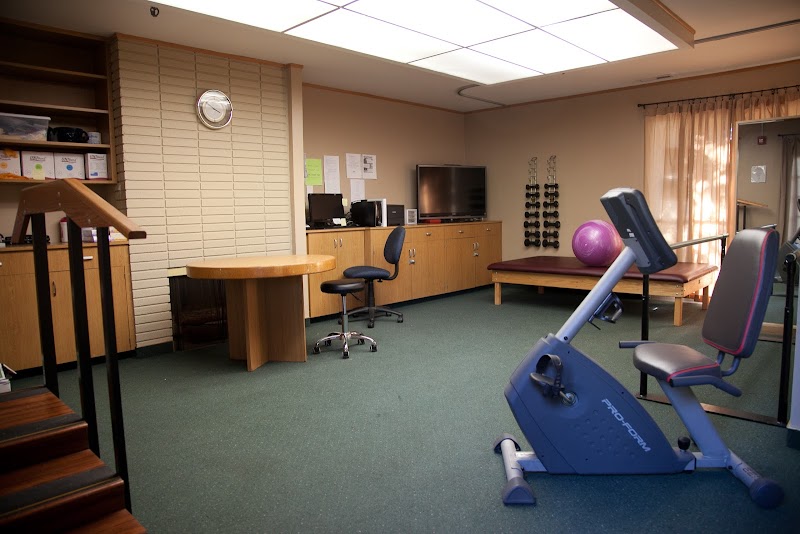
How is Community Care On Palm Staffed?

CMS rates COMMUNITY CARE ON PALM's staffing level at 3 out of 5 stars, which is average compared to other nursing homes. Staff turnover is 36%, compared to the California average of 46%. This relatively stable workforce can support continuity of care.

What Have Inspectors Found at Community Care On Palm?

State health inspectors documented 53 deficiencies at COMMUNITY CARE ON PALM during 2022 to 2025. These included: 3 that caused actual resident harm and 50 with potential for harm. Deficiencies causing actual harm indicate documented cases where residents experienced negative health consequences.

Who Owns and Operates Community Care On Palm?

COMMUNITY CARE ON PALM is owned by a for-profit company. For-profit facilities operate as businesses with obligations to shareholders or private owners. The facility operates independently rather than as part of a larger chain. With 51 certified beds and approximately 48 residents (about 94% occupancy), it is a smaller facility located in RIVERSIDE, California.

How Does Community Care On Palm Compare to Other California Nursing Homes?

Compared to the 100 nursing homes in California, COMMUNITY CARE ON PALM's overall rating (4 stars) is above the state average of 3.2, staff turnover (36%) is significantly lower than the state average of 46%, and health inspection rating (3 stars) is at the national benchmark.

What Should Families Ask When Visiting Community Care On Palm?

Based on this facility's data, families visiting should ask: "Can I visit during a mealtime to observe dining assistance and food quality?" "How do you handle medical emergencies, and what is your hospital transfer rate?" "Can I speak with family members of current residents about their experience?"

Is Community Care On Palm Safe?

Based on CMS inspection data, COMMUNITY CARE ON PALM has a clean safety record: no substantiated abuse findings (meaning no confirmed cases of resident harm), no Immediate Jeopardy citations (the most serious violation level indicating risk of serious injury or death), and is not on the Special Focus Facility watch list (a federal program monitoring the lowest-performing 1% of nursing homes). The facility has a 4-star overall rating and ranks #1 of 100 nursing homes in California. While no facility is perfect, families should still ask about staff-to-resident ratios and recent inspection results during their visit.

Do Nurses at Community Care On Palm Stick Around?

COMMUNITY CARE ON PALM has a staff turnover rate of 36%, which is about average for California nursing homes (state average: 46%). Moderate turnover is common in nursing homes, but families should still ask about staff tenure and how the facility maintains care continuity when employees leave.

Was Community Care On Palm Ever Fined?

COMMUNITY CARE ON PALM has been fined $33,540 across 1 penalty action. The California average is $33,414. While any fine indicates a compliance issue, fines under $50,000 are relatively common and typically reflect isolated problems that were subsequently corrected. Families should ask what specific issues led to these fines and confirm they've been resolved.

Is Community Care On Palm on Any Federal Watch List?

COMMUNITY CARE ON PALM is not on any federal watch list. The most significant is the Special Focus Facility (SFF) program, which identifies the bottom 1% of nursing homes nationally based on persistent, serious quality problems. Not being on this list means the facility has avoided the pattern of deficiencies that triggers enhanced federal oversight. This is a positive indicator, though families should still review the facility's inspection history directly.