EXTENDED CARE HOSPITAL OF RIVERSIDE
8171 MAGNOLIA AVENUE, RIVERSIDE, CA 92504 (951) 687-3842
For profit - Limited Liability company 99 Beds DAVID & FRANK JOHNSON Data: November 2025
Trust Grade
60/100
#577 of 1155 in CA
Last Inspection: December 2024

Within standard 12-15 month inspection cycle. Federal law requires annual inspections.

Overview

The Extended Care Hospital of Riverside has a Trust Grade of C+, indicating it is slightly above average, but not without concerns. It ranks #577 out of 1155 facilities in California, placing it in the top half, and #23 out of 53 in Riverside County, meaning there are only a few local options that are better. The facility is currently improving, with the number of identified issues decreasing from 12 in 2024 to 7 in 2025. Staffing is average with a rating of 3 out of 5 stars and a turnover rate of 47%, which is on par with the state average. Notably, there have been no fines recorded, which is a positive aspect. However, there are some weaknesses to consider. The facility has less RN coverage than 88% of California facilities, which raises concerns regarding oversight and care quality. Specific incidents noted by inspectors include failures in food safety practices, such as improperly cleaned ice machines and violations in food storage standards that could potentially lead to food-borne illnesses. While the facility shows some strengths, these issues highlight areas that families should carefully evaluate when considering care for their loved ones.

Trust Score
C+
60/100
In California
#577/1155
Top 49%
Safety Record
Low Risk
No red flags
Inspections
Getting Better
12 → 7 violations
Staff Stability
⚠ Watch
47% turnover. Above average. Higher turnover means staff may not know residents' routines.
Penalties
✓ Good
No fines on record. Clean compliance history, better than most California facilities.
Skilled Nurses
⚠ Watch
Each resident gets only 19 minutes of Registered Nurse (RN) attention daily — below average for California. Fewer RN minutes means fewer trained eyes watching for problems.
Violations
⚠ Watch
48 deficiencies on record. Higher than average. Multiple issues found across inspections.
★★★☆☆
3.0
Overall Rating
★★★☆☆
3.0
Staff Levels
★★★☆☆
3.0
Care Quality
★★★☆☆
3.0
Inspection Score
Stable
2024: 12 issues
2025: 7 issues

The Good

  • Full Sprinkler Coverage · Fire safety systems throughout facility
  • No fines on record

Facility shows strength in fire safety.

The Bad

3-Star Overall Rating

Near California average (3.1)

Meets federal standards, typical of most facilities

Staff Turnover: 47%

Near California avg (46%)

Higher turnover may affect care consistency

Chain: DAVID & FRANK JOHNSON

Part of a multi-facility chain

Ask about local staffing decisions and management

The Ugly 48 deficiencies on record

Aug 2025 2 deficiencies
CONCERN (D) 📢 Someone Reported This

A family member, employee, or ombudsman was alarmed enough to file a formal complaint

Potential for Harm - no one hurt, but risky conditions existed

Notification of Changes (Tag F0580)

Could have caused harm · This affected 1 resident

**NOTE- TERMS IN BRACKETS HAVE BEEN EDITED TO PROTECT CONFIDENTIALITY** Based on observation, interview, and record review, the facility failed to ensure the physician was notified of a significant ch...

Read full inspector narrative →
**NOTE- TERMS IN BRACKETS HAVE BEEN EDITED TO PROTECT CONFIDENTIALITY** Based on observation, interview, and record review, the facility failed to ensure the physician was notified of a significant change in condition and refusal of treatment for one of seven sampled residents (Resident 1).This failure had the potential for further confusion, aggressive behaviors, and refusal of care, and led to discomfort with the potential for complications related to untreated infection.Findings: On July 10, 2025, Resident 1's record was reviewed. Resident 1 was admitted to the facility on [DATE], with diagnoses including toxic encephalopathy (a condition of chemical imbalance in the blood) and urinary tract infection (UTI - an infection that occurs in any part of the urinary system [how the body gets rid of extra water and waste]). A review of Resident 1's Care Plan dated March 26, 2025, indicated, .the resident has impaired immunity .the resident will remain free from infection through the review date.the resident will not display any complications related to immune deficiency .interventions.monitor/document/report to MD s/sx of delirium: change in behavior, altered mental status, wide variation in cognitive function throughout the day, communication decline, disorientation, periods of lethargy, restlessness, and agitation, altered sleep cycle. A review of facility document dated June 13, 2025, indicated, .Patient (Resident 1) is irritable, no distress noted.At baseline mentation. A review of Resident 1's Physician Order dated, June 13, 2025, indicated, .U/A (urinalysis) with C/S (culture and sensitivity - a laboratory test to identify the type of bacteria causing an infection and to determine which antibiotics treatment) for routine lab on Monday AM June 16, 2025. A review of Resident 1's Progress Notes, indicated, -Dated June 13, 2025, at 9:54 p.m., .Dr.new order for UA with C/S on Monday AM.June 16, 2025 .for routine lab.resident aware noted and carried out. -Dated June 16, 2025, at 2:27 p.m., .patient (Resident 1) refused meds and blood sugar checks this shift.she yelled and attempted hitting at nurse.resident refused to be changed.yelled at nurse when talked to her.patient yelled and tried hitting at nurse.pt was left alone.will endorse to next shift continue to monitor. - Dated June 20, 2025, at 8:00 a.m., .patient (Resident 1) behavior still not cooperative and refusing meds, treatments, meals, and even supplements ordered and given.also refusing to work with RNA (restorative nursing assistant).MD (Physician) made aware of residents behavior worsening.awaiting call from MD. - Dated June 20, 2025, at 4:23 p.m. indicated, .NP (nurse practitioner) came to visit resident.resident observed to be noncompliant with care.MD ordered to have the resident sent out to hospital for further evaluation including doing the urinalysis as the resident refused to have urine collected last time for UA test. -Dated June 26, 2025, at 10:55 p.m. indicated, .readmit patient from (name of hospital) with DX (diagnosis) of UTI.incontinent of bowel and bladder. Further review of Resident 1's progress note indicated no documentation that the physician was notified of the resident's behavior changes and refusal to complete the ordered urinalysis on June 16, 2025. Physician notification did not occur until June 20, 2025 (four days after the change in condition). On July 10, 2025, at 1:16 p.m., an interview and record review of Resident 1's progress notes were conducted with LVN 1. LVN 1 stated Resident 1 refused urine collection and had a change in behavior on June 16, 2025. LVN 1 stated, she should have reported Resident 1's refusal and behavior change to the physician. On July 10, 2025, at 1:56 p.m., an interview and record review of Resident 1's progress notes were conducted with Registered Nurse (RN) 1. RN 1 stated the process for treatment refusals was to contact the physician and document in the medical record. RN 1 stated, the physician placed a new order for urinalysis on June 16, 2025. RN 1 stated, the urine sample was not obtained, the refusal should have been documented, and the physician should have been notified. A review of the facility policy titled, Notification of Changes, dated December 2022, indicated, .to ensure the facility promptly informs the resident, consults the resident's physician; and notifies, consistent with his or her authority, the resident's representative when there is a change requiring notification.examples.recurrent episodes of delirium, recurrent UTIs.significant change in the resident's physical, mental or psychosocial conditions such as deterioration in health, mental or psychosocial status.acute condition.exacerbation of a chronic condition.
CONCERN (E) 📢 Someone Reported This

A family member, employee, or ombudsman was alarmed enough to file a formal complaint

Potential for Harm - no one hurt, but risky conditions existed

Quality of Care (Tag F0684)

Could have caused harm · This affected multiple residents

**NOTE- TERMS IN BRACKETS HAVE BEEN EDITED TO PROTECT CONFIDENTIALITY** Based on observation, interview, and record review, the facility failed to ensure care and treatment were provided for four of s...

Read full inspector narrative →
**NOTE- TERMS IN BRACKETS HAVE BEEN EDITED TO PROTECT CONFIDENTIALITY** Based on observation, interview, and record review, the facility failed to ensure care and treatment were provided for four of seven residents reviewed (Residents 1, 4, 5, and 6) when:1. For Resident 1, the licensed nurses did not timely assess and monitor the resident who experienced a change in condition on June 16, 2025. This failure resulted in the hospitalization of Resident 1 on June 20, 2025, with a diagnosis of urinary tract infection (an infection that occurs in any part of the urinary system [how the body gets rid of extra water and waste]). 2. For Residents 4, 5, and 6, peripheral intravenous (IV - administration of fluids or medication through the vein) sites were not documented as assessed or changed for the duration of the admission. This failure had the potential to place Residents 4, 5, and 6 at risk for infection and injury due to prolonged use of the same IV access.Findings: 1 . On July 10, 2025, Resident 1's record was reviewed. Resident 1 was admitted to the facility on [DATE], with diagnoses including toxic encephalopathy (a condition of chemical imbalance in the blood) and urinary tract infection. A review of the Care Plan the resident has impaired immunity dated March 26, 2025, indicated, .the resident will remain free from infection through the review date.the resident will not display any complications related to immune deficiency .interventions.monitor/document/report to MD s/sx of delirium: change in behavior, altered mental status, wide variation in cognitive function throughout the day, communication decline, disorientation, periods of lethargy, restlessness, and agitation, altered sleep cycle. A review of Resident 1's Physician Order dated, June 13, 2025, indicated, .U/A (urinalysis) with C/S (a laboratory test used to identify the type of bacteria causing an infection to determine which antibiotics or treatments) for routine lab on Monday AM June 16, 2025. A review of Resident 1's Progress Notes, indicated, -Dated, June 13, 2025, at 9:54 p.m., .Dr.new order for UA with C/S on Monday AM.June 16, 2025 for routine lab.resident aware noted and carried out. -Dated, June 16, 2025, at 2:27 p.m., .patient (Resident 1) refused meds and blood sugar checks this shift.she yelled and attempted hitting at nurse.resident refused to be changed.yelled at nurse when talked to her.patient yelled and tried hitting at nurse.pt was left alone.will endorse to next shift continue to monitor. - Dated, June 20, 2025, at 8:00 a.m., .patient (Resident 1) behavior still not cooperative and refusing meds, treatments, meals, and even supplements ordered and given.also refusing to work with RNA (restorative nursing assistant).MD (Physician) made aware of residents behavior worsening.awaiting call from MD. - Dated June 20, 2025, at 4:23 p.m. indicated, .NP (nurse practitioner) came to visit resident.resident observed to be noncompliant with care.MD ordered to have the resident sent out to hospital for further evaluation including doing the urinalysis as the resident refused to have urine collected last time for UA test. -Dated June 26, 2025, at 10:55 p.m. indicated, .readmit patient from (name of hospital) with DX (diagnosis) of UTI.incontinent of bowel and bladder. Further review of Resident 1's progress note indicated no documentation that Resident 1's change in behavior was monitored and assessed on June 16, 2025. On July 10, 2025, at 1:16 p.m., an interview and record review of Resident 1's progress notes were conducted with LVN 1. LVN 1 stated on June 13, 2025, she documented that Resident 1 refused to provide a urine sample for laboratory testing to rule out a possible urinary tract infection. LVN 1 stated Resident 1 was combative, refused care, and refused to do the labs (ordered tests) on June 16, 2025. LVN 1 was unable to describe or was unaware of the mental effects a urinary tract infection could cause in at risk female residents. LVN 1 stated, Resident 1 had a change in mental status on June 16, 2025, which she should have reported to the physician. LVN 1 stated she should have monitored the resident and documented in the progress note. On July 10, 2025, at 2:08 p.m., an interview and record review of Resident 1's progress notes from June 5 to June 20, 2025, were conducted with the Director of Nursing (DON). The DON stated, Resident 1 had increased confusion and documented refusals of care on multiple occasions. The DON sated, on June 16, 2025, Resident 1 refused and strike staff and that should have been a change in condition. The DON stated, there was no documentation regarding Resident 1's behavior changes. The DON stated there was a risk of further complications for Residents with an infection and it should have been addressed on June 16, 2025, and the staff should not have waited to communicate the change on June 20, 2025. The DON further stated care plans should be revised and updated with changes in condition so that the interventions in place reflect the current status of the residents. 2a. A review of Resident 4's medical record indicated Resident 4 was admitted to the facility on [DATE], with diagnosis which included, metabolic encephalopathy (chemical imbalance in the blood), and urinary tract infection (UTI). The History and Physical Examination, dated June 11, 2025, indicated Resident 4 has fluctuating capacity to understand and make decisions. A review of the hospital Final Discharge Disposition dated June 10, 2025, indicated, .IV (intervascular) access.peripheral.location.R FA (right forearm).date of insertion.June 7, 2025. A review of the skin check note dated, June 10, 2025, at 10:49 p.m. indicated, .noted with iv in right forearm. A review of the physicians order summary dated, June 11, 2025, indicated, .Cefazolin Sodium (antibiotic) injection solution 2 gm (unit of measure), use 2 gram intravenously (into the blood stream) one time a day for sepsis (infection), UTI for 6 weeks. A review of the nurses progress note dated June 12, 2025, at 10:05 p.m., indicated, .On monitoring for new admit, currently on IV antibiotics for UTI. A review of the skilled evaluation dated June 24, 2025, at 6:31 p.m. indicated, .resident currently on antibiotics cefalzolin 2 gm for diagnosis of uti. A review of the Care Plan titled, Resident is on antibiotic therapy (Cefazolin injection r/t sepsis, UTI indicated, .monitor/document/report s/sx (signs and symptoms) of infection r/t diarrhea, itchy, discharge/coating of anus. Further review of Resident 1's progress notes and Medication Administration Record indicated, there was no documented evidence that care, assessment, and monitoring of the IV site to the right hand of Resident 4 was conducted by the staff from June 10, 2025, to June 27, 2025. 2b. A review of Resident 5's medical record indicated Resident 5 was admitted to the facility on [DATE], with diagnosis which included, metabolic encephalopathy (chemical imbalance in the blood), and urinary tract infection (UTI).The History and Physical Examination, dated June 11, 2025, indicated Resident 5 has fluctuating capacity to understand and make decisions. The Progress note dated July 14, 2025, indicated, .Resident on monitoring for IV ABT (antibiotic) E. coli (bacteria) urine. No worsening symptoms noted.will continue to monitor.The Progress note dated July 13, 2025, indicated, .Resident on monitoring for INVanz (antibiotic) injection 1 gram (unit of measure) intravenously one time a day for ESBL (bacterial infection) in urine for 10 days, no discomfort or pain reported.A review of the Physicians Order Summary dated, July 11, 2025, indicated, .Invanz injection 1 gm use 1 gram intravenously one time a day for ESBL in urine for 10 days. Further review of Resident 5's progress notes and Medication Administration Record indicated that the resident's IV site was being monitored or assessed for infection or infusion of antibiotics.2c. A review of Resident 6's medical record indicated Resident 6 was admitted to the facility on [DATE] and readmitted [DATE], with a diagnosis which included UTI, and end stage renal disease (ESRD - a disease of the kidneys).The History and Physical Examination, dated June 13, 2025, indicated Resident 6 did not have capacity to understand and make decisions. The Nursing Progress Note dated July 4, 2025, indicated, .skin assessment done and noted peripheral line on right arm and right hand.A review of the Physicians Order Summary dated, July 4, 2025, indicated, .Cefeprime HCL (antibiotic) intravenous solution use 1 gram intravenously one time a day for PNA (pneumonia - lung infection) for 14 days.Further review of Resident 6's progress notes and Medication Administration Record (MAR) indicated there was no documented evidence of monitoring, assessment, or documentation that the peripheral IV noted upon admission was assessed from June 4, 2025, to June 14, 2025. On July 14, 2025, at 2:53 p.m., an interview and record review of Residents 4, 5, and 6's MAR were conducted with RN 2. RN 2 stated when caring for residents receiving IV medications, she reviews the physician's orders and assessed the IV site for patency and signs of infection before administering the medication. RN 2 stated, IV sites should be labeled with the insertion date and that peripheral IV lines should typically be checked every two or three days. RN 2 stated she was unsure how long the IV lines can remain in place, and they are usually left in as long as they appear to be functioning and uninfected, unless they become dislodged, stop working, or the resident request to keep it in. RN 2 stated there was no documented evidence in Residents 4, 5, 7, and 7's records indicating the IV sites were assessed, removed, or changed. RN 2 stated, documentation should have been completed. RN 2 stated the facility has a standard order set for IV monitoring, but it was not followed for these residents. RN 2 stated, there was no way to confirm whether the required site assessments were performed. On July 14, 2025, at 3:54 p.m., an interview and record review were conducted with the DON. The DON stated upon admission from another facility or the hospital, all residents with a peripheral IV in place should be assessed each shift. The DON stated, the assessment should include looking for signs of infection, patency, and skin changes. The DON stated he was unsure how long a peripheral IV could remain in place, but IV sites should be labeled with the insertion date. The DON stated, IV site assessments should be documented in the MAR and/or in a progress note to confirm that the assessment was completed. The DON stated the order set for four residents were missing and it should have been in place. The DON stated, the lack of documentation of IV site assessments posed a risk for residents to develop infections and for the insertion site to go unchecked. A review of the facility policy titled, Peripheral Intravenous Catheter Insertion, Maintenance, and Removal dated December 19, 2022, indicated, .it is the policy of this facility to ensure that peripheral intravenous catheters are inserted, maintained and discontinued consistent with current standards of practice.peripheral intravenous (IV) catheter.to maintain an IV access to the resident.peripheral IV sites should be changed after 72 hours unless otherwise ordered by the physician, if the site becomes infiltrated, or if the resident exhibits signs of phlebitis or extravasation.if the IV is left in place longer than 72 hours, IV site care will be done every 24 hours.Peripheral IV sites should be checked at least every shift and PRN.Removal of peripheral IV is indicated by the order of the physician when therapy is complete, when clinically indicated, when deemed no longer necessary for the plan of care, or have not been used for 24 hours or more.site care and maintenance.document procedure.
Jun 2025 2 deficiencies
CONCERN (D) 📢 Someone Reported This

A family member, employee, or ombudsman was alarmed enough to file a formal complaint

Potential for Harm - no one hurt, but risky conditions existed

Report Alleged Abuse (Tag F0609)

Could have caused harm · This affected 1 resident

**NOTE- TERMS IN BRACKETS HAVE BEEN EDITED TO PROTECT CONFIDENTIALITY** Based on interview and record review, the facility failed to report an allegation of physical abuse to the California Department...

Read full inspector narrative →
**NOTE- TERMS IN BRACKETS HAVE BEEN EDITED TO PROTECT CONFIDENTIALITY** Based on interview and record review, the facility failed to report an allegation of physical abuse to the California Department of Public Health (CDPH) within two hours after the allegation was made, for one of six sampled residents (Resident A). This failure had the potential to result in psychosocial harm to Resident A and other residents in the facility. Findings: A review of Resident A's admission record indicated, Resident A was admitted to the facility on [DATE], with diagnoses which included osteomyelitis (inflammation of the bone tissue). A review of Resident A's Minimum Data Set (MDS - an assessment tool) dated May 9, 2025, indicated Resident A had a Brief Interview for Mental Status (BIMS - [screener for mental and cognitive status] score of 12 (moderate cognitive impairment). A review of Resident A's Social Service Progress Note, dated May 27, 2025, at 3 p.m., indicated, .This resident (Resident A) is alert able to make needs known .On 5/27/25 [sic] This resident believes ithad been 8 or 8:30 pm, .verbal altercation took place with (Resident B). States he was talking to staff not yelling when he noticed (Resident B) hovering over his side of the bed leaning forward at eye level telling him I told you to keep it down Mother F***** the resident stated that he raised his arm to (Resident B) face telling him 'your not going to tell me what to do' .per resident (Resident B) then grabbed his wrist . On June 3, 2025, at 11:12 a.m., the Administrator was interviewed. The Administrator stated, when an abuse allegation was identified, the staff were expected to report it to him, as the abuse coordinator and to the Director of Nursing (DON) immediately. The administrator stated, the abuse allegation should have been reported to CDPH within two hours. On June 3, 2025, at 3:53 p.m., the Social Service Director (SSD) was interviewed. The SSD stated, on May 27, 2025, at around 11 a.m., she became aware of the altercation between Residents A and B (approximately eleven hours after the incident occurred). On June 3, 2025, at 4:20 p.m., Resident B was interviewed. Resident B stated, Resident A, his roommate, woke him up around 12 a.m. and raised his arm as if to hit him, but there was no physical contact. On June 3, 2025, at 4:23 p.m., Resident A was observed and interviewed. Resident A stated, Resident B was trying to kill him. Resident A stated, Resident B told him to tone down his voice, twisted his arm, and tried to hit him. Resident A stated I was not safe that night. Resident A stated, the incident happened on May 26, 2025, at around 8:30 p.m. Resident A was observed with two scabbed marks about 3 mm in size and the other about 5 mm in size, located approximately two inches above the wrist. On June 5, 2025, at 2:24 p.m., the Licensed Vocational Nurse (LVN) was interviewed. The LVN stated, while exiting another resident's room, she heard a heated argument on May 27, 2025, after 12 a.m. The LVN stated, when she spoke with Resident A, the resident informed her that Resident B had scratched his right hand. The LVN stated, she informed the RN Supervisor and told her to report it to the DON. The LVN stated, this was an allegation of abuse and should have been reported immediately. A review of the facility policy and procedure titled, Abuse, Neglect and Exploitation, dated December 19, 2022, indicated .Reporting/Response .Reporting all alleged violations .Immediately, but no later than 2 hours after the allegation is made .
CONCERN (D) 📢 Someone Reported This

A family member, employee, or ombudsman was alarmed enough to file a formal complaint

Potential for Harm - no one hurt, but risky conditions existed

Deficiency F0645 (Tag F0645)

Could have caused harm · This affected 1 resident

**NOTE- TERMS IN BRACKETS HAVE BEEN EDITED TO PROTECT CONFIDENTIALITY** Based on interview and record review, the facility failed to ensure a Preadmission Screening and Resident Review (PASARR- a fede...

Read full inspector narrative →
**NOTE- TERMS IN BRACKETS HAVE BEEN EDITED TO PROTECT CONFIDENTIALITY** Based on interview and record review, the facility failed to ensure a Preadmission Screening and Resident Review (PASARR- a federal requirement to help ensure that individuals are not inappropriately placed in nursing homes for long term care) Level I screening accurately reflected the presence of diagnosed mental disorders for one of three sampled residents (Resident A). This failure had the potential to result in the inappropriate admission of residents who may not meet the criteria for nursing facility placement, and in the resident not receiving the appropriate services for their diagnosed mental health conditions. Findings: A review of Resident A's admission Record indicated Resident A was admitted to the facility on [DATE], with diagnoses which included bipolar disorder (mental disorder) and anxiety disorder. A review of Resident A's PASARR Level 1 screening, dated May 20, 2025, indicated .Level 1 negative for SMI (serious mental illness) .Section III- SMI .Does the individual have a serious diagnosed mental disorder such as depressive disorder [persistent feeling of sadness or loss of interest] , anxiety disorder [excessive worry], panic disorder [sudden episodes of intense fear or discomfort], schizophrenia/schizoaffective disorder [chronic severe mental disorder], or symptoms of psychosis [loss of contact with reality], delusions [false fixed belief that are not based on reality], and/or mood disturbance? - No . On June 5, 2025, at 1:30 p.m., during a concurrent interview and review of Resident A's PASARR with Minimum Data Set Nurse (MDSN)1, MDSN 1 stated, she missed the diagnoses and she should have answered yes to the question in Section III. MDSN 1 further stated, when PASARR screening are completed incorrectly, there is a potential the resident could be admitted even if they may not be appropriate for this facility. On June 5, 2025, at 2:10 p.m., during a concurrent interview and review of Resident A's PASARR with MDSN 2, she stated the diagnoses of bipolar disorder could have significantly changed the PASARR result from Level 1 Negative to Level 1 Positive. A review of the facility policy and procedure titled Resident Assessment-Coordination with PASARR Program, dated December 19, 2022, indicated, .PASARR Level 1- initial pre-screening that is completed prior to admission i. Negative Level I Screen- permits admission to proceed and ends the PASARR process .ii. Positive Level I Screen- necessitates a PASARR Level II evaluation prior to admission .
Apr 2025 1 deficiency
CONCERN (D) 📢 Someone Reported This

A family member, employee, or ombudsman was alarmed enough to file a formal complaint

Potential for Harm - no one hurt, but risky conditions existed

Deficiency F0660 (Tag F0660)

Could have caused harm · This affected 1 resident

**NOTE- TERMS IN BRACKETS HAVE BEEN EDITED TO PROTECT CONFIDENTIALITY** Based on interview and record review, the facility failed to ensure a post discharge follow-up was conducted and documented in t...

Read full inspector narrative →
**NOTE- TERMS IN BRACKETS HAVE BEEN EDITED TO PROTECT CONFIDENTIALITY** Based on interview and record review, the facility failed to ensure a post discharge follow-up was conducted and documented in the medical records for one of three residents reviewed (Resident 1). This failure had the potential to compromise Resident 1's safety and well-being by not ensuring post-discharge needs were met. Findings: A review of Resident 1's medical record indicated he was admitted to the facility on [DATE], with diagnoses which included left tibia (leg bone) fracture and type 2 diabetes mellitus (abnormal high sugar). Resident 1 was discharged on January 22, 2025. A review of Resident 1's History and Physical, dated September 5, 2024, indicated he had capacity to understand and make decisions. A review of Resident 1's Order Summary, dated January 21, 2025, indicated, .LCD (last cover day) 1.21.25 (January 21, 2025) D.C. (discharge) 1/22/25 (January 22, 2025) at 11:00am, to address (provided) . A review of Resident 1's NOTICE OF PROPOSED TRANSFER/DISCHARGE, effective date of January 22, 2025, indicated .The transfer or discharge is appropriate because your health has improved sufficiently so that you no longer require services provided by the facility . A review of Resident 1's Progress Notes, dated January 22, 2025, at 12:33 p.m., indicated .pt (patient) discharged . A further review of Resident 1's progress notes indicated, there was no documentation showing that the Case Manager (CM) followed-up with the resident after his discharge. On March 5, 2025, at 10:25 a.m., a concurrent interview and record review were conducted with the Social Service Director (SSD). The SSD stated when a patient was discharged , she and/or the CM would call the resident at least 72 hours after discharge to check in and provide additional information as needed. The SSD stated, she maintained a binder containing her post-discharge follow up call logs, while the CM kept track of her own logs. The SSD stated, Resident 1's discharge had been coordinated by the CM, and was unsure whether the CM conducted a follow up call for Resident 1. On March 6, 2025, at 12:35 p.m., a concurrent interview and record review were conducted with the Director of Nursing (DON). The DON stated, per facility policy, the social services and case management departments were responsible for calling and checking in on residents at least 72 hours after discharge and again between 14-28 days post-discharge. The DON stated, there was no documentation showing that Resident 1 was contacted after discharge. The DON stated, Resident 1 should have received a follow up phone call to ensure Resident 1's post discharge care needs were met and the resident remained safe. A review of the facility's policy and procedure titled, Follow Up Discharge Phone Call, revised December 2024, indicated .the purpose of follow up discharge call is .within 72 hours of discharge, as this is the time when most patients will have questions and need reassurance, advice and reinforcement of information provided upon discharge .to check patient's condition and support discharge instructions . A review of the facility's policy and procedure titled, Documentation in Medical Record, revised on December 2022, indicated .each resident's medical record shall contain a representation of the experiences of the resident and include enough information to provide a picture of the resident's progress .licensed staff and interdisciplinary team members shall document all assessments, observations, and services provided in the resident's medical record .documentation shall be accurate, relevant and complete, containing sufficient details about the resident's care .
Feb 2025 1 deficiency
CONCERN (D) 📢 Someone Reported This

A family member, employee, or ombudsman was alarmed enough to file a formal complaint

Potential for Harm - no one hurt, but risky conditions existed

Transfer Notice (Tag F0623)

Could have caused harm · This affected 1 resident

**NOTE- TERMS IN BRACKETS HAVE BEEN EDITED TO PROTECT CONFIDENTIALITY** Based on interview and record review, the facility failed, for one of four residents (Resident 1), to ensure the Office of the S...

Read full inspector narrative →
**NOTE- TERMS IN BRACKETS HAVE BEEN EDITED TO PROTECT CONFIDENTIALITY** Based on interview and record review, the facility failed, for one of four residents (Resident 1), to ensure the Office of the State Long-Term Care Ombudsman (LTC Ombudsman - an advocate for residents to protect residents' rights and ensure quality care) received timely notification of Proposed Transfer/Discharge (a planned or suggested move of a resident from a healthcare facility to another location) when Resident 1 was discharged on January 31, 2025. This failure has the potential to result in Resident 1 lacking an advocate to protect their rights and ensure an appropriate and safe discharge plan. Findings: Resident 1's record was reviewed. Resident 1 was admitted to the facility on [DATE], with diagnoses including esophageal cancer (a rare cancer that occurs when cells in the esophagus is a muscular tube that moves food and liquids from the throat to the stomach mutate and grow out of control). A review of Resident 1's History and Physical, dated October 14, 2024, indicated Resident 1 had the capacity to understand and make decisions. A review of the Physician Order, dated January 30, 2025, indicated Resident 1 was to be discharged to (Name of facility). A review of the Notice of Proposed Transfer/Discharge, dated January 29, 2025, indicated that Resident 1 had given verbal consent to the Proposed Transfer/Discharge plan. The Notice of Proposed Transfer/Discharge form included a fax transmittal dated February 3, 2025, at 1:22 p.m., sent to the Ombudsman, four days after Resident 1 was discharged . A review of the Nurse Progress Note, dated January 31, 2025, indicated that Resident 1 had been discharged to (Name of Facility). On February 3, 2025, at 1:26 p.m., a concurrent record review and interview was conducted with the SSD. The SSD stated, Resident 1 had given a verbal consent to the Notice of Proposed Transfer/ Discharge on January 29, 2025. The SSD stated she had not notified the LTC Ombudsman until February 3, 2025. The SSD stated she should have faxed the notice to the LTC Ombudsman on January 29, 2025, when Resident 1 received the discharge notice. The SSD stated the protocol for a planned discharge had been to notify the resident and (Named Facility), have the resident or resident responsible person sign and date the Notice of Proposed Transfer/Discharge, and fax a copy of the notice to the LTC Ombudsman. The SSD further stated she did not have an evidence that the LTC Ombudsman was notified on January 29, 2025. The policy titled Transfer and Discharge (including AMA), dated December 19, 2022, was reviewed. The policy indicated, .Policy Explanation and Compliance Guidelines .Generally, the notice must be provided at least 30 days prior to a facility-initiated transfer or discharge of the resident .the notice must be provided to the resident .and LTC ombudsman as soon as practicable before the transfer or discharge .
Feb 2025 1 deficiency
CONCERN (E) 📢 Someone Reported This

A family member, employee, or ombudsman was alarmed enough to file a formal complaint

Potential for Harm - no one hurt, but risky conditions existed

Deficiency F0565 (Tag F0565)

Could have caused harm · This affected multiple residents

**NOTE- TERMS IN BRACKETS HAVE BEEN EDITED TO PROTECT CONFIDENTIALITY** Based on interview and record review, the facility failed to ensure staff discussed the decisions and the rationale regarding is...

Read full inspector narrative →
**NOTE- TERMS IN BRACKETS HAVE BEEN EDITED TO PROTECT CONFIDENTIALITY** Based on interview and record review, the facility failed to ensure staff discussed the decisions and the rationale regarding issues or concerns raised by the Resident Council (a group of residents who come together to discuss concerns, make suggestions, and advocate for improvements in their living environment). This failure had the potential to feel that their voices were not heard which could result in dissatisfaction and a decline in quality of life. Findings: On January 22, 2025, at 5:25 p.m., during an interview with Resident 1, she stated the dining room/activity room closes at 7 p.m. and reopens at 9 a.m. Resident 1 further stated the access to the patio and vending machine is only available thru the dining room. On January 22, 2025, at 5:40 p.m., during an interview with Certified Nurse Assistant (CNA) 1, he stated the dining room closes at 6:15 p.m. and the key is held by the Registered Nurse Supervisor (RNS). On January 22, 2025, at 5:40 p.m., during an interview with the Dietary Service Supervisor (DSS), she stated the dining room is closed right after dinner time and the key is held by the Registered Nurse Supervisor (RNS). On January 22, 2025, at 6:55 p.m., during an interview with Resident 2, he stated the dining room closes at 7 p.m Resident 2 further stated that the activity room is the only place available to sit, relax, and socialize with other residents. On January 22, 2025, at 7:45 p.m., during an interview with Resident 3, he stated he wanted to go out to the patio to get fresh air. Resident 3 stated, he attempted multiple times since his admission but was unable to do so because the dining room was closed. On January 22, 2025, at 7:55 p.m., during an interview with Resident 4, she stated she wanted to buy soda at night but was unable to because the dining room was closed. On January 22, 2025, at 8:10 p.m., during an interview with the Registered Nurse Supervisor (RNS), she stated they were instructed to lock the dining room at 7 p.m. and she is the one who holds the key. On January 22, 2025, at 8:30 p.m., during an interview with the Assistant Director of nursing (ADON), she stated the staff were not supposed to lock the dining room, but only to keep it closed. On February 3, 2025, at 2:16 p.m., the Dietary Services Supervisor (DSS) was interviewed. The DSS stated, she had heard residents discussing and complaining about the dining room being closed at night. The DSS further stated that she informed the department heads about these concerns during the morning meetings. A review of facility document tiled, RESIDENT COUNCIL DEPARTMENTAL RESPONSE FORM, dated December 18, 2024, indicated, .Issues Identified by Resident Council .Resident ' s expressed concern of dinning (sic) room door being closed .facility resolved by giving RN (Registered Nurse) key and communicated with staff. The door will remain open breakfast lunch and dinner . Further review of the facility document Resident Council Departmental Response Form, dated December 18, 2024, indicated there was no documentation that the solutions and their rationale were discussed with the Resident Council. On February 5, 2025, at 3:03 p.m., the Administrator was interviewed. The Adm stated, the residents had brought up concerns about the dining room being closed at night during a Resident Council meeting. The Adm stated, the team developed solutions to address the issue, these solutions were not shared or discussed with the Resident Council. The Adm stated that the information should have been disseminated to ensure residents were informed. A review of Resident 1 's admission Record indicated Resident 1 was admitted to the facility on [DATE], with diagnoses which included aftercare following surgery of the digestive system (group of organs that work together to digest and absorb nutrients from the food you eat). Resident 1 's History and Physical Examination, dated December 5, 2025, indicated Resident 1 has the capacity to make decisions. A review of Resident 2 's admission Record indicated Resident 2 was admitted to the facility on [DATE], with diagnoses which included schizophrenia (mental condition). Resident 2 's History and Physical Examination, dated November 30, 2024, indicated Resident 2 has the capacity to make decisions. A review of Resident 3 's admission Record indicated Resident 3 was admitted to the facility on [DATE], with diagnoses which included left total knee replacement. Resident 3 's History and Physical Examination, dated January 20, 2025, indicated Resident 3 has the capacity to make decisions. A review of Resident 4 's admission Record indicated Resident 4 was admitted to the facility on [DATE], with diagnoses which included diabetes (high blood sugar). Resident 4 's History and Physical Examination, dated December 29, 2024, indicated Resident 4 has the capacity to make decisions. A review of the facility policy and procedure titled, Resident Council Meetings, dated December 19, 2023, indicated, .The facility shall act upon concerns and recommendations of the Council, make attempts to accommodate recommendations to the extent practicable, and communicate its decisions to the Council .
Dec 2024 8 deficiencies
CONCERN (D)

Potential for Harm - no one hurt, but risky conditions existed

Deficiency F0554 (Tag F0554)

Could have caused harm · This affected 1 resident

Based on observation, interview, record review, and facility policy review, the facility failed to assess for self-administration of medication for 1 (Resident #93) of 1 sampled resident that expresse...

Read full inspector narrative →
Based on observation, interview, record review, and facility policy review, the facility failed to assess for self-administration of medication for 1 (Resident #93) of 1 sampled resident that expressed a desire to self-administer medications. Findings included: A facility policy titled, Resident Self-Administration of Medication, dated 12/19/2022, indicated, It is the policy of this facility to support each resident's right to self-administer medication. A resident may only self-administer medications after the facility's interdisciplinary team has determined which medications may be self-administered safely. An admission Record revealed the facility admitted Resident #93 on 11/05/2024. According to the admission Record, the resident had a medical history that included a diagnosis of atelectasis (complete or partial collapse of a lung). An admission Minimum Data Set (MDS), with an Assessment Reference Date (ARD) of 11/09/2024, revealed Resident #93 had a Brief Interview for Mental Status (BIMS) score of 12, which indicated the resident had moderate cognitive impairment. The MDS also revealed that Resident #93 had adequate vision with the use of corrective lenses and was able to be understood and able to understand others. The MDS indicated Resident #93 had no functional limitation in range of motion in their upper extremities. Resident #93's care plan included a focus area, initiated on 11/18/2024, that indicated the resident was at risk for altered respiratory status or difficulty breathing related to atelectasis. An intervention dated 11/18/2024 directed staff to encourage Resident #93 to clear their own secretions with effective coughing and to suction the resident if the secretions could not be cleared. During an interview with Resident #93 on 12/16/2024 at 2:03 PM, a bottle of Robitussin (an expectorant that helps loosen congestion in the chest and throat) was seen sitting on the nightstand to the right of the resident. Resident #93 stated a family member brought the medication to them. Resident #93 stated staff had to know they had the medication, since it was sitting on top of their nightstand in the open. Resident #93's Medication Review Report, reflecting orders effective on or after 12/17/2024, revealed the resident had no order for the use of Robitussin. There were also no orders indicating the resident was able to self-administer any of their medications. On 12/17/2024 at 4:51 PM, the Robitussin remained on Resident #93's bedside table. Resident #93, the resident's roommate, and visitors were in the room. The privacy curtain was pulled between the beds, and only Resident #93 or any person that went on the resident's side of the room were able to visualize the medication. Certified Nursing Assistant (CNA) #1 was interviewed on 12/18/2024 at 1:35 PM. CNA #1 stated if she saw any type of medications in a resident's room she would leave the medication in the room, since she had been taught not to move resident's property and would report the medication to the nurse. CNA #1 stated she was caring for Resident #93 that day (12/18/2024) and had not seen any medication in the resident's room. An observation on 12/19/2024 at 10:03 AM revealed Resident #93 was lying in bed with the bottle of Robitussin clearly visible on their nightstand. Resident #93 stated their family member heard them cough and brought the medication into the facility a few weeks prior. Resident #93 said they had taken a couple of drinks of the medication and that had been all. The resident said they would like to self-administer the Robitussin but stated they had not been assessed for self-administration. Resident #93 also said staff had not spoken to them about keeping the medication stored in their drawer out of sight. CNA #2 was interviewed on 12/19/2024 at 10:27 AM. CNA #2 stated if he saw medications at a resident's bedside he would tell the nurses. CNA #2 stated he had not seen cough medication at Resident #93's bedside, although he had provided care to the resident. Licensed Vocational Nurse (LVN) #3 was interviewed on 12/19/2024 at 10:35 AM. She stated that 12/19/2024 was the first time in two weeks she had cared for Resident #93. LVN #3 stated that prior to a resident self-administering medications, the physician was notified and an order for self-administration was received. LVN #3 stated the facility completed an assessment to determine if a resident was able to self-administer medications. LVN #3 was unaware of any resident that was able to self-administer medications and stated she had not seen medications at residents' bedsides. LVN #3 stated she was not sure if Resident #93 had been assessed for self-administration of medications. LVN #3 then checked Resident #93's room and found the bottle of Robitussin at the resident's bedside. LVN #3 stated that since Resident #93 had no order for the Robitussin, the Robitussin should not have been at the resident's bedside. The Director of Nursing (DON) was interviewed on 12/19/2024 at 12:43 PM and stated there were no residents in the building that had been approved for self-administration of medications. The DON stated if a resident wanted to self-administer medications, an order was obtained from the physician, the interdisciplinary team assessed the resident to make sure the resident was capable of self-administration, and if the medication was kept at bedside, the physician's order had to include, May keep at bedside. The DON stated he would have expected to be notified when the medication was found at Resident #93's bedside. The Administrator was interviewed on 12/19/2024 at 2:57 PM. The Administrator stated he expected residents to be assessed for self-administration of medications prior to self-administration, per the facility policy.
CONCERN (D)

Potential for Harm - no one hurt, but risky conditions existed

PASARR Coordination (Tag F0644)

Could have caused harm · This affected 1 resident

Based on interview, record review, and facility policy review, the facility failed to submit a new Preadmission Screening and Resident Review (PASARR) following a newly diagnosed mental disorder for 1...

Read full inspector narrative →
Based on interview, record review, and facility policy review, the facility failed to submit a new Preadmission Screening and Resident Review (PASARR) following a newly diagnosed mental disorder for 1 (Resident #45) of 2 sampled residents reviewed for PASARR requirements. Findings included: A facility policy titled, Resident Assessment-Coordination with PASARR Program, revised 12/18/2023, indicated, This facility coordinates assessments with the preadmission screening and resident review (PASARR) program under Medicaid to ensure that individuals with a mental disorder, intellectual disability, or a related condition receives care and services in the most integrated setting appropriate to their needs. The policy specified, 9. Any resident who exhibits a newly evident or possible serious mental disorder, intellectual disability, or a related condition will be referred promptly to the state mental health or intellectual disability authority for a Level II resident review. An admission Record revealed the facility admitted Resident #45 on 10/14/2022. According to the admission Record, the resident had a medical history that included diagnoses of unspecified depression (onset date 12/08/2022) and depressive-type schizoaffective disorder (onset date 12/22/2022). An admission Minimum Data Set (MDS), with an Assessment Reference Date (ARD) of 10/26/2022, revealed Resident #45 had a Brief Interview for Mental Status (BIMS) score of 5, which indicated the resident had severe cognitive impairment. According to the MDS, at the time of the assessment, the resident did not have any active psychiatric or mood disorders. A quarterly MDS, with an ARD of 01/26/2023, revealed Resident #45 had active psychiatric diagnoses at the time of the assessment, including depression and schizophrenia. Resident #45's PASARR Level I screening, dated 10/21/2022, revealed the screening type was an Initial Preadmission Screening (PAS). The question regarding whether the resident had a diagnosed mental disorder, such as Depression, Anxiety, Panic, Schizophrenia/Schizoaffective Disorder, Psychotic, Delusional, and/or Mood Disorder was answered No. The Level I screening was Negative, and a Level II evaluation was not required. Resident #45's medical record revealed no evidence an additional PASARR Level I screening was completed after the resident was diagnosed with depression and schizoaffective disorder in 12/2022. During an interview on 12/19/2024 at 12:58 PM, the Director of Nursing (DON) said that if a resident was diagnosed with a new mental disorder, a new PASARR should be completed. The DON confirmed Resident #45 was diagnosed with two new mental health diagnoses in 12/2022, so a new PASARR should have been completed. During an interview on 12/19/2024 at 2:49 PM, The Administrator stated he expected staff to follow the facility's policy for the PASARR process.
CONCERN (D)

Potential for Harm - no one hurt, but risky conditions existed

Deficiency F0645 (Tag F0645)

Could have caused harm · This affected 1 resident

**NOTE- TERMS IN BRACKETS HAVE BEEN EDITED TO PROTECT CONFIDENTIALITY** Based on interview, record review, and facility policy review, the facility failed to ensure a Preadmission Screening and Reside...

Read full inspector narrative →
**NOTE- TERMS IN BRACKETS HAVE BEEN EDITED TO PROTECT CONFIDENTIALITY** Based on interview, record review, and facility policy review, the facility failed to ensure a Preadmission Screening and Resident Review (PASARR) Level I screening accurately reflected the presence of diagnosed mental disorders for 1 (Resident #23) of 2 sampled residents reviewed for PASARR requirements. Findings included: A facility policy titled, Resident Assessment-Coordination with PASARR Program, revised 12/18/2023, indicated, This facility coordinates assessments with the preadmission screening and resident review (PASARR) program under Medicaid to ensure that individuals with a mental disorder, intellectual disability, or a related condition receives care and services in the most integrated setting appropriate to their needs. The policy specified, 1. All applicants to this facility will be screened for serious mental disorders or intellectual disabilities and related conditions in accordance with the State's Medicaid rules for screening. a. PASARR Level I- initial pre-screening that is completed prior to admission i. Negative Level I Screen - permits admission to proceed and ends the PASARR process unless a possible serious mental disorder or intellectual disability arises later. ii. Positive Level I Screen - necessitates a PASARR Level II evaluation prior to admission. An admission Record revealed the facility admitted Resident #23 on 10/08/2024. According to the admission Record, Resident #23 had a medical history that included diagnoses of unspecified bipolar disorder and unspecified depression, both with an onset date of 10/08/2024. An admission Minimum Data Set (MDS), with an Assessment Reference Date (ARD) of 10/12/2024, revealed Resident #23 had a Brief Interview for Mental Status (BIMS) score of 12, which indicated the resident had moderate cognitive impairment. The MDS revealed Resident #23 had active psychiatric and mood disorders, including bipolar disorder and depression. Resident #23's PASARR Level I screening, completed by a local hospital on [DATE], revealed the screening type was an Initial Preadmission Screening (PAS). The question regarding whether the resident had a diagnosed mental disorder, such as Depression, Anxiety, Panic, Schizophrenia/Schizoaffective Disorder, Psychotic, Delusional, and/or Mood Disorder was answered No. The resident's diagnoses of bipolar disorder and depression were not reflected. As a result, the Level I screening was Negative, and a Level II evaluation was not required. MDS Coordinator Licensed Vocational Nurse (LVN) #17 was interviewed on 12/19/2024 at 11:27 AM. MDS Coordinator LVN #17 stated she recently became involved in the PASARR process about a month prior and explained her responsibilities included uploading PASARRs to medical records and reviewing to ensure a Level II evaluation was not needed. She stated it was the responsibility of the Director of Nursing (DON) to make sure the information on the PASARR Level I screenings was accurate. The DON was interviewed on 12/19/2024 at 12:57 PM. The DON stated that when a resident was admitted to the facility with a PASARR completed by a hospital, either the MDS staff or the DON checked the PASARR for accuracy, including checking to make sure all mental health diagnoses were included. The DON stated an accurate PASARR was important for billing purposes and to provide better care for the residents. The DON stated if the Level I screening was not accurate, then a Level II evaluation would not be completed. The DON reviewed Resident #23's Level I screening and the resident's diagnoses list and stated Resident #23's Level I screening was not accurate. The DON stated the person that reviewed the PASARR should have caught the error and completed a new Level I PASARR for Resident #23. The Administrator was interviewed on 12/19/2024 at 2:54 PM and stated he expected staff to follow the facility policy for PASARRs.
CONCERN (D)

Potential for Harm - no one hurt, but risky conditions existed

ADL Care (Tag F0677)

Could have caused harm · This affected 1 resident

Based on observation, interview, record review, and facility policy review, the facility failed to ensure staff provided needed assistance with activities of daily living (ADLs) for 1 (Resident #85) o...

Read full inspector narrative →
Based on observation, interview, record review, and facility policy review, the facility failed to ensure staff provided needed assistance with activities of daily living (ADLs) for 1 (Resident #85) of 1 sampled resident reviewed for ADLs. Specifically, staff failed to assist Resident #85 with facial hair grooming and nail care. Findings included: A facility policy titled, Grooming a Resident's Facial Hair, dated 12/19/2022, indicated, It is the practice of this facility to assist residents with grooming facial hair to help maintain proper hygiene as per current standards of practice. A facility policy titled, Nail Care, dated 12/19/2022, revealed, 3. Routine cleaning and inspection of nails will be provided during ADL care on an ongoing basis. 4. Routine nail care, to include trimming and filing, will be provided on a regular schedule. Nail care will be provided between scheduled occasions as the need arises. An admission Record revealed the facility admitted Resident #85 on 10/09/2024. According to the admission Record, the resident had a medical history that included a diagnosis of hemiplegia and hemiparesis (weakness or paralysis on one side of the body) following a cerebral infarction (stroke) affecting the left, non-dominant side. An admission Minimum Data Set (MDS), with an Assessment Reference Date (ARD) of 10/31/2024, indicated Resident #85 had a Brief Interview for Mental Status (BIMS) score of 9, which indicated the resident had moderate cognitive impairment. The MDS indicated Resident #85 had a functional limitation in range of motion on one side of their upper extremities. The MDS revealed the resident required substantial/maximal assistance from staff to complete personal hygiene, including shaving. On 12/16/2024 at 2:11 PM, Resident #85 was observed with long toenails, fingernails, and facial hair. Resident #85 commented that their toenails were pretty bad. During an observation on 12/17/2024 at 3:40 PM, Resident #85 was lying in bed. The resident remained unshaven, and their fingernails extended a quarter-inch to a half-inch beyond the tips of the fingers, with their toenails extending a quarter-inch to a half-inch beyond the tips of the toes. Certified Nursing Assistant (CNA) #1 was interviewed on 12/18/2024 at 1:37 PM. CNA #1 stated cleaning and clipping of residents' fingernails was the responsibility of the CNAs if the resident was not diabetic, and if the resident was diabetic, nurses were responsible. CNA #1 stated shaving residents was the responsibility of the CNAs, but if the resident was easily cut then the nurse on the hall was responsible. CNA #1 stated residents were shaven on request or as needed. During an observation on 12/18/2024 at 1:51 PM, Resident #85 was lying in bed. The resident's fingernails were clean but long, and their toenails remained long. The resident's facial hair appeared to be a half-inch to an inch in length. Resident #85 stated they needed a shave, but they were unable to shave alone. CNA #4 was interviewed on 12/18/2024 at 2:04 PM. CNA #4 stated the CNAs were responsible for shaving residents on scheduled shower days and as needed. He stated cleaning and trimming fingernails were the responsibility of the CNAs, and that was done as needed. CNA #4 stated if any resident refused care, he reported the refusal to the nurse and added that Resident #85 had not refused care. CNA #4 stated Resident #85's showers were scheduled for Mondays and Thursdays. CNA #4 said he had taken care of Resident #85 on Monday, 12/16/2024. CNA #4 confirmed he had showered the resident on 12/16/2024 but had not shaved the resident, because he did not have enough time. CNA #4 observed the resident and confirmed the resident needed a shave and was unable to shave alone. He acknowledged the resident's toenails needed to be trimmed and stated he had not reported the long toenails to anyone. CNA #4 also stated the resident's fingernails were too long and unclean, but he had not had time to clean and clip the resident's nails. During a concurrent observation and interview on 12/18/2024 at 2:11 PM, Licensed Vocational Nurse (LVN) #5 observed Resident #85's toenails. LVN #5 asked the resident if their toenails hurt, and the resident reported their left great toenail hurt. A large amount of dark tissue was observed under the resident's left great toenail. The resident's right great toenail extended a half-inch beyond the tip of the toe. LVN #5 confirmed the resident's nails needed to be cleaned and trimmed, and the resident's facial hair was too long. The Director of Nursing (DON) was interviewed on 12/18/2024 at 3:20 PM. He stated he expected residents to be groomed and stated it was not acceptable for a CNA to say they were too busy to provide care. He stated he expected staff that did not complete tasks to tell the next shift or to notify the charge nurse, Assistant Director of Nursing (ADON), or DON they needed help. The DON stated residents were expected to be shaven when their facial hair was long. The DON further stated the CNAs were responsible for cleaning and trimming residents' nails and shaving residents. The Administrator was interviewed on 12/19/2024 at 2:59 PM and stated he expected residents to be shaven and receive nail care as needed.
CONCERN (D)

Potential for Harm - no one hurt, but risky conditions existed

Deficiency F0692 (Tag F0692)

Could have caused harm · This affected 1 resident

Based on observation, interview, record review, and facility policy review, the facility failed to provide tube feeding formula as ordered to 1 (Resident #85) of 3 sampled residents reviewed for nutri...

Read full inspector narrative →
Based on observation, interview, record review, and facility policy review, the facility failed to provide tube feeding formula as ordered to 1 (Resident #85) of 3 sampled residents reviewed for nutrition. Specifically, Resident #85's order directed staff to provide Isosource 1.5 (a type of tube feeding formula that provided 1.5 calories per milliliter) to the resident at a rate of 60 milliliters (mL) per hour for 16 hours per day, but staff provided Fibersource HN (a type of tube feeding formula that provided 1.2 calories per mL) instead, which created a potential for weight loss and for the resident's nutritional needs to not be met. Findings included: A facility policy titled, Appropriate Use of Feeding Tubes, revised 12/19/2022, indicated, It is a policy of this facility to ensure that a resident maintains acceptable parameters of nutritional and hydration status. An admission Record revealed the facility originally admitted Resident #85 on 10/09/2024 and most recently admitted the resident on 12/12/2024. According to the admission Record, the resident had a medical history that included diagnoses of dysphagia (difficulty swallowing) following a cerebral infarction (stroke) and gastrostomy status. An admission Minimum Data Set (MDS), with an Assessment Reference Date (ARD) of 10/31/2024, revealed Resident #85 had a Brief Interview for Mental Status (BIMS) score of 9, which indicated the resident had moderate cognitive impairment. The MDS indicated the resident had complaints of difficulty or pain with swallowing and received nutrition by way of a feeding tube. According to the MDS, Resident #85 received 51% or more of their total calories through a feeding tube. Resident #85's care plan included a focus area, initiated on 10/10/2024, that indicated the resident had a nutritional problem or a potential nutritional problem and received food by mouth as well as nutrition by way of a feeding tube. An intervention dated 11/01/2024 directed staff to utilize the resident's feeding tube as ordered. Resident #85's Medication Review Report, reflecting active orders on or after 12/17/2024, revealed an order started on 12/16/2024 for continuous tube feeding with Isosource 1.5 at a rate of 60 mL per hour for 16 hours per day. The order directed staff to start the resident's tube feeding formula at 2:00 PM each day and to turn it off at 6:00 AM or when the tube feeding formula had infused. The Medication Review Report also revealed on order started on 12/04/2024 for a no added salt, bite-sized diet for breakfast, lunch, and dinner. An observation on 12/17/2024 at 3:40 PM revealed Resident #85 was receiving Fibersource HN by way of their feeding tube at a rate of 60 mL per hour. The bag of Fibersource HN formula was labeled with a start date and time of 12/17/2024 at 2:00 PM. An observation on 12/18/2024 at 2:17 PM revealed Licensed Vocational Nurse (LVN) #5 was hanging a bag of tube feeding formula for Resident #85. LVN #5 initiated the resident's tube feeding using Fibersource HN formula. LVN #5 stated Resident #85's order was for Jevity 1.2 (a type of tube feeding formula that provided 1.2 calories per mL), but the Fibersource HN was a replacement formula and could be interchanged. Resident #85's 12/2024 Medication Administration Record (MAR) revealed that during the 7:00 AM to 3:00 PM shift on 12/17/2024 and 12/18/2024, LVN #5 signed as having initiated the resident's Isosource 1.5 tube feeding as ordered. The Registered Dietitian (RD) was interviewed by phone on 12/18/2024 at 3:00 PM. The RD stated she changed Resident #85's tube feeding formula on 12/16/2024 due to the resident's oral intake of food being 60 percent (%) to 80 % of meals. The RD stated the change in formula was to prevent weight loss as the resident transitioned to an oral diet. The RD stated the resident's ordered tube feeding formula was Isosource 1.5 at 60 mL per hour for 16 hours each day, which provided the resident with 1440 calories. The RD stated substituting Fibersource HN was not a comparable exchange, since the resident would only receive 1152 calories in 16 hours for a difference of approximately 300 calories per 16 hours. She stated if the Isosource 1.5, which had been ordered, or Jevity 1.5, which was a comparable exchange for the Isosource 1.5, was not available in the facility, she expected staff to call her for directions. The RD stated she had received no calls from the facility regarding Resident #85's tube feeding formula. The Director of Nursing (DON) was interviewed on 12/18/2024 at 3:20 PM. He stated if the ordered formula for Resident #85 was not available, he expected staff to call the RD and the physician for directions. He stated there was also a sheet in the tube feeding formula closet directing staff to what formulas were comparable and could be exchanged. During the interview, the DON walked to the resident's room and verified that Fibersource HN was infusing at 60 mL per hour. The DON then reviewed the resident's physician's order and verified the order was for Isosource 1.5. LVN #5 was interviewed on 12/18/2024 at 3:30 PM and stated she had exchanged the resident's formula based on the formula exchange sheet hanging in the tube feeding formula closet. During the interview, LVN #5, the DON, and the surveyor reviewed the exchange sheet, and LVN #5 again stated Resident #85 received Jevity 1.2, so the Fibersource HN was an acceptable exchange. However, LVN #5 confirmed she had not reviewed the resident's orders and was unaware the resident's tube feeding formula was changed on 12/16/2024. LVN #5 stated she went by what was used the day before and based the formula selection on the empty bag hanging on the resident's tube feeding pole. The DON was interviewed on 12/19/2024 at 1:36 PM and stated he expected the nurses to follow physician's orders for tube feeding formulas. The Administrator was interviewed on 12/19/2024 at 2:59 PM and stated he expected staff to follow physician's orders when choosing formulas for tube-fed residents.
CONCERN (D)

Potential for Harm - no one hurt, but risky conditions existed

Respiratory Care (Tag F0695)

Could have caused harm · This affected 1 resident

Based on observation, interview, and facility policy review, the facility failed to properly store a nebulizer mask between uses for 1 (Resident #7) of 1 sampled resident reviewed for respiratory care...

Read full inspector narrative →
Based on observation, interview, and facility policy review, the facility failed to properly store a nebulizer mask between uses for 1 (Resident #7) of 1 sampled resident reviewed for respiratory care. Findings included: A facility policy titled, Nebulizer Therapy, revised 02/23/2024, revealed the section titled, Care of Equipment specified, 1. Clean after each use. 2. Wash hands before handling equipment. 3. Disassemble parts after every treatment. 4. Rinse the nebulizer cup and mouthpiece with sterile or distilled water. 5. Shake off excess water. 6. Air dry on absorbent towel. 7. Once completely dry, store the nebulizer cup and the mouthpiece in a storage bag. An admission Record revealed the facility admitted Resident #7 on 11/10/2024. According to the admission Record, the resident had a medical history that included a diagnosis of pneumonia. Resident #7's care plan included a focus area, initiated on 11/26/2024, that indicated the resident had shortness of breath related to a cough. An intervention dated 11/26/2024 directed staff to administer DuoNeb (ipratropium-albuterol; a nebulizer treatment) as ordered. Resident #7's Medication Review Report, reflecting orders effective on or after 12/19/2024, revealed an order dated 11/26/2024 for ipratropium-albuterol inhalation solution 0.5 milligrams (mg)-2.5 mg per 3 milliliter (mL) vial every four hours as needed for cough and shortness of breath. Resident #7's 12/2024 Medication Administration Record (MAR) revealed documentation that indicated the resident received their as needed ipratropium-albuterol treatment on 12/16/2024 at 12:40 AM and 10:36 AM and 12/17/2024 at 12:30 AM and 4:57 AM. An observation on 12/16/2024 at 11:27 AM revealed Resident #7's nebulizer mask was not stored in a bag. An observation on 12/17/2024 at 12:08 PM revealed Resident #7's nebulizer mask was lying on top of the resident's dresser, not stored in a bag. During an interview on 12/17/2024 at 1:05 PM, Licensed Vocational Nurse (LVN) #3 said that Resident #7 received as needed nebulizer treatments, and the nebulizer mask should be stored in a bag when not in use. During an interview on 12/19/2024 at 12:58 PM, the Director of Nursing (DON) said nebulizer masks should be cleaned and stored in a bag when not in use. During an interview on 12/19/2024 at 2:49 PM, the Administrator said he expected staff to follow the facility's policy regarding cleaning and storage of nebulizer masks.
CONCERN (D)

Potential for Harm - no one hurt, but risky conditions existed

Deficiency F0697 (Tag F0697)

Could have caused harm · This affected 1 resident

Based on observation, interview, record review, and facility policy review, the facility failed to ensure pain was treated after a request for an ordered as needed (PRN) pain medication for 1 (Residen...

Read full inspector narrative →
Based on observation, interview, record review, and facility policy review, the facility failed to ensure pain was treated after a request for an ordered as needed (PRN) pain medication for 1 (Resident #210) of 1 sampled resident reviewed for pain management. Findings included: A facility policy titled, Pain Management, dated 12/19/2022, indicated, The facility must ensure that pain management is provide to residents who require such services, consistent with professional standards of practice, the comprehensive person-centered care plan, and the residents' goals and preferences. The policy specified, 1. In order to help a resident attain or maintain his/her highest practicable level of physical, mental and psychosocial well-being and to prevent or manage pain, the facility will: a. Recognize when the resident is experiencing pain and identify circumstances when the pain can be anticipated. b. Evaluate the resident for pain and the cause(s) upon admission, during ongoing scheduled assessments, and when a significant change in condition or status occurs. c. Manage or prevent pain, consistent with the comprehensive assessment and plan of care, current professional standards of practice, and the resident's goals and preferences. An admission Record indicated the facility admitted Resident #210 on 12/11/2024. According to the admission Record, the resident had a medical history that included diagnoses of low back pain, personal history of malignant neoplasm of the breast, and acute kidney failure. A Baseline Care Plan and Summary, with an effective date of 12/11/2024, indicated Resident #210 had the presence of pain. Resident #210's Medication Review Report, reflecting orders effective on or after 12/19/2024, revealed an order dated 12/11/2024 for the resident to receive dialysis every Monday, Wednesday, and Friday. The Medication Review Report also revealed orders dated 12/11/2024 for Tylenol 650 milligrams (mg) by mouth (PO) every 6 hours PRN for pain and Norco (hydrocodone-acetaminophen) 10-325 mg PO every 6 hours PRN for moderate to severe pain. During an interview on 12/16/2024 at 11:04 AM, Resident #210 stated that when they were just sitting in bed and not doing anything, their pain was at a 7, on a scale from 0 to 10. The resident stated they were prescribed hydrocodone for pain and would like to get their pain medication before they went to dialysis. On 12/16/2024 at 11:07 AM, Resident #210 was observed to request pain medication from Certified Nursing Assistant (CNA) #6. Resident #210's Medications Administration Record for 12/2024 revealed no documented evidence that the resident received their PRN Tylenol or Norco on 12/16/2024, per the resident's request. On 12/16/2024 at 11:55 AM, CNA #6 stated that when Resident #210 asked for their pain medication, he went straight to Licensed Vocational Nurse (LVN) #7 and told him the resident needed their hydrocodone. On 12/17/2024 at 10:29 AM, Licensed Vocational Nurse (LVN) #7 stated he could not remember if CNA #6 told him Resident #210 needed a pain pill on 12/16/2024. LVN #7 stated he did not give the resident a pain pill before they went to dialysis. On 12/19/2024 at 9:29 AM, the Administrator stated the resident's pain medication should have been given if the resident complained of pain.
CONCERN (D)

Potential for Harm - no one hurt, but risky conditions existed

Infection Control (Tag F0880)

Could have caused harm · This affected 1 resident

2. An admission Record revealed the facility admitted Resident #5 on 12/14/2023. According to the admission Record, the resident had a medical history that included a diagnosis of colostomy malfunctio...

Read full inspector narrative →
2. An admission Record revealed the facility admitted Resident #5 on 12/14/2023. According to the admission Record, the resident had a medical history that included a diagnosis of colostomy malfunction. A quarterly Minimum Data Set (MDS), with an Assessment Reference Date (ARD) of 09/06/2024, revealed Resident #5 had a Brief Interview for Mental Status (BIMS) score of 10, which indicated the resident had moderate cognitive impairment. The MDS indicated the resident had an ostomy. Resident #5's care plan included a focus area, initiated 10/08/2024, that indicated the resident was on EBP related to a history of extended-spectrum beta-lactamase (ESBL; a type of enzyme causing some antibiotics to be ineffective in treating bacterial infections). The care plan indicated the goal was to prevent/reduce the transmission of multi-drug resistant organisms (MDROs) through the use of gowns and gloves while caring for residents at high risk for MDRO transmission at the point of care during specific activities with the greatest risk for MDRO contamination of health care personnel's hands, clothes, and the environment. The care plan directed staff to apply EBP to prevent the spread of infections for specific care activities, including caring for devices, giving medical treatments, during morning and evening care, and when cleaning and disinfecting the environment. Resident #5's Medication Review Report, reflecting orders effective on or after 12/19/2024, revealed an order started on 10/08/2024 for EBP due to a history of ESBL. During a concurrent observation and interview on 12/16/2024 at 10:52 AM, Certified Nursing Assistant (CNA) #10 changed Resident #5's bed linens while wearing a mask and gloves but no gown. At this time, CNA #10 stated she had also provided the resident a bed bath while wearing a mask and gloves but no gown. CNA #10 then stated that because Resident #5 was on EBP, she should have worn a gown and gloves. During an interview on 12/19/2024 at 12:58 PM, the Director of Nursing (DON) said he expected the staff to wear the appropriate PPE when providing care to residents on EBP. Based on observation, interview, record review, and facility policy review, the facility failed to ensure staff wore all required personal protective equipment (PPE) during the provision of care for residents on enhanced barrier precautions (EBP). This deficient practice affected 1 (Resident #18) of 4 residents observed during the medication administration task and 1 (Resident #5) of 4 residents sampled as part of the infection control task. Findings included: A facility policy titled, Enhanced Barrier Precautions, revised 06/17/2024, indicated, 'Enhanced Barrier Precautions' refer to an infection control intervention designed to reduce transmission of multidrug-resistant organisms that employs targeted gown and gloves use during high contact resident care activities. The policy specified, b. PPE for enhanced barrier precautions is only necessary when performing high-contact care activities and indicated High-contact resident care activities included a. Dressing b. Bathing/Shower, d. Providing hygiene e. Changing linens and g. Device care or use: central lines, urinary catheters, feeding tubes, tracheostomy/ventilator tubes. 1. An admission Record revealed the facility most recently admitted Resident #18 on 05/05/2023. According to the admission Record, the resident had a medical history that included diagnoses of dysphagia (difficulty swallowing) following a cerebral infarction (stroke) and gastrostomy status. A quarterly Minimum Data Set (MDS), with an Assessment Reference Date (ARD) of 10/19/2024, revealed Resident #18 had a Brief Interview for Mental Status (BIMS) score of 4, which indicated the resident had severe cognitive impairment. According to the MDS, the resident utilized a feeding tube. Resident #18's care plan included a focus area, initiated on 07/08/2024, that indicated the resident was on EBP related to the use of a gastrostomy tube and a history of extended-spectrum beta-lactamase (ESBL; a type of enzyme causing some antibiotics to be ineffective in treating bacterial infections). The care plan indicated the goal was to prevent/reduce the transmission of multi-drug resistant organisms (MDROs) through the use of gowns and gloves while caring for residents at high risk for MDRO transmission at the point of care during specific activities with the greatest risk for MDRO contamination of health care personnel's hands, clothes, and the environment. The care plan directed staff to apply EBP to prevent the spread of infections for specific care activities, including caring for devices and giving medical treatments. Resident #18's Medication Review Report, reflecting orders effective on or after 12/17/2024, revealed an order started on 05/24/2024 for EBP due to the use of a gastrostomy tube and history of ESBL. During an observation on 12/19/2024 at 8:00 AM, Licensed Vocational Nurse (LVN) #9 checked Resident #18's blood pressure and oxygen saturation and administered medications by way of the resident's feeding tube while wearing gloves but no gown. On 12/19/2024 at 10:56 AM, LVN #9 stated she had not donned a gown when checking Resident #18's vital signs or administering the resident's medication by way of their gastrostomy tube because she did not know she should have. The Director of Nursing (DON) was interviewed on 12/19/2024 at 1:38 PM and stated EBP was to be implemented when providing care to residents that had wounds, gastrostomy tubes, central lines, or catheters. The DON stated he expected nurses to wear a gown and gloves when administering medications to residents with a gastrostomy tube.
Sept 2024 1 deficiency
CONCERN (E) 📢 Someone Reported This

A family member, employee, or ombudsman was alarmed enough to file a formal complaint

Potential for Harm - no one hurt, but risky conditions existed

Safe Environment (Tag F0584)

Could have caused harm · This affected multiple residents

**NOTE- TERMS IN BRACKETS HAVE BEEN EDITED TO PROTECT CONFIDENTIALITY** Based on observation, interview, and record review the complaint can be substantiated that the facility failed to ensure the tem...

Read full inspector narrative →
**NOTE- TERMS IN BRACKETS HAVE BEEN EDITED TO PROTECT CONFIDENTIALITY** Based on observation, interview, and record review the complaint can be substantiated that the facility failed to ensure the temperature was between 71- and 81-degrees Fahrenheit for 46 of 96 residents. This failure caused residents to be uncomfortable and had a potential for heat related illnesses in a vulnerable population. Findings: On September 6, 2024, at 5:58 p.m., an unannounced visit to the facility on a complaint investigation was initiated. On September 6, 2024, at 6:13 p.m., an interview was conducted with the Maintenance Director, (MAD). The MAD stated that earlier this morning approximately midnight, he was called in due to a breaker fuse going bad. The MAD stated that the generator power went on, and they have been working on replacing the fuse all day. On September 6, 2024, at 6:15 p.m., an observation of room temperatures was conducted with the MAD: a. room [ROOM NUMBER] (has two residents)- 82 degrees Fahrenheit; b. Rooms 25 (has three residents), 26 (three residents), 27 (three residents), 28 (three residents), 30 (three residents), 31 (three residents), 32 (two residents), 34 (two residents), 37 (three residents)- 83 degrees Fahrenheit; c. Rooms 29 (two residents), 33 (three residents), 35(two residents), 39(three residents), 40 (three residents), 41(three residents)-84 degrees Fahrenheit; and d. room [ROOM NUMBER] (three residents)- 85 degrees Fahrenheit. On September 6, 2024, at 6:23 p.m., a concurrent observation and interview was conducted with Resident 1. Resident 1 was observed sitting at the edge of her bed, eating dinner. Resident 1 had perspiration on her face and chest. Resident 1 stated the room was hot, and she was uncomfortable. Resident 1 stated that the room temperature had been uncomfortable since 4 p.m. On September 6, 2024, at 6:42 p.m., a concurrent observation and interview was conducted with Resident 2. Resident 2 was sitting at the edge of his bed, eating his dinner. His oxygen was on by nasal cannula. Resident 2 stated we should be compensated, we should not have to be this hot. A review of Resident 1 ' s medical records indicated she was admitted on [DATE], with diagnoses of encounter for surgical aftercare following surgery. A review of Resident 1 ' s History and Physical dated June 26, 2024, indicated she had the capacity to make decisions. A review of Resident 2 ' s medical records indicated he was admitted on [DATE], with diagnoses of acute respiratory failure, (a serious condition that develops quickly without warning when the lungs can ' t get enough oxygen into the blood), chronic congestive heart failure, (the heart cannot pump or fill adequately), acute pulmonary edema, (a condition where fluid accumulates in lung tissues), acute kidney failure, (occurs when the kidneys suddenly become unable to filter waste products from the blood), peripheral vascular disease, (condition in which arteries outside the heart become narrowed or blocked), and cardiomegaly, abnormal enlargement of the heart). Resident 2 was self-responsible for making decisions. A review of the facility ' s policy and procedure titled Loss of Heating or Cooling revised December 19, 2022, indicated .It is the policy of this facility to take immediate actions when the facility ' s heating or cooling systems are inoperable in order to maintain temperatures within the facility at 71-81°F .
Jun 2024 1 deficiency
CONCERN (D) 📢 Someone Reported This

A family member, employee, or ombudsman was alarmed enough to file a formal complaint

Potential for Harm - no one hurt, but risky conditions existed

Deficiency F0692 (Tag F0692)

Could have caused harm · This affected 1 resident

**NOTE- TERMS IN BRACKETS HAVE BEEN EDITED TO PROTECT CONFIDENTIALITY** Based on interview and record review the facility failed to weigh two of three residents reviewed (Resident A and Resident B), o...

Read full inspector narrative →
**NOTE- TERMS IN BRACKETS HAVE BEEN EDITED TO PROTECT CONFIDENTIALITY** Based on interview and record review the facility failed to weigh two of three residents reviewed (Resident A and Resident B), on admission and every week for the first four weeks, to establish a baseline weight. In addition, there was no consistent weight changes monitoring conducted for Resident B. These failures had the potential to result in delayed provision of treatment and care in accordance with professional standards of practice, for Residents A and B. Findings: On June 10, 2024, at 9:00 a.m., an unannounced visit was made to the facility for an allegation of quality of care and treatment. A review of Resident A ' s medical record indicated, Resident A was admitted to the facility on [DATE], with diagnoses which included Type II Diabetes Mellitus (a long-term condition in which the body has trouble controlling blood sugar), Sepsis (a life-threatening complication from an infection), and Alzheimer ' s (set of symptoms memory impairment, thinking skills, behavior changes). A review of Resident A ' s history and physical, dated February 19, 2024, indicated Resident A does not have the capacity to understand and make decisions. A review of Resident A ' s Order Summary Report, indicated .weekly weight monitoring x 4 weeks . A review of Resident A ' s weights indicated the following: -On February 20, 2024, initial weight on admission was 173 pounds. -On February 26, 2024, six days later, Resident A ' s weight was 166 pounds, a seven-pound weight loss or 4%. -On March 1, 2024, four days later, Resident A ' s weight was 160 pounds, a six-pound weight loss or 3.6%. -No weight was documented for week three. -On March 12, 2024, 11 days later, Resident A ' s weight was 163 pounds, a three-pound weight gain. On June 10, 2024, at 3:00 p.m., an interview was conducted with the registered dietician (RD). The RD stated, the policy for weights on admission or re-admission included weekly weights times four, and monthly after that. The RD stated if a resident ' s weight is stable, a loss or gain of 5 pounds or 5% in a week is considered a significant weight variance, and the resident needs to be monitored closer. A review of Resident B ' s medical record indicated, Resident B was admitted to the facility on [DATE], with diagnoses which included a history of falls and a heart attack. Resident B ' s history and physical, dated January 27, 2024, indicated Resident B has the capacity to understand and make decisions. A review of Resident B ' s Order Summary Report, indicated .weekly weight monitoring x 4 weeks . A review of Resident B ' s weights indicated the following: -On January 29, 2024, initial weight on admission was 118 pounds. -On February 5, 2024, one week later, Resident B ' s weight was 109 pounds, a nine-pound weight loss or 7.6%. -No documented weight could be found for Resident B on the second week. -On February 21, 2024, 16 days later, Resident B ' s weight was 103 pounds, a six-pound weight loss or 12.7%. A review of Resident B ' s Nutritional Progress Note, dated January 29, 2024, indicated .obtained food preferences .No c/o (complaints of) chewing or swallowing difficulties. Will implement menu changes, honor requests and follow up as needed . A review of Resident B ' s Nutritional Assessment, dated February 7, 2024, indicated .Resident presents with significant weight loss, further weight loss undesirable, RD spoke with resident . No further documentation was found from the RD regarding Resident B ' s weight loss. On June 10, 2024, at 3:00 p.m., an interview and concurrent record review was conducted with the RD. The RD stated, the policy for weights on admission or re-admission includes weekly weights times four, a loss or gain of five pounds or 5% in a week is considered significant and the resident needs to be monitored closer. The RD stated a nutritional assessment should be completed within the first two weeks from the resident ' s admission date. Furthermore, the RD stated nutrition progress notes should be added to the resident ' s record for any weight changes, it is important for the RD and the dietary supervisor to keep an eye on weekly weights, especially if there is a weight variance for the resident,. The RD stated they should ask for weekly weight, and there is a book at the nurse ' s station where all weights are recorded. The RD stated, a weight change or nutritional progress note, should be entered weekly with the current weight if a resident continues to lose weight. The RD stated, she cannot find documentation for a weight or nutrition progress note on Resident B after February 7, 2024, Resident B continued to lose weight, and there should be a weekly note, for February14, 2023, and February 21, 2024, but Resident B was not weighed for over two weeks. A review of the facility ' s policy titled Weight Management, dated December 19, 2022, indicated .Based on the resident ' s comprehensive assessment, the facility will ensure that all residents maintain acceptable parameters of nutritional status, such as .weight .electrolyte balance .weight can be a useful indicator of nutritional status. Significant unintended changes in weight .may indicate a nutritional problem .The facility will utilize a systemic approach to optimize a resident ' s nutritional status .Identifying and assessing each resident ' s nutritional status and risk factors, Evaluation/Analyzing the assessment information, Developing and consistently implementing pertinent approaches, Monitoring the effectiveness of interventions and revising them as necessary. A comprehensive nutritional assessment will be completed upon admission on residents to identify those at risk for unplanned weight loss .compromised nutritional status .Information gathered from the nutritional assessment and current dietary standards of practice are used to develop an individualized care plan to address the resident ' s specific nutritional concerns and preferences .A weight monitoring schedule will be developed upon admission for all residents .weights should be recorded at the time obtained .Newly admitted residents-monitor weekly for 4 weeks, Residents with weight loss-monitor weight weekly .The RD will also document weight change notes for residents who have a 5 pound weight loss or gain in 1 month. For weekly weight changes, the RD will complete a weight change note for any resident with a 3% weight loss or gain in 1 week .The registered dietician .should be consulted to assist with interventions; actions are recorded in the nutrition progress notes . A review of the facility ' s policy titled Activities of Daily Living (ADLs), dated December 19,2022, indicated .based on the resident ' s comprehensive assessment and consistent with the resident ' s needs and choices, ensure a resident ' s abilities in ADLs do not deteriorate .eating to include meals and snacks .The facility can provide a maintenance and restorative program including CNAs (certified nursing assistants) to assist the resident in achieving and maintaining the highest practicable outcome on the comprehensive assessment. A resident who is unable to carry out activities of daily living will receive the necessary services to maintain good nutrition .identify resident triggers .to assess causal factors for decline, potential decline .maintain individual objectives of the care plan and periodic review and evaluation .
May 2024 1 deficiency
CONCERN (D) 📢 Someone Reported This

A family member, employee, or ombudsman was alarmed enough to file a formal complaint

Potential for Harm - no one hurt, but risky conditions existed

Safe Environment (Tag F0584)

Could have caused harm · This affected 1 resident

**NOTE- TERMS IN BRACKETS HAVE BEEN EDITED TO PROTECT CONFIDENTIALITY** Based on observation, interview, and record review, the facility failed to ensure the resident's water temperatures were maintai...

Read full inspector narrative →
**NOTE- TERMS IN BRACKETS HAVE BEEN EDITED TO PROTECT CONFIDENTIALITY** Based on observation, interview, and record review, the facility failed to ensure the resident's water temperatures were maintained at a comfortable level for one of three residents reviewed, (Resident 1) when the resident's and/or resident ' s representatives (RR) complained the hot water took too long to heat in their bathrooms. This failure had the potential for Resident 1 to feel uncomfortable and affect their quality of life. Findings: On May 3, 2024, at 11:54 a.m., an unannounced visit to the facility on a complaint investigation was initiated. A review of Resident 1 ' s medical record indicated he was admitted on [DATE], with diagnoses of malignant neoplasm (a cancerous tumor), of the lung, secondary malignant neoplasm of brain, type 2 diabetes mellitus, diabetes mellitus type 2 (a chronic condition that affects the way the body uses sugar. The body either resists the effects of insulin — a hormone that regulates the movement of sugar into the cells — or doesn't produce enough insulin to maintain normal sugar levels), and atrial fibrillation, (irregular heartbeat). On May 3, 2024, at 12:07 p.m., an interview was conducted with Resident 1. Resident 1 stated that his family member assists with his bed baths. Resident 1 stated that the washcloth was cold. On May 3, 2024, at 12:23 p.m., the hot water was turned on in Resident 1 ' s restroom. On May 3, 2024, at 12:28 p.m., the water temperature was recorded at 85 degrees Fahrenheit in Resident 1 ' s restroom. On May 3, 2024, at 12:30 p.m., the water temperature in Resident 1 ' s restroom was recorded at 95 degrees Fahrenheit. On May 3, 2024, at 1:04 p.m., an interview was conducted with Certified Nursing Assistant, (CNA 1). CNA 1 stated that for some resident restrooms it took longer for the hot water to heat up. On May 3, 2024, at 1:25 p.m., an interview was conducted with the Maintenance Director (MD). The MD stated that the resident's restroom water temperatures should be between 105 degrees Fahrenheit to 120 degrees Fahrenheit. The MD stated that the water temperature should not take more than five minutes to heat up. On May 3, 2024, at 1:52 p.m., the hot water was turned on in Resident 1 ' s restroom. On May 3, 2024, at 1:58 p.m., the water temperature in Resident 1 ' s restroom was recorded at 89.5 degrees Fahrenheit. On May 3, 2024, at 2:06 p.m., the hot water was turned on in Resident 1 ' s restroom with the Director of Nursing, (DON). On May 3, 2024, at 2:11 p.m., the water temperature in Resident 1 ' s restroom was recorded at 100.6 degrees Fahrenheit. On May 3, 2024, at 2:11 p.m., an interview was conducted with the DON. The DON stated it was taking a while for the hot water to heat up. A review of the facility ' s policy and procedure titled Safe Water Temperatures revised January 19, 2022, indicated .It is the policy of this facility to maintain appropriate water temperatures in resident care areas . A review of California Code Regulations Title 22, 81088 - Fixtures, Furniture, Equipment and Supplies dated January 7, 1991, indicated .(e) Faucets used by clients for personal care such as shaving and grooming shall deliver hot water. (1) Hot water temperature controls shall be maintained to automatically regulate temperature of hot water delivered to plumbing fixtures used by clients to attain a hot water temperature of not less than 105 degrees F (40.5 degrees C) and not more than 120 degrees F (48.8 degrees C) .
Jan 2024 1 deficiency
CONCERN (E) 📢 Someone Reported This

A family member, employee, or ombudsman was alarmed enough to file a formal complaint

Potential for Harm - no one hurt, but risky conditions existed

Safe Environment (Tag F0921)

Could have caused harm · This affected multiple residents

**NOTE- TERMS IN BRACKETS HAVE BEEN EDITED TO PROTECT CONFIDENTIALITY** Based on observation, interview, and record review, the facility failed to ensure maintenance and repairs were performed timely ...

Read full inspector narrative →
**NOTE- TERMS IN BRACKETS HAVE BEEN EDITED TO PROTECT CONFIDENTIALITY** Based on observation, interview, and record review, the facility failed to ensure maintenance and repairs were performed timely for three of six residents reviewed (Residents 1, 2, and 3), when: 1. The bathroom wall for Residents 1 and 2, had missing drywall, and the open areas of the wall were observed to have brown and black speckled particles; 2. The wall beside the resident ' s closet for Residents 1 and 2, was missing drywall and the baseboard under the closet was warped; and 3. The bathroom baseboard was lifted and pulling away from the wall, near the toilet for Residents 2 and 3. These failures had the potential to negatively impact the residents ' psychosocial well-being, potentially expose Residents 1 and 2 to mold growth, and had the potential for Resident 2 and 3 to be at risk for skin tears. Findings: On January 11, 2023, at 10:10 a.m., an unannounced visit was conducted at the facility for a physical environment complaint. On January 11, 2023, at 10:30 a.m., an interview was conducted with the Administrator (Adm). The Adm stated one of the resident shower rooms had a water leak on November 2023. The Adm stated the shower room was being repaired and most of the damage from the water was in the shower room itself. The Adm stated one resident room shared a wall with the shower and had minimal water damage in the resident bathroom. The Adm stated residents were currently residing in the room. 1. On January 11, 2023, at 10:45 a.m., during an observation in Residents 1 and 2's bathroom with the Adm, Residents 1 and 2's bathroom was observed to have an area of approximately 2-3 feet long by 1 to 7 inches high (varying in height) of missing drywall. The under layer was noted to be white and yellow, with brown and black speckled particles. Other areas above the missing drywall were noted to have a peeling and bubbling top layer, where the drywall had not yet disintegrated. An area of approximately 1 inch wide by 4 inches tall, was also observed in the right corner behind the toilet with missing drywall and the under layer was noted to be white with brown speckles. During a concurrent interview with the Adm, the Adm stated, he was unaware of the amount of damage to Residents 1 and 2's bathroom. The Adm stated, did not know it was this bad. The Adm stated, he should have been notified earlier that the damage was this extensive, and the bathroom should have been repaired. The Adm stated, Residents 1 and 2 should have been transferred to other rooms when the damage was noted. The Adm stated, the bathroom should have been repaired timely. The Adm stated, staff should have communicated with the Maintenance Director (MD) or himself, that the walls were damaged and needed repair. On January 11, 2023, at 11:35 a.m., Resident 1 was observed in the hallway in his wheelchair. Resident 1 stated he was being moved to another room, so his old bathroom wall could be repaired. On January 11, 2023, at 11:55 a.m., an interview was conducted with CNA 1. CNA 1 stated Residents 1 and 2's bathroom had looked that way for a while. CNA 1 stated, he was not sure it was reported for repairs. CNA 1 stated, all repairs should have been reported to maintenance and if maintenance was not available, to the Adm. CNA 1 stated, repairs should be done timely. CNA 1 stated, the resident rooms should not have holes in the walls and needed to be clean and homelike. On January 11, 2023, at 2:16 p.m., the housekeeping supervisor (HSK-S) was observed in Residents 1 and 2's room. During a concurrent interview, the HSK-S stated, the repairs would take her approximately 5-6 hours to complete. The HSK-S stated, Residents 1 and 2's bathroom wall and closet wall have been damaged for several months. The HSK-S stated, the facility should not have waited long to do the needed repairs to Residents 1 and 2's room. 2. On January 11, 2024, at 10:45 a.m., during a concurrent observation and interview with the Adm in Residents 1 and 2's room, an area of missing drywall was noted by Residents 1 and 2's closet. The area was approximately 8 inches by 8 inches, circular in shape, the edges were noted with the layers of the dry wall peeling back, with a white and tan coloring underneath. The baseboard beneath the closet appeared to be warped and bowing. The Adm stated, these repairs should have been reported to maintenance. The Adm stated, staff have two options to report repairs, through text or writing in the maintenance log. The Adm stated, staff were aware to report needed repairs, and they should have reported these. On January 11, 2023, at 11:40 a.m., an interview was conducted with Certified Nursing Assistant (CNA) 1. CNA 1 stated repairs needed to be reported to maintenance timely either verbally or writing in the logbook. CNA 1 stated, the repairs needed for Residents 1 and 2's room should have been reported when they were noticed. 3. On January 11, 2023, at 11:27 a.m., Resident 3 was observed lying in bed. A concurrent observation of the adjoining bathroom of Residents 2 and 3 was made. The floor base board molding to the right side of the toilet was observed pulling away from the wall bowing outwards from the wall towards the toilet bowl. The base board was noted to be hard plastic. On January 11, 2023, at 11:44 a.m., during a concurrent observation and interview with the Adm in Residents 2 and 3's adjoining bathroom, the Adm stated, the base board was lifting from the wall and needed to be replaced. The Adm stated, staff should have reported the base board for repairs to him since the MD was not available and they did not. On January 11, 2023, at 2:05 p.m., Occupational Therapist (OC) 1 was observed in the adjoining bathroom of Residents 2 and 3. In a concurrent interview, OC 1 stated, the base board beside the resident's toilet was lifting and peeling away from the wall. The OC 1 stated, the base board should not be away from the wall and should be reported for repairs. On January 11, 2023, at 2:12 p.m., Licensed Vocational Nurse (LVN) 1 was entering the adjoining bathroom of Residents 2 and 3. During a concurrent observation and interview, LVN 1 stated, the floor base board was pulling away from the wall and could potentially cause a skin tear to the resident's leg. LVN 1 stated, the repairs should have been reported right away to avoid resident injury. On January 11, 2023, a review of the maintenance log was conducted. On December 21, 2023, a repair was listed which indicated, .Requested by RN (registered Nurse) .Location .21 .Repairs Needed .Restroom . There was no documented evidence the needed repairs were completed. There was no documented evidence a repair request was made for the adjoining bathroom base board of Residents 2 and 3. On January 11, 2023, Resident 1's medical record was reviewed. Resident 1 was admitted to the facility on [DATE], with diagnoses which included acute respiratory failure (a sudden disease or injury that affects breathing), epilepsy (a disorder of the brain cell activity that causes seizures) and repeated falls. A review of Resident 1's nursing progress note dated January 11, 2024, at 11:16 a.m., indicated, .Notification of Room/Bed Change .Roommate change due to an environmental necessity . On January 11, 2023, Resident 2's medical record was reviewed. Resident 2 was admitted to the facility on [DATE], with diagnoses which included heart failure (the heart does not pump blood adequately), diabetes mellitus (abnormal sugar in the blood) and depression. A review of Resident 2's nursing progress note dated January 11, 2023, at 11:30 a.m., indicated, .Notification of Room/Bed change .Roommate change is due to an environmental necessity . On January 11, 2023, Resident 3's medical record was reviewed. Resident 3 was admitted to the facility on [DATE], with diagnoses which included fracture of the left femur (upper leg bone) and history of falling. A review of the facility document titled Safe and Homelike Environment revised December 19, 2022, indicated, .In accordance with the residents' rights, the facility will provide a safe, clean, comfortable and homelike environment .This includes ensuring that the resident can receive care and services safely and that the physical layout of the facility .does not pose a safety risk .Environment refers to any environment in the facility including (but not limited to) the residents' room, bathrooms .Housekeeping and maintenance service will be provided as necessary to maintain a sanitary, orderly and comfortable environment .Report any .disrepair to Maintenance promptly .Report any unresolved environmental concerns to the Administrator .
Nov 2023 1 deficiency
CONCERN (D) 📢 Someone Reported This

A family member, employee, or ombudsman was alarmed enough to file a formal complaint

Potential for Harm - no one hurt, but risky conditions existed

Incontinence Care (Tag F0690)

Could have caused harm · This affected 1 resident

**NOTE- TERMS IN BRACKETS HAVE BEEN EDITED TO PROTECT CONFIDENTIALITY** Based on observation, interview, and record review, the facility failed to remove the indwelling catheter (a tube inserted into ...

Read full inspector narrative →
**NOTE- TERMS IN BRACKETS HAVE BEEN EDITED TO PROTECT CONFIDENTIALITY** Based on observation, interview, and record review, the facility failed to remove the indwelling catheter (a tube inserted into the bladder allowing urine to drain freely into a bag outside your body), for one of three sampled resident (Resident A), as ordered by the physician. This failure resulted in the resident having an indwelling catheter without an indication for its use and increasing the risk of having a urinary tract infection (when bacteria gets into the urinary tract [body's drainage system for removing urine]. Findings: On October 17, 2023, at 1:15 p.m., Resident A was observed in her room with an indwelling catheter draining yellow urine. A review of Resident A's record indicated Resident A was admitted to the facility on [DATE], with diagnoses which included right ankle fracture (broken joint between the food and the leg). A review of Resident A's physician order dated October 5, 2023, indicated: - Indwelling catheter: Foley Catheter .Change for blockage, leaking, pulled out, excessive sedimentation. Change catheter drainage bagas needed and with every change of indwelling catheter. as needed Cancer . - D/C (discontinue) Foley Catheter on Sunday 10/8/2023 (October 8, 2023) per MD (physician) . During a concurrent interview and review of Resident A's record on October 17, 2023, at 2: 50 p.m., with the Registered Nurse Supervisor (RNS), the RNS stated, Resident A's record did not indicate the clinical indication or diagnosis for the use of the indwelling catheter. The RNS stated, there was a physician order on October 8, 2023, to discontinue the indwelling catheter. The RNS stated, the licensed nurse should have removed the indwelling catheter. The RNS stated, the indwelling catheter if used inappropriately can cause urinary tract infection. During a concurrent interview and review of Resident A's Minimum Data Set (MDS - an assessment tool) on November 14, 2023 at 3:46 p.m., with the MDS Nurse (MDSN), the MDSN stated there were no diagnoses that will support the use of Resident A's indwelling catheter. The MDSN stated, there was an order to discontinue the catheter on October 8, 2023. The MDSN stated the indwelling catheter should have been discontinued as ordered. During a review of the facility's policy and procedure titled, Indwelling Catheter Use and Removal, dated 12/19/2022, indicated, .the use of indwelling catheter for managing incontinence is not appropriate and increase the risk of urinary tract infections .Residents that admit with an indwelling catheter .will be assessed for the removal of the catheter as soon as possible unless the resident's clinical indication demonstrate the catheter is necessary .ongoing assessment .if catheter needs to be continued or removed if the catheter is no longer necessary .
Feb 2023 1 deficiency
CONCERN (D) 📢 Someone Reported This

A family member, employee, or ombudsman was alarmed enough to file a formal complaint

Potential for Harm - no one hurt, but risky conditions existed

Pharmacy Services (Tag F0755)

Could have caused harm · This affected 1 resident

**NOTE- TERMS IN BRACKETS HAVE BEEN EDITED TO PROTECT CONFIDENTIALITY** Based on interview and record review, the facility failed to ensure pharmaceutical services were provided to meet the needs of a...

Read full inspector narrative →
**NOTE- TERMS IN BRACKETS HAVE BEEN EDITED TO PROTECT CONFIDENTIALITY** Based on interview and record review, the facility failed to ensure pharmaceutical services were provided to meet the needs of a resident when the physician ordered medication was not acquired by the facility timely and available for use, for one of four residents reviewed (Resident 1). This failure had the potential to result in the delay of treatment and care for Resident 1. Findings: On January 19, 2023, at 10:20 a.m., an unannounced visit was conducted at the facility for a complaint investigation. On January 19, 2023, Resident 1's record was reviewed. Resident 1 was admitted to the facility on [DATE], with diagnoses which included aortic valve replacement (AVR- replacement of a valve in the heart), diabetes mellitus (abnormal sugar in the blood), and hemiplegia/hemiparesis (paralysis of one side of the body). Review of Resident 1's Physician Order Summary dated December 30, 2022, indicated; - .amLOPDIPine Besylate (blood pressure medication) .Give 1 tablet by mouth one time a day . - .Bisoprolol Fumerate (blood pressure medication) .Give 1 tablet by mouth two times a day . - .Flomax Capsule (medication used to treat enlarged prostate) .Give 1 tablet by mouth two times a day . -Levo-T Tablet (thyroid medication) .Give 1 tablet by mouth one time a day .30 minutes before breakfast . - .Losartan Potassium (blood pressure medication) .Give 1 tablet by mouth one time a day . - .QUEtiapine Fumarate (medication used to treat mental or mood disorders) Give 1.5 tablet by mouth at bedtime . - .Rosuvastatin (cholesterol medication) .Give 1 tablet by mouth one time a day . and -Spironolactone (water pill) .Give 1 tablet by mouth one time a day . Review of Resident 1's Medication Administration Record-(MAR) indicated a number 6 (Other/ See Progress Notes) on December 31, 2023, for the above prescribed physician ordered medication. On January 19, 2023, at 12:20 p.m., an interview was conducted with the Administrator (Adm). The Adm stated when a resident was admitted to the facility in the evening before 10 p.m., the physician ordered medication should be delivered by the pharmacy and available the same day. He stated Resident 1 was admitted before 10 p.m., and should have had his medication available to take as ordered. On January 19, 2023 at 1:16 p.m., an interview was conducted with Licensed Vocational Nurse (LVN) 1. LVN 1 stated new admissions should have their medication available for use within 12-24 hours. She stated admissions who arrive to the facility in the evening should have the medication available for the morning dose. LVN 1 stated when the medication was not available staff should call the pharmacy to find out the estimated time of arrival. LVN 1 stated the code 6 in the MAR indicated the medication was not given and to see the progress notes. During a concurrent record review, LVN 1 stated Resident 1's MAR indicated a code 6 which indicated Resident 1 did not receive any prescribed medication. She stated the only medication Resident 1 received was over the counter medication (OTC) that the facility had on hand. LVN 1 stated Resident 1 should have had his medication available for use and he did not. On January 19, 2023, at 1:30 p.m., an interview was conducted with the Director of Nursing (DON). The DON stated admissions that arrive to the facility in the evening should have their medication available for use before the morning. During a concurrent record review, the DON stated Resident 1 had the code 6 on his MAR which indicated the medication was not given. The DON stated Resident 1 should have had his medication available for use, and he did not. Review of the facility policy titled, Medication Ordering and Receiving form Pharmacy affective April 2008, indicated, .Medications and related products are received from the dispensing pharmacy on a timely basis .
Feb 2023 1 deficiency
CONCERN (D) 📢 Someone Reported This

A family member, employee, or ombudsman was alarmed enough to file a formal complaint

Potential for Harm - no one hurt, but risky conditions existed

Pressure Ulcer Prevention (Tag F0686)

Could have caused harm · This affected 1 resident

**NOTE- TERMS IN BRACKETS HAVE BEEN EDITED TO PROTECT CONFIDENTIALITY** Based on interview and record review, the facility failed to ensure that residents received care and services consistent with pr...

Read full inspector narrative →
**NOTE- TERMS IN BRACKETS HAVE BEEN EDITED TO PROTECT CONFIDENTIALITY** Based on interview and record review, the facility failed to ensure that residents received care and services consistent with professional standards of practice, to prevent the development of a pressure injury/ulcer (PI/PU-injury to skin and underlying tissue resulting from prolonged pressure on the skin) for one of five residents (Resident 1), when Resident was admitted with deep tissue injuries (DTI) to the sacrococcygeal area (tip of the tail bone) and the wound care physician was not consulted for nine days. This failure placed Resident 1 at increased risk for pain and infection and had the potential for Resident 1's DTI to become worse. Findings: On December 28, 2022, at 10:35 a.m., an unannounced visit was conducted at the facility for a complaint investigation. On December 28, 2022, Resident 1's record was reviewed. Resident 1 was admitted to the facility on [DATE], with diagnosis which included fractured left femur with surgical repair (thigh bone), weakness and diabetes mellitus (DM-abnormal sugar in the blood). Review of Resident 1's Order Summary Report, included the following physician's order: - .Wound treatment .SACROCOCCYGEAL AREA Cleanse with: NS PAT DRY Apply BETADINE & COVER WITH FOAM DRESSING every 48 hours for 21 days .dated October 16, 2021; and - .FOR WOUND CONSULT WITH (name of wound care) WITH FOLLOW UP & BEDSIDE CARE FOR DTI WOUNDS . dated October 25, 2021; and - .MAY USE LOW AIRLOSS MATTRESS FOR WOUND MANAGEMENT . dated October 25, 2021; and - .Wound treatment .SACROCOCCYGEAL AREA CLEANSE WITH: NS PAT DRY APPLY TRIAD CREAM (cream used to rehydrate and soften wounds to promote healing) & COVER WITH FOAM DRESSING every day shift for 21 days . dated October 27, 2021. Review of Resident 1's Braden Scale for Predicting Pressure Ulcer Risk dated October 23, 2021, indicated a score of 12 or High Risk. Review of Resident 1's facility Skin Only Evaluation dated October 16, 2021, indicated, .Location .SACROCOCCYGEAL AREA .suspected deep tissue injury .Length 8 CM .Width .10 CM . Review of Resident 1's Plan of Care dated October 16, 2021, indicated, .Focus .SACROCOCCYGEAL AREA DTI pressure ulcer .Goal .Pressure ulcer will show signs of healing . Review of Resident 1's Treatment Administration Record (TAR) indicated the Sacrococcygeal Area wound treatments were not documented on October 17, 2021. Review of Resident 1's Nursing Progress Notes dated October 25, 2021, at 5:38 p.m., indicated, .SACROCOCCYGEAL WOUND GETTING MORE DARKER .NEW ORDERS TO CHANGE FREQUENCY OF TX (treatment) TO DAILY. ALSO FOR WOUND CONSULT . On December 28, 2022, at 1:23 p.m., an interview was conducted with the Treatment Nurse (TxN) 1. TxN 1 stated on admission a skin assessment was done. She stated when residents were admitted with PI/PU or DTI, the TxN would assess and start the resident on daily wound care treatment. TxN 1 stated the wound care physician was also notified. She stated the wound care physician came to the facility every Friday to assess and treat resident wounds. TxN 1 stated DTI's should be assessed every day to ensure the injury was healing and not getting worse. On December 28, 2021, at 1:40 p.m., an interview was conducted with the Infection Preventionist (IP). The IP stated when residents were admitted a skin assessment was done right away. She stated when PI/PU's or DTI were identified the wound care physician would be notified and treatment orders started. During a concurrent record review, the IP stated Resident 1 was admitted with DTI's to both heels and her sacrococcygeal area. She stated the wound care physician was not notified and a consult was not ordered until October 25, 2021, 9 days after Resident 1 was admitted , when Resident 1's sacrococcygeal DTI was getting darker. The IP stated Resident 1 had orders for wound care every other day, and there was no documentation Resident 1 received her sacrococcygeal wound care on October 17, 2021. She stated the documentation indicated Resident 1 did not wound care until 3 days after she was admitted . On December 28, 2022, at 2:45 p.m., an interview was conducted with TxN 2. TxN 2 stated when residents were admitted a skin assessment was done. She stated when the resident came over the weekend, the Registered Nurse (RN) would do the initial assessment and the TxN would reassess on Monday. TxN 2 stated when a resident admitted with PI/PU or DTI's the wound physician was contacted and treatment orders received. She stated PI/PUs and DTI's needed daily assessment to verify the wound was healing and not getting worse. During a concurrent record review, TxN 2 stated Resident 1 was admitted with DTI's and receiving wound care every other day, not daily. She stated the wound consult was not ordered until October 25, 2021, 9 days after Resident 1 was admitted and her sacrococcygeal wound was getting darker. On December 28, 2022, at 3:25 p.m., an interview was conducted with the Administrator (Adm). The Adm stated wound care procedures and policies have been updated since October 2021. He stated the policies used for wound care in October 2021 were not available.
Jan 2023 1 deficiency
CONCERN (D) 📢 Someone Reported This

A family member, employee, or ombudsman was alarmed enough to file a formal complaint

Potential for Harm - no one hurt, but risky conditions existed

Free from Abuse/Neglect (Tag F0600)

Could have caused harm · This affected 1 resident

**NOTE- TERMS IN BRACKETS HAVE BEEN EDITED TO PROTECT CONFIDENTIALITY** Based on interview and record review, the facility failed to ensure resident was free from abuse for one of three sampled reside...

Read full inspector narrative →
**NOTE- TERMS IN BRACKETS HAVE BEEN EDITED TO PROTECT CONFIDENTIALITY** Based on interview and record review, the facility failed to ensure resident was free from abuse for one of three sampled residents (Resident 1), when the resident who was hit by his roommate was still in the same room with the other resident. This failure had the potential for the resident not to feel safe and could experience further abuse. Findings: On May 16, 2022, at 10:30 a.m., an unannounced visit was conducted to the facility to investigate a resident to resident physical altercation. On May 16, 2022, at 12:20 p.m., Resident 2 was interviewed. He stated he got out of his bed to close the door. Resident 2 stated his roommate (Resident 1) got up and closed the door. Resident 2 stated he stood up and Resident 1 struck him on his abdomen multiple times. Resident 2 stated he did not feel safe when Resident 1 came back to the room. Resident 2 stated Resident 1 stayed all night with him in the room. On May 16, 2022, at 12:40 p.m., Licensed Vocational Nurse (LVN) 1 was interviewed. She stated the incident regarding Resident 1 and Resident 2 happened at around 3:17 p.m. She stated she was at the facility when the incident happened. LVN 1 stated both residents were separated and she was not aware Resident 1 came back to the room. LVN 1 stated she was not sure when Resident 1's room change was conducted. On December 22, 2022, at 2:45 p.m., Certified Nursing Assistant (CNA) 1 was interviewed. He stated when there was a resident to resident altercation he should separate residents and report to the charge nurse right away. On December 22, 2022, at 3:18 p.m., during interview and record review with Social Service Director (SSD), she stated she was not in the facility when the incident happened. SSD stated she did not know the time the resident was moved to another room. SSD stated the licensed nurses should document during resident's room change. She stated there was no documentation on the time of the room change. SSD stated the practice of the facility was for the licensed nurses to notify the resident prior to room change and the room change should be a documented in the resident's record. On December 22, 2022, at 4 p.m., in a concurrent interview and review of the document 24 hour behavior monitoring log with LVN 2, he stated Resident 1 was in the same room (room [ROOM NUMBER]) as Resident 2 from 6 ot 7 p.m. and 10 to 11 p.m. LVN 2 stated Resident 1 was in another room (room [ROOM NUMBER]) from 12 midnight. On December 22, 2022, at 4:18 p.m., the Director of Nursing (DON) was interviewed. He stated the staff should be documenting in the record if there was a room change. The DON stated there was no documentation when the resident was transferred to another room. A review of Resident 1's record indicated Resident 1 was admitted to the facility on [DATE], with diagnoses which included dementia (memory loss) in Parkinson's disease (a progressive disease that affects movement often including tremors). Resident 1's Minimum Data Set (an assessment tool) dated April 6, 2022, indicated Resident 1 had severe cognitive impairment. Resident 1's nurses progress notes dated May 1, 2022, indicated, .Patient allegedly hit roommate in stomach twice .pt (patient) stated he swung on me first .altercation began because roommate (36b) was hot and got up to open room door, when patient (36a) got upset and closed the door, and then hit him in the stomach . Resident 1's document titled, 24-HOUR BEHAVIOR LOG, dated May 1. 2022, indicated Resident 1 was in room [ROOM NUMBER] B (same room with Resident 2) on the following times: - 6 p.m., .resident in bed . - 7 p.m., .in bed c (with) eyes closed . - 10 p.m., .in bed asleep . - 11 p.m., .in bed asleep . A review of Resident 2's record indicated Resident 2 was admitted to the facility on [DATE], with diagnoses which included lumbar spine fracture (a break in the bones of the spine). Resident 2's MDS dated [DATE], indicated, Resident 2 had no cognitive impairment. Resident 2's document titled, 24-HOUR BEHAVIOR LOG, indicated Resident 2 was in room [ROOM NUMBER] B on May 1, 2022. A review of the facility policy and procedure titled, Resident to Resident Altercations, dated January 2013, indicated, .If two residents are involved in an altercation, staff will .Separate the residents, and institute measures to calm the situation .
Jun 2022 7 deficiencies
CONCERN (D)

Potential for Harm - no one hurt, but risky conditions existed

Quality of Care (Tag F0684)

Could have caused harm · This affected 1 resident

**NOTE- TERMS IN BRACKETS HAVE BEEN EDITED TO PROTECT CONFIDENTIALITY** Based on observation, interview, and record review the facility failed for two residents reviewed to ensure that quality care wa...

Read full inspector narrative →
**NOTE- TERMS IN BRACKETS HAVE BEEN EDITED TO PROTECT CONFIDENTIALITY** Based on observation, interview, and record review the facility failed for two residents reviewed to ensure that quality care was provided when: 1. For Resident 73, during medication pass observation, the facility staff failed to do hand hygiene in between picking dropped equipment from the floor and medication preparation. This failure had the potential to cause cross contamination; and 2. For Resident 141, the facility failed to follow doctor's order to perform intake and output monitoring. This failure had the potential to cause fluid overload. Findings: 1. Resident 73 was admitted to the facility on [DATE], with diagnoses which included hemiplegia (one sided paralysis). On June 9, 2022, at 10 a.m., during medication pass observation, Licensed Vocational Nurse (LVN 4) dropped the thermometer she was holding. LVN 4 picked thermometer from the floor and placed it on the cart without sanitizing. The LVN 4 was observed pouring liquid medication UTI-STAT (is a concentrated liquid medical food .formulated for management of UTI-urinary tract infection [bladder infection]) in a medicine cup. LVN 4 did not do hand hygiene in between. On June 9, 2022, at 12 p.m. in an interview with LVN 4, she stated she should have sanitized the dirty thermometer and did hand hygiene after holding a dirty thermometer, before continuing with medication preparation. LVN 4 stated there is a potential for cross contamination. A review of the facility document titled, Handwashing/Hand Hygiene, with revised date January 2021, indicated, .the facility considers hand hygiene the primary means to prevent the spread of infection .Employees must wash their hands .after handling soiled equipment .2. In a record review conducted of Resident 141,the record review indicated the resident was admitted to the facility on [DATE], with a diagnosis of chronic systolic heart failure (poor pumping of the heart that could result in shortness of breath and fluid build up). In an interview with the Director of Nurse (DON) on June 8, 2022, at 4 p.m., she stated residents were on intake and output when they came from the hospital. On June 9, 2022, at 3 p.m., in an interview with the Licensed Vocational Nurse (LVN 3) LVN 3, stated she could not find any record of intake and output for Resident 141 and that she would make a new one for her shift. On June 9, 2022, at 3:30 p.m., CNA 5 stated she reviewed what the residents ate and depending on the percentages of the meal eaten she recorded that as her intake. A review of a facility document titled, Intake and Output for Resident 141, indicated there was no recorded intake and output for May 10 through May 23, 2022. On June 9, 2022, at 4 p.m., in an interview with the DON, she confirmed the intake and output records for Resident 141 was missing. The DON stated the resident should have had intake and output when he was admitted . A review of Resident 141's care plan(s) indicated the following: a. Care plan titled, The resident has Congestive Heart Failure, dated April 26, 2022, indicated the following. Monitor intake and output, per physician's orders, and, b. Care plan titled, Dehydration, dated April 27, 2022, indicated the following. Monitor and document intake and output as per facility policy. A review of the facility policy and procedure titled, Intake and Output, dated March 2012, indicated the following, intake and output will be recorded when the following conditions exist as a nursing measure or upon the order of the physician .fluid restriction-all residents with an order for fluid restriction will have intake and output recorded for the duration of the order .
CONCERN (D)

Potential for Harm - no one hurt, but risky conditions existed

Deficiency F0761 (Tag F0761)

Could have caused harm · This affected 1 resident

Based on observation, interview, and record review the facility failed to ensure: 1. One medication, Diabetic Tussin- (used to relieve coughs caused by the common cold, bronchitis, and other breathing...

Read full inspector narrative →
Based on observation, interview, and record review the facility failed to ensure: 1. One medication, Diabetic Tussin- (used to relieve coughs caused by the common cold, bronchitis, and other breathing illnesses), was stored in the medication cart at station 2, in a drawer without a verified pharmacy label. This failure had the potential for the resident to receive medication without a physician order. 2. The refrigerator temperature in the medication refrigerator at station two was documented at 73 degrees on June 1, 2022, and 48 degrees on June 2, 2022. This failure had the potential for medication to become ineffective and unstable. Findings: 1. On June 8, 2022, at 11:33 a.m. a bottle of Diabetic Tussin 30/40 milliliters (unit of measurement) was observed in the medication cart on Station 2. In a concurrent interview with LVN 5, she confirmed the medication did not have a verified pharmacy label on it. A review of a facility policy titled, Medications brought to the facility by a resident or family member dated September 2019, indicated the following: Medications brought into the facility by a resident or family member are used only upon written order by the resident's attending physician, after the contents are verified, and if the packaging meets the facility's guidelines. Unauthorized medications are not accepted by the facility. 2. On June 8, 2022, at 12 p.m.,an observation and record review of the Refrigeration Temperature Log on Station 2, indicated the following recorded temperatures: June 1, 2022, 73 degrees Fahrenheit (Fahrenheit is a scale used to measure temperature based on the freezing and boiling points of water). June 2, 2022, 48 degrees Fahrenheit. On June 9, 2022, at 12:30 p.m. in an interview with LVN 5, she confirmed the temperatures documented on the log. LVN 5, stated they should have reported the temperatures, it says it on the bottom of the sheet. On June 9, 2022, at 2 p.m., in an interview with the Registered Nursing Supervisor (RNS), she confirmed the temperatures recorded on the log. On June 9, 2022, at 3 p.m., in a interview with the DON she confirmed the temperature's on the log and stated, the nurse should not have written that. In a review of the document, titled Refrigerator Temperature, undated indicated the following: 36 degrees-46 degrees Fahrenheit. If the Temperature falls below or above the range, refer to Storage of Medication Policy and Procedure. In a review of the facility policy and procedure titled, Storage of Medication, revised date February 2010, indicated the following: .medication requiring refrigeration. Or temperatures between 2 degrees Celsius (36 degrees F) and 8 degrees Celsius (46 degrees F) are to be kept in a refrigerator with a thermometer to allow temperature monitoring .when the temperature of the medication refrigerator varies from the range between 2 C (36 F) and 8C (46F), immediately report to your nurse supervisor the refrigerator temperature variance and remove all vaccines out of the refrigerator. These vaccines should no longer be used and should be taken to the medication for destruction storage area. The refrigerator e-kit should only be returned to the Pharmacy for replacement if the refrigerator temperature is above or below the manufacture's specification for storage. Refrigerator monitoring twice daily should be documented on the Refrigerator Temperature Log. Refrigerator temperature variances and actions taken should also be noted in the Temperature out of Range-Action Taken column for temperature out of range on the monitoring log.
CONCERN (D)

Potential for Harm - no one hurt, but risky conditions existed

Antibiotic Stewardship (Tag F0881)

Could have caused harm · This affected 1 resident

Based on observation, interview, and record review, the facility failed to ensure that the antibiotic prescribed by the physician was adjusted after the culture and sensitivity result (A culture is a ...

Read full inspector narrative →
Based on observation, interview, and record review, the facility failed to ensure that the antibiotic prescribed by the physician was adjusted after the culture and sensitivity result (A culture is a test to find germs (such as bacteria or a fungus) that can cause an infection. A sensitivity test checks to see what kind of medicine, such as an antibiotic, will work best to treat the illness or infection) of wound does not show the antibiotic (Vancomycin-is an antibiotic used to treat infections) to be sensitive. This failure had the potential to cause adverse event like antibiotic-resistant organism from inappropriate antibiotic use. Findings: On June 6, 2022, at 3:14 p.m., Resident 84 was observed in her wheelchair with ongoing IV (intravenous) antibiotics through a pump (machine use to administer medication). A review of Resident 84's record, indicated, Resident 84 was admitted to the facility with diagnoses which included, diabetes (high blood sugar) and cellulitis (deep infection of the skin) of right lower limb. In a concurrent record review and interview with the Director of Staff Development (DSD) / Infection Preventionist (IP), she verified the facility had antibiotic stewardship program. The DSD/IP stated the Antibiotic Stewardship Program (ASP) team will monitors the use of antibiotics by the physician and will call the physician if there was a concern in the physician antibiotic use. The DSD/IP stated they use the Mc Geer's criteria (criteria is a series of guidelines used for surveillance of infections). The DSD/IP stated for Resident 84's physician order was on May 5, 2022, vancomycin 500 mg IV x (for) 14 days for right foot wound infection. The DSD/IP verified the culture and sensitivity result on May 13, 2022, did not include vancomycin.There were no documented evidence to show nursing verification to the physician why vancomycin needed to be continued, when there is no sufficient evidence to support the use of vancomycin. The IP stated the potential outcome for the patient given vancomycin unnecessarily was the development of antibiotic-resistant organism such as (VRE- vancomycin resistant enterococci). On June 10, 2022, at 1:03 p.m., in an interview with the Director of Nursing (DON), the DON stated there should be a documentation that nurse verified with the physician the need to continue vancomycin. The DON stated vancomycin was given from May 11 to June 9, 2022. The DON stated the potential outcome for antibiotics given inappropriately was the development of antibiotic-resistant organism such as (MRSA- methicillin resistant staphylococcus aureus, and VRE- vancomycin resistant enterococci). A review of resident 84's Physician Progress Note, dated June 9, 2022, indicated, .(name of resident 84) .She has worsening gangrene in her toes and is scheduled to see vascular surgery 6/13 . A review of the facility undated policy and procedure, titled, Infection Control- Antibiotic Stewardship Program (ASP), indicated, .It is the policy of the facility to implement an Antibiotic Stewardship Program which will promote appropriate use of antibiotic .at the same time reducing the possible adverse events associated with antibiotic use The nursing staff in collaboration with physician and pharmacist will determine the most efficient and cost effective person-centered care to prevent and treat infection .
CONCERN (D)

Potential for Harm - no one hurt, but risky conditions existed

Safe Environment (Tag F0921)

Could have caused harm · This affected 1 resident

**NOTE- TERMS IN BRACKETS HAVE BEEN EDITED TO PROTECT CONFIDENTIALITY** Based on observation, interview, and record review, the facility failed to provide a safe, and sanitary environment when one sta...

Read full inspector narrative →
**NOTE- TERMS IN BRACKETS HAVE BEEN EDITED TO PROTECT CONFIDENTIALITY** Based on observation, interview, and record review, the facility failed to provide a safe, and sanitary environment when one staff member was observed entering and exiting a room in the yellow zone (persons under investigation for COVID-19) without following the proper sanitary precautions, and one staff member did not prevent the potential for cross contamination when a medication tray was placed on the sink in the bathroom while performing hand hygiene. These failures had the potential to result in the development of an unsafe and unsanitary environment to a vulnerable resident population. Findings: 1. On June 6, 2022, at 11:13 a.m., the Certified Nursing Assistant (CNA) 4 was observed to enter into room [ROOM NUMBER]B located in the yellow zone without donning (putting on) or doffing (taking off) personal protective equipment (PPE - gown, gloves, face shield, and N95 face mask). CNA 4 was observed to be wearing goggles and a N95 face mask only. CNA 4 proceeded to grab a water pitcher from a bedside table and exit the room. On June 6, 2022, at 11:15 a.m., an interview was conducted with CNA 4. CNA 4 stated he thought it was an emergency to take a water pitcher from a resident's room per the resident request, so he did not don or doff a gown or gloves. CNA 4 stated the entire facility required that each employee wear a gown, gloves, N95 face mask and face shield prior to entering resident's rooms. CNA 4 stated PPE should be taken off after exiting resident's rooms. CNA 4 stated he should have donned gloves, and a gown prior to entering room [ROOM NUMBER]B. On June 6, 2022, at 11:30 a.m., and interview was conducted with the Director of Nursing (DON). The DON stated the entire facility was considered a yellow zone with exception of the red zone (residents who tested positive for COVID-19 virus). She stated all staff are to don PPE prior to entering residents' rooms according to the facility policy which includes (gown, gloves, N95 mask and face shield or goggles). A review of the facility policy titled, Infection Prevention and Control manual [NAME] and Doffing of Personal Protective Equipment (PPE) - COVID-19 Pandemic, reviewed June 10, 2022, indicated, .It is the policy of this facility to put on (donning) and to remove (doffing) personal protective in the correct sequence in accordance with best practice approach to infection prevention and control when caring for a resident with confirmed or suspected COVID-19 .supplies .Gowns .Face Masks or N95 respirators .Eye Protection - face shield or goggles .gloves. 2. On June 9, 2022, at 10:05 a.m., during medication pass observation, the Licensed Vocational Nurse (LVN) was observed to lay the tray of medications containing 6 medication cups; 2 cups for the tablets and 4 cups of liquid medications on the sink. The LVN did hand washing, with close proximity to the medication tray, with no protection from splashed water. On June 9, 2022, at 12 p.m., in an interview with the LVN, she stated the potential problem when she laid the medication tray by the sink, the tray could tip, and water could splash to medicine causing cross contamination.
CONCERN (E)

Potential for Harm - no one hurt, but risky conditions existed

Menu Adequacy (Tag F0803)

Could have caused harm · This affected multiple residents

Based on observation, interview, and record review, the facility failed to ensure the menu was followed for the therapeutic diet (a diet that is usually a modification of a regular diet. It is modifie...

Read full inspector narrative →
Based on observation, interview, and record review, the facility failed to ensure the menu was followed for the therapeutic diet (a diet that is usually a modification of a regular diet. It is modified or tailored to fit the nutrition needs of a particular person. It could be a part of the treatment of a medical condition and normally prescribed by a physician) during the lunch meal on June 7, 2022, when: 1. 11 residents (Residents 4, 32, 38, 40, 45, 46, 49, 76, 79, 85, and 86) with CCHO (consistent carbohydrate) diet (a diet used in the treatment for diabetes) received one serving of dessert cake instead of a half serving; 2. Two residents (Residents 54 and 63) with Mechanical Soft texture diet (a diet with food texture modified into a soft, chopped, or ground consistency for person who has chewing or swallowing difficulties) received four ounces (oz.) of grinded roast beef instead of three oz., and 3. Three residents (Residents 5,13, and 18) with meal tickets (a ticket including resident's diet, date, allergies, specific food and beverage items, dislikes, likes) showed three residents should have received fortified (added nutrients) mashed potato but they had received regular mashed potato instead. These failures had the potential to result in compromising the medical and nutrition status of 16 residents above. Finding: 1. During an observation of lunch service on June 7, 2022 beginning at 11:50 a.m., it was noted 11 residents (Residents 4, 32, 38, 40, 45, 46, 49, 76, 79, 85, and 86) with CCHO diet received one serving of dessert cake instead of a half serving of dessert cake. A concurrent review of an undated facility document titled, Summer Menu, Week 1 Tuesday, showed CCHO diet should have had a half serving of dessert cake. It also indicated one serving of dessert cake with measurement of two inches by two inches by half inch (2 x 2 x ½). During an interview on June 7, 2022, at 12:00 p.m., Dietary Aide (DA) 1 stated she was responsible for the dessert cake and confirmed she only prepare one serving size of the dessert cake as indicated on the menu which was 2 x 2 x ½ for all the residents. During an interview on June 7, 2022, at 1:16 p.m., the Dietary Supervisor (DS) acknowledged DA 1 did not prepare half serving for the residents with CCHO diet and stated the CCHO diet should have a half of one serving. She also stated she should follow the spreadsheet or menu. During an interview on June 8, 2022, at 10:10 a.m., the Registered Dietitian (RD) stated the residents with CCHO diet received one serving of dessert cake instead of a half serving which was not acceptable because extra portion of dessert might affect the glucose (blood sugar) level of the residents. 2. During an observation of lunch service on June 7, 2022 beginning at 11:50 a.m., it was noted two residents (Residents 54 and 63) with Mechanical Soft texture diet who received a four oz. scoop (#8 scoop) of grinded roast beef instead of a three oz. scoop (#10 scoop). A concurrent review of facility document titled, Summer Menu, Week 1, Tuesday, it indicated Mechanical soft texture diet should have #10 scoop (three oz.) of grind roast beef. During an interview on June 7, 2022, at 1:16 p.m., the DS stated the mechanical soft texture diet should receive #10 scoop (three oz.) of grind roast beef. She stated the [NAME] and dietary aides should have followed the spreadsheet or menu. During an interview on June 8, 2022, at 10:10 a.m., the RD stated those two residents with mechanical soft texture diet should receive the portion as indicated in the menu. She stated they received bigger portion may affect the content of the menu that was created for portion control. 3. During an observation of lunch service on June 7, 2022 beginning at 11:50 a.m., it was noted meal tickets of three residents (Residents 5, 13, and 18) indicated they should received fortified mashed potato but they received regular mashed potato. During an interview on June 7, 2022, at 1:16 p.m. the DS stated the staff should follow the meal tickets and those residents should receive fortified mashed potato instead the regular mashed potato. She stated they received fortified foods as recommended for reasons. During an interview on June 8, 2022, at 10:10 a.m., the RD stated the staff should provide the fortified mashed potato for those residents with the meal tickets as indicated. She also stated they received fortified foods for reasons. A review of facility document titled, Job Description, Position: FNS (Food and Nutrition Services) Director, dated 2018, it indicated the DS was responsible for the preparation and service of all food and ensured that approved menus and recipes were followed. It also indicated the DS was responsible for checking trays to ensure diets are served as ordered.
CONCERN (E)

Potential for Harm - no one hurt, but risky conditions existed

Deficiency F0813 (Tag F0813)

Could have caused harm · This affected multiple residents

Based on interview and record review, the facility failed to implement a policy and procedure on Foods For Residents From Outside Sources that included provisions on facility providing education and i...

Read full inspector narrative →
Based on interview and record review, the facility failed to implement a policy and procedure on Foods For Residents From Outside Sources that included provisions on facility providing education and information about safe food handling practices to residents, family and visitors, and provisions on facility providing training to all facility personnel regarding safe food handling practices who are involved in preparing, handling, serving, or assisting the resident with meals or snacks. This failure had the potential to cause foodborne illnesses in a medically vulnerable population of 67 out of 79 residents who could consume food and receive food from family or visitors. Findings: During an interview on June 6, 2022, at 3:12 p.m., Registered Nurse (RN) 1 stated the facility has allowed the family or visitor to bring in food for residents. She stated when the family or visitors brought in food for resident, nurses were responsible to check for the food if appropriate for the physician's ordered diets. RN 1 stated the facility preferred them to bring in prepackaged food but ok with home cook meal with well-sealed containers. She stated facility was allowed to keep leftover if the residents did not consume all portion of the food. She stated the leftover could keep in the resident's refrigerator located in nursing station one. Nursing would put name and room number of residents, date and time when put in the refrigerator. RN 1 stated the leftover and home cook meals could keep for three days and food would be discarded after three days. She stated for reheating food, facility had a designated microwave for the resident's food located in the dining room. She stated she had in-service regarding safe food handling practices from facility but not sure when. During an interview on June 6, 2022, at 3:18 p.m., Licensed Vocational Nurse (LVN) 1 stated the facility has allowed family or visitors to bring in food and home cook meals for residents to consume. She stated the food would keep in the resident's refrigerator and could keep for three days. The food would be discarded after three days. LVN 1 stated the nurses were responsible for the cleanliness and the temperature monitoring of the resident's refrigerator. She stated she had received some in-services regarding safe food handling practices provided from the facility but not sure when. She also stated not aware if the facility provided any education or information material to the family or visitors regarding safe food handling practices if they brought in home cooked meals. During an interview on June 7, 2022, at 8:26 a.m., Certified Nurse Assistant (CNA) 1 stated the facility has allowed family or visitors to bring in food and home cook meals for the residents. She stated the facility was allowed to keep leftover if residents consume portion of the food. The leftover would keep in the resident's refrigerator located in nursing station one. CNA 1 stated the leftover would discard the next day. She stated for the reheating the resident's food, she would use the microwave in dining room and sometimes she would use the microwave in the employee lounge if they were busy. She stated she received some training regarding safe food handling practices, storage and reheating from the facility with the Director of Staff Development (DSD) around two weeks ago. During an interview on June 7, 2022, at 8:41 a.m., CNA 2 stated she was not aware if the facility allowing family or visitors could bring in food or home cooked food for residents to consume. She stated she never had a resident had family or visitor brought in food for them. CNA 2 stated all residents eat food that provided from the kitchen in facility only. During an interview on June 7, 2022, at 8:46 a.m., LVN 2 stated the facility was not allowed for the family or visitors to bring in or drop off food for residents due to COVID-19. She stated the facility was allowed family or visitors to bring in food for residents before COVID-19, and they were allowed to keep leftover of food if residents could not finish. The leftover kept in the resident's refrigerator and could kept for 72 hours. LVN 2 stated the nurses were responsible to monitor temperature and cleanliness of the resident's refrigerator. For reheating food, the facility had a designated microwave for resident's food located in the dining room. LVN 2 stated she had not received any in-service or training regarding safe food handling, storage and reheating of resident's food from the facility. She also stated she was not aware if the facility provided any education or information material for the family or visitors who bring in food for residents. During an interview on June 7, 2022, at 8:50 a.m., CNA 3 stated the facility was allowed the family and visitors to bring to food for the residents. She stated the charged nurses needed to check the appropriateness of the food before delivered to the residents. She stated there was a designated resident's refrigerator to kept resident's food and depended on the type of the food and could keep for two days. CNA 3 stated she had received any in-services from facility regarding safe food handling practices, storage and reheating but not sure when. During an interview on June 7, 2022, at 8:56 a.m., the DSD stated the allowance for the family or visitors to bring in food for the residents was limited depended on what kind of food and diets of the residents. She stated the nurses would inspect the food first before delivered to the residents. She stated there was a resident's refrigerator to keep resident's food and depended on what type of the food and mostly could keep up to 24 hours. The DSD stated she was new and not sure if the previous DSD did any in-service for the staff regarding food safety practices, storage, and reheating for the resident's food from outside sources. During an interview on June 7, 2022, at 9:49 a.m., the Director of Nurses (DON) stated the facility was allowed the family or visitors to bring in food or home cook meals for the residents to consume. She stated the nurses would check the food if they were appropriate for the residents' diet orders and textures. She stated the facility was allowed to keep the leftover if the residents could not finish the food. She stated the leftovers could keep in the resident's refrigerator for two days and would discard after two days with notifying the residents. She explained the process when keeping the food in the resident's refrigerator. She stated the nurses would label the food with resident's name and room number, date and time when put in the refrigerator. The DON stated she was not sure if the facility or the previous DSD provided any in-services to the staff regarding safe food handling, storage, and reheating residents' food. She stated she was not aware the facility provided any education or information material regarding safe food handling practices for the family or visitors if they brought in home cooked food for the residents. She acknowledged and agreed the current policy and procedure dated 2018 and titled, Food For Residents From Outside Sources, did not have provision for the facility to educate family or visitors regarding safe food handling practices if they cooked food from home for the residents. The DON also acknowledged the staff had inconsistent information regarding food for residents from outside source and agreed the staff required in-services for safe food handing practices, storage, and reheating of the food for resident's food from outside.
CONCERN (F)

Potential for Harm - no one hurt, but risky conditions existed

Food Safety (Tag F0812)

Could have caused harm · This affected most or all residents

Based on observation, interview and record review, the facility failed to store, prepare, and distribute food in accordance with professional standards for food service safety when: 1. The ice machine...

Read full inspector narrative →
Based on observation, interview and record review, the facility failed to store, prepare, and distribute food in accordance with professional standards for food service safety when: 1. The ice machine was not cleaned and sanitized properly per manufacturer's guidance; 2. Three various sizes of cooking pans, readily available for use, had a dry and heavy black substance buildup on the cooking surfaces, and 3. Several various size of metal pans were stacked and stored wet. These failures had the potential to cause food-borne illness in a medically vulnerable resident population who consumed food from the kitchen in the facility. The facility census was 79. Findings: 1. During the kitchen initial tour on June 6, 2022, at 10:15 a.m., the Dietary Supervisor (DS) stated the ice machine located in utility room. She stated dietary staff was responsible for exterior cleaning of the ice machine and ice scoop daily, and the Maintenance department was responsible for the deep cleaning for the ice machine monthly. During an observation on June 6, 2022, at 10:21 a.m., the ice machine had visible red residues on the right and left bottoms of the evaporator panel (a part where water freezes to produce ice and push out from the panel) when the Maintenance Supervisor (MS) took the parts apart from the ice machine. The residues were easily removed with a white paper towel. In addition, there was visible amount of red residue on the base of the evaporator unit which above the water trough (a part under the evaporator unit and it holds the water before it's frozen during the ice-making process) and was easily removed with a white paper towel. A concurrent interview with the MS, and he confirmed the residues on the ice machine. The MS stated the last deep cleaning of the ice machine was on May 30, 2022 with a concurrent review of the facility document titled, Ice Machine Monthly Cleaning and Inspection, dated for year of 2022, indicated the Maintenance Assistant (MA) was responsible for the monthly deep cleaning of ice machine. During an interview with the MA on June 6, 2022, at 10:35 a.m., he explained the steps of the deep cleaning for the ice machine. He stated he would turn off the ice machine a day ahead and removed all ice and save the ice in the bucket for use. He stated the day of deep cleaning, he would switch the ice machine with the cleaning mode and added cleaning solution to the ice machine per manufacturer's recommendation. The next step, the MA stated he would take apart all parts to clean and scrub with cleaner solution mixed with water in the kitchen and put the parts in the dishwashing machine to clean and sanitize. Meanwhile, he would use the cleaner mix with water solution to clean the ice machine areas and the ice storage bin. The next step, he would use the sanitizer solution mix with water to sanitize the same areas and ice storage bin. After that, he would rinse the areas and ice storage bin with warm water. The next step, the MA would put the parts back together and turn on the ice machine and could start making ice process. The MA stated no when asking if he add any sanitizer in the ice machine to run the sanitizing cycle. A review of undated ice machine manufacturer's manual provided by the facility was conducted on June 6, 2022, at 11:34 a.m. On Section 4 for the ice machine manufacturer's manual, titled, Maintenance, under the sanitizing procedure, it indicated a proper amount of ice machine sanitizer should be added to the water trough for step eight, and then ice machine should run the sanitizing cycle with added ice machine sanitizer for step nine. A review of departmental policy and procedure provided by facility, titled Ice Machine Cleaning Procedures, dated 2020, it indicated the cleaning and sanitizing of the ice machine per the manufacturer's instructions. 2. During the kitchen initial tour on June 6, 2022, at 9:28 a.m., three various size cooking pans were observed to have dry and heavy black substance buildups on the cooking surfaces that stored at the clean and readily to use storage area. A concurrent interview with the DS, and she verified those three cooking pans had heavy black substance buildups and were not cleanable. The DS stated those pans should be trashed and needed new ones. During an interview with the Registered Dietitian (RD) on June 8, 2022, at 10:10 a.m., the RD stated the cooking equipment or utensils should not have heavy residue buildups and the cooking surfaces should be smooth and easier to clean. She stated the kitchen should replace the old and worn out cooking equipment. A review of departmental policy and procedure provided by the facility, titled, Sanitation, dated 2018, it indicated utensils and equipment must kept clean, maintained in good repair and must be free from breaks, corrosions, open seam, cracks, and chipped areas. 3. During the kitchen initial tour on June 6, 2022, at 9:26 a.m., there were three of half (1/2) sheet metal pans and three of quarter (1/4) sheet metal pans were found stacked wet and stored in the clean and readily to use storage areas. A concurrent interview with the DS, and she stated all pots and pans needed to be completely air-dried before stored away. During an interview with the RD on June 8, 2022, at 10:10 a.m., she stated all dishes, pots, and pans should be completely air-dried before stored away. The wetness would promote bacteria growth. A review of departmental policy and procedure provided by the facility, titled, Dish Washing, dated 2018, it indicated dishes were to be air-dried in racks before stacking and storing.
Feb 2020 18 deficiencies
CONCERN (D)

Potential for Harm - no one hurt, but risky conditions existed

Deficiency F0645 (Tag F0645)

Could have caused harm · This affected 1 resident

**NOTE- TERMS IN BRACKETS HAVE BEEN EDITED TO PROTECT CONFIDENTIALITY** Based on interview and record review, the facility failed to ensure an accurate PASARR (Preadmission Screening and Resident Revi...

Read full inspector narrative →
**NOTE- TERMS IN BRACKETS HAVE BEEN EDITED TO PROTECT CONFIDENTIALITY** Based on interview and record review, the facility failed to ensure an accurate PASARR (Preadmission Screening and Resident Review - a federal requirement that requires each resident be screened for mental illness and intellectual disability) screening was conducted for one of one resident reviewed for PASARR (Resident 69). This failure had the potential for the resident to be admitted to the facility and not be able to receive the needed appropriate services. Findings: Resident 69's record was reviewed. Resident 69 was admitted to the facility on [DATE], with diagnoses which included oropharyngeal cancer (tonsil cancer) and schizophrenia (mental disorder). Resident 69 was admitted on hospice care. The PASARR Level 1 screening document dated October 7, 2019, indicated Resident 69 had no terminal illness. The PHYSICIAN'S CERTIFICATION FOR HOSPICE BENEFIT, dated October 7, 2019, indicated Resident 69 had a life expectancy of six months or less. On February 19, 2020, at 3:26 p.m., the Director of Nursing (DON) was interviewed, and stated she completed Resident 69's PASARR. She stated Resident 69 did not have a terminal illness when she did the resident's PASARR. The DON stated she coded the section for terminal illness as no. On February 19, 2020, at 3:38 p.m., the Minimum Data Set Nurse (MDSN) was interviewed. The MDSN stated Resident 69 was admitted under hospice care and had a life expectancy of six months as certified by the physician on October 7, 2019 (day of admission). On February 19, 2020, at 3:48 p.m., a concurrent interview and record review was conducted with the DON. She stated Resident 69's PASARR was miscoded. The DON stated she should have answered yes under terminal illness.
CONCERN (D)

Potential for Harm - no one hurt, but risky conditions existed

Deficiency F0655 (Tag F0655)

Could have caused harm · This affected 1 resident

**NOTE- TERMS IN BRACKETS HAVE BEEN EDITED TO PROTECT CONFIDENTIALITY** Based on interview and record review the facility failed to develop for one of four residents reviewed for activity (Resident 19...

Read full inspector narrative →
**NOTE- TERMS IN BRACKETS HAVE BEEN EDITED TO PROTECT CONFIDENTIALITY** Based on interview and record review the facility failed to develop for one of four residents reviewed for activity (Resident 199), a baseline care plan which addressed the resident's need for activity. This failure had increased the potential for Resident 199 not to achieve his highest physical and mental well-being. Findings: On February 18, 2020, at 9:52 a.m., Resident 199 was observed in the room sleeping. In a concurrent interview with Licensed Vocational Nurse (LVN) 1, she stated activity person comes in the resident's room to perform activity. Resident 199's record was reviewed. Resident 199 was admitted to the facility on [DATE], with diagnoses that included dementia (memory loss). On February 20, 2020, at 2 p.m., the Activity Aide (AA) was interviewed, and stated an activity staff assess the resident for activity preference within seven days of admission. She verified that Resident 199 was not assessed for activity need until that day. The AA stated Resident 199 could have received benefits from activities such as watching TV, listening to music, hand massage and aroma therapy. On February 21, 2020, at 10:59 a. m., a concurrent interview and record review was conducted with the Registered Nurse Supervisor (RNS), the RNS verified the baseline care plan did not address the resident's need for activity services. A review of the facility document titled, Care Plan-Baseline, dated November 2017, indicated, .The baseline care plan for each resident that includes the instructions needed to provide effective and person-centered care of the resident that meet professional standards of quality care shall be developed and implemented for each resident by the Interdisciplinary Team (IDT) . The base line care plan will be used until the IDT can conduct the comprehensive assessment (MDS- Minimum Data Set- an assessment tool) and develop the comprehensive care plan within seven (7) days of the completion of the comprehensive assessment .
CONCERN (D)

Potential for Harm - no one hurt, but risky conditions existed

Comprehensive Care Plan (Tag F0656)

Could have caused harm · This affected 1 resident

**NOTE- TERMS IN BRACKETS HAVE BEEN EDITED TO PROTECT CONFIDENTIALITY** Based on interview and record review, the facility failed to develop a care plan addressing the oxygen use for one of one reside...

Read full inspector narrative →
**NOTE- TERMS IN BRACKETS HAVE BEEN EDITED TO PROTECT CONFIDENTIALITY** Based on interview and record review, the facility failed to develop a care plan addressing the oxygen use for one of one resident reviewed for respiratory care issue (Resident 36). This failure had the potential for the staff not to be aware of the respiratory care needs of Resident 36. Finding: On February 18, 2020, at 8:42 a.m., Resident 36 was observed in a wheelchair in the resident's room. An oxygen concentrator (a machine that supplies oxygen to a patient) was at the resident's bedside and not in use. Resident 36's record was reviewed. Resident 36 was re-admitted to the facility on [DATE], with diagnoses that included pneumonitis (lung inflammation), and aphasia (loss of ability to understand or speak). The physician's order dated June 10, 2019, indicated, O2 (oxygen) via nasal cannula (a tube used to deliver oxygen through the nose) continuous (sic) at 2L (2 liters per minute) . On February 20, 2020, at 9:03 a.m., a concurrent interview and record review was conducted with Licensed Vocational Nurse (LVN) 2. LVN 2 confirmed that per physician's order, Resident 36 should be on continuous oxygen. She stated the resident's medical record did not include a care plan for oxygen use. LVN 2 stated Resident 36 should have a care plan for oxygen administration. On February 20, 2020, at 9:09 a.m., the Director of Nursing (DON) was interviewed. The DON confirmed a care plan for oxygen administration was not initiated for Resident 36. The DON further stated Resident 36 should have a care plan for oxygen administration. The facility policy and procedure titled, Oxygen Therapy, revised July, 2018, was reviewed. The policy indicated, .Oxygen will be administered as ordered by the physician .Read the physician order and review the resident care plan for any resident specific information . The facility policy and procedure titled, Care Plan - Comprehensive, revised November, 2016, was reviewed. The policy indicated, .An individualized comprehensive care plan that includes measurable objectives and timetables to meet the resident's medical, physical .needs shall be developed for each resident .
CONCERN (D)

Potential for Harm - no one hurt, but risky conditions existed

Deficiency F0676 (Tag F0676)

Could have caused harm · This affected 1 resident

Based on observation, interview, and record review, the facility failed to provide the necessary fingernail grooming services for one of one resident (Resident 69) reviewed for Activities of Daily Liv...

Read full inspector narrative →
Based on observation, interview, and record review, the facility failed to provide the necessary fingernail grooming services for one of one resident (Resident 69) reviewed for Activities of Daily Living (ADLS). This failure had the potential to increase the risk of infection. Findings: On February 18, 2020, at 2:45 p.m., and February 19, 2020, at 9:14 a.m., Resident 69 was observed with golden yellow and black matter underneath and surrounding the resident's fingernails. On February 19, 2020, at 12:30 p.m., a concurrent observation and interview was conducted with Resident 69. He stated he did not know when was the last time his fingernails were cleaned. Resident 69 was observed with dirty fingernails. On February 19, 2020, at 12:32 p.m., Certified Nursing Assistant (CNA) 3 was interviewed, and stated she was familiar with Resident 69. CNA 3 stated the resident needed limited assistance with personal hygiene. CNA 3 stated the resident would not be able to clean his fingernails unless a staff sets up the needed supply. CNA 3 confirmed the resident's fingernails were dirty and should have been cleaned. Resident 69's record was reviewed. Resident 69 was admitted to the faciity on October 7, 2019, wtih diagnoses which included dementia (memory loss). The Resident Care plan, dated October 8, 2019, indicated, Self care deficit related to cognitive impairment .max (maximum) assist in personal hygiene .
CONCERN (D)

Potential for Harm - no one hurt, but risky conditions existed

Quality of Care (Tag F0684)

Could have caused harm · This affected 1 resident

**NOTE- TERMS IN BRACKETS HAVE BEEN EDITED TO PROTECT CONFIDENTIALITY** c. On February 18, 2020, at 3:20 p.m., a concurrent observation and interview was conducted with Resident 89. A bluish discolora...

Read full inspector narrative →
**NOTE- TERMS IN BRACKETS HAVE BEEN EDITED TO PROTECT CONFIDENTIALITY** c. On February 18, 2020, at 3:20 p.m., a concurrent observation and interview was conducted with Resident 89. A bluish discoloration (bruise) was observed on Resident 89's right hand area. Resident 89 stated he did not know when and how he got the bruise. Resident 89's record was reviewed. Resident 89 was admitted to the facility on [DATE], with diagnoses that included muscle weakness. There was no skin assessment of the resident's right hand bruise. On February 20, 2020, at 2:54 p.m. a concurrent interview and record review with the Certified Nursing Assistant (CNA) 1 was conducted. CNA 1 stated she had changed the resident on February 18, 2020, and she was not aware of Resident 89's bruise on his right hand. On February 20, 2020, at 2:46 p.m., an interview was conducted with LVN 4, and she stated Resident 89 had no skin breakdown. LVN 4 stated she was not aware of Resident 89's right hand bruise. She stated if a resident was noted with a bruise, the physician should be notified. On February 21, 2020, at 10:28 a.m., the Director of Staff Development (DSD) was interviewed. The DSD stated the CNA was supposed to check the resident's skin every time the resident was changed or showered. She stated the CNA was supposed to immediately report the resident's skin issues to the licensed nurse. The DSD stated the CNA should document new skin issues on the resident's chart and on the skin inspection sheet during showers. The policy and procedure titled, Skin and Wound Management, revised March 27, 2017, was reviewed. The policy and procedure indicated, .A licensed nurse will conduct a skin assessment at least weekly after admission for each resident .CNAs will complete body checks using the Skin Inspection (Form C) on resident's shower days and report unusual findings to the licensed nurse .A licensed nurse will report any changes in resident's skin condition to the attending physician . Based on observation, interview, and record review, the facility failed to provide the appropriate treatment and care for two of 20 residents reviewed (Residents 69 and 89), when: a. For Resident 69, the care plan did not reflect coordination of care between facility and hospice (end of life care); This failure had the potential for the resident's need not to be addressed. b. For Resident 69, extensive assistance was not provided during mealtime; and This failure had the potential for the resident not to get the adequate nutrition which could lead to a significant weight loss. c. For Resident 89, the skin assessment was not accurately conducted to reflect the bruise on the right hand. This failure had the potential for delayed provision of care of resident's medical condition. Findings: a. Resident 69's record was reviewed. Resident 69 was admitted to the facility on [DATE], with diagnoses which included oropharyngeal cancer (tonsil cancer) and dementia (memory loss). Resident 69 was admitted on hospice care. There was no hospice care plan for Resident 69 available in the medical record. On February 20, 2020, at 9:56 a.m., a concurrent interview and record review was conducted with Licensed Vocational Nurse (LVN) 3. She stated she could not find the hospice care plan. LVN 3 stated there should be a collaboration with the hospice provider regarding Resident 69's plan of care. She stated hospice care plan should be available in the resident's chart. On February 20, 2020, at 10:15 a.m., the Registered Nurse Supervisor (RNS) was interviewed. The RNS stated the hospice care plan should be coordinated with the facility's care plan. She stated Resident 69 had an actual fall while in the facility; however, she could find a hospice care plan reflecting the resident's episode of fall. On February 21, 2020, at 9:01 a.m., the Social Service Director (SSD) was interviewed. The SSD stated Resident 69 had a care plan meeting scheduled last January 2020, and the hospice provider was informed to participate in the care plan meeting. The SSD stated the hospice provider did not attend the care plan meeting. The document titled HOSPICE-SKILLED NURSING FACILITY AGREEMENT, dated October 7, 2019, was reviewed. The document indicated .Definitions . Nursing Home Plan of Care shall mean a written care plan established, maintained, reviewed and modified, if necessary, by Nursing Home's interdisciplinary team which includes the .and other appropriate staff of the Nursing Facility, and with the participation of the Hospice .The Nursing Home Plan of Care shall be consistent with the Hospice Plan of Care for the Hospice Patient .Hospice Services .Coordination of Services .Hospice shall provide Nursing Home with the following information .the most recent individualized Hospice Plan of Care for each Hospice Patient b. Resident 69 was observed on the following dates: 1. On February 18, 2020, at 9:11 a.m., Resident 69's breakfast tray was untouched at the resident's bedside; 2. On February 18, 2020, at 12:37 p.m., Resident 69's lunch tray was brought in by one of the staff and left the lunch tray at bedside. The resident ate the dessert by himself. There was no staff at bedside providing assistance to Resident 69; On February 18, 2020, at 1:03 p.m., CNA 1 was interviewed. CNA 1 stated Resident 69 was tired and had eaten 0% of the meal. CNA 1 stated the resident approximately drank more than half of the milk and 100% of the dessert. 3. On February 19, 2020, at 1:25 p.m., Resident 69's lunch tray was at bedside untouched. One of the staff was talking to Resident 69 but was not assisting the resident; and 4. On February 20, 2020, at 9:26 a.m., Resident 69's breakfast was on the overbed table which was located at the foot of the bed, not within reach of the resident. In a concurrent interview with Resident 69, the resident stated he would like to eat his breakfast. There was no staff at bedside to assist Resident 69. Resident 69's record was reviewed. Resident 69 was admitted to the facility on [DATE], with diagnoses which included oropharyngeal cancer (tonsil cancer) and dementia (memory loss). The Resident Care Plan, dated October 8, 2019, indicated the following: -Self care deficit related to .cognitive impairment .max (maximum) assist in Eating/feeding .; and - At risk for further alteration in .Nutritional status related to .Poor/Variable intake .Inability to feed self . The Minimum Data Set (MDS - an assessment tool) quarterly assessment, dated January 14, 2020, Section G (Functional status) indicated Resident 69 needed extensive assistance (resident involved in 25% of activity, staff provided 75% of activity) with one-person physical assist with eating. On February 20, 2020, at 9:33 a.m., Certified Nursing Assistant (CNA) 2 was interviewed, and stated she would encourage resident to eat, and try to help resident, if a resident did not want to eat. On February 20, 2020, at 9:56 a.m., Licensed Vocational Nurse (LVN) 3 was interviewed. LVN 3 stated Resident 69 needed maximum assistance while eating. On February 20, 2020, at 1:15 p.m., the Registered Dietitian (RD) was interviewed, and stated he assessed the nutritional needs of Resident 69. The RD stated Resident 69 had poor oral intake and was on oral gratification. He stated since Resident 69 had poor oral intake and needed maximum assistance with eating. The RD stated RNA (Restorative Nursing Assistance) feeding program would be beneficial for Resident 69 to improve the resident's oral intake. The RD stated Resident 69 was not on RNA feeding program.
CONCERN (D)

Potential for Harm - no one hurt, but risky conditions existed

Deficiency F0685 (Tag F0685)

Could have caused harm · This affected 1 resident

**NOTE- TERMS IN BRACKETS HAVE BEEN EDITED TO PROTECT CONFIDENTIALITY** Based on observation, interview, and record review, the facility failed to ensure the resident's hearing aids were apllied daily...

Read full inspector narrative →
**NOTE- TERMS IN BRACKETS HAVE BEEN EDITED TO PROTECT CONFIDENTIALITY** Based on observation, interview, and record review, the facility failed to ensure the resident's hearing aids were apllied daily for one of one resident (Resident 55) reviewed for hearing and vision. This failure had the potential to result in communication problems between the staff and the resident. Findings: On February 18, 2020, at 11:25 a.m., a concurrent observation and interview was conducted with Resident 55. The resident had a blank stare and did not respond during an attempt for an interview. On February 18, 2020, at 4:13 p.m., Certified Nursing Assistant (CNA) 4 was interviewed. She stated Resident 55 was hard of hearing. CNA 4 acknowledged Resident 55 was not wearing a hearing aid, and stated that she did not know whether Resident 55 had a hearing aid. Resident 55's record was reviewed. Resident 55 was readmitted to the facility on [DATE], with diagnoses which included dementia (memory loss). The Resident Care Plan, dated August 20, 2019, indicated, Communication impaired related to .Dementia .BIL. (bilateral) HEARING AIDS . On February 20, 2020, at 1:50 p.m., in a concurrent observation and interview with the Social Service Director (SSD), the SSD stated Resident 55 had hearing aids. The SSD stated the CNAs should offer the hearing aid and should assist the resident in applying the hearing aid daily. The SSD confirmed the resident was not wearing a hearing aid. The SSD looked at the resident's drawer and found the hearing aids inside the bedside drawer. On February 20, 2020, at 2:21 p.m., CNA 1 was interviewed. CNA 1 stated she would offer to apply the hearing aids to the resident everyday. CNA 1 stated if the resident refused the charge nurse should be informed. On February 20, 2020, at 2:25 p.m., Licensed Vocational Nurse (LVN) 4 was interviewed, and stated that she was familiar with Resident 55. LVN 4 stated the CNA should have placed the hearing aid to Resident 55. She stated she was not informed of Resident 55's refusal to wearing the hearing aid.
CONCERN (D)

Potential for Harm - no one hurt, but risky conditions existed

Accident Prevention (Tag F0689)

Could have caused harm · This affected 1 resident

**NOTE- TERMS IN BRACKETS HAVE BEEN EDITED TO PROTECT CONFIDENTIALITY** Based on observation, interview, and record review, the facility failed to evaluate the need for a wheelchair alarm (a device us...

Read full inspector narrative →
**NOTE- TERMS IN BRACKETS HAVE BEEN EDITED TO PROTECT CONFIDENTIALITY** Based on observation, interview, and record review, the facility failed to evaluate the need for a wheelchair alarm (a device used to alert staff when resident attempts to stand up unassisted) for one resident (Resident 69) prior to resident's use. This failure had the potential to inhibit resident's movement and could increase the risk of placing resident on restraint (a measure that keeps someone under control or within limits) which could negatively affect the resident's physical and psychosocial well-being. Findings: On February 20, 2020, at 9:53 a.m., Resident 69 was observed in a wheelchair at the hallway. Resident 69 had a wheelchair alarm. Resident 69's record was reviewed. Resident 69 was admitted to the facility on [DATE], with diagnoses which included oropharyngeal cancer (tonsil cancer) and dementia (memory loss). The INTERDISCIPLINARY RESIDENT SAFETY INVESTIGATION AND INTERVENTION, dated November 23, 2019, indicated, Resident 69 had an unwitnessed fall on November 23, 2019.IDT (Interdisciplinary Team) Community came to conclusion .Staff to continue c (with) low bed position & (and) frequent visual check . There was no documentation indicating the need for a wheelchair alarm. On February 20, 2020, at 9:56 a.m., Licensed Vocational Nurse (LVN) 3 was interviewed, and confirmed that Resident 69 had a wheelchair alarm. LVN 3 stated Resident 69 had a wheelchair alarm to alert the staff when the resident was trying to get up by himself from the wheelchair. LVN 3 stated the IDT would assess the resident for the use of wheelchair alarm, prior to use. On February 20, 2020, at 10:29 a.m., a concurrent interview and record review was conducted with the Minimum Data Set Nurse (MDSN). She stated Resident 69 needed a wheelchair alarm. The MDSN stated there should be an IDT assessment prior to use of the wheelchair alarm. She stated the use of a wheelchair alarm could be a restraint so an assessment should be conducted. The MDSN stated there was no assessment done.
CONCERN (D)

Potential for Harm - no one hurt, but risky conditions existed

Deficiency F0692 (Tag F0692)

Could have caused harm · This affected 1 resident

**NOTE- TERMS IN BRACKETS HAVE BEEN EDITED TO PROTECT CONFIDENTIALITY** Based on observation, interview, and record review, the facility failed to provide intravenous (IV-inserted into the vein) fluid...

Read full inspector narrative →
**NOTE- TERMS IN BRACKETS HAVE BEEN EDITED TO PROTECT CONFIDENTIALITY** Based on observation, interview, and record review, the facility failed to provide intravenous (IV-inserted into the vein) fluid hydration in accordance with the physician order for one of one resident reviewed for hydration (Resident 199). This failure had the potential for Resident 199's to have complications related to dehydration. Findings: On February 18, 2020, at 8:20 a.m., during observation, a 1000 ml IV fluid bag labeled with D5 1/2 Normal Saline [NS]), hanged on February 17, 2020, at 8 p.m., with an infusion rate of 50 ml [milliliter]) / hour for 72 hours, was at Resident 199's bedside. The IV fluid bag was full and not connected to the resident. On February 18, 2020, at 8:27 a.m., a concurrent observation and interview was conducted with Licensed Vocational Nurse (LVN) 6. LVN 6 verified that the IV fluid was not started, and the bag was still full. On February 18, 2020, at 8:33 a.m., the Registered Nurse Supervisor (RNS) was interviewed. The RNS stated there was a physician order for Resident 199 to receive continuous IV fluid infusion for 72 hours. The IV fluid should have been given to the resident. On February 20, 2020, at 11:22 a.m., during observation of Resident 199, an IV fluid bag at the resident's bedside was labeled as hanged on February 19, 2020, at 5:30 p.m. The label on the bag indicated an infusion rate of 50 ml / hour for 72 hours. The IV fluid bag still contained 350 ml. During concurrent interview with LVN 2, she verified 350 ml. was left in the bag. She stated if the physician's order was followed; only 100 ml should have been left in the bag. LVN 2 stated the responsibility of the nurses was to monitor the volume of IV fluid being infused to the resident. Resident 199's record was reviewed. Resident 199 was admitted to the facility on [DATE], with diagnoses that included dementia (memory loss). Resident 199's document titled, PHYSICIAN ORDERS FOR INFUSION THERAPY, dated February 17, 2020, indicated, D.5 1/2 NS 50/ml/hr. duration 72 hours .decrease po (oral) intake . Resident 199's document titled, RESIDENT CARE PLAN, dated February 13, 2020 indicated, Administer fluids as ordered .
CONCERN (D)

Potential for Harm - no one hurt, but risky conditions existed

Respiratory Care (Tag F0695)

Could have caused harm · This affected 1 resident

**NOTE- TERMS IN BRACKETS HAVE BEEN EDITED TO PROTECT CONFIDENTIALITY** Based on observation, interview, and record review, the facility failed to provide respiratory care and treatment in accordance ...

Read full inspector narrative →
**NOTE- TERMS IN BRACKETS HAVE BEEN EDITED TO PROTECT CONFIDENTIALITY** Based on observation, interview, and record review, the facility failed to provide respiratory care and treatment in accordance with the physician's order for one resident (Resident 36) reviewed for oxygen treatment. This failure had the potential to result in ineffective oxygen therapy, respiratory distress, and decline in the resident's health condition. Findings: On February 18, 2020, at 8:42 a.m., Resident 36 was observed in her room, in a wheelchair. An oxygen concentrator (a machine that supplies oxygen to a patient) was observed by Resident 36's bedside, and was not in use. Resident 36's record was reviewed. Resident 36 was re-admitted to the facility on [DATE], with diagnoses that included pneumonitis (lung inflammation), and aphasia (loss of ability to understand or speak). The physician's order dated June 10, 2019, indicated, O2 (oxygen) via nasal cannula (a tube used to deliver oxygen through the nose) continuous (sic) at 2L (2 liters per minute) . On February 20, 2020, at 9:03 a.m., Licensed Vocational Nurse (LVN) 2 was interviewed. LVN 2 confirmed a physician's order for Resident 36 to receive oxygen continuously. LVN 2 stated the physician's order was not followed. On February 20, 2020, at 9:09 a.m., the Director of Nursing (DON) was interviewed. The DON confirmed that the resident should be on oxygen continuously as per the physician order. The facility policy and procedure titled, Oxygen Therapy, revised July, 2018, was reviewed. The policy indicated, .Oxygen will be administered as ordered by the physician .Read the physician order and review the resident care plan for any resident specific information .
CONCERN (D)

Potential for Harm - no one hurt, but risky conditions existed

Deficiency F0761 (Tag F0761)

Could have caused harm · This affected 1 resident

Based on observation, interview, and record review, the facility failed to ensure the resident's medications were stored in a locked and secured storage, when one medication tablet with no name or lab...

Read full inspector narrative →
Based on observation, interview, and record review, the facility failed to ensure the resident's medications were stored in a locked and secured storage, when one medication tablet with no name or label was found at Resident 3's overbed table. This failure had the potential for Resident 3 to receive ineffective medications. Findings: On February 19, 2020, at 8:34 a.m., during observation, one tablet in a medicine cup with no name or label was found on Resident 3's overbed table. Resident 3 stated she asked the nurse for her acid reflux (stomach contents rise up into the esophagus) medication and the nurse gave her the tablet that morning. On February 19, 2020, at 10:23 a.m., a concurrent observation and interview was conducted with Licensed Vocational Nurse (LVN) 7. One tablet in a medicine cup was observed on Resident 3's bedside table. LVN 7 stated she informed Resident 3 not to take the medication because she did not know what the medication was and who gave it to her. LVN 7 stated the medication was not supposed to be left at the resident's bedside table. On February 19, 2020, at 3:58 p.m., the Director of Nursing (DON) was interviewed. The DON stated it was not appropriate for the resident to have medications at the bedside. The facility policy and procedure titled, Medication Administration - General Guidelines, dated October 2019 was reviewed. The policy indicated, .The resident is always observed after administration to ensure that the dose was completely ingested .
CONCERN (D)

Potential for Harm - no one hurt, but risky conditions existed

Menu Adequacy (Tag F0803)

Could have caused harm · This affected 1 resident

Based on observation, interview and record review, the facility failed to ensure the meal recipe for lunch was followed, when two residents (Residents 6 and 81) received plain beef patties without gra...

Read full inspector narrative →
Based on observation, interview and record review, the facility failed to ensure the meal recipe for lunch was followed, when two residents (Residents 6 and 81) received plain beef patties without gravy, on February 18, 2020. This failure had the potential to compromise the residents' intake when the planned recipe was not followed. Findings: During lunch dining room observation on February 18, 2020, at 12:33 p.m., Resident 6 received alternate menu item of smothered steak. Resident 6's plate had a piece of beef patty with sautéed onion on top without any sauce or gravy. A concurrent interview with Resident 6, he stated he did not like the steak and it was dry, without any sauce. During the same lunch dining observation at 12:36 p.m., Resident 81 was served with alternate menu item of smothered steak. Resident 81's plate had a piece of beef patty without any onion nor sauce or gravy on top. A concurrent review of Resident 81's meal ticket indicated the resident was on NAS (no added salt) diet and was allergic to onion. A concurrent interview with Resident 81, she stated she requested a package of salt and she sprinkled the salt on the beef patty. She stated the beef patty tasted bland without any sauce. Resident 81 stated the sauce or gravy would enhance the taste of the beef patty. During an interview with the facility Registered Dietitian (RD) on February 18, 2020, at 12:47 p.m., the RD stated the smothered steak should be with gravy after he reviewed the recipe of the smothered steak. The RD agreed the kitchen did not follow the recipe. In addition, he stated the gravy could enhance the taste of the beef patty. A review of undated recipe of smothered steak, indicated gravy was one of the ingredients and the procedure was for to pour the gravy over the beef patties prior to serving. A review of facility document titled, Food Service-Service Agreement, dated February 16, 2004, indicated for the contract vendor to ensure the nutritional needs of residents were met in accordance with the recommended dietary guideline through the use of menu and the menu must be followed.
CONCERN (D)

Potential for Harm - no one hurt, but risky conditions existed

Deficiency F0805 (Tag F0805)

Could have caused harm · This affected 1 resident

**NOTE- TERMS IN BRACKETS HAVE BEEN EDITED TO PROTECT CONFIDENTIALITY** Based on observation, interview, and record review, the facility failed to provide honey thickened liquid as prescribed by the p...

Read full inspector narrative →
**NOTE- TERMS IN BRACKETS HAVE BEEN EDITED TO PROTECT CONFIDENTIALITY** Based on observation, interview, and record review, the facility failed to provide honey thickened liquid as prescribed by the physician for one of two residents (Resident 69) reviewed for nutrition. This failure had the potential to cause complications due to swallowing problem. Findings: On February 18, 2020, at 12:37 p.m., during dining observation, Resident 69 was served with puree consistency diet. A water pitcher labeled with NTL (Nectar Thickened Liquid), was at the resident's bedside. A review of Resident 69's tray card dated February 18, 2020, indicated .MILK - 8 OZ (ounces) HONEY THICKENED . A review of Resident 69's record indicated the resident was admitted to the facility on [DATE], with diagnoses which included dysphagia (difficulty in swallowing). The physician's order dated October 23, 2019, indicated, .ORAL GRAD (gratification) WITH PUREE DIET WITH HONEY THICK LIQUID AS TOLERATED; PT (patient) MAY HAVE BOOST OR MILK HONEY THICKENED PER PT REQUEST . On February 18, 2020, at 12:46 p.m., a concurrent interview and record review was conducted with Licensed Vocational Nurse (LVN) 5. She stated Resident 69's water pitcher was nectar thickened; however, the resident's tray card indicated honey thickened. LVN 5 stated the liquid thickeners were not the same. On February 19, 2020, at 1:17 p.m., LVN 3 was interviewed. LVN 3 stated she was the charge nurse for Resident 69. She stated Resident 69 was on honey thickened liquid as requested by the resident. LVN 3 stated the water pitcher had nectar thickened liquid. She stated Resident 69 was given the wrong thickened liquid. LVN 3 stated Resident 69's water pitcher should have honey thickened liquid as per physician order. On February 20, 2020, at 1:06 p.m., the Dietary Supervisor (DS) was interviewed. The DS stated honey thickened liquid is thicker than nectar thickened liquid. She stated thickeners were added to the resident's liquid to help resident swallow easier. The DS stated the worst scenario for giving wrong thickened liquid was for the resident to choke. The policy and procedure titled THICKENED LIQUID, dated May 2007, was reviewed. The policy and procedure indicated, Resident who are unable to safely or comfortably swallow may have dysphagia. Thickened liquid may be ordered to provide or promote safe swallowing of liquids. Thickened liquids will be provided for any resident who has an appropriate physician'sorder .
CONCERN (D)

Potential for Harm - no one hurt, but risky conditions existed

Infection Control (Tag F0880)

Could have caused harm · This affected 1 resident

Based on observation, interview, and record review, the facility failed to implement infection control prevention when multiple staff did not perform hand hygiene while assisting multiple residents wi...

Read full inspector narrative →
Based on observation, interview, and record review, the facility failed to implement infection control prevention when multiple staff did not perform hand hygiene while assisting multiple residents with their meals. This failure had the potential to expose vulnerable residents to potential cross contamination and spread of infection. Findings: On February 18, 2020, during lunch observation in the dining room, the following were noted: a. At 12:22 p.m., a Certified Nursing Assistant (CNA) 5 was assisting Resident 82 with lunch. Resident 82 coughed and CNA 5 covered his mouth with a bib (towel). CNA 5 then switched to assist Resident 40, who was sitting nearby, without performing hand hygiene. CNA 5 arranged Resident 40's glasses on her head, and then assisted Resident 82, without performing hand hygiene. b. At 12:29 p.m., CNA 6 was simultaneously assisting Resident 20 and Resident 40 with lunch, without performing hand hygiene in between. CNA 6 wiped Resident 40's nose with a tissue, and then assisted Resident 20 in eating, without performing hand hygiene. On February 18, 2020, at 12:33 p.m., an interview with CNA 6 was conducted. CNA 6 stated she forgot to perform hand hygiene when she switched between assisting Residents 20 and 40 with lunch. CNA 6 further stated she should have performed hand hygiene. On February 18, 2020, at 12:36 p.m., in an interview with CNA 5, she confirmed she did not perform hand hygiene when she switched between assisting Residents 82 and 40 with lunch. CNA 1 stated this was an infection control issue, and she should have performed hand hygiene. On February 20, 2020, at 10:50 a.m., an interview with the Infection Control Nurse (ICN) was conducted. The ICN stated the staff was expected to perform hand hygiene when switching between resident while assisting with meals. The facility policy and procedure titled, Handwashing / Hand Hygiene, revised February 28, 2017, was reviewed. The policy indicated, .This facility considers hand hygiene the primary means to prevent the spread of infections .All personnel shall follow the handwashing / hand hygiene procedures to help prevent the spread of infections to .residents .Employees must wash their hands .Before and after direct resident contact .before and after assisting a resident with meals .
CONCERN (E)

Potential for Harm - no one hurt, but risky conditions existed

Deficiency F0808 (Tag F0808)

Could have caused harm · This affected multiple residents

Based on observation, interview and record review, the facility failed to ensure therapeutic diet (a meal plan that controls the intake of certain foods or nutrients. It is usually a modification of a...

Read full inspector narrative →
Based on observation, interview and record review, the facility failed to ensure therapeutic diet (a meal plan that controls the intake of certain foods or nutrients. It is usually a modification of a regular diet) was provided per physicians' orders during lunch meal on February 19, 2020, when: 1. One resident on a large portion dysphagia ground diet (a diet where food is soft, moist, and easily mashes with a fork) received four ounces (oz.) less of entrée and one oz. less of vegetable as indicated on the therapeutic spreadsheet; and 2. Twelve residents on a regular portion dysphagia ground and puree (a diet where food is similar in consistency to mashed potato or pudding) diets received one oz. less of vegetable as stated on the therapeutic spreadsheet. This deficient practice had the potential to place the residents at risk for compromised nutritional and medical status. Findings: During an observation of lunch service on February 19, 2020, at 12:06 p.m., one resident with large portion dysphagia ground diet received eight oz. of chicken chili cornbread casserole and three oz. of pureed cream corn. The 12 residents with regular portion dysphagia ground and puree diets received three oz. of pureed cream corn. A concurrent review of the undated departmental document titled, Diet Guide Sheet: Lunch Day 18 (Week 3-Wednesday), indicated large portion dysphagia ground diet should receive 12 oz. of chicken chili cornbread casserole and five oz. of pureed cream corn. The regular portion dysphagia ground and puree diet should receive four oz. of pureed cream corn. During an interview with the Dietary Supervisor (DS) on February 19, 2020, at 12:36 p.m., she stated the [NAME] used the incorrect scoops to portion out the therapeutic diets on the menu. The DS agreed the [NAME] did not follow the specific serving portions. During an interview with the facility Registered Dietitian (RD) on February 20, 2020, at 11:00 a.m., he stated he conducts test tray for diet accuracy once a month but he never observed how the staff does portion sizes for the diets during the meal service. A review of undated facility document titled, Test Tray Policy, indicated the test tray audit was to assess diet accuracy which included portion sizes. A review of facility document titled, Food Service-Service Agreement: Type of Service, dated February 16, 2004, indicated the therapeutic diets must be prescribed by the physician and must be served accordingly.
CONCERN (E)

Potential for Harm - no one hurt, but risky conditions existed

Deficiency F0813 (Tag F0813)

Could have caused harm · This affected multiple residents

Based on observation, interview and facility policy and procedure review, the facility failed to: 1. Ensure the facility staff safely handled the food for the resident brought in to the facility by fa...

Read full inspector narrative →
Based on observation, interview and facility policy and procedure review, the facility failed to: 1. Ensure the facility staff safely handled the food for the resident brought in to the facility by family and visitors; and 2. Have a policy on Food: Safe Handling for Foods from Visitors that included provisions on how they would provide family and visitors with information on safe food handling practices. These failures had the potential of food borne illnesses in a medically vulnerable population of 86 out of 93 residents who could consume food and receive food from family or visitors. Findings: 1. During an observation of the resident's food refrigerator in the nursing station on February 19, 2020, at 8:59 a.m., there was a poster on the refrigerator which indicated, Resident Food: Please put resident name and date. The refrigerator contained one bottle of olives with no resident name and date, one pack of five probiotic cultured dairy beverage with no resident name and date, one opened bottle of vitamin water with no resident name and date, and one container of cream cheese with no resident name and date. During an interview with the Director of Nurses (DON) on February 19, 2020, at 9:10 a.m., she acknowledged the resident's food without resident's name and date found inside the refrigerator. She stated the nurses were responsible in receiving the food from the family or visitors and the nurses should mark the resident's name and the receiving date on the food items prior to storing the food items in the refrigerator. She agreed that the nurses did not follow the storage procedure. A review of facility policy and procedure titled, Food: Safe Handling for Foods from Visitors, dated September 2017, indicated .when food items are intended for later consumption, the responsible facility staff member will .label foods with the resident name and the current date . 2. A review of the facility policy and procedure (P & P) titled, Food: Safe Handling for Foods from Visitors, dated September 2017, did not include provisions on how the facility planned to educate family and visitors about safe food handling practices. During an interview with the Director of Nurses (DON) on February 19, 2020, at 9:10 a.m., she stated there was no education provided to the resident's family or visitor about safe food handling. She stated she was not aware that the current P & P for safe handling the resident's food from outside source did not address the education for the family and visitors about safe food handling. During an interview with the facility Registered Dietitian (RD) on February 19, 2020, at 9:19 a.m., he stated he did not have knowledge about the P & P for handling the resident's food from family or visitor. He stated he would need to find the P & P and read the details.
CONCERN (F)

Potential for Harm - no one hurt, but risky conditions existed

Deficiency F0801 (Tag F0801)

Could have caused harm · This affected most or all residents

Based on observation, interview and record review, the facility failed to ensure the Registered Dietitian (RD) effectively monitored the dietetic service operations and provided frequent consultation ...

Read full inspector narrative →
Based on observation, interview and record review, the facility failed to ensure the Registered Dietitian (RD) effectively monitored the dietetic service operations and provided frequent consultation to the Dietary Supervisor (DS), as evidenced by: 1. The menu/recipe were not followed (cross reference to F803); 2. The portion sizes of the therapeutic diets were served incorrectly (cross reference to F808); 3. Food safety and sanitation practices were not followed (cross reference to F812): a. The ice machine was not cleaned and sanitized per manufacturer's instructions; b. The resident's refrigerator at the nursing station was not maintained to have a safe temperature to store resident's food; c. The air gap for the dishwashing machine was less than twice the diameter of the drain pipe from the floor sink; d. The interior lining of the kitchen microwave used for the resident's food was chipping; and e. The ready-to-eat food, drink and utensils cart was stationed near the hand washing sink. 4. Food safety handling of the resident's food from outside source was not followed, and the policy to address safe food handling education for family and visitors on resident's food from outside source was not developed. (Cross reference to F813); and 5. Garbage disposal dumpsters were overflowing and were not secured with the garbage disposal lids. (cross reference to F814) This failure had the potential to result in compromising the nutritional status of residents through the potential transmission of food borne illness and incorrect plating of physician ordered diets. Findings: During the annual recertification survey from February 18 to February 21, 2020, multiple issues surrounding the delivery of dietetic services were identified: 1. The menu/recipe were not followed; 2. The portion sizes of therapeutic diets were served incorrectly; 3. Food safety and sanitation practices were not followed: a. The ice machine was not cleaned and sanitized per manufacturer's instructions; b. The resident's refrigerator at the nursing station was not maintained to have a safe temperature to store resident's food; c. The air gap for the dishwashing machine was less than twice the diameter of the drain pipe from the floor sink; d. The interior lining of the kitchen microwave used for the resident's food was chipping; and e. The ready-to-eat food, drink and utensils cart was stationed near the hand washing sink. 4. Food safety handling of the resident's food from outside source was not followed, and the policy did not address safe food handling education for family and visitors on resident's food from outside source.; and 5. Garbage disposal dumpsters were overflowing and were not secured with the garbage disposal lids. On February 18, 2020, at 12:47 a.m., during an interview with the facility Registered Dietitian (RD), he stated he worked in the facility 16 hours per week and mostly responsible for the clinical work. The RD stated he conducts one kitchen sanitation audit and tray accuracy per month. On February 19, 2020, at 9:19 a.m, during a follow up interview with the RD, he stated he was not aware of the policy for handling the resident's food from outside source nor have the knowledge of this regulation. The RD stated he never monitored the safe refrigeration temperature of the resident's refrigerator. He stated he thought that was the nurses' responsibility since the refrigerator is located at the nursing station. The RD stated he was not aware of the kitchen and food service regulations governing long term facility. He stated the dietary supervisor was responsible for the food service operations. He clarified he spent 95 percent of his time on clinical and nutrition. On February 20, 2020, at 11:00 a.m., during a follow up interview with the RD, he stated that he was instructed by the contract vendor to do the audit once a month and most of the visit time in the facility to conduct clinical assessments and weight variance. The RD stated he usually spent approximately an hour (1.5 percent of all visit hours) per month to check the kitchen sanitation and meal audit. He stated for tray accuracy, he compares each item on the tray to the meal ticket for 10 trays. The RD stated he never checked the portion sizes being served by the Cook. He acknowledged he would not know if the resident's tray was accurate if he did not monitor the portion size for the therapeutic diets. The RD stated he never checked the sanitation of the ice machine. He stated he was not aware the ice machine was under dietary and was under his responsibility. The RD stated the dumpsters were far away from the kitchen and he thought dietary was not responsible for them. He further stated he did not know the regulation for the dumpster. The RD stated he never observed the dining cart stationed near the hand washing sink. The RD stated he was not aware that the kitchen microwave had chipping interior lining and he confirmed this was not safe for the resident's food. The RD stated he asked the District Manager (DM) if he needed to be there to help monitoring the meal service on February 19, 2020, and the DM told him he was not needed in the kitchen. The RD stated the facility initially did not include him to the facility quality assurance meeting when he first started but he requested to attend the meeting. In conclusion, the RD stated he need to be familiar with the regulations for the food service and agreed that he needed to focus more on the food production and sanitation. The RD further stated he thought he needed more hours for clinical nutrition and with food service consultation. A review of the facility document titled, Food Service-Service Agreement, dated February 16, 2004, was conducted. The document indicated the contract vendor will provide qualified District Food Service Managers and Dietitians to supervise the on-site operations of the Food Service Department. The document indicated, [contract vendor] shall be responsible for establishing appropriate policies/procedures and training of the dietary staff to ensure food storage, food preparation and food service/sanitation meet all Federal, State and Local Regulations to include the following .Provide a full-time food service manager (with support from a consultant registered dietitian) and an adequate staffing plan to meet the requirements of the food Service Department .Provide consultant services of a Registered Dietitian as required by regulations . A review of the RD orientation document titled, Competency: Registered Dietitian, dated July 31, 2019, showed the RD should oversee the food preparation, service and storage.
CONCERN (F)

Potential for Harm - no one hurt, but risky conditions existed

Food Safety (Tag F0812)

Could have caused harm · This affected most or all residents

Based on observation, interview, and record review, the facility failed to ensure food was prepared, stored, served or distributed in accordance with professional standards of food serve safety when: ...

Read full inspector narrative →
Based on observation, interview, and record review, the facility failed to ensure food was prepared, stored, served or distributed in accordance with professional standards of food serve safety when: 1. The ice machine was not cleaned and sanitized properly per manufacturer's guidelines; 2. The resident's food was not stored at safe temperatures in the nursing station refrigerator; 3. The air gap for the dishwashing machine was less than twice the diameter of the drain pipe from the floor sink; 4. The material of the kitchen microwave's interior lining was chipping; and 5. The dining cart was stationed by the hand washing sink. These failures had potential to cause food-borne illness in a highly susceptible population of 86 out of 86 residents who received food from the kitchen. Findings: 1. During an observation on February 18, 2020, at 9:39 a.m., the ice machine had a visible orange slimy residue. The residue was easily removed with a white paper towel on the ice baffle (a panel used to direct the flow of the ice stored in the ice bin). In addition, there was a large amount of black and brown slimy residue on the ice chute (area where the ice is dispensed) and was easily removed with a white paper. There were white powdery buildup and yellow slimy residue on the water curtain (a plastic cover rests over the evaporator). During a concurrent interview with the Maintenance Supervisor (MS), he acknowledged the ice machine was not clean and it was not acceptable. The MS stated the maintenance department was responsible to clean the ice machine once a month. The MS stated the ice machine was last cleaned by a new hired Maintenance Assistant (MA). The MS stated he did not supervise the MA during the cleaning. A concurrent review of the undated facility document titled, Ice Machine Cleaning Log, indicated the ice machine was cleaned on February 3, 2020. The document indicated the person completed the tasks which included: sanitized bin, cleaned evaporator coils, and cleaned ice coils. During an interview with the MA on February 18, 2020, at 9:46 a.m., he explained the steps of cleaning the ice machine. The MA stated he would take the parts apart to clean the components and then clean the interior of the ice machine and the ice storage bin with the bleach and then rinsed with water. He stated he would use the manufacturer's brand cleaning solution mix with water to run through the water tank for a few cycles. He verified using one chemical to clean the ice machine, and had never used the other chemical for the ice machine. During an interview with the MS on February 18, 2020, at 10:30 a.m., he stated he reviewed the ice machine service manual and he was not aware that the ice machine needed to be sanitized. He agreed that he and the MA did not clean and sanitized the ice machine properly. During an interview with the facility Registered Dietitian (RD) on February 20, 2020, at 11:00 a.m., he acknowledged the ice machine was not cleaned and sanitized according to the manufacturer's direction. He stated he never inspected the ice machine. A review of the ice machine service manual, dated December 2004, indicated the ice machine needed the cleaner solution to remove lime scale or other mineral deposits and the sanitizer solution to remove algae or slime. 2. During an observation of the resident's food refrigerator at the nursing station on February 19, 2020, at 9:10 a.m., there were two issue identified: a. The resident's refrigerator temperature log indicated the refrigeration temperature should range between 36 and 46 degrees Fahrenheit (F). During a concurrent interview with the Registered Dietitian (RD), he stated refrigeration temperature for resident's food should be below or equal to 41 degrees F. He stated the temperature range of 36 to 46 degrees F was not correct. He stated he was not aware of the log and had never checked the temperature. The RD stated he never monitored this refrigerator. He stated the nurses were responsible in monitoring and maintaining the resident's refrigerator since it was located at the nurses' station. b. The resident's refrigerator temperature log indicated a temperatures 50 degrees F were recorded five times during the night shift from February 1 to February 9, 2020. During a concurrent interview with the Director of Nurses (DON), the DON stated she was not aware that the temperatures were out of the safe food storage temperature. She reviewed the log and stated the temperature range should be at 36 to 46 degrees F. The DON stated the nurses should inform her or the maintenance department if the temperatures were out of range. She acknowledged that temperature range of 36 to 46 degrees F was not for appropriate for storing food. The DON stated she did not know what was the appropriate temperature for storing food. A review of facility policy and procedure titled, Food: Safe Handling for Foods from Visitors, dated September 2017, indicated the refrigerator for food brought in by family or visitors should be properly maintained. The policy and procedure indicated the temperature for refrigeration should be monitored and should be at 41 degrees F or less. According to 2017 Federal Food Code, the cold holding refrigeration temperature to store perishable food must be below 41 degrees F. The proper refrigeration temperature is below 41 degrees F which keeps the food out of the temperature danger zone (food temperature between 42 and 135 degrees F and promotes warm temperature environment for the bacteria growth and lead to food borne illness). 3. During an observation of the kitchen dishwashing machine on February 18, 2020, at 8:48 a.m., it was noted that the drain pipe connected to the dishwashing machine was in the floor sink. A concurrent interview with the Dietary Supervisor (DS), she stated she was not aware of the requirement and the drain pipe would be maintenance department's responsibility. During an interview with the Maintenance Supervisor (MS) on February 18, 2020, at 9:35 a.m., he acknowledged the air gap (the gap must provide sufficient space to prevent unsanitary water from the sewage blowing back from the floor sink into the equipment) was less than one inch from the floor sink and stated he was not aware of the regulation about the air gap. A review of facility document titled, Department of Environmental Health: Food Establishment Inspection Report, dated October 23, 2019, indicated the county inspector documentation, .repair the following items in an approval manner .provide a minimum 1 air gap at the dish machine drain line and floor sink . According to 2017 Federal Food Code, an air gap between the water supply inlet and the flood level rim of the plumbing fixture, equipment, or nonfood equipment shall be at least twice the diameter of the water supply inlet and may not be less than 25 mm (1 inch). 4. During an observation of the kitchen on February 18, 2020, at 8:45 a.m., the material of the microwave's interior lining was chipping. A concurrent interview with the Dietary Supervisor (DS), she stated she was not aware of it and agreed that chipped lining was not suitable for warming up ready-to-eat food and would create physical contamination. During a concurrent interview and record review with the facility Registered dietitian (RD) on February 20, 2020, at 11:00 a.m., he stated he checked the microwave during his monthly kitchen sanitation audit. The RD provided documentation of his last three audit reports which was completed on November 30, 2019, December 31, 2019, and February 4, 2020. The report indicated the RD marked the microwave's cleanliness as satisfactorily. The RD acknowledged and stated the lining material of the microwave was chipping off. He agreed that this could potentially create physical contamination to the resident's food. A review of the facility document titled, Equipment, revised September 2017, indicated all the staff members should be properly trained in the cleaning and maintenance of all equipment. The document indicated all non-food contact equipment should be clean and free of debris. 5. During an observation in the kitchen on February 18, 2020, at 7:36 a.m., it was noted there was a dining condiment and tableware cart situated approximately eight to 10 inches from the hand washing sink. During a follow up observation at 3:47 p.m., the dining cart with pitchers of juices and tableware was still stationed approximately eight to 10 inches from the hand washing sink. During an interview with the Dietary Supervisor (DS) on February 18, 2020, at 3:47 p.m. The DS agreed that it was not safe for the dining cart to be stationed near the hand washing sink. She stated the dining cart carried packages of condiment and pitchers of juice were ready-to-eat food and drink. During an interview with the facility Registered Dietitian (RD) on February 20, 2020, at 11:00 a.m., he stated he never saw any dining cart stationed next to the hand washing sink and he thought that cart was for activity. He acknowledged two observations of the dining cart with packages of condiments, pitchers of juice and tableware stationed adjacent to the hand washing sink. The RD agreed it was not safe because the dining cart carried ready-to-eat food and drinks; and the tableware was ready-to-use. He further stated he might not have spent enough time to observe the kitchen activities.
CONCERN (F)

Potential for Harm - no one hurt, but risky conditions existed

Garbage Disposal (Tag F0814)

Could have caused harm · This affected most or all residents

Based on observation and interview, the facility failed to provide a clean environment for the residents and the visitors, when three of three garbage disposal dumpsters were overflowing and were not ...

Read full inspector narrative →
Based on observation and interview, the facility failed to provide a clean environment for the residents and the visitors, when three of three garbage disposal dumpsters were overflowing and were not secured with the garbage disposal lids. This failure had the potential to cause an unsafe environment for the residents and the visitors due to possible pest infestation and spread of diseases in the facility. Findings: During an observation of the three dumpsters located outside by the facility parking lot on February 18, 2020, at 7:20 a.m., there were visible bags of trash overflowing the top of the dumpsters. The lids were behind the back of dumpsters. During a follow up observation of the three dumpsters on February 18, 2020, at 8:33 a.m., the three dumpsters with minimum amount of bags of trash were uncovered with the lids still behind the back of the dumpsters. A concurrent interview with the Dietary Supervisor (DS), she stated she was not aware that the trash was overflowing and the dumpsters were left uncovered earlier this morning. She stated the trash would be picked up that day (February 18, 2020) at around 7:30 to 8:00 a.m. She stated the lids should be able to close and secure the dumpsters. The DS acknowledged the dumpsters was not managed properly. During an interview of the facility Registered Dietitian (RD) on February 20, 2020, at 11:00 a.m., he stated the dumpsters were far away from the kitchen and he was not aware that the dumpster was under the dietary's responsibility. The facility RD stated he was not familiar with the regulation for the dumpster. According to 2017 Federal Food Code, the receptacles (containers) and waste handling units for refuse, recyclables, and returnable used with materials containing food residue and used outside the food establishment must be designed and constructed to have tight-fitting lids, doors, or covers.
Understanding Severity Codes (click to expand)
Life-Threatening (Immediate Jeopardy)
J - Isolated K - Pattern L - Widespread
Actual Harm
G - Isolated H - Pattern I - Widespread
Potential for Harm
D - Isolated E - Pattern F - Widespread
No Harm (Minor)
A - Isolated B - Pattern C - Widespread

Questions to Ask on Your Visit

  • "Can I speak with families of current residents?"
  • "What's your RN coverage like on weekends and overnight?"

Our Honest Assessment

Strengths
  • • No major safety red flags. No abuse findings, life-threatening violations, or SFF status.
  • • No fines on record. Clean compliance history, better than most California facilities.
Concerns
  • • 48 deficiencies on record. Higher than average. Multiple issues found across inspections.
Bottom line: Mixed indicators with Trust Score of 60/100. Visit in person and ask pointed questions.

About This Facility

What is Extended Care Hospital Of Riverside's CMS Rating?

CMS assigns EXTENDED CARE HOSPITAL OF RIVERSIDE an overall rating of 3 out of 5 stars, which is considered average nationally. Within California, this rating places the facility higher than 0% of the state's 100 nursing homes. This mid-range rating indicates the facility meets federal standards but may have areas for improvement.

How is Extended Care Hospital Of Riverside Staffed?

CMS rates EXTENDED CARE HOSPITAL OF RIVERSIDE's staffing level at 3 out of 5 stars, which is average compared to other nursing homes. Staff turnover is 47%, compared to the California average of 46%.

What Have Inspectors Found at Extended Care Hospital Of Riverside?

State health inspectors documented 48 deficiencies at EXTENDED CARE HOSPITAL OF RIVERSIDE during 2020 to 2025. These included: 48 with potential for harm.
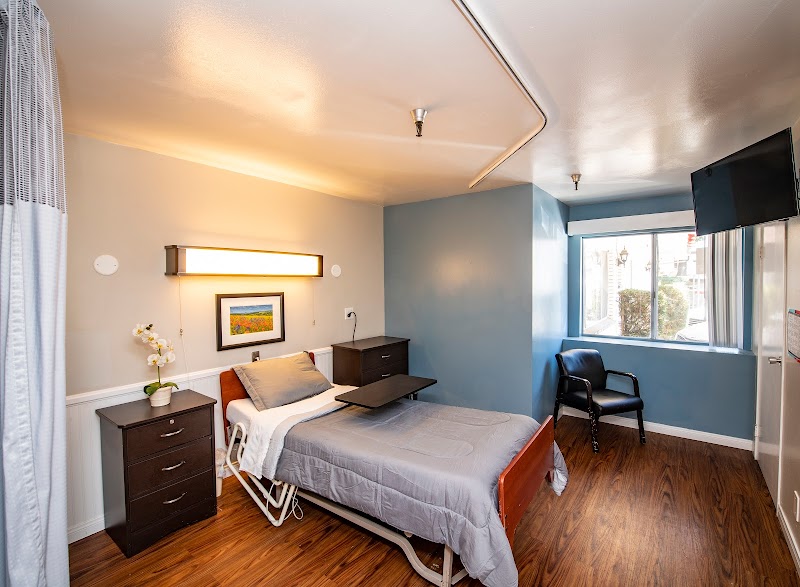
Who Owns and Operates Extended Care Hospital Of Riverside?

EXTENDED CARE HOSPITAL OF RIVERSIDE is owned by a for-profit company. For-profit facilities operate as businesses with obligations to shareholders or private owners. The facility is operated by DAVID & FRANK JOHNSON, a chain that manages multiple nursing homes. With 99 certified beds and approximately 93 residents (about 94% occupancy), it is a smaller facility located in RIVERSIDE, California.
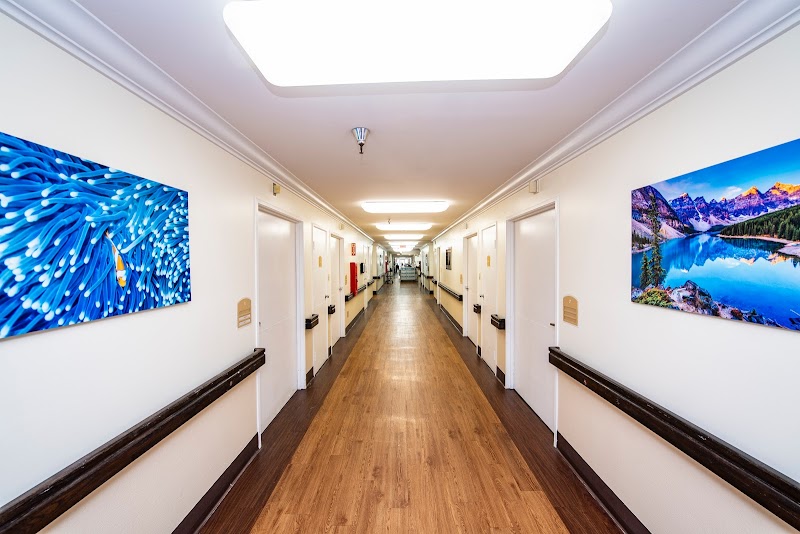
How Does Extended Care Hospital Of Riverside Compare to Other California Nursing Homes?

Compared to the 100 nursing homes in California, EXTENDED CARE HOSPITAL OF RIVERSIDE's overall rating (3 stars) is below the state average of 3.1, staff turnover (47%) is near the state average of 46%, and health inspection rating (3 stars) is at the national benchmark.

What Should Families Ask When Visiting Extended Care Hospital Of Riverside?

Based on this facility's data, families visiting should ask: "Can I visit during a mealtime to observe dining assistance and food quality?" "How do you handle medical emergencies, and what is your hospital transfer rate?" "Can I speak with family members of current residents about their experience?"

Is Extended Care Hospital Of Riverside Safe?

Based on CMS inspection data, EXTENDED CARE HOSPITAL OF RIVERSIDE has a clean safety record: no substantiated abuse findings (meaning no confirmed cases of resident harm), no Immediate Jeopardy citations (the most serious violation level indicating risk of serious injury or death), and is not on the Special Focus Facility watch list (a federal program monitoring the lowest-performing 1% of nursing homes). The facility has a 3-star overall rating and ranks #100 of 100 nursing homes in California. While no facility is perfect, families should still ask about staff-to-resident ratios and recent inspection results during their visit.

Do Nurses at Extended Care Hospital Of Riverside Stick Around?

EXTENDED CARE HOSPITAL OF RIVERSIDE has a staff turnover rate of 47%, which is about average for California nursing homes (state average: 46%). Moderate turnover is common in nursing homes, but families should still ask about staff tenure and how the facility maintains care continuity when employees leave.

Was Extended Care Hospital Of Riverside Ever Fined?

EXTENDED CARE HOSPITAL OF RIVERSIDE has no federal fines on record. CMS issues fines when nursing homes fail to meet care standards or don't correct problems found during inspections. The absence of fines suggests the facility has either maintained compliance or corrected any issues before penalties were assessed. This is a positive indicator, though families should still review recent inspection reports for the full picture.

Is Extended Care Hospital Of Riverside on Any Federal Watch List?

EXTENDED CARE HOSPITAL OF RIVERSIDE is not on any federal watch list. The most significant is the Special Focus Facility (SFF) program, which identifies the bottom 1% of nursing homes nationally based on persistent, serious quality problems. Not being on this list means the facility has avoided the pattern of deficiencies that triggers enhanced federal oversight. This is a positive indicator, though families should still review the facility's inspection history directly.