PALM TERRACE CARE CENTER
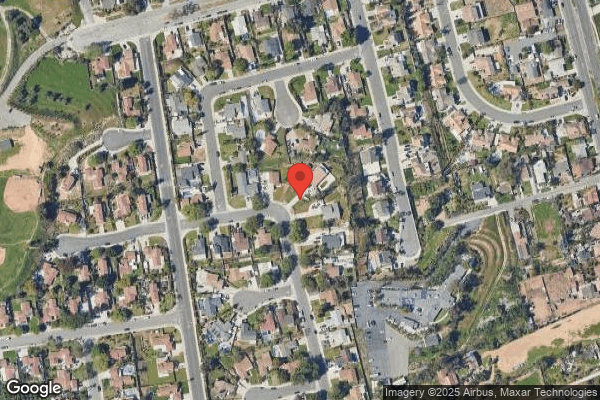

11162 PALM TERRACE LANE, RIVERSIDE, CA 92505 (951) 687-7330
For profit - Corporation 71 Beds THE ENSIGN GROUP Data: November 2025
Trust Grade
70/100
#431 of 1155 in CA
Last Inspection: May 2025

Inspected within the last 6 months. Data reflects current conditions.

Overview

Palm Terrace Care Center has a Trust Grade of B, which indicates it is a good choice for families, reflecting solid care but with some room for improvement. It ranks #431 out of 1,155 nursing homes in California, placing it in the top half of facilities in the state, and #15 out of 53 in Riverside County, meaning only 14 local options are better. Unfortunately, the facility is currently worsening, with the number of issues increasing from 8 in 2024 to 11 in 2025. Staffing is rated average with a turnover rate of 47%, which is higher than the state average, indicating some instability among staff. However, the center has not incurred any fines, which is a positive sign. On the downside, there are serious concerns regarding food safety; the kitchen was found with unsanitary practices, including food debris and pests like roaches and ants, which could lead to foodborne illnesses for residents. Additionally, dietary staff were observed not following proper cleaning procedures, risking unsafe food preparation that could lead to choking or aspiration for residents on special diets. Overall, while the facility has strengths in its overall rating and no fines, families should be aware of the food safety concerns and the recent upward trend in issues.

Trust Score
B
70/100
In California
#431/1155
Top 37%
Safety Record
Low Risk
No red flags
Inspections
Getting Worse
8 → 11 violations
Staff Stability
⚠ Watch
47% turnover. Above average. Higher turnover means staff may not know residents' routines.
Penalties
✓ Good
No fines on record. Clean compliance history, better than most California facilities.
Skilled Nurses
⚠ Watch
Each resident gets only 21 minutes of Registered Nurse (RN) attention daily — below average for California. Fewer RN minutes means fewer trained eyes watching for problems.
Violations
⚠ Watch
27 deficiencies on record. Higher than average. Multiple issues found across inspections.
★★★★☆
4.0
Overall Rating
★★★☆☆
3.0
Staff Levels
★★★★★
5.0
Care Quality
★★★☆☆
3.0
Inspection Score
Stable
2024: 8 issues
2025: 11 issues

The Good

  • 5-Star Quality Measures · Strong clinical quality outcomes
  • Full Sprinkler Coverage · Fire safety systems throughout facility
  • No fines on record

Facility shows strength in quality measures, fire safety.

The Bad

Staff Turnover: 47%

Near California avg (46%)

Higher turnover may affect care consistency

Chain: THE ENSIGN GROUP

Part of a multi-facility chain

Ask about local staffing decisions and management

The Ugly 27 deficiencies on record

May 2025 11 deficiencies
CONCERN (D)

Potential for Harm - no one hurt, but risky conditions existed

Resident Rights (Tag F0550)

Could have caused harm · This affected 1 resident

**NOTE- TERMS IN BRACKETS HAVE BEEN EDITED TO PROTECT CONFIDENTIALITY** Based on observation, interview, and record review, the facility failed to ensure the resident was treated with dignity and resp...

Read full inspector narrative →
**NOTE- TERMS IN BRACKETS HAVE BEEN EDITED TO PROTECT CONFIDENTIALITY** Based on observation, interview, and record review, the facility failed to ensure the resident was treated with dignity and respect, for one of six residents reviewed (Resident 215), when the lunch meal was not served to Resident 215 at the same time as the other residents on May 12, 2025. This failure increased the potential to negatively affect Resident 215's psychosocial well-being. Findings: 1. On May 12, 2025, at 11:55 a.m., during a concurrent meal observation and interview with Resident 215 in the dining room, Resident 215 was observed sitting in a wheelchair together with two other residents at the same table. The staff were observed to serve the food to the other two residents and did not provide the meal to Resident 215. Resident 215 was observed looking at the other residents who were eating and she asked the staff, Where's my food? On May 12, 2025, at 12:12 p.m., a follow up observation of the dining room was conducted. Resident 215 was observed to be still waiting for her lunch tray while the other two residents seated with Resident 215 at the same table were half way through eating their lunch. On May 12, 2025, at 12:25 p.m., the staff was observed to serve the food to Resident 215. In a concurrent interview with Resident 215, she stated Finally I got my food, I thought they forgot me already. On May 12, 2025, at 12:18 p.m., during an interview with the Activity Director (AD), the AD stated Resident 215 received her meal tray after 30 minutes because the tray was prepared and placed in the other cart and was served in Resident 215's room. The AD stated meals should have been served in an organized manner so no residents would be left out. The AD further stated, I would feel upset if that happened to me. On May 15, 2025, Resident 215's record was reviewed. Resident 215 was admitted to the facility on [DATE], with diagnoses which included depression (mood disorder of feeling sad) and diabetes mellitus (abnormal blood sugar). A review of Resident 215's History and Physical, dated May 7, 2025, indicated Resident 215 was mentally capable of understanding. On May 15, 2025, at 12:31 p.m., during an interview with Licensed Vocational Nurse (LVN) 1, LVN 1 stated food should be served at the same time per table. LVN 1 stated the facility should have been more organized when serving food in the dining room. LVN 1 further stated, It's a dignity issue. On May 15, 2025, at 9:12 a.m., during an interview with the Director of Nursing (DON), the DON stated she expected the staff to serve the tray at the same time and no one should be left out. The DON stated the staff should follow the system where they have a list of residents who will eat at a table in the dining room. The DON further stated if the system would not be followed, residents would feel upset because they were not served food as the others at the same time. A review of the facility's policy and procedure titled, Dignity and Privacy, dated January 2025, indicated, .It is the policy of this facility that all residents be treated with kindness, dignity and respect .
CONCERN (D)

Potential for Harm - no one hurt, but risky conditions existed

Safe Environment (Tag F0584)

Could have caused harm · This affected 1 resident

**NOTE- TERMS IN BRACKETS HAVE BEEN EDITED TO PROTECT CONFIDENTIALITY** Based on observation, interview, and record review, the facility failed to provide a comfortable homelike environment, for two o...

Read full inspector narrative →
**NOTE- TERMS IN BRACKETS HAVE BEEN EDITED TO PROTECT CONFIDENTIALITY** Based on observation, interview, and record review, the facility failed to provide a comfortable homelike environment, for two of two residents reviewed for environment (Residents 48 and 164), when peeled paint were observed on the wall at the side of Residents 48 and 164's bed and at the bathroom door frame of room [ROOM NUMBER]. These failure had the potential for residents not to experience a comfortable and inviting stay while in the facility. Findings: On May 12, 2025, at 3:56 p.m., Resident 164 was observed sitting up in his bed. A patchy area of peeled paint was observed on the wall at the right side of Resident 164's bed. On May 13, 2025, at 9:43 a.m., Resident 27's was observed sitting in her wheelchair next to her bed. Observed peeled paint on the side of the wall next to Resident 27's bed. On May 15, 2025, at 12:54 p.m., a concurrent observation with the Maintenance Supervisor (MS) was conducted in the bathroom in room [ROOM NUMBER]. Observed areas of peeled paint at the at the door frame in the bathroom. On May 15, 2025, at 4:04 p.m., during an interview with the Maintenance Supervisor (MS). The MS stated he was responsible for keeping the building safe. The MS also stated he had to keep the rooms painted and clean. The MS further stated the walls should be fixed, smooth, and painted so it would look like a homelike environment. On May 15, 2025, 4:21 p.m., the Administrator (ADM) stated the walls should be painted and fixed, further stated, we want it to have a feeling of looking like home. A review of the facility's policy and procedure titled, Homelike Environment, dated January 2024, indicated, .It is the policy of this facility to encourage and provide opportunities for each resident to occupy an area reflecting his/her interests, family, or is made homelike by choosing special decorations .Purpose: To provide a homelike environment for residents .
CONCERN (D)

Potential for Harm - no one hurt, but risky conditions existed

Assessment Accuracy (Tag F0641)

Could have caused harm · This affected 1 resident

**NOTE- TERMS IN BRACKETS HAVE BEEN EDITED TO PROTECT CONFIDENTIALITY** Based on interview and record review, the facility failed to ensure the Minimum Data Set (MDS- a clinical assessment tool) was a...

Read full inspector narrative →
**NOTE- TERMS IN BRACKETS HAVE BEEN EDITED TO PROTECT CONFIDENTIALITY** Based on interview and record review, the facility failed to ensure the Minimum Data Set (MDS- a clinical assessment tool) was accurately coded, for one of one resident reviewed for hearing (Resident 214). This failure had the potential to cause inaccuracy in identifying Resident 214's care and support needs, and cause delay of needs being met. Findings: On May 14, 2025, Resident 214's record was reviewed. Resident 214 was admitted to the facility on [DATE], with diagnoses which included hearing loss of the right ear. A review of Resident 214's inventory sheet dated April 24, 2025, indicated, .1 hearing aide (L) . A review of Resident 214's Initial admission Record, dated April 24, 2025, indicated Resident 214 had a moderate difficulty in hearing. A review of Resident 214's MDS, dated April 28, 2025, indicated Resident 214 was not using a hearing aid and the hearing ability was adequate. A review of Resident 214's Social Service Summary, dated April 29, 2025, indicated, .She wears a left hearing aide only and its here at the facility . On May 14, 2025, at 9:23 a.m., during a concurrent interview and record review with MDS Nurse, the MDS Nurse stated Resident 214 was admitted to the facility on [DATE], with a hearing aid in her left ear. The MDS Nurse stated Resident 214 was moderately impaired in hearing and should have been reflected on MDS section B. The MDS Nurse further stated the MDS assessment was not accurate. On May 15, 2025, at 9:36 a.m., the Director of Nursing (DON) was interviewed. The DON stated the MDS assessment for Resident 214 should have been coded as moderately impaired with hearing and it should have been reflected to the actual status of the resident. The DON further stated Resident 214 needs, care, and support would not be met if the MDS assessment would not be accurately coded. A review of the facility's policy and procedure titled, Accuracy of Assessment, dated January 2024, indicated, .It is the policy of this facility to ensure that the assessment accurately reflect the resident's status .An MDS Nurse must conduct or coordinate each assessment with the appropriate participation of health professionals . A review of the facility's manual version 3.0 titled, RESIDENT ASSESSMENT INSTRUMENT (RAI), dated October 2024, indicated, .The purpose of this manual is to offer clear guidance how to use the Resident Assessment Instrument (RAI) correctly and effectively to help provide appropriate care .the care plan becomes each resident's unique path toward achieving or maintaining their highest practical level of well-being .
CONCERN (D)

Potential for Harm - no one hurt, but risky conditions existed

Deficiency F0685 (Tag F0685)

Could have caused harm · This affected 1 resident

**NOTE- TERMS IN BRACKETS HAVE BEEN EDITED TO PROTECT CONFIDENTIALITY** Based on observation, interview, and record review, the facility failed to ensure an audiology (healthcare specialists in hearin...

Read full inspector narrative →
**NOTE- TERMS IN BRACKETS HAVE BEEN EDITED TO PROTECT CONFIDENTIALITY** Based on observation, interview, and record review, the facility failed to ensure an audiology (healthcare specialists in hearing loss, hearing tests, hearing aid selection) consultation was provided, for one of one resident reviewed for hearing (Resident 214). This failure had the potential to result in Resident 214 not receiving the audiology services needed to maintain her highest practicable level of well-being. Findings: On May 12, 2025, at 2 p.m., during a concurrent observation and interview with Resident 214 in the hallway, Resident 214 was observed staring at Certified Nursing Assistant (CNA) 3, while talking to her. Resident 214 stated she was using one hearing aid in her left ear and she was unable to hear CNA 3. Resident 214 further stated, Huuhhh? On May 12, 2025, at 2:20 p.m., during an interview with CNA 3, CNA 3 stated Resident 214 had left hearing aide and still was not able to hear. CNA 3 stated Resident 214's left hearing aide was not working properly. On May 15, 2025, Resident 214's record was reviewed. Resident 214 was admitted to the facility on [DATE], with diagnoses which included hearing loss in the right ear. A review of Resident 214's Initial admission Record, dated April 24, 2025, indicated Resident 214 had a moderate difficulty in hearing. A review of Resident 214's Order Summary, dated April 24, 2025, indicated, .Audiologist eval (evaluation) and treat PRN (as needed) . A review of Resident 214's Inventory of Personal Effects, dated April 24, 2025, indicated Resident 214 had left hearing aide. A review of Resident 214's Social Service Summary, dated April 29, 2025, indicated, .She wears a left hearing aide only and its here at the facility . A review of Resident 214's Care Plan Report, dated April 25, 2025, indicated, .At risk for a communication problem r/t (related to) HOH (hard of hearing) R (right) ear .Refer to Audiology for hearing consult as ordered . A review of Resident 214's History and Physical, dated May 7, 2025, indicated Resident 214 was mentally incapable of understanding. On May 14, 2025, at 9:10 a.m., during a concurrent interview and record review with Registered Nurse (RN) 1, RN 1 stated Resident 214 was admitted with a left hearing aid and was recorded in Resident 214's inventory sheet on April 24, 2025. RN 1 stated the left hearing aid was not working for Resident 214, so she should be referred to an audiologist. RN 1 further stated if Resident 214 would be unable to hear properly, her mood could be affected, and she could become upset and frustrated. On May 14, 2025, at 9:46 a.m., during an interview with the Social Service Director (SSD), the SSD stated Resident 214 should have been referred to an ear doctor to address the hearing problem. The SSD further stated Resident 214's self-esteem could be affected and cause her to feel frustrated and irritated if Resident 214 would not provided audiology services. On May 15, 2025, at 9:36 a.m., during an interview with the Director of Nursing (DON), the DON stated Resident 214 should have been referred to an audiologist to check the hearing aid and her hearing condition. The DON further stated if Resident 214 would not seen by audiologists, Resident 214 would potentially feel frustrated when she interacts with staff and other residents. A review of the facility's policy and procedure titled, Dental, Optometry, and Audiology Evaluations, dated January 2025, indicated, .It is the policy of this facility that Social Services staff will coordinate Dental, Optometry and Audiology evaluations for residents .Social services will maintain a system to monitor the dental, optometry and audiology evaluations .
CONCERN (D)

Potential for Harm - no one hurt, but risky conditions existed

Deficiency F0790 (Tag F0790)

Could have caused harm · This affected 1 resident

**NOTE- TERMS IN BRACKETS HAVE BEEN EDITED TO PROTECT CONFIDENTIALITY** Based on observation, interview, and record review, the facility failed to ensure a dental consultation was provided, for one of...

Read full inspector narrative →
**NOTE- TERMS IN BRACKETS HAVE BEEN EDITED TO PROTECT CONFIDENTIALITY** Based on observation, interview, and record review, the facility failed to ensure a dental consultation was provided, for one of one resident reviewed for dental (Resident 24). This failure had the potential to result in Resident 24 not to receive the dental services needed to maintain his highest practicable level of well-being. Findings: On May 12, 2025, at 11:38 a.m., during a concurrent observation and interview with Resident 23 in his room, Resident 24 was observed with some missing upper and lower teeth. Resident 24 stated he wanted to have dentures, and he was not seen by the dentist. Resident 24 further stated it was hard for him to chew solid food. On May 15, 2025, Resident 24's record was reviewed. Resident 24 was admitted to the facility on [DATE], with diagnoses which included facial weakness. A review of Resident 24's Order Summary, included a physician's order, dated July 9, 2022, indicated, .MAY HAVE DENTAL CONSULT WITH FOLLOW UP TREATMENT AS NEEDED . A review of Resident 24's Impressions Mobile Dentistry, dated February 28, 2024, indicated, Resident 24 had multiple missing teeth and root tips, and treatment was recommended as needed. A review of Resident 24's History and Physical Note, dated August 20, 2024, indicated Resident 24 was mentally capable of understanding. A review of Resident 24's Minimum Data Set (MDS - a resident assessment tool), dated April 5, 2025, indicated Resident 24 had a BIMS (Brief Interview of Mental Status) score of 15 which indicated cognitively intact. On May 14, 2025, at 10:07 a.m., during an interview with the Social Service Director (SSD), the SSD stated Resident 24 should have been referred to a dentist to have dentures. The SSD further stated Resident 24 would not be able to eat properly and could lead to weight loss if Resident 24 was not provided dental services. On May 15, 2025, at 9:31 a.m., during an interview with the Director of Nursing (DON), the DON stated she expected the nurses and SSD to follow facility's policy and procedure for dental services. The DON stated Resident 24 should have been referred to the dentist. The DON further stated, if Resident 24 would not receive dental services, he would not eat food properly and could lead to weight loss. On May 15, 2025, at 11:20 a.m., during an interview with the Facility Dentist (FD), the FD stated he received a dental referral from SSD, and he would check all the residents that were listed. The FD stated Resident 24 should have been seen right away to prevent complications. The FD further stated, I'm always available, and I come right away. A review of the facility's policy and procedure titled, Dental, Optometry, and Audiology Evaluations, dated January 2025, indicated, .It is the policy of this facility that Social Services staff will coordinate Dental, Optometry and Audiology evaluations for residents .Social services will maintain a system to monitor the dental, optometry and audiology evaluations .
CONCERN (D)

Potential for Harm - no one hurt, but risky conditions existed

Deficiency F0810 (Tag F0810)

Could have caused harm · This affected 1 resident

**NOTE- TERMS IN BRACKETS HAVE BEEN EDITED TO PROTECT CONFIDENTIALITY** Based on observation, interview, and record review, facility failed to provide assistive devices such as a plate divider (equipm...

Read full inspector narrative →
**NOTE- TERMS IN BRACKETS HAVE BEEN EDITED TO PROTECT CONFIDENTIALITY** Based on observation, interview, and record review, facility failed to provide assistive devices such as a plate divider (equipment to prevent food from falling off the plate), for one of three residents observed during mealtime (Resident 22). This failure had the potential for Resident 22 to not meet the daily nutritional needs, which could lead to weight loss. Findings: On May 12, 2025, at 12:24 p.m., during a concurrent observation and interview with Resident 22 in the dining room, Resident 22 was observed scooping the food onto her plate, but the food fell off the plate. She stated the food was spilling out of the plate and the fork was unable to hold it. The bread and green veggies were observed on the floor. On May 12, 2025, at 12:29 p.m., during a concurrent observation ad interview was conducted with Licensed Vocational Nurse (LVN) 1, LVN 1 stated Resident 22 spilled the food on the side of the plate and on the floor. LVN 1 stated Resident 22 could eat by herself, a plate guard should have been provided to prevent food from spilling. On May 15, 2025, Resident 22's record was reviewed. Resident 22 was admitted to the facility on [DATE], with diagnoses which included Parkinson's disease (disorder that affects movement). A review of Resident 22's History and Physical, dated March 12, 2025, indicated Resident 22 was mentally capable of understanding. A review of Resident 22's Order Summary, dated March 10, 2025, indicated, .NAS (No added salt) diet MECHANICAL SOFT texture . On May 15, 2025, at 9:14 a.m., during an interview with the Director of Nursing (DON), the DON stated Resident 22 should have been evaluated and provided assistive eating devices. The DON further stated if Resident 22 was unable to eat the food properly, Resident 22 might not meet her nutritional needs, which could lead to weight loss. On May 15, 2025, at 11:00 a.m., during an interview with the Director of Rehabilitation (DOR), the DOR stated the nursing staff assigned in the dining room or direct staff that observed resident during meal time should referred to their department to evaluate any adaptive device needed for residents. The DOR further stated Resident 22 should have been referred for evaluation for adaptive device and should have been provided with plate divider. A review of the facility's policy and procedure titled, Adaptive Equipment for dining, dated January 2025, indicated, .It is the policy of this facility to provide adaptive equipment to residents as needed .An occupational therapist is recommended for evaluating needs .The divided plate is an excellent choice for all skilled level dining rooms .
CONCERN (E)

Potential for Harm - no one hurt, but risky conditions existed

Deficiency F0558 (Tag F0558)

Could have caused harm · This affected multiple residents

**NOTE- TERMS IN BRACKETS HAVE BEEN EDITED TO PROTECT CONFIDENTIALITY** Based on observation, interview, and record review, the facility failed to ensure call lights were answered in a timely manner, ...

Read full inspector narrative →
**NOTE- TERMS IN BRACKETS HAVE BEEN EDITED TO PROTECT CONFIDENTIALITY** Based on observation, interview, and record review, the facility failed to ensure call lights were answered in a timely manner, for six out 68 residents (Residents 10, 27, 37, 55, 56 and 163). This failure had the potential for the residents' emotional, psycho-social, and optimal physical well-being to not be met. Findings: 1. On May 12, 2025, at 9:55 a.m., an interview was conducted with Resident 10 in her room. Resident 10 stated it would take time for the staff to answer her call light during the morning shift. Resident 10 stated she had waited an hour for someone to come during the night shift and it was frustrating. A review of Resident 10's medical record indicated she was admitted on [DATE], with diagnoses which included surgical aftercare following skin and tissue infection. A review of Resident 10's History and Physical, dated April 3, 2025, indicated Resident 10 had the capacity to understand and make decisions. A review of Resident 10's Minimum Data Set (MDS - an assessment and screening tool), dated April 6, 2025, indicated a BIMS (Brief Interview for Mental Status) score of 14 which indicated cognitively intact. On May 13, 2025, at 9:20 a.m., an interview with Certified Nursing Assistant (CNA) 1 was conducted. CNA 1 stated she had Resident 10 complained about long waits for the call light at night. CNA 1 stated she reported those complaints to the charge nurse. On May 15, 2025, at 8:40 a.m., an interview with Resident 10 was conducted. Resident 10 stated the staff would sometimes answer the call light and say they would be right back and the staff did not return. Resident 10 stated many times it was a simple request for another blanket or for more water. Resident 10 further stated it did not make her feel good when the staff would walk away because the resident could take a minute or two to remember what she needed due to her memory problems. 2. On May 12, 2025, at 8:30 a.m., an observation and interview with Resident 55 was conducted. Resident 55 stated sometimes he had to wait for someone to answer the call light at different times. Resident 55 stated he had waited longer than 20 minutes, and he would prefer if the staff could come sooner. On May 15, 2025, a review of Resident 55's medical record indicated Resident 55 was admitted on [DATE], with diagnoses which included fractured (broken) lumbar vertebrae (lower back spine bone ), multiple right sided rib fractures, compression fracture thoracic vertebrae (fracture of the spine bones in mid-back) from a fall at home. A review of Resident 55's Initial History and Physical, dated April 24, 2025, indicated Resident 55 had the capacity to understand and make decisions. A review of Resident 55's MDS, dated April 25, 2025, indicated Resident 55 had a score of 14 which indicated cognitively intact. On May 13, 2025, at 10 a.m., an interview with CNA 2 was conducted. CNA 2 stated Resident 55 had informed her he had long waits at night because he felt anxious. On May 15, 2025, at 9:10 a.m. a follow up interview with Resident 55 was conducted. Resident 55 stated he becomes frustrated and anxious when he had to wait more than 30 minutes for a nurse to come. On May 16. 2025, at 8 am., an interview was conducted with the Director of Nursing (DON). The DON stated the facility's goal was to answer call lights in less than 5 minutes. The DON stated it was the expectation for everyone to answer call lights, including administration, so residents should never have to wait long. The DON stated she had received complaints from residents about long call light wait times, especially at night. The DON further stated when the residents' call lights were not answered promptly it could increase the possibility of skin integrity breakdown and the risk of resident's falls. 3. On May 12, 2025, at 6:06 a.m., during an interview with Resident 163, Resident 163 stated he waited a long time for the call light to get answered and felt he was not serviced fast enough. Resident 163 stated he had waited as long as 30 minutes on some occasion. Resident 163 further stated he had complained about it, nothing had been done and it frustrated him. On October 14, 2025, Resident 163's record was reviewed. Resident 163 was admitted to the facility on [DATE], with diagnoses which included urinary tract infections (infection in the bladder), muscle weakness, and dysphagia (difficulty swallowing). A review of Resident 163's MDS, dated April 4, 2025, indicated Resident 163 had a BIMS score of 13 (cognitively intact), and Resident 163 required partial/moderate assistance with toileting hygiene and substantial/maximal assistance with shower/bathe self, personal hygiene, toilet transfer and tub/shower transfer. A review of Resident 163's History and Physical, dated May 8, 2025, indicated Resident 163 had the capacity to make decisions. On May 15, 2025, at 3:55 p.m., during an interview with Registered Nurse (RN) 1, RN 1 stated the call lights would beep and make an audible sound. RN 1 stated the staffing during the night shift was not good and had received complaints regarding the call lights not being answered timely during the afternoon shift (3 p.m. to 11 p.m.). RN 1 further stated the Administrator, Social Services and the Director of Nursing were aware of the complaints about the call lights. RN 1 also stated if residents were left soiled it could their skin integrity and their dignity. RN 1 further stated the expectation was for the call lights to be answered in five to 10 minutes and residents should be checked. 4. On May 12, 2025, at 4:04 p.m., during an interview with Resident 37, Resident 37 stated he had concerns on the night shift with staff answering the call light. Resident 37 stated, it takes 15 to 20 minutes for staff to answer the call light. Resident 37 stated normally he would call for help to get in and out the bathroom and help to get back in bed. On May 14, 2025, Resident 37's record was reviewed. Resident 37 was admitted to the facility on [DATE], with diagnoses which included chronic obstructive pulmonary disease (lung diseases that block air flow), muscle weakness, and abnormalities of gait and mobility (abnormal walking). A review of Resident 37's History and Physical, dated January 24, 2025, indicated Resident 37 had the capacity to understand and make decisions. A review of Resident 37's MDS, dated April 26, 2025, indicated Resident 37 had a BIMS score of 15 (cognitively intact), and Resident 37 required supervision or touching assistance with toileting hygiene, shower/bathing self/ and toilet transfer. 5. On May 13, 2025, at 10:17 a.m., during an interview with Resident 27, Resident 27 stated on the night shift, it sometimes took an hour for staff to answer the call light. Resident 27 stated it mostly happened on the night shift. Resident 27 also stated he knew the staff was busy, so he tried to catch them when they walked through the hallways. Resident 27 stated he reported his concern to staff, but no one has responded about it. On May 14, 2025, Resident 27's record was reviewed. Resident 27 was admitted to the facility on [DATE], with diagnoses which included spinal stenosis (space inside bones of the spine too small), obstructive and reflux uropathy (blockage and backflow of urine from the bladder), and benign prostatic hyperplasia (enlargement of the prostate). A review of Resident 27's History and Physical, dated February 20, 2025, indicated Resident 27 had the capacity to understand and make decisions. A review of Resident 27's MDS, dated April 12, 2025, indicated Resident 27 had a BIMS score of 15 (cognitively intact), and Resident 27 required supervision or touching assistance with toileting hygiene, shower/bathing self/and lower body dressing and toilet transfer. 6. On May 15, 2025, at 8:14 a.m., during an interview with Resident 56, Resident 56 stated she gets regular assistance to the bathroom except on the night shift. Resident 56 stated that when she feels the urge to go to the bathroom, she would use the call light but she had waited 20-30 minutes for the call light to get answered. Resident 56 further stated it was frustrating. On May 14, 2025, Resident 56's record was reviewed. Resident 56 was admitted to the facility on [DATE], with diagnoses which included orthopedic (bone) care, osteoarthritis (common form of arthritis), parkinsonism (brain condition that causes slow movement) and difficulty walking. A review of Resident 56's History and Physical, dated April 22, 2025, indicated Resident 56 had the capacity to understand and make decisions. A review of Resident 56's MDS, dated April 26, 2025, indicated Resident 56 had a BIMS score of 10 (moderate cognitive impairment), and Resident 56 was dependent for toilet hygiene, lower body dressing, required substantial/maximal assistance with tub and shower transfer, and partial/moderate assist with toilet transfer. On May 16, 2025, at 7:47 a.m., during an interview with the Director of Nursing (DON), the DON stated she expected all staff to answer the call lights in less than five minutes. The DON stated it was the expectation that everyone can answer the call lights, including administration, so residents should never have a long wait. The DON stated she had received complaints from residents about long call light wait times, especially at night. The DON further stated when resident's call lights were not ansered promptly, it could increase the possibility of skin integrity breakdown, and the risks of resident falls. A review of the facility's policy and procedure titled, Call Light, dated January 2025, indicated, .It is the policy of this facility to provide the resident a means of communication with nursing staff .Procedures: answer the light/bell within a reasonable time. A review of the facility's Job Description titled, Certified Nursing Assistant, dated December 17, 2021, indicated, .The primary purpose of your job position is to provide each of your assigned residents with routine daily nursing care and services, in accordance with the resident's assessment and care plan . check each resident routinely to ensure that his/her personal care needs are being met .Answer resident calls promptly. A review of the facility's policy and procedure titled, Dignity and Privacy, dated January 2025, indicated, .It is the policy of this facility that all residents be treated with kindness, dignity and respect .
CONCERN (E)

Potential for Harm - no one hurt, but risky conditions existed

Deficiency F0725 (Tag F0725)

Could have caused harm · This affected multiple residents

Based on interview and record review, the facility failed to ensure sufficient staff were provided to meet the needs of the residents when the facility did not meet the required or minimum of Actual T...

Read full inspector narrative →
Based on interview and record review, the facility failed to ensure sufficient staff were provided to meet the needs of the residents when the facility did not meet the required or minimum of Actual Total CNA Direct Care Service Hours for CNA DHPPD (DHPPD - measure the numbers of hours of direct care given to residents in skilled nursing facility) of 2.4 hours for March 1, 2025, of 31 days reviewed and April 5, 2025, of 30 days reviewed. The failure to maintain a the required minimum CNA DHPPD hours had the potential to increase the resident's risk of fall and to meet residents' requests for assistance with activities of daily living. Findings: On May 14, 2025, a concurrent interview and record review of the facility's Census and Direct Care Service Hours Per Patient Day, was conducted with the Director of Staff Development (DSD). The DSD confirmed records of two days in March 2025 and April 2025, indicated the Actual Total CNA Direct Care Service Hours were below the required minimum of 2.4 hours. The Actual Total DCSH hours were below 2.4 hours (hrs) on the following dates: - March 1, 2025 (Saturday) 2.36 hrs (CNA DCSH); and - April 5, 2025 (Saturday) 2.32 hrs (CNA DCSH). On May 15, 2025, at 3 p.m., an interview was conducted with the Director of Nursing (DON). The DON stated there had been a turnover of nightshift CNA's. The DON stated the facility's goal was to consistently meet mandated CNA hours. The DON further stated that when staffed with less than mandated hours, they could decrease resident safety and satisfaction in meeting their needs. A review of the facility's policy and procedure titled Nursing Services Staffing, Adequate, dated January 2025, indicated .this facility to provide sufficient numbers of staff .to provide care and services for all residents .in accordance with .facility assessment .
CONCERN (E)

Potential for Harm - no one hurt, but risky conditions existed

Infection Control (Tag F0880)

Could have caused harm · This affected multiple residents

**NOTE- TERMS IN BRACKETS HAVE BEEN EDITED TO PROTECT CONFIDENTIALITY** Based on observation, interview, and record review, the facility failed to ensure infection control practices were implemented w...

Read full inspector narrative →
**NOTE- TERMS IN BRACKETS HAVE BEEN EDITED TO PROTECT CONFIDENTIALITY** Based on observation, interview, and record review, the facility failed to ensure infection control practices were implemented when: 1. For Resident 24, facility failed to conduct proper screening for the annual tuberculin skin test (TB- tuberculosis [lung disease] test - screening to determine if someone infected with germs that cause tuberculosis); 2. For Resident 213, one 4,000 milliliters (ml - unit of measurement) incentive spirometer (device use to expand lungs) was observed not properly stored in a bag; and 3. For Resident 216, the Physical Therapist (PT) (healthcare provider who performs physical movement) did not wear personal protective equipment (PPE - equipment use to protect against infection or illness) when providing therapy to a resident requiring enhanced barrier precautions (EBP - an infection control intervention to reduce transmission of multidrug-resistant organisms [MDRO - bacteria that have become resistant to multiple antibiotics]). These failures had the potential to result in transmission of infection to an already vulnerable population of residents in the facility. Findings: 1. On May 14, 2025, at 3 p.m., during a concurrent interview and record review with the Infection Preventionist (IP), the IP stated he conducted surveillance of all immunizations which included TB screening to all residents. The IP stated the process of administering TB test included a two-step TB skin test to be administered upon admission of a resident, and a one-step TB skin test would be administered annually thereafter. The IP stated TB test would be read after three days for the result. The IP stated Resident 216's TB test was administered on July 8, 2024, and there was no reading of the TB test result after three days. The IP further stated if there was no reading, the TB test should should have been repeated to complete the annual TB screening. On May 15, 2025, at 9:25 a.m., during an interview with the Director of Nursing (DON), the DON stated she expected the IP to follow the facility's policy on annual TB screening for residents. The DON stated Resident 24's TB screening should have been readministered if the result was not read. The DON further stated the annual TB screening should have been implemented according to facility's tuberculosis control plan. A review of the facility's policy and procedure titled, Tuberculosis Control Plan, dated January 2025, indicated, .It is the policy of this facility that .Each resident admitted to this facility shall be screened for TB, as prescribed by the attending physician .a PPD skin test results, by Mantoux method is recommended and shall be documented on the medication sheet or a PPD form . 2. On May 12, 2025, at 8:30 a.m., during a concurrent observation and interview with Resident 213 in her room, Resident 213's incentive spirometer was observed placed on top of Resident 213's nightstand, and not in a bag. Resident 213 stated she placed the incentive spirometer on top of the nightstand table when not in use. Resident 213 stated she did not have a plastic bag container to use as storage for her incentive spirometer when not in use. On May 12, 2025, at 8:37 a.m., during a concurrent observation and interview with Registered Nurse (RN) 1, RN 1 stated Resident 213 should have a plastic container to store her spirometer when not in use. RN 1 further stated Resident 213 did not have one. On May 14, 2025, at 3:12 p.m., an interview with the IP was conducted. The IP stated the incentive spirometer should have been kept in a plastic bag container between exercises and should have label on it. The IP further stated if the incentive spirometer was not kept in proper storage, Resident 213 could have a respiratory infection. On May 15, 2025, Resident 213's record was reviewed. Resident 213 was admitted to the facility on [DATE], with diagnoses that included pulmonary edema (swelling of the lungs) and chronic obstructive pulmonary disease (lung disease). A review of Resident 213's History and Physical, dated May 6, 2025, indicated Resident 213 was mentally capable of understanding. A review of Resident 213's Order Summary, dated May 12, 2025, indicated, .INCENTIVE SPIROMETER. INSTRUCT PATIENT TO HOLD THEIR BREATH FOR 3 TO 15 BREATHS WITH YOUR SPIROMETER EVERY 4 HOURS .related to CHRONIC OBSTRUCTIVE PULMONARY DISEASE . On May 15, 2025, at 9:16 a.m., an interview with the DON was conducted. The DON stated she expected the staff to follow the facility's infection control policy in the storage of medical devices. The DON stated the incentive spirometer should be kept in a bag with label. The DON further stated if not properly stored in a bag it could lead to respiratory infection. A review of the facility's policy and procedure titled, Incentive Spirometry, dated January 2025, indicated, .It is the policy of this facility that an incentive spirometry device may be used by a resident to assist with maximal lung ventilation .Place the mouthpiece in a plastic storage bag between exercises and label it and the spirometer with the resident's name . 3. On May 14, 2025, at 10:20 a.m., during a concurrent observation and interview with the Physical Therapist (PT) , the PT was observed not wearing PPE when providing therapy to Resident 216 in the rehabilitation room. The PT stated she provided physical therapy such as upper body exercises and stretching to Resident 216 and did not wear PPE. The PT further stated she should have worn PPE to prevent the spread of infection, protect herself and the facility residents from infection. On May 15, 2025, Resident 216's record was reviewed. Resident 216 was admitted to the facility on [DATE], with diagnoses which included muscle weakness and gastrostomy status (surgical opening in the stomach). A review of Resident 216's History and Physical, dated May 12, 2025, indicated Resident 216 was not mentally capable of understanding. A review of Resident 216's Order Summary, dated May 9, 2025, indicated, .ENHANCED BARRIER PRECAUTIONS: PPE required for high contact care activities. Indication: PEG-TUBE (tube inserted into stomach) . A review of Resident 216's Care Plan Report, dated May 12, 2025, indicated, .Has potential/actual impairment to skin integrity r/t (related to) PEG tube site Risk for infection, worsening impairment .Enhanced barrier precautions as ordered . On May 14, 2025, at 11:10 a.m., an interview with the IP was conducted. The IP stated Resident 216 had a PEG tube and was on Enhanced Barrier Precaution. The IP further stated PT should have worn PPE before providing therapy to Resident 216 to prevent the spread of infection to the residents. On May 15, 2025, at 9:20 a.m., during an interview with the DON, the DON stated the expectation was for the staff to follow the facility infection control policy and procedure. The DON further stated the PT should have worn PPE to prevent the spread of infection to Resident 216. A review of the facility's policy and procedure titled, Infection Control, dated January 2025, indicated, .It is the policy of this facility to implement infection control measures to prevent the spread of communicable diseases and conditions .Standard Precautions are infection prevention practices that apply to the care of all residents .Enhanced Barrier Protection (EBP): used in conjunction with standard precautions and expand the use of PPE through the use of gown and gloves during high-contact resident care activities .PPE: the use of gown and gloves for high-contact resident care activities is indicated when .Indwelling medical devices include .feeding tubes .
CONCERN (F)

Potential for Harm - no one hurt, but risky conditions existed

Food Safety (Tag F0812)

Could have caused harm · This affected most or all residents

Based on observation, interview, and record review, the facility failed to ensure food safety and sanitation practices were maintained in the kitchen according to standards of practice and facility po...

Read full inspector narrative →
Based on observation, interview, and record review, the facility failed to ensure food safety and sanitation practices were maintained in the kitchen according to standards of practice and facility policy, for 67 out 68 residents who eat food from the kitchen, when: 1. Four (4) large metal pans with food debris and dripping water on them were stored and stacked on top of each other on a bottom shelf; and 2. One 50-pound (lb- unit of measurement) bag of instant milk nonfat dry powder was found stored with an open tear in the bag, with food product seeping out and with clear tape covering it. These failures exposed residents' to contaminated food and unsanitary practices, which had the potential to place them at risk of developing a foodborne illness. Findings: 1. On May 12, 2025, at 7:04 a.m., a concurrent observation and interview was conducted with the Dietary Supervisor (DS) in the kitchen. There were three large metal pans, and one large metal perforated pan that had water and food debris on them observed dripping wet and stacked on top of each other and stored under the counter. The DS stated the pans were not clean and had debris on them. The DS also stated that the pans should not have food debris on them and should not be stacked and stored wet. The DS further stated the pans should be clean and dried before storing. On May 16, 2025, at 08:56 a.m., a telephone interview with Registered Dietitian (RD) 2 was conducted. RD 2 stated the expectation of the staff were not to stack and store wet dishes. RD 2 stated that the pans should not have been stored wet. RD 2 also stated the pans should have been stacked individually, then waited until dried and then put away. RD 2 further stated that she expected kitchen staff to identify dishes that had debris, rewashed, and dry properly before using them to cook. RD 2 stated there was the possibility of cross contamination which could make residents sick. According to the 2022 Federal Food Code, Section 4-601.11, titled Cleaning of Equipment and Utensils. Equipment, Food-Contact Surfaces, Nonfood-Contact Surfaces, and Utensils.(A) EQUIPMENT FOOD-CONTACT SURFACES and UTENSILS shall be clean to sight and touch . A review of the facility's policy and procedure titled, Dietary Services Dietary, Sanitation in, dated January 2025, indicated, .It is the policy that the food service area shall be maintained in a clean and sanitary manner .All utensils, counters, shelves and equipment shall be kept clean, maintained in good repair . 2. On May 12, 2025, at 8:37 a.m., a concurrent observation and interview with the DS was conducted in the facility's outside kitchen storage for emergency food. One 50 lb bag of non fat dry powder instant milk was observed with an opened tear in the bag, and was covered with clear tape. In a concurrent interview with the DS, she stated the bag should not have a hole in it. The DS further stated pest could get inside and that would contaminate the food. On May 15, 2025, at 3:42 p.m., a concurrent interview and observation with RD 1 was conducted in the facility's outside kitchen storage for emergency food. RD 1 stated if the packaged food arrived damaged the facility's process was to send it back. RD 1 stated if the packaged food was damaged at the facility, it should not be used and must be discarded. RD 1 further stated the food item could become contaminated and someone could get sick if the food was not sealed properly. According to the 2022 Federal Food Code, section 3-307.00 Miscellaneous Sources of Contamination, indicated, .Food shall be protected from contamination that may result from a factor or source not specified under Subparts 3-301 to 3-306. A review of the facility's policy and procedures titled, Food and Nutrition Services: Food, Dry Storage of, dated January 2025, indicated, .It is the policy of this facility that all non-perishable foods shall be stored utilizing methods which maximize nutrient retention, food appearance, and food quality .Dry goods (i.e. cereal and grains) .shall be stored according to the USDA Food Safety Information on Shelf-Stable Food Safety .
CONCERN (F)

Potential for Harm - no one hurt, but risky conditions existed

Deficiency F0925 (Tag F0925)

Could have caused harm · This affected most or all residents

Based on observation, interview, and record review, the facility failed to ensure food safety and sanitation practices were maintained in the kitchen according to standards of practice and facility po...

Read full inspector narrative →
Based on observation, interview, and record review, the facility failed to ensure food safety and sanitation practices were maintained in the kitchen according to standards of practice and facility policy, for 67 out of 68 residents who consume food from the kitchen, when pests (a roach, a spider, and ants) were observed in the dry food storage pantry. In addition spiderwebs were also observed inside the kitchen. These failures had the potential to expose residents to contaminated food, that could result in food borne illnesses for all residents who consume food from the kitchen. Findings: On May 12, 2025, at 07:01 a.m., a concurrent observation and interview was conducted in the facility's kitchen dry food storage room with the Dietary Supervisor (DS). The floor had a roach (bug), spiders, and ants on the floor. There was spiderwebbing on the metal carts. The DS stated pests should not be in the dry food storage room. On May 14, 2025, at 12:45 p.m., a follow up interview with the DS was conducted. The DS stated the expectation was for the facility to not have any pests. The DS also stated pests could multiply to more pests and pest droppings or fecal matter could contaminate the food. The DS further stated the residents could get sick that if residents ate the contaminated food. On May 15, 2025, at 3:38 p.m., during an interview with the Registered Dietician (RD 1), RD 1 stated her expectation was to not see pests. RD 1 stated the kitchen should not have pest. RD 1 also stated she expected the staff to alert the supervisor of pest sightings. RD 1 stated pests should not be near the food to prevent contamination. RD 1 further stated the food could get contaminated and the residents could get sick. According to the 2022 Federal Food Code, section 3-307.00 Miscellaneous Sources of Contamination, indicated, .Food shall be protected from contamination that may result from a factor or source not specified under Subparts 3-301 to 3-306. A review of the facility's policy and procedures titled, Food and Nutrition Services: Food, Dry Storage of, dated January 2025, indicated, .It is the policy of this facility that all non-perishable foods shall be stored utilizing methods which maximize nutrient retention .The storeroom shall be maintained free from .insects, rodents, or any potential source of contamination . A review of the facility's policy and procedures titled, Dietary Services: Dietary, Sanitation in, dated January 2025, indicated, .It is the policy of this facility that the food service area shall be maintained in a clean and sanitary manner .All kitchens, kitchen areas, and dining areas shall be kept clean .and protected from rodents, roaches, flies and other insects . A review of the facility's policy and procedures titled, Infection Control: Pest Control dated January 2025, indicated, .It is the policy of this facility to provide an environment free of pest .
May 2024 8 deficiencies
CONCERN (D)

Potential for Harm - no one hurt, but risky conditions existed

Deficiency F0578 (Tag F0578)

Could have caused harm · This affected 1 resident

**NOTE- TERMS IN BRACKETS HAVE BEEN EDITED TO PROTECT CONFIDENTIALITY** Based on interview and record review, the facility failed to ensure a copy of the Advance Directive (AD - written statement of a...

Read full inspector narrative →
**NOTE- TERMS IN BRACKETS HAVE BEEN EDITED TO PROTECT CONFIDENTIALITY** Based on interview and record review, the facility failed to ensure a copy of the Advance Directive (AD - written statement of a person's wishes regarding medical treatment) was available in the resident's record and accessible to staff, for one of three residents reviewed for AD (Residents 15). This failure had the potential to make Resident 15's AD not readily retrievable by the staff and the physician, leaving them unaware of and unable to honor the residents' wishes regarding their medical treatment. Findings: On May 8, 2024, Resident 15's record was reviewed. Resident 15 was admitted to the facility on [DATE]. A review of Resident 15's History and Physical dated March 1, 2024, indicated, .has the capacity to understand and make decisions . A review of Resident 15's Minimum Data Set (an assessment tool), dated February 29, 2024, indicated Resident 15 had a Brief Interview of Mental Status (a tool used to screen and identfy the cognitive condition of residents) Score of 12 (moderate impairment in cognition). A review of Resident 15's Advance Directive Acknowledgement Form, dated February 29, 2024, indicated, .I do have an Advance Directive . There was no documented evidence a copy of the AD was provided in Residents 15's medical record. On May 9, 2024, at 08:47 a.m., during a concurrent interview and review of Resident 15's record with the Social Service Director (SSD), the SSD stated she is responsible for AD formulation and follow-up. The SSD further stated if the resident has an AD, copy of the AD is obtained and place in the resident's record. The SSD stated Resident 15 has an AD, but it was not available in the resident's record. The SSD further stated, Resident 15's AD should have been available and accessible to the staff and physician. The facility Policy and Procedure titled, Advance Directives, dated December 2023, indicated, .Prior to, upon, or immediately after admission, the facility staff will ask residents, and/or their family members about the existence of any advance directives .Should a resident indicate that he or she has issued advance directive about his/her care and treatment .a copy of such directives be included in the medical records .
CONCERN (D)

Potential for Harm - no one hurt, but risky conditions existed

Deficiency F0806 (Tag F0806)

Could have caused harm · This affected 1 resident

Based on observation, interview, and record review, the facility failed to ensure a resident's food preference was honored for one of 64 sampled residents (Resident 39) when milk and soup were not ser...

Read full inspector narrative →
Based on observation, interview, and record review, the facility failed to ensure a resident's food preference was honored for one of 64 sampled residents (Resident 39) when milk and soup were not served during lunch on May 7, 2024. This failure had the potential to result in decreased food intake and could lead to unplanned weight loss, further compromising Resident 39's nutritional and medical status. Findings: On May 7, 2024, at 12:39 p.m., a concurrent dining room observation, interview, and review of Resident 39's Meal Tray Ticket was conducted with Resident 39 and Certified Nurse Assistant (CNA) 1. Resident 39's Meal Tray Ticket (menu based on the resident's diet physician order and food preference), dated 5/7/24, indicated, .Beverage: 4 oz.(ounce- unit of measurement) Milk .Likes: Puree soup . CNA 1 stated Resident 39 did not receive the 4 oz. of milk and pureed soup with his meal. Resident 39 stated he would like to have soup with his lunch. On May 8, 2024, at 9:45 a.m., an interview was conducted with the Dietary Supervisor (DTR). She stated she updates the residents food preferences upon admission, quarterly, annually, and as needed and enters the information into the tray card system (a computer software) to generate meal tray tickets. The DTR further stated the food service workers should follow the food items on the meal tray ticket and serve the residents. The DTR stated Resident 39 did not receive 4 oz. of milk and pureed soup with his lunch meal on May 7, 2024. The DTR further stated there was no soup available to serve Resident 39 and an alternative was not offered. On May 8, 2024, at 2:39 p.m., an interview was conducted with the DTR and Registered Dietitian (RD) 2. RD 2 stated it was important to honor the residents food preferences. The DTR stated residents may not eat their meals, which could result in an unplanned weight loss if their food preferences were not honored. During a review of the document titled, Nutrition-Quarterly Evaluation done by DTR, dated August 9, 2023, indicated, .Food Likes .Food preferences, like and dislikes obtained and updated and carried out, continue to adhere to food preferences .Likes soup with lunch and dinner meals . During a review of the facility's policy and procedure titled, FOOD PREFERENCES, dated 2023, indicated, .Resident's food preferences will be adhered to within reason . During a review of the facility policy and procedure titled, TRAY CARD SYSTEM, dated 2023, indicated, .Each meal tray at breakfast, lunch, and dinner will have a tray card which designates the resident's name, diet, food dislikes, food requests, allergies, beverage preference . During a review of the facility policy and procedure titled, MEAL SERVICE, dated 2023, indicated, .Meals that meet the nutritional needs of the resident will be served in an accurate and efficient manner .Nursing personnel will serve the trays immediately upon checking the tray to be sure nothing is missing from the tray .
CONCERN (D)

Potential for Harm - no one hurt, but risky conditions existed

Deficiency F0808 (Tag F0808)

Could have caused harm · This affected 1 resident

Based on observation, interview, and record review, the facility failed to ensure the physician orders were followed for one residnets(Resident 32) during a dinning observation of 15 residents when : ...

Read full inspector narrative →
Based on observation, interview, and record review, the facility failed to ensure the physician orders were followed for one residnets(Resident 32) during a dinning observation of 15 residents when : 1. Resident 32, who had a Pureed diet (foods the has been ground, pressed and/or strained to a soft smooth consistency like pudding) order received a regular texture salad during lunch on May 7, 2024. 2. Resident 32 received an Oral Nutrition Supplement (ONS- Nutrition drinks that has high calories to help maintain or gain weight) with fewer calories than what the physician had ordered during lunch on May 7, 2024. These failures had the potential to result in choking, aspiration (accidentally inhaling food or liquid into the lungs), and unplanned weight loss, further compromising Resident 32's nutritional and medical status. Findings: 1. A review of the Resident 32's Physician Diet Order dated October 8, 2023, indicated, .Pureed texture . A review of Resident 32's Meal Tray Ticket (menu based on the resident's diet physician order), dated May 7, 2024, indicated, .Puree . On May 7, 2024, at 12:43 p.m., a concurrent dining room observation, interview, and review of Resident 32's Meal Tray Ticket were conducted with the Activities Supervisor (AS) and Activities Assistant (AA). The AS and AA stated Resident 32 was served a bowl of regular texture salad. The AS further stated, Resident 32 is on pureed diet and should not have received the salad. On May 8, 2024, at 9:45 a.m., an interview was conducted with the Dietary Supervisor (DTR). She stated Resident 32 was served a bowl of regular texture salad during lunch on May 7, 2024. The DTR further stated Resident 32 had a pureed diet order and was at risk of aspiration and choking if the resident consumed the salad. On May 9, 2024, at 9:31 a.m., an interview was conducted with the Director of Staff Development (DSD). The DSD stated he checked the meal trays daily during lunch for missed items, food preferences being honored, and diets (therapeutic, texture) were correct. The DSD stated Resident 32 had a pureed diet order and should not have been served a regular texture salad during lunch on May 7, 2024. The DSD fruther stated Resident 32 could have aspirated and chocked. On May 9, 2024, at 2:39 p.m., an interview was conducted with Registered Dietitian (RD) 2. She stated it was important to follow the physician's diet orders as it directly affects the residents and is a part of the medical treatment. RD 2 stated Resident 32 had pureed diet order and should not have received a regular texture salad. RD 2 further stated, Resident 32 got easily tired chewing regular texture foods and was at risk of choking and aspiration. During a review of the facility policy and procedure titled, DIET ORDERS, dated 2023, indicated, .Diet orders as prescribed by the physician will be provided by the Food & Nutrition Services Department . During a review of the facility policy and procedure titled, MENU PLANNING, dated 2023, indicated, .The menus are planning to meet nutritional needs of residents in accordance with .Physician's orders and, to extent medically possible . During a review of the facility policy and procedure titled, MEAL SERVICE, dated 2023, indicated, .Meals that meet the nutritional needs of the resident will be served in an accurate and efficient manner .Nursing personnel will serve the trays immediately upon checking the tray to be sure nothing is missing from the tray and the diets are correct . During a review of the document titled Cooks Spreadsheet (the document used to guide dietary staff on food items, portions, and therapeutic diet), dated 5/7/24, indicated, .Pureed: Providing pureed Fresh [NAME] Salad with dressing . 2. A review of Resident 32's Dietary-Supplement Order, dated April 5, 2024, indicated, .Boost two times a day for supplement .Give 1 cartoon with lunch and dinner . A review of Resident 32's Meal Tray Ticket, dated May 7, 2024, indicated, .Boost 1 carton . On May 7, 2024, at 12:43 p.m., a dining room observation was conducted. Resident 32 was served Boost Glucose Control 1 cartoon 237ml (milliliters - a unit of measurement). On May 10, 2024, at 9:03 a.m., a concurrent interview and review of Resident 32's Dietary-Supplement Order, and Boost Glucose Control nutrition label were conducted with the DTR. The DTR stated Resident 32 was given Boost Glucose Control during lunch on May 7, 2024. The DTR stated Boost Glucose Control had 190 calories per cartoon and Boost had 240 calories per cartoon. The DTR further stated, providing Resident 32 with fewer calories would place Resident 32 at risk for not gaining weight. On May 10, 2024, at 9:40 a.m., a concurrent interview and record review of Resident 32's Dietary-Supplement order was conducted with the Director of Nursing (DON). The DON stated Resident 32 had a dietary supplement order for Boost 1 carton two times a day. The DON stated Resident 32 did not receive the Boost 1 carton supplement during lunch on May 7, 2024, as ordered by the physician. The DON further stated Residenrt 32 received Boost Glucose Control which contained fewer calories. The DON stated this placed Resident 32 at risk to not gain weight. During a review of the facility policy and procedure titled, DIET ORDERS, dated 2023, indicated, .Diet orders as prescribed by the physician will be provided by the Food & Nutrition Services Department . During a review of the facility policy and procedure titled, MEAL SERVICE, dated 2023, indicated, .Meals that meet the nutritional needs of the resident will be served in an accurate and efficient manner .Nursing personnel will serve the trays immediately upon checking the tray to be sure nothing is missing from the tray and the diets are correct .
CONCERN (D)

Potential for Harm - no one hurt, but risky conditions existed

Infection Control (Tag F0880)

Could have caused harm · This affected 1 resident

**NOTE- TERMS IN BRACKETS HAVE BEEN EDITED TO PROTECT CONFIDENTIALITY** Based on observation, interview, and record review, the facility failed to ensure the Treatment Nurse (TN) changed gloves and pe...

Read full inspector narrative →
**NOTE- TERMS IN BRACKETS HAVE BEEN EDITED TO PROTECT CONFIDENTIALITY** Based on observation, interview, and record review, the facility failed to ensure the Treatment Nurse (TN) changed gloves and perform hand hygiene during wound care for one of one resident reviewed for pressure injury (Resident 64). This failure had the potential to result in cross-contaminatin, increasing the spread of infection for Resident 64. Findings: During a wound care observation in Resident 64's room, on May 9, 2024, at 9:15 a.m. with the TN, the TN removed and discarded the soiled wound dressing (a type of bandage used to cover a wound by sticking to the surrounding skin) then proceeded to clean Resident 64's wound with normal saline (a sterile solution of salt in water). The TN did not change gloves and perform hand hygiene in between. During an interview with the TN on May 09, 2024, at 2:43 p.m., the TN stated he did not follow good infection control practice. The TN stated, he did not change his gloves and did not perform hand hygiene after discarding the soiled wound dressing and before cleaning Resident 64's wound. During an interview with the Director of Nursing (DON) on May 10, 2024, at 11:50 a.m., she stated the TN should have changed gloves and performed hand hygiene after removing Resident 64's soiled wound dressing to prevent cross-contamination and infection. During a review of Resident 64's face sheet (a document that contains resident's basic demographic information), it indicated Resident 64 was admitted to the facility on [DATE], with diagnoses which included pressure ulcer of sacral region Stage 4 (Full thickness tissue loss with exposed bone, tendon, or muscle) and local infection of the skin and subcutaneous (fat) tissue. During a review of Resident 64's Treatment Administration Record, from May 1, 2024- May 31, 2024, indicated, .TX (treatment): Cleanse Sacrococcyx area with NS (normal saline), pat dry, apply Silvadene 1% (topical antibiotic cream) and Gentamicin 0.1% ointment (topical antibiotic medication) then calcium AG (alginate - derived from seaweed used for wound dressing), Cover with Foam Dressing daily x21 days and re-evaluate for stage 4 pressure injury every day shift for 21 days . The facility Policy and Procedure titled, Wound Treatment, dated January 2024, indicated, .it is the policy of the facility to provide guidelines for good technique in doing wound care .wash your hands .put on gloves .remove the soiled dressing .remove the gloves .wash your hands .put on clean gloves .clean the wound according to the order .apply clean dressing as ordered .
CONCERN (E)

Potential for Harm - no one hurt, but risky conditions existed

Pharmacy Services (Tag F0755)

Could have caused harm · This affected multiple residents

Based on observation, interview, and document review, the facility failed to ensure medications in emergency medication supply containers (EKITs) were safely stored, with individual medications placed...

Read full inspector narrative →
Based on observation, interview, and document review, the facility failed to ensure medications in emergency medication supply containers (EKITs) were safely stored, with individual medications placed in its own space to distinguish one from others. Two EKITs contained multiple different unit-dose medications in each compartment. This failure had the potential for delay in locating and administering the needed medication, and to increase medication errors. Findings: On May 7, 2024, at 11:10 a.m., during an inspection of the medication room with the Registered Nurse Supervisor (RNS), it was noted there were two EKITs, one EKIT contained 48 different medications and the other contained 40 different medications. The EKIT labeled, Nonantibiotic EKIT #1 (A-L), had 13 compartments for 48 different medications, each compartment containing multiple different medications in manufacturer's unit dose packaging, mixed together. The EKIT labeled, Nonantibiotic EKIT #2 (M-W), had 17 compartments for 40 different medications, each compartment containing multiple different medications in manufacturer's unit dose packaging, mixed together. The medications were alphabetically placed in the compartments and medications that sounded similar to each other were placed in the same compartment. Observed in one compartment placed together, were citalopram, carvedilol, and carbidopa/levodopa. On May 10, 2024, at 11:25 a.m., during an interview, the Consultant Pharmacist (CP) stated, medications in EKITs should be compartmentalized, with each medication stored separately in its own compartment. The CP agreed that having one medication per compartment would be safer for picking the right medication in the EKIT. The facility's policy and procedure titled, Medication Storage in the Facility Storage of Medications, dated December 12, 2023, indicated, .Medications and biologicals are stored safely .Medication storage areas are .free of clutter . According to the Institute for Safe Medication Practices (ISMP- a nationally recognized organization devoted entirely to preventing medication errors,) indicated, .ISMP's List of Confused Drug Names contains look-alike and sound-alike (LASA) name pairs of medications that have been published in the ISMP Medication Safety Alert!® Acute Care, the ISMP Medication Safety Alert!® Community/Ambulatory Care, and the FDA and ISMP Lists of Look-Alike Drug Names with Recommended Tall Man Letters .Use this list to determine which medications require special safeguards to reduce the risk of errors and minimize harm . According to ISMP article titled, Adopt Strategies to Manage Look-Alike and/or Sound-Alike Medication Name Mix-Ups, dated June 2, 2022, indicated, .Store medications with problematic, error-prone, look-alike and/or sound-alike names in separate physical locations away from each other .
CONCERN (E)

Potential for Harm - no one hurt, but risky conditions existed

Deficiency F0805 (Tag F0805)

Could have caused harm · This affected multiple residents

Based on observation, interview, and record review, the facility failed to ensure the appropriate food texture was provided for 10 of 10 sampled residents (Resident 6, 11, 13, 32, 39, 62, 63, 219, 170...

Read full inspector narrative →
Based on observation, interview, and record review, the facility failed to ensure the appropriate food texture was provided for 10 of 10 sampled residents (Resident 6, 11, 13, 32, 39, 62, 63, 219, 170 and 369) who had a physician-prescribed pureed diet (food the has been grounded, pressed and/or starined to a soft smooth consistency like pudding) received chunky noodles during lunch on May 8 2024. This failure had the potential to place the residents at risk of aspiration (accidentally inhaling food or liquid into the lungs), choking, and decreased meal intake. Findings: (Cross reference 802) On May 8, 2024, at 1:05 p.m., a test tray (to evaluate the quality of a meal during a meal service and identify any areas for improvement) was conducted with the Dietary Supervisor (DTR). The surveyor tried one teaspoon of the pureed noodles and observed the pureed noodles had chunks and did not have a smooth consistency. The DTR stated the pureed noodles were not smooth and contained chunks. The DTR further stated, the potential risk for the residents on pureed diet who consumed the chunky noodles were choking and aspiration. On May 9, 2024, at 2:39 p.m., an interview was conducted with Registered Dietitian (RD) 2. She stated pureed diet should be smooth in consistency with no chunks. RD 2 further stated residents who had a physician order for a pureed diet and were served chunky noodles could experience difficulty chewing and swallowing which could lead to choking and aspiration. During a review of the Physician Prescribed Diet Orders, indicated, .Residents 6, 11, 13, 32, 39, 62, 63, 219, 170 and 369 .on pureed diet . During a review of recipe, PUREED STARCH (Rice, Pasta, Potatoes), undated, indicated .Puree should reach a consistency slightly softer than whipped topping . During a review of the document tiletd, Regular Pureed Diet Definition from Diet Menu, dated 2023, indicated, .The pureed diet is a regular diet that has been designed for residents who have difficulty chewing/or swallowing .The texture of the food should be of a smooth and moist consistency .
CONCERN (E)

Potential for Harm - no one hurt, but risky conditions existed

Food Safety (Tag F0812)

Could have caused harm · This affected multiple residents

Based on observation, interview, and record review, the facility failed to ensure safe and sanitary food preparation and storage practices in the kitchen when: 1. Food service workers did not follow ...

Read full inspector narrative →
Based on observation, interview, and record review, the facility failed to ensure safe and sanitary food preparation and storage practices in the kitchen when: 1. Food service workers did not follow the facility's cleaning procedure to clean food preparation surfaces and stationary equipment. (Cross reference 802); 2. [NAME] (CK) 2 did not cover his mustache; 3. Five cracked tiles were found on the kitchen floor; 4. There was missing grout found in the kitchen dirty area; 5. There was peeling paint and holes found on the wall; 6. Four of four storage shelves in the dry storage room were rusted; 7. There was grease buildup found on the fire hoods; 8. The microwave had buildup; 9. The grid divider was covered with dust in the pot and pans area; 10. The ice machine pipes had buildup; and 11. Seven out of eleven white storage shelves in reach-in refrigerator had chipped paint. These failures had the potential to increase the risk of cross-contamination and exposure to microorganisms that harbor foodborne pathogens, resulting in foodborne illness (stomach illness acquired from ingesting contaminated food) for 64 out of 64 sampled residents who received food from the kitchen and are medically compromised. Findings: 1. On May 8, 2024, at 10:54 a.m., an observation was conducted with CK 1. CK 1 cleaned the prep table surface and blender base with sanitizer after preparing mechanical soft chicken. On May 8, 2024, at 11:10 a.m., an interview was conducted with CK 1, she stated she used the sanitizer to clean the prep table surface and blender base. On May 8, 2024, at 11:11 a.m., an interview was conducted with the Dietary Supervisor (DTR). She stated the dietary staff used sanitizer to clean the prep table surface and stationary equipment after use. On May 9, 2024, at 11:24 a.m., interviews were conducted with CK 2 and CK 3. CK 2 and CK 3 were asked how to clean the prep table surface and stationary equipment after use. Both stated, they use sanitizer to clean the prep table surface and stationary equipment. On May 9, 2024, at 2:39 p.m., interviews were conducted with Registered Dietitian (RD) 2, RD 3 and the DTR. RD 3 stated the proper procedure for cleaning the prep table surface and stationary equipment was to wash, rinse, and sanitize after use. RD 2 and DTR stated not following the proper cleaning procedure could result in potential cross-contamination of the preparation areas and equipment. During a review of the facility Procedure titled, SHELVES, COUNTERS, AND OTHER SURFACES INCLUDING SINKS (HANDWASHING, FOOD PREPARATION, ETC.), indicated, .Remove any large debris and wash surface with a warm detergent solution .Rinse with clear water using a clean sponge or cloth. Wipe dry with a clean cloth. 3. Spray with a sanitizer . 2. On May 7, 2024, at 10:19 a.m., CK 2 was observed to not have his mustache covered during meal preparation. On May 7, 2024, at 1:08 p.m., an interview was conducted with the DTR. She stated CK 2 should have had his mustache covered while in the kitchen. On May 9, 2024, at 2:39 p.m., an interview was conducted with RD 2. She stated CK 2 should have had his mustache covered while working in the kitchen to prevent cross-contamination. During a review of the facility Policy and Procedure titled, DRESS CODE, dated 2023, indicated, .If applicable, beards and mustaches (any facial hair) must wear beard restraint . 3. During the initial kitchen tour conducted on May 7, 2024, at 9:15 a.m., a concurrent observation and interview was conducted with the DTR. She stated there were five broken tiles found in the kitchen in the following areas: i) Under the dish machine ii) In front of the dish machine iii) In the dirty area iv) In front of the pot and pan area On May 9, 2024, at 2:39 p.m., an interview was conducted with RD 2. She stated cracked tiles need to be replaced in order to have a smooth surface that is easily cleaned. 4. On May 7, 2024, at 10:43 a.m., a concurrent observation and interview was conducted with the DTR in the dirty area of the kitchen. There was missing grout on the floor. The DTR stated the missing grout should be filled. On May 9, 2024, at 2:39 p.m., an interview was conducted with RD 2. She stated the missing grout should be filled in order to have a smooth surface that is easily cleaned. During a review of the U.S. Food and Drug Administration's (FDA) Food Code 2022, Annex 3: Section 6-201.12 Floors, Walls, and Ceilings, Utility Lines, indicated, .Floors that are of smooth, durable construction and that are nonabsorbent are more easily cleaned .Requirements and restrictions regarding floor coverings, utility lines, and floor/wall junctures are intended to ensure that regular and effective cleaning is possible and that insect and rodent harborage is minimized . 5. On May 7, 2024, at 10:43 a.m., a concurrent observation and interview was conducted with the DTR in the dirty area of the kitchen. The DTR stated there were 2 holes and chipped paint on the wall. On May 9, 2024, at 2:39 p.m., an interview was conducted with RD 2. She stated the walls should not have chipped paint or holes and should have a smooth surface that is easily cleaned. During a review of the facility policy and procedure titled, WALLS, CEILINGS, AND LIGHT FIXTURES, dated 2023, indicated, .Walls .must be free of chipped and /or peeling paint .It is important to repair peeling paint areas as soon as they appear . 6. On May 7, 2024, at 11:08 a.m., a concurrent observation and interview was conducted with the DTR and the Maintenance Supervisor (MTD) in the dry storage area. Four out of four silver storage shelves had brown grime. The DTR stated all four silver storage shelves had brown grime. The MTD stated the brown grime was rust. On May 9, 2024, at 2:39 p.m., an interview was conducted with RD 2. She stated the storage shelves need to have a smooth surface that is easily cleaned. RD 2 further stated the rusted storage shelves should be replaced. During a review of the facility policy and procedure titled, SANITATION, dated 2023, indicated, .All .shelves .shall be kept clean, maintained in good repair and shall be free from breaks, corrosions, open seam, cracks, and chipped areas . 7. On May 7, 2024, at 10:38 a.m., a concurrent observation and interview was conducted with the DTR in front of the stove in the kitchen. There was black grease buildup on the fire hood pipes. The DTR stated the black grease buildup on the fire hoods could potentially drop into food while the cooks prepared food on the stove. On May 9, 2024, at 2:39 p.m., an interview was conducted with RD 2. She stated the fire hood pipes above the stove should be kept clean. During a review of the facility policy and procedure titled, HOODS, FILTERS, AND VENTS, dated 2023, indicated, .Hoods must be free of dust and grease . During a review of the U.S. Food and Drug Administration's (FDA) Food Code 2022, Annex 3: Section 4-204.11 Ventilation Hood Systems, Drip Prevention, indicated, .The dripping of grease or condensation onto food constitutes adulteration and may involve contamination of the food with pathogenic organisms . 8. On May 7, 2024, at 9:17 a.m., a concurrent observation and interview was conducted with the DTR regarding the microwave in the kitchen. There was brown grime buildup inside the microwave. The DTR stated the microwave had buildup. On May 9, 2024, at 2:39 p.m., an interview was conducted with RD 2. She stated the microwave should not have buildup and should have been kept clean. During a review of the facility policy and procedure titled, SANITATION, dated 2023, indicated, .All .equipment shall be kept clean . 9. On May 7, 2024, at 9:48 a.m., a concurrent observation and interview was conducted with the DTR and RD 1 in the pot and pan area of the kitchen. The grid divider was covered with brown debris and black grime buildup. The DTR stated the brown debris was dust, and RD 1 stated there should not have been any grime, debris or dust on the grid divider. On May 9, 2024, at 2:39 p.m., an interview was conducted with RD 2. She stated the grid divider should be kept clean to prevent cross-contamination. During a review of the facility policy and procedure titled, SANITATION, dated 2023, indicated, .All .equipment shall be kept clean . 10. On May 7, 2024, at 11:10 a.m., an interview was conducted with the DTR regarding the ice machine in the kitchen. The DTR stated there is one ice machine used for the facility. On May 7, 2024, at 11:10 a.m., a concurrent observation and interview was conducted with the MTS regarding the ice machine in the kitchen. Inside the ice machine under the ice maker, there was brownish buildup on the pipes. The MTS stated there was brownish buildup on the pipes and he did not clean the ice machine pipes. On May 9, 2024, at 2:39 p.m., an interview was conducted with RD 2. She stated the pipes under the ice maker were not supposed to have buildup and should be kept clean. During a review of the facility policy and procedure titled, SANITATION, dated 2023, indicated, .All .equipment shall be kept clean .Ice which is used in connection with food or drink shall be from a sanitary source and shall be handled and dispensed in a sanitary manner . During a review of the facility policy and procedure titled, ICE MACHINE CLEANING PROCEDURES, dated 2023, indicated, .The internal components cleaned monthly or per manufacturer's recommendations .Information about .cleaning and care of the ice machine can obtained from owner's manual . During a review of the document titled, Ice Machine Owner's Manual, indicated, .Clean and sanitize the ice machine a minimum of once every six months for efficient operation .If the ice machine requires more frequent cleaning and sanitizing, consult a qualified service company to test the water quality and recommend appropriate water treatment . 11. On May 7, 2024, at 11:54 a.m., a concurrent observation and interview was conducted with the DTR regarding Reach-in refrigerator number (#) 3. Seven of eleven white storage shelves inside the Reach-in refrigerator had chipped paint. The DTR stated the white storage shelves had chipped paint. On May 9, 2024, at 2:39 p.m., an interview was conducted with RD 2. She stated the white storage shelves in the Reach-in Refrigerator # 3 should not have chipped paint and should be replaced. RD 2 further stated the white storage shelves need to have a smooth surface to be easily cleaned. During a review of the facility policy and procedure titled, SANITATION, dated 2023, indicated, .All .shelves .shall be kept clean, maintained in a good repair and shall be free from breaks, corrosions, open seam, cracks, and chipped areas .
CONCERN (F)

Potential for Harm - no one hurt, but risky conditions existed

Deficiency F0802 (Tag F0802)

Could have caused harm · This affected most or all residents

Based on observation, interview, and record review, the facility failed to ensure the dietary staff were able to carry out the functions of food and nutrition services safely and effectively when: 1. ...

Read full inspector narrative →
Based on observation, interview, and record review, the facility failed to ensure the dietary staff were able to carry out the functions of food and nutrition services safely and effectively when: 1. Food service workers did not follow the facility's cleaning procedure to clean food preparation surfaces and stationary equipment. (Cross referred F 812) This failure had the potential to cause foodborne illness for 64 of 64 sampled residents who received food from the kitchen. 2. [NAME] (CK) 1 served chunky pasta for 10 of 10 sampled residents who had a physician prescribed pureed diet (food that has been ground, pressed and/or strrained to a soft smooth consistency like pudding) during lunch on May 8, 2024. (Cross referred F 805) These failures had the potential to place the residents at risk of aspiration (accidentally inhaling food or liquid into the lungs), choking, and decreased meal intake. Findings: 1. On May 8, 2024, at 10:54 a.m., an observation was conducted with CK 1. CK 1 cleaned the prep table surface and blender base with sanitizer after preparing mechanical soft chicken. On May 8, 2024, at 11:10 a.m., an interview was conducted with CK 1. She stated she used sanitizer to clean the prep table surface and blender base. On May 8, 2024, at 11:11 a.m., an interview was conducted with the Dietary Supervisor (DTR). She stated the dietary staff used sanitizer to clean the prep table surface and stationary equipment after use. On May 9, 2024, at 11:24 a.m., interviews were conducted with CK 2 and CK 3. CK 2 and CK 3 were asked how to clean the prep table surface and stationary equipment after use. Both stated, they use sanitizer to clean the prep table surface and stationary equipment. During a review of the facility Procedure title, SHELVES, COUNTERS, AND OTHER SURFACES INCLUDING SINKS (HANDWASHING, FOOD PREPARATION, ETC.), indicated, .Remove any large debris and wash surface with a warm detergent solution .Rinse with clear water using a clean sponge or cloth. Wipe dry with a clean cloth. 3. Spray with a sanitizer . During a review of the facility's Policy and Procedure titled, SANITATION, indicated, .The Food and Nutrition Services Director (Dietary Supervisor) is responsible for instruction employees in the fundamentals of sanitation in food service and for training employees to use appropriate techniques . During a review of the job description Cook, indicated, .The primary purpose of your job position is to prepare food in accordance with current applicable federal, state, and local standards, guidelines and regulations, with our established policies and procedures .in accordance with sanitary regulations . 2. On May 8, 2024, at 10:38 a.m., an interview was conducted with CK 1. She stated she finished preparing all pureed food items (chicken, noodles, and vegetable) for lunch. On May 8, 2024, at 1:05 p.m., a test tray (to evaluate the quality of a meal during a meal service and identify any areas for improvement) was conducted with the DTR. The DTR stated the pureed noodles had chunks and did not have a smooth consistency. On May 9, 2024, at 2:39 p.m., an interview was conducted with Registered Dietitian (RD) 2. She stated a pureed diet should be smooth in consistency with no chunks. The RD 2 further stated her expectation was for the cooks to follow the puree diet menu and recipe. During a review of the job description Cook, indicated, .Prepare food for therapeutic diets in accordance with planned menus .Prepare food in accordance with standardized recipes and special diet orders .
Jul 2023 1 deficiency
CONCERN (D) 📢 Someone Reported This

A family member, employee, or ombudsman was alarmed enough to file a formal complaint

Potential for Harm - no one hurt, but risky conditions existed

Medical Records (Tag F0842)

Could have caused harm · This affected 1 resident

Based on observation, interview, and record review, for one (Resident 1) of five residents, the facility failed to ensure the right resident records were released when it was requested on June 9, 2023...

Read full inspector narrative →
Based on observation, interview, and record review, for one (Resident 1) of five residents, the facility failed to ensure the right resident records were released when it was requested on June 9, 2023. The facility failure to safeguard medical record had resulted to inadvertent release of wrong resident identifiable records to an unauthorized person which had the potential of the records to be used in an inappropriate manner. Findings. On July 10, 2023, at 11:12 a.m., an unannounced visit was conducted to investigate a complaint with an allegation of 800 pages of wrong resident medical records which were released to an unauthorized person. On July 10, 2023, at 12:06 p.m., the Medical Record Director was interviewed. MRD stated that on June 9, 2023, she released a stack of multiple records to a RP. MRD stated that the situation was chaotic and she had not kept a copy of what record she provided the RP. MRD stated she did not realize the mistake until RP came back on June 19, 2023, informing her she had received the wrong patient records. MRD stated the mistake occurred because Resident 1 had the same lastname. MRD stated resident's records are confidential and if it were released to the wrong person, the person's identity can be made public, can be used for something illegal if it get to the wrong person. MRD stated the process of releasing a resident's medical record should have been to: * Make sure RP fill out the Release of Information Form ; * Verify the name , and date of birth , to confirm it is the right resident; * Inform the DON (Director of Nursing) and ADM (Administrator); * Verify the RP is authorized to receive the medical record; and * Prepare the chart, make copies, and release the record. On July 10, 2023, at 2:13 p.m., the DON was interviewed. The DON stated, the mistake happened because the residents had the same lastname and it was chaotic at the time. The DON stated, to prevent it from happening, a name alert had to be in place and no matter what is going on, staff have to maintain the accuracy of the record and remain compliant when releasing documents. The DON stated, the record had to be verified by 2 persons to make sure the record being released was matching the medical record number, name, and DOB of the resident. A review of the facility undated document titled, Your HIPAA Responsibilities , indicated .Do not disclose/release an entire record unless releasing it is reasonably necessary to accomplish the purpose of the disclosure .Verifying copies of records do not contain information for other patients/residents. Verifying identity and authority of those requesting and accepting PHI (Protected Health Information). Obtain a valid authorization before disclosing PHI .Log all disclosure/releases of PHI. Complete the Breach log for all breaches and notify your compliance partner or Privacy Officer. Provide patient or resident with copies of signed documents. File all documentation in the patient's or resident's medical record. A review of the facility's undated policy and procedure titled, Release of Information , indicated, POLICY: It is the policy of this facility that the facility maintains the confidentiality of each resident's personal and clinical records. PROCEDURES: Each resident is assured of confidential treatment of his or her personal and medical records .2. Release of resident information .will be governed by the principle that the facility's first concern is for the protection of the rights of the resident. 3. Access to the resident's medical records will be limited to the staff and consultants providing services to the resident .4. Resident records, whether medical, financial, or social in nature, are safeguarded to protect the confidentiality of the information .and are available only to authorized personnel .
May 2023 4 deficiencies
CONCERN (D)

Potential for Harm - no one hurt, but risky conditions existed

Respiratory Care (Tag F0695)

Could have caused harm · This affected 1 resident

**NOTE- TERMS IN BRACKETS HAVE BEEN EDITED TO PROTECT CONFIDENTIALITY** Based on observation, interview, and record review, the facility failed to ensure the humidifier was changed according to their ...

Read full inspector narrative →
**NOTE- TERMS IN BRACKETS HAVE BEEN EDITED TO PROTECT CONFIDENTIALITY** Based on observation, interview, and record review, the facility failed to ensure the humidifier was changed according to their facility policy, for one of one resident reviewed for oxygen (Resident 35). This failure had the potential for Resident 35 to have a humidifier which was not working properly and may result in the decline of Resident 35's respiratory status. Findings: On May 22, 2023, at 11:28 a.m., Resident 35 was observed lying in bed while receiving oxygen at two liters per minute (LPM - unit of measurement) via a nasal cannula (NC - tubing in the nose to provide oxygen) with the date on the humidifier tubing of April 30, 2023. Resident 35 was verbal but not interviewable. On May 24, 2023, Resident 35's record was reviewed. Resident 35 was admitted to the facility on [DATE], with diagnoses which included chronic obstructive pulmonary disease (COPD - a lung disease). A review of the Physician Orders, dated April 21, 2023, indicated the following: - .CHANGE OXYGEN TUBING WEEKLY every day shift every Sun (Sunday) .; - .CONTINUOUS OXYGEN AT 2L/MIN VIA NASAL CANNULA/MASK TO KEEP OXYGEN SATURATION ABOVE 90% (percent) every shift .; and - .MONITOR FOR SOB (shortness of breath) WHILE LYING FLAT D/T (due to) COPD every shift . On May 25, 2023, at 1:34 p.m., an additional observation and concurrent interview was conducted with the Infection Preventionist (IP). She stated according to the facilities policy the humidifier sticker should be dated and replaced every seven days or as needed. On May 25, 2023, at 1:51 p.m., an interview was conducted with the Director of Staff Development (DSD). He stated the humidifier sticker should have been changed and dated every seven days on Sundays. He stated the resident may have been in room [ROOM NUMBER]A and the sticker on the humidifier should have indicated the change to show Sunday, May 21, 2023, as indicated on the oxygen tubing. The facility policy and procedure titled, Oxygen Equipment, revised February 2023, was reviewed. The policy indicated, .It is the policy of this facility to maintain all oxygen therapy equipment in a clean and sanitary manner and to use disposable pre-filled humidifiers .Pre-filled humidifiers, when used, are to be dated and replaced every 7 days, or according to manufacturer recommendation, or as needed .
CONCERN (D)

Potential for Harm - no one hurt, but risky conditions existed

Pharmacy Services (Tag F0755)

Could have caused harm · This affected 1 resident

**NOTE- TERMS IN BRACKETS HAVE BEEN EDITED TO PROTECT CONFIDENTIALITY** Based on observation, interview, and record review, the facility failed to ensure pharmacy services provided to the residents me...

Read full inspector narrative →
**NOTE- TERMS IN BRACKETS HAVE BEEN EDITED TO PROTECT CONFIDENTIALITY** Based on observation, interview, and record review, the facility failed to ensure pharmacy services provided to the residents met their needs when: 1. One medication was attempted to be administered to one resident (Resident 160), that was labeled with another resident's name; 2. The facility along with the Consultant Pharmacist (CP) did not develop and implement policy and procedures for safe use of compounded sterile preparations (CSPs - preparing medication in an environment free from bacteria, viruses, or any other potentially infectious microorganisms) that included education and competency assessment of the facility nursing staff related to intravenous (IV - into the vein) compounding; and 3. The facility's CP was not aware of the presence of potent long-acting narcotic transdermal (applied on the skin) patches that were not considered for emergency use in the facility's Emergency Kit (EKIT, a kit containing emergency medication supplies for use when time is of the essence). These had the potential for resident receiving inaccurate, ineffective, non-sterile medications. Findings: 1. On May 23, 2023, at 8:40 a.m., during a medication pass observation conducted with Licensed Vocational Nurse (LVN) 50, she was observed to prepare medications for Resident 160 which included albuterol (medication used for shortness of breath and/or wheezing) oral hand-held inhaler labeled with the name of Resident 25. LVN 50 was asked to stop just as the medication was about to be administered to Resident 160. In a concurrent interview with LVN 50, she acknowledged the prescription label on the manufacturer box had the resident's name that was different than the resident that was about to be given the medication. On May 23, 2023, Resident 160's medical record was reviewed, and it indicated the resident was admitted on [DATE], with diagnoses that included chronic obstructive pulmonary disease (COPD - lung disease that blocks airflow and makes it hard to breathe). There was a physician order, dated May 8, 2023, for Ventolin (brand name for albuterol) inhalation aerosol solution with the instruction to give the resident one puff to be inhaled by mouth every 12 hours related to COPD. On May 23, 2023, Resident 25's medical record was reviewed, and it indicated the resident had a physician order on December 14, 2022, for the same medication, albuterol, to be given to the resident with the direction, two puffs inhaled orally every four hours as needed for shortness of breath and/or wheezing. On May 23, 2023, at 2:33 p.m., during an interview with LVN 50, she acknowledged the mistake and stated, I don't know how I missed that. A review of the facility's policy and procedure titled, Six Rights of Medication Administration, revised February 2023, indicated, .It is the policy of this facility to ensure that the six rights of medication administration are followed in order to ensure safety and accuracy of administration .The six rights of medication administration are as follows in order to ensure safety and accuracy of administration .Right Resident - Resident is identified prior to medication administration . A review of the undated facility's policy and procedure titled, Medication Administration, indicated, .Medications provided for one resident are not to be used for another resident . 2. On May 23, 2023, at 1:23 p.m., during an inspection of the medication room in Nursing Station 1 with the Registered Nurse Supervisor (RNS), there was a medication refrigerator containing three sets of TPN (total parenteral nutrition - a complete nutrition given via vein to the resident unable to eat) and two injectable vials of Infuvite (vitamin supplement) labeled for Resident 12. The TPNs were labeled, This medication has been compounded by the Pharmacy. The pharmacy label associated with the Infuvite vials indicated: Mix each bag (of TPN) with 10 ml (milliliter, unit of measurement) Infuvite (blue and white) daily . On May 23, 2023, Resident 12's medical was reviewed. Resident 12 was admitted to the facility on [DATE], with diagnoses which included, malnutrition, hyperalimentation (TPN), muscle weakness, adult failure to thrive. There was a physician order, dated May 12, 2023, for TPN formula for the resident with the direction to mix each bag of TPN with 10 ml of Infuvite (blue and white) and infuse at a rate of 90 ml per hour from 8 a.m. to 2 p.m. daily. On May 24, 2023, at 3:45 p.m., in an interview, the Pharmacist-In- Charge (PIC) at the dispensing pharmacy in which the TPNs were compounded and delivered to the facility, did not indicate the mixing of the two injectable vials of Infuvite into the TPN was considered compounding. On May 25, 2023, at 9:15 a.m., in an interview, the CP stated he was not aware mixing of the vials of infuvite into the TPN was considered compounding, The CP stated he reviewed the pharmacy policy and procedure and did not find any policies that addressed the nursing education on IV compounding. On May 25, at 2:21 p.m., in an interview, the RN Supervisor (RNS) stated mixing the vials of Infuvite into the TPN was considered compounding. The RNS stated she was not provided education on IV compounding by the CP. On May 25, 2023, a review of the facility document titled, Nursing Skills Checklist, General Competencies, for the RNS, dated August 19, 2022, did not include assessment of IV compounding as a part of the nursing competencies. A review of the facility's policy and procedure titled, Pharmacist, Services of a Licensed, dated February 2023, indicated, .It is the policy of this facility to employ or obtain the services of a licensed pharmacist to provide consultation on all aspects of pharmacy services in the facility .The pharmacist is responsible for helping the facility obtain and maintain timely and appropriate pharmaceutical services that support residents' healthcare needs, that are consistent with current standards of practice, and that meet state and federal requirements .Develop intravenous (IV) therapy procedures if used within the facility may include determining competency of staff, facility-based IV admixture procedures that address sterile compounding, dosage calculations, IV pump use, and flushing procedures . The U.S. Pharmacopeial Convention (USP) is a scientific nonprofit organization that sets standards for the identity, strength, quality, and purity of medicines, food ingredients, and dietary supplements manufactured, distributed, and consumed worldwide. USP's drug standards are enforceable in the United States by the Food and Drug Administration. According to the USP, Compounding: The preparation, mixing, assembling, altering, packaging, and labeling of a drug, drug-delivery device, or device in accordance with a licensed practitioner's prescription, medication order, or initiative based on the practitioner/patient/ pharmacist/compounder relationship in the course of professional practice. Compounding includes the following .Reconstitution or manipulation of commercial products that may require the addition of one or more ingredients . USP Chapter <797> provides procedures and requirements for compounding sterile preparations (CSPs). General Chapter <797> describes conditions and practices to prevent harm to patients that could result from microbial contamination, excessive bacterial endotoxins, variability in intended strength, unintended chemical and physical contaminants, and ingredients of inappropriate quality in compounded sterile preparations. According to the USP, .Low-Risk Level CSPs .The compounding involves only transfer, measuring, and mixing manipulations using not more than three commercially manufactured packages of sterile products and not more than two entries into any one sterile container or package (e.g., bag, vial) of sterile product or administration container/device to prepare the CSP . The immediate-use provision is intended only for those situations where there is a need for emergency or immediate patient administration of a CSP. Such situations may include cardiopulmonary resuscitation, emergency room treatment, preparation of diagnostic agents, or critical therapy where the preparation of the CSP under conditions described for Low-Risk Level CSPs subjects the patient to additional risk due to delays in therapy . Immediate-use CSPs are exempt from the requirements described for Low-Risk Level CSPs only when all of the following criteria are met .The compounding process involves simple transfer of not more than three commercially manufactured packages of sterile nonhazardous products or diagnostic radiopharmaceutical products from the manufacturers' original containers and not more than two entries into any one container or package (e.g., bag, vial) of sterile infusion solution or administration container/device . 3. On May 23, 2023, at 1:23 p.m., during an inspection of the medication room in Nursing Station 1 with the Registered Nurse Supervisor (RNS), there was an EKIT labeled, Narcotic EKIT Scheduled II, with the following medications inside: - Two Duragesic (fentanyl) (potent narcotic pain medication) 25 mcg/hr (microgram per hour) transdermal patch; and - Two Duragesic (fentanyl) 50 mcg/hr transdermal patch. On May 23, 2023, at 3:30 p.m., during an interview with the CP, he stated fentanyl patches did not provide immediate relief from pain and would not be effective in emergency situations. On May 24, 2023, at 11:10 a.m., the CP agreed fentanyl patches were not considered emergency medications. The manufacturer's prescribing information for fentanyl transdermal patches indicated, .Following fentanyl transdermal system application, the skin under the system absorbs fentanyl, and a depot of fentanyl concentrates in the upper skin layers. Fentanyl then becomes available to the systemic circulation. Serum fentanyl concentrations increase gradually following initial fentanyl transdermal system application, generally leveling off between 12 and 24 hours and remaining relatively constant, with some fluctuation, for the remainder of the 72-hour application period . The facility's policy and procedure titled, Pharmacist, Services of a Licensed, dated February 2023, indicated, .It is the policy of this facility to employ or obtain the services of a licensed pharmacist to provide consultation on all aspects of pharmacy services in the facility .The pharmacist is responsible for helping the facility obtain and maintain timely and appropriate pharmaceutical services that support residents' healthcare needs, that are consistent with current standards of practice, and that meet state and federal requirements . The state law and regulations did not allow inclusion of transdermal patches in the facility's emergency supplies (EKITs).
CONCERN (E)

Potential for Harm - no one hurt, but risky conditions existed

Quality of Care (Tag F0684)

Could have caused harm · This affected multiple residents

**NOTE- TERMS IN BRACKETS HAVE BEEN EDITED TO PROTECT CONFIDENTIALITY** Based on observation, interview, and record review, the facility failed to ensure skin discolorations were identified, addressed...

Read full inspector narrative →
**NOTE- TERMS IN BRACKETS HAVE BEEN EDITED TO PROTECT CONFIDENTIALITY** Based on observation, interview, and record review, the facility failed to ensure skin discolorations were identified, addressed, and monitored, according to the facility's policy and procedure, for three of three residents reviewed for skin conditions (Residents 10, 32, and 44) when: 1. Resident 10 was observed to have one dark purple discoloration located on the right inner elbow; 2. Resident 32 was observed to have multiple scattered purple discolorations located on the posterior (back) side of both hands; and 3. Resident 44 was observed to have one linear (straight) purple discoloration located on the back side of the right lower forearm and multiple scattered pink to purple discolorations located from the left elbow to the left hand. These failures had the potential to result in a delay in the care and treatment of the skin discolorations for Residents 10, 32, and 44 which could worsen the overall health skin condition for Residents. Findings: 1. On May 22, 2023, at 2 p.m., Resident 10 was observed lying in bed, awake, and alert. Resident 10 was observed to have one dark purple discoloration on the right inner elbow measuring approximately eight cm (centimeters- unit of measurement) by four cm. In a concurrent interview with Resident 10 regarding the skin discoloration, he stated, I probably bumped my elbow on the bed rail. On May 25, 2023, Resident 10's record was reviewed. Resident 10 was admitted to the facility on [DATE], with diagnoses which included aftercare following surgery on the skin, diabetes mellitus (abnormal blood sugar in the blood), obesity, and muscle weakness. A review of Resident 10's History and Physical Examination, dated January 2, 2022, indicated the resident had the capacity to understand and make decisions. A review of Resident 10's Order Summary Report, dated September 28, 2022, indicated, .Monitor for s/s (sign and symptoms) of bleeding every shift .while on Aspirin (medication use to prevent blood clot in older adults) .every shift . A review of Resident 10's Minimum Data Set (MDS - an assessment tool), dated April 20, 2023, indicated Resident 10 had a BIMS (Brief Interview of Mental Status) score of 15 (cognitively intact). A further review of Resident 10's record indicated there was no documented evidence the skin discoloration on Resident 10's right elbow was identified, assessed, and monitored by the facility. On May 25, 2023, at 1:48 p.m., Resident 10 was concurrently observed with Licensed Vocational Nurse (LVN) 1. LVN 1 stated Resident 10 had a dark purple discoloration on the right inner elbow. She stated she was not aware of any skin discolorations to the right inner elbow for Resident 10 and it was not reported to her. Resident 10's record was concurrently reviewed with LVN 1. She stated there was no documentation of Resident 10's discoloration on the right inner elbow. LVN 1 further stated the discolorations on the right inner elbow of Resident 10 should have been identified, assessed, monitored, and referred to the physician for further evaluation and treatment. 2. On May 24, 2023, at 8:58 a.m., Resident 32 was observed sitting down in his wheelchair, awake, and alert. Resident 32 was observed to have multiple scattered dark purple skin discolorations on both posterior hands approximately measuring two cm by two cm. In a concurrent interview with Resident 32, he was not able to provide information on how he sustained the discolorations on his hands. Resident 32 further stated that he was on blood thinner medication which could cause him to bruise easily. On May 25, 2023, Resident 32's record was reviewed. Resident 32 was admitted to the facility on [DATE], with diagnoses which included respiratory failure, abnormalities of gait and mobility, and muscle weakness. A review of Resident 10's physician 's orders, dated August 29, 2022, indicated, .Monitor for s/s of bleeding every shift .while on Eliquis (medication use to prevent blood clot in older adults) .every shift . A review of Resident 32's History and Physical Examination, dated May 5, 2023, indicated Resident 32 had the capacity to understand and make decisions. A review of Resident 32's care plan, dated May 8, 2023, indicated, .AT RISK FOR BRUISING AND BLEEDING RELATED TO ANTICOAGULANT (medication to prevent blood clots) THERAPY .Monitor/document/report to MD (medical doctor) PRN (as needed) s/sx (signs and symptoms) of anticoagulant complications .bruising . A further review of Resident 32's record indicated there was no documented evidence the skin discoloration on Resident 32's bilateral hands were identified, assessed, and monitored by the facility. On May 25, 2023, at 1:32 p.m., an interview and concurrent record review with LVN 1 was conducted. LVN 1 stated she was not aware of any discolorations to the bilateral hands of Resident 32. LVN 1 stated there was no documentation of Resident 32's discolorations on both hands. She stated any new skin discoloration should be assessed, monitored, and referred to the physician for further evaluation and treatment once it was identified. 3. On May 23, 2023, at 2:13 p.m., Resident 44 was observed sitting down in the wheelchair, awake, and alert. Resident 44 was observed to have one linear purplish discoloration on the right forearm approximately measuring three cm by 0.5 cm., and multiple scattered pink to purple round skin discolorations with various shape and size from the left elbow to the left hand. In a concurrent interview with Resident 44, he stated he did not know what caused the discoloration. He further stated, I guess I must have bumped it somewhere. On May 25, 2023, Resident 44's record was reviewed. Resident 44 was admitted to the facility on [DATE], with diagnoses which included spinal stenosis (narrowing of the spinal canal in the lower part of the back), heart disease, and myocardial infarction (heart attack). A review of Resident 44's History and Physical Examination, dated January 31, 2023, indicated Resident 44 could make needs known but could not make medical decisions. A review of Resident 44's physician's order, dated March 10, 2023, indicated, .Monitor for s/s of bleeding every shift .Aspirin use .every shift . A review of Resident 44's care plan, dated February 17, 2023, indicated, . On Aspirin .will be free from discomfort or adverse reactions related to anticoagulant use .Daily skin inspection. Report abnormalities to the nurse .Monitor/document/report to MD PRN s/sx of anticoagulant complications .bruising . A further review of Resident 44's record indicated there was no documented evidence the skin discolorations on Resident 44's bilateral upper extremities were identified, assessed, and monitored by the facility. On May 25, 2023, at 1:48 p.m., an interview with LVN 1 was conducted. She stated she would conduct daily assessment of the resident's overall skin condition during wound care, and a weekly full head to toe skin assessment for all residents. Resident 44 was concurrently observed with LVN 1. LVN 1 stated resident had one linear purple discoloration on the right forearm and multiple scattered pink to purple round skin discolorations from the left elbow to the left hand. Resident 44's record was concurrently reviewed with LVN 1. She stated there was no documentation of Resident 44's discoloration on his bilateral upper extremities. LVN 1 further stated the skin discolorations for Resident 44 should have been assessed, monitored, and referred to the physician for further evaluation and treatment. On May 25, 2023, at 2:13 p.m., an interview with the Assistant Director of Nursing (ADON) was conducted. She stated the licensed nurses would check for any new skin condition daily during wound care and during scheduled shower days for residents. In addition, the licensed nurses should conduct a full body skin assessment weekly for all residents. In a concurrent record review with the ADON, she was not able to provide any documentation of the skin discolorations noted for Residents 10, 32, and 44. The ADON stated the skin discolorations noted for Residents 10, 32, and 44 should have been identified, monitored, and referred to the physician for further evaluation and treatment. The facility's policy and procedure titled, Skin Management System, dated February 2, 2023, was reviewed. The policy indicated, .Residents will have ongoing head to toe assessment done weekly, incorporated into the LN (licensed nurse). Weekly Summary review by the licensed nursing staff .CNA's will complete a body shower Check Sheet daily on every resident, and turn it in to the charge nurse for possible follow up of any new skin concerns .
CONCERN (E)

Potential for Harm - no one hurt, but risky conditions existed

Food Safety (Tag F0812)

Could have caused harm · This affected multiple residents

Based on observation, interview, and record review, the facility failed to ensure kitchen utensils were clean and in safe operating conditions. This failure had the potential to result in cross conta...

Read full inspector narrative →
Based on observation, interview, and record review, the facility failed to ensure kitchen utensils were clean and in safe operating conditions. This failure had the potential to result in cross contamination and foodborne illness (stomach illness acquired from ingesting contaminated food) in a medically vulnerable population of 66 residents who consumed food from the kitchen. Findings: On May 22, 2023, at 10:30 a.m., during the initial kitchen tour with the Dietary Supervisor (DS), the following kitchen utensils stored in a closed clear container located underneath the preparation table were observed: 1. One rubber spatula was observed cracked and chipped; 2. One plastic scoop was observed with brown residue; 3. One metal scraper was observed with brown residue spots; 4. One plastic measuring scoop was observed with brown sticky residue. In a concurrent interview with the DS, she stated all kitchen utensils identified were ready for use to prepare food in the kitchen. She stated all kitchen utensils should be free from any residue. She also stated all utensils should not be cracked or chipped and should have been discarded. The DS stated any residue or cracked/chipped on the kitchen utensils could harbor bacteria which could lead to cross contamination of food and compromising the overall health condition of the residents in the facility. According to the 2022 Federal Food Code, food-contact surfaces are to be smooth, free of breaks, open seems, cracks, inclusions and are to be clean to sight and touch. The policy and procedure titled, Equipment Maintenance, dated February 2, 2023, was reviewed. The policy indicated, .It is the policy of this facility to establish procedures for routine and non-routine care of equipment and to ensure that equipment remains in good working order for resident and staff safety .
May 2023 1 deficiency
CONCERN (E) 📢 Someone Reported This

A family member, employee, or ombudsman was alarmed enough to file a formal complaint

Potential for Harm - no one hurt, but risky conditions existed

Respiratory Care (Tag F0695)

Could have caused harm · This affected multiple residents

**NOTE- TERMS IN BRACKETS HAVE BEEN EDITED TO PROTECT CONFIDENTIALITY** Based on observation, interview, and record review, the facility failed to ensure the provision of necessary respiratory care an...

Read full inspector narrative →
**NOTE- TERMS IN BRACKETS HAVE BEEN EDITED TO PROTECT CONFIDENTIALITY** Based on observation, interview, and record review, the facility failed to ensure the provision of necessary respiratory care and treatments were consistent with professional standards of practice, when the licensed staff failed to properly document the residents' use of PRN (as needed) oxygen (O2) for three of four residents reviewed (Resident 1-3), and in addition the facility failed to ensure oxygen was administered with a physician's order for Resident 4. These failures had the potential to result in inconsistent assessments and respiratory care interventions and increased the potential risk for changes in the resident ' s respiratory status to go untreated. Findings: On March 27, 2023, at 12:50 p.m., an unannounced visit was conducted at the facility for a quality of care concern. On March 27, 2023, at 1:15 p.m., Resident 2 was observed lying in bed. Oxygen was observed via nasal cannula (NC-a thin plastic tube used to deliver oxygen through the nose) at 3 liters per minute (L/m). Resident 2 stated he wore the oxygen continuously. On March 27, 2023, at 1:23 p.m., Resident 3 was observed sitting in a wheelchair watching television. Resident 3 was observed with oxygen at 3L/m via NC connected to an oxygen tank on the back of his wheelchair. Resident 3 stated he used the oxygen continuously. On March 27, 2023, at 1:25 p.m., Resident 4 was observed sitting on the edge of the bed. Resident 4 was observed with oxygen at 2L/m via NC. Resident 4 stated she used the oxygen continuously since admission to the facility and even took an oxygen tank with her to therapy. On March 27, 2023, Resident 1 ' s record was reviewed. Resident 1 was admitted to the facility on [DATE], with diagnoses which included acute respiratory failure (sudden impairment in breathing), congestive heart failure (CHF-heart condition were the heart does not pump blood adequately), pneumonia (lung infection), and atrial fibrillation (irregular heart rhythm). Review of Resident 1 ' s Physician Order Summary indicated, .OK to titrate O2 at 2-4 L/min via nasal cannula PRN to keep O2 SAT (saturation-the amount of oxygen in the blood) .> (greater than) 92% . dated March 12, 2022. Review of Resident 1 ' s Skilled Charting indicated the following: -March 18, 2022, .O2 sats .96% .Method .Oxygen via Nasal .O2 2lpm (per minute) via nasal cannula . -March 19, 2022, .O2 sats .96.0% .Method .Room Air (not using oxygen supplement) .On Oxygen .Cont on O2 via NC . (no documentation of the flow rate for the oxygen given) -March 20-22, 2022, .O2 sats .Method .Oxygen via Nasal .Cont (continues) on O2 via NC . (no documentation of the flow rate for the oxygen given) -March 23, 2022, .O2 sats .98% .Method .Room Air . -March 24-25, 2022, .O2 sats .Method .Oxygen via Nasal .on O2 2lpm via nasal cannula . -March 26, 2022, .O2 sats .95.0% .Method .Room Air . -March 27-29, 2022, .O2 sats .Method .Oxygen via Nasal .On Oxygen .via nasal cannula continuously . (no documentation of the flow rate for the oxygen given) -March 30, 2022, .O2 sats .96% .Method .Oxygen via Nasal .O2 2lpm via nasal cannula . -March 31, 2022, .O2 sats .97% .Method .Oxygen via Nasal .O2 2lpm via nasal cannula . and -April 1, 2022, .O2 sats .96.0% .Method .Oxygen via Nasal .On Oxygen .via nasal cannula continuously . (no documentation of the flow rate for the oxygen given) Review of Resident 1 ' s electronic medication administration record (eMAR). For March 2022, indicated, oxygen was applied March 12, 2022, at 1:46 p.m., for O2 sat of 88% and was effective. There was no other documentation in Resident 1 ' s eMAR to indicate oxygen was used for Resident 1, and the rationale for usage. Review of Resident 1 ' s nursing progress note dated March 12, 2022, at 1:47 p.m., indicated, .O2 PRN administered rechecked O2, sat reads 97% . There was no documentation regarding oxygen flow rate and length of time administered. Review of Resident 1 ' s nursing progress note dated March 19, 2022, at 2:44 a.m., indicated, . O2 sat 96% on O2 2lpm via nasal cannula . There was no documentation regarding Resident 1 ' s need for O2 to be administered and length of use. Review of Resident 1 ' s nursing progress note dated April 2, 2022, at 8:53 a.m., indicated, .O2 SAT 84% on 10L NRBM (non-rebreathing mask) . There was no other documentation of Resident 1 ' s need for oxygen and her continued use as indicated in the daily skilled notes. On March 27, 2023, Resident 2 ' s record was reviewed. Resident 2 was admitted to the facility on [DATE], with diagnoses which included acute and chronic respiratory failure, and chronic obstructive pulmonary disease (COPD-a lung disease that makes breathing difficult). Review of Resident 2 ' s Physician Order Summary indicated, .OK to titrate O2 at 2-4 L/min via nasal cannula PRN to keep O2 SAT .> 92% . dated January 31, 2023, and changed to .OK to titrate O2 at 2.5-4 L/min via nasal cannula PRN to keep O2 SAT .> 92% . dated February 22, 2023. Review of Resident 2 ' s Skilled Charting indicated the following: -March 12-13, 2023, .O2 sats .98.0% .Room Air . -March 14, 2023, .O2 sats .95.0% .Method .Oxygen via Nasal .oxygen at 2.5 L/min via nasal cannula . -March 15, 2023, .O2 sats .97% .Method .Oxygen via Nasal .o2 via nc . (no documentation of the flow rate for the oxygen given) -March 16-17, 2023, .O2 sats .98.0% .Method .Room Air . -March 18, 2023, .O2 sats .98.0% .Method .Oxygen via Nasal .Administer oxygen at 2.5L/min . -March 19, 2023, .O2 sats .98.0% .Method .Room Air . -March 20, 2023, at 12:58 a.m., .O2 sats .98.0% .Method .Room Air . -March 20, 2023, at 2:54 p.m., .O2 sats .96% .Method .Room Air .Oxygen Therapy .Oxygen used .via nasal cannula . (no documentation of the flow rate for the oxygen given) -March 22-23, 2023, .O2 sats .98.0% .Method .Room Air . -March 24, 2023, .O2 sats .96.0% .Method .Oxygen via Nasal . Administer oxygen at 2.5L/min . -March 25, 2023, .O2 sats .98.0% .Method .Room Air . and -March 26, 2023, .O2 sats .96.0% .Method .Oxygen via Nasal .No Respiratory treatments . (no documentation of the flow rate for the oxygen given) Review of Resident 2 ' s eMAR for March 2023, indicated, .OK to titrate O2 at 2.5-4 L/min via nasal cannula PRN to keep O2 SAT .> 92% . There was no documentation in the eMAR to indicated Resident 2 used the PRN oxygen, and the rationale for the oxygen usage in the resident's progress notes. On March 27, 2023, Resident 3 ' s record was reviewed. Resident 3 was admitted to the facility on [DATE], with diagnoses which included pneumonia, acute respiratory failure, and congestive heart failure. Review of Resident 3 ' s Physician Order Summary indicated, .PRN OXYGEN at 2-4 L/MIN VIA NASAL CANNULA . dated March 7, 2023.CONTINUOUS OXYGEN AT 3L/MIN VIA NASAL CANNULA . dated March 7, 2023.PRN OXYGEN AT 3-4 L/MIN VIA NASAL CANNULA . dated March 14, 2023. Review of Resident 3 ' s Skilled Charting indicated the following: -March 12, 2023, .O2 sats .96.0% .Method .Room Air . -March 13-18, 2023, .O2 sats .96.0% .Method .Oxygen via Nasal .on O2 at 3 l per min via nasal cannula . -March 19, 2023, .O2 sats .97.0% .Method .Room Air .O2 2lpm via nasal cannula . -March 20-22, 2023, .O2 sats .98.0% .Method .Oxygen via Nasal .On O2 at 3l per min via nasal cannula . -March 23, 2023, .O2 sats .98.0% .Method .Room Air .No Respiratory treatments . -March 24-26, 2023, .O2 sats .96.0% .Method .Oxygen via Nasal .On O2 at 3 l per min via nasal cannula . Review of Resident 3 ' s eMAR for March 2023, indicated, .PRN OXYGEN at 2-4 L/MIN VIA NASAL CANNULA . There was no documentation in the eMAR to indicated Resident 3 used the PRN oxygen, and the rationale for the oxygen usage. Further review indicated documentation of Resident 3 ' s continuous oxygen use although the order was changed March 14, 2023, to PRN. There was no documentation of the rationale for Resident 3 ' s continuous oxygen usage in the resident's progress notes. On March 27, 2023, Resident 4 ' s record was reviewed. Resident 4 was admitted to the facility on [DATE], with diagnoses which included unspecified asthma (a lung condition that can make breathing difficult), and atrial fibrillation. Review of Resident 4 ' s Physician Order Summary including discontinued and completed indicated, .CONTINUOUS OXYGEN AT (2-3) L/MIN VIA NASAL CANNULA . dated March 27, 2023 (day of investigation). Review of Resident 4 ' s Skilled Charting indicated the following: -March 7-10, 2023, .O2 sats .Method .Room Air . -March 11, 2023, .O2 sats .97.0% .Method .Oxygen via Nasal .2 l per min via nasal cannula . -March 12, 2023, .O2 sats .97.0% .Method .Oxygen via Nasal .No Respiratory treatments . -March 13, 2023, .O2 sats .95.0% .Method .Oxygen via Nasal .2 l per min via nasal cannula . -March 14-15, 2023, .O2 sats .Method .Room Air . -March 16, 2023, .O2 sats .96.0% .Method .Oxygen via Nasal .No Respiratory treatments . -March 17, 2023, .O2 sats .97.0% .Method .Oxygen via Nasal .2 l per min via nasal cannula . -March 19-20, 2023, .O2 sats .Method .Room Air . -March 21, 2023, .O2 sats .98.0% .Method .Oxygen via Nasal .2 l per min via nasal cannula . and -March 22, 2023, .O2 sats .Method .Room Air . There was no documented physician order for Resident 4 ' s oxygen usage prior to March 27, 2023. On March 27, 2023, at 4:01 p.m., an interview was conducted with Certified Nursing Assistant (CNA) 1. CNA 1 stated she provided care to Resident 4. CNA 1 stated Resident 4 wore oxygen continuously. CNA 1 stated she was unsure how long Resident 4 had been using oxygen. On March 27, 2023, at 4:13 p.m., an interview was conducted with Licensed Vocational Nurse (LVN) 1. LVN 1 stated all PRN medication should be documented when given and the residents response to treatment. LVN 1 stated oxygen was considered a medication and need to be charted in the eMAR and the progress notes to indicate usage and response. LVN 1 stated progress notes needed to include all medication including oxygen. LVN 1 stated oxygen use should be monitored for the resident ' s response to usage and why PRN oxygen was applied. LVN 1 stated she provided care to Resident 4. LVN 1 stated Resident 4 had been on oxygen since admission. During a concurrent record review, LVN 1 stated there was no documentation in the eMAR or in the progress notes to indicate why Resident 2 and 3 needed PRN oxygen. LVN 1 stated there was no documentation of the rate of flow of oxygen in the eMAR. LVN 1 stated there was no documentation of the response of the residents after the PRN oxygen was applied. LVN 1 stated there was no physician order for Resident 4 ' s oxygen. LVN 1 stated Resident 4 should have an order for her oxygen usage, and there should be accurate documentation of all the residents use of oxygen and there was not. LVN 1 stated the residents had potential to have a change in their respiratory status that could go undetected by staff and/or the physician. On March 27, 2023, at 4:30 p.m., an interview was conducted with LVN 2. LVN 2 stated all PRN medication needed to be documented in the eMAR and should also be documented in the progress note. LVN 2 stated oxygen was considered a medication and there should be documentation when a resident required PRN usage. During a concurrent record review, LVN 2 stated Resident 2 had a PRN oxygen order. LVN 2 stated there was no documentation when Resident 2 had the oxygen applied and the response. LVN 2 stated there should be documentation and there was not. LVN 2 stated Resident 4 had been wearing oxygen while at the facility without a physician order. LVN 2 stated Resident 4 should have had a physician order to use the oxygen and she did not. Review of the facility policy titled, Oxygen Therapy revised February 2022, indicated, .The resident ' s preliminary and comprehensive assessment should address .That the oxygen therapy is needed .How often the oxygen is to be administered .Charting and Documentation .The rate of flow, route .The reason for PRN administration .
Mar 2023 1 deficiency
CONCERN (D) 📢 Someone Reported This

A family member, employee, or ombudsman was alarmed enough to file a formal complaint

Potential for Harm - no one hurt, but risky conditions existed

Deficiency F0573 (Tag F0573)

Could have caused harm · This affected 1 resident

**NOTE- TERMS IN BRACKETS HAVE BEEN EDITED TO PROTECT CONFIDENTIALITY** Based on interview and record review, the facility failed to provide copies of requested medical records for one of three reside...

Read full inspector narrative →
**NOTE- TERMS IN BRACKETS HAVE BEEN EDITED TO PROTECT CONFIDENTIALITY** Based on interview and record review, the facility failed to provide copies of requested medical records for one of three residents reviewed, (Resident 1) within two days of the request. This failure resulted in the delay of the acquisition of Resident 1's medical records. Findings: On January 10, 2023, at 11:11 a.m., an unannounced visit was conducted at the facility to investigate an issue on resident's rights. A review of Resident 1's medical records indicated he was admitted on [DATE], and discharged on September 10, 2022, with diagnoses of stroke, seizures, (a sudden, uncontrolled electrical disturbance in the brain), depression, (a mood disorder that causes a persistent feeling of sadness and loss of interest), anxiety disorder, (a chronic condition characterized by an excessive and persistent sense of apprehension), and obsessive-compulsive disorder, (OCD - features a pattern of unwanted thoughts and fears (obsessions) that leads to repetitive behaviors). Resident 1's History and Physical dated September 1, 2022, indicated he had the capacity to understand and make decisions. A review of the medical record request titled Via Facsimile and U.S. Mail dated December 22, 2022, indicated .Please consider this as (name of Resident 1)'s, request by and through this office as legal representative, that all writings related to him within your care, custody and control as to (name of Resident 1), and that they be made available within two working days from the receipt of this correspondence for photocopying . A review of the document titled Medical Records Request Log indicated handwritten information under resident name, Resident 1's name was listed .Request Description .Complete chart .Requested by .LR for Resident 1 .Date of Request .December 26, 2022 .Completed .January 10, 2023 . On January 10, 2023, at 12:10 p.m., an interview was conducted with the Medical Record Director, (MRD). The MRD stated that when they receive a written request for copies of the medical records, they would provide the copies within 24 to 48 hours of the request, not including holidays or weekends. The MRD stated they received Resident 1's request for medical records on December 26, 2022. The MRD stated they had not processed Resident 1's medical records. A review of the facility's policy and procedure titled Release of Information revised November 2020, indicated .A resident may have access to his or her records within 24 hours (excluding weekend or holidays) of the residents' written request .A resident may obtain photocopies of his or her records by providing the facility 2 working days advance notice of such request .
Nov 2022 1 deficiency
CONCERN (D) 📢 Someone Reported This

A family member, employee, or ombudsman was alarmed enough to file a formal complaint

Potential for Harm - no one hurt, but risky conditions existed

Deficiency F0757 (Tag F0757)

Could have caused harm · This affected 1 resident

**NOTE- TERMS IN BRACKETS HAVE BEEN EDITED TO PROTECT CONFIDENTIALITY** Based on interview and record review, the facility failed for one of four residents reviewed (Resident 1), to ensure pain and an...

Read full inspector narrative →
**NOTE- TERMS IN BRACKETS HAVE BEEN EDITED TO PROTECT CONFIDENTIALITY** Based on interview and record review, the facility failed for one of four residents reviewed (Resident 1), to ensure pain and anxiety medications were administered to the resident with a proper assessment and an indication for use. This failure had the potential for Resident 1 to receive unnecessary medications. Findings: On October 7, 2022, at 10:45 a.m., an unannounced visit was conducted at the facility for the investigation of a complaint. On October 7, 2022, Resident 1's record was reviewed. Resident 1 was admitted to the facility on [DATE], and readmitted [DATE], with diagnoses which included hemiplegia (paralysis on one side of the body), seizures, and traumatic brain injury. A review of Resident 1's physician order summary indicated the following orders: - .Oxycodone-Acetaminophen (Percocet- an opioid pain medication used to treat severe pain) Tablet 5-325 MG (milligrams-dosage) Give 1 tablet by mouth every 4 hours as needed for Pain 4-10 (pain scale-1 being no pain and 10 being the worst) . dated August 31, 2022. - .Valium (anxiety medication) Oral Tablet 10 MG (Diazepam-generic name) Give 1 tablet by mouth every 6 hours as needed for M/B (manifested by) inability to relax AEB (as evidenced by) fidgeting . dated August 31, 2022. - .Dilaudid (an opioid pain medication used for severe pain) Oral Tablet 4 MG (Hydromorphone HCL- generic name) Give 1 tablet by mouth every 12 hours as needed for painscale (sic) 7-10 . dated September 2, 2022. A review of Resident 1's electronic medication administration record (eMAR) for September, 2022, indicated: - September 1, Valium 10 mg given with oxycodone 5-325 mg at 12:46 p.m., and 5:11 p.m.; - September 2, Valium 10 mg given with oxycodone 5-325 mg at 9:12 a.m.; - September 3, Valium 10 mg given with oxycodone 5-325 mg at 9:22 a.m., and oxycodone 5-325 mg given at 5:30 p.m., with Dilaudid 4 mg given at 5:31 p.m.; - September 4, Valium 10 mg given with Dilaudid 4 mg at 8:58 a.m., and at 9:54 p.m.; - September 6, Dilaudid 4 mg at 9:53 a.m., with oxycodone 5-325 mg given at 9:55 a.m.; - September 7, oxycodone 5-325 mg given at 3:48 p.m., with Valium given at 3:49 p.m., and Dilaudid 4 mg given at 10:24 p.m., given with Valium 10 mg at 10:25 p.m.; - September 8, Valium 10 mg given with oxycodone 5-325 mg given at 9:02 a.m.; and - September 9, oxycodone 5-325 mg given at 9:04 a.m., Valium 10 mg given with at 9:05 a.m., and Valium 10 mg given with oxycodone 5-325 mg at 9:30 p.m. A review of Resident 1's eMAR for September indicated, .Monitor and Record # (number) of anxiety behavior .; - September 1, 3 episodes documented on 3 P.M.-11 P.M. shift (PM shift); - September 2, 2 episodes documented on 7 A.M.-3 P.M. shift (AM shift); - September 3, no episodes documented; - September 4, 4 episodes documented on AM shift, 2 episodes on PM shift, and 4 episodes on 11 P.M.-7 A.M. shift (NOC shift); - September 7, 2 episodes documented on 3-11 shift; and - September 9, 2 episodes documented on 3-11 shift. A review of Resident 1's eMAR for September indicated, .Anxiety Non Pharmacological Intervention Record: 1) Music/Radio/TV, 2) Activity/Exercise 3) Redirection/Refocus/Diversion 4) Removal of stimuli 5) 1:1 Conversation 6) Verbal Cues/Prompting/Encouraging 7) Reassurance/Orientation 8) Massage 9) other (Valium) . - September 1, Code 1 at 5:11 p.m.-ineffective; - September 2 and 3 no documented interventions; - September 4, Code 1 and 5 at 9:49 p.m.-ineffective; - September 5, Code 1, 4, and 5 at 7:39 p.m.-ineffective; - September 6, Code 1, 4, and 5 at 3:12 p.m.-effective; - September 7, Code 1, 4, and 5 at 3:50 p.m.-effective, and at 10:24 p.m.-effective; - September 8, no interventions documented; and - September 9, Code 1, 4, and 5 at 3:28 p.m.-effective, and at 9:31 p.m.-effective. A review of Resident 1's nursing progress note dated September 2, 2022, at 4:15 a.m., indicated .c/o (complained of) hip pain with relief . There was no other documented evidence in Resident 's nursing progress notes that indicated Resident 1 had complained of pain or had episodes of anxiety manifested by fidgeting. There was no documented evidence in Resident 1's eMAR for behavior monitoring. Resident 1 had anxiety on September 1, AM shift, September 3, all shifts, September 7 NOC shift, and September 9, AM shift and PM shift when Resident 1 received Valium 10 mg. On October 7, 2022, at 1:25 p.m., an interview was conducted with the Registered Nurse Supervisor (RNS). The RNS stated that pain medication and anxiety medicine are generally not given together due to the risk of over sedation, lethargy (sleepiness), and increased risk for falls. She stated the medications should be staggered when possible. The RNS stated that pain medication such as oxycodone and Dilaudid should not be given together. She stated both medications were given for pain relief and oxycodone should be given for pain scale 4-6. The RNS stated that if there was no relief of the pain after a few hours the Dilaudid could then be given. She stated that when the resident was complaining of severe pain, pain scale 7-10, the Dilaudid should be given first, but not with the oxycodone. The RNS stated there should be documentation in the nursing progress notes regarding the resident's complaint of pain, pain scale, and if the pain medication was effective. The RNS stated with anxiety medication the nursing progress notes needed to reflect when the resident was having anxiety, interventions, when anxiety medications were given, and if the medication was effective. During a concurrent record review, the RNS stated Resident 1 received Valium with the oxycodone and Dilaudid several times. The RNS stated there was no documentation for the Valium in the eMAR, monitoring or in the nursing progress notes. The RNS stated there was no documentation in Resident 1's nursing progress notes for Resident 1's pain and/or anxiety and there should be when medications were being given. The RNS stated on September 3, 2022, Resident 1 received oxycodone at 5:30 p.m. and Dilaudid at 5:31 p.m. She stated on September 6, 2022, Resident 1 received Dilaudid at 9:53 a.m. and oxycodone 9:55 a.m. She stated Resident 1 should not have received the pain medications together due to the increased risk of over sedation. On October 7, 2022, at 2:15 p.m., an interview was conducted with the Director of Nursing (DON). The DON stated pain medication and anxiety medication could be given together but monitoring of lethargy and documentation of need, should to be done. She stated when the resident did not have documented anxiety, the anxiety medication should not have been given. The DON stated that staff documented anxiety in the eMAR and should document in the progress notes as well. She stated documentation should be in the nursing progress note regarding the level of pain and if the pain medication was effective. The DON stated pain medications such as oxycodone and Dilaudid should not be given together due to the risk of over sedation. She stated when the pain medication was not effective, the physician should be notified. During a concurrent record review, the DON stated Resident 1 received Valium frequently with the pain medication and there was no indication documented for the need for both. She stated the eMAR monitoring did not correlate with the medications given. The DON stated on September 3, 2022, Resident 1 received oxycodone at 5:30 p.m. and Dilaudid at 5:31 p.m. She stated on September 6, 2022, Resident 1 received Dilaudid at 9:53 a.m. and oxycodone 9:55 a.m. The DON stated Resident 1 should not have gotten the pain medications at the same time, due to the increased risk. A review of the facility policy titled Administering Medication, revised April 2019, indicated, .Medications are administered in accordance with prescriber orders, including any required time frame .Medications administration times are determined by resident need and benefit, not staff convenience. Factors that are considered include .preventing potential medication and food interactions .If a resident uses PRN (as needed) medications frequently .reevaluate the situation, examine the individual as needed, determine if there is a clinical reason for the frequent PRN use . A review of Lexicomp, a nationally accepted drug reference, updated November 2, 2022, indicated, .Concomitant use of opioids (oxycodone/Dilaudid) with benzodiazepines (Valium) or other CNS depressants, including alcohol, may result in profound sedation, respiratory depression, coma, and death. Reserve concomitant prescribing of oxycodone/acetaminophen and benzodiazepines or other CNS depressants for use in patients for whom alternative treatment options are inadequate. Limit dosage and durations to the minimum required and follow patients for signs and symptoms of respiratory depression and sedation .
Understanding Severity Codes (click to expand)
Life-Threatening (Immediate Jeopardy)
J - Isolated K - Pattern L - Widespread
Actual Harm
G - Isolated H - Pattern I - Widespread
Potential for Harm
D - Isolated E - Pattern F - Widespread
No Harm (Minor)
A - Isolated B - Pattern C - Widespread

Questions to Ask on Your Visit

  • "Can I speak with families of current residents?"
  • "What's your RN coverage like on weekends and overnight?"

Our Honest Assessment

Strengths
  • • No major safety red flags. No abuse findings, life-threatening violations, or SFF status.
  • • No fines on record. Clean compliance history, better than most California facilities.
Concerns
  • • 27 deficiencies on record. Higher than average. Multiple issues found across inspections.
Bottom line: Mixed indicators with Trust Score of 70/100. Visit in person and ask pointed questions.

About This Facility

What is Palm Terrace's CMS Rating?

CMS assigns PALM TERRACE CARE CENTER an overall rating of 4 out of 5 stars, which is considered above average nationally. Within California, this rating places the facility higher than 99% of the state's 100 nursing homes. This rating reflects solid performance across the metrics CMS uses to evaluate nursing home quality.
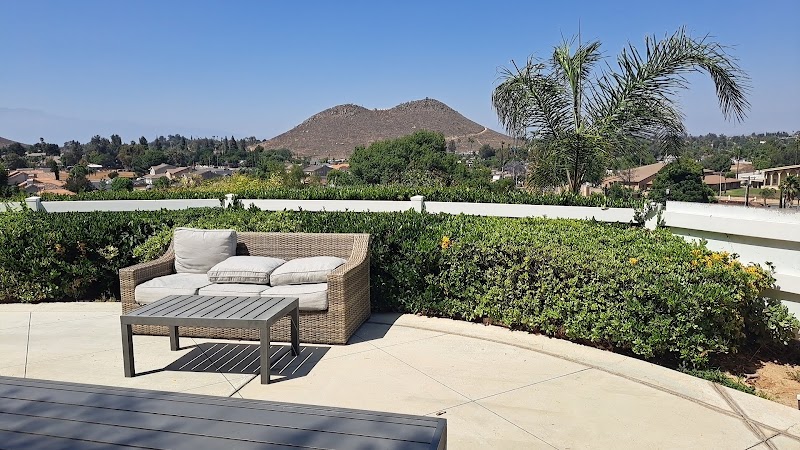
How is Palm Terrace Staffed?

CMS rates PALM TERRACE CARE CENTER's staffing level at 3 out of 5 stars, which is average compared to other nursing homes. Staff turnover is 47%, compared to the California average of 46%.

What Have Inspectors Found at Palm Terrace?

State health inspectors documented 27 deficiencies at PALM TERRACE CARE CENTER during 2022 to 2025. These included: 27 with potential for harm.
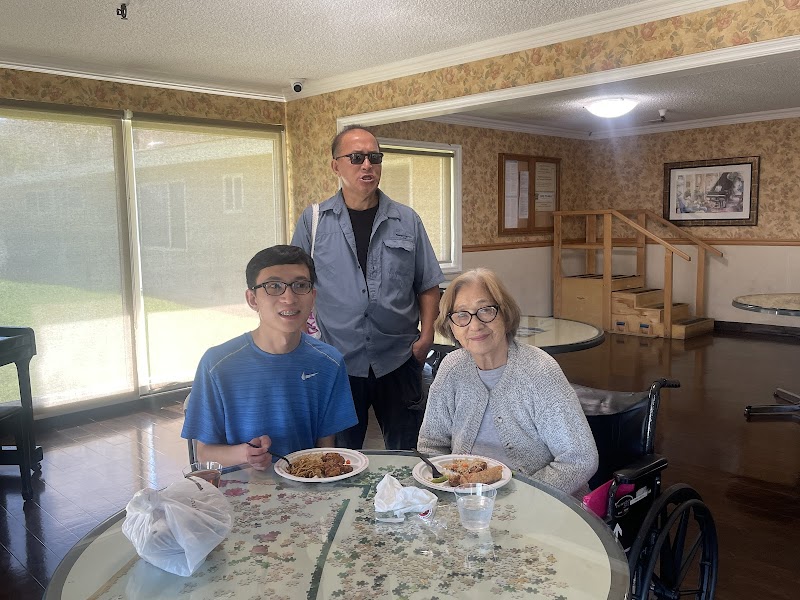
Who Owns and Operates Palm Terrace?

PALM TERRACE CARE CENTER is owned by a for-profit company. For-profit facilities operate as businesses with obligations to shareholders or private owners. The facility is operated by THE ENSIGN GROUP, a chain that manages multiple nursing homes. With 71 certified beds and approximately 67 residents (about 94% occupancy), it is a smaller facility located in RIVERSIDE, California.
How Does Palm Terrace Compare to Other California Nursing Homes?

Compared to the 100 nursing homes in California, PALM TERRACE CARE CENTER's overall rating (4 stars) is above the state average of 3.2, staff turnover (47%) is near the state average of 46%, and health inspection rating (3 stars) is at the national benchmark.

What Should Families Ask When Visiting Palm Terrace?

Based on this facility's data, families visiting should ask: "Can I visit during a mealtime to observe dining assistance and food quality?" "How do you handle medical emergencies, and what is your hospital transfer rate?" "Can I speak with family members of current residents about their experience?"

Is Palm Terrace Safe?

Based on CMS inspection data, PALM TERRACE CARE CENTER has a clean safety record: no substantiated abuse findings (meaning no confirmed cases of resident harm), no Immediate Jeopardy citations (the most serious violation level indicating risk of serious injury or death), and is not on the Special Focus Facility watch list (a federal program monitoring the lowest-performing 1% of nursing homes). The facility has a 4-star overall rating and ranks #1 of 100 nursing homes in California. While no facility is perfect, families should still ask about staff-to-resident ratios and recent inspection results during their visit.

Do Nurses at Palm Terrace Stick Around?

PALM TERRACE CARE CENTER has a staff turnover rate of 47%, which is about average for California nursing homes (state average: 46%). Moderate turnover is common in nursing homes, but families should still ask about staff tenure and how the facility maintains care continuity when employees leave.

Was Palm Terrace Ever Fined?

PALM TERRACE CARE CENTER has no federal fines on record. CMS issues fines when nursing homes fail to meet care standards or don't correct problems found during inspections. The absence of fines suggests the facility has either maintained compliance or corrected any issues before penalties were assessed. This is a positive indicator, though families should still review recent inspection reports for the full picture.

Is Palm Terrace on Any Federal Watch List?

PALM TERRACE CARE CENTER is not on any federal watch list. The most significant is the Special Focus Facility (SFF) program, which identifies the bottom 1% of nursing homes nationally based on persistent, serious quality problems. Not being on this list means the facility has avoided the pattern of deficiencies that triggers enhanced federal oversight. This is a positive indicator, though families should still review the facility's inspection history directly.